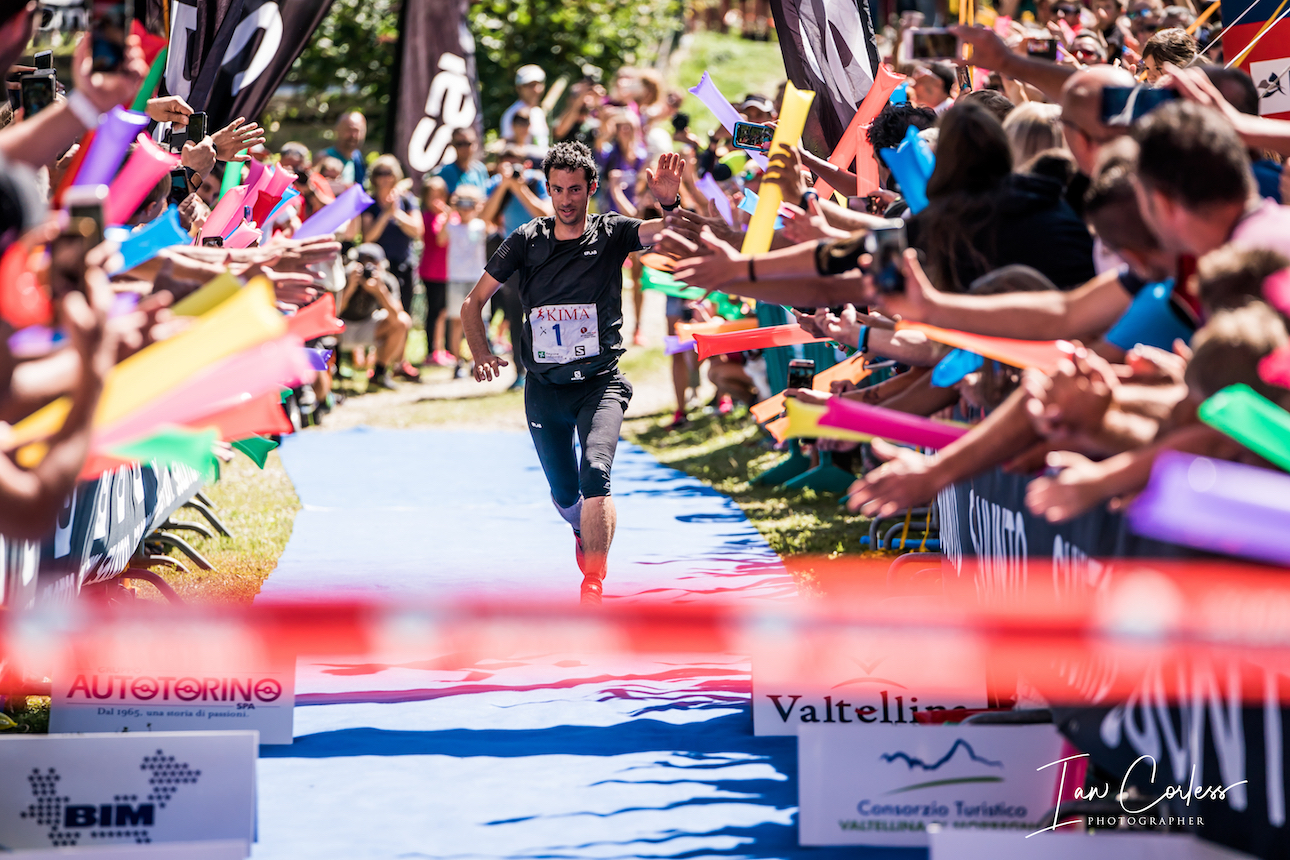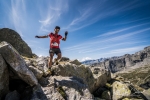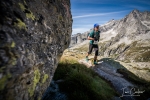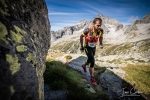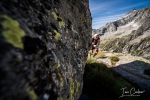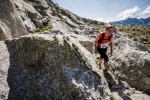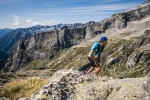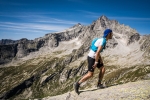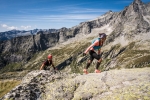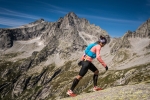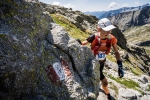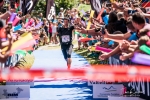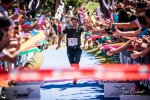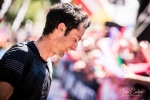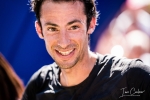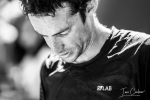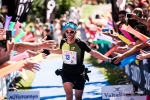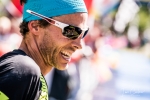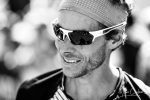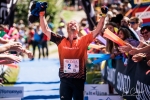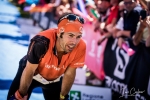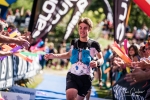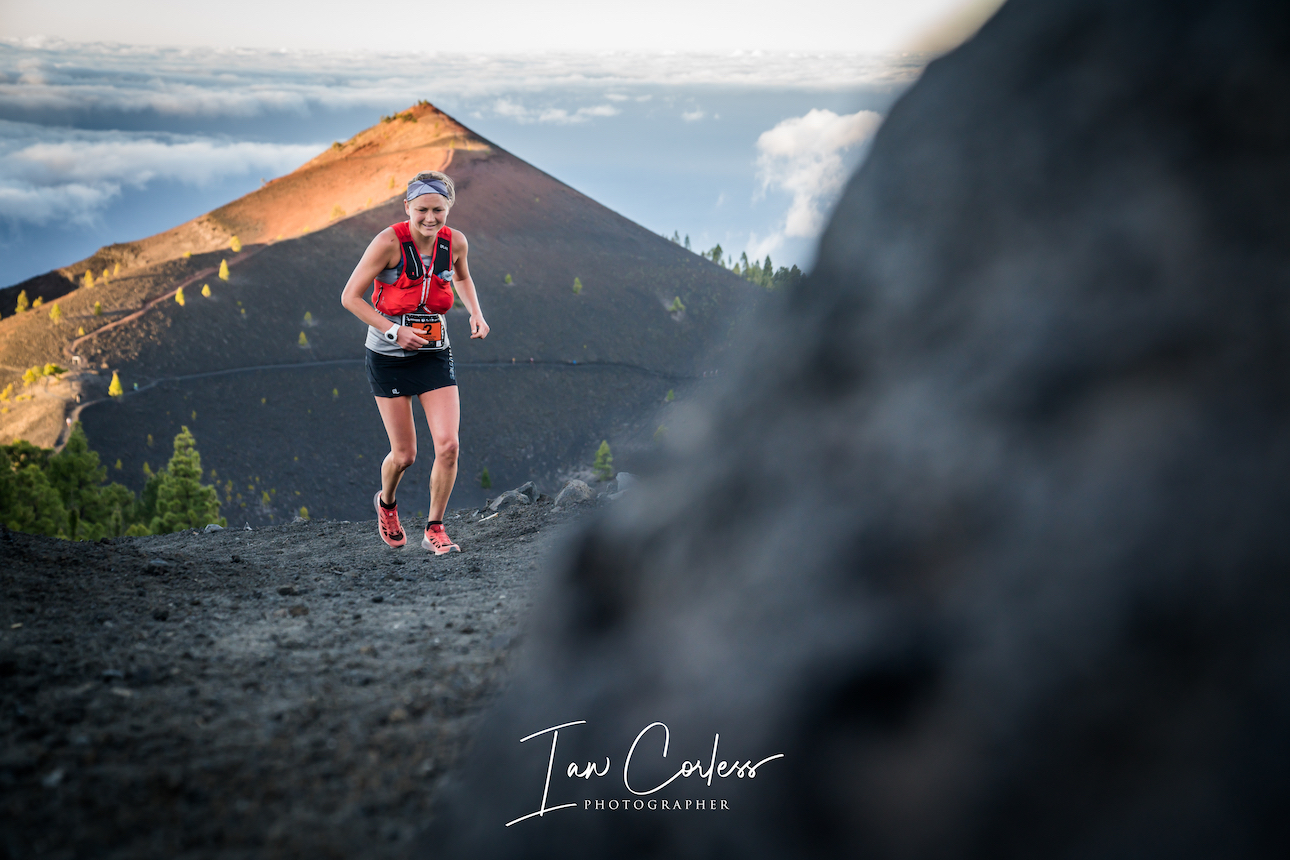
Silvia Serafini Zegama pre race interview
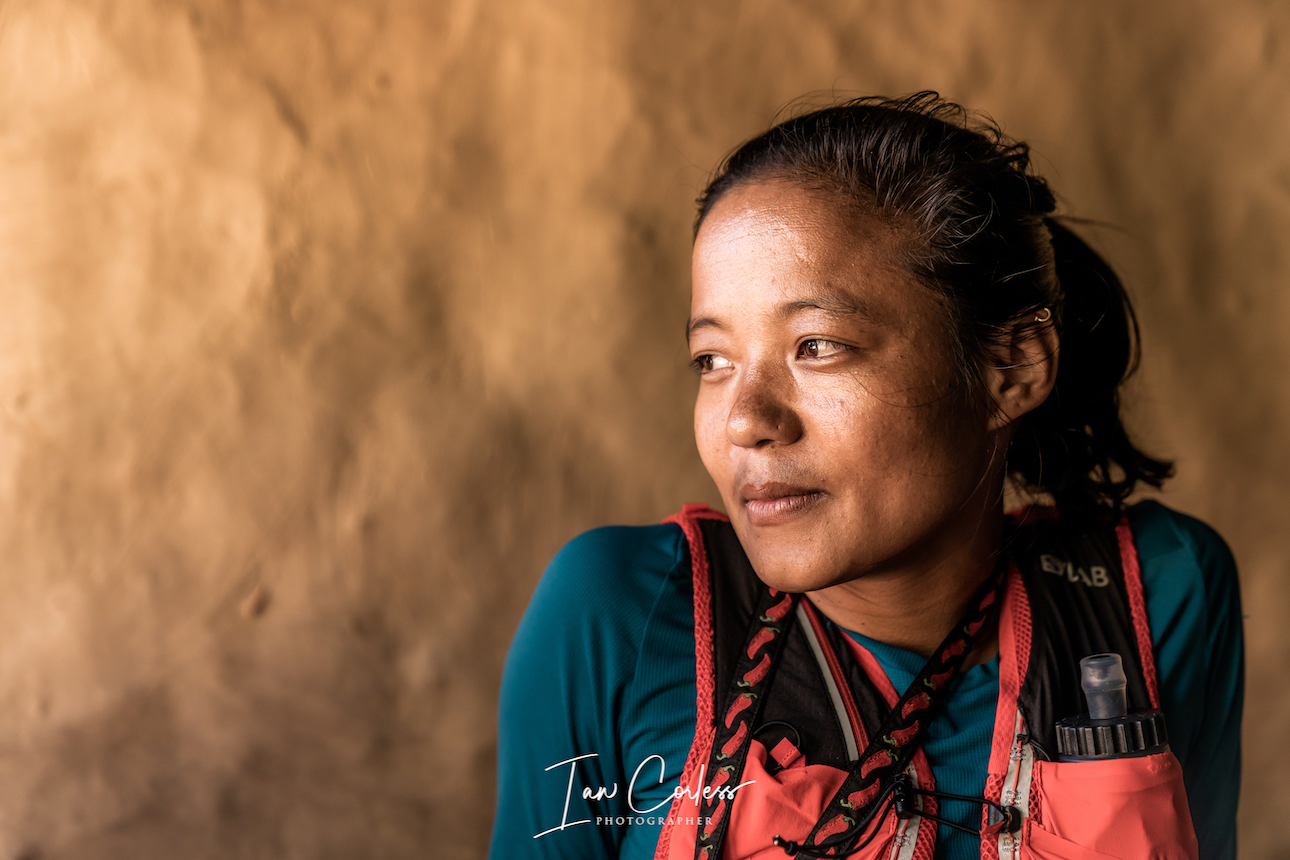
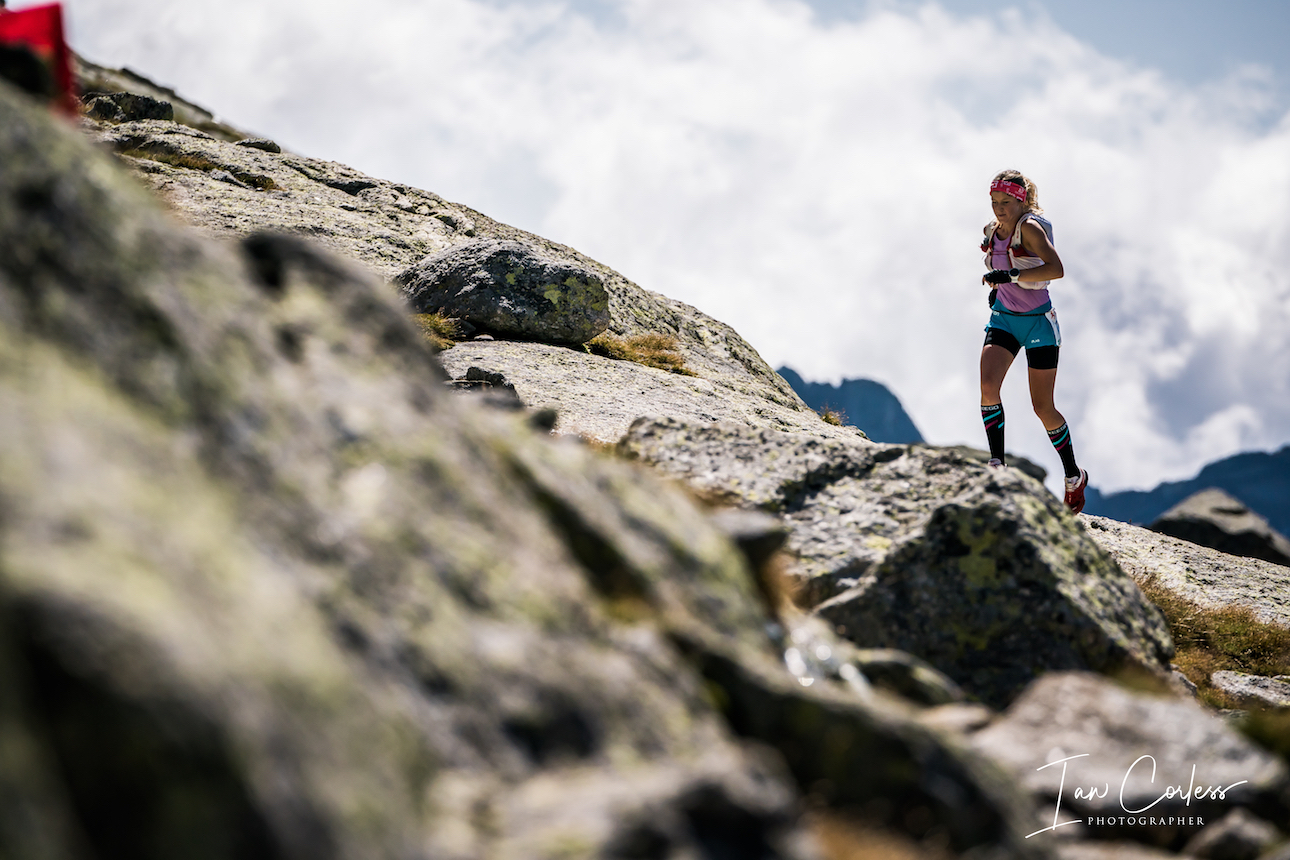
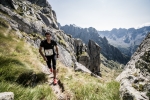
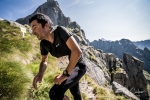
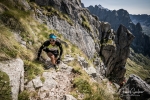
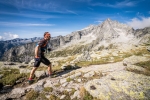
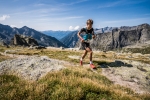
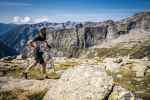
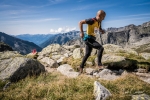
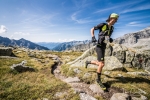
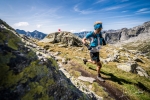
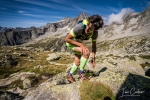
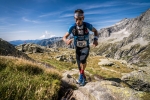
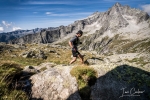
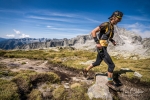
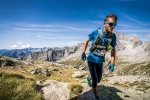
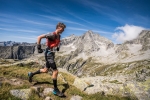
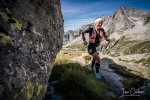
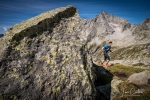
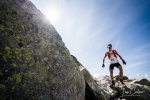
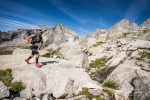
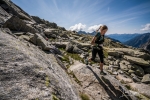
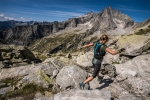
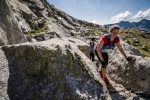
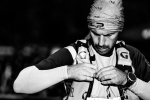
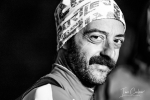
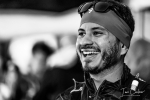
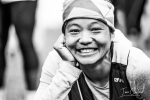
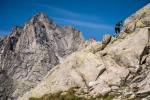
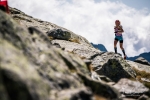
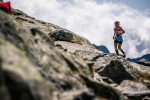
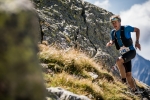
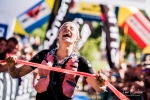
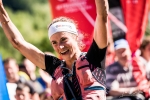
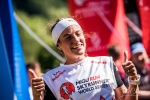
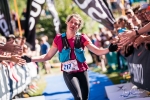
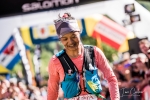
Silvia Serafini, Salomon Agisko copyright Ian Corless

Silvia Serafini, Salomon Agisko copyright Ian Corless

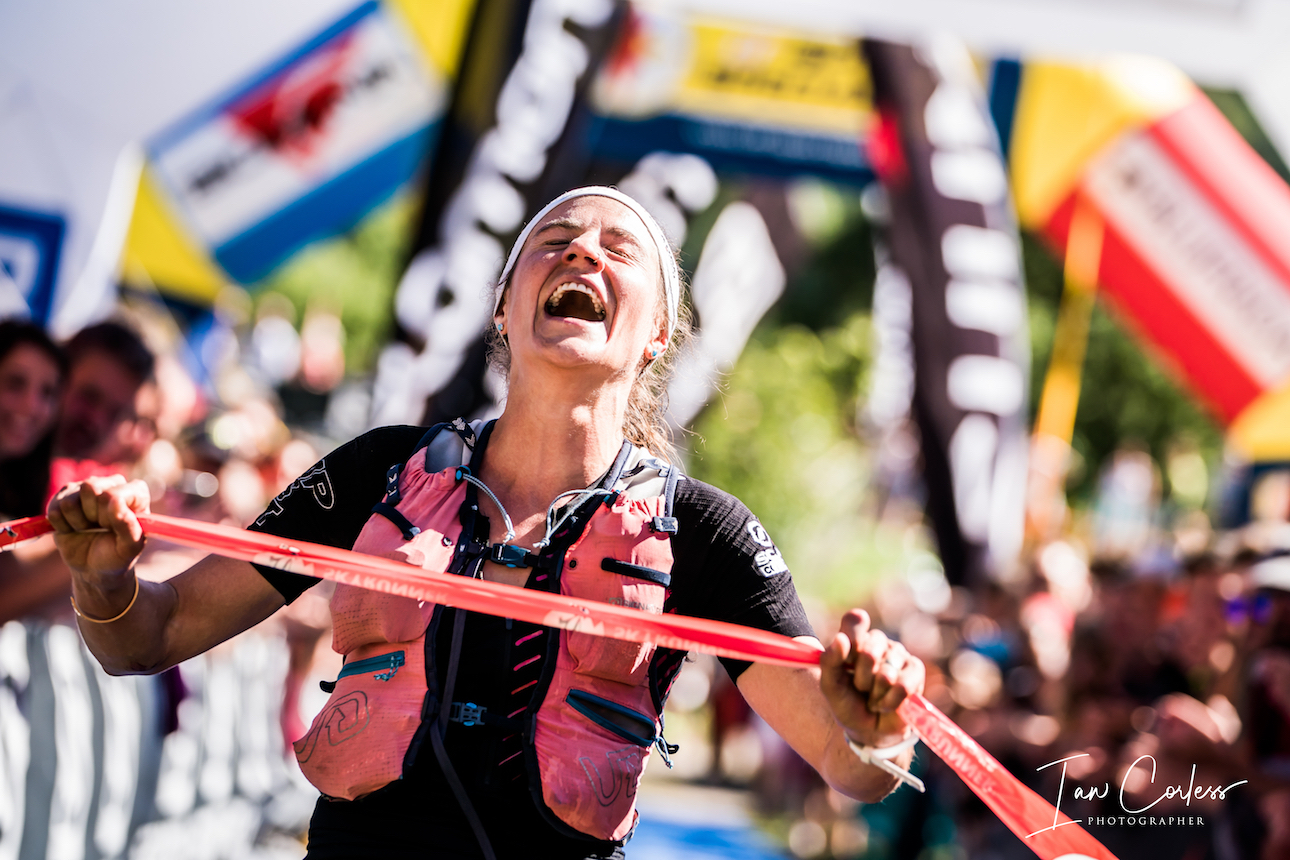
Silvia Serafini is a rising star for Salomon Agisko. She has an excellent pedigree and fast times in road running. In 2012 she moved to trail and mountain running and participated in multiple races always performing in the top 10. She has immense ability and potential.

Excited, motivated and maybe a little apprehensive about racing at Zegama, Silvia, like fellow team mate, Stevie Kremer, says this race will be a learning curve. But do not rule her out. She without doubt has the speed and ability to perform at the highest level at this 2013 edition of this iconic race.

YouTube HERE

Links:

  • Zegama-Aizkorri website – HERE
  • Skyrunning – HERE
  • Salomon Running – HERE
  • Salomon Agisko – HERE

Stevie Kremer – Zegama pre race interview

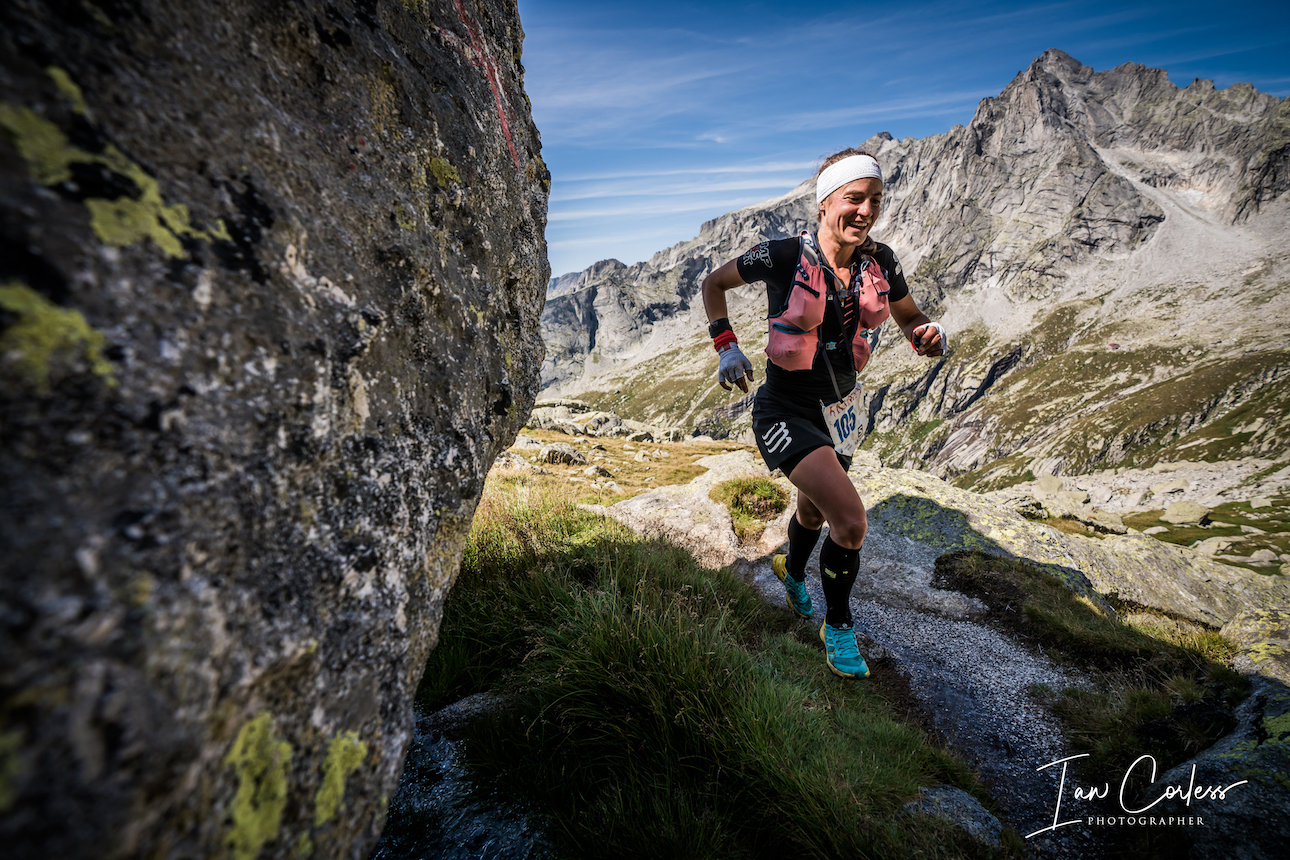
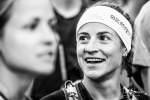
Stevie Kremer - copyright Ian Corless

Stevie Kremer – copyright Ian Corless

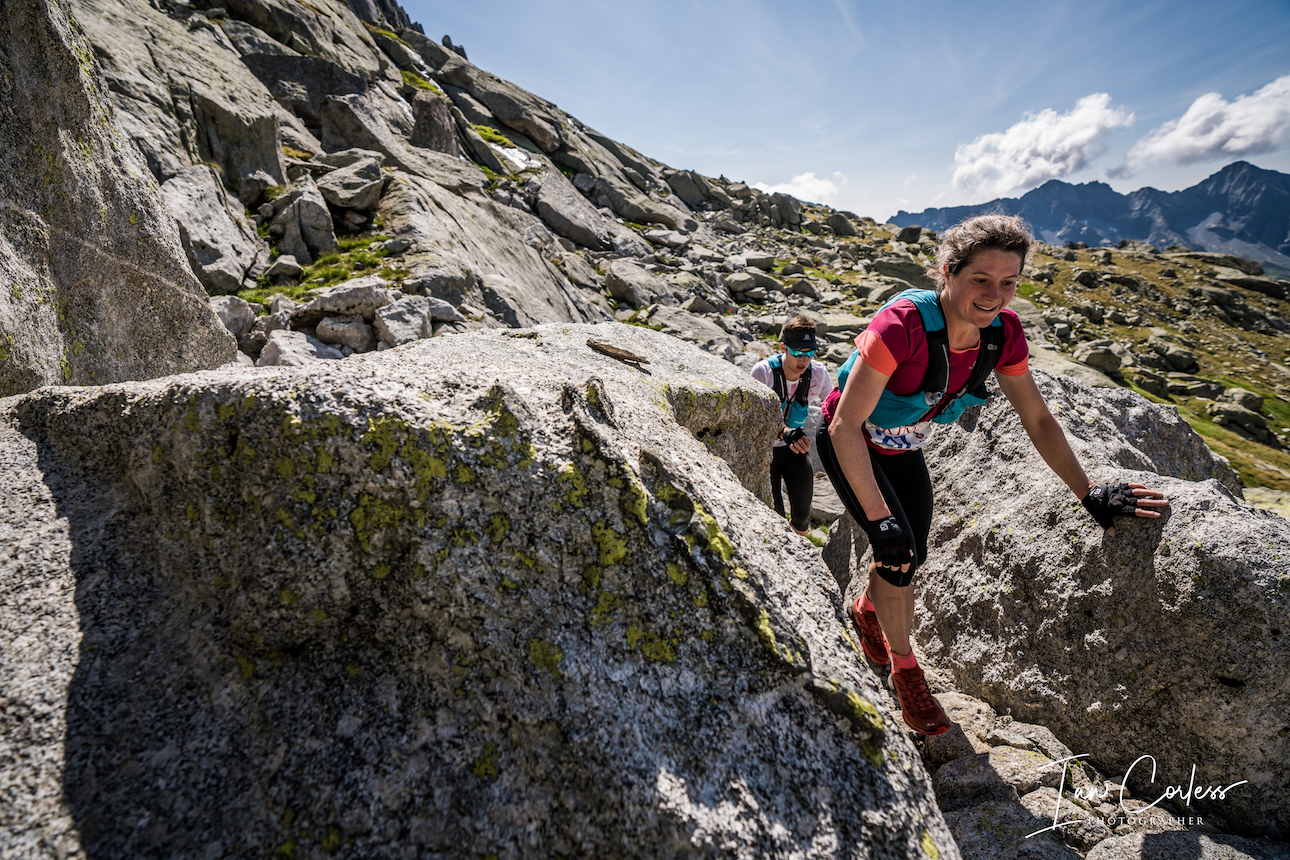
Stevie Kremer burst  onto the European running scene with a stunning second place at Sierre-Zinal in 2012. She followed this with a win at the World Long Distance Mountain Running Championships at Interlaken later that year.

Stevie is extremely modest and humble, she says that she shouldn’t really be a World champion… I don’t agree. She has immense talent. She most certainly has the potential to win at Zegama but it is her first big race of the year and her first big race against some serious competition. She may well use this to ease into 2013 and find her feet. Rest assured, once she has found them she will be a force to be reckoned with.

YouTube – HERE

Links:

  • Zegama-Aizkorri website – HERE
  • Skyrunning – HERE
  • Salomon Running – HERE
  • Salomon Agisko – HERE

Anna Frost – Transvulcania 2013

Anna Frost transvulcania 2013 - copyright Ian Corless

Anna Frost transvulcania 2013 – copyright Ian Corless

Anna Frost dominated the 2013 Transvulcania La Palma, in doing so, she set a new course record and placed in the top 20 overall. Her return to La Palma in 2013 has created excitement for some time…. would she improve on her 2012 performance, would she be pushed by Nuria Picas, Emilie Lecomte, Emelie Forsberg or Fernanda Maciel?

Unfortunately, Anna, or should I say, ‘Frosty’ as we all know her, withdrew from the race with an ongoing injury problem.

She talks about the injury, the ladies race and she makes some predictions.

YouTube HERE

Links:

  • Anna Frost – HERE
  • Salomon Running – HERE
  • Transvulcania – HERE
  • Skyrunning – HERE


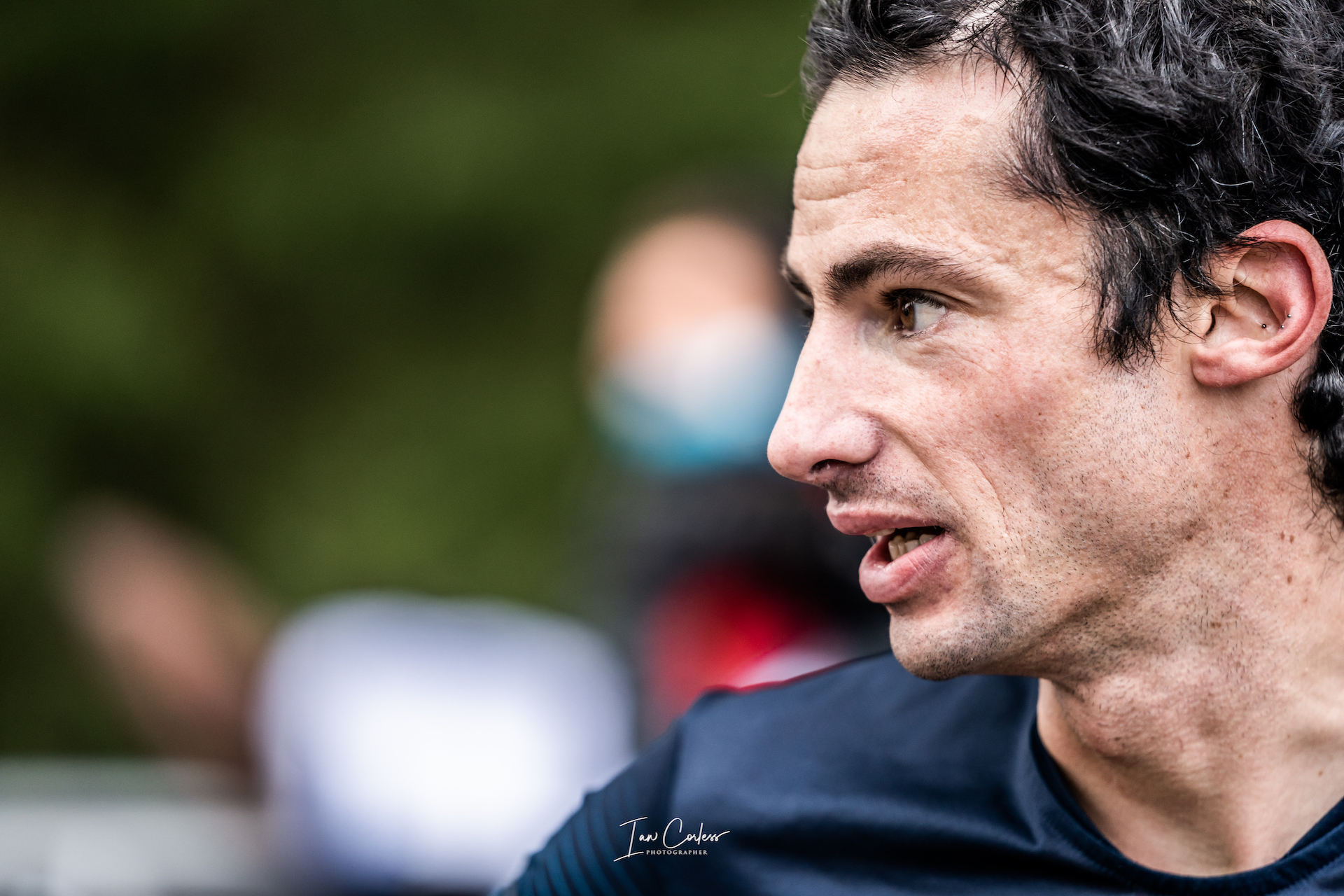
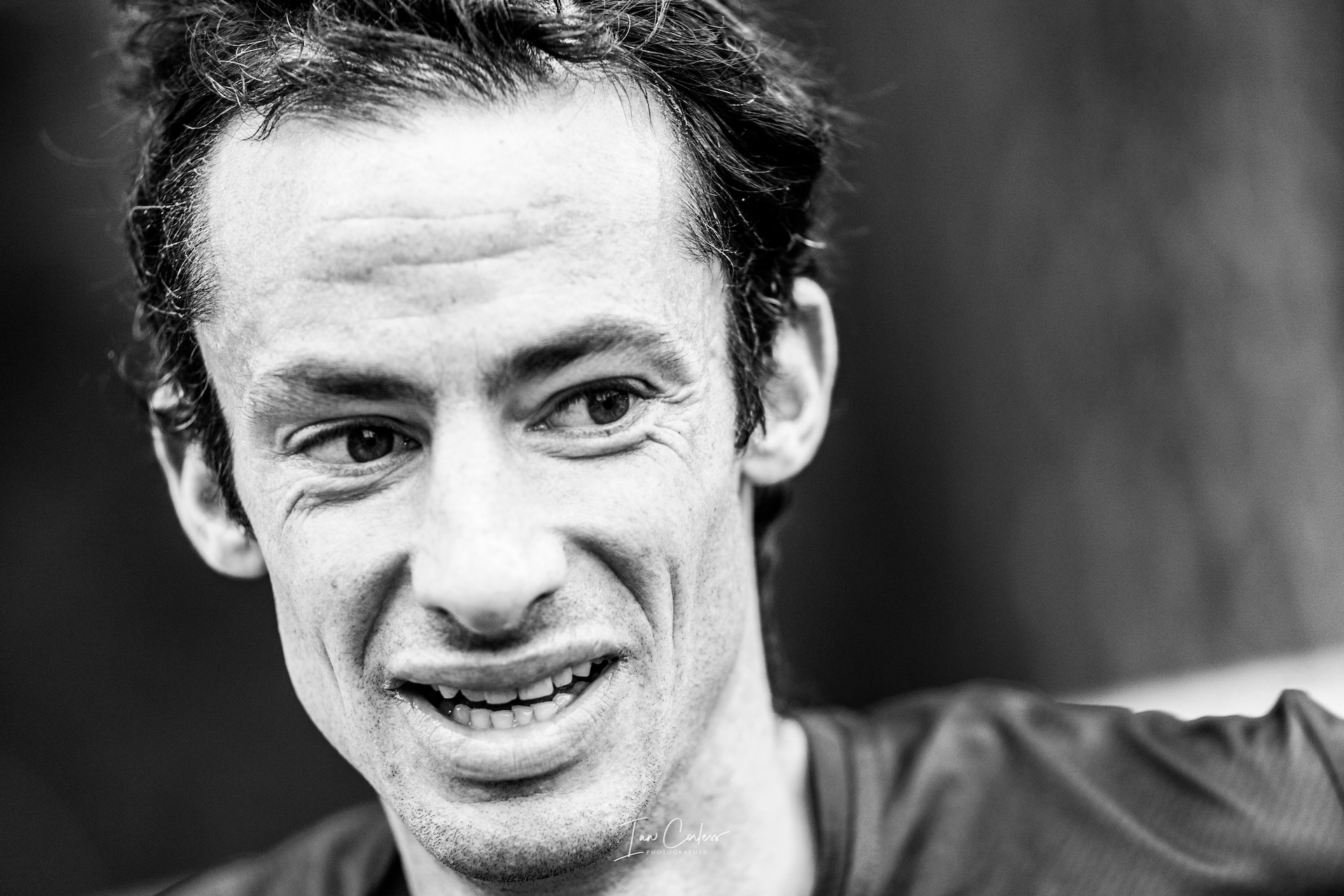
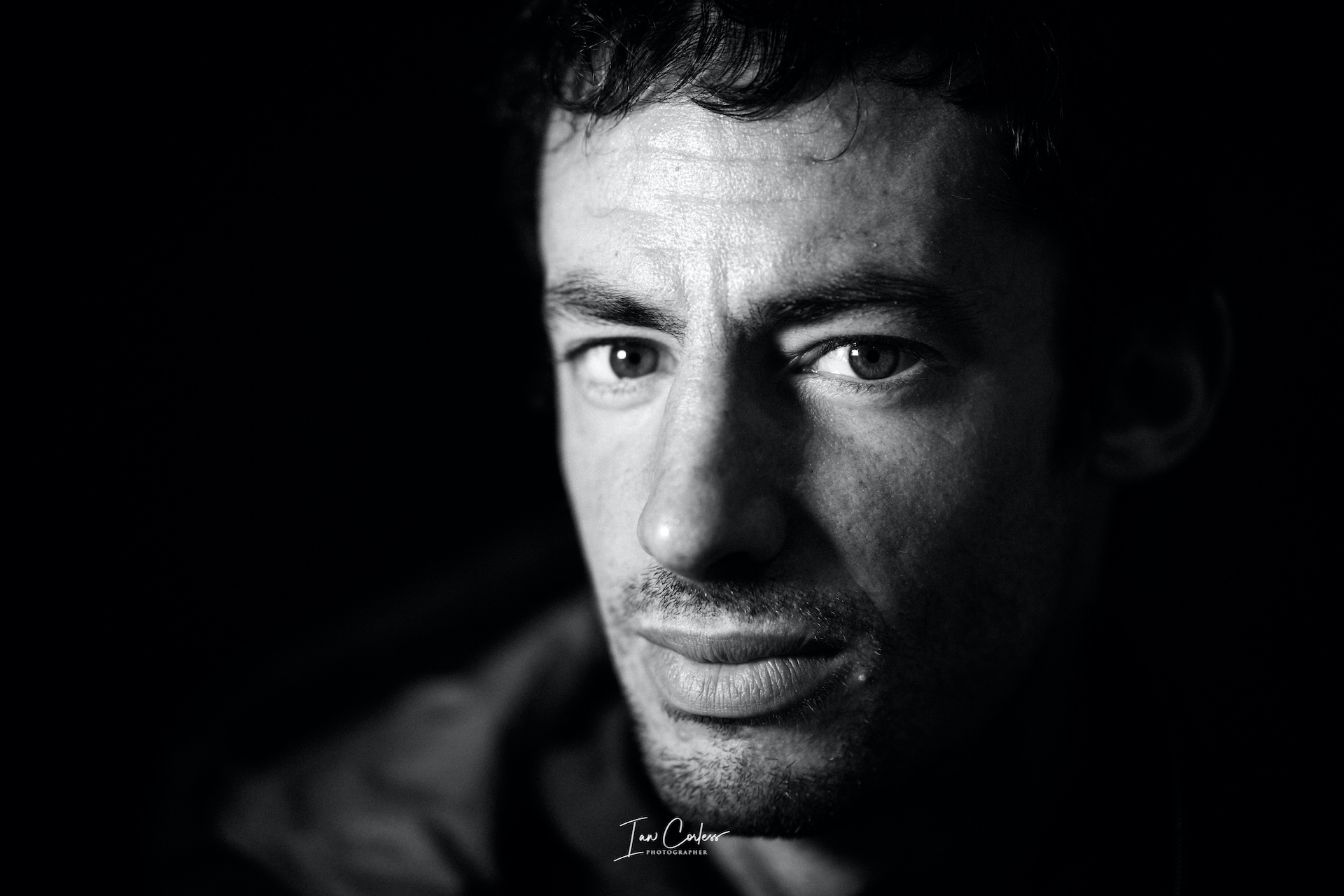
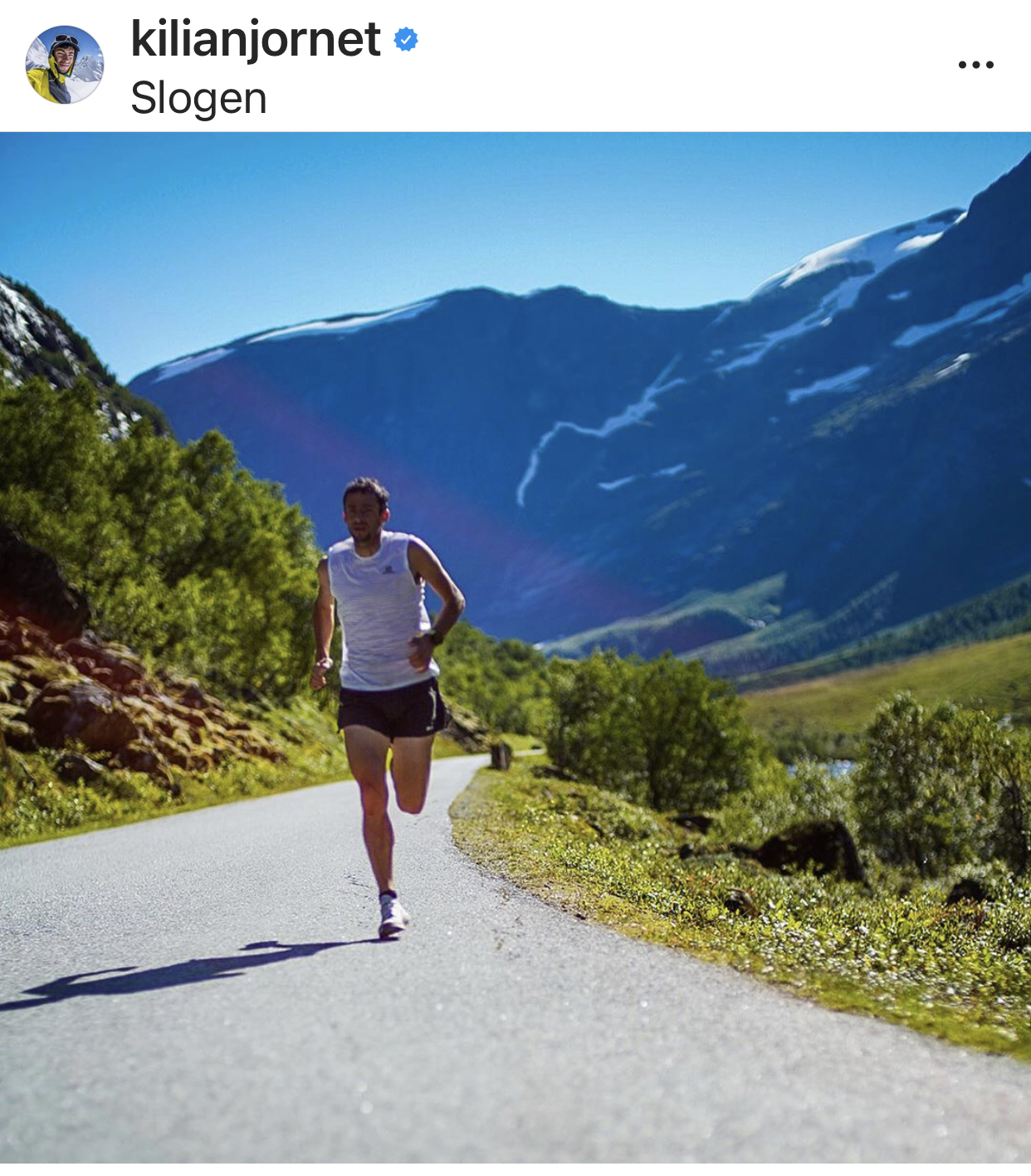
Kilian Jornet – Transvulcania 2013

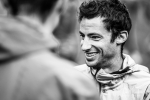
Kilian Jornet Transvulcania 2013 - copyright Ian Corless

Kilian Jornet Transvulcania 2013 – copyright Ian Corless

Salomon athlete, Kilian Jornet needs no introduction…. last year he raced Transvulcania and placed third behind Dakota Jones and Andy Symonds. In the final stages of the race he suffered in the heat. This year he has arrived in La Palma a little earlier to acclimatise, however, he has used a very similar approach to 2012 and has only recently just stepped off ski’s.

I caught up with Kilian after an excursion to see a banana plantation, he says he is ready, however, he does seem concerned about the heat! Today has been a very warm day and temperatures look likely to rise over the next 48 hours.

YouTube HERE

Links:

Kilian Jornet – HERE

Salomon Running – HERE

Transvulcania 2013 – HERE

Skyrunning – HERE

Anna Frost “I have decided not to race TransVulcania”

copyright Ian Corless

copyright Ian Corless

I have decided not to race Transvulcania. An obvious decision, but a hard one to make out loud and on paper. But what is important is that I am healthy. That I can explore without pain, without further damage. I will take pleasure in watching my friends and fellow trail runners challenge themselves in such a beautiful race. I will enjoy the islands beauty with my bike and in the ocean, hoping to gather up some energy from the land to move my injury on. To find new strength and direction for the long season ahead.

Good Luck to all who are racing. Look up and face the challenge!

Needless to say, this is sad news for the race and all involved in the 2013 edition of the Transvulcania La Palma. Without doubt, ‘Frosty’s’ health and onward health is the most important thing and I hope you all along with myself will wish her the very best and a speedy recovery.

copyright Ian Corless

copyright Ian Corless

Anna made a full post on iRunFar which you can read HERE

Tom Owens – Is the SKY the limit?

Tom Owens running a ridge at the stunning Trofeo Kima copyright Ian Corless

Tom Owens running a ridge at the stunning Trofeo Kima copyright Ian Corless

Tom Owens  is a British runner who I guess in ultra terms, as Tom keeps telling me, is not an ultra runner. But when you are on the podium repeatedly in Skyrunning races in 2012 and push Kilian Jornet, the term ‘ultra’ can be loosely used. I caught up with Tom just as he had finished a run in a gale force wind on the fells near his home in Scotland.

IC: Welcome Tom.

TO: Thanks Ian, great to be here.

IC: Thanks for finding the time to chat. So, you say you are not an ultra runner but it is fair to say that when we look at some of your 2012 races like Zegama and Trofeo Kima they are tough races aren’t they and when we look at how long it takes to cover these races they do drift into ultra category.

TO: Yes I agree with you. You are on your feet for a long time. A race like Zegama can take 4 hours and that is considered a ‘runnable’ Skyrunning race.

IC: Lets go back to what got you into running. You told me that at the age of 22 you ran London Marathon.

TO: Yes I was at University and I entered the ballot for the marathon not thinking I would get in. Ironically I got in first time. I did a little training and joined a cross country club. I had a year of running but it was very much a sideline. I was much more interested in Football and having a good time. I ran the marathon and then got addicted.

IC: In 2004 you ran 2:42 at London.

TO: Yes, correct. I learnt so much in the first two years. I met some great folk at Bristol Uni and I learnt how to train and recover. I was very pleased at the time.

IC: What do you mean pleased? Any of us would be ecstatic with 2:42 marathon.

TO: Funny, I didn’t know what time to go for so I wrote splits for 2:42 on my hand and it went well. My first time was hopeless and I bonked. I made changes for the second year but that was pretty much the end of my road running.

IC: Yes, you met Andy Symonds and I guess your friendship with Andy has dictated both your careers. You have almost run in parallel.

TO: I met Andy and he introduced me to hills. He is a great guy, super talented and enthusiastic. So he encouraged me to try hill races and I loved the vibe. Really different. Very challenging but no pressure. So varied. Andy encouraged me throughout and I kept with it.

IC: What would you say was the point when the focus started to shift? You lived in New Zealand and you met the Scottish team who were out for the world trophy. Was that a pivotal point?

TO: Yes it was I guess. I travelled and then I settled in New Zealand and it had a great running community. I lived in a brilliant city surrounded by hills. It’s an outdoor way of life and I ran more. With the World Mountain Running Champs taking place I saw Jonathan Wyatt and that inspired me. To have the English, Scottish and Welsh team over was brilliant. I hung out with them, did the ‘open’ race and yes, I guess I just continued that momentum in the UK.

Tom Owens behind 'Hernando' in the early stages of Zegama 2012 copyright Ian Corless

Tom Owens behind ‘Hernando’ in the early stages of Zegama 2012 copyright Ian Corless

IC: In 2007 you won your first British Championships beating Rob Jebb.

TO: Yes that was a surprise. A race up in Scotland. Wasn’t a big field but it was a tough race and it has two or three big hills. I can’t remember the distance but it took about 3 hours. I just pipped Rob by about 7 seconds on the line. It was a huge confidence boost. Luckily most races I do finish downhill so it gives me a chance to catch back up after loosing time on the climb.

IC: I guess this is a perfect opportunity to discuss and explain what fell running is. As an exponent of fell racing would you like to give us an overview.

TO: They are very low-key events. The race will visit checkpoints, typically hill summits or passes. You often start at a village hall or pub. You run to to the hills carrying basic equipment such as waterproof, whistle, compass and map and then you make your way to checkpoints as fast as you can. It’s often horrendous conditions; after all it is the UK. You can need map and compass work but you can ‘follow’ as I do. More often than not it is usually wet and very slippery. In a nutshell you basically go straight up and straight down as fast as you can

IC: It’s a key point isn’t it that fell running is not about sticking to the worn path, it’s about the quickest route from A to B.

TO: Yes. That is the beauty. You have a hill, you get up as quick as you can. That is often ‘hands on knees’ power walking and then the fun bit is hurtling down as quickly as you can in a direct line. I guess in the UK we are lucky. The hills are open and we can pretty much go where we want. Especially in Scotland with the right to roam act.

IC: You mentioned going up ‘hands on knees’ I think for most of us we can get our head around that, what I find with fell running is the coming ‘down’ is just crazy. It’s such a skill. Is that God given or do you have to practice.

TO: Like anything you need to practice. You have to get confidence on all terrain and build up ankle strength. If you relax it is so much easier. Particularly if you fall over, most of the time you get up and carry on. Racing is in the head, relax and enjoy it and the rest will follow!

IC: In 2007/ 2008 you got involved with Salomon and eventually you ended up adventure racing and multi stage racing. What was the process involved in that?

TO: I started as a reserve for the Saab/Salomon Adventure Racing Team. In 2008 adventure racing was a big sport. It was certainly one of Salomon’s big focuses. I would say it was probably the last year of racing too as the economy crashed. I was called up as a reserve and I raced a six-day race. Probably one of the best races ever…  two mountain days on foot, mountain biking, climbing, paddling and canyoning. In addition, every evening we had a trail race that was really competitive. It favored runners.

IC: Your team was 2nd overall, yes?

TO: Yes that is right. I was with Andy Symonds again and a guy called Ben Bardsley. We are mountain people. We lead for most of the race but lost time on the water.

IC: That combination of multi stage racing and time with Andy, was that instrumental in what brought you guys together to take on Transalpine.

TO: Yes, it was a race I had heard about. It looked amazing. Andy was in Scotland at the time and we trained together so it seemed logical that we should undertake this as a team and give it a go. Again, another brilliant race!

IC: The race is typically about 160 miles over 8 days and alternates direction?

TO: Yes, 8 days. It has two routes and they alternate. An easterly route and a route that is more western which is more alpine. Actually we did both. We did the west route in 2009 I think and the other the following year.

IC: And you won both!

TO: Yes, Andy and I run together so well and the format suits us. You run hard and then you get to recover and do it all again the next day.

IC: Just like that!

TO: Yes, it is a battering race. Definitely good that it is late in the year as you really need to recover afterwards.

IC: You see, you say that you are not an ultra runner but 8 days in the mountains on those tough courses running a marathon a day is ultra running. That is severe, head to the ground hard work.

TO: Yes, challenging days. Brilliant days. Some of the passes and tracks are breath taking. It’s a delight to be involved but you get it done as quickly as you can. It does take its toll. It definitely has an ultra element to it.

IC: In 2010 you raced ‘Giir di Mont’. You came 6th. Was that the point that Skyrunning really started to appeal or was it before that?

TO: To be honest the first Skyrunning race was 2006, it was La Plagna, A huge race. It was 55km with 3000m up and 3000m down. Certainly the hardest thing I had ever done at the time, I hadn’t been running long. In 2007 I did a couple more and similar in 2008. I started to build up and as more opportunities came I snapped them up.

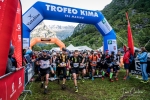
Crowds supporting at a Skyrunning event copyright Ian Corless

Crowds supporting at a Skyrunning event copyright Ian Corless

IC: Well, we are at present day and 2012 was a stunning year. We seemed to bump into each other all year. Sometimes we saw each other consecutive weekends. What impressed me was right from Zegama to the very end you were always there or there abouts with Kilian Jornet. You pushed him. Great to see a Brit pushing at the front… from a world perspective also, Tom Owens became a name to reckon with. It must be great for you to have Kilian on your Salomon Team but also to be able to race him.

TO: I don’t actually think I pushed Kilian. I may have been second but he was usually 10 minutes clear.

IC: It’s all relative Tom!

TO: Certainly seeing Kilian at the start and finish is great. He is on another level. He is so dominant at all distances, VK to ultra. We can’t get close to him. He is so chilled and he recovers so quickly. I certainly can’t do it week after week. After a hard race I can’t walk for 4 to 5 days.

IC: If we look back at 2012 what was your highlights?

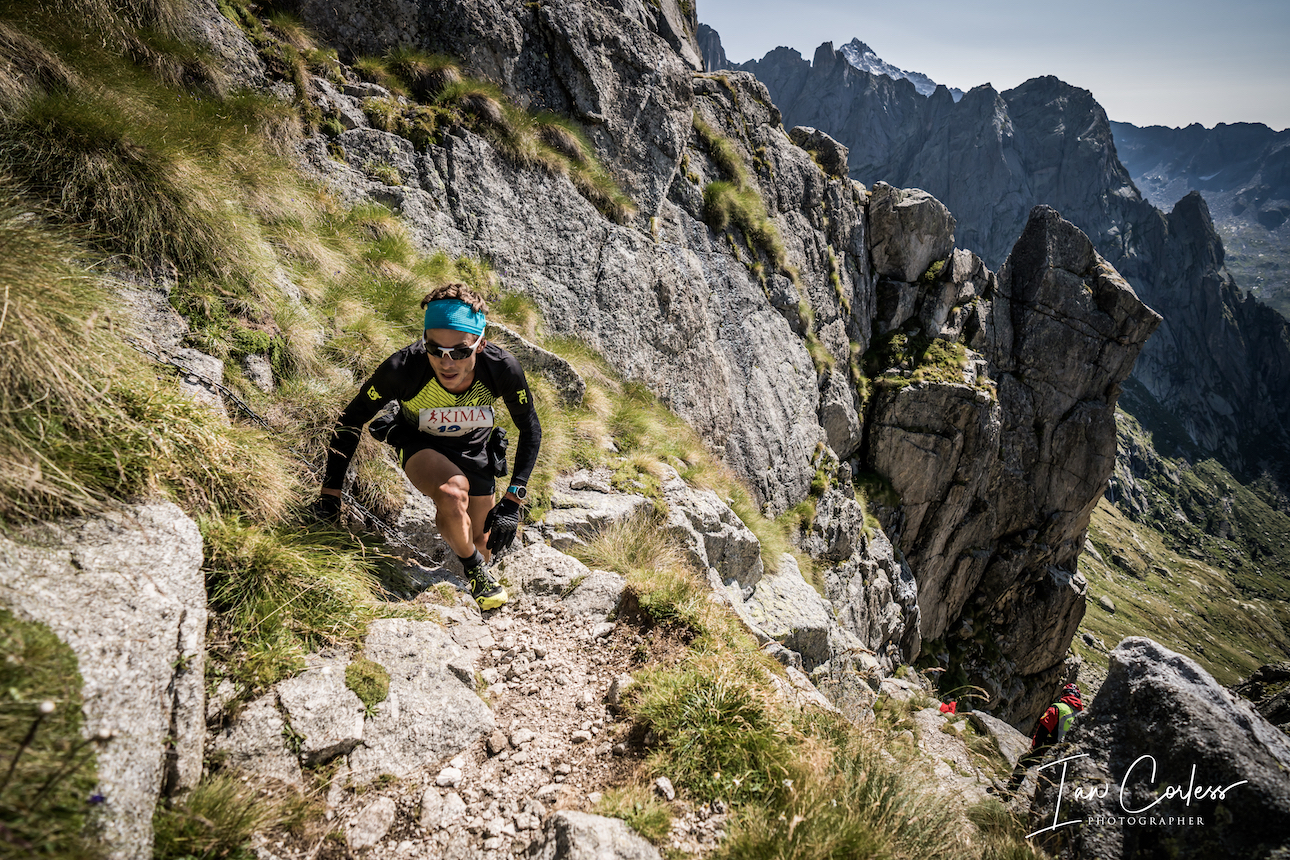
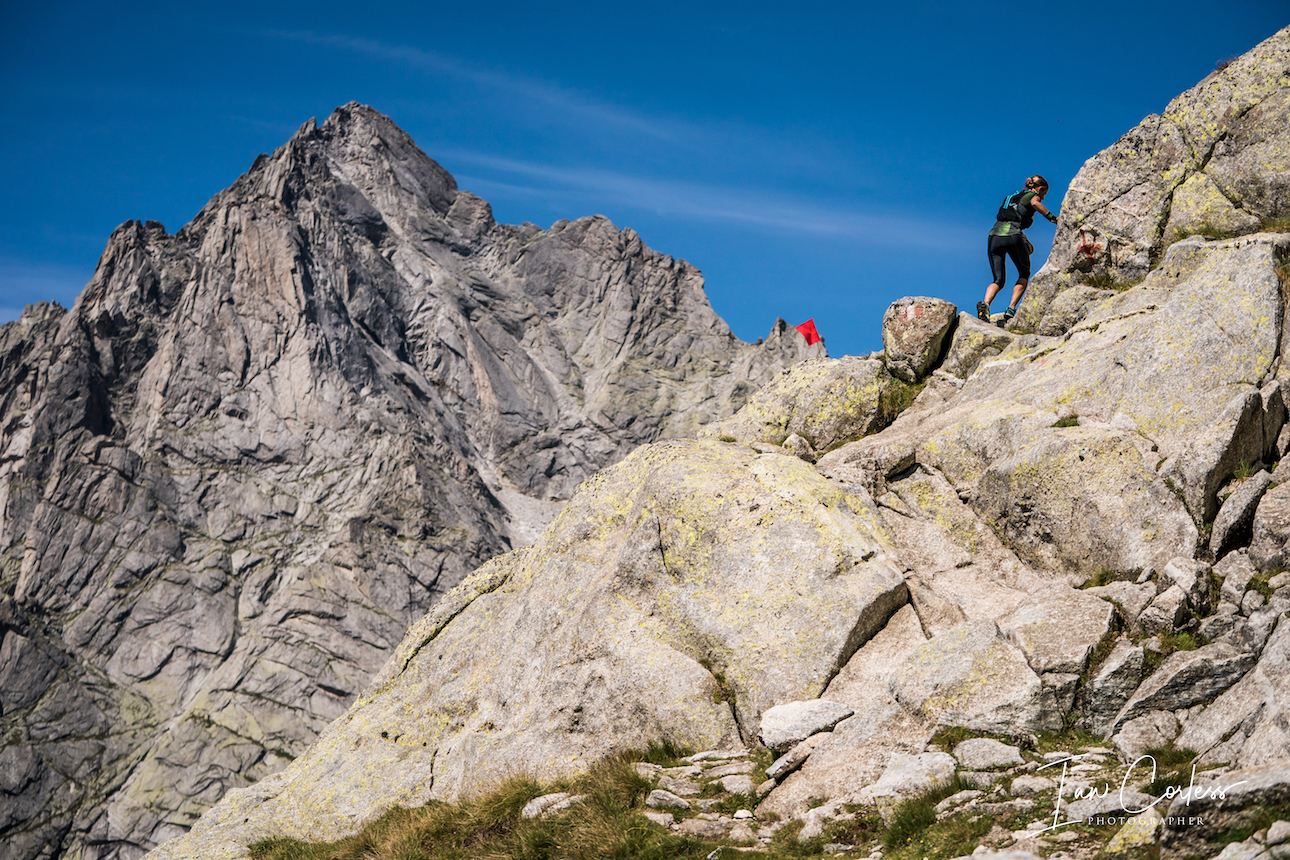
TO: To be honest I was really pleased with the year actually and the consistency. I did so much and it was never straightforward. I had some wonderful opportunities. The highlight though was Trofeo Kima in August. It’s a really technical Italian Skyrunning race that has passes, via ferrata and scrambling. It’s a small race but absolutely brilliant experience.

Tom Owens  'running' at Trofeo Kima copyright Ian Corless

Tom Owens ‘running’ at Trofeo Kima copyright Ian Corless

 IC: I have to say that it was a highlight for me too. I had never experienced a course like it. To be able to witness the action unfold and capture it on camera was really fantastic. You say it was a small race, you are right, the race is capped at around 125 people but it had a stacked field; Philipp Reiter, Kilian Jornet, Andy Symonds and more. What was obvious at the end was the level of fatigue you all had. That course required 110% concentration.

TO: Absolutely, it had so much rock hopping and you followed painted markers so you had to be focused not to go off course and also not to fall. The last descent was bonkers. A 2000m descent on slippery gnarly terrain. To be running that long on such technical terrain that included ladders, chains and ropes is a big concentration exercise. I was happy to get to the road at the end to be able to relax. It was full on.

IC: What are the plans for 2013? Is the Skyrunning series going to figure again?

TO: I really want to do the Skyrunning series again. Races like Zegama, Chamonix and the Matterhorn excite me. Also the race at Limone. All being well I will try some of those and also mix in some new races. It will be an adaptable schedule and I will see how I go and feel.

IC: What about UK races?

TO: I fancy the British Fell Running Championships, so that will be three, maybe four races in addition to everything else. I will try to mix it up like I did in 2012.

IC: Any temptation to move up to any longer distances or will you establish yourself around the Sky marathon distance.

SKY Marathon races for 2013
1. SPAIN: Maratòn Alpina Zegama-Aizkorri - 42k, Zegama – May 26
2. FRANCE: Mont-Blanc Marathon - 42k, Chamonix – June 30
3. USA:  Pikes Peak Marathon - 42k, Manitou Springs, Colorado – August 18
4. SWITZERLAND: Matterhorn Ultraks - 46k, Zermatt – August 24
5. ITALY: Skyrunning Xtreme - 23k, Limone sul Garda – October 13

Tom Owens at Sierre Zinal being chased by Joe Symonds (Andy Symonds brother) copyright Ian Corless

Tom Owens at Sierre Zinal being chased by Joe Symonds (Andy Symonds brother) copyright Ian Corless

TO: I think it would have to be a course I really wanted to do. I would like to try the Ice Trail Tarentaise. That looks brilliant. I am not sure of the distance but I will have to see. I am not avoiding them but I wouldn’t do an ultra for the sake of it!

IC: You know your skills and ability and as such you choose the races were you know you can perform.

TO: As long as I am enjoying it I run well. We shall see.

IC: Thank you so much for freeing up time to chat, Tom. I am really looking forward to seeing you at many races in the coming year.

TO: Thanks so much. It’s a pleasure. Keep up all the good work!

This article was first published on Mud, Sweat and Tears in March 2013.

Links

  • Skyrunning events can be found HERE
  • Salomon Running HERE
  • Tom Owens HERE

Emelie Forsberg – Downhill Demon

Trofeo Kima copyright Ian Corless

Trofeo Kima copyright Ian Corless

Emelie Forsberg, Team Salomon Running.

Emelie burst onto the running scene in 2012 with a 2nd place at the Three Peaks in the UK. Throughout 2012, taking one step at a time, Emelie progressed through the Skyrunning calendar with consistent top 3 placing’s. She crowned her 2012 season off with a Skyrunning World Championship and a stunning win at San Francisco 50. Speaking from her home in Sweden, I catch up with her just before her 2013 run season starts. Cinnamon buns are in the oven and the hot chocolate is steaming on the table…

iancorless.comEmelie Trofeo Kima 3

IC Welcome to Talk Ultra

EF Thank you Ian.

IC We all have followed your progress in 2012 and it has been a quick progression in the sport, but many ask, what were you doing before?

EF I have been a student for some years. Whilst studying I have lived and worked in Swedish and Norwegian mountain resorts.

IC You have mentioned work, I’m interested. By work I am assuming you don’t mean skiing or running?

EF Baking. I am a baker. In fact, I am actually baking bread right now.

IC So this is why you always post photos of you and food on Facebook. You have a secret passion.

EF (laughs) I love good bakery!

IC You love bakery but you also love Nutella if my memory serves me well?

EF Yes, I love Nutella too.

IC So you are a baker but you also worked in hotels too, I assume you must have been doing sport during this time. You are an accomplished skier, is that your sporting background?

EF Skiing is my sport as well as climbing and some running. But I only started running in the last 4 years. I run mainly in the mountains. I love being outside.

IC What was it at the end of 2011 that made you decide that you would come away from your home and start to basically to race around the world.

EF It was my Swedish brand ambassador for Salomon who asked if I would join the Swedish Salomon Team initially and then Greg Vollet, Salomon Team Manager, asked if I would join them for a weeks training? After that a decision was made that I should try some international races. I have just progressed. I wanted to take each race at a time. I didn’t want to put too much pressure on.

IC It has been a meteoric rise for you, Three Peaks was a low-key start in the UK and you got 2nd place. At Zegama, it was your first proper mountain race against an international field. You had no hiding place. But despite that pressure, you performed tremendously in what was a new experience for you.

EF Yes, a new experience. Actually, I was a little disappointed. I hadn’t run much before Three Peaks and Zegama. Of course I was happy to do well but I could have done so much better. I learnt I need to start running before racing.

IC Funny, you say you should run before racing. Seriously, you did no running before Three Peaks? What had you been doing?

EF I had a weeks running in April with the Salomon Team but when home I was doing SkiMo (Ski Mountaineering) or I just ran a couple of miles to University each day. So I wasn’t doing much. Certainly not to race. I do ski with heavy ski’s to add resistance and that really gets you fit and strong.

IC One thing that becomes apparent with mountain runners is that SkiMo plays a big part in winter prep. For example Kilian Jornet, Nuria Picas, and Philipp Reiter amongst others spend months during the winter doing this. Skiing really does transfer across well. Is it just great endurance training or does is provide other strengths.

EF Endurance is key. It is great uphill training too and the speed in SkiMo is great. The speed going downhill is great for downhill running. You learn not to be afraid, it builds confidence.

IC What is apparent is that you can go downhill really quickly. You have already gained a reputation for this. You put this to great use at Pikes Peak when at the summit you had a 10 min deficit but you pulled it back on the descent and got the win! What is that enables you to run downhill so quickly?

EF I love the speed and freedom. I love fast! You don’t need great power. During my life I have always been moving in technical terrain, which gives me confidence to recognize different kinds of trails and decide the correct route. I am not afraid. It’s a combination of no fear and confidence.

Trofeo Kima 2012 copyright Ian Corless

Trofeo Kima 2012 copyright Ian Corless

IC I think back to Trofeo Kima in 2012, you said before the race that you wanted to just have fun! You even took sandwiches…. On one of the toughest courses in the Skyrunning calendar!

EF I did

IC Admittedly you didn’t get time to eat them… the course was too hard. But I love the mentality. You wanted to enjoy it. I love that balance that you bring to your sport. You want to do well but ultimately you want to have fun. You have struck that balance so well. At Trofeo Kima you ran with Nuria Picas and then Nuria pulled away but you weren’t bothered, however, that competitive edge came in at the end when you could sprint for 2nd place. You put the ‘speed’ you love to good use then.

EF It’s a combination for sure. I want to have fun and I like to win. Running is great fun, for sure, my life is running. It’s liberating, it’s a big part of me. I must enjoy it. I need to enjoy what I do. Competition is great, I love to feel strong and I do love to race. Winning is great and once you have won, you think, I would like to win more but I need to keep balance.

IC I feel fortunate to have witnessed most of your races in 2012, the exception San Francisco when you won. I saw you on multiple podiums. But I also saw both sides of you… the fun person and the racer. For me, the race of the year was Cavalls del Vent. You are great friends with Nuria and Frosty and pre race you three hang out together. You laugh, giggle, drink coffee and even when racing you are great friends having a laugh. At Cavalls, all three of you battled in tough conditions. As it turned out Nuria won and Frosty was 2nd but for you 3rd was not a disappointment. It was your first long race. Did you feel intimidated by the distance?

EF I wanted to try a longer race. If you have never tried then you don’t know what it feels like.  I needed to push myself. I actually started at Cavalls quite fast and I lead for almost half the race. I felt super strong. I could eat, I could drink, it was cold but I could manage it. In the end when Nuria and Anna passed me, I was mentally tired. Just super tired in my brain. I couldn’t push even though I wasn’t tired. Running uphill with Anna I couldn’t go with her. It was very unusual. We probably only had 40 mins to the finish of the race and Anna screamed at me “Come on Emily, push”. But I was just tired. I learnt something in that race.

IC What did you learn, what did you take away from Cavalls?

Cavalls del Vent copyright Ian Corless

Cavalls del Vent copyright Ian Corless

EF I think I need to work on my mind and my physical. I need to connect them and I need to be stronger. It was my first long race and it was much longer than I had ever run before. To be honest, it is good to run with others too. I learnt that maybe running with others is better than running alone.

IC It is interesting what you say about running with others and talking. That is one thing that Kilian likes. I noticed it at Cavalls, he always seemed as though he wanted some company. In that race it was Anton Krupicka. Of course when it comes to the end, he runs away for the win. I guess time passes so much easier and quickly with company…

From Cavalls you went to La Templiers in France, which starts in Millau. It’s a big race in France. You raced Nuria and Lizzy Hawker. Nuria once again won. But you really gritted your teeth and outsprinted Lizzy for 2nd.

EF Yes it was satisfying but that race was problematic. I had stomach issues and I had to stop six or seven times. So that took energy. Plus I couldn’t eat. I felt I could have done so much better. I could have run with Nuria but I don’t know if I could have won? At the end I almost felt rude sprinting past Lizzy…

IC Racing is racing Emelie and Lizzy would have done exactly the same so don’t feel guilty.

Lets move to the final of 2012. Ultimately your best race, not only a stunning victory but a nice payday too, eh! (First prize in the Ladies race was $10,000)

EF Yes! a nice payday.

IC San Fran, funny, so many races have had difficult and tough with bad weather. It was no different here. Do you perform better when the conditions are like this?

EF Maybe not better but I am used to harsh conditions and I don’t worry.

IC San Fran was a great win. Talk me through it. Pre race I actually predicted you wouldn’t win because I thought you maybe had a little too much time skiing after Templiers. However, you proved me wrong, I hang my head in shame; I should have had more confidence in you. Talk me through it.

EF I wanted to start with Lucy and Maud Gobert. They are famous for being fast starters. I tried to keep up with them but very early on I thought I can’t go this fast… I was a little scared. Normally it is ME that starts fast. I slowed down. I felt confident and I was feeling okay and then two American girls passed. I then thought, wow, have I not run enough and have I had too many buns and hot chocolate (laughs) After about 20k I could see them again and I started to reel them in. I passed Lucy; she wasn’t having a good day. When the American girls picked up pacers I passed them too, this was about 30k into the race.

IC Early on then?

EF Yes, I still felt confident. I was not tired and I was looking forward to keeping on running at the same pace. Just before I picked up Anna Frost, my pacer, I passed Maud Gobert who was leading the race. I was now in the lead! I thought, I can do it… I had started the race slower and it was working. It was a great confidence boost. Anna was such a great pacer. We had such fun. She kept telling me “you can win”. It was great to be at the front, leading. It was fantastic. At the finish I was almost nervous, I had never won a long distance race before. When you think you can win, you really want it and then the nerves strike. I had a perfect day out.

iancorless.comEmelie Templiers

IC It was a stunning win and a great way to end an incredible 2012. Can I ask, you say you started slower, it payed dividends in the latter stages, do you think that is something you will now transfer to other races? Maybe patience is good and you should hold back?

EF Yes and no. Sometimes I just want to run the way I feel like and not have tactics. I wonder to myself if can go fast all race without slowing, so why start slow (Laughs) Greg Vollet would not agree! He thinks I should start slower.

IC Shhhh we wont tell Greg. Greg, if you are reading this, she didn’t say that!

EF (Laughs)

IC I understand, lets say for example you are racing Nuria and Anna; you would rather be with them instead of watching them run away. Better to be with them and then you can adjust your pace accordingly, it may well be that you are running easy?

iancorless.comEmelie Nuria Frosty Templiers

EF Yes, maybe.

IC What is on your 2013 calendar? Tarawera kicks off the year but that will be a low-key start as you are doing a relay. So will Transvulcania be the first big race?

EF Yes, I am not ready for 100k at Tarawera yet. I have planned to do some run coaching holidays and then I will go to Transvulcania La Palma. Transvulcania will be my first ‘proper’ race of 2013.

IC Superb, it’s a wonderful course and it will be great to see you racing Frosty and Nuria and some other great competitive ladies. Another classic battle lies ahead. After that, where do you go? Zegama?

EF Yes, Zegama.

IC Zegama is two week later and is a Sky marathon so will the remainder of the year be decided after these two races or do you already have 2013 planned out.

EF It’s almost planned out but I need to be flexible and I need to listen to my body. So I will change races if I need to

IC Can you tell us what your plans are?

EF I have several races in Sweden, mainly half marathons. Then I want to do Mont Blanc Marathon and the Vertical Kilometer, I will follow these two races with the European Champs (Skyrunning), I may even do Ice Trail Tarentaise.

IC Will you do UROC for the final of the Skyrunning Ultra champs?

EF Yes, I hope so. It will be my first 100k. It will be more distance than I have run before, so, I need to feel good but if I do, I will run.

IC An exciting year ahead and all those races are pretty much Skyrunning events. Exciting.

Trofeo Kima copyright Ian Corless

Trofeo Kima copyright Ian Corless

I have some questions from fans for you, is that okay?

EF Sure

IC James Stewart asks, “Have you had a VO2 test?”

EF No, I have not. I’m not interested. Maybe some day.

IC I guess in principal a VO2 test doesn’t matter, you are running well and you can run quickly. That is all we, and you need to know.

Cavalls del Vent copyright Ian Corless

Cavalls del Vent copyright Ian Corless

IC Who would you like to race in the future?

EF I would love to race against so many, I enjoyed racing Lucy at San Francisco. Maybe it would be nice to race more of the American runners. They are very good and they have a different approach. I’d also love to race Ellie Greenwood.

IC If you do some races in the US, particularly Speedgoat and UROC then that wish may come true. I think Ellie is doing Speedgoat 50k.

Daniel Caulderon asks, “What is your nutrition plan?” Not sandwiches at Trofeo Kima and not cinnamon buns with hot chocolate.

EF I don’t have a nutrition plan. I recommend that you listen to your body. I always eat what I want. But I do eat lots of vegetables, beans and salad. But I love hot chocolate and cinnamon buns too!

IC Jill Suarez says, “I want the recipe for Nutella Brownies”

EF Shall I tell you the recipe now?

IC No, email me and we will add it afterwards.

RECIPE

Kladdkaka

2 eggs

2 dl (0.2 l) sugar

5 big spoons of kakao

A small spoon of vanilla sugar

Very little salt

100 g butter

1 dl (0.1 l) Wheat

A little coffee

Stir the and the eggs and sugar very gently ( no whisking!)

Things to add in the cake: everything you like! I prefer nutella, walnuts, m&m´s or chocolate pieces.

Then add all the ingredients, put it in the owen at 175 Celsius. 15-20 minutes depending how you like the consistent to be like!

Enjoy!

This was what I eat during my first mountain marathon! Nyam nyam!

Apparently best served with Almond Milk….

Emelie, I want to finish and once again thank you for your time. It’s a pleasure to spend time with you. You are one of the most ‘smiley’ people on the ultra scene. What you do in racing is reflected in your smile. You love it and that is great to see. Have a fantastic 2013 and I am so looking forward to catching up with you in the mountains during the coming year.

EF Thank you so much Ian.

iancorless.comEmelie Nuria Frosty

Read more SKYRUNNING interviews HERE

Memories of La Palma – Transvulcania

It’s not always the racing that leaves memories but often what happens around the racing. In 2012, arguably, one of the best fields ever assembled on the island of La Palma to take part in the Transvulcania La Palma.

This film was actually a trailer for Kilian’s Quest Season 4 ‘Living Legends’.

But it shows some great times and experiences and ultimately it shows what running is about… having fun!

Philipp Reiter – new kid on the block?

Philipp Reiter at the finish of Trofeo Kima copyright Ian Corless

Philipp Reiter at the finish of Trofeo Kima copyright Ian Corless

Just days before the 2013 edition of the TNF Transgrancanraia on the island of Gran Canaria, I spent several days with Ryan Sandes, Julia Bottger and Philipp Reiter. Philipp had literally just come of his skis and had hardly run for 3 months. In the 83km race he lined up against a strong field and by the time the race was over he had taken the 2nd spot on the podium behind Ryan Sandes, once again proving that his incredible 2012 was no accident.

Julia Bottger, Philipp Reiter and Ryan Sandes in Gran Canaria copyright Ian Corless

Julia Bottger, Philipp Reiter and Ryan Sandes in Gran Canaria copyright Ian Corless

IC: I am joined by, ‘wonder kid’ Philipp Reiter.

PR: Hi Ian.

IC: We went out on the trails yesterday and you immediately flew off. You were like a rabbit in headlights. For the last 2-3 months you have done no running. What is it that enables you to step off skis and start running as though you have never stopped?

PR: Yes you are right. I can step of skis and run immediately. You must remember that ski mountaineering is hard work and I do plenty of ascents so I am fit. If you stay fit in all kinds of sports then it’s not such a problem. Actually, it is good to have a break. I am keen and eager to run now.

IC: I get asked a lot about how significant skiing and ski mountaineering is in the winter. For example, Emelie Forsberg, Kilian Jornet, Nuria Picas and so on all put run shoes away for the winter months. What are the real benefits that it gives your running?

PR: It’s a different movement but it’s not as different as cycling for example. We do lots of elevation and that is great for fitness. As you say a break is good, as much for the mind as the body. Maybe it’s not as different as we think.

IC: What lies ahead in 2013 for you?

PR: I have Transvulcania La Palma in May and then I have a German race to do, the Zugspitze. I will attempt the Skyrunning series but not Andorra. That is much too long for me. I will also not do UROC. I think my highlight this year will be the Transalpine. I like the west route and it will be beautiful. They have changed some stage villages so we have 3 or 4 new stages.

Philipp Reiter stretching his legs on an evening run in Gran Canaria copyright Ian Corless

Philipp Reiter stretching his legs on an evening run in Gran Canaria copyright Ian Corless

IC: You mention Transvulcania. The 2012 edition was one of the highlights of the race year, it gad a stacked field. This year’s race again has an incredible field. In 2012 you had a difficult race at La Palma. Relatively early on you had issues with your leg but you soldiered on and still managed a top 20 finish. You crossed the line with Joe Grant. What is your mindset for 2013? You have made big improvements in the last 12 months; you must be looking forward to this year’s edition.

PR: Yes I had a big problem in 2012. I wanted to stop after 20km. I don’t know how I finished. It’s a big mystery. I have no real idea what happened. I had to sit down and I had tears. It was very unusual. But I pushed on and achieved a finish, so if I can get through the race like this then I am optimistic for 2013. Mentally I am strong. I am now sure that whatever comes my way I have the ability to push on. Also, running Transalpine in 2012 with Iker Karrera made me much stronger. I am no longer the new kid on the blog!

IC: 2012 was a year that I feel ultra running changed. I think Transvulcania was instrumental in this. The level of quality on a start line changed so many things. But I also feel the emergence of your self and Emelie Forsberg was significant. You personally had so many great results. Can you recap?

PR: I won Super Trail and I beat my own course record. I wanted to keep less than 7 hours and I did it. I then won Salomon 4 Trails and I beat Francois d’Haene and Thomas Lorblanchet. It was a great result. I won by 2 minutes over a 4-day stage race. It was incredible. In the Skyrunning ultra series I was 3rd overall against some of the best runners in the world. That was behind Kilian Jornet and Andy Symonds.

Philipp Reiter at Cavalls del Vent copyright Ian Corless

Philipp Reiter at Cavalls del Vent copyright Ian Corless

Also at Cavalls del Vent I was freezing for 7 hours out of 10 but I did not give up. I gained so much mental strength. Anything is possible. You just have to force yourself to go on and not give up. But the best result was the win with Iker Karrera at Transalpine. I wasn’t prepared for Transalpine. I was actually in Chamonix to watch TNF UTMB. The course got changed and Iker decided not to run. He said “do you want to start Transalpine with me tomorrow” I said, “yes of course”. We left and drove through the night. We arrived at midnight and then had to start the next morning. We had no time to get excited.

IC: That was crazy. I remember it well. The announcement came that the course was changed and then runners like Julien Chorier pulled out and decided to run the GR20 and then I heard that Iker, who had really focused on UTMB just thought I am not running a short distance and as you say, Transalpine was the alternative. I know you are only 21, if I think back to 21, that’s a long time… I remember that I had no fear. Do you feel that is your situation? Do you think, if I am given an opportunity I am going to say yes, because what is the worse that can happen.

PR: I definitely think lets just give it a go. As you say, I am 21 years old so if it doesn’t go well I can always go back and try again.

IC: When we talk about the runners you race against and the calendar you raced last year. You personally have such great potential ahead of you. I have said many times that I think you and Emelie are the future stars of the sport. You will lead the direction of the sport. Does that put a weight on your shoulders? Salomon as a sponsor, do they put pressure on you?

Philipp Reiter copyright Ian Corless

Philipp Reiter copyright Ian Corless

PR: I have no direct pressure on me from Salomon. It is more that I need to act professionally. It sort of happened without me realizing. For example, I love running, I would run anyway but I used to run and nobody would be interested but now I run and people want photographs and autographs. I need to be professional at all times. I literally could spend 2 hours each evening just answering emails. But that is the package and I accept it. I am very fortunate. I do ask myself do I really want it but then again, I guess I have no option now. I started my own website and then I think, do I really want it!

IC: Yes, we discussed this over dinner last night, the topic of social media. Yes, I am partially to blame. It’s my job to interview, chat, photograph and then distribute it. It benefits you, it benefits the races, it benefits the sponsors, and it is a complete package. But ultimately it has far more pluses than negatives. Do you ever think we will reach a point were things revert, or do you now see that your future lies in running?

PR: I would say at the moment that my studying has nothing to do with sport. I want to be a teacher of mathematics and biology. I will have training away from sport so I have options. I want to have a difference between a hobby, which is now becoming professional and my job afterwards. I post of Facebook and I write on my blog. I enjoy that. It is about me showing and sharing my experiences. I see myself as a speaker for the sport. It’s also funny. I get some great responses, I have funny comments and I love to have fun too and make the most of what I have. I like to create stories too such as running a vertical k indoors by running up and down stairs of a business premises. I like to create ideas.

The very serious Philipp Reiter copyright Ian Corless

The very serious Philipp Reiter copyright Ian Corless

IC: You almost seem to never take your self too seriously. For example, if I point a camera at you, you pull a funny face and smile. But the other side of that is that you are also very serious and precise. You have a duality to your personality. Do you find the balance comes easy?

PR: Training you have to be strict. I think the biggest lie would be that I think it is always fun… it’s not, sometimes I really do need to motivate myself to train. I have to talk to myself some days and force myself out of the door. You have to be focused and disciplined. I have no short cuts. You must put the time in and work hard. Natural ability helps but you must work and work hard. I have my fun side and I like to balance my hard work with fun. All work with no play is no fun at all. We don’t do this sport to get rich. We do it because we love it. We would run and be in completion without the professional side, it is also about meeting people and spending time with people I like such as Ryan Sandes, Julia Bottger, Miguel Heras and Emelie Forsberg. I really remember these special moments. I have met people from all over the world. I am very lucky.

IC: You mentioned you are not in the sport for money. I think that pretty much every elite ultra runner that I have interviewed has said the same thing. You have all come into the sport because of a passion. But it is changing; several races have big prize money. For example, $10,000 first prize, will that change the sport and do you think it will become more common.

PR: I’m not sure. Money changes sport for sure. I don’t know, I don’t have an answer for that.

IC: I don’t think any of us know. I guess that is why we ask the question. Certainly we don’t want running or should I say ultra running to follow cycling. That would be a disaster. I don’t think we have any issues at the moment in our sport but you do have to think of the responsibility that we all have in the sport of controlling it. For example lets say I could give you two race options. A bucket list race with no prize money and a race you don’t like but with big prize money that you have a very good chance to win. Which would you choose?

PR: (laughs) Yes, I think I would choose the race with the money. I guess it’s a sad thing but we all need money.

IC: Without doubt we need money to survive and money is not always available in our sport so it does make sense that financial demands have a decision in your race choice.

When did you get into the sport Philipp, what did you do pre 2012?

PR: I have not been trail running very long. I came from ski mountaineering background. I started when I was about 14 yrs or 15yrs old. I had seen an advert for a race near my home and I asked my parents could I take part. They said of course but that I would need to train. I wasn’t sure I wanted to train but I thought, why not, lets give it a go. I managed to perform okay in a relatively small field and then I became addicted. I enjoyed it so much. Especially going to the bakery after the training sessions, it was a good motivation. I guess it was like a bribe. A local shop owner asked me if I wanted to do the next races for them. I thought I am trained now so I carried on. I made it to the National Team very quickly. That sounds impressive but not as impressive as you may think. During the off season I decided I needed to keep fit so I hiked with my poles and then one day I saw a guy running. I thought, okay, I will try that too!

IC: What year was this?

PR: 2009.

IC: So you see someone running and I guess 2010 was your first season running, the transformation has been so quick. Particularly on a world stage. You came to prominence in 2012 but you got Salomon German sponsorship based on your German results.

PR: Yes, in 2010 it was my first year. I tool part in the Transalpine and my partner for the race was already in the Salomon team. Salomon sponsored Transalpine and they like the fact that I was so young. I even look younger than I actually I am so thy asked would I like to join the team. Wow I thought, usually I have to do the asking so of course I said yes! I got famous in Germany at Zugspitze.

IC: So you progress in Germany and then you get onto the Salomon International team with Greg Vollet as a manager. We have spoken about Greg and his vision for the sport in the past. He definitely is a driving sport in the sport at the moment. Does he have a big involvement in your progression?

PR: Yes, definitely. Greg says that we must create our own image. He helps me achieve what I want but in a very careful way. We talk about everything. I am never forced to race, I really like that.

Philipp Reiter and Andy Symonds at Trofeo Kima copyright Ian Corless

Philipp Reiter and Andy Symonds at Trofeo Kima copyright Ian Corless

IC: So with the vision of Greg, Salomon as a sponsor and age on your side; what does the future hold for you? We spoke about Kilian in the past, he is only in his mid 20’s but he feels as though he has been around for decades because he has achieved so much. Do you see your progression as similar to Kilan’s and I remember you saying at Trofeo Kima that you said you want to ne Kilian, Do you still want to be him?

PR: I want to beat him! (laughs) What he has achieved is amazing. I want to do it step by step. This year I will do my first 100k. Next year I may go longer and of course I want to run the big races like UTMB or Raid de la Reunion. I have so many options ahead of me. I am just 21 so I don’t want to do too many things too soon. I want goals for the future.

IC: You have an old head on a young body. It’s great that you are patient and looking long term. Kilian had his bucket list and it is now pretty much ticked of. Do you have a list that you are building and when that list is ticked of, do you think you will move into a new realm like Kilian with his ‘Summits’?

PR: I don’t know. I have no idea what the future holds. As long as I am enjoying it and having fun I will continue. A day just has 24 hours. I have to study, I have sport and work but I have many things I would like to do that I don’t have time for. When I have achieved my goals, for sure I will continue with sport but I also want to be a father, I want a family.

IC: Philipp it’s been a pleasure speaking to you. It’s always fun. I’d like to wish you all the very best for 2013. It’s going to be a great year ahead. I can’t wait for Transvulcania La Palma.

PR: Thank you. It has been great fun.

This is part of a new series of interviews Skyrunning ‘The Interviews’ you can also view this on th ISF website HERE