

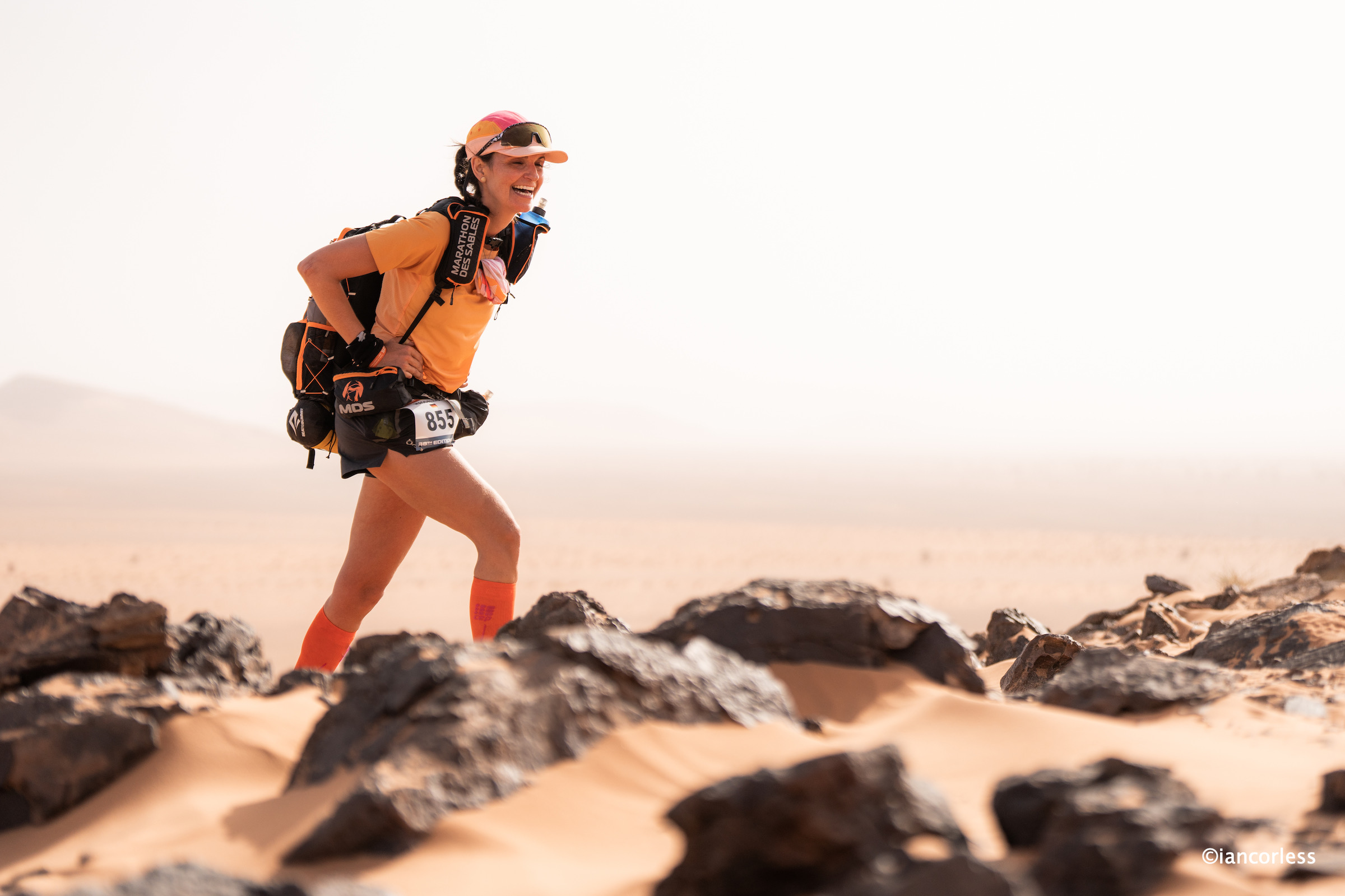
Marathon des Sables is a simple race that often becomes over complicated by too much information. Take advice, look at websites, process the information but importantly find out what works for you. We are all individual, what works for one may well not work for another.
When you break the race down, here are my TOP 20 TIPS of what to focus on for Marathon des Sable – The Legendary.
- Pack – Many packs exist on the market, without doubt, the most popular is the WAA 20ltr Ultra Bag which as designed specifically for MDS events. However, we are all different sizes and shapes, what works for one, will not work for another. Get a pack that is exactly the right size and ideally just a little too small. Remember, after each day, the contents of your bag reduce, so, too much space and you will have items bouncing around. Try, as best as possible, to go no larger than 20ltr, the more space you have, the more you are likely to take. Get your pack as close to the minimum 6.5kg as possible
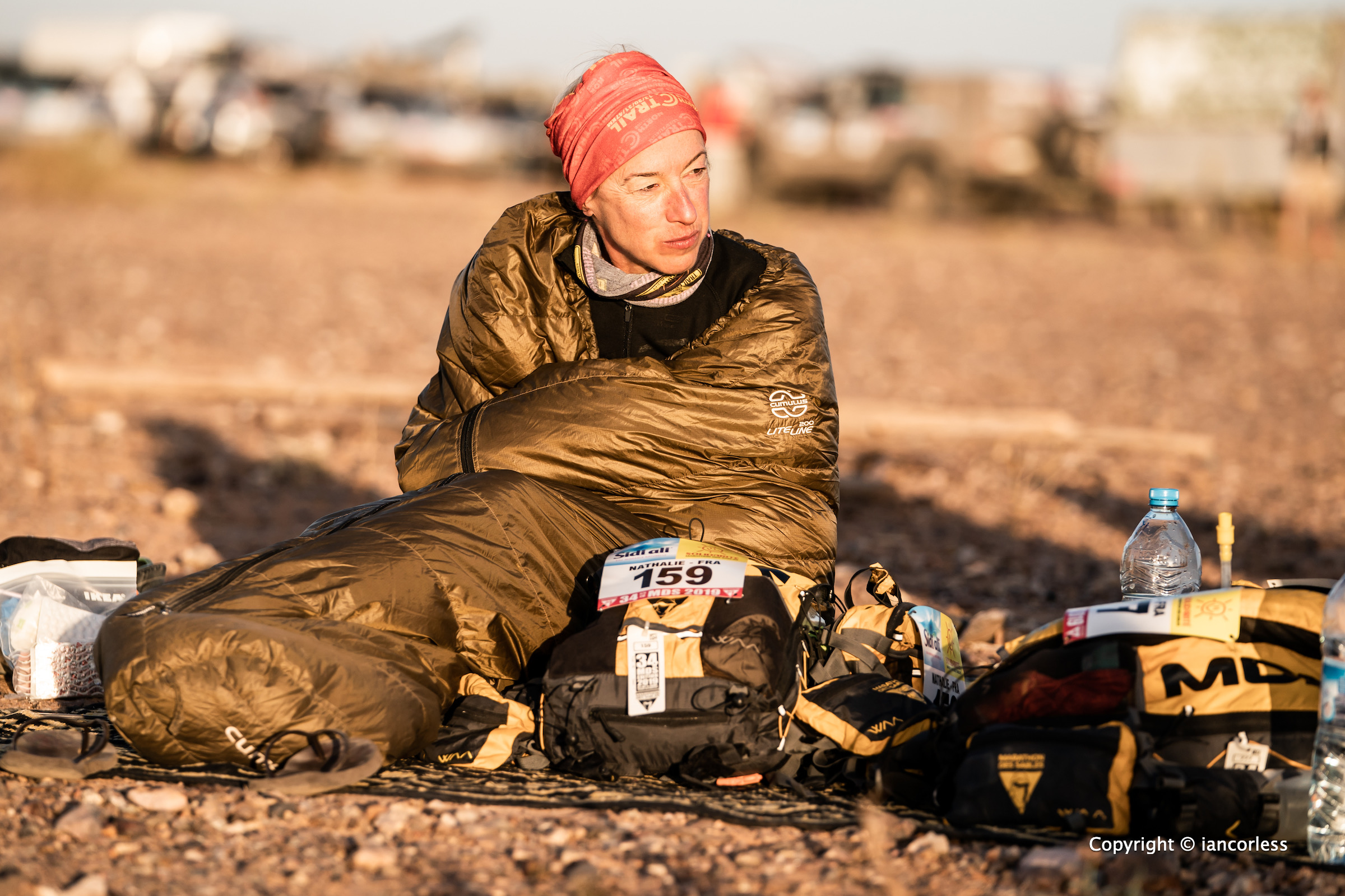
- Sleeping bag – You can spend a great deal on a sleeping bag, so, think about your budget. Consider, do you sleep cold or do you sleep warm? There is nothing worse than being cold at night, you really need to sleep, so, a little extra weight and a good warm night is key. However, you can be too warm! Think about layers, you can get away with a lighter sleeping bag if you are taking a down jacket. If you have a jacket, you can sleep in it inside the sleeping bag for added warmth. If it is cold, make sure you cover your head, most heat is lost here.
- Jacket – At a minimum take a windproof jacket such as the WAA wind running jacket. I always recommed taking a small and lightweight down jacket, many exist and the most popular are by Mont Bell, Haglofs Yeti/ Nordisk etc. A down jacket is idal for sitting around camp and as extra warmth imside your sleeping bag. Of course, if on admin day the weather is forecast for a week of excessive heat, you can decide not to take it. However, having the option is important. Recent MDS events have had varying weather and jackets have been essential.
- Clothes – You just need what you will run in. However, a spare pair of socks is commonplace. No need to get new clothes and don’t worry about colours. The most important is that they are comfortable and they do not rub or chafe. Consider an option for post-run so you can be warmer and fresh, this allows run cloths to be washed through and dry, if you so wish.

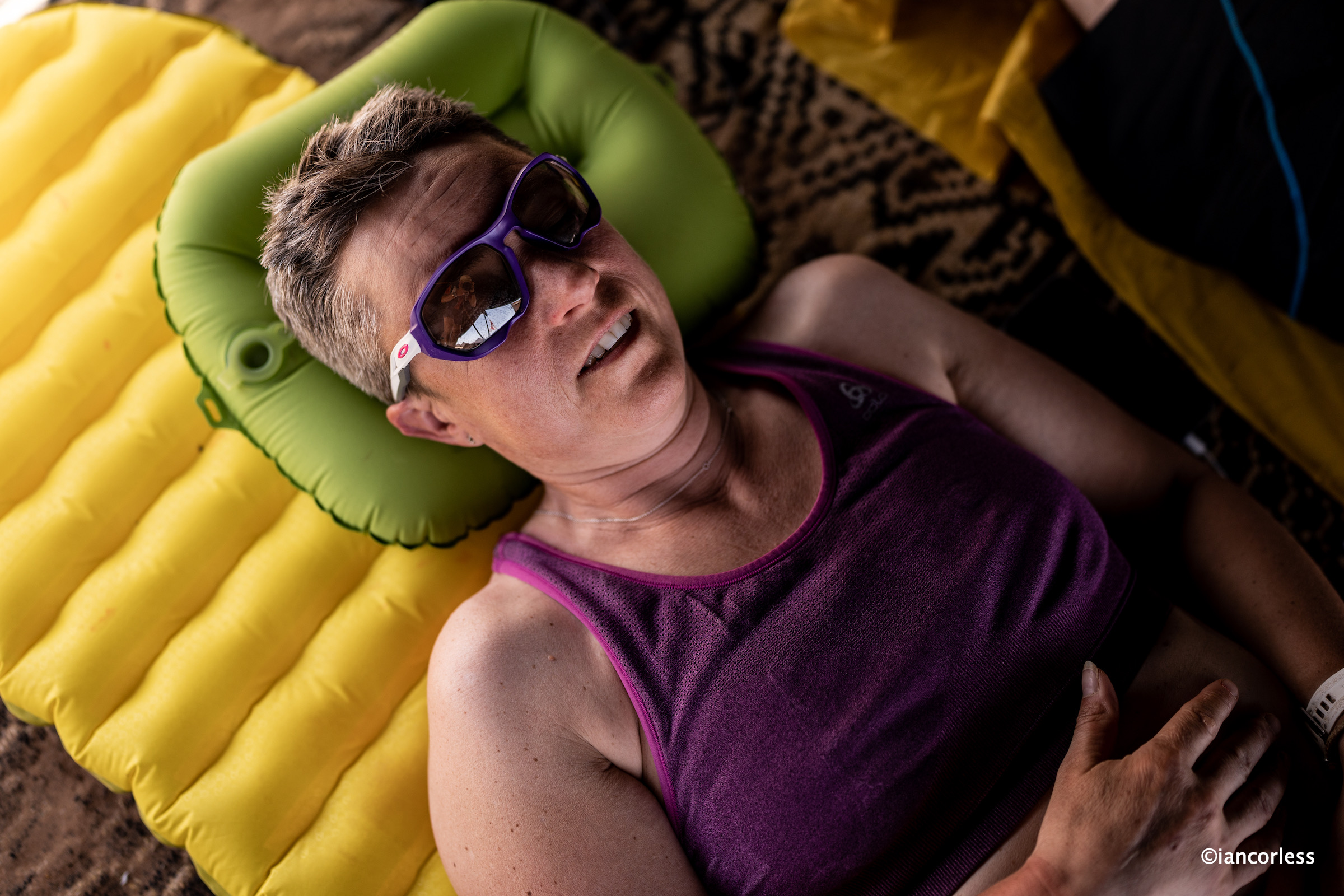
- Sleeping Mat – A mat is optional but I 100% recommend. You spend a great deal of time in camp sitting and sleeping. Comfort is essential and a good sleep is needed to aid recovery. Many options exist and you can get excellent products well under 400g that give you a great nights sleep.
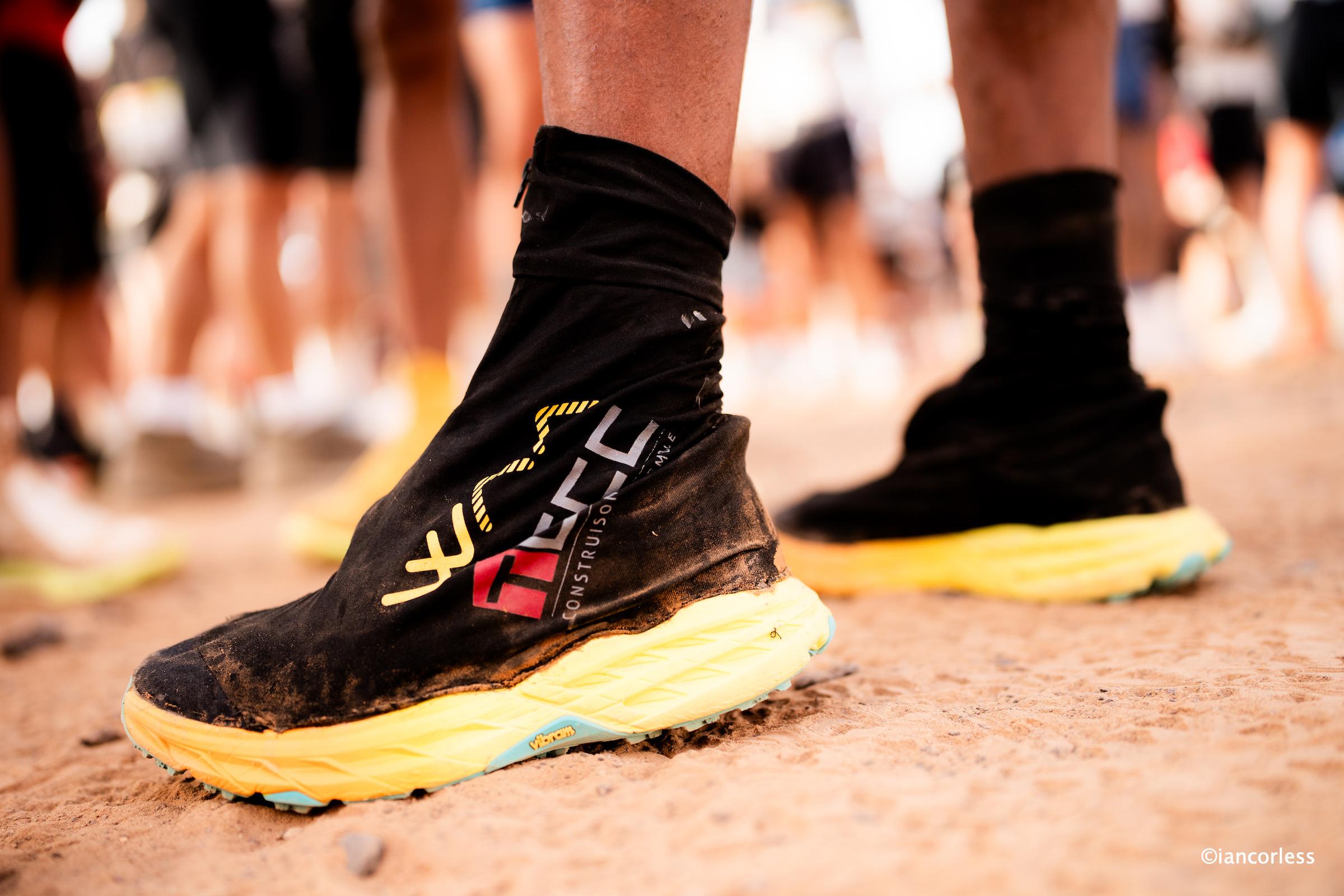
- Shoes and Gaiters – Shoes are so important. They must be comfortable, cause no irritation and they must have gaiters. A slightly wider shoe is recommended BUT be careful on advice of going a size and/ or sizes bigger. A shoe that is too big allows the foot to move, a moving foot causes friction, friction results in blisters. A thumb nail of length above the longest toe (this may not be the big toe) is recommended.
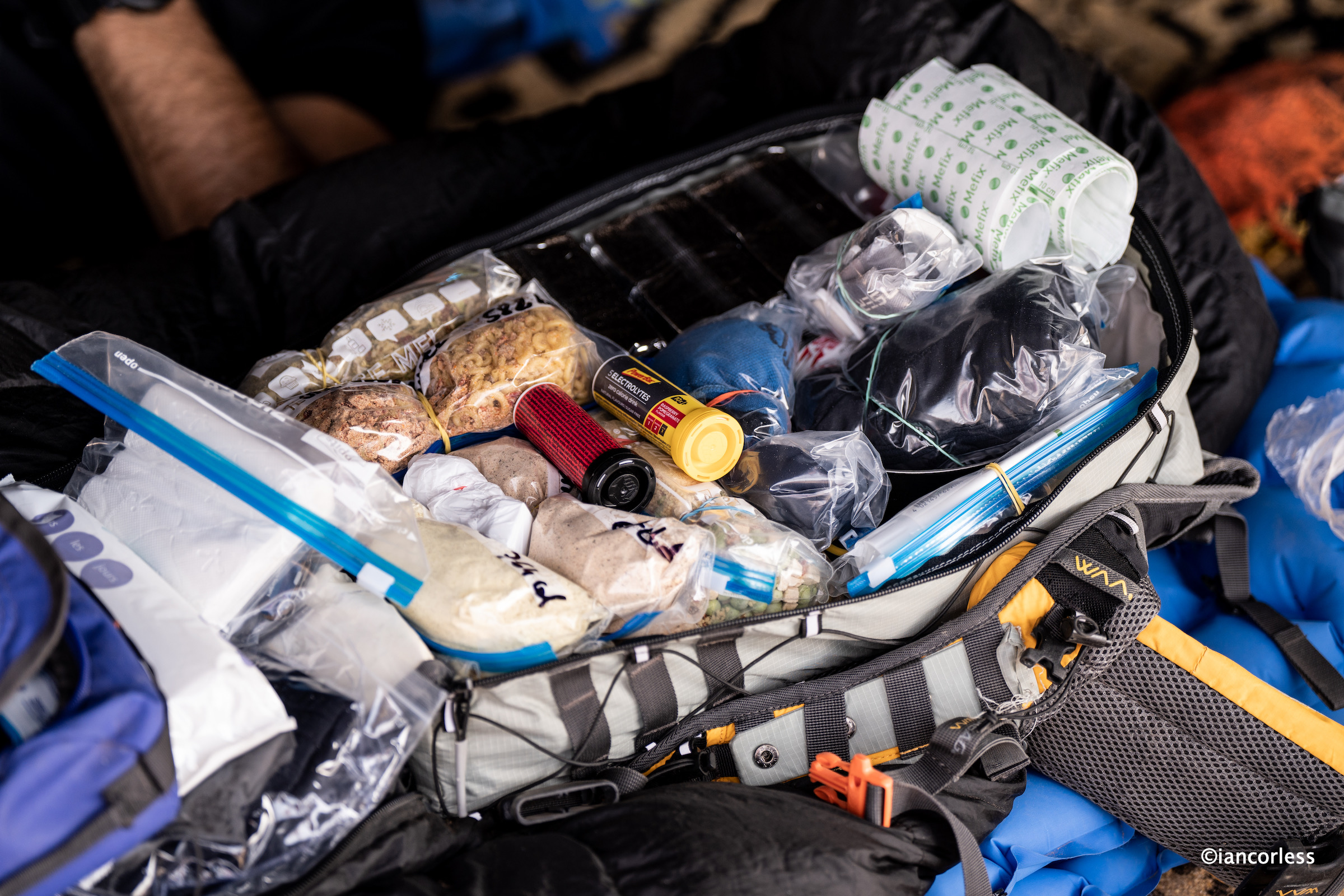
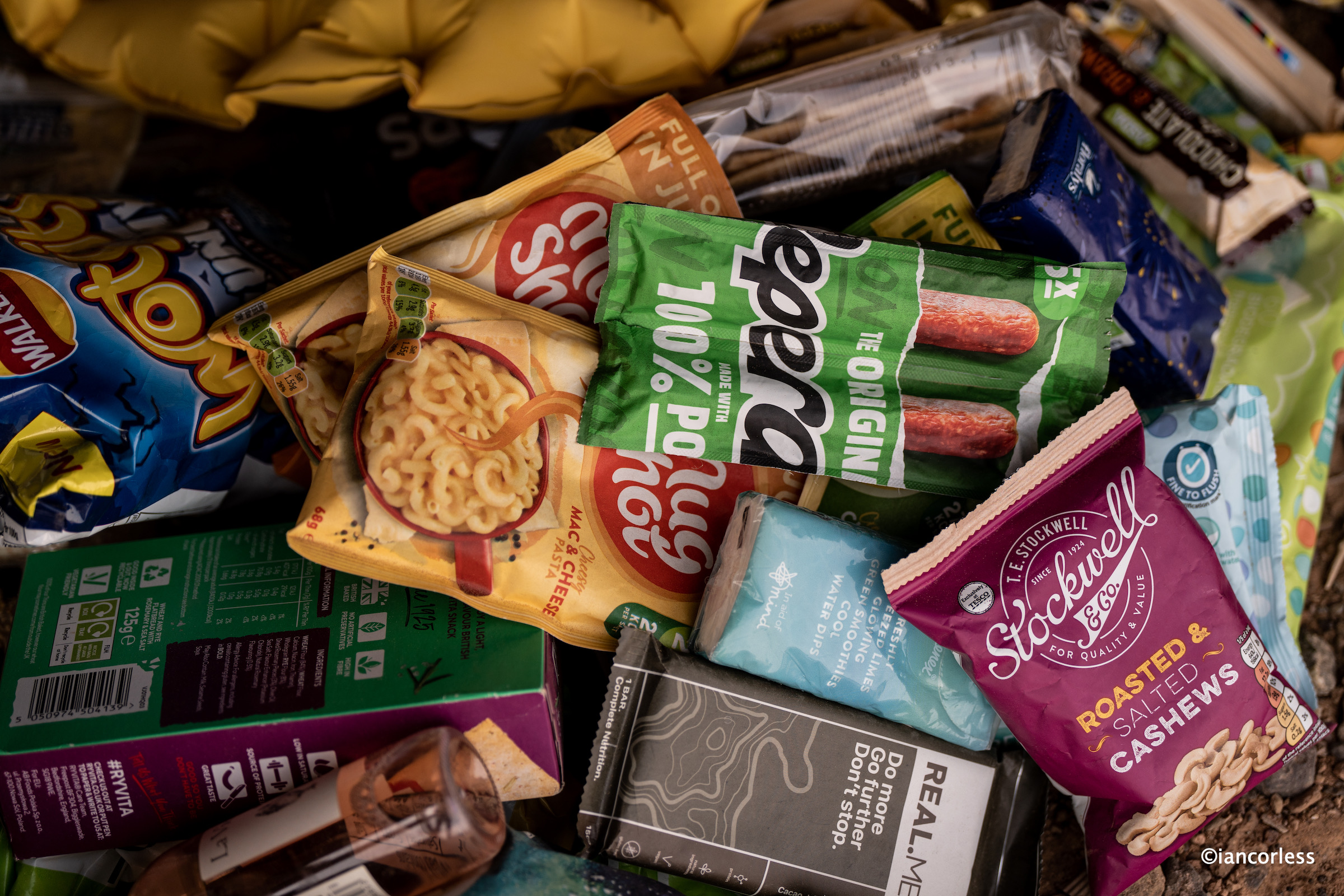
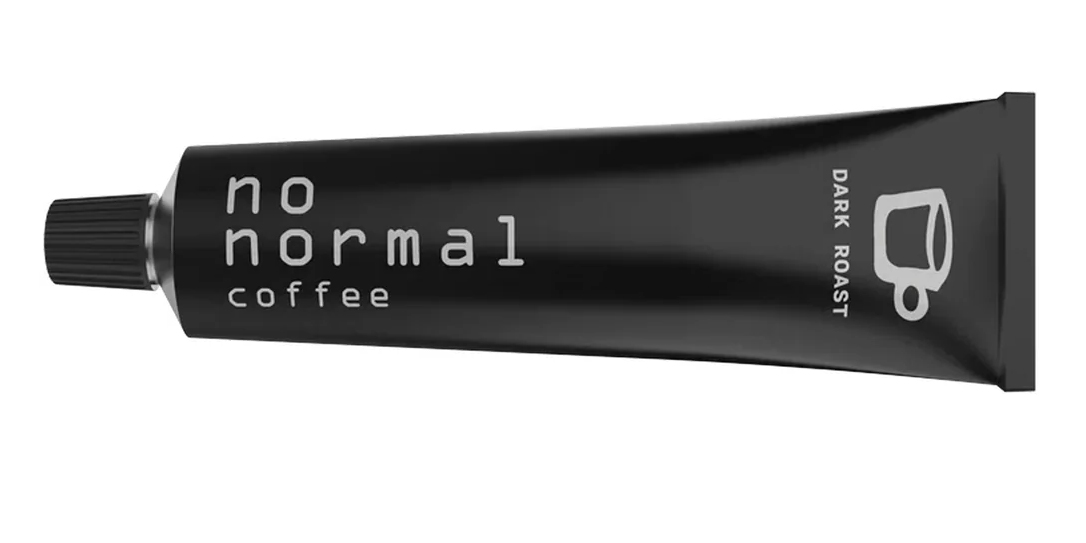
- Food – You must comply with the minimum requirement of 2000 calories per day, of course you can take more. Think about what will work for you in the Sahara. What tastes good at home, may not taste good on day 3 when you are tired. MIx sweet and savoury and remember, as days pass, preference shifts away from sweet. Balance fats, protein and carbohydrate. Think about the option for recovery drinks that can be taken immdiately post-run to speed recovery and then follow with a meal. Consider if you will heat water for food, if not, will your food work with just water? And if you need coffee, look no further than NO NORMAL tubes.
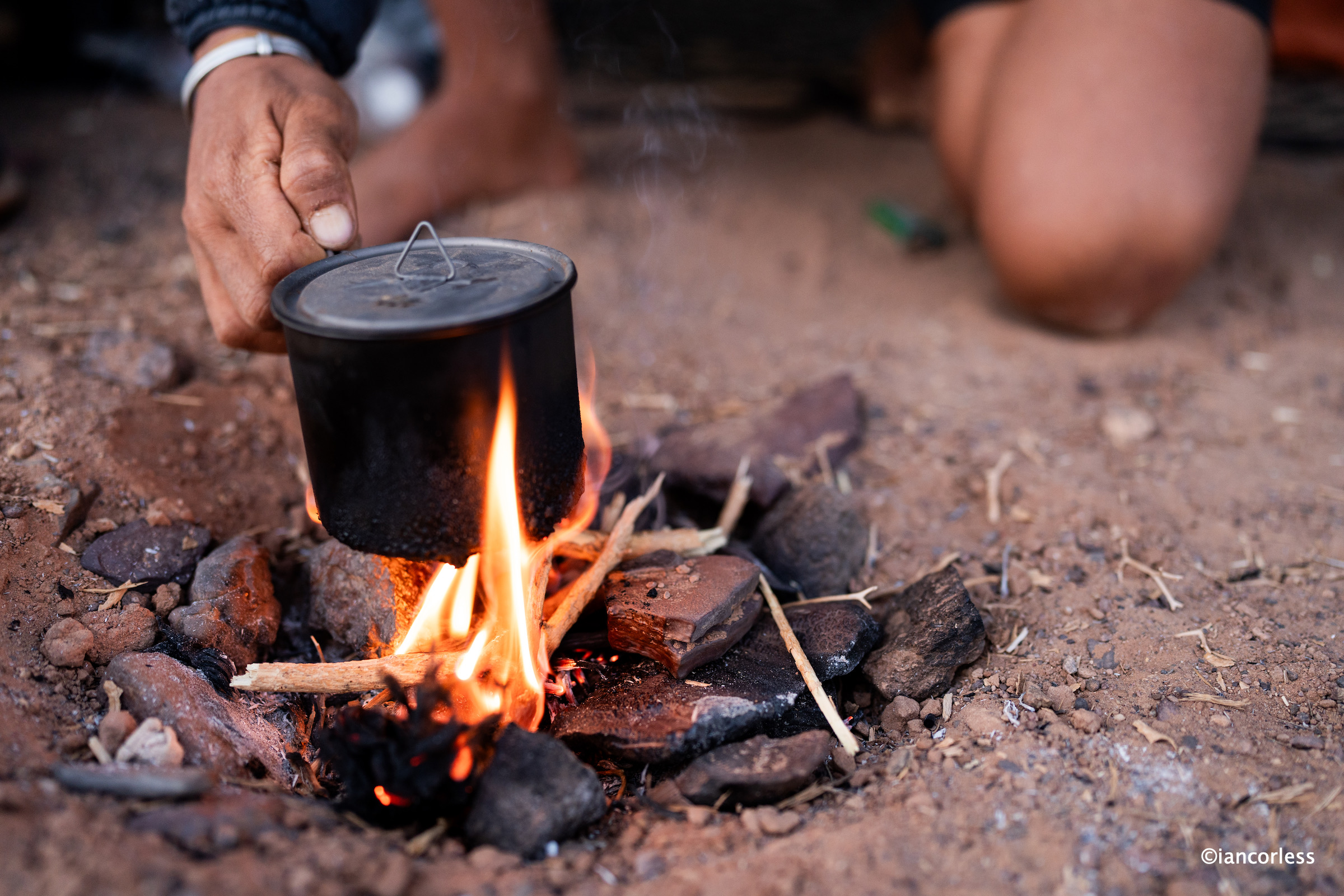
- Stove – The decision to use a stove is another question mark but it would appear that most runners like that hot water option. Remember though, you can make a fire from twigs, shrub and branches that surround bivouac. Pot – A pot or mug is now more essential than pre 2024. The main reason? When 1.5ltr bottles were provided, runner’s would cut them down and make a mug or pot, this option now does not exist, so, take a small titanium mug.
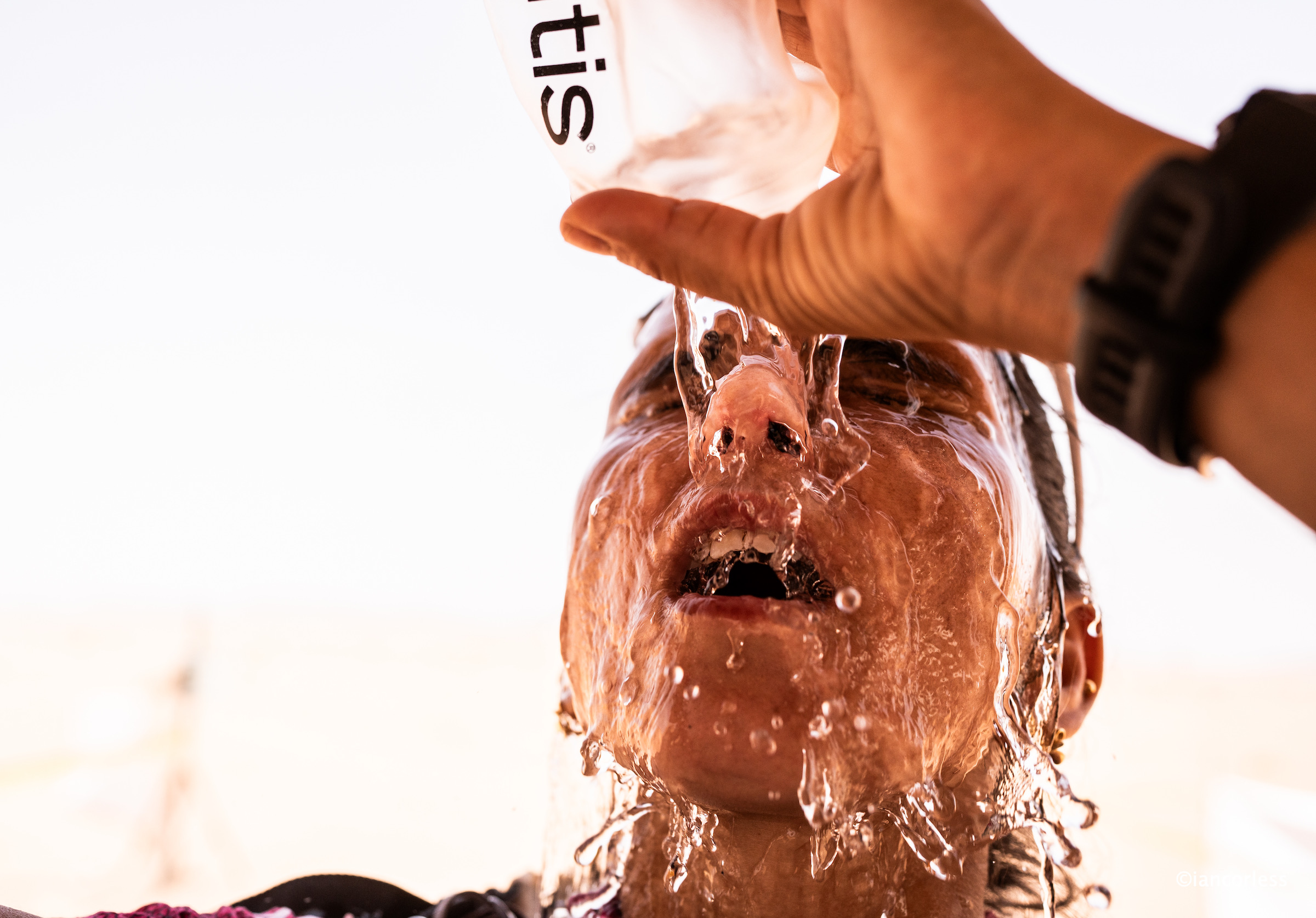
- Water – You must be able to carry 1.5ltr of water, typically 2x 750ml bottle on the chest. However, should you wish, you can take a bladder or soft-flasks. The choice is yours, however, remember soft-flasks and bladders can puncture, so, use caution. Make sure you plan for and have the option to carry an additional 1.5ltr of water – if excessive heat occurs, the race may provide this option. Also, on the long day, the race has provided the option for extra water in the past based on course accessibility and the distance between cp’s, be prepared.
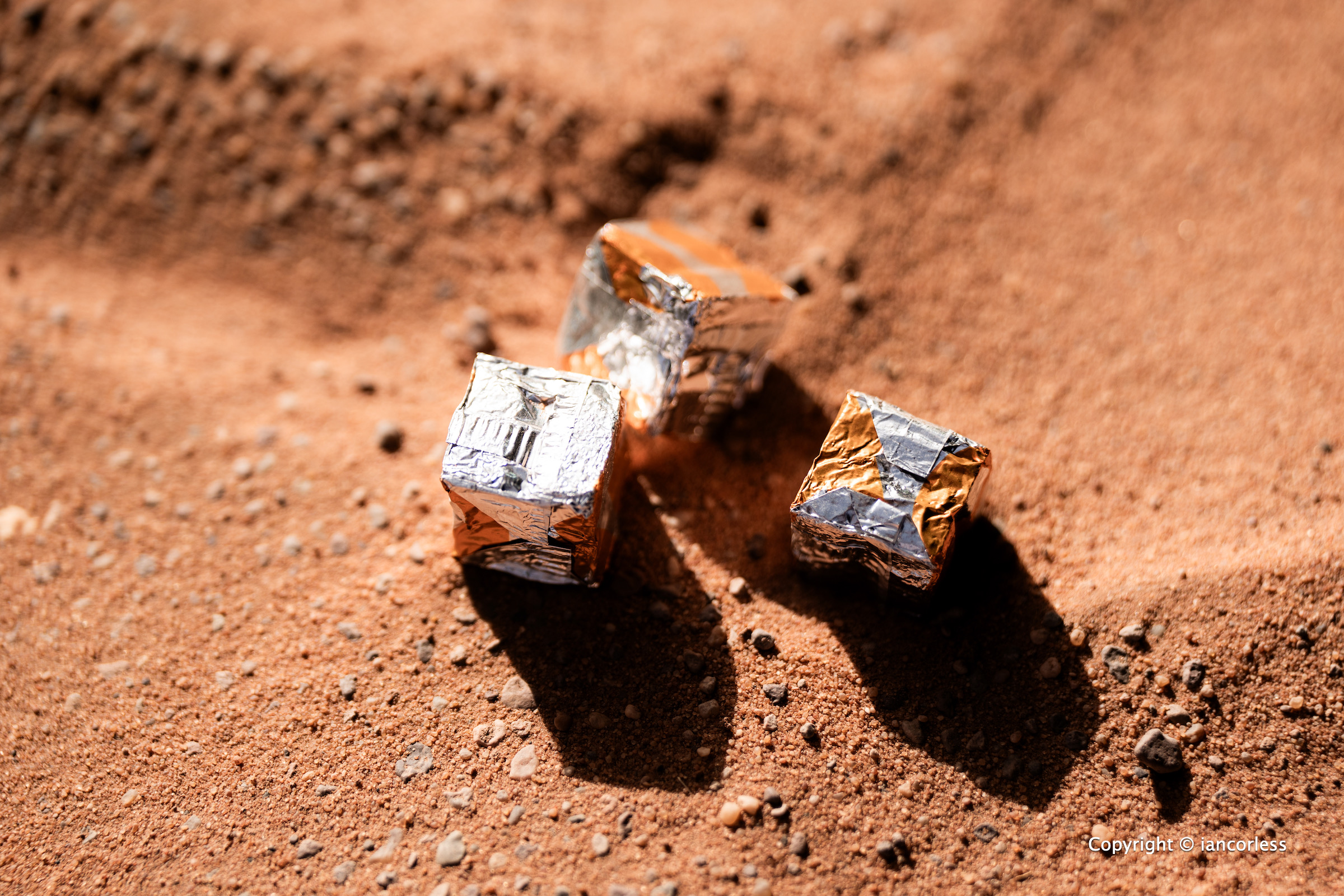
- Salt Tablets – These are no longer provided and it is mandatory to carry 14 stock cubes at the start of the race. Do your research and find out what works for you.
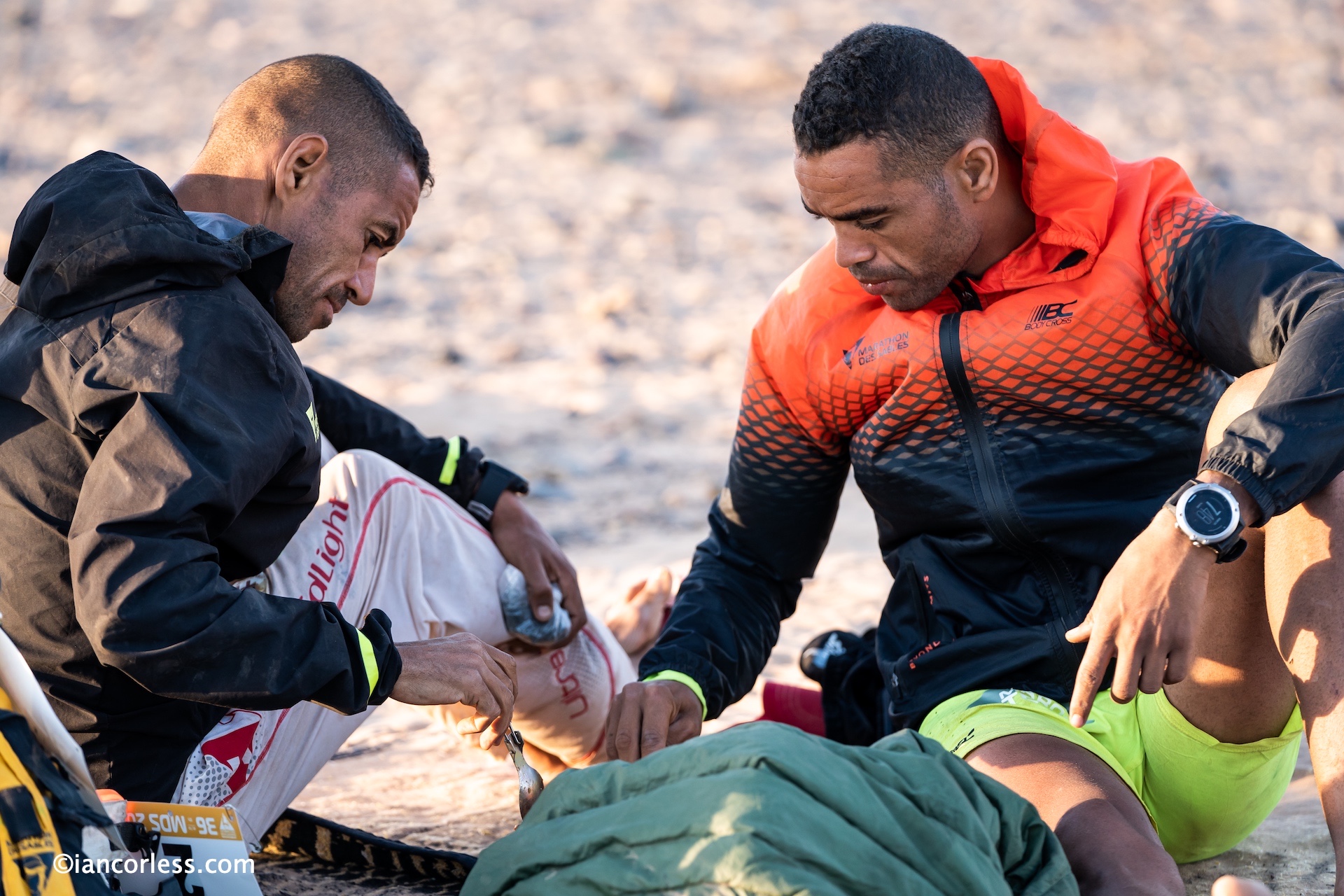
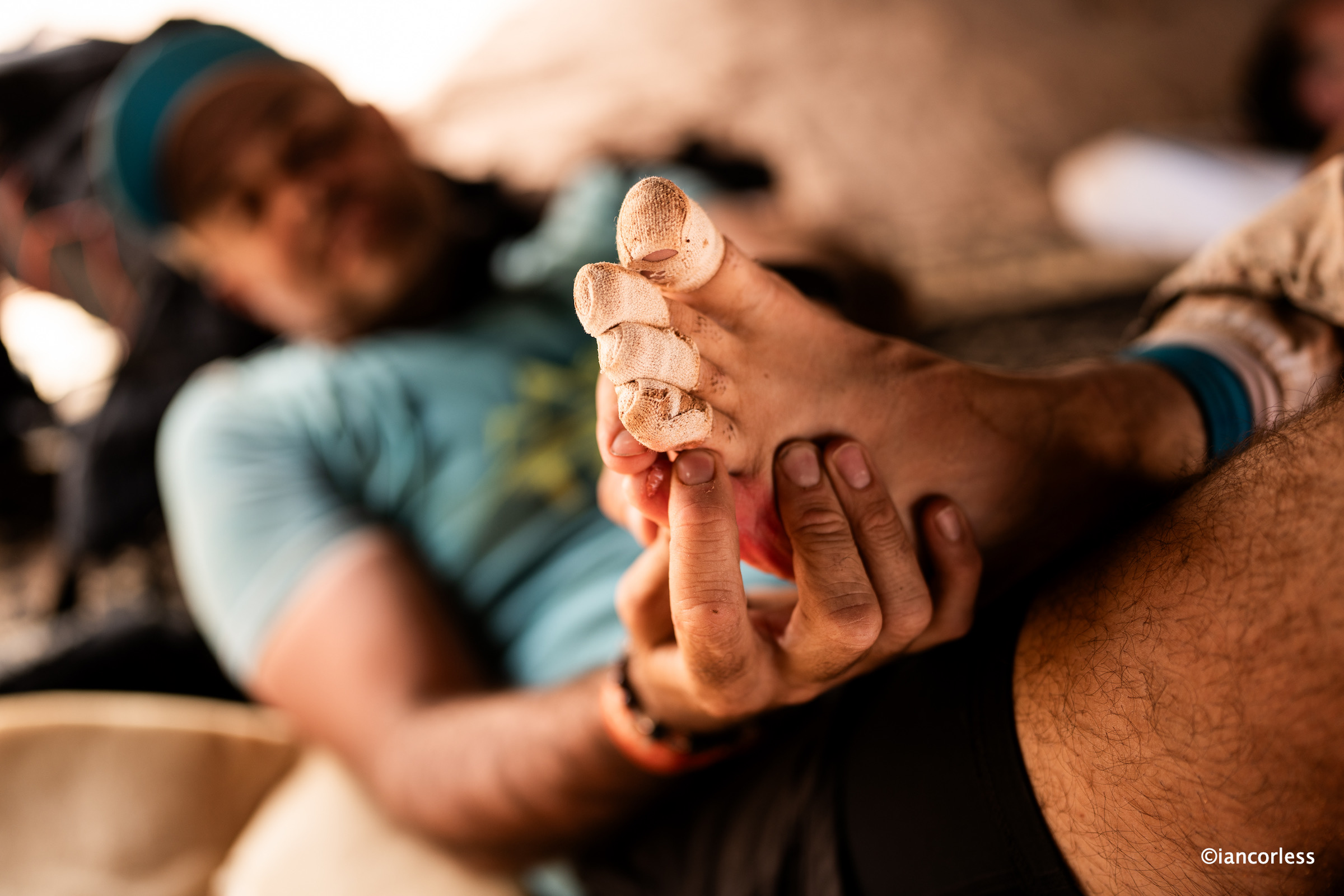
- Feet – Look after them, along with dehydration, blistered and damaged feet are a key reason for failure in any multi-day race. Prepare them before the race especially trimming nails back and knowing what socks work for you. After each day in the race, clean feet, allow them to breathe and look after them. Get any sore or hot points addressed immediately.
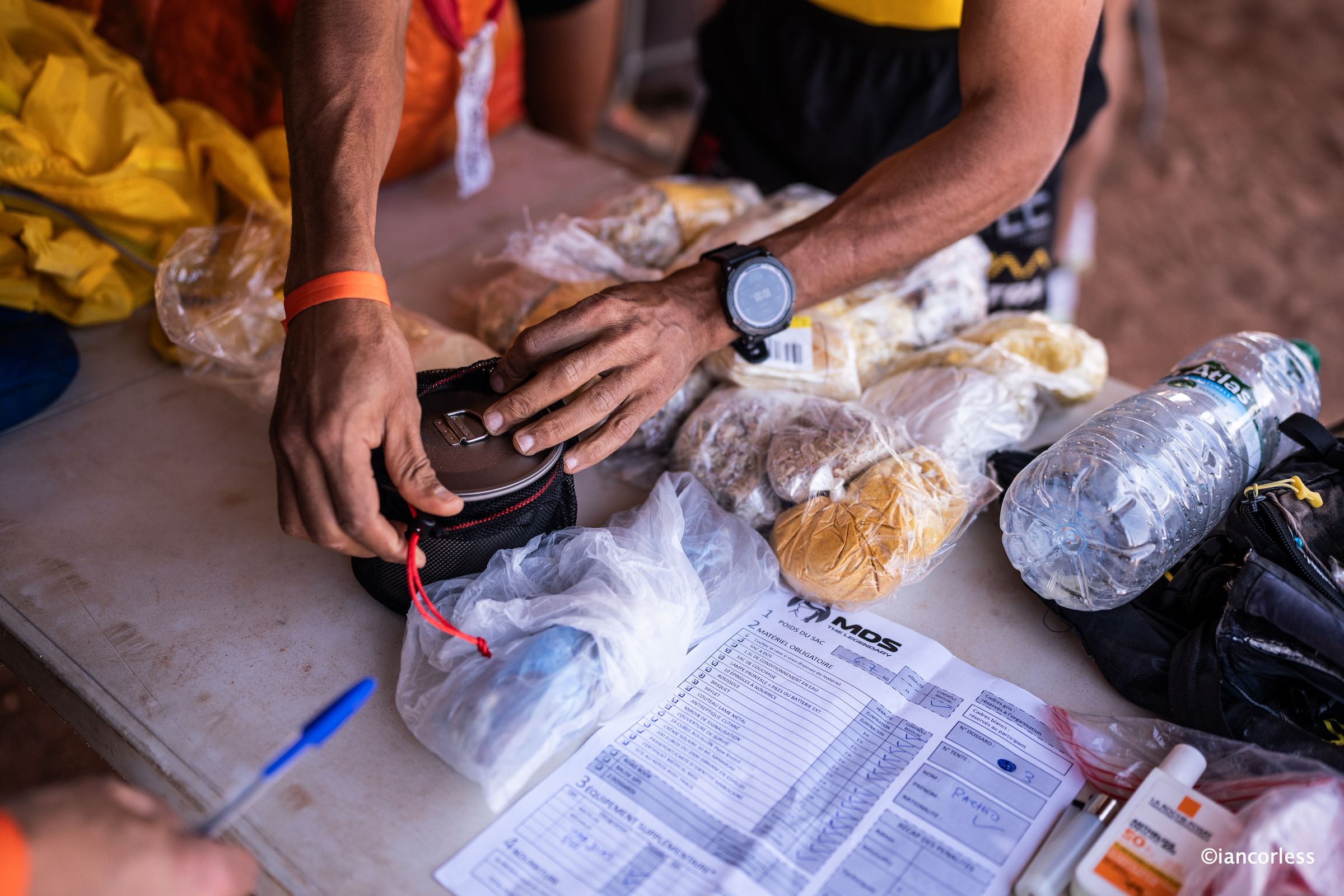
- Mandatory kit – You are supplied with a mandatory kit list and you MUST have everything on that list.
- You – Prepare mentally for the challenge. Often, the race is completed through mental grit and determination and not physical ability. Accept you will have low and high points. If it was easy, anyone would do it. You are in for the adventure of a lifetime, embrace every moment and second. This is a life changing journey and when it’s over, you’ll be desperate to return.
- HEAT TRAINING – Plan to acclimate for heat in the two weeks before the race. Options exists from heat chamber, bikram yoga, sauna etc. Read an article HERE on Heat Acclimation by Dr Jodie Moss.

- Training – With weeks to go, your training is nearly done. Don’t over do it. Taper gradually, be fresh for the race and in the final two weeks before the race plan heat acclimation so you are prepared ready for stage 1.
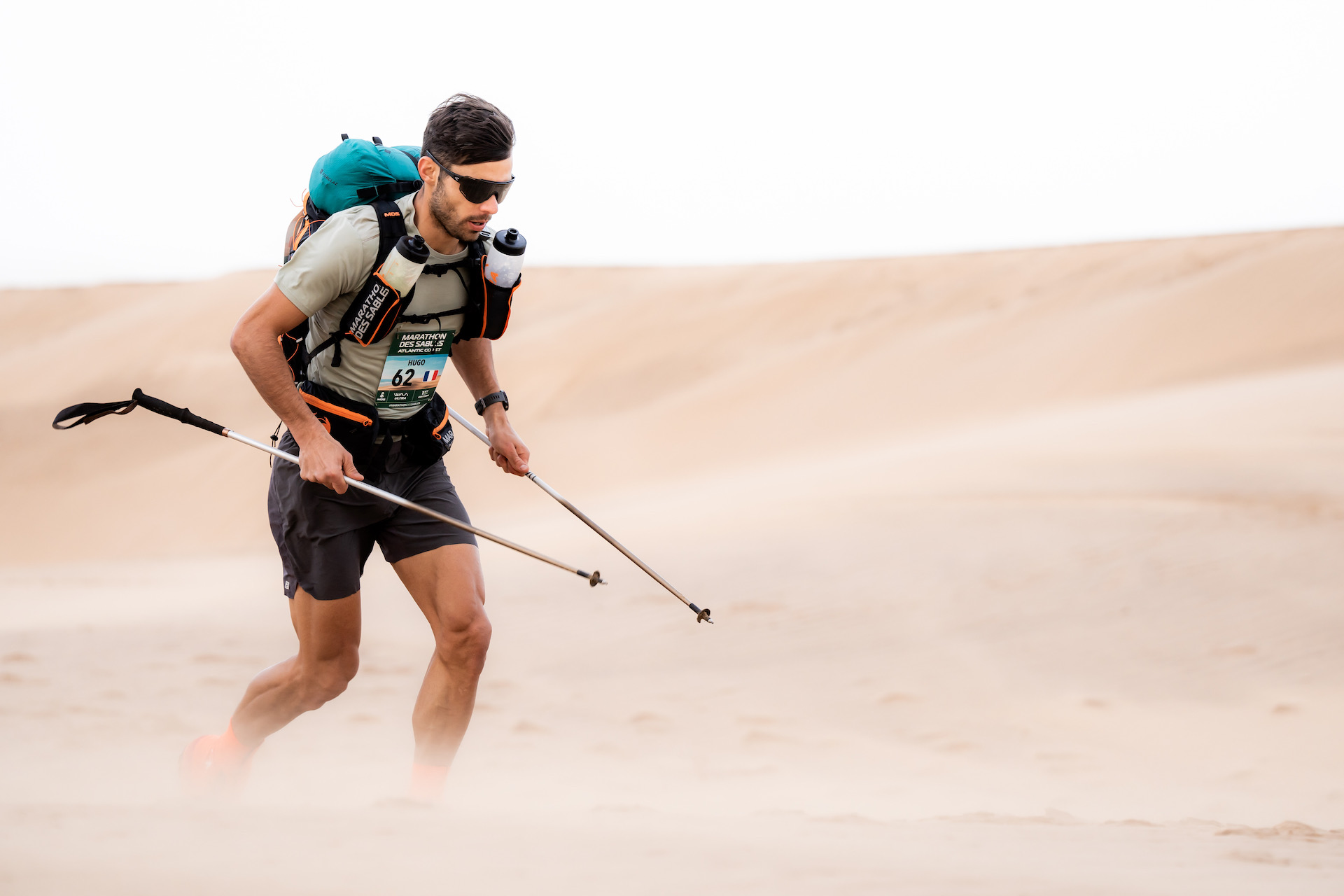
- Walking – Many think they will run 80% and walk 20%, if you are lucky, it’s the other way around. Make walking a positive, make walking fast, make walking productive.
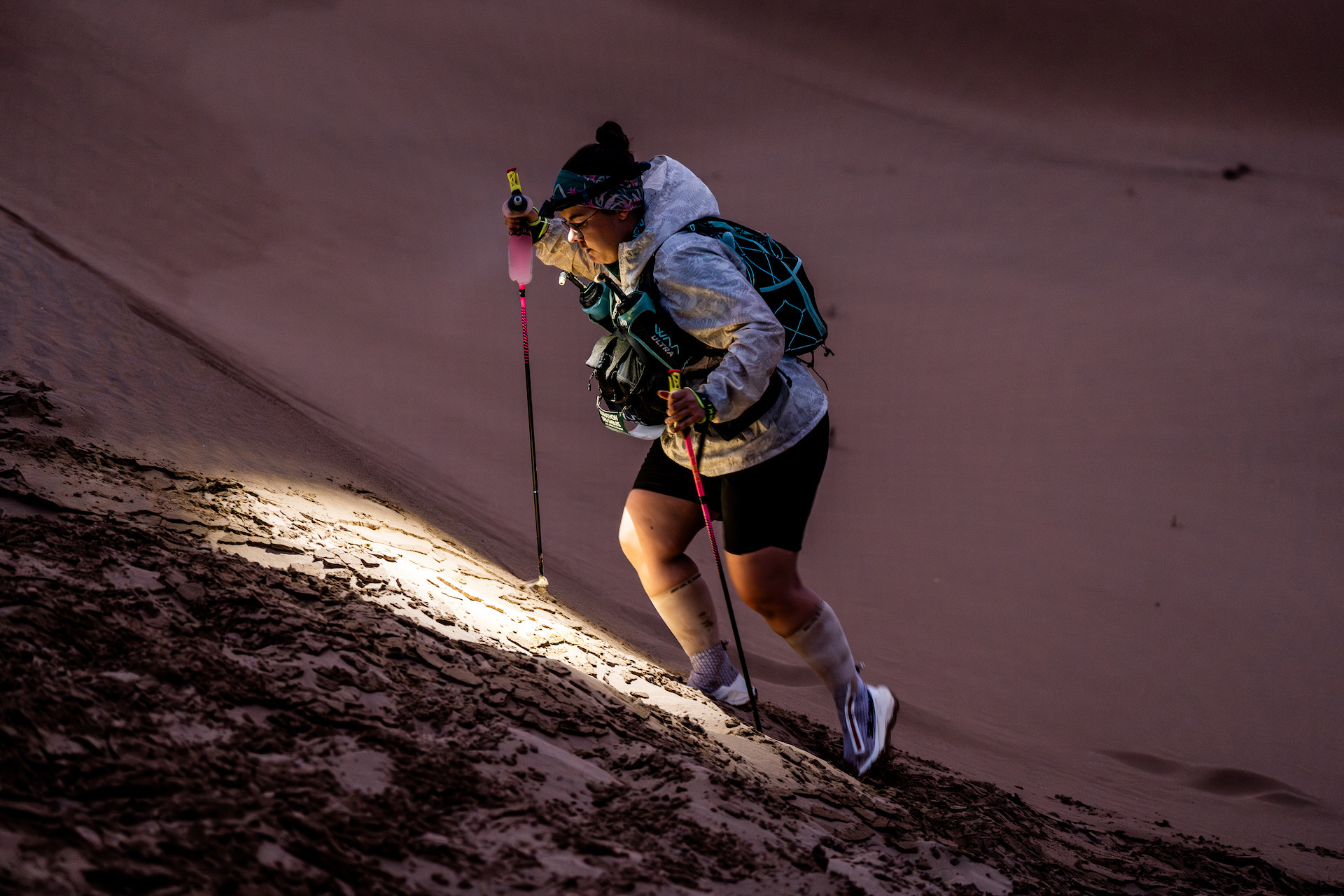
- Poles – For many, poles are a huge advantage. They are like 4-wheel drive and without doubt, they make you walk faster. But you must train with them and learn how to use them. Get lightweight carbon ones that fold, Black Diamond and Leki are the best options.

- Equipment – Keep it to a minimum. Luxuries are not needed unless they make the journey better. Make sure your pack is as close to 6.5kg as possible. Leave your phone at home or in your luggage. The only luxury I would take is a lightweight way to play music.
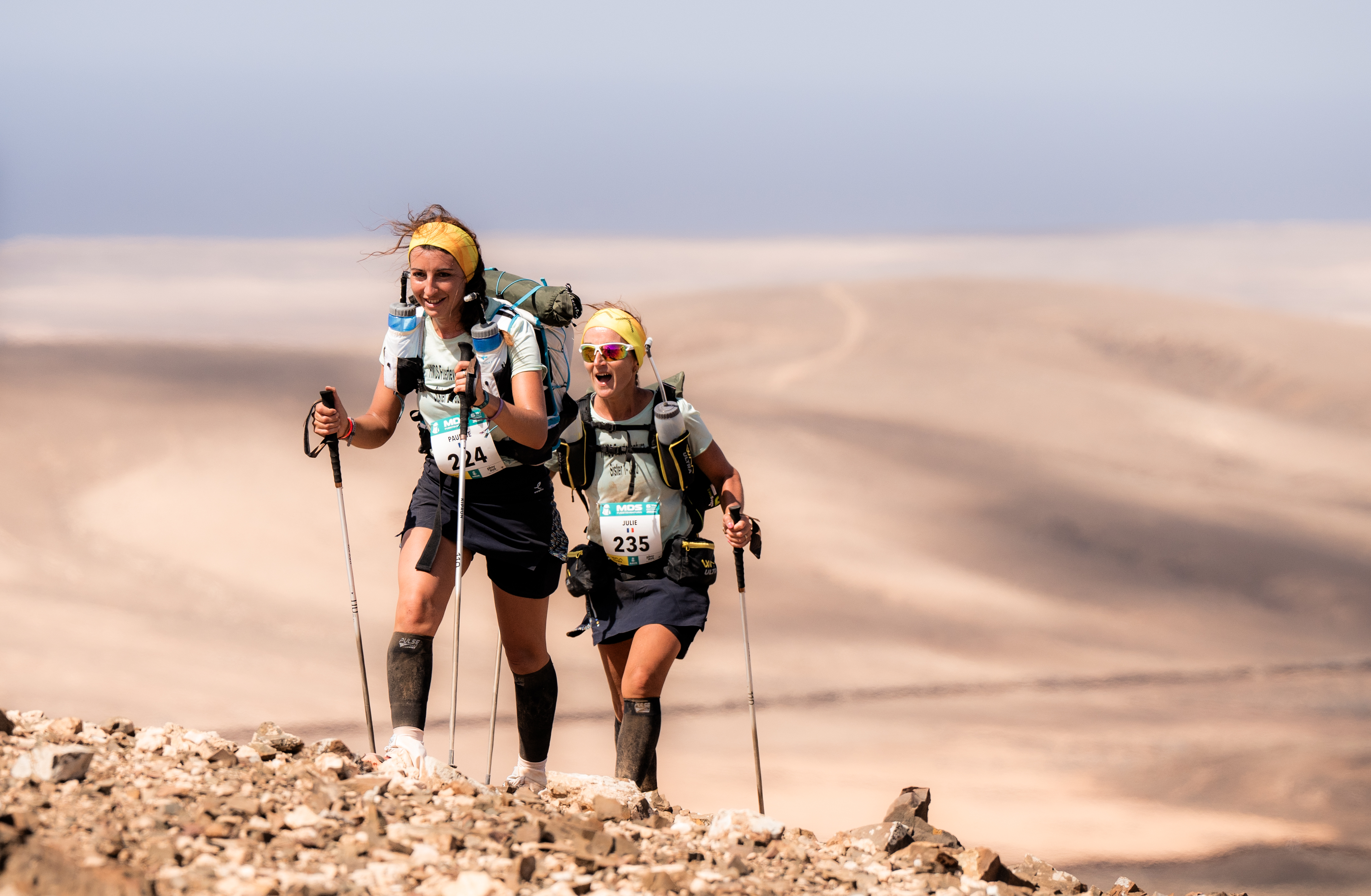
- Friends – You will share a tent with 7 other souls. These are your brothers (and sisters) in arms and they will become friends for life. You will share the highs and lows. The desert bond is incredible. Find great tent mates and plan your group in advance of the race.
- Admin and Preparation –
Take essentials on the plane and wear your run apparel and shoes. That way, should a baggage disaster happen your chances of racing improve.
Take food with you for the travel and on the plane.
The journey from the airport to bivouac 1 can be lengthy be prepared with your own snacks and drinks. MDS do provide a packed lunch.
Night 1 and night 2 in bivouac are NOT self-sufficient so take extras such as an inflatable bed, food and luxuries that you are happy to give away to the berbers. May as well have 2 comfortable nights and a comfortable day before the racing starts.
Food before the race starts is now down to you. Be prepared to have plenty of variety and remember, within reason, this can be anything!
Admin day can be lengthy multi-hour experience. Take water and snacks for when standing in line and maybe take an umbrella so you have shade.
Keep sun screen on and keep hydrated. No need to drink vast volumes – drink to thirst before the racing starts.
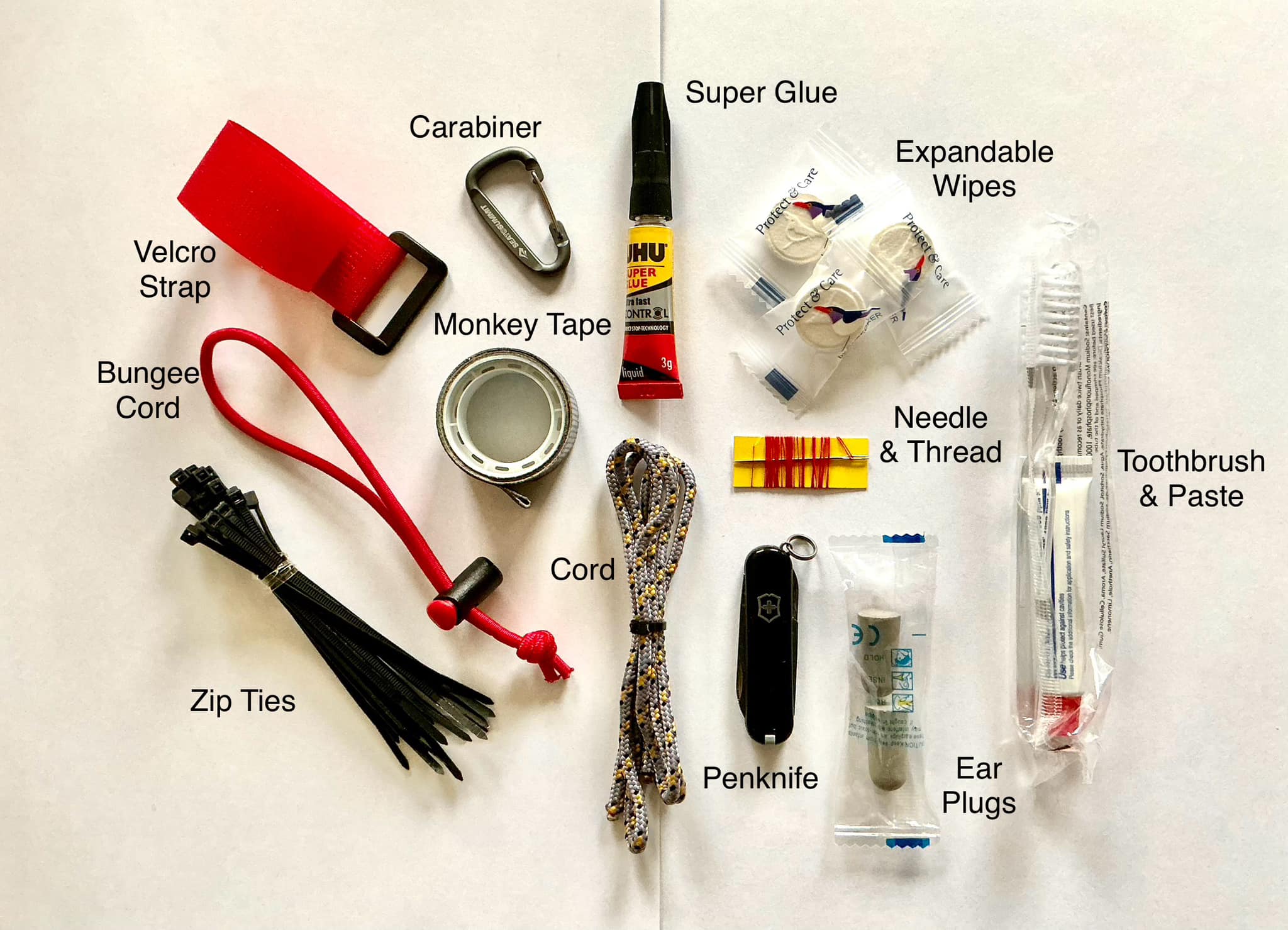
Make sure you have a repair kit for during the race. Accidents happen, equipment fails and the desert can be harsh.
Have additional items such as a base layer, sleeping bag liner and other items that may be on a ‘question’ list for the race. On night 1 and before you go to admin, you can make final decisions of what to and what not to take. Particularly important if you think you may be cold at night.
Remember that after bag drop and check-in you have no access to any additional items, however, you only become completely self-sufficient when you start the race. With that in mind, you can have additional food and luxuries with you until day 1 kick-off, it’s a useful tip and does mean that you can have additional comfort for a good 12-hours.
Conclusions:
Marathon des Sables is a magical and life changing journey as are most if not all multi-day races. It really is a true challenge of mind and body to race over many days, irrespective if you complete the race in just over 20-hours or 60+ hours. It’s a hark back to a more primitive time, a time without clutter and modern technology. Embrace this. Embrace the silence of the surroundings and the simplicity of placing one foot in front of the other.
Interested in another MDS event in 2025?
A full calendar of dates and destinations are available HERE

Instagram – @iancorlessphotography
Twitter – @talkultra
facebook.com/iancorlessphotography
Web – www.iancorless.com
 IAN CORLESS
Pingback: Countdown to MDS The Legendary 2025 – Four | IAN CORLESS
Pingback: Countdown to MDS The Legendary 2025 – Six | IAN CORLESS