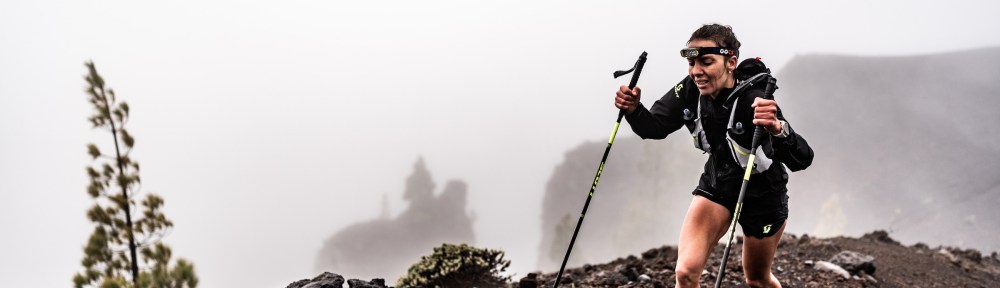
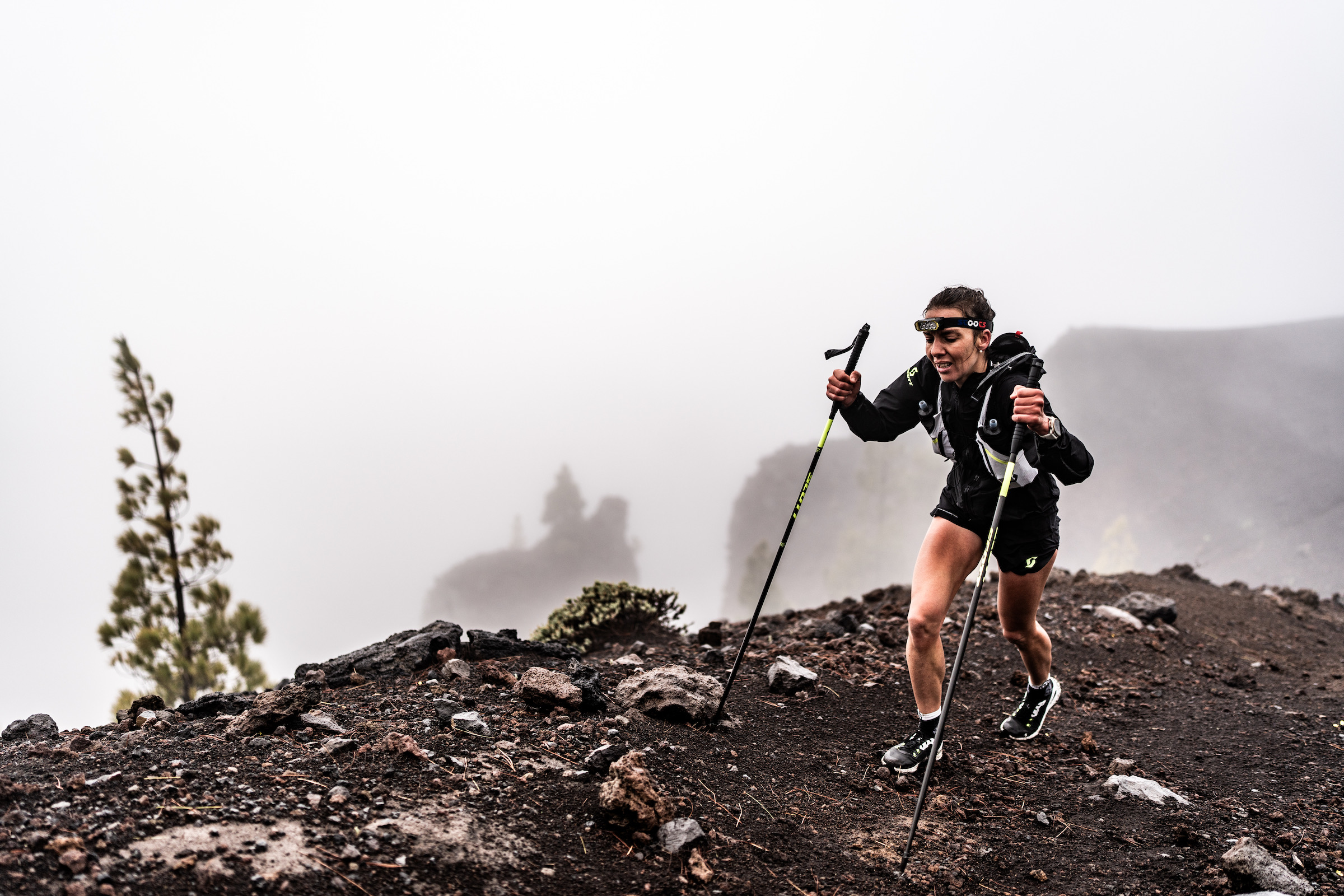
Transvulcania Ultra has always been a brutal race. Spanning 73.06 kilometers across the volcanic backbone of La Palma, with 4,350 meters of ascent and 4,057 meters of descent, it’s a journey from ocean to sky and back to ocean again. But in 2025, nature raised the stakes. This year, Transvulcania wasn’t just hard – it was survival.
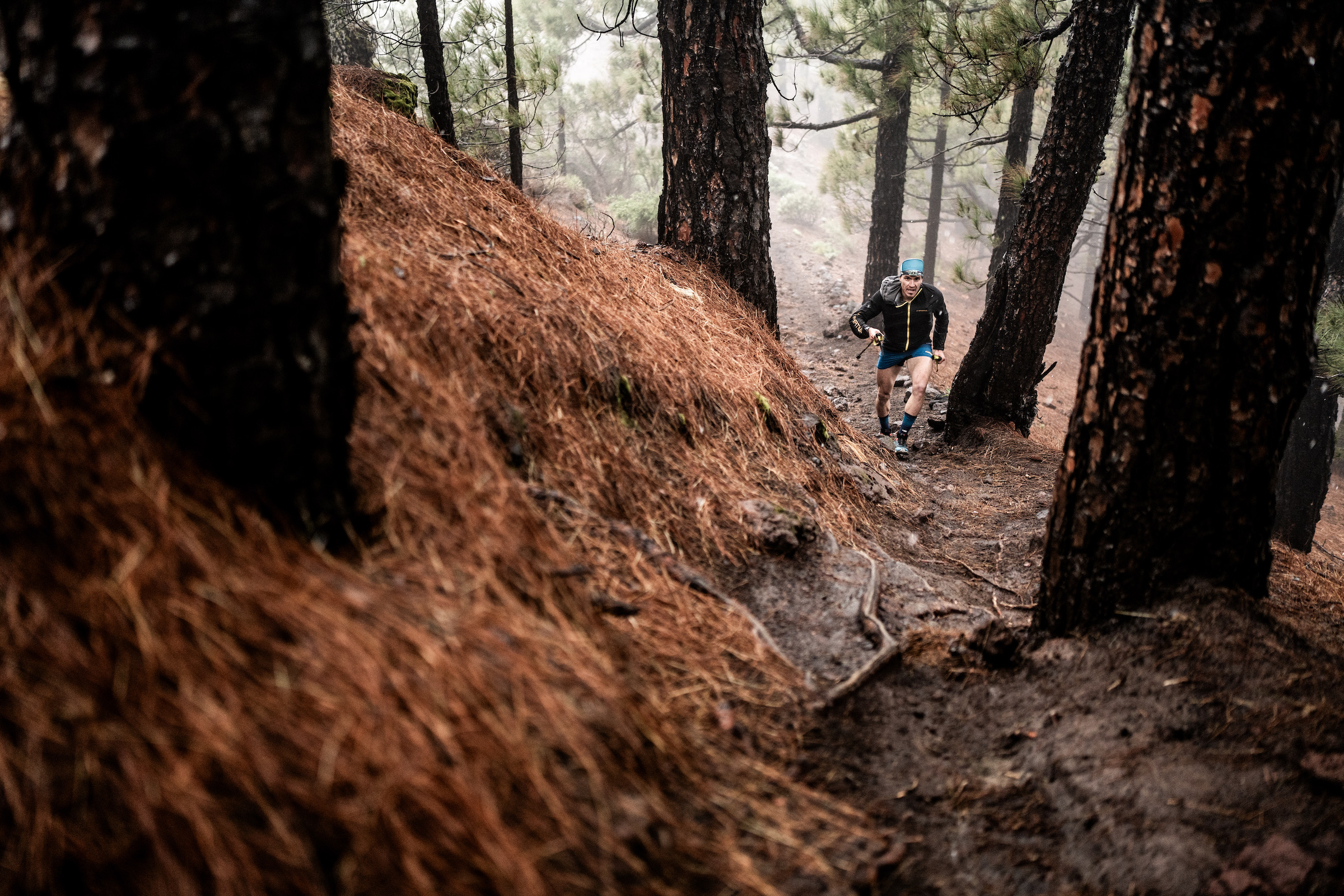
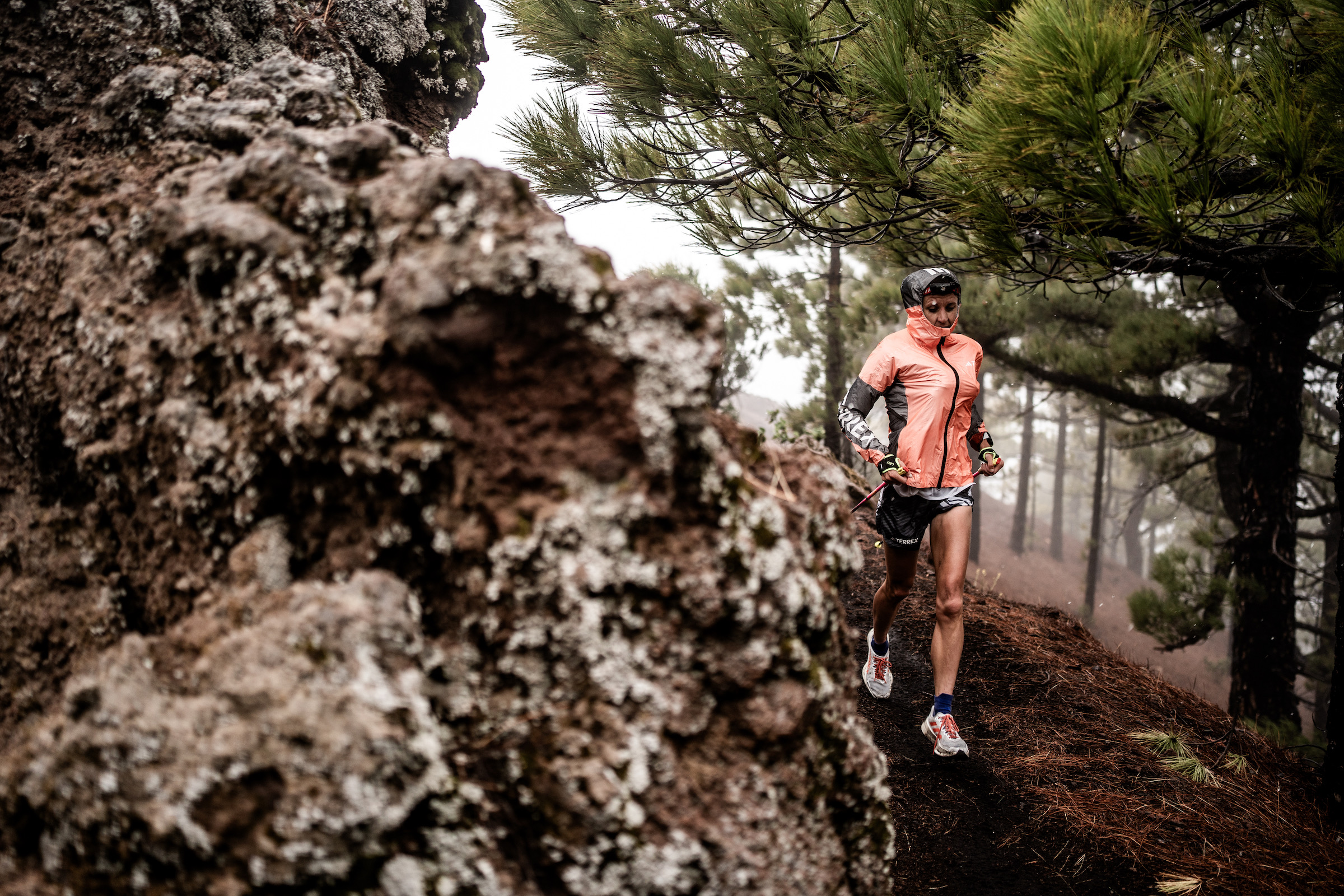
From the moment runners left the Fuencaliente lighthouse at sea level, the signs were there. Dark skies. Driving rain. And as the climb up the GR131 trail began, the weather only worsened. Wet volcanic gravel shifted underfoot. Winds battered the open and exposed sections. Every gain in elevation brought colder air, heavier rain, and stronger gusts.
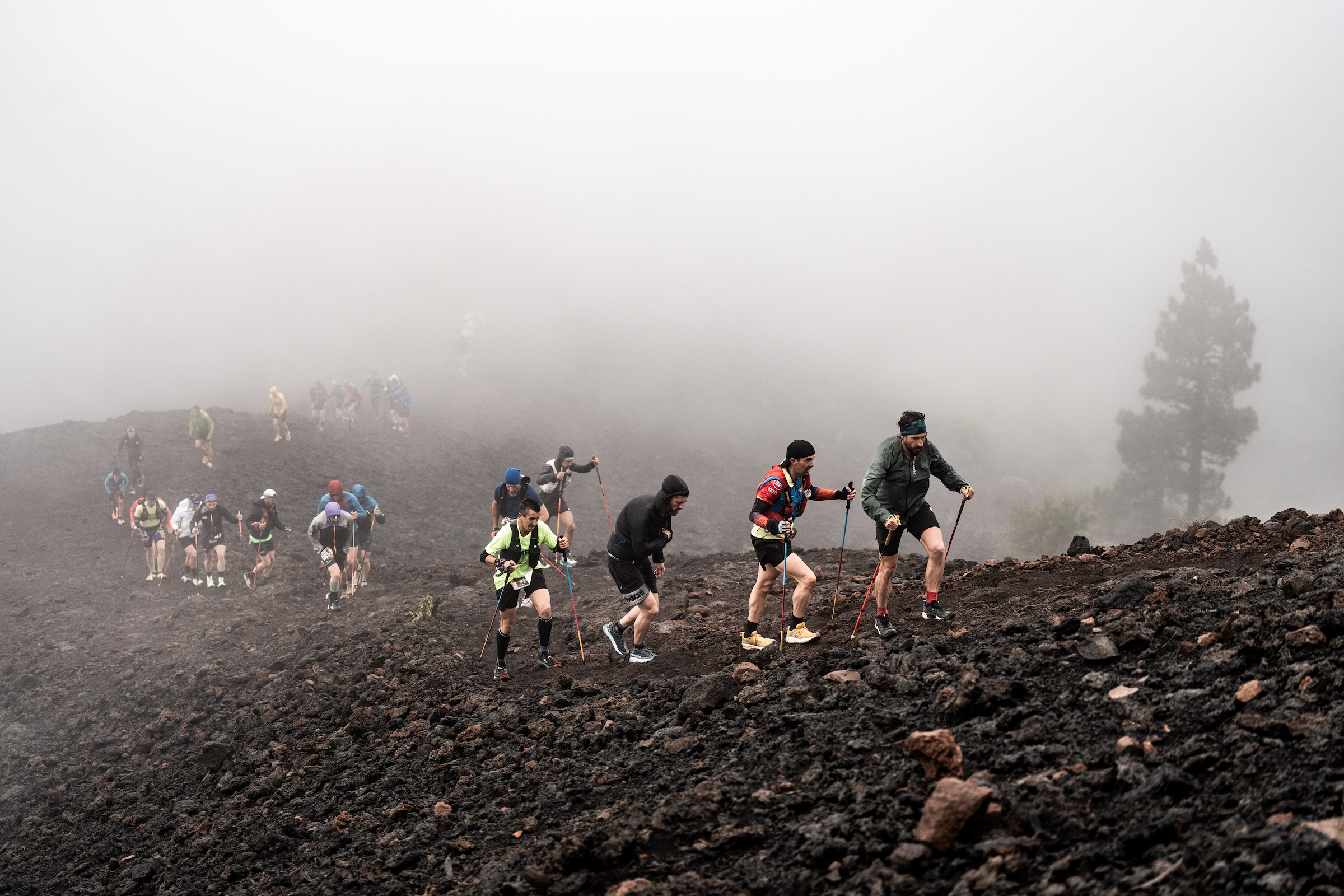
The early sections of the race, usually warmed by morning sun, were instead cold, and treacherous. Visibility dropped. Temperatures plummeted. Waterproofs were soaked through. The race had barely begun, but it was already a war of attrition.
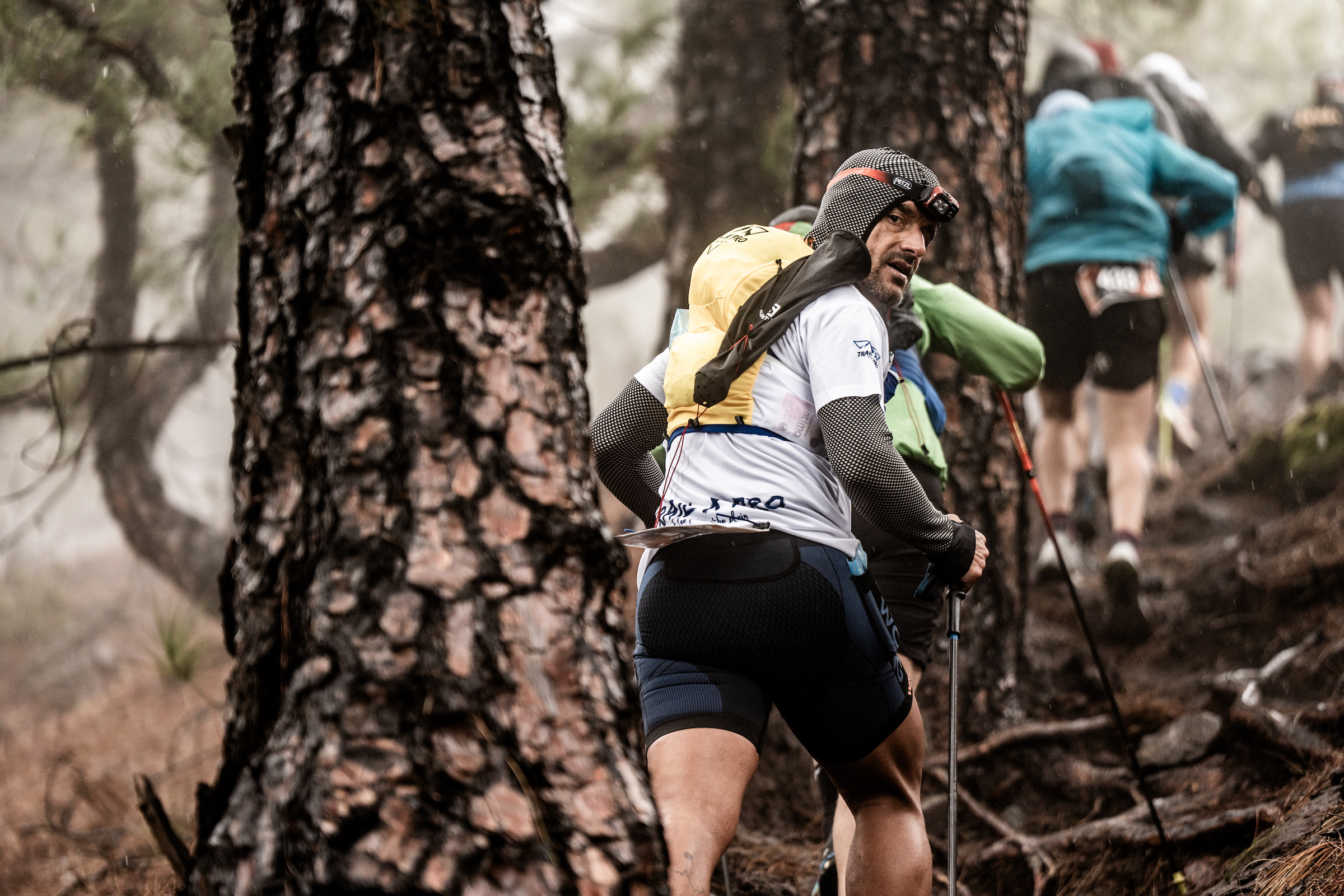
The route climbed steadily through pine forests and barren lava, snaking up toward the spine of the island. Normally breathtaking, the high sections offered little view, just fog, wind, and rain slapping sideways across the many exposed ridges. The climb, always demanding, turned into a freezing march, the only protection coming from the trees.
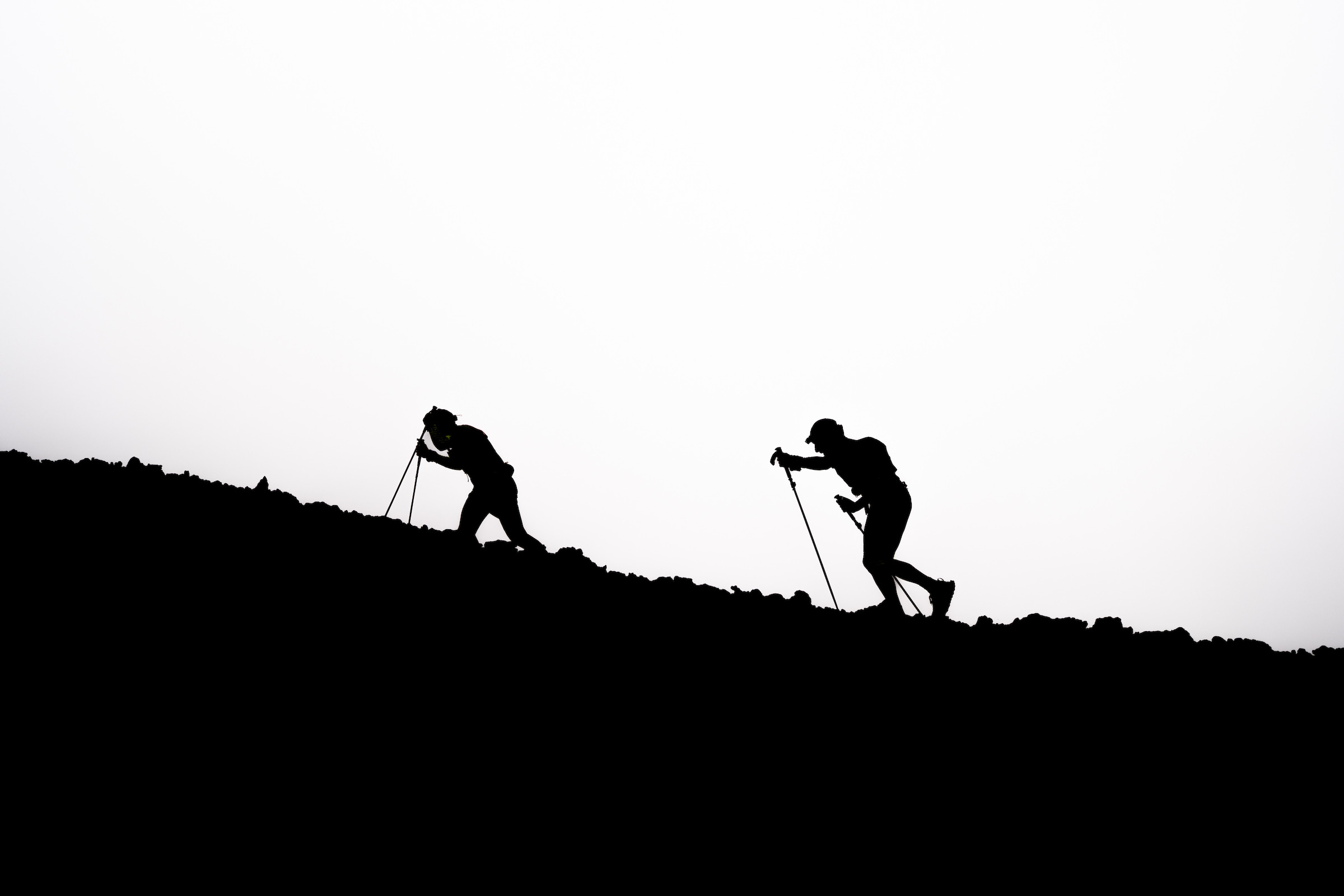
The temperature near Roque de los Muchachos, the island’s high point at 2,421 meters, hovered close to freezing. But it was the wind chill that changed everything. Gusts tore across the exposed ridge line, turning already cold air into biting, sub-zero blasts. Some runners were forced to stop and layer up; others pushed through shivering, teeth clenched. Many decided to call it quits.
Hypothermia wasn’t just possible, it was real. For many, this section became less about racing and more about making it through.
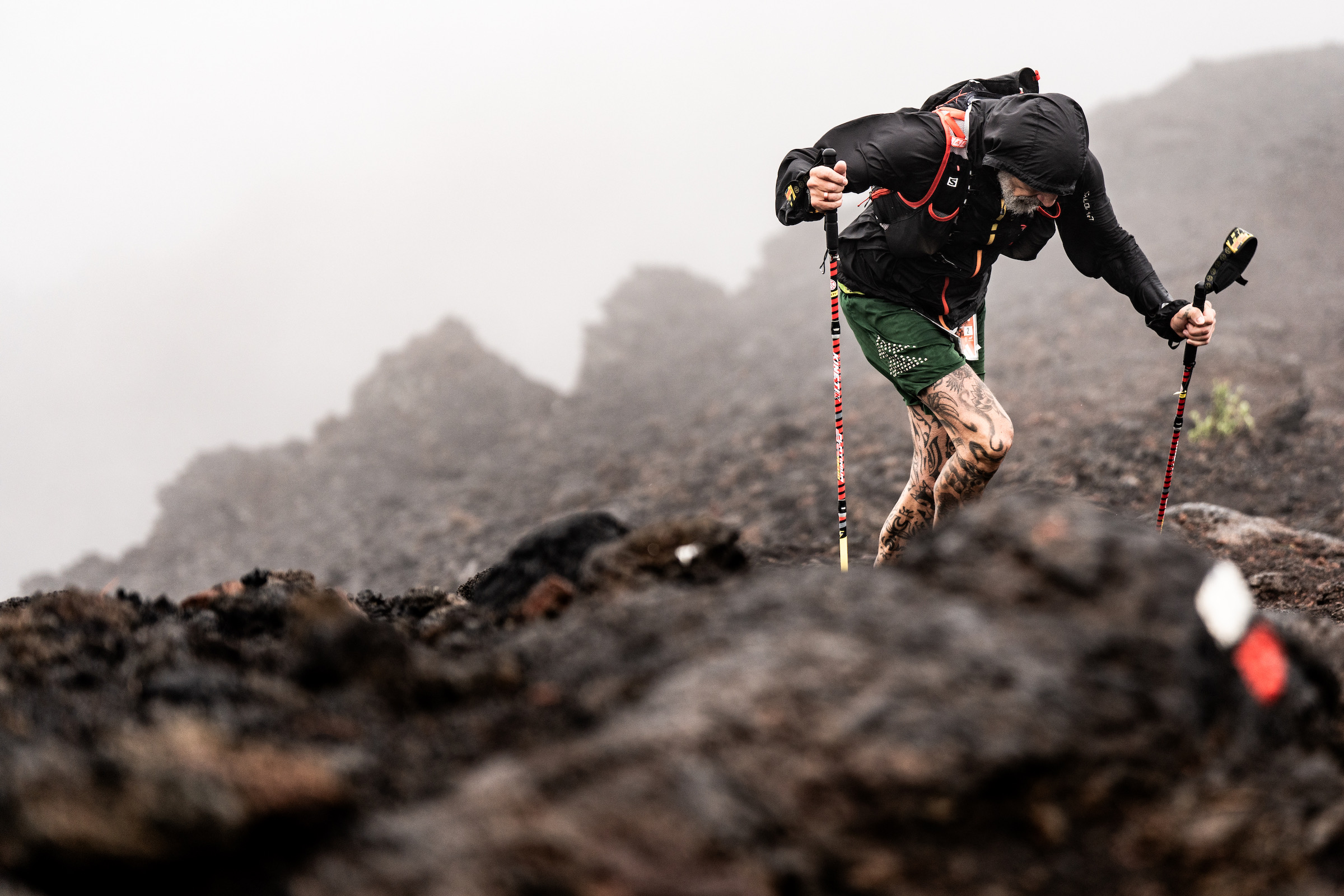
The long drop from the summit to Tazacorte Puerto – a descent of over 2,000 vertical meters is never easy. But in this weather, it became treacherous. Slick rocks and pine needles, water-logged switchbacks punished tired quads. Fatigue met fear. But a glimmer of better weather below the cloud gave runners hope.
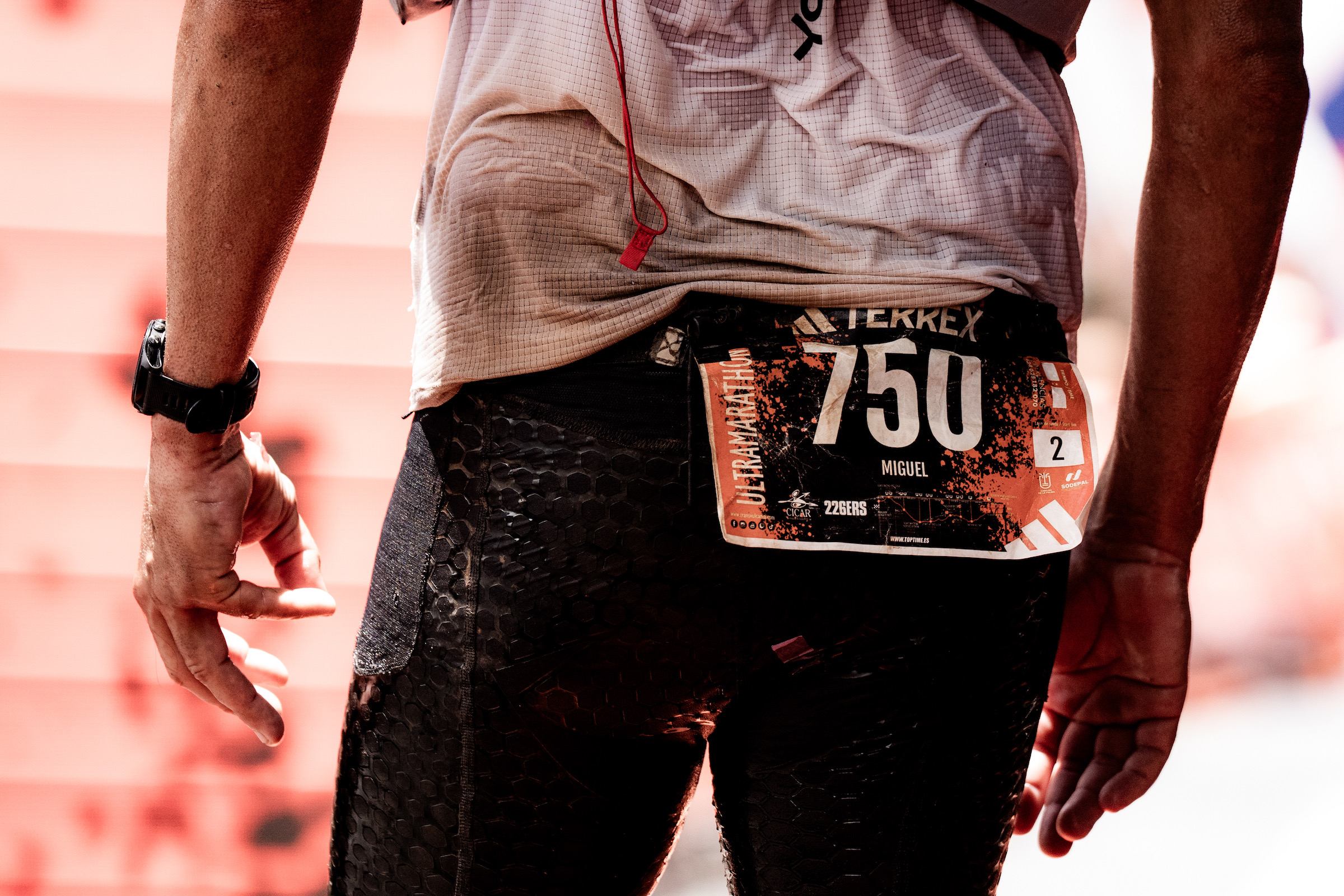
Warmth arrived, the exhaustion of fighting the cold up high lingered with every step though, the reward of the finish line now spurred each and every runner to fight hard. From Tazacorte Puerto, the final climb, known as ‘The Wall,’ is short on paper but long for the legs and mind. Roughly 300 meters of vertical gain on steep switchbacks of rocky path. Normally a test of willpower, this year it became an act of survival. However, the removal of the rocky gorge at sea level – for safety reasons – did mean it was possible to cover more ground much quicker.
The streets of Los Llanos were lined with cheering locals offering the first real warmth of the day. Music cut through the chill and finally the best finish line in the world arrived, the medal this year feeling a little heavier but hard earned after the rain, wind, and freezing exposure of a mountain that showed no mercy.
What makes Transvulcania unique has always been its terrain and profile. Lava fields, pine forests, ridge lines, sun, and sea. But in 2025, the weather became the story. Torrential rain washed away comfort. The cold stripped away energy. And the wind exposed every weakness, both mental and physical.

The fastest still raced though. The elite still chased podiums. But deeper in the field, it was about finishing, about not quitting. About moving forward despite frozen hands, soaked shoes, and the urge to stop.
Transvulcania is about battling whatever the mountain throws at you, and this year, it threw everything.
Peter Frano and Anne-Lise Rousset were crowned as the winners of the ultra marathon. Frano made his move on the descent to Tazacorte Puerto passing Andreas Reiterer who would eventually finish 2nd ahead of Manu Anguita. The times were 6:55:36, 6:58:27 and 7:19:18 respectively.
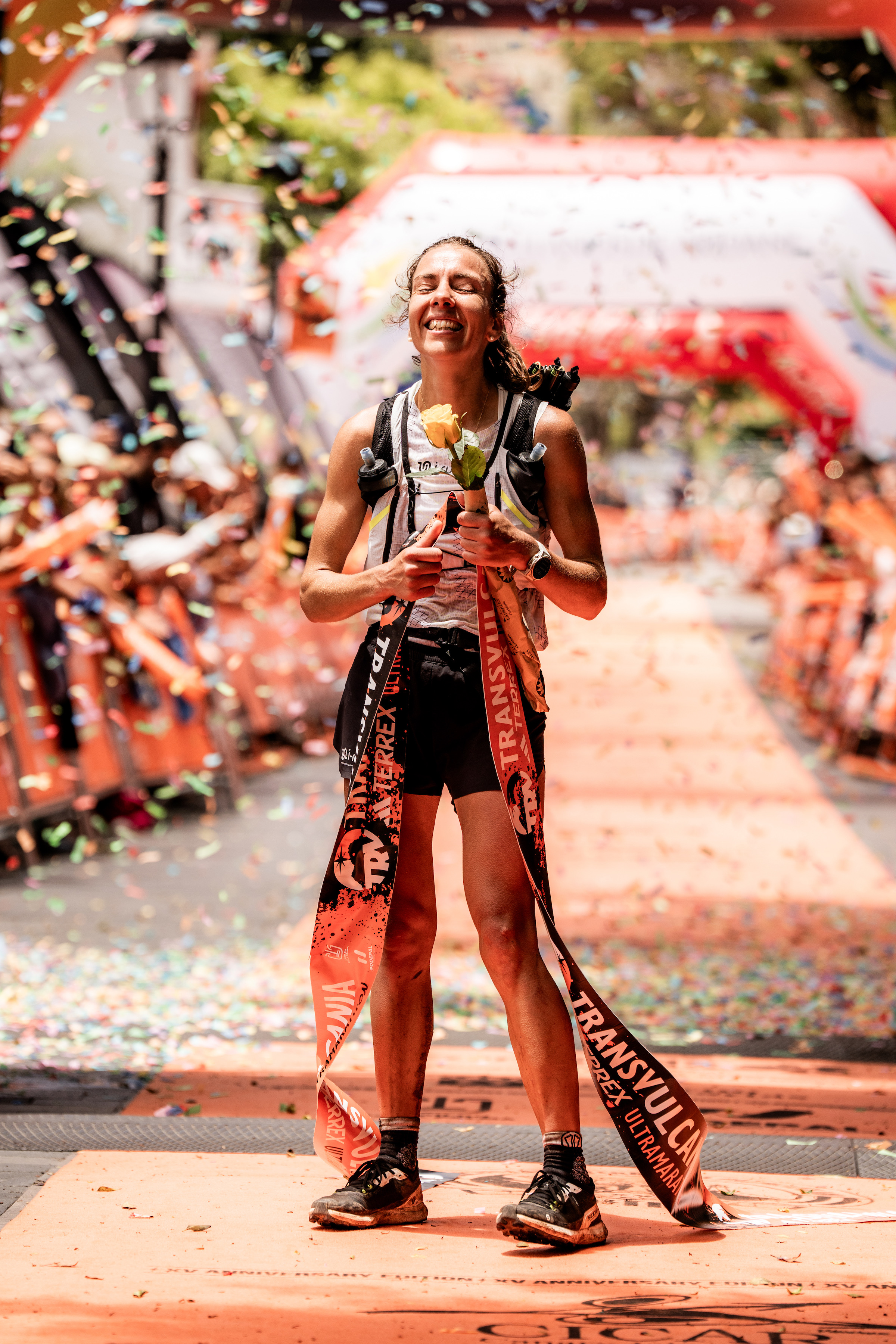
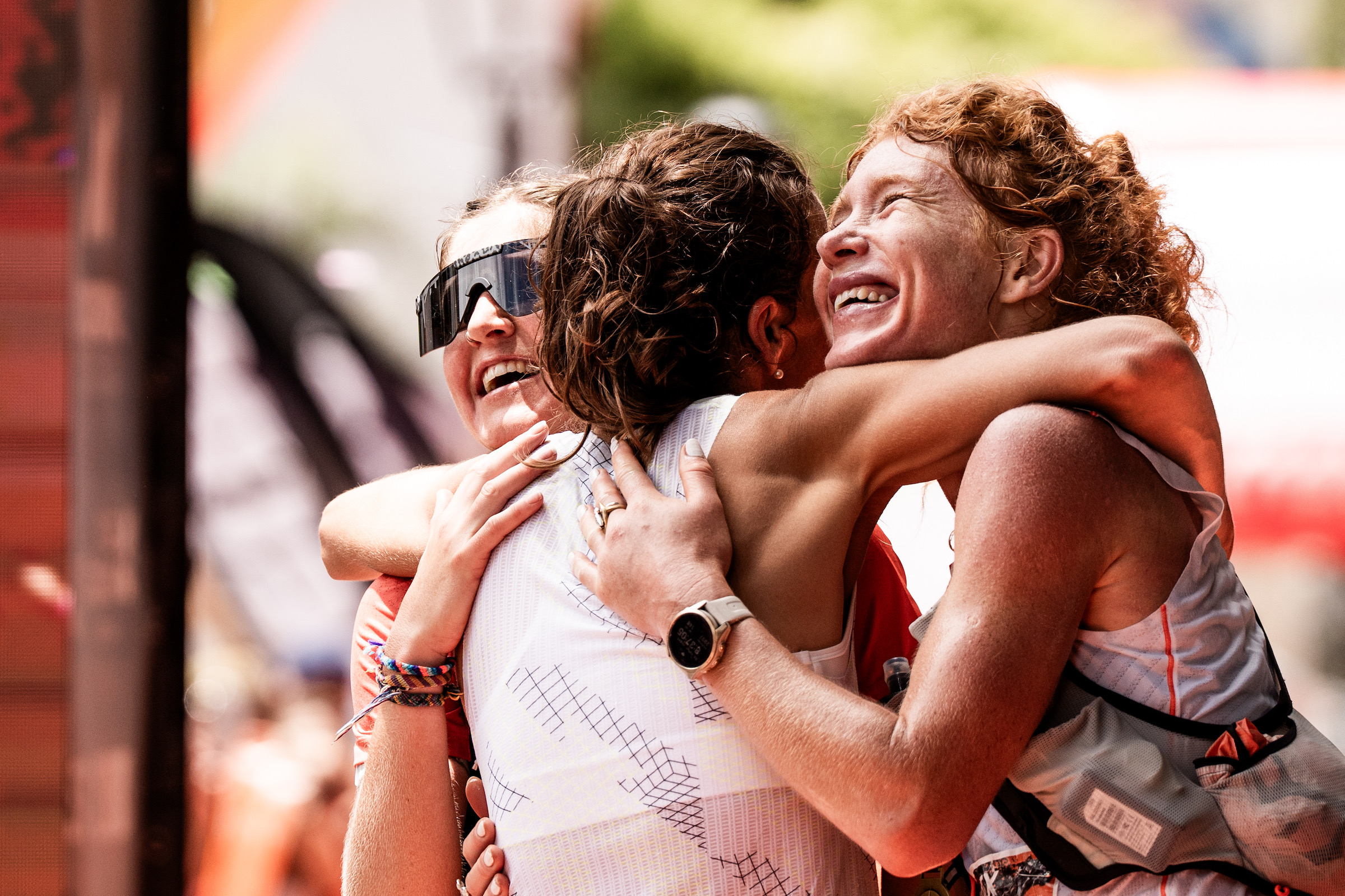
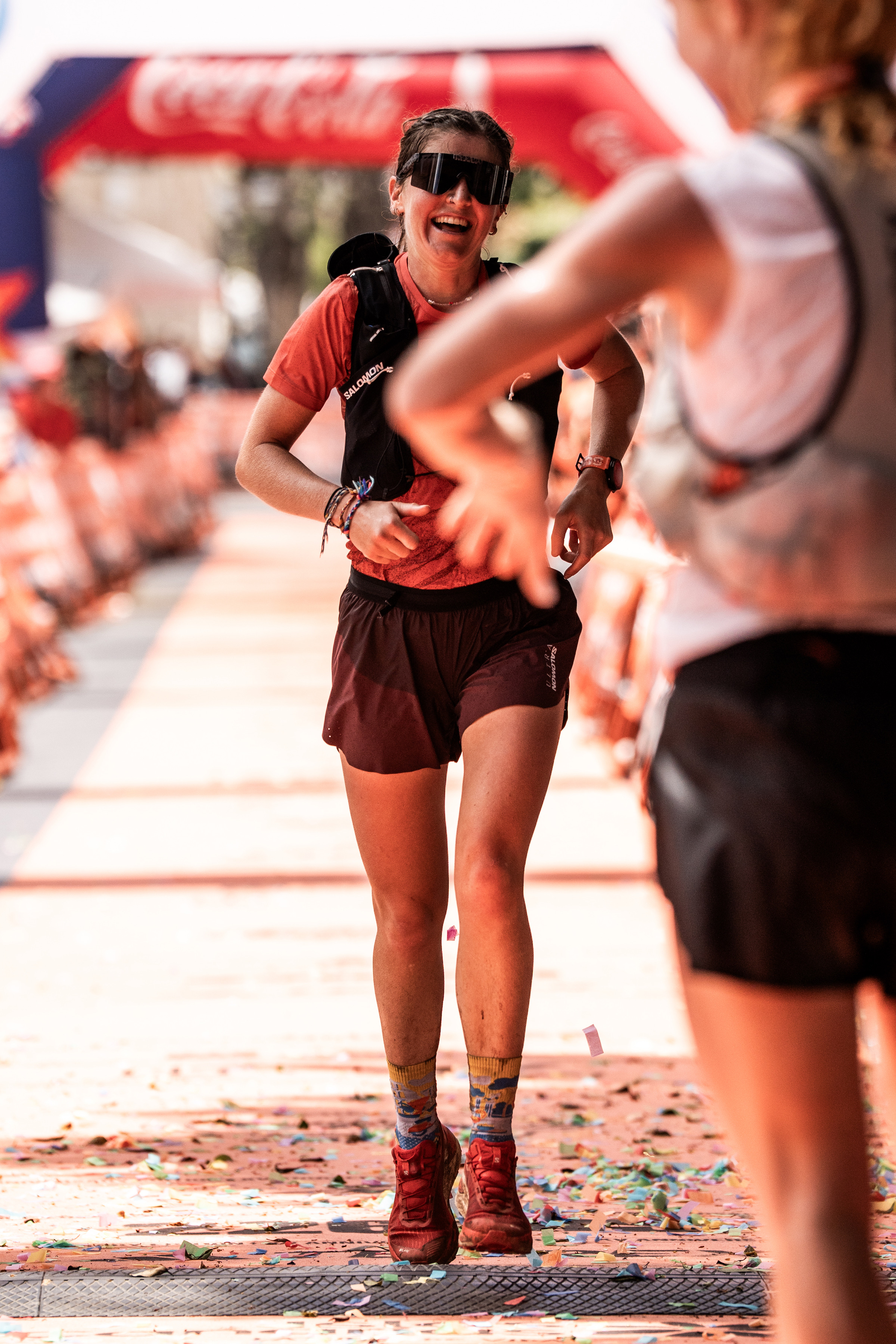
After three previous attempts, 2016, 2017 and 2019, Anne-Lise Rousset finally took the top honours in 8:18:17, a long way off the CR of 8:02:49 set by Ruth Croft in 2024. Ekaterina Mityaeva and Martina Valmassoi battled for 2nd and 3rd and were separated by just 27-seconds at the line, 8:36:58 and 8:37:25.
In the men’s race, hot favourites Dakota Jones and Dmitry Mityaev did not make the start, notably, Andreu Simon Aymerich, Matt Daniels, David Sinclair and Jordi Gamito (amongst many others) DNF’d.
For the women, Ruth Croft who lead the race for almost half of the distance finally succumbed to the weather and withdrew, along with Azara Garcia and Elisa Desco.
Even through fogged lenses and stormy skies, La Palma’s raw beauty still showed through. Runners moved through wild volcanic terrain, past black rock and misty forests. They crossed an island shaped by fire and storm, and this year, they did it while the island roared. And those who crossed the line in Los Llanos? They didn’t just finish a race, they survived an ultra through one of the wildest tests the island has ever delivered.
Instagram – @iancorlessphotography
Twitter – @talkultra
facebook.com/iancorlessphotography
Web – www.iancorless.com
 IAN CORLESS
Amazing photography! I caught a bit of the livestream and it looked brutal. Well done on really capturing the mood of the race.