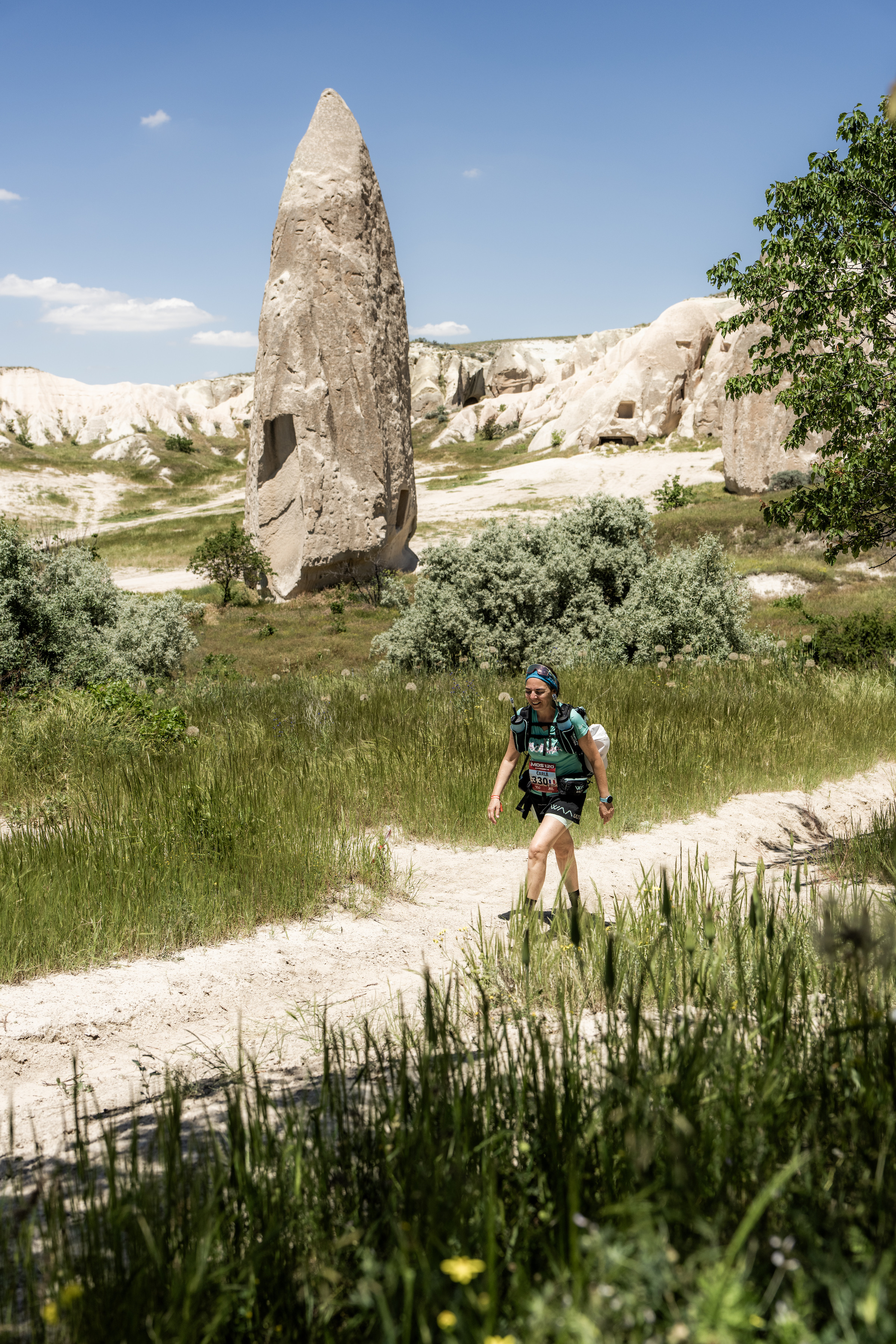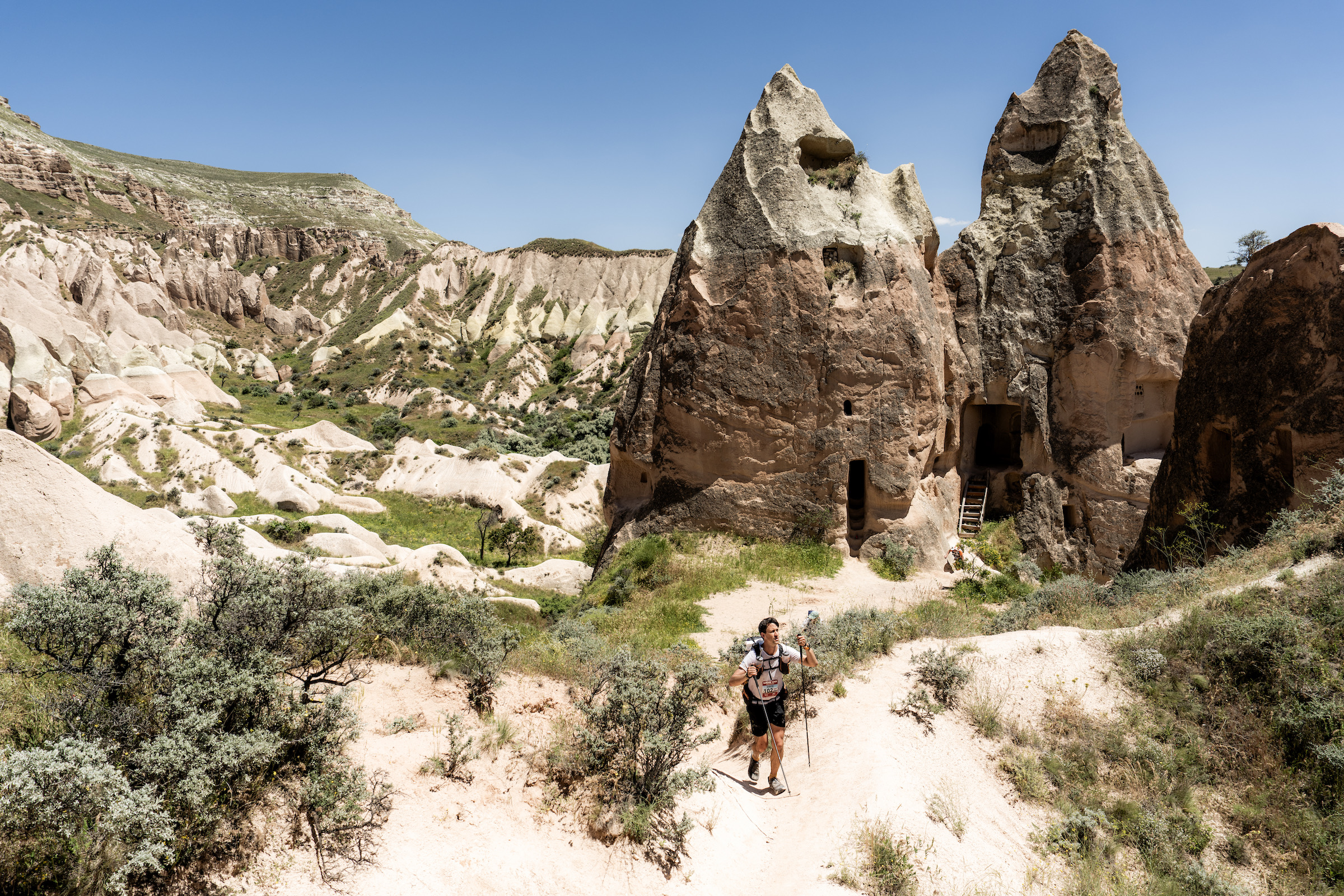
Stage 2 Delivers Heat, Balloons and Cappadocia’s Finest Trails at the Third Edition of MDS Cappadocia
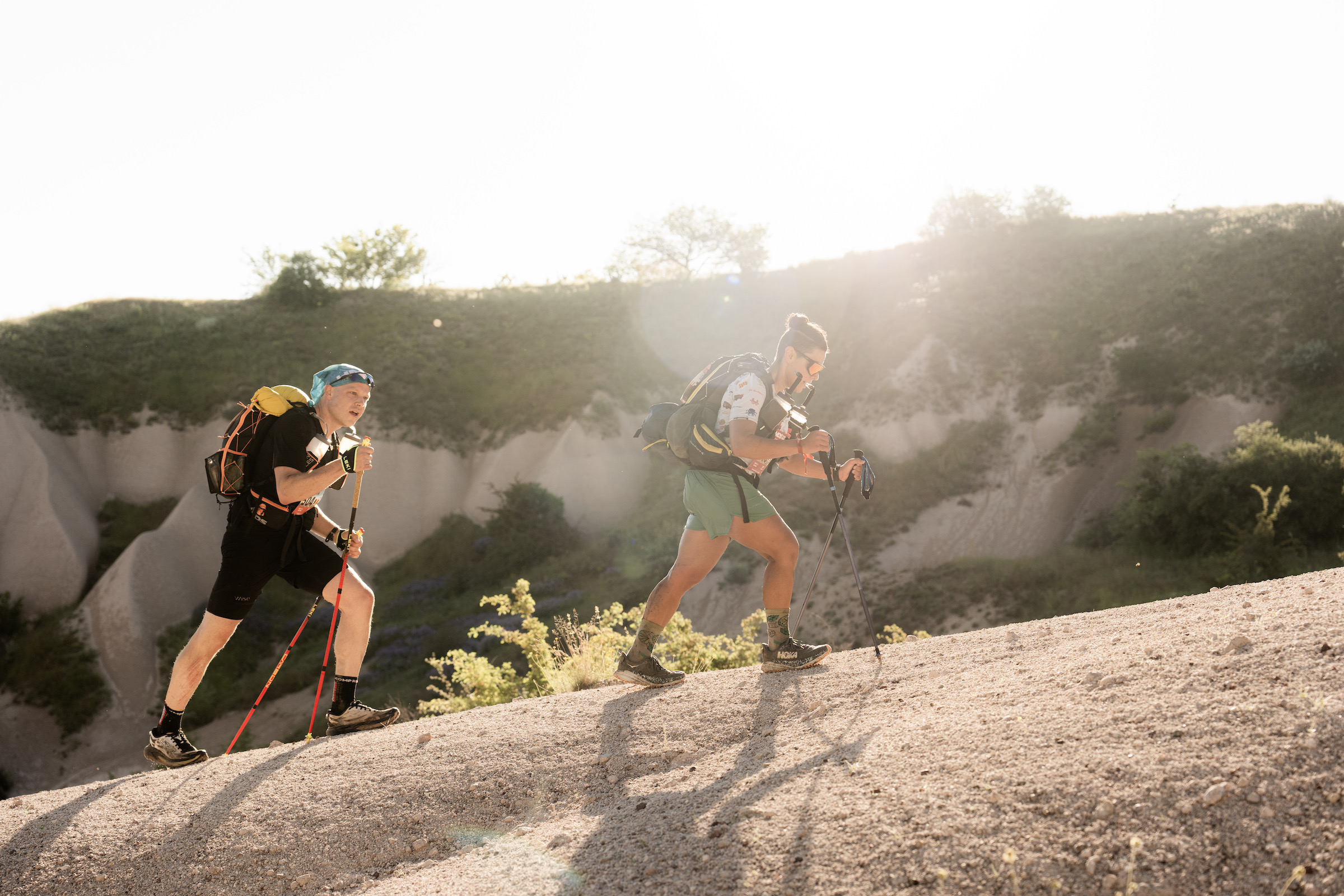
Stage 2 of the third edition of MDS 120 Cappadocia delivered everything that makes this race so special: breathtaking scenery, challenging terrain, soaring temperatures, and the unforgettable spectacle of hot air balloons drifting across the dawn sky.
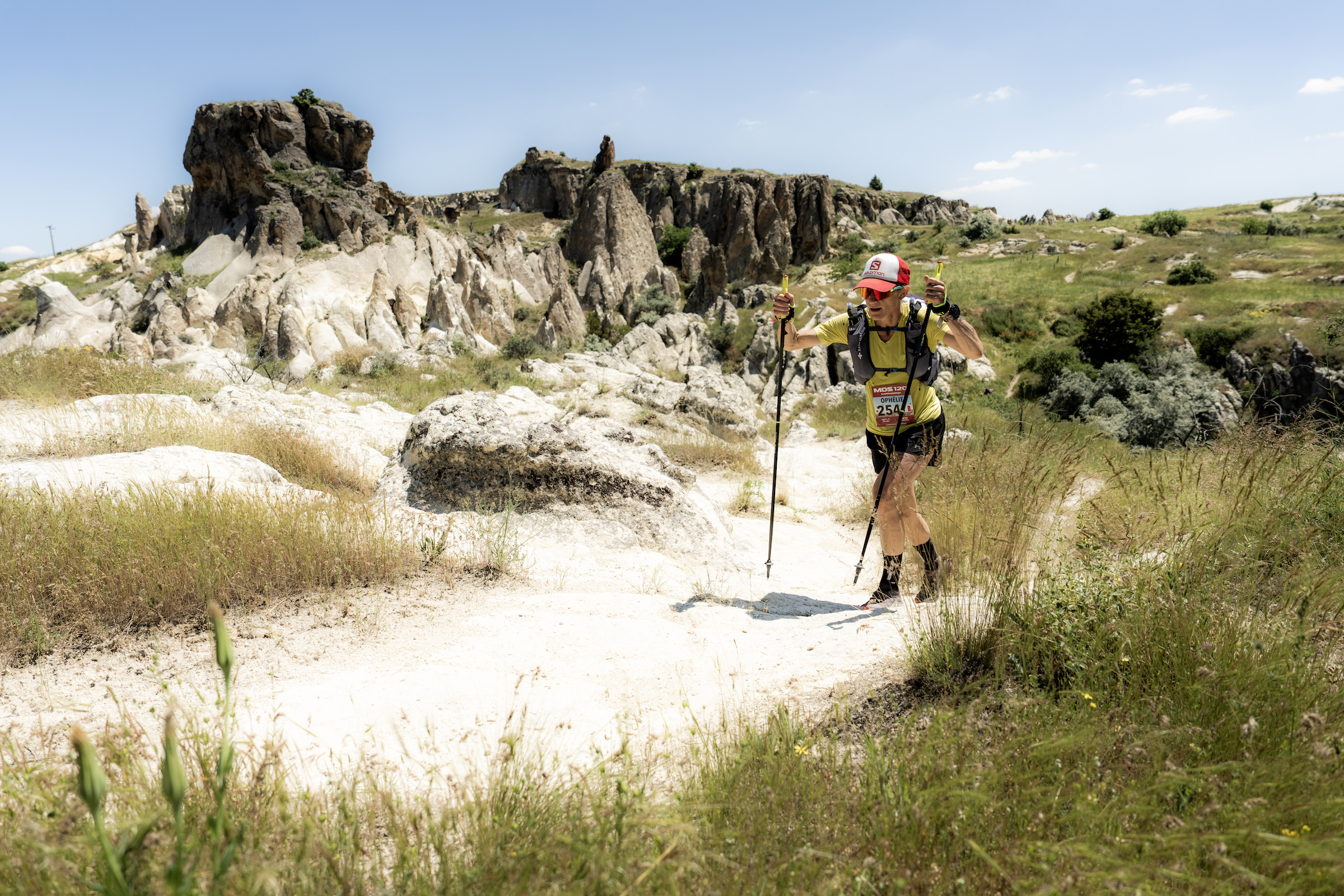
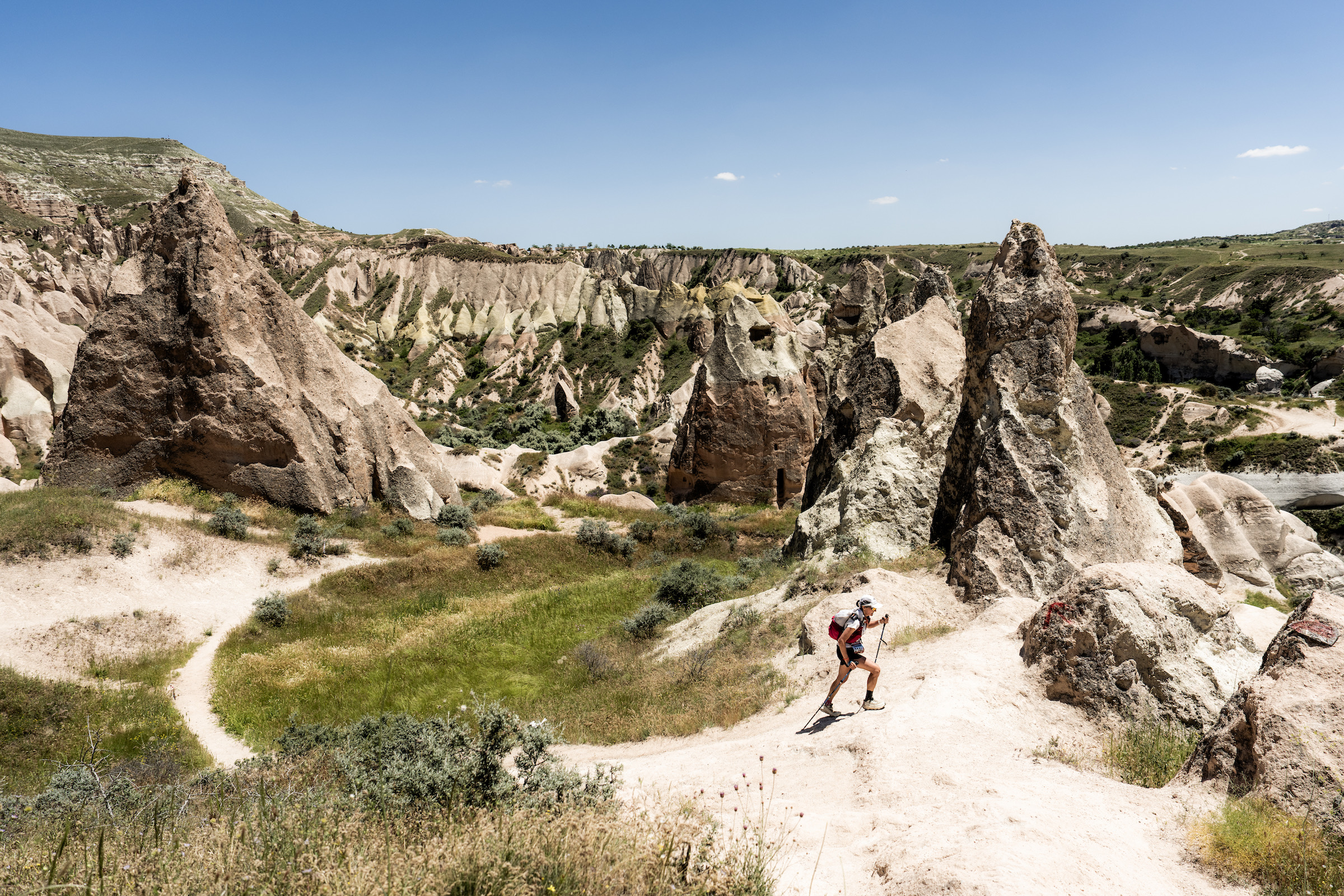
Today was the stage where runners chose their challenge, with distances of 19.2km, 38.7km or 55.2km on offer. For those tackling the longest route, it was a full and immersive journey through some of Cappadocia’s most spectacular landscapes, passing through the Zemi Valley, Balkan Valley, Gomeda Valley, Rose Valley and finally the Meskendir Valley.
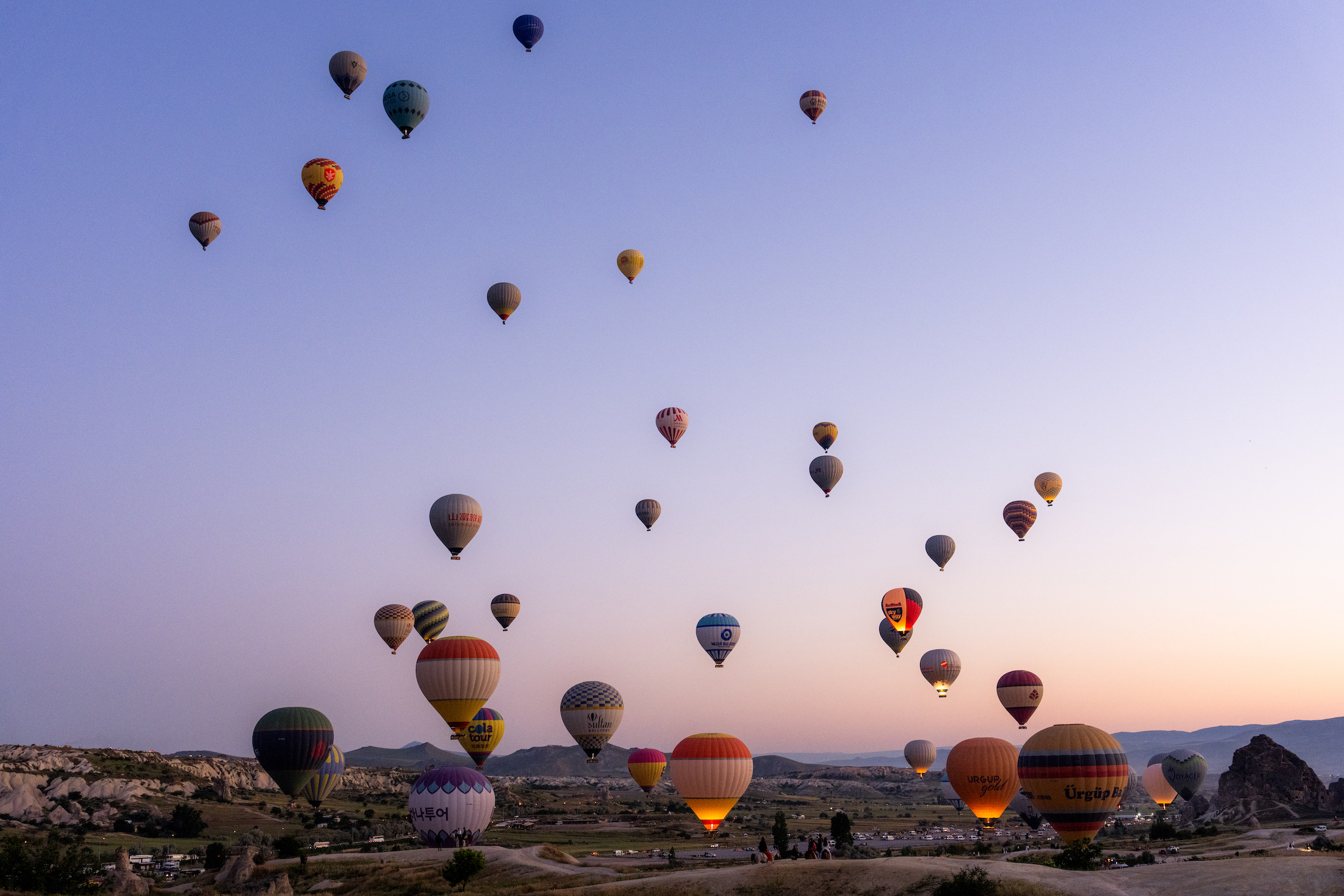
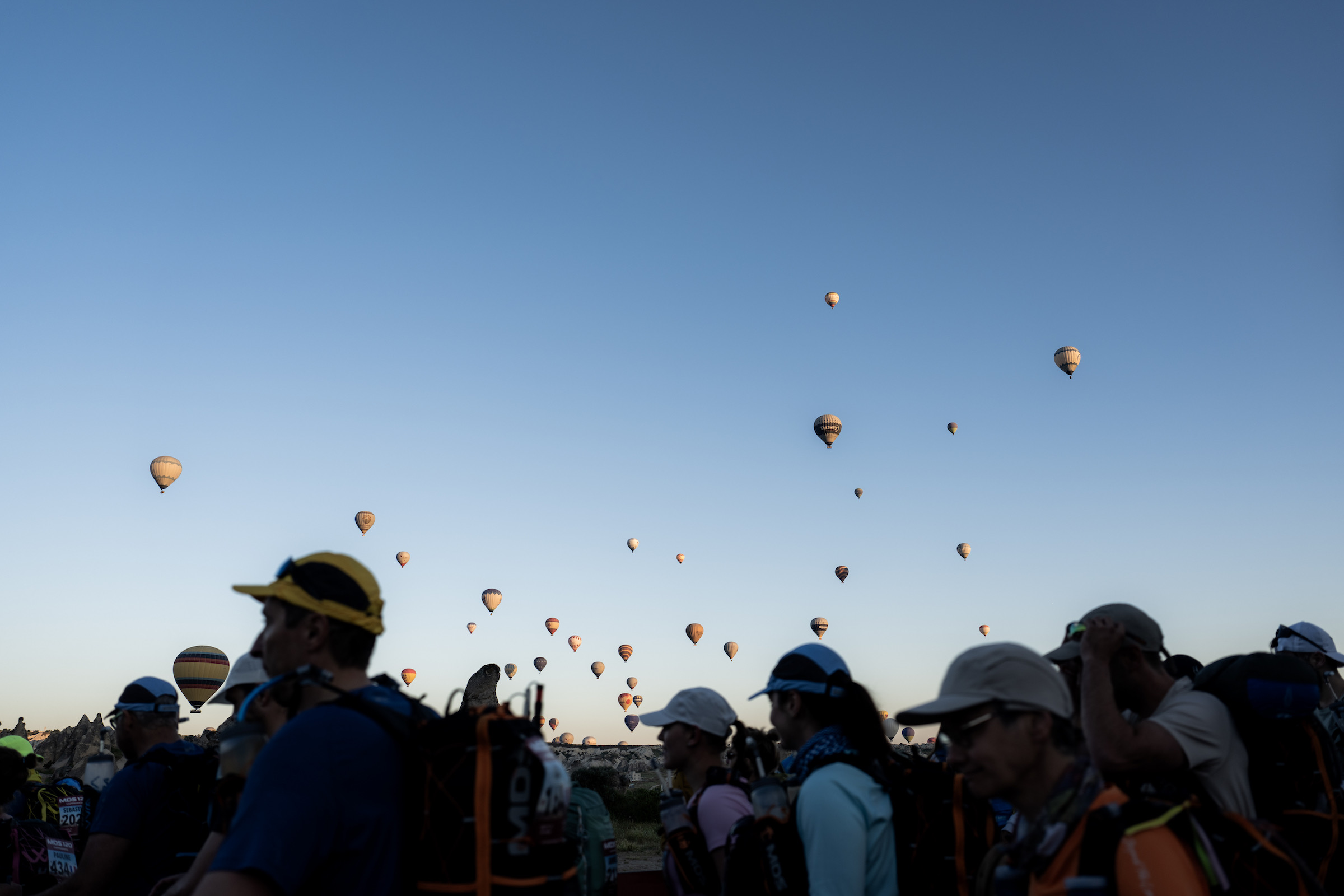
The day began with one of Cappadocia’s most iconic sights. As runners gathered for the early 05:30 start, hundreds of hot air balloons filled the sky, creating a magical backdrop as competitors set off into the cool morning air.
That relief was short-lived.
As the sun climbed higher, temperatures rose rapidly, bringing intense heat that would challenge every participant regardless of distance. The combination of exposed terrain and very little shade made for a demanding day in one of Turkeys most unique environments.
The stage offered constant variety. Runners navigated flowing single-track trails, hidden paths, ancient tunnels and the world-famous fairy chimneys that have made Cappadocia a globally recognised destination. Every valley revealed new scenery, but the relentless heat ensured that nobody had an easy day.
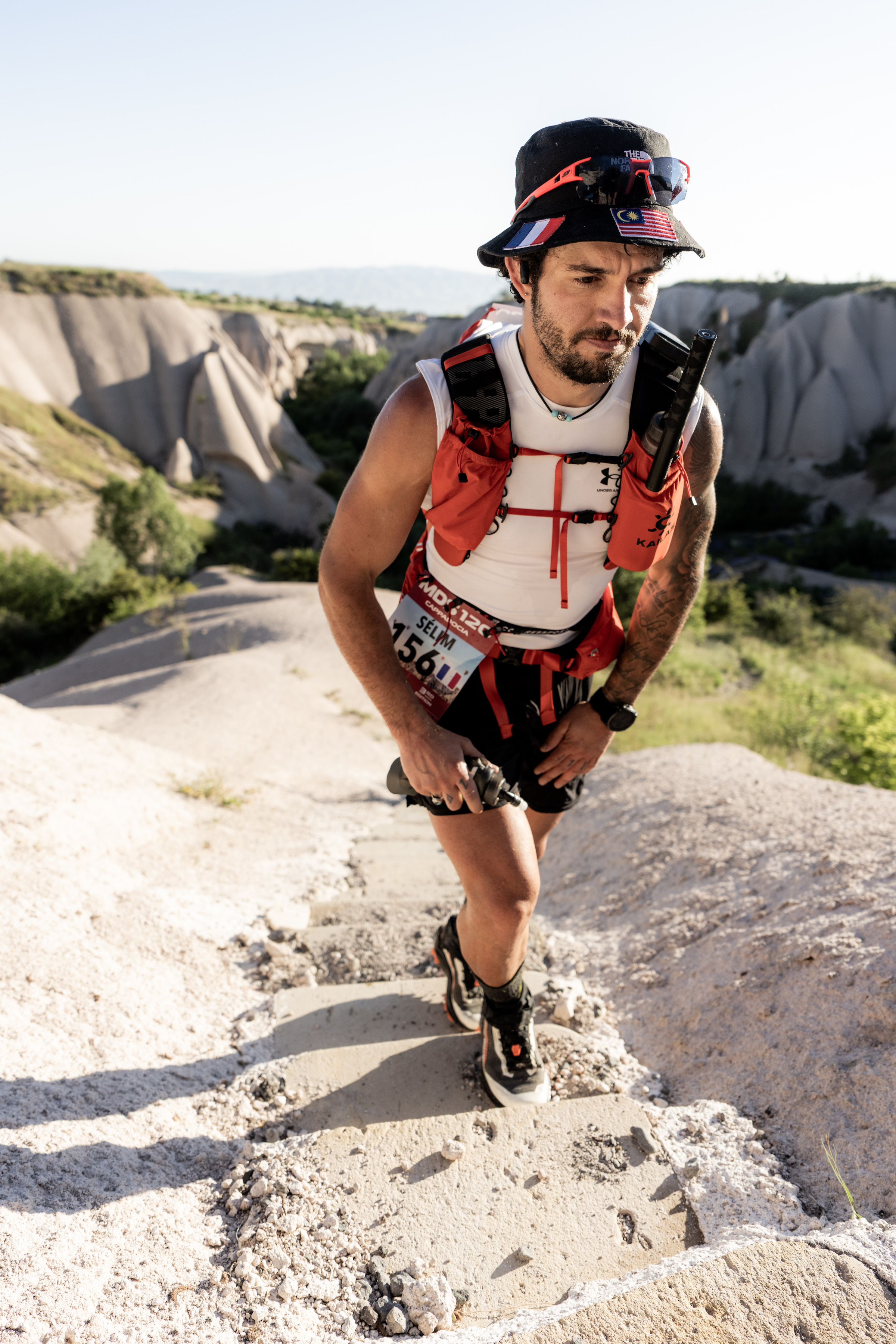
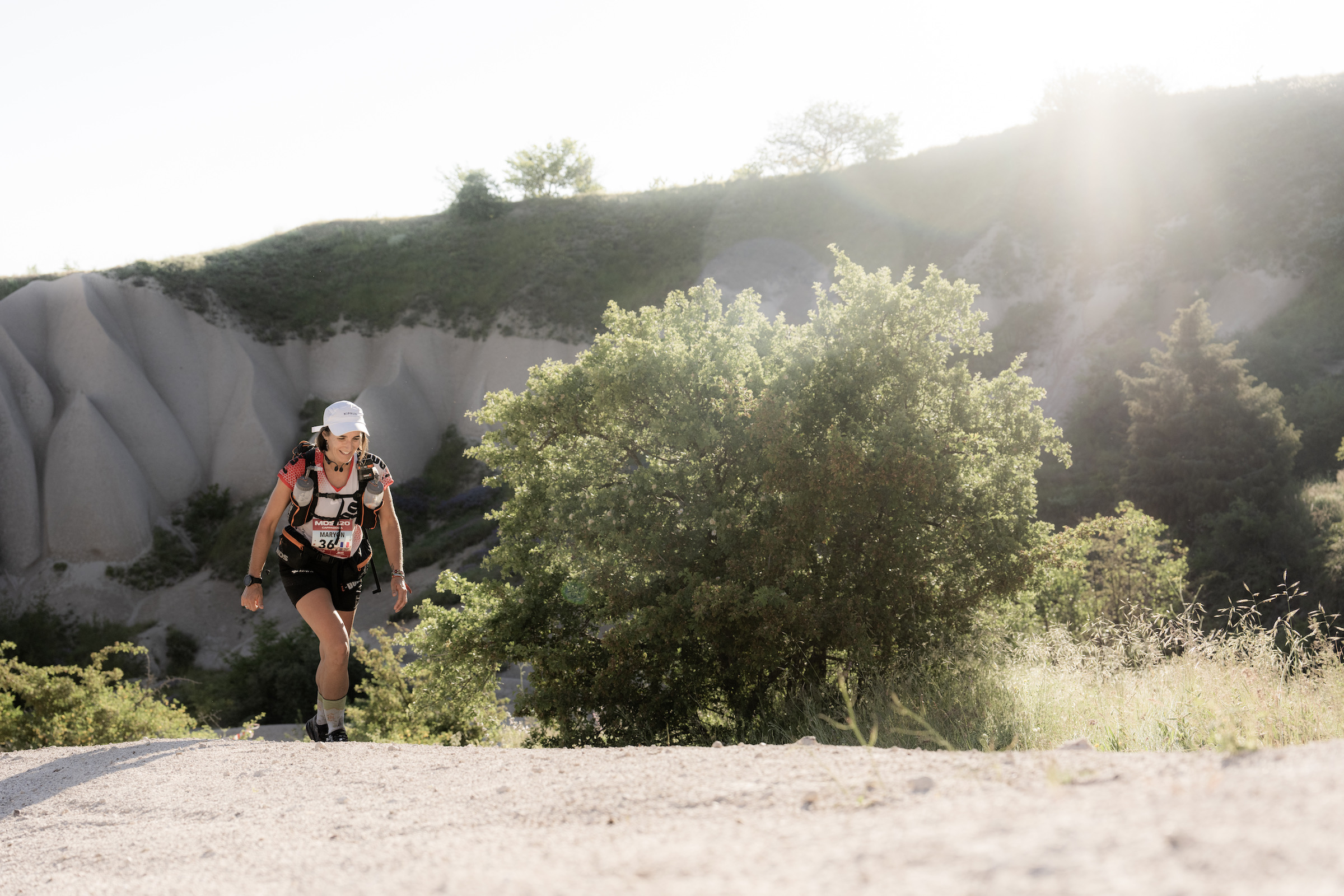
In the MDS120 category, Sélim Deterpigny produced an outstanding performance, appearing to thrive in the demanding conditions. He crossed the finish line in 6:35:07 after a dominant display. Sergio Turull, who had impressed during Stage 1, found the heat more difficult and finished 21 minutes behind. In the women’s race, Maryon Pennec once again demonstrated her strength, taking victory in 7:25:47, just 20 seconds ahead of Lucie Scherrer after a closely contested battle.
The MDS100 category saw victories for Julie Lafaille and Patrick Paraire, who completed the stage in 5:26:59 and 5:07:54 respectively.
In the MDS70 race, Fatih Topçu delighted local supporters with victory in 2:13:47, while Ana Turull claimed the women’s win in 2:20:12.
With Stage 2 complete, runners now look forward to a well-earned rest day. The opportunity to recover, refuel and recharge will be welcomed by everyone after a demanding day under the Turkish sun.
Despite the fatigue, the atmosphere in camp remains exceptionally high. Surrounded by extraordinary landscapes and the daily spectacle of hot air balloons overhead, competitors continue to appreciate just how fortunate they are to be racing in one of the world’s most remarkable locations.
Tomorrow, attention turns to the final stage, a distance that will be run by all participants.
And waiting on the horizon is one of Cappadocia’s most famous landmarks of all: Love Valley.
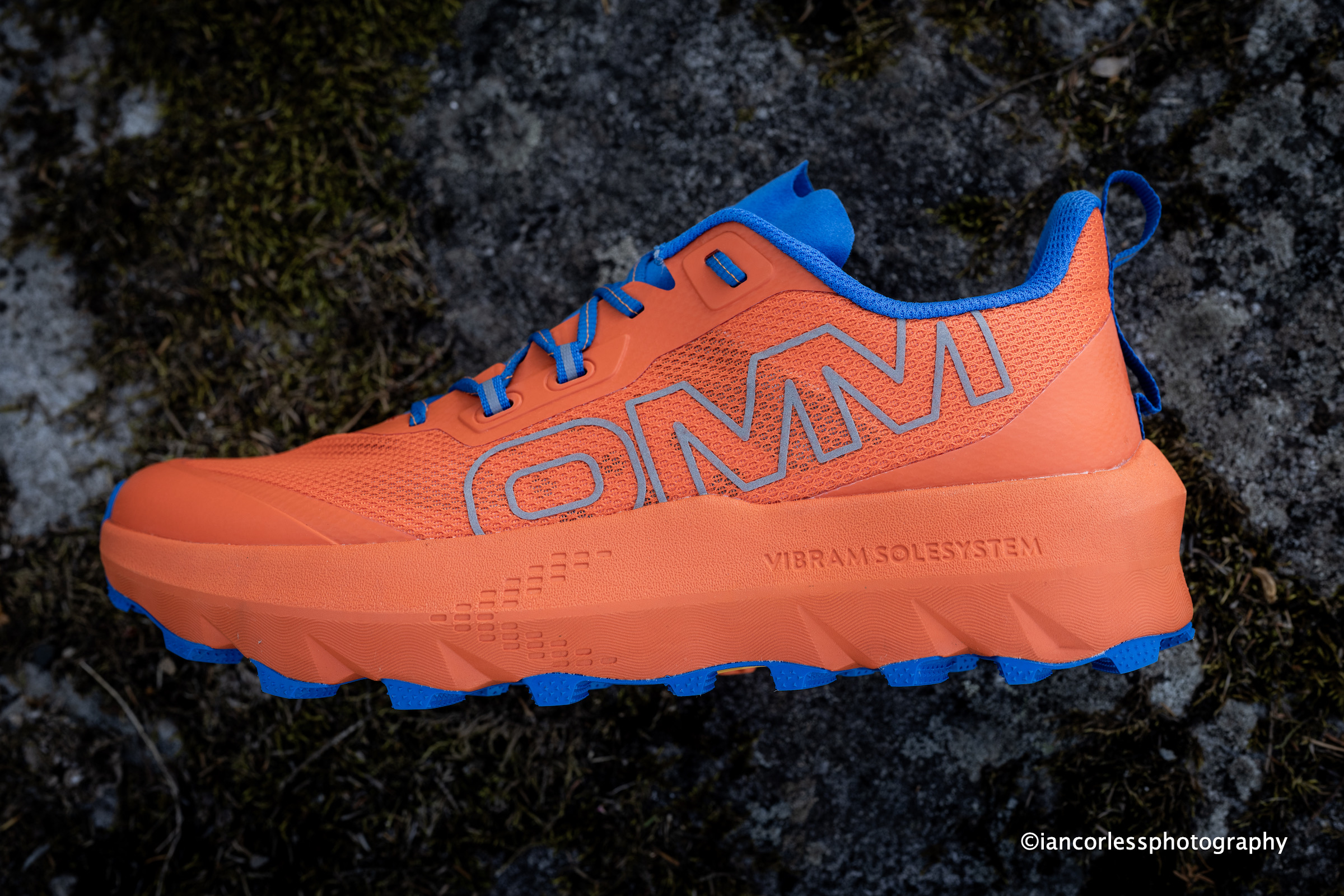
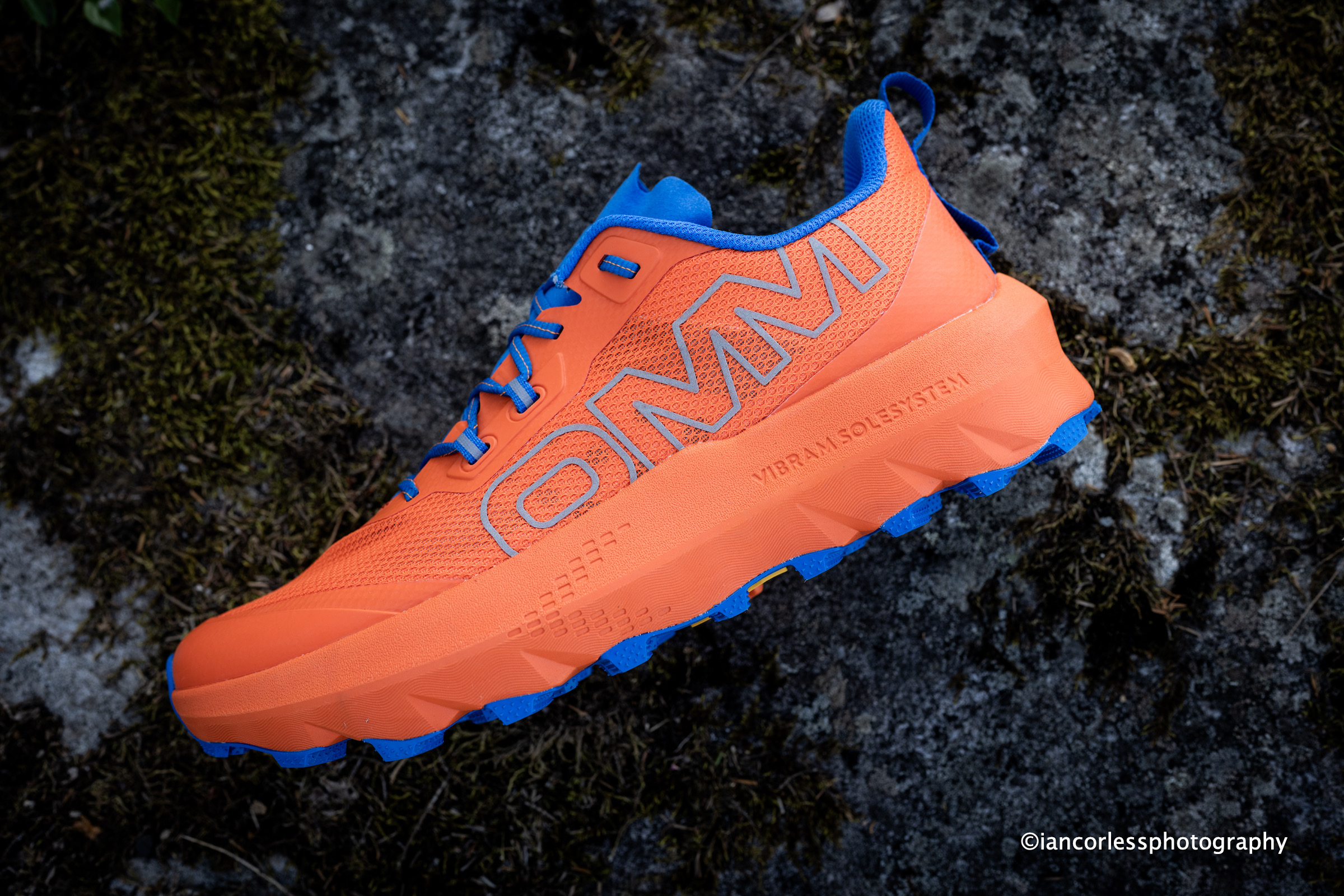
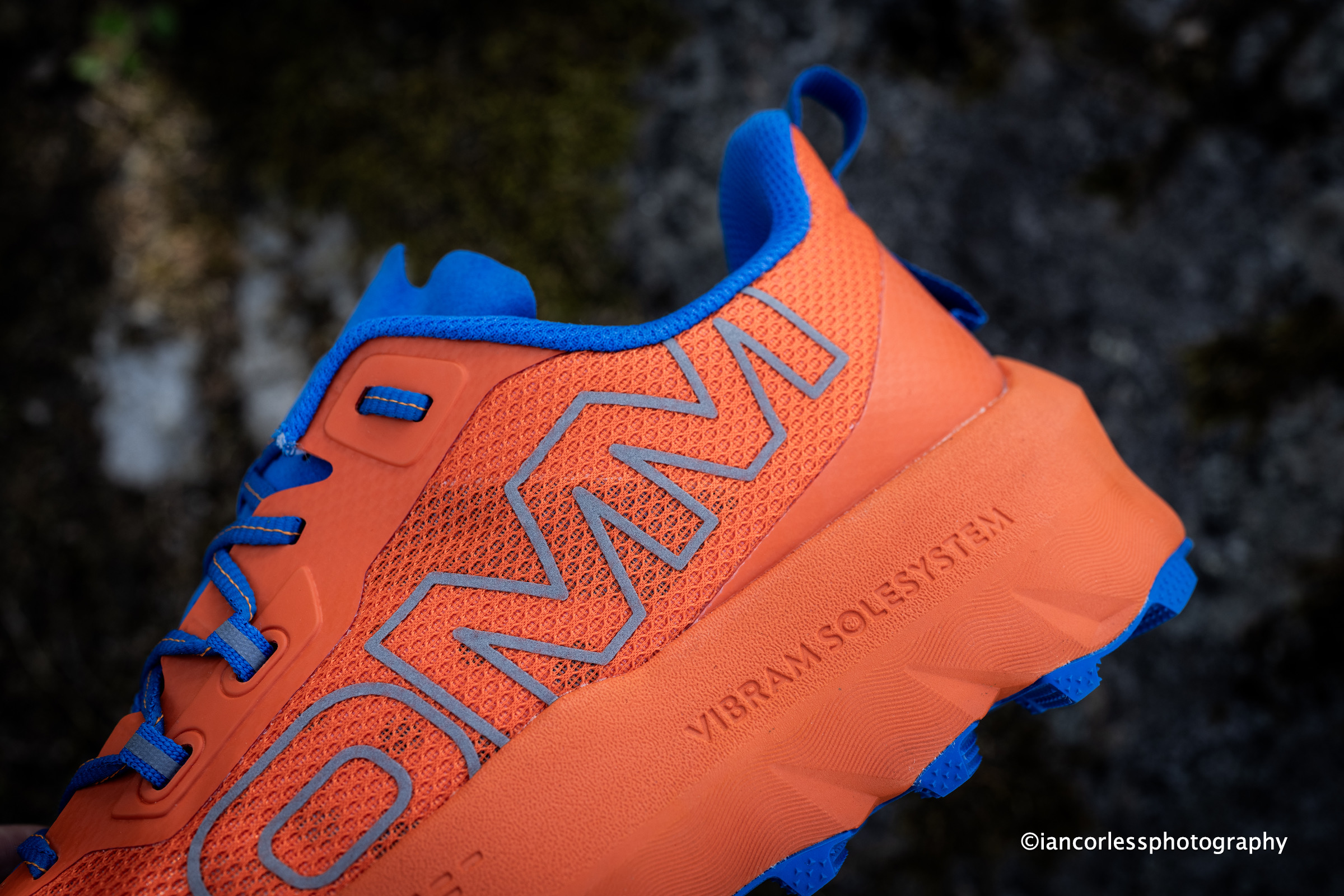
OMM Ultra Shoe Review: A Dependable Long-Distance Companion
The trail running shoe market is crowded. Every brand seems to be chasing super foams, carbon plates, outrageous rocker profiles, and increasingly bold claims about speed and performance. Against that backdrop, OMM enter the shoe market with three new shoes – Ultra, Trail and Fell.
First up, the OMM Ultra. They don’t arrive shouting for attention. They aren’t flashy and they do not promise to transform you into a podium-finishing mountain goat. OMM Ultra gets on with the job it was designed to do: keeping you comfortable, protected, and moving efficiently when the miles start stacking up and fatigue begins to creep in.
A Shoe Designed for the Long Haul
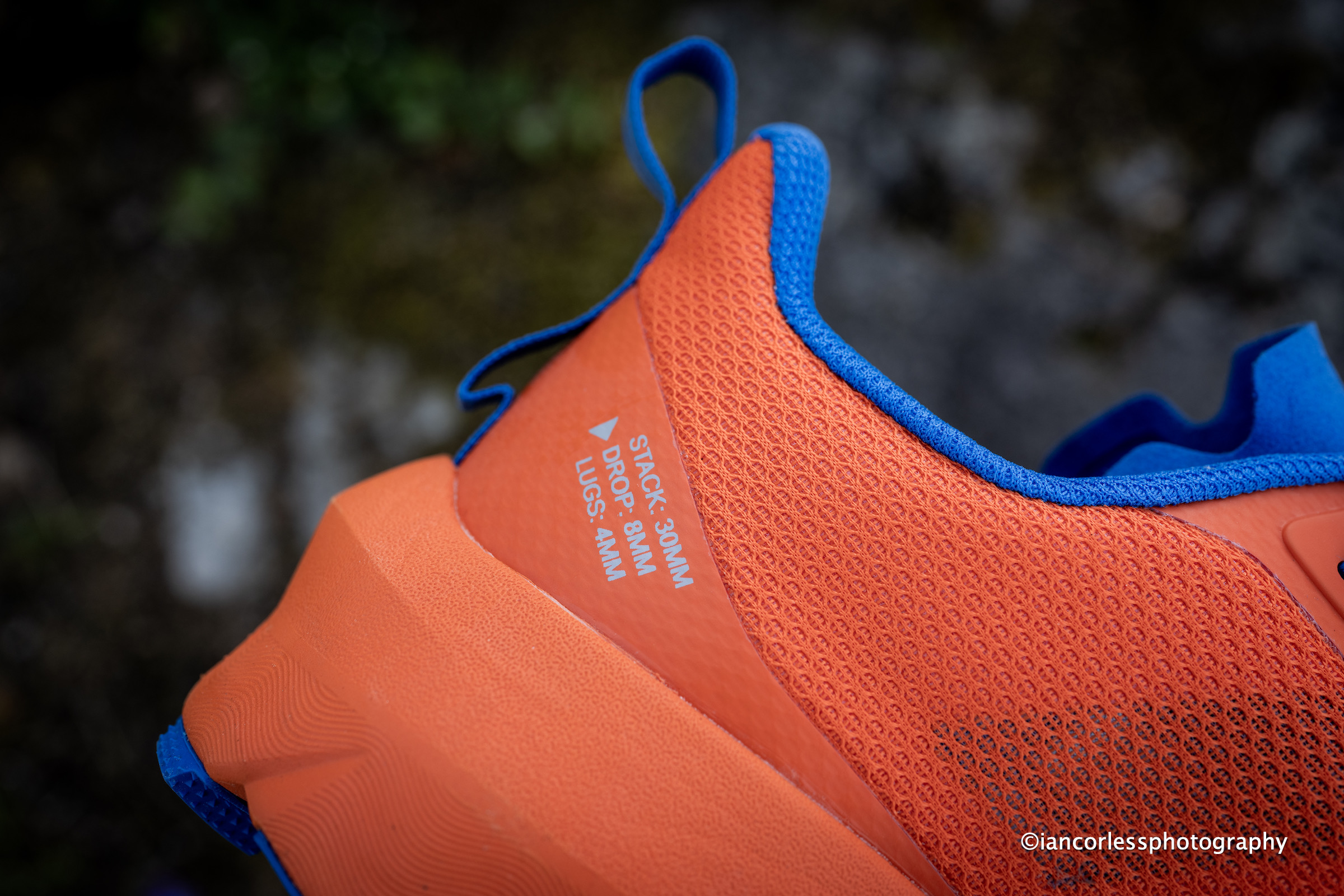
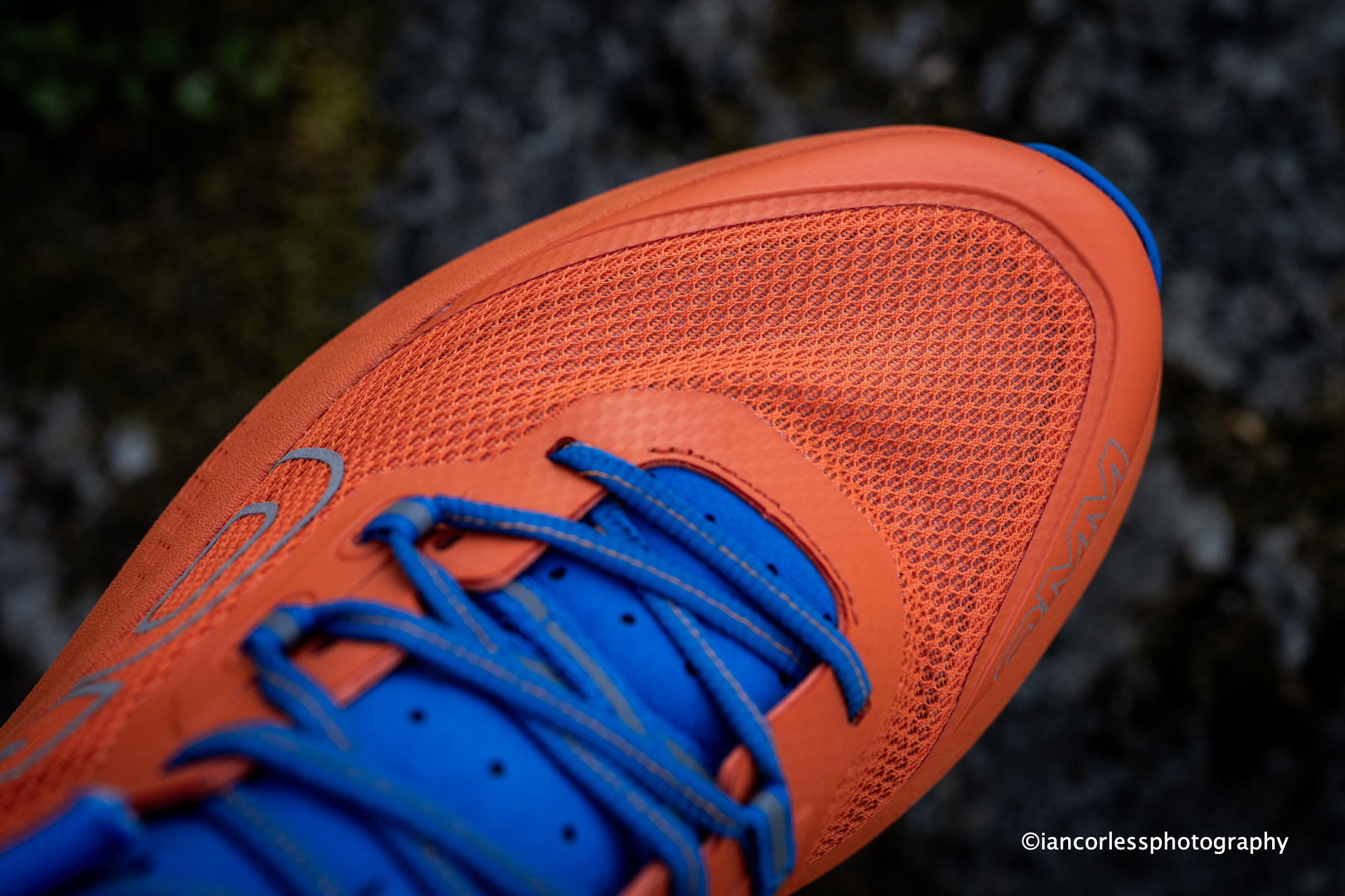
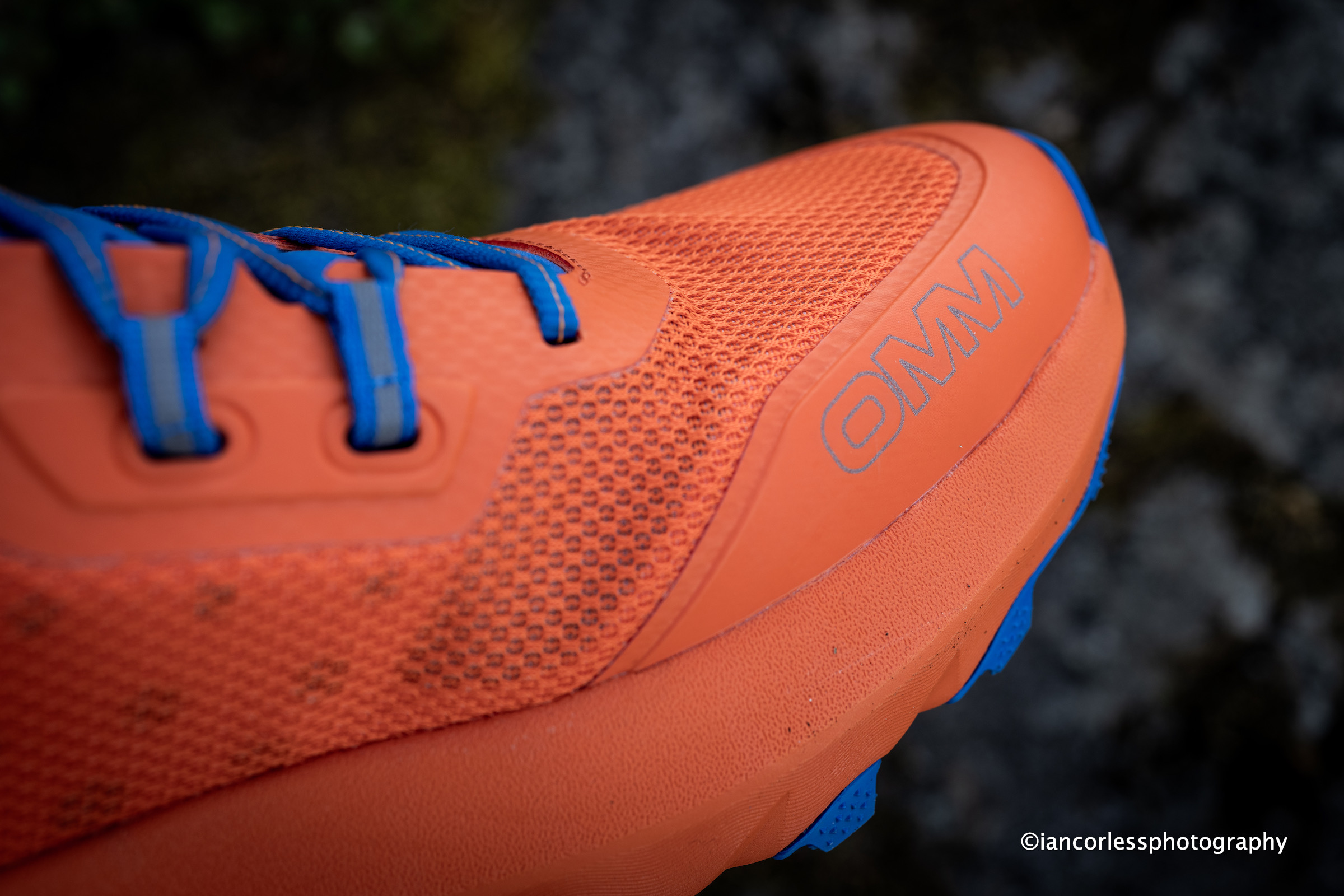
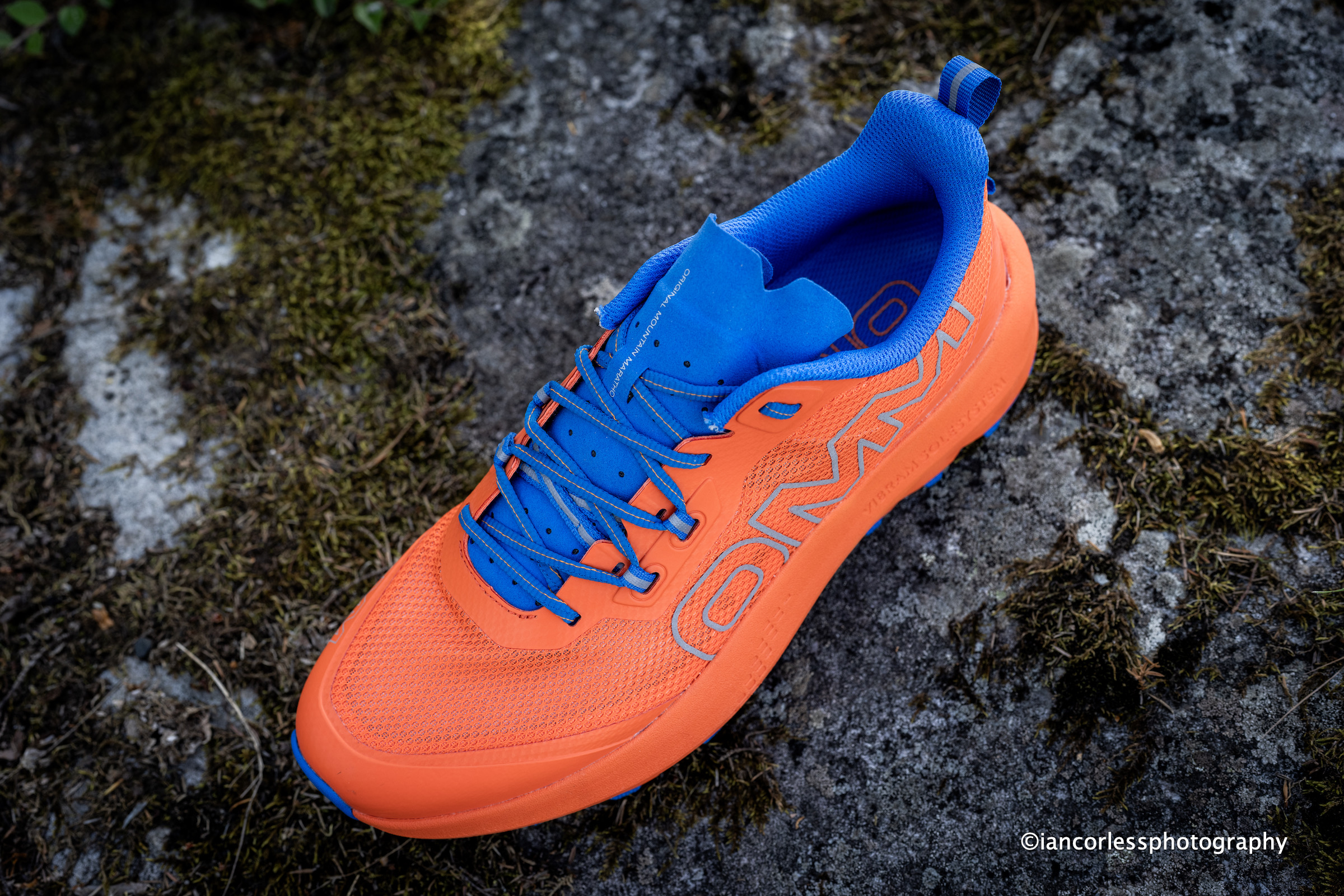
The Ultra is OMM’s most cushioned shoe in their new three shoe offering. Weighing in at 265g for UK8, my UK10 tipped the scales at 336g – with a substantial 30mm heel stack, 22mm forefoot stack, and an 8mm drop, they sit firmly in the category of long-distance comfort cruiser.
From the moment you pick it up, it’s clear what OMM was aiming for. This isn’t a race-day weapon. It’s a shoe built for long training runs, all-day adventures, ultra-distance running, and those occasions when your priority is simply staying comfortable for hour after hour.
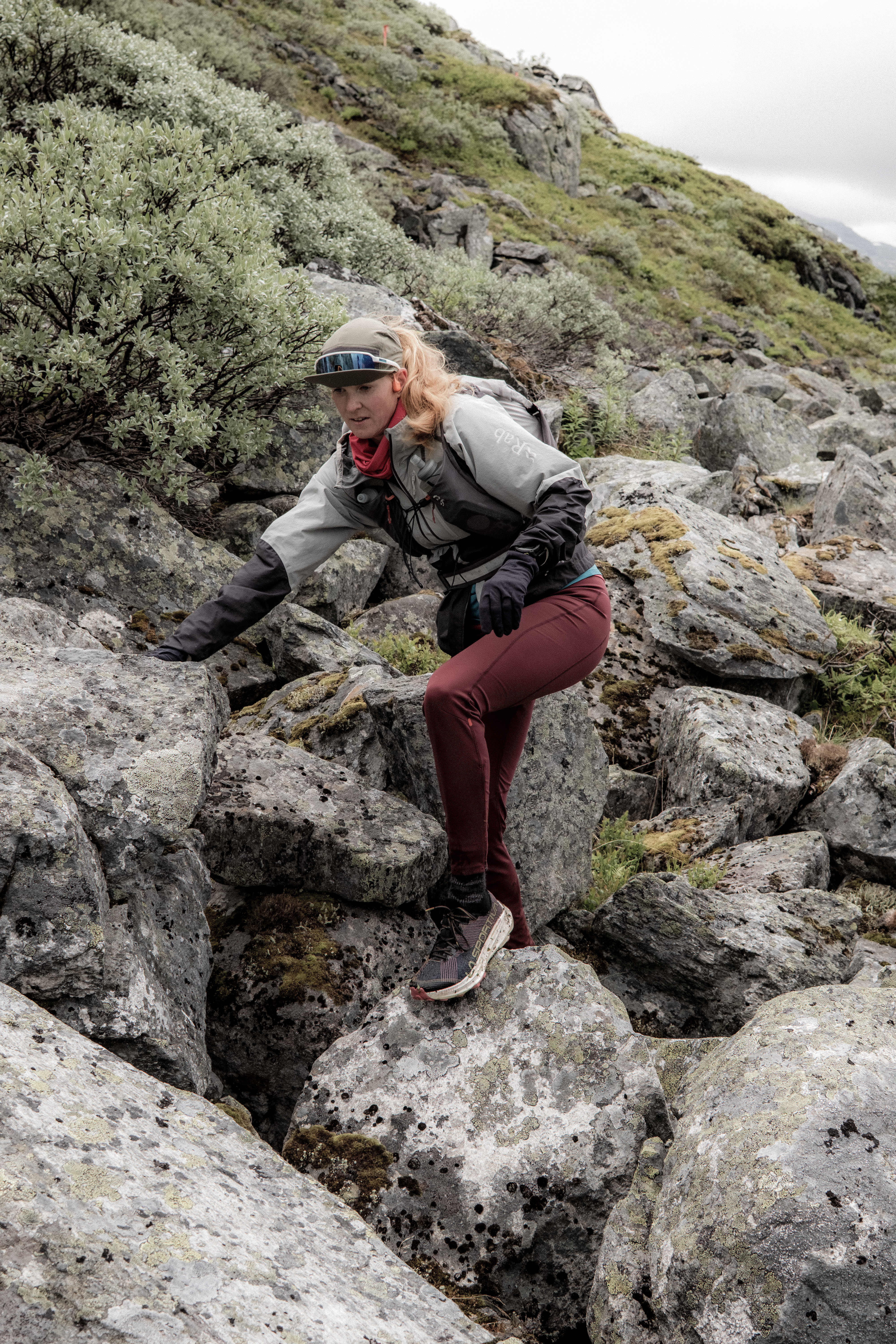
As OMM themselves explain, the goal was to create a shoe that “keeps working deep into longer efforts, where comfort and durability become ever more important.”
Two Widths – A Brilliant Decision
One of the smartest decisions OMM made with the Ultra is offering the shoe in two widths – regular and regular+.
It’s a surprisingly simple feature that many brands still overlook, yet it can make the difference between a shoe becoming a favourite or gathering dust on a shelf.
I tested the regular width version and was pleasantly surprised by the amount of room available in the forefoot. There was enough space for natural toe splay without feeling sloppy or oversized.
For runners blessed, or cursed, with what could politely be described as Hobbit feet – the wider Regular+ option is likely to be a huge selling point.
This is one of those consumer-focused decisions that demonstrates genuine thoughtfulness in the design process. Not every foot is built the same, and OMM deserves credit for recognizing that.
First Impressions and Fit
Sizing feels true to size overall.
However, my first run revealed one small issue. About a kilometer into the outing I found myself stopping to adjust the lacing. I was experiencing heel lift when running on the flat.
Now, I should admit that I am notoriously fussy about shoe fit. I like a locked-down, secure feeling. I want the shoe attached to my foot, not accompanying it.
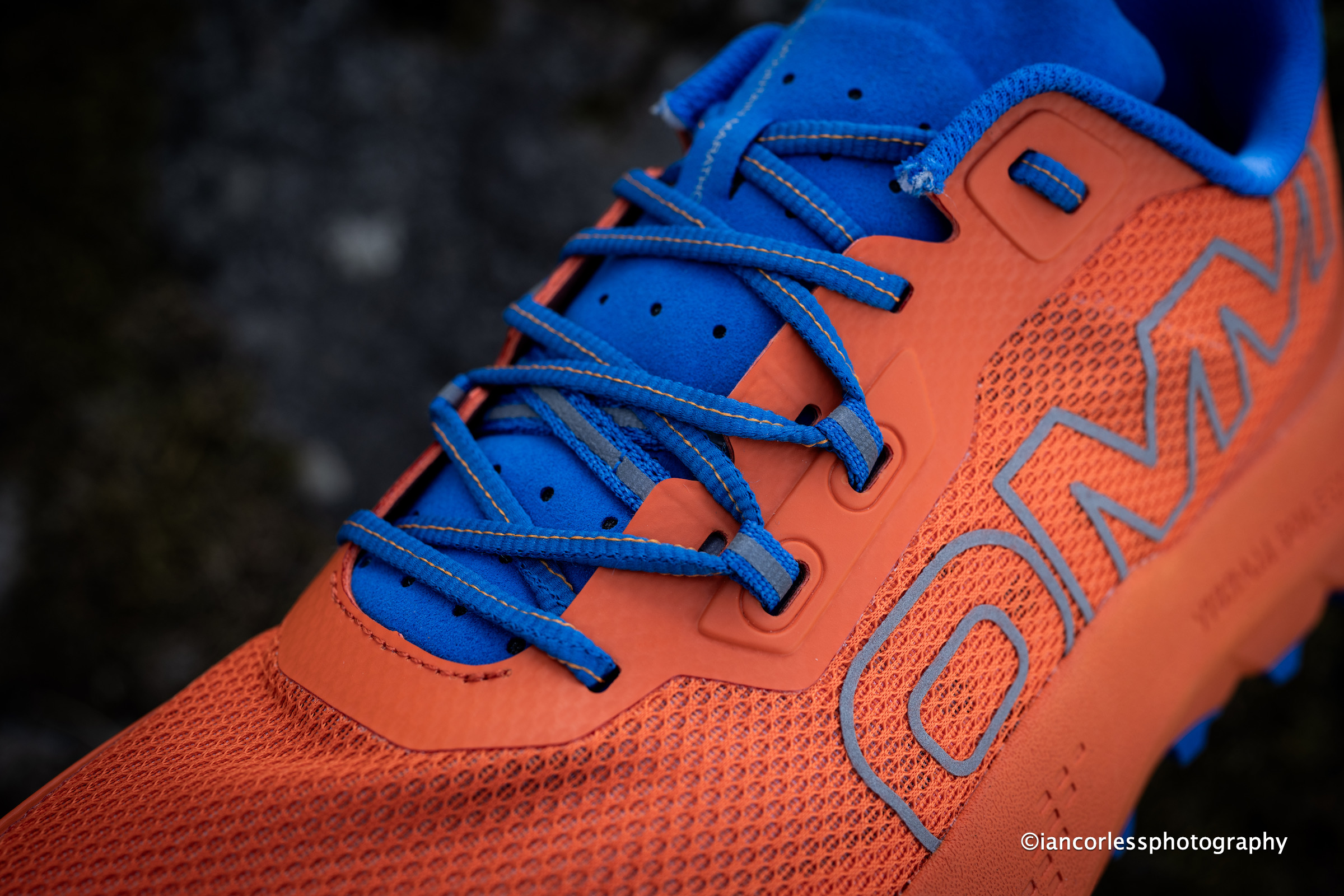
Fortunately, the solution was simple. A quick switch to lock lacing immediately solved the problem and transformed the fit. But the tongue is very thin, arguably too thin, and this can allow some pressure pain when lock laced. OMM’s X-Lacing system, holds the foot, designed to distribute tension across the foot more evenly and is supposed to reduce pressure points during longer runs. However, I found the longer I ran, this became an issue – pressure started to increase, so, you definitely need a few runs to find how tight to lace this area. I found initially, I overtightened my laces and began to feel pressure. Once I adjusted the tension, the fit settled nicely and remained comfortable. Interestingly, underneath the 4 blue eyelets of the X are conventional eyelet holes – so I assume you can lace this way as an option?
Comfort Without the Marshmallow Effect
Perhaps my favourite aspect of the Ultra is its cushioning.
Modern trail shoes often seem to fall into one of two camps. They are either rock hard and unforgiving or so soft that every step feels like running through wet sponge cake.
Neither appeals to me.
The OMM Ultra lands beautifully in the middle.
The thick EVA midsole provides plenty of protection and comfort without becoming overly soft or unstable. Ground feel is surprisingly good for a cushioned shoe. They offer enough cushioning to absorb the cumulative impact of long hours on your feet while still retaining a responsive feel.
There is also a pleasant level of energy return in the propulsive phase. The shoe never feels particularly fast, or nimble, but there is a noticeable forward roll and a gentle kick that encourages momentum. There is no rock-plate and I think this is a mistake.
Built Like a Tank
Protection is another area where the Ultra shines.
The combination of a durable two-layer upper, reinforced TPU protection zones, substantial cushioning, and a secure platform creates what can only be described as a bulletproof feeling underfoot.
Your feet feel protected from uneven ground, trail debris, and the general punishment that comes with spending long days in the mountains.
The toe protection is particularly reassuring without becoming bulky or intrusive.
During testing, I moved across gravel roads, flowing single-track, rocky paths, rutted trails, and mountain terrain. Throughout all of it, the Ultra maintained its composed and reassuring character.
This is not a delicate shoe, on the contrary, they feel like a shoe designed to survive abuse. Given OMM’s heritage in mountain running and adventure racing, that doesn’t come as a surprise.
The Vibram Package
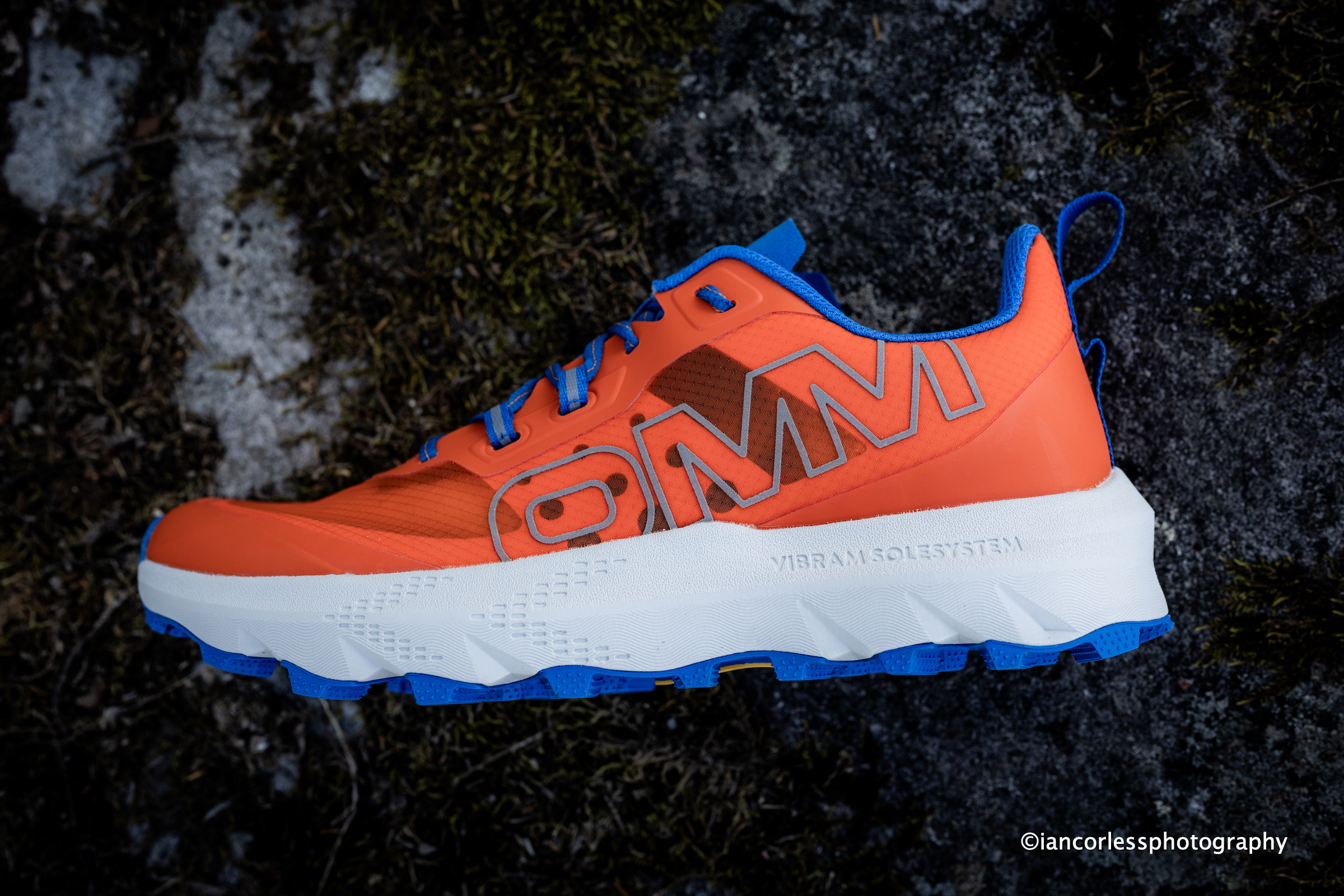
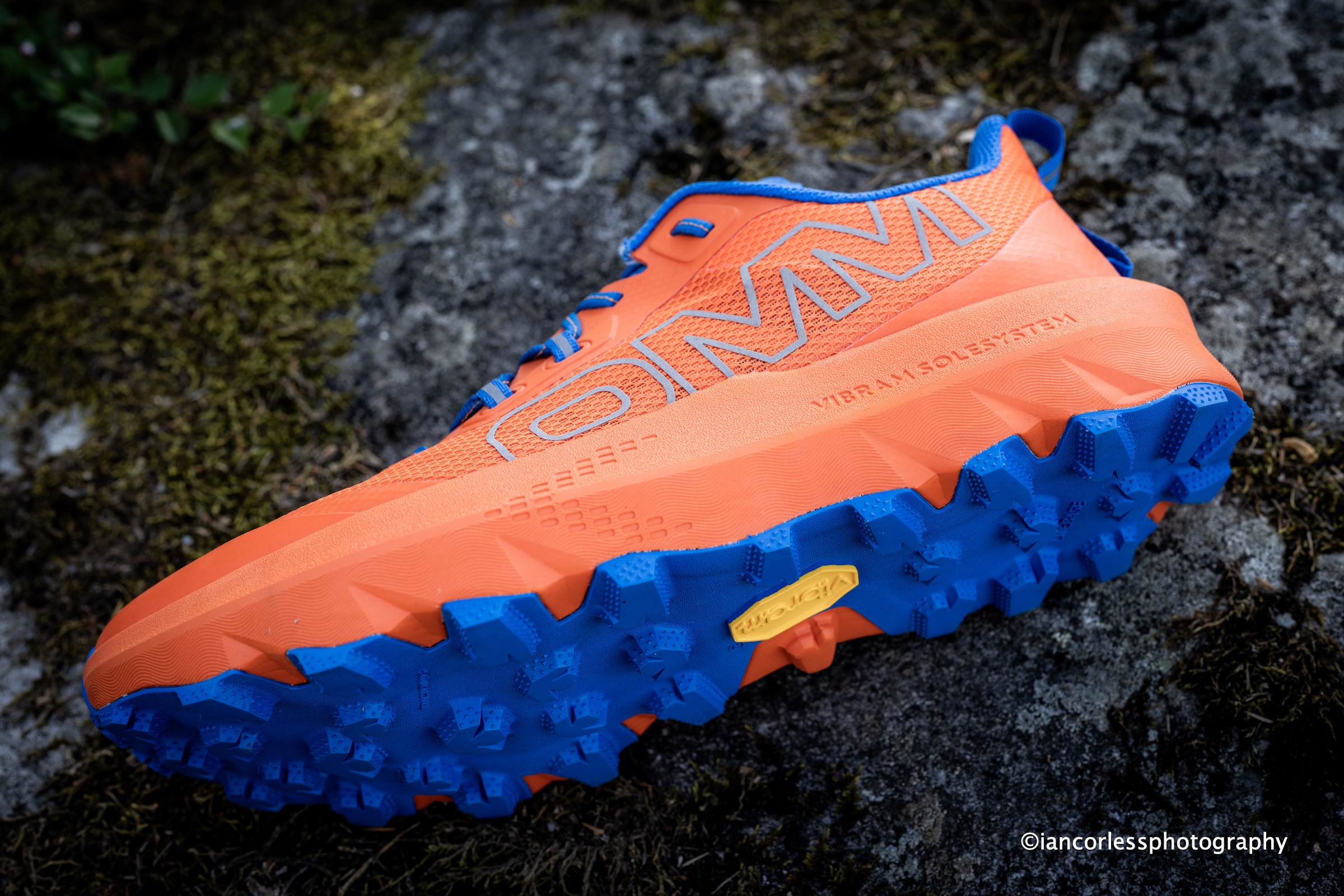
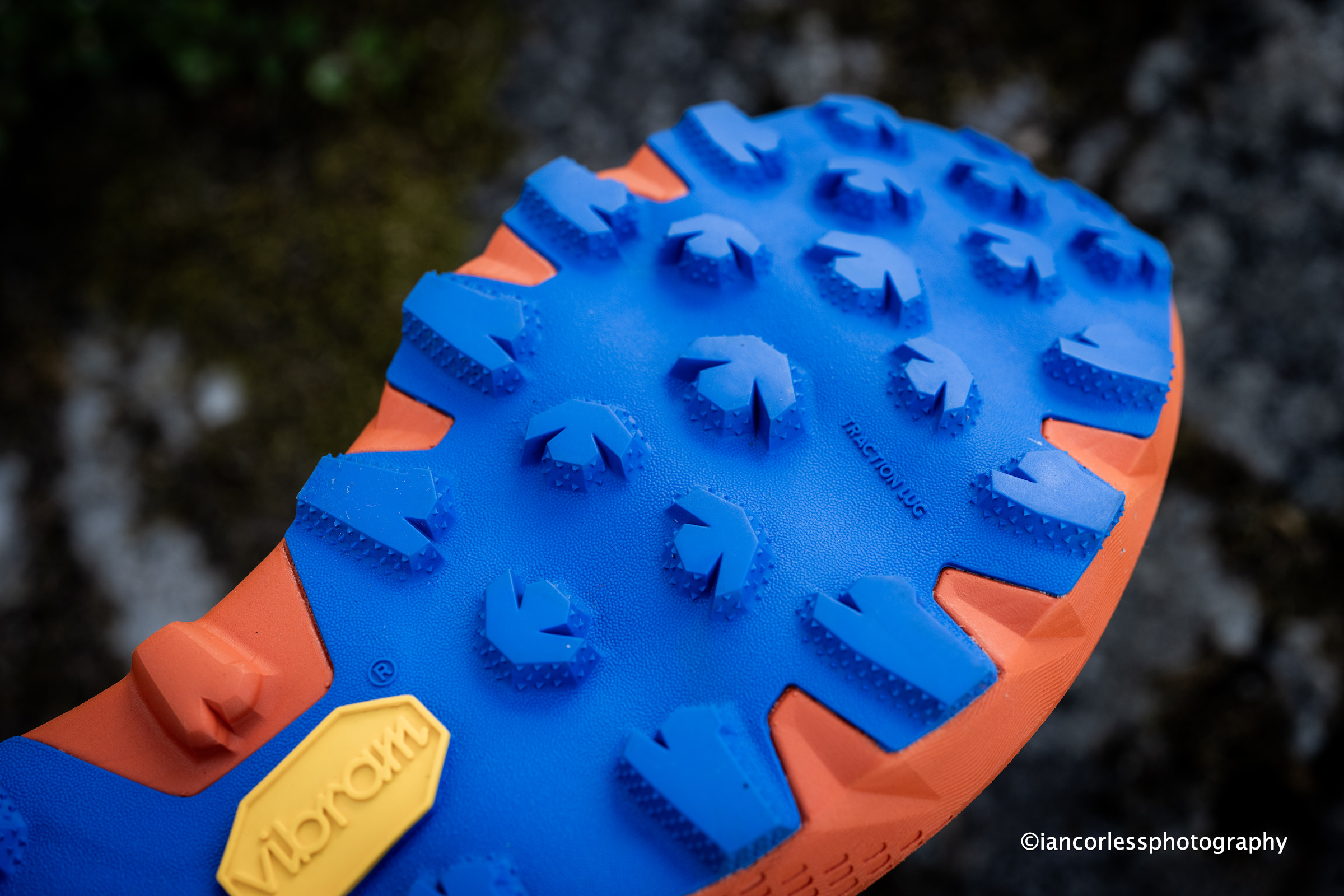
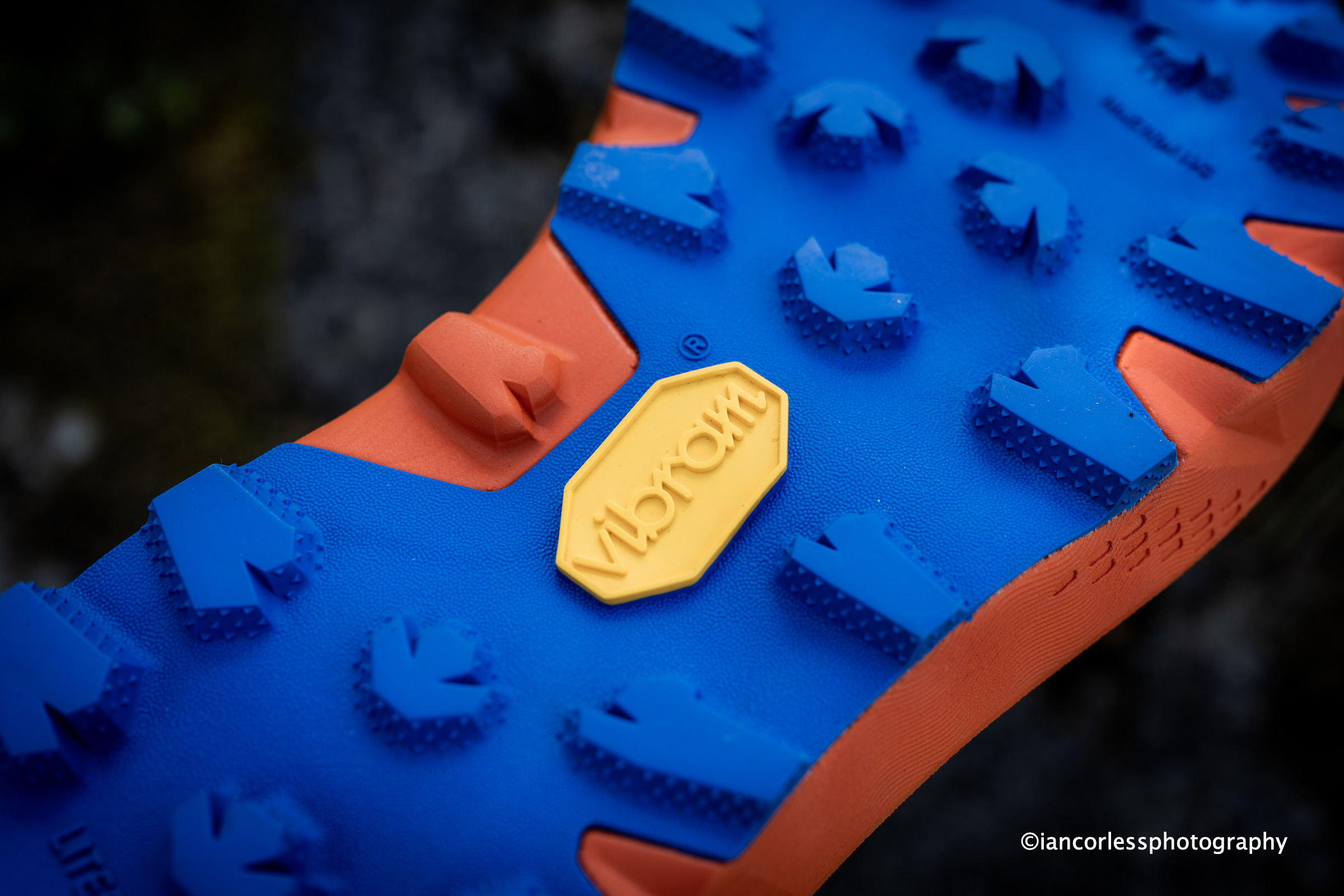
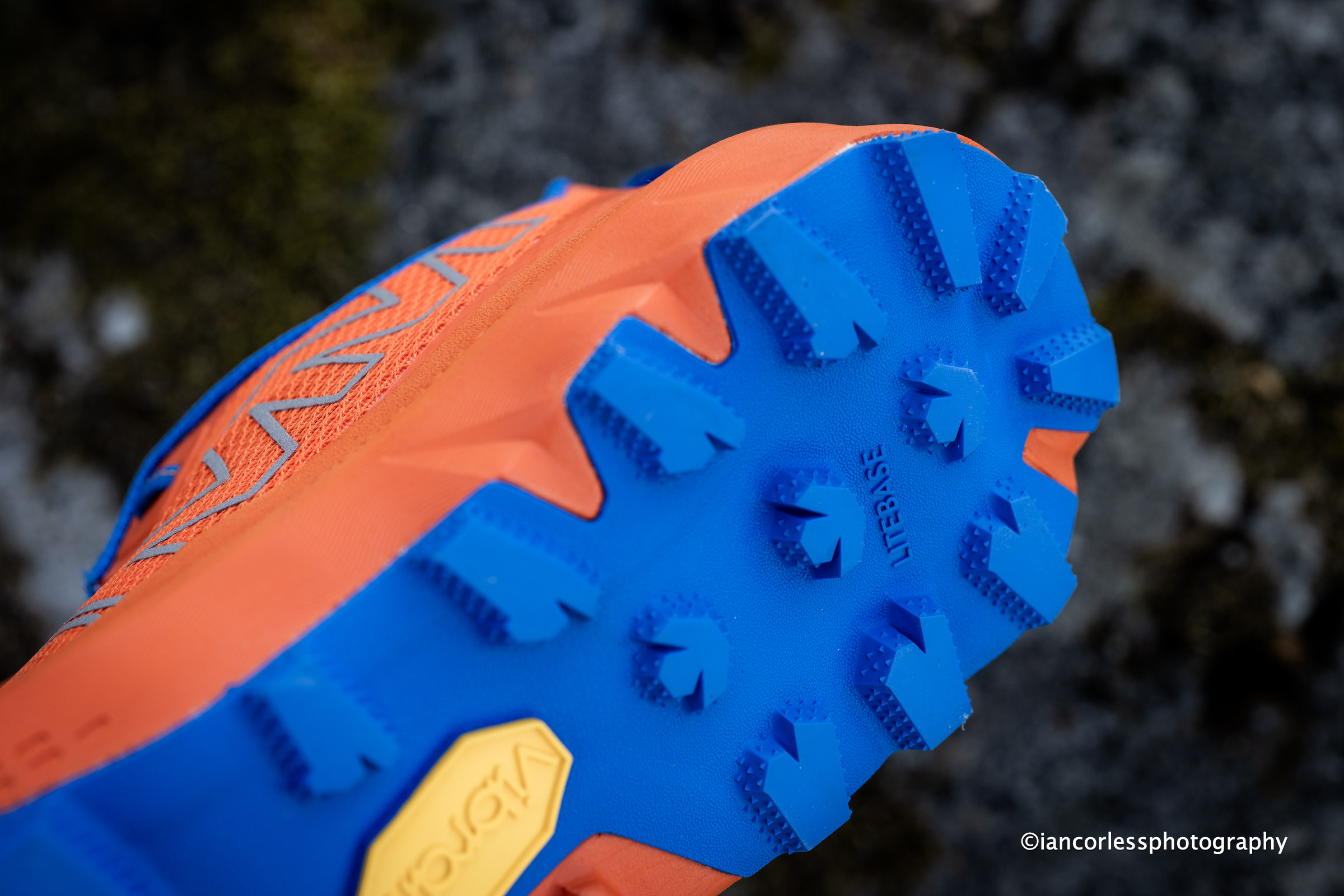
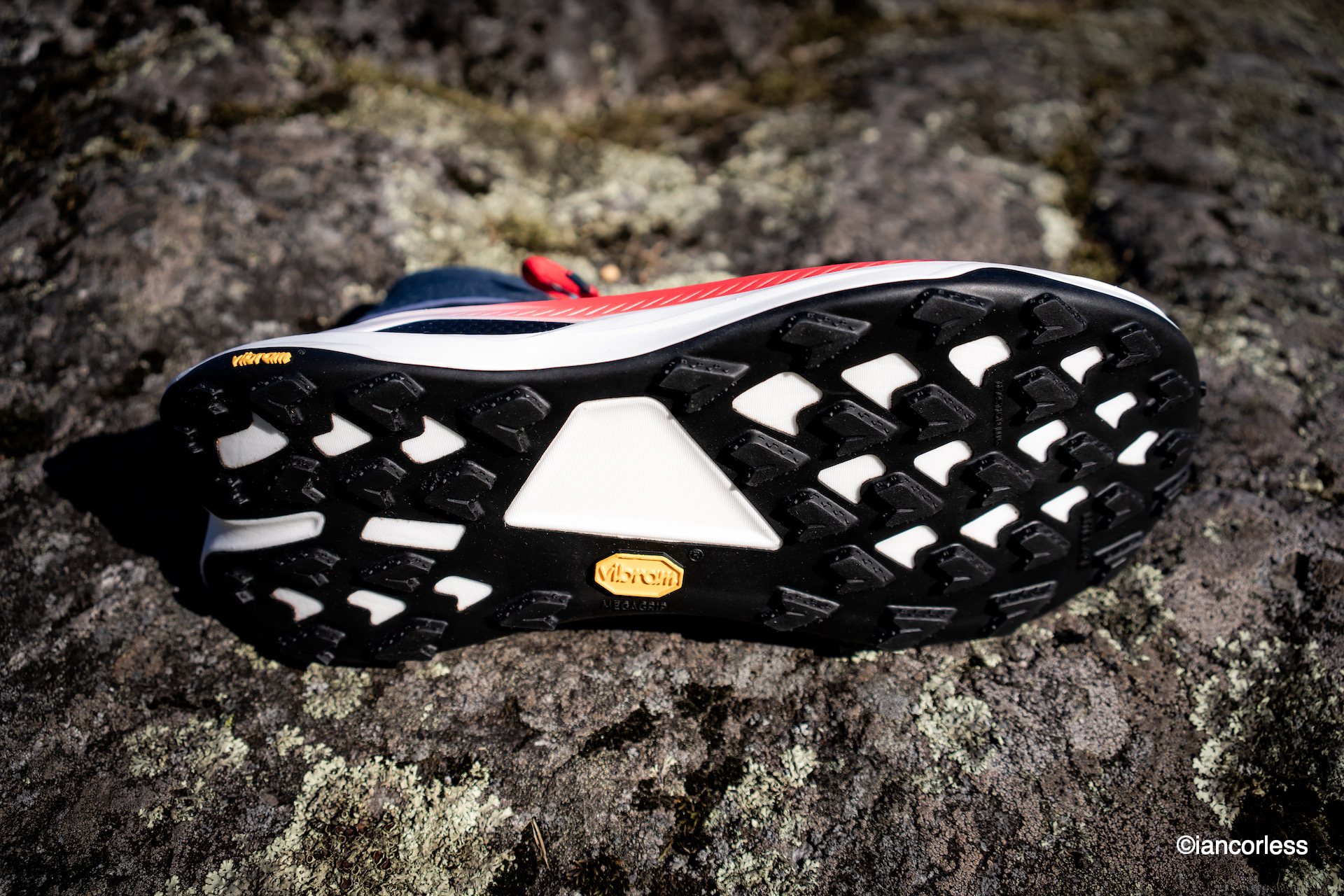
The outsole incorporates three Vibram technologies:
Vibram MegaGrip for traction
Vibram Traction Lugs for increased surface contact
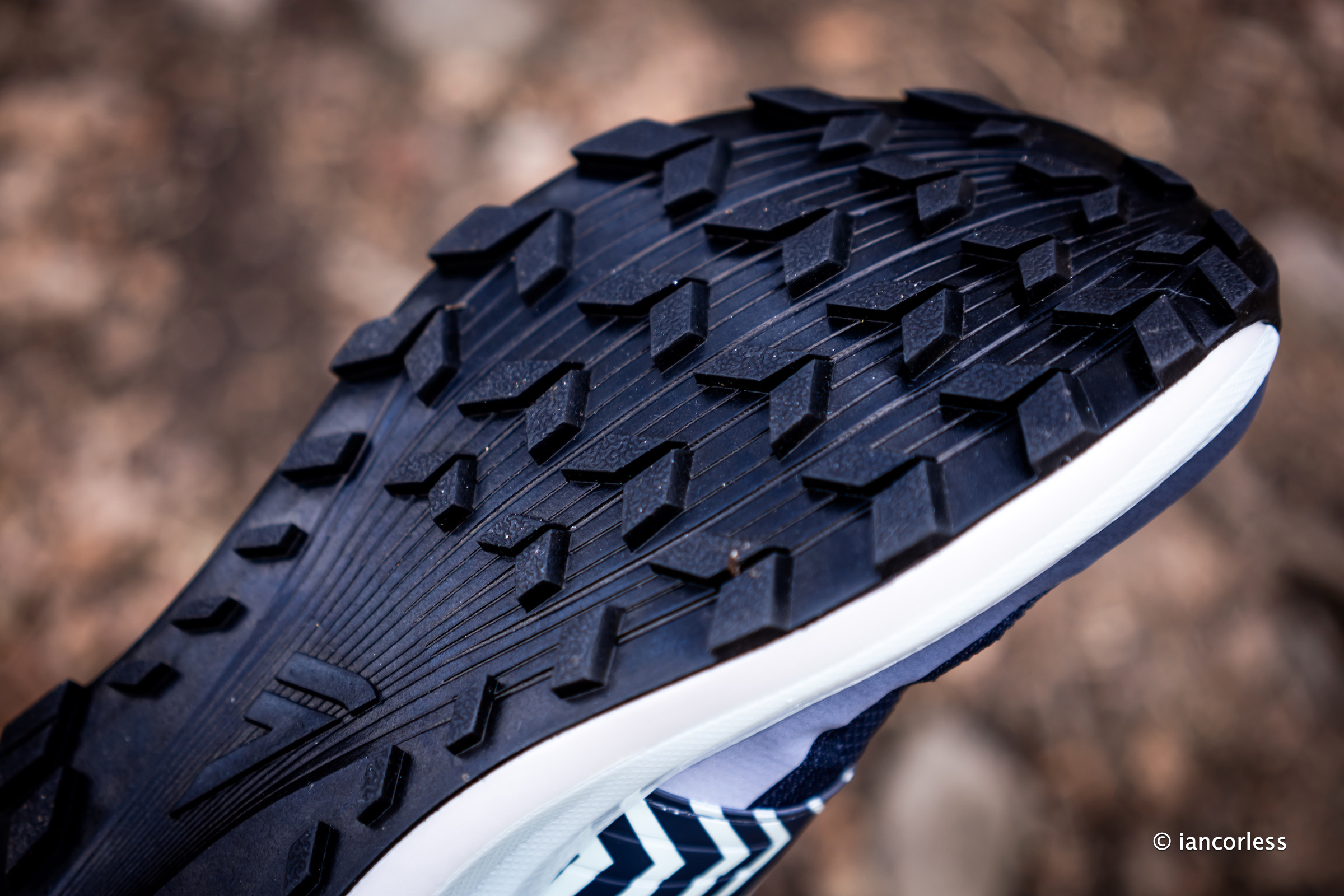
The outsole uses 4mm lugs, placing it firmly in the versatile all-rounder category. This is not a mud specialist. Nor is it intended to be.
The tread pattern works particularly well on gravel, dry trails, mixed terrain, and even road sections. Transitions between surfaces feel smooth and natural.
For runners who regularly combine road, gravel, trail, and mountain terrain in a single outing, this versatility is a genuine strength.
Predictably, however, the limitations of a 4mm lug become apparent once conditions become truly muddy. Deep mud demands deeper studs, and there is only so much any 4mm lug can do.
That isn’t a criticism; it’s simply physics.
After all, OMM offers the Fell Shoe with aggressive 8mm lugs for exactly those conditions.
Where Things Get Complicated
Sadly, for me, the Vibram outsole was always going to be a contentious point and I had wondered had OMM liaised with Vibram to come up with something different?
Sadly not.
I am a Brit living in Norway. Before moving, much of my running took place in Wales, the Lake District, Scotland, and countless other wonderfully wet corners of the UK. I now have those conditions in Norway.
In those environments, one question always dominated my shoe choice:
How does my shoe grip when everything is wet?
Dry grip is easy.
Wet grip is where great trail shoes separate themselves from merely good ones.
On dry terrain, the Ultra performs exactly as expected. Grip is dependable and confidence-inspiring. On dry mountain trails, gravel tracks, and hard-packed paths, the Vibram outsole performs admirably.
However, once wet rock, slick roots, polished stone, or greasy trail surfaces enter the equation, confidence fades very, very quickly.
The grip isn’t terrible, but it’s not good.
For a brand with such strong mountain credentials, this feels like a missed opportunity for OMM. I had hoped for something very special.
If, your playground involves rain-soaked British mountains or constantly damp Scandinavian forests – you will find yourself wishing for more reassurance and confidence underfoot.
But, If your adventures primarily involve the dry trails and single-track, you’ll likely be delighted. In those conditions, the Ultra makes perfect sense.
The Family Saloon of Trail Running
Throughout testing, I kept returning to one comparison. The OMM Ultra is the trail running equivalent of a dependable family saloon car.
It isn’t flashy.
It won’t win fast races.
It isn’t designed to set lap records.
But it starts every morning, carries everything you need, remains comfortable all day, and quietly does its job exceptionally well.
That’s the Ultra – dependable, reliable, comfortable and maybe even a little mundane.
Final Thoughts
The OMM Ultra may not be the most exciting shoe of the year, but for many it will be an extremely sensible choice.
Thoughtful fit options, balanced cushioning, secure platform, excellent protection, and apparent durability combine to create a highly versatile package that will appeal to a broad range of runners over many varied surfaces.
Road, gravel, trail, mountains – this shoe handles all of them with confidence and comfort. Its biggest strength is consistency. They never feel spectacular, but they are trustworthy and reliable.
The caveat remains the wet-weather grip – especially on wet rock and tree roots. For some runners and locations, that may be a deal breaker. For others, it will simply be a compromise accepted in exchange for the shoe’s impressive versatility.
The heel area is an issue, lock-lacing helps but the tongue needs more padding to ensure 100% comfort. X-lacing requires tweaking and playing around with to find the right tension – but once you find it, it works well.
Overall, the OMM Ultra succeeds in what it set out to achieve – comfortable, durable, a long-distance trail shoe designed to keep performing as fatigue builds and the hours accumulate. For many, if you can only have one pair of shoes – the OMM Ultra would not be a bad choice.
Competition:
This area of the shoe market is one where choice is everywhere, especially with a Vibram Megagrip outsole. If Vibram is your thing, the Hoka Speedgoat and Mafate 5 are worth a look. Also the Nnormal Tomir which is very popular.
La Sportiva make the Prodigio Pro with it’s own outsole – a bouncy and comfy ride.
Icebug make Jarv with the RB9X outsole.
Asics make the Trabuco Max with their own outsole.
Ultimately, the VJ Ultra 3 would be my choice – great foot hold, great comfort with their new cushioning and the outsole is superb – the best there is.
The reality is that grip is one of the most misunderstood aspects of running shoes. Much like tyres on a Formula 1 car, the best outsoles are often designed to excel in very specific conditions. The more specialised the outsole, the better it tends to perform in its intended environment. The challenge comes when runners expect one shoe to perform equally well everywhere.
The Formula 1 Tyre Comparison
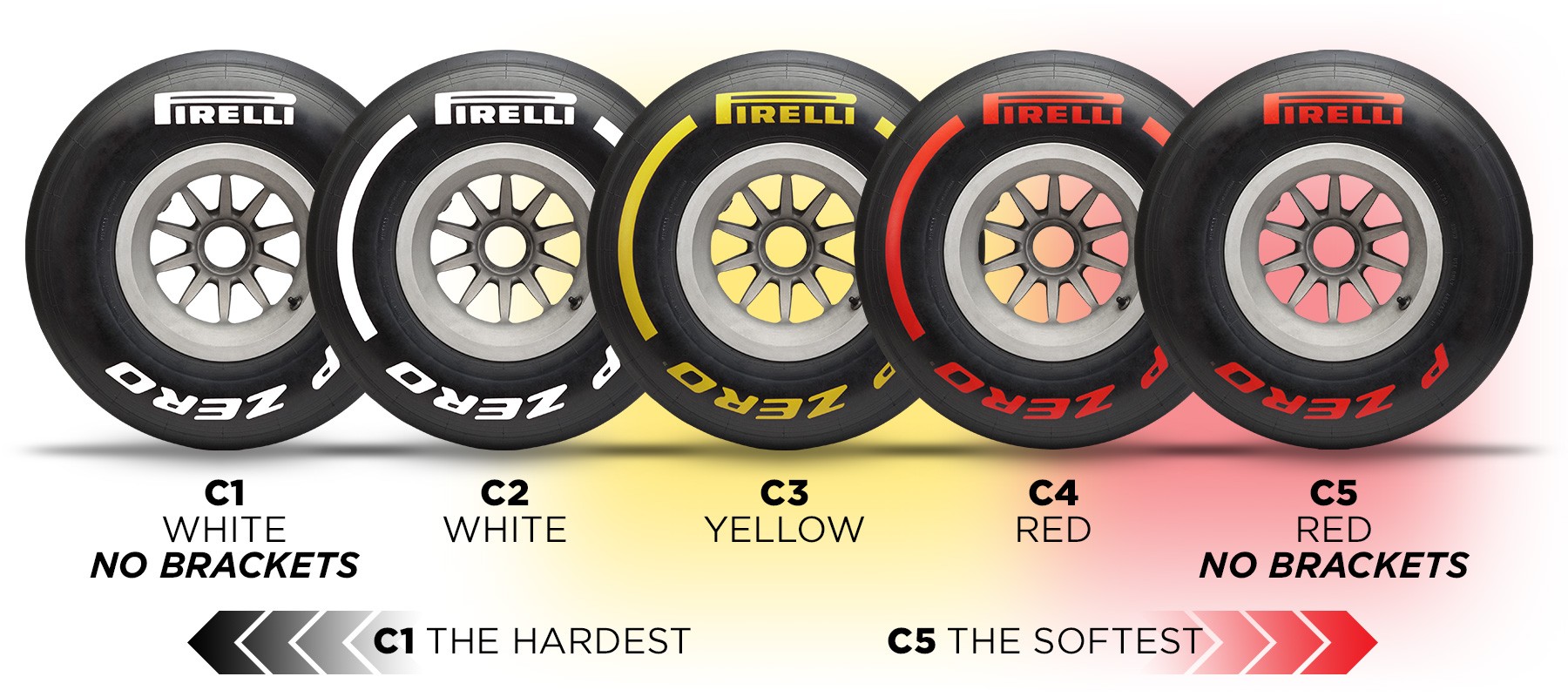
Formula 1 teams do not use one tyre for every condition. They have slick tyres for dry weather, intermediate tyres for damp conditions and wet tyres for heavy rain. Each tyre is designed with a specific purpose in mind.
Image copyright Pirelli – a wonderful example of how we should look at run shoe outsoles.
Trail running shoes are no different.
An outsole designed for muddy fell running will almost certainly perform poorly on road sections. Likewise, an outsole designed for mixed road-to-trail use will struggle when faced with steep, wet mountain terrain.
The key point is that grip is always a compromise between different surfaces, conditions and requirements. There is no universal outsole. There are only outsoles that are better suited to certain environments than others.
Grip Is Actually Two Different Things
When runners talk about grip, they are often describing two separate characteristics.
The first is friction.
This is the ability of the rubber compound to adhere to a surface. Friction is what gives confidence on wet rock, slick roots, hard-packed trails and tarmac. It is primarily influenced by the rubber compound itself.
The second is mechanical traction.
This is the ability of the outsole to bite into a surface. Mechanical traction becomes important on mud, loose gravel, soft ground, snow and wet grass. It is primarily influenced by lug design.
Understanding this distinction explains why some shoes perform brilliantly in one environment but poorly in another.
A shoe with soft, sticky rubber may feel exceptional on wet rock but struggle in deep mud if the lugs are too shallow.
Conversely, a mud-specific shoe may offer tremendous traction on a steep hillside while feeling insecure on wet slabs because the rubber compound prioritises penetration into soft ground rather than adhesion to hard surfaces.
When someone says a shoe has “great grip”, it is worth asking whether they mean friction, traction or both.
Rubber Compound: The Foundation of Grip
The first factor that determines how well an outsole performs is the rubber compound itself.
Different brands use different compounds, each balancing grip, durability and performance in varying conditions.
Generally speaking, harder rubber compounds offer:
Greater durability
Better longevity
Increased resistance to wear on road surfaces
Reduced grip on wet rocks, roots and technical terrain
Softer rubber compounds offer:
Superior traction on wet rock
Better adhesion on slick roots
Increased confidence on technical terrain
Reduced lifespan due to faster wear
This trade-off is unavoidable.
A rubber compound that delivers exceptional grip on wet mountain rock is usually sacrificing durability somewhere else.
This is why shoes that feel incredible on technical terrain may show noticeable outsole wear after extensive road use, while harder compounds may last for hundreds of miles but feel less reassuring when conditions become wet and technical.
Lug Design: More Than Just Lug Depth
When discussing grip, many runners focus solely on lug depth.
While lug depth is important, it is only one part of a much larger picture.
The following factors all influence performance:
Lug depth
Lug shape
Lug spacing
Lug orientation
Lug density
Surface area of the lug
A road-to-trail shoe may use lugs around 2-3mm deep. These provide smooth transitions onto tarmac, maintain comfort on hard surfaces and offer sufficient traction on light trails and gravel paths.
A dedicated trail shoe might use 4-5mm lugs, creating a balance between versatility and off-road performance.
Meanwhile, a fell running or mud-specific shoe may feature aggressive 6-8mm lugs designed specifically to penetrate soft ground and provide maximum traction.
However, deeper is not always better.
Large, aggressive lugs can feel unstable on road surfaces, wear more quickly and reduce overall efficiency when running on hard-packed terrain.
Directional Grip: Climbing, Descending and Cornering
Grip is not simply about moving forwards. A good outsole must provide traction in multiple directions.
When climbing, lugs need to generate forward propulsion.
When descending, they need to provide braking traction.
When traversing slopes or cornering, they need to resist lateral movement.
This is where lug orientation becomes particularly important.
Forward-facing lugs often improve climbing traction by helping the shoe bite into the ground.
Rear-facing lugs can improve braking performance on descents.
Side lugs can enhance stability when cornering or running across off-camber terrain.
Two shoes may have similar lug depths but feel completely different on technical trails because of how those lugs are positioned and oriented.
Lug Quantity: When More Isn’t Better
Another overlooked aspect of outsole design is the number of lugs used. At first glance, more lugs might seem like a positive feature. More contact points should equal more grip.
Not necessarily.
A higher number of closely packed lugs can increase surface contact on firmer terrain and improve stability. However, in muddy conditions they can become a disadvantage.
Mud needs somewhere to go.
Inov-8 Mudclaw
If lugs are packed too closely together, mud can accumulate between them and effectively create a smooth layer underneath the shoe. Once this happens, traction decreases significantly.
This is why many fell-running shoes feature widely spaced lugs. The larger gaps allow mud to be shed more effectively with each stride, keeping the outsole functioning as intended.
The best mud shoes are often those that clear mud efficiently rather than simply those with the deepest lugs.
Different Surfaces Require Different Types of Grip
One reason grip is so difficult to evaluate is that every surface places different demands on an outsole.
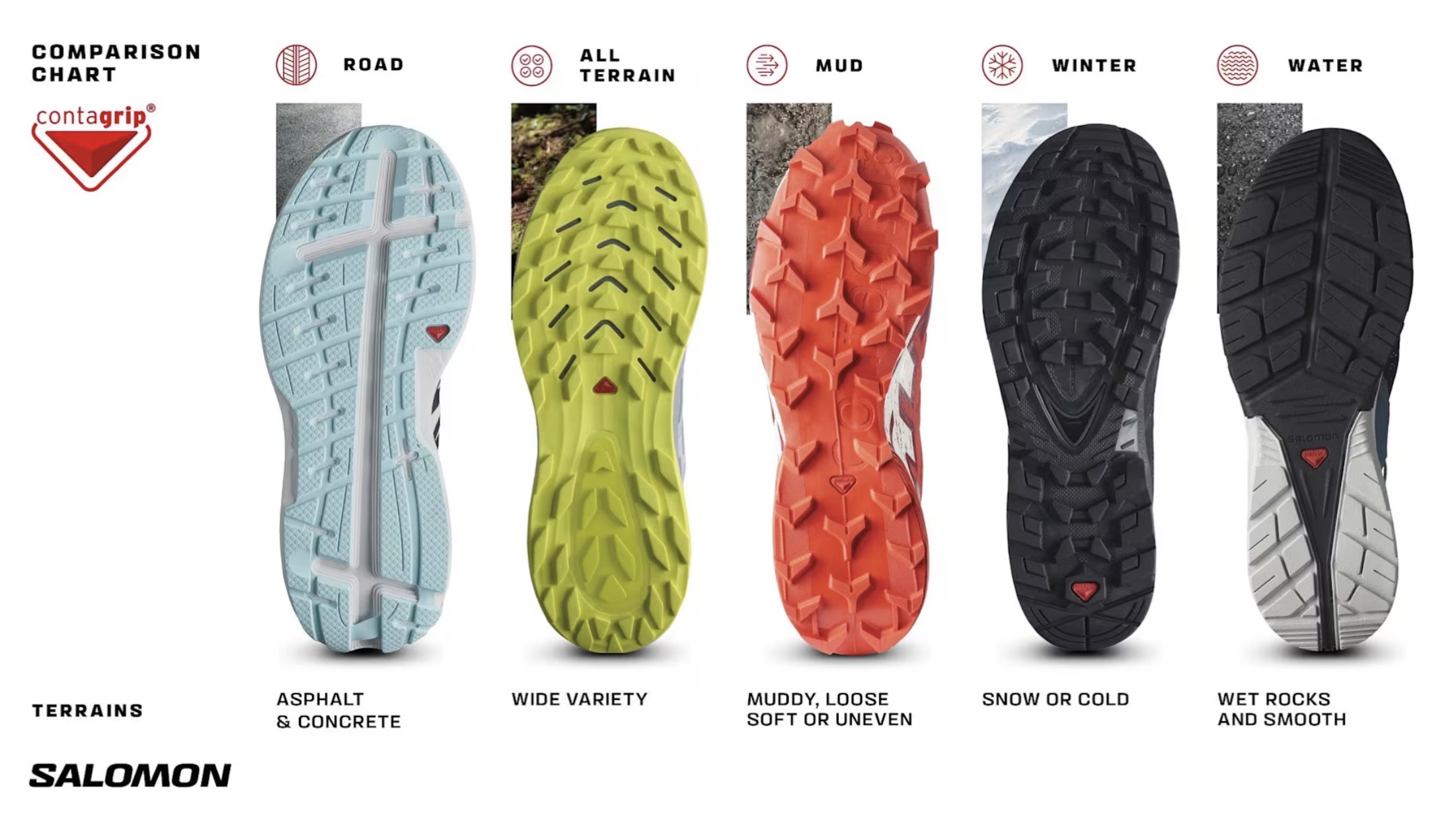
Salomon offer a good example of grip options for specific terrain – see how the road outsole is almost flat whereas the mud outsole is aggressive and spaced out – by contrast, the water outsole has large flat lugs.
Wet Rock
Soft, sticky rubber is often the priority.
Friction and size matters more than lug depth.
Dry Rock
Most modern trail shoes perform reasonably well.
Stability and confidence become more important than outright grip.
Mud
Deep, widely spaced lugs are critical.
Mechanical traction is the dominant factor.
Loose Gravel
Lug penetration and a stable platform help prevent slipping.
Forest Trails
A balanced outsole usually performs best.
Extreme lug depth is rarely necessary.
Road and Hardpack
Surface contact, comfort and durability become increasingly important.
Aggressive mud lugs can feel inefficient and unstable.
Understanding the terrain is often more useful than understanding the shoe.
Specialist Outsoles and Why They Matter
This is where specialist outsole compounds begin to separate themselves from the competition.
Many brands have invested heavily in developing their own proprietary technologies designed for specific environments.
Examples include:
adidas Continental (yes, the tyre compnay)
Scarpa Presa TRN series
Inov-8 Graphene/ STICKYGRIP and TRI-C
VJ Sport Superior Contact Butyl Rubber
La Sportiva FriXion – whites/red/blue/black and eco
Salomon Contagrip – road, all terrain, mud, winter and water
Some compounds prioritise wet-rock adhesion. Others focus on durability. Others seek a balance between the two.
Perhaps the best example is VJ Sport’s Butyl rubber. Among experienced mountain runners and orienteers, it has developed an outstanding reputation for wet-rock performance. In challenging mountain environments where confidence on slick surfaces is critical, specialised compounds such as this can provide a genuine advantage.
The key point is that these outsoles are often designed with a very specific purpose in mind rather than trying to satisfy every possible use case.
Outsole Flexibility and Ground Contact
Another often overlooked factor is how effectively a shoe maintains contact with the ground. Even the most aggressive outsole can only generate traction if it is actually in contact with the surface beneath it.
On uneven trails, rocky terrain and technical mountain ground, some shoes are able to conform more effectively to irregular surfaces, allowing more of the outsole to engage with the terrain.
OMM Wave Geometry increases surface contact area with irregular ground.
However, flexibility is not always the answer.
A stiffer shoe may provide greater precision, protection and confidence on rocky terrain. Many mountain-running and approach-style shoes deliberately use stiffer platforms because they allow runners to edge more effectively on uneven surfaces.
Ultimately, grip improves when the shoe maintains effective contact with the terrain, whether through flexibility, torsional compliance or structural stability.
As with every aspect of outsole design, the optimal balance depends on the environment for which the shoe was intended.
The Rise of Vibram Megagrip
In recent years, one outsole has become increasingly dominant across the industry: Vibram Megagrip.
There is no doubt that Megagrip is an excellent compound. It offers an impressive balance of durability, traction and all-round performance with a pay-off on grip in wet rock conditions. It has become the default choice for many premium trail shoes for good reason.
Vibram on the HOKA Tecton X3
However, the presence of Megagrip alone does not guarantee exceptional grip. Two shoes may use exactly the same rubber compound yet perform very differently in the real world.
As more brands adopt the same compound, the differences between shoes increasingly come down to how that compound is implemented rather than the compound itself.
Megagrip remains one of the most versatile options available, but it is only one piece of the overall grip equation.
Why “Good Grip” Depends Entirely on Where You Run
Consider two runners.
The first runs exclusively on dry woodland trails, gravel tracks and flowing singletrack.
For this runner, almost any modern trail shoe with a standard rubber compound and moderate lugs may provide perfectly adequate grip. They may genuinely believe their shoe offers excellent traction because it performs well in their environment.
The second runner starts on roads, moves onto forest trails, then climbs into steep mountain terrain featuring wet rocks, exposed roots and slippery technical sections.
Suddenly, grip becomes a much more demanding requirement.
What felt excellent in dry woodland conditions may feel completely inadequate when the terrain becomes steep, wet and technical.
This is why context matters.
A shoe that provides outstanding grip in one environment may be average in another.
The Search for the Perfect Outsole
The uncomfortable truth is that there is no perfect outsole.
The best grip comes when a runner can be highly specific about their needs and select a shoe built for those exact conditions.
If your running consists primarily of muddy fell races, choose a mud-specific outsole.
If your focus is technical mountain running, prioritise compounds that excel on wet rock.
If your routes combine road, gravel and moderate trails, a less aggressive and more versatile outsole may be the better solution.
The closer the outsole is matched to its intended environment, the better it will perform.
Conclusion
Grip is not a simple yes-or-no characteristic.
It is a complex interaction between rubber compound, friction, traction, lug design, lug spacing, lug depth, terrain, weather and running style.
The most specialised outsoles often provide the highest levels of performance, but only within the conditions they were designed for. Like Formula 1 tyres, they excel when used exactly as intended.
The more a shoe attempts to become a “jack of all trades”, the more compromises inevitably appear.
That said, budget must also be considered.
Running shoes have become increasingly expensive, and for many runners owning multiple pairs for different conditions is simply unrealistic. In these cases, the search for a versatile “one shoe does all” option is entirely sensible.
While such shoes may never be the absolute best in every environment, they often represent the most practical and economical choice.
Ultimately, the question is not whether a shoe has good grip.
The question is whether it has the right grip for the terrain you’re asking it to handle.
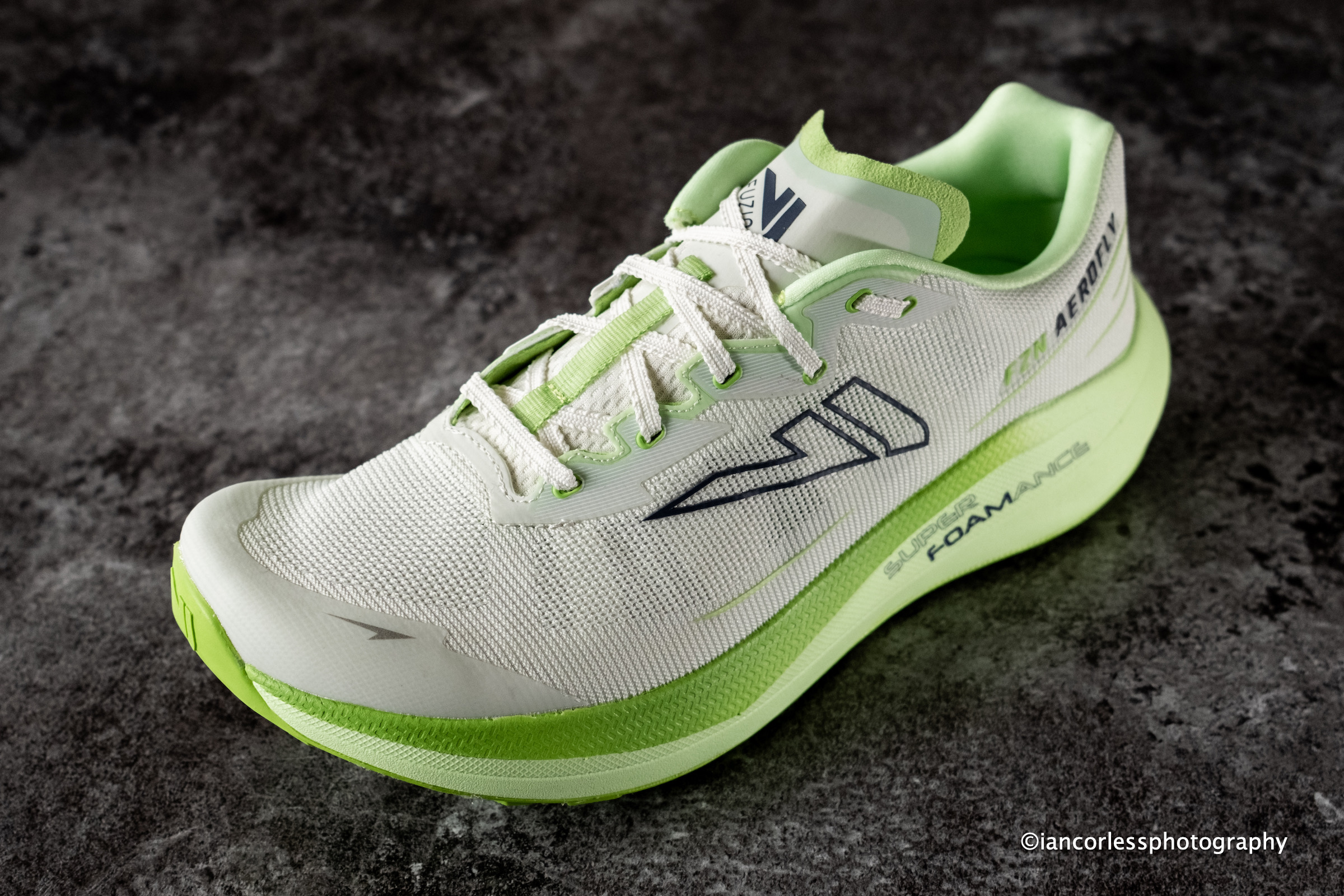
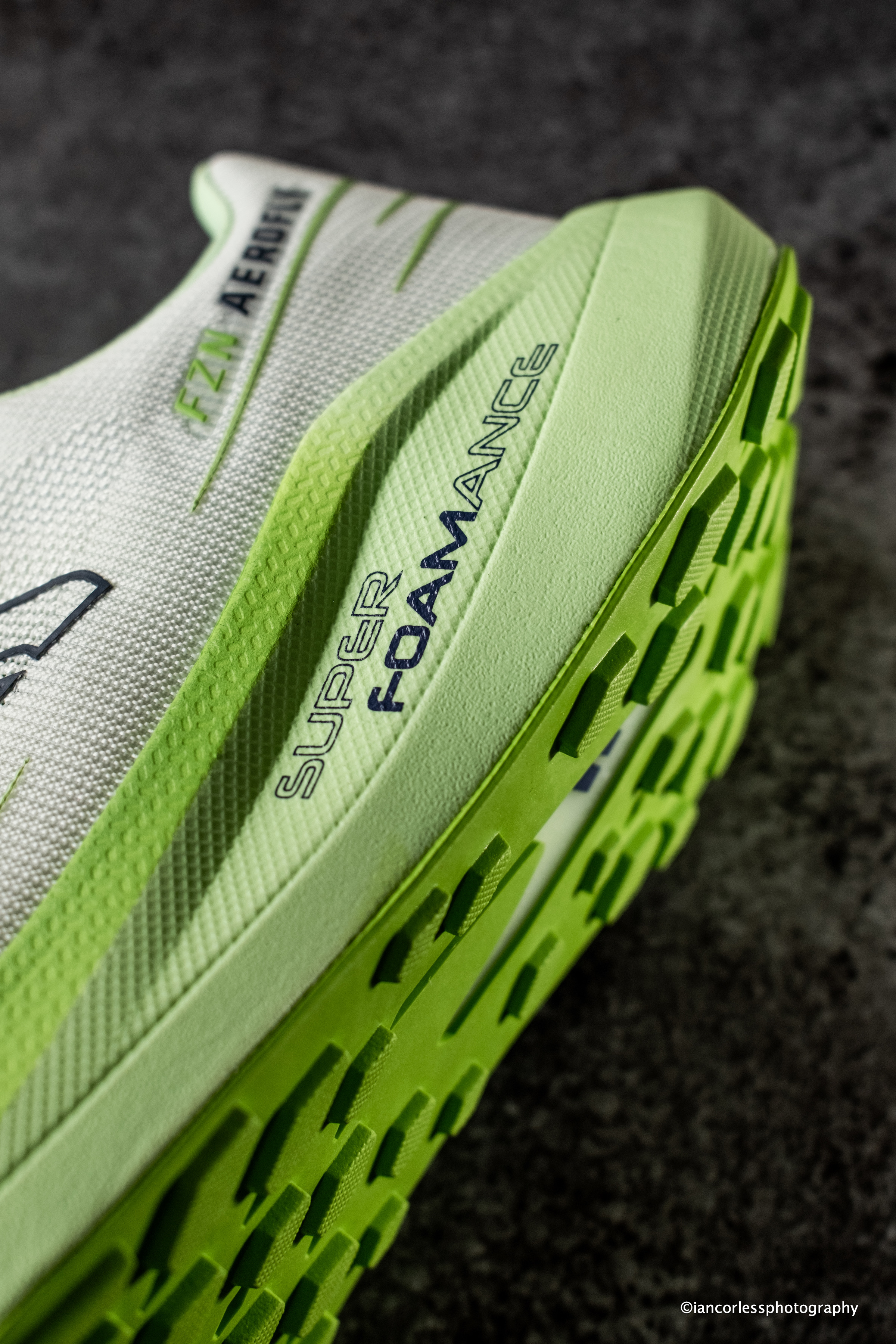
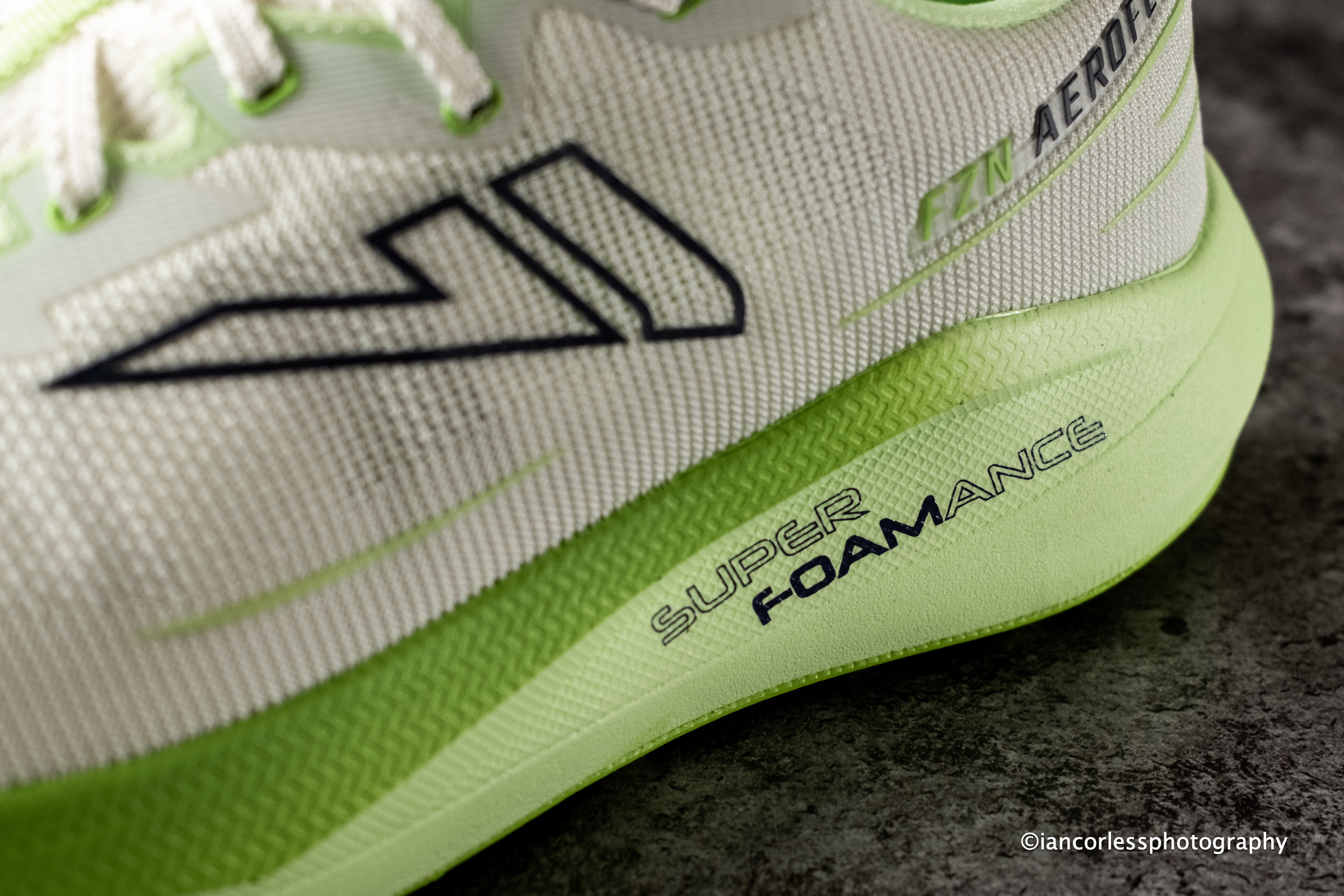
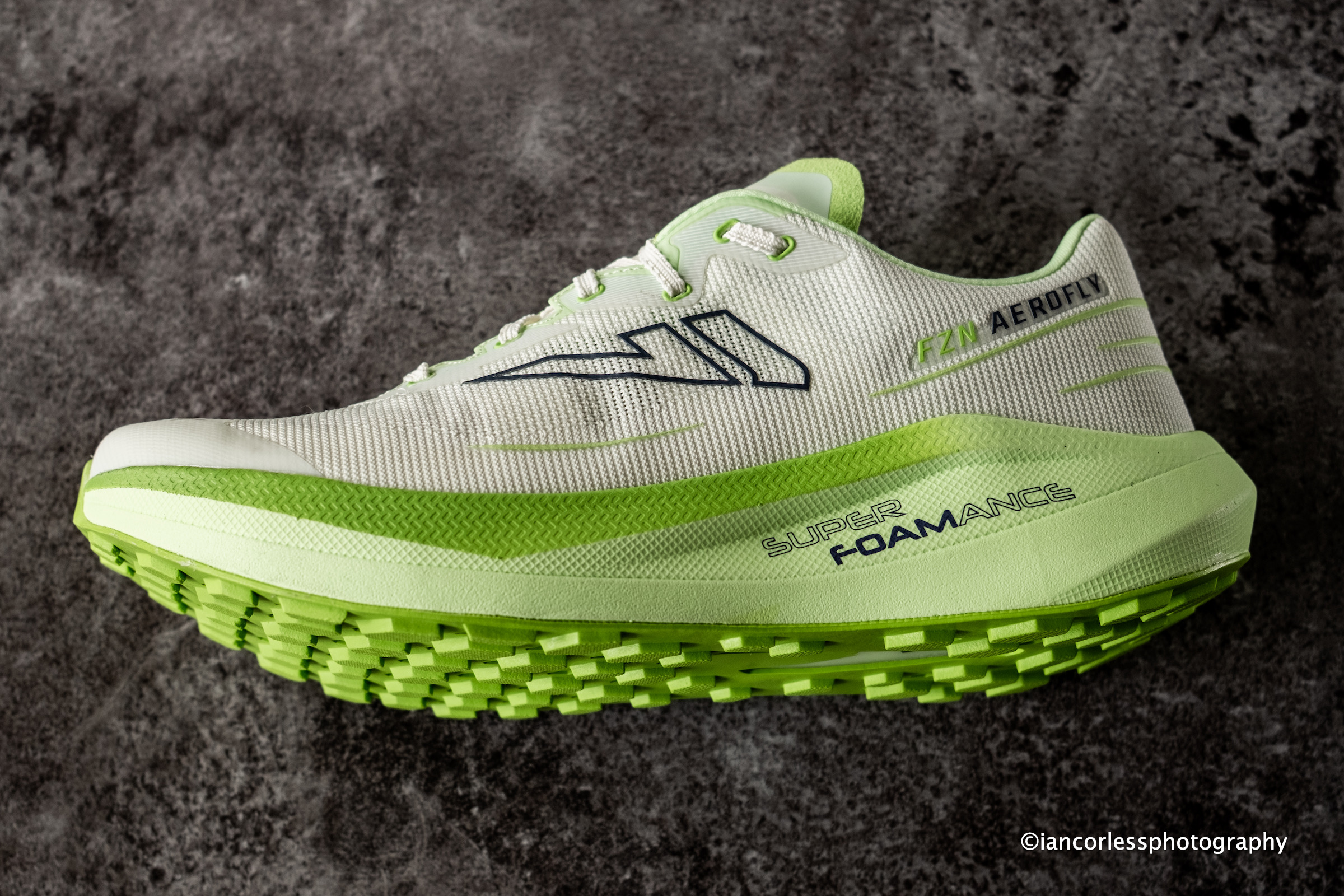
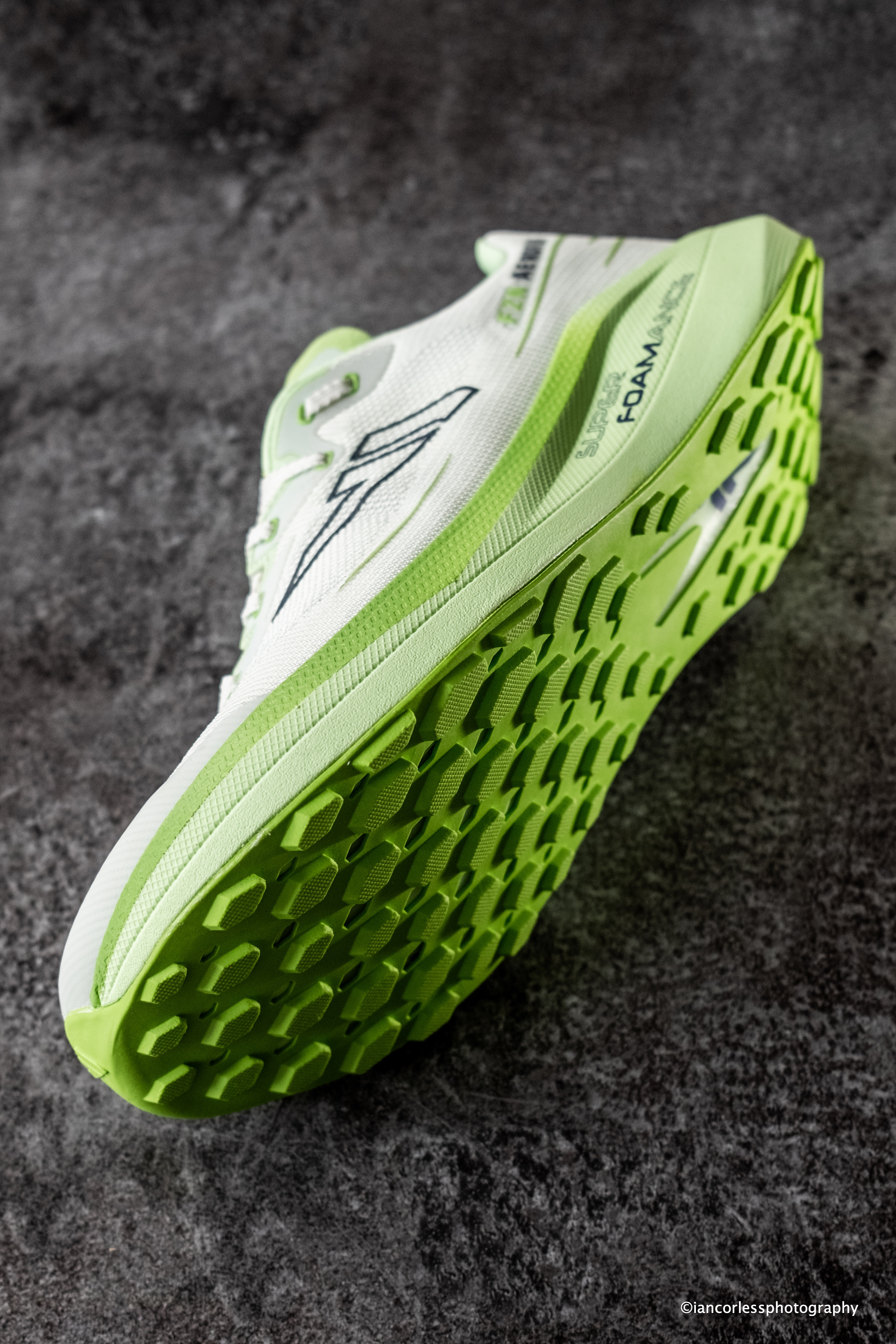
For decades, VJ Sport has built its reputation around one thing: grip. Born in the forests of Finland and forged through the demanding world of orienteering, the brand has become synonymous with shoes capable of handling some of the toughest and slipperiest terrain imaginable. With the FZN Aerofly, however, VJ takes a slightly different approach, entering the rapidly growing “door-to-trail” category with a shoe designed to seamlessly connect road, gravel, and trail running.
First Impressions
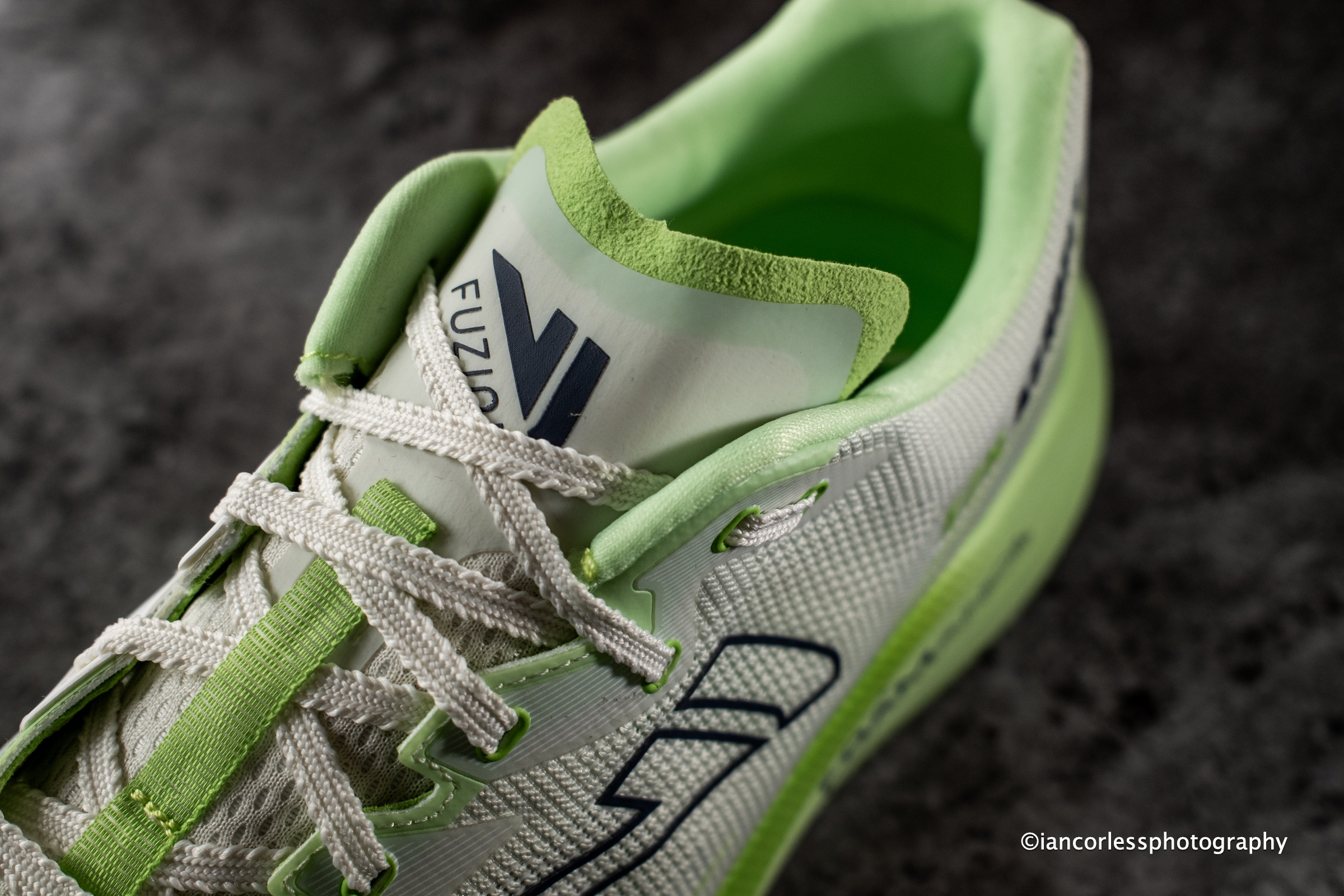
The Aerofly immediately brings back memories of the VJ Ultra 3, but it also feels surprisingly similar to a road-running shoe. The design philosophy is clear from the first run: create a highly comfortable, versatile shoe that performs equally well on asphalt, gravel roads, hard-packed trails, and mixed-surface adventures.
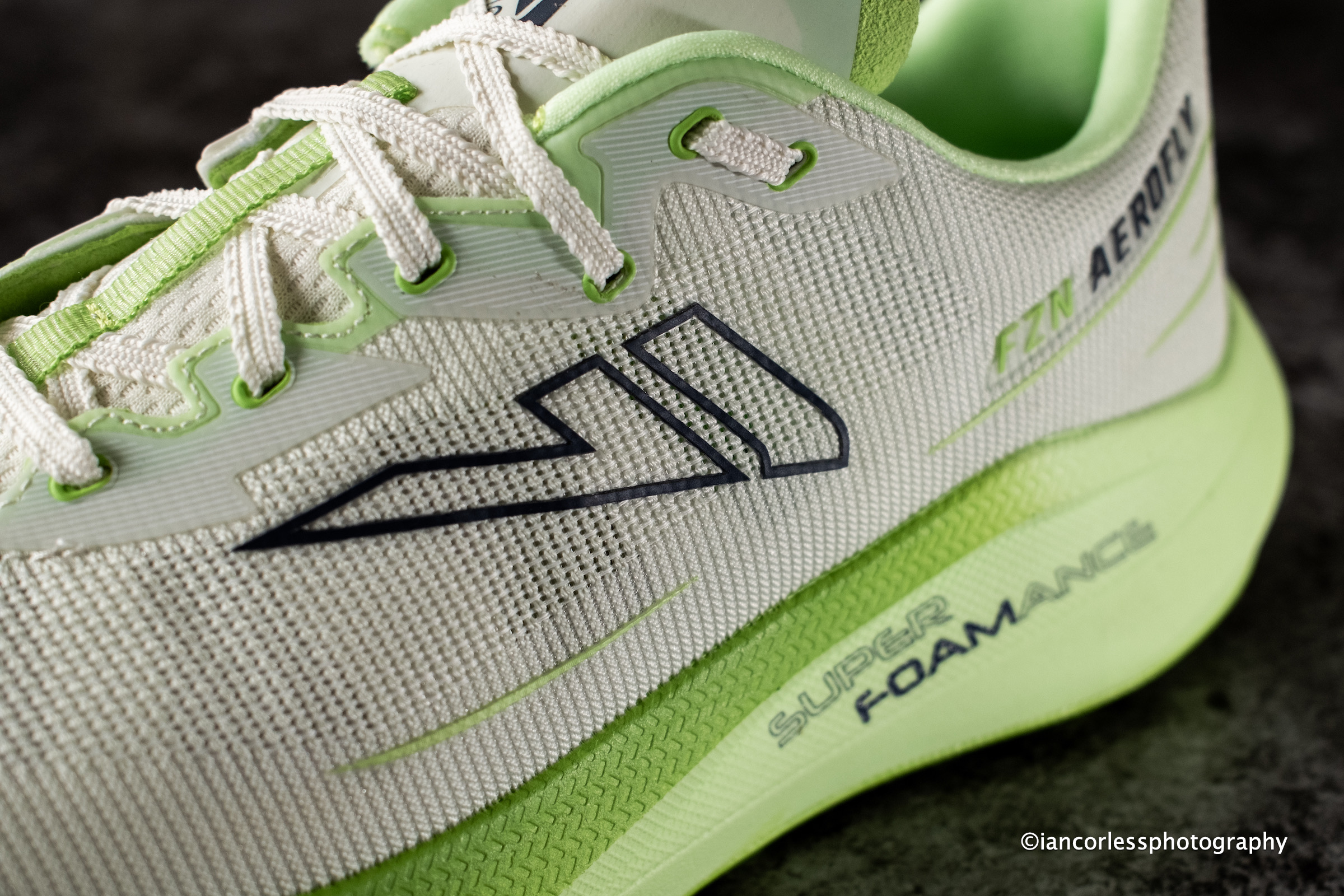
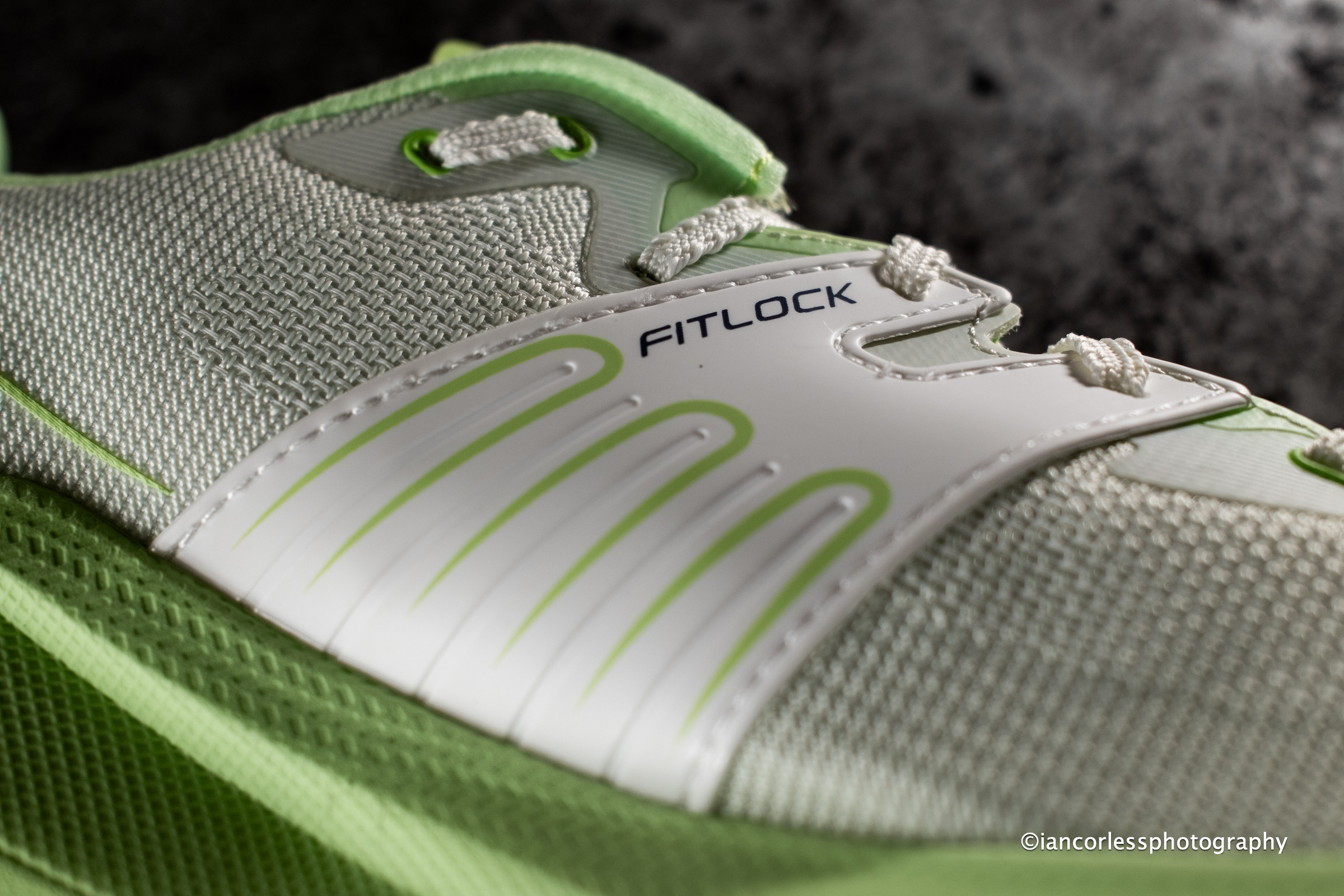
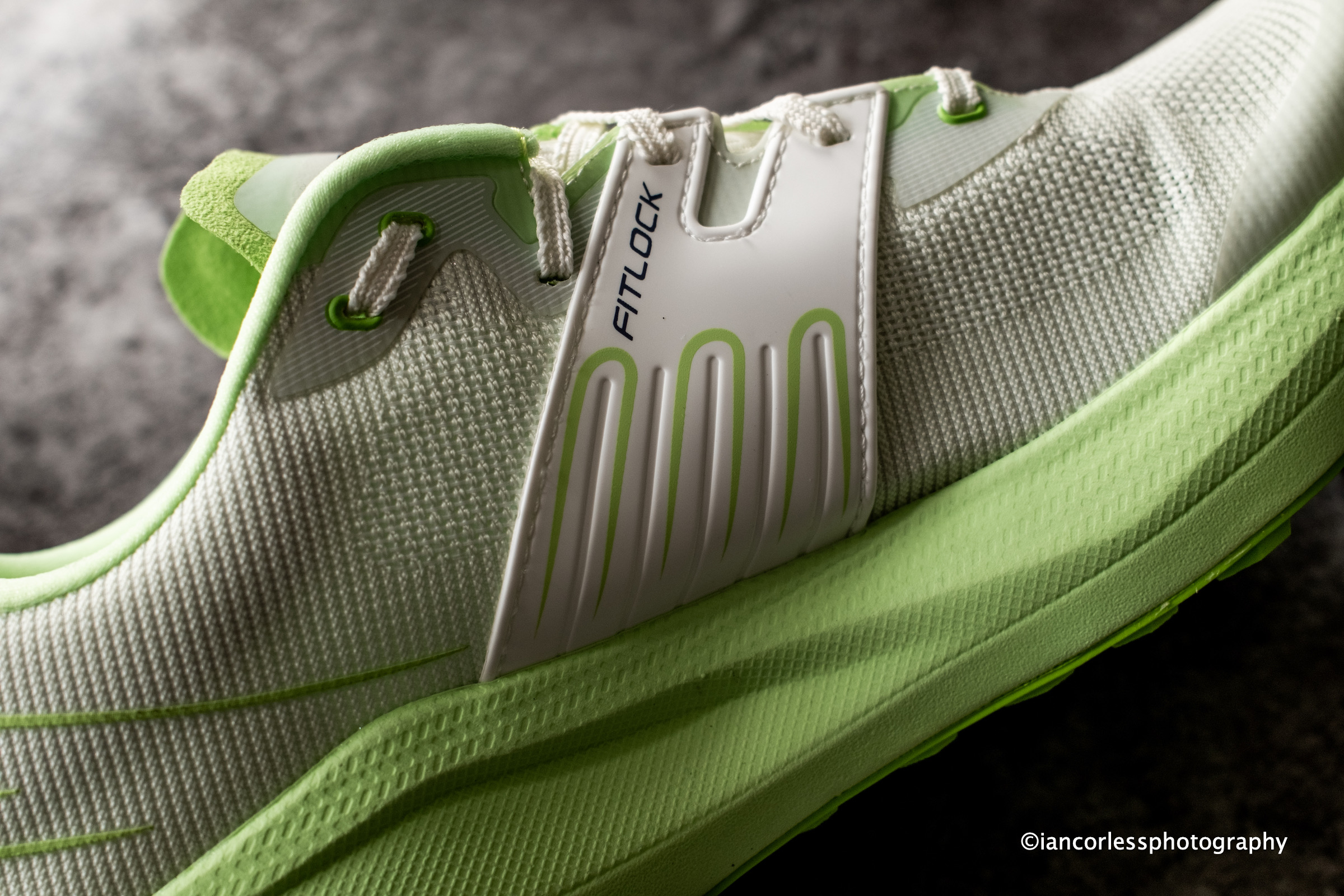
The upper features VJ’s Multizone Engineered Mesh, delivering excellent breathability while maintaining a secure and supportive fit. Combined with the brand’s proven Fitlock system,
The shoe wraps confidently around the midfoot, providing stability without feeling restrictive. I have siad this many times before, and I will say it again, Fitlock really does give the best foothold!
The heel is well cushioned and supportive, contributing significantly to the shoe’s long-distance comfort and there are no irritation points – early MAXx2 and Ultra 3 had this.
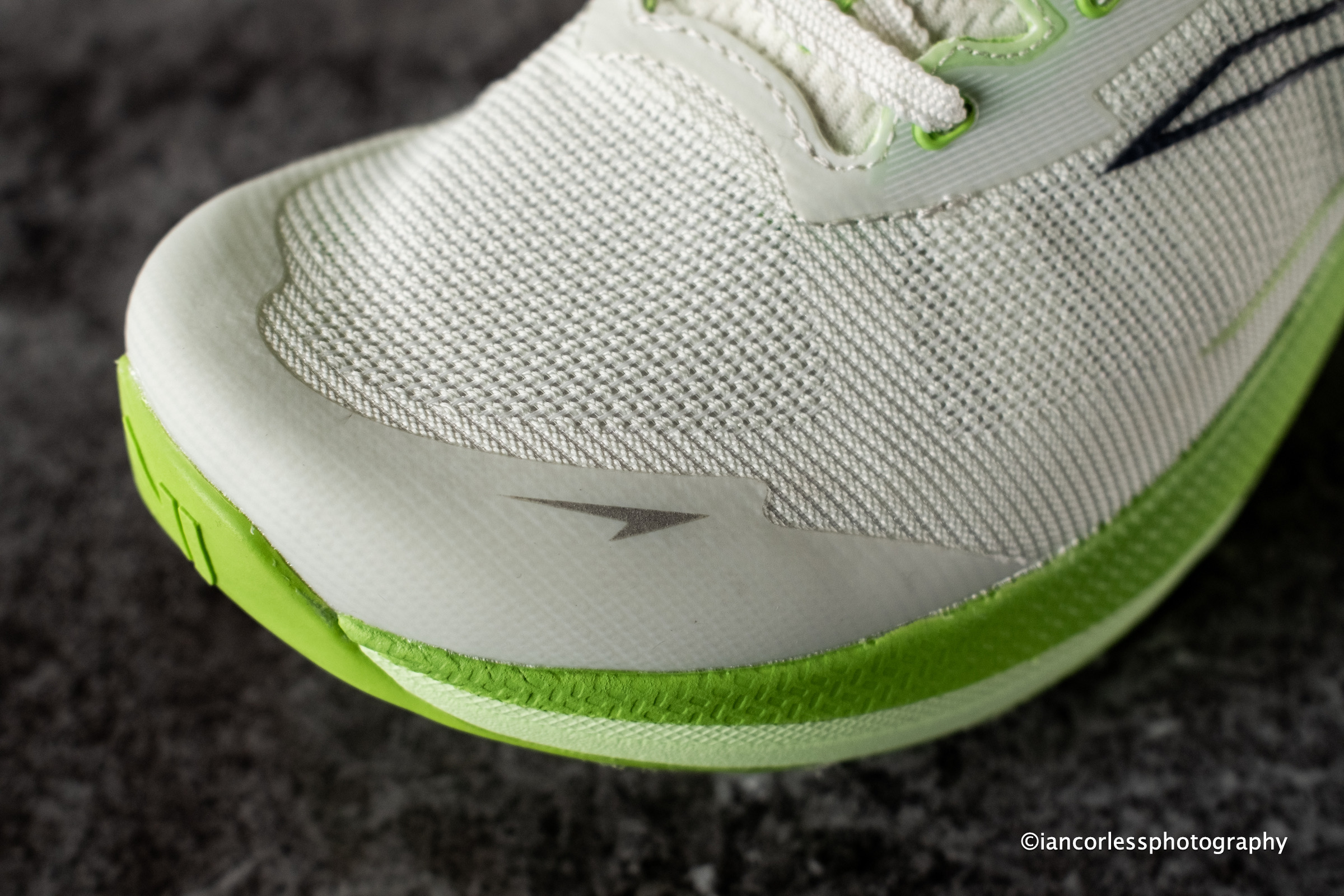
The toe box is generously sized, allowing the toes to spread naturally during longer runs, while reinforced protection around the front of the shoe guards against accidental encounters with rocks and roots.
Ride and Performance
VJ’s SuperFOAMance™ midsole – a nitrogen-infused foam delivers a highly cushioned yet energetic ride that feels remarkably smooth and lively underfoot. This has appeared in the MAXx2 and the Ultra 3 and it has been a game changer.
Aerofly isn’t designed as a race-day weapon or interval specialist, that role belongs to the more performance-focused sister shoe, the VJ Fuzion Tempo. However, despite its comfort-oriented design, the Aerofly never feels sluggish, the opposite. The foam provides excellent energy return, making it enjoyable on everything from easy recovery runs to steady long-distance efforts – even great when walking!
Enough softness to absorb impact during long runs and still responsiveness to keep transitions smooth and efficient. It could easily be a road shoe.
Rock Plate Done Right
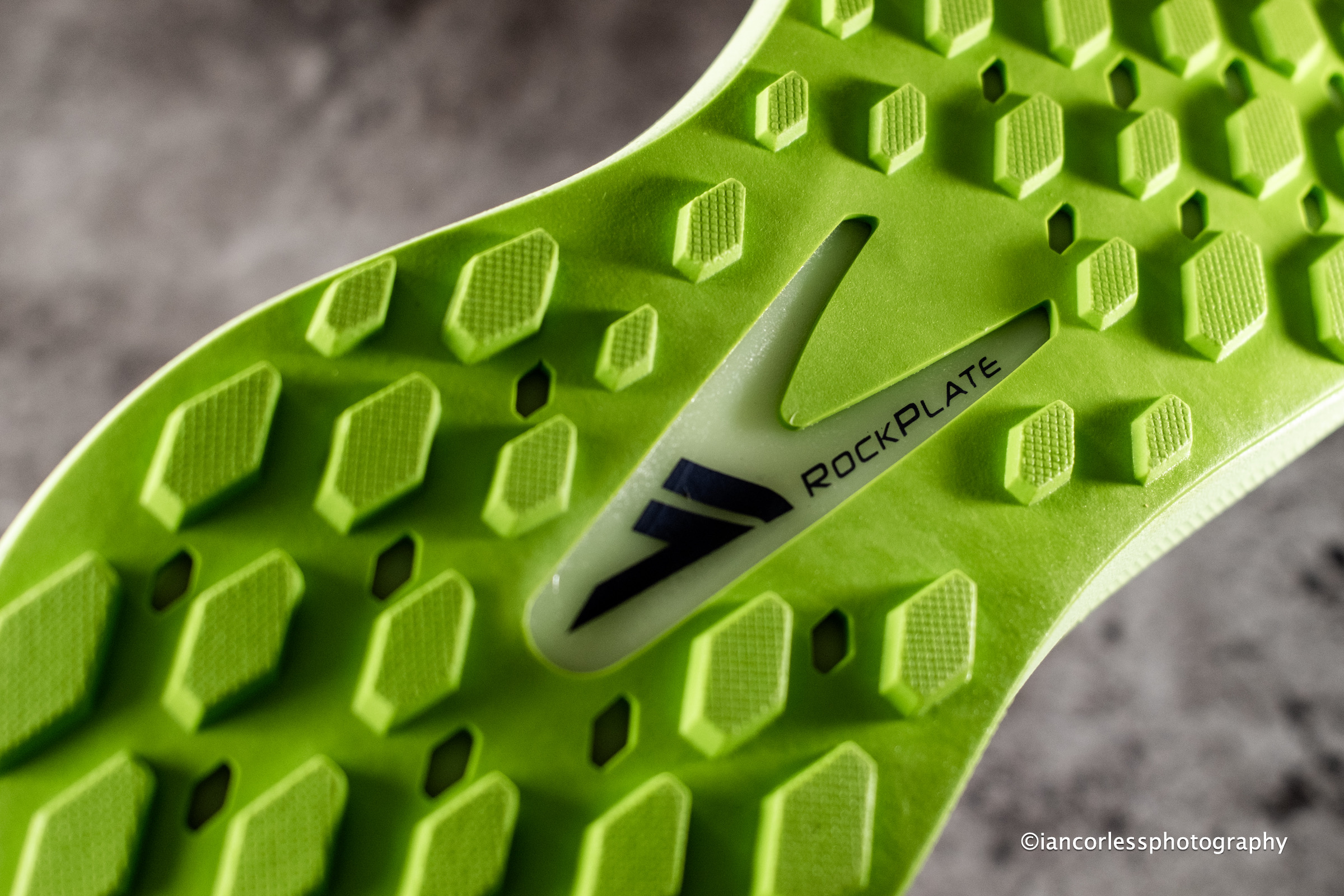
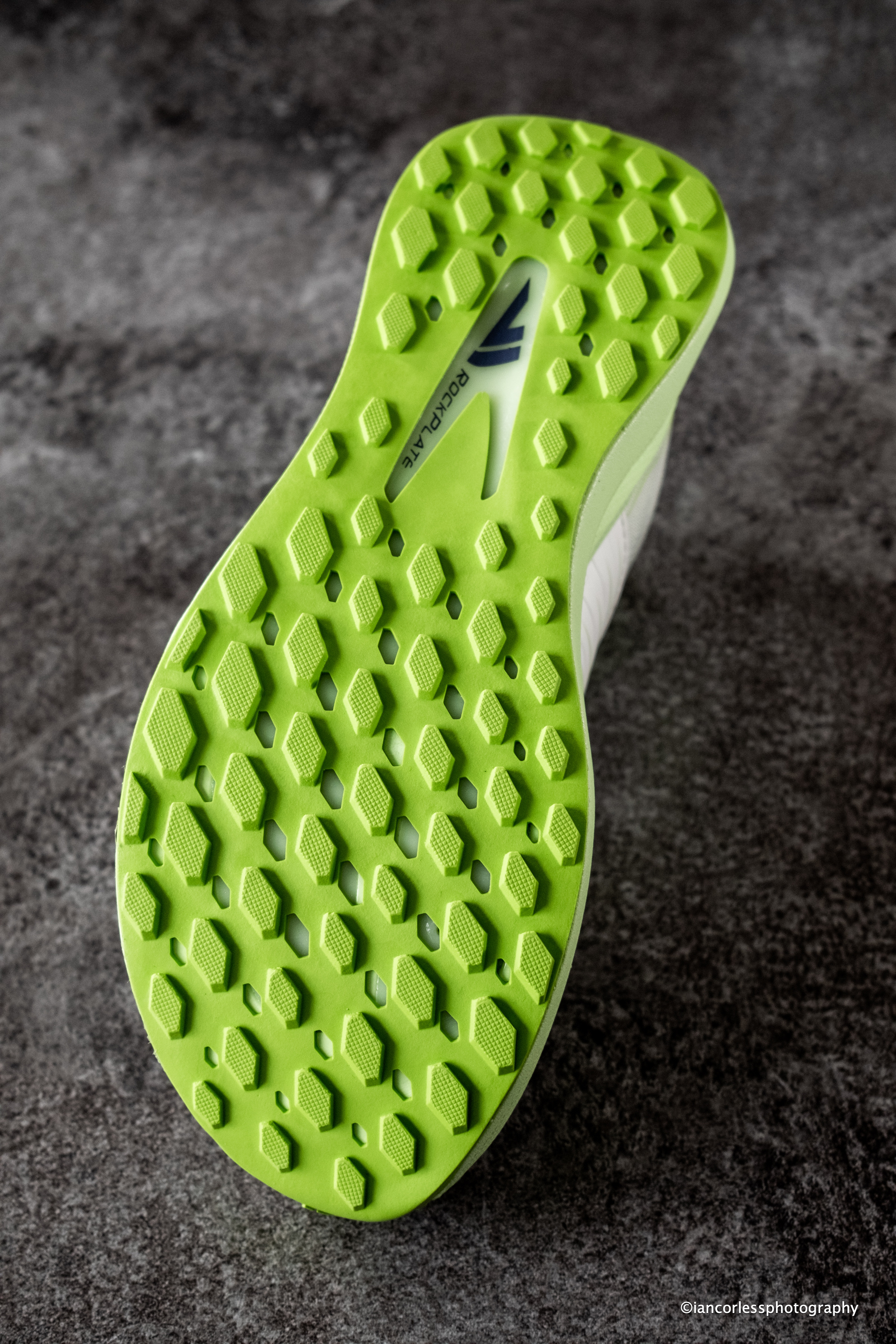
Beneath the SuperFOAMance layer sits a full-length rock plate, a feature typically reserved for more rugged trail shoes.
Its implementation here is particularly effective because it achieves three important goals:
Protects the foot from sharp stones and trail debris
Improves stability by reducing excessive midfoot torsion
Creates smoother transitions across uneven surfaces
VJ has integrated the plate in a way that complements the soft midsole, unlike some rock plates that make a shoe feel stiff or harsh, protection without sacrificing flexibility or comfort.
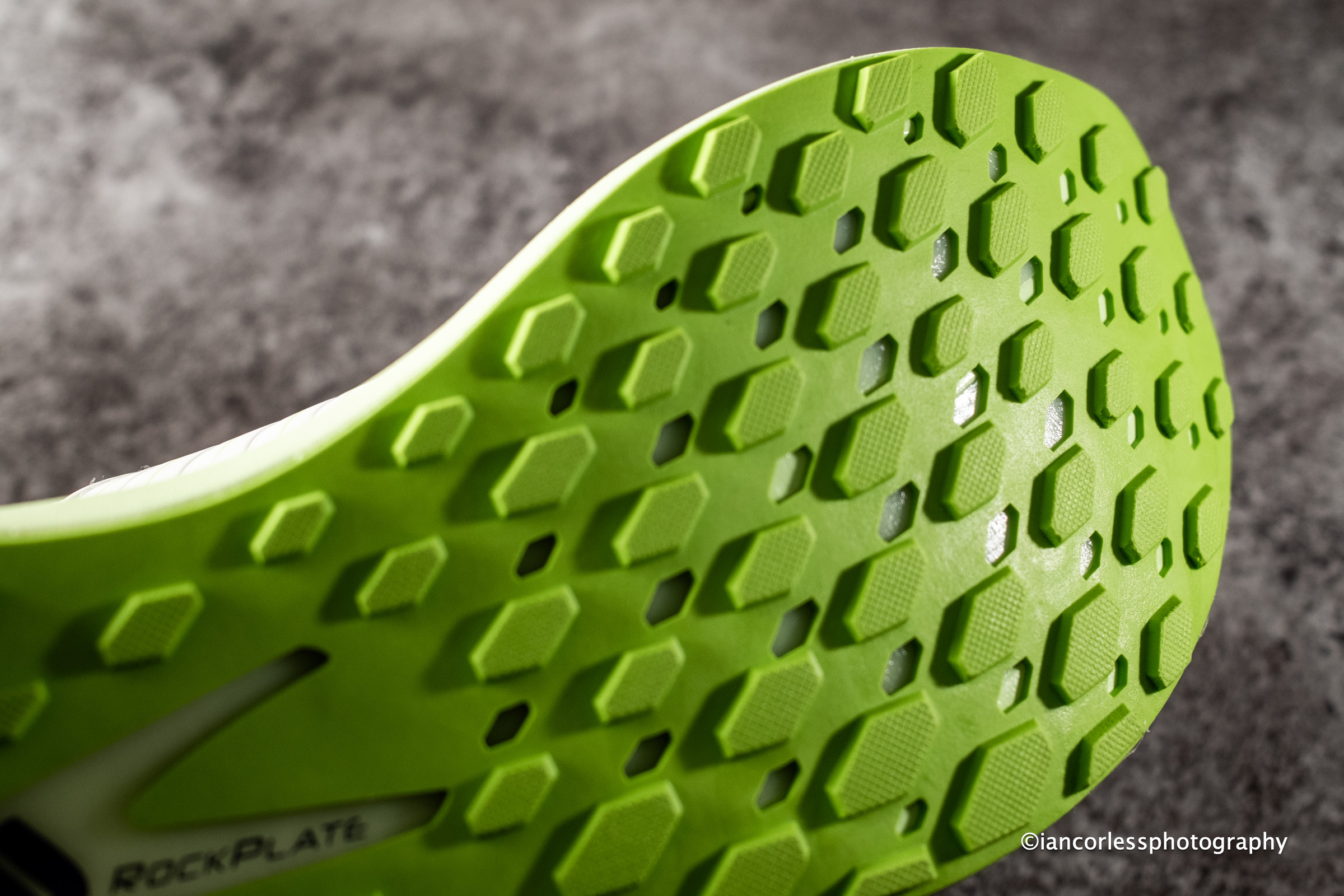
Outsole and Grip
VJ’s legendary reputation is built largely on its Superior Contact outsole and butyl rubber compound, often regarded as among the best trail-running grips available.
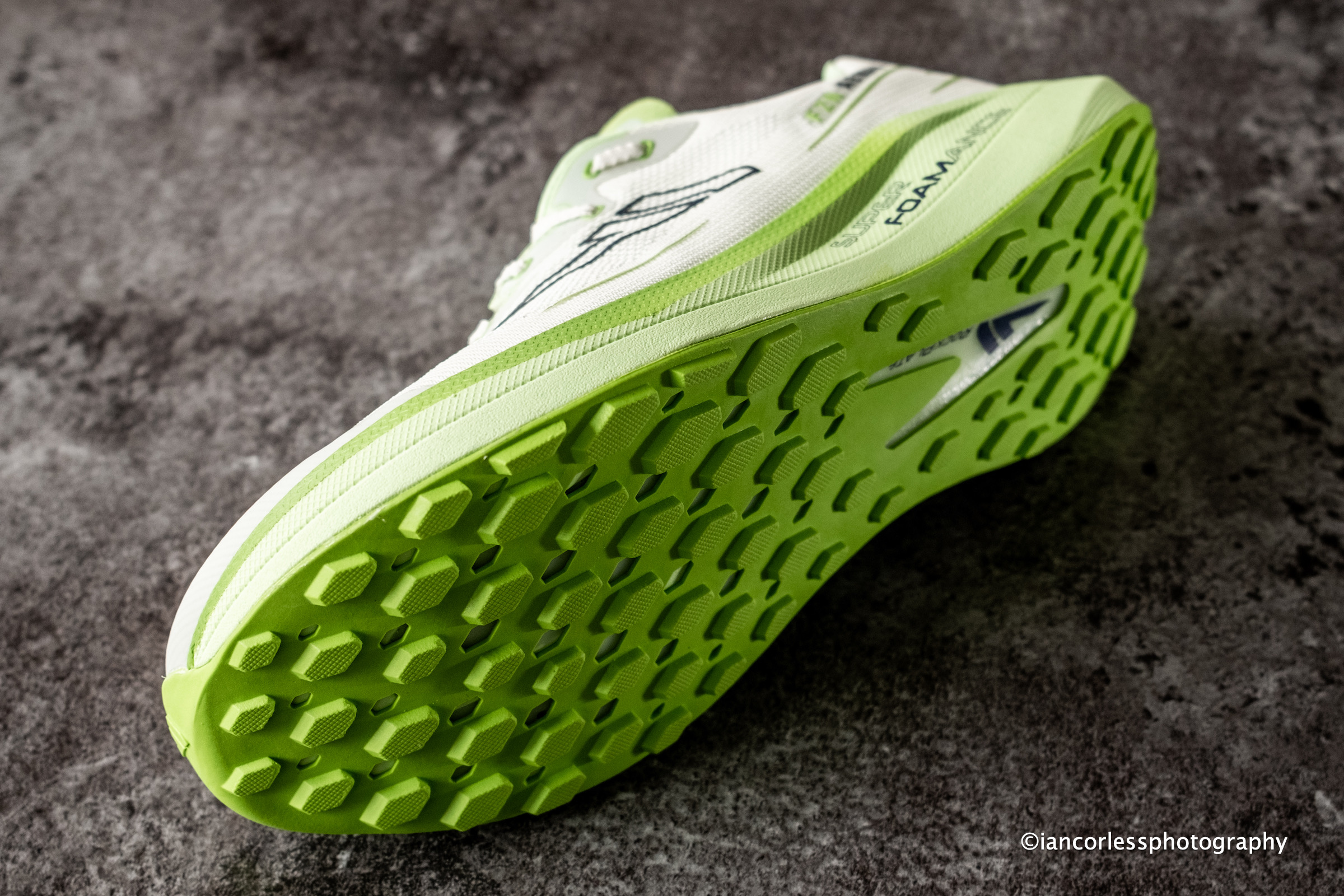
Instead of butyl rubber, VJ uses a lighter and significantly more durable Lightrubber outsole with dense 3 mm lugs. This choice reflects the shoe’s hybrid nature and while the outsole performs very well on asphalt, gravel, hard-packed trails, grass, and dry terrain the compromise becomes noticeable in wet and highly technical conditions.
During mixed-surface adventures, the Aerofly feels confident and predictable, on slick rocks and wet technical trail, the grip is not what one would expect from a typical VJ shoe – they feel much more like a Vibram.
Real-World Versatility
Whether running on city pavement, gravel roads, sandy beaches, forest paths, or moderate technical trails, the shoe feels at home. It excels in exactly the type of running many athletes actually do on a daily basis – start from the front door, covering a few kilometers of road, transitioning onto gravel or forest trails, and returning home via pavement. For runners living in urban environments who need to connect road miles with trail miles, the Aerofly may be one of the most practical options in VJ’s lineup.
Aerofly prioritizes comfort, cushioning, and versatility over outright technical performance.
Specifications
Weight: 256 g (EU 42)
Stack Height: 38 mm / 30 mm
Drop: 8 mm
Lug Depth: 3 mm
Pros
Highly breathable upper
Excellent midfoot lockdown
Nitrogen-infused SuperFOAMance™ midsole
Strong energy return
Full-length rock plate
Stable platform
Lightweight construction
Secure fit with gusseted tongue
Removable insole
Outstanding versatility across mixed terrain
Cons
Grip falls short of VJ’s best trail-specific outsoles
Less confidence on wet rocks and slippery technical terrain
Verdict
The VJ FZN Aerofly successfully bridges the gap between road and trail running. It combines road-shoe comfort with trail-shoe protection, creating a highly versatile package that excels on mixed terrain.
While it won’t replace a dedicated mountain or technical trail shoe, that’s not its purpose. Instead, the Aerofly delivers exceptional comfort, reliable protection, and enough traction to tackle most surfaces runners encounter in everyday training.
Outside of very technical and wet terrain, the Aerofly comes across as a highly versatile, comfort-focused hybrid that stays true to VJ’s performance heritage while appealing to a much broader audience of runners.
Choosing the right sleeping bag can make or break an adventure. Whether you’re heading into the mountains, camping under the stars, or tackling a multi-day trek, your sleep system plays a crucial role in comfort, recovery, and overall experience. But with so many options available, making the right choice isn’t always straightforward.
How to choose?
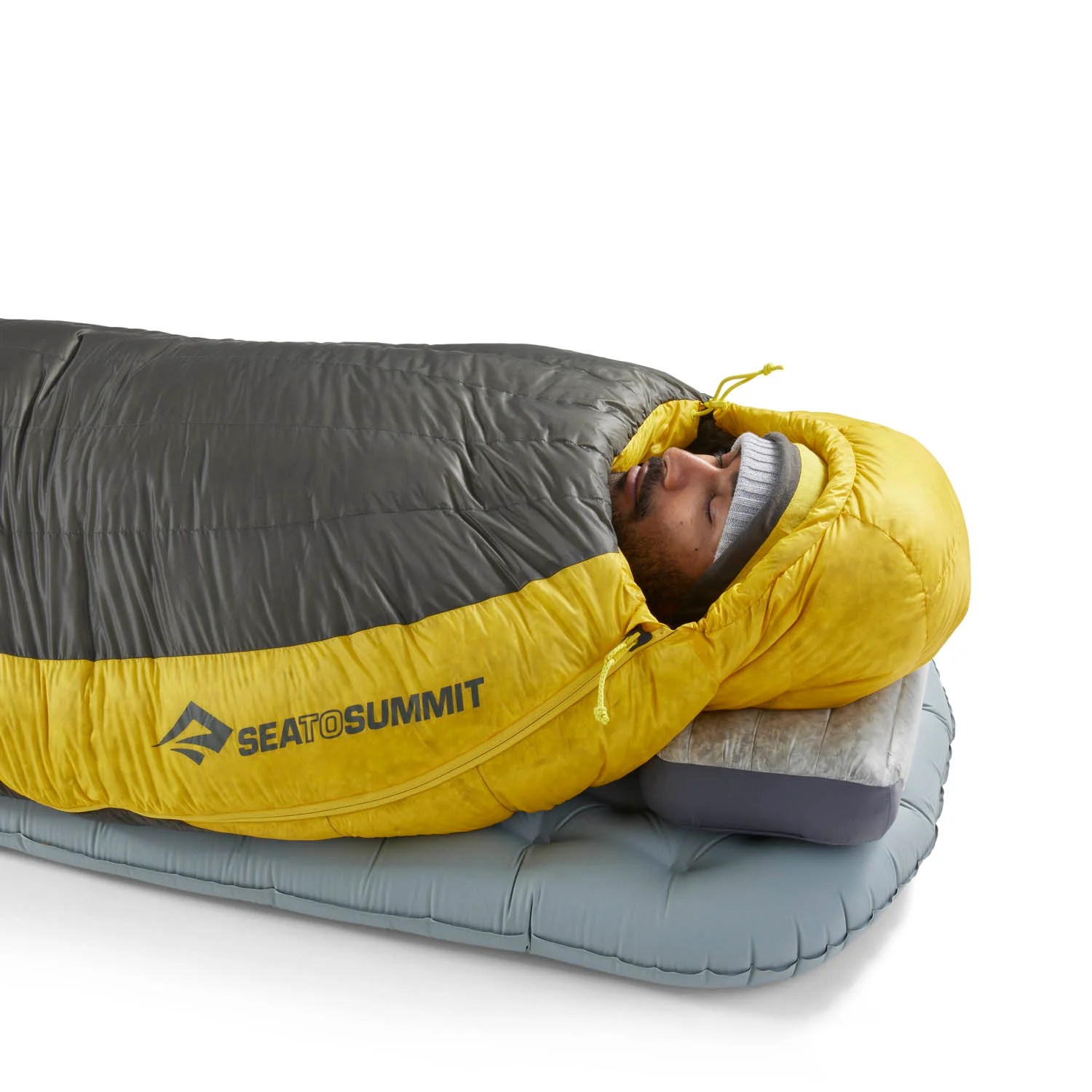
Decide the temperature rating you need.
In most scenarios, a comfort of 0 to 5 deg will be ideal.
Importantly, do you sleep cold or warm? This will influence your choice.
Think about layers to add warmth – wearing vase layers top and bottom and adding a beanie increase warmth considerably.
Some brands offer sleeping bags in different sizes and widths and also, male or female options exist. You can therefore be specific and get a size/ width suitable for you.
Down or synthetic? Down is lighter, packs smaller and if treated, also can resist wet conditions – In most scenarios, down is the best choice.
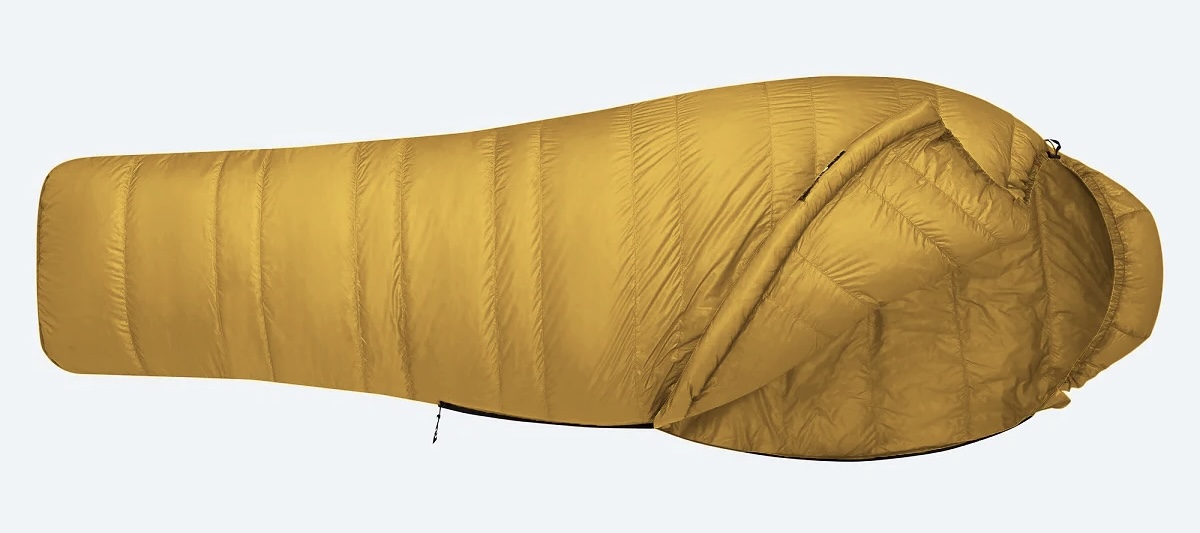
Construction and features are important – Ripstop fabric, DWR coatings, sewn through construction, and box wall construction are all features that improve a sleeping bag. Choose wisely.
Zips add weight, so, decide if you need a zip, if you do, maybe a half-zip will be preferable to a full zip.
Baffles and hood – key features that ensure comfort and warmth when needed.
Sleeping mat – a good sleeping mat with applicable R rating makes a sleeping bag more efficient and warmer – an essential piece of kit.
Recommended sleeping mats
Rab Ultrasphere 345gHERE and Sea to Summit Ultralight Air 345g HERE
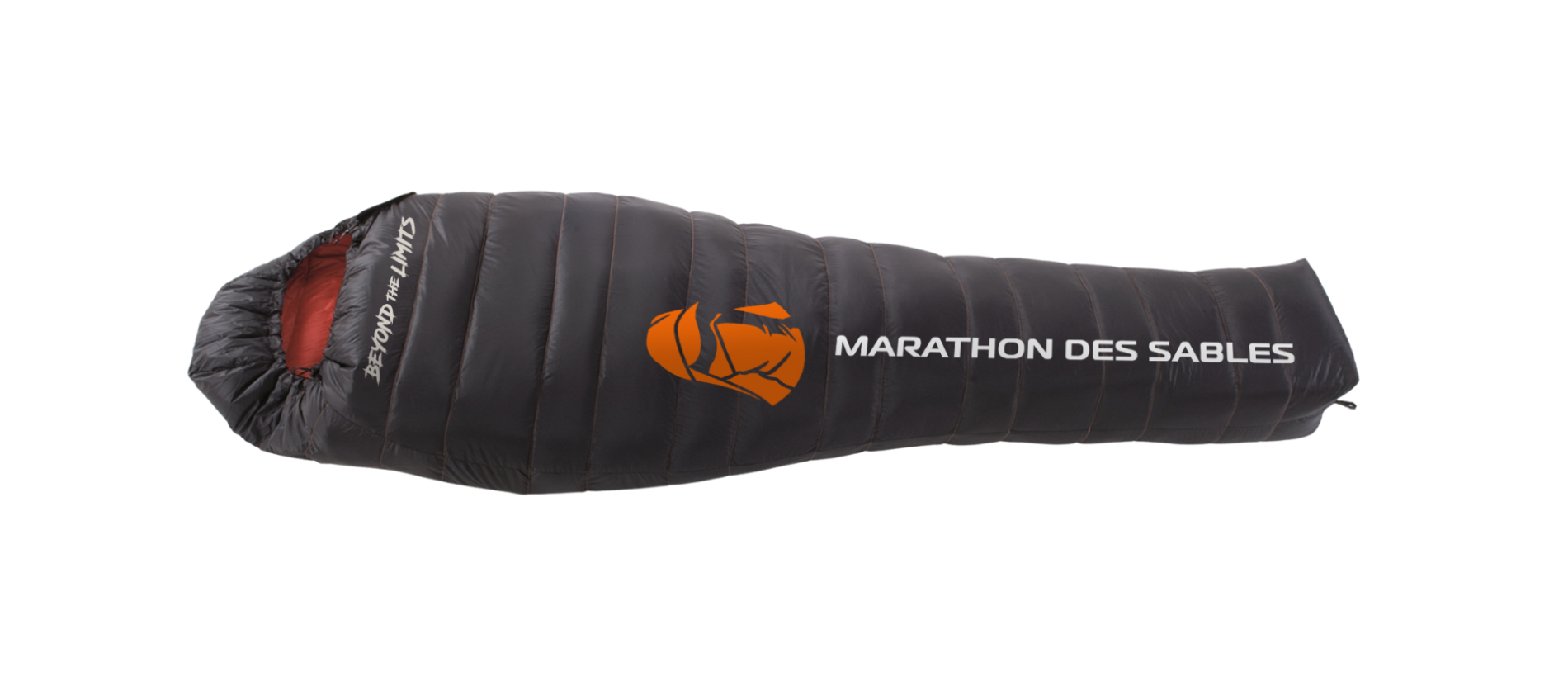
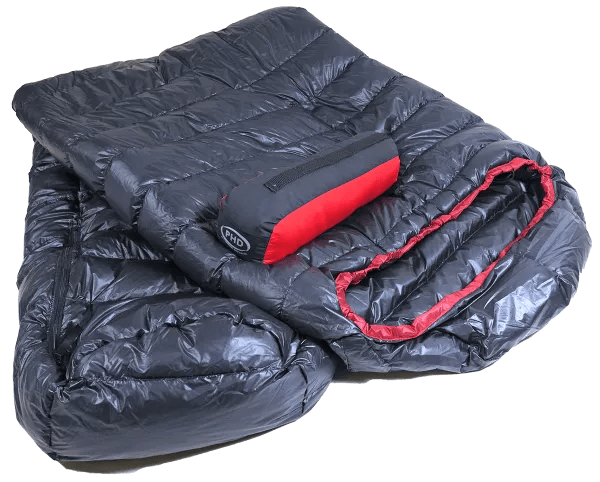
UK brand, PHD, custom make sleeping bags. They offer different sizes, different widths, zip or no zip and so on.
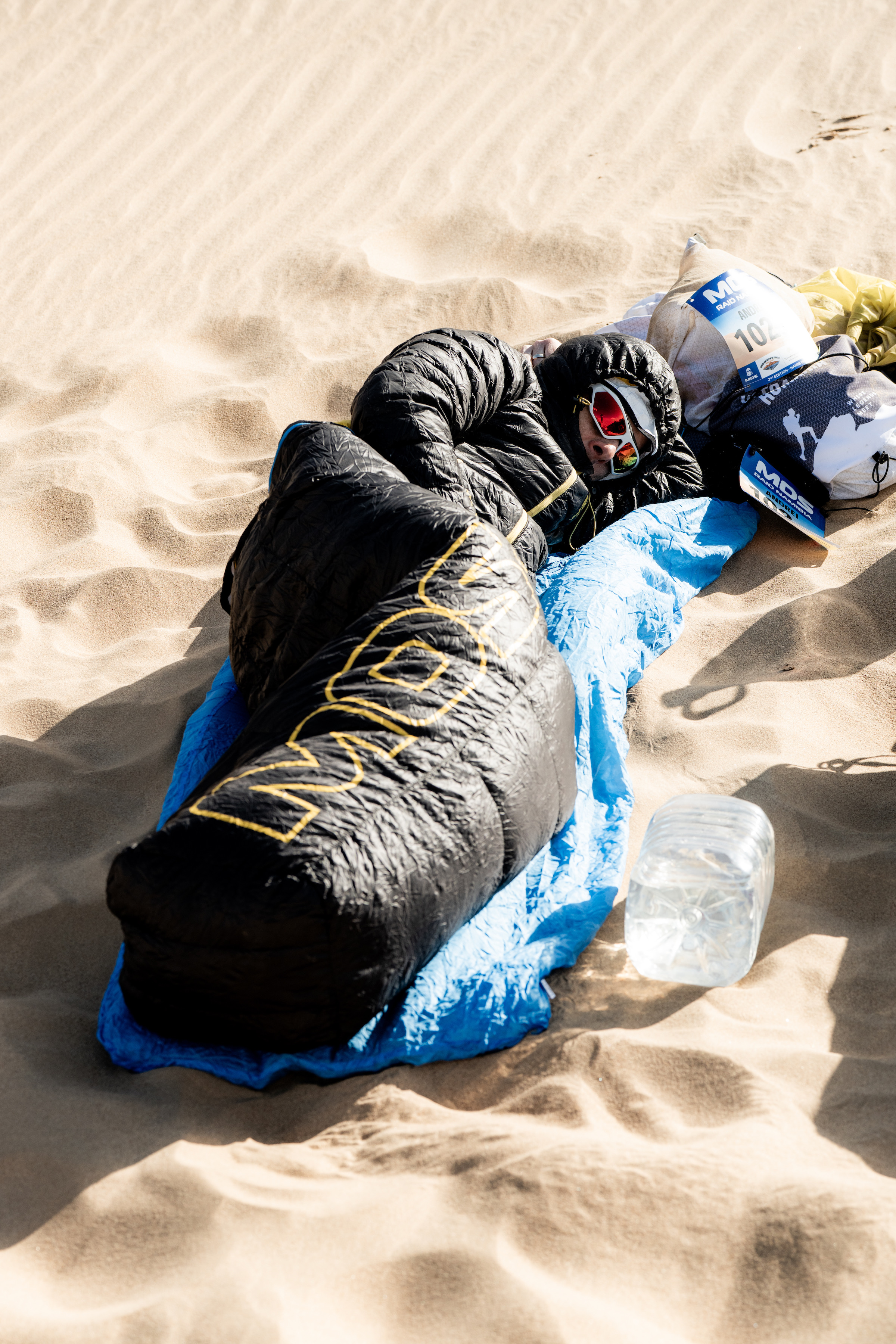
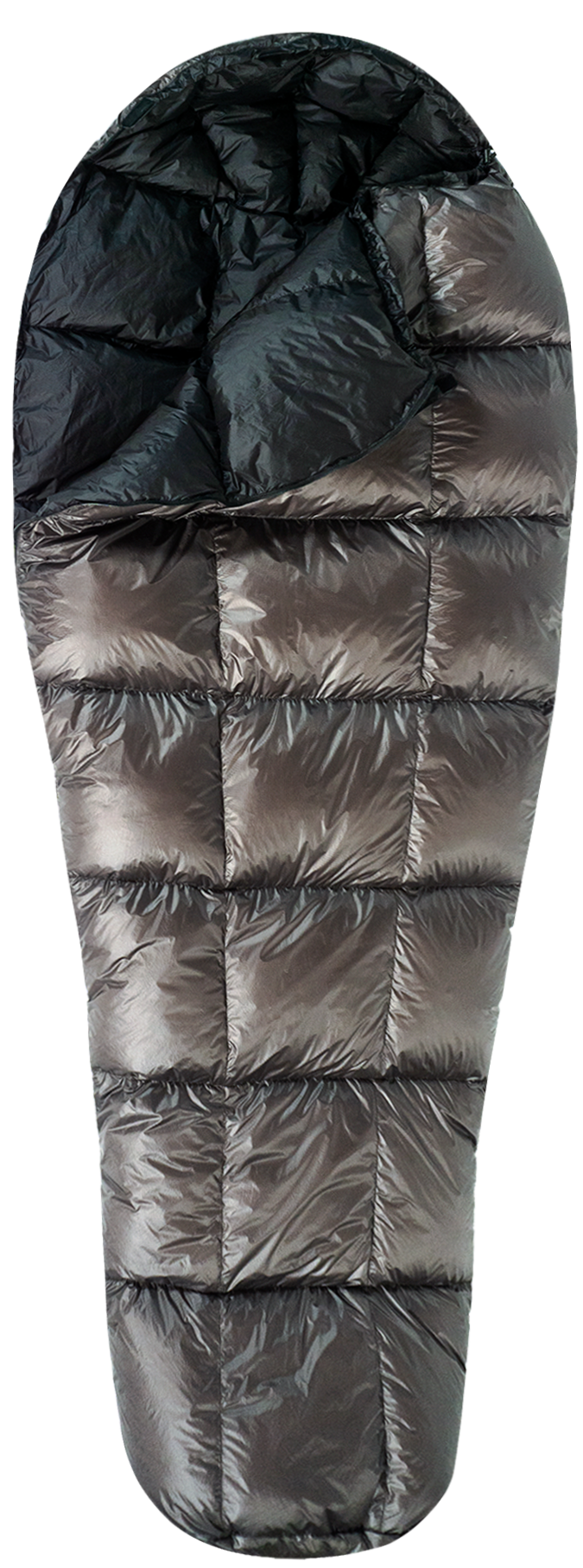
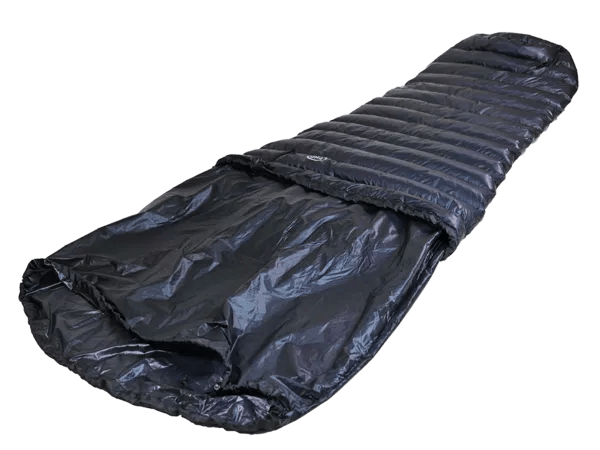
Personally, I use the Desert Race Halfbag – 240g – 3 deg combined with a PHD Ultra Down K series jacket at 200g. It’s the perfect option that also provides a down jacket for when in bivouac. HERE and Ultra Down Jacket HERE
PHD Desert Race Halfbag
By thinking through these factors carefully, you can choose a sleeping bag that not only suits your adventure but helps you rest well and wake ready for whatever comes next.
The news that Ourea Events has ceased trading lands heavily on the UK mountain and ultra running community. For many of us, this isn’t just the loss of an event company. It feels like the closing of a chapter in the story of British mountain running.
Shane Ohly and his team didn’t just organise races. They shaped a culture.
At a time when the UK ultra scene was still finding its feet, Ourea created events that felt raw, adventurous, and deeply connected to the mountains. These were not simply races measured by split times and finish lines. They were journeys that asked something of you: navigation, resilience, judgement, and a willingness to be uncomfortable for long stretches of time.
The Dragons Back Race set the tone. For many runners it was their first taste of a true multi-day mountain expedition disguised as a race. Self-navigation with map and compass across the spine of Wales made it feel less like a sporting event and more like an adventure in the purest sense.
From there came a string of events that helped define a generation of UK mountain runners. The Great Lakeland 3 Day, Dark Mountains, the ROC Mountain Marathon and more. Each had its own character, but they all carried the same spirit: serious mountains, thoughtful course design, and an expectation that runners would meet the terrain on its terms.
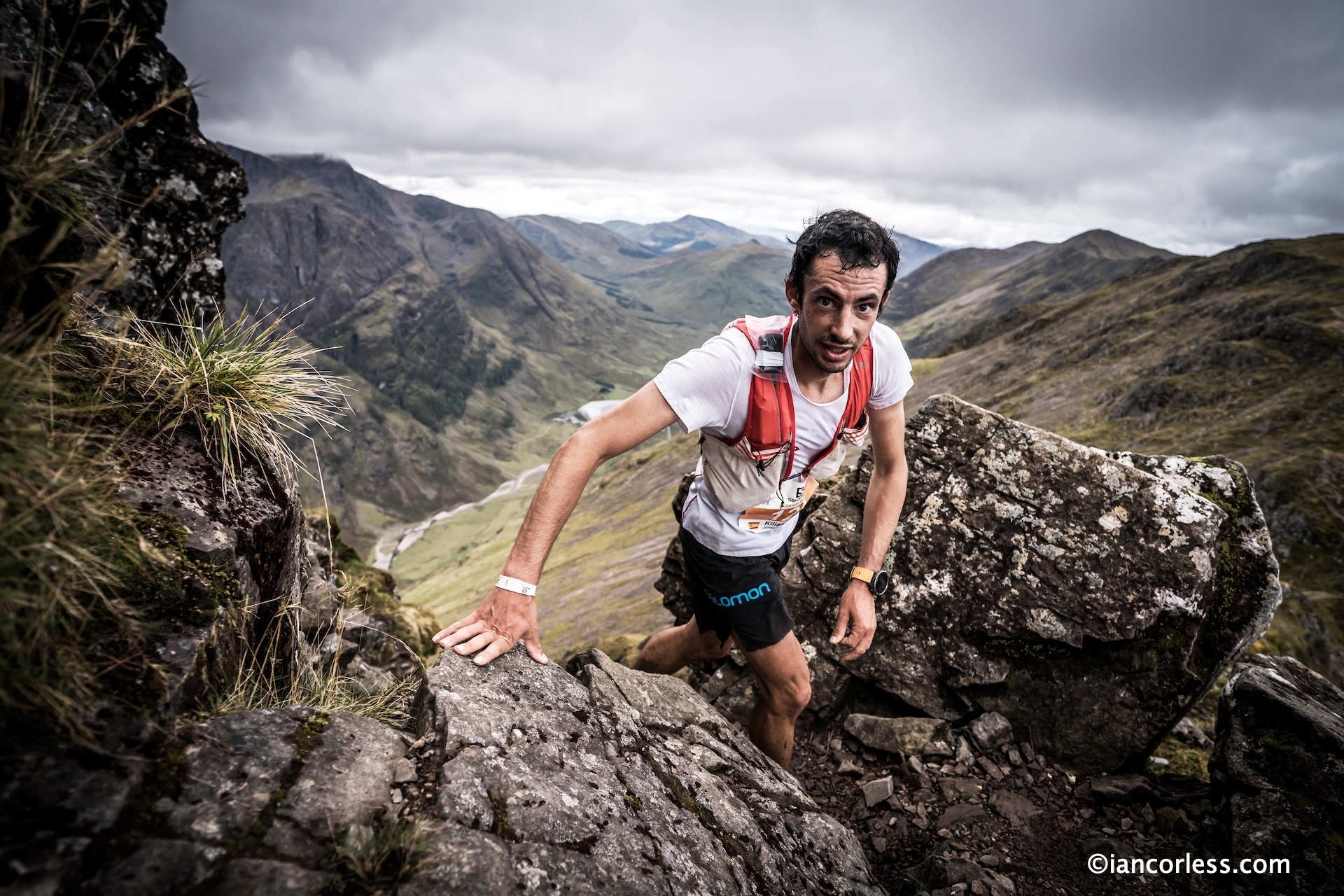
Like many others, I was lucky enough to experience several of these events firsthand. I was there for the first Cape Wrath Ultra. I experienced the return of the Dragons Back. And the moment I’m perhaps most proud of was helping create the Glencoe Skyline as part of Skyrunning UK. That event in particular showed just how far the UK mountain running scene had evolved. Technical, spectacular, and unapologetically demanding, it placed Scottish ridgelines onto the world skyrunning map. We brought the world’s best to Scotland – Kilian Jornet, Emelie Forsberg, Katie Schide, Jasmin Paris, Jon Albon, Marco Degasperi, Henrietta Albon, Tove Alexanderson, Laura Orgue, Hillary Gerardi and the list goes on…. A who’s who of the mountain running world.
So the collapse of Ourea feels deeply personal to many of us.
But it also raises bigger questions.
The last few years have been brutal for independent race organisers. Covid wiped out entire seasons and left financial scars that many companies never fully recovered from. Brexit complicated logistics, staffing, and international participation. Costs across the board have risen sharply.
At the same time, the global trail running landscape has changed. The rise and dominance of UTMB has reshaped the market, pulling attention, sponsorship, and runners toward a global series model. For smaller, independent organisers, competing in that environment is incredibly difficult.
Ourea may have technically survived Covid and Brexit, but survival does not mean recovery. The damage done during those years can take a long time to surface, and sometimes the final collapse comes long after the initial shock.
Right now, the most immediate concern is for runners who have paid entry fees for 2026 events. Hopefully many will be protected through credit or debit card payments and able to recover funds through Section 75 or chargeback claims. But even if that is resolved, the bigger uncertainty remains.
What happens now?
What happens to the UK mountain running scene without one of its most creative organisers?
And what happens to the races themselves?
Events like the Dragons Back, Cape Wrath Ultra, and Glencoe Skyline are more than entries on a calendar. They have become part of the identity of British mountain running. They hold stories, ambitions, and personal milestones for thousands of runners.
In some ways, races are like mountain routes. They can outlive the people who first established them.
So perhaps the real question is whether these events can find new custodians. Whether another organiser can pick up the threads and carry them forward without losing what made them special in the first place. That balance between professionalism and wildness is fragile, and it was something Ourea managed remarkably well.
For now, though, it is simply a moment to pause and recognize what was built.
Many of the most memorable mountain running experiences in the UK over the past decade trace back to the vision and work of Shane Ohly and the Ourea team. They created races that pushed boundaries, respected the mountains, and inspired a generation of runners to go further than they thought possible.
Whatever happens next for these events, that legacy will remain.
And for those of us who stood on start lines in Wales, the Lakes, the Highlands, or deep in the night at Dark Mountains, the memories will always be there.
The Coastal Challenge – February 13th to February 20th, 2027
The Coastal Challenge Costa Rica is a six-stage, six-day race along Costa Rica’s Pacific coastline. It’s tough, humid, beautiful, and unpredictable in the best possible way. You’ll run through rainforest trails, cross rivers, climb steep hills, and move along stretches of tropical beach where the ocean feels close enough to touch.
This is not a single-day effort. It’s a week of managing energy, staying consistent, and adapting to changing terrain. Some days feel fast and flowing. Others demand patience and grit. By the time you reach the final stage, you’ll have covered ground that most visitors never see.
Two Race Options: Expedition and Adventure
You can choose between two distances: Expedition and Adventure. Both events run over the same six days and share the same start and finish week. Stages 1 and 6 are almost identical for both races, so everyone begins and ends the journey together.
The difference lies in Stages 2, 3, 4, and 5.
The Expedition race is the full challenge. Longer stages, greater cumulative distance, and a bigger daily physical demand. It’s designed for experienced endurance runners who want the complete test.
The Adventure race offers considerably shorter stages on days 2 through 5. That adjustment makes the event accessible to a much wider range of participants. It’s ideal for runners who prefer a steadier pace, and especially for those who plan to hike or walk sections of the course.
‘Adventure gives the best of both worlds, I got to race in Costa Rica and see the awesome trails, views and terrain, but I also got more time to relax and enjoy camp and the Pura Vida lifestyle.’ – Abelone Lyng
Adventure doesn’t mean easy. The terrain and climate are the same. But the shorter distances allow more time for rest, recovery, and simply taking in the surroundings. You’ll have space to soak up the Pura Vida lifestyle, connect with other runners, and enjoy the unique atmosphere that makes this race special.
Whether you choose Expedition or Adventure, you’ll experience the same wild coastline, the same supportive race community, and the same sense of achievement at the finish.
Ready to Sign Up?
The 2027 race entry is $3,050.
Using the link below, Ian Corless is able to offer a $200 discount, bringing your entry down to $2,850.
If you’ve been thinking about a multi-day race but weren’t sure which one, this is a strong place to start. Six days. A world-class course. Two distance options that make the challenge accessible without losing its edge.
We’ll see you on the start line in February 2027.
More reading
THE COASTAL CHALLENGE COSTA RICA : A 2026 PERSPECTIVE ON ONE OF THE WORLDS TOUGHEST RACES – HERE
You can read daily summaries from the 2026 edition HERE
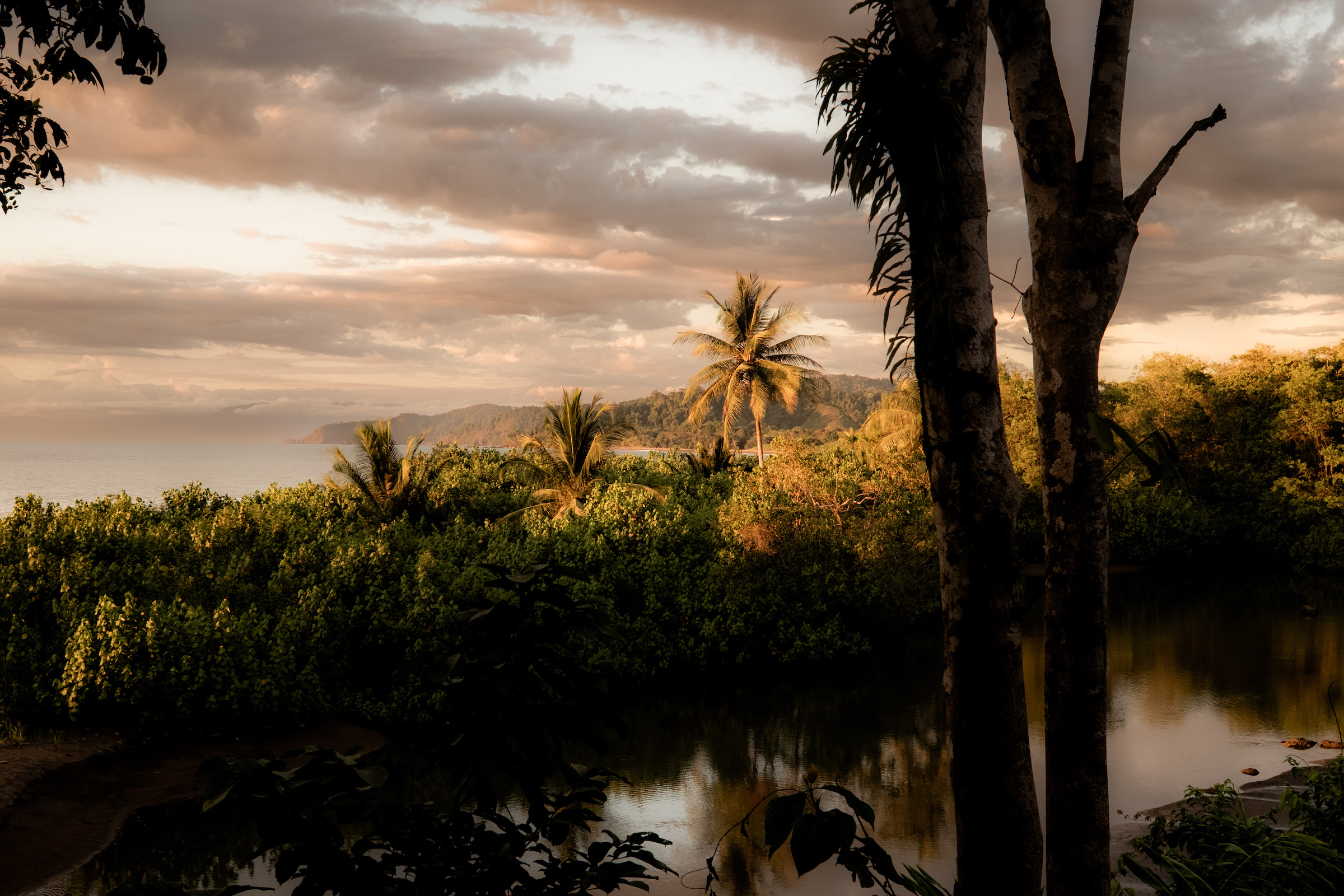
Stage 6 of The Coastal Challenge Costa Rica was always going to be special. It wasn’t just another race day. It was the closing chapter for the Adventure and Expedition categories. A loop that began and ended in the wild beauty of Corcovado and Bahía Drake. A day of waterfalls, gravel roads, jungle trails, river crossings, single track, beaches, and some of the most stunning light the Pacific coast can offer.
For many runners, this stage wasn’t only about time. It was about finishing what they started days ago. It was about earning the medal. It was about emotion.
The route delivered everything Costa Rica promises. Thick jungle that swallowed sound and forced focus. Gravel roads that tested tired legs. Technical single track winding through roots and rock.
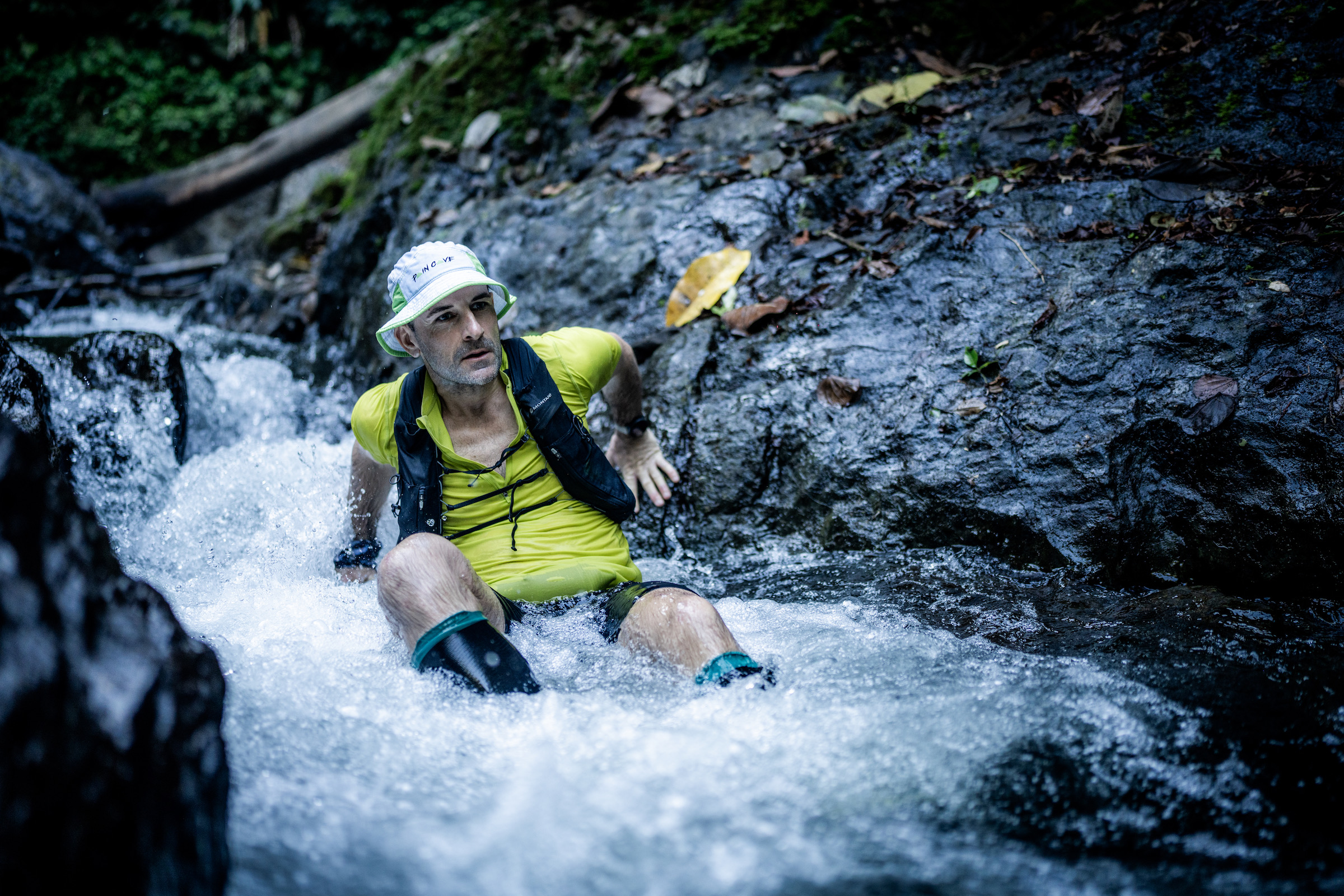
River crossings that cooled sore muscles for a brief moment. Beaches that stretched endlessly under a rising sun. Waterfalls tucked deep in green corridors. Every turn seemed to offer another view, another reason to pause, another reminder of how far everyone had come.
And the light. Early morning gold over the ocean. Sun filtering through canopy leaves. The kind of light that makes even exhausted runners smile.
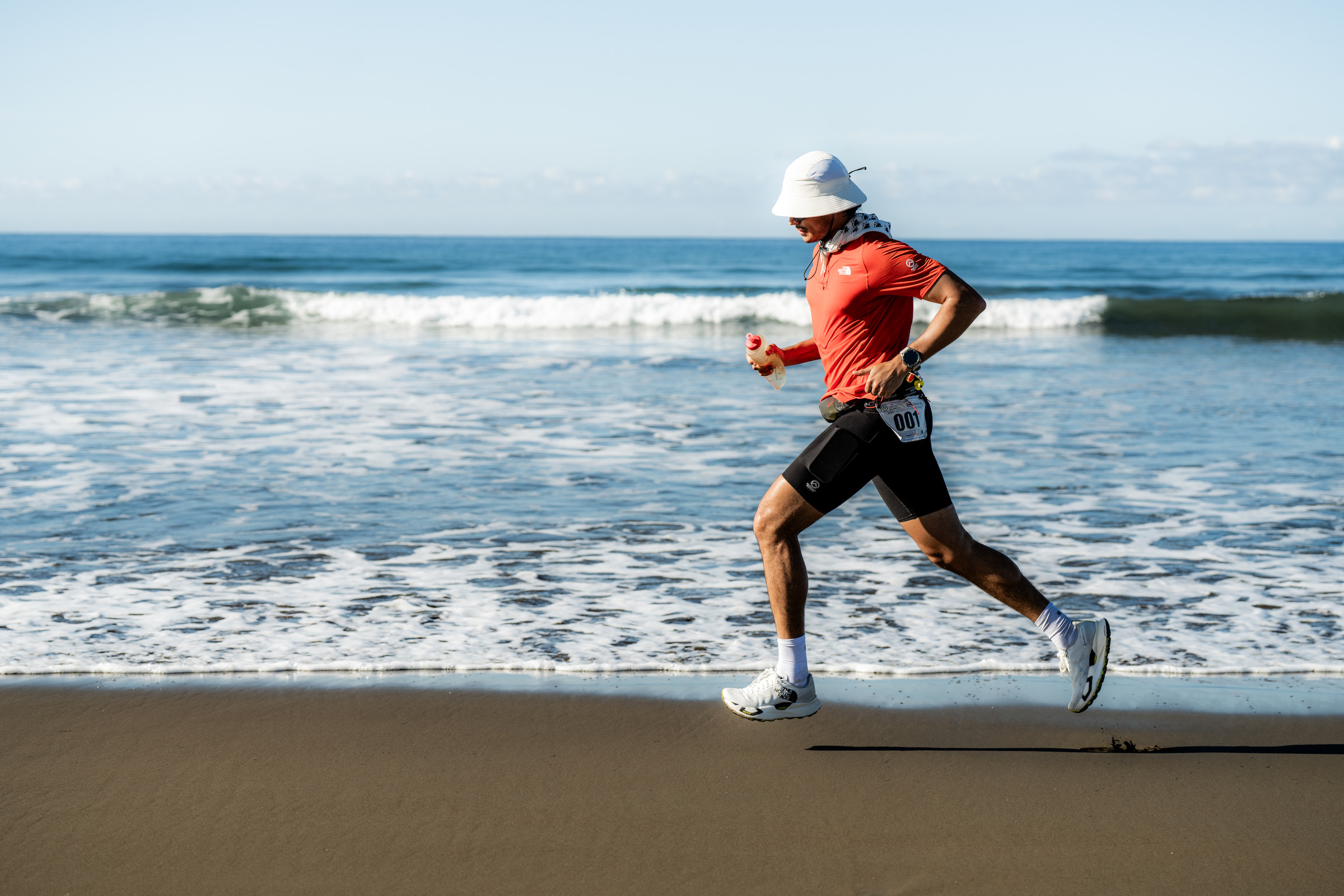
At the front of the Expedition men’s race, Alejandro Muñoz (#1) delivered a commanding performance, crossing the line in 3:54:46.1 to take the Stage 6 win. He ran with control and strength, managing the varied terrain with precision.
Martin Alonso Mena Jimenez secured second in 4:21:29.0, followed closely by Jon Shield in 4:22:43.9. Both men pushed hard through the jungle and across the beaches, knowing every minute mattered on this final day.
But while Stage 6 had its winners, the greater story in Expedition belonged to Erick Agüero.
After eight participations in The Coastal Challenge, Erick Agüero finally claimed the overall Expedition title. Eight times he stood on the start line. Eight journeys through heat, humidity, hills, rivers, and long lonely stretches of trail. Eight times chasing the dream.
And this year, he did it.
At the finish line there were tears. Real ones. The kind that come from years of effort, setbacks, persistence, and belief. You could see the weight lift from his shoulders as he crossed under the arch. Joy mixed with relief. Pride mixed with exhaustion. Winning after one attempt is impressive. Winning after eight shows something deeper. Commitment. Patience. Heart.It was one of those moments that reminds everyone why this race matters.
Denise Zelaya led the Expedition women home on Stage 6 in 4:24:35.1. She ran strong and steady, handling the technical sections with confidence and finishing her week on a high note.
Janina Beck followed in 5:11:18.6, while Floribeth Pérez (#38) completed the podium in 6:27:05.8. Each of them faced the same rugged loop and found their own way through it.
For the women’s field, the final stage was about resilience. By this point in the week, everyone is carrying fatigue. Legs are heavy. Feet are tender. Yet they kept moving forward. Through river crossings. Along sunlit beaches. Into the final stretch.
There were hugs at the finish. Long embraces. Shared smiles. The understanding that something meaningful had just been completed.
The Adventure category also closed its journey on Stage 6, and the racing at the front was sharp.
Sammy Francis (#35) took the stage win in an impressive 3:49:24.0, the fastest Adventure male time of the day. He attacked the course with confidence and made the most of the gravel roads and flowing single track.
Emerson Ulloa Avila (#61) finished second in 4:25:00.7, with Roberto Solano Rivera (#60) taking third in 4:32:05.3. All three demonstrated how much strength remains even at the end of a multi-day challenge.
But beyond podium places, the Adventure field showed something just as powerful: joy. Runners crossing the final beach stretch with arms raised. Friends waiting at the line. The relief of knowing the journey was complete.
In the Adventure women’s race, Laura Zúñiga Alcázar claimed the Stage 6 win in 4:23:00.4 with a composed and determined effort.
Behind her, Toni Clarke and Kristel Polet (#34) finished in an exact tie at 4:26:27.0. A rare and beautiful result. Two athletes, side by side on the final day, sharing the moment.
That image said a lot about this race. It is competitive, yes. But it is also shared. Shared struggle. Shared laughter. Shared relief.
Stage 6 is always emotional. It marks the end of something intense and rare. Days of running through one of the most biodiverse regions on Earth. Corcovado’s wild heart. The raw coastline of Bahía Drake. The rhythm of waves and jungle birds.
This final loop captures everything the Coastal Challenge stands for. Variety in terrain. Beauty in every direction. Difficulty that forces growth. Moments that stay with you long after the medal is packed away.
The waterfalls cool the body. The jungle humbles you. The beaches test your patience. The gravel roads demand grit. The single track rewards focus. The water crossings refresh and surprise. And the views remind you why you signed up in the first place.
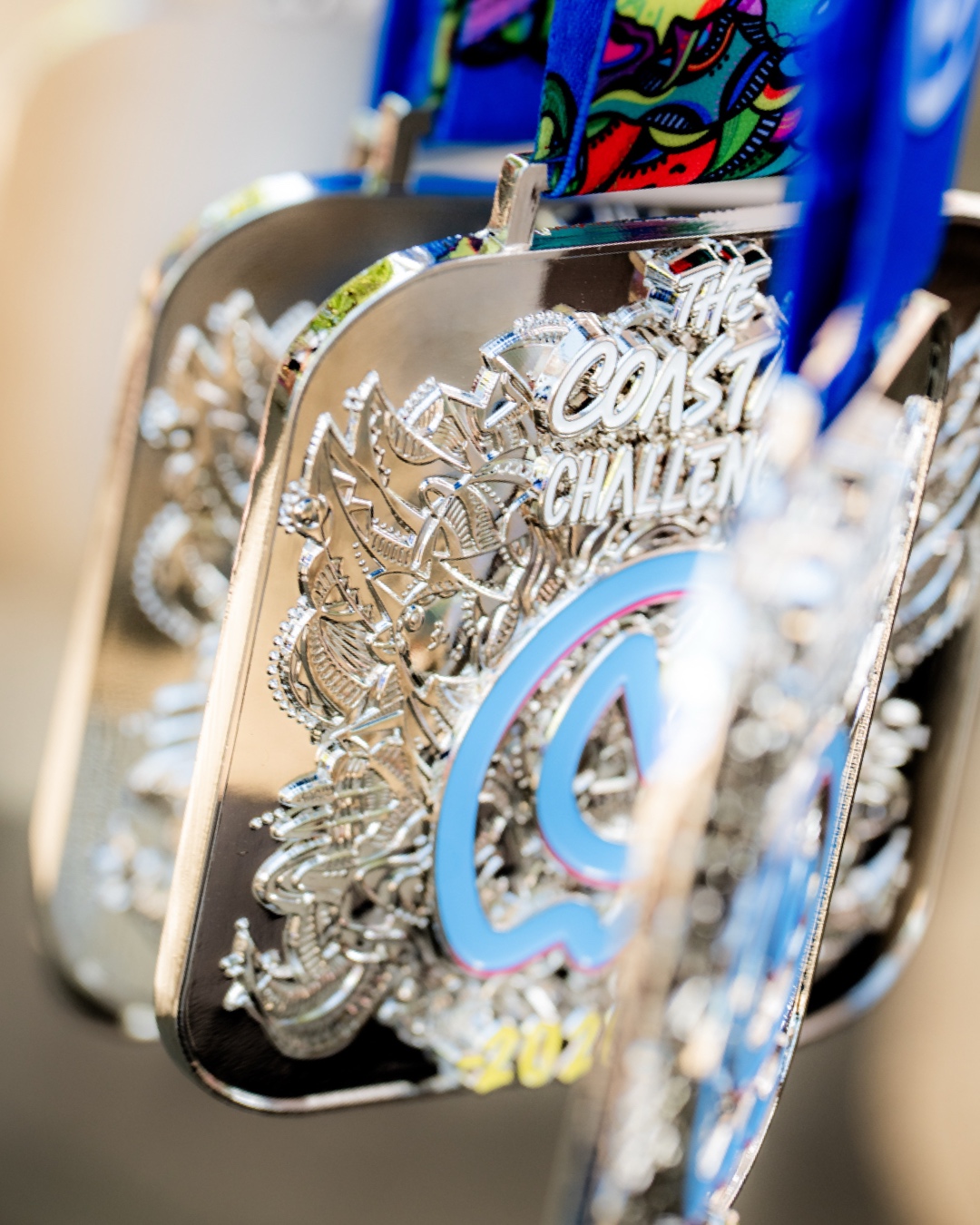
By the time runners reached the finish line on Stage 6, medals waiting, there was a mix of tears and laughter. Some sat quietly, absorbing it. Some embraced teammates. Some looked back toward the ocean.
Happiness doesn’t always arrive loudly. Sometimes it comes in a deep breath after days of effort. In the simple act of standing still after so much forward motion.
For the Adventure and Expedition categories, the journey is now complete. The miles are done. The jungle has been crossed. The beaches have been run.
And for Erick Agüero, after eight attempts, the dream has finally been realized.
Stage 6 wasn’t just the end of a race. It was the celebration of persistence, community, and the unforgettable experience of running through one of the most beautiful corners of the world. Medals were placed around tired necks. Eyes were wet. Smiles were wide.
The Coastal Challenge once again delivered more than a competition. It delivered a journey.
The penultimate stage of The Coastal Challenge Costa Rica led runners deep into one of the most biologically intense corners of the planet: the Osa Peninsula. Known locally as “The Paths of Osa,” the day was as much about immersion as it was about competition.
For Expedition runners, the route stretched 41 kilometers with 1,695 meters of climbing. The Adventure field faced 23 kilometers and 1,148 meters of ascent. On paper, those numbers were serious but manageable. On the ground, they unfolded across ferry crossings, fire roads, heavy jungle corridors, remote farms, and one unforgettable speedboat dash. The stage finished in the sweeping calm of Grandito Bay, where the rainforest spills toward the Pacific.
A River Crossing Into Another World, the day began not with a starting horn, but with a ferry ride across the Sierpe River.
Mist hung low over the mangroves. The Sierpe is one of the largest mangrove ecosystems in Central America, and at dawn it feels suspended in time. Runners stood quietly, some chatting, some conserving energy. It was a rare still moment in a multi-day race defined by heat, humidity, and relentless terrain.
Once across, the mood shifted. Fire roads opened the stage, dusty and exposed, climbing steadily away from the river basin. The surface was firm but unyielding, a reminder that even “runnable” terrain in Costa Rica comes with a cost.
The route threaded through working farmland before plunging into dense tropical forest.
Out in the open, heat built quickly. Cattle pastures and palm-lined tracks offered little shade. Then, almost abruptly, the jungle swallowed the trail.
Under canopy, the air thickened. Roots twisted across narrow singletrack. The climbs felt steeper than the elevation profile suggested. Every descent demanded attention. It was classic Osa terrain: alive, humid, and unapologetically raw.
For those at the front of the race, though, the pressure was different from earlier in the week. With overall standings largely secure barring mishap, this stage offered a rare mental exhale. Leaders could look up, take in the green walls around them, and run with composure rather than urgency.
Midway through the day came one of the most distinctive features of the event: the iconic speedboat crossing.
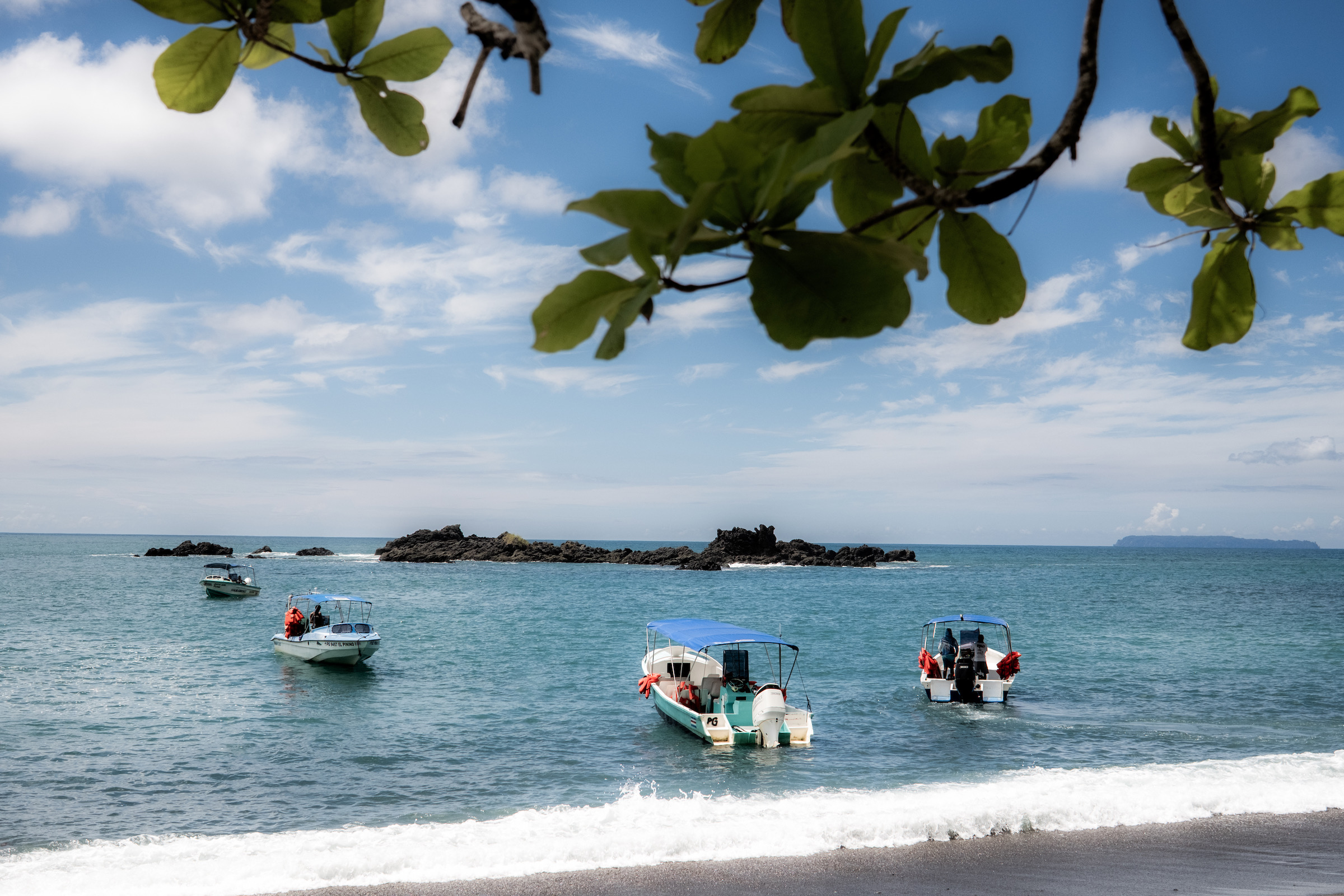
After hours of climbing and descending, runners boarded small boats that skimmed along the Pacific edge of the peninsula. Salt air replaced jungle humidity. The coastline unfurled in rocky points and quiet beaches. It was a logistical necessity, but it felt cinematic.
From there, the final approach led toward Grandito Bay, where the forest meets calm blue water. The finish line atmosphere carried a different tone from earlier, harsher stages. Relief mixed with quiet satisfaction. With one day remaining, the race picture was largely set.
In the Adventure men’s race, the day belonged to bib 35, Sammy Francis, who crossed in 4:07:57. He managed the terrain with confidence, balancing effort on the climbs and steady pacing through the jungle sections.
Roberto Solano (bib 60) followed in 4:51:46, while Alberto Gil (bib 48) secured third in 5:00:01. The gaps reflected not just speed, but careful navigation of the heat and elevation.
The women’s podium was tightly contested. Laura Zuñiga (bib 59) claimed the stage in 5:01:22, running a composed and consistent race. Just behind, Kristel Polet (bib 34) and Toni Clarke (bib 9) both stopped the clock at 5:08:01, sharing identical times after nearly five hours on course. On a day shaped by terrain rather than tactics, that symmetry felt fitting.
For Expedition runners, the added distance and climbing sharpened the challenge. Forty-one kilometers in Osa is not simply a long run. It is sustained exposure to gradient, heat, and technical trail.
Alejandro Muñoz set the benchmark, winning in 5:05:44. He held strong through the early climbs and maintained rhythm deep into the jungle sections. Erick Agüero (bib 57) followed in 5:17:22, while Jesus Cerdas (bib 64) completed the men’s podium in 5:34:57.
In the women’s Expedition race, Denise Zelaya (bib 16) led with a time of 6:11:05. Janina Beck (bib 53) finished in 6:53:21, and Floribeth Perez (bib 38) rounded out the podium in 8:00:49. Their performances reflected not only endurance but resilience across a stage that demanded constant adjustment to terrain and conditions.
What defined this stage was not just distance or ascent. It was context.
The Osa Peninsula is often described as one of the most biodiverse regions on Earth. Macaws arc overhead. Howler monkeys echo through the trees. The forest floor moves with insects and reptiles. Even seasoned trail runners find themselves looking up, momentarily distracted by the sheer density of life.
With overall victories nearly secure, race leaders could afford to ease slightly, to let the environment register. There is something rare about competing hard in a place that feels untouched. On this stage, performance and place were inseparable.
As runners gathered at Grandito Bay, shoes caked in mud and salt drying on their skin, the mood was steady and reflective. One more stage remained. But “The Paths of Osa” had delivered what the Coastal Challenge promises at its best: a demanding route set within a landscape that refuses to be ignored.
Times were recorded. Podiums were shaped. Yet long after the numbers fade, it will be the ferry across the Sierpe, the wall of jungle heat, and the rush of the speedboat toward the Pacific finish that define this penultimate day.
The Coastal Challenge Costa Rica pulled runners away from the coastline and into the high farmlands of the country’s interior. It was a bruising day, 37.7 kilometers with 2,613 meters of climbing for the Expedition category.
No hiding from it. The terrain rolled relentlessly, climbing and plunging through rough rural tracks and exposed hillsides before dropping toward the finish in Palma Norte. It was a stage built to test already tired legs, and it did exactly that.
Men’s Race
Erick Aguirre ran smart. With a solid overall lead, there was no need to take risks. He spent the day alongside Jesus Cerdas, the pair moving steadily across the harsh terrain. They crossed together in 6:05:43, controlled and composed.
Behind them, the real battle unfolded.
Jon Shield fought all day. For much of the stage he sat in fourth, but he never let the gap grow. Gradually he reeled in Martin Alonso Mena. The two arrived at the line almost inseparable after more than six and a half hours of racing. Shield edged it by just three seconds, 6:38:26 to 6:38:29. A long day decided by the smallest of margins.
Women’s Race
Denise Zelaya continues to run her own race. Calm, consistent, and completely dominant, she finished in 7:29, well clear of the field.
Janina Beck followed in 8:27, with Floribeth Perez completing the podium in 8:59. On a day that punished everyone, Zelaya once again showed control and strength.
Adventure Category
The Adventure course was shorter at 12 kilometers, but still far from easy. Sammy Francis ran solo again, crossing in 3:39:22 with another composed performance. In the women’s race, Laura Zuniga finished in 4:13:45, gaining more time on Toni Clark and steadily building her advantage.
*Please note – Adventure times need to deduct 1:49 from the times
With four stages complete, fatigue is real. The coastal humidity has been replaced by exposed climbs and rolling farmland. Every step now carries the weight of the days before.
The Boruca region of southern Costa Rica feels different from the postcard version of the country. This is not manicured resort coastline or dense jungle trails pressed flat by tourists. It is rural, working land, shaped as much by history as by weather.
The Boruca people, one of Costa Rica’s remaining Indigenous communities, have lived here for generations, known for their hand-carved masks and fiercely preserved traditions.
Around their villages the land rolls outward into open pasture and patchwork farmland, where cattle graze on steep green hills and small family plots cling to uneven slopes. The terrain is restless. Long climbs rise without rhythm, dirt roads bake under the sun, and sharp descents cut down into river crossings and humid low pockets before rising again.
It is a landscape that looks soft from a distance, all green folds and misty ridgelines, but up close it is rugged and unforgiving. The soil can be loose, the heat heavy, and the gradients relentless. In the high farmlands near Palma Norte, you move through open exposure rather than forest cover, feeling the scale of the land around you. It is beautiful, but it demands respect.