The news that Ourea Events has ceased trading lands heavily on the UK mountain and ultra running community. For many of us, this isn’t just the loss of an event company. It feels like the closing of a chapter in the story of British mountain running.
Shane Ohly and his team didn’t just organise races. They shaped a culture.
At a time when the UK ultra scene was still finding its feet, Ourea created events that felt raw, adventurous, and deeply connected to the mountains. These were not simply races measured by split times and finish lines. They were journeys that asked something of you: navigation, resilience, judgement, and a willingness to be uncomfortable for long stretches of time.
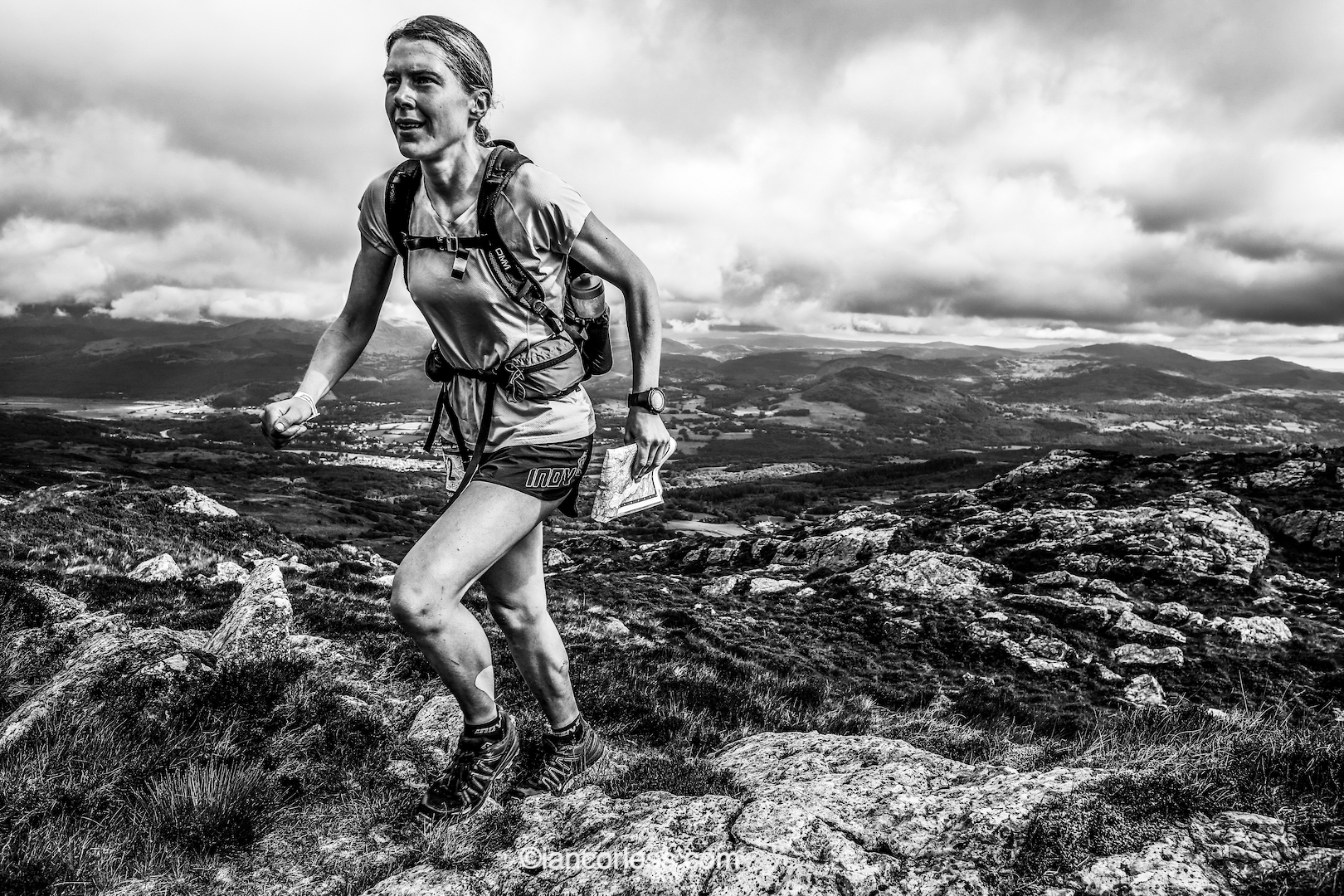
The Dragons Back Race set the tone. For many runners it was their first taste of a true multi-day mountain expedition disguised as a race. Self-navigation with map and compass across the spine of Wales made it feel less like a sporting event and more like an adventure in the purest sense.

From there came a string of events that helped define a generation of UK mountain runners. The Great Lakeland 3 Day, Dark Mountains, the ROC Mountain Marathon and more. Each had its own character, but they all carried the same spirit: serious mountains, thoughtful course design, and an expectation that runners would meet the terrain on its terms.
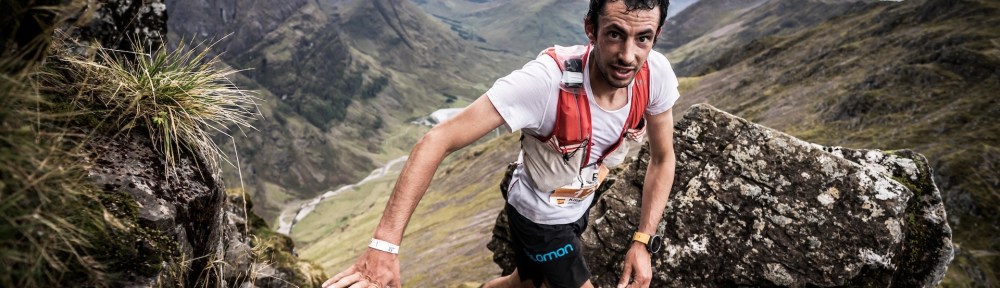
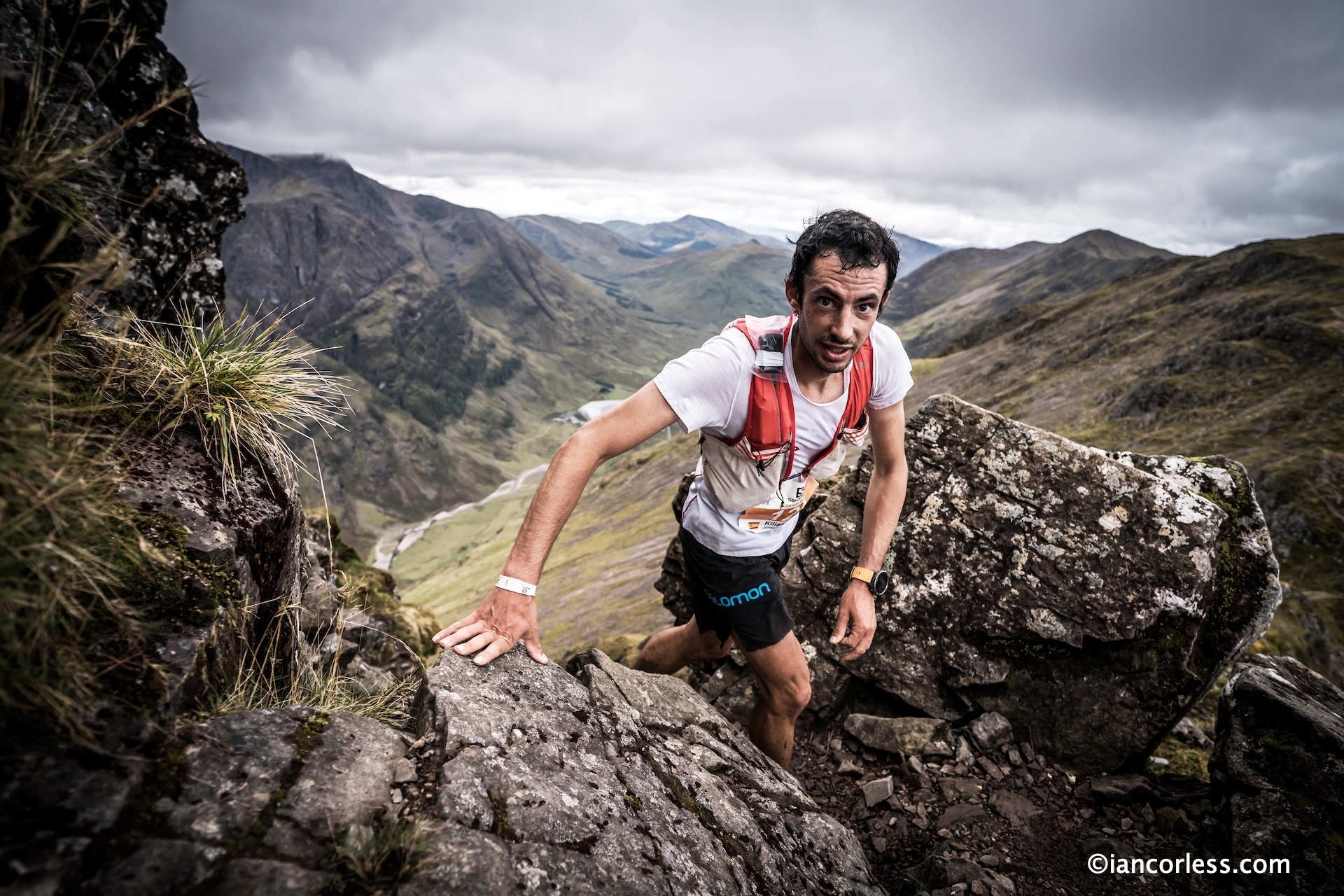
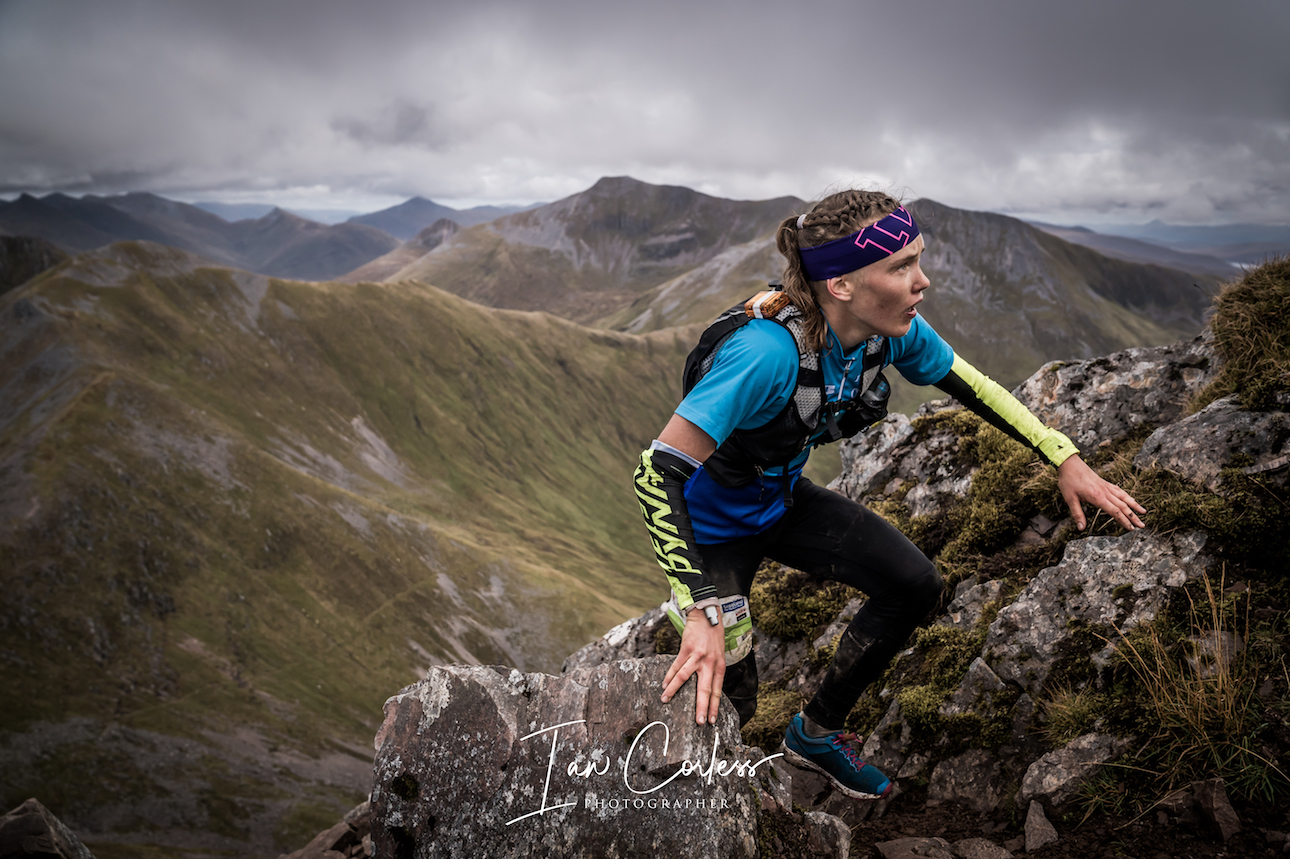
Like many others, I was lucky enough to experience several of these events firsthand. I was there for the first Cape Wrath Ultra. I experienced the return of the Dragons Back. And the moment I’m perhaps most proud of was helping create the Glencoe Skyline as part of Skyrunning UK. That event in particular showed just how far the UK mountain running scene had evolved. Technical, spectacular, and unapologetically demanding, it placed Scottish ridgelines onto the world skyrunning map. We brought the world’s best to Scotland – Kilian Jornet, Emelie Forsberg, Katie Schide, Jasmin Paris, Jon Albon, Marco Degasperi, Henrietta Albon, Tove Alexanderson, Laura Orgue, Hillary Gerardi and the list goes on…. A who’s who of the mountain running world.
So the collapse of Ourea feels deeply personal to many of us.
But it also raises bigger questions.
The last few years have been brutal for independent race organisers. Covid wiped out entire seasons and left financial scars that many companies never fully recovered from. Brexit complicated logistics, staffing, and international participation. Costs across the board have risen sharply.
At the same time, the global trail running landscape has changed. The rise and dominance of UTMB has reshaped the market, pulling attention, sponsorship, and runners toward a global series model. For smaller, independent organisers, competing in that environment is incredibly difficult.
Ourea may have technically survived Covid and Brexit, but survival does not mean recovery. The damage done during those years can take a long time to surface, and sometimes the final collapse comes long after the initial shock.
Right now, the most immediate concern is for runners who have paid entry fees for 2026 events. Hopefully many will be protected through credit or debit card payments and able to recover funds through Section 75 or chargeback claims. But even if that is resolved, the bigger uncertainty remains.
What happens now?
What happens to the UK mountain running scene without one of its most creative organisers?
And what happens to the races themselves?
Events like the Dragons Back, Cape Wrath Ultra, and Glencoe Skyline are more than entries on a calendar. They have become part of the identity of British mountain running. They hold stories, ambitions, and personal milestones for thousands of runners.
In some ways, races are like mountain routes. They can outlive the people who first established them.
So perhaps the real question is whether these events can find new custodians. Whether another organiser can pick up the threads and carry them forward without losing what made them special in the first place. That balance between professionalism and wildness is fragile, and it was something Ourea managed remarkably well.
For now, though, it is simply a moment to pause and recognize what was built.
Many of the most memorable mountain running experiences in the UK over the past decade trace back to the vision and work of Shane Ohly and the Ourea team. They created races that pushed boundaries, respected the mountains, and inspired a generation of runners to go further than they thought possible.
Whatever happens next for these events, that legacy will remain.
And for those of us who stood on start lines in Wales, the Lakes, the Highlands, or deep in the night at Dark Mountains, the memories will always be there.

Instagram – @iancorlessphotography
Twitter – @talkultra
facebook.com/iancorlessphotography
Web – www.iancorless.com
 IAN CORLESS