There is a quiet but important question emerging in the wake of the 40th edition of the MDS Legendary. It is not really about numbers, though numbers have triggered it. It is about identity.
For the first time, the The Legendary introduced a 100-kilometer stage, stretching the total distance to around 270 kilometers. On paper, it feels like a natural evolution. In an era where ultrarunning continues to expand its limits, 100 kilometers carries a certain symbolic weight. It is round, definitive, and globally understood. To say you ran 100 kilometres in a single stage across the Sahara Desert resonates in a way that 82 or 86 kilometres never quite does. The number alone tells a story.
And yet, those who experienced it know that numbers rarely tell the whole story.
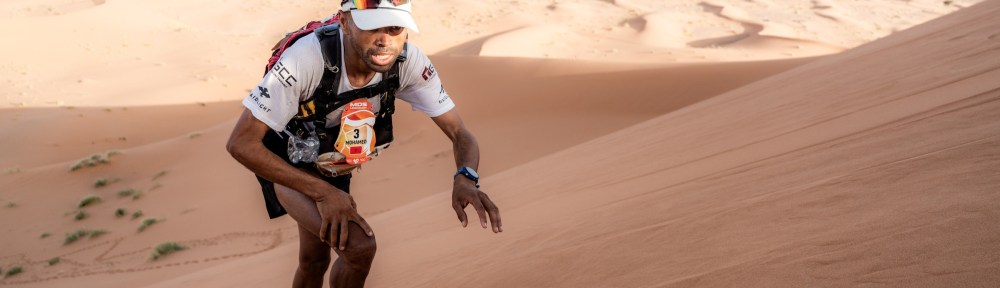
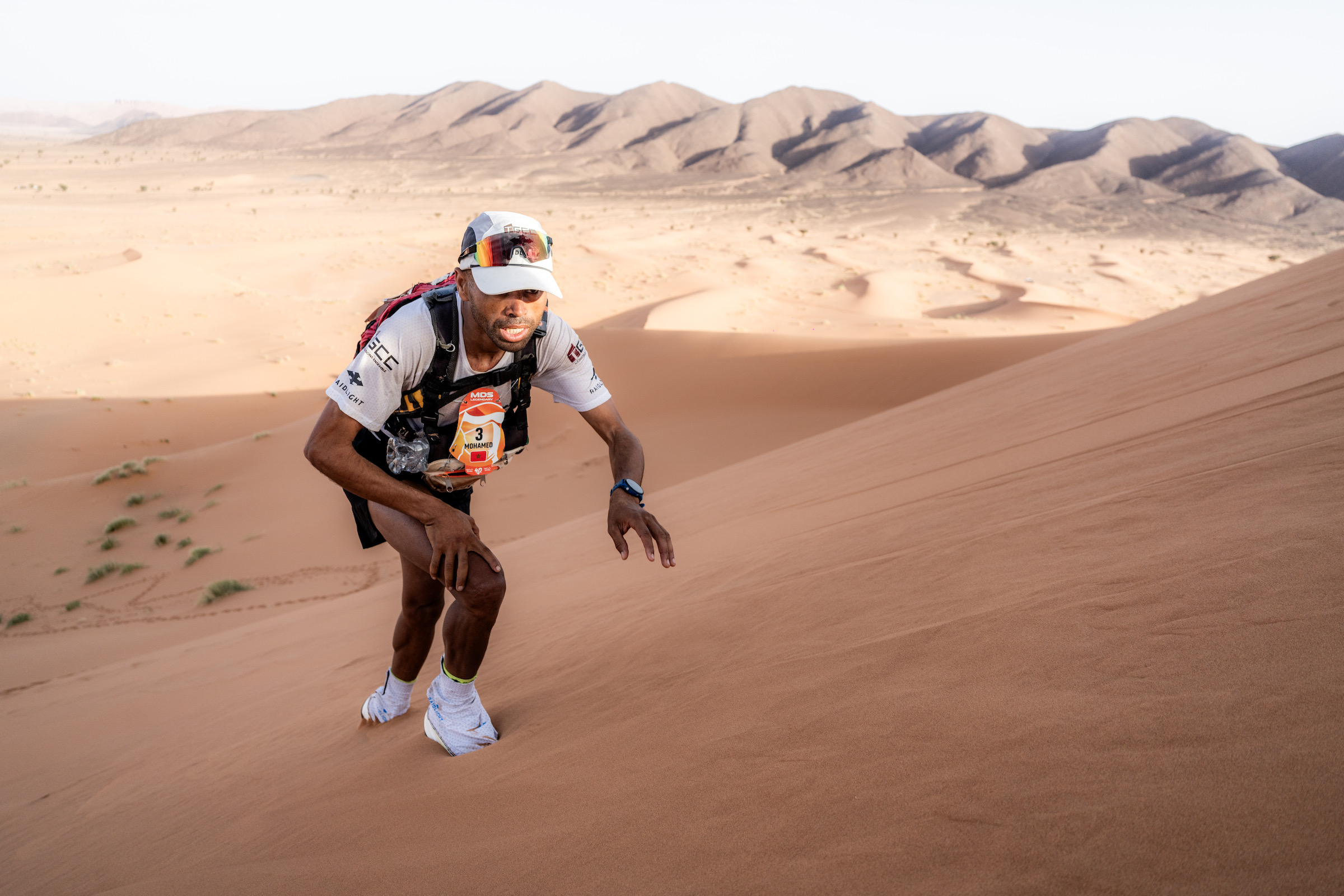
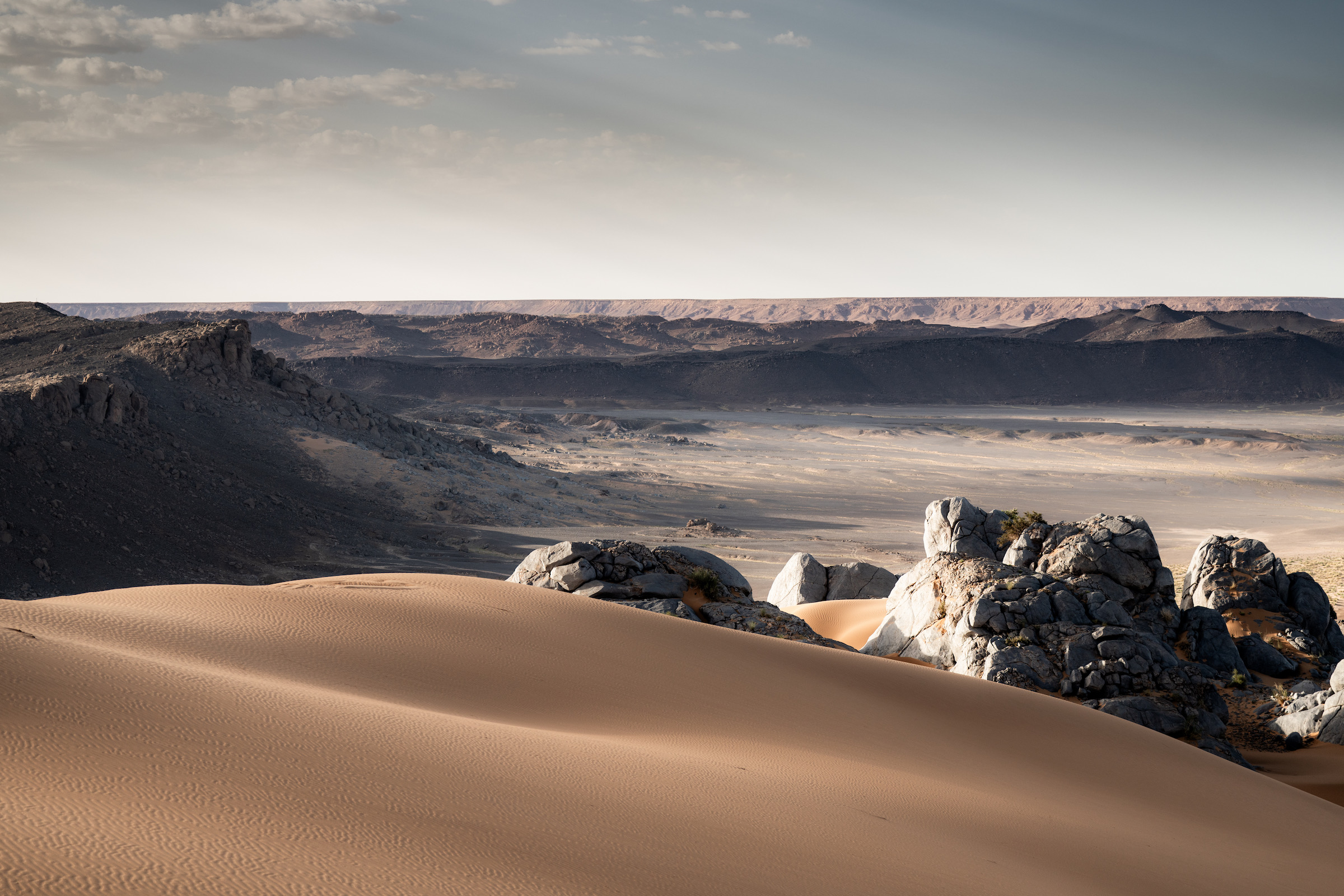
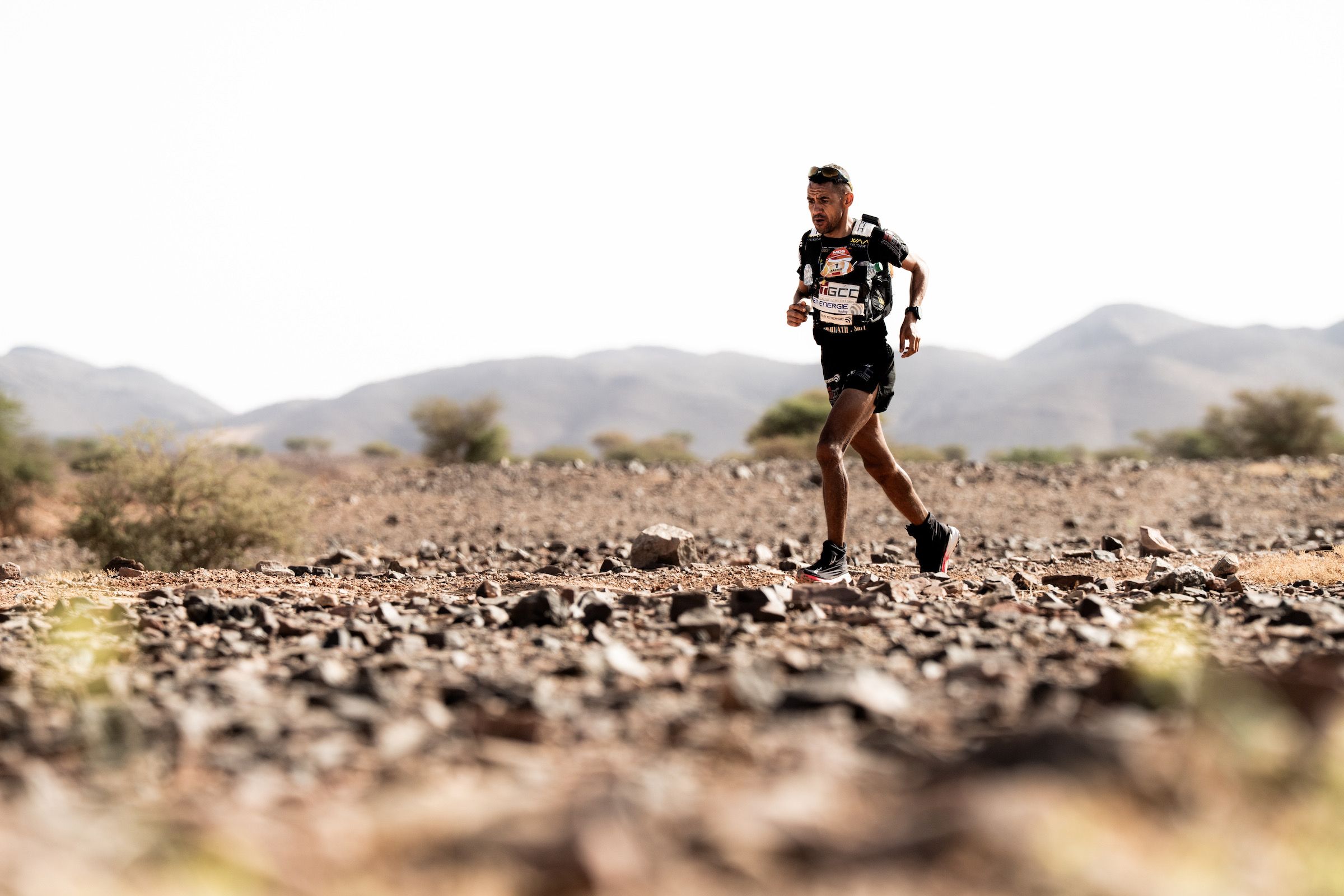
This particular 100-kilometer stage was, by design or necessity, more runnable. The terrain was flatter, rockier, less technical. There were fewer dunes to swallow momentum, fewer jagged ridges to force careful foot placement, fewer of those long, grinding climbs. It was a different kind of test. Not easier, necessarily, but different in character. More continuous. More rhythmic. Perhaps, for some, more honest in its simplicity.
The long stage of MDS Legendary has always been the soul of the race. It is where the MDS reveals what it truly is. In previous editions, that revelation came not just from distance, but from terrain. Runners would find themselves deep in dune fields. They would climb djebels. Cross stark, exposed and unforgiving ridges. Landmarks like Djebel El Otfal were not just features on a map; they became physical and mental thresholds.
Previously, the long day has hovered closer to 80 kilometers. Shorter on paper, perhaps, but rarely in experience. Difficulty was layered, not linear. Progress was negotiated, not simply measured.
So what happens when the balance shifts?
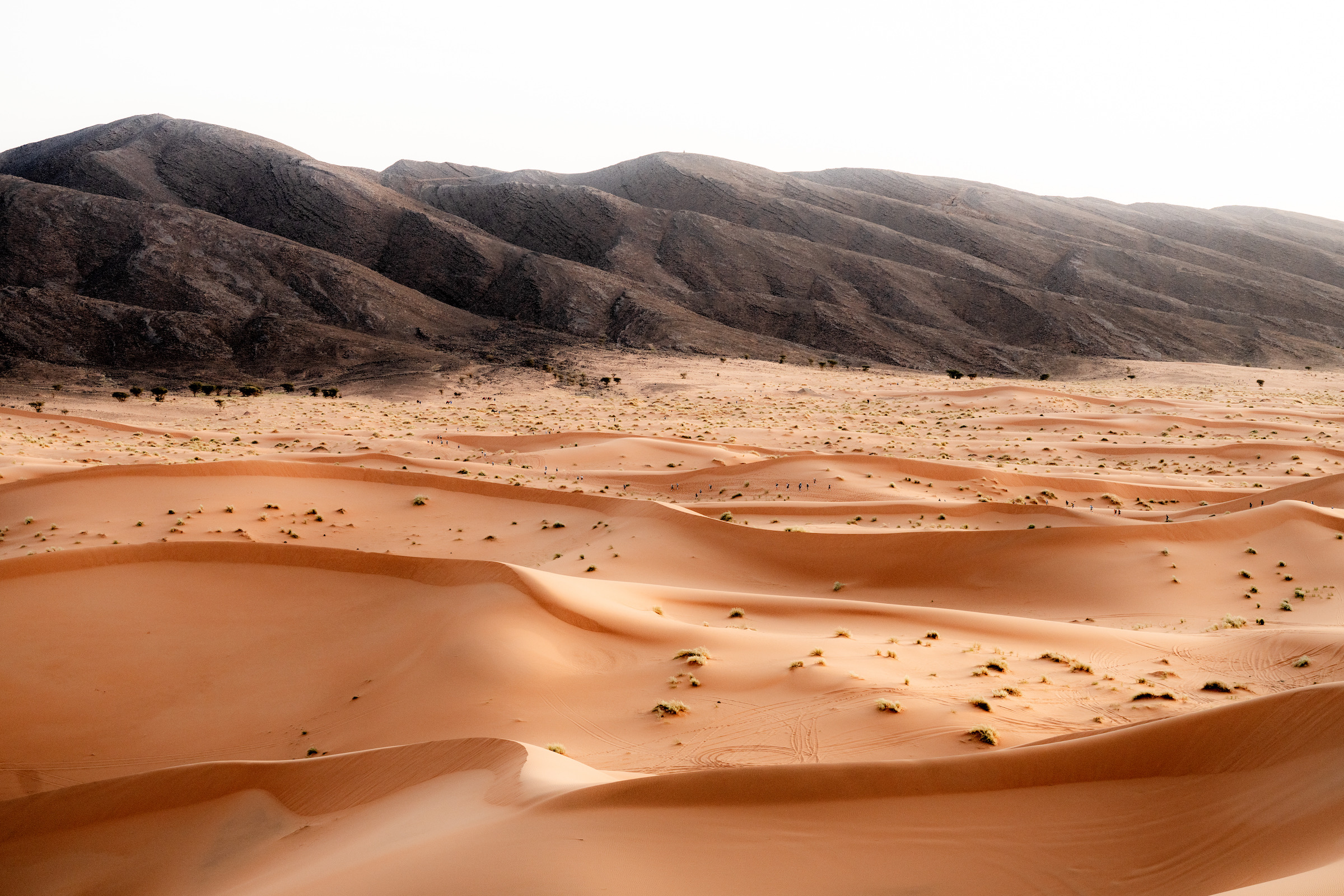
A 100-kilometre stage invites a different kind of effort. It rewards efficiency, pacing, and the ability to keep moving. It aligns, in many ways, with the broader evolution of ultrarunning, where speed over long distances has become a defining metric. There is a purity to that. But the desert and stage racing is different, very different.
But the desert has never been about fairness.
The Sahara Desert is indifferent to rhythm. It breaks it. The desert messes with the mind as much as stride. Its difficulty has always been irregular. That unpredictability is not an obstacle to the race; it is the race. Remove too much of it, and something subtle begins to change. The experience becomes more controlled, more measurable.
This is not to suggest that the 100-kilometer stage lacks merit, the opposite. For many runners, it represents a clear and compelling challenge. It simplifies the narrative: one stage, one hundred kilometres, one continuous effort across an immense landscape. From a PR and communication point of view, MDS Legendary 40th edition was defined by a 100km stage.
And yet, one wonders what is remembered more vividly.
Is it the satisfaction of reaching a numerical milestone, or the fragmented, almost surreal memories of moving through varied and hostile terrain? The slow, grinding ascent of a ridge at dusk. The disorientation of a night crossing through dunes that all look the same. The way the body adapts not just to distance, but to constant change.
Perhaps the real question is not whether 100 kilometers is too long, or 80 kilometres too short.
It is whether distance alone should define the hardest day of the race.
There is a compelling argument that the future of MDS Legendary does not need to choose so rigidly. Ideally, the distance of the long stage should or could be defined by the terrain and route – dunes could return, not as a token gesture but as a meaningful section, a djebel could once again stand as a decisive moment within the stage. Should ebb and flow, forcing runners to constantly adapt rather than settle into a single rhythm?
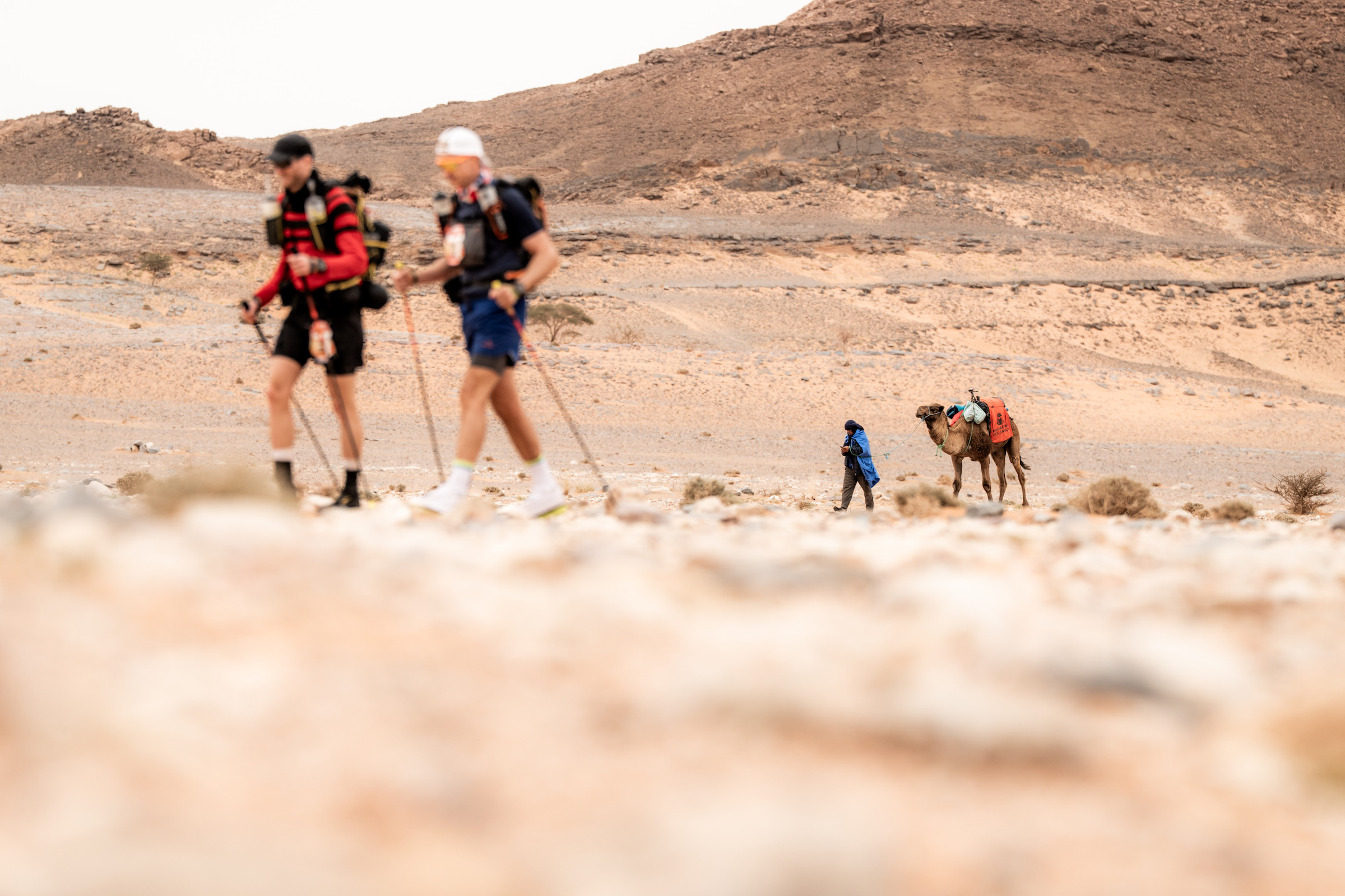
Such an approach would blur the distinction between distance and difficulty, bringing them back into conversation with one another.
Because in the end, the enduring appeal of The Legendary has never been rooted solely in how far it goes. It lies in how it feels while you are out there, somewhere between checkpoints, when the landscape dictates terms and the idea of “running” becomes something much more complex.
The introduction of a 100-kilometer stage has opened a new chapter for the MDS. Whether that chapter continues, or gives way to something less obvious but more nuanced, is not merely a question of logistics. It is a question of philosophy.
Perhaps the answer does not lie in fixing the distance at all. Perhaps the long stage should remain fluid, shaped not by a number, but by intent. Its success measured not in kilometers, but in the quality of the challenge it delivers. A truly great long stage is one that is beautiful, demanding, and just uncertain enough to unsettle even the most prepared runner—one that tests the body, certainly, but leaves its deeper mark on the mind.
Instagram – @iancorlessphotography
Twitter – @talkultra
facebook.com/iancorlessphotography
Web – www.iancorless.com

