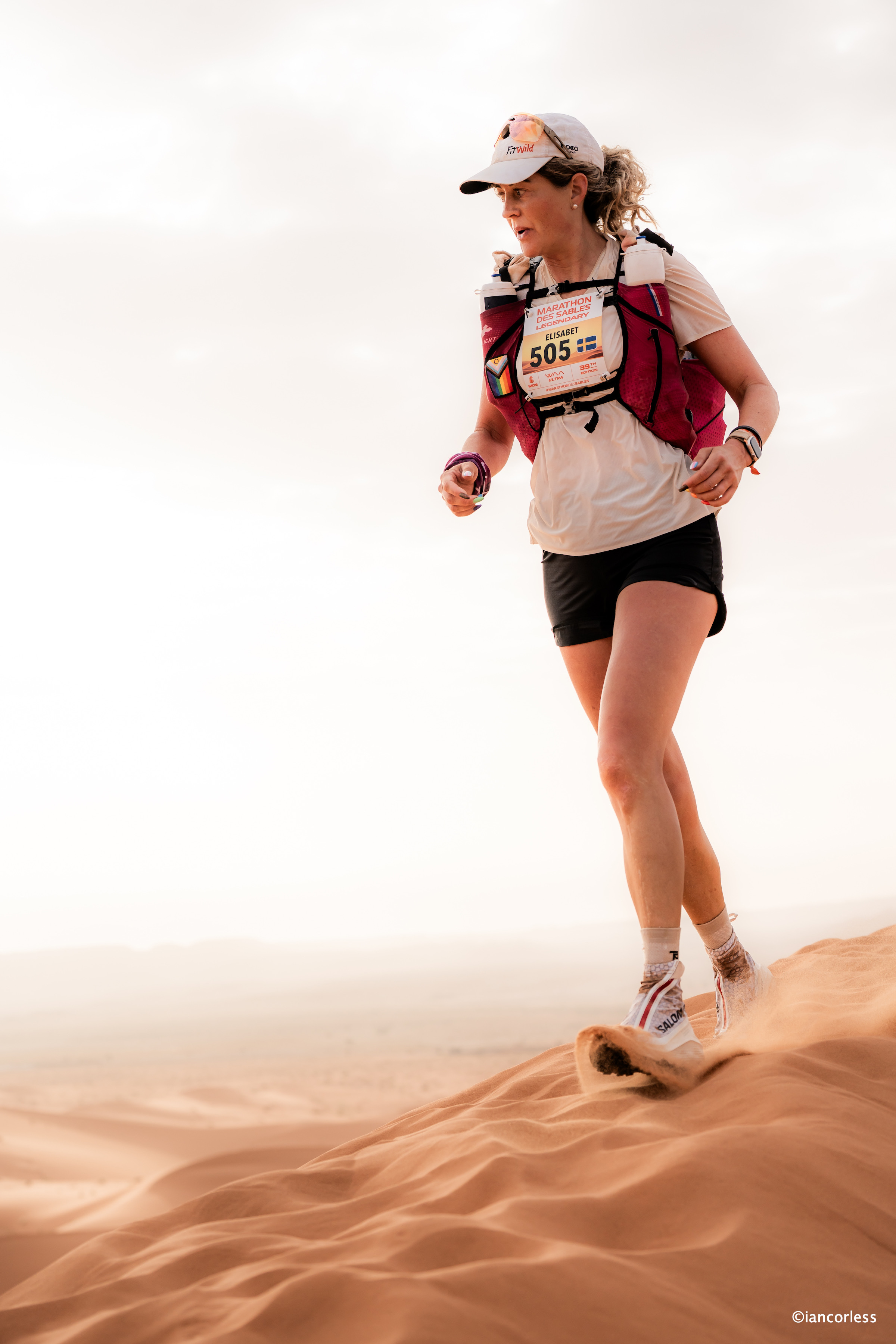
Elisabet Barnes is a 5x participant at MDS and a 2x champion. In 2025, Elisabet returned to MDS The Legendary with different goals, different perspectives and to experience the race without the pressure of the podium.
Her last MDS participation was 2017. A great deal has happened in the last 8-years, Covid for one and of course, a change of organisation at The Legendary. With extensive experience of MDS as a participant and coach, Elisabet provides and in-depth insight of the ‘new’ Legendary.
“…very friendly, cheerful, supportive, it was a very positive experience to come to a checkpoint or the finish line. There was always people on the course wether in buggies or a medic running the opposite way; I saw so many people on the course, it was good for moral but it also felt safe… but I never felt there was less people on the course, actually I think there was more and they could access everywhere.”
Transvulcania Ultra has always been a brutal race. Spanning 73.06 kilometers across the volcanic backbone of La Palma, with 4,350 meters of ascent and 4,057 meters of descent, it’s a journey from ocean to sky and back to ocean again. But in 2025, nature raised the stakes. This year, Transvulcania wasn’t just hard – it was survival.
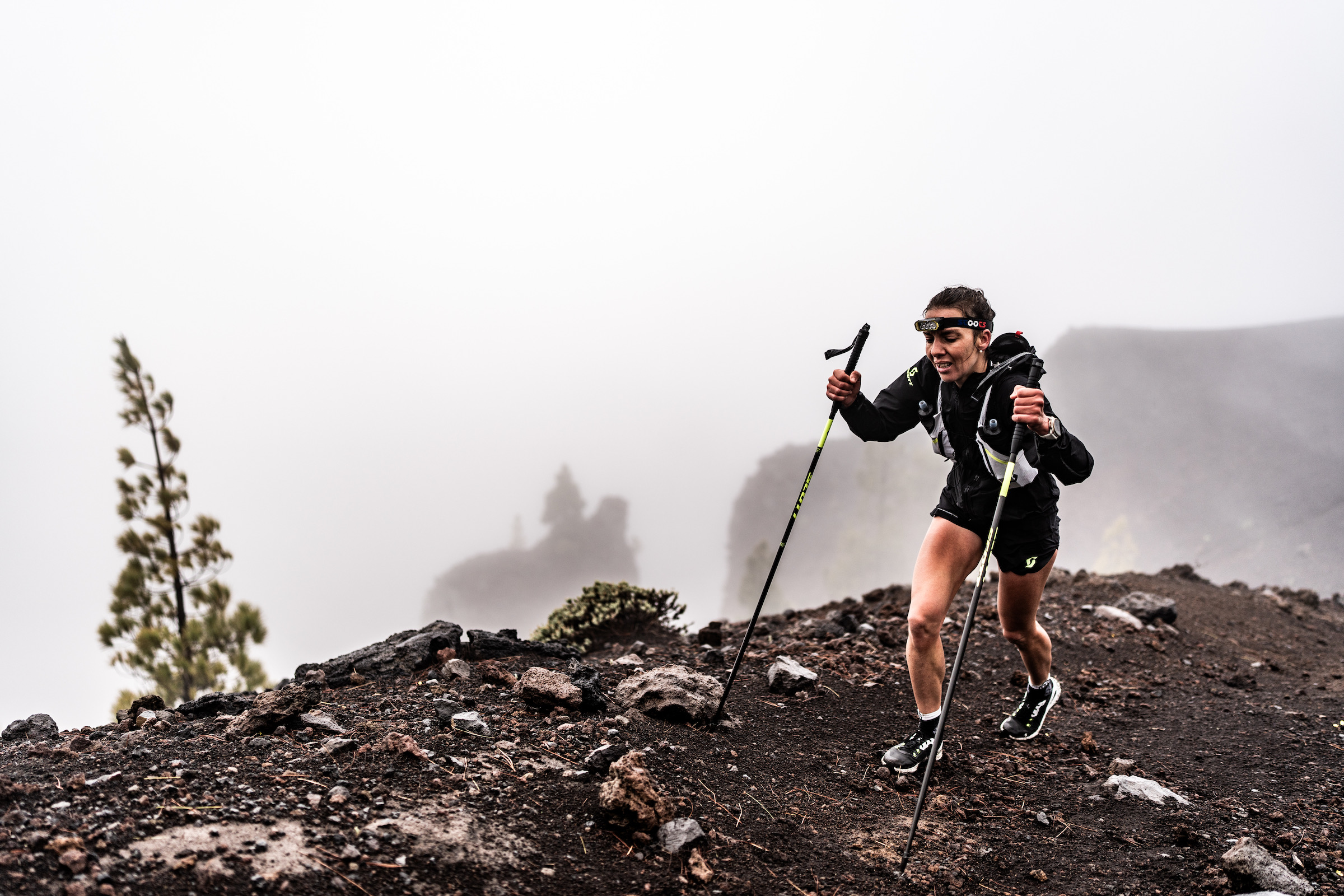
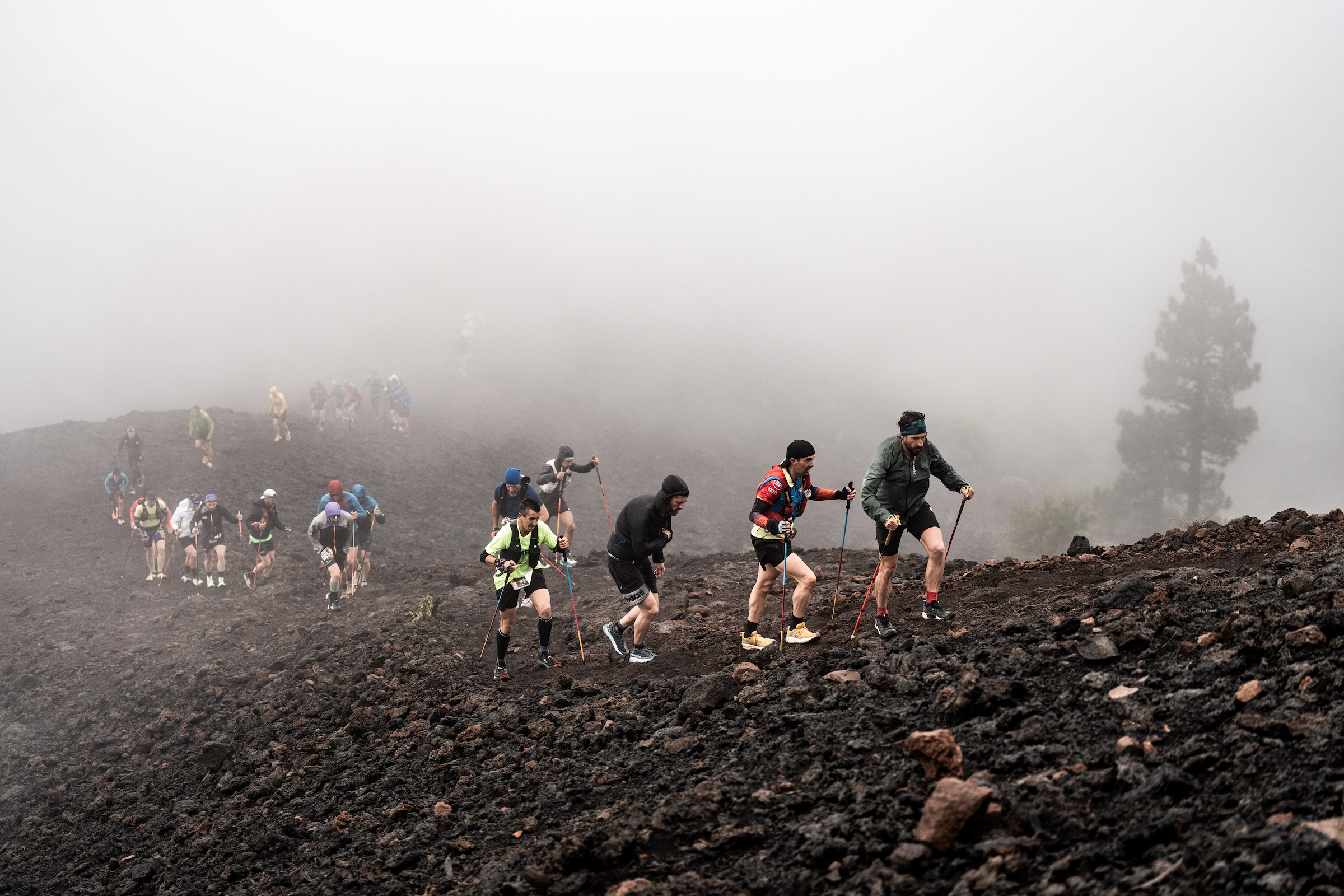
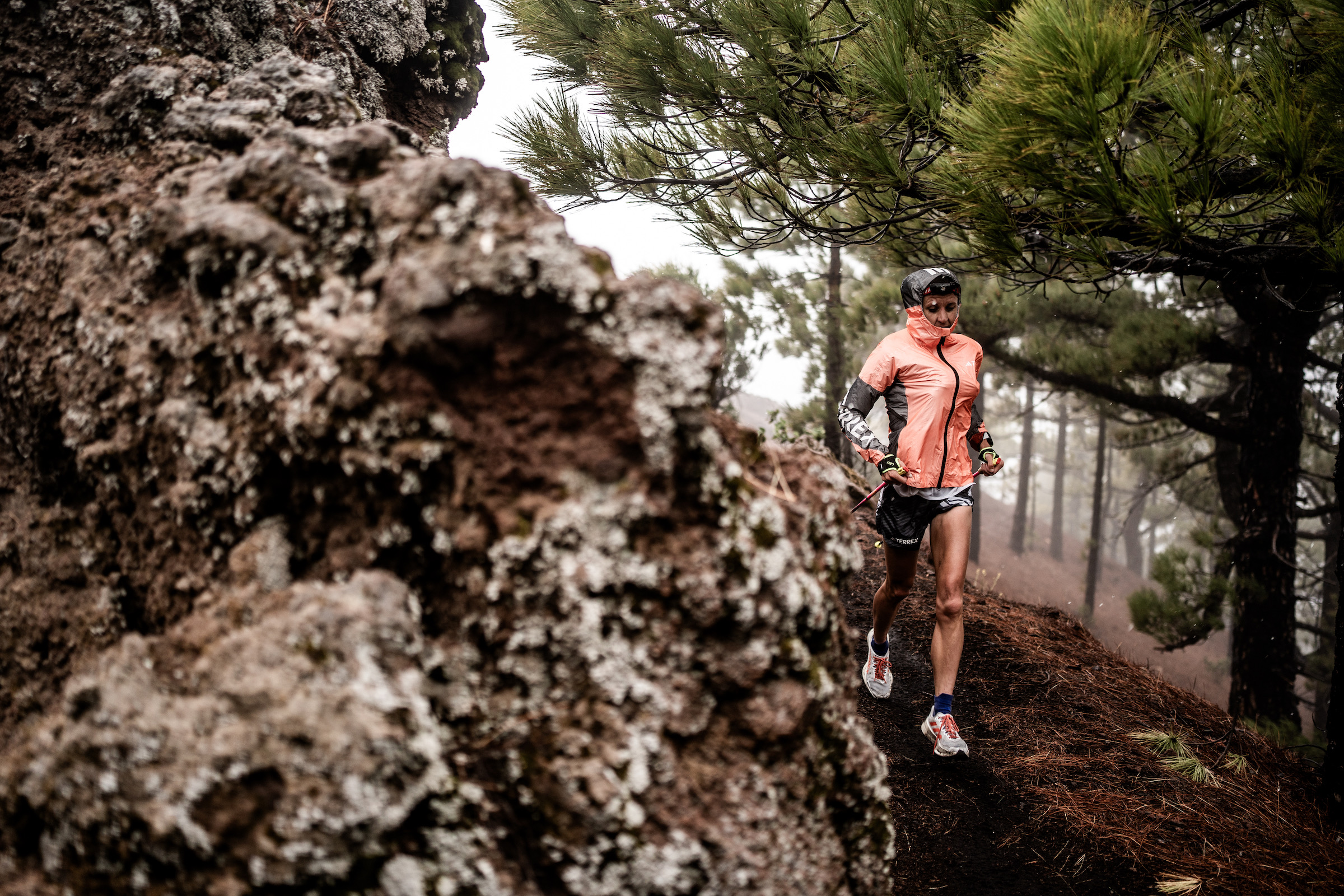
From the moment runners left the Fuencaliente lighthouse at sea level, the signs were there. Dark skies. Driving rain. And as the climb up the GR131 trail began, the weather only worsened. Wet volcanic gravel shifted underfoot. Winds battered the open and exposed sections. Every gain in elevation brought colder air, heavier rain, and stronger gusts.
The early sections of the race, usually warmed by morning sun, were instead cold, and treacherous. Visibility dropped. Temperatures plummeted. Waterproofs were soaked through. The race had barely begun, but it was already a war of attrition.
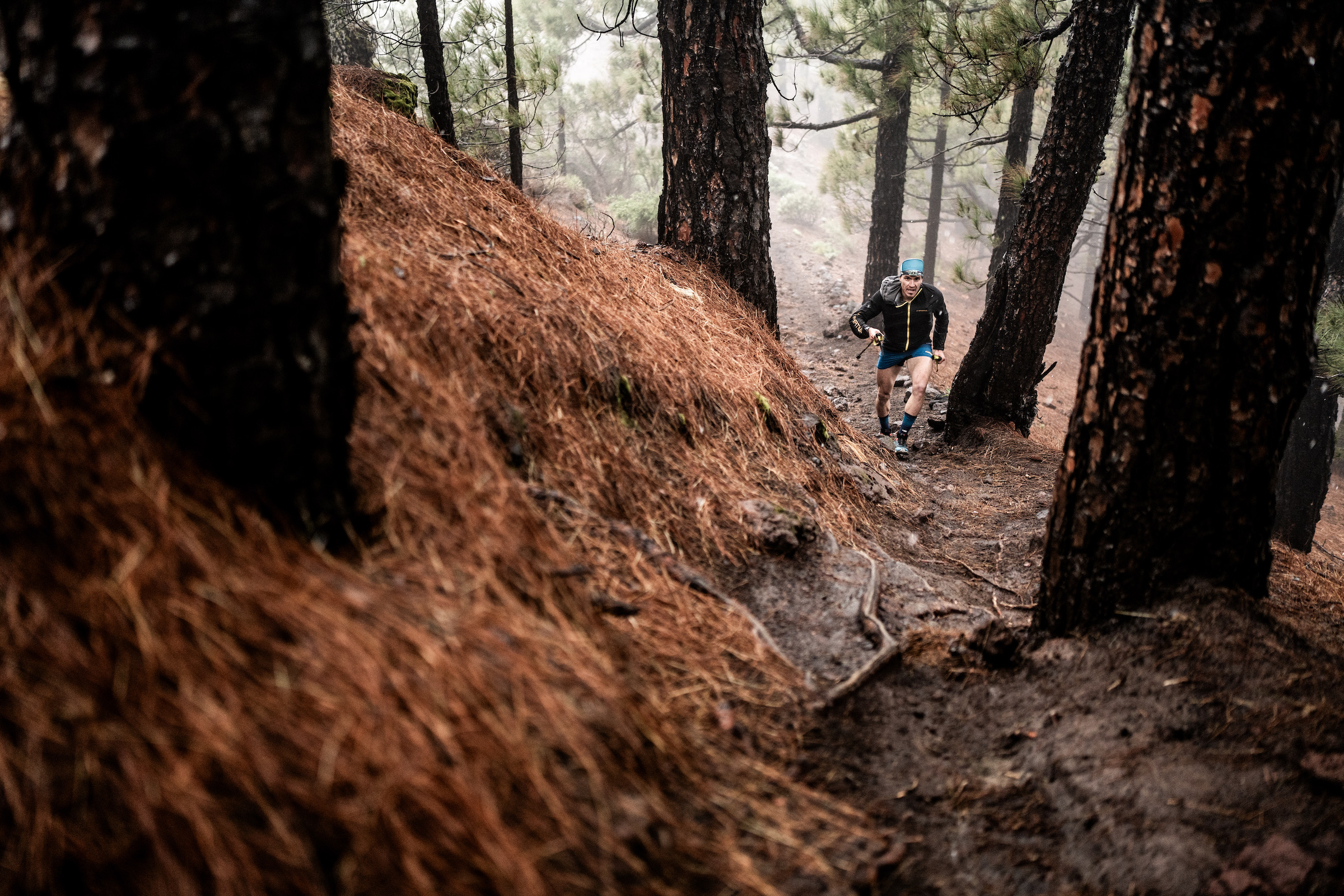
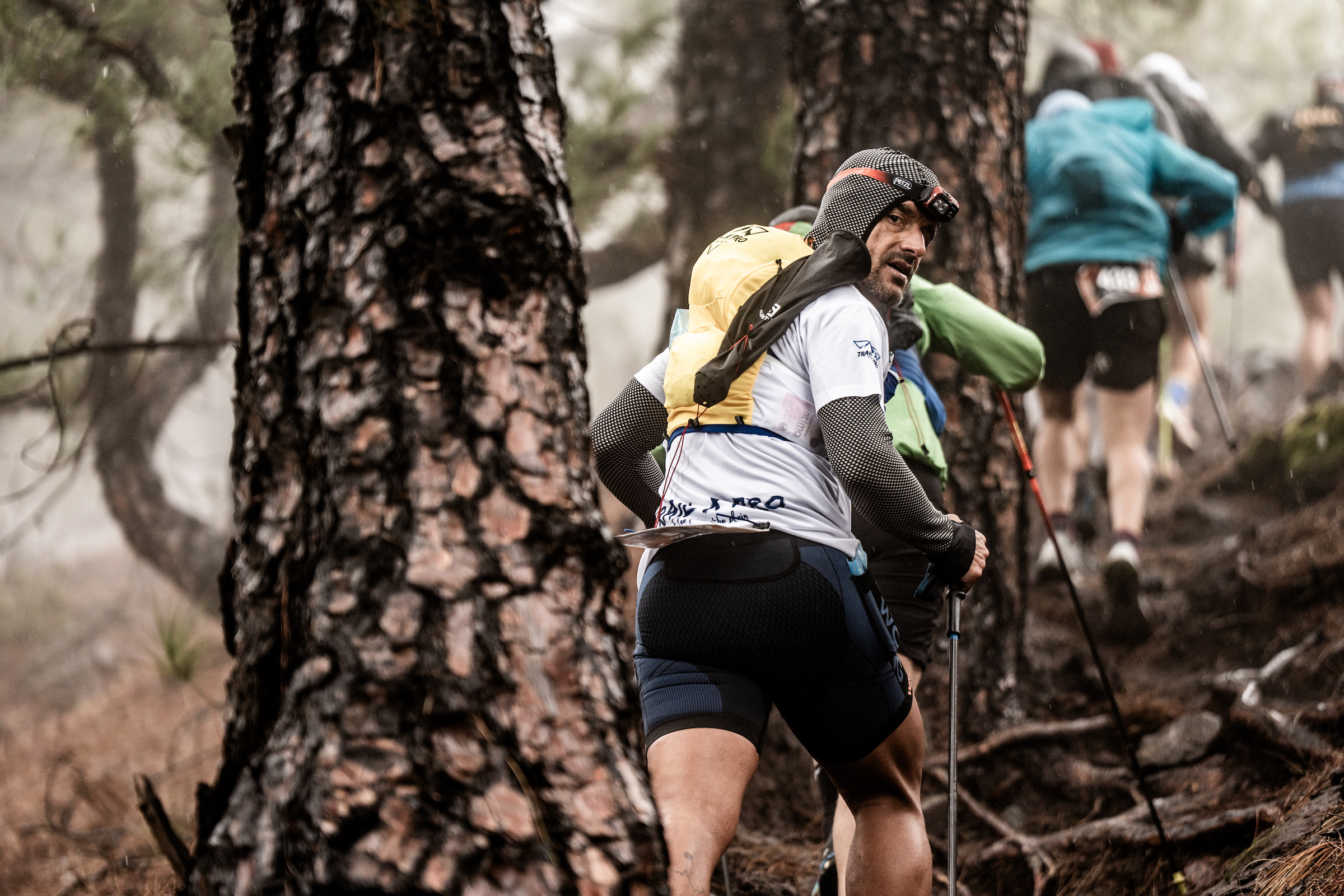
The route climbed steadily through pine forests and barren lava, snaking up toward the spine of the island. Normally breathtaking, the high sections offered little view, just fog, wind, and rain slapping sideways across the many exposed ridges. The climb, always demanding, turned into a freezing march, the only protection coming from the trees.
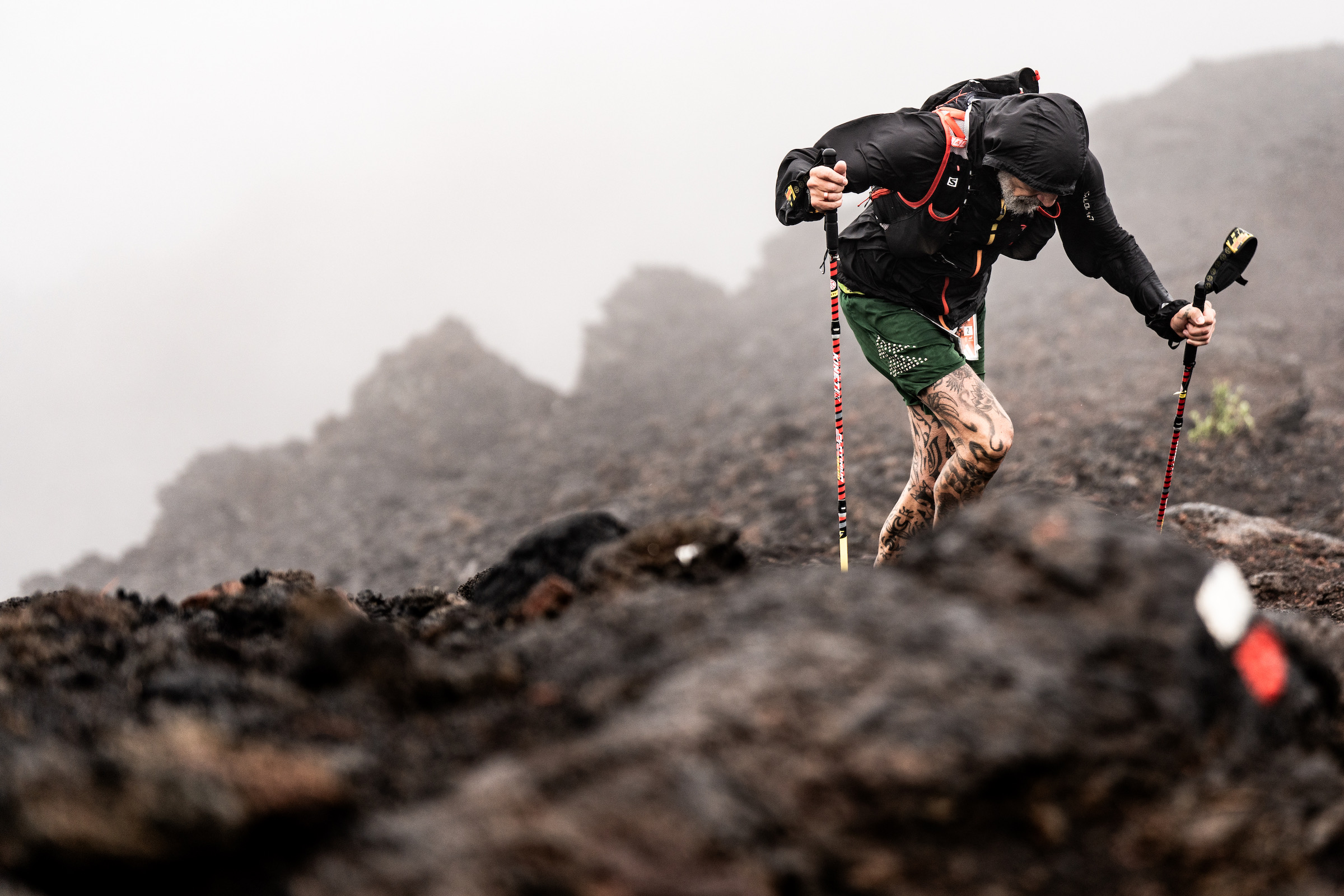
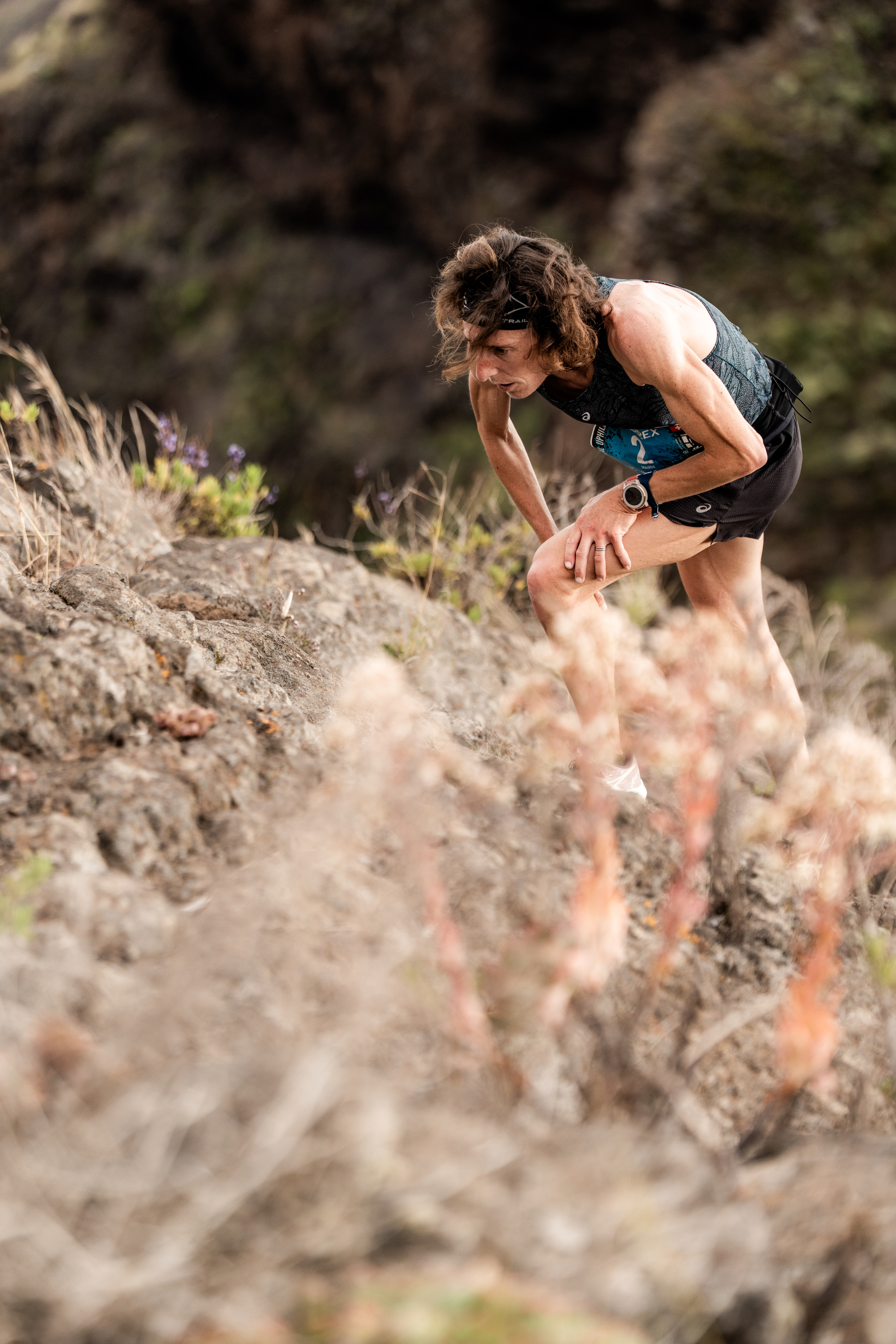
The temperature near Roque de los Muchachos, the island’s high point at 2,421 meters, hovered close to freezing. But it was the wind chill that changed everything. Gusts tore across the exposed ridge line, turning already cold air into biting, sub-zero blasts. Some runners were forced to stop and layer up; others pushed through shivering, teeth clenched. Many decided to call it quits.
Hypothermia wasn’t just possible, it was real. For many, this section became less about racing and more about making it through.
The long drop from the summit to Tazacorte Puerto – a descent of over 2,000 vertical meters is never easy. But in this weather, it became treacherous. Slick rocks and pine needles, water-logged switchbacks punished tired quads. Fatigue met fear. But a glimmer of better weather below the cloud gave runners hope.
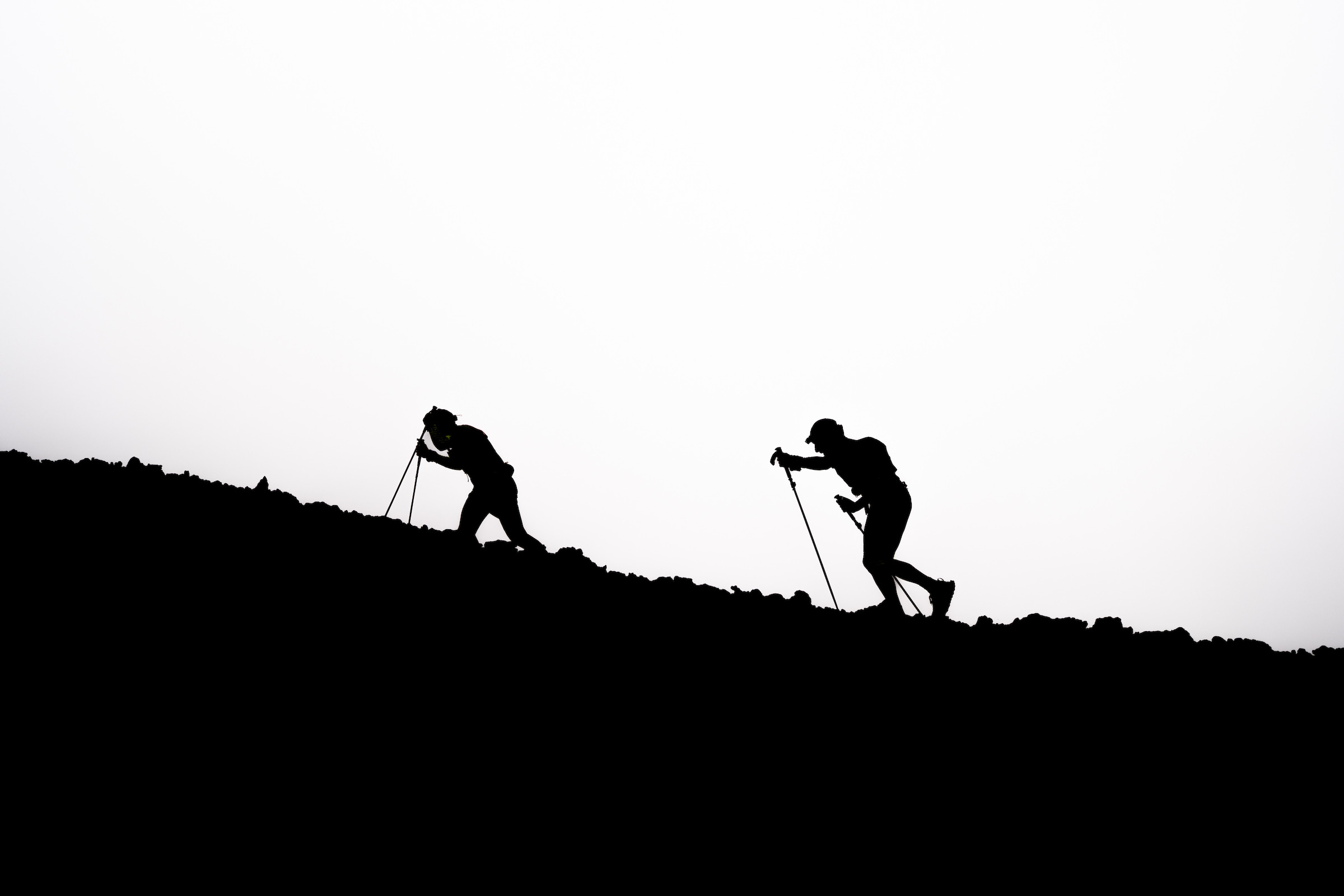
Warmth arrived, the exhaustion of fighting the cold up high lingered with every step though, the reward of the finish line now spurred each and every runner to fight hard. From Tazacorte Puerto, the final climb, known as ‘The Wall,’ is short on paper but long for the legs and mind. Roughly 300 meters of vertical gain on steep switchbacks of rocky path. Normally a test of willpower, this year it became an act of survival. However, the removal of the rocky gorge at sea level – for safety reasons – did mean it was possible to cover more ground much quicker.
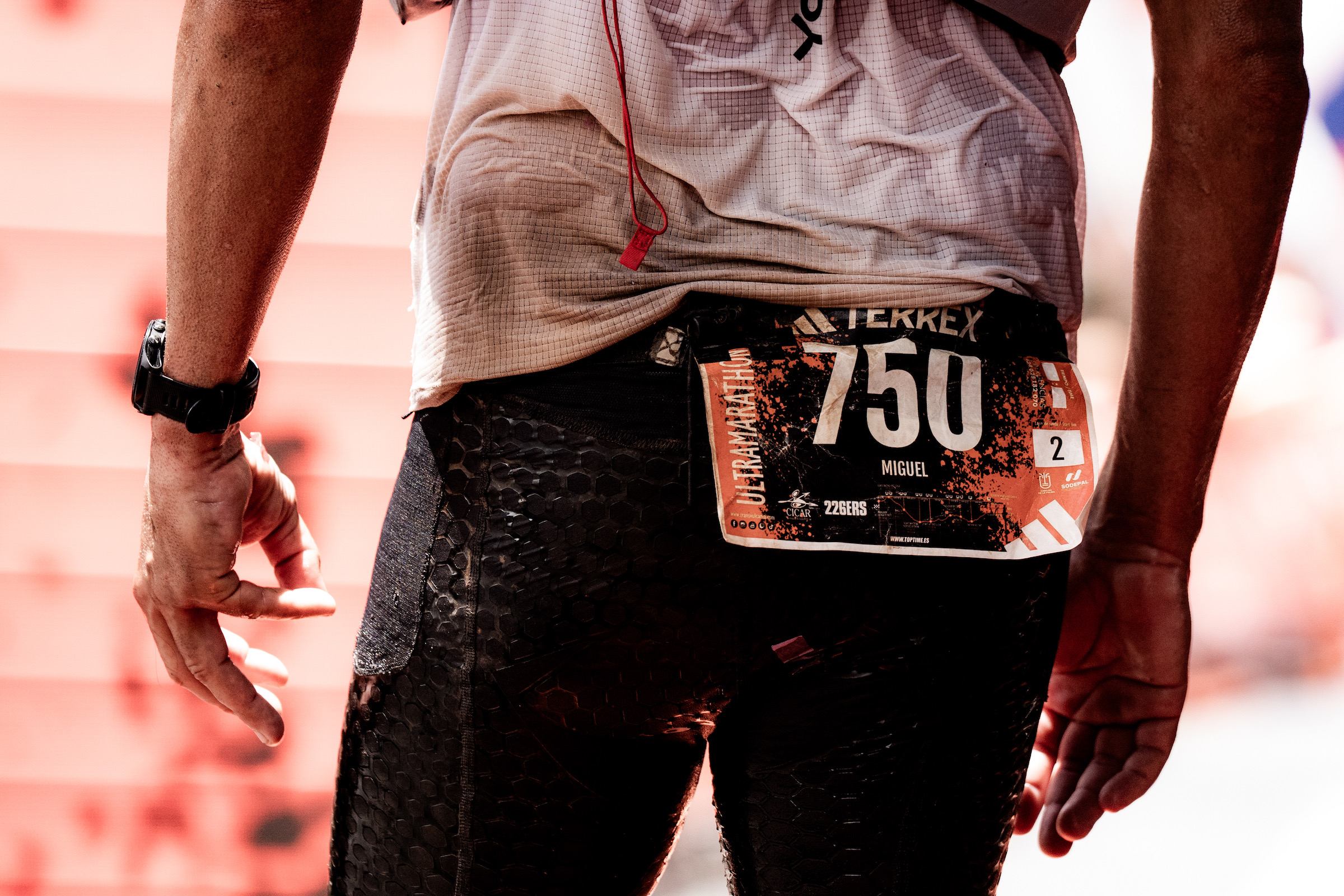
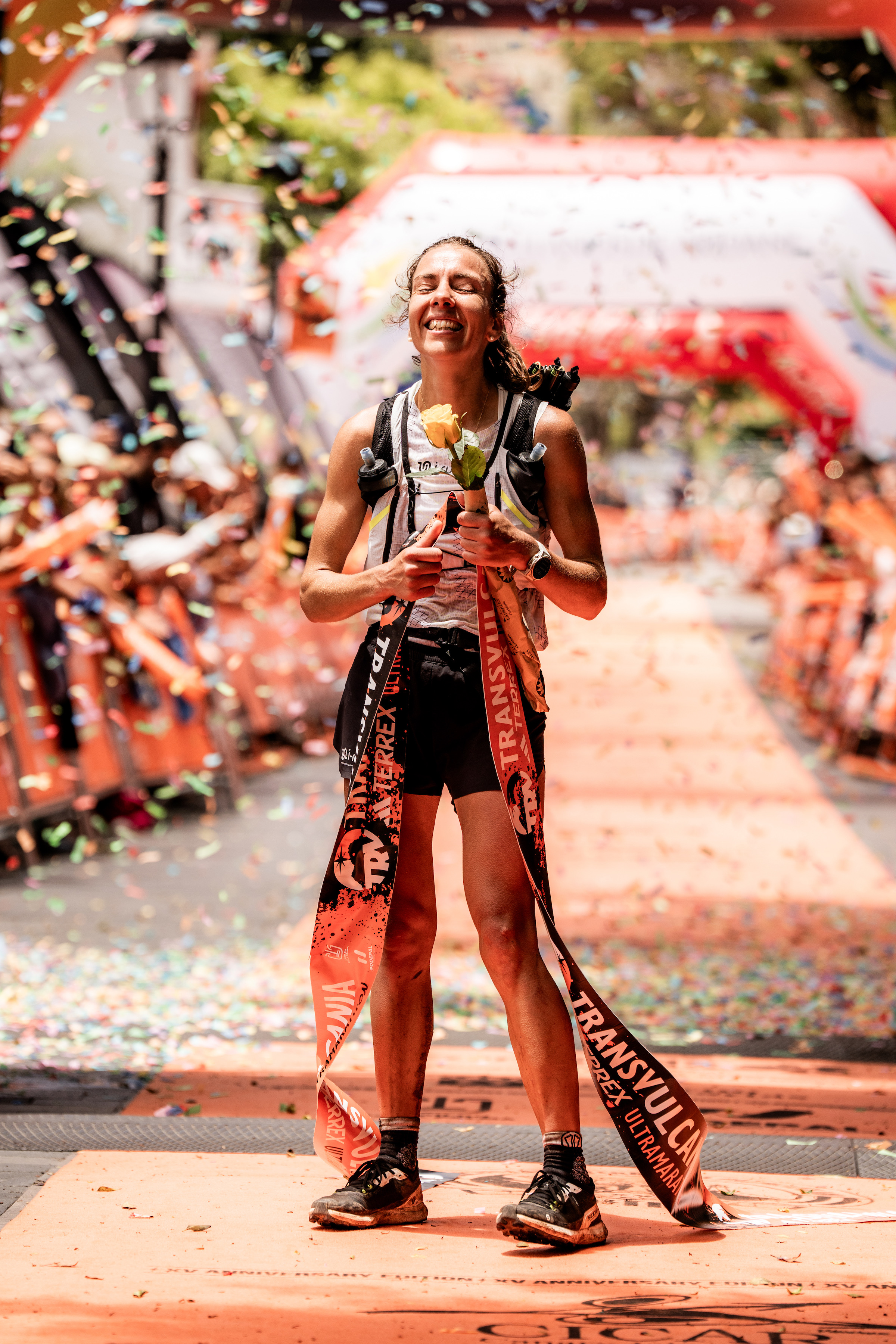
The streets of Los Llanos were lined with cheering locals offering the first real warmth of the day. Music cut through the chill and finally the best finish line in the world arrived, the medal this year feeling a little heavier but hard earned after the rain, wind, and freezing exposure of a mountain that showed no mercy.
What makes Transvulcania unique has always been its terrain and profile. Lava fields, pine forests, ridge lines, sun, and sea. But in 2025, the weather became the story. Torrential rain washed away comfort. The cold stripped away energy. And the wind exposed every weakness, both mental and physical.
The fastest still raced though. The elite still chased podiums. But deeper in the field, it was about finishing, about not quitting. About moving forward despite frozen hands, soaked shoes, and the urge to stop.
Transvulcania is about battling whatever the mountain throws at you, and this year, it threw everything.
Peter Frano and Anne-Lise Rousset were crowned as the winners of the ultra marathon. Frano made his move on the descent to Tazacorte Puerto passing Andreas Reiterer who would eventually finish 2nd ahead of Manu Anguita. The times were 6:55:36, 6:58:27 and 7:19:18 respectively.
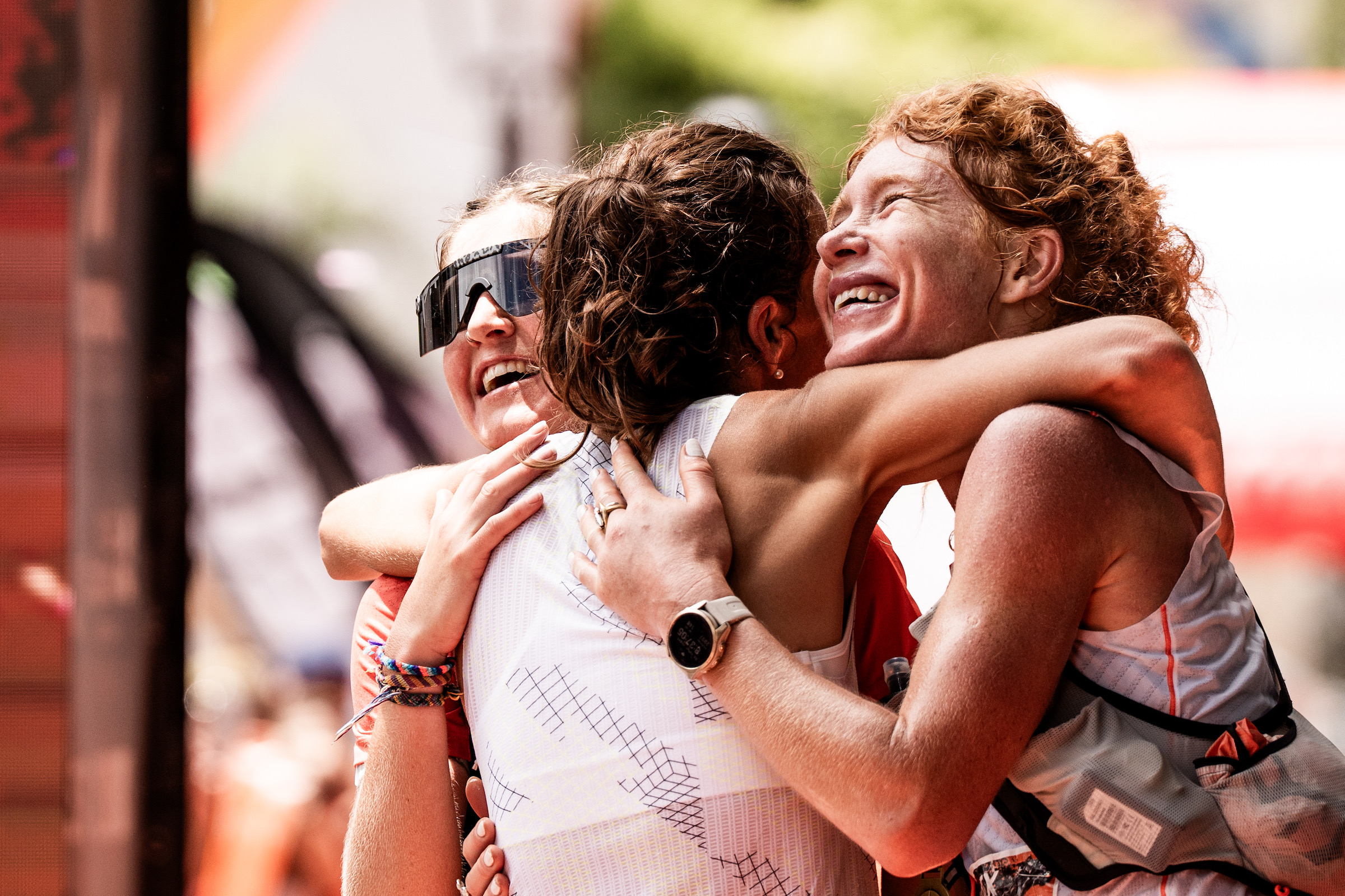
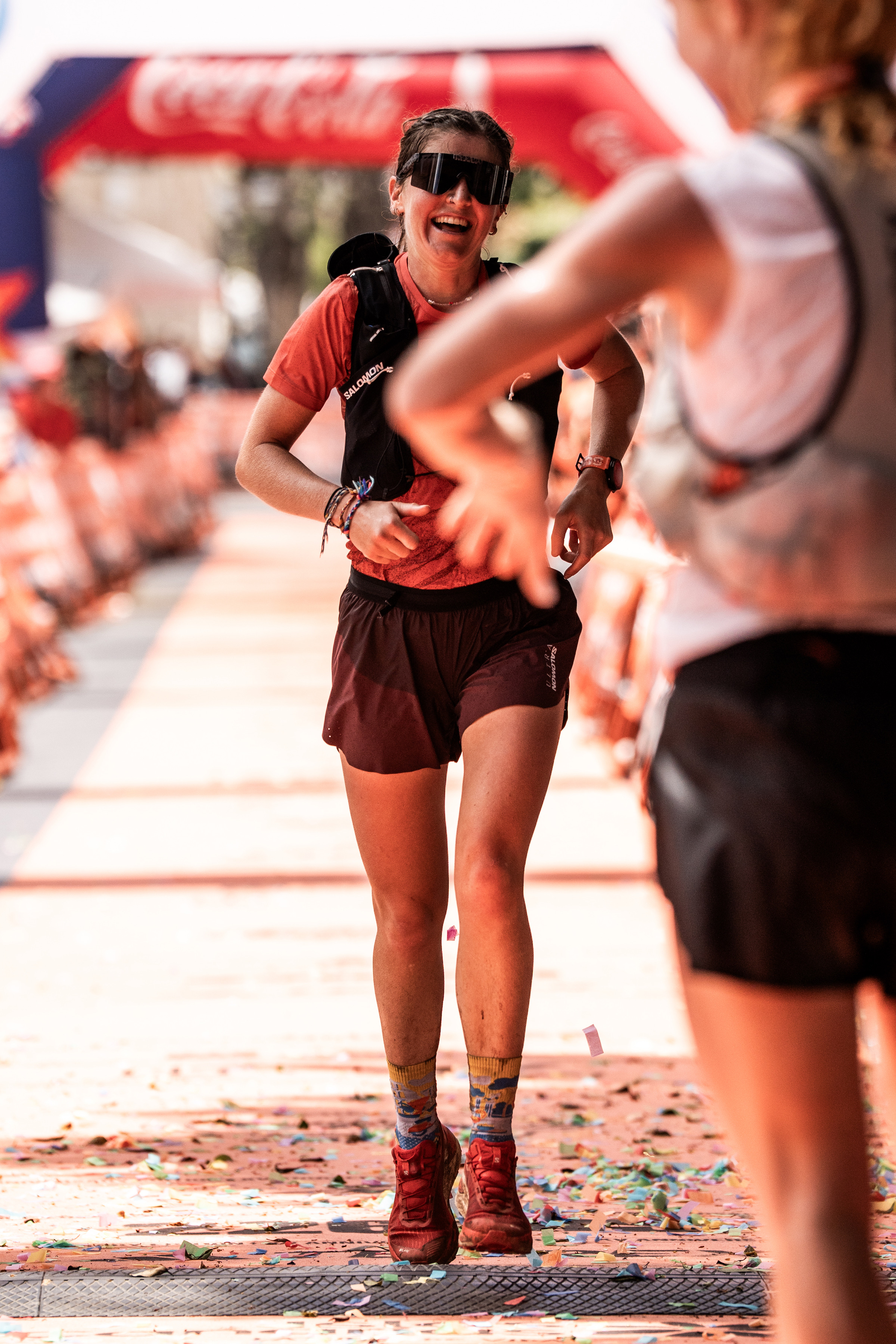
After three previous attempts, 2016, 2017 and 2019, Anne-Lise Rousset finally took the top honours in 8:18:17, a long way off the CR of 8:02:49 set by Ruth Croft in 2024. Ekaterina Mityaeva and Martina Valmassoi battled for 2nd and 3rd and were separated by just 27-seconds at the line, 8:36:58 and 8:37:25.
In the men’s race, hot favourites Dakota Jones and Dmitry Mityaev did not make the start, notably, Andreu Simon Aymerich, Matt Daniels, David Sinclair and Jordi Gamito (amongst many others) DNF’d.
For the women, Ruth Croft who lead the race for almost half of the distance finally succumbed to the weather and withdrew, along with Azara Garcia and Elisa Desco.
Even through fogged lenses and stormy skies, La Palma’s raw beauty still showed through. Runners moved through wild volcanic terrain, past black rock and misty forests. They crossed an island shaped by fire and storm, and this year, they did it while the island roared. And those who crossed the line in Los Llanos? They didn’t just finish a race, they survived an ultra through one of the wildest tests the island has ever delivered.
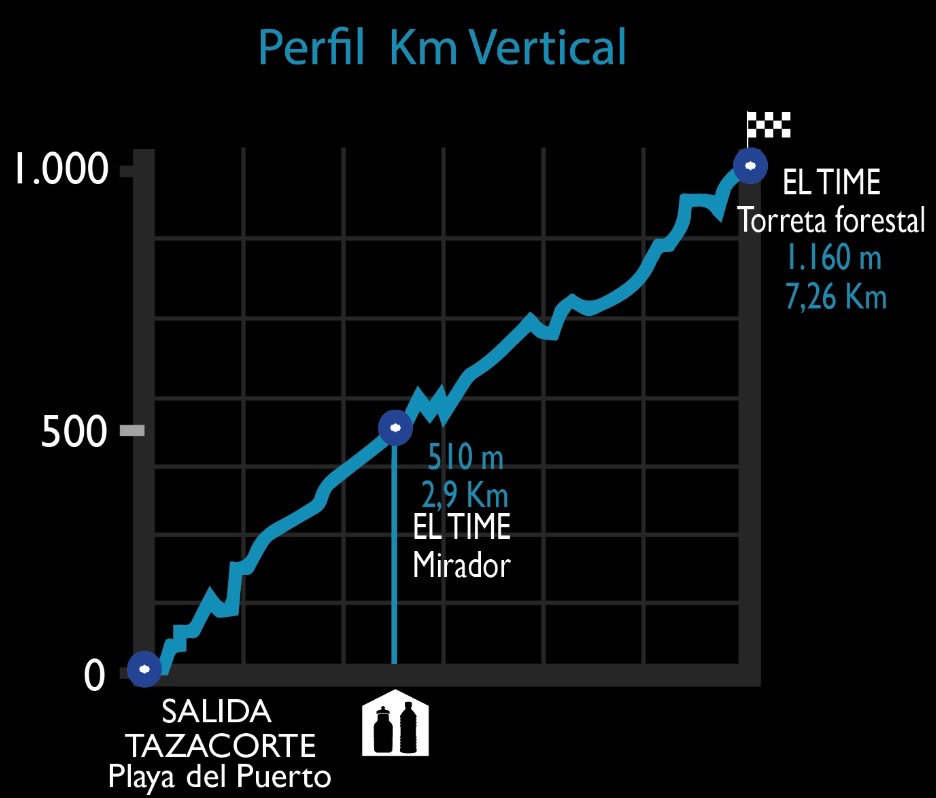
The Transvulcania Vertical Kilometre isn’t long – but it hits hard. Spanning just 7.26 km with 1,203 meters of vertical gain, it’s a race that turns uphill suffering into spectacle.
Starting from Tazacorte Puerto, the route climbs the iconic zig-zag paths that disappear into a mountain of rock when looked at from a distance. Passing El Time, runner’s cross the road and re-trace sections of the Transvulcania route on the GR131, at Casa Hungara, the route deviates to join paths with more exposure and stunning vistas. At 1000m vertical, the route re-joins the GR131 and concludes at the Torreta Forestal tower at 1600m.
Runners leave the start line one by one every minute from 17:00 to 18:30, climbing relentlessly toward the finish.
The format is simple: solo effort, full gas, no room to hide.
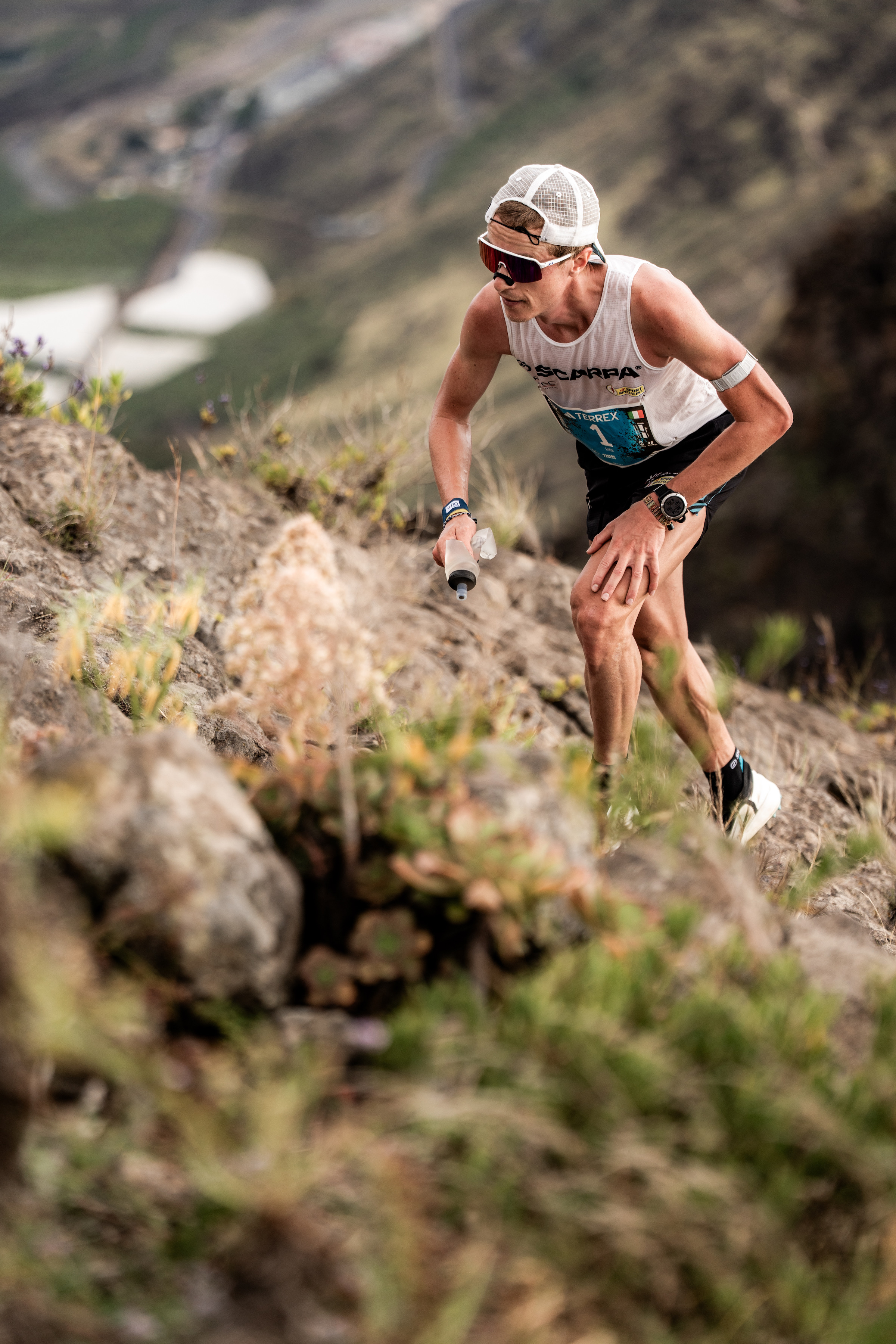
With the late afternoon sun dipping and legs burning, athletes push through forest paths, rocky slopes, and exposed ridge lines. It’s a pure test of power-to-weight and mental grit.
This year’s edition delivered fast times and fierce competition. Luca Del Pero took the men’s win in 47:59, while Maude Mathys claimed the women’s title in 56:39 in a new CR.
For spectators and racers alike, the VK is a reminder that you don’t need distance to create drama – just gravity, guts, and a finish line in the sky is the personification of skyrunning, sea to sky!
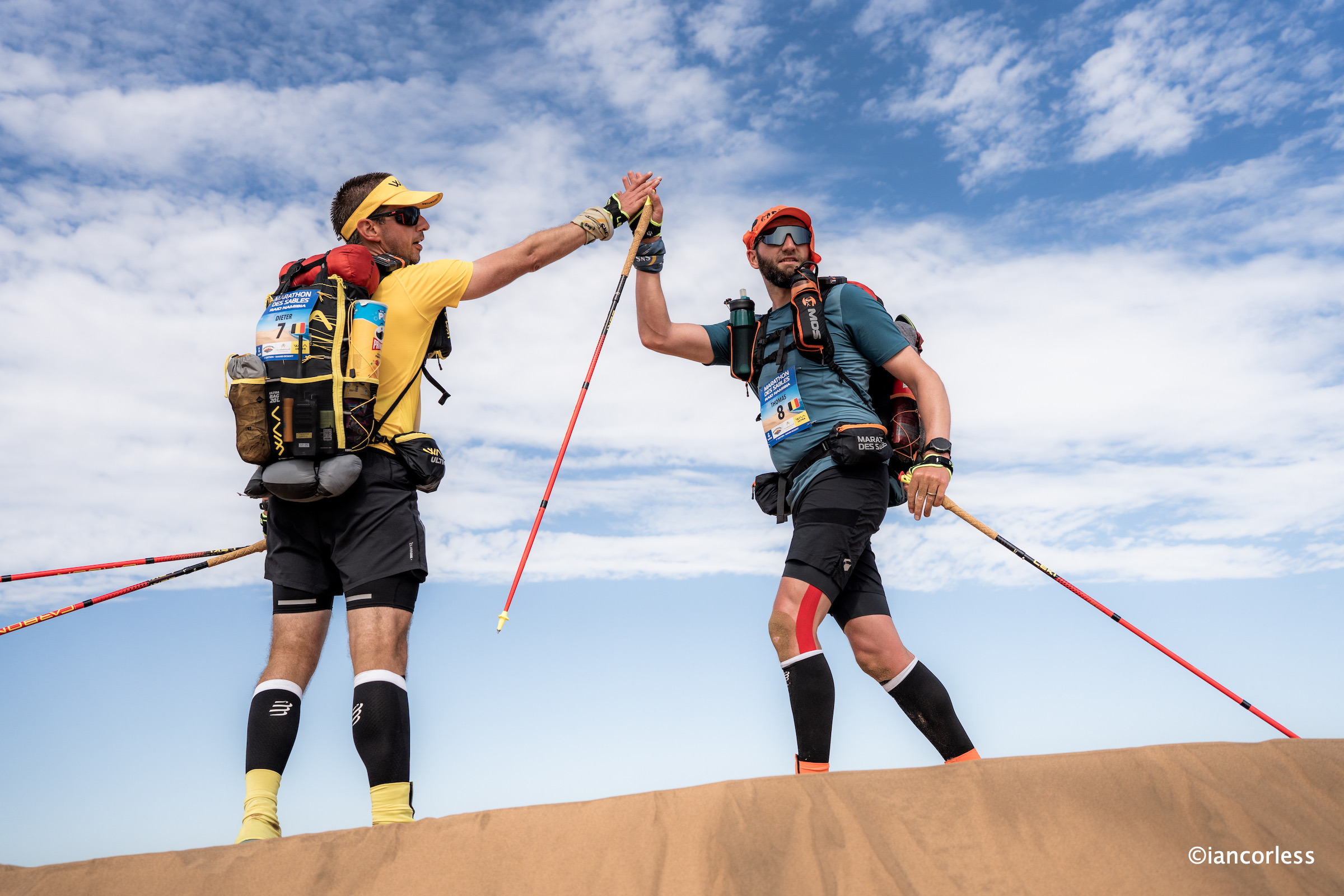
The first edition of MDS Raid Namibia has come to a close, leaving behind exhausted bodies, and memories that will last a lifetime. This was more than just a race across the sands—it was a shared journey in one of the world’s most extreme environments. Over four days participants moved through heat, wind, and shifting dunes with only one constant: each other.
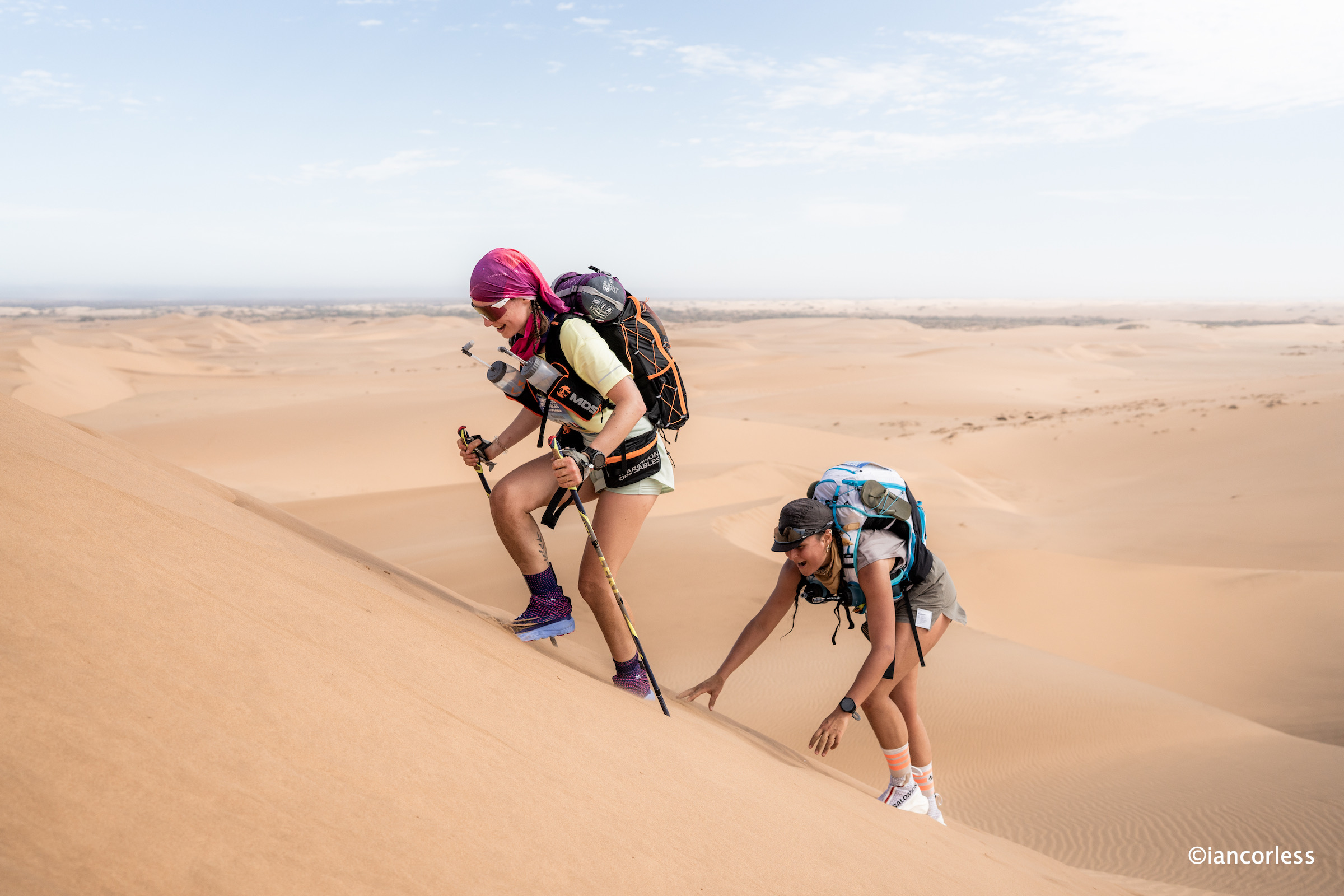
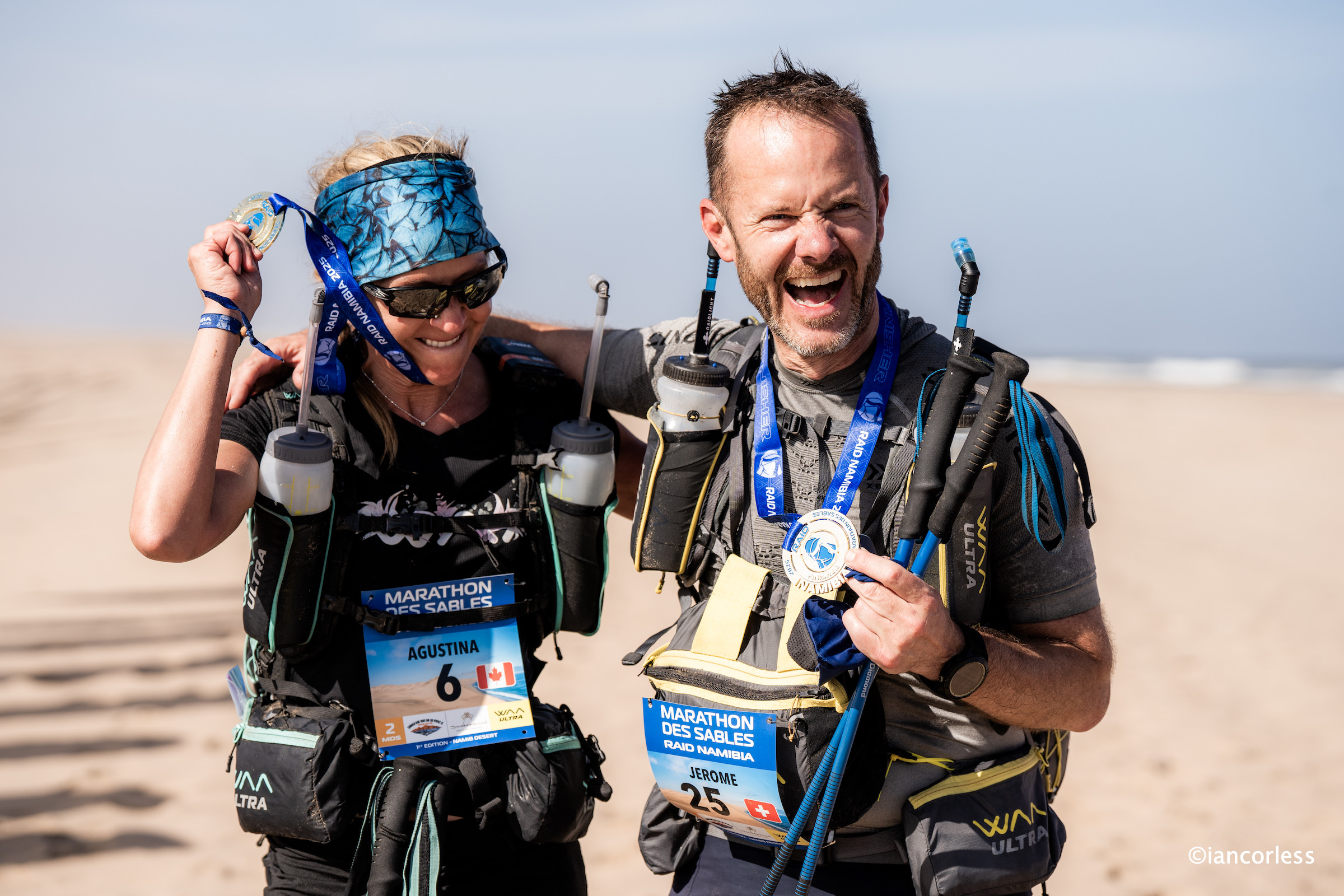
This inaugural and pioneering edition introduced a unique format – teams of two. Every participant was matched, not just in distance and pace, but in mindset. They ran, rested, and overcame together. And in those long hours on foot, under relentless skies, something powerful happened. Partnerships turned into friendships. Teams became a family.
Self-sufficiency is the foundation of MDS Raid Namibia. Runners carry all their food and essential gear for four days on their backs. It’s a constant of the MDS format: a journey on foot through an incredible environment that returns participants to a more primitive time, one of survival. Support comes from each other and the MDS crew.
The Blue Coats and the Orange Coats: Backbone of the Race
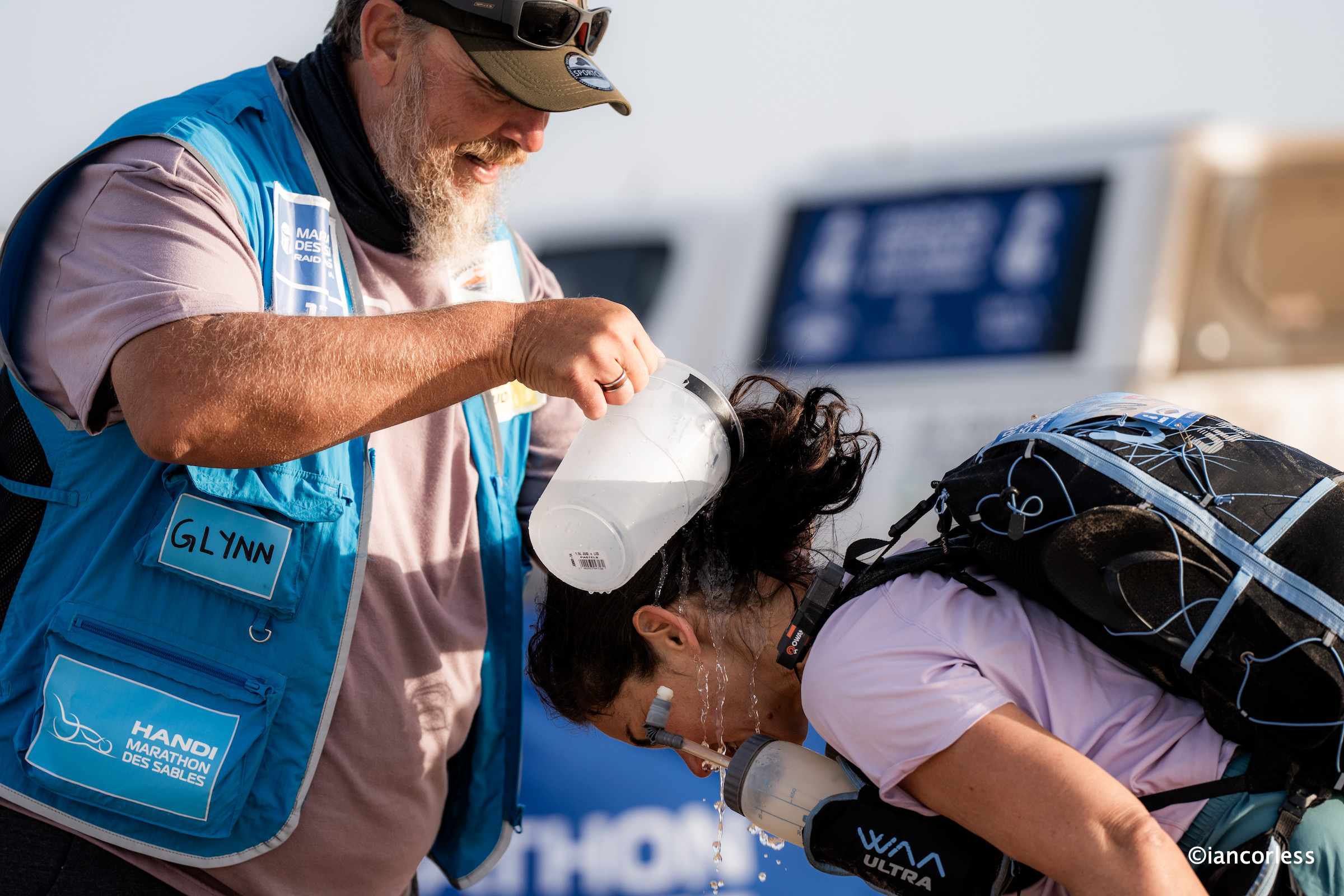
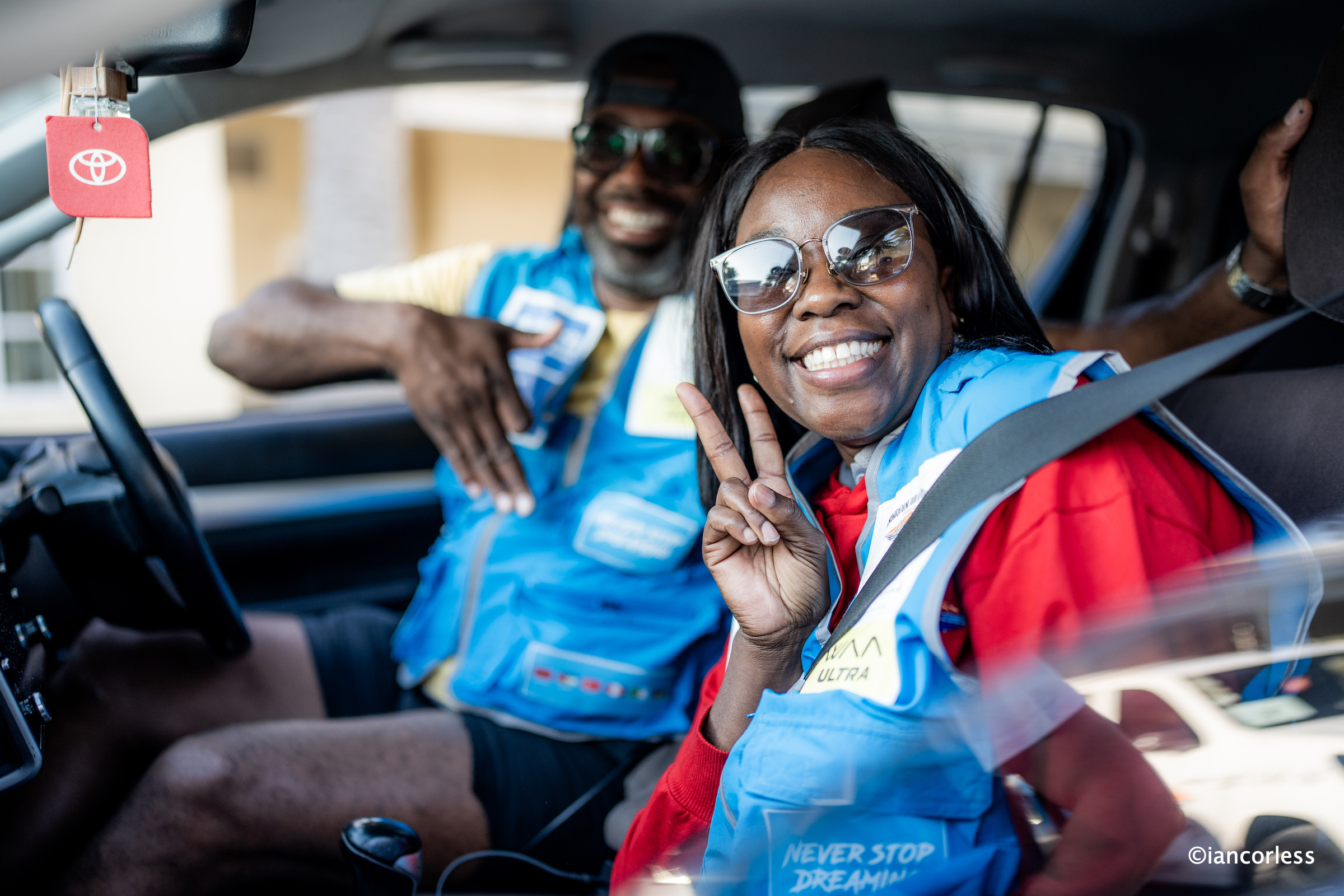
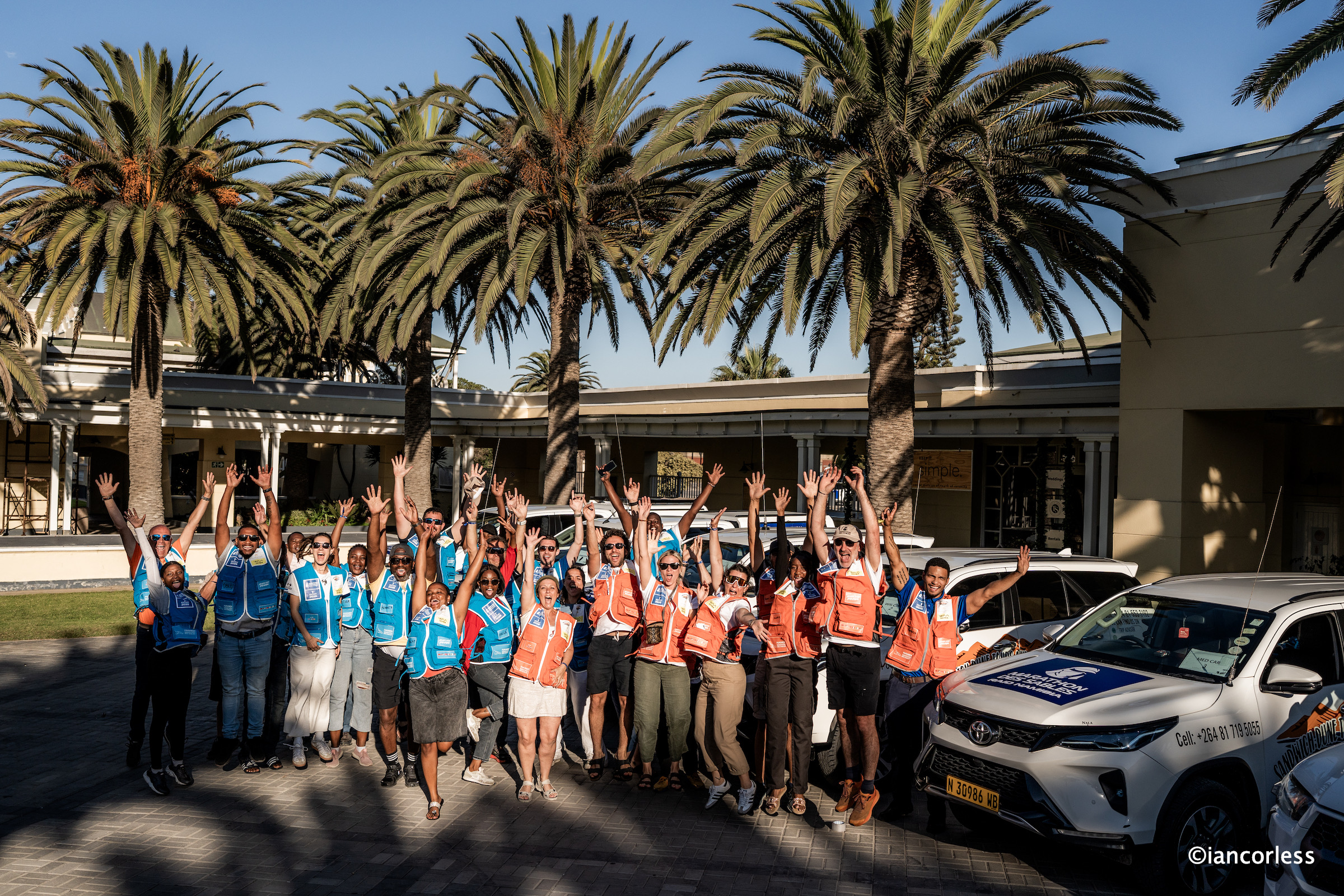
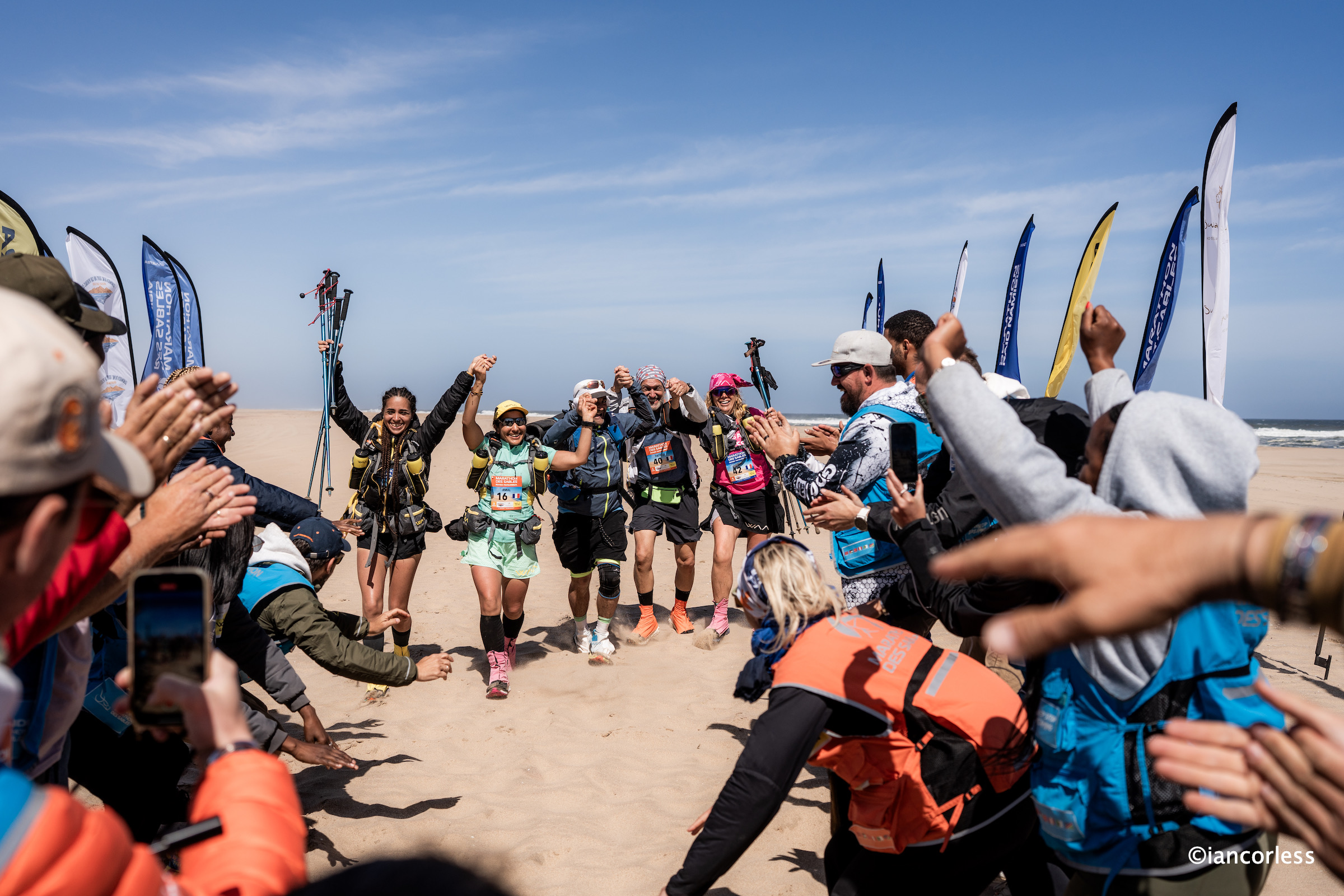
Behind every successful kilometer run or walked were the volunteers – the unsung heroes of MDS Raid Namibia. Dressed in blue jackets, the logistics team ran the show from behind the scenes. They handled transportation, managed camp setup, checkpoint supplies, vehicle recovery, and every little thing that kept the race moving forward. Without them, the race wouldn’t have happened.
Equally essential were the orange-coated medical teams. These men and women brought experience, calm, and skill to a setting where even small injuries can become dangerous fast. From treating blisters and hydration to monitoring serious fatigue and heat issues, they kept a constant watch over the runners. Their presence allowed participants to push harder, knowing someone had their backs.
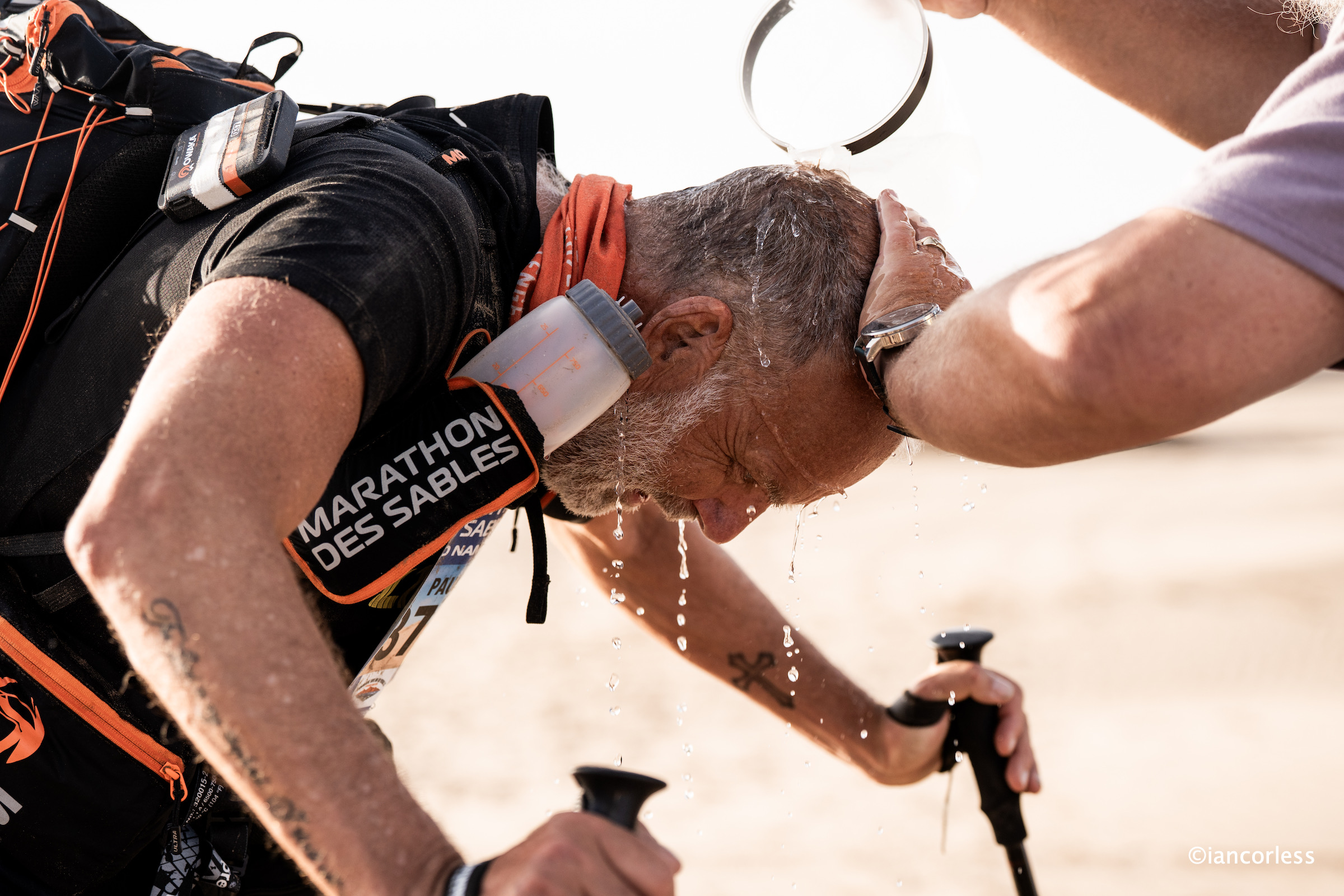
Crucial to the survival and success of every runner were the course checkpoints, spaced strategically each day. These oases offered one vital thing: water. The weight of self-sufficiency was lifted slightly at each stop, where volunteers filled bottles, tracked progress, and cheered with smiles that mattered more than they knew. These checkpoints weren’t just pit stops – they were lifelines.
Volunteers often worked longer hours than the racers. They were the first up, the last to sleep, and the steady hands that made this entire event possible. Their professionalism and compassion were matched only by their quiet strength. They didn’t ask for recognition – but they deserve it all.
Running Together, Surviving Together
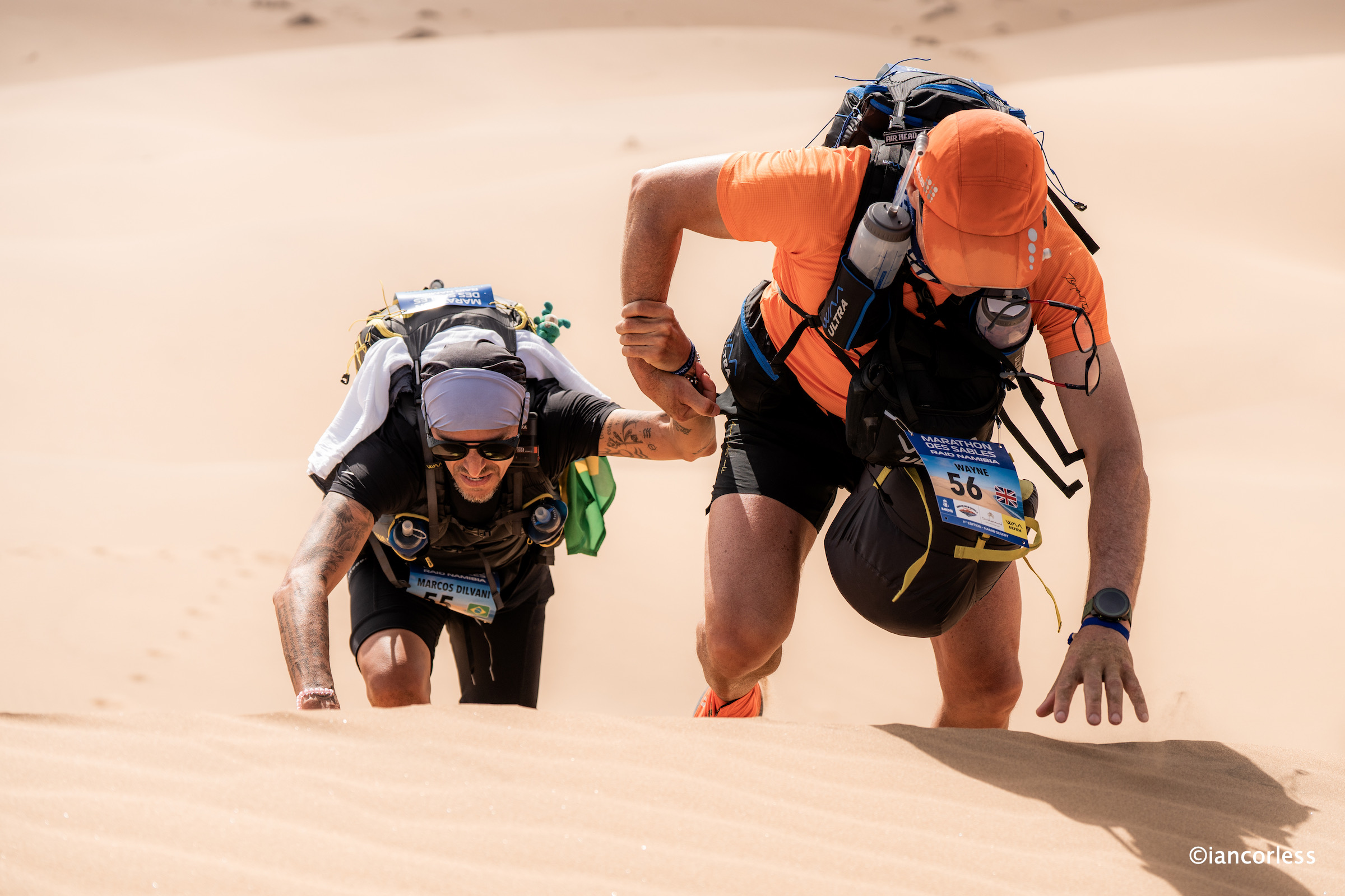
On the course, teammates and other teams took turns setting pace, checking the route, monitoring hydration, and offering quiet encouragement when the kilometres got heavy.
When one teammate faltered, the other picked up the emotional slack. When both were down, they leaned on each other and climbed back out together.
What surprised many was how close they grew to not just their partner, but to everyone else out there. Between finish line and camp life, barriers fell.
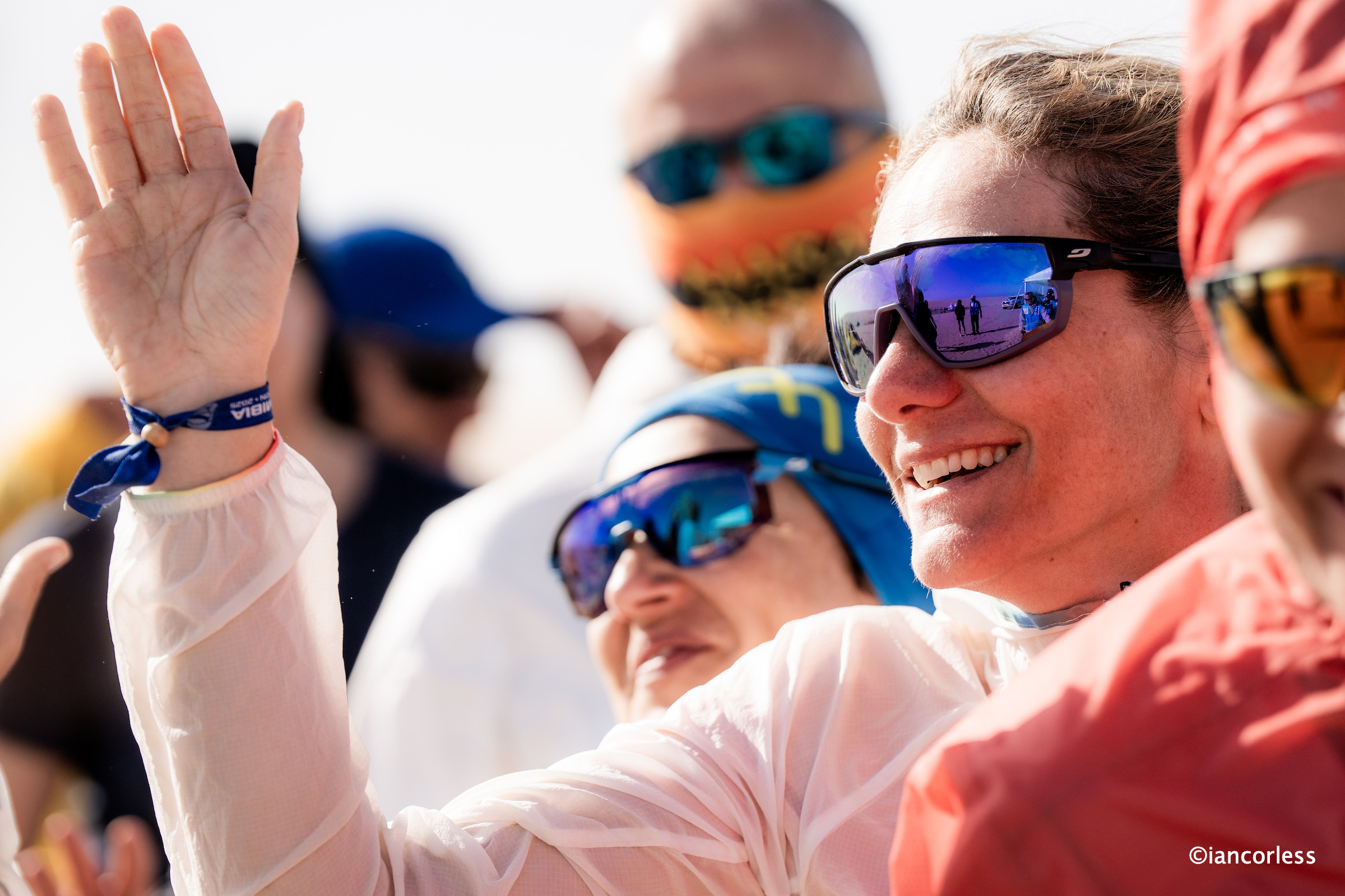
Every evening, the camp came alive with laughter, shared meals, stories, and exhausted, genuine connection. Strangers at the start became a family by the end. No one knew how hard it would get. No one knew how deep the friendships would run.
The Desert Gave Everything
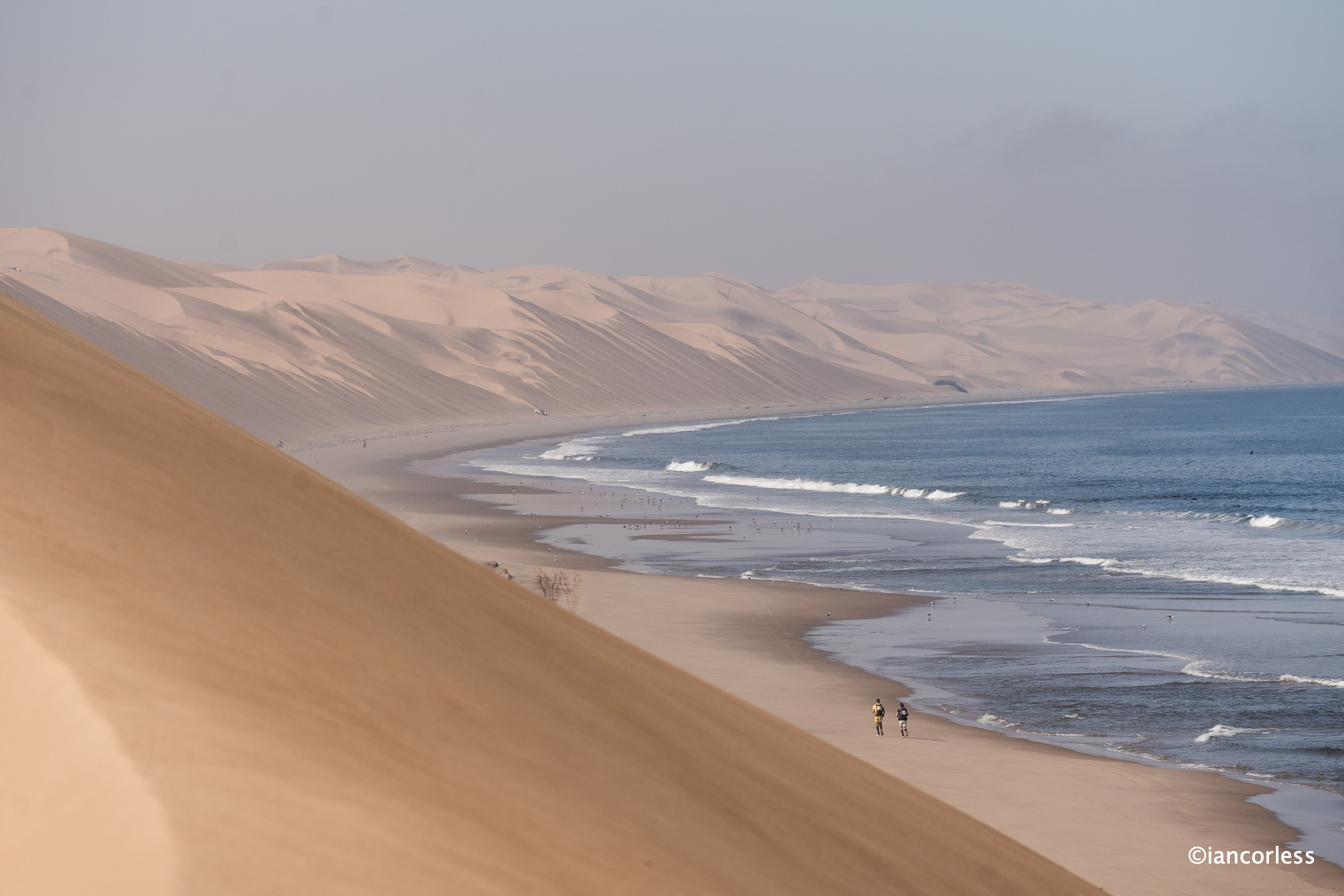
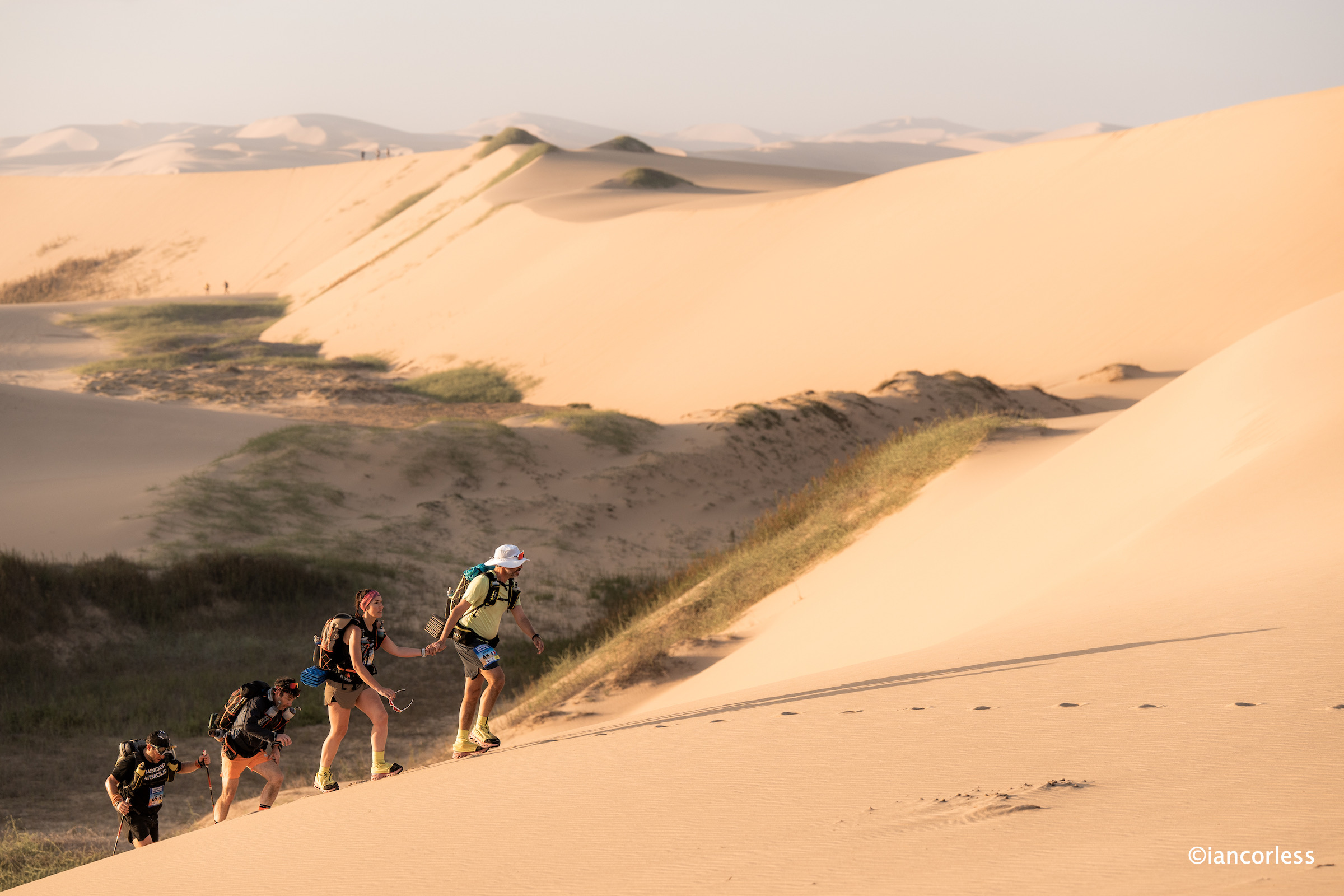
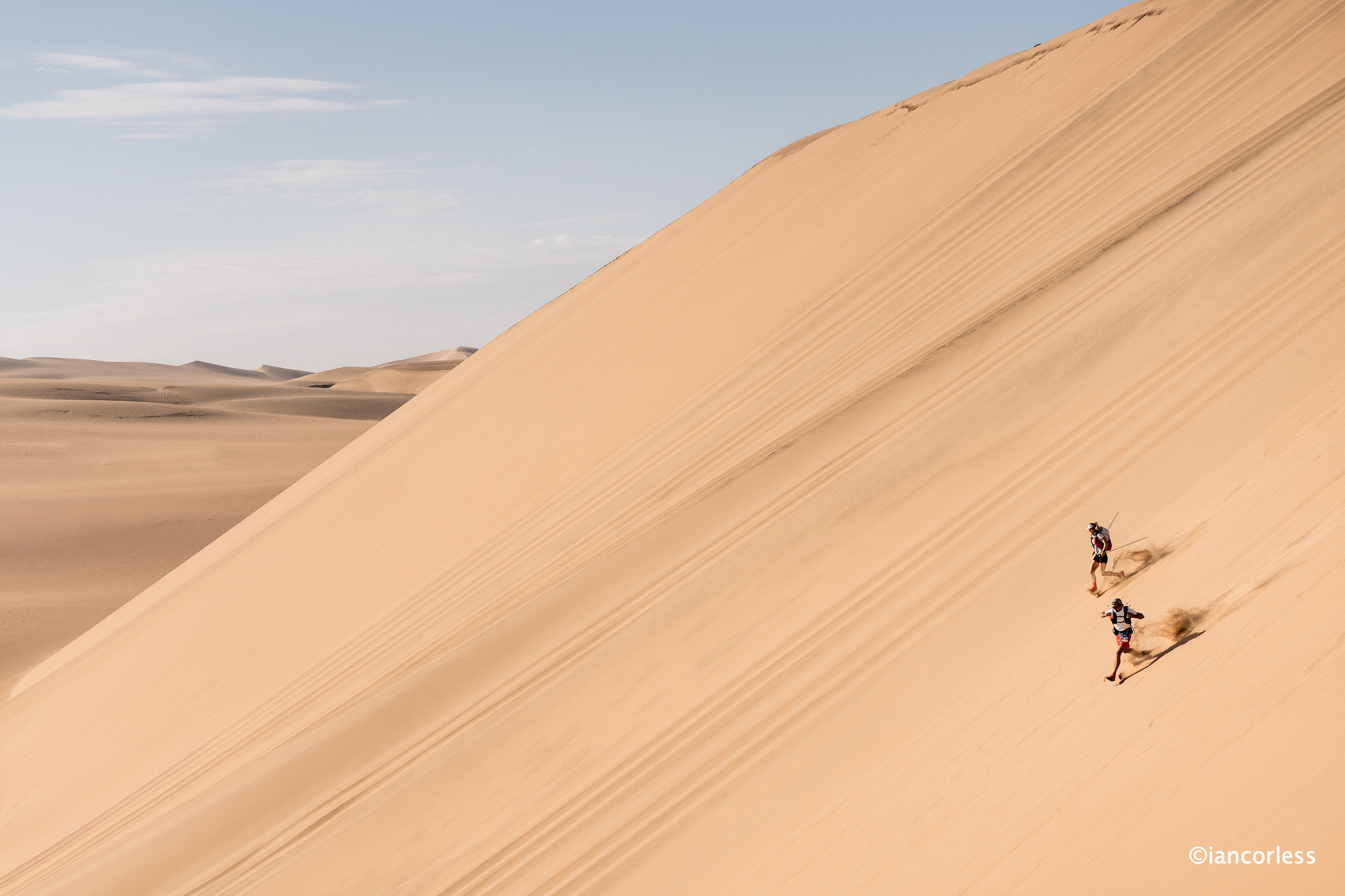
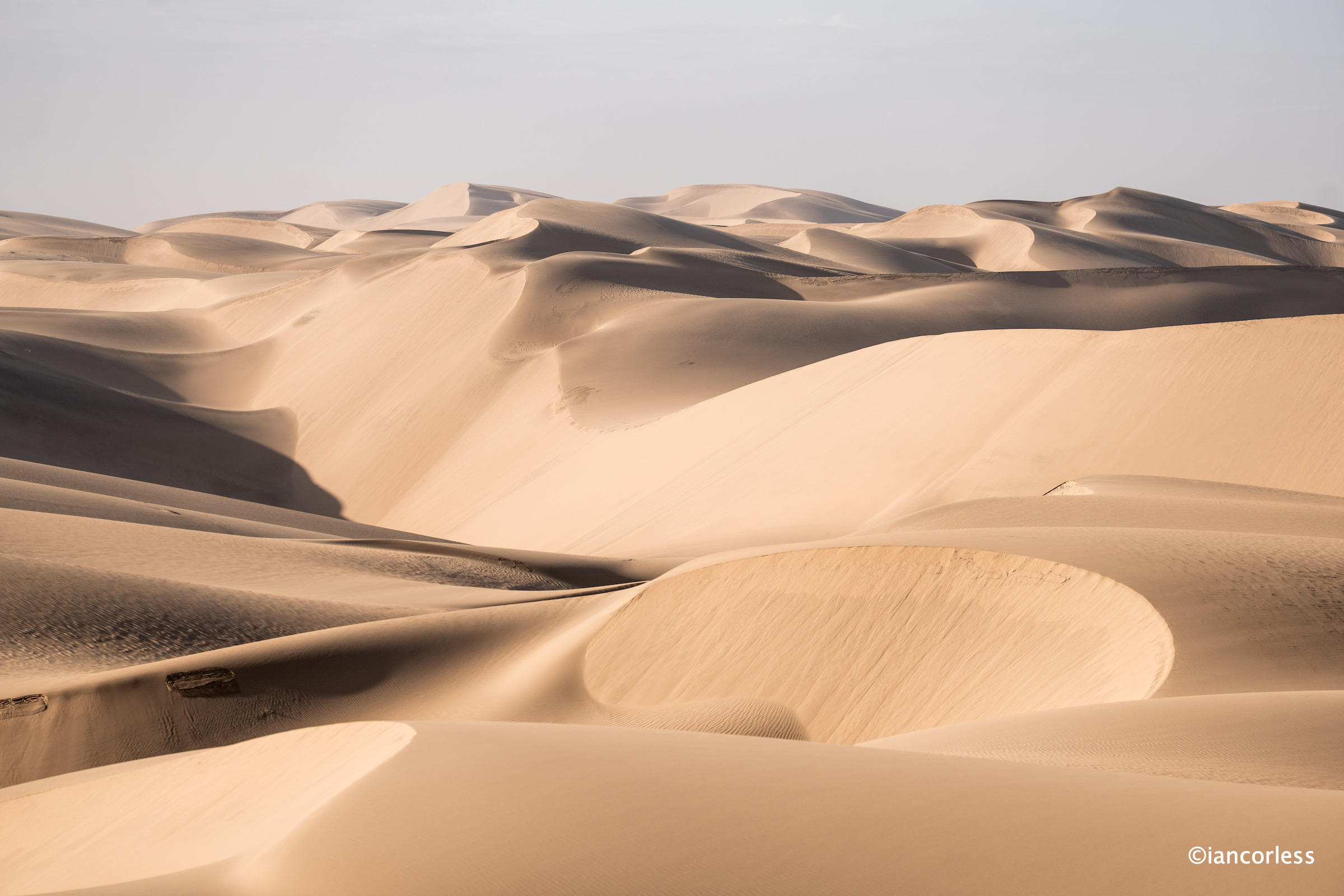
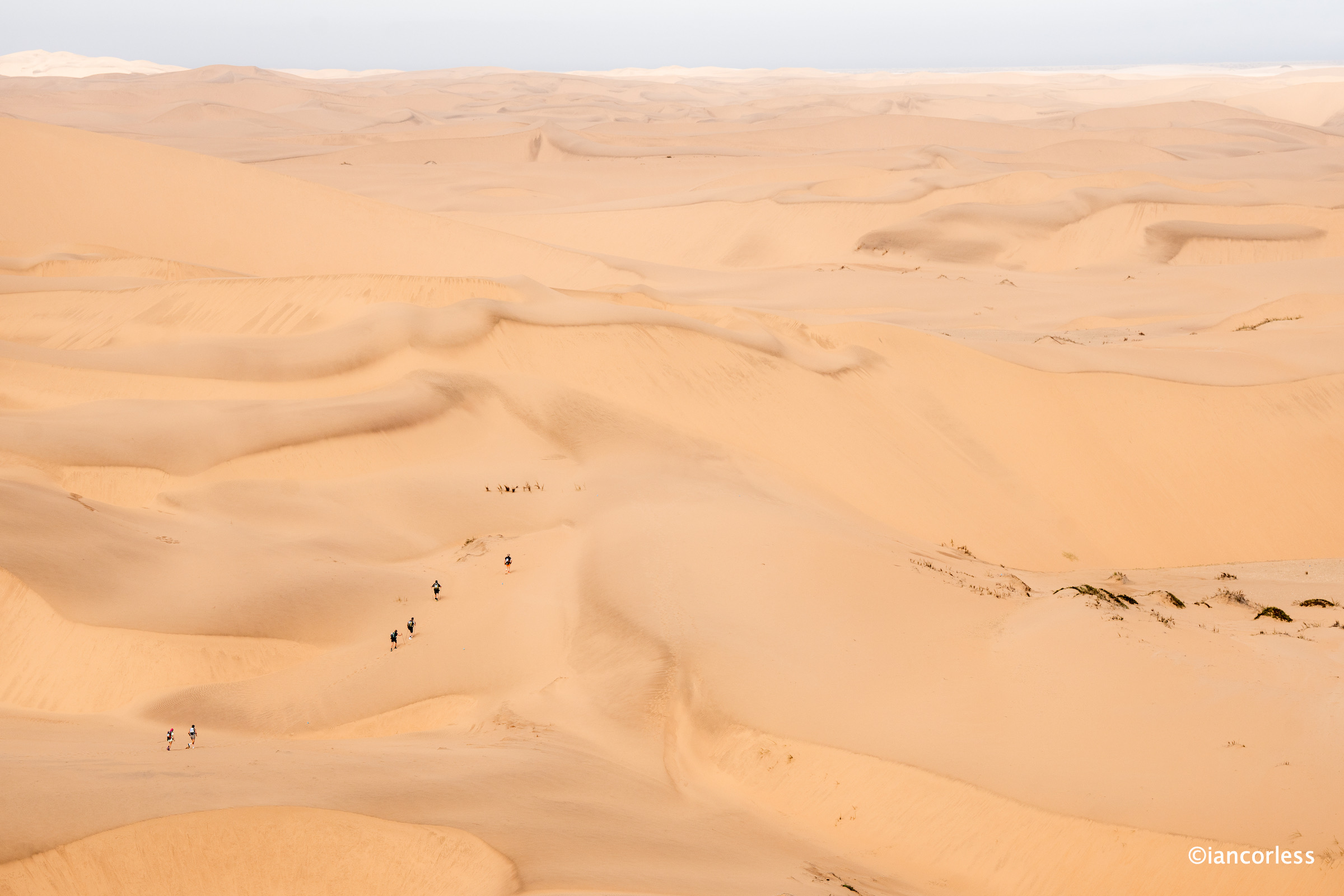
The course itself was as raw and real as it gets. Each day offered a new section of Namibia’s coastal desert, where runners encountered moonscape vistas of sand that disappered into endless horizons.,
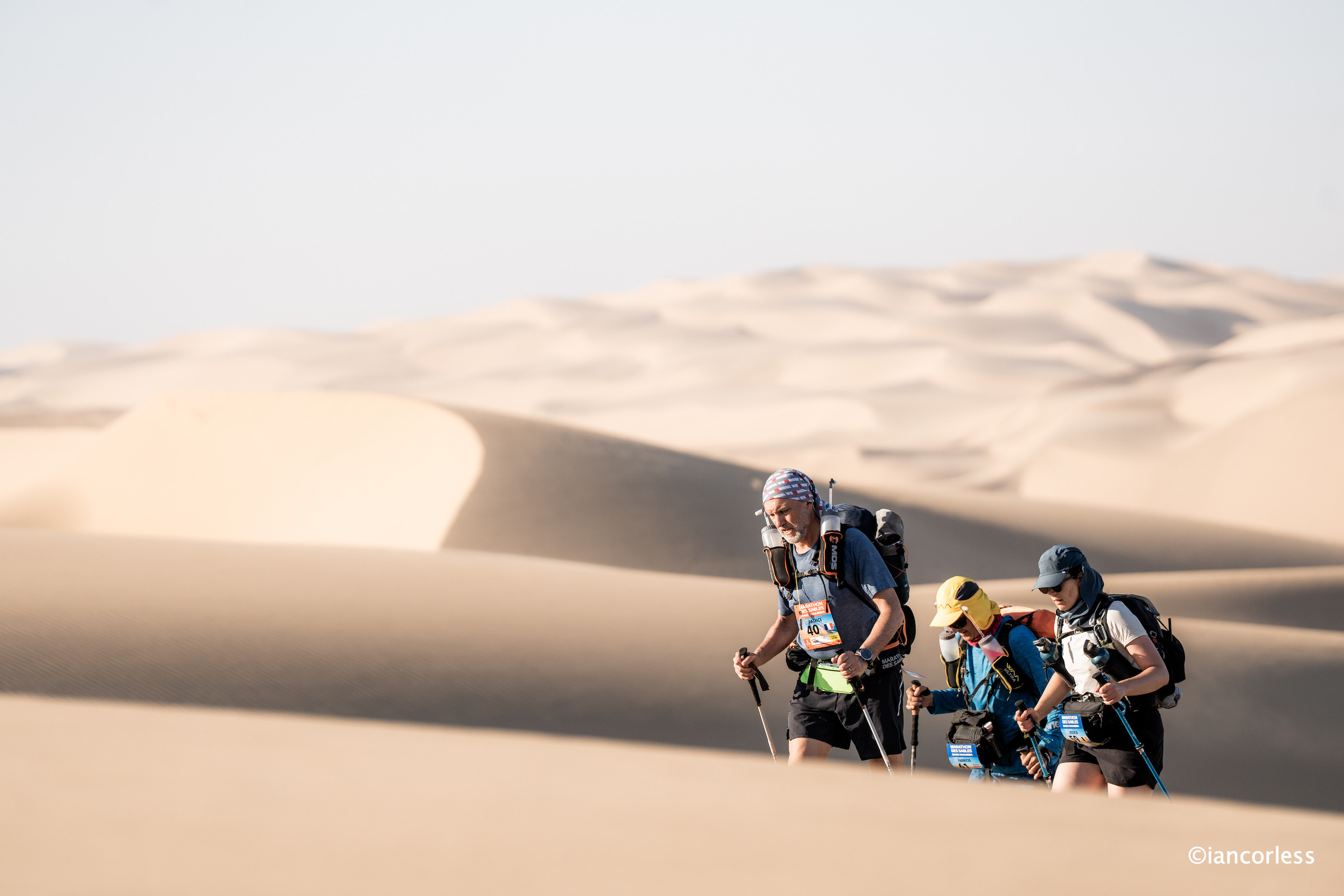
Soft, energy-sapping dunes that define this region were the relentless playground that made MDS Raid Namibia unique.
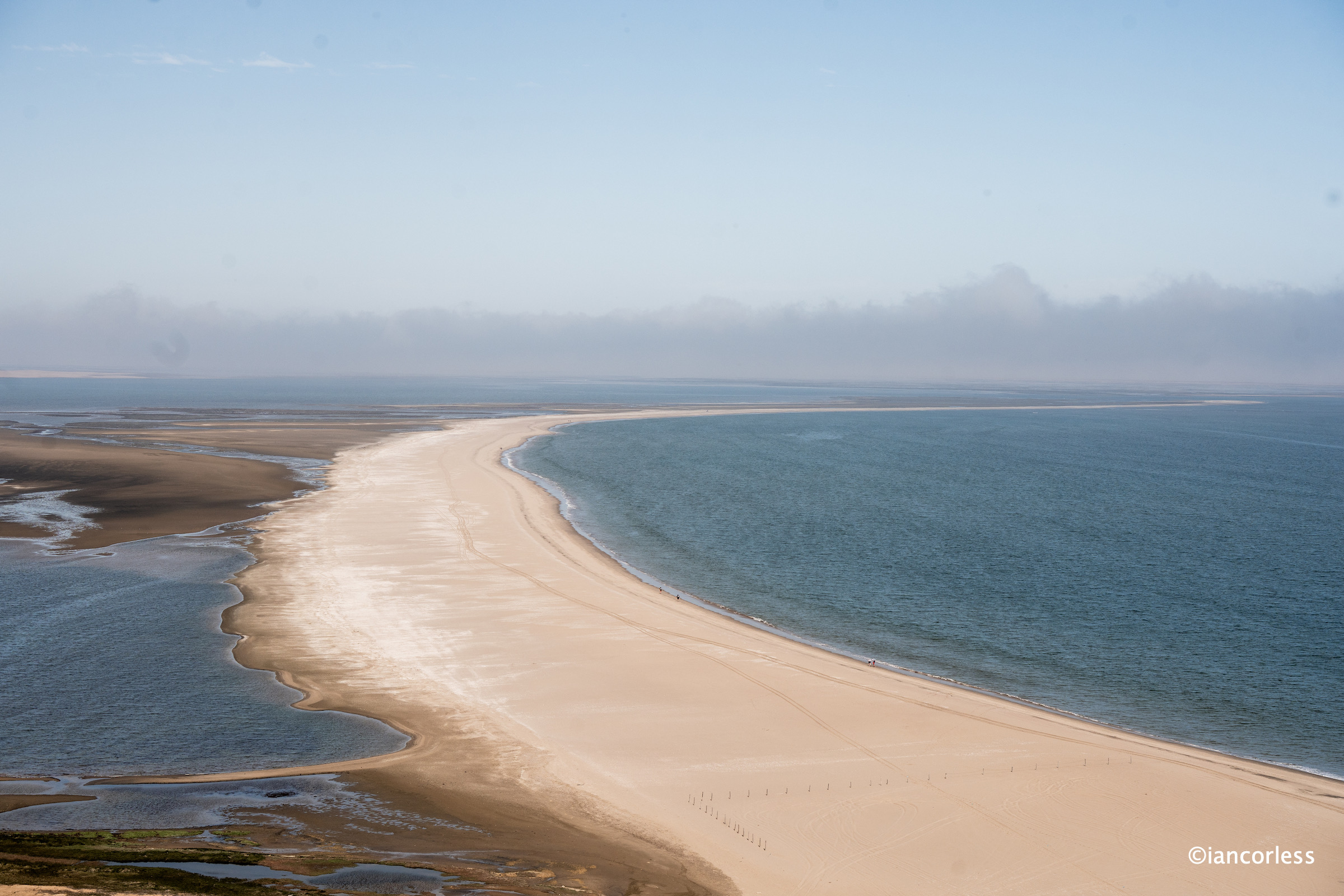
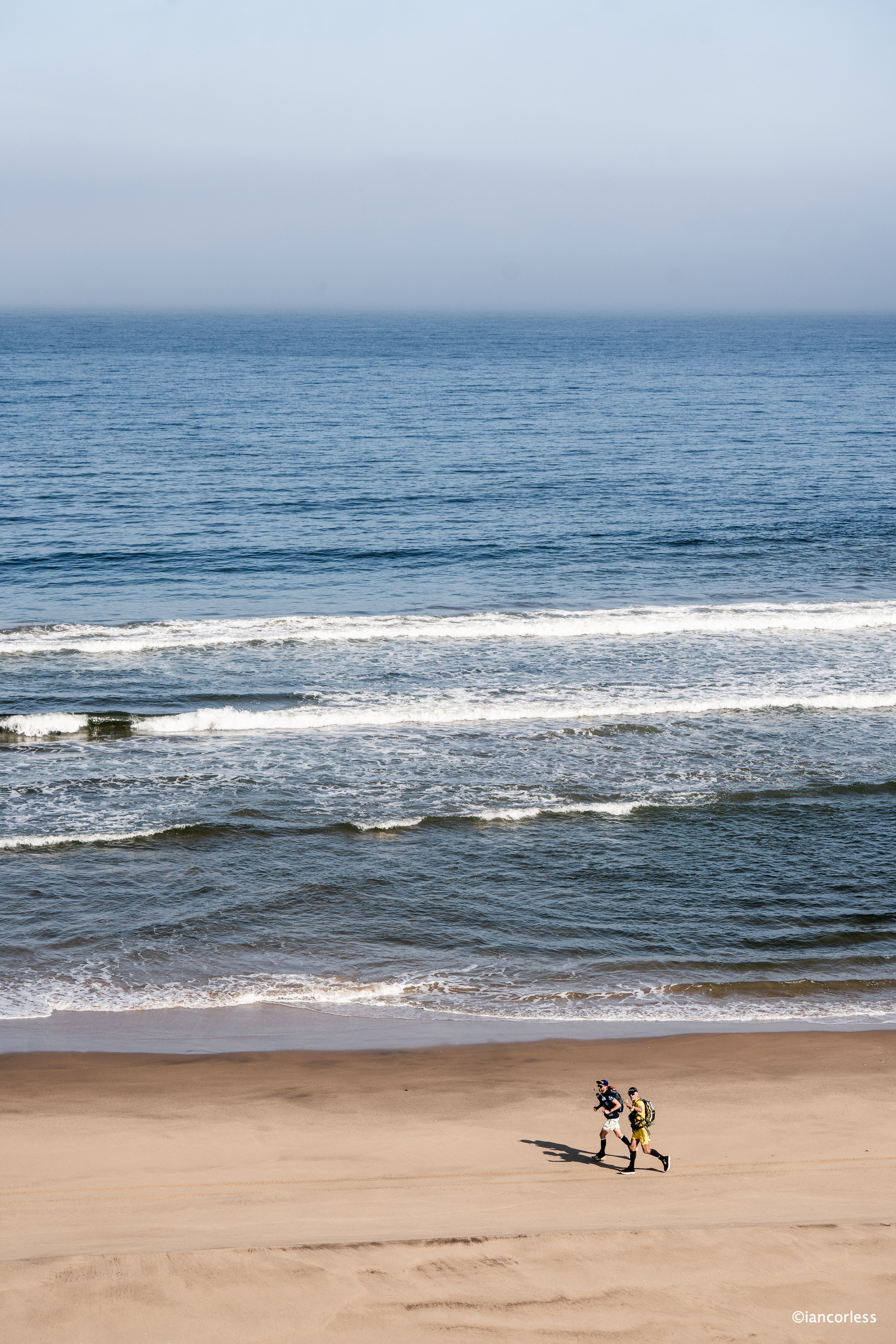
The Atlantic Ocean sat just out of reach, visible but untouchable, as if guarding the coastline. A highlight? For the first time in history, participants were granted access to the restricted Sandwich Harbour.
From the start, the desert tested resolve. Heat during the day, cold at night, and relentless sand underfoot made every kilometer earned. The course cut through some of the most stunning and unforgiving landscapes in Africa: ancient dunes, wind-carved valleys, and the stark openness of Namibia’s coastal desert. It was physically punishing, but visually surreal.
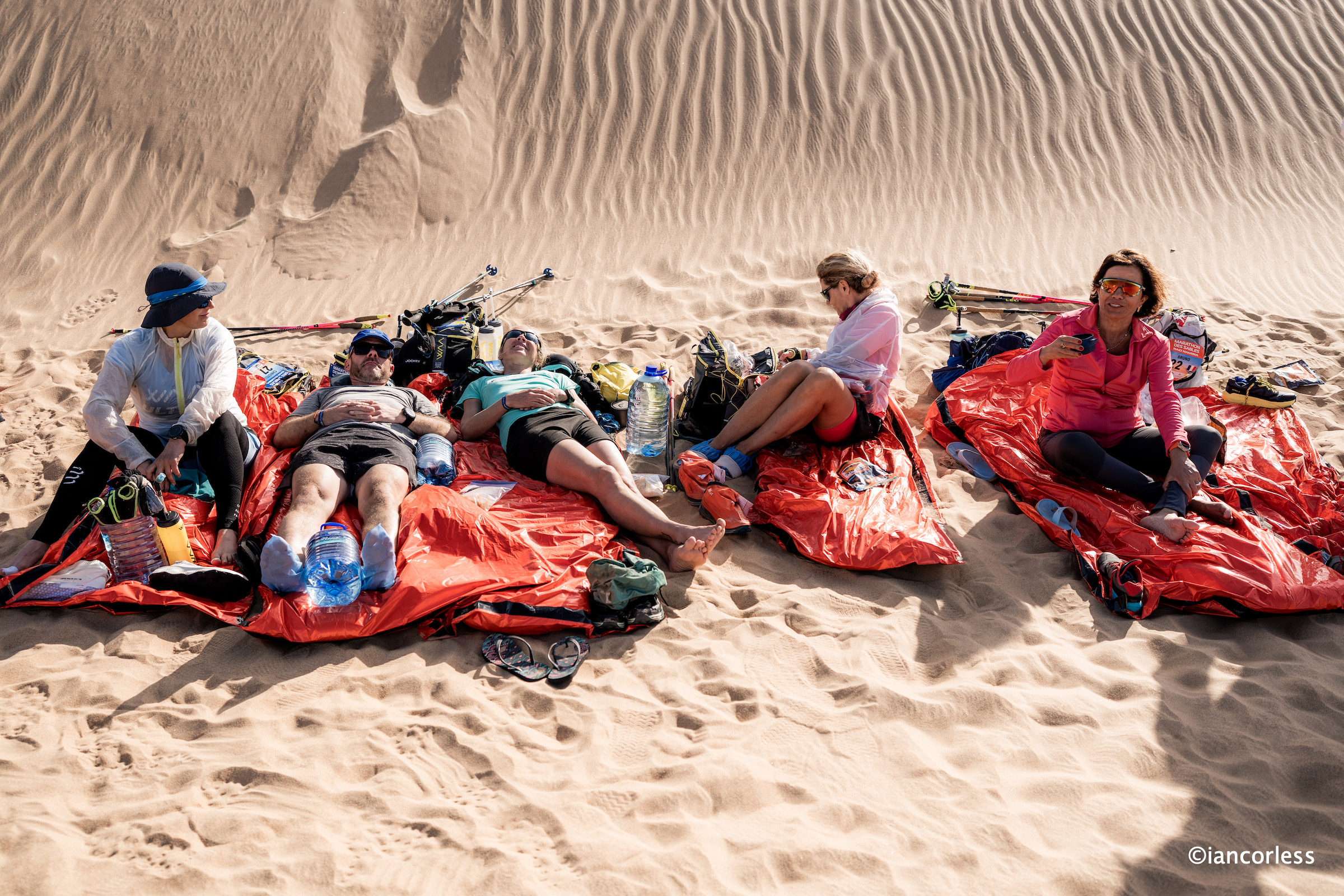
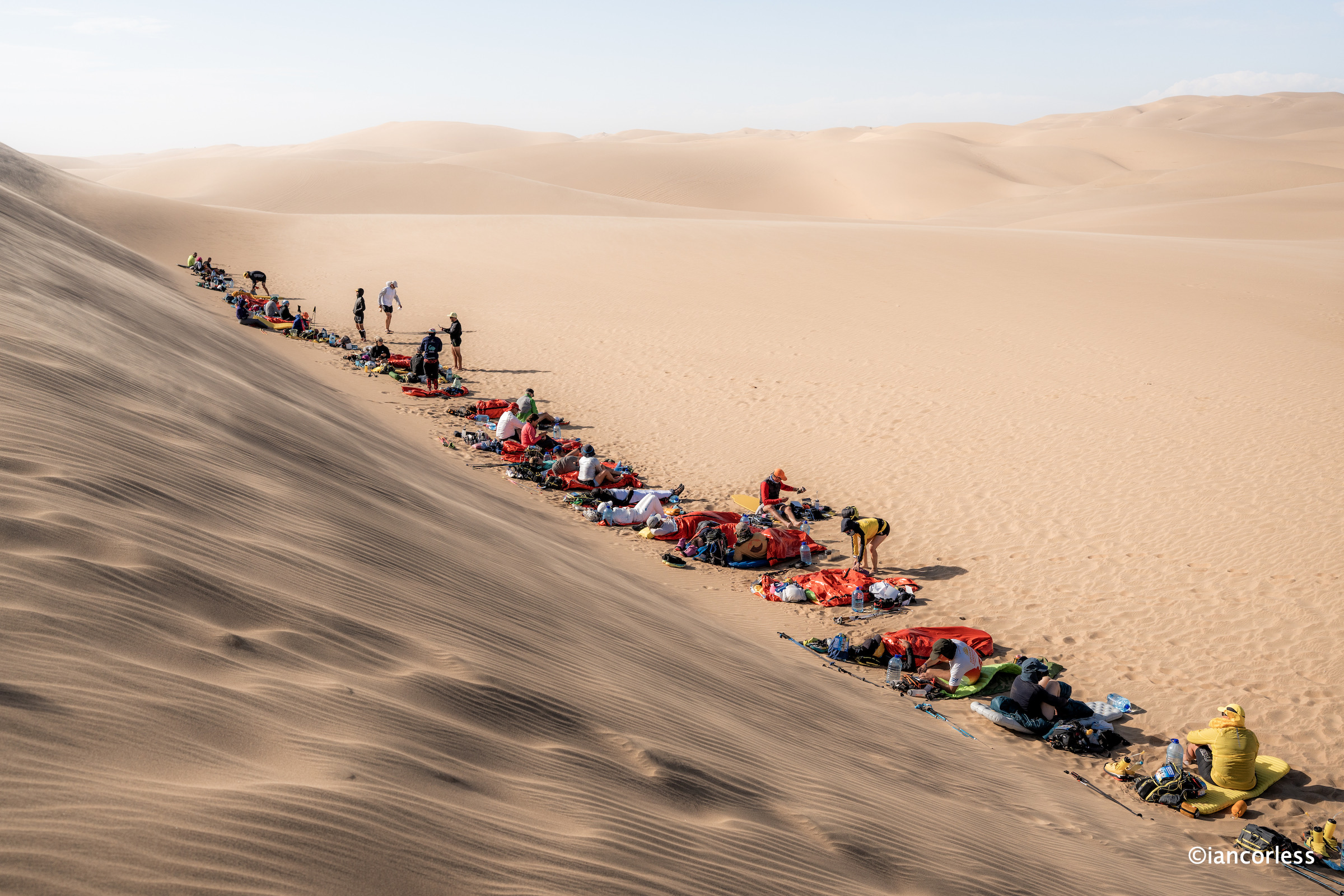
Unique for RAID was star night: a night without shelter, raw, exposed to the sky and elements. Teams bonded as they revelled in the unique privilege to share an African sky as a communal blanket.
Gratitude to the Namibian People
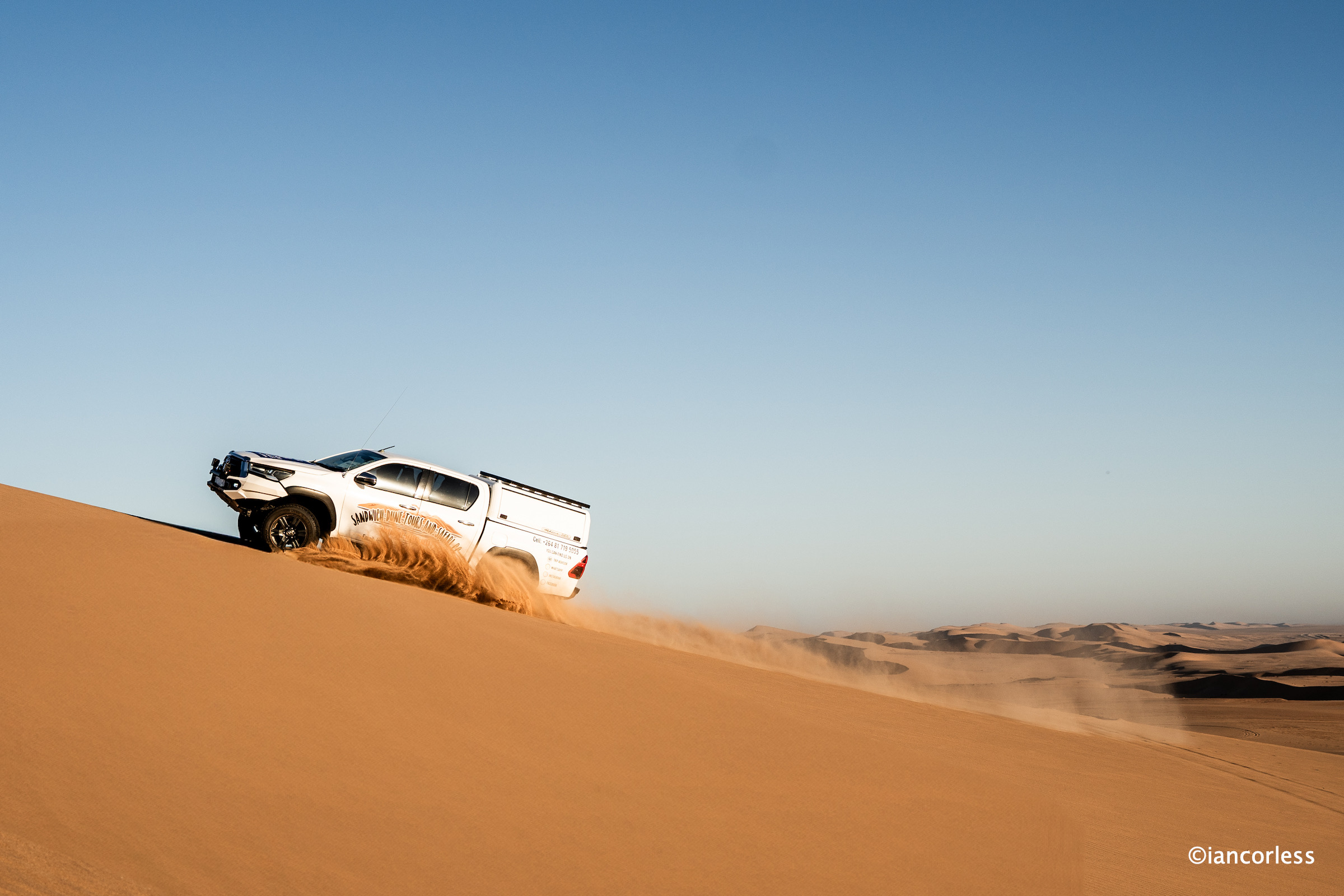
No event of this scale happens without the trust and cooperation of local communities. The MDS team expresses deep thanks to the people of Namibia – the landowners, the local guides, the regional authorities, and the communities near the course. A special thanks to Namibian Tourist Board and the Governor. The race would not have been possible without Kenneth and the team at Sandwich Dune Tours and Safari.
The generosity, the hospitality, and the pride in sharing this land made it possible for us to experience something few ever will. Namibia’s desert is wild, beautiful, and humbling – and it’s also a place of heritage and strength. We were guests in this landscape, and we honor those who welcomed us into it.
More Than a Finish Line
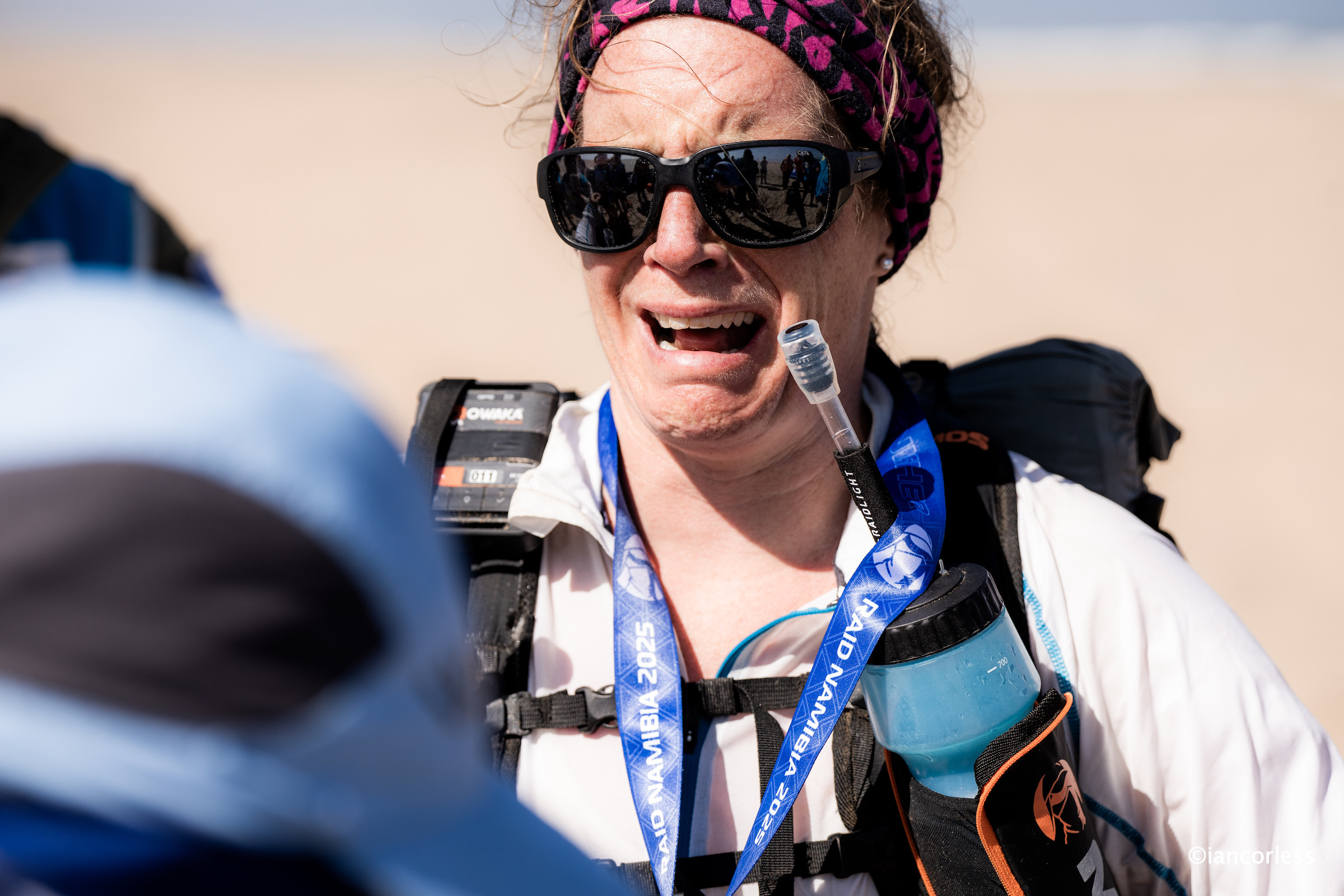
When the final teams crossed the finish line – worn out, arms raised, sometimes in tears – there was no grand ceremony, no confetti. Just the wind, the sand, and the quiet satisfaction of doing something very few people ever will.
Yet, in that exhaustion, something else was clear: no one was truly the same person who had arrived days earlier. This race changed people. It stripped them down, exposed their limits, and revealed what was underneath. Some discovered endurance. Others rediscovered purpose. Everyone left with more than they brought.
Looking Forward
The success of this first edition has set a powerful tone. MDS Raid Namibia may not be for the faint-hearted – but it is for the curious, the determined, the seekers. Those who want more than medals. Those who want something real.
What began as a desert race ended as a shared story of grit, resilience, and human connection. And the desert – harsh and indifferent – gave something beautiful in return.
To the runners, the volunteers, the partners, and the people of Namibia: thank you.







 IAN CORLESS