What Pack for Stage Racing, Multi-Day or Fastpacking

Stage racing, multi-day running and fastpacking all require a very specific pack. With the growth of multi-day running, many major brands now produce a pack or packs that are specifically designed for the task at hand. However, choosing a pack can be a daunting process due to many variables.

First and foremost, spend some time and sit down with a piece of paper and make notes of all the equipment that you need to carry. This may sound obvious, but there is a great difference in needs and demands.

For example:

  • Are you running in a hot or cold environment?
  • Do you need to carry food for the adventure or will you be able to get food on the route?
  • What spare clothing do you need?
  • What safety equipment do you need to carry?
  • Do you need a tent?
  • Do you need a sleeping bag and sleeping mat?
  • How much liquid do you need to carry and do you need immediate access to that liquid?

And the list goes on, so, take time to sit down and plan. This also helps you look at weight.
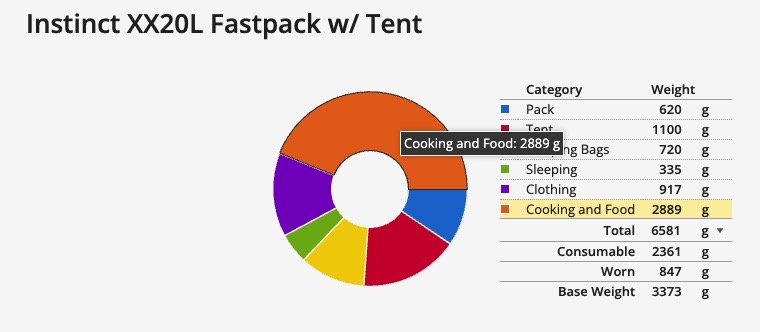
An excellent website to help facilitate this is Lighterpack – You can see an example HERE of all the contents I used when testing the Instinct XX20L when I went fastpacking with a tent.

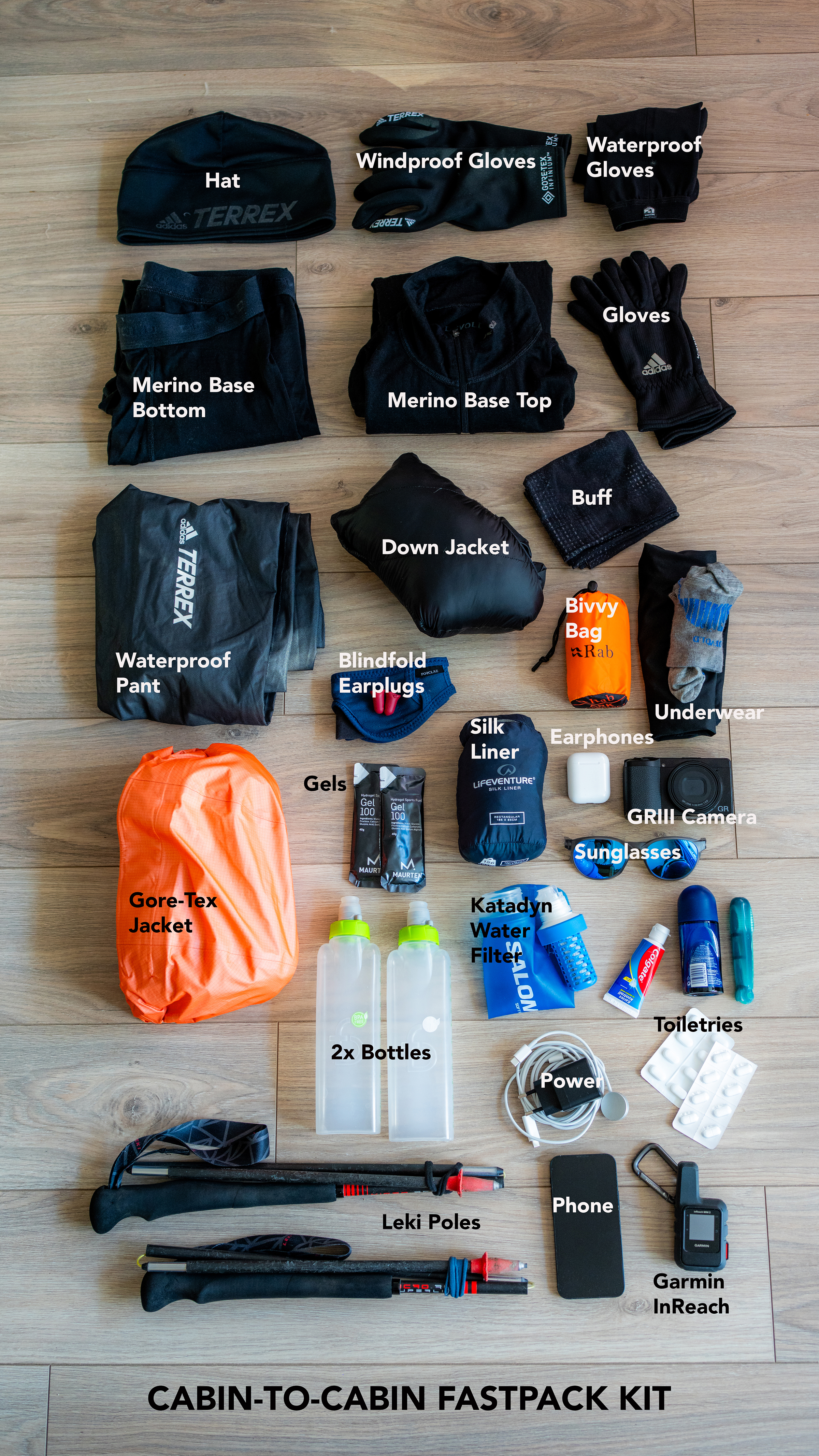
Recently I went fastpacking in Norway running from cabin-to-cabin. I did not need food (other than run snacks,) did not need a sleeping bag, just a sleeping bag liner and I could be minimal on clothing. I used the Camelbak Octane pack and the contents were as listed below:

You can see an example of my pack below and the details are as follows:

  • Camelbak Octane Pack 600g
  • adidas hat 32g
  • adidas gloves Infinitum 52g
  • Hestra waterproof gloves 53g
  • adidas gloves 41g
  • Devold merino base top 193g
  • Devold merino base bottom 166g
  • Buff 43g
  • Haglofs down jacket 163g
  • adidas waterproof pant 125g
  • adidas Gore-Tex jacket 272g
  • Rab bivvy bag 110g
  • Underwear 98g
  • Gels 81g (for emergency)
  • Silk liner 126g
  • Blindfold/ earplugs 22g
  • Earphones 44g
  • Ricoh GRIII camera 251g (a luxury)
  • Sunglasses 18g
  • Bottles x2 90g
  • Katadyn water filter 52g
  • Toiletries 196g
  • Power supply 138g
  • Phone 136g
  • Garmin InReach 108g
  • Leki poles 250g

3379g 

As you can see, my pack weight was low. This allowed me to move faster and lighter for less effort.

KEY CONSIDERATIONS FOR CHOOSING A PACK
Once you have worked out what you need to carry, you can then decide what size pack you need. The best recommendation here is that it is better to have a pack that is maybe just too small. That way you will be strict on what you take and what you do not take. Of course, this decision should never be at the compromise of safety. Simply, if you have more room, you tend to take more because you can.

When doing a stage race, multi-day or fastpack, weight is the enemy, so, you need to be as light as possible.

WAA has a waist belt and optional front pocket for food/snacks and water bottle.

Comfort is obviously hugely important and just like shoes, packs need to fit you, cause no rubbing or irritation and feel like a piece of clothing. What works for one person will not work for another. A great example being, the needs and requirements for 152cm tall woman weighing 55kg is very different than a 182cm tall male weighing 85kg. It’s great to ask and take advice BUT you need to try packs, see how they fit and importantly when trying, add weight so you can feel how it sits on your body. Many brands do different sizes now such as S/M or L/XL and one or two brands do male/ female versions: Ultimate Direction, Osprey and Oxitis being good examples.
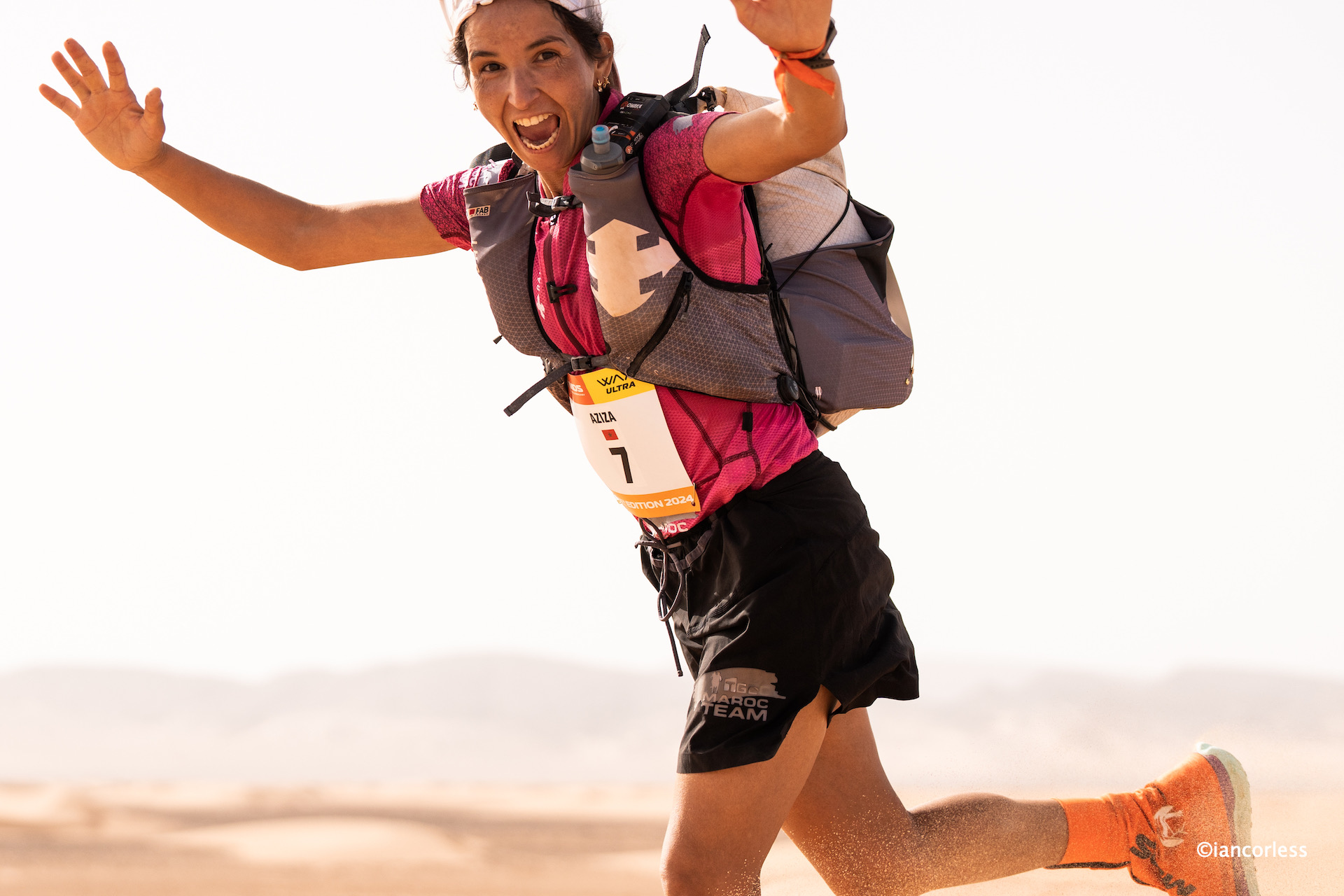
Aiziza El Amrany winner of the 2024 MDS with a Raidlight pack.

Many packs now use a ‘vest’ like system, however, when you have 8kg in the pack, does that fit and feel good? You need to know this. Look at pressure points, such as on top of the shoulders, this area can get very sore if you do not have enough padding. Also feel how it sits on your bag and check for bounce/ movement. A pack that moves too much causes friction, friction equals irritation and blisters.

A waist belt is often a great addition to help secure a pack to your body and distribute the weight load. Some love waist belts, others dislike them. I personally am a fan.

You must choose what is correct for you and don’t be afraid to go against the norm to use what is correct for you. A prime example being that a hiking pack may be the best solution for YOU. Trust this and ignore what others say. The only key things to consider: Be careful of the pack weight and make sure it is not too large in capacity.
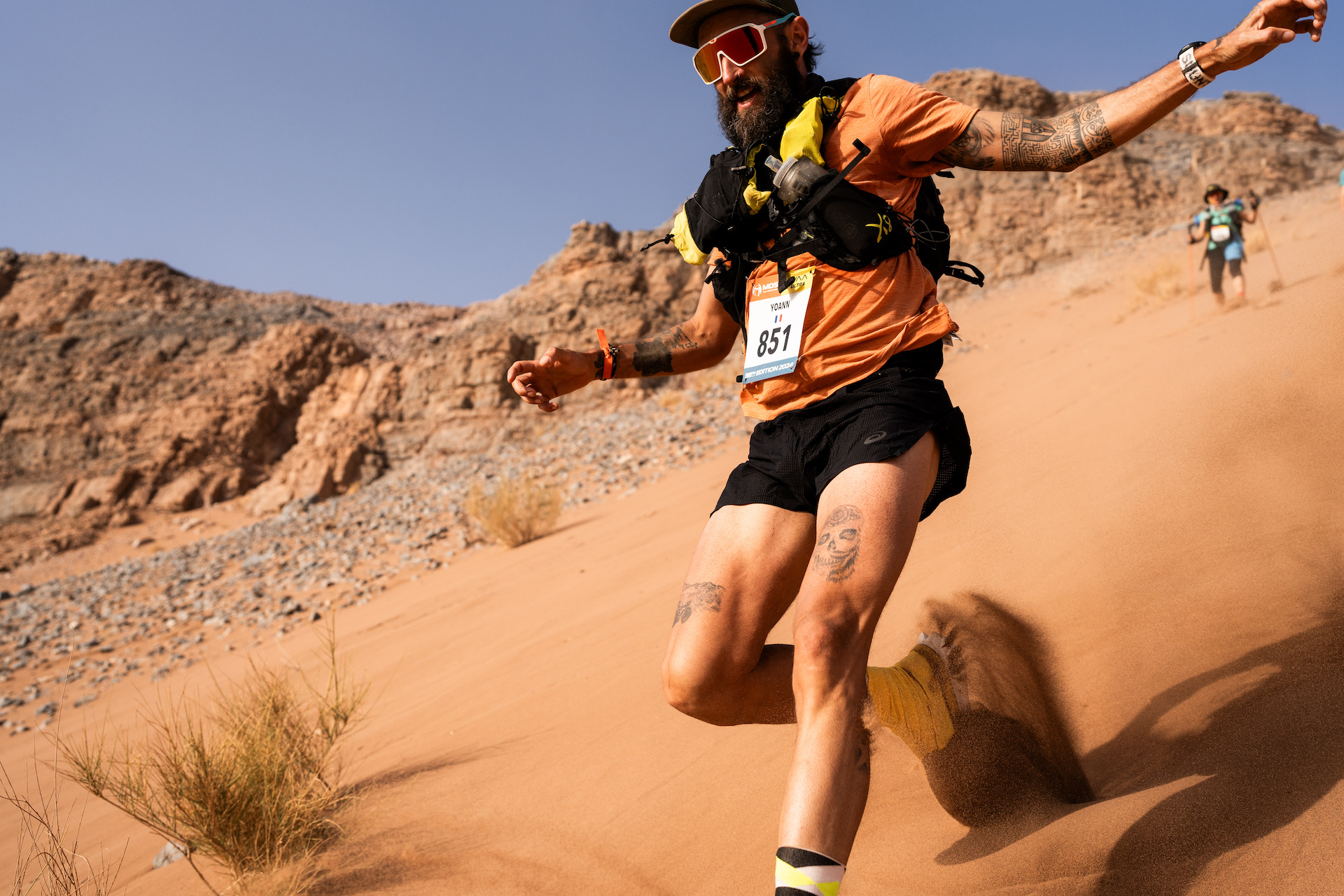
Instinct pack in action at MDS

Access to water is important, many packs now have the capacity and option to carry bottles up front. This makes drinking and refilling easy. However, this may not work for you. If that is the case, do what is right for you, if that means using a bladder, do so. The only consideration with soft flasks and bladders are the risk of puncture, but, I have used a bladder on countless adventures with no issue. Good admin is key.
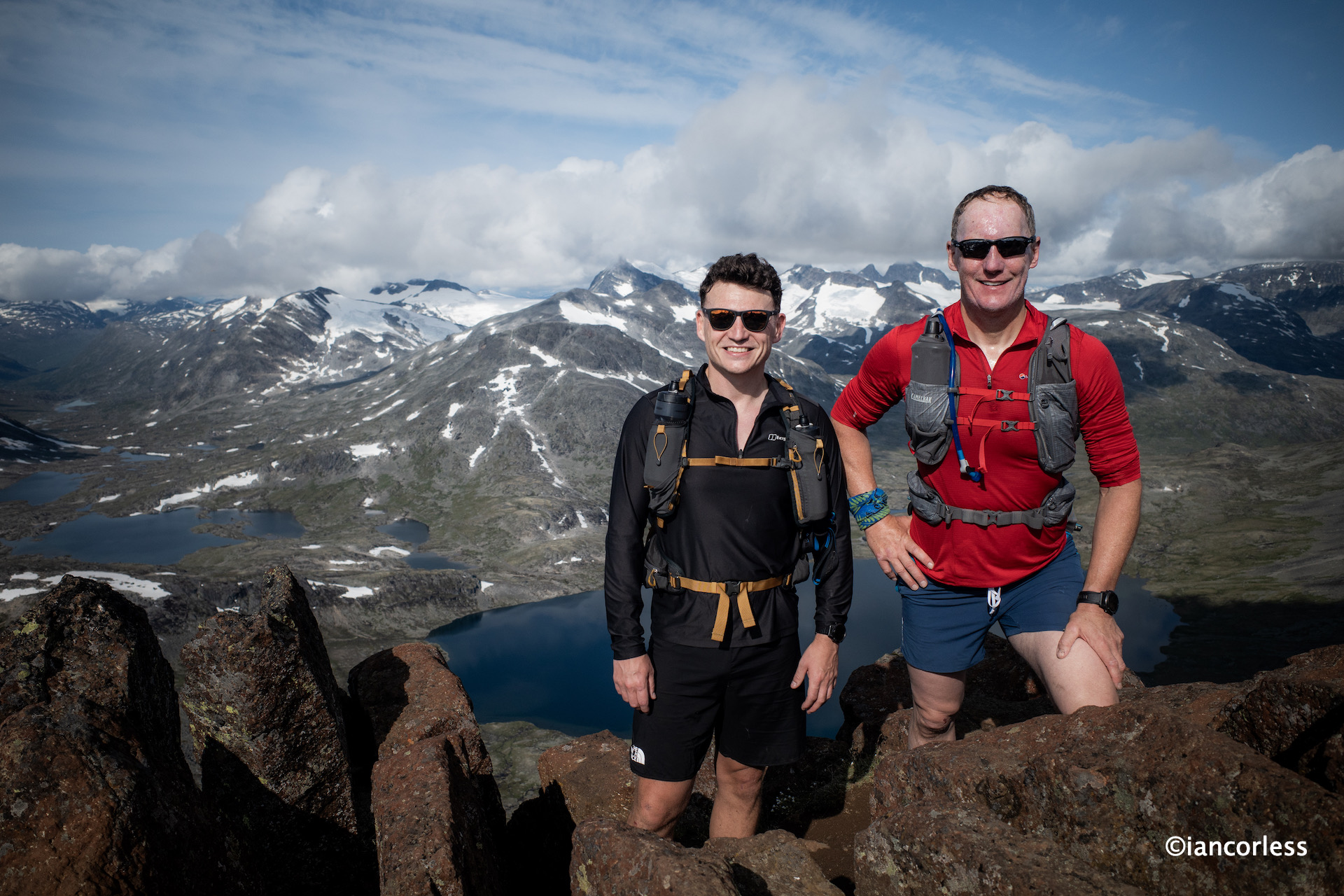
Osprey Talon Velocity and Camelbak Octane fastpacking in Norway.

If doing an adventure that is self-sufficient (such as MDS,) remember that as days pass, pack contents will become less due to eating food. So, the option to tighten, compress and make the pack smaller is a potential key consideration to stop or reduce bounce.

Finally, pack weight is important, BUT, do not go for the lightest pack if it has no durability. You need the pack to be strong, durable and reliable.

BRANDS TO CONSIDER

As mentioned, many brands now make packs or packs suitable for stage racing, multi-day or fastpacking.

If you have a brand missing from the list that you feel needs to be added, please make a comment below.

WHAT ARE THE BEST PACK OPTIONS TO CONSIDER

Remember, we are all individual. Every pack on the list below I have looked at, played with and tested in some capacity.

They are ALL applicable for stage racing, multi-day or fastpacking.

You may well be asking, but which do I prefer? Well, I could answer that, but if I do, am I then influencing your decision and thought process? So, for now, I will refrain from giving an opinion.

WAA Ultrabag 20L https://www.waa-ultra.com/en/mds-ultra-bag-20l.html

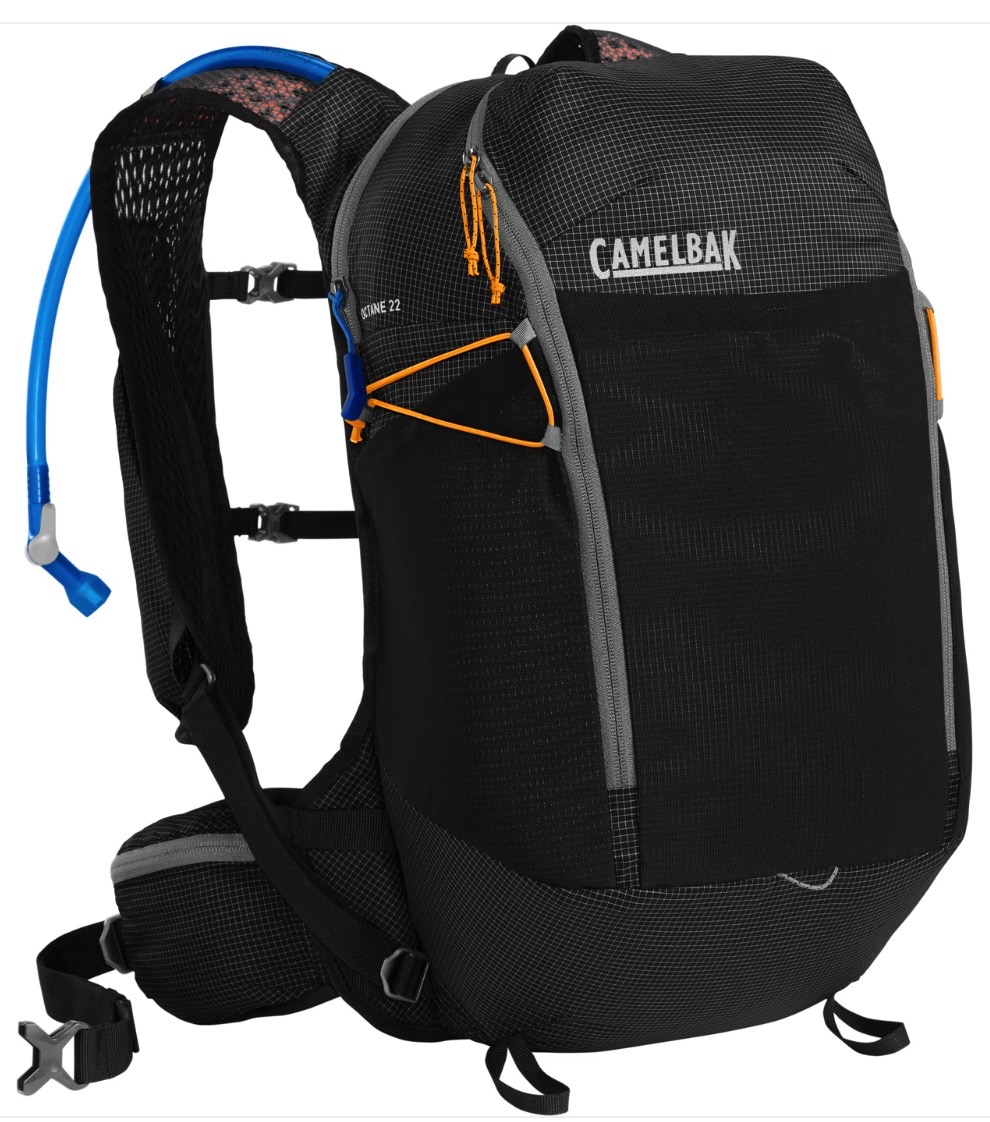
Camelbak Octane 22l https://www.camelbak.co.uk/products/octane-22-hydration-hiking-pack-22l-with-2l-reservoir?_pos=3&_psq=octane&_ss=e&_v=1.0
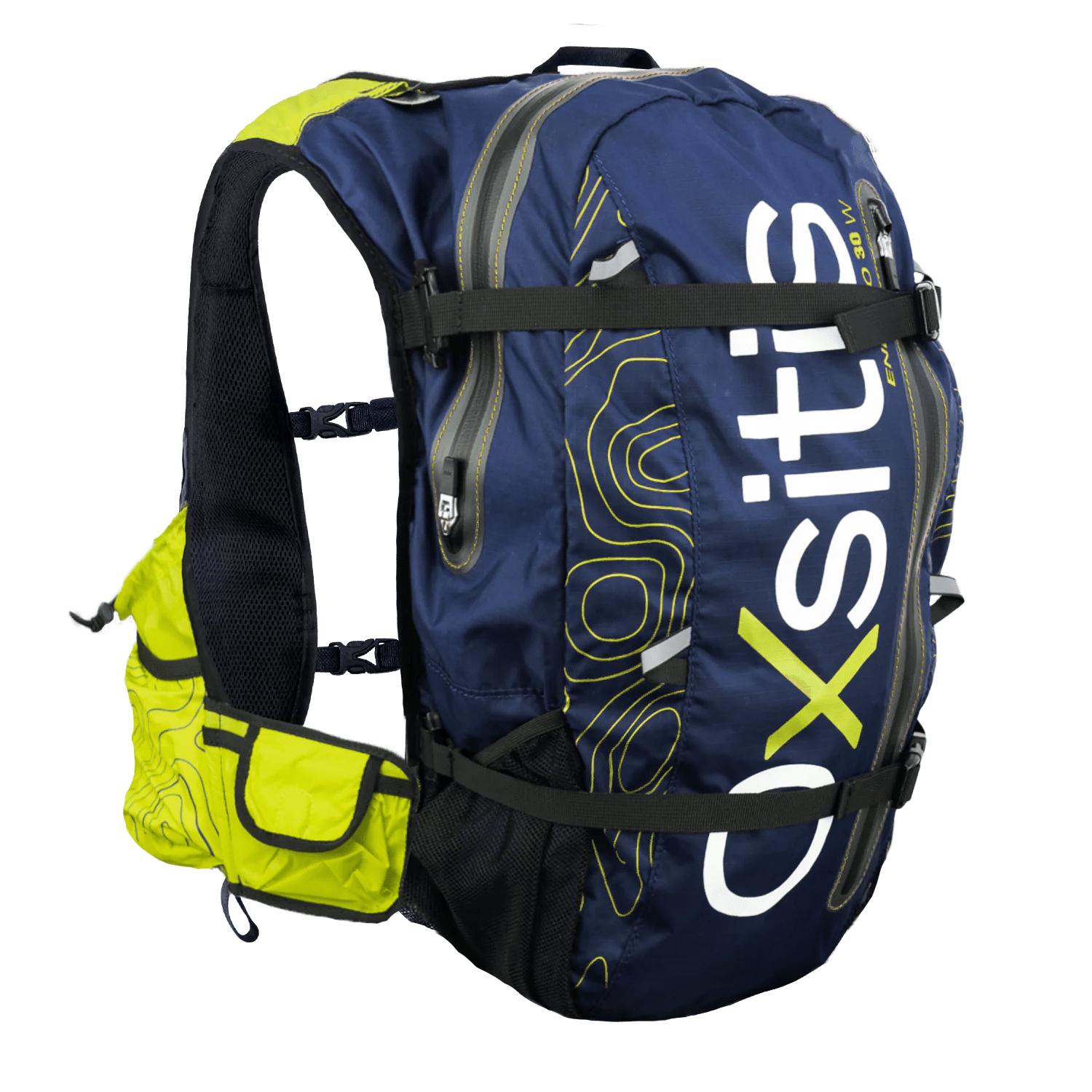
Oxitis Enduro 30 Ultra (male and female specific) https://www.oxsitis.com/en/product/sac-enduro-30-ultra/
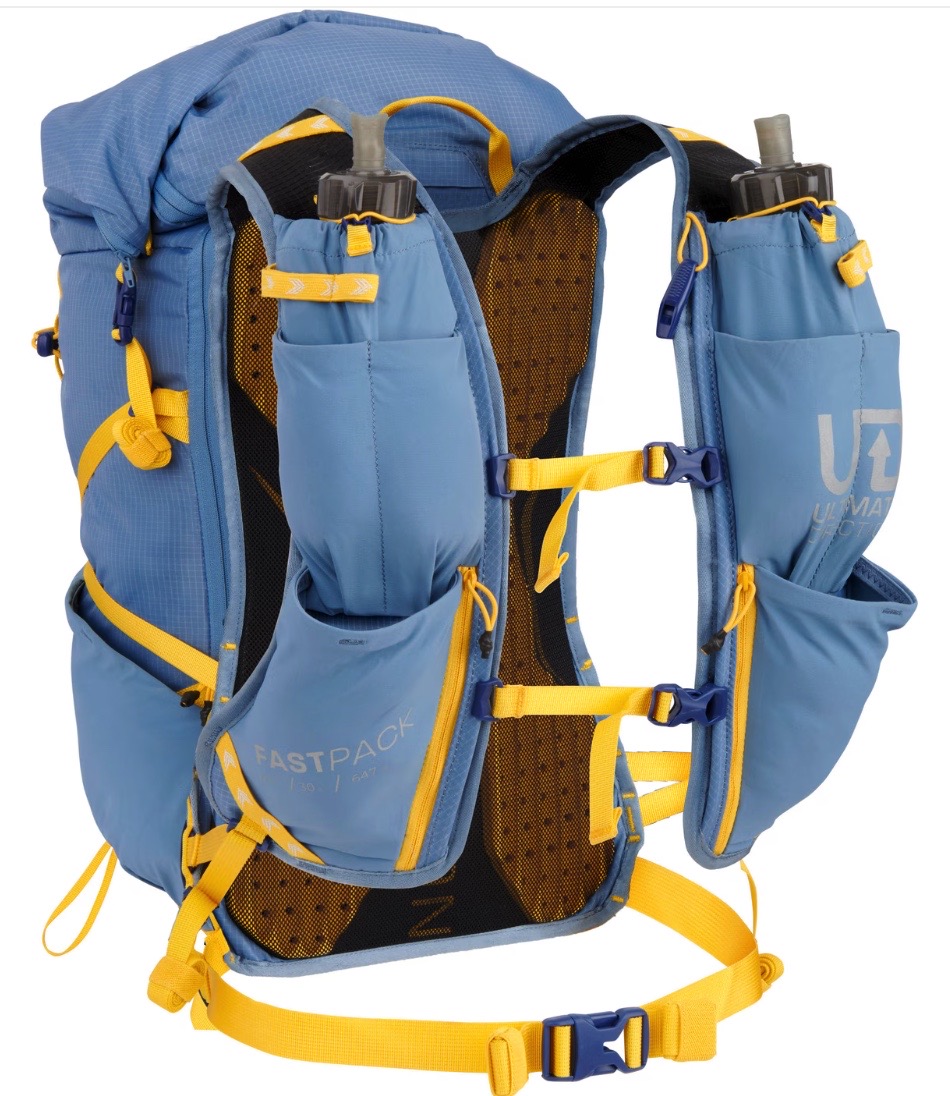
Ultimate Direction Fastpack available in 20L and 30L also male and female specific https://ultimatedirection.com/fastpack-20/
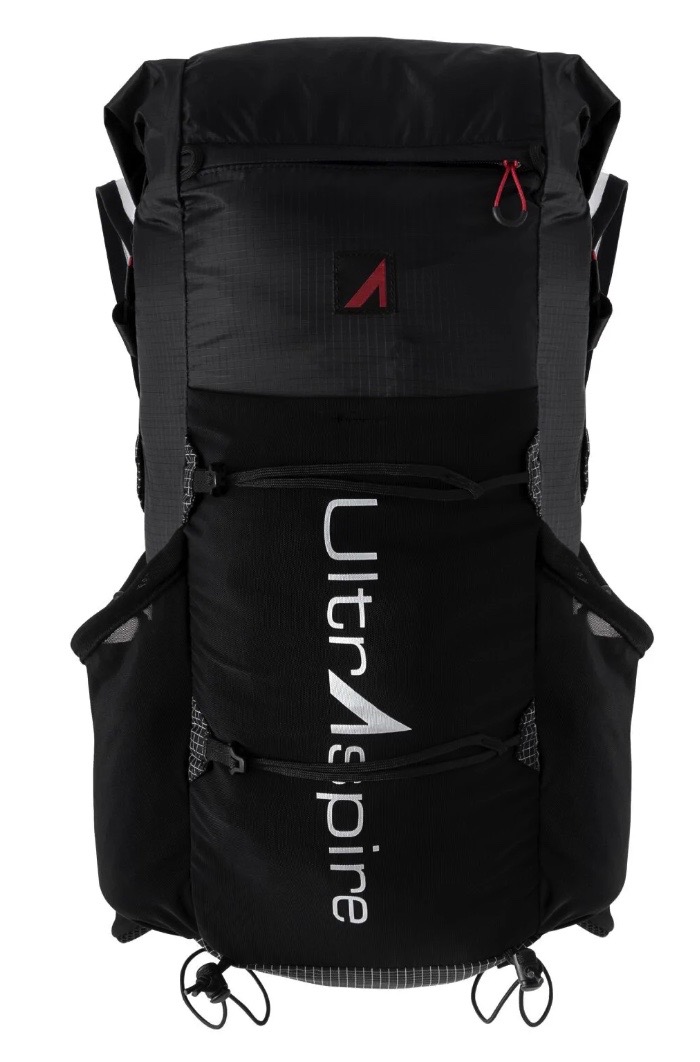
UltrAspire Epic  XT 20L https://ultraspire.com/products/epic-xt-20-hydration-pack/
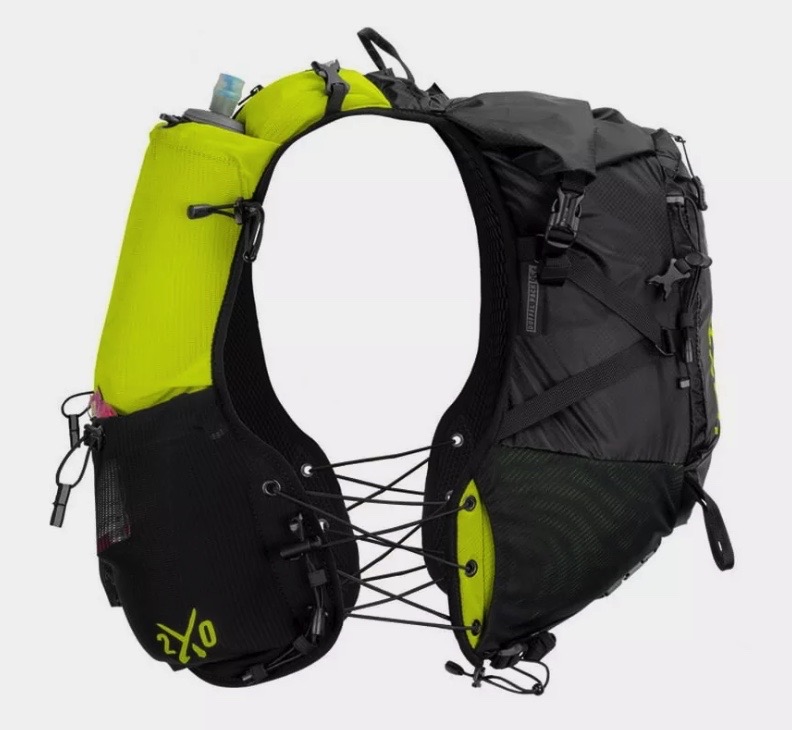
Instinct XX 20-24L https://www.instincttrail.com/product/xx-20l/
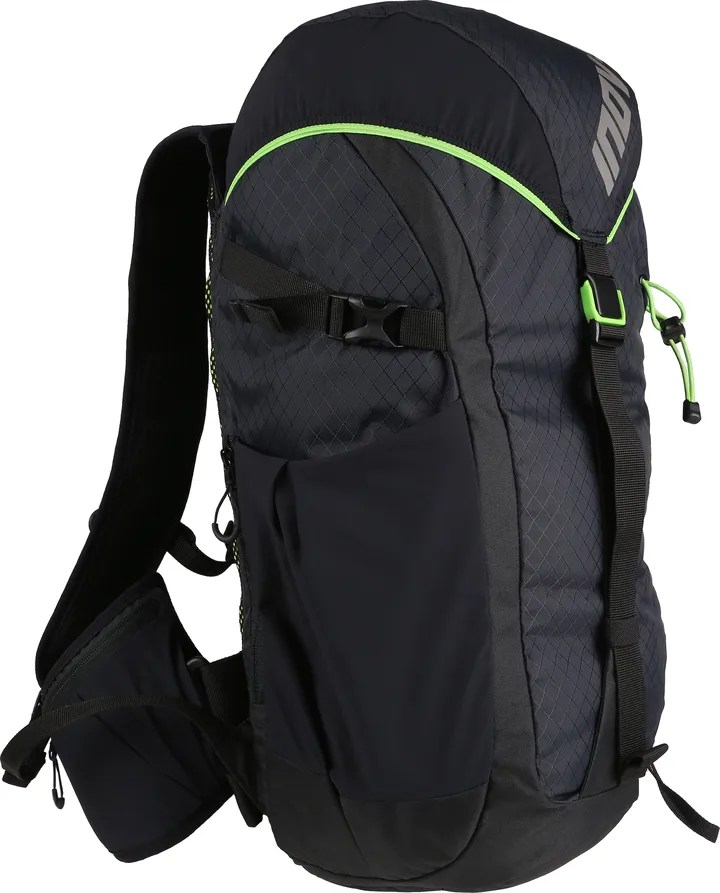
Inov-8 Venturelite 25 https://www.inov8.com/venturelite-25l-hiking-pack?colours=3120
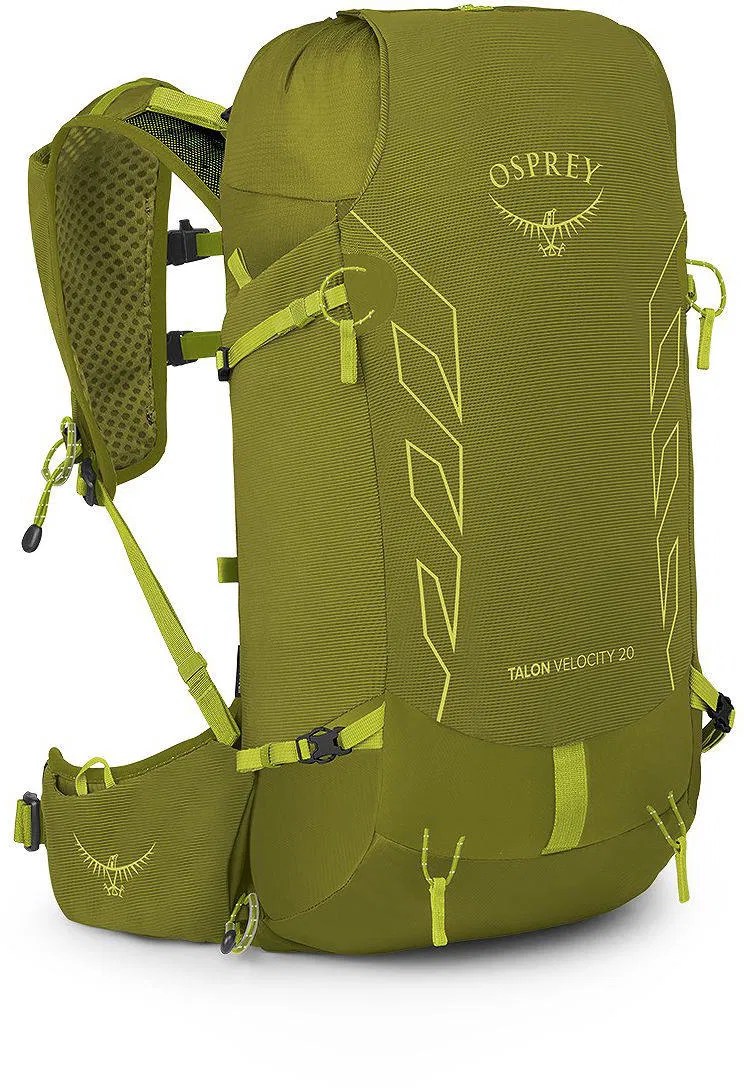
Osprey Talon Velocity in 20l and 30l (male and female fit) https://www.osprey.com/talontm-velocity-20?color=White
Raidlight Ultralight 24-30l (maybe the lightest pack available?) https://raidlight.com/en/products/sac-a-dos-trail-ultralight-24-30-made-in-france

Raidlight Raid Legend 25l https://raidlight.com/en/products/sac-a-dos-de-trail-activ-legend-24l
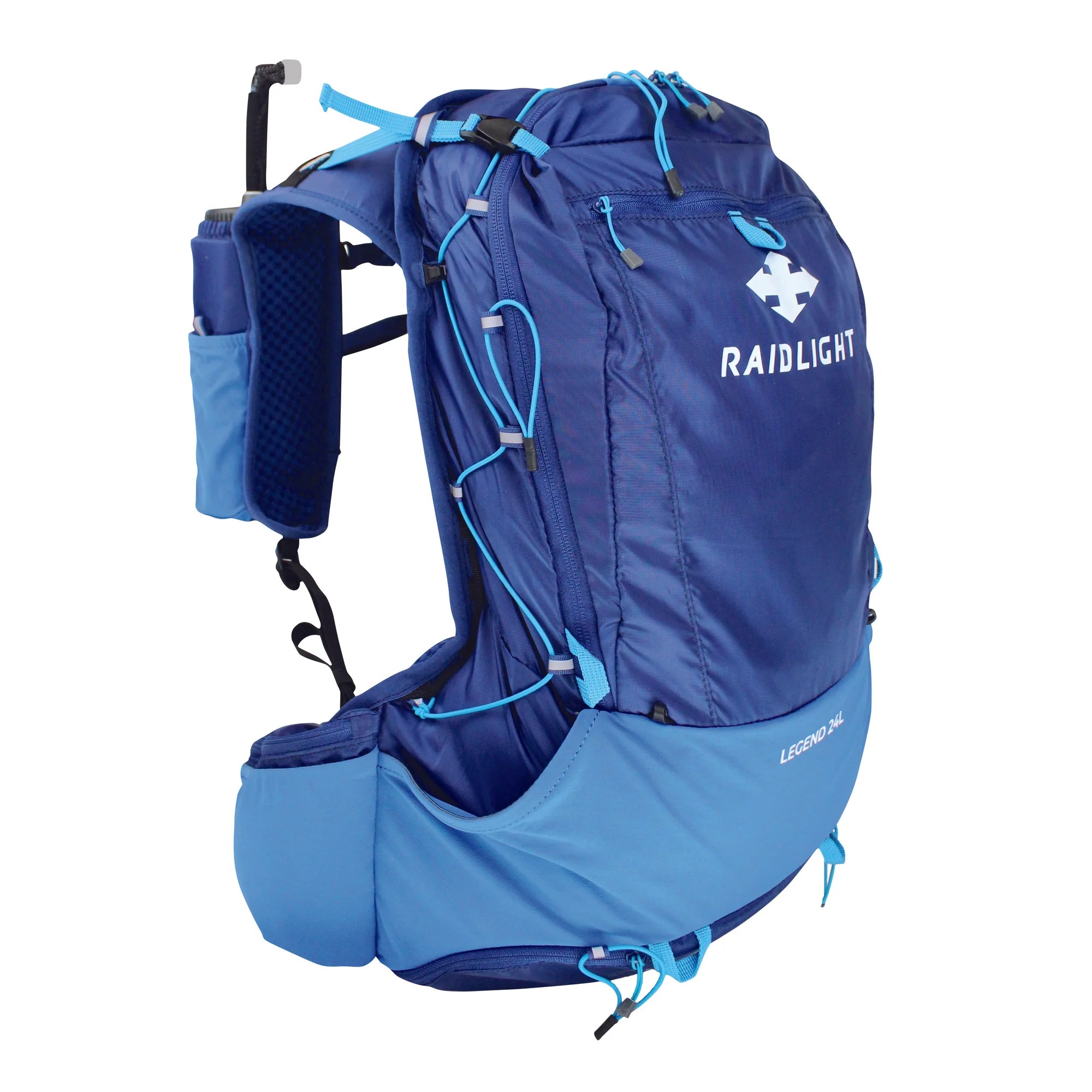
Montane Gecko VP 20l https://montane.com/products/montane-gecko-vp-20
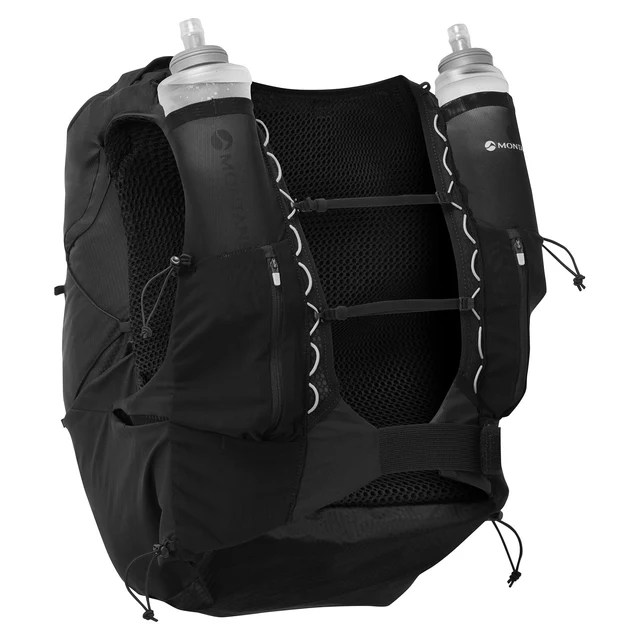
Montane Trailblazer 25l https://montane.com/products/montane-trailblazer-25l-backpack
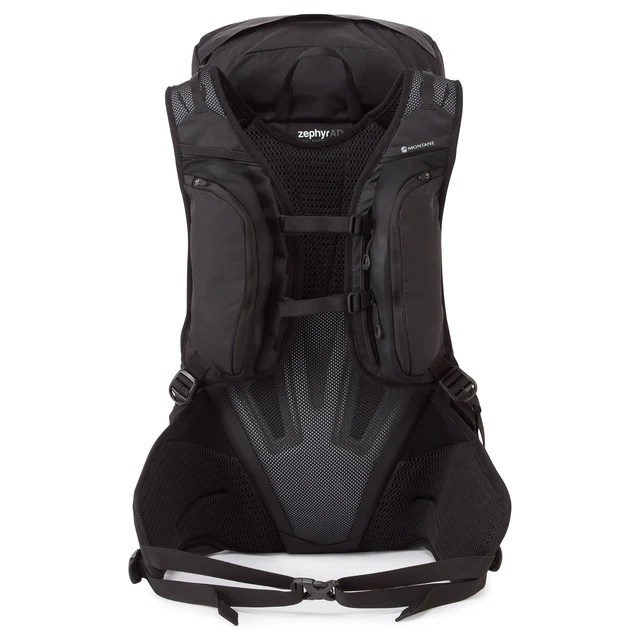
Salomon XT 20 https://www.salomon.com/en-us/shop/product/xt-20-lc12756.html#color=87687&size=27106
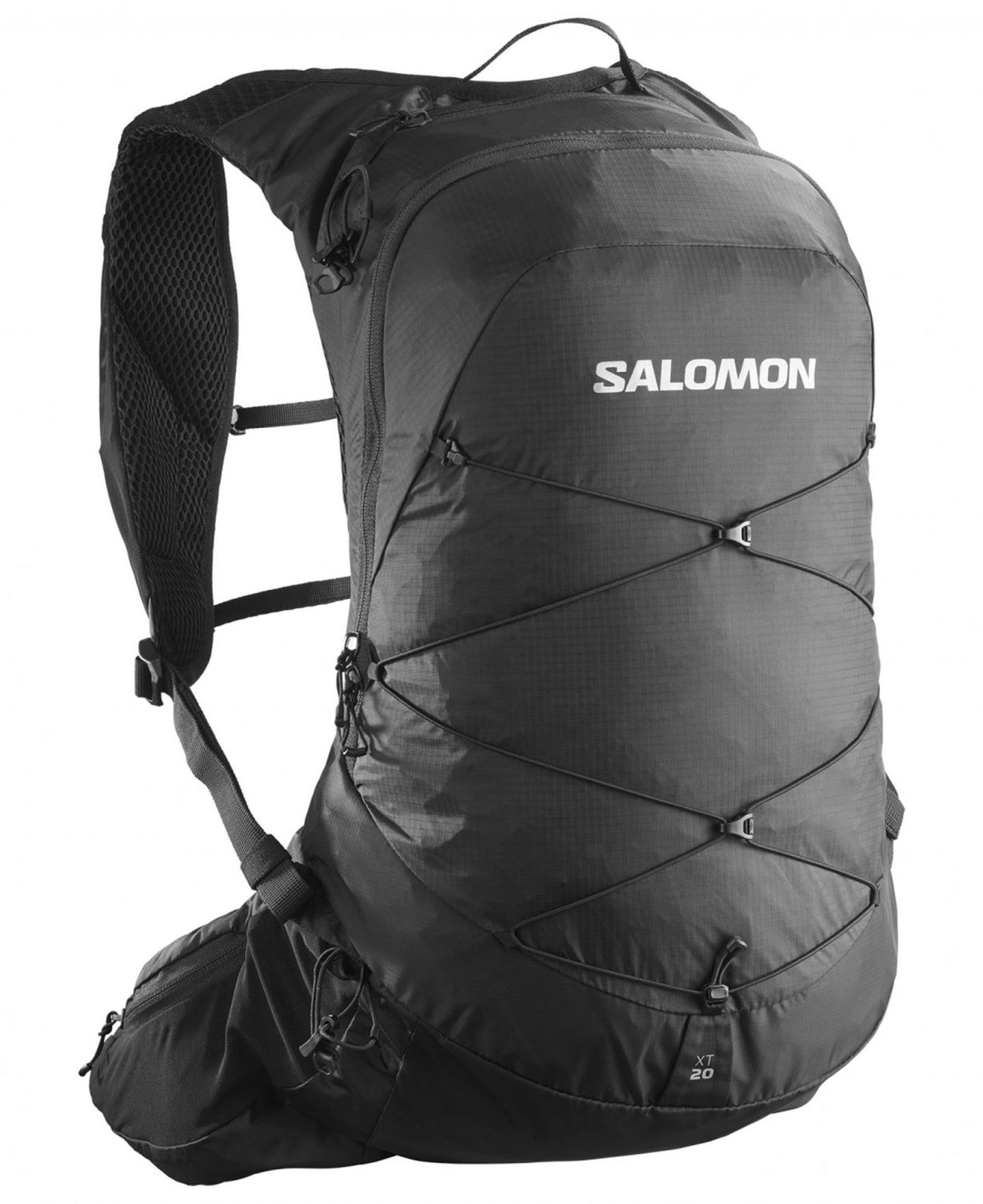
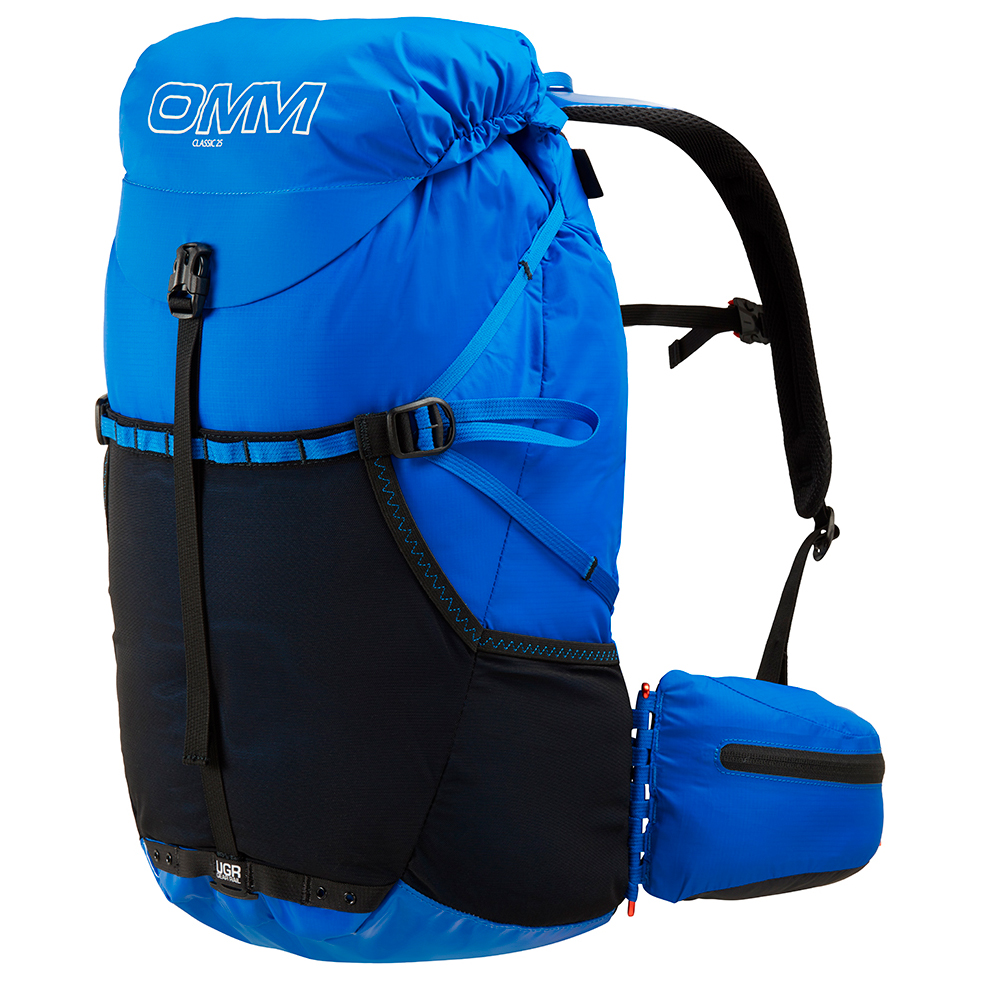
OMM Classic 25 https://theomm.com/product/classic-25/
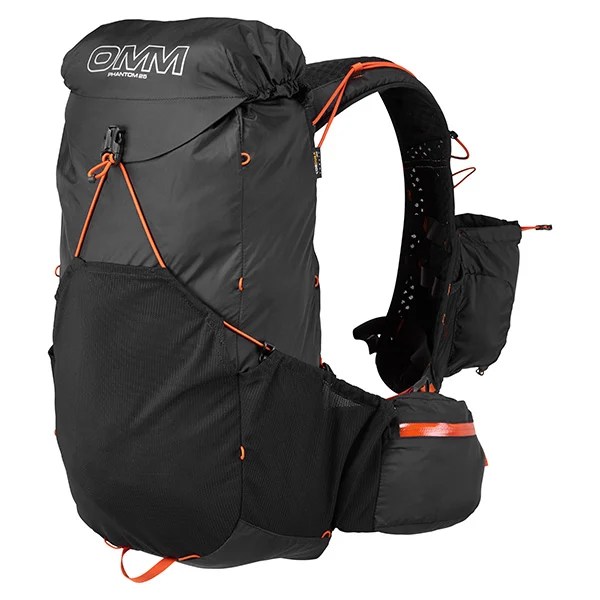
OMM Phantom 25 https://theomm.com/product/phantom-25/
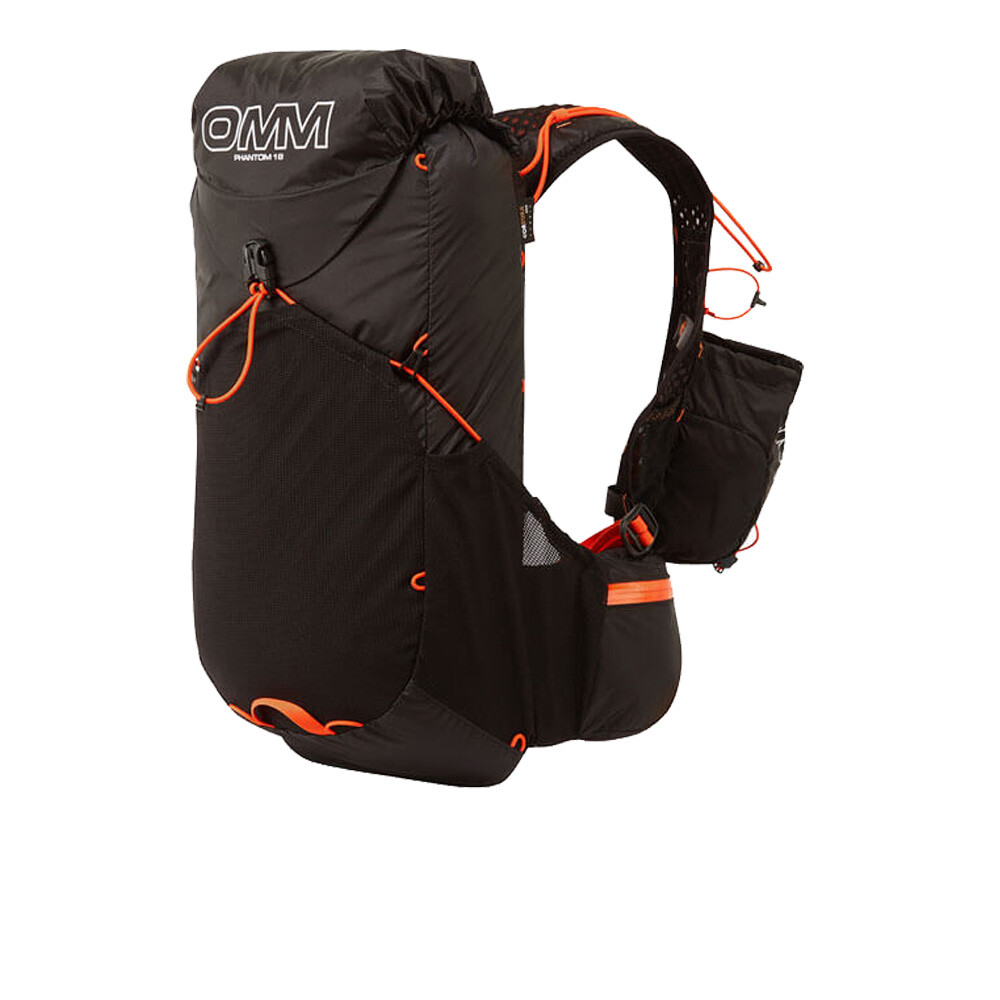
OMM Phantom 18 https://theomm.com/product/phantom-18/
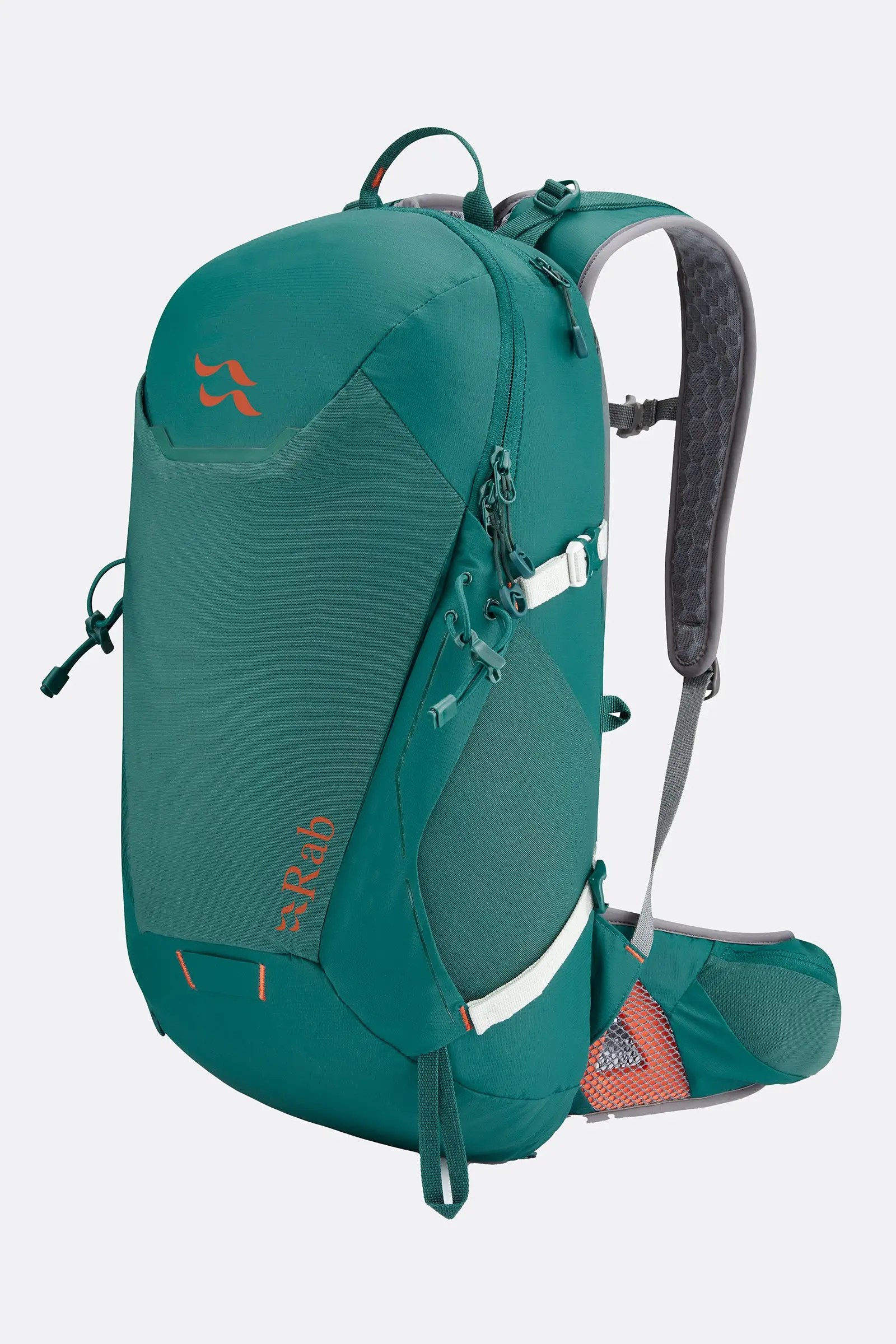
RAB Aeon (18 and 28l) https://rab.equipment/uk/rab-aeon-ultra-28-lightweight-pack
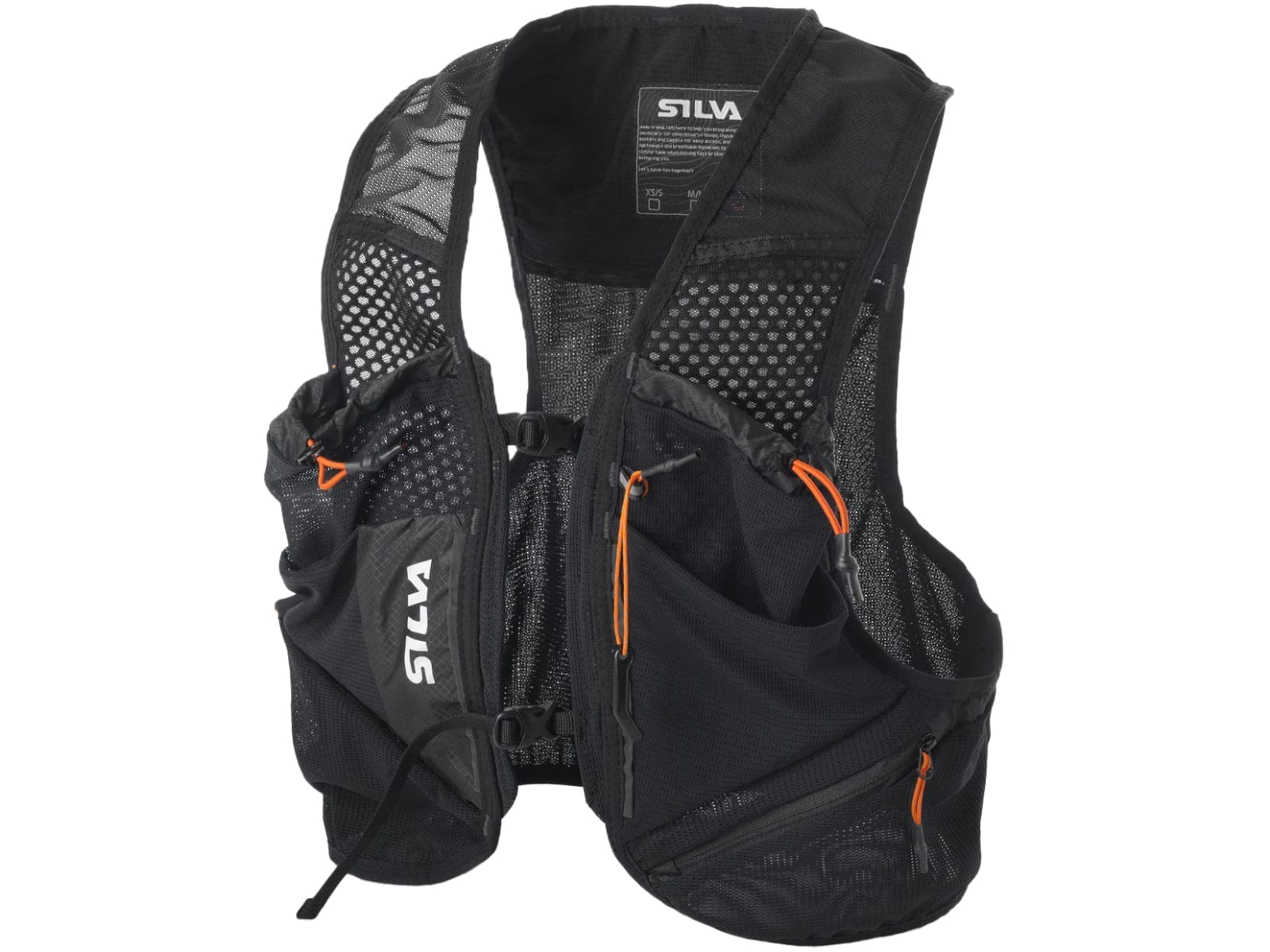
SILVA Strive available 17+3l or 23+3l https://silvasweden.uk/collections/backpacks/products/strive-mountain-pack-17-3
Large Capacity Packs:

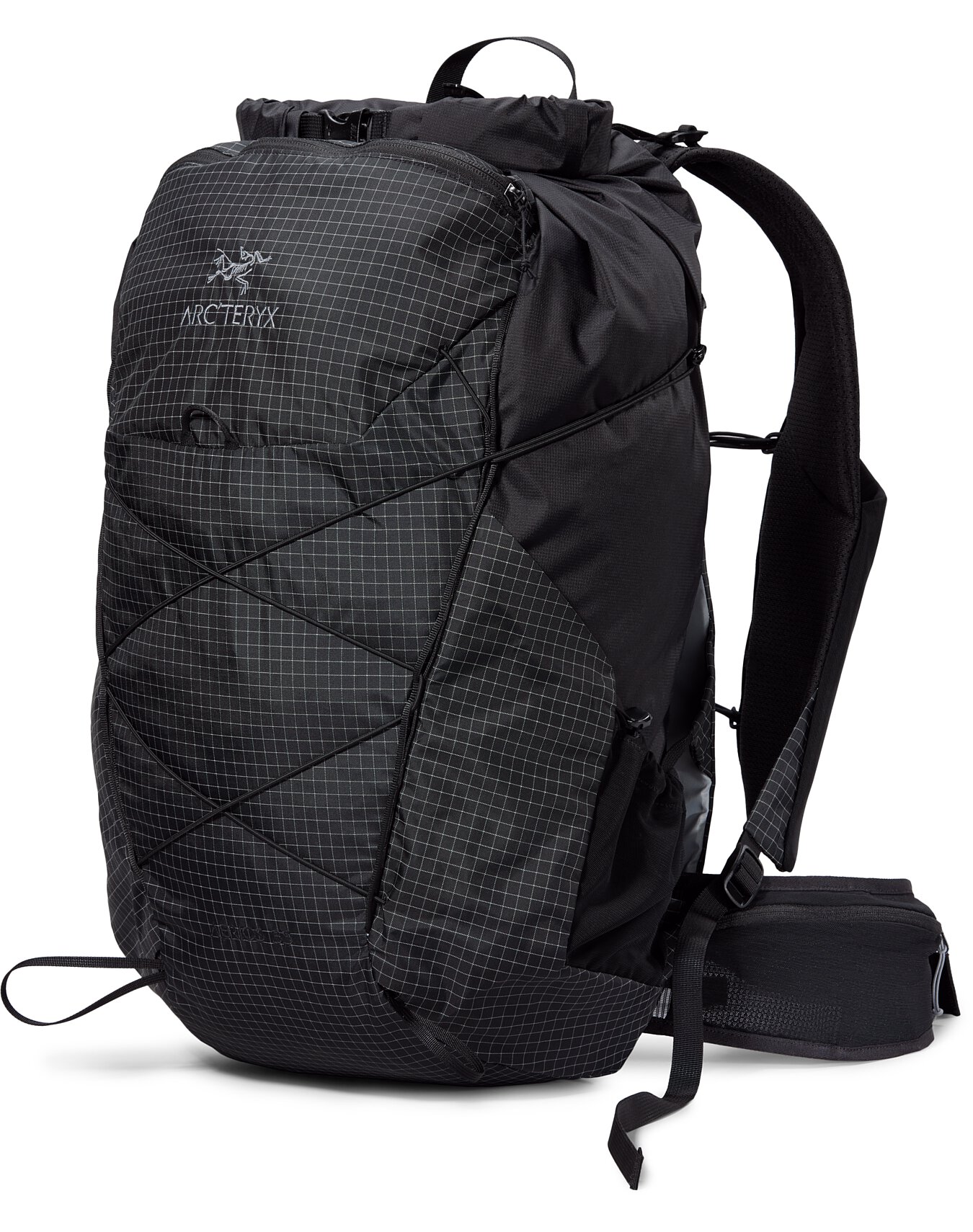
Arc’teryx Aerios 35 https://arcteryx.com/no/en/shop/aerios-35-backpack?sub-cat=multi-day&sub_categories=Multi-Day
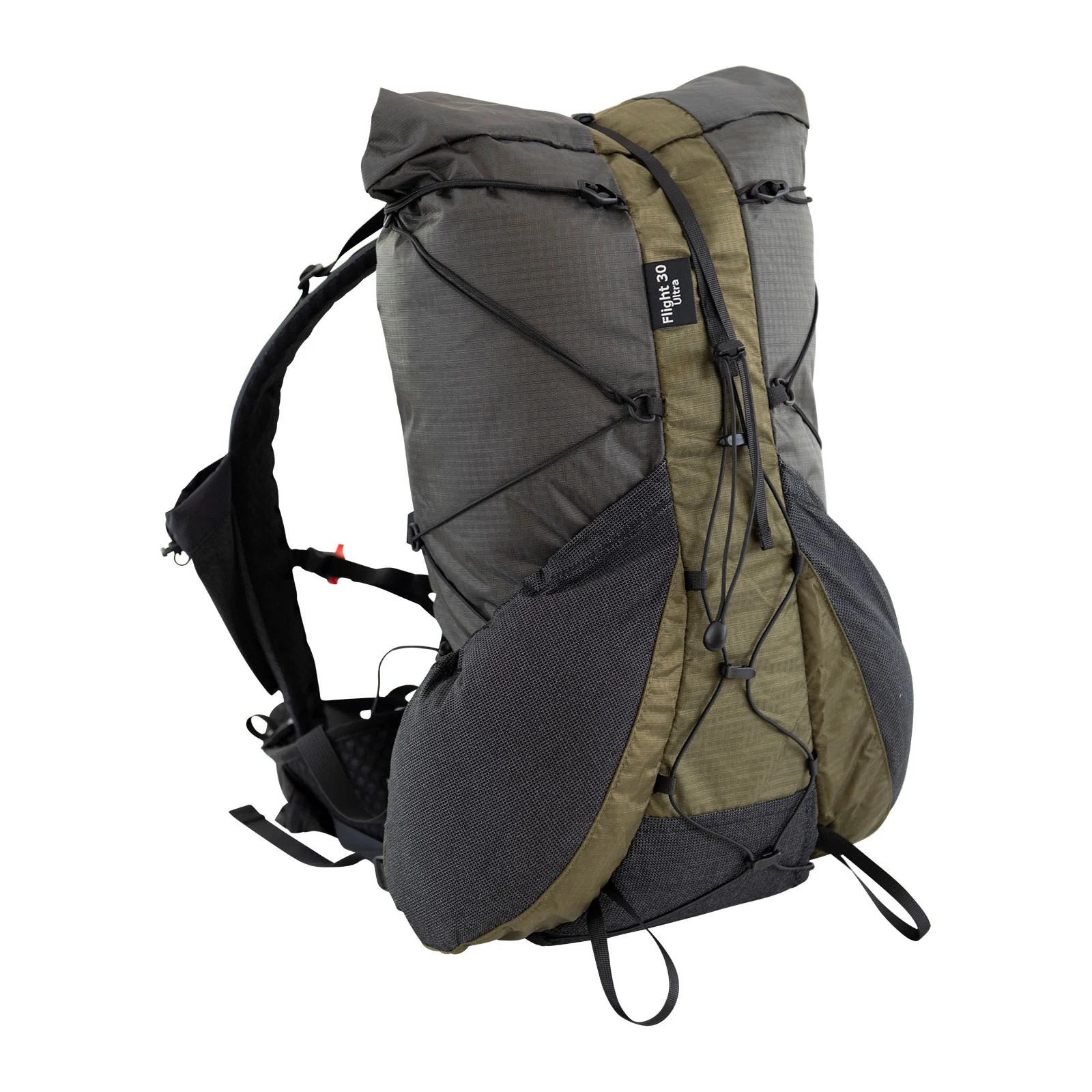
Six Moon Designs Flight 30 https://www.sixmoondesigns.com/
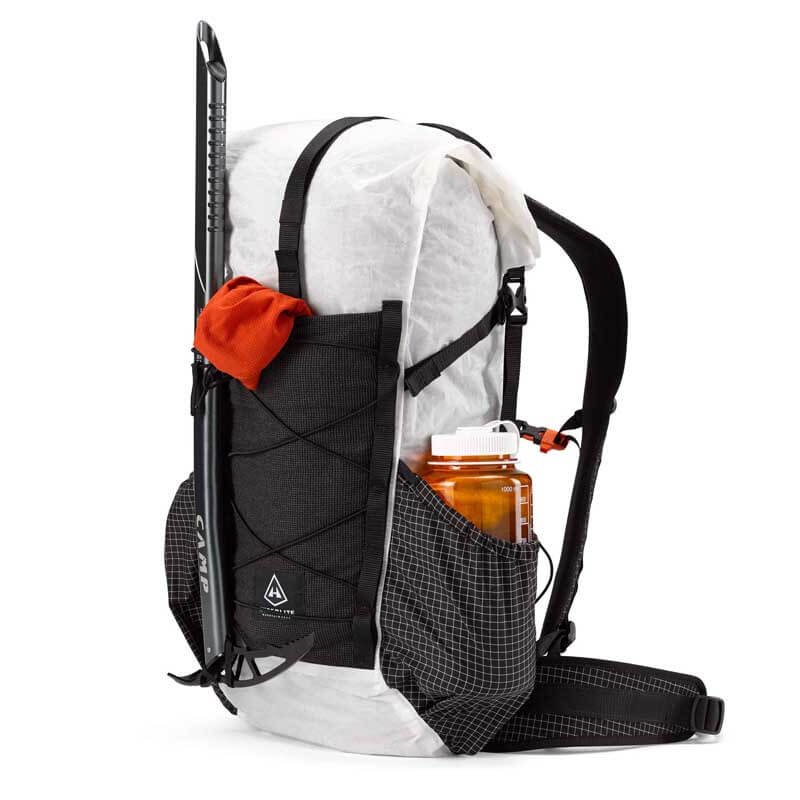
Hyperlite Mountain Gear Elevate 22 https://www.hyperlitemountaingear.com/products/elevate-22
CONCLUSION

Ultimate Direction pack at MDS

As you can see above, there is no shortage of options for packs. The main problem is testing and trying packs. Today, the internet and online purchasing provides us all great options and ease for shopping, but, I cannot emphasise enough, with a pack, go to a store, try them on, add weight and play around. Ideally, go to a store that sells many options so you can compare.
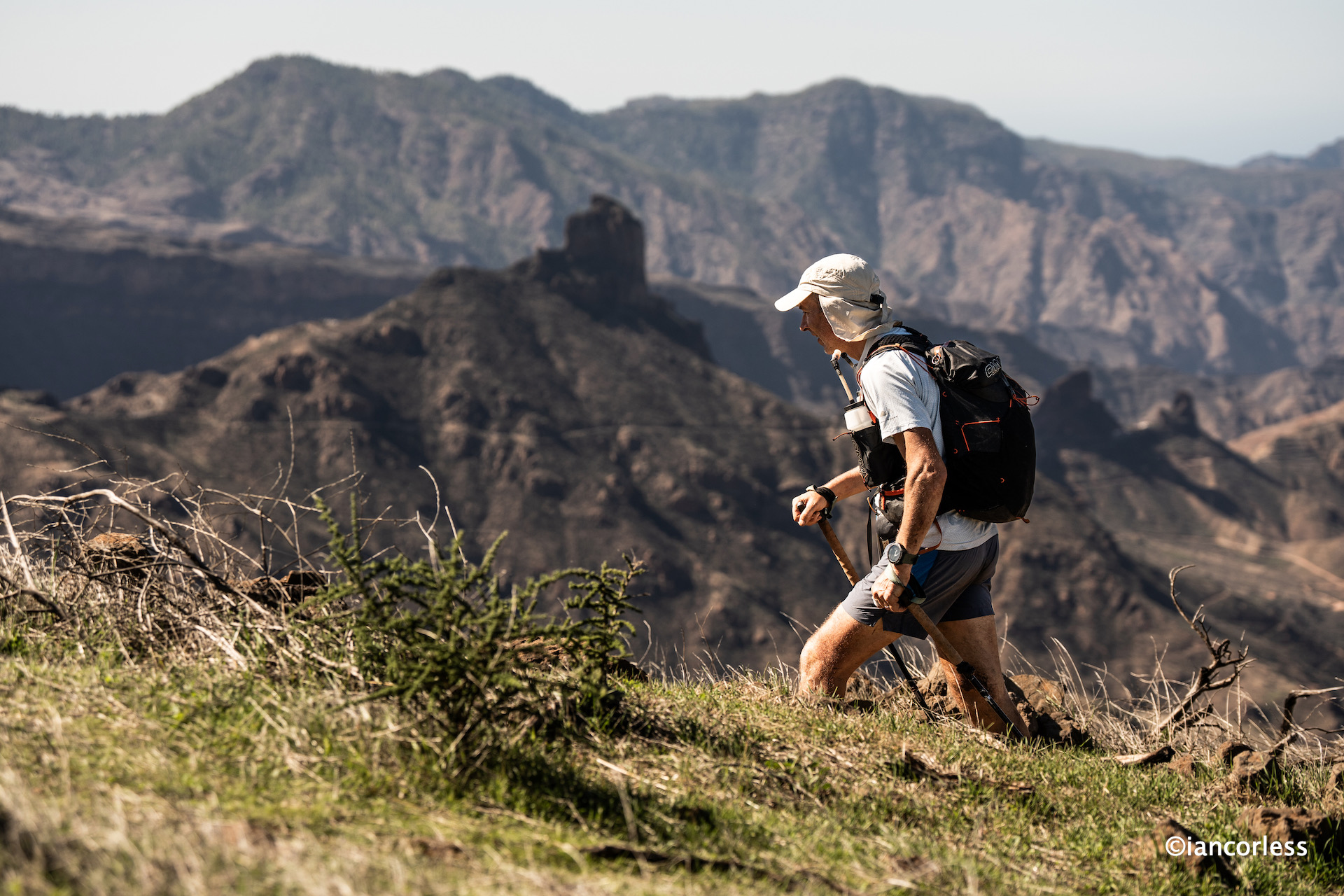
The right pack is the one that works for you

Follow on:

Instagram – @iancorlessphotography

Twitter – @talkultra

facebook.com/iancorlessphotography

Web – www.iancorless.com

Web – www.iancorlessphotography.com

Image sales –www.iancorless.photoshelter.com

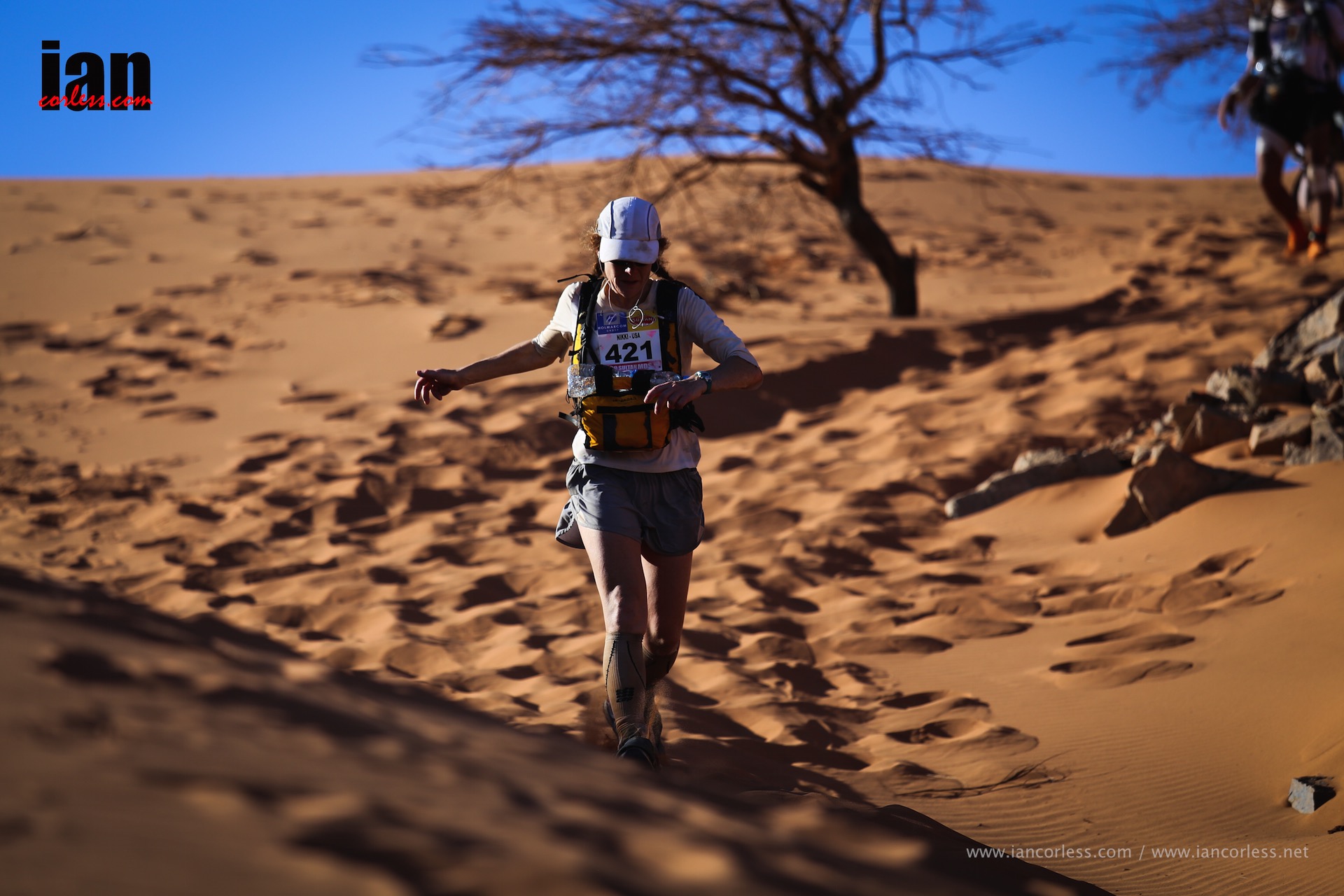
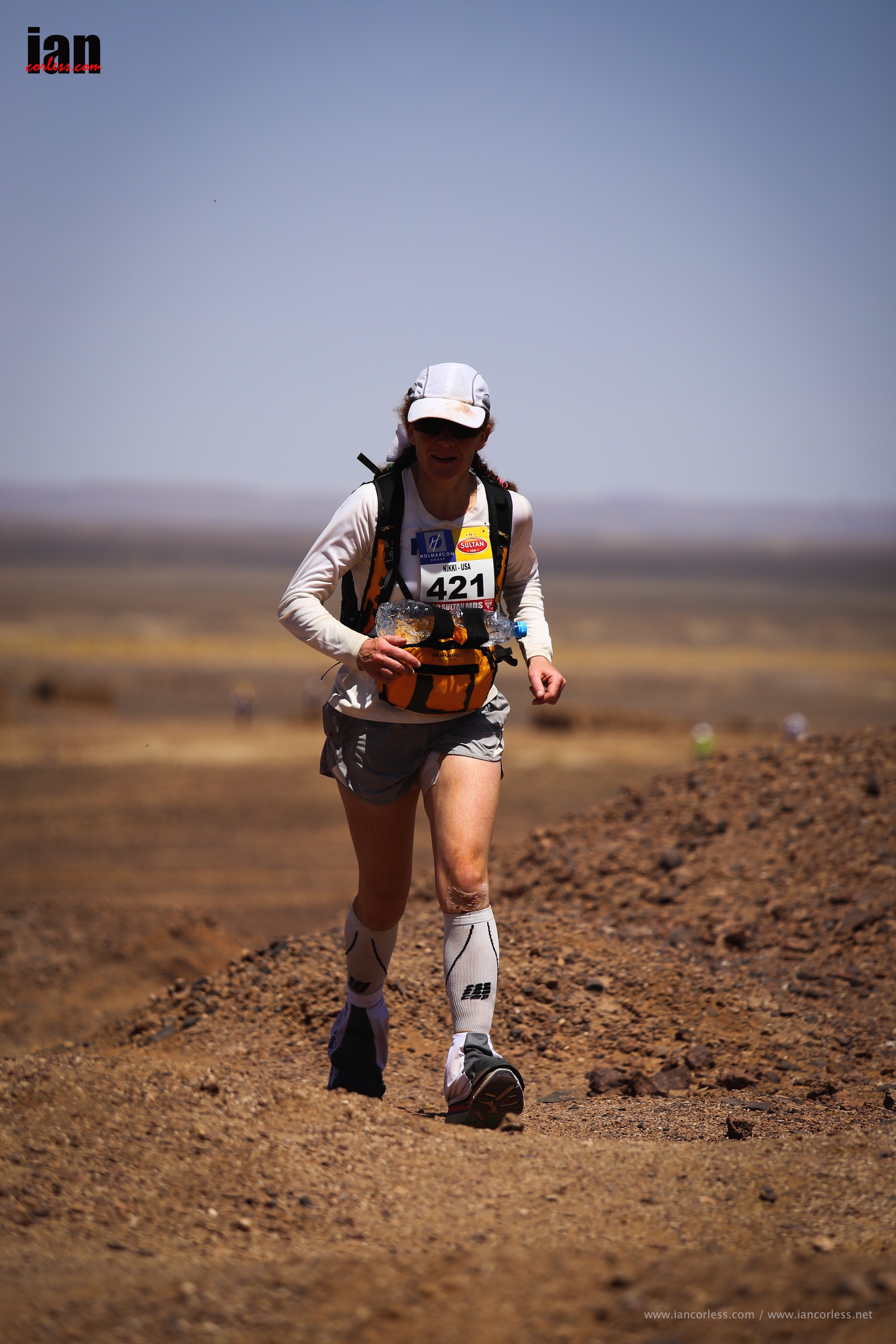
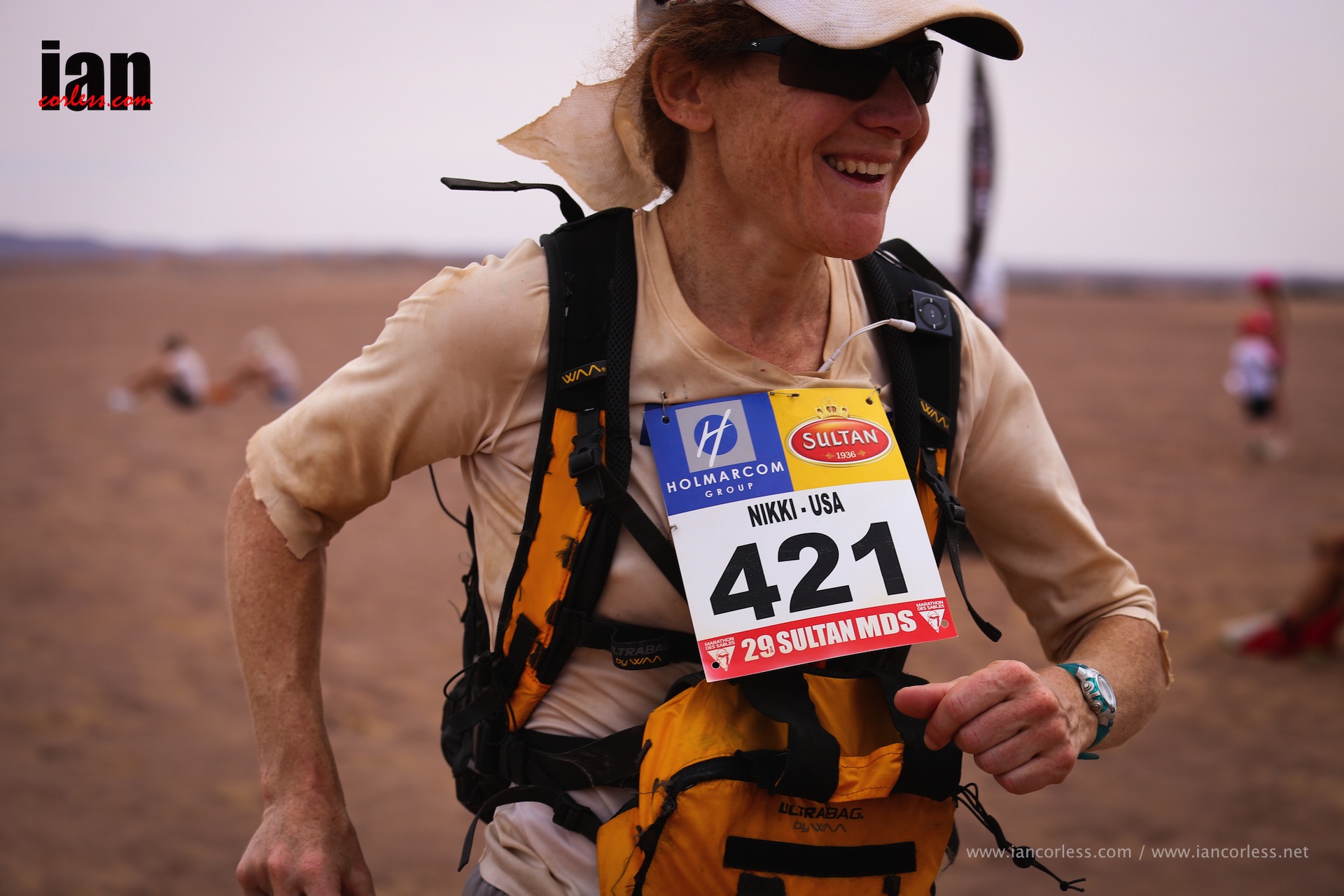
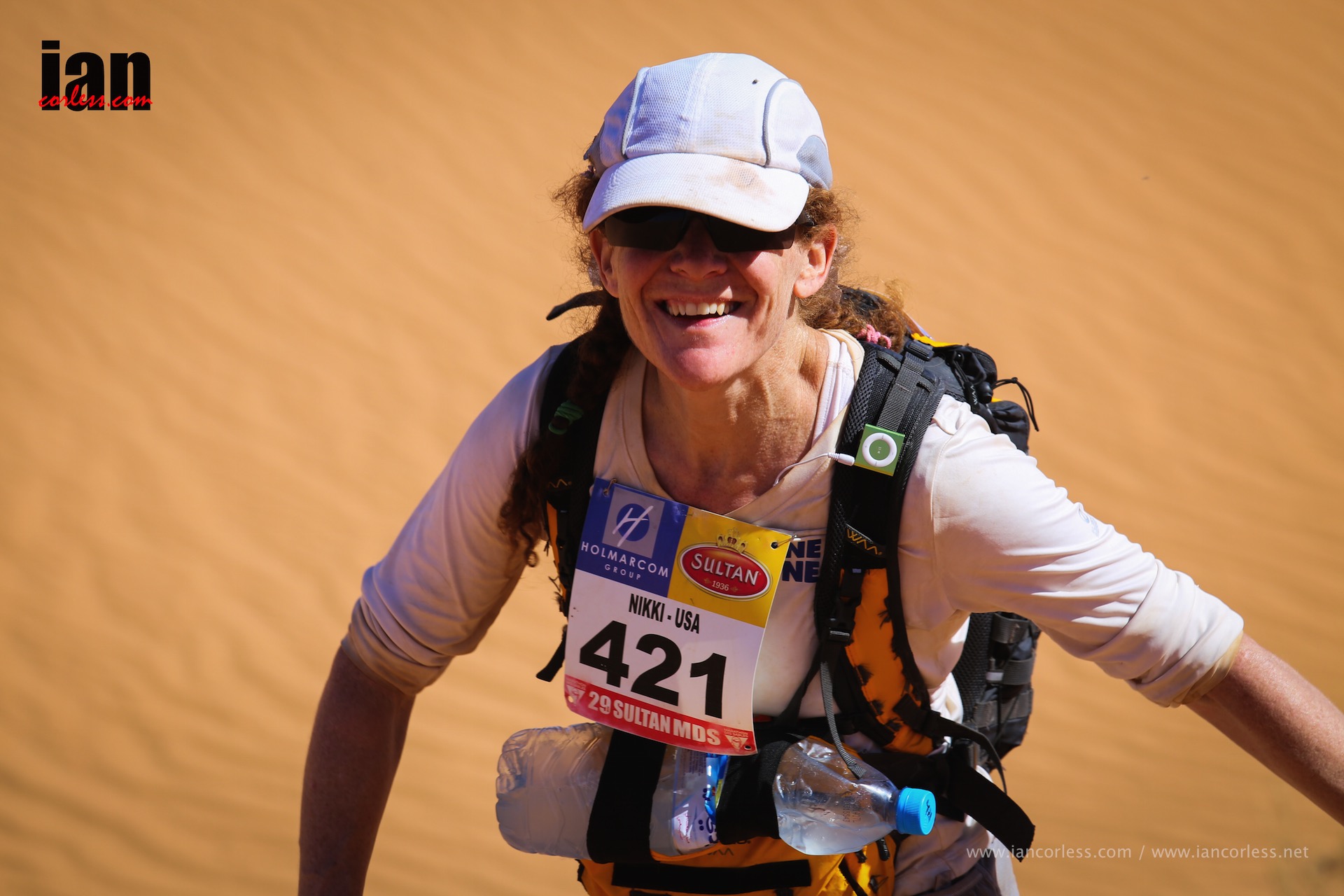
Nikki Kimball – ‘Hints ‘n’ Tips’ Marathon des Sables #MDS2015

©iancorless.comIMG_2710

Nikki Kimball is one of the most highly respected ultra runners in the world, Her running CV is beyond comprehension. It all started in 2000 with a win at Escarpment Trail Run 30k at the age of 29.

In 2004, Nikki had a break through moment with victory at the iconic Western States. Nikki also won again in 2006 and in 2007 she did the ultra double winning Western States and UTMB in the same year.

An ever present in the world of ultra running, Nikki has often been referenced as a true pioneer of the sport. In 2014 Nikki ran the Marathon des Sables for the first time and won! The Marathon des Sables is 30+-years old this year so I wondered, what knowledge could Nikki pass on before the next edition.

Join our Multi-Day Training Camp in Lanzarote, January each year. Booking and details available HERE

©iancorless.comIMG_0691

It’s been a while Nikki, when did we last speak?

No, we spent a week together in Morocco.

Exactly… April, not that long ago I guess. A great place to start: was that your first multi day race?

I have done Jungle Marathon in Brazil, very similar to MDS but a lot less comfortable due to humidity. I did that in 2009. You need to carry all your gear just like MDS and I have done Transrockies too which is like summer camp.

I knew you had done Transrockies but not the Jungle Marathon.

 Oh yeah, Transrockies is a vacation.

 What enticed you to Morocco and MDS, great way to start a year?

Yes, I guess. I thought it would be great training for Western States. That was my initial goal. The UTWT helped me get me to Morocco so I must thank them. I had wanted to do MDS for some time but the financial side was an issue. I got the opportunity and wow; it was just awesome. It was so much more than what I expected. I was overwhelmed by the race. It is so professional, so impressive it is quite mind blowing. It was an incredible week of running.

So many have a perception of what MDS is. From a UK perspective it is an expensive race… USA also. The entry fee is high; I guess travel from the UK is okay but less so from the USA. It costs thousands of pounds and dollars. I am often asked: why does it cost so much? But having experienced it, it is the biggest circus I have ever seen.

Oh yeah. It’s amazing. The logistics are amazing. They have full medical teams and so on… There is a good reason why race entry is so much. It is beyond impressive. It is an unbelievable undertaking.

©iancorless.comIMG_3347

From your perspective, the ‘Batchens’ (Lisa-Smith and Jay) are heavily involved as USA agents. Lisa-Smith has won the race. Did you speak with them pre race?

Oh for sure. I stayed with them and asked every question possible.

So you came well prepared?

Yes I think so. I also spoke and spent time with 2013 ladies winner, Meghan Hicks, so, between Lisa and Meghan I was well looked after. They understood the race and they could pass that on. You know, the feel of the race. Races have a feel and MDS definitely has a unique feel.

 Great that you should get advice from the other Americans who have won the race?

Oh yeah, we all live relatively close together so it was great.

 Talk me through the 2014 race. Give me some highlights!

Wow, the first couple of days were fun. I didn’t push it hard and I enjoyed the atmosphere. I was kind of having some depression problems prior to MDS. I have major depression anyway and I was kind of not doing too well going into the race. I remember on the first day… I was climbing a dune and I could see nothing but sunshine and happy people. My mood lifted. It was just amazing. The depression broke and it was really instrumental to setting the stage for the race. Day two and three was easy and then I guess it was the long day that I made my move. I had planned beforehand that I would try to win the race that day.

 Yes I remember pre race when we chatted that you said you would make a push that day. You expected Laurence Klein to be faster on the short days but the long day would play into your skill set and 100-mile experience.

I have never had a race go so well. It went perfect. Exactly to plan; easy couple of days and then ramp it up. I’m really happy with how it all went.

Did you get nervous early on? You know, thinking that you were giving time away to Laurence or did you have complete confidence?

I had confidence that I was racing the best way for me and that my strategy would give me my best performance. I had no idea how Laurence would race. I couldn’t control her pace, so I just ran my own race. I didn’t know I would beat Laurence but equally I wasn’t convinced I would loose to her either. After day two one of the French reporters asked me, “At this point do you think that you could possibly beat Laurence?” Big mistake… I was polite but I thought, ‘I will show ya!’

Well it’s a French race and Meghan won in 2013 so I guess they were hoping they would have a French lady back on the podium.

I guess so.

You upset the apple cart. Once the long day was done, did you just consolidate?

Absolutely! I have just completed sixteen years of ultra running. That is a long time. Once I took that lead on the long day, I knew I had no need to push. I could just defend and race smart. I don’t even know how many ultras I have done… but I know I don’t need to destroy myself.

©iancorless.comIMG_7314

Great tactic. No extra points or extra prestige for winning by more hours. A great lesson for us all here!

I knew I had races coming up so I wanted to be sensible.

It’s a new year and MDS is not far away…  Runners are now suddenly panicking. The race is just months away. So may questions. What rucksack, what shoes, what sleeping bag, what food, tell us about bivouac and so on. What tips do you have for everyone that worked for you?

I had a very light sleeping bag and that was all I needed. I was warm in that but I do believe 2014 was a warm year. It didn’t really get cold at night, so, you may need to be careful on that. If you are racing and want to be competitive then weight is everything. You must go as light as possible. I didn’t have a sleeping pad, no luxuries, and no creature comforts. But if you want to ‘complete’ it makes sense to have a few comforts but don’t go crazy, remember you have to carry it!

How about food, what strategy did you use. You need a minimum calorie allowance.

Yes, I carried the minimum.

How did you break those calories down? It’s always a big debate; fat v carbs, dried food, bars, liquid, gels and so on. What did you do?

I took advice from Lisa and Meghan and a woman called Susan Hunt who had done loads of research on MDS. I went with what I thought would work for me. That is what you have to do. For me, I did one freeze-dried meal at night, which provided good calories. I rolled out all my food before I went to Morocco and mad it as small as possible and then put it in new bags. I just added water and then put them back in the sun to warm it so I didn’t need a stove. I also took a great deal of calories in peanut oil. It’s oil that lasts (it doesn’t go rancid) and it has loads of calories.

How did you carry that peanut oil?

I decanted it to small plastic bottles. I had over 1000 calories of peanut oil and I added it to my food. It was easy calories. If I go to MDS again I would take more. It worked really well.

So you had 1000+ calories to last the week?

Yes, I wasn’t eating 1000 calories of oil a day but I would definitely take much more for another trip or race like this. It’s great; just add to food and it really works.


©iancorless.comIMG_1704

What did you do for breakfast?

I had dehydrated potatoes but it didn’t really work for me. I don’t eat a high carb diet anyway so it was a struggle. They tasted great for a couple of days and then I couldn’t stand it. I was throwing my breakfast away, crazy.

Yes, so many struggle with what they thought was safe food and then they can’t eat it. I remember Meghan saying she had a favourite bar that she loved. It was a bar she could eat anytime, so she took them to MDS. After day one (I think) she couldn’t face them! It is funny how your palette changes so quickly when under stress.

Exactly. I’m not sure how you find out what works though? I think variety is good. You need to play safe to a certain extent.

©iancorless.comIMG_4051

What would be a breakfast choice now?

I would still take potato but only for a couple of days and then I would take some other freeze-dried option.

On the trail each day, how did you get calories?

I ate dried mango. I loved them and I never got sick of it. They were really great. I also had little packets of ‘Vespa’ for amino acid. That helped too. I knew I would burn my own fat for calories. You can’t race on 2000 calories alone so you will burn fat. I didn’t need to eat all that much really.

Great point! You have already mentioned you don’t eat much carb so am I correct to assume that you have a low carb and low sugar diet. You look to be fat adapted.

Not always but yes, for the last few years I have raced this way. I let myself go a little in the off-season but when I am racing I need to be 100% on my nutrition game. It’s all about balance, running is important but not all consuming.

I guess you prepared for MDS when the New Year started, what was training like. Did you do anything specific so that you knew you would be performant in Morocco?

When I signed up for MDS, I got invited to India to do a run. That wasn’t planned so I had to fit that in. This race was in February. It was a 100km in the heat in a salt desert on the Pakistan border; that was perfect! It was a great jump-start. I had no heat training at all really from that point onwards but I did run in the snow and that worked great. Running in the snow is very similar to the sand and dunes.

Yes, sand and snow very similar feel when running.

Yes, I have been running in the snow this winter and it has reminded me of MDS. Obviously running in the cold isn’t ideal but snow-running technique was brilliant. I have however always run well in the heat. My Western States performances confirm this.

What about back-to-back runs, speed sessions and running with a pack?

I didn’t run with a pack at all… I had one of those WAA packs and they are incredible. It fit me like a glove. I recommend people train with a pack but I do ski mountaineering and I always use a pack so I don’t need to adapt. I am 100% used to it.

I mentioned speed work and back-to-back runs. I guess you have been running so long that running a multi day is second nature?

Yes. I did no back-to-backs or speed. I have been doing this running thing for years.

©iancorless.comIMG_9176

You have an incredible running history. You’ve won Western States and UTMB and so many other incredible races, so where does MDS fit. Is it one of the best?

Oh yes. It’s up there. It was a surprise for me. I didn’t expect it to be as fun and as challenging as it was. As I mentioned, I was a little depressed pre race and so therefore I was a little down. But the race kicked me out of that and I had a ball. I’d love to go back some day. It was a wonderful learning curve too. I met so many amazing people. It holds a special place in my heart.

I agree, MDS is quite special; I feel fortunate to witness the race from the outside looking in. Documenting each participant’s journey through images and words. Final question; how difficult do you rate MDS?

It’s no easy race if you are pushing at the front. But it’s as easy or as hard as you want it to be. The cut offs are generous and that provides so many with an opportunity, which is great. But if you are looking to be at the front, you have to be fit, dedicated and focused. It’s not the hardest race I have done but it is also not the easiest.

*****

Nikki will race The Coastal Challenge in Costa Rica (HERE) in February and will hopefully peak for the 2015 Western States.

Nikki has a new film about to be released called FINDING TRACTION that documents her journey on the Long Trail (see Here)

If you require any photography, words or articles re Marathon des Sables please email using the contact form below.

Go back

Your message has been sent

Warning
Warning
Warning
Warning

Warning.