CYCLING for RUNNERS – Article 2 Recovery, Cadence, Long Sessions and Strength

Cycling for Runners HEADER2

In article 1 of CYCLING for RUNNERS we discussed finding the correct sized bike and then how to fit the bike. Niandi and myself ride the same size bike (52cm) however, our experience on a bike are different. I have been riding and racing bikes for years whereas Niandi is new and very much on a learning curve in using cycling to improve her running. Also, our morphology is different. Niandi has a slightly longer leg whereas my torso is longer.

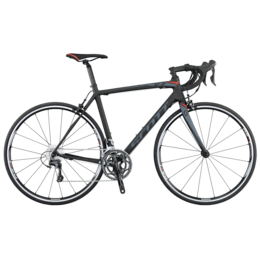
My bike is a SCOTT Addict 10. It’s a stiff bike, made of carbon and it’s all about speed. The geometry is classic race geometry with a 74deg seat angle. It’s fast, sometimes a little twitchy but really grips the road.
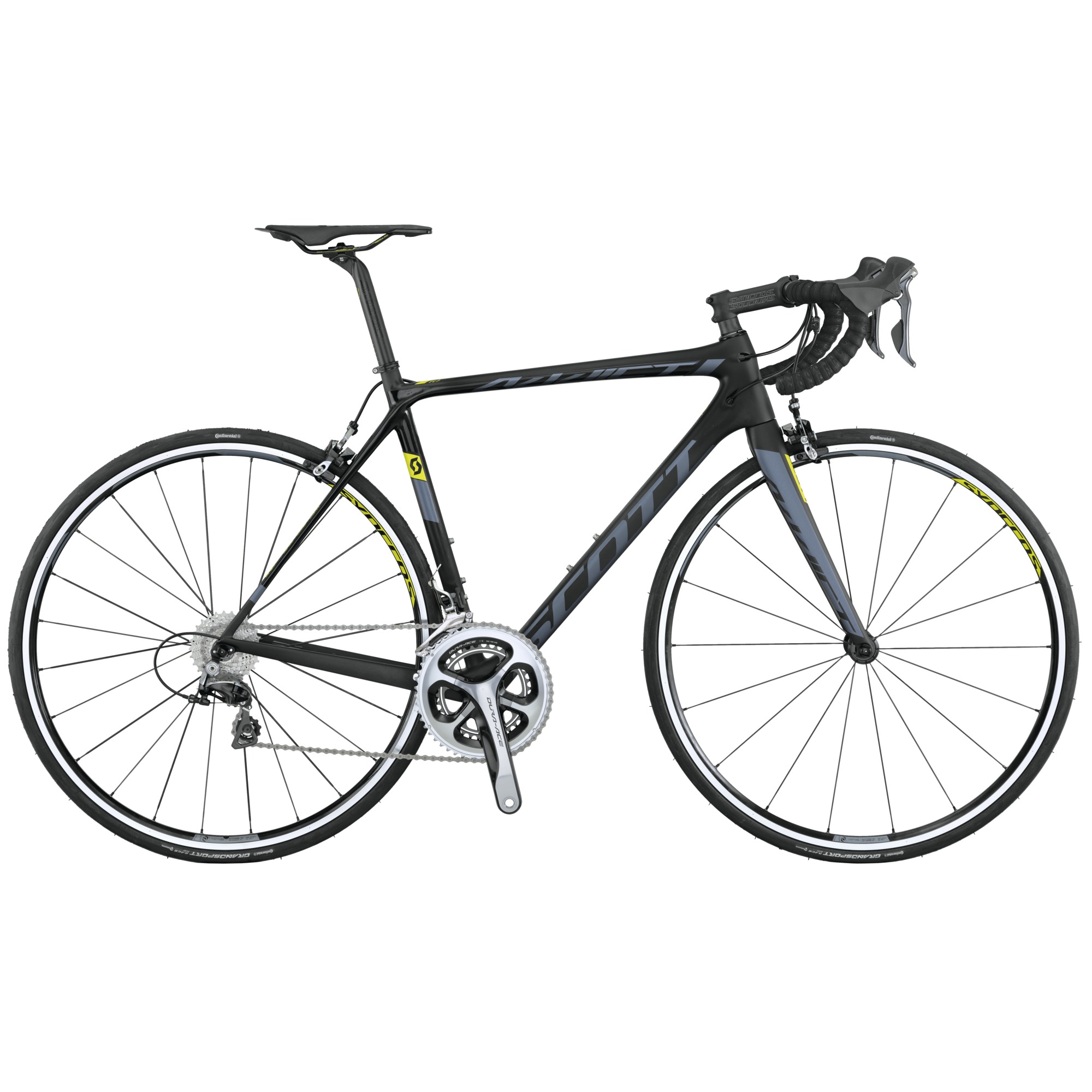
Scott Addict 10

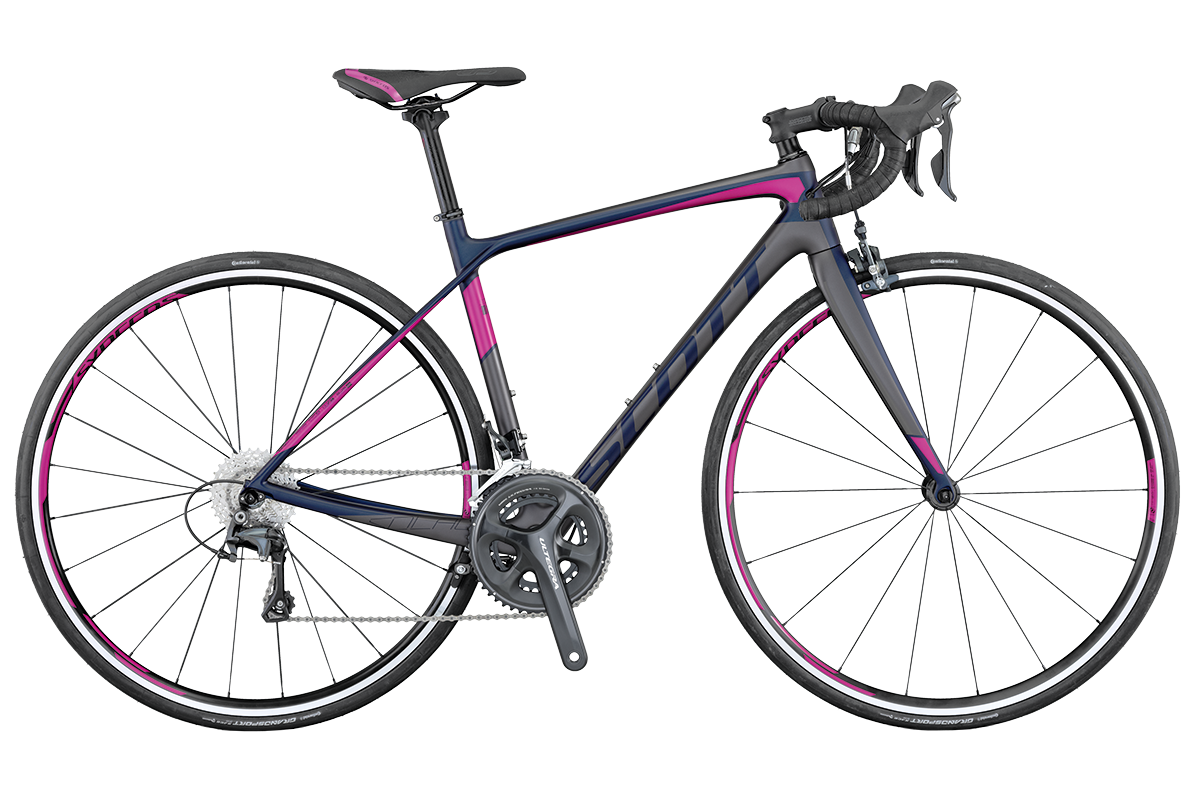
Niandi’s bike by comparison is a SCOTT Solace 20. It’s a new breed of bike from SCOTT that provides comfort and performance with relaxed geometry. It’s still a super light bike but for long days in the saddle or for the novice cyclist, this bike will certainly help ease the transition. Also, importantly the ‘reach’ of the Solace is less than the Addict. As we mentioned in bike fit, we can tweak saddle, height, handlebars and stem to ensure that our bikes work for us.
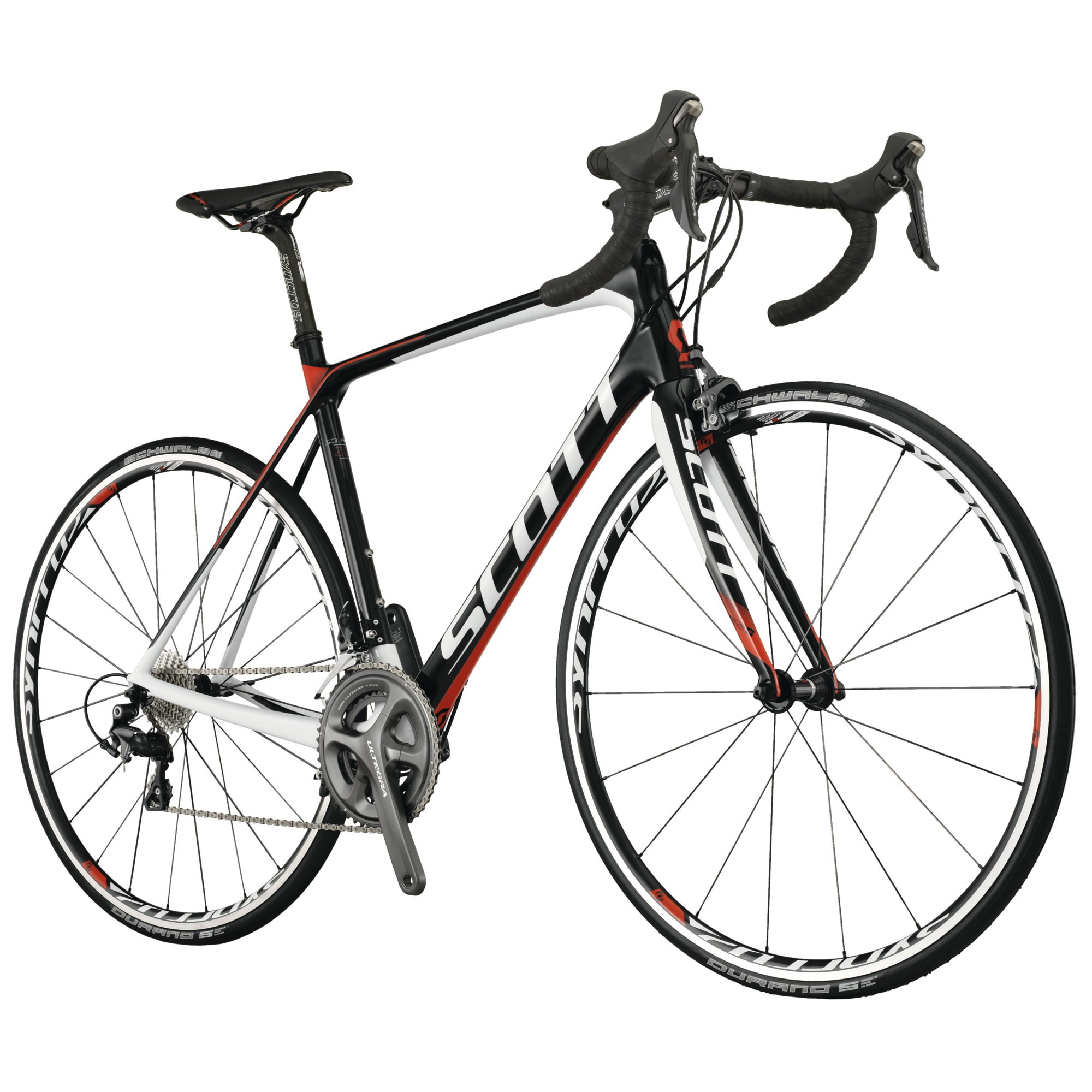
Solace 20

So, how is your bike? Do you have it set up properly and do you feel comfortable? Before progressing with some specific cycling sessions on how to improve, we wanted to provide you with several key bullet points why cycling can benefit you as a runner.

You may well have turned to cycling in the past because YOU HAD TO! Yes, we all get injured and as an injured runner we are usually desperate to get an endorphin kick, maintain fitness and reduce impact. Step in cycling…

Although cycling is great as that ‘alternative’ to running, why not think ahead and plan cycling into your weekly schedule to avoid that injury that is almost certainly waiting to happen. 

RECOVERY

Injured or recovering from hard run training, cycling provides great ‘active’ exercise with no impact. We have often heard the phrase, recovery run! But does a recovery run really exist? 20/30 or 40mins of easy running is still creating impact through all your joints and muscles, even if you do not elevate your heart rate. So, why not replace some of these sessions with cycling? Cycling provides all of us with an opportunity to move our legs, increase blood flow, ease joint stiffness, ease tired muscles and we will flush out lactate acid from tired or stiff legs. This is nothing new. Runners have been using cycling as a means of active recovery or injury rehabilitation for years. The addition of a Turbo Trainer (indoor device that attaches to your bike) will also allow you to spin away indoors while keeping warm, dry and you can even watch some TV or listen to music if that is your thing.

Tips: Keep your gearing very light and ‘spin’ your legs. You do not want to be pushing big and heavy gears. Remember, this is about recovery and injury maintenance.

CADENCE

Cadence is something we will have all heard of. Cadence in cycling refers to how many revolutions our legs make per minute. If has often been stated that 90 rpm (revs per minute) is an optimum cadence. We agree! Spinning your legs for 90 rpm (180 for both legs) provides ‘souplesse.’ This souplesse (flexibility) is key to becoming an efficient cyclist. Look at this objectively and the next time you go out for a run, count your foot strike. Maintaining 90 rpm or 90 foot (180 both legs) strikes per minute will make you not only efficient but will also help with technique. Bike and run cadence are two transferable skills. When coaching cyclists, we often use 90 rpm as a benchmark; this also provides a great indicator as to when to change up and down gears. In time, as you become a stronger cyclist you will find that you are able to push a harder gear for the same cadence. In simple terms, you are getting stronger and this means you will go faster.

Tips: You can use a cycle computer and magnet to provide information ‘live’ while cycling. This can be extremely useful when looking to maintain optimum cadence. When running, you can use a foot pod or similar device to relay cadence back to a wrist unit. Both are great tools for improve bike to run cadence.

LONG SESSIONS

Long run sessions and back-to-back run sessions are an essential part of a good runners training plan. However, these sessions can damage the body and in time, potentially injure the body. A long bike ride in isolation or a ‘brick’ session is a fantastic way to gain added fitness time without impacting on your body. Long bikes allow you maximal aerobic time with minimal impact; the only downside will be that you need to be out longer for a similar gain to running. However, this is not the point… a long bike session is about adding variety, providing a new stimulus and increasing or maintaining fitness without impact. A brick session is when bike and run sessions are combined to make one session. Anyone coming from a duathlon or triathlon background will be well aware of this. Running on bike legs is quite a unique experience, the term ‘jelly legs’ is often used. This is because the legs and muscles are used in two very different ways. However, this transition process provides great stimulus and if done gradually, is a great addition to a training plan.

Tips: If you want to translate long runs to bike time, we often use 15min per mile, so, if you did a 20-mile run we would recommend a 5-hour bike ride as starting point. Of course many variables come in to play so be careful. Brick sessions are challenging, start by adding just 10-15 minutes of running to a bike session. In time you can build this but be gradual.

STRENGTH

Running builds a certain set of muscles, fine tunes them and makes them extremely efficient for the job that you ask them to do; run! However, we have many other muscles that feel a little bit neglected with our run habit. Cycling provides a stimulus to these neglected areas. Running and just running makes us all plateau, adding cycling will not only compliment our run muscles but also so many other areas of our body will become stronger (such as our core, arms, shoulders, hips and so on). Add all this together and what we have is a faster and stronger runner.

Tips: Like anything, if you haven’t cycled before, start easy and progress slowly. No need to rush. After a bike ride, make sure you stretch, particularly hamstrings! Cycling turns your legs over in a smaller circle than running.

We caught up with Salomon International athlete, Philipp Reiter on his thoughts on why CYCLING is good for RUNNERS.
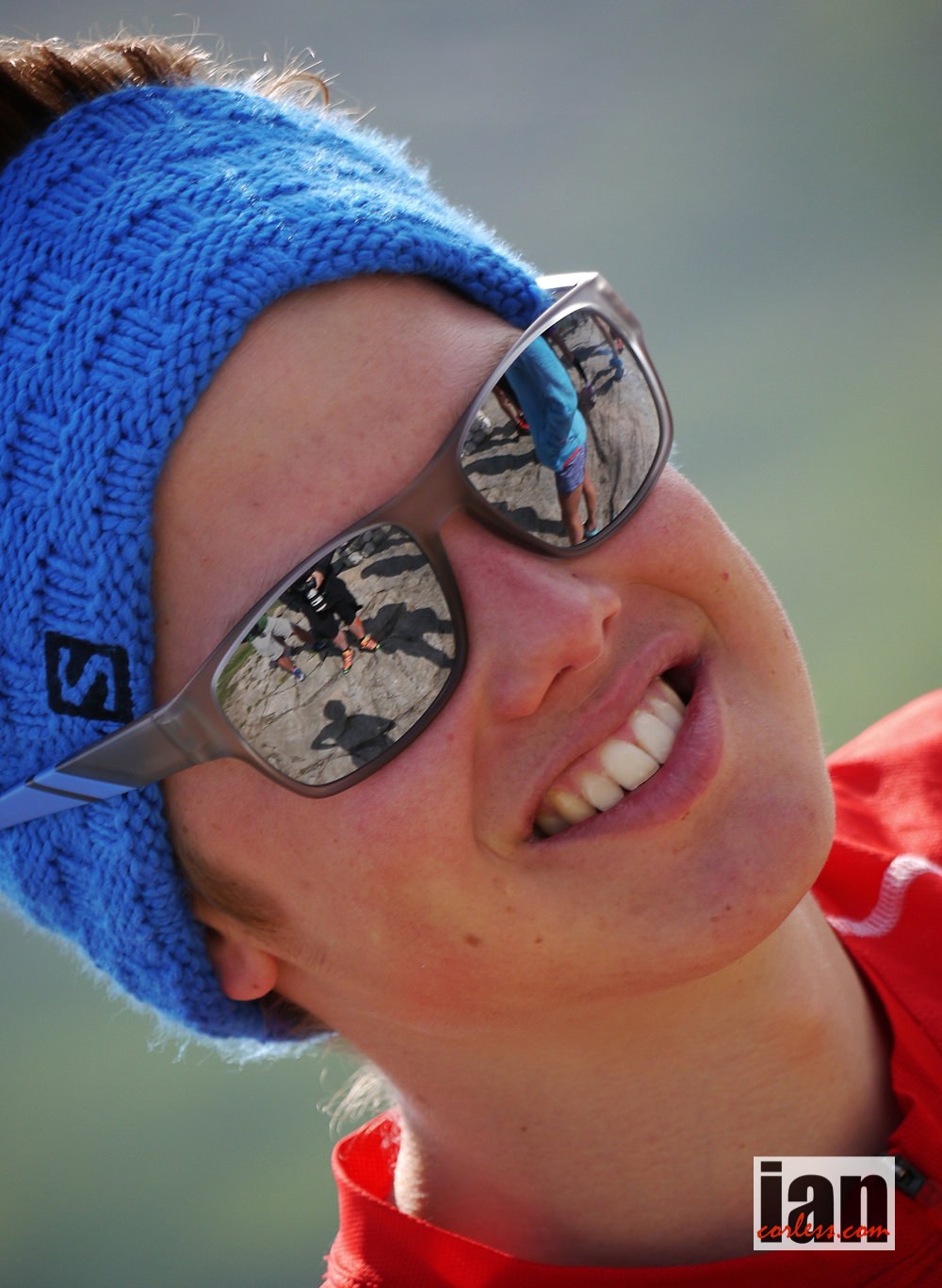
Philipp Reiter, Salomon ©iancorless.com

Philipp Reiter, Salomon ©iancorless.com

Philipp on RECOVERY

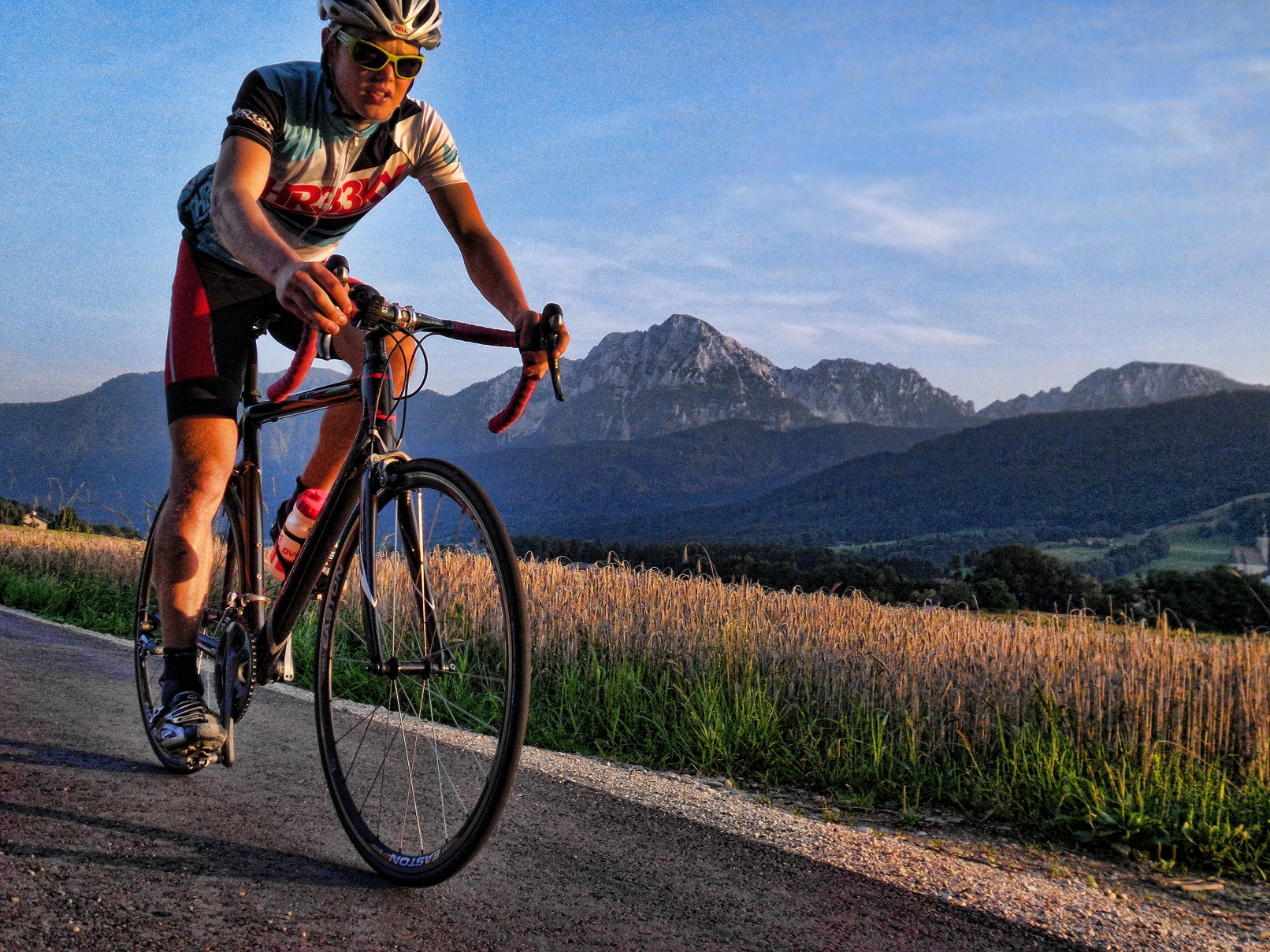
Spinning out the legs” on a bike is definitely one of the things I personally look forward too after a hard and/or long run. Spinning makes the blood go through my body faster and takes all the acids and by-products away. Shaking the legs out on a bike makes my muscles ache less and speeds up recovery.
20140806_195030_11-2

Philipp on STRENGTH

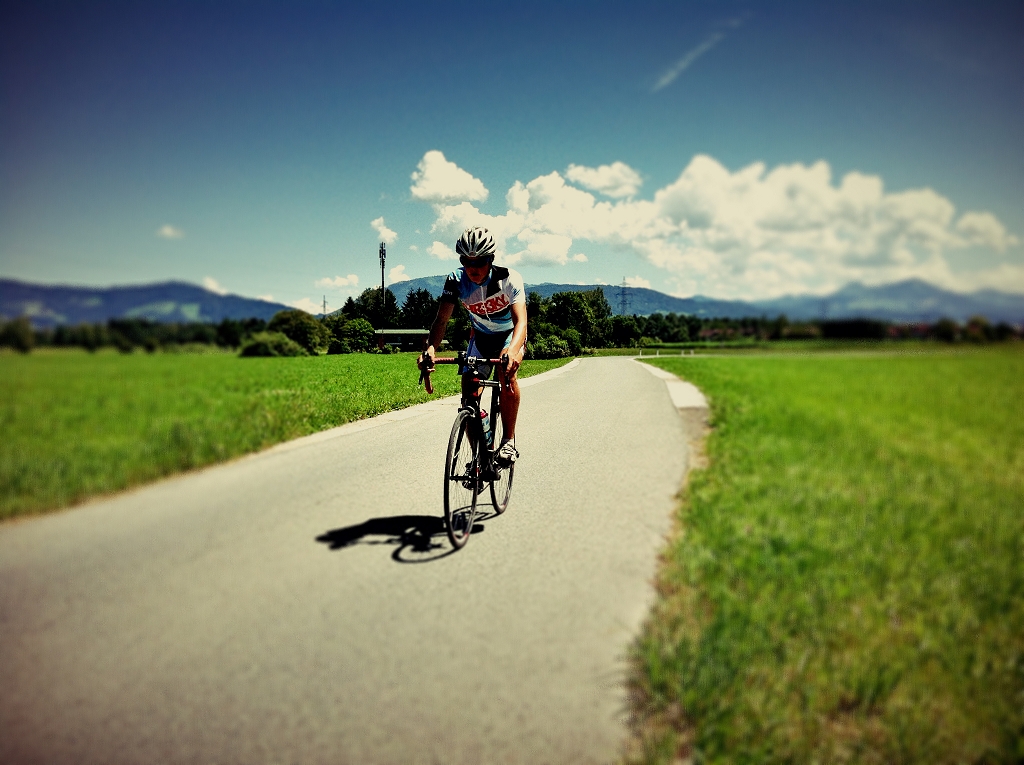
Even if you just hike or walk around (instead of running on a rest day) your leg muscles always have to push to move the body. Have you ever recognized that you never pull and use the complementary muscles? Using cycling and specific bike shoes/pedals allow you to pull the pedals as well as to push them more intense than you would do without. But what is the advantage to build up the “other” muscles? After many years of running, muscle can become imbalanced and this increases the risk of injuries or other problems with tendons. Cycling will work these unused areas.
IMG_1013

Philipp on IMPACT

Running impacts on bones, hips, tendons… no doubt! Cycling is relatively impact resistant, especially road cycling! However, you must ensure you have correct bike set up and fit. Don’t try to save time or money by cutting corners here. A bike that is too small or too large or one that does not have the correct fit will just impact on your power output and after a while you may get problems in your back or knees!

Philipp on LONG SESSIONS
Philipp Reiter Cycling

Philipp Reiter Cycling

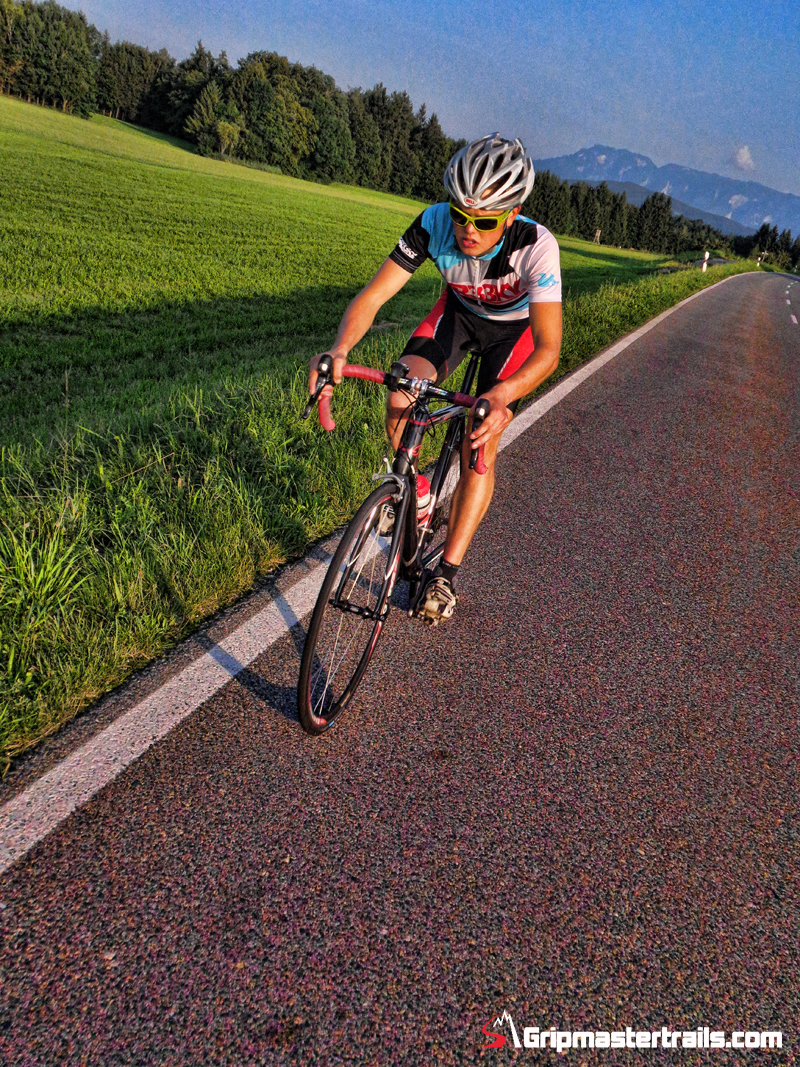
A long bike ride is a great way to have a long endurance session. I usually double my run time, so, if I wanted to do a 2-hour run I would replace with a 4-hour bike. You still get tired, you still get just as hungry and you definitely get the fitness benefits. What you don’t get is the damage and impact. However, you still need to run long… cycling is great is a great alternative to mix things up and provide stimulus but would never replace long runs. You just need to work them into your schedule.

In our next article we will talk about the right kit for cycling and provide you with some guidelines on how to include cycling in your current training plan.

Join us on STRAVA
TIS-Strava-Logo-big-square-600x340-e1354741369637

Thanks to SCOTT SPORTS for the support and backing

Print

Check out SCOTT HERE

CYCLING for RUNNERS PAGE HERE
Cycling for Runners Logo

CYCLING for RUNNERS – Article 1 Bike Fit and Bike Size

HEADER2

Cycling is a great addition to your run training plan and if done correctly, you will see your fitness, strength, speed and recovery improve. Before you do anything, you need a bike and importantly a bike that s the right size and one that fits you…

Get this wrong and any benefits from cycling will be eroded away with potential injury and discomfort.

Bike fitting and bike size are two different things. Don’t confuse them. Before you can do one, you must do the other, so, getting the correct size bike is imperative. This is not complicated. For the purposes of all our articles we are referring to road cycling and as such all our reference points will relate to a road bike.

When purchasing a bike, geometry is important, this relates to the angles that are used when constructing the frame. In simple terms you have comfort geometry and race geometry. The picture below shows the difference.

96942_soalce_disc_endurance_geometry_original_1

Comfort geometry will be a little easier on your lower back and as the name suggests, you may well be more comfortable on longer rides. Race geometry is longer and more aggressive. You don’t need to be a racer for race geometry. The choice is yours.

Niandi’s note: Male and female specific bikes are available, however, many ladies purchase a male bike. So, what is the difference? Many ladies have longer legs and a shorter torso; so, a female specific bike can be a good consideration. In real terms, this will mean the bike will have a shorter top tube (this affects the reach to the bars) and the seat tube angle will be steeper. This all combines to more comfort. In addition, many brands also make female bikes in smaller sizes (smaller then male sizes) but with classic male geometry. Ladies, I am pretty sure you know your morphology and what you want, so choose what is right for you. 

96802_solace_disc_womens_img_original_1

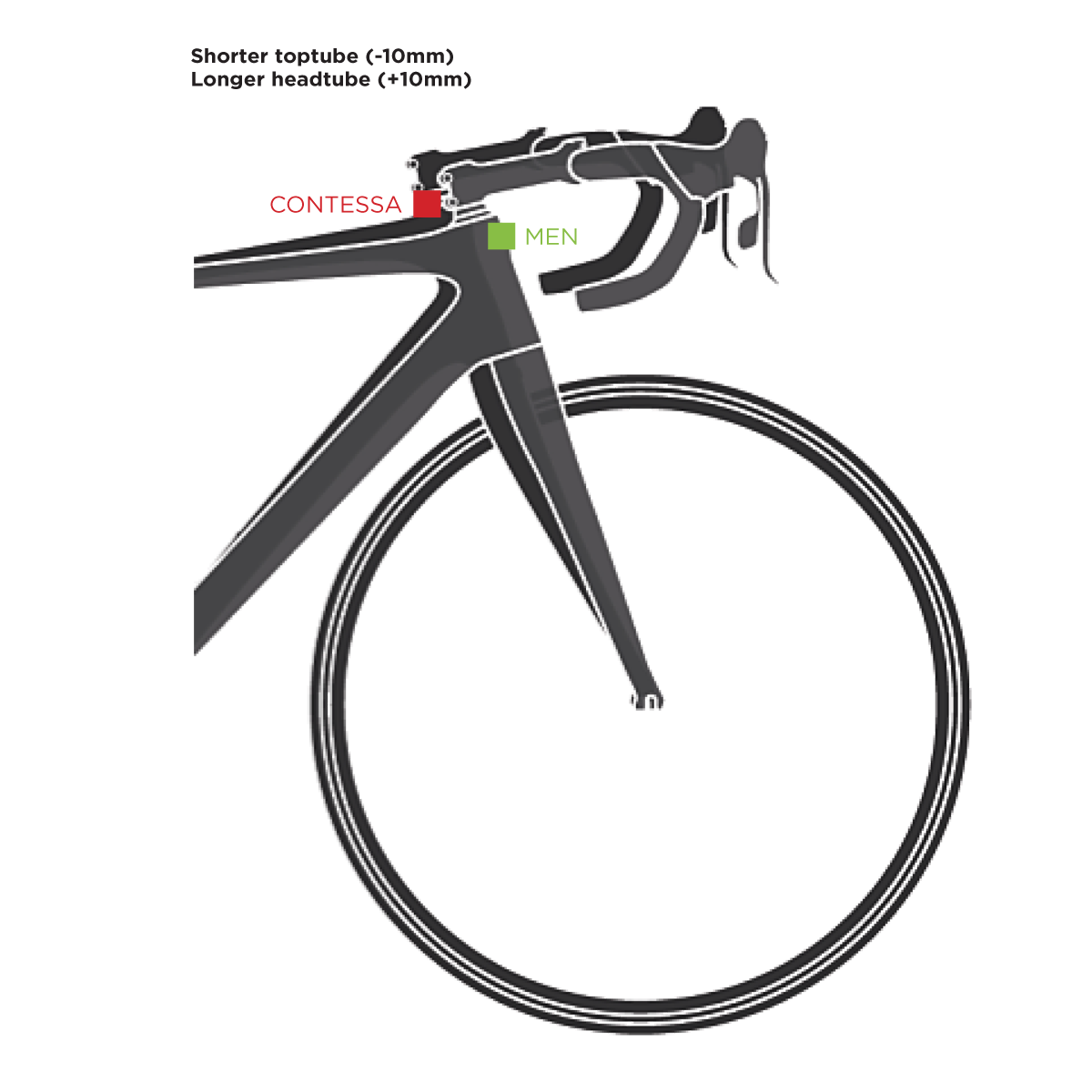
Scott Sports say: SCOTT aims high when it comes to the comfort and ergonomics of a product such as the Solace. Therefore a women’s specific geometry for the Solace Contessa lineup has been developed. A 10mm shorter toptube combined with a 10mm longer headtube take into account the different proportions of women and offer a perfect fit for female road cyclists.

As a cyclist, you connect to the bike via five key and integral points:

  • Saddle
  • Left pedal
  • Right Pedal
  • Left side of the handlebar
  • Right side of the handlebar

A good bike retailer is integral to ensuring that you purchase the correct size bike. For example, we have two friends, A & B. Friend A is the same height as friend B… lets say, 5ft 9”. Friend A rides a 52cm bike therefore friend B assumes that he/she will ride a 52cm bike. Is that correct?

NO!

Why you may ask? Bike sizing is determined by your inside leg (and many other aspects) but ultimately; inside leg is a great starting point. At 5ft 9”, friend A has an inside leg of 32” and he/ she rides a 52cm bike whereas friend B has a 31” inside leg and therefore rides a 50cm bike.

If in doubt, it is always better to have a bicycle that is a little too small than too large as later when you come to bike fitting you can make the necessary adjustments.

Your aim is to have a connection with the bike so that you almost don’t feel the bike. I like to call this, being ‘at one’ with the bike. When you have the size and the fit tweaked to your needs, cycling is a wonderful thing.

Remember, a bike shop is interested in selling bikes. They want YOU to purchase a bike, so, although you will rely on the knowledge of professionals in the store, we can’t emphasize enough to find a retailer with a good reputation. SALE bikes are always a great way to get a quality bike at a good price but be careful… don’t let a great deal make you make the wrong decision.

Use this diagram below to gauge some key measurements in regard to what will be the correct size bike for you.

Bike Fit

Completing the above sheet will provide some measurements that you can then apply in regard to narrowing down what will be the correct bike size for you.

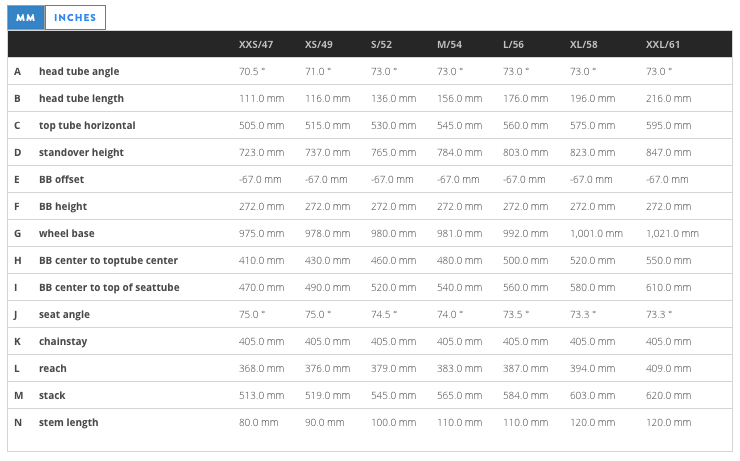
Here are two spec sheets provided by SCOTT, firstly male:

Scott Male Geometry

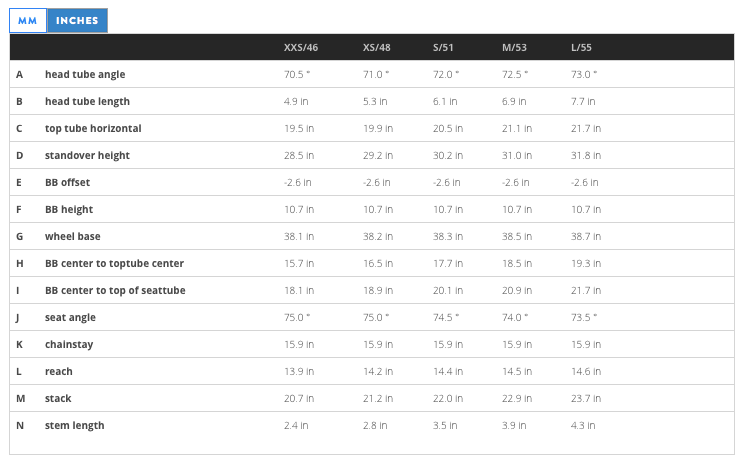
and female:

Scott Female Geometry

Having knowledge and information prior to attending a bike store will not also make your search more focused but it will also ensure that the bike store staff realise they are dealing with someone who knows what he or she wants.

Lets assume you have your bike; it’s the correct size, now it needs to fit you!

Scott CR1

Bike Fitting

Bike fitting is a precise art and can often be tweaked and tweaked before one finds the perfect decision. Companies exist who perform ‘bike fitting’ and this may be something you’d like to consider? It does depend though on your budget.

If you are going to fit yourself to your bike here is a simple guide.

A bike has three key points:

  • Saddle
  • Handlebars
  • Pedals

SADDLE:

Just because your bike came with a saddle, it does not mean it’s the correct saddle. Ladies in particular will agree here. Try and try and find the perfect saddle for you. It’s a time investment but well worth it and your bum will thank you for it too.

Niandi’s note: Please consider that a male saddle may well suit a woman and woman’s saddle may well suit a man.

Once you have the perfect saddle for you, you need to position the saddle with three key factors considered:

  • Saddle height
  • Saddle tilt
  • Saddle fore and aft position

Saddle height is straightforward really but we see so many cyclists with a saddle too high or too low. Get this wrong and you not only loose power but you risk injury.

Sit on your saddle and we recommend you take the weight of one leg by placing your foot on a stool or something similar. You need your pelvis to be level. This is important! Lower your free leg and place your heel on the pedal. Drop the pedal with your heel on it to the 6 ‘o’ clock position. Now slide your foot back with the ball of your foot over the pedal. What are you looking for? Well, you should ideally have a slight bend in your knee. If not adjust the saddle height up or down as appropriate. Make sure you have your cycling shoes on with the cleat attached (more on that later). You don’t want your hips to rock from left to right when cycling, so, fix the saddle in what you consider to be ideal position, go for a spin and then check. Spend time on this to get it right.

Saddle tilt may be adjusted on all saddles. Many consider a ‘level’ saddle to be optimum but why? For sure it will work for some, however, we are all unique. Personally, both Niandi and myself tilt our saddles up just ever so slightly but there is no exact science on this, you must go with what works for you. If your saddle points down too much, you tend to feel like your sliding off and this adds pressure to your arms and hands.

Niandi’s note: Ladies you may find that tilting your saddle will reduce or increase pressure on sensitive areas.

Fore & aft allows the saddle to move on its rails towards the handlebars or towards the back of the bike. This position is often rarely considered in new or novice cyclists. Height is the main consideration and then tilt and fore/aft are only usually looked at if persistent discomfort continues.

Place your feet on the pedals place your legs/ pedals at 9 and 3 on the clock. If someone photographs you from the side or if you can look in a mirror, you should look for the crank arm (this holds the pedal) being parallel to the ground and your kneecap should be over the pedal.

Again, adjusting fore and aft is a very personal thing; however look out for too much weight being placed on the handlebars. If you are getting sore hands, sore arms and tightness in the neck you are probably too far forward. However, if you are too far back, you may well feel you are reaching too far for the handlebars. Tweak position for comfort.

Niandi’s note: Ladies, if you don’t have a specific ladies bike with a shorter top tube, you may find moving your saddle forward will make things more comfortable for you?

HANDLEBARS:

Handlebars come in all shapes and sizes. If you are new to cycling the complexities of the simple handlebar may well just be completely over your head, however, a few key points should be looked out for. The handlebar is held secure in a stem. A stem comes in various lengths/angles and this controls how near or how far the handlebars are to you and so therefore, the correct stem is crucial in getting the correct position.

When riding, you will move around the handlebars, for example placing your hands in the flat middle section is popular when climbing. When you are cruising in and around other traffic, hands on the brake hoods are popular. If you are going flat out and looking for speed, you will probably be on the drops (the bendy section) and looking to become more aerodynamic.

As with saddles, many purchase a bike and will just ride with the handlebars and stem provided. This may well be okay, but for example, if you are on the drops can you still reach the brake leavers and brake without becoming a contortionist?

Niandi’s note: Ladies our hands are smaller typically than a man, therefore we will need a handlebar with less reach.

Handlebars come in different widths, height and depth. So, ladies will usually need a smaller handlebar and gents, you will need something wider. If in doubt with handlebar width, use the width of your armpits/shoulders as a guide.

Getting the correct handlebar/stem combination can make a difference! As a general rule of thumb, place your hands on the bars and look for a slight bend in the elbows. As you move positions, your body position will also change and aerodynamics come into play.

You are looking for comfort. Not only in your favourite position but also when climbing, when sprinting, when standing out of the saddle or when powering into a headwind.

You will want to rotate the bars up and down to get the best position. Handlebars rotated up are easier on your back whereas handlebars rotated down allow for a more aerodynamic position.

Stems are available in different heights, lengths and angles. It is a minefield and ultimately you may have to see how the stem on your bike works for you and see if it is comfortable. You can tweak this up and down. Road cyclist usually prefer the stem below saddle height, however, if you are inexperienced or suffer with lower back pain, you may prefer the stem above seat height. Length and angle can only be altered either by purchasing different stems (not practical), or purchasing an adjustable stem that will allow all these movements to be made or you seek the advice of a professional.

Niandi’s note: Ladies you can potentially use a shorter stem if you have a small torso or shorter arm reach.

PEDALS:

The pedal holds the foot in place and pretty much everyone these days uses specific cycling shoes that will have a cleat on the bottom that fits into the pedal. This system actually was invented as on off spin from ski binding and improved cycle efficiency and power.

You can purchase pretty much any cycle shoe, of course we recommend Scott. On the bottom of the shoe will be a series of holes that allows you to attach your chosen cleat.

Pedals and cleats work together, so; if you use LOOK pedals you need LOOK cleats and so on.

THIS IS IMPORTANT.

Positioning your cleat on your shoe and getting the ideal position is arguably the most important aspect of fitting in relation to cycling and running.

Get this wrong and your knee will be out of line and a potential injury is waiting to happen. To put this in perspective, look at this from a running perspective… are you neutral, a pronator or supinator?

Cleats, like saddles are positioned on the shoe: fore/aft and side to side.

Other than getting a professional fit, fitting cleats are very much trial and error. In principal, the cleat should generally be behind the ball of the foot or on the ball of the foot. It’s personal and down to biomechanics.

Ultimately you don’t want any strain on your muscles. Achilles and calf tenderness are sure signs that you have the position wrong and you will need to move the cleat towards your heel. Tweak and tweak the position until it feels neutral.

Once you have this position worked out, you will need to ensure that the side-to-side position is correct as this controls alignment of the knee. I don’t need to explain here how important this is.

As a general rule, you want our knee over your toes when pedalling. If your knee is to the left or the right of the foot when pedalling then move the cleat appropriately.

Again, we are all individual and tweaking this position for you and your own comfort is crucial to successful cycling.

The rotation of the cleat is important. Do you stand with your feet pointing forward (north to south) or do you stand with your left toes at 10 (north west) and your right toes at 2 (north east)? Positioning your cleats with this rotation compensated for is another key aspect. Many modern day cleat/pedal combinations allow for ‘float’, which for many has been a lifesaver. This ‘float’ allows the foot; knee and leg to move in a natural way when pedalling and this can avoid injury. We recommend if you are new to cycling purchasing a pedal and cleat combination that allows for float.

Finally, the crank, which holds the pedal, will typically be 170mm long. For very specific adjustments you can get shorter or longer cranks (165, 170, 172.5 and 175), If a crank is too long it will feel hard to push a gear, if it is too short it will feel odd and you will lack power. Generally 170 cranks are ideal unless you are short or tall. Keep in mind that if you purchase a complete bike, the crank should be appropriate for the frame size.

Niandi’s note: Ladies, if you don’t have a specific ladies bike and you have a short inseam, shorter cranks may be beneficial.

SUMMARY:

Solace Ladies BikeGetting the correct bike in the correct size and then spending time on how it fits you is just as important as purchasing the correct run shoes. The plus side of a bike is that you can tweak, adjust and customize the position for you and your needs. So, the most important first decision is purchasing the correct sized bike.

Once you have the correct bike, you can spend time on fitting.

Fitting is crucial to long-term cycling pleasure. Remember, we are looking at cycling as an addition to your running and therefore, we don’t want cycling to injure your running…

The above points may sound complicated and problematic, however, a little time and patience is all you need. If in doubt, seek professional advice.

First and foremost, ask around; find a really good bike shop with a great reputation. Get this first step right and many other aspects will fall into place.

Enjoy the journey.

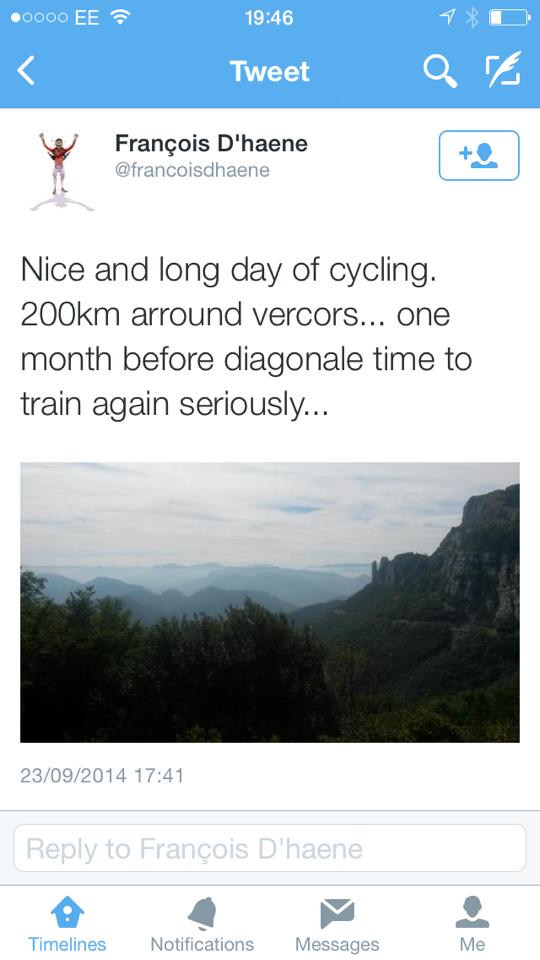
Still Question if CYCLING is good for RUNNERS? Look at this tweet by 2014 UTMF and UTMB champion, Francois D’Haene:

Francois Tweet

Join us on STRAVA

TIS-Strava-Logo-big-square-600x340-e1354741369637

Thanks to SCOTT SPORTS for the support and backing

Print

Check out SCOTT HERE

CYCLING for RUNNERS PAGE HERE

Cycling for Runners Logo

CYCLING for RUNNERS – The Introduction


HEADER2

Welcome to CYCLING for RUNNERS in conjunction with Scott Sports

Over the coming months and year, Ian Corless and Niandi Carmont in conjunction with SCOTT SPORTS will bring you CYCLING FOR RUNNERS.

Ian, Niandi and a series of special guests will provide you with a series of articles from a male and female perspective on how cycling can benefit you as a runner.

Providing simple and clear information, we will write about our experiences, we will tell you about equipment, provide hints and tips and most importantly, we will provide you with a series of training plans that you can incorporate week by week, month by month to make you a better runner through cycling.

We know 3-types of runner:

  1. The runner who is injured
  2. The runner who is recovering from injury
  3. And thirdly, the runner who is about to be injured

Of course, we joke, but many of you will agree there is some real truth in the joke. Running is not bad for you, however, taken to extremes or if rushed, the impact of repetition can damage and break us. Sometimes a couple of easy days are all we need and then we are able to resume full training. But as often happens, a couple of easy days may not be enough and our eagerness to push and get back to full training causes us to take risks and then the inevitable happens, we break!

Don’t get us wrong. If you want to be a good runner, you need to run. However, we don’t always thing big miles, double day runs or running everyday is necessary. It’s all about balance and ultimately what level we are running at and what our objectives are. As we see it, runners fall into four distinct groups:

  • Group 1: Weight loss/ recreational runner
  • Group 2: Budding enthusiast
  • Group 3: Good age group runner
  • Group 4: Elite/ pro or top-level runner

We could break the groups down again but ultimately, for the purposes of explanation, these four groups will suffice.

Group 1 runner’s will run typically three times a week (maybe four) and they will run twice in the week and once at weekend. During the week they will train from 20-60min and at the weekend they will extend their running beyond an hour. Mileage will be 30-50 miles per week.

Group 2 are pretty dedicated and savvy accumulating three to four runs during the week and running once or twice at the weekend. Sunday will typically be a long run of 90+ min and on Tuesday and maybe Thursday they will add some speed or strength running. Mileage will be 50-75 miles per week.

Group 3 runner’s are very similar to group 2, however, they are running six days a week, they double up runs on a couple of days and at weekend they may do back-to-back longer runs. Mileage will hover around 80-miles per week.

Group 4 are pushing the envelope, they run twice a day, four to five days a week and run long, fast and high during the weekend. They typically hover around 100-miles per week.

We generalise above and of course we will be able to find extremes in all the scenarios. However, the four groups provide a picture. We think the risk of injury is high for all the groups and relatively equal. Why?

Well, group 1 for example will be less experienced (typically) and will have less run history and therefore although the time on feet is less, the percentage risk is high based on experience.

Group 4 by contrast will have loads of experience, they have been involved in sports for years and they are knowledgeable. Risk comes for them from volume and because they are often on the edge looking for small performance gains.

For us, this is where cycling for runners can come in!

Cycling provides a great low impact exercise that can be done in or outdoors, it can be very controlled and importantly it can be as easy or as hard as you like.

Yes, if you want to be a great runner, you need to run. BUT cycling can add to your running and not take away from it…

Just think, how many of you have said, ‘I am just popping out for an easy run!’

Is there such a thing as an ‘easy run?’

In terms of effort, yes! For sure, you can run slow, easy and controlled keeping your heart rate down, keeping your cadence light and just tick-over. But, you are still in contact with the ground. You are still ‘impacting’ with the surface beneath you and you are still passing your body weight through all your muscles, tendons and joints. Recovery runs are not about fitness, they are about loosening off and in many cases, we use recovery runs just to make us feel better. So, why not incorporate some cycling as active recovery?

Long runs can really impact on your body. Hours of running adapt you to the demands that will be placed on you when you race but sometimes we will run the risk of pushing too far and risking injury. Long bike rides on hilly terrain for example can be used to provide multiple hours of low impact exercise. Hours where you can push harder than running without the risk of damaging knees, muscles and ligaments. If incorporated with long runs, you have a great way to do back-to-back sessions while reducing impact injury risk.

Speed can damage our fragile bodies, particularly our muscles and tendons. However, run speed work incorporated with cycling speed work can stress the aerobic system and it will stretch us physically and mentally in new ways.

Hill reps provide great aerobic stress pushing us to our threshold limits, however, what goes up, must come down. Often, it is the running downhill that causes damage. Of course, we need to train for this in running, it’s important. However, cycling hill reps incorporated into a structured training plan can provide a great stimulus that will progress your fitness level and once again, the impact implications are low.

Finally, cycling can just be a blast. It’s a great way to head out and see a new place; arguably, we can cover more distance in less time on a bike. If nothing else, cycling may well just provide you with a well-earned break from running. Cycling will freshen your mind, it will freshen your body and I guarantee, your running will improve.

Part one of cycling for runners will be released on Wednesday October 1st and we will look at the basics to get you started:

  • The bike.
  • How to ensure you have a good fit.
  • Dos and Don’ts of cycling.
  • And we will list 5-points why cycling can make YOU a better runner.
Philipp Reiter Cycling

Philipp Reiter Cycling

To kick things off, Salomon International athlete, Philipp Reiter will also give us his thoughts on why cycling works for him as a trail, mountain and ultra runner.

Stay tuned.

Join us on STRAVA

TIS-Strava-Logo-big-square-600x340-e1354741369637

Thanks to SCOTT SPORTS for the support and backing

Print

Check out SCOTT HERE

CYCLING for RUNNERS PAGE HERE
Cycling for Runners Logo