It is race week, the 39th MDS The Legendary is just days away. Today, Tuesday April1st, for many, will be the last full day of preparation before travel starts. Use the time wisely and use this post Countdown to MDS The Legendary 2025 – Three as a place to start to make sure you have everything.
You may be wondering what the race will look like in regards to distance in 2025? If you know where to look, distances are online and as below:
Stage 132km with 312m+ and 0730am start
Stage 240km 614m+ and 0700am start
Stage 332.5km 468m+ and 0730am start
Stage 4 82.2km 690m+ and 0600am start
Rest Day
Stage 542.2km 424m+ and 0630am start
Stage 621.1km 202m+ and 0630am start
Total 250km and 2710m+
You may be wondering how the 2025 distance and vertical compares to 2024, well, it’s almost identical – 2024 was 252.8km and 2788m+ – The long day was on day 3, so, the order was different, however, daily distances are +/- the same.
The only thing you need to do now is go through the following:
Get your checklist and go through everything and make sure you have all you need.
If possible get some heat exposure – Bikram yoga, heat chamber, sauna, hot bath or similar.
Move – your training is done but your body will appreciate some movement, this can be just walking or some easy running with some short strides to loosen up.
Travel with MDS pack and all equipment (ex poles and knife) and wear race shoes.
Take extra clothing and items in check-in luggage so you can fine tune equipment when in the Sahara.
Remember you are self-sufficient in the desert for the days before the race, have enough food and any drinks you require. Water is provided.
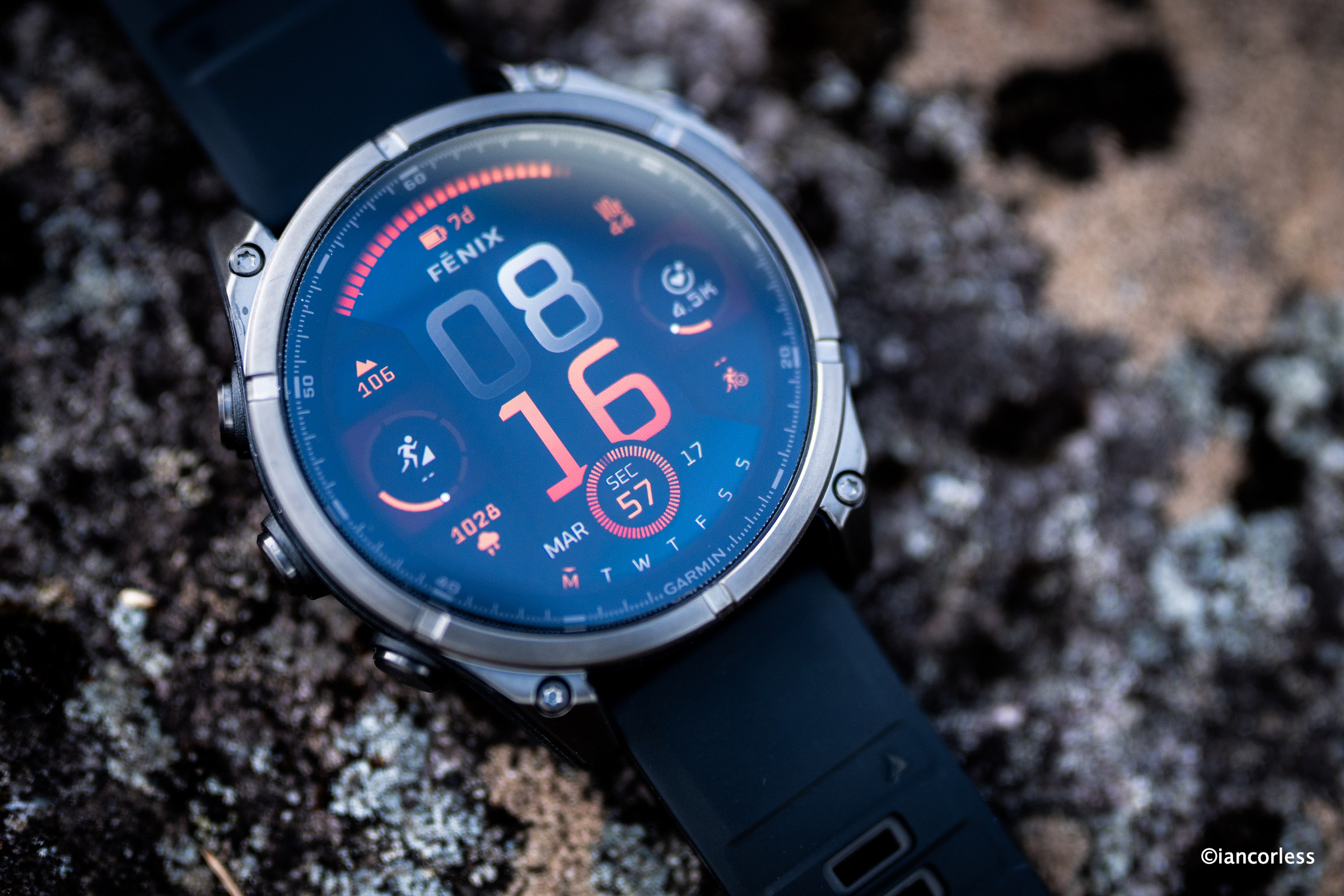
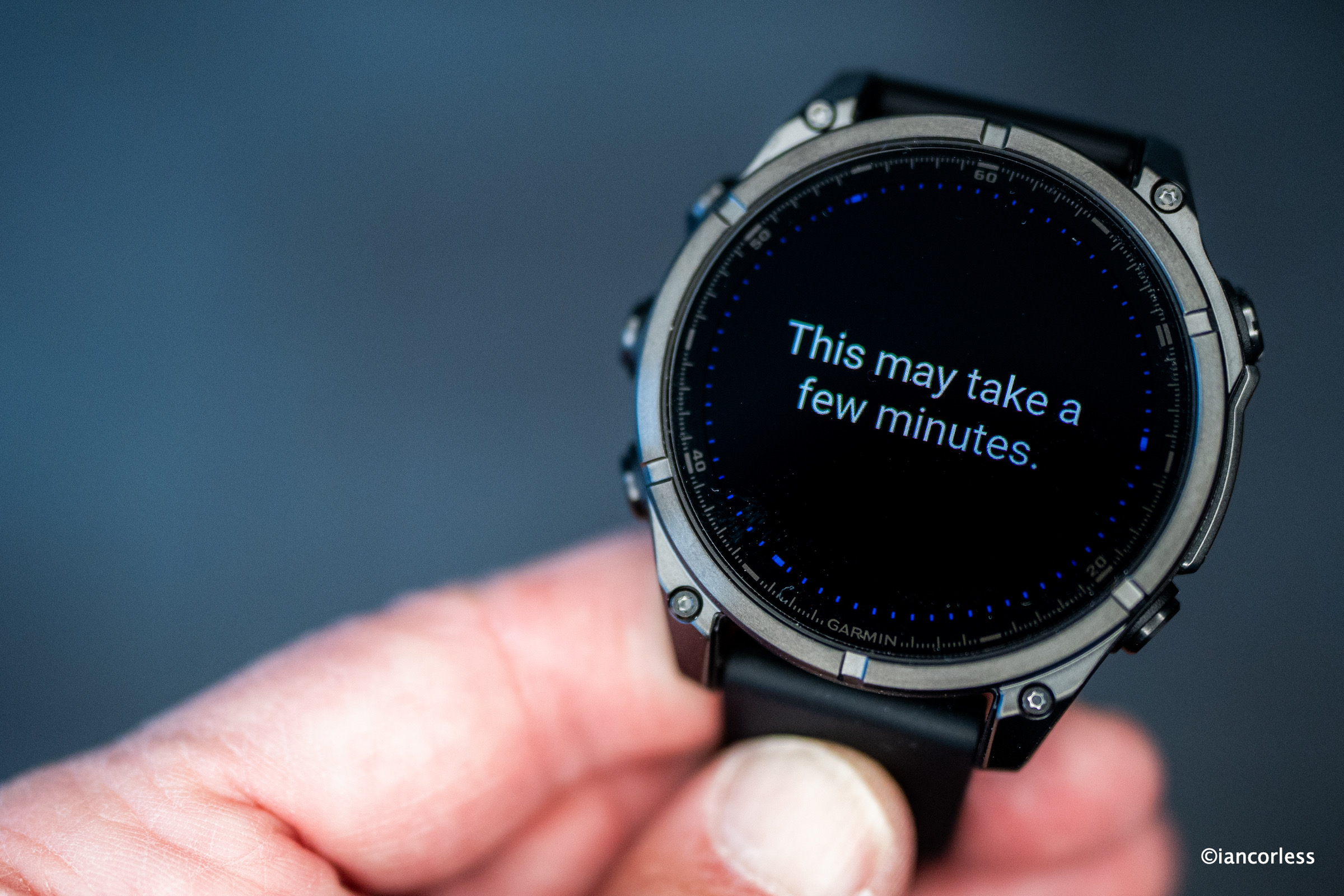
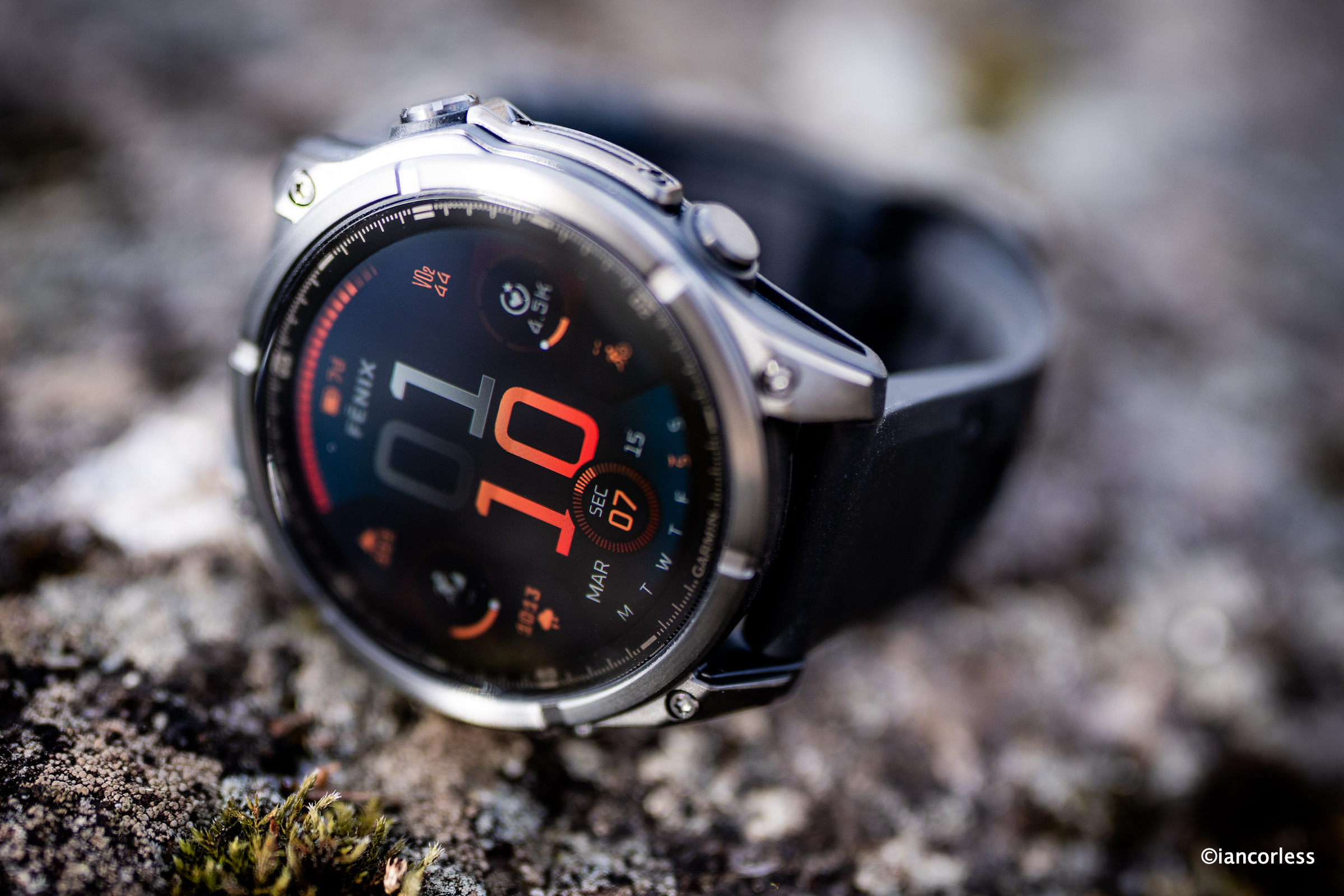
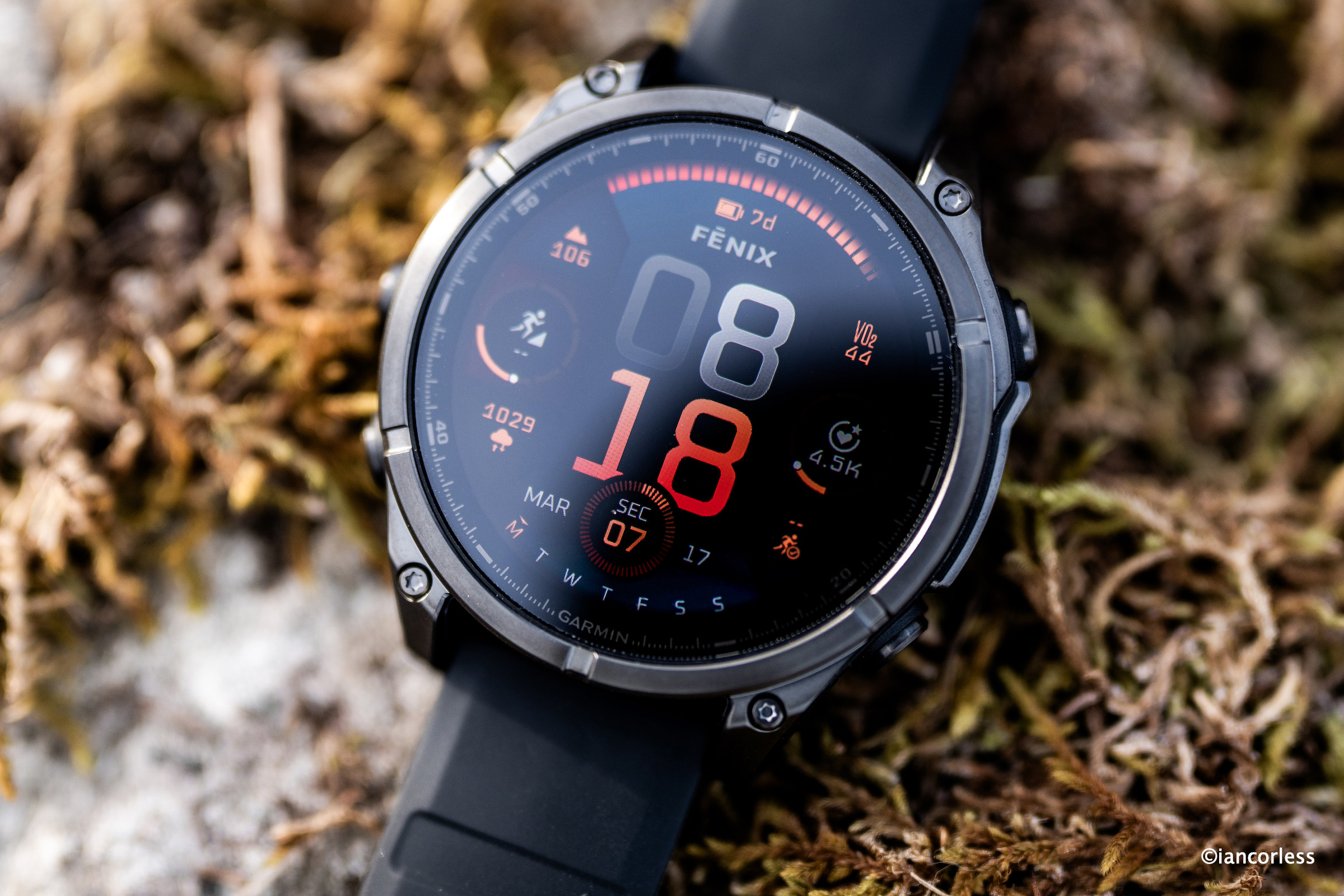
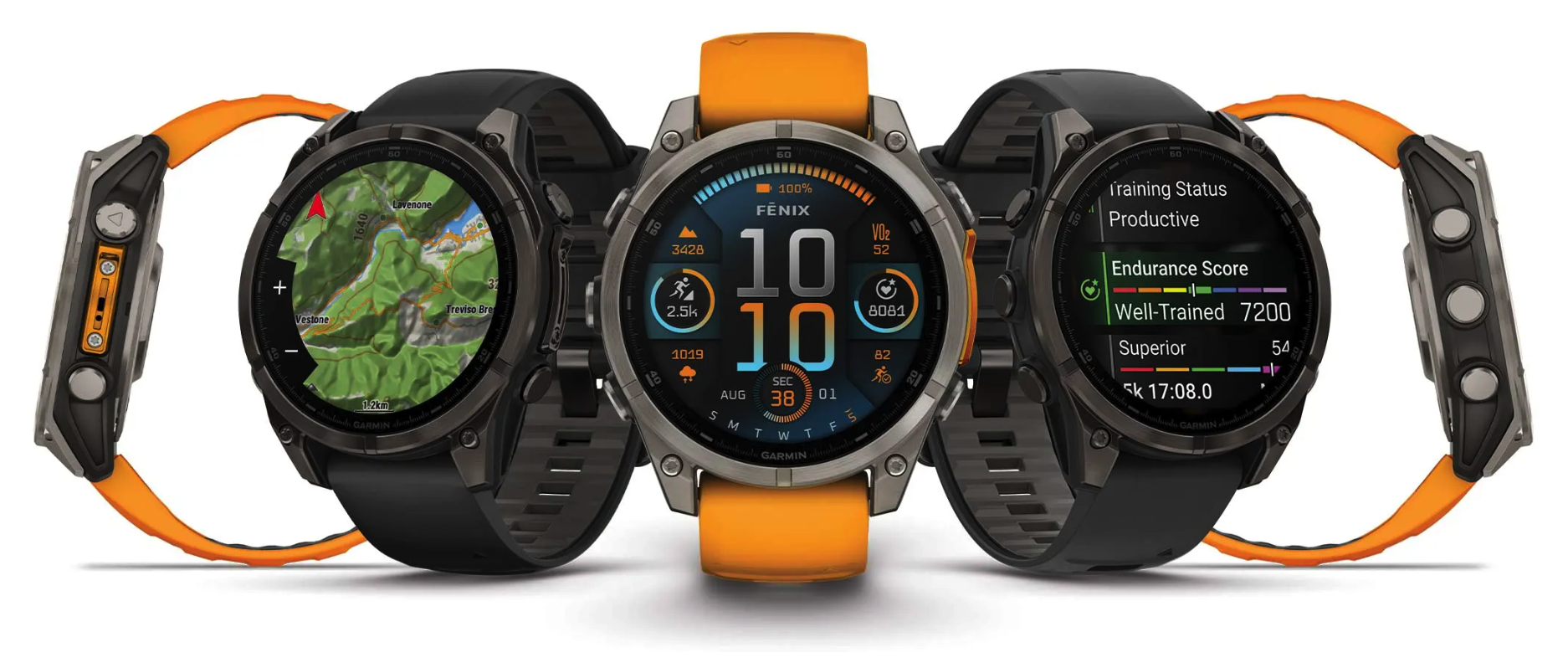
A breakthrough watch in the Garmin line-up for me with the inclusion on an AMOLED screen.. Having had an Enduro and Enduro 2, the key miss was the screen, particularly when compared to my Apple Ultra.
Depending on what you need from a watch and of course, depending how much budget you have, the Fenix 8 is, IMO, the best Fenix that Garmin has ever made.
This is not an in-depth review of the watch where I deep dive into all the stats, workings, functions and menus. There are many websites that do this, and while that may satisfy the geek/ nerd side of my nature, ultimately, I usually cut to the final paragraph called ‘conclusions’ as this ultimately answers what I need to know – Is the watch good? Is it worth the money? Is it accurate.
So, this post is a CONCLUSION
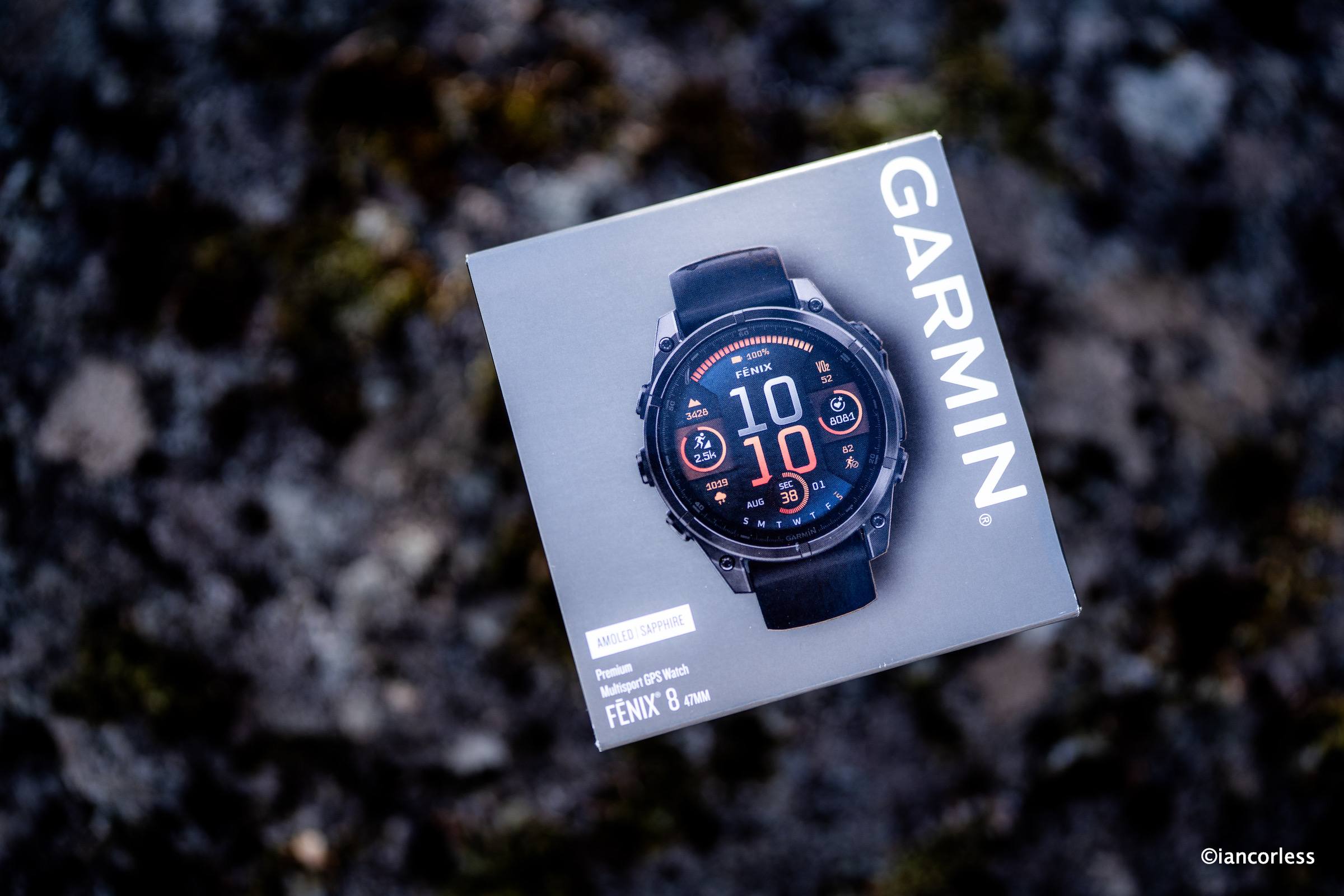
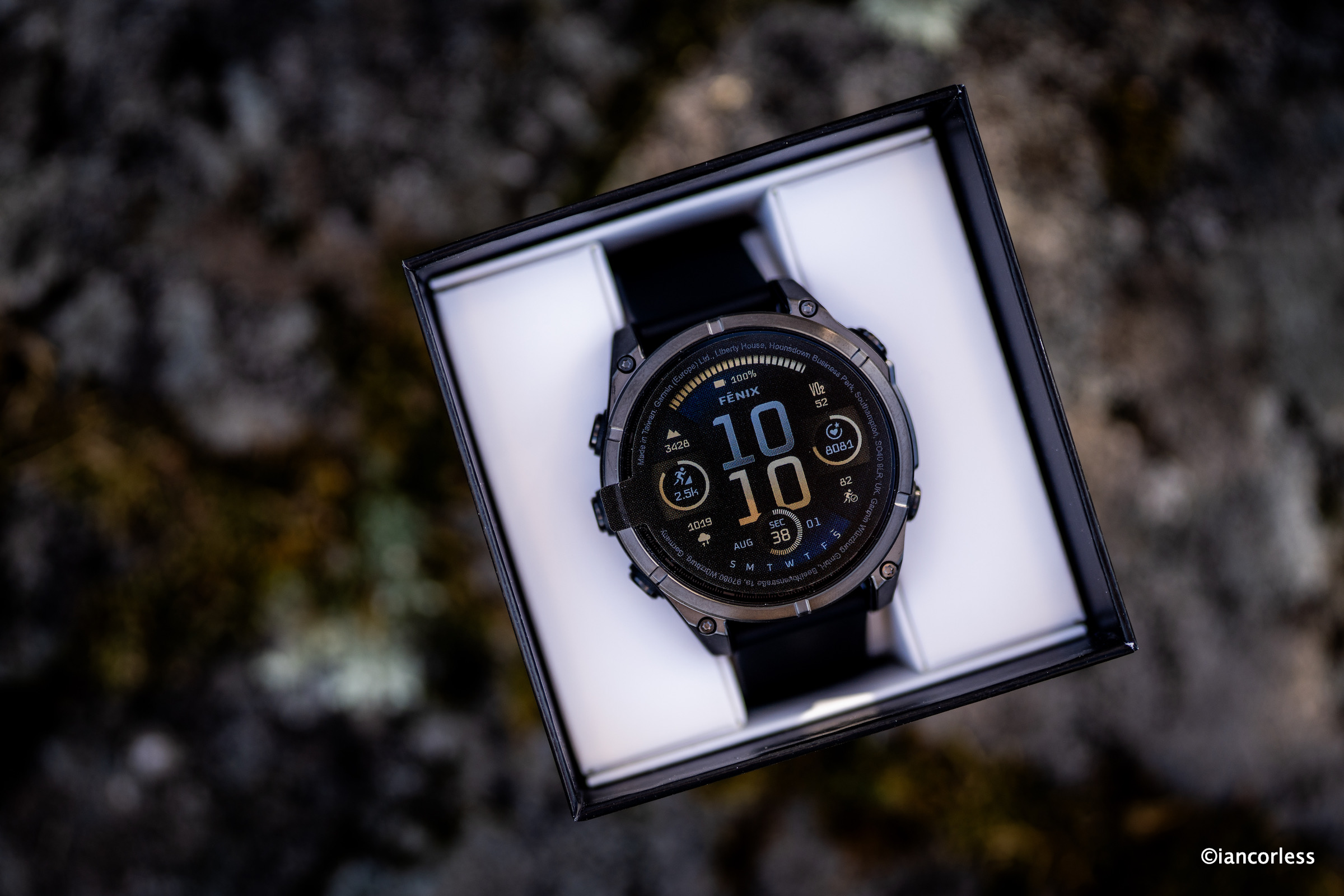
The FENIX 8 is nicely boxed with a sticker to simulate the screen.
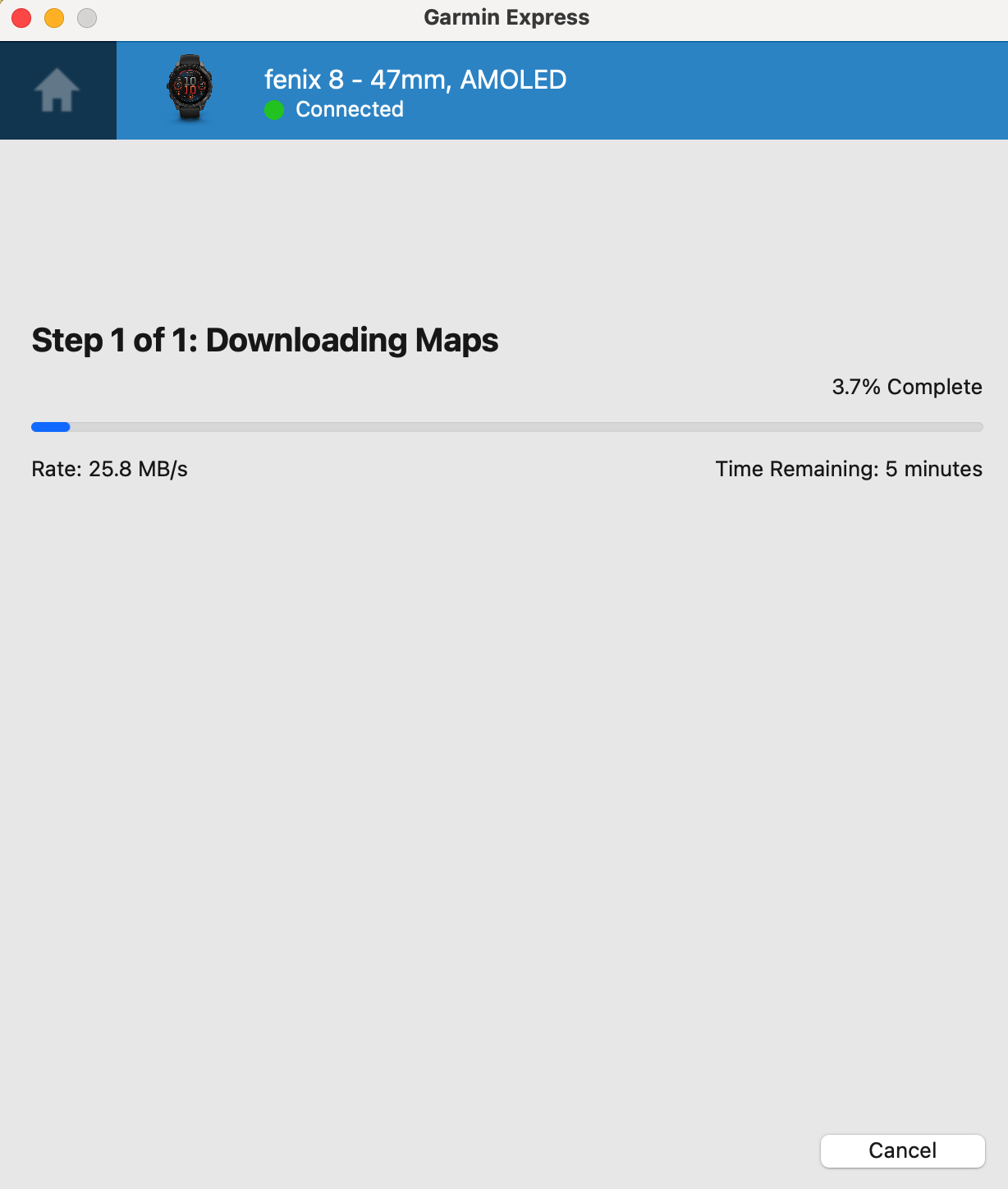
There is a minimal instruction manual and a charging cable which also doubles up to connect to your computer. Make sure you have GARMIN CONNECT on your phone and GARMIN EXPRESS on your computer. Set up is simple with the Garmin Connect app – follow the instructions.
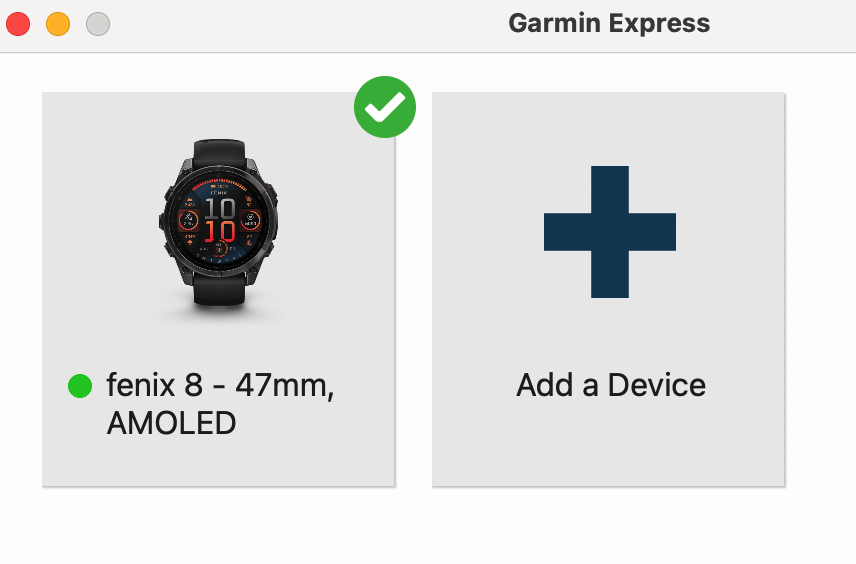
Other features for the watch, such as screen choices, mapping, music etc can be handled when connected to a computer using Garmin Express.
Simply click on ‘Add a Device’ and follow the instructions.
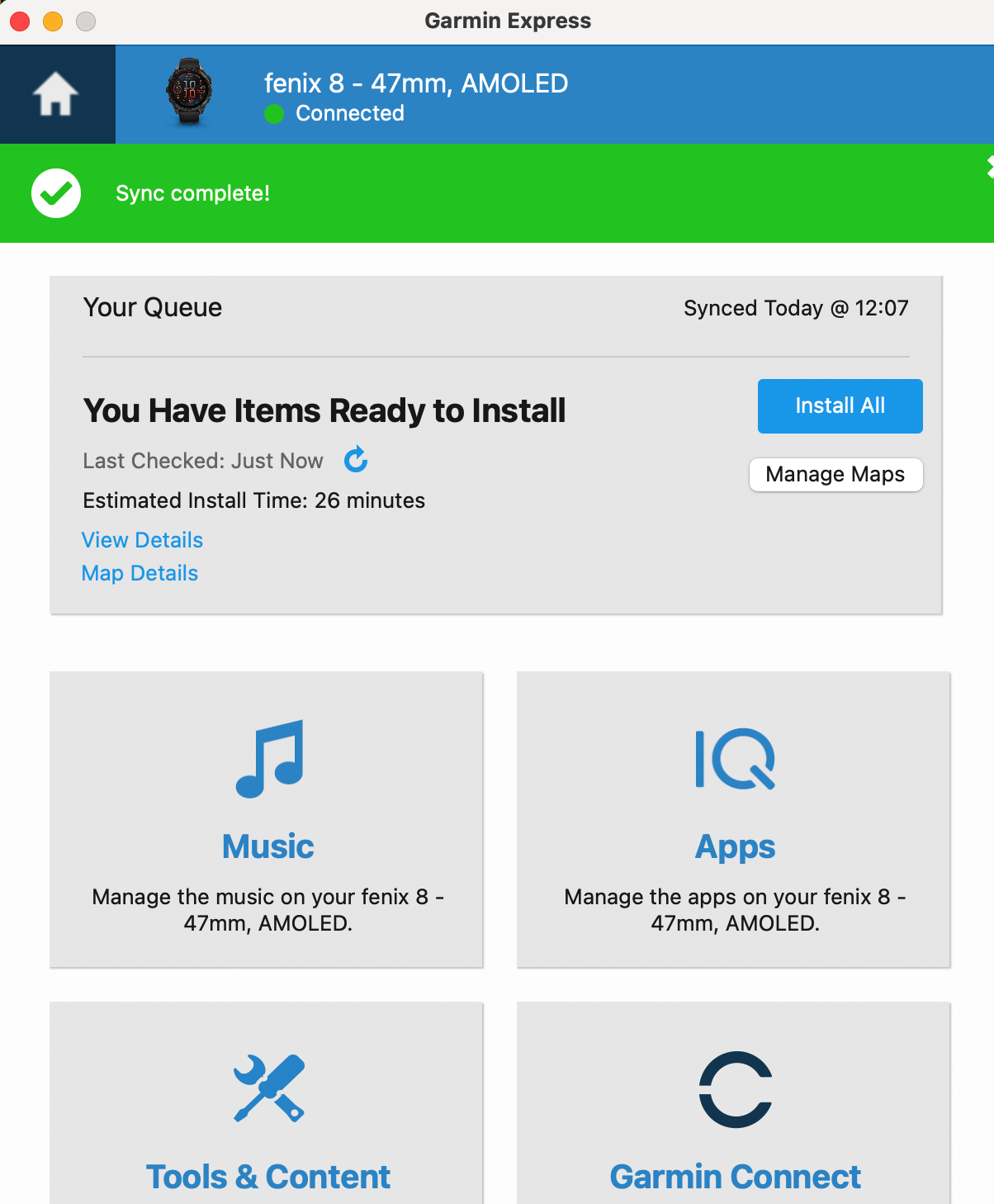
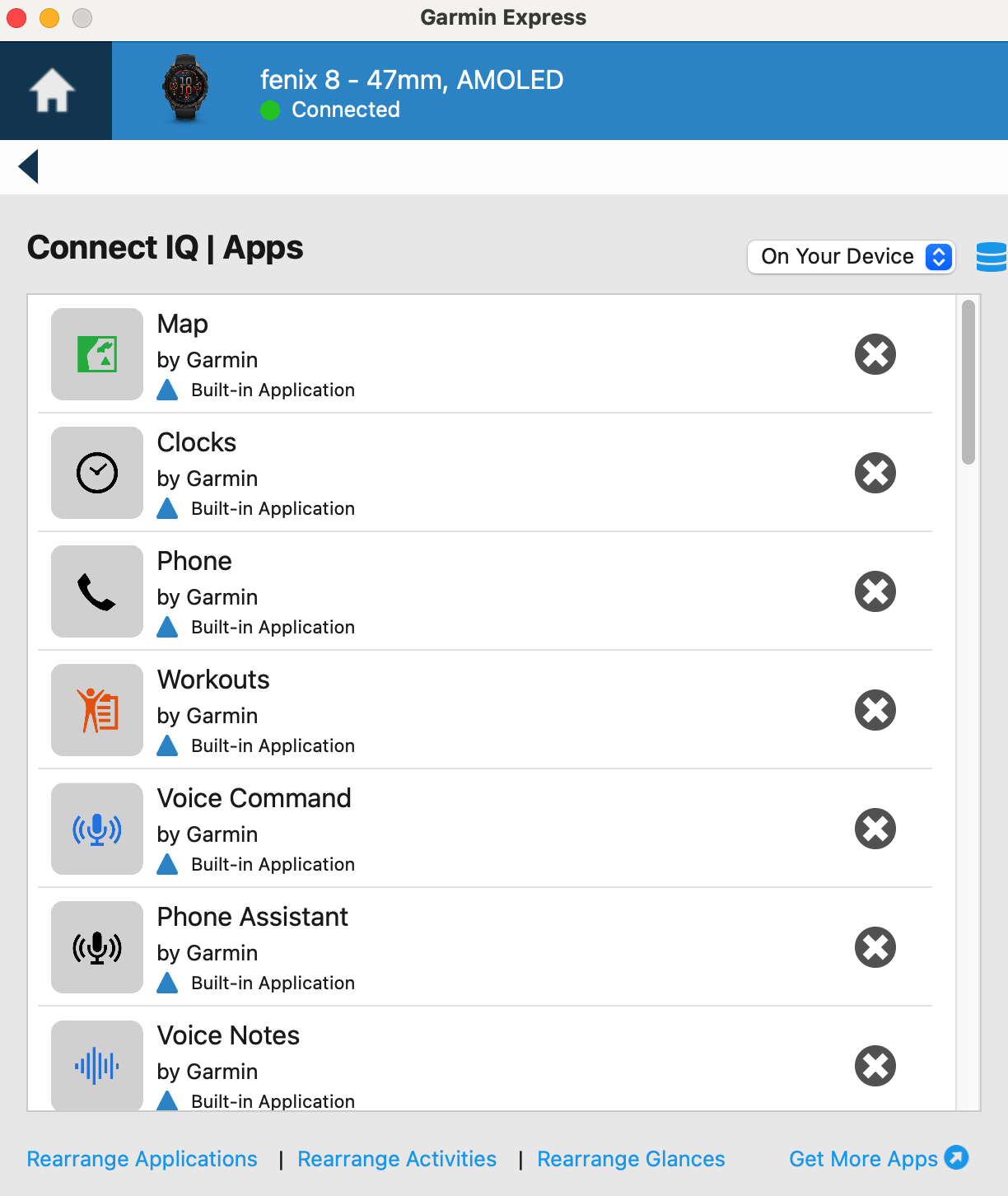
Updates are handled here and you can add music, apps, Tools & Content and access Garmin Connect.
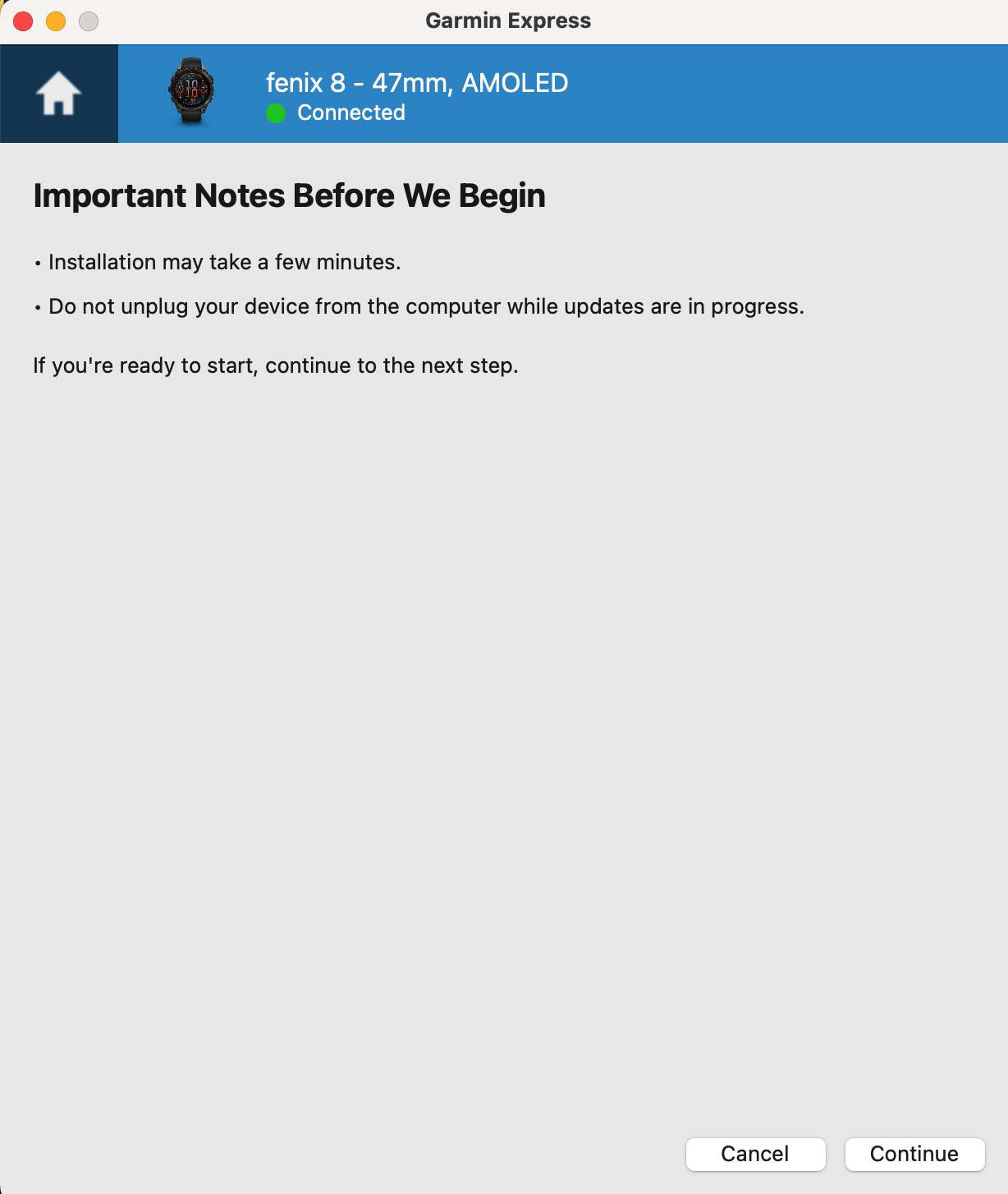
It is all intuitive and you are given clear info when updates are complete.
APPS are all listed as below.
And as an example, I uploaded the Falcon X screen to my watch.
THE WATCH
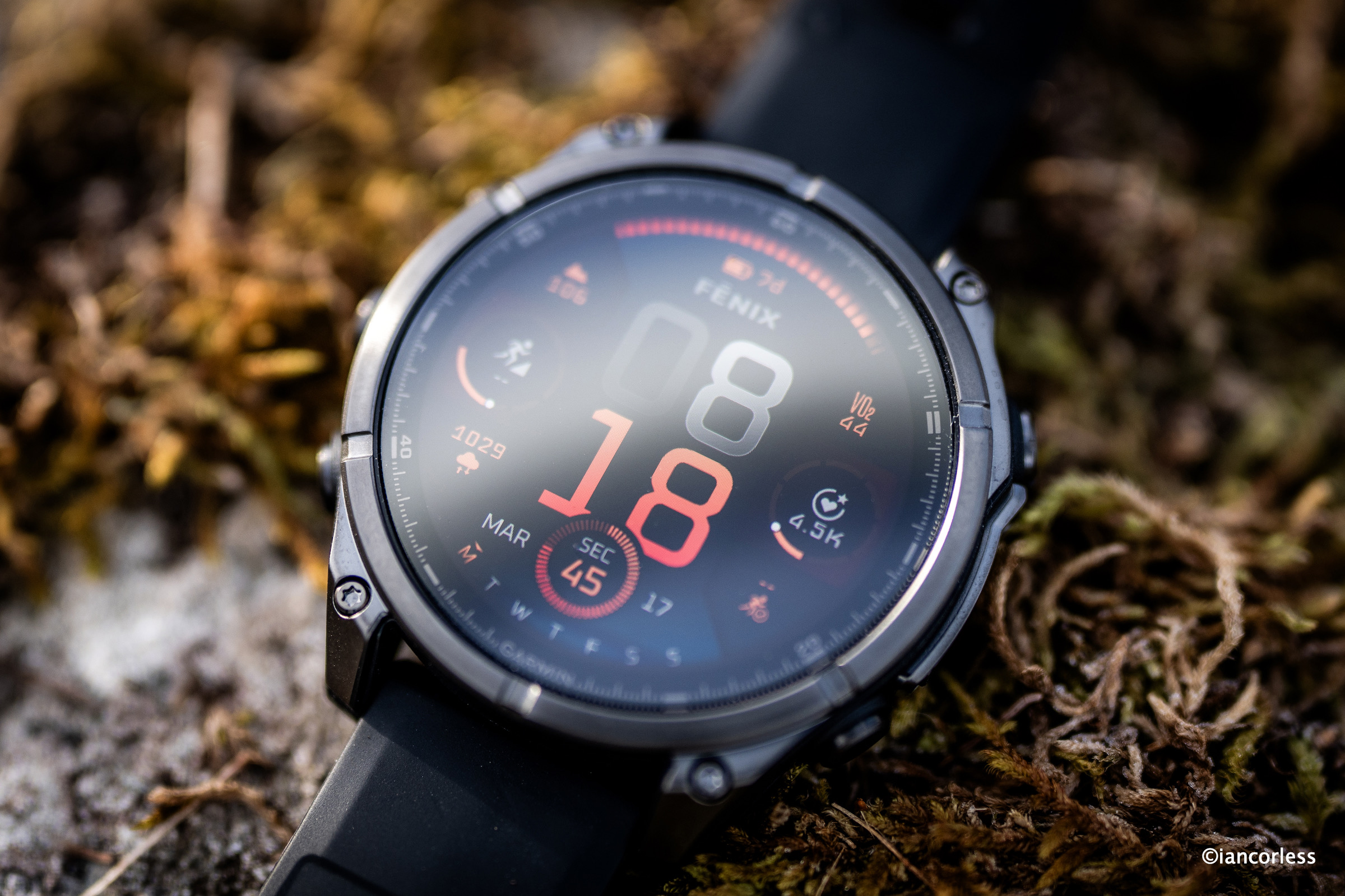
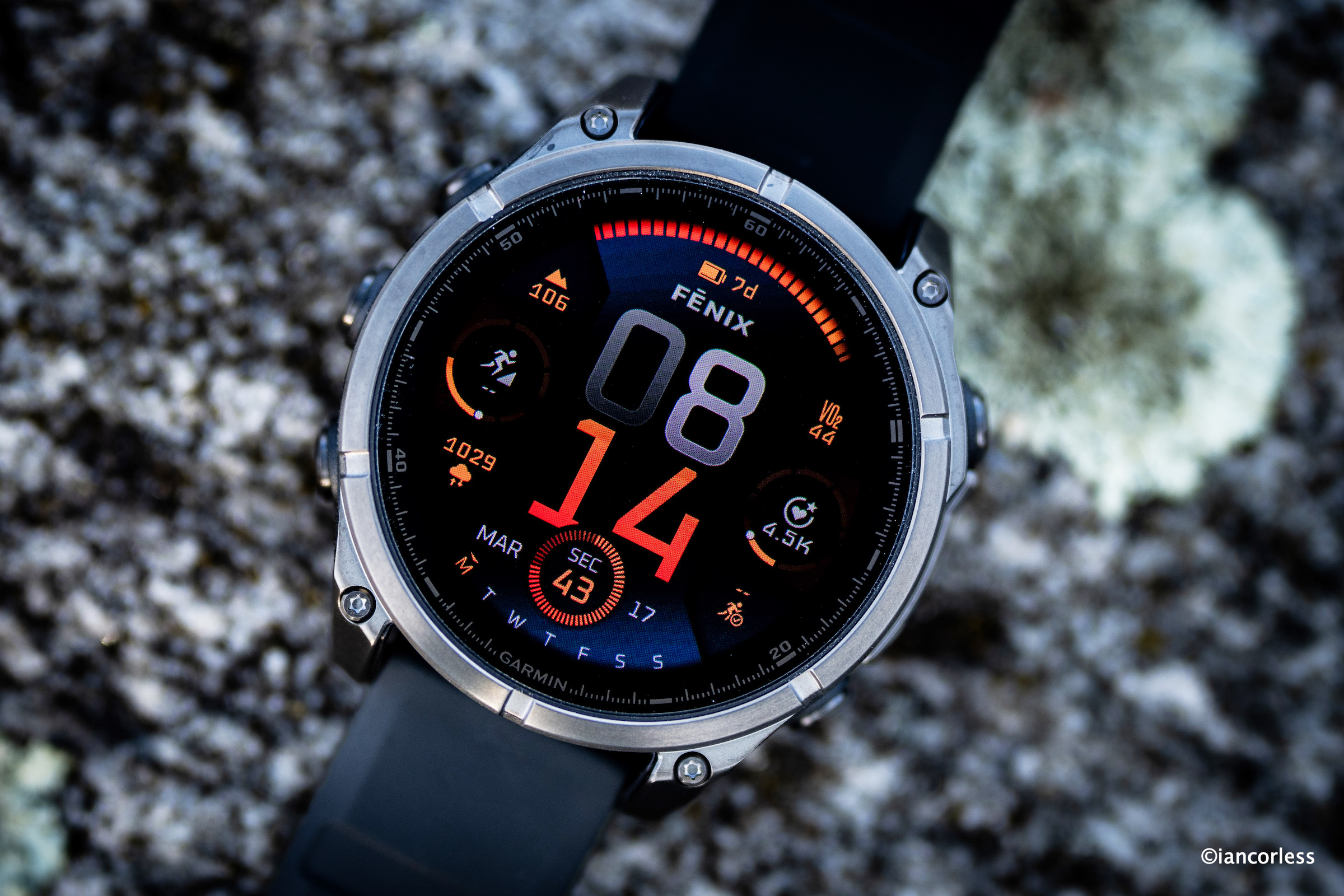
The AMOLED is a battery drainer, but for me, that clear screen is an absolute winner and I have found that with around 2-3 hours exercise a day in full GPX mode, I get 6-days of battery. This is 5-days more than my very loved Apple Ultra and similar to the Coros Pace Pro.
Estimated life is somewhere around 48-hours with all system GPS on, with GPS only it is around 72-hours.
What is new?
Diving related functions
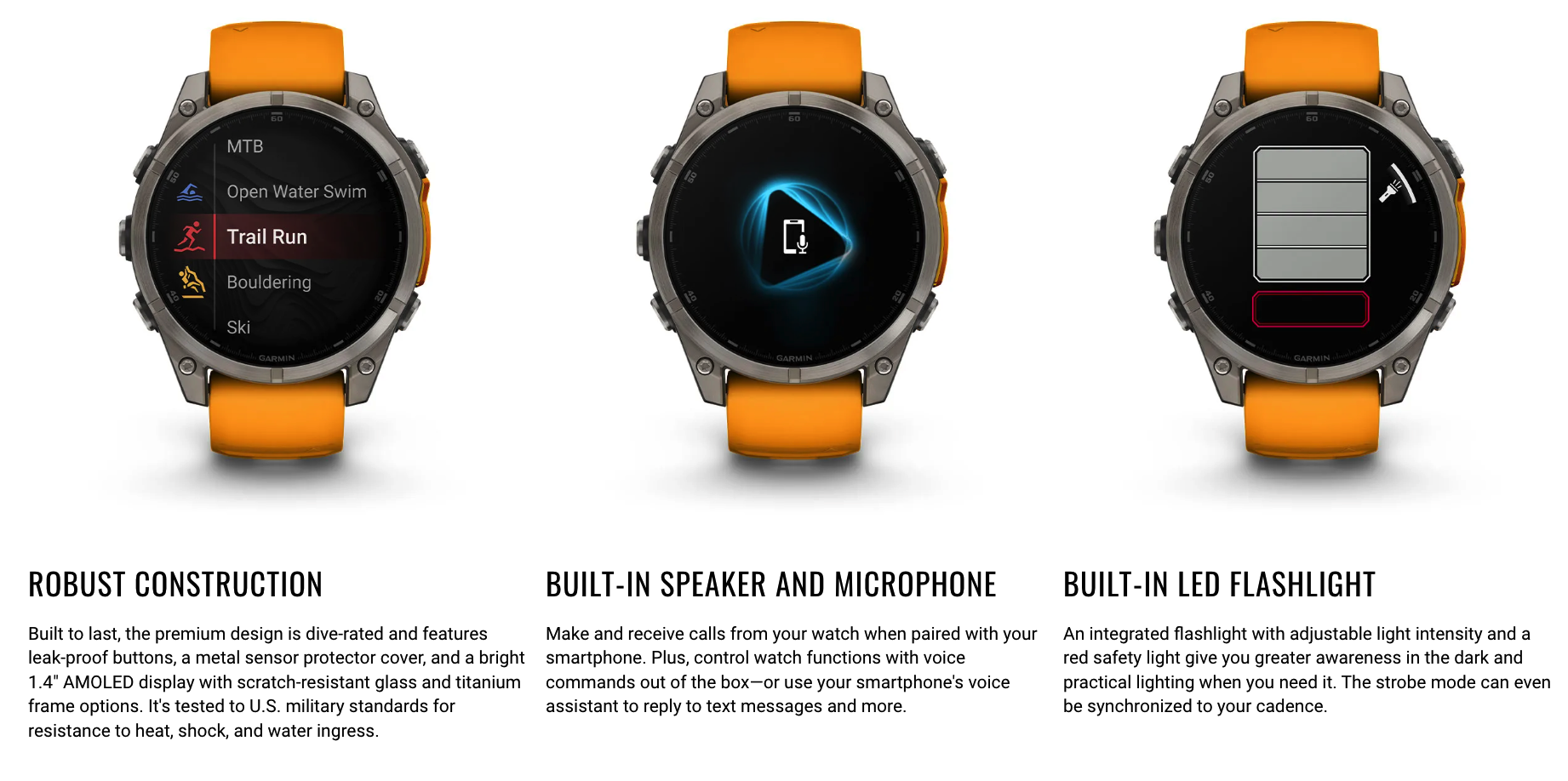
Microphone and speaker
The display size is increased
AMOLED option but you can still get a Solar/ MIP display
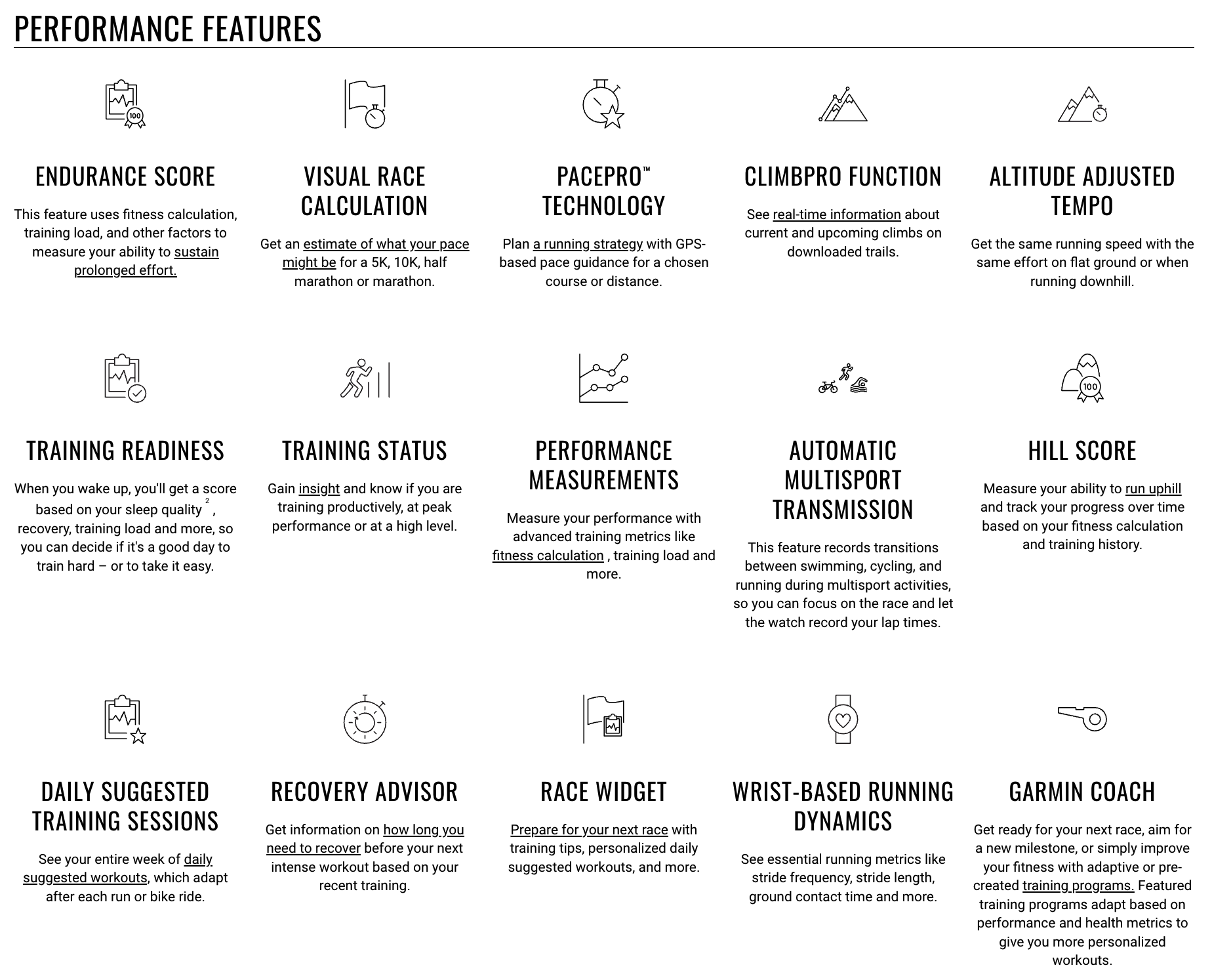
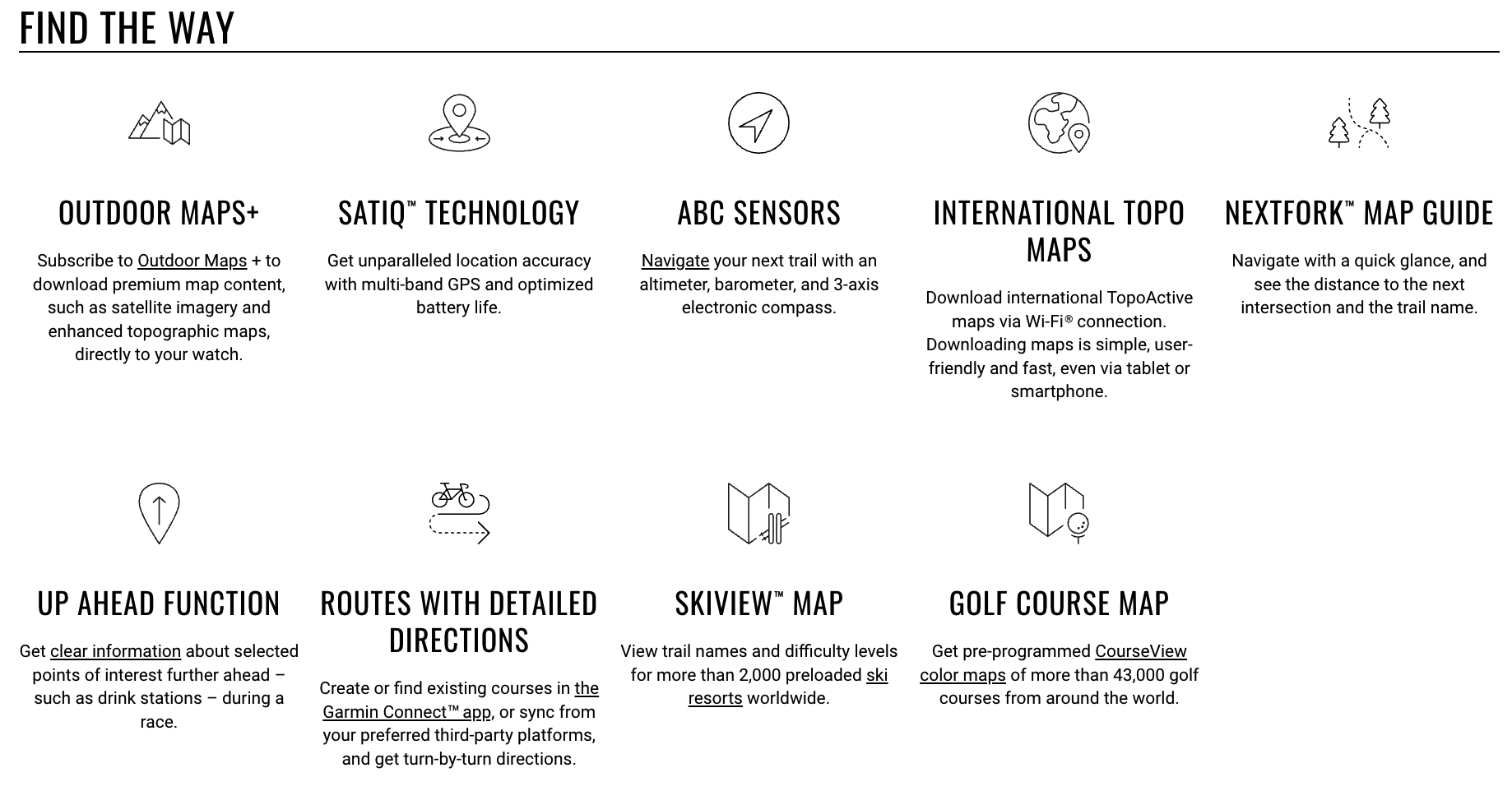
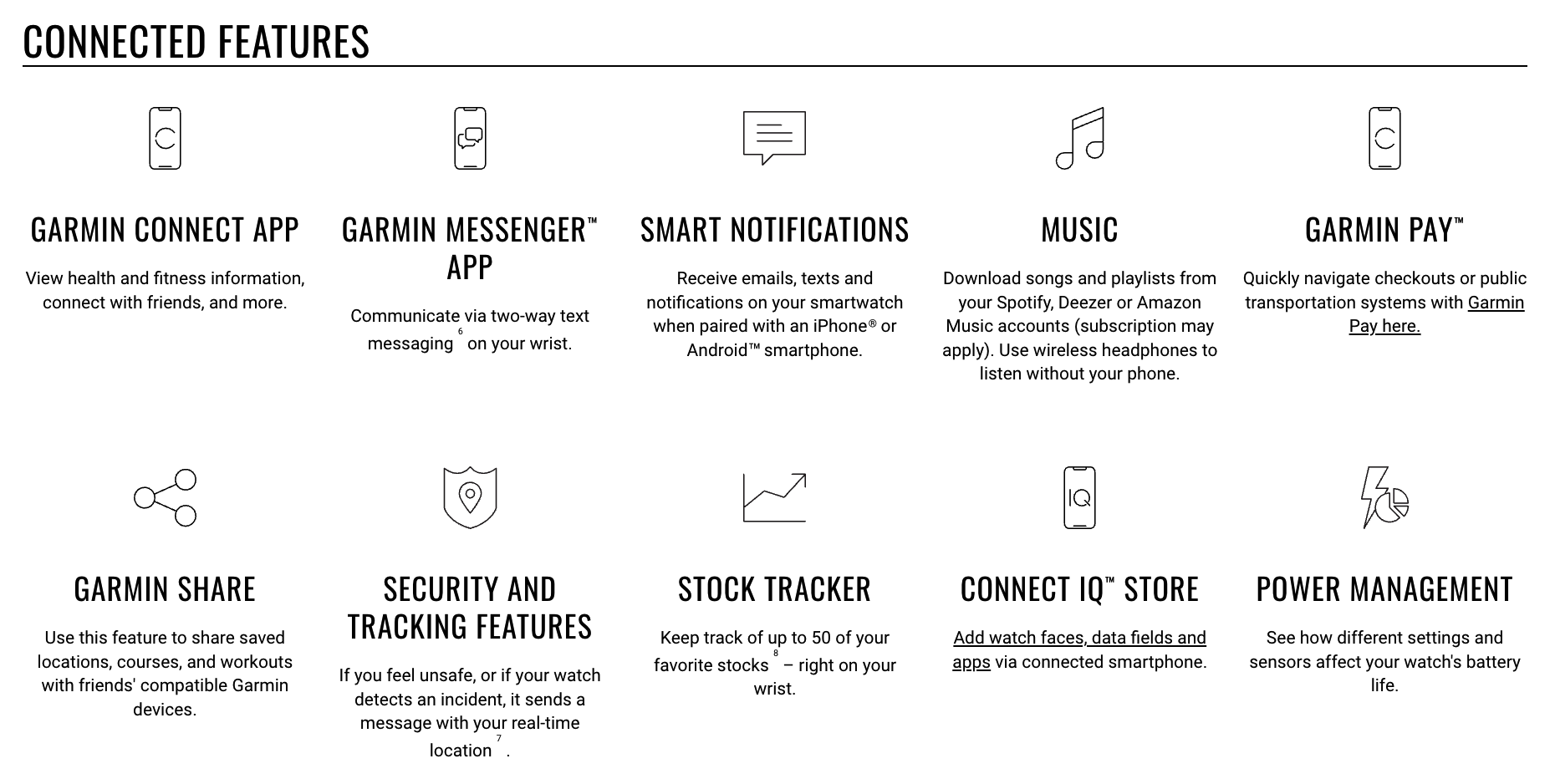
There are countless ‘added’ functions such as:
Voice recorder,
Answer phone calls,
Stunning mapping,
North up toggle,
Round trip routing,
Countdown app,
Revamp of notifications,
Strength plans and routines,
Active navigation
and so much more…
This is a feature rich Garmin and one that has something for everyone. For me, the absolute stand outs are:
The screen
The navigation function and mapping
Battery
The light which also goes red
With three sizes available, 43/47 and 51mm there is a size for everyone. My default would have been to go for the 51mm but it is huge and I have found the 47mm a perfect size. Sapphirescreen costs more, don’t hesitate, pay more ad get it.
In the past years I have used Coros Vertix, Garmin Fenix 6, Garmin Fenix 7, Garmin Enduro 1 and Enduro 2 and recently I have been using the Coros Pace Pro – which is an excellent watch, with great screen and a good price point. I compared all these watches to my Apple Ultra. I know, I know, I can hear many say, there is no comparison. BUT there is. The Apple Ultra has a stunning screen and works seamlessly with an iPhone, obviously. For navigation, if you use apps like Footpath, routing and course navigation is superb. And of course, the option for apps is endless, however, the issue is the battery. I still struggle to understand how Apple fail to address this?
The Garmin Fenix 8 while lacking in all the obvious add-on apps that Apple have, is now, with the AMOLED screen, my go to daily watch. For many, the addition of a microphone / speaker will be minor, for me it is superb. The five buttons and touch screen option make using the watch easy. If you are a Diver, the new features are superb. GPS accuracy is industry standard and the optical heart rate sensor is good with the usual caveats. The light is incredible with variable power and a red light option. The light feature is one of my most used features and is a real omission on the Coros Pace Pro. Sometimes it is the little things that make a big difference.
FEATURES
Is it worth upgrading? Quite simply, the AMOLED screen is a deal breaker for me and worth the upgrade from any solar/ MIP watch. I loved my Enduro 1 and Enduro 2 for battery life but did not like the screen, hence, I used the Apple Ultra for navigation on one wrist and the Enduro on the other to record data etc.
The Fenix 8 addresses this, I now have the perfect watch for multi-day adventures without asking:
Can see the screen?
Will I have enough battery?
Do I have a torch handy?
Can I navigate?
And, if required, can I use my credit card to pay for things?
I even have music! These are the key features I want from a watch like this. With battery life on AMOLED units starting to rival that of MIP-based units, the choice is easy.
Like I said, this is not a deep dive into the watch and all its features. It’s a summary of using the watch and would I recommend it? The simple answer is 100%. It’s the best GPS watch I have had and the level of features and functions are way beyond my needs and demands.
And on a final note, if you do not require AMOLED, the Garmin Enduro 3 is the choice to go for, although, you can only get the 51mm size. It has all the Fenix 8 features with a considerably cheaper price and considerably bigger battery…. If only they could the AMOLED 🙂
Much has been written about what equipment you need and require for an MDS event. In all honesty, it’s quite simple and can be broken down into 3 key sections:
What you will wear
Equipment
Food
Yes, it is that simple.
What you will wear and what equipment you need is the same for all MDS events, be that the 4-day / 3 stage MDS 120 or the 7-day / 6-stage MDS The Legendary. The only difference comes with food requirements.
One of the many things I love about MDS is that it brings out the geek in all of us. Nothing like shopping around to find the right equipment and importantly, the lightest version. However, when it comes to clothing, there is absolutely no need to buy new items if you already have items that work and importantly cause no irritation.
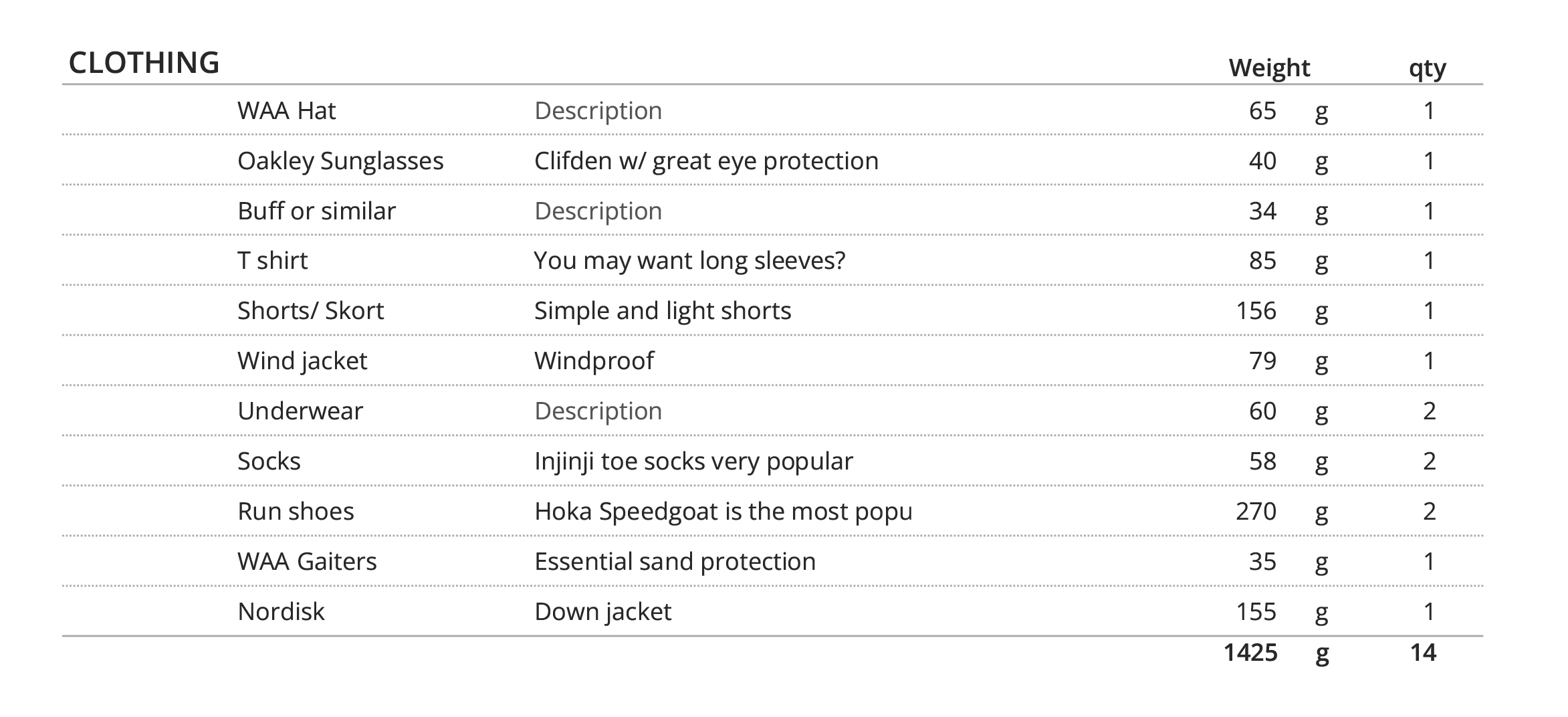
A clothing list would be as below:
You can see from the above, we go from head to toe. With the exception of a spare pair of underwear and socks, you will be wearing all these items. Total weight 1425g.
WHAT EQUIPMENT YOU WILL NEED
Equipment can be broken down into 3 sections:
Mandatory
Desirable
Luxury
Quite simply, mandatory is not open to discussion and you must have all these items as specified in the MDS rules and regulations HERE
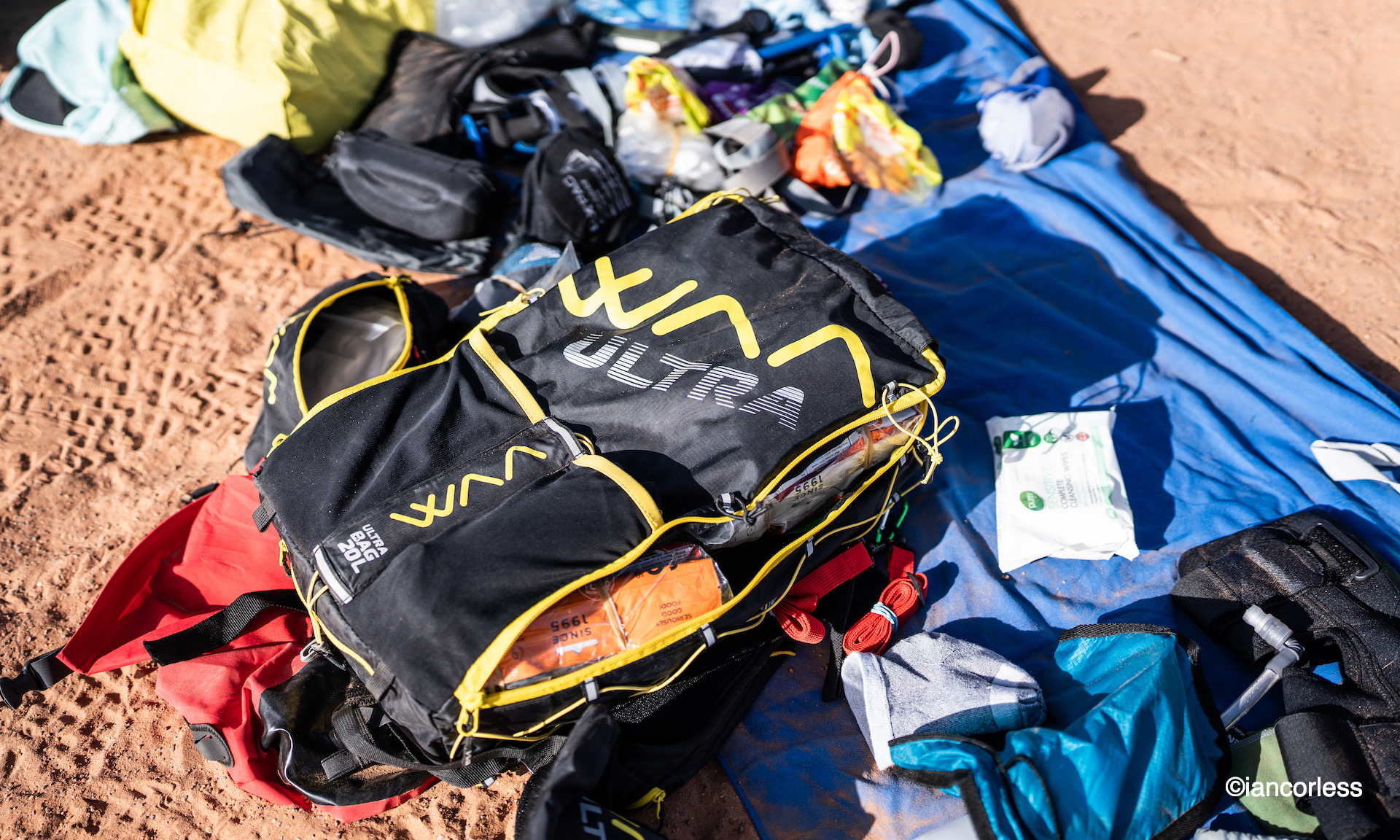
a backpack WAA ULTRA BAG 20L or equivalent
a sleeping bag,
a head torch (200 lumens minimum) and a complete set of spare batteries or spare batteries with external/solar charger,
10 safety pins,
a compass, with 1° or 2° precision,
a lighter,
a whistle,
a knife with metal blade,
a topical disinfectant,
a signalling mirror,
an aluminium survival sheet,
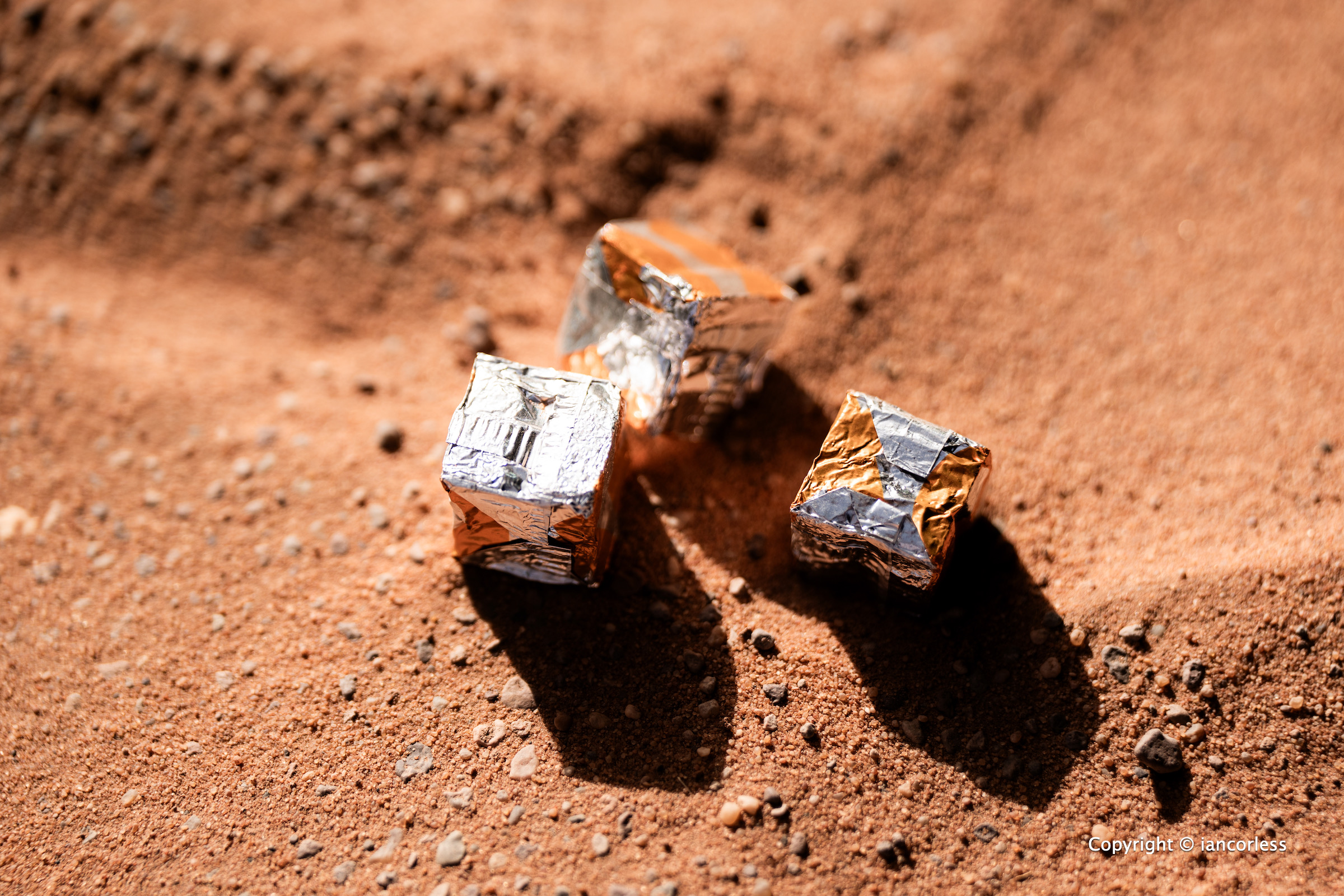
“Knorr” type cubes (2 per day) to favorize rehydration
a tube of sun cream of 50 ml minimum,
200 euros or 2,000 dirhams
the passport or for Moroccan residents, identity card valid at least until the end of the stay in Morocco. BUT for security reasons, it is strongly recommended to have a passport valid at least one month later; failing this, AOI declines any responsibility in case of problem.
the original MDS medical certificate, filled in and signed by the doctor
the original ECG and its tracing
Sleeping Bag – Down Jacket – Waterproof
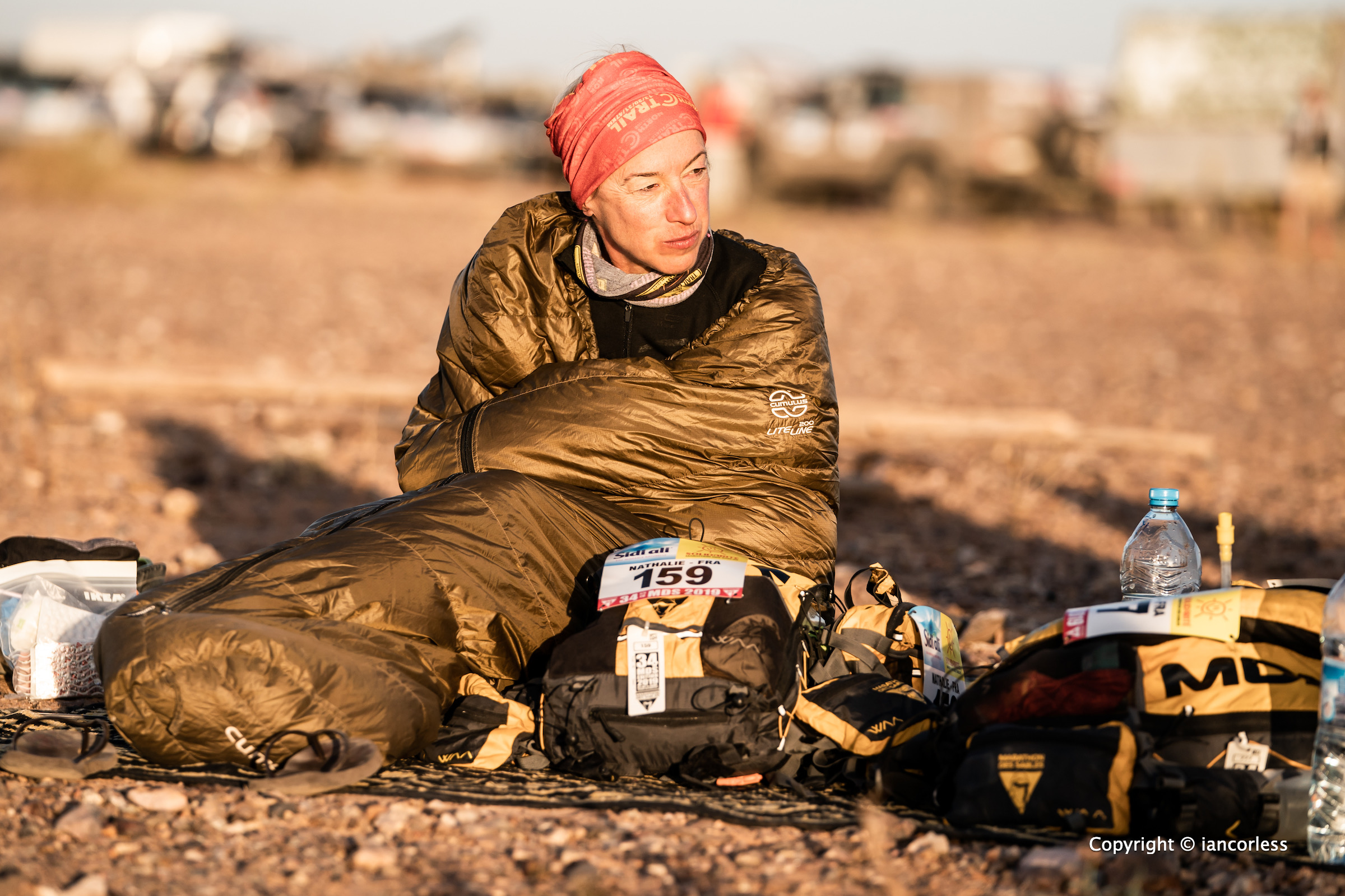
Take note that weather conditions and temperatures vary considerably. Also keep in mind, a small petit woman may well need warmer layers that a large man. Do you sleep hot? Do you sleep cold? When someone tells you you don’t need a sleeping bag, you don’t need a jacket, you don’t need goggles or you don’t need x, x, or x, take this advice and then ignore it. The best advice I can give, be prepared! Be prepared for all eventualities and then fine-tune equipment very close to the event, even at the event location on admin day so that you can make sure you have the appropriate equipment based on the current weather forecast. And yes, it can rain!
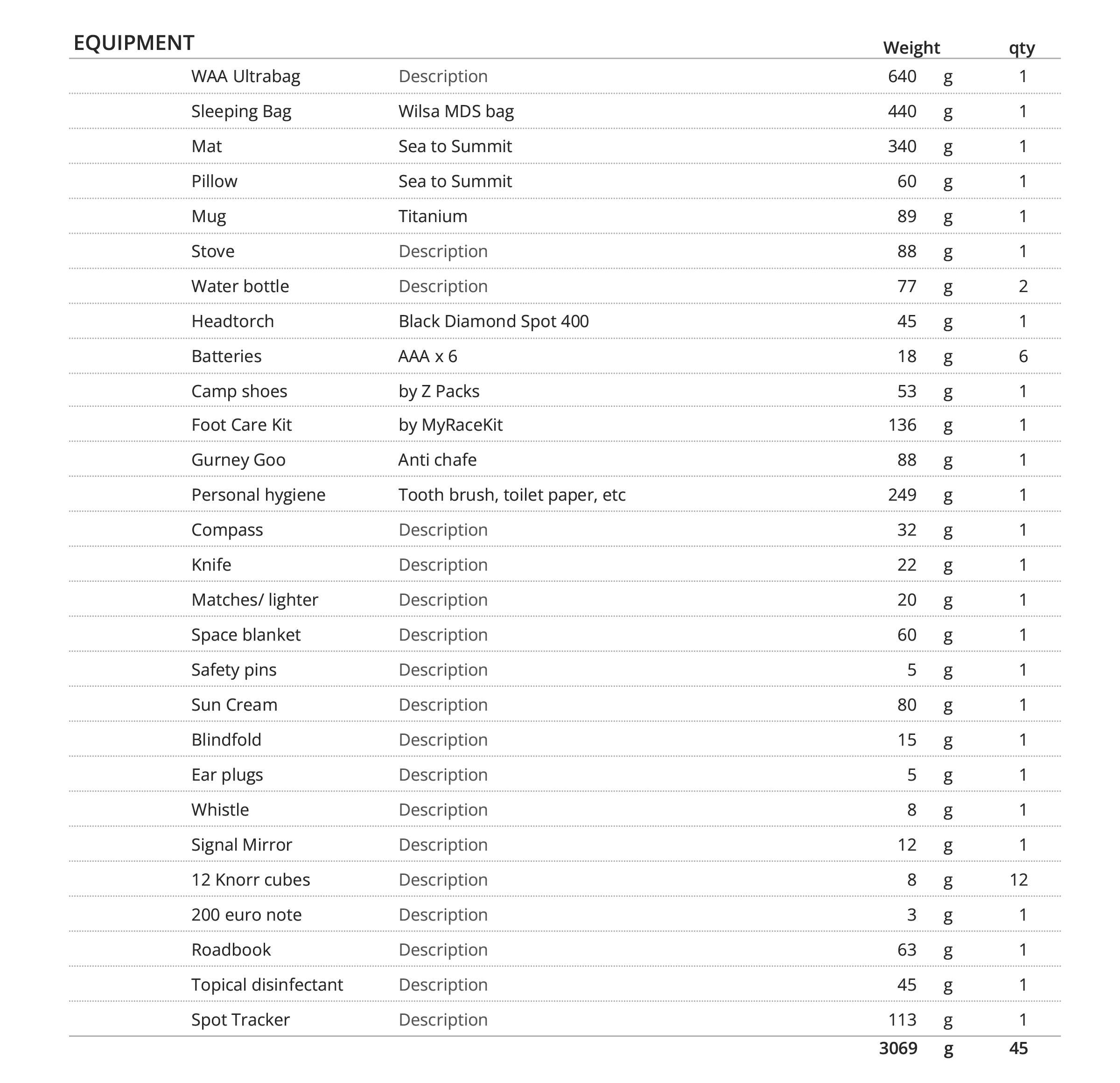
A full equipment list would look like below:
The above list weighs 3069g and this includes the MDS Road Book and the Spot Tracker, both items provided when in Morocco. You will notice there are no luxury items.
We then can look at DESIRABLE and LUXURY.
You may consider poles to be desirable, in all honesty, I think for most at MDS events, they are becoming almost essential. Of course, if you are a runner, you do not need them. Just lightweight, folding carbon poles. I recommend Leki Ultralite FX One. A watch with GPX and great autonomy such as Coros Vertix and/or Garmin Enduro. If you don’t have a watch with a good battery, you are then requiring a battery pack and for me, a battery pack falls in the luxury list.
As for luxury, you absolutely MUST keep luxury items to a minimum, I consider a phone to be luxury at an MDS event. The only item I would consider is an MP3 player with great battery life and lightweight earphones.
FOOD
MDS 120 are 4-days and 3-stages, The Legendary is 7-days and 6-stages, so, you need to adjust the requirements accordingly. The typical rule is you must have 2000-calories per day. For The Legendary this equates to 12,000 calories as a minimum requirement, however, I think you are better assuming 14,000 calories.
Food is personal, so, make sure you understand what you require and make sure you have a balance of fat/protein/ carbohydrate and make sure you have sweet/savoury based on your taste requirements. Note that as days pass, the need for sweet tends to shift to savoury. Try and test all food before racing.
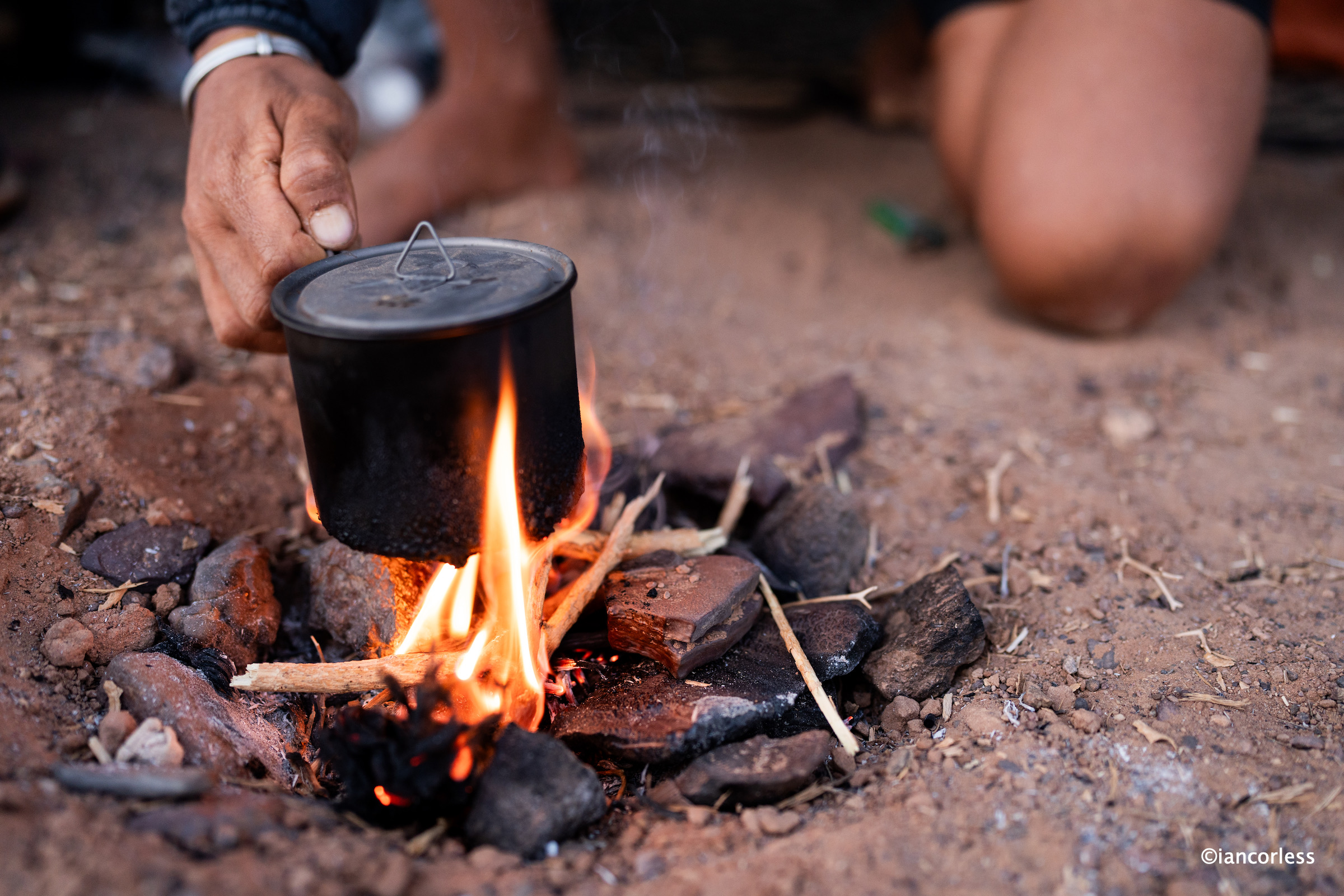
Also consider if you will have hot or cold food. Not all food rehydrates well with cold water.
Also, a large man, say 6ft 2″ and 85kg will require far more food than a woman who is 5ft 2″ and 55kg. Keep this in mind and use the minimum 2000 calorie as a guide.
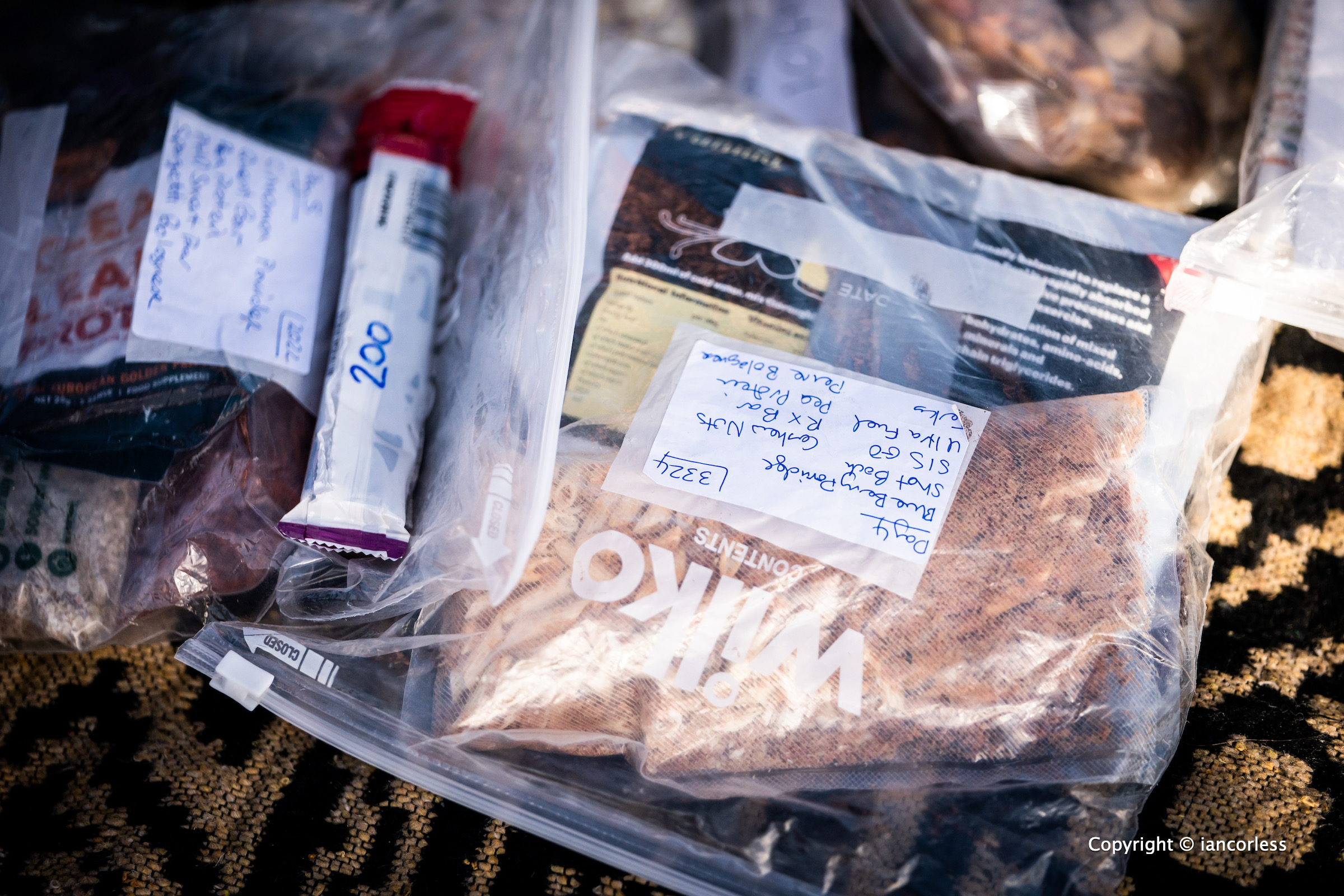
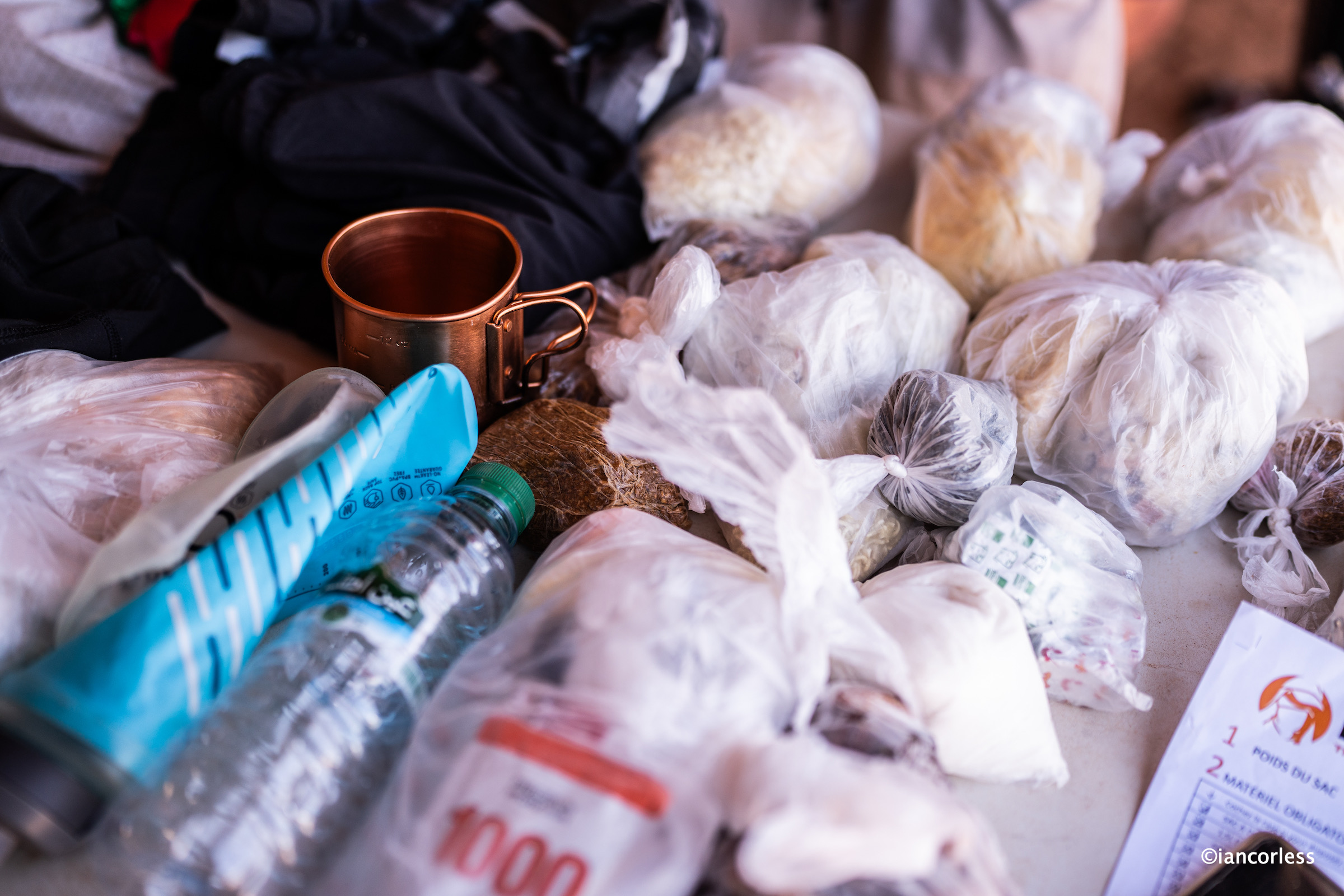
Prepare food bags, a bag per day. That way it is easy to control what you eat.
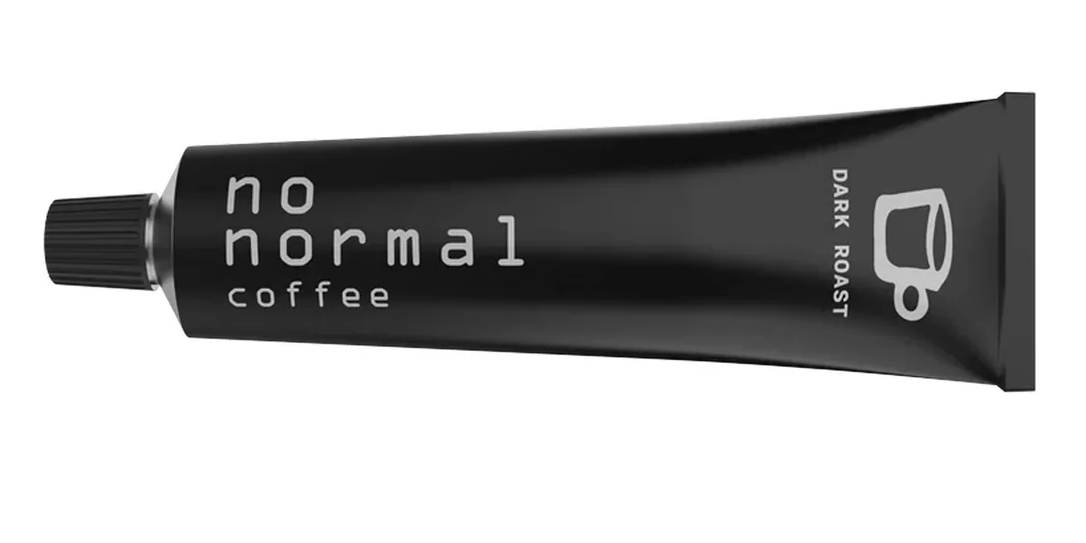
Need coffee, check out NO NORMAL. Yes, coffee in a tube.
6-stage and 7-days at The Legendary could look like above with 7-dehydrated breakfasts and dinners and then a combination of snack food for during and post each stage. Typically you can expect food to be between 4000 and 4500g. My list above comes out at 4048g.
The 2025 edition of the Marathon des Sables – The Legendary is getting close, as we journey through March, we will post weekly articles to help you fine tune your preparation.
Following on from the 2024 edition, the longest in MDS history, the 39th 2025 edition will follow a similar format and distance. The event will take place over 6-stages/ 7-days and notably, the ‘long day’ was stage 3 in 2024, for 2025 it will return to stage 4.
All 6-stages will be timed as in 2024, previously, the charity stage was not timed.
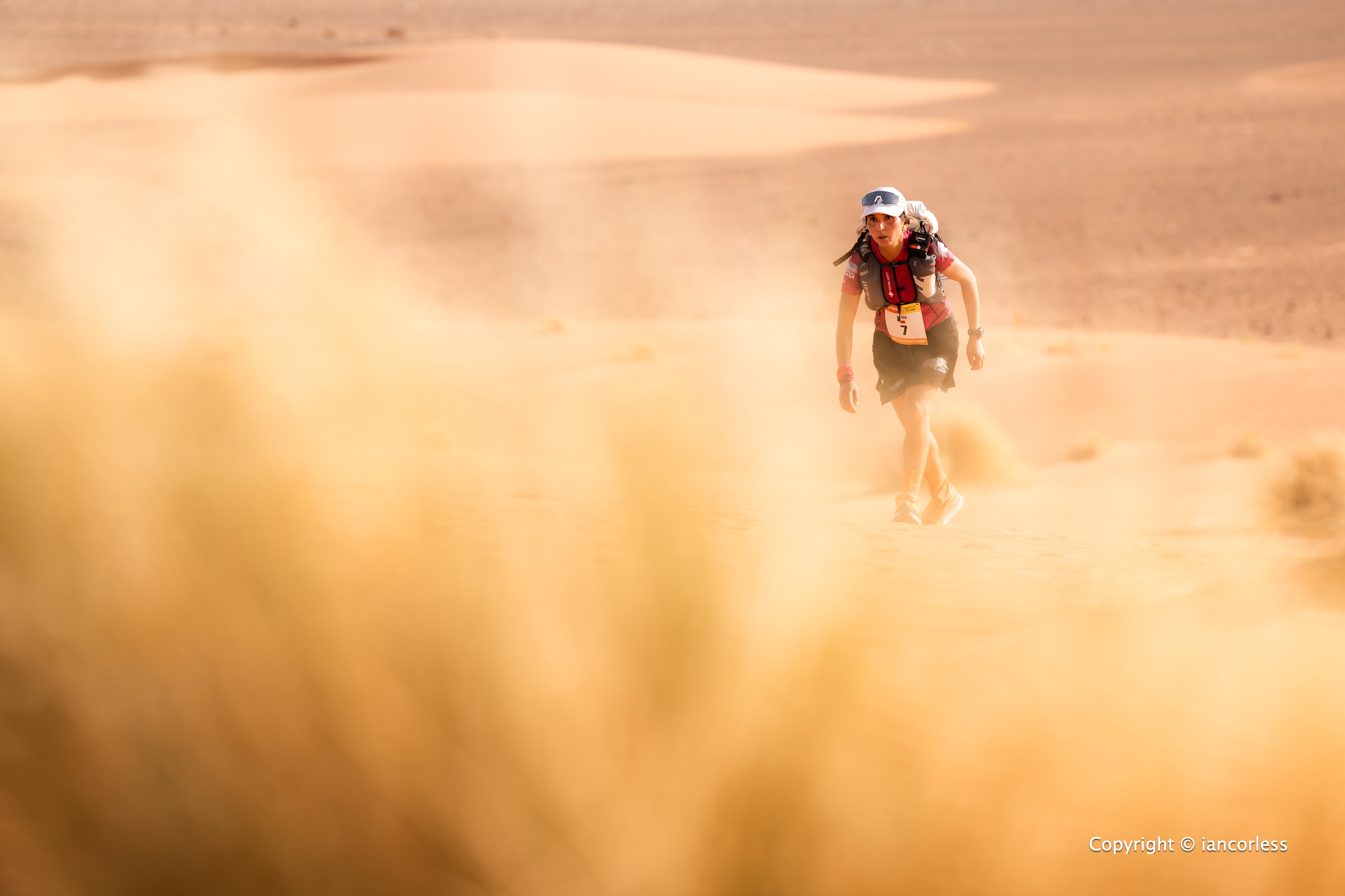
Although the race has fluctuated in distance over the years, a distance of +/- 250km’s should not come as any great surprise and training in the build up to the event should have been planned with this in mind.
6 timed stages does make a considerable difference and that should be considered. In 2024, the long day coming on stage 3 was an extra challenge, for 2025, it returns to stage 4! Depending on how fast you complete the long day, you can have a full day and night as recovery before stages 5 and 6.
Daily distances are typically never disclosed before the race and the jury is out if the distances will be announced pre arrival in Morocco, watch this space! However, it is pretty easy to guess on approximate distances.
The 2025 MDS Legendary will look (potentially) like this:
Stage 1: 32km (day 1) running total: 32km
Stage 2: 38km (day 2) running total: 70km
Stage 3: 36km (day 3 running total: 106km
Stage 4: 80km (day 4 and 5) running total: 186km
Stage 5: 42km (day 6) running total: 228km
Stage 6: 21km (day 7) running total: 249km
Total: 249km
Three key considerations:
Expect more sand, anticipate no Djebel El Otfal and expect Merzouga Dunes. With the above information, you now have at least a template and guide for which to plan around.
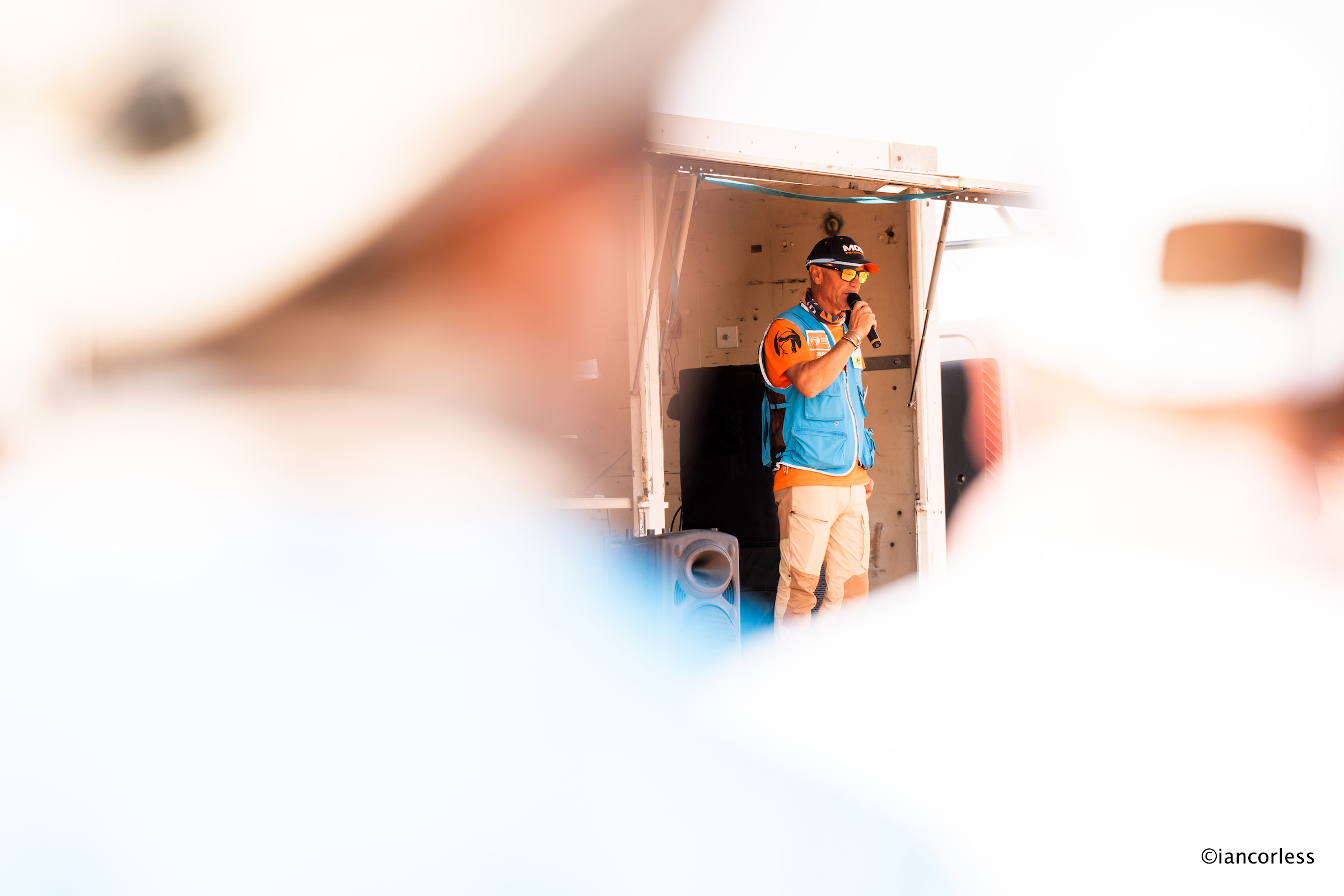
“…and for sure it will be tough, I am not going to tell you that it will be easy! The distance will be 250km’s, I am little unhappy because I cannot put the long stage in the third position, I loved this last year, but according to our plan, we need to move it to the fourth stage. It will be tough, very tough and really beautiful. We have some amazing places planned, 80% is new tracks. You will see places never seen before in any MDS. There will be no El Otfal, there will be lots of sand and yes, Merzouga will return.” – Cyril Gauthier
SCHEDULE
Photo by Ian Corless
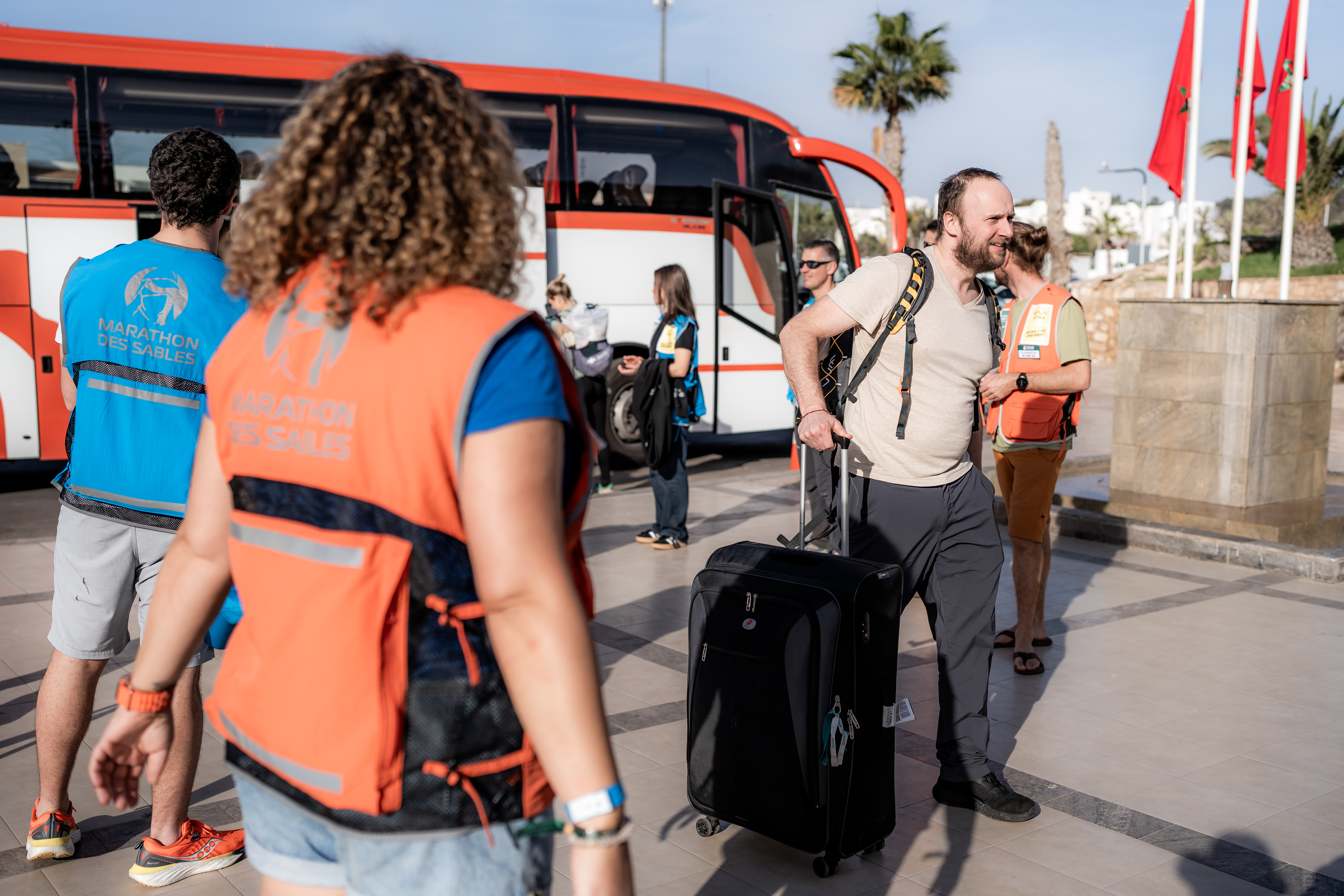
Day 1: Arrival in Morocco, transfer by bus to the bivouac in the desert, installation and overnight stay in the bivouac wih self-sufficiency.
Day 2: Day of technical, administrative and medical checks. Overnight in bivouac with self-sufficiency.
Day 3: First stage, overnight in bivouac.
Day 4: Second stage, overnight in bivouac.
Days 5: Third stage, overnight in bivouac.
Day 6 and 7: Fourth stage, the long one” – lasting 2 days, overnight in bivouac.
Day 8: Fifth stage, overnight in bivouac.
Day 9: Sixth stage, medal at the finish line, then bus transfer to Ouarzazate, overnight in hotel with half-board accommodation.
Day 10: Free day in Ouarzazate, awards ceremony, gala evening. Overnight at hotel with half-board accommodation.
Day 11: End of adventure, transfer back to airport.
BIVOUAC
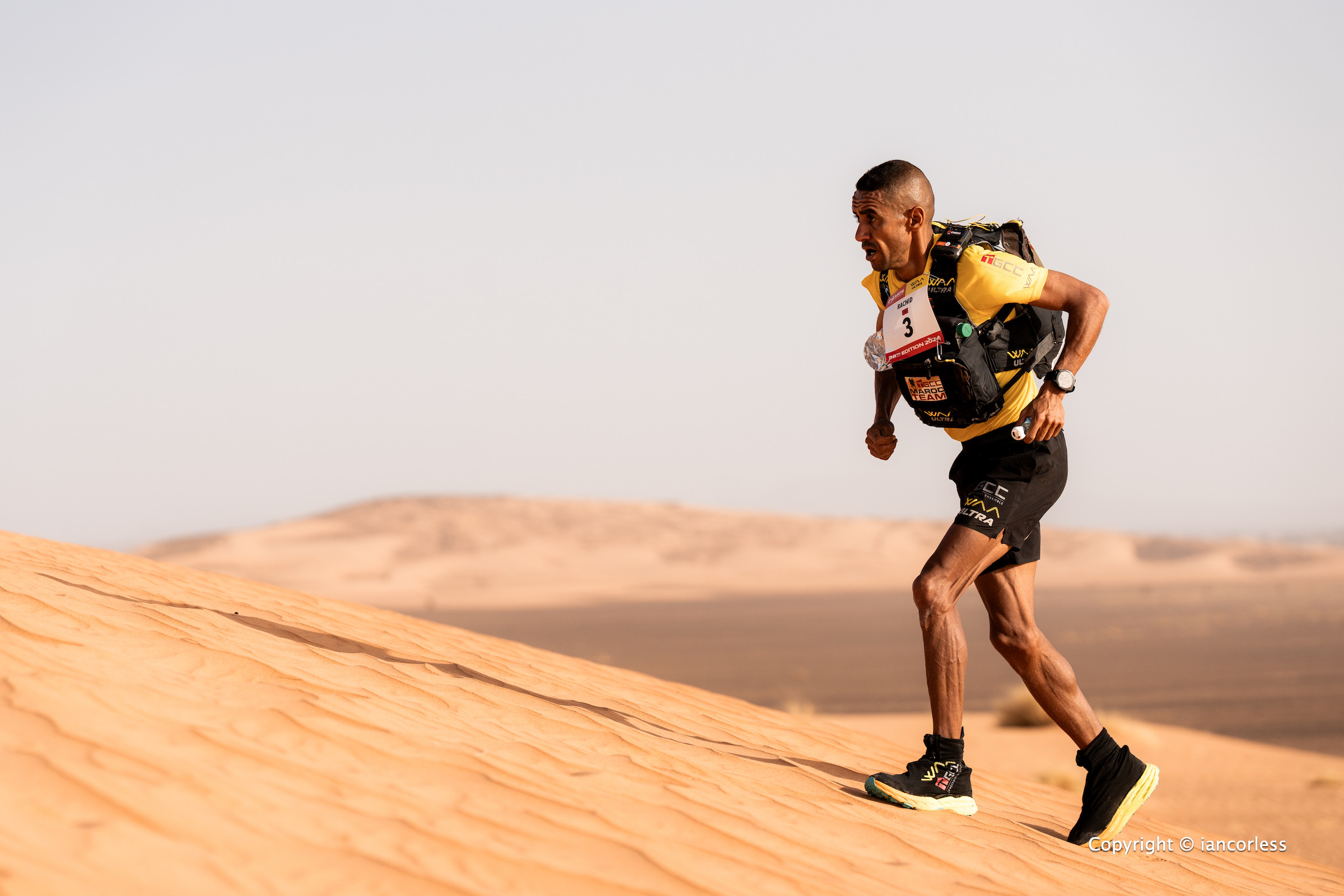
Remember, from the moment you arrive in bivouac you are self-sufficient. So make sure you bring food/drink (water is provided) to cover the days before the race starts. This food can be in any form and weight as you do not need to carry it, so, be creative. Rachid for example makes a Tagine in camp…!
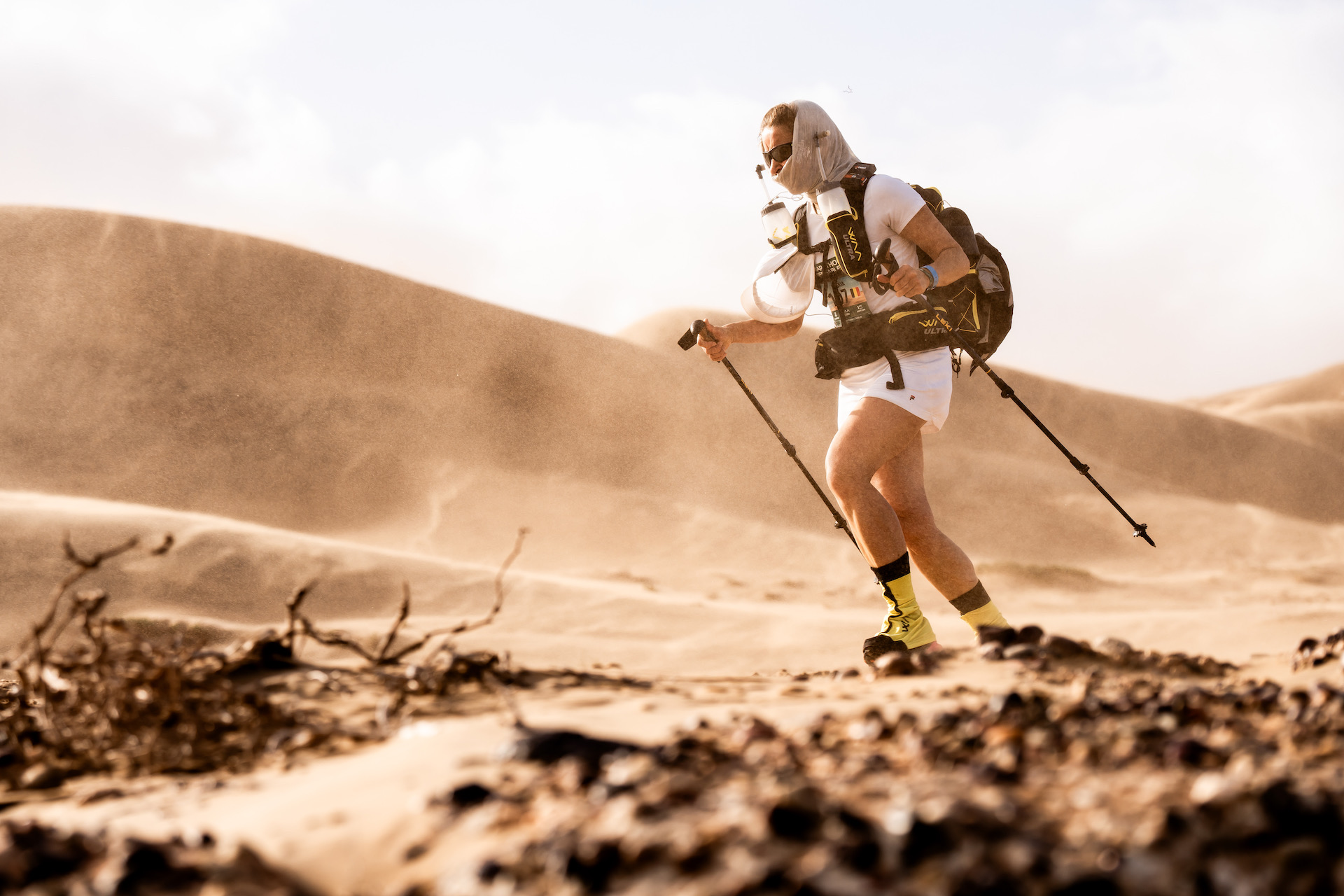
Also remember, you have your luggage with you before the admin protocols. So, bring extra items, warm layers, spare kit etc. That way you can fine tune equipment in a real situation. Particularly helpful when judging climate conditions. DO NOT assume that it will be hot, recent history has shown that temperatures and conditions in the desert are changing – MDS Morocco in October had rain and flooding. The recent MDS Morocco Atlantic Coast had extreme wind, cold temperatures and rain. Be prepared!
ADMIN DAY
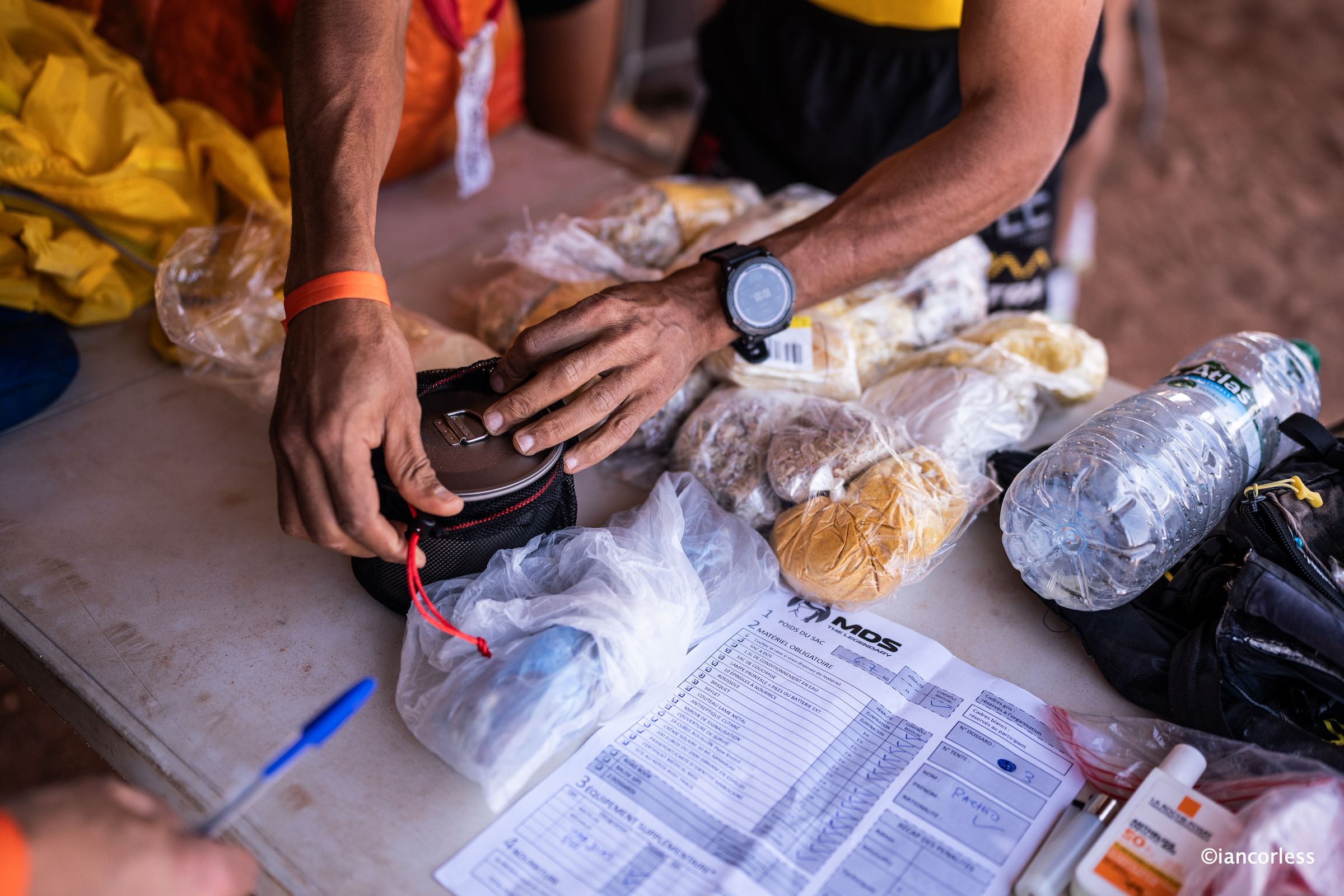
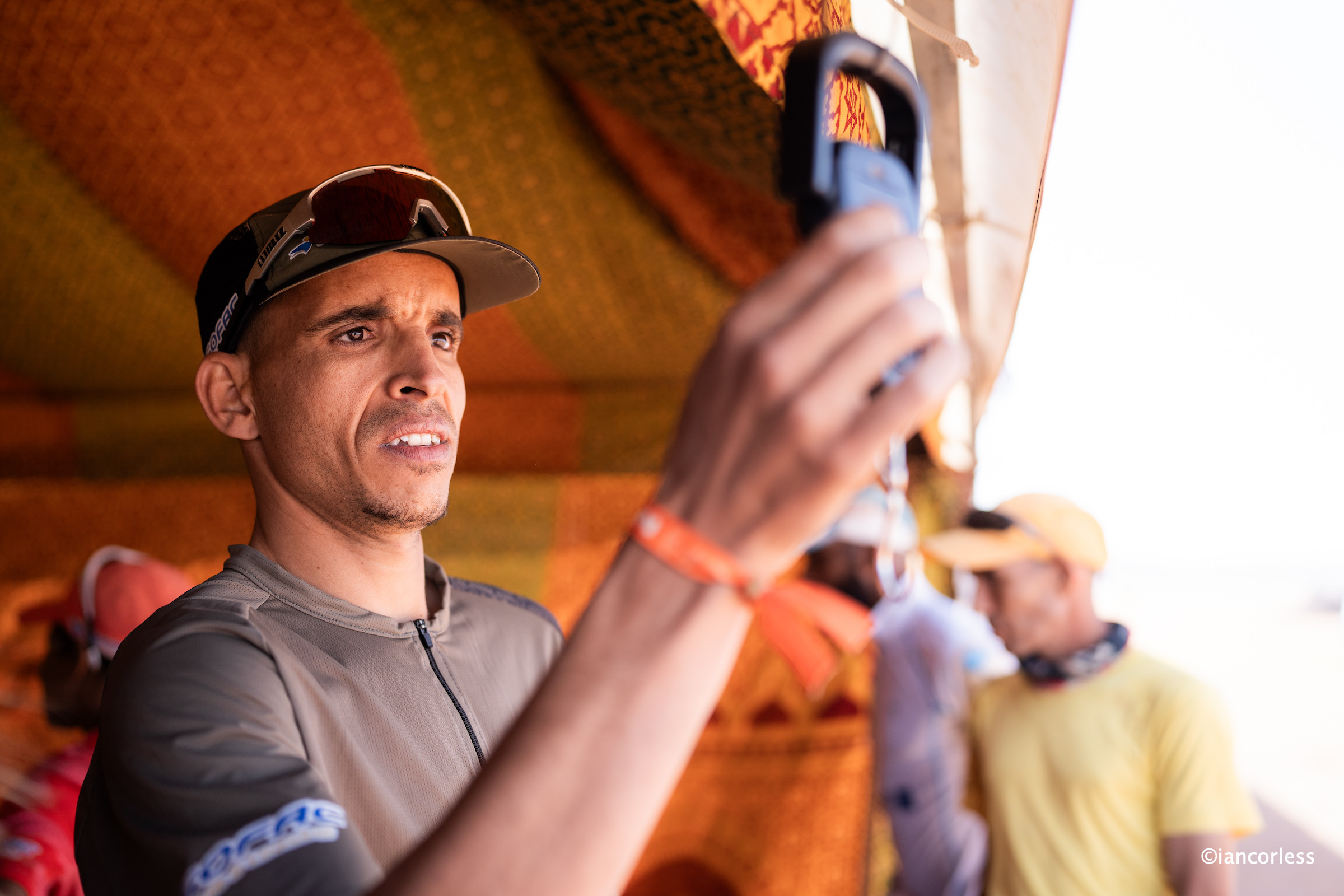
You will have your luggage with you in bivouac before admin day. You can make last minute adjustments if required. Be prepared and make sure you comply with all rules and regulations. A pack must have a minimum weight of 6.5kg PLUS water (1.5L). You must have a minimum of 2000 cals per day. You must have ALL the mandatory kit.
SALT
The new revised mandatory requirement for the race requires 14 broth cubes – these cubes are known to be salty. You have no choice here, you must have them. In 2024 many questioned the validity, however, during and post the event the general consensus was very positive. Take note here, not all cubes dissolve the same in water, so, make sure you find a cube that works such as Knorr. My advice is to plan a strategy that works for you. Listen to my podcast with Andy Blow from Precision Hydration HERE. Remember, this is a self-sufficient race, so, be prepared to be self-sufficient and have a plan/ strategy that works for you.
WATER
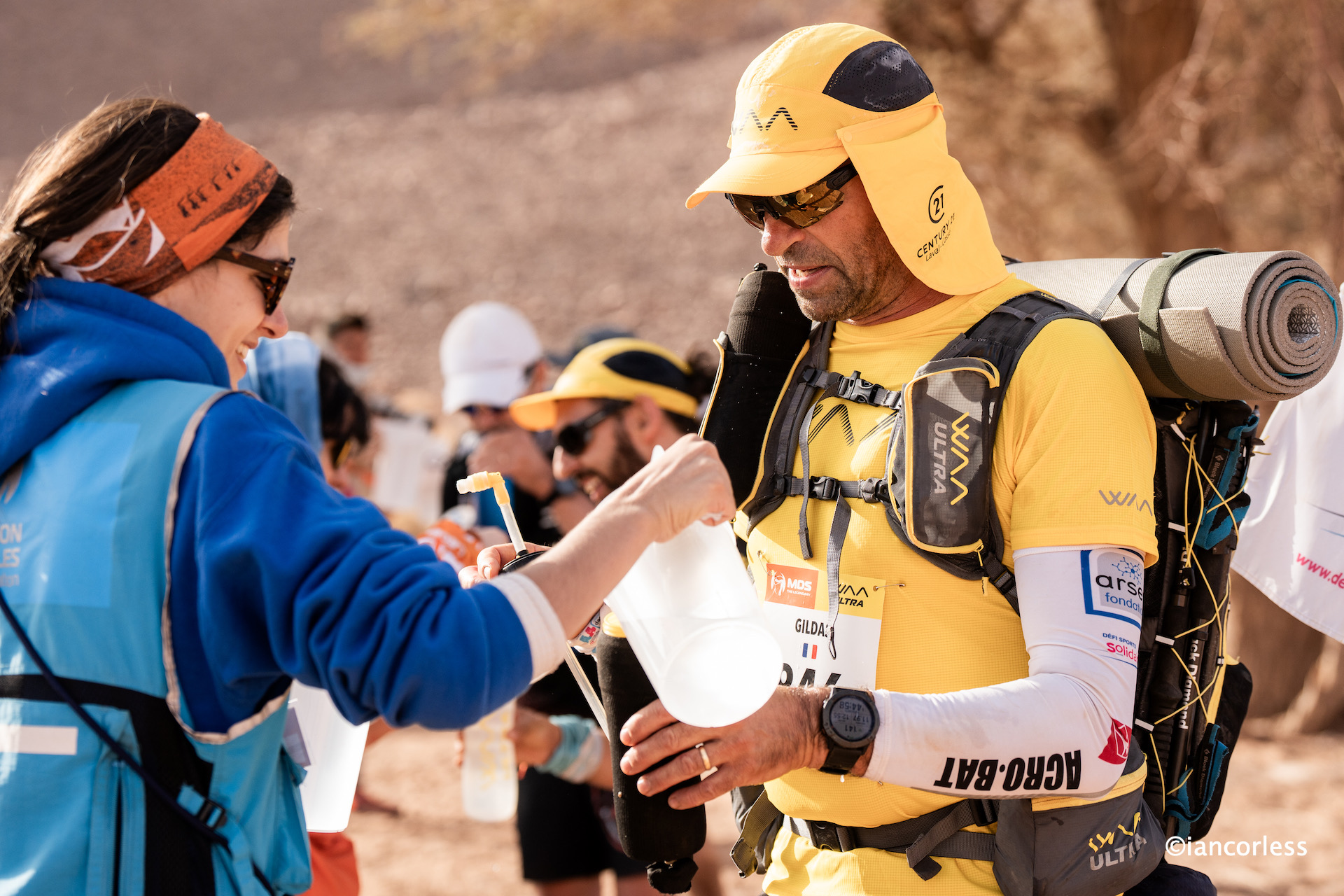
Another key change from 2024 is water and how it is provided. In principal, once you start on stage 1, water is unlimited. No longer are you provided 1 or 2 1.5ltr bottles at checkpoints. Now, the blue coats will pour water from jugs in to your bottles. If you stand at a CP and then drink a full bottle, it will be refilled.
Another key note to consider is that should conditions dictate or should the organisation think that additional water will be helpful, water stations may be added between CP’s. This is very important. Typically (conditions and terrain allowing) CP’s are 10km’s apart, therefore, you may heave an additional water station at say 5km’s.
The long day may (tbc) have a requirement that you can carry extra water capacity? This extra water would potentially be provided in a 1.5ltr bottle, so, either have an extra bottle to decant this to, or, have a system to carry a 1.5ltr bottle.
After the stage finishes, water is then rationed and you are provided with 1 large 5ltr bottle. This water will be needed for your hydration post stage, cooking dinner, cooking breakfast and your water allowance to CP1 the following day. If you want to wash, that also comes from the 5ltr allowance, so, make sure you drink and eat and understand what water capacity you need before taking a wash.
FEET
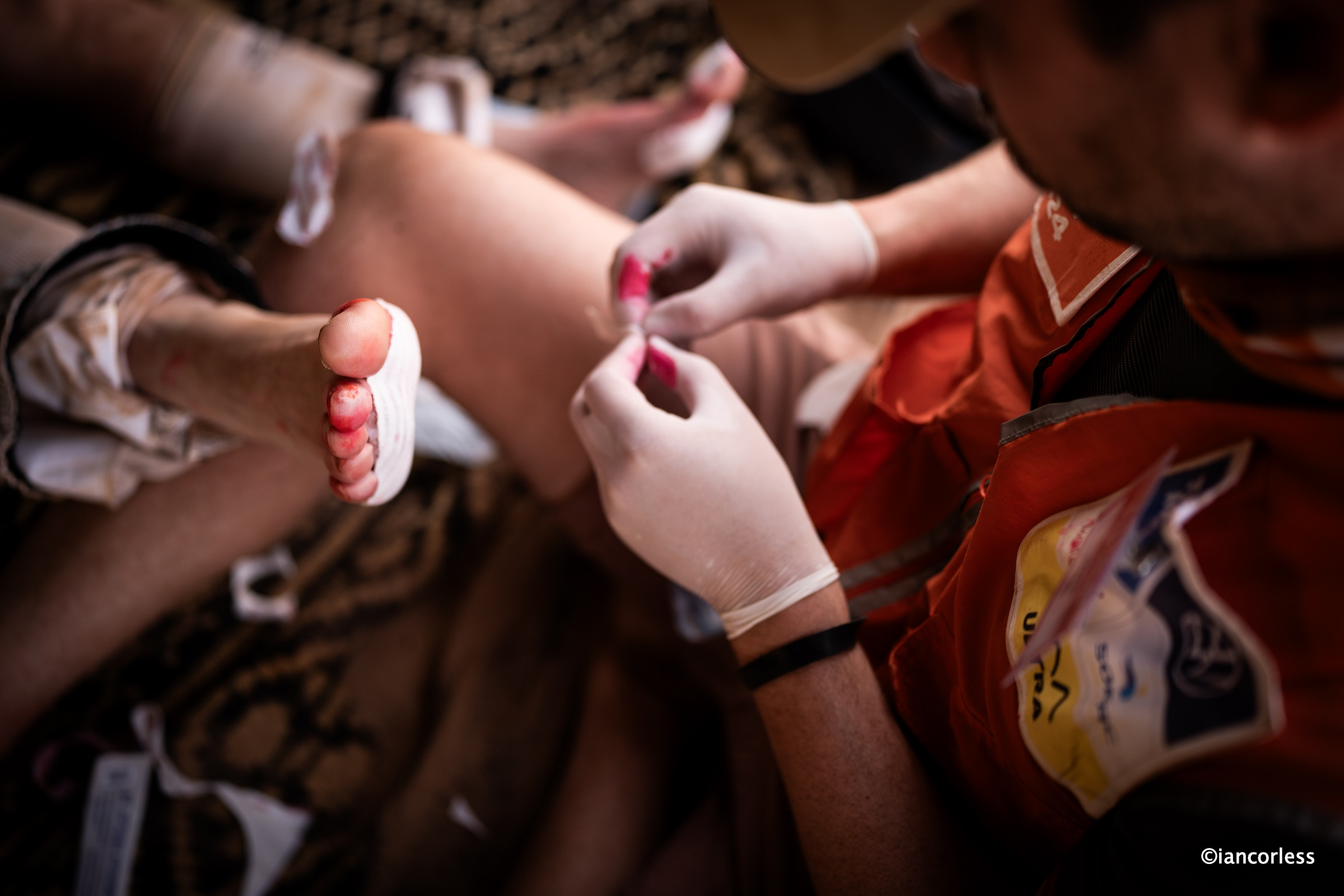
Along with dehydration, damaged feet are a key reason NOT to finish MDS. Make sure you have correct fitting shoes, the right socks for you and you know how to look after your feet. Read HERE and HERE.
SAFETY
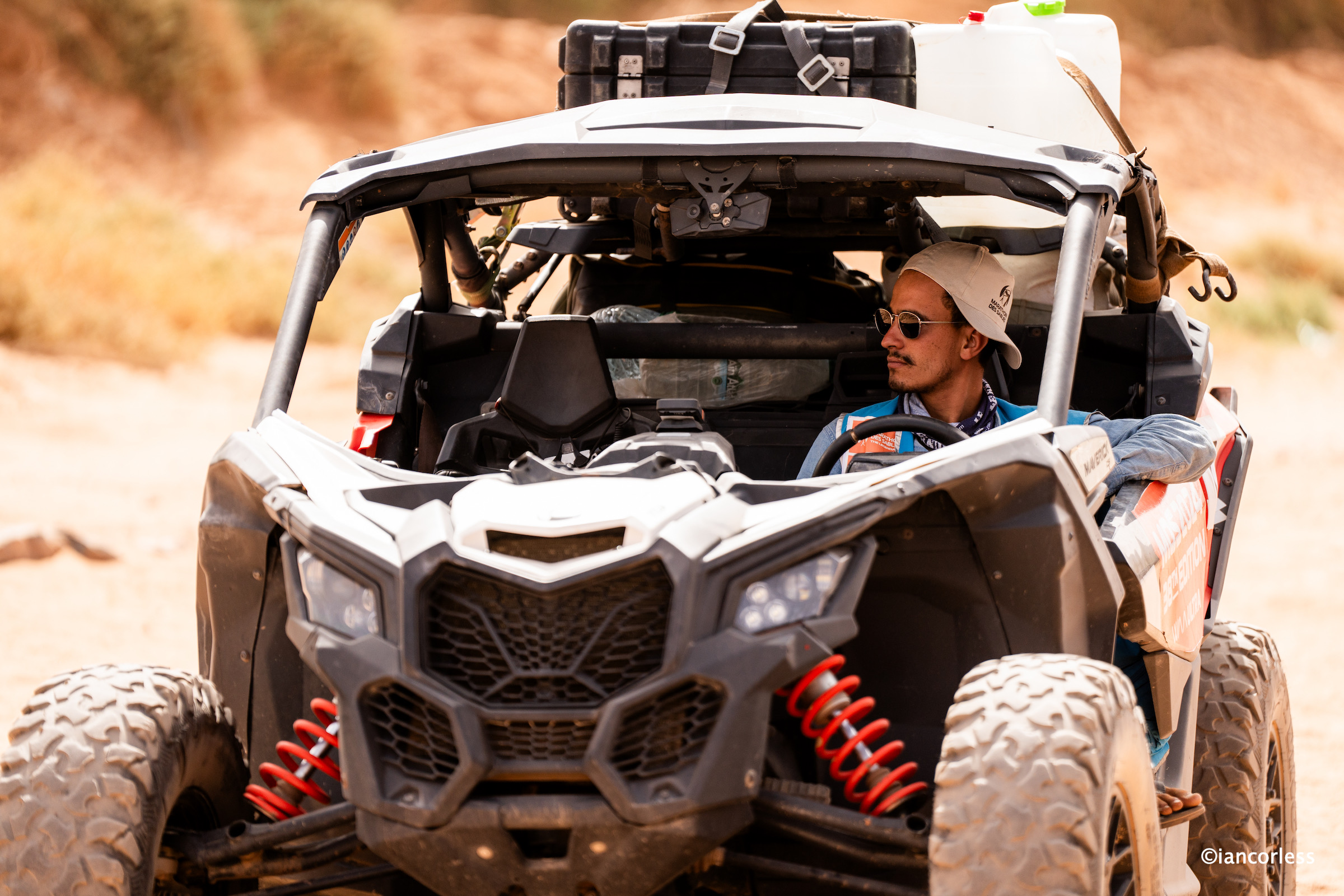
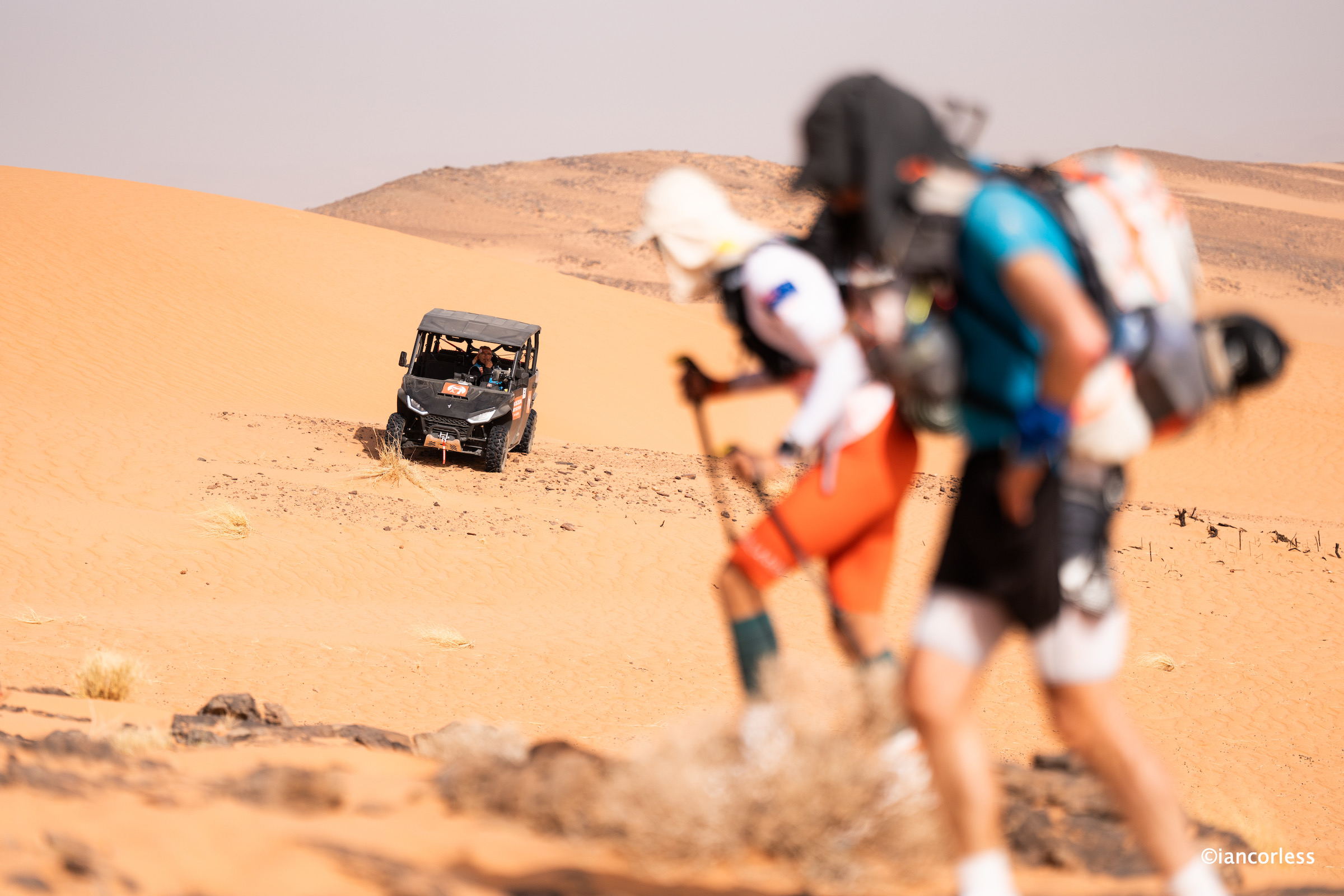
MDS has strict protocols for your safety. You will see fast response vehicles (buggies) designed to gain fast access to the most difficult and challenging parts of the desert. In addition, there are 4×4 vehicles situated throughout the course.
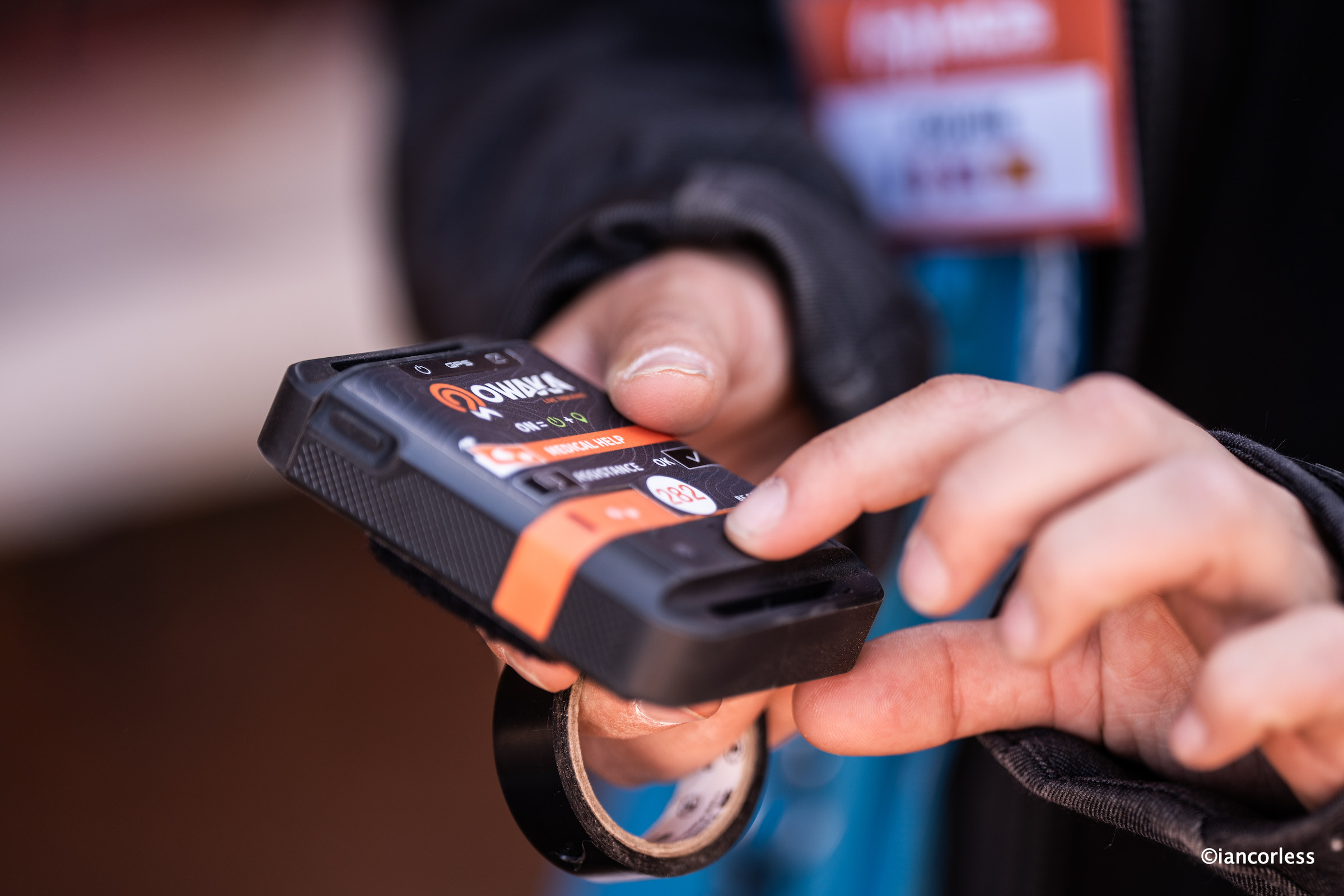
Each runner is using a tracker attached to their pack. This allows MDS to follow you and keep an eye on your position, it also has an emergency button which notifies the MDS team of your need for immediate response and attention.
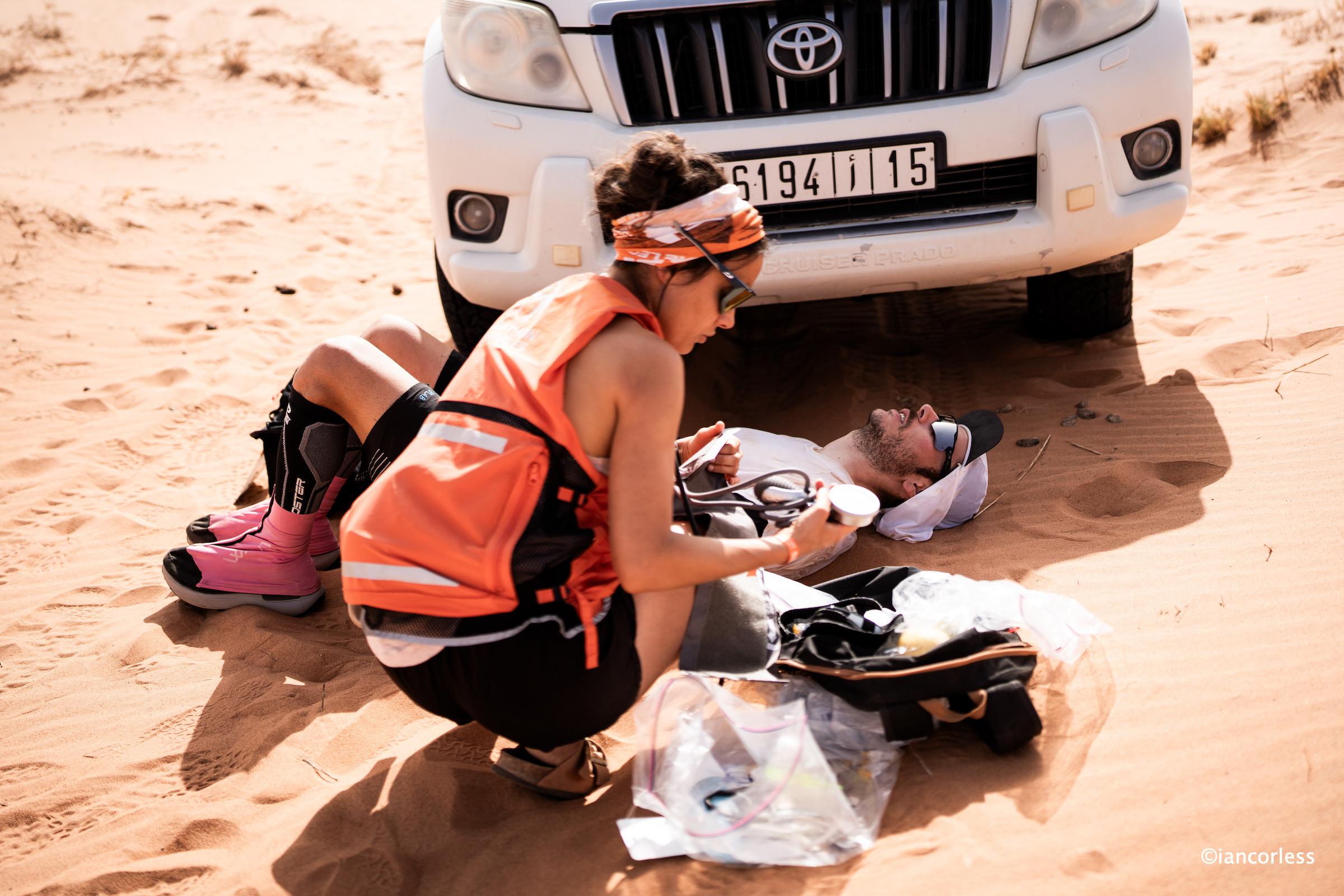
There are also medical runner’s. These are trained medical staff who will participate during the race. They will be on the course with you and in certain scenarios, they are able to provide immediate care or attention to those who need it. They have a different coloured number so you can identify them.
Medical team personnel are trained and equipped to provide immediate attention at any location within the desert.
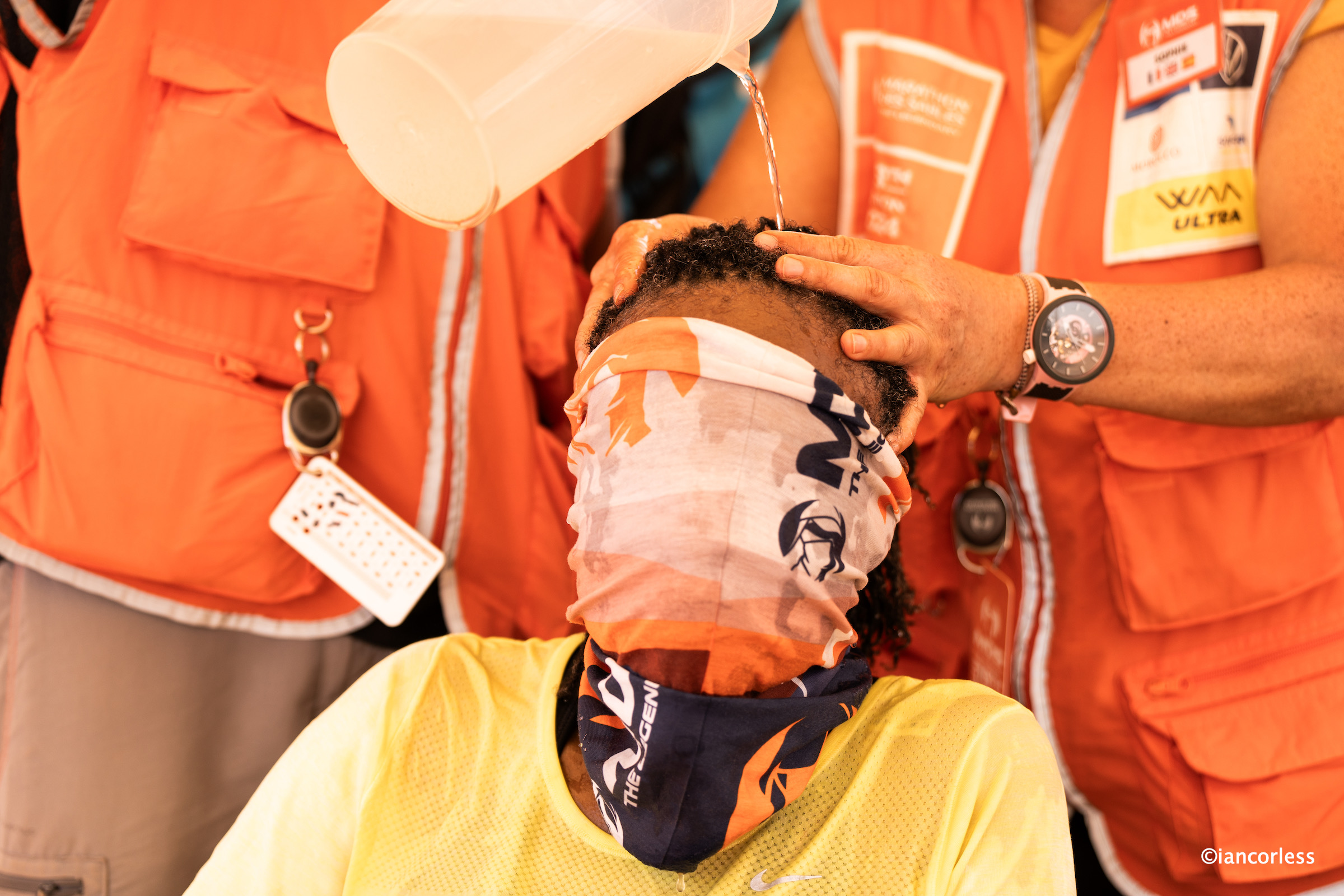
Finally, water is not rationed during the race, so, if you need more liquid, you can have it! Also, at key CP’s, iced water is available to enable cooling. This will be poured on your head via a blue coat volunteer. Orange jackets handle medical emergencies.
MANDATORY EQUIPMENT
Needless to say, despite what some believe, but mandatory equipment is mandatory!
Pack such as WAA Ultra Bag 20L
Minimum capacity of 1.5 litres of water
Sleeping bag
Head torch and spare batteries (you can have a charger/ solar charger)
10 safety pins
Compass with 1 or 2 deg precision
Lighter
Whistle
Knife
Topical disinfectant
Signal mirror
Survival blanket
14 cubes of broth
Sun cream
200 euro or 2000 dirhams
Passport or ID card
ECG (original doc) and medical
Roadbook (supplied on arrival)
Make sure you comply with the very strict regulations and timeline in regard to ECG and medical form.
FOOD
You need ** 14,000 calories of food, 2000 calories per day. However, 12,000 is mandatory. You can of course carry more than this, but I consider 14,000 is the minimum with the rest day. You must be able to prove the calories, so, if you decant food into lighter or different packaging, make sure you keep the nutritional information.
** Adding as clarification:
2000 calories per day, it’s a 6 stage race
BUT remember the rest day.
I see the calories as below BUT YES 12,000 cals to comply with rules.
Stage 1 : 14,000 cals – Day 1
Stage 2 : 12,000 cals – Day 2
Stage 3 : 10,000 pls – Day 3
Stage 4 : 8,000 cals (the long day) – day 4
Day 5* : 6,000 cals (rest day)
Stage 5 : 4000 cals – Day 6
Stage 6** : 2000 cals – Day 7
*Day 5 you may still be running/ walking and/ or in camp for the rest day and will need 2000 cals.
**Stage 6/ day 7 you technically only need breakfast and snacks for the stage.
WHAT YOU NEED
In addition to mandatory equipment and food requirements, you need essential items to complete the race. Use the list below as a guide:
Run top (maybe with long sleeves)
Neck roll/ Buff
Run shorts/ skirt or similar
Socks (plus maybe spare socks)
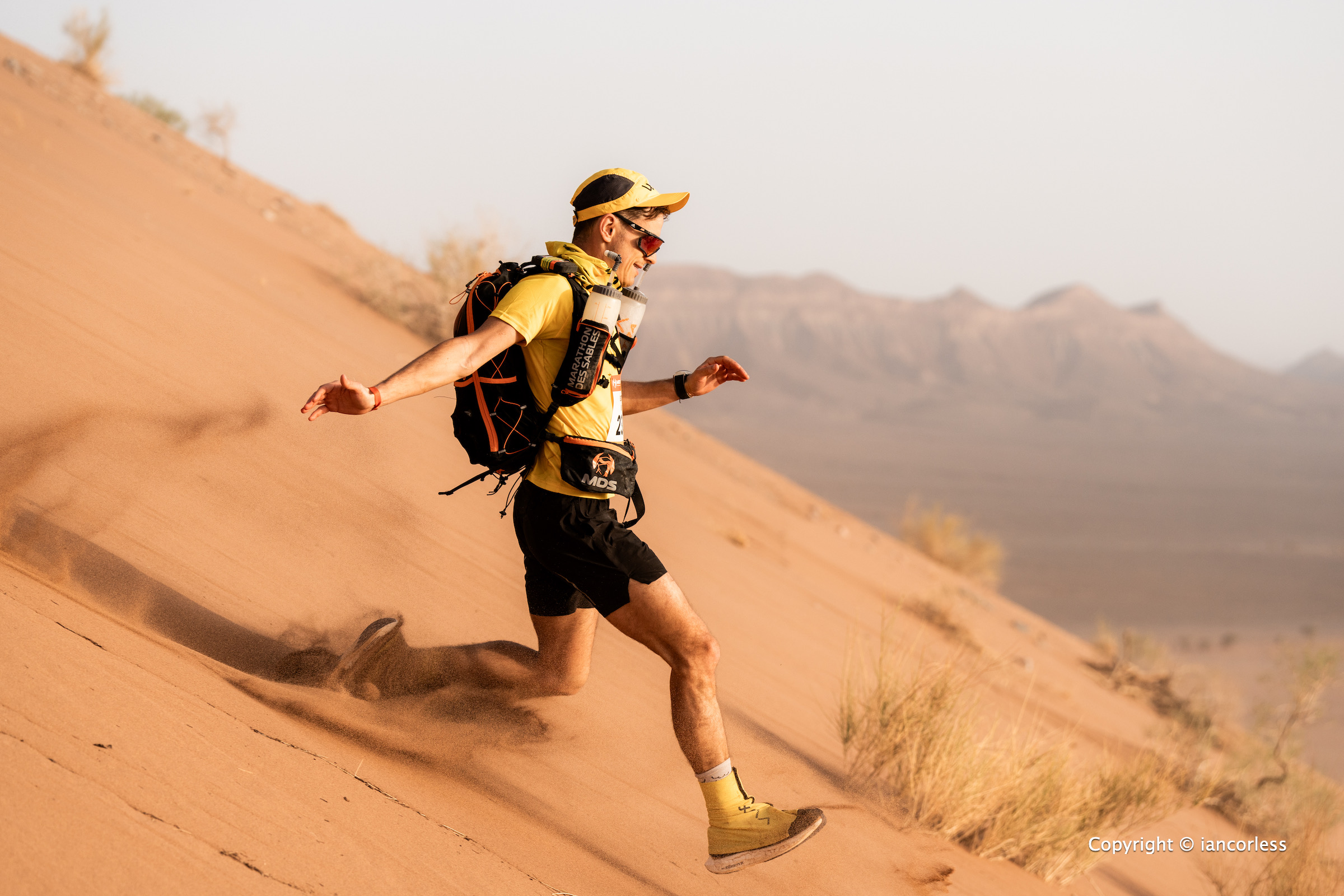
Shoes with gaiters (make sure you have the gaiter velcro sewn on well in advance)
Hat (consider cover for the neck too)
Sunglasses (make sure they have good protection and if they fit well for protection in sand storms)
Watch
Warm layer (windproof and maybe lightweight down jacket)
Foot care
Hygiene products
Toilet roll/ wipes
Lip balm
Blind fold
Ear plugs
Spoon
Pot/ bowl*
Stove**
Fuel cubes**
Sleeping mat
Pillow
Flip flops or similar
**Stove and fuel only required if you plan to heat water
*Pot/ bowl or similar will be required as now it is no longer possible to cut down a 1.5ltr bottle
Recommended
Many things can happen in a self-sufficient race and yes, equipment can fail. So, think about on-the-go repairs and what you may need.
Zip ties
Gorilla tape
Super glue
Sewing kit
Cord/ thin rope
Top Tips
Keep the pack weight as close to the minimum 6.5kg as possible, additional weight is additional stress that you do not need.
Keep luxuries to a minimum, they only add weight. A super light Mp3 player (with good battery) and earphones is the only luxury I would consider.
Accept that this is a tough challenge, you will be stripped back to a survival mode. You may not wash, you will get dirty, you will get smelly. Accept it.
Start slow and ease into the race.
Photo by Ian Corless
Poles can be a lifesaver and I recommend them but you must learn to use them. Those at the front do not need poles, they can run.
Learn to walk, walk and walk. Many go to the desert with the expectation of running 80% and walking 20%. The reality is it will be the other way around.
Look after your feet and start with the correct shoes for you.
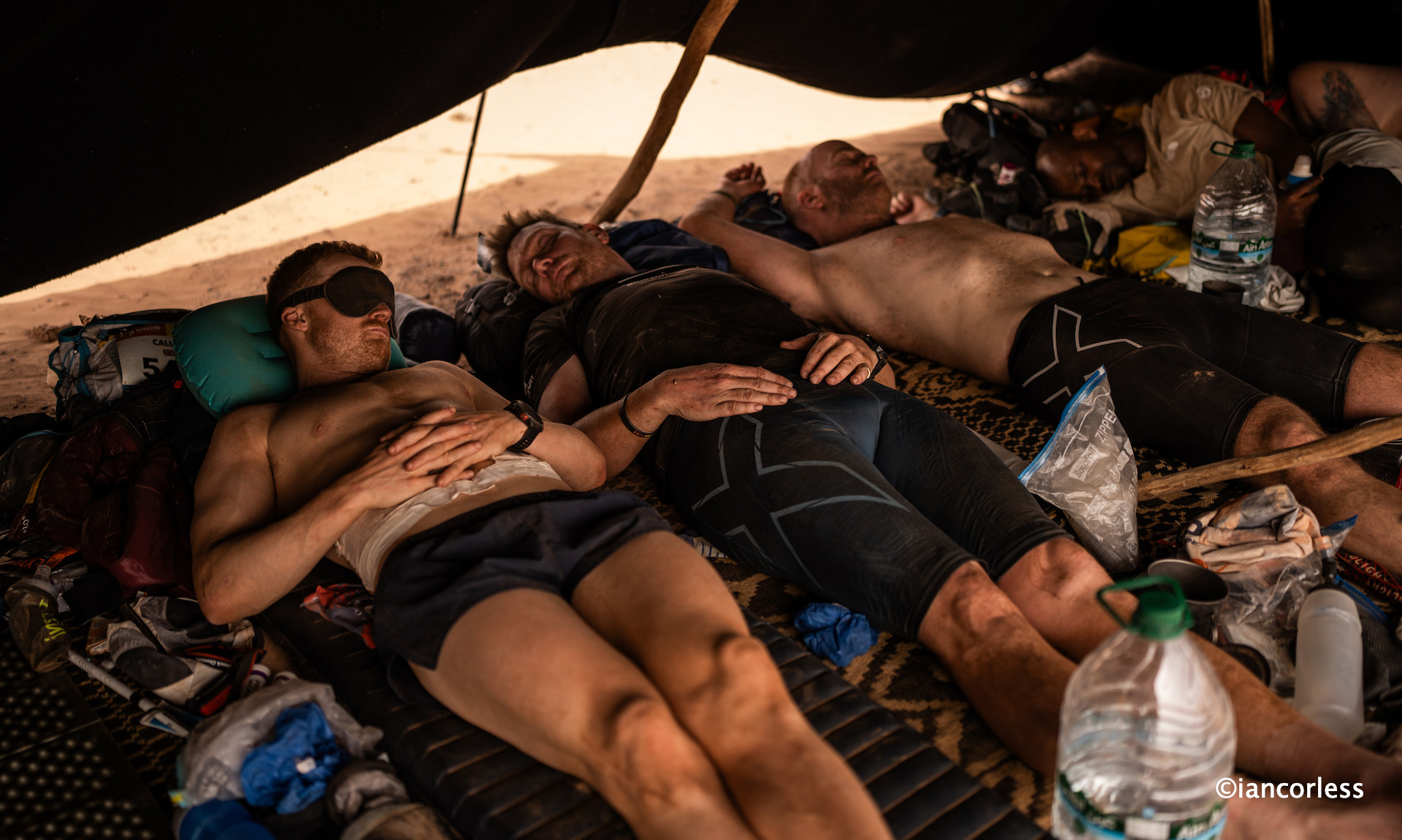
Take a sleeping mat or pad. You only need to do three things: run, eat and sleep. Sleep and comfort is important for recovery.
Make sure you check the full rules and regulations HERE
One year ago I was writing a review about the new addition to the VJ Sport shoe line-up, the VJ SARVA ACE.
This was a new departure for VJ. Of course, the shoe had the trademark VJ USP’s, amazing butyl outsole and fitlock foot hold. As a specific winter shoe, it also had the excellent star studded winter studs for reassuring grip on ice.
However, the new additions were extremely notable. Firstly a wide, foot-shaped toe box, very wide by VJ standards that would allow space for the toes to move and therefore aid keeping feet warmer in sub zero temperatures. Secondly, new cushioning called PerFOAMance. Thirdly, a one piece waterproof upper.
I wrote at the time that this was without doubt the most comfortable and best studded winter shoe I have tried. That still stands today.
Notably I said, ‘Light-weight, cushioned, wider fit, great foothold and superb comfort, the VJ Sarva ACE takes the previous VJ SARVA shoes to a new level. This shoe is so comfortable, I have already emailed VJ asking for this shoe to be made without studs. It would be a perfect shoe to run alongside the ULTRA, especially with the wider toe box.’
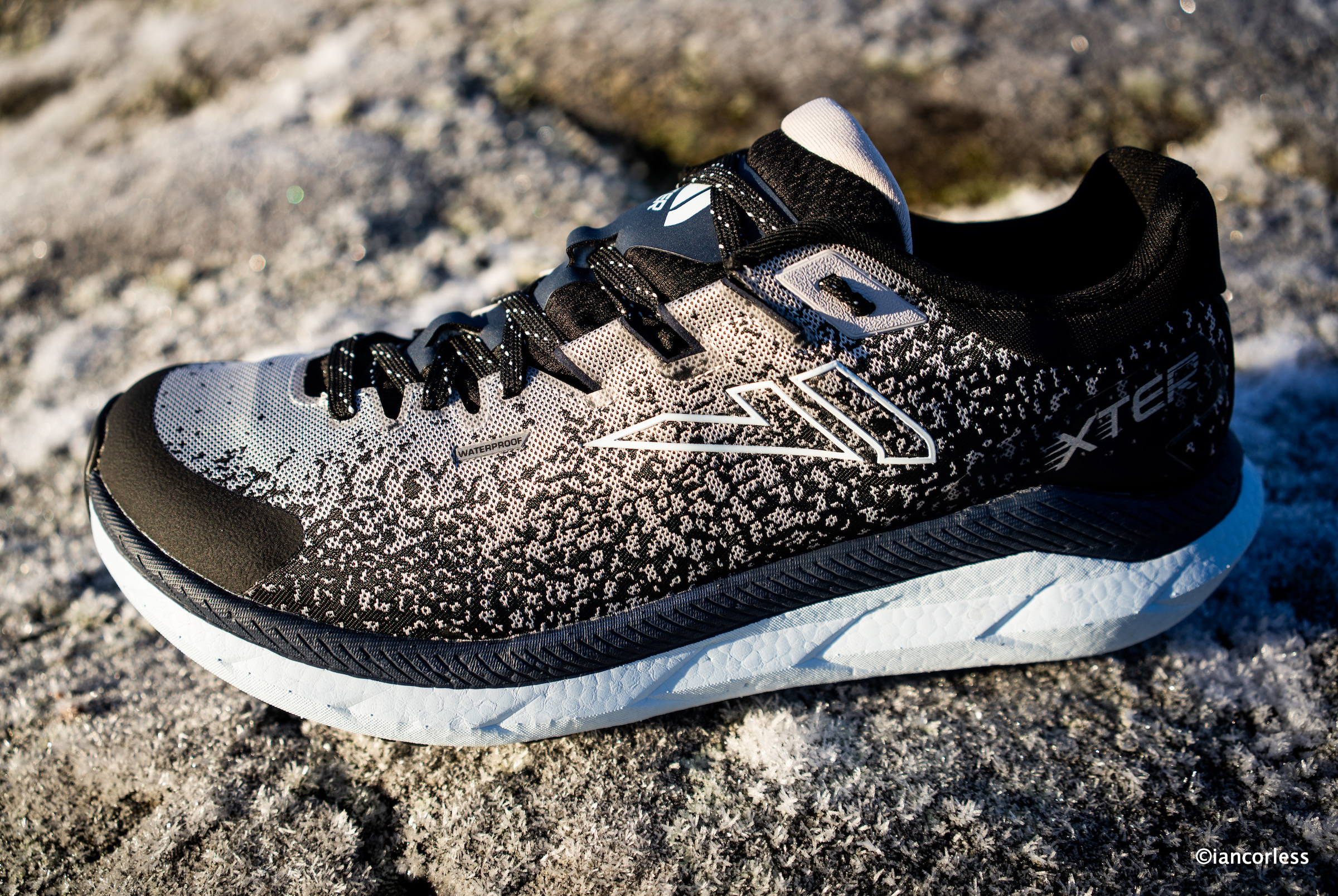
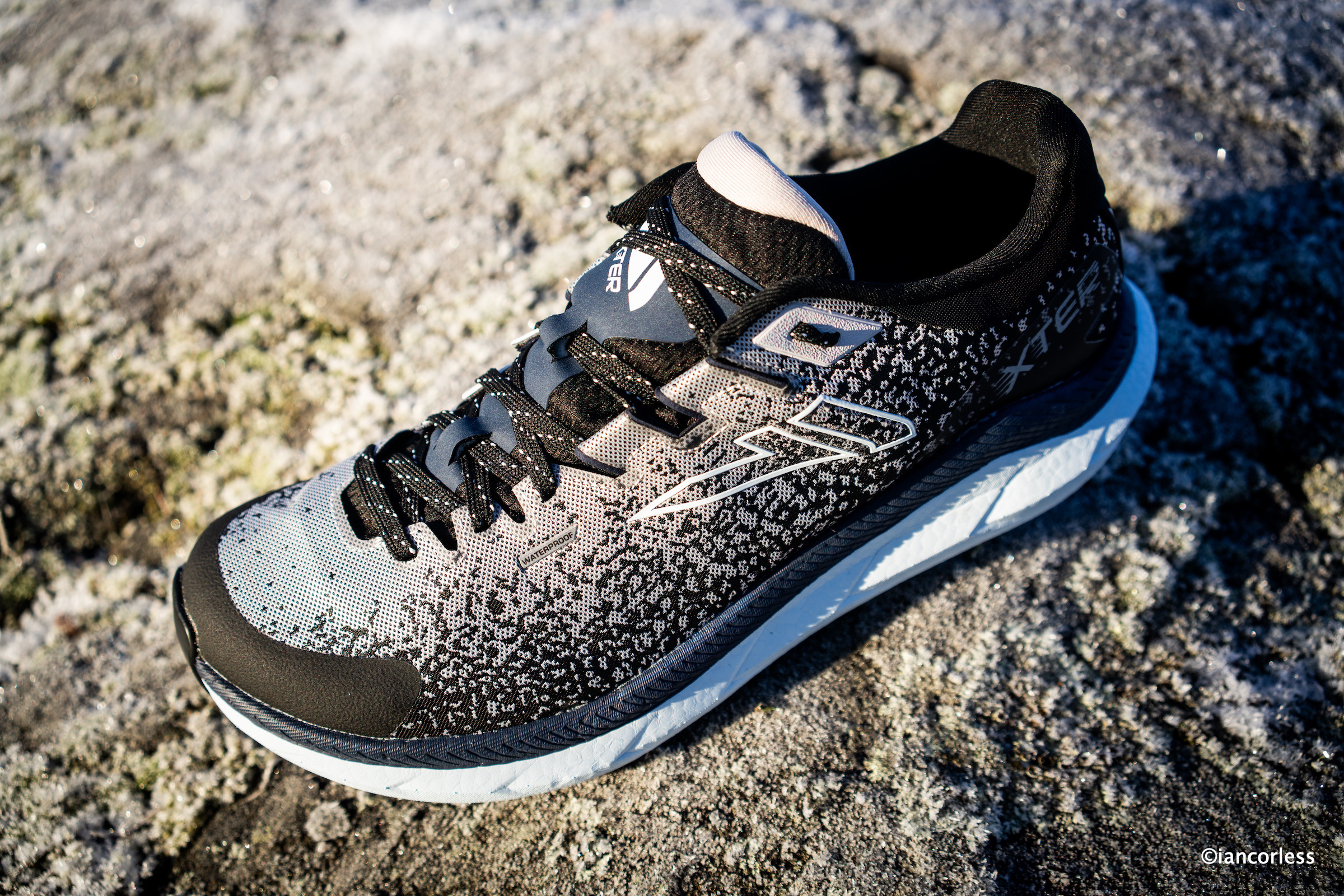
Well, VJ listened and they have now released the VJ XTER.
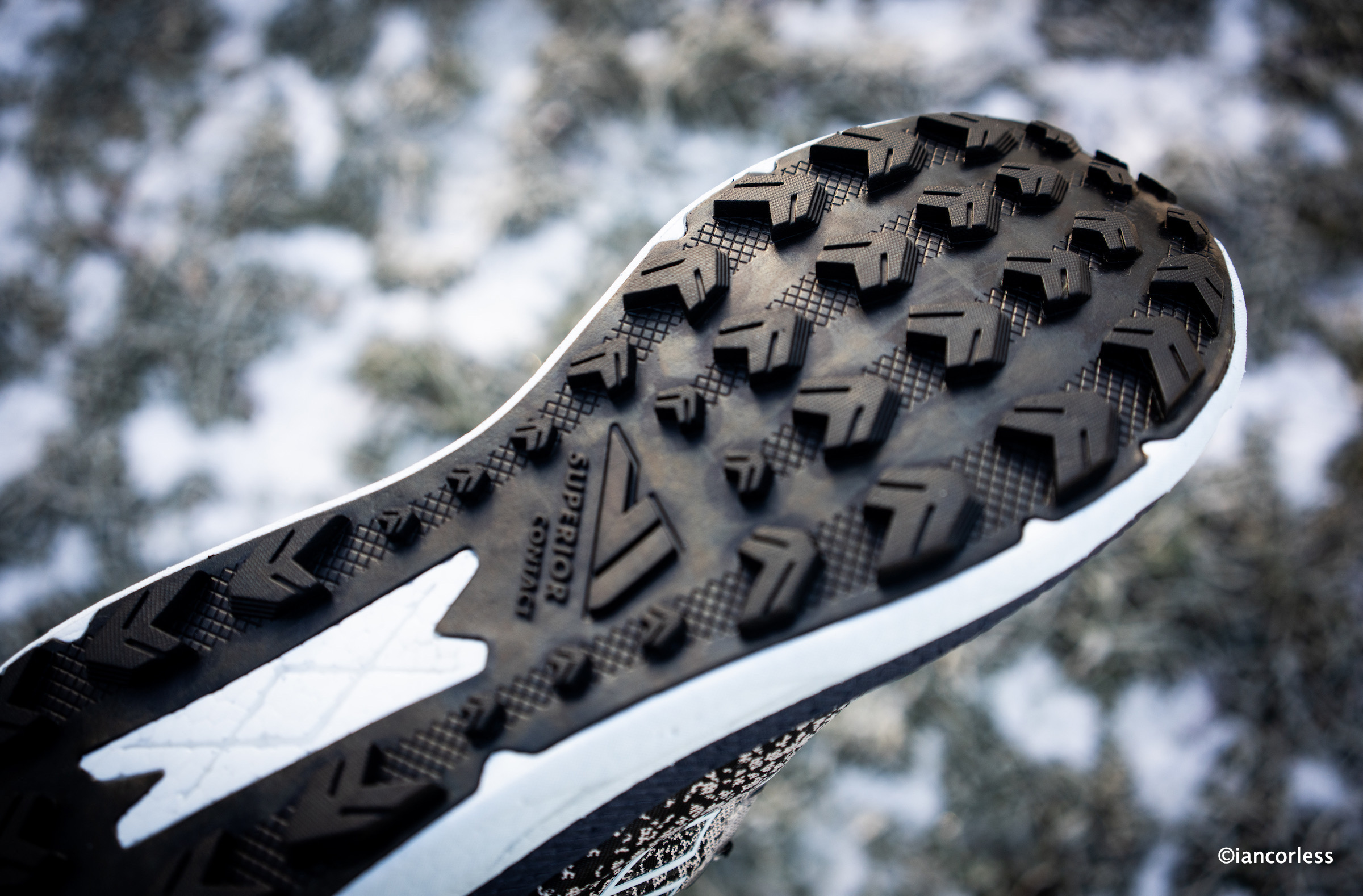
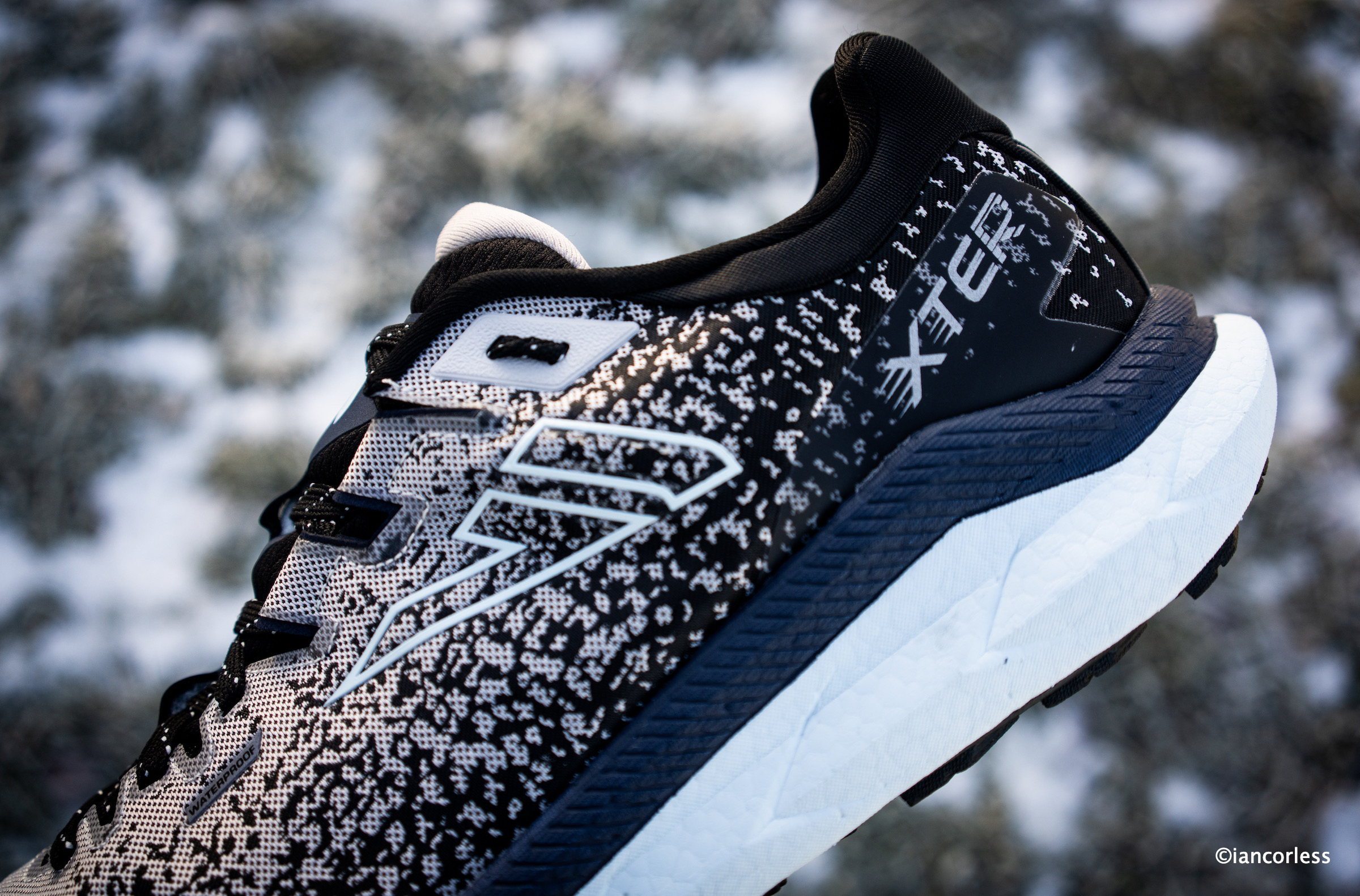
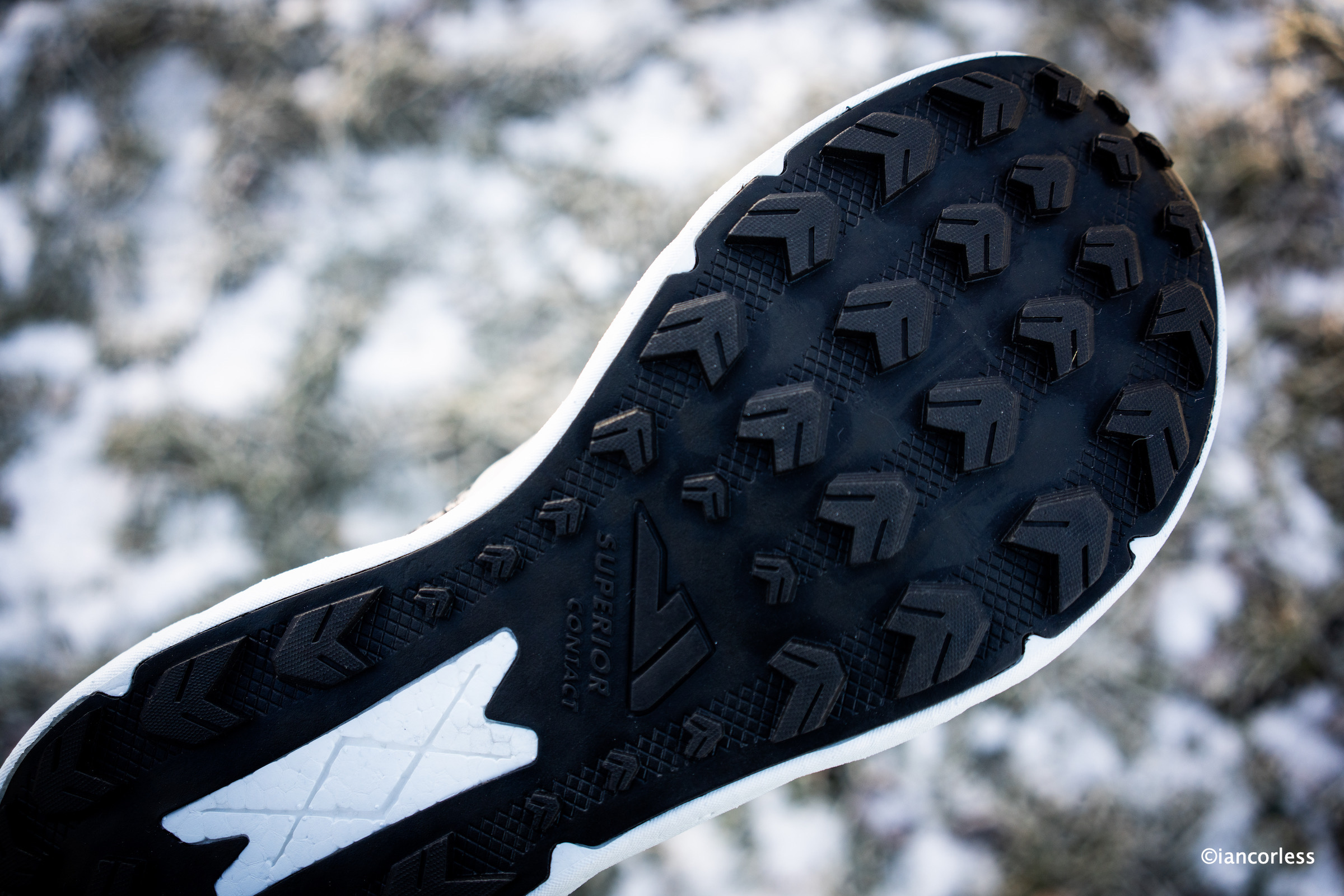
The XTER is quite simply the ACE without winter studs. With 40mm cushioning at the rear, 32mm at the front and an 8mm drop, the XTER is a dream shoe. The butyl outsole with 5mm lugs gives incredible grip on all terrain and better than normal outsole grip even on ice. Note, this is NOT an ice running shoe, you need the ACE for that.
The XTER is all about comfort and slipping them on they had all the great feelings from the ACE, notably is the space up at the front and the cushioning. These shoes feel incredible. So good that VJ need to make this shoe without a waterproof upper for all-season use. I have no doubt that this shoe would be my day-to-day trail shoe choice in spring and summer if it had no waterproof upper.
The success of the ACE and perFOAMance cushioning also made it’s way to the new MAXx2 which for me is THE best mountain running shoe in the market. The combination of features, grip, fitlock and cushioning make this a stunning shoe. However, it’s a more precision fit shoe, so, an XTER version would fulfil many requests for a ‘wider’ VJ shoe for the mountains.
KEY FEATURES
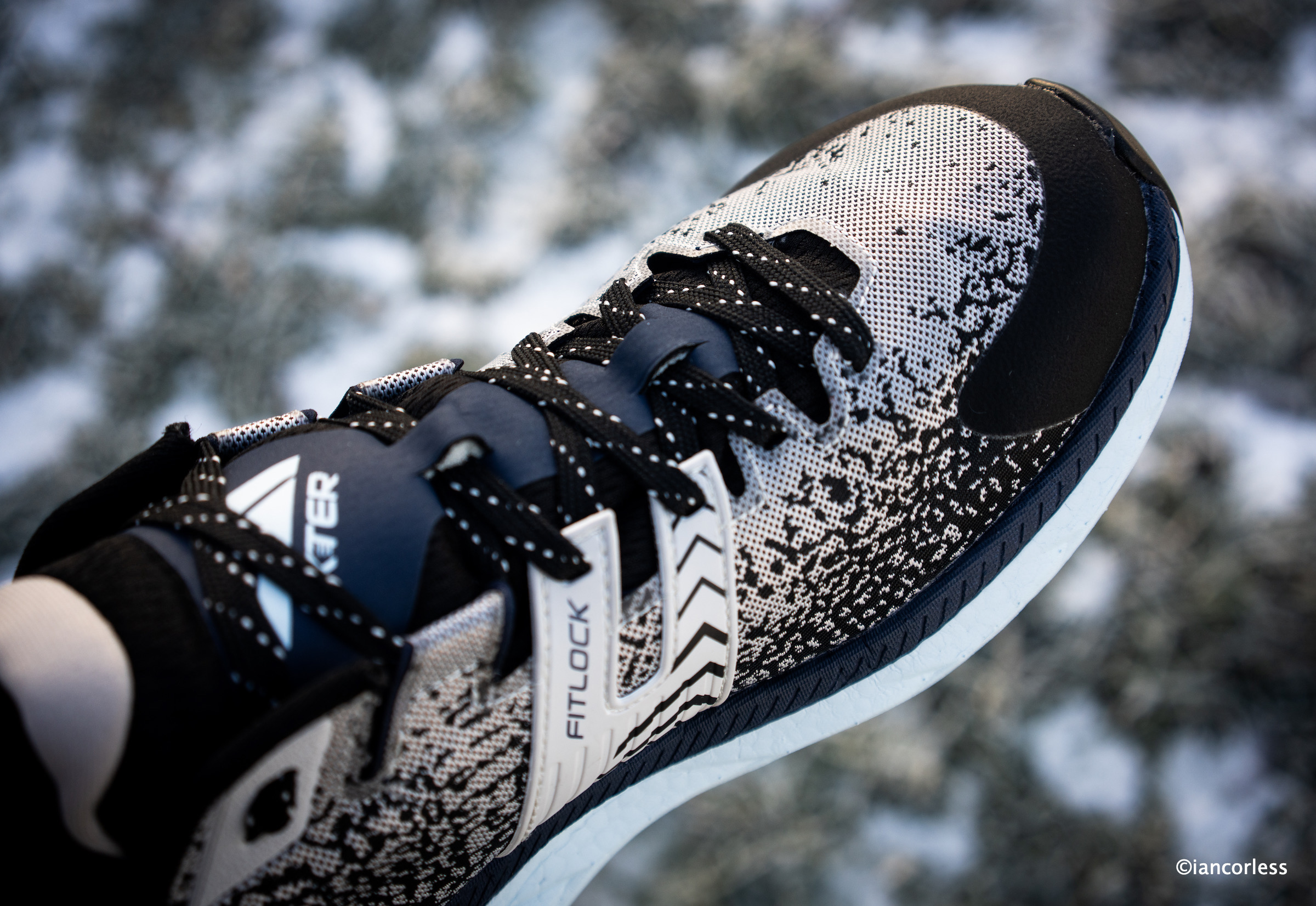
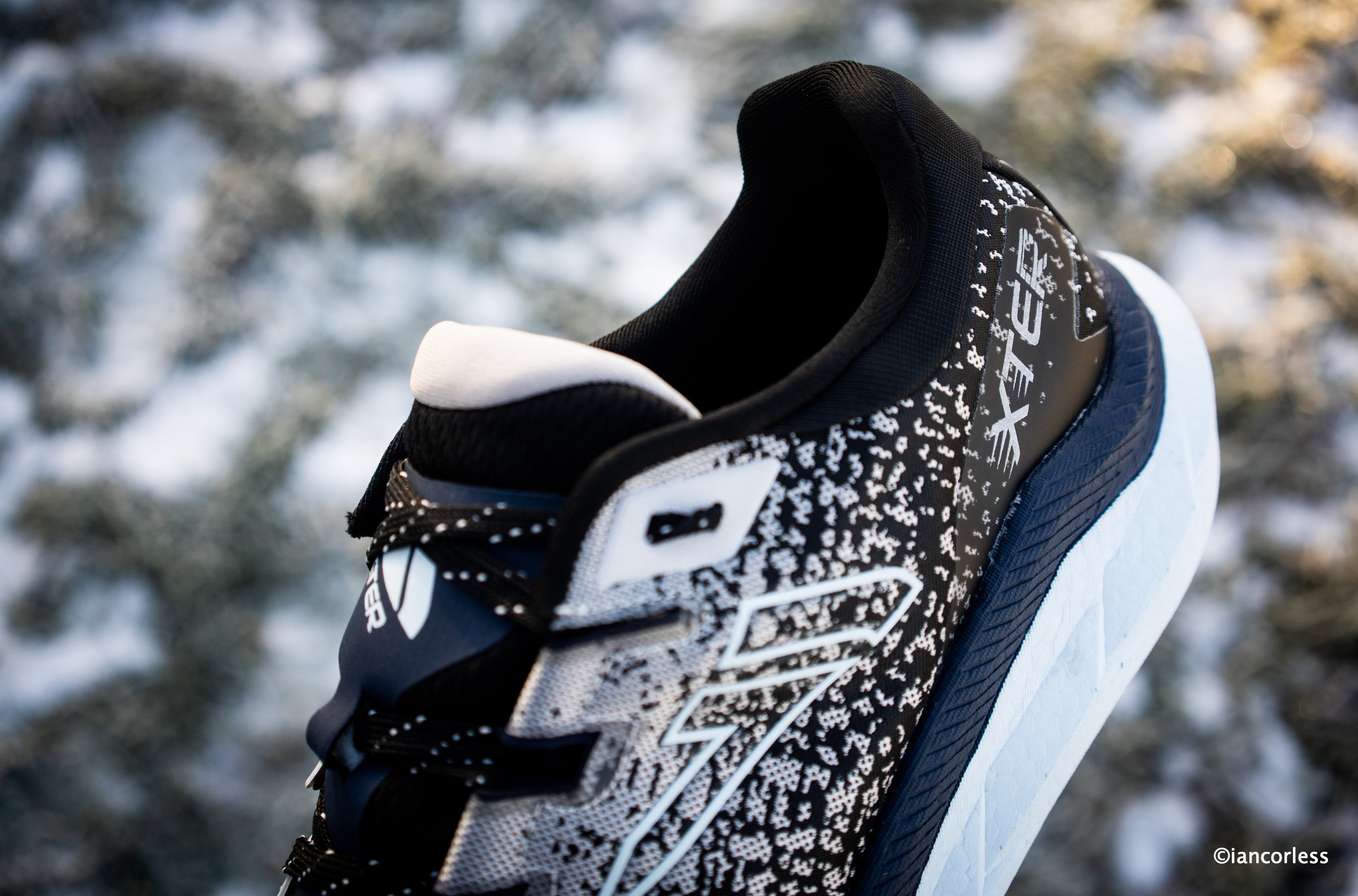
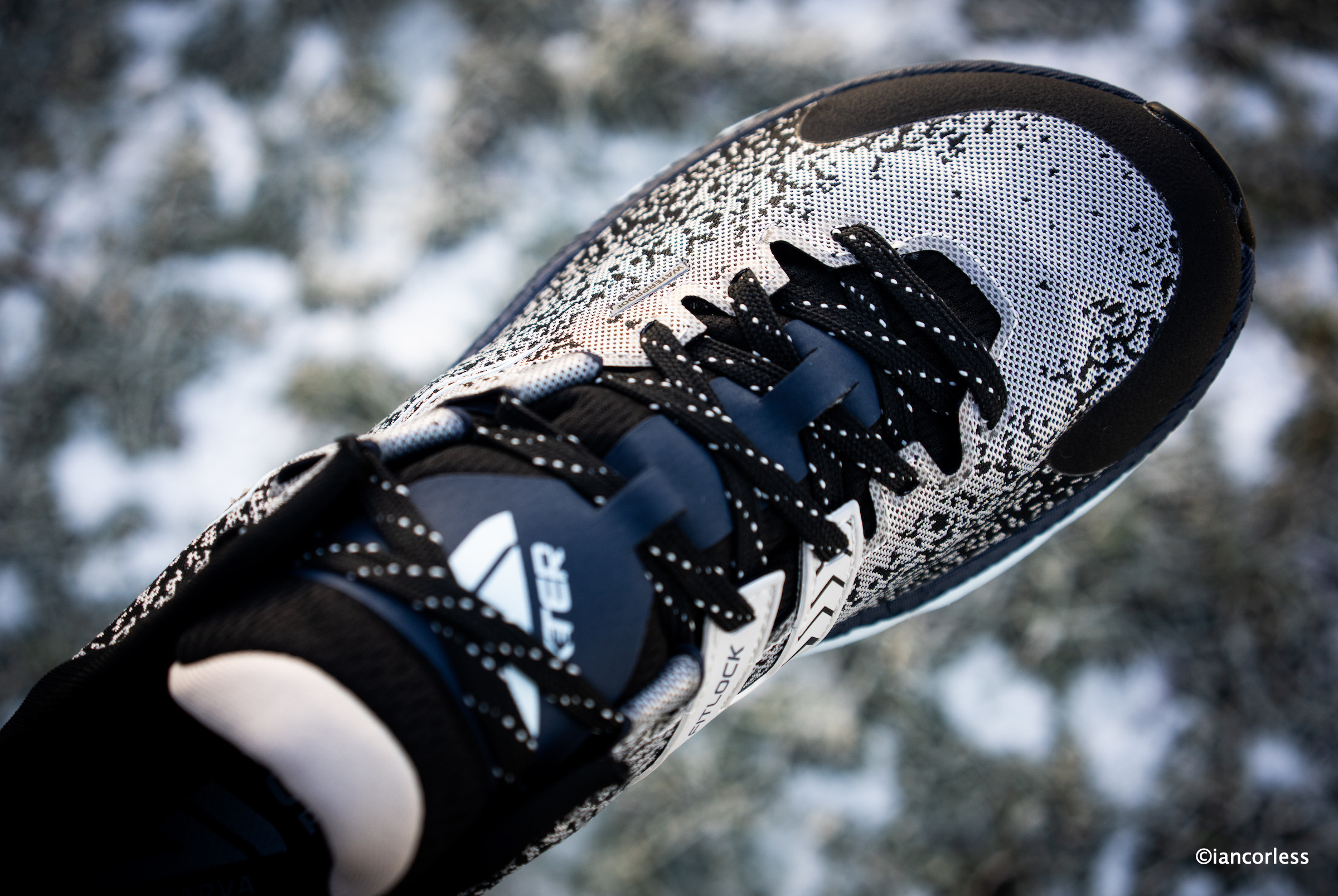
Those who have used VJ before will know how amazing the foothold is from FITLOCK, a feature on all VJ shoes. It provides a tight and secure feel and offers support and stability. It makes the shoes feel like part of the foot. This is probably even more noticeable here in the XTER with the wider toe box. The hold and feel are superb.
VJ’s SCR (Superior Contact Rubber) is the best on any terrain, be that wet or dry. The tagline for VJ is #bestgripontheplanet and that is justified. No other trail/ mountain shoe matches the outsole of VJ. 5 mm studs provide grip in all conditions, but also allow you to enjoy running on easier trails.
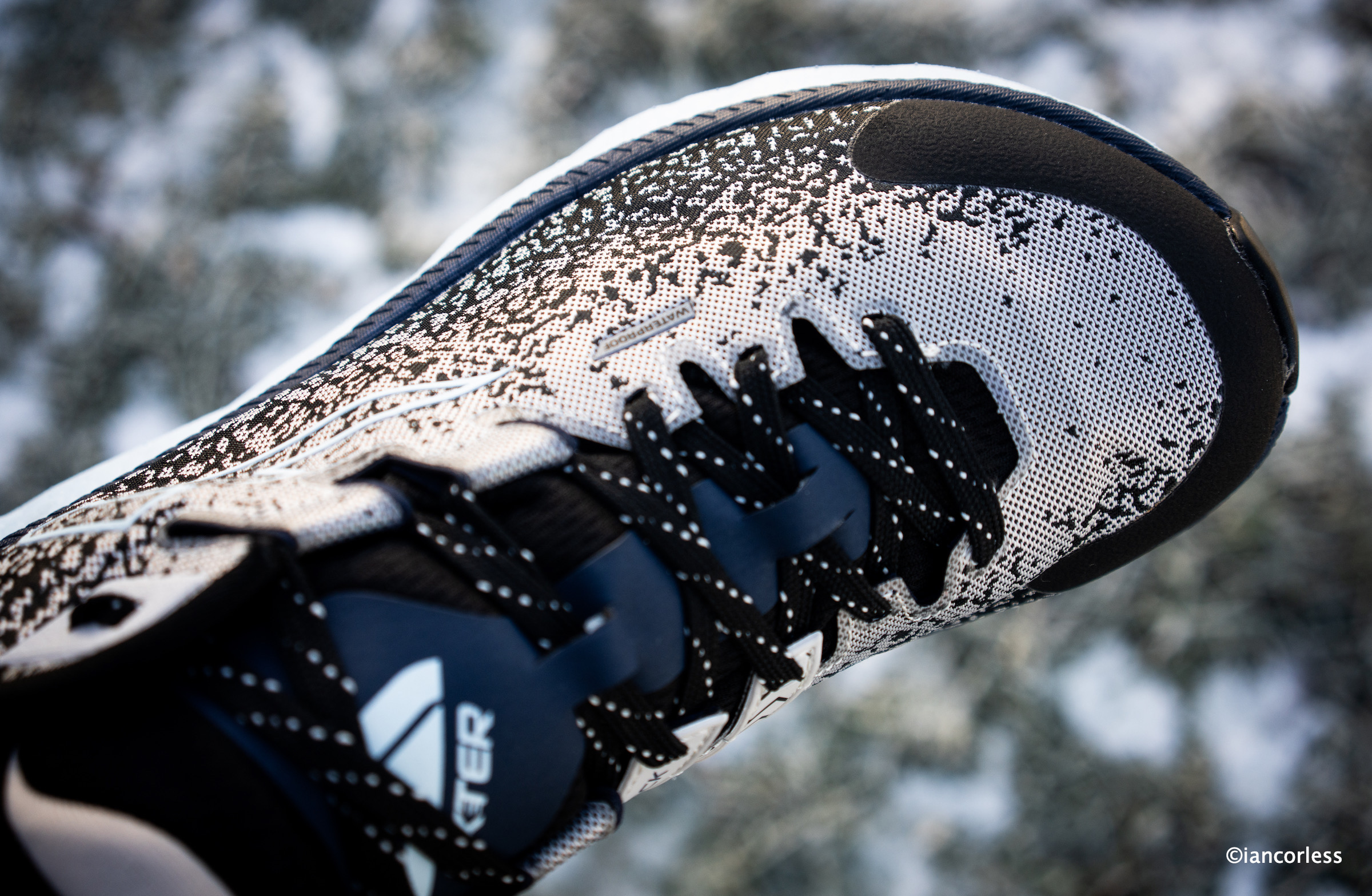
The upper is seamless, lightweight and waterproof with added durability. This has been tried and tested in my ACE which are now 1-year old and still look like new. You may be thinking that you do not need a waterproof upper, maybe think again. For sure, there are some downsides to a waterproof shoe, especially if you get water inside as it cannot escape. However, if you are running in extreme cold, snow and ice, a waterproof upper with good merino wool socks makes a huge difference for foot warmth.
The wide toe box is foot-shaped and to draw comparisons, it is very much in the mold of Altra or Topo. It’s very much of a departure for VJ as nearly all their shoes have a more precise/ precision fit. It’s extremely comfortable and allows excellent toe splay. As I said, love to see the XTER develop in a non-waterproof version.
SUMMARY
The added cushioning is a highlight for me, and they are ideal for longer outings, particularly when running on harder / frozen trails. The comfort level is high, not something that is usual for winter shoes. The wider toe box only adds to this package. Toes are able to move allowing for increased blood flow and therefore warmth, also helped by the waterproof upper. The wider footprint also adds to a more stable footprint on snow. Butyl outsole is amazing and sets the bar for other shoes to match. The ACE had one issue, hold in the heel area was not ideal, that has now been addressed. The XTER comes highly recommended.
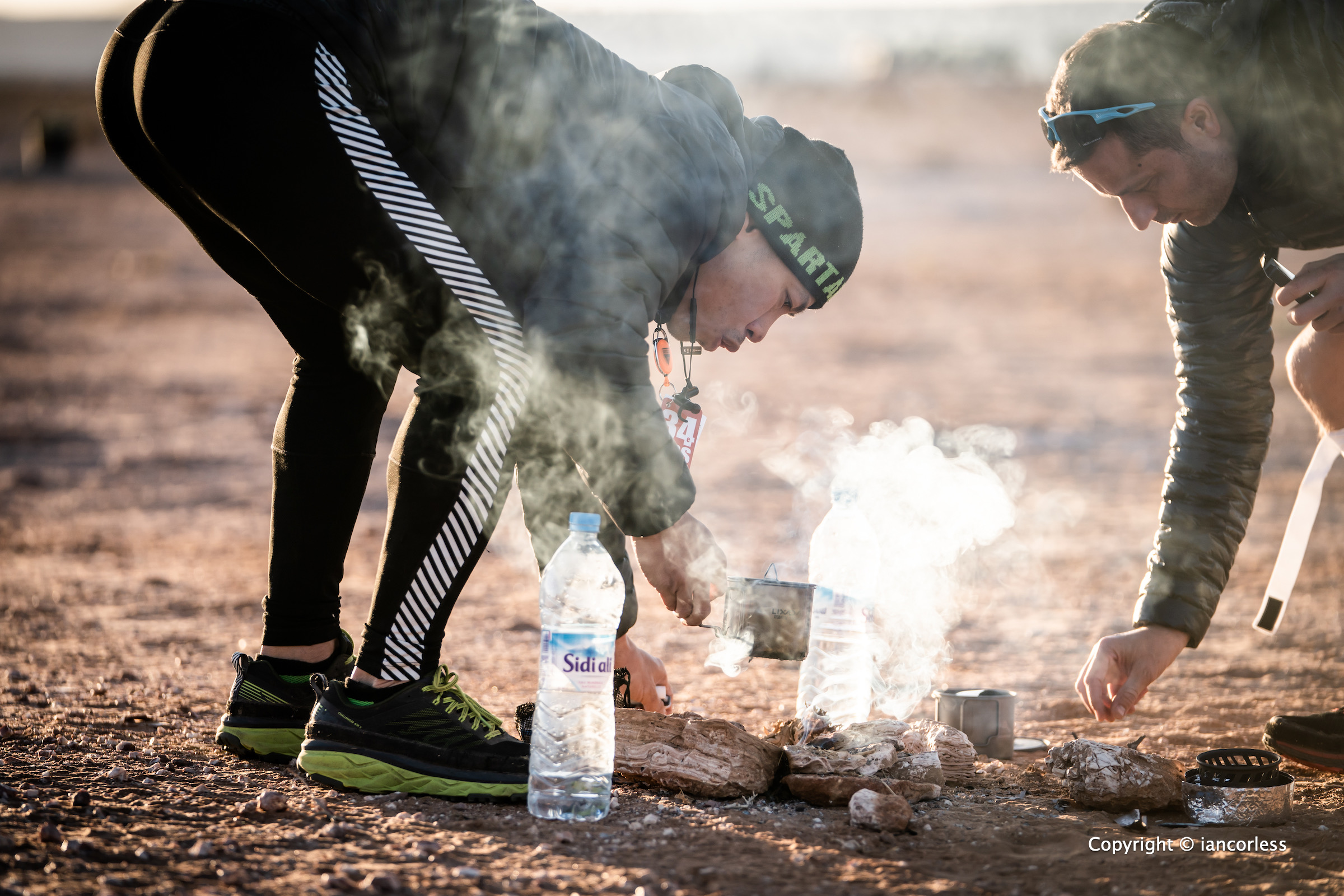
It was a cold night, the temperature plummeted when the sun disappeared and bivouac became a place of camp fires and groups of runner’s huddled together trying to keep warm.
Photo by Ian Corless
As always, MDS events are about planning and being prepared, the need for a jacket, and ideally a down jacket, was never more important. Those with sleeping bags that were too minimal, had a cold and shivering night.
A new day was welcomed and today two starts, 0700 for the masses and 0800 for the top-50.
Photo by Ian Corless
Stage 2 of MDS is special due to the three route option, 20km, 40km and 60km. The decision can actually be made on the course, the first option obviously 20km and then 40km. Pass the 40km turn and you are doing the 60km.
Photo by Ian Corless
The three route option is as much a mind game as a physical game. Given the option, do you choose to go easier or harder, it’s a tough question to answer for some, especially after a challenging stage 1 that gladly saw everyone finish.
Photo by Ian Corless
Due to the nature of the three distances, the true story of who leads each distance will come at the closing of the stage, so, check LiveTrail HERE for 120km, HERE for 100km and HERE for the 70km.
Photo by Ian Corless
Notably, Salameh Alaqra chose the 40km option today after picking up a slight injury on stage 1.
Photo by Ian Corless
The true star of stage 2 is the magical and unique landscape of Wadi Rum. It’s a very special place.
Photo by Ian CorlessPhoto by Ian Corless
Tomorrow, a rest day. An opportunity to relax and recover before the final stage 3.
Since 1986, the MARATHON DES SABLES has crossed the world’s most stunning deserts with several unique concepts: the MARATHON DES SABLES THE LEGENDARY (252 km in the Sahara Desert in Morocco), the MARATHON DES SABLES (70, 100, or 120 km spread over 3 stages), and the new 2024 concept, the MDS TREK (4 stages with a total distance of up to 120 km), offering an accessible adventure with optimal comfort. These international events have seen over 50 editions in various countries such as Morocco, Fuerteventura Island, Peru, Jordan, Turkey, and offer adventures that combine running/hiking in the desert with tourism.
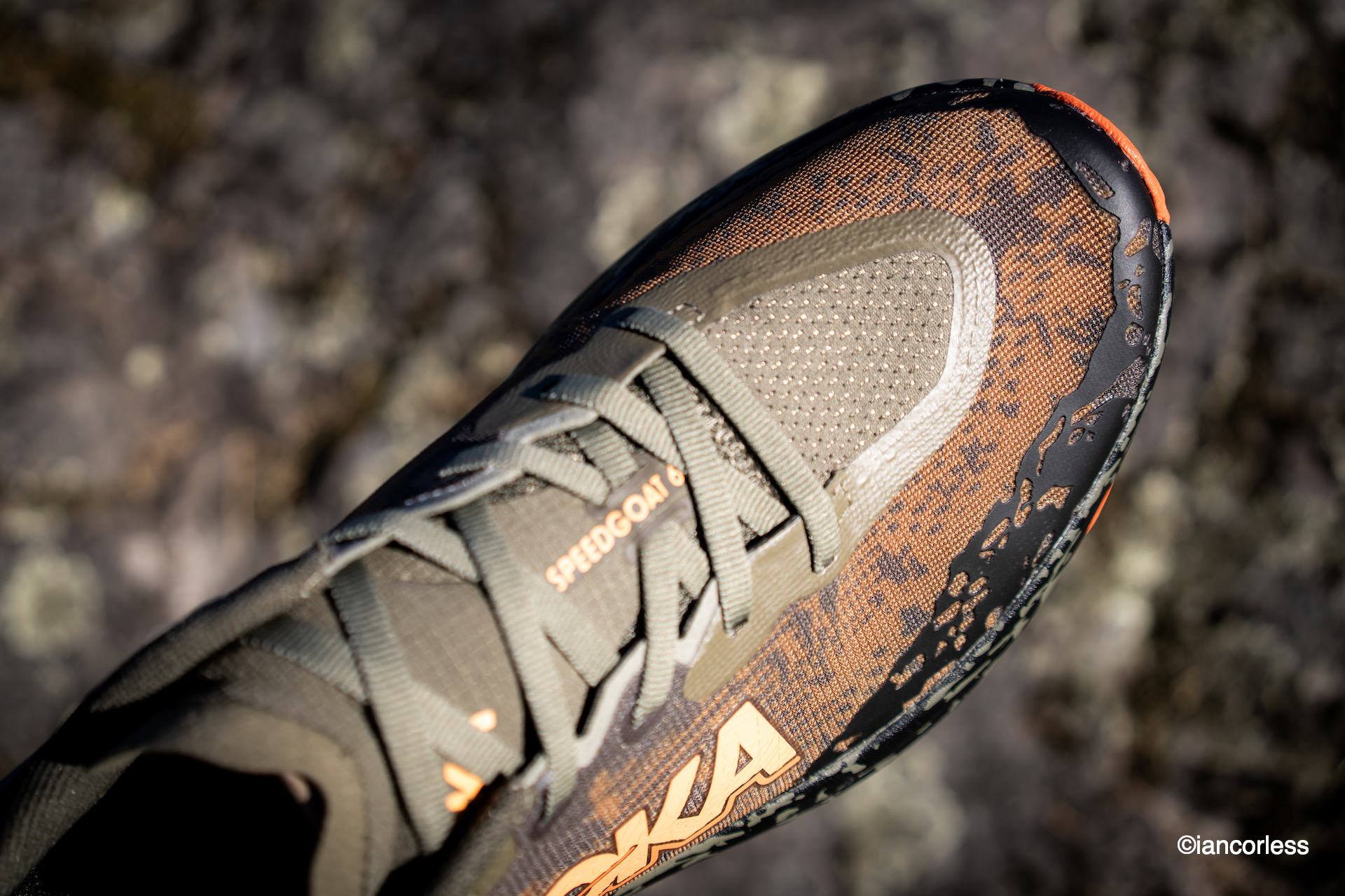
The Hoka Speedgoat needs no introduction, it is arguably, the best selling trail shoe throughout the world. It’s much loved and universally proclaimed as a great trail running shoe.
I personally was late to the Speedgoat party with version 4, followed by version 5 and now version 6. The Speedgoat 5 reached a critical point for Hoka with very mixed reviews:
There were concerns about the midsole compressing and lacking durability,
The upper had less durability.
The fit and size for some was off.
The outsole was wearing too quickly.
I personally enjoyed the Speedgoat 5. I found the combination of features absolutely fine, the upper fine which was flexible and allowed for a good fit, I did need to lock lace though. The outsole ideal and importantly, the stack height a more reasonable 33/29 which offered good stability with a 4mm drop.
Most certainly, Hoka listened to the feedback. They had to if they wanted to retain the loyal fan base, especially with many other brands releasing shoes that could not only provide competition, but even beat the Speedgoat, the Merrell Agility Peak 5 a prime example.
With the release of the Speedgoat 6, the shoe very quickly received universal acclaim with quotes such as, ‘The King is Back!’ And, ‘Speedgoat is still the GOAT.’
What is new?
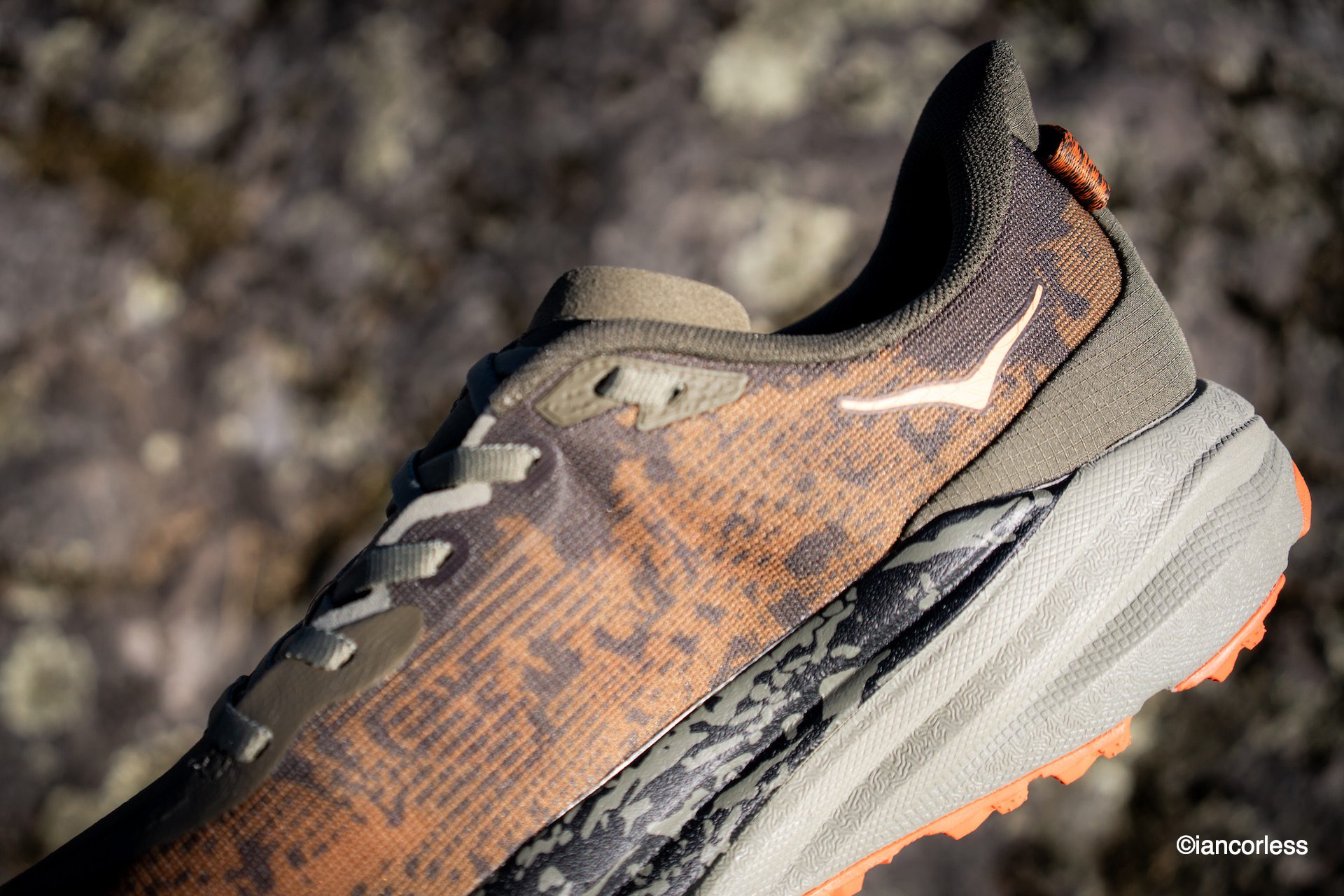
Cushioning is new CMEVA foam with increase stack, 40mm at the rear and 35mm at the front and 5mm drop, 38/33 for women).
The cushioning is lighter and more responsive.
The outsole is Vibram Megagrip Traction lugs with 5mm depth and new orientation.
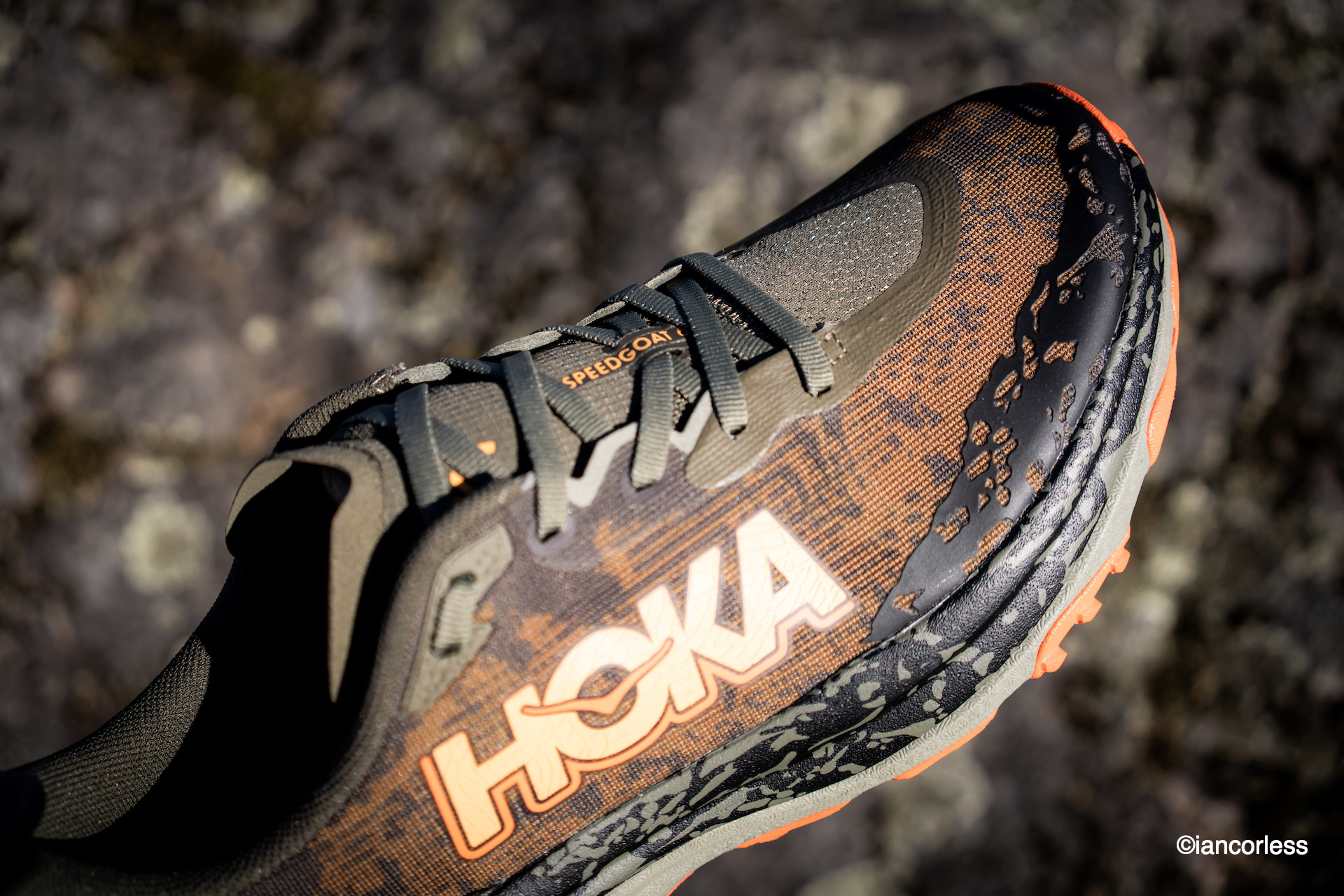
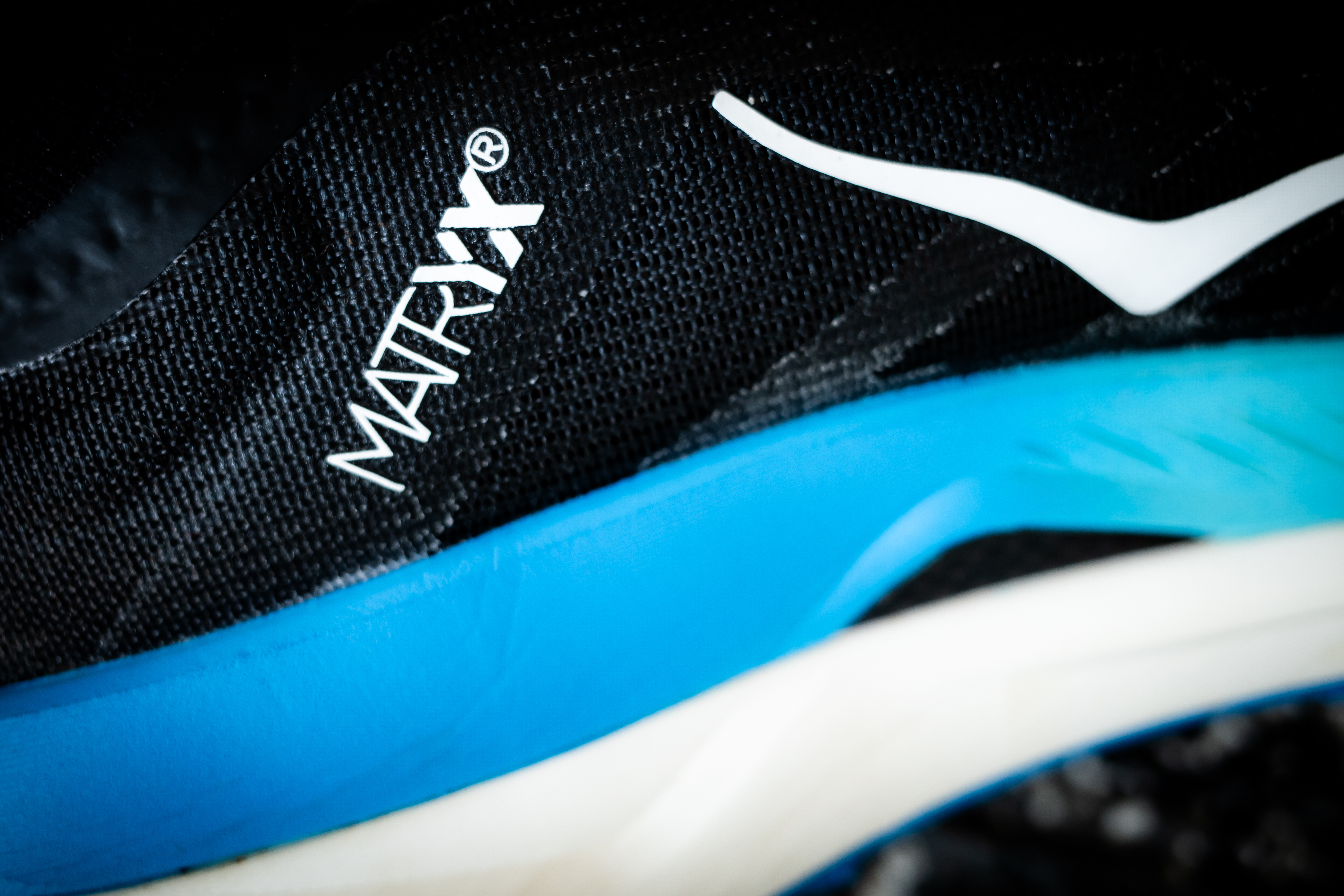
A new more durable upper that is Matryx like with no stretch and with an inner cage.
Hoka say, “We’re offering an updated underfoot experience that provides a more responsive ride with less weight. You’ll find updates to the overall construction, including a breathable woven upper, lighter, more responsive midsole compound, internal chassis, dynamic vamp, and plusher, dual-gusset tongue.”
With neutral stability, balanced cushioning all built around a wide footprint, the Speedgoat 6 is a great trail all-rounder. It is designed to provide protective cushion while maintaining a responsive toe-off for when you want to go faster.
I personally found a considerable difference when putting on the 6 and lacing them up. I immediately preferred the feel of the 5. I lock-laced (as I do on the 5) and the fit/ feel improved.
The lacing does not go as low down the shoe on the 6 and this made me feel less secure at the front, probably not helped due to the fact that the 6 has been given extra width over the 5.
The cushioning is without doubt stiffer and firmer in the 6. The 5 feels bouncy and plush but not squidgy. The 6 almost feels hard by comparison, somewhat unexpected when you consider the extra stack height.
I have to say, my first run I was not loving the shoe. I was constantly thinking, give me the 5 back. However, with 10km in the shoe, the 6 started to feel more at home on my feet and as the km’s passed, that improved. So, I would certainly say although they are good to go straight out of the box, a good run or couple of runs will help them. Ultimately, there is no special life here. They are solid, reliable, good for the long haul, but there is a lack of excitement, especially if you compare to the Merrell Agility Peak 5 and the VJ MAXx2.
There is more structure and hold coming from the new internal support chassis, this is without doubt required with the extra stack. I never had a real issue in the 5 unless on very technical terrain, but here in the 6, the 40/35 cushioning is notably different. Currently, my favourite Hoka is the Tecton X3 which has the same level of stack height as the Speedgoat 6, but for me, has considerably better feel. It’s not that I don’t like the 6, there just doesn’t feel anything special going on and ironically, I prefer the feel of the Speedgoat 5 which is counter to what Hoka say I should feel and also counter to the general Speedgoat feedback from all the fans.
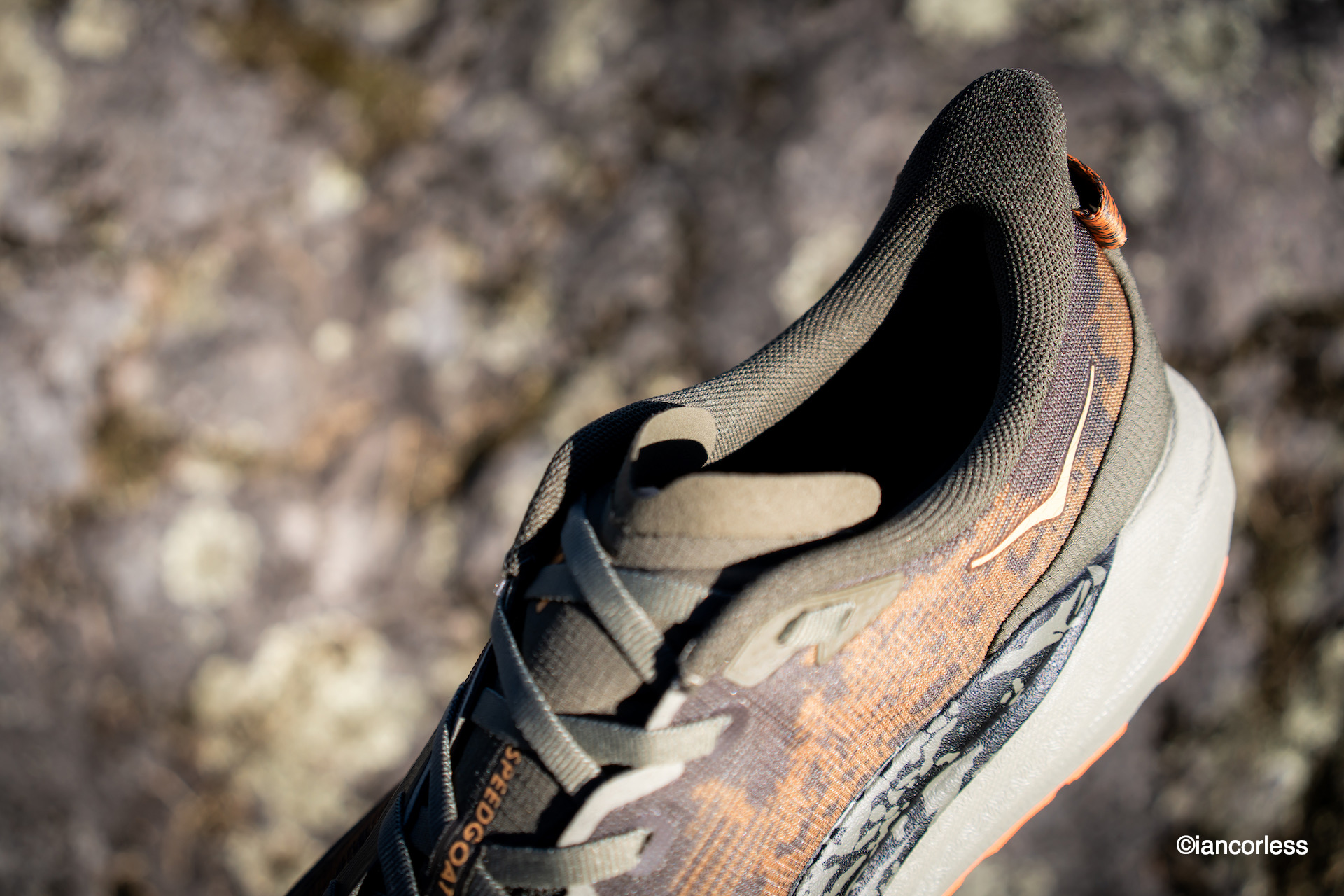
The tongue of the Speedgoat 5 and 6 is not long enough making lacing and particularly lock-lacing an awkward affair and not always comfortable. This really needs addressing.
The outsole with 5mm lugs is solid on most trails. With a new configurtation and the Traction lug, it works well. There ic a comprise with a great deal of mud and I am still never confident on wet rock.
The Speedgoat 6 is a solid trail shoe that will only continue to confirm the shoes legendary status within the trail world. Speedgoat lovers will continue to love this shoe. But, if you are new to Speedgoat and comparing against other like-for-like shoes, would the Speedgoat win out?
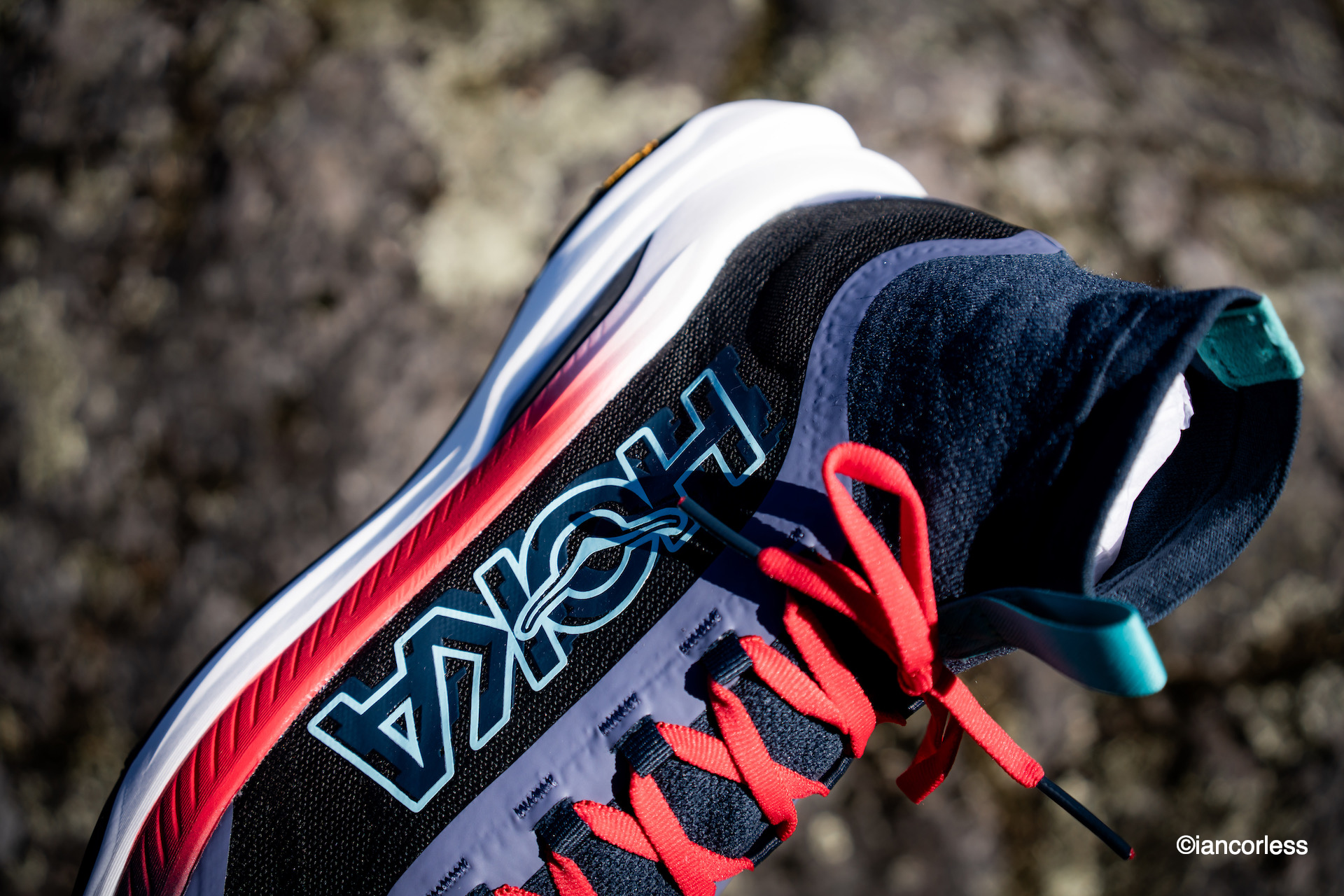
For me no. However, it does depend on what shoes you are comparing the Speedgoat with… If it was the adidas Terrex Agravic Speed, the Hoka Speedgoat 6 is a clear winner. However, comparing against a Merrell Agility Peak 5 or a VJ MAXx2, then, for me, I would choose the Merrell for trail runs and the VJ for mountain and technical runs.
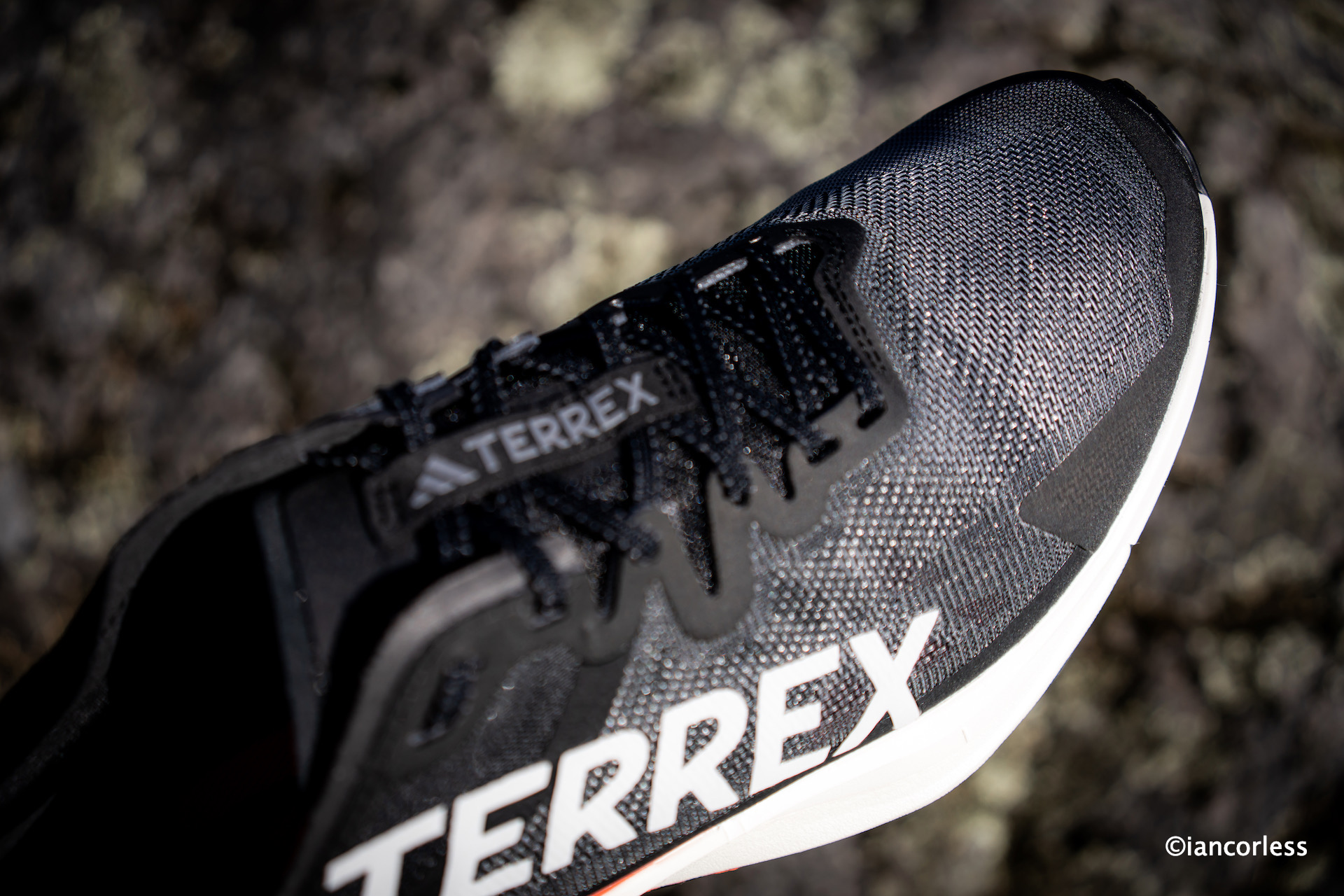
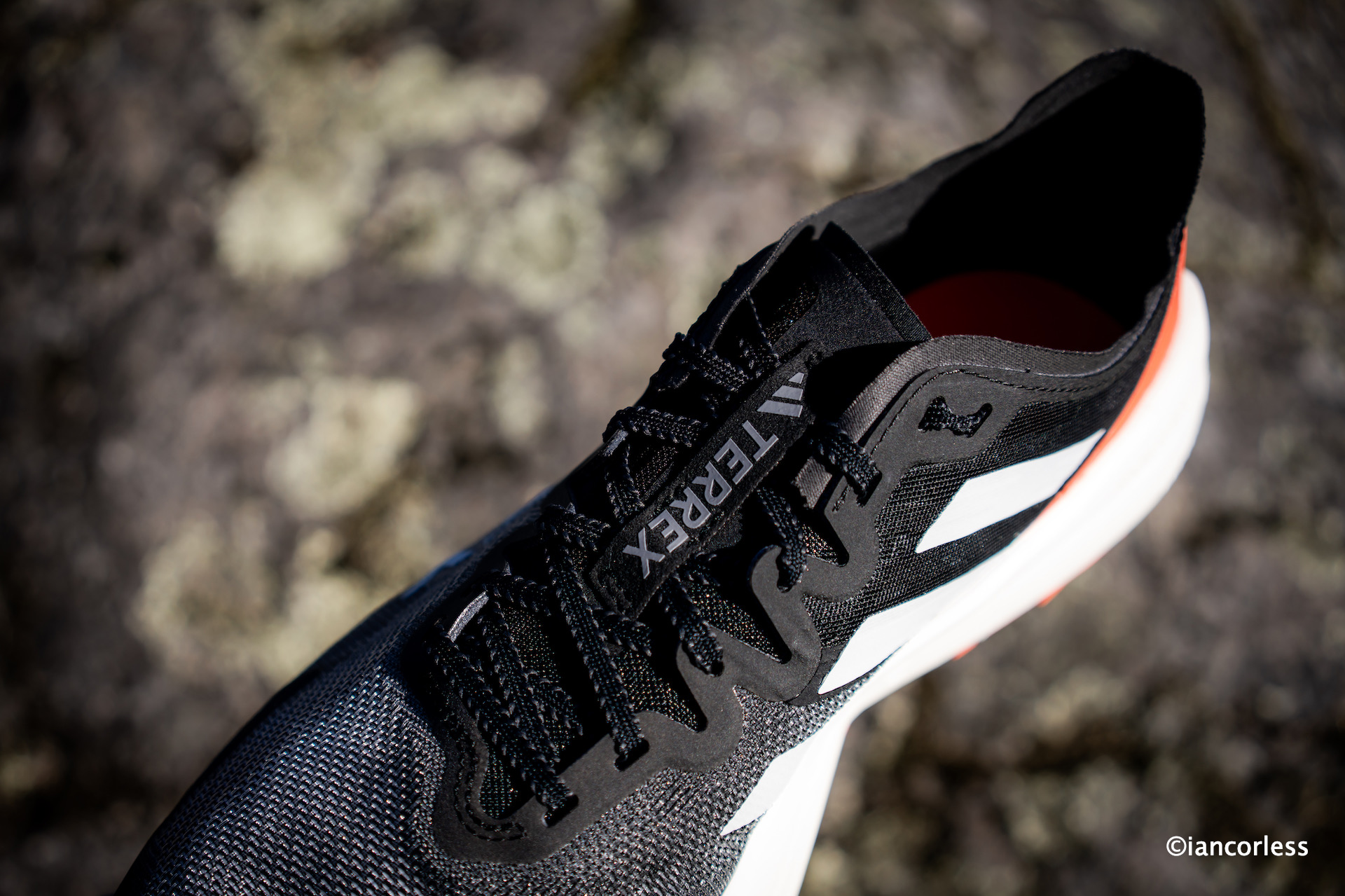
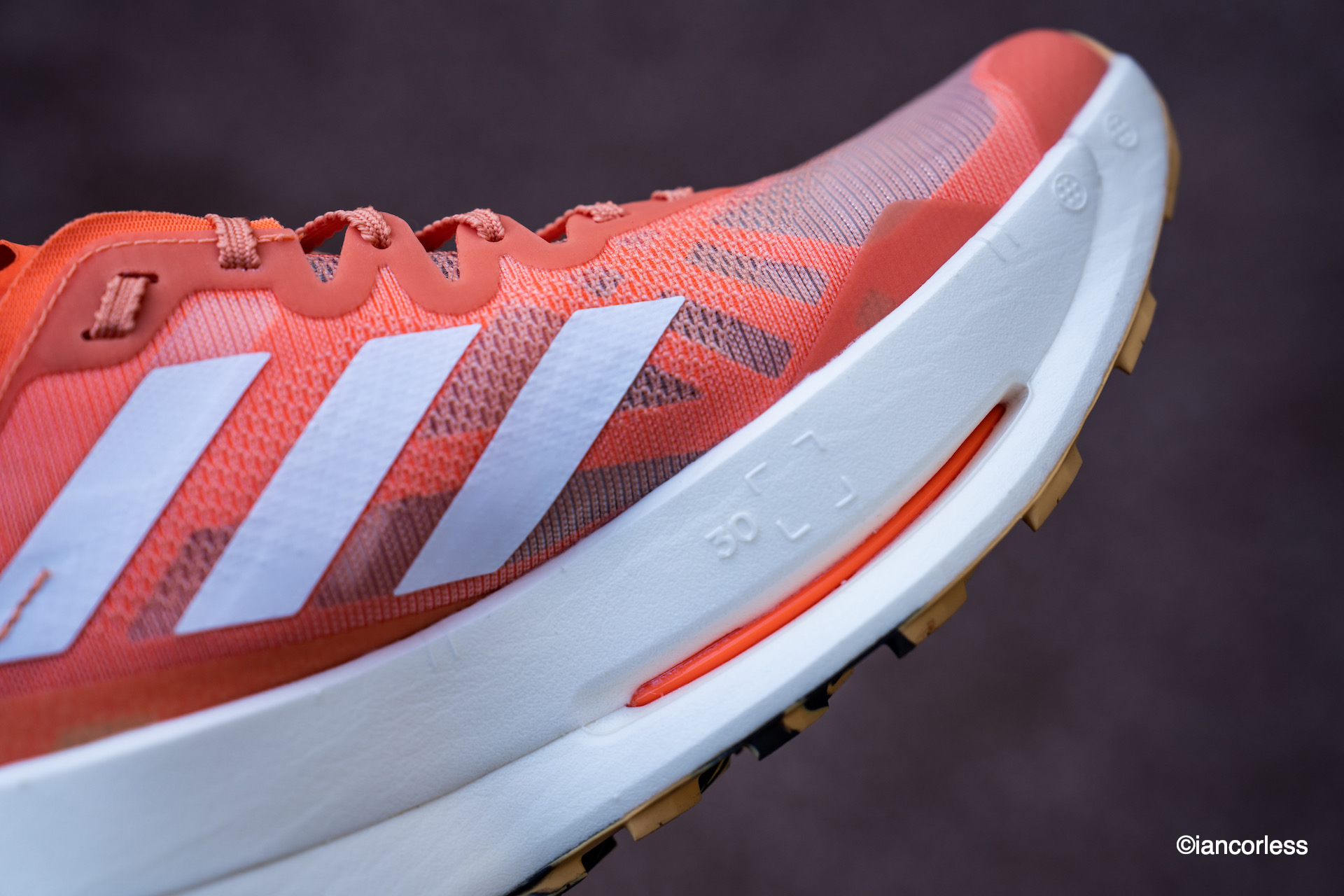
The shoes look similar when seen side-by-side but there are very obvious differences: less cushioning, not plate, less rocker and in my opinion, I love the black colorway with Terrex in bold white, a hint of orange provides some colour excitement.
The adidas Terrex Agravic Speed Ultra is a super shoe that runs fast on slick trails and is a beast for those looking for speed and the fitness to maximise the super shoe potential.
This Terrex Agravic Speed is a shoe for all and in all honesty, is a much better choice for most people looking for a trail shoe, whereas, by contrast, the Terrex Agravic Speed Ultra is only for a select few.
Despite the lower stack height, the shoe still suffers terrible stability issues on technical trail. I was really hoping that this would be less of an issue, and in all fairness, in comparison to the big brother, it is more stable, however, it is nowhere near stable enough. It’s only just a trail shoe, select the trails you run on carefully is my advice. There is a rocker, but it is nowhere near as pronounced as the Terrex Agravic Speed Ultra and the need to forefoot strike is less.
Light with a neutral fit, the upper is almost see through and very breathable. The toe box is wide and allows good toe splay. The heel area is minimal and while comfortable for me, it’s an area to be wary of. Sizing is again frustrating, you need to try them on! A gusseted tongue gives a lovely foot hold and reassurance.
The cushioning is well balanced, soft without being squidgy and the responsiveness and propulsion is excellent. With softer foam at the bottom; Lightstrike Pro. Firmer Lightstrike on the top, this combination does add more stability but the footprint is too narrow in the middle and rear – ankle breaking warning given! When Runnning, the rocker does kick in and helps increase cadence and propulsion, but unlike the Terrex Agravic Speed Ultra, you feel more in control and able to reign the shoe in and run at a more comfortable pace. This is probably due to the considerably less stack height and the lack of any plate. Walking too is better, not ideal, but better.
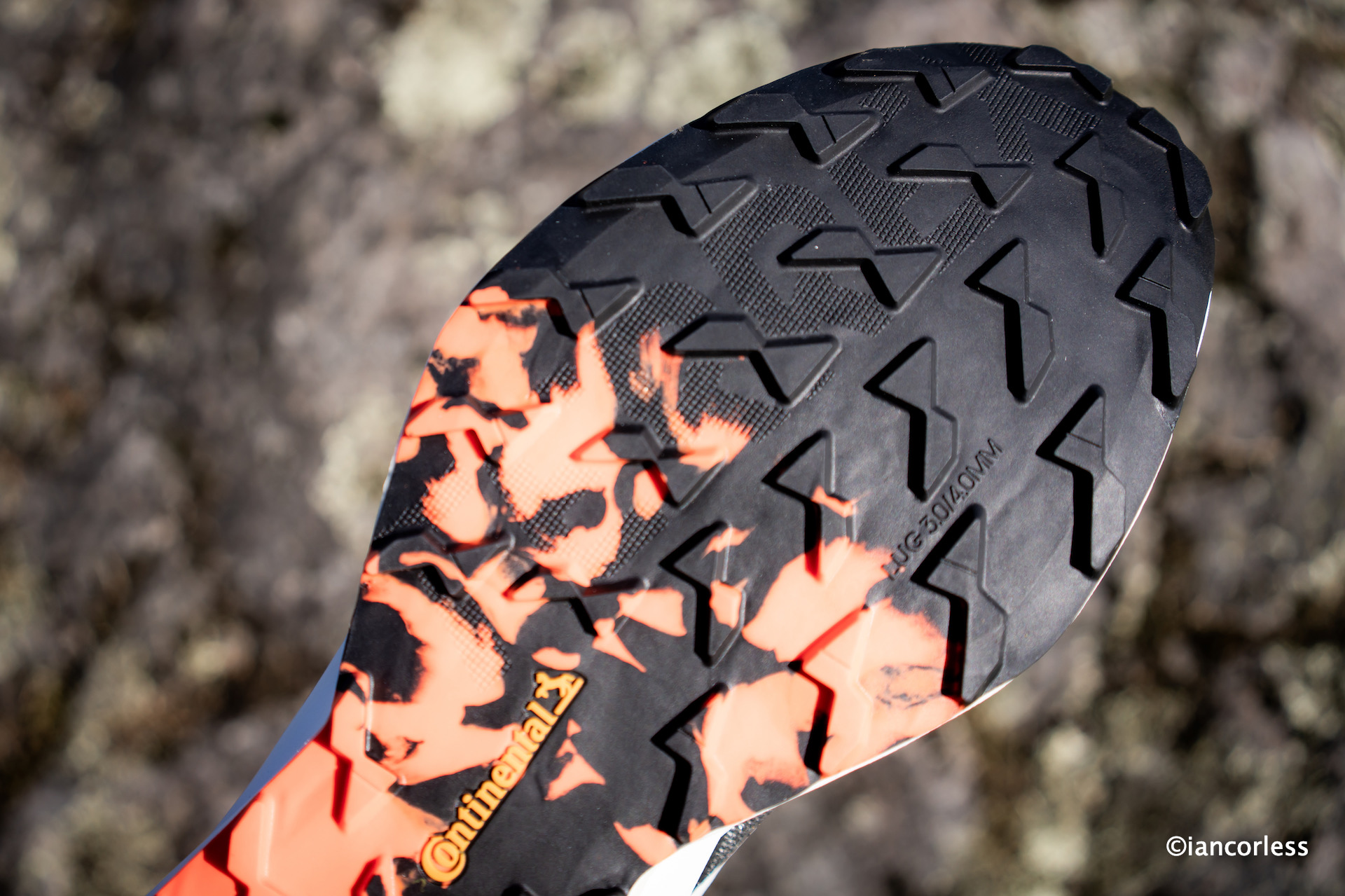
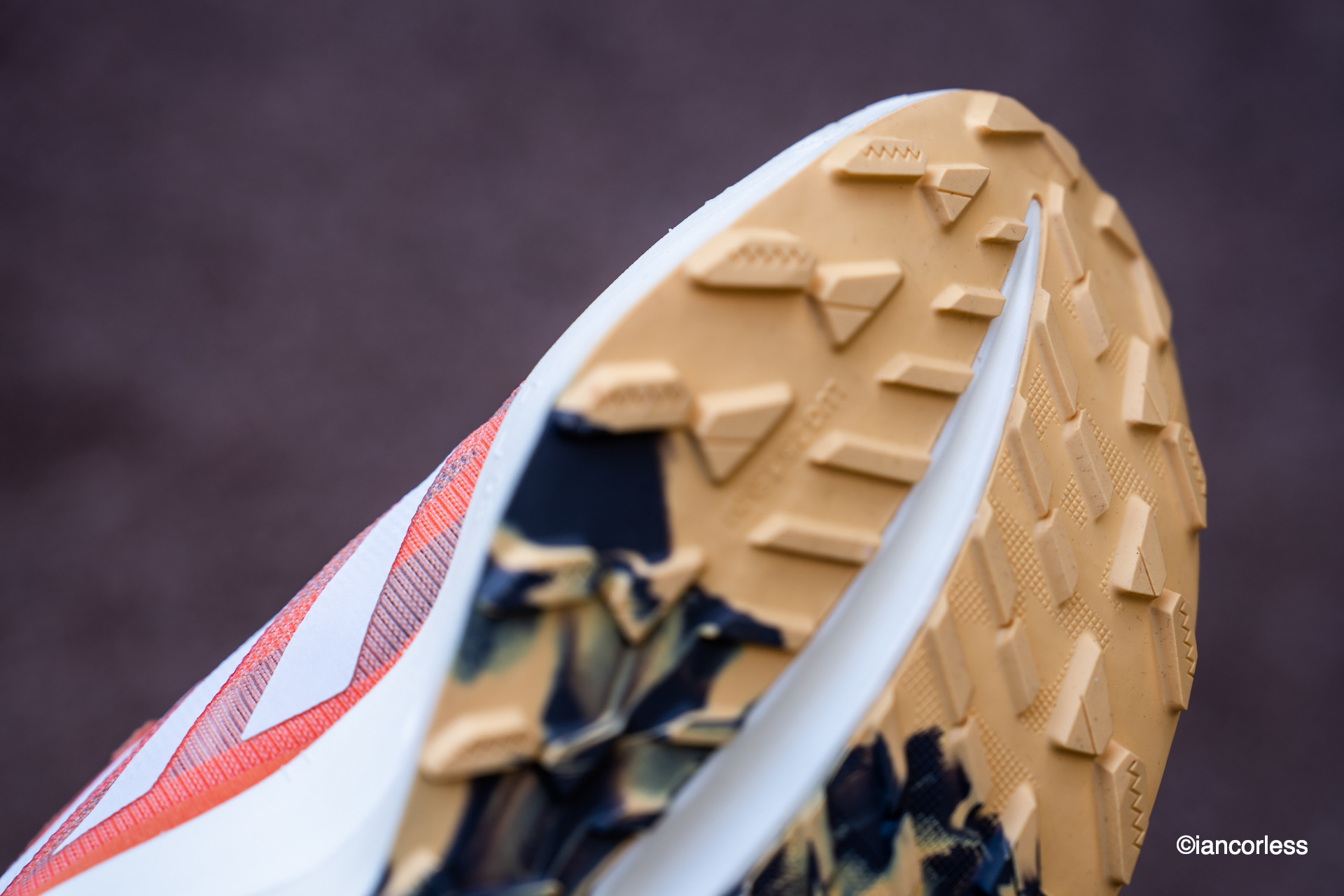
Continental outsole is good, again though, the lugs (3 and 4mm) are minimal and reduce the potential for it to be a real trail shoe. However, the grip is better than the Terrex Agravic Speed Ultra.
This shoe is arguably an update from my favourite adidas shoe, the Speed Ultra. However, with his level of stack height, there are no similarities really. It really is a subdued version of the Terrex Agravic Speed Ultra and as such, it would make a good training shoe if using the bigger brother for racing. It feels like a road shoe.
There is a great deal of positives with this shoe and as I have said previously, for most people, this is a considerably better shoe choice than the Terrex Agravic Speed Ultra.
However, there are lots of negatives.
adidas really need to sort there sizing out. There is no consistency.
They also need to understand that when a shoe is called Terrex, that means it’s a trail shoe and not an updated road shoe… The shoes need to be fit for purpose.
The ankle collar, for some, will be an issue.
The tongue needs more padding.
The footprint is woefully too narrow in the middle and the rear. Again, they are a stability nightmare, nowhere near as bad as the Terrex Agravic Speed Ultra, but it’s not great.
The outsole, again, is not aggressive enough. It’s like adidas want to make a road shoe that can just about go off-road, remain fast, but forget any technical and challenging terrain. I consider a 4mm lug a minimum, and this shoe would benefit from 5/ 6mm. But having said that, adidas would need to address the stability issues too.
Ultimately, the Terrex Agravic Speed is a good looking shoe that is ideal for faster trail running on slick or groomed trails. I have used this far more than its bigger brother as they are much more of an ‘all-rounder!’
The potential of the shoe is limited. It’s woefully unstable on technical trail, the outsole is not aggressive enough for anything other than slick trail and there are foothold issues.
So, this is a road to trail shoe, or a trail to road shoe. It’s the type of shoe that is ideal for someone who has loads of road experience and is venturing onto trail for the first time. But don’t get me wrong, there is a nice bounce, feel and propulsion to these shoes.
But, there are a great deal of shoes out there now that are a better option than the Terrex Agravic Speed. The Terrex Agravic Speed Ultra can come highly recommended as it is a super shoe that for the right person, they will reap the rewards that this shoe can offer. Here, the Terrex Agravic Speed is just another shoe with nothing unique or special to bring to the trail market. My advice would be take a look at theVJ MAXx2, this brings something special.
When Hoka released the Tecton X in 2022, I went on to say, “Tecton X for me, is the first trail shoe with carbon inserts that I have really enjoyed running in. The shoe offers protection, comfort, stability and great propulsion/ speed in a very good-looking shoe.”
That above quote still rings true. I have tried many trail shoes with plates, and none have given the feeling of the original Tecton X.
The Tecton X was followed by the X2, a shoe that I never had the opportunity to test. However, while differences existed – Lighter upper with Matryx, slightly narrower toe box and gusseted tongue, the differences were marginal.
Jump to the HOKA TECTON X3 and we are now looking at a completely different shoe!
This new incarnation regarding timeline and development, can be looked at and reviewed alongside the adidas Terrex Agravic Speed Ultra. They are both super shoes, both with plates, both with extreme cushioning and both tested (with results) by elite athletes before coming to commercial market. Read more about the Terrex Agravic Speed Ultra Here.
The Hoka Tecton X3 has been developed closely with Jim Walmsley and a prototype version of the shoe was used to gain victory at the 2023 UTMB. This prototype was then developed into a Hoka Tecton X2.5 which Jim used to win Western States in 2024 and surprisingly a commercial version of the Tecton X2.5 was made available in very limited numbers, it sold out and to my knowledge is no longer available, at least commercially. The Tecton X2.5 had more cushioning (44/39), different lacing, and having spoken to ‘those in the know’ in Chamonix, durability may well have been an issue for commercial release.
Post Western States and pre UTMB it was clear that the Hoka Tectonic X3 would be released and made commercially available just before UTMB and most certainly, there would be a great deal of buzz in and around the UTMB expo.
Both myself and Abelone were lucky to receive early versions (thanks to hoka.no). My shoe was in the stormy skies/ cerise colour way, Abelone received the UTMB limited edition black/ Hoka blue. I was immediately jealous, the blue/black colour way is sweet!
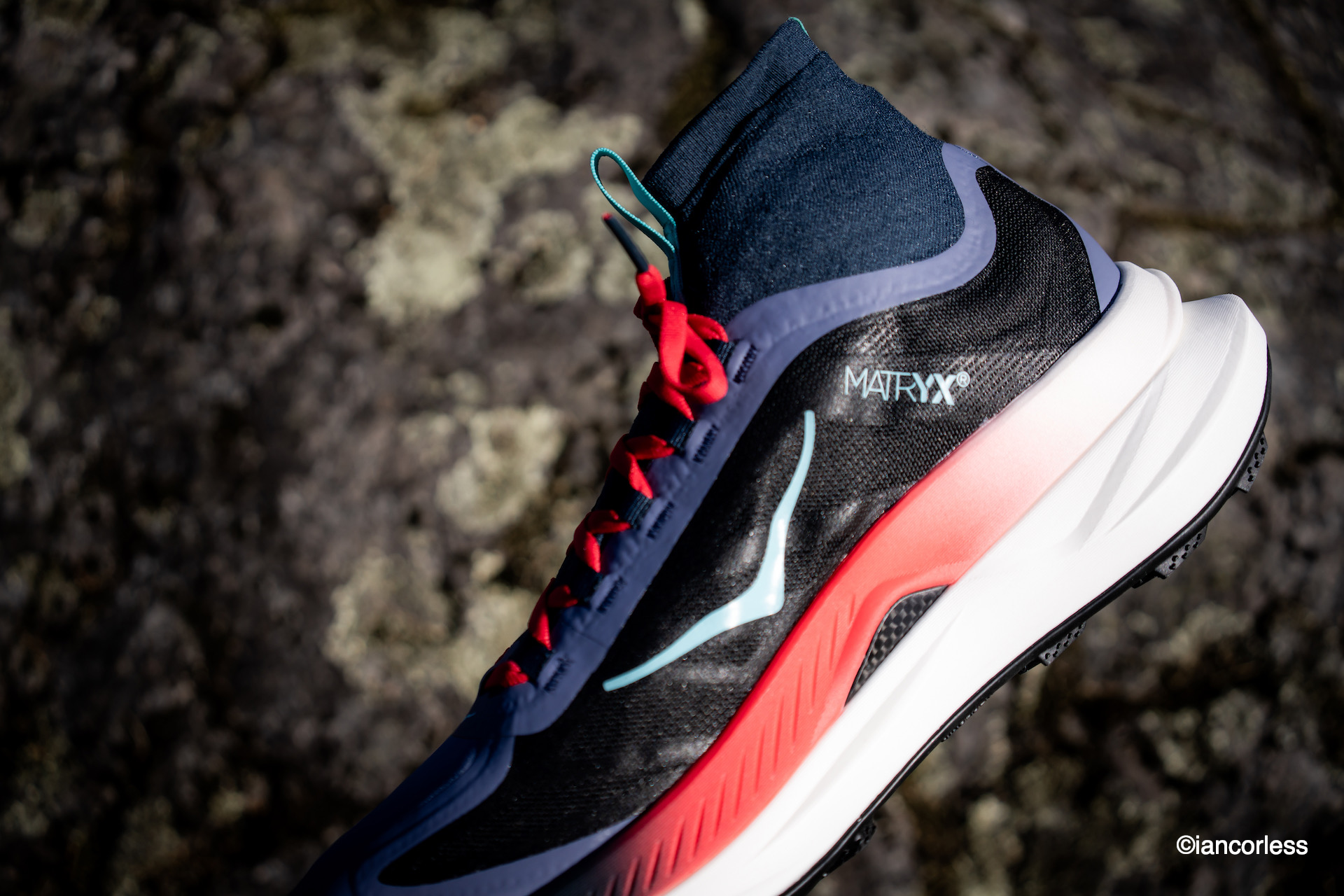
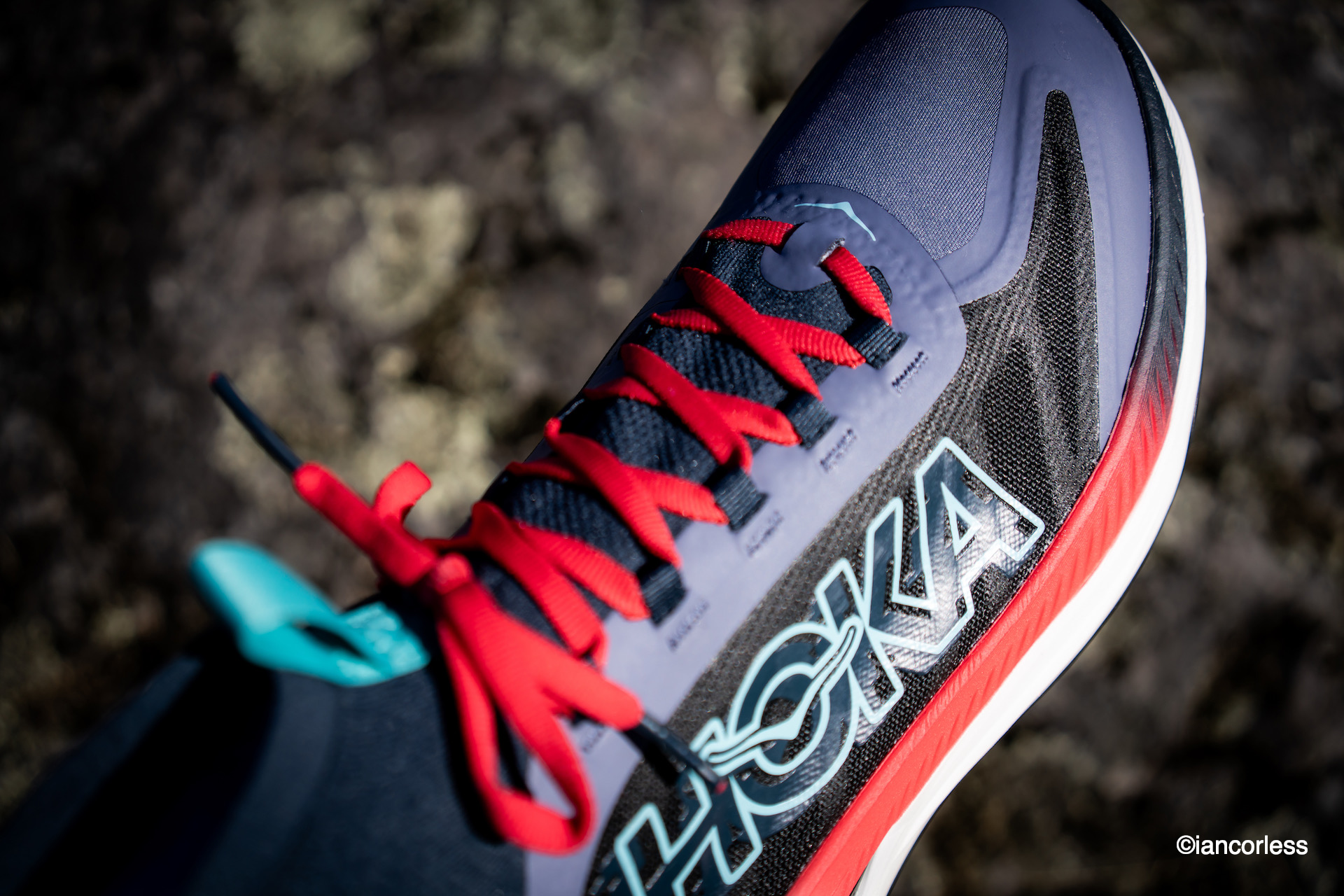
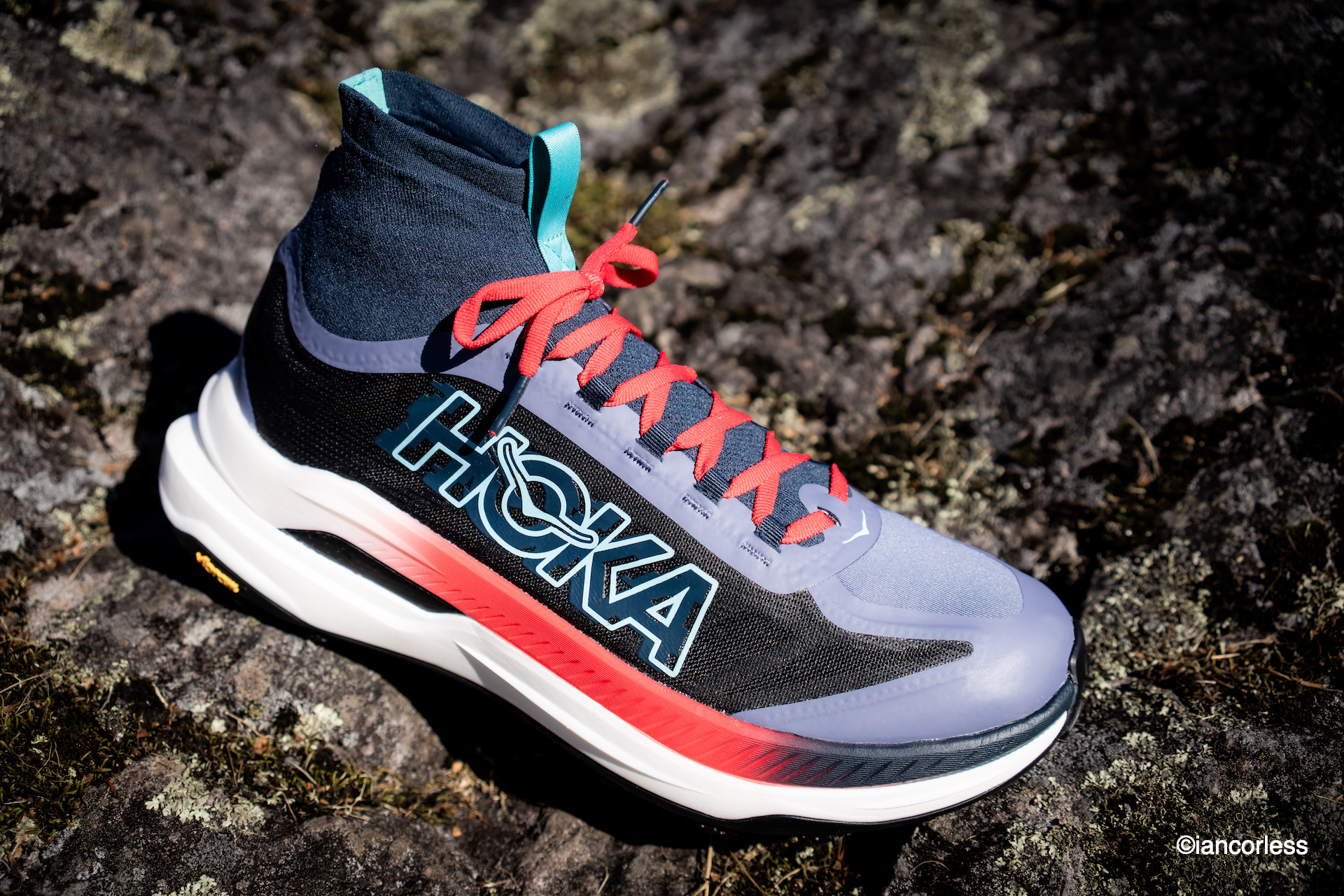
Just as we have seen on Jim’s UTMB and WSER Hoka’s, the TECTON X3 has a built-in knit gaiter which comes up above the ankle, fits very light and stops any debris entering the shoe.
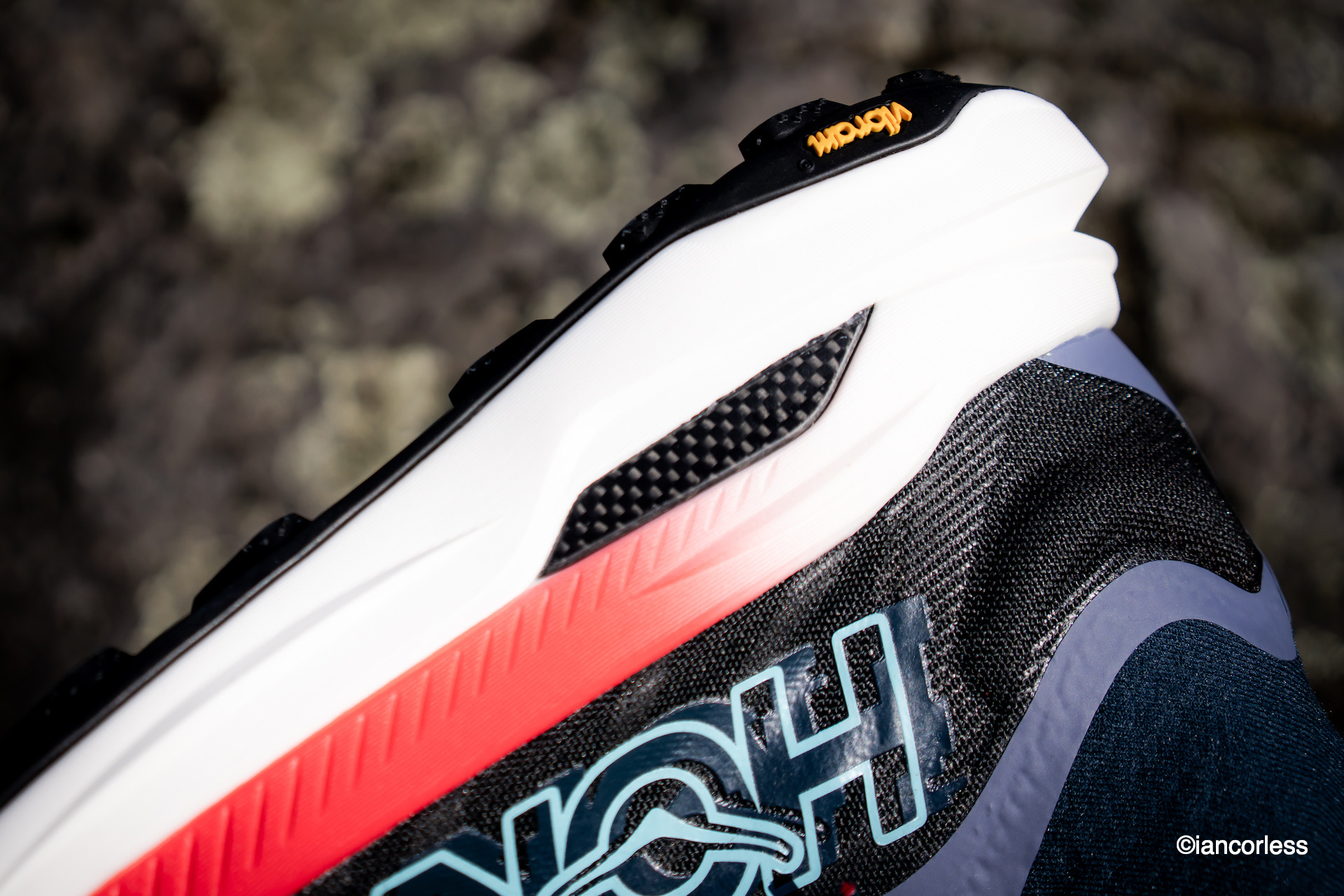
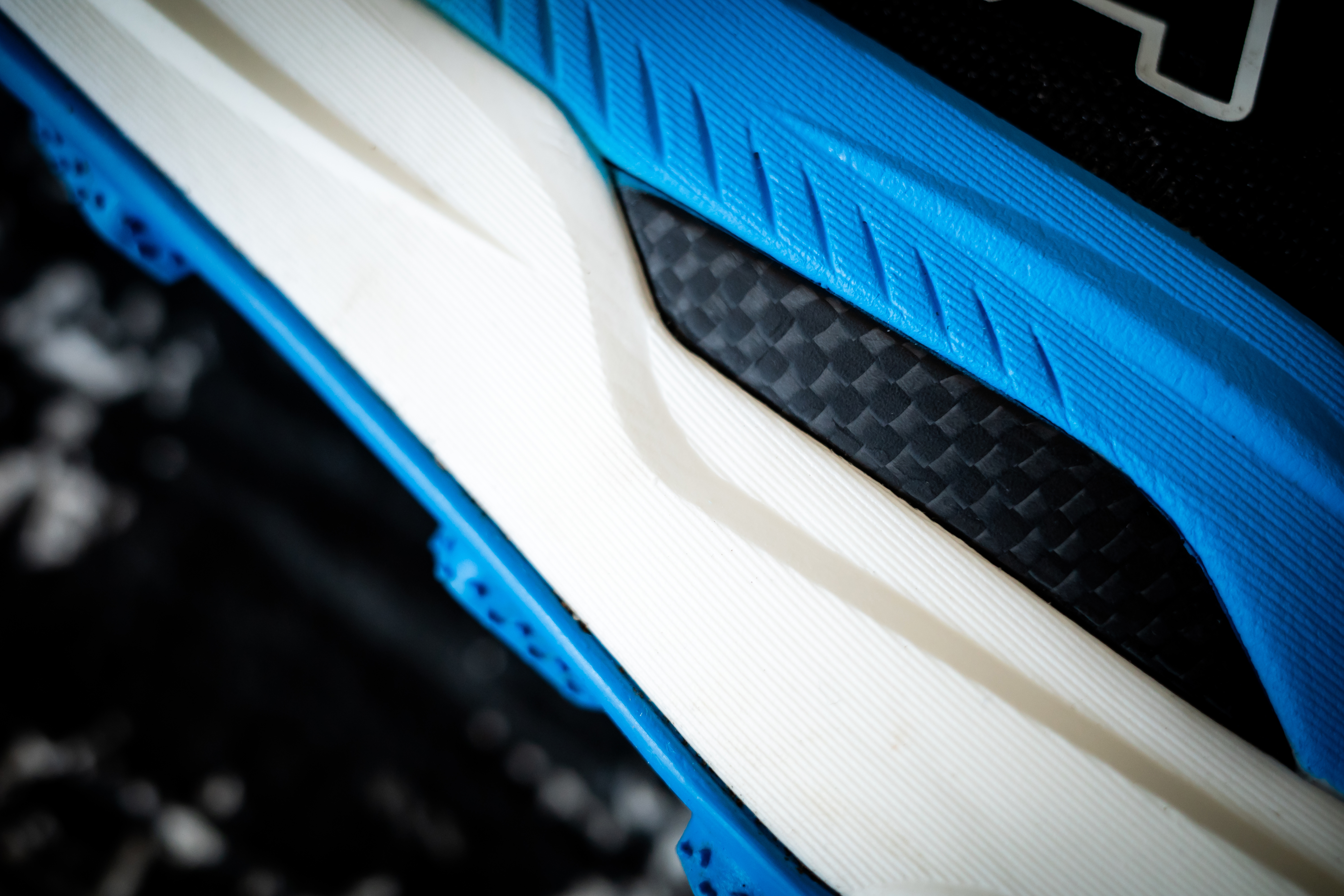
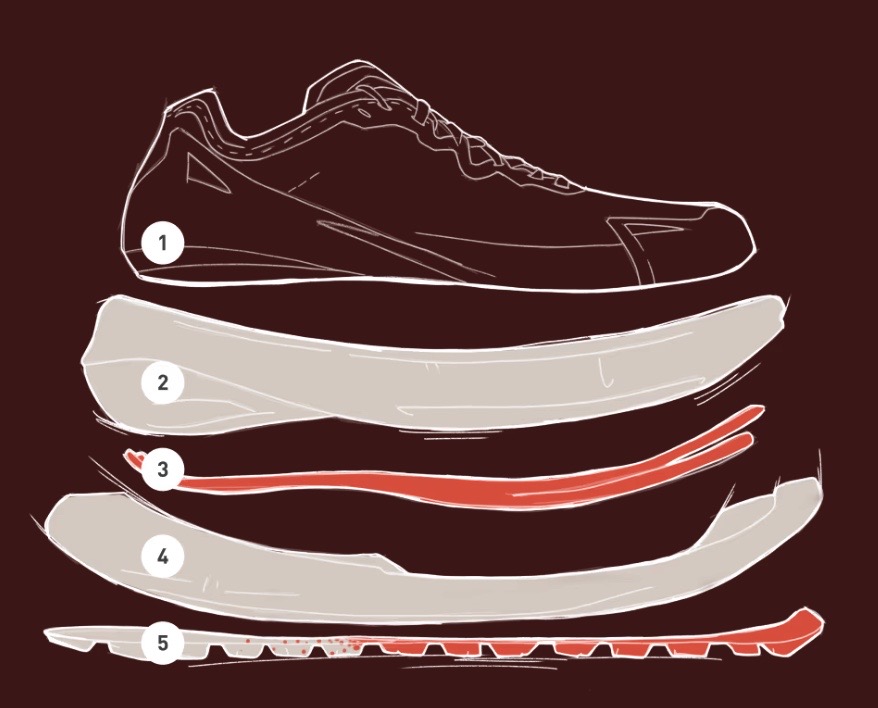
Arguably, the biggest development comes with the parallel carbon plates. They have been developed with ‘winglets’ that come up the side of the shoe, they are a game changer in making the shoe more stable.
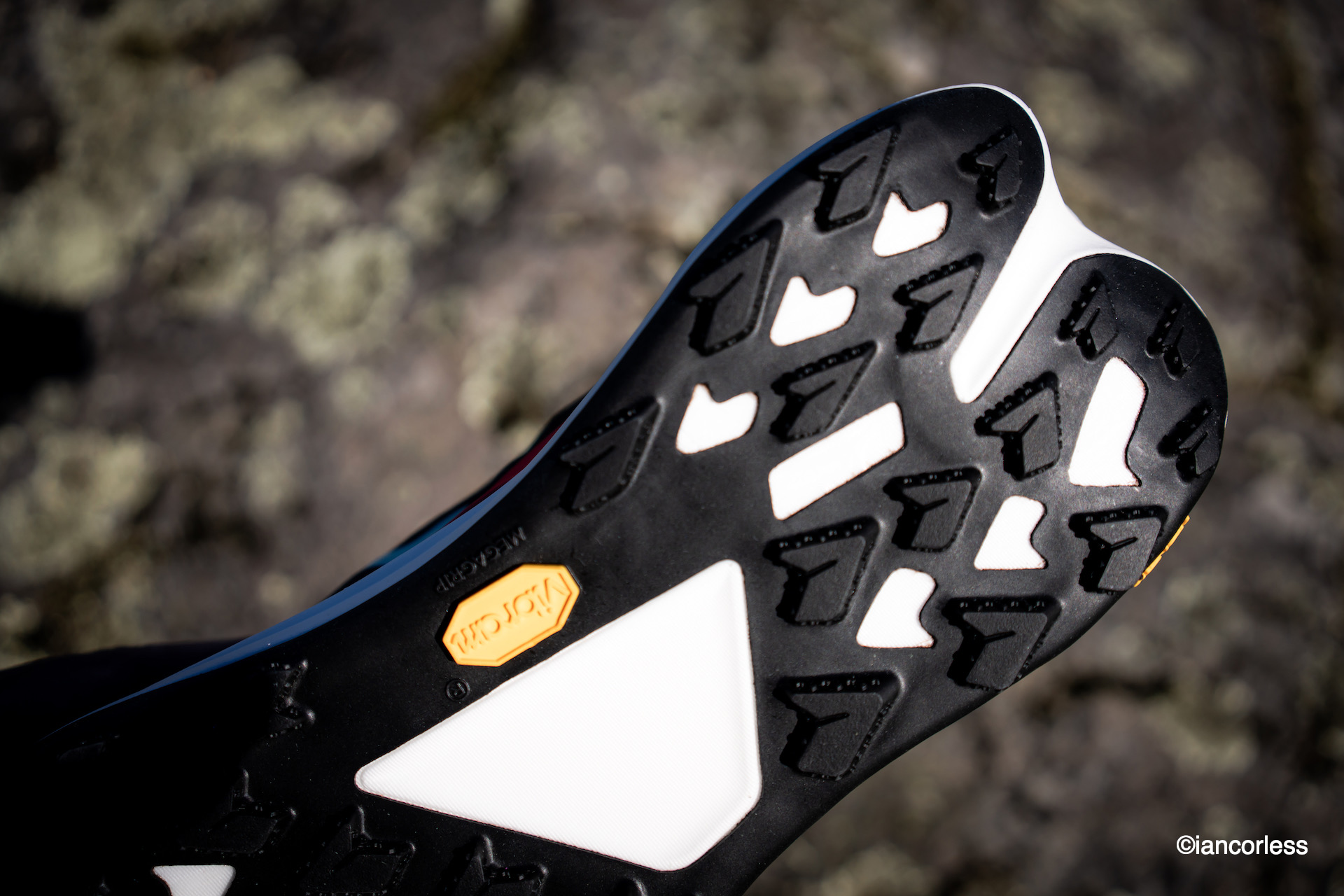
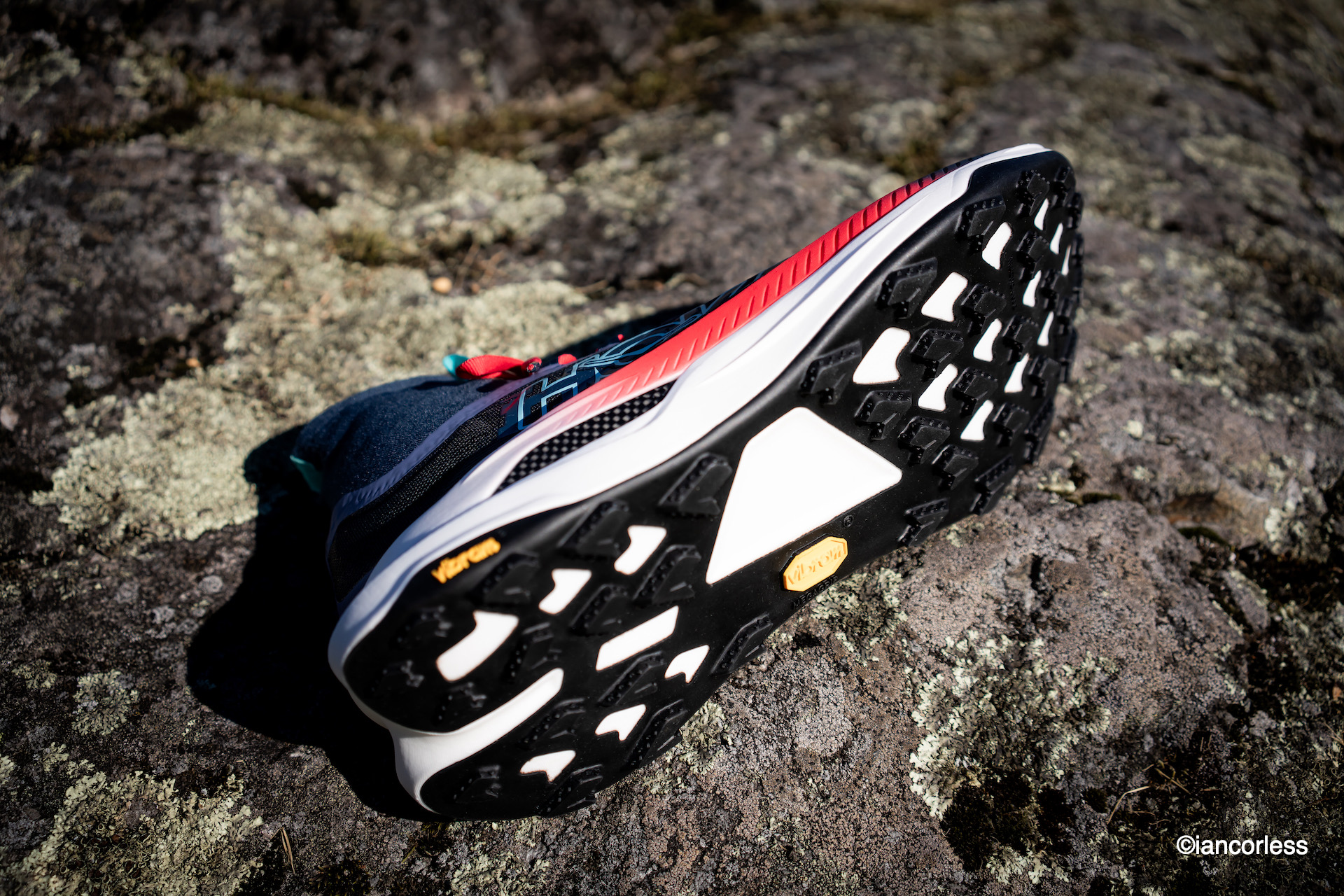
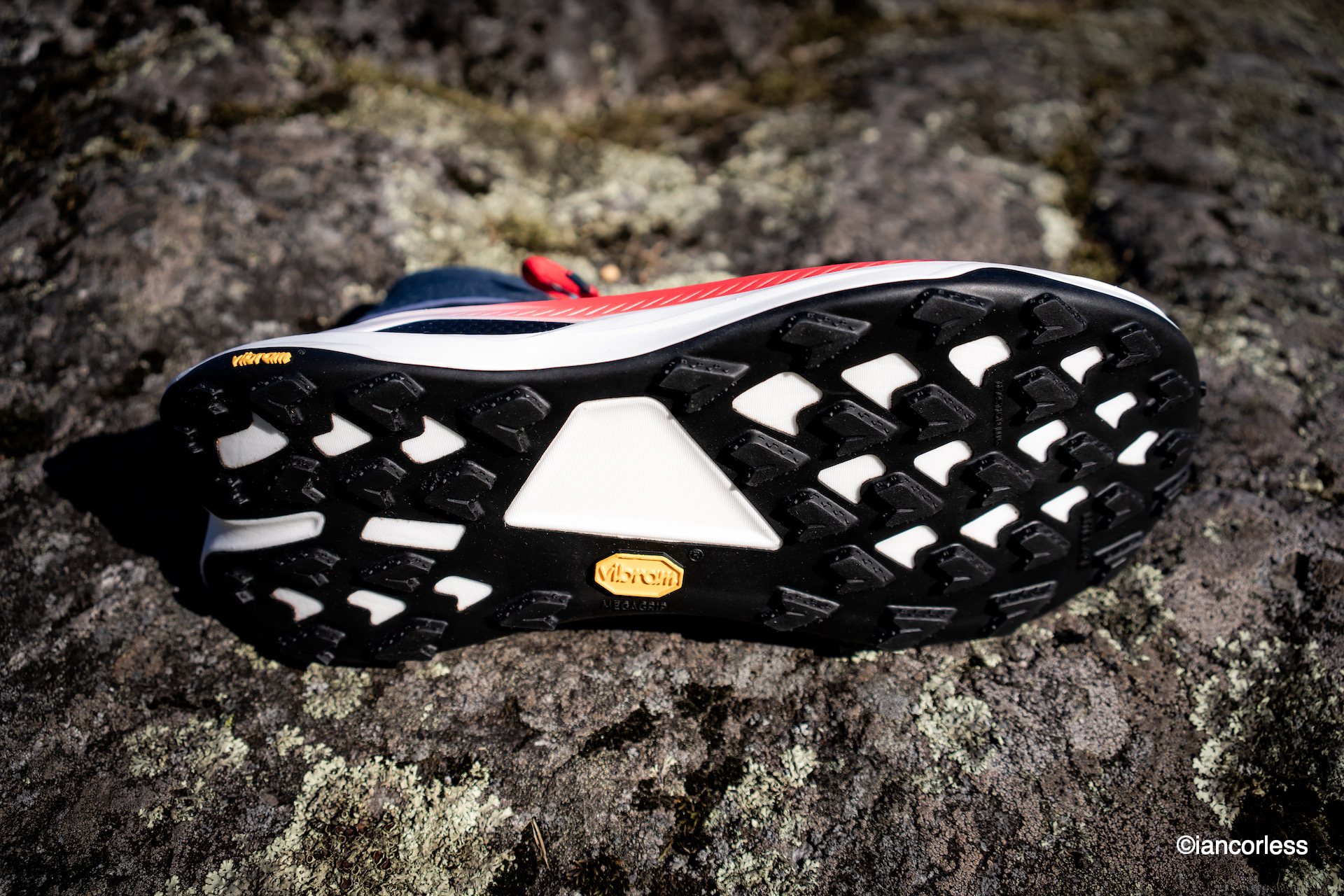
The outsole has also been developed with Vibram. This Vibram Megagrip Litebase covers more of the shoe, in comparison the Tecton X2. The lugs have also been changed to Traction Lugs with 4mm height.
The first thing I noticed was the size of the outsole. Hallelujah, Hoka completely understand that when you increase stack height, you also need to increase the size/ footprint of the outsole. This helps make the shoe stable. An incredible short coming from the new adidas Terrex Agravic Speed Ultra which is so narrow that you constantly roll left to right – the shoe has no stability, it’s a terrible shoe on challenging trail. Here, the Hoka Tecton X3 is supreme, the front is wide, the middle is wide, and the rear actually is not only wide but extends behind the shoe.
The Matryx upper is very durable and at the front of the shoe, there is great toe protection. The lacing system sits on top of the shoe and there is no tongue as the upper is an all-in-one upper. The addition of the gnit gaiter gives the Tecton X3 a unique look.
Cushioning is 40mm at the rear, 35mm at the front providing a 5mm drop, the women’s shoe is 39/34mm.
Sizing is true to size BUT due to the nature of the upper, you may want to try sizing to make sure you have the fit you require. For me, my normal run shoe size was perfect.
I was nervous about the gaiter. Nearly every shoe I have tried with a built-in gaiter I have been disappointed, either the gaiter is not tight enough or, the shoes are incredibly difficult to get on. Not so with the Tecton X3. For sure, getting the shoe on the foot requires more time and patience than a normal shoe, but it’s not problematic. Gladly, the fit around the top is tight. I absolutely love the feel of this shoe on the foot!
Another worry was the lacing. Would I be able to get the secure and locked feeling that I like with a shoe of this nature? Quite simply, yes! A great fit for me. Note I say, ‘for me,’ here. I do think that the shape will heavily influence if the Tecton X3 works for you. My foot fills and occupies the shoe, by contrast, Abelone has a long/ narrow foot, and she found that getting the correct hold/ security was difficult.
Standing up, the comfort level is a wow. They are plush but not squishy. Despite the stack height, they feel stable and secure, a consequence of the wide footprint and the new carbon plate.
The moment you start to run, you feel the bounce and propulsion moving you forward. They are a fast shoe but importantly, they are equally happy running slower and importantly (for ultra) they are extremely comfortable walking and hiking due to the wide and cushioned rear. The responsiveness is superb when climbing and the cushioning, width and carbon plates make downhill a joy.
The gaiter is fantastic, not only does it stop debris, but it adds the secure feeling of the shoe. So much so, when I have moved to other trail shoes, say the Hoka Speedgoat 6, I have really missed the gaiter. You forget you are wearing the Tecton X3 they are som comfortable.
These are a fun shoe; they are exciting and put a smile on my face.
For many years I have avoided shoes with large stack height, and this has not changed when I am running on very technical or mountain terrain, quite simply I need to be lower. However, despite 40/35 cushioning, the Tecton X3 is remarkably stable – way more stable than I anticipated. On single-track, gravel roads and non-technical trails they zip along. Amazingly, on tree routes, rocks, and uneven terrain, the stability level is considerably better than expected – the wide outsole and carbon wings really do a stunning job. Also, the parallel carbon plates can move independently, allowing the outsole to adjust the terrain underneath. There is a limit to how technical you can go, but also, one needs to consider the runner that is in the Tecton X3. If you are an experienced mountain/ technical trail runner, you may well be amazed and where you can take this shoe!
Vibram grip is universally liked, so the Tecton X3 has this covered. I personally am not always a fan of Vibram, especially on wet rock. However, this new Megagrip Litebase with traction lugs is a winner. The lugs are 4mm which is a perfect middle ground, a compromise will come in mud.
CONCLUSION
The HOKA TECTON X3 is my shoe of the year for trail running. It’s matched by the VJ Sport MAXx2 for mountain and technical trail.
Hoka have produced a remarkable shoe. There are key elements that make this stand out above all the competition. Super shoes very often are designed for and around super athletes, the adidas Terrex Agravic Speed Ultra a great example; if you are a great runner, can run fast and you have great form, the shoe is perfect. But if you are just a normal runner, the shoe can be a liability and on technical trail, it is a disaster.
The Hoka Tecton X3 is a super shoe, Jm Walmsley set a course record at UTMB, he then went on to win Western States and just recently, Vincent Couillard ran under 20-hours (19:54) to win the 2024 UTMB. Admittedly, Jim and Vincent were either in a prototype or maybe the Tecton X2.5 but there is a direct correlation to the Tecton X3.
The combination of features, cushioning, gaiter, parallel carbon plates and notably the new winglets and wide outsole make this a cushioned and surprisingly stable trail shoe.
The Tecton X3 is remarkably fast and once you get your cadence ticking over, you feel the carbon plates propelling you forward. But what is key for me is the comfort, feel and great sensations I get when running easy. They just feel great! At slower speeds the shoe feels comfortable and stable. Walking they are superb.
This may well be the first super shoe that works for any runner. That is a bold statement.
Despite all the above, the Tecton X3 will not work for some – If you have long narrow feet, you may find a compromise on fit.
The gaiter gives a secure and tight feel, this may not be for everyone.
There is one negative, due to the style of the shoe, the Matryx upper and the gaiter, the shoe does feel warmer than a normal shoe. Something I am happy to accept.
Finally, they are not cheap, however, run shoes these days seem to hover around the £200 mark, especially super shoes that push development and technology.
The adidas Terrex Agravic Speed Ultra shoe was one of the most anticipated trail shoe releases of 2024. Let’s be honest, this shoe was a long time coming…. We had seen early versions of the shoe on the podiums of Transgrancanaria, MIUT, Transvulcania, Western States, UTMB and more. There was a soft launch of the shoe at UTMB 2023 that only whet the appetite of runner’s even more, however, it was the spring of 2024 before the shoe became commercially available.
adidas did a great job of building the anticipation and it is fair to say, that until the release of this new shoe, adidas were not really considered a contender in the trail market. This new incarnation most definitely changed things and I have seen the shoes on countless runner’s feet, in countless races, all over the world in 2024.
I have been testing the Terrex Agravic Speed Ultra shoes for a year. I picked up my first pair in August 2023 and I have been through two pairs in the last twelve months.
The previous ‘Speed Ultra’ shoe is my personal favourite adidas shoe, it was developed with the input of Tom Evans and was the shoe the helped Tom place third at his first Western States. This new incarnation has nothing to do with the one that has gone before, the only connection, sadly, is the use of the Speed Ultra name. So, if you liked the first shoe, there is no guarantee you will like this new one! They are like chalk and cheese.
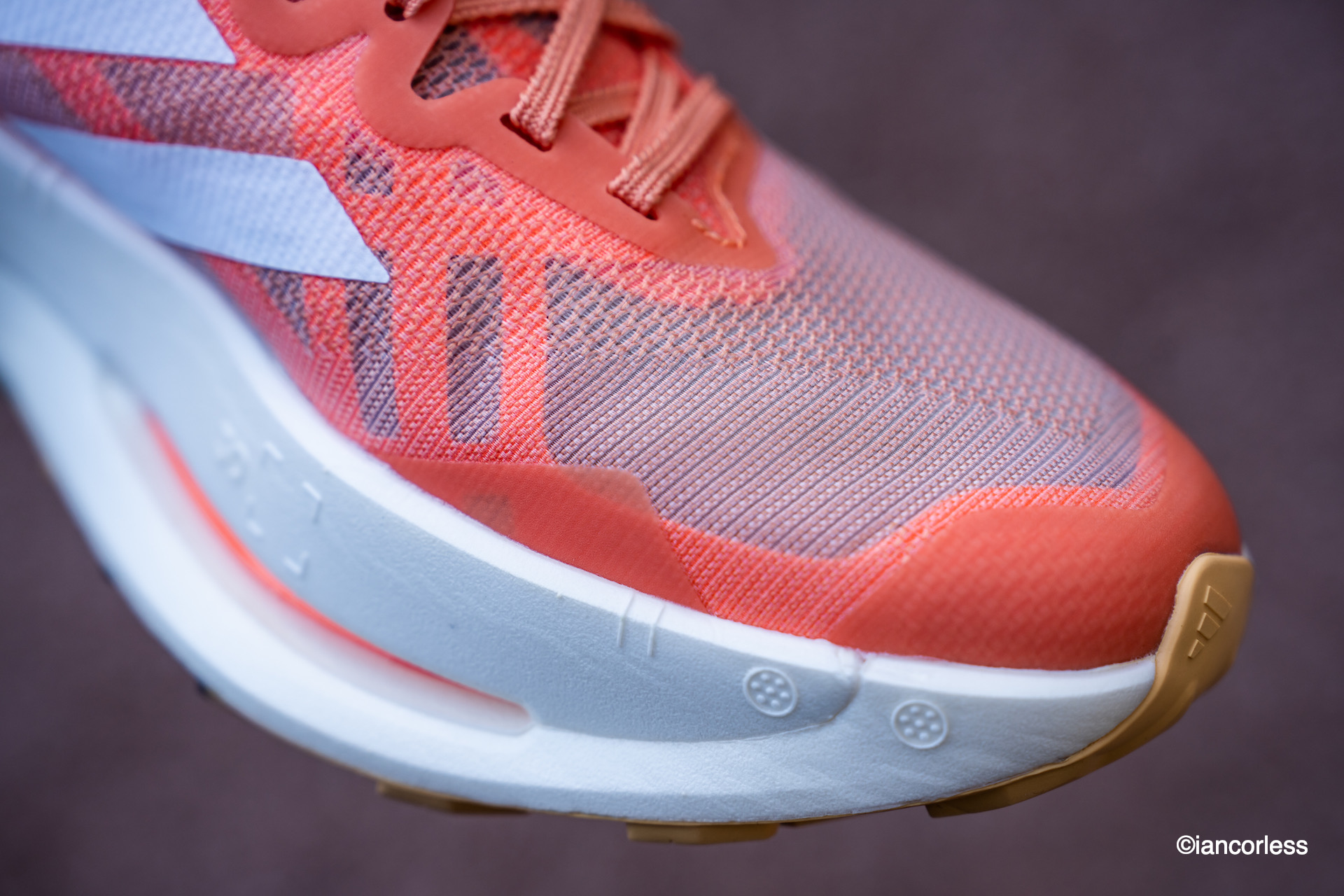
A whopping 42mm of cushioning at the rear, 34mm at the front gives an 8mm drop. The shoe has Energy Rods and an extremely curved rocker. The outsole is Continental rubber with 2.5/ 3mm lugs. The cushioning is Lightstrike Pro. The upper is extremely light and breathable with overlays for durability and a gusseted tongue provides foot hold and support. Sizing is hit and miss, so, I recommend trying this shoe on before purchasing to ascertain what size is correct for you.
The shoe has the ‘Terrex’ branding, which means trail running, but it feels like an adapted road shoe, if you are familiar with the Adizero range, there are similarities.
The shoe is promoted as ‘Our fastest trail running shoe yet.’ And in all honesty, it’s hard to argue with this based on the results of the adidas Terrex team in the last two to three years, and just recently, once again, we saw this shoe on the podium of Transvulcania, OCC and the CCC.
But is this shoe for you?
I must be honest here, it is definitely NOT for me. I have tested and tried to adapt wanting to really like this shoe, but I just don’t get on with it. It’s light, it has an incredible propulsion phase and it’s very fast. But…
If you go on any trail with just minor technicality, the shoe is horrendously unstable. Quite simply, it’s too high and the outsole footprint is not wide enough, especially in the middle and rear. This causes the shoe to twist left and right; they are an ankle injury waiting to happen.
The rocker is so pronounced, that walking is unpleasant. Of course, it is maybe fair to say, this is not a shoe to be walking in! But any shoe that has the ultra-tag in it’s name, will almost certainly mean that walking will be required at some point, maybe with the exception of the top athletes, for example, the adidas Terrex team!
So, is this shoe for you?
The answer is yes! If you are fast, have great running form (forefoot striking) and are training or racing on fast, single-track trails with little or no technicality. Go buy them.
However, if you are an average trail runner like me, looking for a comfortable and durable shoe that will see you through many training days or ultra races, with and without technicality, then no. This is not a shoe for you!
Just as the Nike Alphafly for road running will not make me Kipchoge, the Terrex Agravic Speed Ultra will not make me Tom Evans. The shoe may well be state of the art and fast, but they need a fast athlete inside the shoe, otherwise, they are actually more of a liability.
IN USE
This is a premium trail shoe from adidas, years of development and with a string of results from the Terrex team that makes you desire to rush out, get your own pair and run like Ruth Croft or Tom Evans and set PR’s, CR’s and top the podium of the races that you enter.
No matter how good the shoe, 99.9% of us just don’t have the Ruth or Tom natural ability to bring the best out of a super shoe like this.
This is a fast shoe, four pronged Peba Energy Rods are encapsulated between a Lightstrike Pro midsole. An extreme rocker and 42/34mm cushioning make this a beast to be unleashed. It’s a Ferrari for trail running on non-technical trail.
It is bold in looks, so much so, even the three stripes are subtle with TERREX in striking in white. There is no mention of adidas!
When you put the shoe on, you immediately feel the height and sadly, you also feel the instability. I am going to scream this again and again, the ‘footprint’ is not wide enough for the stack height of the shoe.
The foot hold from the gusseted tongue is very good and the sawtooth laces work well. However, the tongue lacks padding and when the laces are tied tight, there is pressure on the navicular bone. The heel cup is minimal but holds well. The toe box is wide and expansive which only makes the middle and the rear of the shoe feel very narrow. The rocker is immediately noticeable, you rock while standing still. If you are NOT a forefoot runner, forget this shoe. If you are a heel striker, you may as well leave this review now!
The combination of rocker, rods, cushioning and amazing propulsive phase make this shoe fly. As soon as you build cadence, the shoes start to propel you forward asking you to go faster and faster. I quite simply cannot keep up with the shoe. This is a positive if you have the fitness, speed and run form to do this.
Uphill and climbing, the shoes work exceptionally well. Downhill not so. The instability really comes to the fore and they just feel scary and unstable.
The shoes zip along and are nimble, lightweight and quick on slick trails, gravel roads and single-track.
Encounter rocks, tree routes, uneven terrain and the ride becomes worryingly unstable with constant twisting and rocking. They are not good on anything technical. The Energy Rods work like fingers, so much better than a single plate (also seen in Hoka Tecton X2 and the new X3) as it allows more adaptability and flexibility on trail, but here it doesn’t work due to the stack height and narrow footprint.
Continental rubber for the outsole is good with excellent grip, however, with 2.5/3mm lugs, this is only ‘just’ a trail shoe. But I guess that is the point! This shoe is meant to be fast for a Western States type of course where ‘grip’ is not really required. They are not for tough, technical and challenging mountain terrain.
Ultimately, don’t be fooled by the performances of the adidas Terrex team, they are superb athletes with the speed, great run form and ability to really make the Terrex Agravic Speed Ultra shine. If you are running slower, trying to walk or just out for an easy run, these shoes are clunky and awkward.
The shoe also requires adaptation. Early runs will work muscles in a different way, particularly calf and glutes. If you get these shoes, adapt over time and distance adding a day off with another shoe between runs until you feel adapted.
I this a bad shoe? Absolutely not, it is state of the art and the results of the adIdas Terrex team endorse that. A fast shoe for slick trail and on the right feet a real joy.
Sadly though, most of us are not fast, don’t have great run form and this shoe will not only be a waste of money, but ultimately may well result in in a worse performance and maybe injury, especially if trying to run on technical terrain.
The Terrex Agravic Speed Ultra is quite simply not for me!
However, should you wish to pursue an adidas shoe, the Terrex Agravic Speed (review to follow) with 34mm/ 26mm cushioning and no Energy Rods may well be a better consideration. I have used this shoe considerably more than the big brother Terrex Agravic Speed Ultra with better sensations and run feel. Sadly though, despite the reduced stack height, it is still worryingly unstable on technical ground.
Finally, if a super shoe is what you require, the Hoka Tecton X3 is a revelation. Hoka understand that if you increase stack height, you must also increase the platform on which this increased height sits. The Tecton X3 has a superbly wide base at front, middle and especially the rear with a great Vibram outsole. In addition, the two parallel carbon rods have now been developed with ‘wings’ that come up the sides of the shoe providing a considerably more stable platform. This is how a cushioned, plated super shoe should feel. Yes, it’s a super light and responsive shoe and while the adidas requires a top athlete and great running form to bring out the best of the shoe, the Hoka does not. The Hoka is superb when running fast but equally at home when running slower or walking. A full review HERE.


































 IAN CORLESS