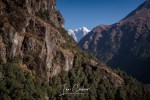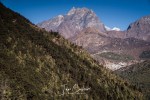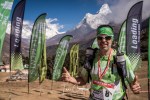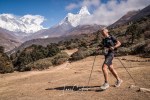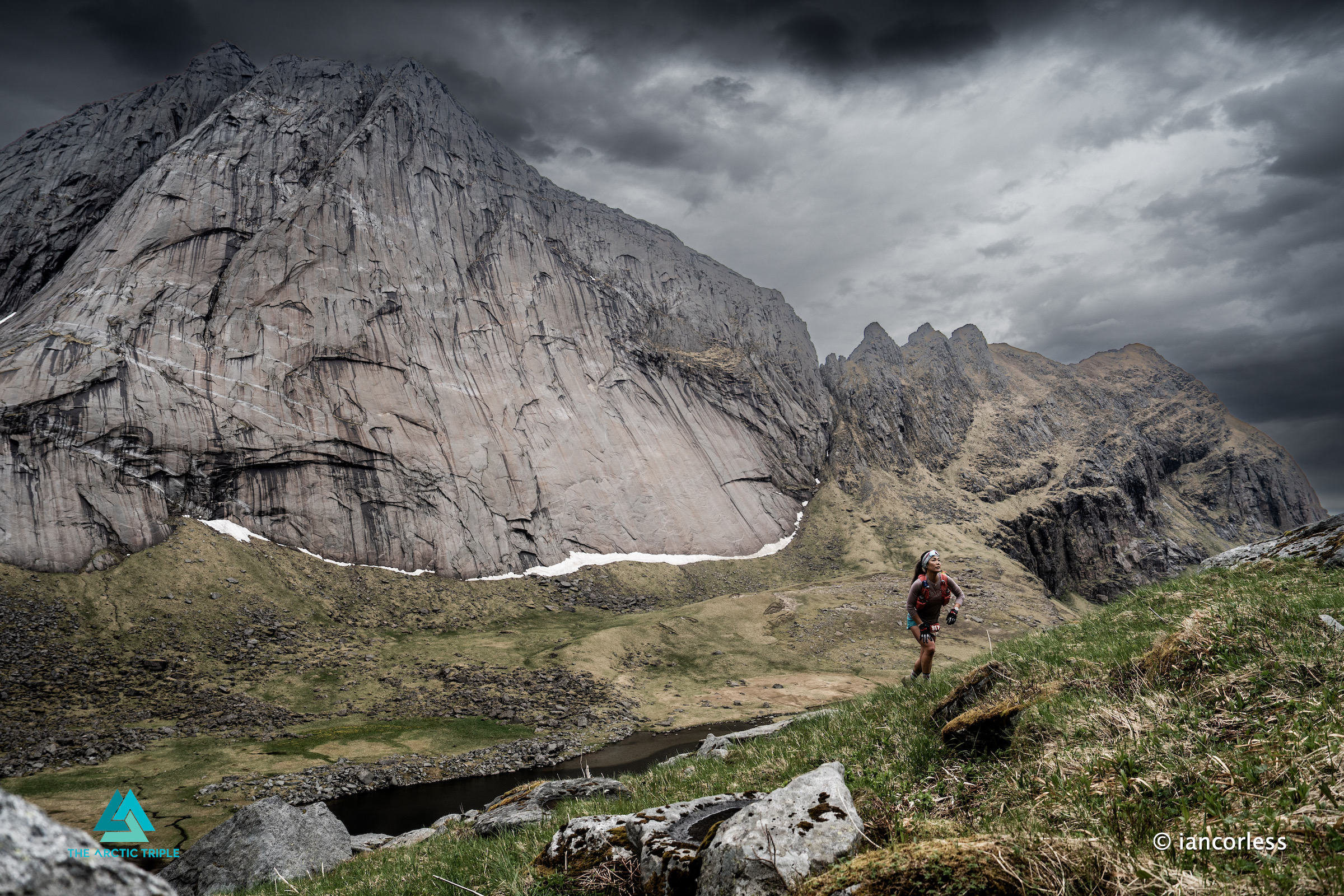
Lofoten Stage Run 2025: A Wild Dance with Nature

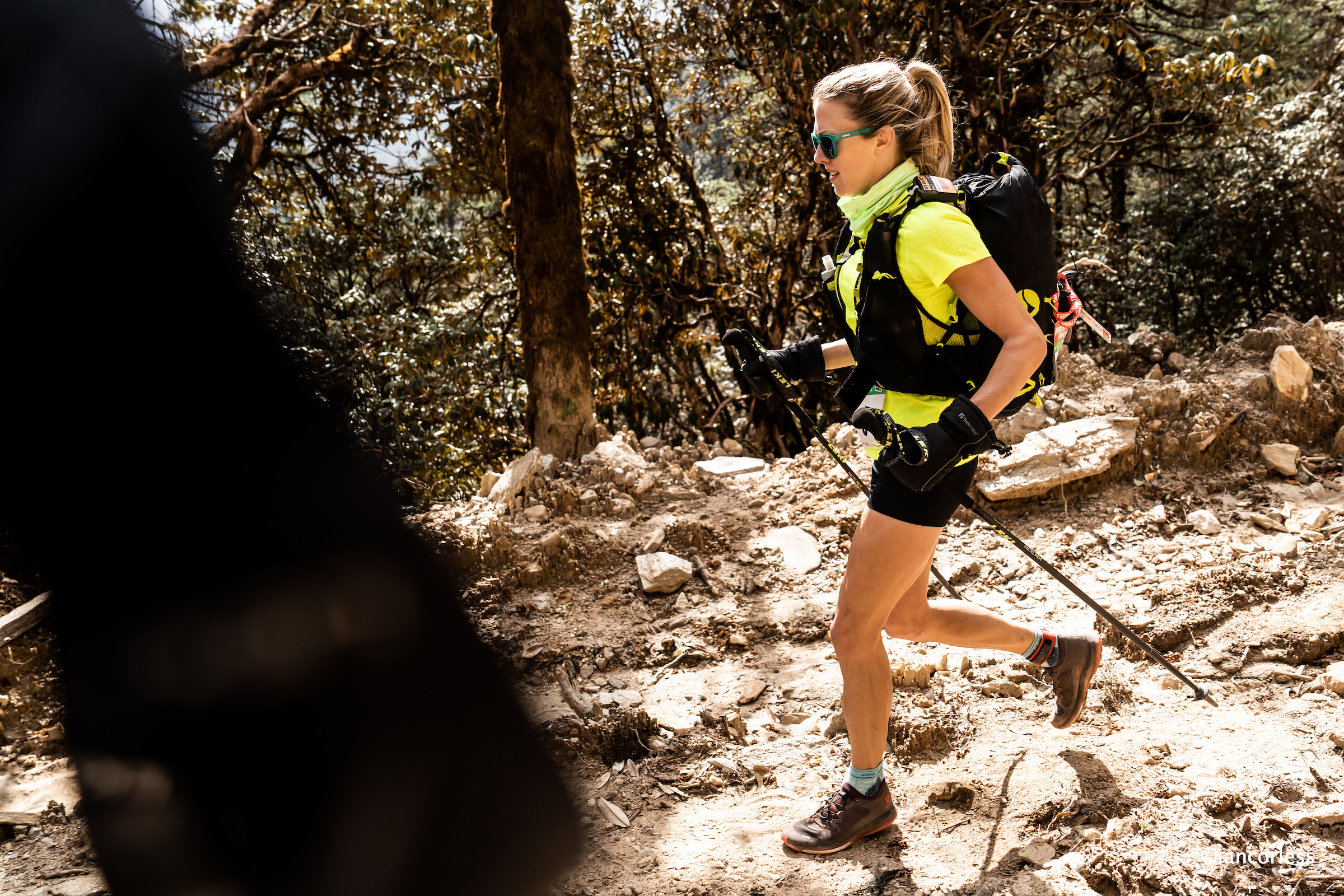
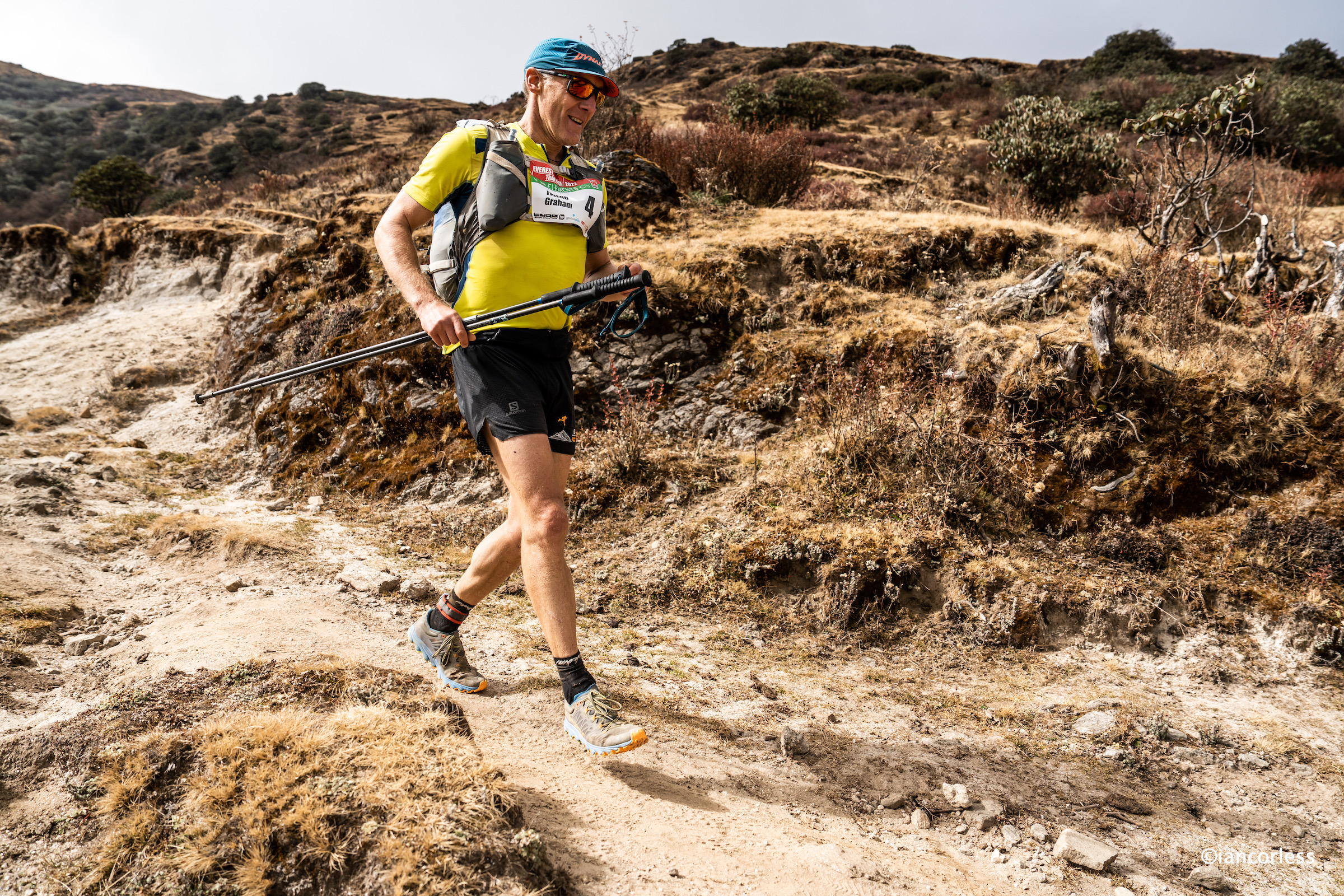
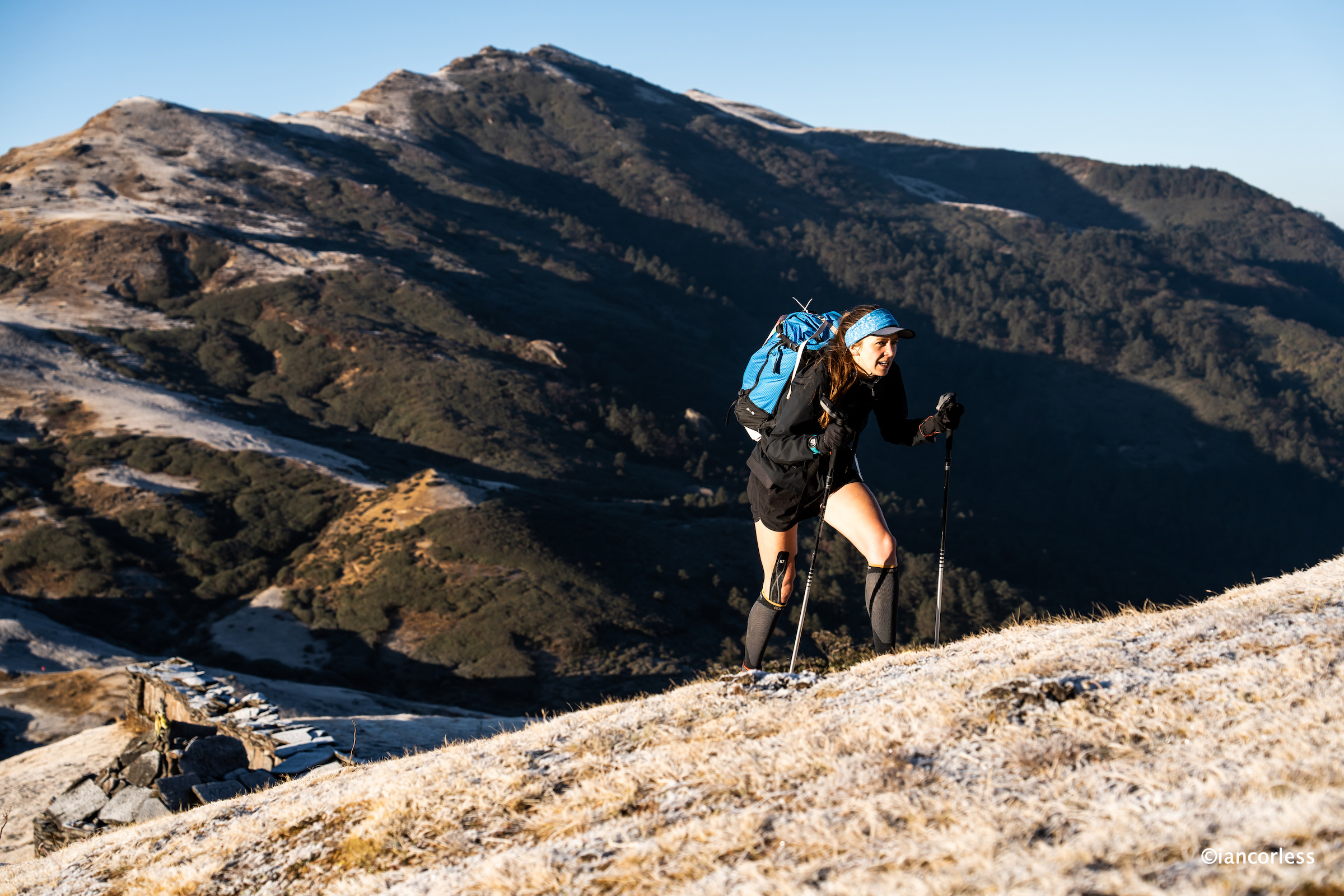
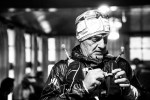
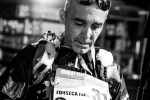
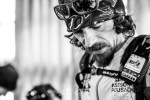
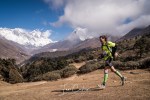
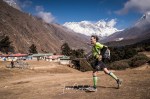
There are races, and then there’s the Lofoten Stage Run by The Arctic Triple team. What unfolded in May 2025 wasn’t just a footrace; it was a deep, soul-grinding, awe-inspiring journey through one of the world’s most arresting landscapes. Four stages. Two distances, 170 km and 100 km. 
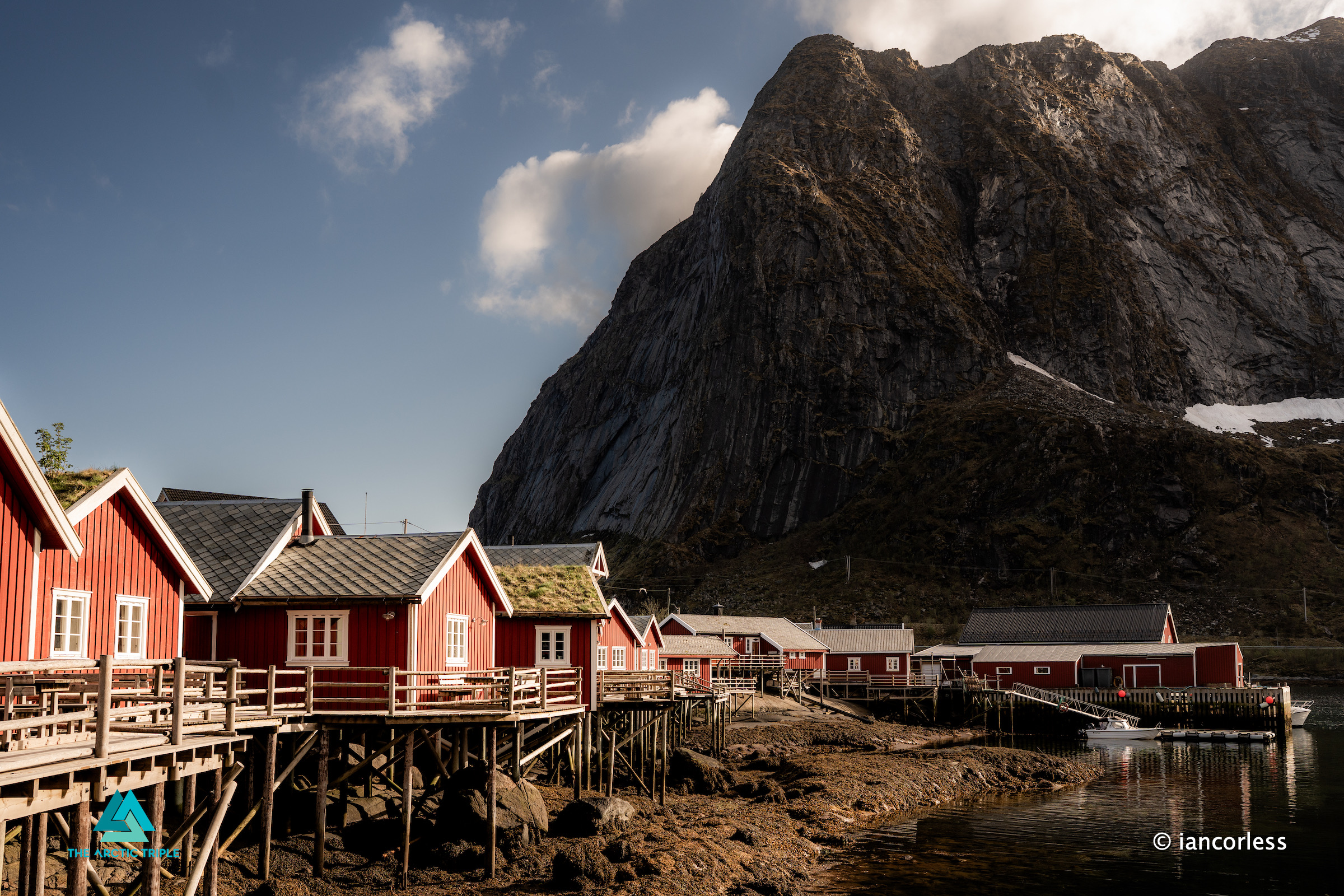
Across wild coasts, knife-edge ridges, fishing villages, and snow-streaked mountains, runners pushed their limits, and often redefined them, surrounded by the raw power and beauty of Norway’s Lofoten archipelago. Sleep came in hytte and seaside rorbuer; rest was fleeting, but memories were burned in.
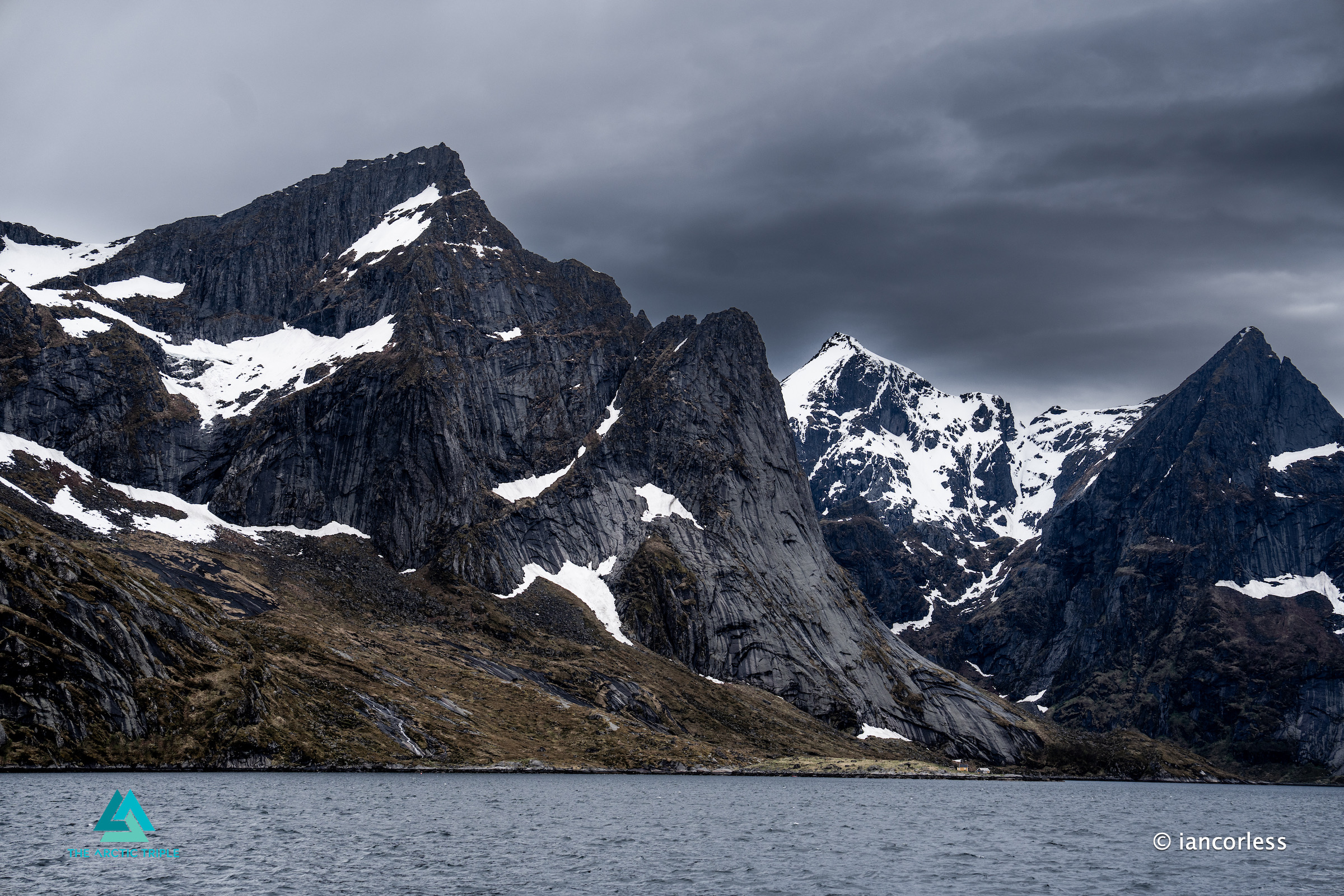
Stage 1: Into the Wild – Kjerkfjorden to Nusfjord (39 km / 20 km)
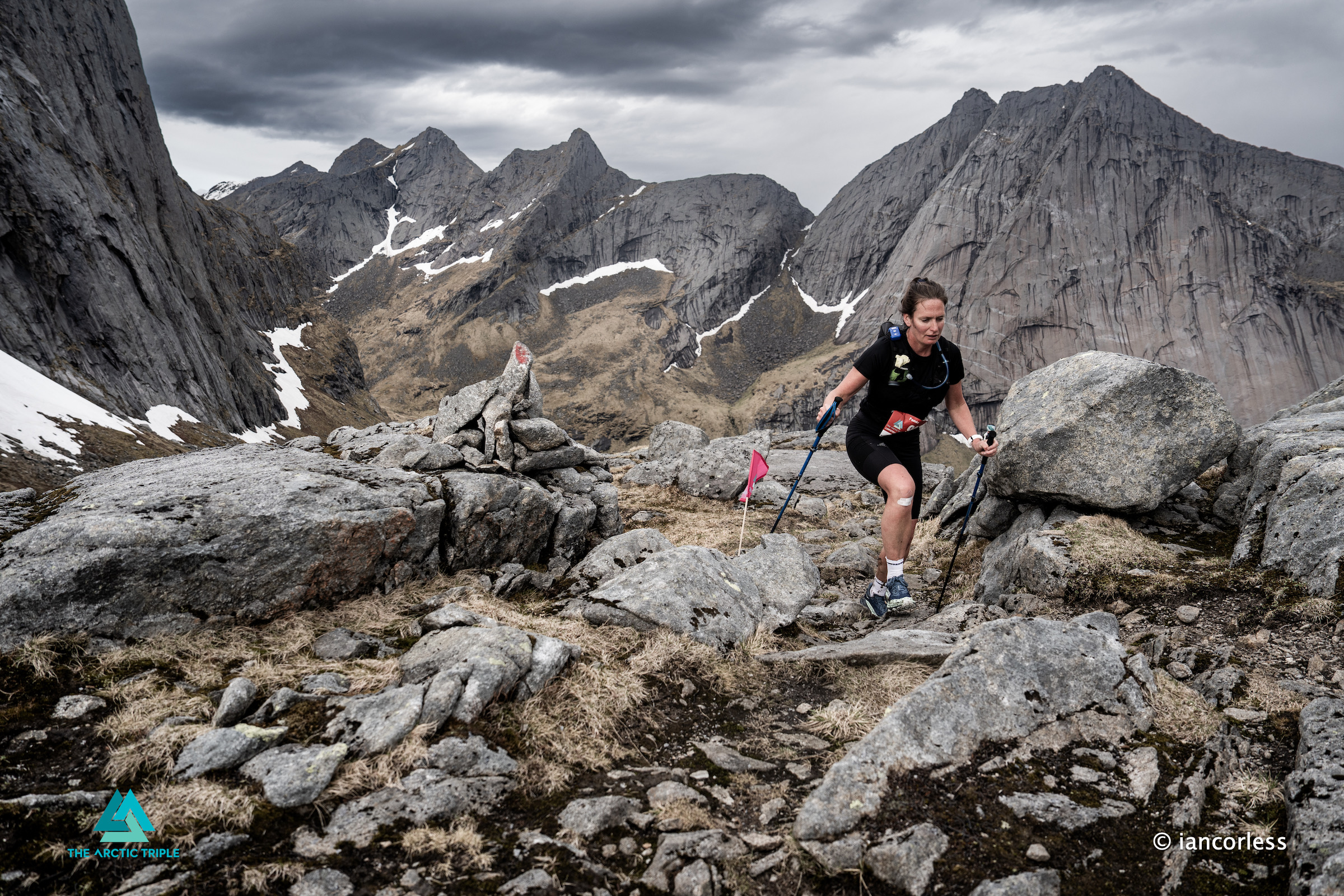
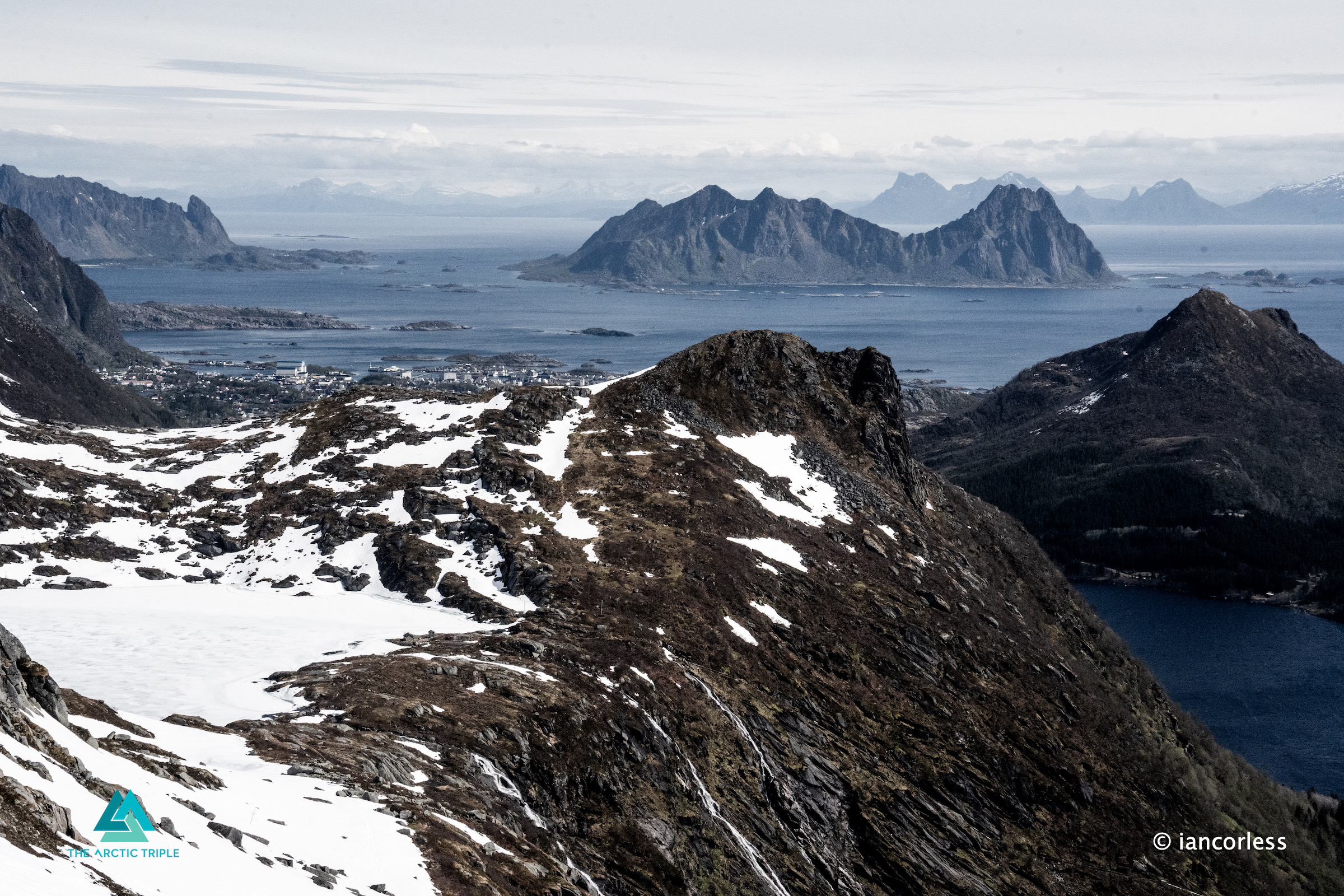
The race began like a dream: a boat ride through cold, steel-blue fjords, cliffs rising on all sides like the jaws of some ancient creature. As runners disembarked at Kjerkfjorden, the silence was broken only by soft footsteps and shallow breaths, nerves on edge, anticipation sharp.
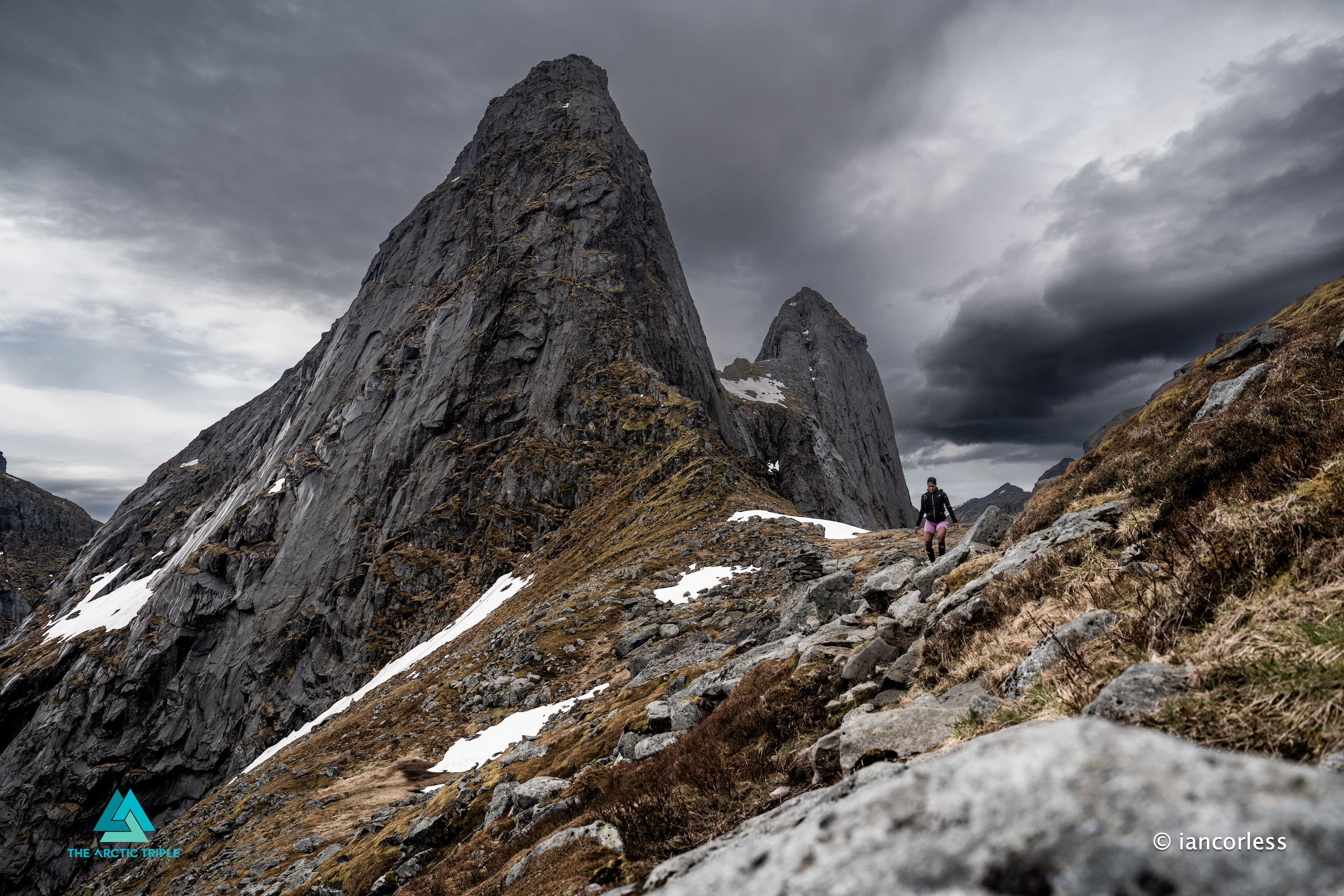
The terrain wasted no time. A steep climb out of the fjord led straight into deep snow patches and slick rock. Then came the surreal beauty of Kvalvika Beach, where sand met snow and the ocean roared its approval. For the 170 km runners, the day stretched long into the day, ending with a technical coastal section into the storybook village of Nusfjord. Legs screamed, but hearts were full.
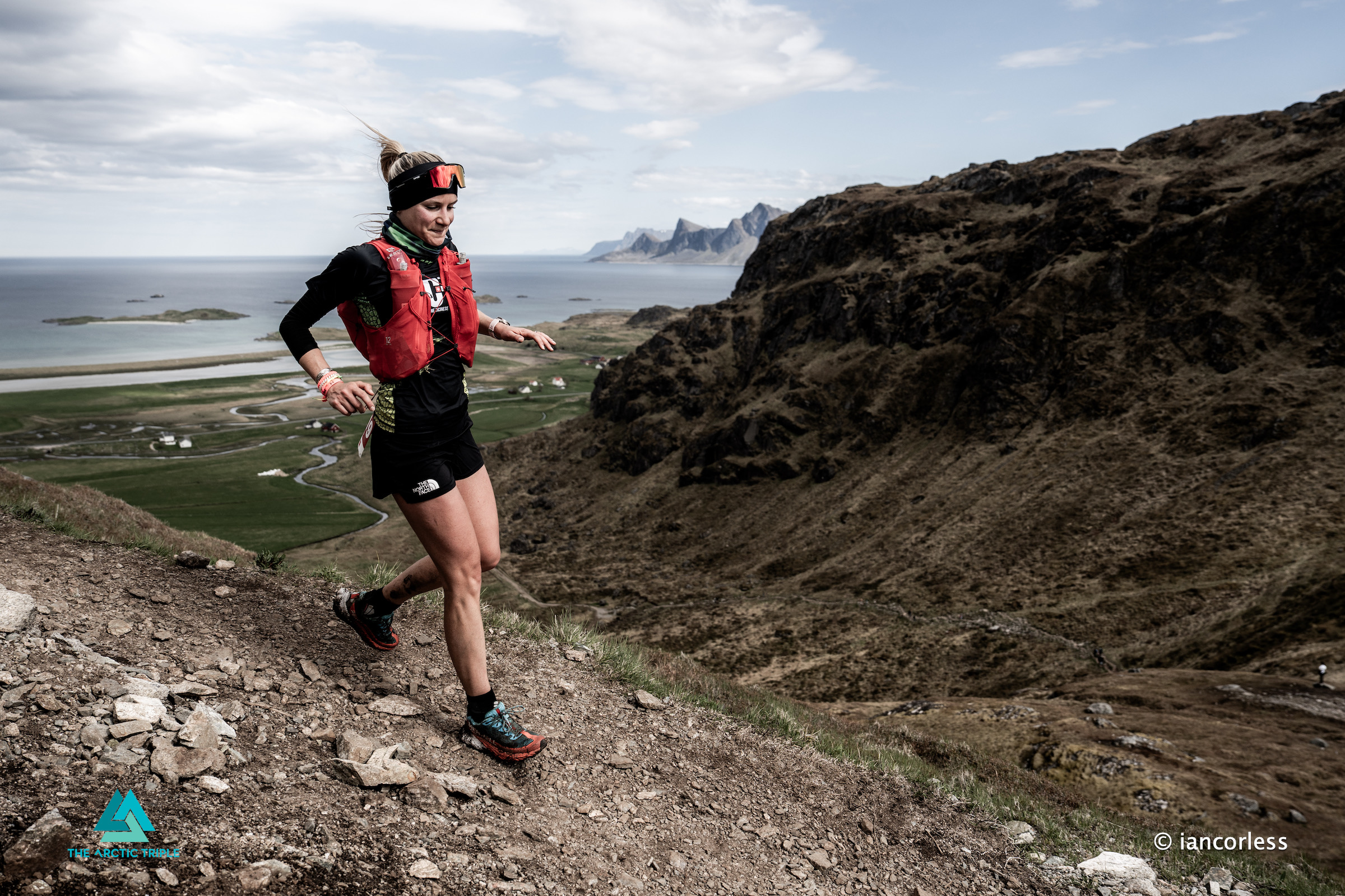
Stage 2: Edge of the Earth – Nusfjord to Leknes (34 km / 17 km)
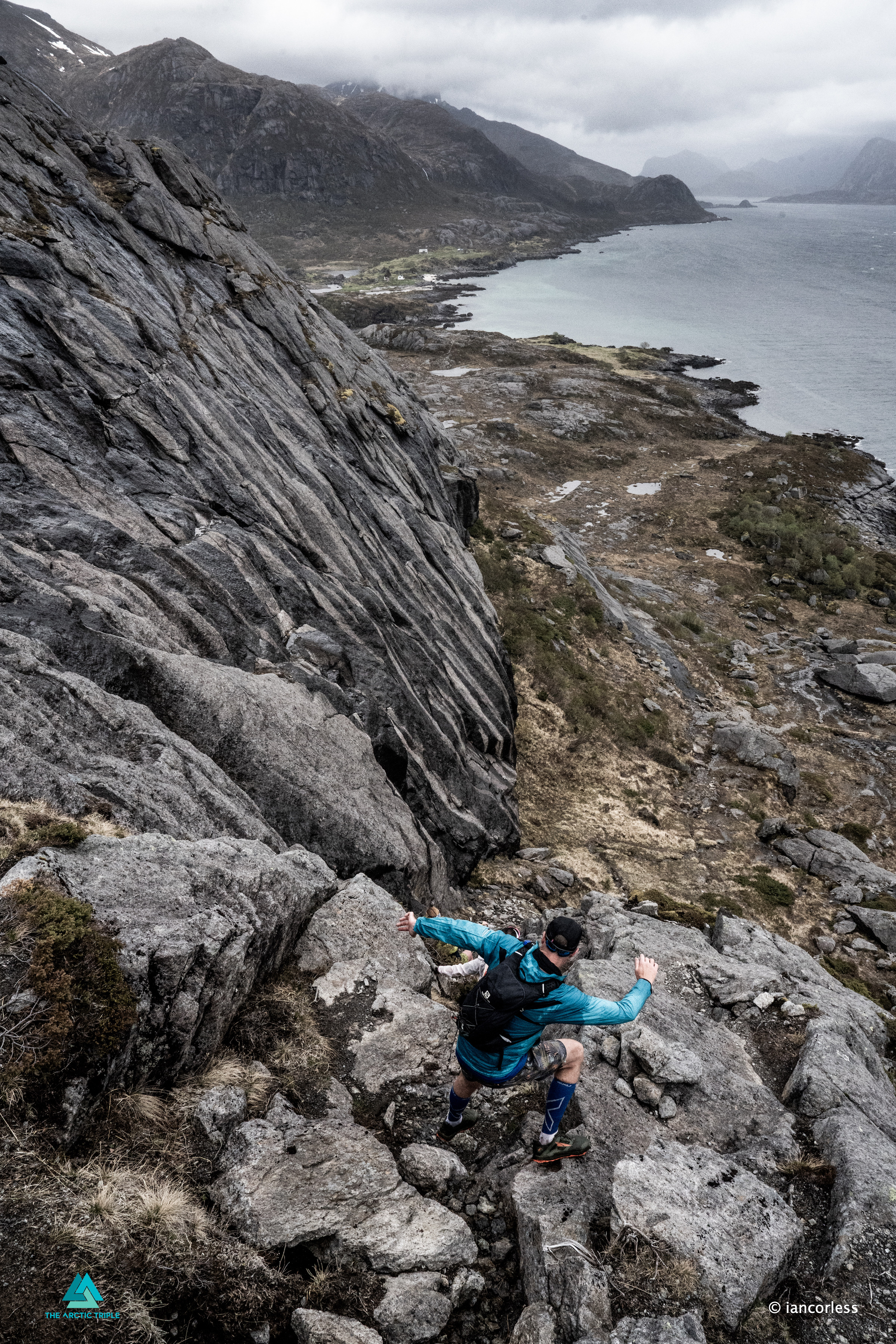
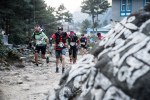
Day two was tougher. Tighter trails, more scrambling. The wind picked up, mist rolling in from the Norwegian Sea like smoke, rain fell, at times, hard and relentless. Between breaths, runners caught glimpses of jagged peaks piercing the sky and turquoise bays far below. This was Lofoten in full cinematic glory, wild, moody, and impossibly vast.
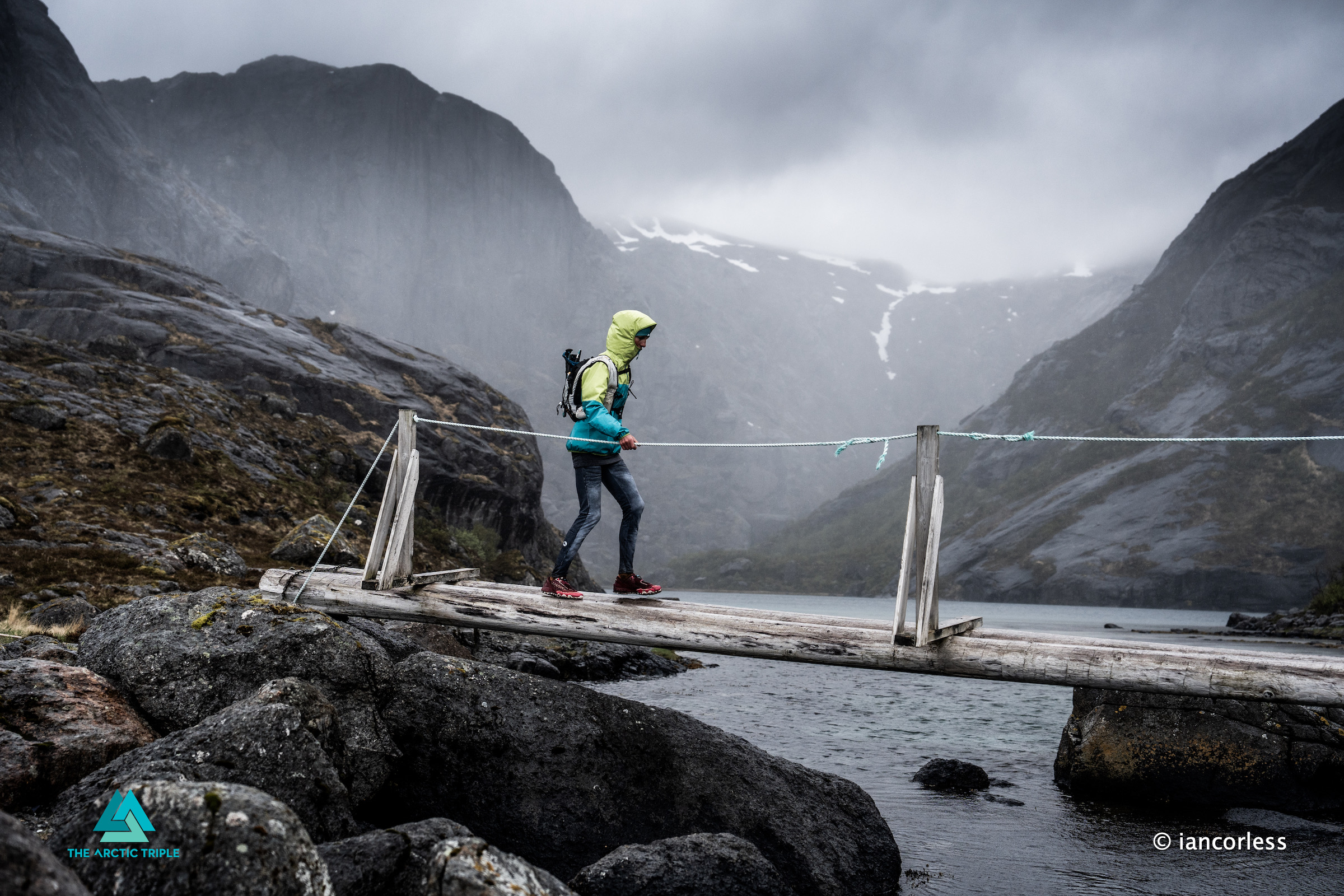
A tunnel under the sea added a surreal twist, legs burning as they climbed out of the darkness and back into the light. Offersøykammen offered panoramic views, but it demanded everything. As runners arrived in Leknes, drenched, scraped, and shivering, you could see it in their faces: wonder, pain, pride.
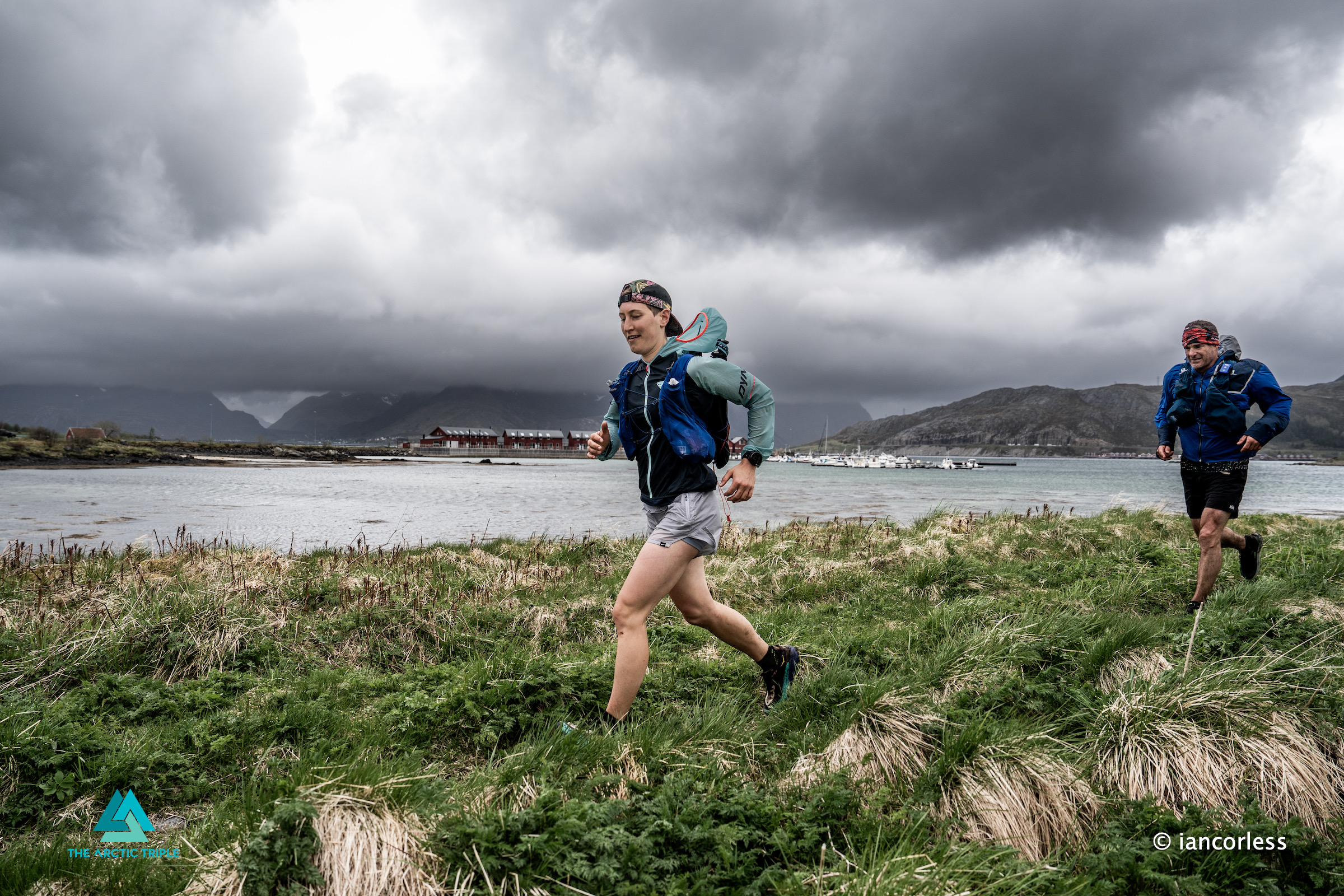
Stage 3: The Long Haul – Leknes to Rolvsfjorden (52 km / 35 km)
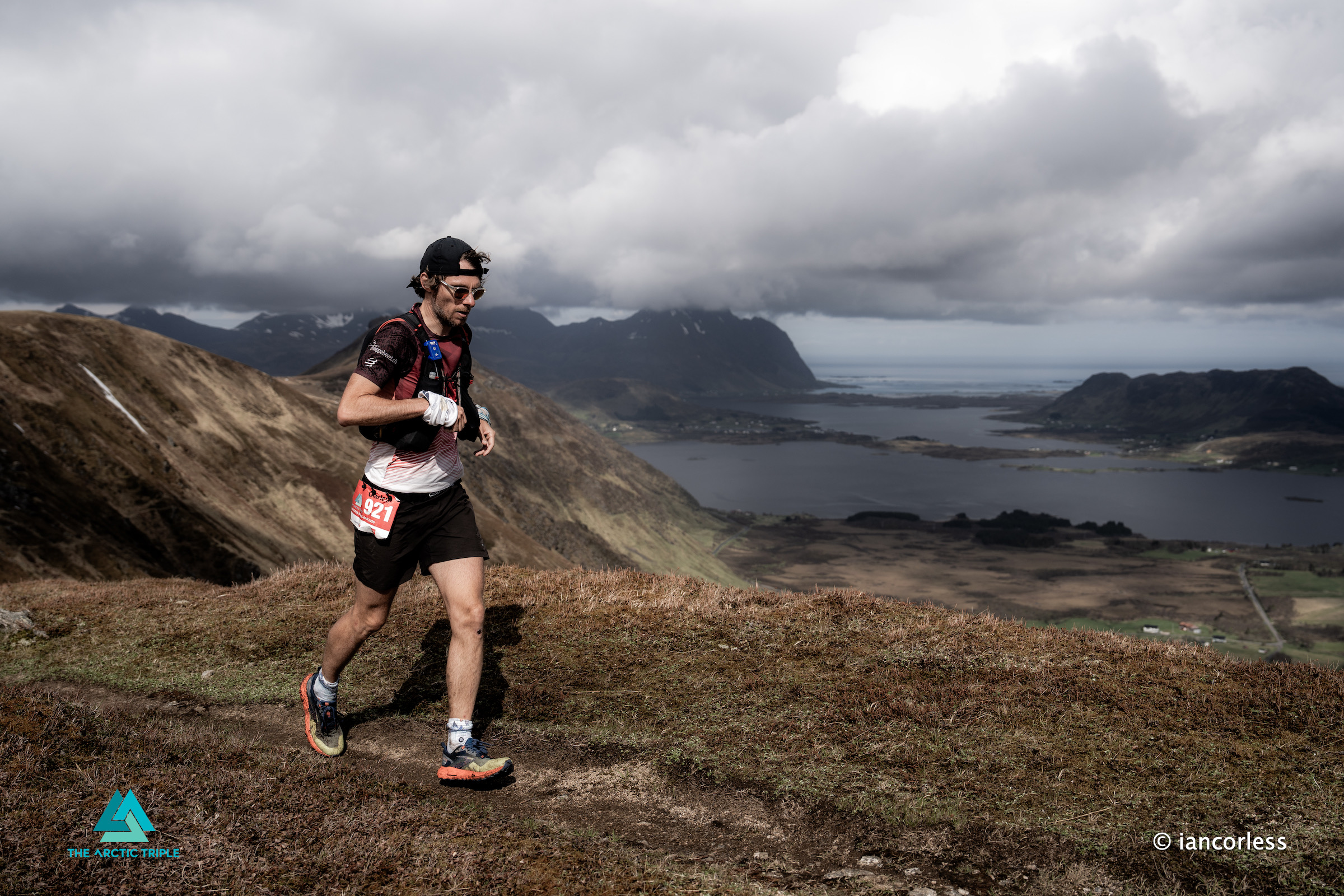
This was the crucible. The longest stage. Bodies were already breaking down, but the terrain opened up, longer runnable sections, smoother single track. The landscape changed too. From rugged coastline to sweeping highlands and serene lakes, this was Lofoten in its gentler form.
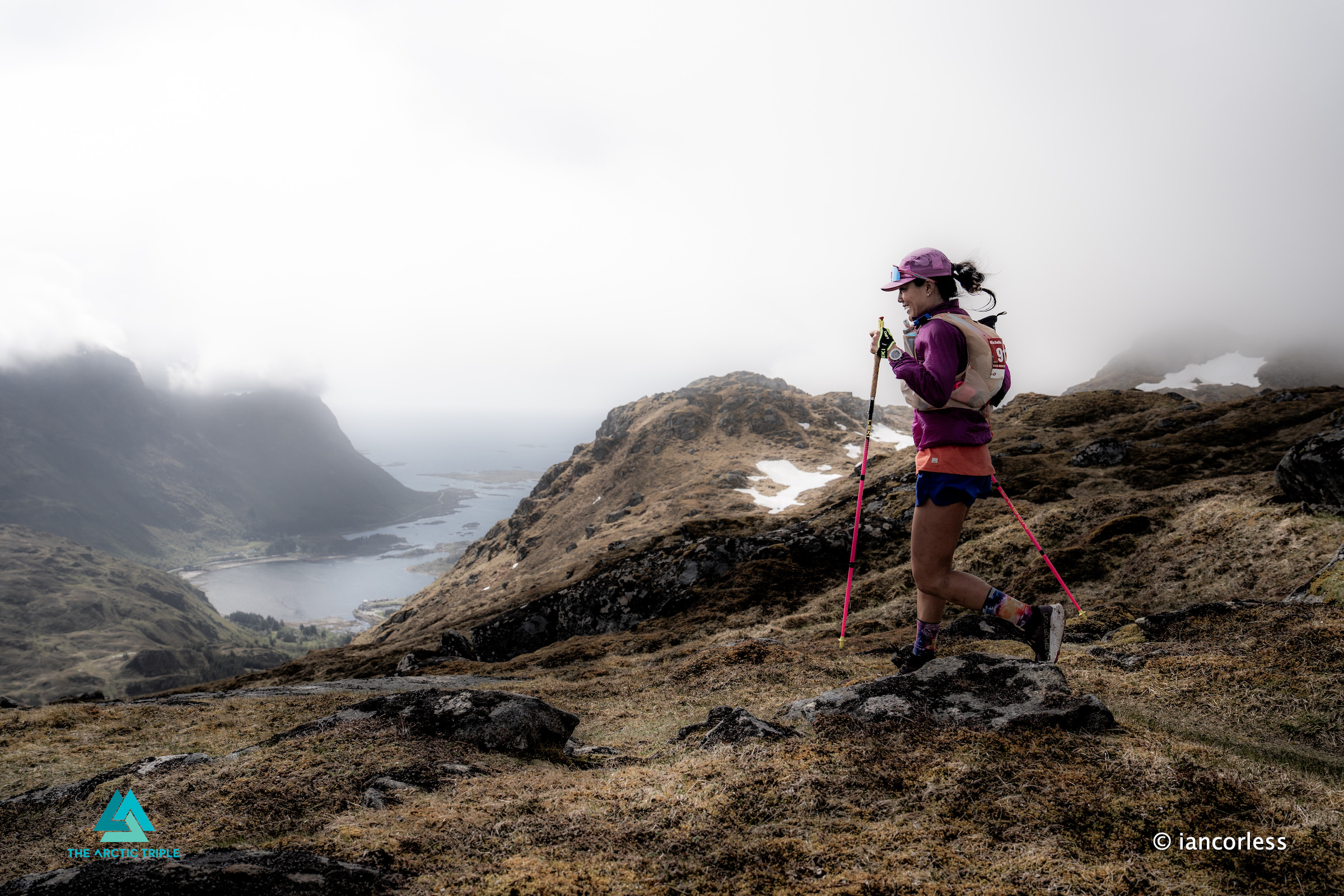
As the finish line at Brustranda Fjordcamping came into view, many had run out of words. “This is insane,” one runner muttered, grinning. “But it’s beautiful.”
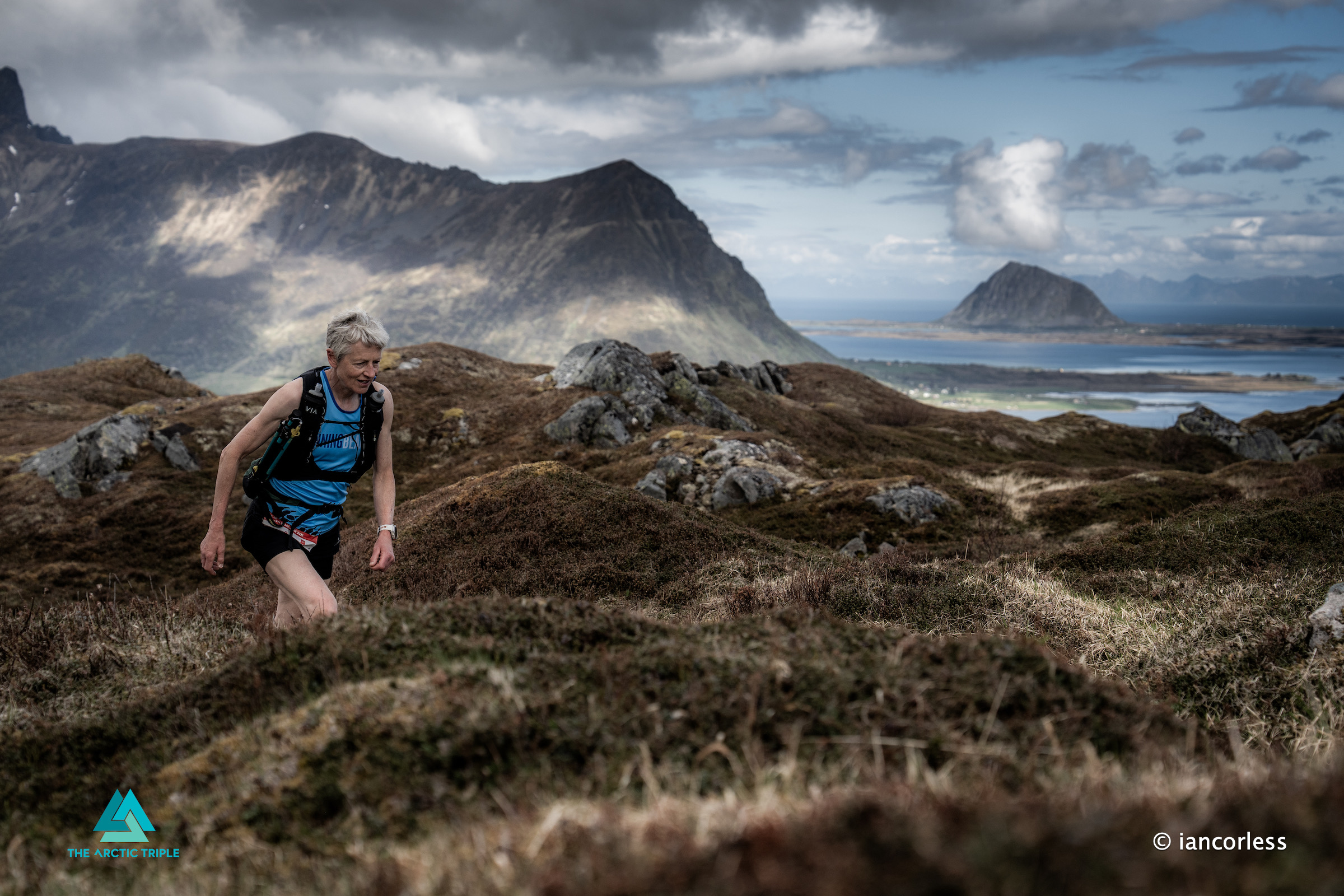
Stage 4: The Final Push – Rolvsfjorden to Svolvær (45 km / 21 km)
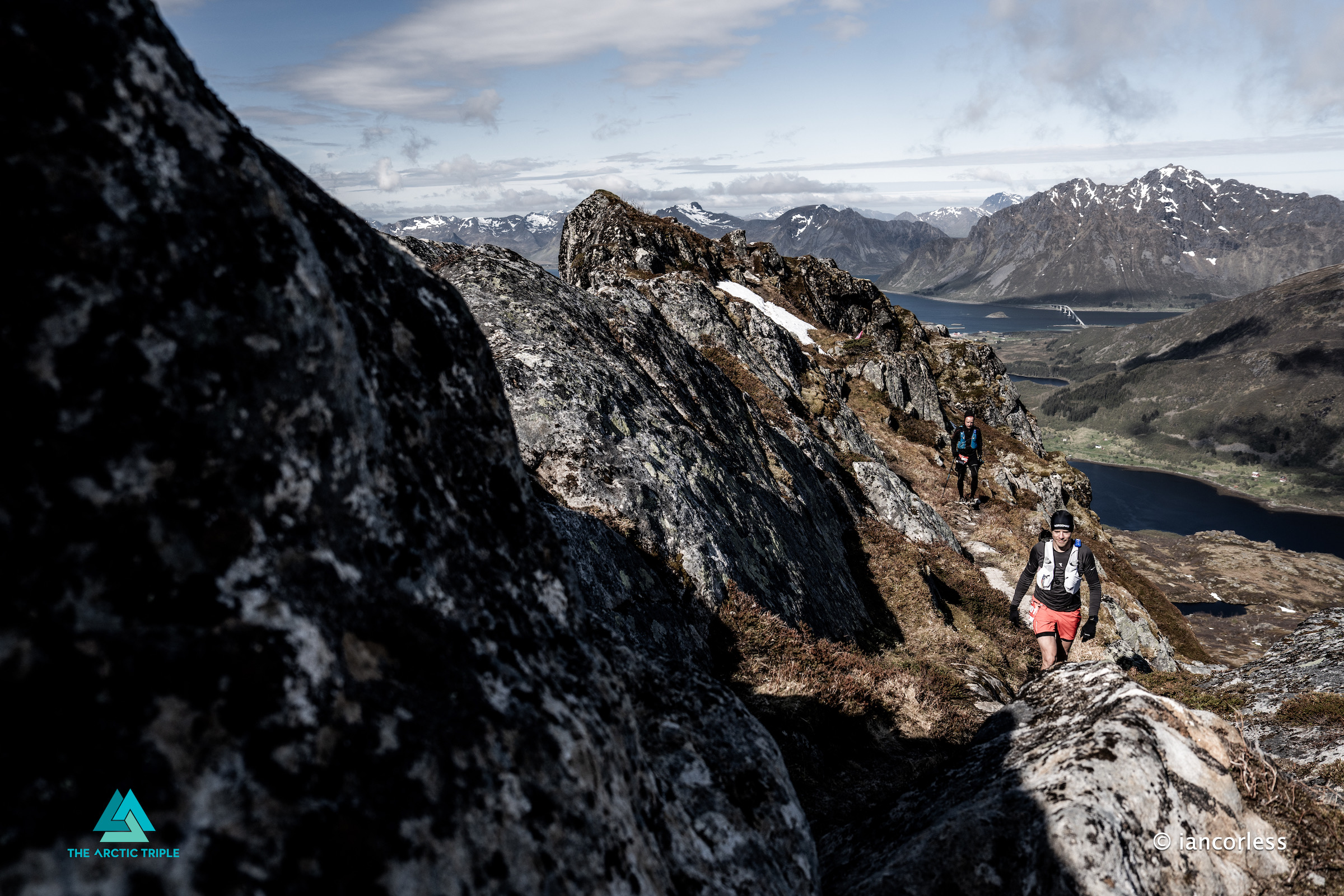
The last day was emotional. Legs were dead weight. Ankles rolled. Minds fogged. But everyone knew what waited: the end, the reward, the moment of elation.

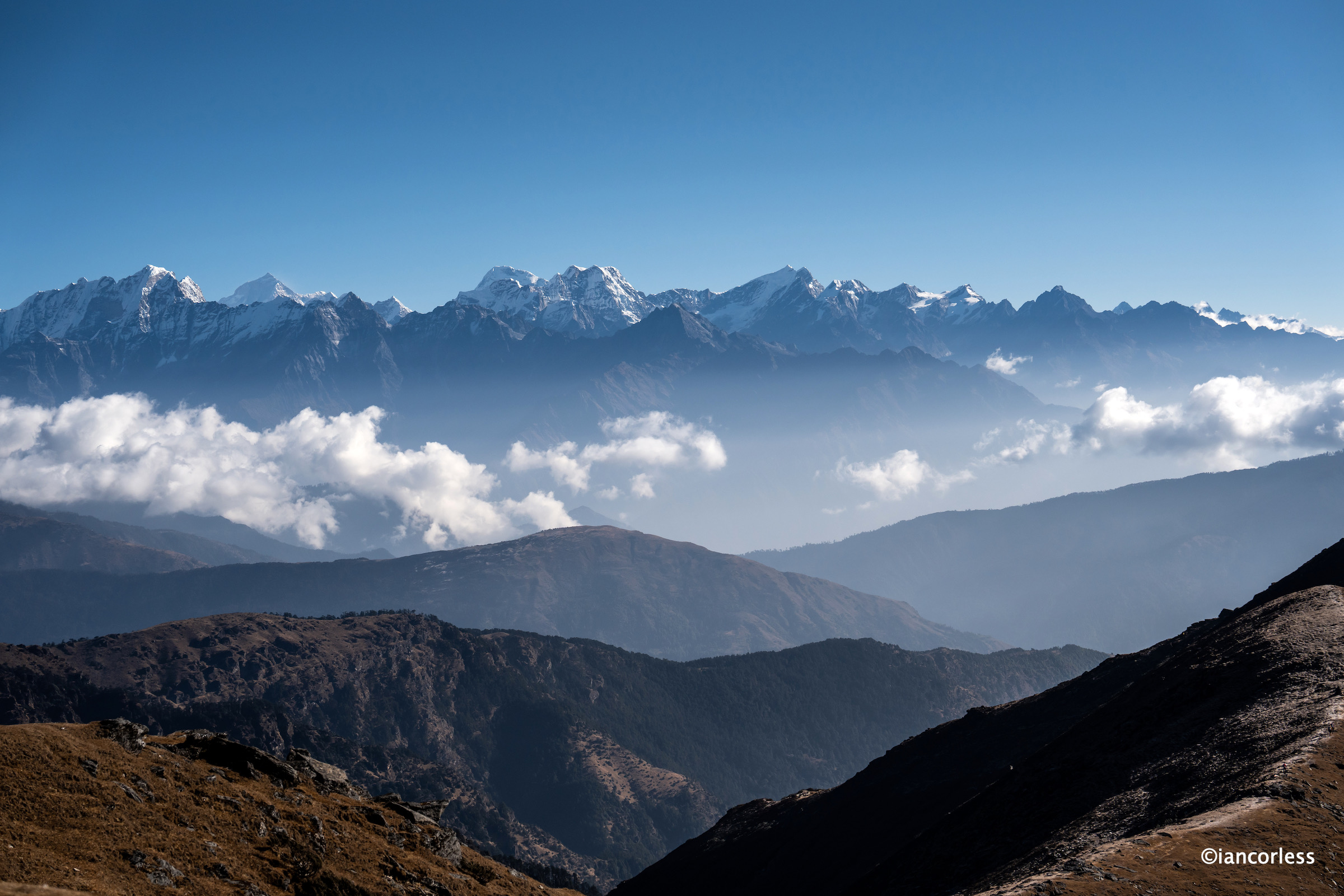
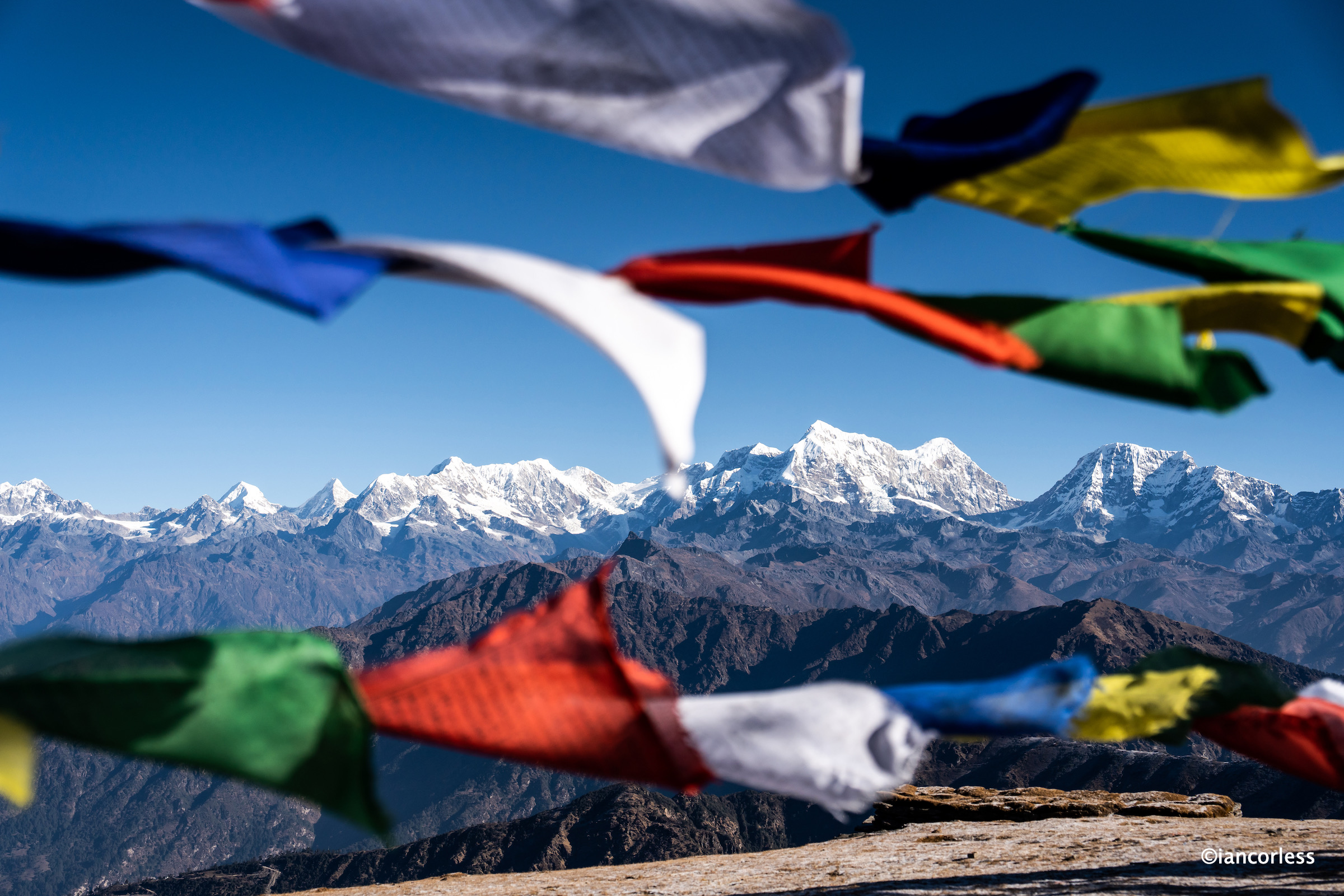
Jordtinden loomed: steep, snowy, relentless. At its summit, clouds lifted like curtains, revealing a 360-degree panorama that stopped runners in their tracks, the ridgeline ahead bringing a sense of awe and fear in equal measure.
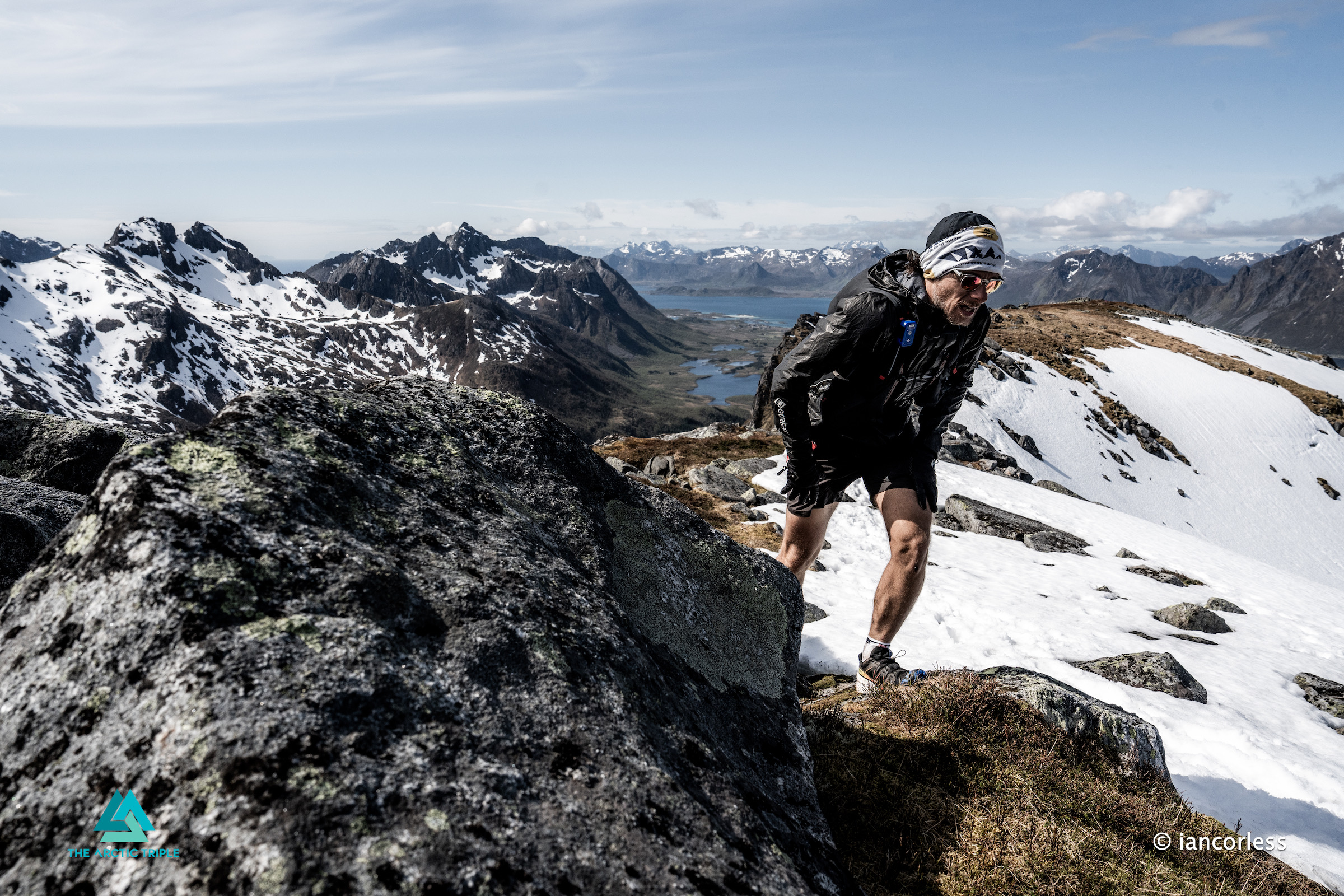
This is the queen stage, the terrain bringing together all that makes Norway and Lofoten unique, marvellous and special.
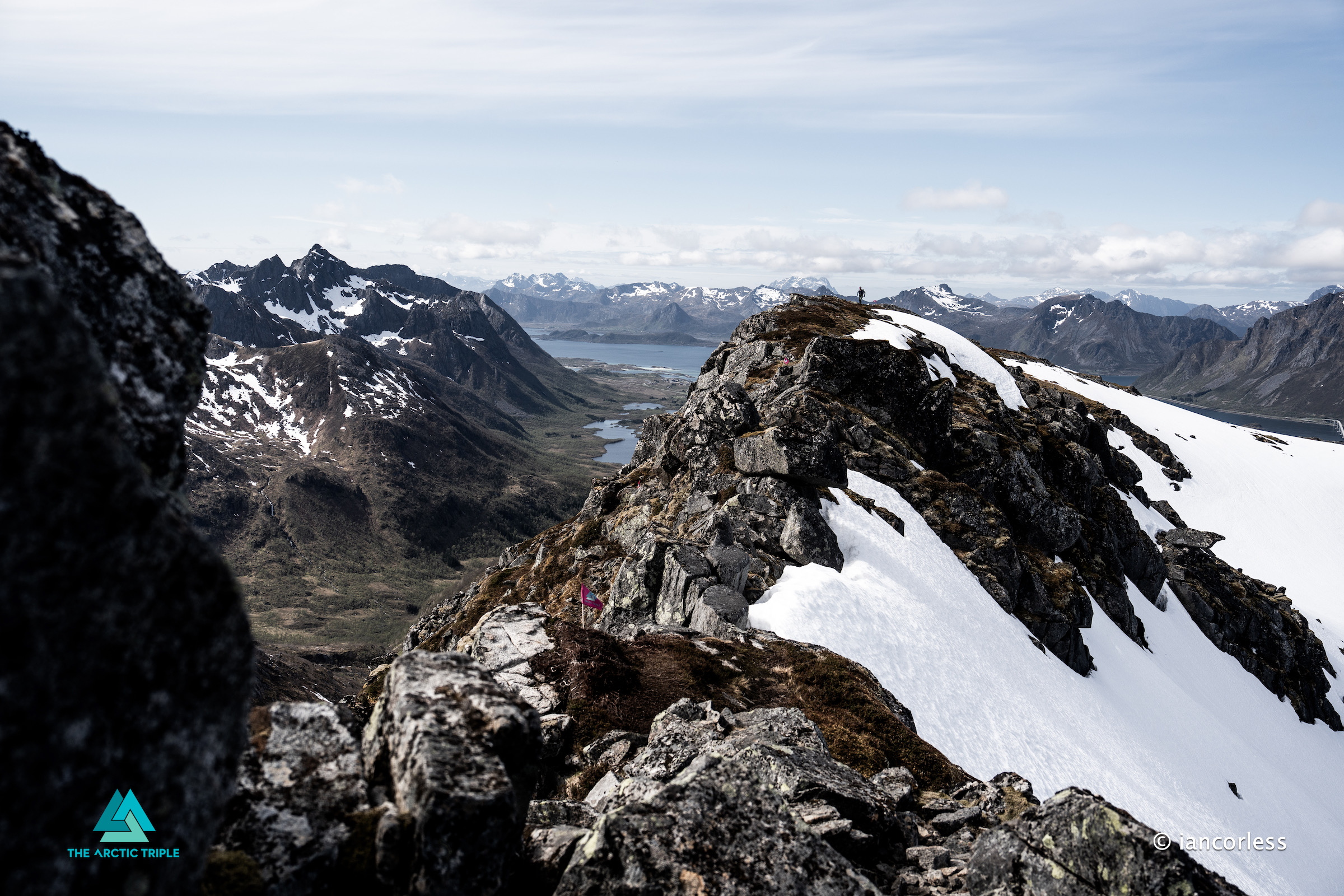
You could see all the way back, mountains, inlets, the journey behind. Some cried. Some screamed. Some just stood there, stunned.
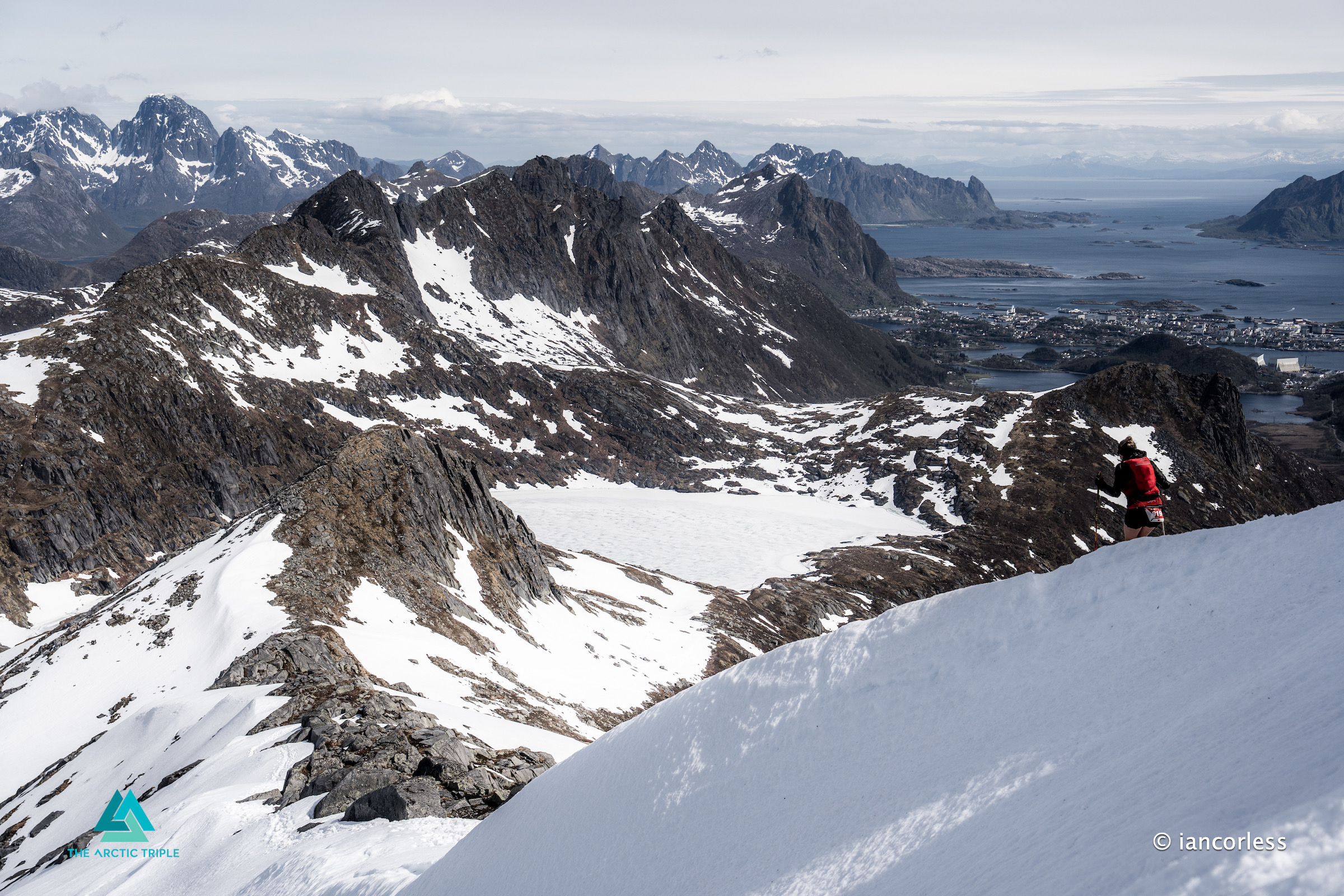
The descent into Svolvær was pure adrenaline, fuelled by joy and relief. The last stretch along the harbour felt like flying. Locals clapped. Teammates waited. People hugged. Some collapsed. Others danced.
More Than KM’s
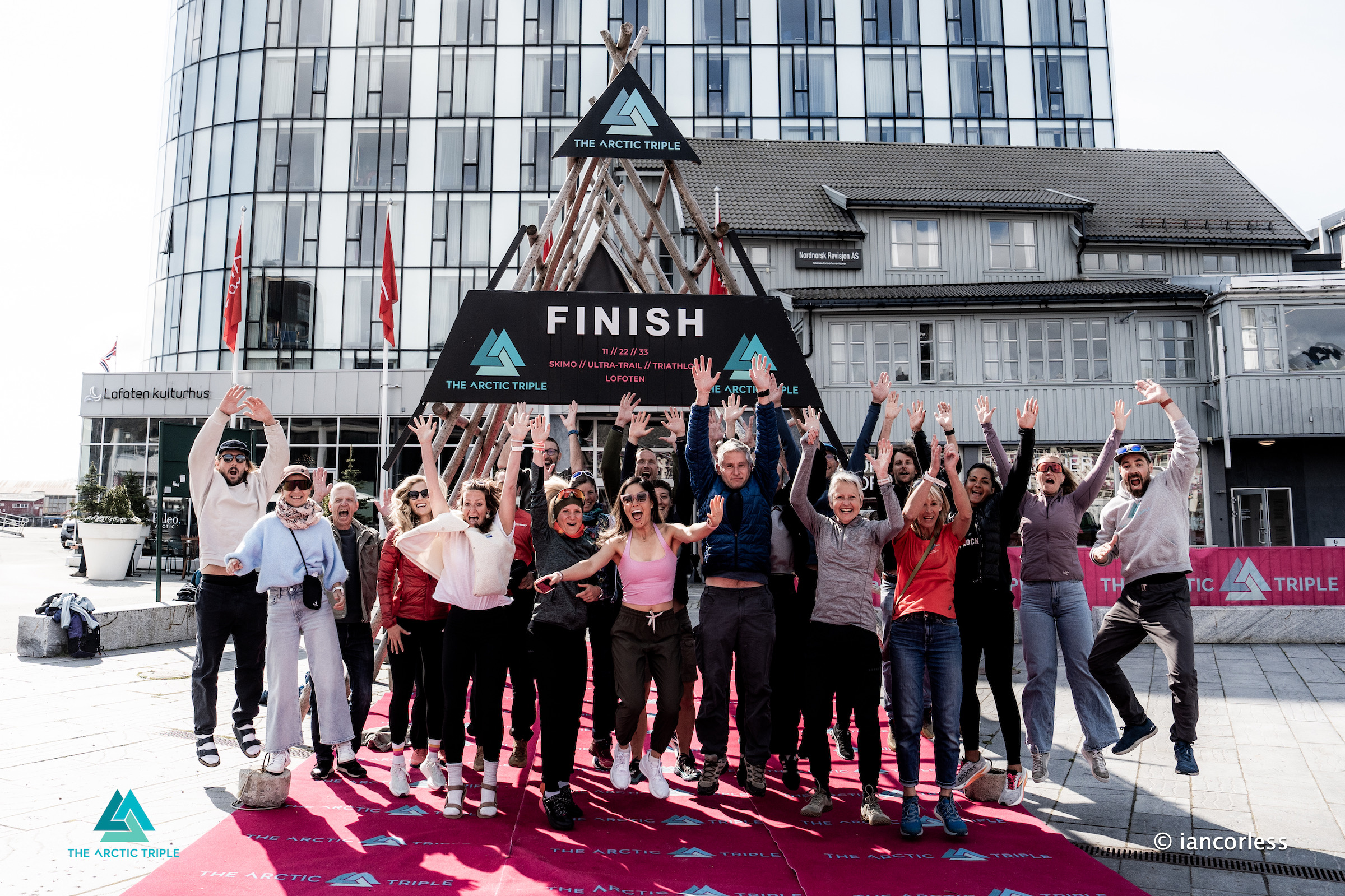
But the Lofoten Stage Run wasn’t just about distance or finish times. It was about the strange intimacy of shared suffering, of strangers becoming friends over bowls of traditional Norwegian food and stories told in cabins. It was the moment you stepped outside at midnight, sun still hanging low over the sea, and realised how small we are.

It was the rawness of the terrain mirrored in every aching limb. It was the magic of Lofoten, weather that shifted like a mood, peaks that stabbed the sky, and a landscape that didn’t just surround you, it swallowed you whole.
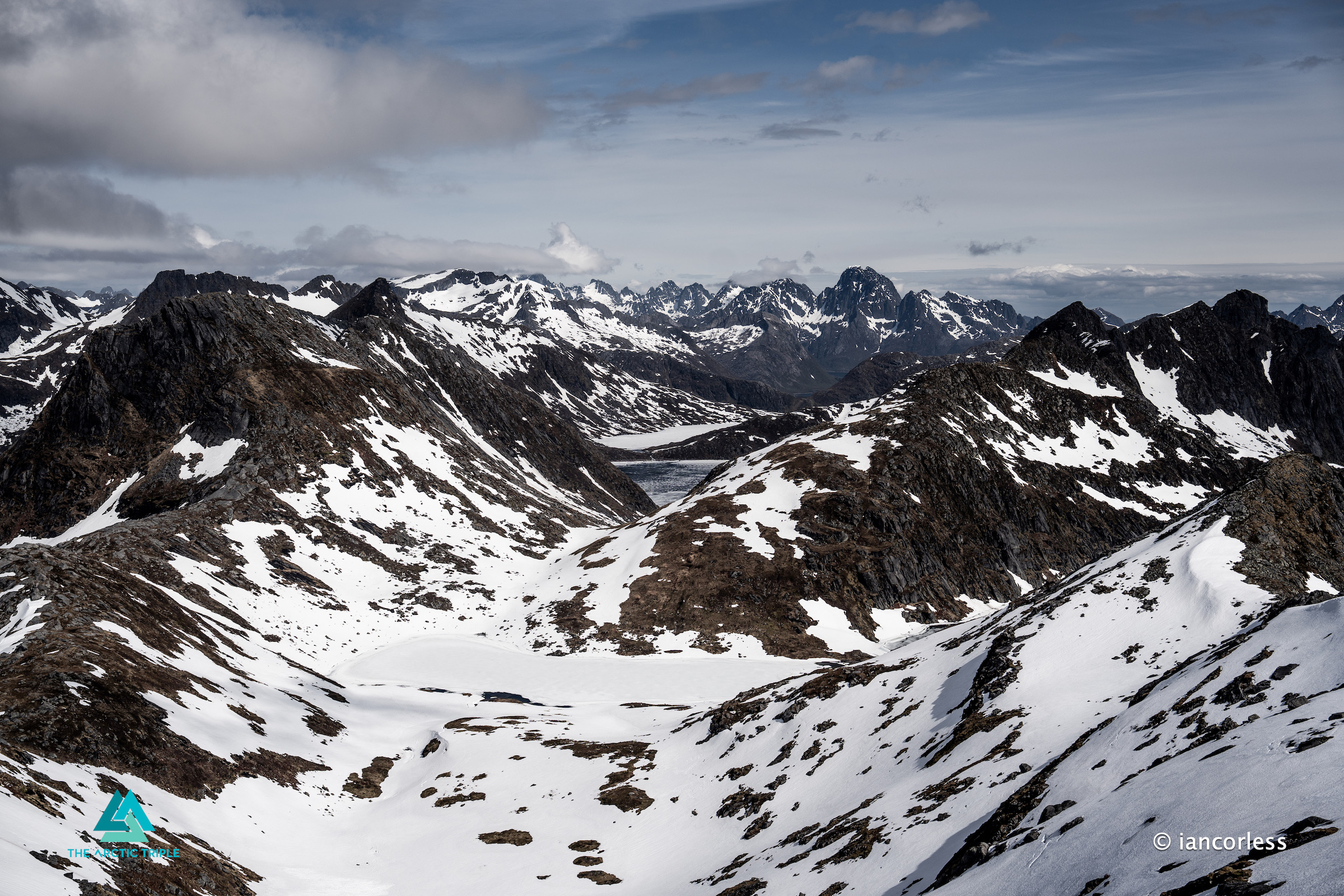
In the end, it wasn’t a race, it never was, the Lofoten Stage Run is an experience, a 360 immersive journey that shocked the mind and the senses and revealed to each and every participant that this route, arguably, is one of the BEST in the world. It was a rite of passage. A storm-chased, mud-caked, heart-thumping reminder that the wild is still out there, and if you’re lucky, it might just let you in.

VIEW THE FULL IMAGE GALLERIES HERE

Follow Ian Corless

Instagram – @iancorlessphotography

Twitter – @talkultra

facebook.com/iancorlessphotography

Web – www.iancorless.com
Web – www.iancorlessphotography.com

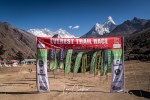
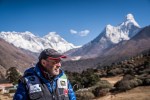
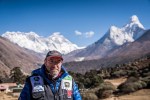
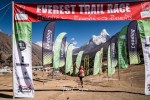
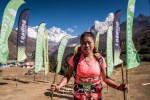
Everest Trail Race 2025 – Sign up for the adventure of a lifetime

©iancorless

Everest Trail Race 2025, 10th to 22nd November

Nepal, the magic of Nepal. If you haven’t experienced it, you need to experience it! If you have experienced it before, you already know that you need to experience it again.

The ETREverest Trail Race, provides an opportunity to immerse yourself, to experience on foot, a journey through the heart of this magical place. The race takes place over 6-stages, a total of 170km’s with a combined elevation gain/ loss of 26,000m. A self-propelled adventure through the Himalayas reaching a maximum altitude of 4104m.

SIGN UP FOR ETR 2025 HERE

Official Everest Trail Race website here

©iancorless

Now in its 11th year, ETR, taking place November 10th to 22nd, has become a bucket list adventure for those looking to combine travel, tourism and adventure in a package designed to provide the maximum return on the shortest amount of time.

#ETR2025

©iancorless

While the 170km, 6-stage adventure is at the heart of the ETR, the journey begins with days before and after in Kathmandu.

Views like this, mind-blowing ©iancorless

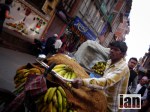
The noise, the bustle, the chaos of Kathmandu, it needs to be experienced. It’s a cacophony of explosive elements. The transfer from the airport to the hotel gives an indication of what is to come.

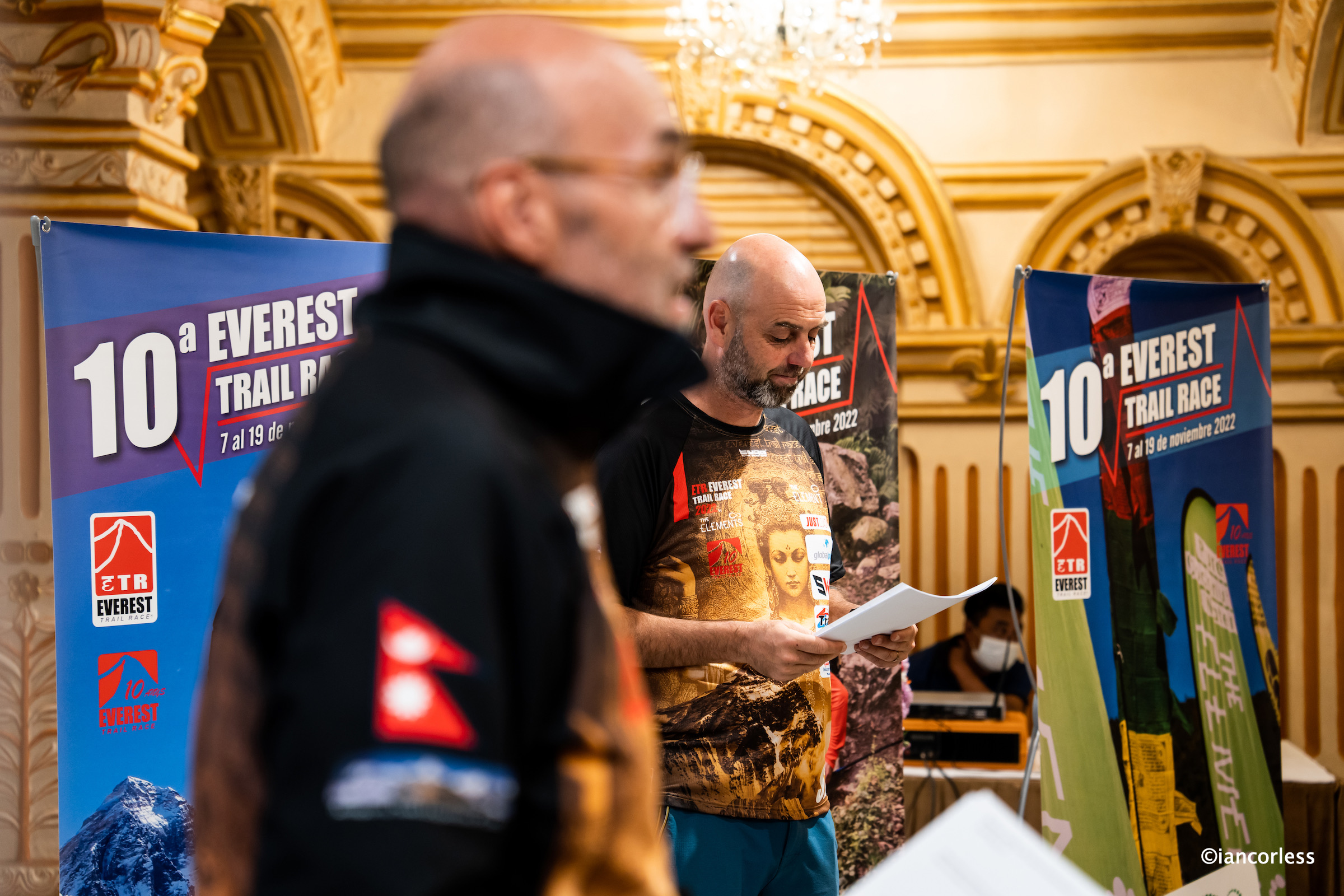
Briefing and race protocols ©iancorless

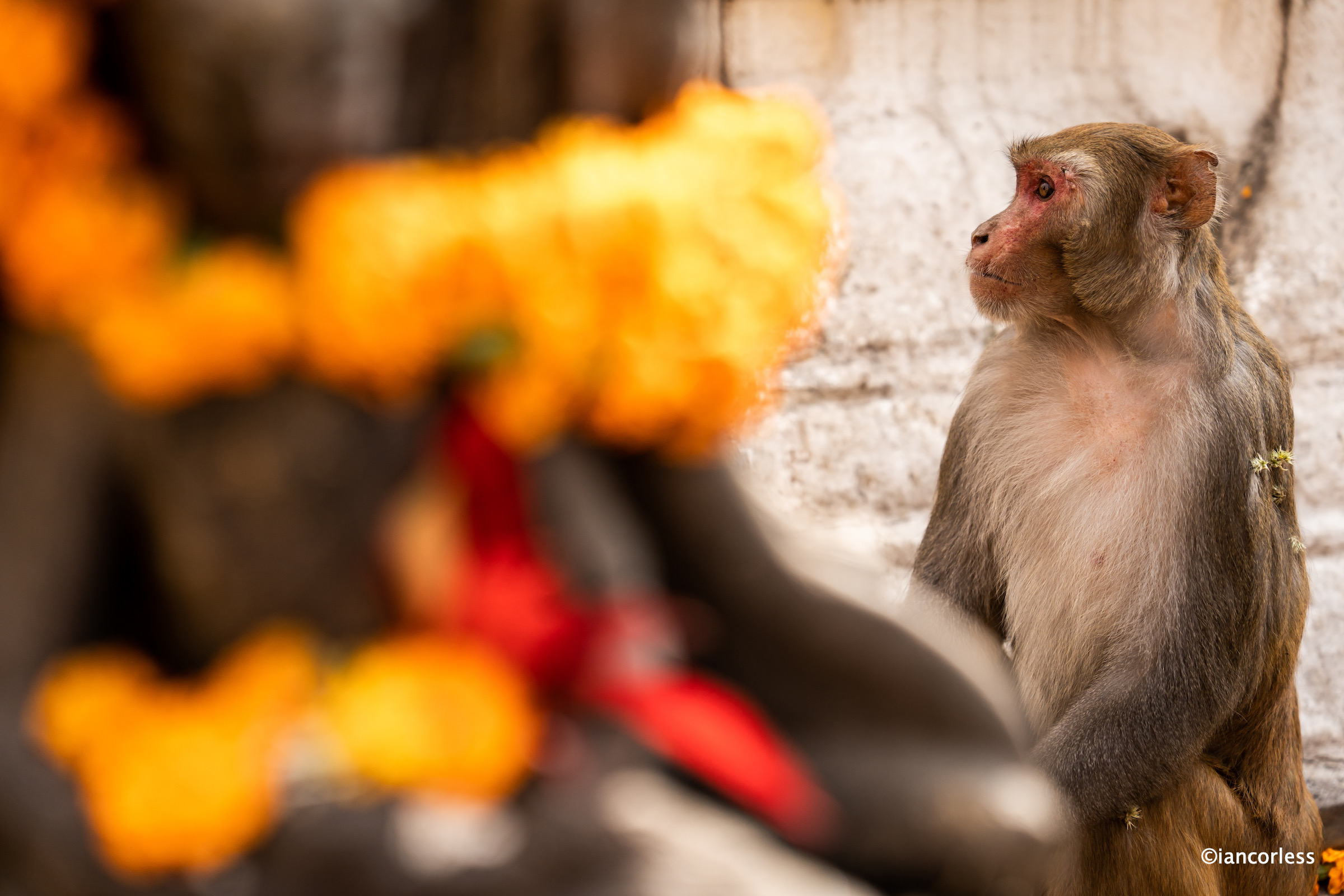
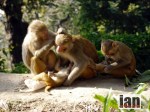
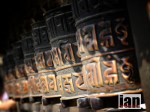
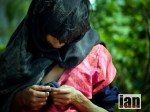
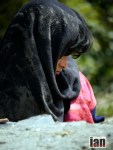
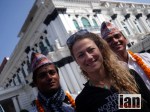
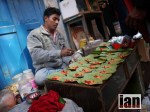
Before the admin protocols begin, a day of leisure in and around Kathmandu allows for key visits to the Monkey Temple and Patan. It’s always a shock to the senses, an assault of noise and colour and yes, poverty and hardship.

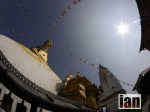
Monkey temple ©iancorless
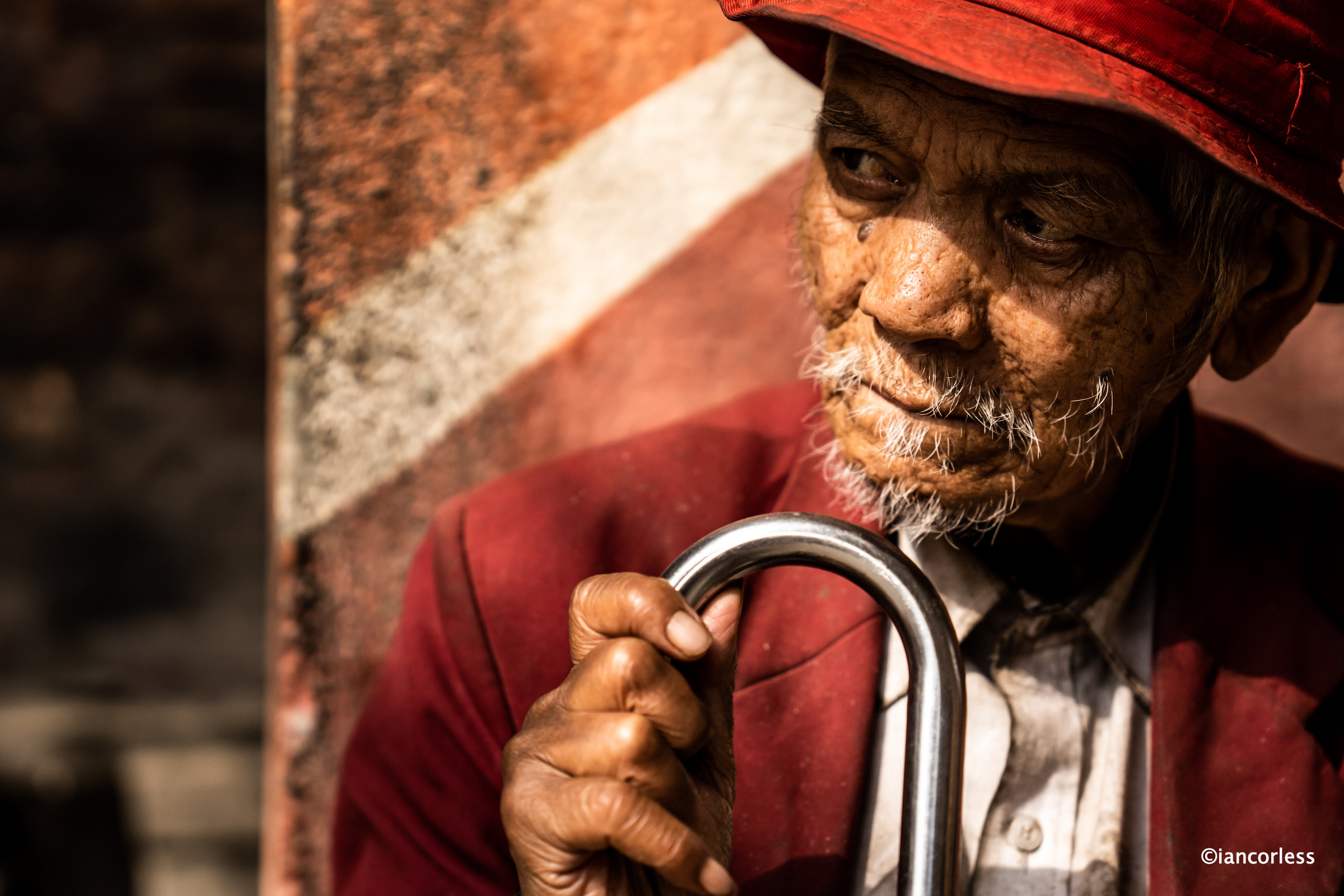
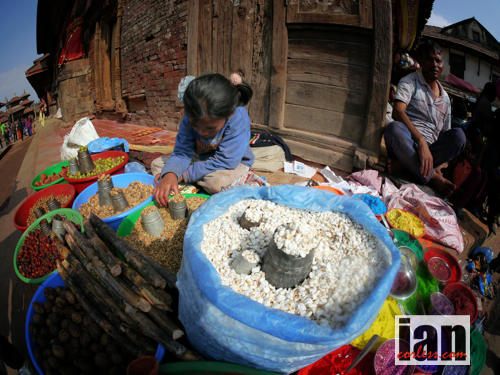
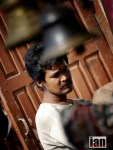
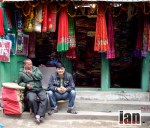
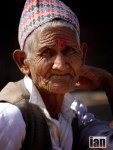
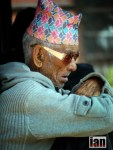
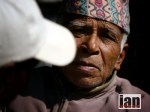
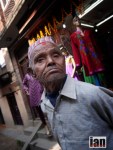
Local colour in Kathmandu ©iancorless

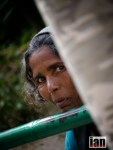
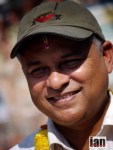
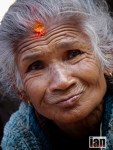
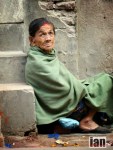
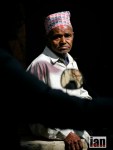
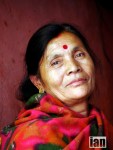
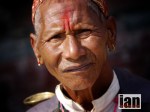
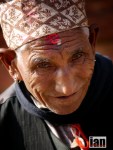
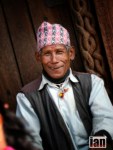
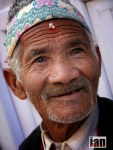
The Nepali people have hard and tough lives, and in Kathmandu you get to fully appreciate the highs and lows of this. One thing is for sure though, you will soon fall in love with the Nepali people, they are the salt of the earth.

©iancorless

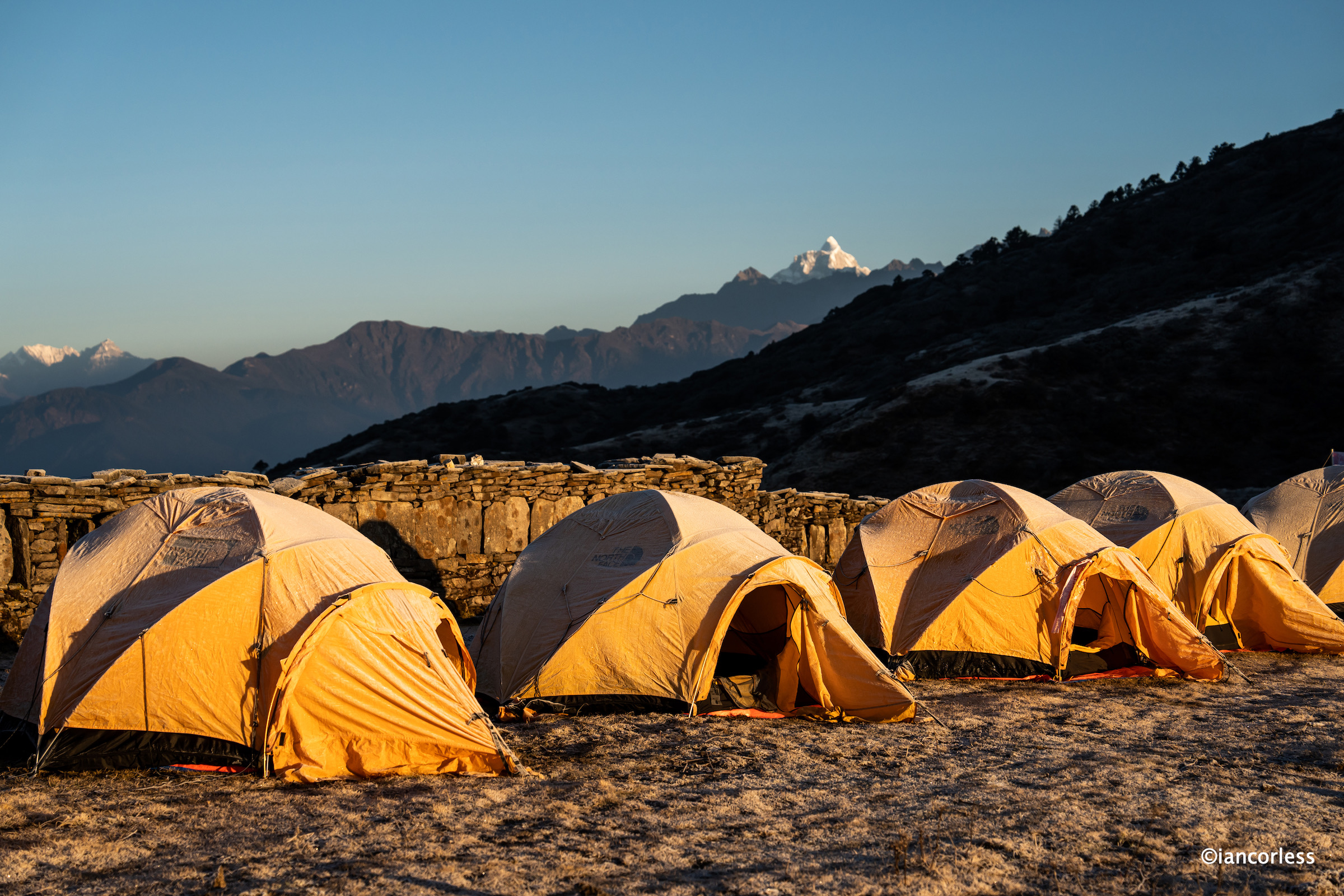
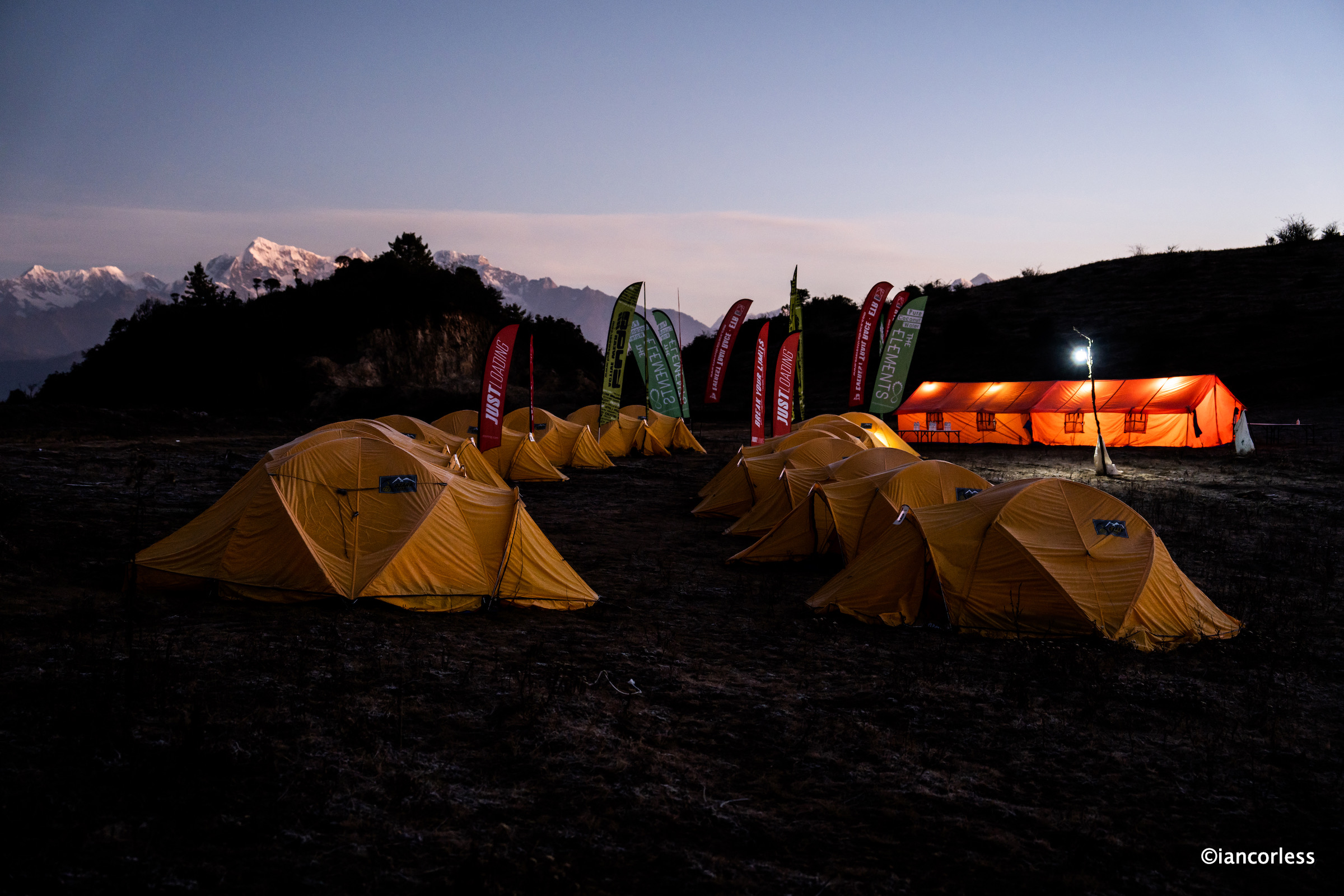
The following day, the journey to camp 1 begins, a bus drive from the noise and bustle of the city to the wild remote landscape of the Himalayas. The views for ever changing, you get to see the variety that this region brings before arriving at camp, tent allocation and a first night under canvas. The next day, the adventure begins with stage 1.

Runner’s sleep in two person tents ©iancorless
The view at the start of stage 1 ©iancorless

The following 6 days takes you on a journey of both physical and mental as you leave the remote and wild farmlands heading toward the majestic beasts of Lhotse, Ama Dablam, Nuptse and of course, Everest.

©iancorless

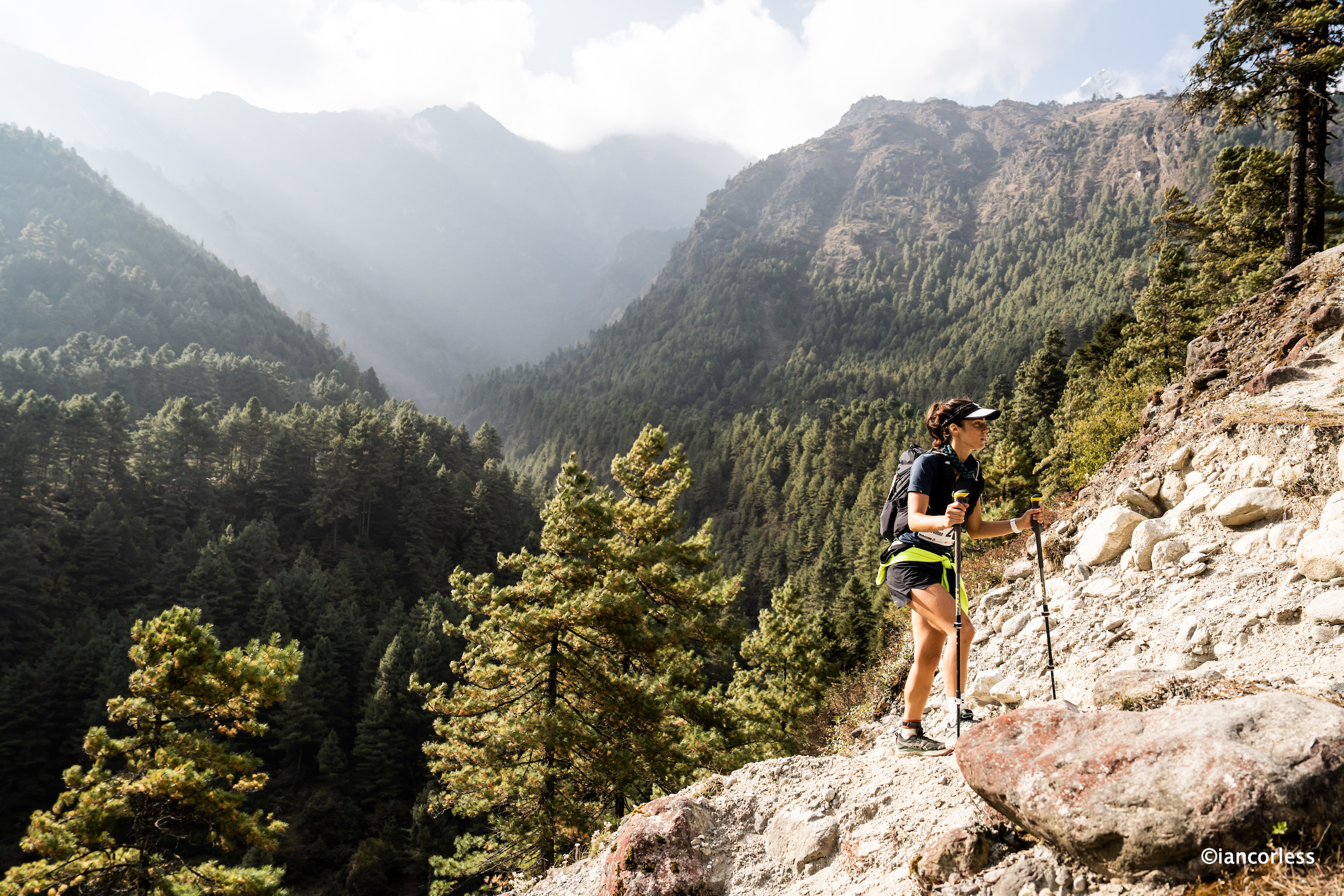
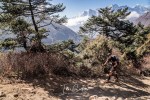
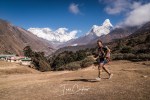
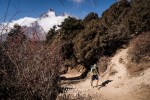
The early stages avoid the classic trekking routes as the participants make their way towards Lukla. Remote, isolated and free from tourism, stages 1-4 show the ‘real’ Nepal, the difficulty of life here and the harshness of weather and land. Days are warm, nights are cold.

The summit of stage 2 and epic views ©iancorless

Traveling in a semi self-sufficient manner, participants carry all they need for the journey – sleeping bag and clothes. The race organization provides a place to sleep, breakfast and dinner and en-route, there are sporadic aid stations to provide essential calories and replenish water.

The tough climb to start stage 2 ©iancorless

The final section of stage 4 passes underneath Lukla and now, the ETR enters one of the key trekking areas of the Khumbu region.

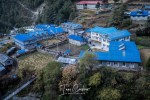
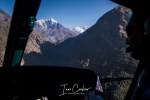
View from the sky ©iancorless

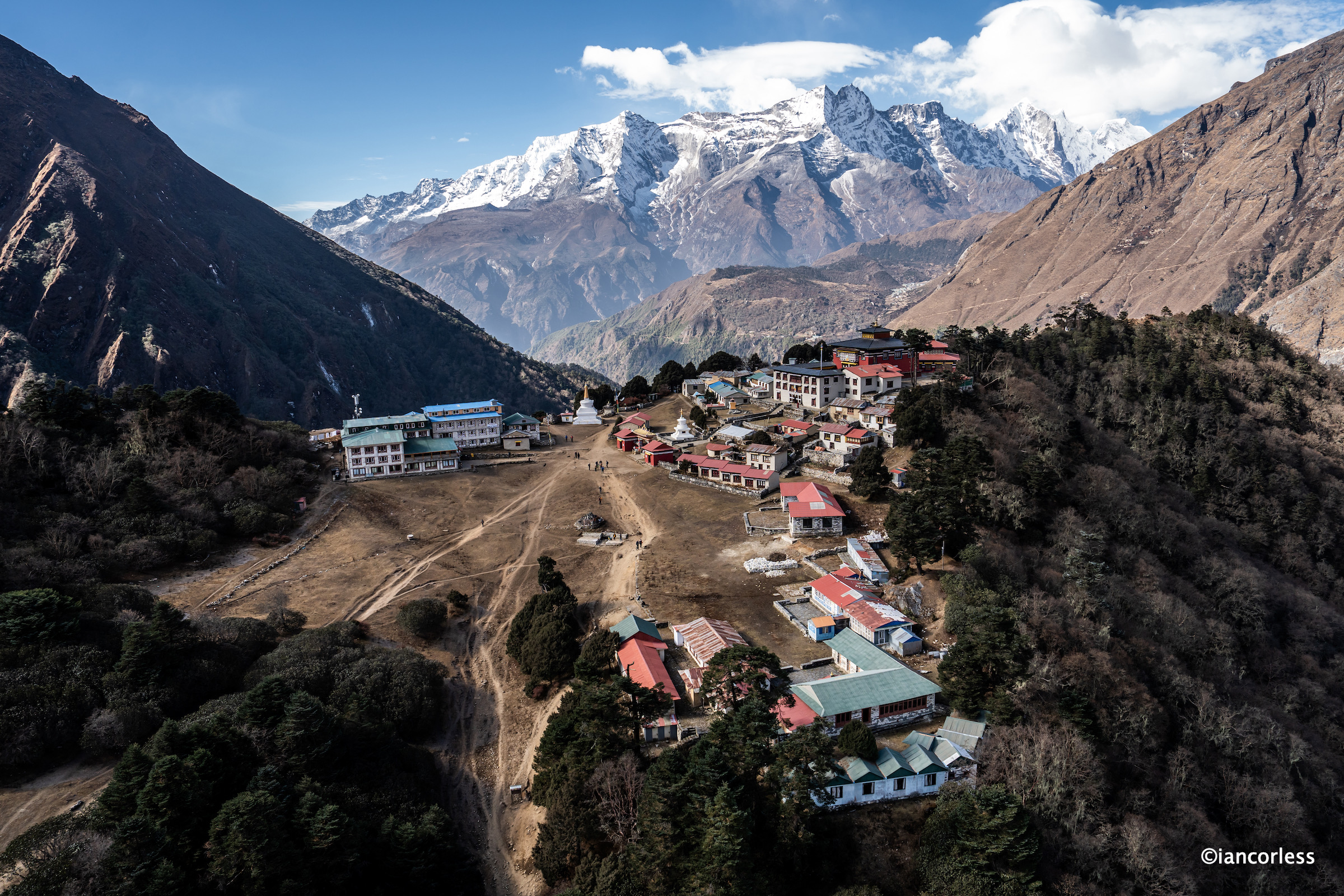
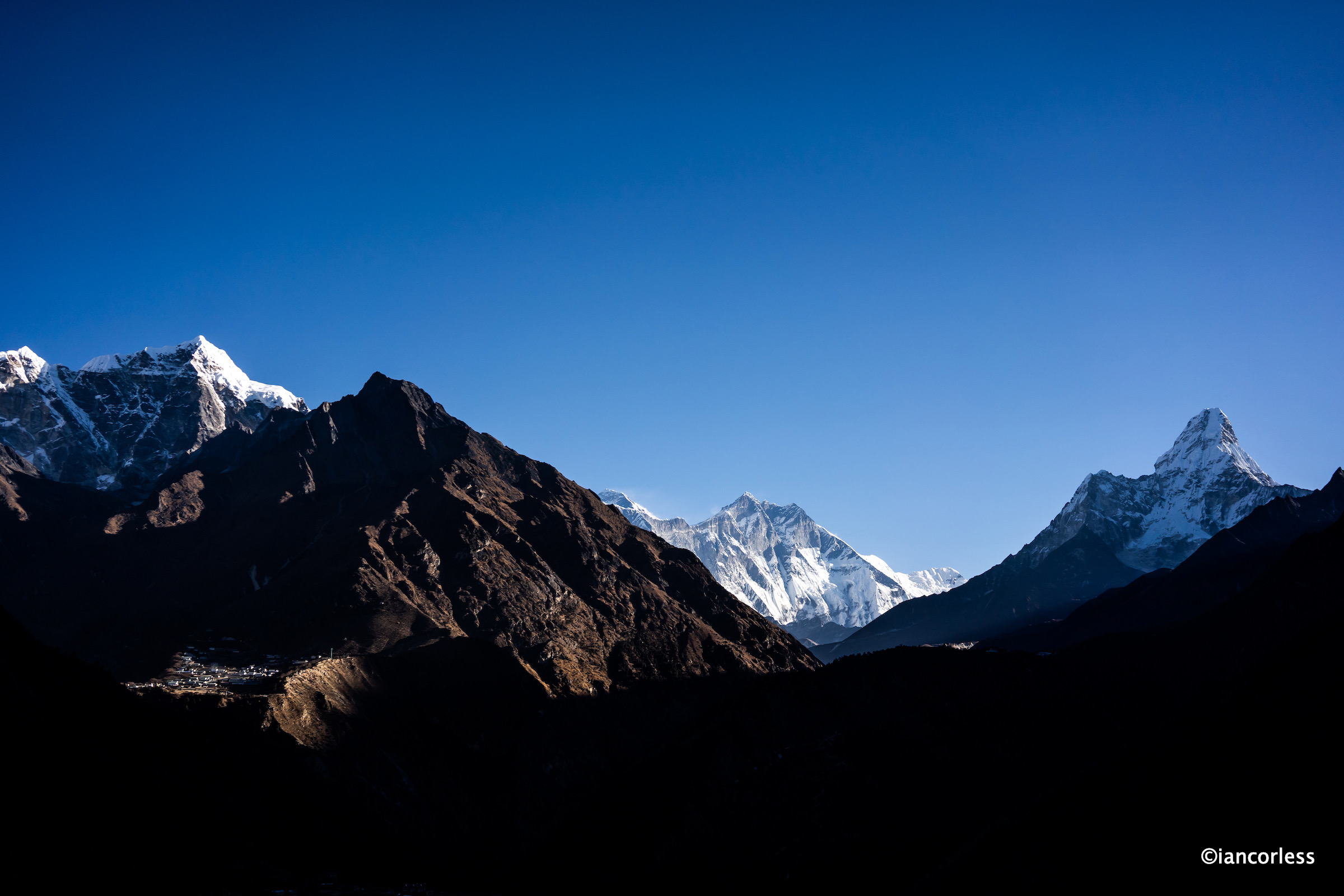
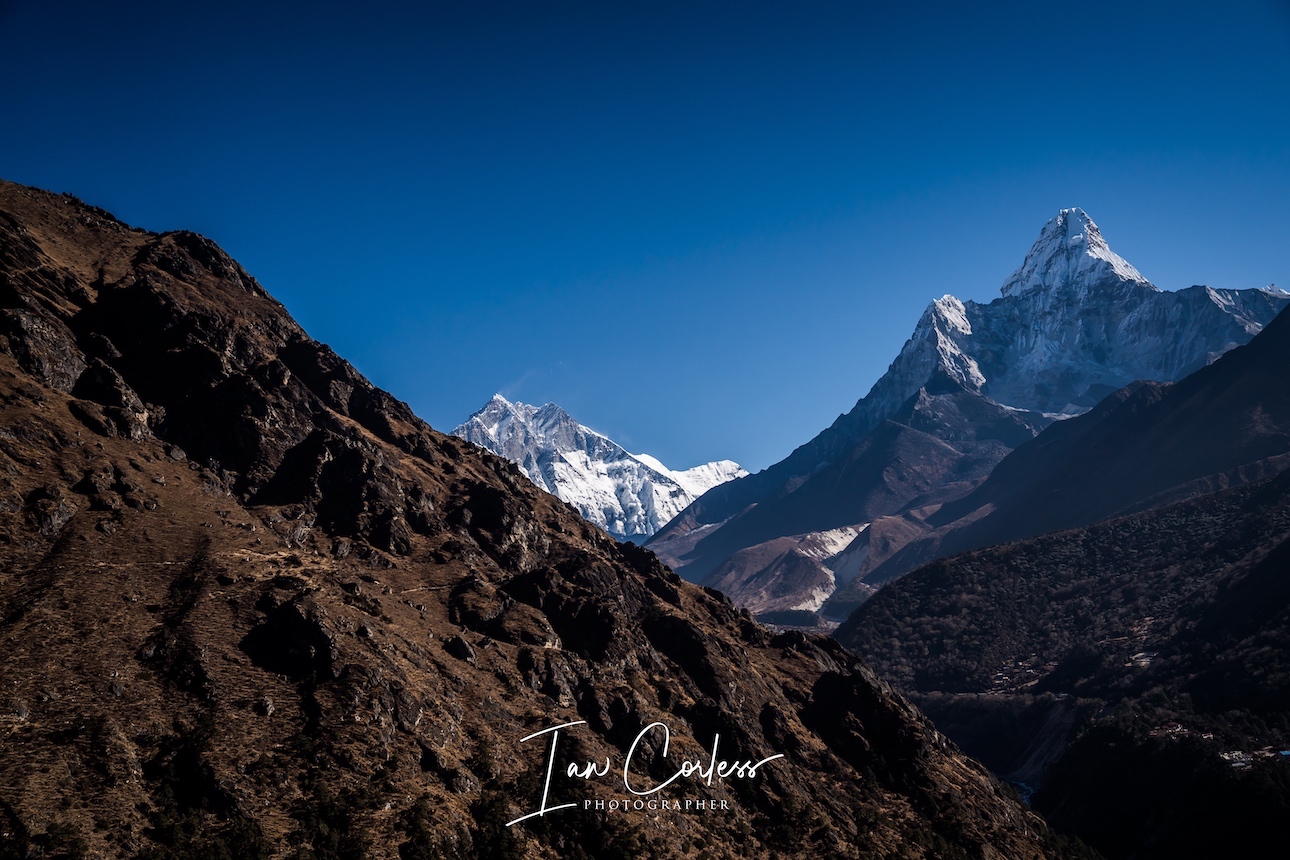
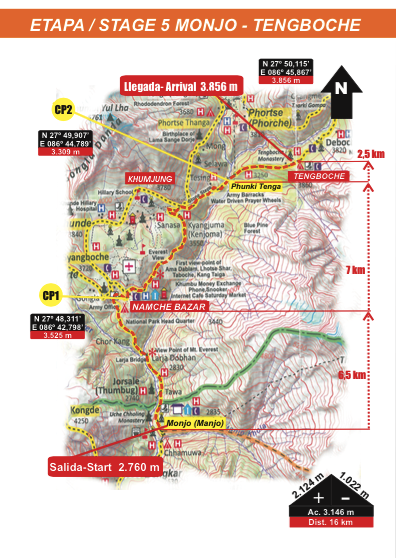
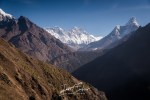
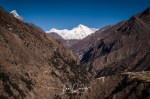
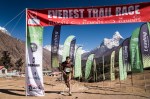
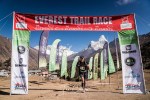
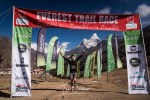
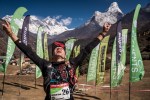
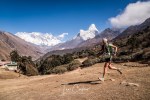
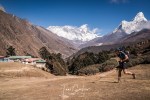
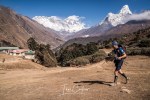
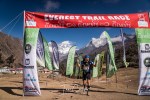
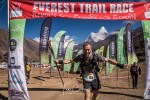
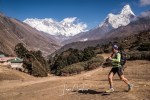
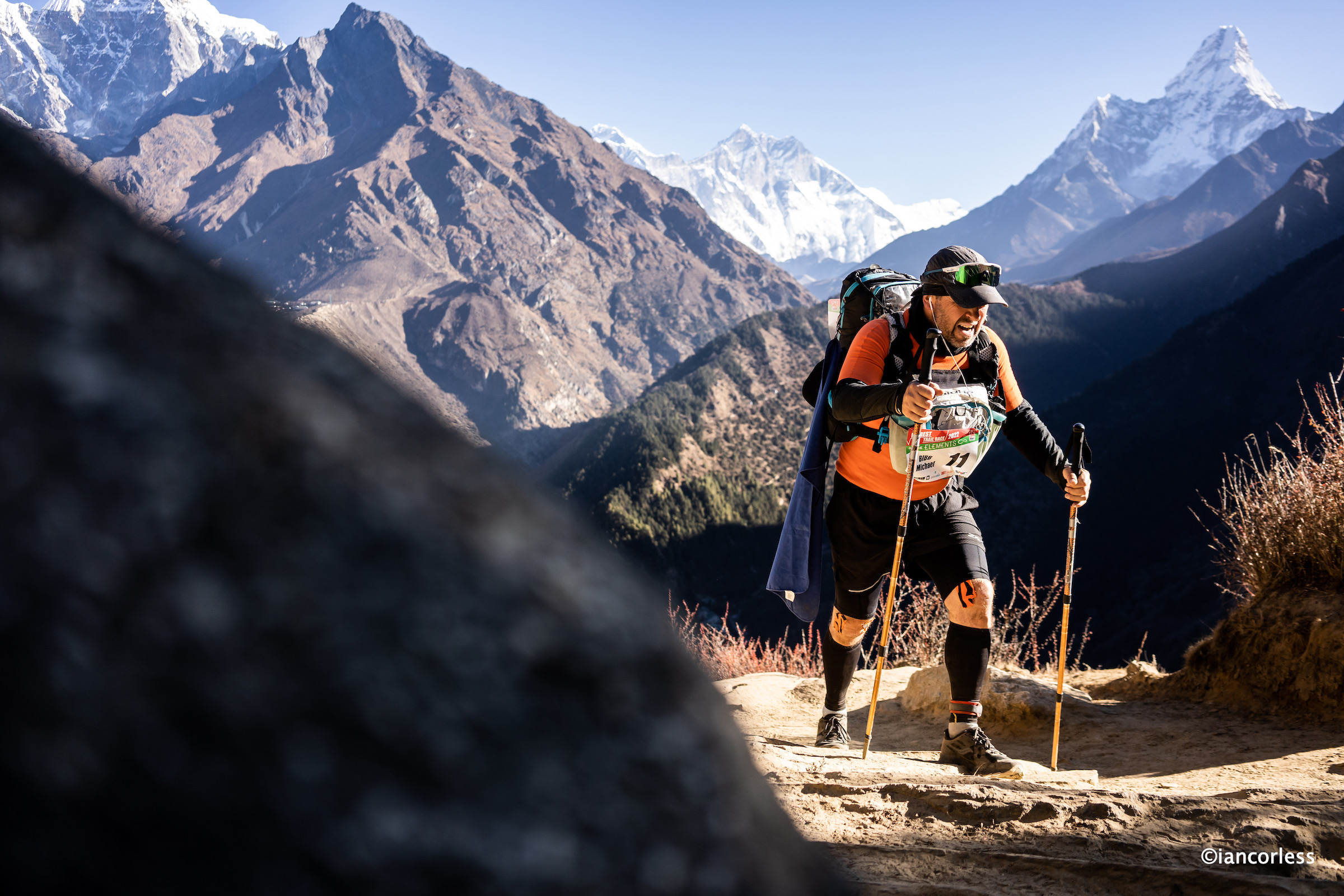
Stage 5 provides a magical journey passing through Namche Bazaar, up and onwards to the eventual finish line at Tengboche Monastery, the backdrop of the key Himalayan peaks making this, arguably, the greatest finish line on the world. Ama Dablam to the right, Everest in the middle, finish lines get no better than this.

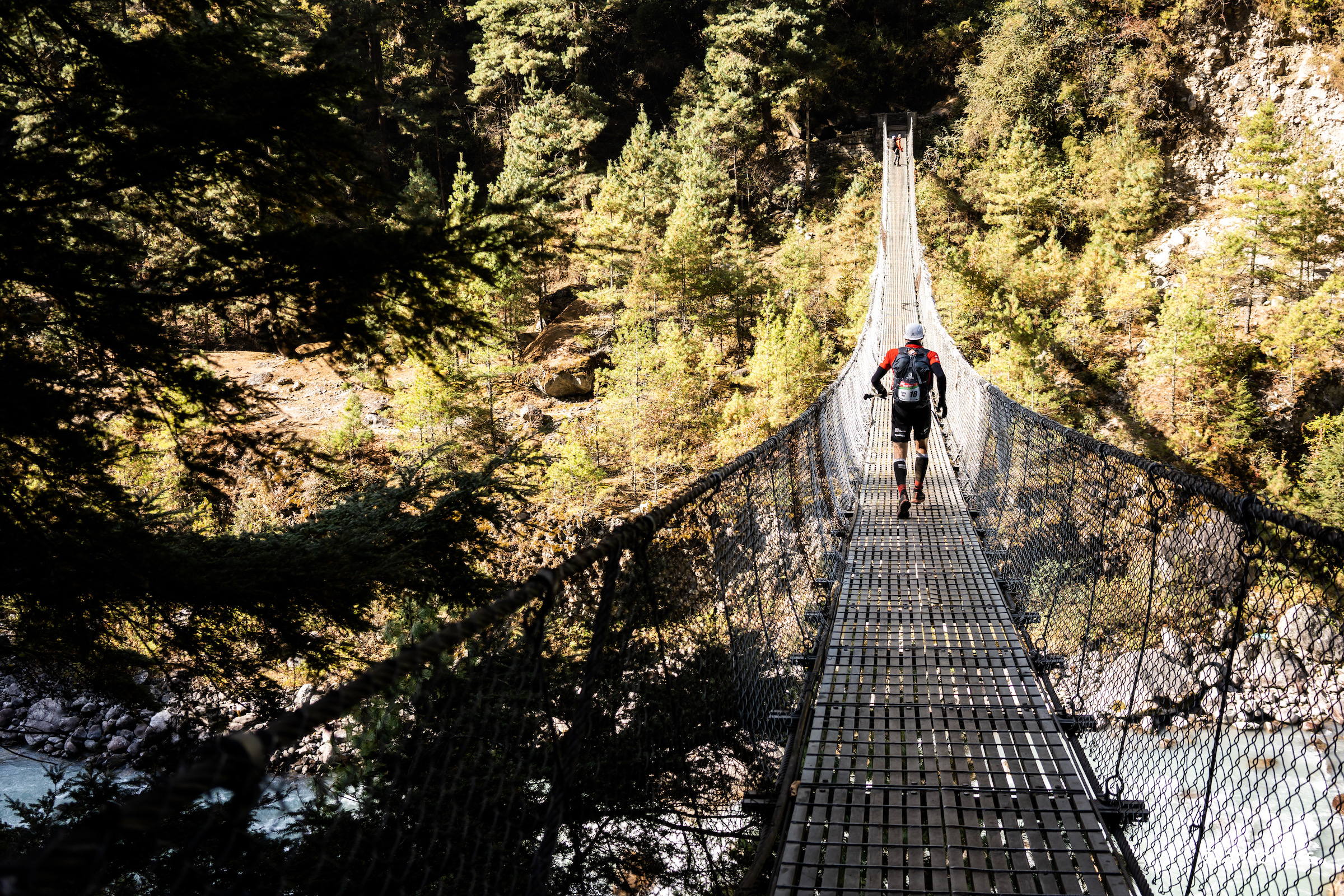
Many bridges link the route ©iancorless

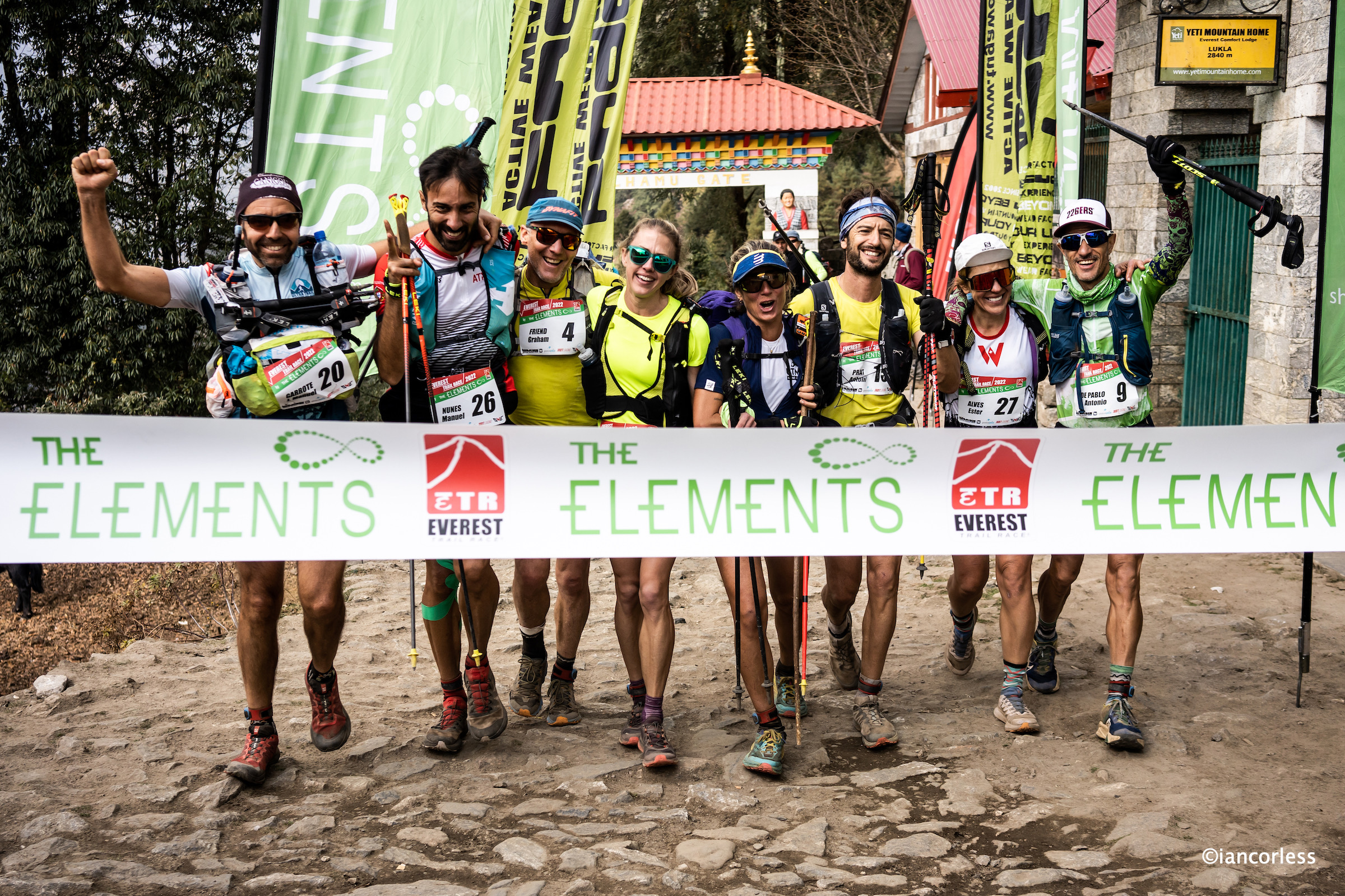
Stage 6 returns to Lukla, the ETR finish line and a night in a lodge. The following day, a return flight to Manthali and then bus back to Kathmandu and hot showers, hotel luxury and a night in a real bed with crisp white sheets.

The following day is free, allowing for relaxation, recovery and of course, a compulsory trip in to Tamil to by souvenirs before the final night awards and gala dinner.

The Everest Trail Race is a special race, one that introduces participants to a very magical place with the safety, back up and organization to make sure the journey is a special one.

The end of stage 4 ©iancorless

Due to the nature of the challenge, an understanding and comfort with mountain terrain is required, in addition, this is a race that takes place at altitude and reaches a high point of over 4000m. Do not underestimate the difficulty this terrain and altitude brings. Daily distances, on paper, may seem very short and achievable, but they are a challenge. But hey, that is why we sign up for these things, no? If it was easy, anyone would do it.

More than running, a journey and adventure shared ©iancorless

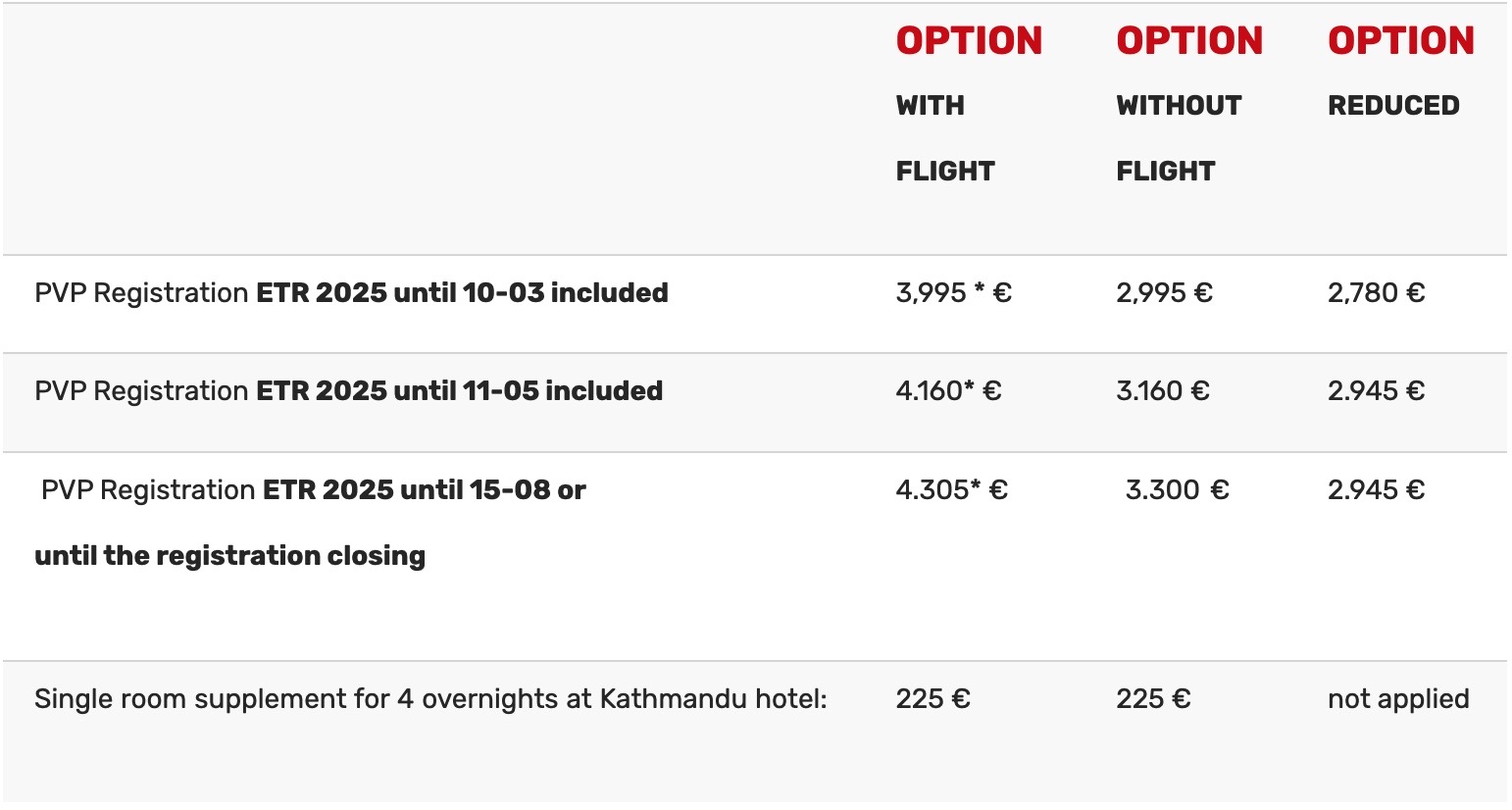
Price:

  • Transcontinental flights Barcelona/ Kathmandu / Barcelona and transfer to the Hotel.
  • Domestic Flights. Manthali/Lukla/Manthali and transfer to the hotel.
  • 4 nights hotel in Kathmandu 4 * (according to local tourist category) with breakfast, double occupancy.
  • Overnight in lodge (hostel) during the trek in full board. Not beverages included.
  • Dinner the second night in a hotel in Kathmandu. Not beverages included.
  • Dinner and awards party. Not beverages included.
  • Allowances and staff insurance.
  • Trekking permit.
  • Entry into the National Park

SIGN UP FOR ETR 2025 HERE

Official Everest Trail Race website here

©iancorless

Follow Ian Corless

Instagram – @iancorlessphotography

Twitter – @talkultra

facebook.com/iancorlessphotography

Web – www.iancorless.com
Web – www.iancorlessphotography.com

Everest Trail Race 2018 Phakding to Tengboche #ETR2018

Day 5 Everest Trail Race #ETR2018

Phakding to Tengboche is one of the most beautiful trails in the world – the views are constantly incredible, the trails challenging and when one leaves Namche Bazaar, the views of AMA Dablam and Everest as one winds along a narrow path are beyond impressive. When the runner’s arrive at the monastery, the ETR place a finish arch that frames Everest, Lhotse and Ama Dablam perfectly, It’s quite the picture postcard and the perfect finish line for the ETR.

2124m of positive incline and 20km are the stats for stage 5. Each year, it is considered to be an ‘easy’ day but it never is…

Departing Phakding (2700m), Namche Bazar (3600m) is the first port of call then Kumjung and Cp2 and Phungi Tenga (3300m) before the tough and steep ascent to Tengboche at 3900m.

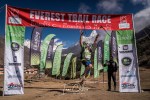
The finish line at Tengboche is arguably one of THE most amazing finishing lines of any race and this was reflected in some of the emotions shown as runners crossed the line today. It’s a mix of laughter, tears and elation – at times, all three. The view alone is enough to make one cry.

Today, Jordi Gamito and Rai Purnimaya clinched stage victories and almost certainly the title, Everest Trail Race 2018 champions. Jordi has dominated the race winning every stage and Rai appears to have become stronger as the race progressed.

Manuela Vilaseca and Becks Ferry once again placed 2nd and 3rd and will likely finish in these positions on GC at the end of tomorrow’s 6th and final stage.

For the men, Joan Soler finished 2nd running a strong 5th stage and Sergio Arias was 3rd.

Tomorrow is the final day of the ETR 2018 and the runners run back to Lukla via Namche Bazaar.

Everest Trail Race – Day 2 Patan and Swayambhunath

Everest Trail Race ©iancorless.com

Image gallery and image sales available HERE

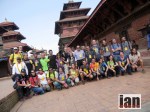
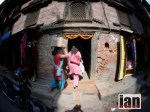
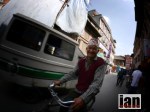
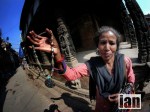
An incredible day exploring the sights, sounds, colours and meeting the people of Kathmandu. What an incredible place.

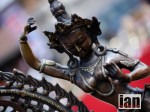
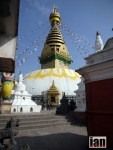
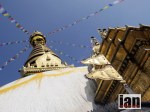
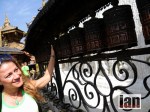
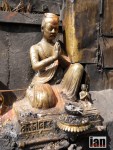
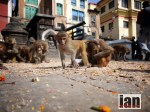
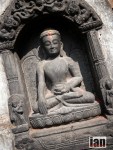
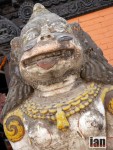
Located at the top of a hill, our day started with a visit to Swayambhunath (affectionately known as the Monkey Temple). The Tibetan name for the site means ‘Sublime Trees’. However, Shing.kun may be a corruption of the local Nweari name for the complex, Singgu, meaning ‘self-sprung’. For the Buddhist Newars in whose mythological history and origin myth as well as day-to-day religious practice, Swayambhunath occupies a central position, it is probably the most sacred among Buddhist sites.

We followed this with an excursion to Patan (Manigal). It is called city of Festival and Feast due to the fine ancient art, making of metallic and stone carving statue.

Patan is on the elevated tract of land in Kathmandu Valley on the south side of the Bagmati River which separates it from the city of Kathmandu on the northern and western side. The Nakkhu Khola acts as the boundary on the southern side. It was developed on relatively thin layers of deposited clay and gravel in the central part of a dried ancient lake known as the Nagdaha.

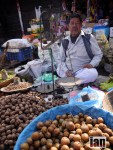
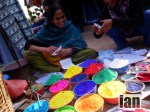
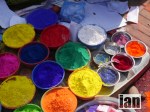
It was the last day of a religious festival, so colours and flowers dominated, as did local people. It was a wonderful experience to absorb oneself and feel the spirit of the people.

Today, is the last day of sightseeing. A long 7-hour bus journey awaits tomorrow to our start camp. On Thursday, the race begins!

Namaste

Information from ©wikipedia