
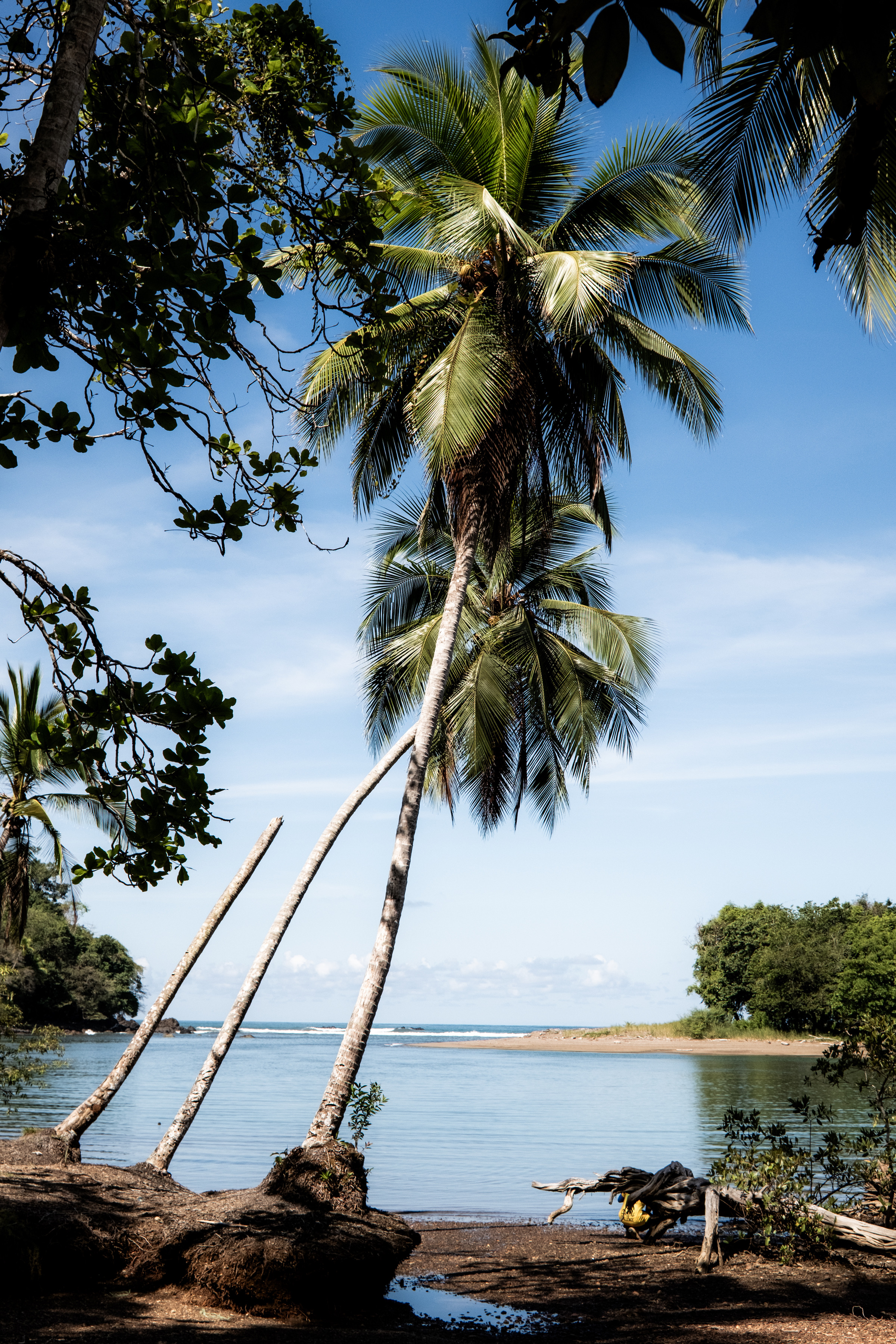
The penultimate stage of The Coastal Challenge Costa Rica led runners deep into one of the most biologically intense corners of the planet: the Osa Peninsula. Known locally as “The Paths of Osa,” the day was as much about immersion as it was about competition.
For Expedition runners, the route stretched 41 kilometers with 1,695 meters of climbing. The Adventure field faced 23 kilometers and 1,148 meters of ascent. On paper, those numbers were serious but manageable. On the ground, they unfolded across ferry crossings, fire roads, heavy jungle corridors, remote farms, and one unforgettable speedboat dash. The stage finished in the sweeping calm of Grandito Bay, where the rainforest spills toward the Pacific.
A River Crossing Into Another World, the day began not with a starting horn, but with a ferry ride across the Sierpe River.
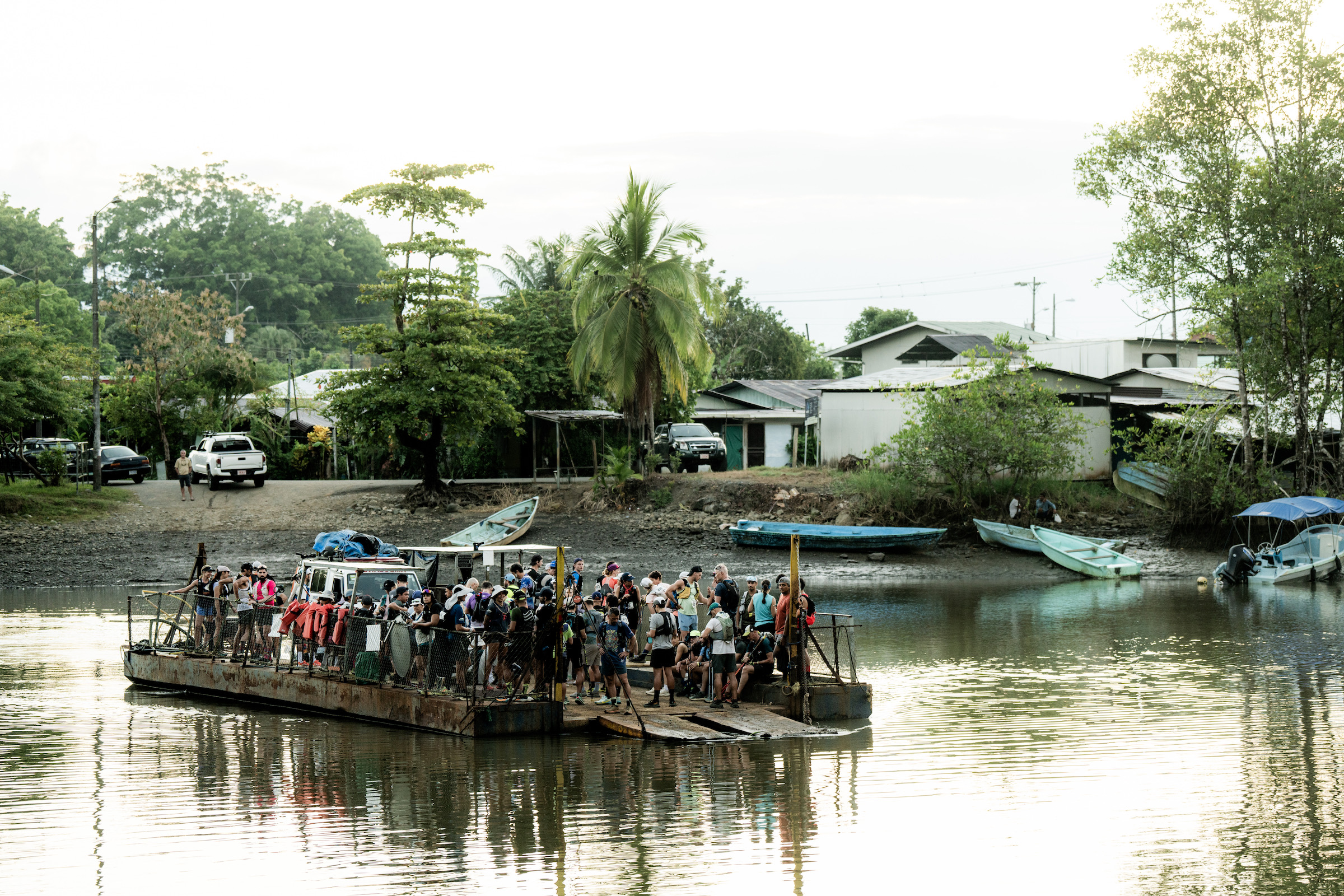
Mist hung low over the mangroves. The Sierpe is one of the largest mangrove ecosystems in Central America, and at dawn it feels suspended in time. Runners stood quietly, some chatting, some conserving energy. It was a rare still moment in a multi-day race defined by heat, humidity, and relentless terrain.
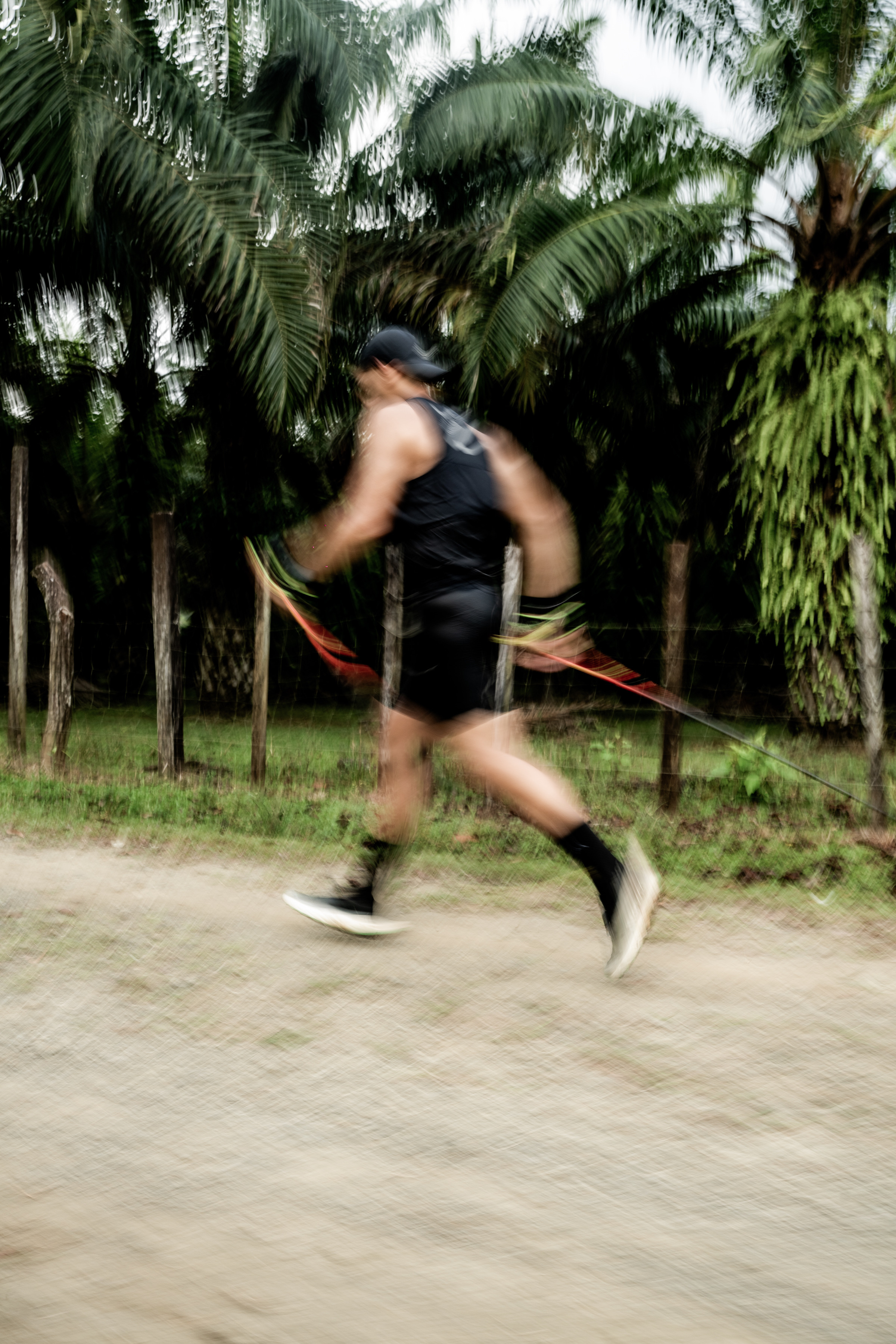
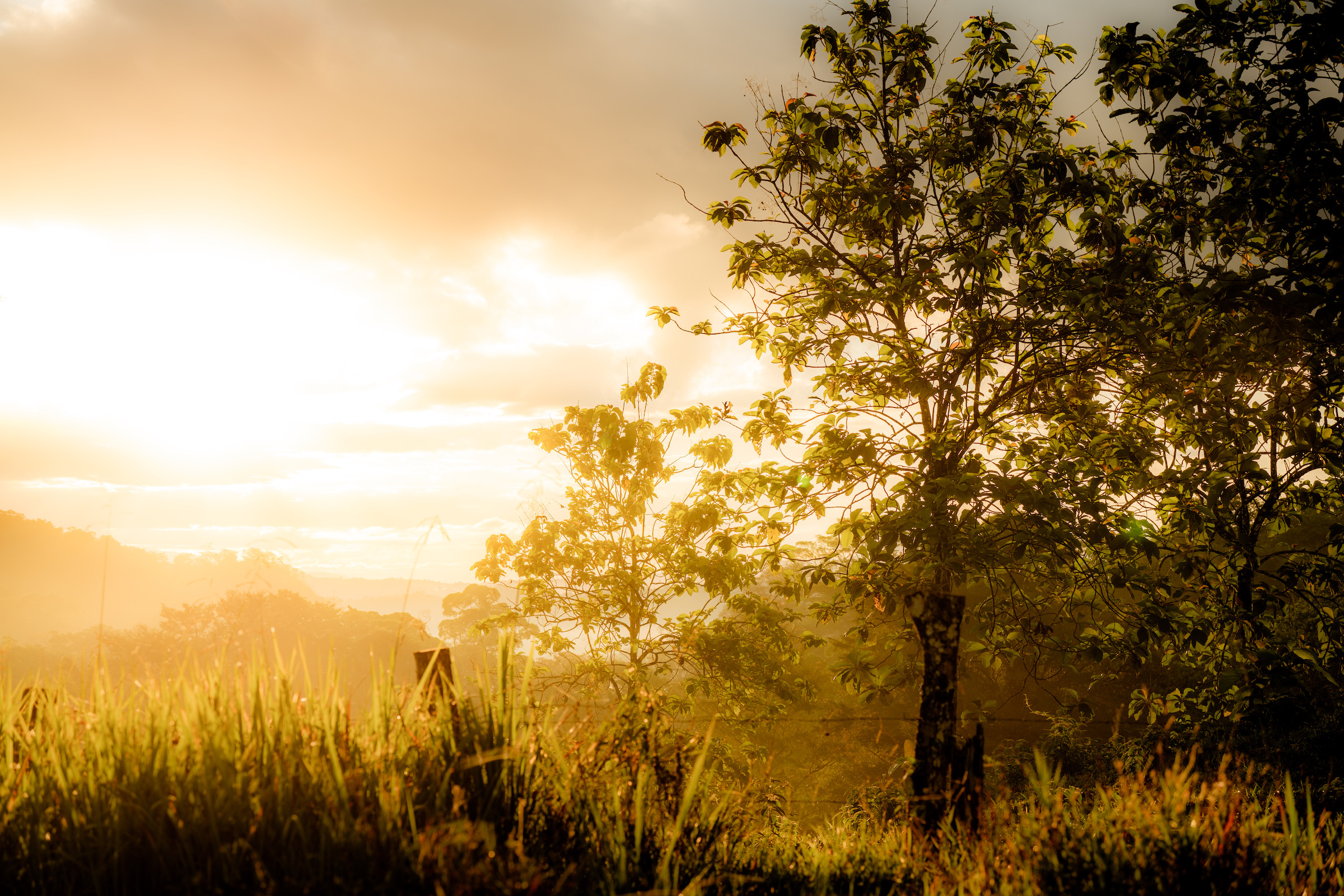
Once across, the mood shifted. Fire roads opened the stage, dusty and exposed, climbing steadily away from the river basin. The surface was firm but unyielding, a reminder that even “runnable” terrain in Costa Rica comes with a cost.
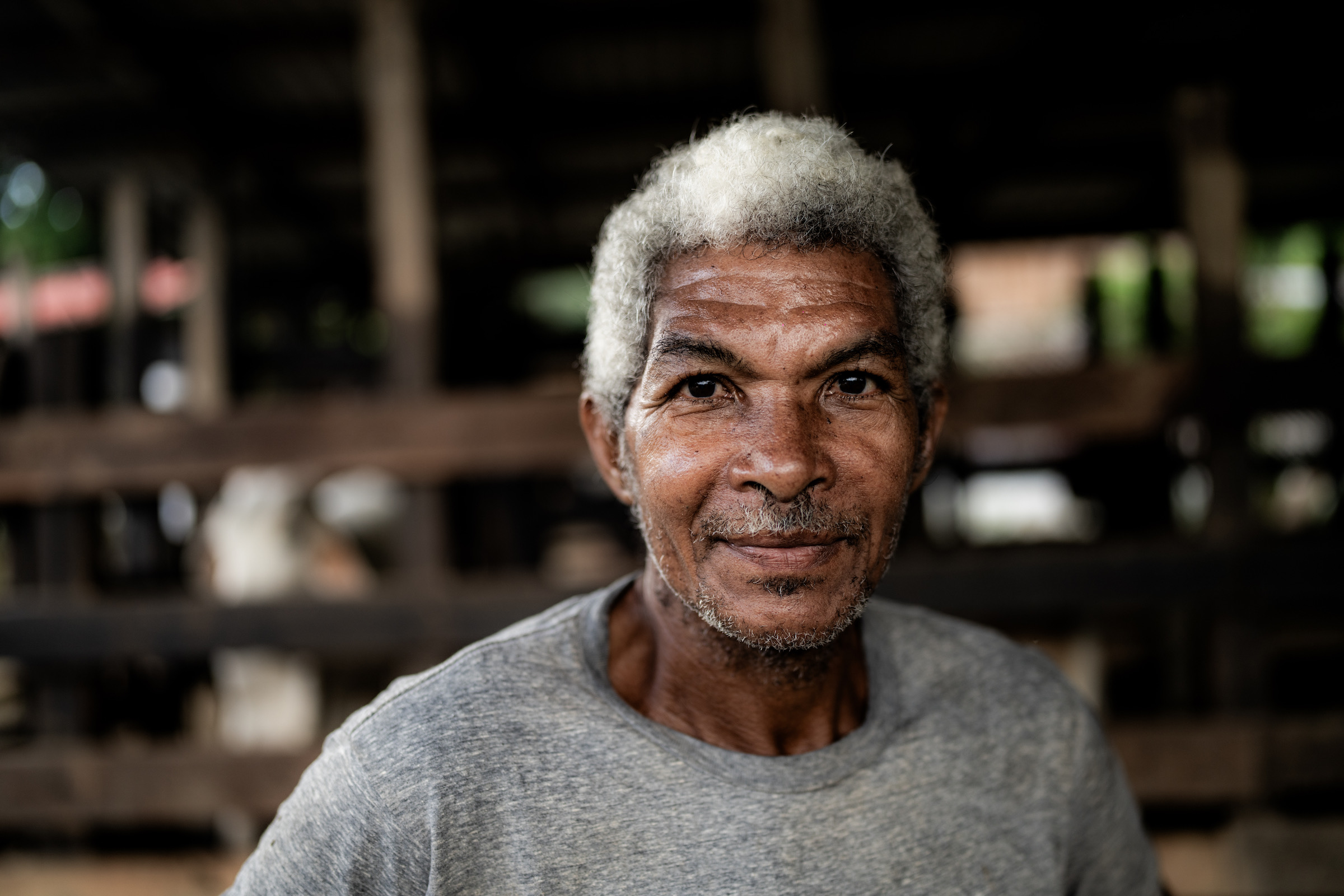
The route threaded through working farmland before plunging into dense tropical forest.
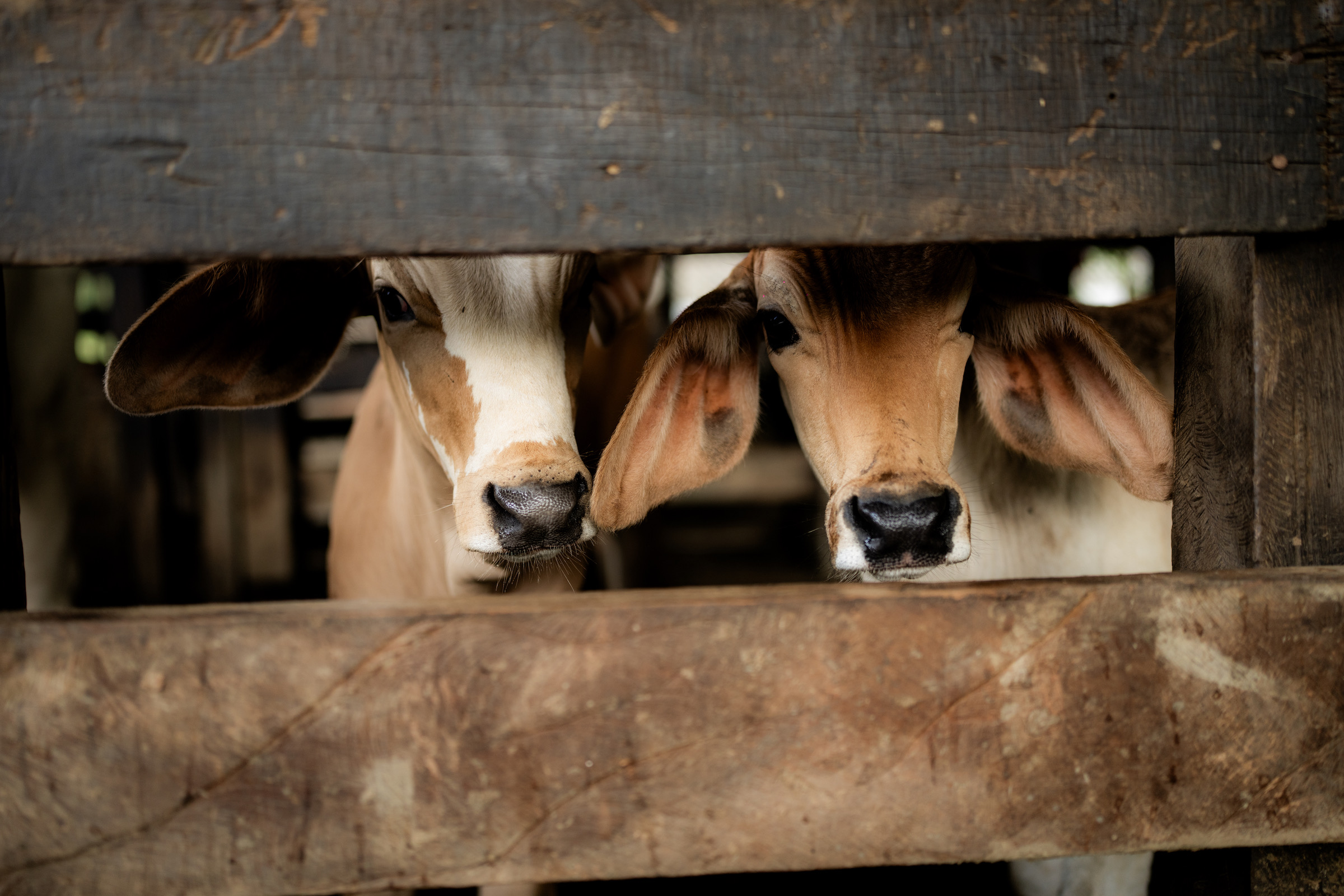
Out in the open, heat built quickly. Cattle pastures and palm-lined tracks offered little shade. Then, almost abruptly, the jungle swallowed the trail.
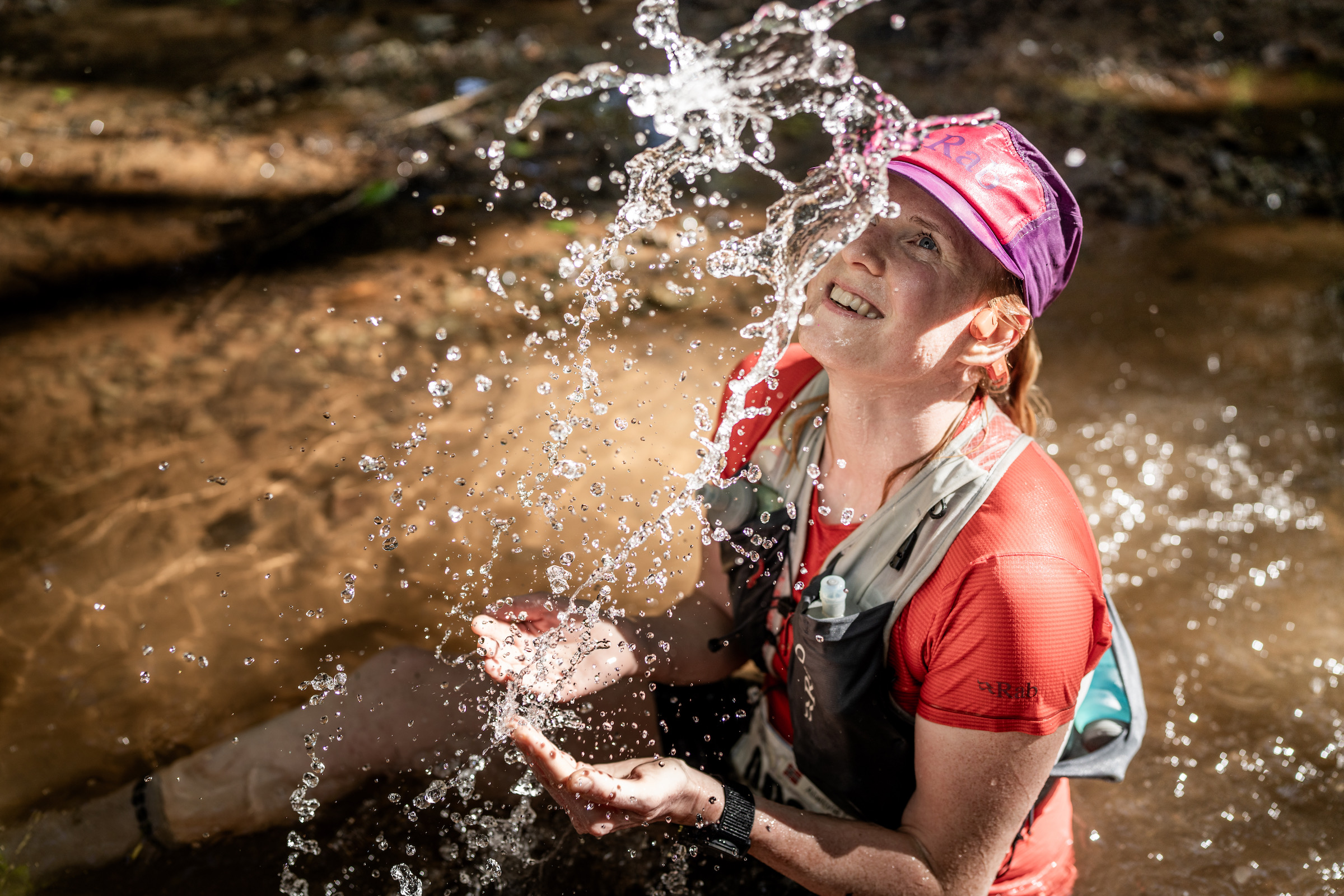
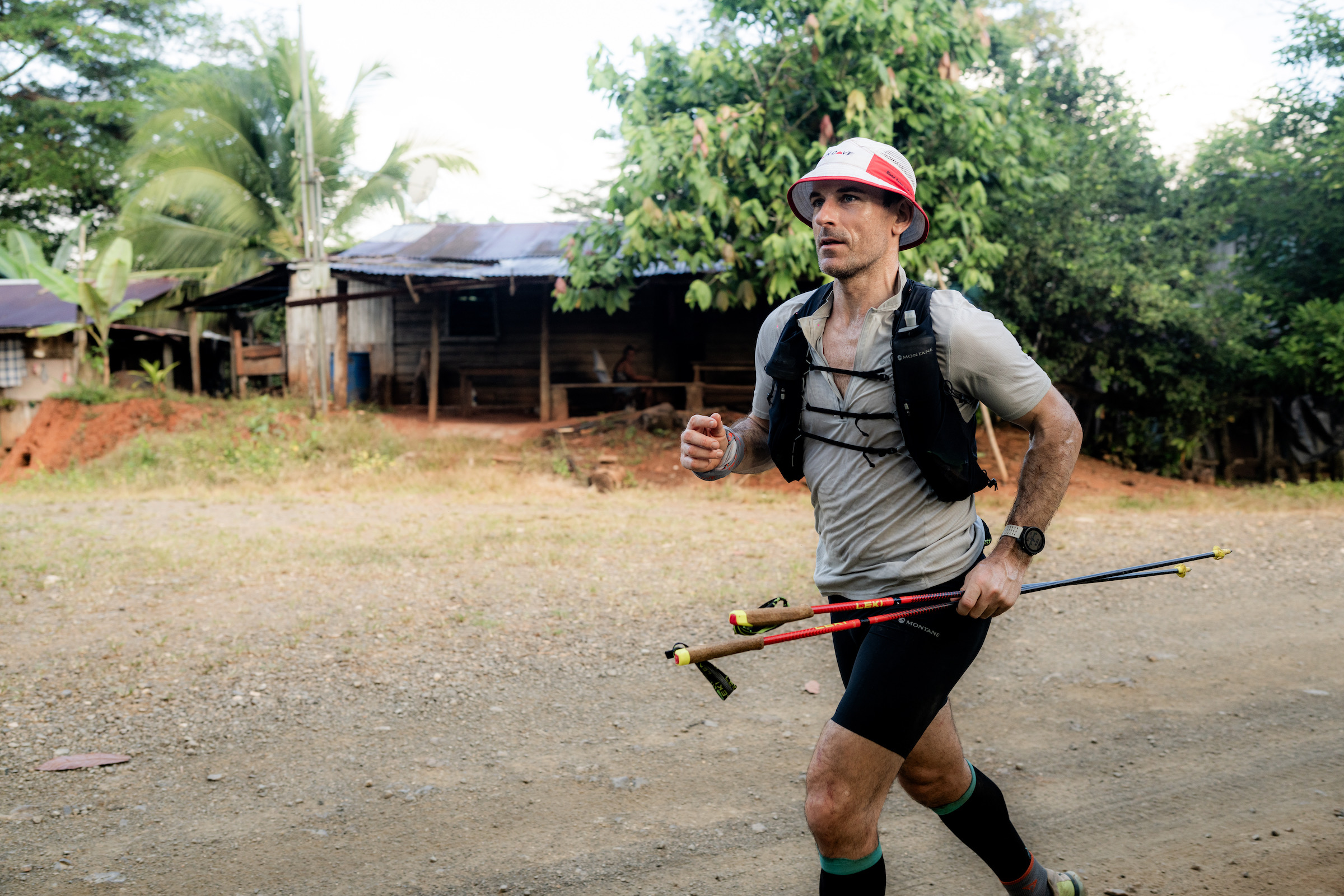
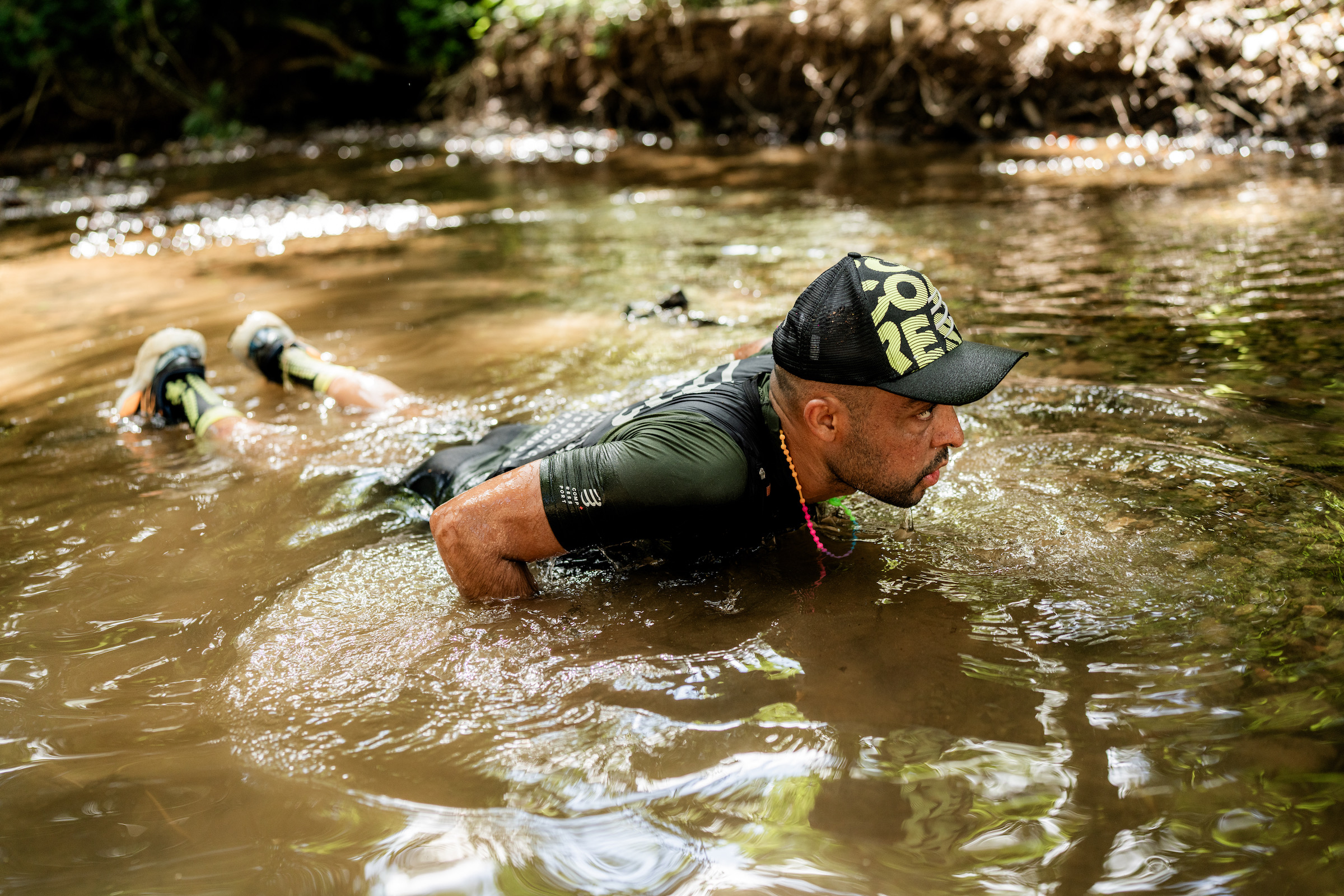
Under canopy, the air thickened. Roots twisted across narrow singletrack. The climbs felt steeper than the elevation profile suggested. Every descent demanded attention. It was classic Osa terrain: alive, humid, and unapologetically raw.
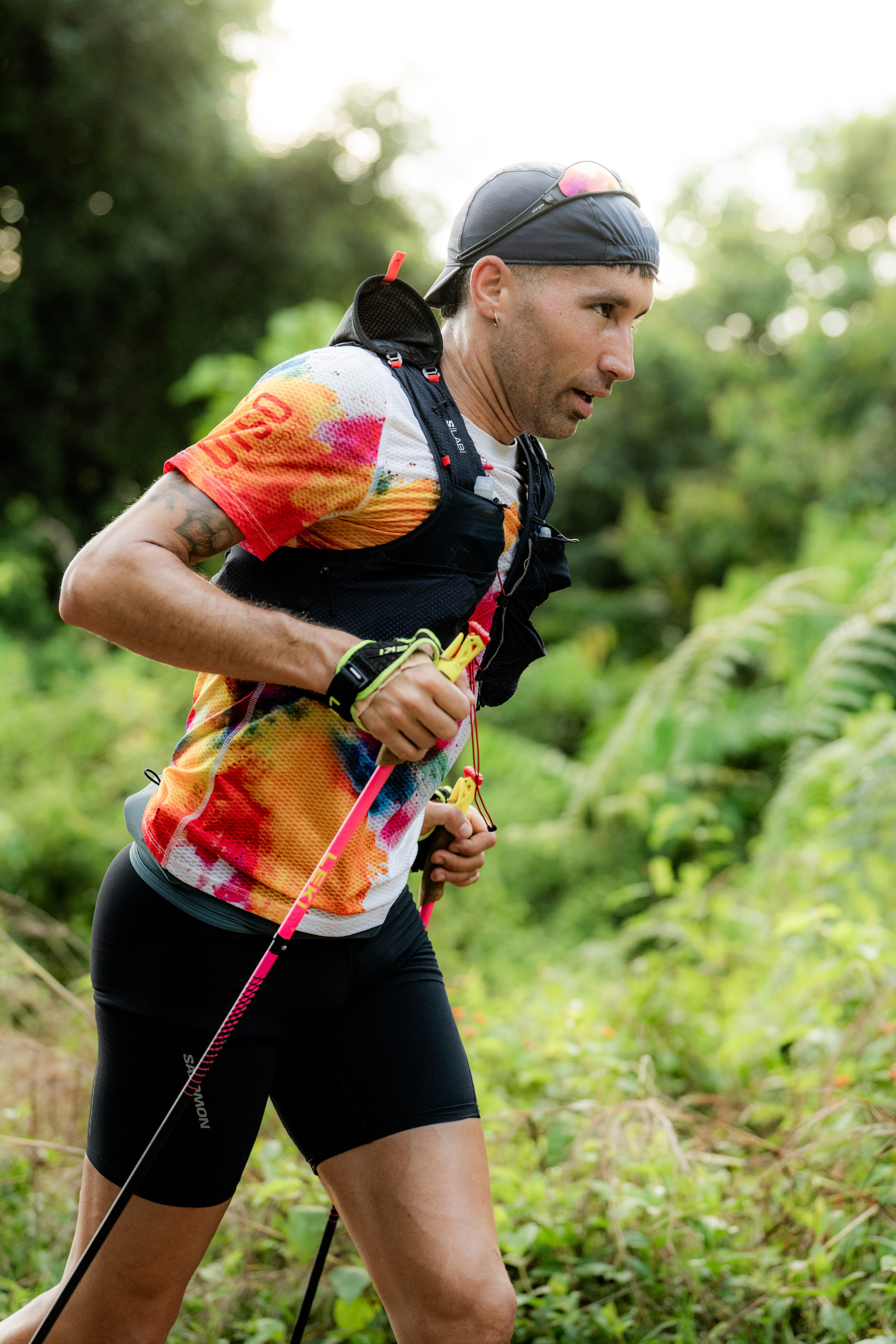
For those at the front of the race, though, the pressure was different from earlier in the week. With overall standings largely secure barring mishap, this stage offered a rare mental exhale. Leaders could look up, take in the green walls around them, and run with composure rather than urgency.
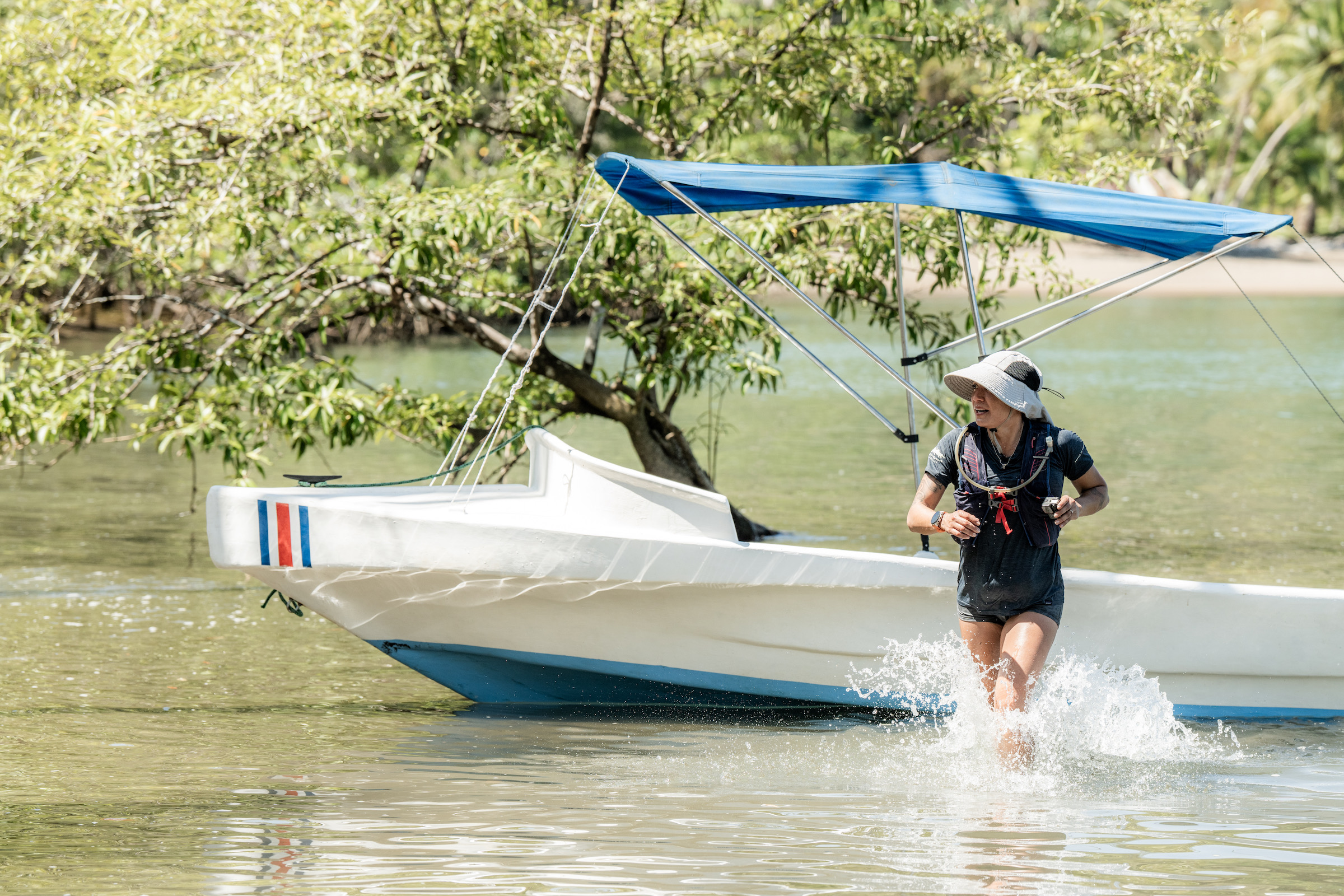
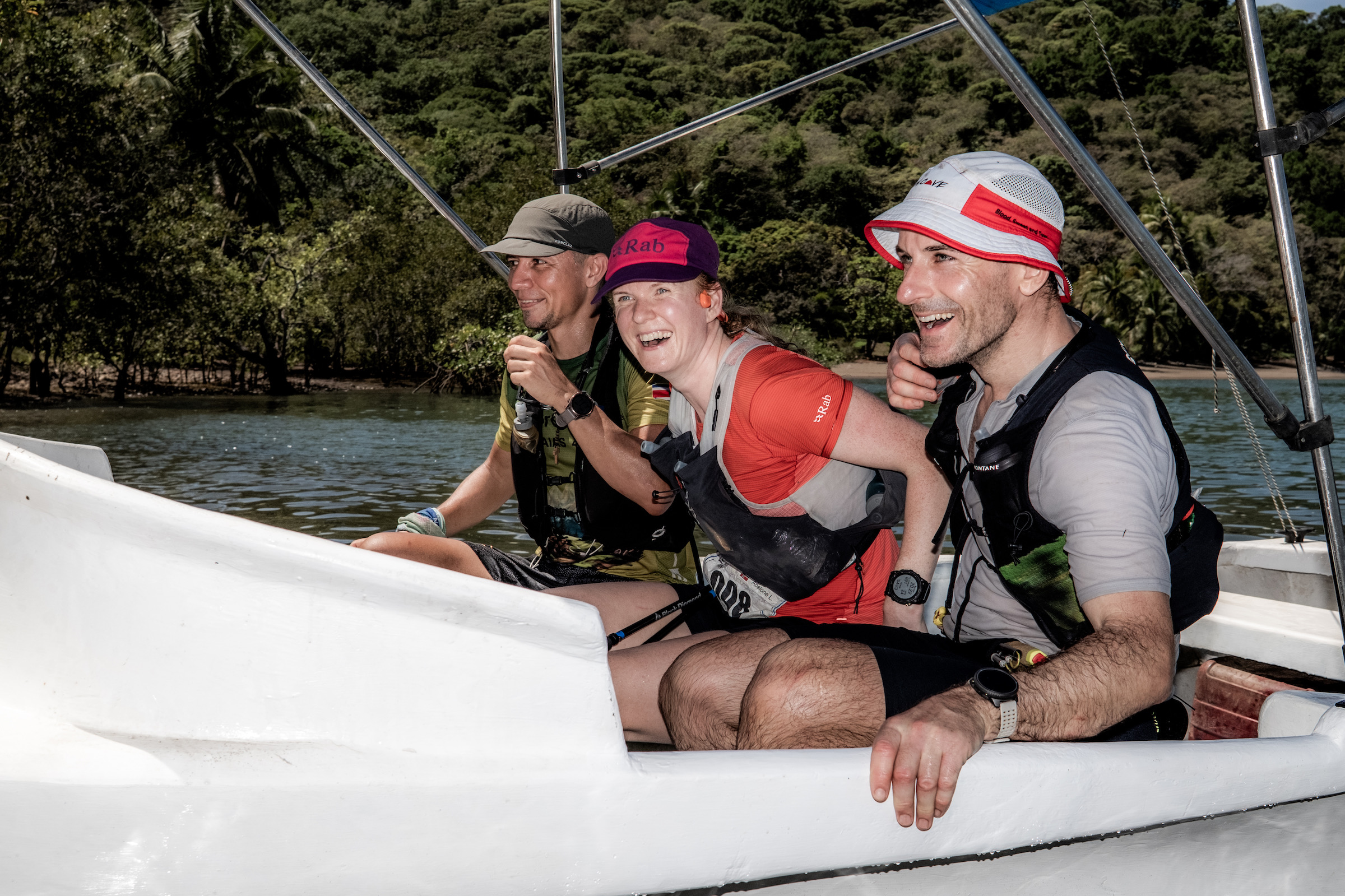
Midway through the day came one of the most distinctive features of the event: the iconic speedboat crossing.
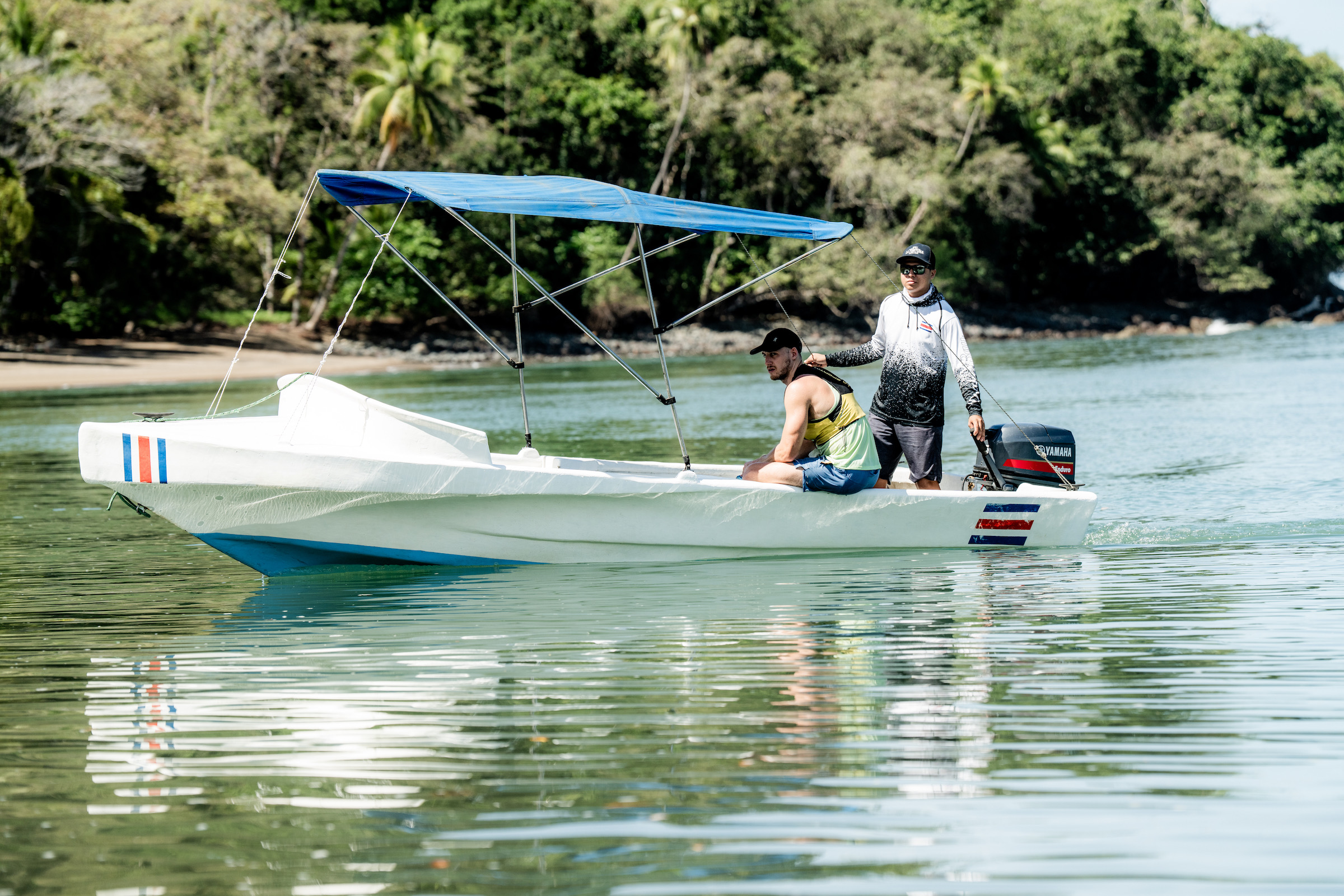
After hours of climbing and descending, runners boarded small boats that skimmed along the Pacific edge of the peninsula. Salt air replaced jungle humidity. The coastline unfurled in rocky points and quiet beaches. It was a logistical necessity, but it felt cinematic.
From there, the final approach led toward Grandito Bay, where the forest meets calm blue water. The finish line atmosphere carried a different tone from earlier, harsher stages. Relief mixed with quiet satisfaction. With one day remaining, the race picture was largely set.
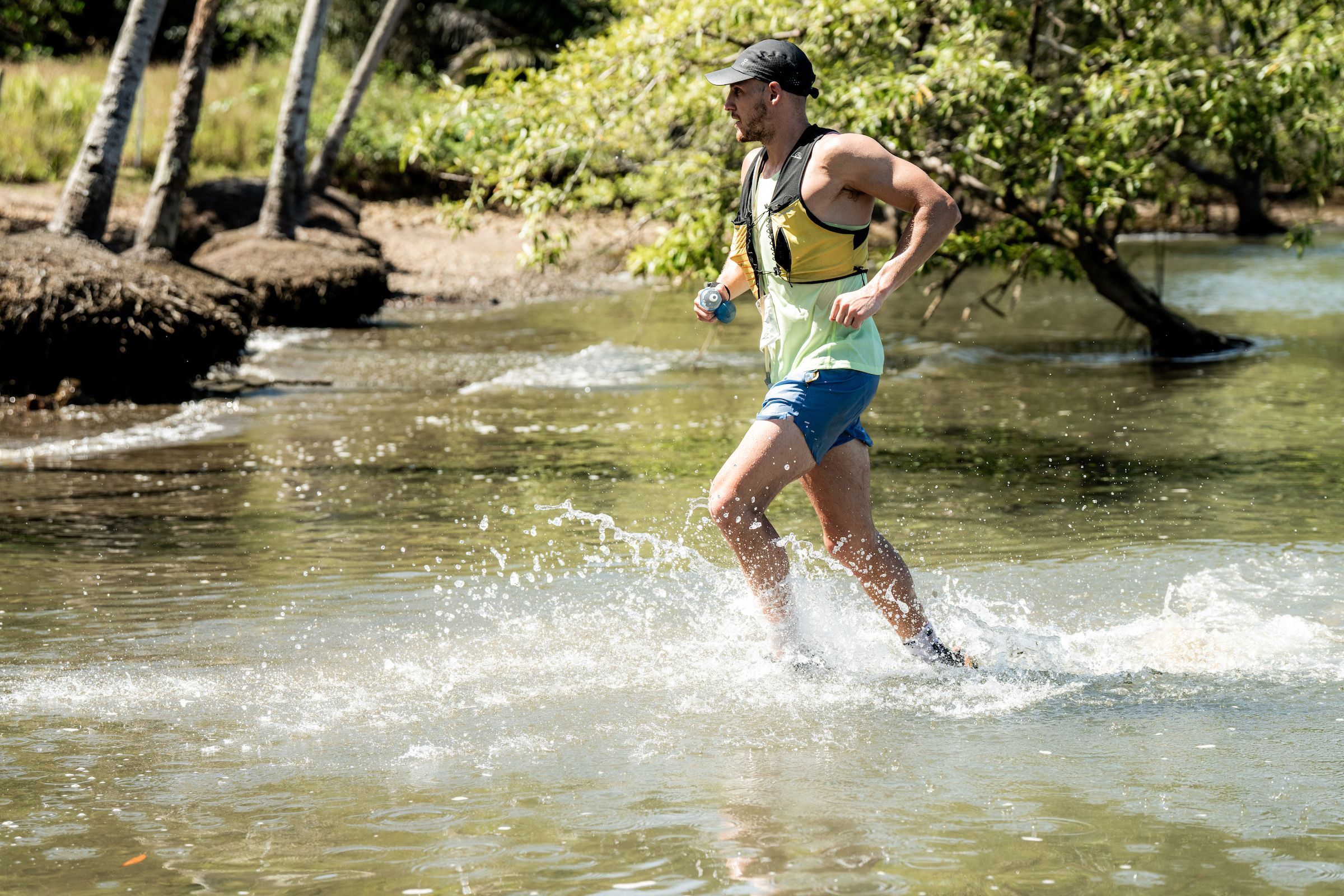
In the Adventure men’s race, the day belonged to bib 35, Sammy Francis, who crossed in 4:07:57. He managed the terrain with confidence, balancing effort on the climbs and steady pacing through the jungle sections.
Roberto Solano (bib 60) followed in 4:51:46, while Alberto Gil (bib 48) secured third in 5:00:01. The gaps reflected not just speed, but careful navigation of the heat and elevation.
The women’s podium was tightly contested. Laura Zuñiga (bib 59) claimed the stage in 5:01:22, running a composed and consistent race. Just behind, Kristel Polet (bib 34) and Toni Clarke (bib 9) both stopped the clock at 5:08:01, sharing identical times after nearly five hours on course. On a day shaped by terrain rather than tactics, that symmetry felt fitting.
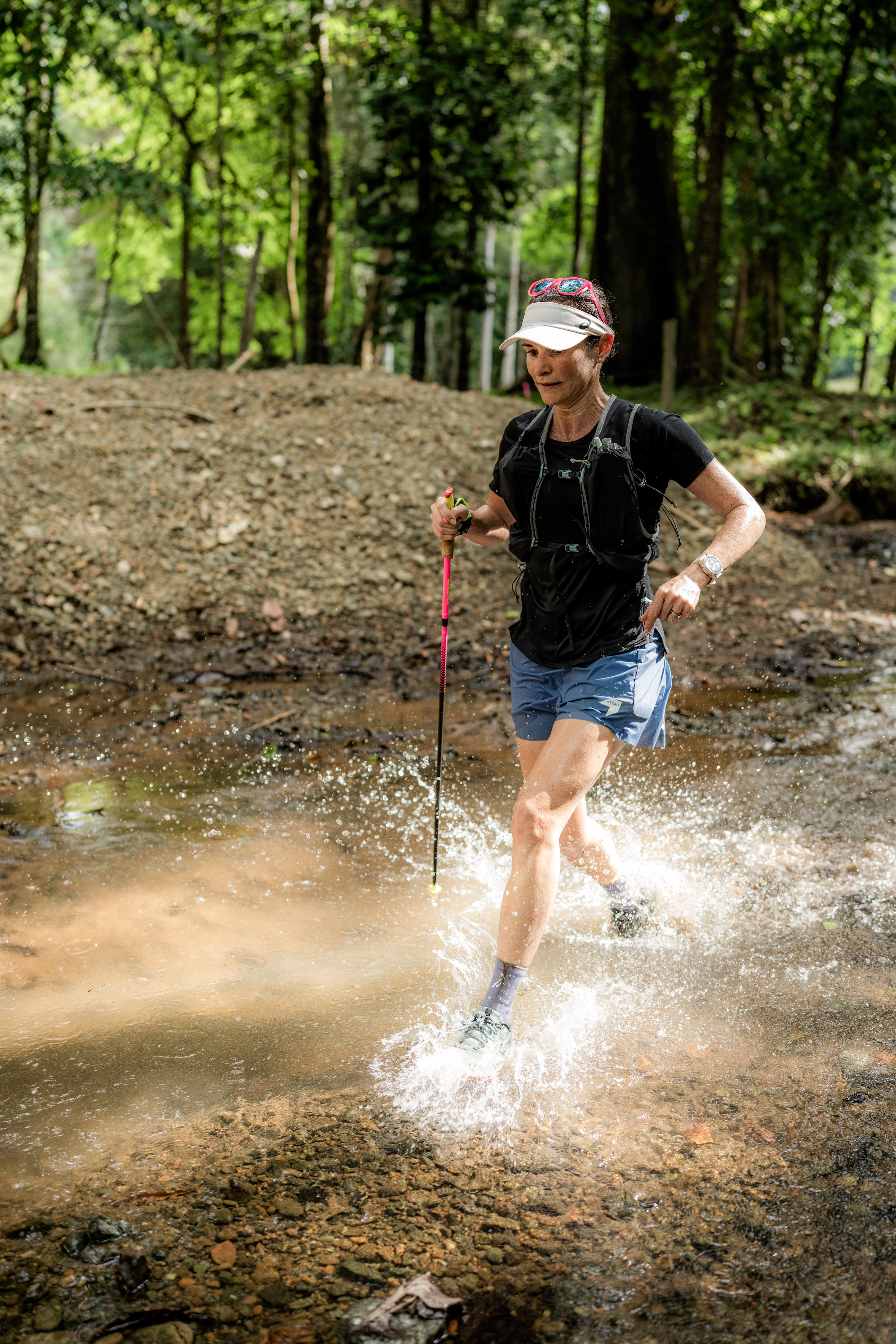
For Expedition runners, the added distance and climbing sharpened the challenge. Forty-one kilometers in Osa is not simply a long run. It is sustained exposure to gradient, heat, and technical trail.
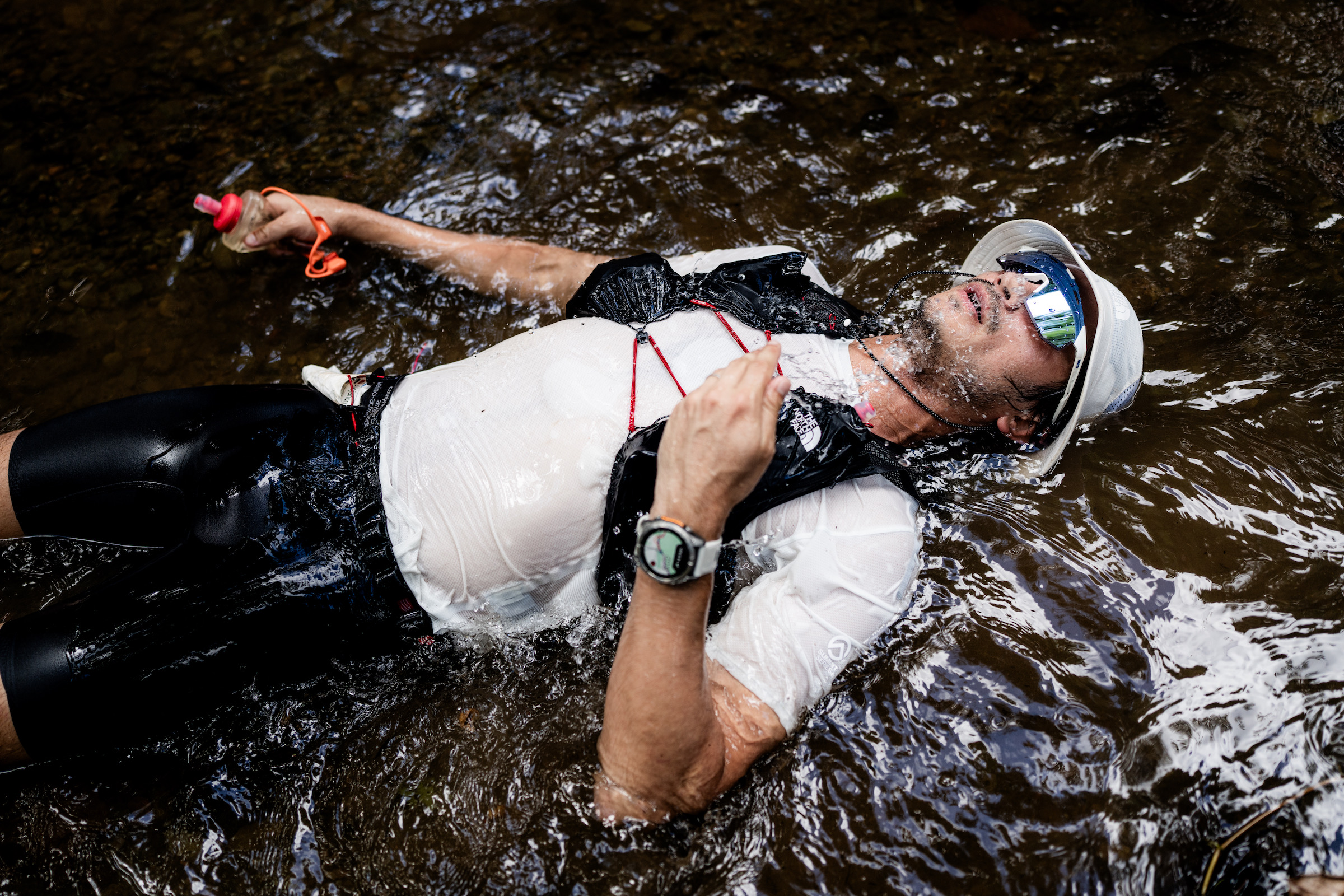
Alejandro Muñoz set the benchmark, winning in 5:05:44. He held strong through the early climbs and maintained rhythm deep into the jungle sections. Erick Agüero (bib 57) followed in 5:17:22, while Jesus Cerdas (bib 64) completed the men’s podium in 5:34:57.
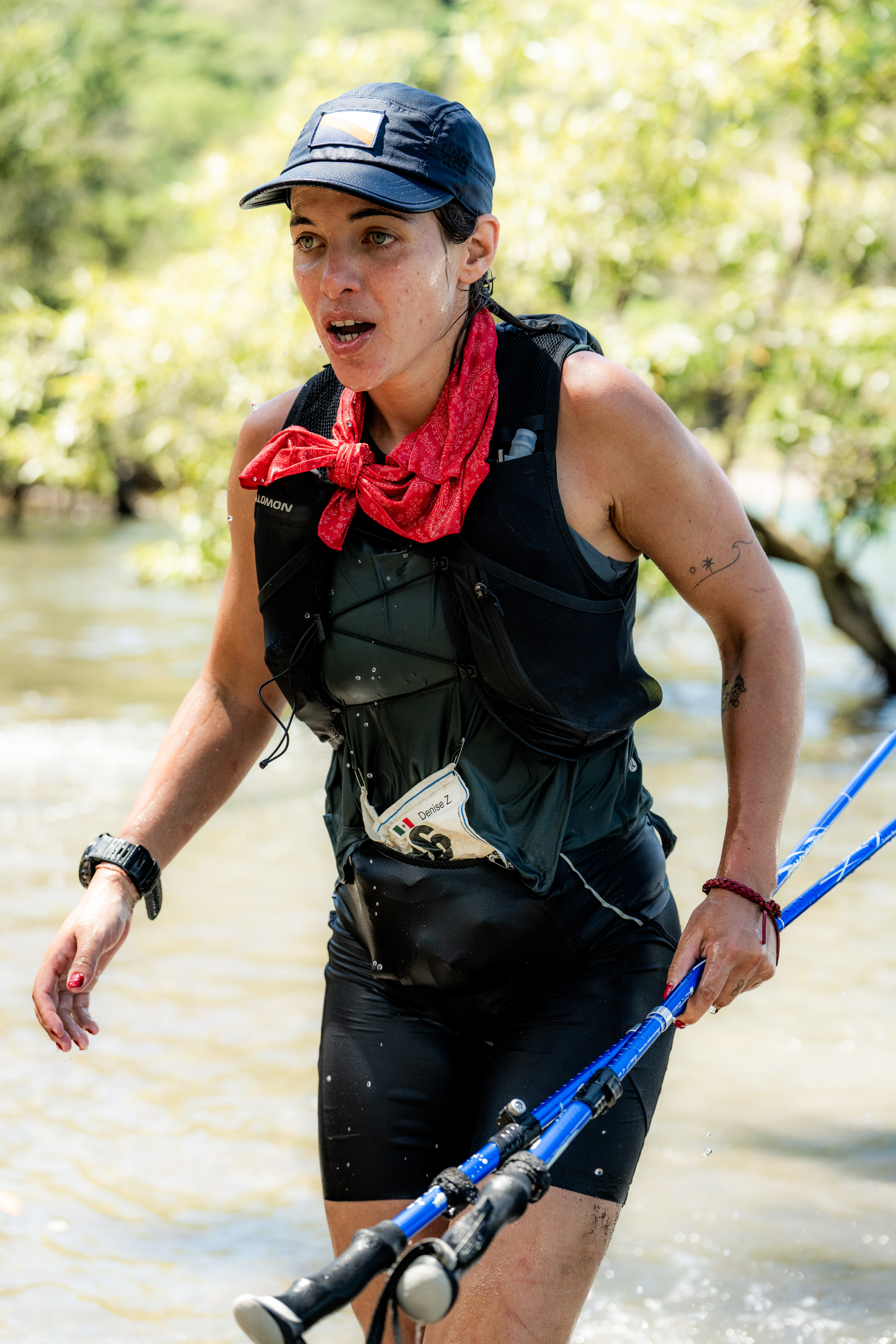
In the women’s Expedition race, Denise Zelaya (bib 16) led with a time of 6:11:05. Janina Beck (bib 53) finished in 6:53:21, and Floribeth Perez (bib 38) rounded out the podium in 8:00:49. Their performances reflected not only endurance but resilience across a stage that demanded constant adjustment to terrain and conditions.
What defined this stage was not just distance or ascent. It was context.
The Osa Peninsula is often described as one of the most biodiverse regions on Earth. Macaws arc overhead. Howler monkeys echo through the trees. The forest floor moves with insects and reptiles. Even seasoned trail runners find themselves looking up, momentarily distracted by the sheer density of life.
With overall victories nearly secure, race leaders could afford to ease slightly, to let the environment register. There is something rare about competing hard in a place that feels untouched. On this stage, performance and place were inseparable.
As runners gathered at Grandito Bay, shoes caked in mud and salt drying on their skin, the mood was steady and reflective. One more stage remained. But “The Paths of Osa” had delivered what the Coastal Challenge promises at its best: a demanding route set within a landscape that refuses to be ignored.
Times were recorded. Podiums were shaped. Yet long after the numbers fade, it will be the ferry across the Sierpe, the wall of jungle heat, and the rush of the speedboat toward the Pacific finish that define this penultimate day.
Race results https://www.webscorer.com/
Instagram – @iancorlessphotography
Twitter – @talkultra
facebook.com/iancorlessphotography
Web – www.iancorless.com
 IAN CORLESS