
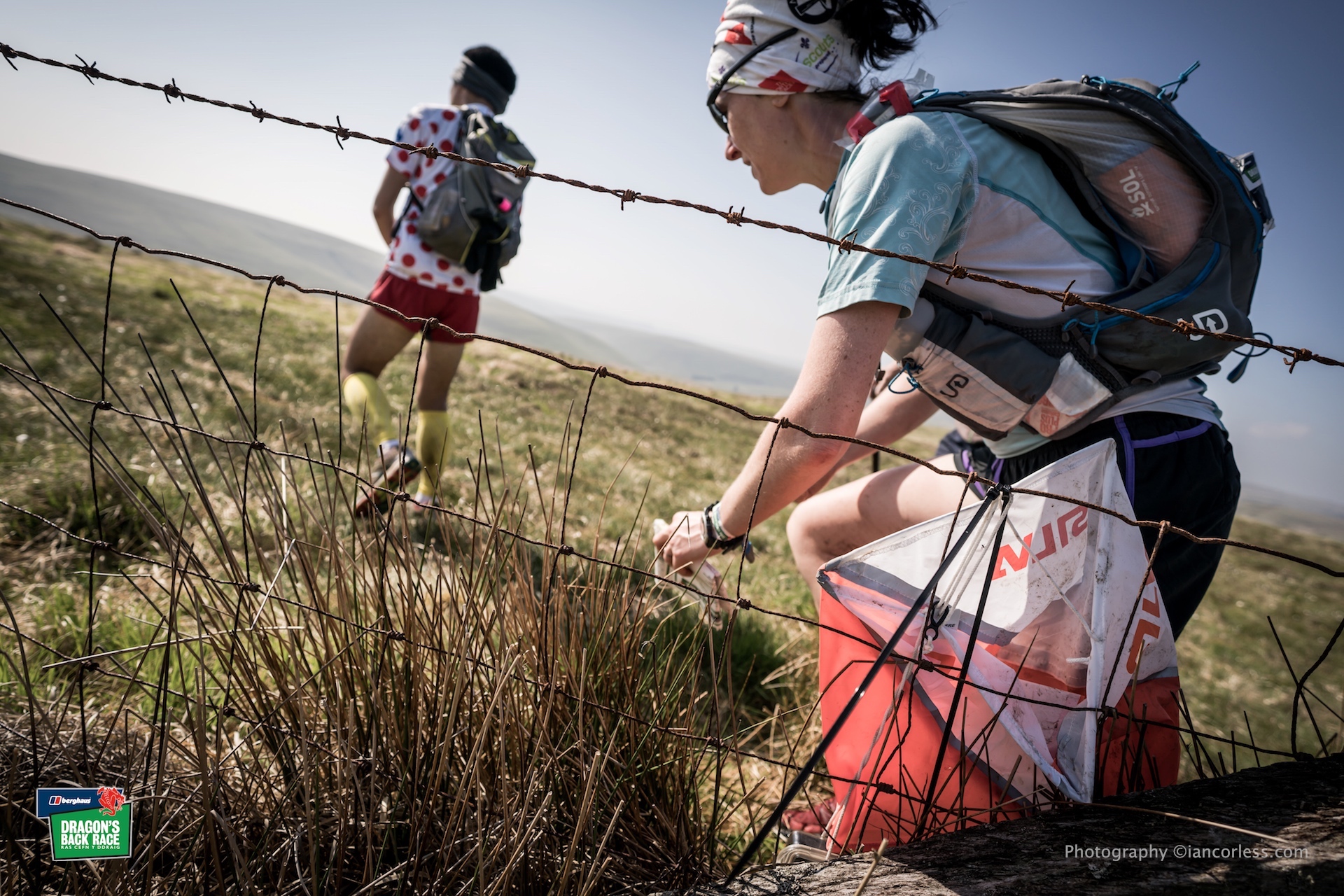
There’s a long-standing idea in the running community that races should be cheap. The logic is simple: running itself is simple. Put on a pair of shoes, head outside, and run. So when people see an entry fee for a trail, mountain, or ultra race that feels high, the reaction is often the same.
Why does it cost so much?
The truth is that the world those expectations came from barely exists anymore. Years ago, many races were small and local. They were often organised by running clubs or small community groups. The courses were modest. The participant numbers were manageable. Volunteers handled most of the work. Costs were relatively low, and so were entry fees.
Those races still exist in places, but the sport around them has changed dramatically. Trail running, ultrarunning, mountain racing and skyrunning have exploded in popularity. Courses have become longer, more remote and more technical. Participant numbers have increased. Expectations have risen. And alongside that growth has come something unavoidable: responsibility.
Modern race organisation carries real obligations.
If you put hundreds of runners into remote terrain, often in extreme weather and over difficult ground, you cannot simply mark a course and hope for the best. Safety is not optional anymore. It’s a requirement.
That means medical teams. It means coordination with mountain rescue. It means risk assessments, insurance, emergency plans and communications systems. It means trained marshals, sweep teams, and logistics that can respond quickly when something goes wrong.
All of this costs money.
Then there are the physical elements of the race itself. Start and finish areas. Timing systems. Course marking. Aid stations. Equipment transport. Permits. Land access. Environmental management. Insurance. Staffing.
Even a single-day race can involve months of preparation. Often a full year of planning. And that’s before considering the scale of many modern events.
Large trail races now operate almost like temporary cities. Hundreds or thousands of runners, staff and volunteers moving through remote areas across dozens or even hundreds of kilometres. Everything must work. Everything must be safe. None of that is inexpensive.
Now consider multi-day events.
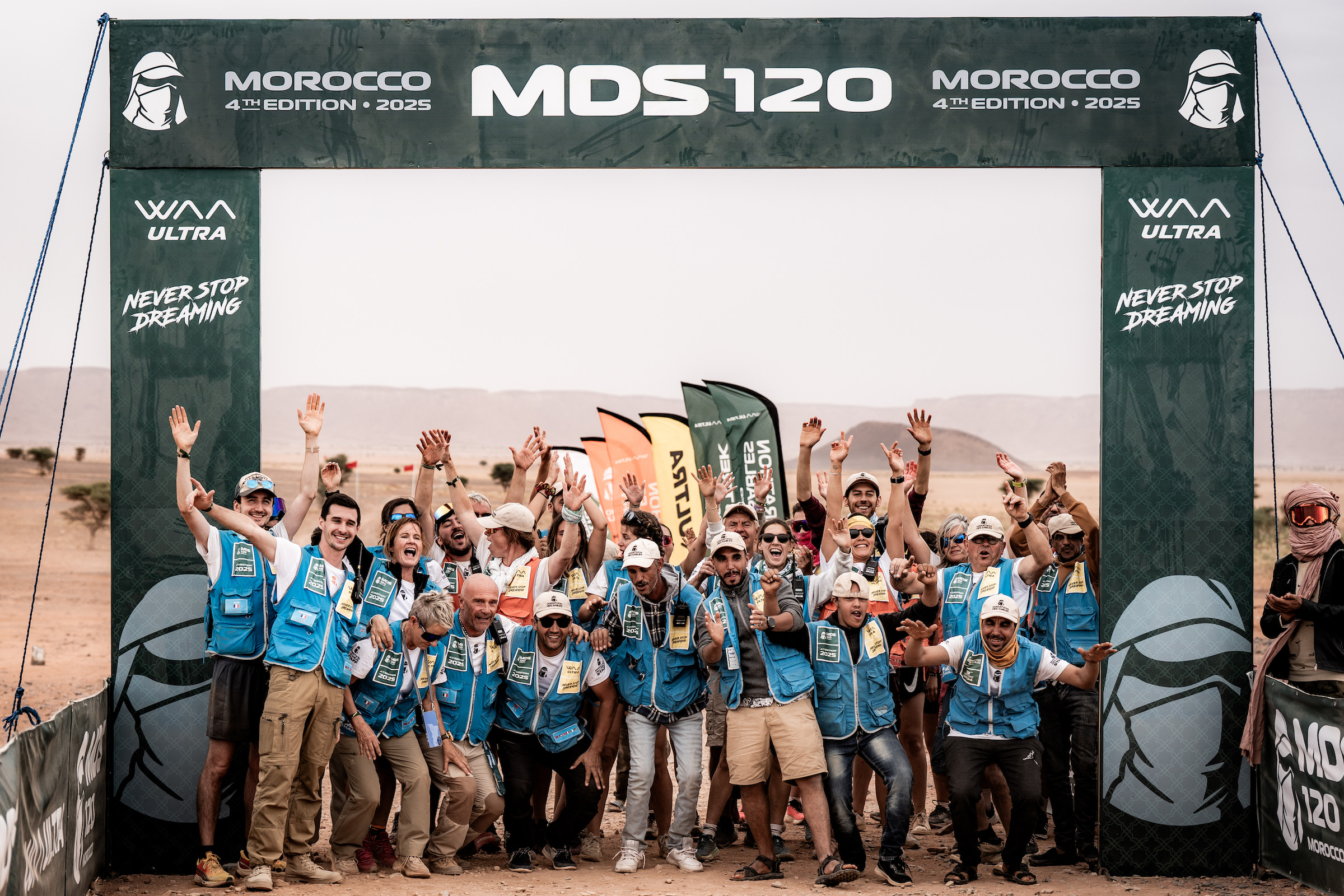
Races like the Marathon des Sables or the Dragon’s Back Race take the complexity of a one-day race and multiply it several times over and then add some! Every additional day means more logistics, more transport, more staff, more food, more safety coverage, more accommodation, more contingency planning.
A week-long mountain race is not just a race repeated seven times. It is an expedition with hundreds of participants. Costs scale quickly. And with that scale comes risk, financial risk.
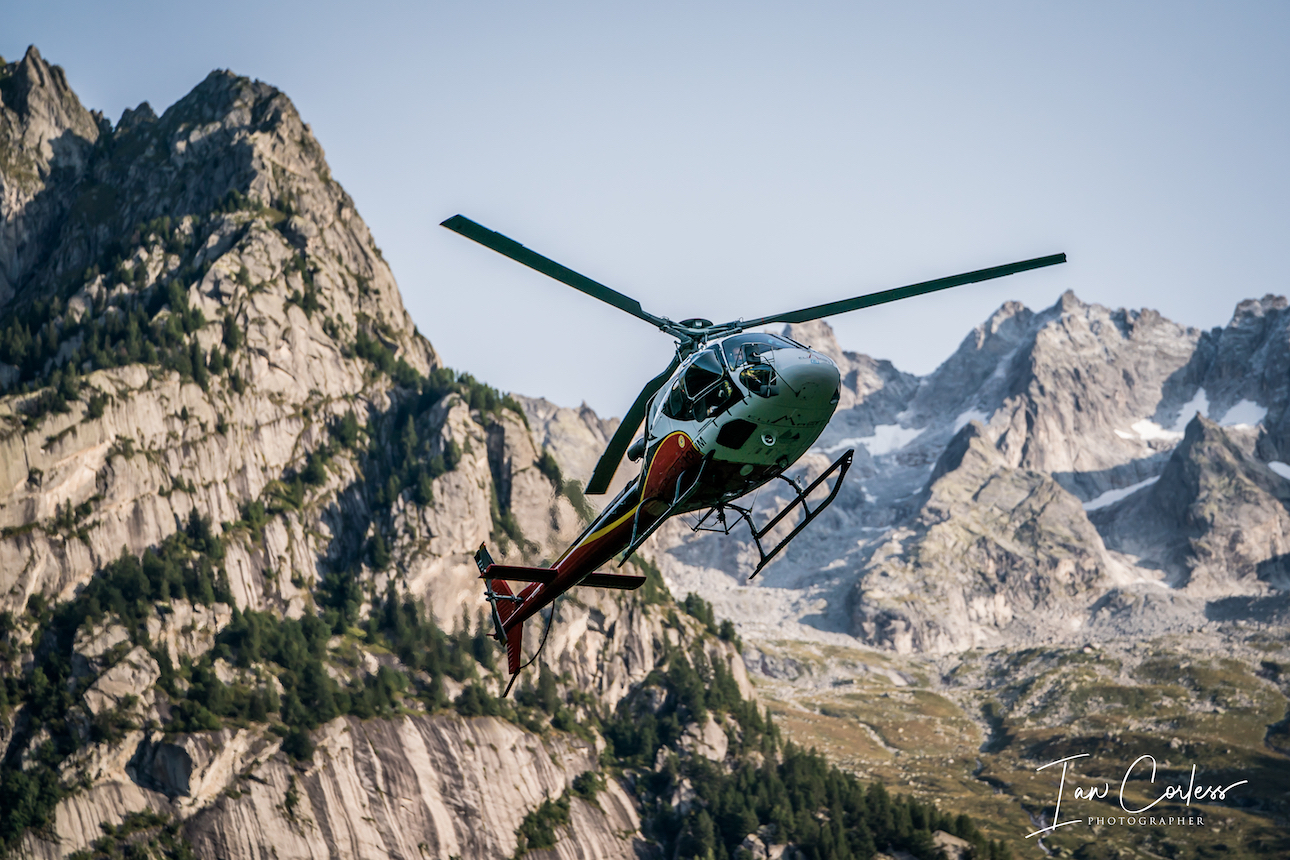
Race organizer’s carry it all – permits, deposits, infrastructure, insurance, tracking, staff contracts, transport bookings, equipment hire, maybe even helicopter cover – most of these costs are committed long before the first runner even registers.
Running races today are not informal club gatherings. They are businesses. That does not mean organisers are making huge profits. In many cases, margins are incredibly tight. Weather can disrupt events. Participation numbers can fluctuate. A single cancellation can create massive financial losses.
Which brings recent events into focus.
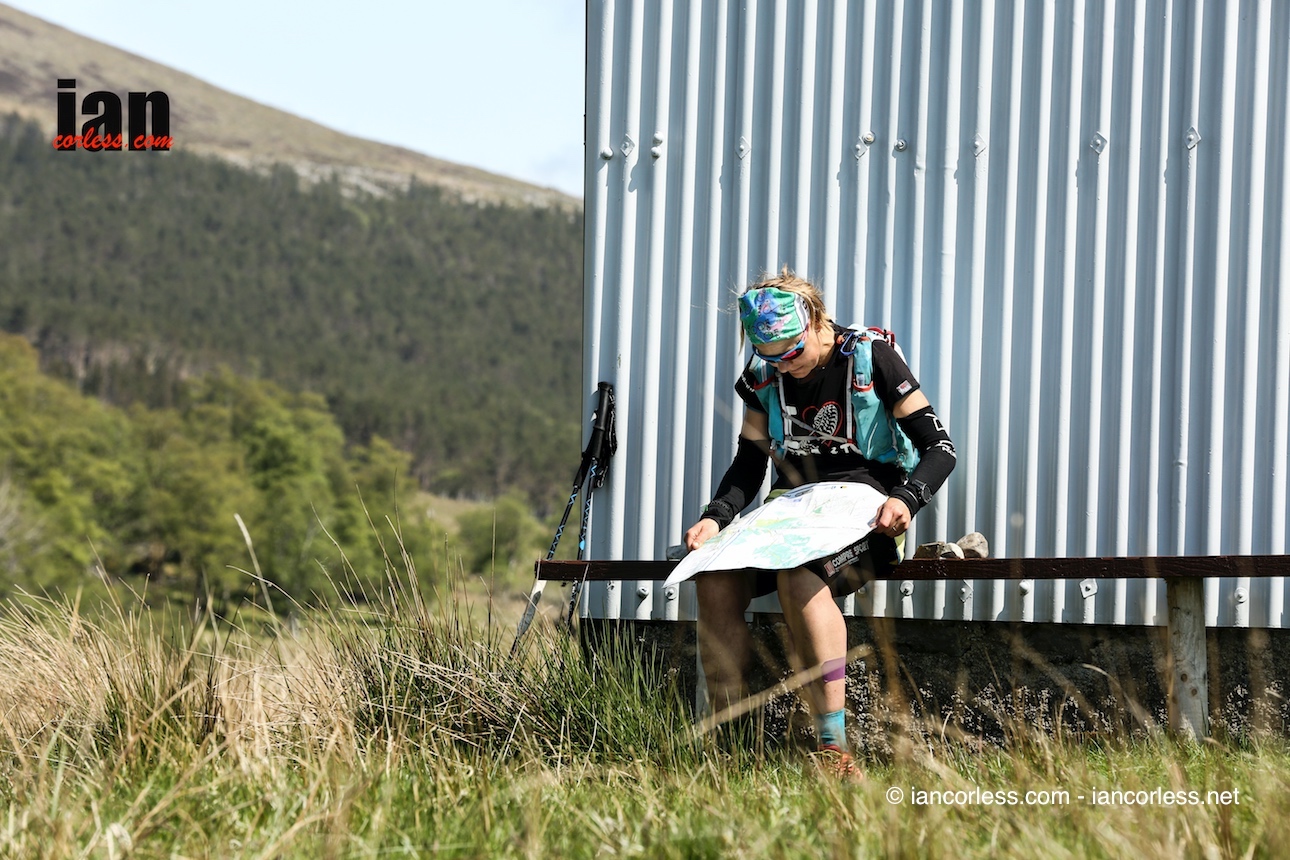
The closure of Ourea Events surprised many runners. Their races, including the Dragon’s Back Race and the Cape Wrath Ultra, were often described as expensive. But when you actually look at what those races involved, the pricing begins to make sense.
Multi-day racing across remote mountains with extensive safety systems, complex logistics, transport of participants and equipment across long distances with camps, food, communications and medical support – this is expensive.
Events like that are extraordinarily complicated to deliver safely. Perhaps the bigger question is not whether those races were expensive. Perhaps the question is whether they were ever truly priced to reflect what they actually cost.
There is often an expectation that race organisers should keep entry fees low, almost as if races are a community service rather than a professional undertaking. But if you organise a race today, especially in remote or mountainous terrain, you are operating a business – you have to be. No business can survive if it consistently prices its product below its true cost.
The running community may need to confront an uncomfortable reality. If we want well-organised, safe, professionally run events with excellent logistics, that comes at a price.
If we want medical coverage in remote mountains, that costs money. If we want reliable course marking, well-stocked aid stations, experienced crews, proper safety oversight and seamless logistics, that costs money too.
None of it appears out of thin air.
Of course, no one is forced to enter a race. And that’s an important point. If a race entry fee feels too high, the trails are still there. The mountains are still there. You can run the same paths any day of the week for free.
But if we choose to participate in organised races, especially the kind that now define modern trail and ultrarunning, we need to understand what it actually takes to create them.
Behind every start line is a year of planning. Behind every finish line is a huge operational effort. And behind every race number is a long list of people, equipment, safety systems and infrastructure working to make sure runners get through the experience safely.

Running may be simple.
Organizing a race no longer is.
And perhaps it’s time the community fully recognized that.
Instagram – @iancorlessphotography
Twitter – @talkultra
facebook.com/iancorlessphotography
Web – www.iancorless.com
 IAN CORLESS