PHD v YETI v OMM – Sleeping Bag Review

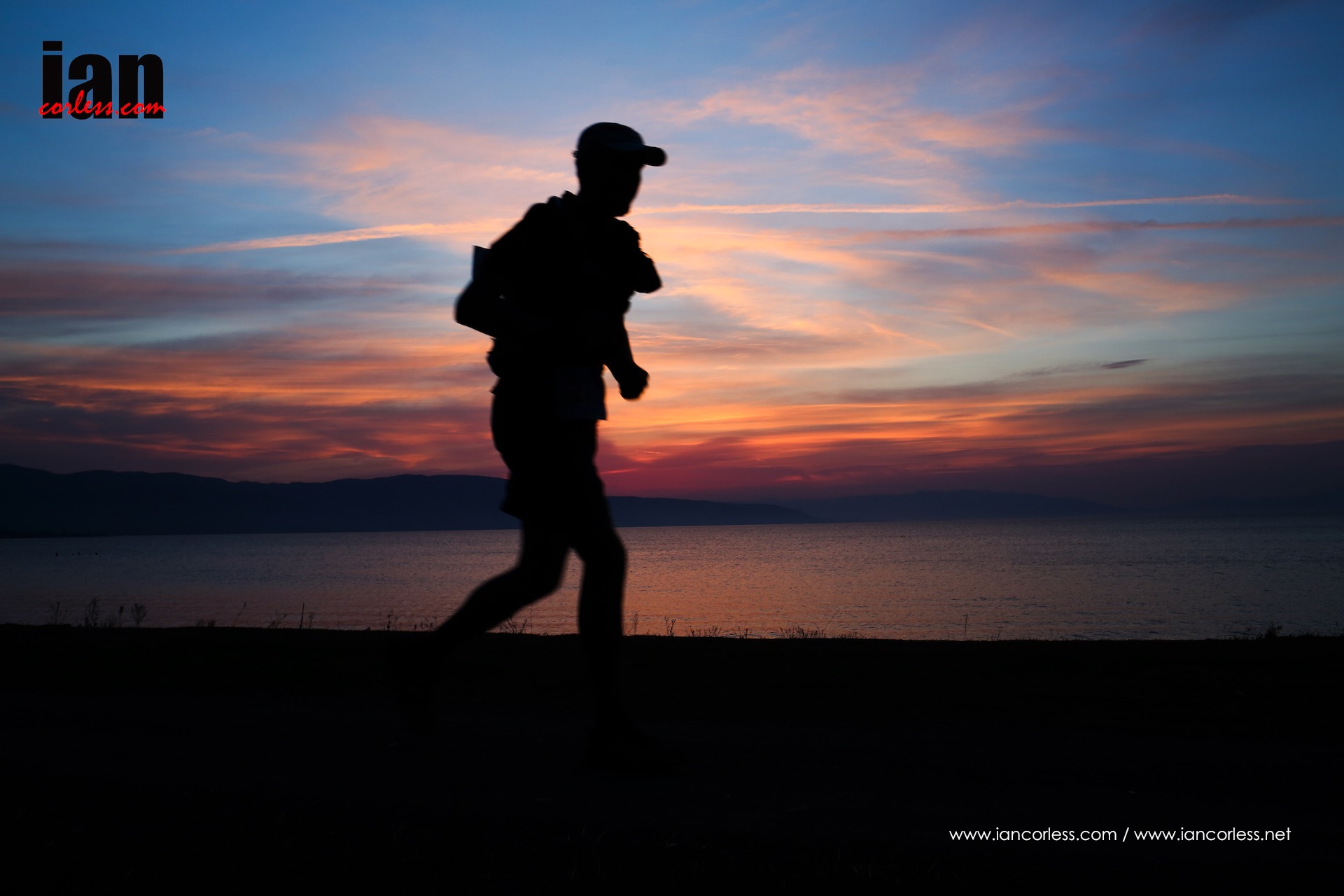
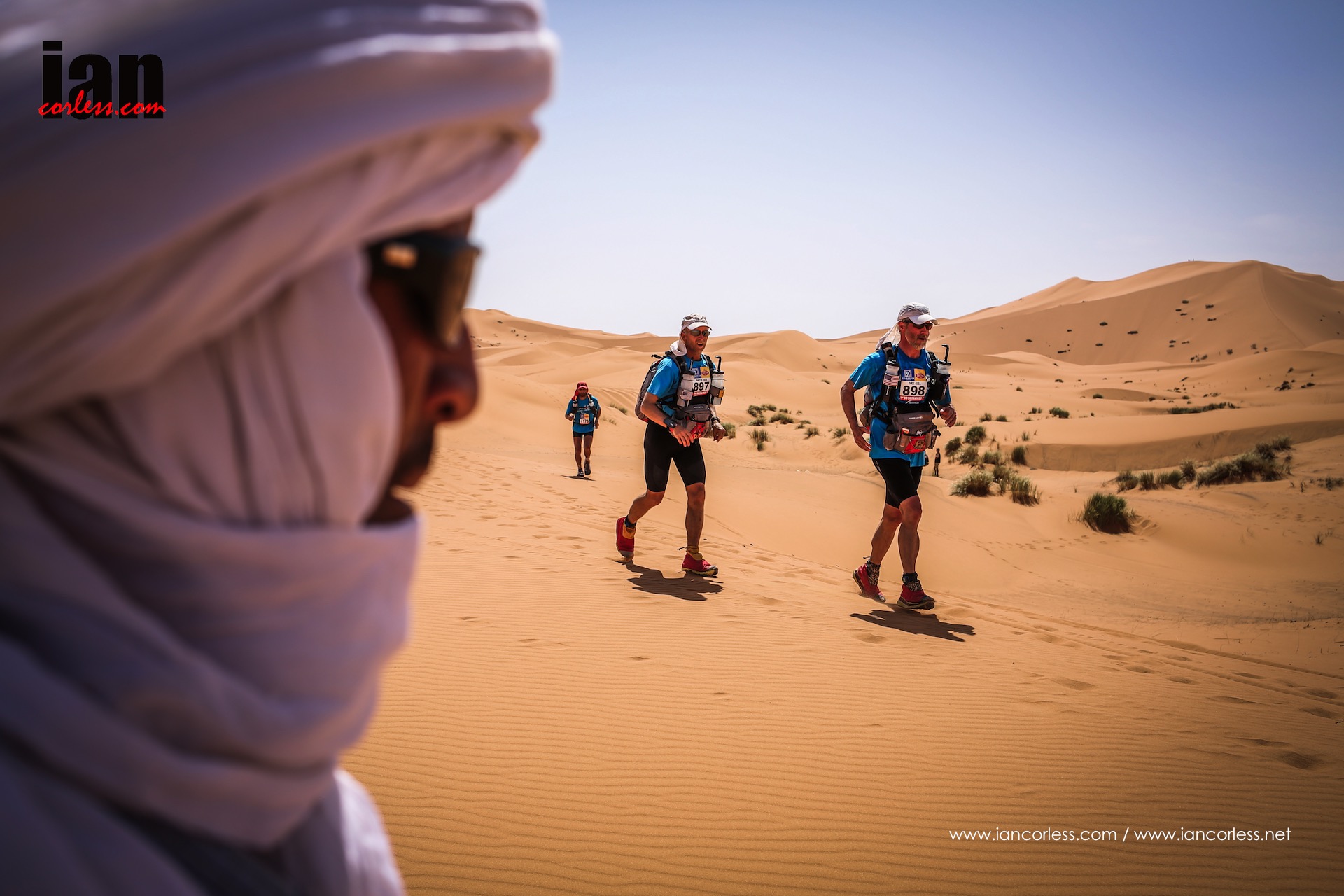
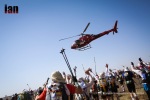
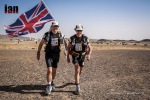
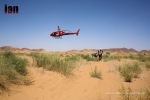
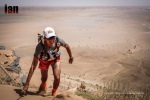
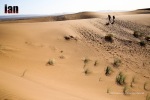
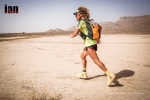
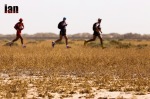
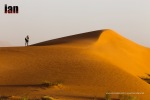
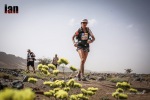
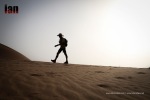
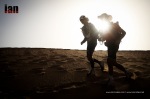
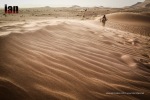
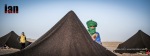
©iancorless.com_MDS2015Day5-9765

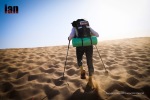
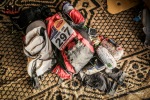
If you are running a self-sufficient race or if you are going fast packing, a sleeping bag is going to be an essential item. The need to carry all your supplies in your pack quite simply means that you are constantly having a battle against weight and functionality.

It’s fair to say, that for most people a 20 ltr pack has now become the ‘norm’ for multi-day adventures and they vary considerably. But hey, we are not here to talk about packs, we are here to discuss the sleeping bag that will go in the pack and importantly provide you with warmth and comfort during the night so you feel fresh for the following day.

I have just returned from working (3rd consecutive year) at the Marathon des Sables. Arguably, MDS as it is affectionately known is the daddy of multi-day racing. To draw a comparison, it holds the same allure and respect that Western States holds for the 100-mile distance.

Now in it’s 30th year the race has seen it all. Today, the British contingent are the most represented nation at the race, closely followed by the French. Following online forums as the 30th edition came close, one question was repeatedly asked, ‘What sleeping bag are you taking?’

It was a good question and on the face of it, a question that could easily be answered by each person clearly writing the name of their chosen product. However, nothing is ever that simple and sleeping bags (along with which pack) may very well have been the most argued and discussed topic prior to the race.

One thing was apparent from a British perspective. Three names repeatedly cropped up – OMM, PHD and YETI. Armed with this information, I decided to take all three to the MDS and test them, ‘in situ’ and feedback my thoughts.

Are you running a multi-day race? Join our Lanzarote Training Camp which takes place in January every year with two-time Marathon des Sables champion, Elisabet Barnes. Along with Sondre Amdahl and Shane Benzie.

Check it out HERE
Firstly a little background history.

OMM 1.6

OMM – (website HERE) OMM stands for Original Mountain Marathon and they have pioneered apparel, packs and products to enable runners to move fast and light in challenging terrain for multiple days.

Minimus

PHD – (website HERE) PHD stands for Peter Hutchinson Designs is a UK based company who provide a range of functional and technical apparel for adventures all over the world. They offer a range of ‘off the shelf’ designs but they are renowned for their bespoke services. You can read a profile here.

Yeti Passion One

YETI – (website HERE) YETI are a small German based company who specialise in down sleeping bags. They also making clothing and accessories.

THE TEST

Before I get down to the nitty gritty, I must clarify certain things. Firstly, the weather at MDS in 2015 was quite variable, we had warm days, plenty of variable wind (including sand storms) and at night temperatures dropped considerably towards the end of the week.

I alternated between bags and in particular on the first night (particularly warm) I slept in all three bags for approximately 90-120 minutes each. Also, I did this on the coolest night which coincided with the longest day.

So that you can draw comparisons, here are my personal body stats:

  • Height : 5ft 9in.
  • Weight : 73 (ish) Kg.
  • Waist : 32″ inch.
  • Shoulders : 40″ chest.

It will soon become apparent why the above stats are important. Each night I used a sleeping matt and a small travel pillow. I also had a TNF down jacket that weighed 250g as an optional ‘warmth’ layer if required. For consistency I used a ‘Exped’ dry bag for all my sleeping bags. It does add extra weight (36g) but I like the security of a bag like this protecting my sleeping bag from the elements.

©iancorless.com_OMM-7649

©iancorless.com_OMM-7642

Lets look at the sleeping bags in detail

OMM

©iancorless.com_MDS2015Day7-2379

OMM provide two sleeping bag options, the 1.0 and the 1.6 (as tested). As you would imagine, OMM want to make a bag or bags that are light, functional and pack small. I like two key things about the OMM bags: they are cheap in comparison to the competition and the filling is not down. By using Primaloft the OMM is functional in varied weather and as such, this bag can get wet and it will still remain warm. This does not happen with down! Of course, rain in the Sahara may well be far from your mind but remember, MDS is just one race… I am sure you will use your bag for may adventures.

OMM say:

The bag is made from a combination of materials to ensure maximum performance. The Purist bag for the Minimalist, The shell is made from PointZero, It has a DWR treatment to the fabrics face to give it a degree of water repellency and also extra stain resistance. The synthetic insulation is Primaloft Gold to give the best warmth to weight ratio available on the market, we have used different weights per panel to ensure the best technical usage of the fill. The base sheet is filled with Primaloft Gold 60g, we then put the Primaloft Gold 100g on the top sheet. The footbox is also shaped and filled with Primaloft Gold 100g to keep the feet warm. The construction is also considered as we have a loose laid outer shell and the inner stitched through to the insulation again this is to maximise insulative value and eliminate cold spots.

©iancorless.com_OMM-7630

OMM do not provide a rating for their bags and this does cause some issues for many people. I can understand why, no rating does leave a question mark on how warm the sleeping bag will be. The bag is mummy shaped with a short zip that sits in the middle of the bag and not at the side. It has a drawstring hood and is silky soft to touch. As mentioned this bag is fast drying and has an element water repellency.

©iancorless.com_OMM-7636

The bag only comes in one size, so, if you are taller than 6ft it’s not the bag for you. In addition, as with all the bags in this test, they are designed to be minimalist and therefore some compromises must be made. When zipped up I personally had little room to move around in the bag, this was not a problem for me. However, if you have a big chest and shoulders you may want to make sure that it’s comfortable. At £170 this bag is a bargain and I would really recommend it. On the warm nights at MDS, particularly the first night, I was able to open the zipper which allowed me to get air to my torso and cool down. On the coldest night, I zipped up, put my head inside the hood and I used the draw string to keep out any drafts. I took a TNF lightweight down jacket but did not need it, however, the addition of a sleeping bag liner or lightweight thermal top and pants would be recommended for the coldest MDS nights

©iancorless.com_OMM-7623 ©iancorless.com_OMM-7626

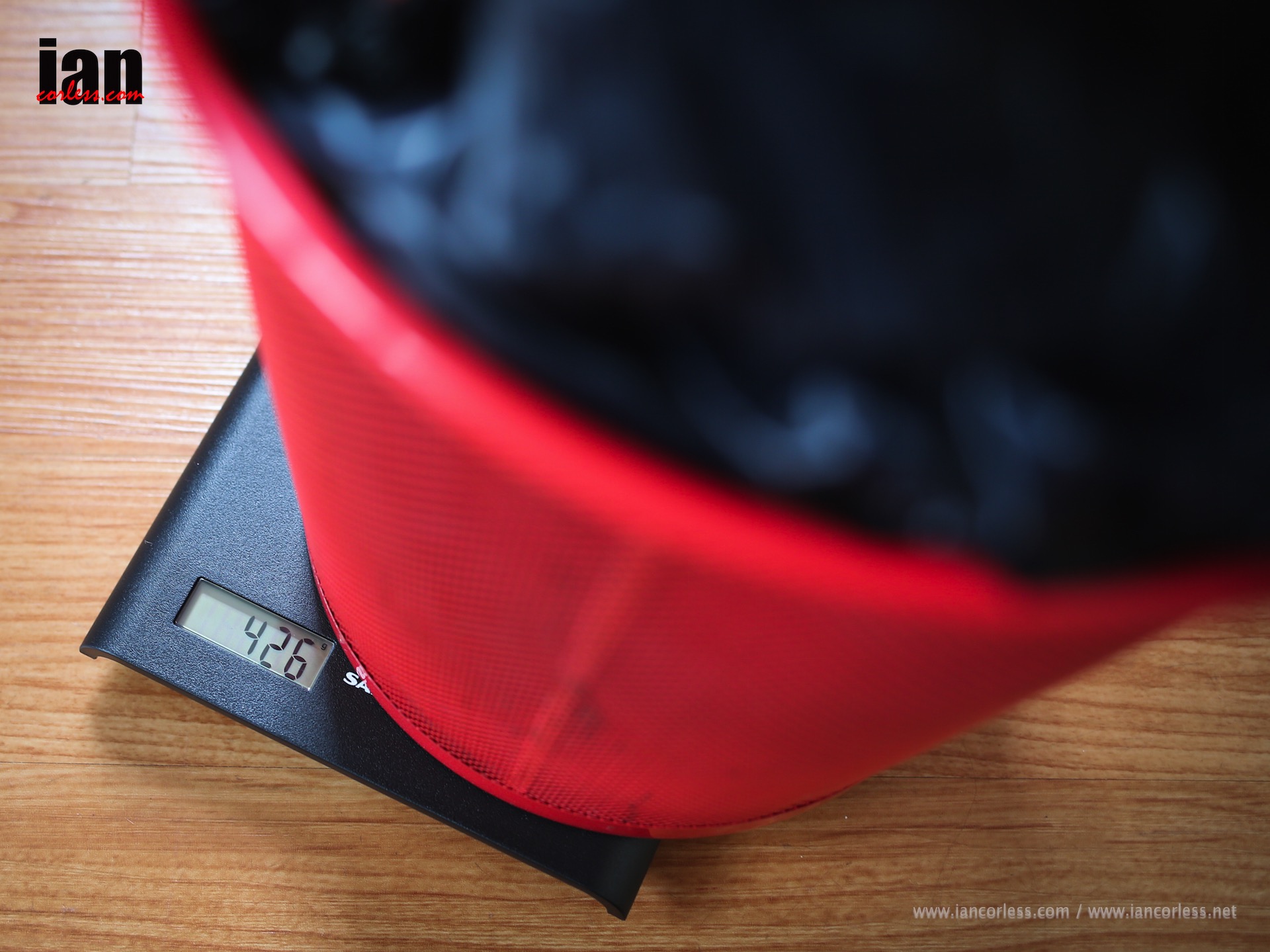
Weight is good (426g) but it’s the heaviest bag here and the bag packs down really small.

PROS:

  • Primaloft fabric is extremely versatile.
  • 1/2 zip keeps weight lower and does offer ventialtion.
  • Soft feel and comfortable.
  • Price.

Price

CONS:

  • Not the lightest bag
  • You need to be under 6ft tall
  • Not warm enough on the coldest night.
  • Need a liner or base layer clothing for colder nights

What 2015 MDS participants said:

Henry Potter Had the omm, was cold after about 2 am every night. I’m usually a petty hot person so thought I would get away with it. Also being 6,1ft it was a little on the small side!

Mark Gibson Used the OMM. Felt cool in the night but not uncomfortably, I like to spread out so the narrow end took some getting used to. Would use it again.

Ben Daly Omm1.6 cold between 3 and 5am every night and I’m quite brave when it comes to the cold

PHD
©iancorless.com_MDS2015Day7-2366

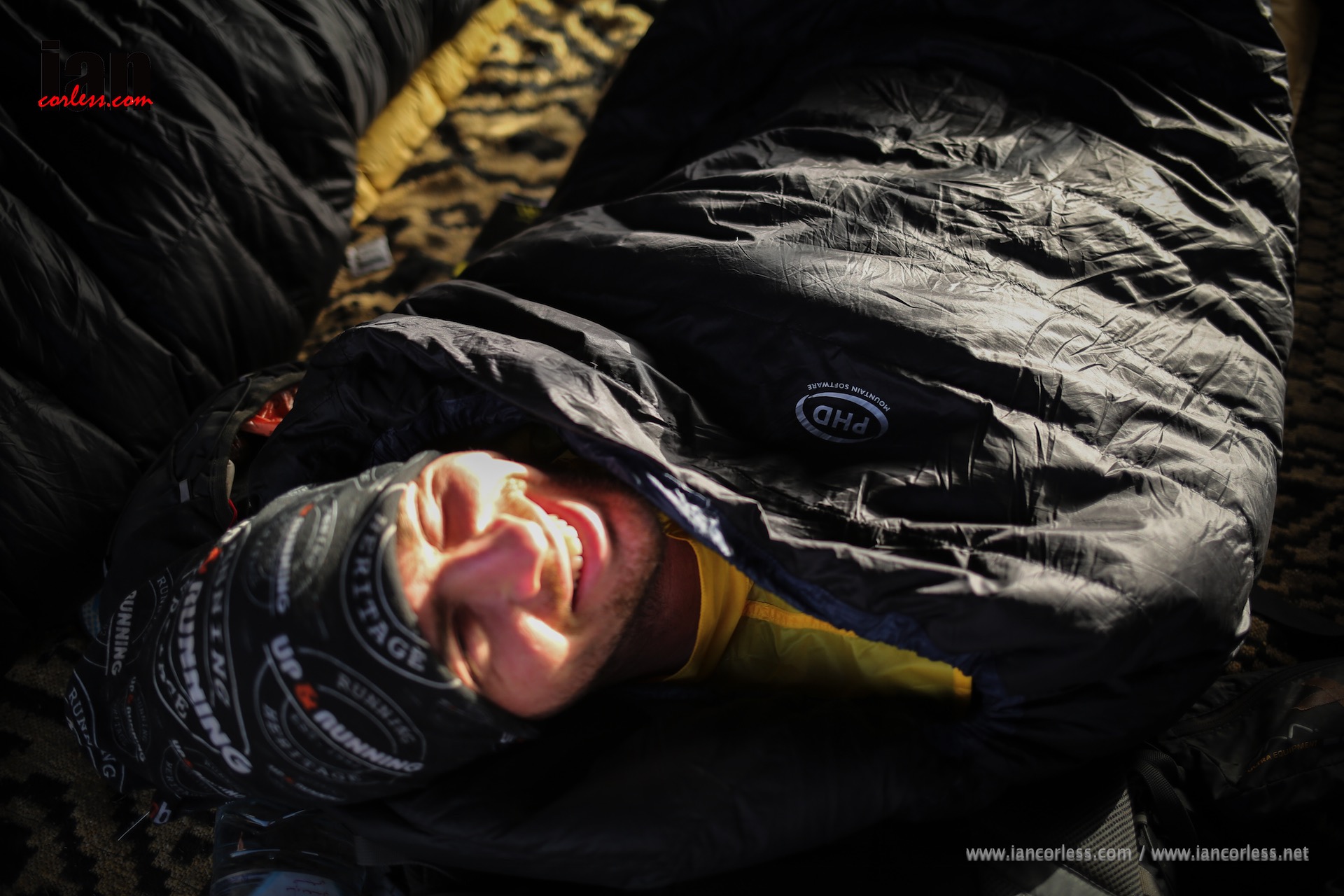
PHD make several sleeping bags and the Minimus K has become a regular at MDS. As mentioned, PHD make custom products for the entire range, however, it is possible to purchase the Minim Ultra K (330g from stock) at a cost of £263 in ‘standard’ fit. The big plus of PHD over other sleeping bags is how it is possible to customise a bag specific to your needs:

  • Length – short, standard, long and extra long
  • Width – slim, standard, wide, extra wide
  • Outer fabric – MX or ultra shell
  • Zip – no zip or short zip

Adjusting all of the above obviously alters the price, but if you are tall, wide, get cold feet, require no zip or require a half zip, PHD can give you exactly what you want! I recommend you allow time for this… don’t try to order a bag in March when you have a race in April…

For example, lets say you are small, slim build and require a half zip – Cost is £335 and the weight is 372g.

By contrast, lets say you are very tall, have huge shoulders and require a half zip – Cost is £458.28 and the weight is 588g.

A standard ‘off the peg’ Minim Ultra K with no zip in standard length and width weighs 330g and cost £263.

PHD say:

This K Series product has been created for one single reason, to take warmth-for-weight performance to the limit of what’s possible. Unique 1000 down, super-light materials, and specific design features mean that the word Ultralight now applies to this wide range of gear that will take you to the Poles as well as on a Sahara Marathon.

To those who like to shave every gm of weight off their load, the Ultra K sleeping bag is designed for you. The 10X inner brings a new soft comfort as well as reduced weight, while the unique 1000 down ensures max warmth per gram. An ultralight dream at 330gm (11.5oz).

Minim Ultra K.   330grm  (Mostly selected for weight saving).
Minimus K.         380grm  (designed for 5c nights – for a good nights sleep and recovery. This is the most popular choice)
Minim 400 K.     585grm  (mostly selected by those that do feel the cold)

Zip options are interesting. We find for MdS we’re sometimes putting in a short zip and occasionally just a foot zip. The Design Your Own Sleeping Bag site allows foot zips:  http://www.design-your-own-sleeping-bag.com/

©iancorless.com_PHD-4544

The PHD was actually too warm for me on the warm nights and was perfect on the colder nights without any base layer or liner. It’s a real plush bag and very comfortable. The lack of a zip means temperature regulation is cumbersome. My only option was to pull the bag below my arm pits or push down around my waist. I personally would order a custom bag with a half zip given the choice. The fill is 1000 European goose down (hence the warmth).

©iancorless.com_PHD-4547

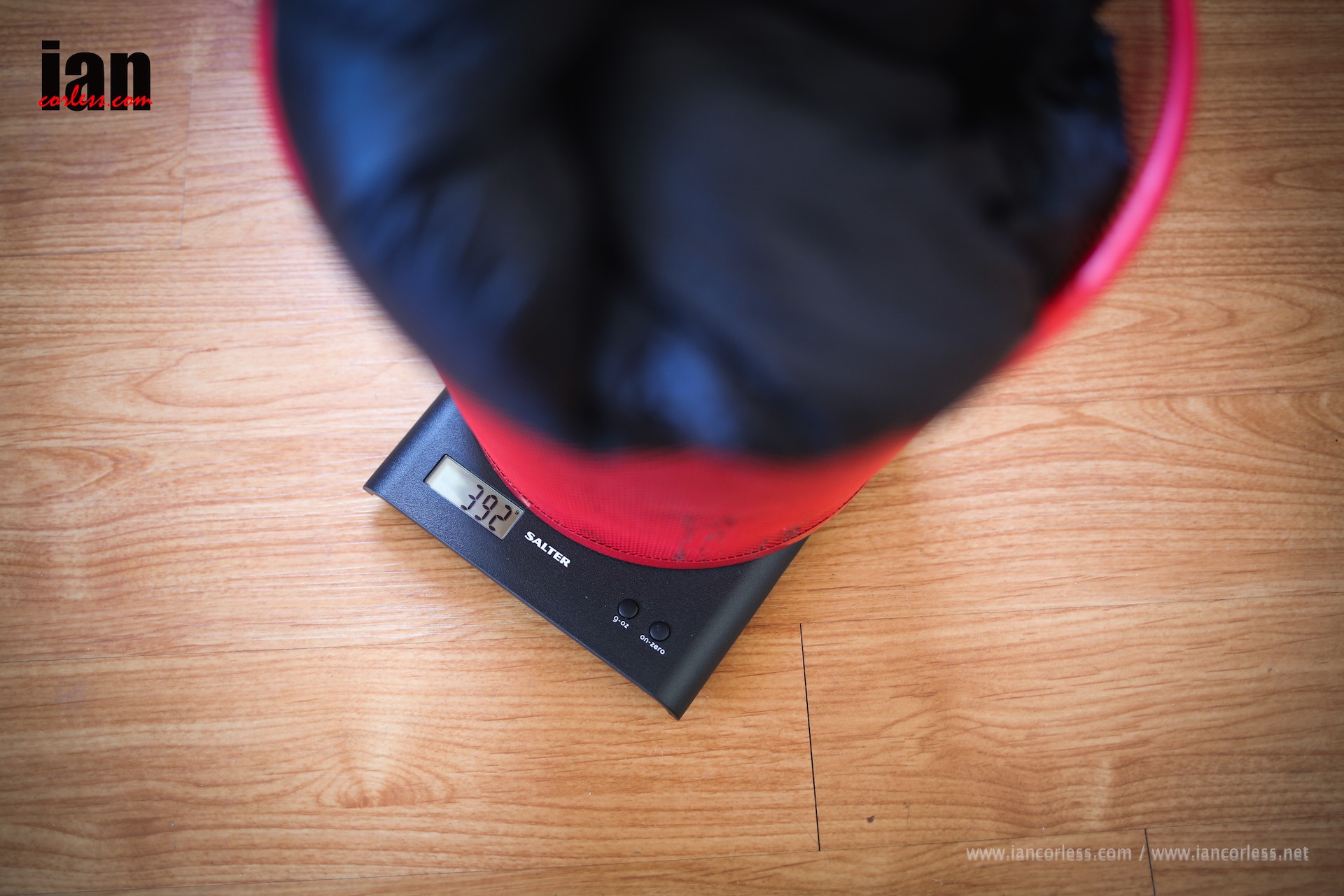
The bag tapers nicely and doesn’t restrict in any way. The construction of the bag guarantees a great spread of down and it packs small and weighs a very competitive 380g.My bag actually weighed 392g.
©iancorless.com_PHD-4550

PROS:

  • Warm
  • Packs small
  • Comfortable
  • Customiseable

CONS:

  • Off the shelf it has no zip
  • Maybe too warm for some (without zip)
  • Lighter than OMM but not as light as Yeti
  • You don’t want to get the bag wet.

What 2015 MDS participants said:

Leigh Michelmore Used the PHD Minimus during MdS and found it to be perfect for what I needed. Compact, lightweight and very comfortable. It may have actually been a little too warm as I had one or two nights where it did too good a job. Overall very happy with it and will use it again!

Mat Needham I used the minimus Ian.

Super warm and I had to sleep partly out of the bag due to how well it performed, there were a couple of nights where I had to fully get in but that was more to do with the wind and sand blowing in the tent. Fitted in my small pack perfectly and very light. I would definately recommend it to others.

Dafydd Lewis I used the PhD minimus. Brilliant bag, really warm and light enough. Would definately take again……if I go again!!

Rich Torley Had issue with the zip on the PHD Minimus: would jam frequently and mostly during the night when I needed to escape for a pee. Wondered if it was to do with sand but never proved conclusively. Grew quite jealous of the Combi being doubled up as a jacket, especially on the colder mornings.

YETI
©iancorless.com_MDS2015Day7-2459

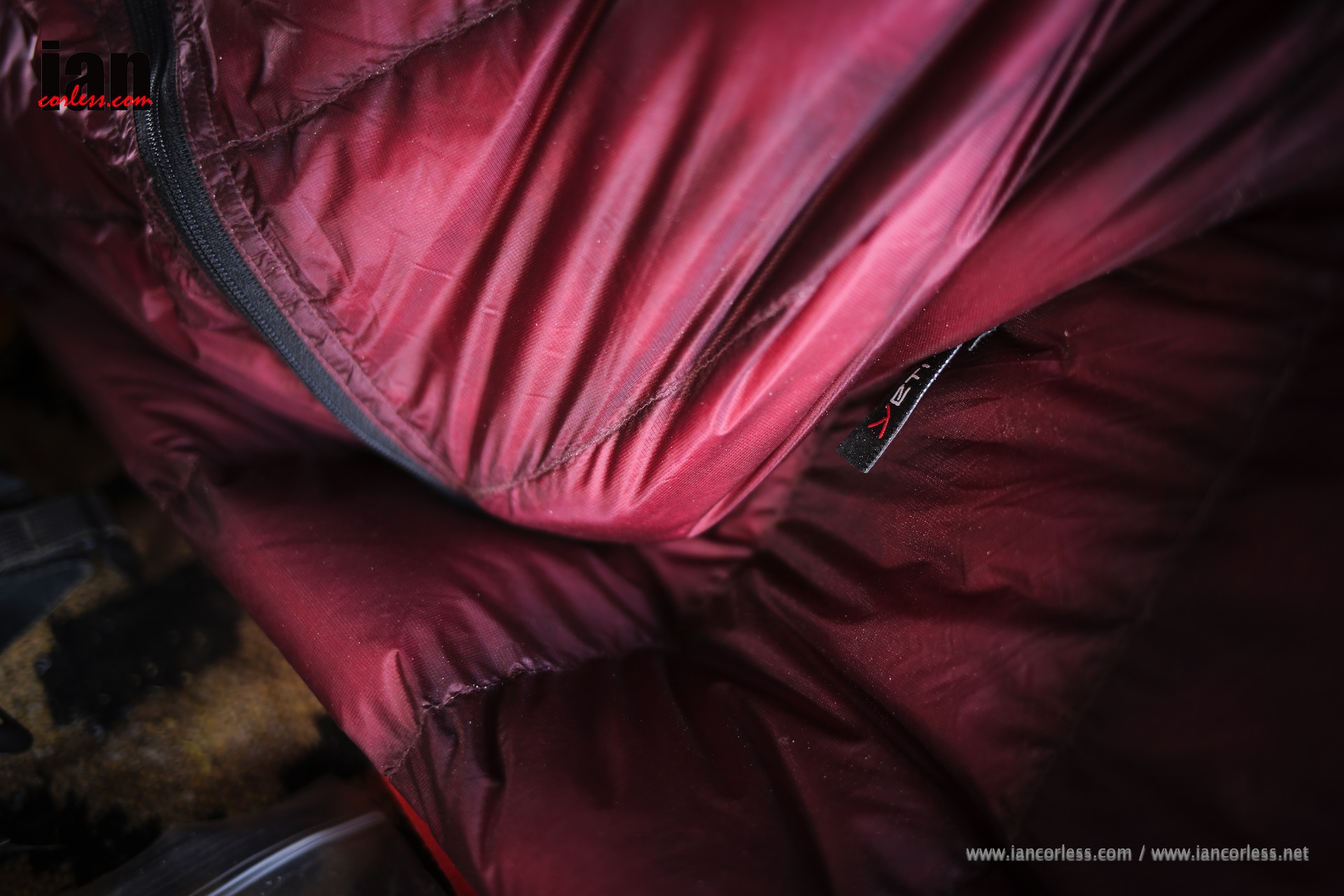
YETI (new bag, Fever Zero above) are specialist sleeping bag makers. They offer a range of products so that you can decide on the exact bag for your needs and requirement. However, unlike PHD, they only offer ‘off the shelf’ products. The Passion One bag was extremely popular at the 2015 MDS for two reasons: small pack size and low weight. Weighing just 320g this bag has a full zipper, a real bonus for hot nights and it has Goose Down class 1 filling. It’s worth noting that if you require more warmth, a Passion Three (465g) and a Passion Five (690g) is available.

The Passion One is silky smooth, soft on the skin and on the first night in camp it was a real pleasure to have a full length zip to allow air to get around my body and regulate temperature. However, on the coldest night, I found the Passion One on the cold side and found the need for an additional layer.

YETI say:

Perfect for people who experience adventures while others sleep; who enjoy a trip with good companions; who consider flirting an adventure as well; who believe life is too short for bad design; who do not consider fashion and nature to be inconsistent with one another; who dream about flying; who believe their eyes travel as well; who consider the lightness of being absolutely bearable.

©iancorless.com_Yeti-7604

In comparison to the PHD and OMM products, the Passion One felt ‘too light’ which I guess is a good thing.
©iancorless.com_Yeti-7621

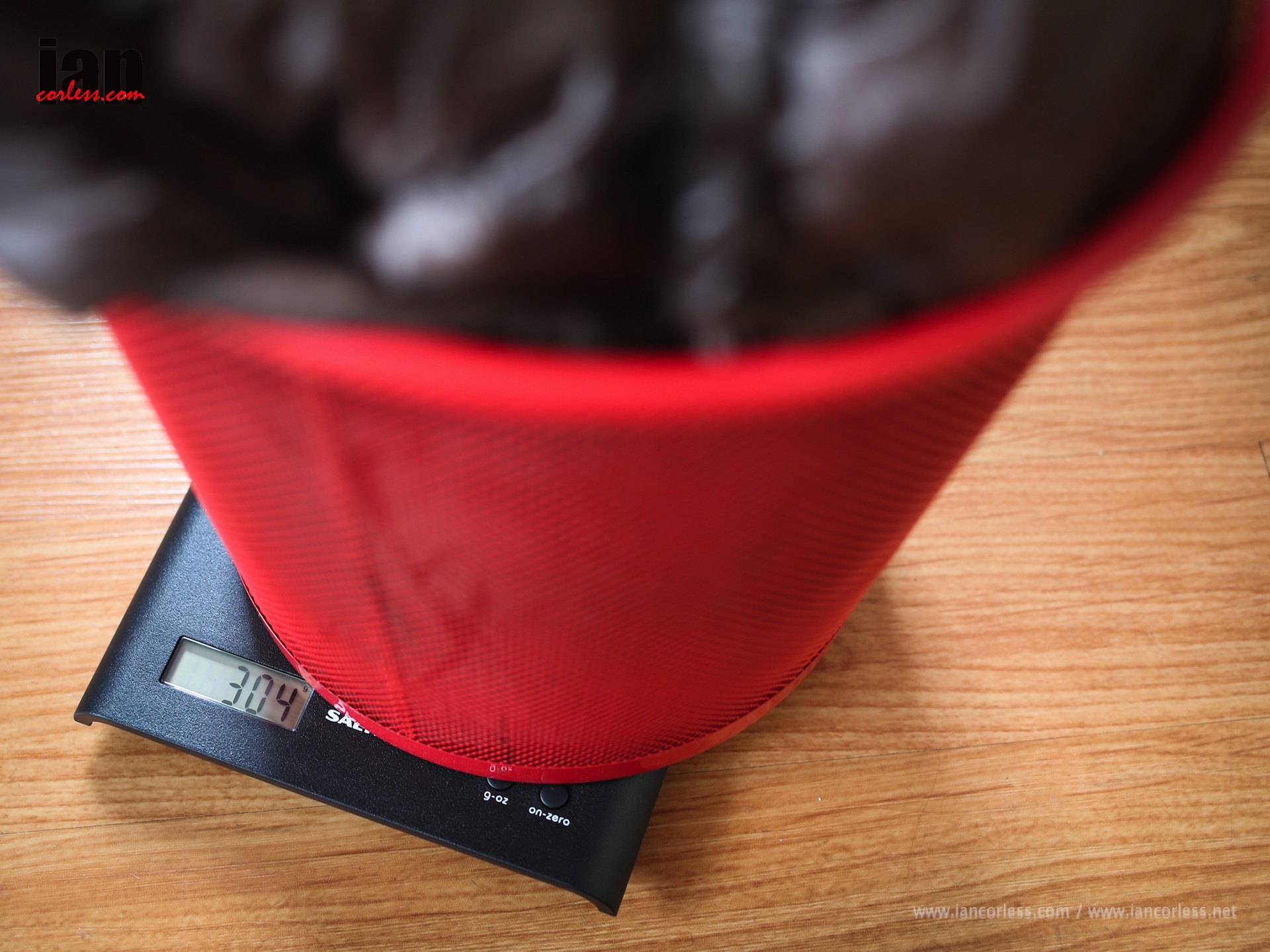
The scales confirmed that my bag was 304g, so, a good 100g lighter the the PHD Minim Ultra K and 122g lighter than the OMM 1.6. However, weight isn’t always everything… like the PHD, the Passion One comes in a choice of sizes: M, L or XL. The M is Ideal for me as I guess I am pretty much ‘standard’ size, however, big shoulders, extra height and you may struggle so rest assured that Large (6′ 3″) and Extra Large (6′ 9″) are available – obviously weight increases. The cost of the Passion One is £300
©iancorless.com_Yeti-7605

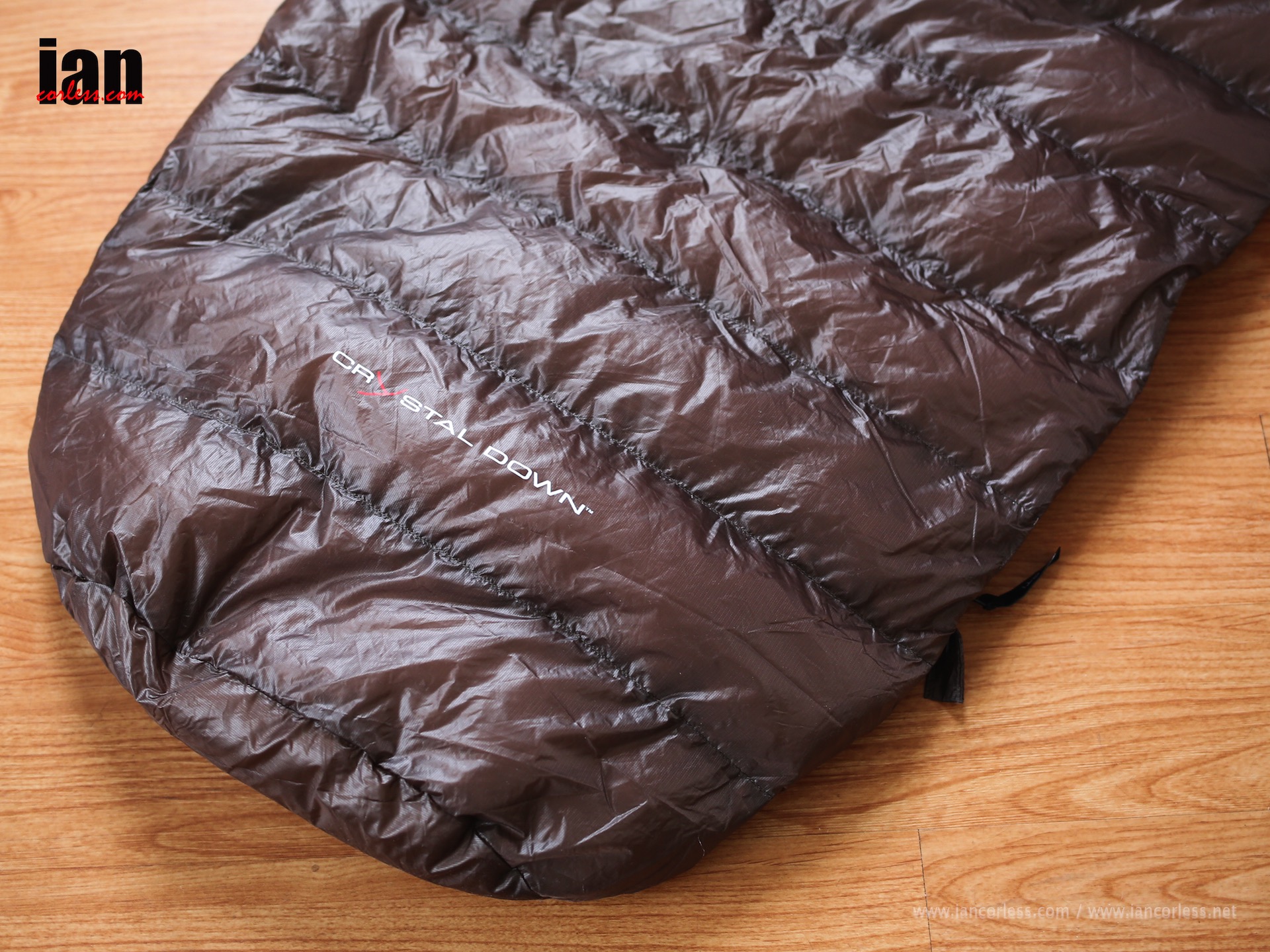
As with all the bags in this test, space is at a premium. It’s the nature of travelling light, however, I did find the Passion One offered a little more room in the toe box.

PROS:

  • Lightest bag in the test.
  • Full length zip.
  • Draw string hood.
  • Small size.

CONS:

  • Not warm enough on the coldest night.

What 2015 MDS participants said:

John Evans Took the Yeti Passion One without liner, cover or mat. Found that stuffing it into my bag nearest my back provided good cushioning and saved 40g on carrying the cover  The bag itself was fine, a little too warm on the first few days but the full length zip was fine for temperature adjustment; got cool on the later stages when the wind was up (i was sleeping in the centre of the tent with most airflow) and body reserves were low, but manageable. Stuck it in the washing machine when i came back which seems to have screwed up the lining.

Melissa Venables Yeti – freezing cold with silk liner most nights except the warmer night where I did hang a leg out. Stage 4 I got in it with the space banker they had also given me and did that for a few nights (sorry tent 183 for rustling like a crisp packet)
The last three days it started shedding down everywhere as the material is so thin it split (inside)
I am a cold person hence taking liner – chose it because it was small and at one point I was going with a 14 l pack. Wouldn’t take again I would go for something warmer even if it meant a little more bulk and weight!

Rob Shaw I used the Yeti one. Very light and packed up small. Decided at the last minute not to pack the silk liner and regretted it. Very cold on the later days of the race mainly due to wind blowing. It’s a warm bag but if you are in a draught the wind blows right through it. If you can drop a side of your tent to block the wind it certainly helps.

Dave Benison Yeti Passion One with no liner. Perfect choice for me. Full length zip allowed for legs to pop out on the warmer nights, and during the sandstorms the drawcord around the top meant I could really batten down the hatches & keep sand free inside. On the cooler nights I would say it was ‘just about’ warm enough, and only had to reach for my Ghost Whisperer jacket once (at about 4am after the long stage.)

For what it’s worth…

©iancorless.com_MDS2015Day5-6780

Another popular bag/ combination at MDS is the Raidlight Combi Down Sleeping Bag / Jacket. At £170 it represents real value for money as it combines a jacket and sleeping bag in one package. This obviously sounds like a great idea… However, the weight of the Raidlight is 700g. I personally prefer the flexibility of a sleeping bag and separate lightweight down jacket as this not only provides extra flexibility but reduced weight.

Raidlight say:

Raidlight’s ‘Combi Duvet’ dual purpose Sleeping Bag and Jacket. It is down-filled for great warmth to weight ratio. Perfect for use on multi-day races such as MdS or any event where duel purpose is key. At night, a warm sleeping bag and by day just unzip the arm holes, fold the bag up inside the back section, and it’s a really warm jacket.

CONCLUSION

As you can see, purchasing a sleeping bag is not as easy as you think, particularly when you are trying to pack this in a pack with all your food and other equipment for a multi-day adventure. You need to ask some very specific questions to ensure that you get a bag that works for you and fulfils your needs:

  • Are you tall?
  • Are you wide
  • Do you sleep cold or hot?
  • What is your budget?
  • Do you want to use your sleeping bag for other trips?
  • How important is weight?
  • How important is pack size?
  • Will you carry an additional base layer and/ or down/ thermal jacket?

One you have answered the above you can be very specific about what you need and it should, I hope become obvious which of the above bags is likely to be suitable for you.

I of course need to stick my neck on the line and say what my choice would be!

To be honest, it’s a relatively simple decision, I would go for a custom made PHD Minim Ultra K with zip so that I could regulate my temperature. With this bag, I would not need to carry an additional down jacket (weight saving 250g) and I could carry a small wind shell as a layer when not sleeping. Bag and wind shell £320.

But, the OMM 1.6 represents real value for money (if you are under 6ft). It provides a sleeping bag that can withstand the elements (rain) and the money saved on the bag would allow me or you to spend up to £200 on a real super lightweight down jacket that would offer great flexibility not only at a race such as MDS but at other events. Combined bag and Jacket price £370.

If I was an out-and-out racer looking for the lightest bag, the Yeti Passion One with full length zip and options of M, L or XL make this a tempting choice. But for me the money spent on making this bag small and light is potentially outweighed with the need for an additional warm layer that not only adds cost but weight. I would say that this bag and jacket may well come close to a combined cost of £500.

The curve ball comes with the Raidlight Combi Down Sleeping Bag / Jacket that provides great value for money. It’s certainly warm and the flexibility of the jacket option is attractive for some. However, it does weigh slightly more and packs larger. The cost at £170 is a bargain.

So what do you think…. what would you go with?

Please support this website. I believe everyone deserves to read quality, independent and factual articles – that’s why this website is open to all. Free press has never been so vital. I hope I can keep providing independent articles with your help. Any contribution, however big or small, is so valuable to help finance regular content. Please support me on Patreon HERE.

Follow on:

Instagram – @iancorlessphotography

Twitter – @talkultra

facebook.com/iancorlessphotography

Web – www.iancorless.com

Web – www.iancorlessphotography.com

Image sales –www.iancorless.photoshelter.com

Ultra SkyMarathon™ Madeira 2015 #USM2015

USM15_logo-01-250

The Ultra SkyMarathon™ Madeira (#USM2015) will take place on the13th and 14th June 2015 on the beautiful island of Madeira, Portugal.

Continuing the growth and expansion of Skyrunning globally, for the first time, USM will see its integration in the Skyrunner® National Series Spain, Andorra & Portugal. A set of 6 ultra distance races, USM will be the only race that takes place in Portugal.

Comprising of three races of different distances, USM will have:

  • Ultra SkyMarathon® Madeira (USM 55 km 4000 m D +)
  • Santana Sky Race (SSR 21 km 1350m D +)
  • and the Mini Sky Race (MSR 13km 400m D +).

It’s going to prove to be an exciting weekend of racing as runners from all over the world will travel to Madeira, not only to race but also to soak up the beautiful scenery, talk with the locals and indulge in the excellent food that only Portugal can offer.

©iancorless.com_Mourne-6734 copy

Stevie Kremer needs no introduction to Skyrunning aficionados and her incredible 2014 and Skyrunner® World Series title has recently been followed up with a great start to 2015 with victory at the Buffalo Stampede in Australia. This lady from Crested Butte is going to take some beating.

Ricky Lightfoot is the 2014 IAU World Trail Champion, winner and course record holder for the ‘Otter’ in South Africa and victor and course record holder for the DoDo Trail in Mauritius. On his day, he is an incredible force in any fell, trail, mountain or Skyrunning event.

©iancorless.com_IMG_6994Ultraks2014_

Zaid Ait Malek burst onto the Skyrunning scene in 2013 with a top placing at Zegama-Aizkorri. His enthusiasm, big smile and huge presence are a great contribution to any race. His victory at Matterhorn Ultraks in 2014 was a highlight and for sure, he will be looking for a podium place in Madeira.

©iancorless.com_IMG_1613Zegama14

Aritz Egea is a ‘Sky’ distance specialist and his ability to climb and descend with equal ability has seen him dominate races all over the world. A consistent top-10 finisher he will be looking to gain valuable points in Portugal.

©iancorless.com-0303Kima2014_

Alessandra Carlini really made a mark on the Skyrunning circuit in the past two years and she has proven, that despite living in the flat lands next to the sea, she has an ability to climb and descend with the best. Her performances improve when the races get longer, so, expect Alessandra to turn a few heads in the 55km race.

It won’t be easy running for Stevie, Ricky, Zaid, Aritz or Alessandra… a plethora of other top runners will toe the line looking for glory in Portugal:

  • Ester Alves (winner at this year’s Madeira Island Ultra Trail)
  • Nuno Silva (Winner, Falcotrail SkyMarathon 2014)
  • Luis Fernandes (winner at this year’s Madeira Island Ultra Trail)
  • Manuel Faria (Winner USM 2014)
  • Unai Santamaria (3rd USM 2014)

It’s not too late to enter any of the races in Madeira and a special discount is available if you enter before the end of April.

What you waiting for? Join some of the worlds best on the beautiful trails of Madeira.

Santana is a northern municipality of Madeira Island, renowned since 2011 as World Biosphere Reserve by UNESCO. It is known by the typical A-thatched houses, symbol of Madeira and Portugal and offers a wide variety of surroundings such as the laurel forest, mountainous areas surrounding Pico Ruivo and São Jorge hills and the outstanding cliffs of the north of the island.

I will be at the event photographing and reporting on the action as it unfolds. You can follow on Facebook and Twitter – @talkultra

Promo video: https://vimeo.com/125025950

Race website HERE

Registration HERE

Race weekend program HERE

Iznik Ultra Race Report on RUN ULTRA

Iznik Ultra 2015


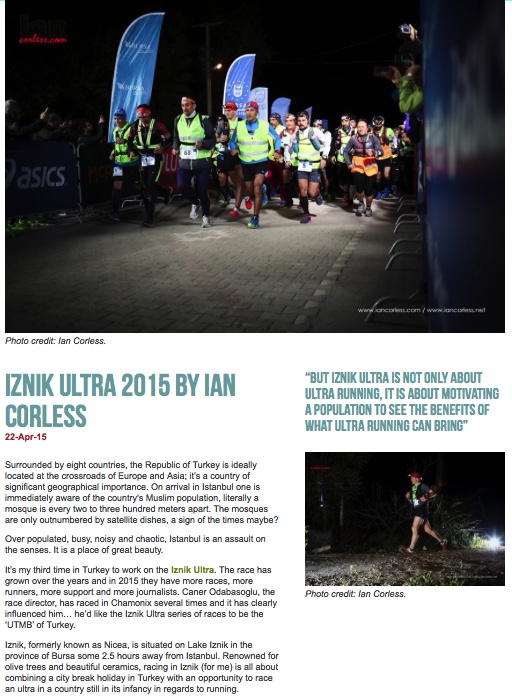
The Iznik Ultra series of races once again took place this last weekend, April 18th and 19th. It’s always an exciting way to combine running and time seeing some of the incredible sights of Istanbul.

Turkey is not known for ultra running. Despite its geographical location, its history and the multi-cultural influences placed upon it. Ultra is a sport for the few. Runners such as Mahmut Yavuz, Elena Polyakova and Aykut Celikbas have pioneered the way and they are loyal to Caner and the Iznik races. Last year I invited Jo Meek, Robbie Britton, Marcus Scotney and Tracy Dean to the races. They dominated the 10k, marathon, 80km and 130km distances. 2015 would prove to be a similar story with Donnie Campbell and Zoe Salt winning the 130km events in style.

Please go to RUN ULTRA HERE and read the full article.

You can view the full image gallery HERE

If you require images for personal or commercial use please go HERE

run-ultra-logo

Race Day Nutrition (Part Five) – Marc Laithwaite

©iancorless.com_MDS2015Day5-9459

Your body needs fluids for various functions. Body cells and tissues are filled with fluid, the nervous system requires fluid and the fluid component of your blood (known as plasma) is also affected by your drinking habits. Exercise leads to a loss of body fluids via sweating and breathing and this loss of fluid can eventually lead to what is commonly termed dehydration.

What happens when we drink?

When you put fluids into your stomach, they pass through the stomach wall into your blood vessels and effectively become plasma. As your blood stream can pretty much reach any part of your body, any tissue or any cell, this fluid can be transferred from the blood stream into the tissues or cells.

How does fluid actually pass from one place to another?

To get the fluid from your stomach into your blood stream or from your blood stream into tissue cells requires a process termed ‘osmosis’. Salt acts like a magnet drawing fluid towards it and the concentration of salt in your blood and tissues determines the shift of fluid around your body. When you take a drink of water it reaches your stomach and waits to pass through the wall into your blood stream. Your blood is saltier than the water in your stomach and due to the higher level of salt in the blood, the water is drawn from the stomach, through the wall and into the blood. This water effectively becomes blood plasma and travels around your body. If it finds muscle tissue, which has a higher salt concentration, the ‘magnetic’ pull of the salt within the muscle will draw the fluid from the blood into the muscle.

In simple terms, when something is dehydrated, it becomes salty. By becoming salty it’s magnetic or ‘osmotic’ pull increases in power and it attracts water towards it. That’s how fluid shift and hydration works within the body, that’s ‘osmosis’.

So how much should I drink?

Most guides will recommend somewhere between 1 – 1.5 litres per hour depending upon individual sweat rates, but it is unlikely that this amount can actually be absorbed when you are exercising. As each litre of fluid weight 1kg in weight, it is possible to calculate (very roughly) fluid loss by taking weight before and after and this will give you an estimation of how much you need to drink. This is a relatively simple process, go and ride or run for a couple of hours at the same intensity as your upcoming event and wear the same clothing etc. Weigh yourself before you go out, weigh yourself when you get back and then note how much fluid you drank. For example:

Weight beforehand: 80kg
Weight afterwards: 78.4kg
Weight lost: 1.6kg
Drink taken: 500ml (500g/0.5kg) – add this on
Actual weight lost: 2.1kg

*You should also take into account urination, if you stop for a pee during the session, that should be added to the loss!

Drinking too much is worse that not drinking enough:

For many years marathon runners were encourage to drink at every aid station and the key phrase was often “don’t wait until you’re thirsty, it’s too late then!” Unfortunately a few of those people died as a consequence due to a condition known as ‘hyponatremia’, which is excessive dilution of body salts. There needs to be some common sense applied to hydration. Your body tells you when you need fluid by making you feel thirsty and then you should drink however much you’ve lost. Your body operates very much like a water tank with an overflow system. Once the tank is full, any further fluid will be dispensed with by a visit to the toilet! It’s correct to say that urinating frequently and especially if the urine is clear, is not a sign of optimal hydration, it’s a sign you’re drinking too much.

Hyponatremia can be explained in this simple manner:

Take 1 medium sized bucket and add a teaspoon of salt and a pint of water to create a salt solution. Add another pint of pure water to the same bucket and you have now diluted the salt solution (it’s a bit weaker). Add another pint of pure water to the same bucket and dilute the salt even further. Keep going until the salt solution is so weak you can hardly even taste the salt. We said earlier in this article that salt acts like a magnet and attracts water towards it:

‘When you take a drink of water it reaches your stomach and waits to pass through the wall into your blood stream. Your blood is saltier than the water in your stomach and due to the higher level of salt in the blood, the water is drawn from the stomach, through the wall and into the blood’

What if you added so much water to your body that the blood wasn’t salty at all, it was diluted so much that it lost all its pulling power?

Salt intake:

Salt intake is a big question for many athletes and the basic guidelines tend to be relatively poor. Some people sweat more than others and the weather conditions will obviously have a large bearing upon both sweat and salt loss, but let’s examine the basics. Each litre of sweat contains 2.5-3.5g of salt depending upon the individual and how well acclimatised you are to hot conditions. IMPORTANT: Salt and sodium are 2 completely different things and we are interested in SODIUM’ and not ‘SALT’. Salt is 2 parts sodium and 3 parts chloride, so 2.5g of salt = 1g sodium / 1.5g chloride.

As a simple example, a tea spoon of salt = 6 grams. The 6 grams is made up of 2.4g sodium and 3.6g chloride.

Let’s presume that you are going to sweat 1 litre every hour (you need to do the calculation from taking weight before and after) and you sweat 2.5g SALT each litre, that means you sweat 1g SODIUM every hour.

Ok, so you’re sweating 2.5g SALT and 1g SODIUM every hour, so a tea spoon of salt (6 grams as explained above) would be enough for somewhere between 2 – 2.5 hours. Most sports drinks don’t have that much salt / sodium in them, so unless you take this into account, it’s likely in a long distance endurance event, your sodium levels will drop. The body does adapt by reducing the loss of sodium (it’s thins your sweat by reducing salt/sodium), but in hot conditions, your sodium intake needs to be addressed.

Remember the isotonic issue:

We said in last week’s blog that fluid intake is important when you are eating food, to ensure that the solution in your stomach is not too concentrated. For this reason, you need to consider fluid and food intake together. If you calculate that you are sweating 1 litre per hour and your planned intake of carbohydrate is 60g per hour, then that ‘technically’ gives you a 6% solution (1000ml / 60g = 6%). The timing of you fluid should be influenced by food intake, for example, if you eat half an energy bar, take fluid with it to dilute the solution. If you missed last week’s blog (part 4) which discussed carbohydrate solutions, click the nutrition link on the left hand blog menu and you’ll find it there.

Practical application of hydration strategies:

  1. If you’re urinating frequently and it’s clear, you may be drinking too much.
  2. Bloated stomach is one of the first signs of hyponatremia, coupled with vomiting liquid. Headaches are also a common symptom.
  3. Use electrolyte tablets in hot weather, but understand that hyponatremia is generated by too much fluid, as opposed to not enough salt. You should also check your energy bars or gels as many of them have salts included.
  4. Use thirst and urine colour as indicators of hydration status. Very dark, infrequent urine is a sign of dehydration.
  5. Weigh yourself before and after exercise as a simple guide to fluid loss, each litre of water weight 1kg, each millilitre weighs 1g.
  6. Try to incorporate food or energy intake as part of your hydration strategy and consider solution strength (isotonic)
  7. If you suffer from bloated stomach due to hyponatremia, don’t take more water, take more salt
  8. People with hyponatremia often don’t urinate, don’t confuse this with dehydration

– Marc

About Marc:

Sports Science lecturer for 10 years at St Helens HE College.

2004 established The Endurance Coach LTD sports science and coaching business. Worked with British Cycling as physiology support 2008-2008. Previous Triathlon England Regional Academy Head Coach, North West.

In 2006 established Epic Events Management LTD. Now one of the largest event companies in the NW, organising a range of triathlon, swimming and cycling events. EPIC EVENTS also encompasses Montane Trail 26 and Petzl Night Runner events.

In 2010 established Montane Lakeland 50 & 100 LTD. This has now become the UKs leading ultra distance trail running event.

In 2010 established The Endurance Store triathlon, trail running and open water swimming store. Based in Appley Bridge, Wigan, we are the North West’s community store, organising and supporting local athletes and local events.

Check out the endurance store HERE

Endurance Store Logo

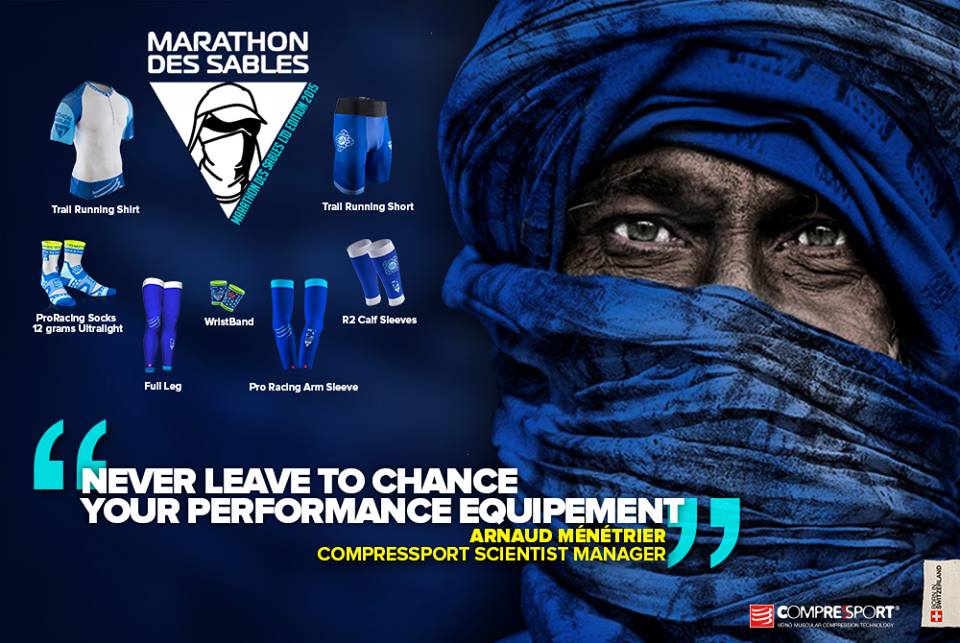
Compressport Goodies #MDS2015 – And the winner is…?

©iancorless.com.IMG_1876MDS2014Leading sport compression brand COMPRESSPORT provided you all with the opportunity to win one full set of TRAIL clothing in relation to the 30th edition of the Marathon des Sables.

How could you win? You had to predict the male or female winner.

And the winner is?

DAVE WALKER

who entered on March 31st and predicted Elisabet Barnes as the ladies winner. We will email Dave and connecting him with Compressport to receive the TRAIL clothing in his appropriate size and colour option.

Image ©compressport

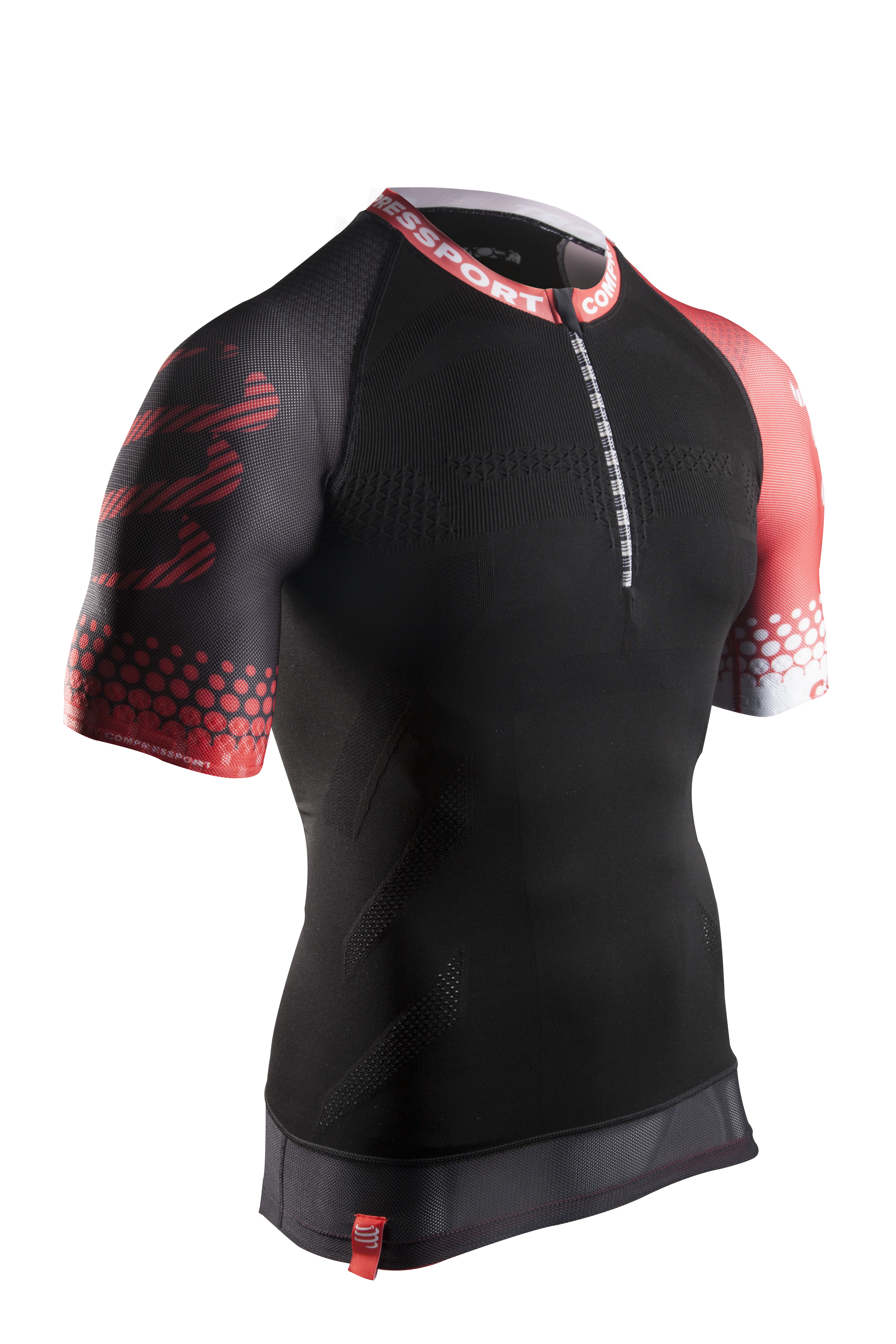
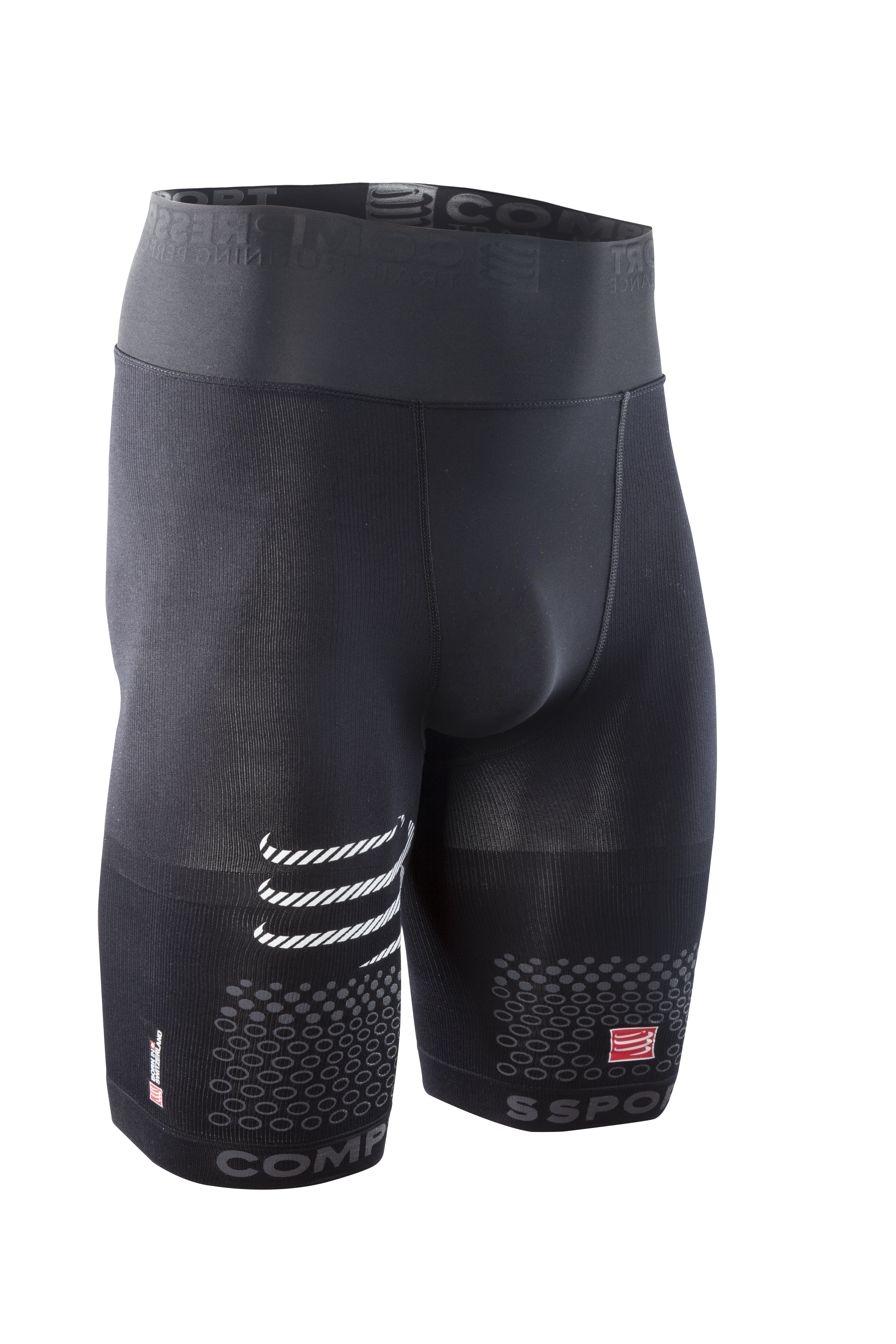
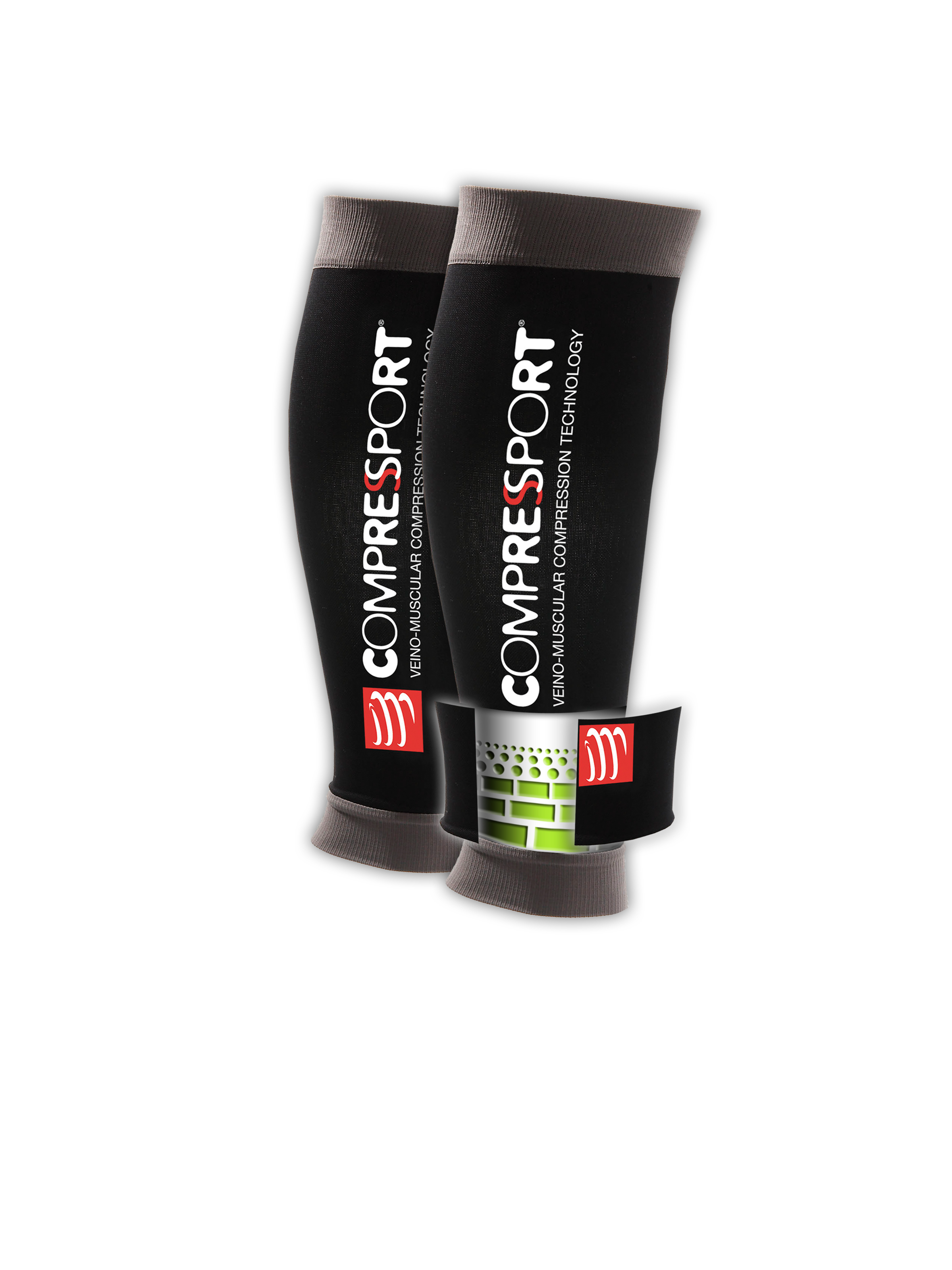
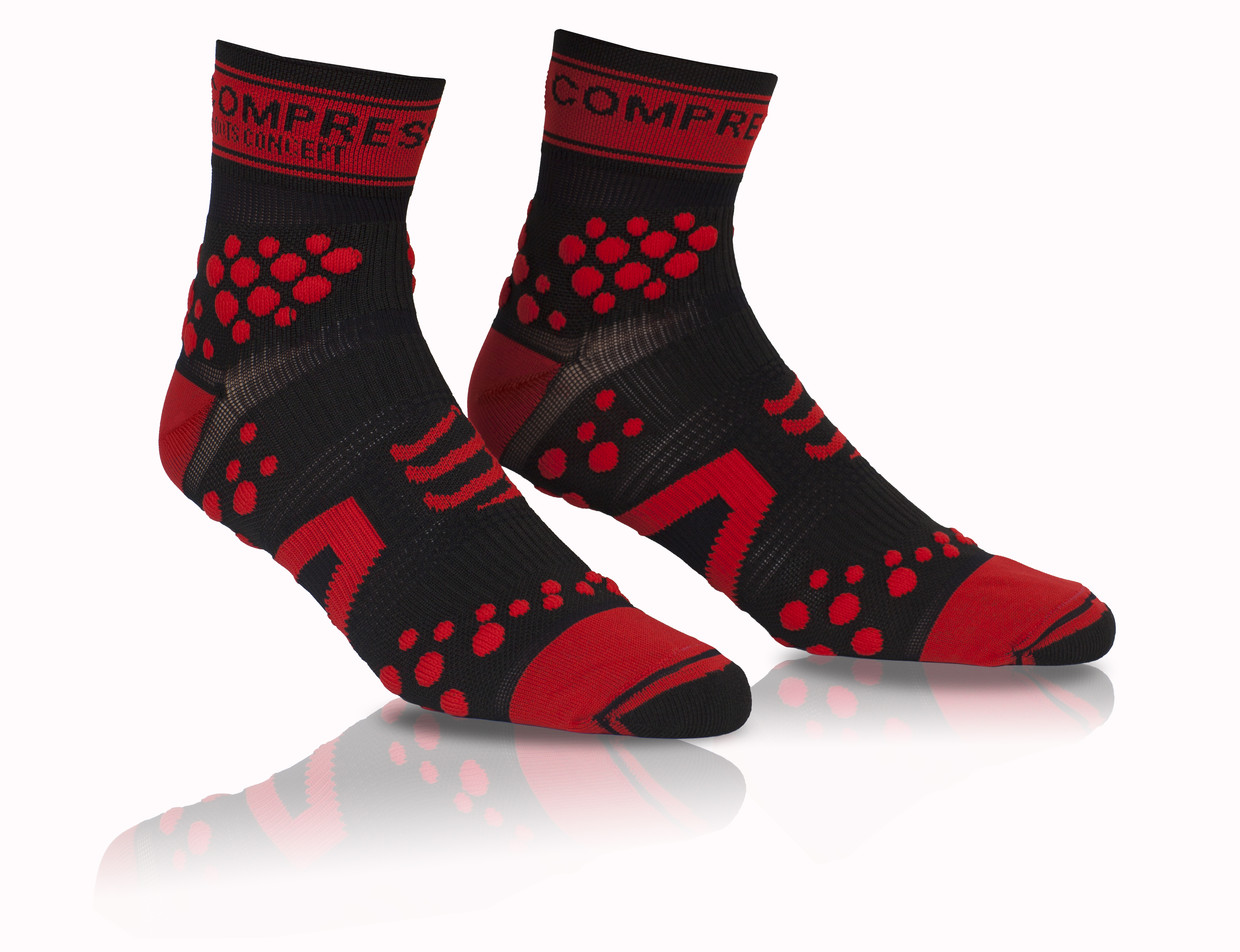
The total value of products available is €250 and includes the following items

Trail Running shirt Black 02

TRAIL running shirt (male or female)

Trail Running Shorts black 02

TRAIL running short (male or female)

Compressport Paire US Black

Compression Calf

prs_v2_trail_ blackred_2

TRAIL sock

Iznik Ultra Weekend 2015

©iancorless.com_Iznik2015-3831

The 2015 Iznik Ultramarathon weekend has ended and what a weekend of racing!

The sun gods came out and allowed Iznik and the surrounding area to shine for the 130km, 80km and 46km events.

For the first time, the 2015 events all took place in a counter clockwise direction therefore allowing each event to conclude in the town of Iznik. So, previous course records and times are not comparable to 2015 results. Arguably, with maybe the exception of the 46km event, this made the racing harder.

Scotland’s Donnie Campbell and the UK’s Zoe Salt dominated the 130km event with two stunning performances. Donnie led from the front and extended his lead step-by-step as the race unfolded. Local talent Mahmut Yavuz tried his hardest to close the gap but Donnie was just too strong. Ever present Aykut Celikbas placed third after placing second in the 2014 80km event.

Zoe bided her time in the female event and eventually took the lead around he 65km mark as Mariya Niklova started to grind to a halt. Looking composed and relaxed, Zoe pulled away and not only won the ladies race but also placed fourth overall. Mariya struggled in the latter third of the race and lost huge chunks of time to Zoe, she did however manage to hold on to second place ahead of a closing Ingrid Qualizza.

In the 80km event, Asics runner Emmanuel Gault produce the race we all expected and dominated over the undulating trails and route as he traversed his way back to Iznik. Girondel Benoit placed second and Tanzer Dursan flew the Turkish flag for third place.

Placing 6th overall and first lady, Alessia De Matteis from Italy dominated the ladies race ahead of Elena Polyakova and Coraline Chapatte from Switzerland.

Jose De Pablo (Depa) looked impressive throughout the 46km event and showed his true marathon form and speed to win ahead of Raidlight CEO, Benoit Laval. Duygun Yurteri placed third.

Caterina Scaramelli from Italy ran a close contested race against Filiz Cancilar and Martine Nolan (Ireland) but held on for victory.

RACE IMAGES available to purchase HERE

Full results:


130km

  1. Donnie Campbell 13:23:50
  2. Mahmut Yavuz 14:31:20
  3. Aykut Celikbas 14:48:29
  1. Zoe Salt 15:14:37
  2. Mariyla Niklova 19:29:45
  3. Ingrid Qualizza 19:43:49


80km

  1. Emmanuel Gault 6:45:25
  2. Girondel Benoit 7:26:10
  3. Tanzer Dursun 8:40:36
  1. Alessia De Matteis 9:03:53
  2. ElenaPolyakova 10:48:57
  3. Coraline Chapatte 11:34:37


46km *update to results 21st April – unfortunately Jose De Pablo received a time penalty as he did not carry mandatory kit, new results are in bold.

  1. Jose De Pablo 4:03:29 *Benoit Laval 4:19:03
  2. Benoit Laval 4:19:03 *Duygun Yurteri 4:28:15
  3. Duygun Yurteri 4:28:15 *Jose De Pablo 4:28:29
  1. Catarina Scamelli 5:03:44
  2. Ziliz Cancilar 5:04:55
  3. Martine Nolan 5:09:44

All images are ©iancorless.com – all rights reserved

RACE IMAGES available to purchase HERE

Episode 85 – Marathon des Sables Special

EP85

Episode 85 is a 30th anniversary MDS special with Niandi Carmont co-hosting and discussing her race in depth. We speak with ladies champ, Elisabet Barnes and Darren Grigas and Ian Knight tell us all about their races. Robbie Britton also joins us and provides an insight into his 3rd place at the IAU 24-hour champs. The News, Up and Coming races and hopefully some RnR.
NEWS
 
IAU 24-hour
Reus Florian 263.899
Szynal Pawel 261.181
Robbie Britton 261.140
INTERVIEW – ROBBIE BRITTON
Katalin Nagy 244.495
Traci Falbo 239.740
Maria Jansson 238.964
Buffalo Stampede SkyRace
Stevie Kremer 4:26
Hanny Alston 4:31
Mira Rai 4:52
Blake Hose 3:59
David Byrne 4:20
Michel Lanne 4:22
Buffalo Stampede Ultra
Tom Owens 8:17
Andrew Tuckey 8:28
Marty Lurkes 8:53
Landie Greyling 9:40
Beth Cardelli 9:59
Julie Quinn 10:05
Lake Sonoma 50
Alex Varner 6:09 CR
Ryan Bak 6:23
Jared Hazen 6:31
Steph Howe 7:08 CR
Cassie Scallon 7:22
Ashly Erba 7:36
BLOG
 
INTERVIEWS – ELISABET BARNES, IAN KNIGHT and DARREN GRIGAS
 
UP & COMING RACES
 

Austria

Tiroler Abenteuerlauf 60 KM | 60 kilometers | April 25, 2015 | website

Belgium

Brussels Capital Region

Trail 50 km | 50 kilometers | April 19, 2015 | website

Wallonia

La Bouillonnante – 56 km | 56 kilometers | April 25, 2015 | website

British Virgin Islands

Tortola Torture | 50 kilometers | April 25, 2015 | website

Canada

Ontario

Pick Your Poison 50K Trail Run | 50 kilometers | April 25, 2015 | website

Chile

Ultra Fiord 100K | 100 kilometers | April 17, 2015 | website

Ultra Fiord 70K | 70 kilometers | April 17, 2015 | website

China

Dalian 100 | 100 kilometers | April 18, 2015 | website

Dalian 50 | 50 kilometers | April 18, 2015 | website

Shangri-La 100k | 100 kilometers | April 25, 2015 | website

Shangri-La 50k | 50 kilometers | April 25, 2015 | website

Croatia

100 Miles of Istria | 100 miles | April 17, 2015 | website

100 Miles of Istria – 105 km | 105 kilometers | April 18, 2015 | website

100 Miles of Istria – 65 km | 65 kilometers | April 18, 2015 | website

Denmark

Hovedstaden

Salomon Hammer Trail Bornholm -100 Miles | 100 miles | May 01, 2015 | website

Salomon Hammer Trail Bornholm – 50 miles | 50 miles | May 01, 2015 | website

Ethiopia

Ethiopian Lakes Trail | 85 kilometers | April 27, 2015 | website

France

Alpes-Maritimes

Ultra Trail des Balcons d’Azur (79+25) | 104 kilometers | April 25, 2015 | website

Ultra Trail des Balcons d’Azur (UTBA) | 79 kilometers | April 25, 2015 | website

Ardèche

Trail l’Ardéchois – 57 km | 57 kilometers | May 01, 2015 | website

Ariège

Trail des Citadelles – 70 km | 73 kilometers | April 19, 2015 | website

Aveyron

Trail du Capuchadou | 50 kilometers | April 25, 2015 | website

Trail “Le Roc de la Lune” – 60 km | 60 kilometers | April 26, 2015 | website

Trans Aubrac | 105 kilometers | April 25, 2015 | website

Bas-Rhin

Le Challenge des Seigneurs | 100 kilometers | April 18, 2015 | website

Le Défi des Seigneurs | 74 kilometers | April 18, 2015 | website

Le Grand Défi des Vosges | 58 kilometers | April 19, 2015 | website

L’Intégrale | 132 kilometers | April 18, 2015 | website

Dordogne

100 km de Belvès en Périgord Noir | 100 kilometers | April 25, 2015 | website

Morbihan

Bretagne Ultra Trail – 115 km | 115 kilometers | April 25, 2015 | website

Bretagne Ultra Trail – 63 km | 63 kilometers | April 25, 2015 | website

Seine-et-Marne

Grand Trail du Sonneur | 66 kilometers | April 25, 2015 | website

Ultra Trail de la Brie des Morin | 87 kilometers | April 25, 2015 | website

Seine-Maritime

Le RaDicAtrAil – 110 km | 110 kilometers | April 25, 2015 | website

Le RaDicAtrAil – 56 km | 56 kilometers | April 26, 2015 | website

Var

French Ultra Festival – 50 km Marche | 50 kilometers | April 25, 2015 | website

Vosges

Trail des Roches | 73 kilometers | April 26, 2015 | website

Germany

Baden-Württemberg

Lauf “Rund um Wolfach” | 50 kilometers | April 25, 2015 | website

Bavaria

Chiemsee-Ultramarathon April | 108 kilometers | April 18, 2015 | website

Lower Saxony

HeXenStieg Ultralauf | 219 kilometers | April 24, 2015 | website

Hexentanz | 104 kilometers | April 25, 2015 | website

Rhineland-Palatinate

Bärenfels 50 km Trail | 50 kilometers | May 01, 2015 | website

Saxony

Saxonian Mt. Everestmarathon | 84390 meters | April 18, 2015 | website

Saxony-Anhalt

Harzquerung – 51 km | 51 kilometers | April 25, 2015 | website

Greece

300 of Sparta | 378 kilometers | April 26, 2015 | website

Doliho Ultra-Marathon | 255 kilometers | May 01, 2015 | website

Hungary

Mátrabérc Trail | 55 kilometers | April 18, 2015 | website

India

Sandakphu 70 Mile Himalayan Race | 70 miles | April 26, 2015 | website

Israel

Mountain to Valley Relay | 215 kilometers | April 29, 2015 | website

The Sea to Jerusalem 70 km Ultra | 70 kilometers | April 17, 2015 | website

Italy

Emilia-Romagna

50 KM di Romagna | 50 kilometers | April 25, 2015 | website

Lombardy

UMS Ultramaratona Milano Sanremo | 280 kilometers | May 01, 2015 | website

Sicily

Lafuma Volcano Trail | 80 kilometers | April 26, 2015 | website

Tuscany

The Abbots Way | 125 kilometers | April 25, 2015 | website

Tuscany Crossing Val d’Orcia 100 km | 100 kilometers | April 25, 2015 | website

Tuscany Crossing Val d’Orcia 50 km | 50 kilometers | April 25, 2015 | website

Japan

Challenge Fuji 5 Lakes – 100 km | 100 kilometers | April 19, 2015 | website

Challenge Fuji 5 Lakes – 112 km | 112 kilometers | April 19, 2015 | website

Challenge Fuji 5 Lakes – 72 km | 72 kilometers | April 19, 2015 | website

Fuji Five Lakes 100 km Challenge | 100 kilometers | April 19, 2015 | website

Fuji Five Lakes 118 km Challenge | 118 kilometers | April 19, 2015 | website

Fuji Five Lakes 71 km Challenge | 71 kilometers | April 19, 2015 | website

Madagascar

Semi Trail des Ô Plateaux | 65 kilometers | May 01, 2015 | website

Ultra Trail des Ô Plateaux | 130 kilometers | May 01, 2015 | website

Nepal

Everest Ultra | 65 kilometers | April 18, 2015 | website

Mustang Trail Race | 170 kilometers | April 18, 2015 | website

Trail des Trois Vallées | 353 kilometers | April 18, 2015 | website

Netherlands

Limburg

Limburgs Zwaarste 100 km | 100 kilometers | April 18, 2015 | website

Limburgs Zwaarste 60 km | 60 kilometers | April 18, 2015 | website

Limburgs Zwaarste 80 km | 80 kilometers | April 18, 2015 | website

Poland

Beskidzka 160 Na – Long Distance | 84 kilometers | April 25, 2015 | website

Portugal

75 km | 75 kilometers | April 18, 2015 | website

Gerês Trail Aventure® | 130 kilometers | April 30, 2015 | website

Gerês Trail Aventure® Starter | 70 kilometers | April 30, 2015 | website

Peneda-Gerês Trail Aventure® | 280 kilometers | April 25, 2015 | website

Serbia

Fruska Gora Ultra Plus | 111 kilometers | April 25, 2015 | website

South Africa

Loskop Ultra Marathon | 50 kilometers | April 18, 2015 | website

Slow-Mag Ultra | 50 kilometers | April 26, 2015 | website

The Hobbit 100 | 100 kilometers | April 25, 2015 | website

Spain

Andalusia

TrailRunning BRIMZ “Guzmán el Bueno” X Sierra Morena – 60 km | 60 kilometers | April 18, 2015 | website

Balearic Islands

Trail Mallorca Serra de Tramuntana | 62 kilometers | April 18, 2015 | website

Ultra Mallorca Serra de Tramuntana | 102 kilometers | April 18, 2015 | website

Canary Islands

Anaga Ultratrail 88 km | 88 kilometers | April 19, 2015 | website

Catalonia

Long Trail Barcelona | 69 kilometers | April 25, 2015 | website

Oxfam Intermón Spain – Girona | 100 kilometers | April 18, 2015 | website

Ultra Trail Barcelona | 100 kilometers | April 25, 2015 | website

Sweden

Täby Extreme Challenge 100 miles | 100 miles | April 19, 2015 | website

Täby Extreme Challenge 50 miles | 50 miles | April 19, 2015 | website

Tunisia

100km of Sahara | 110 kilometers | April 25, 2015 | website

Ahotu_7e740fcacd0b51330fbaTurkey

Iznik 130K Ultramarathon | 130 kilometers | April 18, 2015 | website

Orhangazi Ultra Marathon 80K | 80 kilometers | April 18, 2015 | website

United Kingdom

East Dunbartonshire

Highland ‘Fling’ | 53 miles | April 25, 2015 | website

Northumberland

Kielder Ultra Trail 100 km | 100 kilometers | April 26, 2015 | website

Kielder Ultra Trail 50 km | 50 kilometers | April 26, 2015 | website

Kielder Ultra Trail 80 km | 80 kilometers | April 26, 2015 | website

North Yorkshire

The Fellsman | 60 miles | April 25, 2015 | website

Worcestershire

The Evesham Ultra | 46 miles | April 26, 2015 | website

United States Minor Outlying Islands

Brazos Bend 50 | 50 miles | April 25, 2015 | website

USA

Alabama

Grand Viduta Stage Race | 43 miles | April 24, 2015 | website

Race Across Alabama – Border to Border (7 Marathons) | 210 miles | April 18, 2015 | website

Arkansas

Ouachita Trail 50 Km | 50 kilometers | April 18, 2015 | website

Ouachita Trail 50 Mile | 50 miles | April 18, 2015 | website

California

Diablo Trails Challenge 50K | 50 kilometers | April 18, 2015 | website

Folsom Lake Trail 50K Run | 50 kilometers | April 25, 2015 | website

Leona Divide 50K | 50 kilometers | April 18, 2015 | website

Leona Divide 50 Miles | 50 miles | April 18, 2015 | website

Lost Boys 50 Mile Trail Run | 50 miles | April 25, 2015 | website

Mokelumne River 50K | 50 kilometers | April 18, 2015 | website

Mokelumne River 50M | 50 miles | April 18, 2015 | website

Rodeo Beach Rumble 50K | 50 kilometers | April 25, 2015 | website

Ruth Anderson 100k | 100 kilometers | April 19, 2015 | website

Ruth Anderson 50k | 50 kilometers | April 19, 2015 | website

Ruth Anderson 50M | 50 miles | April 19, 2015 | website

Sierra Azul Challenge 50K Run | 50 kilometers | April 25, 2015 | website

Sierra Azul Challenge 50 Miles Run | 50 miles | April 25, 2015 | website

Colorado

Cheyenne Mtn. Trail 50K Race | 50 kilometers | April 25, 2015 | website

C.U.R.E Ultra’s 100K | 100 kilometers | April 18, 2015 | website

C.U.R.E Ultra’s 50K | 50 kilometers | April 18, 2015 | website

C.U.R.E Ultra’s 50 Mile | 50 miles | April 18, 2015 | website

Desert R.A.T.S. 50K | 50 kilometers | April 18, 2015 | website

Desert R.A.T.S. Double Marathon | 52 miles | April 18, 2015 | website

Rattler Trail Races 50K | 50 kilometers | April 18, 2015 | website

Connecticut

Jack Bristol Lake Waramaug 100k | 100 kilometers | April 26, 2015 | website

Jack Bristol Lake Waramaug 50k | 50 kilometers | April 26, 2015 | website

Jack Bristol Lake Waramaug 50M | 50 miles | April 26, 2015 | website

Traprock 50 | 50 kilometers | April 18, 2015 | website

Florida

DTR Endurance Race 50k | 50 kilometers | April 18, 2015 | website

JWCorbett 50K | 50 kilometers | April 25, 2015 | website

JWCorbett 50M | 50 miles | April 25, 2015 | website

Georgia

DoubleTop 100 100k | 100 kilometers | April 18, 2015 | website

DoubleTop 100 100M | 100 miles | April 18, 2015 | website

Double Top 100 km | 100 kilometers | April 25, 2015 | website

Double Top 100 Mile | 100 miles | April 25, 2015 | website

Double Top 50 km | 50 kilometers | April 25, 2015 | website

Race Across Georgia – Border to Border (7 Marathons) | 194 miles | April 27, 2015 | website

Race Across Georgia – Silver Comet (4 Marathons) | 107 miles | April 27, 2015 | website

SweetH20 50K | 50 kilometers | April 18, 2015 | website

Idaho

Menan Butte Trail Challenge 50K | 50 kilometers | April 18, 2015 | website

Weiser 50k Ultra | 50 kilometers | April 25, 2015 | website

Weiser 50k Ultra Relay | 50 kilometers | April 25, 2015 | website

Illinois

Earth Day 50K Trail Race | 50 kilometers | April 18, 2015 | website

Indiana

Indiana Trail 100 | 100 miles | April 25, 2015 | website

Indiana Trail 50 | 50 miles | April 25, 2015 | website

Kansas

FlatRock 101K Ultra Trail Race | 101 kilometers | April 25, 2015 | website

Free State Trail Runs 100 km Trail Ultra | 100 kilometers | April 18, 2015 | website

Free State Trail Runs 40-Mile Trail Ultra | 40 miles | April 18, 2015 | website

Kentucky

Vol State 500K 2 Person Relay | 500 kilometers | April 23, 2015 | website

Vol State 500K 3 Person Relay | 500 kilometers | April 23, 2015 | website

Vol State 500K 4 Person Relay | 500 kilometers | April 23, 2015 | website

Yamacraw 50k | 50 kilometers | April 18, 2015 | website

Maryland

C&O Canal 100 | 100 miles | April 25, 2015 | website

Massachusetts

Don’t Run Boston 50K | 50 kilometers | April 19, 2015 | website

TARC 50M | 50 miles | April 19, 2015 | website

TARC Spring Classic 50K | 50 kilometers | April 25, 2015 | website

Michigan

Running Fit Trail 50K | 50 kilometers | April 26, 2015 | website

Trail 50K | 50 kilometers | April 26, 2015 | website

Traverse City Trail Running Festival 50k Run | 50 kilometers | April 18, 2015 | website

Minnesota

Trail Mix Race MN – 50K Ultra | 50 kilometers | April 18, 2015 | website

Missouri

Double Chubb 50k | 50 kilometers | April 18, 2015 | website

Frisco Railroad Run 50k Ultramarathon | 50 kilometers | April 25, 2015 | website

Frisco Railroad Run 50 Mile Ultramarathon | 50 miles | April 25, 2015 | website

Nevada

Henderson Trail Classic 55K Trail Race | 55 kilometers | April 25, 2015 | website

New York

100 Mile PEACE Ultra Marathon | 100 miles | April 17, 2015 | website

Sybil Ludington 50K Run | 50 kilometers | April 25, 2015 | website

North Carolina

Cures for Colors 100 Mile Run/Walk | 100 miles | April 25, 2015 | website

Leatherwood Ultras 50K | 50 kilometers | April 18, 2015 | website

Leatherwood Ultras 50M | 50 miles | April 18, 2015 | website

Run the Rock Ultra | 50 kilometers | April 18, 2015 | website

Pennsylvania

Hyner Ultra Challenge 50K | 50 kilometers | April 18, 2015 | website

The Ironmasters Challenge – 50K Ultra | 50 kilometers | April 26, 2015 | website

Texas

Hog’s Hunt 50K Trail Run | 50 kilometers | April 18, 2015 | website

The Aoudad 50K | 50 kilometers | April 25, 2015 | website

Utah

Salt Flats 100 | 100 miles | April 24, 2015 | website

Salt Flats 50 | 50 miles | April 24, 2015 | website

Virginia

Bel Monte 50K Endurance Run | 50 kilometers | April 18, 2015 | website

Bel Monte 50 mile Endurance Run | 50 miles | April 18, 2015 | website

Promise Land 50K | 50 kilometers | April 25, 2015 | website

The North Face Endurance Challenge Washington DC 50K | 50 kilometers | April 18, 2015 | website

The North Face Endurance Challenge Washington DC 50 Mile | 50 miles | April 18, 2015 | website

Washington

Capitol Peak Ultra Marathon – 50 mile | 50 miles | April 26, 2015 | website

Capitol Peak Ultra Marathon – 55 km | 55 kilometers | April 26, 2015 | website

Mt. Si 50K Relay & Ultra Runs | 50 kilometers | April 26, 2015 | website

Mt. Si 50 Mile Relay & Ultra Runs | 50 miles | April 26, 2015 | website

Palouse 100K Relay – 2-3 runners | 100 kilometers | April 18, 2015 | website

Palouse 100K Relay – 4-10 runners | 100 kilometers | April 18, 2015 | website

Palouse 100K Solo | 100 kilometers | April 18, 2015 | website

Snake River Island Hop 100K | 100 kilometers | April 25, 2015 | website

Snake River Island Hop 50K | 50 kilometers | April 25, 2015 | website

Spokane River Run 50K | 50 kilometers | April 19, 2015 | website

XTERRA Spring Eagle 50K | 50 kilometers | April 26, 2015 | website

Yakima Skyline Rim 50k | 50 kilometers | April 19, 2015 | website

Wisconsin

Chippewa 50K Trail Run | 50 kilometers | April 25, 2015 | website

CLOSE
03:01:23
LINKS

Race Day Nutrition (Part Four) – Marc Laithwaite

©iancorless.com_MDS2015Day1-9809

So last week (part three HERE) we discussed carbohydrate absorption and the role of insulin, this week, we are going to look at how to take foods on board whilst competing, to avoid stomach problems and maximise performance.

I’m having issues getting energy, what’s the solution?

Your stomach and gut acts a little like a sieve. If you pour water into it, the water passes straight through without any problems. If you pour a milkshake into the same sieve, it will pass through, but will take a little more time and will slowly drip. If you throw solid food into a sieve, it stays exactly where it is. The only way to pass solid food through a sieve would be to mix it up with water and make a thin enough solution, which could then start to drip through.

The solution which enters your stomach, is therefore very important in terms of performance. During endurance events, we eat and drink to get energy, but if the food sits in your stomach, then you aren’t actually getting any energy into your bloodstream. Not only are you receiving less energy, you are also likely to get some kind of stomach problems.

Isotonic is just the tonic

Isotonic refers to a solution which is a similar concentration to fluids in the body. Solutions of 7% are generally referred to as isotonic, this means that 7g of carbohydrate in 100ml of water is isotonic. You can count grams and millilitres as the same thing, so the calculation is simple, 100ml / 7g = 7%.

Drinks bottles generally come in 2 different sizes, 500ml and 750ml so based on the 100ml / 7g rule, the calculations would be as follows:

500ml water + 35g carbohydrate = Isotonic

750ml water + 52.5g carbohydrate = Isotonic

Some solutions are less concentrated than isotonic fluids. For example, water has no carbohydrate in it and no calories, this is classed as hypotonic (hypo = low / less than). Solutions which are more concentrated than isotonic fluids, are classed as hypertonic (hyper = high / more than). An example of a hypertonic solution would be a smoothie.

That’s fine for drinks but what about solid food?

Many athletes choose to eat solid food during their event. As stated above, anything which is above 7% solution is hypertonic. Therefore, all energy bars and solid food is hypertonic. This means that if you wish to absorb solid food effectively, you must add sufficient water to make a 7% solution. For example, a standard energy bar is approximately 50-60g in total weight. We said earlier that 7g in 100ml of fluid would be a 7% solution, so that means you would have to drink 7-800ml of water with each energy bar to make at isotonic solution (56g is 7% of 800ml). In ultra running events, there’s often solid food such as sandwiches at feed stations, so get into the habit of estimating the portion size, e.g. what does 60g of cheese sandwich look like! Eating sandwiches, pasta and cake can very quickly result in a large mass of food gathering in your stomach. As for gels, they work the same way. A single gel contains 20-30g of carbohydrate (you need to read the packet). A gel with 21g would require 300ml to make a 7% solution.

Why is solution an issue?

Taking energy bars, gels and other solid food provides energy, but you have to take a lot of fluid to create an isotonic solution in your stomach. If you fail to take sufficient fluid you will have a thick ‘hypertonic’ solution in your stomach which may not digest and may well lead to stomach problems.

Don’t forget the 60g per hour rule

As we’ve said in previous blogs, it’s unlikely that you can absorb more than 60g per hour of carbohydrate so eating too much food can have a negative impact upon digestion. Eating too much may lead to food gathering in the stomach and leading to feelings of bloating or sickness. The carbohydrate ‘maltodextrin’ seems particularly prone to doing this and all carbohydrate drinks and gels tend to consist of maltodextrin (pretty much every energy drink on the market is the same, it’s flavoured maltodextrin).

It’s known that when you get an accumulation of carbohydrate in the stomach, due to excess food intake, the body is forced to dilute the solution. The strong solution sitting in the stomach starts to draw water other parts of the the body, into the stomach, to dilute the solution and aid digestion and absorption. This action of drawing fluid into the stomach is termed ‘osmosis’.

It’s important to remember that if you do take too much energy, coupled with a lack of fluid, not only are you likely to get stomach issues, the energy will also fail to reach your blood stream and exercising muscles where it is needed. In simple terms, more food may provide you with less energy.

Practical advice:

  1. You need to stick to the 60g limit for carbohydrate intake
  2. A solution of 7% is not always attainable, aim for 10% as a minimum start point for intake:

60g energy powder + 600ml water per hour
60g energy bar + 600ml water per hour
60g of gels (2-3) + 600ml water per hour

  1. You can mix the above, e.g. 30g carbohydrate powder and 30g gels every hour, plus 600ml of water.
  2. Think about what’s the easiest to calculate and what the easiest to obtain during the event. Knowing how much energy is in drinks which are handed up at aid stations or adding your own powder on the go is not really feasible so gels and bars are often simpler to use and to quantify. In truth, you really have no idea what’s being handed up in the drinks bottles, so water is always the safe option.
  3. Feeding is easier when cycling compared to running, so if you’re doing Ironman triathlon, the bike feeding is critical to set you up for the run. If you’re running an ultra, the slower pace can help, but little and often applies.
  4. Little and frequent works best for digestion. A gel every 20-30 minutes or half a bar every 30 minutes is better than a full bar every hour. You still need to drink the correct amount of water to account for solution.
  5. Drinking water only with bars and gels has the benefits of ‘freshening your mouth’. Energy drinks, gels and bars can leave you with a constant sticky taste.

What about the food content?

There is circumstantial evidence to suggest that eating too much carbohydrate may also impact upon digestion and potential stomach problems. If you are prone to stomach issues, then gels with a higher fat content may well work best. There are some very scientific high fat gels on the market, mainly in the US, but if you Google for peanut butter flavour gels, that’s a simple option and you can easily get those in the UK. If you don’t like peanut butter flavour, there’s not much option!

The final step

Ok, so here’s your homework. Go and purchase gels or bars, which you intend to use for your event and take a look at the wrapper. What’s the total weight in grams of the product and what does the content add up to? Remember, a gel may have added water, so a 40g gel may contain 20g of carbohydrate. Don’t just use the actual product weight, you need to check the weight of the ingredients and use that as your gauge. Work out how many you will need and how often you will eat them. If your event uses specific products e.g. Ironman use Powerbar, it’s a lot easier to use these on the day and save yourself the hassle of carrying a lot of product.

Hydration?

That’s coming next week

About Marc:

Sports Science lecturer for 10 years at St Helens HE College.

2004 established The Endurance Coach LTD sports science and coaching business. Worked with British Cycling as physiology support 2008-2008. Previous Triathlon England Regional Academy Head Coach, North West.

In 2006 established Epic Events Management LTD. Now one of the largest event companies in the NW, organising a range of triathlon, swimming and cycling events. EPIC EVENTS also encompasses Montane Trail 26 and Petzl Night Runner events.

In 2010 established Montane Lakeland 50 & 100 LTD. This has now become the UKs leading ultra distance trail running event.

In 2010 established The Endurance Store triathlon, trail running and open water swimming store. Based in Appley Bridge, Wigan, we are the North West’s community store, organising and supporting local athletes and local events.

Check out the endurance store HERE

Endurance Store Logo

Marathon des Sables 2015 #MDS2015 – Race Images

©iancorless.com_MDS2015Day7-2789

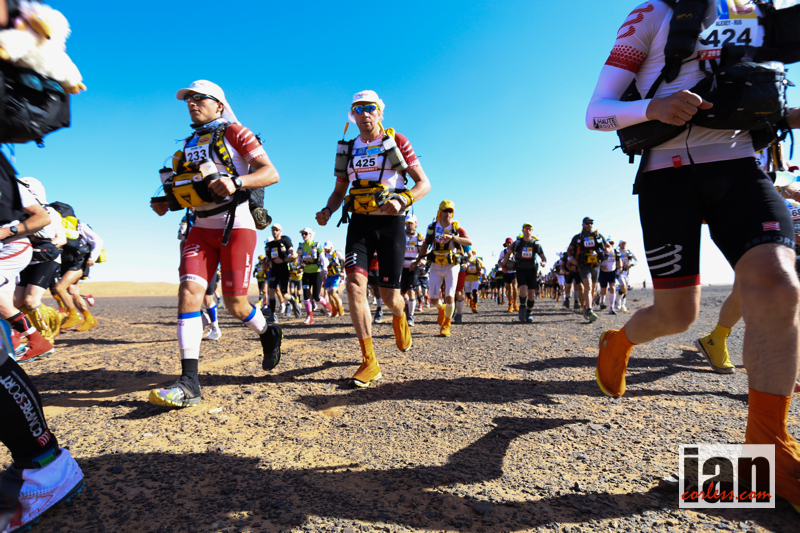
The 30th edition of the iconic Marathon des Sables is over! What a race… we all knew that race director, Patrick Bauer would create something special and he did not disappoint.

Tough stages and the longest days had runners tackling 92km’s, the longest stage ever in the 30 year history of the race.

Rachid El Morabity (20:21:39) won the men’s race once again in true style and Elisabet Barnes (26:42:13) showed pure class in winning every stage of the ladies race. A race summary will follow.

Below is a selected portfolio that encompasses the 30th edition of the race. A full image gallery will be uploaded to iancorless.phtoshelter.com in due course.

All images ©iancorless.com
Race Day Nutrition (Part Three) – Marc Laithwaite

©iancorless.com_TCC2015_Day4B-1685

Last week we showed you how to calculate the amount of carbohydrate used during cycling and running, in order for you to produce a structured plan for race nutrition. This week, we begin the process of looking at what and when to eat on race day and the first step, is to explain the basic physiology.

Missed part one (here) and part two (here)

Carbohydrates

Carbohydrates or ‘sugars’ are a prime source of fuel when exercising and unfortunately, as explain in previous blog posts, they are relatively limited. The term for stored carbohydrate is ‘glycogen’ and we store glycogen in the muscles (to use for movement) and in the liver (to supply sugar to the brain and maintain blood sugar levels)

There are different types of carbohydrates, but ultimately, they are all broken down to glucose as this is what we use as our prime fuel. When you eat or drink carbohydrate, it first goes into your stomach. We can’t absorb carbohydrates through the stomach wall, so they progress from there into the intestines and are absorbed through the intestine wall

The rate of absorption

The carbohydrates you eat are broken into glucose and pass through the intestine wall into the blood stream. Remember that in recent blogs, we’ve stated that the limit for this seems to be around 60g per hour of glucose. Depending upon the type of carbohydrate and how it is consumed (drink or solid food), the time taken for the carbohydrate to be broken down and absorbed will vary.

Many of you will have heard of the ‘Glycemic Index’. This scale was designed with diabetics in mind and it dictates how quickly foods are broken down and absorbed through the intestine wall. To measure the GI of a food is relatively simple (but complex at the same time). The process is to give someone a specific food, then take blood samples at regular intervals for the next hour to see how rapidly the blood sugar (glucose) levels rise.

The ‘GI’ scale runs from 1-100. Foods with a low score will take longer to reach the blood and give a more consistent supply (slow drip feed). Foods which enters the blood stream quickly, will give a more immediate spike in the blood sugar levels. Pure glucose has a score of 100 as that will lead to a rise in blood glucose more quickly than anything else.

The role of insulin

The reason why the GI scale is so important for diabetics, is the ‘insulin response’. A rise in blood glucose will lead to a rise in blood insulin, which is the hormone responsible for removing glucose from the blood and pushing it into the liver and the muscles.
Your daily diet should be made up of foods low on the GI scale. It you eat foods which are high on the GI scale throughout the day, this results in repeated sugar spikes and subsequent insulin spikes. Over time, your insulin will become less effective (overuse can lead to it becoming less sensitive to glucose). The reduced sensitivity can eventually lead to type 2 diabetes (insulin doesn’t work correctly). You may think, as an athlete, you are not susceptible to type 2 diabetes, but you’d be wrong. It is critical for you that your insulin works correctly, so you should be doing everything in your powers to ensure it does.

The secondary issue relating to insulin, is the impact upon fat metabolism. It reduces the amount of circulating fat by encouraging storage in fat tissue. In terms of your daily diet and metabolism, this has significant consequences upon weight loss and fat use. Constant spikes in blood glucose and insulin will reduce the amount of fat you metabolise throughout the day.

Are we discussing daily diet in this blog or race day nutrition?

Okay, I am going off track a bit, but I think it’s important to understand the foundations. As an athlete, you need a constant and balanced supply of energy to complete your training sessions and to recover quickly. Therefore, you should be eating to encourage a more stable metabolism and that is derived from low to moderate GI foods, NOT high GI foods.
So how does this work during racing?

  1. If you are racing an endurance event, you really need to ensure that you have a steady supply of glucose, without disrupting fat metabolism. A large spike in glucose and insulin, could inhibit fat metabolism, which means you’ll be forced to use more glycogen and run out more quickly.
  1. There are times when you may well need a rapid rise in blood glucose. If you have an extreme low point in the race and find yourself sitting on the road side, you may need an ‘instant hit’. Under such circumstances, you need the quickest glucose spike possible to get you back on your feet. At times like this, who cares about insulin!!

Here’s the thing, if you do scenario number 1 correctly, then you shouldn’t experience scenario number 2. The other issue is that products that are sold to deal with scenario number 2 (high energy, quick acting gels) are being used for scenario number 1. If you are half way through a 12 hour event and your energy levels are feeling relatively good, should you take a product which gives you an instant spike in glucose and insulin? Remember, we are aiming for a ‘constant’ and ‘balanced’ blood glucose level, we are trying to avoid blood glucose ‘fluctuations’.

So this blog is not what I intended when I started typing and none of the original planned information has made the page. Needless to say, this 4 part ‘race nutrition’ series is not going to be 4 parts.

A critical point to take away is that over the years of giving advice, we’ve found that the daily diet can have a huge impact upon training and racing performance. In particular, cutting out high GI foods can lead to a dramatic change in metabolism and enhance your fat utilisation.

Your homework for this blog is to take a look at the glycemic index. You’ll find this very interesting and you’ll probably find that many of the foods you presumed to be ‘sugar spiking’ are not and vice versa.

What if I said that Coke had a score of 60, whilst mashed potato AND jacket spuds had a score of 90 (that means mashed potato and jacket spuds can give more of a sugar spike than Coke!!)

You’ll notice that there is also something called ‘glycemic load’. This takes the volume of food into account e.g. you can’t compare a full jacket spud with a teaspoon of glucose as the volume is very different. Don’t worry about that for now, it’ll over-complicate the matter!

Take a look for yourself, and see what’s low and high. There’s loads of them on the internet, Google glycemic index table. Next week we’ll look at the foods you eat during the event. How can you manipulate the use of drinks, bars and gels to maintain a steady blood glucose supply and avoid the fluctuations that we have discussed above. See… I told you there was a point to this blog.

Until then, stay healthy.

– Marc Laithwaite

About Marc:

Sports Science lecturer for 10 years at St Helens HE College.

2004 established The Endurance Coach LTD sports science and coaching business. Worked with British Cycling as physiology support 2008-2008. Previous Triathlon England Regional Academy Head Coach, North West.

In 2006 established Epic Events Management LTD. Now one of the largest event companies in the NW, organising a range of triathlon, swimming and cycling events. EPIC EVENTS also encompasses Montane Trail 26 and Petzl Night Runner events.

In 2010 established Montane Lakeland 50 & 100 LTD. This has now become the UKs leading ultra distance trail running event.

In 2010 established The Endurance Store triathlon, trail running and open water swimming store. Based in Appley Bridge, Wigan, we are the North West’s community store, organising and supporting local athletes and local events.

Check out the endurance store HERE

Endurance Store Logo