Stage 3 of the MDS 120 Atlantic Coast wasn’t about pace. It was about heart. Twenty-seven kilometres stood between every runner and the finish. The final stage. The one that decides how the story ends.
The day opened under a heavy sky. Low cloud hung over the coast, light rain drifting in and out, just enough to cool the skin and sharpen the mood. It felt serious. Proper. A stage that demanded respect.
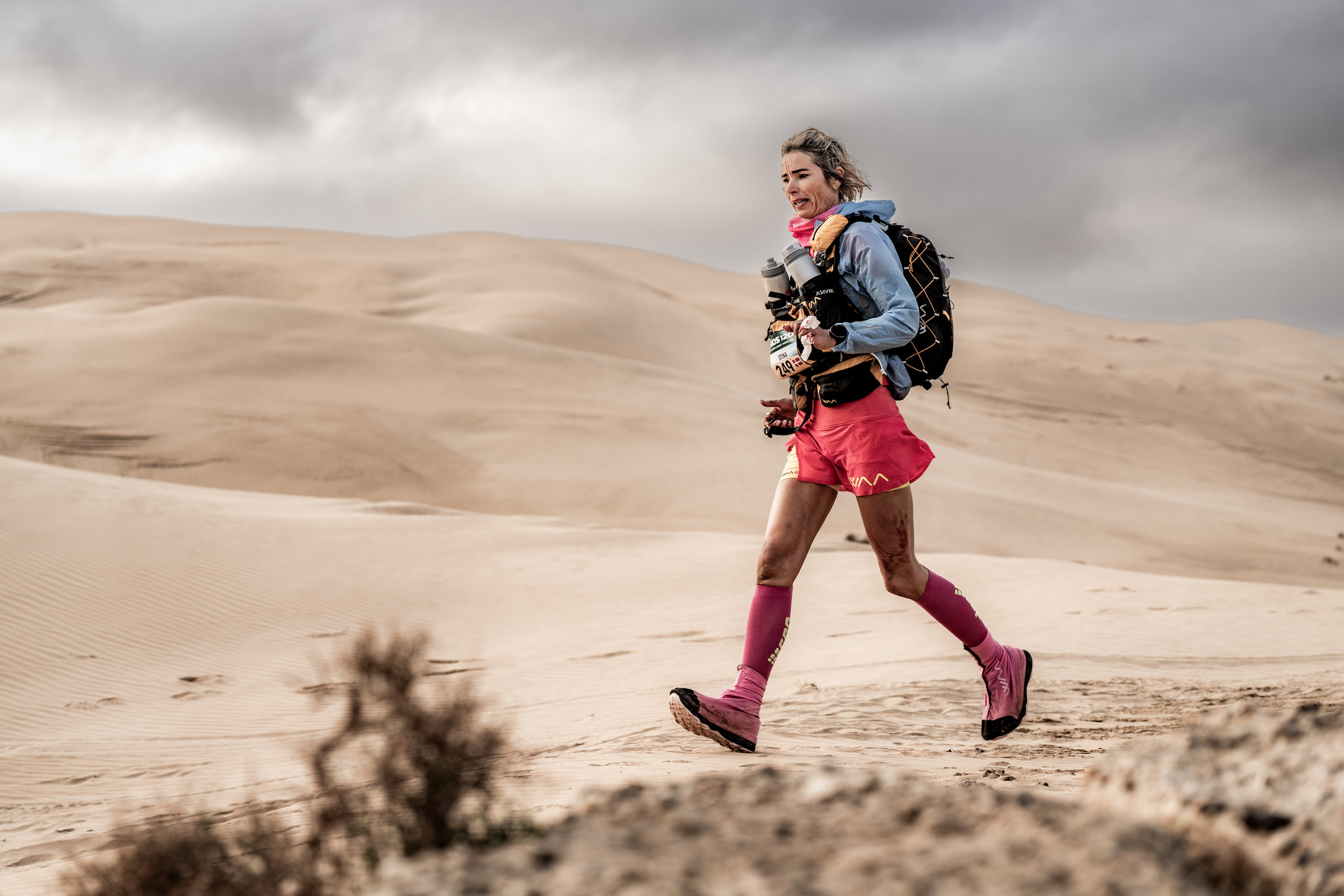
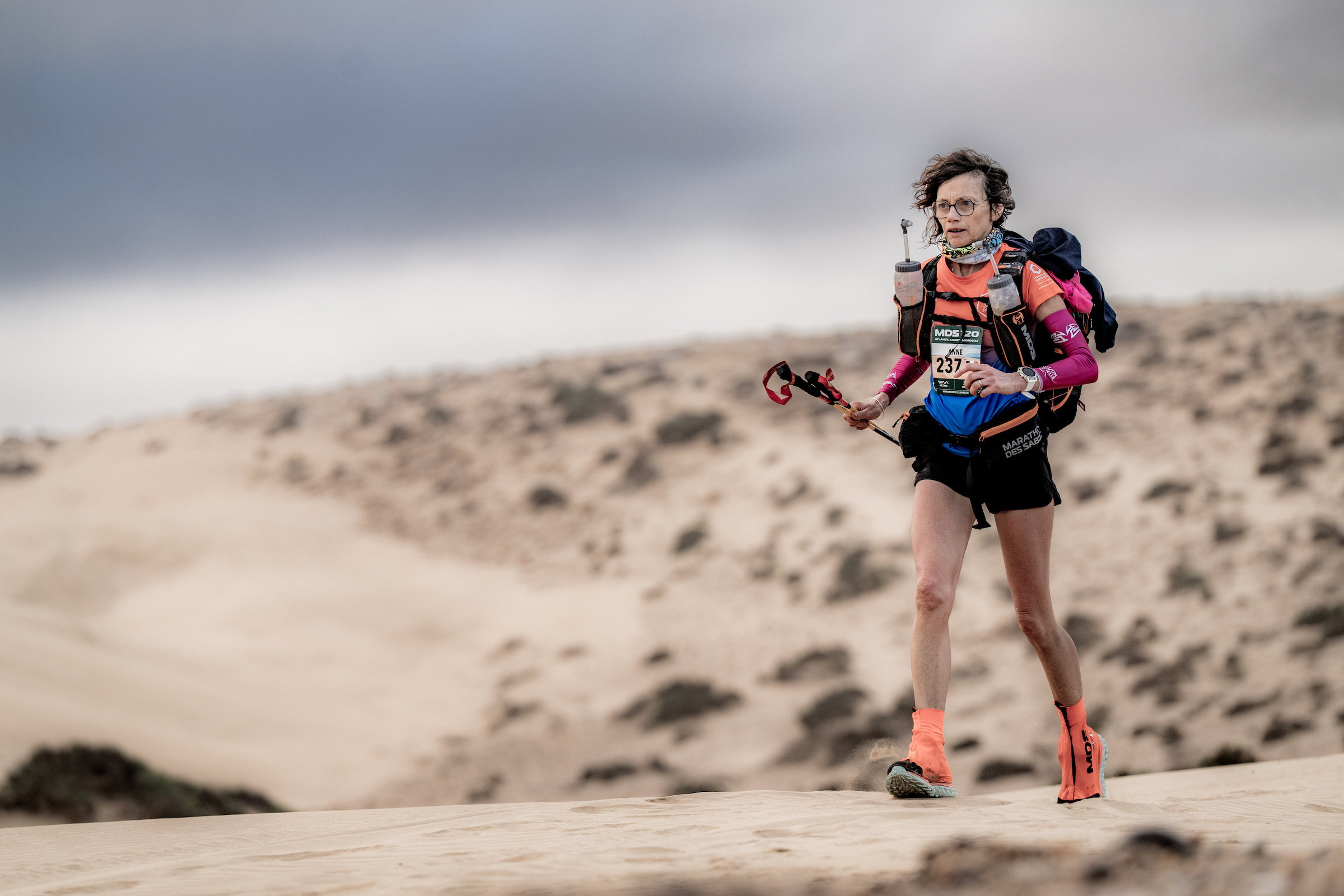
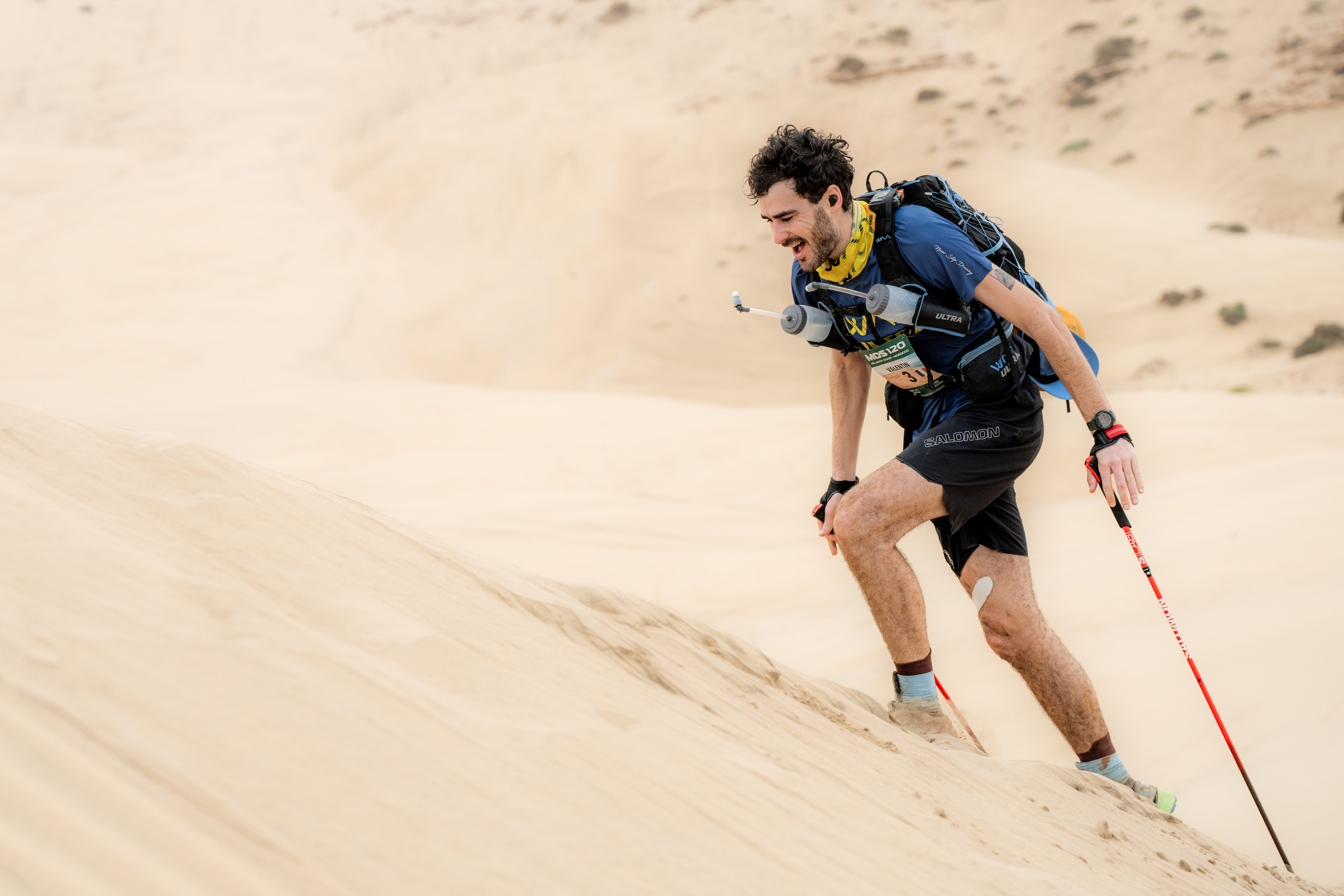
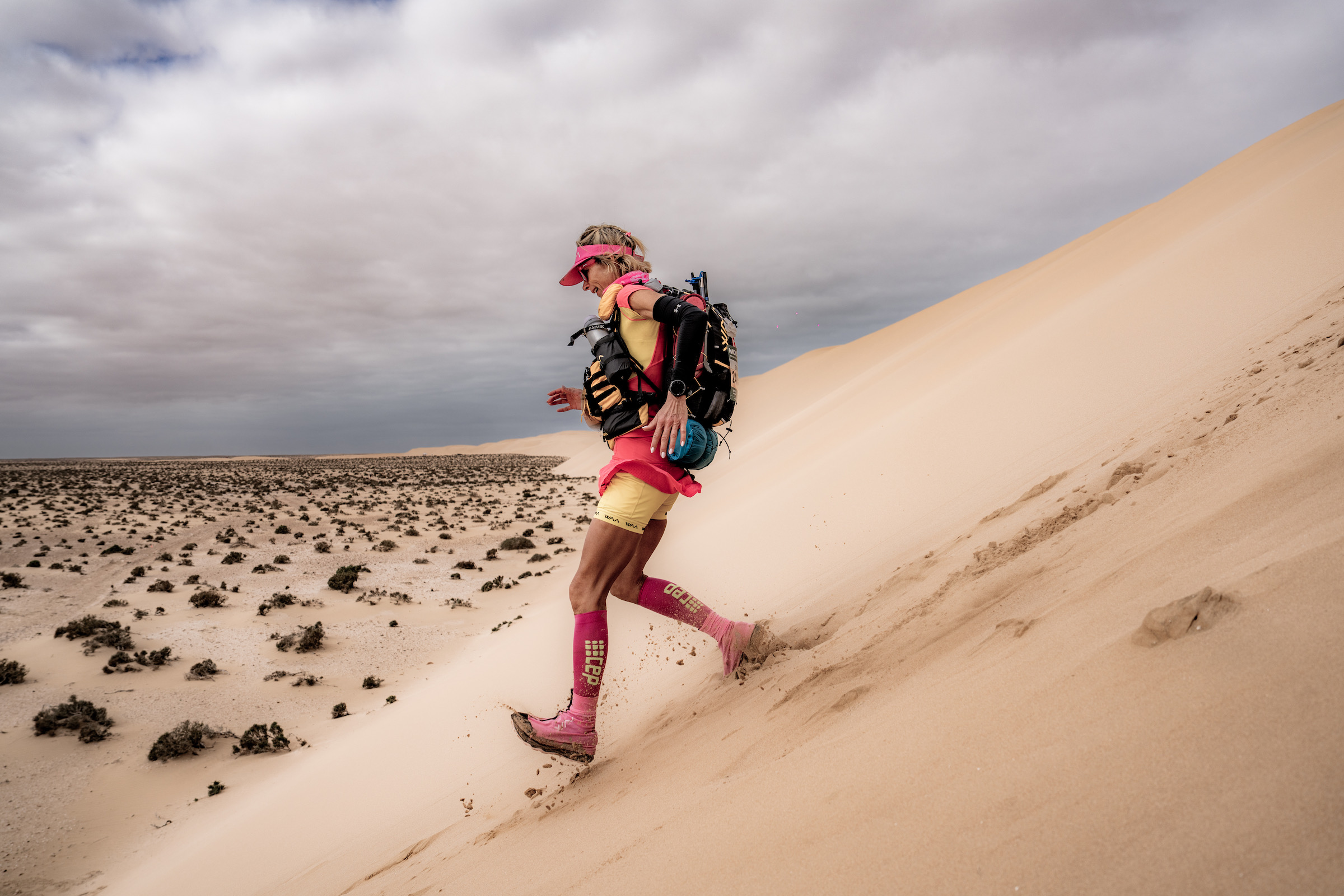
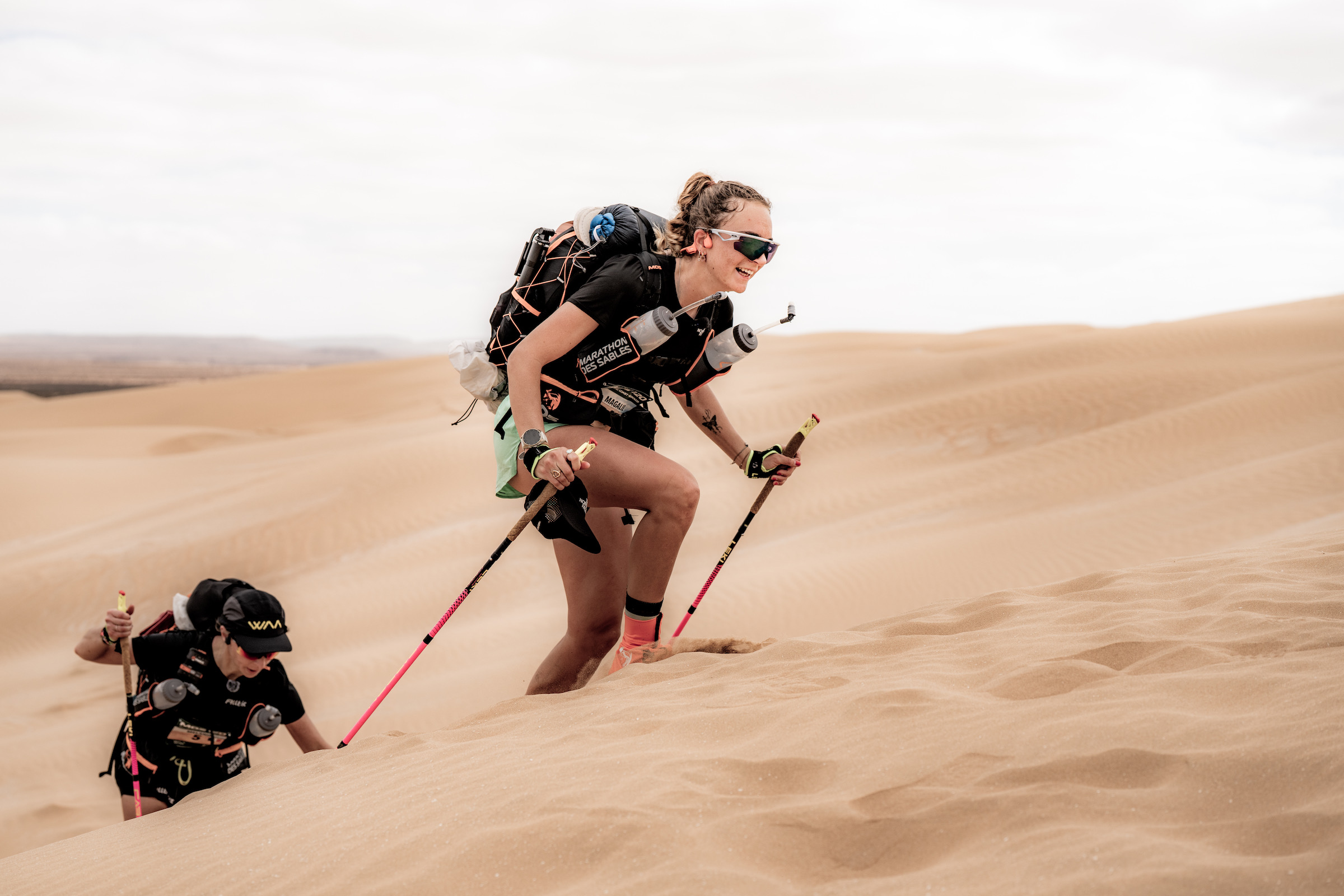
From the first steps, the terrain made its intentions clear. Soft sand soaked up energy. Feet sank, calves burned, rhythm disappeared. Progress came the hard way, one honest stride at a time.
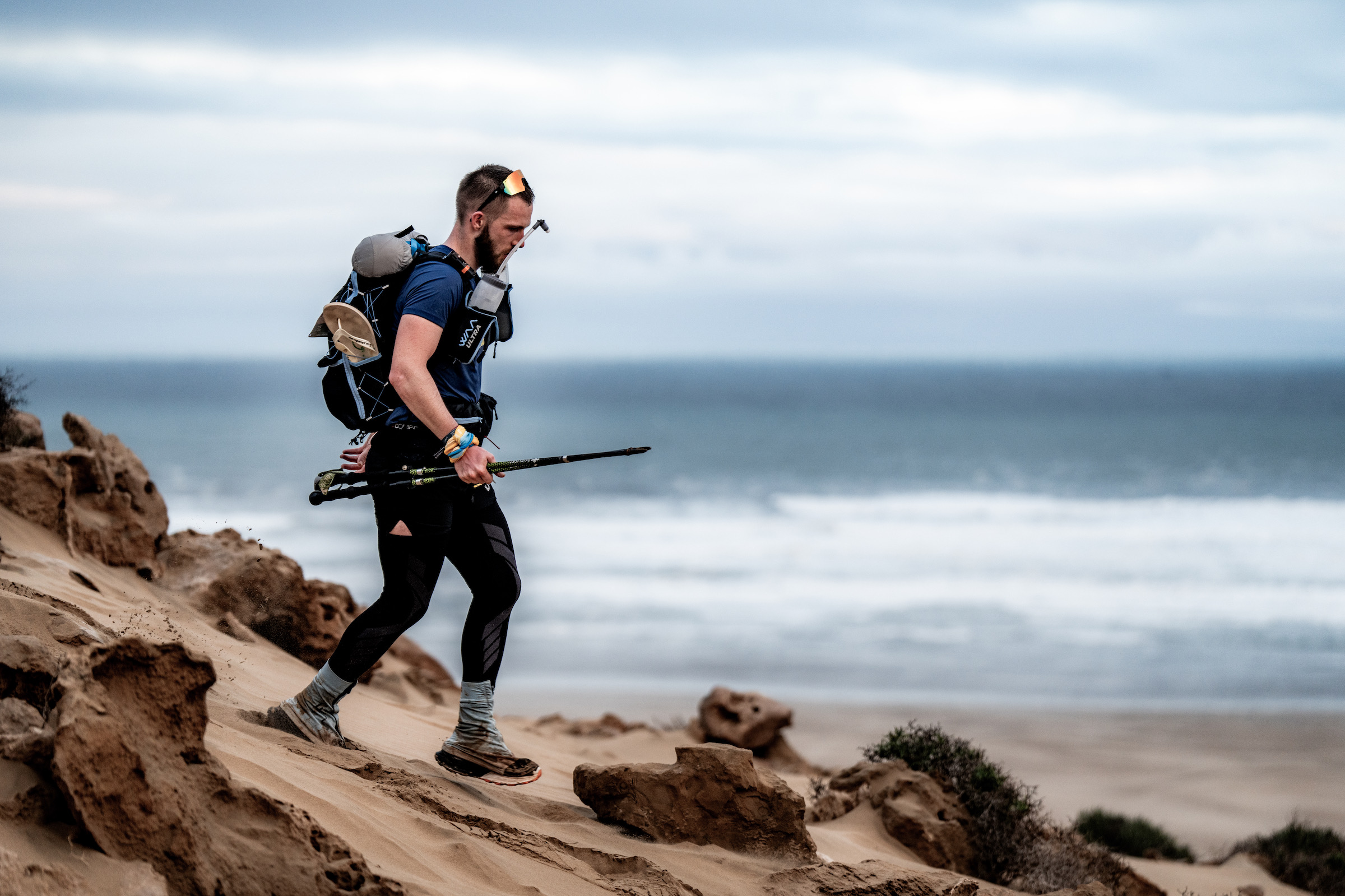
Then there was the Atlantic – Wild. Loud. Unapologetic. The ocean pushed high up the beach, swallowing the firm running line and forcing everyone into deeper, slower sand. The final ten kilometres became a test of patience and grit. Shoes heavy with water. Legs tight. Eyes fixed forward. The sound of the waves constant, relentless, daring you to stop.
Every runner carried their own journey into those final kilometres. Some had 70 kilometres in their legs. Others 100. Many the full 120. Different distances, same effort. Same doubts. Same determination.
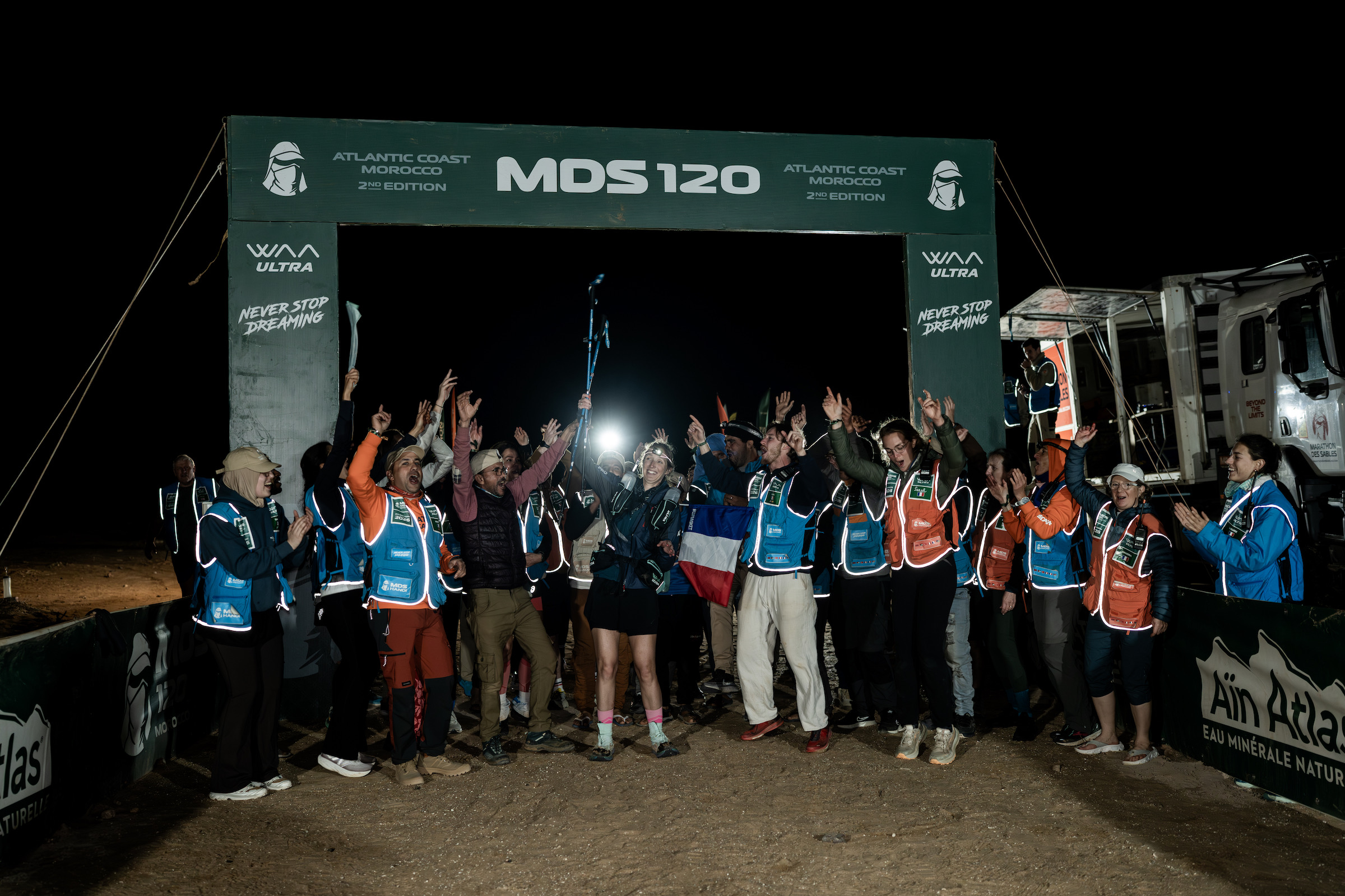
And then, finally, the finish.
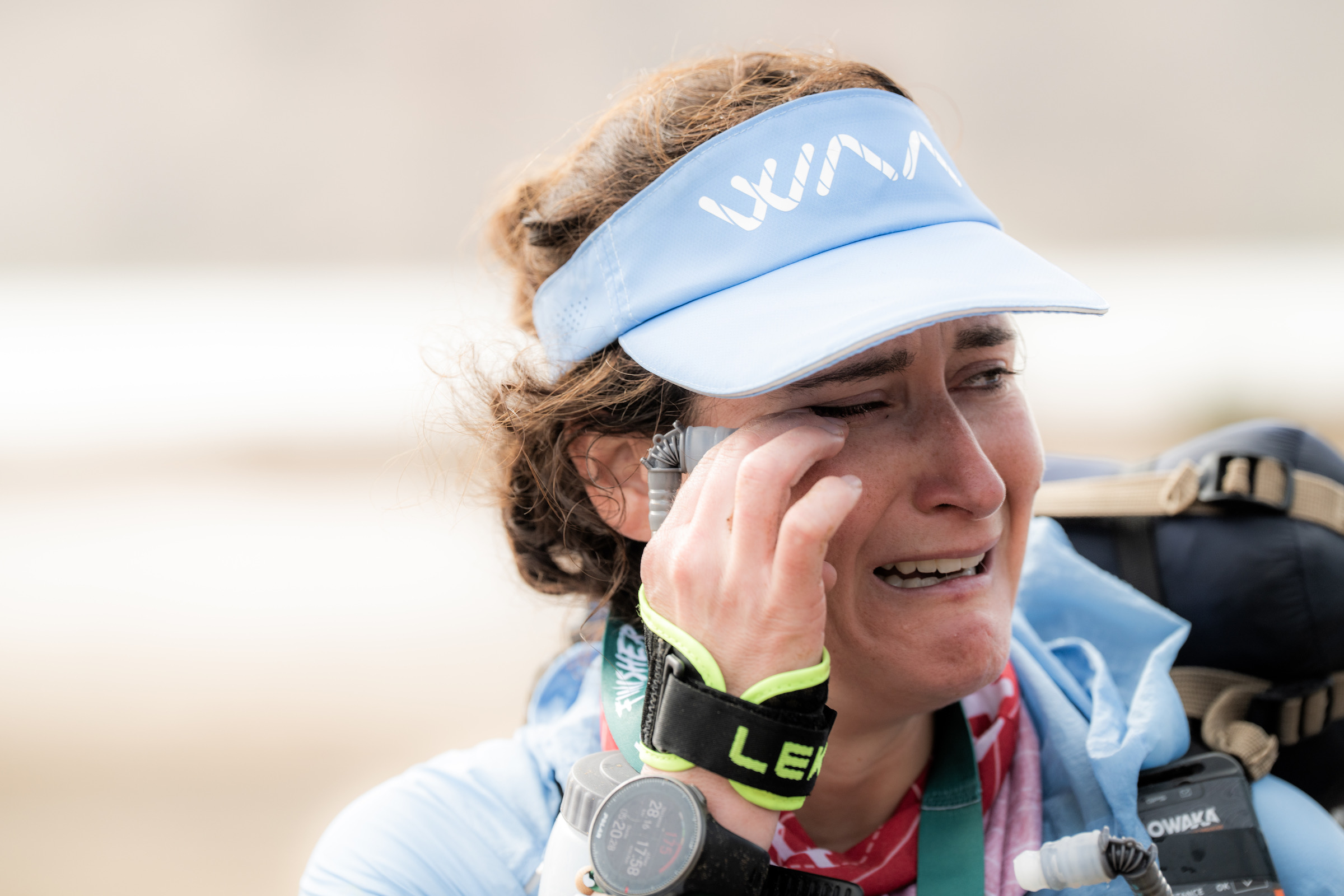
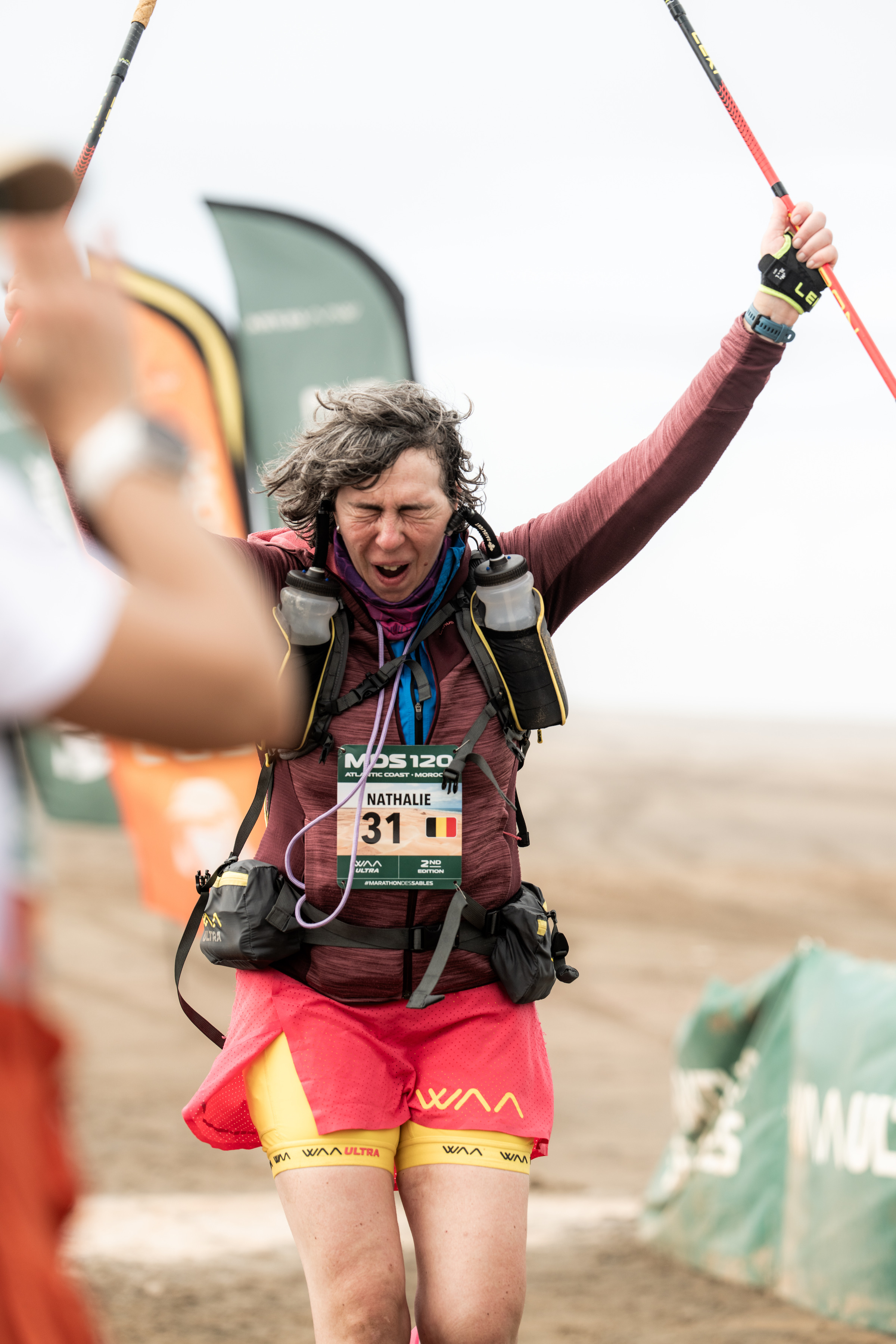
Not a sprint. Not fireworks. Just raw, unfiltered emotion.
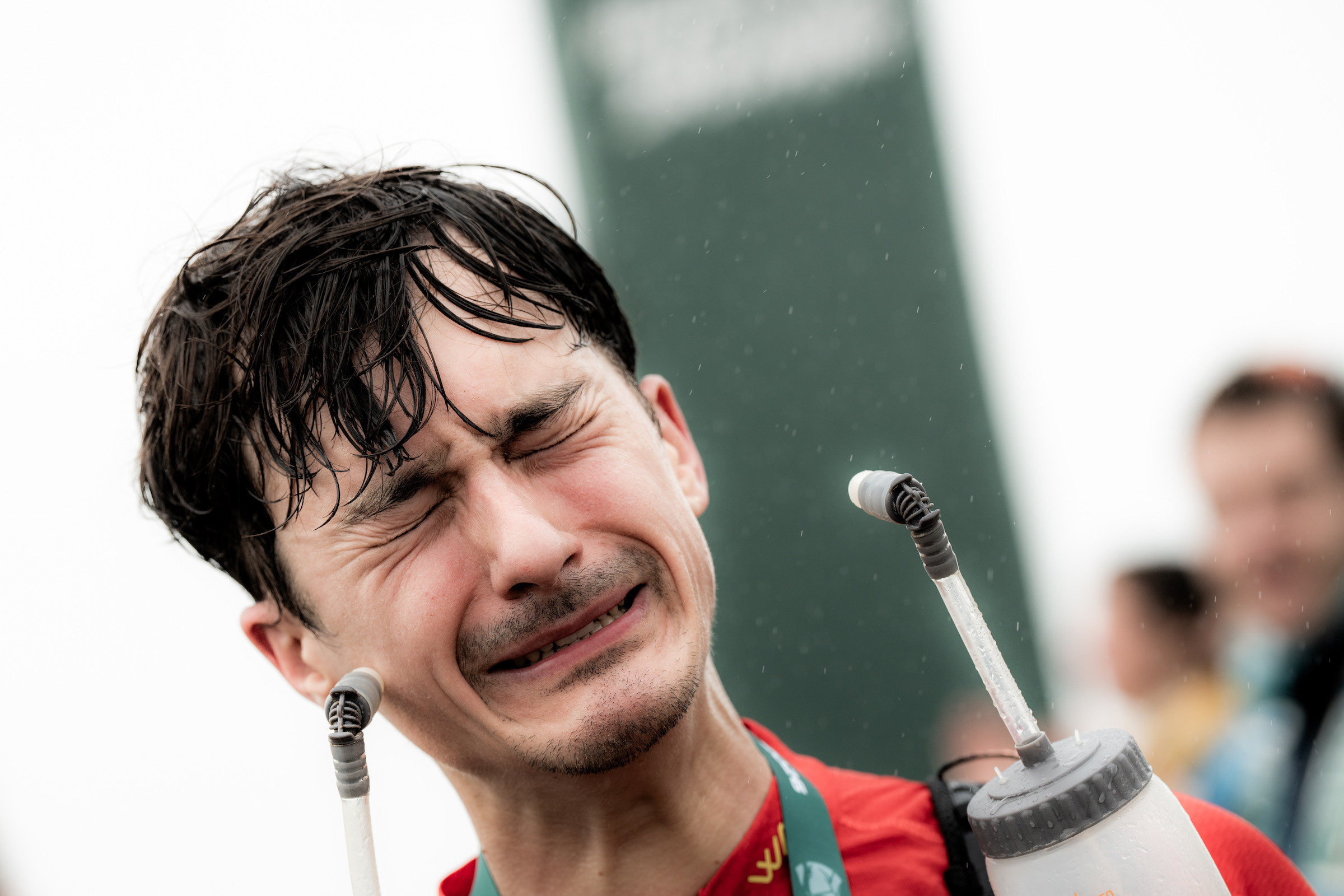
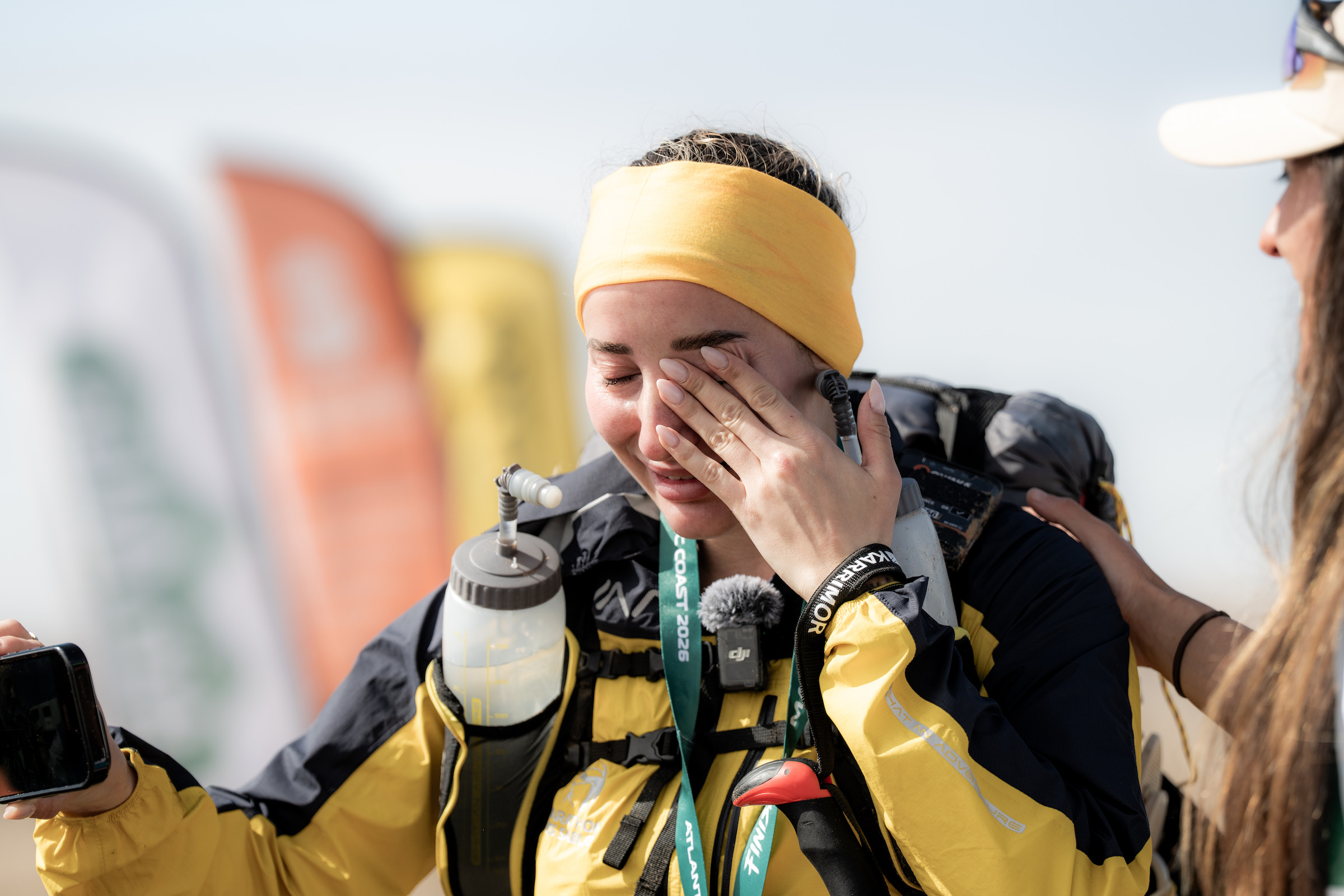
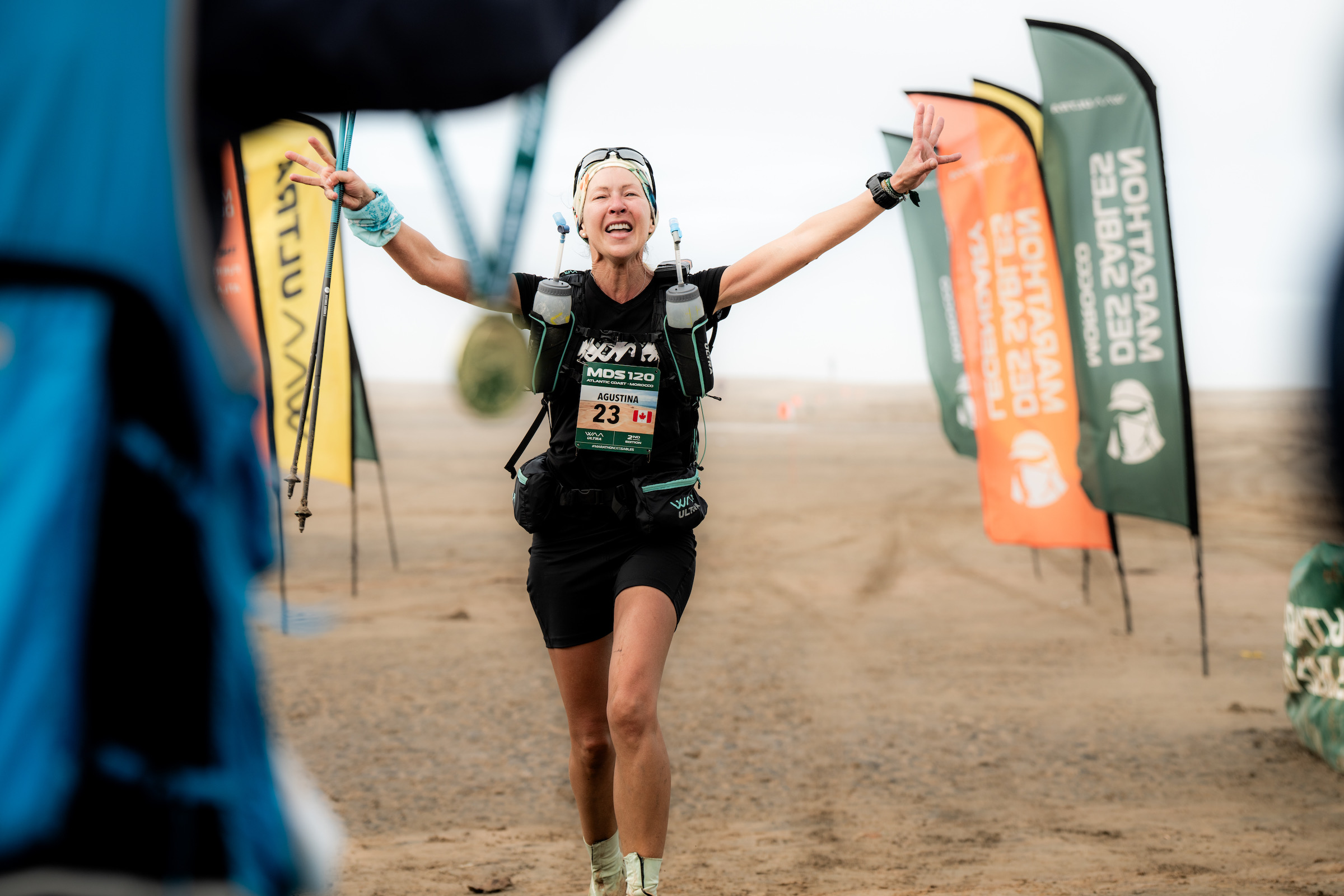
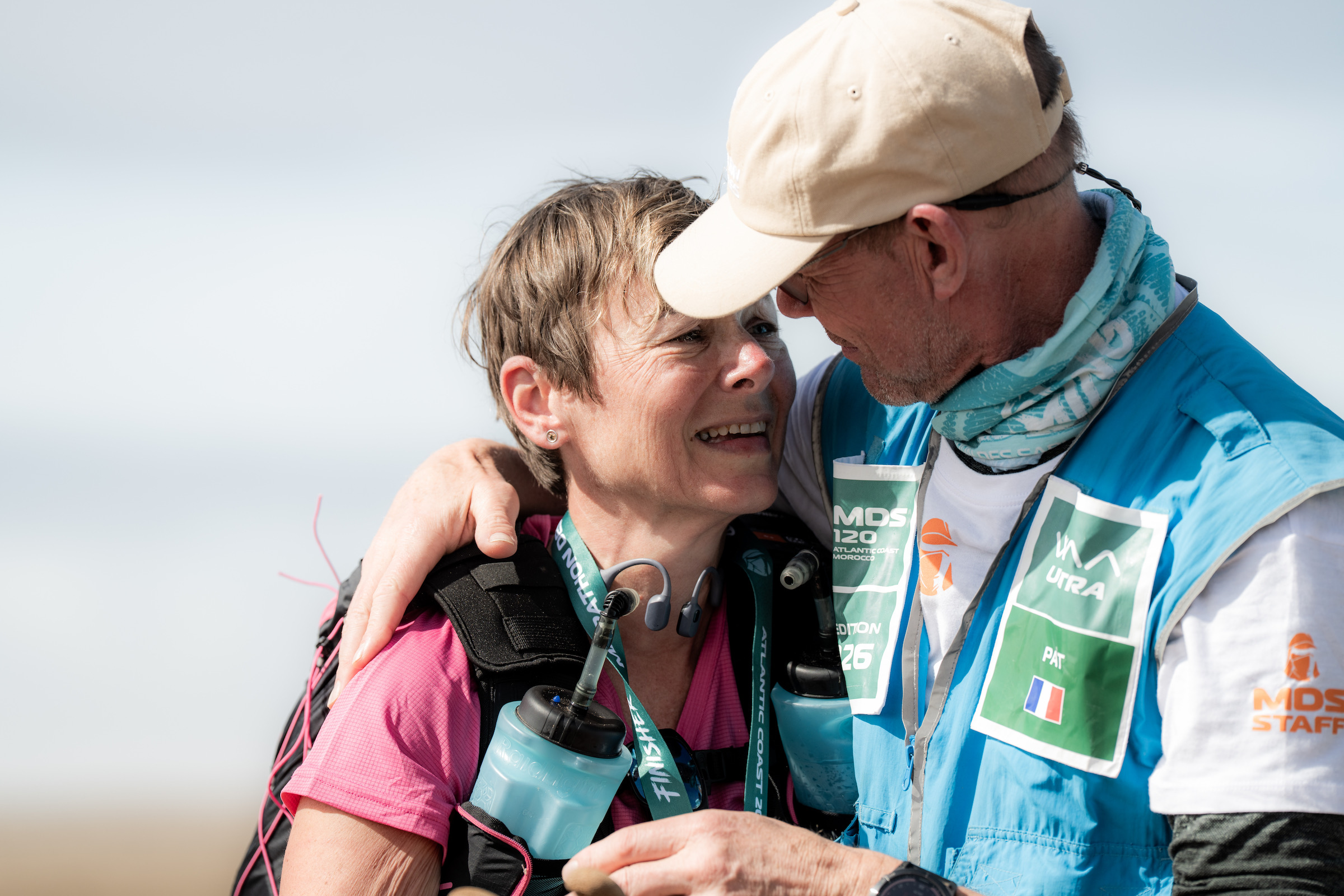
Tears mixed with rain. Smiles broke through exhaustion. Hugs lasted longer than words. That medal, placed gently around tired necks, meant everything. It wasn’t just metal. It was proof. Of discipline. Of resilience. Of promises kept when quitting would have been easier.
This is what the Atlantic Coast gives you.
It gives you challenge. It gives you atmosphere. It gives you moments where the world narrows down to breath, movement, and will. And in return, it gives you something rare. A finish that feels truly earned.
If you’re looking for a race that stays with you long after the sand is washed from your shoes, this is it. The coast is waiting.
Stage 2 of the MDS 120 Atlantic Coast 2026 arrived with options and consequences. Twenty kilometres, forty, or the full sixty. Three distances, one shared truth: today would ask more than legs. It would ask for patience, judgement, and honesty. The course did not care which option was chosen. It simply waited, stretching out along the Atlantic edge, ready to test everyone who stepped onto it.
The morning hinted at uncertainty. Low cloud rolled in from the ocean, cool air brushing faces that had already been scoured by salt and sand. There was a little rain, just enough to darken the ground and sharpen the smell of wet earth. Then the sun broke through, sudden and bright, as if to remind the field that comfort would be temporary and effort unavoidable. It was a day of changeable weather in every sense, and the tone was set early. Adjust. Adapt. Keep moving.
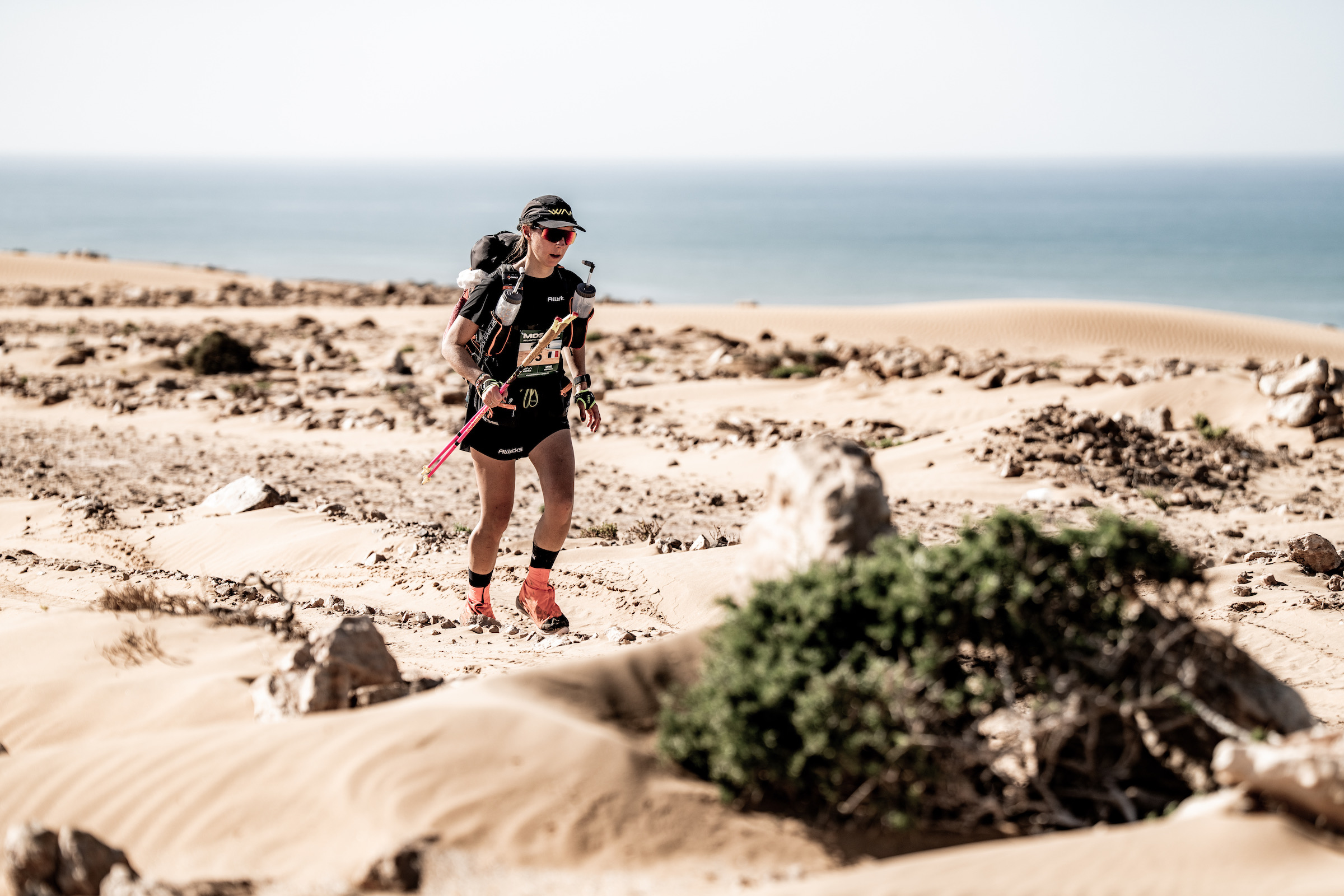
From the first kilometres, the terrain refused to settle into anything predictable. Soft sand swallowed shoes and rhythm, turning simple forward motion into work. Each step demanded attention. Ankles wobbled, calves burned, and breathing grew louder. Then the sand gave way to rocky plateau, hard and uneven underfoot.
The pace changed again, this time to caution. Eyes stayed down, scanning for safe placement. The plateau opened wide, exposing runners to the elements and to themselves. There was nowhere to hide from the wind, the sun, or the thoughts that arrive when the body starts to ask hard questions.
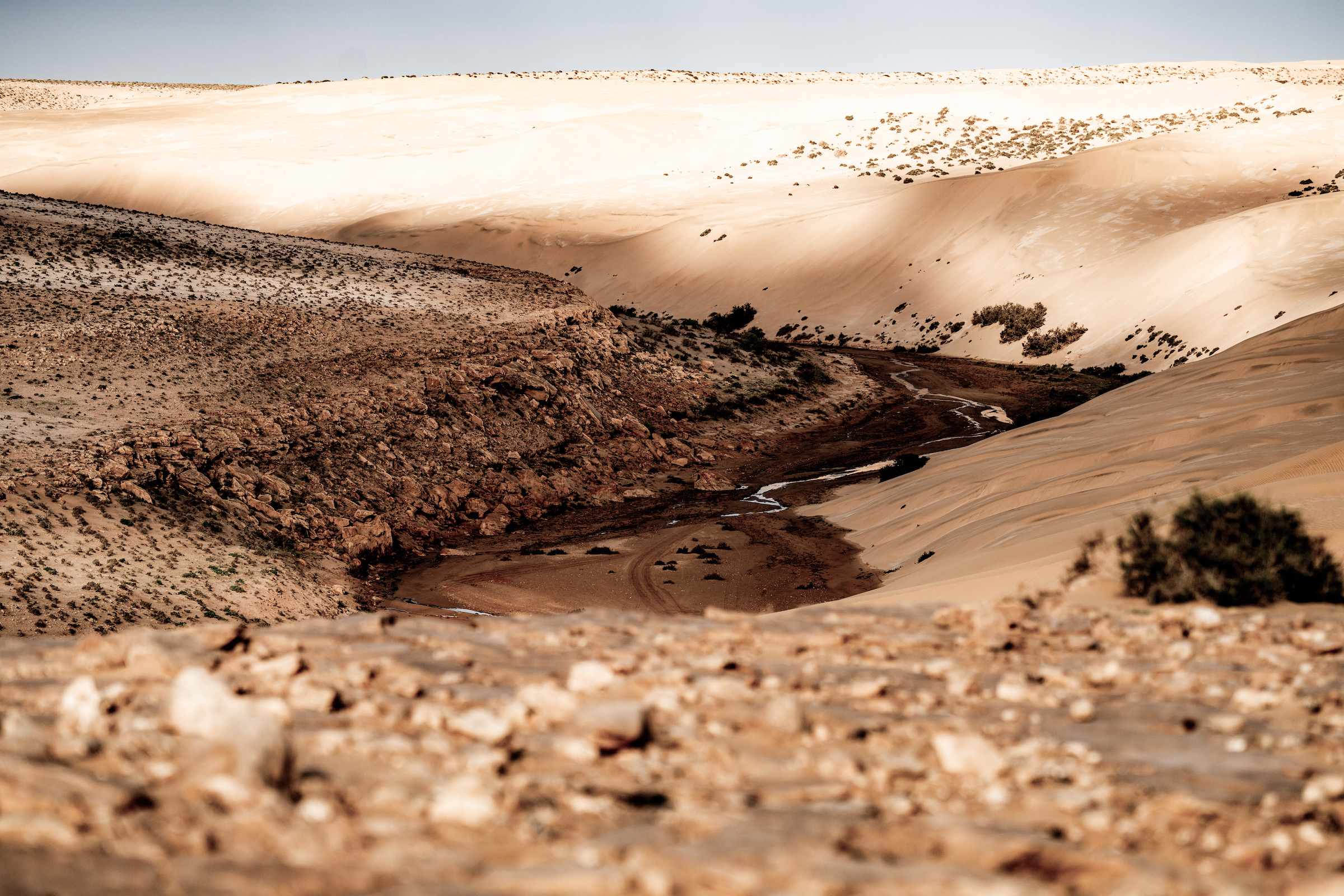
Flooded gorges brought a different challenge. Water pooled where it was least expected, cool and deceptively deep. Shoes filled, socks soaked, and the familiar squelch followed each step on the exit. Some laughed at the absurdity of it. Others grimaced, knowing wet feet mean blisters later. But everyone crossed, because stopping was never really an option. This race does not negotiate.
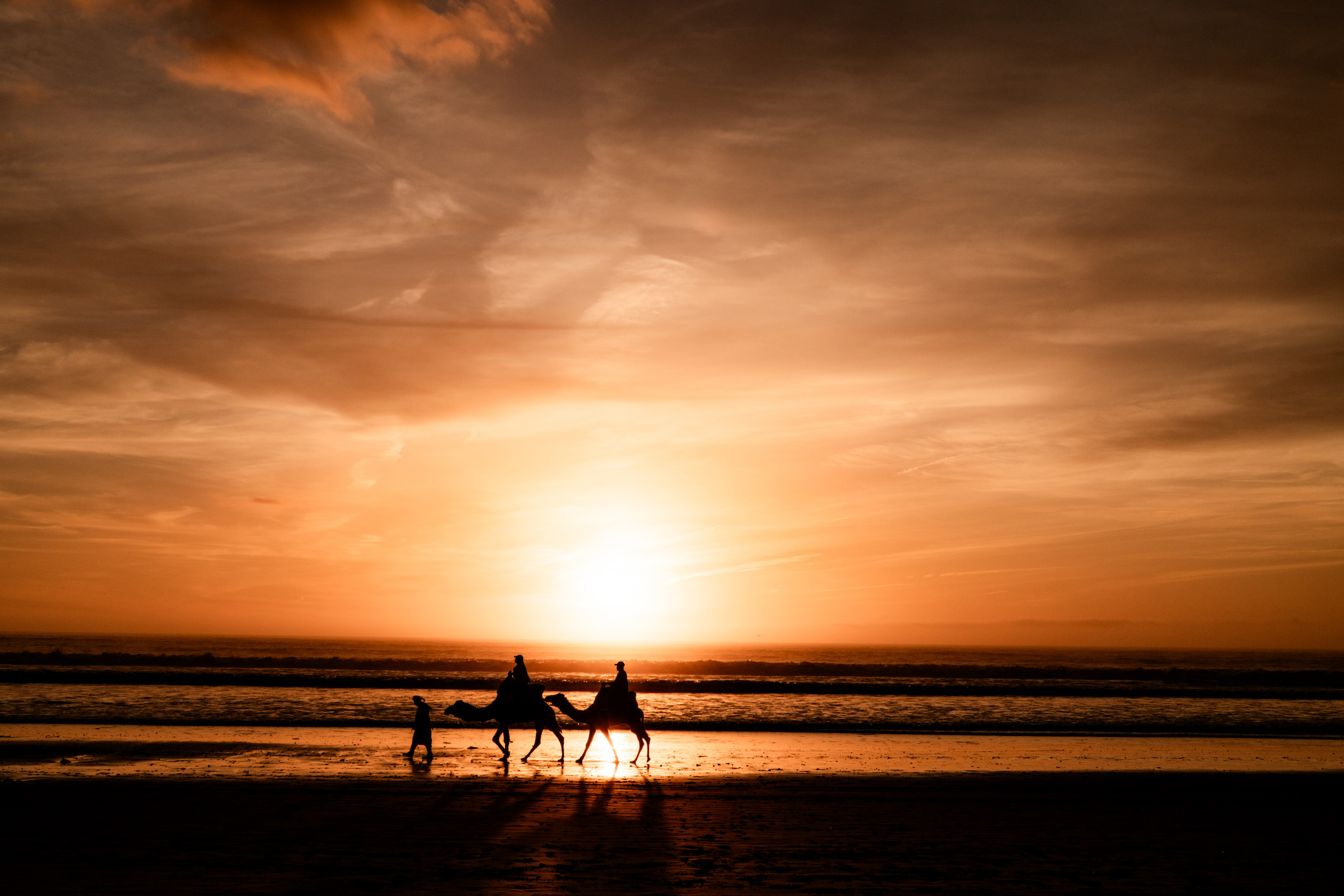
Beyond the gorges, the course stretched into wide open terrain. The Atlantic Ocean appeared and disappeared, sometimes a distant shimmer, sometimes close enough to hear. The scale of the landscape made individuals feel small, but also free. Lines of colour moved slowly across the land as runners spread out, each locked into their own effort. This was where time began to behave strangely. Minutes felt long. Hours blurred. The distance chosen mattered less than the simple act of continuing.
The final stretch ran flat and true, parallel to the ocean. It should have felt easier. On paper, it was. In reality, it was where fatigue spoke loudest. The body was already empty. The mind had been negotiating for kilometres. Yet the finish lay ahead, invisible at first, then slowly, mercifully, real. The ocean rolled on, indifferent and steady, while the race reached its quiet climax.
The finish line became a gathering point for everything this day had taken and given. It was a welcome sight, one that drew out raw emotion without apology. Tears fell freely, sometimes before the line, sometimes after. Laughter broke out in short bursts, the kind that comes when tension finally releases. There was joy, genuine and earned, mixed with exhaustion that sat deep in the bones. Some crossed upright and strong. Others bent double, hands on knees, searching for breath. All were changed.
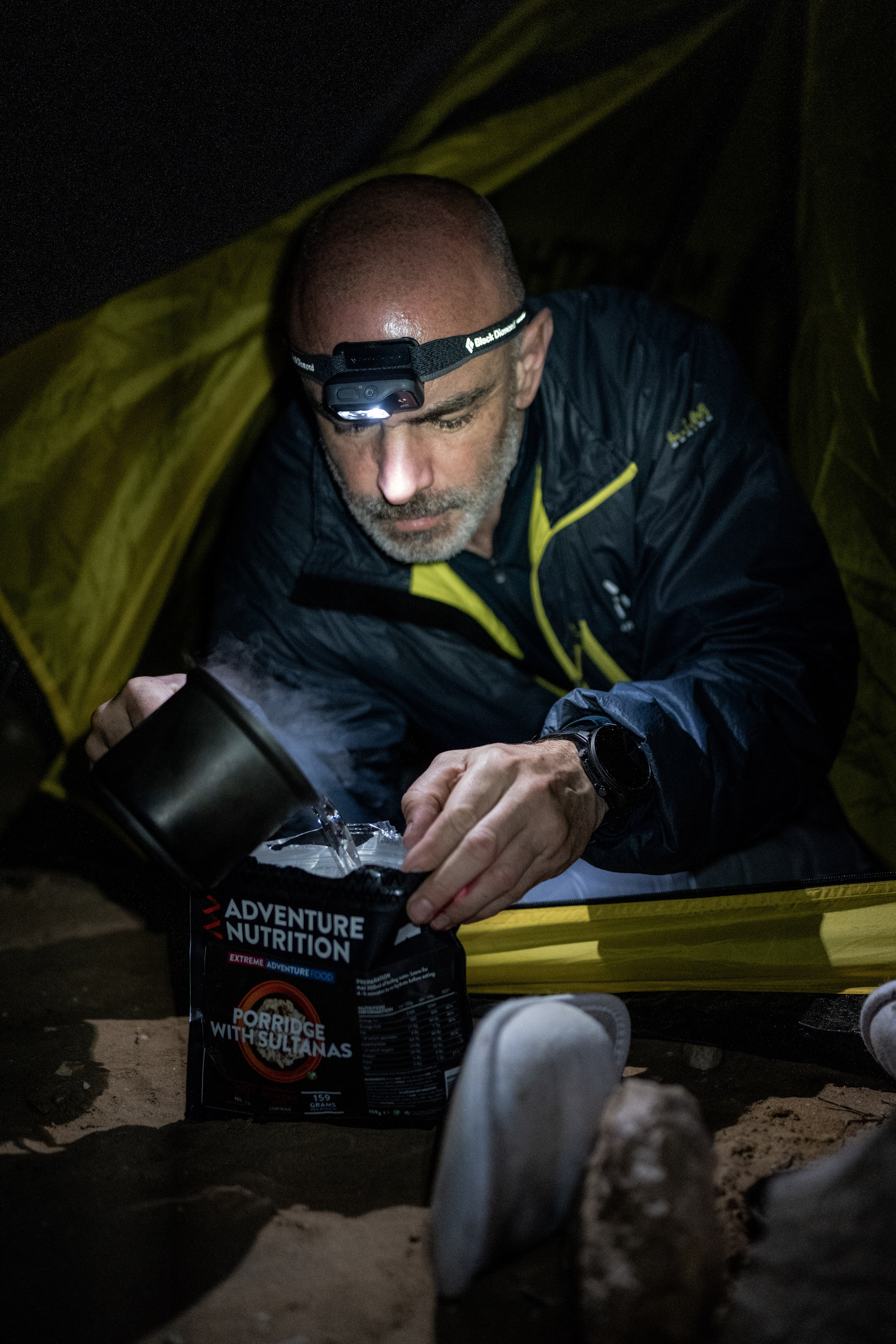
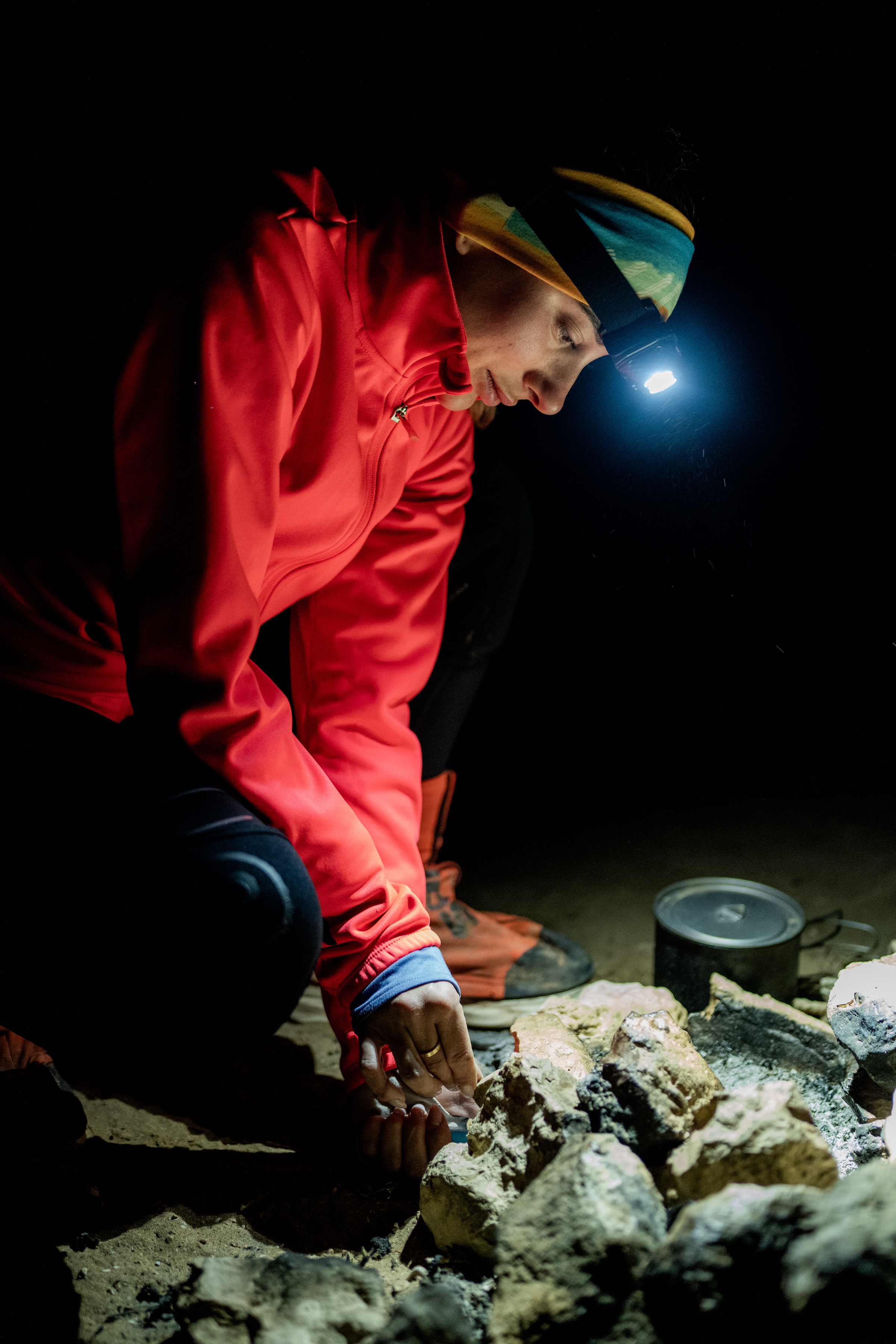
The day stretched long into the night. Headlamps flickered in the distance as darkness closed in. Volunteers stayed wrapped in layers, voices steady, encouragement unwavering. The clock kept moving. And then, close to 2300 hours, the final finisher crossed the line. There was no rush. No hurry to be anywhere else. Just a moment held for someone who refused to stop. Applause cut through the night, not loud, but meaningful. This, too, mattered.
Stage 2 was not about speed. It was about choice and consequence, about learning the difference between discomfort and danger, about discovering how much is left when you think there is nothing. Today, participants found out who they are and why they are here. Some answers were quiet. Others arrived with force. But they arrived all the same.
There were moments of doubt, of frustration, of anger at the sand, the stones, the weather, the distance. There were also moments of clarity, when effort narrowed the world down to the essentials. Step. Breathe. Drink. Keep going. In those moments, the noise of everyday life fell away. What remained was simple and honest.
As the camp settles and the body begins to cool, tomorrow offers something rare in this environment. A day of rest. A pause. Time to recharge and recover. Muscles will stiffen, feet will tell their stories, and minds will replay the day in fragments. There will be care, conversation, and quiet pride. Because Stage 2 demanded respect, and those who met it earned that rest.
The Atlantic continues to roll in the dark. The course waits. And the field, changed by today, will rise again when it is time.
The 2025 Marathon des Sables calendar kicks-off the a new event, MDS Morocco Atlantic Coast, a great addition to the MDS line-up and now the fourth event in the country, the others, Legendary, MDS Morocco and MDS Morocco Trek.
Photo by Ian Corless
Located close to Agadir, the MDS Morocco Atlantic Coast explores a new area of this magical country.
Photo by Ian Corless
For stage 1 it was a very early start of 0300 for the drive from Agadir and the start line.
Photo by Ian Corless
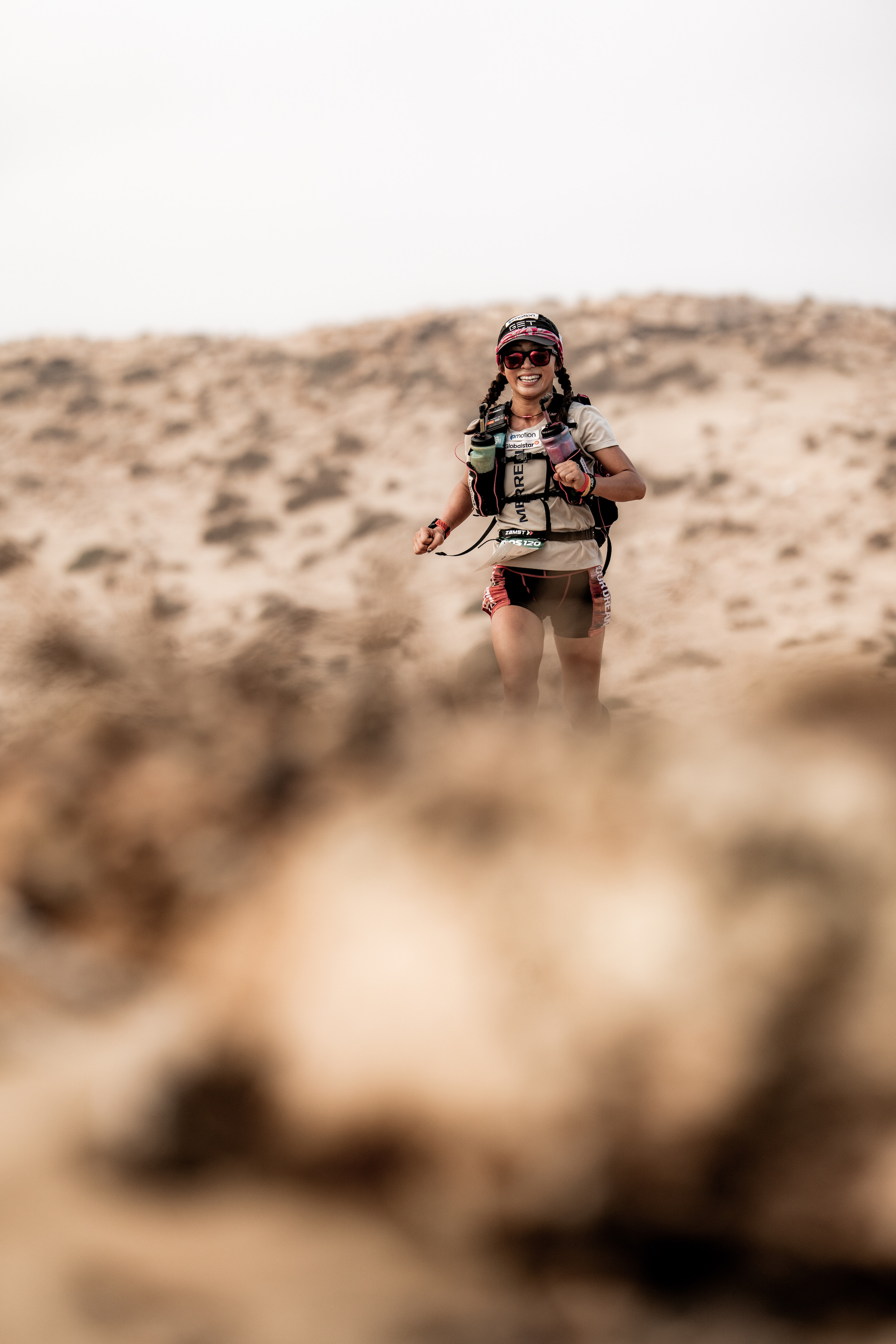
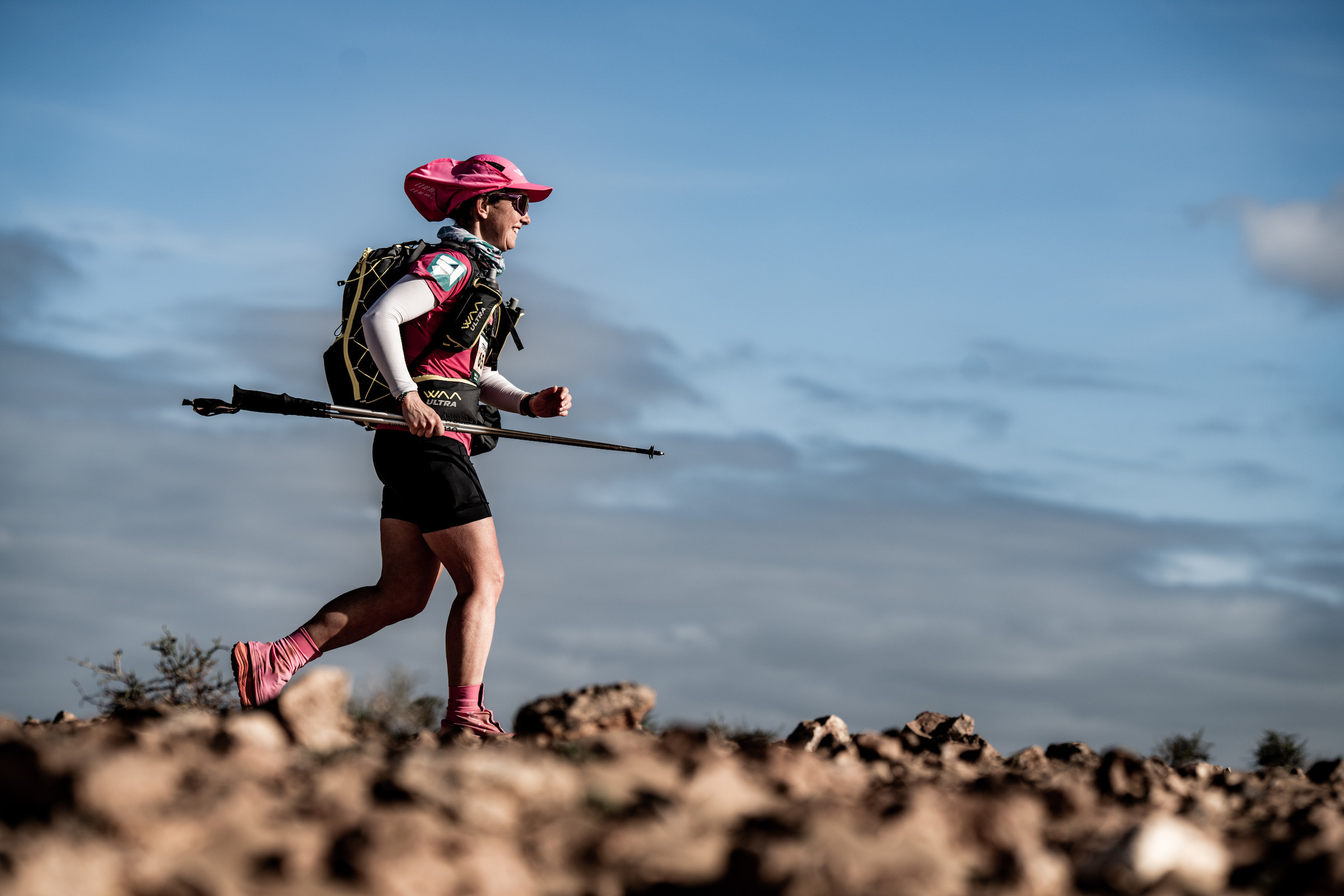
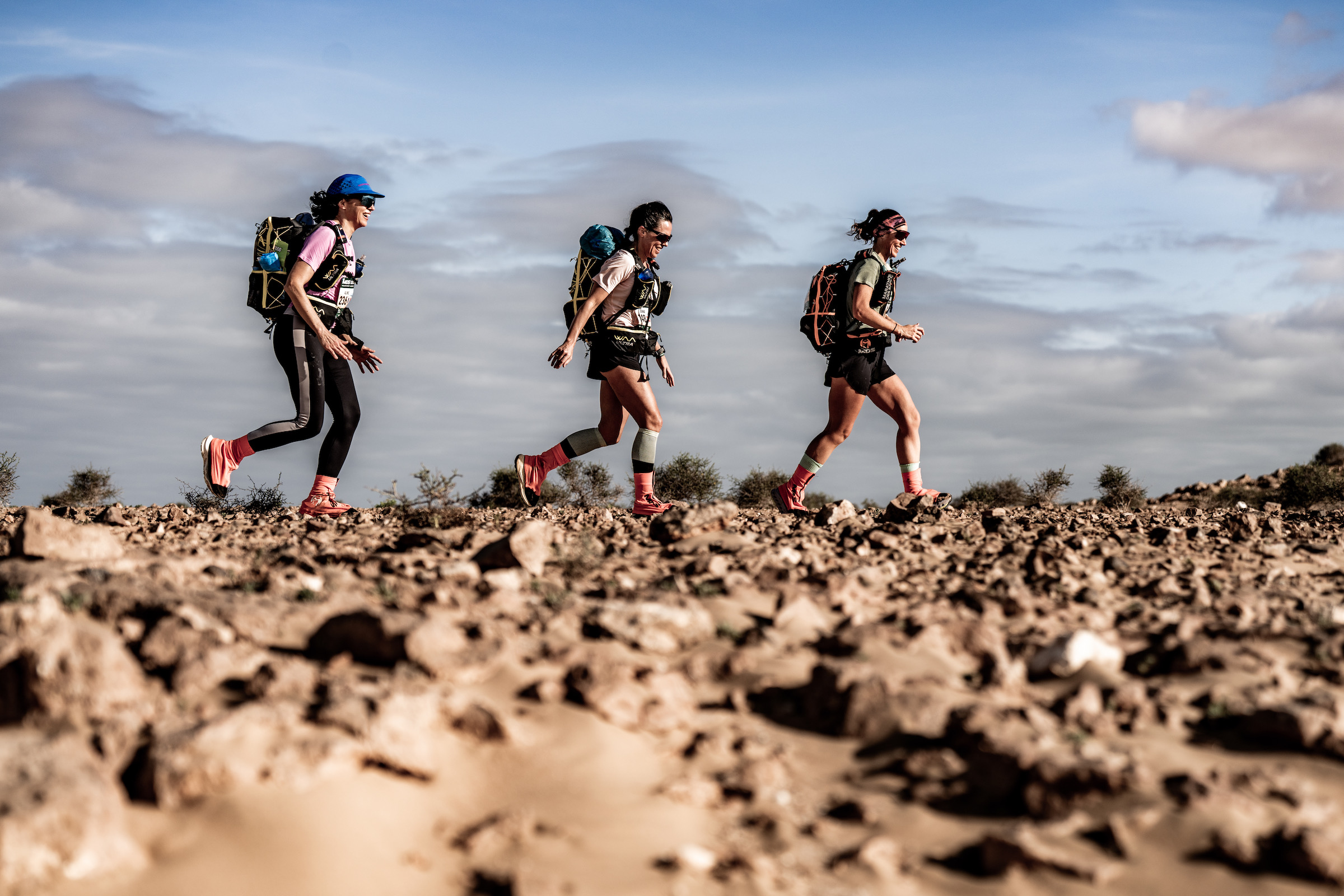
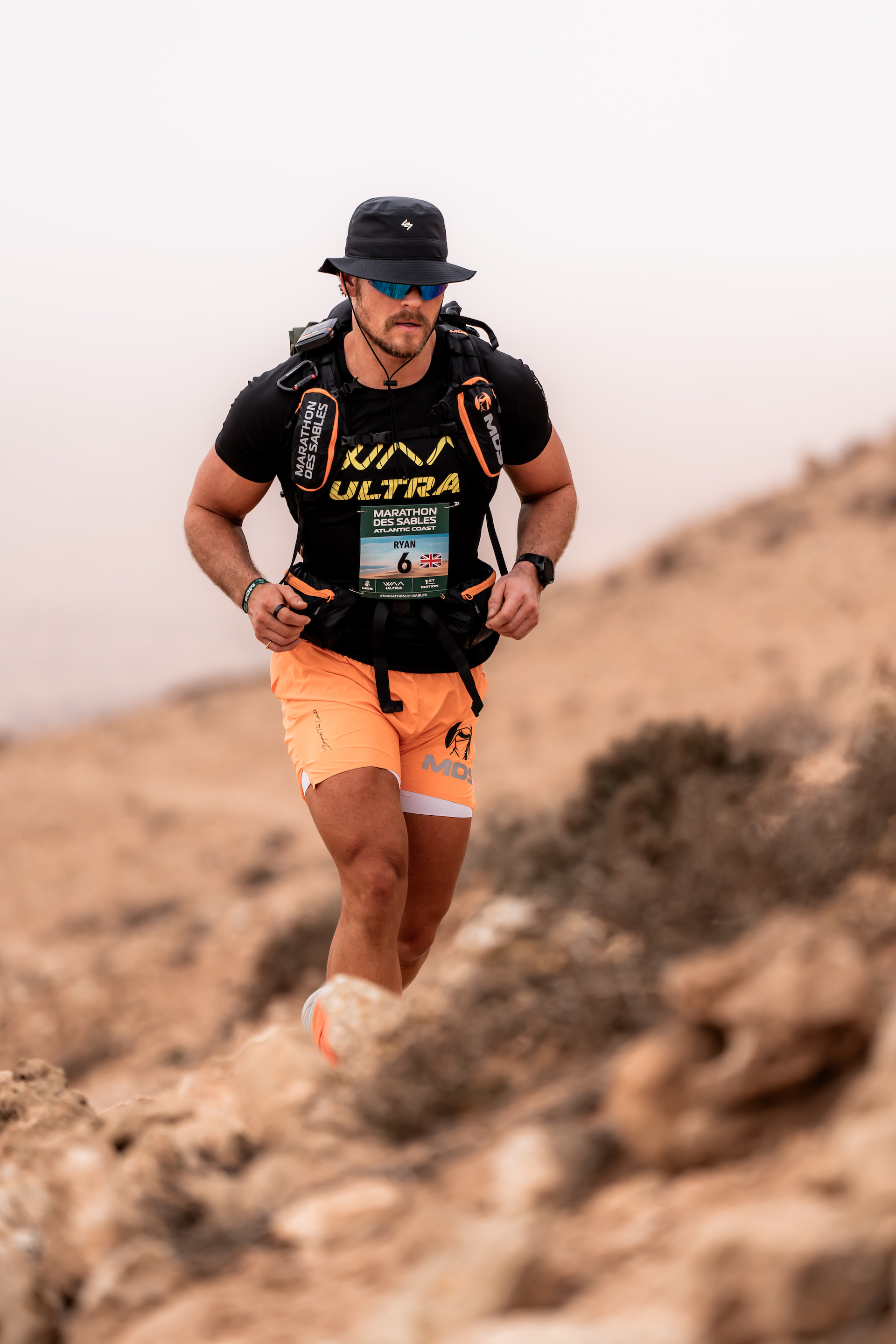
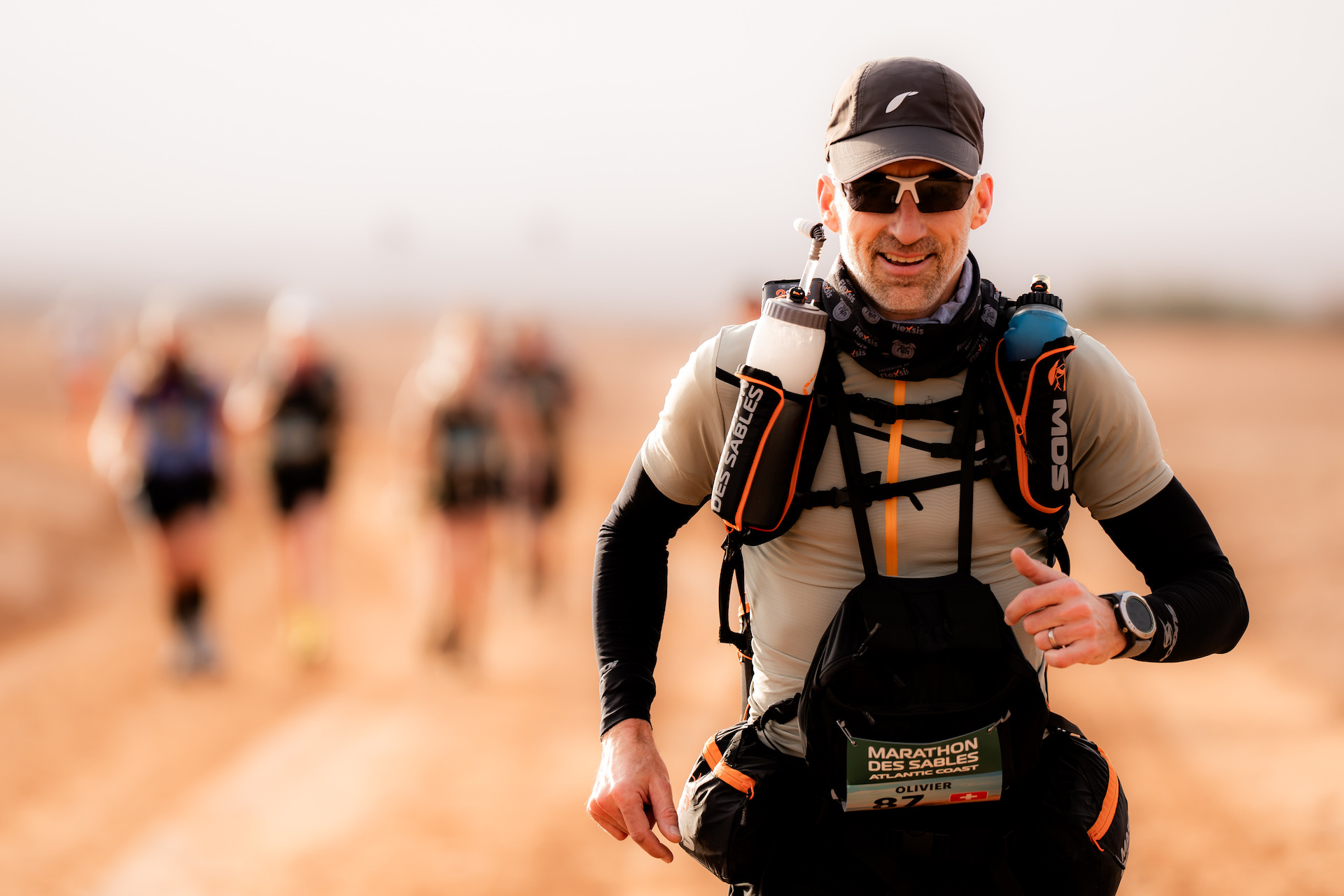
Kicking-off at 0930, 170 runners from 27 nationalities started the 23km journey with 344m+ heading north to the coastline of the Atlantic Coast. Of the 170 participants, 50% of the field are women, MDS once again pioneering the way for female participation in ultra races.
Photo by Ian Corless
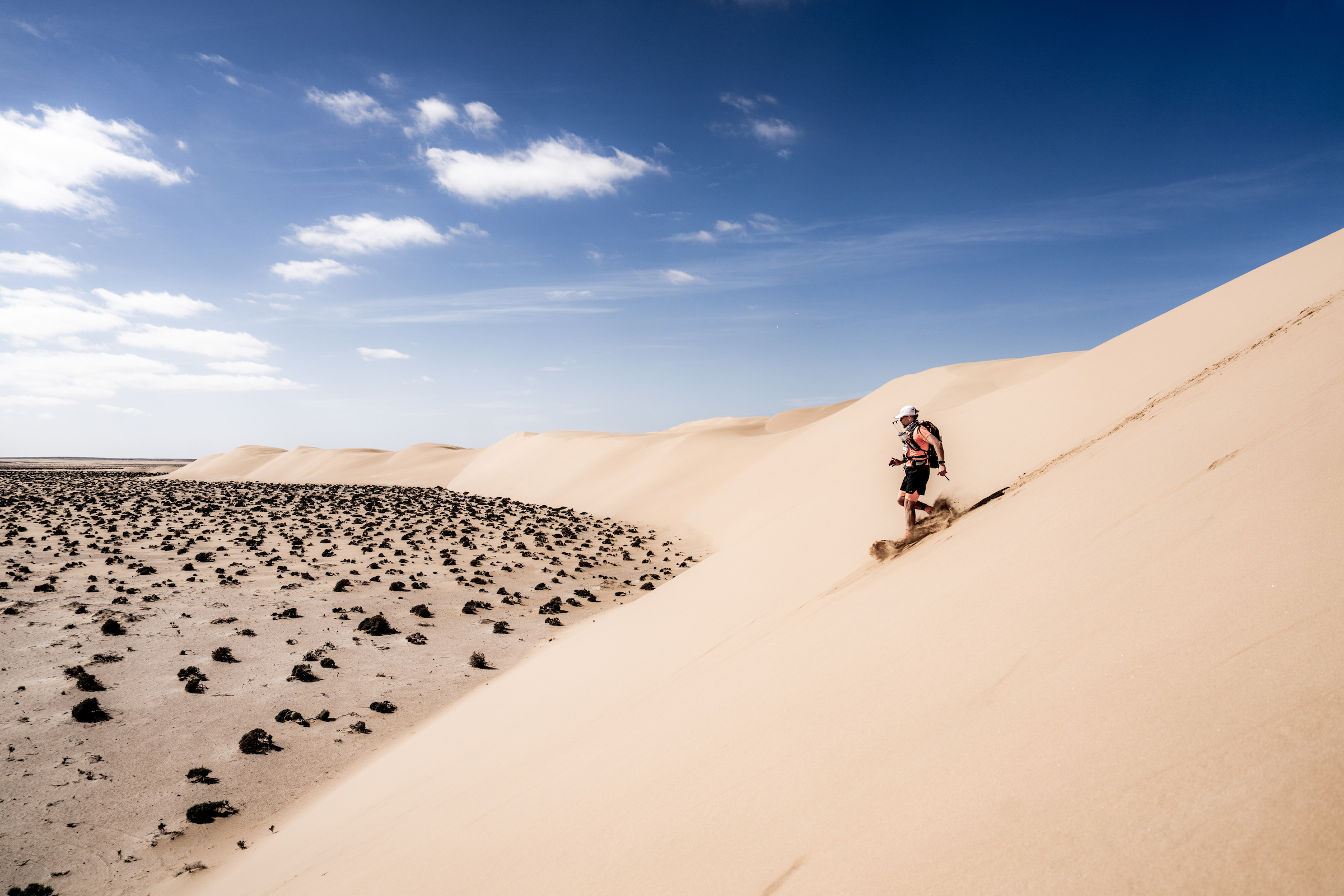
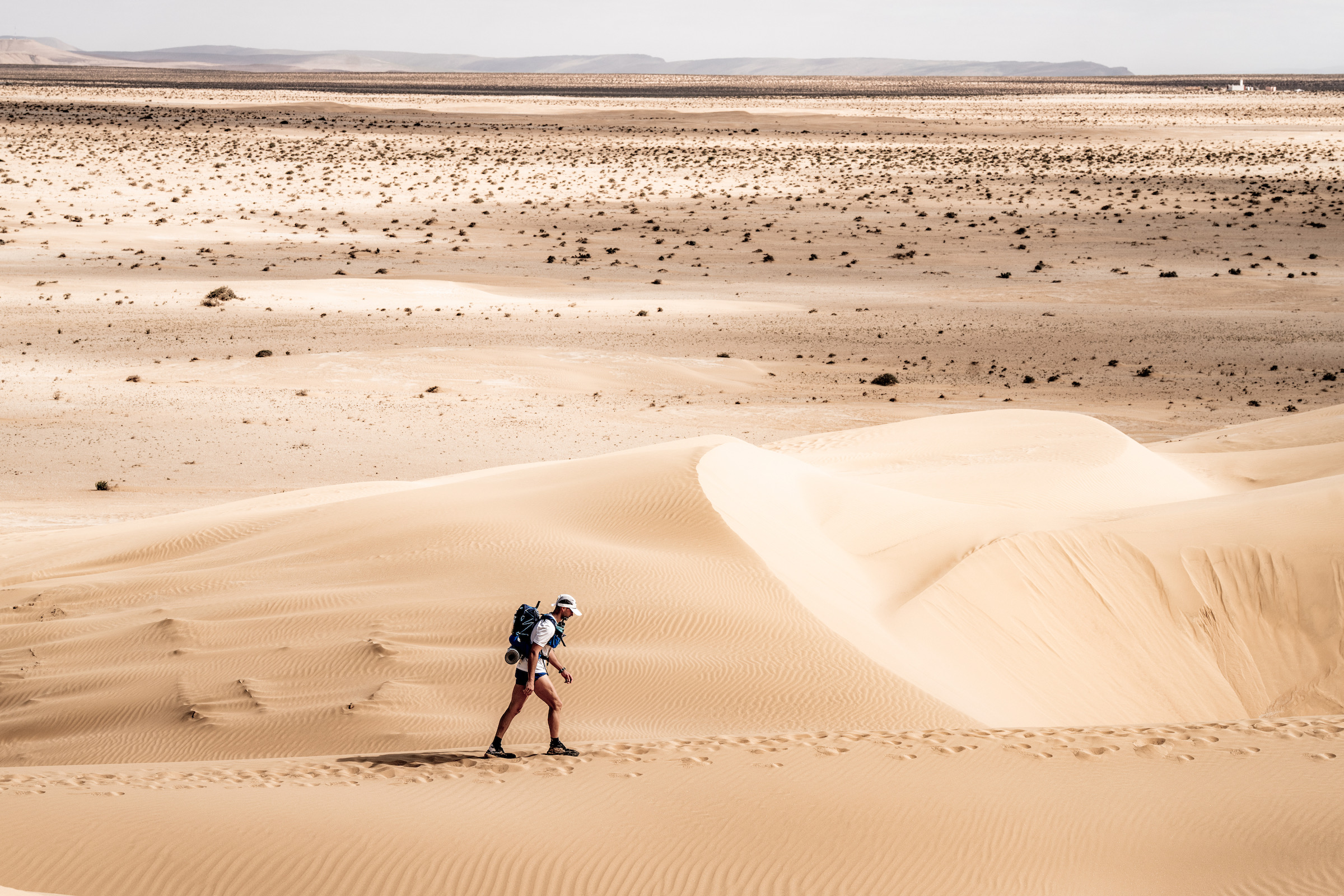
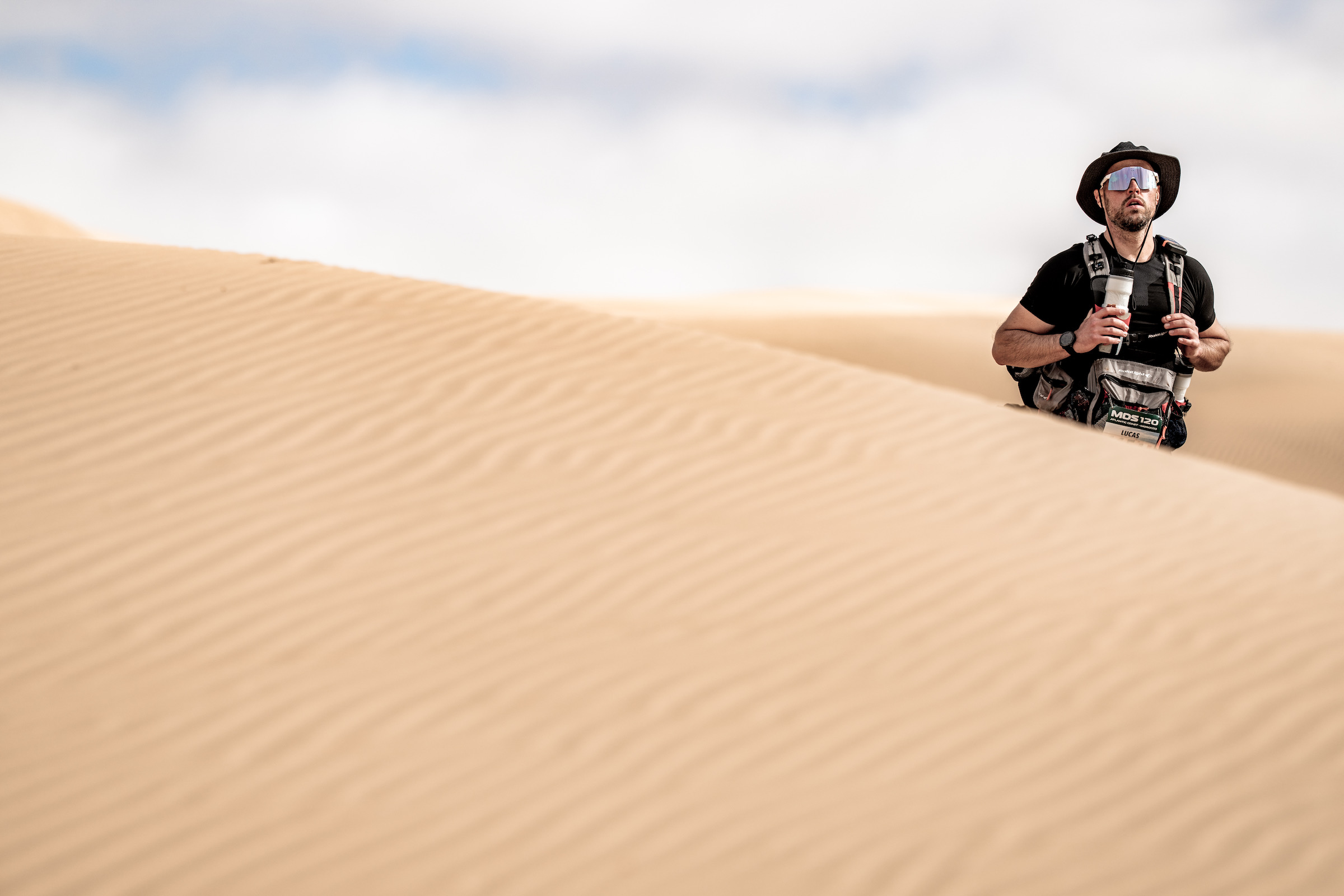
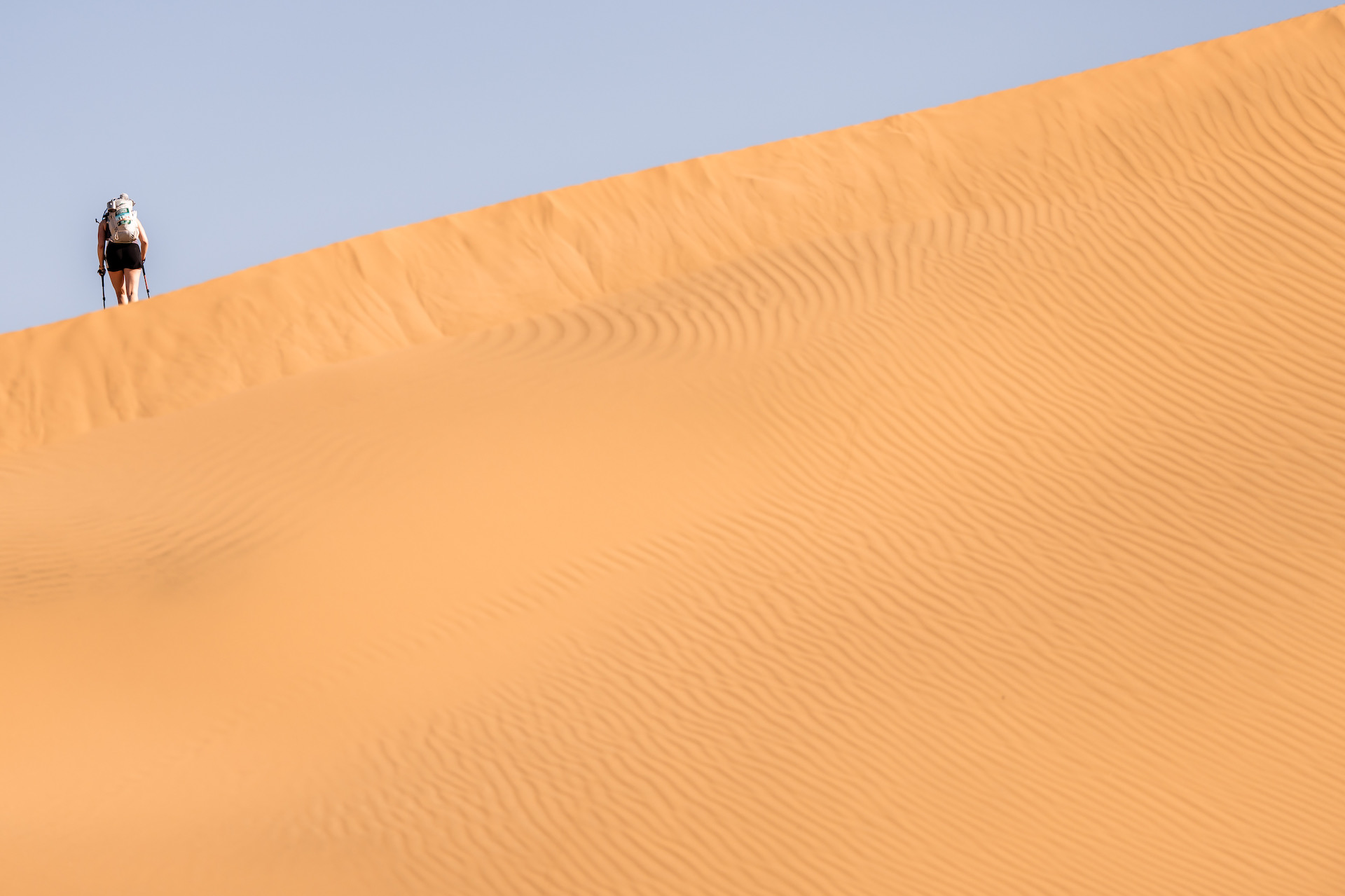
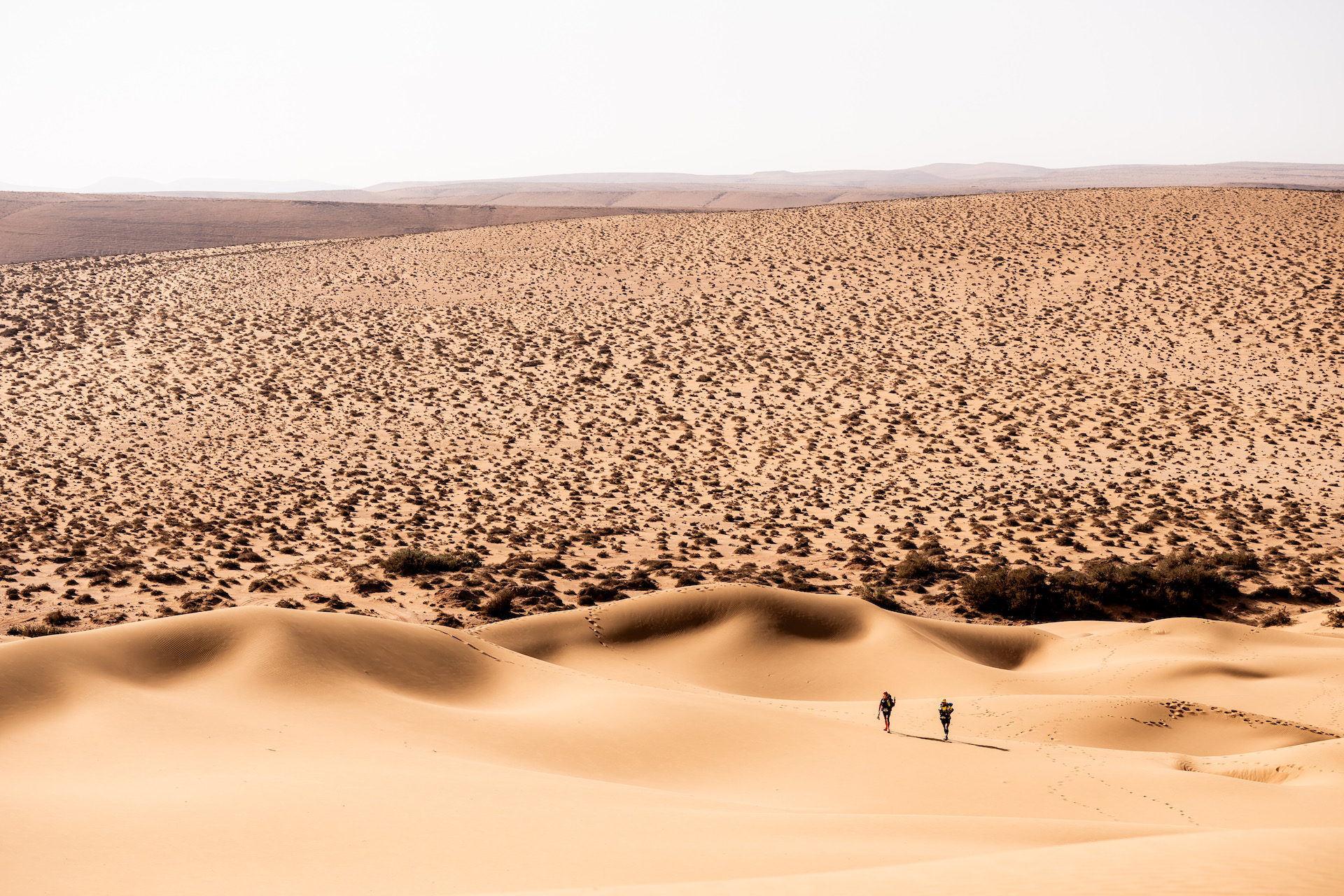
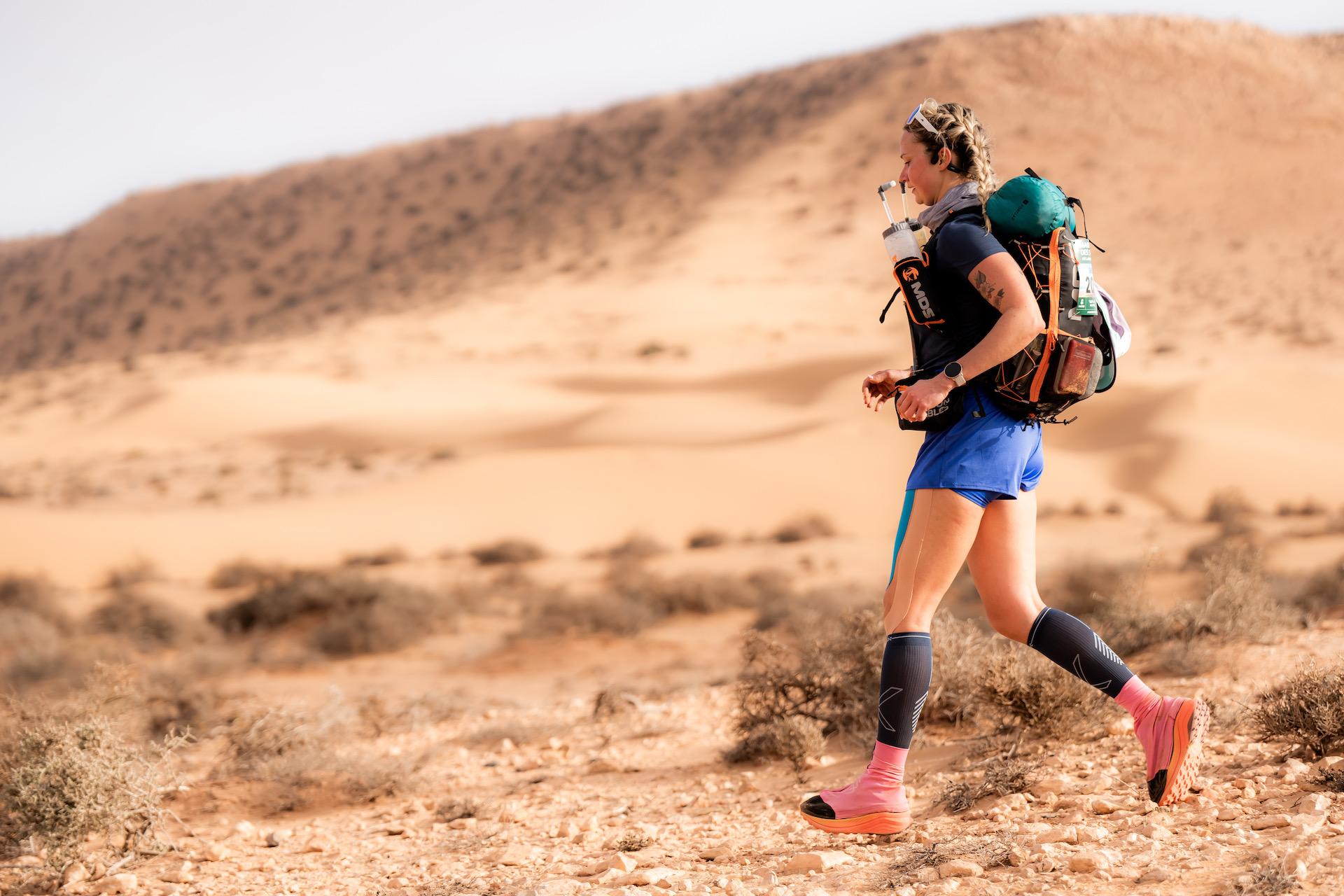
The day started with hard pack runnable terrain making for easy km’s before a dune passage, followed by a gorge and finally high dunes with the glimmer of the ocean in the distance. Cloud and a chill in the air soon moved away to leave blue skies and daily high temperatures of 27-degrees.
Photo by Ian Corless
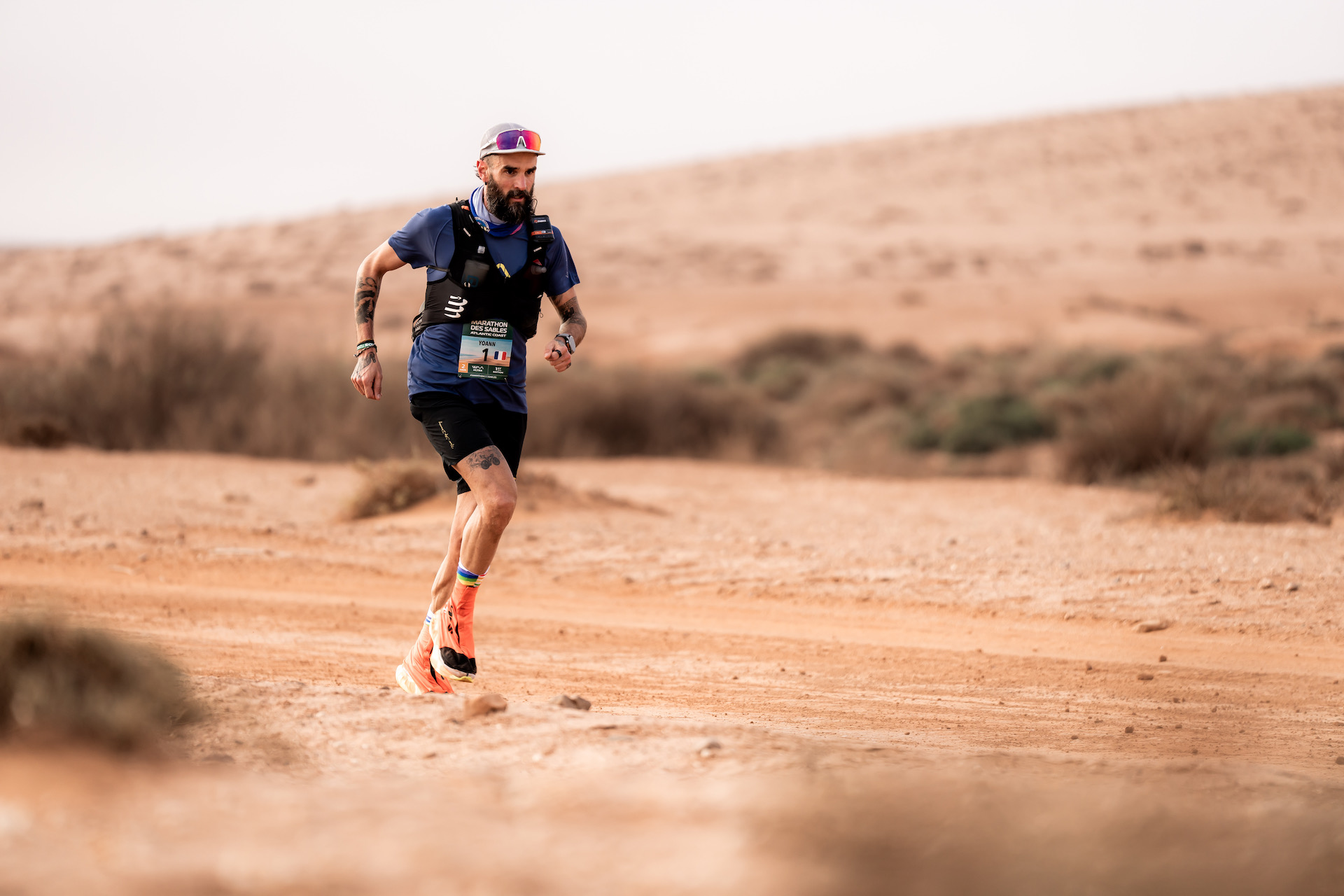
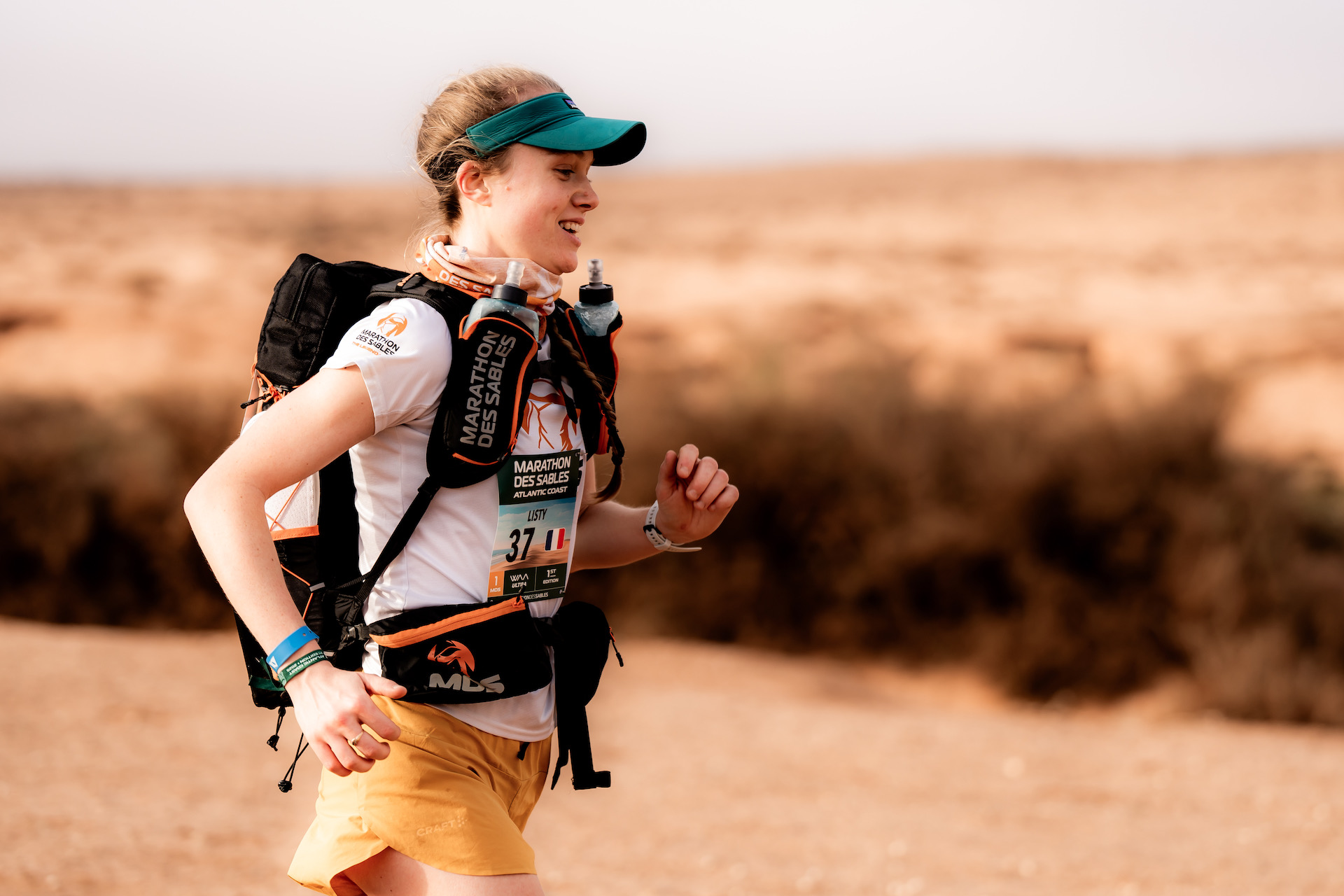
Yoann Stuck and Listy Mazille dominated the day. Yoann finishing the day in a super-fast 01:49:52 ahead of Göran Schrey and Stephan Bawey, 02:01:30 and 02:01:52 respectively.
For the women, Listy crossed the line in 02:16:58, a huge gap opened up with Janina Beck 2nd in 02:39:43. Anne-Caroline Kusinierz was 3rd in 02:43:08.




 IAN CORLESS