Marathon des Sables – The Legendary : NEWS FOUR – Mar 2024

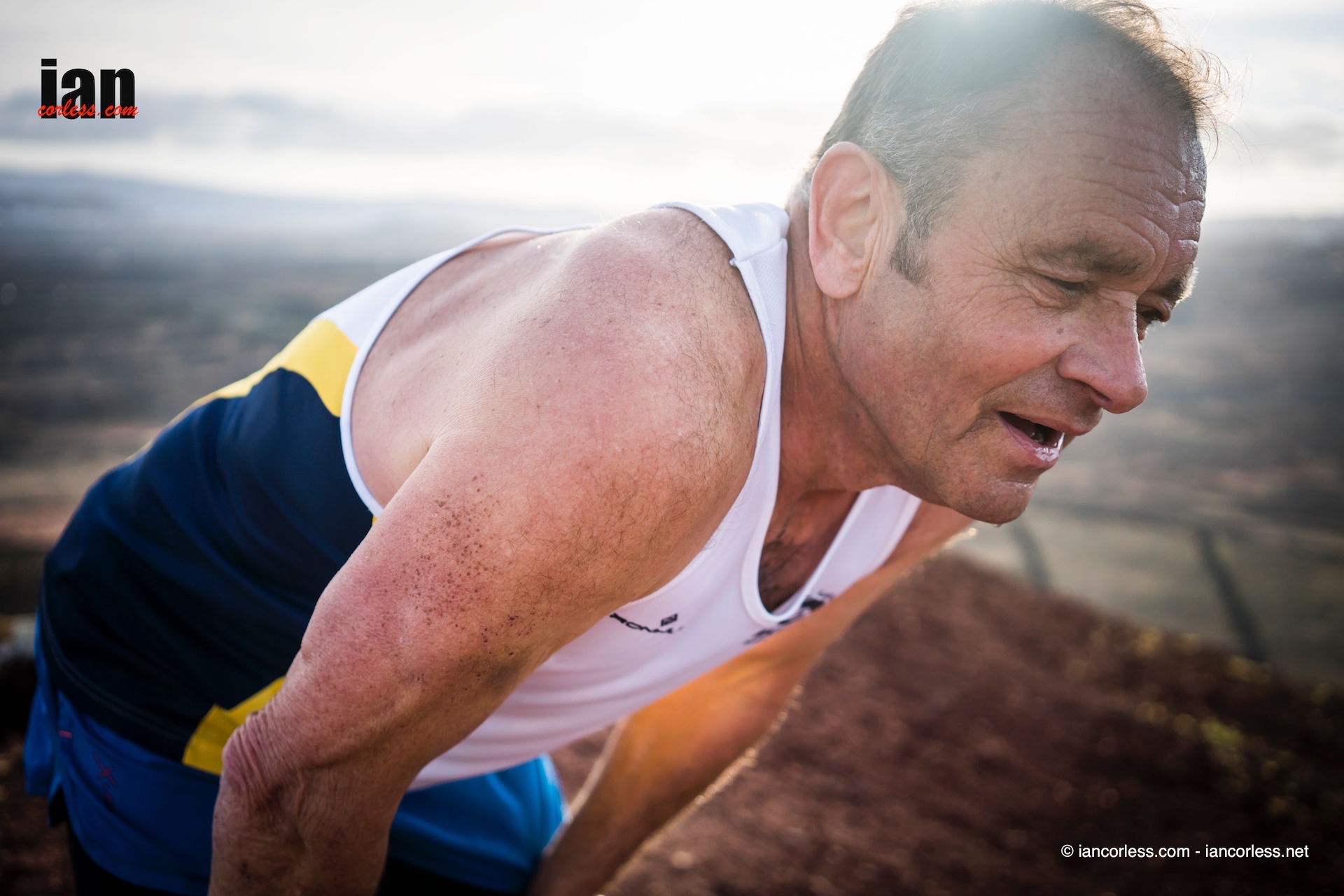
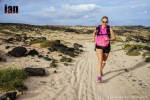
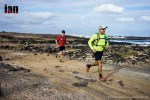
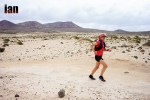
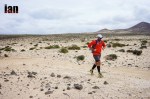
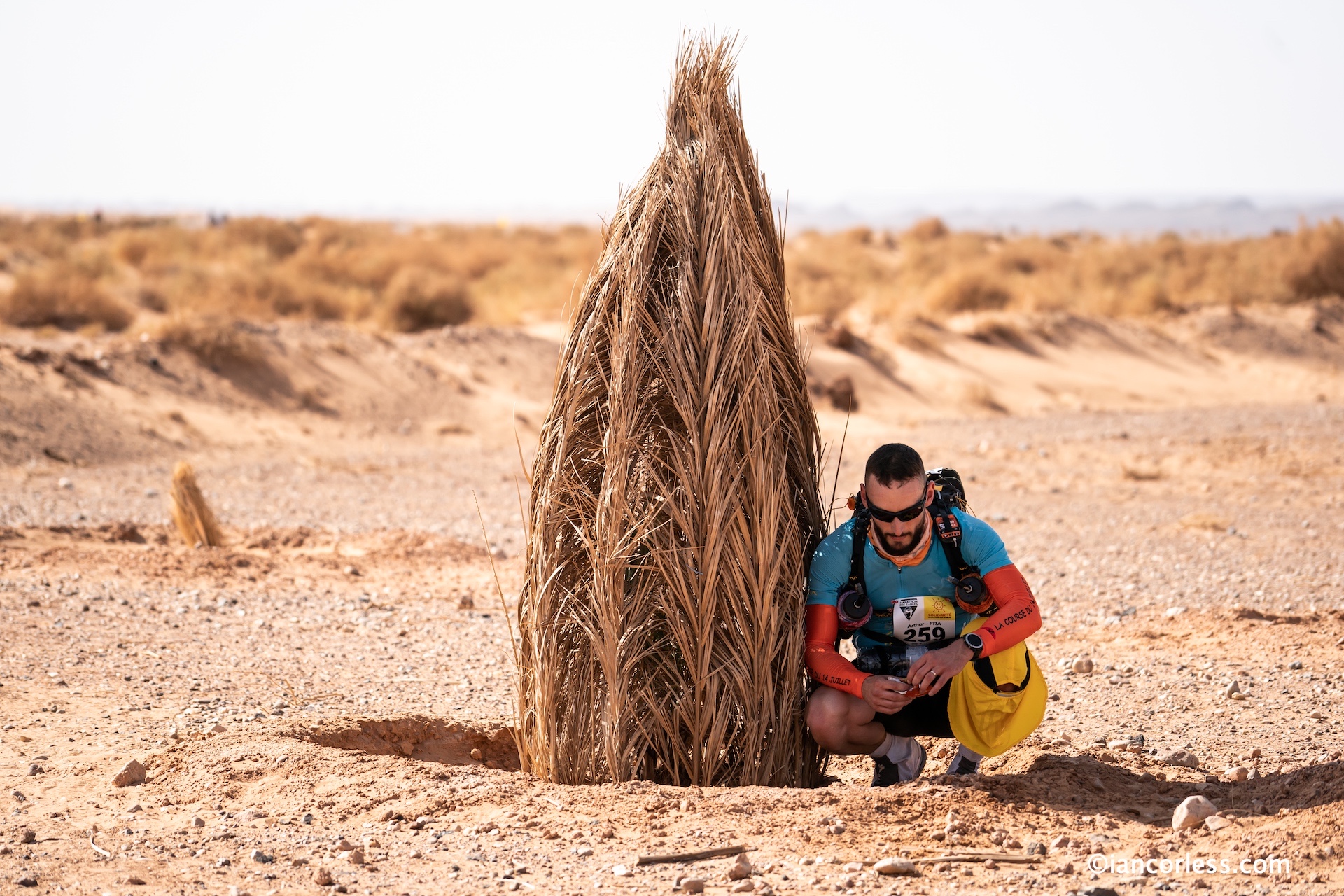
There is not much shade in the Sahara, so, don’t rely on it.

Marathon des Sables – The Legendary will soon be here and now is the perfect time to make sure that you plan for a series of protocols to acclimate to heat and the stress of heat before arriving in Morocco.

In simple terms, you need to impose heat stress on the body that will simulate the conditions you will race in when in the Sahara.
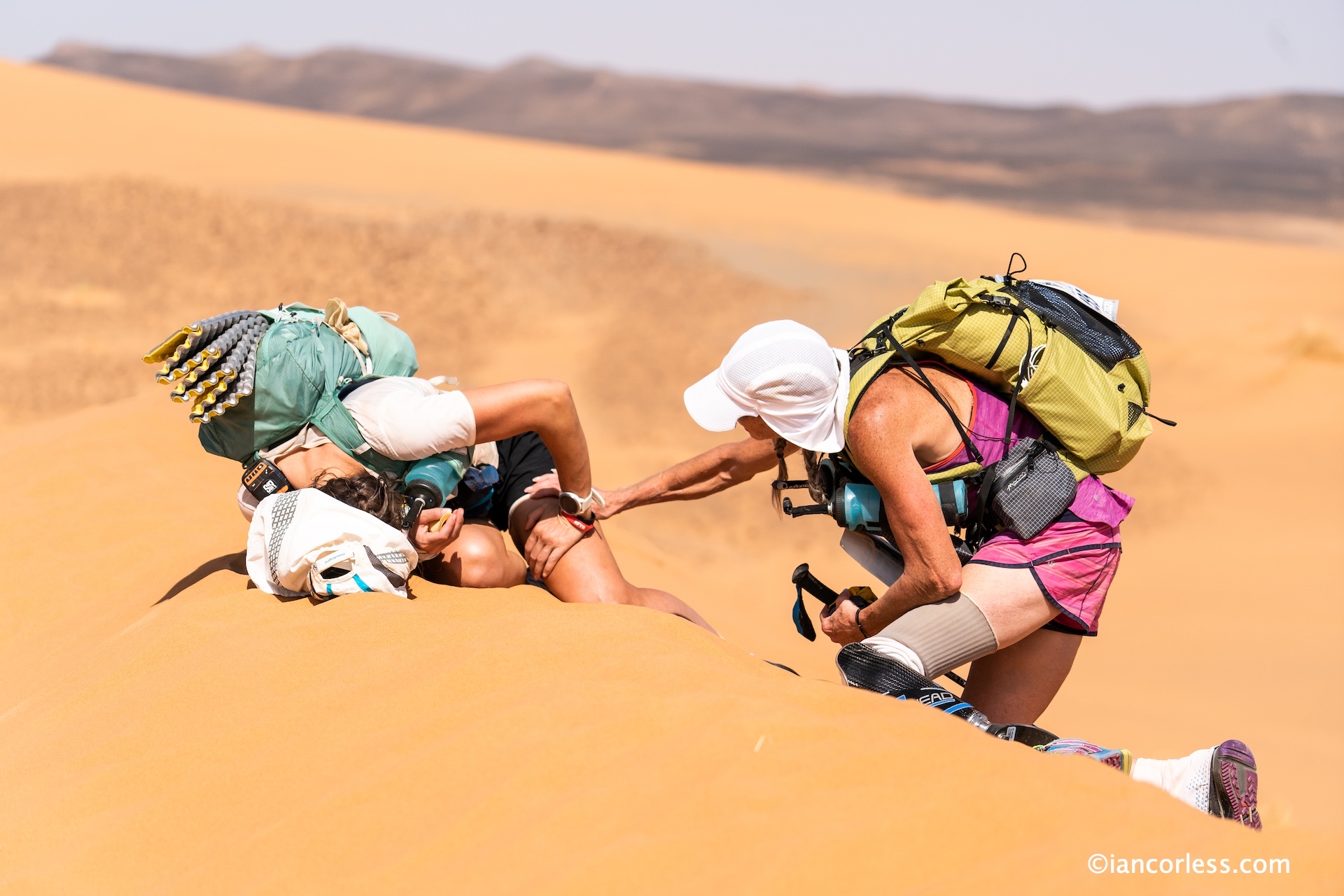
Heat exhaustion brings you to a stop and may well mean a withdrawal from the race.

Acclimation to heat should be done close to competition, ideally sub 21-days and ideally in the final 14 and 7-days. Statistics show that 5-sessions (or more) offer a more fulfilled adaptation. The pseudo motor function (sweat rate) takes a little longer to occur, but all the other measurements, cardiovascular and lowering core body temp occurs quite rapidly. However, 5-10 sessions will allow even greater adaption, and provides better results in particular with sweat rate.

Now of course, if one is fortunate with time, the best scenario is to travel to the race location and adapt naturally in the environment of the race. Reality is though, few of us have this option and we must therefore simulate the stress of heat. The most obvious and effective protocols take place in an environmental heat chamber. Sessions could be performed every 2-days in a 14-day window. Adaptation from exposure diminishes rapidly, so, there is no need to do this too far away from the chosen event. 

Expense can be an issue and therefore there are other possibilities. Keep training as planned and add layers of clothing while training. Post training, when already hot from the stresses of a run, you could then take a hot bath which will raise core temperature. One can also consider Bikram Yoga and use saunas. The reality is though, while some of these interventions will have some benefit, and most certainly, they are better than nothing, it is not something that can be recommended completely as it is harder to prescribe and measure.
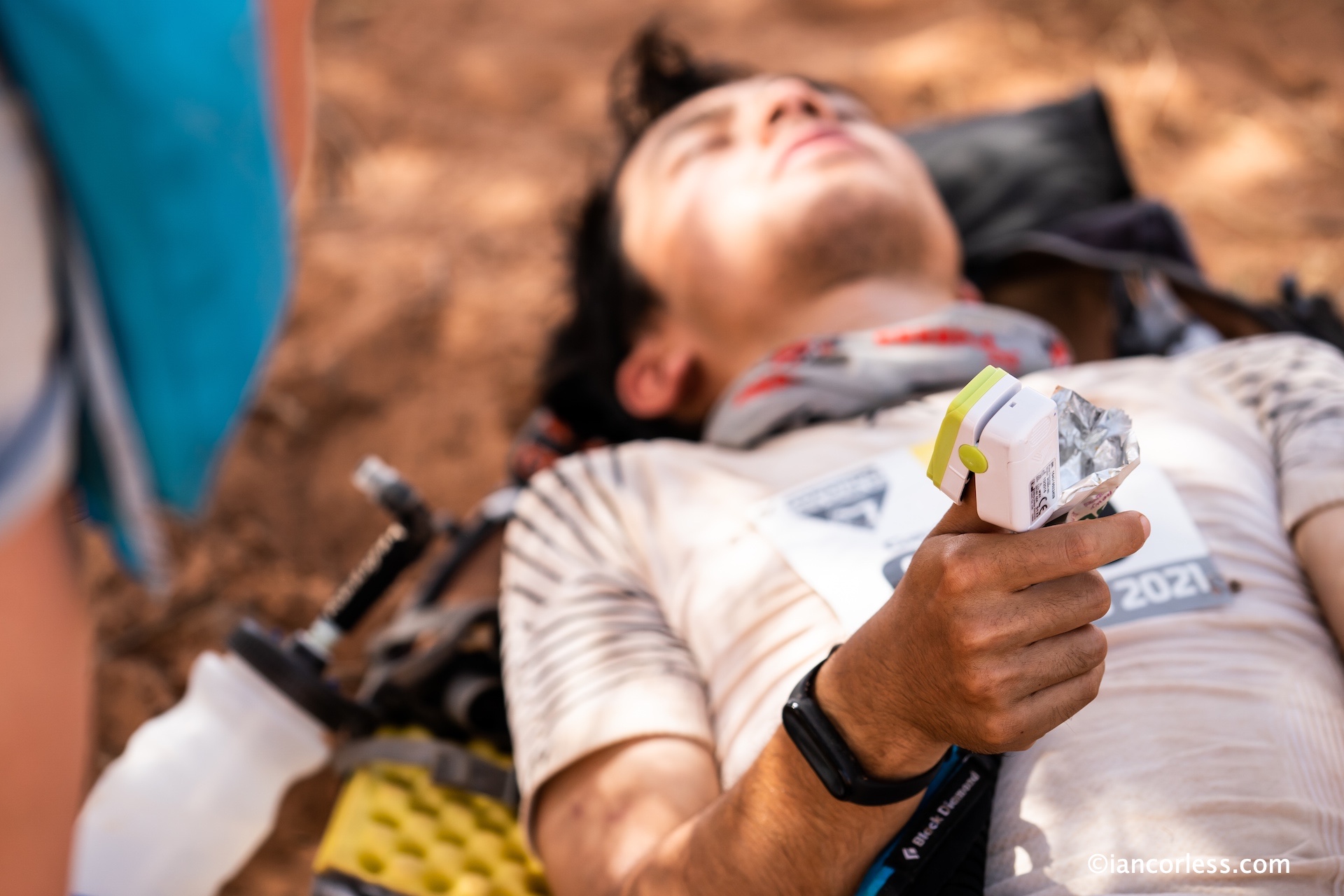
When it all goes wrong, shade and an IV drip may be required.

Environmental heat chamber

Environmental heat chamber is controlled and measured and in addition is monitored by a professional who gradually controls and analyses the stimulus to ensure maximum benefit and importantly, safety. In regard to session length, sub 60-minutes is usually adequate and this allows the body to get hot enough.
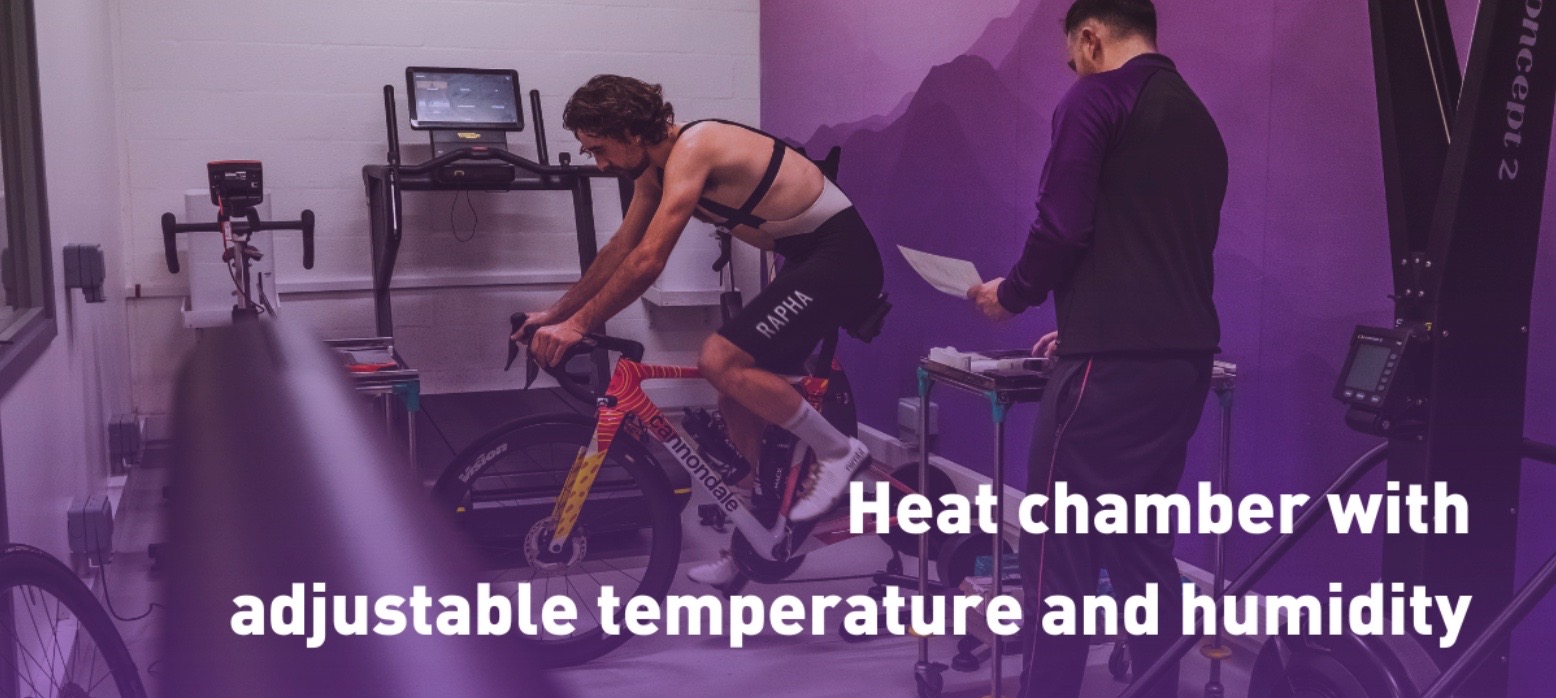
Image (c) Loughborough Sport

The use of a rectal thermometer is used to ensure that you reach the required thermal stimulus. Body weight is measured when naked and then this figure is used to measure fluid intake and sweat rate. Urine tests may be done to look at hydration status. It’s important that a client leaves re-hydrated after a session.

Image (c) Loughborough Sport

It’s important to remember, these sessions are about heat adaptation, they are not training sessions. A treadmill or bicycle is used and many testers prefer the bike as it adds less impact to the body and fatigue.

A 5-minute check will include heart rate, core temperature, skin temperature, perception of thermal environment, how hot does the client think it is? And finally, the tester usually asks how comfortable the client is. Then, the protocol will begin.

The target is a core temperature of 38.5 degrees in each session, which is ideal for pseudo motor and thermo functions to be maximised. Measuring the thermal strain is key. It usually takes about 30-minutes to get to 38.5 degrees depending on the individual. But external factors do have an impact. The session is about controlling and meeting a fixed criteria.

The first two sessions are often a challenge and then by session three, improvements can be noticed with the greatest improvement coming after day five with seven sessions being a great target to work towards. Total exposure is more important than days, so, if challenged for time, it is possible to do two tests per day, say AM and PM. As stressed above, the optimal time window is in the 14-days counting down to the event or race.

Loughborough Sport in the UK offer specific heat acclimation – book HERE

All runners in the Sahara will be faced with physical and perceptual challenges that will have negative effects on performance if not acclimated.

They will be slower, frustrated, dehydrated and have a potential of heat stroke and ultimately they may not finish the race.

Acclimating to heat pre-race prepares the body for the challenge to come!
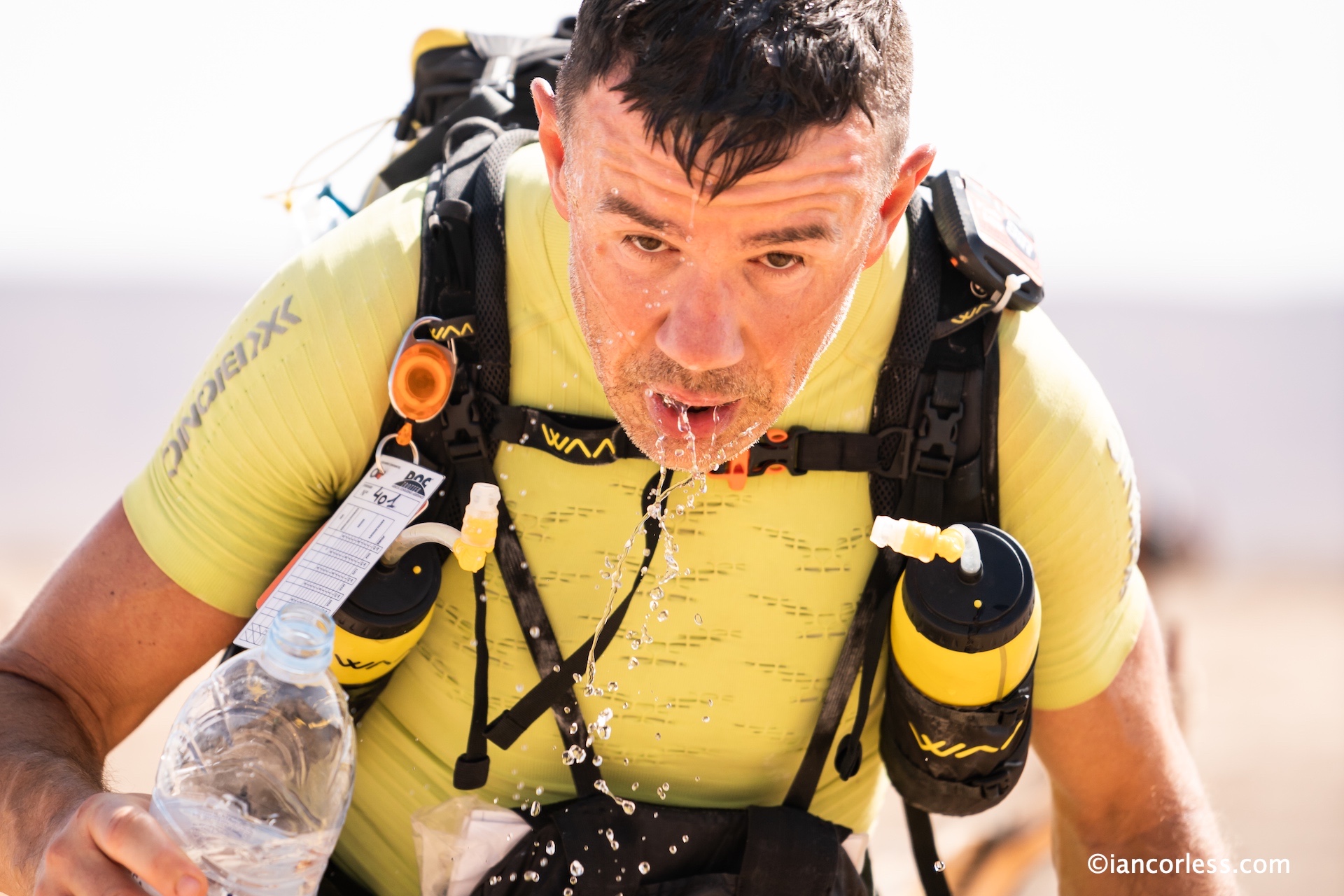
Too hot? Cool down.

When in the race, if you experience negative effects of heat, is there anything that can be done?

Yes, slow down, try to cool down as much as possible, seek shade at aid stations, rest and allow the core to lower. Hydrate and use spare water to provide a perceptual cooling: water on your face, head, forearms and neck will help a little with this.

Conclusion:

When one runs, you use muscle mass and this generates heat. When you then exercise in a hot environment, particularly if it is greater than skin temperature, then this makes it very difficult to get rid of heat. Humans are not the most efficient mechanically, so this energy from contracting muscles, potentially around 20 to 30% of the mechanical energy being made is converted to chemical energy, that means 70%, maybe even more, needs to be eradicated in the environment. If the environment is hot, for example, the Sahara, a challenge is imposed to eradicate the heat and what often happens is is that the heat is stored and one feels hotter and this then has a cascade effect of issues and problems, physiologically and perceptually.

Physiologically there is an increase in skin temperature as it is directly impacted upon by the environment. There will be an increased demand for blood flow that needs to go to muscle to provide it with oxygen/ energy to run, but also there is a competition for blood flow to the skin. In order to thermo regulate, blood is competing with muscles and skin and that creates an impact on one’s cardiovascular system. Typically, heart rate will increase due to the increased workload sending blood to muscles and skin. Body core temperature will increase. Sweet rate will also increase and therefore the percentage of water loss will increase and the consequence of this is dehydration – a deficit in body water with onward complications.

Trained individuals can gain thermal adaptations, irrespective of environment. For example, if you are training everyday, particularly at a high percentage of VO2max, one will create heat and this will require a higher sweat rate and therefore adaptation takes place. But, interventions should be in place both acute and chronic, to minimise the effect of environment on performance. Environment, will always have an impact on performance, no matter which athlete. So, make a plan now to adapt and acclimate in the final 14-days pre-race!

This article is based on a podcast (episode 191 of Talk Ultra) with Dr Jodie Moss PhD Sports Physiology, MSc Sports Nutrition.

Catch up on the previous posts

NEWS ONE Here

NEWS TWO Here

NEWS THREE Here

Follow on:

Instagram – @iancorlessphotography

Twitter – @talkultra

facebook.com/iancorlessphotography

Web – www.iancorless.com

Web – www.iancorlessphotography.com

Image sales –www.iancorless.photoshelter.com
Fred Streatfield – The Community Of Running

iancorless-com_lanza2017-03885

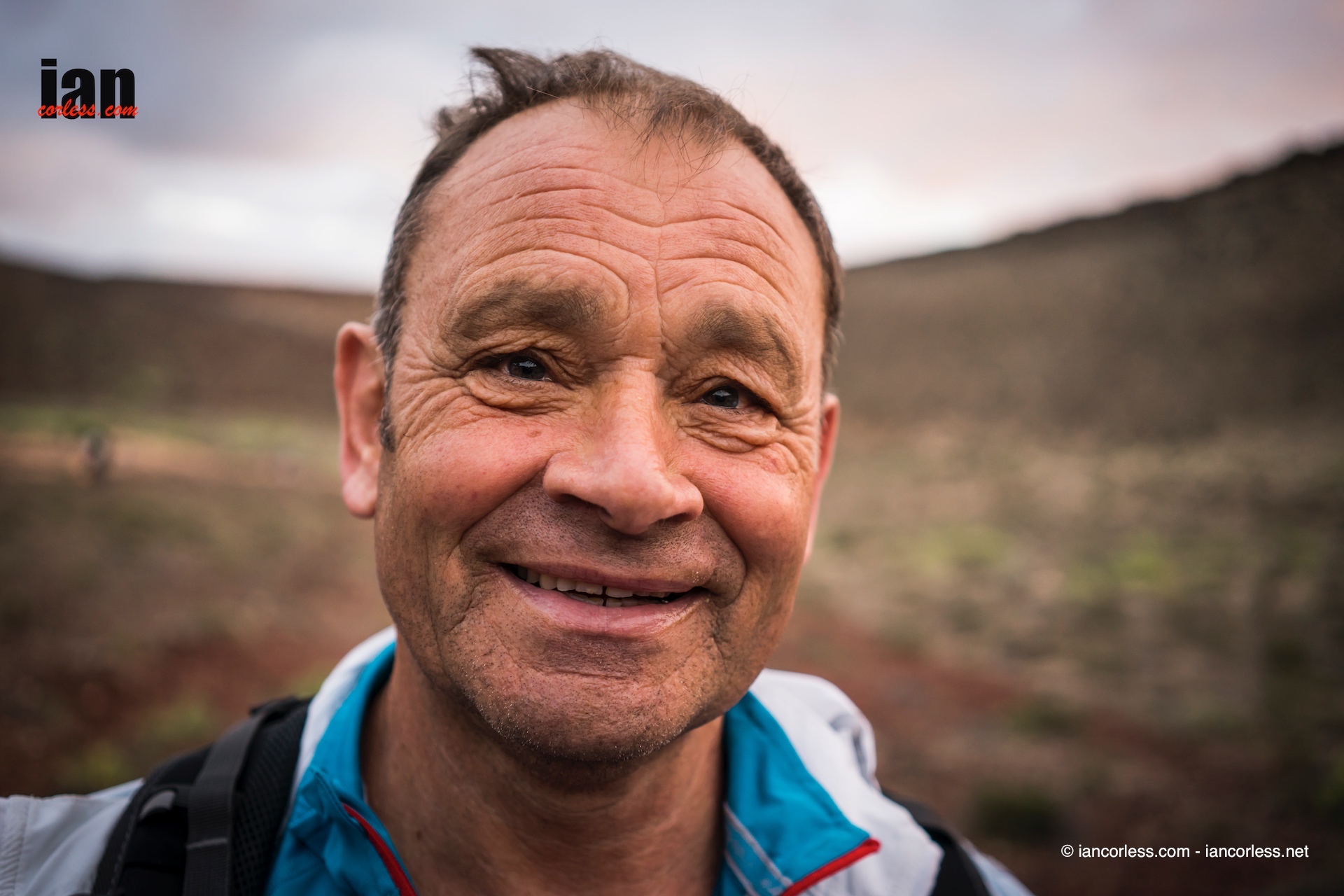
Fred Streatfield has been running all his life. You could say that running defines him. However, Fred is so much more than a runner, he’s a husband, a father, a grandfather, great grandfather a builder and in April 2017, he has set himself the challenge of running the Marathon des Sables.

‘MDS’ as it is known within the running community, is for many a dream goal. It’s been billed as the ‘Toughest Race on Earth’ and while we all know that it’s not, the multi-day Saharan adventure does bring its own set of unique problems and difficulties to encounter.

The race is over 30-years old and has without doubt paved the way for all modern day, multi-stage races. It’s format of self-sufficiency has been copied time and time again. In the early days, it was tens of runners who toed the line. Now it’s 100’s of runners and in recent years, with the growth of ultra-running, more than 1000 stand within the dunes of Morocco every April for what will be, for them, the ultimate experience

When you’ve been running for as long as Fred, you’d think this Moroccan adventure would be a walk in the park, or should I say, the dunes for him. But no, despite 49-years of running, Fred is intimidated for this new venture in his life.

A race like this is intimidating, it should be, after all it’s why you do it, no? Fred is no different than any other when signing on the line and paying the deposit. He wanted his run experience to be made whole, with something alien to him, something that would completely take him out of his comfort zone. Little did he know that when he signed up, his challenge would become something so much more than running…

iancorless-com_lanza2017-03570

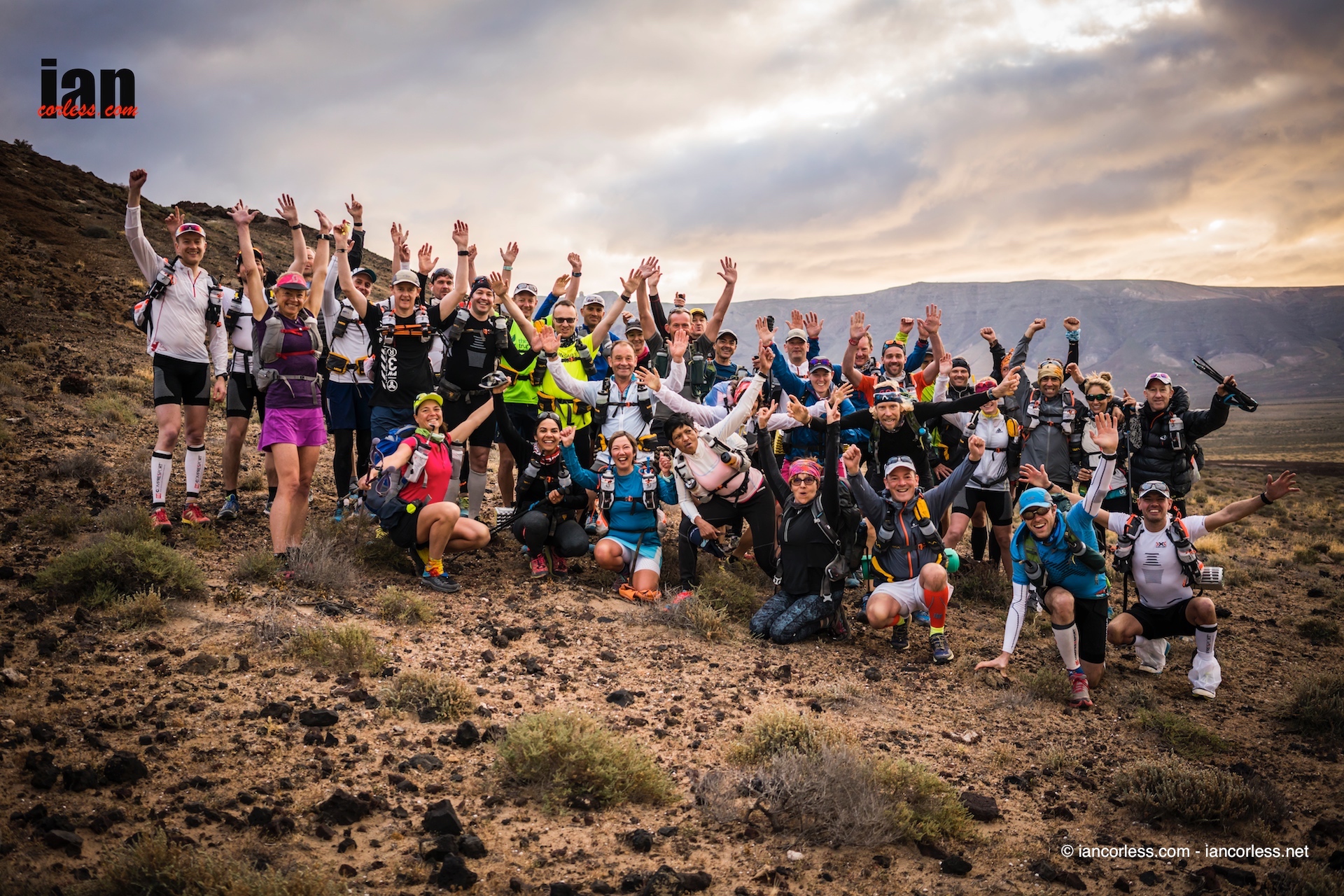
Niandi Carmont caught up with Fred after a training camp in Lanzarote. It was a camp specifically tailored for those undertaking a multi-day race of any type. Among the 40-participants on the camp, Fred became somewhat of hero.

It’s a simple way to start any conversation about a future race, direct is best sometimes, “Do you feel prepared Fred?’

“Well, yes. Yes and no really. I feel I now need to do more training but in all honesty, I don’t stop – I do need to do more long runs though.”

iancorless-com_lanza2017-03365

Fred had arrived in Lanzarote feeling a little worried that he would be isolated, little did he know that he was leaving one family behind to be joined by another.

“The training camp was absolutely just beyond belief really. The volume of running we did and the guys I ran with… It was amazing, they were all young whippersnappers, and me, I’m an old boy! But I did keep up with them.”

Keep up with them Fred did. He’s an old-school road runner, a little obsessed with running fast. Too fast at times, particularly when you consider his 65-years. We had a phrase when I was younger and you’d see an older runner, ‘fit as a butcher’s dog’ and yes, Fred is as fit as a butcher’s dog. On day 1 it was a shakeout run of just 60-minutes, Fred by his own admission says that he’s not used to technical terrain – too many years running on the road! Forty minutes into the run he hit the deck, it looked a bad fall. His arm was bruised, is elbow bleeding and he was holding his ribs. We imagined the worst. He bounced up, brushed himself off and pushed on. The next day, the first day of the camp was a long run, Fred didn’t hold back and placed himself in the fast group.

iancorless-com_lanza2017-03171

”Yes. I went with the first group, with the fast group. Last year I ran The Great North Run with Mark Scott (also on the camp) and I beat him by about three minutes. We were running for Macmillan charity. In the race, Mark came in after me, we exchanged niceties, shook hands and then we met again on the camp. As I was waiting for the run to start, Mark came and said, “Come on, Fred. Come on. Come on. You belong in this group.” which was the fast group. I said, “No, no, Mark, I’ll go with a slower group”. He went, “No, no. You go into this fast group.” Anyway, I stuck with him for 40-minutes, the run was going to be about a 20 to 23 plus miles. I thought to myself, if I continued at this pace I may not finish. It would have done me in. Ian was with me at the time so we eased off with another runner, Paul Allum and then joined your group Niandi.”

Niandi was of course flattered, it was just 1-day into the camp and already Fred was getting a fan club. Niandi’s group was pretty much running all the time but it was a slightly slower pace than the group up front lead by Elisabet Barnes, 2015 Marathon des Sables ladies champion.

Fascinated by stories and people, Niandi knew Fred had a story, we all have a story, but Niandi had that intuition, that sixth sense that told her that there was more than meets the eye. It started simply, ”Tell us a little about what motivated and inspired you to decide to do MDS and how it all started?”

iancorless-com_lanza2017-03060

“Well, it goes back quite a way. There is a nice little story attached to this. I saw the race on the internet and how it posed the question of challenging one’s self. I was attracted to it but I dismissed it and moved on. Then a few weeks later, I went on to a website and it popped up again. My initial thoughts were about it looking really tough and I wondered if I could do it, after all, I am getting on!”

Niandi laughed, she’d heard rumors that there was more to the story. She probed, “Tell my how your wife was involved the entry process?”

“I went off into town with my wife. I left her and went to get some information on the desert running. I hadn’t told her though. I bumped into a friend of mine and he said, “What are you doing?”  I was on the spot so I told him that I was thinking that I may be tempted to run in the Sahara and I was getting some information. I told him though, whatever you do, don’t tell the wife!”

I am sure you can fill the gaps but the inevitable happened. The following day they bumped into each other once again and how did the friend great Fred?

“How’s the desert coming on?”

“Have you entered?” my wife said. “No, but I’ve been considering it”

The ice was broken. Fred entered the race and never looked back. His wife supported him every step of the way. But elation and excitement turned to loss, sadness and questions if the race would ever happen.

iancorless-com_lanza2017-05200

“I think it was December 10th, it was the registration day. That was 2015. We waited for the entry for 2017 to open. I am not computer savvy and she had offered to help me fill out the forms. Technology and me don’t go together. Anyway, we checked in and we paid the deposit and that was the start. At the same time, we were in the process of moving house, always a big thing. The move happened and then 5-weeks later she passed away.”

It’s a moment like this that a life can fall apart, imagine it, married for so many years and then suddenly a void. Fred was all set for throwing in the towel but this is the power of running and the community connected with the sport.

”There was a closed website group just for the people who are running the MDS in 2017,” Fred continued. “They all said, “No, no, no. Don’t give up. She wouldn’t want you to.” So, I decided to carry on. It’s been difficult and it’s still difficult now. That’s one of the reasons I’m running. II am also running for Macmillan Cancer Charity. It’s important to help the charity too.”

No words needed. What feels like minutes is only seconds and Niandi picks up the conversation. “That’s a very noble cause, Fred. You’ve had a lot of support from the running community and from the people at the Lanzarote Training Camp, but it’s also due to your personality because you’re very outgoing. You’re very positive. You’re very bubbly. You’re very communicative and you’re really fun to be around.”
There’s silence and then a, “Thank you.”

******

iancorless-com_lanza2017-05235

“I can’t remember my first race. But I was running at school. That’s where it all started but a key moment was when I had started work. Some guy just walked up to me. He went, “You look fit. In the car park, over here, every Saturday morning, be there. You will want to bring some running stuff.” I didn’t get any backing from my parents or anything like that and I really appreciated it so I started to go, I still have those old plimsoles.”

Simple beginnings and picture starts to form of Fred, his background, his history, his dedication to work hard and graft.

“I got some old shoes and some old shorts and then just went running. It just went from strength-to-strength really. I was about 15 or 16 and I have never looked back – I have met some amazing people. Obviously, they were not with us anymore, but they kept me going and helped me and nurtured me through. Even in the early days, the running community helped me.”

Community, bonds, friendship, values, Fred found all these in Lanzarote and it confirmed to him all that is good about running and although the decision to continue after the passing of his wife was a tough one, he now knows it was the correct one.

”Words fail me really, everyone on the training camp has been so incredible. It’s been tough. they’re so nice. It was really tough, II didn’t say anything on the camp but while I was there it coincided with the anniversary of my wife’s funeral.”

“I think there was a very strong bond between everybody and people knew what you’d gone through and I think that they felt the vibes,” Niandi responded. “Family is also very important to you. I also got that impression because you come from a very close family. Well, maybe you could tell about your family, about your daughters.”

”Yes, my daughters have been strong for me. Also, I don’t know how they’ve coped losing their mom. But anything I want, anything, they are there for me. They cook me my food and they take turns to have me as a guest at weekends – just so that I don’t starve. I’ve got four children myself and each of my four children have got four children.”

”That is 16 grandchildren?”

”Yes, 16 grandchildren and one of my granddaughters who is now 20, she’s not the oldest, she’s just had a little baby girl, six months ago!”

“You’re a great-grandfather?”

“I think that shocked some of the guys in Lanzarote. They looked at me and said, “How many grandchildren you got?” I said, “I’ve got one great-granddaughter.” I don’t think they could believe it.”

iancorless-com_lanza2017-2-20

Married for 44-years, his wife was 18 and he 19. Through thick and thin, as Fred quite rightly says, “It wasn’t all roses.” But who’s story is. They battled the tough times, enjoyed the good times. “She was my best friend. She helped me, she made me who I was and she was a very strong person and a really nice person as well.”

Part man, part robot, Fred has held back some other vital information. “You also have to keep a check on your health,” Niandi asks. “Because you’ve had a few health issues?”

“Yes. I’ve got a pacemaker. It’s all checked, it’s all monitored, and it’s good to go. In 2012, when I had a problem, they said I would never run again. At the time, I was looking at the MDS and I thought my chance had gone. But since then, everything is working out and I am fine. I’ve done just over 200 runs and races. I’m pretty fit.”

The finish line of the 2017 Marathon des Sables will be a special one. Red ribbon will pass through the fingers of race director Patrick Bauer. Attached to the ribbon will be a large disc of gold. As Fred crosses the line and the prize is placed around his neck, I have a real feeling that there will be more than just Fred’s tears shed on the finish line. This simple man embodies the race. He is a personification of the values the race holds true.

iancorless-com_lanza2017-03910

*****


Fred’s typical training week:

  • Monday – Swimming
  • Tuesday – Run club night which is usually a sat 8km-10km.
  • Wednesday – Cycling 2-hours indoors.
  • Thursday – Run club hill sessions or fartlek. Followed by 1-hour swimming.
  • Friday – Rest.
  • Saturday – Park Run in the morning and then a 10km to half-marathon run.
  • Sunday – Usually 9 to 15-miles.

On MDS:

I’m sure I’ve got everything that I need. The Lanzarote trip helped with this, there might be a couple of little bits that I need, but nothing really. I think I need to slow down a little bit when running, think about the long game. I’m under no illusion that it’s going to be tough. Believe it or not, I’ve joined a sauna club. I’m hoping to spend a few hours in the sauna. I don’t know if I’ll be able to take my running stuff, though. I run in Lanzarote with my pack and that worked, I didn’t have full weight in it but it was good. I need to test out my food now and I am good to go.

Would you like to join our 2018 Multi-Day Training Camp, if so, go HERE

iancorless-com_lanza2017-2-25a


Lanzarote Multi-Day Training Camp 2016 – Day 3

©iancorless.com_Lanza2016-01737

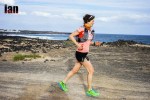
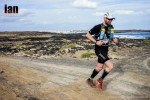
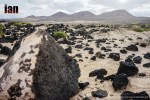
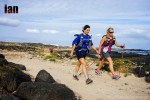
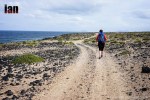
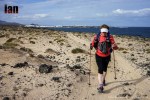
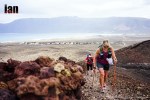
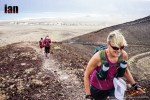
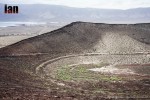
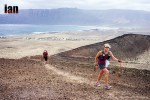
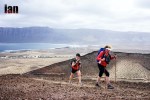
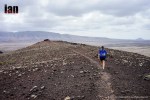
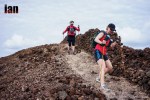
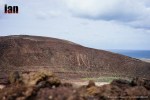
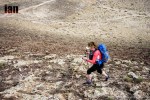
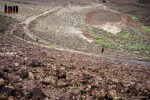
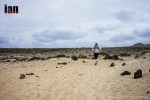
The 2016 Lanzarote multi-day training camp really got underway today with a full day of activity. This morning was a 4-hour run or hike over some very specific terrain that provided every participant a full-on appreciation of what terrain they may encounter at a race such as Marathon des Sables.

Mitch Keene, on the training camp with his wife, said post run:

“It was great to experience the sort of terrain that we are likely to come across when we get to the real event. To understand what it is like to run in some deep sand. It was also great camaraderie on the run. It’s good to know that there is going to be people around you who are in the same sort of position as you are and learning from them. And then there is just some basic stuff like understanding that wearing very short socks is a bad idea when running in the sand. So really simple stuff that you think you know when you set off but don’t. The whole learning experience is phenomenal out here and I really enjoyed it.”

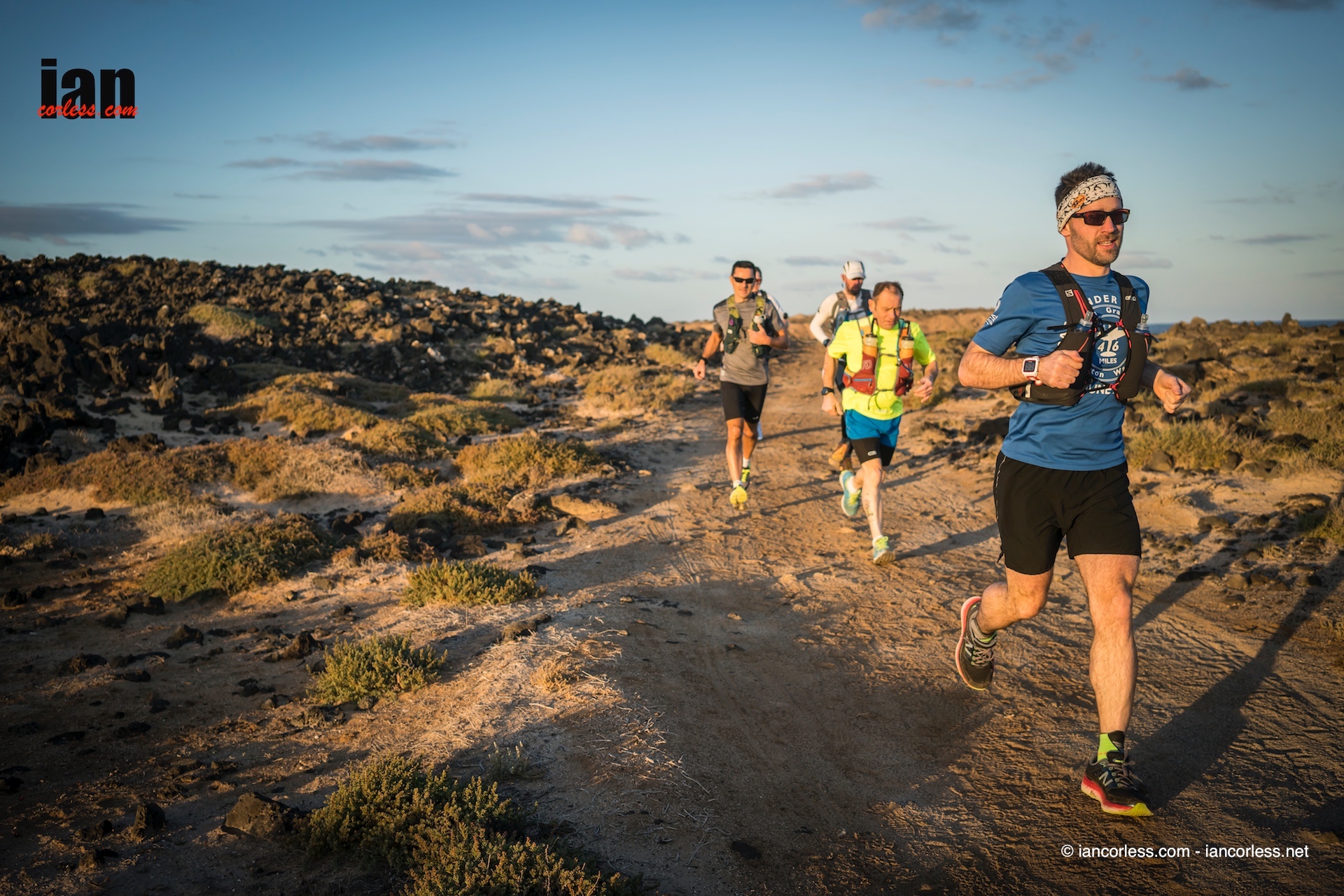
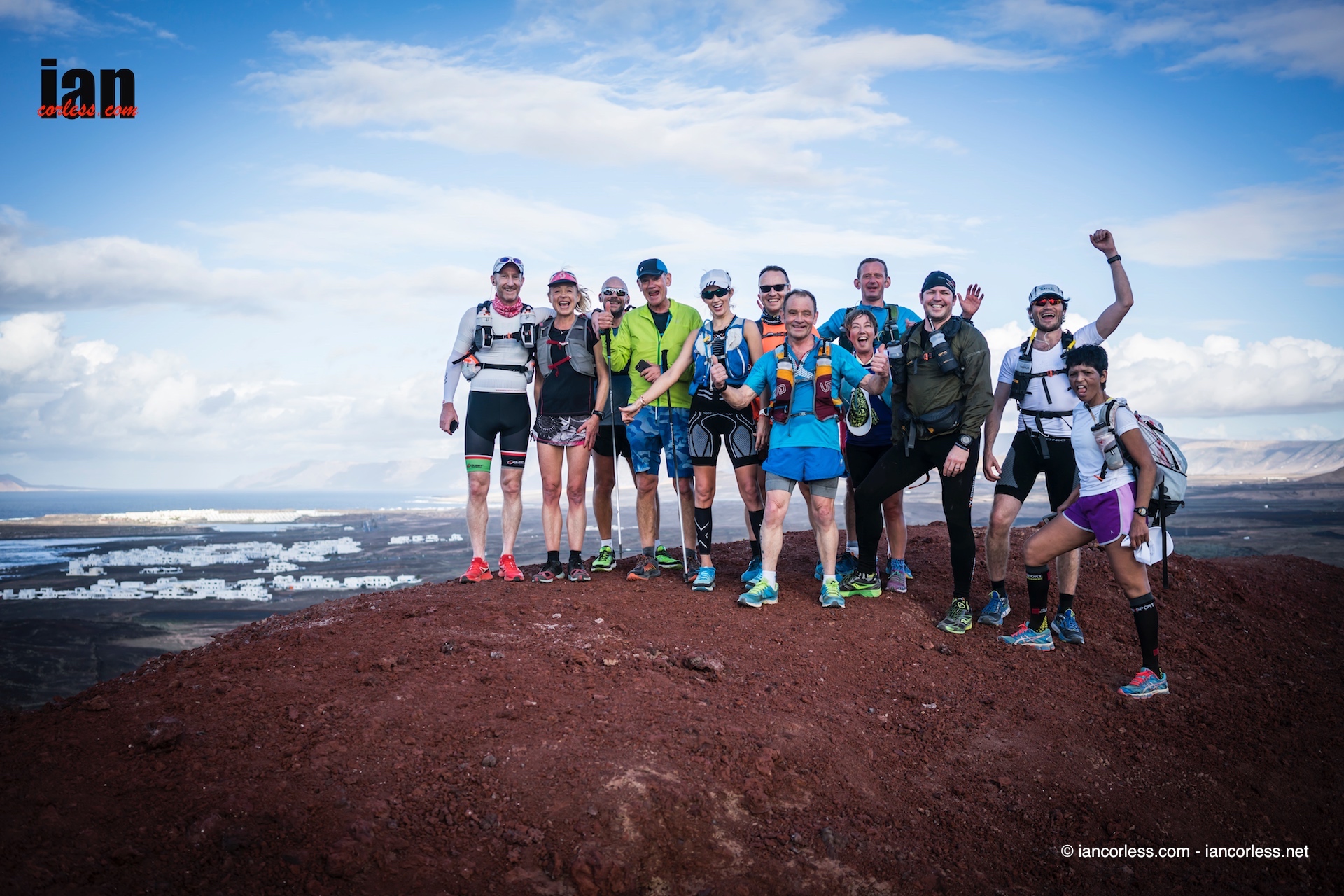
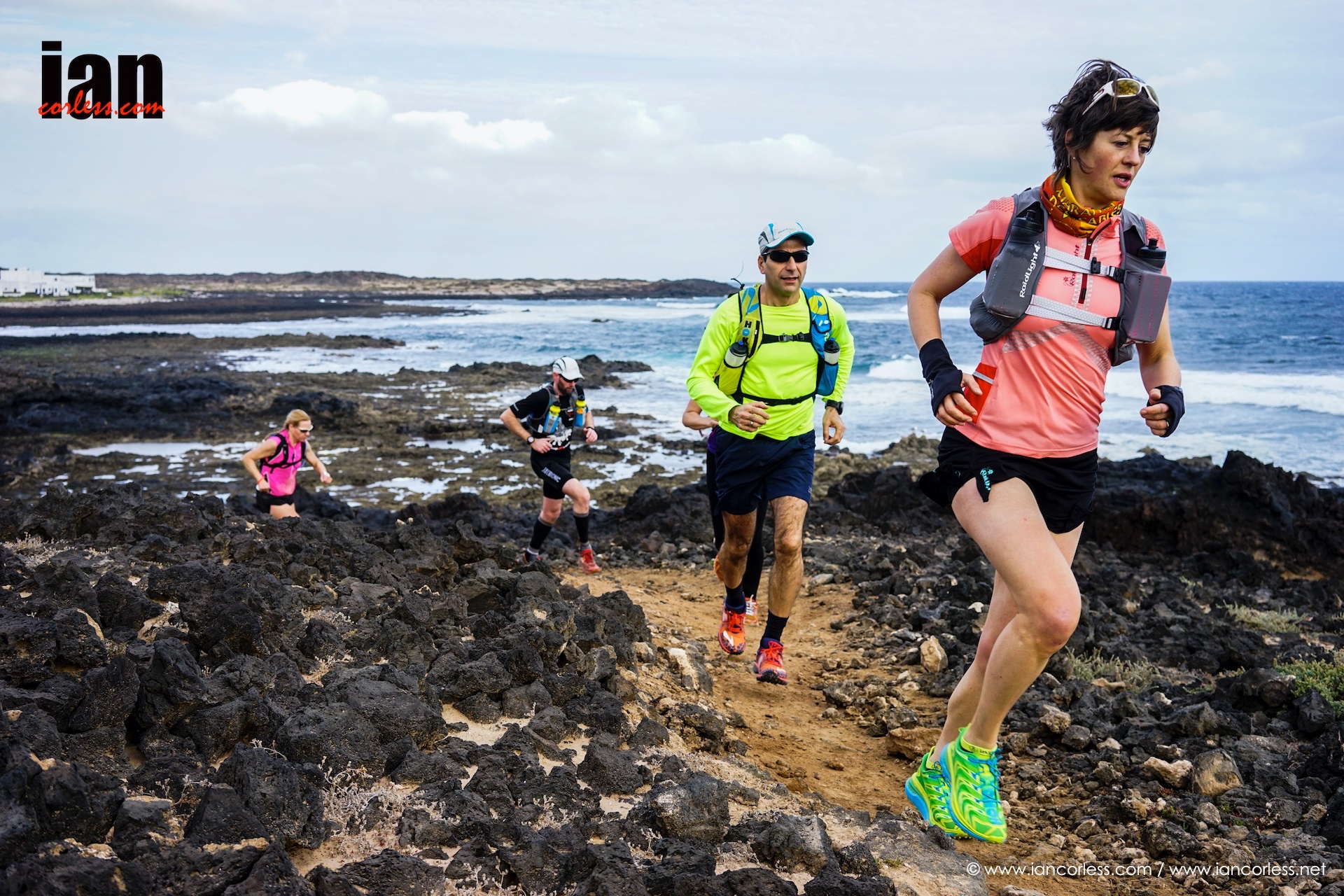
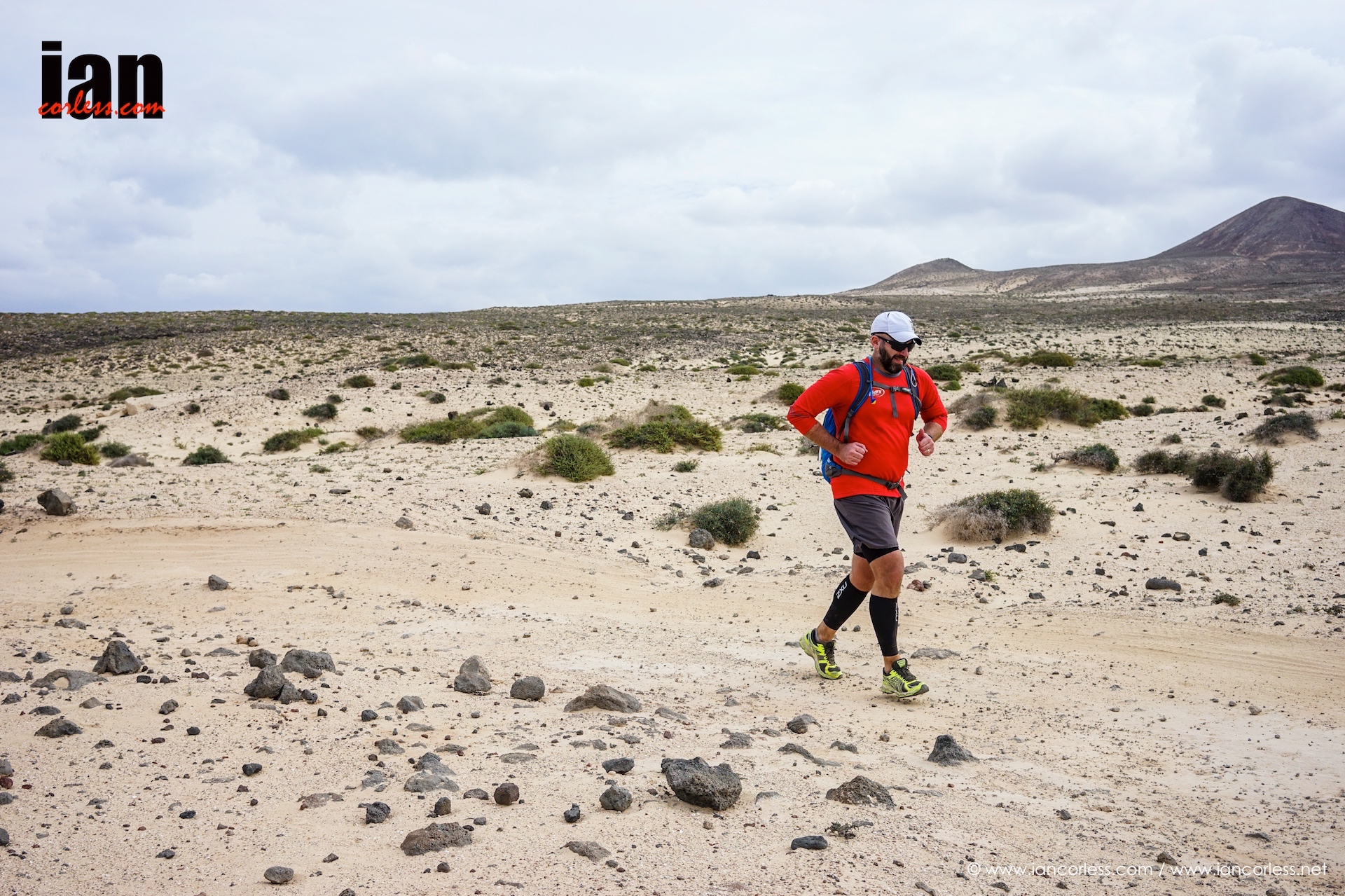
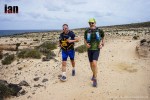
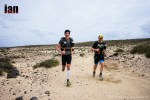
The morning session took a relatively flat run out over very mixed terrain (sand, rock, lava, dunes) in three groups. Elisabet Barnes leading the runners who are able to hold a faster and more consistent pace. Niandi Carmont leading the runners who will run and occasionally walk and then Marie-Paule Pierson leading a small group who intend to walk the whole event. Ian Corless moved from one group to the next.

©iancorless.com_Lanza2016-02166

“It’s nice meeting people who actually want to talk to you while you are running. I have found it quite difficult taking up running again on my own and going to events on my own,” said Leon Clarance. “People are usually polite but today people were actually chatting about their own experiences and it was nice to meet some likeminded people.”

©iancorless.com_Lanza2016-01959

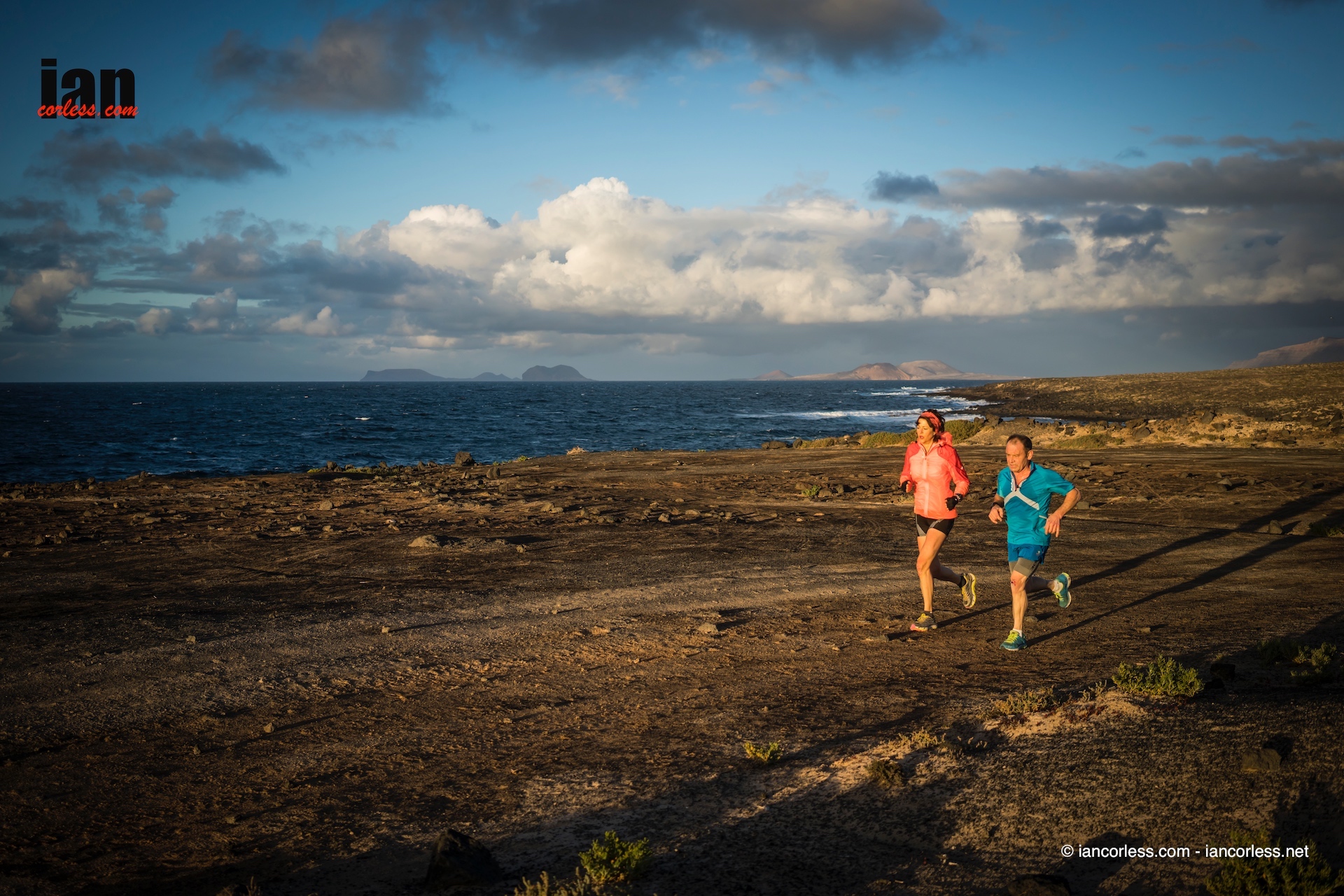
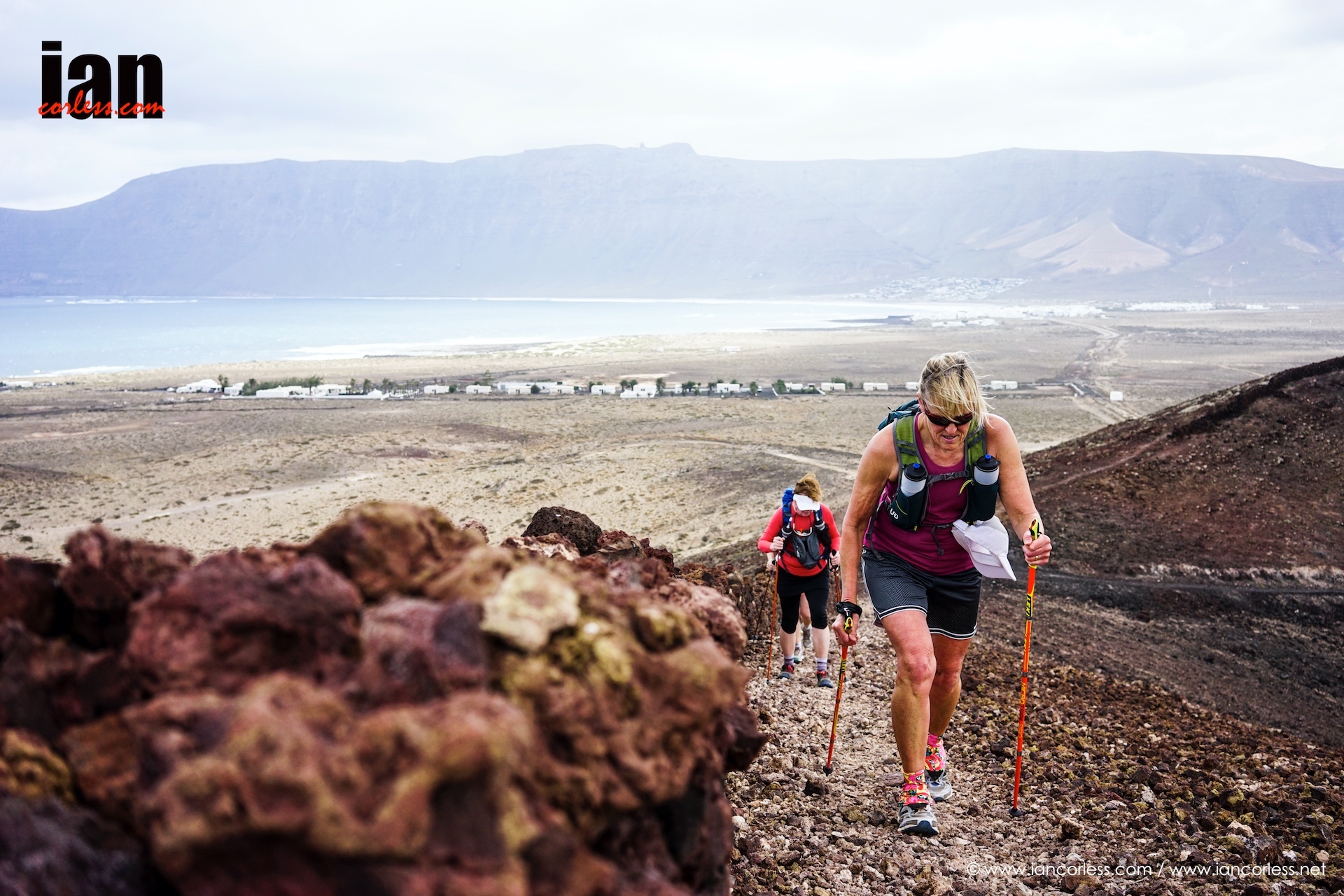
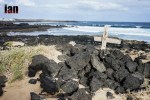
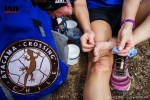
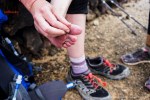
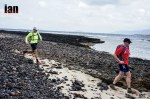
At the coastal resort of Famara, everyone turned 180-deg and the re-traced along the coastline but this time taking in the small mountains and hills that back on to the sea in this area. At times rocky and technical, everyone had a real insight into the complex terrain that one may encounter in a multi-day event. At the summit, one or two runners experimented with foot care and treatment; a key element of successful multi-day competition.

©iancorless.com_Lanza2016-02188

“It’s ben a real eye opener,” said Alan Guthrie. “I have been behind with my training and today I managed my longest session for some time in some very specific terrain that directly relates to my chosen event; Marathon des Sables. It’s been a tough session but I have loved every minute of it.”

©iancorless.com_Lanza2016-02226

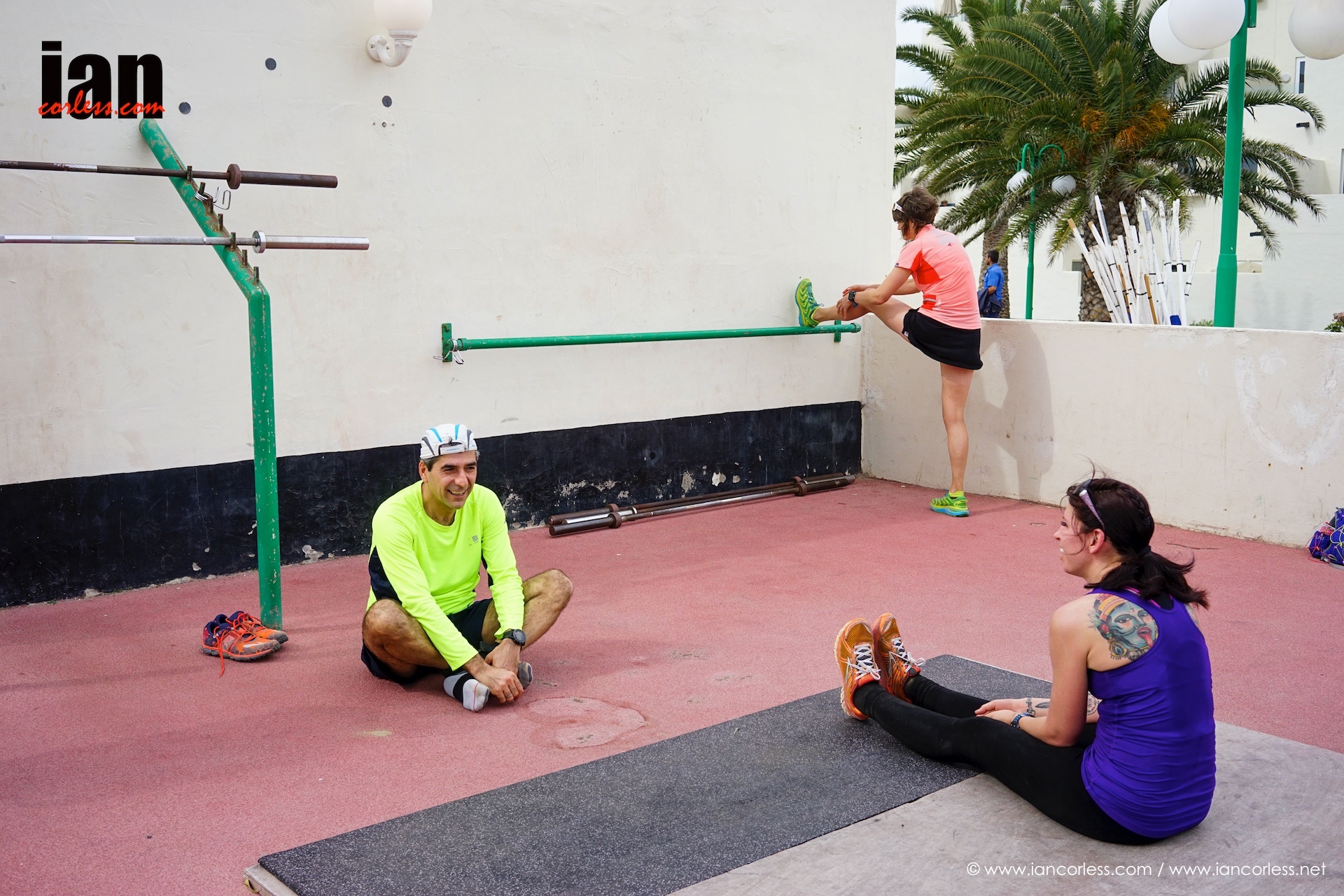
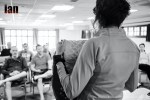
Post run stretching relaxed tired muscles and 2-hour break was followed with a talk and discussion called, ‘What goes in the Multi-Day Pack?’

And just when the runners thought it was time to relax and chill-out an ‘optional’ 20-30min shake out run fired everyone up for one last effort, making the day a very successful and tiring one. Evening drinks, relaxing chat and good food was extremely welcome. Tomorrow we have a structured group walk in the Timanfaya National Park in a series of volcanoes followed with a talk on nutrition and hydration.

Many thanks to MyRaceKit, Raidlight, OMM, PHD, inov-8, Scott Running and Berghaus for the support.

If you would like to take part in a multi-day training camp like this, dates have been set for 2017 and it’s possible to book HERE

Click on an image to view today’s gallery