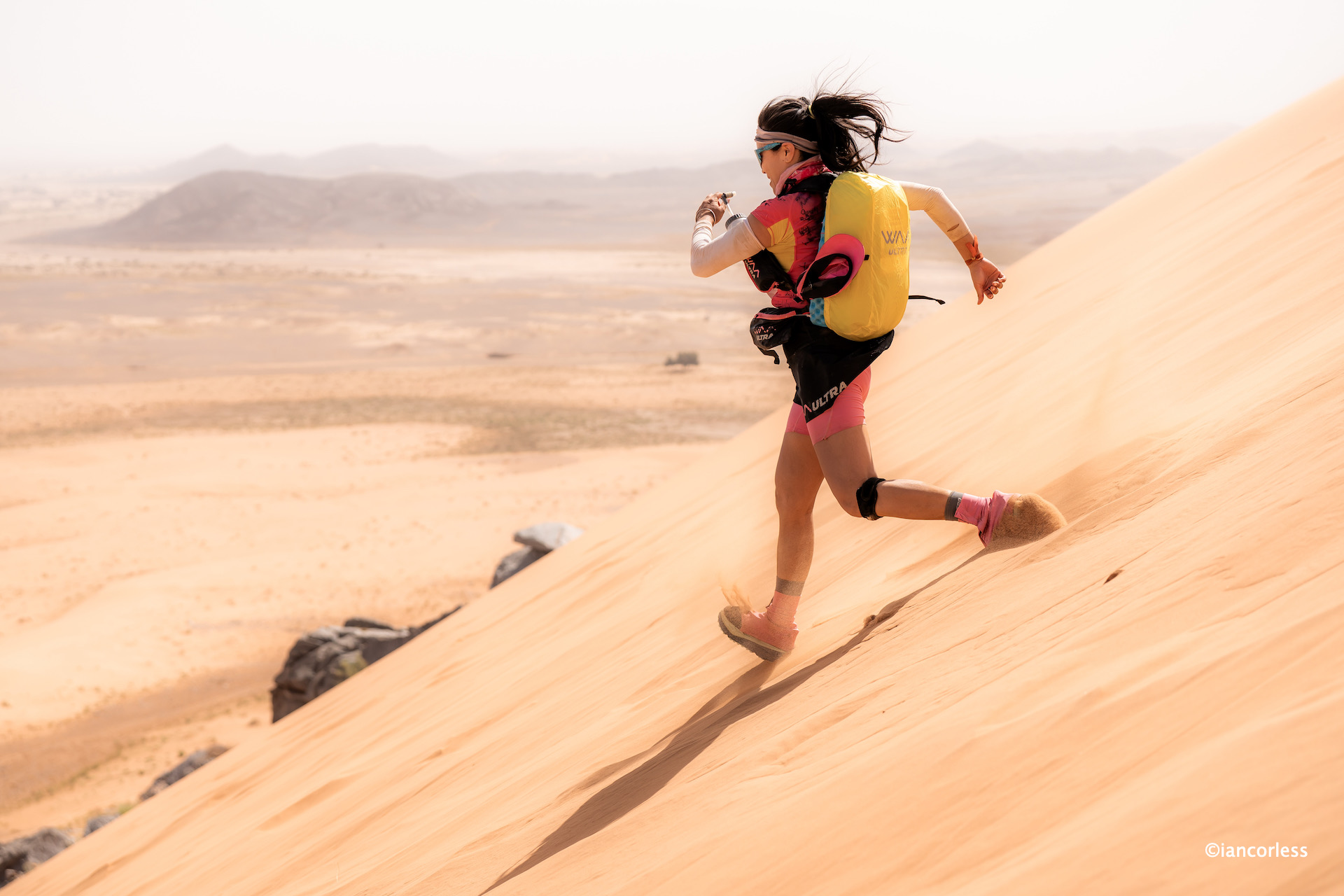
The Marathon des Sables (MDS) isn’t just a race, it’s a test of grit, strategy, and survival.
Whether you’re taking on the MDS 120 (70km, 100km, or 120km across three stages in four days) MDS RAID, MDS TREK or the infamous MDS LEGENDARY (250km across six stages in seven days), the physical and mental demands are unlike any other event.
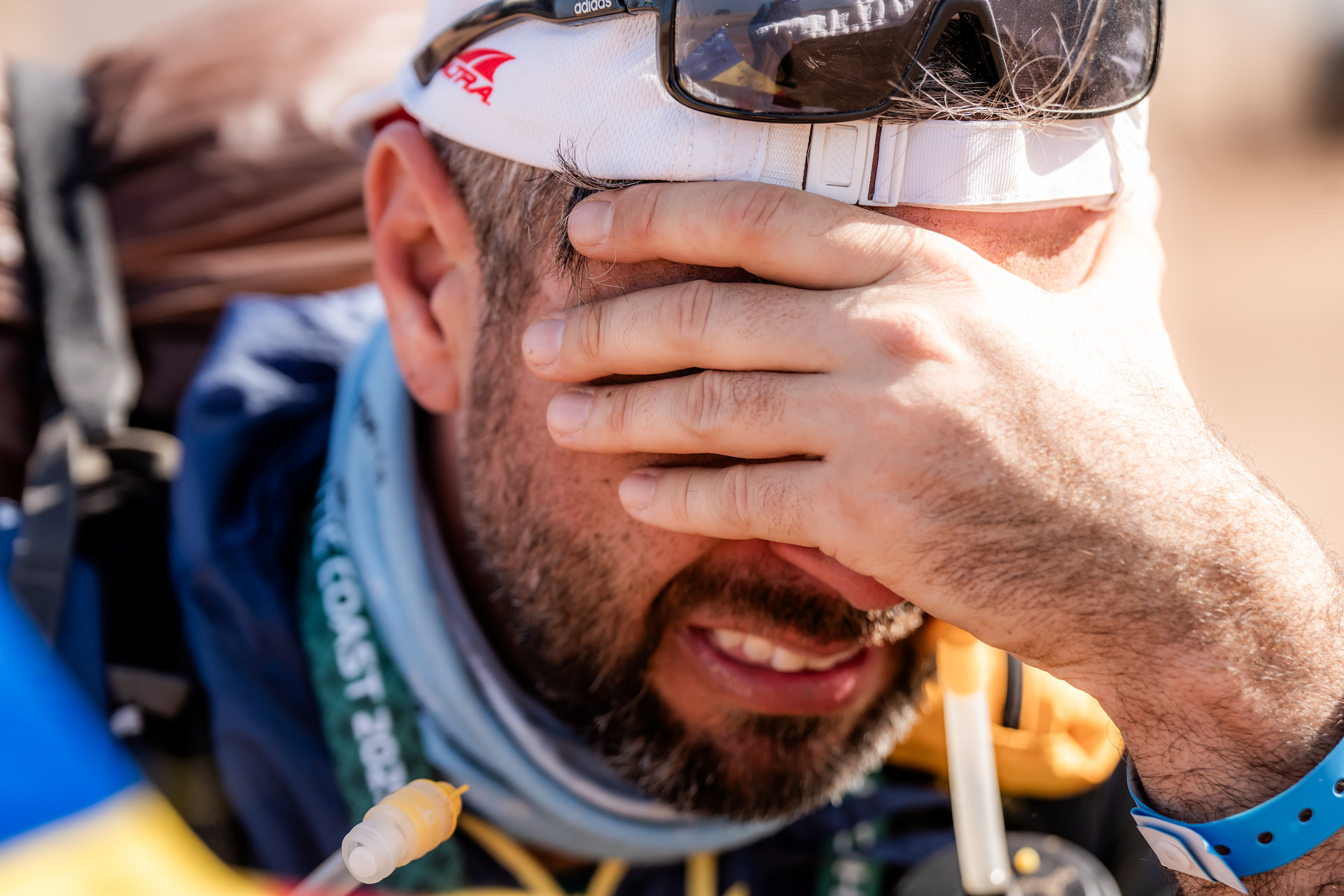
Training for the MDS means more than just running a lot. You’re preparing your body to carry gear (Trek excluded) across uneven terrain WITH varied temperatures all while potentially sleep-deprived, sunburned, and blistered. It requires smart progression, precise planning, and brutal honesty about your strengths and weaknesses.
Here’s a guide how to build a training system that prepares you to compete if you’re aiming for the top, or complete if you’re focused on finishing strong and unbroken.
⸻
Understanding the Events
MDS LEGENDARY:
• Distance: 250 km
• Duration: 6 stages over 7 days
• Focus: Endurance monster; includes one long stage (often 80-90 km,) a marathon stage and on the final day a half-marathon.
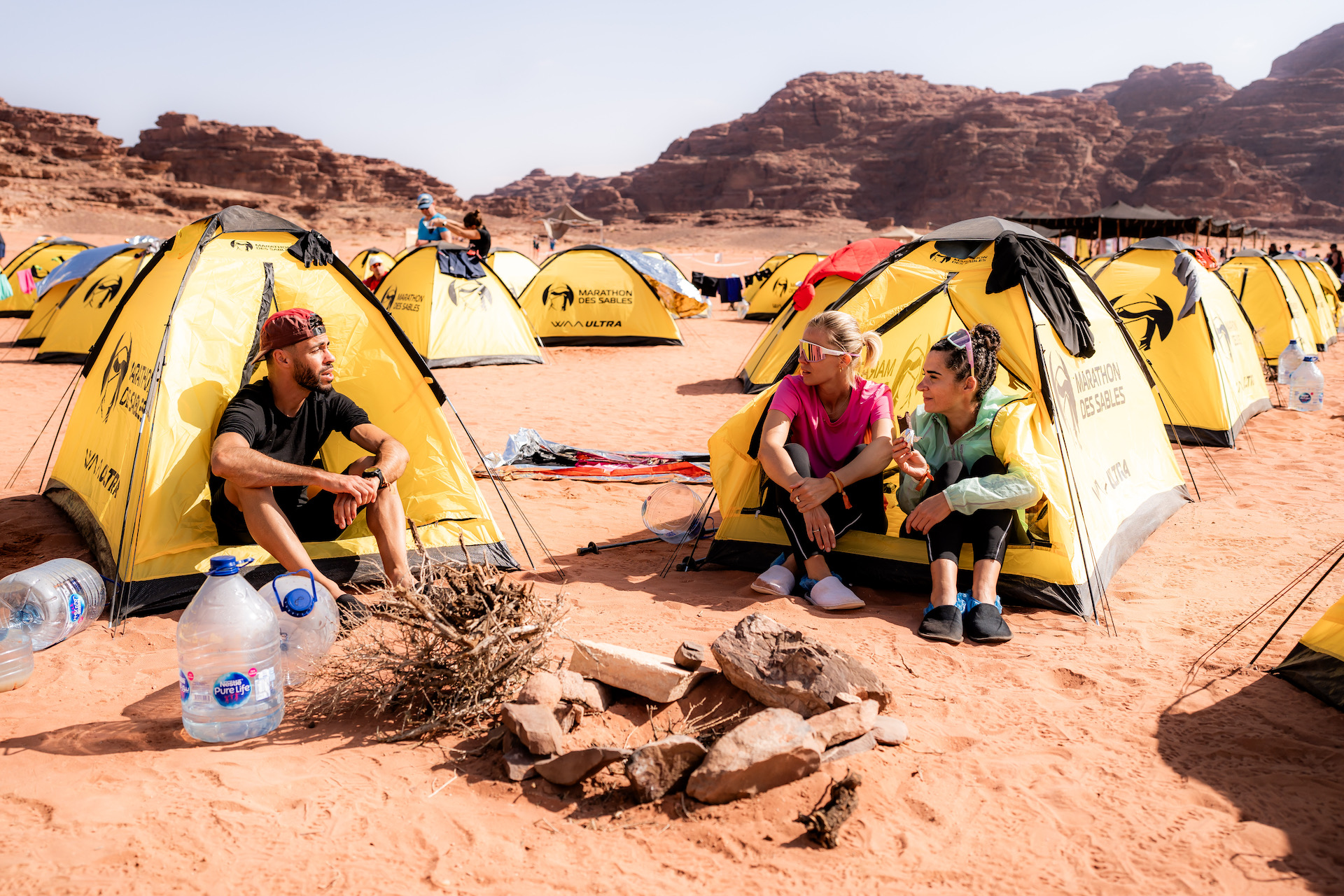
• Logistics: Self-sufficient, sleep on the ground, rationed water, blister clinics, potentially extreme heat and sharing a bivouac (tent) with 7-0ther people.
MDS 120:
• Distance: 70, 100, or 120 km.
• Duration: 3 stages over 4 days
• Focus: Shorter but intense; good as a first step into stage racing
• Logistics: Self-sufficient, similar rules to the full MDS but over a condensed period and participants sleep in individual tents. Remember, MDS 120 events have varied terrain, MDS 120 Cappadocia as an example is much more a ‘trail’ race than a desert race.
MDS RAID:
• Distance: 100, or 120 km.
• Duration: 3 stages over 4 days as MDS 120 but with a ‘star night.’
• Focus: Shorter but intense; good as a first step into stage racing
• Logistics: Self-sufficient, similar rules to the MDS 120 but in teams of two and ideally the participant has more experience.
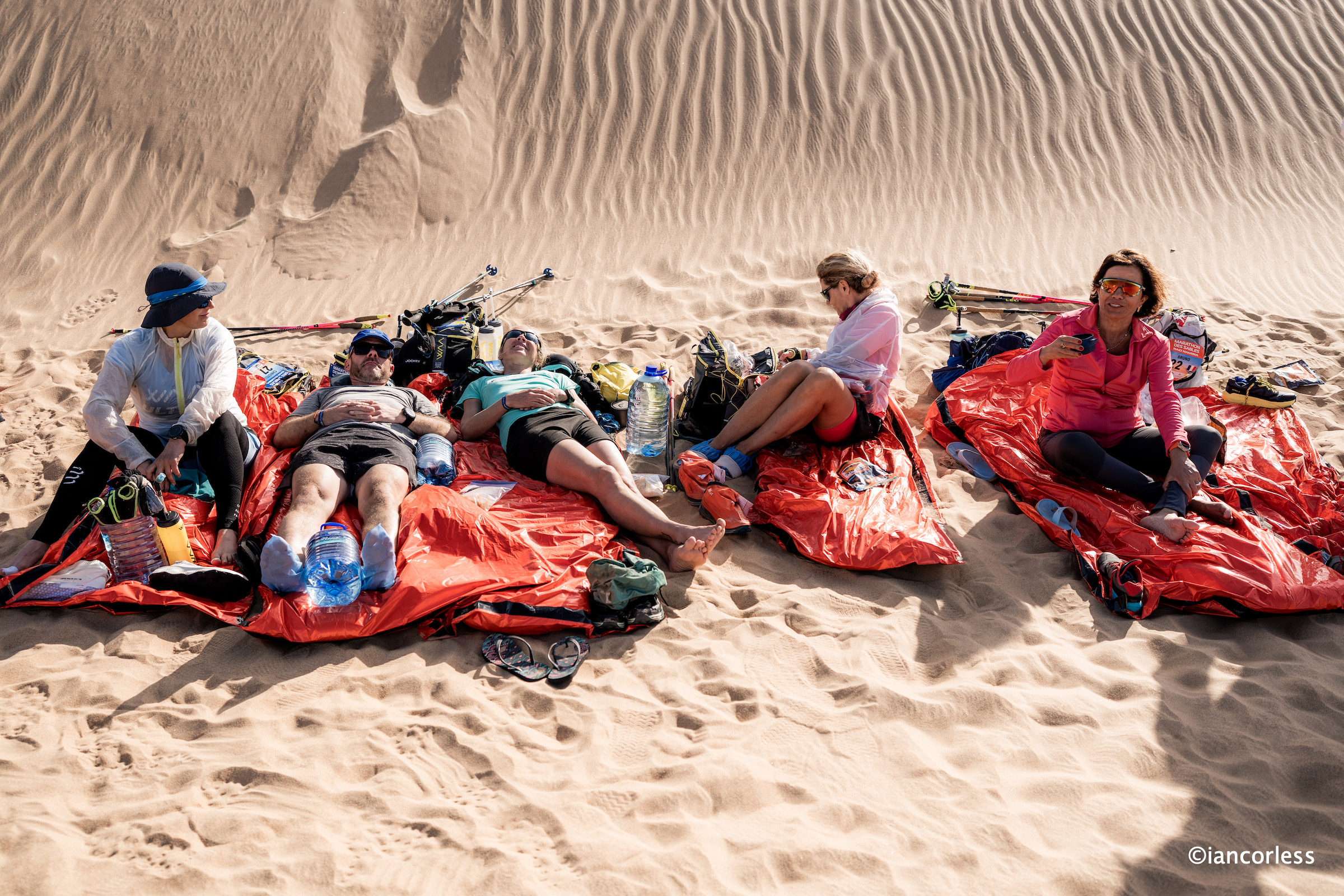
MDS TREK:
• Distance: 70 to 120 km.
• Duration: 4 stages over 6 days.
• Focus: An introduction to MDS with no self-sufficiency, extra comfort and daily distances to be undertaken ‘trekking.’
MDS ULTRA and MDS CRAZY LOOPS:
• Two unique events that do not follow the ’typical’ MDS format. The ULTRA is a single-stage race of 100km’s or 100-miles. CRAZY LOOPS is a trail event, in the mountains, participants complete as many loops as possible in a 24-hour time period.
⸻
Competing vs. Completing
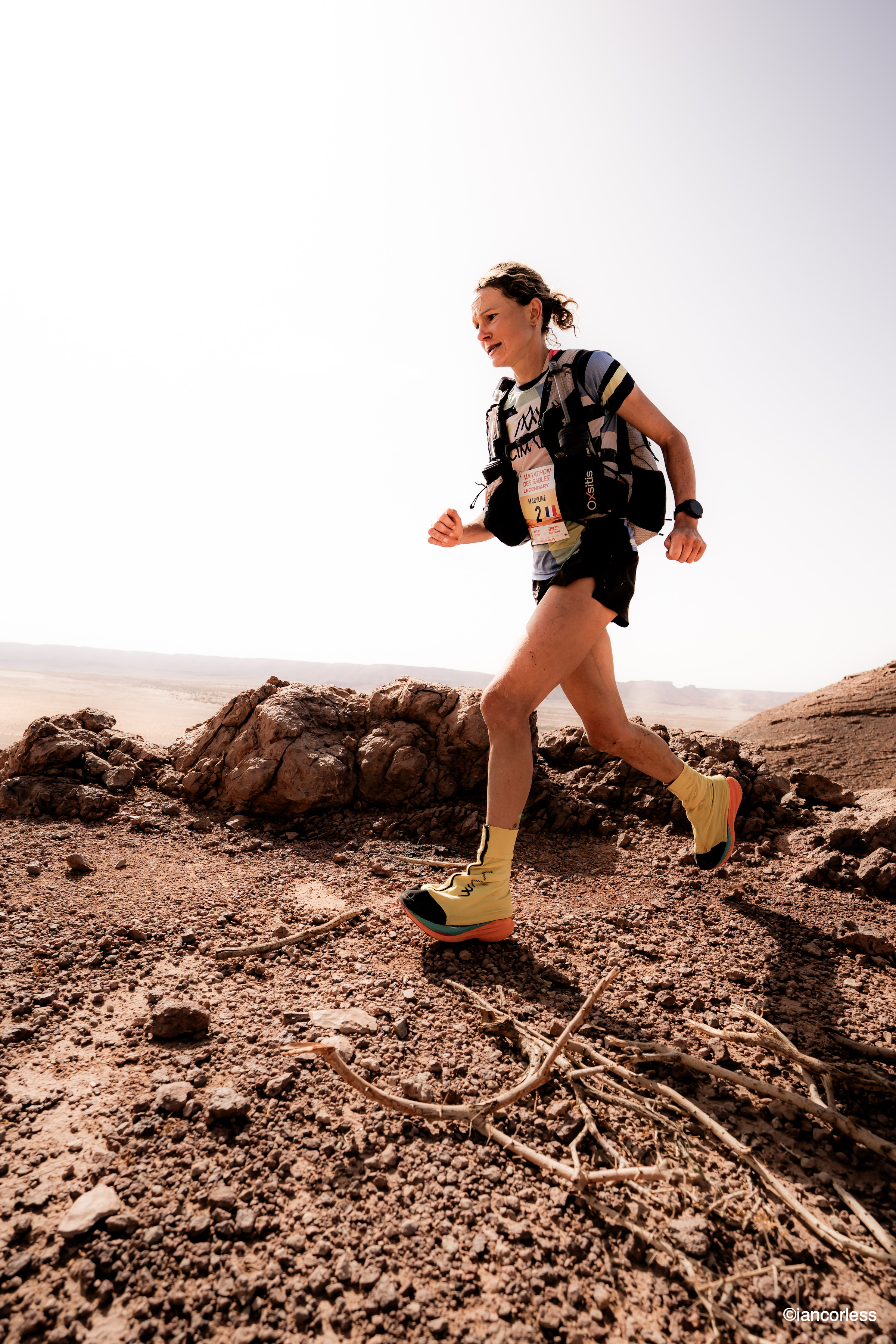
These are two entirely different approaches:
Competing means aiming for the front of the pack. You’re trying to place well, maybe top-100 or higher. This demands high mileage, precise gear choices, low pack weight, and serious pacing strategy. Your training must be performance-focused, often replicating race conditions with deliberate intensity.
Completing means finishing within cutoff times, avoiding injury, and keeping yourself intact. You still need to train hard, but the mindset is survival over speed. You train to handle discomfort and manage variables like foot care, heat, and nutrition. A slower pace still means a high physical load due to long time-on-feet days.

⸻
The Influence of Previous Experience
If you’re coming from a road marathon or ultra background, your endurance engine is a huge asset. But you’ll still need to adapt:
• Road runner? Learn to move efficiently on sand, rocks, and uneven terrain. Focus on gait adaptation and ankle stability.
• Trail ultra veteran? You’ve got terrain dialled in so develop strategies based on your goals to maximise your experience. This may be to ‘perform’ aiming for a top-100 position. Asses strengths and weaknesses, add gym work, core, stability and so on.
• New to ultras? Start with time-on-feet progression and hike-run strategies. You’ll need to build both endurance and mental resilience slowly and methodically.
Prior experience informs your pace, nutrition, and how aggressively you can train. Beginners must respect the build-up. Veterans must respect the different environment. Walk, and walk a great deal.
⸻
The Foundation: Gradual Progression and Rest
Ultra training is about progressive and controlled block of stress and recovery. You don’t jump into 30 km runs with a pack. You build tolerance over months.
Golden Rule: Progress weekly volume by no more than 10%. Rest every 3-4 weeks. Use time-on-feet as much as distance early on.
Your weekly progression may look like:
• Week 1: 45 km (with one 15 km light pack run)
• Week 2: 50 km
• Week 3: 55 km
• Week 4: 30 km (recovery)
• Week 5: 60 km (add second pack run)
And so on, depending on fitness level, adaptation, targets and goals.
⸻
Training Cycles: Macrocycles, Mesocycles, and Microcycles
Long-term success in MDS starts with understanding training periodisation and structuring your year into manageable and purposeful blocks.
Depending on experience and the time to your event, the Macrocycle, Mesocycle and Microcycle blocks will vary.
Example 1:
As an example, if it is currently August and you have entered MDS LEGENDARY, you can plan a Macrocycle as you have 8-months to April and the race date. You can then plan the Mesocycle and blocks and then fine-tune the Microcycle as you progress.
Example 2:
By contrast, if it is August and you have entered MDS 120 Jordan (in November) it’s fair to assume you have already been training and therefore you’d start by planning four Mesocycle blocks – August, September, October and November.
Macrocycle (6–12 months)
This is the full plan from now until race day. It includes base building, load development, peak volume, and taper.
• Base (12–16 weeks): Build aerobic engine, mobility, strength. Focus on consistent running and body conditioning.
• Build (8–12 weeks): Increase distance, add pack weight, terrain specificity.
• Peak (4–6 weeks): Simulate race demands. Back-to-back long runs, pack runs, heat training.
• Taper (2–3 weeks): Reduce volume, maintain intensity, allow full recovery.
Mesocycles (3–6 weeks) I like to break these into 1-month blocks.
These are themed blocks within the macrocycle.
• Mesocycle 1: Aerobic base, easy runs, light strength
• Mesocycle 2: Terrain work, hills, stability, light pack
• Mesocycle 3: Long runs, sand training, heat exposure
• Mesocycle 4: Race simulations, high pack weight, nutrition testing
Microcycles (1 week)
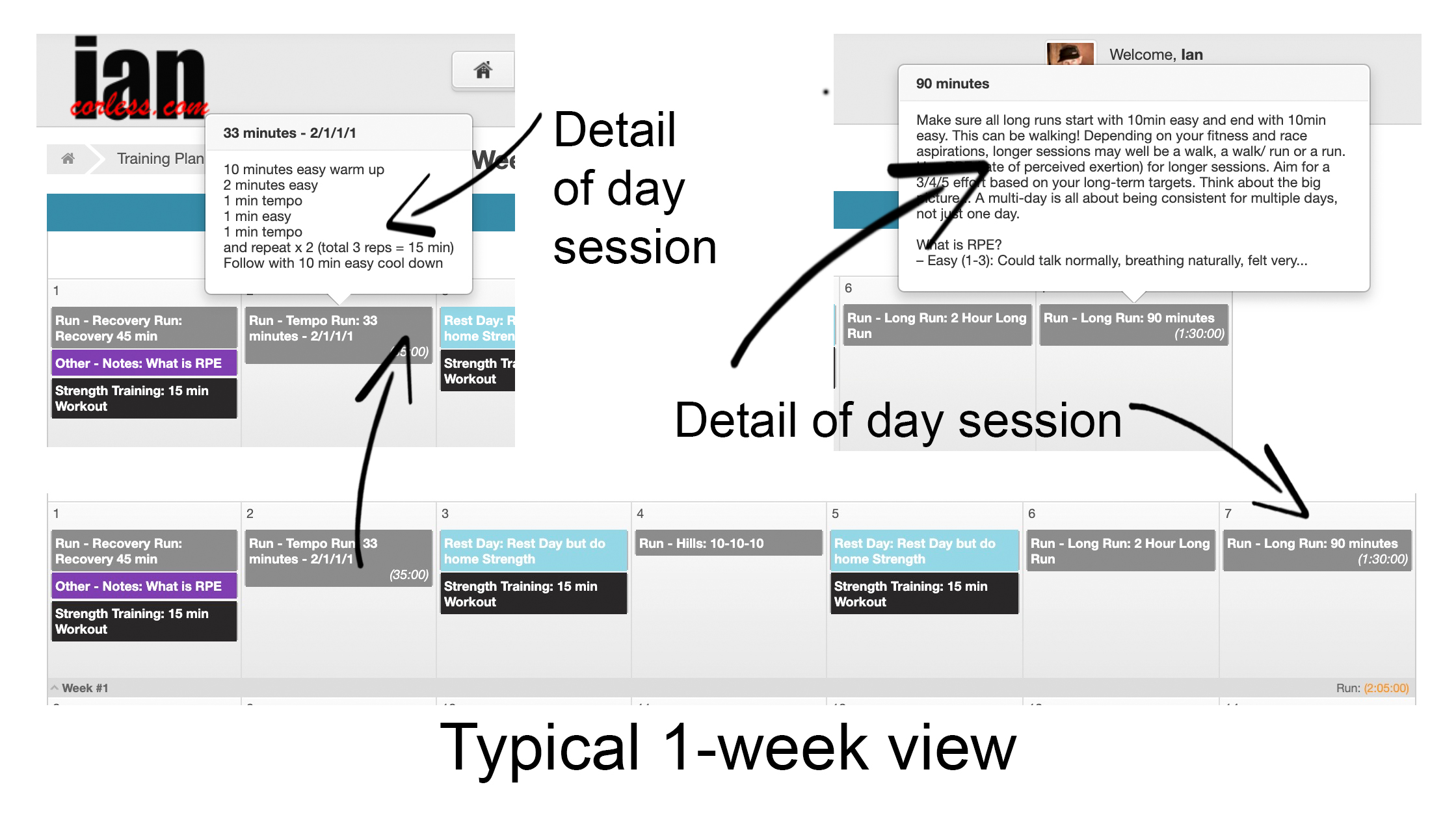
These are your weekly training schedules. Balance hard/easy days, recovery, and cross-training.
Sample microcycle for intermediate runner in build phase:
• Mon: Rest or yoga
• Tue: 12 km trail run + core
• Wed: Hill repeats + strength
• Thu: 10 km easy run (pack)
• Fri: Rest or swim
• Sat: 25 km long run (pack)
• Sun: 15 km hike-run combo (pack, terrain)
⸻
The Desert Load: Equipment and Pack Weight
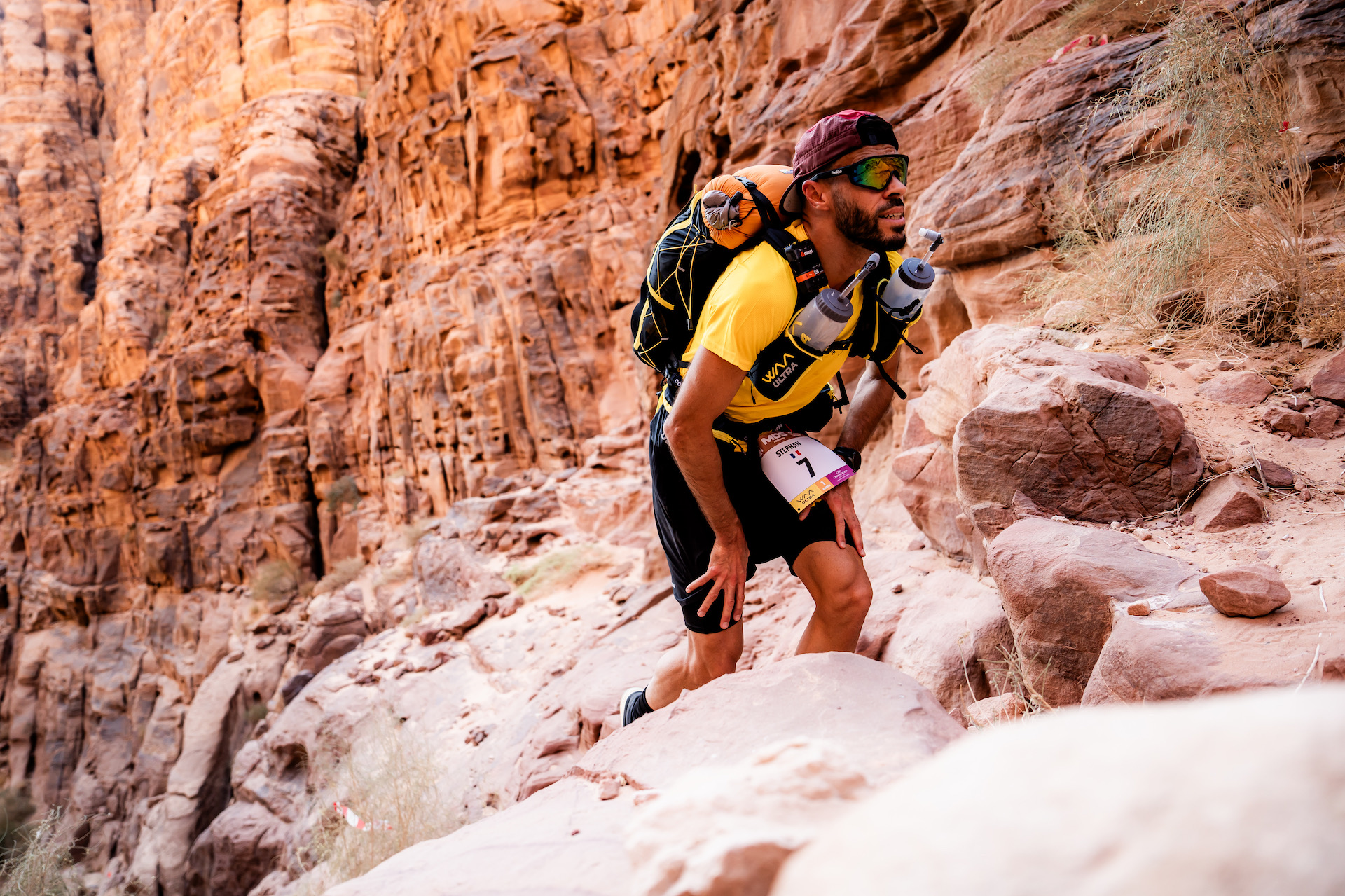
In MDS, you carry everything, TREK excluded. Your pack should include food, sleeping bag, medical kit, cooking gear, clothing, and mandatory gear. That’s 6.5kg minimal weight for MDS LEGENDARY plus water. MDS 120 / MDS RAID will have a lighter packs due to less days.
Light is fast and safe. Every gram adds significant energy demand over the race distance, the less weight you have will mean less fatigue, less stress and a faster pace..
Key strategies:
• Weigh everything. Cut ruthlessly.
• Test gear in training. Run with your pack at full race weight, but, do not do this all the time, you risk injury.
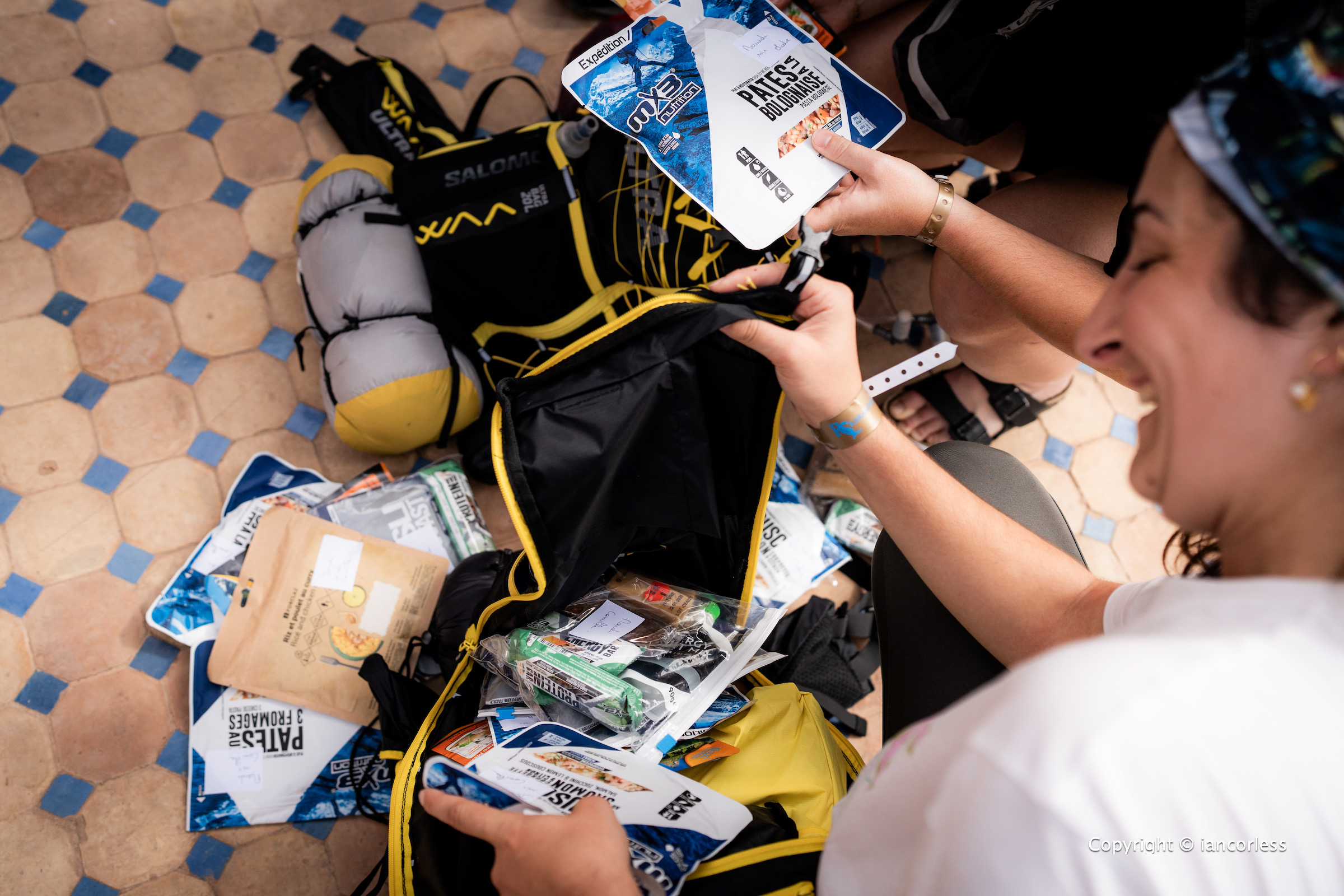
• Practice eating on the go. Your daily calorie requirement will be 2500–4000 kcal depending on pace and build.
You’ll also need:
• Desert gaiters
• Trail shoes with cushioning
• Anti-chafing strategies (tape, powders, creams)
• Ultralight sleeping setup
• Efficient stove or cold-soak food plan
⸻
Specific Training Focuses
The more you plan, the more specific you are, the better prepared you will be.
1. Back-to-back Long Runs
Simulate cumulative fatigue. Do a 30 km Saturday, 20 km Sunday combo. Later in the cycle, increase both and wear your pack.
2. Heat Acclimation
• Train in heat or use sauna/hot baths post-run.
• Wear layers during training to simulate heat stress.
• Aim for 10–14 days of adaptation close to race.
3. Running with Weight
Start with 2–3 kg, progress to full 7–9 kg by peak phase. Train your posture, core strength, and blister care during these sessions.
4. Footcare Mastery
Practice taping, changing socks, lancing blisters, and prevention strategies. Your feet will suffer unless you prepare.
5. Nutrition Practice
Test every food item you plan to bring. Can you stomach 3000 calories of freeze-dried meals and energy bars daily? What about in 45°C heat?
⸻
Simulate Race Weeks
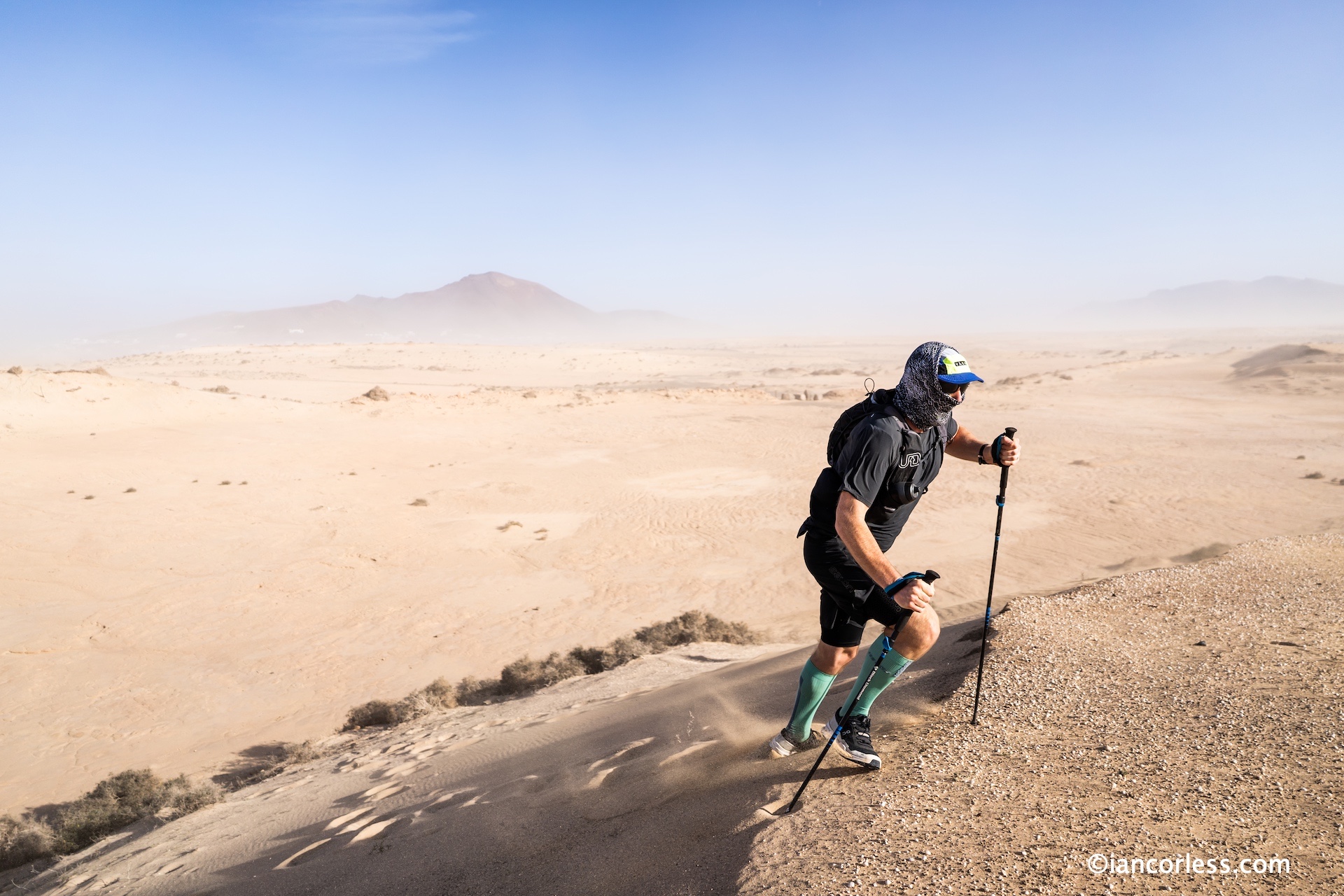
The most effective training tool is a mini stage race. For example, you may enter MDS TREK as preparation for an MDS 120 event, or, you may enter an MDS 120 event in preparation for MDS LEGENDARY. Alternatively, you can plan specific race simulation in your training, think about three to four days of 20–30 km runs with a pack. As an example, you could try the following 5-weeks before an event:
• Day 1: 30 km trail run (morning), sleep on mat
• Day 2: 25 km (pack), minimal food, no shower
• Day 3: 20 km (pack), hot day if possible
You’ll discover gear weaknesses, hydration issues, and psychological fatigue, these are critical insights before the real event.
⸻
Mental Training
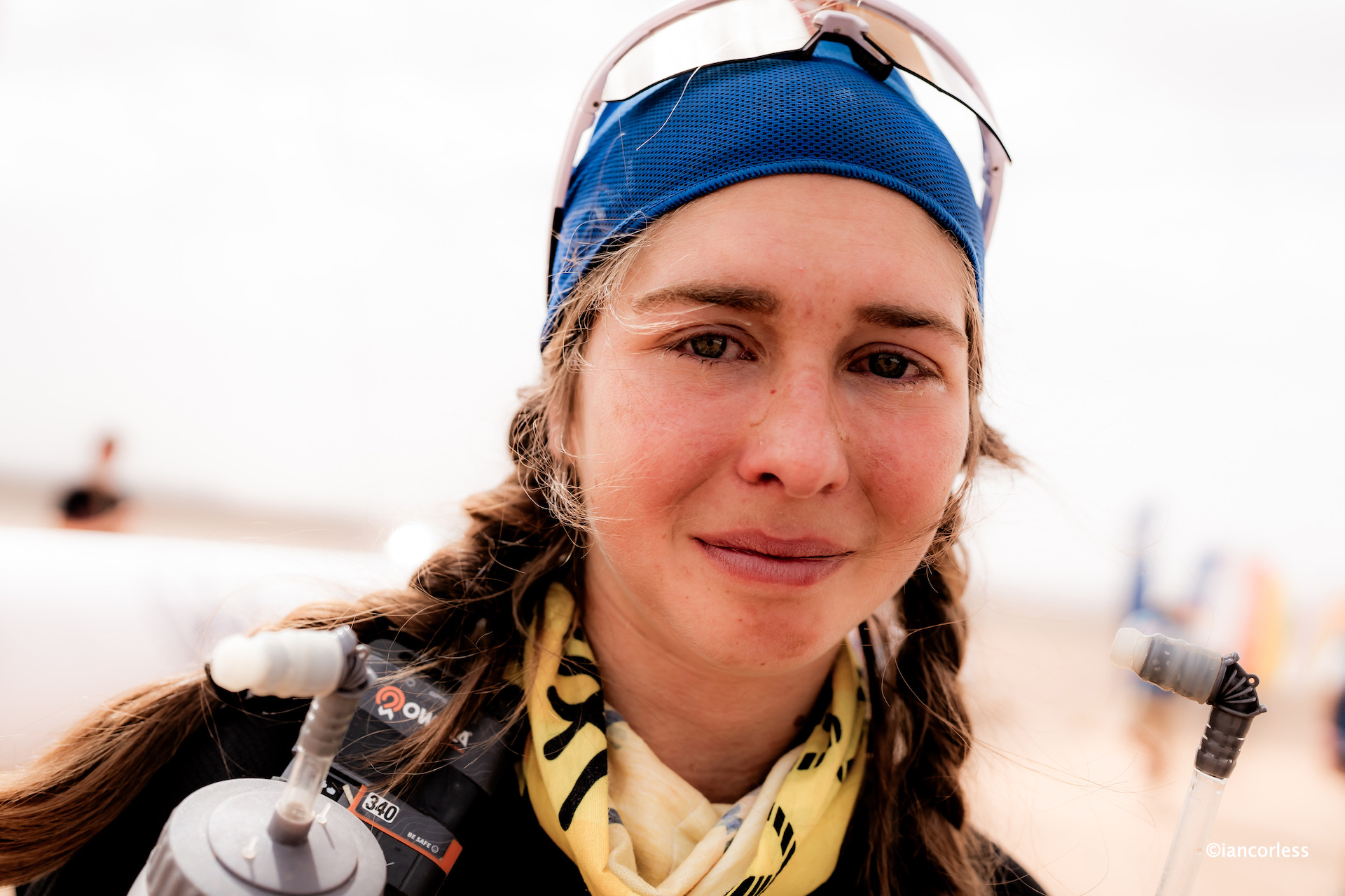
This race is more mental than physical. You must train:
• Positive self-talk
• Pain compartmentalisation
• Visualisation: Imagine suffering at km 60 with 40 to go—how will you manage?
• Sleep deprivation and discomfort: Train your tolerance.
Consider journaling after hard sessions. Track what worked mentally, and build a playbook.
⸻
Rest and Recovery
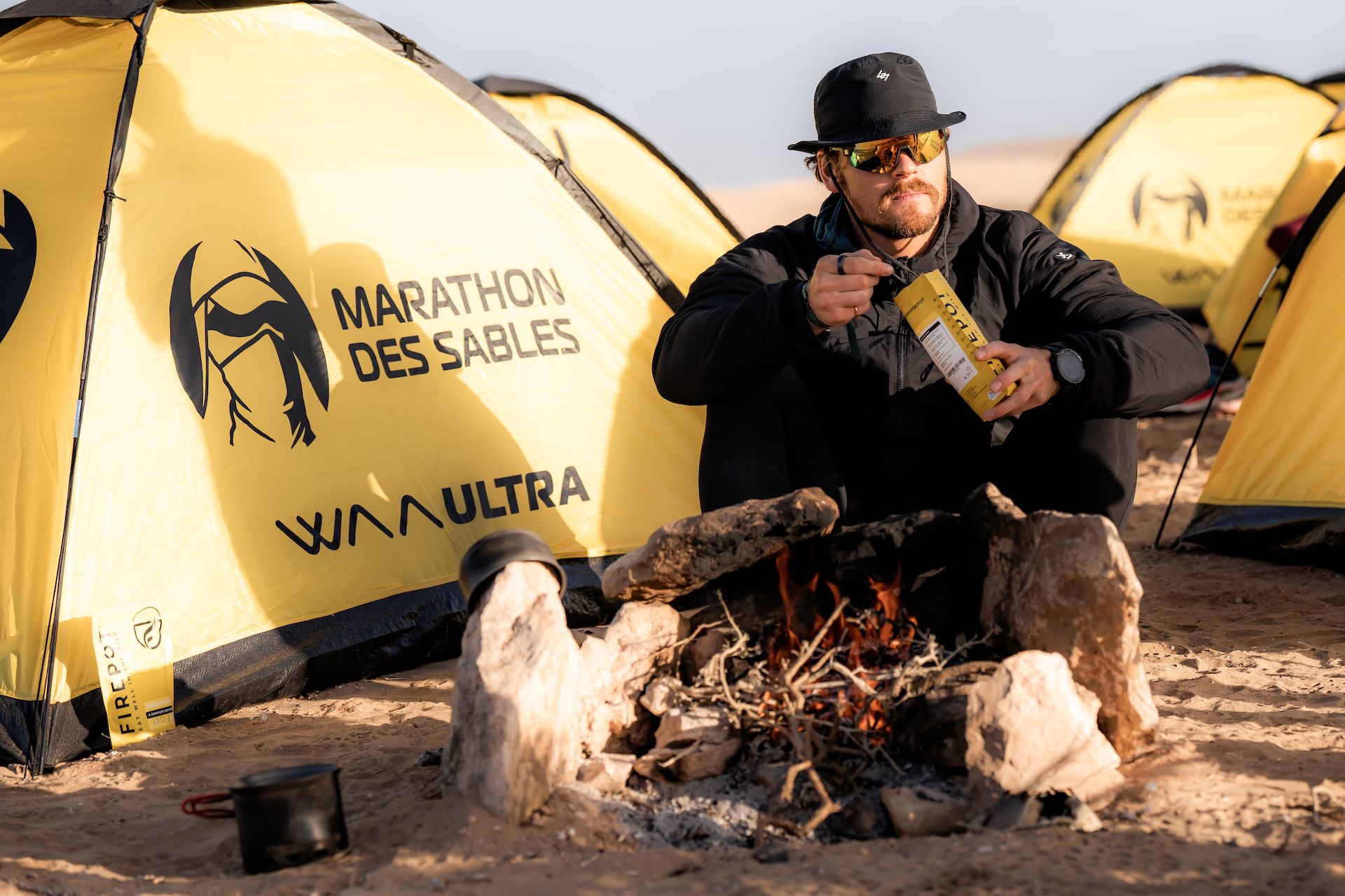
Rest is training. Without it, you break.
• At least one full rest day weekly
• Active recovery (walk, yoga, swim) after long runs
• Taper at least two weeks before MDS: reduce volume, stay mobile, eat well, sleep lots
⸻
Final Thoughts
The MDS is brutal, beautiful, and deeply personal. Whether you’re aiming to finish with a smile or place in the top tier, your success depends on how well you plan, adapt, and respect the journey. Importantly, remember, we are all individual and this guide is designed to provide you with information so that you can go away and plan and prepare accordingly.
• Choose your event based on readiness and goals.
• Build your training around realistic volume and smart progression.
• Don’t skip rest, it’s when you grow.
• Test your gear and nutrition repeatedly.
• Simulate the real thing when you can.
• Remember: your brain is the strongest muscle you’ll use in the desert.
Essential reading
MDS THE ULTIMATE GUIDE HERE
THE ULTIMATE EQUIPMENT GUIDE TO MDS HERE
Further reading:
How to choose a Sleeping Bag HERE
Fastpacking Guide HERE
Winter Fastpacking HERE
Walking with poles HERE
Walking efficiency when climbing HERE
Long Term Goal Setting HERE

Follow on:
Instagram – @iancorlessphotography
Twitter – @talkultra
facebook.com/iancorlessphotography
Web – www.iancorless.com
Web – www.iancorlessphotography.com
Image sales –www.iancorless.photoshelter.com



 IAN CORLESS