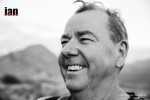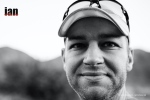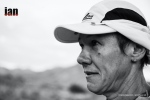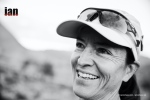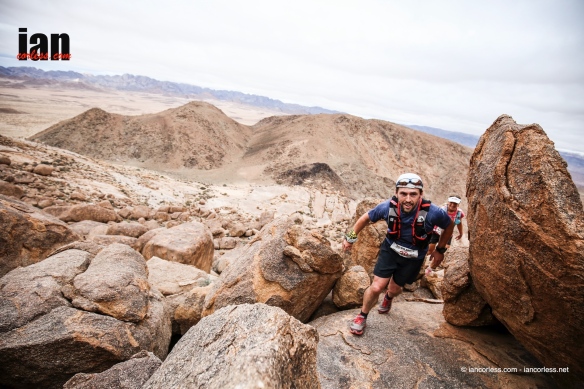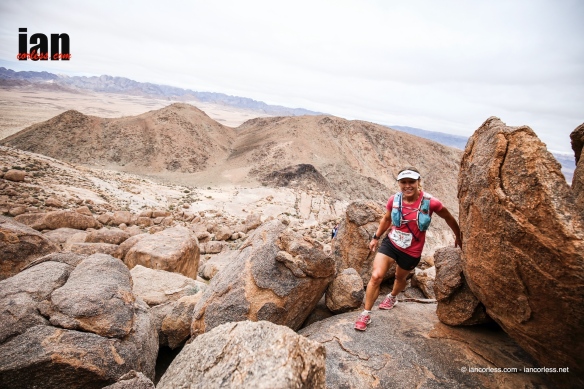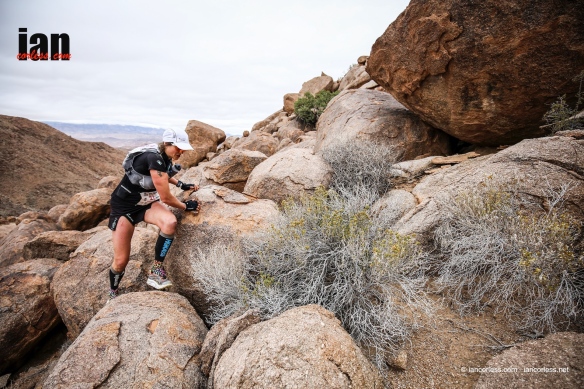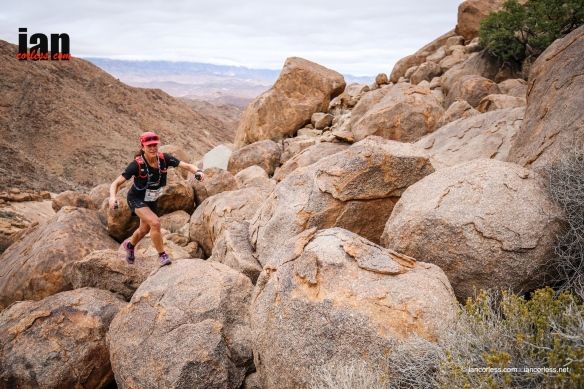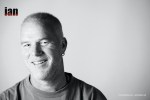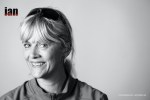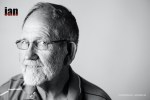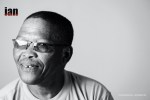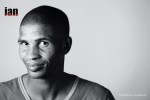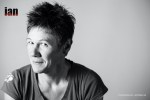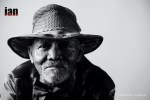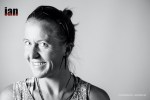
Is running about social media or running?

Why do you race?

  1. Are you looking to achieve new goals?
  2. Are you looking to enhance your life?
  3. Are you looking to push yourself to a limit?

Maybe, it is all those things….

However, racing (and life) today is very different to say just 5-years ago. Social media has changed all that. Our lives are shared daily, hourly or by the minute in some cases.

Is racing about ‘the selfie?’

Mariepaule Pierson here takes a look at the ‘race report’ and provides an enlightening insight into why we run…. THE BLOG!

Dear friends and Facebook followers, I cannot thank you enough for the support you have provided me in my times of need, as this mostly faithful account will show.

As you know, I attempted the infamous Parish Walk on a remote Island of the Irish Sea, cut off from all civilisation for as much as 2 or 3 days a year when the weather is more adverse than an English summer. Their flag is a mess of three human legs, quartered and reassembled in a grotesque spurred star; at least I knew the score, should I fail to finish.


Bracing myself for the task ahead, involving a trip to Gatwick in the not-so-early hours of Friday morning, I just made it in time on the pavement outside my house, amazed by the sheer strength of human resilience so early into the day before a race event. Luckily, I still had Wi-Fi connection and hypothermia was only just a mere possibility on the scale of unlikely disasters ahead.

As soon as the car arrived, I felt a surge of gratitude. My lack of training had not been in vain. Here I was, stepping in the front passenger seat, treated like a VIP even before proving my worth over the coming days, while three brave athletes were narrowly confined on the backseat, feeble squashed morning thoracic cages sacrificing their airspace for my comfort. As you, my trusted FB friends, know it well, this kind of incredible support you can get from complete strangers is what life is all about, the likes and encouragement messages without which hardly any one save the hardest hardened survivor can even consider doing any sporting event at all.

In any case, we reached Gatwick, and thereupon, the Isle of Man. Digging very deep within myself, and in spite of the absence of blisters or joint pain, or even the dreaded dehydration which is so prevalent on low cost airlines, I made it to the luggage reclaim and we piled up in the car, this time using every bit of mental strength remaining to take my place in the rear seat. In such conditions, when team work is essential for survival, it is the unconditional support of one’s fellow compatriots, even though we were in effect not far from asylum seekers from three different countries, which sustains one.


The traversée of the Island was no mean feat. The 10 miles from the airport to Peel, with luggage in tow, as well as the necessary water, food and supplies for the Parish Walk the following day and night, were only achieved thanks to the clarity of mind and sharpness of spirit of our driver, who, well ensconced at the wheel, allowed us a little detour via Snaefell, the highest mountain and the (only) summit higher than 2,000 feet on the Isle of Man, at 2,034 feet above sea level. The summit is crowned by a railway station, cafe and several communications masts. And, let’s add for the sake of accuracy, by a statue of Joey Dunlop, motorcyclist icon who won the Isle of Man TT 26 times. My poor suffering knees will bear witness of the truth of this brutal ascent. Grass, sheep, even a cloud, nothing would stop us from reaching the café at the top, and we gave it our all, throwing caution to the air and risking everything for the foggy lack of breath-taking view, limbs screaming for relief, hands numb from the unforgiving dampness of the wind… this will be a loosening up stroll I will never forget.

I agree, I hadn’t trained enough. My fault entirely. Only on small occasions had I managed a whole day without internet, and had not done a multiday event in months. God knows where I found the inner strength to stay nearly a whole day and a half without social media, but sometimes the unsurmountable difficulty, the exhaustion, the grandiose scenery, make you forget all your misery for a last surge of raging resolve. The hotel didn’t have Wi-Fi and the island, although a financial tax haven, on a purely telecom basis, is inhospitable and social media averse. We decided on the sheer shock of the revelation, to gather our resources and share our remaining data. Eyes sore from straining on tiny screens, fingers swollen to twice their size and numb from typing digits and letters, neck and shoulders in need of deep tissue massage from the relentless effort of looking down on our devices, oh the pain and mental blistering. But it was all worth it. We were connected! We could all sit at the breakfast table the next morning, typing to each other via our mobiles, communication restored! I had felt so alone, but the memories of those dark times are fading in the light of the amazing connectedness we all felt. Thank you again, my FB friends, for your likes and oohs and aahs and wonders and words of encouragement and congratulations. This would not have been possible without your faithful and deep addiction to other people’s news feed.

The next day was the 85 miles’ parish walk, then we flew back to London without incident.

We would love your feedback. Let us know does this post ring true for you, are you the blogger, are you the reader, are you the participant….

Why do you run?
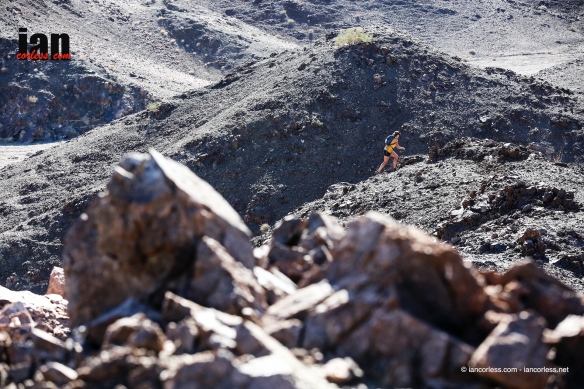
Richtersveld Transfrontier Wildrun 2016 – Stage Five (final day)

©iancorless.com_Richtersveld2016_Day5-5526

A relaxed day with a late start…. yes, everyone got to sleep in till at least 0630. It was important to maximise the amazing natural hot springs before the final chip to the /Ai-/Ais Hot Springs Resort.

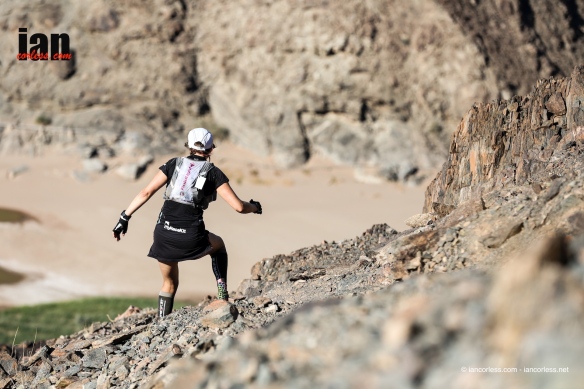
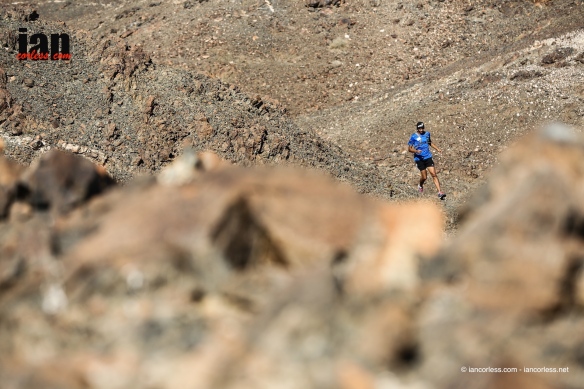
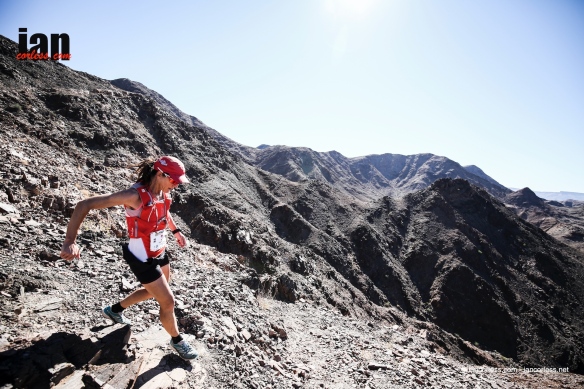
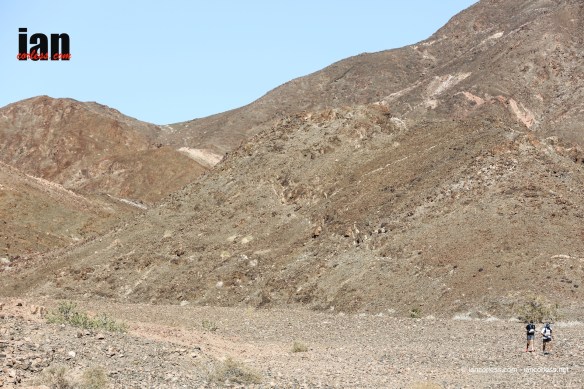
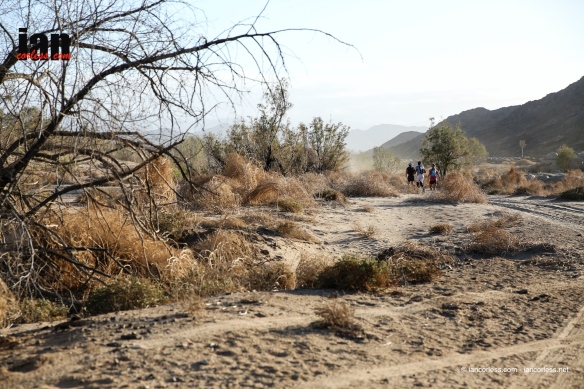
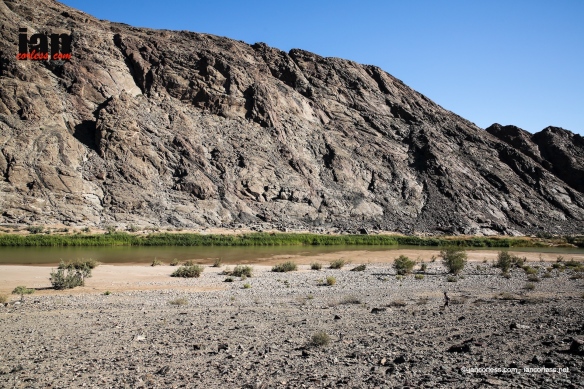
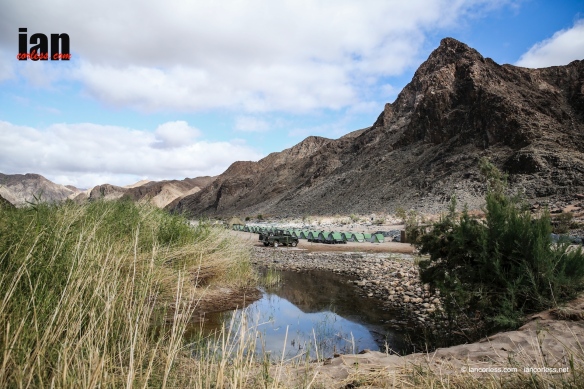
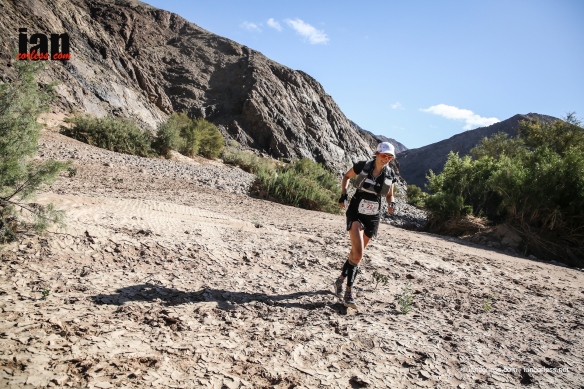
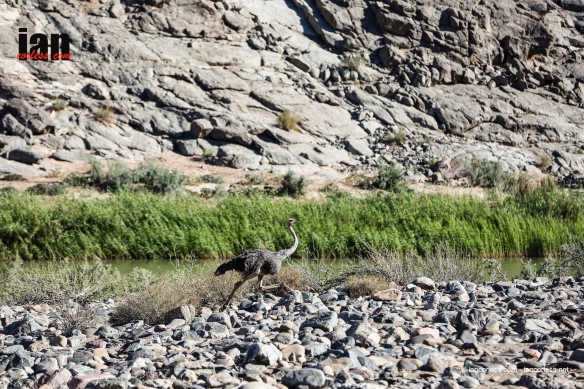
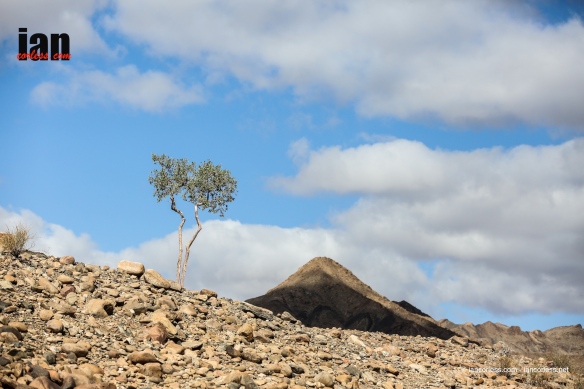
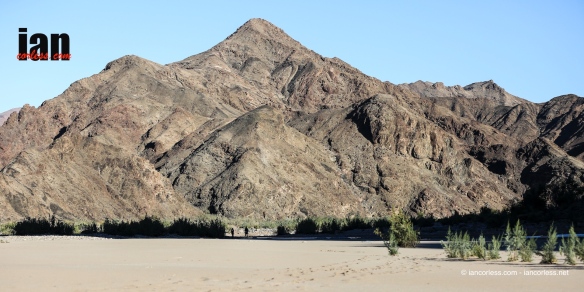
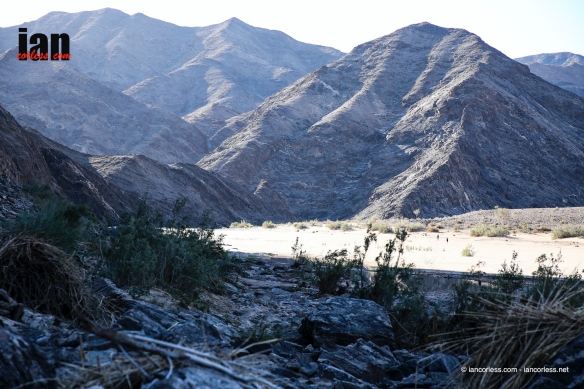
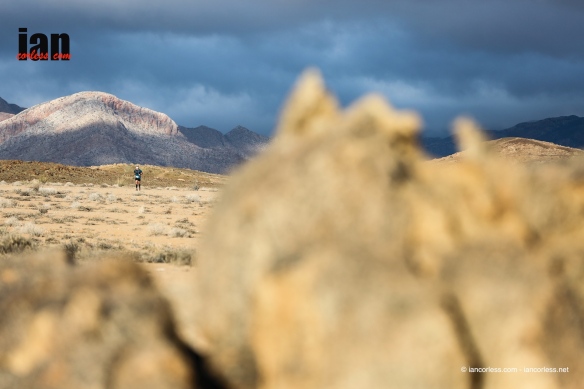
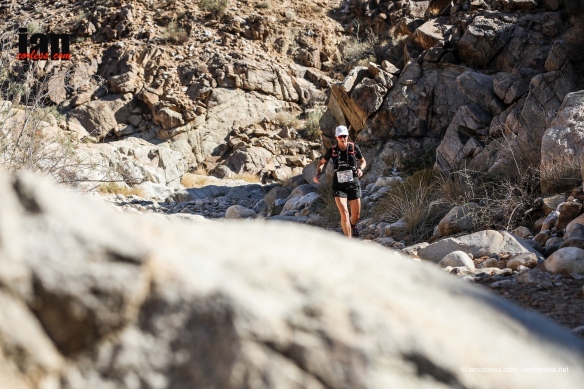
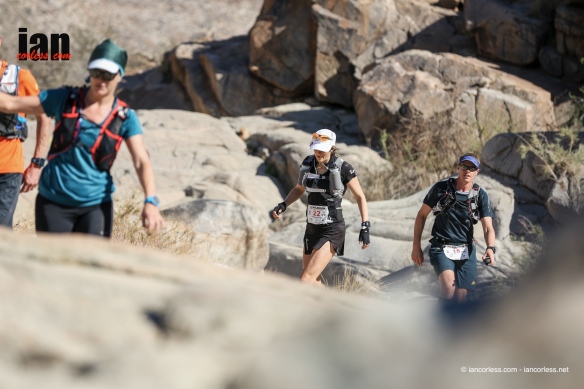
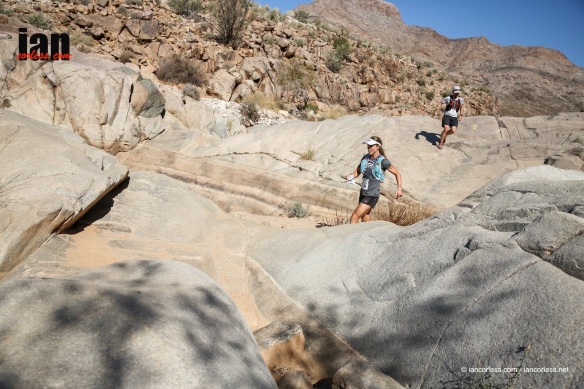
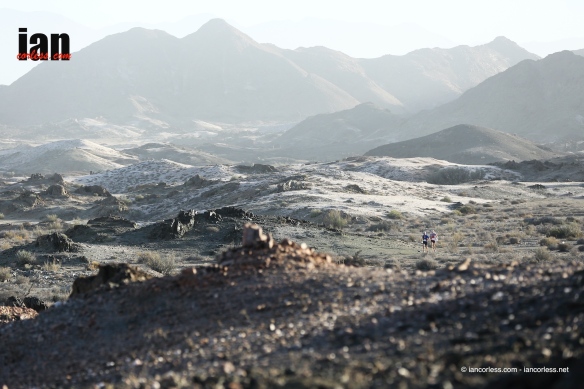
After leaving camp, around the first bend, the runners found themselves climbing up a short cut, before turning a corner on a long stretch of the Fish River Canyon. An unsuspecting slot ravine swallowed everyone up from the river, taking them on an exploration to the east of the Fish River Canyon on well-worn game trails.


Race images will be available on iancorless.photoshelter.com

©iancorless.com_Richtersveld2016_Day5-5534

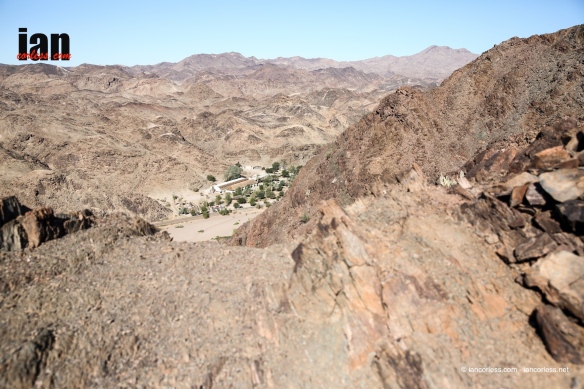
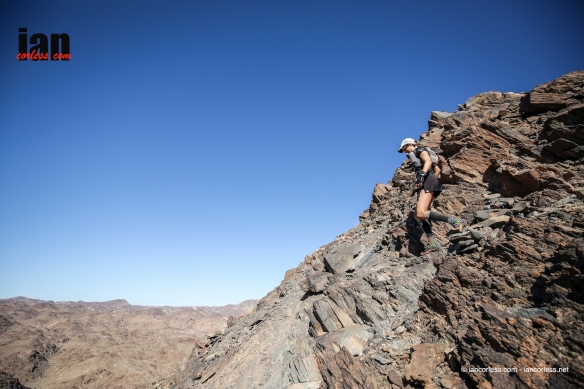
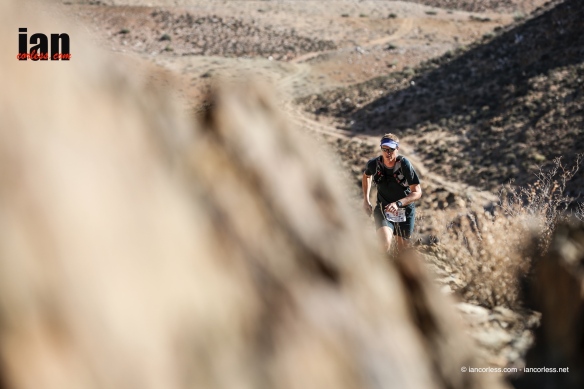
Climbing to a high point before winding  back to cross the Fish River Canyon again. Running up another dry wash following Zebra trails to below a climb to the peak above the /Ai-/Ais Hot Springs Resort and a magnificent view over the mountain wilderness surrounds.

©iancorless.com_Richtersveld2016_Day5-6022

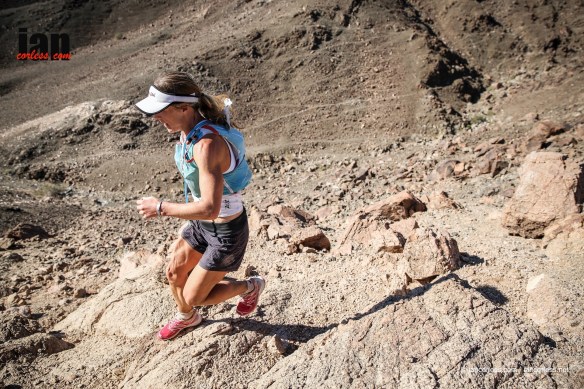
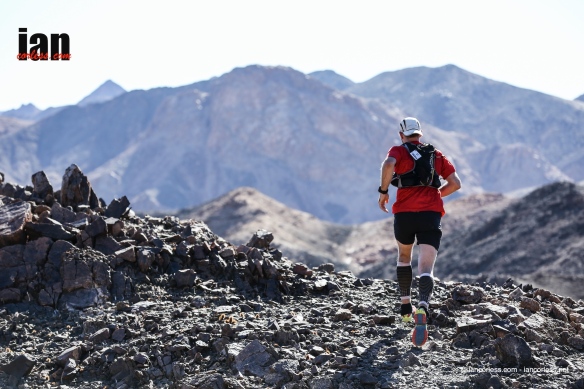
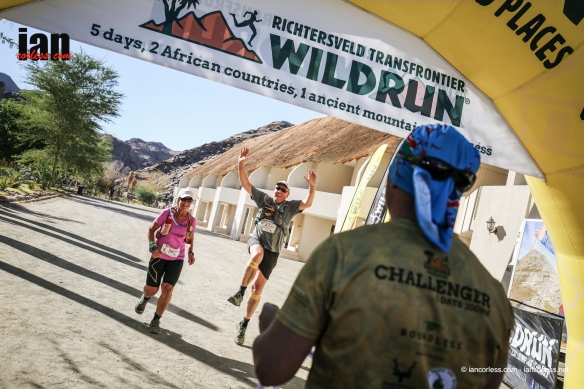
A technical descent brings the runners back to the Fish River and soon cheers bring everyone to the finish of the Richtersveld Transfrontier Wildrun®.

©iancorless.com_Richtersveld2016_Day5-9428

It may come as no surprise that the racing gloves were off today, it was a day to celebrate the stunning surroundings and to make sure that the memories created over the first four days, were well and truly cemented in the mind with a stunning fifth day.

©iancorless.com_Richtersveld2016_Day5-5545 ©iancorless.com_Richtersveld2016_Day5-5596

Despite starting last, Jo Williams, Tobias Mews and Dawid Kaswarie set a fast pace… maybe Dawid was looking to get back his 25 minute deficit on Tobias? Tobias was having none of it though, he trailed him and made sure he never got out of sight.

©iancorless.com_Richtersveld2016_Day5-9108

Linda Doke was back on her ‘A’ game, she liked the hills and technical trail and the last day of the 2016 Richtersveld Transfrontier Wildrun had plenty of both. On the final descent to camp, Linda could be heard whoop whooping!

©iancorless.com_Richtersveld2016_Day5-9473

After a very strong day 4, Elisabet Barnes kicked back today and enjoyed the surroundings and terrain, “my overall ranking is secure and I have no opportunity to gain time on Linda or Jo, so, it would be crazy to push and risk a fall on this technical terrain – it has been an amazing stage and an amazing race!”

©iancorless.com_Richtersveld2016_Day5-9601

Although we have a male and female winner in Tobias Mews and Jo Williams, the Richtersveld Transfrontier Wildrun has been so much more than a race, it has been an experience, an awakening  and for many, a once in a lifetime experience.

©iancorless.com_Richtersveld2016_Day5-5693

It has been a tough race; no doubt! But at all times it has been countered by great organisation, stunning overnight camps, incredible food and real sense of appreciation – an appreciation to be running in a very remote part of the world.

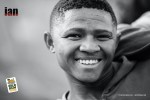
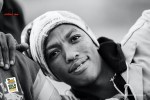
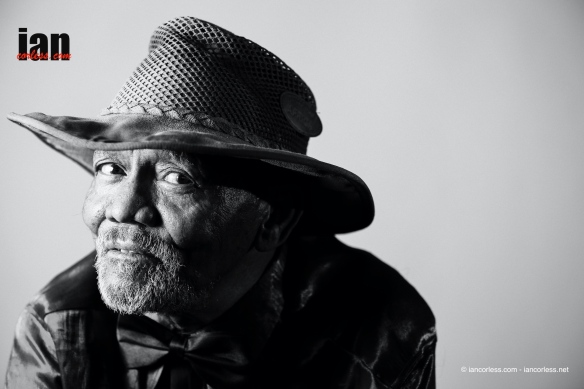
The Nama people also have been a great source of inspiration, without them, this race would not have been possible. Here are some of the faces that helped us in the Fish River Canyon.

©iancorless.com_Richtersveld2016_Day5-5746

From the crystal fields of Sendelingsdrif in South Africa to the infamous giant boulders of Tatasberg deep in the /Ai/Ais-Richtersveld Transfrontier Park; this unparalleled journey crossed the Orange River into Namibia and the wild lands of the Fish River Canyon.  It has been the running experience of a lifetime… the Richtersveld Transfrontier Wildrun®.

©iancorless.com_Richtersveld2016_Day5-9714

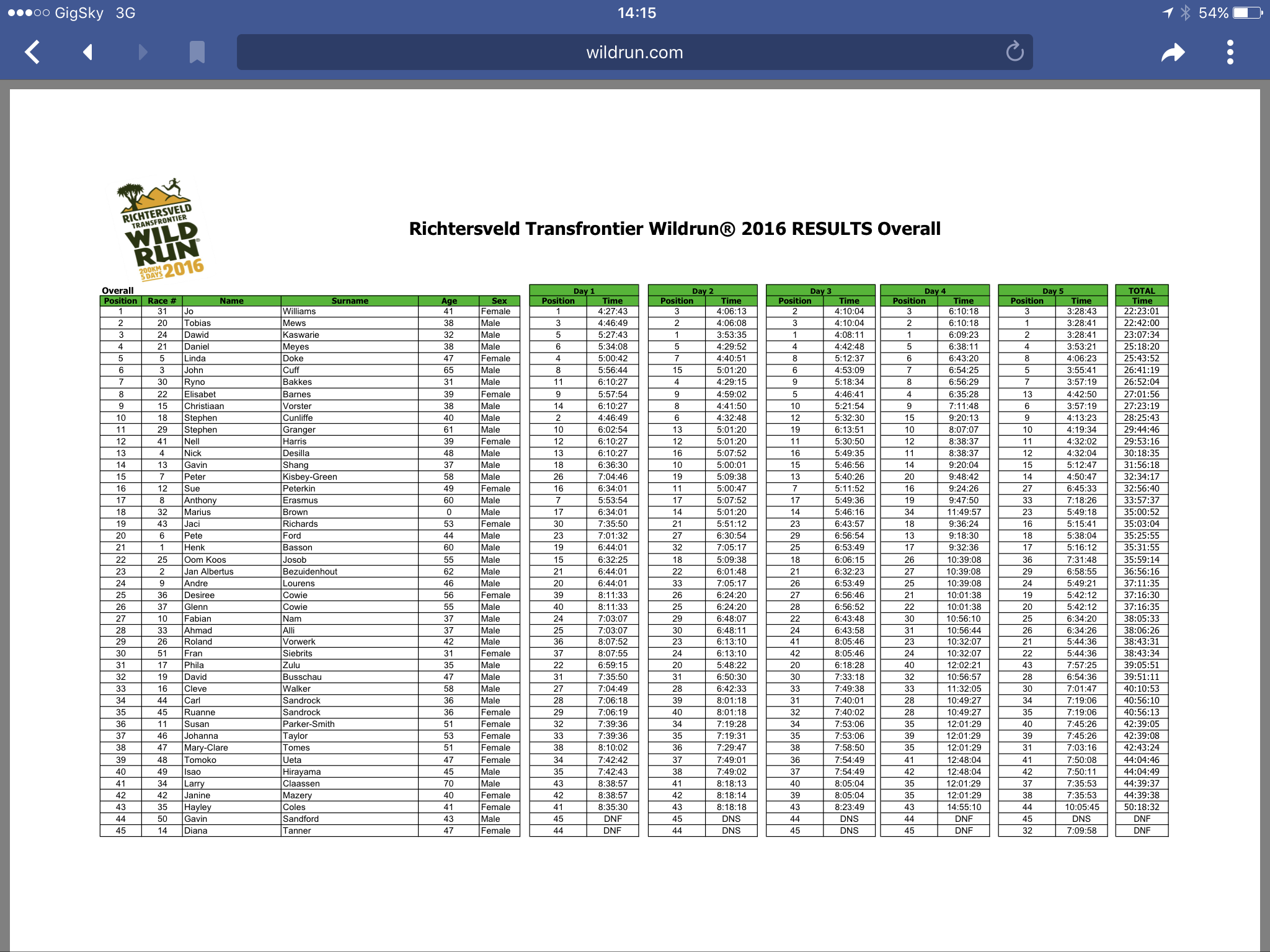
Full results will be added to this post in due course and they will also be available HERE on the official race website.

Richtersveldwildrun

Entry for the 2017 event will open soon and spaces will be limited

The official race website is HERE

Runners in the UK and Europe please go HERE

Social Media Logos

Instagram – https://www.instagram.com/iancorlessphotography/

Facebook – https://www.facebook.com/iancorlessphotography/

Twitter – https://twitter.com/Talkultra

Richtersveld Transfrontier Wildrun 2016 – The Faces of the final day

©iancorless.com_Richtersveld2016_Day4-8564

Here are the faces of the 2016 Richtersveld Transfrontier Wildrun, today, Friday 17th June they will run the final 26km to complete the ‘transfrontier’ run.

A relaxed day with a late start, making sure we maximise the amazing natural hot springs before the final chip to the /Ai-/Ais Hot Springs Resort. Around the first bend, the runners find themselves climbing up a short cut, before turning a corner on a long stretch of Fish River Canyon. An unsuspecting slot ravine swallows everyone up from the river, taking them on an exploration to the east of the Fish River Canyon on well-worn game trails. Climbing to a high point before winding  back to cross the Fish River Canyon again. Running up another dry wash following Zebra trails to below a climb to the peak above the /Ai-/Ais Hot Springs Resort and a magnificent view over the mountain wilderness surrounds. A technical descent brings the runners back to the Fish River and soon cheers bring everyone to the finish of the Richtersveld Transfrontier Wildrun®.

Race images will be available on iancorless.photoshelter.com


Richtersveldwildrun

Richtersveld Transfrontier Wildrun 2016 – Stage Four

©iancorless.com_Richtersveld2016_Day4-5411

Today, the 2016 Richtersveld Transfrontier Wildrun really did go wild with an early morning crossing of the Orange River and two days in Namibia.

It really was an incredible day!

©iancorless.com_Richtersveld2016_Day4-8473

Leaving the magnificent De Hoop Camp on the banks of the Orange River, runners were transported by a small rubber dingy on groups of 4-6 with a series of staggered starts on the Namibian side.

Race images will be available on iancorless.photoshelter.com

©iancorless.com_Richtersveld2016_Day4-8588

From here, the runners had a short run down stream for a few kilometres before reaching a small section of ‘main’ jeep track that runs past Oom Kobus Jansen’s old farm.

©iancorless.com_Richtersveld2016_Day4-8703

A runnable climb up Jansen’s Aloof follows to the base of Zebra pass, so named for the clear trail created by the Hartmann’s Mountain Zebra – a species of zebra especially adapted to arid and desert environments.

©iancorless.com_Richtersveld2016_Day4-5010

What followed will be one of the most memorable sections of the day and maybe of the race for some, following a wild game trail rollercoaster down Zebra Kloof to meet with the enormous Fish River Canyon.

©iancorless.com_Richtersveld2016_Day4-8940

Once in the canyon, it’s a steady and hard fought battle up the Fish River Canyon to the Wilderness Hot Springs Camp to enjoy a welcome rest in natural hot springs.

©iancorless.com_Richtersveld2016_Day4-8827

Today, Elisabet Barnes found her legs and in her own words said, “I had a great day, I loved it!” Starting in the 2nd to last group, Elisabet caught all the runners before her and held off the top 3 runners of Tobias Mews, Jo Williams and David Kaswari all the way to the line but a slight navigation mishap in the final km allowed David Kaswari to pass her and with a sprint he took the stage victory – Elisabet finished 2nd.

©iancorless.com_Richtersveld2016_Day4-8886

Jo Williams and Tobias Mews finished just behind Elisabet and Tobias commented, “It was a tough day today, we made a few navigational errors and the terrain dictated that we needed to walk certain sections. The course and the route though was just amazing. It was a highlight of the week, it combined the best of the Richtersveld and Fish River Canyon was just amazing… I was sad to finish but I was also glad it was no longer; it was a tough day!”

©iancorless.com_Richtersveld2016_Day4-5121

Ultimately, it was a tough day and a tough day for all. The runners ran into the night and head-torches glowed in the pitch black night as the final runners ran into camp, 12+hours after starting.

©iancorless.com_Richtersveld2016_Day4-5203

Highlights of the day were discussed around camp fires under African skies with plates of hot stew – talk of Zebra, Ostrictch, Kudu and incredible sights. The Richtersveld Transfrontier Wildrun really did come to life today and as Owen Middleton (race director) said at the pre-race briefing, the opportunity to run and spend time in this wilderness is a complete privilege. It’s not our right to be here but an immense and memorable opportunity. It’s one the runners will not forget!

©iancorless.com_Richtersveld2016_Day4-5075

Overall, although not yet confirmed, the top 3 ladies and top 3 men positions will not have changed.

©iancorless.com_Richtersveld2016_Day4-4985

Tomorrow is the final day and at 36km, it will be a welcome shorter day but it has 3 climbs and a 300m technical descent to the finish at AI-AIS HOT SPRINGS RESORT.

©iancorless.com_Richtersveld2016_Day4-5312

Ranking after stage 4 (tbc)

  1. Jo Williams
  2. Tobias Mews
  3. Dawid Kaswarie
  4. Daniel Meyes 
  5. Stephen Cunliffe
  6. Linda Doke 
  7. Elisabet Barnes

©iancorless.com_Richtersveld2016_Day4-8982

Richtersveld Transfrontier Wildrun 2016 – Stage Three

©iancorless.com_Richtersveld2016_Day3-4057

Golden light illuminated the ‘Springbok Flats’ and moody blue clouds provided a stunning contrast to the opening miles of day 3 of the 2016 Richtersveld Transfrontier Wildrun.

©iancorless.com_Richtersveld2016_Day3-4106

©iancorless.com_Richtersveld2016_Day3-4194

It was a stunning start to the day. As the runners progressed across the flats, they were spotlit as they worked their way to one of the key highlights not only of the day but the whole Richtersveld Transfrontier Wildrun – the Tattasberg Boulders.

Race images are available at iancorless.photoshelter.com

©iancorless.com_Richtersveld2016_Day3-4783

Huge balls of rock, some the size of houses, leave an impression on the mind and eyes. Following a line of markers (the only section of the race to be marked for safety reasons) the runners weaved a route up, over and around the huge marbles of stone and at the top they then worked their way down to the valley and a downhill run to the Orange River. Across the water, Namibia and stage 4 of the race.©iancorless.com_Richtersveld2016_Day3-4286

But first, 10km’s of sandy trails would lead in to camp and the stunning setting on the banks of the river.

©iancorless.com_Richtersveld2016_Day3-8304

As per day 2, the race had several start times, the first starting 1hour earlier than day 2 – 0700, 0730, 0800 and 0830.

©iancorless.com_Richtersveld2016_Day3-4485

David Kaswarie, Tobias Mews and Jo Williams dictated the earlier pace to cp1 and then David pulled away and opened up a gap. At one point he had gained 15 minutes but after the Tattasberg boulders, the flat running allowed Tobias and Jo to close the gap to 10 minutes at the Orange River and below 5 minutes at the finish line. David finished in 4:08 and Tobias and Jo 4:10. David must really be kicking himself with his error on day 1, he would now be leading the race…

©iancorless.com_Richtersveld2016_Day3-4504 ©iancorless.com_Richtersveld2016_Day3-4513

Elisabet Barnes found her legs today and after the run she said, “I had a great day today, I was worried about the boulders but I loved the section and once we got into the final 15km i could run, I love to run and it was great to open up my stride and gain some time!”

©iancorless.com_Richtersveld2016_Day3-8345

©iancorless.com_Richtersveld2016_Day3-4414

Linda Doke by contrast had a less successful day, “There was too much running today, I prefer the more technical stuff.” Linda lost time to Elisabet Barnes but her 2nd place is still secure.

In the men’s race, Tobias Mews still holds a convincing lead as does Jo Williams in the ladies race.

©iancorless.com_Richtersveld2016_Day3-4372

Tomorrow, the runners go ‘transfrontier’ and cross into Namibia and the Fish River Canyon.

Stage Results day three:

David Kaswarie 4:08:11

Tobias Mews and Jo Williams 4:10:04

Daniel Meyes 4:42:48

Elisabet Barnes 4:46:41

John Cuff 4:53:09

Sue Peterkin 5:11:52

Linda Doke 5:12:37

Ryno Bakkes 5:18:34

Christiaan Vorster 5:21:54

Ranking after stage 3

  1. Jo Williams 12:44:00
  2. Tobias Mews 13:03:02
  3. Dawid Kaswarie 13:29:29
  4. Daniel Meyes 1`4:46:48
  5. Stephen Cunliffe 14:52:07
  6. Linda Doke 14:54:10
  7. Elisabet Barnes 15:43:38

©iancorless.com_Richtersveld2016_Day3-8241 ©iancorless.com_Richtersveld2016_Day3-8249 ©iancorless.com_Richtersveld2016_Day3-8263

Social Media Logos

Instagram – https://www.instagram.com/iancorlessphotography/

Facebook – https://www.facebook.com/iancorlessphotography/

Twitter – https://twitter.com/Talkultra

Richtersveld Transfrontier Wildrun 2016 – Stage Two

©iancorless.com_Richtersveld2016_Day2-3083

A chilly night welcomed a beautiful clear morning and as the sun book the horizon, the ambiance in camp glowed with the sun. Starting in 4 specific groups based on finishing times from day one, the 43 runners departed at 0800, 0830. 0900 or 0930.

©iancorless.com_Richtersveld2016_Day2-7739

It was a game of cat and mouse as the fast runners pursued those in front. David Kaswarie who had received a 1 hour time penalty on day 1 pushed hard, nobody a little perturbed with his demotion… he would be leading the race otherwise.

Tobias Mews and Jo Williams however, hardly let David out of sight and made sure that he was within eye view for most of the day.

Race images are available at iancorless.photoshelter.com

©iancorless.com_Richtersveld2016_Day2-3278

Linda Doke in the ladies race ran a controlled race and paced herself for a consistent ladies 2nd place once again and 7th on the stage.

©iancorless.com_Richtersveld2016_Day2-3774

Elisabet Barnes who had a tough day 1 placed 3rd on the stage maintaining her overall 3rd position, however, it was touch and go during the night and the morning if she would start day 2 – her multiple falls on day 1 had left her bruised but more importantly, she may well have a very serious sprain to the left hand.

©iancorless.com_Richtersveld2016_Day2-2701

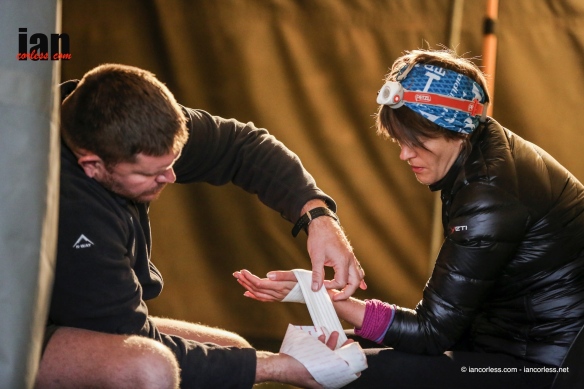
The medics did a good job with the application of supportive taping but Elisabet was strongly advised, “No racing and whatever you do, do not fall!”

©iancorless.com_Richtersveld2016_Day2-3561

Post race, Elisabet commented, “I had a good day today but I didn’t push the pace. When I could run, I did and I loved it. On the more technical sections, of which there are many, I eased back and relaxed – a fall today and my race would be over!”

©iancorless.com_Richtersveld2016_Day2-3289

Stephen Cunliffe after a great day 1 fell in the boulders and unfortunately badly sprained his ankle today after running with Tobias and Jo, he finished in 6th place but he had some real disappointment and hopes he will be able to run tomorrow.

“I was running with Tobias and Jo, we were taking it in turns to lead the way and navigate. I turned around at one point and took my eyes off the trail, a big mistake as my ankle just twisted.”

The stage, as one would expect of this region, was a stunner. Easy early running eased everyone into the stage. A gradual climb on good paths, followed by a descent was the prelude to more technical running and the feared river bed that was littered with boulders. This section provided a gateway to the final 4-5km of easy running to the line.

©iancorless.com_Richtersveld2016_Day2-3516

In general terms, day 2 had considerably less navigation problems as all the runners are finally getting a feel for the map and gps units. However, there were a coupe of real errors that added some considerable time to one or two runners days.

Tomorrow, the runners will face the incredible Tattasberg Boulders and they will then finish the day on the banks of the Orange River with a stunning camp 3.

©iancorless.com_Richtersveld2016_Day2-3743©iancorless.com_Richtersveld2016_Day2-7810

Tobias Mews, who is leading the men’s race commented on his day, “People talk about the loneliness of the long distance runner, but the Richtersveld is to be shared. Mutual gasps of wonder should be appreciated with others, it’s lovely to make friends as we run and in Jo I have found a bond -it’s great to run with someone else and share the journey.”

©iancorless.com_Richtersveld2016_Day2-2996

Stage Results day two:

  1. David Kaswarie 3:53:35
  2. Tobias Mews and Jo Williams 4:06:08
  3. Ryno Bakkes 4:29:15
  4. Daniel Meyes 4:29:52
  5. Stephen Cunliffe 4:32:48
  6. Linda Doke 4:40:51
  7. Christian Forster 4:41:50
  8. Elisabet Barnes 4:59:02
  9. Gavin Shang 5:00:01

Richtersveld Transfrontier Wildrun 2016 – Stage One

©iancorless.com_Richtersveld2016_Day1-1885

The silence was deafening. The darkness was black, oh so black and the stars glowed in abundance in the sky. It was the first morning of the 2016 Richtersveld Transfrontier Wildrun and anticipation was high.

There was a high level of anticipation, nerves and worry – particularly in regard to the route and the provided GPX files that had been uploaded to GPS units, or not, as was the case in some scenarios.

Buttons were being pressed, beeps could be heard and chins were being rubbed as rapid navigation 101 was undertaken just 30-minutes before the 0800 start.

Suddenly they were off and what followed was a stunning warm and sunny day in the Ai-Ais Richtersveld Transfrontier Park.

©iancorless.com_Richtersveld2016_Day1-2221

At the first control point, backed by an amphitheater of rock, it was soon apparent that despite a gps route, many runners were using navigation knowledge to cover ground as quickly as possible. The rule of the race confirms that between controls, the gpx route is a guide and that providing access to the control is from the correct direction, then a free route choice was allowed.

Tobias Mews and Jo Williams were the first to arrive at the first control but not via the direction the gps route indicated – was this a tactactical navigation move to gain time?
Race images are available at iancorless.photoshelter.com

©iancorless.com_Richtersveld2016_Day1-6624

It looked like it as Linda Doke and Stephen Cunliffe arrived via the same route option. Slowly but surely runners arrived but a lack of Elisabet Barnes raised a few alarm bells. Elisabet arrived approximately 30-minutes later have followed the gps route, mark-by-mark. The 2015 Marathon des Sables champion was now on the back foot with a tough chase on her hands.

©iancorless.com_Richtersveld2016_Day1-7069

At control 2, Linda Doke and Stephen Cunliffe arrived and then a string of runners

and then Tobias Mews and Jo Williams – it was a little confusing, how had so many other runners gained so much time and what had been the leading duo?

Tobias Mews explained post race, “We made a navigational error and had to backtrack obviously loosing time and allowing Linda and Stephen to take the lead, however, we were surprised to then find other runners infront of us when we chased – we later found out that these runners had missed control one!”

©iancorless.com_Richtersveld2016_Day1-7303

The savvy navigational shortcut early in the race had unfortunately caused a problem for 5 competitors and due to missing the control, a 1-hour time penalty was applied.

What followed was a strong effort by Tobias and Jo, they reeled in the other runners, pursued Linda and Stephen and then pushed on. It was a brave move so early in a five stage race however it payed off.

©iancorless.com_Richtersveld2016_Day1-6596

Jo Williams and Dawid Kaswarie finally made a break from Tobias and Stephen and they crossed the line joint first in 4:27:43, only for Dawid Kaswarie to loose all his hard work with a time penalty. Stephen Cunliffe and Tobias Mews ran together to finish joint 2nd in 4:46:49 and Linda Doke finished 3rd in 5:00:42.

©iancorless.com_Richtersveld2016_Day1-2395

Way back in the race, ladies pre-race favourite was having a bad day – she had taken a tumble and was running with open wounds to her left knee and unfortunately another minor navigation error resulted in some additional lost time. Something was right though, Elisabet fell a further four times and once back in camp she relayed her story, “I saw Tobias and others taken an alternative route and I decided to follow the gps route as I was under the impression that was the correct thing to do. I lost time and sometimes you just have to accept that these things happen. However, I was feeling light-headed, lacking focus and after falling once, I fell a further three times. I feel a little banged up – it was a tough day!”

©iancorless.com_Richtersveld2016_Day1-2506

Elisabet was not the only runner to make errors with navigation, in nearly all cases it was the error of the runner to solely rely on the gps as a form of navigation and not use the provided map as a reference and counter reference. For some it was a tough lesson.

Day 1 at any multi-stage race can be a tough one and here in the Richtersveld, the 2016 Richtersveld Transfrontier Wildrun has provided a greater test than some expected.

Despite difficulties, the unanimous decision about the route and the scenery has been glowing – “This is like running in heaven,” said

Results day one:

  1. Jo Williams 4:27:43
  2. Linda Doke 5:00:42
  3. Elisabet Barnes 5:57:54
  1. Stephen Cunliffe and Tobias Mews 4:46:49
  2. David Kaswari 5:27:43
  3. Daniel Meyes 5:34:08

IMAGES to follow when we can get connection

Nama People – Richtersveld Transfrontier Wildrun®

©iancorless.com_Richtersveld2016-1748

One of the real advantages of travel and race coverage is meeting a new culture and gaining a new experience. Today I came face-to-face with the Nama people  who came to greet us and welcome us at the 2016 Richtersveld Transfrontier Wildrun.

Race images are available at iancorless.photoshelter.com

Nama (in older sources also called Namaqua) are an African ethnic group of South Africa, Namibia and Botswana. They traditionally speak the Nama language of the Khoe-Kwadi language family, although many Nama also speak Afrikaans. The Nama are the largest group of the Khoikhoi people, most of whom have largely disappeared as a group, except for the Namas. Many of the Nama clans live in Central Namibia and the other smaller groups live in Namaqualand, which today straddles the Namibian border with South Africa.

Reference and information from ©wikipedia

For thousands of years, the Khoisan peoples of South Africa and southern Namibia maintained a nomadic life, the Khoikhoi as pastoralists and the San people as hunter-gatherers. The Nama are a Khoikhoi group.

From 1904 to 1907, the Germans, who had colonised present-day Namibia waged war against the Nama and the Herero (a group of Bantu pastoralists), leading to the Herero and Namaqua Genocide in which they killed at least 80% of the Nama and Herero populations.[2] This was motivated by the German desire to establish a prosperous colony which required displacing the indigenous people from their agricultural land. Large herds of cattle were confiscated and Nama and Herero people were driven into the desert and in some cases interned in concentration camps on the coast, for example at Shark Island. Additionally, the Nama and Herero were forced into slave labour to build railways and to dig for diamonds during the diamond rush.

In the 1920s diamonds were discovered at the mouth of the Orange River, and prospectors began moving there, establishing towns at Alexander Bay and Port Nolloth. This accelerated the appropriation of traditional lands that had begun early in the colonial period. Under apartheid, remaining pastoralists were encouraged to abandon their traditional lifestyle in favour of village life.

The Nama originally lived around the Orange River in southern Namibia and northern South Africa. The early colonialists referred to them as Hottentots. Their alternative historical name, “Namaqua”, simply stems from the addition of the Khoekhoe language suffix “-qua/khwa”, meaning “people” (found in the names of other Southern African nations like the Griqua)

In 1991, a part of Namaqualand (home of the Nama and one of the last true wilderness areas of South Africa) was named the Richtersveld National Park. In December 2002, ancestral lands, including the park, were returned to community ownership and the governments of South Africa and Namibia began creating a trans-frontier park from the west coast of southern Africa to the desert interior, absorbing the Richtersveld National Park. Today, the Richtersveld National Park is one of the few places where the original Nama traditions survive. Here, the Nama move with the seasons and speak their language. The traditional Nama dwelling – the |haru oms, or portable rush-mat covered domed hut – protects against the blistering sun, and is easy to move when grazing becomes scarce.

At the dawn of the 19th century, Oorlam people encroached into Namaqualand and Damaraland. They likewise descended from indigenousKhoikhoi but are a group who mixed with Europeans and with slaves from Madagascar, India, and Indonesia.[3] After two centuries of assimilation into the Nama culture, many Oorlams today regard Khoikhoigowab (Damara/Nama) as their mother tongue, though others speak Afrikaans. The distinction between Namas and Oorlams has gradually disappeared over time to an extent where they are today regarded as one ethnic group, despite their different backgrounds.

Richtersveldwildrun

Meet the runners who will take part in the 2016 Richtersveld Transfrontier Wildrun® HERE

Daily race images and reports will follow on the race day-by-day as the action unfolds via

Social Media Logos

Instagram – https://www.instagram.com/iancorlessphotography/

Facebook – https://www.facebook.com/iancorlessphotography/

Twitter – https://twitter.com/Talkultra

Richtersveld Transfrontier Wildrun 2016 – Registration

RichtersveldFaces

The 2016 Richtersveld Transfrontier Wildrun® became a reality today… runners from all over the world have assembled in the |Ai-|Ais/Richtersveld Transfrontier Park.

Race website HERE

Richtersveldwildrun

A 200km, five-day foot race from South Africa to Namibia through the ancient arid landscape of the /Ai/Ais-Richtersveld Transfrontier Park.  From the crystal fields of Sendelingsdrif in South Africa to the infamous giant boulders of Tatasberg deep in the /Ai/Ais-Richtersveld Transfrontier Park; this unparalleled journey then crosses the Orange River into Namibia and the wild lands of the Fish River Canyon.  This is the running experience of a lifetime; this is the Richtersveld Transfrontier Wildrun®.
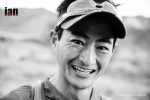
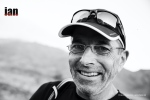
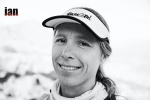
Day 1 starts tomorrow, Monday June 13th at 0800. Before the race gets underway, we feel it’s important you get to see the faces of those taking part.
Day 1 43.64km Sendelingsdrif to ‘De Koei’
Day 2 32.13km ‘De Koei’ to Hakkiesdoring
Day 3 39.78km Hakkiesdoring to De Hoop
Day 4 48.32km De Hoop to Wilderness Hot Springs
Day 5 21.3km Wilderness Hot Springs to Ai-Ais Hot Springs Resort
Race images are available at iancorless.photoshelter.com
About the race:
Early archaeological evidence tells us that the San inhabited the Richtersveld area thousands of years ago. They hunted game (mountain zebra and klipspringer) and gathered berries and herbs. The first Khoekhoen or pastoral people moved to these regions from Botswana some 2000 years ago. Like the San, they were hunter-gatherers, and only slaughtered animals on rare ceremonial occasions.
In tune with the harsh environment, many of the Richtersvelders today are transhumant pastoralists, moving their livestock between stock posts with the changing of seasons. The rotation of pastures has helped to preserve the land from overuse. This is the last place in South Africa where pastoral people live on communal lands and one of the last remaining examples of the transhumant Nama way of living.
The harsh environment of the Richtersveld has through the years witnessed a story of determined peoples with a strong attachment to the land. Early last century declared a “Coloured Rural Reserve”, the land’s ownership moved in 2002 to the peoples of the Richtersveld. In this pristine land, devoid of mining scars and in harmony with transhumant pastoralists, an area of more than 160 000 ha has been put aside – first to create a Community Conservancy, now proclaimed a World Heritage Site.
From a distance you can see rugged mountains, sweeping deserts, a giant blue sky and glimpses of the might Orange River creeping along to the sea. On closer investigation you realise that you are standing in one of Africa’s most diverse and rich ecosystems.
The Richtersveld World Heritage Site sits in the heart of what is called the Succulent Karoo Biodiversity Hotspot – an ecosystem with an astounding 4 849 succulent plants, 40% of which are found nowhere else.
To be declared a hotspot, an area must have incredibly high species diversity and a high percentage of endemism. It is quite a unique distinction, as there are only 25 hotspots in the world. Even more unusual is that the Succulent Karoo is a desert and is the only arid biodiversity hotspot on Earth.
Conjure up a desolate and forbidding landscape, seemingly devoid of life, except for some people dotting along the horizon. Make a startling discovery upon closer inspection when the mirage dissolves into the human-like half-mens (half person) and the harsh environment prove to be a treasure-chest containing the world’s richest desert flora. Miniature rock gardens, perfectly designed by nature, cling precariously to cliff faces. Tiny succulents, mere pinpoints against a backdrop of surreal rock formations, revel in the moisture brought by the early morning fog rolling in from the cold Atlantic Ocean.

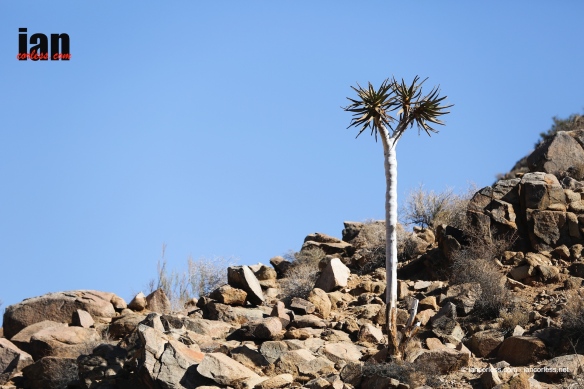
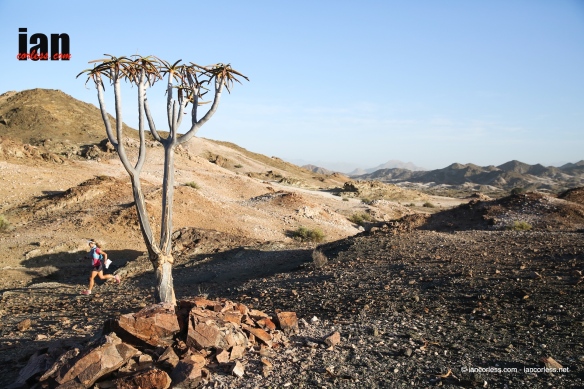
Rugged kloofs, high mountains and dramatic landscapes that sweep away inland from the Orange River divulge the fact that you are now in the vast mountain desert that is the /Ai-/Ais-Richtersveld Transfrontier Park, an area managed jointly by the local Nama people, SANParks and Namibia Parks and Wildlife. This is a harsh and unpredictable land where water is scarce and life-sustaining moisture comes in the form of early morning fog – called ‘Ihuries’ or ‘Malmokkies’ by the local people – which rolls in from the cold waters of the Atlantic Ocean, sustaining a remarkable range of small reptiles, birds and mammals. A staggering assortment of plant life, some species occurring nowhere else, is to be found here, with gnarled quiver trees, tall aloes and quaint ‘half-mens’ keeping vigil over this inscrutable landscape.The Fish River Canyon is the largest canyon in the southern hemisphere, and second only to Arizona’s Grand Canyon in terms of size. 161km long, up to 27km wide and almost 550m at its deepest, the southern part of this canyon is largely untouched by tourists and remains one of the wildest and most remote corners of the world.

The /Ai/Ais-Richtersveld Transfrontier Park is only accessible by means of a 4×4 vehicle, but vehicles with high clearances such as combi’s and LDV’s do travel in the park. Sedan vehicles are not permitted.
June temperatures are likely to be cool at night and comfortable during the day. However, it can get as low as 4-5 degrees Celcius during the night and as high as 35 degrees Celcius during the day.
Each day of this 200km, five-day journey will take you on a rollercoaster ride of geological splendour. From the crystal fields of Sendelingsdrif in South Africa, to the infamous giant boulders of Tatasberg, across the green swathe of the Orange River, and into the wild lands of the Fish River Canyon in Namibia – every kilometer is an experience within itself and will leave you stumped for words to describe your journey.

V3K Skyrunning UK 2016 – Race Preview

©iancorless.com_DragonsBack2015Day1-6632Skyrunning UK is set to reach new heights in 2016 for what will be the biggest year yet. Now in its third year, the calendar has grown and with it, so have the races. The V3K kicks off the 2016 calendar and like many races in the series, it’s a sell out!

Niandi CARMONT writes on behalf of iancorless.com and Skyrunning UK to provide a preview of this years race.


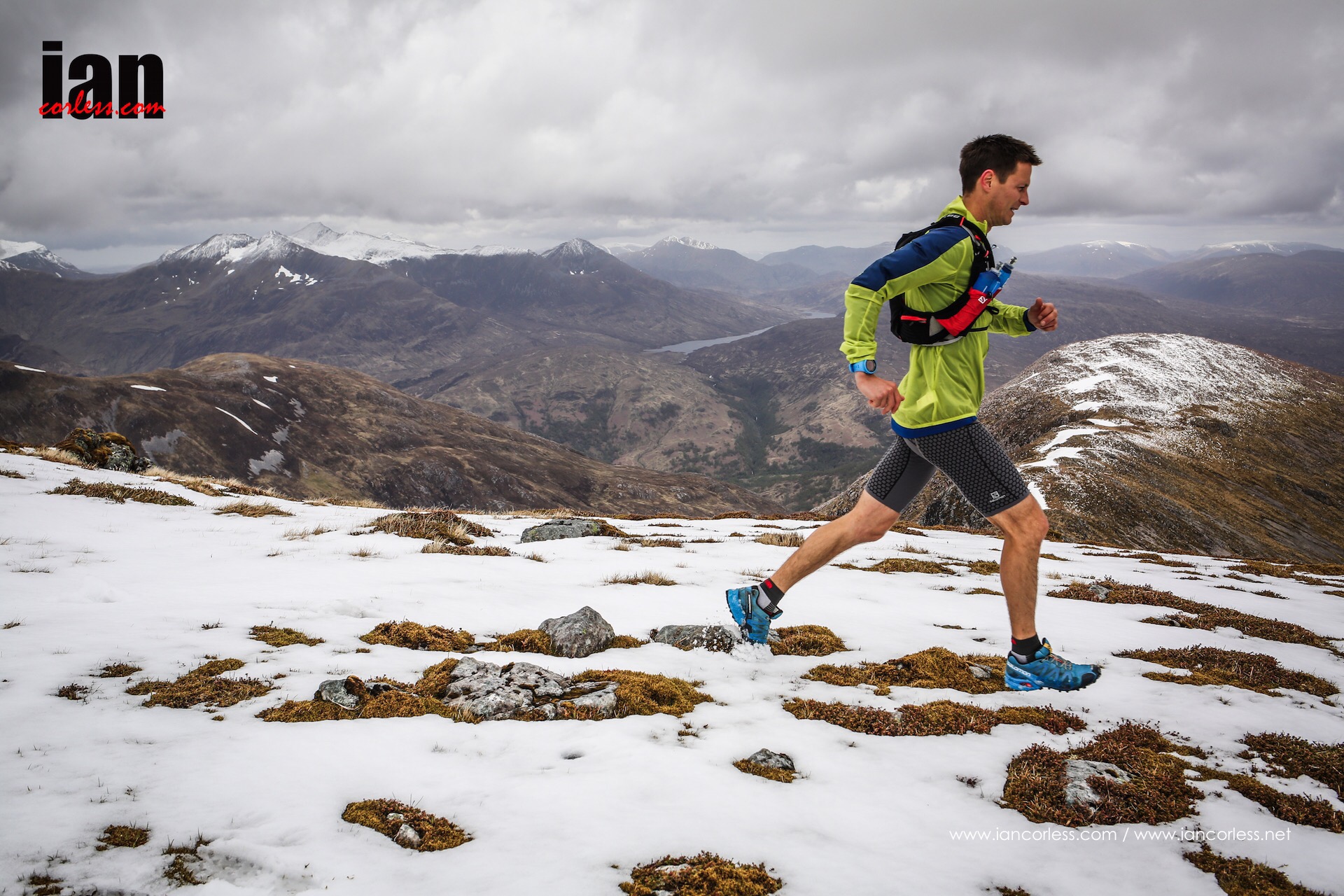
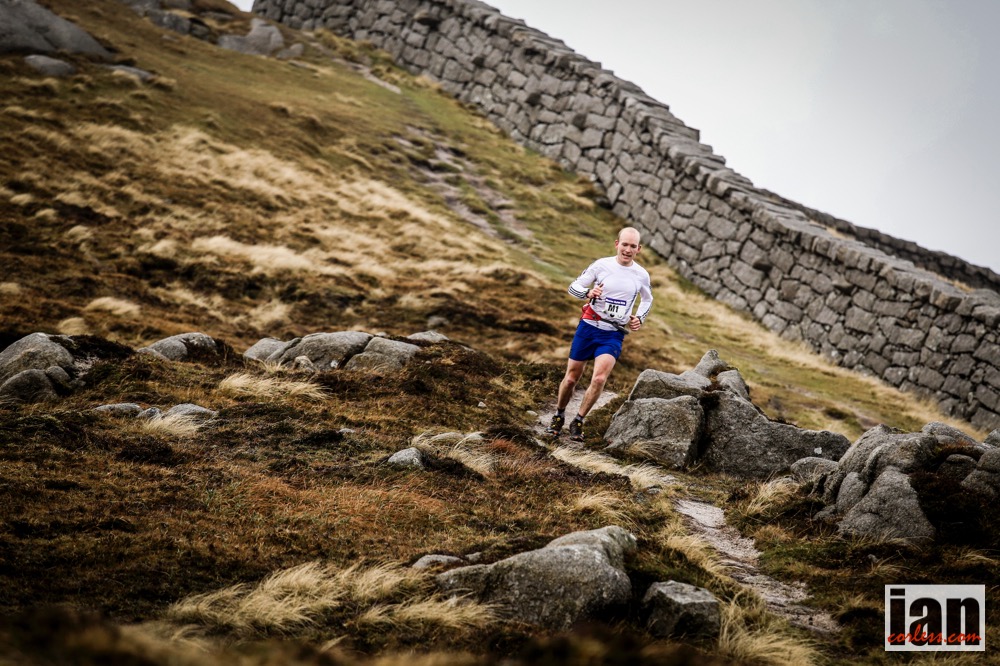
Ehed amser : time flies. It’s hard to believe that it’s once again time for the first race in the year in the UK Skyrunning Series. This is the third consecutive year that Skyrunning UK kicks off with the V3K. The race celebrates its 5th edition and there is no better way for the local Skyrunning aficionados to test their training and form than on this challenging and stunning course. What lies in store for the 234 entrants on June 18th? Well hopefully some clement spring weather although weather conditions can be very changeable. One thing is for sure, the course will take competitors over 53km of grassy fells, rocky mountainous terrain and up and down the Welsh 3000s – in all 15 (or 14) peaks over 3000ft. A Welsh roller-coaster ride across the Snowdon Massive, Glyderau and Carneddau taking in some of the most scenic and picturesque landscapes of the British Isles. The Race Director Kirsch Bowkler adds “If weather conditions dictate we will divert away from Crib Goch”. The latter is probably the most technical part of the course, a knife-edged arête in the Snowdonia National Park in Gwynedd. The name means “red ridge” in the Welsh language.

So what times are this year’s contenders looking to beat? Gareth Hughes won the 2015 edition in 7:34:11 and Sarah Ridgeway won the ladies’ race in 9:22:13. And by the looks of it, these year’s podium contenders look very promising.

In the male field, Shane OHLY is well-known in local Skyrunning circles. Shane, an elite and experienced navigator and climber but also race director of UK Skyrunning events, will be running on very familiar terrain. Based in the Lake District, Shane’s training has been very race-specific although in terms of volume he feels he could have done more “The sad reality is that I’ve been spending potential training time organizing events! Honestly, I am going for the experience”. We’ll see …

Charles SPROSON is another experienced fell-runner and navigator to look out for. Charlie also lives in the Lake District and organizes events. He is very familiar with the terrain and like Shane will do well on technical sections of the course. As a navigatorw and LSU coach he has plenty of opportunities to put his mountaineering and fell-running skills into practice in the Lakes. “I’ve been running over Striding Edge on a regular basis throughout the winter and into the spring, steadily bashing away at going up and down mountains and ascending Pinnacle Ridge with clients”. With the amount of time he spends on the fells, Charlie is definitely a podium contender next week.

Defending champion Oli JOHNSON from the Dark Peak Fell Runners and a member of Team Inov8 UK is not new to the V3K. Last year in 2015 he finished first in ex aequo with Gareth Hughes in a winning time of 7:34:11. He will be back to better that record no doubt and keep the male field on their toes. Like Shane and Charlie, he is an experienced and talented fell runner and orienteer. Oli COMPLETED THE Goretex Transalpine-Run in 2015, a multi-stage event covering 293km over 8 days in a time of 31:17:28 finishing 11th overall and 4th in his category. He has thus proven that he can stand his own against international competition on hard technical terrain.

Kim COLLISON

Kim placed 20TH in the IAU Trail World Championships in Annecy in 2015 over 85km and 1st in the Lakeland 50 in 2014 with a time of 7:48. Victory at the Mourne Skyline MTR and a string of other high profile results arguably elevates Kim as the hot favourite of the 2016 V3K.

Richard ASHTON

Richard has completed a few Skyrunning events and long-distance events– amongst other Transvulcania, Lavaredo Ultra Trail and the Peak Skyrace (3rd in 2015). Richard is also a keen mountaineer and ice-climber.

In the Ladies’ race local defending champion Sarah RIDGEWAY will be back after her victory last year in 9:22:13 where she placed 9th overall. Sarah will be looking to defend her title. This Welsh runner is based in Snowdonia, her back garden so to speak and will be running on home ground. Sarah has performed well in shorter local races and gets plenty of training preparing and coaching athletes for Skyrunning events. Sarah excels on technical terrain and placed third in the grueling and gnarly Glencoe Skyline last year behind Emilie Forsberg and Jasmin Paris in a time of 9:21:44.

Beth PASCAL is a challenger Sarah Ridgeway will need to look out for. Beth has been doing very well in ultra and extreme multi-stage events, Beth was 1st lady and 4th overall in the Montane Spine Race in 2015, 2ND in the Lakeland 100 in 2014. Beth certainly has the stamina and gutsiness required to aim for a top podium place in the V3K and potentially set a new course record. Beth will be attempting a podium after her recent victories over 50km at the Keswick Mountain Festival where she literally smashed the course record to finish in a winning time of 5:21, thus finishing 7th overall and at the Highland Fling in May, a 53-mile trail race following the West Highland Way set to be the British Trail Championships 2016. Although it was a much flatter and faster race than what Beth is used to, her speed work and tempo runs paid off and she finished well ahead of her rivals in 7:52:55. With her natural ability and stamina to perform well on mountainous, rocky terrain and over very long distances as well as her regular training in Snowdonia and the Peaks, she stands a good chance of setting a new course record and claiming victory next weekend.

Ciara DOWNES is relatively new to Skyrunning but this lady coached by Robbie Britton placed well in Marathon des Sables 2016 with a ranking of 243 overall in a field of 1200 participants and will be testing her fell-running skills on the V3K course. Ciara has had more experience of flatter and faster trail running on less technical terrain but who knows?

And so the countdown begins to the first of the Skyrunning UK events as the competitors taper towards what promises to be a very exciting race weekend

Pob Iwc! Or for those who don’t speak Welsh, Good Luck and may there be Less Cloud, More Sky!


Skyrunning UK is sponsored by RAIDLIGHT UK

Skyrunning UK website is available HERE

Skyrunning UK calendar HERE