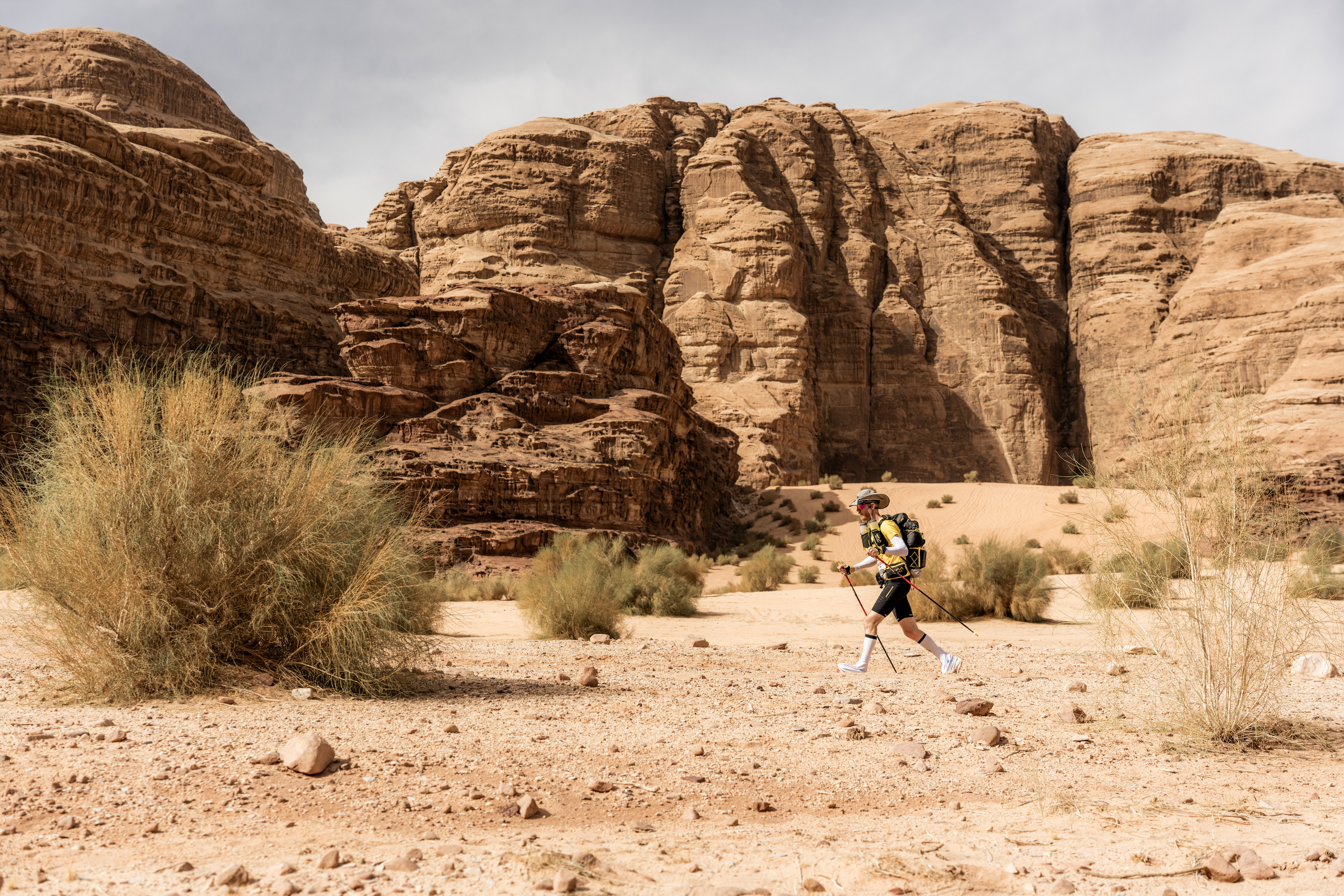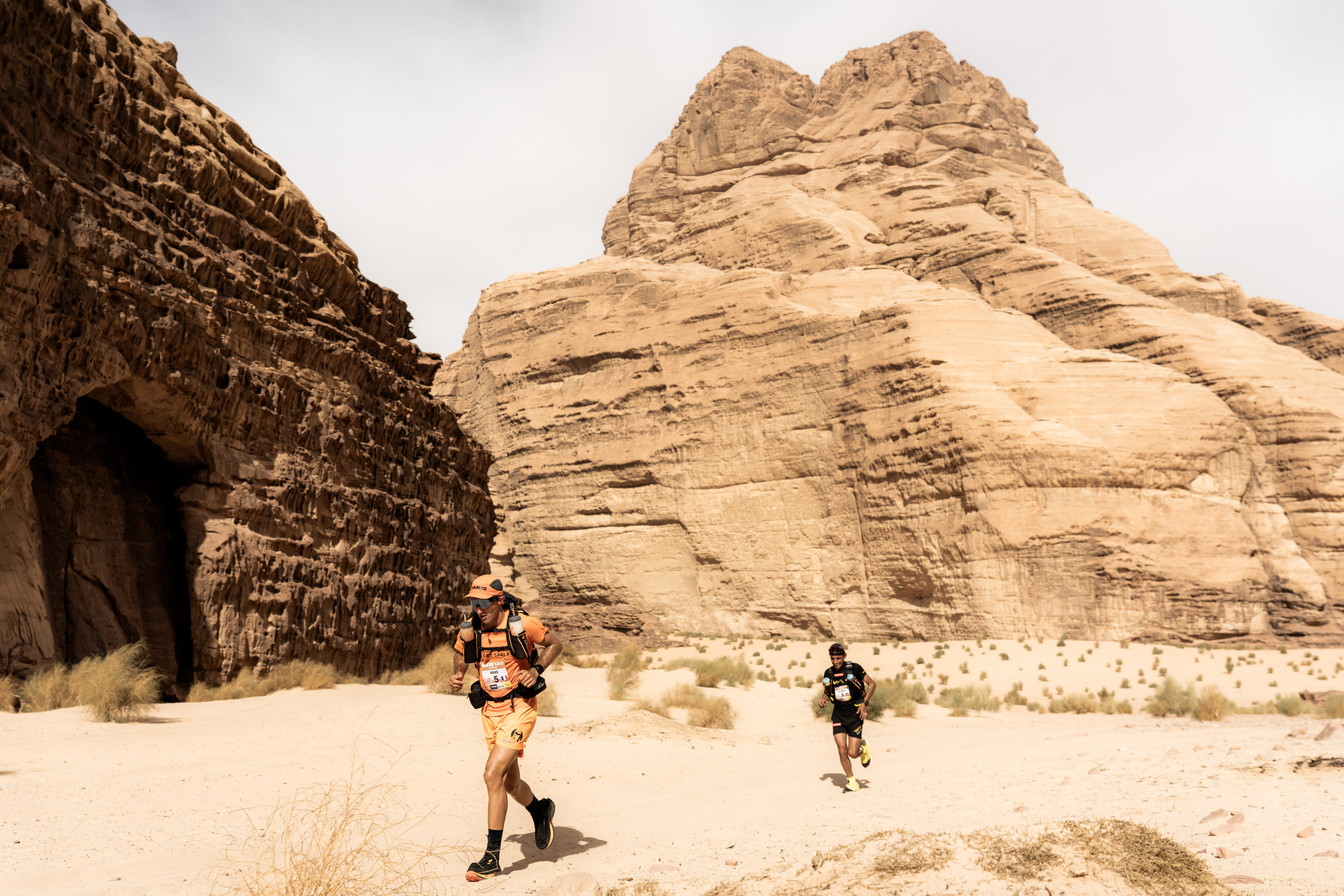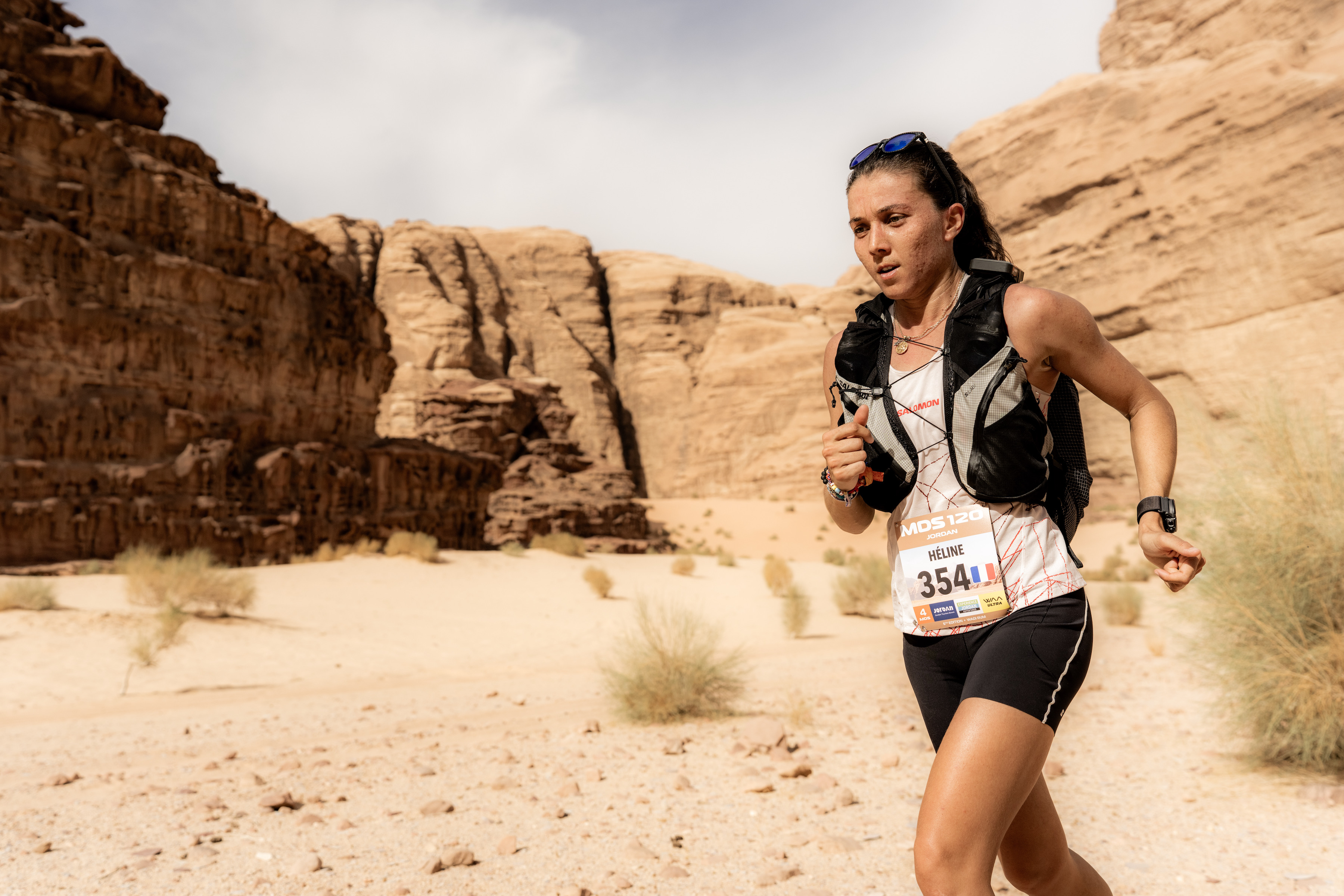
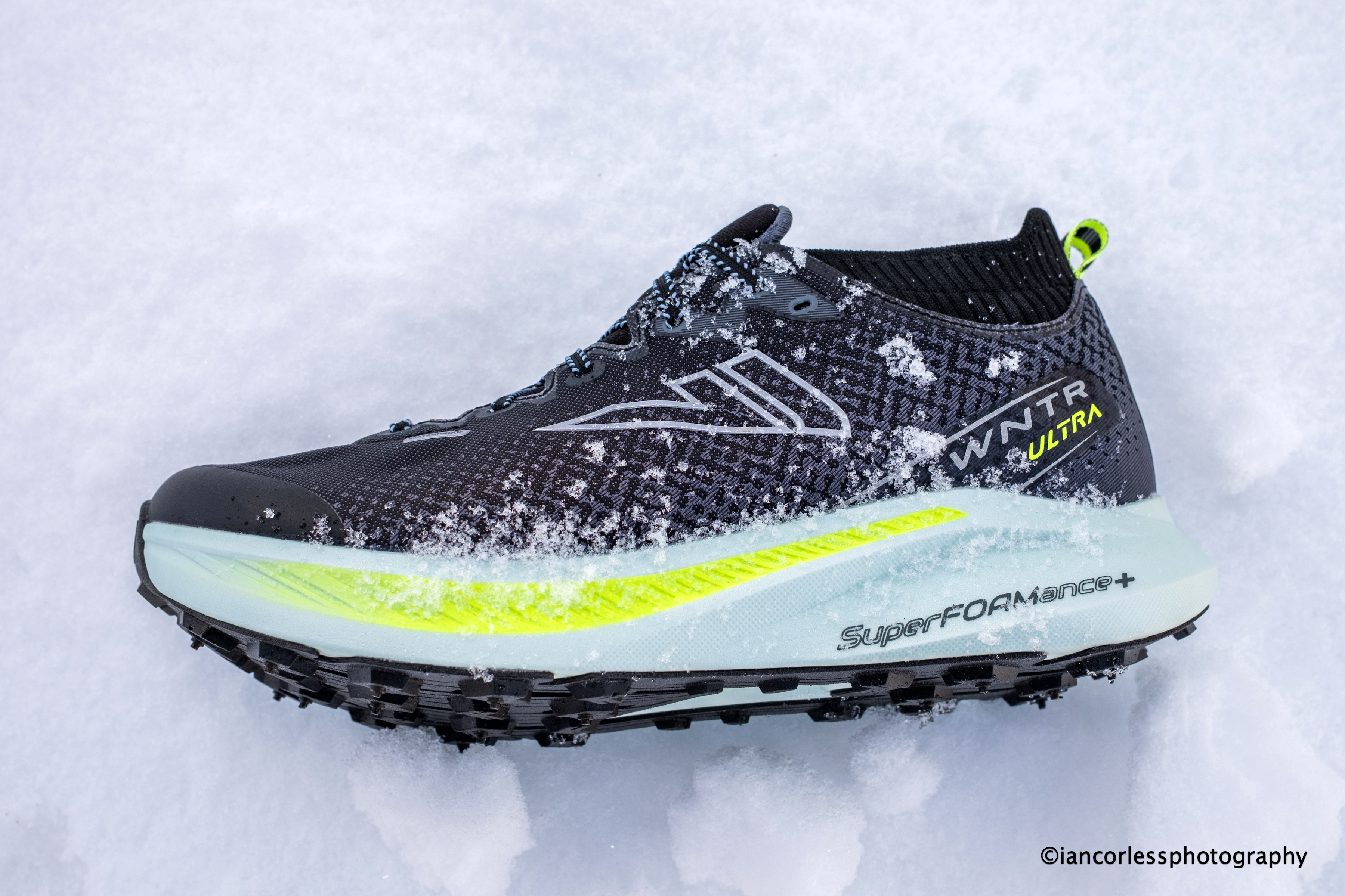
The VJ Ultra 3 is already one of my favourite trail and mountain running shoes. In fact, it may well be the favourite. It combines exceptional foothold through VJ’s innovative FitLock system, outstanding cushioning, and what I genuinely consider to be the best outsole grip available. VJ’s famous mantra of #BestGripOnThePlanet is not marketing hyperbole. In real-world conditions, it consistently delivers. Curious about ‘grip’ – read HERE
However, as autumn gives way to winter, everything changes.
Frozen ground, sheet ice, slush, compacted snow and unpredictable winter trails create a completely different running environment. While adding a third-party micro-spike such as Nortec can be a solution, it is always a compromise. Ground feel changes, shoe dynamics are altered, and the overall running experience can feel less natural.
If you want confidence, comfort and performance throughout winter, you need a purpose-built winter running shoe.
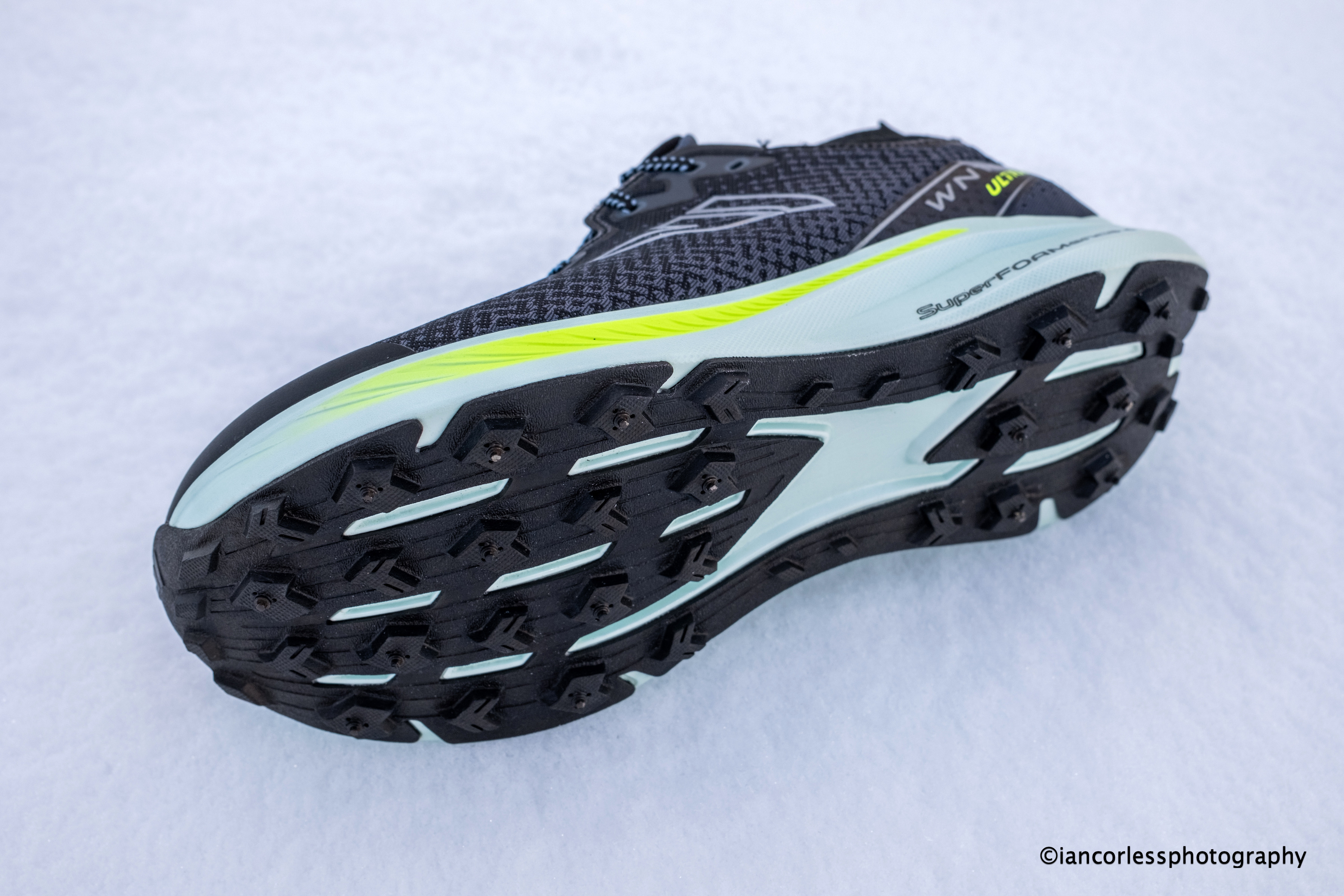
Fortunately, VJ has been producing specialised winter footwear for years and knows exactly what is required. Previous favourites of mine include the ACE, developed from the excellent XTER platform with its roomier toe box, while the IceHero has long been my winter go-to shoe and remains one of the benchmarks for winter performance.
Now, VJ has taken things to the next level.
Enter the VJ Sarva Ultra Winter
Built on the hugely successful Ultra 3 platform, the Sarva Ultra Winter takes everything that makes the Ultra 3 great and adapts it for extreme winter conditions. The result is arguably the most complete winter running shoe VJ has ever created.
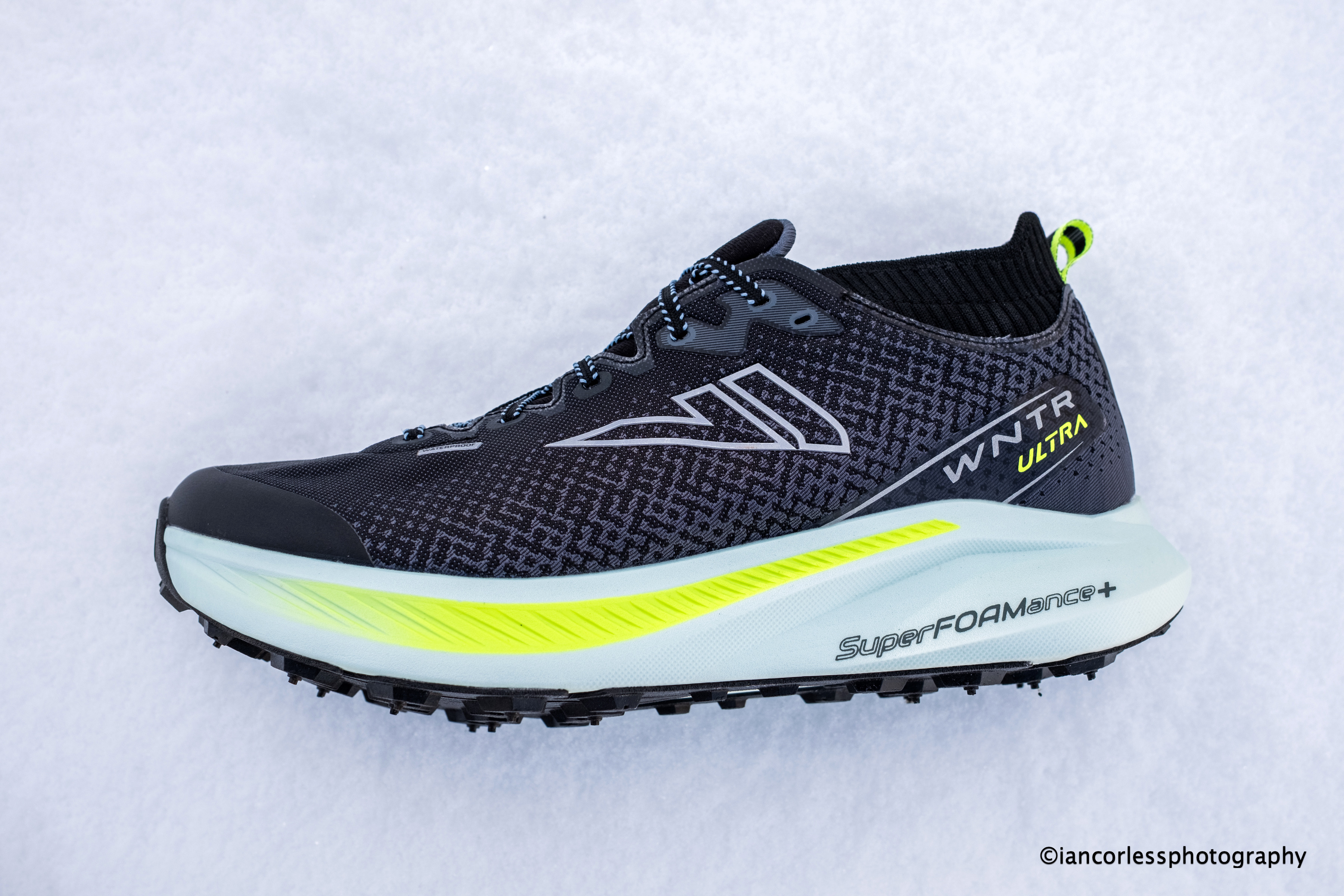
At its core, the Ultra Winter retains the same anatomical last and rocker geometry as the Ultra 3. This means the smooth, efficient rolling ride remains intact, making longer winter runs feel surprisingly fluid and comfortable. An 8mm drop is perfects for all-day running comfort, the generous stack height of 44mm in the heel and 36mm in the forefoot provides substantial protection underfoot.
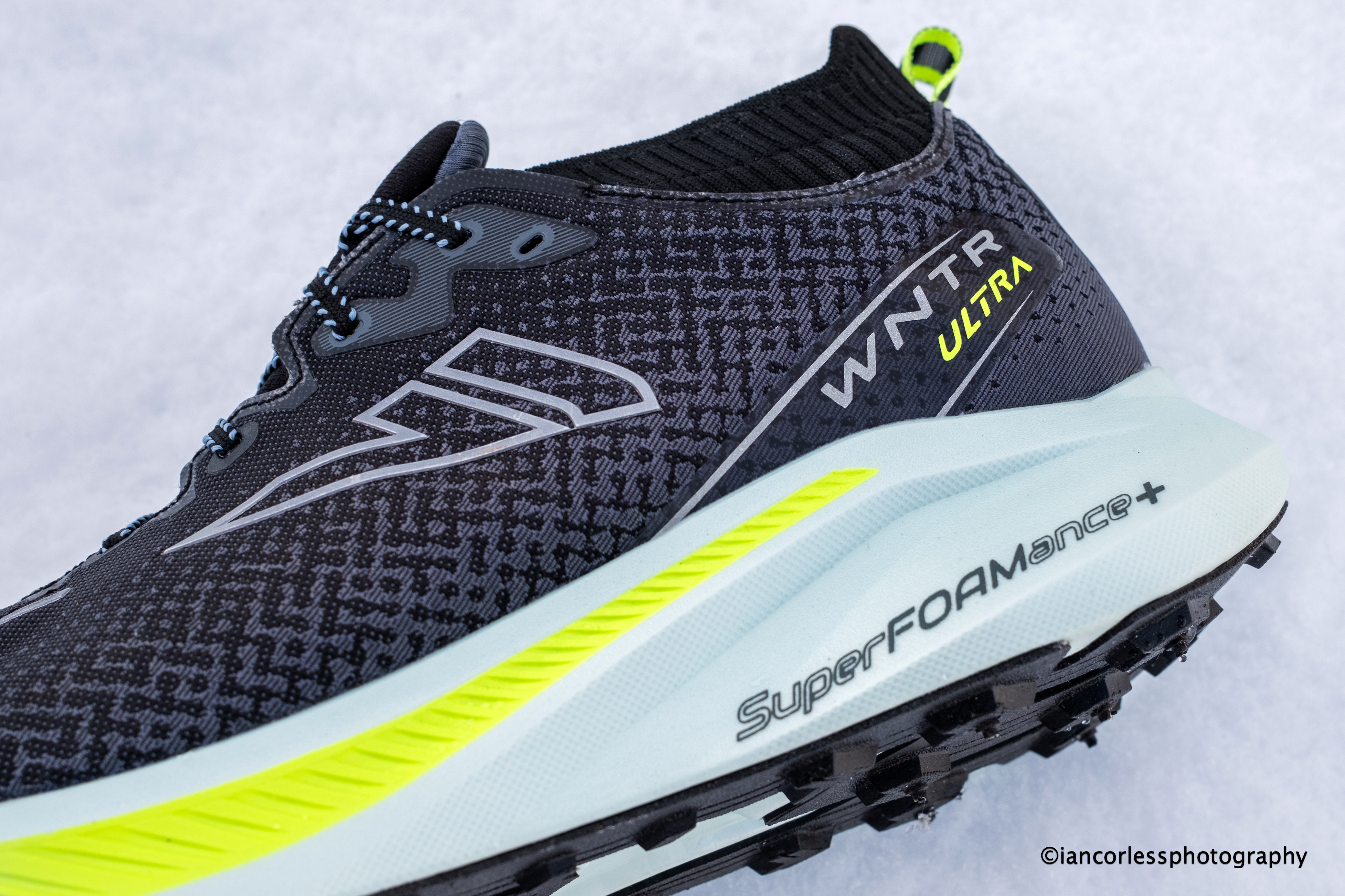
The SuperFOAMance+ midsole remains soft and responsive even in freezing temperatures. Where many winter shoes feel firm and unforgiving, the Ultra Winter maintains comfort and energy return.
Confidence on Ice and Snow
Of course, the defining feature of any winter shoe is grip. Here, the Sarva Ultra Winter excels. The shoe combines VJ’s proven Superior Contact outsole with sixteen carbon steel star-shaped studs.
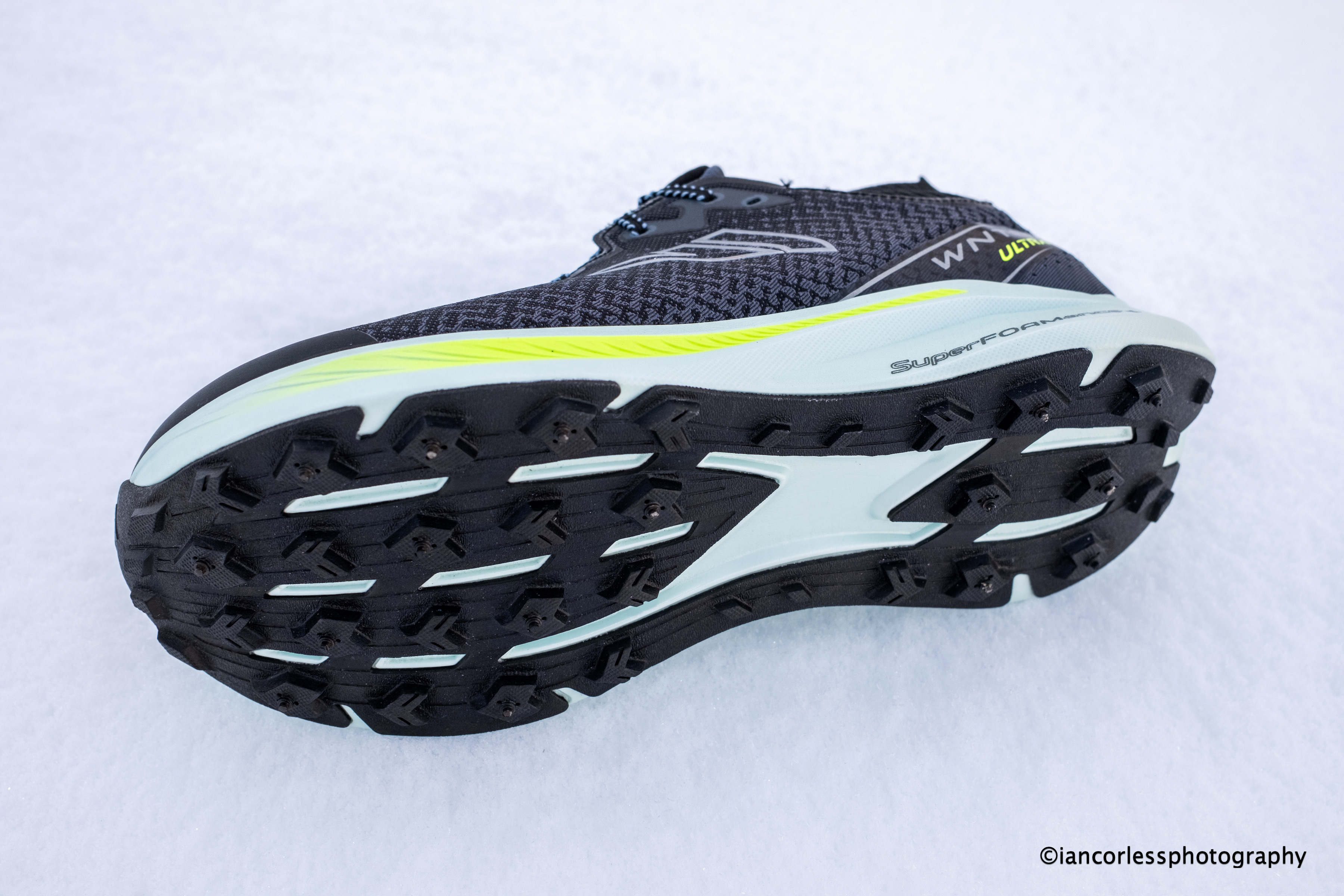
The result is remarkable traction across frozen trails, icy roads and hard-packed snow. The grip inspires immediate confidence, allowing you to focus on running naturally rather than worrying about every foot placement. There is something uniquely reassuring about hearing and feeling the studs engage with the terrain beneath you. Whether climbing a frozen hill or descending an icy trail, the Ultra Winter provides the security needed to maintain rhythm and flow. Simply put, it works.
Top tip – Winter running requires confidence. Do not be afraid of the ice – trust the shoe and its outsole – and run with purpose. Look to strike the ground with the mid-foot and strike the grounder harder allowing the spikes to dig in, penetrate and grip.
FitLock Remains a Game Changer
One of the reasons the Ultra 3 (and VJ shoes in general) is such an exceptional trail shoe is the FitLock system, and thankfully it remains central to the Ultra Winter.FitLock wraps securely around the arch of the foot, creating outstanding foothold and lateral security.
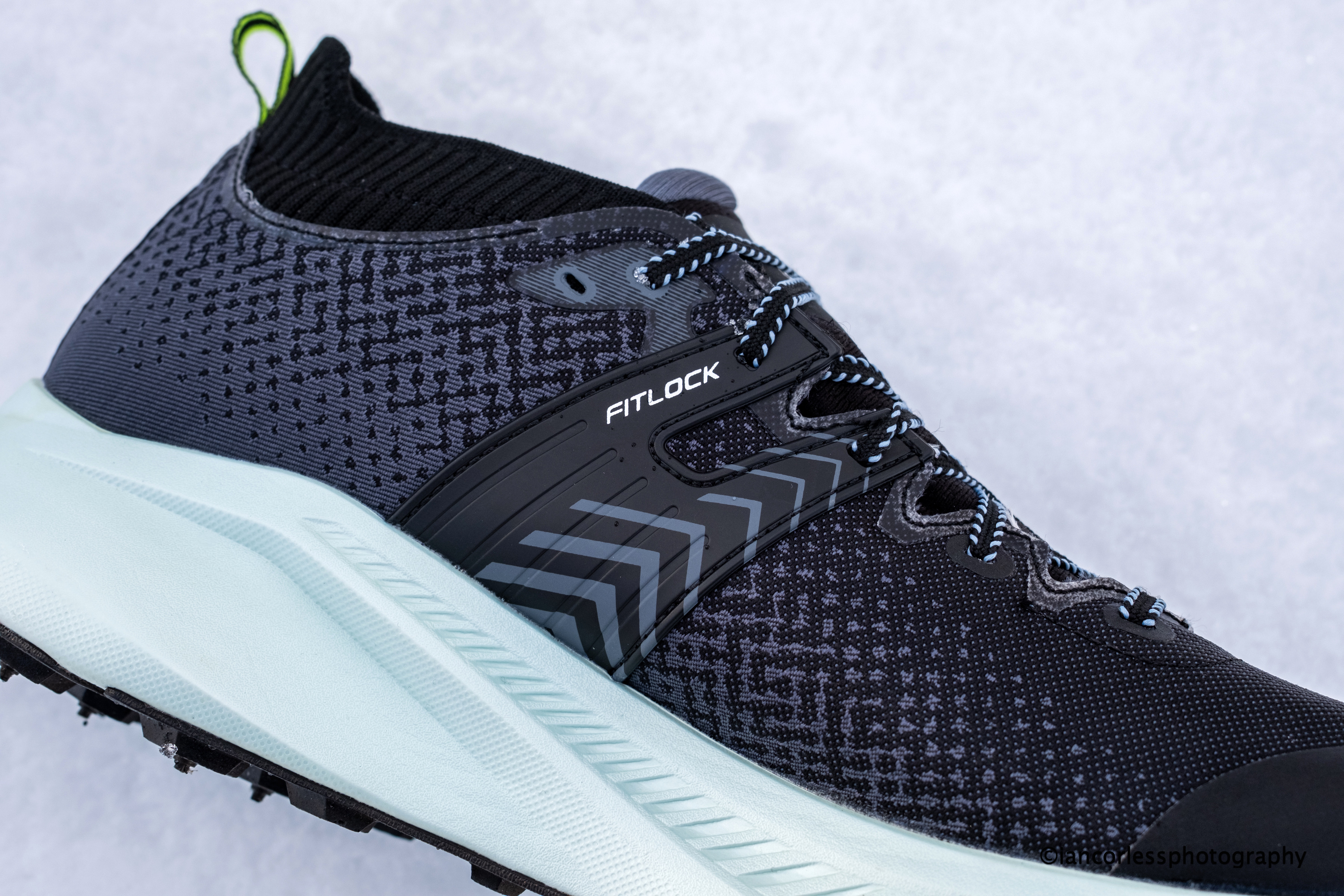
On technical terrain and uneven winter surfaces this becomes invaluable. The shoe feels connected to the foot, reducing unnecessary movement while simultaneously providing support and protection.
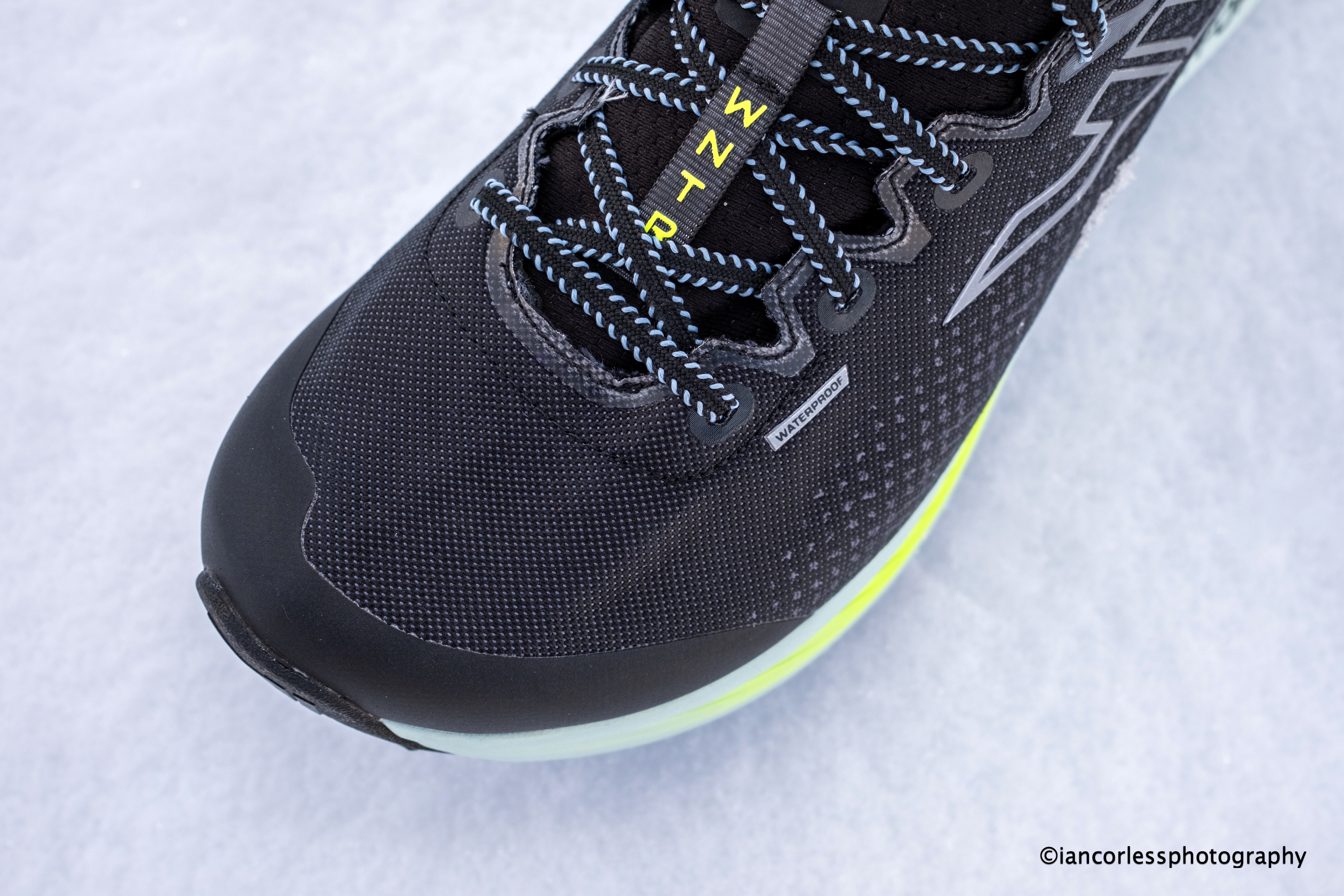
The fit of the Ultra 3 is wider than many traditional performance shoes, allowing the toes to spread naturally while maintaining a precise hold through the mid-foot. It’s a combination that works exceptionally well, particularly over longer distances.
Top tip – Merino socks are essential in winter and you may well find that you will use a thicker sock for warmth. Keep this in mind when sizing your shoe. The room at the front is also a bonus, if toes can move and splay, they will be warmer.
Built for Winter
Beyond grip and comfort, VJ has addressed the practical challenges of winter running.
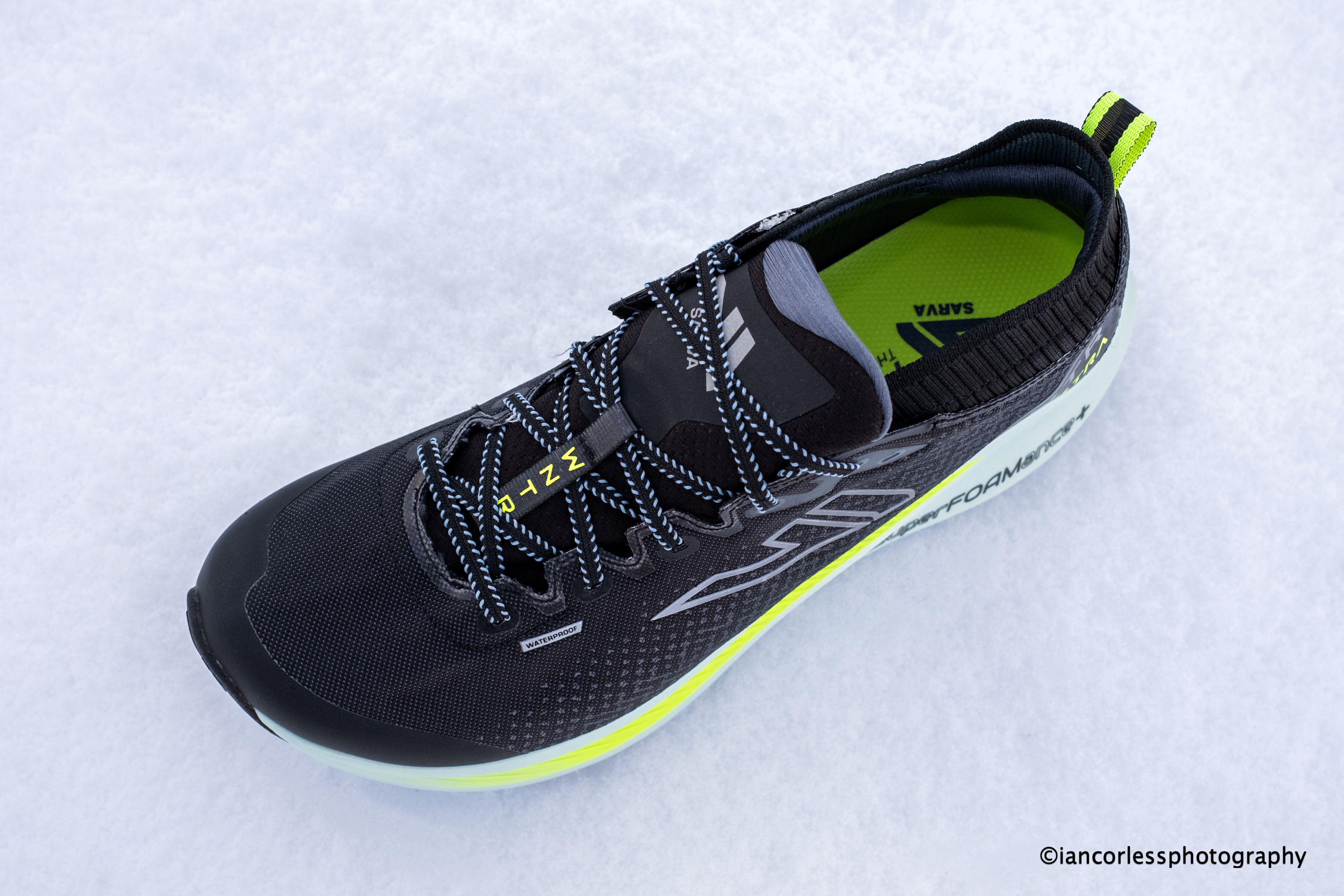
The waterproof upper effectively keeps moisture out while maintaining durability and structure. More importantly, VJ has incorporated an integrated ankle gaiter that prevents snow, slush and debris from entering the shoe. It may sound like a small detail, but anyone who has spent hours running in winter conditions knows exactly how valuable this feature becomes.
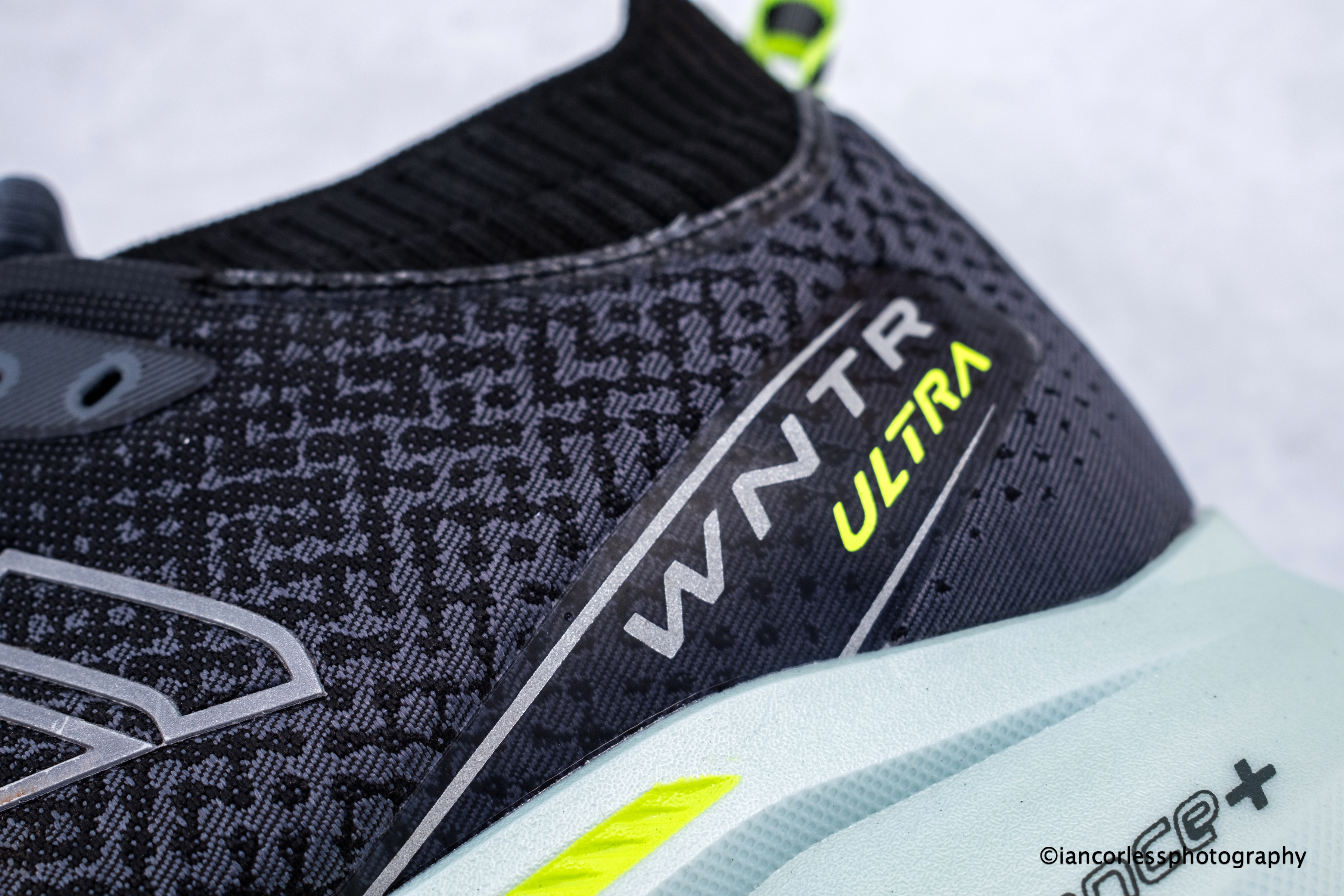
Dry feet are happy feet, and the integrated gaiter adds a level of protection that significantly enhances overall comfort. However, be warned, if you are in thick and deep snow, the gaiter can only keep out so much – one of the joys of winter!
The Verdict
The VJ Sarva Ultra Winter is not simply an Ultra 3 with spikes added. It is a thoughtfully designed winter running shoe that retains all the qualities that made the Ultra 3 such a success while adding genuine cold-weather functionality.
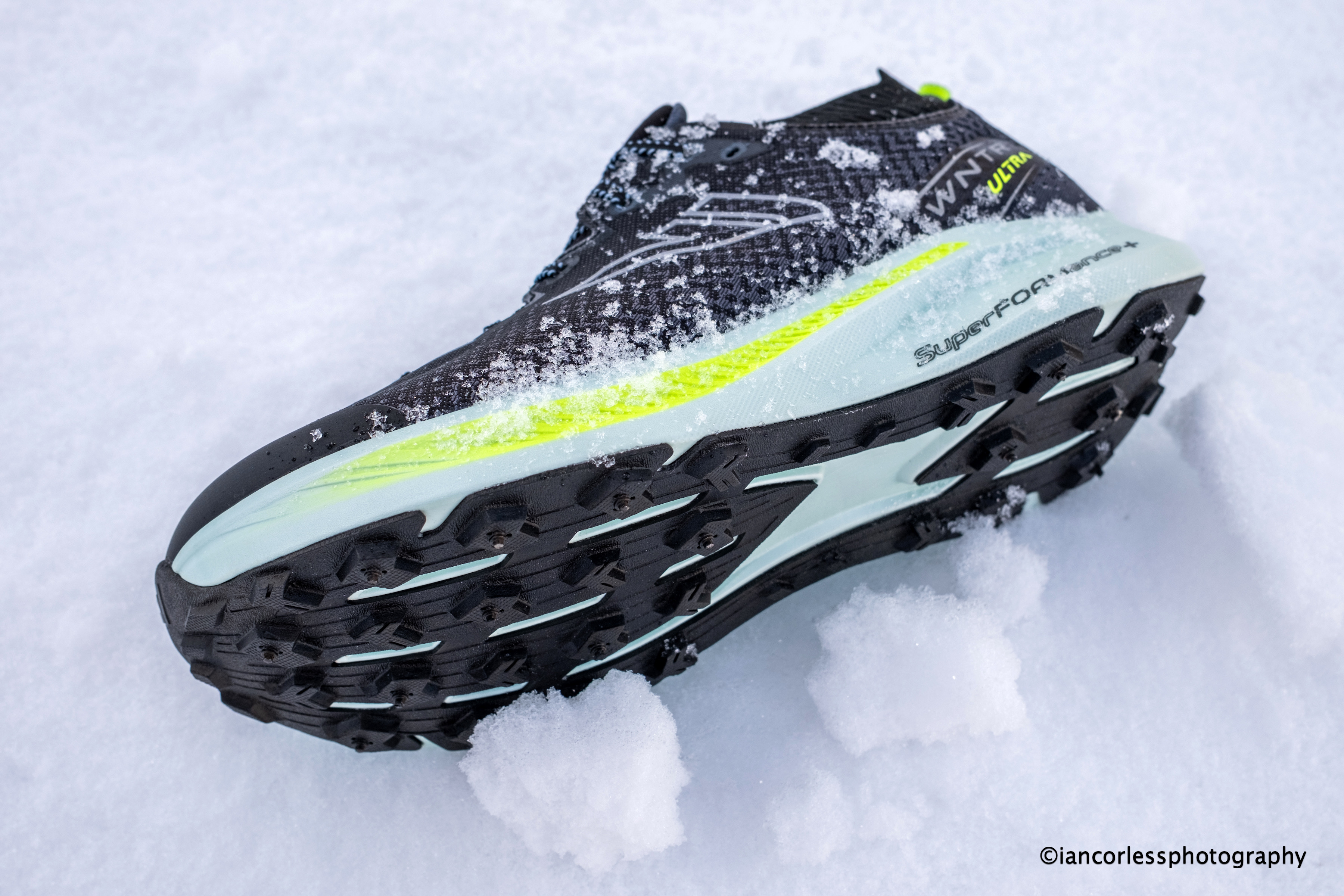
Outstanding cushioning, a smooth and comfortable ride, exceptional foothold, waterproof protection, an integrated gaiter and sixteen carbide studs combine to create a winter shoe that feels uncompromising in every respect.
If less cushioning and a more streamlined fit is preferable, take a look at the IceHero 2 – this is arguably a ‘faster’ shoe with 6mm drop, 31/25mm cushioning. I personally switch between the VJ Sarva Ultra Winter and the VJ Sarva IceHero 2 and both excel – but for those long days, the more cushioned and wider toe box of the VJ Sarva Ultra Winter really excels.
Some runners may view a dedicated winter shoe as an indulgence. After spending the last 6-years using specific winter shoes, I would argue the opposite. When winter arrives and the trails turn frozen, icy and unpredictable, the right shoe transforms the entire experience. The confidence, comfort and security these shoes provide are worth every penny – a specific shoe can be the difference between running and not running, so, the price is worth every penny.
Key specifications
- Weight: 320g (EU 42.5)
- Stack Height: 44mm heel / 36mm forefoot/ 8mm drop
- Midsole: SuperFOAMance+
- Outsole: Superior Contact + 16 carbon steel spikes
- Lug Depth: 4.5mm
- Upper: Waterproof with integrated gaiter
- Fit: Wide forefoot with FitLock mid-foot support system
Instagram – @iancorlessphotography
Twitter – @talkultra
facebook.com/iancorlessphotography
Web – www.iancorless.com