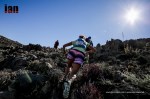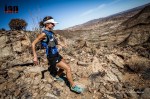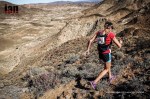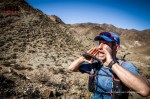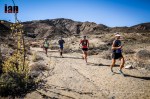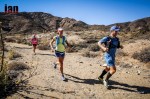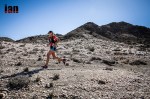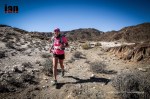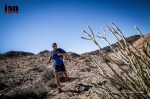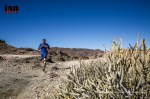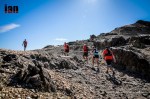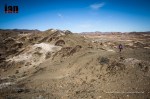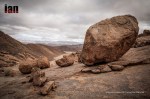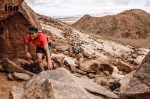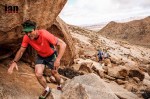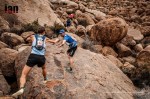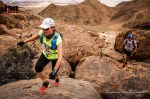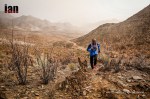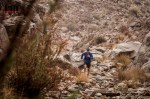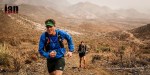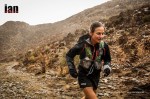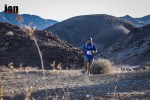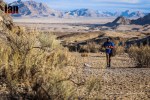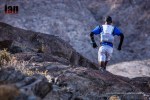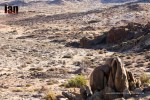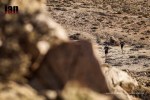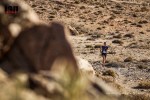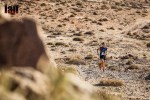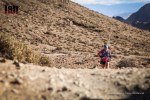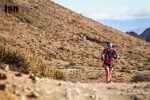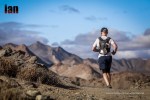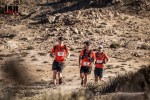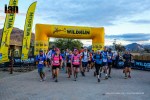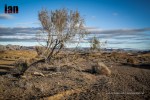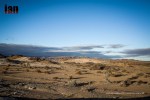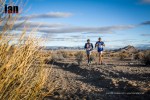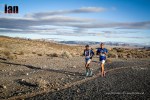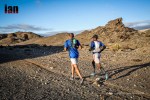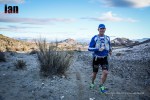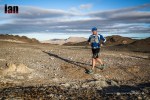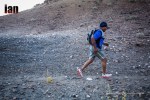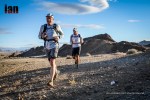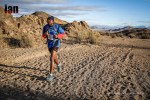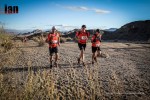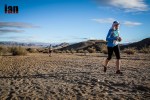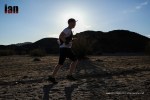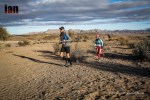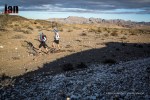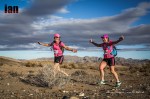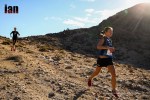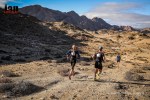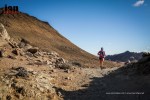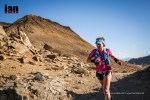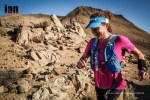
Es Tresidder and Finlay Wild to run Glen Coe Skyline in August


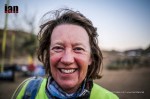
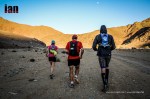
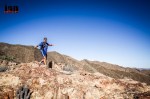
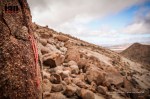
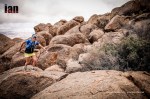
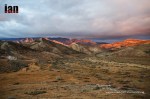
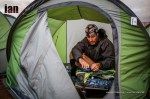
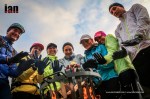
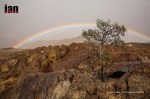
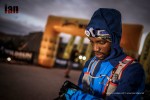
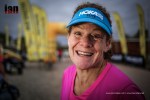
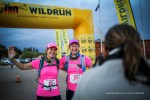
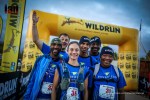
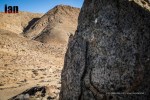
©iancorless.com_GlenCoeMay2015-6308

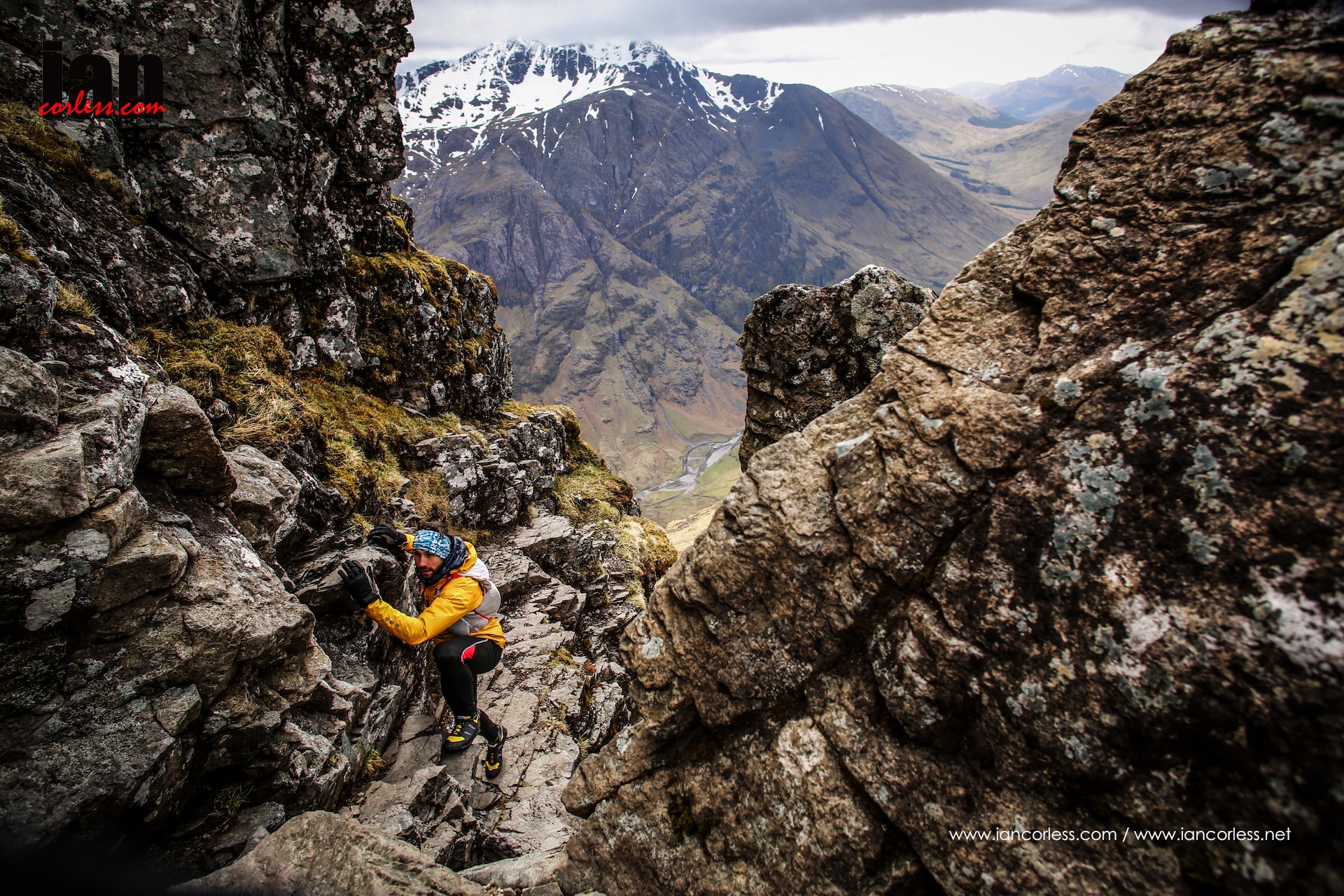
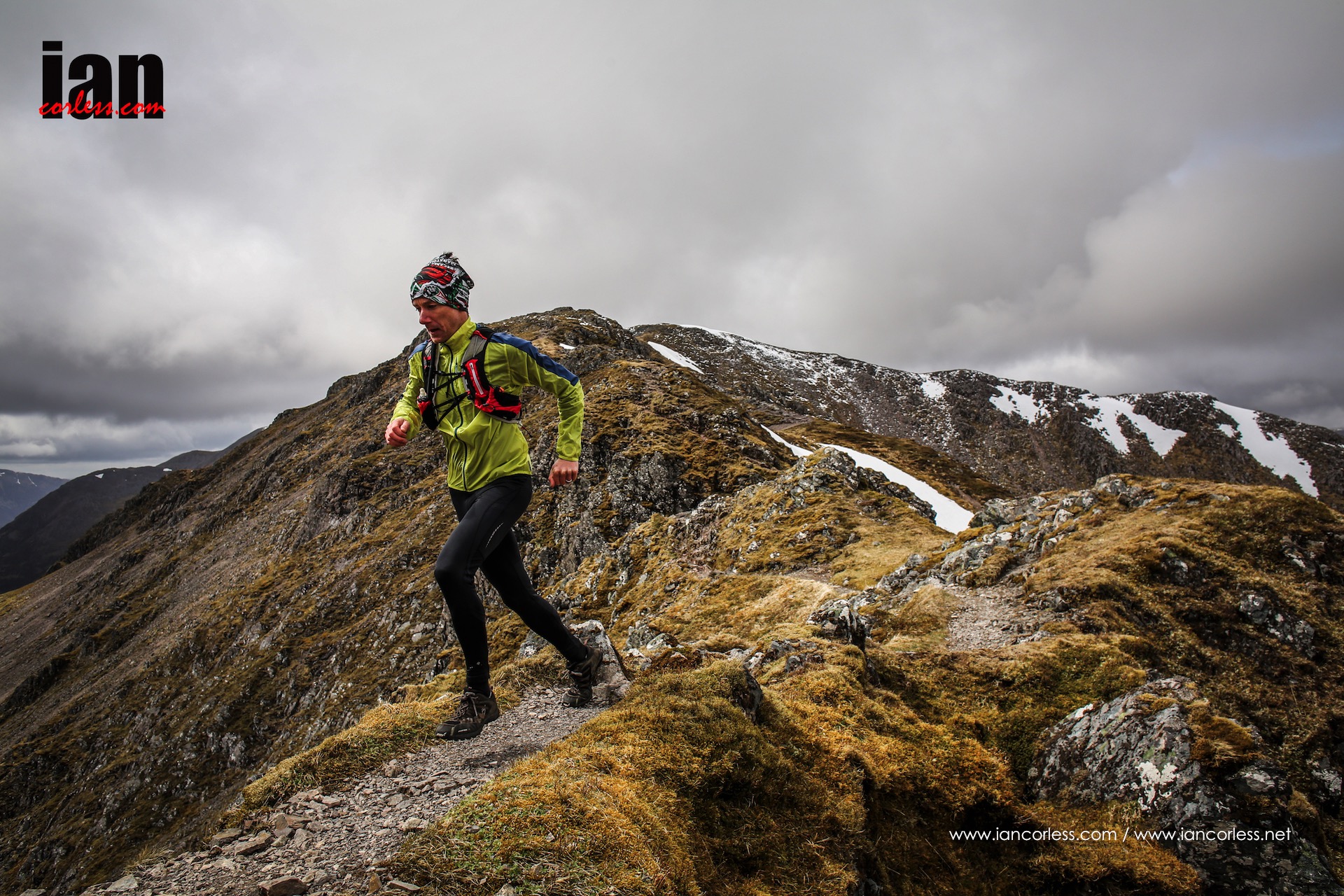
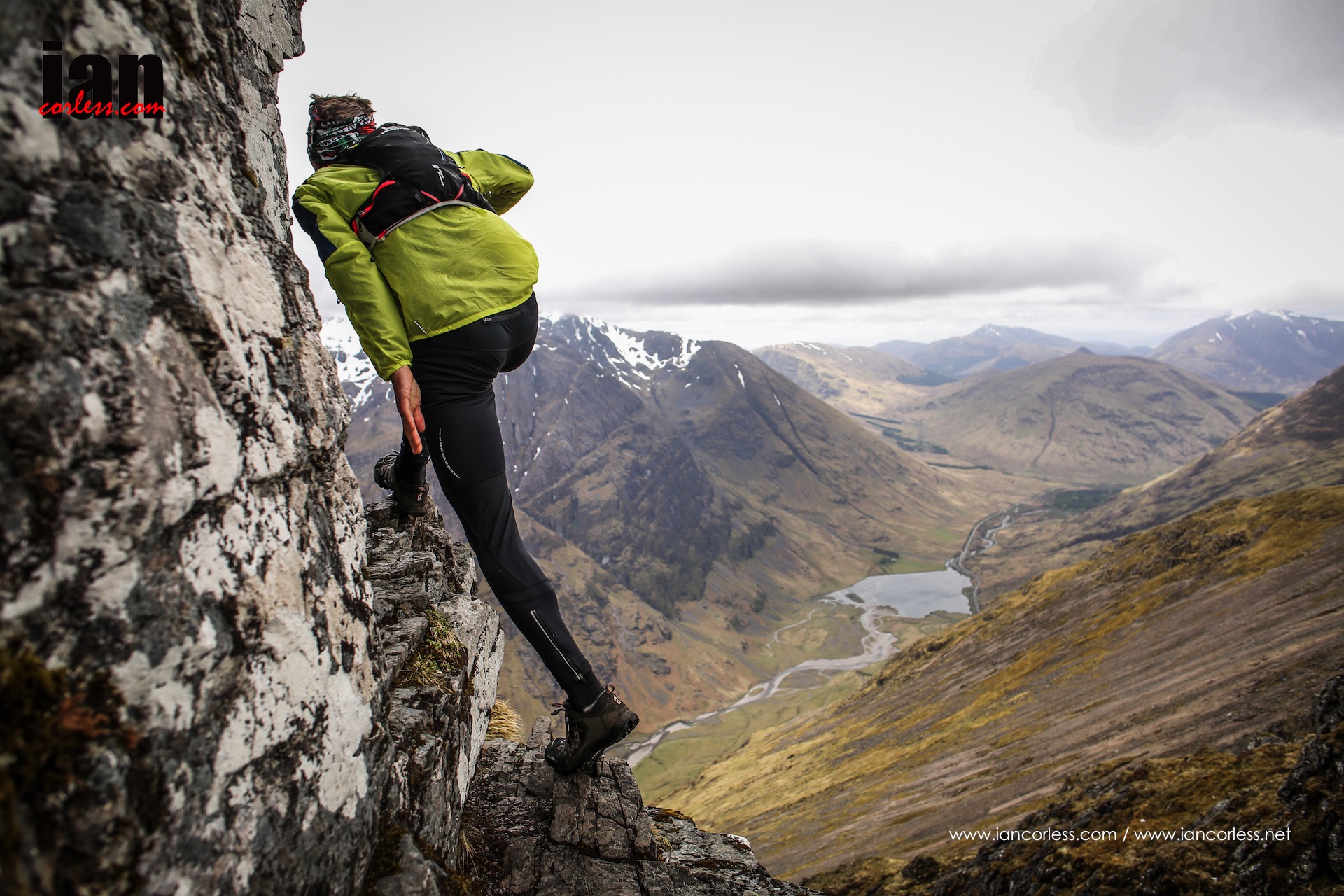
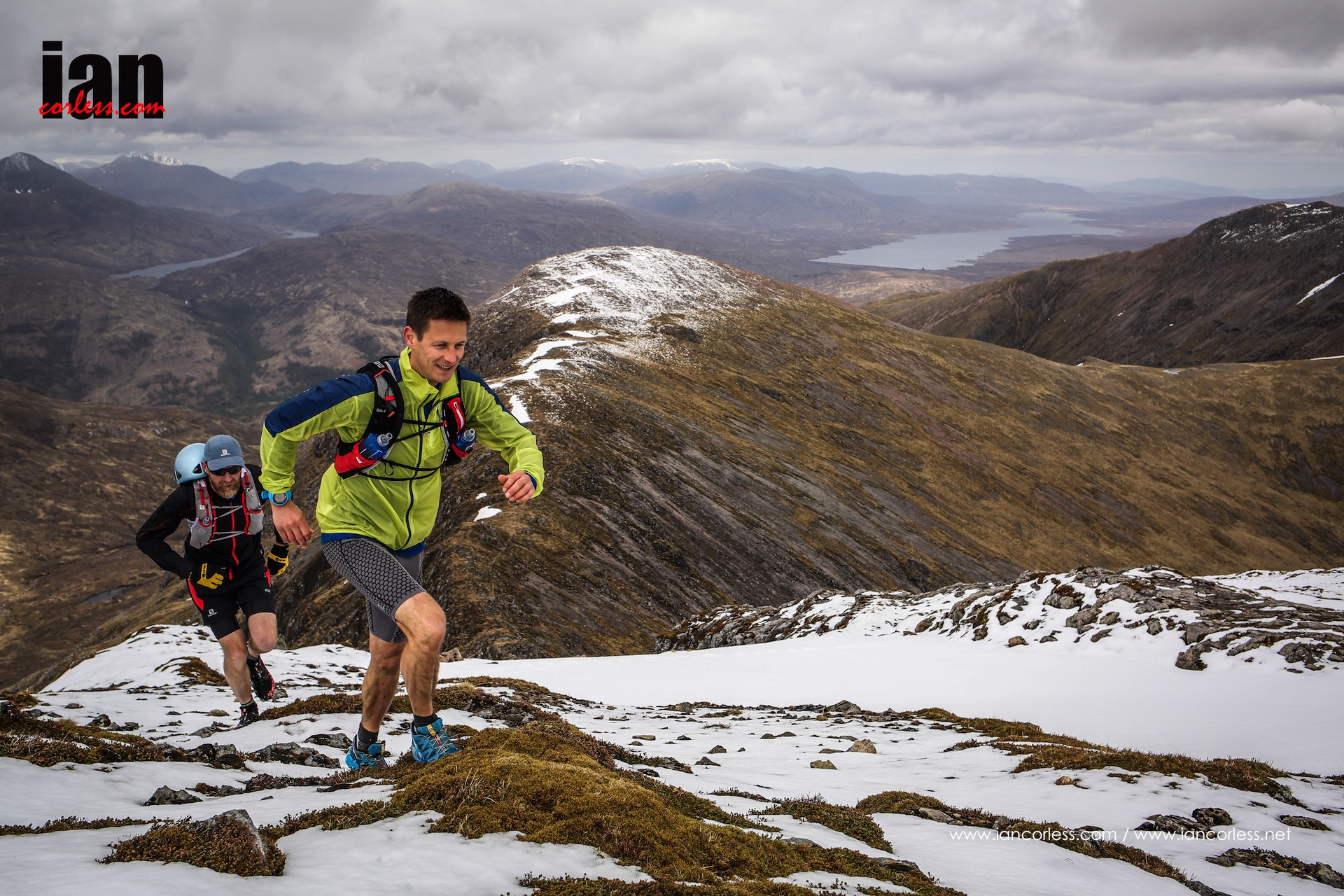
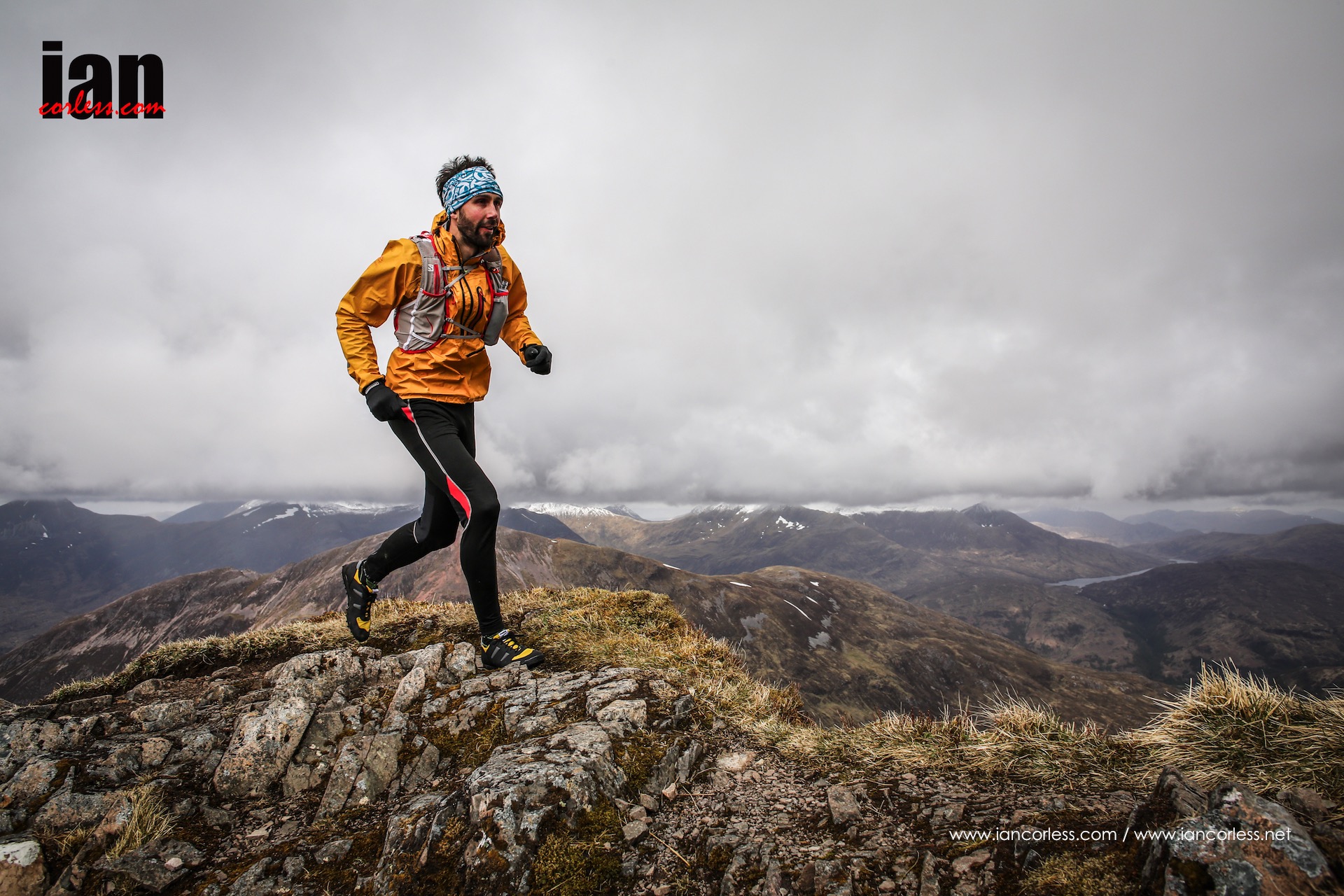
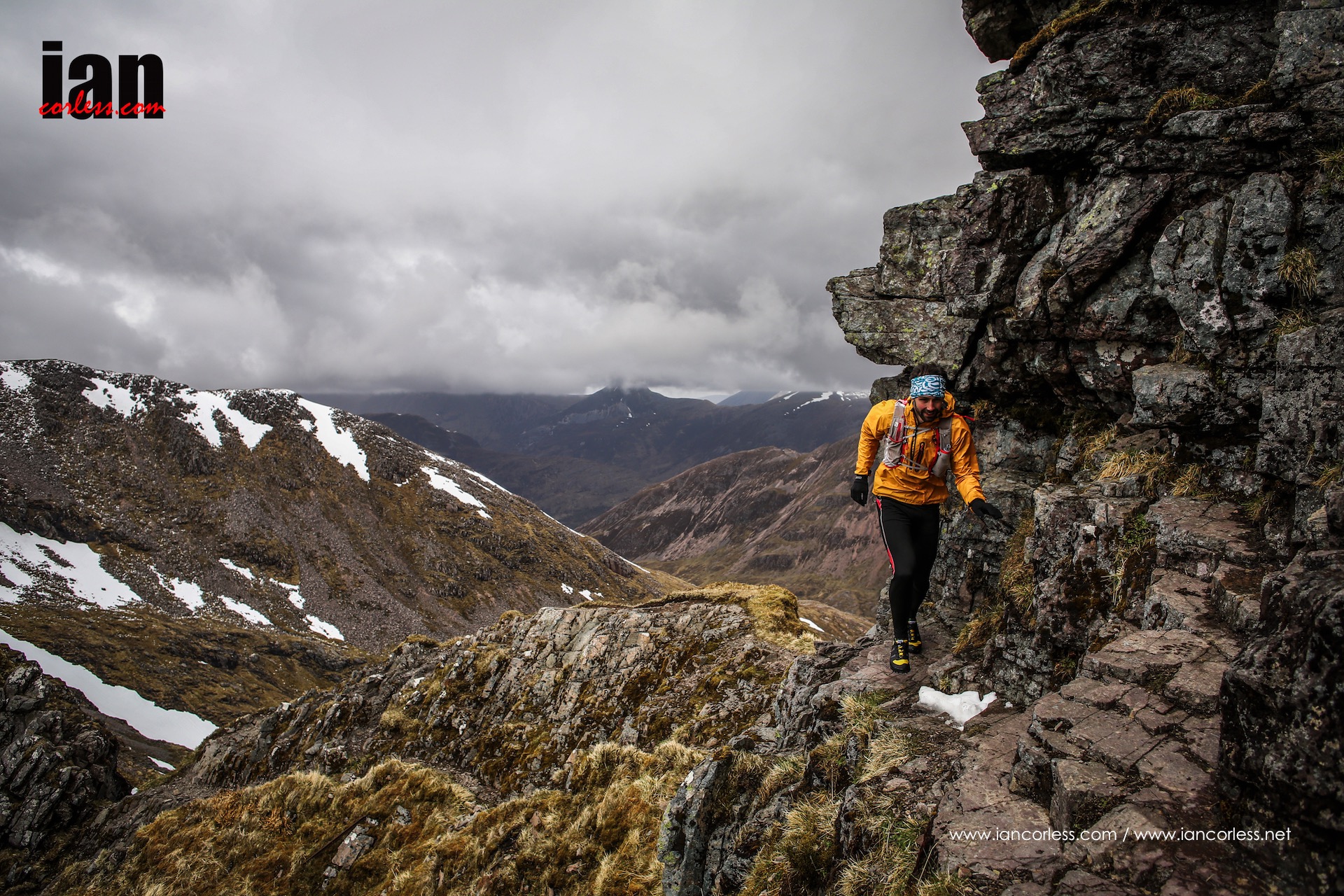
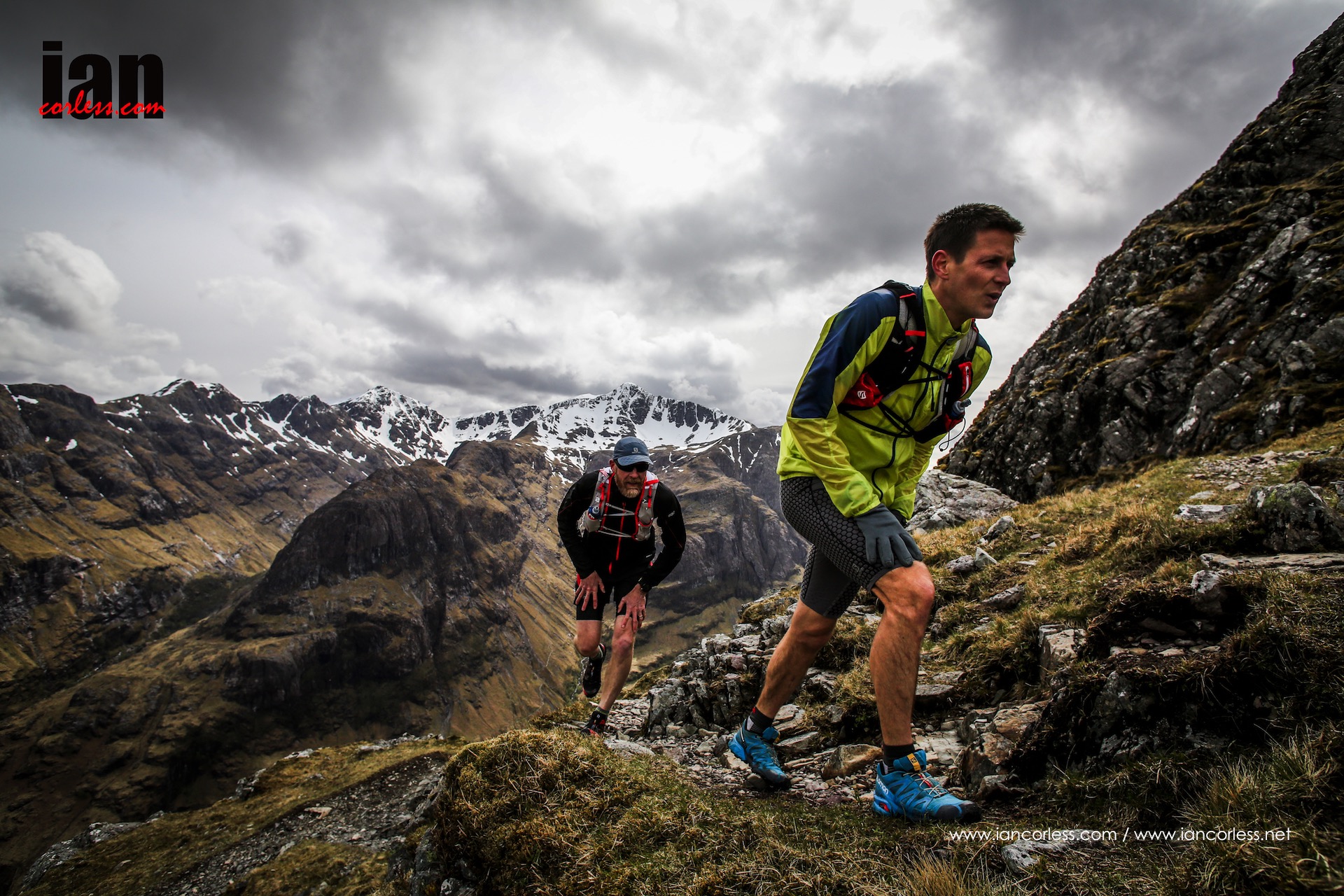
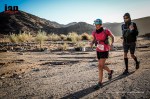
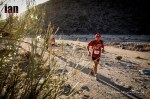
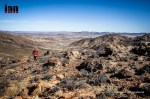
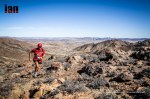
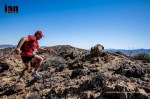
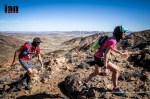
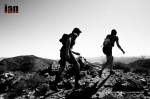
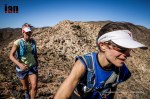
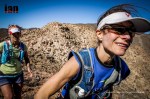
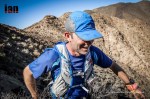
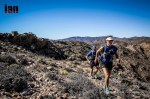
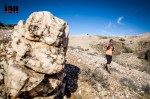
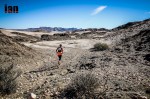
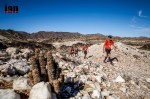
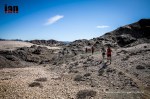
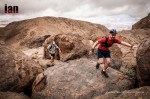
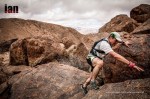
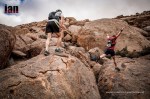
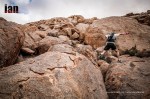
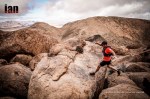
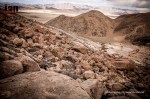
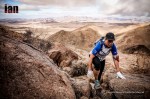
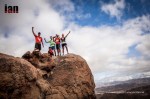
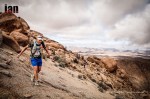
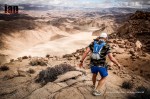
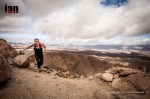
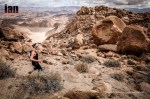
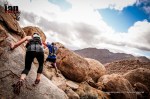
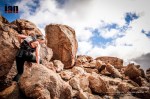
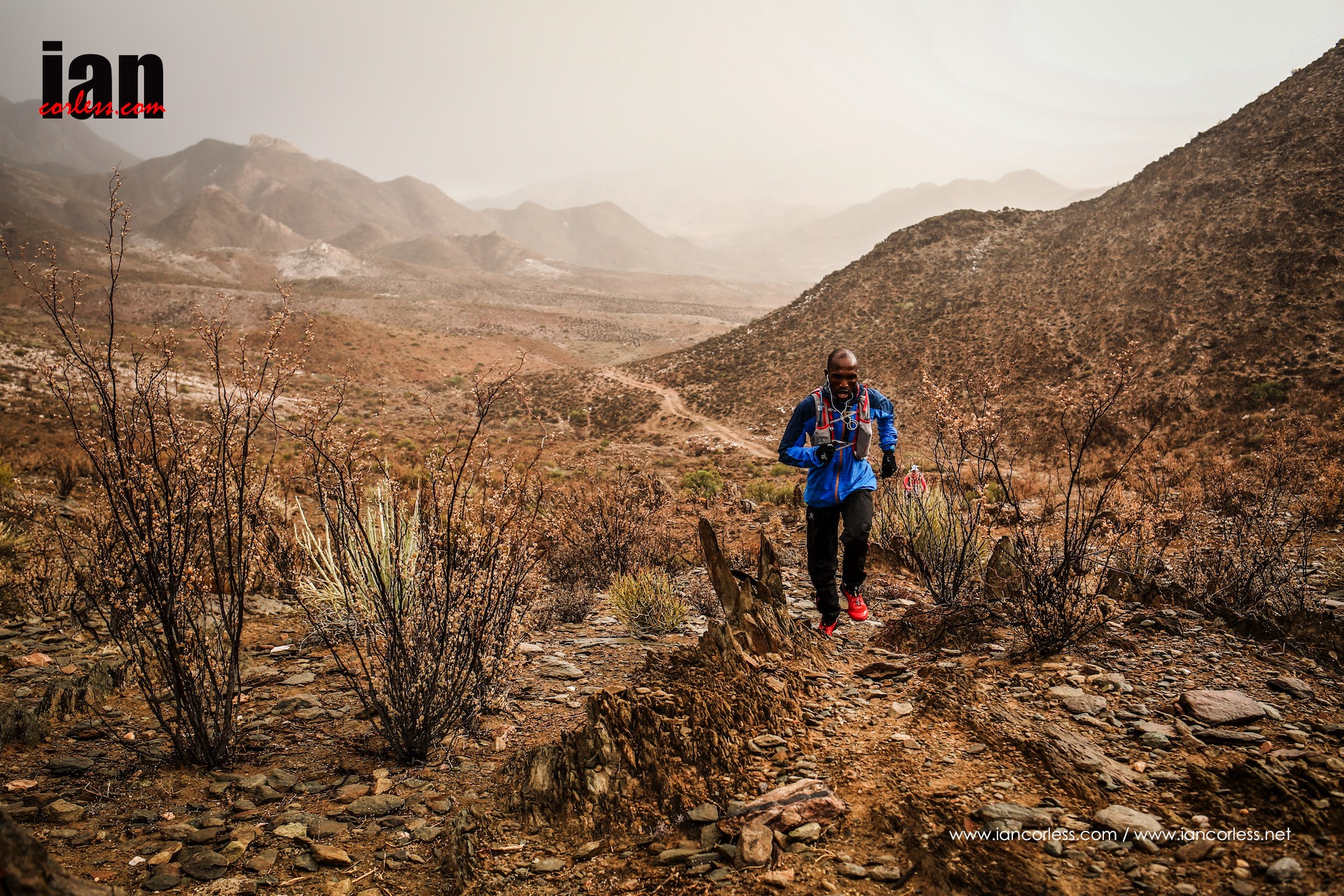
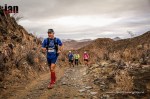
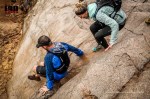
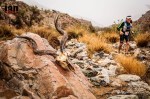
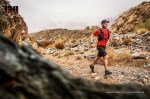
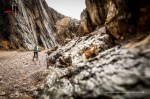
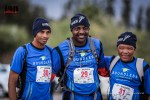
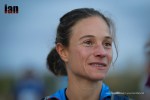
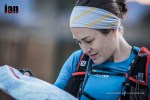
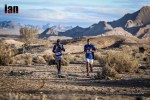
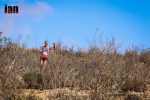
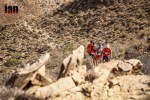
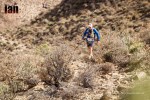
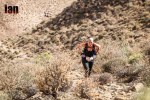
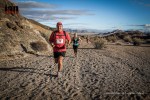
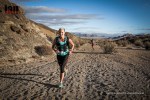
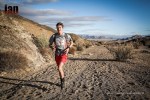
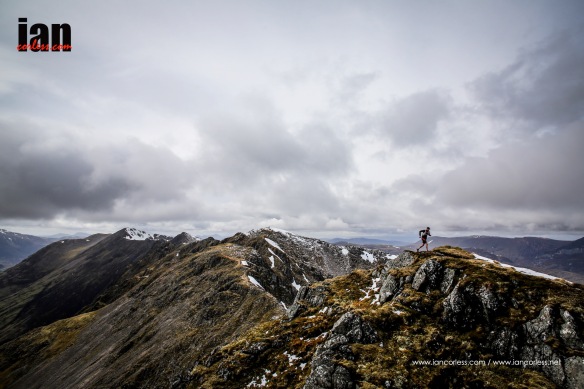
Es Tresidder and Finlay Wild, the two leading British ridge runners of their generation, have confirmed that they will race in August. In addition to this great news, the organisers of the Salomon Glen Coe Skyline™ race have confirmed that they will include the classic grade III scramble of Curved Ridge in the race route.

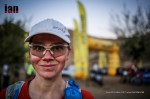
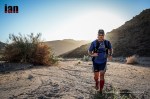
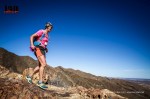
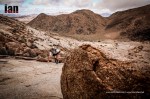
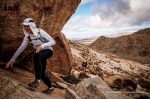
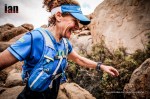
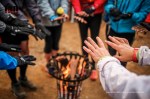
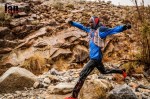
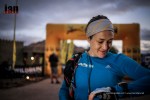
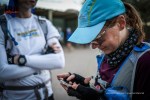
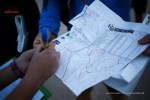
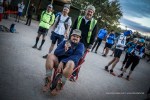
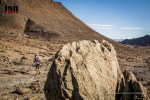
©iancorless.com_GlenCoeMay2015-6345

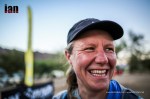
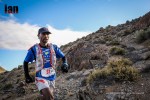
Es Tresidder, who holds the Snowdon horseshoe record (1:25:08 details HERE), said:

“I’ve always loved exploring that line between running and mountaineering and ever since running my first Skyrace, the legendary Sentiero delle Grigne in Italy, I’ve wondered about whether you could do something similar in the UK: very technical, fully marked so as not to offer too much advantage to locals, very long and very aesthetic. Until now this sort of ground has been the reserve of solo records such as those on the Cuillin ridge or Snowdon horseshoe, but it will be awesome to have a race over such technical terrain. I’m planning on making this race one of my main objectives for the summer.”


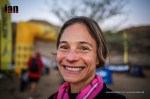
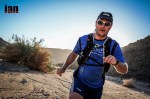
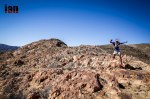
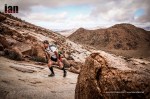
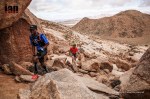
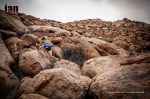
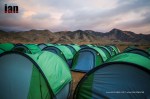
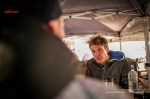
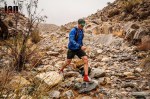
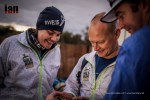
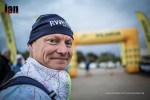
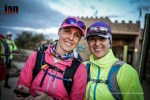
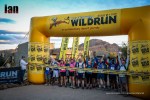
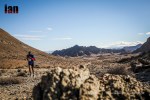
©iancorless.com_GlenCoeMay2015-6105

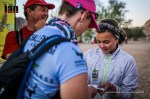
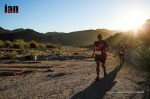
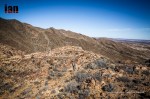
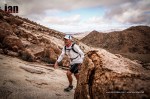
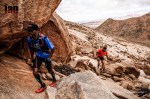
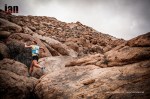
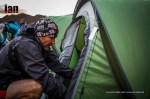
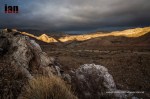
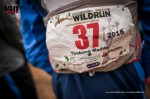
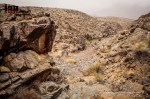
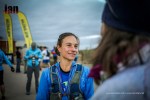
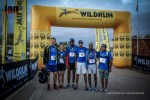
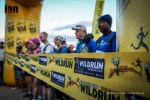
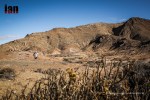
©iancorless.com_GlenCoeMay2015-5575

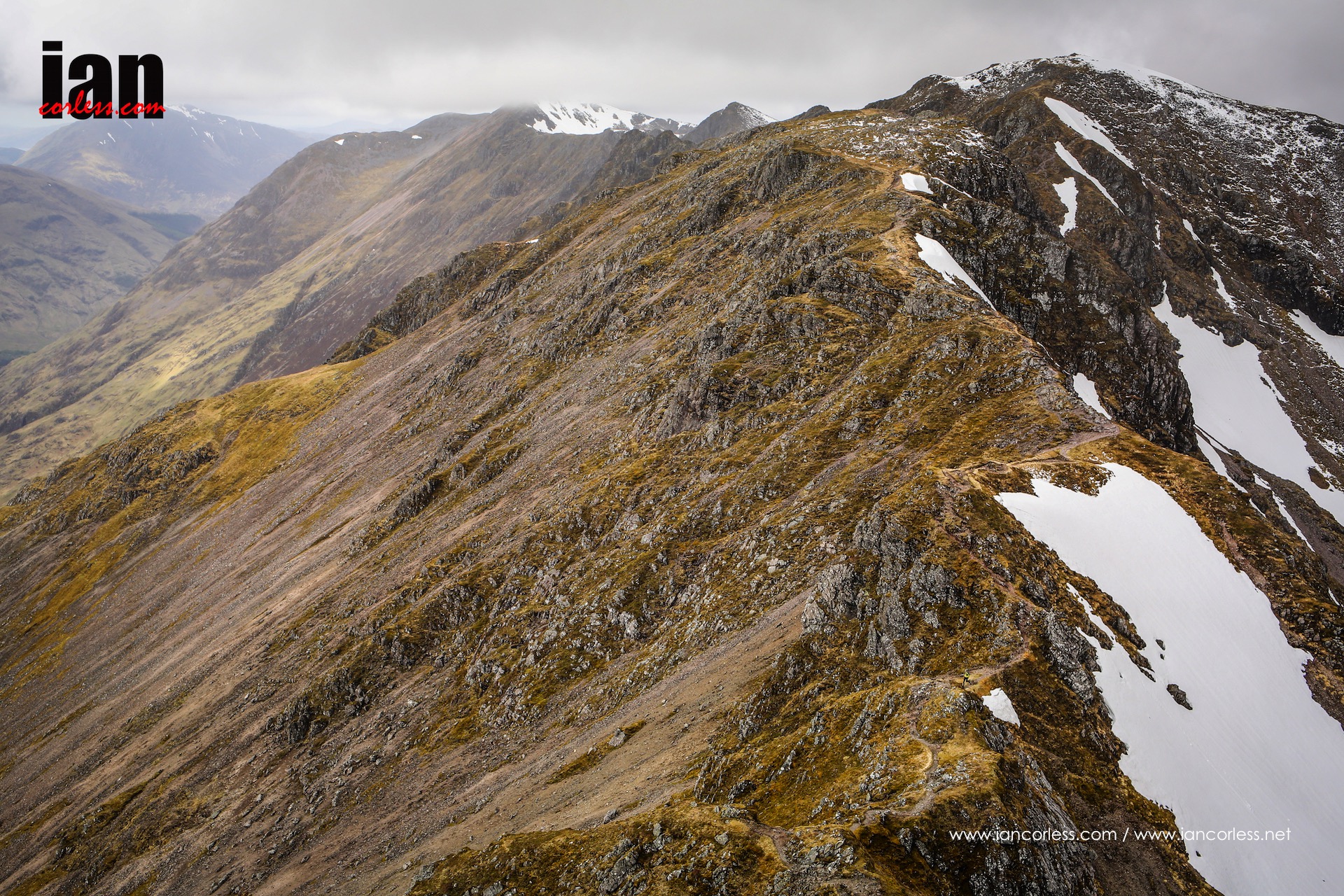
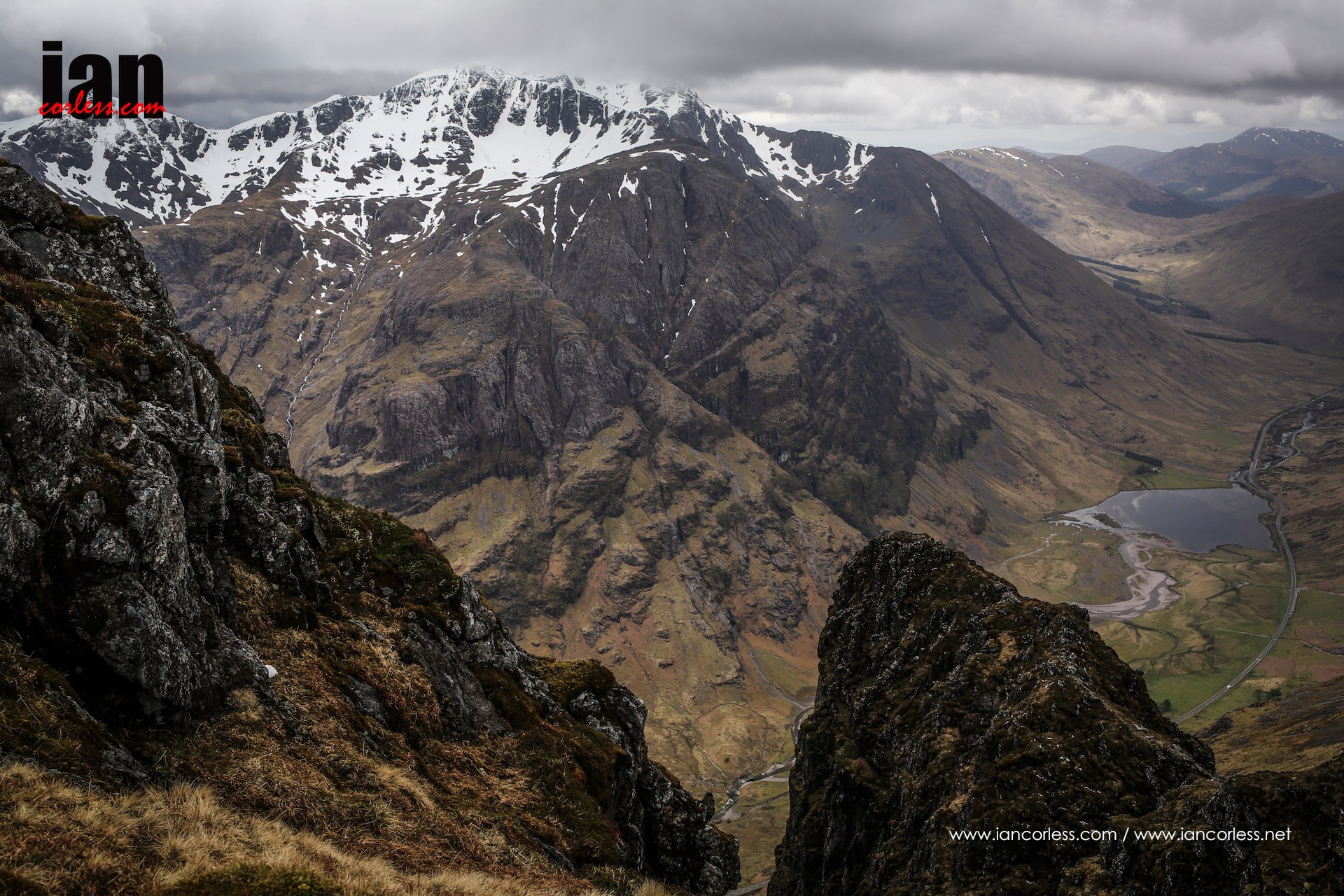
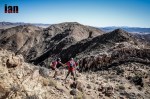
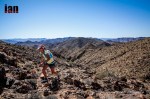
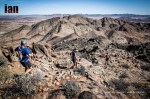
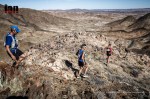
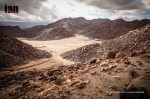
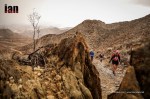
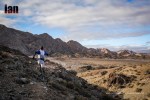
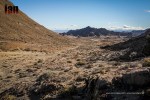
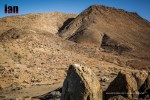
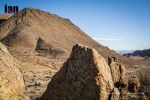
The confirmed route for the Salomon Glen Coe Skyline™ will now take in the two most popular and iconic mountaineering challenges in Glencoe with the inclusion of both Curved Ridge and the Aonach Eagach in a route that is 45.6km with over 4,000m of ascent.

©iancorless.com_GlenCoeMay2015-5443

Race Director, Shane Ohly explained his decision to include Curved Ridge.

“From the start we wanted to included Curved Ridge but were unable to confirm this 100% until completing a series of risk assessments on the route in different weather conditions and consulting with independent experts on our plans to manage the runners on the route. The winter snow stayed on the higher parts of the route longer than expected so we had to delay this announcement until the route and our management plans could be site assessed in snow free conditions. I am happy that we have now done this.”


“I am not creating another mass participation running event, rather, a world-class course for experienced and competent participants and the inclusion of Curved Ridge is in keeping with this. The Salomon Glen Coe Skyline™ is a fusion of mountain running and alpinism where competitors need to be skilled at both disciplines to negotiate the course.”

©iancorless.com_GlenCoeMay2015-5741

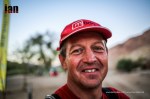
Finlay Wild, the Fort William based runner and Cuillin Ridge record holder (2:59:22 – details HERE), said:

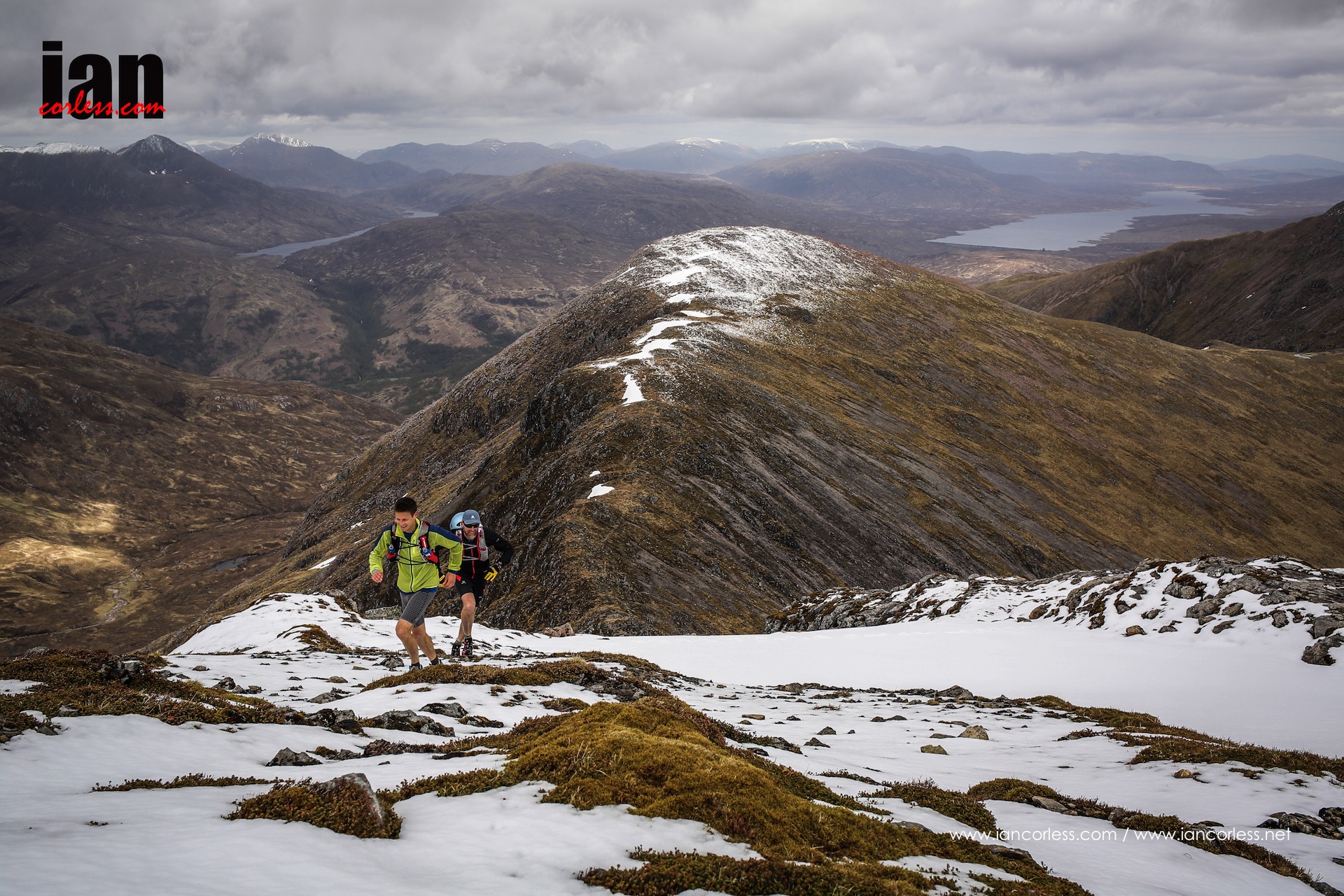
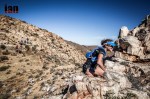
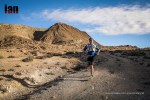
 “I’m really excited about this race. The European Skyraces look like a fantastic mix of technical running and scrambling, and Scotland certainly has loads of suitable terrain. Running the Salomon Glen Coe Skyline™ includes some of the best scrambling in Lochaber. The Aonach Eagach is one of the most famous ridges in Scotland and is well suited to running as the more technical sections are short-lived and relatively easy. Of course much of the route is hugely exposed and should attract only confident scramblers. It’s not going to be everyone’s cup of tea but for runners who relish moving fast on rough mountaineering ground this route is totally inspiring. Although not as rough as the Cuillin, there’s a huge amount of interesting technical terrain up there. In fact a large amount of the route is on narrow but very runnable ridges, with fantastic views to the rest of Glencoe and beyond. I love the feeling of being on top of the world that comes with running light and fast along narrow exposed ridges. For me, the biggest challenge will be the sheer length of the route.”

©iancorless.com_GlenCoeMay2015-5637

The Salomon Glen Coe Skyline™ will take place on Saturday 22nd August 2015 and will be part of the UK Sky Runner Series.

The race website is available HERE

Imagery all ©iancorless.com – all rights reserved

 Full Image Gallery available HERE

©iancorless.com_GlenCoeMay2015-6234

©iancorless.com_GlenCoeMay2015-6771

©iancorless.com_GlenCoeMay2015-5556

©iancorless.com_GlenCoeMay2015-5261

©iancorless.com_GlenCoeMay2015-4184

©iancorless.com_GlenCoeMay2015-5425

Damage Limitation by Marc Laithwaite

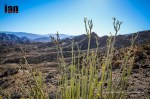
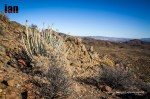
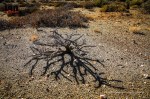
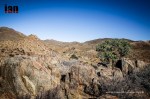
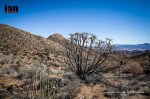
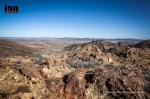
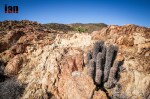
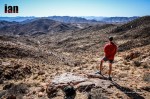
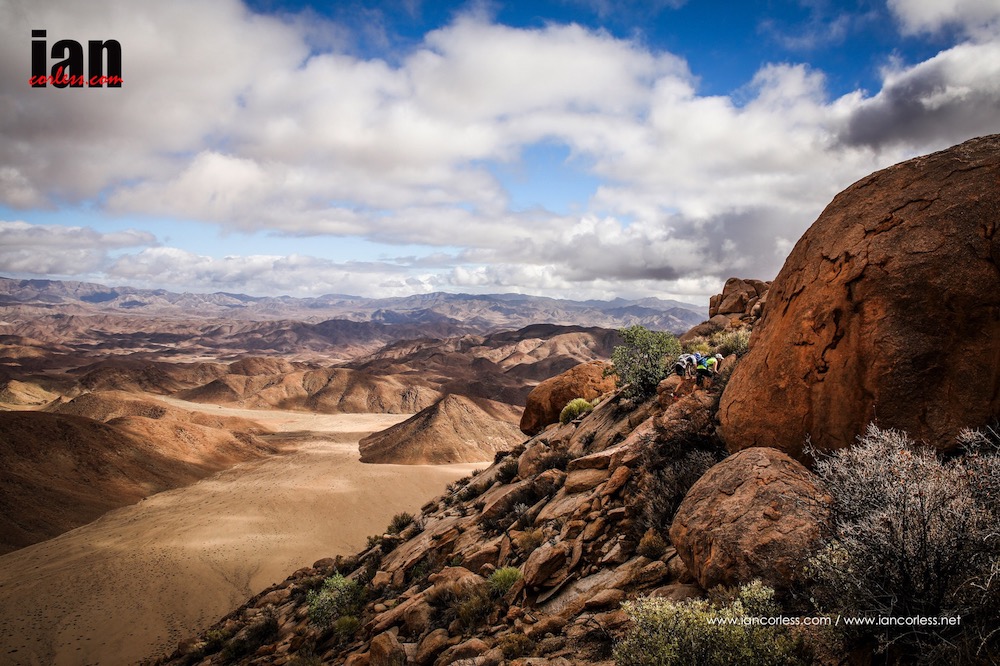
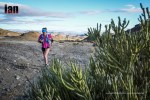
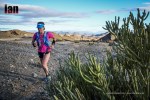
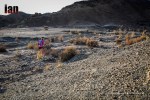
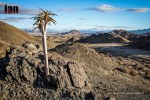
©iancorless.com_RichtersveldRaceDay22015-8568

The term D.O.M.S. is used frequently within the world of endurance, it represents the ‘Delayed Onset of Muscle Soreness’. The name refers to the fact that sometimes you don’t actually feel the effects of a training session or race until the following day when you step out of bed. Those who have ran a marathon will understand the sensation. You cross the line and undoubtedly you’re tired but there isn’t a great deal of physical pain. However, the next morning, or perhaps even the morning after that, your attempts to walk downstairs backwards provide the family with the highest level of entertainment they have ever experienced.

The same may be said of the inexperienced cyclist who decides to enter a 100 miles hilly cycle sportive, despite a poor training background. Aside from the embarrassment of being unable to sit down for a week, the morning after generally requires a family member to assist their descent to breakfast. So what’s happened? Has someone been repeatedly battering your tired legs throughout the night whilst you failed to wake from your exercise induced, coma like sleep? The answer lies with D.O.M.S. and the inflammation process.

The inflammation process

During a marathon running event the muscle tissue is damaged due to repeated stress and this triggers the inflammation process. The damage occurs ‘during’ the marathon but the inflammation process takes 24-48 hours to reach its peak, so the pain you feel the following morning was actually happening ‘real time’ during the second half of the race.

An important note to make here is that when people slow down in the final 6 miles of the marathon, we generally assume it is caused by low carbohydrate stores, often termed ‘hitting the wall’. However, there is likely to be a significant amount of muscle tissue damage by this stage in the race which will undoubtedly have an impact upon performance. Due to the D.O.M.S. effect, we rarely discuss the significance of tissue damage during the event. It’s important to recognise that the pain you experience 24-48 hours after the race is caused by damage which happened ‘real time’ in the second half of the marathon. That’s why you were getting slower!!

*Part of the inflammatory process involves fluid build up in the damaged area, due to this fluid build up you may weigh more 24-48 hours after the marathon that you did before, perhaps even 1-2kg extra in weight! Don’t worry.. it’s just water and it will pass.

How do I know if I’ve got tissue damage as opposed to simply having tight muscles?

  1. It’ll be very ‘tender, warm and swollen’ and if someone squeezes your leg you’ll instinctively want to punch them (NB: they never see the funny side of your response).
  2. When you stretch, it makes no difference to the tenderness, the pain still exists (it’s not tight, its damaged) and its probably better if you actually don’t stretch!

*Myth explosion – the pain and tenderness the day after the event has absolutely nothing to do with lactic acid in the muscles. It’s an old wife’s tail and I’m not even open to discussion on the matter.

How does damage affect performance?

You don’t have to be a rocket scientist to understand that a damaged muscle will not work as effectively as a healthy muscle. However, aside from the actual physical damage directly affecting performance, it’s possible that the inflammation process is acting on a much higher plane and going straight to the governor.

The central governor

There are various theories regarding ‘why we slow down’ and one of the most prominent in recent years has been the ‘central governor’. This theory suggests that fatigue is controlled by the brain (which can effectively switch off nerve signals to muscles) rather than fatigue being controlled by ‘peripheral factors’ such as the ‘actual muscle damage’.

Okay, here is a simple example:

  1. The muscles is damaged and therefore doesn’t work well, as a result you slow down. That is ‘peripheral control’, the muscle is damaged and the muscle doesn’t work, at no point is the brain involved.
  2. The muscle is damaged and somehow the brain’s monitoring system detects this. As a result the brain blocks nerve signals to the muscle so it can’t function fully and you are forced to slow down, that’s central governor control.

Why are we talking about central governor and gone off track from inflammation?

Yep, I was hoping you’d ask that. When we damage a muscle we kick start the ‘inflammatory process’ which is a chain of events involving a series of chemicals, each having a different purpose and action. One of the most widely researched in a chemical known as Interleukin-6 (IL-6) which is released into the blood stream during early stages of muscle damage and inflammation. Research suggests that IL-6 is detected by the brain and as a consequence, the brain then acts to slow you down in some way. In an old study (completed by Tim Noakes 2004) runners completed 2 separate 10k runs a week apart. They were healthy during both but prior to the second run they were injected with IL-6 and ran almost a minute slower.

Just stop and think about this for one second

Look at the 2 examples given at the top of this page for ‘peripheral control’ and ‘central control’. These 10k runners did not have muscle damage prior to either 10k, they were healthy, fuelled and ready to go until injected with IL-6. Their slower time cannot be explained by muscle damage, low fuel or any other form of peripheral control. The only possible explanation is the circulating chemicals. The chemical IL-6 has even been suggested as a possible cause for the lethargy associated with ‘chronic fatigue’ or ‘chronic overtraining’. We know that all general illnesses and all forms of stress kick start the inflammation process and that in turn creates IL-6.

How does energy and nutrition relate to tissue damage?

VERY IMPORTANT: In previous blogs we have talked a great deal about carbohydrate and fat use during exercise and how to refuel. There is a presumption that if you refuel correctly and use fat as a fuel source, you will be successful in endurance events. As a consequence, when people fail to hit their target times, the first thing they turn to as an excuse is ‘failing to get the nutrition correct’. We treat nutrition as some kind of magic wand and if it’s done correctly, you can cycle and run forever, but the reality is very different. It doesn’t matter how much fuel you pour into a broken car, it isn’t going to drive anywhere fast. Without the conditioning which comes from running long miles on hard surfaces, even the most fuel efficient athletes will break down due to tissue damage. CONSIDER THIS: The energy used when cycling and running at a steady pace are not significantly different (slightly higher for running). However, many people who can cycle for 6 hours with little issue, will find themselves in pretty bad shape after as little as 2 hours of running. So ask yourself this question, is it fuel intake or is it damage causing the issue?

What causes the damage?

  1. Damage will be far greater if you’re not conditioned to the distance and terrain. In simple terms you need to spend time on your feet and do the longer sessions.
  2. Harder surfaces are more likely to cause damage, although this isn’t always strictly true as runners do become accustomed to the surface they train on.
  3. Running down hill is the real killer as the muscles contract eccentrically, braking your speed, thereby causing much greater damage.
  4. This isn’t limited just to running. Cycling for several hours and repeatedly performing the same pedal action will lead to muscle tissue stress and damage.

How can you avoid the damage?

  1. As above, you need to complete longer sessions, including downhill running if relevant.
  2. It’s possible that damage may be reduced, by using compression clothing. Research is very poor but ‘subjective’ feedback suggests that it certainly helps.
  3. Your weight will have an impact upon damage, if you have a few KGs to lose, it will help!
  4. Whilst this is a subjective / commercial / controversial addition to the list, specific shoes such as HOKA which are specifically designed to reduce impact can reduce damage and associated DOMS.

What should I do if I have tissue damage?

  1. Rest and let your legs recover for a few days.
  2. Avoid very deep post event massage or stretching, sticking fingers into or stretching damaged tissue is never a good idea, wait a few days at least.
  3. After a few days do some light exercise such as cycling to encourage blood flow to the area and assist the repair process.

If you found this article useful, it would help us a great deal if you share on Facebook, Twitter and social media.

Until then, limit the damage…

About Marc:

Sports Science lecturer for 10 years at St Helens HE College.

2004 established The Endurance Coach LTD sports science and coaching business. Worked with British Cycling as physiology support 2008-2008. Previous Triathlon England Regional Academy Head Coach, North West.

In 2006 established Epic Events Management LTD. Now one of the largest event companies in the NW, organising a range of triathlon, swimming and cycling events. EPIC EVENTS also encompasses Montane Trail 26 and Petzl Night Runner events.

In 2010 established Montane Lakeland 50 & 100 LTD. This has now become the UKs leading ultra distance trail running event.

In 2010 established The Endurance Store triathlon, trail running and open water swimming store. Based in Appley Bridge, Wigan, we are the North West’s community store, organising and supporting local athletes and local events.

Check out the endurance store HERE

Endurance Store Logo

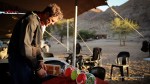
Richtersveld Wildrun 2015 Day 4

©iancorless.com_RichtersveldRaceDay42015-1791


The final day of the 2015 Richtersveld Wildrun concluded today with a course record day for Thabang Madiba and Katya Soggot.

It was a tough final day with technical trail, tough climbs, technical descents and amazing views.

James Cracknell was a no start to day 4, his swollen ankle far too painful to run on. James had handled the previous days mountains in his stride but the flatter 10km of the course was just too much. Reduced to a walk he contemplated undertaking the final day but during the night the pain continued and ultimately he made the correct call. At 38.3km it was a challenging last day that started with a long and steady climb over the first 17.5km to Akkedis Pass and then the fun started. Technical trail, ridge running, single track, slip sliding descents and incredible crystal fields would lead the runners once again to the Orange River and the finish in Sendlingsdrif. For many, it was a day of running together, overall classifications wouldn’t change and in the spirit of running for fun, the whole field embraced the last day and enjoyed it. However, one person decided that a course record was possible.

Thabang arrived at the technical ridges at Halfmens Ridge running like a man possessed, shifting from left foot to right foot he made the terrain look easy. He was on a mission and he did it. A final day course record confirmed his incredible skill and ability on this tough, challenging and incredibly beautiful course. Katya Soggot was once again crowned ladies champ and Nikki Kimball secured 2nd place ahead of Karoline Hanks.

Results Overall

Thabang Madiba 13:55:38

Dayle Wheeler 15:16:24

Filippo Faralla 16:46:25


Katya Soggot 15:26:57 (3rd overall)

Nikki Kimball 16:31:20 (4th Overall)

Karoline Hanks 16:46:19 (5th overall)


Full results HERE

Men:

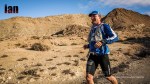
Richtersveld Wildrun 2015 Day 3

©iancorless.com_RichtersveldRaceDay32015-0413

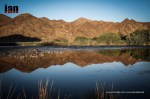
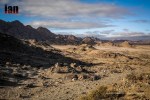
Today the Wildrun lived up to expectations and really did become a wild run! The weather cleared, the winds dropped and the rain disappeared and we were all treated to a very special South African day.

Today’s course was special!

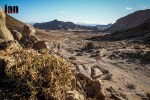
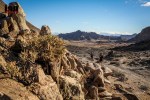
Notably, the Tatasberg Mountain is one of the most impressive sections of ‘trail’ I have ever witnessed. I use the term trail very loosely as it was a combination of scrambling and boulder hopping, not only on the way up but down. It was an intimidating section for some. A fear of heights not recommended. However, in pain, fear or discomfort on the climb was rewarded with incredible views. It was stunning!

Racing started at 0800 with separate waves; 0800, 0830, 0900 and 0930; slower runners starting first and faster runners in the last wave as per the previous day. Early running was relatively easy but the views were stunning. Particularly as early morning cloud cleared.

By the time the runners reached the climb of Tatasberg at approximately 16km, Thabang and all the usual suspects had pretty much caught all the early starters with the exception of 3 people.

Thabang made the boulders look easy as he hopped from one to the next. The other runners used a little more caution and a natural gap opened. Katya Soggot and Dayle Wheeler closely followed James Cracknell as he pursued Thabang, occasionally helping each across the larger boulders. Nikki Kimball trailed a little but only by minutes. At the summit the boulders started to clear providing the occasional opportunity to run.

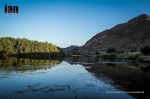
The bottom of the climb opened up to a wide plateau and then a clear zigzag trail lead to the lush Orange River and across the water, Namibia. Lush green vegetation populated the left and right banks. It was a stunning contrast to what had come before. Running along the river banks, the sound of flowing water, birds and the occasional baboon made this day, arguably the best one yet.

Camp was located next to the river and of course, a braai was prepared for the arriving runners. Thabang Madiba arrived first (once again) closely followed by Katya Soggot, Dayle Wheeler, Karoline Hanks, Nikki Kimball and Filippo Faralla. But today really wasn’t about the racing, it was the course that was the hero. It was the Richtersveld National Park that had completely blown the minds of every runner and every runner on the Richtersveld Wildrun race.

James Cracknell had a tough day, his groin strain and twisted ankle from the previous day reducing him to a frustrating walk. He is currently unsure if day 3 is possible for him. He’s a stubborn and committed competitor and after travelling all this way, once has to think that he will fight his way through the last day even if it is slowly!


Results 

Thabang Madiba 3:24:03

Dayle Wheeler 3:32:31

Katya Soggot (1st lady) 3:32:31

Nikki Kimball (2nd lady) 3:49:10

Filippo Faralla (3rd man) 4:04:10

Karoline Hanks 4:04:10


Nikki Kimball has now moved up into 2nd overall, 10 minutes ahead of Karolin Hanks.


Men:

Thabang Madiba 3:24:03

Dayle Wheeler 3:32:31

Filippo Faralla 4:04:10


Ladies:

Katya Soggot 3:32:31

Nikki Kimball 3:49:10

Karoline Hanks 4:04:10


Richtersveld Widrun 2015 Day 2

©iancorless.com_RichtersveldRaceDay22015-8875

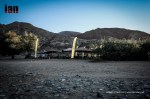
What a night! The wind blew, gusted and lifted tents off the ground. We were told yesterday that the last time it rained in the Richtersveld was August 2014. Well believe me, when the weather changes; it really changes!

The excitement continued into the morning and although the rain subsided (for a little while), the wind was going to be with the runners all day. Starting in three separate groups, 0800, 0830 and 0900 the field were split based on finish times from day 1; slower runners starting first at 0800 and faster runners starting last at 0900.

James Cracknell, the 2-time Olympic Gold Medallist for rowing finally joined the race after an epic journey of 48 hours. He departed Poland at 1900 on Sunday after commentating at the Rowing European Championships. He flew back to the UK, then flew to Joburg and followed with a connecting flight to Upington. The journey was finished off with 10 hours in the car to the race day 2 start line.

James arrive at 0800 in camp just giving him 60 minutes to sort out his equipment and get his head ready for a day on South African trails.

As expected, Thabang Madiba showed everyone a clean pair of heels as he slowly pulled away from Katya Soggot, Dayle Wheeler, Nikki Kimball and James Cracknell. Conditions were tough throughout the day and the beautiful Richtersveld landscape was shrouded by mist and permanent rain that varied in intensity.

Climbing and descending to Cp1 the runners once again climbed up and over the pass at  Tswayiberg before then dropping down into the technical riverbed that would lead to the finish.

Thabang at this stage was already leading by over 10 minutes, behind Katya Soggot, Nikki Kimball and Dayle Wheeler pursued with James Cracknell not far behind. James was certainly struggling on the slick wet rocks as he slid from left foot to right with the occasional shout of ****ing hell! A groin strain picked up at London Marathon adding to his frustrations.

At the line, Thabang Madiba completed the 36km stage in 3:14:03 with Soggot, Wheeler and Kimball crossing the line together in 3:33:35. Cracknell held on fighting some severe discomfort to finish in 3:41:56.

Georgina Ayre who had run well on day 1 frustratingly repeated Nikki Kimball’s error and made a navigational mistake by taking the wrong riverbed. This mistake was costly, as she finished the day 1 hour behind Soggot and Kimball. Karoline Hanks was 3rd lady on the day in 4:03:23.

As the day came to a close, a break in the weather came and with it the sun, a welcome return! Everyone has fingers crossed for a warm and sunny day 3 at the Richtersveld Wildrun.

Results Overall

Thabang Madiba 6:45:35

Dayle Wheeler 7:14:49

Katya Soggot (1st lady) 7:25:22

Karoline Hanks (2nd lady) 8:13:05

Nikki Kimball (3rd lady) 8:13:06

Filippo Faralla (3rd man) 8:13:10

Richtersveld Wildrun 2015 Day 1

©iancorless.com_RichtersveldRaceDay12015-7975

Day 1 0f the Richtersveld Wildrun got underway today on the stroke of 8am. It was a day of blue skies, white fluffy clouds and BIG landscapes as runners travelled from Sendelingsdrift to Dekoi covering 35.1km.

Pre race favourite Thabang Madiba ran a sold first day after initial worries about using a GPS for navigation. However, after a Navigation 101 master-class, he settled early and after Cp1 was heard saying, ‘The GPS is working great!’ Not having to worry about navigation allowed Thabang (from Pretoria) was allowed to run free and at the end of the day he had pulled away from 2nd place Dayle Wheeler by 10 minutes. Filippio Faralla finished 3rd man but was 5th on the stage.

Nikki Kimball for the ladies played a savvy waiting game in the early stages by running in 3rd place. She was actually 5 minutes behind Katya Soggot (Cape town) at Cp1. But at the end of the ‘Five Sisters” (5 consecutive mountains) she had taken the lead and was looking strong. A navigational error unfortunately ruined all the hard work… by the time Nikki realised her mistake, the damage was done and she needed to back track. “What can I say, I made a mistake! I switched off a little as I was running on a very defined path and when I eventually realised I was off course, I knew the damage was done,’ said Nikki post race.

Katya Soggot took over the lead but didn’t realise her position until she received information from the next control. From here on in it was a formality, Katya just needed to run a consistent effort and the day would be hers. Karoline Hanks who had run in 2nd for most of the day consolidated her position and Georgina Ayre finished 3rd.

Nikki unfortunately finished 4th 20 minutes behind the ladies leader. It was an expensive mistake

As day 1 came to a close, the winds started to increase and with it rain! To put this in perspective, the last time it rained in the Richtersveld was August 2014. With day 1 over, runners may well be in for a cooler and possible wet night. Conditions are expected to continue into the morning with hopefully dry conditions arriving at 11am.

British Olympic rower, James Cracknell unfortunately missed day 1 due to an extension by the BBC for him to continue commentary at the rowing championships in Poland. However, he is expected to arrive late in to camp on Tuesday and will start day 2 on Wednesday. Of course he will not be able to contend overall classification but our plans are for him to do day 1 at the end alone.

Results 

Thabang Madiba 3:31:33

Dayle Wheeler 3:41:15

Filippio Faralla 4:09:47


Katya Soggot 3:51:48

Karoline Hanks 4:09:42

Georgina Ayre 4:15:33

Please note, we have been trying to upload images but the storms are taking out our wifi connections making the process extremely difficult.

Here is a selection – more images to follow

inov-8 TERRACLAW 220 and TERRACLAW 250 First Impressions

©iancorless.com_Inov8Terraclaw-7124

inov-8 love bringing out new shoes. Not all of them are perfect. I think we can forgive them for that. It’s good to experiment and you can have shoes in a test scenario as much as you like but it’s only when people start paying for them do you really get the true feedback.

I am lucky, I have been fortunate to test many of inov-8’s new shoes. So receiving the latest invention (a shoe that I actually had a first look at in October 2014 at Limone Extreme) the TERRACLAW I was really interested to see what the brand had done with this shoe and what it offered.

©iancorless.com_Inov8Terraclaw-7086

I have the TERRACLAW 220 and the TERRACLAW 250. This is a first impressions article, so don’t expect any great detail on what they are like to run in, that will come later.

©iancorless.com_Inov8Terraclaw-7047

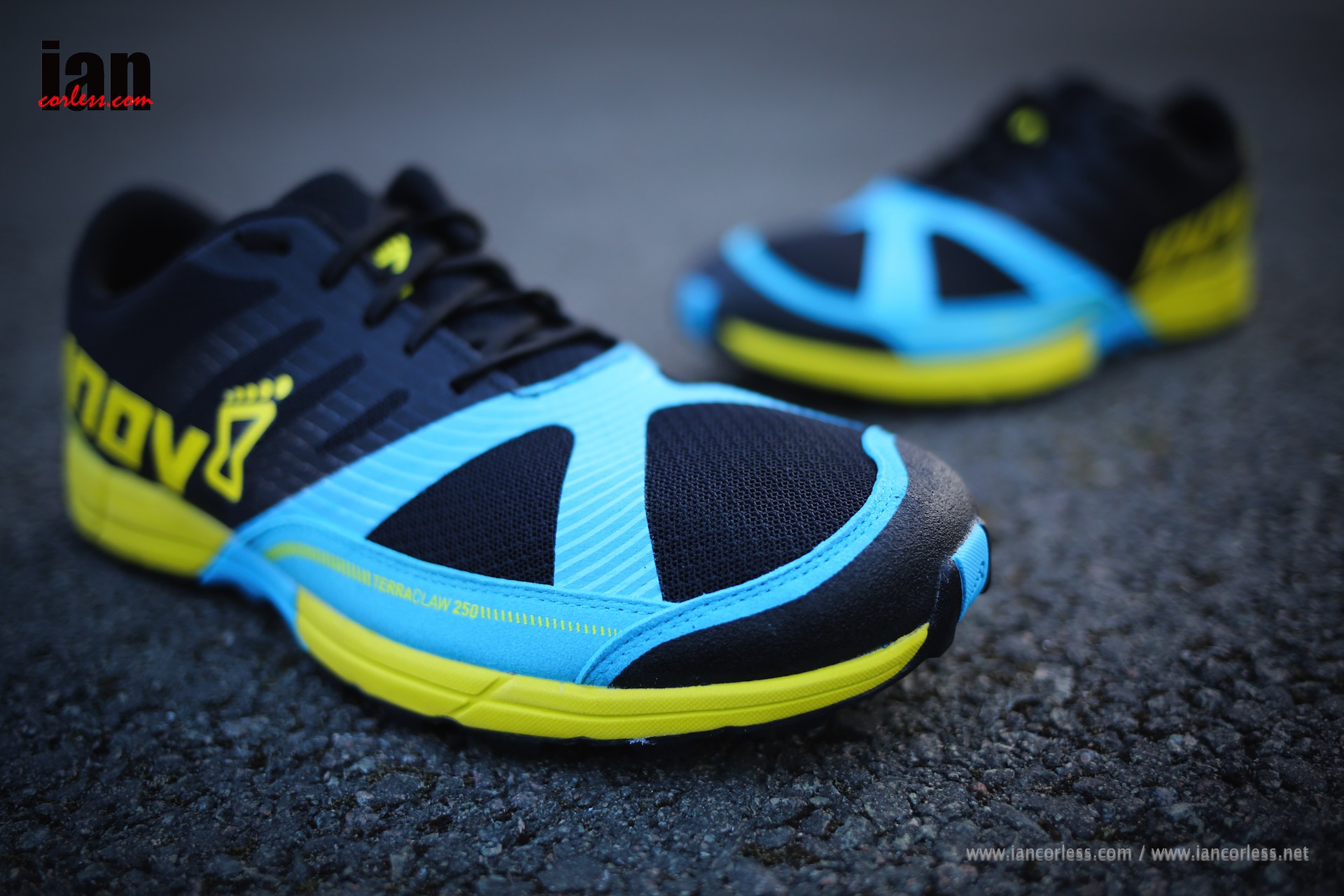
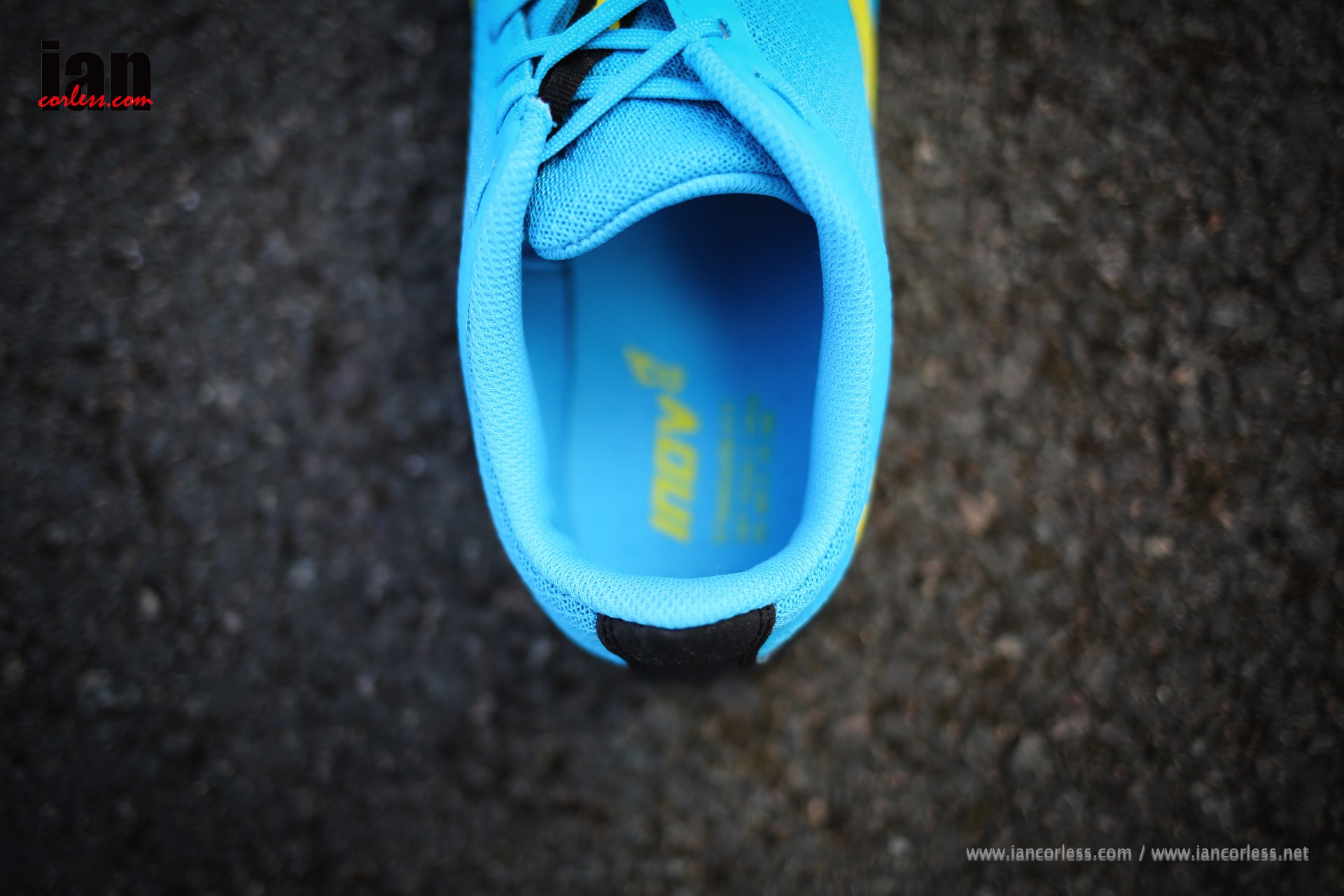
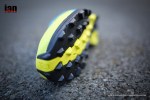
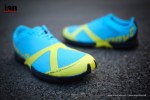
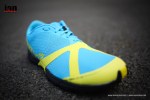
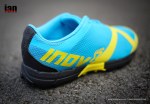
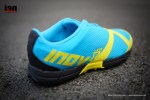
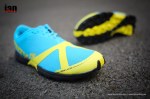
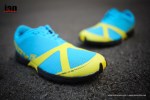
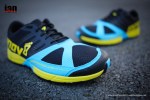
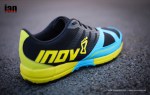
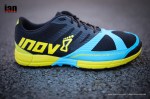
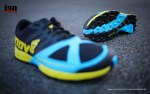
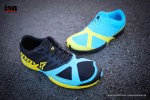
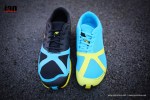
The TERRACLAW 220 is a UK7 so this shoe will be tested by my partner, Niandi. The TERRACLAW 250 is a UK9.5. For simplicity, the blue shoe is the 220 and the black shoe is the 250. They are ‘Standard Fit’ which offers a wide toe box. This allows the toes to splay when running naturally. It also is perfect if you have a wider foot or maybe when running long and you expect your feet to expand. I am usually a UK9.5 in inov-8 but I would be interested to try a size 9. I can definitely run in the UK9.5 but the shoe allows just  a little too much movement in the toes. So, if you are going to purchase online think about this.

They are light!

©iancorless.com_Inov8Terraclaw-7092

inov-8 always name the shoe based on the weight, so a 220 weighs 220g and a 250 weighs 250g. In our scenario, the 220 in a UK7 weighed 219g/ 7oz and the 250 in a UK9.5 weighed 258g/ 9.1oz. Spot on!

The two shoes on face value look the same until you take a closer look. I will come on to that in a moment. A key factor is the drop, the 220 is 4mm and the 250 is 8mm. So before we go any further, the shoes will have a very different feel when running. In addition, cushioning in the 250 is noticeably different to the 220. It all comes down to personal preferences but one could arguably say that the 220 is an out-and-out faster trail shoe for shorter races and the 250 will be better suited to longer races.

©iancorless.com_Inov8Terraclaw-7077

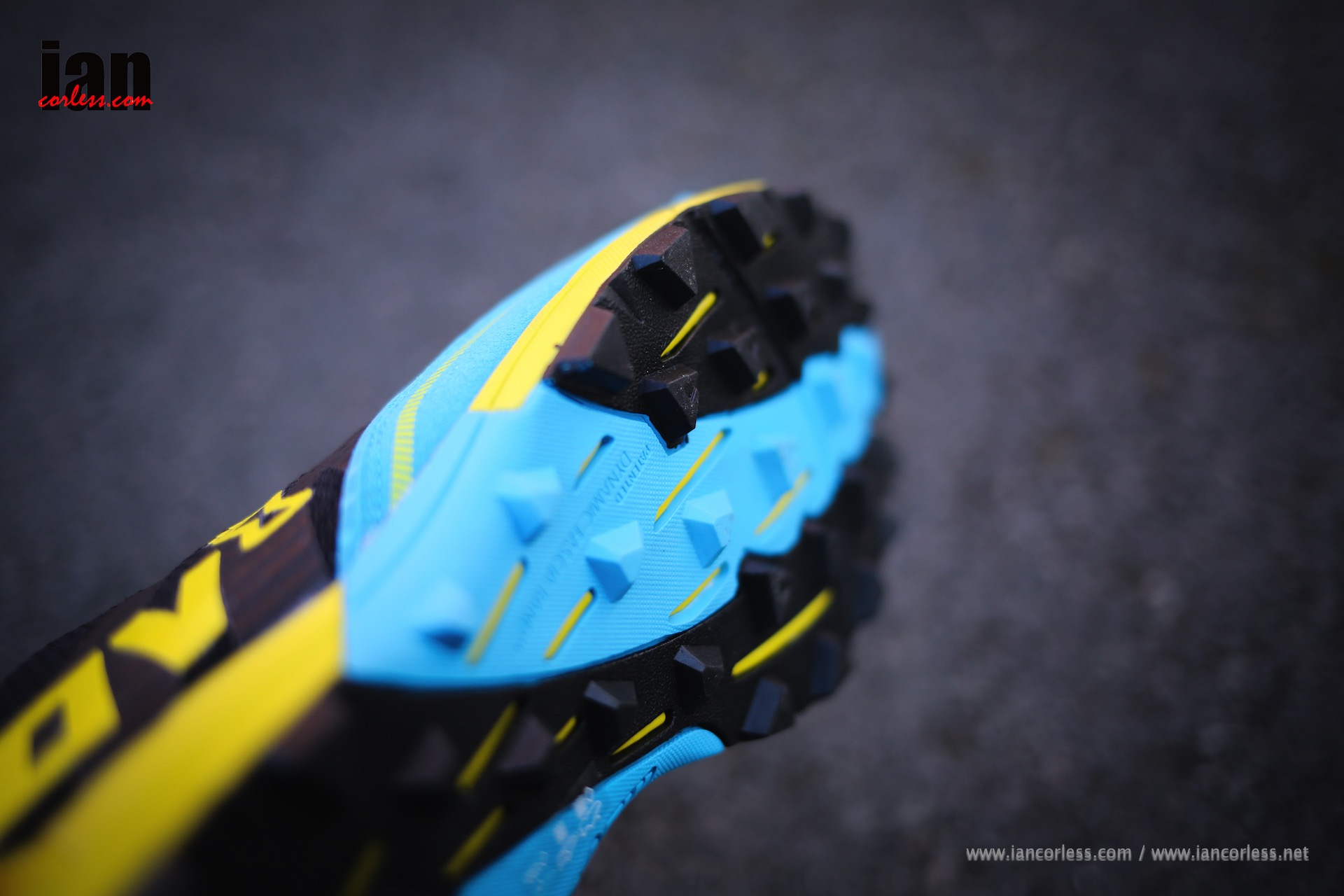
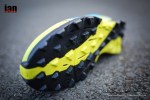
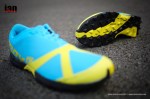
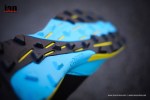
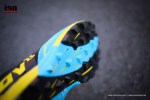
The outsole on both shoes is the same, so there is no compromise between the 220 and the 250. As you can see from the images, the sole is aggressive but not ‘too’ aggressive. Both these shoes sit somewhere between a RACEULTRA in the 270 (4mm drop) and 290 (8mm drop) versions and  a X-TALON and/ or MUDCLAW.

©iancorless.com_Inov8Terraclaw-7112

I think it’s therefore safe to assume that the TERRACLAW 220 and 250 are designed at trail runners who require a shoe with comfort, cushioning and more importantly, grip. The RACEULTRA provides this already but with no grip and the X-TALON and MUDCLAW are out-and-out fell shoes or soft ground shoes. So, if the TERRACLAW performs I am pretty sure it’s going to be a popular shoe in the inov-8 line up.

©iancorless.com_Inov8Terraclaw-7114

The grip on the outsole is really spaced out which will allow grip (similar to a football boot) but in theory will stop the sole clogging up with debris. Several buzzwords appear on the outsole:

  • META-FLEX
  • DYNAMIC FASCIA BAND
  • DUAL C
  • TERRADAPTER

Oh yes, just like many other shoe manufacturers, inov-8 have come up with a whole new wording system to describe some key features.

Meta-Flex allows the foot to bend across the metatarsals, an important feature in any shoe but especially useful for off road running, Many shoes that provide grip can be too inflexible. The Meta-Flex on the 220 and 250 does really add to the feel of the shoe based on just a couple of runs.

Dynamic Fascia Band is in the midsole and is designed to help maintain stride efficiency. The jury is out on this at the moment. It certainly doesn’t seem to harm or damage the feel of the shoe, but equally I am not sure at this stage I feel the benefit?

©iancorless.com_Inov8Terraclaw-7082

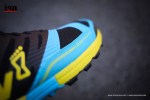
Dual C represents the two compounds in the sole. Black and Yellow on the 220 and Black and Blue on the 250. The black area is made of a more durable material and increases protection, the coloured area is softer and stickier for increased grip. If you get a hold of the shoe and press the different compounds you can really feel the difference. I do wonder though if the coloured section is wide enough, only time will tell?

On speaking with inov-8, they say that Dual C compounds negate the need for a rock plate. I am not convinced, soon as you got on hard terrain you feel the ground beneath you. That’s a great thing, I love to feel the ground. But the odd sharp stone or pebble does make it’s presence felt.

The upper is where the two shoes differ quite considerably. Most notably, the lacing!

©iancorless.com_Inov8Terraclaw-7123


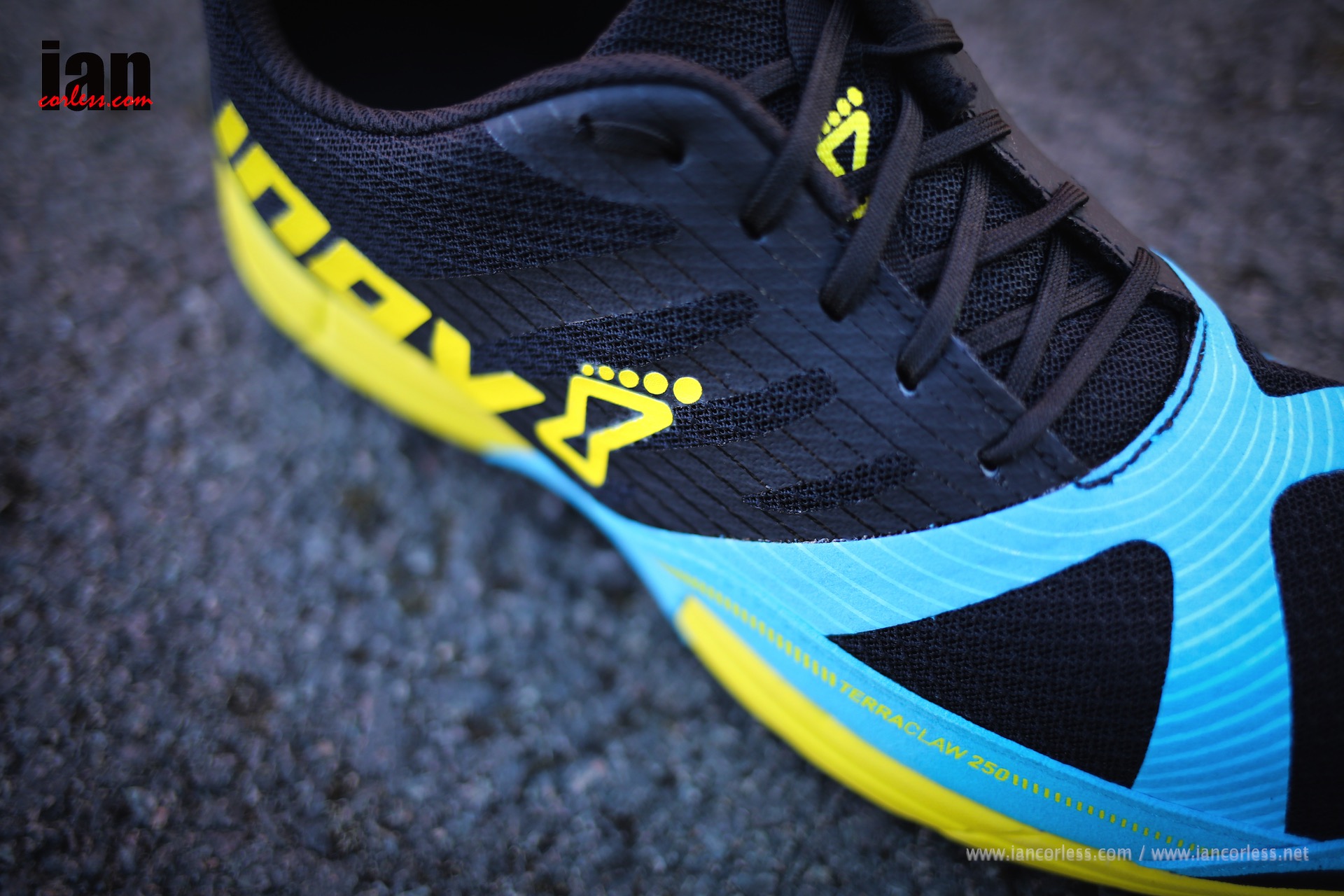
The 250’s lace conventionally and the 220’s lace using inov-8’s new RAY-WRAP system which is designed to align with the first metatarsal. In principal this is designed to make a more secure, close and comfortable fit. I have witnessed this before in a pair of Brooks shoes and I enjoyed the comfort and reassurance it offered. However, this does feel quite unusual at first. Niandi has expressed similar concerns with the 220. But lets be clear, it’s too early to tell and and make a judgement on this. The tongue in both shoes is padded well and offers great comfort. The laces are thin but pull tight providing a secure foot hold and if tied in a double not they do not slip.

©iancorless.com_Inov8Terraclaw-7068

©iancorless.com_Inov8Terraclaw-7108

The heel area on both shoes is roomy, plush and holds the foot firm. No issues here from just a couple of runs.

©iancorless.com_Inov8Terraclaw-7062

©iancorless.com_Inov8Terraclaw-7105

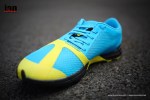
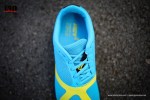
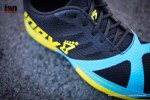
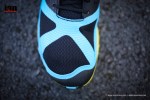
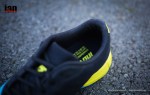
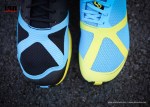
The upper on both the 220 and the 250 is light and breathable and both shoes utilise inov-8’s new X-LOCK welded overlay Yes folks, can you see that big yellow X on the 220 and the big blue X on the 250? That is X-Lock!

©iancorless.com_Inov8Terraclaw-7118

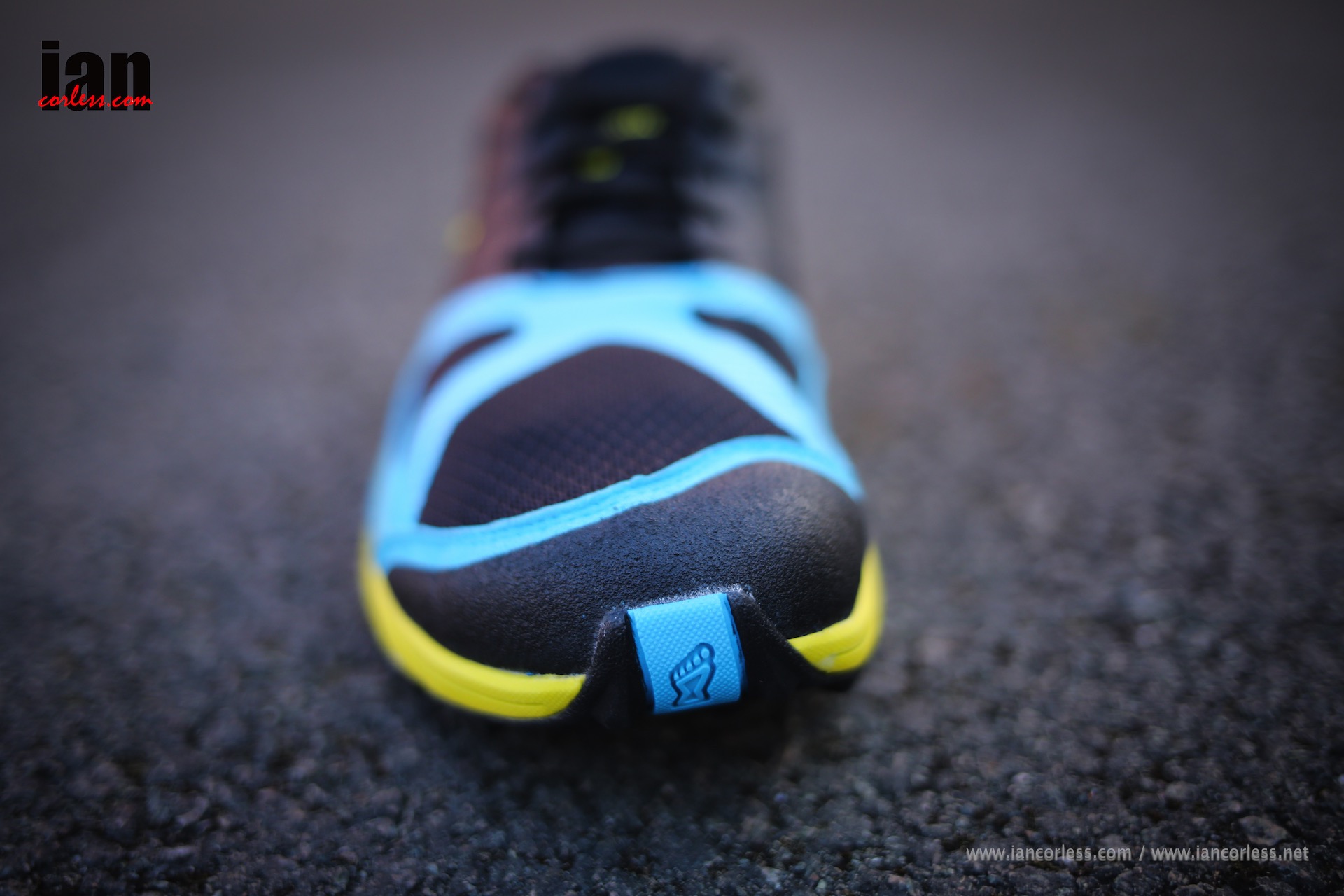
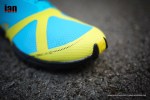
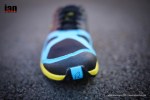
X-Lock is designed to hold the foot firm within the shoe. It differs greatly between the 250 and the 220. Just look above. The pattern is completely different. We will feedback on this more with more use. You will also notice in the above image how the 250 (left) has considerably more toe protection than the 220. The 220 has a yellow reinforced soft band, to be honest it offers no protection against rocks. Whereas the 250 has a tougher fabric and just a fraction more protection against rock impact.

©iancorless.com_Inov8Terraclaw-7096

©iancorless.com_Inov8Terraclaw-7065


Let’s be clear, this is a first impressions look at the TERRACLAW and our verdict is impressed! As I have stated on many occasions recently, 8mm drop is for sure a sweet spot in the trail running shoe market and nov-8’s addition of a trail shoe with cushioning and grip is welcome.

For faster and more minimalist runners, they too will have a smile on their faces knowing that they have also been looked after with a 4mm drop.

Time to hit the trails and we will feed back on how these shoes perform, what the comfort is like and importantly do all these new features -‘X’ this, ‘RAY WRAP’ that and ‘DYNAMIC FACIA’ this really work?

The 220 in Images:

The 250 in Images:

220 v 250

The TERRACLAW shoes will be available in September 2015. Check out inov-8 HERE

Episode 88 – FEJES HAWKER LAWSON

Ep88

Episode 88 of Talk Ultra and on this weeks show we speak with Scott Hawker about 2nd place at TNF100, we interview Joe Fejes about running 606.24 miles in 6 days and we speak with Dan Lawson about his record breaking 145 mile run at GUCR. The News, a Blog and Speedgoat Karl.

donate-button


If you enjoy Talk Ultra, consider a donation to help finance the show HERE

00:18:28 NEWS
 
Help Nepal – Nepal images ‘FACES of NEPAL’ – order a print and all funds donated to Nepal charities https://iancorless.org/2015/04/28/nepal-appeal-nepalearthquake/
 
Karl Meltzer another 100
Cruel Jewel 108 miler
GUCR
Dan Lawson 22:16
Mark Perkins 22:42
Andy Horrobin 26:24
Mimi Anderson 32:28
Alayne Malkin 34:41
Naomi Newton-Fisher 37:22
 
00:22:36 INTERVIEW
 
Daniel Lawson GUCR new CR interview
 
TNF100
Dylan Bowman 8:50:13
Scott Hawker 8:56:19
Yun Yanqiao 9:01:29
Dong Li 11:05:22
Amy Sproston 11:27:50
Shona Stephenson 11:47:02
 
ZEGAMA-AIZKORRI
Tadei Pivk 3:51:11
Manuel Merillas 3:51:47
Pere Rulla 3:52:50
Aritz Egea 3:59:27
Marco De Gasperi 3:59:48
Azara Garcia 4:41:23
Paula Cabrezo 4:43:44
Oihana Kortazar 4:44:57
Emelie Forsberg 4:49:38
Federica Boifava 4:51”32
Anton is injured…. again
 
Dave Mackey injured
 
Scott Jurek takes on the AT
 
Comrades with Ellie Greenwood, Max King and Sage Canaday – ouch!
 
01:29:15 INTERVIEW
 
Scott Hawker 2nd at TNF100
 
02:16:18 INTERVIEW
 
Joe Fejes EMU 6-day world trophy– Joe Fejes finished the event with 606.243 miles, which resets the American record for miles run in six days on a non-track surface.
02:45:00 BLOG
 
IAU WORLD TRAIL CHAMPS PREVIEW HERE
02:45:27 UP & COMING RACES
 

Argentina

Fiambala Desert Trail 50K | 50 kilometers | June 06, 2015 | website

Fiambala Desert Trail 80K | 80 kilometers | June 06, 2015 | website

Australia

Queensland

Endura 50K | 50 kilometers | June 07, 2015 | website

Gold Coast 50 Miler | 50 miles | June 07, 2015 | website

Runners ConneXion 100 km | 100 kilometers | June 07, 2015 | website

Victoria

Macedon Ranges 50K Trail Run | 50 kilometers | May 31, 2015 | website

Western Australia

Kep Track 100km Ultra Marathon II | 100 kilometers | May 31, 2015 | website

Kep Track 75km Ultra Marathon II | 75 kilometers | May 31, 2015 | website

Belgium

Wallonia

Trail des Vallées du Chevalier – 62 km | 62 kilometers | May 30, 2015 | website

Bhutan

The Last Secret | 200 kilometers | May 29, 2015 | website

Brazil

UAI Ultra dos Anjos Internacional 135 km Hard | 135 kilometers | June 03, 2015 | website

UAI Ultra dos Anjos Internacional 235 km | 235 kilometers | June 03, 2015 | website

UAI Ultra dos Anjos Internacional 65 km Easy | 65 kilometers | June 03, 2015 | website

UAI Ultra dos Anjos Internacional 95 km Medium | 95 kilometers | June 03, 2015 | website

Canada

Alberta

Blackfoot Ultra 100KM | 100 kilometers | May 30, 2015 | website

Blackfoot Ultra 50 Km | 50 kilometers | May 30, 2015 | website

Blackfoot Ultra 50 Miler | 50 miles | May 30, 2015 | website

Calgary Marathon 50K Ultra | 50 kilometers | May 31, 2015 | website

British Columbia

Vancouver 100 km | 100 kilometers | June 06, 2015 | website

Vancouver 50 km | 50 kilometers | June 06, 2015 | website

Vancouver 62.5 km | 62 kilometers | June 06, 2015 | website

Vancouver 75.8 km | 75 kilometers | June 06, 2015 | website

Vancouver 87.9 km | 87 kilometers | June 06, 2015 | website

China

Gobi March 2015 | 250 kilometers | May 31, 2015 | website

Colombia

Chicamocha Run 108 km | 108 kilometers | May 30, 2015 | website

Chicamocha Run 166 km | 166 kilometers | May 30, 2015 | website

Czech Republic

Craft Gemini Maraton | 84 kilometers | June 07, 2015 | website

Mammut Ultramaraton | 85 kilometers | June 06, 2015 | website

Denmark

Midtjylland

Nordisk eXtrem maraton X50 | 50 kilometers | May 30, 2015 | website

Nordisk eXtrem maraton X70 | 70 kilometers | May 30, 2015 | website

Finland

Western Finland

Perniön 60 km | 60 kilometers | June 06, 2015 | website

SUOMI-RUN 100 km | 100 kilometers | June 06, 2015 | website

France

Ardèche

Trail de la Chaussée des Géants – 53 km | 53 kilometers | June 06, 2015 | website

Dordogne

La Mythique International Run | 250 kilometers | June 04, 2015 | website

Gironde

Tour du Canton de Fronsac 60 km | 60 kilometers | June 07, 2015 | website

Haute-Loire

Le Puy-en-Velay – Conques (Juin) | 208 kilometers | June 04, 2015 | website

Haute-Savoie

Trail du Gypaète | 73 kilometers | June 06, 2015 | website

Trail du Lac d’Annecy – Technica Maxi Race | 86 kilometers | May 31, 2015 | website

Trail du Lac d’Annecy – XL Race | 87 kilometers | May 30, 2015 | website

Hautes-Pyrénées

Trail du Hautacam – 50 km | 59 kilometers | May 31, 2015 | website

Jura

La Transju’trail – 72 km | 72 kilometers | June 07, 2015 | website

Orne

Trail du Massif d’Ecouves en Pays d’Alançon – 61 km | 61 kilometers | June 07, 2015 | website

Pas-de-Calais

Trail des Pyramides Noires – 100 km | 100 kilometers | May 30, 2015 | website

Saône-et-Loire

Ultra Trail de Côte-d’Or – 105 km | 105 kilometers | May 30, 2015 | website

Yonne

Oxfam Trailwalker France | 100 kilometers | June 06, 2015 | website

Germany

Baden-Württemberg

Schefflenzer Ultralauf – 100 km | 100 kilometers | June 06, 2015 | website

Schefflenzer Ultralauf – 50 km | 50 kilometers | June 06, 2015 | website

Hesse

WiBoLT | 320 kilometers | June 03, 2015 | website

North Rhine-Westphalia

Bödefelder Hollenlauf 101 KM | 101 kilometers | May 30, 2015 | website

Bödefelder Hollenlauf 67 KM | 67 kilometers | May 30, 2015 | website

Schleswig-Holstein

Lauf zwischen den Meeren | 94 kilometers | May 30, 2015 | website

Hungary

Ultrabalaton | 212 kilometers | May 30, 2015 | website

Italy

Piedmont

Trail del Monte Soglio – Gir Lung | 63 kilometers | May 30, 2015 | website

Sardinia

Sardegna Lakes Trail | 150 kilometers | May 30, 2015 | website

Trentino-Alto Adige/Südtirol

Vigolana Trail | 65 kilometers | June 06, 2015 | website

Tuscany

100km del Passatore | 100 kilometers | May 30, 2015 | website

Veneto

Gran Raid delle Prealpi Trevigiane | 72 kilometers | May 30, 2015 | website

Japan

100 km | 100 kilometers | June 07, 2015 | website

71 km | 71 kilometers | June 07, 2015 | website

Hida Takayama Ultra Marathon -100 km | 100 kilometers | June 07, 2015 | website

Hida Takayama Ultra Marathon – 72 km | 72 kilometers | June 07, 2015 | website

Namibia

Richtersveld Wildrun | 150 kilometers | June 02, 2015 | website

Nepal

Mount Everest Extreme Ultra Marathon | 60 kilometers | May 29, 2015 | website

Netherlands

Friesland

Pieter-ROG-pad Special Waddeneilanden | 300 kilometers | June 04, 2015 | website

Norway

Romerike 100 | 100 kilometers | May 30, 2015 | website

Romerike 50 | 50 kilometers | May 30, 2015 | website

Peru

Jungle Ultra | 220 kilometers | June 05, 2015 | website

Philippines

100 km | 100 kilometers | June 12, 2015 | website

50 km | 50 kilometers | June 12, 2015 | website

Portugal

OMD – Ultra Trail Serra da Estrela – 100 Milhas+ | 100 miles | June 05, 2015 | website

OMD – Ultra Trail Serra da Estrela – K100 | 101 kilometers | June 06, 2015 | website

OMD – Ultra Trail Serra da Estrela – K70 | 70 kilometers | June 06, 2015 | website

Ultramaratona Caminhos do Tejo – 144 km | 144 kilometers | June 12, 2015 | website

Ultramaratona Caminhos do Tejo – 57 km | 57 kilometers | June 12, 2015 | website

Romania

Fundu Moldovei 3-day staged 115km ultra | 115 kilometers | June 05, 2015 | website

Fundu Moldovei Ultra Romania | 115 kilometers | June 05, 2015 | website

Russia

Dubna – Dmitrov Trail. 2015 – 50K | 50 kilometers | May 31, 2015 | website

Serbia

Ultra Trail Stara Planina 122 km | 122 kilometers | June 06, 2015 | website

Ultra Trail Stara Planina 73 km | 73 kilometers | June 06, 2015 | website

South Africa

Comrades Marathon | 89 kilometers | May 31, 2015 | website

Spain

Basque Country

Euskal Herria Mendi Erronka | 65 kilometers | May 30, 2015 | website

Castile and León

Riaza Trail Challenge 70 km | 70 kilometers | June 06, 2015 | website

Castile-La Mancha

Quixote Legend | 166 kilometers | May 29, 2015 | website

Catalonia

Trail Els Bastions® | 52 kilometers | June 06, 2015 | website

Ulldeter Ultra | 52 kilometers | May 30, 2015 | website

Ultra Els Bastions® | 90 kilometers | June 06, 2015 | website

Galicia

Ultra Trail Aldeas do Courel | 84 kilometers | May 30, 2015 | website

Sweden

Boras Ultra Marathon – 100 miles | 100 miles | May 30, 2015 | website

Boras Ultra Marathon – 87 km | 87 kilometers | May 30, 2015 | website

Switzerland

Berne

100km run Biel | 100 kilometers | June 12, 2015 | website

United Kingdom

Calderdale

Calderdale Way Ultra (long) | 50 miles | June 06, 2015 | website

County Borough of Conwy

Dragon’s Back | 200 miles | June 08, 2015 | website

Devon

Dartmoor Discovery | 32 miles | June 06, 2015 | website

Gloucestershire

Aston Subedge Ultra Run | 56 kilometers | June 06, 2015 | website

Northamptonshire

Northants Ultra | 35 miles | June 07, 2015 | website

Northern Ireland

Mourne Way Ultra Marathon | 84 kilometers | June 06, 2015 | website

North Yorkshire

Oxfam Trailtrekker GB (North) – 100 km | 100 kilometers | May 30, 2015 | website

Oxfam Trailtrekker GB (North) – 65 km | 65 kilometers | May 30, 2015 | website

Surrey

The Omen 66.6 | 67 miles | June 06, 2015 | website

Worcestershire

Severn Path Ultra | 58 miles | May 30, 2015 | website

Severn Plod Ultra | 45 miles | May 29, 2015 | website

Severn Way Ultra | 58 miles | May 31, 2015 | website

USA

Alabama

Rockin Choccolocco 50K | 50 kilometers | May 30, 2015 | website

Arizona

Adrenaline 65K Night Run | 65 kilometers | May 30, 2015 | website

Solemates Arizona 200 | 214 miles | June 10, 2015 | website

Arkansas

War Eagle Tail Twister Trail 50k | 50 kilometers | June 06, 2015 | website

California

Loco 50K | 50 kilometers | May 30, 2015 | website

Loco 50K | 50 kilometers | May 30, 2015 | website

Rim to Rim Trail Run – 50M | 50 miles | June 06, 2015 | website

San Diego 100 Mile Endurance Run | 100 miles | June 06, 2015 | website

San Francisco 100 Mile Endurance Run | 100 miles | May 30, 2015 | website

San Francisco 50 Mile Endurance Run | 50 miles | May 30, 2015 | website

Shadow of the Giants 50K Trail Run | 50 kilometers | June 06, 2015 | website

Colorado

Ultimate Direction Dirty 50K Trail Run | 50 kilometers | May 30, 2015 | website

Florida

Help Support Us | 1000 miles | June 06, 2015 | website

Lake to Ocean 100K | 100 kilometers | June 06, 2015 | website

Georgia

Rogue Yeti 50K Run | 50 kilometers | May 29, 2015 | website

Rogue Yeti 50 Mile Run | 50 miles | May 29, 2015 | website

Idaho

Scout Mountain Ultra Trail 100k | 100 kilometers | June 06, 2015 | website

Scout Mountain Ultra Trail 60k | 60 kilometers | June 06, 2015 | website

Iowa

Heartland Relay 200 | 205 miles | June 06, 2015 | website

Heartland Relay 75 | 75 miles | June 07, 2015 | website

Kansas

Flint Hills Trail 40 Mile | 40 miles | May 30, 2015 | website

Michigan

Yankee Springs Trail Double Marathon | 84 kilometers | May 30, 2015 | website

New Jersey

Mayapple 100K Trail Run | 100 kilometers | May 30, 2015 | website

Mayapple 50k Trail Run | 50 kilometers | May 30, 2015 | website

New York

Cayuga Trails 50 | 50 miles | May 31, 2015 | website

North Carolina

Bethel Hill Moonlight Boogie 50 Mile | 50 miles | June 06, 2015 | website

Ohio

Buckeye Buster 50 | 50 miles | June 06, 2015 | website

Buckeye Buster 50K | 50 kilometers | June 06, 2015 | website

Mohican Trail 100M Trail Run | 100 miles | May 30, 2015 | website

Mohican Trail 50M Trail Run | 50 miles | May 30, 2015 | website

Oregon

Bend Beer Chase | 70 miles | June 06, 2015 | website

Rhode Island

Gloridays | 44 miles | June 07, 2015 | website

South Carolina

El Diablo | 220 kilometers | June 05, 2015 | website

Family Tree 100 Relay | 100 kilometers | June 06, 2015 | website

Forest Freak 50k | 50 kilometers | June 06, 2015 | website

Hell Hole Hundred – 100K | 100 kilometers | June 06, 2015 | website

Hell Hole Hundred – 100M | 100 miles | June 06, 2015 | website

Hell Hole Hundred – 60K | 60 kilometers | June 05, 2015 | website

Knock on Wood 100 Mile | 100 miles | June 06, 2015 | website

Utah

Squaw Peak 50 Mile Trail Run | 50 miles | June 06, 2015 | website

Ultra Advantures Bryce Canyon 100 Mile | 100 miles | June 05, 2015 | website

Ultra Advantures Bryce Canyon 50K | 50 kilometers | June 06, 2015 | website

Ultra Advantures Bryce Canyon 50 Mile | 50 miles | June 06, 2015 | website

Vermont

Coyote Scramble Ultras 40 Miler | 40 miles | May 30, 2015 | website

Virginia

Old Dominion 100 Cross Country Run | 100 miles | June 06, 2015 | website

Washington

Echo Valley 50K Trail Run | 50 kilometers | May 31, 2015 | website

Echo Valley 50 Mile Trail Run | 50 miles | May 31, 2015 | website

Rainier to Ruston 50K Ultra | 50 kilometers | June 06, 2015 | website

Rainier to Ruston 50M Ultra | 50 miles | June 06, 2015 | website

Vashon Island 50K Ultramarathon | 50 kilometers | June 06, 2015 | website

Washington D.C.

Race Across Virginia – Nation’s Capital (4 Marathons) | 114 miles | May 30, 2015 | website

Wisconsin

Kettle Moraine 100 km Trail Run | 100 kilometers | June 06, 2015 | website

Kettle Moraine 100 Mile Trail Run | 100 miles | June 06, 2015 | website

Kettle Moraine 38 Mile Night Fun Run | 38 miles | June 06, 2015 | website

Kettle Moraine 50 km Trail Run | 50 kilometers | June 06, 2015 | website

Ragnar Relay Chicago | 194 miles | June 12, 2015 | website
 
CLOSE

 02:49:25

LINKS

ITunes http://itunes.apple.com/gb/podcast/talk-ultra/id497318073

Libsyn – feed://talkultra.libsyn.com/rss

Website – talkultra.com

Navigation 101 – Advanced Navigation – Beyond the Intermediate & Basics by Mountain Run

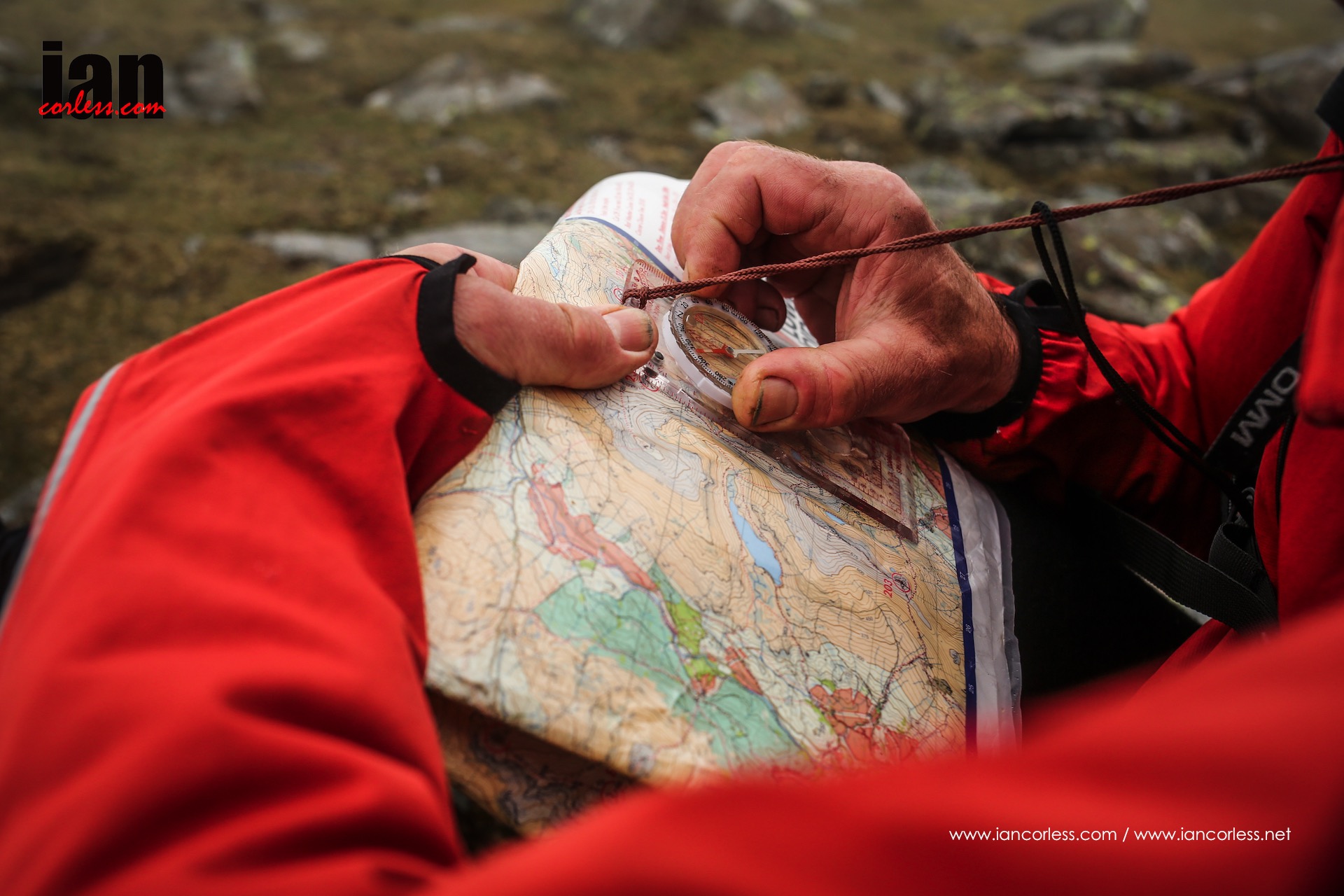
©iancorless.com_GL3D2015-6075

In the first of our Navigation 101 articles (HERE) we covered the Basics of Navigation , this encompassed maps, compasses, setting your map & how to set a bearing. 

The second article we looked at intermediate navigation (HERE) & it consisted of the following information & techniques: 

  1. Declination/Magnetic Variation
  2. Grid Numbers/Plotting a Grid Reference
  3. Back Bearings
  4. Re-Orienting/Re-locating
  5. Thumbing the Map
  6. Hand-railing
  7. Catching Features
  8. Aiming Off

Now in the final article, which compliments the interview in Talk Ultra Episode 73, we look at Advanced Navigation techniques for Ultra, Trail & Mountain Runners.

In this article we cover the following techniques:

  1. Resection
  2. Rough Navigation
  3. Pacing & Timing
  4. Reading the map whilst running
  5. Memorising the map
  6. Night or poor weather navigation

Remember that we’re not just looking to learn these simple techniques, but more so turn them from a skill we have to think about, into something that becomes 2nd nature & we naturally do, without thinking.

Lets look at each one in more detail:

1) Resection:

A resection is the next step on from Relocating. It might sound technical, but its easy to do, as long as you have the clear vision around you to be able to take bearings at a distance!

You find yourself not where you thought, not lost, but certainly miss placed on the map. Maybe you weren’t thumbing the map, maybe you made a navigation error & your only just picking it up now, no matter, whats important is to pinpoint yourself back on the map! So what do we do?

Orientate your map!

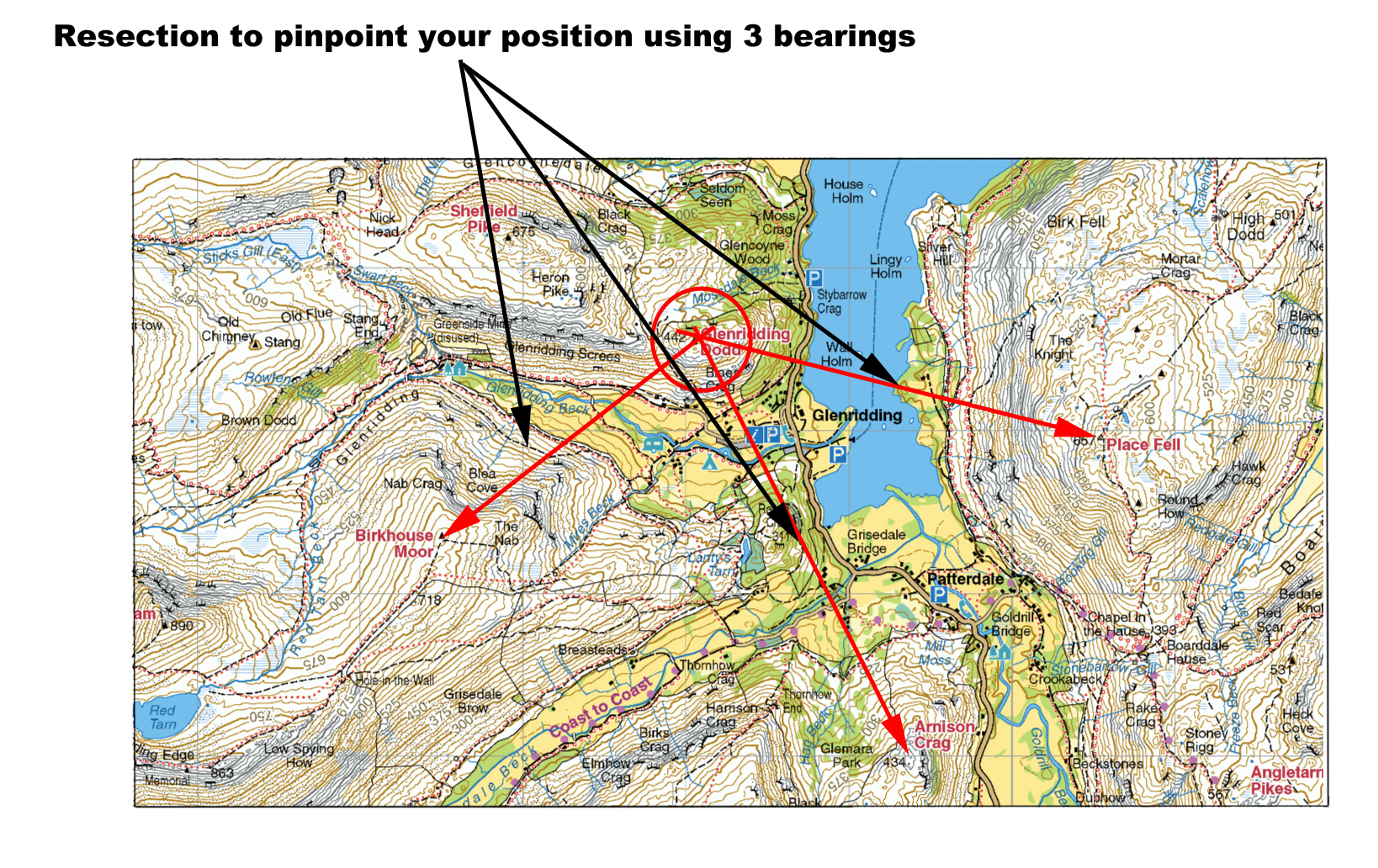
Now assuming you can see summits around you, the easiest & quickest thing to do is take 3 bearings from 3 peaks/summits in view. This is by sight, not by applying the compass to the map. Take each bearing & apply it back to the map, remembering to subtract the Mag Variation, should there be one present, so your bearing is accurate. Draw a line from the summit you have identified as a feature, from the one you are assuming/have located on the map & do the same for the next 2. By doing this you will have 3 lines coming together in 1 point on your map, or at least you will have 3 lines crossing, making a triangle of sorts on your map. You are either at the point the 3 lines cross, or in the triangle. Or at least you should be, assuming you are identifying the peaks/summits you see around you to the map you have in your hand, correctly!

Resection-image


So what happens if you can’t see the summits or you realise you are in the clag and you are lost? First thing is not to panic, as this will induce fear and adrenaline and then you will spin. Next have a good look at the map & then have a good look around you. Can you see any features to take a resection from? Buildings, crags, tarns, ponds, sheepfolds etc. If you really can’t see anything, your only option is to drop down until you are out of the cloud & then perform a resection on what you can see.

Remember, Orientate the Map!

2) Rough Navigation:

Why use rough navigation when you can be 100% accurate is the first question you should have springing to your mind?

The reason is that 100% accurate navigation is not always necessary to be honest, sometimes you just need to know you are traveling in the general direction, rather then running completely on an accurate bearing. Plus rough navigation is very quick & can be employed more easily whilst you move at speed.

So how does it work?

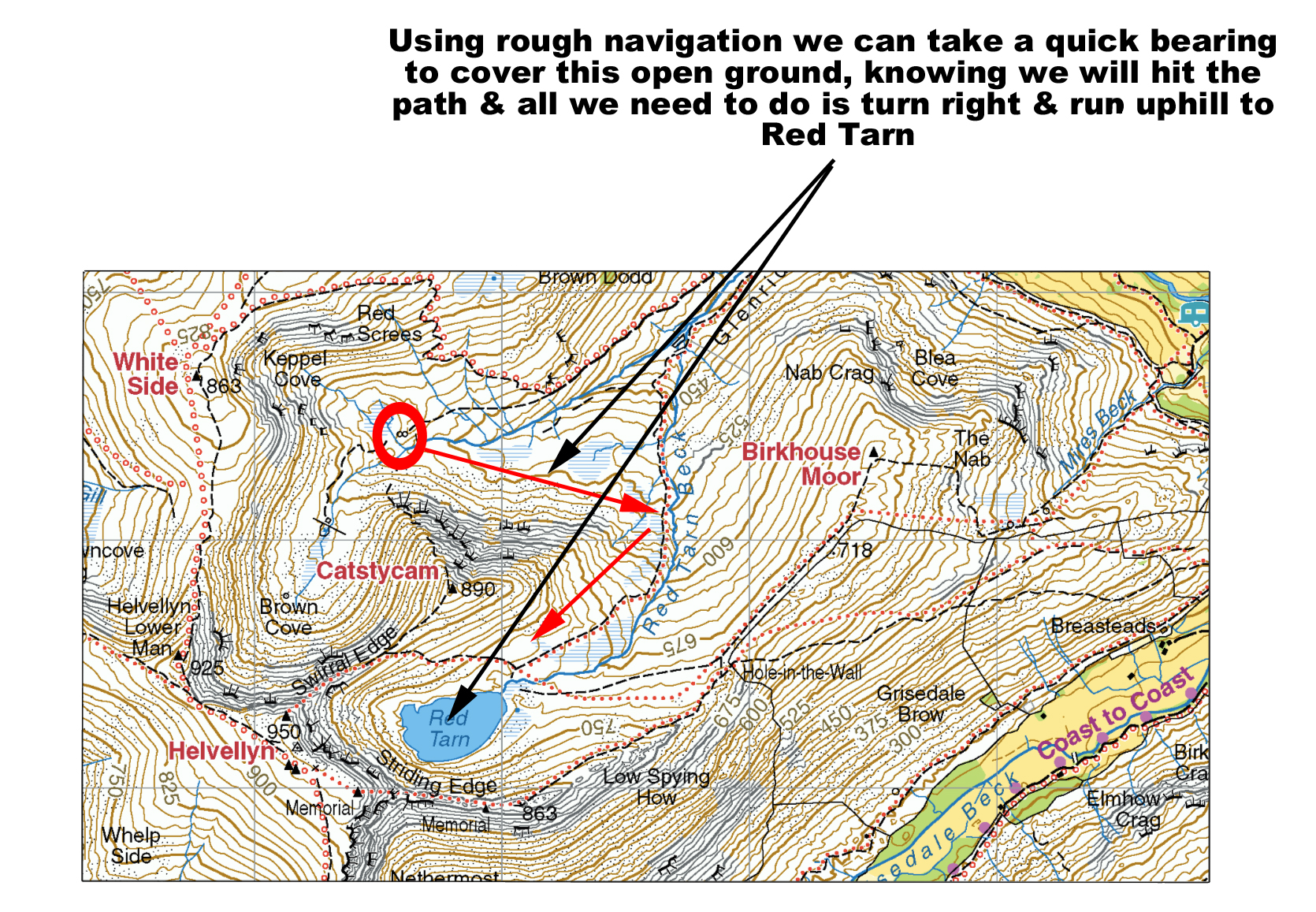
You are moving from A to B, along a path. You really just need to know the path your running on is going in the right direction, so a quick rough bearing can be taken from the map as you move at speed & applied to the track your are on. It doesn’t need to be 100% accurate, unless there is a multitude of tracks, all running in a similar direction to the one you are wanting. This is unlikely.

You might also need to cross an expanse of open ground, but there is a ‘line feature’ – (remember from Intermediate Navigation – Handrails are line features!) to catch you, so you don’t need to hit an accurate point, as when you hit the line feature, assuming you were ‘Aiming Off’, you will turn the direction of travel you want to along the line feature. With this type of crossing, its not important to be working on pinpoint navigation & therefore you can just use rough navigation.

If each time you want to take a bearing it has to be extremely accurate, you will find that you will be stop starting all the time & this will take plenty of extra time, meaning you are not as fast as your competitors. Rough navigation, as with everything, comes with practice & confidence at what you are achieving.

Rough-Nav


3) Pacing and Timing:

This is a very personal thing. Not meaning you should be out of sight when you are doing it, but that you need to work out your own pacing especially & get a good handle on timings.

I find pacing very useful & don’t really use timing, but we’re all different & we all like different methods. Timing might suit you better, but I find pacing more accurate.

To work out your pacing a GPS can be handy. You need to walk for 100m over differing terrains & count the number of paces you take, as you do this. Start with flat ground & then maybe get some rough ground, an incline, a decline & more. Count every step or every other step, your choice & then make sure you write it down.

Pacing is to be used for crossing small expanse of open ground & generally you will only use this technique in the dark or when the mist is down. Start going over 500m & your pacing will be come less accurate, so either only use it for small legs, or take the distance into account with your accuracy settings in your brain!

Use pacing once the Attack Point has been established, or in the case or Ultra Running, to keep ahead of the game so you know when the next junction in the track is coming. Use in conjunction with ticking off features as you run to your destination.

Timing is great for longer distances, where a general time scale will be more accurate, but never 100%. Great for switching off & switching back on as you are running. Navigation, especially when you have to be on it, can be very mentally tiring & a pretty intense experience, especially when the mist is down.

I find the best way to use timing is to have a ‘Timing Card’. Hand up if you crap at Maths on the move! (My hand is up!). So have a quick & simple card to view, meaning you don’t have to think & you can concentrate on the navigation, rather than the maths.

Timing Card

4) Reading the map on the move:

This is a definite skill. Some find it easy, some find it really tough. I think the only way to learn this is to practice, its not something that can be taught really & its as simple or as hard as it sounds to you. It can make the difference between winning a race or not.

The ability to run across rough ground, whilst reading a map takes plenty of time. There are certain things that facilitate the concept & these are:

  • Having focus for the map & the ground at the same time (I like to call this Macro/Micro Focus)
  • Thumbing the map – if not done, its very hard to see your location on the map at speed across rough ground!
  • Being able to see only the important information & blocking out the rest

Whilst running with Shane Ohly (OMM Elite Winner & Owner of Ourea Events), we discussed map reading on the move. He breaks the map down in his mind to find the really important bits of information in order to simplify the whole map reading skill. He told me of a elite orienteer who simplifies the map to such an extent that he only see’s 4 or 5 key features on the map, memorises them & makes directional changes once he has reached each feature. This is combining the next technique as well, but in essence, this allows him to view the map very quickly, at top running speed & keep up with navigation & map reading whilst on the move.

The best advise is to get out there, and try reading your map whilst walking on different surfaces, once you have got this bossed, try a gentle run. The more you do, the easier it will get.

5) Memorising the Map:

Its easier than you think, but it takes time to get sorted & longer to trust yourself whilst racing. Really top level orienteers memorise vast sections of maps on slower, longer races. The same applies to mountain marathon runners. The less time you spend looking at your map the better, as you can then concentrate more on your running & trying to maximise on your speed.

How do you get better?

Sit at home and practice. Read your map for 10 seconds, memorising all the features you see on the map from Point A (where you are) to Point B (where you are traveling to). Now turn the map over & make a simplified drawing of the map & see how many features etc you remembered accurately.

Now get outside & practice whilst running, when ever you are out. Because repetition really does work, it might be tedious sometimes, but drilling something into your mind means when you are cold, hungry & tired, you still will revert to good practice!

6) Night Navigation & Poor Weather Navigation:

Its really simple, you know it already. You’ve been practicing it (I hope), from the first 2 articles in this thread. Remember these:

  1. Thumbing the Map
  2. Hand-railing
  3. Catching Features
  4. Aiming Off


Thats all it is really, combing all the skills that make up Basic to Intermediate Navigation & then removing the FEAR and giving yourself full confidence by practicing when ever you can.

Remember, Fear is the Mind Killer!


So all we really need to do when the clag is down or the night starts to roll in, is move away from Rough Navigation and advanced techniques and take things back to basics. Follow handrails, use all the features at your disposal, tick everything off you run past & make sure you know exactly where you are by thumbing that map.

Wow, thats a lot of techniques to employ, but as long as you practice them all, every time you run, you’ll be a master in no time!

Disclaimer: 

Please remember to be safe out there. Practice your navigation in a group, make sure you get the basics dialled before heading out in the clag or dark. Mistakes often make you learn quicker, but its not desirable.

Experience counts for everything, but if your struggling to get it all sorted, there is nothing like booking on a course, designed to teach you the necessary skills. Look out for our Navigation for Ultra Running courses in the new year, or the joint TalkUltra/MountainRun Navigation weekend coming next Spring!

Information and article provided by Charlie Sproson at Mountain Run 

Mountain Run

Altitude Training For Endurance Performance – Marc Laithwaite

©iancorless.com_GlenCoeMay2015-6345

The higher you go, the ‘thinner’ the air becomes. The reduction in air pressure leads to less air resistance, so athletes who sprint, jump and cycle often perform better at high altitude venues. For endurance events, this lack of air pressure becomes a significant issue, as it leads to less oxygen in the blood stream, which impact upon aerobic performance.

What is air pressure?

Air pressure is measured as mm Hg (millimetres of mercury), if you’ve got one of those weather things at home or in the garden, you’ll often see ‘mm Hg’ on the scale. Standard air pressure at sea level is 760 mm Hg, that’s how much resistance you have to overcome when you run or ride your bike. At an altitude of 1344m (the height of Ben Nevis) the air pressure is lower at 650 mm Hg. Cyclists who have completed the hour record (how far you can ride on a track in a single hour) have historically completed the challenge at altitude. More recently, the Olympic Velodrome manipulated the climate conditions inside the building in an attempt to reduce air resistance and increase the likelihood of world records. Air pressure can be simply described as the ‘air density’. If you’re trying to ride through dense air, it’s like riding through water. If the air is thin, you slice through with less resistance. Time trial cyclists will know the importance of weather conditions, they know instinctively that following a big storm, the air is just right for personal bests!

I thought it was harder to compete at altitude for endurance athletes?

Physiologically speaking, yes, it is harder for athletes to compete at altitude. This would certainly be the case for most endurance sports. The hour record is slightly different as the benefits in aerodynamics and reduced air pressure, can outweigh the physiological disadvantage of less oxygen reaching the muscles. For long distance runners, competing at altitude would not be beneficial in any way!

Why does less oxygen get to the muscles?

Air pressure flows from high to low, consider the following example: The pressure in your bike tyre is higher than the surrounding air pressure. When you press the valve the air will therefore flow OUT, from HIGH to LOW. The air will continue to leave your tyre until the pressure inside the tyre matches the pressure in the outside air, then it stops flowing. When you inflate your tyre, your bike pump compresses the air by pushing down the handle. This leads to high pressure inside the pump (higher than the pressure inside the tyre), so the air flows into the tyre, from HIGH to LOW.

How does it work for humans?

When your lungs expand, the air pressure inside them drops lower than the outside air pressure. By opening your mouth, you allow the air to flow inwards (from HIGH to LOW). When you compress your lungs, this squashes the air inside them, raising the pressure so it’s higher than outside air pressure. The air therefore flows out of your mouth. We said earlier that air pressure is lower at altitude. When you expand your lungs and open your mouth to let air in, you presume that the pressure in the outside air in higher than it is in your lungs (so air will flow from HIGH to LOW into your lungs). What happens if the outside air pressure is also low? You open your mouth, the air pressure in your lungs is low and the outside air pressure is also low… air flows nowhere! Much of the talk about altitude generally refers to the ‘lack of oxygen’ when in fact the real reason that oxygen supply to the muscles is reduced, is the lack of air pressure.

What happens when you train at altitude?

The reduction of oxygen in the blood stimulates the release of erythropoietin (EPO) and this results in an increase in haemoglobin and red blood cells. This is the body’s way to deal with the lack of oxygen in the blood stream. Endurance athletes will often spend periods of time at altitude to boost their red blood cell levels, in the hope that when they return to sea level, their performances will be improved. One of the most significant issues relating to training at altitude is the inability to maintain both volume and intensity of normal training. In simple terms, you can’t train hard when you’re at altitude. To resolve this problem, athletes will follow a ‘HILO’ approach, which means they live HI and then train LOW. They will live at high altitude and then drop down to sea level when they need to train, so their workouts are not affected. The biggest problem relating to the HILO approach is the geographical limitations. Firstly, athletes must travel to a part of the world where they can sleep at altitudes of 2200-2500m. Secondly, they must then deal with the practicalities of training at ‘sea level’. This may require living and sleeping at a ski resort, whilst driving to lower altitudes to carry out training sessions.

There is an easier way

This geographical problem has largely been removed by the access to hypoxic or hypobaric chambers, thereby allowing athletes to remain at home in many cases whilst still benefiting from the HILO approach. Hypoxic chambers transform a normal room or building into a hypoxic environment. Athletes are now able to purchase a simple tent, which can be erected over their bed and with the use of a simple device, they can replicate altitudes of 2200-2500m whilst they sleep. Some training facilities have gone further and established training houses with dormitories where athletes are continually residing in hypoxic conditions to match 2200-2500m.

What’s the difference between hypoxic and hypobaric?

The word hypobaric, means ‘low pressure’. We mentioned earlier that air pressure drops when you are at altitude. The simple tent structures that you place over your bed, as used by the Brownlees and other elite athletes are not hypobaric. The air pressure in those tents is the same as general sea level, instead, they reduce the amount of oxygen in the air (swap it for nitrogen). They are therefore ‘hypoxic’ (low oxygen) but not ‘hypobaric’ (low air pressure). Hypoxic devices are much more easily available and have the same desired effect, i.e. generating red blood cells.

Applying Hypoxic Training

There are 3 ways of using hypoxia. The first is to sleep or live for longer periods of time in a hypoxic environment. This may be as simple as erecting a tent over your bed and sleeping 8-10 hours inside. The most common recommended altitude is 2000-2500m, this is moderate altitude.

The second option is termed IHT (Intermittent Hypoxic Therapy). This is based upon short exposure (60-90 min per day or less), at significantly higher relative altitudes (6000m+). This option is generally done passively, sitting in a chair whilst holding a mask over your face and breathing hypoxic air. In simple terms, this is a ‘much harder hit for a shorter period of time’.

There is a third option, to consider as both of the above do not involve exercise. You could exercise on a treadmill or indoor bike, whilst wearing a mask and breathing hypoxic air. If you are exercising, rather than sitting still, then the recommended altitude would be similar to option 1 (2000-2500m).
I’m feeling a bit light headed after all this talk of altitude, so we’ll stop here for now. Next week, we’ll look at what out there on the market and how it can be used to enhance your general performance. How can you apply altitude training in your everyday life and what’s the potential benefits to performance?

If you found this article useful, it would help us a great deal if you share on Facebook, Twitter and social media.

Until then, stay low and fast

About Marc:

Sports Science lecturer for 10 years at St Helens HE College.

2004 established The Endurance Coach LTD sports science and coaching business. Worked with British Cycling as physiology support 2008-2008. Previous Triathlon England Regional Academy Head Coach, North West.

In 2006 established Epic Events Management LTD. Now one of the largest event companies in the NW, organising a range of triathlon, swimming and cycling events. EPIC EVENTS also encompasses Montane Trail 26 and Petzl Night Runner events.

In 2010 established Montane Lakeland 50 & 100 LTD. This has now become the UKs leading ultra distance trail running event.

In 2010 established The Endurance Store triathlon, trail running and open water swimming store. Based in Appley Bridge, Wigan, we are the North West’s community store, organising and supporting local athletes and local events.

Check out the endurance store HERE
Endurance Store Logo