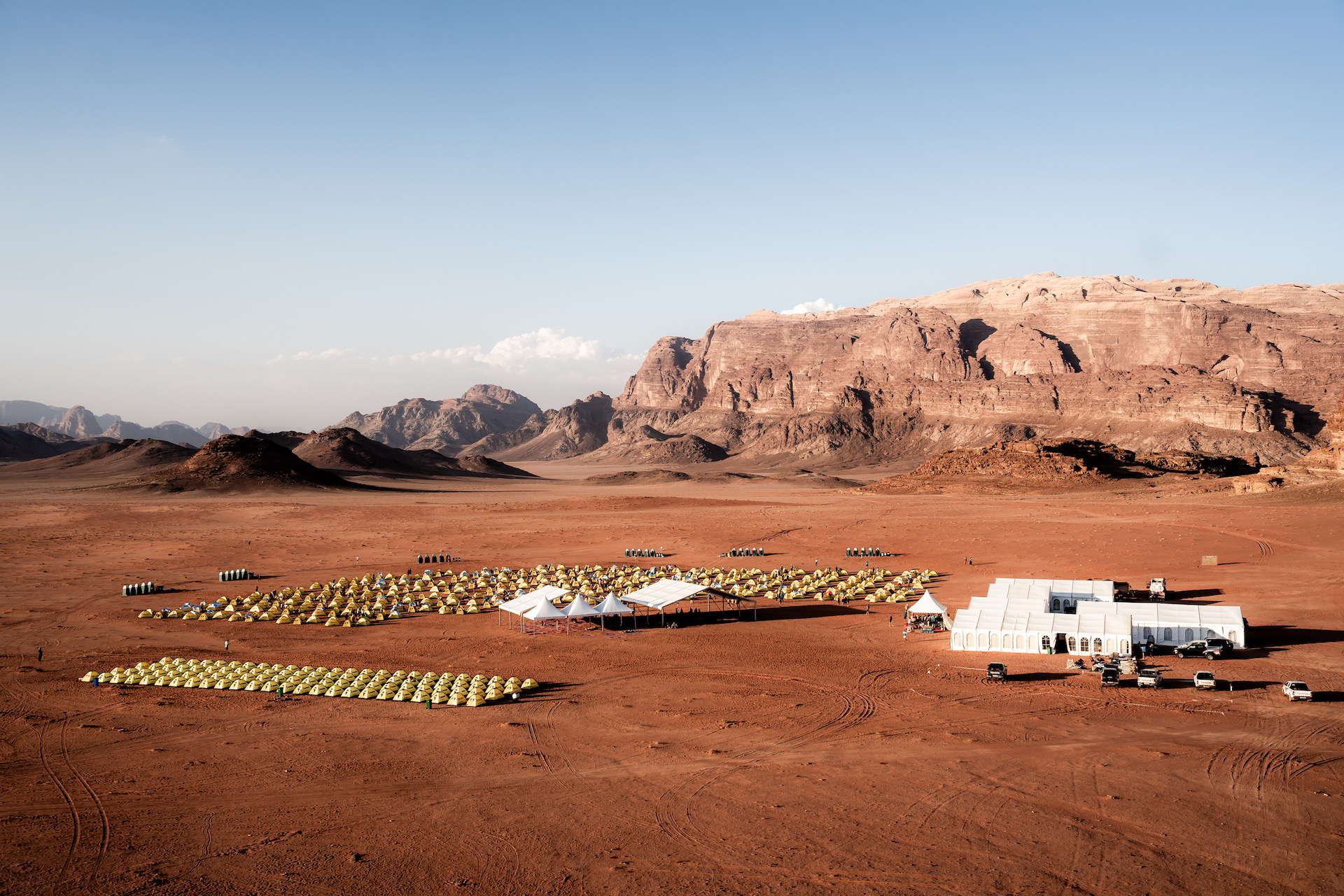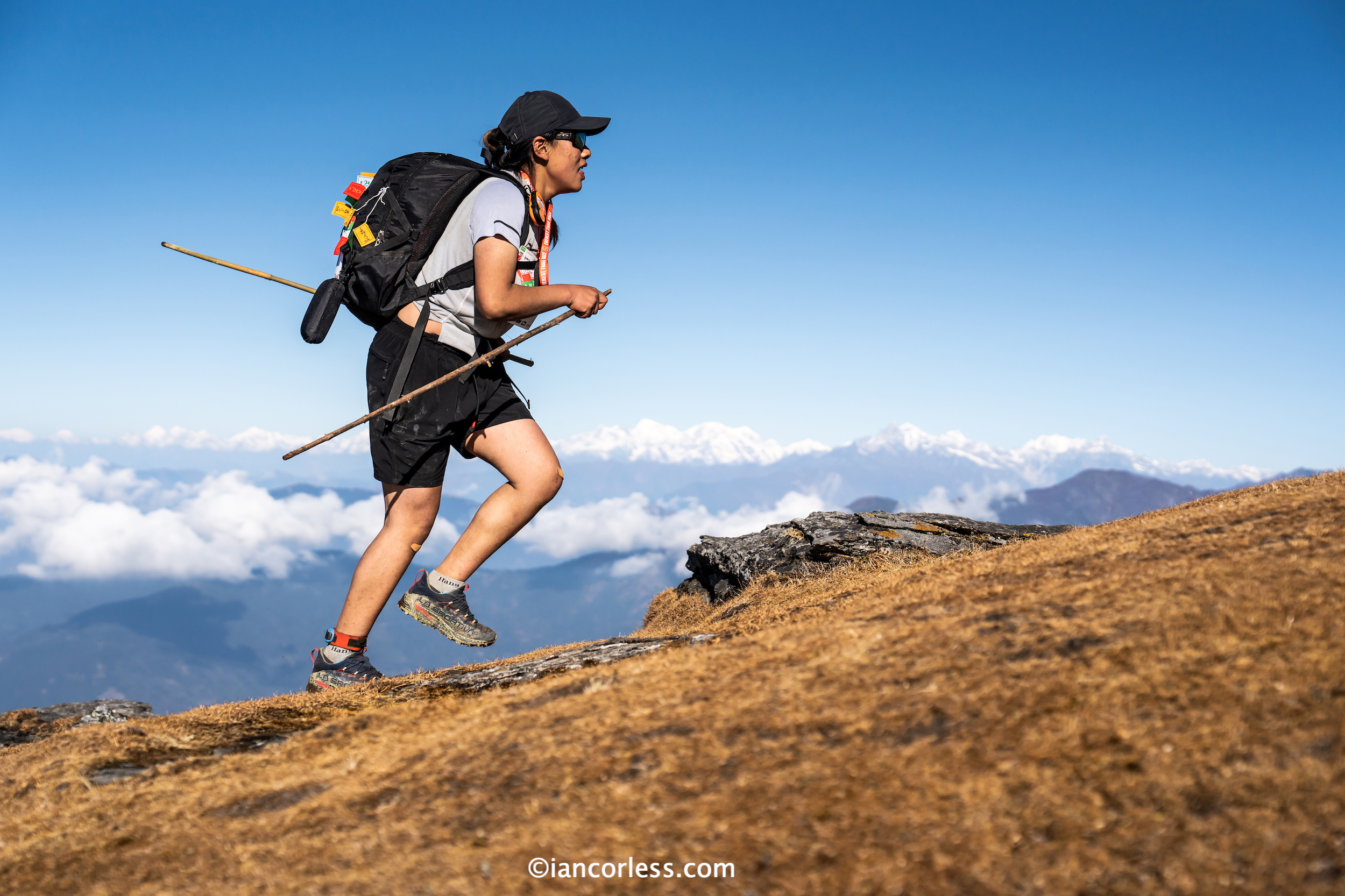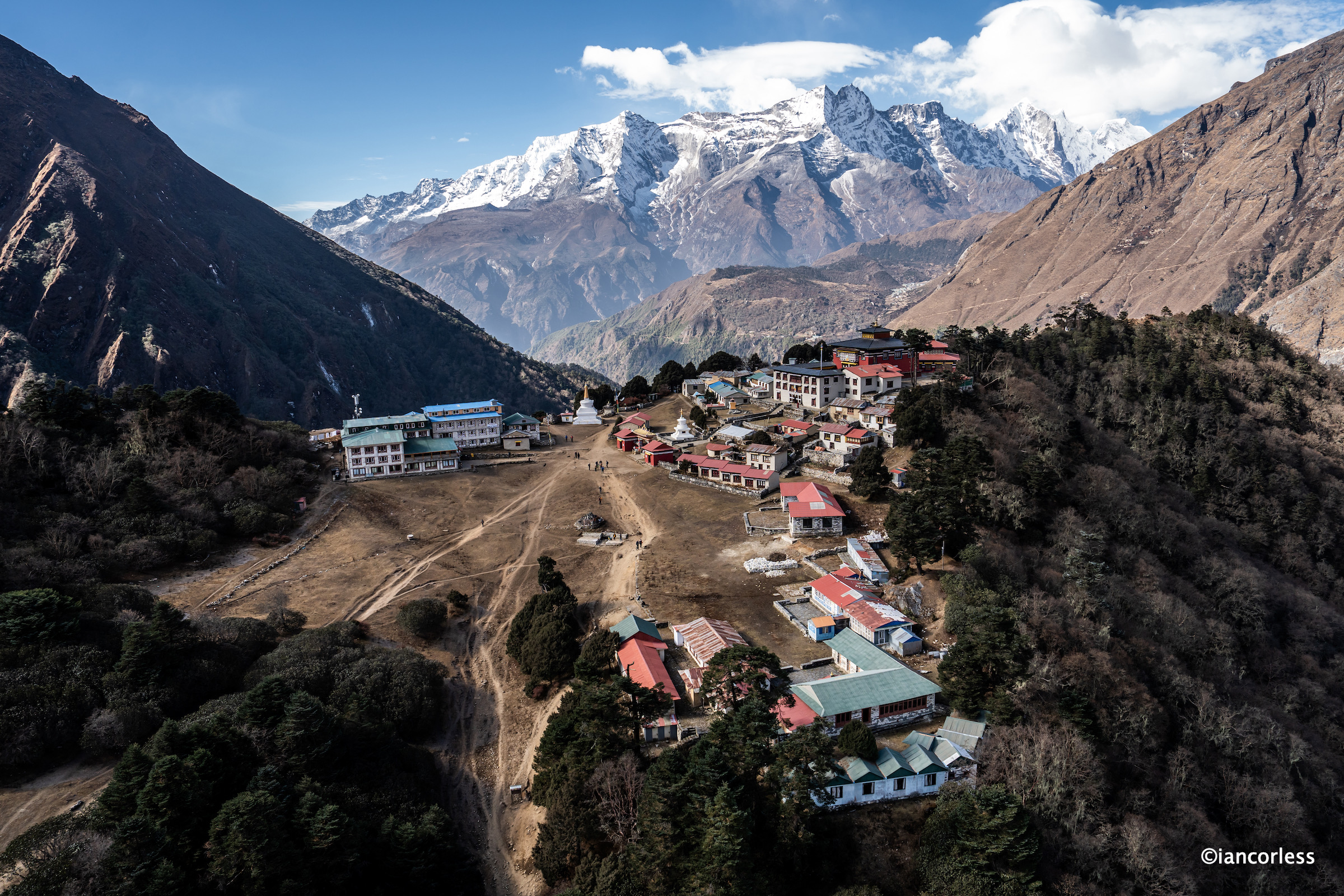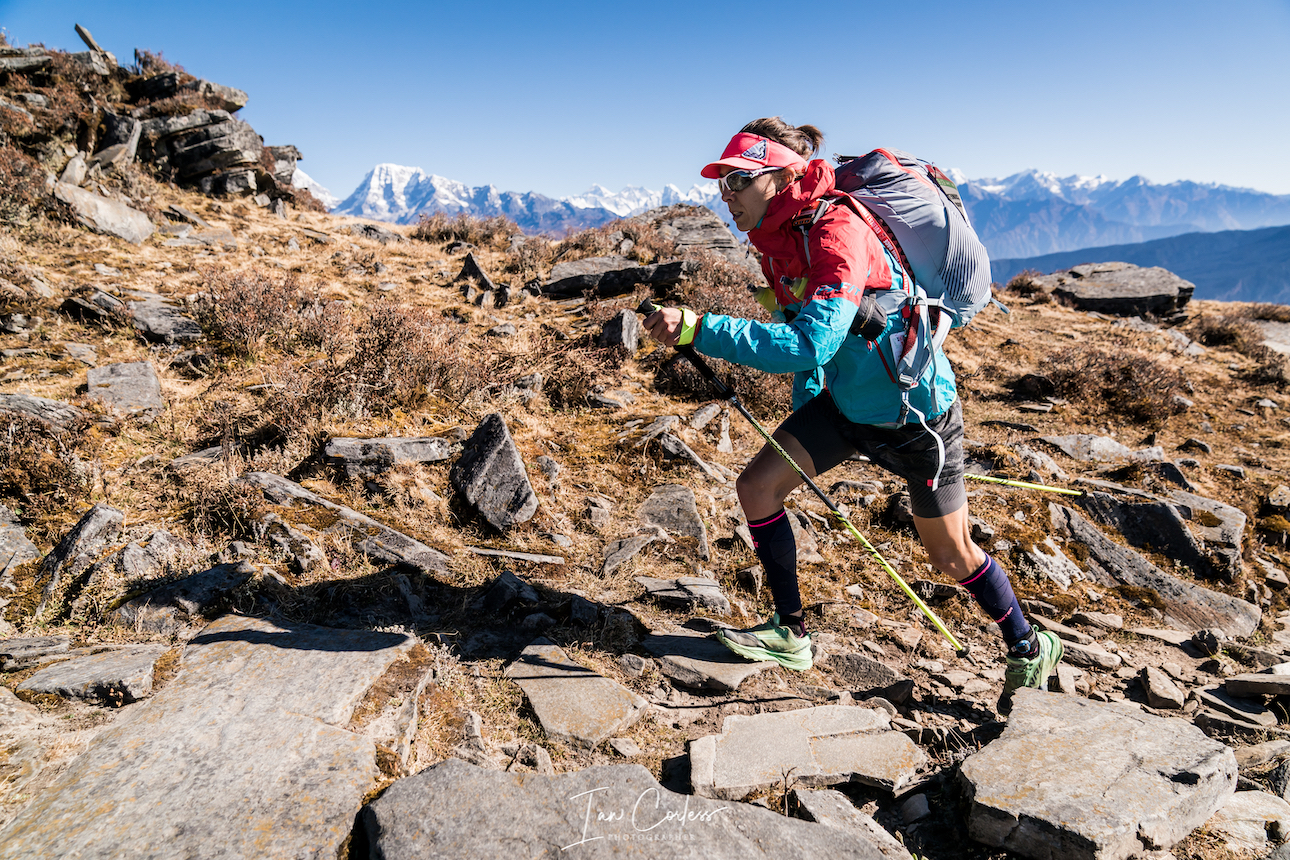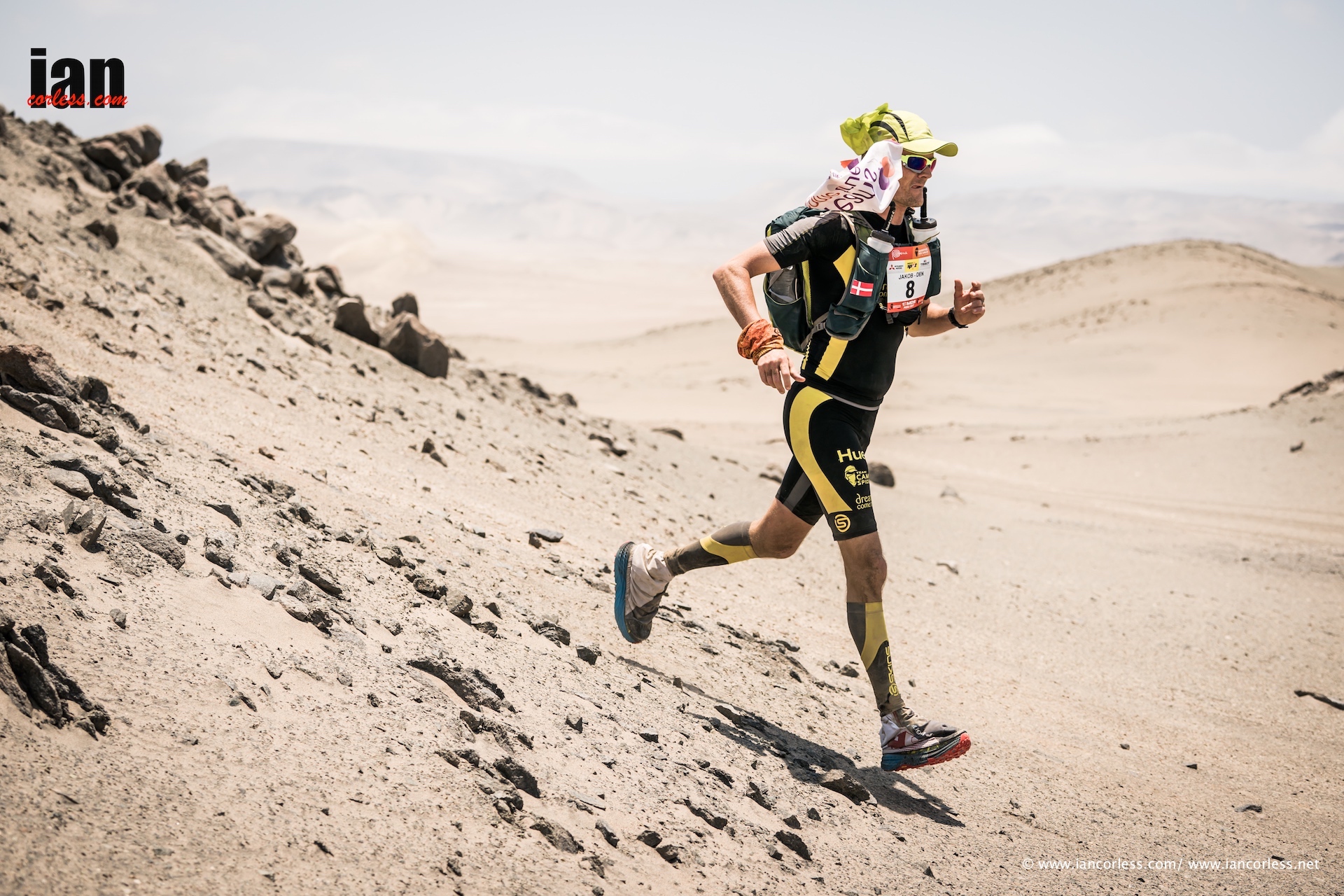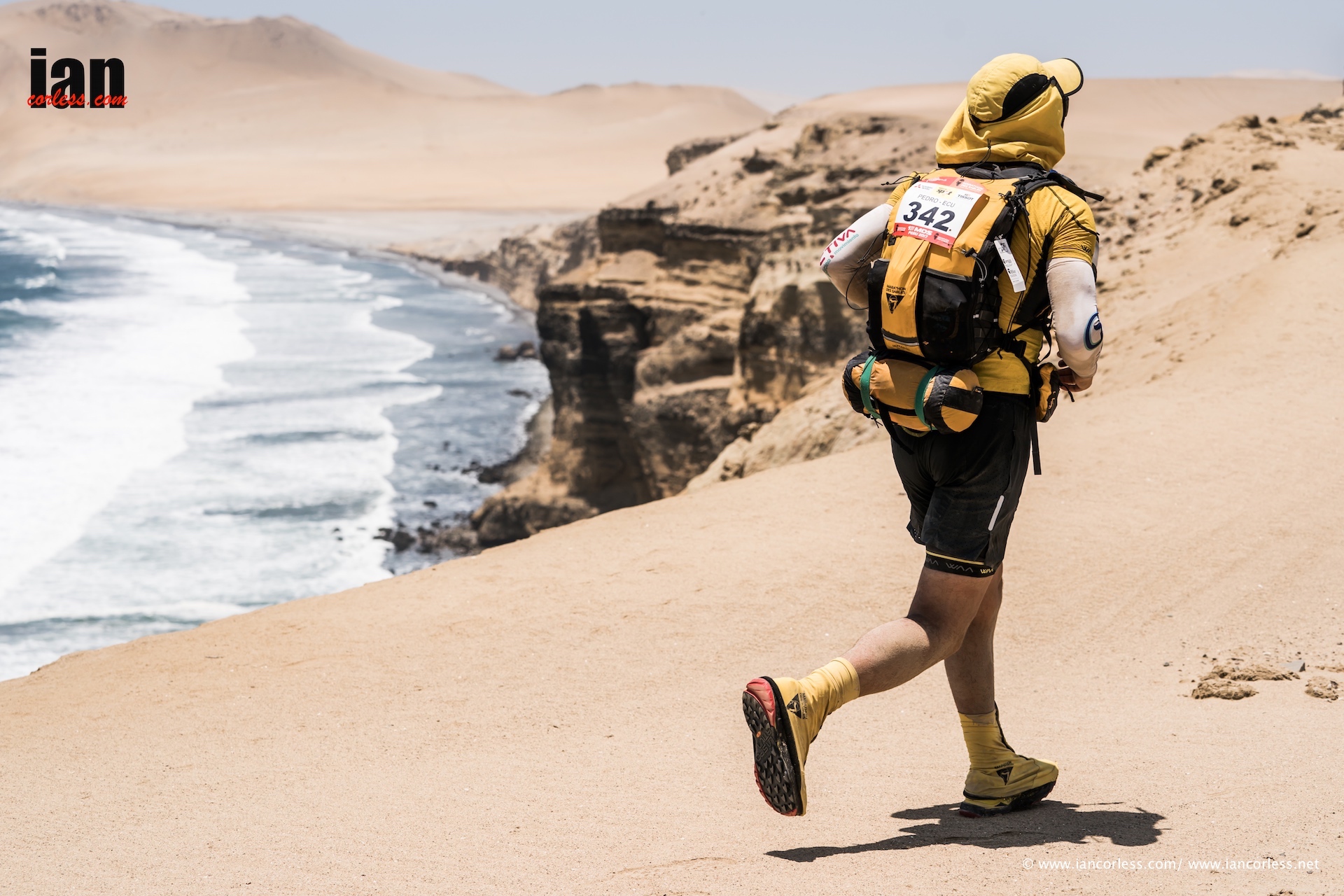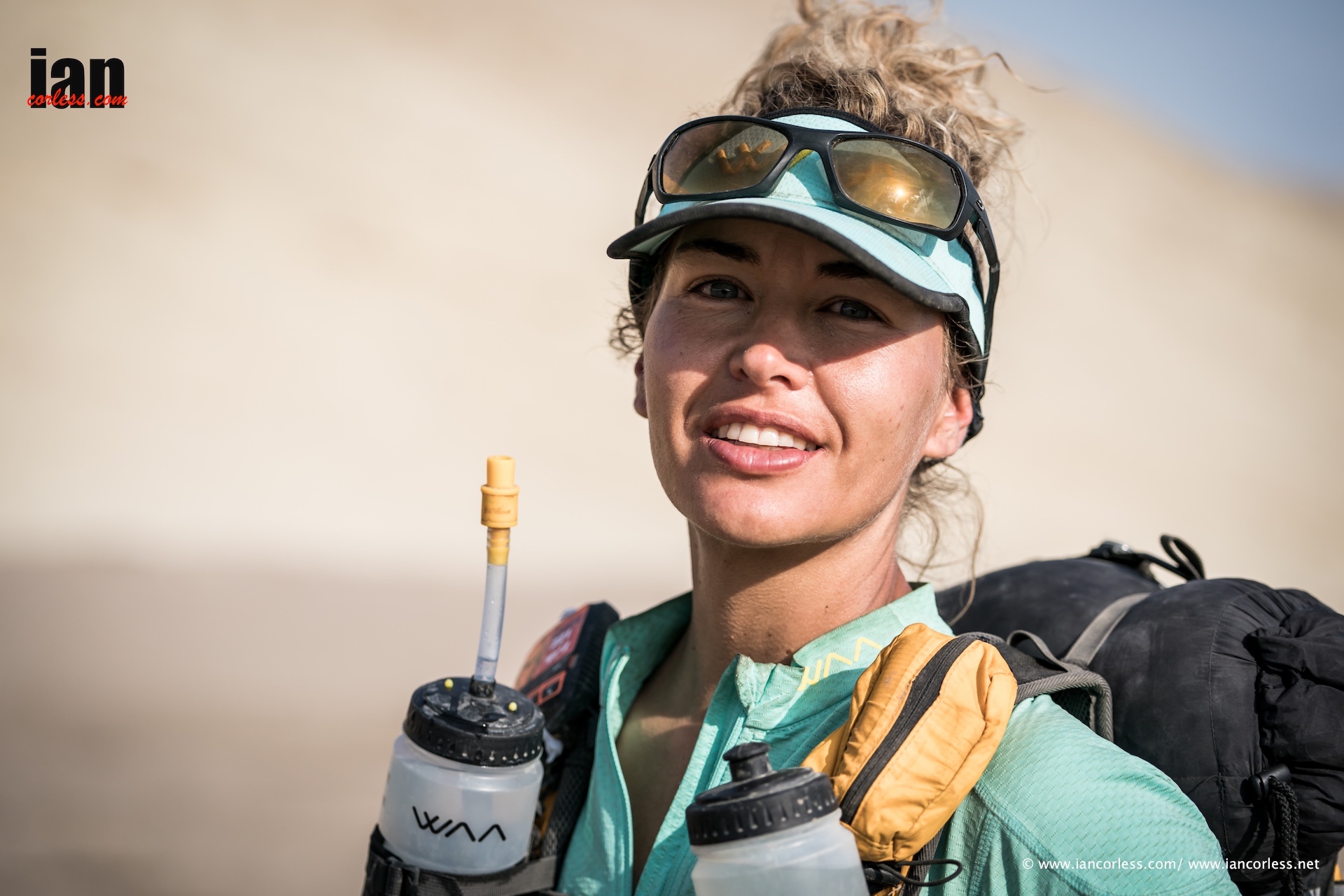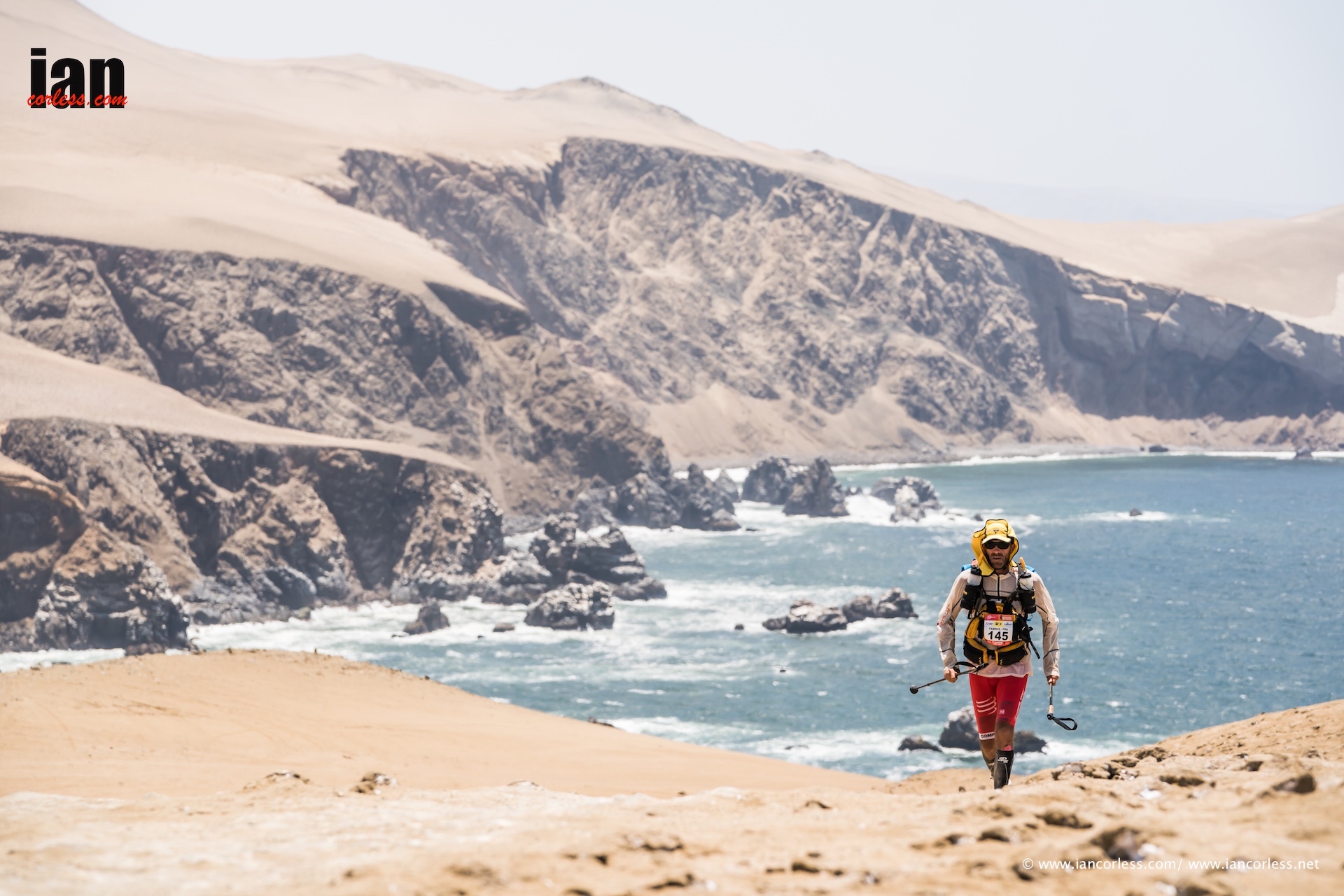
ANSWER THE CALL OF THE HIMALAYAS – EVEREST TRAIL RACE 2025

©iancorless

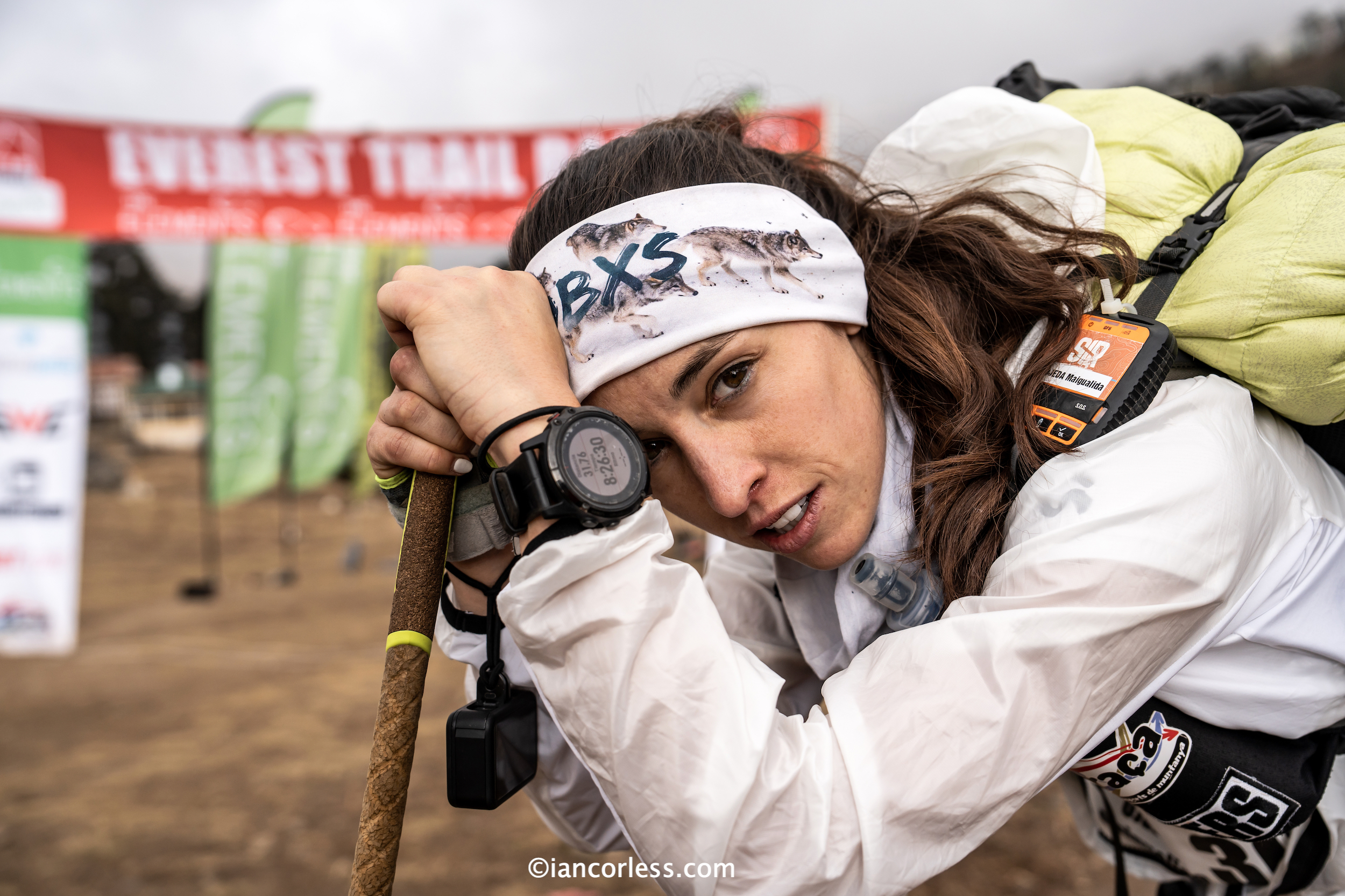
If you’ve ever dreamed of running in a place that feels otherworldly, where every breath reminds you you’re alive, and every step tests your limits, the 2025 Everest Trail Race is your chance. Happening this November, 10th to 22nd, 2025.

©iancorless

This is not just a race, it’s a life changing experience stamped into your muscles, your memory, and your soul.

The Everest Trail Race is a semi self-sufficient, multi-stage ultra that pushes you across roughly 160 km (100 miles) of raw Himalayan terrain.

©iancorless

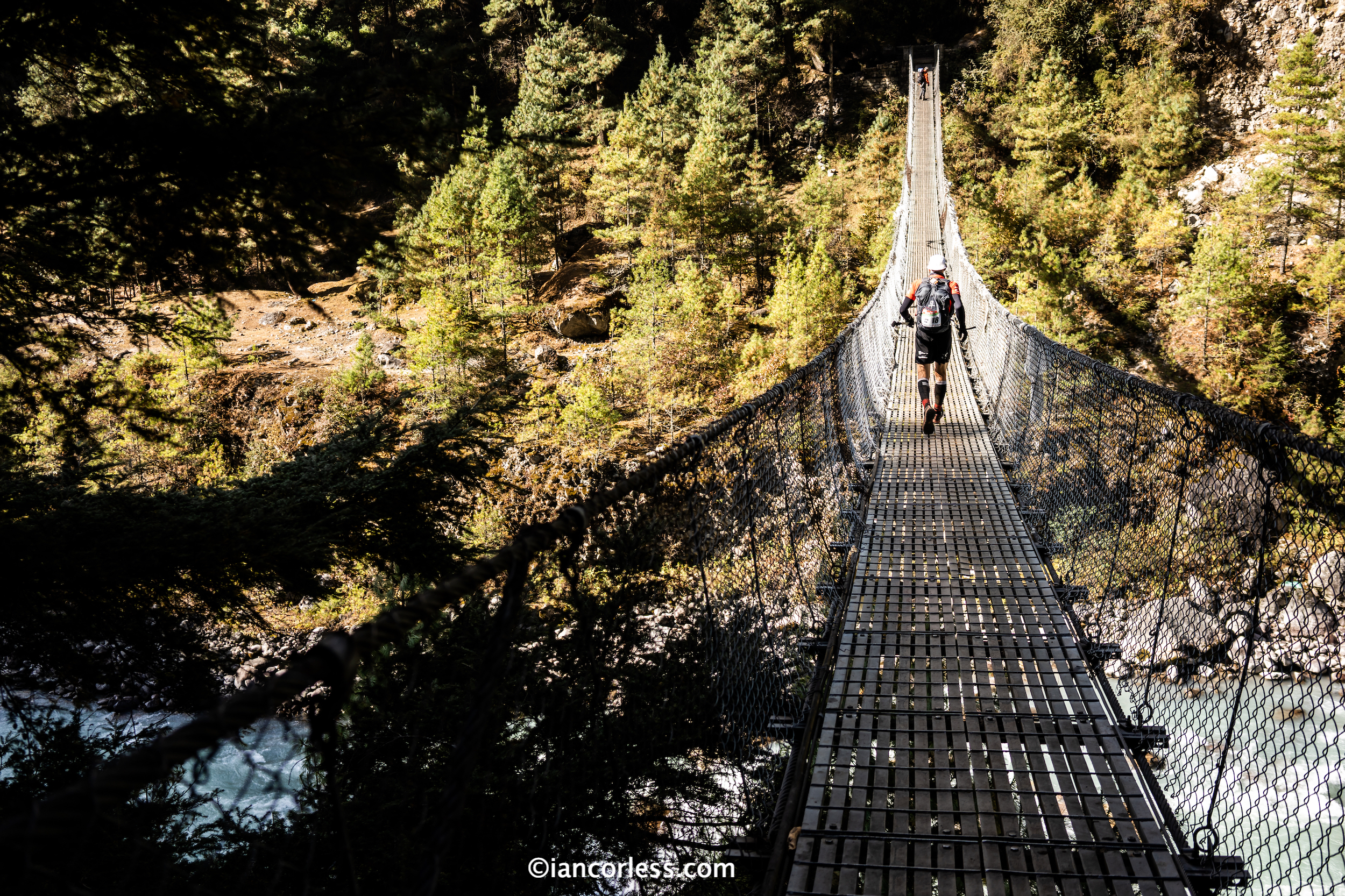
You carry your own gear. You fuel yourself. You keep going. Over six days, you’ll face steep ascents, grinding descents, suspension bridges, narrow trails, and thin air all at altitudes between 2,000 and 4,100 meters.

©iancorless

This is not a race for comfort. It’s a race for people who crave discomfort, who see sweat and struggle as part of something bigger.

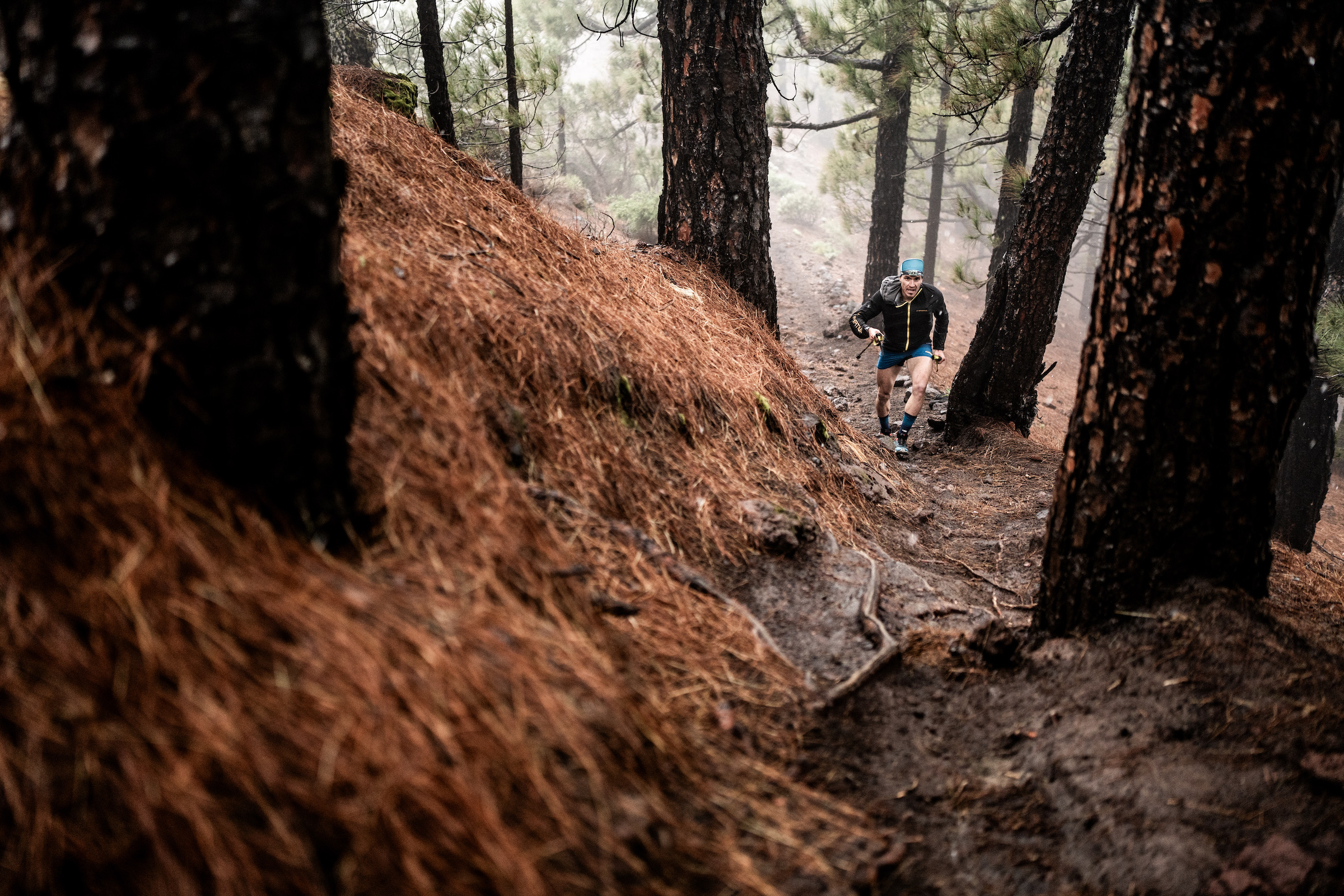
This is trail running in its purest form. Technical sections, single tracks carved into mountainsides, ancient stone paths connecting remote villages. One moment you’re running through a pine forest; the next, you’re skirting a cliff with views that stop you in your tracks.

©iancorless

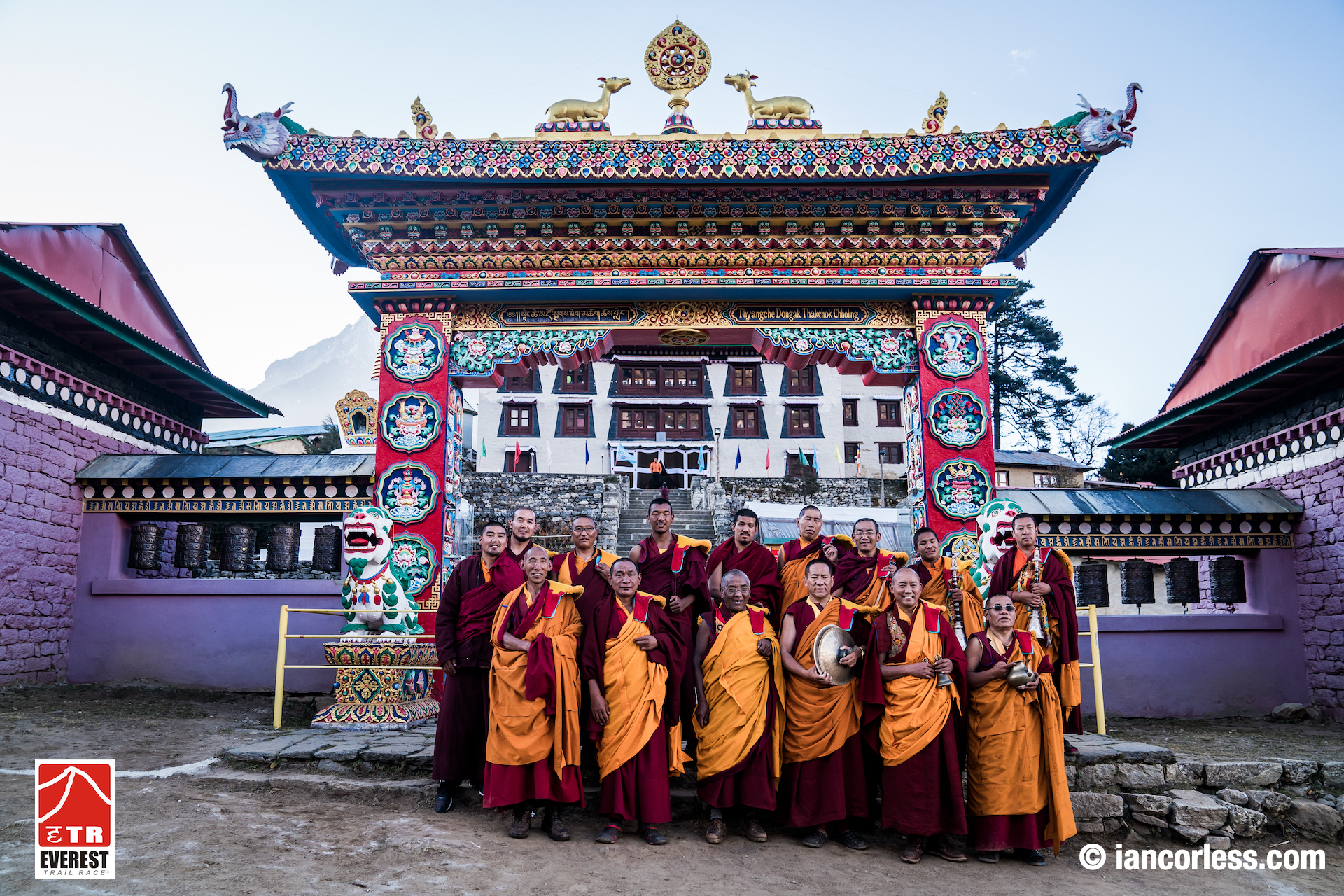
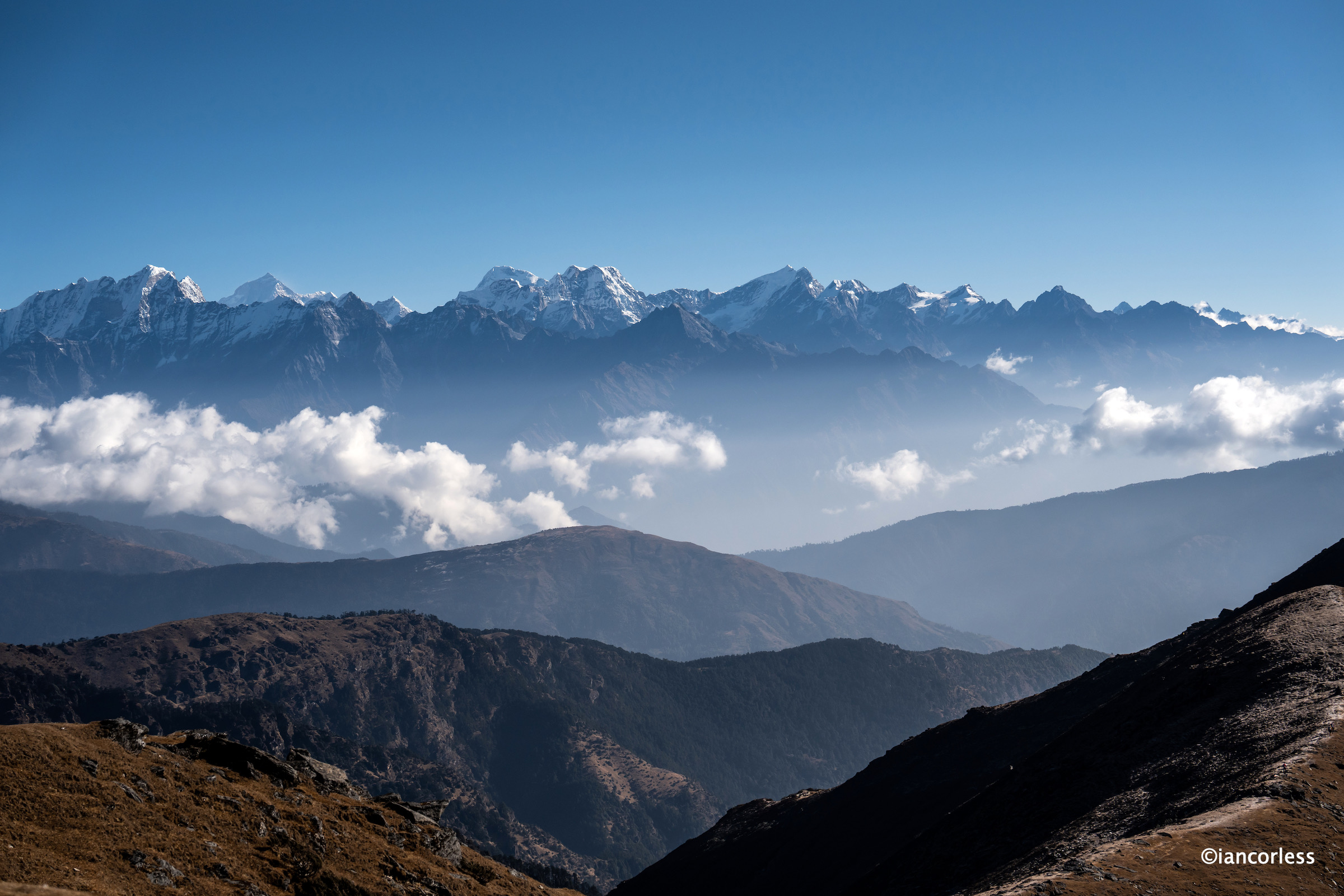
The race route threads through the Solukhumbu region, home to the legendary Sherpa people, along the same trails used by mountaineers heading to Everest Base Camp.

November in the Himalayas is cool, crisp, and clear, perfect for trail running. Daytime temps are mild, with intense sunshine at altitude.

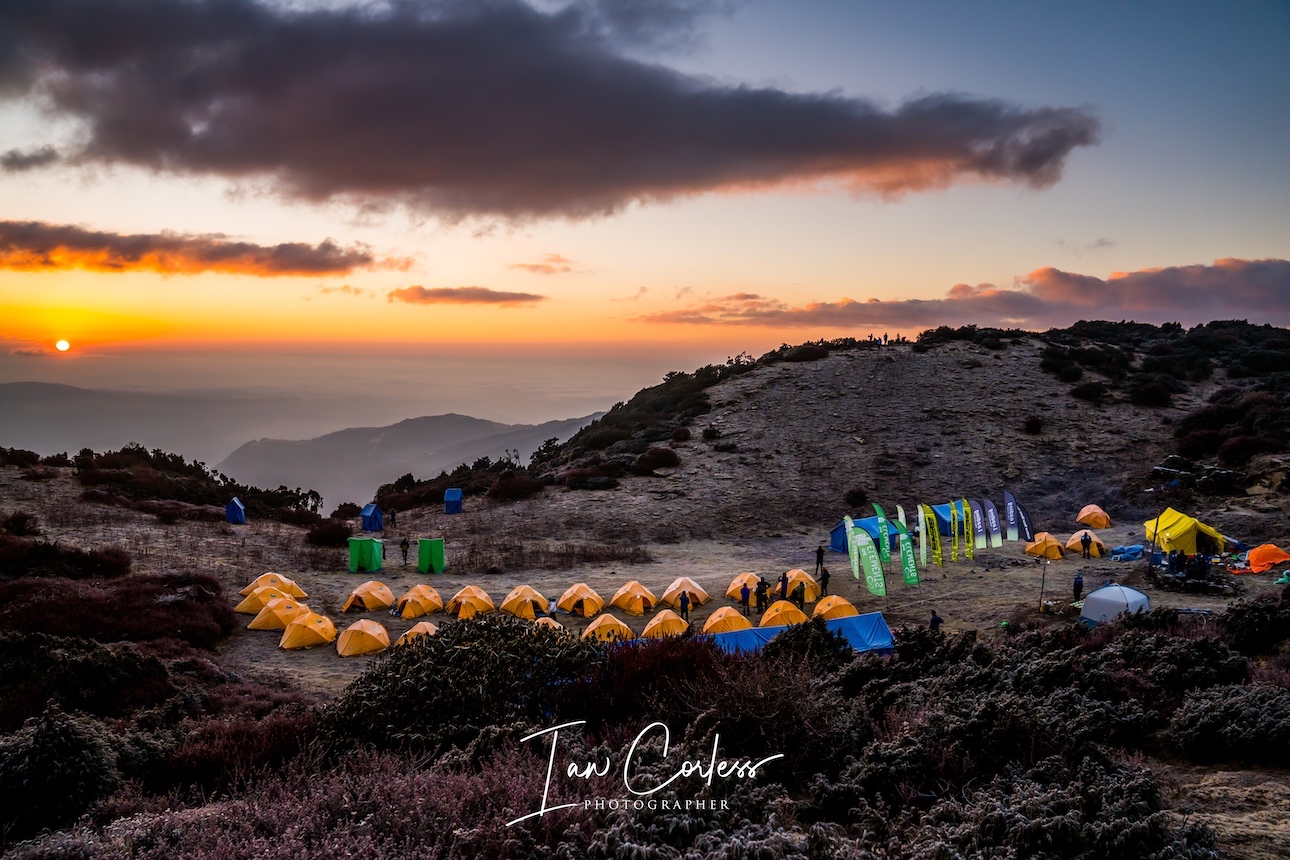
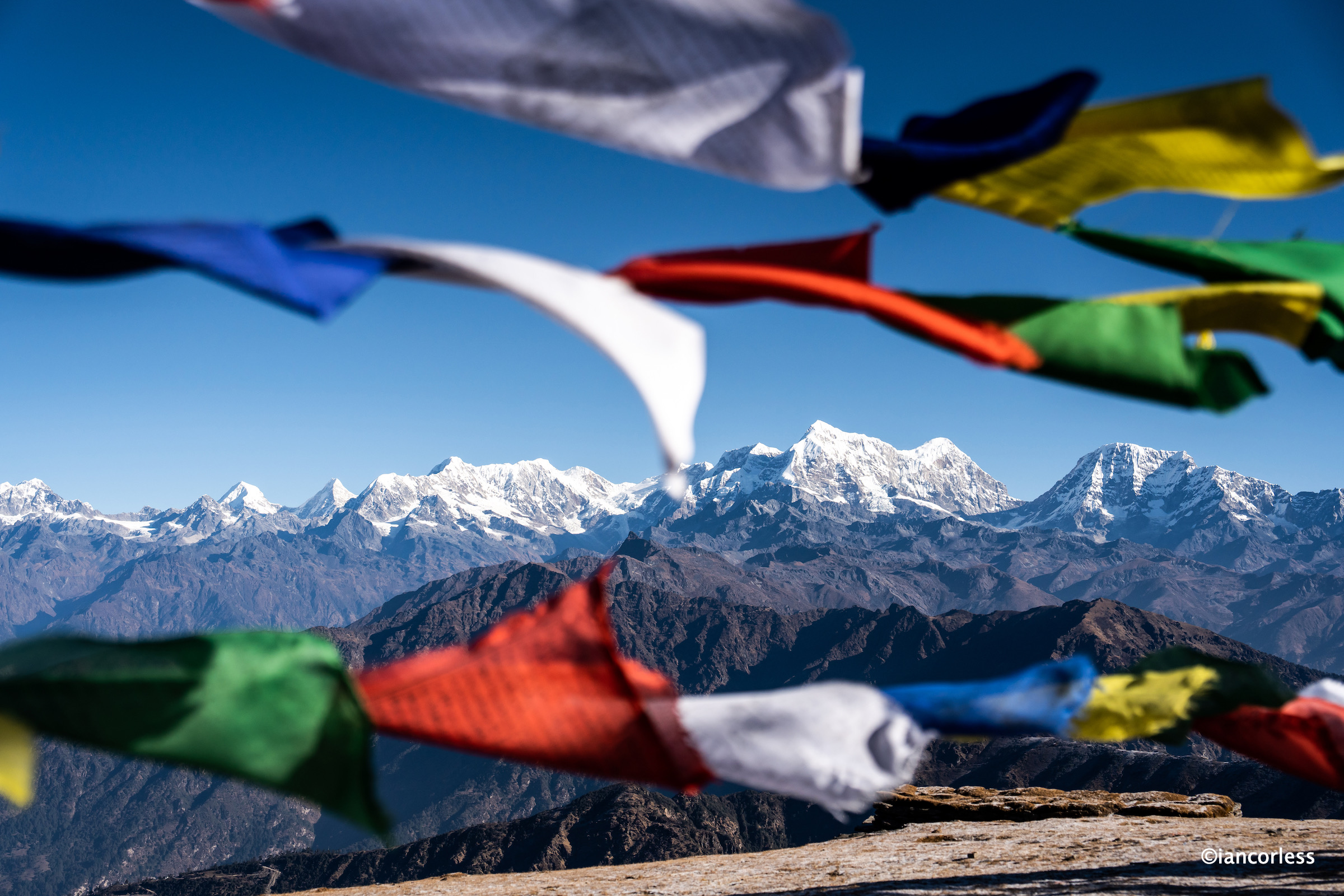
But the nights get cold. You’ll wake up to frosty mornings, and every breath will be visible. It’s the dry season, so the skies are often brilliantly blue, framing the snowcapped peaks like a postcard that never ends.

©iancorless

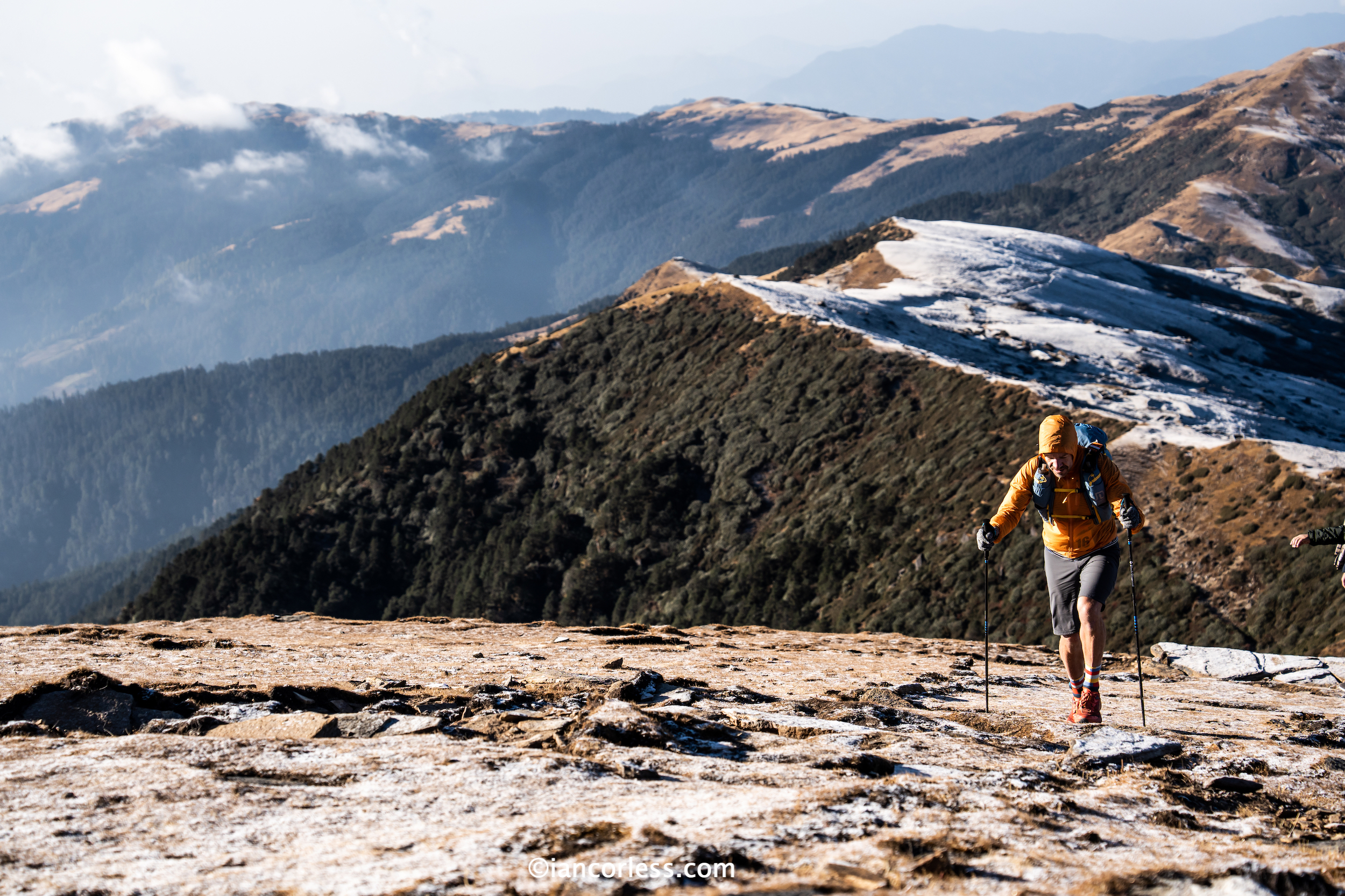
This is the kind of race where you learn to respect the air. The oxygen gets thinner, and your body feels it. It’s a slow grind uphill, and then a fast, careful descent. Pacing becomes survival. Acclimatisation is your secret weapon. But when you’re out there, breathing hard, moving slow, you realise something: you don’t need speed. You just need grit and determination.

©iancorless

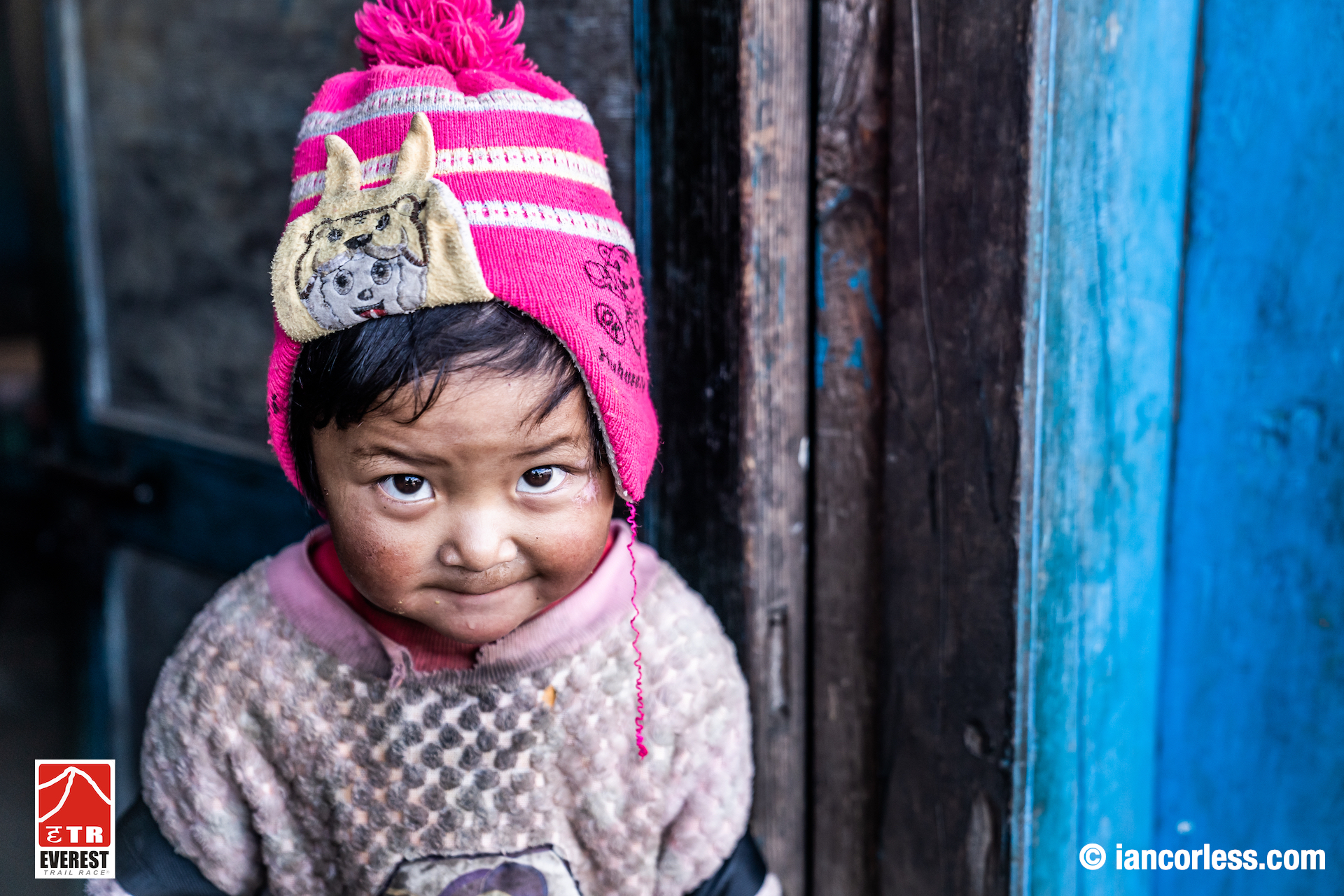
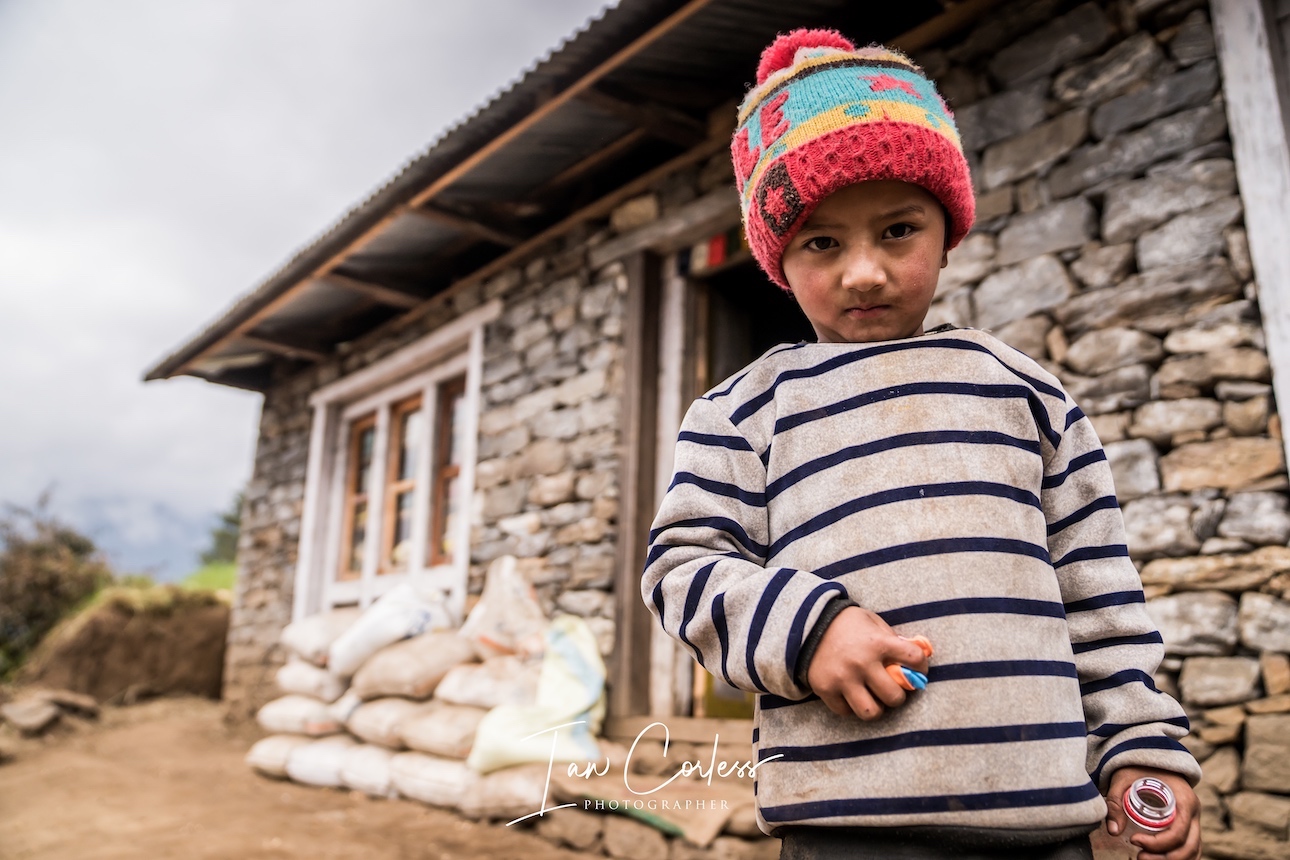
You’ll meet Sherpa families offering you tea from tin cups in smoky kitchens. Kids will run beside you, barefoot and beaming.

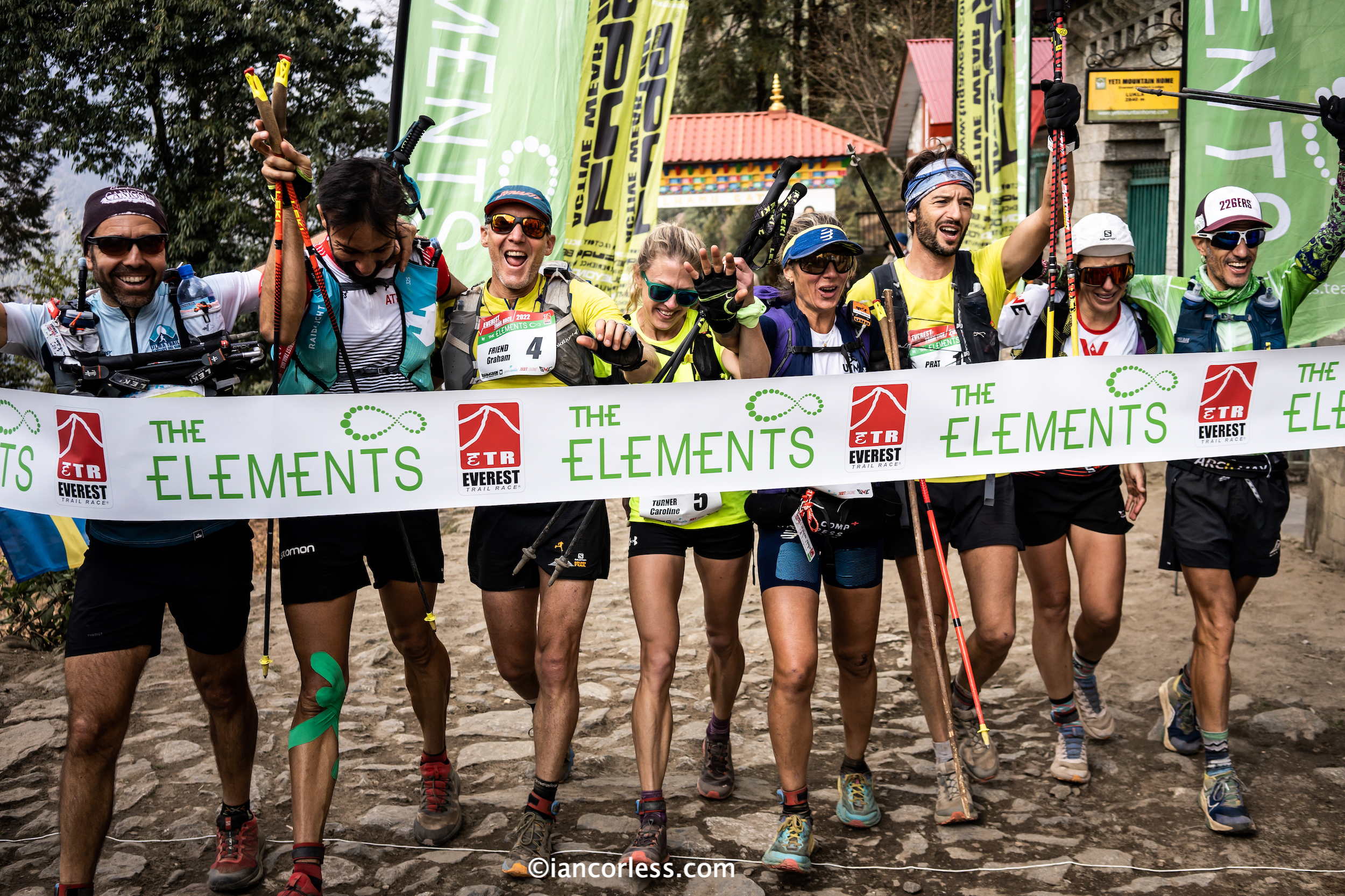
The camaraderie among runners is real, forged in pain, sweat, and shared awe. You’ll finish each stage beside people who were strangers, now teammates.

©iancorless

The Everest Trail Race is small and personal. It’s not about crowds. It’s about connection — to the land, to each other, and to something deeper inside yourself.

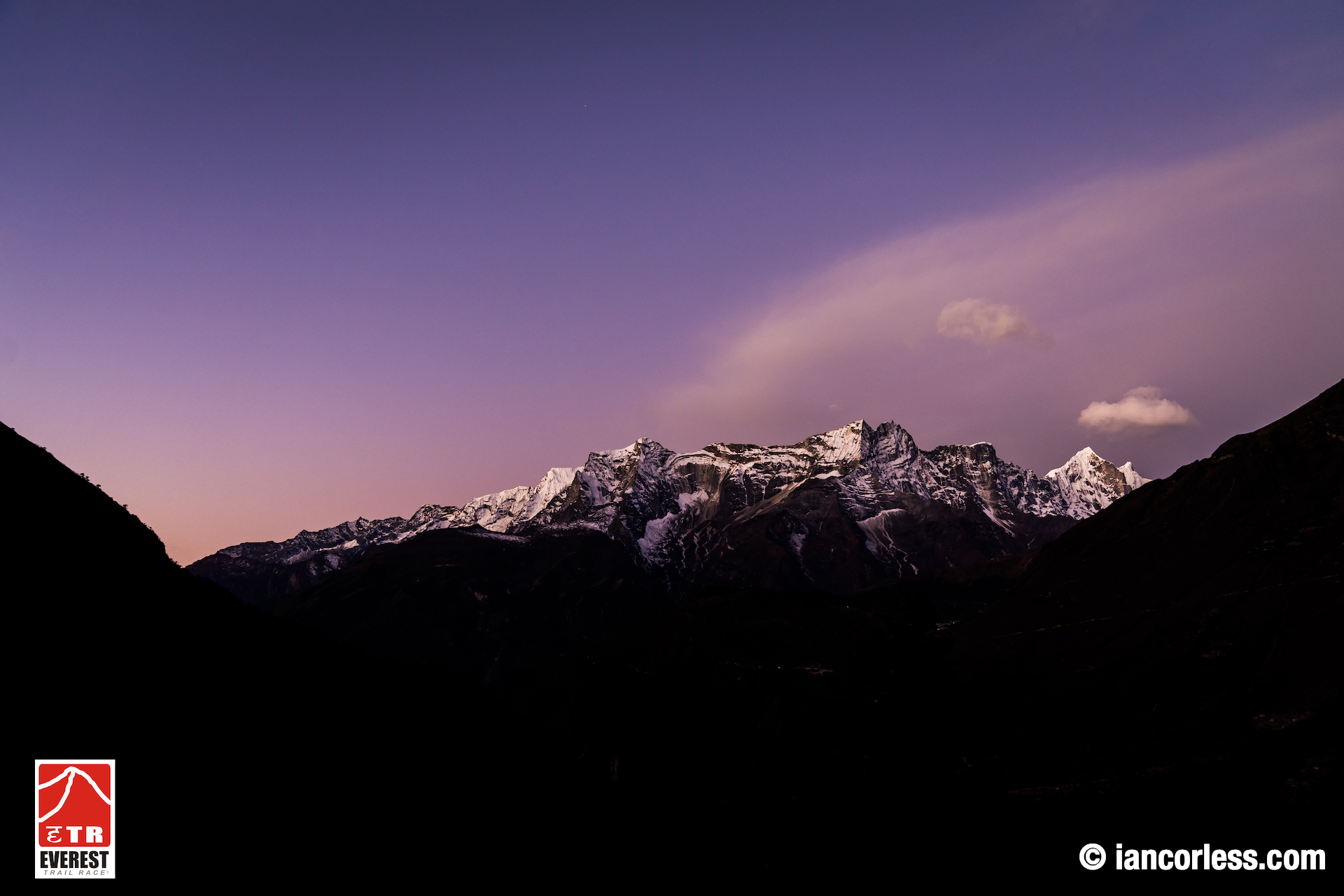
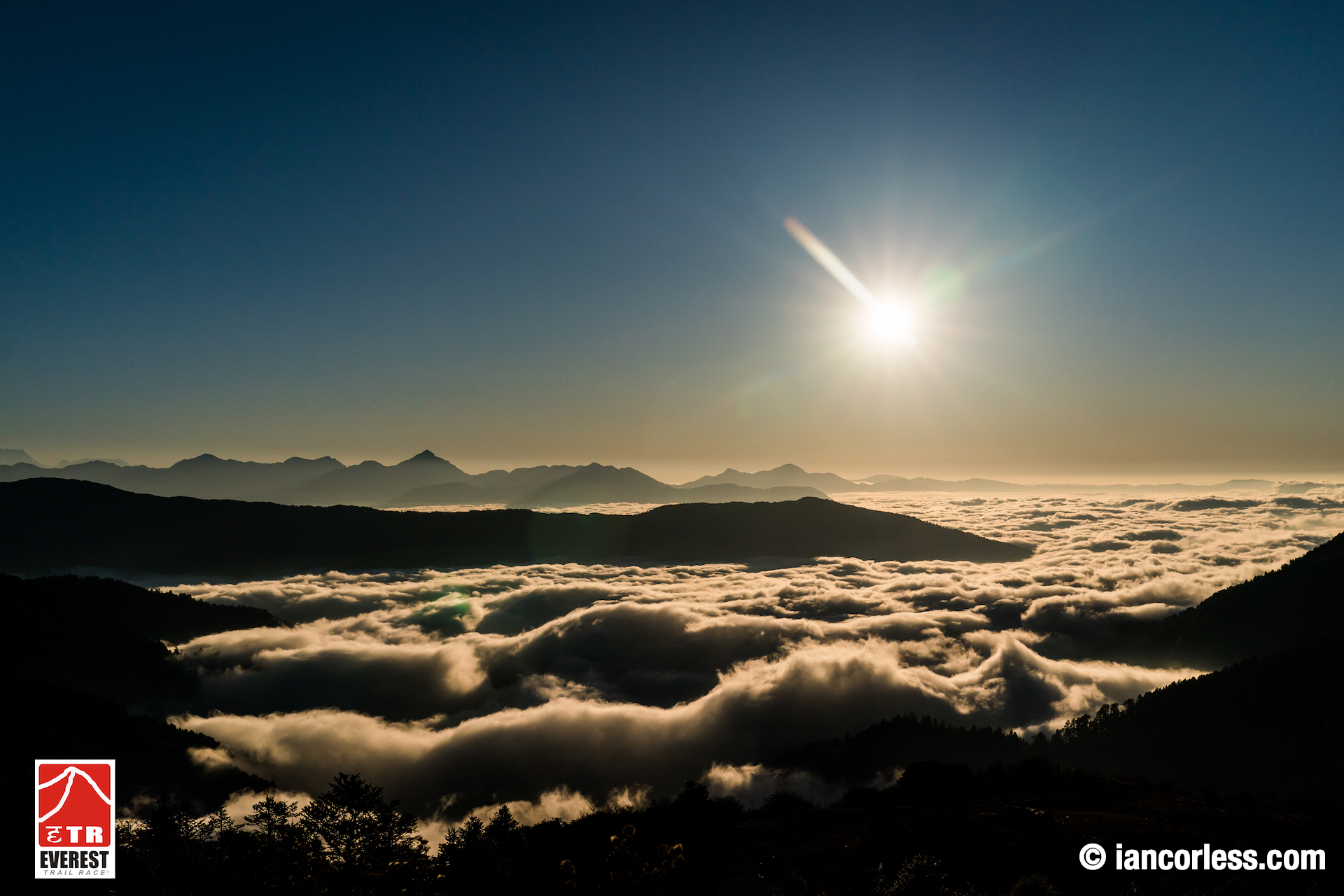
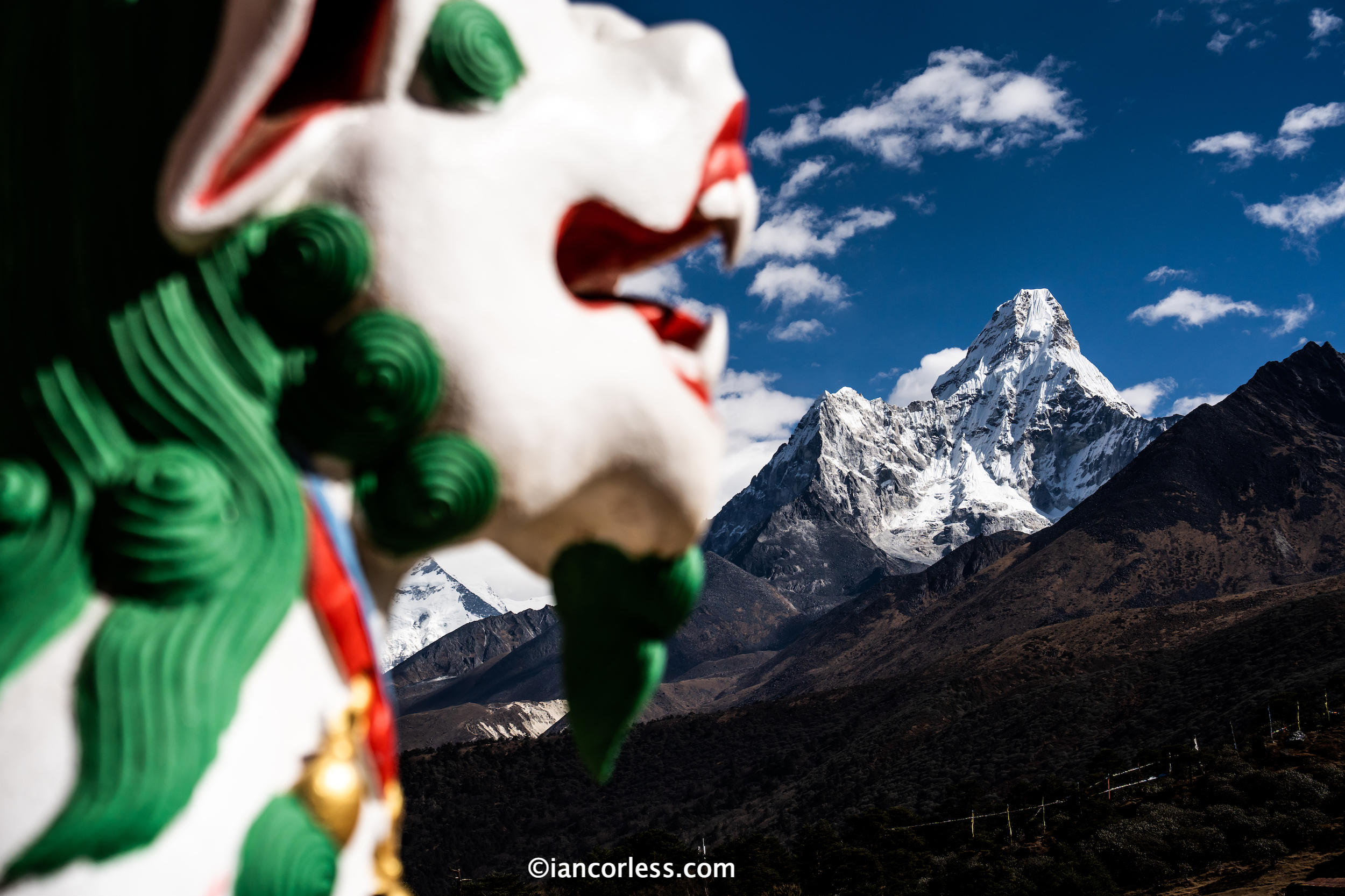
You’ll see Everest, Lhotse, Ama Dablam, and other giants of the Khumbu up close. But it’s not just the mountains — it’s the prayer flags flapping in the wind, the monasteries perched on hillsides, the layers of ridge upon ridge fading into the horizon. Every day looks like a screensaver. Every sunrise feels earned.

If you’re waiting for the “perfect moment,” this is it. You don’t need to be the fastest or the strongest. You just need to show up ready to push, adapt, and feel everything this place throws at you. The Everest Trail Race is not about conquering the mountain. It’s about discovering who you are when the mountain pushes back.

©iancorless
  • Transcontinental flights Barcelona/ Kathmandu / Barcelona and transfer to the Hotel.
  • Domestic Flights. Manthali/Lukla/Manthali and transfer to the hotel.
  • 4 nights hotel in Kathmandu 4 * (according to local tourist category) with breakfast, double occupancy.
  • Overnight in lodge (hostel) during the trek in full board. Not beverages included.
  • Dinner the second night in a hotel in Kathmandu. Not beverages included.
  • Dinner and awards party. Not beverages included.
  • Allowances and staff insurance.
  • Trekking permit.
  • Entry into the National Park

SIGN UP FOR ETR 2025 HERE

Official Everest Trail Race website here

Follow Ian Corless

Instagram – @iancorlessphotography

Twitter – @talkultra

facebook.com/iancorlessphotography

Web – www.iancorless.com
Web – www.iancorlessphotography.com

Chasing Horizons – The Second Edition of MDS Cappadocia Redefines Adventure

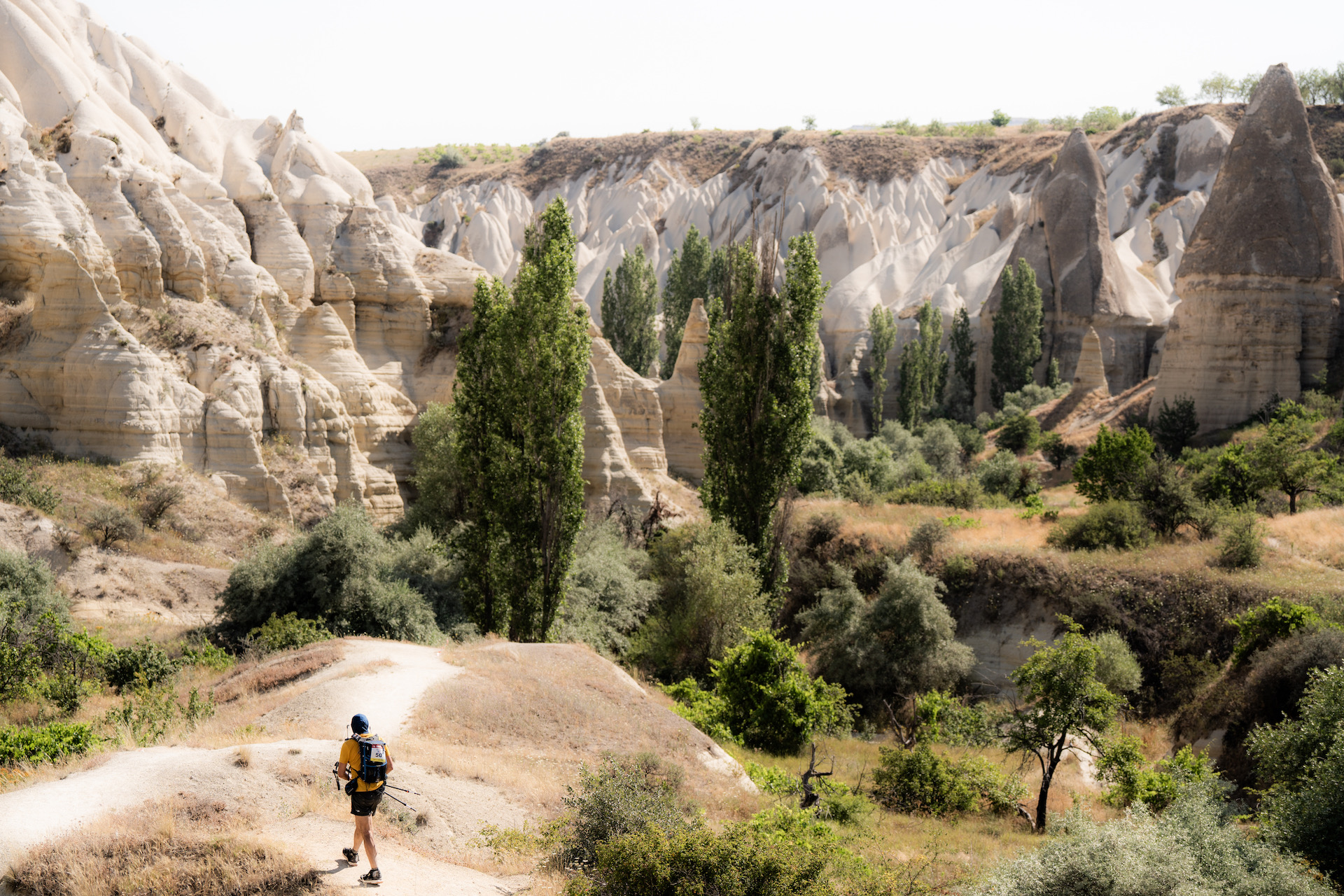
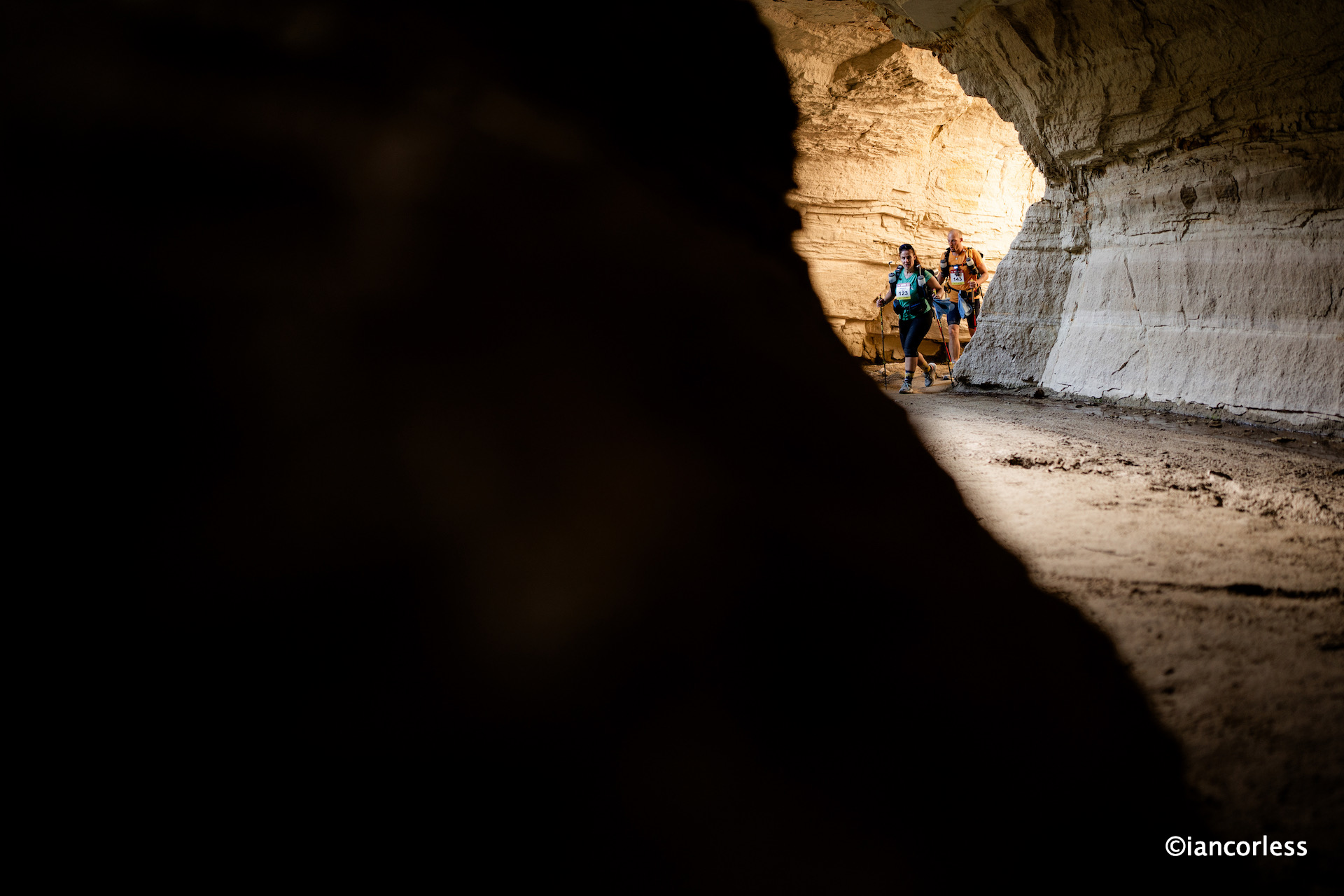
The MDS Cappadocia returns for its second edition, bringing trail runners back to one of the most visually surreal landscapes on Earth. 

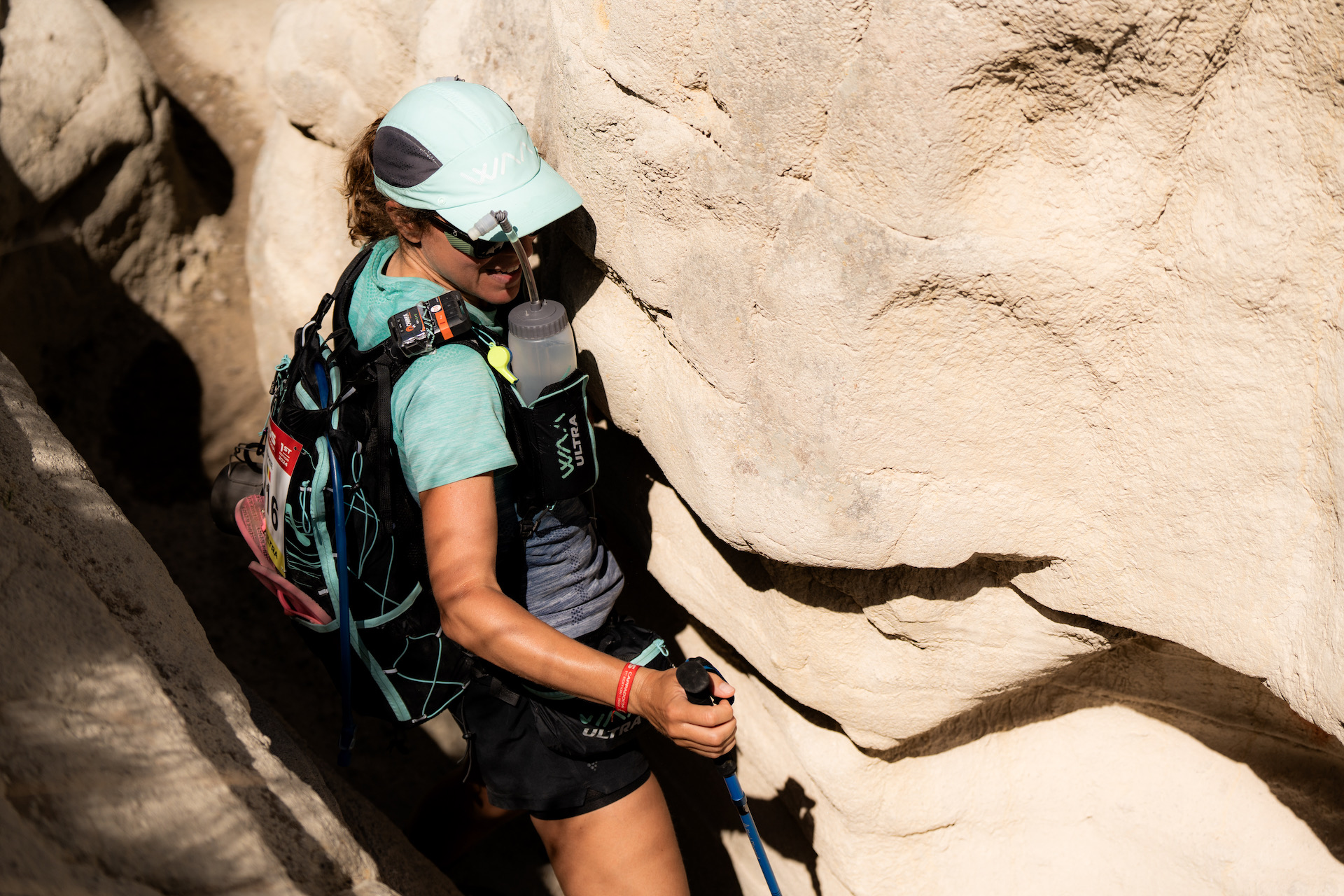
Set across three demanding stages over four days, this is not your typical desert race, on the contrary, it’s a technical, high-impact trail event through ancient terrain steeped in history and visual splendour. 

Runners choose between 70km, 100km, or 120km of total distance, stages 1 and 3 are the same for everyone, stage 2 participants choose 20/40 or 60km.

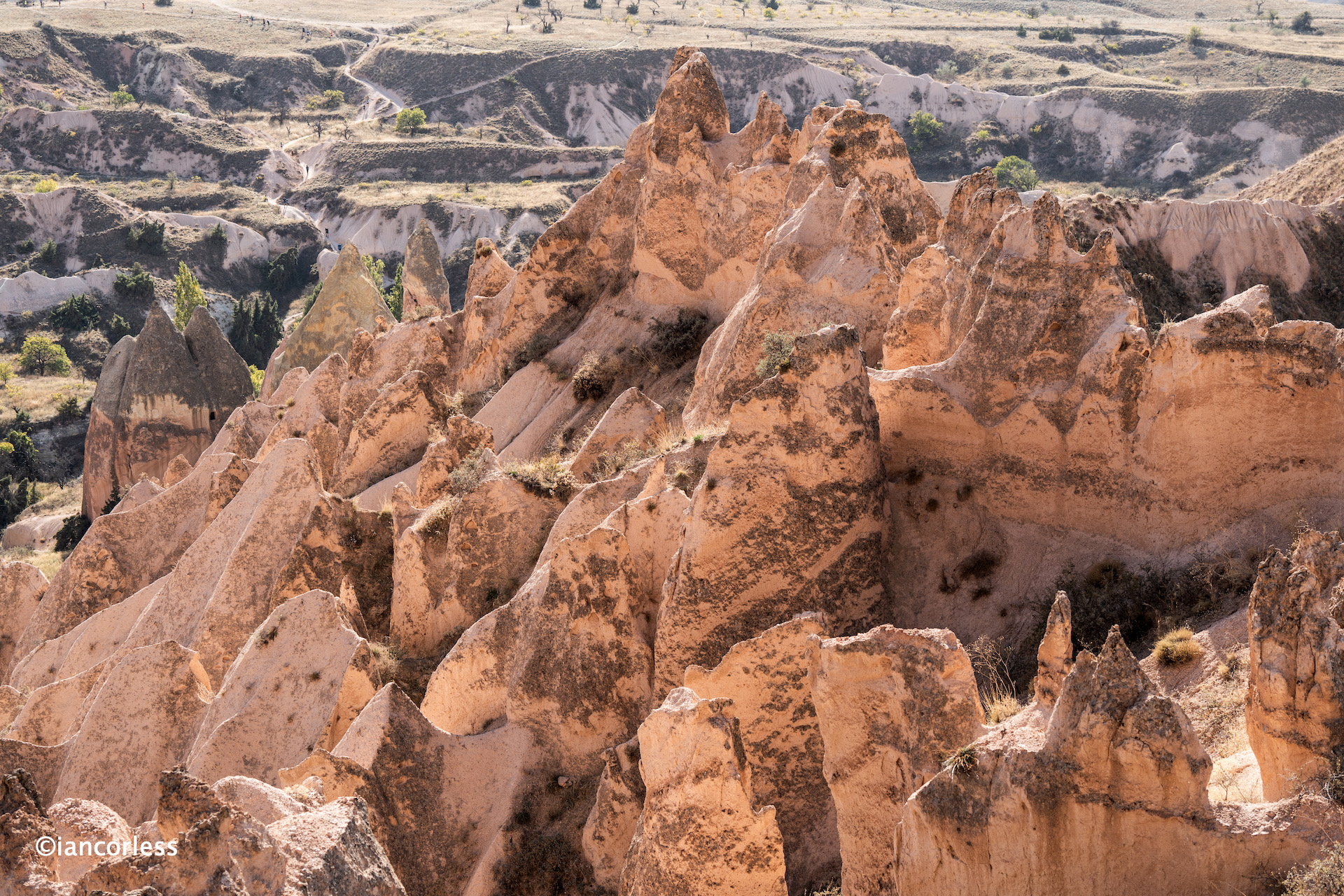
Each course is carved through a landscape that feels pulled from another planet.

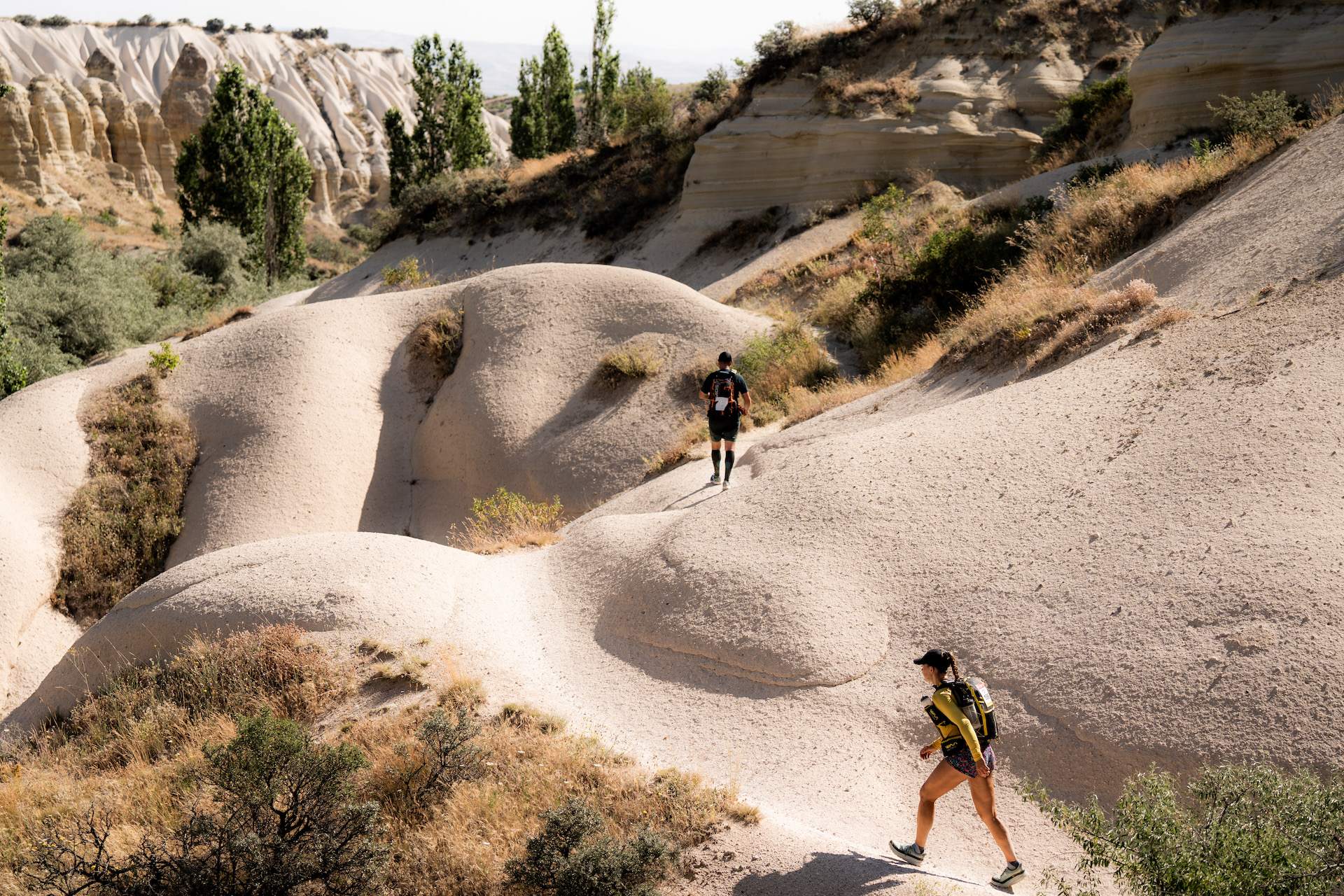
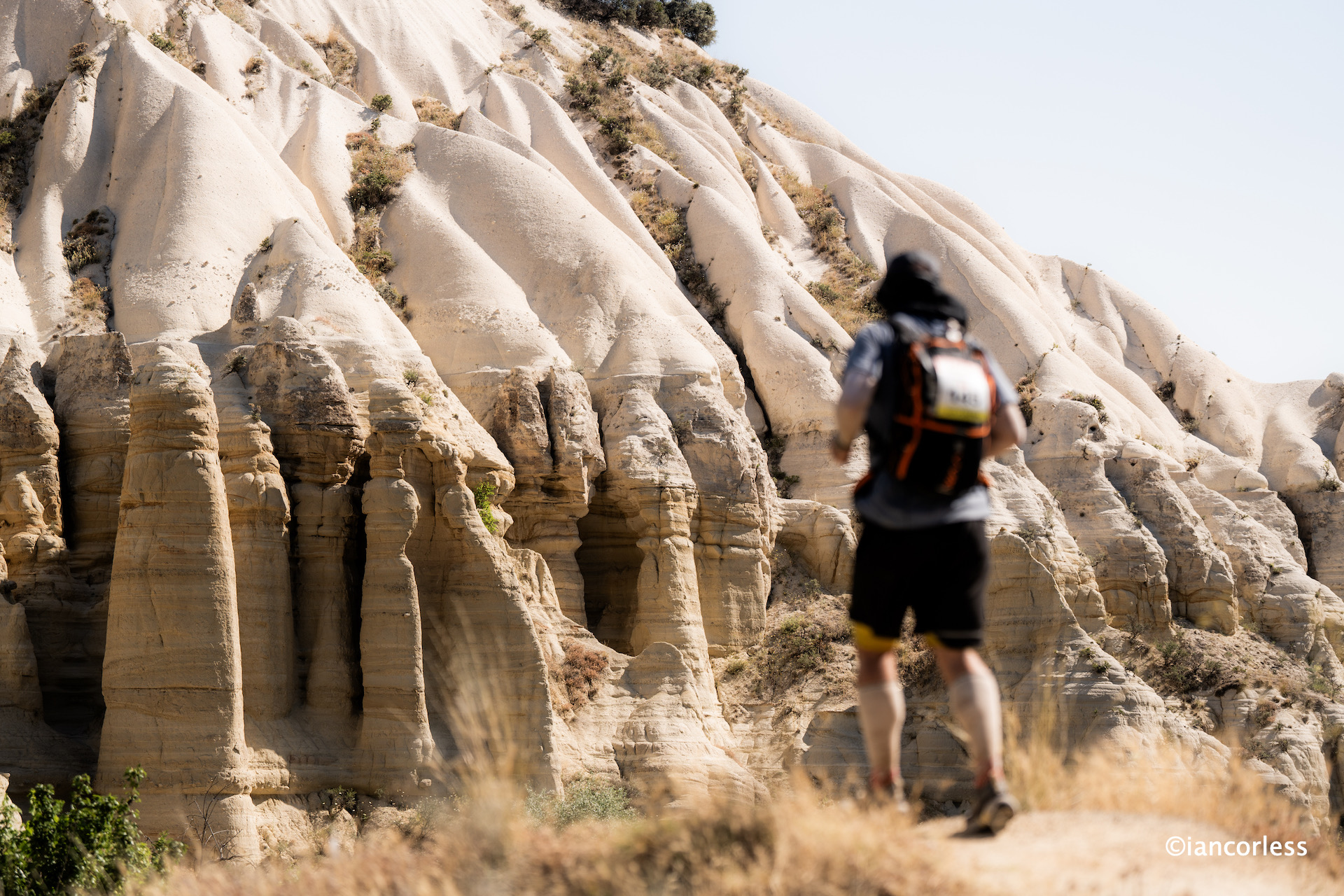
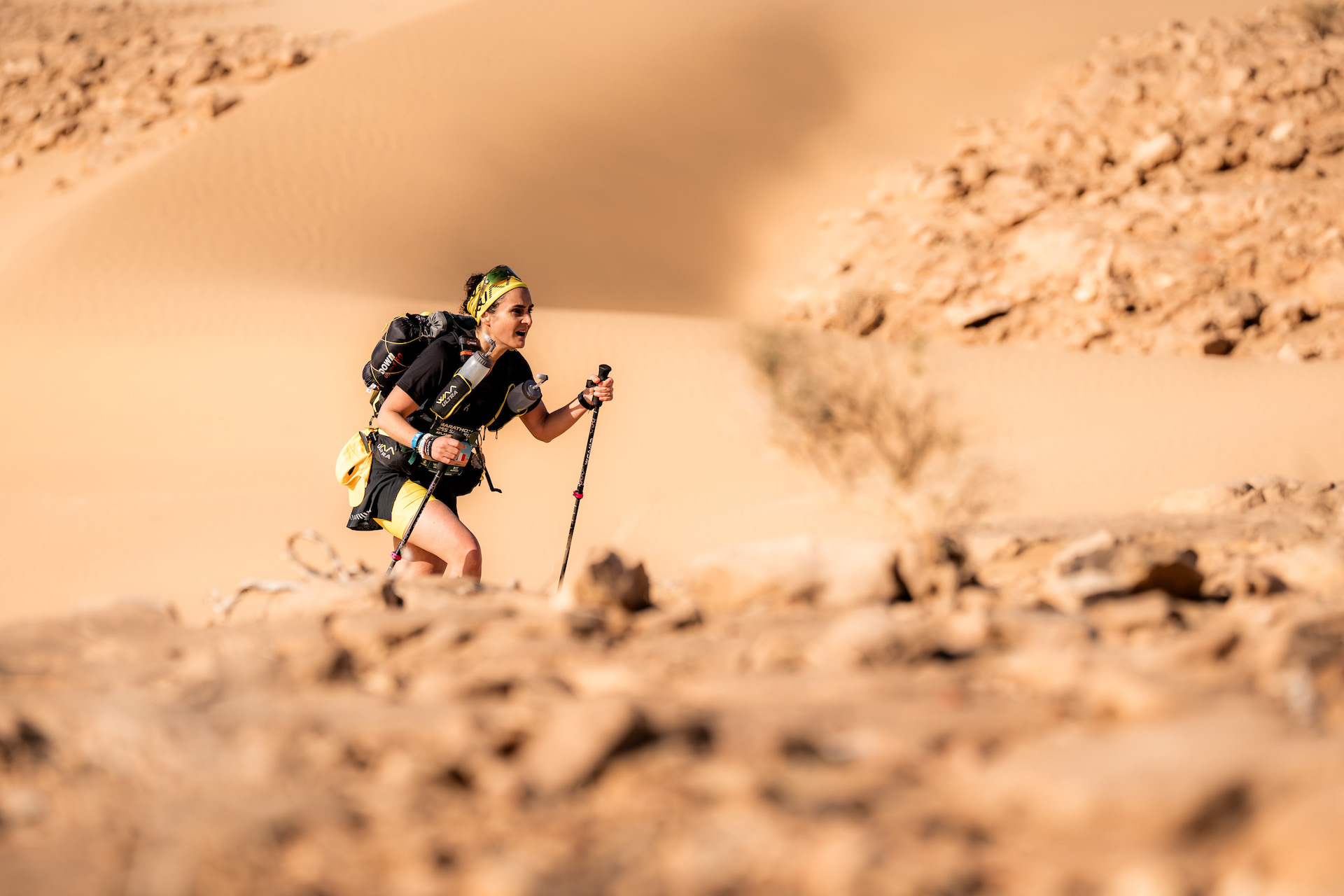
This isn’t a race of endless dunes, Cappadocia stands unique in the MDS format with no sand. It’s a test of grit over rock, gravel, and dust trails, winding through steep valleys, high plateaus, and narrow chimney-like formations.

The terrain shifts constantly. One moment you’re powering up a canyon, the next you’re cruising past thousand-year-old cave dwellings.

Cappadocia’s late summer weather is unpredictable. Days can scorch above 30°C (86°F), while nights drop sharply in temperature. As with all MDS events, participants will sleep in individual tents in a stunning location set within an amphitheatre of rock.

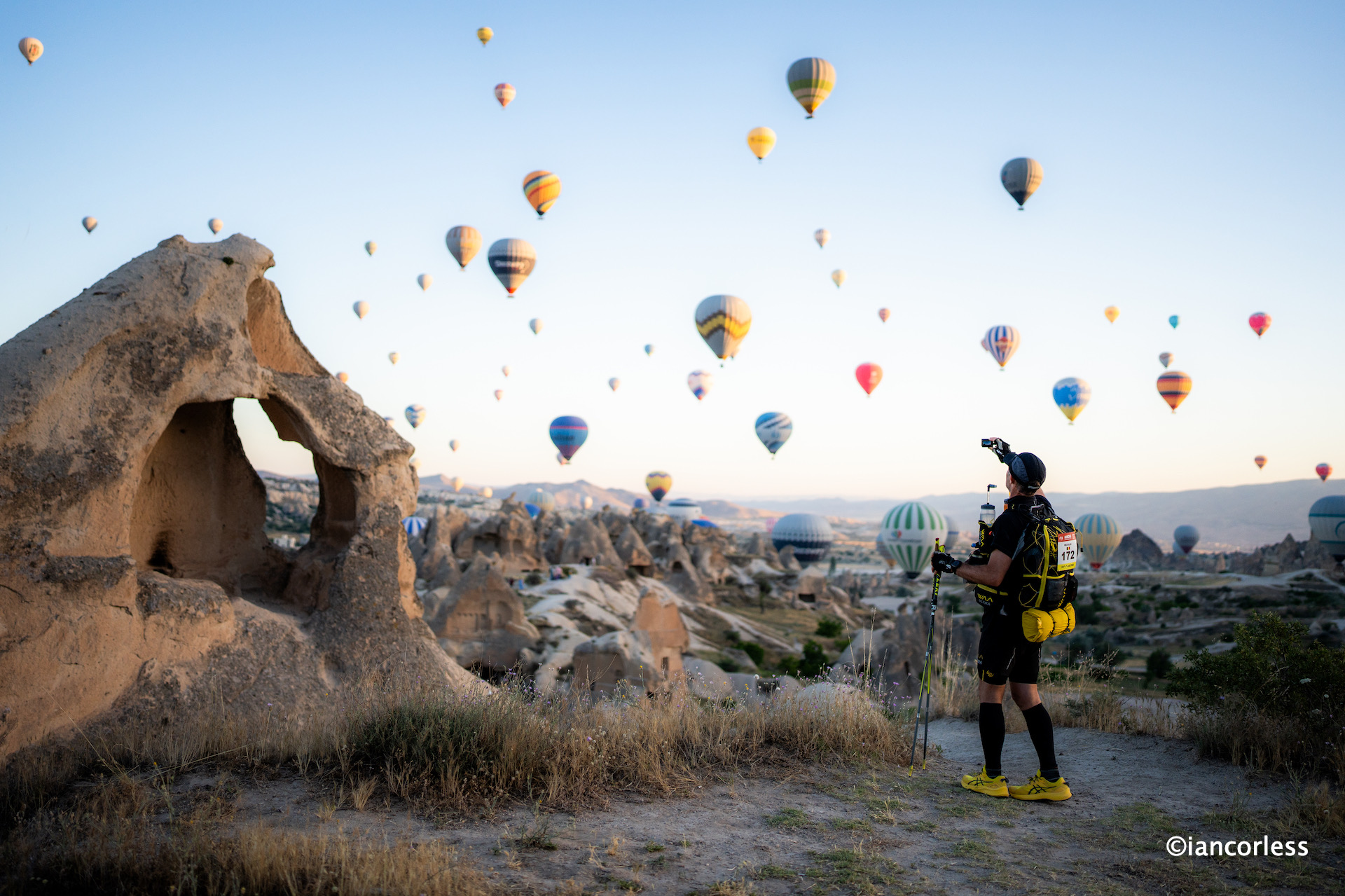
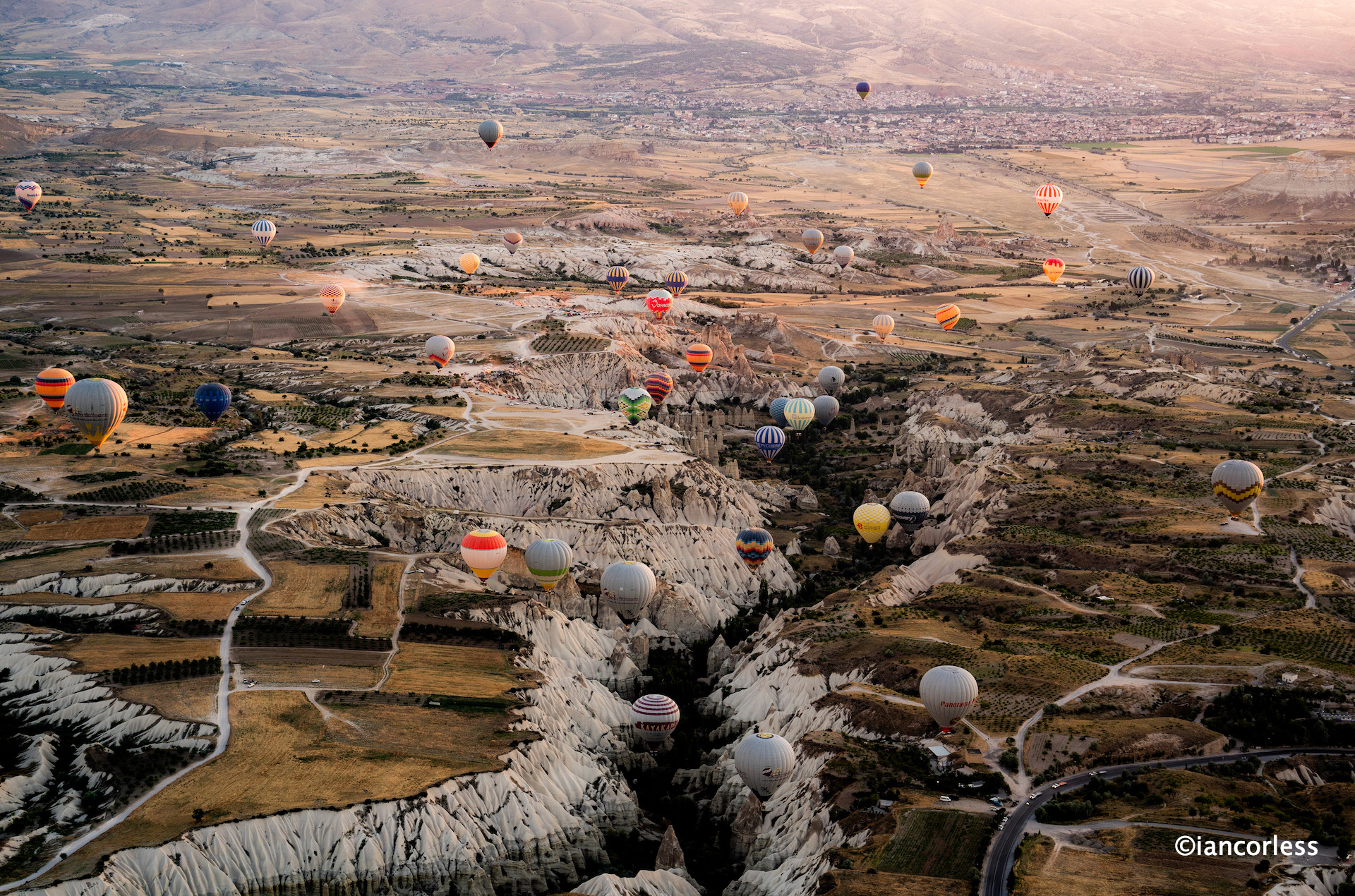
The sky, often cloudless, fills at dawn with dozens of hot air balloons, silent giants drifting above the rock spires and carved cliffs. Arguably, one of the most unique and memorable sights in any MDS event. 

Whether you’re going for the 70km or pushing through the full 120km, MDS Cappadocia strips away distractions and puts the challenge squarely on participant versus the trail: raw, remote, and unforgettable.

More information on the MDS website HERE

Interested in another MDS event? Go to marathondessables.com

Follow Ian Corless

Instagram – @iancorlessphotography

Twitter – @talkultra

facebook.com/iancorlessphotography

Web – www.iancorless.com
Web – www.iancorlessphotography.com

MDS Atlantic Coast and MDS Raid Namibia 2026 Announcement

Photo by Ian Corless

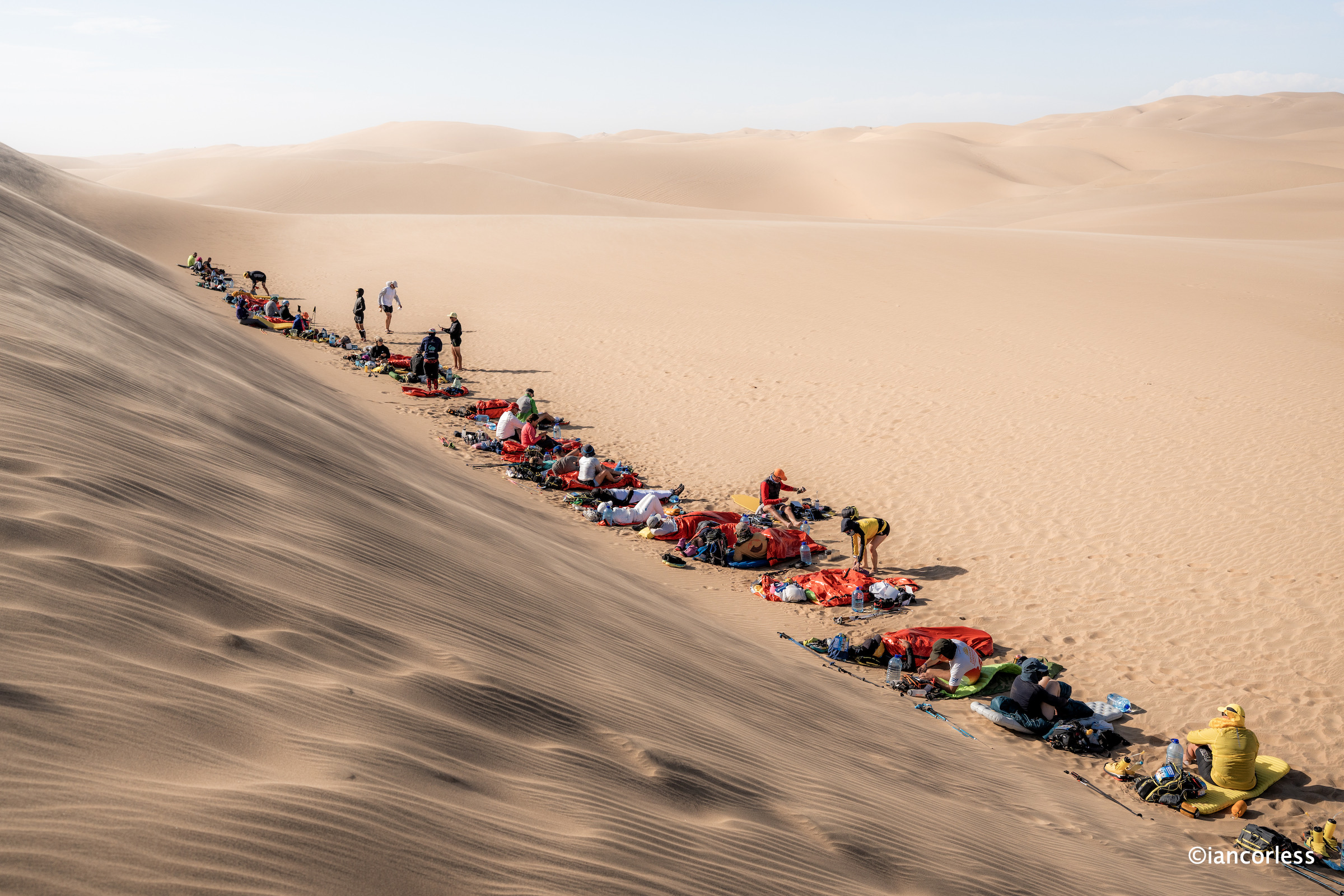
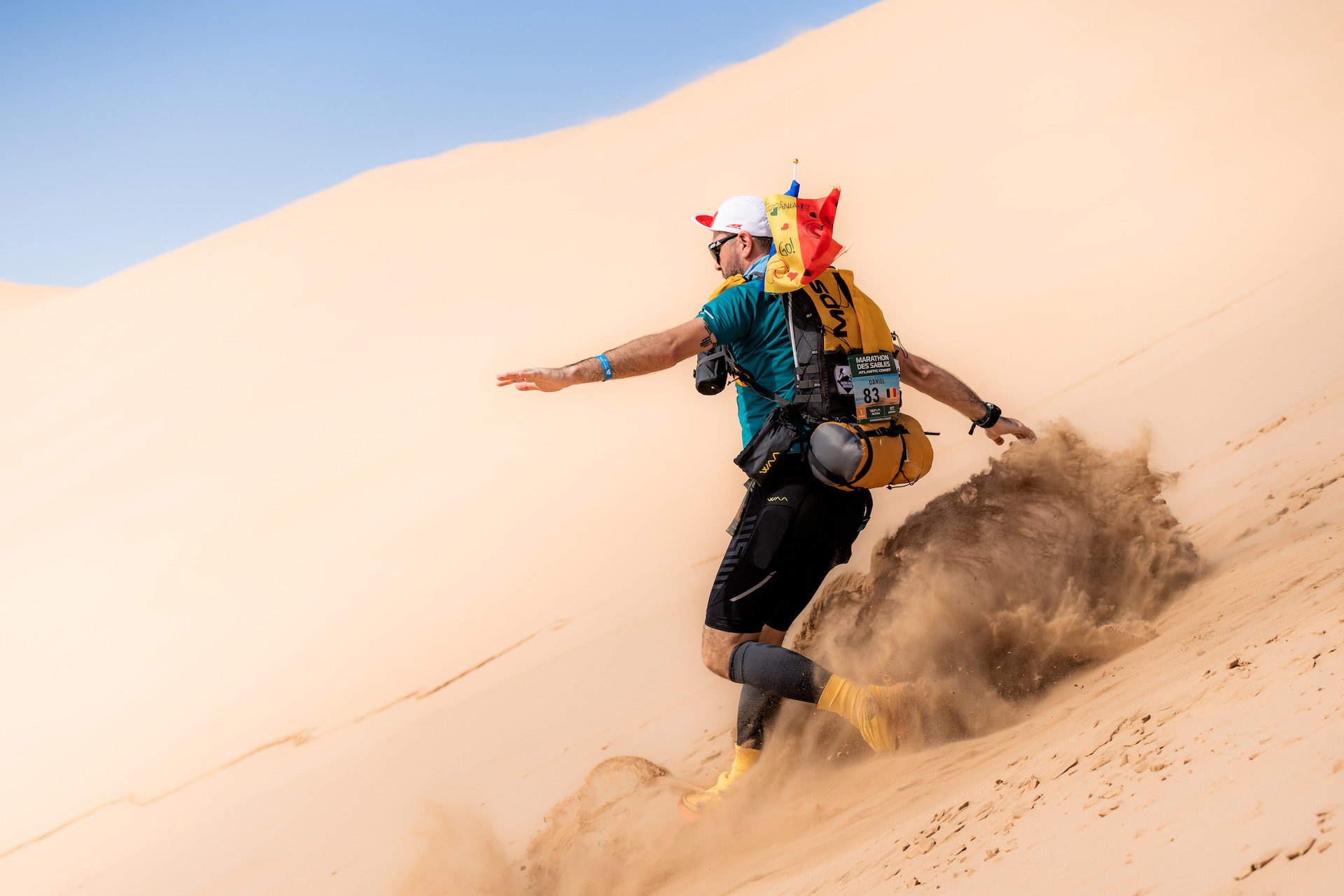
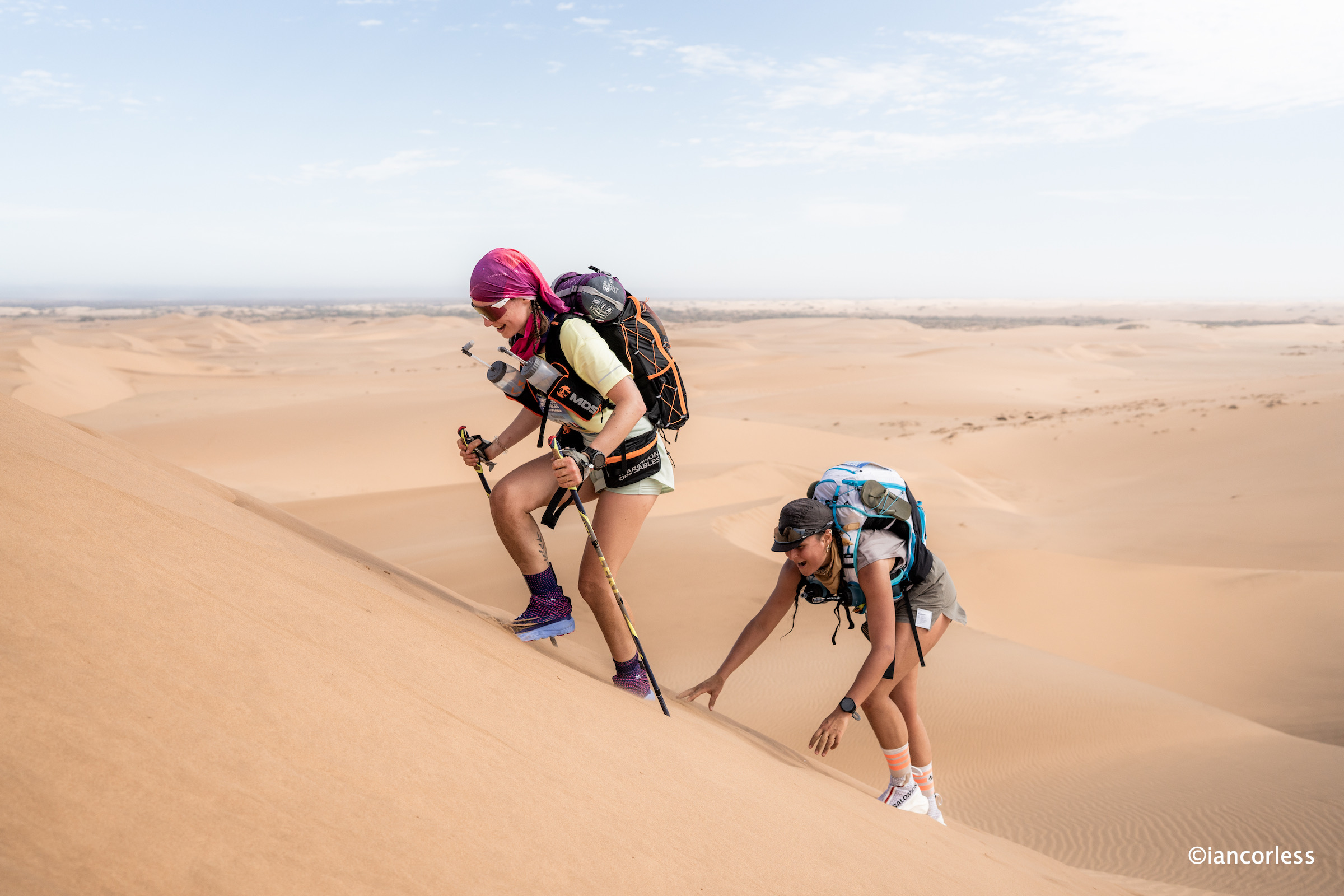
MDS has never been just a race. It’s a full-body, full-heart experience. In 2026, following on from first editions in 2025, MDS Atlantic Coast and MDS Raid Namibia return for 2026. If you’re looking for adventure with meaning, either one could be the race of your life, registration opens June 18 2025.

MDS Atlantic Coast 2026 – Morocco’s Untamed Shoreline

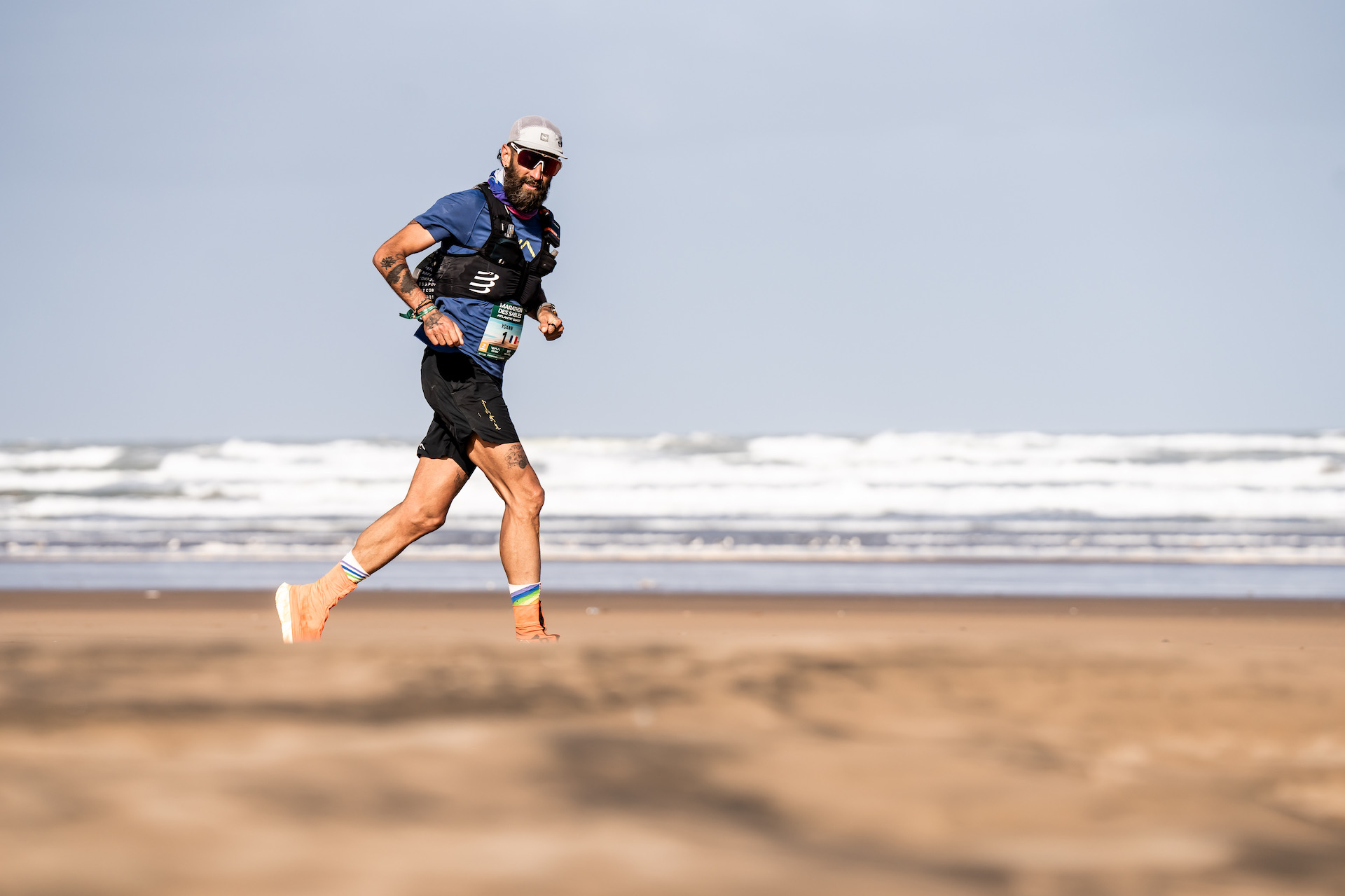
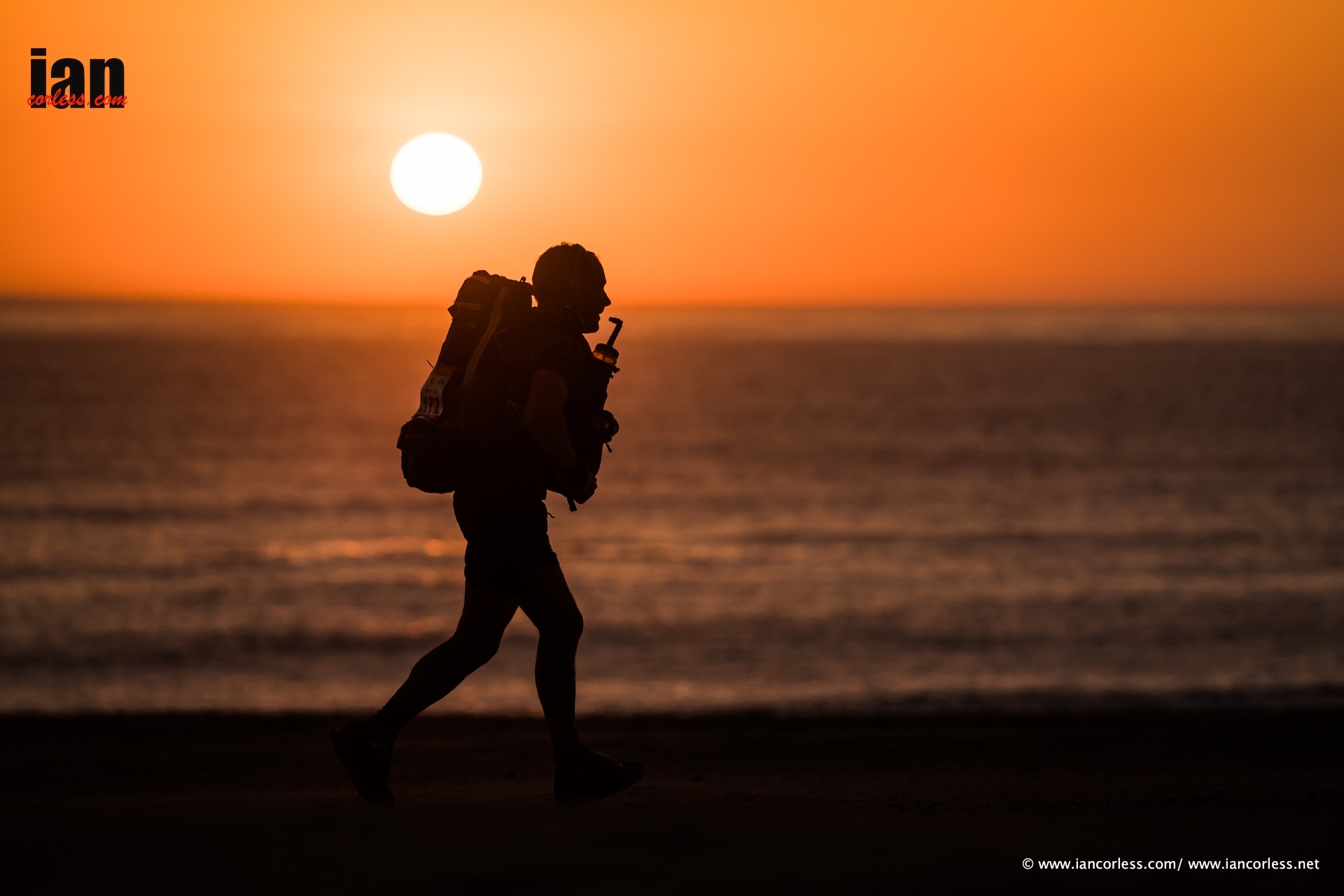
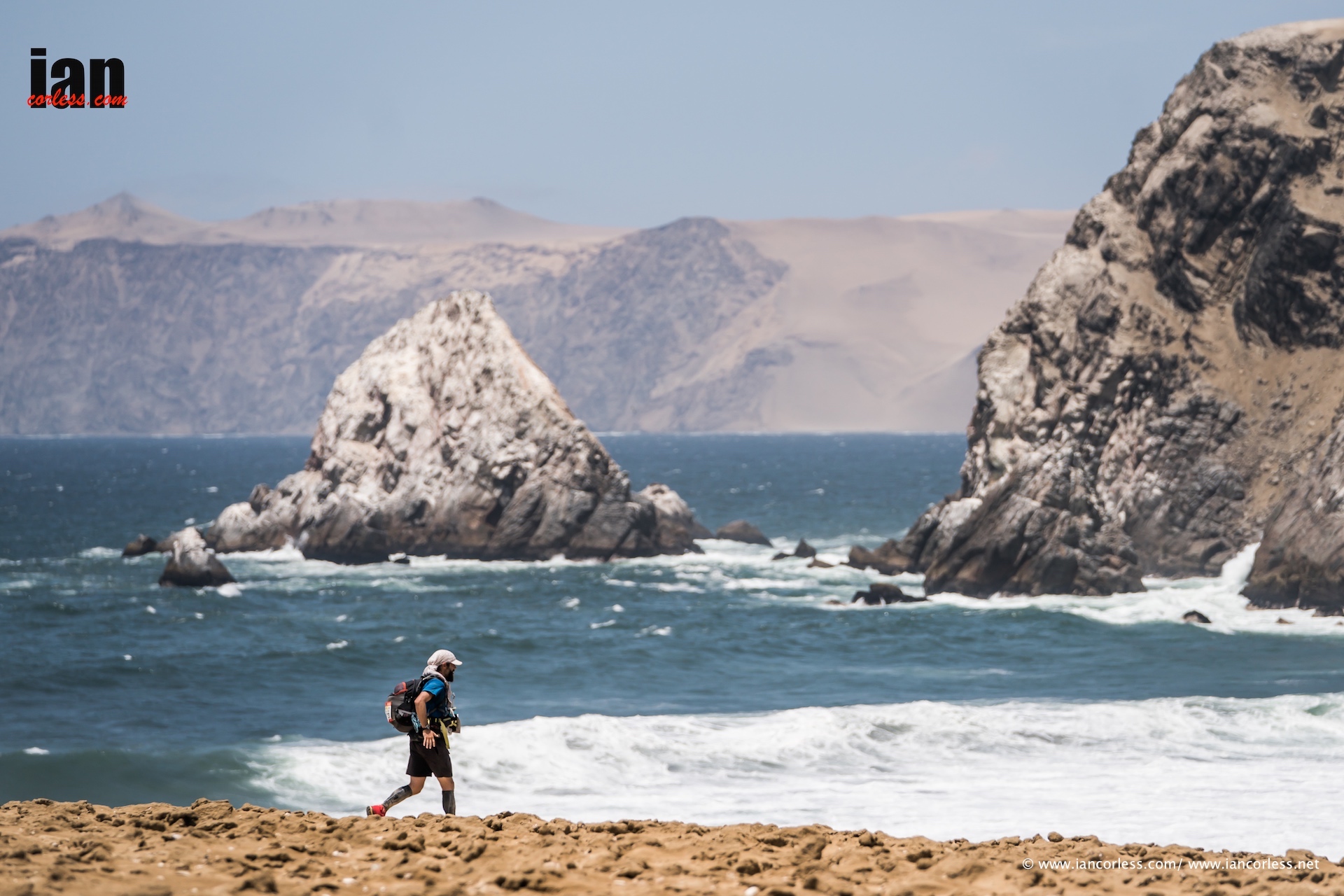
This isn’t your typical desert run. MDS Atlantic Coast cuts through a rugged, wind-carved stretch of Morocco, where the Atlantic and dunes meet with force. Raw and exposed, this region of Morocco is a place where the elements are alive and always in motion.

Photo by Ian Corless

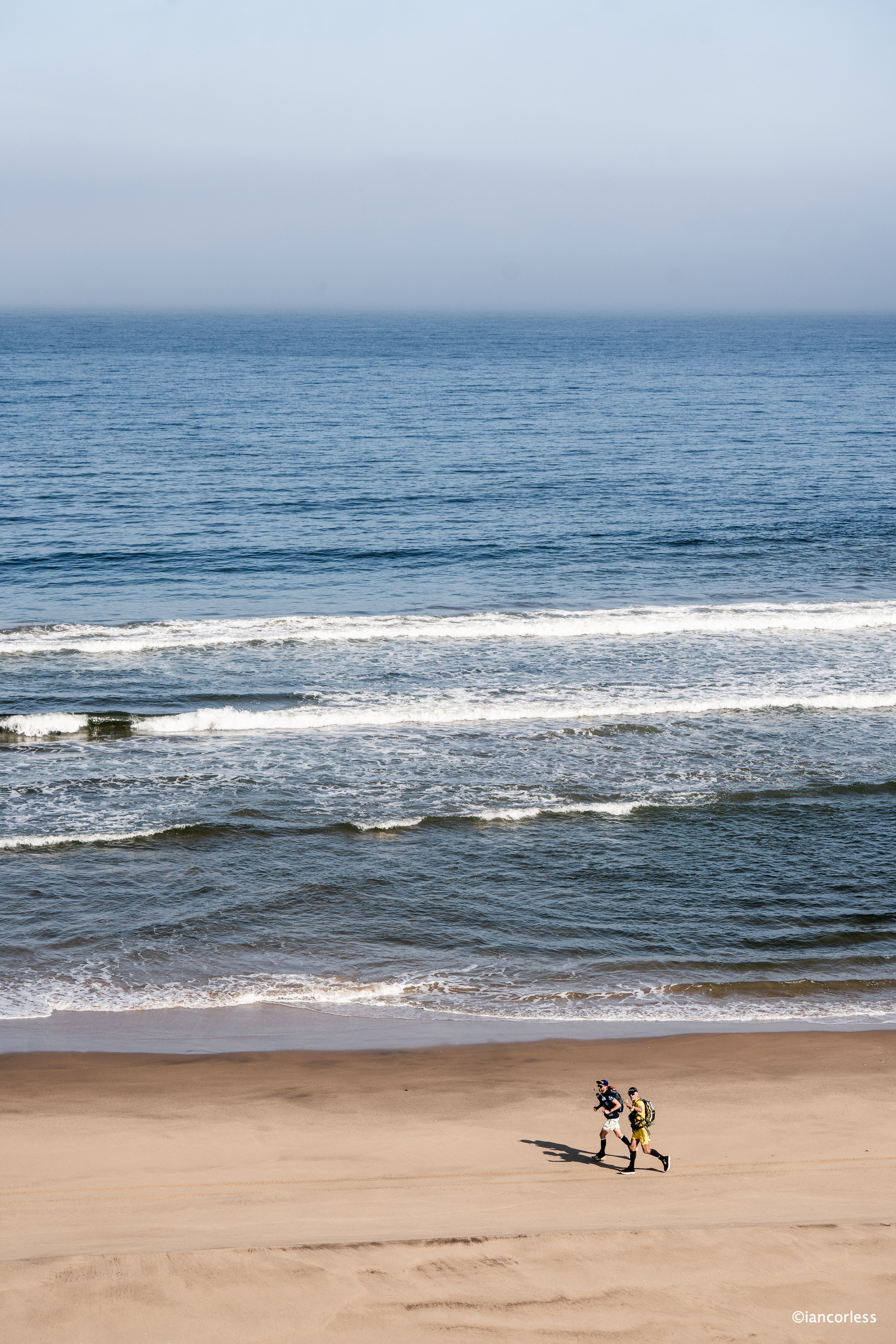
The route spans beaches, a rollercoaster of sand, and coastal dunes. Sweeping ocean views and the pulse of open nature. The terrain shifts fast: soft sand, hard-packed trail, technical descents. You’ll run through untouched coastline where the horizon feels infinite.

Photo by Ian Corless

What makes it special? The contrast. The wild energy of the Atlantic meeting the quiet resolve of the desert. It’s Morocco, but different, fresher, rougher, windswept. A race built for runners who crave variety and the edge of the map.

Photo by Ian Corless

The event will take place January 24th to 30th 2026. The format will offer 70km, 100km or 120km’s over 4-days and 3-stages.

Photo by Ian Corless

MDS Raid Namibia 2026 – Stillness. Vastness. Silence.

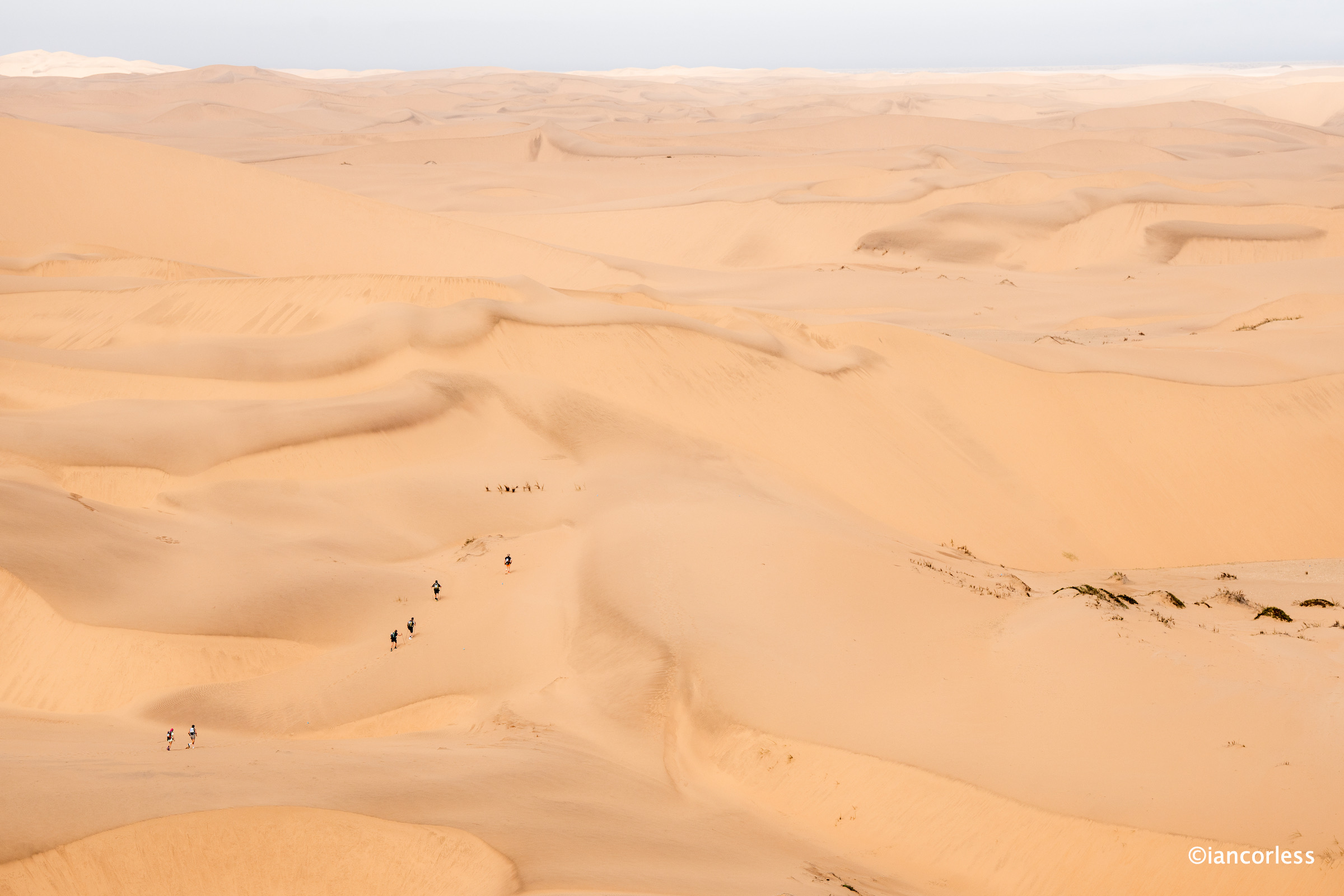
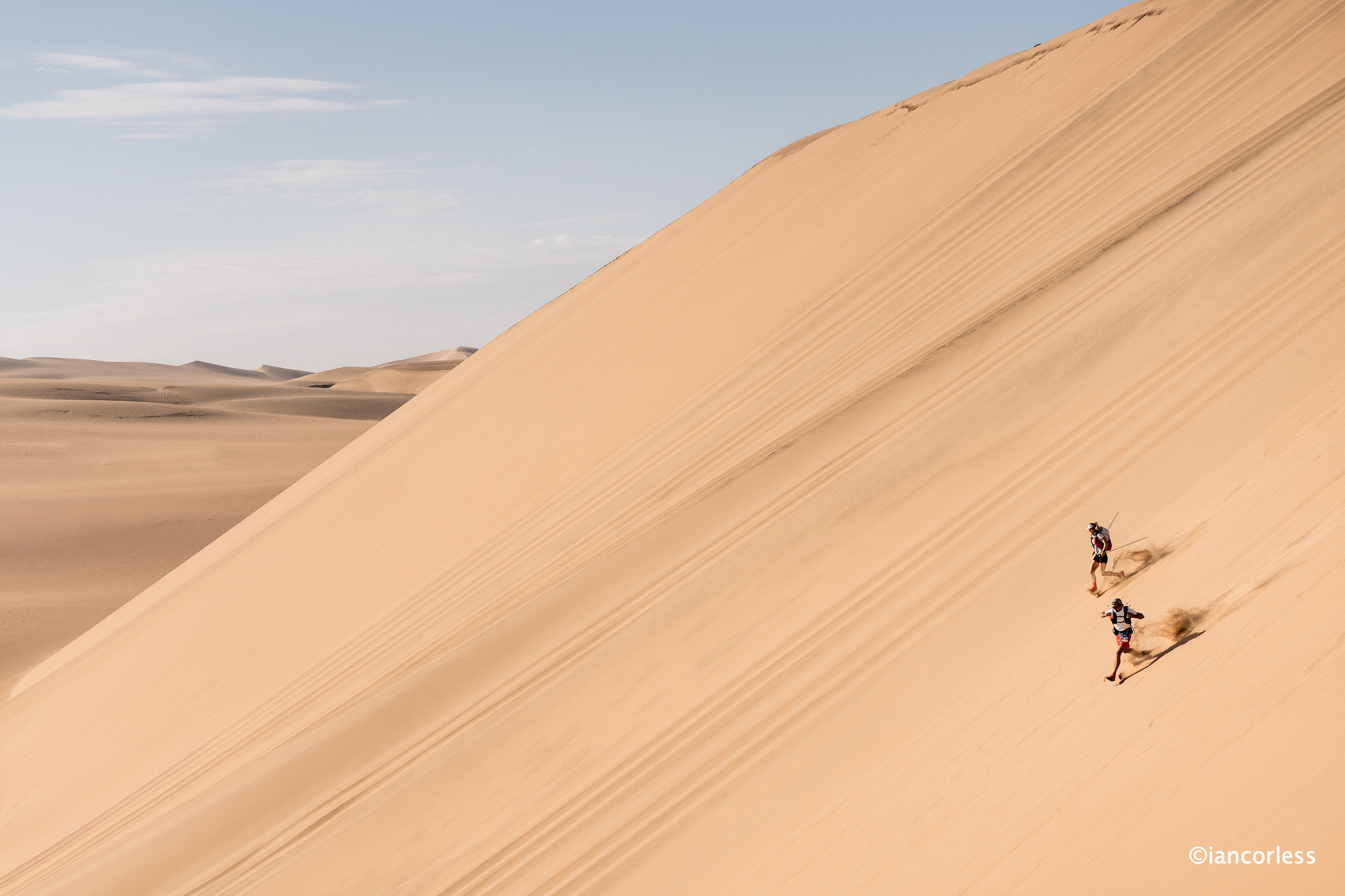
Then there’s the magic of Namibia, a race that doesn’t just test your endurance, it rewires your sense of scale. You run through the Namib Desert, the oldest on Earth, where everything feels ancient, vast, and impossibly quiet.

Read about the 2025 MDS Atlantic Coast HERE

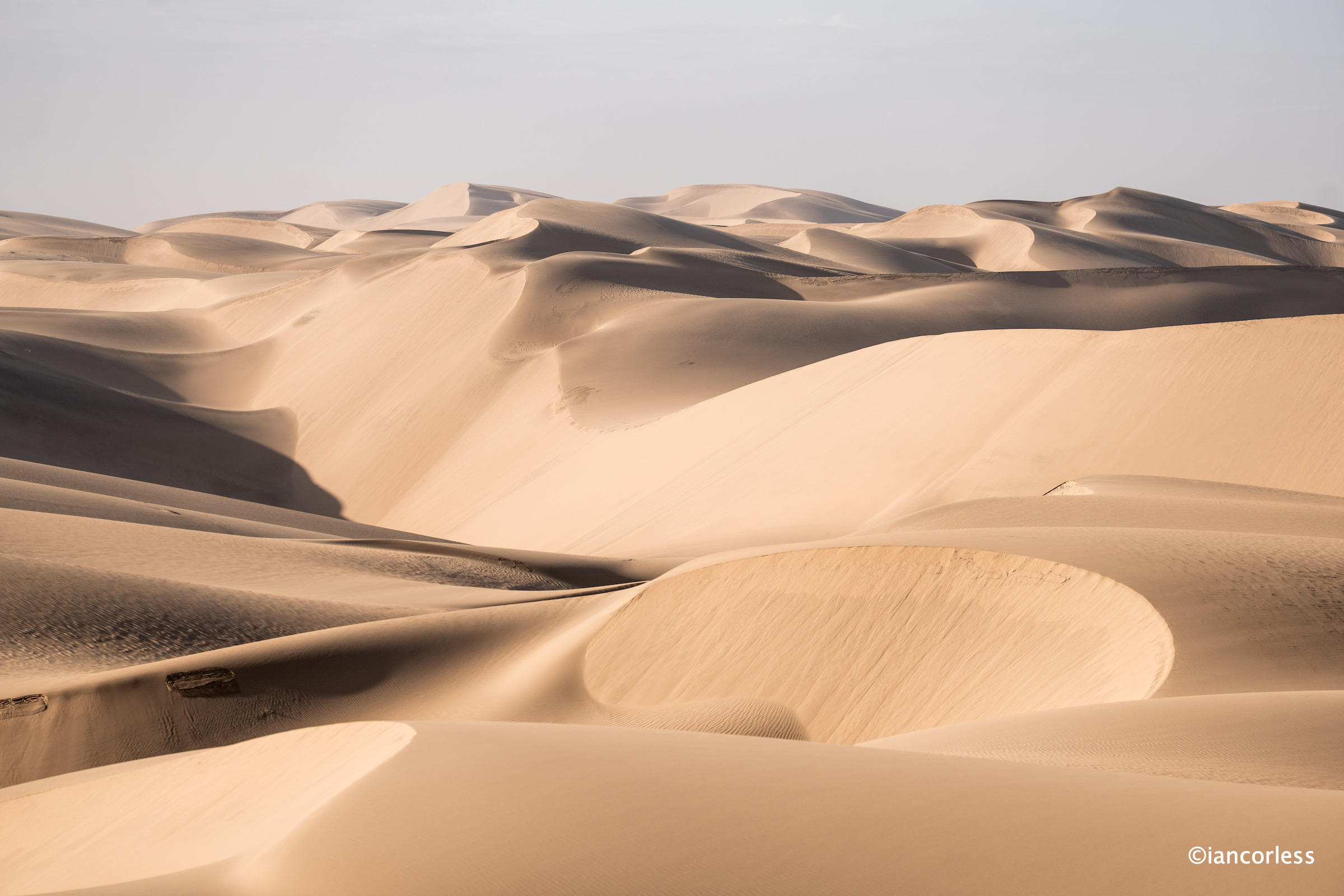
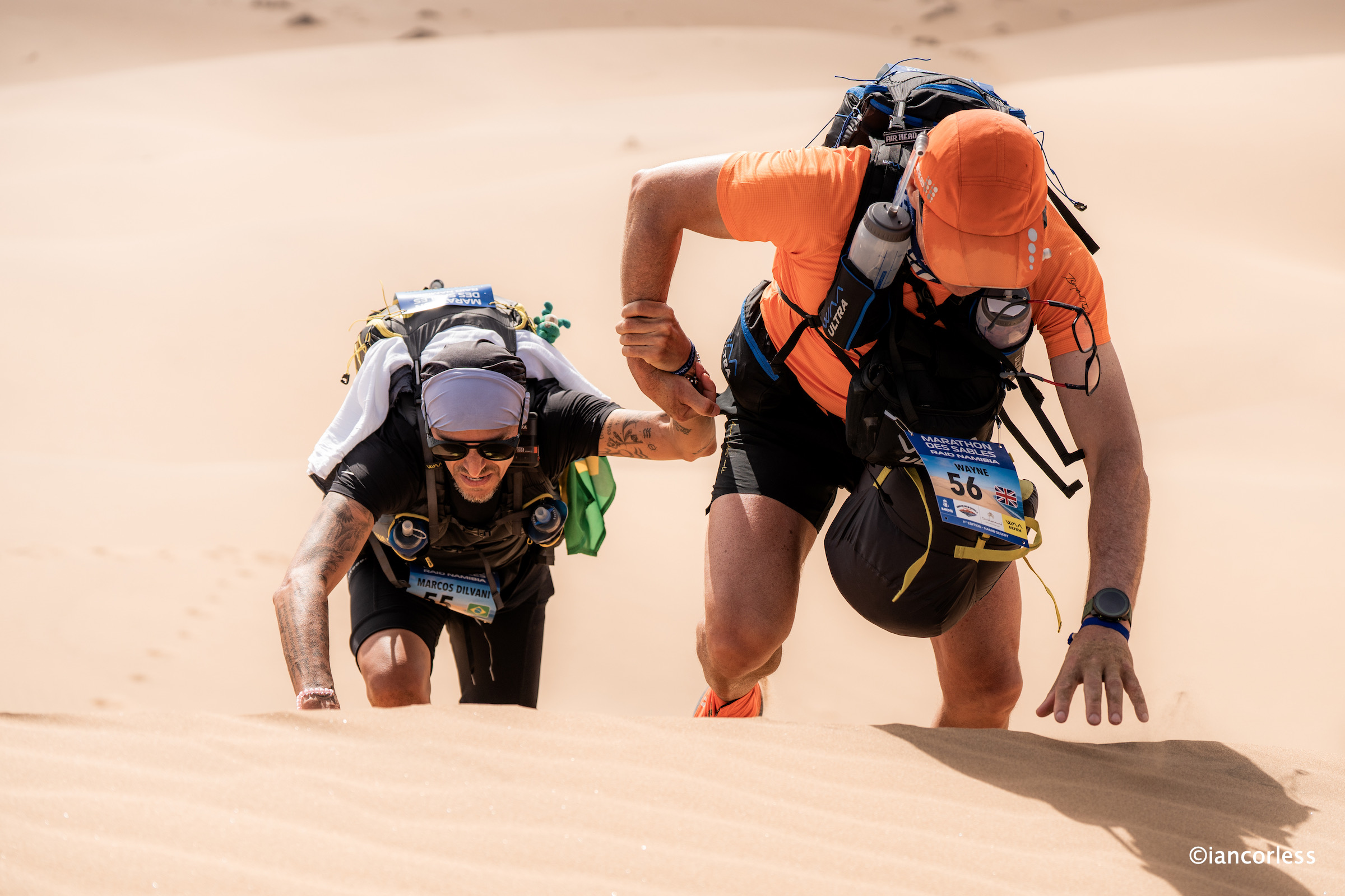
Here, the dunes don’t just rise, they tower. Temperatures swing fast. The sand swallows every sound. You’ll face long stretches with no sign of human life, just you, your breath, and the endless desert.

Raid Namibia is all about extremes: isolation, heat, and beauty so intense it’s almost surreal. You’re not just running across a landscape, you’re running inside a moment that feels untouched by time.

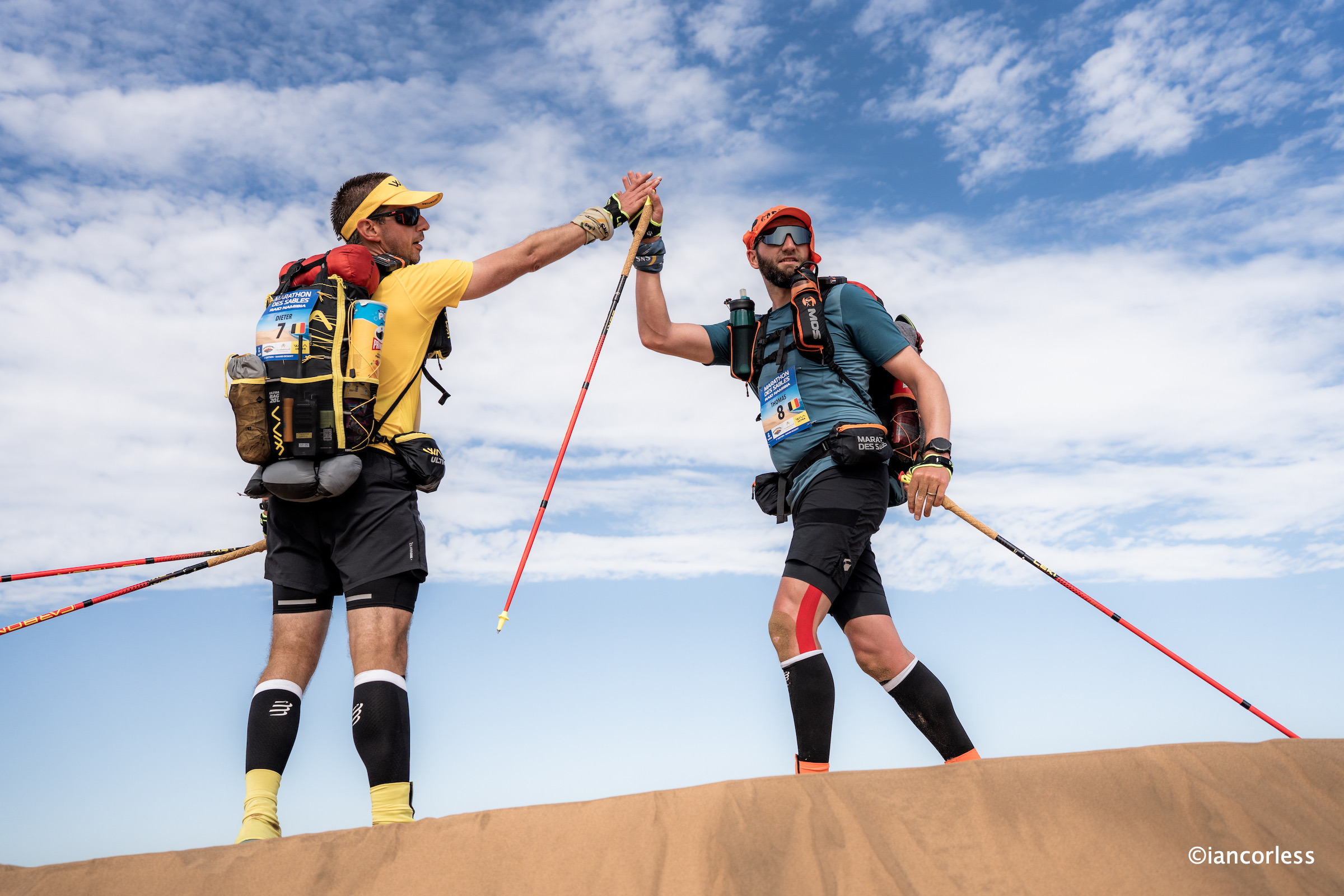
Unique for the MDS format, Raid Namibia is undertaken in teams of two with two distance options, 100km or 120km. Taking place April 25th to May 2nd 2026, this race is a very special event in the MDS line-up and as such, participants will ideally have prior experience of an MDS event or similar.

Read about the 2025 MDS Raid Namibia HERE

Atlantic Coast vs. Raid Namibia

Two Frontiers. One Mindset.

Photo by Ian Corless

• MDS Atlantic Coast brings wind, waves, and a constantly changing terrain under the open Moroccan sky.

• MDS Raid Namibia delivers pure stillness and a surreal immersion in the world’s most ancient desert as teams of two with a special star night.

One ocean, the Atlantic, two unique events. Experience the silence of the desert, experience different landscapes and share the same unshakable spirit that brings all MDS events together.

If you’ve ever dreamed of pushing your limits somewhere unforgettable, entries open:

June 18, 2025 1200 CET.

MDS Atlantic Coast and MDS Raid Namibia are more than races — they’re experiences that shape you.

MDS website HERE

Follow Ian Corless

Instagram – @iancorlessphotography

Twitter – @talkultra

facebook.com/iancorlessphotography

Web – www.iancorless.com

Web – www.iancorlessphotography.com

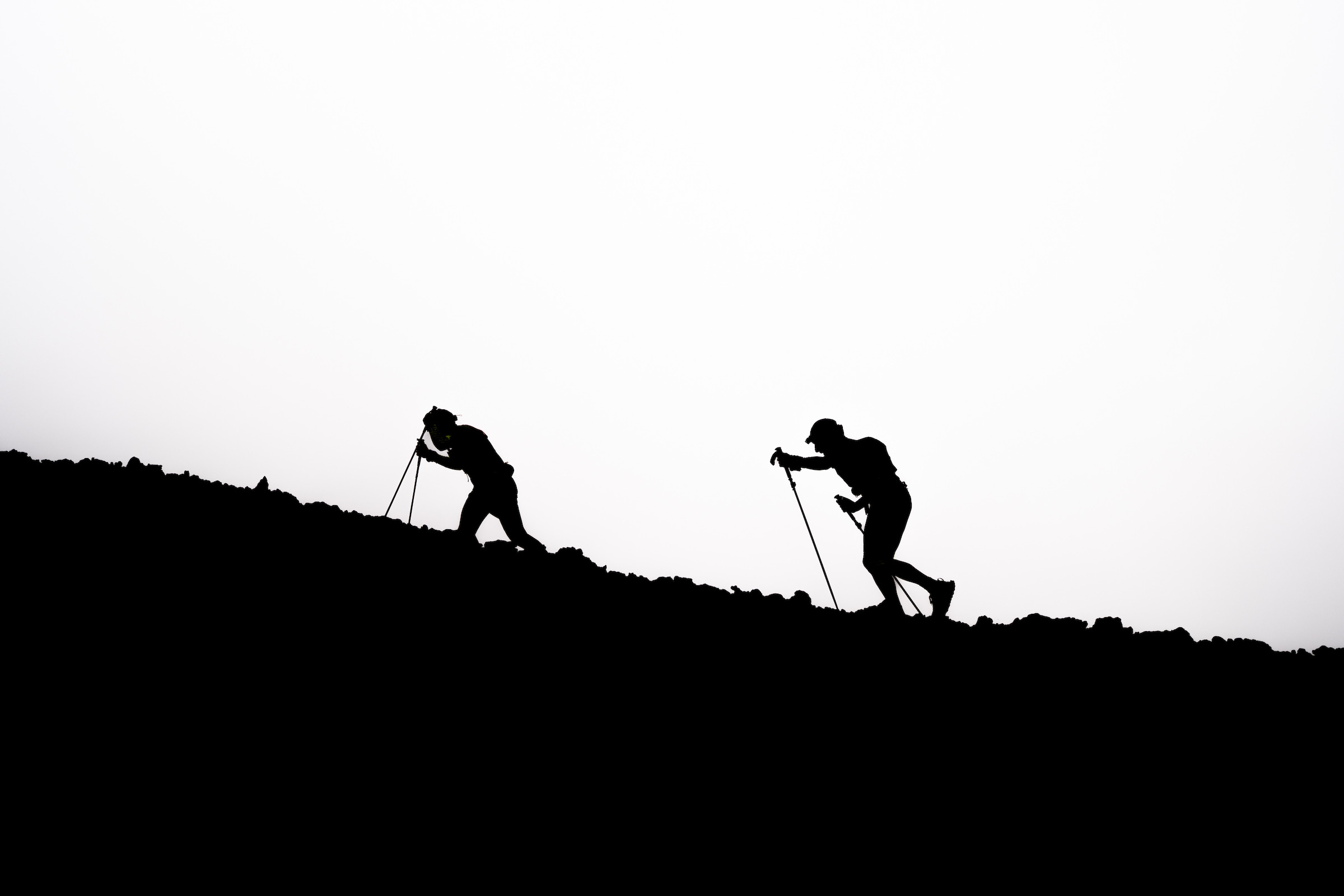
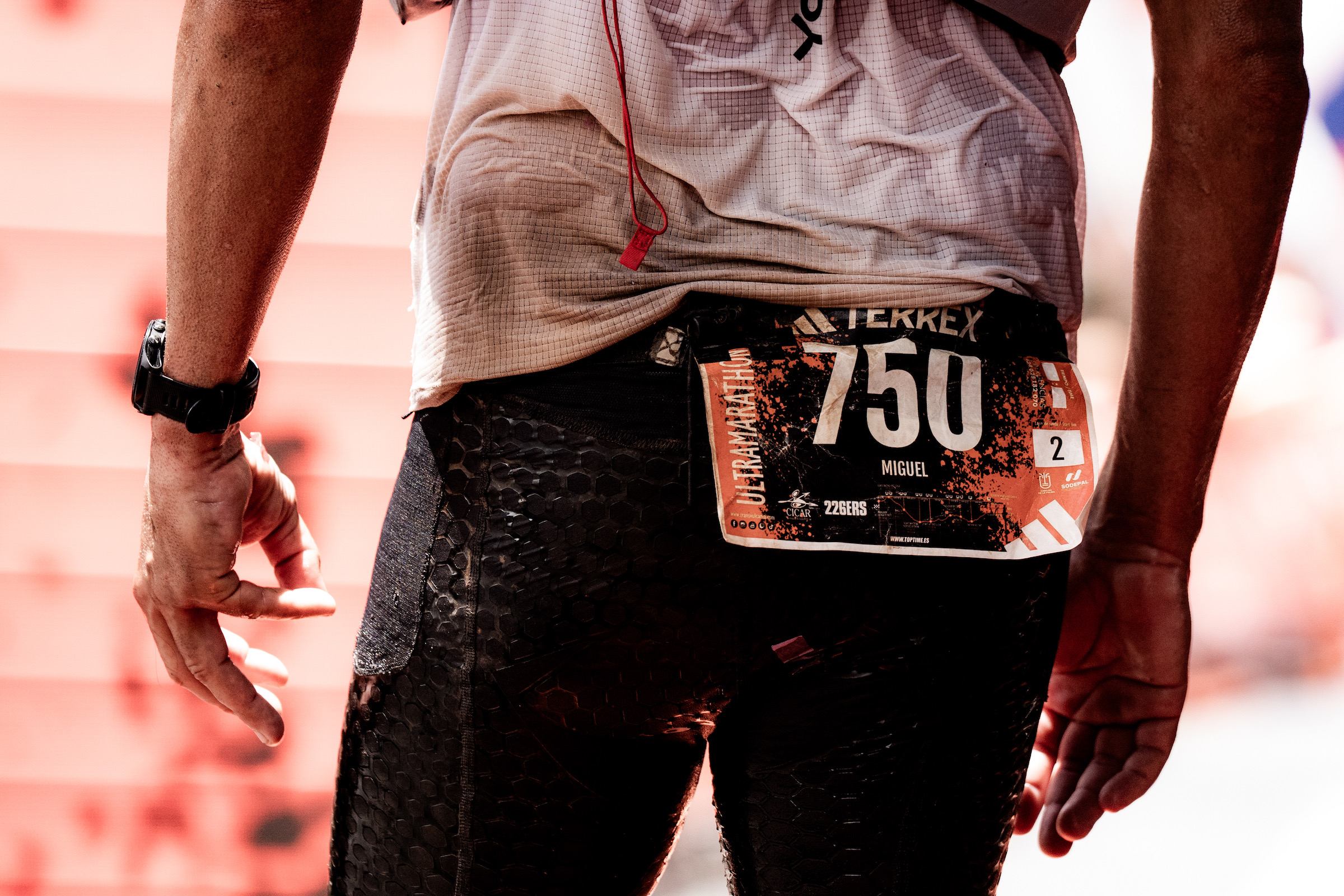
Transvulcania Ultramarathon 2025 Summary – Savaged by the Storm

Transvulcania Ultra has always been a brutal race. Spanning 73.06 kilometers across the volcanic backbone of La Palma, with 4,350 meters of ascent and 4,057 meters of descent, it’s a journey from ocean to sky and back to ocean again. But in 2025, nature raised the stakes. This year, Transvulcania wasn’t just hard – it was survival.

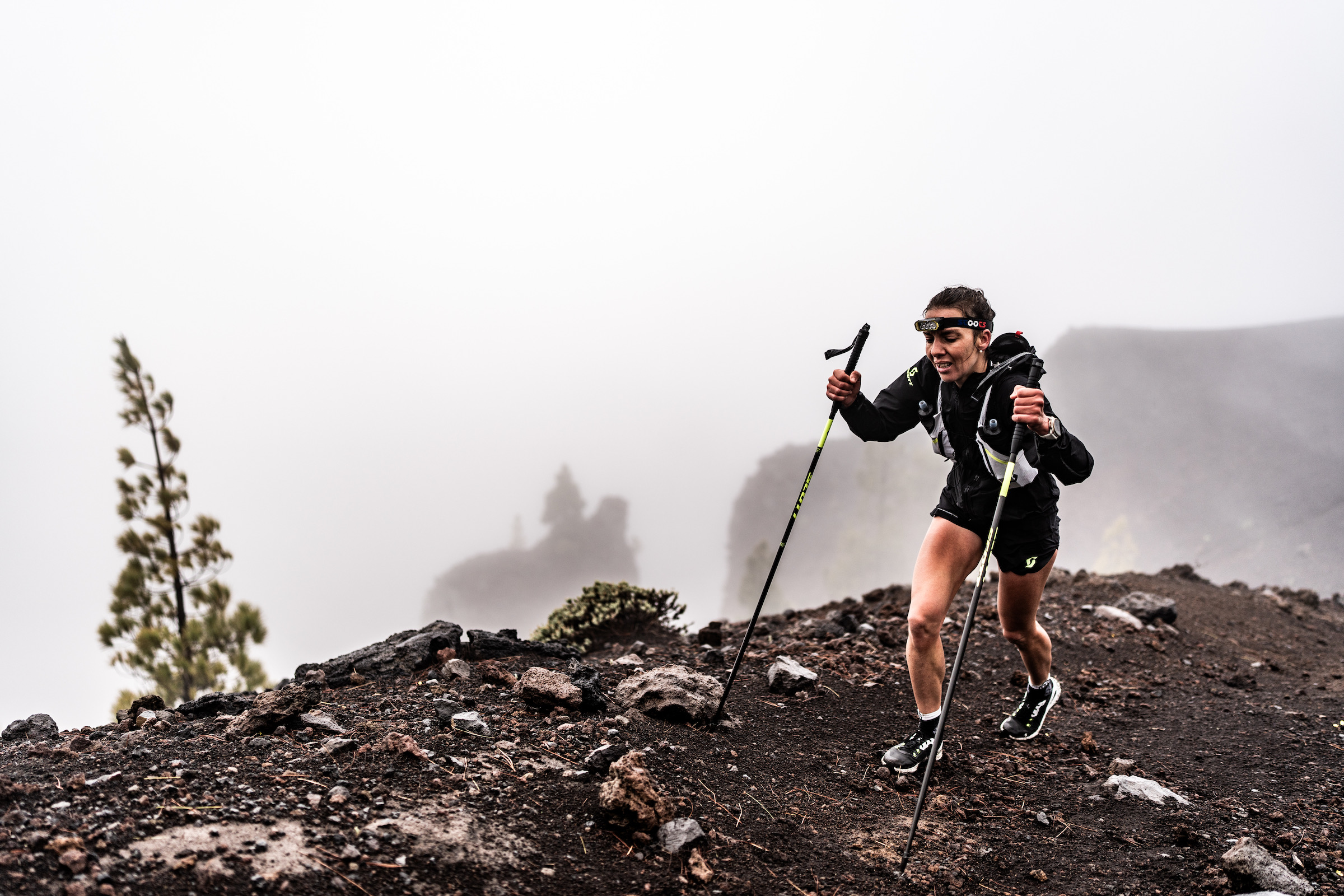
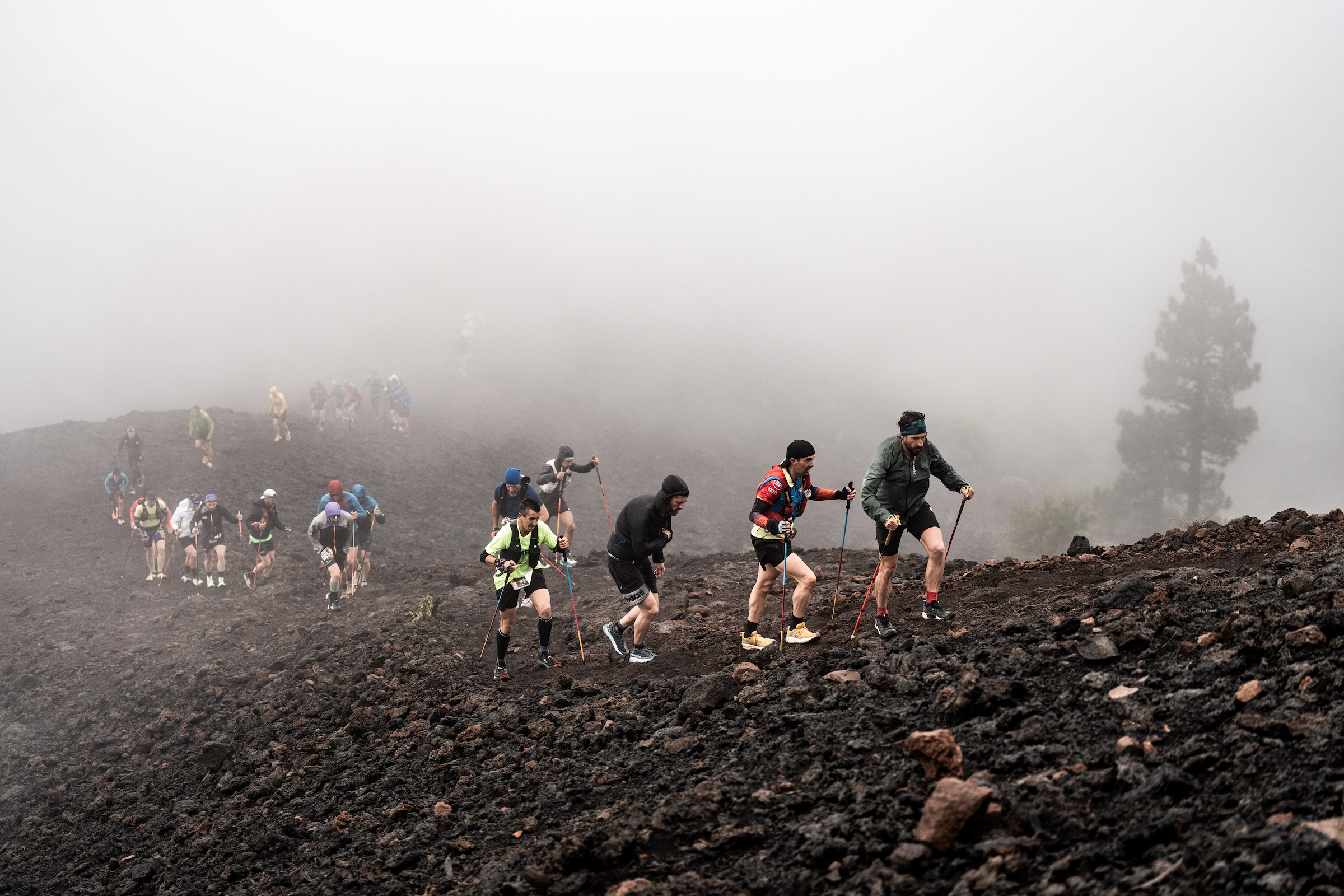
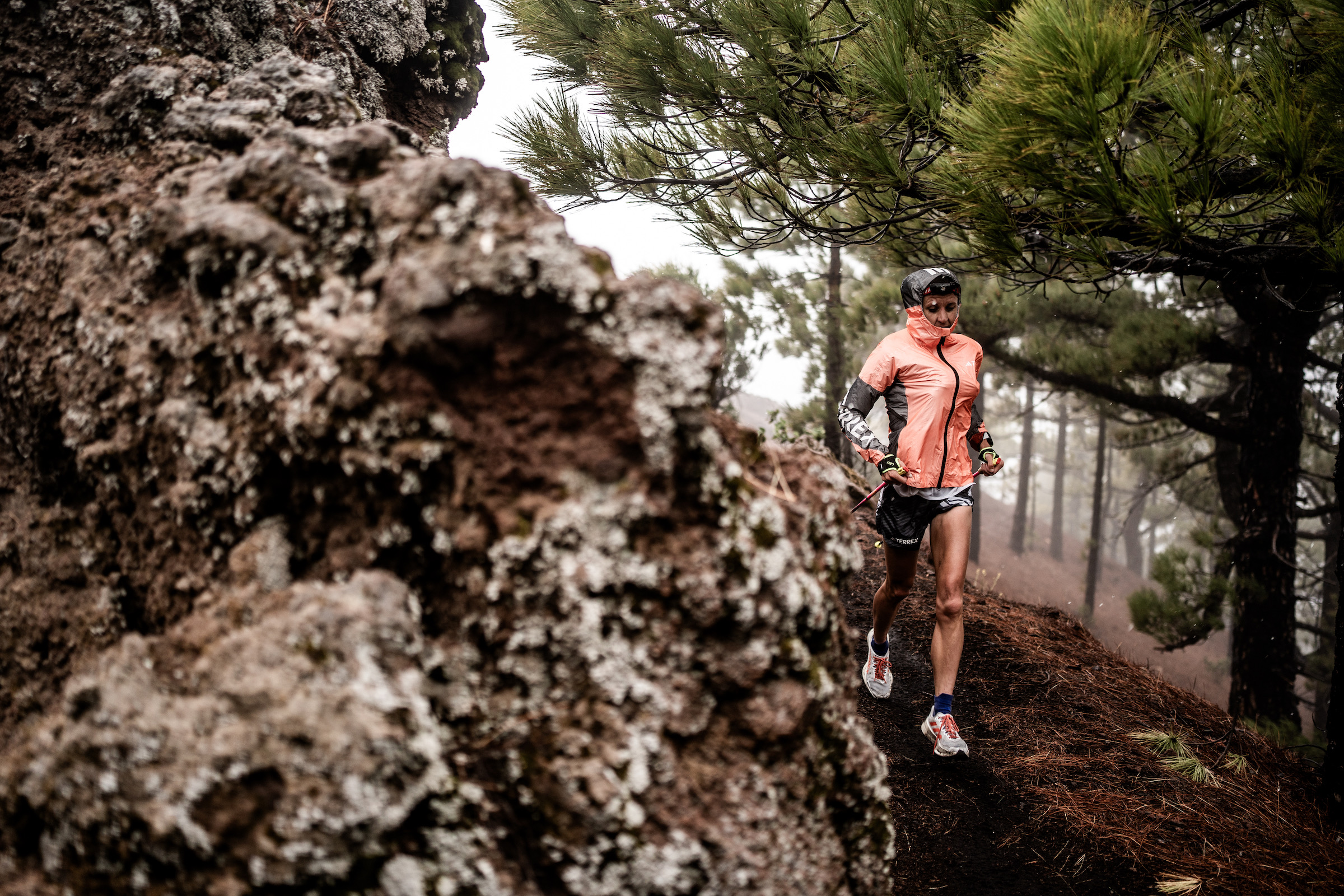
From the moment runners left the Fuencaliente lighthouse at sea level, the signs were there. Dark skies. Driving rain. And as the climb up the GR131 trail began, the weather only worsened. Wet volcanic gravel shifted underfoot. Winds battered the open and exposed sections. Every gain in elevation brought colder air, heavier rain, and stronger gusts.

The early sections of the race, usually warmed by morning sun, were instead cold, and treacherous. Visibility dropped. Temperatures plummeted. Waterproofs were soaked through. The race had barely begun, but it was already a war of attrition.

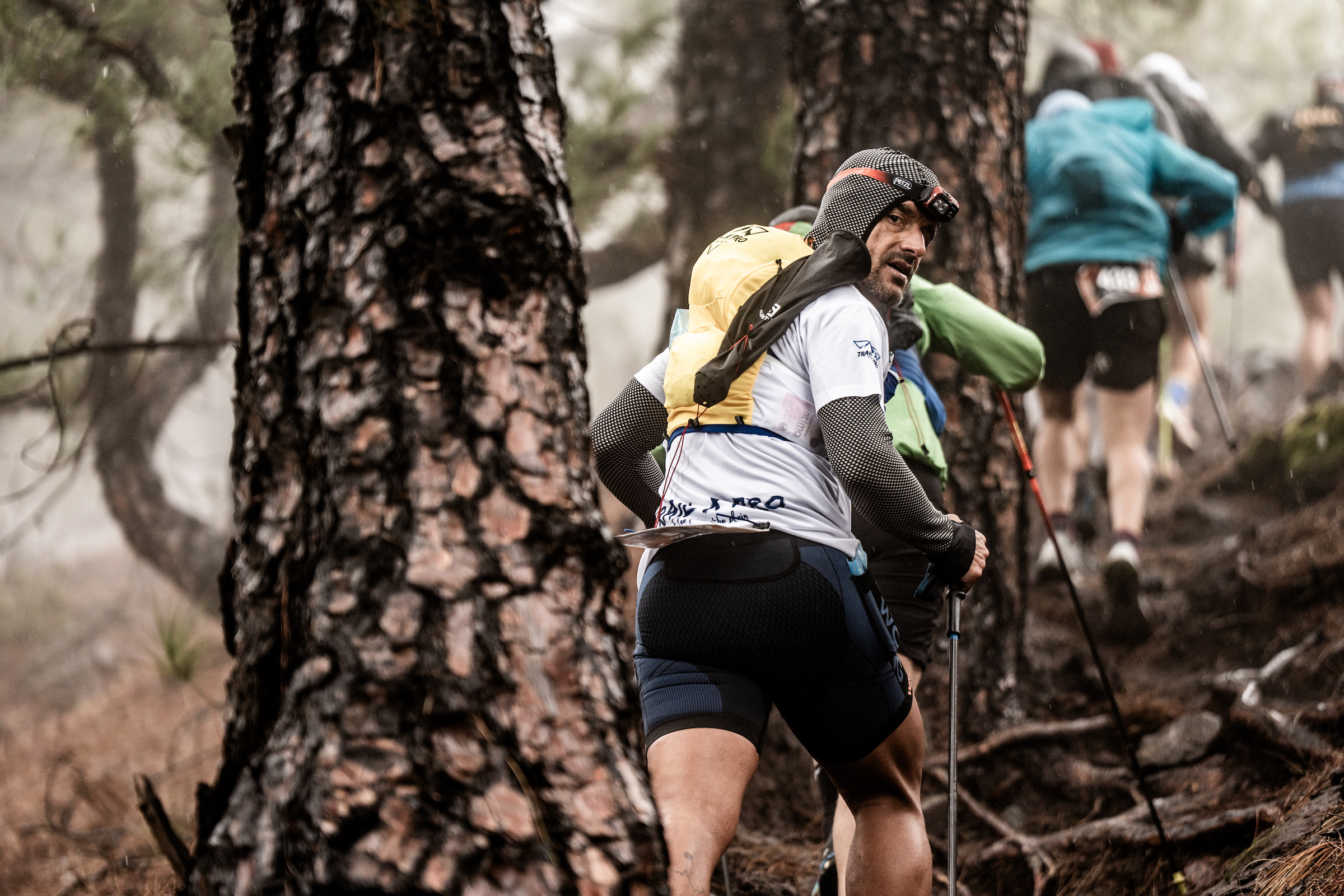
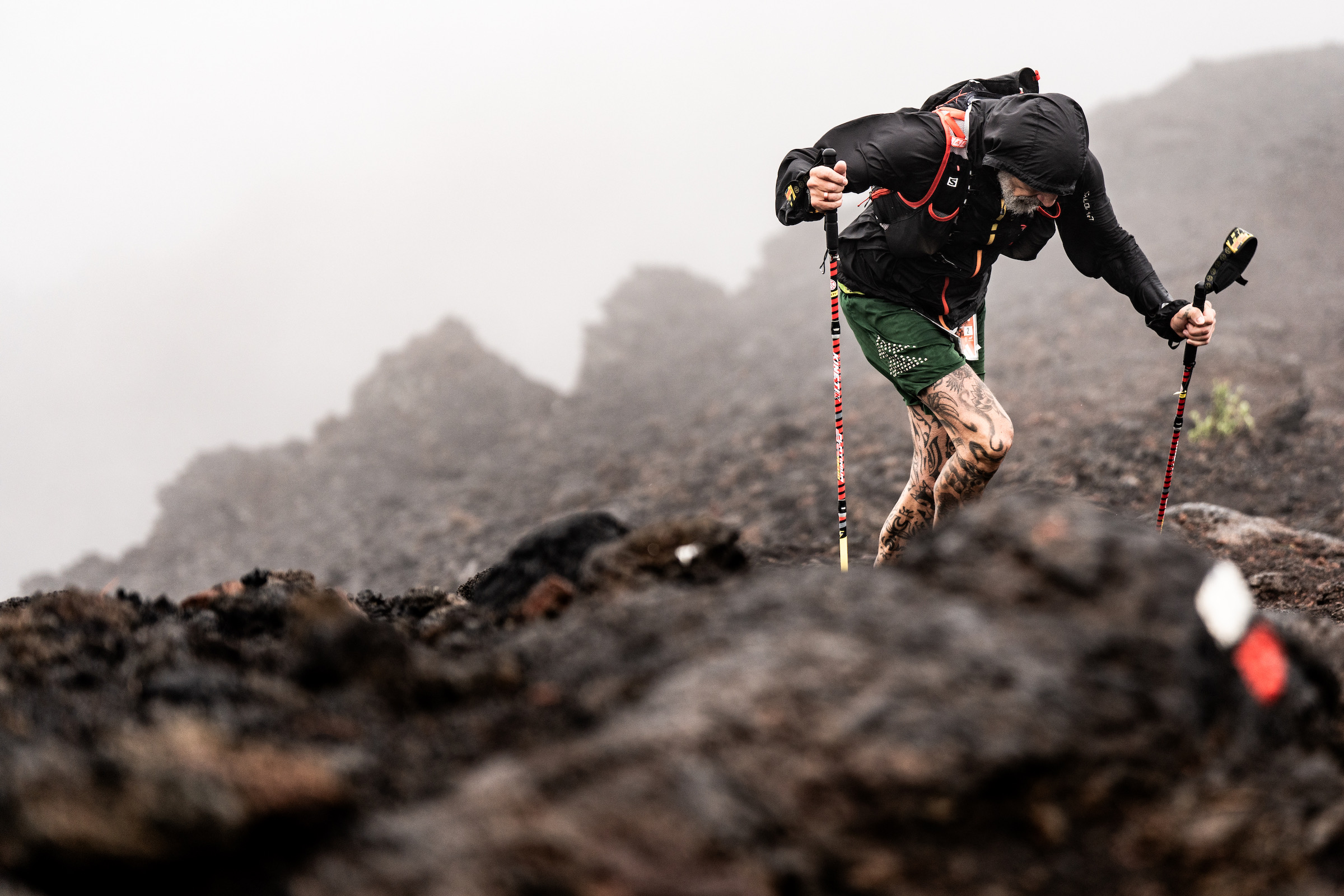
The route climbed steadily through pine forests and barren lava, snaking up toward the spine of the island. Normally breathtaking, the high sections offered little view, just fog, wind, and rain slapping sideways across the many exposed ridges. The climb, always demanding, turned into a freezing march, the only protection coming from the trees.

The temperature near Roque de los Muchachos, the island’s high point at 2,421 meters, hovered close to freezing. But it was the wind chill that changed everything. Gusts tore across the exposed ridge line, turning already cold air into biting, sub-zero blasts. Some runners were forced to stop and layer up; others pushed through shivering, teeth clenched. Many decided to call it quits.

Hypothermia wasn’t just possible, it was real. For many, this section became less about racing and more about making it through.

The long drop from the summit to Tazacorte Puerto – a descent of over 2,000 vertical meters is never easy. But in this weather, it became treacherous. Slick rocks and pine needles, water-logged switchbacks punished tired quads. Fatigue met fear. But a glimmer of better weather below the cloud gave runners hope.

Warmth arrived, the exhaustion of fighting the cold up high lingered with every step though, the reward of the finish line now spurred each and every runner to fight hard. From Tazacorte Puerto, the final climb, known as ‘The Wall,’ is short on paper but long for the legs and mind. Roughly 300 meters of vertical gain on steep switchbacks of rocky path. Normally a test of willpower, this year it became an act of survival. However, the removal of the rocky gorge at sea level – for safety reasons – did mean it was possible to cover more ground much quicker.

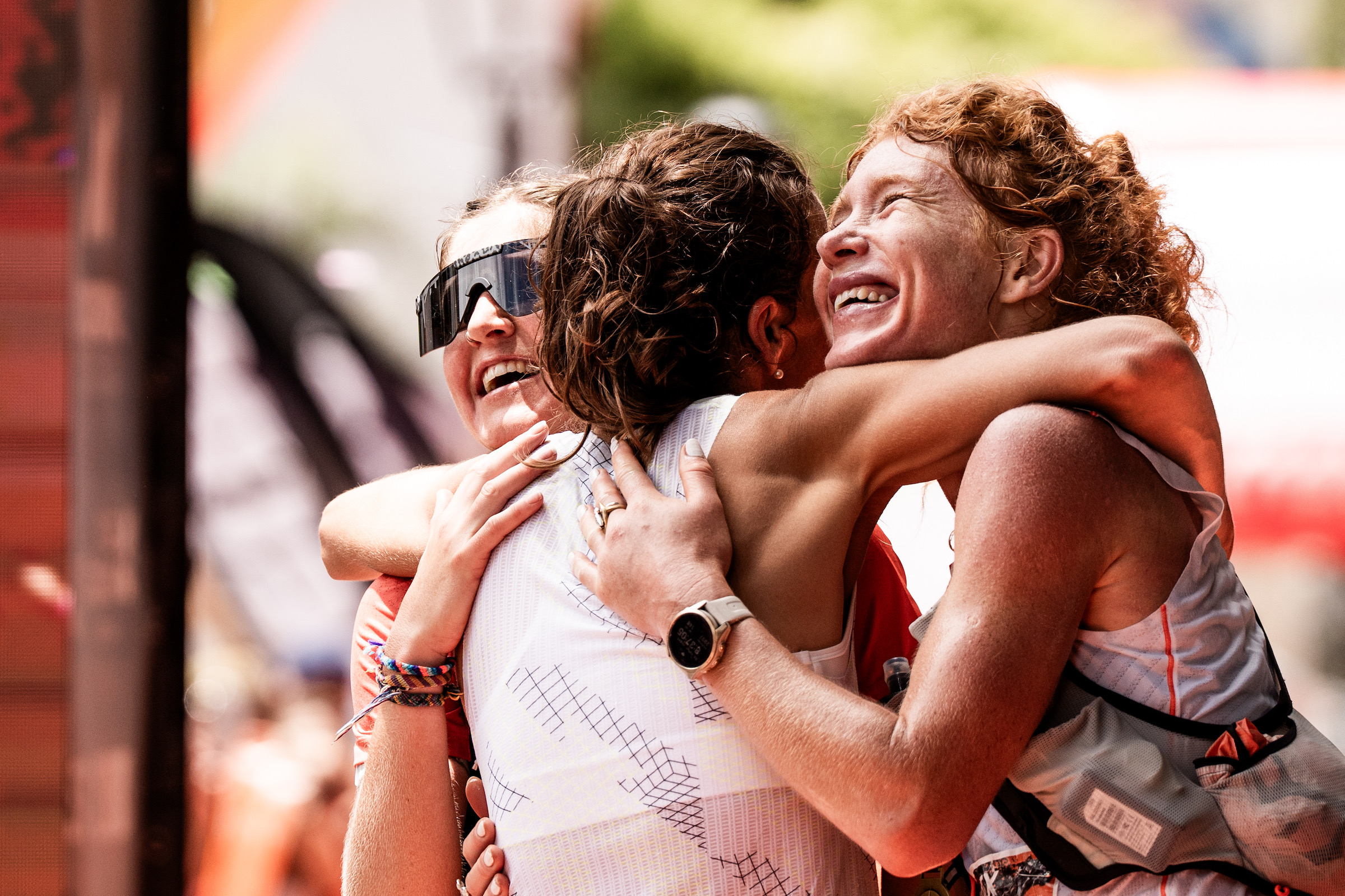
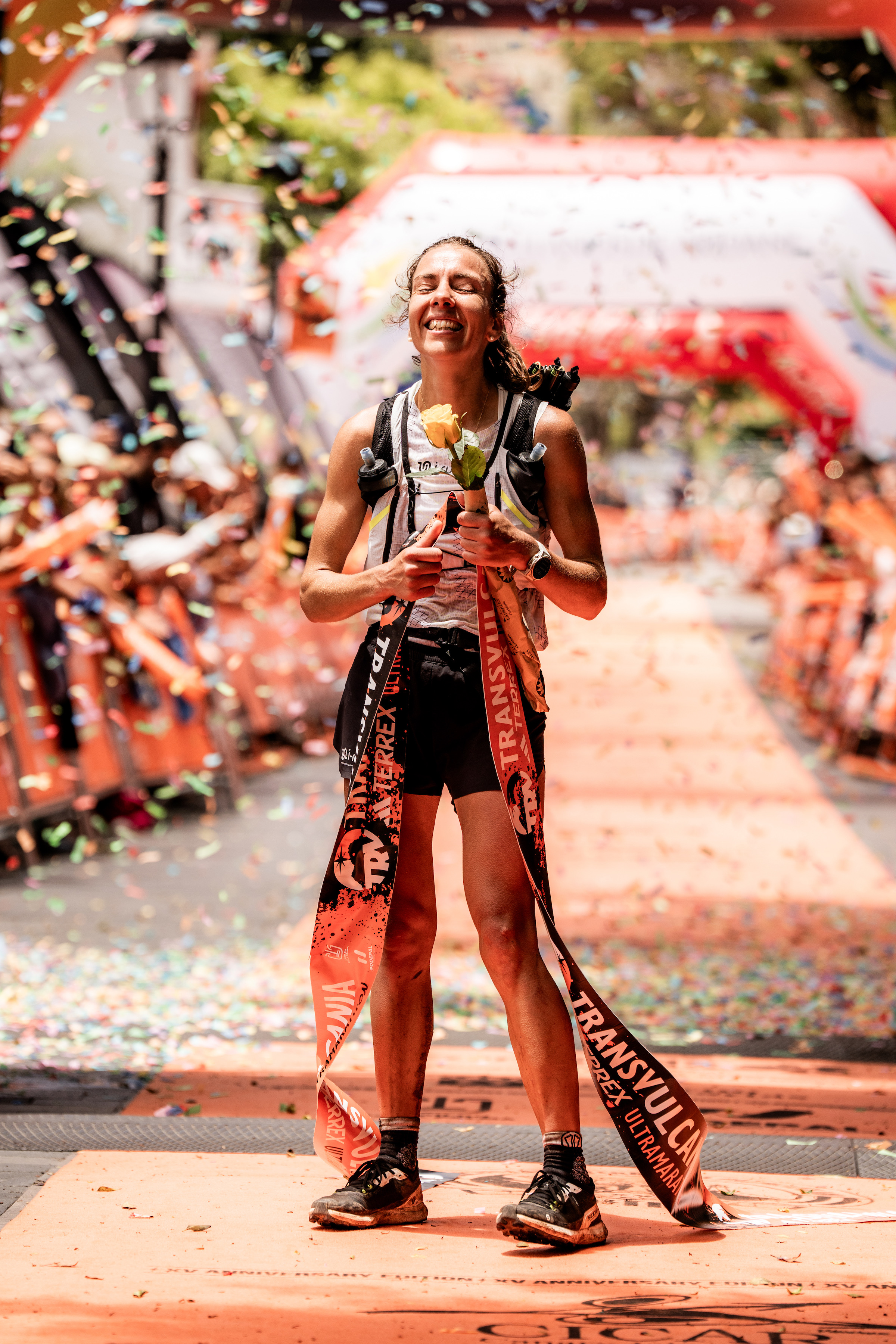
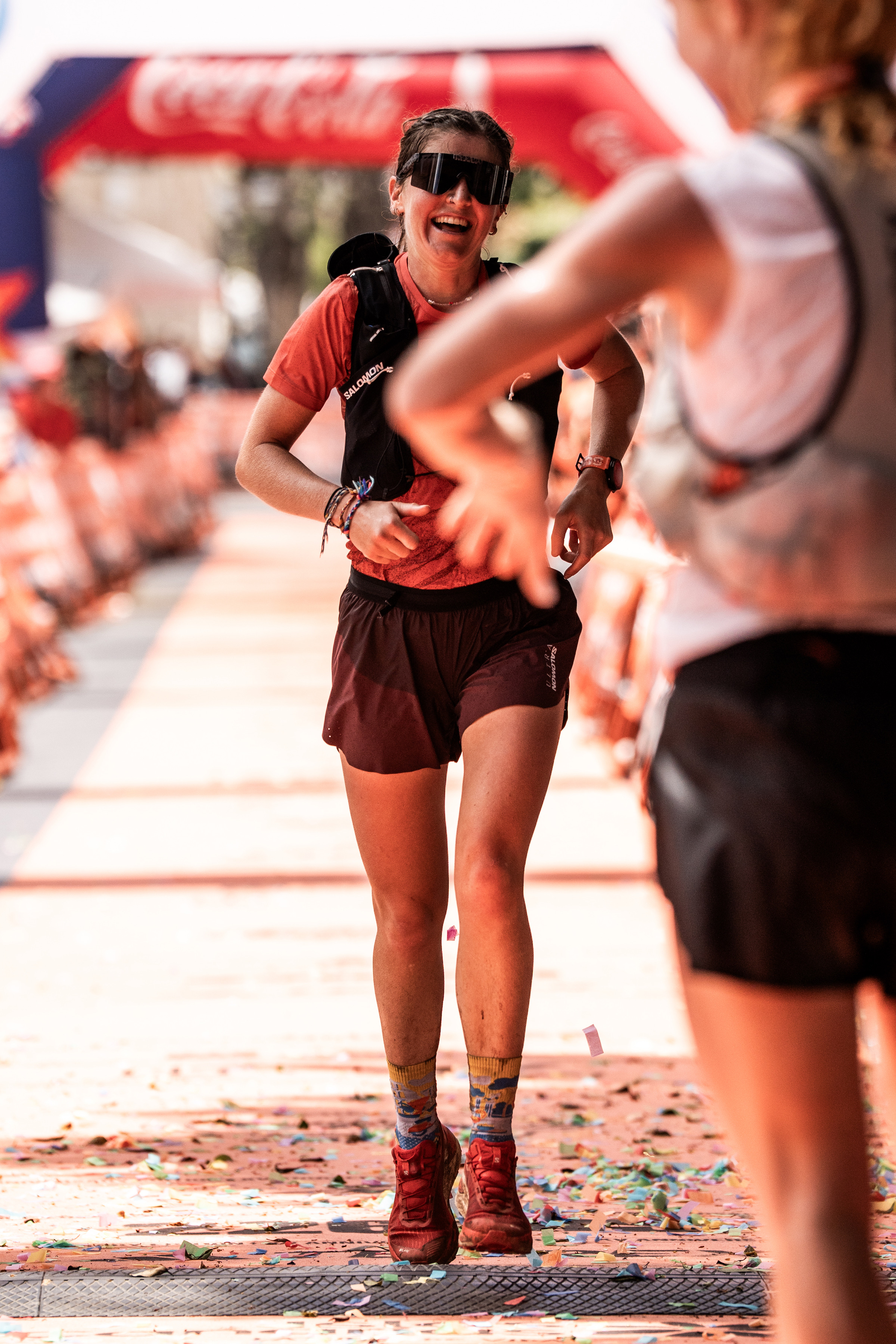
The streets of Los Llanos were lined with cheering locals offering the first real warmth of the day. Music cut through the chill and finally the best finish line in the world arrived, the medal this year feeling a little heavier but hard earned after the rain, wind, and freezing exposure of a mountain that showed no mercy.

What makes Transvulcania unique has always been its terrain and profile. Lava fields, pine forests, ridge lines, sun, and sea. But in 2025, the weather became the story. Torrential rain washed away comfort. The cold stripped away energy. And the wind exposed every weakness, both mental and physical.

The fastest still raced though. The elite still chased podiums. But deeper in the field, it was about finishing, about not quitting. About moving forward despite frozen hands, soaked shoes, and the urge to stop.

Transvulcania is about battling whatever the mountain throws at you, and this year, it threw everything.


Peter Frano and Anne-Lise Rousset were crowned as the winners of the ultra marathon. Frano made his move on the descent to Tazacorte Puerto passing Andreas Reiterer who would eventually finish 2nd ahead of Manu Anguita. The times were 6:55:36, 6:58:27 and 7:19:18 respectively.

After three previous attempts, 2016, 2017 and 2019, Anne-Lise Rousset finally took the top honours in 8:18:17, a long way off the CR of 8:02:49 set by Ruth Croft in 2024. Ekaterina Mityaeva and Martina Valmassoi battled for 2nd and 3rd and were separated by just 27-seconds at the line, 8:36:58 and 8:37:25.

In the men’s race, hot favourites Dakota Jones and Dmitry Mityaev did not make the start, notably, Andreu Simon Aymerich, Matt Daniels, David Sinclair and Jordi Gamito (amongst many others) DNF’d.

For the women, Ruth Croft who lead the race for almost half of the distance finally succumbed to the weather and withdrew, along with Azara Garcia and Elisa Desco.

Even through fogged lenses and stormy skies, La Palma’s raw beauty still showed through. Runners moved through wild volcanic terrain, past black rock and misty forests. They crossed an island shaped by fire and storm, and this year, they did it while the island roared. And those who crossed the line in Los Llanos? They didn’t just finish a race, they survived an ultra through one of the wildest tests the island has ever delivered.

Follow Ian Corless

Instagram – @iancorlessphotography

Twitter – @talkultra

facebook.com/iancorlessphotography

Web – www.iancorless.com
Web – www.iancorlessphotography.com

MDS Morocco Atlantic Coast 2025 – Stage 3

Photo by Ian Corless

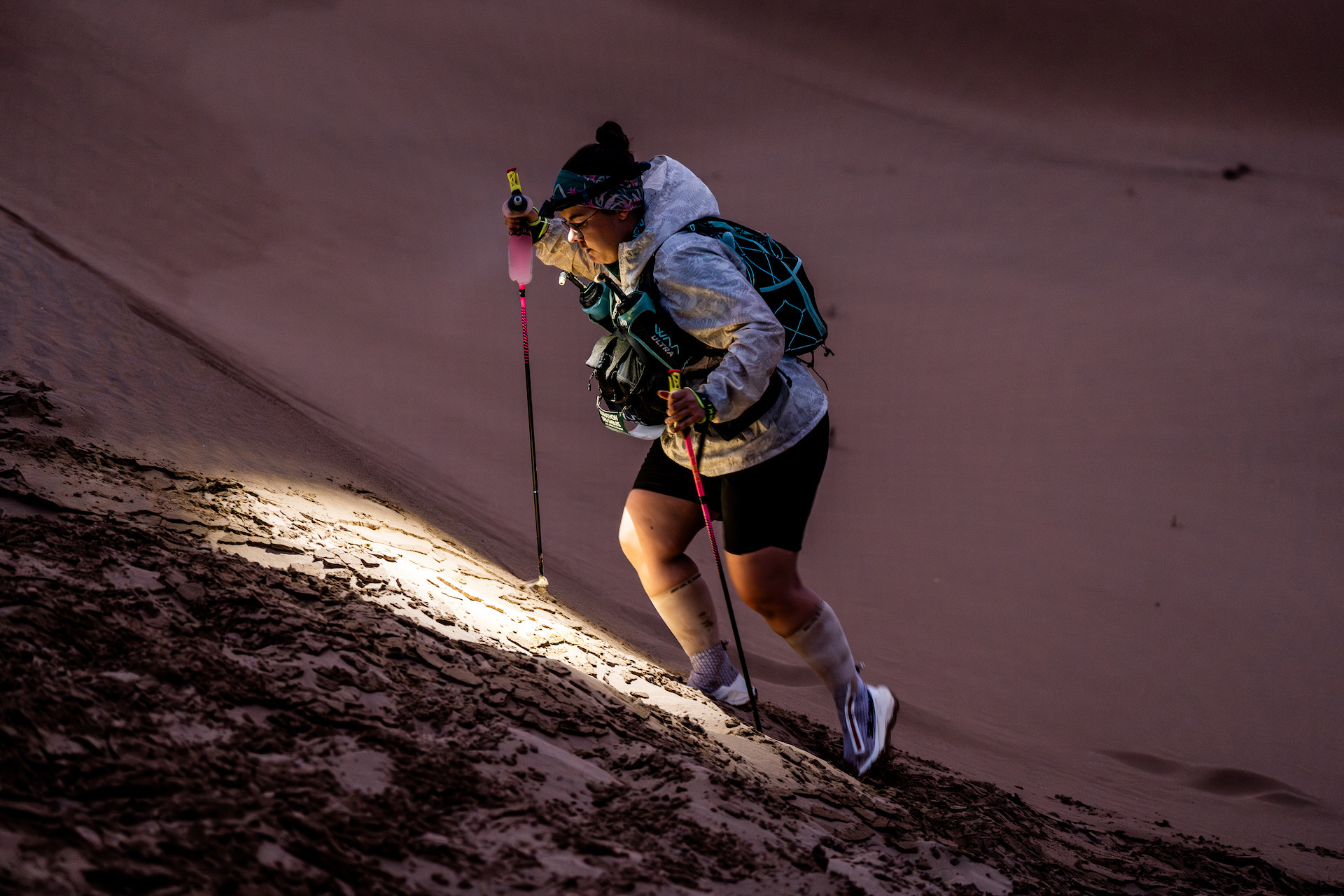
The wind blew strong during the night causing a restless night for many. To add to the fatigue, rain arrived as the runner’s started to pack and get ready for the third and final stage.

It was an ominous start and it was clear that there was high anxiety for each participant, with 27km’s to go, this was not going to be an easy last day.

Photo by Ian Corless

The first wave left at 0800 and the top-25 departed at 0930. Gladly, the rain disappeared, however, the wind did not…

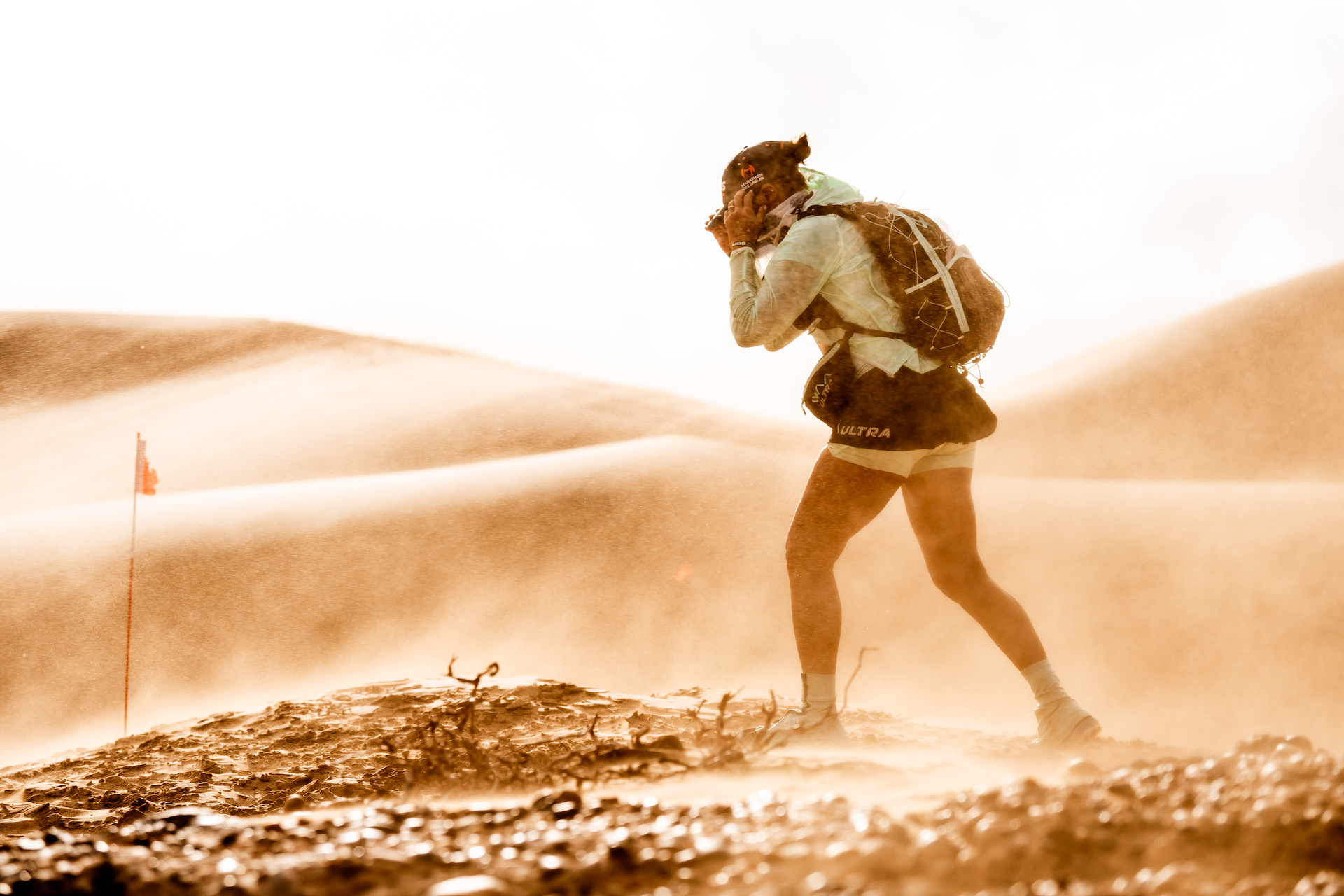
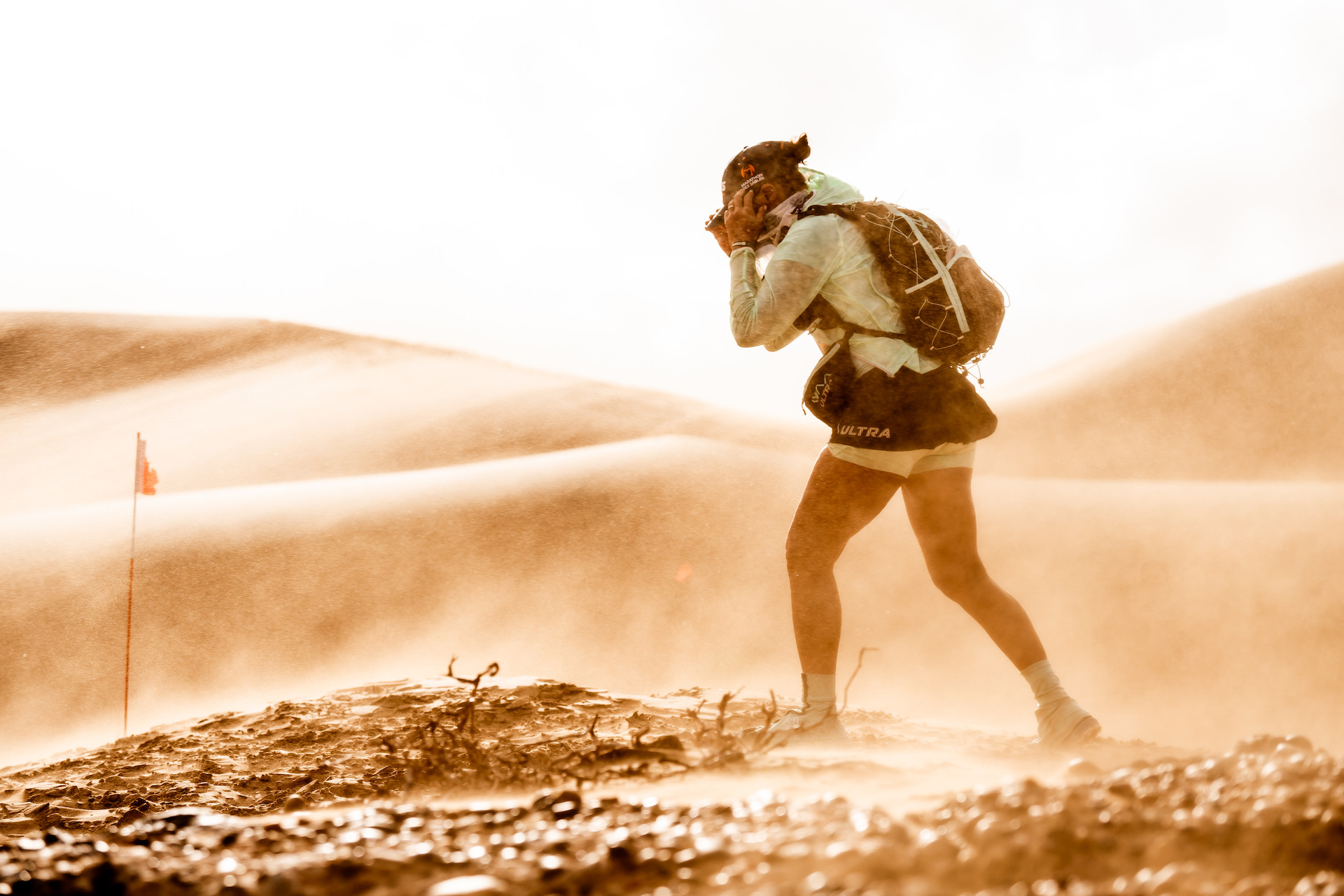
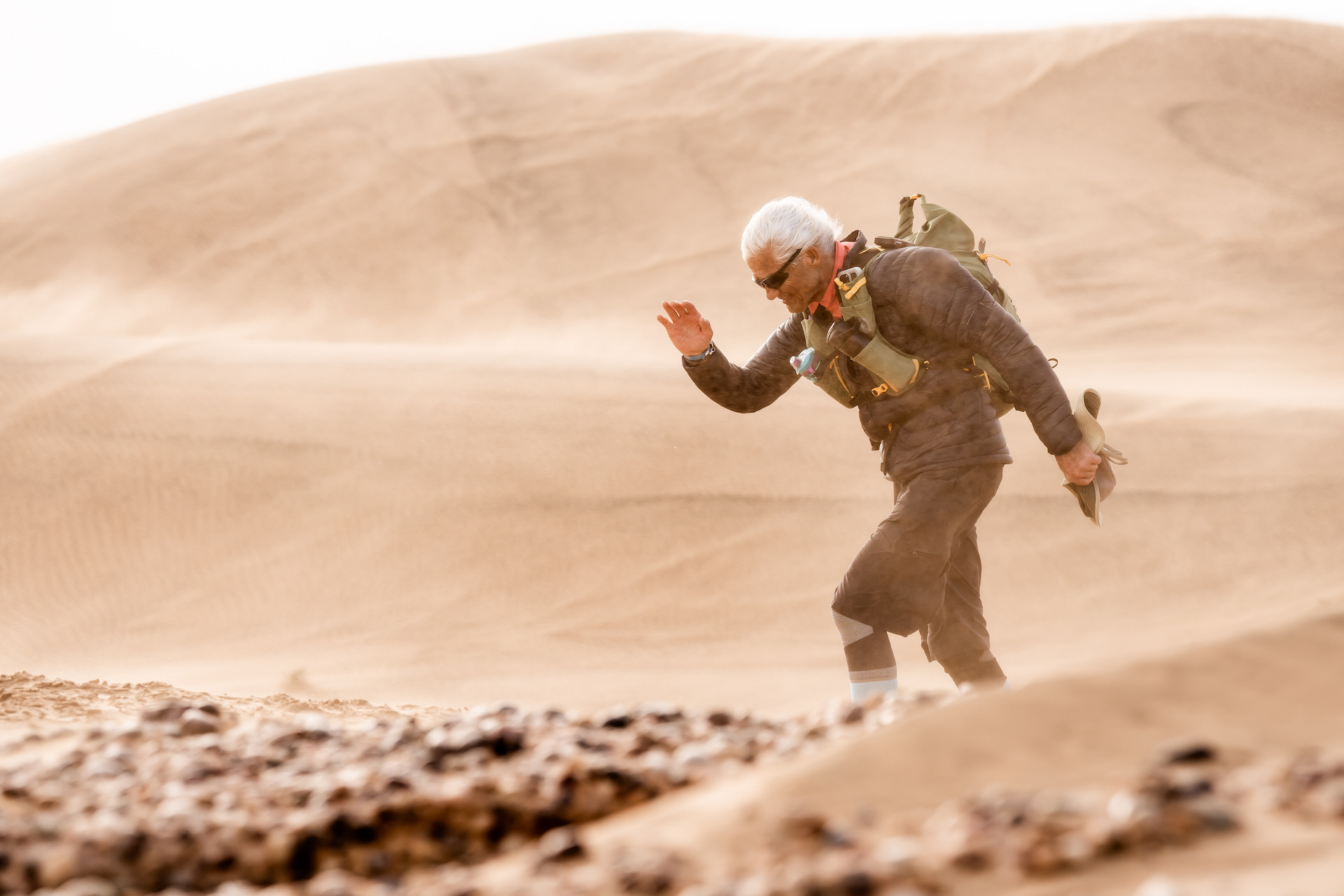
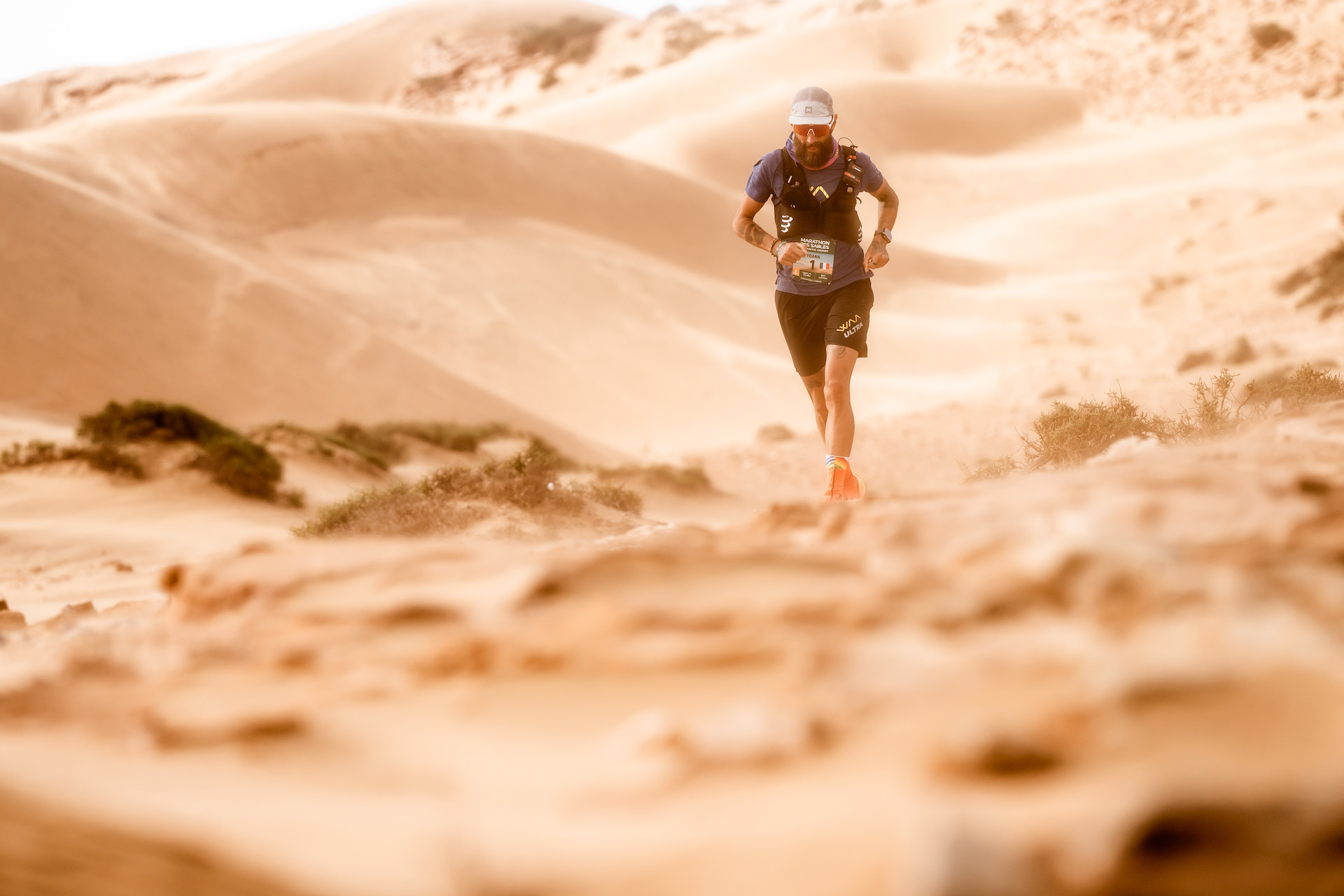
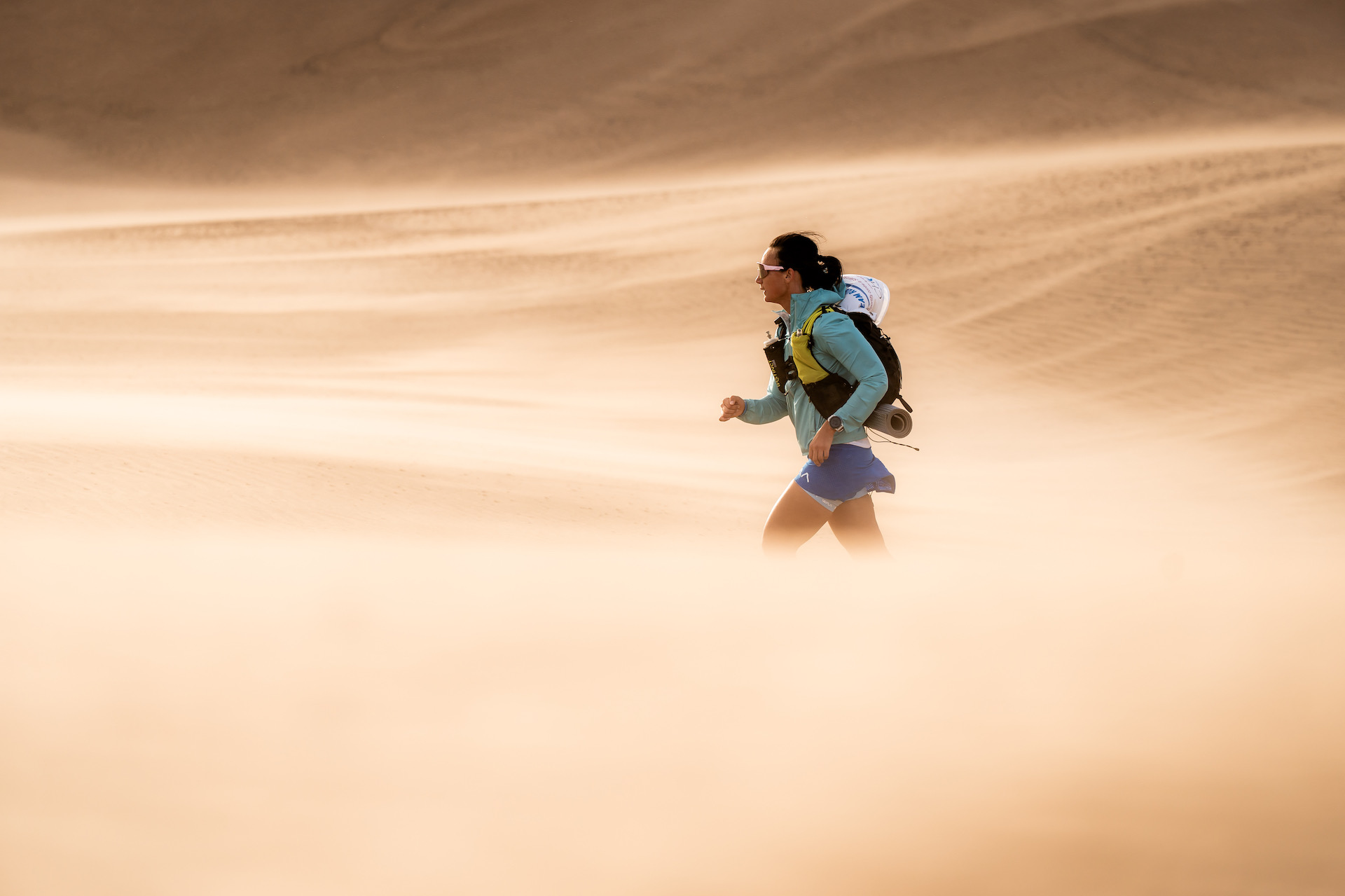
It was a northerly headwind for the entire 27km’s creating some of the most memorable moments and images of any MDS event.

Photo by Ian Corless

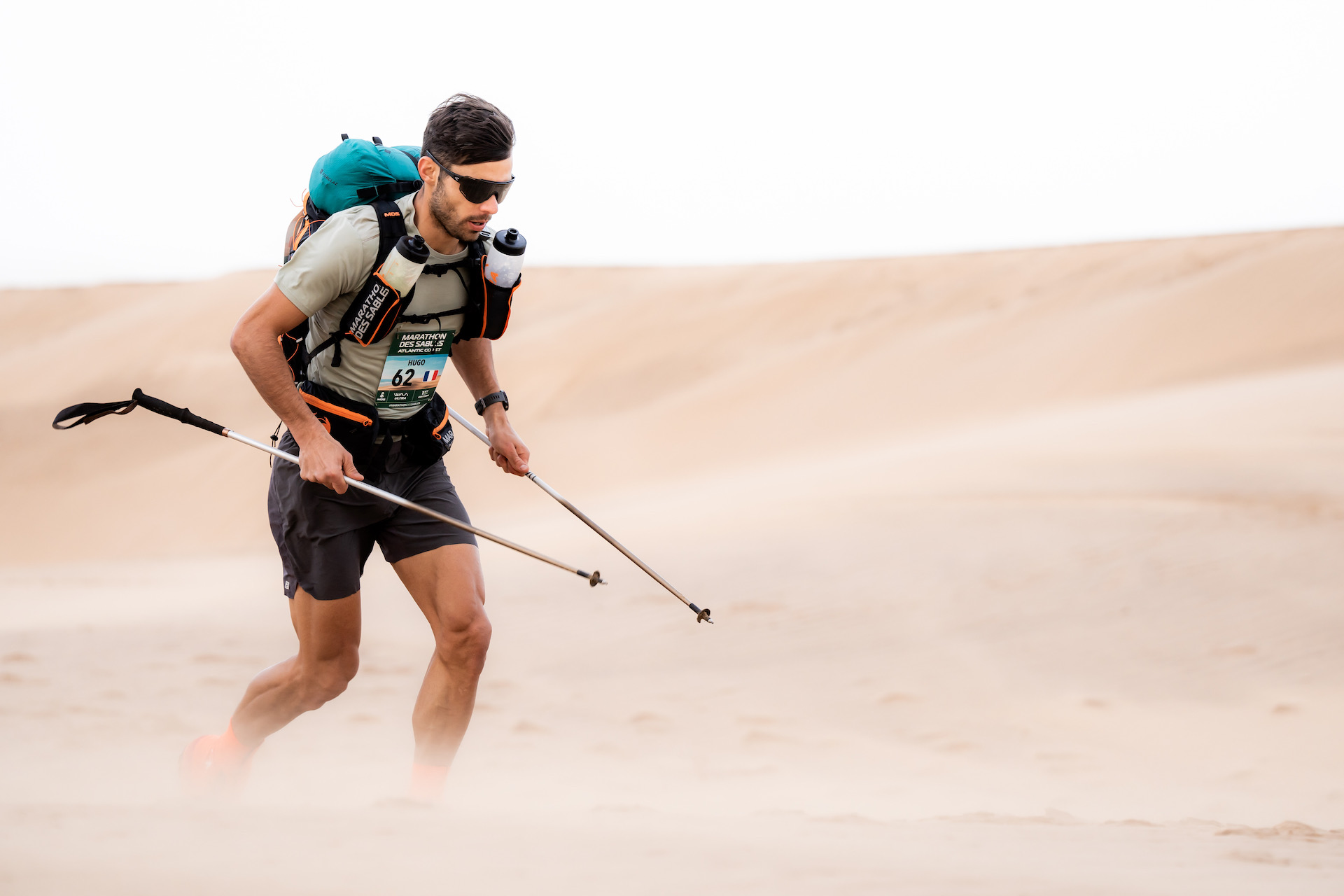
Runner’s battled, heads down, hands shielding faces and they fought what would seem like a never ending battle against nature to the finish line.

Photo by Ian Corless

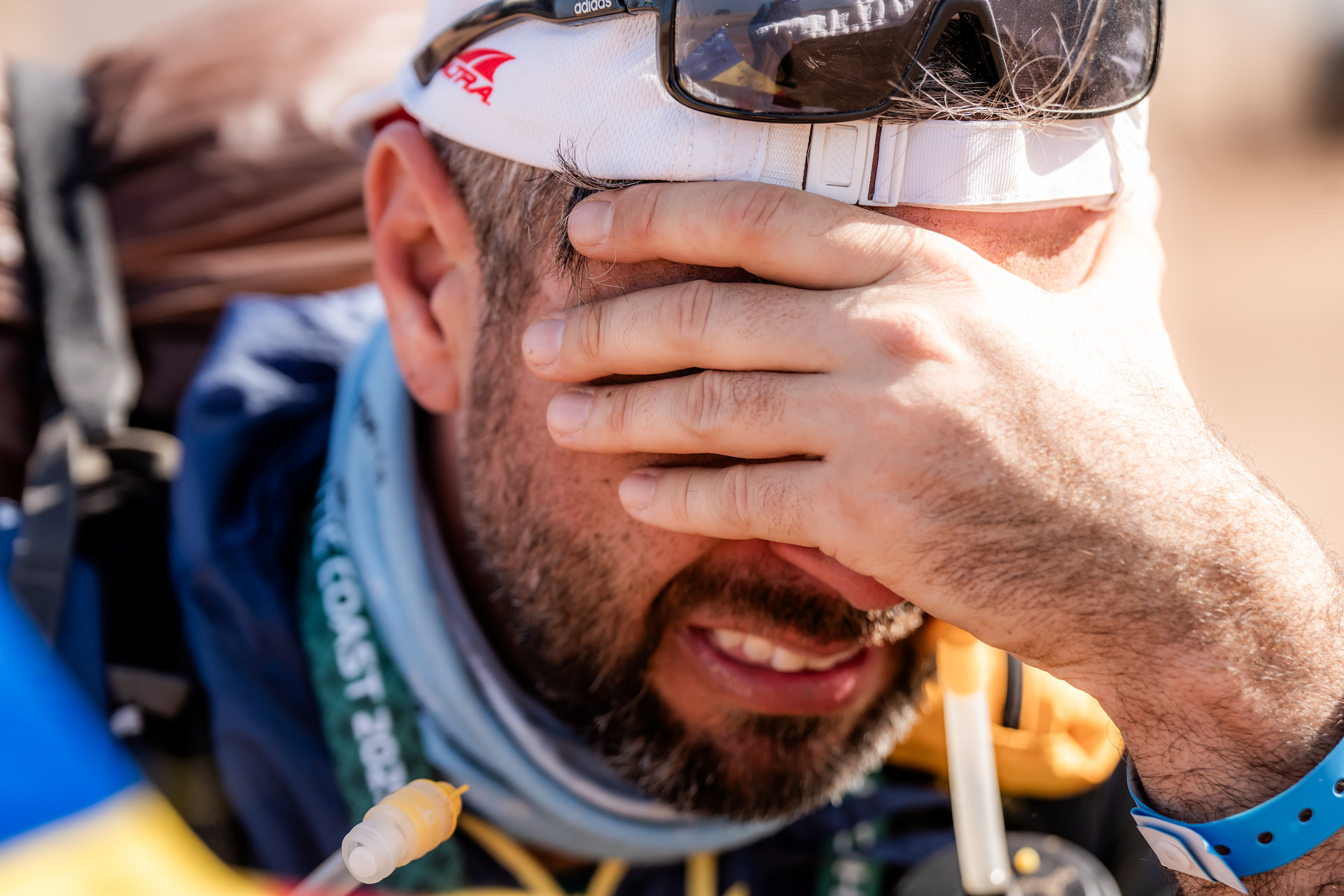
But the finish line came for all and with it, great emotion.

Photo by Ian Corless

Stage 3 of the first edition of MDS Morocco Atlantic Coast was brutally beautiful. Relentless impressive dunes, the Atlantic Ocean to the left and the final 10km’s along the beach made for a completely memorable MDS.

Photo by Ian Corless

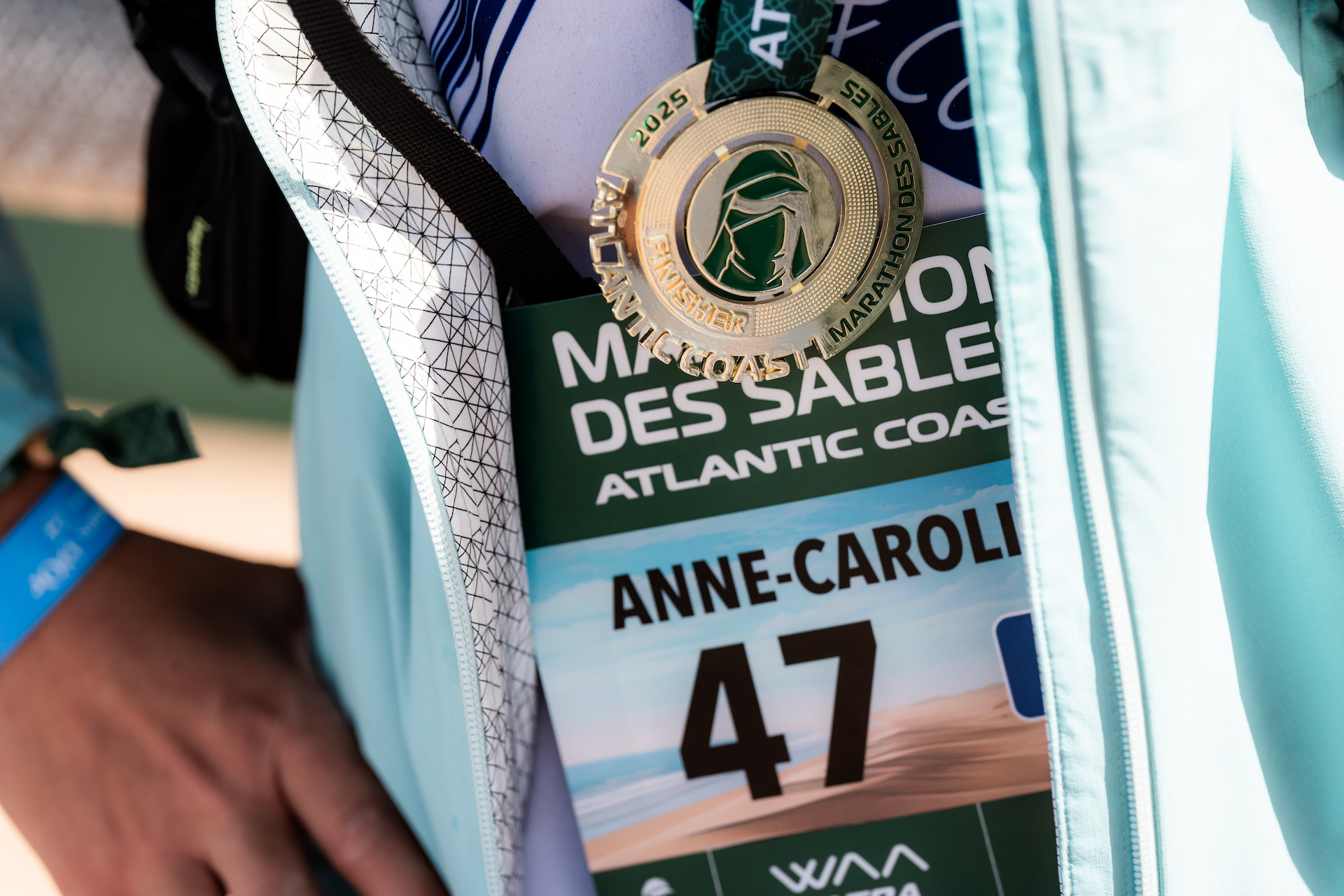
Tears, joy, emotion, relief and the bling of a medal all made the journey worthwhile.

Photo by Ian Corless

The journey for each participant unique. The experience unique. But there was one common thread…

‘We survived and experienced a truly memorable journey along the Atlantic Coast of Morocco.’

Photo by Ian Corless

Full race results HERE

Interested in an MDS event in 2025? A full calendar of dates and destinations are available HERE

Photo by Ian Corless

Instagram – @iancorlessphotography

Twitter – @talkultra

facebook.com/iancorlessphotography

Web – www.iancorless.com
Web – www.iancorlessphotography.com

MDS Fuerteventura, MDS Morocco and MDS Morocco Trek 2025 – Booking Starts January 15th.

January 15th 2025 12:00pm (cet) three MDS events go on sale for the 2025 calendar.

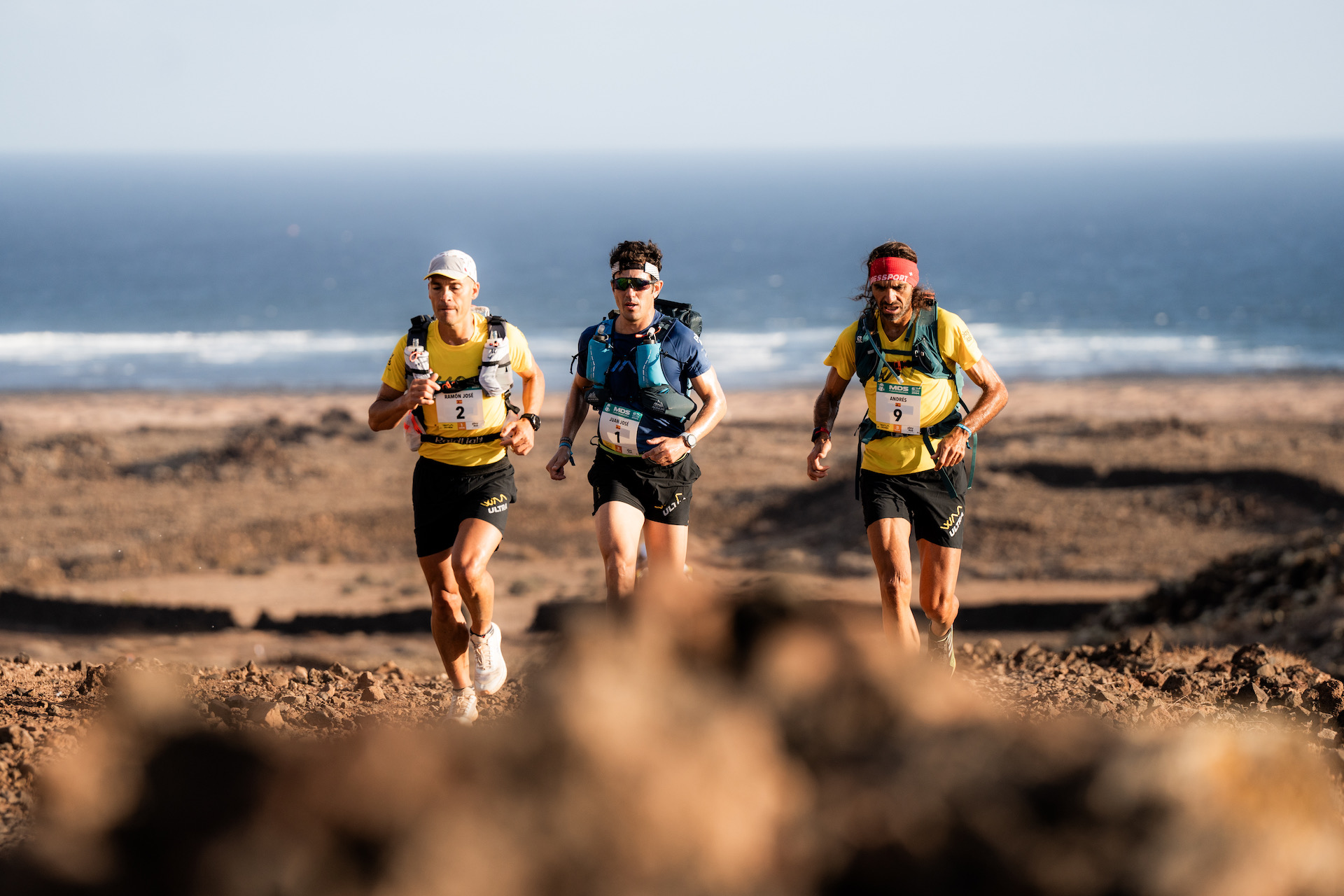
MDS Fuerteventura – September 20the to September 27th.

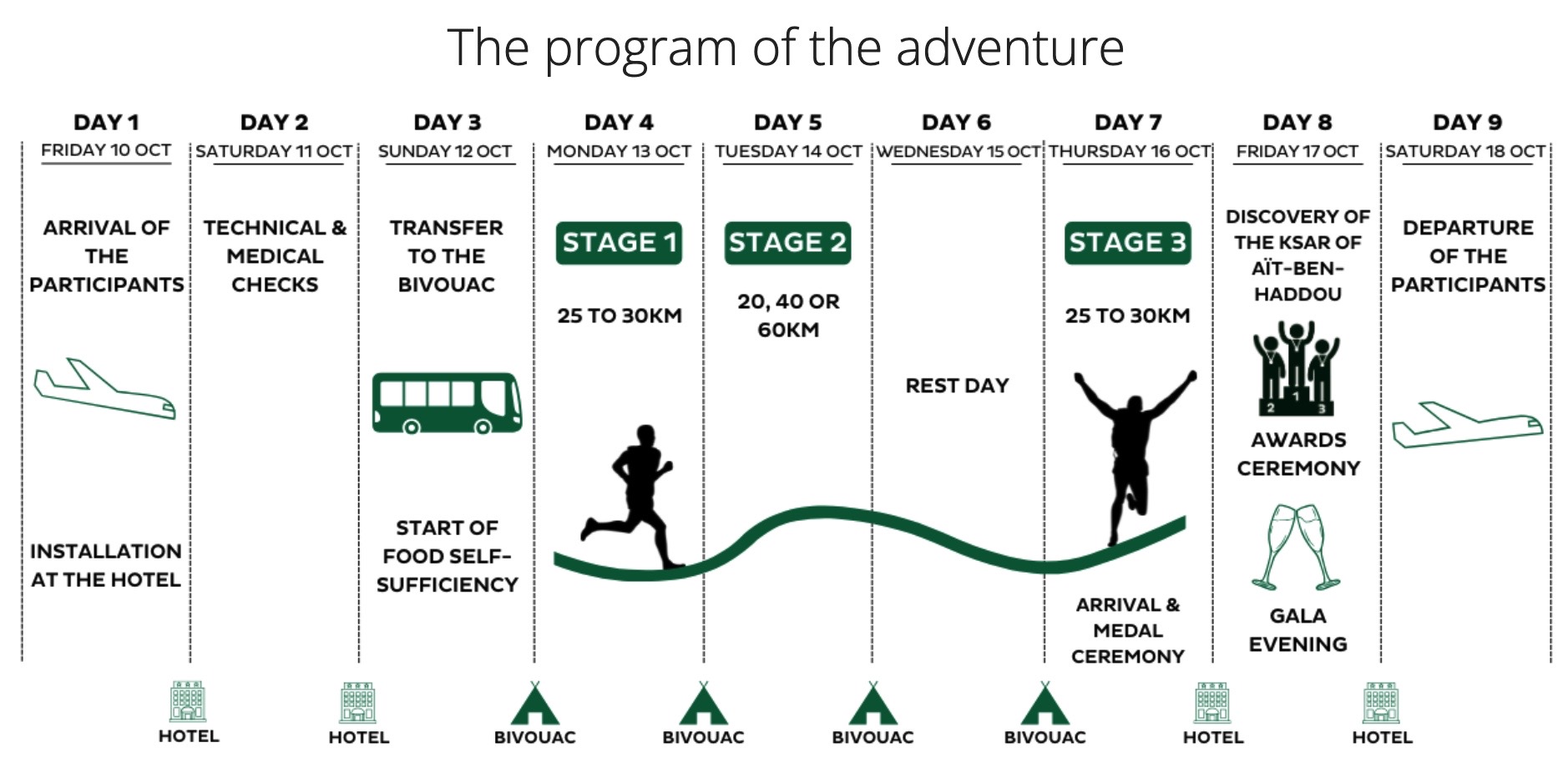
MDS Morocco – October 10th to October 18th.

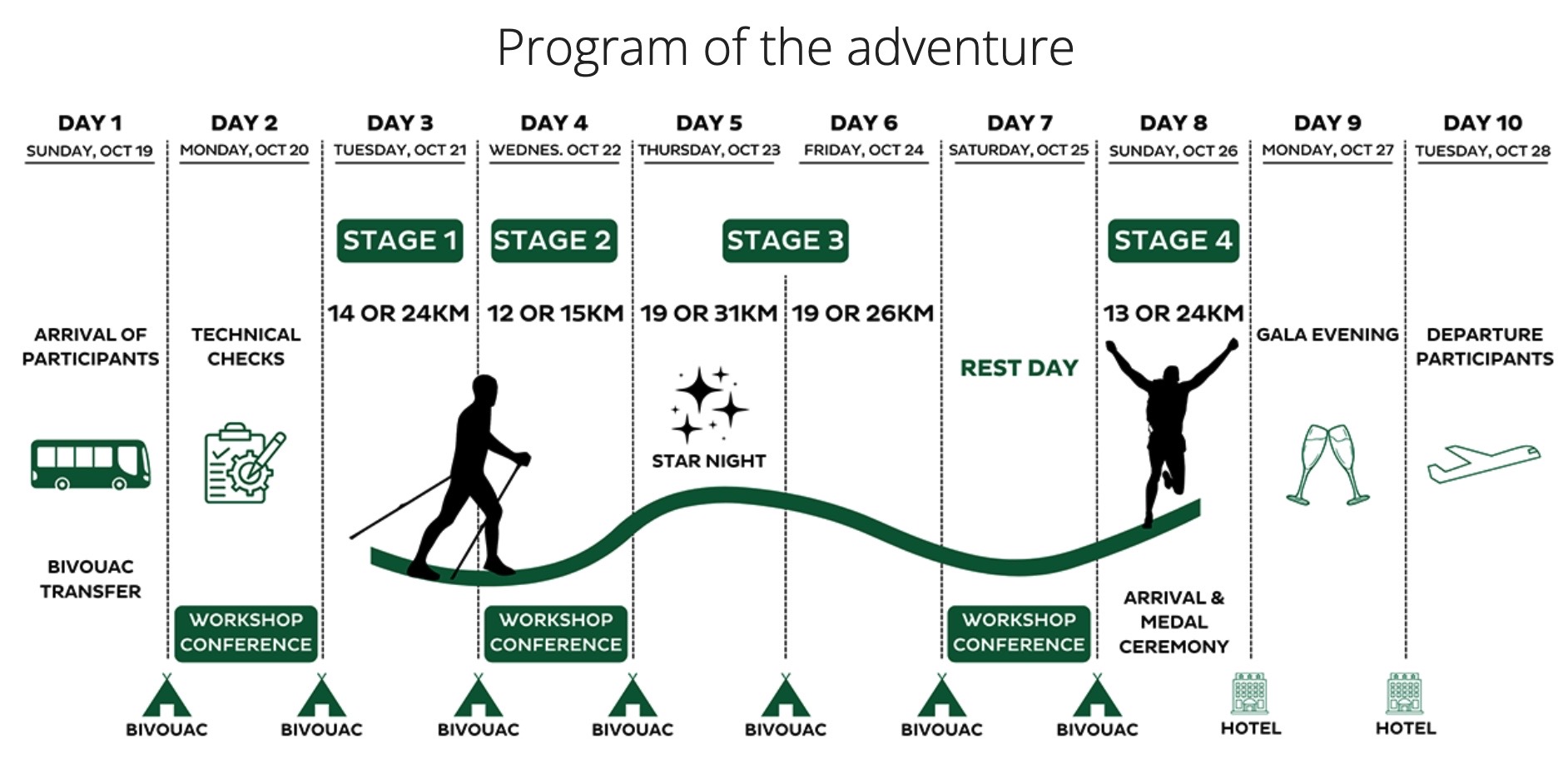
MDS Trek Morocco – October 19th to October 28th.

FUERTEVENTURASeptember 20th to September 27th.

2024 was a significant year for the MDS, it saw the return of MDS Fuerteventura exploring a new part of the island and with a capped entrant list it was not only a sell out but a huge success.

With an isolated bivouac close to the ocean, Fuerteventura brings something very special to the MDS portfolio. In many respects it can draw comparisons to MDS Peru, however, it does not have the epic dunes that the Ica desert provides. With stunning cliffs, runnable terrain and epic views, this is one race that must be experienced.

More MDS Fuerteventura details HERE

MOROCCOOctober 10th to October 18th.

MDS Morocco follows in the footsteps and the history of The Legendary. Taking place in the same area of the Sahara, this race is ultimately a mini Legendary and as such holds a special place for all participants. The 2024 edition was notable for two reasons… Freak weather – believe it or not, rain and flooding in the Sahara! It made for a unique and special edition with some unforgettable visual stories. Secondly, the Handi category which saw wheelchair athletes take on the Sahara with the help of a team.

The 2025 edition of the race will once again pave the way for the MDS brand and the history of the race.

TREKOctober 19th to October 28th.

MDS Trek was new for 2024. Combining much of what we see and experience in a normal MDS event, the TREK format added more comfort (2-person tents with mats,) no self-sufficiency (in regard to food,) showers, and after the stages, you will have the opportunity to relax with a daily massage* for better recovery, enjoy cold drinks* from the available bar, and share convivial moments in the social areas

*extra charge locally

Combining mental enrichment with workshop conferences, the TREK still offers the classic MDS distances of 70-120km but at a more relaxed pace and a slightly different format due to the very special ‘star night!’

Here’s the approximate breakdown of distances:

  • Stage 1: 14 or 24km
  • Stage 2: 12 or 15km
  • Stage 3 – day 1: 19 or 31km
  • Stage 3 – day 2: 19 or 26km
  • Stage 4: 13 or 24km

A perfect event for those looking for an introduction to stage racing, an active holiday or just an escape with a loved one or friend. An opportunity to experience the DNA of the MDS, the 2024 edition was a huge success and returns for 2025, bigger and better! Accessible to everyone, this format is perfect for those who want to explore the desert, make new connections, push their physical limits, and all while maintaining a level of comfort.

More TREK details HERE

What is the MDS?

The MARATHON DES SABLES is a unique adventure, shared by thousands of enthusiasts since 1986.

MDS MAIN WEBSITE HERE

To differentiate the full distance race of 250km’s, Marathon des Sables will now be known as MDS The Legendary, reflecting the legendary status of this iconic event and its long history as a pioneer of the stage racing and multi-day format.

The ‘HMDS’ format will still follow the same protocols as before but has now dropped the ‘half’ title and moving forward, events will be called MDS Jordan, MDS Morocco, MDS Cappadocia and so on.

The MDS events are a one-week sporting adventure that combines discovery, travel, meeting new people and physically challenging yourself in a self-sufficient manner.

MDS TREK was introduced in 2024 and is a 10-day adventure at a more relaxed pace with extra comfort, perfect for an active holiday, training or as an introduction to desert stage racing.

Read MDS THE ULTIMATE GUIDE HERE

Since 1986, the MARATHON DES SABLES has crossed the world’s most stunning deserts with several unique concepts: the MARATHON DES SABLES THE LEGENDARY (252 km in the Sahara Desert in Morocco), the MARATHON DES SABLES (70, 100, or 120 km spread over 3 stages), and the new 2024 concept, the MDS TREK (4 stages with a total distance of up to 120 km), offering an accessible adventure with optimal comfort. These international events have seen over 50 editions in various countries such as Morocco, Fuerteventura Island, Peru, Jordan, Turkey, and offer adventures that combine running/hiking in the desert with tourism.

Instagram – @iancorlessphotography

Twitter – @talkultra

facebook.com/iancorlessphotography

Web – www.iancorless.com
Web – www.iancorlessphotography.com

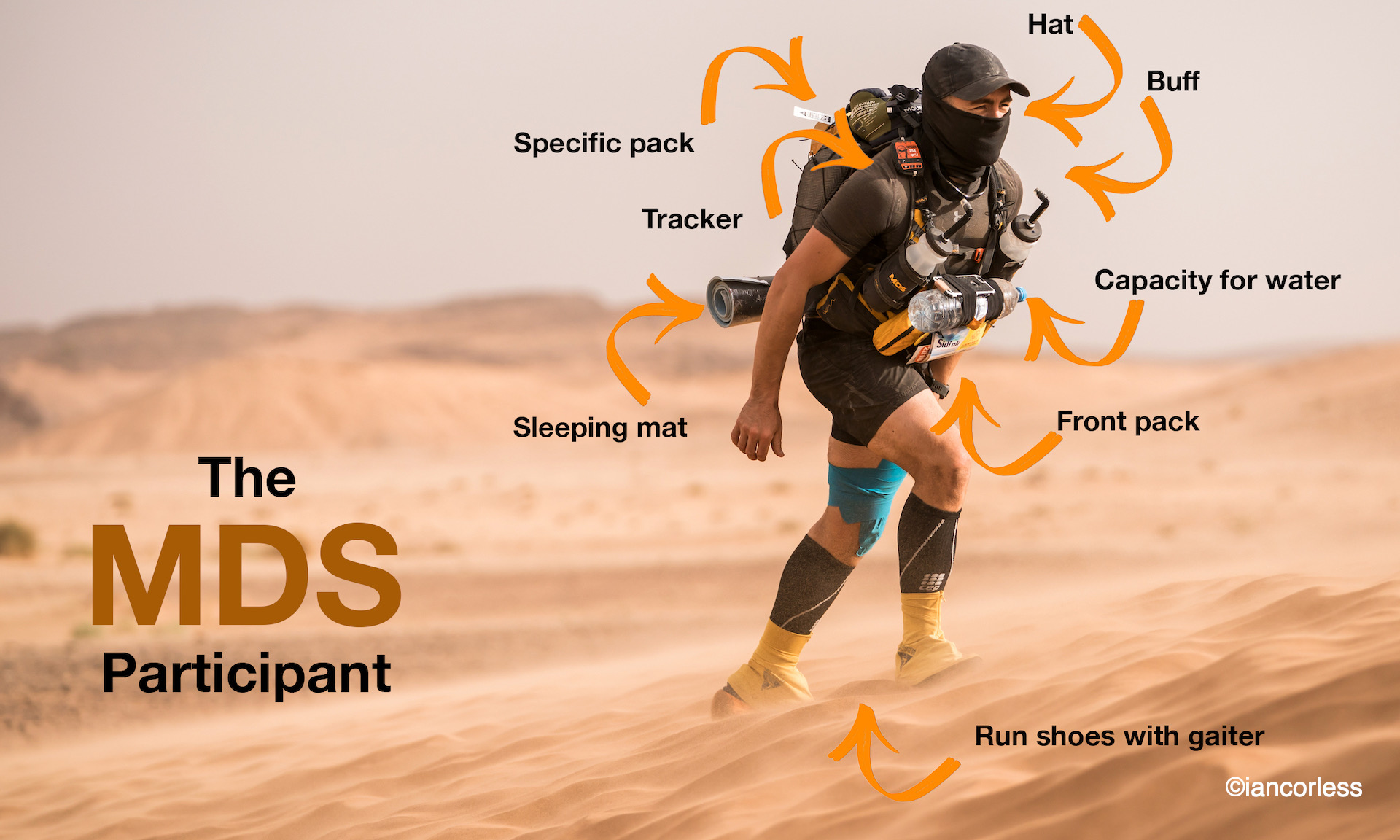
MDS Peru 2025 – Return to the magic of the ICA Desert

MDS Peru returns in 2025. I was at the original full-distance event in 2017, it was clear then that Peru and the Ica desert was a very special place.

The race returned in the ‘HMDS’ format in 2028, 2019 and 2022. Now, all HMDS events rebranded as MDS, we eagerly anticipate the 2025 MDS Peru that will take place from November 29th to December 6th, what better way to kick-off early Christmas celebrations and end a year!

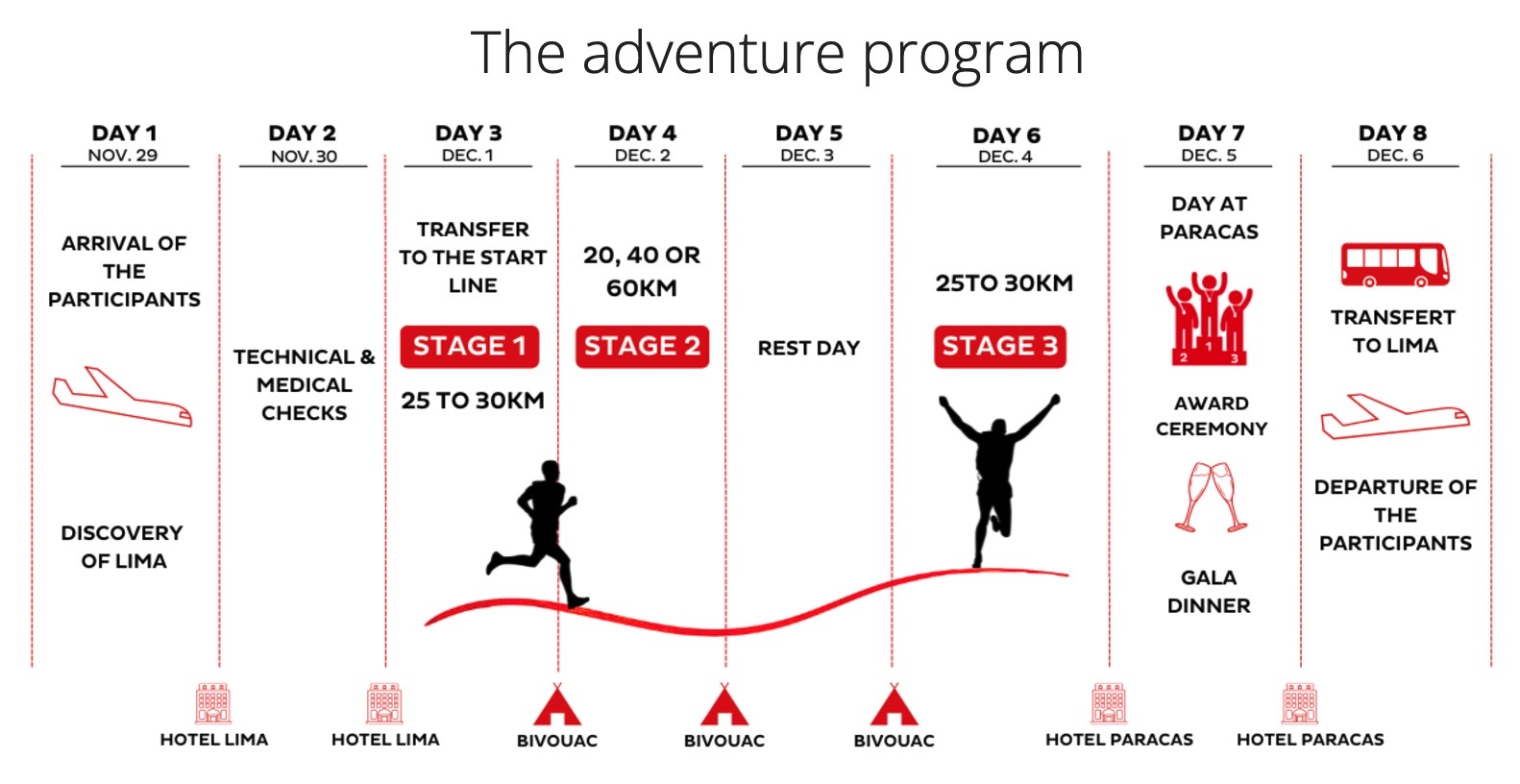
Participants will arrive in Lima on November 29th (or before) and then stay in Lima for 2 nights at an official race hotel.

November 30th will have technical and medical checks, the protocol identical to other MDS events.

On the morning of Dec 1st, an early morning transfer to the start of stage 1.

As with all MDS events, the race will take place over 3 stages will last 4 days.

  • Day 1/ Stage 1 will be 25 to 30km.
  • Day 2/ Stage 2 offer three distance options, 20, 40 or 60km.
  • Day 3 is a rest day.
  • Day 4 will see the commencement of the race with Stage 3, again, 25 to 30km and then two overnight stays at Hotel Paracas.

The following day is a day of leisure and then the awards ceremony and gala dinner.

Dec 6th will see participants return to Lima and onward travel.

A key consideration for participants, if Peru is on your wish list, due to the complexities of travel and logistics, Peru will not be a yearly MDS destination, so, now is the time to sign up and experience the magic this destination offers.

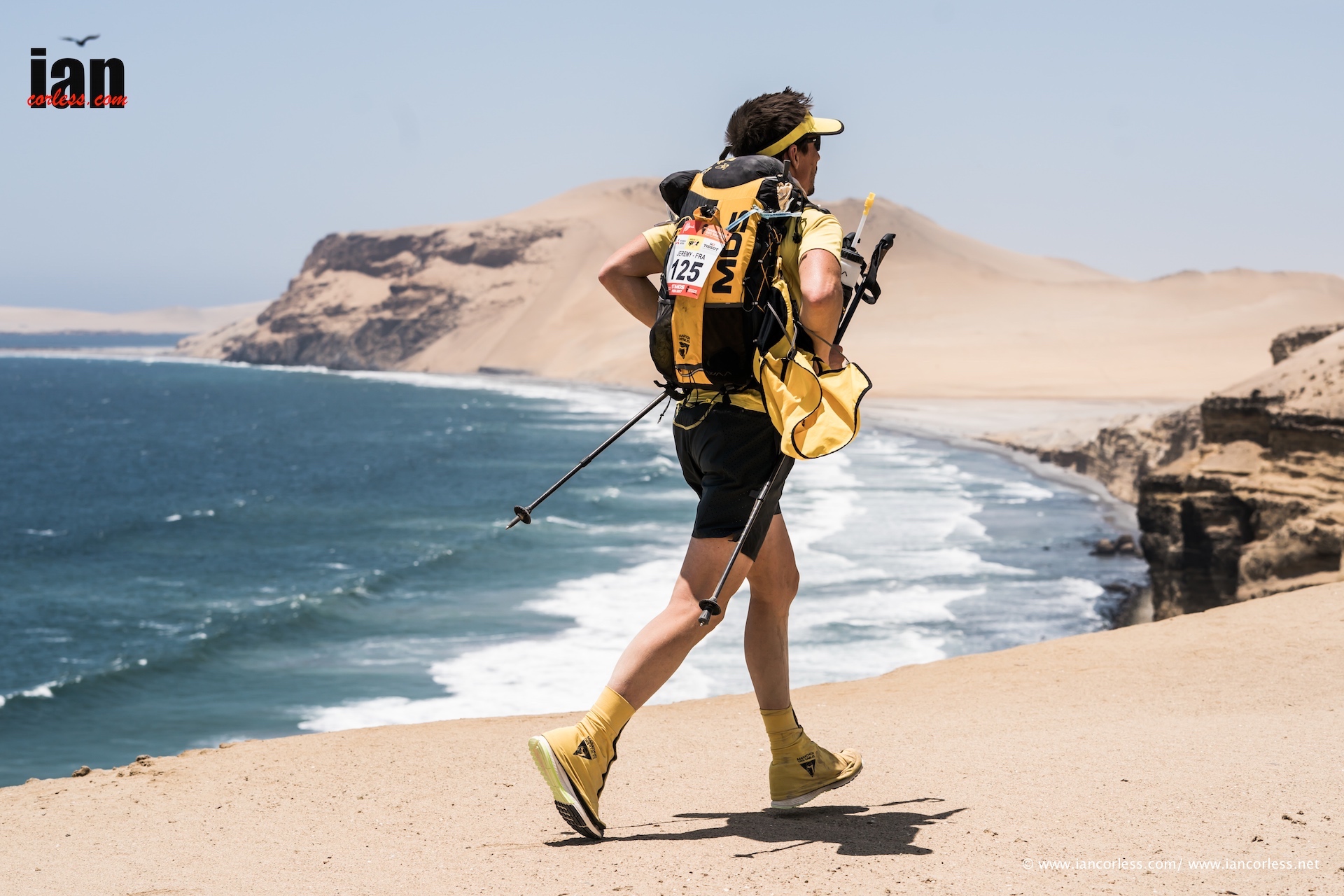
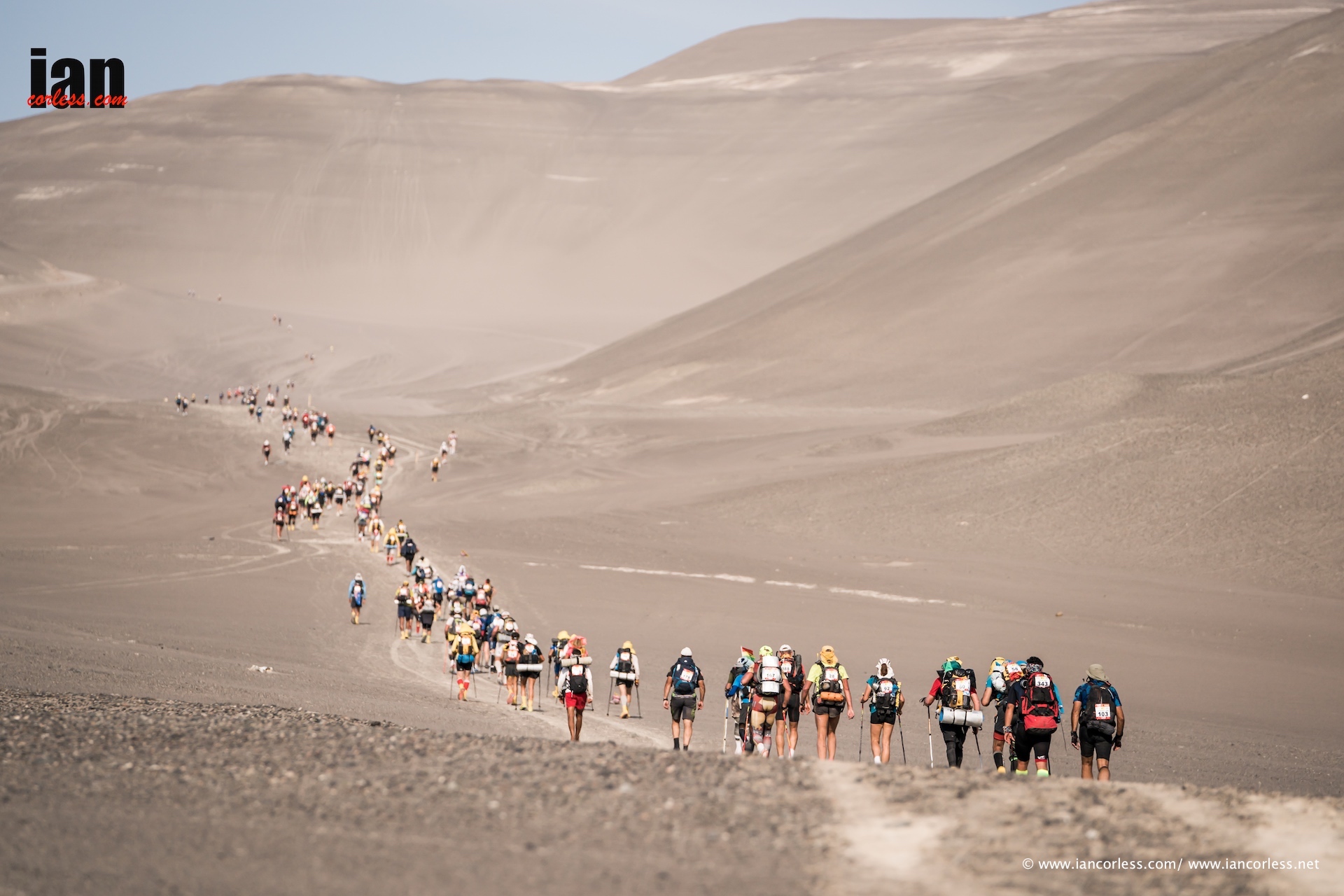
The Ica desert is unique, isolated from any civilization, this is a week of total disconnection. As bivouacs go, the one at MDS Peru is arguably the most impressive and unique, located on the edge of the Pacific Ocean.

Should you require to arrive before or extend your Peru adventure, there will be the option to explore Machu Picchu, the historic city of Cusco and the Mountain of 7 Colours with MDS partner Coltur.

MDS Peru will open for entry on Dec 11th at midday CET. Importantly, MDS have stipulated that a minimum sign-up of 200 participants will be required for the 2025 event to proceed, so, don’t hesitate to join this unique adventure of a lifetime. For the first 100 to sign-up, a discount is available, 2350 euro instead of 2650 euro.

MDS Peru returns in 2025, November 29th to December 6th. There really is no place quite like Peru and the ICA Desert. Sign up for the adventure of a lifetime, entries open December 11 2024 at midday CET.

Enter HERE

What is the MDS?

The MARATHON DES SABLES is a unique adventure, shared by thousands of enthusiasts since 1986.

To differentiate the full distance race of 250km’s, Marathon des Sables will now be known at MDS The Legendary, reflecting the legendary status of this iconic event and its long history as a pioneer of the stage racing and multi-day format.

The ‘HMDS’ format whill still follow the same protocols as before but has now dropped the ‘half’ title and moving forward, events will be called MDS Jordan, MDS Morocco, MDS Cappadocia and so on.

The MDS events are a one-week sporting adventure that combines the discovery, travel, meeting new people and physically challenging yourself in a self-sufficient manner.

Read MDS THE ULTIMATE GUIDE HERE

Since 1986, the MARATHON DES SABLES has crossed the world’s most stunning deserts with several unique concepts: the MARATHON DES SABLES THE LEGENDARY (252 km in the Sahara Desert in Morocco), the MARATHON DES SABLES (70, 100, or 120 km spread over 3 stages), and the new 2024 concept, the MDS TREK (4 stages with a total distance of up to 120 km), offering an accessible adventure with optimal comfort. These international events have seen over 50 editions in various countries such as Morocco, Fuerteventura Island, Peru, Jordan, Turkey, and offer adventures that combine running/hiking in the desert with tourism.

Instagram – @iancorlessphotography

Twitter – @talkultra

facebook.com/iancorlessphotography

Web – www.iancorless.com

Web – www.iancorlessphotography.com

MDS Morocco 2024 – Stage 3

The final stage of the 2024 MDS Morocco started with an early wake up ahead of the 0530 start. There was a chill in the air as participants prepared their last meals.

WAA – What An Adventure

The stage 3 route had been modified due to flooding, but the course would take place in the same region of the Sahara as planned, just a slight detour avoiding the requirement to swim…

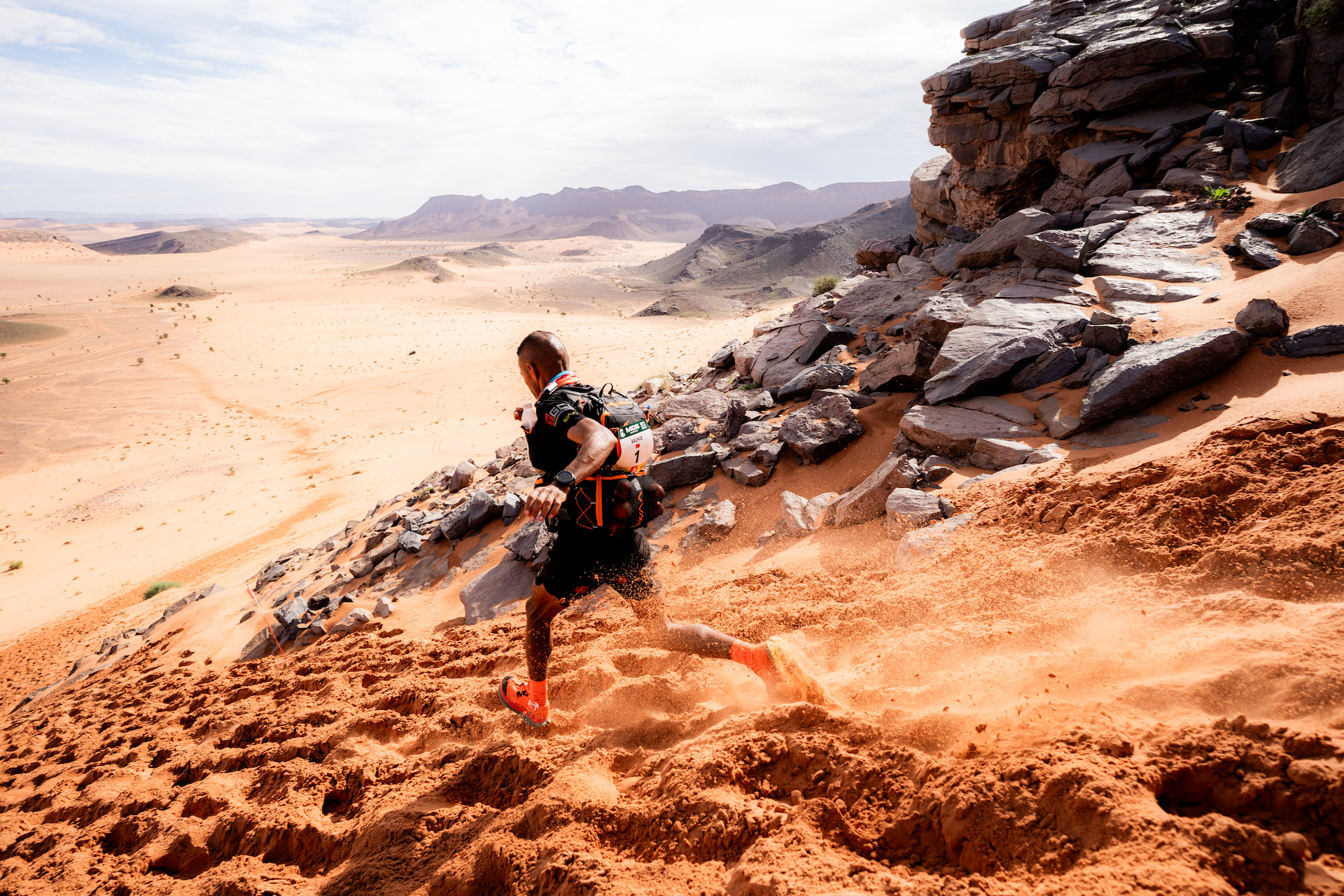
Race winner, Rachid El Morabity

The stage of 25km’s was notable as the HANDI category would complete the entire stage, just one section at around 11km, a narrow gorge, requiring outside assistance from the MDS blue coats to help ensure safe passage.

Teamwork makes the dream work.

For the top runner’s, the stage would be completed in almost darkness, with sunrise coming at 0720 and the expected first finisher at 0730.

Amazing sunrise

It was a magical day, the glow and lines of headlamps creating a visual spectacle. The Handi teams inspiring and showing that there are no limits and of course, the sunrise was really exceptional.

Magic of the Sahara

The 2024 MDS Morocco will be remembered in the history of the Marathon des Sables legacy; strong winds, sand storms, thunderstorm, torrential rain, flooding and the Handi teams.

The flooding created unique visual moments.

The experience has been all the greater for these moments of test. And for future editions of MDS lessons can be learnt, participants must be prepared for all eventualities. History has shown, the Sahara is not always hot, it is not always dry and it is not always calm and relaxing. This is what makes the adventure and challenge so great and rewarding.

The Handi category, amazing and emotional.

As with all MDS events. there are three distance categories, 70km, 100km and 120km. For the 2024 MDS Morocco, a fourth category, the Handi. A category that we all hope that can grow and develop to more races in the MDS portfolio.

The MDS Morocco 2024 came to an end. Winners were crowned at the awards ceremony, but the top-3 in each distance are only the tip of the iceberg in a race of 630 participants. The MDS format truly appreciates and applauds all who take part, be them fast runner or walker. These races exist to allow all abilities an opportunity to seek an adventure at a pace and a distance that is a challenge to themselves, it’s a wonderful concept.

The finish

Full results HERE

120km

RESULTS 1 – Rachid EL MORABITY 2 – Abdelkader ELMOUAZIZ 3 – Thomas Benjamin BERTIN

WOMEN RESULTS 1 – Lucie MATT 2 – Emilie GARCIA 3 – Carine DAVID

100km

RESULTS 1 – Fabrice ARMAND 2 – Morgane GODEFROY 3 – Alberto CAPPAROTTO

WOMEN RESULTS 1 – Morgane GODEFROY 2 – Lisa PUJOLAS 3 – Emily COCKELL

70km

RESULTS 1 – Christian HARTEL 2 – Pierre-Luc VITOUX 3 – Clémence VIENNET

WOMEN RESULTS 1 – Clémence VIENNET 2 – Catarina VILLAS 3 – Jasmine LIBOIRON

Handi

RESULTS 1 – Benoit COLLIOT – L’UN POSSIBLE 2 – Yann GRANDGUILLAUME – L’UN POSSIBLE3 – Guillaume LEGRAS – L’UN POSSIBLE

WOMEN RESULTS 1 – Anais KRAUTH – HANDI MDS 1 2 – Kaïna RAHMOUNI – HANDI MDS 93 – Claire NOLET – HANDI MDS 7

Unique images for the Sahara

Marathon des Sables website HERE

Since 1986, the MARATHON DES SABLES has crossed the world’s most stunning deserts with several unique concepts: the MARATHON DES SABLES THE LEGENDARY (252 km in the Sahara Desert in Morocco), the MARATHON DES SABLES (70, 100, or 120 km spread over 3 stages), and the new 2024 concept, the MDS TREK (4 stages with a total distance of up to 120 km), offering an accessible adventure with optimal comfort. These international events have seen over 50 editions in various countries such as Morocco, Fuerteventura Island, Peru, Jordan, Turkey, and offer adventures that combine running/hiking in the desert with tourism.

Instagram – @iancorlessphotography

Twitter – @talkultra

facebook.com/iancorlessphotography

Web – www.iancorless.com
Web – www.iancorlessphotography.com

Home of the Giants 2024 Summary

The view from Kyrkja

Home of the Giants 2024 has just come to a conclusion. And what a week it has been.

This trip came about through personal adventure in the Jotunheimen mountains of Norway and the desire to share and showcase this magical playground.

Baz at the summit of Kyrkja

What is Home of the Giants?

A multi-day adventure, 6-days in total, through a magical and challenging landscape. Unlike a race, this journey was created as a finely balanced exclusive trip for up to just 12 participants. A challenge at a more relaxed pace, taking in an amazing route whilst moving light in a semi self-sufficient mode using DNT cabins for overnight accommodation.

Lake Bygdin

Based around the concept of stage races, Home of the Giants is about moving lighter and therefore faster with a minimum amount of equipment without compromising safety. All we needed could be carried in a small pack weighing approximately 3kg (plus liquid).

It is important to emphasize that Norway can have spring, summer and winter in one day. Never underestimate the challenge of the environment. It is all well and good being light IF you can move fast. You also need to consider the ‘what if’ scenario and should you become slow or a worst case scenario, injured and waiting help/ rescue. At a minimum you MUST have merino top and bottom, warm insulating layer (down or PrimaLoft) waterproof jacket and pants, hat, gloves and a bivy bag. I also strongly recommend a product such as Garmin InReach. Much of Jotunheimen has no phone connection, an InReach with emergency SOS button, for me, should be mandatory.

You can see an example of my pack below and the details are as follows:

  • Camelbak Octane Pack 600g
  • adidas hat 32g
  • adidas gloves Infinitum 52g
  • Hestra waterproof gloves 53g
  • adidas gloves 41g
  • Devold merino base top 193g
  • Devold merino base bottom 166g
  • Buff 43g
  • Haglofs down jacket 163g
  • adidas waterproof pant 125g
  • adidas Gore-Tex jacket 272g
  • Rab bivvy bag 110g
  • Underwear 98g
  • Gels 81g (for emergency)
  • Silk liner 126g
  • Blindfold/ earplugs 22g
  • Earphones 44g
  • Ricoh GRIII camera 251g (a luxury)
  • Sunglasses 18g
  • Bottles x2 90g
  • Katadyn water filter 52g
  • Toiletries 196g
  • Power supply 138g
  • Phone 136g
  • Garmin InReach 108g
  • Leki poles 250g

3379g 

Staying at DNT staffed cabins provides the best of both worlds, they provide a bed for the night, dinner, breakfast, a packed lunch and they have additional facilities such as relaxation areas, showers and a bar. It’s the ultimate way to travel light in the mountains. Beds are in dorms or private rooms that depending on the cabin can be solo, double, triple, quadruple or five plus. Most DNT’s have a rule that irrespective of if you arrive and there are no beds, you will not be turned away, so, rest assured, a safe haven is always available.

OUR JOURNEY

Day 1 – Oslo to Bygdin

We departed Oslo bus terminal at 0830 Monday for a direct trip to Bygdin Fjellhotel. The journey taking 4-hours with a 15-minute break ideal for a midday arrival. The weather was grim with torrential rain for most of the way. It was an ominous start and constant glancing at weather apps confirmed that our week ahead would have mixed weather. It’s Norway after all!

Synshorn summit

Arrival at Bygdin was seamless and after a break at 1500 we departed in the rain to take in the summit of Synshorn (1464m) which is a great introduction to Norwegian mountain terrain. The plan was initially to just summit and return, a 75-minute journey at a steady pace. However, the weather, although still wet, was not cold and after long travel, we all decided to continue for a back-up and planned 12km route. We followed the ridge north to Heimre Fagerdalshøe (1510 m above sea level) with a great view over Bygdin to Falketind. We then continued in the direction of Synsbekk and connected to the ’T’ marked trail that would bring us back to Bygdisheim and the lake for a short gravel road section back to the hotel.

Day 1 loop

It was a great intro to the week and then we could enjoy the benefits of Bygdin Fjellhotel – a warm shower, sauna and a lovely traditional Norwegian dinner.

Day 2 – Bygdin – Eisbugarden – Skogadalbøen

M/B Bitihorn

It was a casual start to the day with a hearty breakfast and then meeting the M/B Bitihorn boat at 0900 for a transfer the length of Bygdin lake (stopping at Torfinnsbu) and then continuing to Eidsbugarden.

Lake Gjende
Torfinsbu self-service DNT

By 1100 we were ready for our first full day, Eidsbugarden to the remote Skogadalbøen DNT cabin. The route is considered very demanding due to the nature of the terrain. It’s very important when looking at routes in Norway that you never focus too much on the distance but more the time it will take to cover the distance. Depending on the time of year, this route can have a great deal of snow, so, be careful and do research in advance. For us, we had several snow fields to cross and all were in good condition.

Eisbugarden to Skogadalbøen
DNT mark the routes with red Ts

Our weather was glorious, blue skies, white fluffy clouds and amazing views.

Plenty of water crossings

A short road section and a right turn and we were already climbing through saturated and boggy ground to Sløtafjellet. Then the rocks and boulders started.

Beautiful but hard terrain

This route has a ‘reputation’ for the rocky terrain and hence the difficulty rating. It’s hard to move fast! The route climbs up passing lakes and at all times you are surrounded by stunning snow-covered peaks – magical.

sign posts help keep you on track

Arriving at Kvitevatnet lake you keep to the left and at the end climb up towards Uradalsvatnet lake, againkeepin to the left.

Lakes, rocks, snow and mountains. Perfect!

Passing through Uradalen the route eventually reaches its high point and then the descent starts through more ‘runnable’ terrain towards Skogadalsbøen.

The terrain became ‘easier’ towards the end of the day.
And more vegetation.

Of course, there is a kick in the tail with more rocks and very closed in and dense single-track with lots of mud. We covered 24.5km, 670m+ in 4h 55m. Geoff and Baz were pretty tired at the end, and I think it’s fair to say that Baz had seen and experienced enough rocks and boulders to last a lifetime. My reply was always, 1this is Norway, this is Jotunheimen!’

A nice sight after a long day

My girlfriend, Abelone, had initially planned to join Home of the Giants. Our intention, two groups of 4/5-people. However, in the buildup to the event we had 6-people cancel – not ideal. These cancellations caused many logistical problems and of course, there was never any risk of cancelling, but it did mean that Abelone was not needed to guide a group. However, she was on holiday with her son Håkon (10) and after summiting Fannaråki they joined us at Skogadalbøen DNT.

As usual, we had an amazing three course dinner, a lovely evening of banter and then a good night’s sleep.

Day 3 – Skogadalbøen to Leirvassbu

Day 3 with a moody start.
Skogadalbøen to Leirvassbu

Skogadalbøen to Leirvassbu is in comparison to the previous day, an easy route. Even though UT.NO describe it as a ‘very demanding summer route.’ Håkon had decided he enjoyed the group dynamic so much he wanted to also do the 19km route. He and Abelone got underway and some 30-minutes later we started.

Passing them early in the trail we had a group photo and pushed on. Today was a running day, albeit steady and relaxed. Geoff and Baz had big smiles; I think they almost considered it a rest day after what had been experienced the day before.

Green valleys surrounded by mountains

The ground constantly wet and boggy, the weather was overcast and cloudy with occasional light drizzle.

Many water crossings

Passing through Storutladlen and onwards to Gravdalen it was a great feeling day. The views and landscape ever changing. After passing Gravdalsdammen, we soon joined an undulating gravel road that took us to Leirvassbu DNT.

Leirvassbu DNT

On the approach, Kyrkja (2032m) was to our right, shrouded in mist and clag. Today was not the day to attempt the summit. After 19.68km, 811m of vert we finished in 3h 34m. Abelone and Håkon arrived a couple of hours later, Håkon sprinting ahead with a smile. What a joy to see. Geoff and Baz were blown away by Håkon’s speed, enthusiasm and commitment. 

Entertainment by Håkon

Early finish and we could then rest, relax, enjoy the Leirvassbu DNT and prepare for the following day. Leirvassbu DNT is a large and modern cabin with no dorms, a large bar area and an excellent restaurant. A stunning location surrounded by mountains, a great place for staying more than one night as there is lots to explore. It has road access, so, it can be accessed by private car or bus, worth knowing just in case you need a contingency escape option.

DNT dinner always a highlight

The weather forecast for the following was good and it was therefore decided we would summit Kyrkja first and then continue to Gjendebu. Abelone and Håkon would miss the summit go straight to Gjendebu and therefore miss out on the 2 to 3h detour.

Day 4 – Leirvassbu to Gjendebu via Kyrkja

Kyrkja

The weather gods did not disappoint. It was a stunning day and a perfect morning to climb Kyrkja.

Leirvassbu to Gjendebu via Kyrkja
The early slopes to Kyrkja, Leirvassbu on the right

Abelone and Håkon left just before us they made their way to Gjendebu, we soon caught them, passed and then we started the climb to the summit. The early slopes mix trail, rock and snow crossing with boulders everywhere.

And up we go

Once at the base of Kyrkja, the climb really starts and it’s a hands-on scramble to the summit. Cairns are placed regularly and at times the route is obvious. Other times, the route is vaguer.

Good hand and feet placement important.

There are several sections with more exposure when sound had-holds, and secure foot-placing is essential. It’s not a difficult scramble but as with all these things, going at a calm and steady pace reaps rewards.

Slow and steady

Geoff certainly felt pushed here. He is not too happy at heights, but he pushed on, listened to to best route options and before he knew it, he was with Baz at the summit.

Job done!

The 360 views here are quite magnificent. What goes up must come down and depending on your ability, head for heights and skill level, the downward route can be harder than the climb.

Coming down easier than going up?

All three of us were soon at the bottom and re-tracing back on the trail to Leirvassbu and then at Høgvaglen we turned left and started to follow the red Ts on the route to Gjendebu.

Øvre Høgvagltjønnen

The route now is more runnable mixing rocky terrain, water crossing, fjell, single-track and of course mud.

Passing three key lakes, Øvre Høgvagltjønnen, Nedre Høgvagltjønnen and Langvatnet we were soon descending next to Hellerfossen waterfall and then passing through Storåddalen.

Make sure you follow the correct Ts

The trails now were saturated and muddy and considerably greener than what we had experienced earlier in the day. There was also plenty of cows.

You never have dry feet!

Before we knew it, we were running into Gjendebu after a stunning day of 25.69km, 741m of vert and 4h 42m on the clock. Baz and Geoff jumped in the lake, I got the beer in.

Day done.

Sitting in the sun, I wondered where Abelone and Håkon where? I had absolutely expected them to be here before us BUT there had been a chance that we may, have caught them in the last km or so… Apparently, Håkon was on a mission to beat us, and he ran the final 3km! What an effort by him, incredible. We had expected them to take 6-hours, and they had taken 5, bravo!

Gjendebu is a wonderful DNT and the oldest. It’s wonderfully traditional and recently refurbished. Comfort level is high, service superb and food excellent.

Day 5 – Gjendebu to Gjendesheim via Bukkelægret, Memurubu and Besseggen

The view from the iconic Besseggen Ridge

Leg 1 Gjendebu to Memurubu

Gjendebu to Gjendesheim

I took no photos for this day, the weather was too bad, so, enjoy the image above of a considerably better day with Abelone.

Our longest day ahead and the weather forecast was rain all day. We were committed with our route BUT as always, sense and forward thinking was key. Our route was a two-day route, Gjendebu to Memurubu one day and then Memurubu to Gjendesheim day two. To do the whole lot in one day does require a fast and light approach.

The first leg is 11km and at Memurubu we had the option to pick up the boat to our finish, should conditions deteriorate.

The early km’s follow a single-track rocky and muddy trail next to Gjende lake. After 4km you turn left and then steeply climb. This section, Bukkelægret, is renowned as being difficult, especially in bad weather due to the gradient, slippery rock and the multiple chain sections. UT.NO say, ‘Chains and railings in exposed places. NB: Do not go outside the marked path! It is the only possible decrease. It is better to walk in the opposite direction if you are afraid of heights or choose the longer route around Storådalen.’

The route up was fine and although the rain was constant, we were all warm and enjoying the climb.

Once at the top I made a silly navigation error. I turned right following a trail that leads towards Kjuklingen. Within less than a km I knew I was wrong. I stopped, took a moment and then Baz, Geoff and I backtracked. While running I looked to the right and could see the trail up the other side of the mountain and eventually, we picked back up the red T’s and we were back on track. A frustrating mistake but these things happen!

Travelling northeast into Lågtunga, between Grunnevatnet and Sjugurdtinntjønne and down over Sjugurdtinden. We had a stunning moment when we were confronted by a large male Reindeer. We dropped to a walk and approached slowly. At the time I expressed how unusual it was to see one alone. But, as we crested the summit, a herd of maybe 20-30 reindeer were visible, what a sight!

The final descent to Memurubu is steep, rocky and slippery – care is needed, especially in torrential rain.

At Memurubu we entered the cabin and took an ‘aid station’ break of warm coffee and buns. I changed base-layer to a dry merino top and prepared for the next section.

We had had rain all day so far, but it had been pleasant in type 2 kind of way. Baz and Geoff decided to wear tights, I stayed in shorts. The option to pull out and take the ferry was not really an option, we were committed to the task.

Leg 2 Memurubu to Gjendesheim

The climb out of Gjendebu is steep and I soon removed my jacket, there was a hint of better weather coming and I loudly said, ‘it is clearing up!’ Famous last words…

The jacket soon came back on, and the rain increased. I was now on my second set of gloves, good old Raynauds in the hands brutal in bad weather.

This route is one of the most popular in Norway. Many take the early boat to Memurubu from Gjendesheim and then return via Besseggen, an average time taking 7-hours. On a good day there are many, many people. Today, hardly anyone.

The terrain is hilly and rocky as we headed to the foot of Besshøe and then on to Bjørnbøltjønne, the highest point on the route before heading down to the southern end of Bessvatnet.

Now we were at Besseggen, the steep climb ahead of us and Geoff loudly saying, ‘Are we going up there…!’

I reassured him it was not as bad as it looked. However, the steep rock face has an extra challenge in the rain. We stared the climb and soon came across a group of teenagers frozen on the mountain unable to proceed. They were questioning the decision to come this way, and they asked Geoff what time the last boat was at Memurubu! Unfortunately, they would not make the last boat if they backtracked, however, the cabin would look after them.

Ahead I heard screaming and crying. It got louder as I climbed only to find a mother trying to climb with a young girl who was beyond terrified. I offered help but it was refused. ‘We will be fine; she is just very anxious and scared.’ No shit I thought to myself. As I climbed up, I saw her husband and another child. They had back-up help but I stopped multiple times to make sure that I was not leaving a potentially disastrous situation.

Geoff and Baz were making good headway, every 5 to 10m I would stop and make sure their line was good.

The 350 meter climb up to the top cairn on Veslfjellet 1743m soon passed and now the weather was wild.

Wind was raging in from the right, the rain was torrential and the visibility poor.

We regrouped and I clearly expressed that we NEEDED to move. It was no stopping and all running now down the, at times, steep and rocky descent to Gjendesheim.

This was without doubt the hardest hour of the whole week and clearly demonstrated how Norway, as beautiful as it is, can turn wild and violent.

Soon we were on the final stone steps that lead to the DNT and lake Gjende.

We were absolutely soaked and exhilarated with the day. It was true Norwegian mountain day, and we had completed the whole 26.1km with 1800m vertical in 6h 30m on what was a very tough and slow day.

All three of showered for a good 15-minutes. A cold beer followed quickly and before we knew it, we had another wonderful 3-course meal with Reindeer as the main course.

The evening was chilled and relaxed. We had a short concert of traditional music, and we discussed the completed adventure.

My offer for a following morning run was very quickly turned down.

A good sleep and the following day we departed at 1400 for a direct bus to Oslo and onward travel.

What a stunning week!

Thoughts and Summary

He got the T shirt 🙂

For me, there is no better way to travel through the mountains of Norway than by cabin-to-cabin. What the DNT offer is a five-star service and it really is a privilege to have this available. A shower, a bed, hot meals and a drying room for apparel and shoes is stunning.

Few people travel fast and light, they prefer to move at a slower pace with loads of equipment and take long stops and plenty of sight-seeing.

However, fast and light allows for a faster pace, the option to cover more distance and ultimately, more relaxation times in the cabins.

You do need to be experienced and prepared to move in this way.

Magical

In sunny and beautiful weather, fast and light is easy. In bad weather you need to be prepared, constantly making judgement calls and adjusting speed so as to ensure you are safe. Our final day a prime example.

We were well prepared and all three of us had the right and correct equipment for the planned adventure. The option to change a base layer at Memurubu for me was spot on, as was the decision for Baz and Geoff to move out of shorts and into tights. Despite the torrential rain, wind and colder temperatures, all three of us still had emergency layers of insulated jacket, waterproof pants and a bivvy bag available in our packs.

We all brought poles and on day 1 we used them a great deal, less so after. Geoff broke a pole on day 1 which was frustrating. However, when finished, Geoff said he would not bring poles next time. I understand his thought process, but, the additional weight of just over 200g is an excellent security blanket if moving slower or picking up an injury. Just learn how to use pols before.

The full route

Due to the nature of the DNT layout, sometimes we were not in the main building, and we all wished we had brought some very light flip-flops. I am now searching the internet for the lightest and most practical.

Good shoes are essential and normally I would never say YOU MUST get these shoes, but VJ Sport shoes and the amazing Butyl outsole are the only run shoes that can be relied on for Norwegian rock, especially when wet. Geoff and I wore VJ, me in the MAXx2 and Geoff in the Ultra. Gaz wore Altra and he had no grip – it compromised his enjoyment.

Norwegians have a saying, there is no bad weather, just bad equipment. It’s very true. We had mixed weather for our trip and in all honesty, it made the trip better. I never took my camera out on the last day as the weather was so bad, but I absolutely loved the challenge of making that route in bad conditions. Just a shame Geoff and Baz did not get to see those iconic Besseggen views down the lake and the surrounding area.

Finally, if you are interested in joining us in July 2025 for a similar journey, please get in touch. We will have 8-places available.

Jotunheimen, one of the best places in the world.

Follow on:

Instagram – @iancorlessphotography

Twitter – @talkultra

facebook.com/iancorlessphotography

Web – www.iancorless.com
Web – www.iancorlessphotography.com

Image sales –www.iancorless.photoshelter.com

MDS Morocco – Atlantic Coast 2025

Following on from the huge success of MDS Cappadocia, MDS add a new event to the 2025 line-up, the MDS Morocco – Atlantic Coast.

This makes three events now in Morocco, MDS The Legendary, MDS Morocco and the new MDS Atlantic Coast which only confirms that Morocco, really is a perfect destination for a desert adventure.

The Atlantic Coast brings something very new, white dunes, endless beaches and of course, the juxtaposition of the ocean as a backdrop bringing something very new and different to a Moroccan adventure.

The event will take place from January 25th to February 1st 2025 and as with all other MDS events, it will follow the same format, a three day race over 4-days with the option to run/ walk 70, 100 or 120km’s.

You and pristine white sand

Here is a breakdown of how each stage may look:

  • –    Stage 1: 25km – 30km
  • –    Stage 2: 20, 40 or 60km
  • –    Stage 3: 25km – 30km

Read MDS The Ultimate Guide HERE

Adventure awaits

MDS events bring a very unique challenge and with the distance options that are available, you can make these events as hard or as easy as you wish. With a considerable line-up of events and destinations, MDS are now offering a great opportunity to visit new places as a run tourist.

The Atlantic Coast for sure will be a highly anticipated destination.

The Schedule:

  • Participants will need to arrive in Morocco (Marrakech or Agadir) on Saturday January 25th (or before) to meet the MDS team at a designated point for onward travel to the race hotel.
  • Day 2 will have technical and medical checks with a day at the hotel.
  • Day 3 participants will transfer from the hotel and the start of stage 1 which will be 25 to 30km. Night in bivouac.
  • Day 4 stage 2, the ‘long day’ of 20, 40 or 60km. Night in bivouac.
  • Day 5 rest day. Night in bivouac.
  • Day 6 stage 3 25 to 30km and then transfer to hotel. Night in bivouac.
  • Day 7 day at the hotel, awards in the evening and gala dinner.
  • Day 8 onward travel home.
Desert and ocean, a stunning mix.

Culture, adventure, tradition and relaxation, the Moroccan Atlantic Coast brings something new to the MDS line-up.

Registration opens July 17th at 12pm (UTC+2 / Paris Time) and the first 100 participants can save €300.

SIGN UP HERE

Follow on:

Instagram – @iancorlessphotography

Twitter – @talkultra

facebook.com/iancorlessphotography

Web – www.iancorless.com

Web – www.iancorlessphotography.com
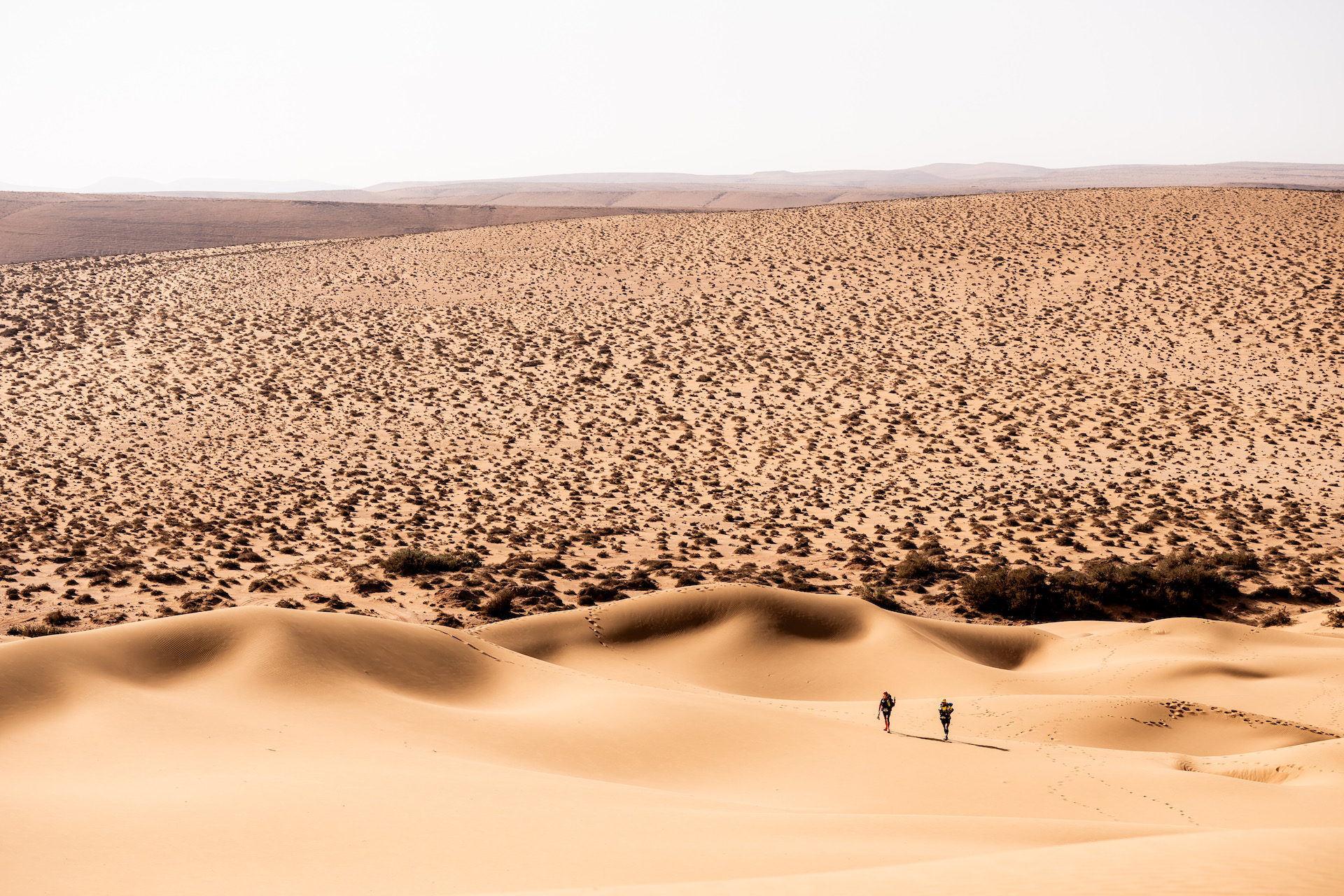
Image sales –www.iancorless.photoshelter.com