For those of us who have spent years documenting trail and mountain running through a lens, as a journalist, or as team member, the sport’s evolution has been impossible to ignore. What was once a quiet, deeply personal world of endurance and wilderness has rapidly become a polished global spectacle, driven by live broadcasts, sponsor demands, and an ever-growing appetite for content. As photographers, filmmakers, and storytellers, we are undeniably part of that change. We help bring the sport to wider audiences, preserve its defining moments, and elevate the athletes who dedicate their lives to it. But working so closely within that environment also raises difficult questions about where the line exists between documenting the experience and altering it. The conversation is no longer simply about media coverage itself, but about how much presence the sport, the athletes, the trails, and the atmosphere can absorb before something essential begins to disappear.Mountain and trail races have traditionally carried an unwritten code: respect the landscape, respect the runners, and respect the experience itself. Wildness matters, isolation matters and silence matters
In recent years, mountain, ultra and trail has changed dramatically. Live broadcasts, camera runners, drones, social media crews, and real-time storytelling have transformed trail racing from a niche endurance pursuit into a global spectator product. Major races now attract audiences that would have been unimaginable a decade ago. The growth has been undeniable. Athletes have become marketable personalities and as such, sponsors have invested heavily. In addittion, entire careers have emerged around documenting sport.
Yet alongside that growth comes an increasingly uncomfortable question: has trail running started to lose some of the very qualities that made it special in the first place?
For many runners, and increasingly for spectators and independent media too, the answer feels dangerously close to yes.
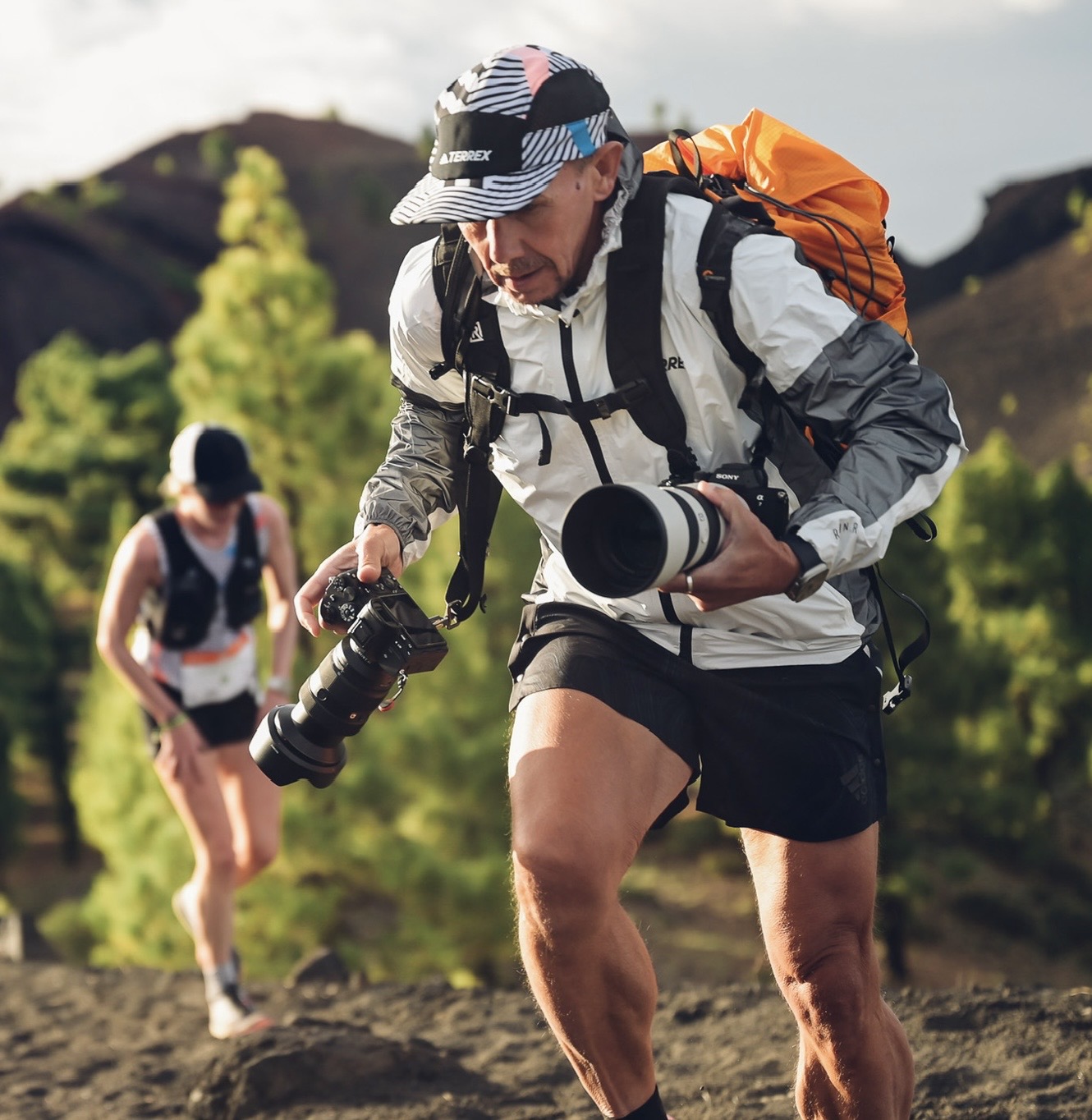
The rise of the camera runner has become symbolic of this shift. In theory, the role is understandable. Capturing the emotion of a climb, the fatigue etched across a face, or the tactical battle between elite athletes can create compelling storytelling – these moments help audiences connect with a sport that can otherwise feel distant and inaccessible.
There is no denying that live coverage has elevated trail running’s visibility. Events that once relied on sparse timing updates and post-race reports (think of IRunFar) now deliver immersive productions that rival mainstream sports broadcasts. Fans can follow races in real time from anywhere in the world and sponsors receive measurable exposurem race organisers can therefore justify larger investments. Let’s not forget, the athletes themselves often benefit from increased recognition and financial opportunity.
Without live reporting and modern media coverage, the sport likely would not have grown at its current pace.
But growth alone does not automatically equal improvement.
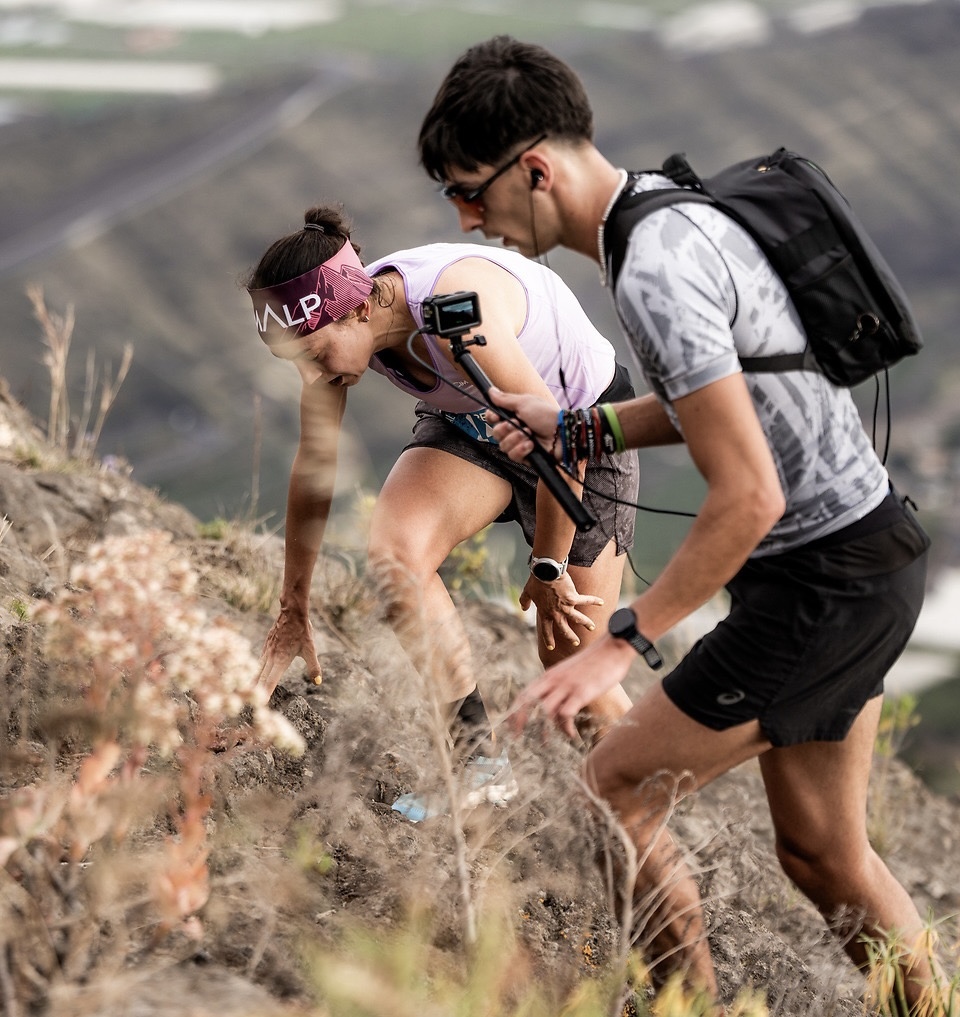
What increasingly concerns many within the trail community is the apparent lack of boundaries around how media operates during races. Camera runners can appear relentless, hovering around athletes for extended periods, running ahead repeatedly for angles, or occupying narrow sections of trail where space is already limited. At times it can feel less like documentation and more like intrusion.
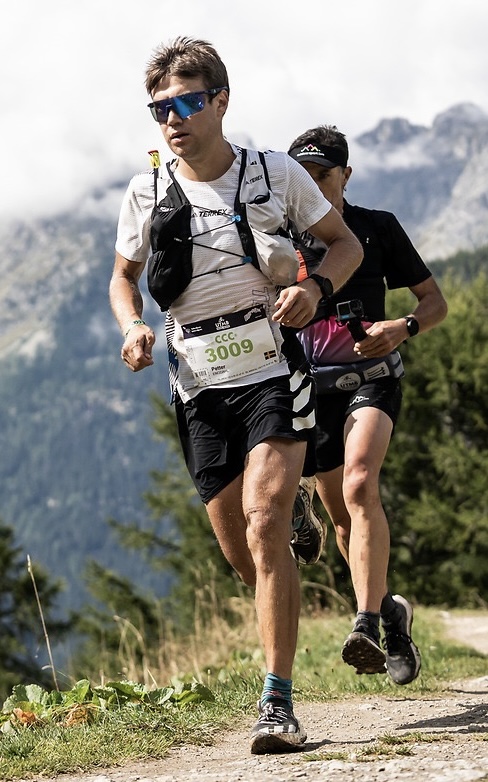
For the athlete, especially during long mountain races, particularly when technical, where mental rhythm and emotional management are critical, constant media presence can become exhausting. Trail running is not Formula One, it is not football where the sport is documaneted from ‘around’ the event. Many competitors enter these races precisely because they value solitude, immersion in nature, and a temporary escape from noise and pressure. When a camera crew shadows a runner for hours, asking questions or dictating movement on technical terrain, the experience fundamentally changes.
And the disruption does not stop with the elite athletes.
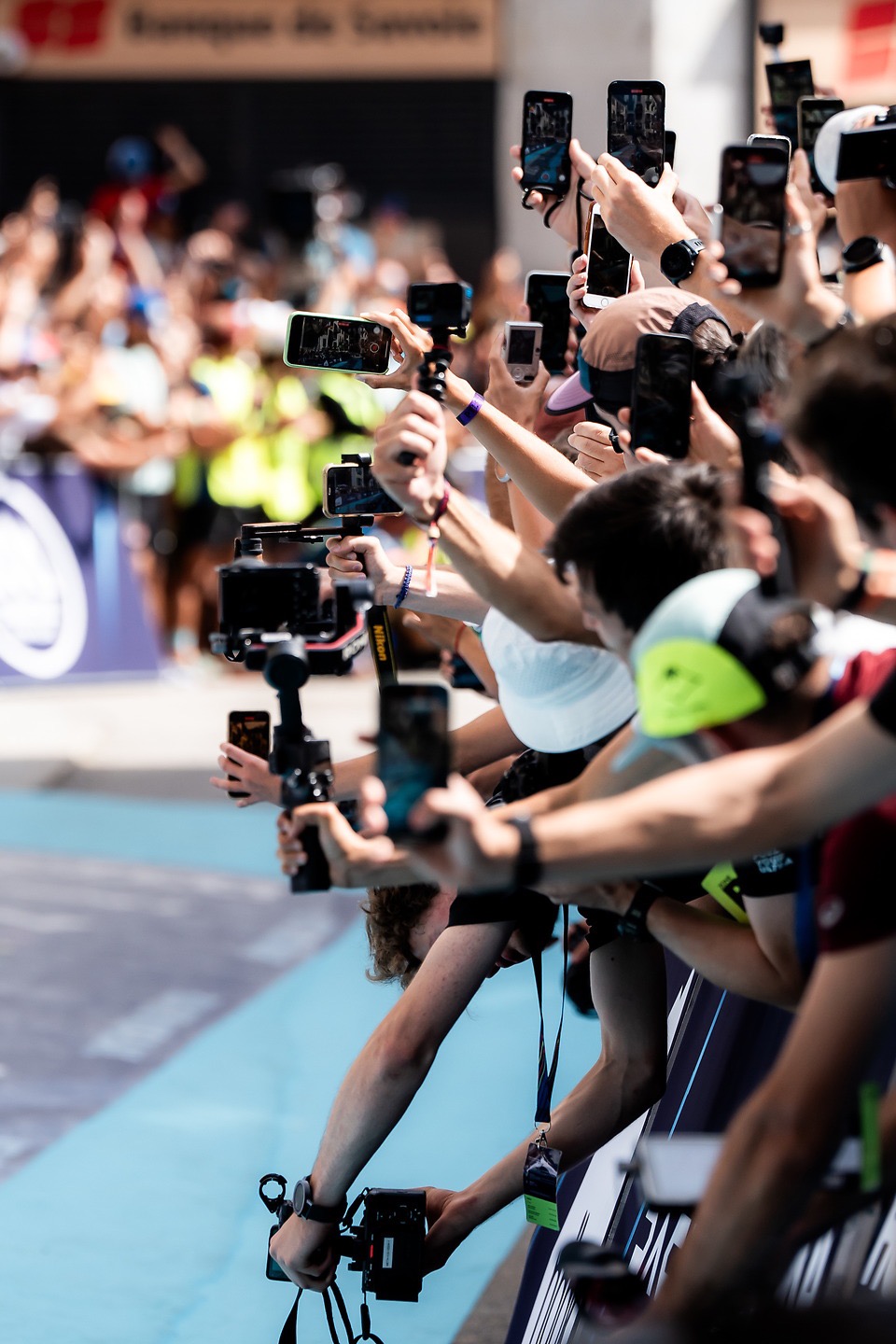
Other runners on the course often find themselves stepping aside repeatedly for media personnel, drones buzzing overhead, or camera operators rushing through aid stations. Spectators who may have patiently hiked for hours to watch a single moment of the race can suddenly find their view blocked by large production setups. Independent photographers and journalists, many of whom helped build the sport long before major broadcasters arrived, can struggle to work around increasingly aggressive media operations.
The atmosphere at a race changes, the trail changes and most certainly, the dynamic changes.
At some races, it now feels like open season: too many people on the course, too little oversight, and an assumption that the pursuit of content justifies almost any level of intrusion.
That raises an uncomfortable but necessary question: is it time for regulation?
Not regulation designed to stop coverage altogether, but regulation intended to preserve the integrity of the sport, the experience of those participating in it, those on the trail watching it, the media and journalists who operate in a more controlled and static way to document it.
Many traditional sports already operate under strict media guidelines. There are designated access zones, limits on personnel, behavioural standards, and safety protocols. Trail and mountain racing, however, often still functions with a comparatively loose framework despite increasingly sophisticated productions taking place in highly sensitive environments. UTMB are arguably, due it’s growth and profile, have paved the way, with increasing regulations on how media perform, but, is it enough?
Clearer rules could help restore balance.
For example, races could limit the number of camera runners and restrict how long media personnel may remain alongside competitors. Organisers could establish protected sections of trail where no filming, other than static, is allowed. It is important to preserve moments of solitude and reduce congestion on technical terrain. Drone use could face tighter environmental and safety restrictions. Independent media access could also be better protected to prevent races becoming monopolised by broadcasters.
Importantly, regulation should not be viewed as anti-growth. In many ways, it may be necessary for sustainable growth.
Because if trail running becomes overly commercialised and intrusive, it risks alienating the very people who built its culture in the first place. The authenticity that audiences are drawn to cannot survive indefinitely if every moment becomes manufactured for content.
There is also a broader philosophical issue at play. Trail running has always differed from mainstream sports because participation mattered more than spectacle. The mountains were not merely a backdrop for entertainment; they were a central character in the experience. Once coverage begins to dominate the event itself, the priorities subtly shift. The race starts serving the broadcast instead of the other way around.
Of course, there is no easy answer. Many fans genuinely love the deeper access and storytelling. For newer audiences, live coverage creates connection and understanding that can inspire participation. Athletes themselves are divided, some embrace the exposure while others quietly resent the constant presence of cameras.
But perhaps the debate itself is healthy.
It suggests the sport has reached a level of maturity where it must decide what it wants to become.
Trail and mountain racing does not need to reject modern media. Visibility, professionalism, and storytelling have all brought meaningful benefits. But there is a growing sense that boundaries are needed before the balance tips too far.
Because once the silence of the mountains is replaced entirely by the demands of production, something important may already have been lost.
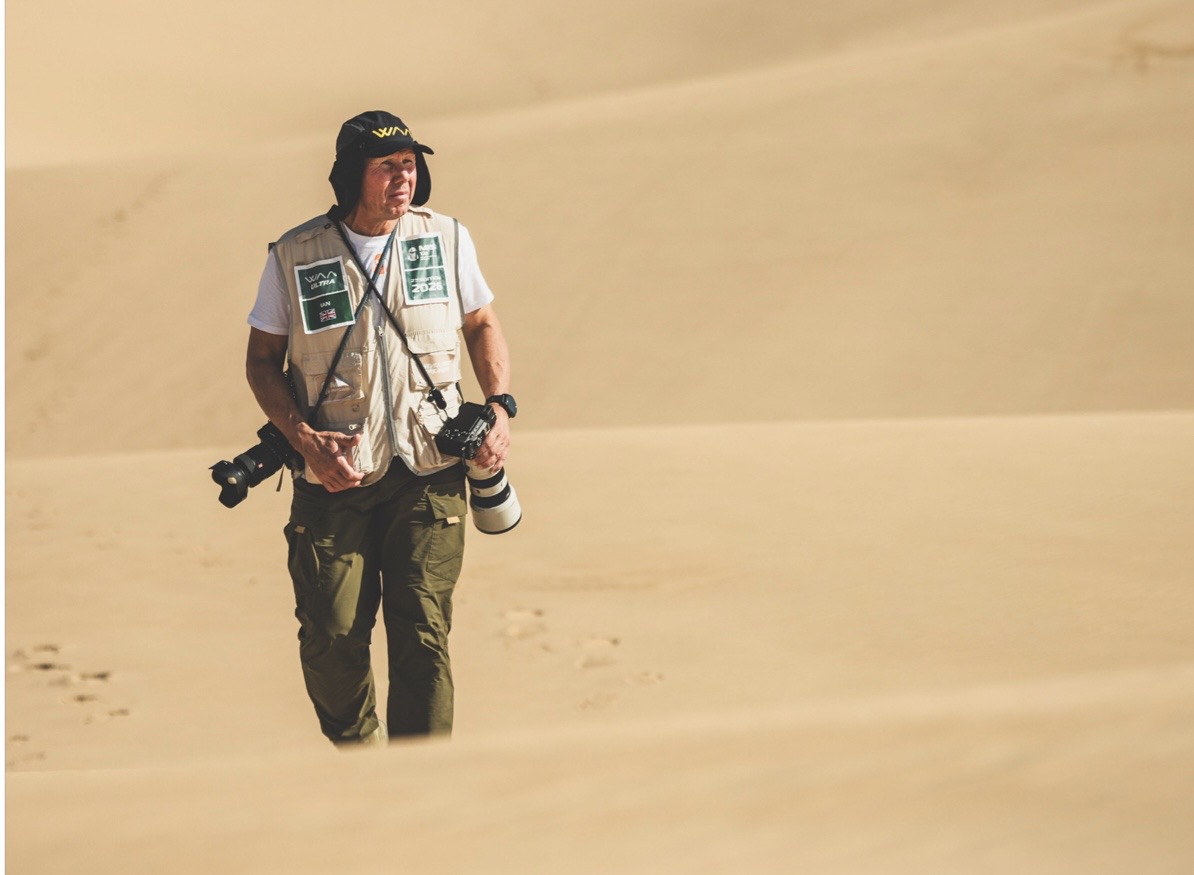
Instagram – @iancorlessphotography
Twitter – @talkultra
facebook.com/iancorlessphotography
Web – www.iancorless.com

