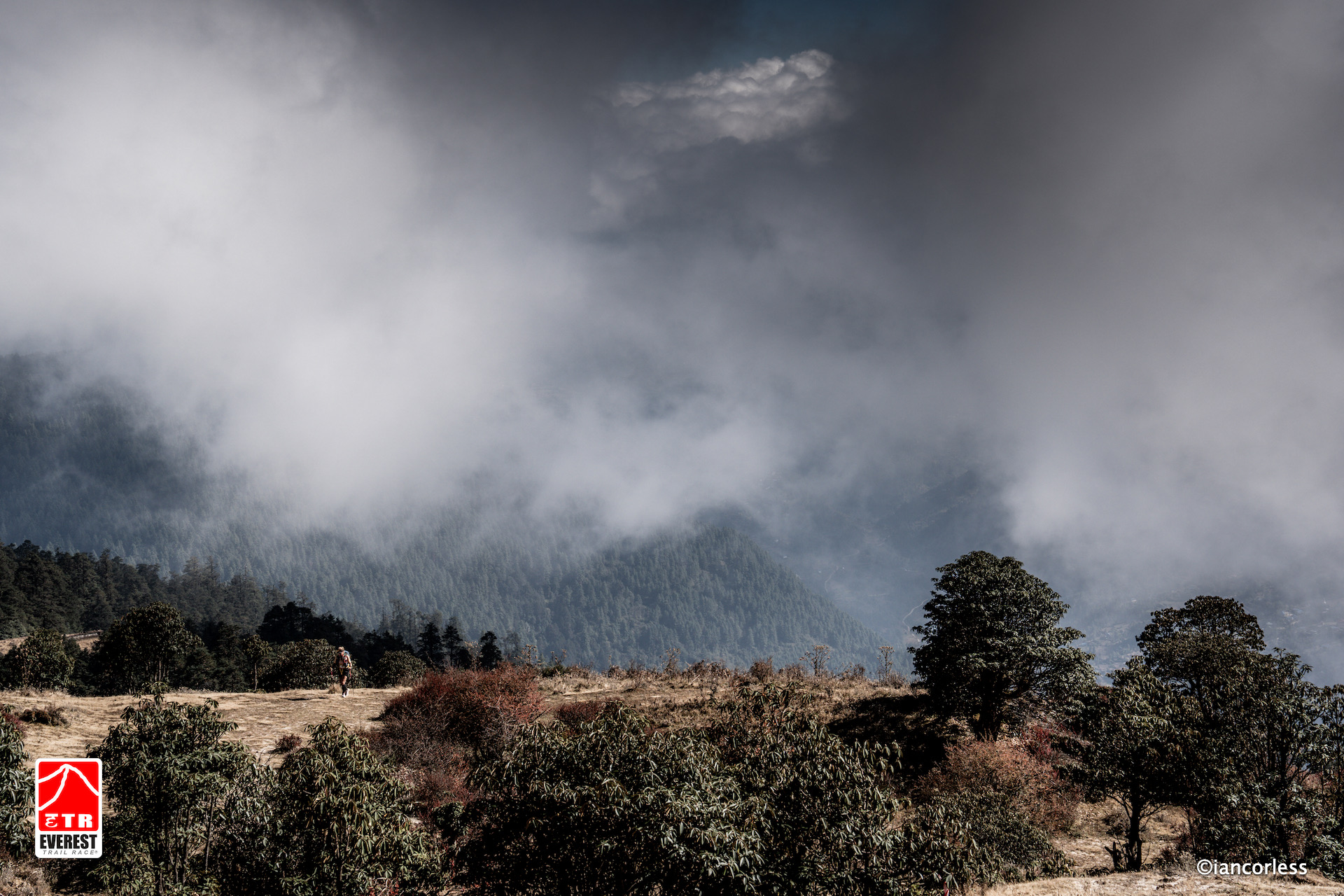
Stage 3 of the Everest Trail Race is where the real punishment begins. With 28.3 kilometres of unrelenting terrain and a leg-wrecking descent from the high-altitude village of Kamo (3855m) down to the valley floor at Jubing (1600m), this stage isn’t just tough, it’s a full-body assault.
Runners start high, where the air is thin and every step feels like a negotiation with your lungs. The early climb up to Checkpoint 1 at Kamo is already a grind, but what follows is what defines this stage: a relentless plunge that feels like it goes on forever.
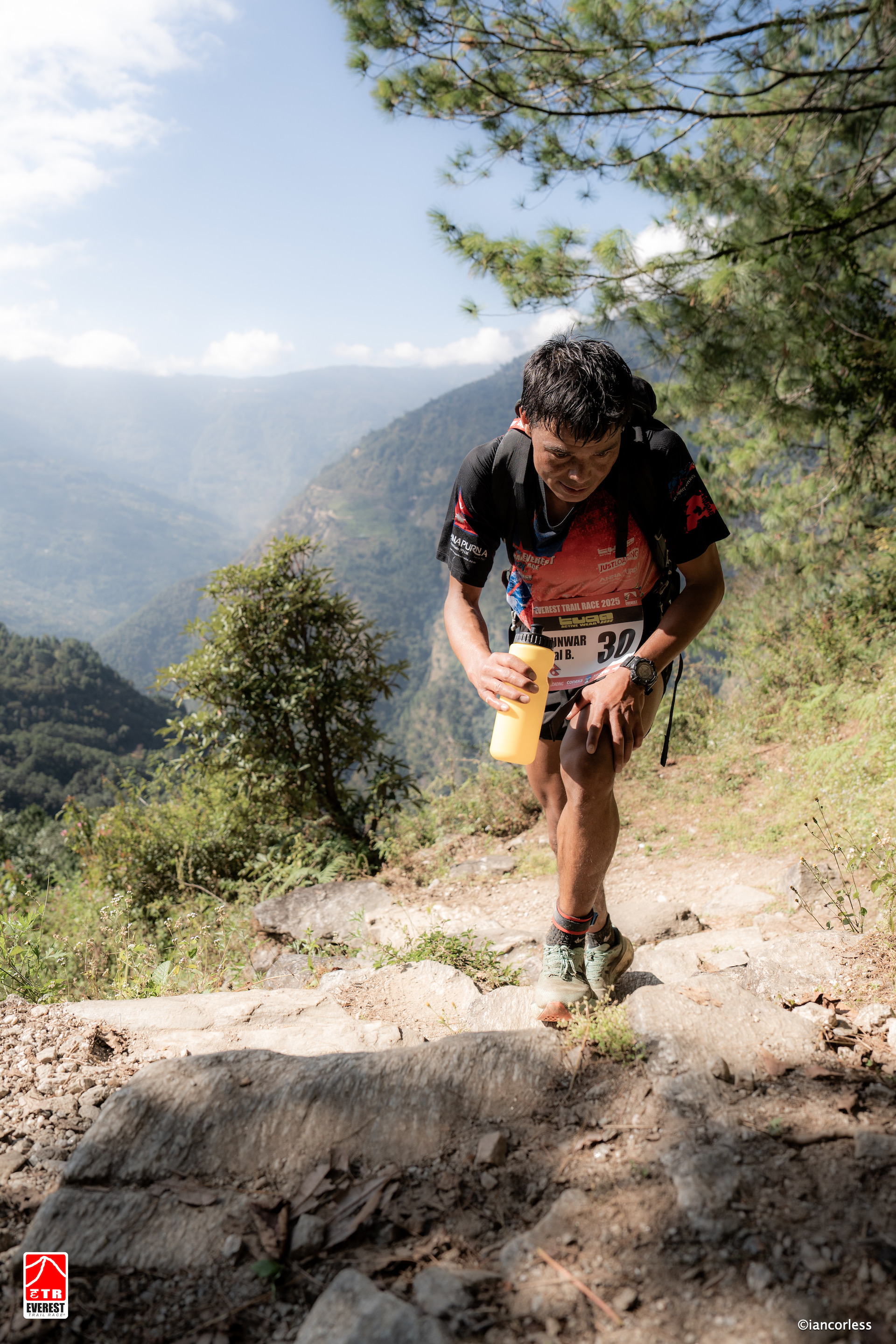
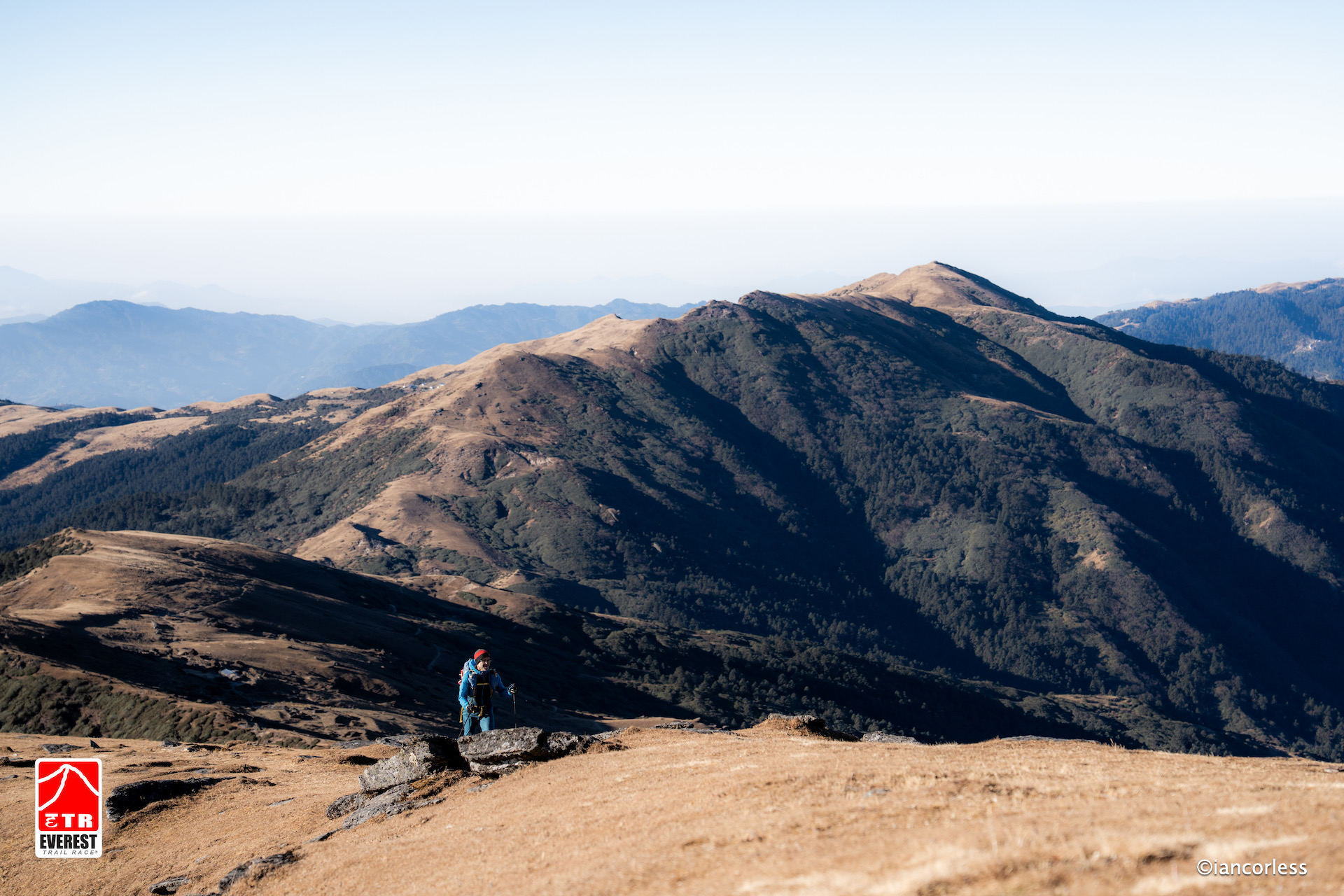
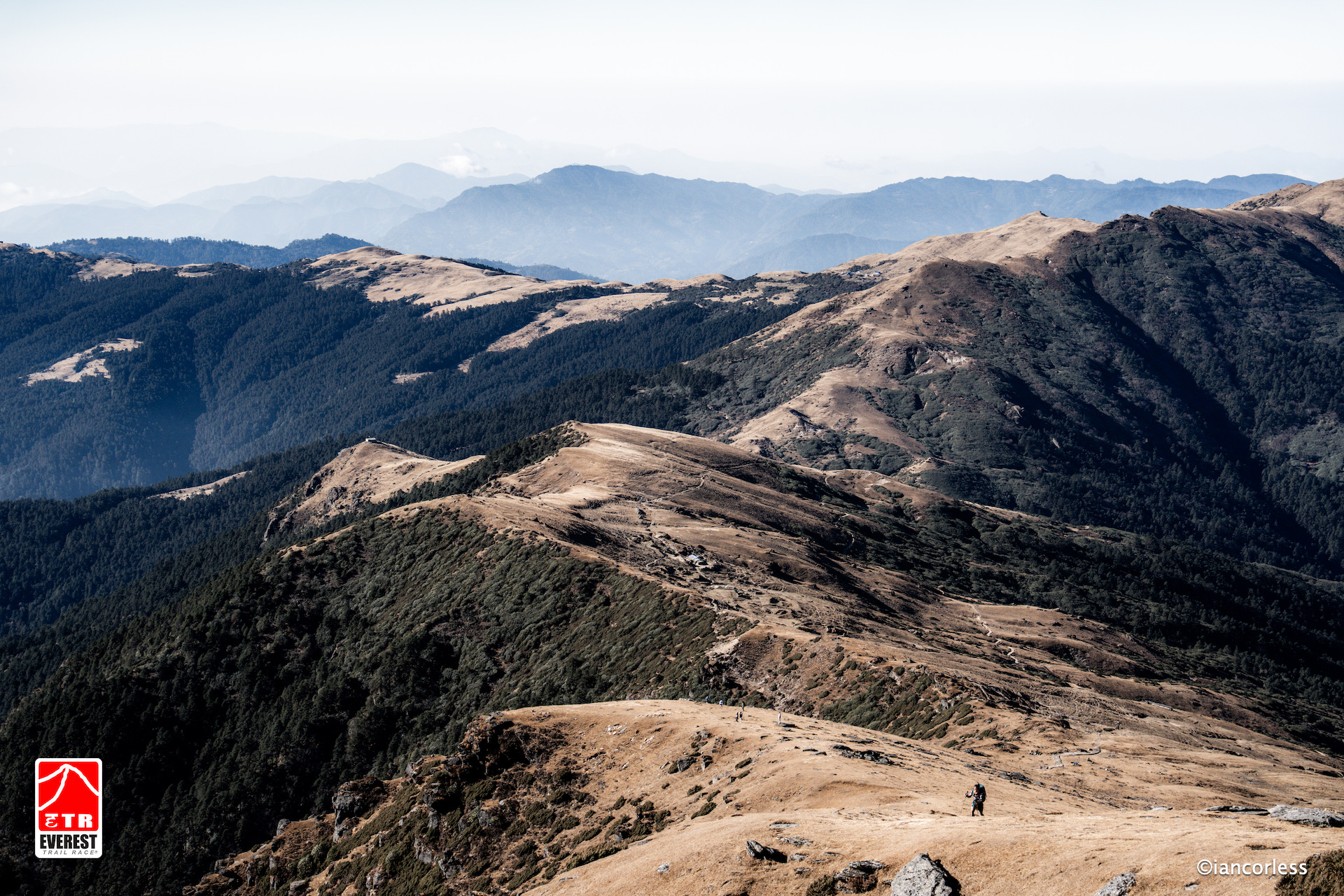
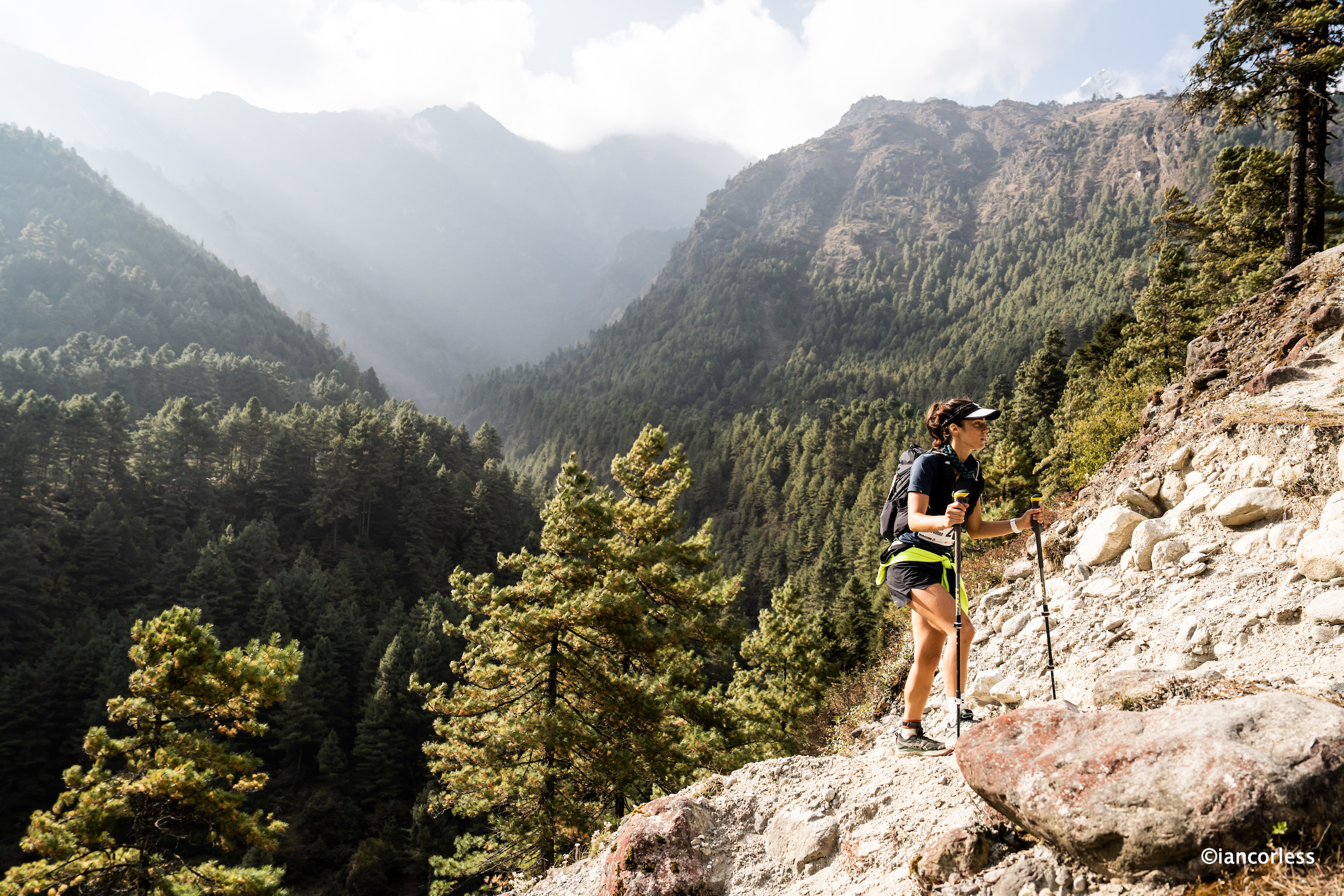
The descent from Kamo to Jubing is not gentle. It’s steep, technical, and unforgiving. The views are spectacular, sure, but most runners will be too focused on staying upright to take much of it in. The drop of over 2200 meters smashes quads and shreds knees. Every rock, step, and switchback becomes part of the battle. If the climbs test your endurance, the downhills here test your durability.
Fortunately, the support is solid. CP1 at Kamo, CP2 at Hewa, and CP3 at Jubing are well-stocked and strategically placed. Runners have every opportunity to refuel and regroup, though few will find much comfort in the knowledge that the real sting comes right at the end.
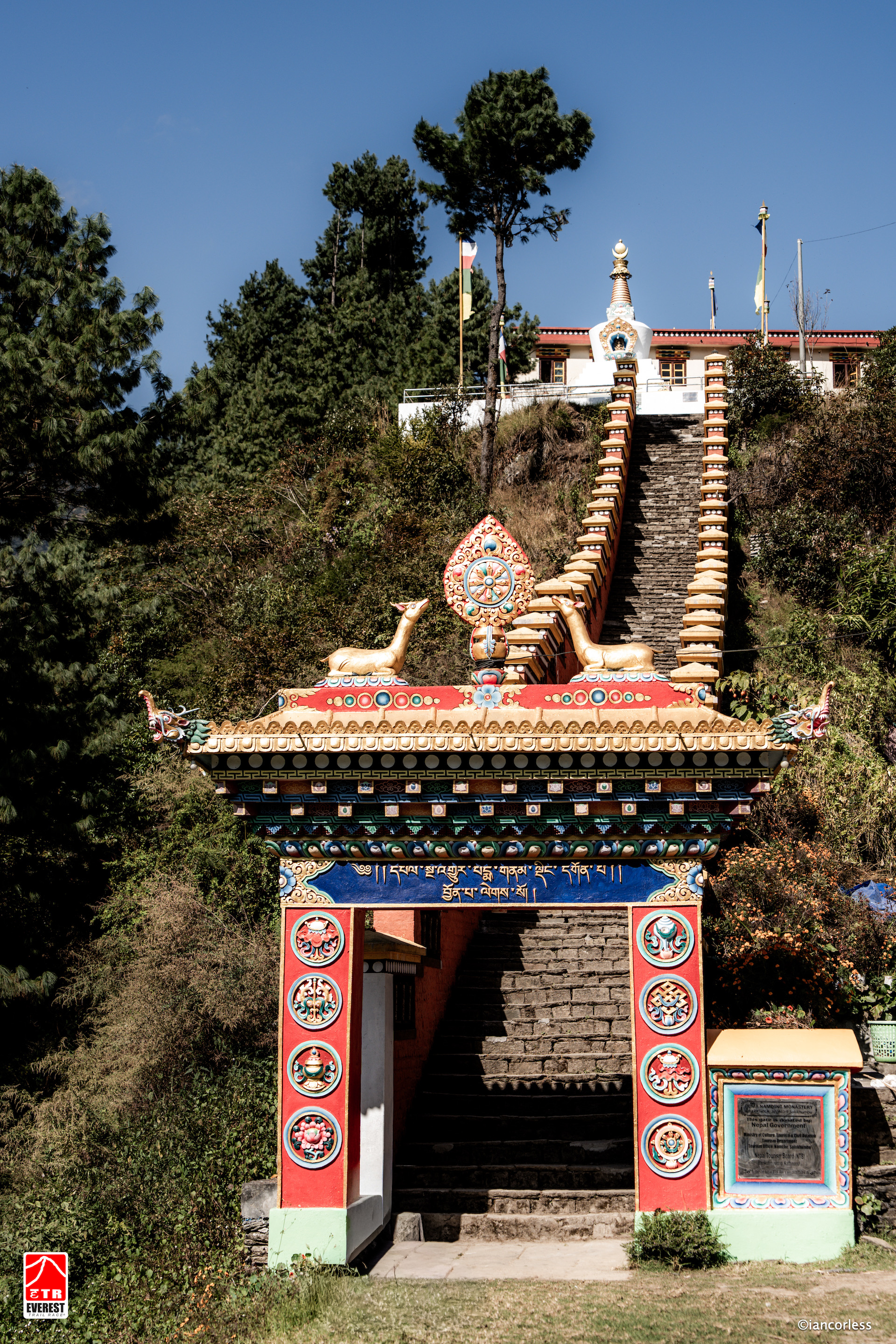
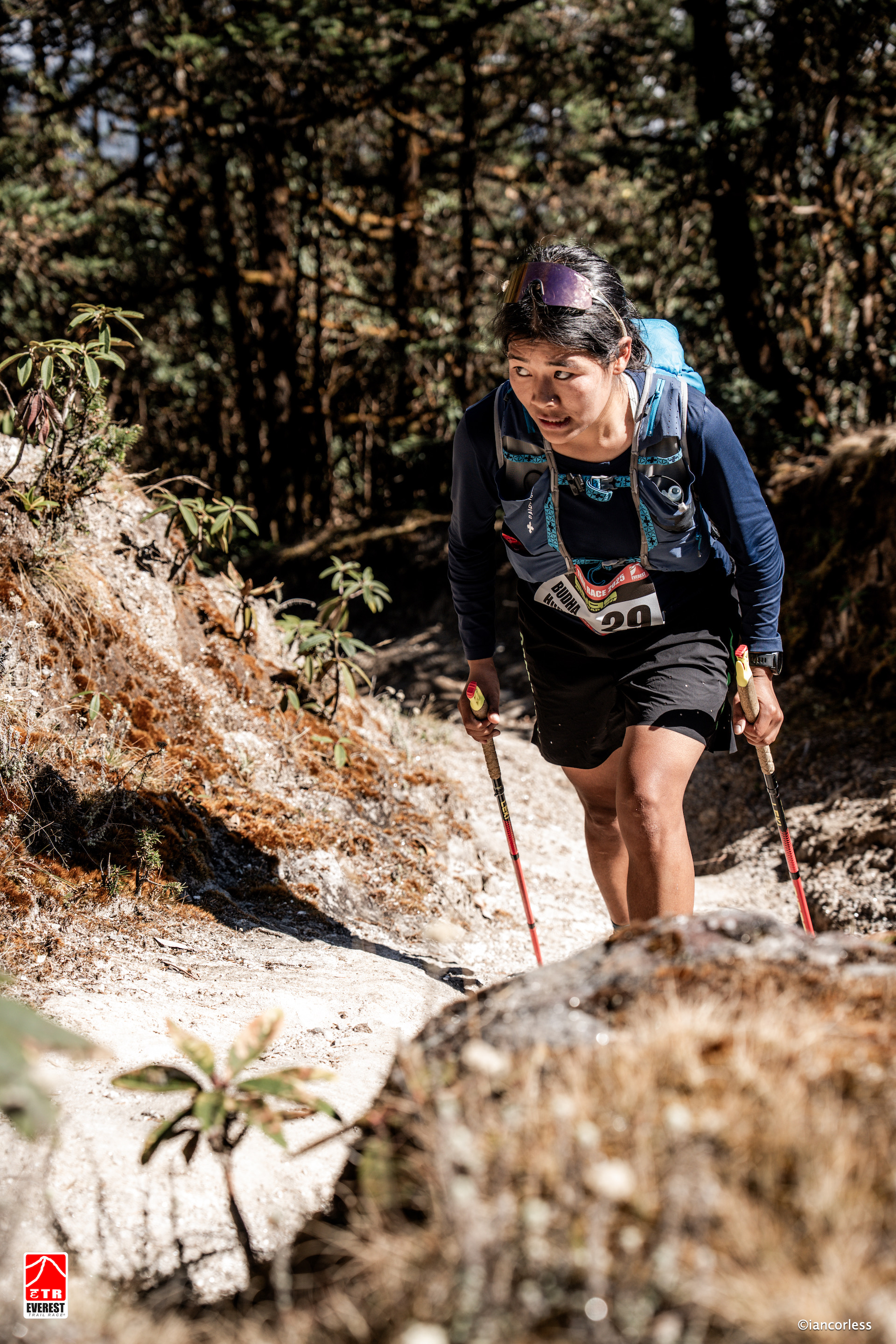
Just when you think you’ve done enough, the trail throws in a final climb up to the iconic village of Kharikola. It’s a steep, grinding ascent that comes after hours of muscular destruction.
This is where mental strength counts just as much as physical preparation. After hammering down thousands of vertical meters, your legs are begging for mercy, and yet, up you go again.
Kharikola, perched proudly in the hills, is a reward in itself. Not just for the views, but for what it represents: survival. Conquering Stage 3 is a badge of toughness. It’s where the Everest Trail Race shakes out the pretenders from the contenders.
Stage 3 doesn’t just test you, you feel it in your legs for days. You carry it in your mind for longer. It’s beautiful, brutal, and unforgettable. And for every runner who arrives in Kharikola, it’s a hard-earned victory etched into the heart of the Himalayas.
Stage 2 of the Everest Trail Race doesn’t waste time. The gun goes off, and it hits hard, right into a beast of a climb that defines the day. The route is 26.6 kilometers with 1,483 meters of vertical gain, but ask anyone who ran it: it feels like double that.
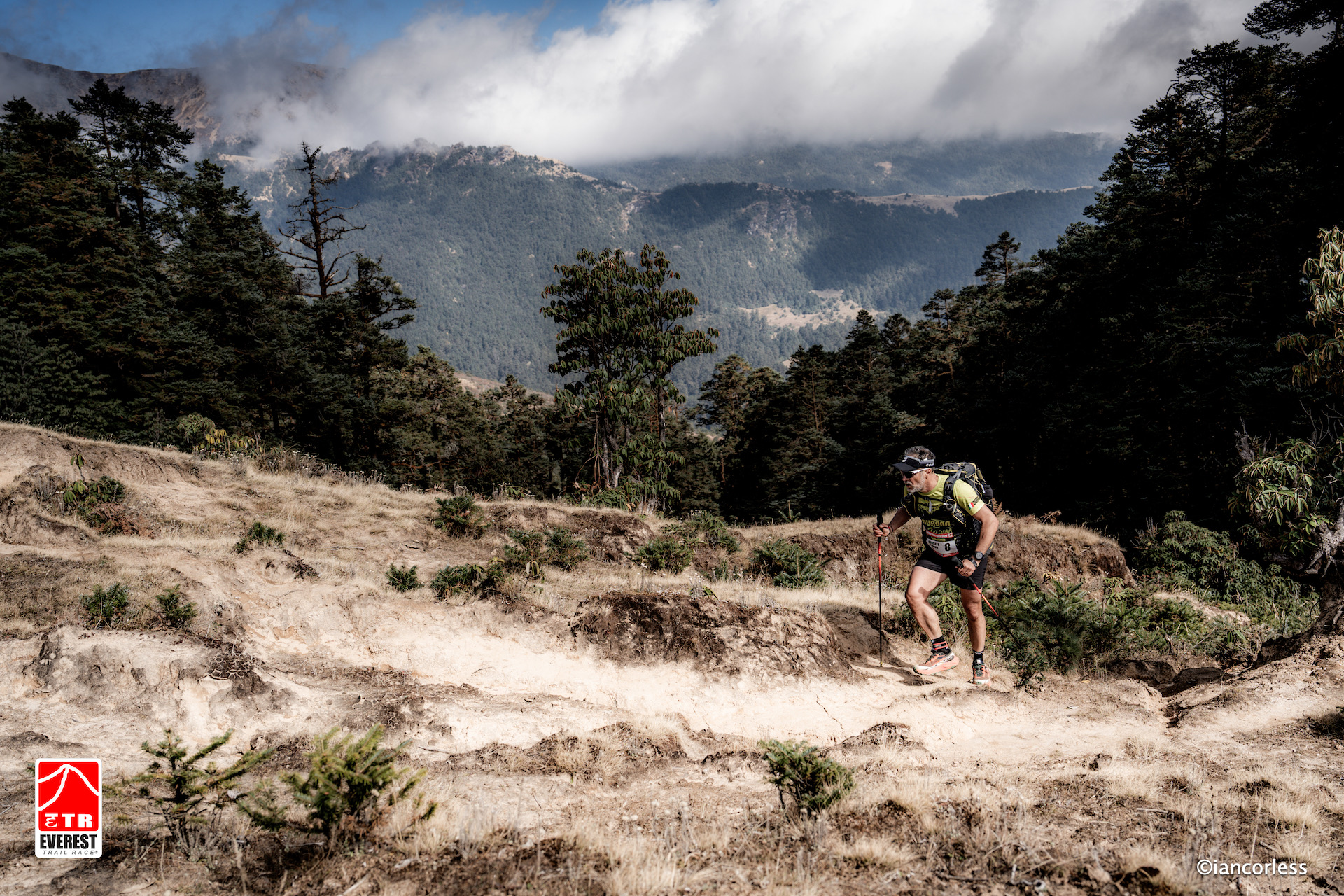
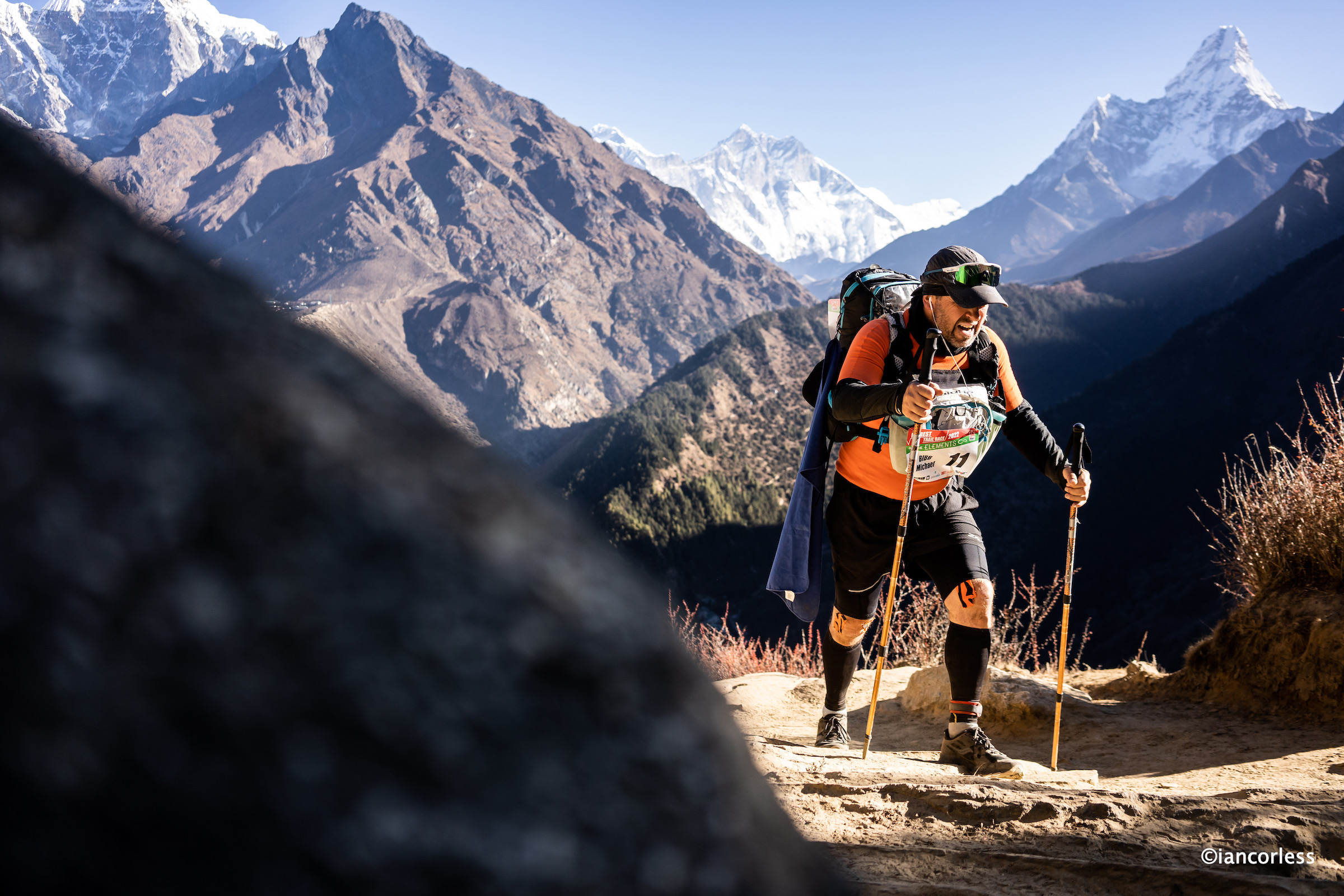
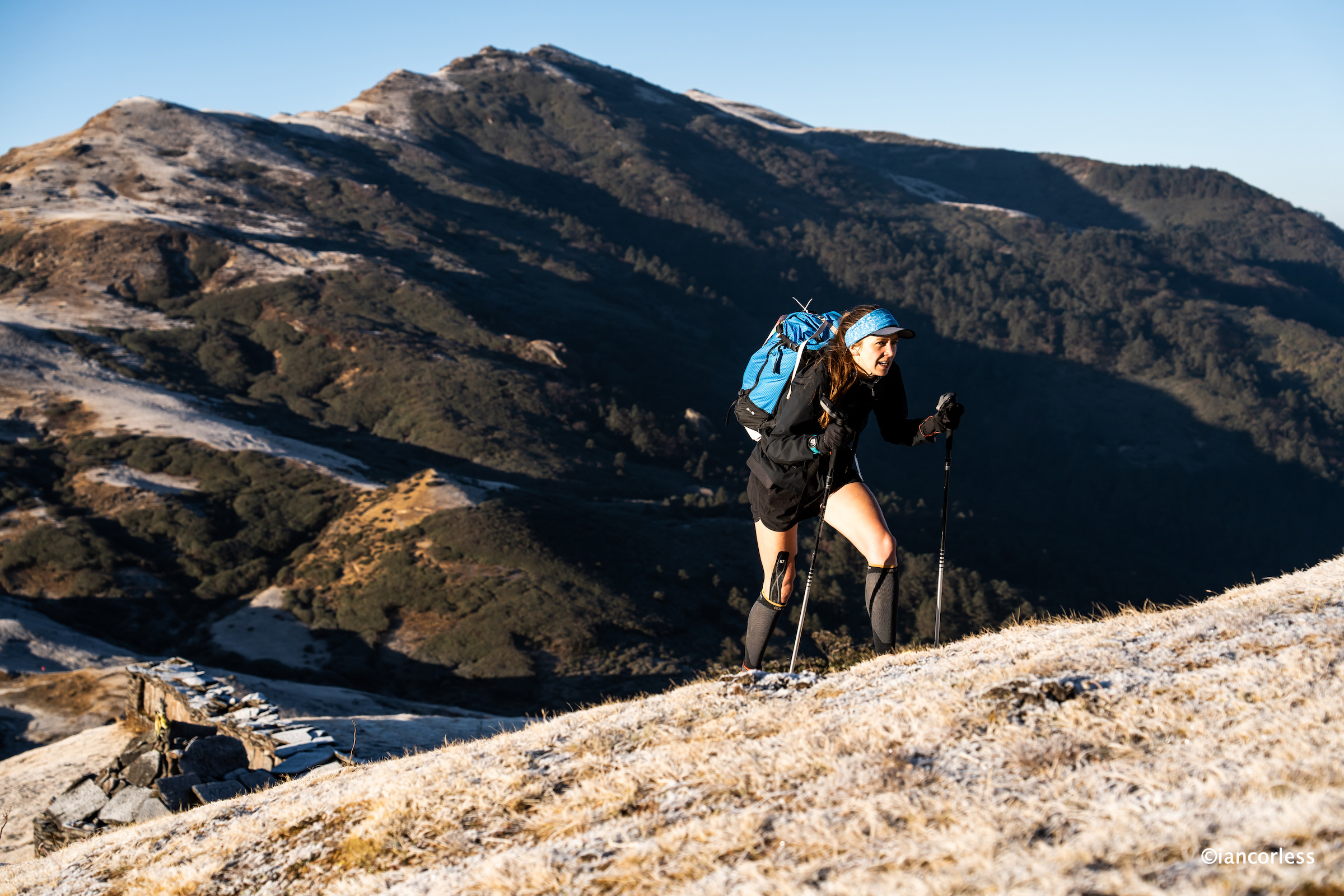
The stage opens with arguably the most iconic stretch of the entire race, a 4km climb straight out of the start gate, topping out at the summit of Pike Peak at 4,046 meters. There’s no easing into it. You’re immediately lunging skyward, legs burning, lungs gasping, every step on loose rock and narrow trail.
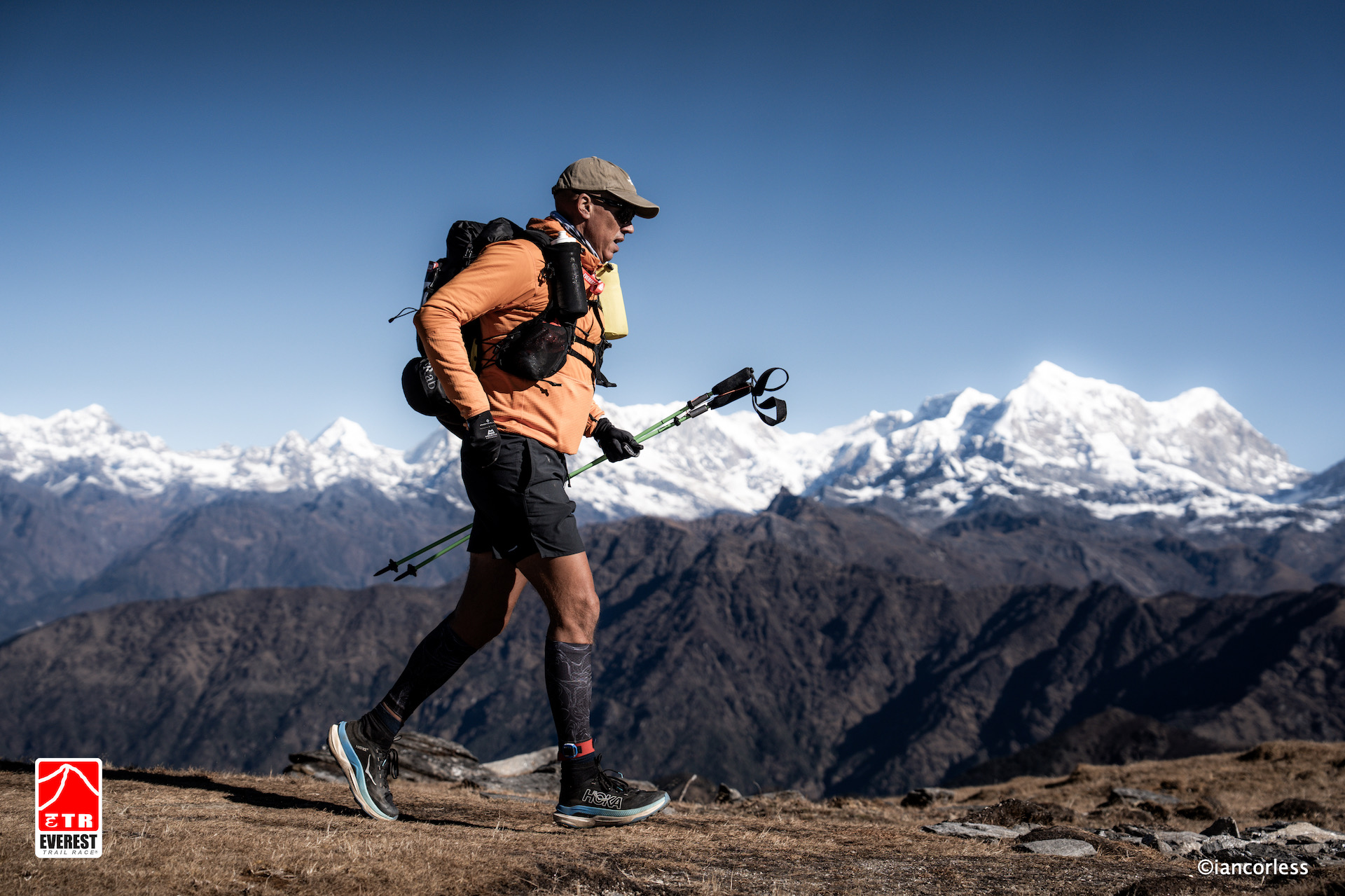
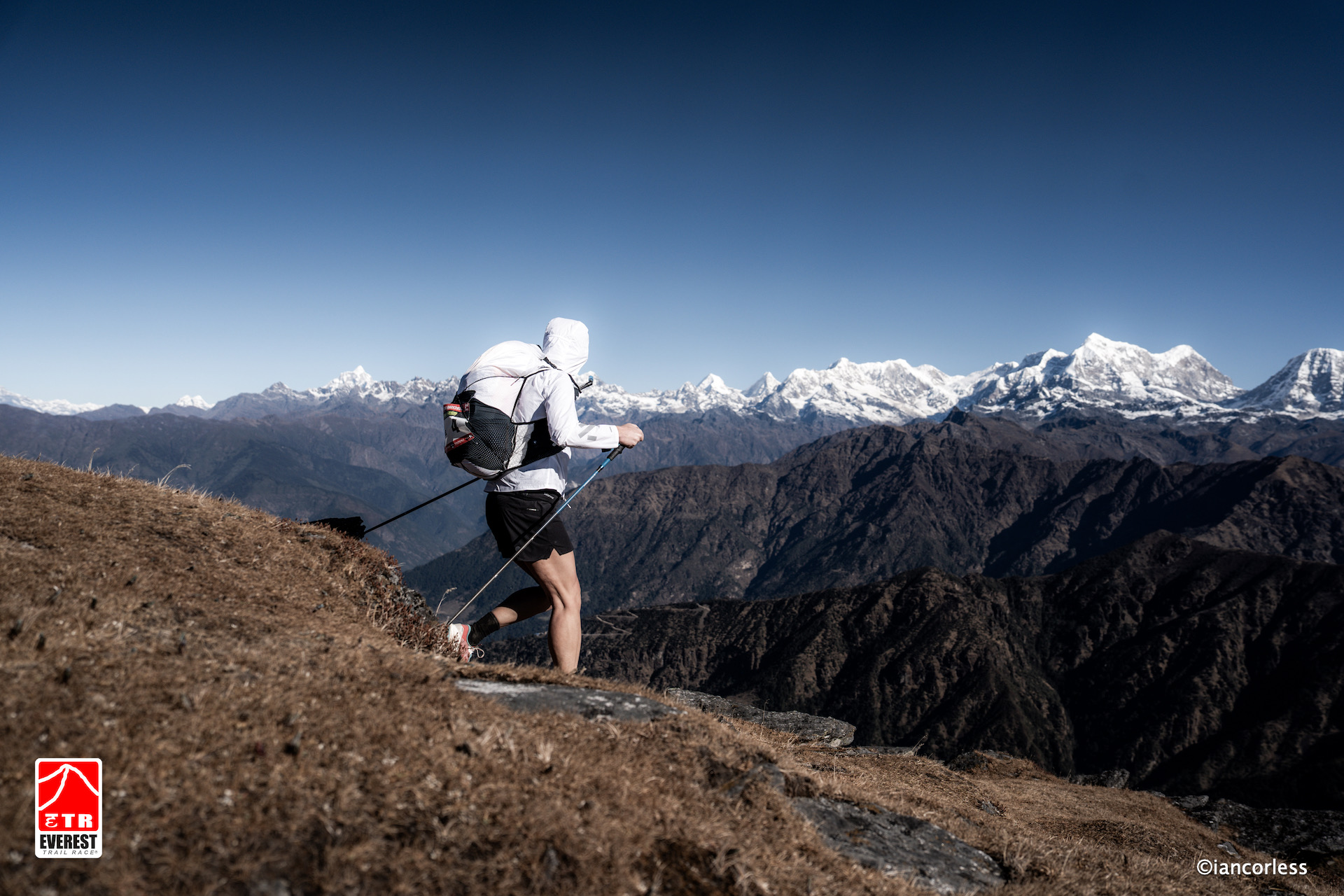
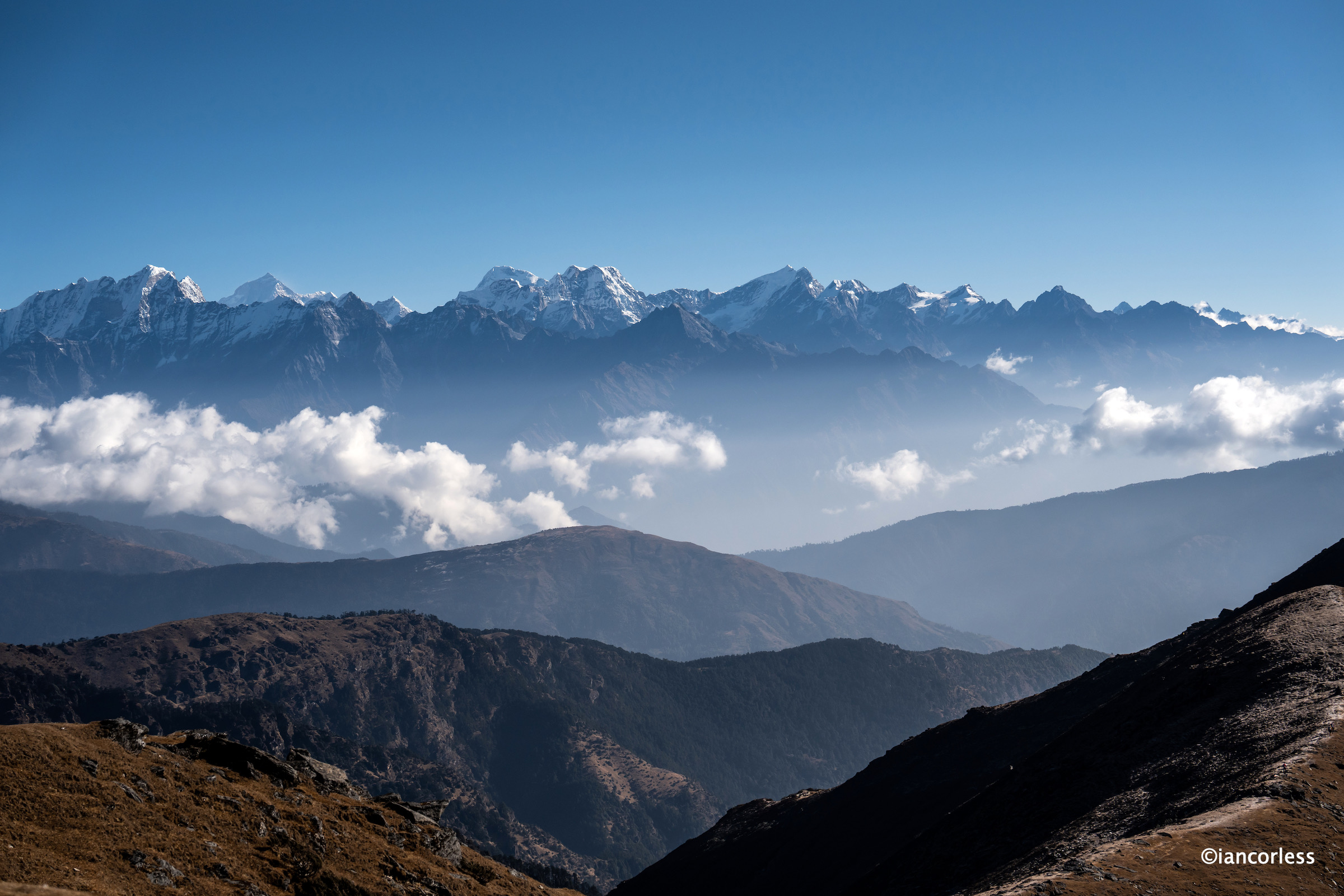
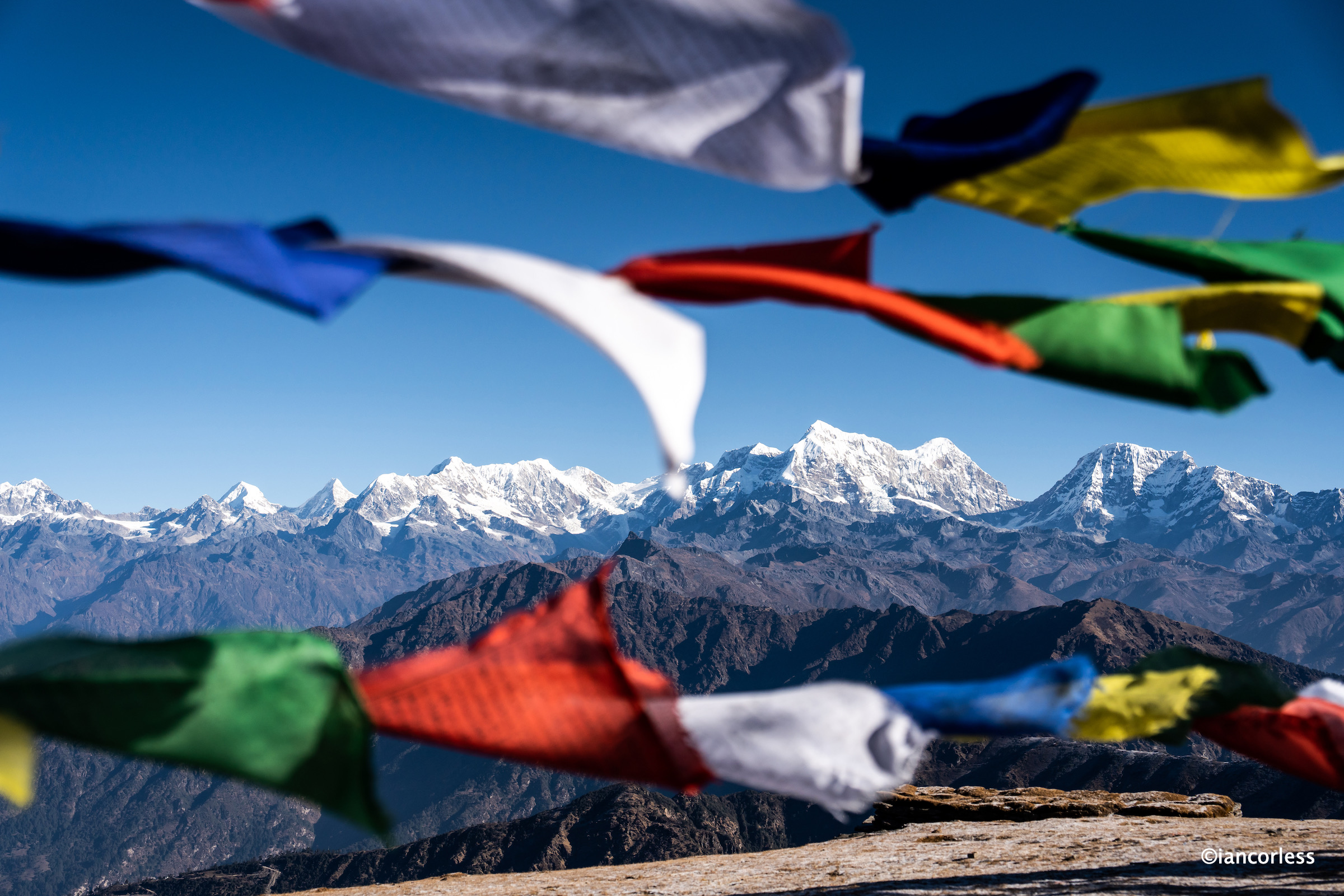
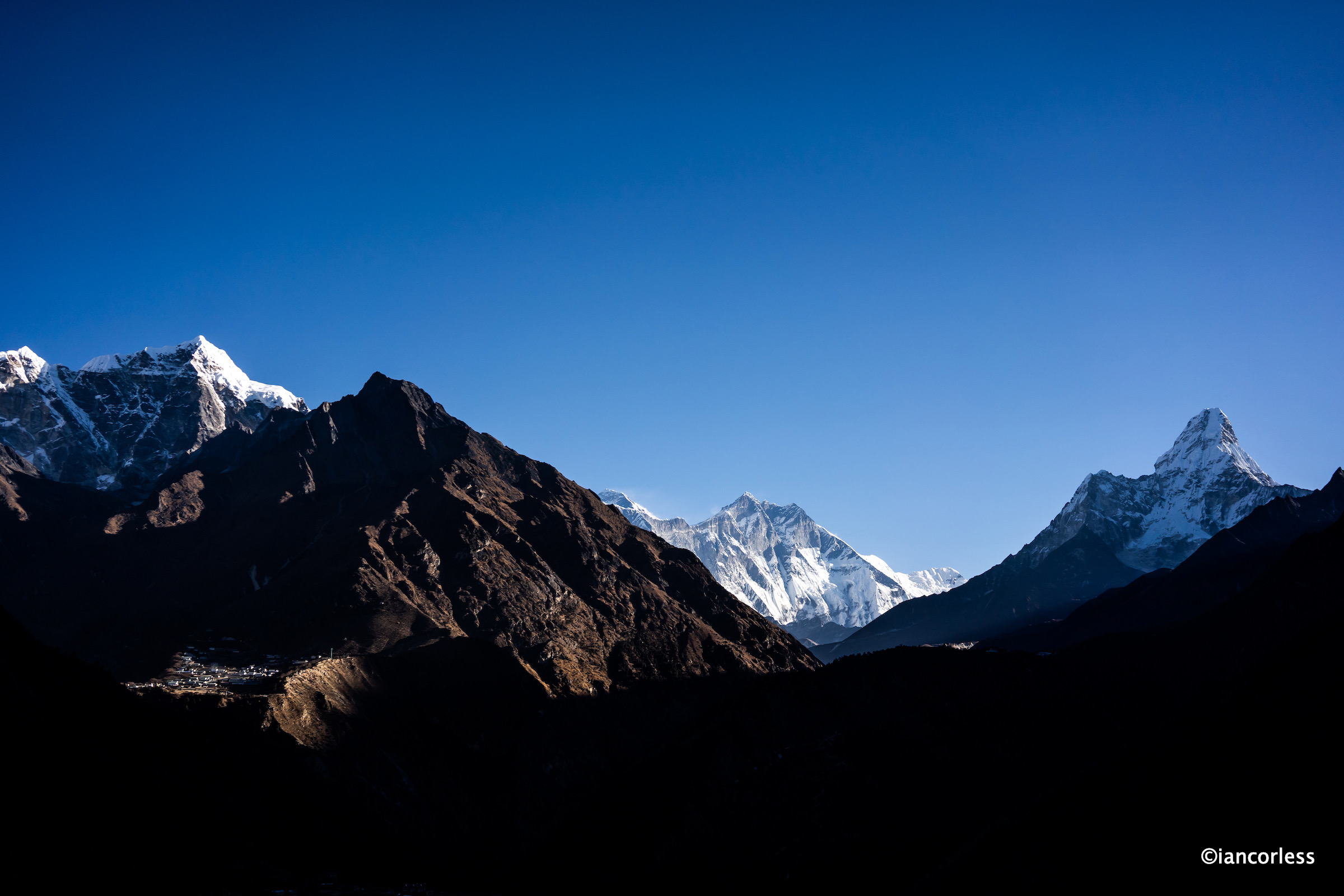
But what a reward. The views from Pike Peak are the kind you earn. Everest, Thamserku, and the distant giants of the Himalayas tower on the horizon.
There’s a strange serenity up there—above the tree line, above the chaos, if only your quads weren’t screaming so loudly.
From the summit, runners are thrown into a tricky descent, technical, steep, and demanding full attention. This is no cruise; it’s controlled aggression. The terrain underfoot is a mix of loose stone and rutted trail, constantly shifting. Jase Bhanjyang appears below like a mirage, a short-lived reprieve at 3,510m before the next test.
After a quick breath, it’s back uphill, another climb, this time to 3,800m. It’s less brutal than the first, but by now the fatigue is setting in. The altitude, the sun, the effort, they add up. This section wears on you slowly, sapping strength before delivering a massive release:
This is the stage’s exhale. A long, fast descent winds down to Jumbesi, where Checkpoint 2 awaits. The descent is runnable FOR SOME but relentless. It’s a test of patience, footwork, and knowing how much to push without blowing up. At CP2, some collapse into chairs, others refuel and move quickly, no time to waste.
From Jumbesi, the route shifts gears. A more gradual climb takes runners to Phurteng at 3,000m, a steady push that gnaws at tired legs. Then, a rolling descent gives a hint of relief, but it’s a trap.
Because this stage has a final sting: the kick to Ringmo. Just when you think you’ve made it, the trail juts upward again before finally dropping into the finish at 2,740m. It’s psychological warfare. You can see Ringmo before you reach it – but the trail makes you fight for it.
Stage 2 is a monster. On paper, it doesn’t look like the toughest, less gain than Stage 1, more downhill, but the terrain, altitude, and sequence of climbs make it punishing. The raw elevation loss (2,203m) sounds helpful, but it hammers your legs in a different way. Many finish looking shell-shocked. Others, oddly exhilarated.
This is the Everest Trail Race offers up some of the most staggering views you’ll ever see on a race course, and today, in the shadow of Pike Peak, the price of admission was steep but worth it.
Brutal and Beautiful: Stage 1 of the 2025 Everest Trail Race Sets the Tone
The 2025 Everest Trail Race exploded out of the gates with a punishing Stage 1—23.10 kilometres of raw Himalayan grit, climbing 1,551 meters and descending 1,012 meters across technical trails and high-altitude terrain. From the start line in Dhap (2,950m) to the finish at Chyangsyngma (3,490m), runners were thrown straight into the deep end of this six-stage ETR test of endurance, mindset, and mountain resilience.
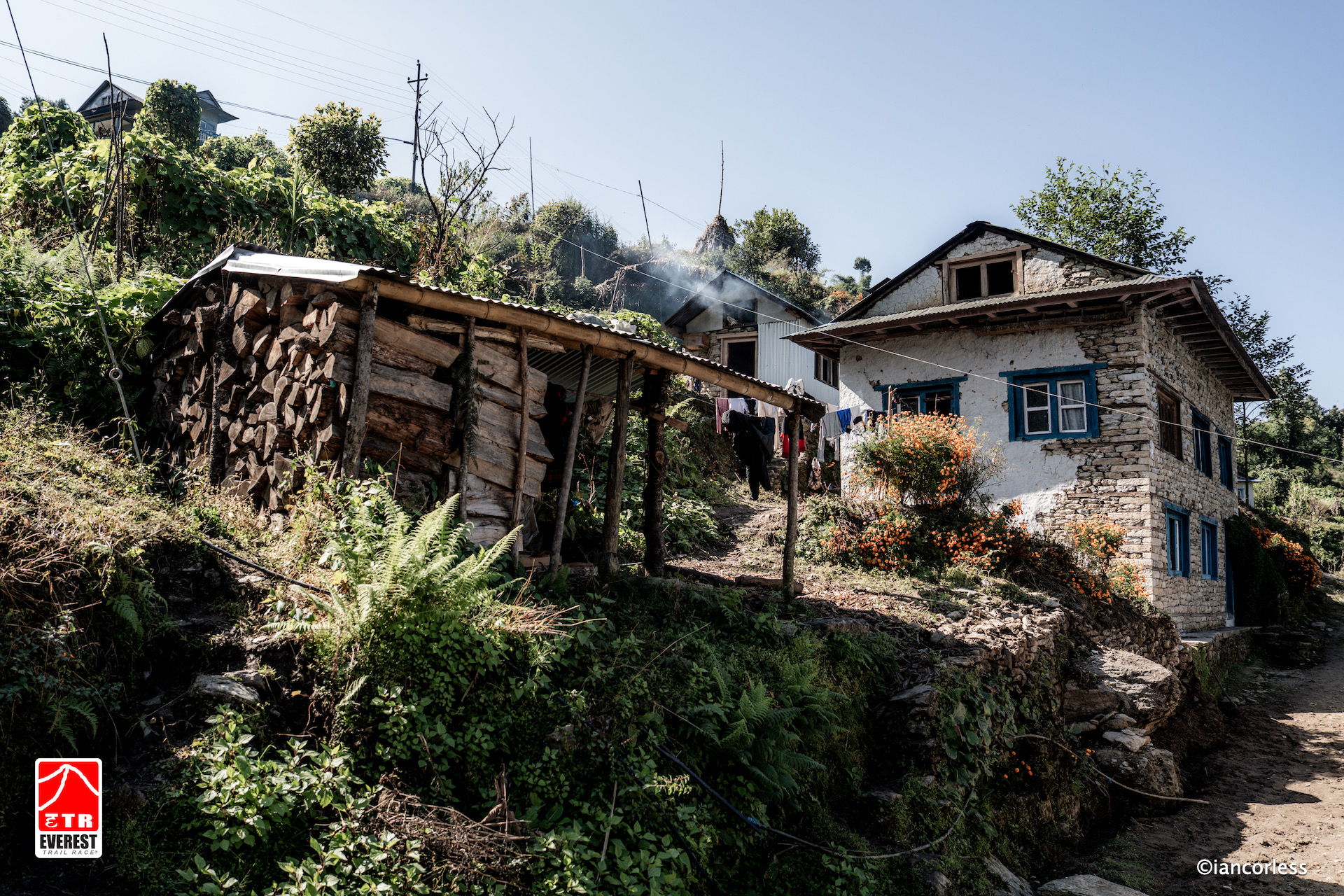
There’s no easing into the ETR. Stage 1 wastes no time in reminding runners exactly where they are, high in Nepal, breathing thin air, legs already burning. Early highlights at Sigane and Chyangba delivered sweeping views and traditional village life, but the serenity masked the effort required to get there.
The route dipped and climbed through Khamding, home of the first checkpoint and a welcome chance to refuel with fluids and snacks. But nothing about this stage was easy. The technical nature of the terrain demanded constant focus, one misstep could spell disaster. Warm daytime sun gave runners a psychological lift, but cold nights and the ever-present altitude ensured no one felt too comfortable.
The trail pressed on to Juke, the second checkpoint, offering another chance to grab supplies before the day’s most brutal truth set in, the final 5 kilometres were going to hurt. With around 800 meters of elevation gain packed into that last stretch, the finish at Chyangsyngma felt like a slow-motion battle uphill, but the views help with compensation.
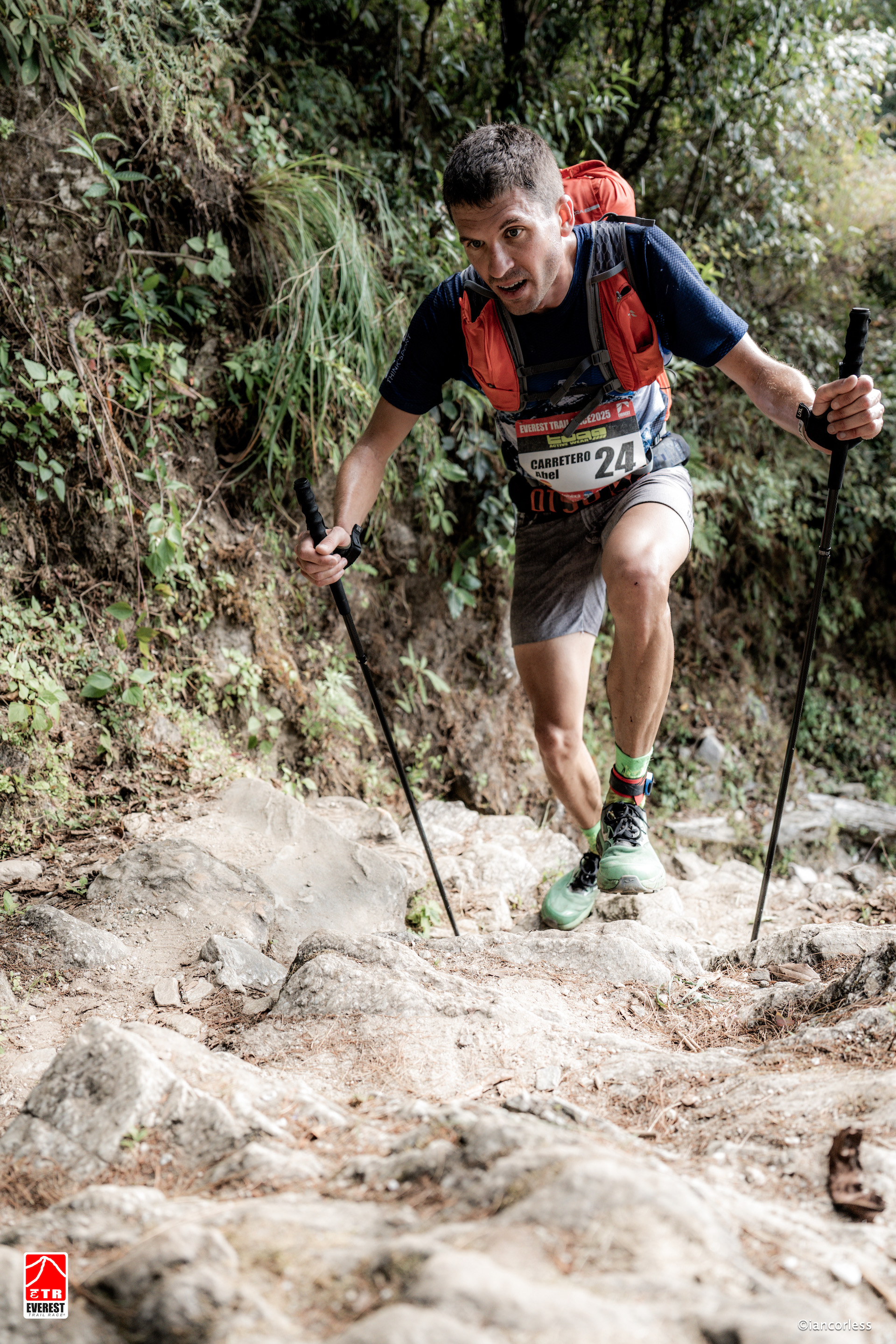
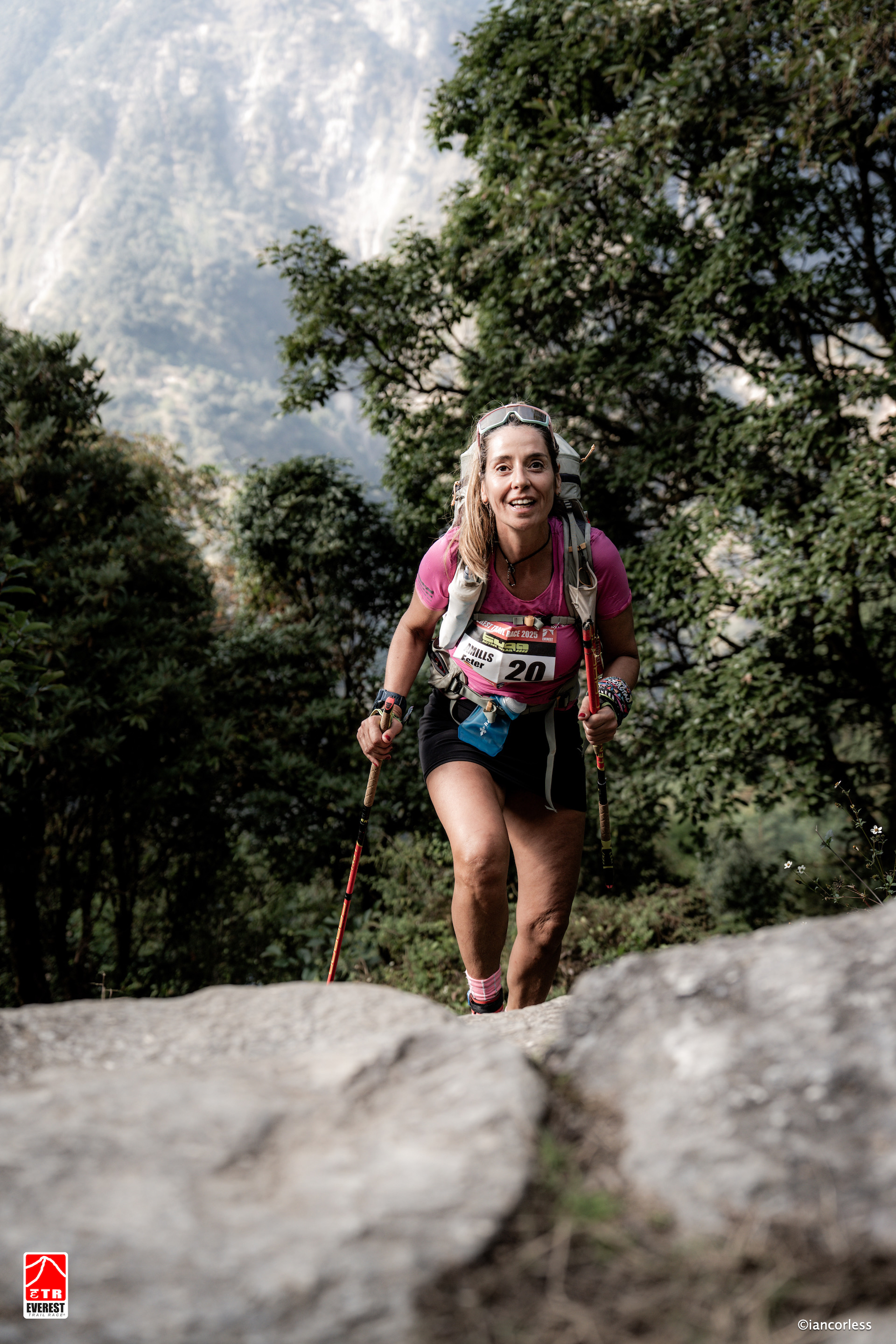
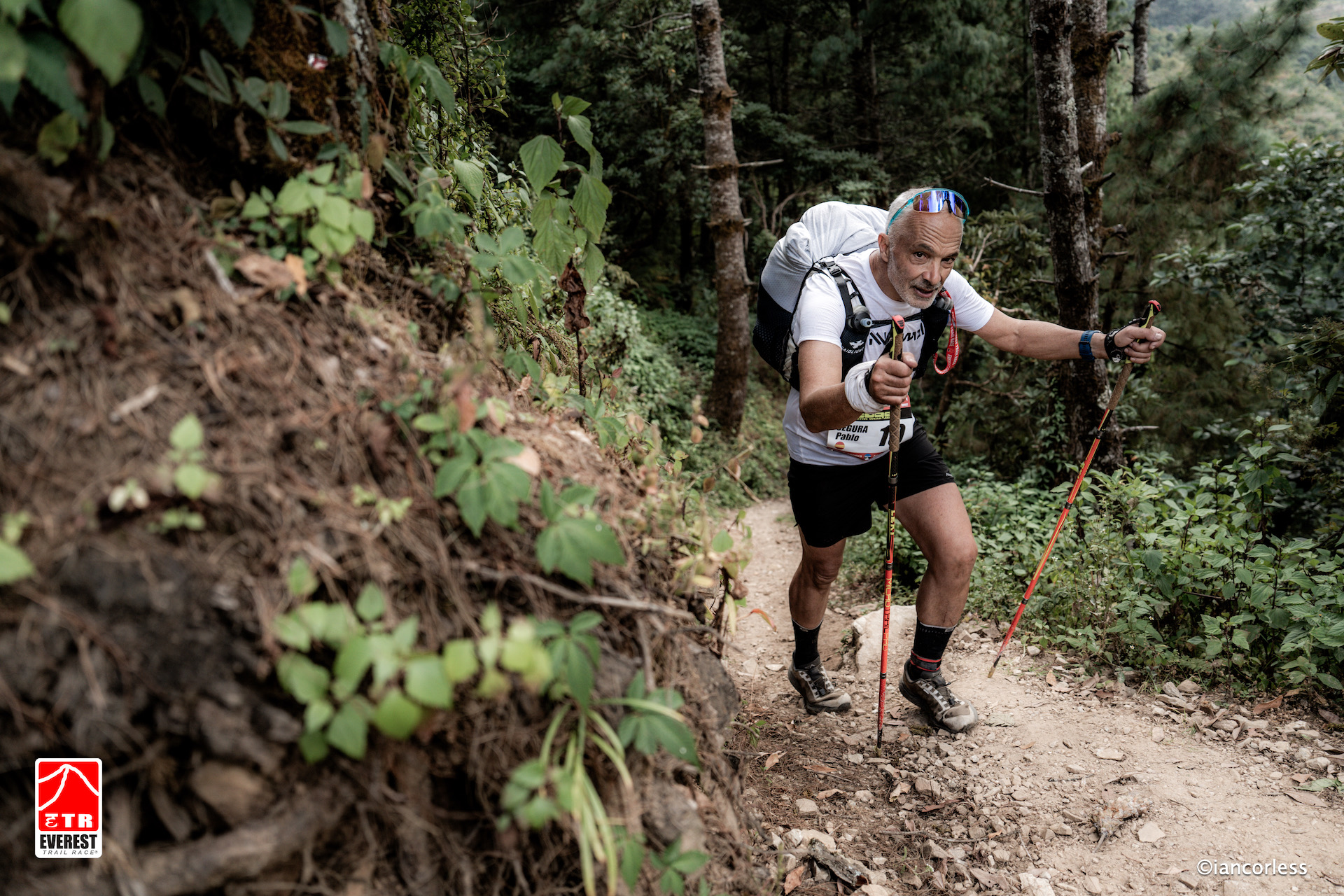
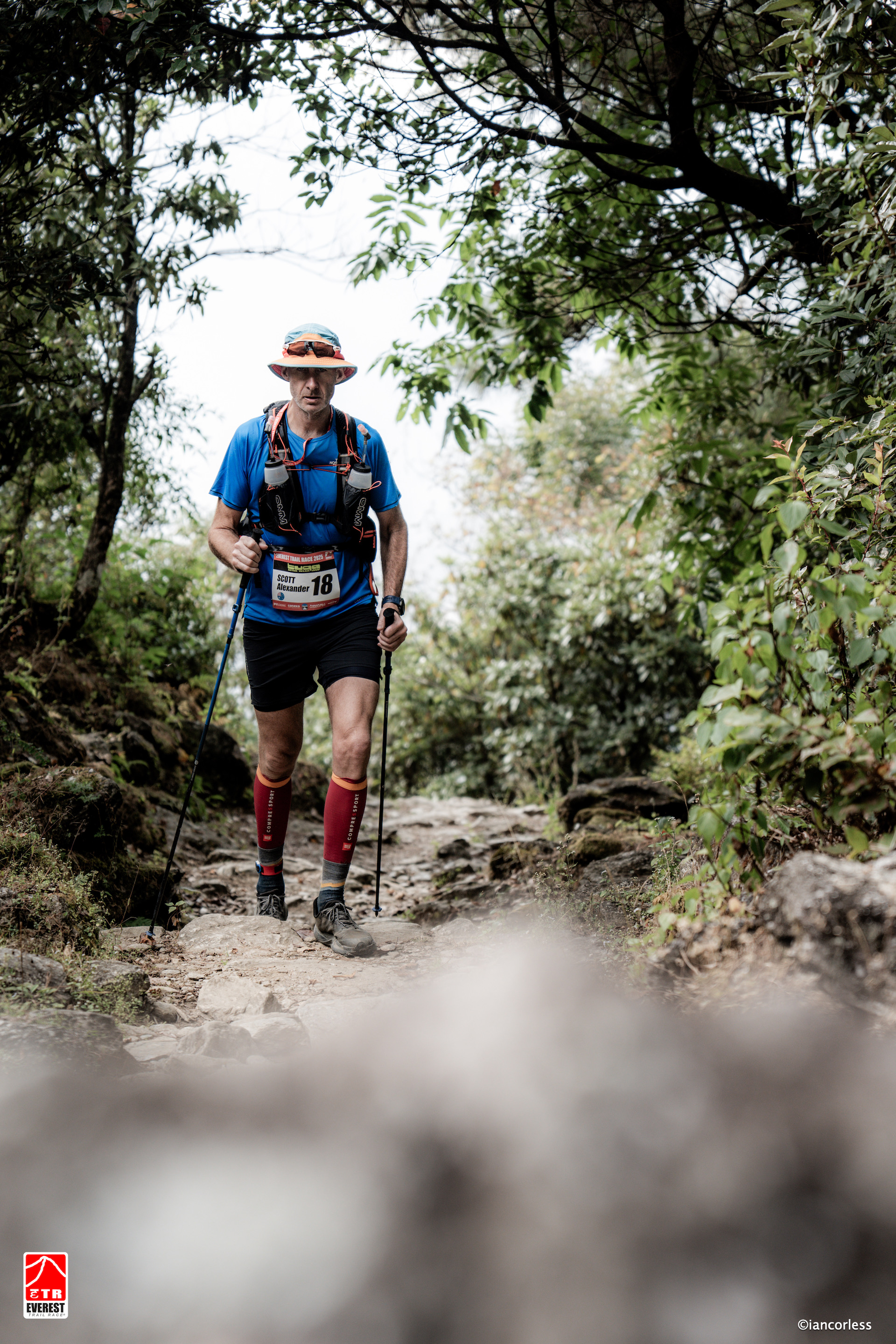
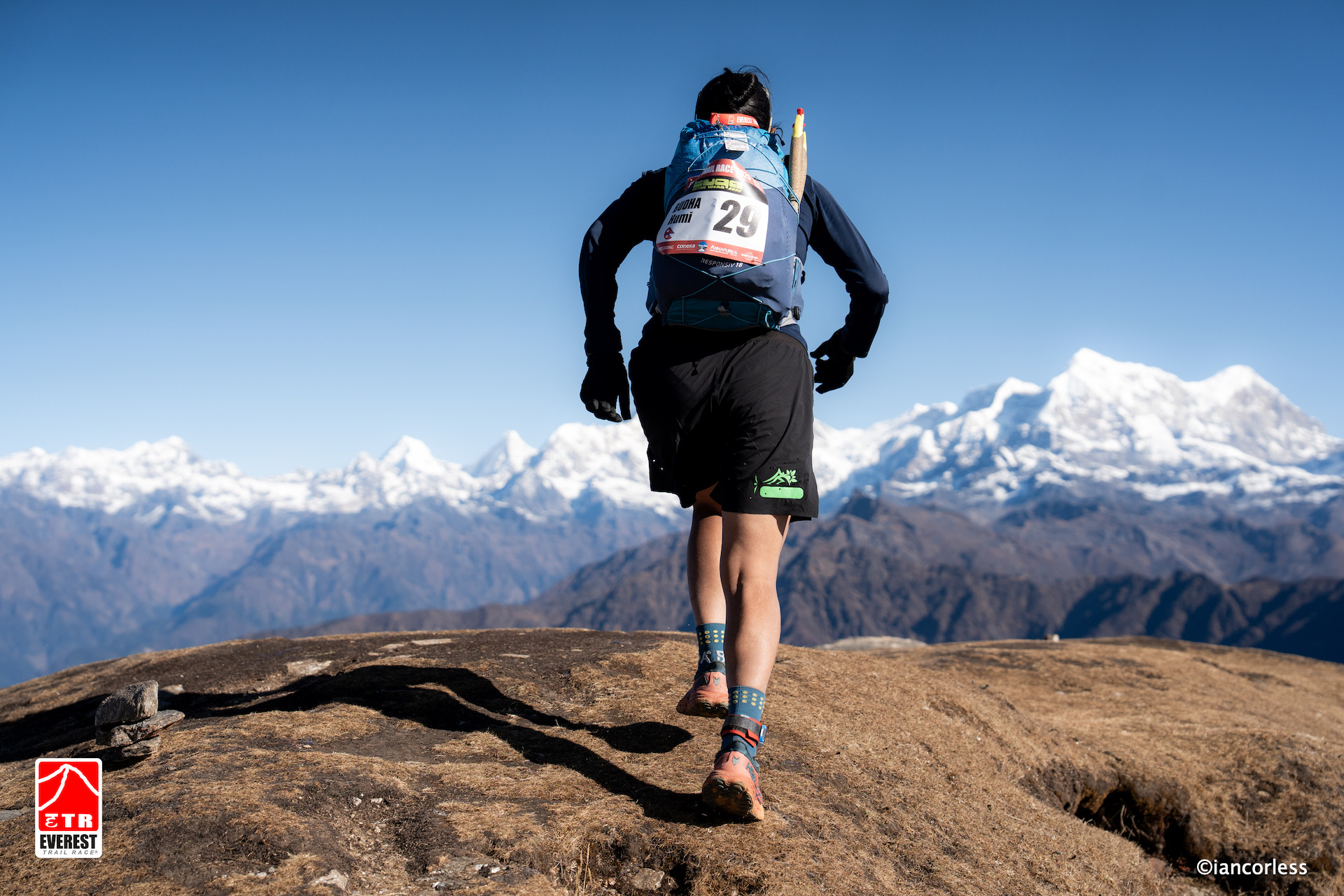
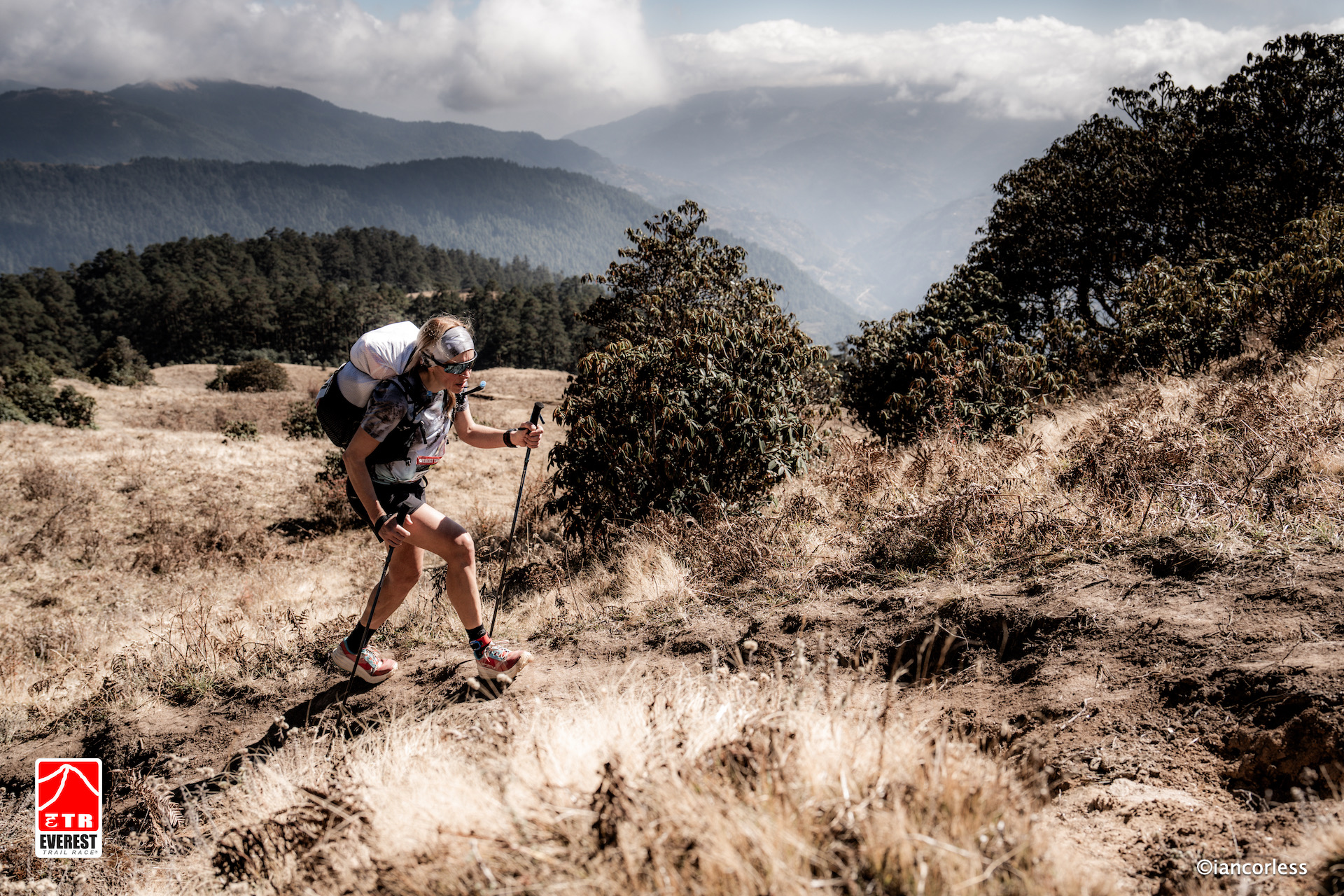
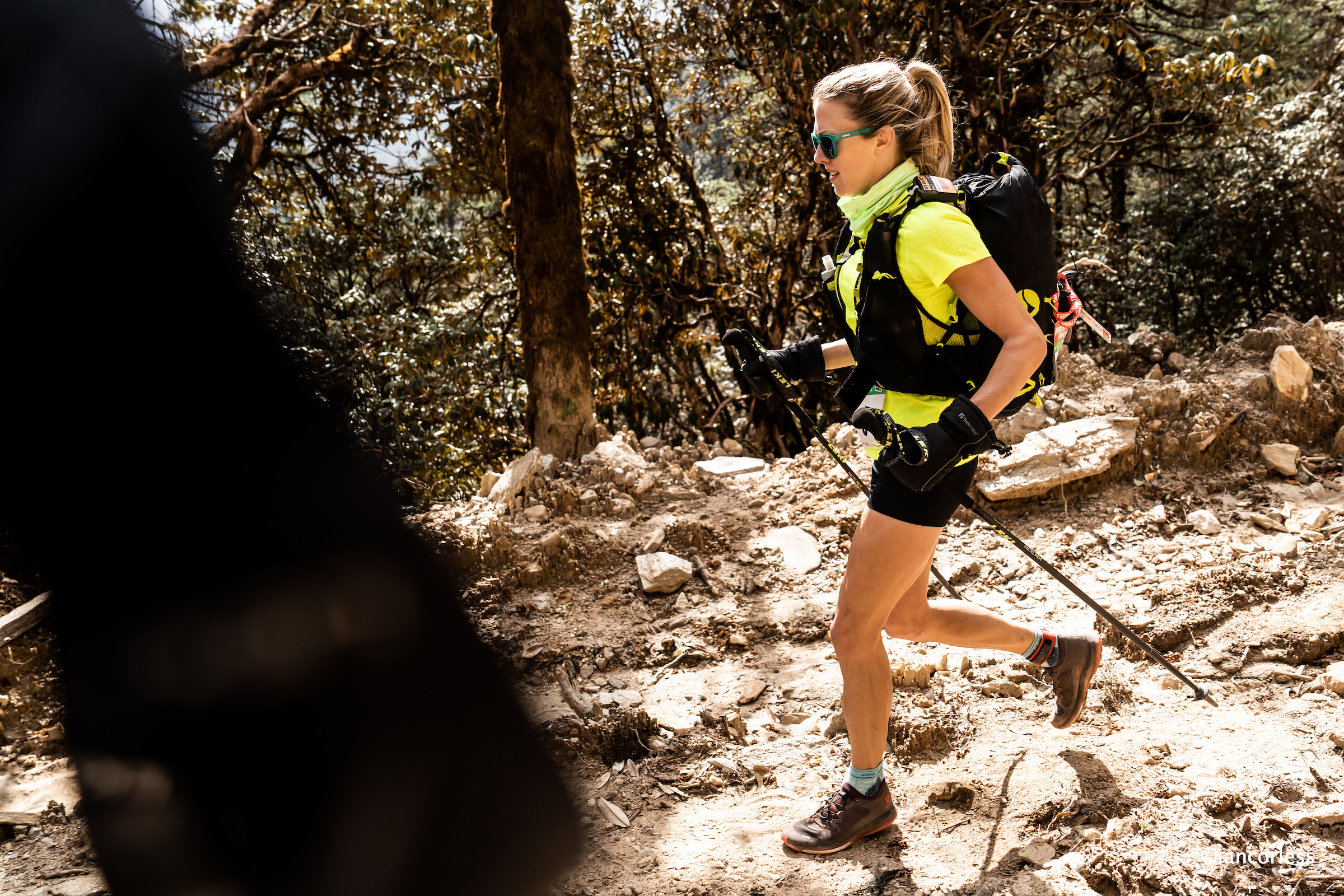
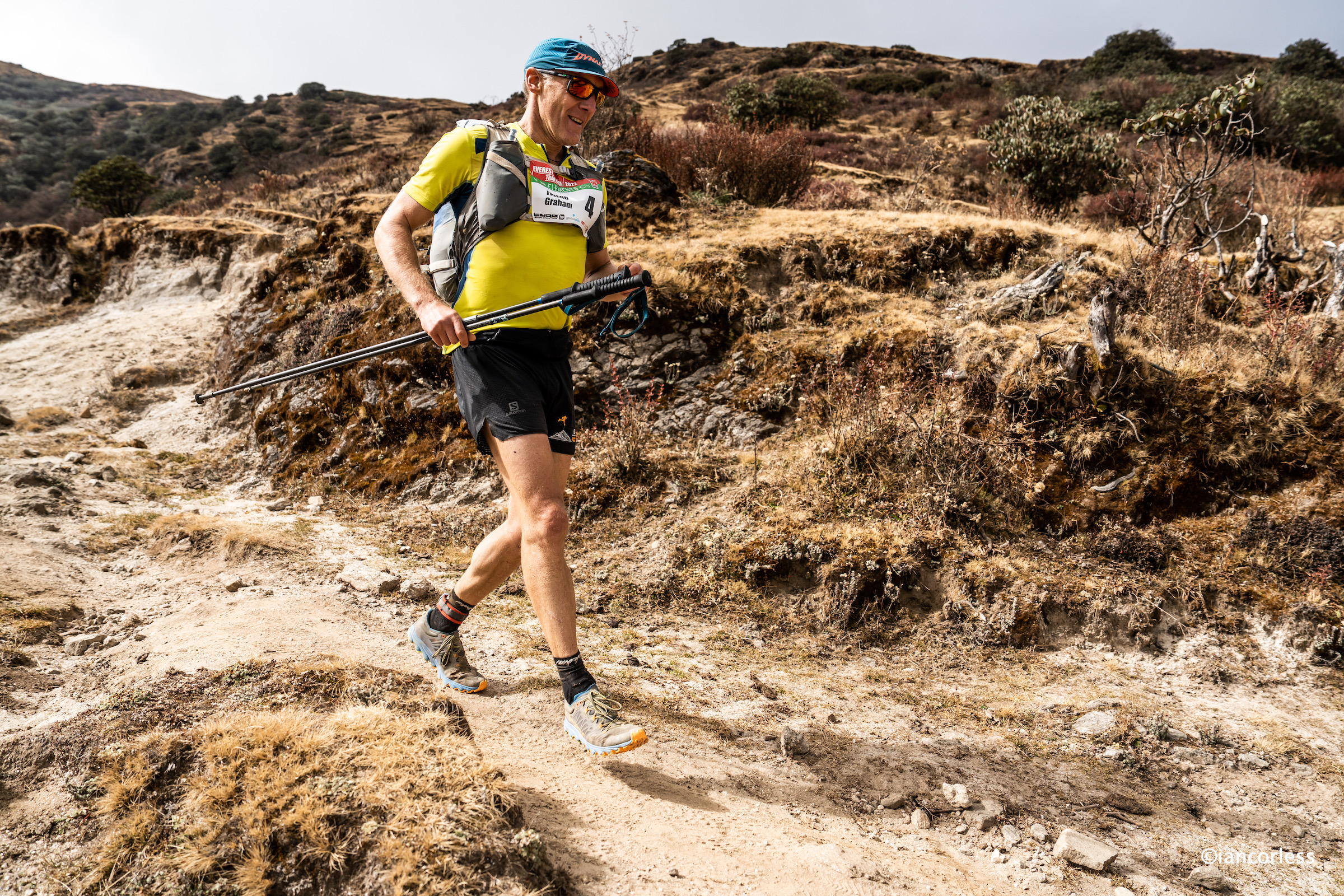
There was no room for rhythm here, just grind, grit, and survival. Poles an essential accessory. Every switchback stung. Every false summit tested patience. But that’s the Everest Trail Race. It’s not just a run; it’s a confrontation with the terrain, and Stage 1 made that clear from the outset what lies ahead.
With five stages still to come, the 2025 ETR has already thrown down the gauntlet. Those who made it through Stage 1 know what’s coming: long days, steep ascents, dizzying descents, and no shortage of mental warfare. But for now, reaching Chyangsyngma was a victory in itself and proof that this race is not for the faint-hearted.
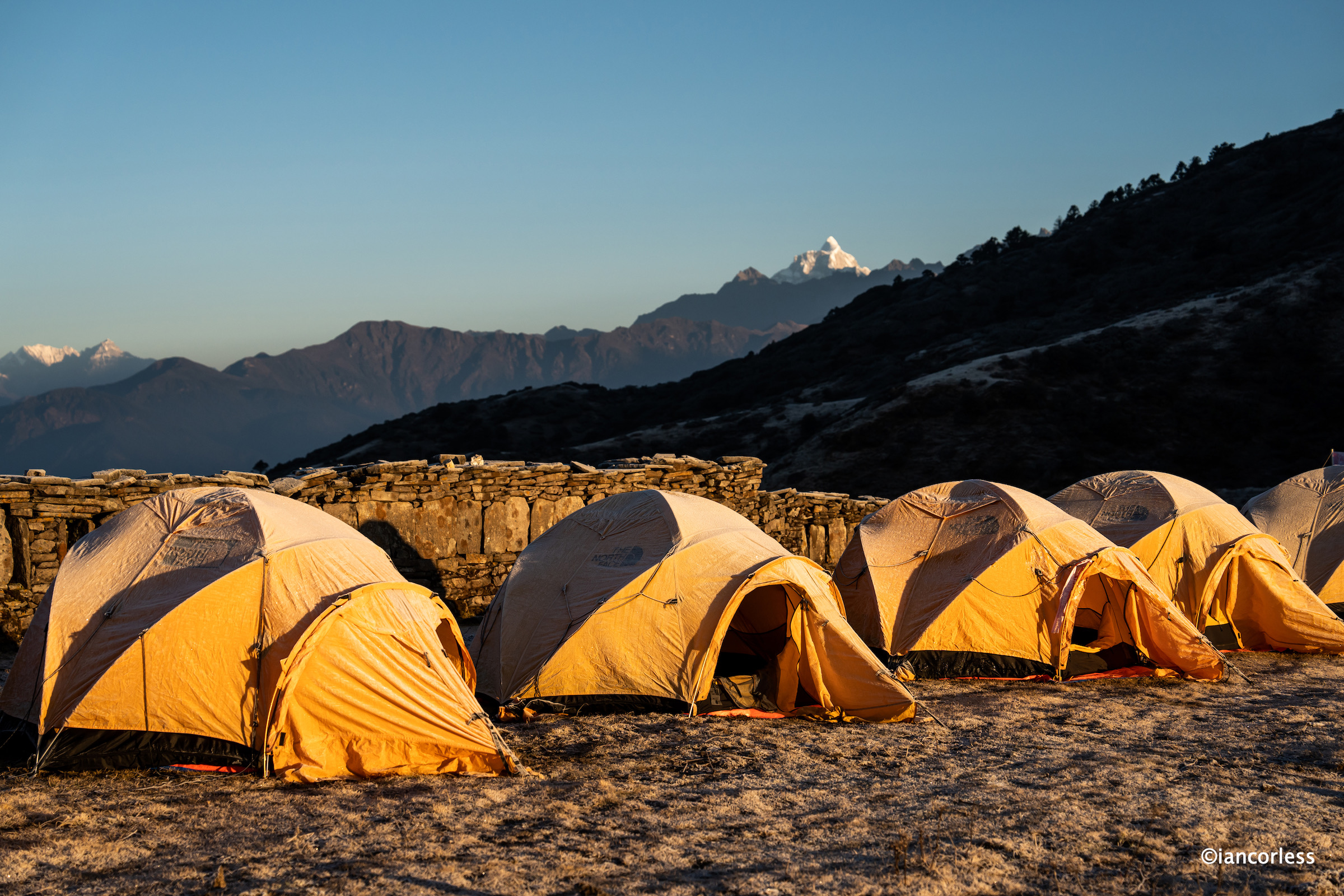
The race start time was a leisurely 0830 after an 0600 wake-up, hot tea delivered to each tent. Remarkably, Nepalee runner, Dal B Kunwar completed the stage in rapid, 2h 40min – there is a great deal to be said for being on ‘home’ turf. The first woman, Nepalee Chhoki Sherpa placed 3rd on the stage in a time of *h *m – full results can be viewed post-race at the ETR website HERE.
The Everest Trail Race is on. And it’s already living up to its legend.
Nepal, the magic of Nepal. If you haven’t experienced it, you need to experience it! If you have experienced it before, you already know that you need to experience it again.
The ETR – Everest Trail Race, provides an opportunity to immerse yourself, to experience on foot, a journey through the heart of this magical place. The race takes place over 6-stages, a total of 170km’s with a combined elevation gain/ loss of 26,000m. A self-propelled adventure through the Himalayas reaching a maximum altitude of 4104m.
Now in its 11th year, ETR, taking place November 10th to 22nd, has become a bucket list adventure for those looking to combine travel, tourism and adventure in a package designed to provide the maximum return on the shortest amount of time.
The noise, the bustle, the chaos of Kathmandu, it needs to be experienced. It’s a cacophony of explosive elements. The transfer from the airport to the hotel gives an indication of what is to come.
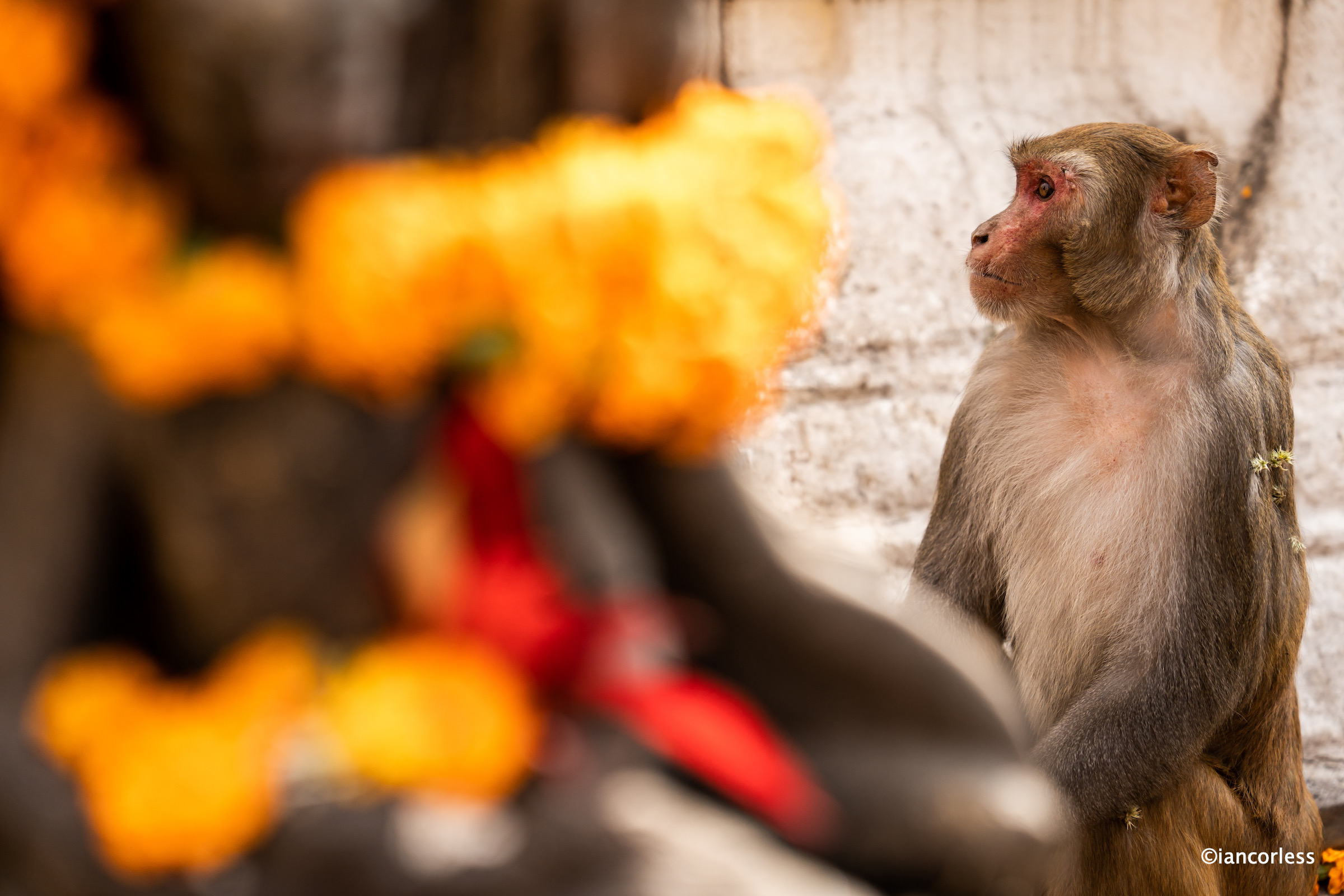
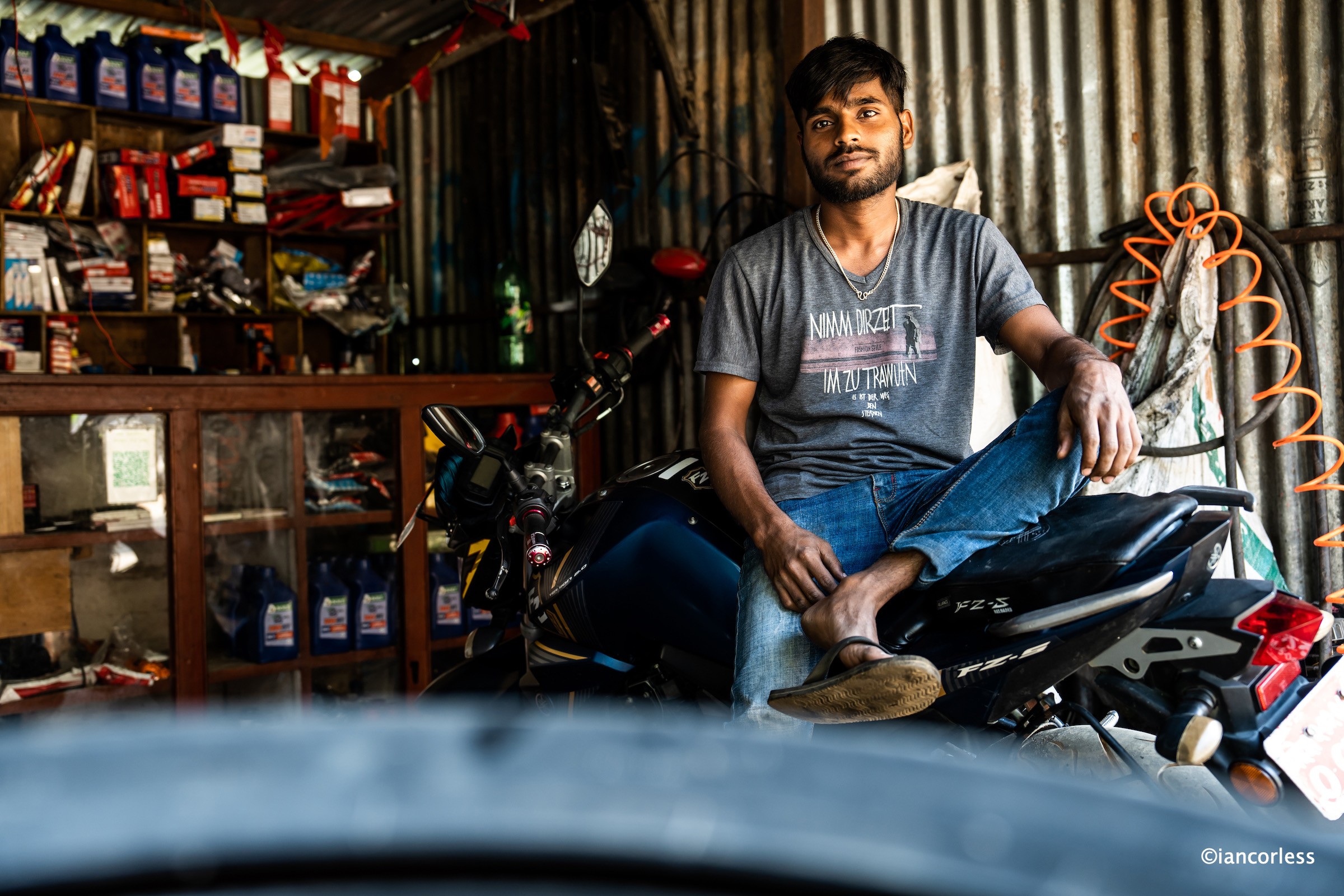
Before the admin protocols begin, a day of leisure in and around Kathmandu allows for key visits to the Monkey Temple and Patan. It’s always a shock to the senses, an assault of noise and colour and yes, poverty and hardship.
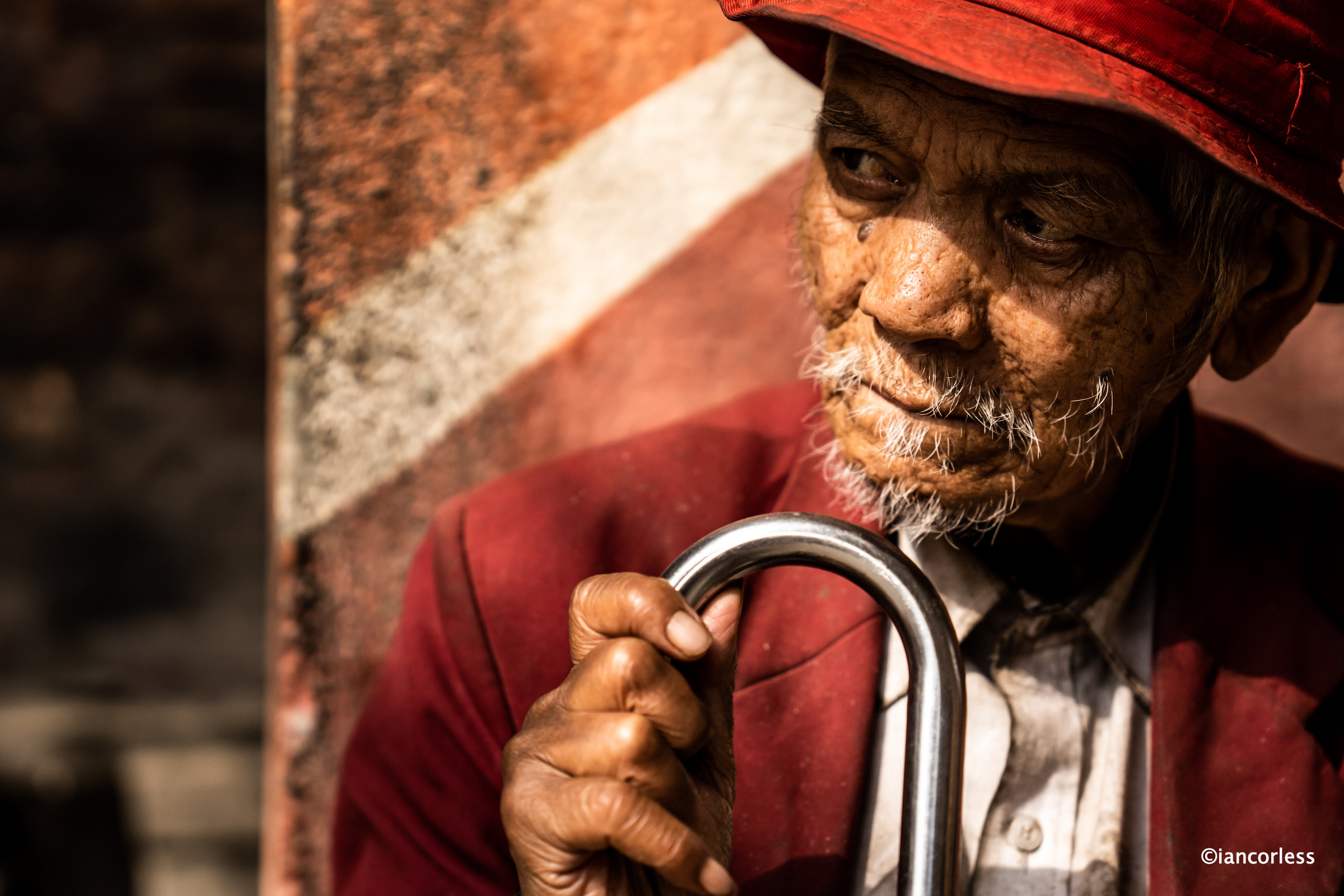
The Nepali people have hard and tough lives, and in Kathmandu you get to fully appreciate the highs and lows of this. One thing is for sure though, you will soon fall in love with the Nepali people, they are the salt of the earth.
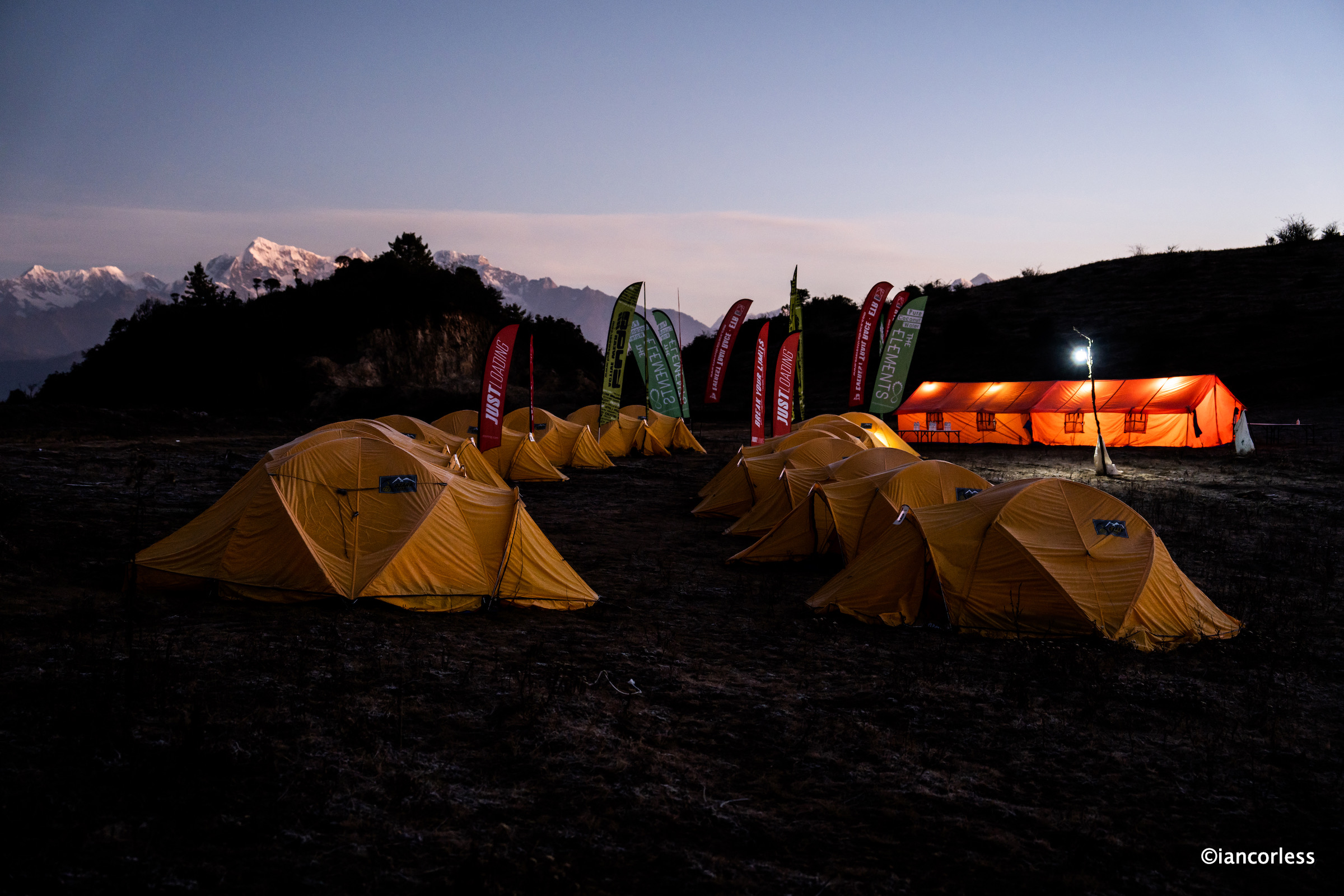
The following day, the journey to camp 1 begins, a bus drive from the noise and bustle of the city to the wild remote landscape of the Himalayas. The views for ever changing, you get to see the variety that this region brings before arriving at camp, tent allocation and a first night under canvas. The next day, the adventure begins with stage 1.
The following 6 days takes you on a journey of both physical and mental as you leave the remote and wild farmlands heading toward the majestic beasts of Lhotse, Ama Dablam, Nuptse and of course, Everest.
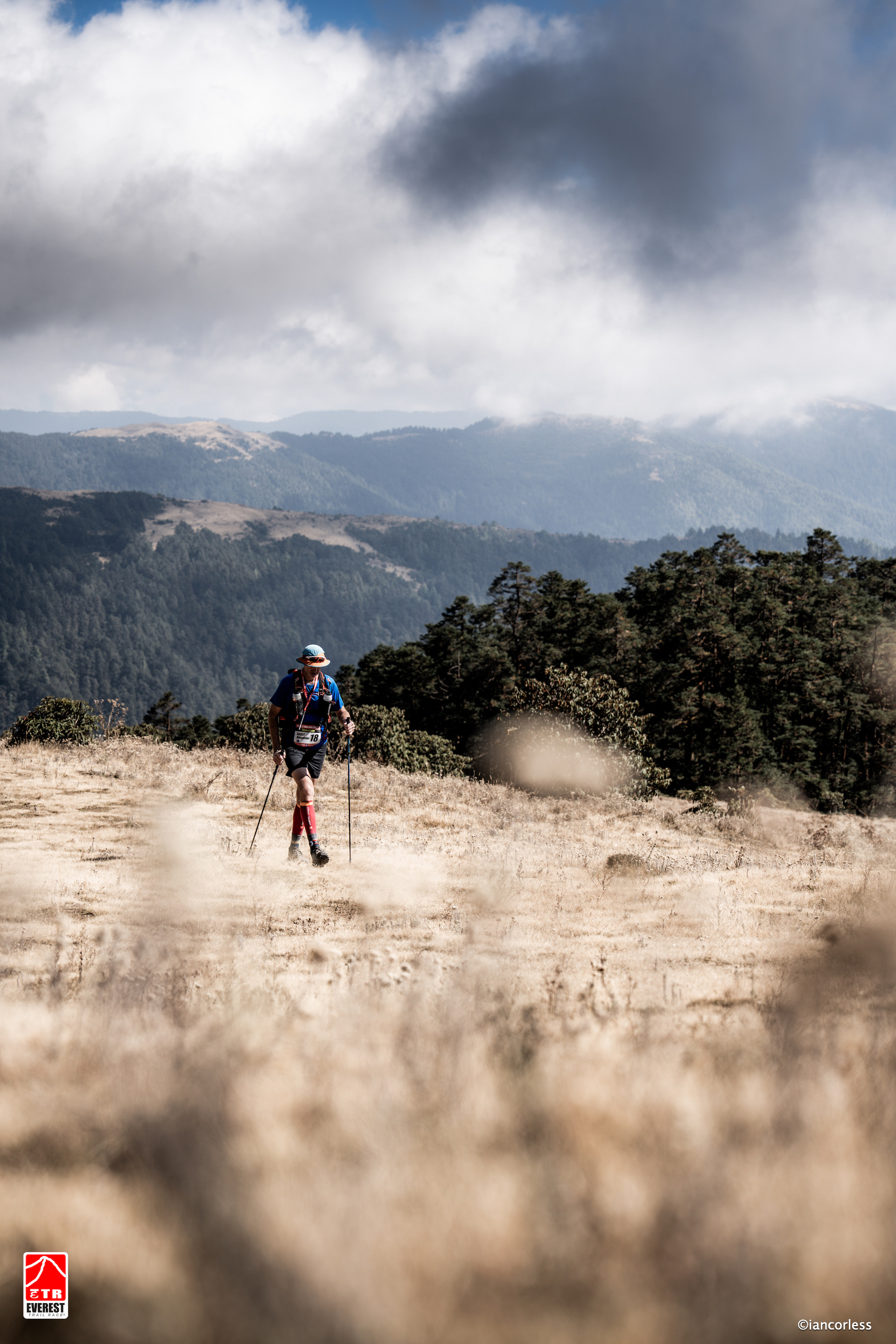
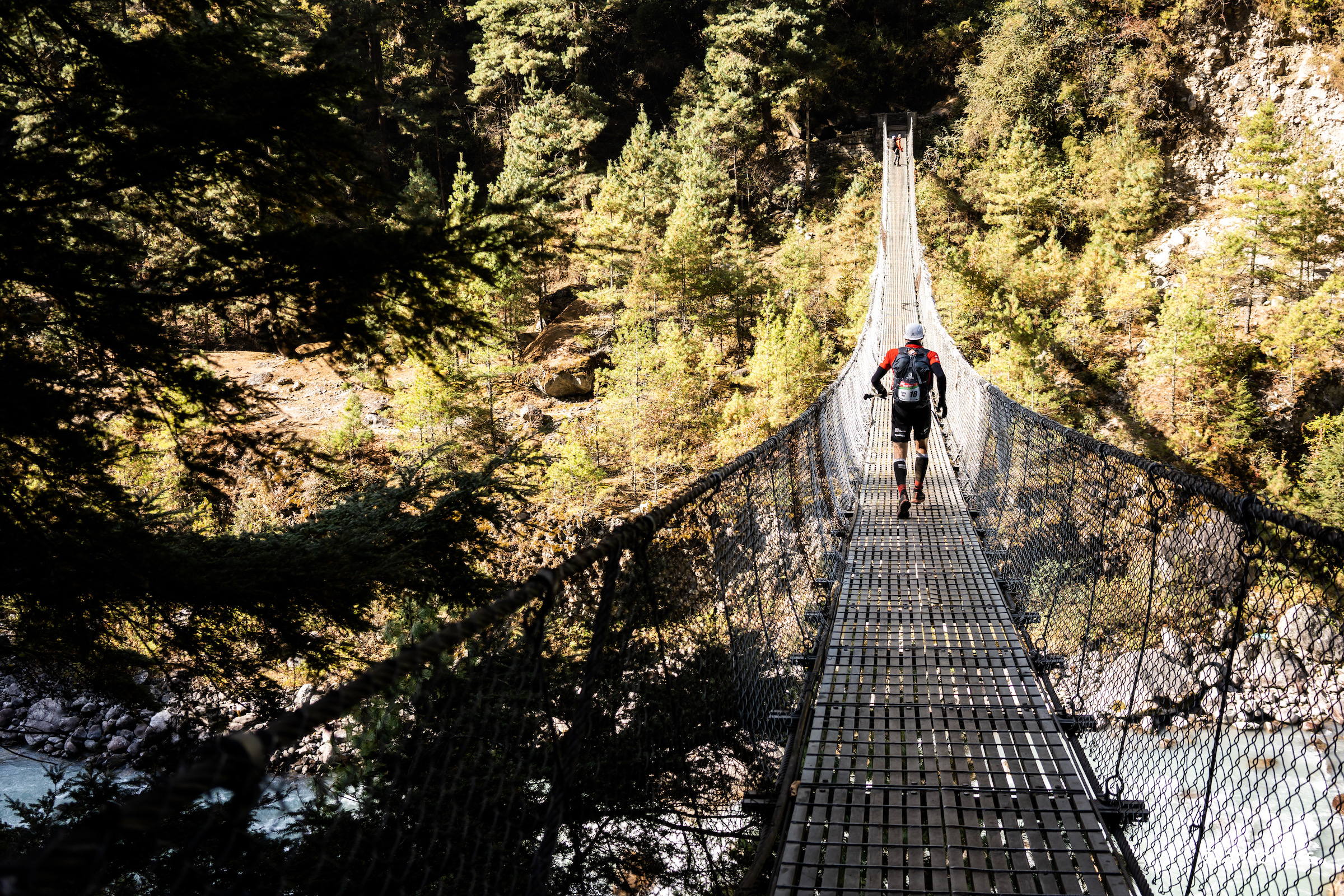
The early stages avoid the classic trekking routes as the participants make their way towards Lukla. Remote, isolated and free from tourism, stages 1-4 show the ‘real’ Nepal, the difficulty of life here and the harshness of weather and land. Days are warm, nights are cold.
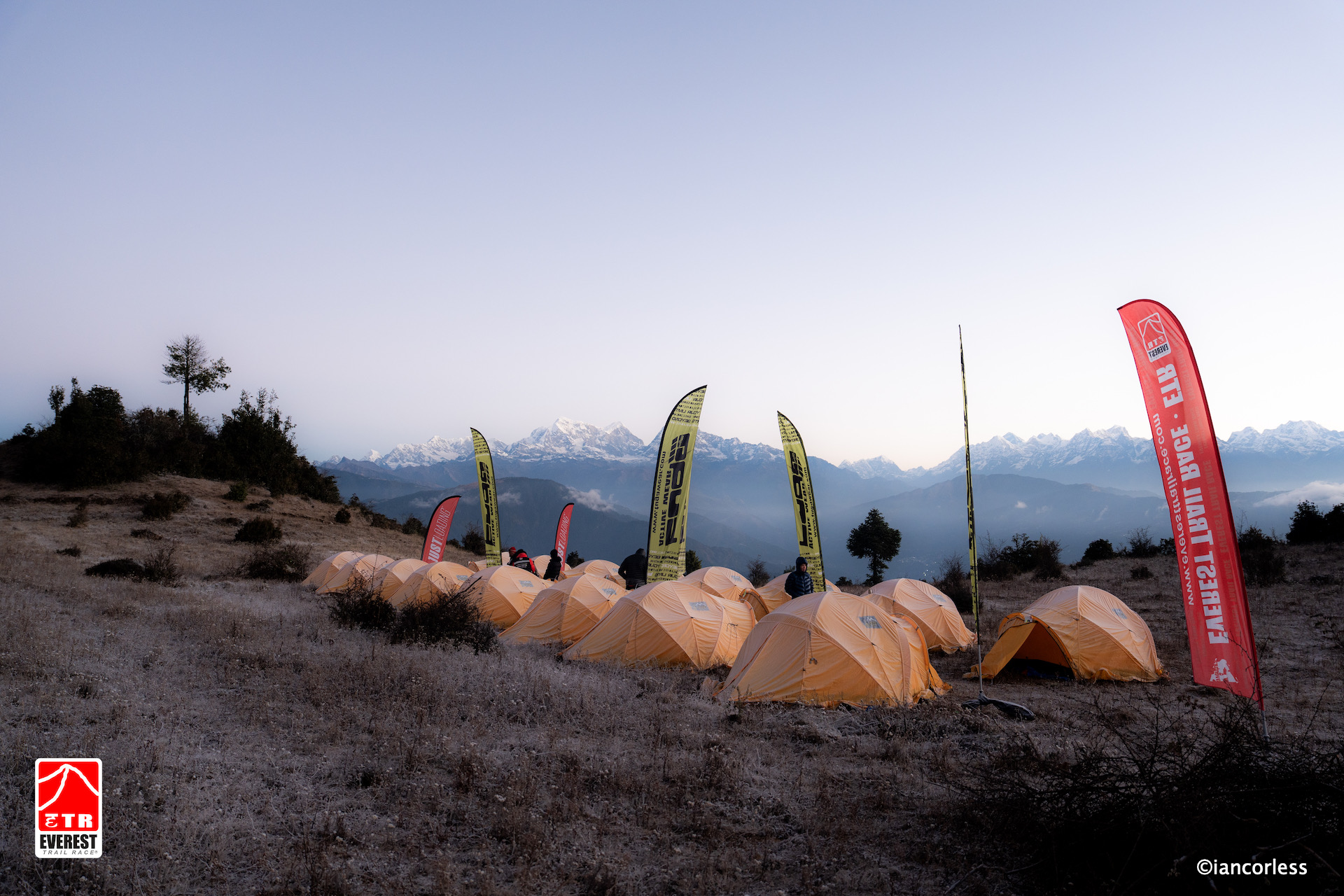
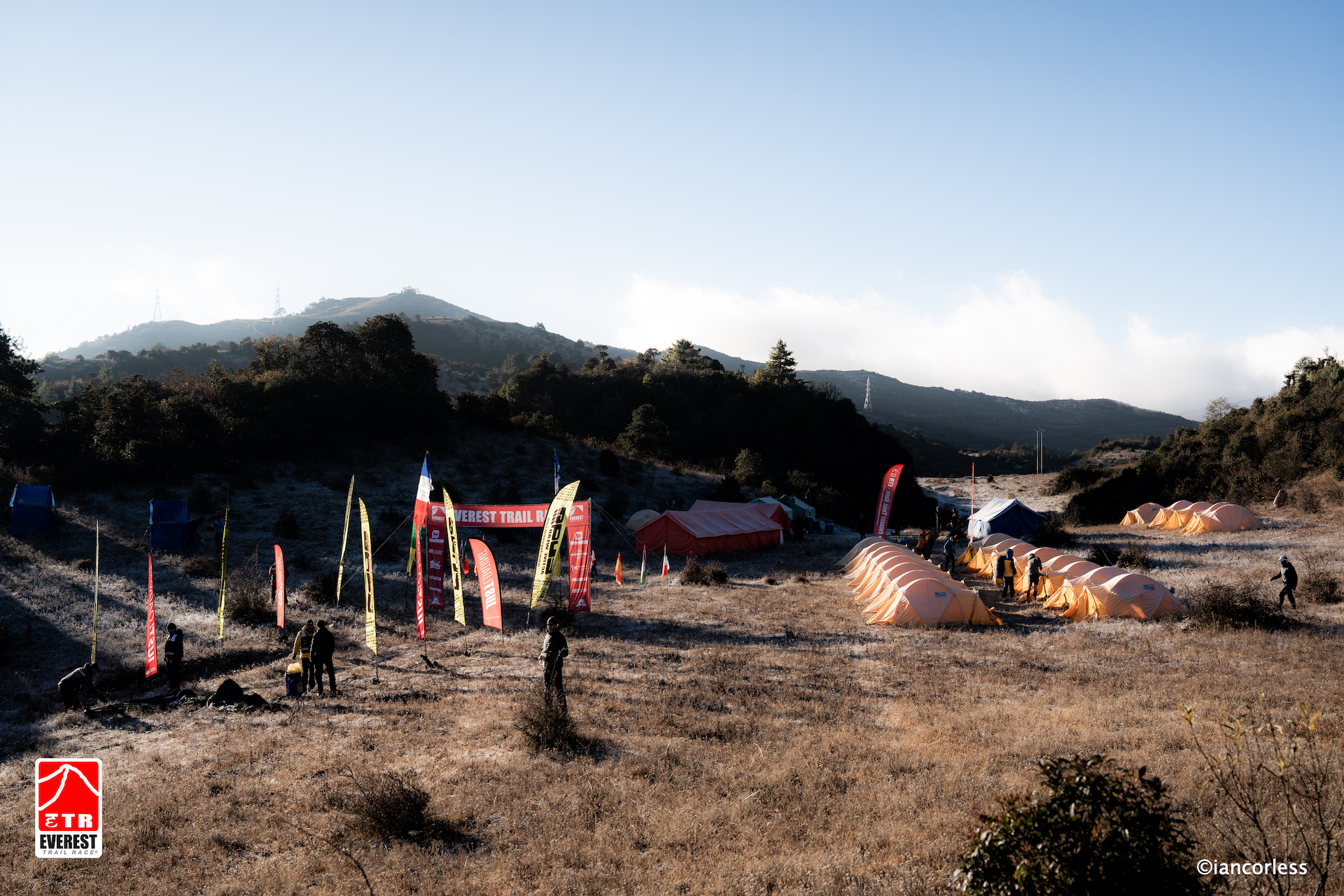
Traveling in a semi self-sufficient manner, participants carry all they need for the journey – sleeping bag and clothes. The race organization provides a place to sleep, breakfast and dinner and en-route, there are sporadic aid stations to provide essential calories and replenish water.
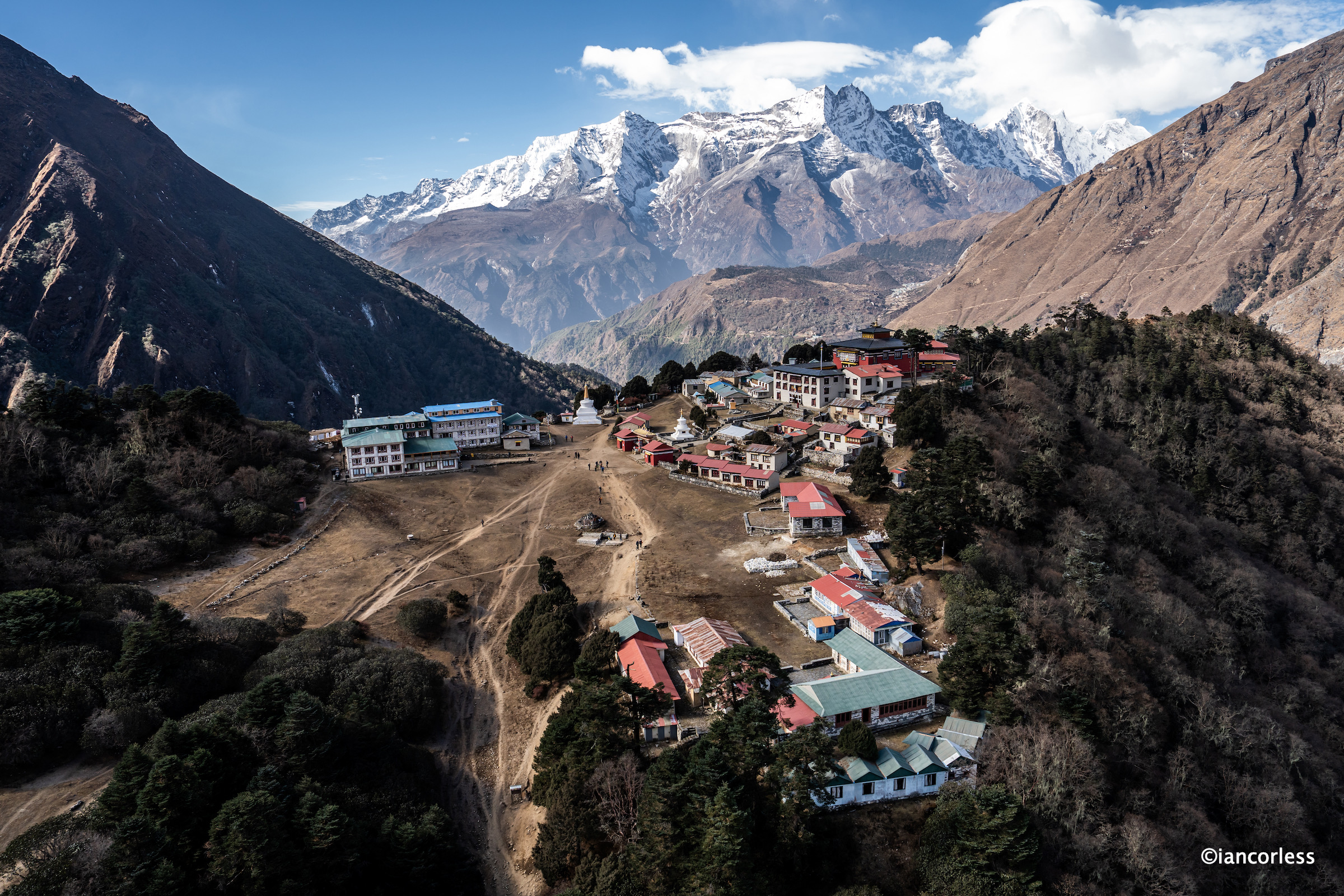
Stage 5 provides a magical journey passing through Namche Bazaar, up and onwards to the eventual finish line at Tengboche Monastery, the backdrop of the key Himalayan peaks making this, arguably, the greatest finish line on the world. Ama Dablam to the right, Everest in the middle, finish lines get no better than this.
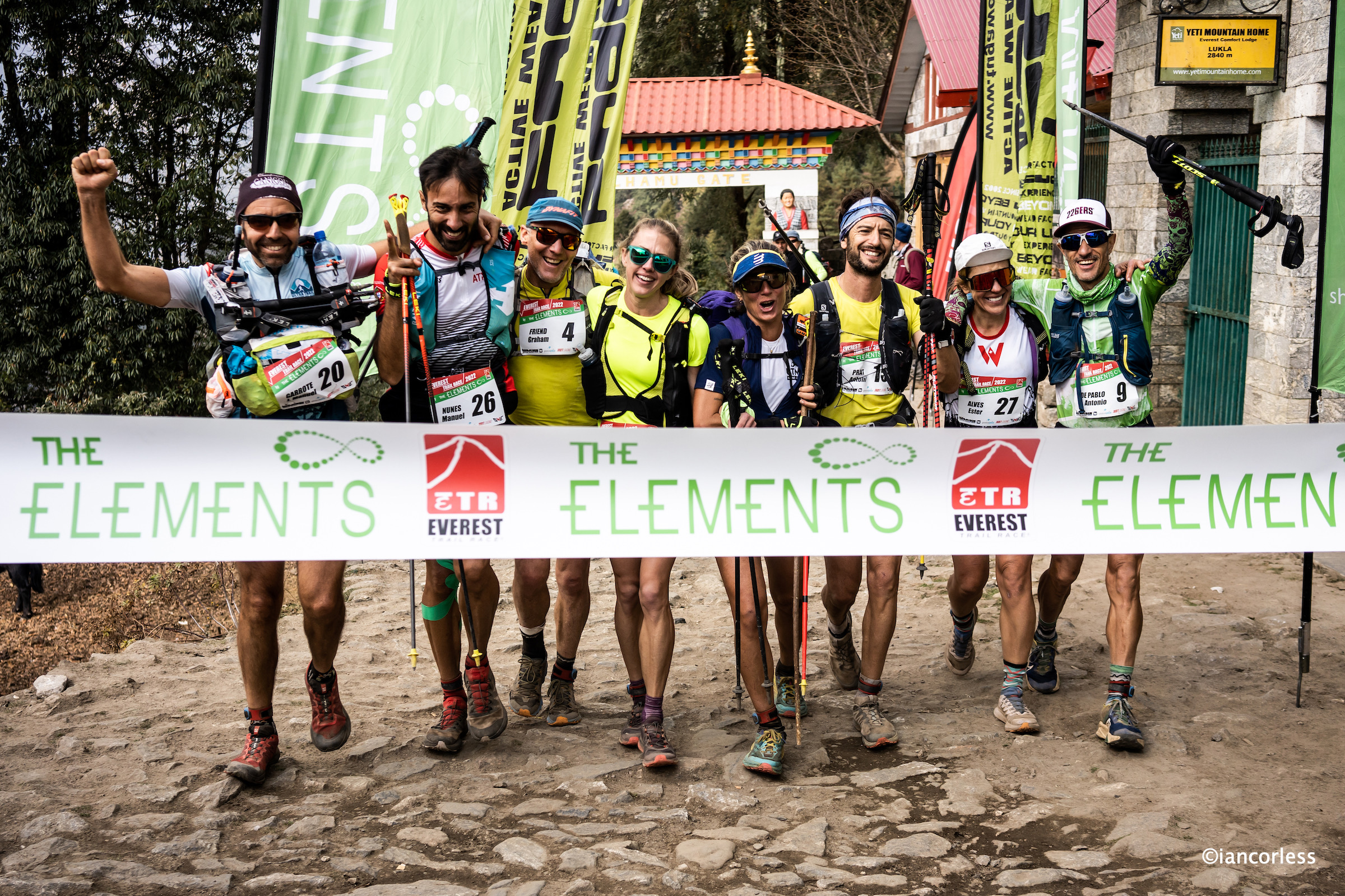
Stage 6 returns to Lukla, the ETR finish line and a night in a lodge. The following day, a return flight to Manthali and then bus back to Kathmandu and hot showers, hotel luxury and a night in a real bed with crisp white sheets.
The following day is free, allowing for relaxation, recovery and of course, a compulsory trip in to Tamil to by souvenirs before the final night awards and gala dinner.
The Everest Trail Race is a special race, one that introduces participants to a very magical place with the safety, back up and organization to make sure the journey is a special one.
Due to the nature of the challenge, an understanding and comfort with mountain terrain is required, in addition, this is a race that takes place at altitude and reaches a high point of over 4000m. Do not underestimate the difficulty this terrain and altitude brings. Daily distances, on paper, may seem very short and achievable, but they are a challenge. But hey, that is why we sign up for these things, no? If it was easy, anyone would do it.





 IAN CORLESS