A milestone anniversary, new formats, familiar classics, and a season that stretches from the Sahara to the Alps. Some years feel bigger than others. In 2026, the calendar alone tells you this will be one of those years for Marathon des Sables.
Forty editions after its beginnings in the Moroccan desert, Marathon des Sables has grown into a family of events that test endurance in different ways, across different landscapes, and for very different runners. Yet the heart of MDS remains the same. Self-sufficiency, shared hardship, and the quiet satisfaction that comes from moving forward when stopping would be easier.
January opens with something new and bold: MDS Ultra. Two distances. Two very clear challenges. A 100km option for runners ready to push beyond the classic stage format, and a 100-mile race for those who want to see how deep the well really goes.
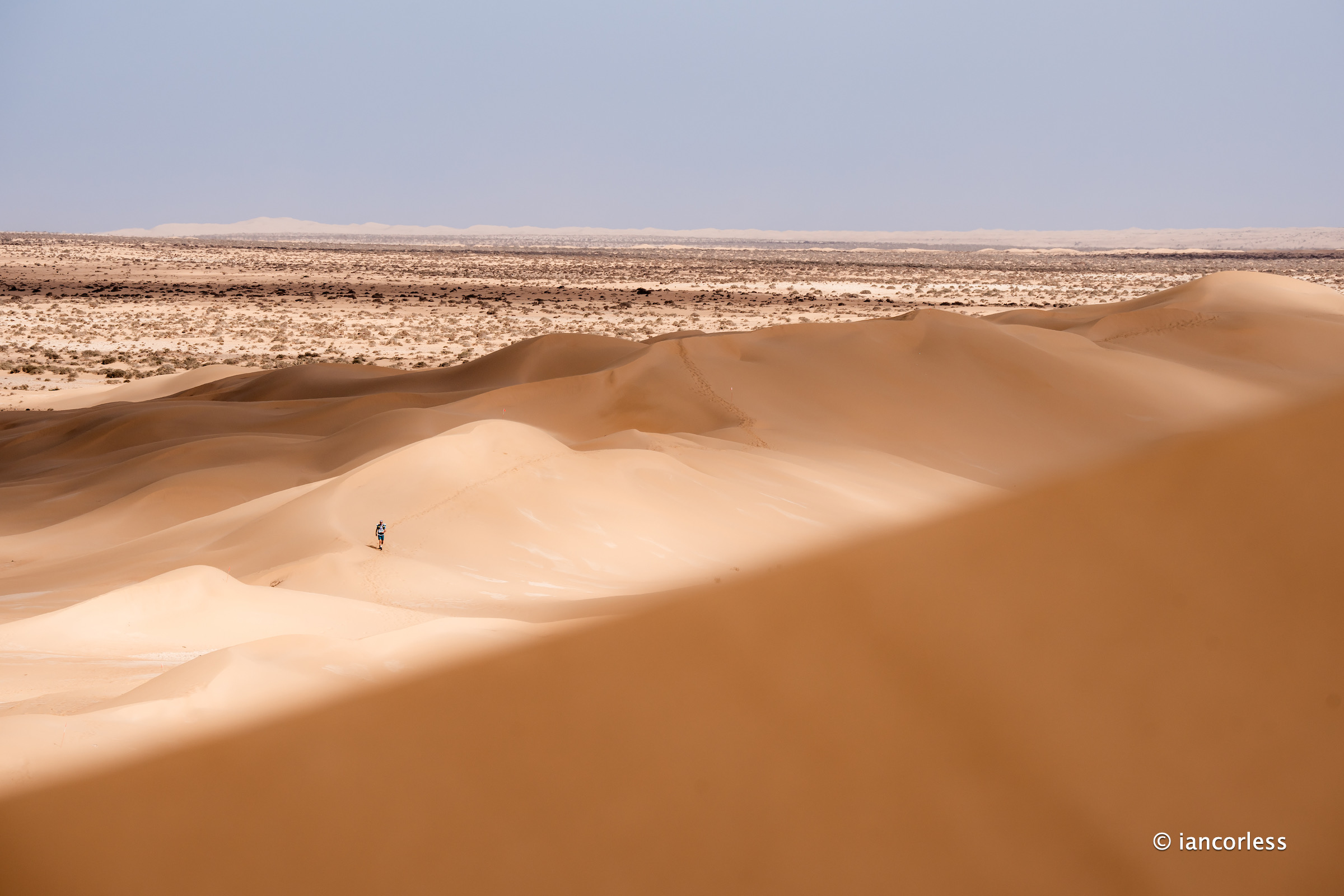
Photo by Ian Corless
An opening act designed to grab attention. Long distances, sustained effort, and the mental strain that only ultra racing can deliver. For many, it will be the first real test of their winter training. For others, it will be the centrepiece of their season. What matters most is what MDS Ultra represents – It signals evolution not revolution. MDS is not standing still, even as it celebrates its past.
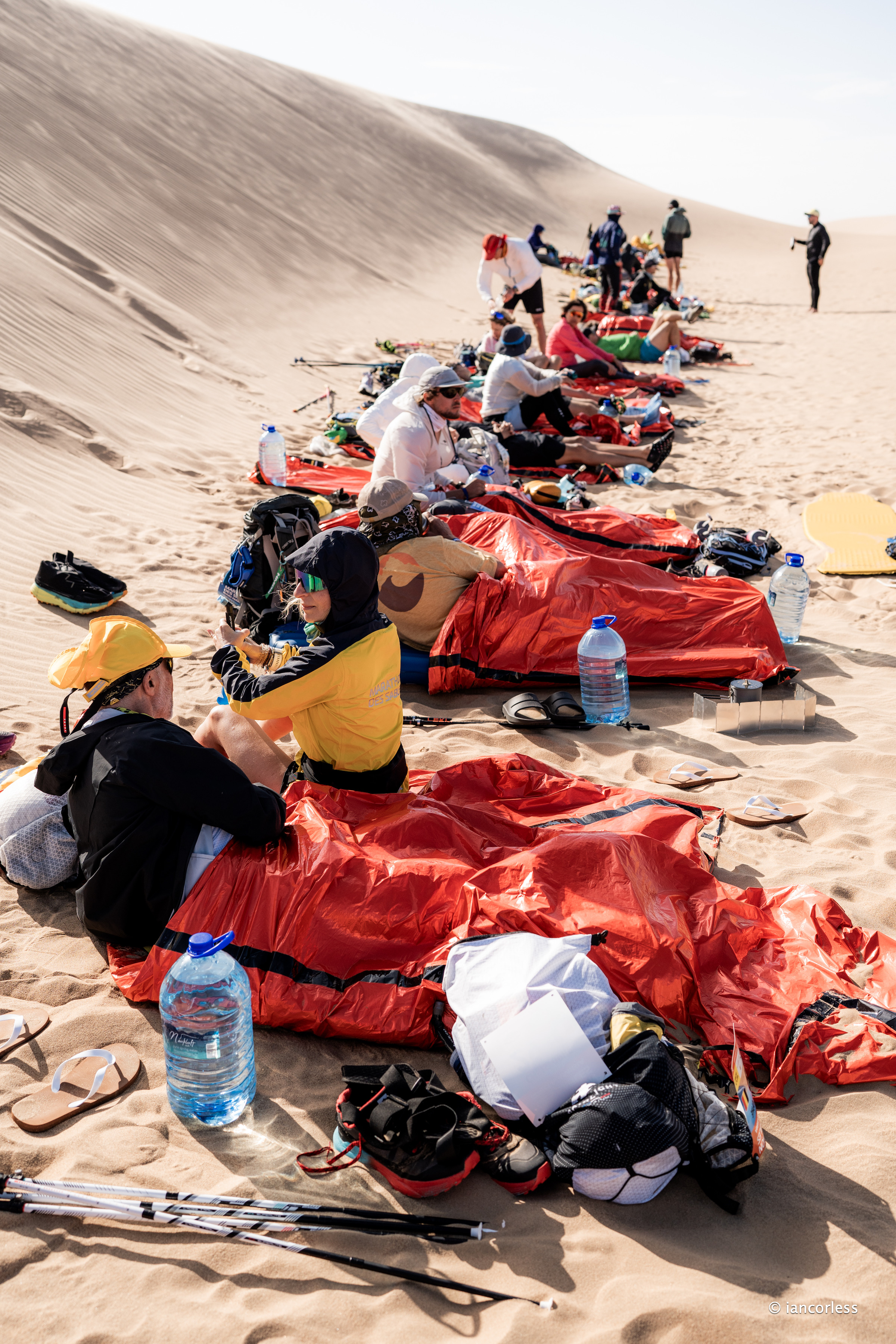
Photo by Ian Corless
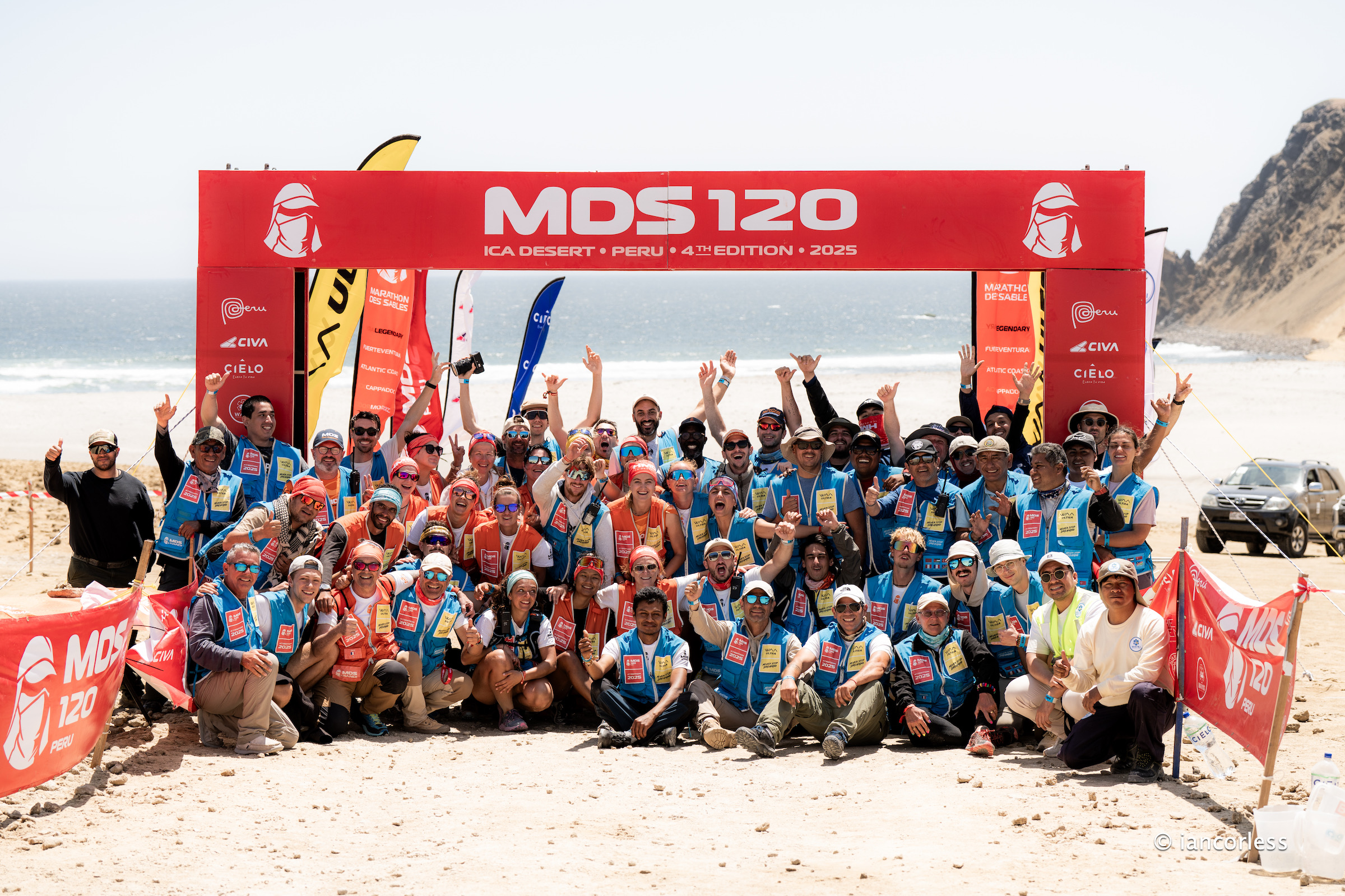
Before January ends, the focus shifts west to the ocean for MDS 120 Atlantic Coast. Where dunes once dominated the horizon, runners now deal with open beaches, shifting sand, and the constant presence of the sea. The Atlantic Coast event has its own rhythm. Wind can play a bigger role. Footing changes by the kilometre. Temperatures can vary greatly, and yes, rain may be present? Still self-supported, still demanding, but in a way that surprises many first-timers. By the time the final runners cross the line, January has already delivered two very different expressions of what Marathon des Sables can be.
February and March bring a noticeable change of pace. No race numbers. No finish lines. Instead, preparation. The MDS team turns its attention fully toward the centrepiece of the year: the 40th edition of MDS Legendary. Four decades after the first runners set off into the Sahara, this anniversary edition carries weight. Not just for the organisation, but for the community that has grown around it.
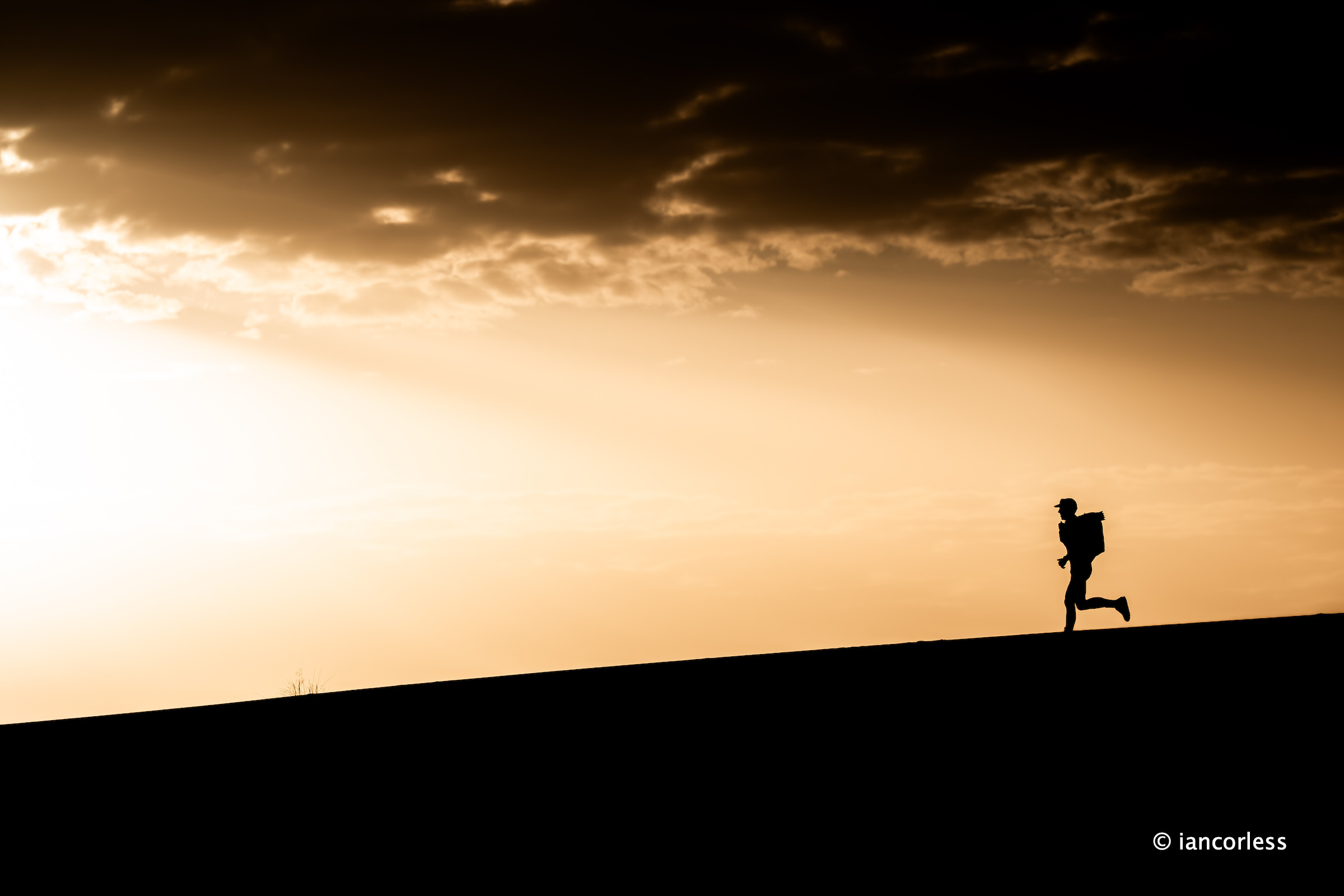
Photo by Ian Corless
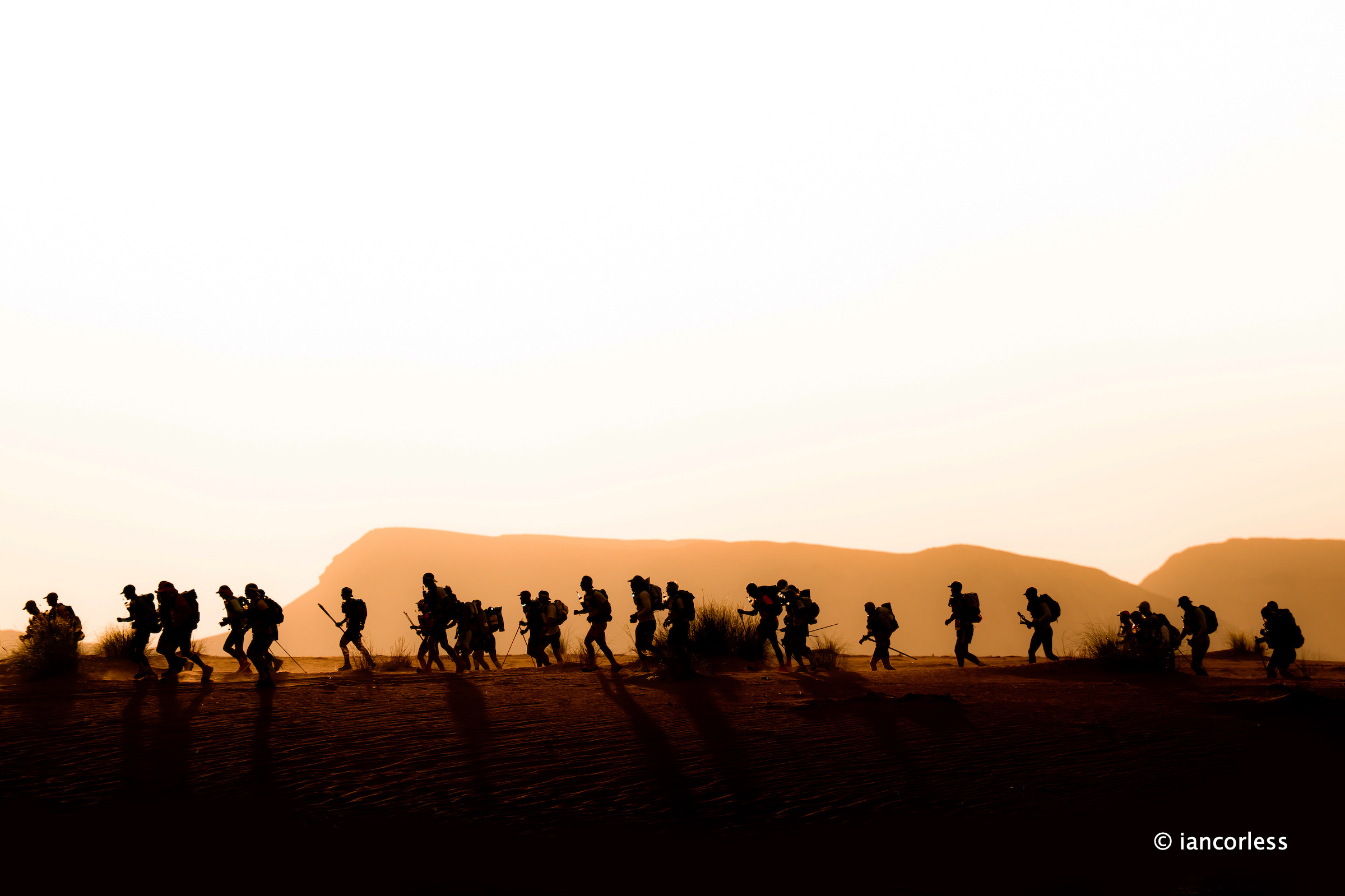
Behind the scenes, logistics are refined, routes considered, and details checked and checked again. The Legendary event is not just another race, it is a reference point for stage racing, for many, a rites of passage, and in 2026, it will also be a celebration of everything Marathon des Sables has become.
Once the Legendary edition is complete, the calendar opens up again, and the global nature of MDS takes centre stage.
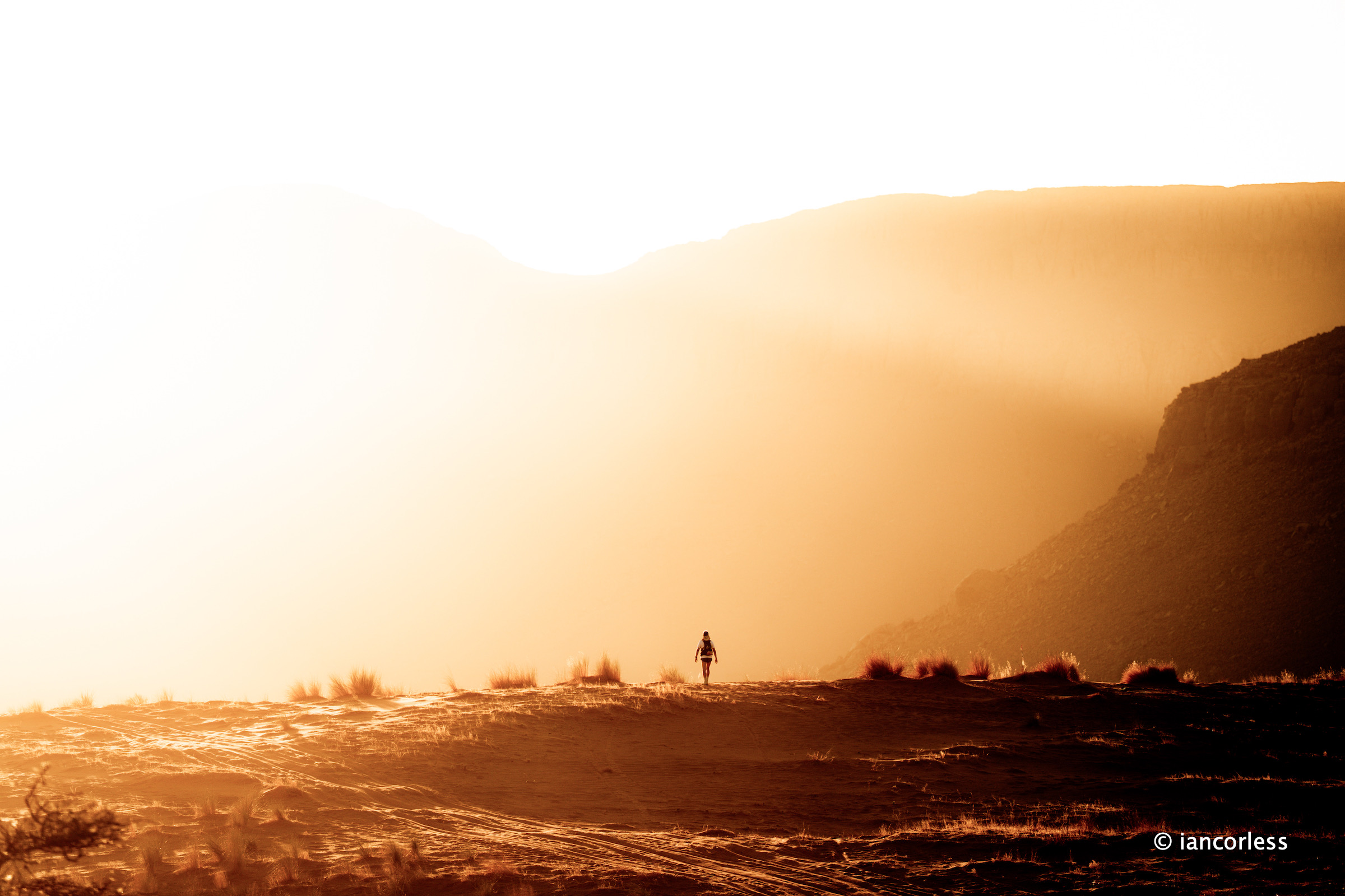
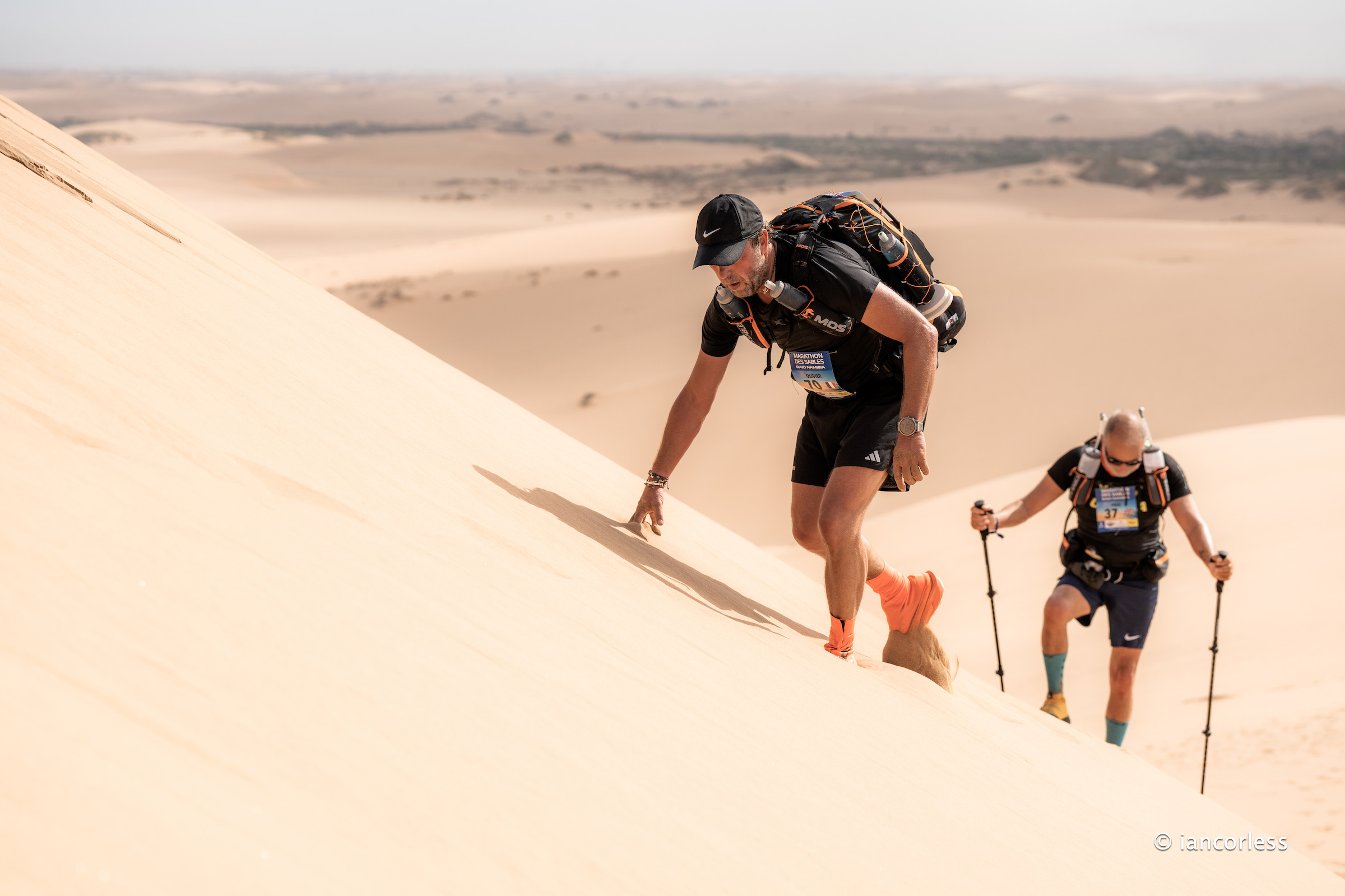
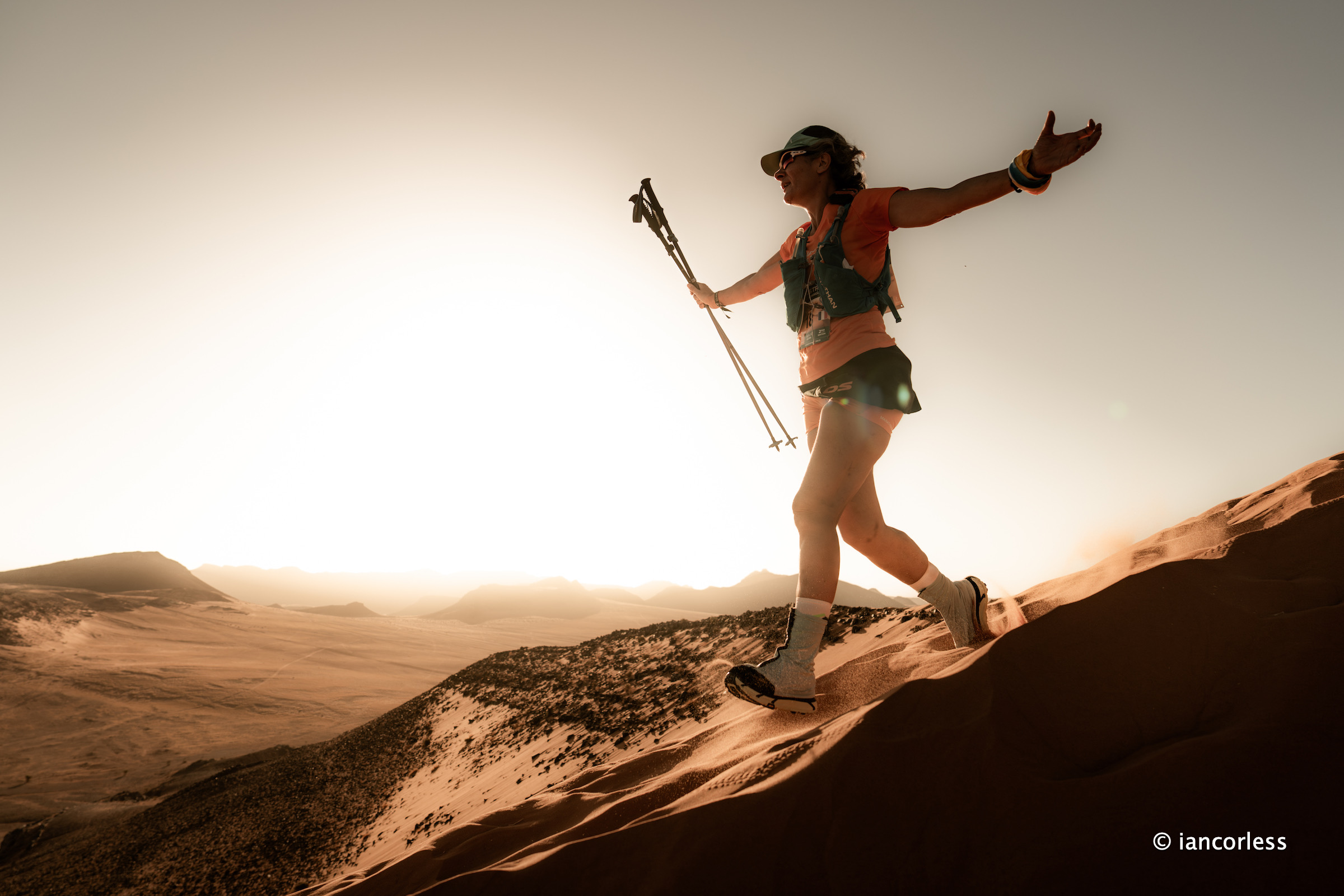
MDS Raid Namibia delivers raw beauty and isolation in one of Africa’s most striking landscapes. Namibia’s vast spaces, sharp light, and unforgiving terrain strip things back to basics. This is running in its purest form, where the environment sets the rules. A unique event as teams of two challenge a more stripped back and raw experience.
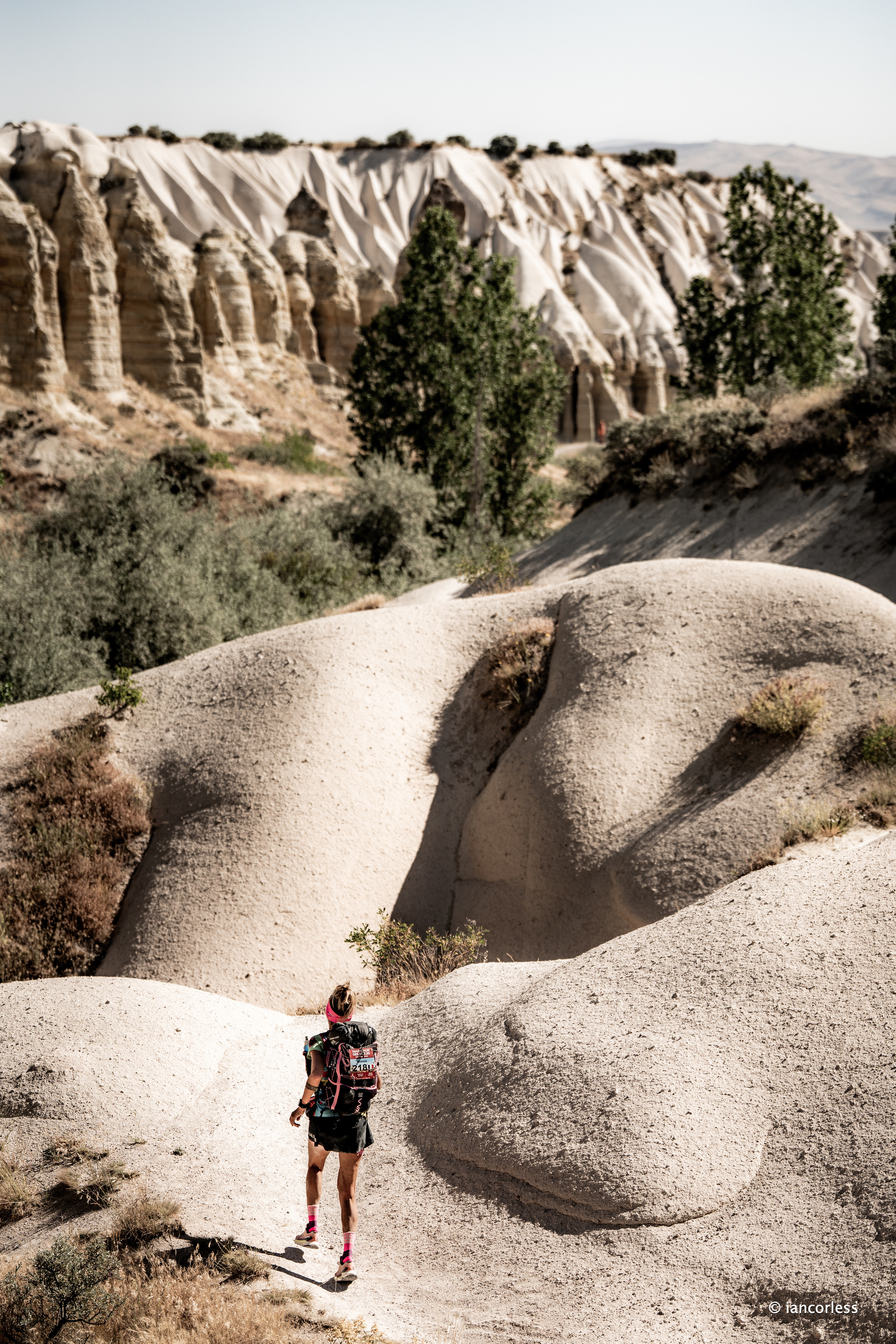
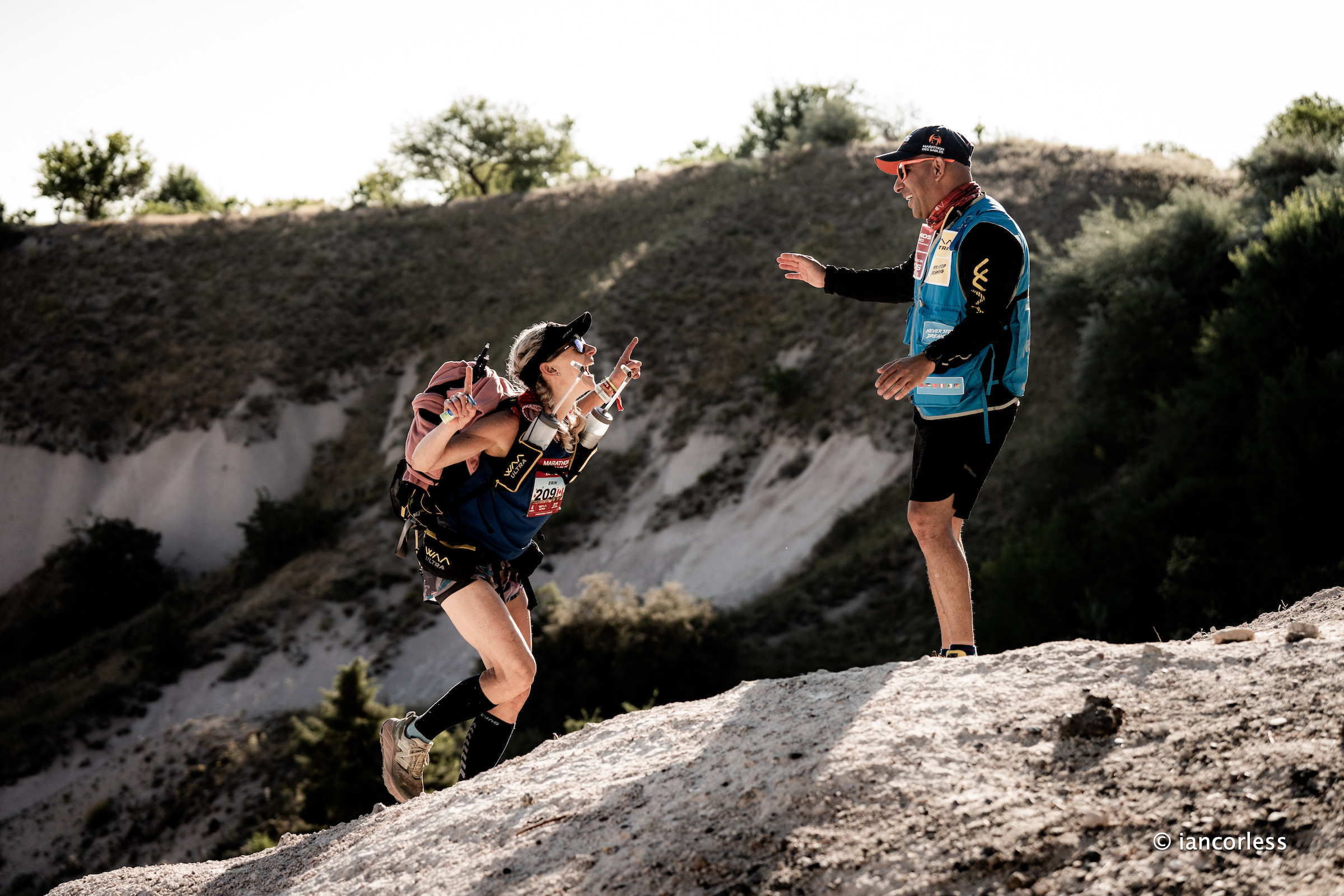
From Namibia, the series moves to Turkey for MDS 120 Cappadocia. Volcanic rock formations, flowing trails, and a sense of history underfoot make this one of the most visually distinctive events on the calendar. It is demanding, but also deeply immersive, ironically, despite the ‘sables’ tag, this event is much more a trail race – something new, different and unique.
MDS Crazy Loops – a format that lives up to its name. Short loops, repeated efforts, and a psychological game that can unravel even experienced runners over 24-hours. It is less about distance on paper and more about resilience in the moment. A fun and challenging event for all abilities that takes place at iconic ski resorts within Europe during July and August. A community event that brings the MDS vibe to the mountains.
As the year moves toward its final months, the pace does not slow. If anything, it accelerates. MDS 120 Morocco returns runners to familiar terrain, but with the confidence and refinement that come from years of experience. This is the desert, revisited with fresh eyes.
Alongside it, MDS Handi continues to redefine what inclusion looks like in endurance sport. It is a powerful reminder that challenge is not one-size-fits-all, and that determination takes many forms.
For those drawn more to movement than racing, MDS Trek Morocco offers a different relationship with the landscape. Still demanding, still immersive, but with space to absorb the experience in full where all abilities are catered for and yes, there is even some luxury – larger tents, no self-sufficiency, showers and so much more…
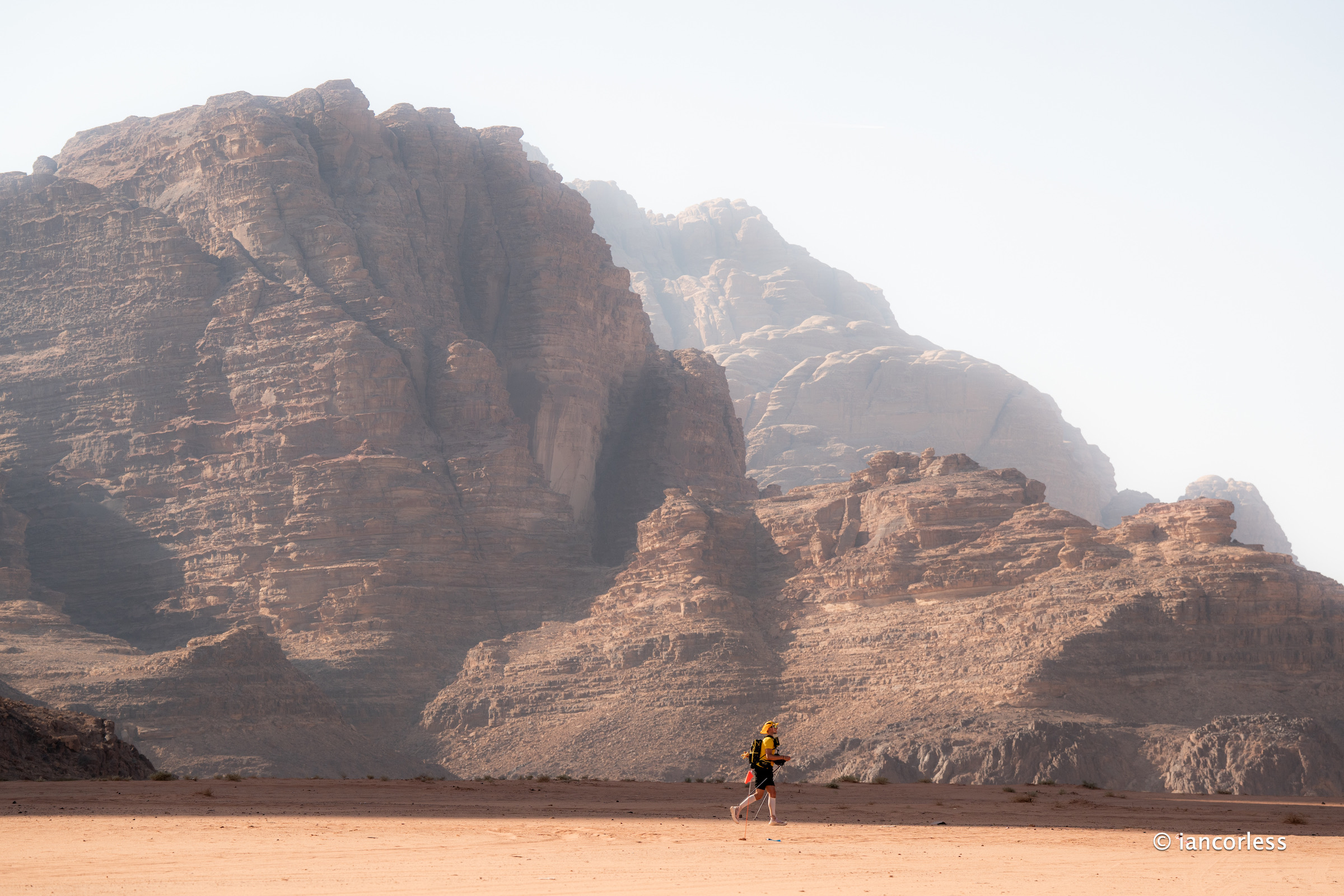
The international push continues with MDS 120 Jordan, where desert running meets ancient history. The terrain is tough, the scenery unforgettable, and the sense of scale impossible to ignore. An iconic event and arguably one of the most desired events on the MDS calendar.
And yes, there are hints of more to come. Potential surprises remain under wraps, but if past years are any guide, they will add another layer to an already remarkable season.
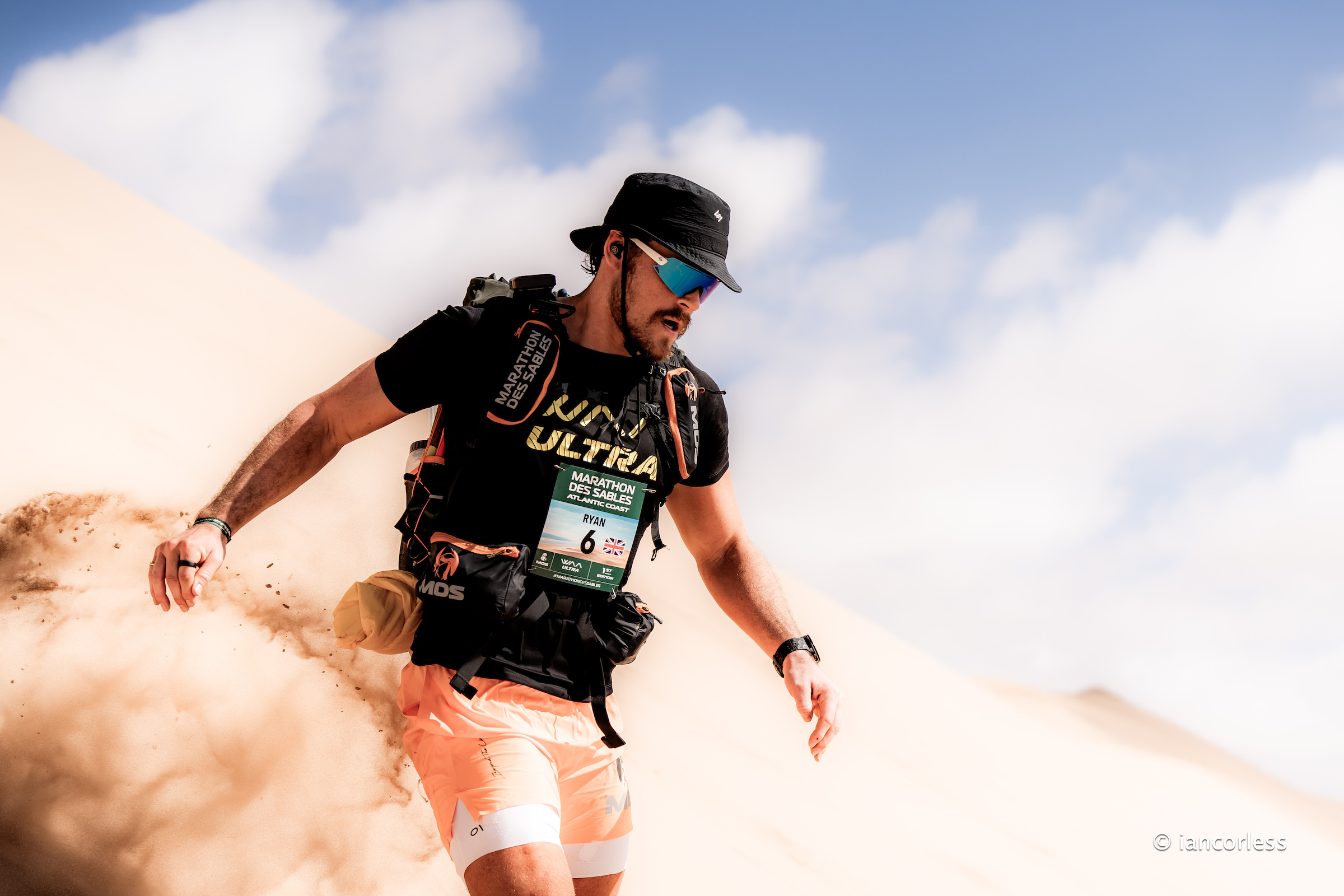
Photo by Ian Corless
By the time 2026 draws to a close, Marathon des Sables will have crossed continents and climates. Morocco, Jordan, Peru, Turkey, Namibia, and Europe, with the Alps adding altitude to the mix. Each location brings its own challenges, its own stories, and its own reasons for being unforgettable.
What ties them all together is not just branding or format. It is philosophy. Self-reliance. Respect for the environment. And the shared understanding among participants that this is about more than running.
A milestone year invites reflection, but it also demands momentum. In 2026, Marathon des Sables manages both. Honouring 40 years of history while pushing forward into new territory, new formats, and new ways to test human endurance.
For runners, supporters, and the wider endurance community, it is hard not to look at the year ahead and feel a quiet sense of anticipation.
What a year it promises to be.
In addition to the above, there is the MDS Tour and MDS Clubs.
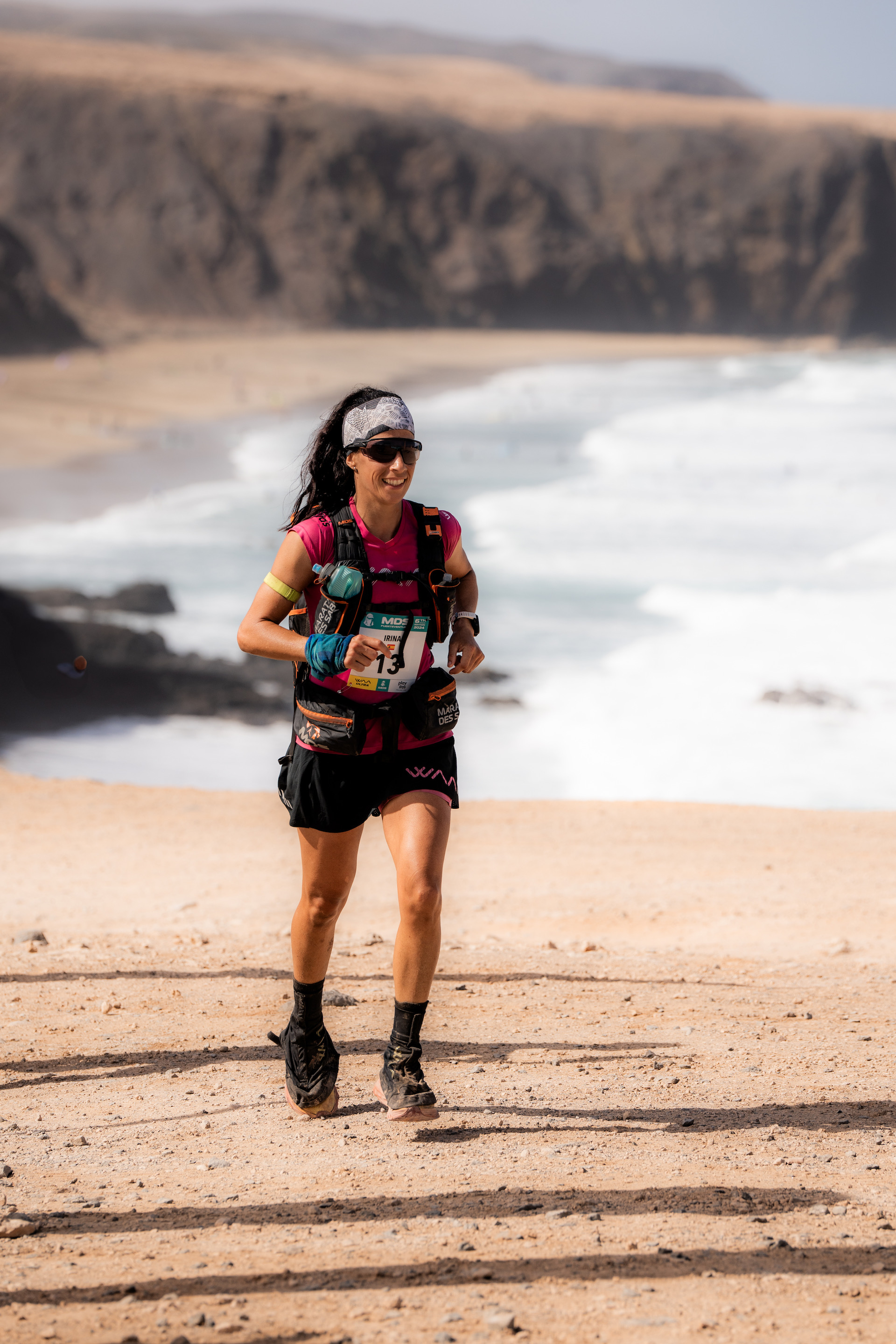
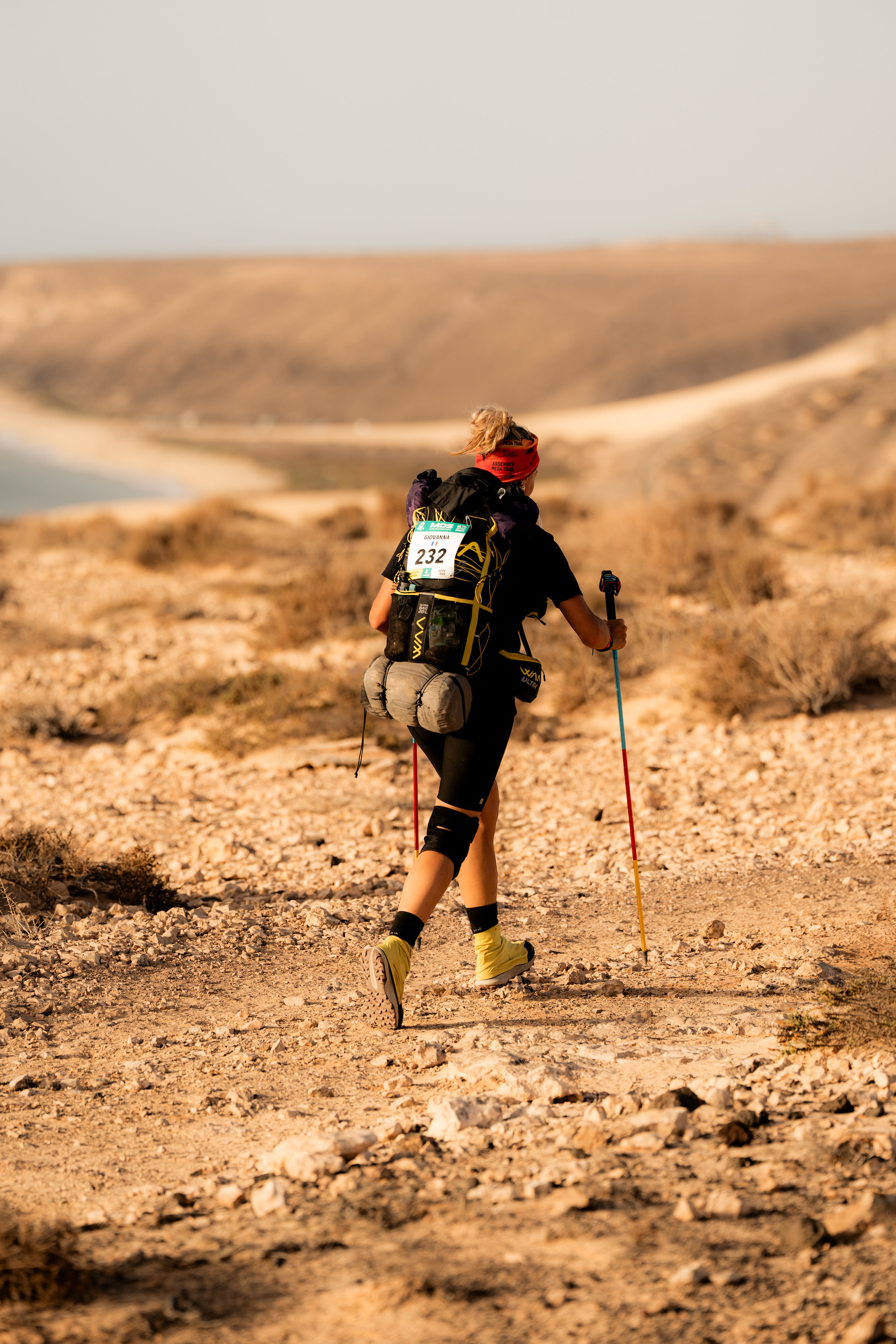
MDS 120 Fuerteventura returns in September 2025, not ‘just’ another race on the calendar, but an important marker in the history of the MDS 120 format. A collision of raw endurance and wild beauty, where athletes trade comfort for grit, and discover just how far their bodies and minds can be pushed. Set against the sunburnt backdrop of the Canary Islands, the race is part expedition, part survival trial, and part celebration of human resilience. A race for all with 3 distance options available, 70, 100 and 120km’s.
What Is the MDS Fuerteventura?
MDS 120 Fuerteventura is the younger sibling of MDS The Legendary, the original multi-stage ultramarathon across the Sahara Desert in Morocco. Like its parent race, the Fuerteventura edition demands that competitors carry their own supplies while covering gaily distances under variable conditions.
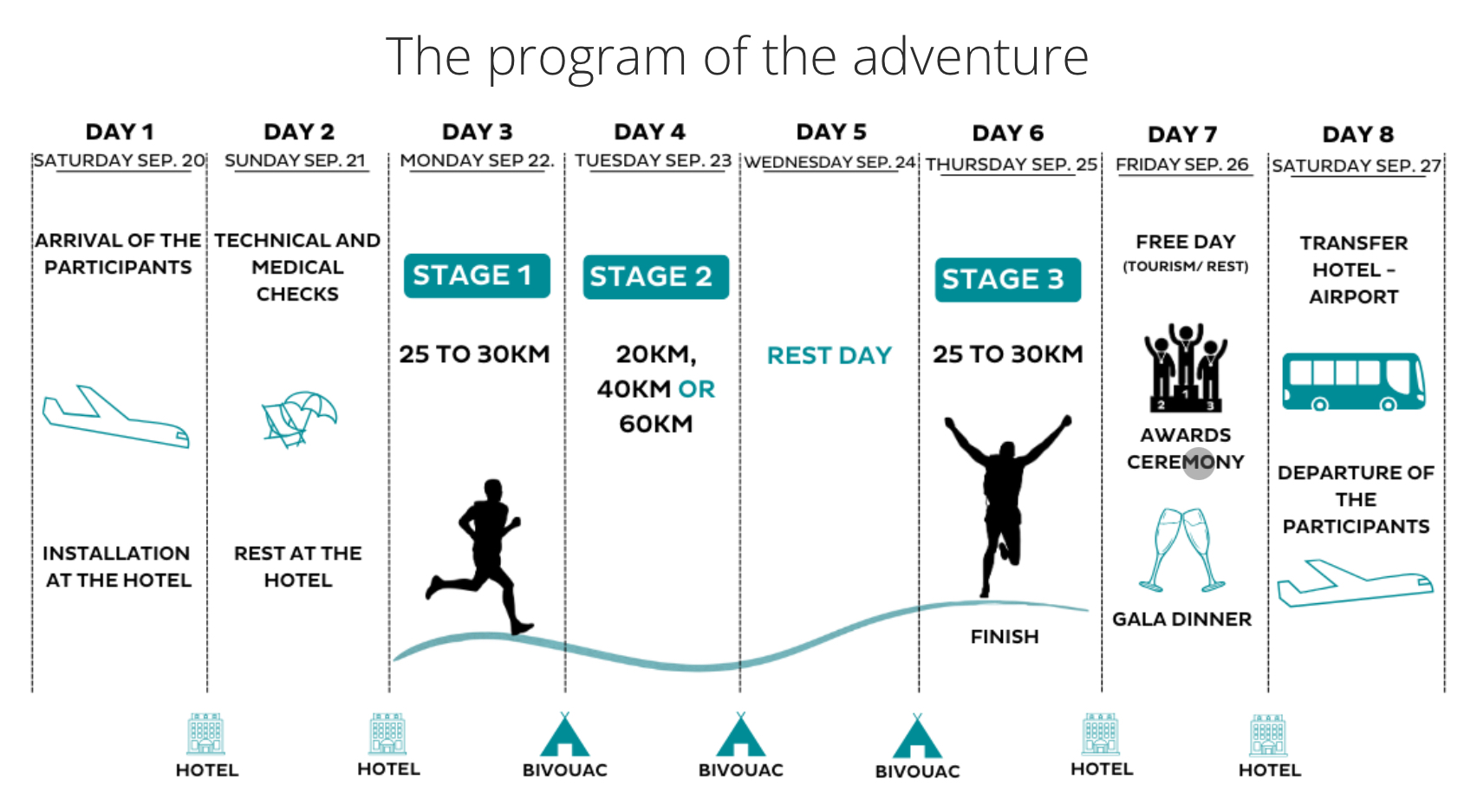
The format is simple but brutal: three stages spread across four days with desert, volcanic ridges, and coastline to endure. Each participant must carry their own food, sleeping kit, and survival essentials, relying only on the organization for water, medical support and a tent. Each stage offers a different flavor of challenge, from long, flat stretches where heat and monotony test mental strength, to rugged climbs that punish the legs and lungs in equal measure.
This self-sufficiency format transforms the MDS 120 Fuerteventura from a simple race into an expedition where every choice is an important aspect – how much food to pack? which shoes to wear? when to push and when to conserve energy? – each decision carries a consequences that can make or break the experience.
Participants spend 3 nights at the MDS bivouac and enjoy 4 nights at the Playitas Resort hotel, offering numerous facilities (two nights before, two nights after).
Participants choose between 3 different distances: 70, 100 or 120km, divided into 3 stages, over 4-days. This includes 1 full day of rest.
Here is the breakdown:
Stage 1: around 25 to 30km
Stage 2: around 20, 40 or 60km
Stage 3: around 25 to 30km
The Experience: More Than a Race
Fuerteventura is often described as the most “African” of the Canaries, its landscape shaped by ancient volcanic eruptions, relentless winds, and a climate closer to desert than Mediterranean. It’s the perfect environment for a stand-alone adventure, or an ideal preparastion ground for a further adventure in Morocco.
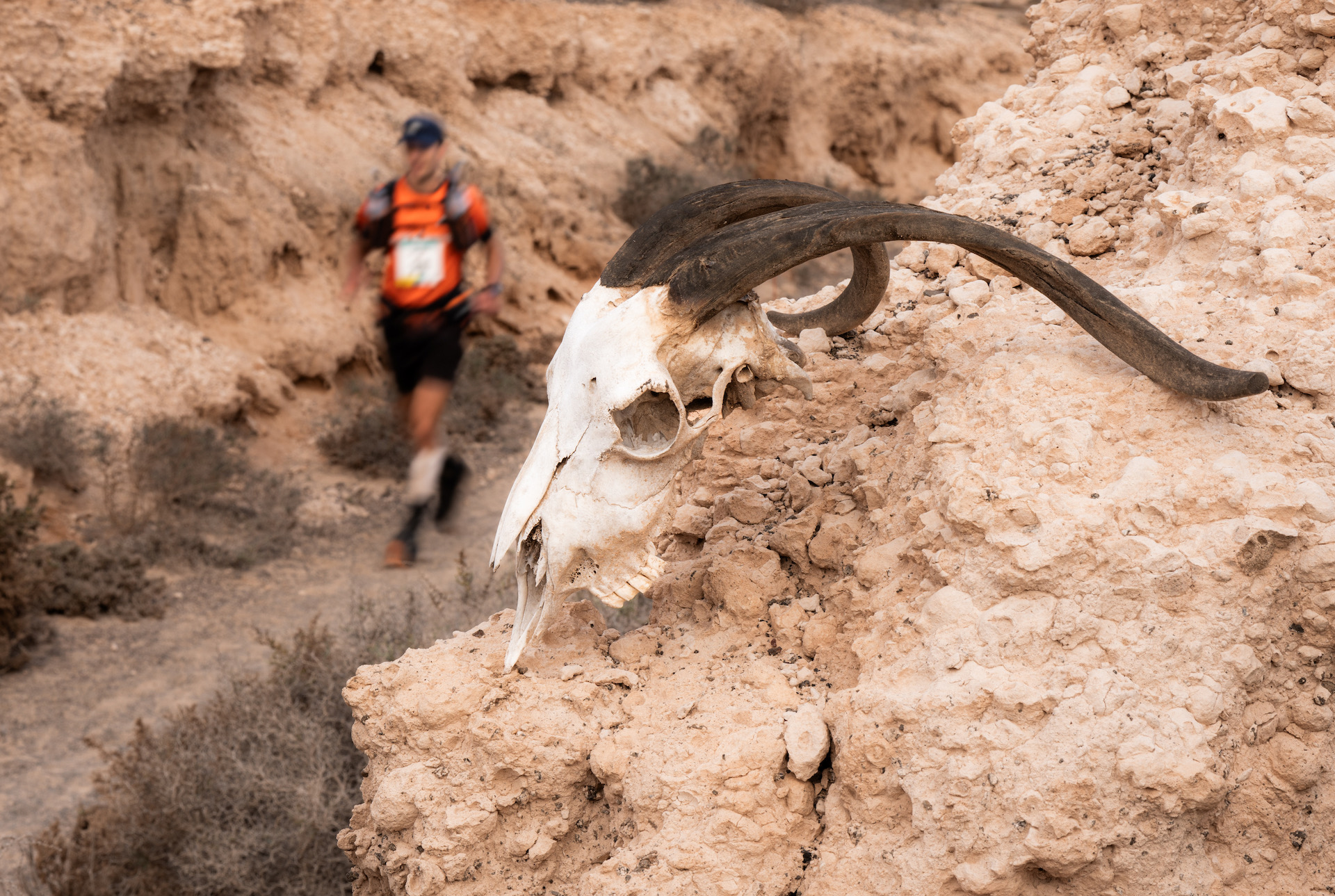
Beautiful yet brutal. Wide expanses of golden sand stretch for kilometers, interrupted by jagged lava fields and rocky ridgelines. The sun can beat down with unflinching intensity, but be warned, temperatures can swing wildly between scorching afternoons and cooler desert nights.
Coastal stages hug turquoise waters where waves crash against black cliffs. Inland routes weave through barren plains dotted with cactus and aloe, offering glimpses of a stark, unspoiled wilderness.
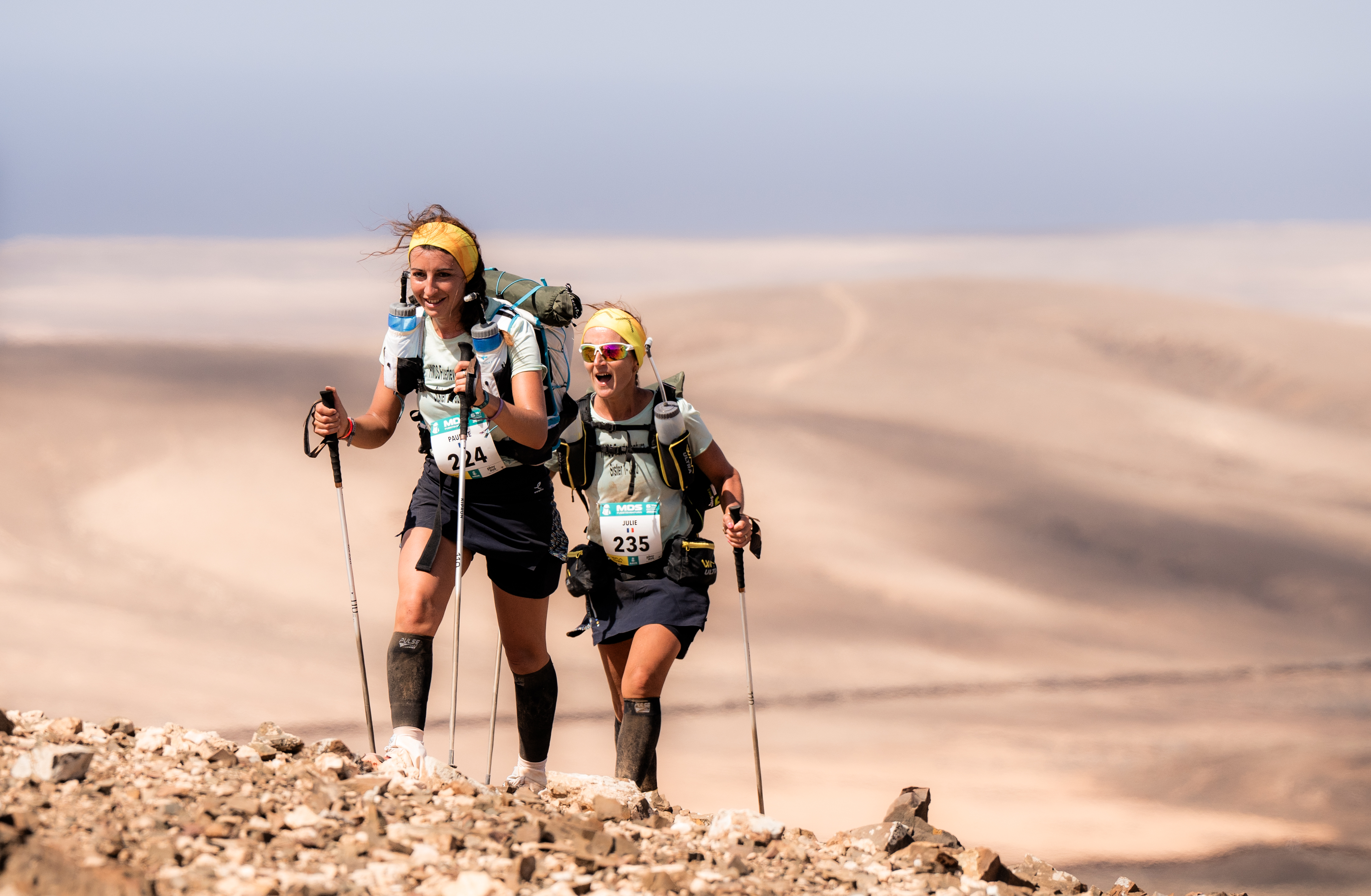
Ask anyone who has completed the MDS Fuerteventura, and they’ll tell you it’s not just about running. It’s about living in a stripped-down, elemental state for nearly a week. Each day begins with the ritual of packing up camp, stuffing sleeping bags and rations back into packs, ready for a day on the trails. By mid-morning, the desert heat has arrived, runners are strung out across the horizon like a line of ants marching into infinity. The rhythm of the race is simple: walk, run, eat, drink, rest. Repeat.
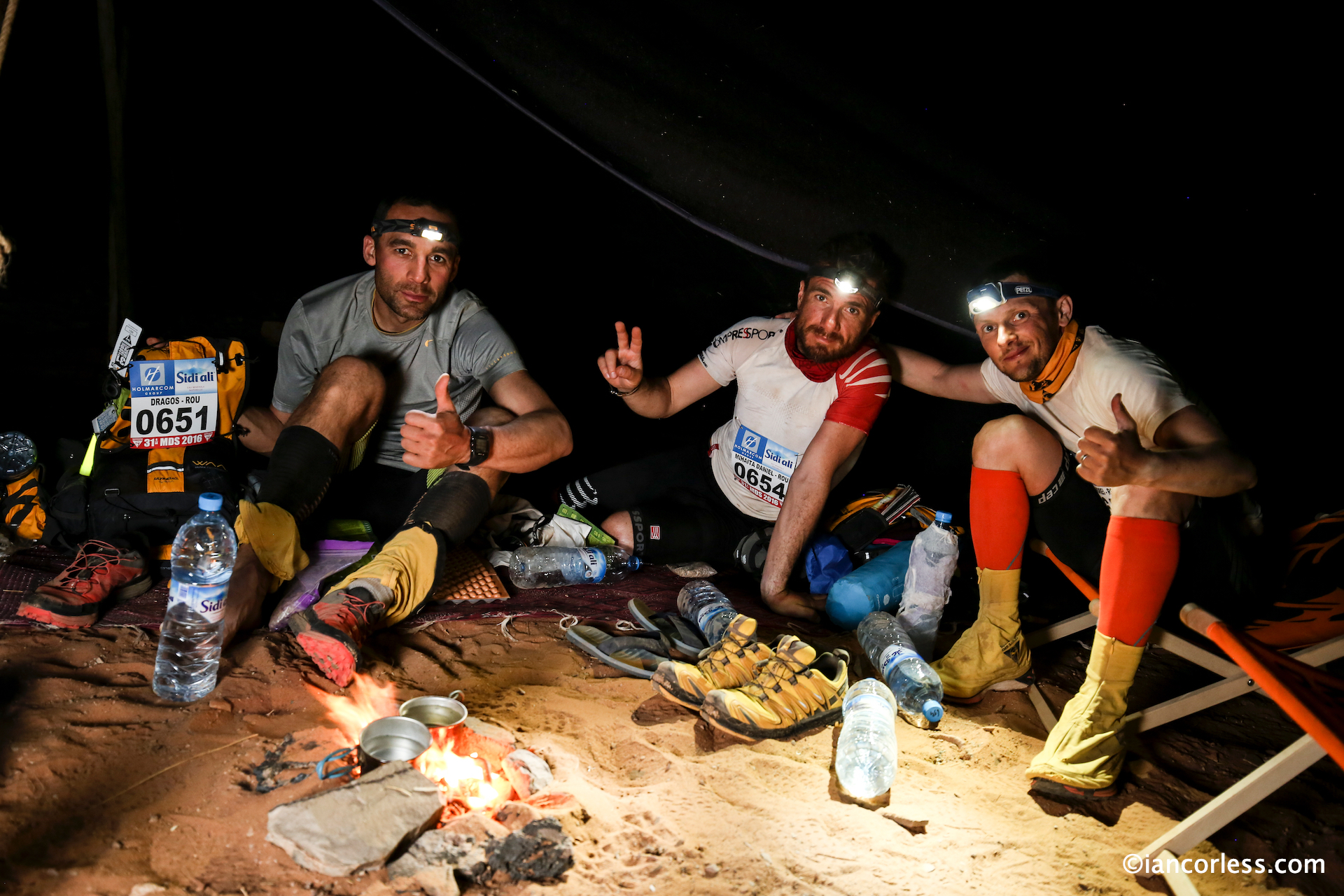
At night, exhaustion gives way to camaraderie. Competitors gather under the stars, swapping stories, sharing advice, and laughing about the day’s suffering. Bonds form quickly because everyone is in the same fight, battling the same heat, hunger, and fatigue. By the end of the week, the MDS 120 Fuerteventura community feels like family, one forged in adversity.
The finish line is more than a marker of distance. It’s a rite of passage. For many, crossing it means proving to themselves that they can endure more than they ever imagined. That’s why the MDS format is addictive: once you’ve lived through it, you carry its lessons into every part of life.
The Spirit of the Race
Beyond the logistics, numbers, and training plans, what makes the MDS 120 Fuerteventura extraordinary is its spirit. It’s about stripping life down to its essentials: water, food, movement, survival. In a world cluttered with convenience and noise, the race forces participants into clarity. You discover not only the limits of your body but also the surprising depths of your will.
Looking Ahead
MDS is not about beating others. It’s about discovering what you’re really made of. And for those lucky enough to be there in Fuerteventura, September 2025 will be a week they’ll never forget.
Marathon des Sables – information and race entry HERE
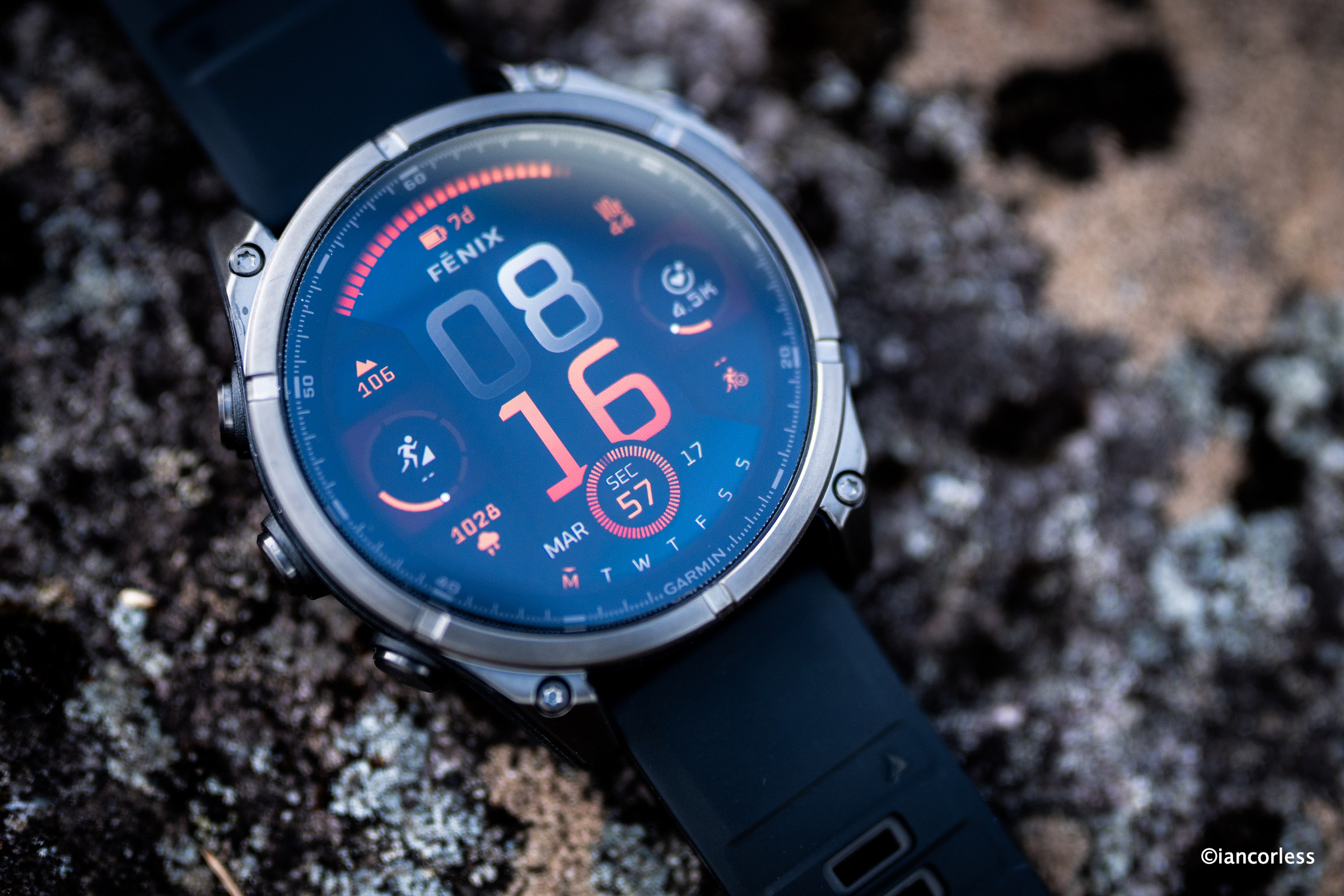
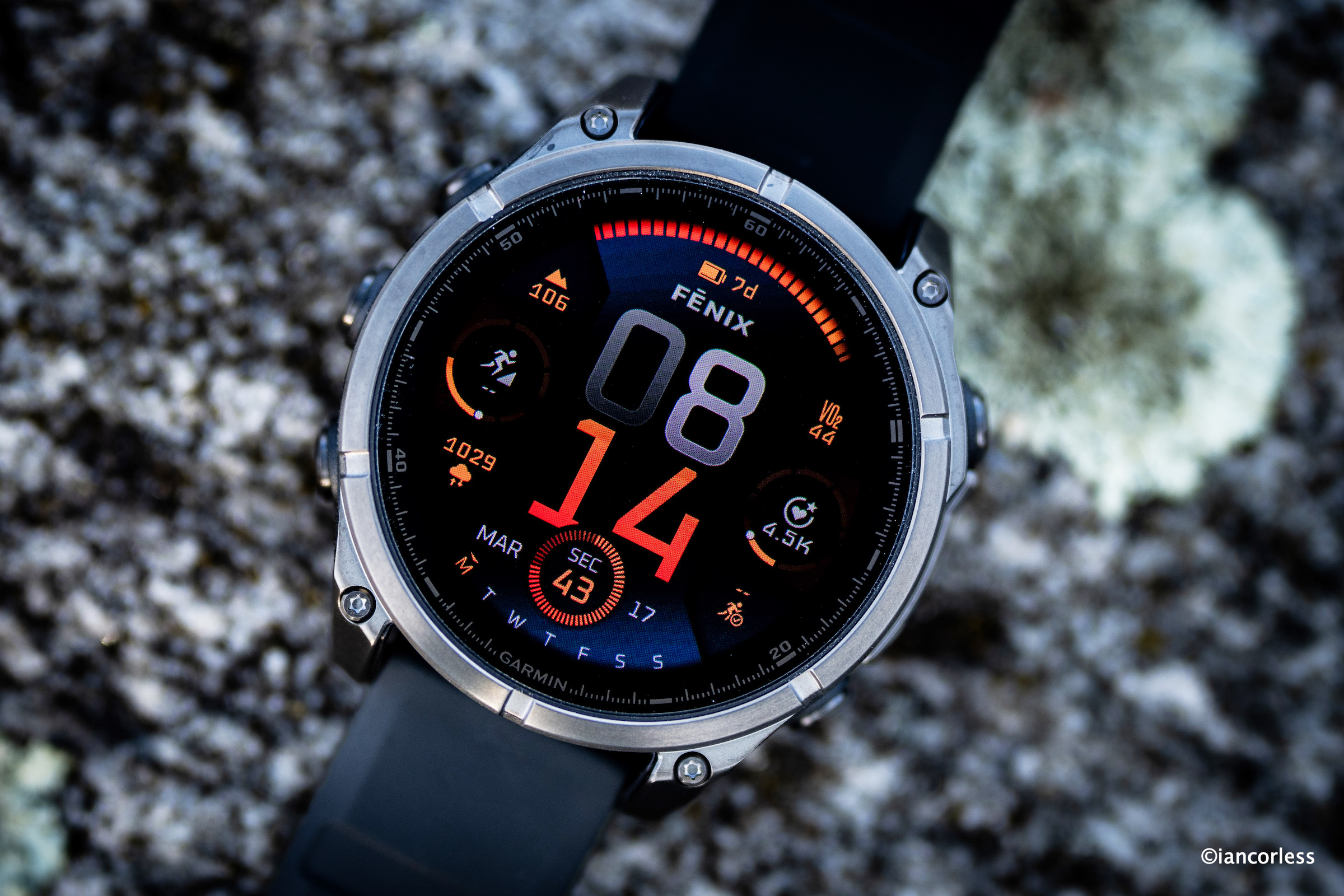
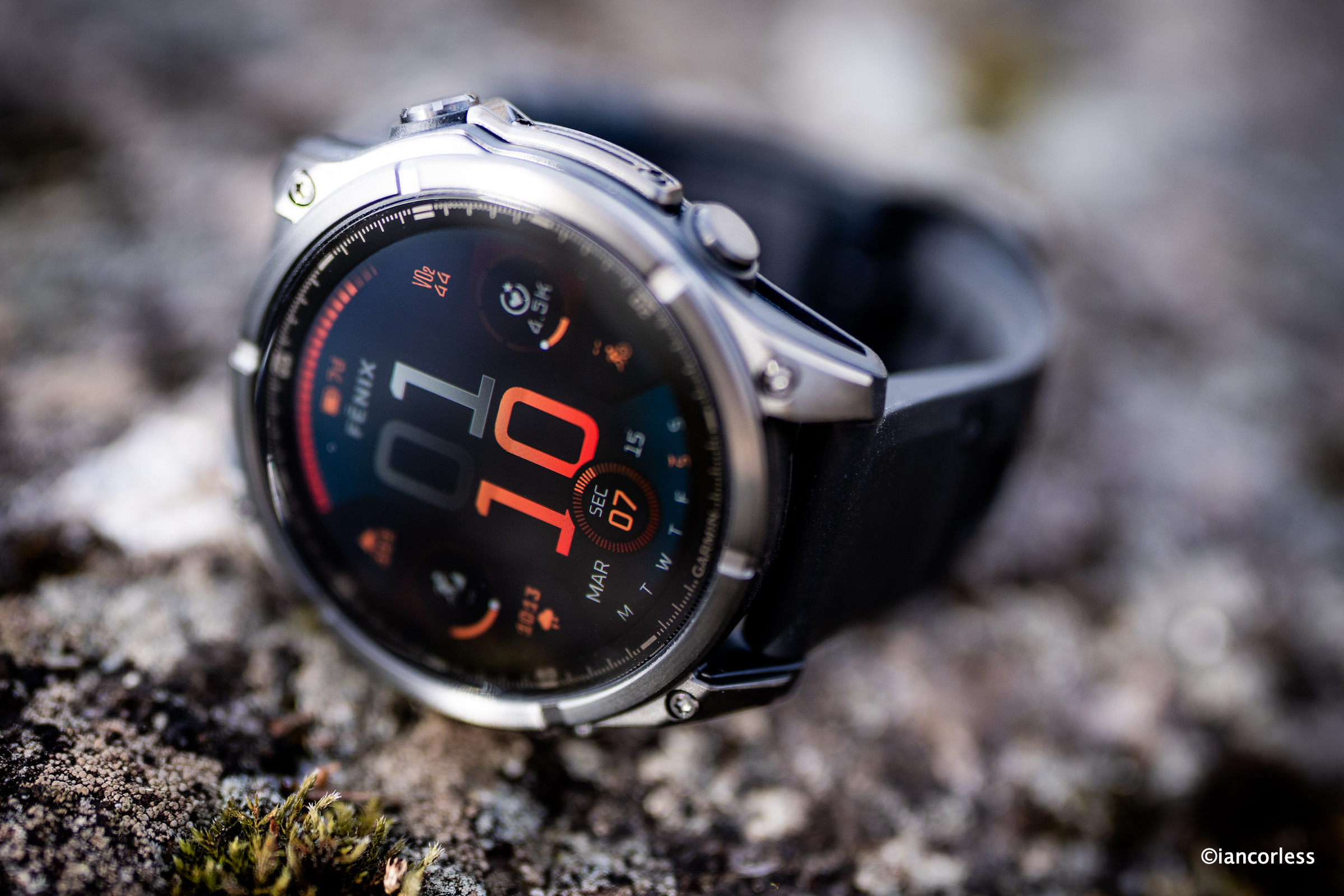
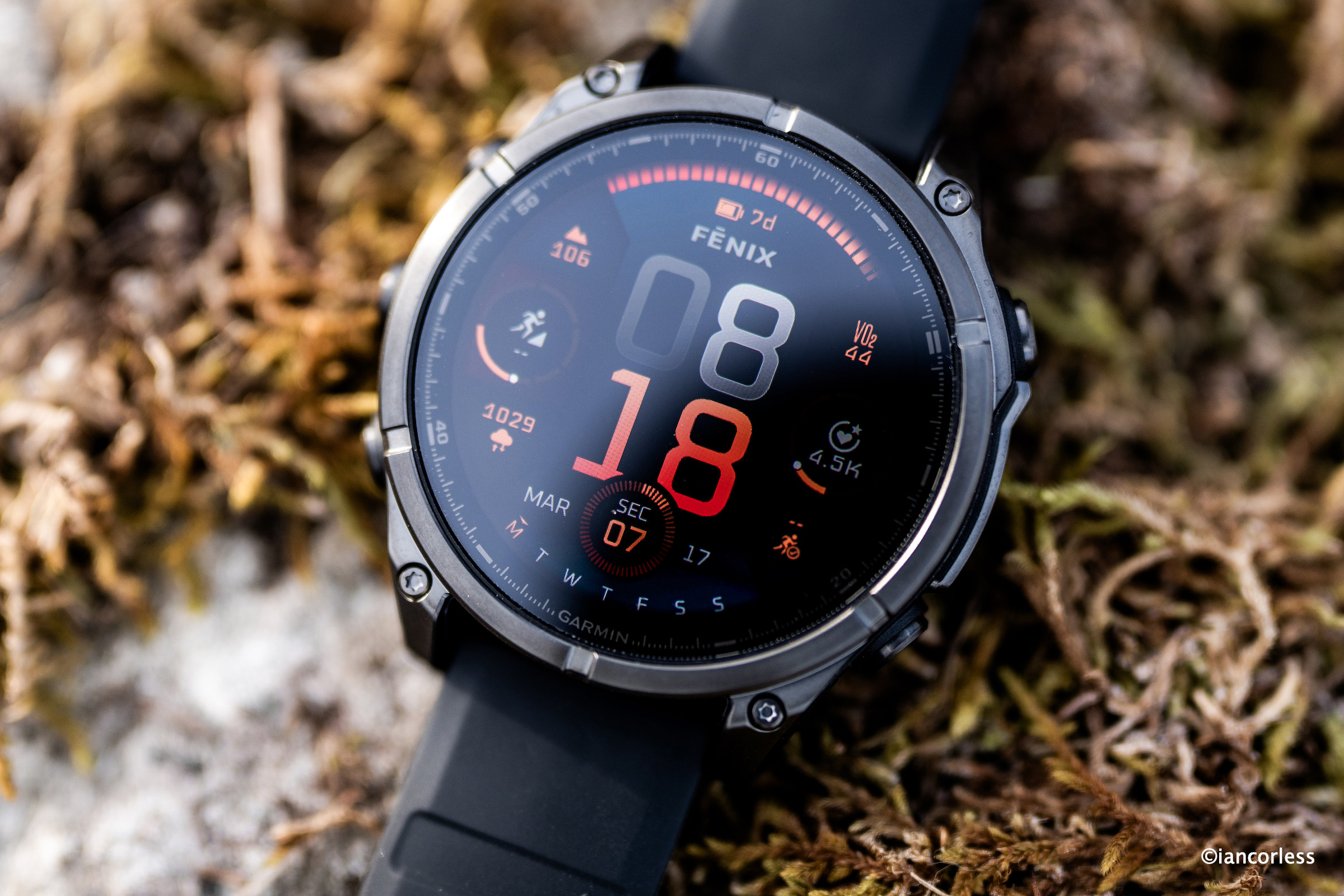
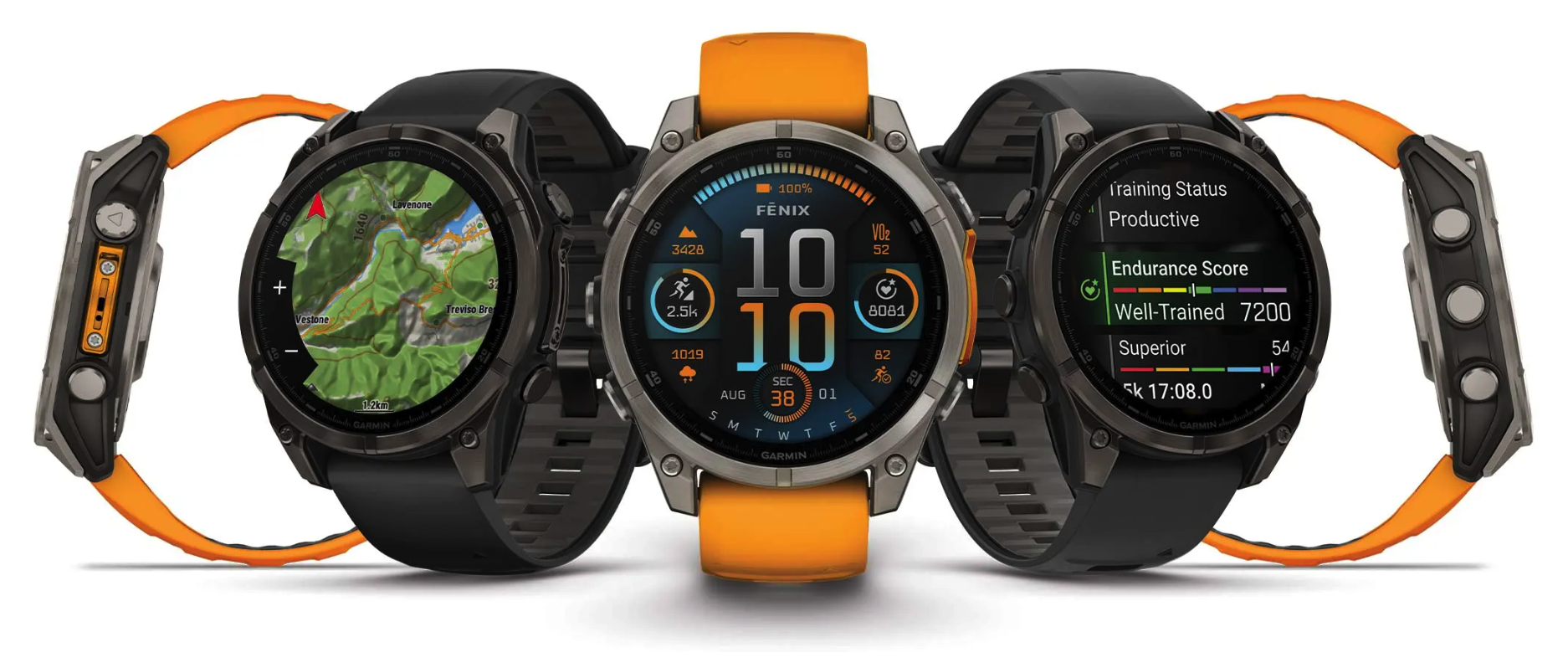
A breakthrough watch in the Garmin line-up for me with the inclusion on an AMOLED screen.. Having had an Enduro and Enduro 2, the key miss was the screen, particularly when compared to my Apple Ultra.
Depending on what you need from a watch and of course, depending how much budget you have, the Fenix 8 is, IMO, the best Fenix that Garmin has ever made.
This is not an in-depth review of the watch where I deep dive into all the stats, workings, functions and menus. There are many websites that do this, and while that may satisfy the geek/ nerd side of my nature, ultimately, I usually cut to the final paragraph called ‘conclusions’ as this ultimately answers what I need to know – Is the watch good? Is it worth the money? Is it accurate.
So, this post is a CONCLUSION
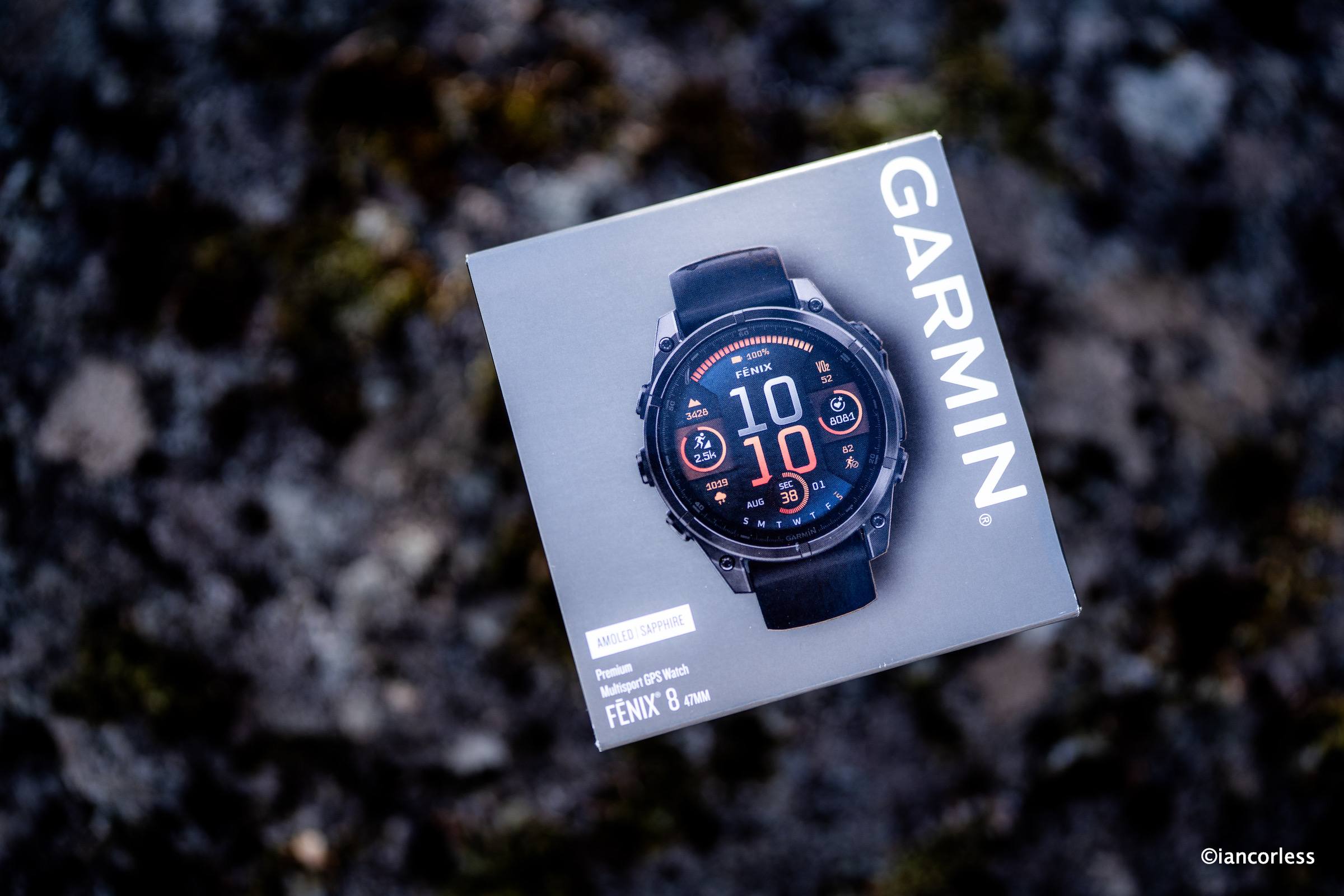
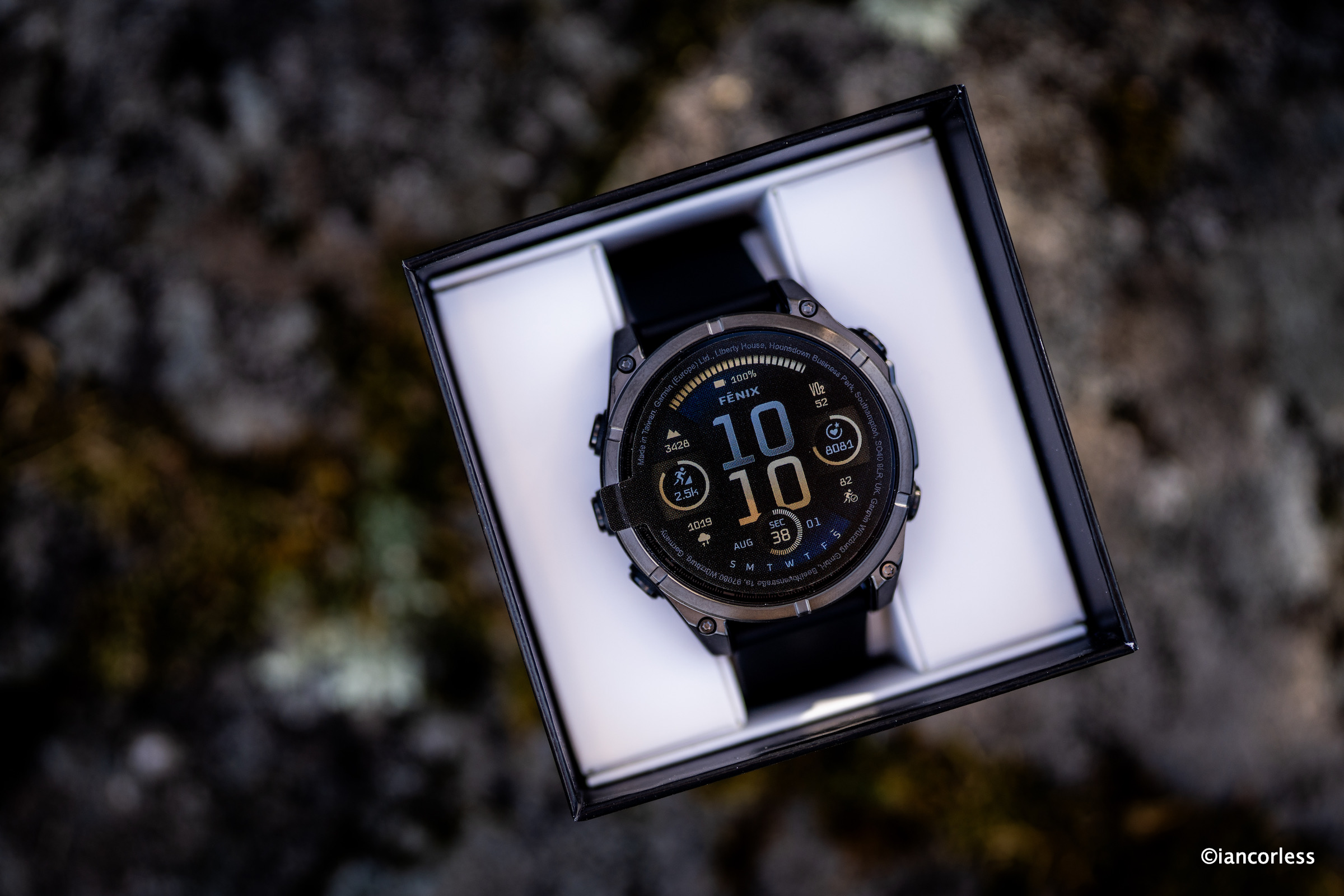
The FENIX 8 is nicely boxed with a sticker to simulate the screen.
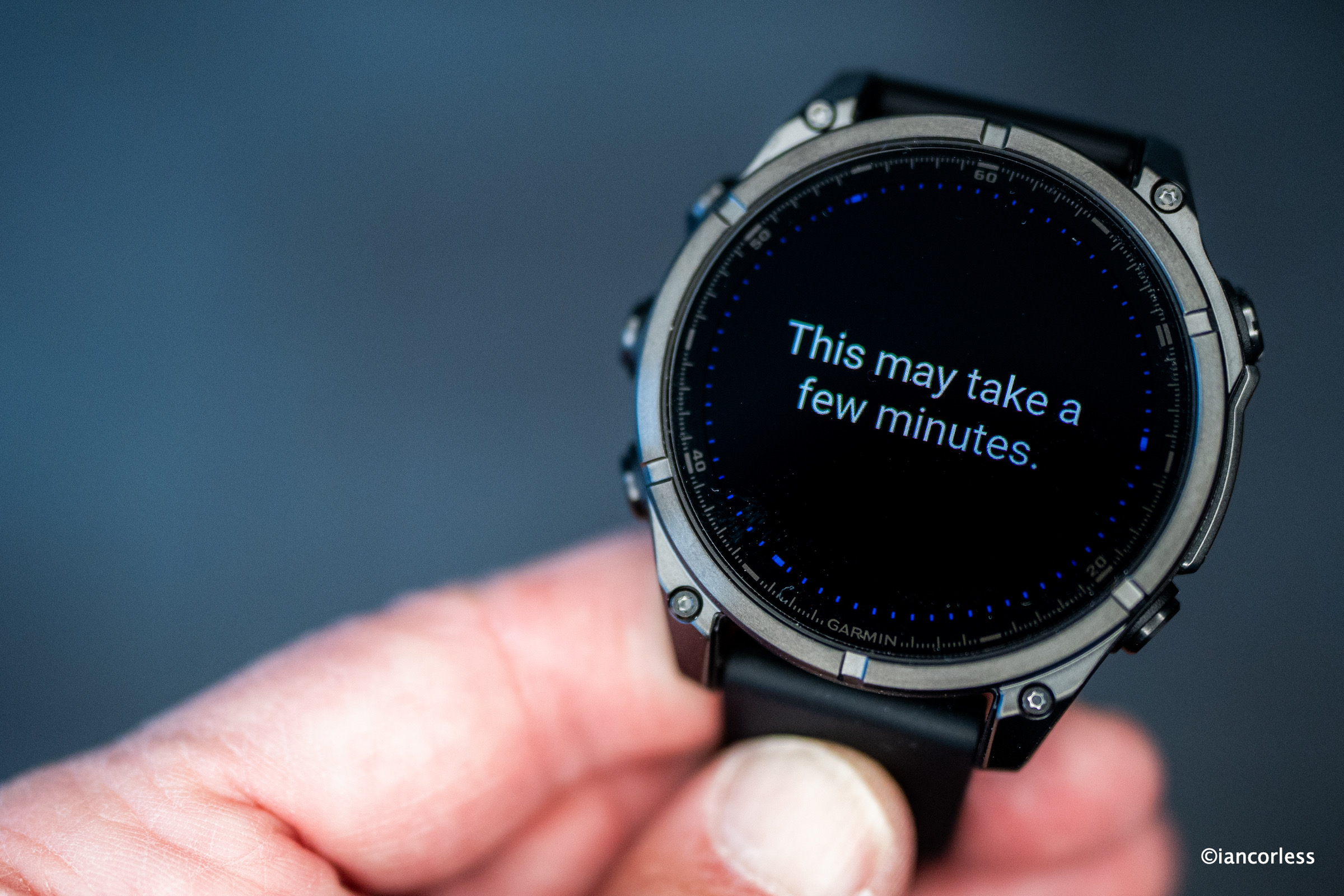
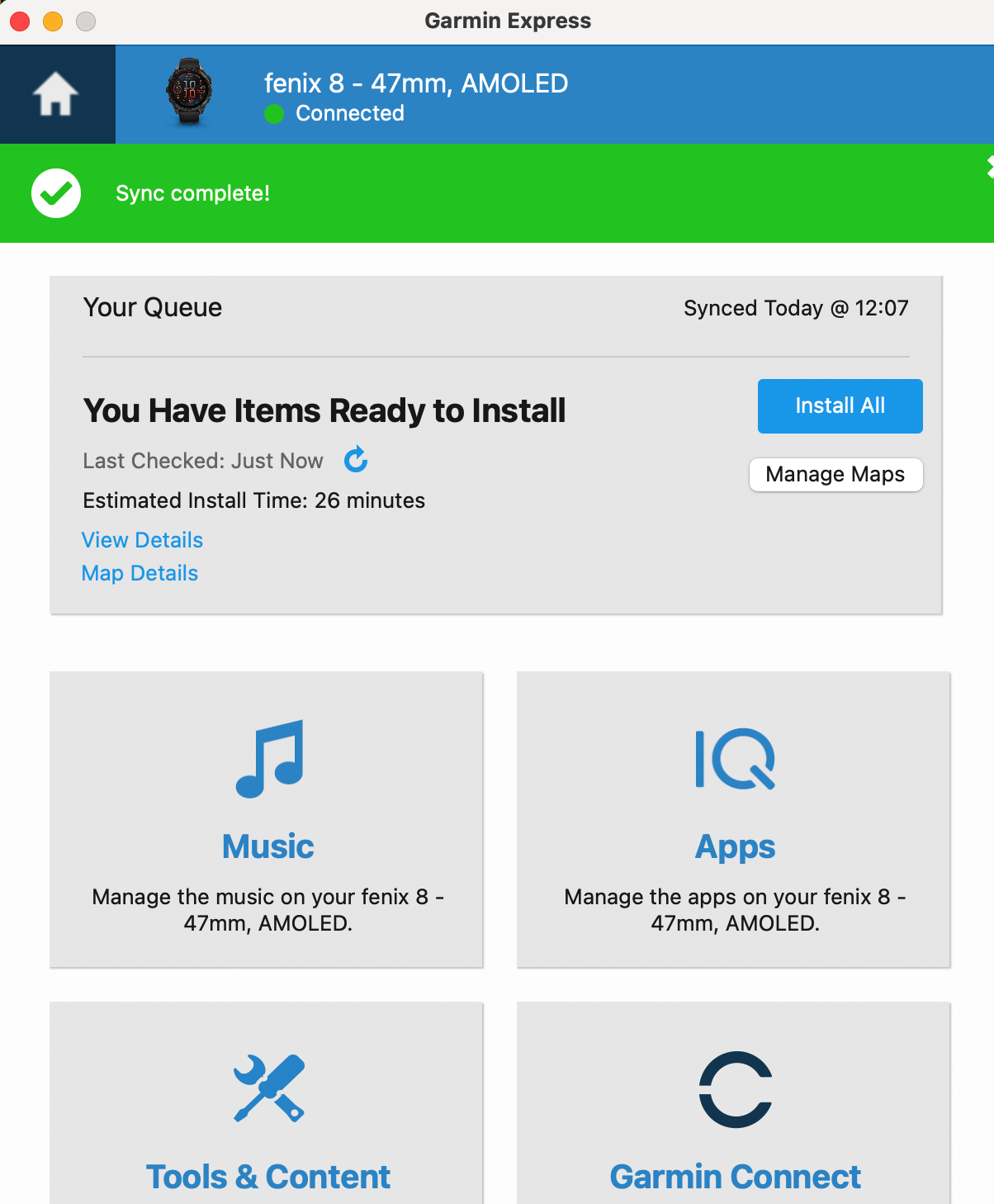
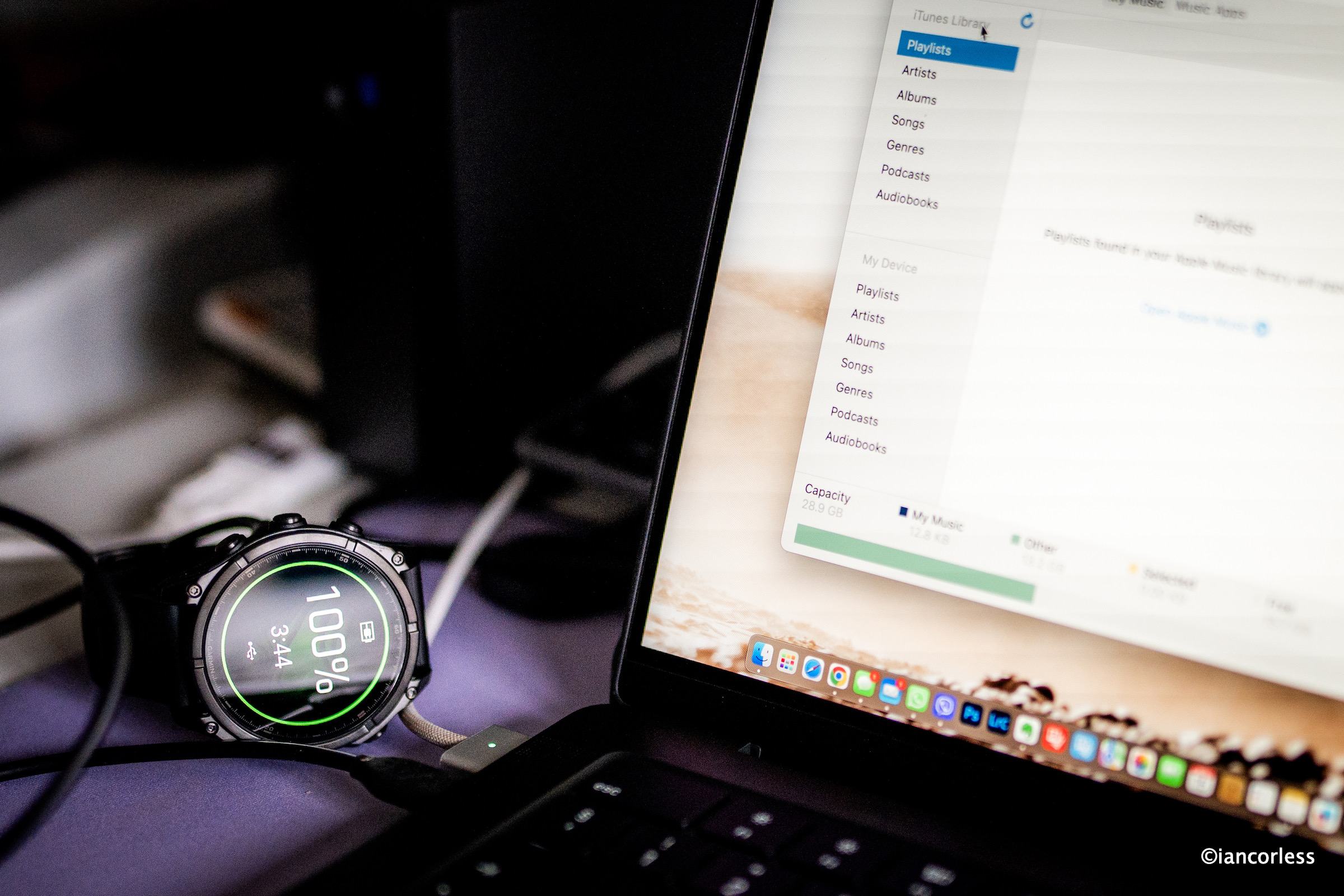
There is a minimal instruction manual and a charging cable which also doubles up to connect to your computer. Make sure you have GARMIN CONNECT on your phone and GARMIN EXPRESS on your computer. Set up is simple with the Garmin Connect app – follow the instructions.
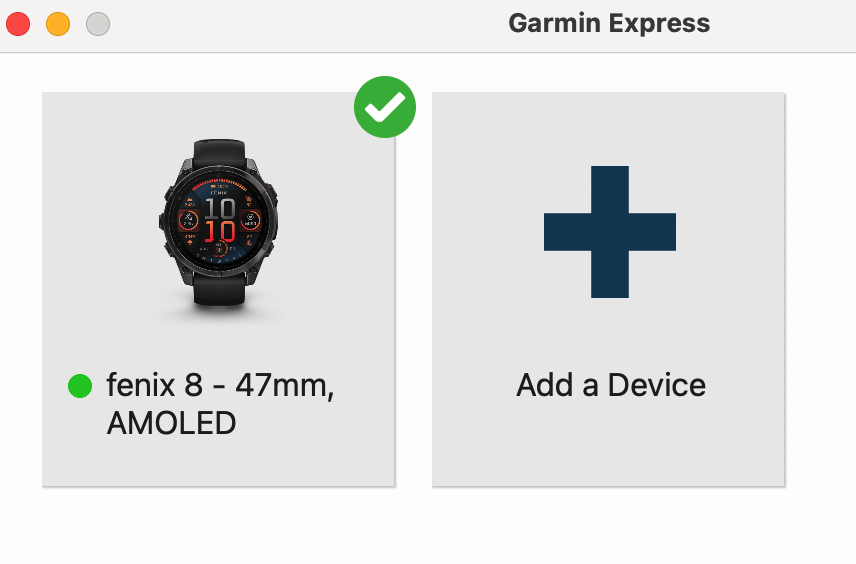
Other features for the watch, such as screen choices, mapping, music etc can be handled when connected to a computer using Garmin Express.
Simply click on ‘Add a Device’ and follow the instructions.
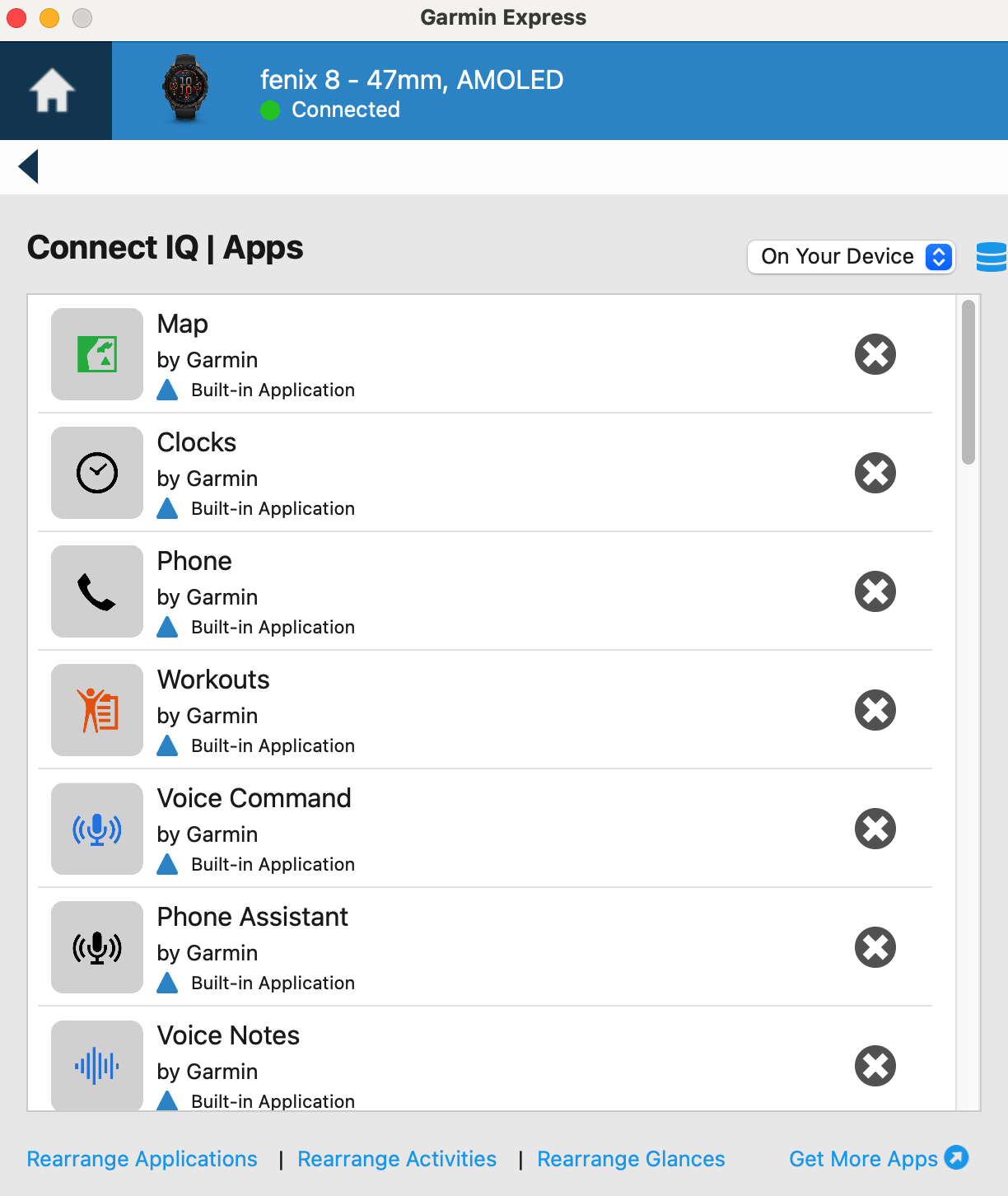
Updates are handled here and you can add music, apps, Tools & Content and access Garmin Connect.
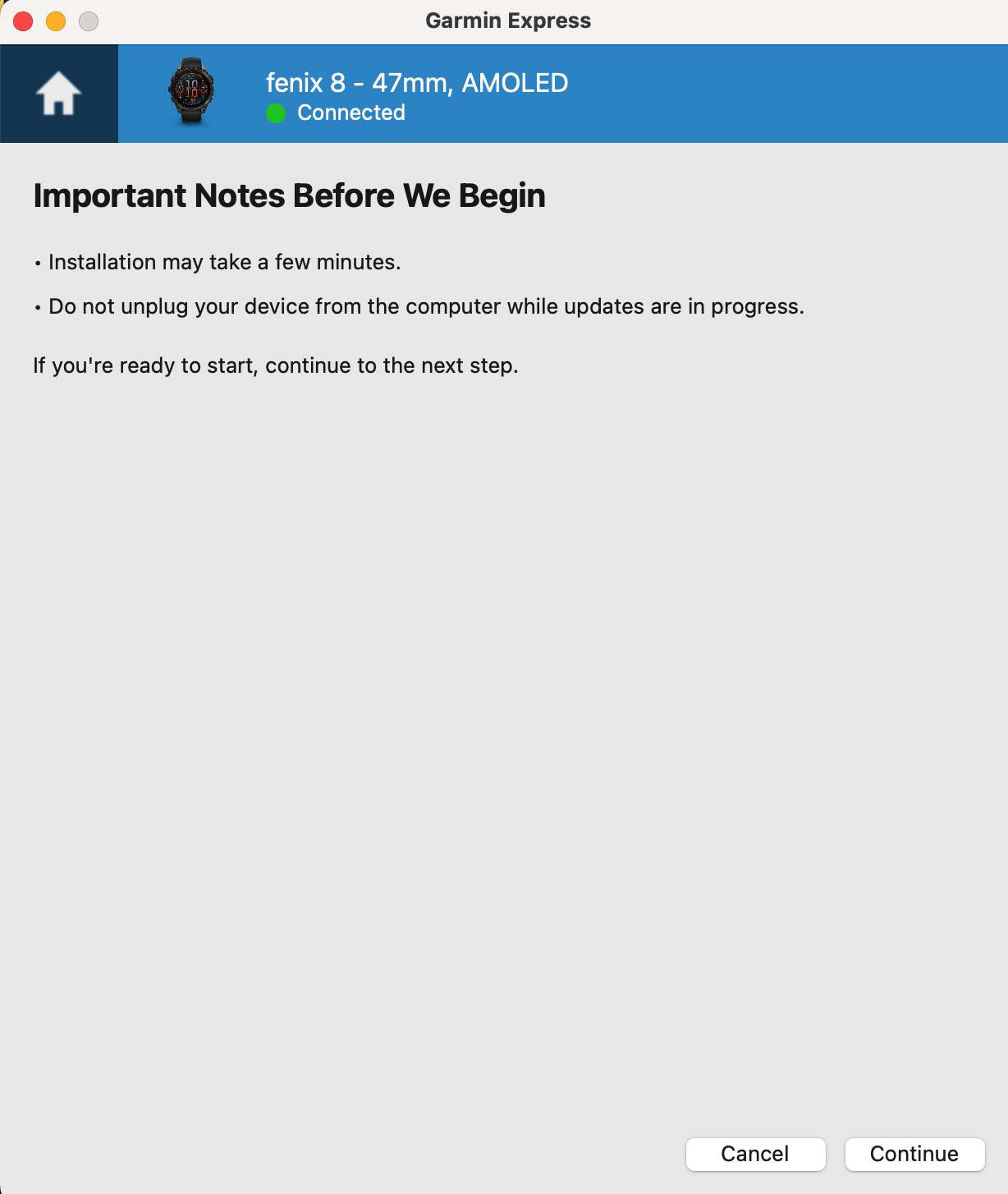
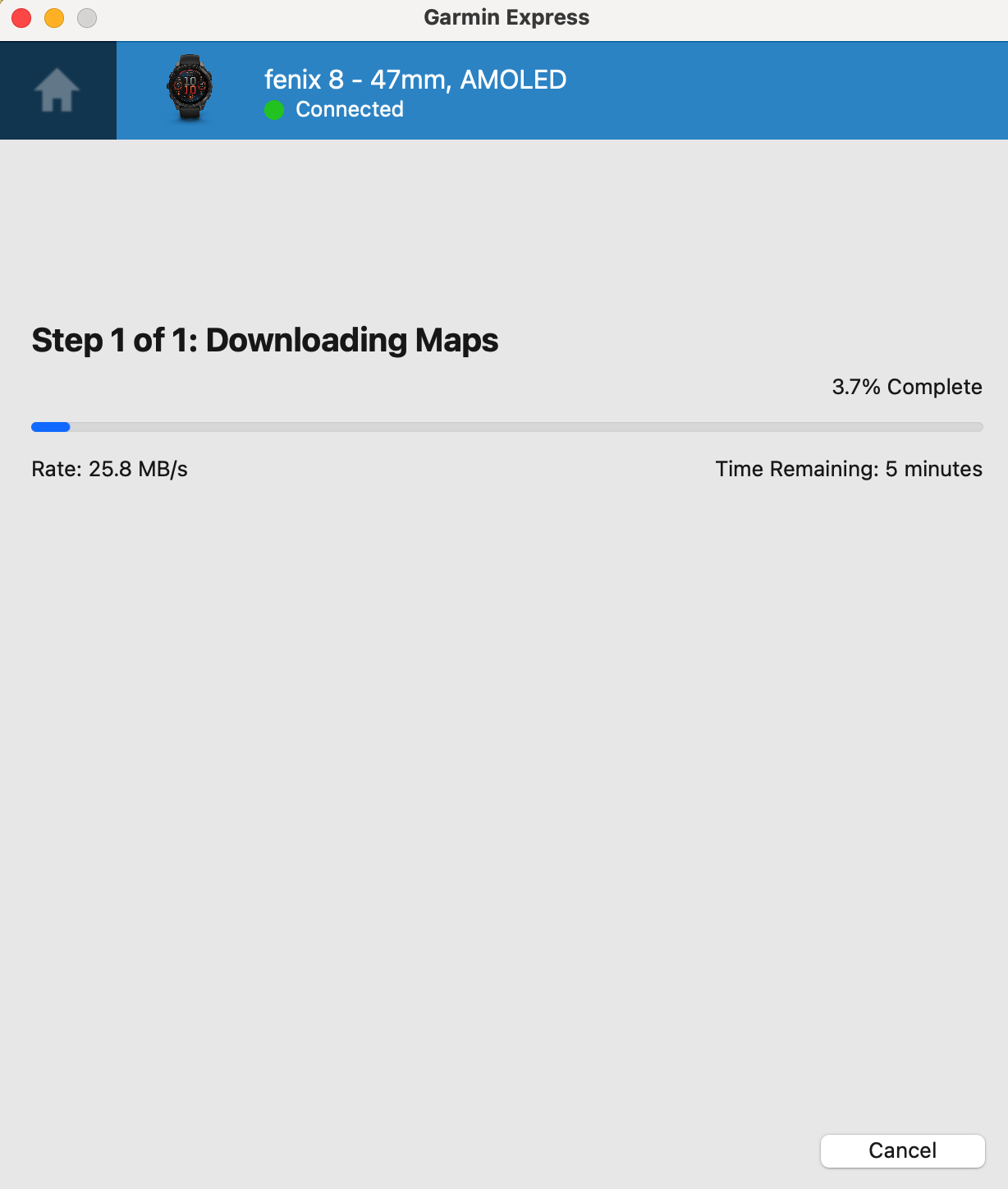
It is all intuitive and you are given clear info when updates are complete.
APPS are all listed as below.
And as an example, I uploaded the Falcon X screen to my watch.
THE WATCH
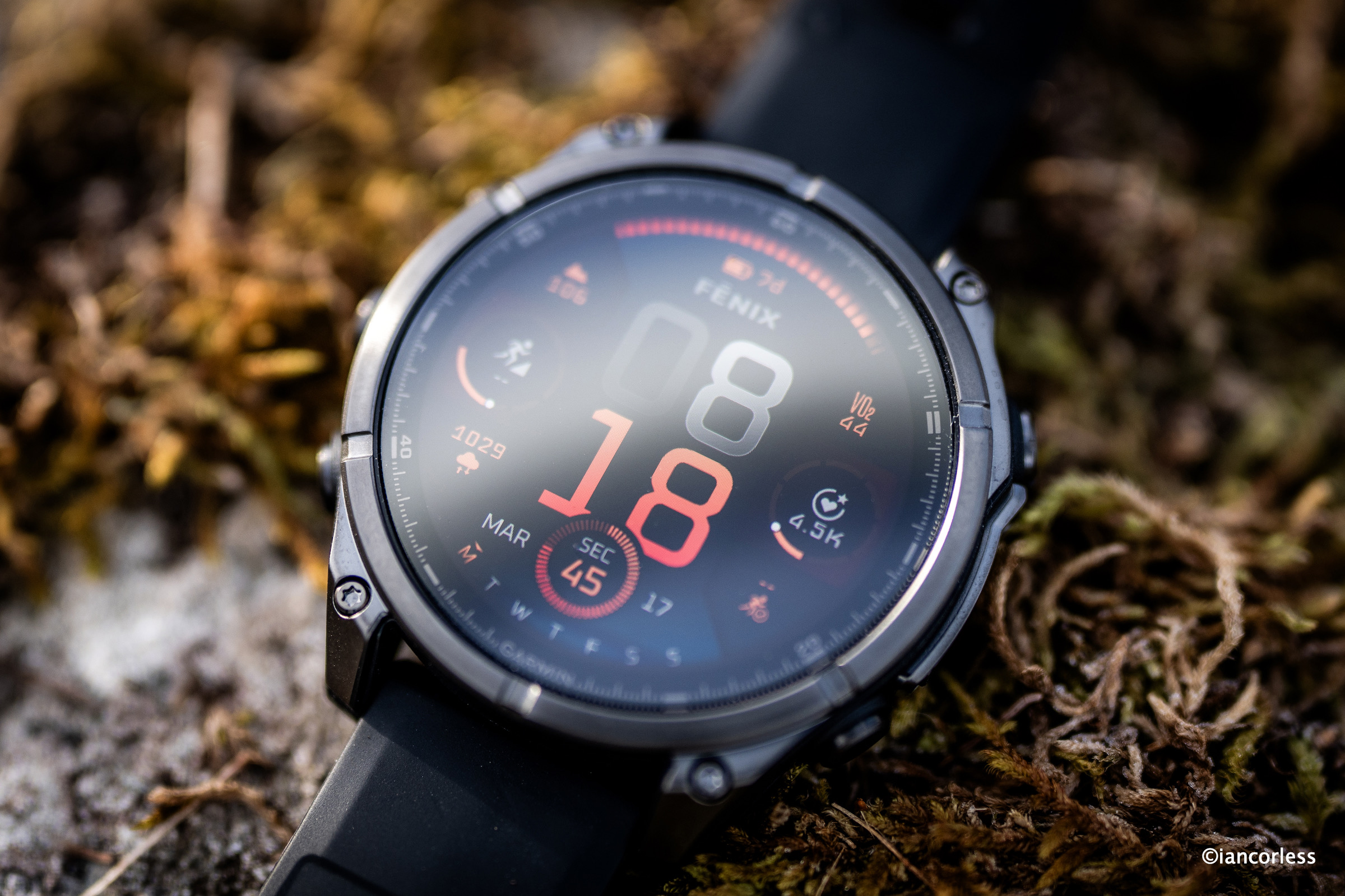
The AMOLED is a battery drainer, but for me, that clear screen is an absolute winner and I have found that with around 2-3 hours exercise a day in full GPX mode, I get 6-days of battery. This is 5-days more than my very loved Apple Ultra and similar to the Coros Pace Pro.
Estimated life is somewhere around 48-hours with all system GPS on, with GPS only it is around 72-hours.
What is new?
Diving related functions
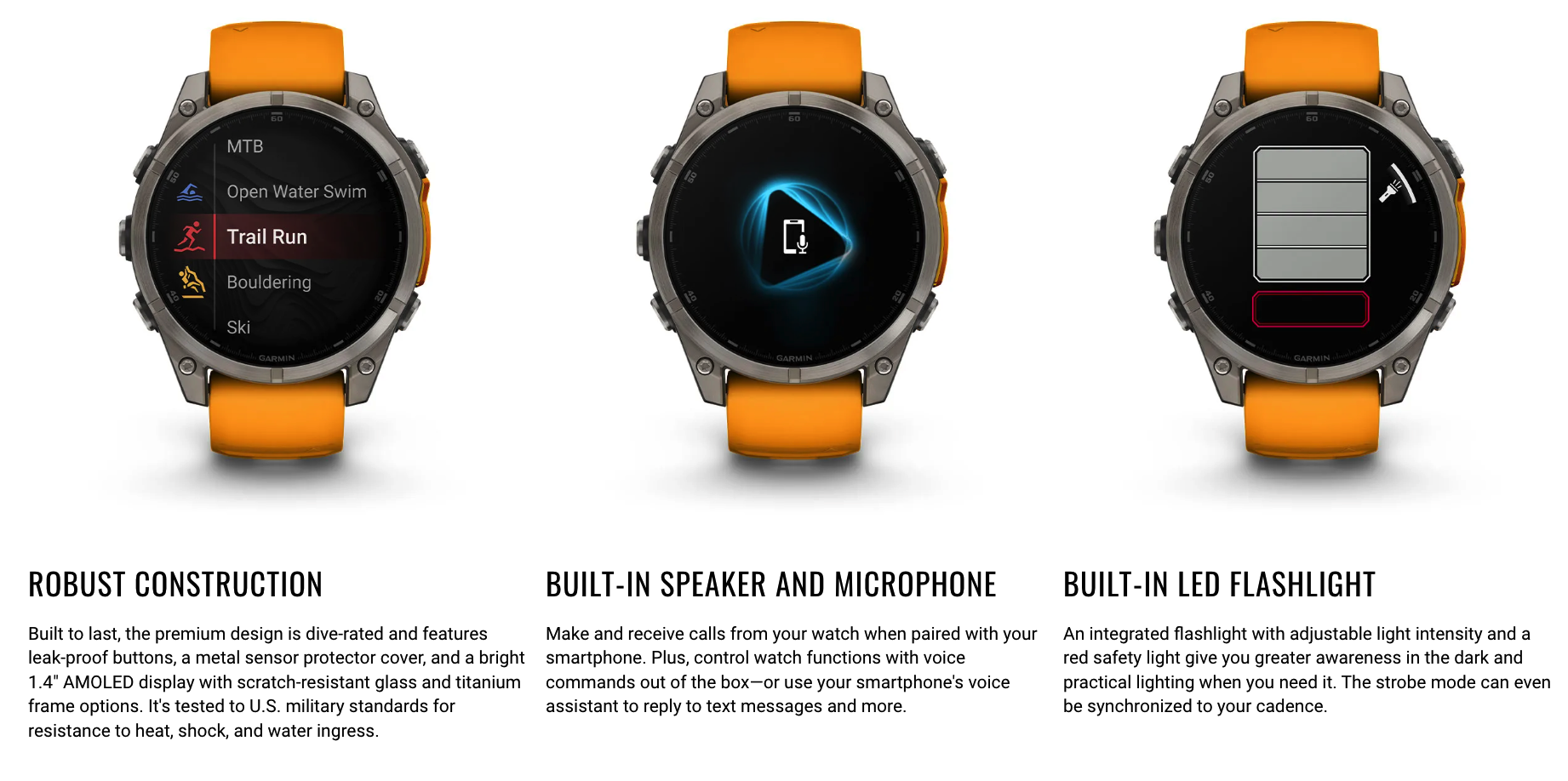
Microphone and speaker
The display size is increased
AMOLED option but you can still get a Solar/ MIP display
There are countless ‘added’ functions such as:
Voice recorder,
Answer phone calls,
Stunning mapping,
North up toggle,
Round trip routing,
Countdown app,
Revamp of notifications,
Strength plans and routines,
Active navigation
and so much more…
This is a feature rich Garmin and one that has something for everyone. For me, the absolute stand outs are:
The screen
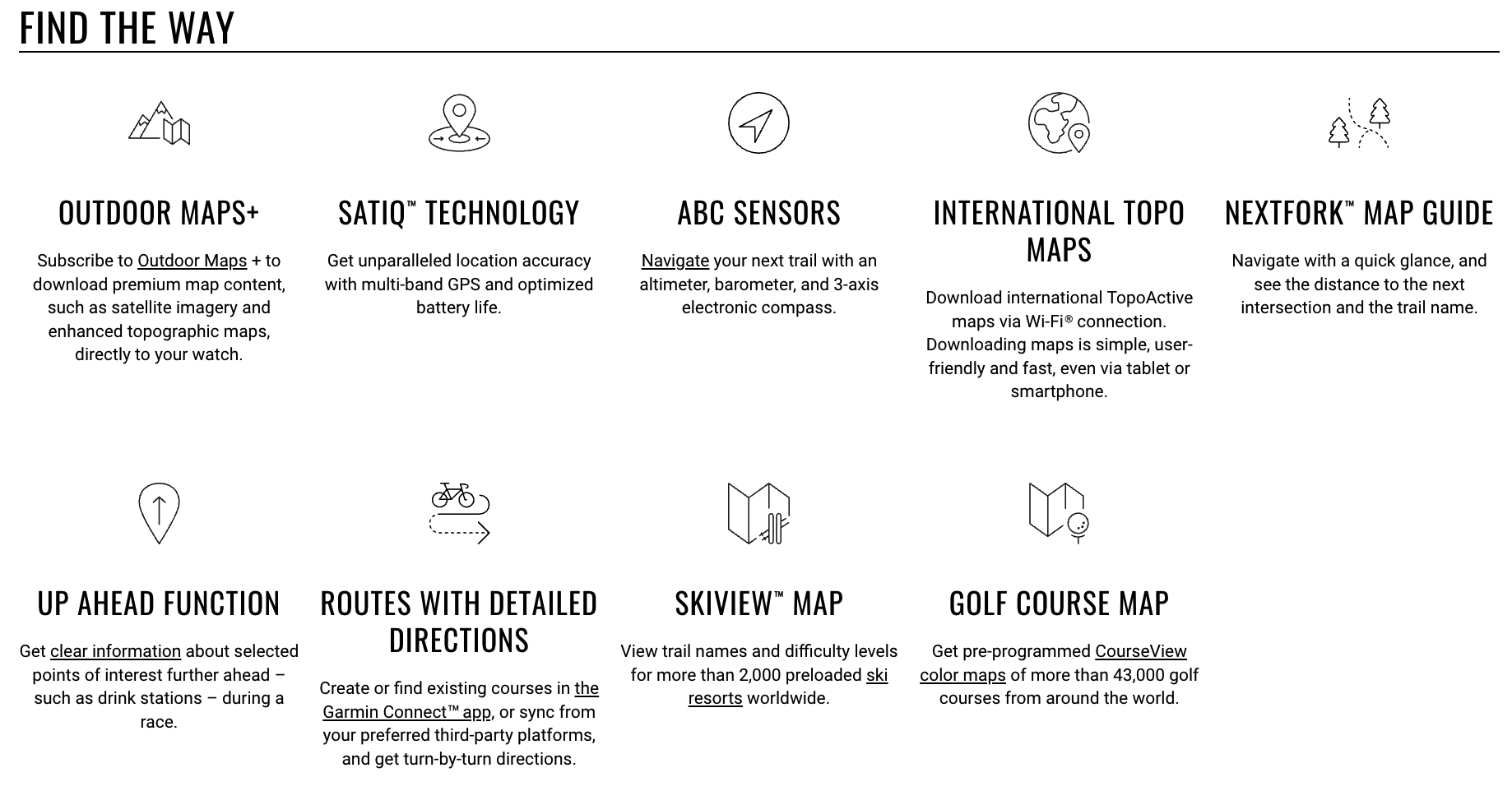
The navigation function and mapping
Battery
The light which also goes red
With three sizes available, 43/47 and 51mm there is a size for everyone. My default would have been to go for the 51mm but it is huge and I have found the 47mm a perfect size. Sapphirescreen costs more, don’t hesitate, pay more ad get it.
In the past years I have used Coros Vertix, Garmin Fenix 6, Garmin Fenix 7, Garmin Enduro 1 and Enduro 2 and recently I have been using the Coros Pace Pro – which is an excellent watch, with great screen and a good price point. I compared all these watches to my Apple Ultra. I know, I know, I can hear many say, there is no comparison. BUT there is. The Apple Ultra has a stunning screen and works seamlessly with an iPhone, obviously. For navigation, if you use apps like Footpath, routing and course navigation is superb. And of course, the option for apps is endless, however, the issue is the battery. I still struggle to understand how Apple fail to address this?
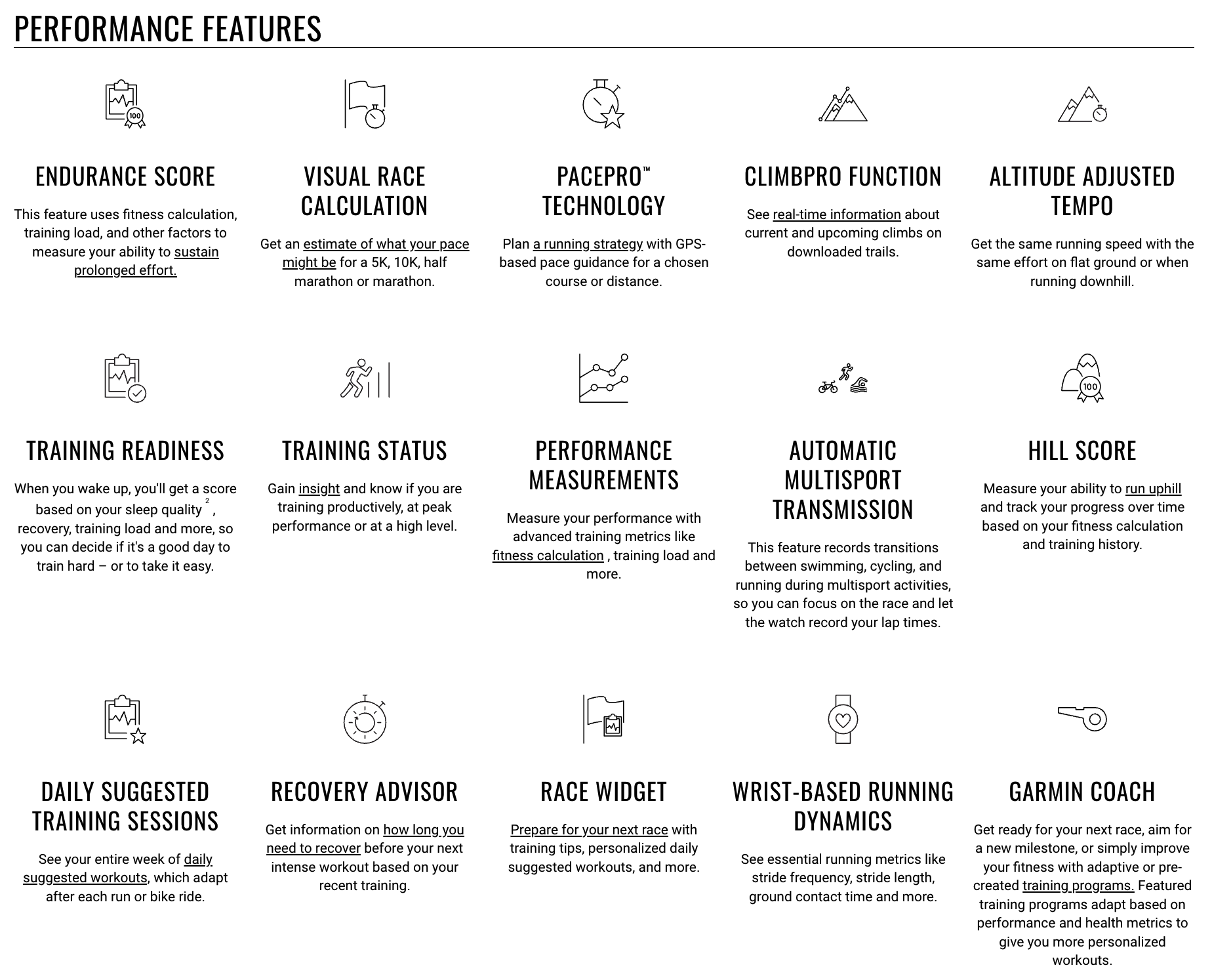
The Garmin Fenix 8 while lacking in all the obvious add-on apps that Apple have, is now, with the AMOLED screen, my go to daily watch. For many, the addition of a microphone / speaker will be minor, for me it is superb. The five buttons and touch screen option make using the watch easy. If you are a Diver, the new features are superb. GPS accuracy is industry standard and the optical heart rate sensor is good with the usual caveats. The light is incredible with variable power and a red light option. The light feature is one of my most used features and is a real omission on the Coros Pace Pro. Sometimes it is the little things that make a big difference.
FEATURES
Is it worth upgrading? Quite simply, the AMOLED screen is a deal breaker for me and worth the upgrade from any solar/ MIP watch. I loved my Enduro 1 and Enduro 2 for battery life but did not like the screen, hence, I used the Apple Ultra for navigation on one wrist and the Enduro on the other to record data etc.
The Fenix 8 addresses this, I now have the perfect watch for multi-day adventures without asking:
Can see the screen?
Will I have enough battery?
Do I have a torch handy?
Can I navigate?
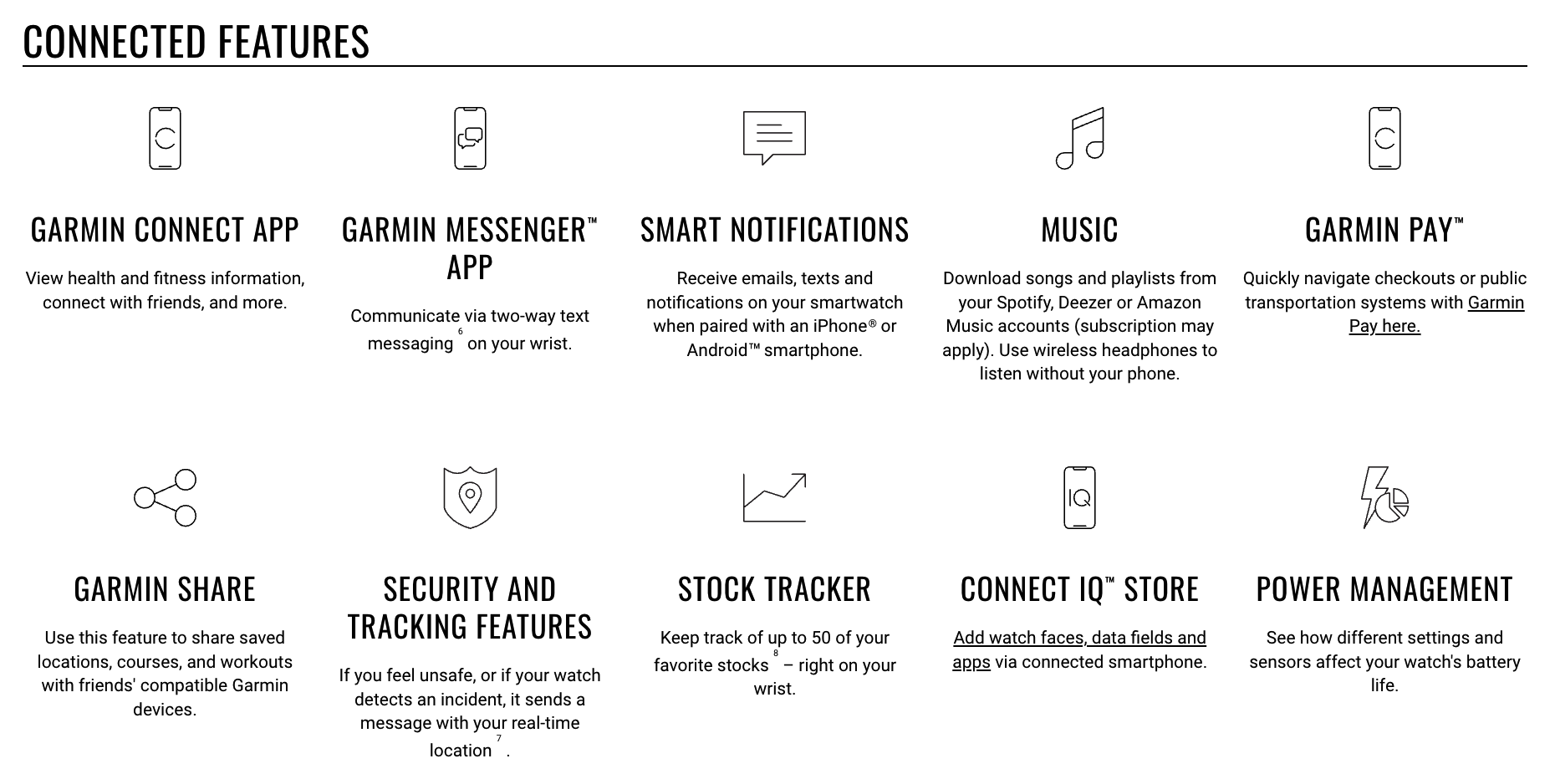
And, if required, can I use my credit card to pay for things?
I even have music! These are the key features I want from a watch like this. With battery life on AMOLED units starting to rival that of MIP-based units, the choice is easy.
Like I said, this is not a deep dive into the watch and all its features. It’s a summary of using the watch and would I recommend it? The simple answer is 100%. It’s the best GPS watch I have had and the level of features and functions are way beyond my needs and demands.
And on a final note, if you do not require AMOLED, the Garmin Enduro 3 is the choice to go for, although, you can only get the 51mm size. It has all the Fenix 8 features with a considerably cheaper price and considerably bigger battery…. If only they could the AMOLED 🙂
Much has been written about what equipment you need and require for an MDS event. In all honesty, it’s quite simple and can be broken down into 3 key sections:
What you will wear
Equipment
Food
Yes, it is that simple.
What you will wear and what equipment you need is the same for all MDS events, be that the 4-day / 3 stage MDS 120 or the 7-day / 6-stage MDS The Legendary. The only difference comes with food requirements.
One of the many things I love about MDS is that it brings out the geek in all of us. Nothing like shopping around to find the right equipment and importantly, the lightest version. However, when it comes to clothing, there is absolutely no need to buy new items if you already have items that work and importantly cause no irritation.
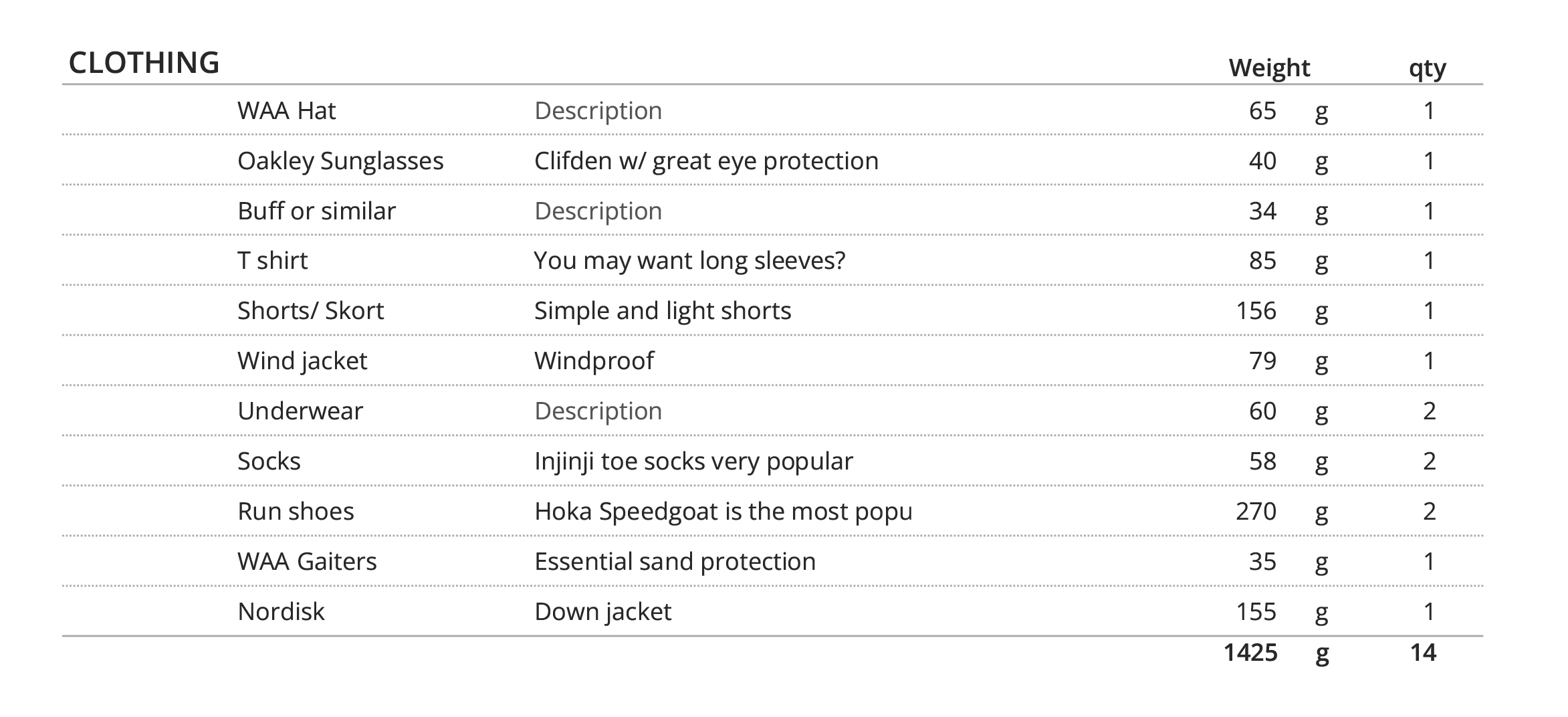
A clothing list would be as below:
You can see from the above, we go from head to toe. With the exception of a spare pair of underwear and socks, you will be wearing all these items. Total weight 1425g.
WHAT EQUIPMENT YOU WILL NEED
Equipment can be broken down into 3 sections:
Mandatory
Desirable
Luxury
Quite simply, mandatory is not open to discussion and you must have all these items as specified in the MDS rules and regulations HERE
a backpack WAA ULTRA BAG 20L or equivalent
a sleeping bag,
a head torch (200 lumens minimum) and a complete set of spare batteries or spare batteries with external/solar charger,
10 safety pins,
a compass, with 1° or 2° precision,
a lighter,
a whistle,
a knife with metal blade,
a topical disinfectant,
a signalling mirror,
an aluminium survival sheet,
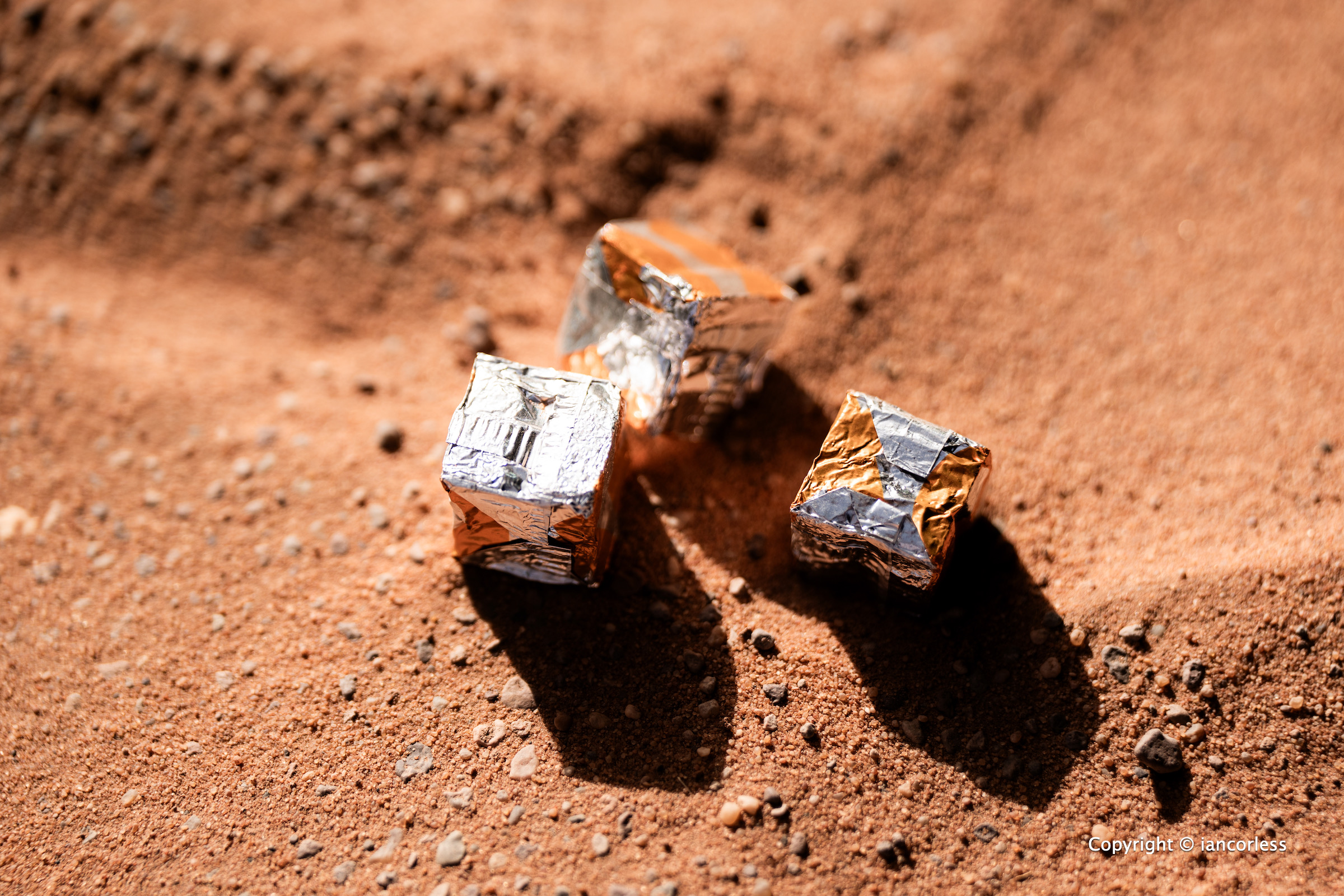
“Knorr” type cubes (2 per day) to favorize rehydration
a tube of sun cream of 50 ml minimum,
200 euros or 2,000 dirhams
the passport or for Moroccan residents, identity card valid at least until the end of the stay in Morocco. BUT for security reasons, it is strongly recommended to have a passport valid at least one month later; failing this, AOI declines any responsibility in case of problem.
the original MDS medical certificate, filled in and signed by the doctor
the original ECG and its tracing
Sleeping Bag – Down Jacket – Waterproof
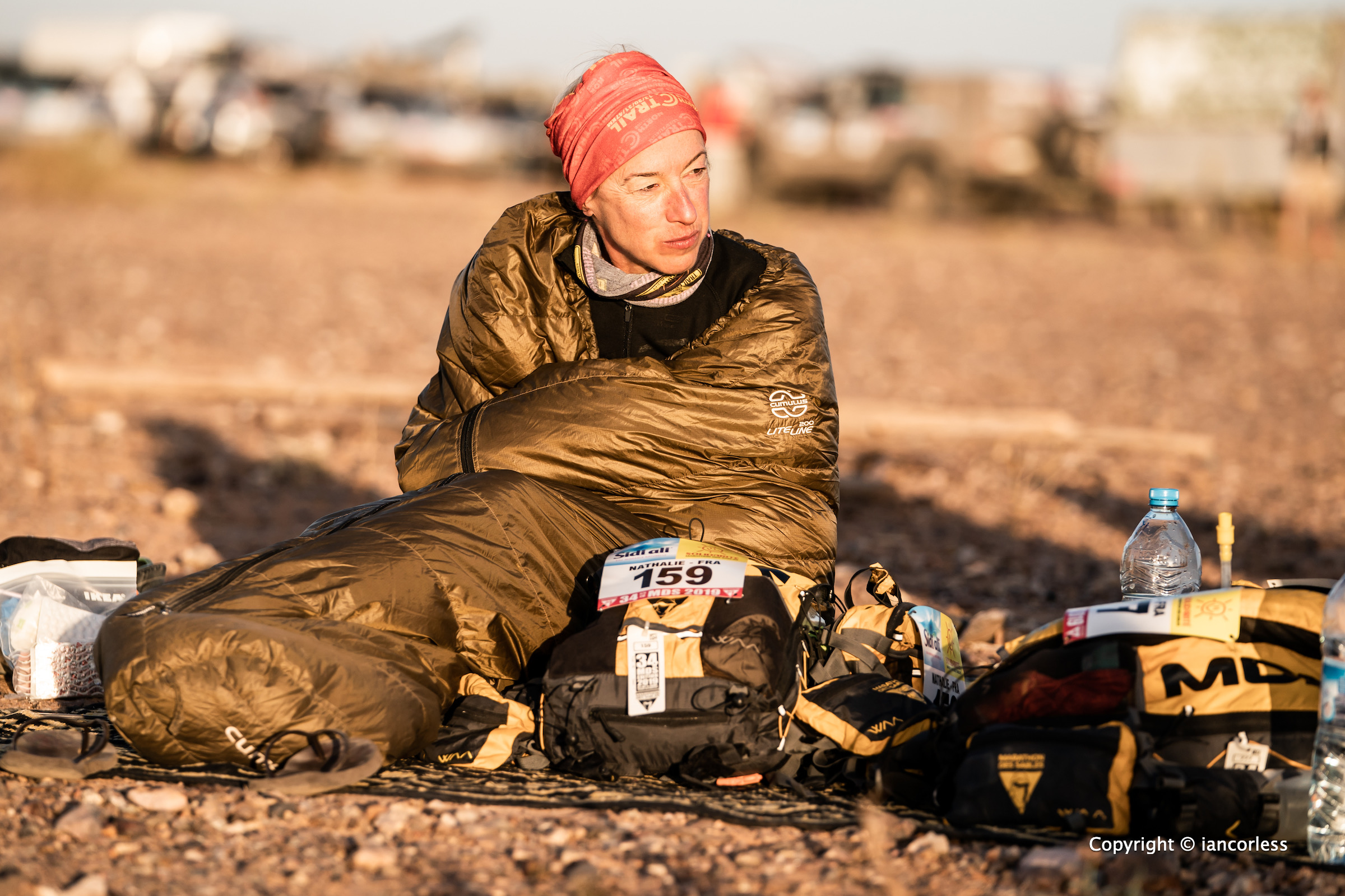
Take note that weather conditions and temperatures vary considerably. Also keep in mind, a small petit woman may well need warmer layers that a large man. Do you sleep hot? Do you sleep cold? When someone tells you you don’t need a sleeping bag, you don’t need a jacket, you don’t need goggles or you don’t need x, x, or x, take this advice and then ignore it. The best advice I can give, be prepared! Be prepared for all eventualities and then fine-tune equipment very close to the event, even at the event location on admin day so that you can make sure you have the appropriate equipment based on the current weather forecast. And yes, it can rain!
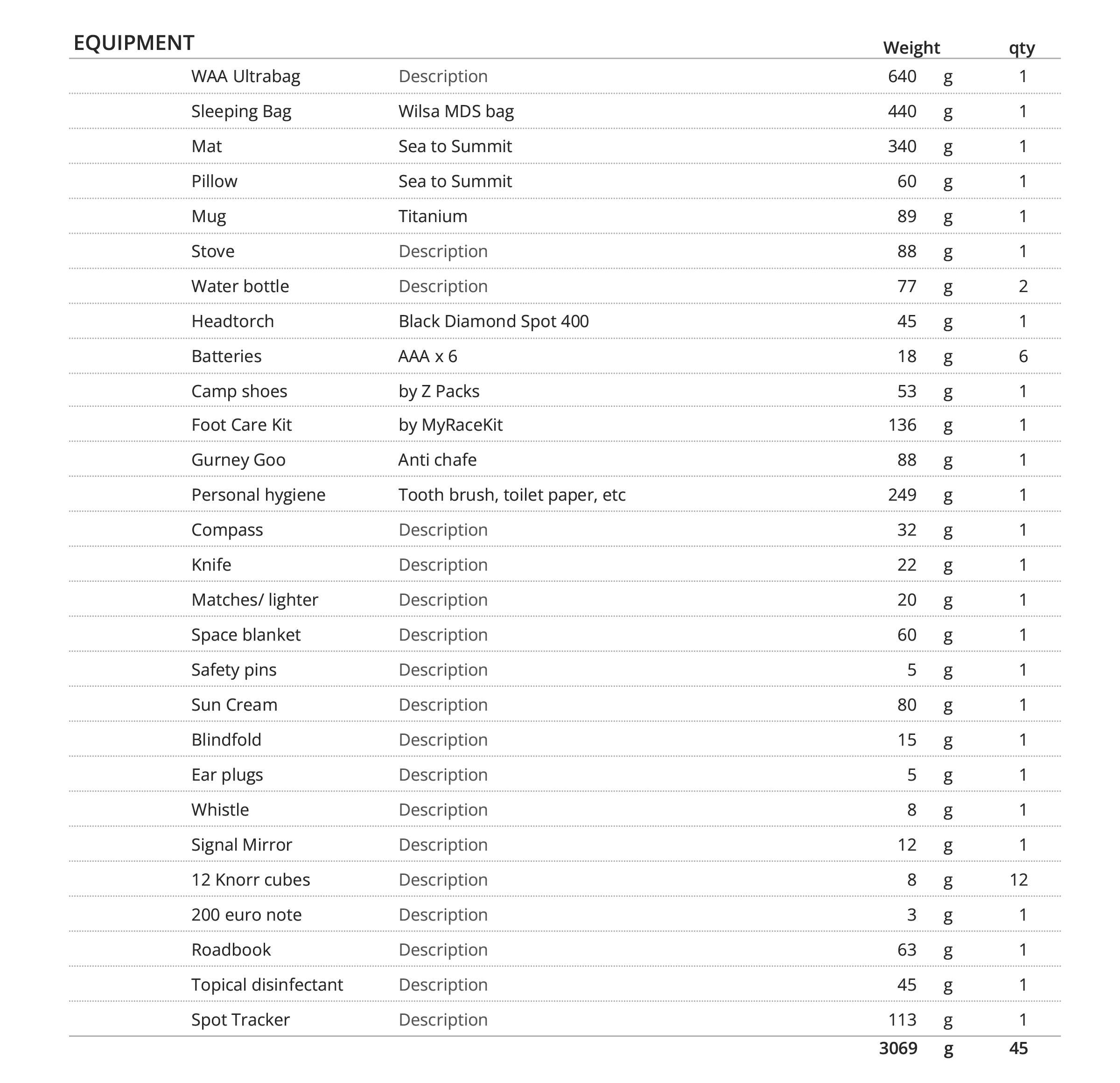
A full equipment list would look like below:
The above list weighs 3069g and this includes the MDS Road Book and the Spot Tracker, both items provided when in Morocco. You will notice there are no luxury items.
We then can look at DESIRABLE and LUXURY.
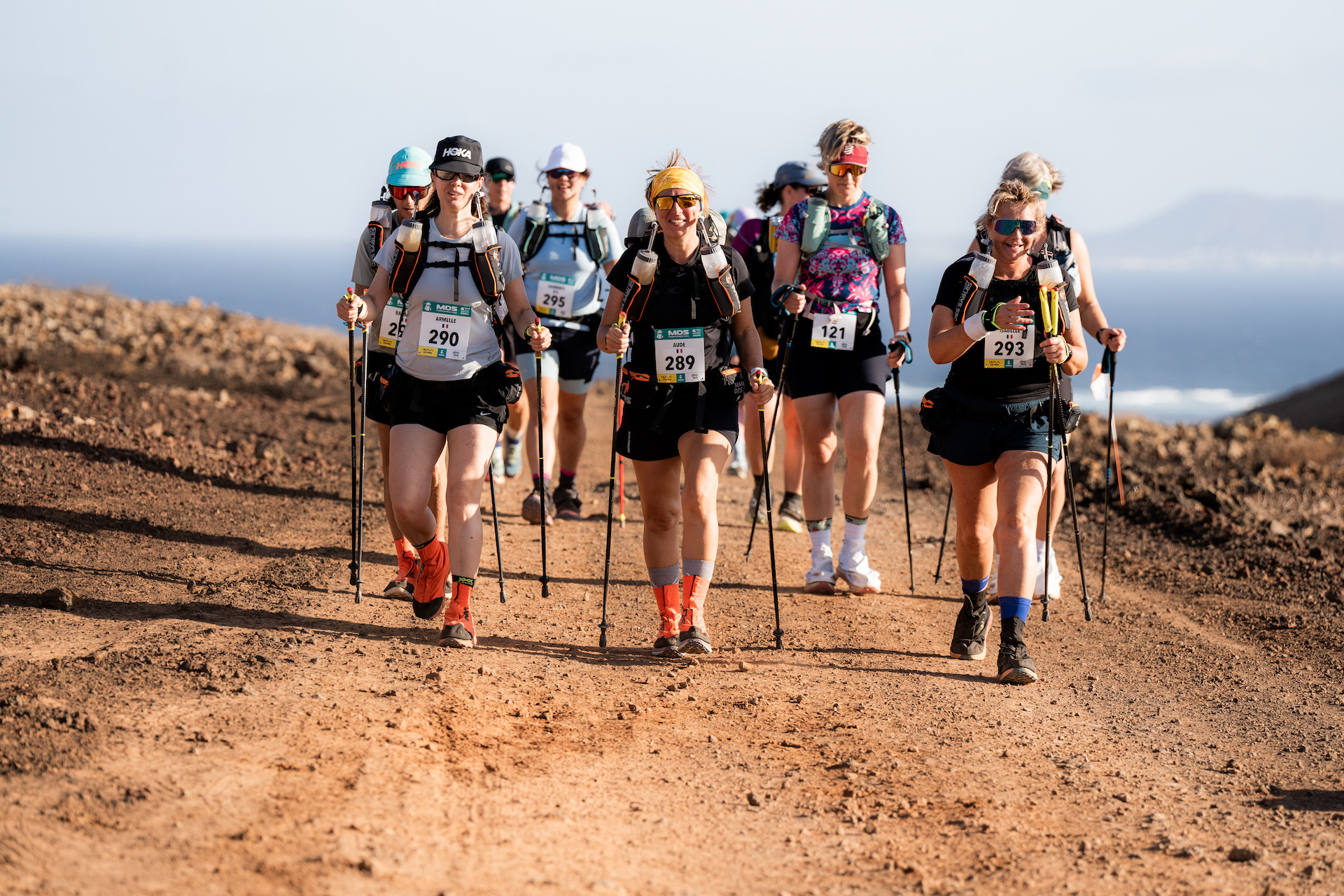
You may consider poles to be desirable, in all honesty, I think for most at MDS events, they are becoming almost essential. Of course, if you are a runner, you do not need them. Just lightweight, folding carbon poles. I recommend Leki Ultralite FX One. A watch with GPX and great autonomy such as Coros Vertix and/or Garmin Enduro. If you don’t have a watch with a good battery, you are then requiring a battery pack and for me, a battery pack falls in the luxury list.
As for luxury, you absolutely MUST keep luxury items to a minimum, I consider a phone to be luxury at an MDS event. The only item I would consider is an MP3 player with great battery life and lightweight earphones.
FOOD
MDS 120 are 4-days and 3-stages, The Legendary is 7-days and 6-stages, so, you need to adjust the requirements accordingly. The typical rule is you must have 2000-calories per day. For The Legendary this equates to 12,000 calories as a minimum requirement, however, I think you are better assuming 14,000 calories.
Food is personal, so, make sure you understand what you require and make sure you have a balance of fat/protein/ carbohydrate and make sure you have sweet/savoury based on your taste requirements. Note that as days pass, the need for sweet tends to shift to savoury. Try and test all food before racing.
Also consider if you will have hot or cold food. Not all food rehydrates well with cold water.
Also, a large man, say 6ft 2″ and 85kg will require far more food than a woman who is 5ft 2″ and 55kg. Keep this in mind and use the minimum 2000 calorie as a guide.
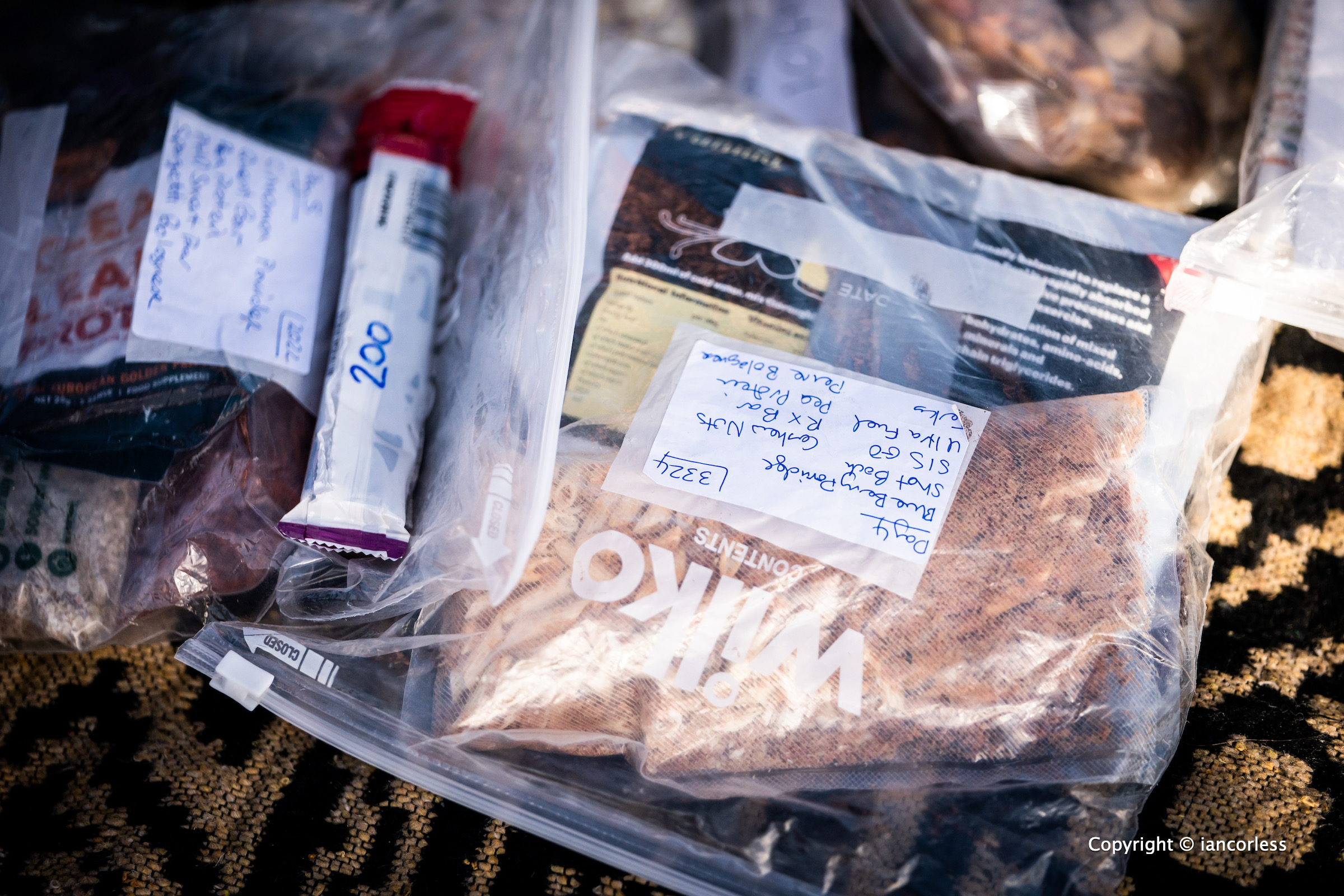
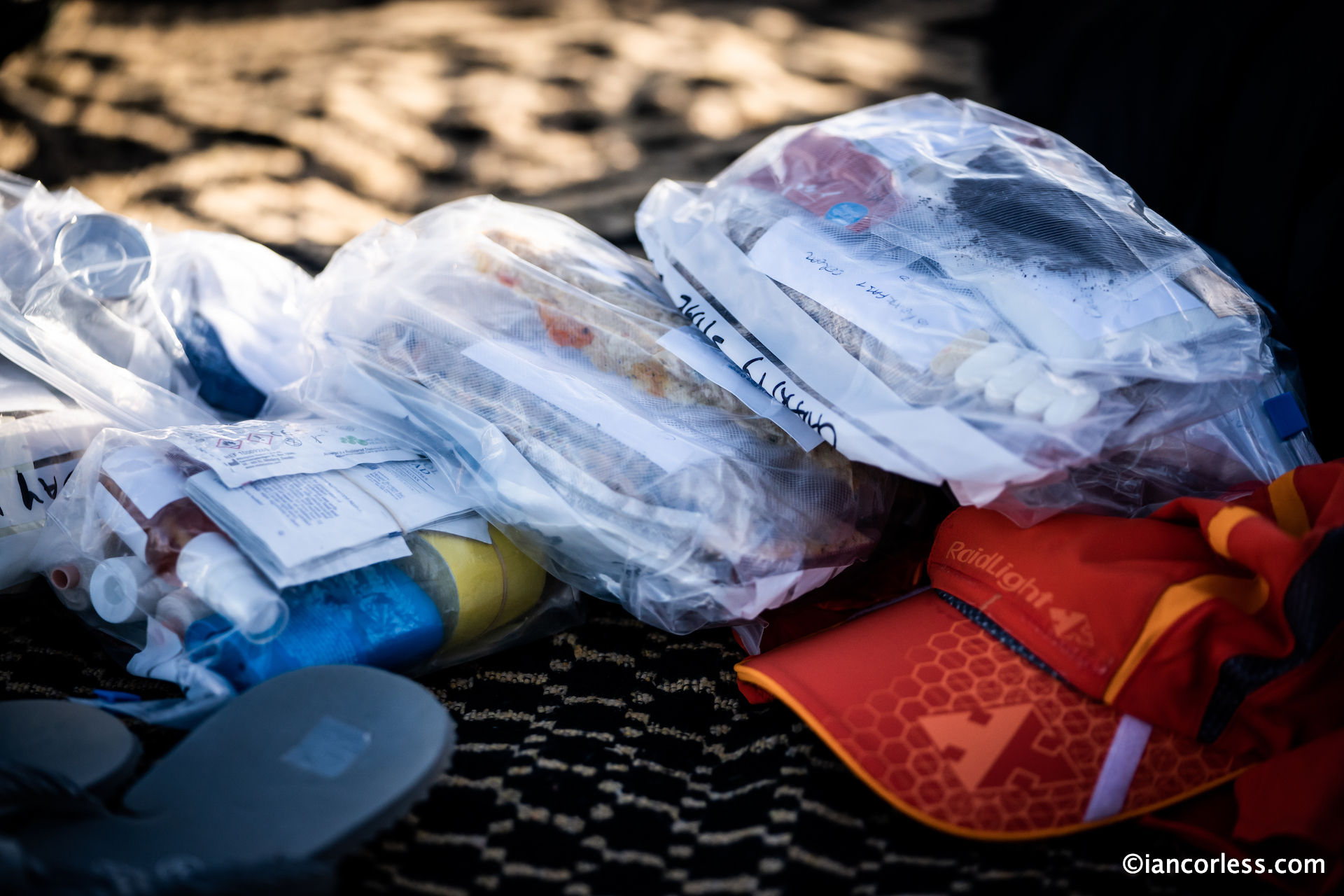
Prepare food bags, a bag per day. That way it is easy to control what you eat.
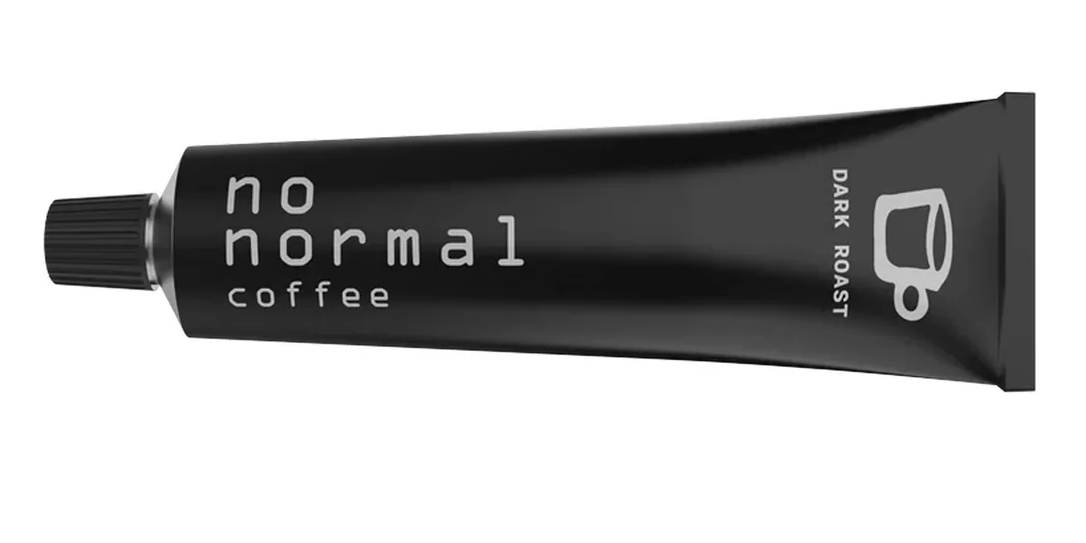
Need coffee, check out NO NORMAL. Yes, coffee in a tube.
6-stage and 7-days at The Legendary could look like above with 7-dehydrated breakfasts and dinners and then a combination of snack food for during and post each stage. Typically you can expect food to be between 4000 and 4500g. My list above comes out at 4048g.
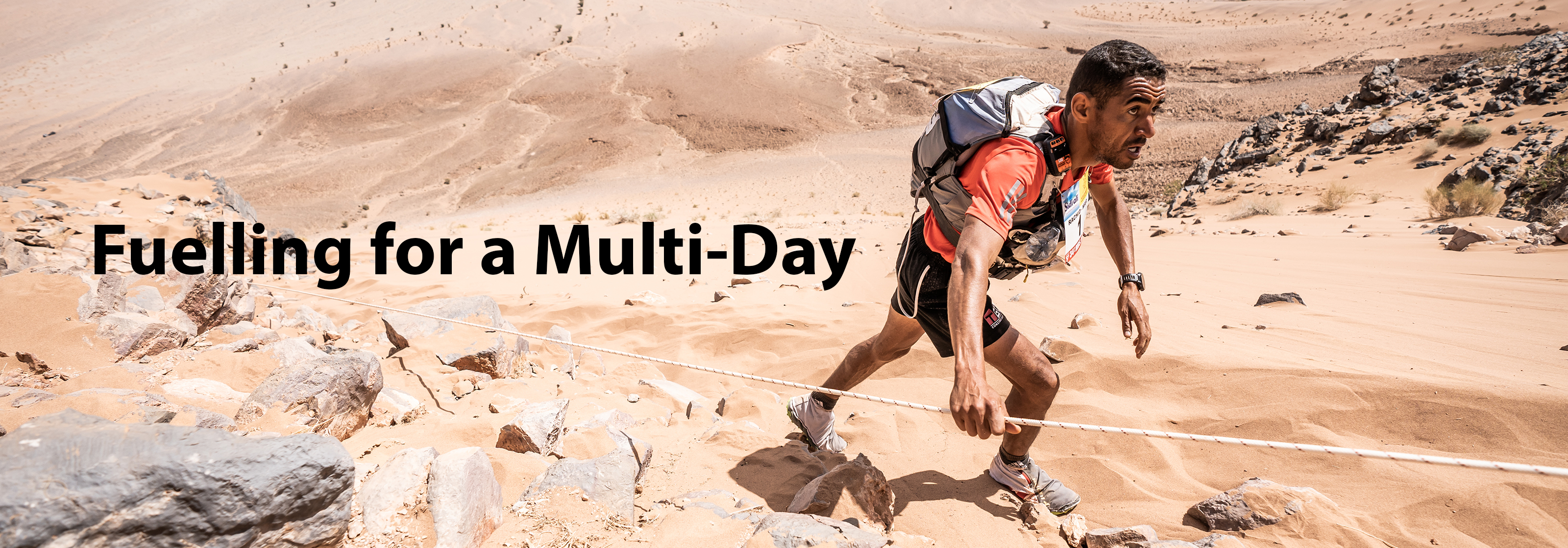
Fuelling for a Multi-Day – Marathon des Sables – The Legendary
Marathon des Sables pioneered the multi-day racing format and as such is often a key starting point when discussing a fuelling strategy for an adventure that lasts a week or longer.
Multi-day adventures require fuelling and how one obtains food can vary greatly. In principle, there are several keyways:
Self-sufficient
Semi-supported
Supported
For many, self-sufficiency poses the greater question marks and worries as there are multiple factors to consider:
How many days?
Weight?
Balance of nutrients and calories?
Hot or cold food (or both)?
Access to water?
Environment?
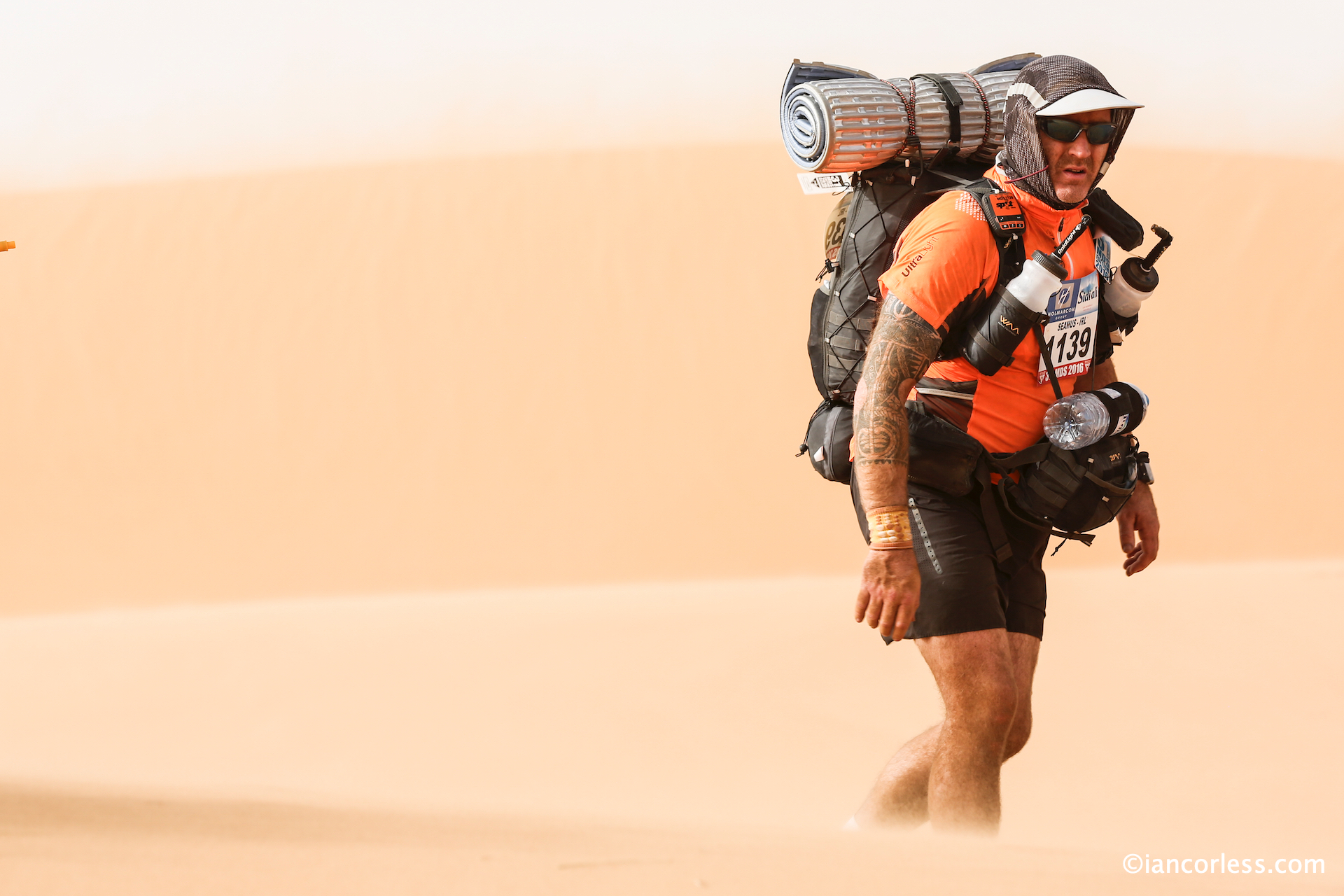
Loaded up for a week in the Sahara.
Runners are required to carry all they need to survive in a multi-day like MDS. Fuelling is essential to survive and the balance of calories v weight is a prime concern. The only things that are provided are a shelter (bivouac) which is shared with 7 other runners and water which is rationed. Since its creation in the mid 80’s, the MDS format has been copied and used as a template for other races all over the world.
Get your pack as close to 6.5kg (plus water) as possible.
Weight is the enemy of a multi-day runner or fastpacker and therefore balancing equipment, food and water is an art form in itself. Read an article HERE about the equipment required for a race like MDS.
Food will take up most of the weight on any adventure when being self-sufficient. MDS, for example, has a minimum food requirement of 2000 calories per day, a minimum pack weight of 6.5kg and then one must add water, typically a minimum 1.5 litres (1.5kg) which makes the starting pack weight a minimum 8kg.
Food for multiple days will typically be around 4 to 5kg.
*****
Quite simply, running or walking, covering 250km over 7-days will leave the runner in a calorie deficit. Therefore, it is essential to optimise the food one takes.
FACTORS TO CONSIDER
How fast one goes does greatly impact on food choice and how calories are not only consumed but chosen. The macronutrient choices will change based on the balance of carbohydrate, protein and fat. In simple terms, a runner will burn more carbohydrates and a walker will burn more fat. Humans store enough fat to survive many days and even weeks. However, carbohydrate stores deplete quickly and need to be replenished.
Body weight, age, individual needs are important for all and males may well require more calories than a woman due size and muscle mass.
Main meals will usually come either freeze dried or dehydrated. Both processes involve removing the water from food to preserve it. Freeze-drying involves freezing the food to a very low temperature and drying it in a vacuum to remove moisture. Dehydration involves passing warm air over the surface of the food to remove moisture. Dehydration creates food that tastes like it should, with plenty of texture and flavour. It is an altogether slower and gentler process than freeze-drying. Please note though, that hydration times take considerably longer with cold water and taste can change. Test meals in advance using hot or cold water.
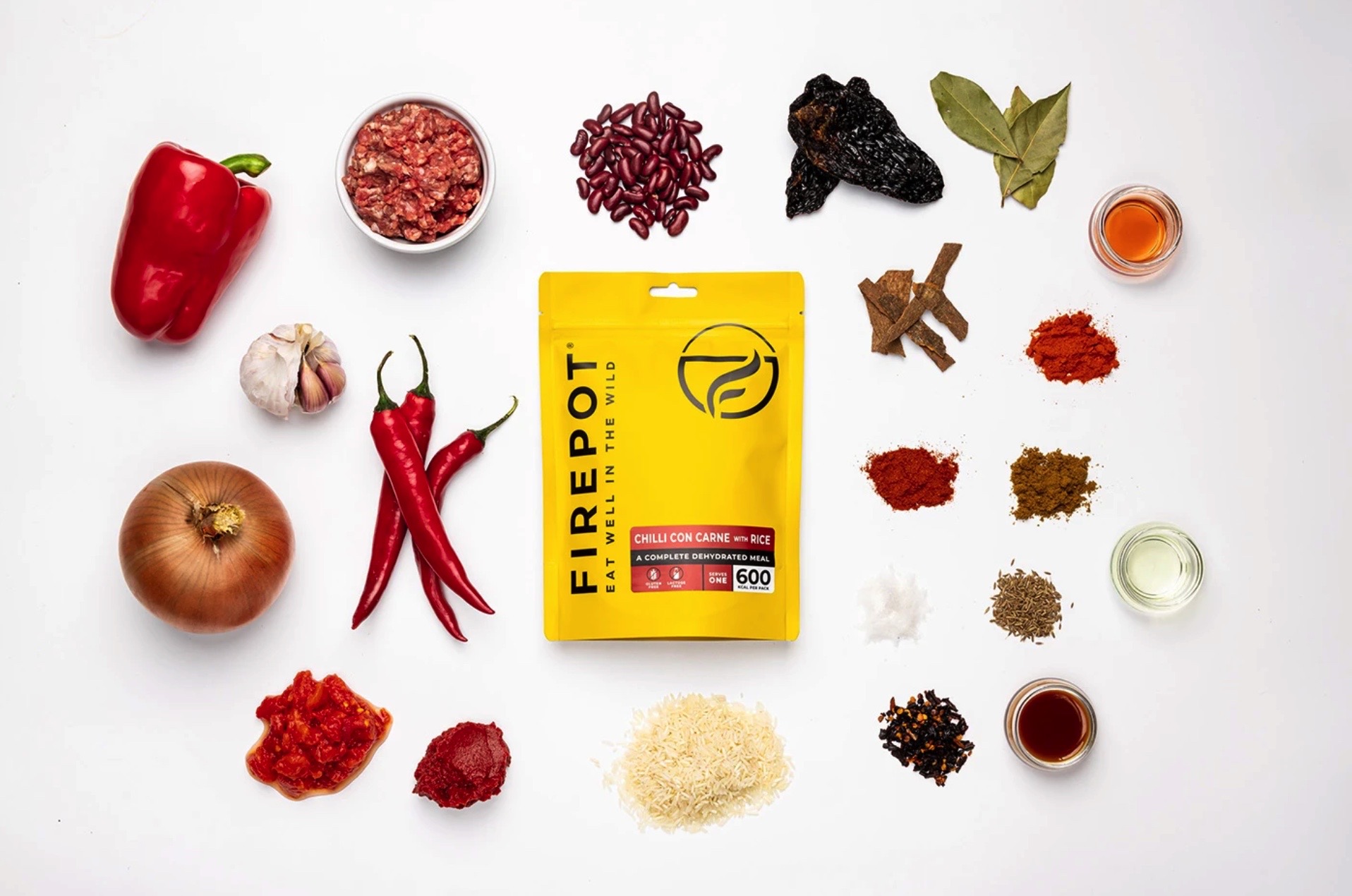
Firepot are a UK brand who create tasty meal by hand, using fresh ingredients and then dry each meal.
Carbohydrate, Fat and Protein are essential for balance and foods for an expedition are usually balanced specifically for the needs of an active individual. Typically, 55% carbs, 30% fats and 15% protein are considered balanced. As an indicator in regard to calories, carbohydrates have 4 calories for 1 gram, fat has 9 calories for 1 gram and protein 4 calories for 1 gram.
Remember, we are all individual and although any recommendations here provide a guide and a template, you the individual need to answer very specific questions and ultimately, you may need to seek the advice of a nutrition expert to fine tune a fuelling plan for a multi-day adventure.
As a rough guide, BMR is the number of calories a person burns in normal day-to-day activity.
Example for a 37-year-old, 6ft tall, 170-pound man.
(66+(6.2 x 170) + (12.7 x 72) – (6.76 x 37) x 1.55 = 2663 calories
How to use the equation: (66+(6.2 x weight) + (12.7 x height) – (6.76 x age) x 1.55 = 2663 calories
The ‘Harris-Benedict‘ formula takes into consideration daily activity.
Fat adapted athletes will have specific requirements and the nutritional plan will be different.
Answer the following questions:
Age?
Male or female?
Body weight?
Walker?
Walk/ runner?
Runner?
Vegetarian/ Vegan?
Am I typically a hungry person?
Am I more hungry or less hungry with exercise?
Food allergies?
Will I use hot water or cold water?
A TYPICAL DAY
Breakfast – Ideally slow-release carbohydrate, some fat and quality protein.
Starting the day with breakfast.
Running Food – This will vary on the length of the stage, up to 6-hours and you may prefer easily absorbed carbohydrates, bars and or energy in drink form. For longer stages, the addition of real food, savoury and some protein would be wise. For a very long day, for example, the long day at MDS, you may even need a meal?
Post run food (immediate) – A shake is a great way to start the recovery period as it is easily absorbed, and this should have carbohydrate and protein.
Dinner – A meal will form the basis for dinner and think about some small treats for each day, these will give you something to look forward to and help keep your palette fresh.
FOOD PLANNING AND IDEAS
Breakfast:
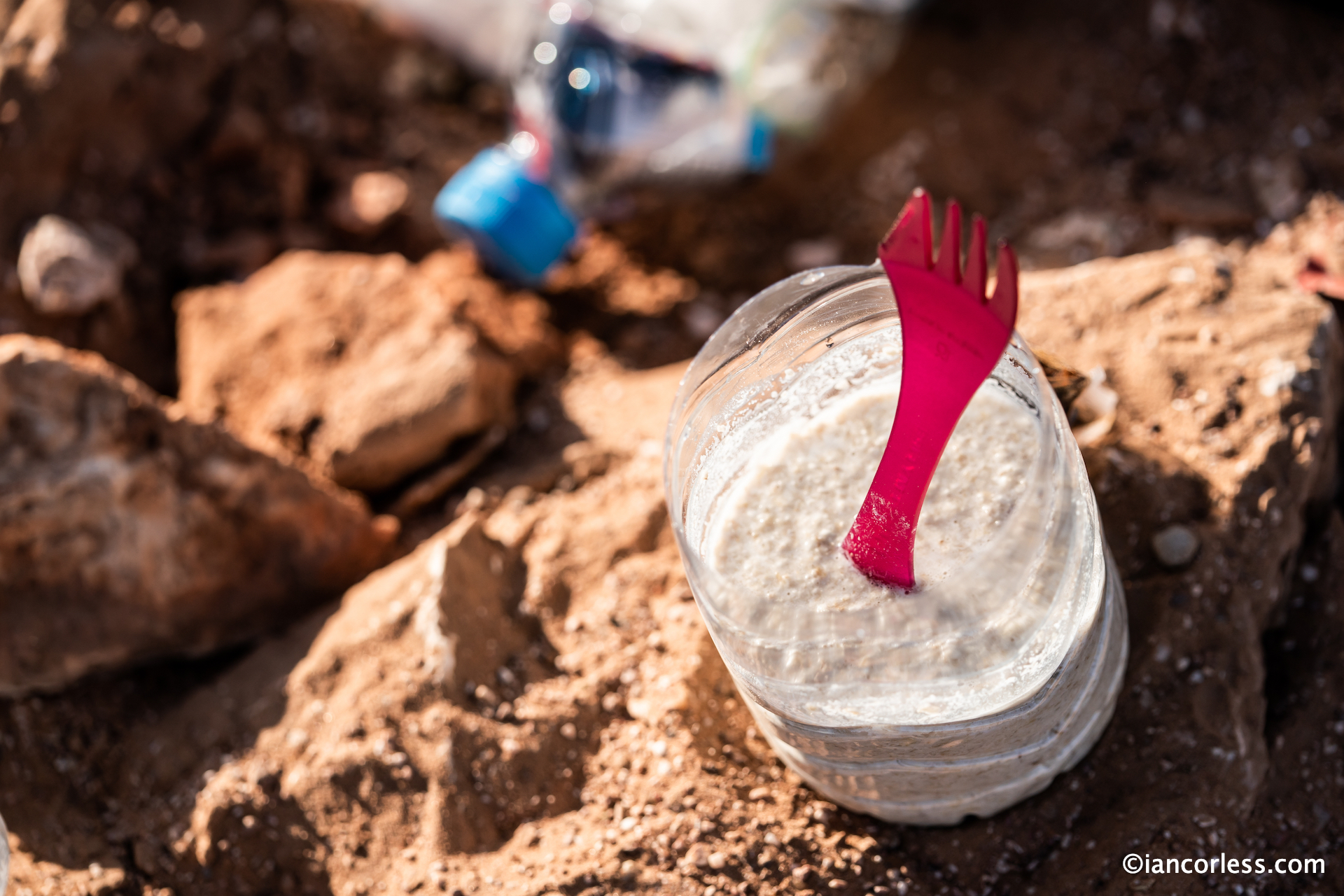
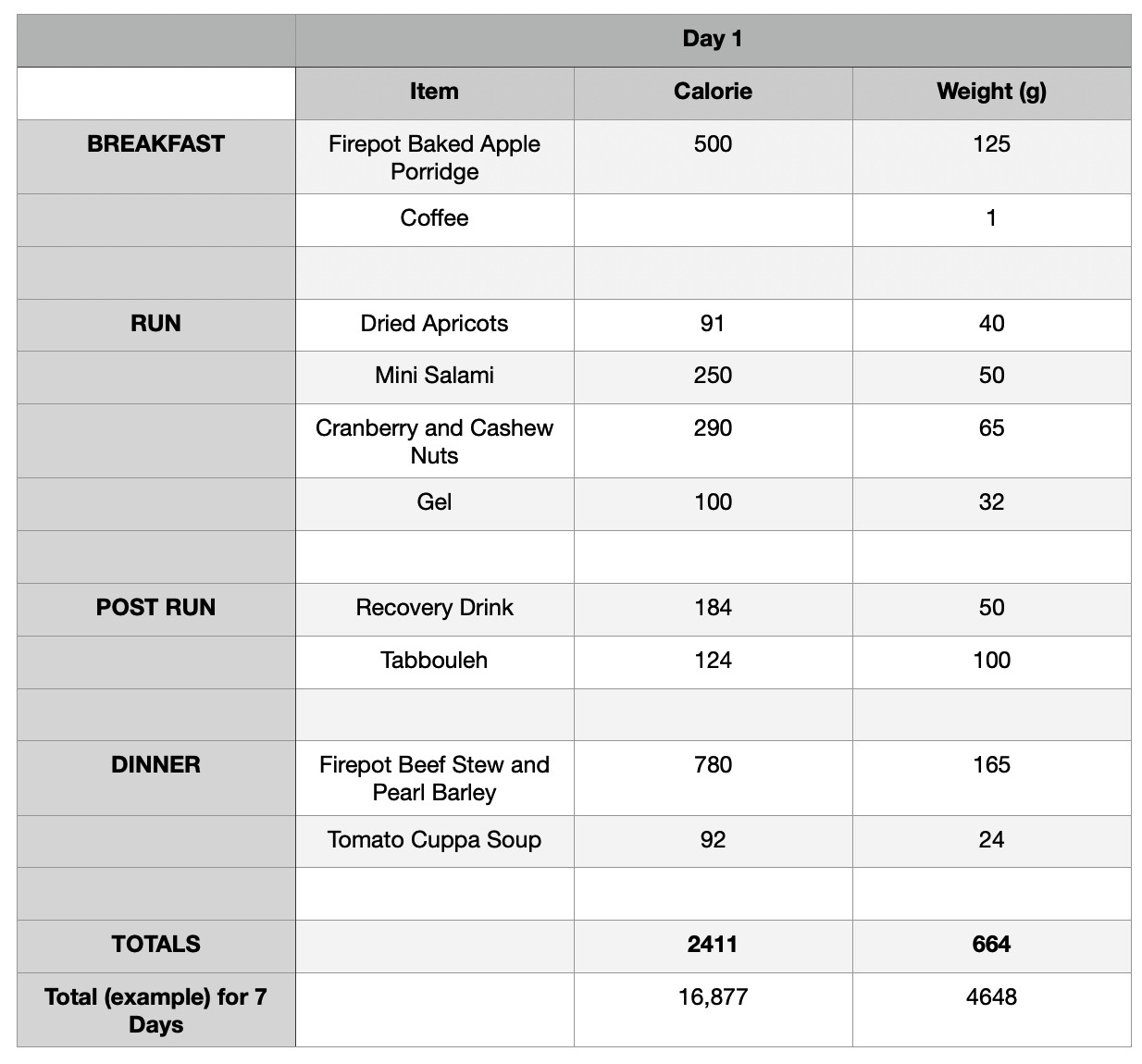
A freeze-dried breakfast is a good way to start the day. Top tip: Add the water to your breakfast at sleep time (especially if using cold water) as it will rehydrate during the night and be ready for eating in the morning. Of course, make sure it can’t be knocked over, get contaminated or damaged – that would be a disaster! Using a re-sealable plastic bag is a good idea. Example: Firepot Baked Apple Porridge is 125g with 500 calories.
Breakfast is essential to fuel the day ahead.
Muesli is popular and provides energy and fibre, it can easily be combined with a freeze-dried dairy product.
An energy bar for some works, but they often are heavy in proportion to the calories provided. However, for some, they are a perfect start to the day.
Top tip: Consider an evening meal as an alternative to breakfast. Sweet tasting food can become boring and sickly, the option to have something savoury with some spice can be a life saver.
During the run:
Runners will need typically more carbohydrate in an easy form so that they can maintain pace. By contrast, walkers will move slower, have more time to eat and easier time digesting, therefore real foods are possible. The balance is always weight v energy. Don’t rely completely on liquids, some solid food and chewing is good for the body and mind.
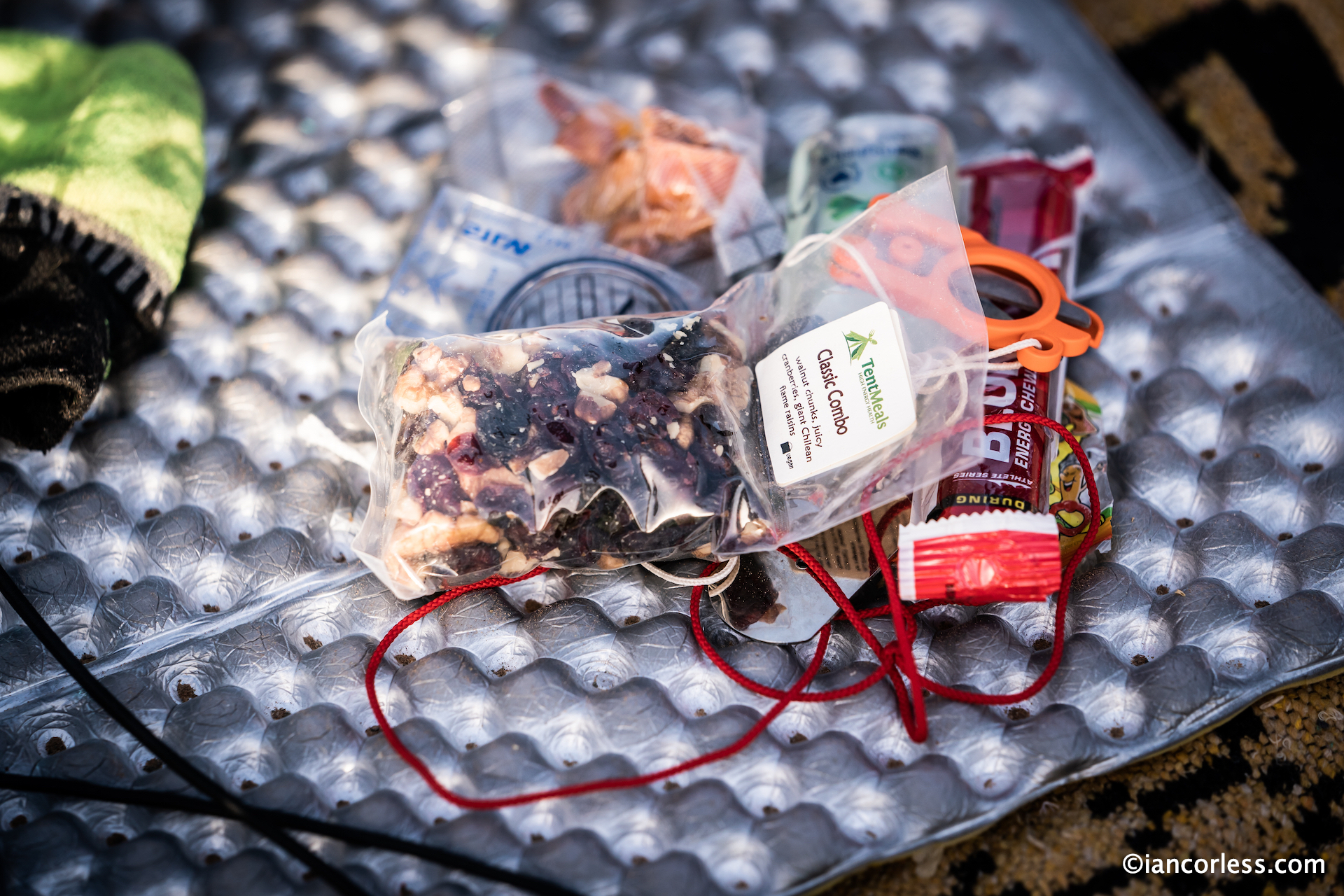
Some ‘typical’ run snacks.
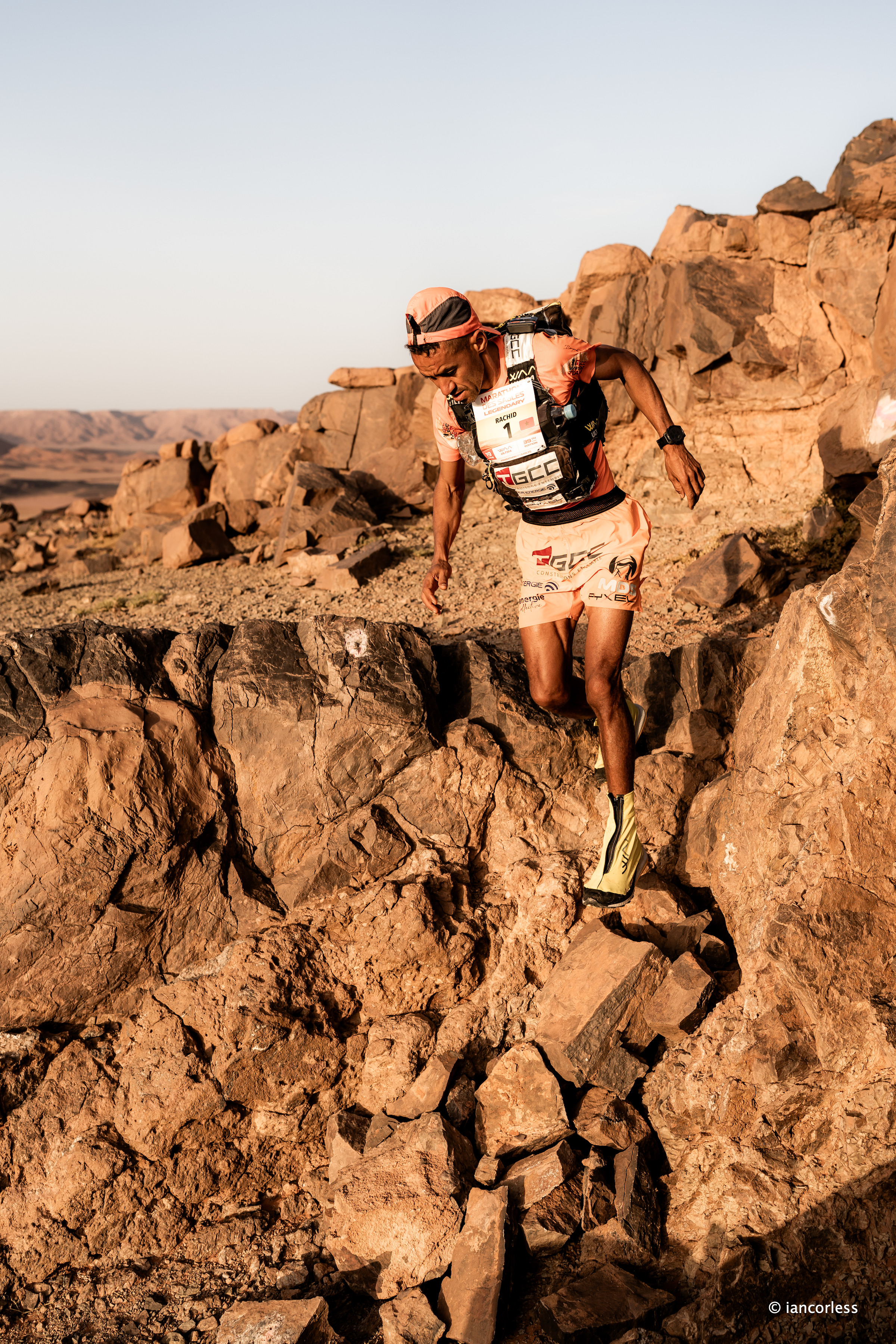
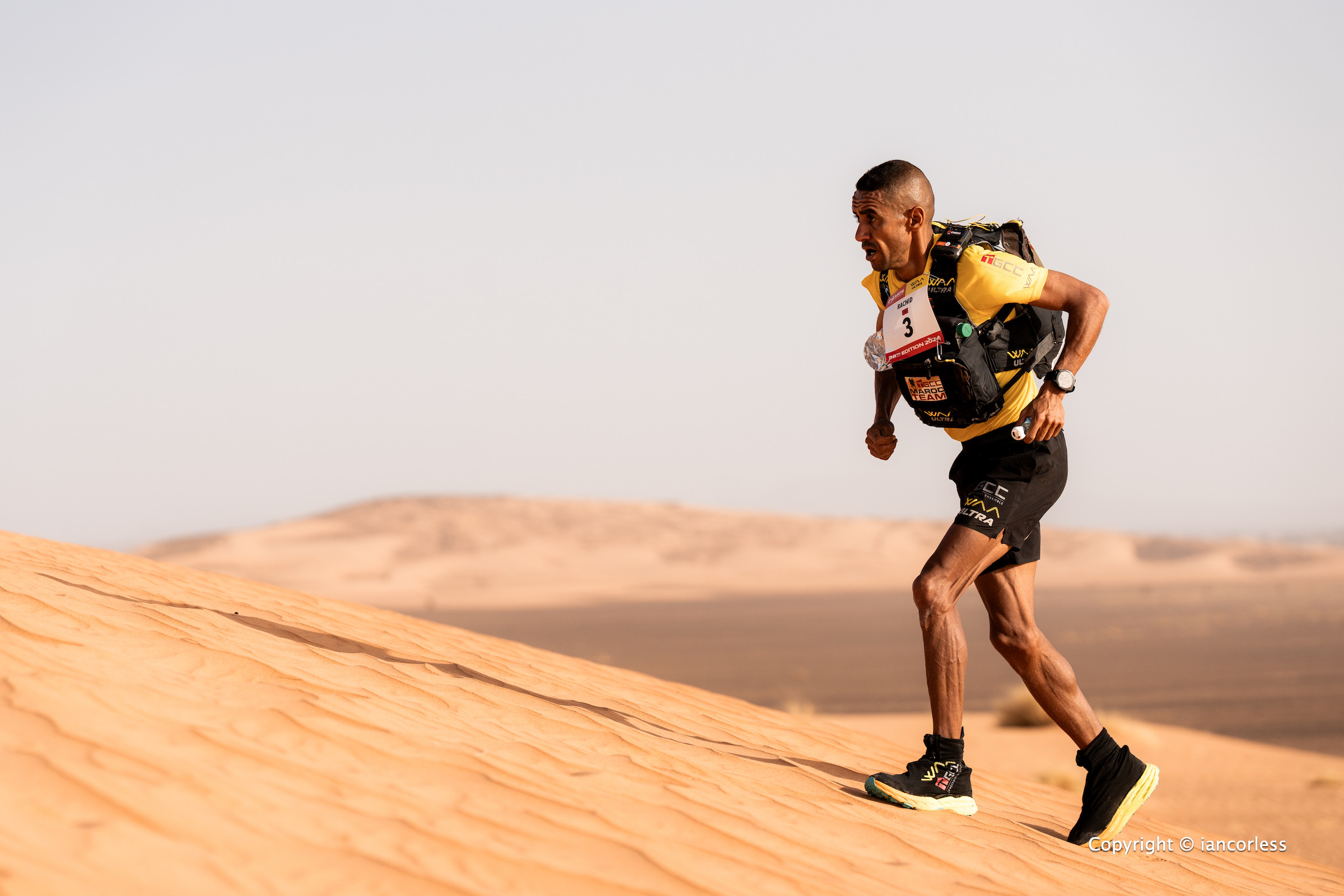
Example: Gels are around 32g each. Let’s say you took 1 gel per hour. Rachid El Morabity won the 2019 MDS in 18:31. So, 19 gels would weigh 608 grams. By contrast, if the race takes you 60-hours, 60 gels would be 1920g! Not only is the weight not feasible but also the volume size would just not work.
Powders (energy drinks) that one can add to water are an easy way to get calories and nutrients. They are also considerably lighter.
Energy bars.
Beefy jerky.
Dried fruit.
Nuts such as almonds are rich in fat and calories.
Trail mix.
Dried meat.
Post run:
Back in bivouac, first priority is drink and food.
A recovery drink is the quickest way to get balanced calories immediately in the body to start replenishing the body. Have this shake as soon as possible. Then do personal admin such as feet, clothes, bed, etc. One hour post the run, consider a snack like tabbouleh as this is easily hydrated with cold water and add some protein to it – dried meat a good option.
Dinner:
A dehydrated meal will make up the main calories. Depending on the person, the need for more or less calories will vary. Some companies, Firepot a good example, provide meals in two sizes: 135g with 485 calories or 200g with 730 calories for Vegan Chilli Non Carne and Rice.
A post-dinner treat is a good idea, this could be another freeze-dried option or a low-weight and high calorie option. A sweet such as a Lemon Sherbet is a simple way to add some freshness to your mouth and palette and although has little calories, it can be a nice treat.
Top tips:
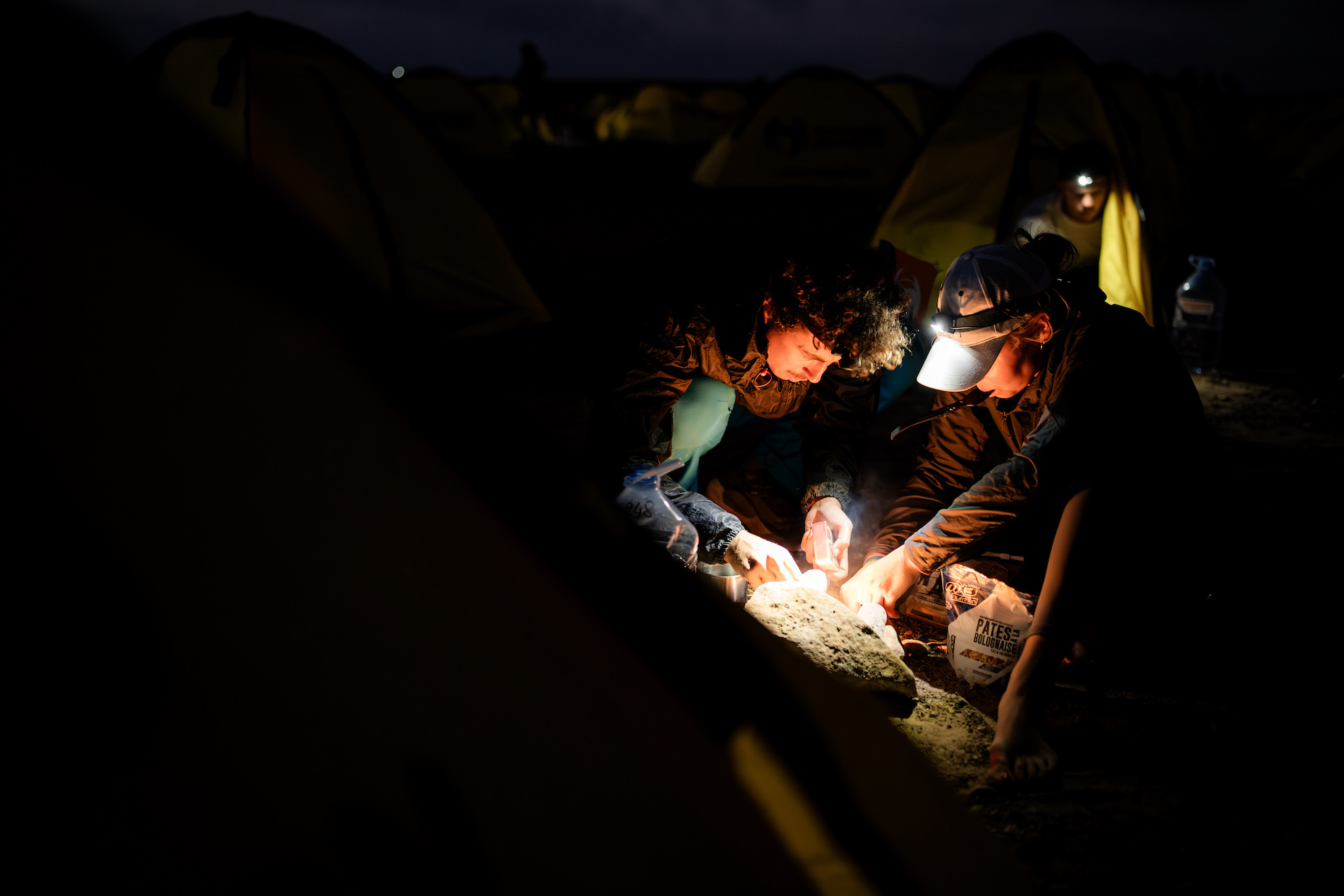
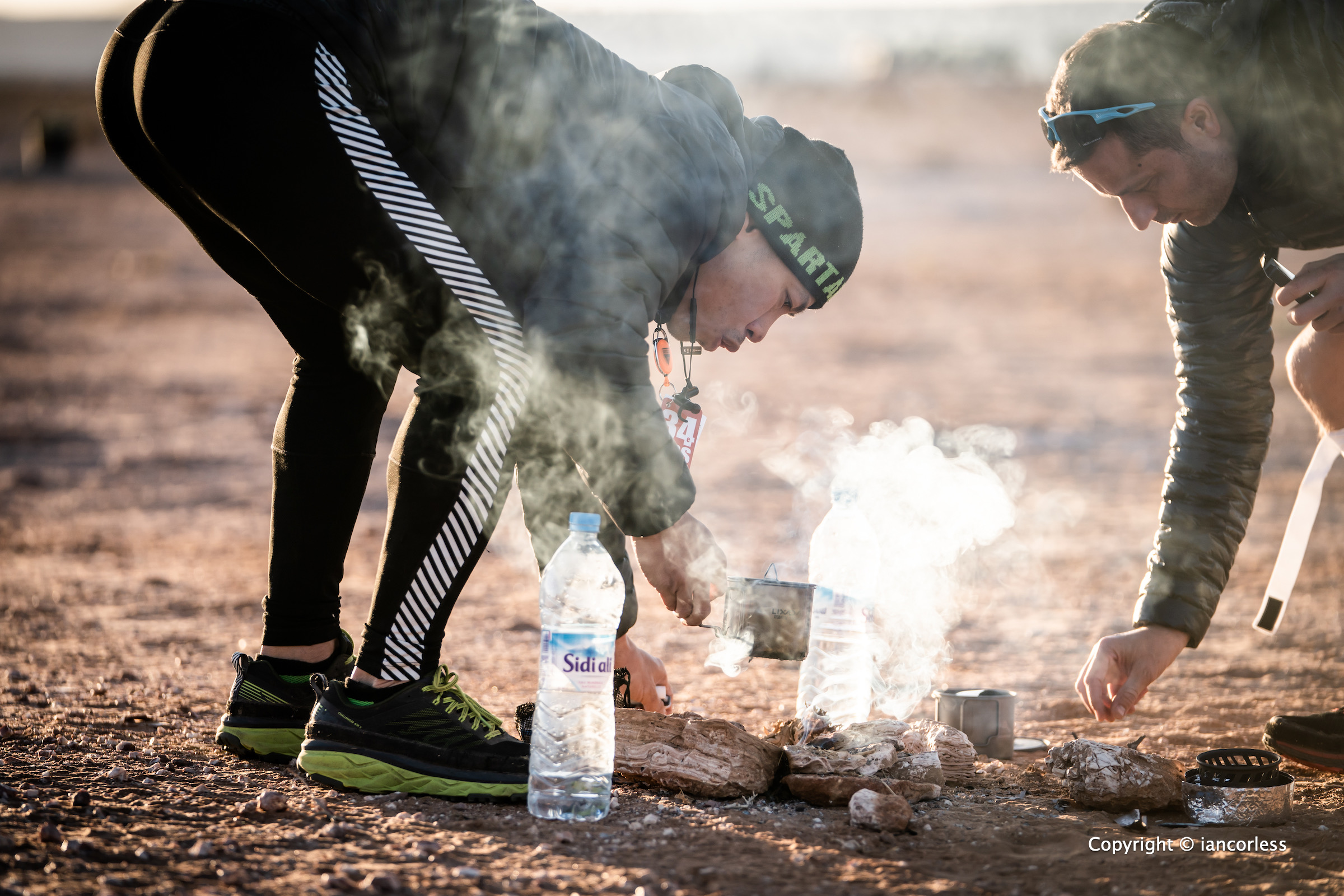
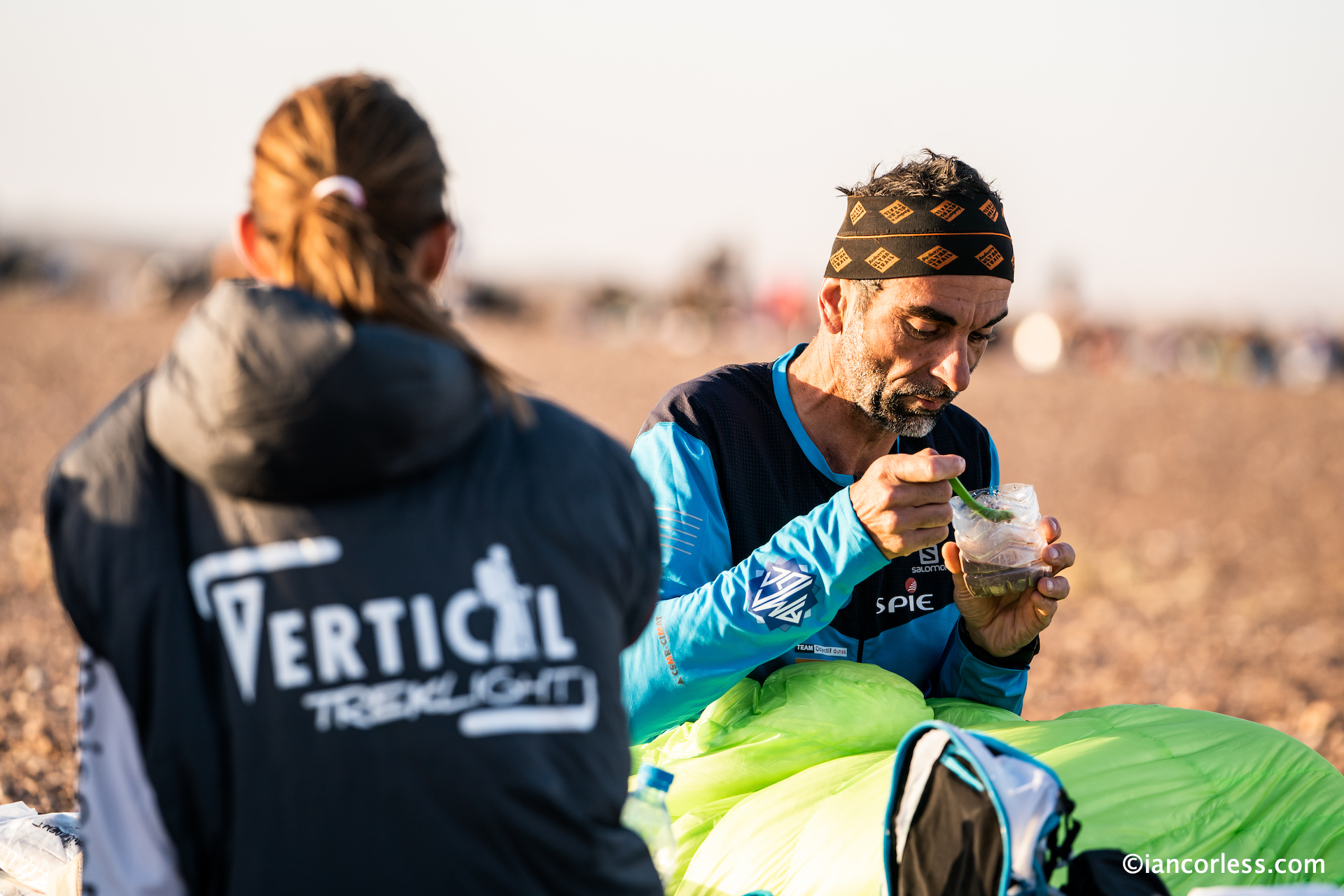
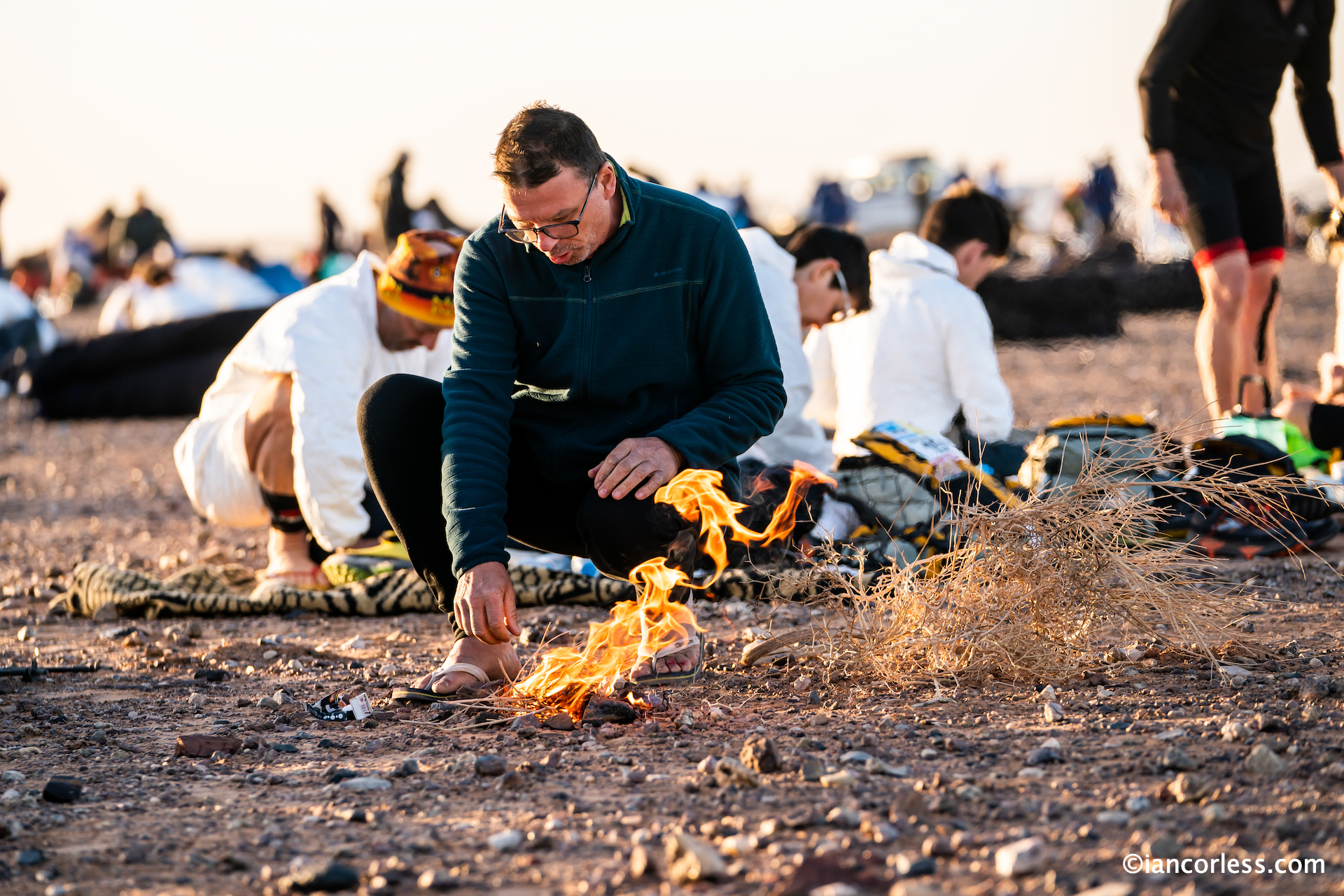
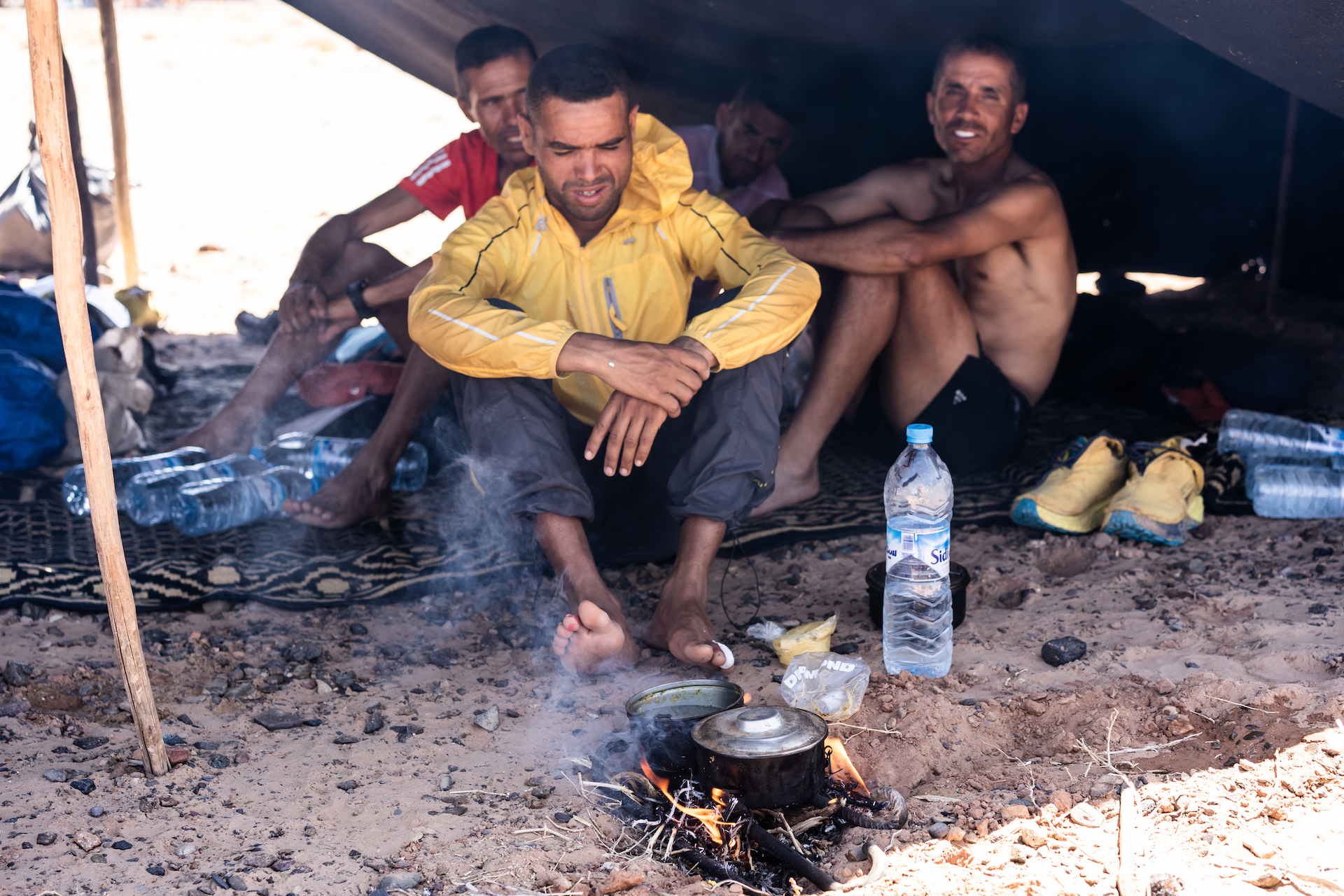
Experienced runners make a real fire to boil water.
Try everything out before any race or event. You need to know what works for you when tired and fatigued. Try to simulate race situations so you have a good understanding of your palette and your body. Test for taste, stomach and brain.
Just because you love Spaghetti Bolognese, don’t be tempted to take 7 for a 7-day race. You and your palette become bored quickly.
Be careful with spices and anything that may irritate or aggravate a digestive system that will already be under stress.
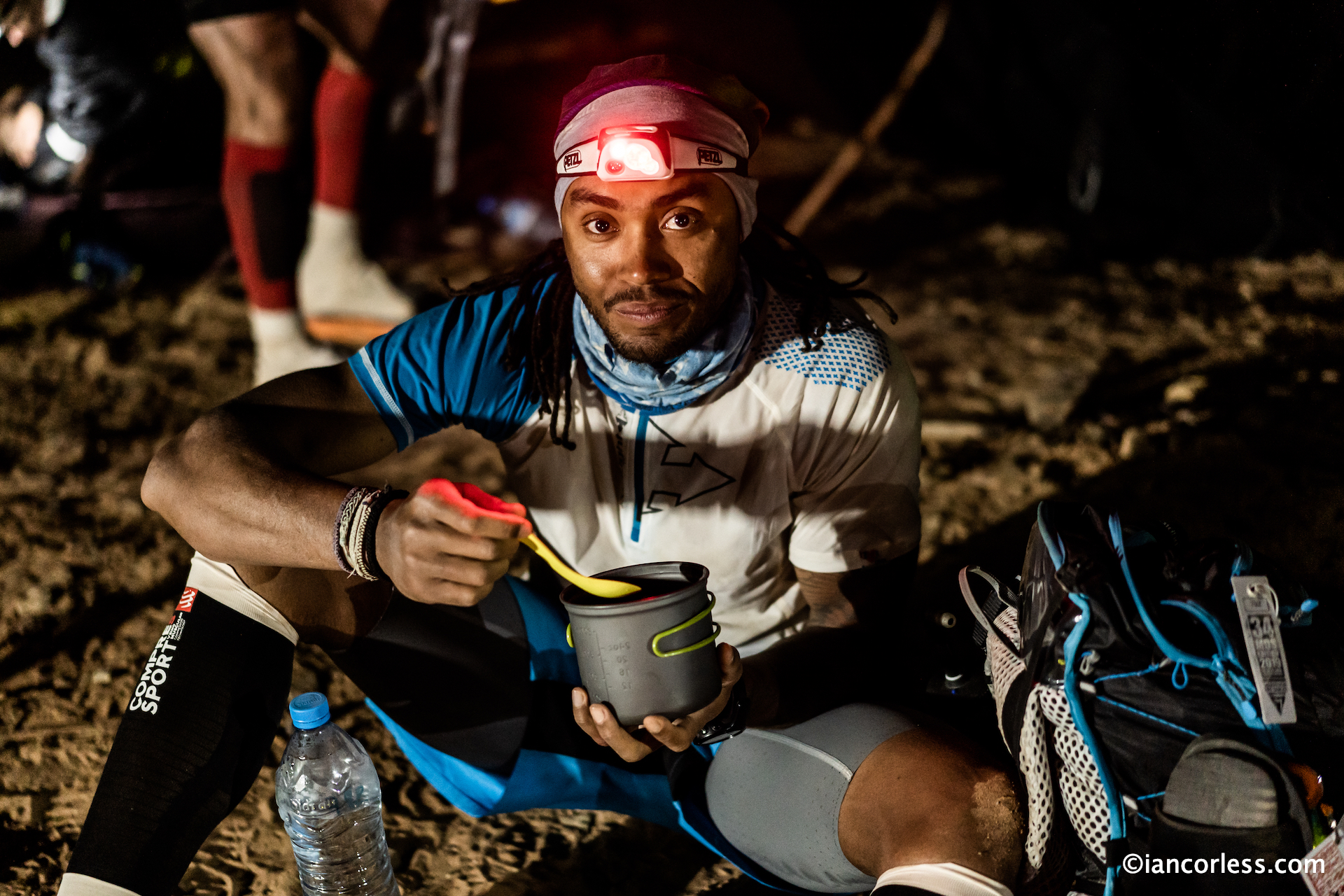
The choice of having hot water can be a deal breaker. For some, a hot coffee or tea is just essential! In addition, food is typically more pleasurable when hot and hydrates quicker with hot water. You cannot use any gas stoves at MDS so you must use fuel tablets and a small stove. However, here are some alternative ideas: 1. If you finish early in the day, leave a bottle in the sun and let it warm naturally. 2. Often, there are lots of shrubs, twigs and branches around bivouac, it is possible to make a fire, but you will still need a pot.
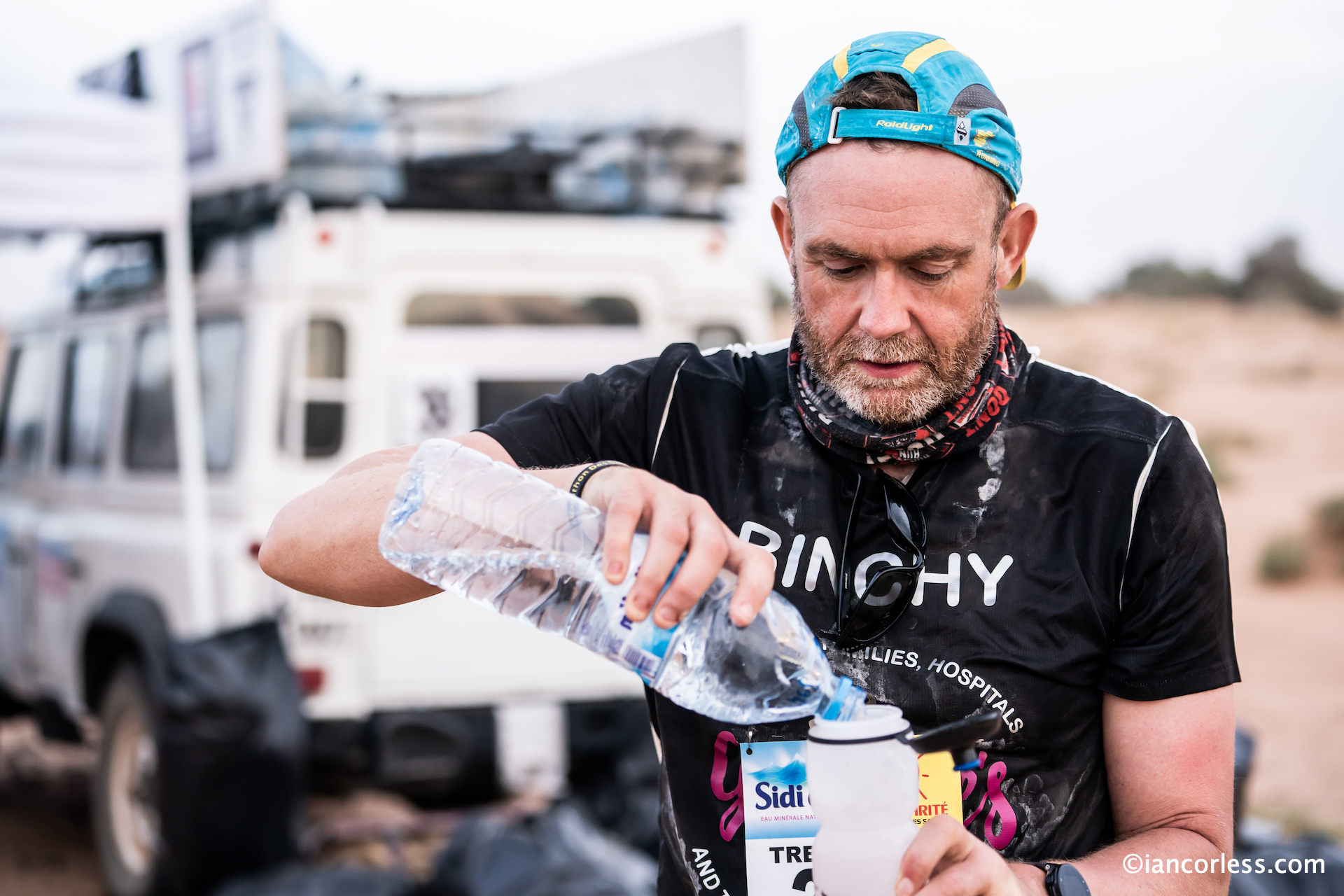
Water at the race is provided in 5Ltr bottle at the end of the stage this needs to last till Cp1 of the following day, so, plan water use.
Consider repackaging all your food to make the volume and weight less, if you do this, be sure to include the nutrition label in your new packaging.
Take extra food and options. When in the Sahara, you can make some final food choices.
The ‘Long day’ and following ‘Rest Day’ will require different fuelling strategies, take this into consideration.
Rules – Race rules dictate you have a minimum 2000 calories per day, that you have nutrition labels for the food that you take and that on the morning of the last day that you have 2000 calories remaining.
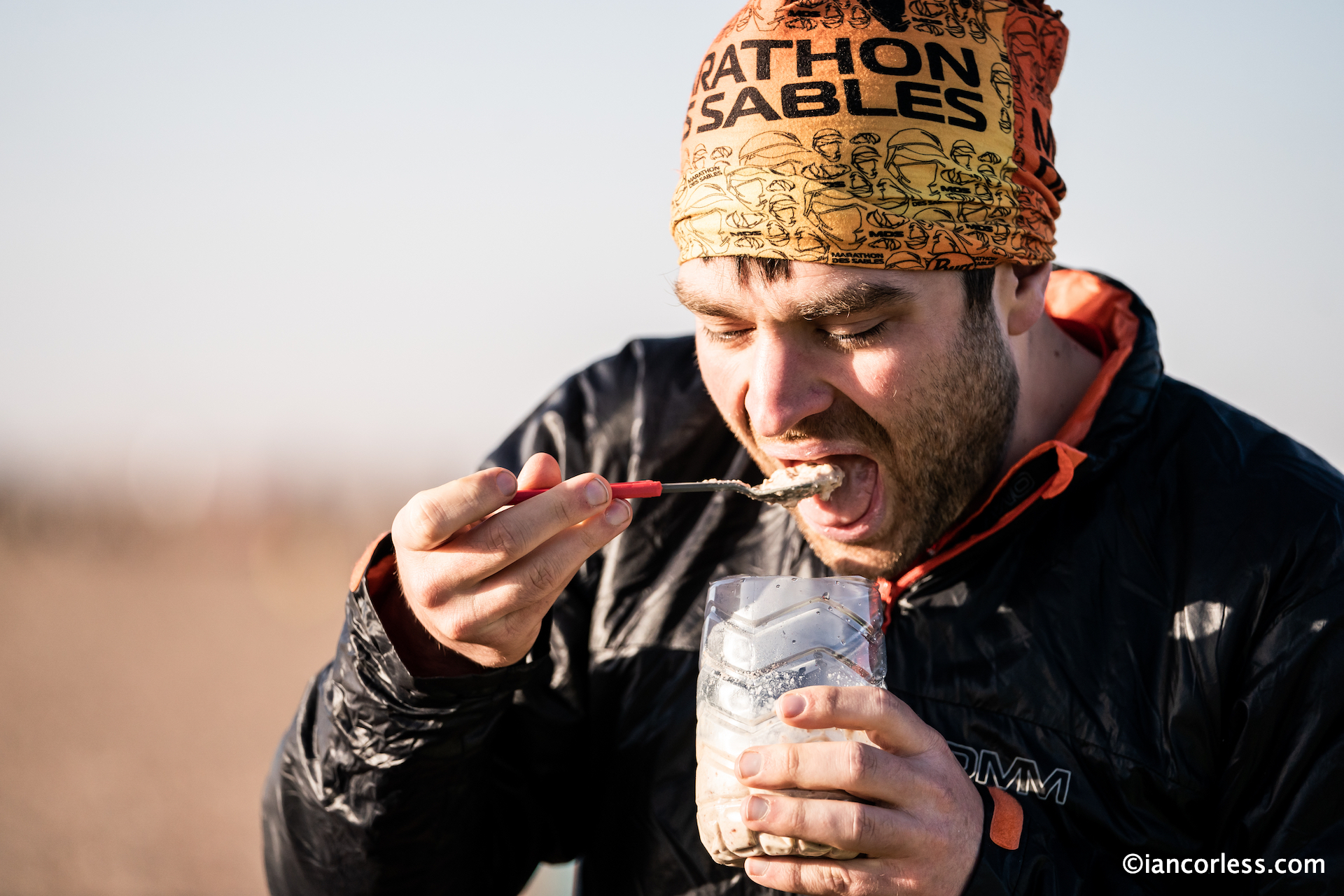
A cut down water bottle is a great food bowl.
WATER
Water is the only item provided at a race such as MDS and this is rationed. You are provided water for ‘in’ camp and then this is replenished while running at Cps which are typically 10 to 12km apart. When you finish the stage, you are then allocated water to last through the night and the following morning. NOTE: This water will need to last till CP1 on the next day’s stage, so make sure you leave enough to run with.
Water is rationed and supplied at every checkpoint on the route, typically every 10km.
Water is obviously used to hydrate but you also need it for your food and if you wish to wash.
Remember you need to replace salts that are lost through sweating. Have a strategy in place. The two main reasons for a DNF are feet and dehydration.
SPREADSHEET
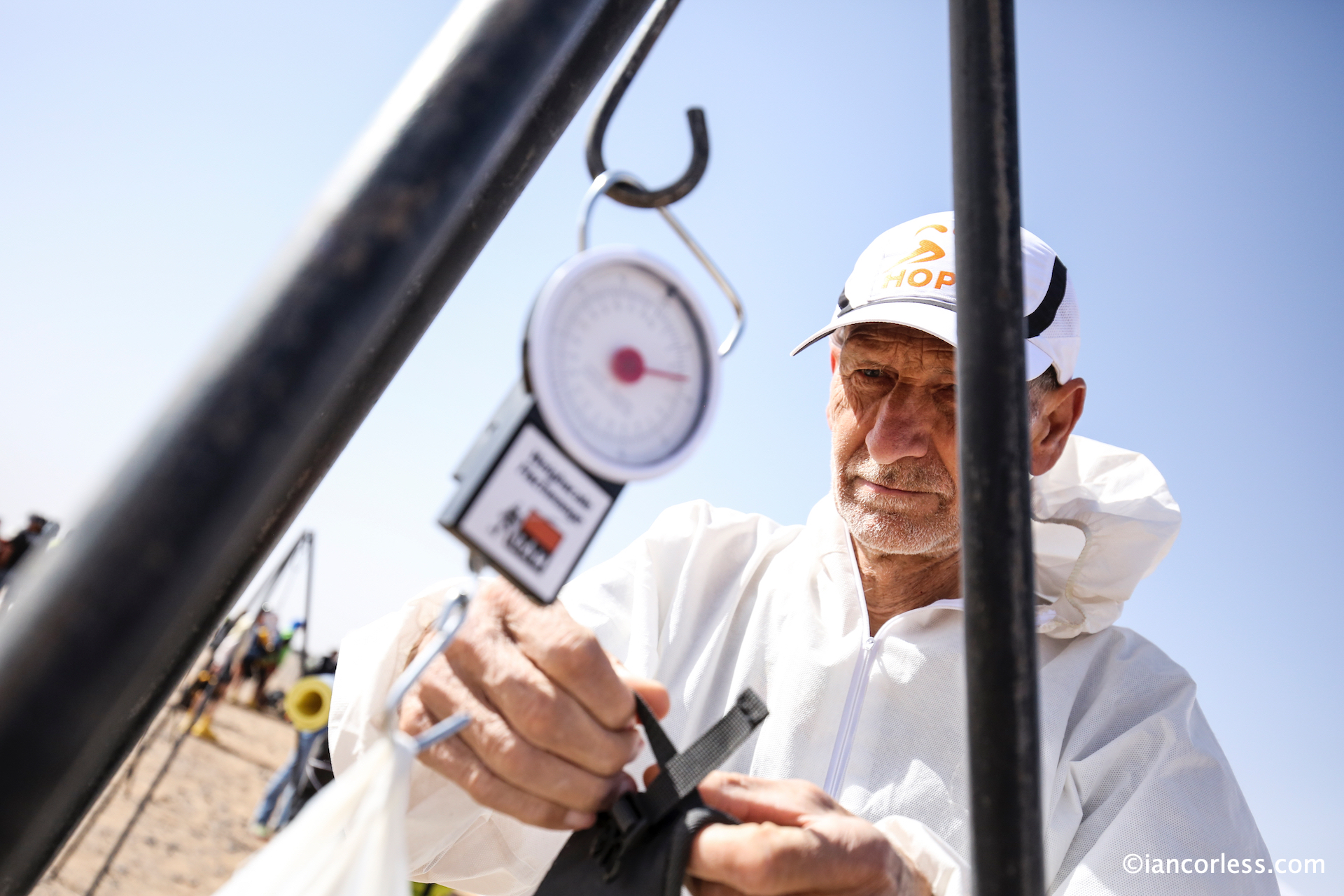
Create a spreadsheet so that you can see daily food items, how many calories and what the weight is. Not only is this invaluable for personal admin, but it is also a requirement for the race when at admin check.
Top Tip: Lay a day’s food out on the floor and look at it and analyse (visually) does this look enough for 1-day.
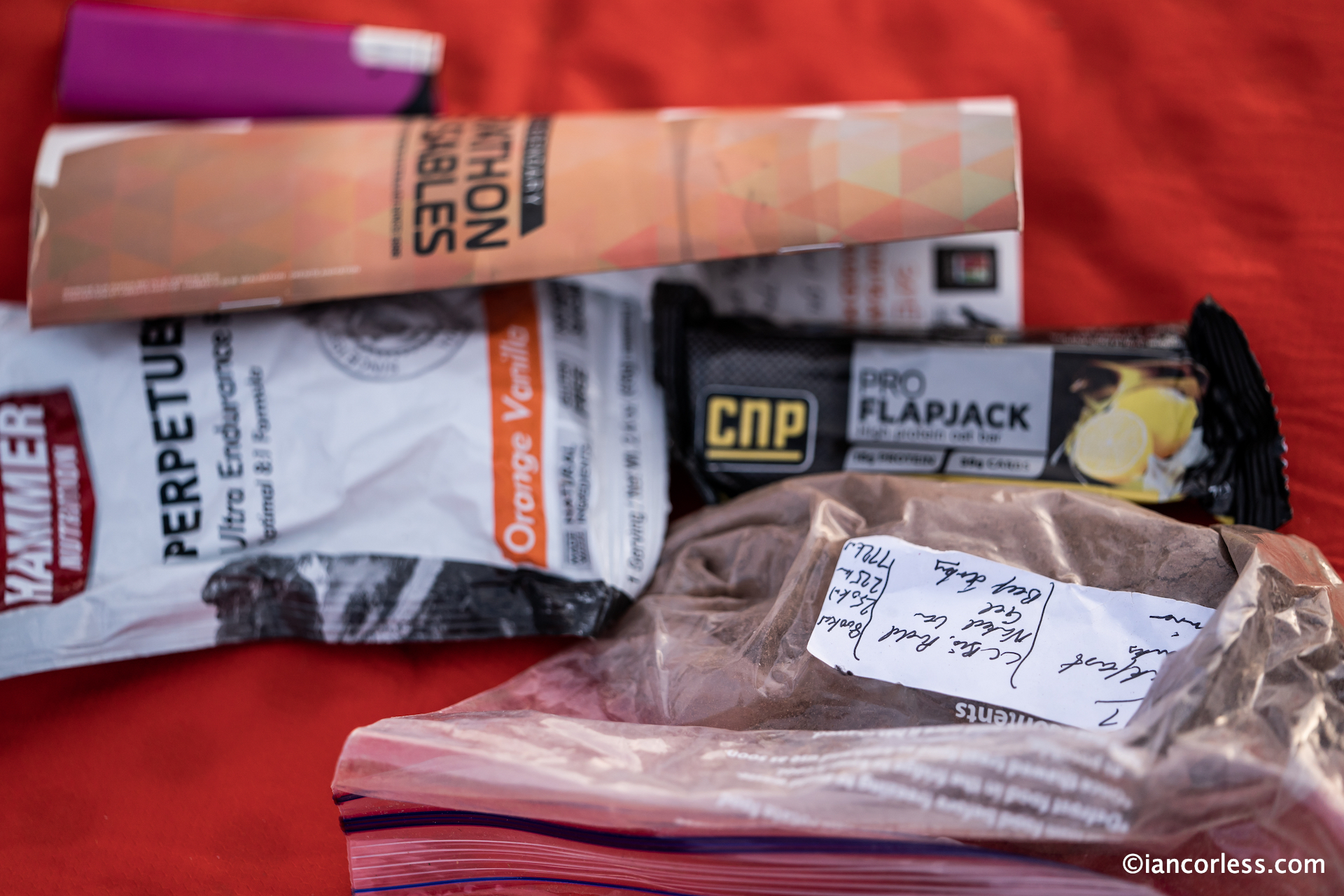
An example of fuelling for one day.Use a sealed bag for each day and then add a label showing contents and calories.
CONCLUSIONS
Getting fuelling right for any multi-day is really important, so, do the research and test everything. Have a contingency plan and anticipate the need for sweet v savoury will change.
If possible, repackage food to save weight and use clear packaging and relabel adding the name of the food, what day it is for and how many calories are inside.
Make sure you have some treats and something to look forward to.
Real food is good for the brain and the chewing motion helps satisfy our natural human desire to eat and be happy.
Remember, multi-days are only about three things: running/ walking, eating and sleeping, so, make sure you are prepared for each element accordingly.
The long day, many stop and cook a meal during the night to fuel the journey.
SUMMARY
In this article, we have looked at food for a typical desert race like Marathon des Sables that lasts for 7-days. many races follow the same format. However, different race conditions may well dictate food choices, for example, a race in snow/ ice with sub-zero temperatures will require a different strategy and the balance of carbohydrate, protein and fat can be different.
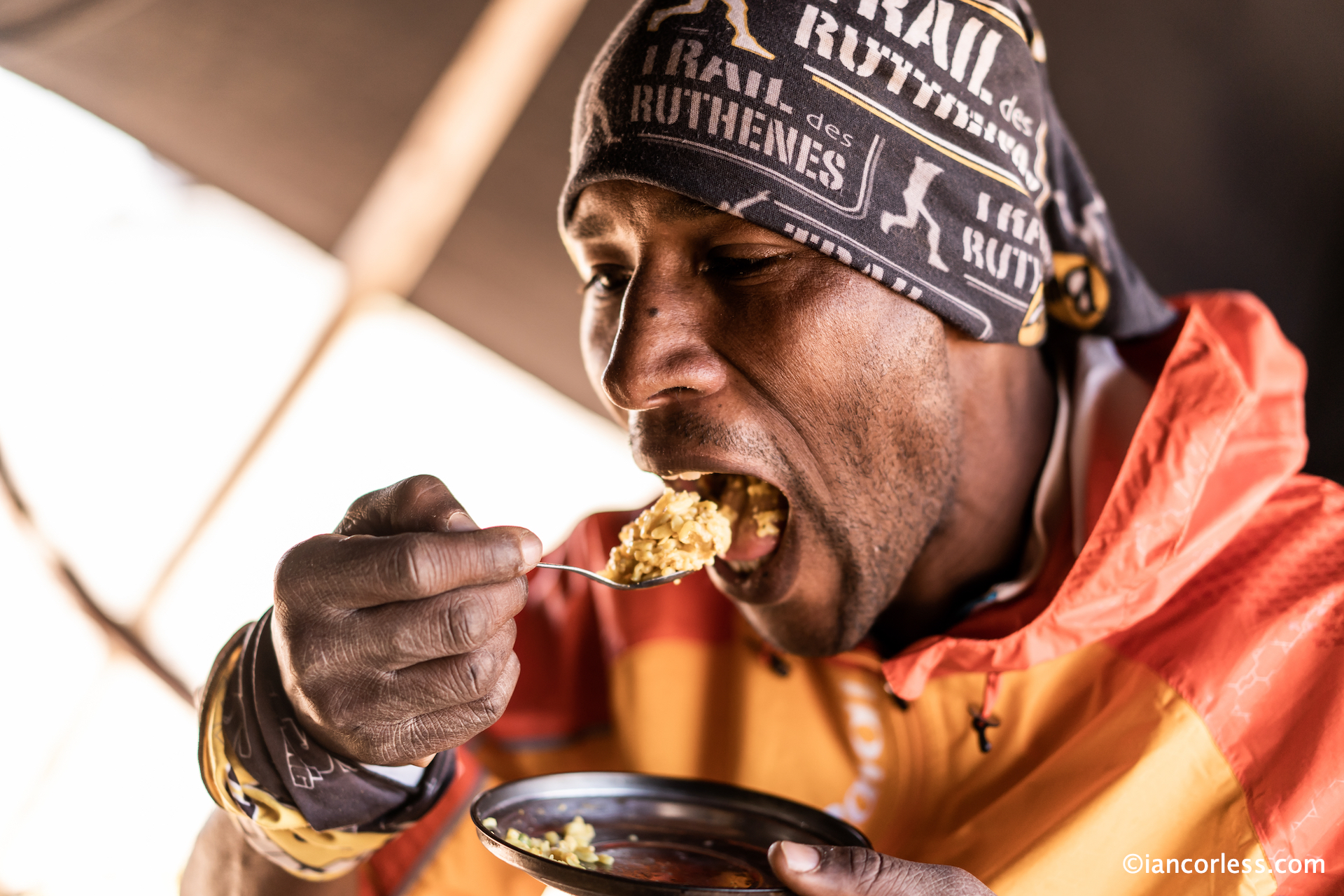
The top Moroccan runners boil water and eat hot food. Here Mohammed El Morabity.
Some races or multi-day are semi-supported, some are supported. In these scenarios, your own food may be carried for you or, it may even be provided for you? Think ahead and plan for what you may need so that you can perform as you wish with the calories you need. Especially important for vegan, vegetarian or those on specific diets. The big advantages of semi or fully supported is the not needing to carry additional weight and in most scenarios, there will be no restriction on quantity or calories. Everest Trail Race and The Coastal Challenge are two perfect examples of semi and fully-supported races,
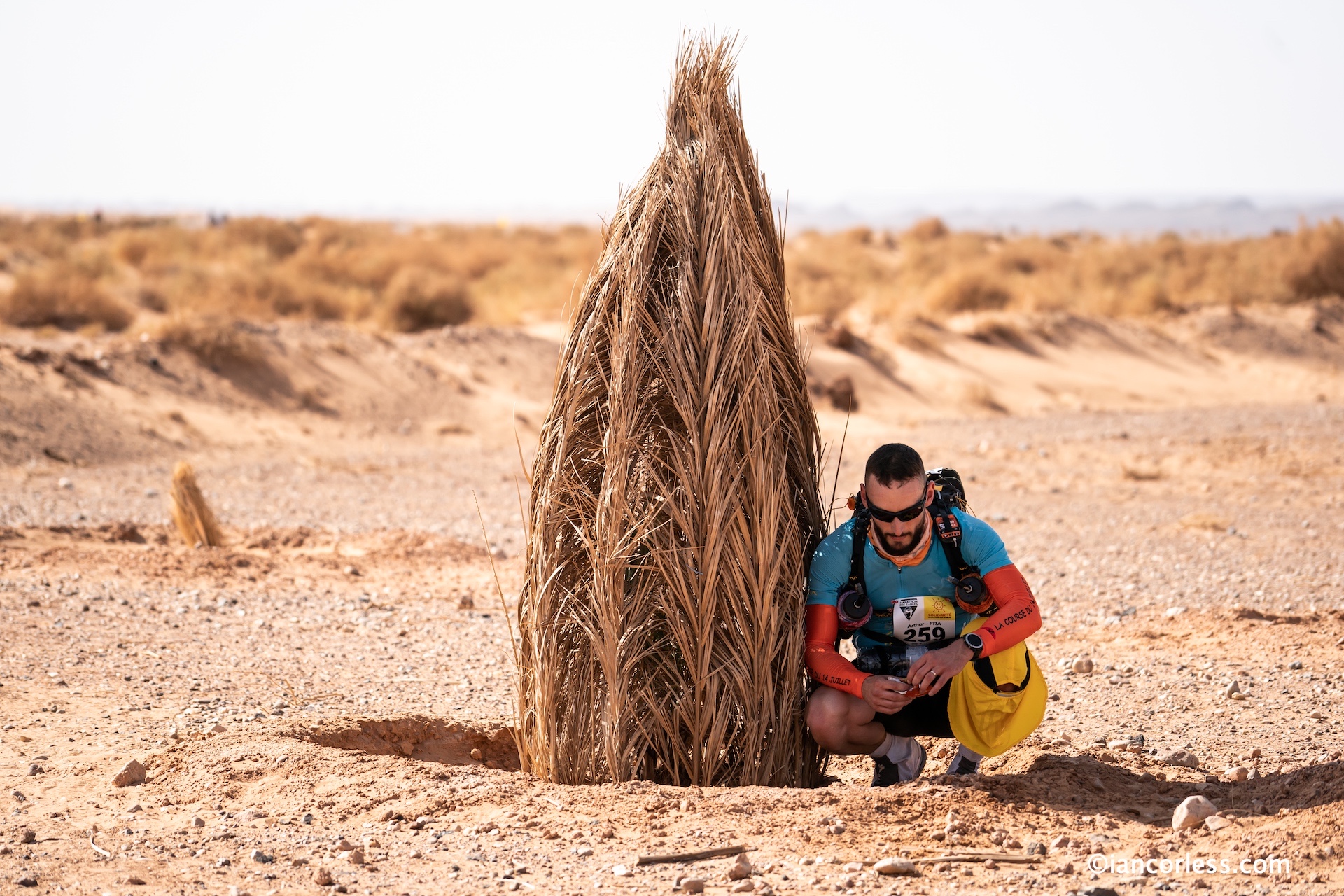
There is not much shade in the Sahara, so, don’t rely on it.
Marathon des Sables – The Legendary will soon be here and now is the perfect time to make sure that you plan for a series of protocols to acclimate to heat and the stress of heat before arriving in Morocco.
In simple terms, you need to impose heat stress on the body that will simulate the conditions you will race in when in the Sahara.
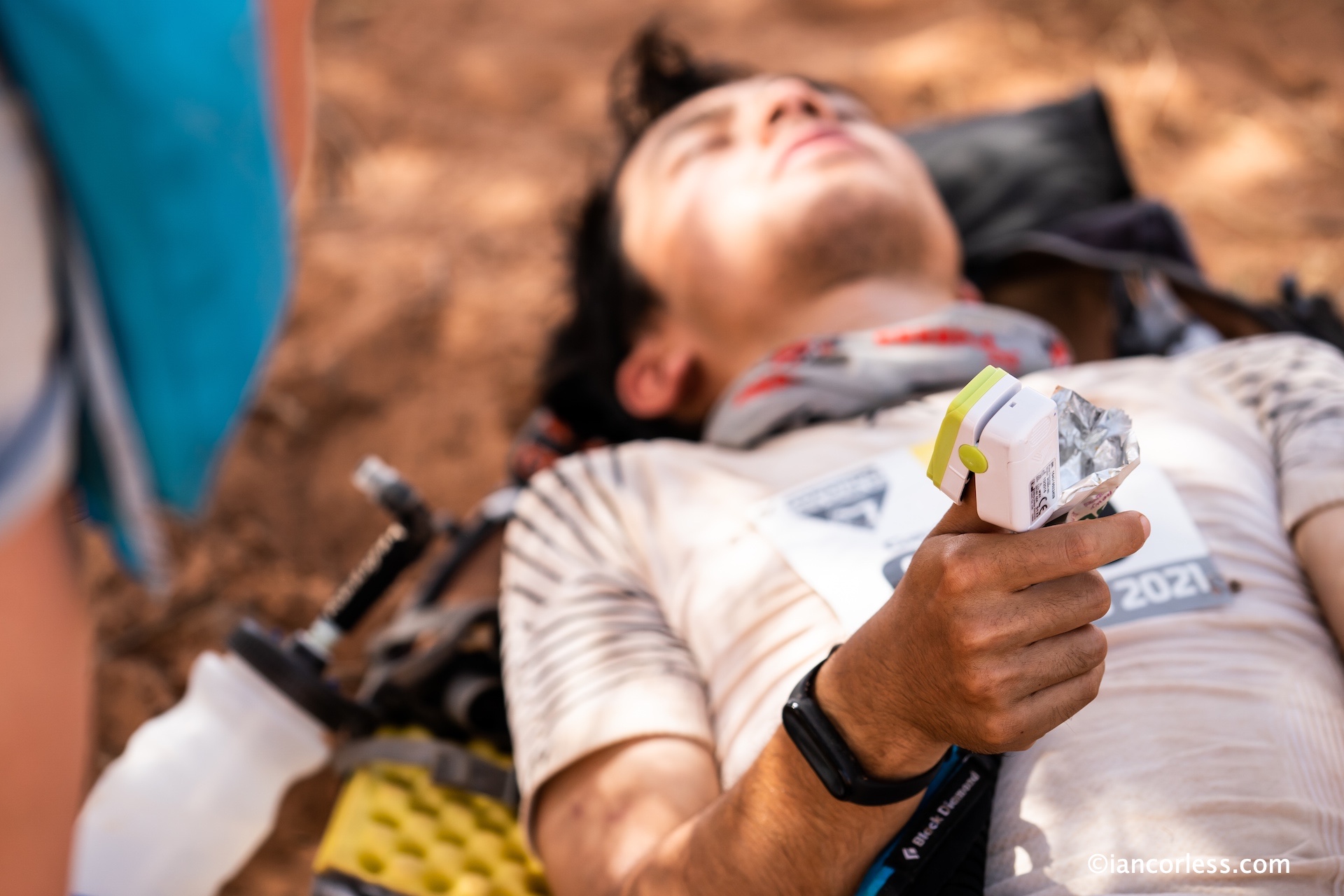
Heat exhaustion brings you to a stop and may well mean a withdrawal from the race.
Acclimation to heat should be done close to competition, ideally sub 21-days and ideally in the final 14 and 7-days. Statistics show that 5-sessions (or more) offer a more fulfilled adaptation. The pseudo motor function (sweat rate) takes a little longer to occur, but all the other measurements, cardiovascular and lowering core body temp occurs quite rapidly. However, 5-10 sessions will allow even greater adaption, and provides better results in particular with sweat rate.
Now of course, if one is fortunate with time, the best scenario is to travel to the race location and adapt naturally in the environment of the race. Reality is though, few of us have this option and we must therefore simulate the stress of heat. The most obvious and effective protocols take place in an environmental heat chamber. Sessions could be performed every 2-days in a 14-day window. Adaptation from exposure diminishes rapidly, so, there is no need to do this too far away from the chosen event.
Expense can be an issue and therefore there are other possibilities. Keep training as planned and add layers of clothing while training. Post training, when already hot from the stresses of a run, you could then take a hot bath which will raise core temperature. One can also consider Bikram Yoga and use saunas. The reality is though, while some of these interventions will have some benefit, and most certainly, they are better than nothing, it is not something that can be recommended completely as it is harder to prescribe and measure.
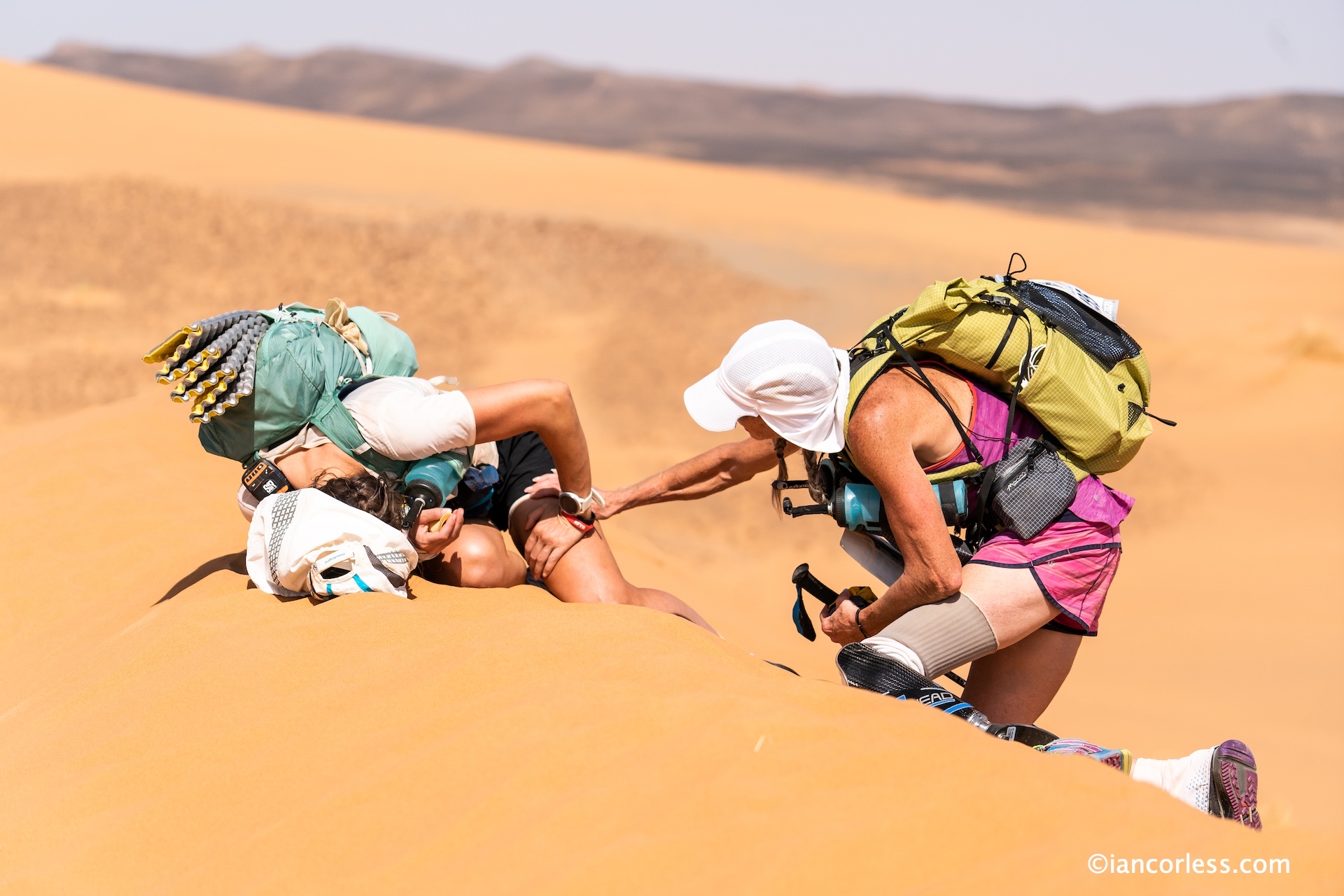
When it all goes wrong, shade and an IV drip may be required.
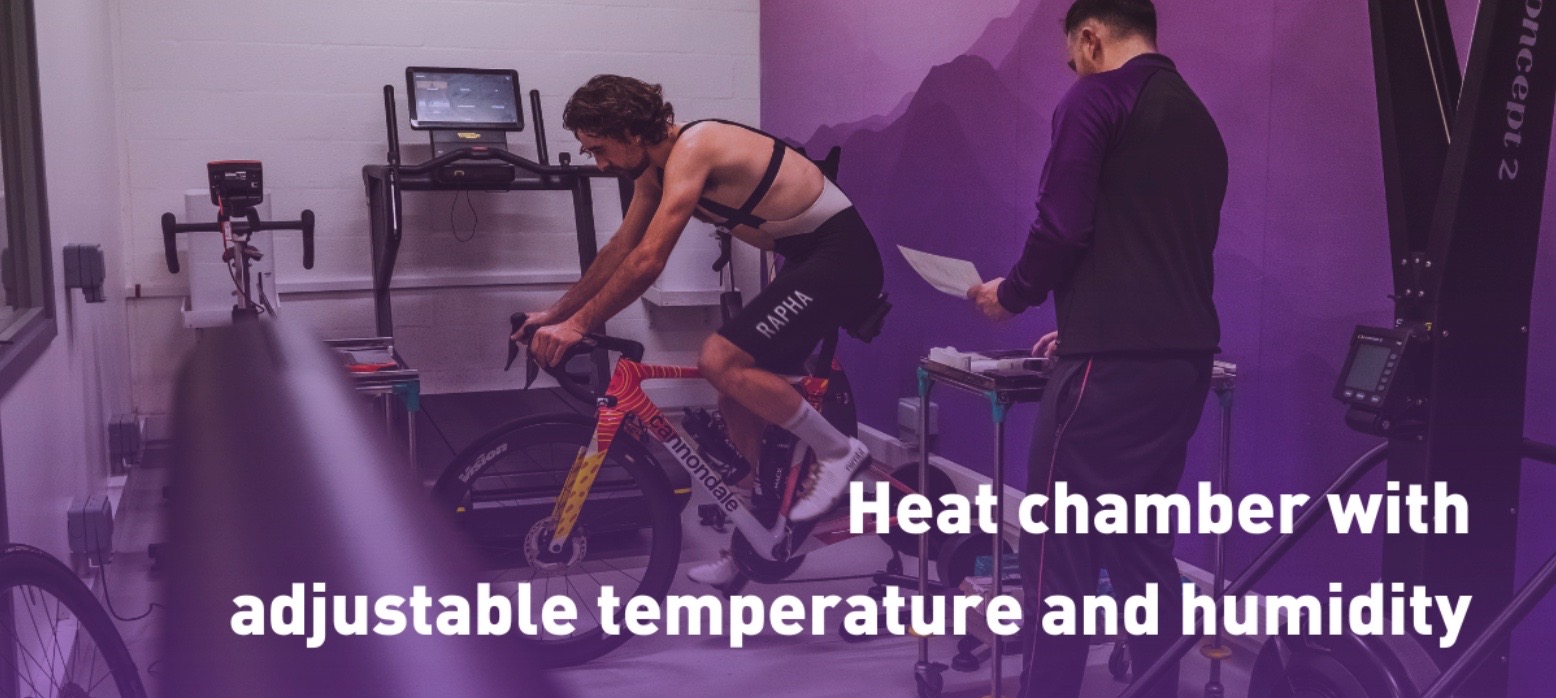
Environmental heat chamber
Environmental heat chamber is controlled and measured and in addition is monitored by a professional who gradually controls and analyses the stimulus to ensure maximum benefit and importantly, safety. In regard to session length, sub 60-minutes is usually adequate and this allows the body to get hot enough.
Image (c) Loughborough Sport
The use of a rectal thermometer is used to ensure that you reach the required thermal stimulus. Body weight is measured when naked and then this figure is used to measure fluid intake and sweat rate. Urine tests may be done to look at hydration status. It’s important that a client leaves re-hydrated after a session.
Image (c) Loughborough Sport
It’s important to remember, these sessions are about heat adaptation, they are not training sessions. A treadmill or bicycle is used and many testers prefer the bike as it adds less impact to the body and fatigue.
A 5-minute check will include heart rate, core temperature, skin temperature, perception of thermal environment, how hot does the client think it is? And finally, the tester usually asks how comfortable the client is. Then, the protocol will begin.
The target is a core temperature of 38.5 degrees in each session, which is ideal for pseudo motor and thermo functions to be maximised. Measuring the thermal strain is key. It usually takes about 30-minutes to get to 38.5 degrees depending on the individual. But external factors do have an impact. The session is about controlling and meeting a fixed criteria.
The first two sessions are often a challenge and then by session three, improvements can be noticed with the greatest improvement coming after day five with seven sessions being a great target to work towards. Total exposure is more important than days, so, if challenged for time, it is possible to do two tests per day, say AM and PM. As stressed above, the optimal time window is in the 14-days counting down to the event or race.
Loughborough Sport in the UK offer specific heat acclimation – book HERE
Do you need to acclimate to heat?
All runners in the Sahara will be faced with physical and perceptual challenges that will have negative effects on performance if not acclimated.
They will be slower, frustrated, dehydrated and have a potential of heat stroke and ultimately they may not finish the race.
Acclimating to heat pre-race prepares the body for the challenge to come!
Too hot? Cool down.
When in the race, if you experience negative effects of heat, is there anything that can be done?
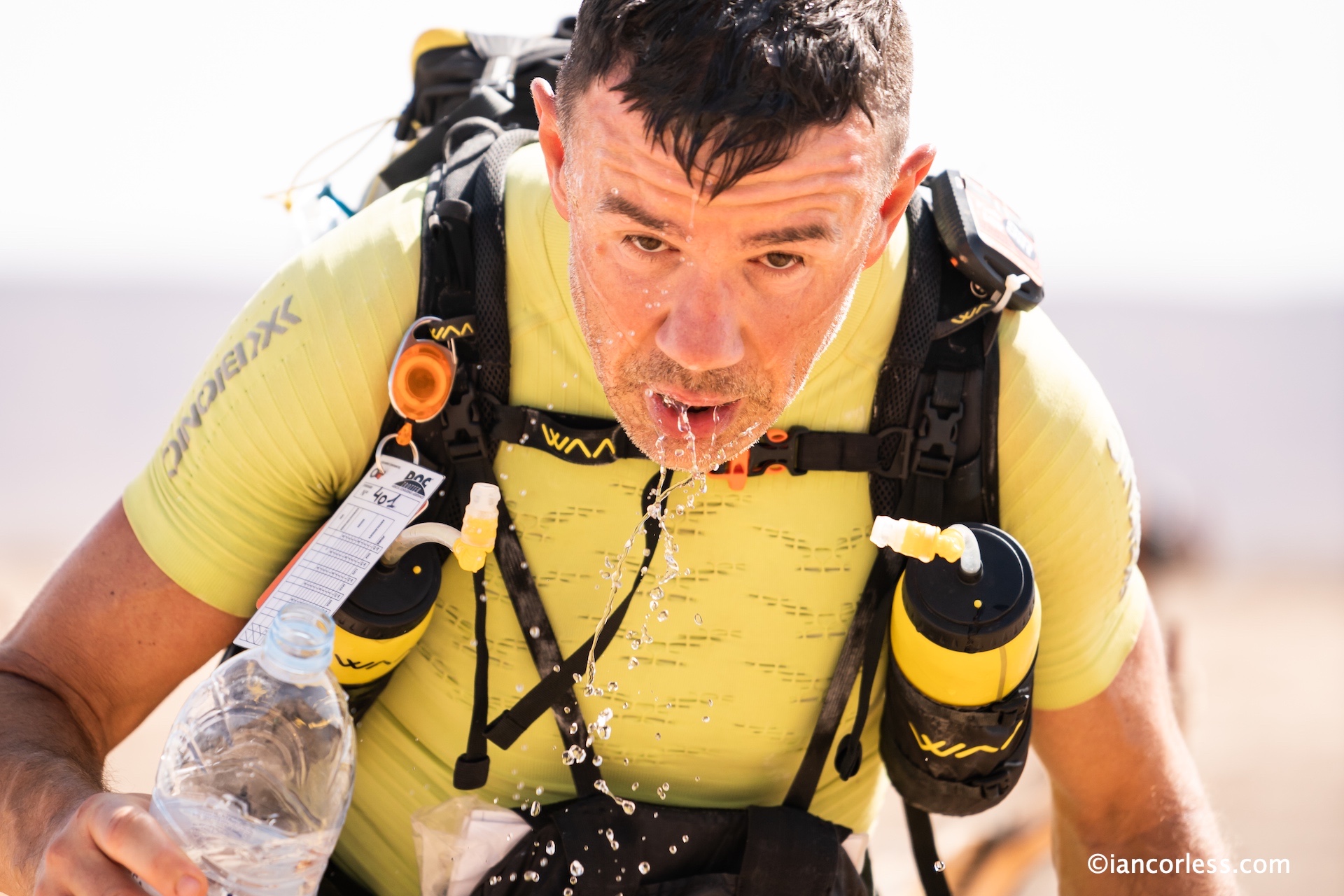
Yes, slow down, try to cool down as much as possible, seek shade at aid stations, rest and allow the core to lower. Hydrate and use spare water to provide a perceptual cooling: water on your face, head, forearms and neck will help a little with this.
Conclusion:
When one runs, you use muscle mass and this generates heat. When you then exercise in a hot environment, particularly if it is greater than skin temperature, then this makes it very difficult to get rid of heat. Humans are not the most efficient mechanically, so this energy from contracting muscles, potentially around 20 to 30% of the mechanical energy being made is converted to chemical energy, that means 70%, maybe even more, needs to be eradicated in the environment. If the environment is hot, for example, the Sahara, a challenge is imposed to eradicate the heat and what often happens is is that the heat is stored and one feels hotter and this then has a cascade effect of issues and problems, physiologically and perceptually.
Physiologically there is an increase in skin temperature as it is directly impacted upon by the environment. There will be an increased demand for blood flow that needs to go to muscle to provide it with oxygen/ energy to run, but also there is a competition for blood flow to the skin. In order to thermo regulate, blood is competing with muscles and skin and that creates an impact on one’s cardiovascular system. Typically, heart rate will increase due to the increased workload sending blood to muscles and skin. Body core temperature will increase. Sweet rate will also increase and therefore the percentage of water loss will increase and the consequence of this is dehydration – a deficit in body water with onward complications.
Trained individuals can gain thermal adaptations, irrespective of environment. For example, if you are training everyday, particularly at a high percentage of VO2max, one will create heat and this will require a higher sweat rate and therefore adaptation takes place. But, interventions should be in place both acute and chronic, to minimise the effect of environment on performance. Environment, will always have an impact on performance, no matter which athlete. So, make a plan now to adapt and acclimate in the final 14-days pre-race!
This article is based on a podcast (episode 191 of Talk Ultra) with Dr Jodie Moss PhD Sports Physiology, MSc Sports Nutrition.
















 IAN CORLESS