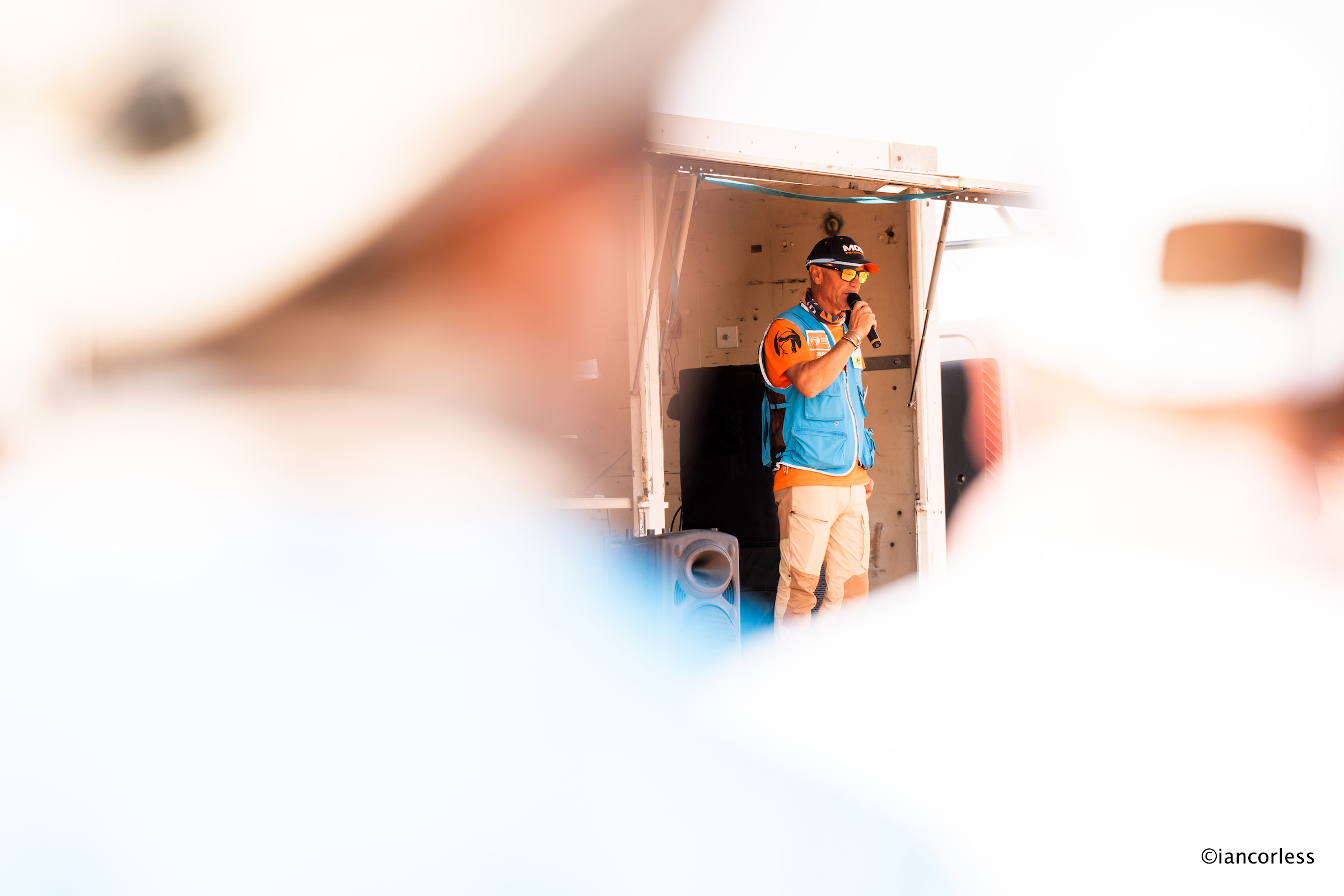
The 2025 edition of the Marathon des Sables – The Legendary is getting close, as we journey through March, we will post weekly articles to help you fine tune your preparation, here is article two.
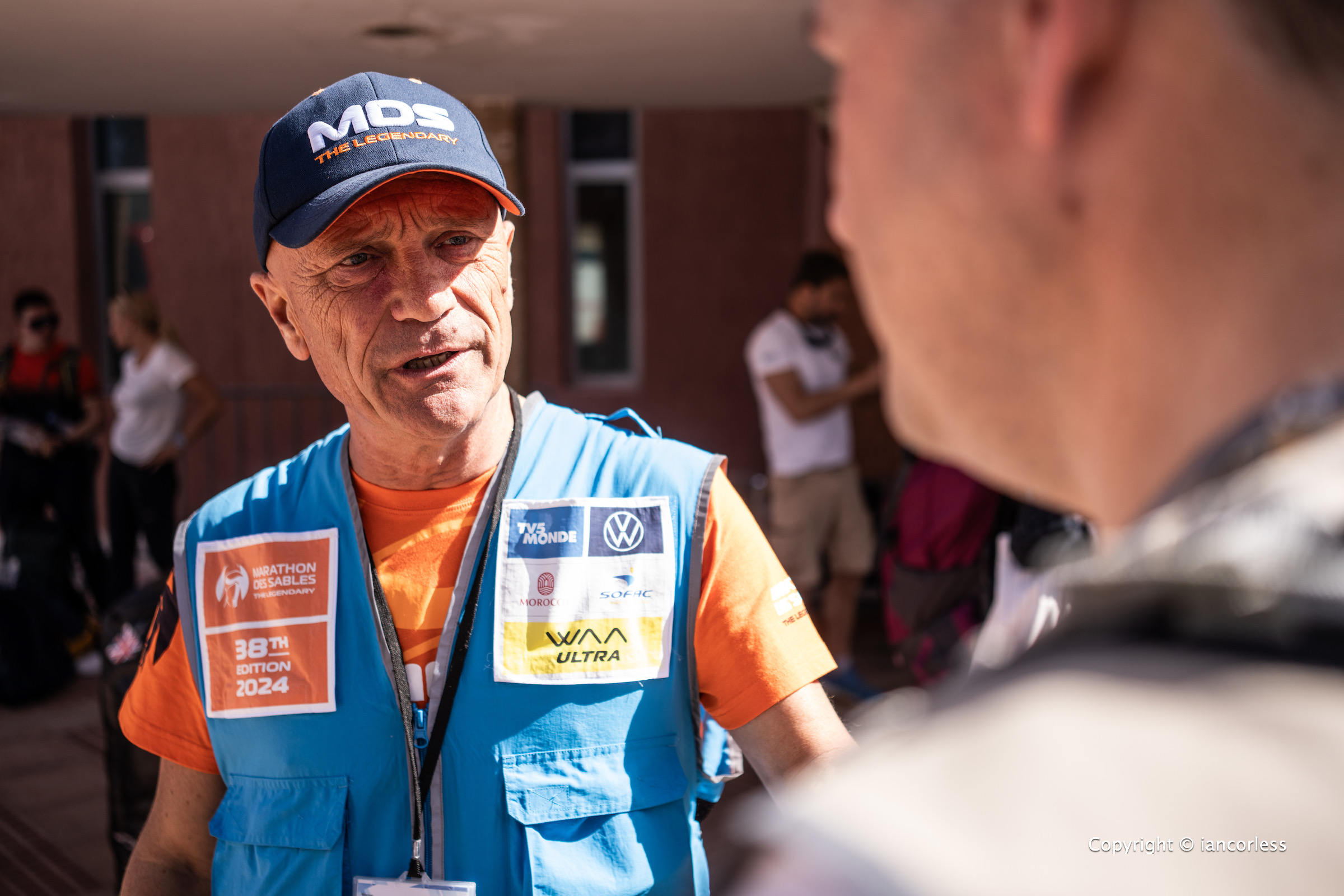
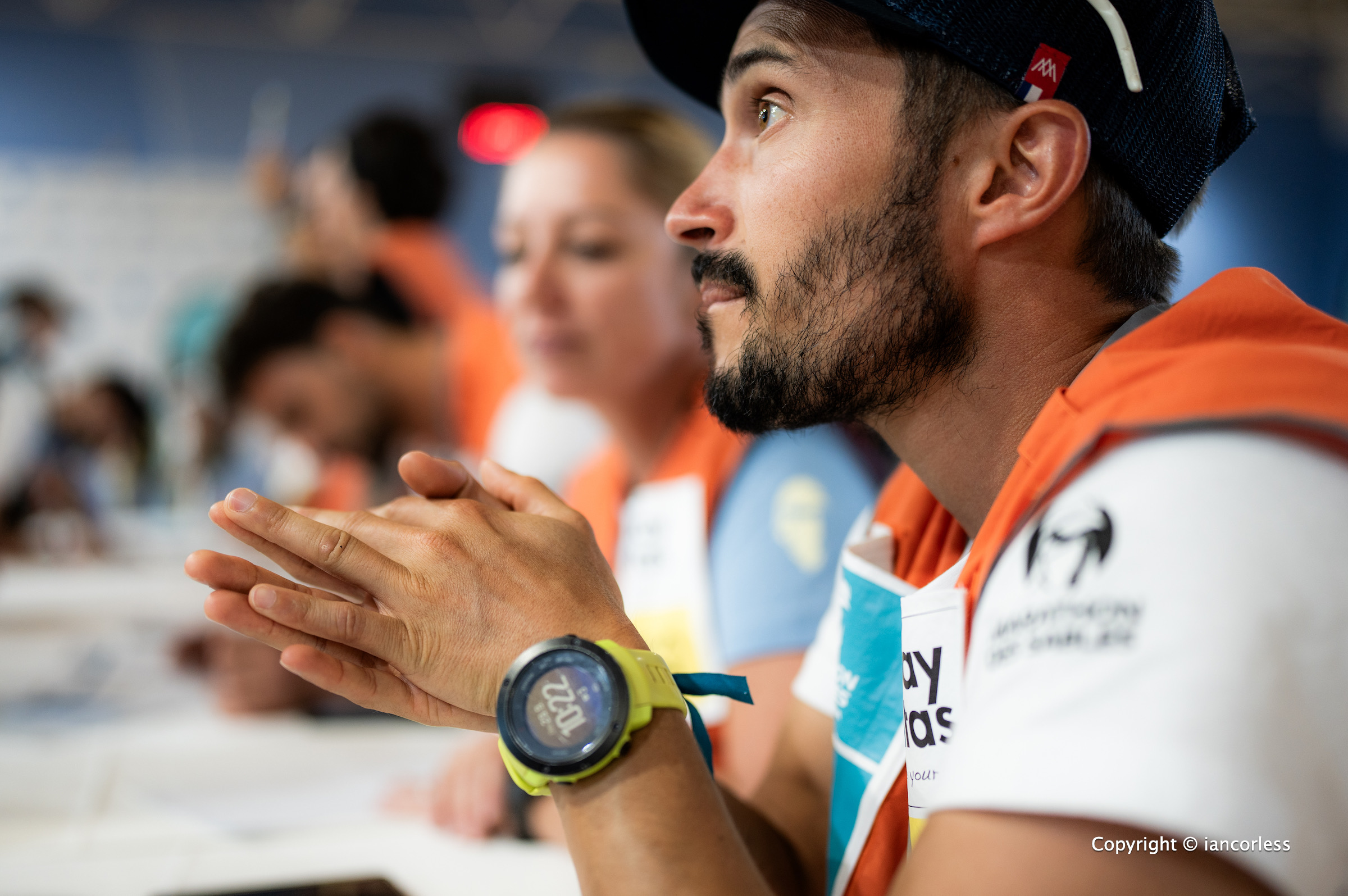
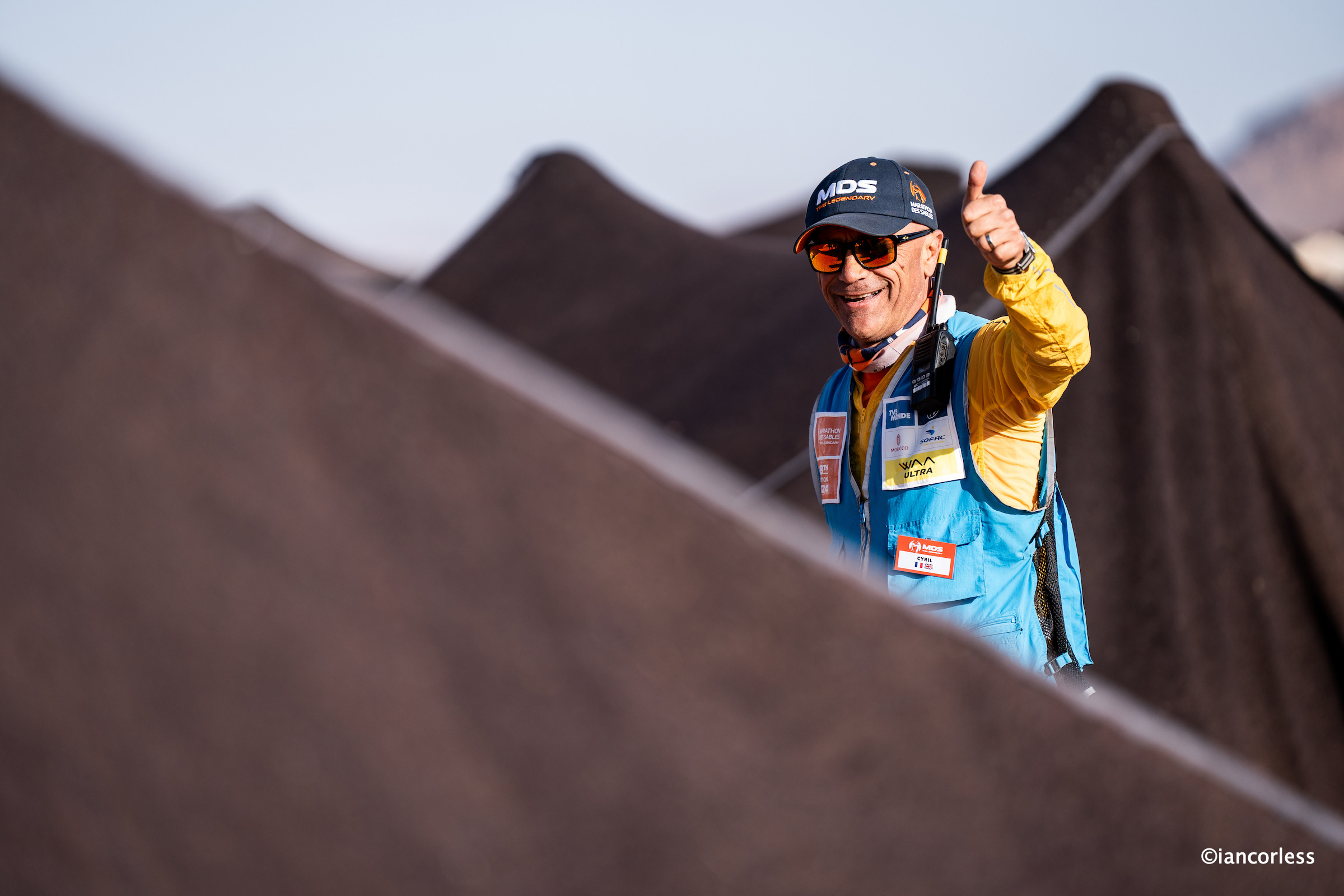
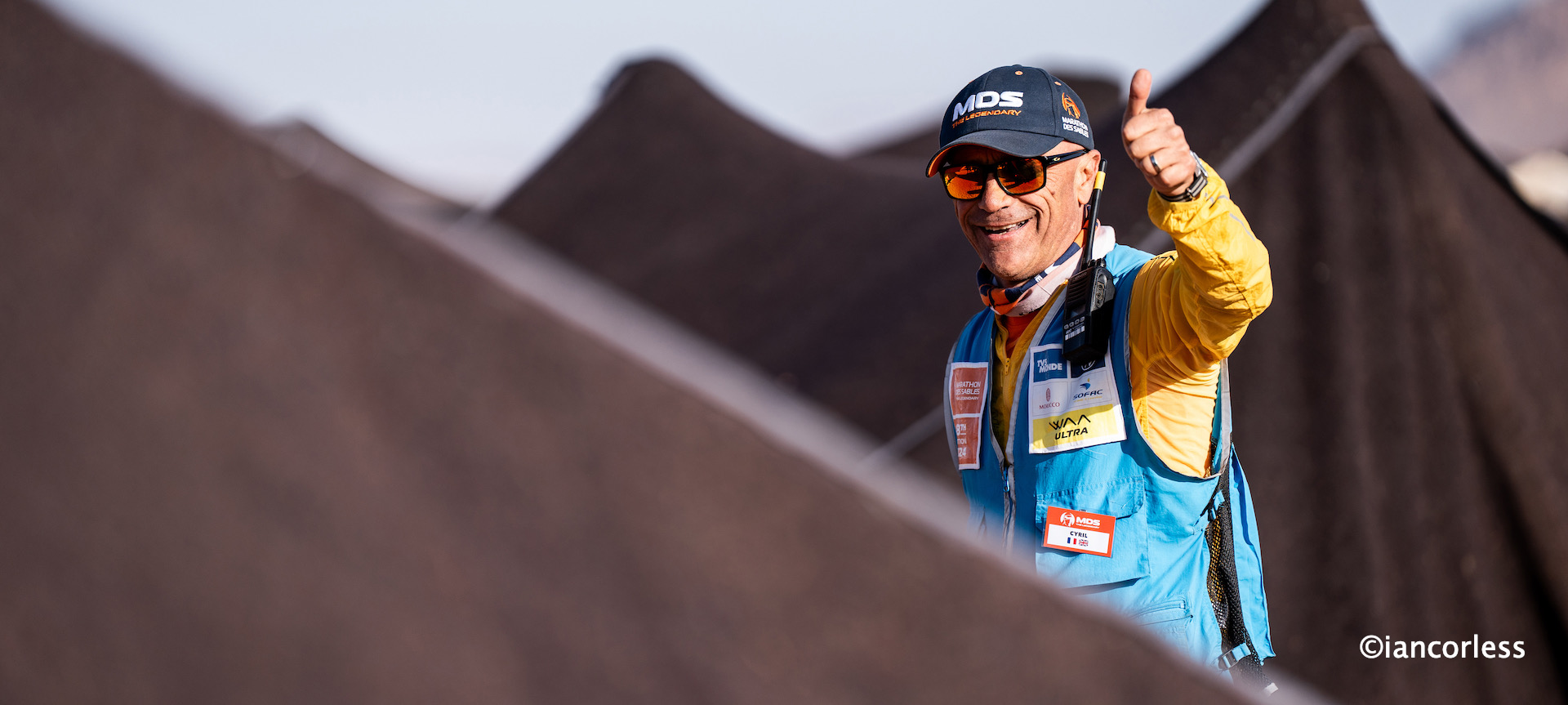
Cyril Gauthier provides one hour of his time to discuss all things MDS, the introduction and growth of HANDI and TREK. New events such as MDS RAID MAMIBIA, MDS PERU and importantly, THE LEGENDARY.
One thing is for sure, the 2025 and 39th edition is looking to be one for the memory banks. With 80% new tracks, no El Otfal and the return of Merzouga, Cyril gives a warning, ‘make sure you take the 2 to 3-weeks before the race easy!’
“…and for sure it will be tough, I am not going to tell you that it will be easy! The distance will be 250km’s, I am little unhappy because I cannot put the long stage in the third position, I loved this last year, but according to our plan, we need to move it to the fourth stage. It will be tough, very tough and really beautiful. We have some amazing places planned, 80% is new tracks. You will see places never seen before in any MDS. There will be no El Otfal, there will be lots of sand and yes, Merzouga will return.” – Cyril Gauthier
Listen to the audio below
The show is available on SPOTIFY, iTUNES and all the other main podcast outlets.
Interested in another MDS event in 2025?
A full calendar of dates and destinations are available HERE
The 2025 edition of the Marathon des Sables – The Legendary is getting close, as we journey through March, we will post weekly articles to help you fine tune your preparation.
Following on from the 2024 edition, the longest in MDS history, the 39th 2025 edition will follow a similar format and distance. The event will take place over 6-stages/ 7-days and notably, the ‘long day’ was stage 3 in 2024, for 2025 it will return to stage 4.
All 6-stages will be timed as in 2024, previously, the charity stage was not timed.
Although the race has fluctuated in distance over the years, a distance of +/- 250km’s should not come as any great surprise and training in the build up to the event should have been planned with this in mind.
6 timed stages does make a considerable difference and that should be considered. In 2024, the long day coming on stage 3 was an extra challenge, for 2025, it returns to stage 4! Depending on how fast you complete the long day, you can have a full day and night as recovery before stages 5 and 6.
Daily distances are typically never disclosed before the race and the jury is out if the distances will be announced pre arrival in Morocco, watch this space! However, it is pretty easy to guess on approximate distances.
The 2025 MDS Legendary will look (potentially) like this:
Stage 1: 32km (day 1) running total: 32km
Stage 2: 38km (day 2) running total: 70km
Stage 3: 36km (day 3 running total: 106km
Stage 4: 80km (day 4 and 5) running total: 186km
Stage 5: 42km (day 6) running total: 228km
Stage 6: 21km (day 7) running total: 249km
Total: 249km
Three key considerations:
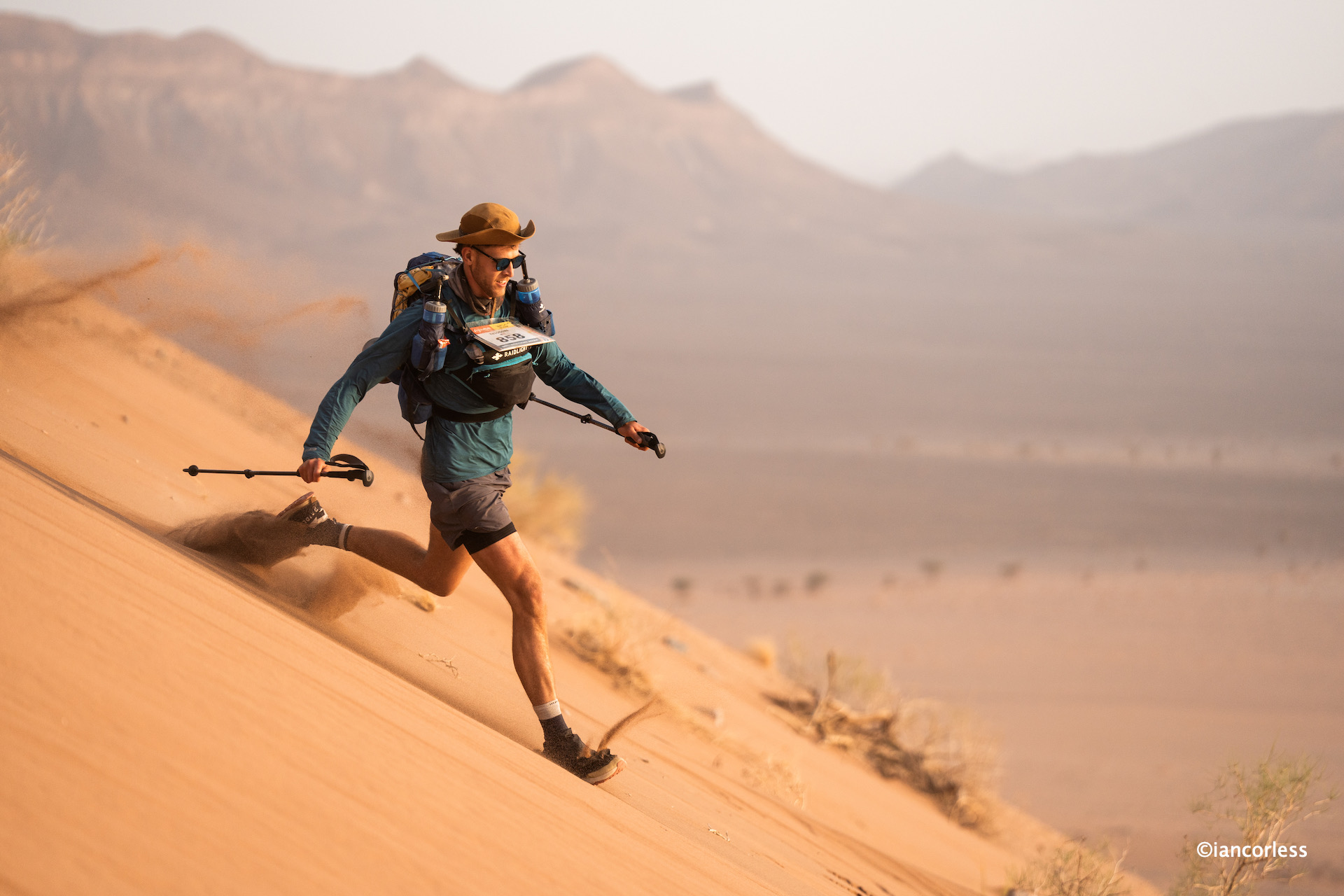
Expect more sand, anticipate no Djebel El Otfal and expect Merzouga Dunes. With the above information, you now have at least a template and guide for which to plan around.
“…and for sure it will be tough, I am not going to tell you that it will be easy! The distance will be 250km’s, I am little unhappy because I cannot put the long stage in the third position, I loved this last year, but according to our plan, we need to move it to the fourth stage. It will be tough, very tough and really beautiful. We have some amazing places planned, 80% is new tracks. You will see places never seen before in any MDS. There will be no El Otfal, there will be lots of sand and yes, Merzouga will return.” – Cyril Gauthier
SCHEDULE
Photo by Ian Corless
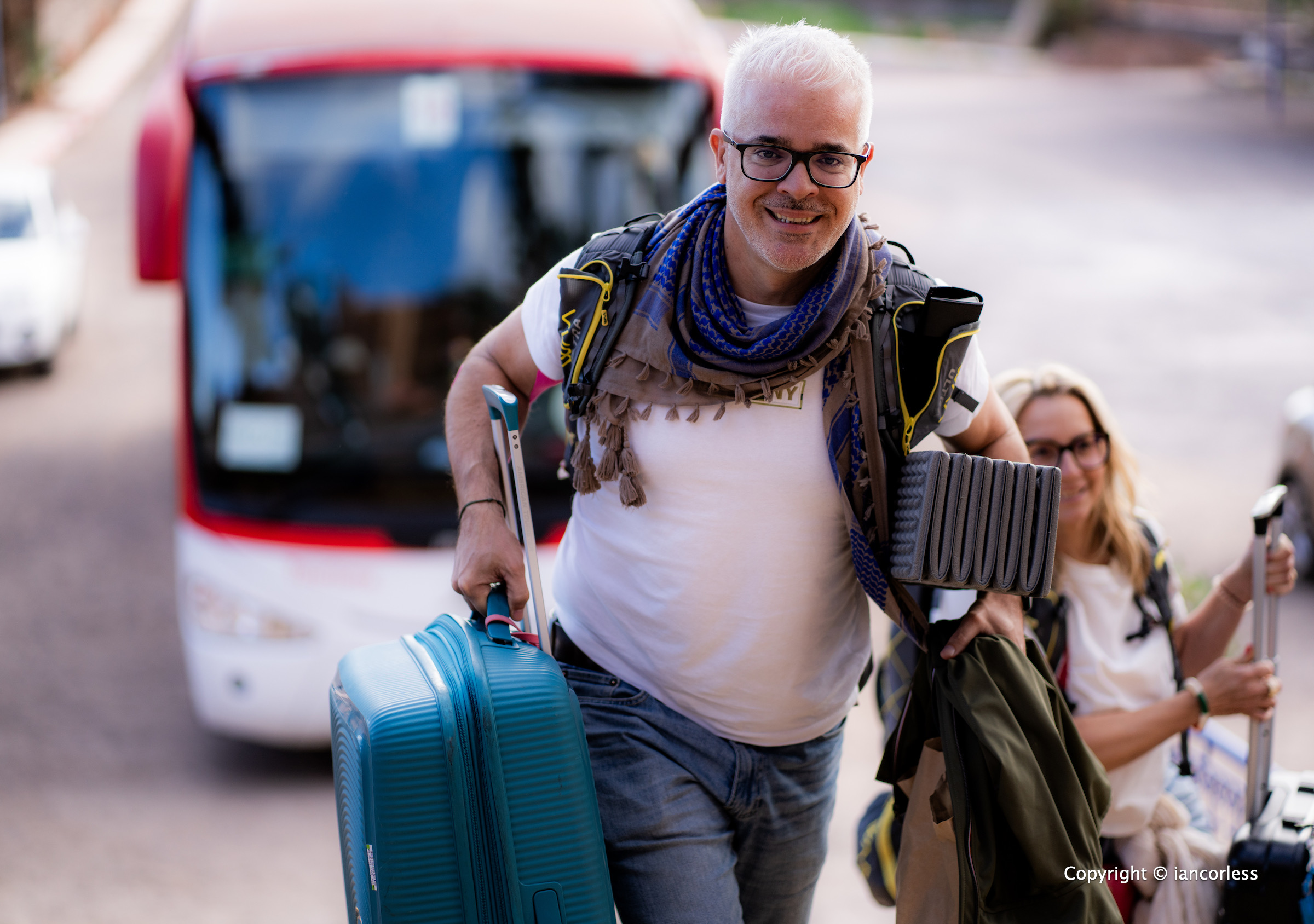
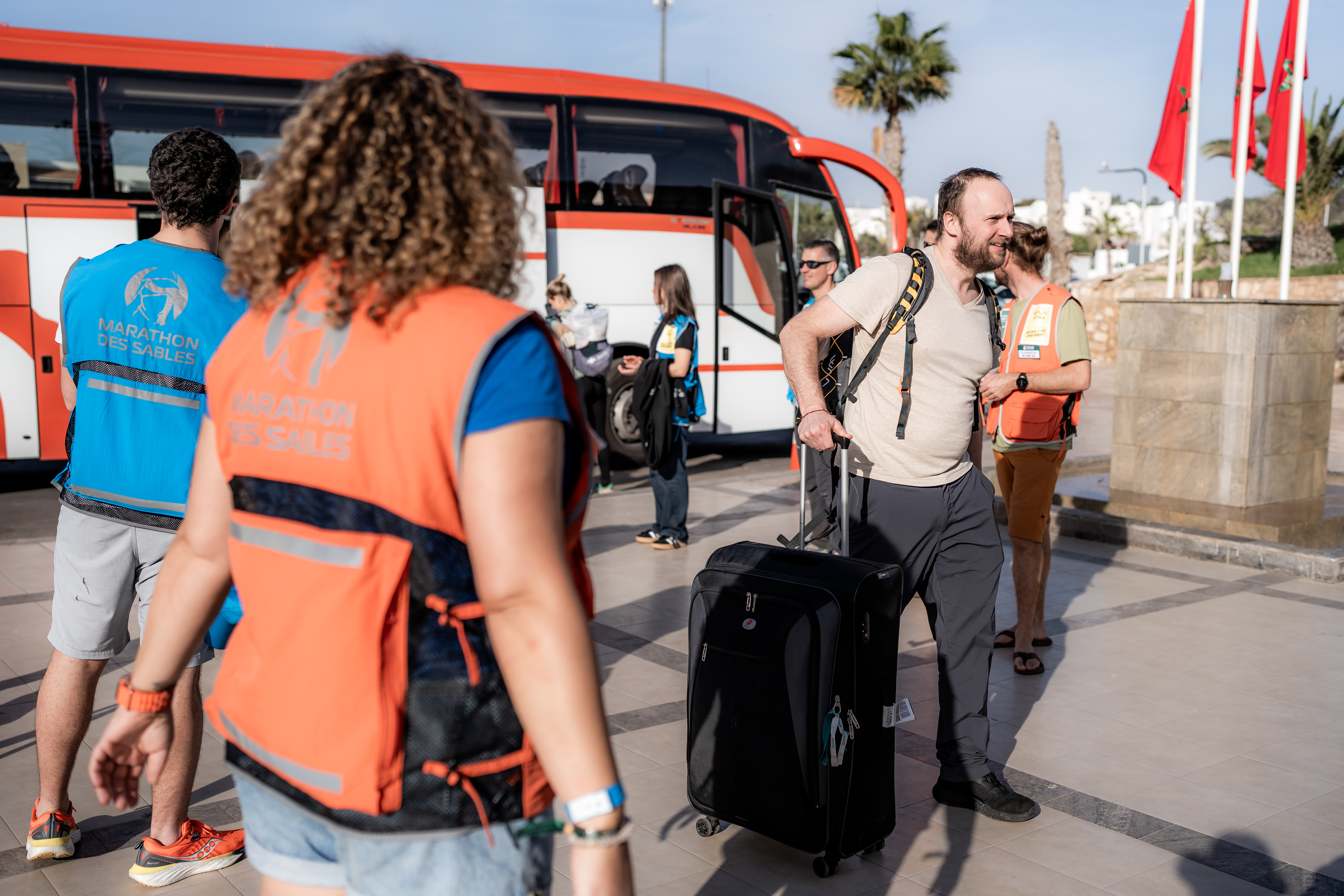
Day 1: Arrival in Morocco, transfer by bus to the bivouac in the desert, installation and overnight stay in the bivouac wih self-sufficiency.
Day 2: Day of technical, administrative and medical checks. Overnight in bivouac with self-sufficiency.
Day 3: First stage, overnight in bivouac.
Day 4: Second stage, overnight in bivouac.
Days 5: Third stage, overnight in bivouac.
Day 6 and 7: Fourth stage, the long one” – lasting 2 days, overnight in bivouac.
Day 8: Fifth stage, overnight in bivouac.
Day 9: Sixth stage, medal at the finish line, then bus transfer to Ouarzazate, overnight in hotel with half-board accommodation.
Day 10: Free day in Ouarzazate, awards ceremony, gala evening. Overnight at hotel with half-board accommodation.
Day 11: End of adventure, transfer back to airport.
BIVOUAC
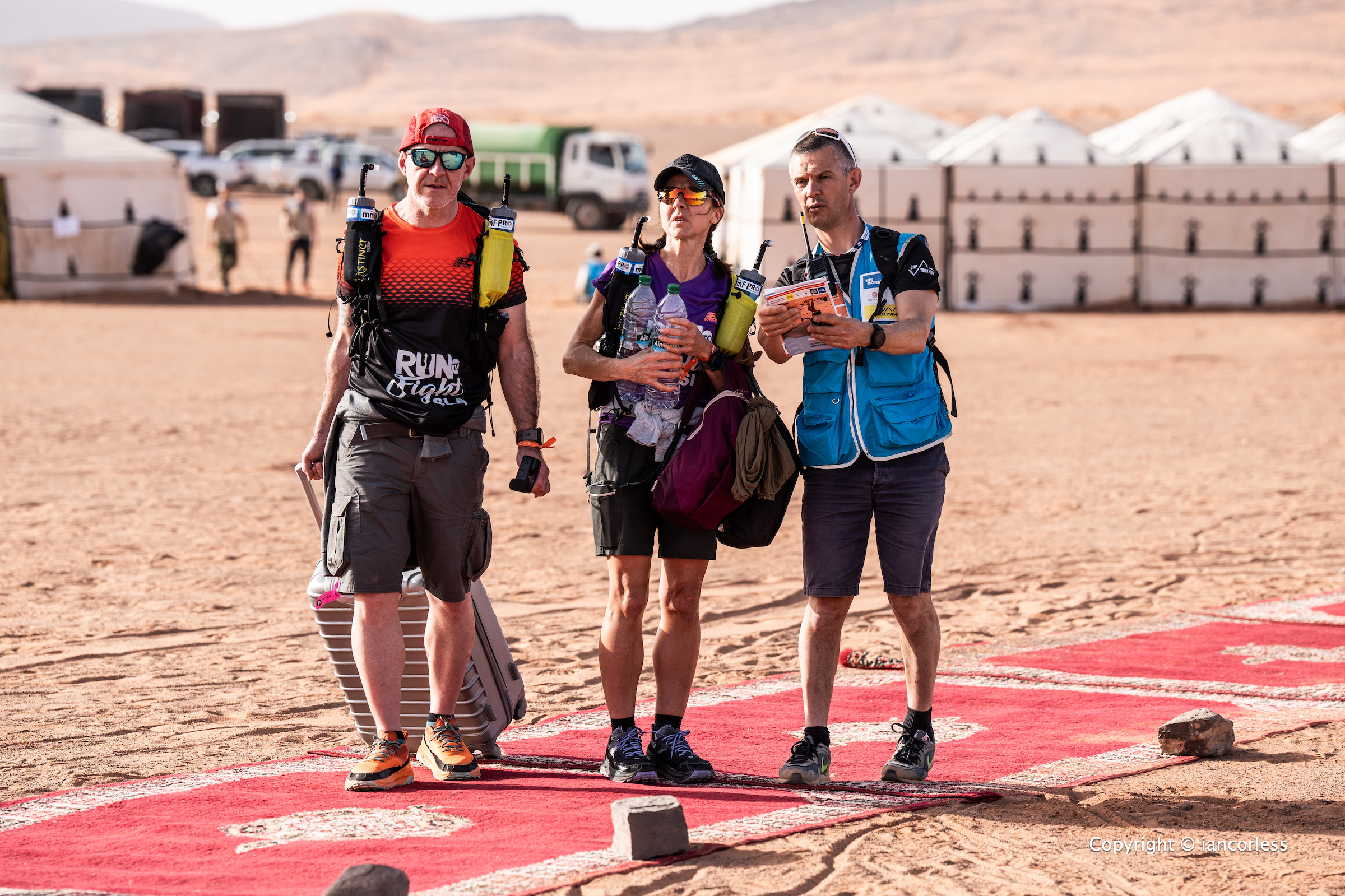
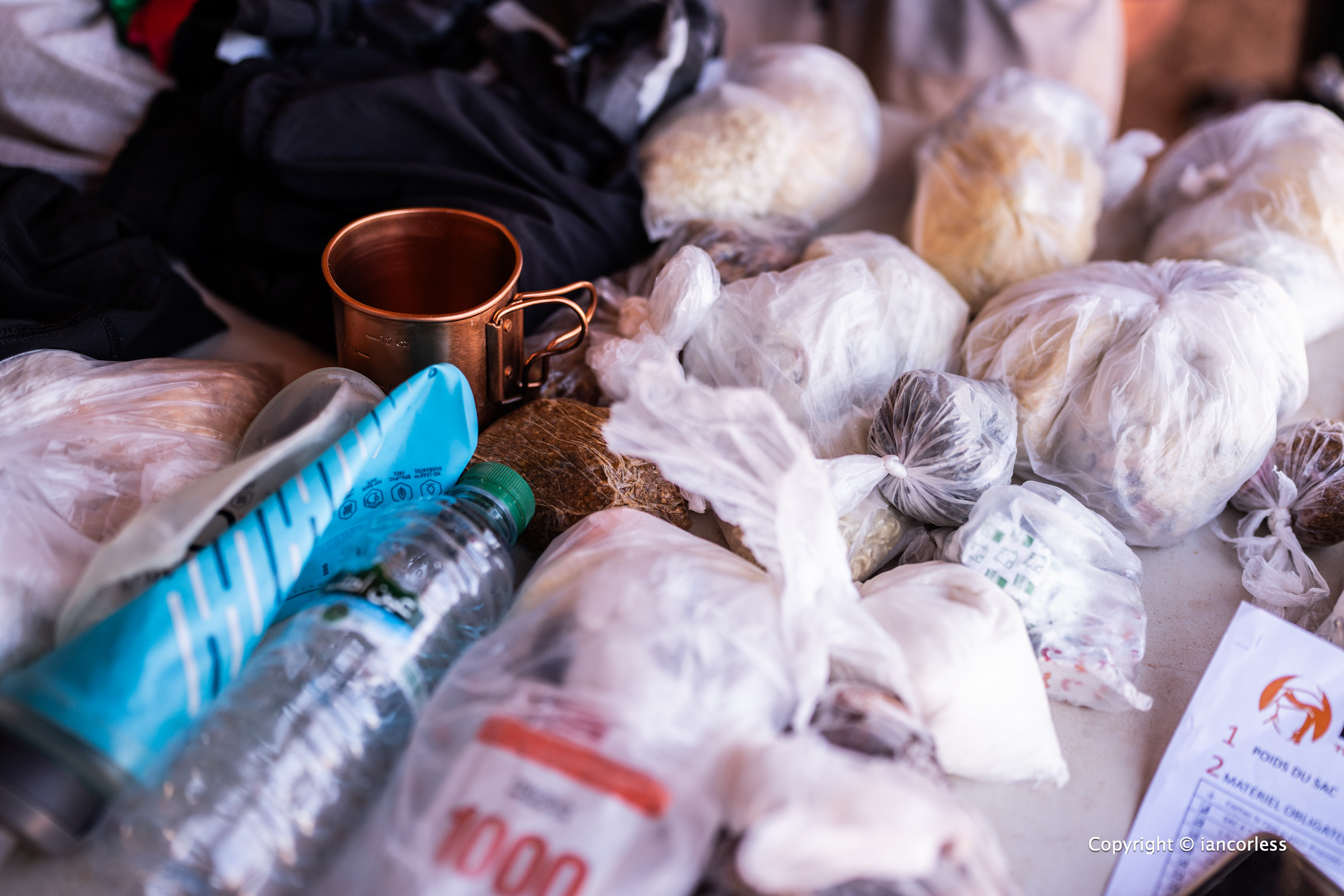
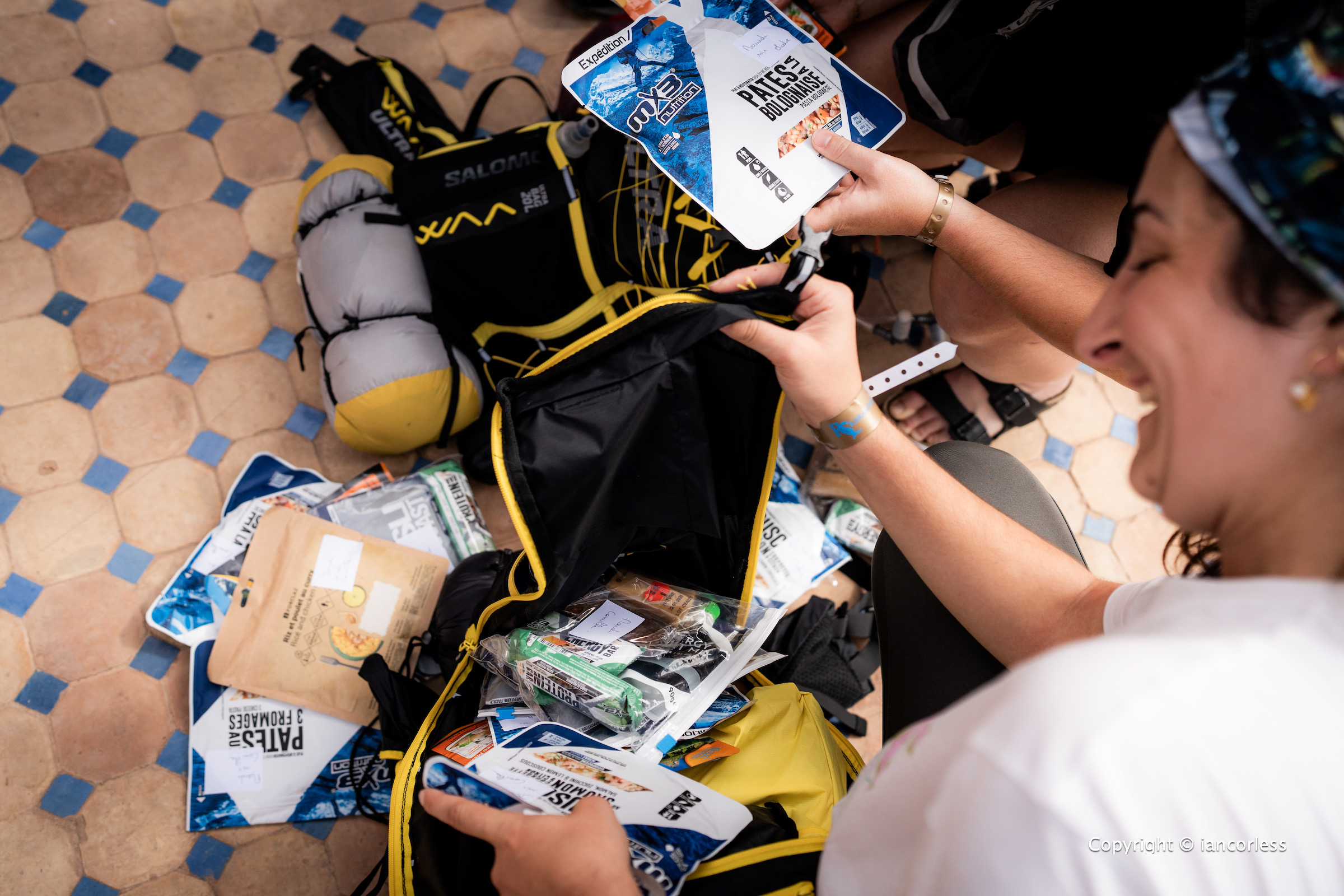
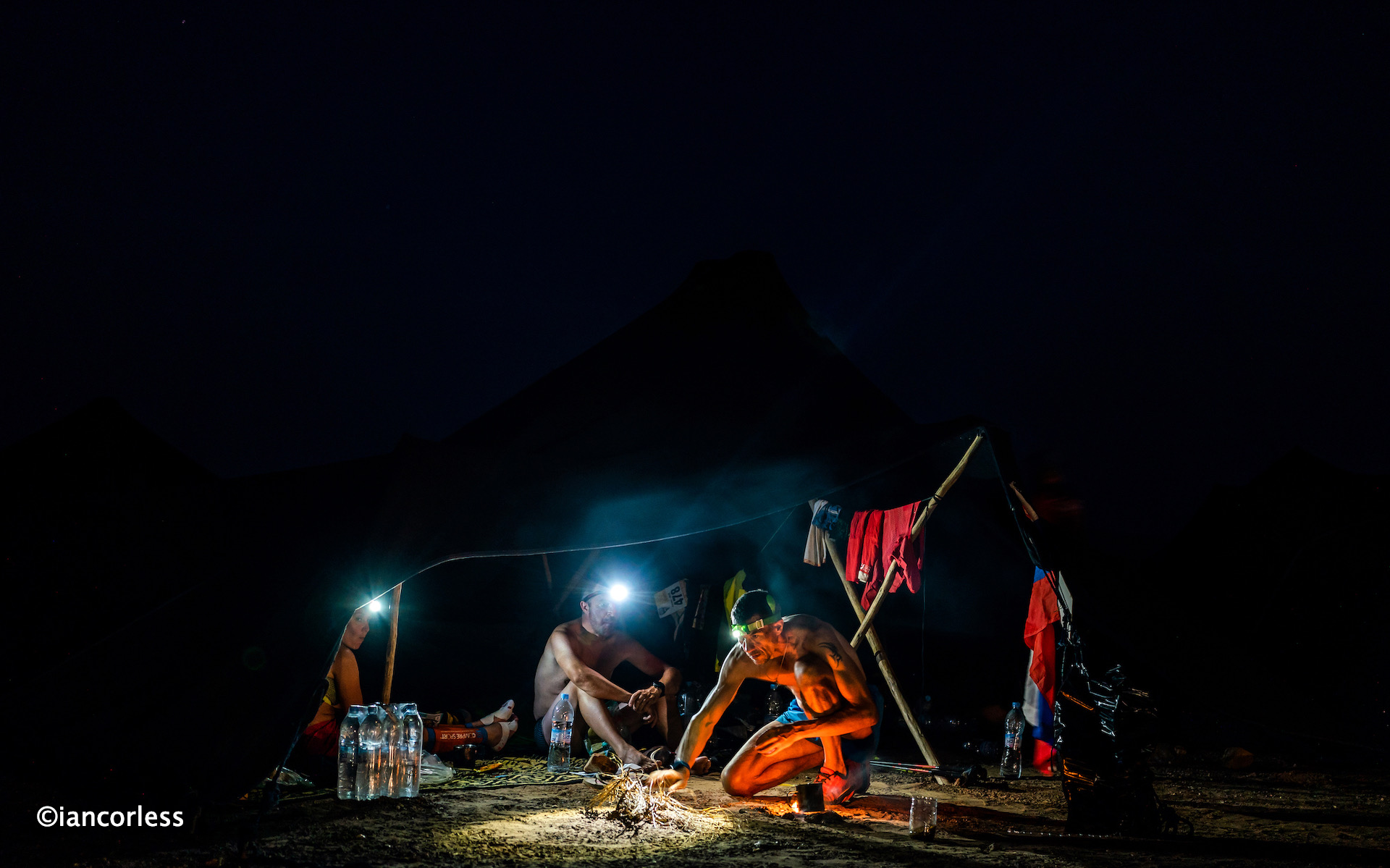
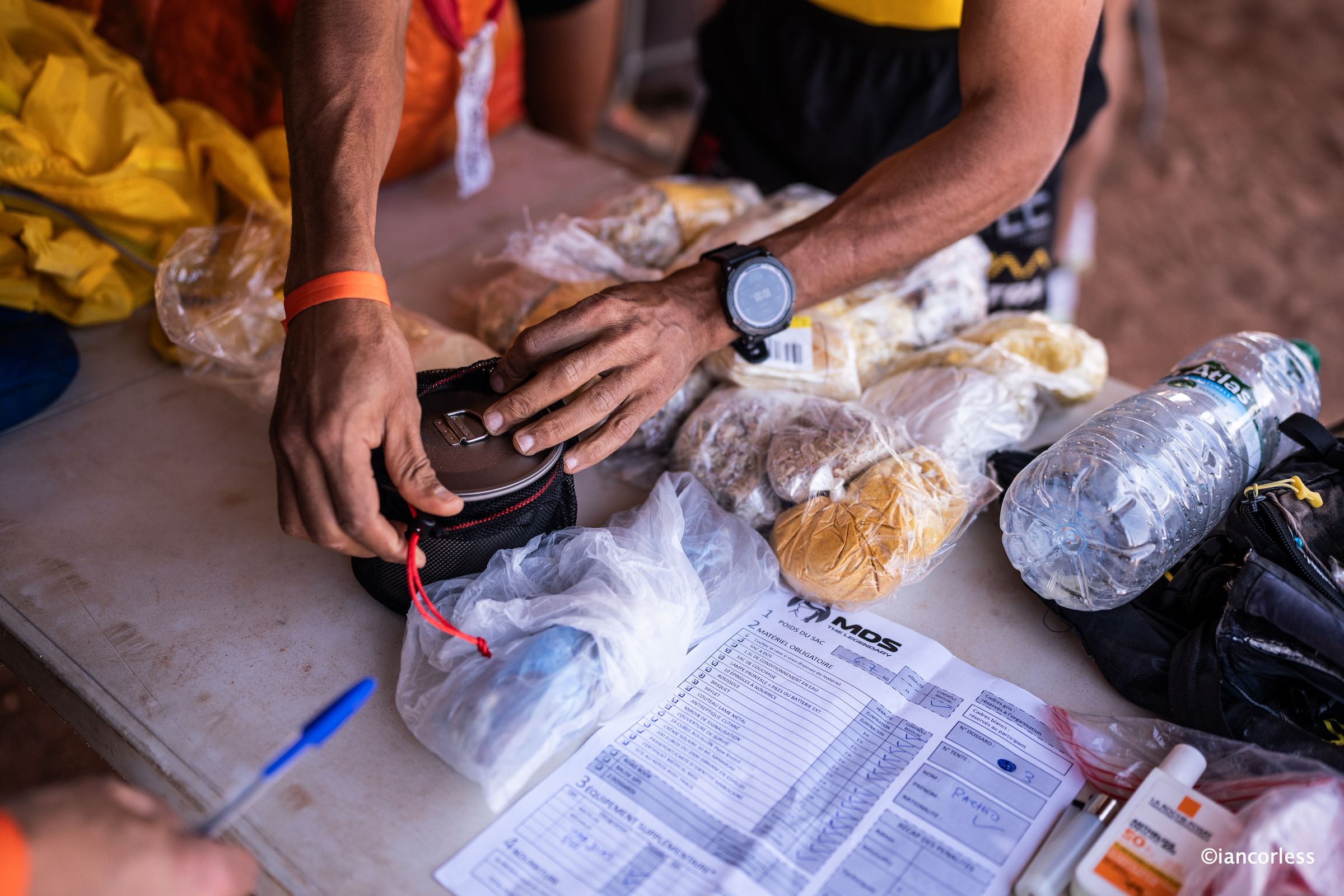
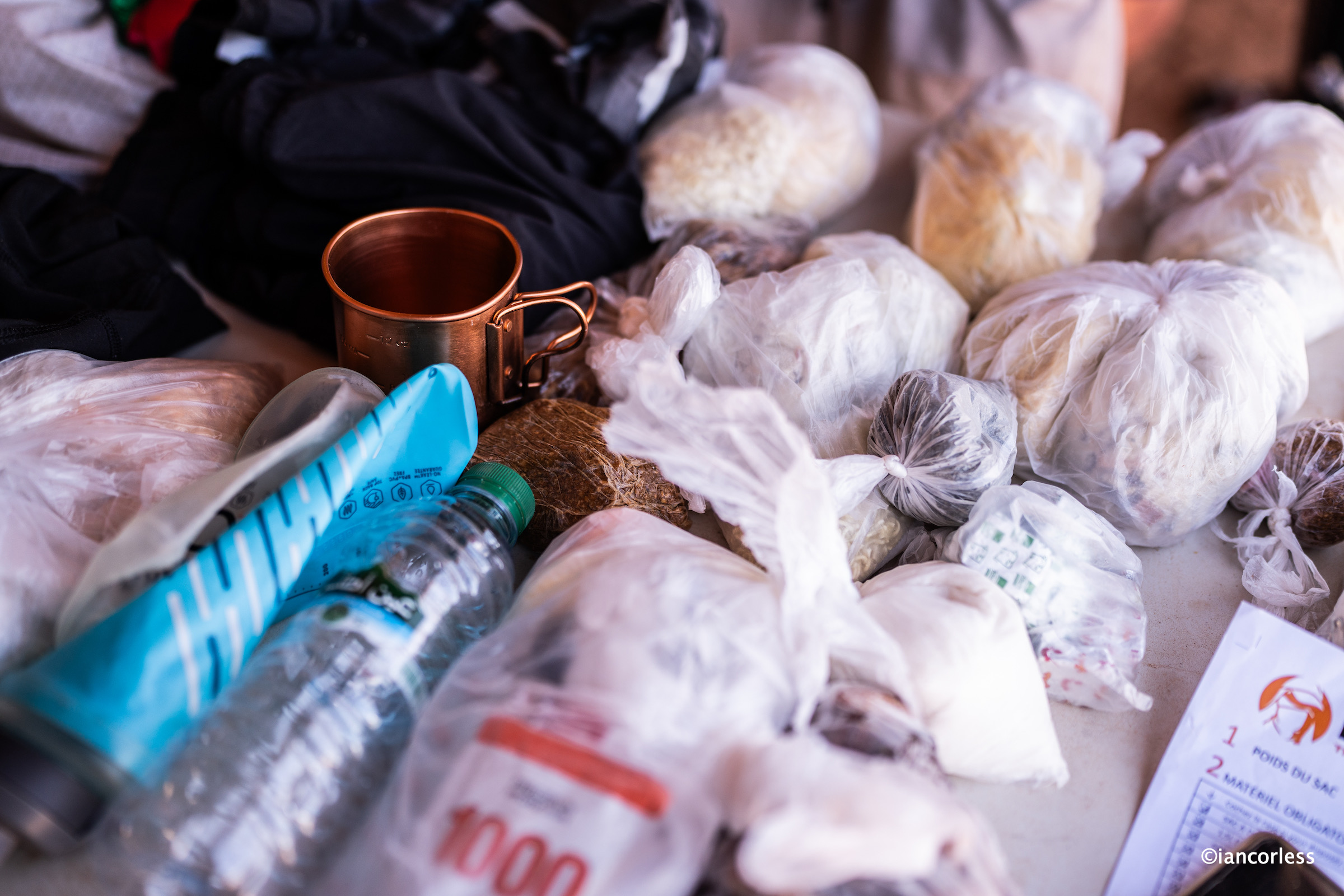
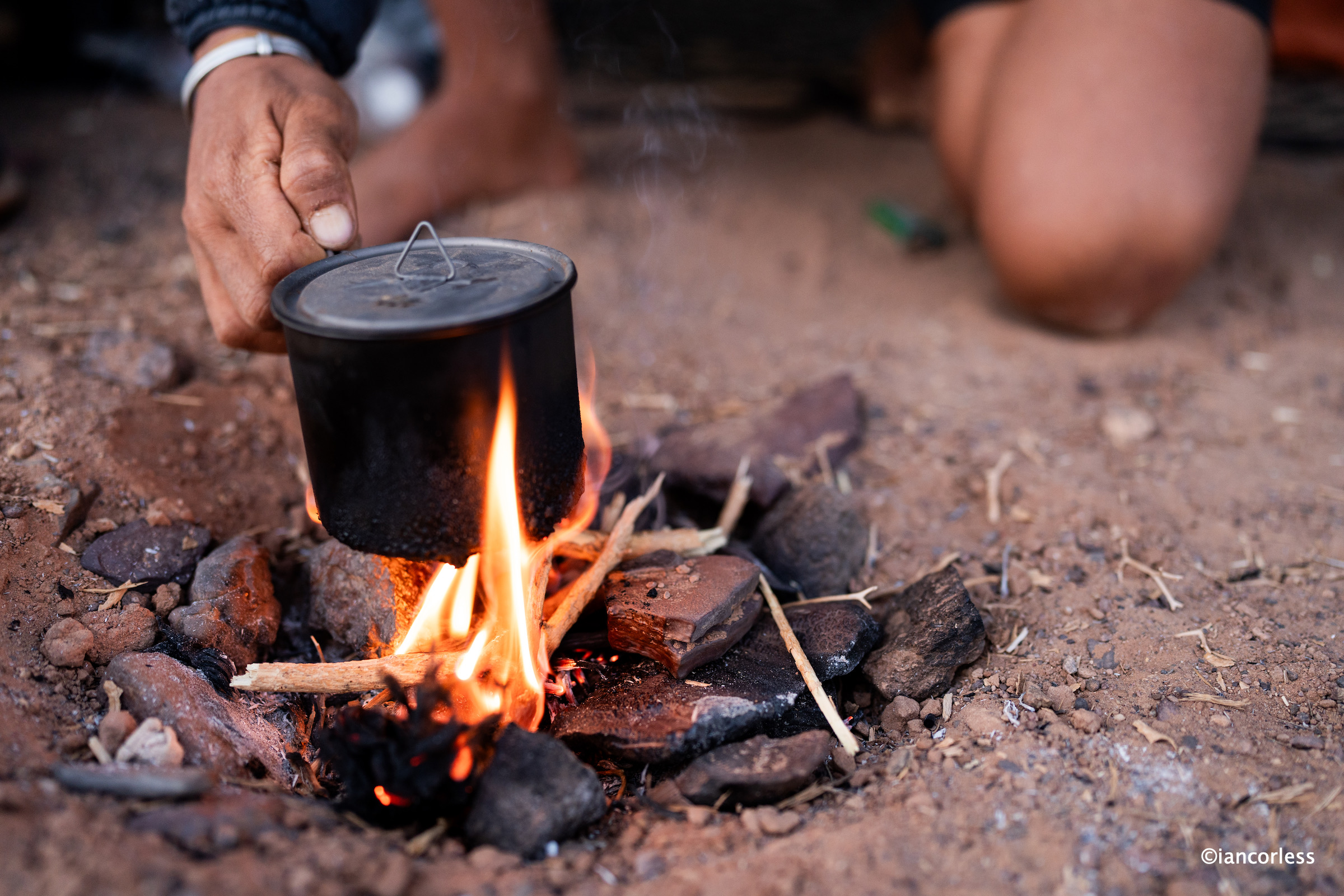
Remember, from the moment you arrive in bivouac you are self-sufficient. So make sure you bring food/drink (water is provided) to cover the days before the race starts. This food can be in any form and weight as you do not need to carry it, so, be creative. Rachid for example makes a Tagine in camp…!
Also remember, you have your luggage with you before the admin protocols. So, bring extra items, warm layers, spare kit etc. That way you can fine tune equipment in a real situation. Particularly helpful when judging climate conditions. DO NOT assume that it will be hot, recent history has shown that temperatures and conditions in the desert are changing – MDS Morocco in October had rain and flooding. The recent MDS Morocco Atlantic Coast had extreme wind, cold temperatures and rain. Be prepared!
ADMIN DAY
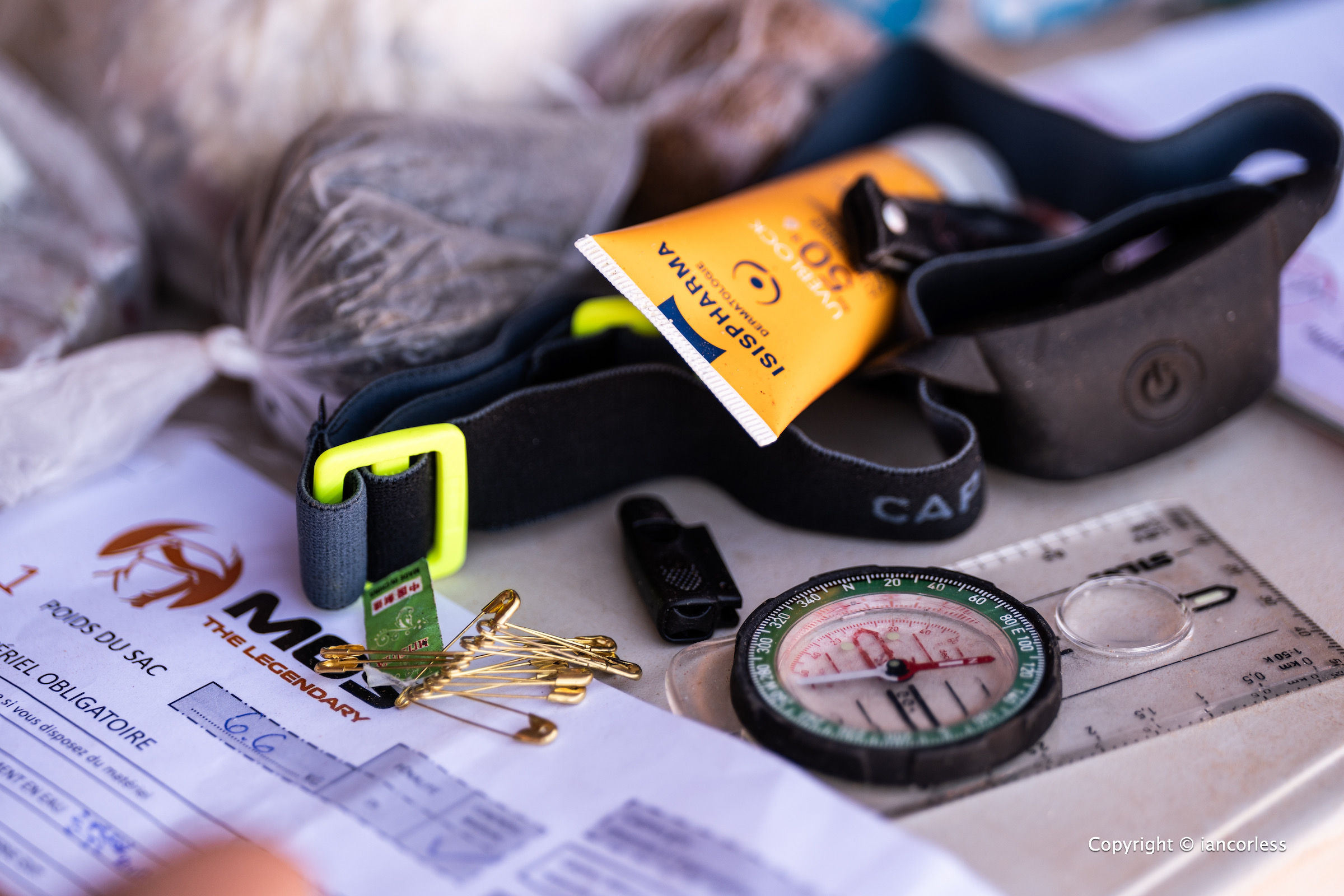
You will have your luggage with you in bivouac before admin day. You can make last minute adjustments if required. Be prepared and make sure you comply with all rules and regulations. A pack must have a minimum weight of 6.5kg PLUS water (1.5L). You must have a minimum of 2000 cals per day. You must have ALL the mandatory kit.
SALT
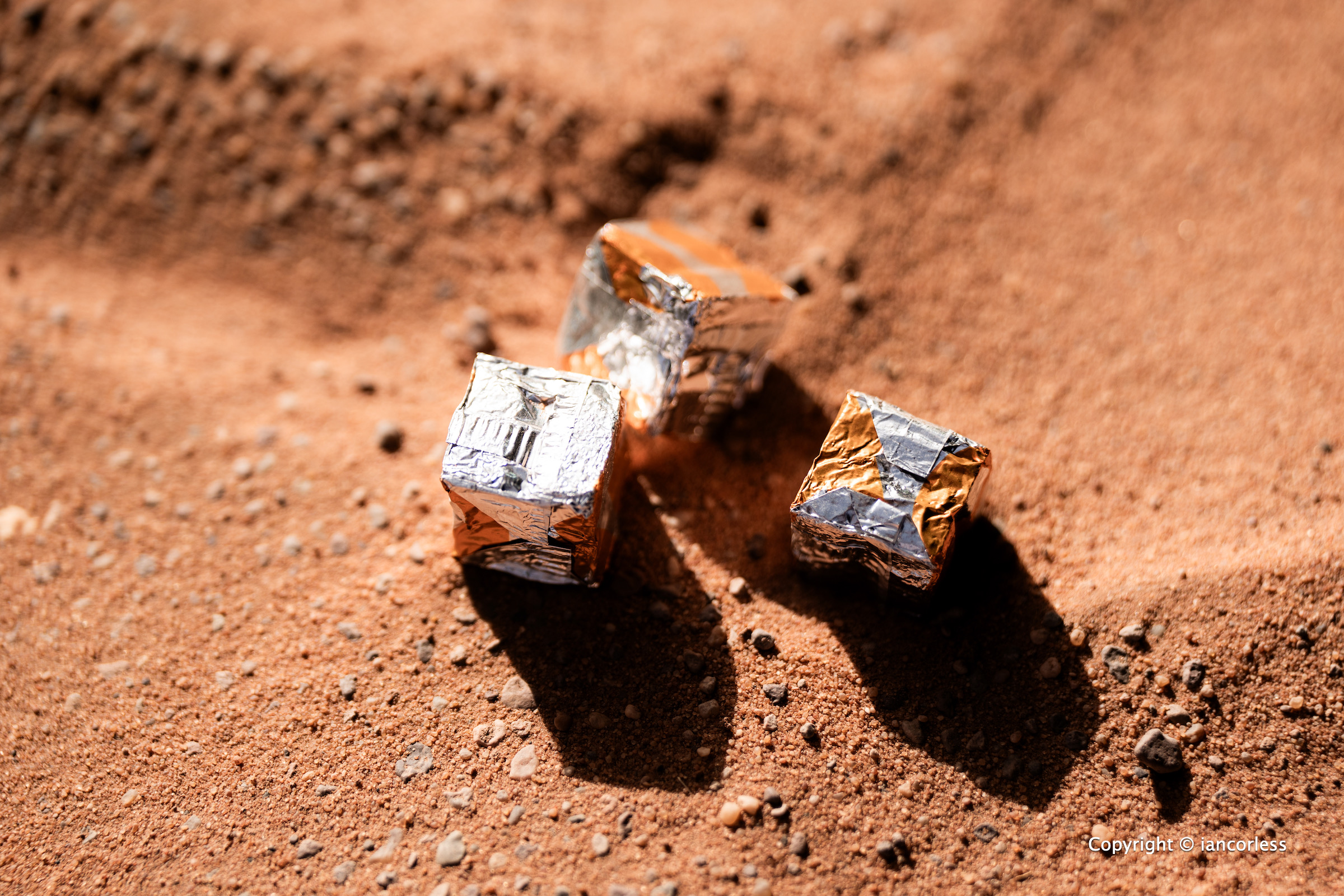
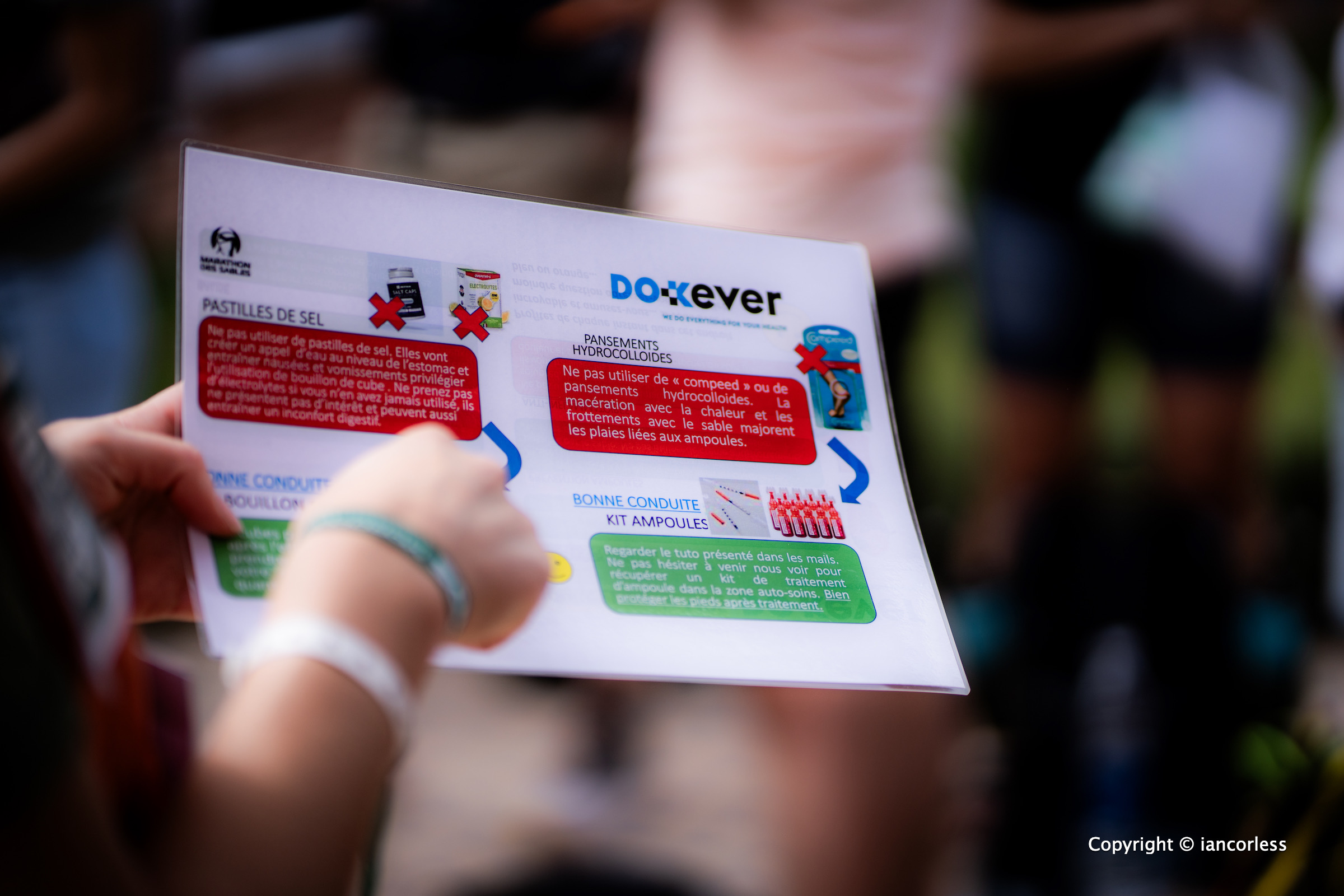
The new revised mandatory requirement for the race requires 14 broth cubes – these cubes are known to be salty. You have no choice here, you must have them. In 2024 many questioned the validity, however, during and post the event the general consensus was very positive. Take note here, not all cubes dissolve the same in water, so, make sure you find a cube that works such as Knorr. My advice is to plan a strategy that works for you. Listen to my podcast with Andy Blow from Precision Hydration HERE. Remember, this is a self-sufficient race, so, be prepared to be self-sufficient and have a plan/ strategy that works for you.
WATER
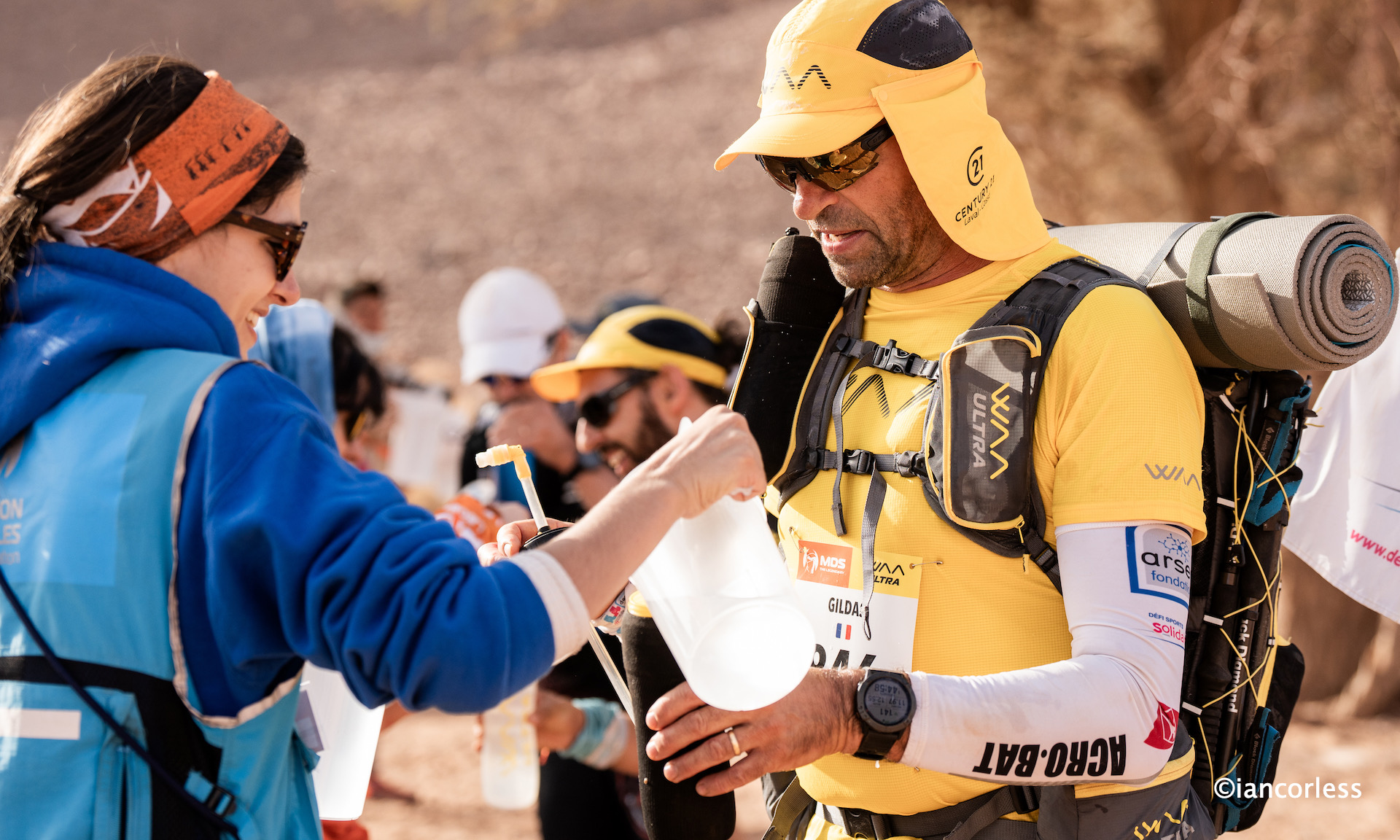
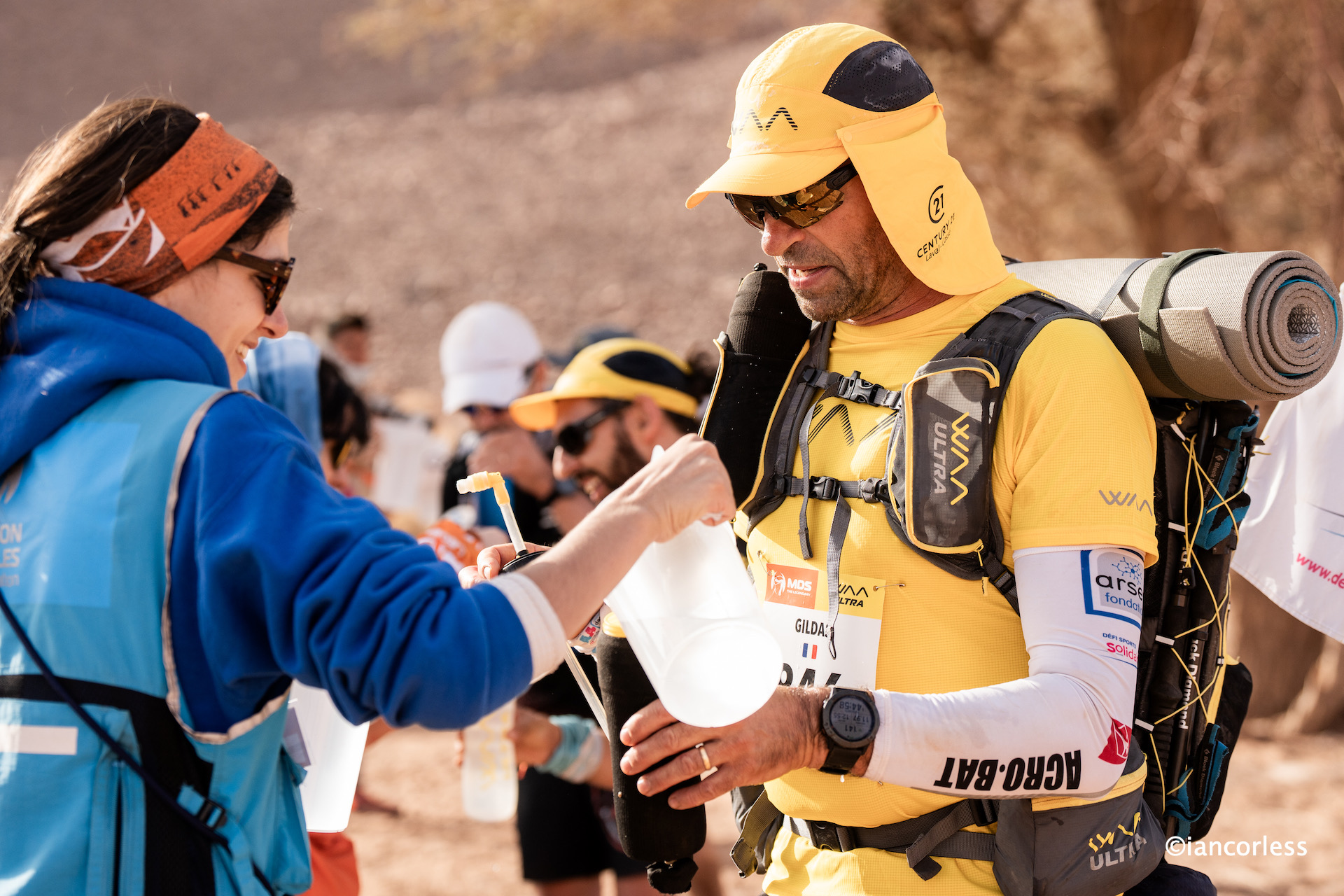
Another key change from 2024 is water and how it is provided. In principal, once you start on stage 1, water is unlimited. No longer are you provided 1 or 2 1.5ltr bottles at checkpoints. Now, the blue coats will pour water from jugs in to your bottles. If you stand at a CP and then drink a full bottle, it will be refilled.
Another key note to consider is that should conditions dictate or should the organisation think that additional water will be helpful, water stations may be added between CP’s. This is very important. Typically (conditions and terrain allowing) CP’s are 10km’s apart, therefore, you may heave an additional water station at say 5km’s.
The long day may (tbc) have a requirement that you can carry extra water capacity? This extra water would potentially be provided in a 1.5ltr bottle, so, either have an extra bottle to decant this to, or, have a system to carry a 1.5ltr bottle.
After the stage finishes, water is then rationed and you are provided with 1 large 5ltr bottle. This water will be needed for your hydration post stage, cooking dinner, cooking breakfast and your water allowance to CP1 the following day. If you want to wash, that also comes from the 5ltr allowance, so, make sure you drink and eat and understand what water capacity you need before taking a wash.
FEET
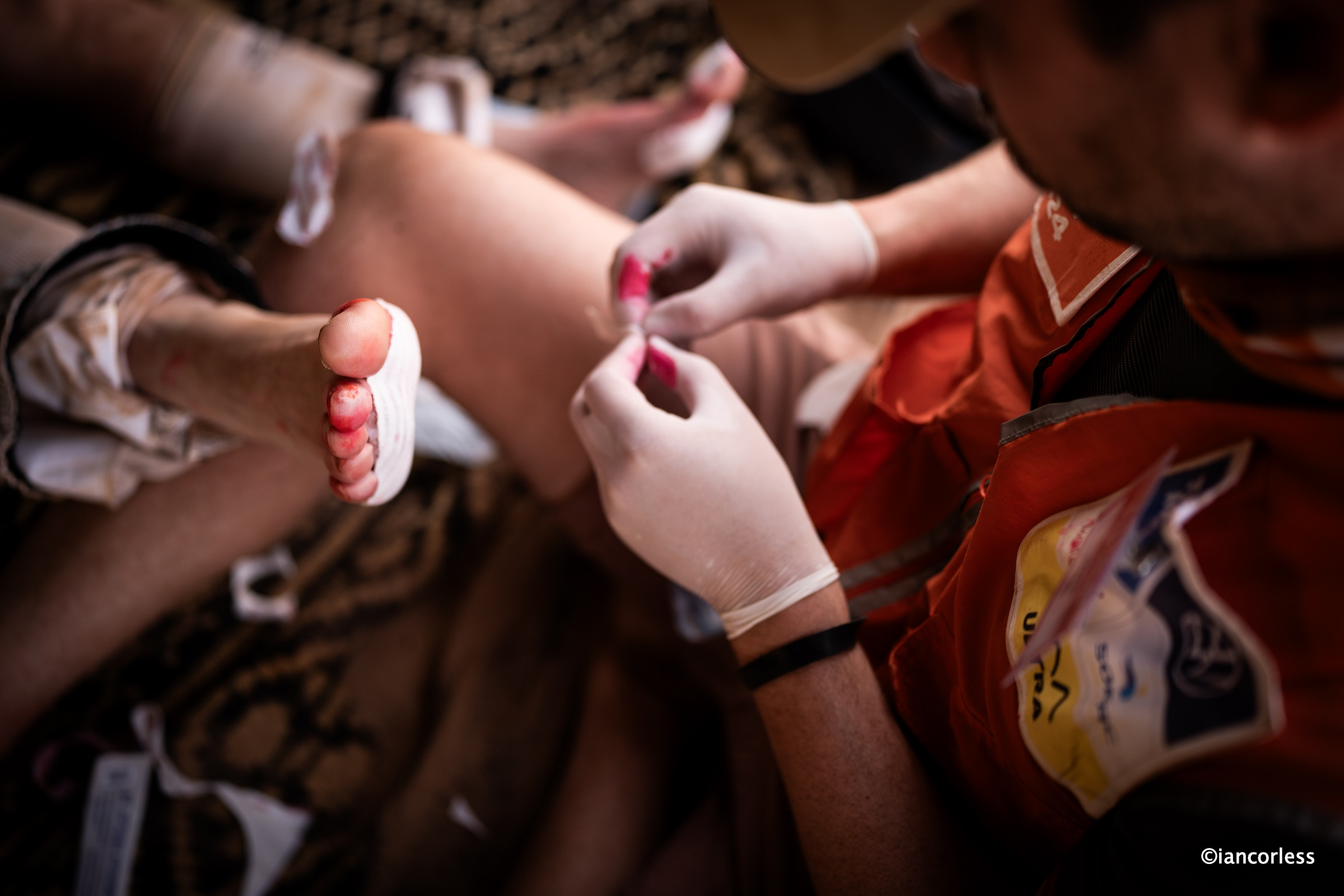
Along with dehydration, damaged feet are a key reason NOT to finish MDS. Make sure you have correct fitting shoes, the right socks for you and you know how to look after your feet. Read HERE and HERE.
SAFETY
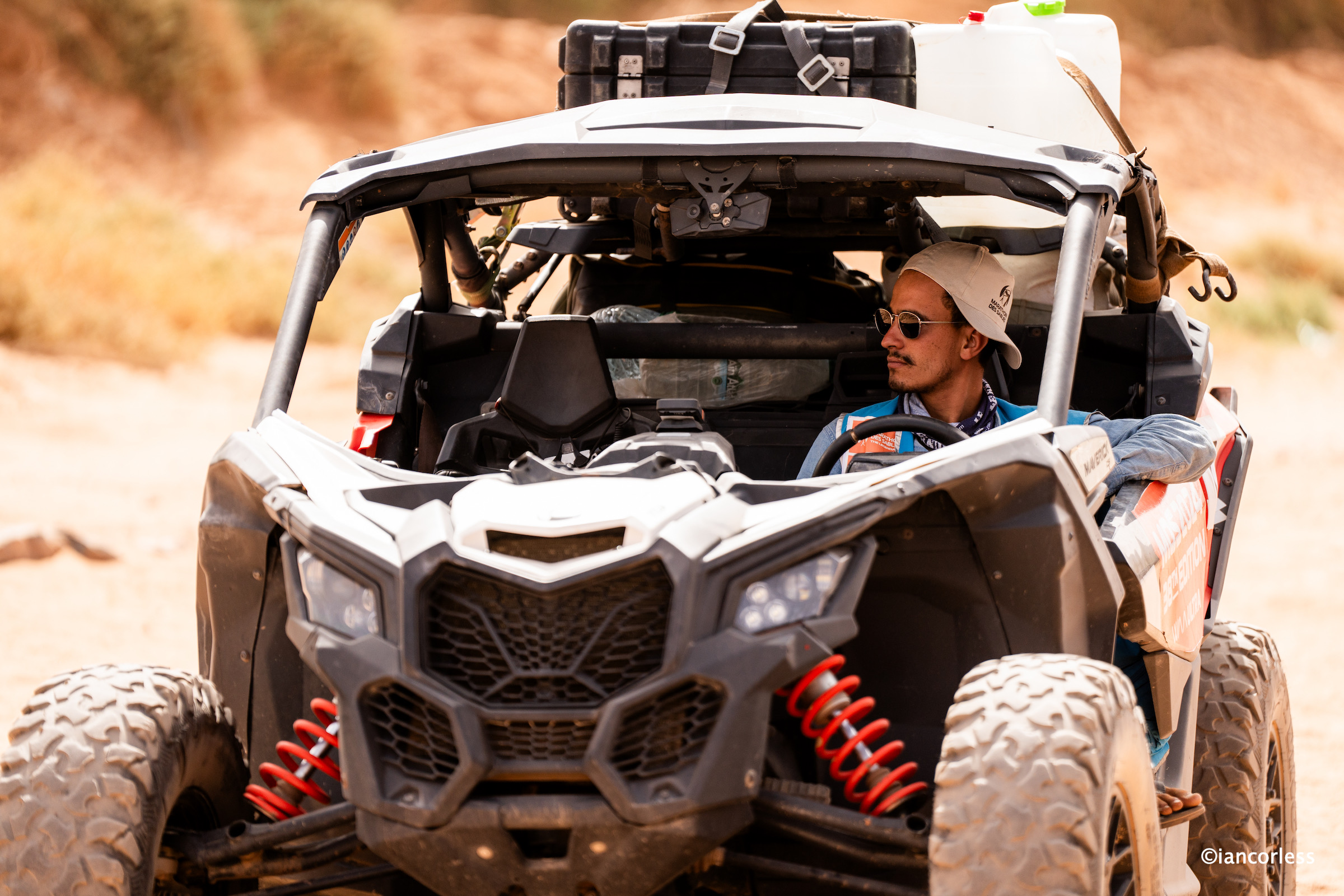
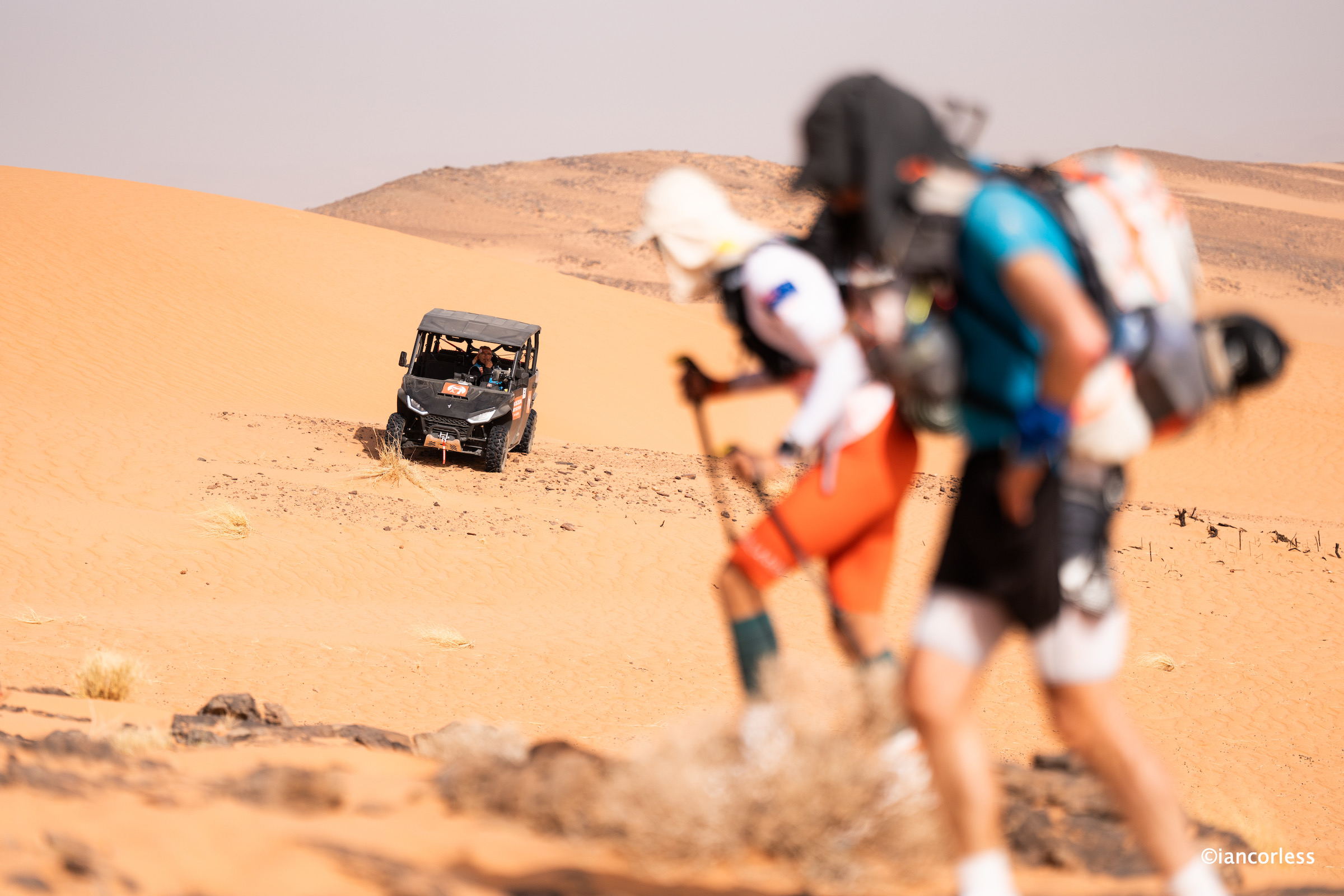
MDS has strict protocols for your safety. You will see fast response vehicles (buggies) designed to gain fast access to the most difficult and challenging parts of the desert. In addition, there are 4×4 vehicles situated throughout the course.
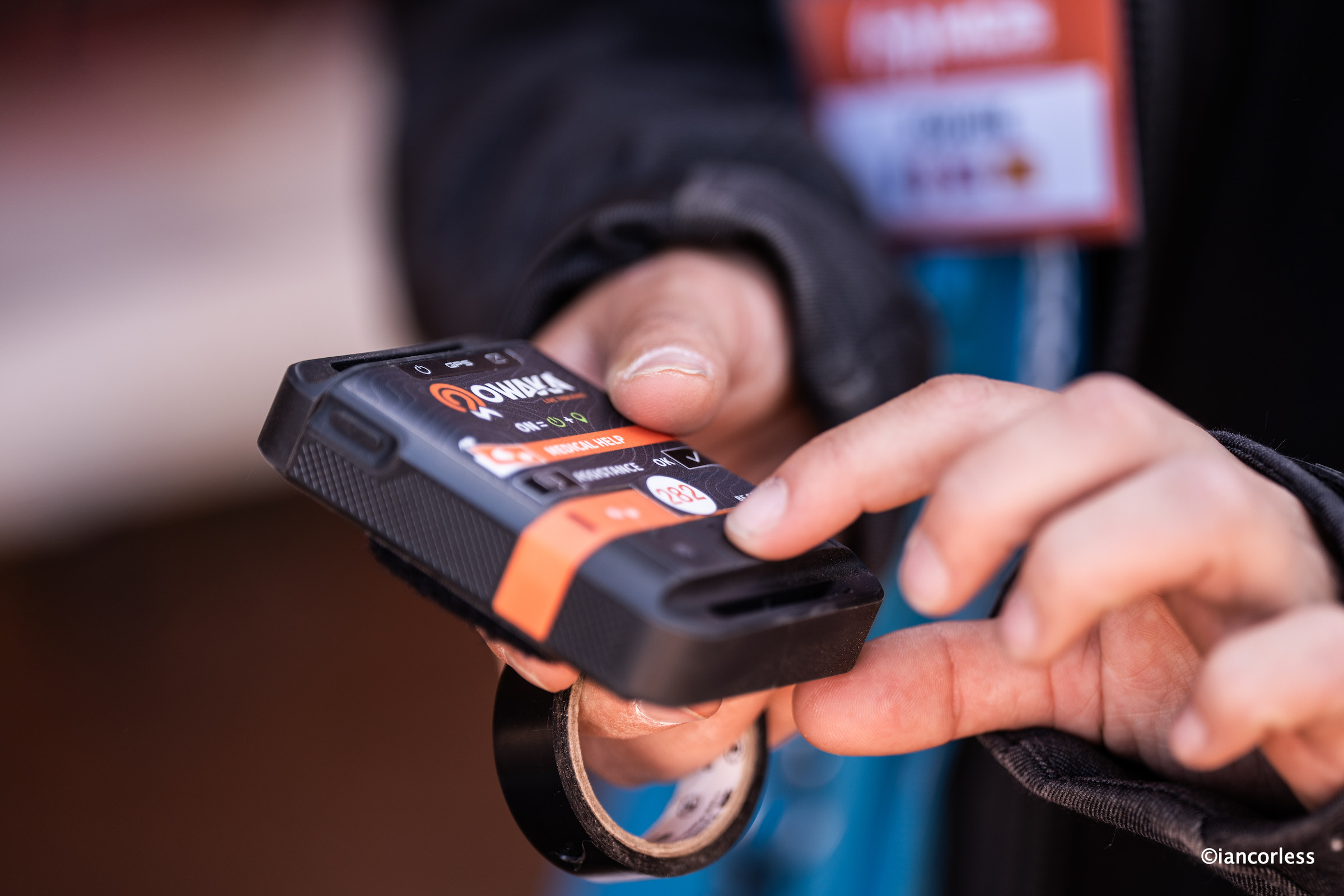
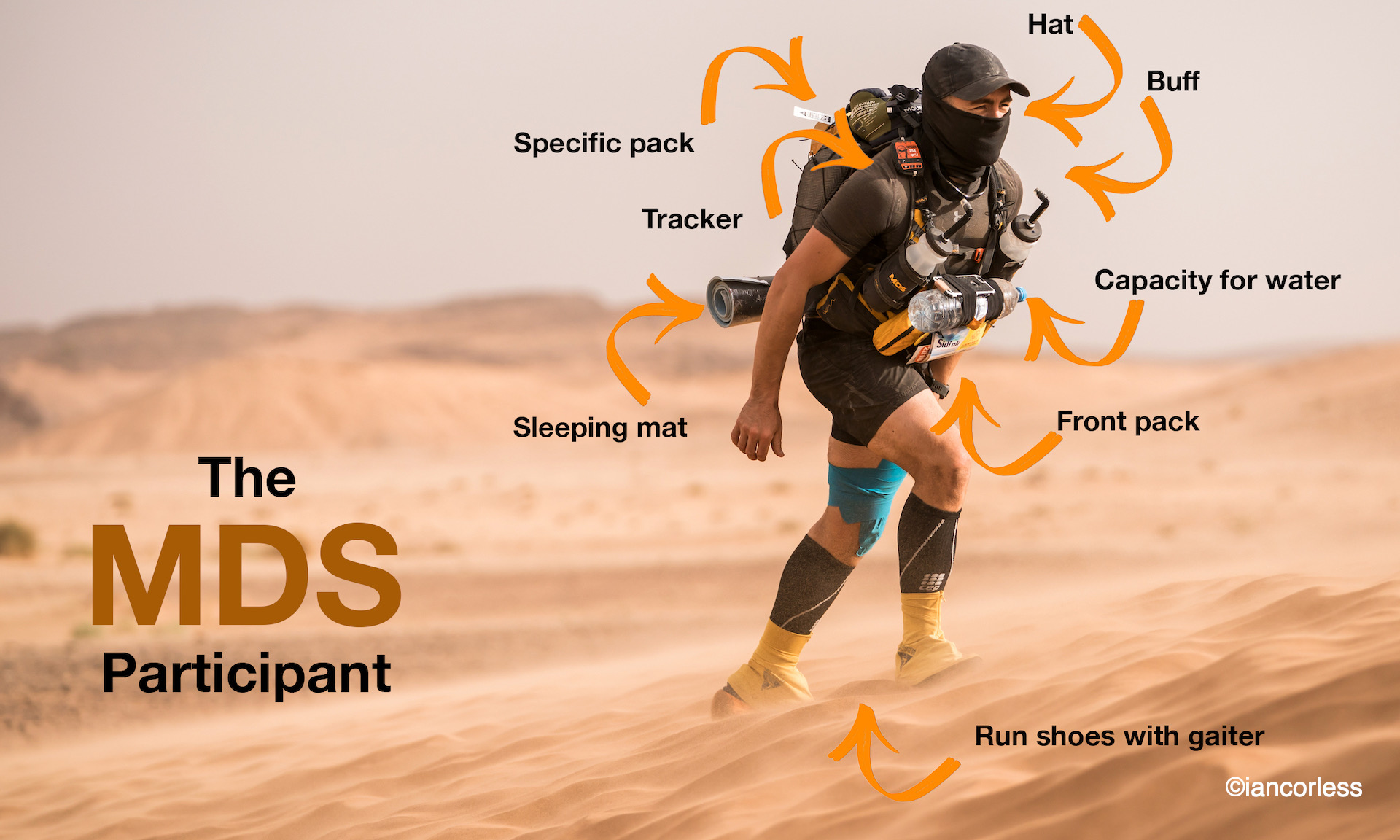
Each runner is using a tracker attached to their pack. This allows MDS to follow you and keep an eye on your position, it also has an emergency button which notifies the MDS team of your need for immediate response and attention.
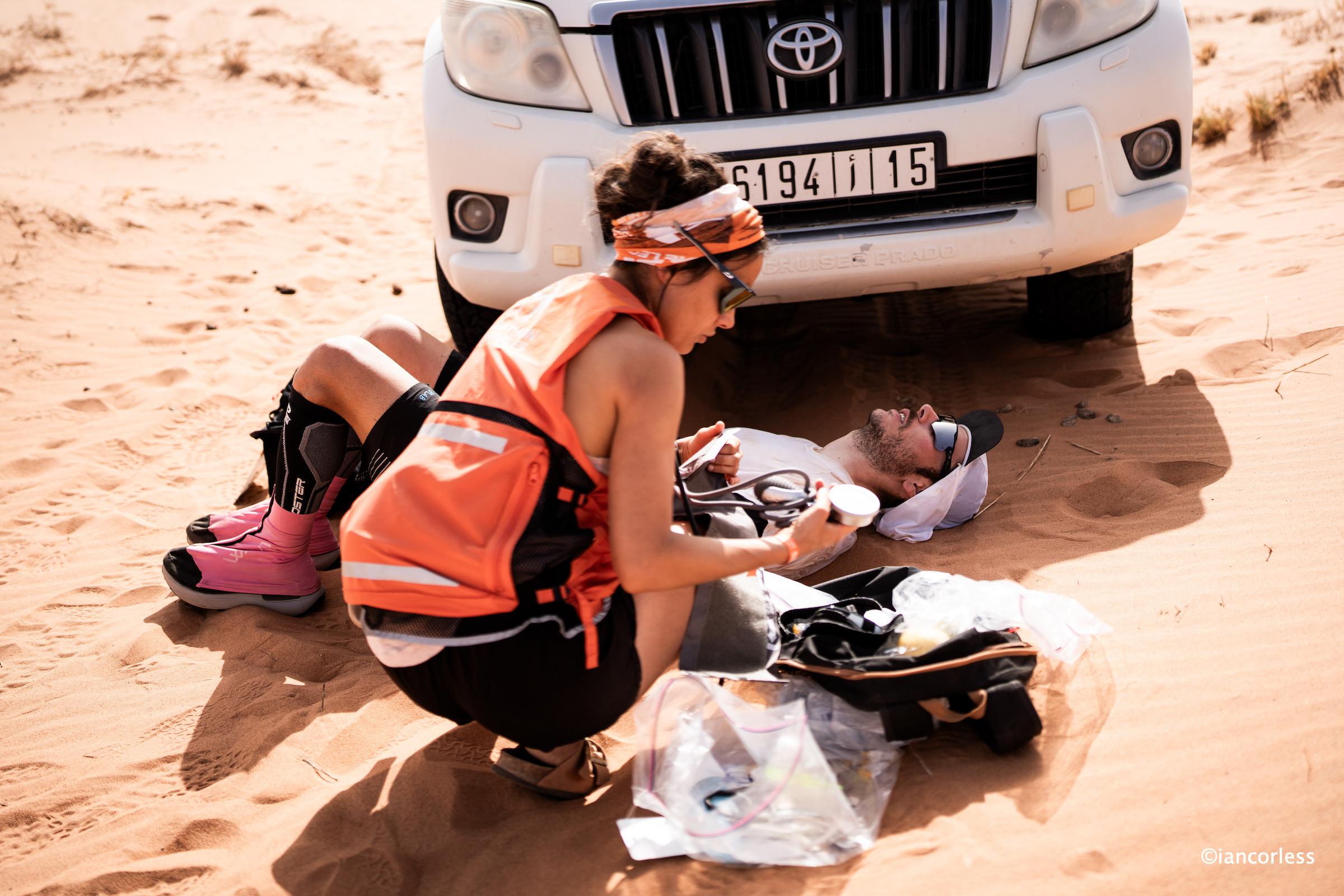
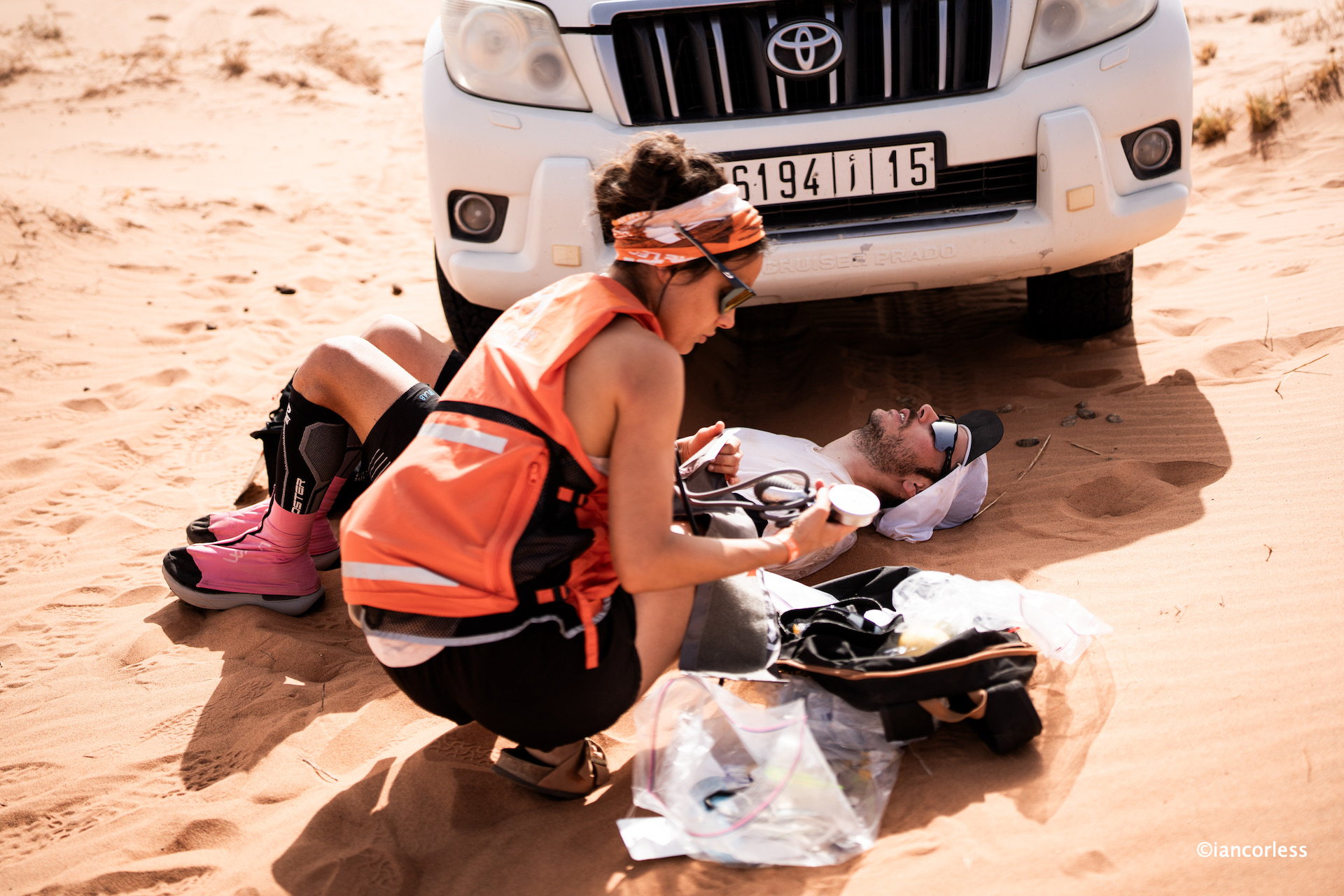
There are also medical runner’s. These are trained medical staff who will participate during the race. They will be on the course with you and in certain scenarios, they are able to provide immediate care or attention to those who need it. They have a different coloured number so you can identify them.
Medical team personnel are trained and equipped to provide immediate attention at any location within the desert.
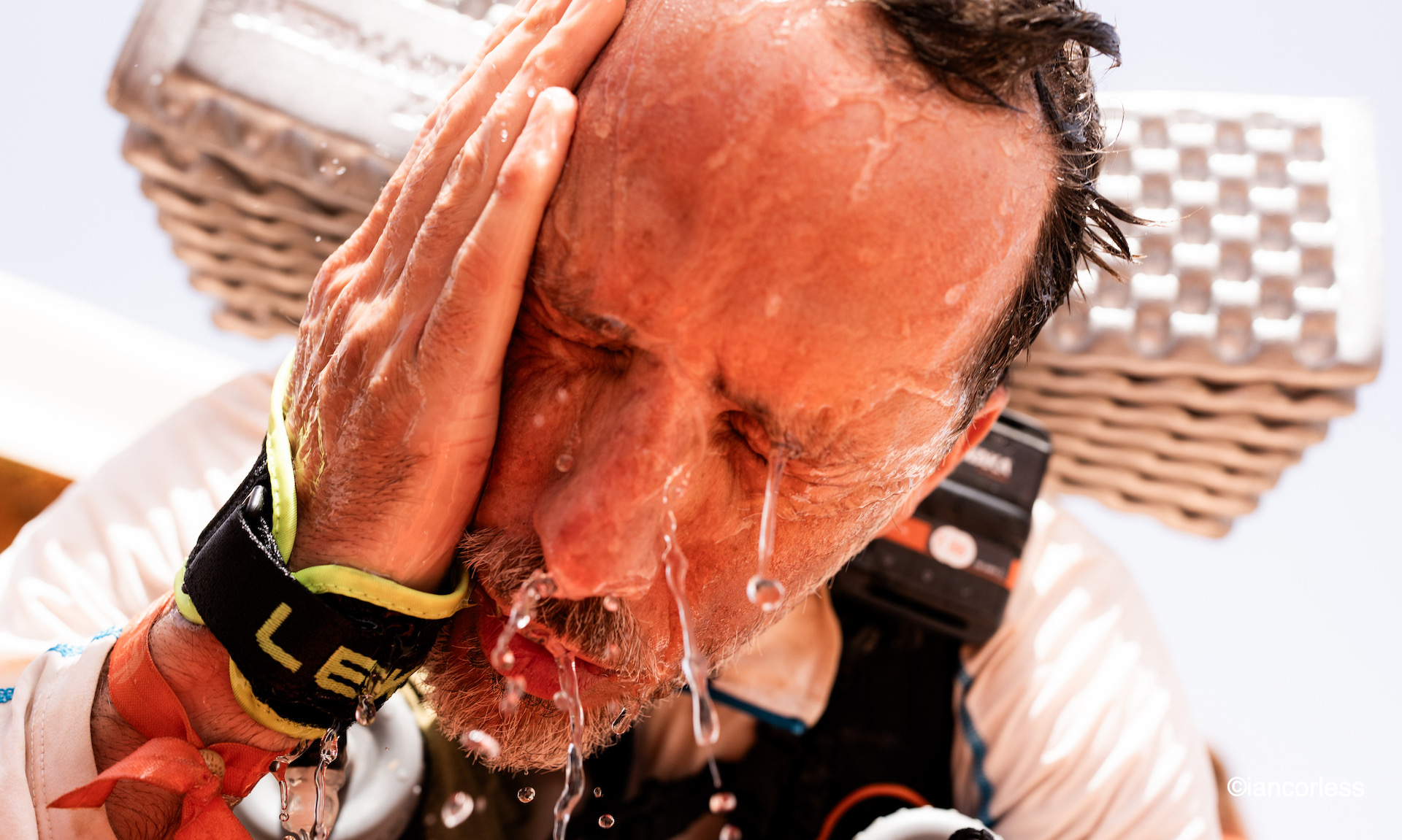
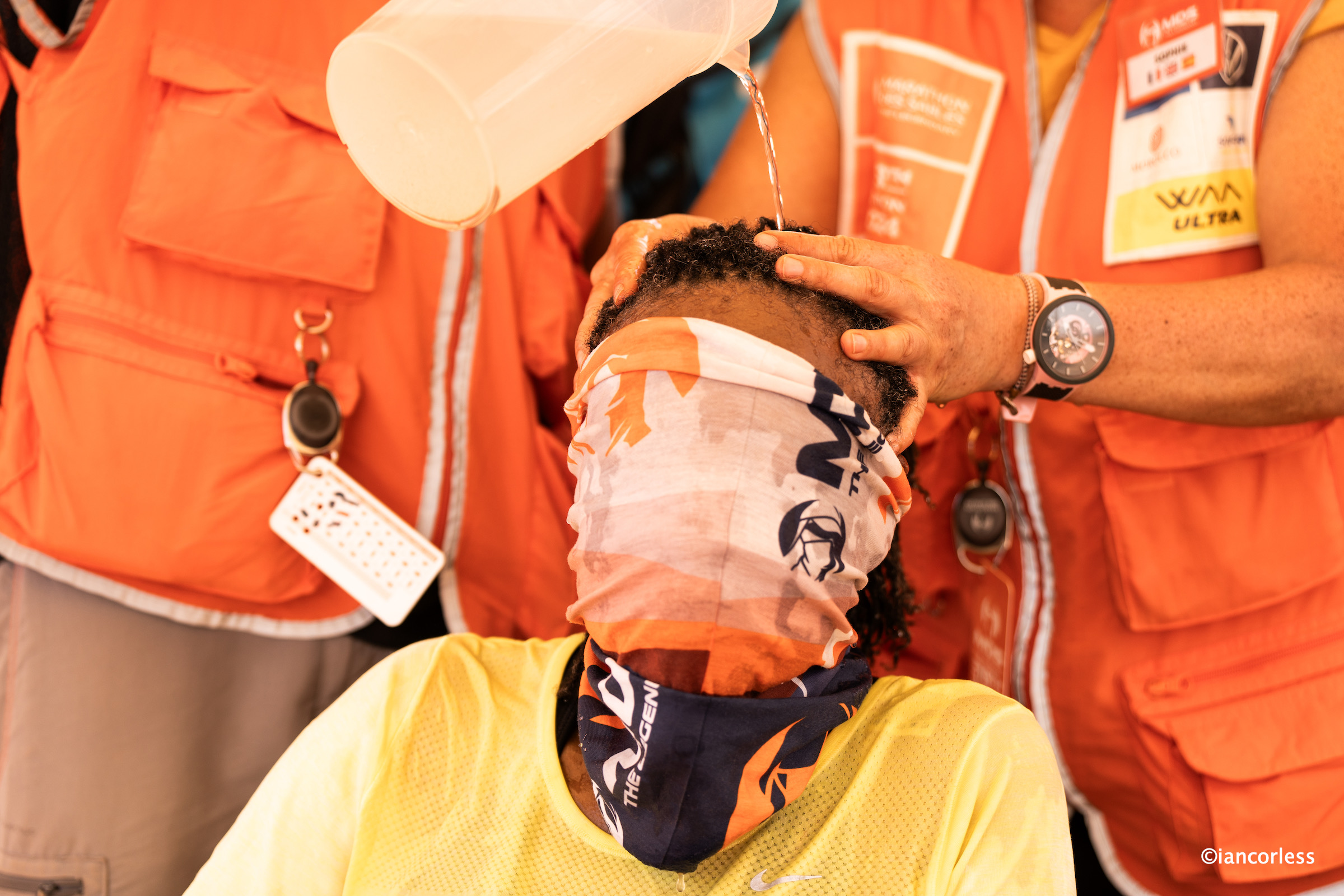
Finally, water is not rationed during the race, so, if you need more liquid, you can have it! Also, at key CP’s, iced water is available to enable cooling. This will be poured on your head via a blue coat volunteer. Orange jackets handle medical emergencies.
MANDATORY EQUIPMENT
Needless to say, despite what some believe, but mandatory equipment is mandatory!
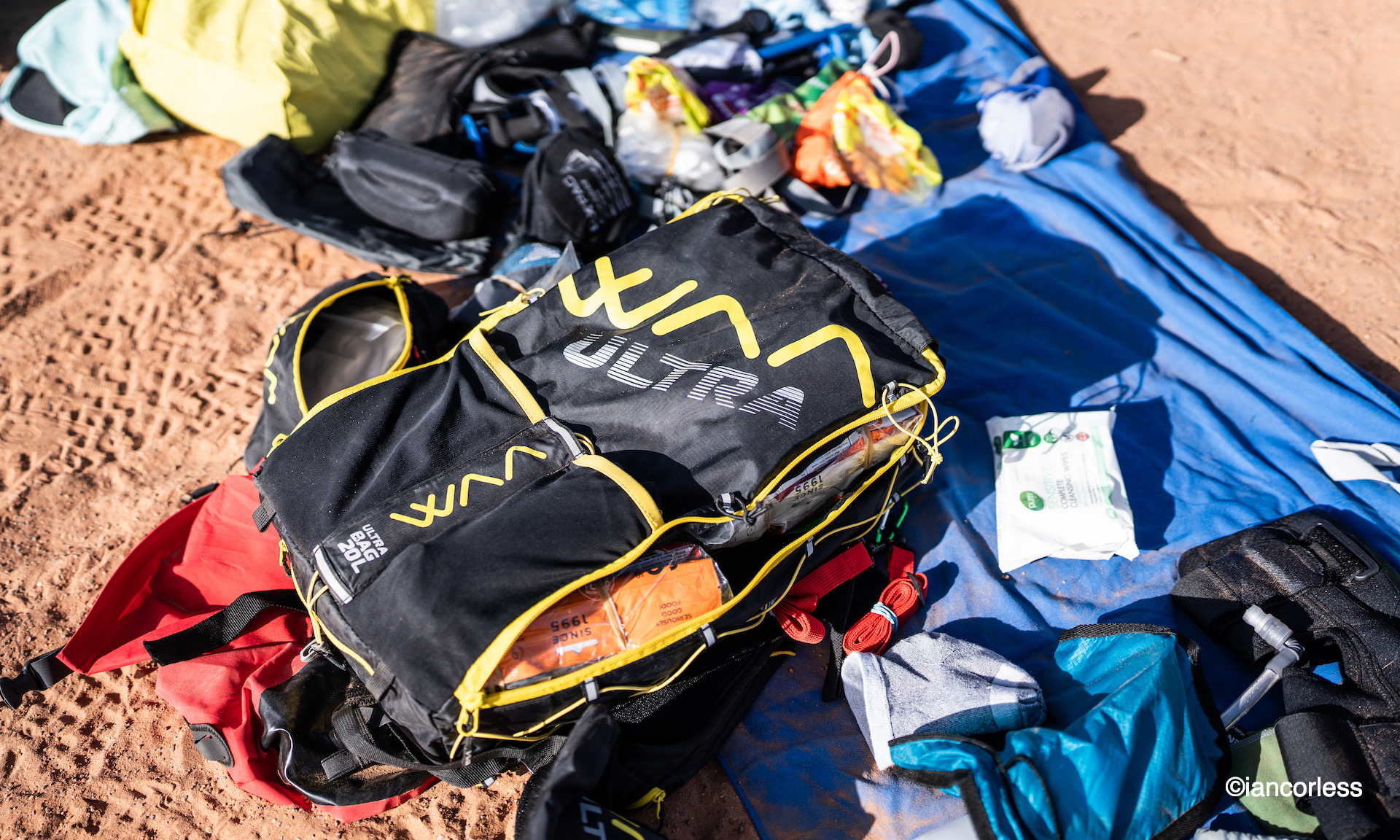
Pack such as WAA Ultra Bag 20L
Minimum capacity of 1.5 litres of water
Sleeping bag
Head torch and spare batteries (you can have a charger/ solar charger)
10 safety pins
Compass with 1 or 2 deg precision
Lighter
Whistle
Knife
Topical disinfectant
Signal mirror
Survival blanket
14 cubes of broth
Sun cream
200 euro or 2000 dirhams
Passport or ID card
ECG (original doc) and medical
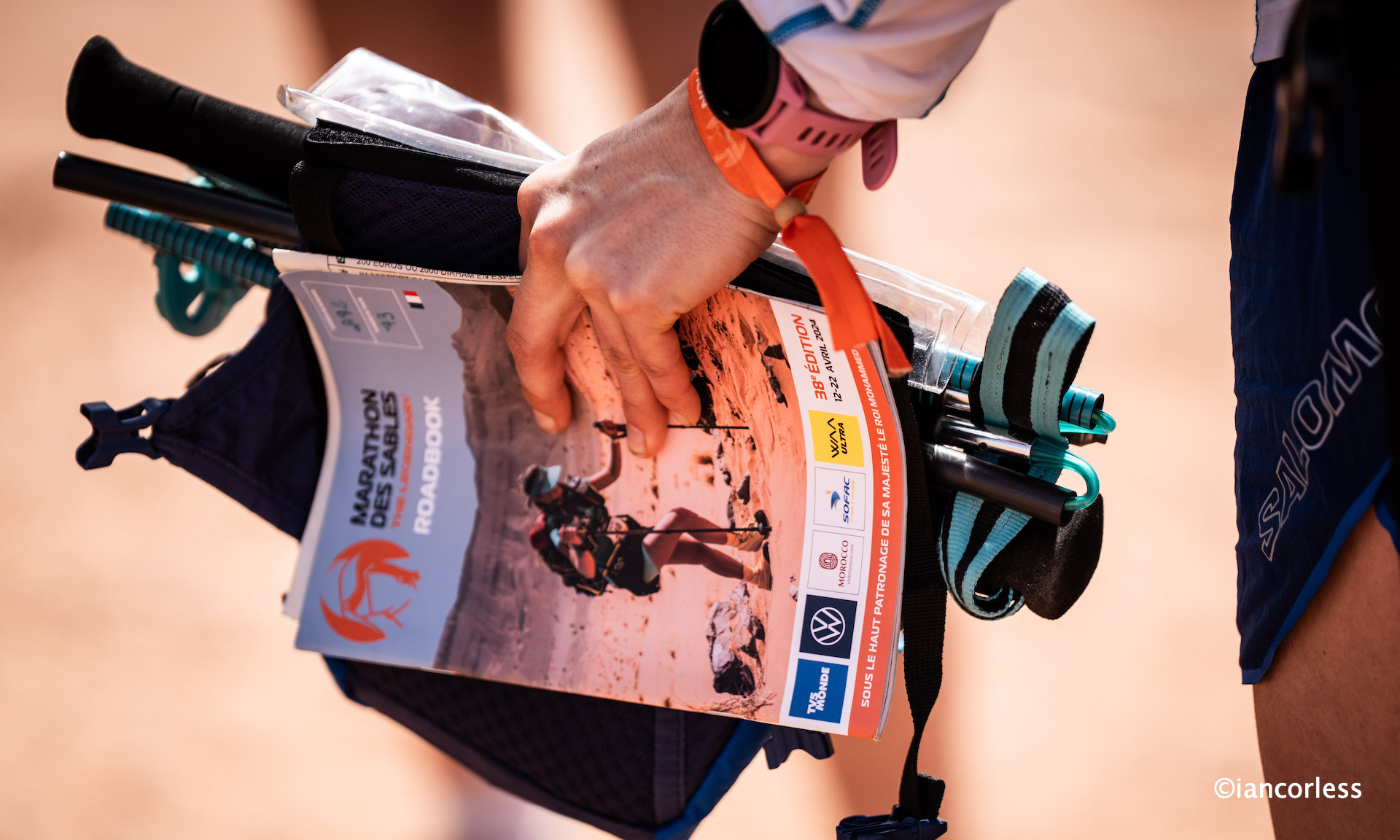
Roadbook (supplied on arrival)
Make sure you comply with the very strict regulations and timeline in regard to ECG and medical form.
FOOD
You need ** 14,000 calories of food, 2000 calories per day. However, 12,000 is mandatory. You can of course carry more than this, but I consider 14,000 is the minimum with the rest day. You must be able to prove the calories, so, if you decant food into lighter or different packaging, make sure you keep the nutritional information.
** Adding as clarification:
2000 calories per day, it’s a 6 stage race
BUT remember the rest day.
I see the calories as below BUT YES 12,000 cals to comply with rules.
Stage 1 : 14,000 cals – Day 1
Stage 2 : 12,000 cals – Day 2
Stage 3 : 10,000 pls – Day 3
Stage 4 : 8,000 cals (the long day) – day 4
Day 5* : 6,000 cals (rest day)
Stage 5 : 4000 cals – Day 6
Stage 6** : 2000 cals – Day 7
*Day 5 you may still be running/ walking and/ or in camp for the rest day and will need 2000 cals.
**Stage 6/ day 7 you technically only need breakfast and snacks for the stage.
WHAT YOU NEED
In addition to mandatory equipment and food requirements, you need essential items to complete the race. Use the list below as a guide:
Run top (maybe with long sleeves)
Neck roll/ Buff
Run shorts/ skirt or similar
Socks (plus maybe spare socks)
Shoes with gaiters (make sure you have the gaiter velcro sewn on well in advance)
Hat (consider cover for the neck too)
Sunglasses (make sure they have good protection and if they fit well for protection in sand storms)
Watch
Warm layer (windproof and maybe lightweight down jacket)
Foot care
Hygiene products
Toilet roll/ wipes
Lip balm
Blind fold
Ear plugs
Spoon
Pot/ bowl*
Stove**
Fuel cubes**
Sleeping mat
Pillow
Flip flops or similar
**Stove and fuel only required if you plan to heat water
*Pot/ bowl or similar will be required as now it is no longer possible to cut down a 1.5ltr bottle
Recommended
Many things can happen in a self-sufficient race and yes, equipment can fail. So, think about on-the-go repairs and what you may need.
Zip ties
Gorilla tape
Super glue
Sewing kit
Cord/ thin rope
Top Tips
Keep the pack weight as close to the minimum 6.5kg as possible, additional weight is additional stress that you do not need.
Keep luxuries to a minimum, they only add weight. A super light Mp3 player (with good battery) and earphones is the only luxury I would consider.
Accept that this is a tough challenge, you will be stripped back to a survival mode. You may not wash, you will get dirty, you will get smelly. Accept it.
Start slow and ease into the race.
Photo by Ian Corless
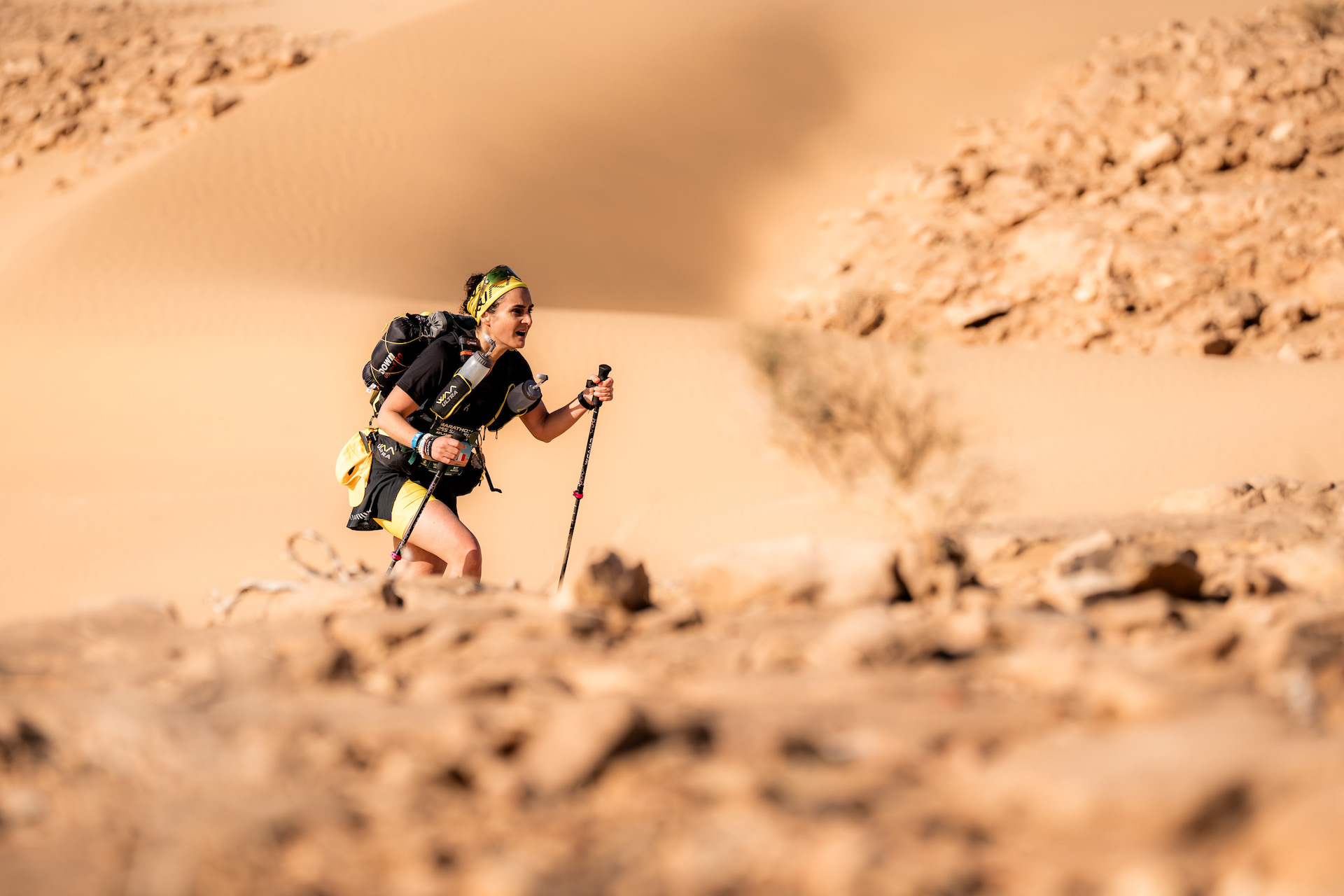
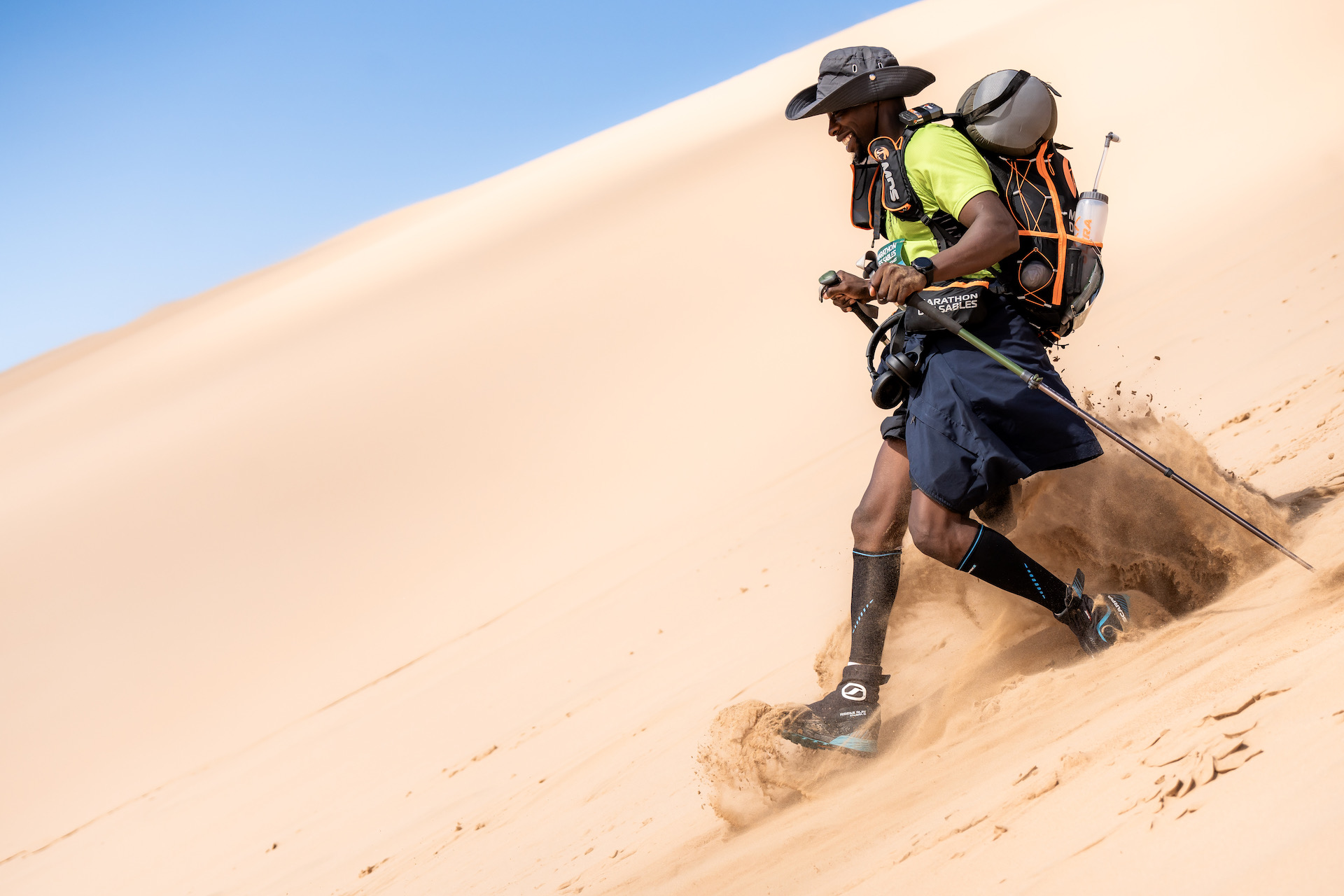
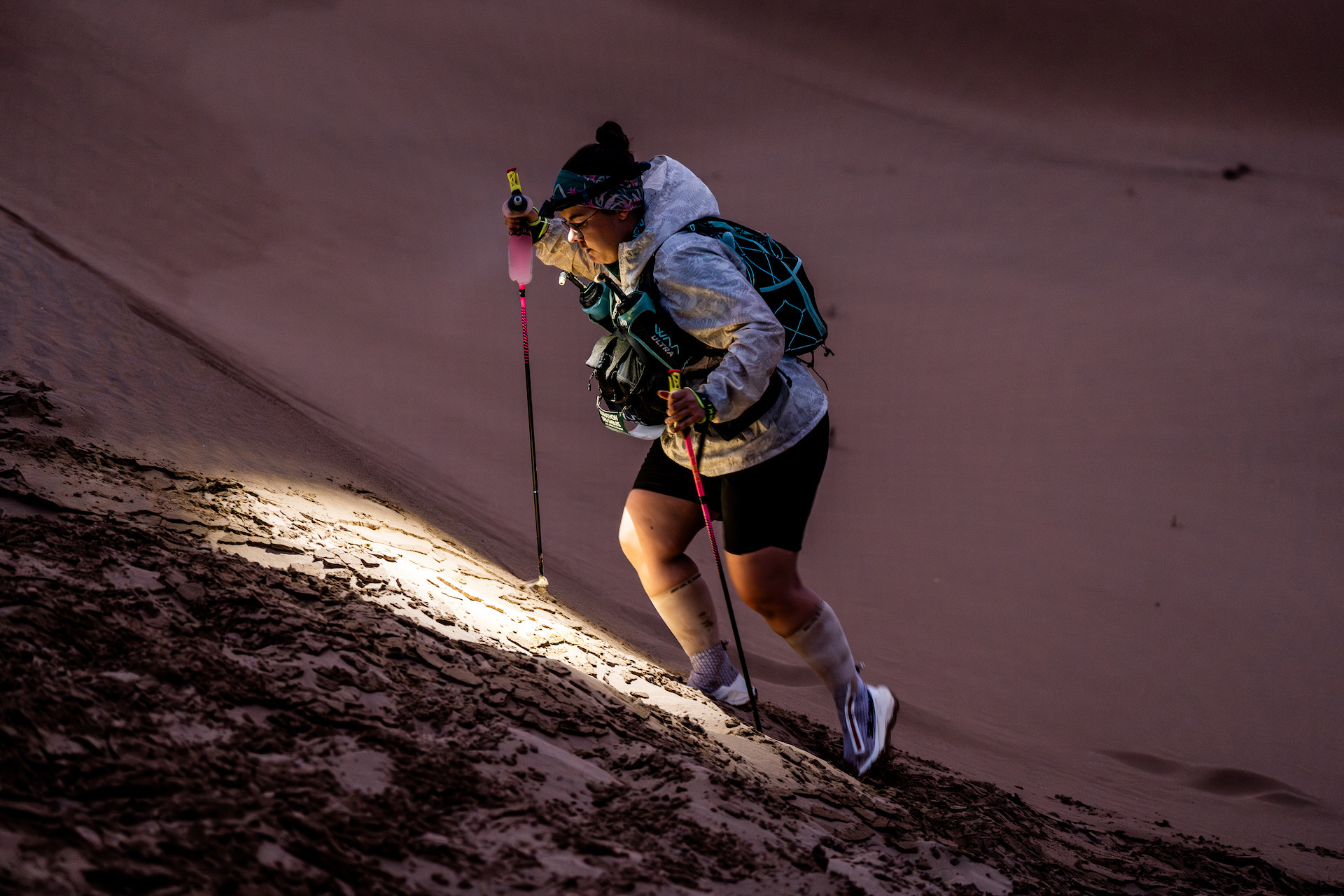
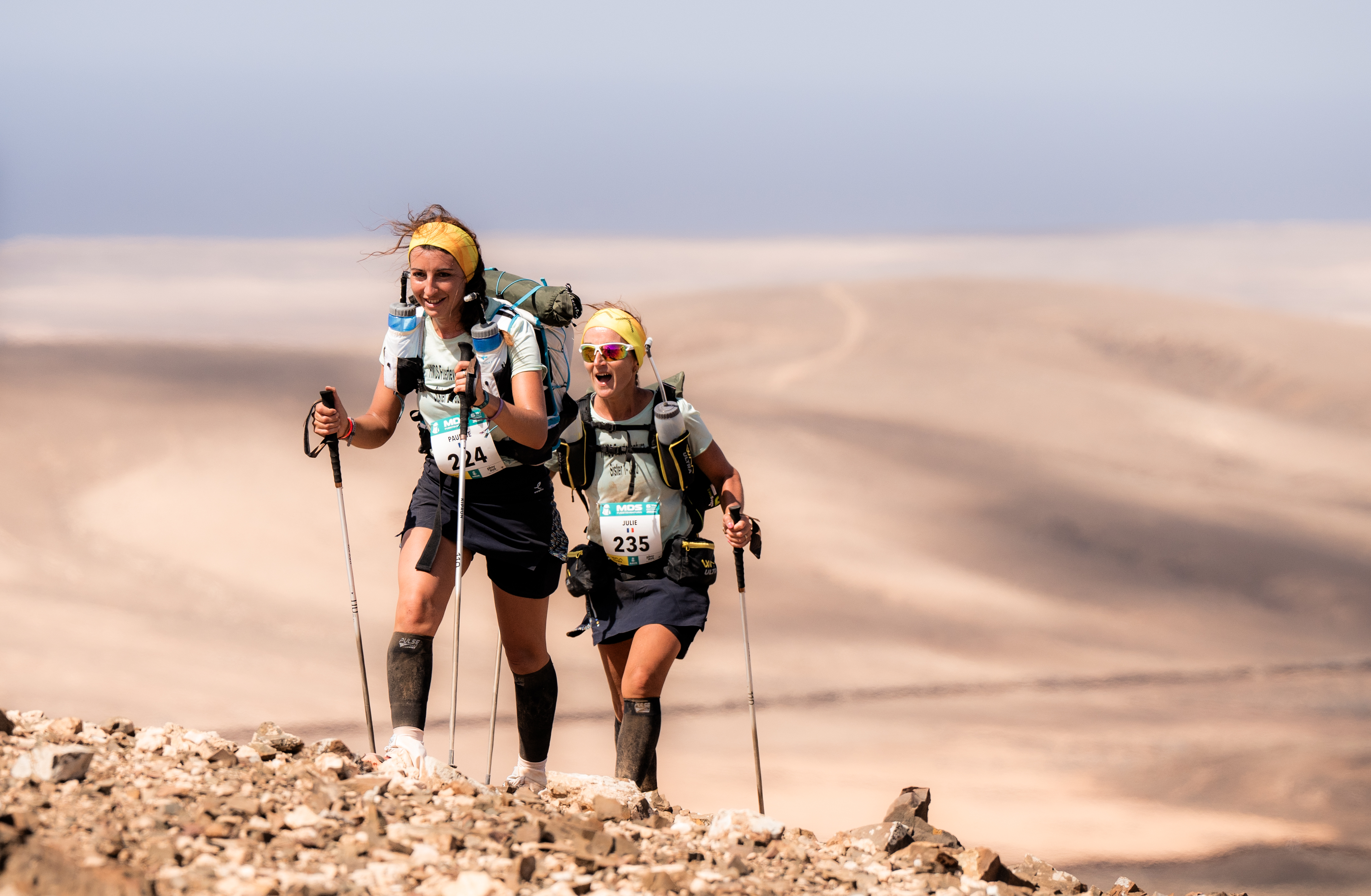
Poles can be a lifesaver and I recommend them but you must learn to use them. Those at the front do not need poles, they can run.
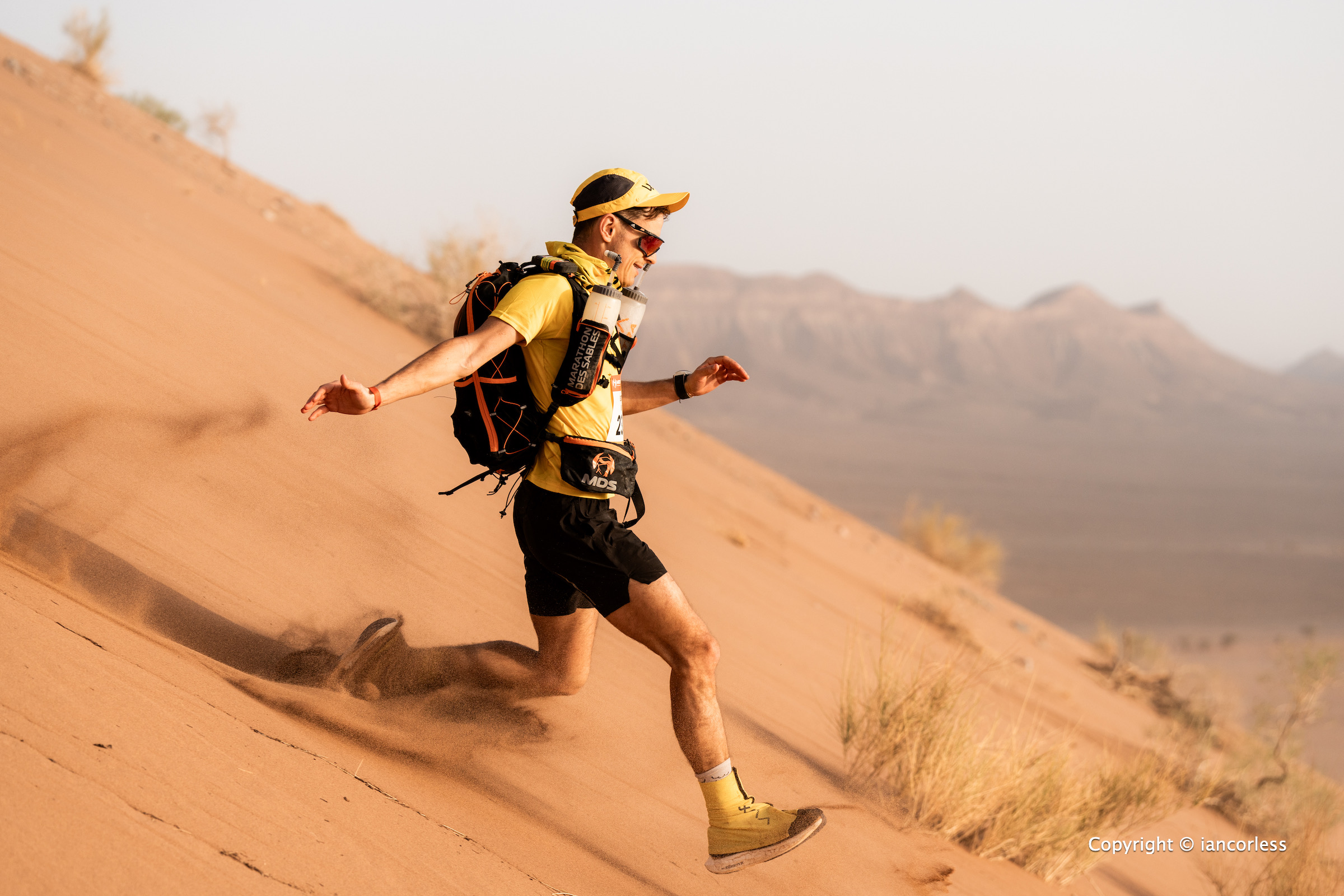
Learn to walk, walk and walk. Many go to the desert with the expectation of running 80% and walking 20%. The reality is it will be the other way around.
Look after your feet and start with the correct shoes for you.
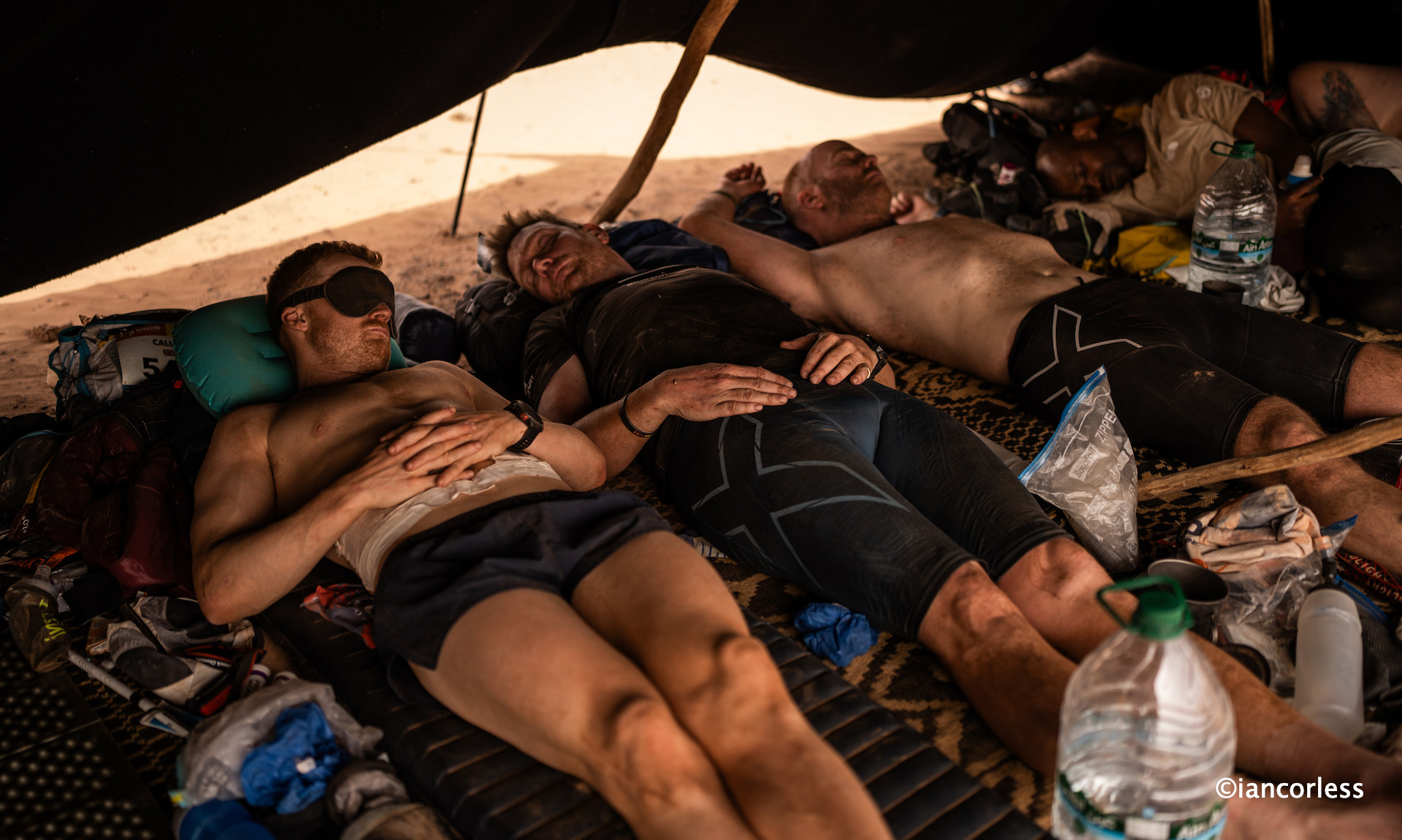
Take a sleeping mat or pad. You only need to do three things: run, eat and sleep. Sleep and comfort is important for recovery.
Make sure you check the full rules and regulations HERE
It’s a common question, ‘What does it cost to run a MDS event?’
Of course, there is no one definitive answer, however, i’s easy to provide a breakdown of costs and then make adjustments from there, so here is a summary.
RACE ENTRY
In simple terms, Marathon des Sables have two event formats, The Legendary, which is the 6-stage event 0f 250km’s which in 2026 will be 40-years old, and, MDS events which are 3-stages over 4-days with the option of 70/100 or 120km’s. MDS Trek while following the classic MDS format (70/100/120) does vary a little and has extra days-
Entry Costs:
Legendary 4000,00 euro +/-
MDS 2150 to 2650 euro+/-
TRAVEL COSTS
Photo by Ian Corless
Legendary or MDS events do not include travel to the country destination. Considering the variety of locations, the price here varies considerably. For example, Morocco and Fuerteventura have many flight options from many countries and they are facilitated, often, by budget airlines such as Easyjet.
By contrast, Jordan, Namibia and Peru require much more complicated and expensive travel often with connecting flights. A word of caution, the cheapest option here is not always the best option. Read the small print. I would also advise, planning to arrive at least one day earlier than required by the MDS organisation. This allows for delays or cancelled flights.
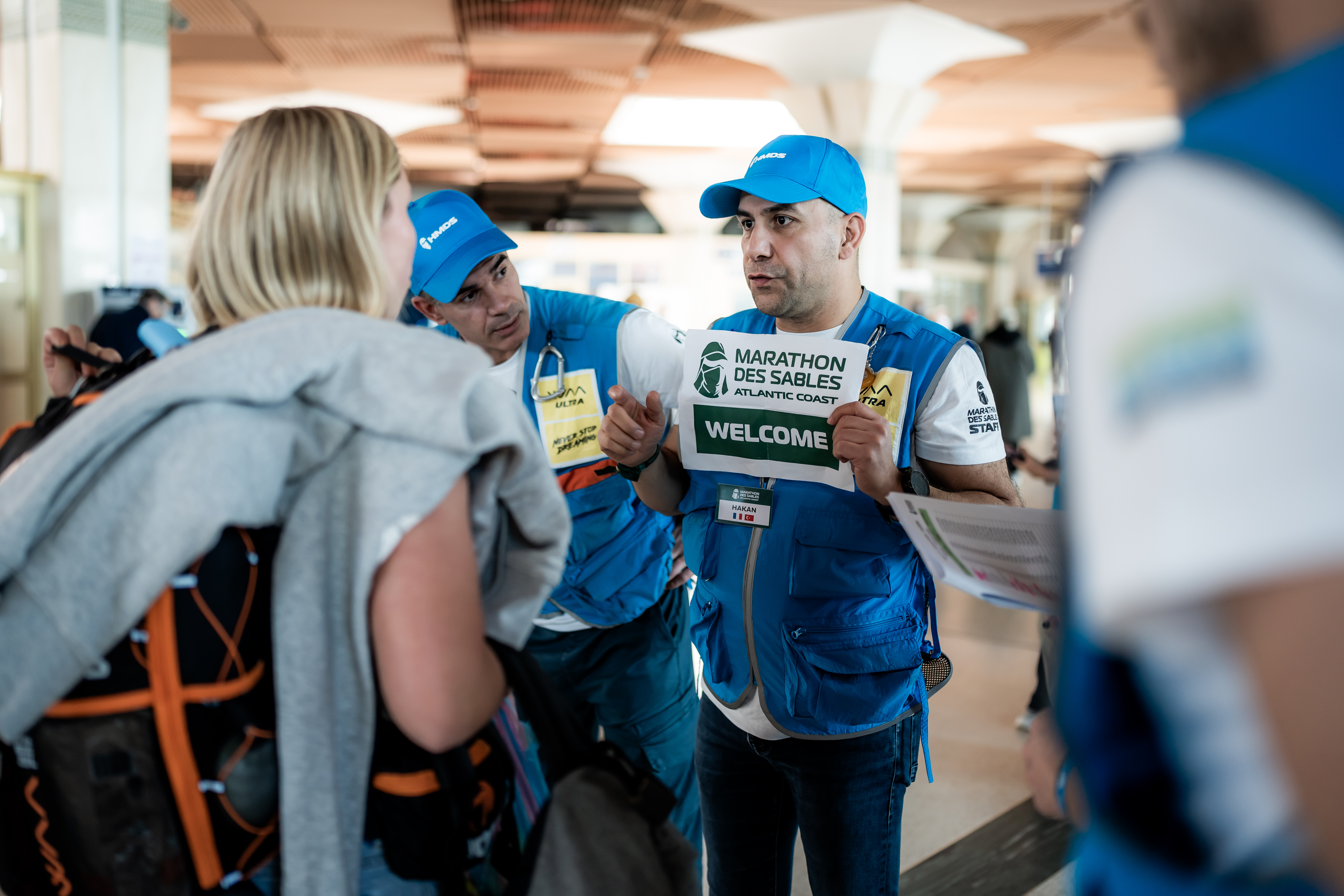
Also consider transfer costs to and from your departure airport. When on the ground in your race country, MDS provide transfers to and from the race hotel which are included in the race entry package.
HOTELS
Photo by Ian Corless
The Legendary and MDS packages include hotels as part of the event package. What is available does vary from event to event. For example, with Legendary the meet up point is Ouarzazate airport with a direct transfer to bivouac one. MDS events typically have 1 or 2 nights hotel before stage 1 of the race.
All events transfer to a hotel after the finish for typically 2 nights.
So, if you plan to arrive early or stay on after, these hotel costs will be for you to pay, anticipate a budget of around 150 euro +/- per night with food.
This is often a hidden cost that many don’t consider. You may enter Legendary one year advance, think about all the elements that will come in to play when preparing. Below is an idea of things to consider:
Running shoes
Clothing for varying temperatures
Gym membership
Coaching/ Training Plan
Physiotherapy/ massage
Training camp.
Heat training
The above list provides a guideline of items to consider. At a minimum, its fair to assume that you should set aside at least 2000 euro for the above each year.
Of course, if you have a coach, weekly massage, gym membership, love apparel and shoes, you will easily spend considerably more than 2000 euro.
A good protocol is to set aside 250 euro per month.
MDS EQUIPMENT
There is often much discussion about equipment for an MDS event. Take a deep breath. It is not complicated, actually, it’s very simple.
The first and most important point, just because you have entered an MDS event, there is no need or requirement to go and purchase all new equipment. If you have apparel that is comfortable and causes no irritation, there is no need to change it. If you have trail shoes that work, are comfortable and importantly cause no blisters, there is no need to change shoes BUT there are things to consider with shoes – readhereand here.
You could actually follow on the links above and you’d have the perfect MDS kit. You would just ned to make considerations for any climatic changes for the race destinations and also consider how many days you need food for. Remember, with Legendary, you are self-sufficient before the race too!
1949.00 euro +/-
It’s fair to assume that on average, a first time MDS participant will spend approximately 2000 euro to equip him or herself for an MDS. There are variables of course based on individual needs and the quality of items you purchase. My top tip is get the best you can afford, it will last longer and ultimately save you money. Based on experience, I would consider an absolute minimum budget to be 1250 euro.
The plus side of all this, once you have done an MDS event, the next event is considerably cheaper.
NOTE: The above list is considered to be the minimum equipment requirement. Oyher things to consider: poles, GPX watch, mp3 player… etc
HIDDEN COSTS
No matter how much you plan and prepare, there will be hidden costs. A great example being equipment… You will buy items and maybe they just don’t work for you and you need to replace them.
Other MDS participants will recommed X or Y product which places a question in your mind and then you purchase because you were curious.
You may get injured and require treatment and rehab with a great deal of additional costs.
Plan for the unplanned.
INSURANCE
Get insurance that covers you comprehensively for all eventualities. Do this the moment you sign up for a MDS event. You would not believe how many runner’s do not make it to the start line, for a multitude of reasons, only to find out that they were not covered by insurance.
MDS do offer free postponement and the opportunity to cancel free of charge. However, this is not open ended and conditions do apply. Make sure you understand what those conditions are and please note, they vary from event to event.
Look at Dogtag, BMC, Global Rescue, World Nomads, Sports Cover Direct etc – Make sure you speak with an agent and fully explain the event you are doing and what cover you need and require.
How long is a piece of string…? The above is designed to provide an outline of costs broken down so that you can see, roughly, what an event will cost.
LEGENDARY
If you are taking part in Legendary, one you add entry, flights, training time (and the costs), purchasing a full equipment list and having insurance, you are looking at a staring cost of 8000 euro +/-
MDS
MDS events require all the same equipment as Legendary, however, entry fee is less and the race days are less. A starting budget would be 4000 euros +/-
CONCLUSION
Taking part in any endurance sport is never cheap. However, life is short and adventures are to be lived. Marathon des Sables offer adventures all over the world in stunning locations. What you get is superb organisation and safety – that comes at a price. When you arrive at a race, you immediately see how your race entry fee is spent, be that the welcome at the airport, the transfers, the hotel, the transfer to the desert, bivouac, on course route planning and safety, the gala dinner and awards ceremony – MDS offer a full 360 experience that has been fine tuned to make your race the most memorable experience of your life.
Photo by Ian Corless
Interested in an MDS event in 2025?
A full calendar of dates and destinations are available HERE
There is always something special about a first edition race. Despite all the planning, despite tight schedules, despite ticking all the boxes, there is always an element of the unknown, a curve ball nobody expected or predicted flying in and causing a problem. Gladly, no curve ball arrived on the Atlantic Coast, on the contrary, the first edition of MDS Morocco Atlantic Coast was a huge success and without hiccup.
Morocco is obviously not a new destination for MDS, Legendary is in its 39th year and MDS Morocco, MDS Morocco Trek and Handi MDS have all happened previously, so, a new event in Morocco feels comfortable.
Close to Agadir, the MDS Morocco Atlantic Coast brings something new to MDS events in Morocco and obviously brings something special to the MDS line up.
Photo by Ian Corless
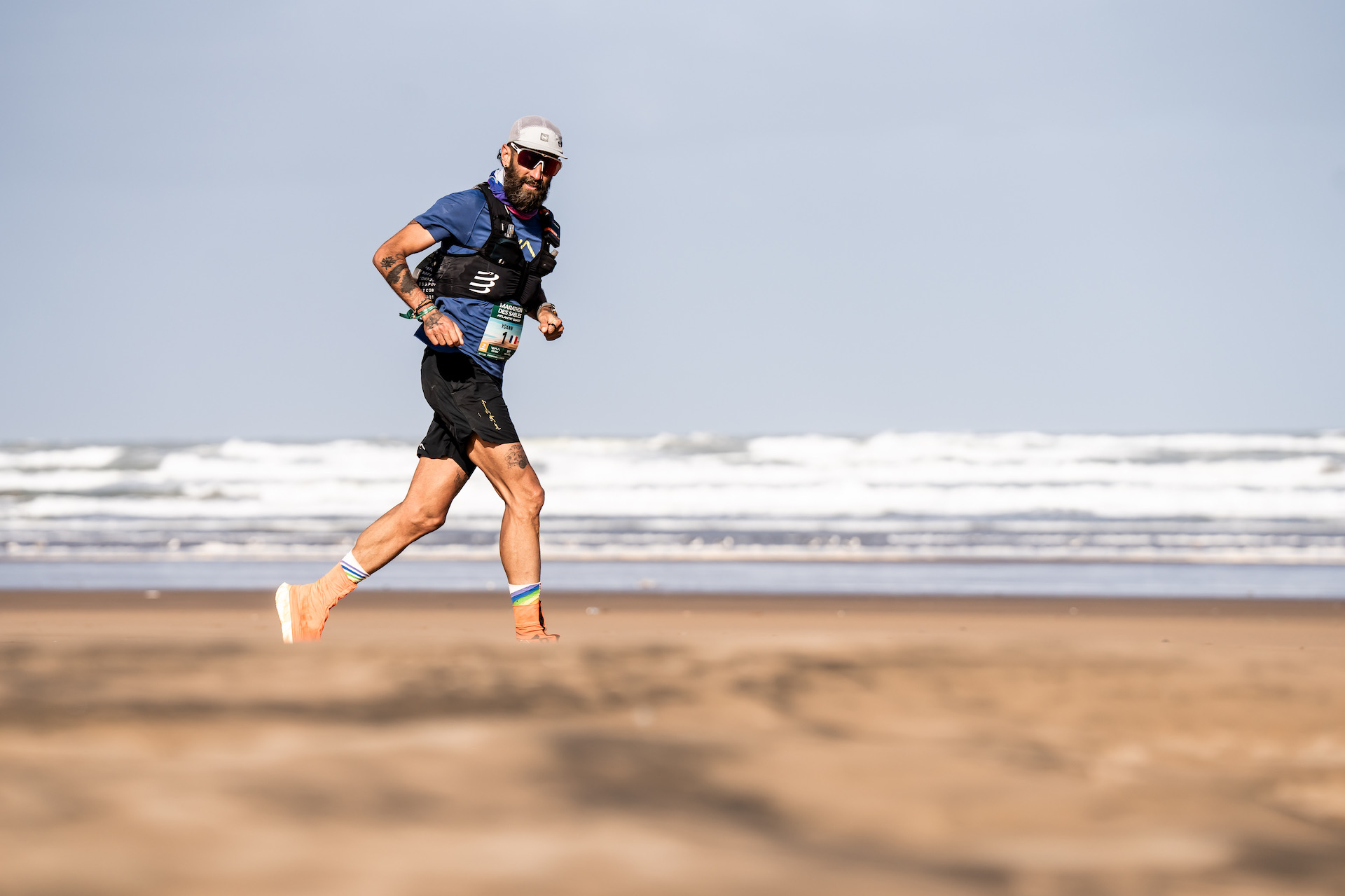
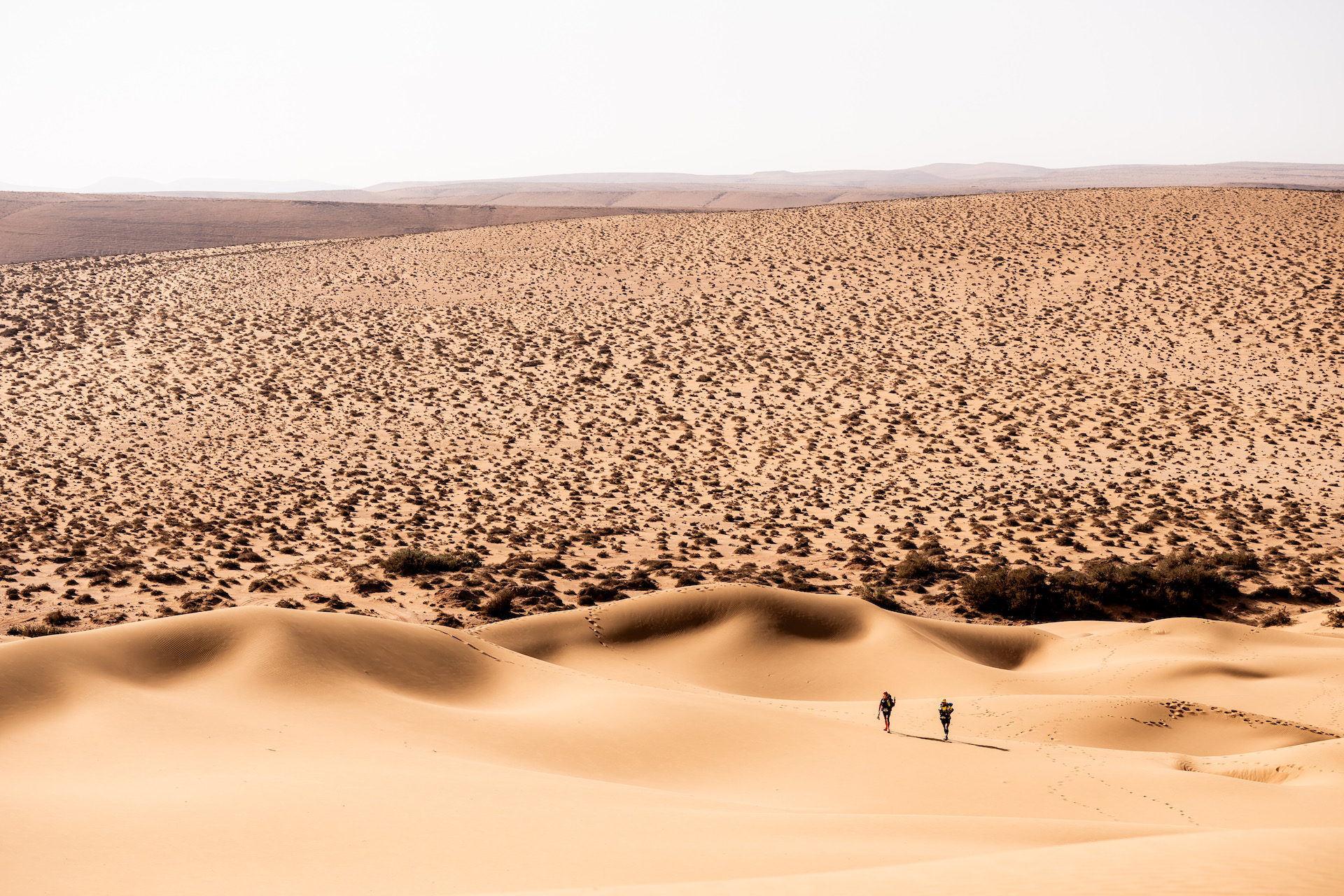
Like Fuerteventura and Peru, the ocean provides a backdrop to the race and this alone is unique. The juxtaposition of desert, dunes, beach and the roar of waves and the blue ocean make for a special environment for a race to take place.
LOGISTICS
As with all MDS events, the race is 3-stages taking place over 4-days with 3 distance options, 70km, 100km and 120km. Stage 1 and Stage 3 is the same for all participants and stage 2 is the one where a choice must be made, typically 20km, 40km or 60km. It’s a great format that makes MDS appealing for all ages and all abilities.
With 170 participants and 27 nationalities, the MDS Morocco Atlantic Coast was a great first edition. Notably, once again, female participation was around 50%. MDS are without doubt pioneering the way for female participation in their races and this must be applauded and encouraged.
Photo by Ian Corless
Travel to Morocco is easy and transfers were provided by MDS from Marrakech (appx 6-hours) or from Agadir, with just a 40-minute transfer to the race hotel, needless to say, most people flew to Agadir.
Photo by Ian Corless
A Saturday arrival and a Saturday departure, the race format had 2 nights in the hotel, 4-days and 3-nights in the desert and then a return to the hotel for 2-nights before onward travel.
The format provides an excellent opportunity to mix holiday and relaxation with sport.
THE EVENT
Saturday arrival was relaxed and with no commitments for the participants.
Photo by Ian Corless
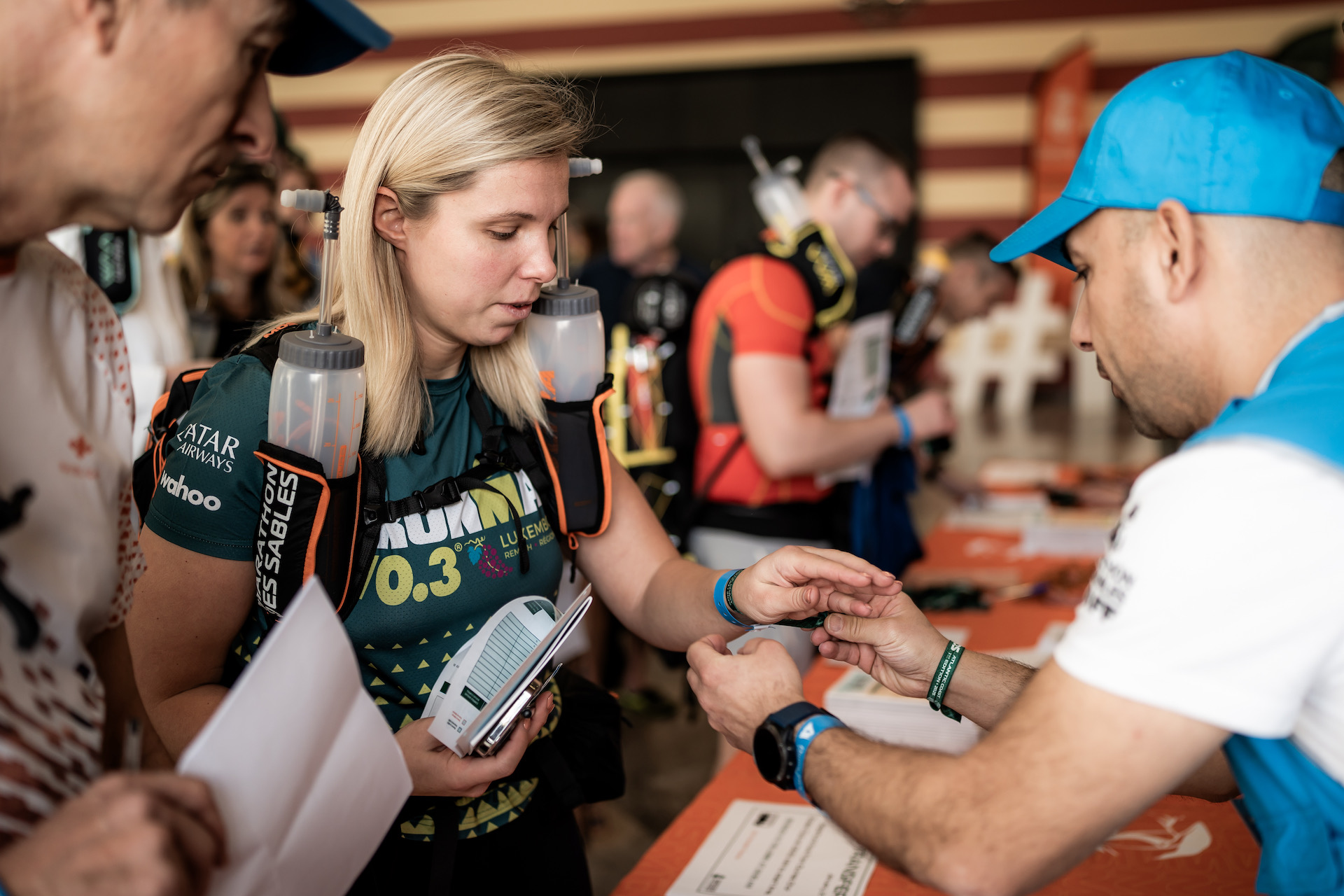
Sunday mornning and the MDS admin protocols were in place between 0900 and 1200, this is a requirement for eah participant – equipment is checked, medical certificates are checked, GPX trackers are added to packs and race numbers are provided. The whole thing is efficient, seamless and fast.
The afternoon provided an opportunity for relaxation or sight seeing and then an early dinner and bed.
Departure time for day 1 was 0300 for a 5-hour journey to the desert. On arrival, the plan, as always, was to get the runner’s underway as soon as possible.
Highway to Hell finished and the participants departed under cloudy skies at approximately 0930.
Photo by Ian Corless
Day 1, stage 1 at 24km’s headed from an inland location and basically headed directly to the coast. The terrain was mixed, with some easy running to start the day, of course, sand featured heavily with a dune section coming just after CP1 and a final dune section concluding the race just before the finish. Temperatures reached a high of 25-degrees and it was a great first day. Bivouac awaited the runner’s and a first night in sleeping bags with self-sufficiency started. The wind blew and the temperatures dropped, a chilly night was expected. Stage summary HERE
Photo by Ian Corless
Day 2, stage 2, intermittent rain and wind blew in off the ocean and there was a sense of dread at what this day would bring, especially for those participants who would take on the 40 or 60km distances. A challenging start and just a few hours later the weather started to clear and finally, skies cleared and the sun came to make for a beautiful day, highs reached 28-degrees. The course offered an obvious challenge mixing the best of Moroccan terrain with tsome stunning dune sections. The latter km’s running parallel to the ocean to give an epic backdrop. The race wnt into the night with the final finisher arriving just after midnight. Stage summary HERE
Photo by Ian Corless
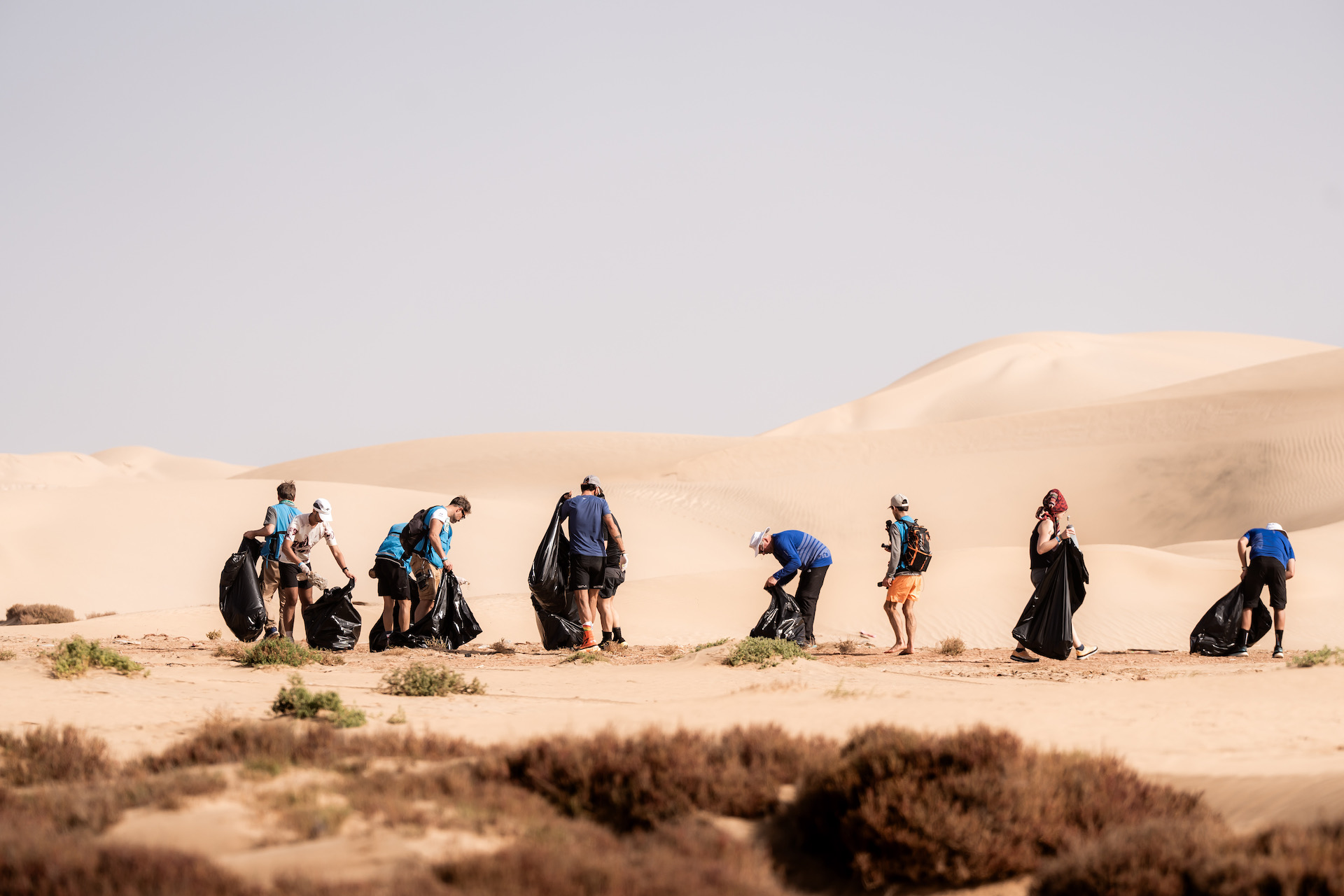
Day 3 was a welcome rest day. The skies were blue, the wind gentle and the warmth of the sun relaxing. It was a leisurely and relaxed start to the day. At 1130, blue and orange coats with participants walked to the beach and on the way cleared away rubbish and notably huge amounts of plastic. We race in these magical places and sadly, littering and pollution is high. The ocean obviously washing in debris daily. It was a huge campaign and yes, we may have only provided a small dent in what is a very big problem, however, it felt good and the difference afterwards was noticeable. The remainder of the day was releaxed, as per usual, mid-afternoon, a cold and refreshing drink was provided and as darkness came, most were already in sleeping bags gaining valuable rest before the final day.
Photo by Ian Corless
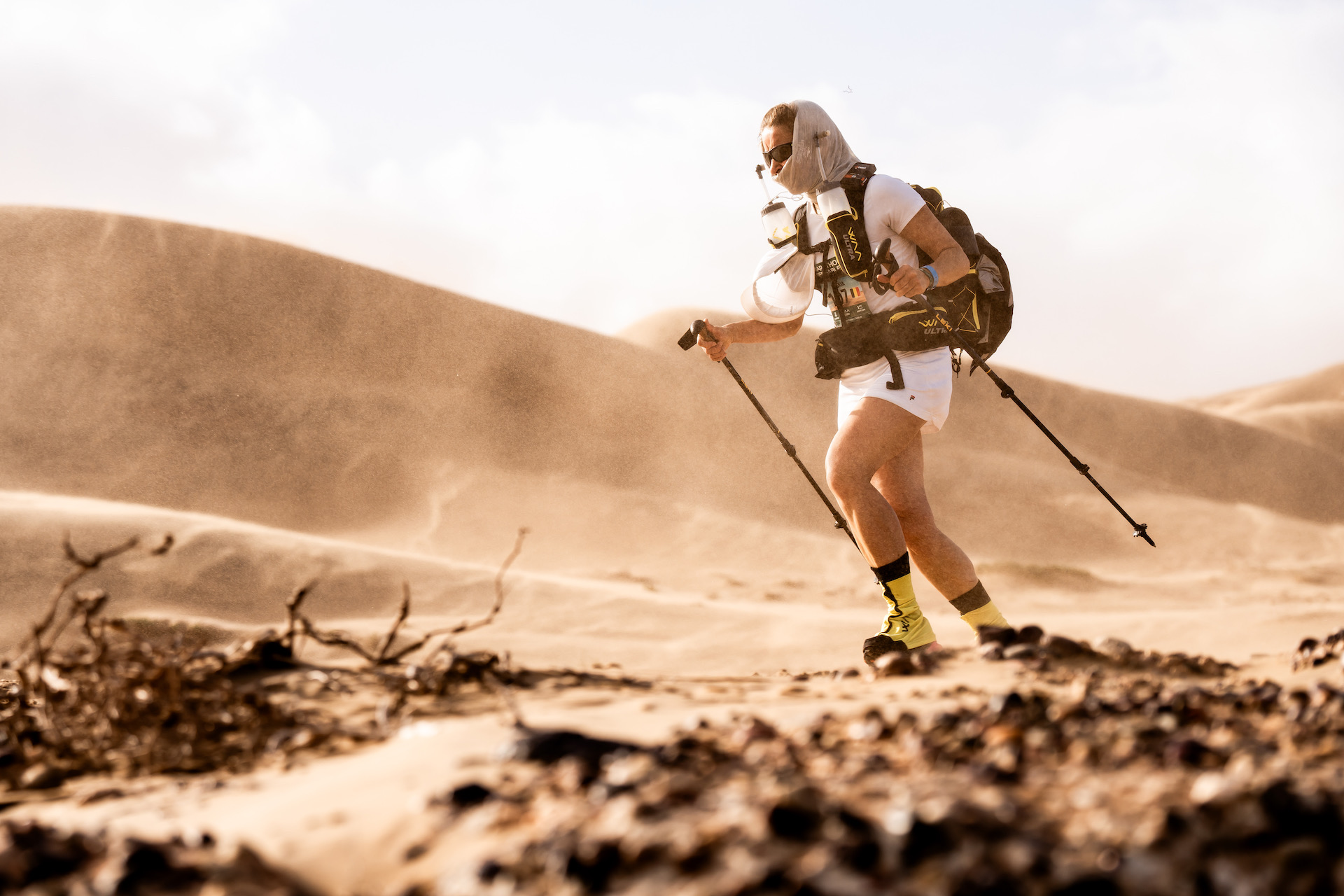
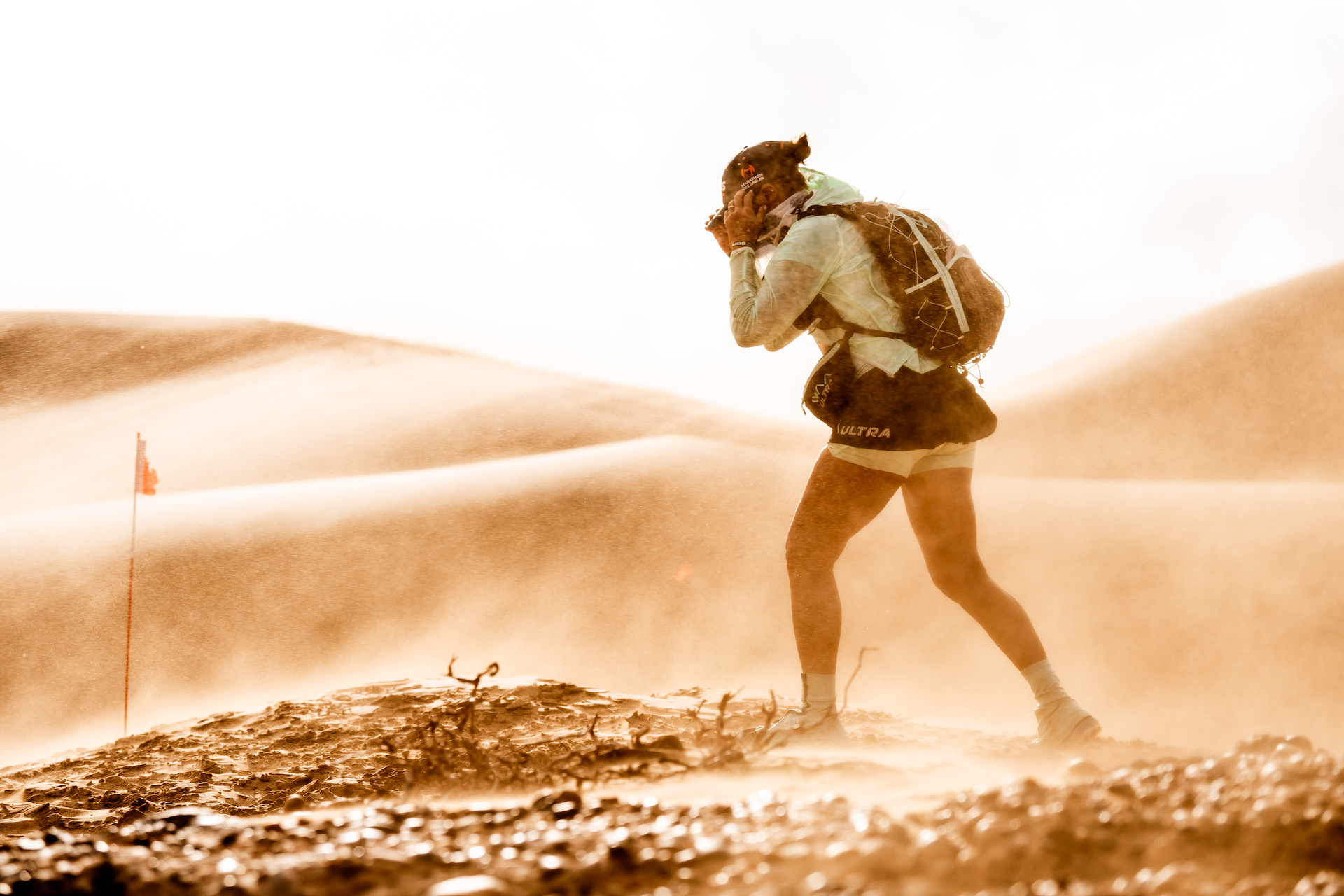
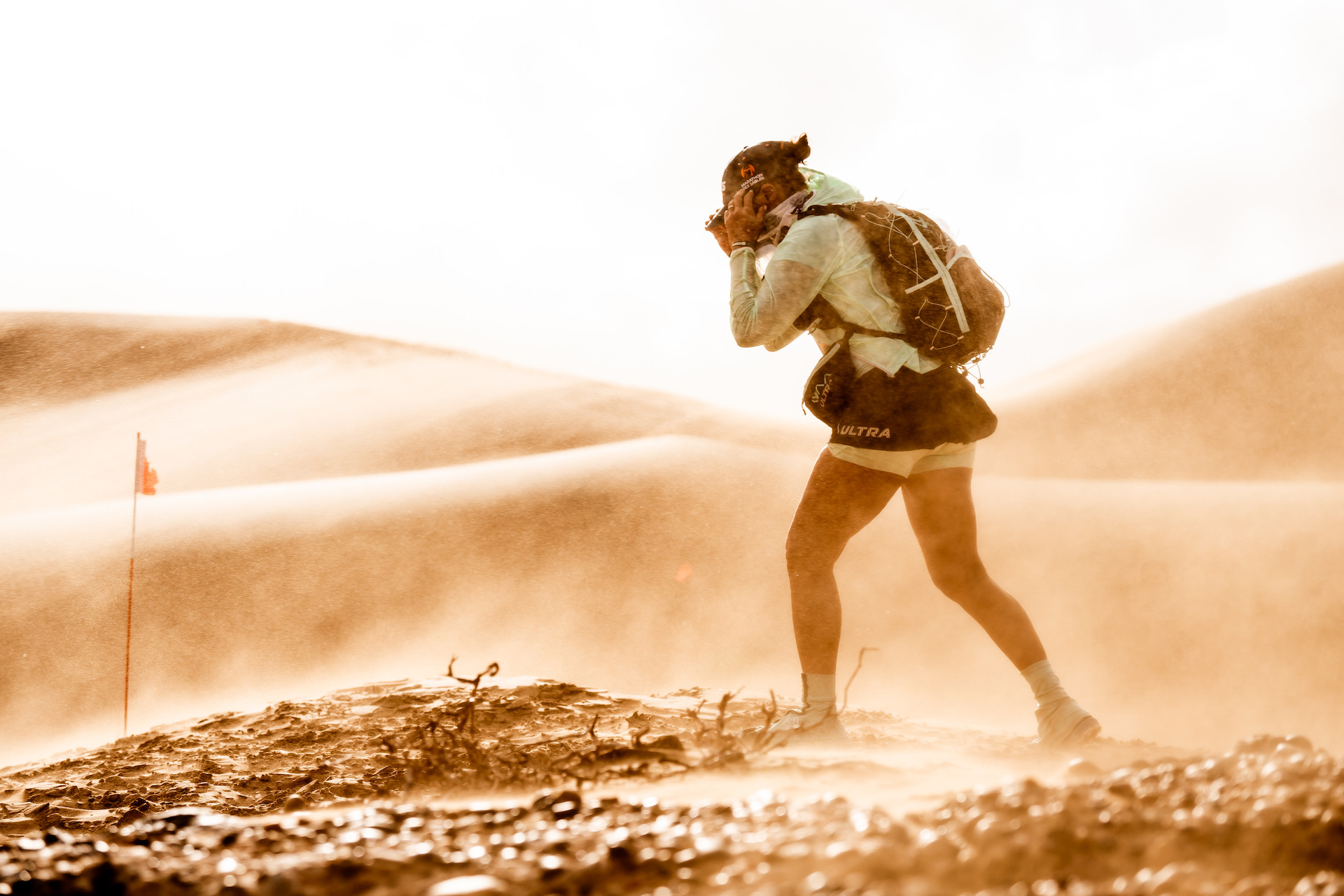
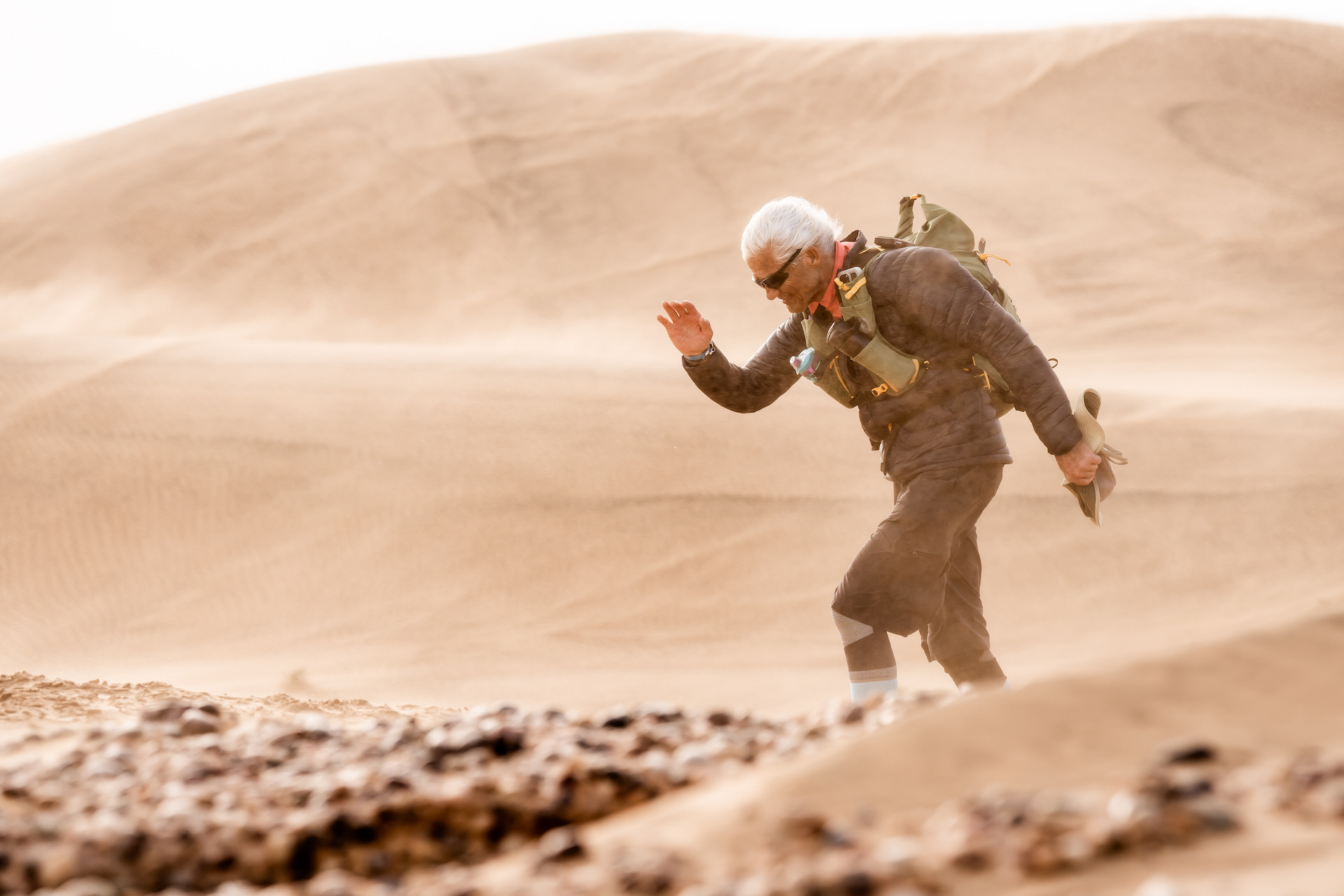
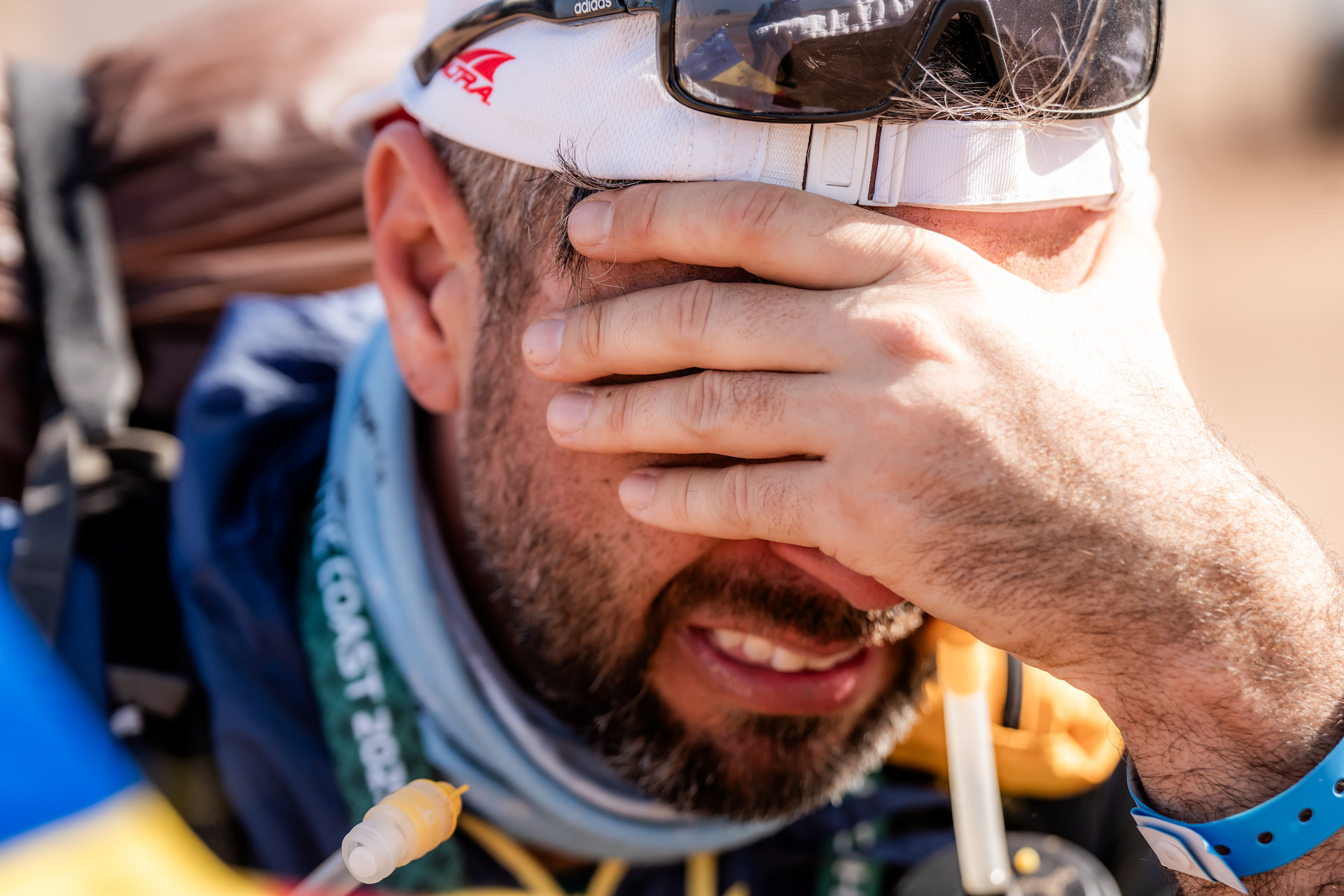
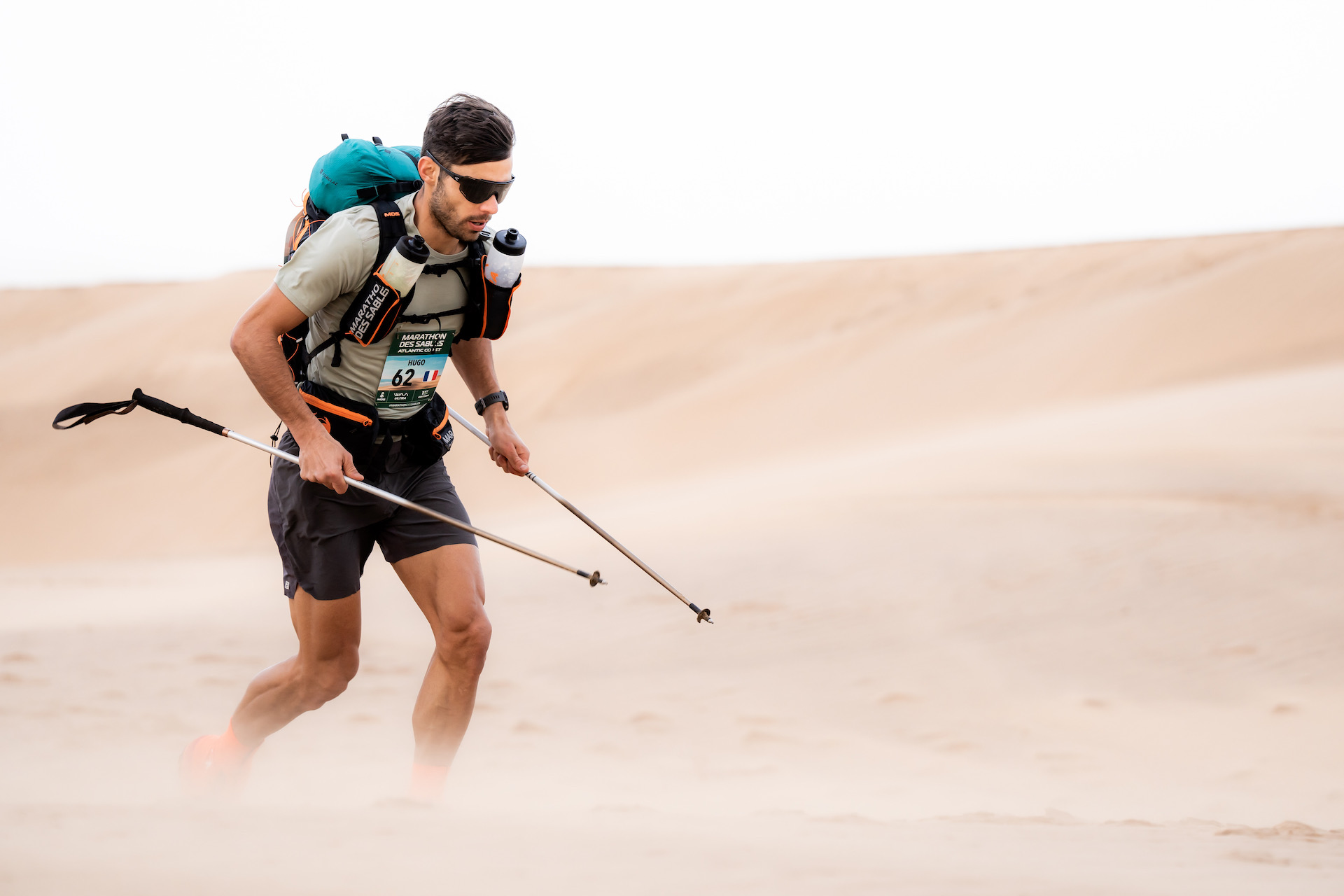
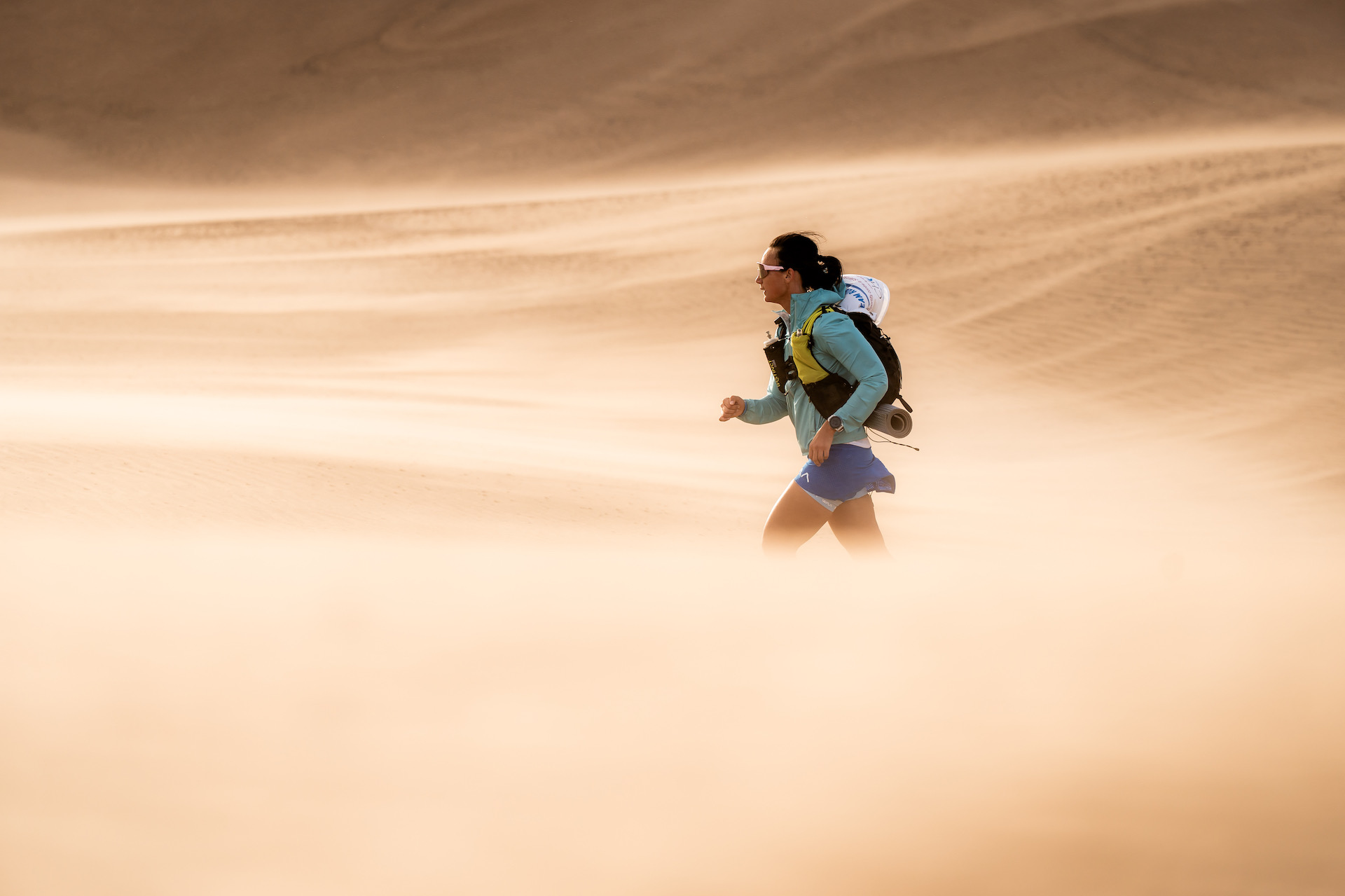
Day 4, stage 3 and what a start to the day, the wind was howling from the north bringing with it, at times, torrential rain. Runner’s were ready for the challenge though, with 2 starts, 0800 and 0930 for the top-25, the day got underway and gladly, by 0830 the rain stopped. However, the wind did not. The wind blew and blew, providing a constant headwind and relentless sand storms for the whole 27km’s. It was an epic and special day. Yes, it was hard but boy was it memorable. The joy, the emotion and the tears at the finish made the medal only more special. From the finish line, buses were waiting and as each was filled, they then departed back to Agadir for hotel comforts – shower, buffet dinner and a night in a bed with sheets and comfort. Stage summary HERE
Photo by Ian Corless
The following day was one of relaxation. Dinner was served at 1900 and then followed at 2000 hrs with a closing ceremony, awards and the showing of the MDS Morocco Atlantic Coast movie. The atmosphere was electric, the feedback incredible, the emotion high, it was a very memorable ceremony that only confirmed the success of the event. An outdoor DJ and dancing concluded the night and brought to a close this first edition.
Saturday and onward journies home.
NOTES AND CONSIDERATIONS
Photo by Ian Corless
MDS events are meant to challenge you both physically and mentally, some challenge more than others. MDS Morocco Atlantic Coast certainly falls in the latter category with challenging weather and varying temperatures. Having experienced 20 MDS events all over the world, my top-tip is ‘be prepared!’ Deserts are not always hot, they are not always dry and they are not always calm. Have with you a waterproof/ windproof layer, have with you a warm layer (lightweight down or primaloft jacket) and make sure you have eye protection. Trust me, those who did not have sunglasses or goggles for stage 3 suffered badly trying to move forward in a headwind for 27km’s.
Photo by Ian Corless
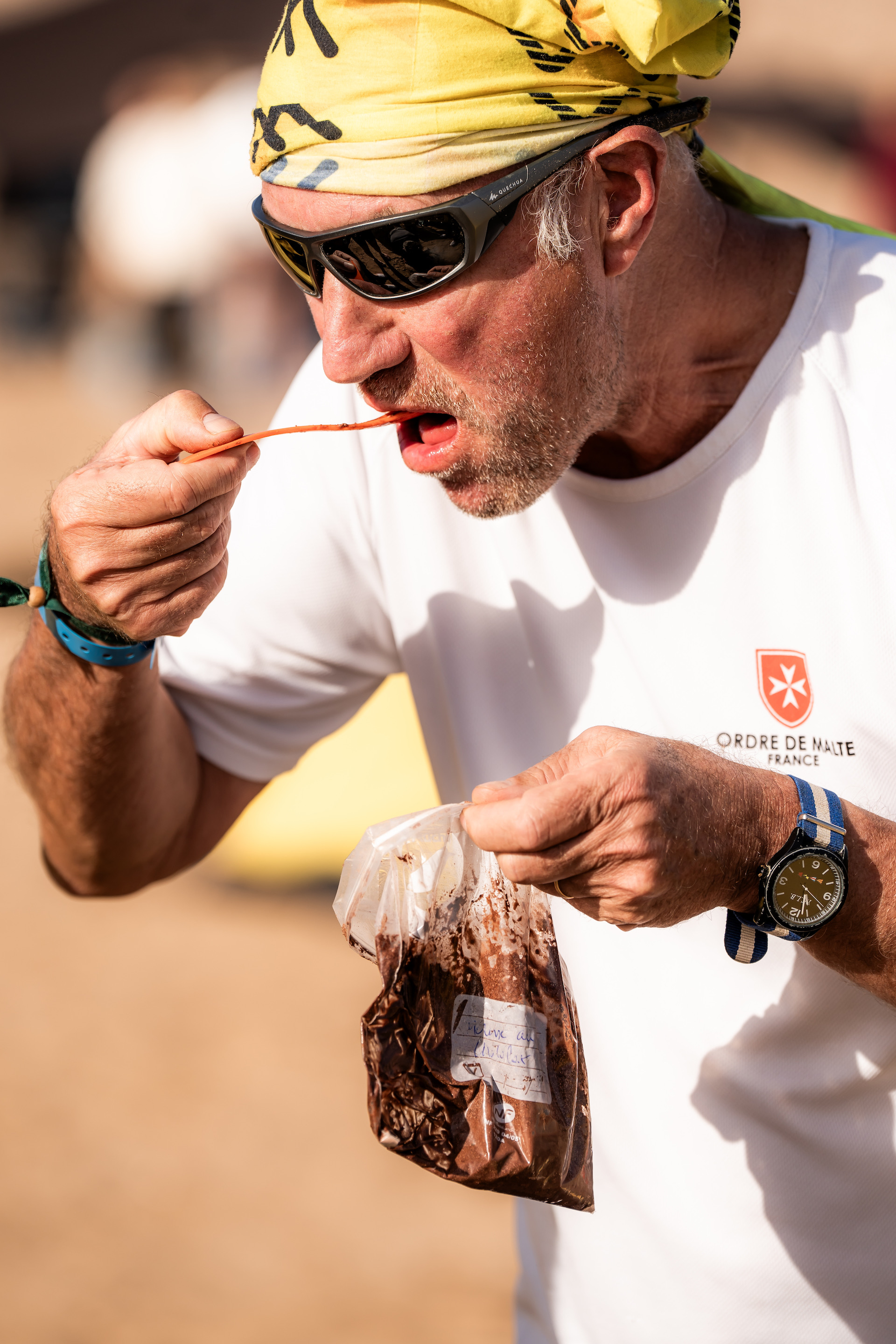
Be prepared with a variety of food choices and undesrtstand that what tastes good at home, may not taste good the desert. A balance of sweet and savoury s good and take note, as days pass, the demand for sweet becomes less.
Photo by Ian Corless
Prepare the mind for the challenge. Understand the WHY you are doing the event and be prepared for anything. The body is an amazing thing that could do incredible things, however, it needs to work in harmony and synergy with the mind to achieve your goals.
CONCLUSION
Photo by Ian Corless
MDS Morocco Atlantic Coast was a huge success. We were all tested by the weather but this only made the event more special and memorable. The MDS event team have called it the Viavaldi race as we had all four seasons. The Atlantic Coast brings something special to Morocco and in contrast to Legendary, MDS Morocco and MDS Trek, the terrain is different, unique and of course, the ocean as a backdrop is special. No doubt, this event will grow to become an MDS favourite. January is great timing, what a great way to start a year and globally, few races take place so early in the year making this an easy option for those looking for something special post Christmas.
The wind blew strong during the night causing a restless night for many. To add to the fatigue, rain arrived as the runner’s started to pack and get ready for the third and final stage.
It was an ominous start and it was clear that there was high anxiety for each participant, with 27km’s to go, this was not going to be an easy last day.
Photo by Ian Corless
The first wave left at 0800 and the top-25 departed at 0930. Gladly, the rain disappeared, however, the wind did not…
It was a northerly headwind for the entire 27km’s creating some of the most memorable moments and images of any MDS event.
Photo by Ian Corless
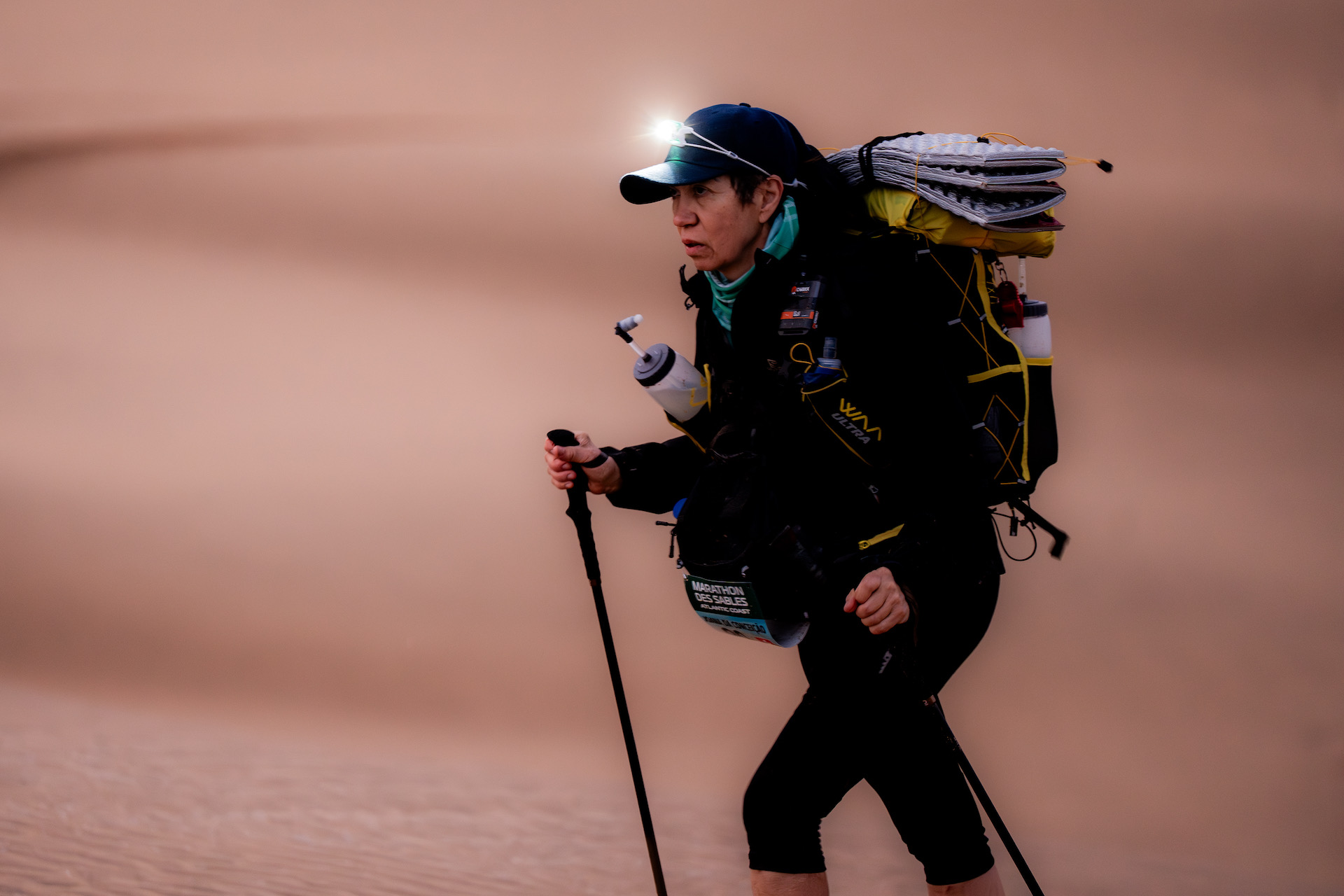
Runner’s battled, heads down, hands shielding faces and they fought what would seem like a never ending battle against nature to the finish line.
Photo by Ian Corless
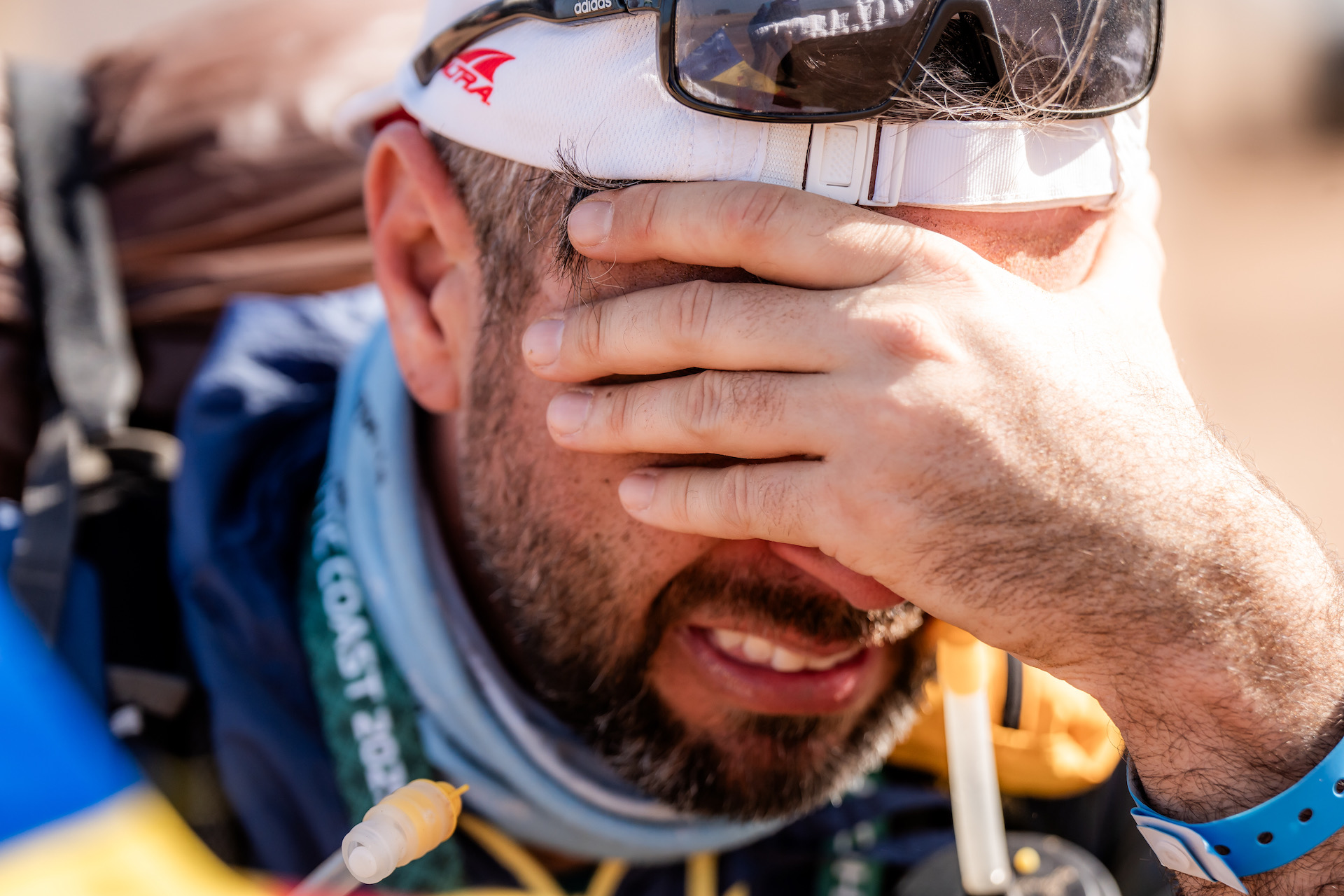
But the finish line came for all and with it, great emotion.
Photo by Ian Corless
Stage 3 of the first edition of MDS Morocco Atlantic Coast was brutally beautiful. Relentless impressive dunes, the Atlantic Ocean to the left and the final 10km’s along the beach made for a completely memorable MDS.
Photo by Ian Corless
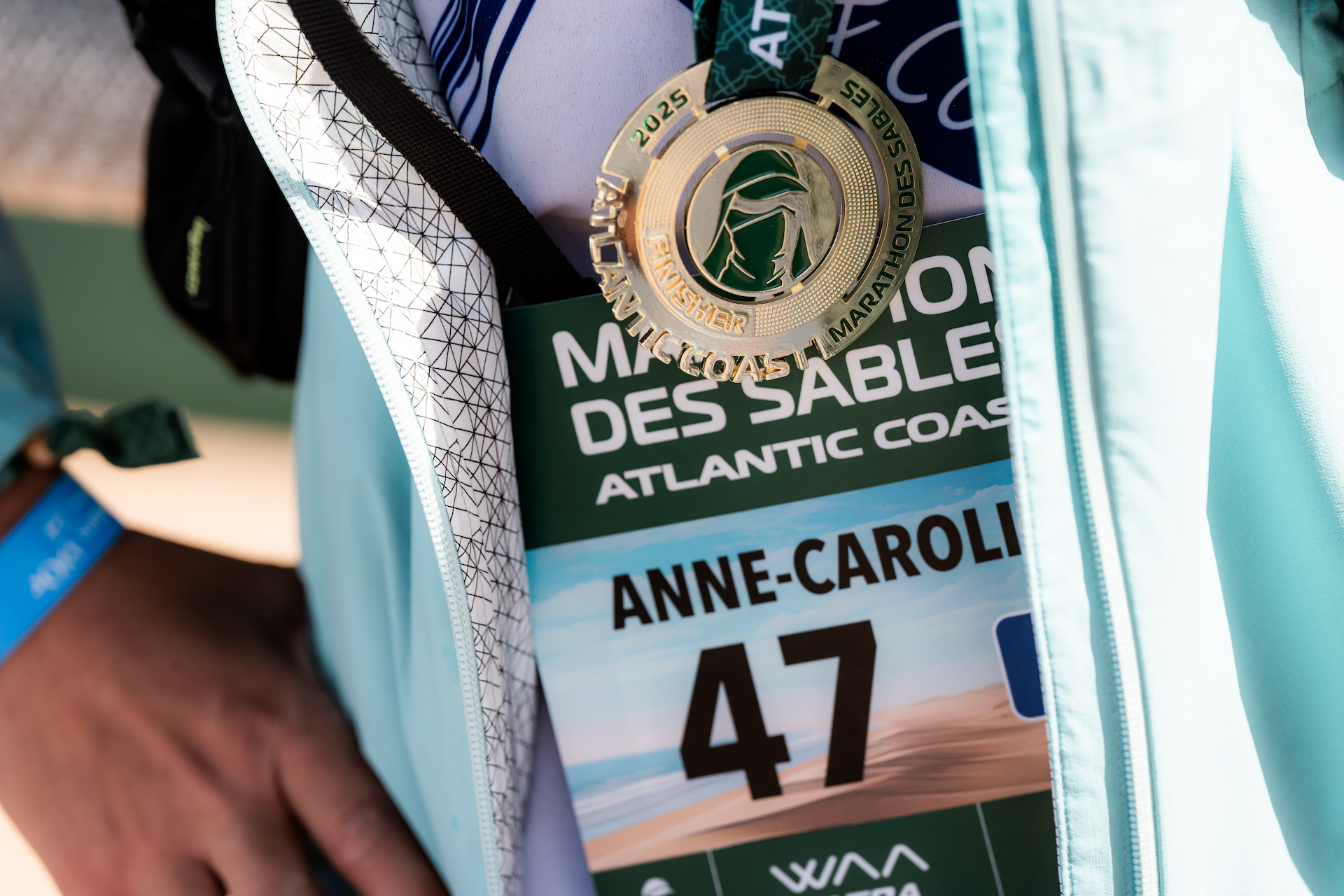
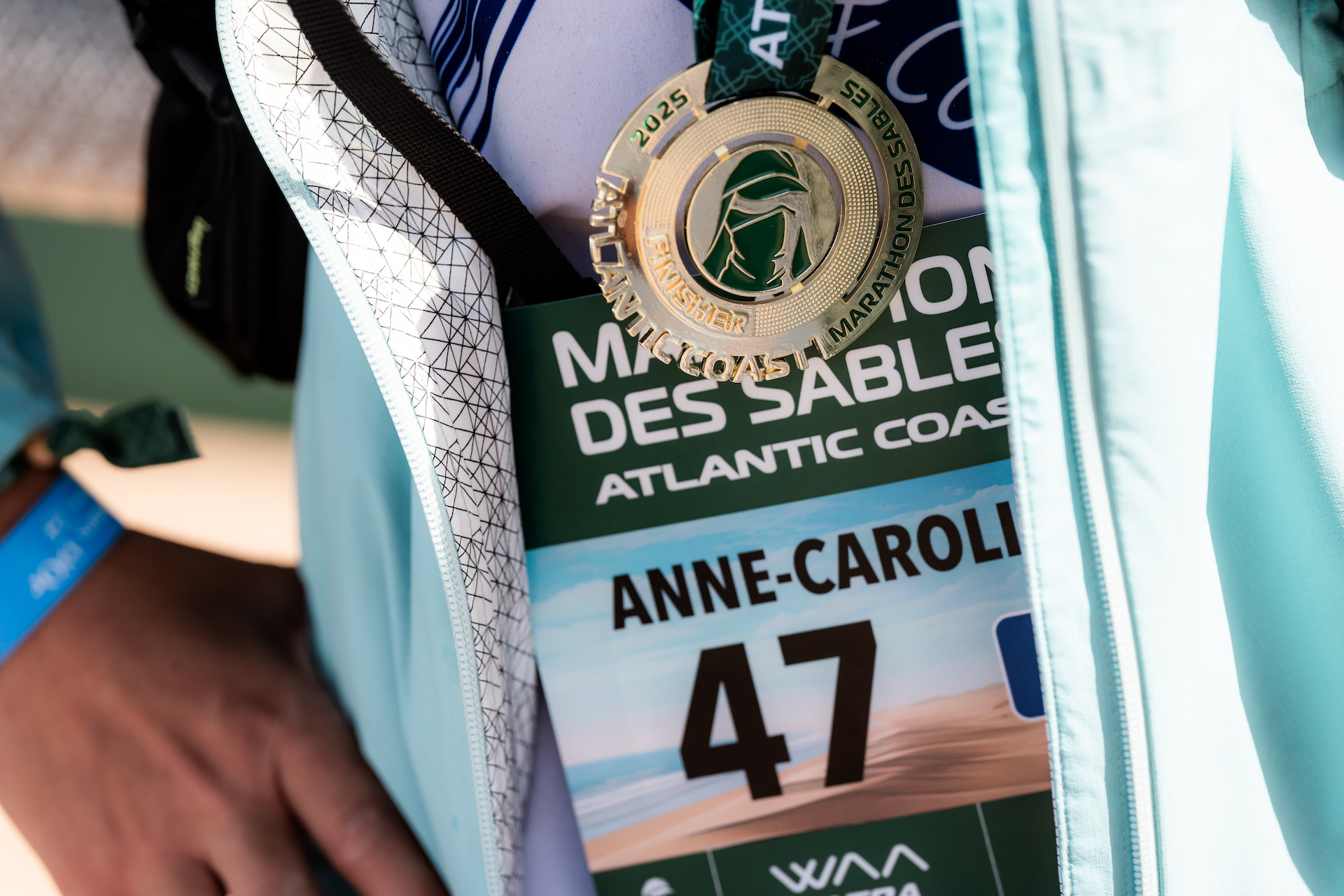
Tears, joy, emotion, relief and the bling of a medal all made the journey worthwhile.
Photo by Ian Corless
The journey for each participant unique. The experience unique. But there was one common thread…
‘We survived and experienced a truly memorable journey along the Atlantic Coast of Morocco.’
The 2025 Marathon des Sables calendar kicks-off the a new event, MDS Morocco Atlantic Coast, a great addition to the MDS line-up and now the fourth event in the country, the others, Legendary, MDS Morocco and MDS Morocco Trek.
Photo by Ian Corless
Located close to Agadir, the MDS Morocco Atlantic Coast explores a new area of this magical country.
Photo by Ian Corless
For stage 1 it was a very early start of 0300 for the drive from Agadir and the start line.
Photo by Ian Corless
Kicking-off at 0930, 170 runners from 27 nationalities started the 23km journey with 344m+ heading north to the coastline of the Atlantic Coast. Of the 170 participants, 50% of the field are women, MDS once again pioneering the way for female participation in ultra races.
Photo by Ian Corless
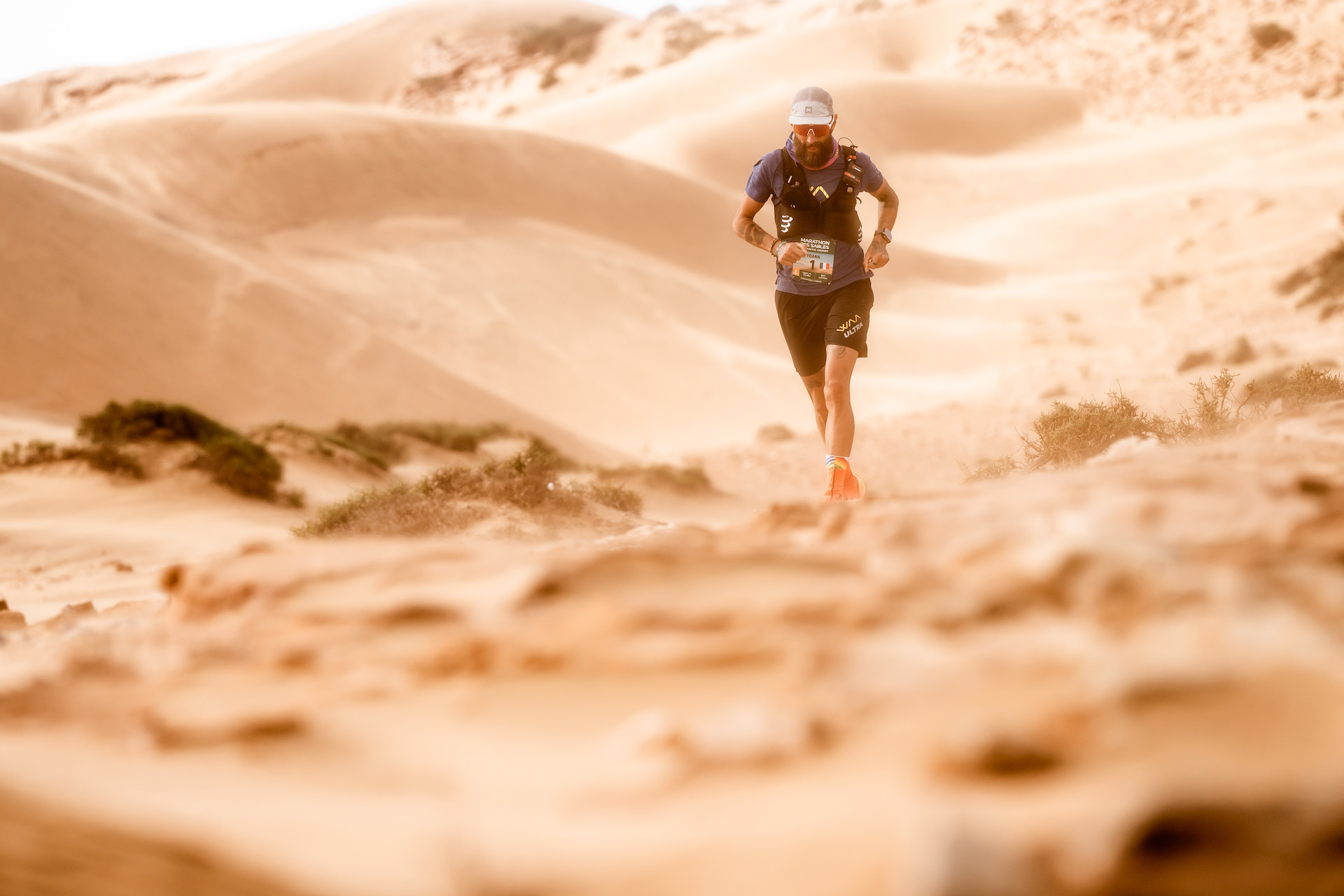
The day started with hard pack runnable terrain making for easy km’s before a dune passage, followed by a gorge and finally high dunes with the glimmer of the ocean in the distance. Cloud and a chill in the air soon moved away to leave blue skies and daily high temperatures of 27-degrees.
Photo by Ian Corless
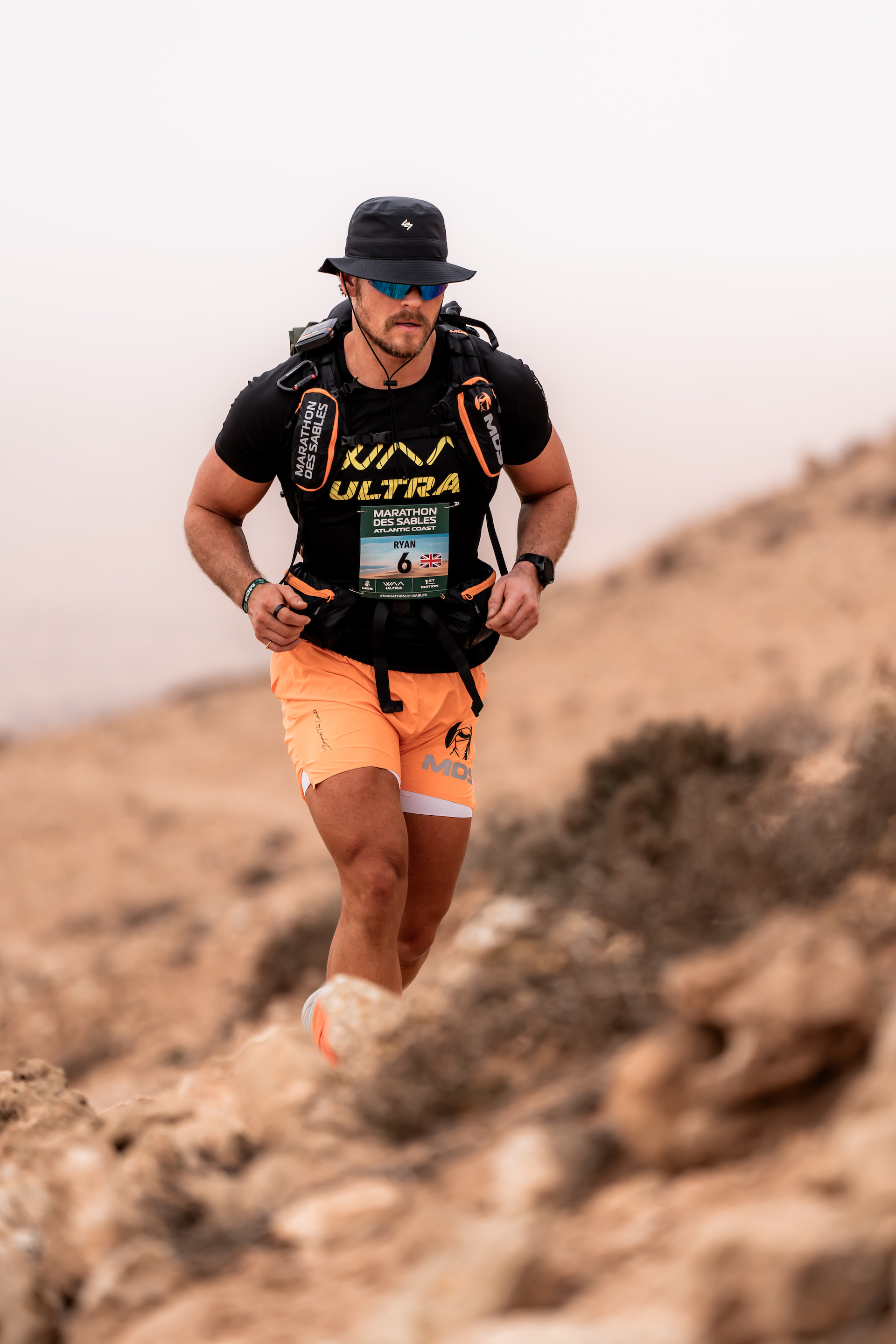
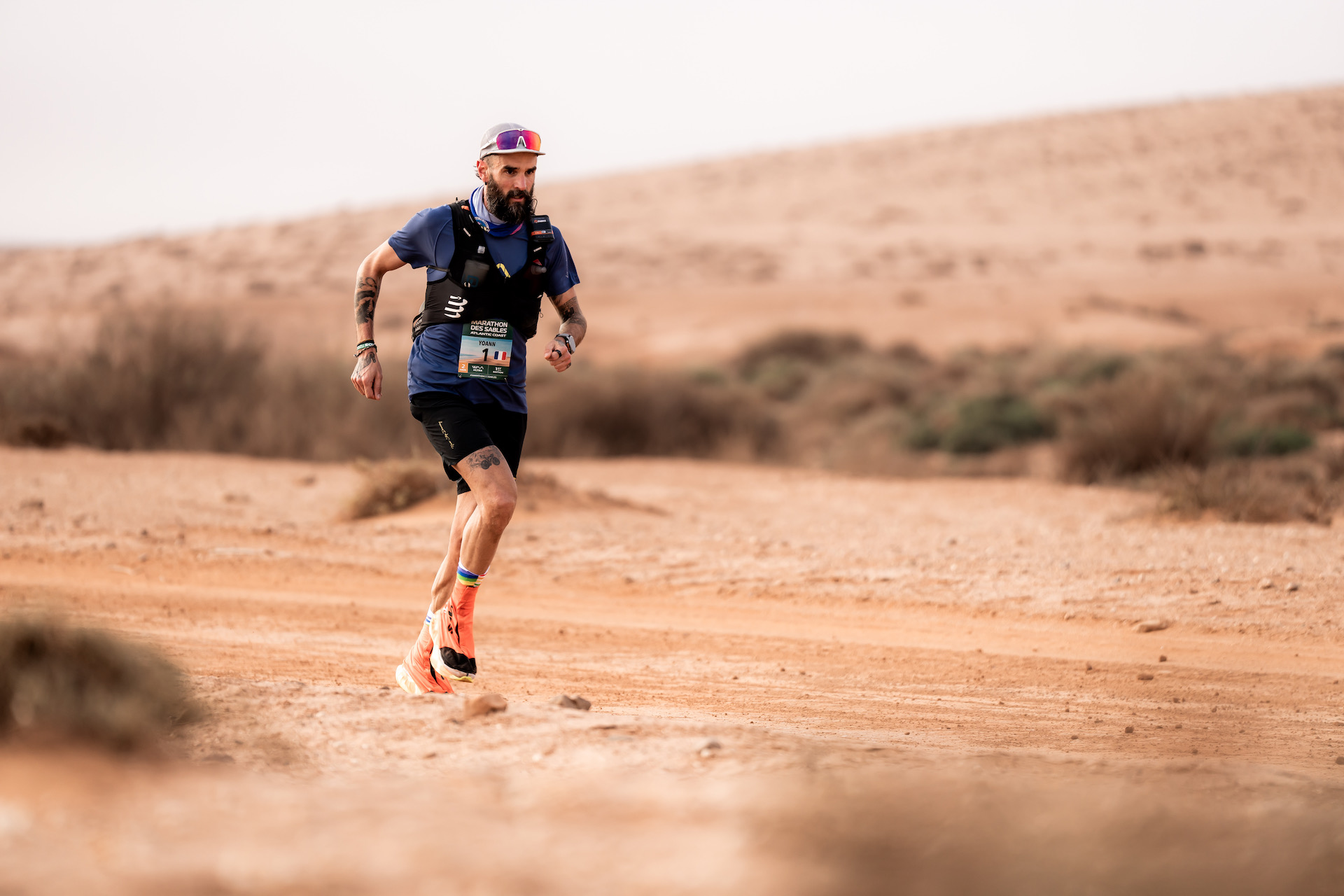
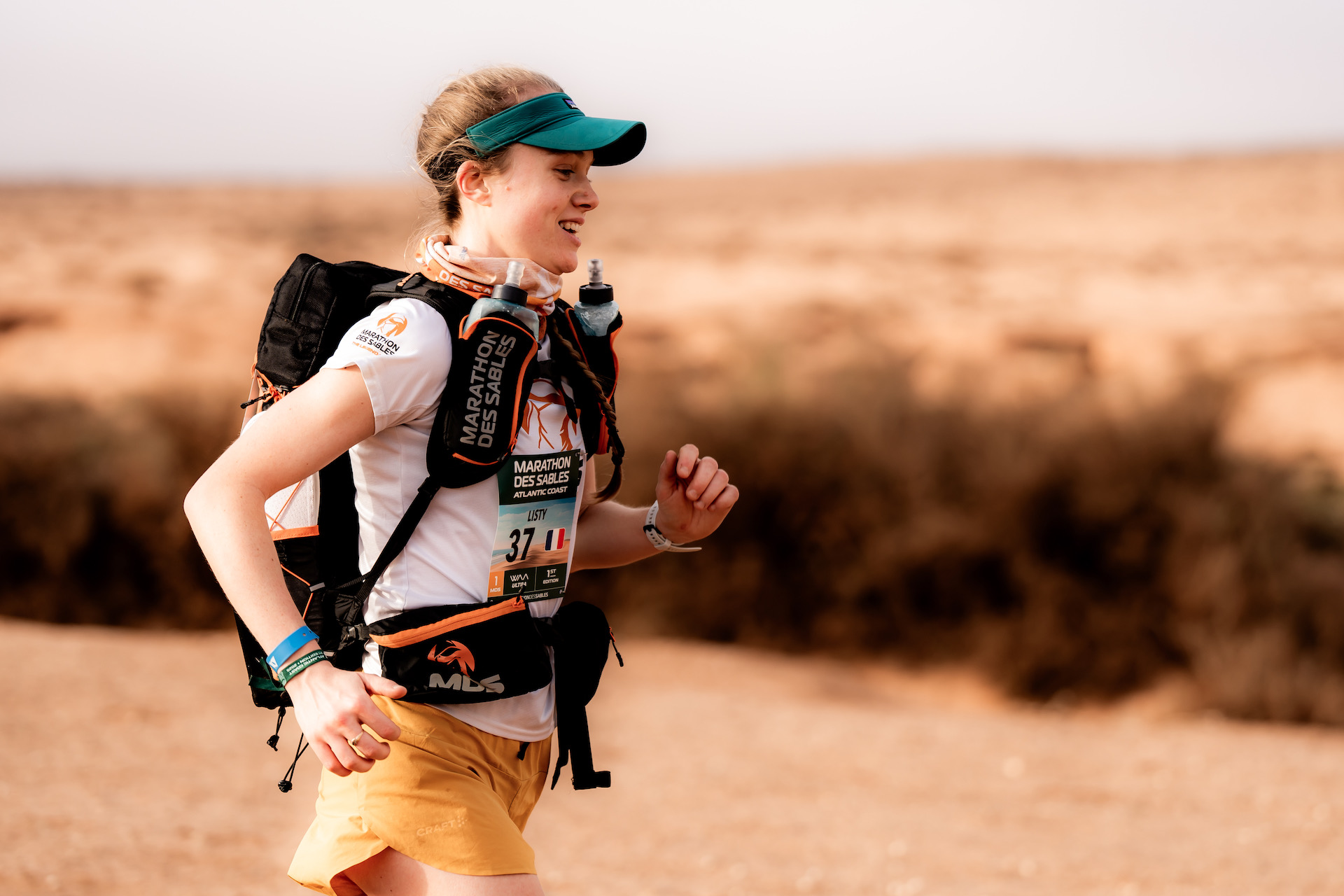
Yoann Stuck and Listy Mazille dominated the day. Yoann finishing the day in a super-fast 01:49:52 ahead of Göran Schrey and Stephan Bawey, 02:01:30 and 02:01:52 respectively.
For the women, Listy crossed the line in 02:16:58, a huge gap opened up with Janina Beck 2nd in 02:39:43. Anne-Caroline Kusinierz was 3rd in 02:43:08.
A new year and a new race for Marathon des Sables. MDS returns to Morocco, this time, the Atlantic Coast!
First editions are always special, and anticipation is high to explore the white dunes of this magical part of Morocco.
As with all MDS events, Trek excluded, participants will choose either 70, 100 or 120km’s over 3 stages in 4 days.
Located close to Agadir, on arrival in Morocco, participants will spend two nights in a hotel for relaxation and admin protocols. After the race, everyone will return to the same hotel for post-race relaxation and of course, on the final night, a gala dinner, awards and party.
2026 participants will be pioneers of this new Moroccan adventure.
RACE FORMAT
Participants choose 3 different distances: 70, 100 or 120km,divided into 3 stages.
Typical distances are as follows:
Stage 1: 25km
Stage 2: around 20, 40 or 60km
Stage 3: 25km
Stages can be completed at your own pace: walking or running.
PROGRAM
Jan 25th arrival in Morocco and night at hotel.
Jan 26th technical and medical checks, night in the hotel.
Jan 27th transfer to the desert and stage 1, night in bivouac.
Jan 28th stage 2 and night in bivouac.
Jan 29th rest day and night in bivouac.
Jan 30th stage 3 and finish followed by transfer to hotel.
Jan 31st relaxation day with awards and dinner in the eve, night at the hotel.
Feb 1st onward travel.
THE EVENT
Vast streteches of brilliant whiteness, the white dunes of the Atlantic Coast are special and an epic backdrop for this new MDS event. Away from the hustle and bustle of modern life, an epic adventure awaits everyone. Agadir and the surrounding coastline also offers an opportunity for additional exploration; epic coastline, beaches, tradition, culture and an immersive Moroccan experience.
What is the MDS?
The MARATHON DES SABLES is a unique adventure, shared by thousands of enthusiasts since 1986.
To differentiate the full distance race of 250km’s, Marathon des Sables will now be known as MDS The Legendary, reflecting the legendary status of this iconic event and its long history as a pioneer of the stage racing and multi-day format.
The ‘HMDS’ format will still follow the same protocols as before but has now dropped the ‘half’ title and moving forward, events will be called MDS Jordan, MDS Morocco, MDS Cappadocia and so on.
The MDS events are a one-week sporting adventure that combines discovery, travel, meeting new people and physically challenging yourself in a self-sufficient manner.
Since 1986, the MARATHON DES SABLES has crossed the world’s most stunning deserts with several unique concepts: the MARATHON DES SABLES THE LEGENDARY (252 km in the Sahara Desert in Morocco), the MARATHON DES SABLES (70, 100, or 120 km spread over 3 stages), and the new 2024 concept, the MDS TREK (4 stages with a total distance of up to 120 km), offering an accessible adventure with optimal comfort. These international events have seen over 50 editions in various countries such as Morocco, Fuerteventura Island, Peru, Jordan, Turkey, and offer adventures that combine running/hiking in the desert with tourism.
January 15th 2025 12:00pm (cet)three MDS events go on sale for the 2025 calendar.
MDS Fuerteventura – September 20the to September 27th.
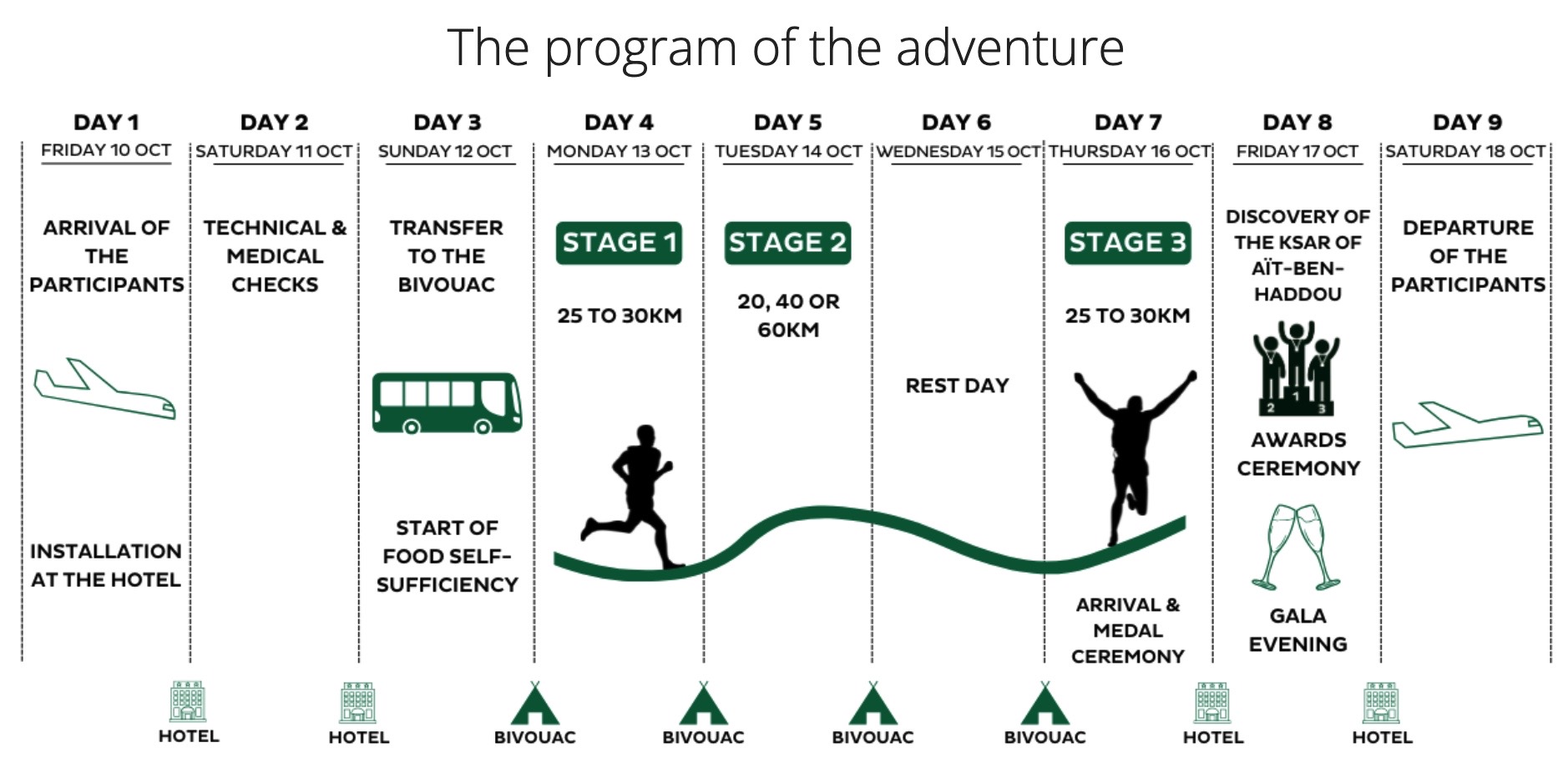
MDS Morocco – October 10th to October 18th.
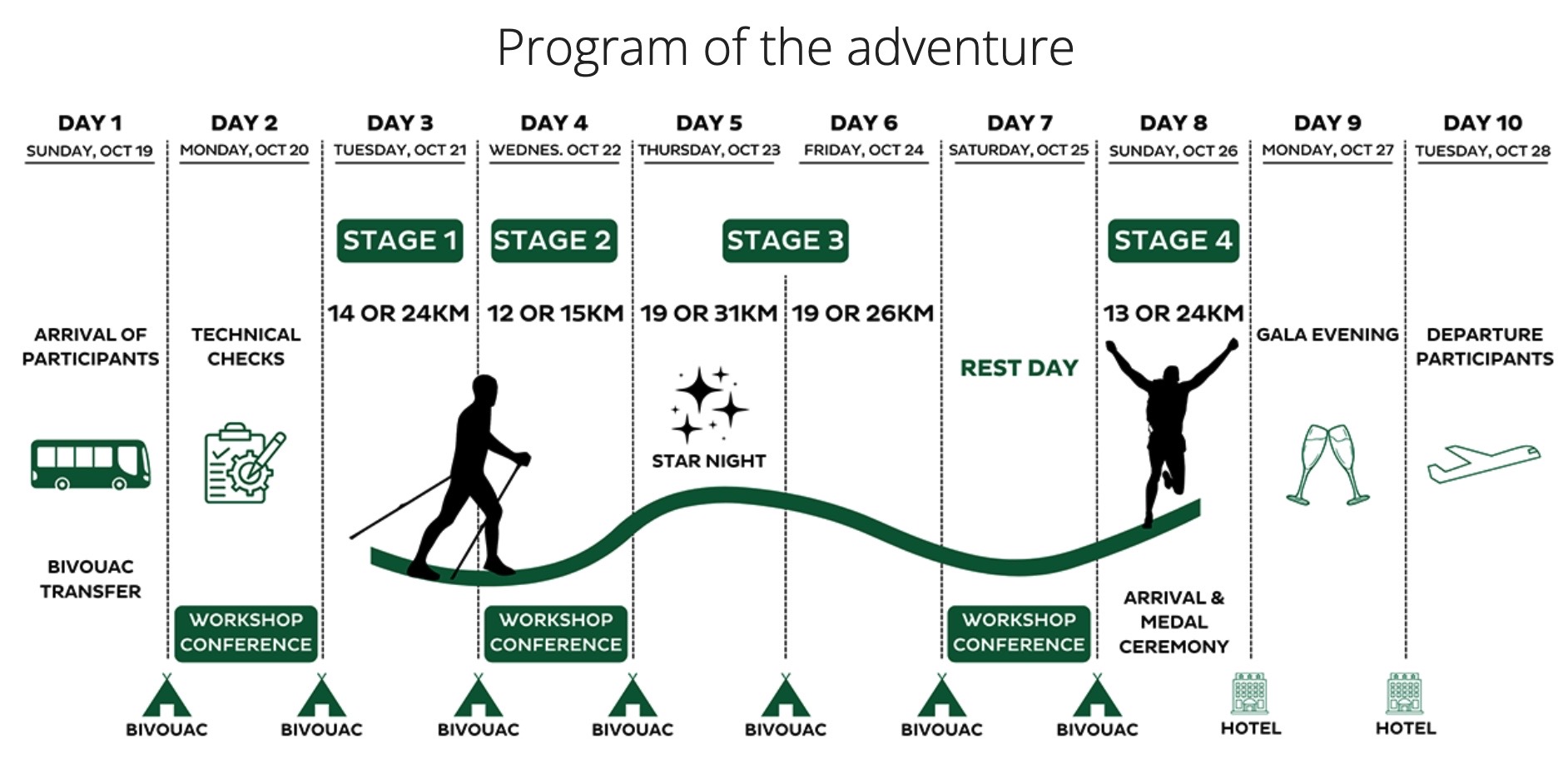
MDS Trek Morocco – October 19th to October 28th.
FUERTEVENTURA – September 20th to September 27th.
2024 was a significant year for the MDS, it saw the return of MDS Fuerteventura exploring a new part of the island and with a capped entrant list it was not only a sell out but a huge success.
You can read daily summaries of the 2024 edition and explore the route via images:
With an isolated bivouac close to the ocean, Fuerteventura brings something very special to the MDS portfolio. In many respects it can draw comparisons to MDS Peru, however, it does not have the epic dunes that the Ica desert provides. With stunning cliffs, runnable terrain and epic views, this is one race that must be experienced.
MDS Morocco follows in the footsteps and the history of The Legendary. Taking place in the same area of the Sahara, this race is ultimately a mini Legendary and as such holds a special place for all participants. The 2024 edition was notable for two reasons… Freak weather – believe it or not, rain and flooding in the Sahara! It made for a unique and special edition with some unforgettable visual stories. Secondly, the Handi category which saw wheelchair athletes take on the Sahara with the help of a team.
The 2025 edition of the race will once again pave the way for the MDS brand and the history of the race.
TREK – October 19th to October 28th.
MDS Trek was new for 2024. Combining much of what we see and experience in a normal MDS event, the TREK format added more comfort (2-person tents with mats,) no self-sufficiency (in regard to food,) showers, and after the stages, you will have the opportunity to relax with a daily massage* for better recovery, enjoy cold drinks* from the available bar, and share convivial moments in the social areas.
*extra charge locally
Combining mental enrichment with workshop conferences, the TREK still offers the classic MDS distances of 70-120km but at a more relaxed pace and a slightly different format due to the very special ‘star night!’
Here’s the approximate breakdown of distances:
Stage 1: 14 or 24km
Stage 2: 12 or 15km
Stage 3 – day 1: 19 or 31km
Stage 3 – day 2: 19 or 26km
Stage 4: 13 or 24km
A perfect event for those looking for an introduction to stage racing, an active holiday or just an escape with a loved one or friend. An opportunity to experience the DNA of the MDS, the 2024 edition was a huge success and returns for 2025, bigger and better! Accessible to everyone, this format is perfect for those who want to explore the desert, make new connections, push their physical limits, and all while maintaining a level of comfort.
To differentiate the full distance race of 250km’s, Marathon des Sables will now be known as MDS The Legendary, reflecting the legendary status of this iconic event and its long history as a pioneer of the stage racing and multi-day format.
The ‘HMDS’ format will still follow the same protocols as before but has now dropped the ‘half’ title and moving forward, events will be called MDS Jordan, MDS Morocco, MDS Cappadocia and so on.
The MDS events are a one-week sporting adventure that combines discovery, travel, meeting new people and physically challenging yourself in a self-sufficient manner.
MDS TREK was introduced in 2024 and is a 10-day adventure at a more relaxed pace with extra comfort, perfect for an active holiday, training or as an introduction to desert stage racing.
Since 1986, the MARATHON DES SABLES has crossed the world’s most stunning deserts with several unique concepts: the MARATHON DES SABLES THE LEGENDARY (252 km in the Sahara Desert in Morocco), the MARATHON DES SABLES (70, 100, or 120 km spread over 3 stages), and the new 2024 concept, the MDS TREK (4 stages with a total distance of up to 120 km), offering an accessible adventure with optimal comfort. These international events have seen over 50 editions in various countries such as Morocco, Fuerteventura Island, Peru, Jordan, Turkey, and offer adventures that combine running/hiking in the desert with tourism.
MDS Peru returns in 2025. I was at the original full-distance event in 2017, it was clear then that Peru and the Ica desert was a very special place.
The race returned in the ‘HMDS’ format in 2028, 2019 and 2022. Now, all HMDS events rebranded as MDS, we eagerly anticipate the 2025 MDS Peru that will take place from November 29th to December 6th, what better way to kick-off early Christmas celebrations and end a year!
Participants will arrive in Lima on November 29th (or before) and then stay in Lima for 2 nights at an official race hotel.
November 30th will have technical and medical checks, the protocol identical to other MDS events.
On the morning of Dec 1st, an early morning transfer to the start of stage 1.
As with all MDS events, the race will take place over 3 stages will last 4 days.
Day 1/ Stage 1 will be 25 to 30km.
Day 2/ Stage 2 offer three distance options, 20, 40 or 60km.
Day 3 is a rest day.
Day 4 will see the commencement of the race with Stage 3, again, 25 to 30km and then two overnight stays at Hotel Paracas.
The following day is a day of leisure and then the awards ceremony and gala dinner.
Dec 6th will see participants return to Lima and onward travel.
A key consideration for participants, if Peru is on your wish list, due to the complexities of travel and logistics, Peru will not be a yearly MDS destination, so, now is the time to sign up and experience the magic this destination offers.
The Ica desert is unique, isolated from any civilization, this is a week of total disconnection. As bivouacs go, the one at MDS Peru is arguably the most impressive and unique, located on the edge of the Pacific Ocean.
Should you require to arrive before or extend your Peru adventure, there will be the option to explore Machu Picchu, the historic city of Cusco and the Mountain of 7 Colours with MDS partner Coltur.
MDS Peru will open for entry on Dec 11th at midday CET. Importantly, MDS have stipulated that a minimum sign-up of 200 participants will be required for the 2025 event to proceed, so, don’t hesitate to join this unique adventure of a lifetime. For the first 100 to sign-up, a discount is available, 2350 euro instead of 2650 euro.
The MARATHON DES SABLES is a unique adventure, shared by thousands of enthusiasts since 1986.
To differentiate the full distance race of 250km’s, Marathon des Sables will now be known at MDS The Legendary, reflecting the legendary status of this iconic event and its long history as a pioneer of the stage racing and multi-day format.
The ‘HMDS’ format whill still follow the same protocols as before but has now dropped the ‘half’ title and moving forward, events will be called MDS Jordan, MDS Morocco, MDS Cappadocia and so on.
The MDS events are a one-week sporting adventure that combines the discovery, travel, meeting new people and physically challenging yourself in a self-sufficient manner.
Since 1986, the MARATHON DES SABLES has crossed the world’s most stunning deserts with several unique concepts: the MARATHON DES SABLES THE LEGENDARY (252 km in the Sahara Desert in Morocco), the MARATHON DES SABLES (70, 100, or 120 km spread over 3 stages), and the new 2024 concept, the MDS TREK (4 stages with a total distance of up to 120 km), offering an accessible adventure with optimal comfort. These international events have seen over 50 editions in various countries such as Morocco, Fuerteventura Island, Peru, Jordan, Turkey, and offer adventures that combine running/hiking in the desert with tourism.
MDS Jordan brought to a conclusion the 2024 season of MDS events. It has been quite a year and since Fuerteventura in September, the events have followed one after another, MDS Morocco, MDS Trek Morocco and now MDS Jordan.
Jordan has become so popular as a destination, two events now exist in a year, May and November. Dates for 2025 are May 9-16 and November 1-8.
For the 4th edition, concluding on the 8th November 2024, 599 participants were signed up from 25 different nationalities. Once again, MDS pioneer the way with more women participants than men, 55% to 45%.
Come race day, 520 toed the line over the 3 race distances.
249 in the 120km distance.
190 in the 100km distance.
81 in the 70km distance.
Full race results are available HERE via LiveTrail.
Jordan is not the easiest place to get to and typically, it will require two flights. Istanbul being a popular connecting point but many other options exist. Long haul travel always has potential problems and for the MDS Jordan, participants and staff had several problems with delays, gladly, everyone arrived on time. However, there is some general good advice here for future participants, allow yourself some time flexibility for arriving in Jordan, delays of 12-hours or even 1-day existed for some! Use reputable airlines with good track history, the cheapest option is not always the best!
Photo by Ian Corless
The current Israel – Hamas war quite obviously was on the minds of participants and some were concerned about travel. However, while the general advice from most governments was to ‘exercise caution,’ there was no reason not to travel. Having spoken to participants post-race, nobody at any time felt safety or security was at risk. The war however ‘may’ have had some impact on travel, it’s difficult to know?
Photo by Ian Corless
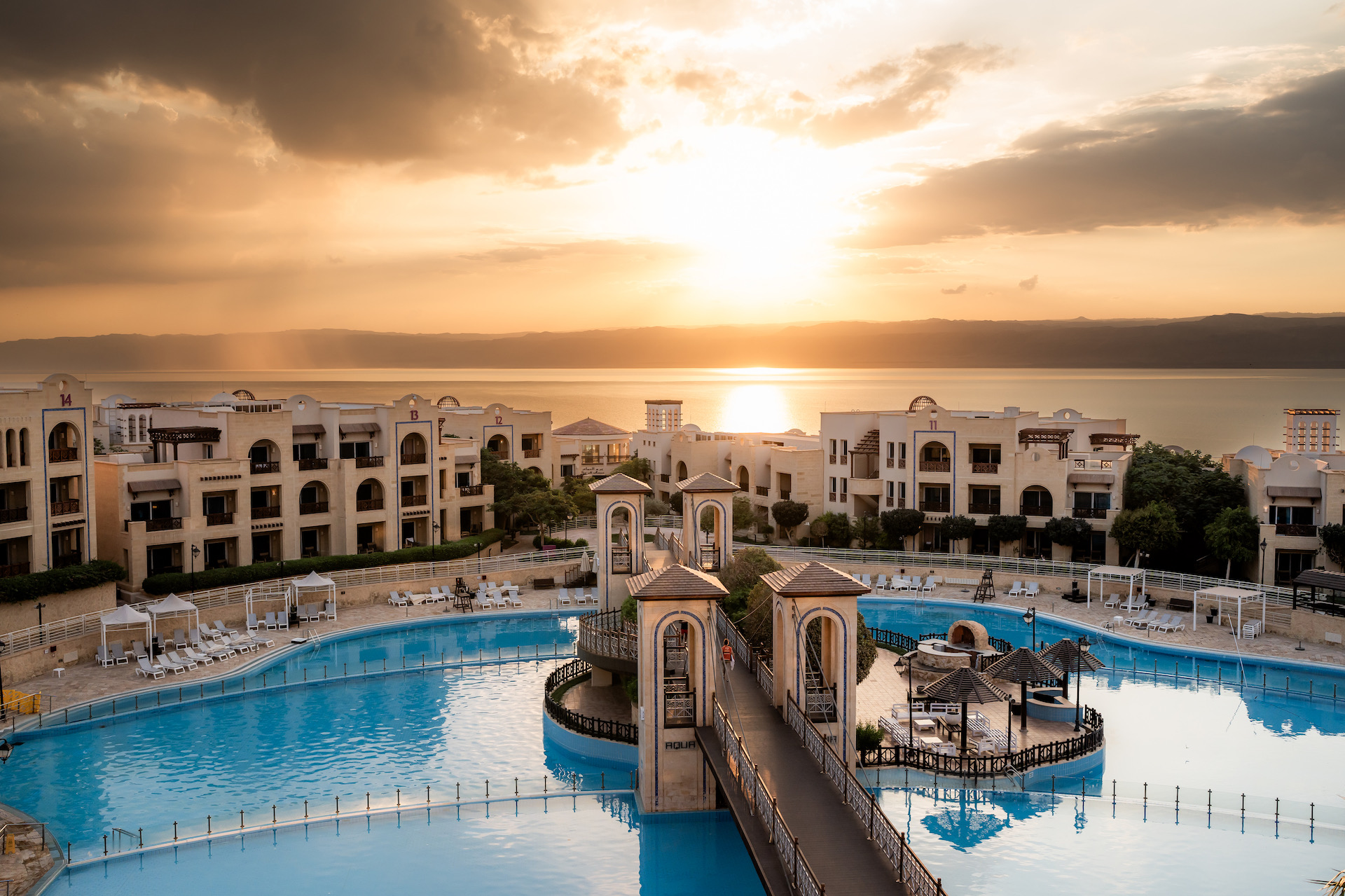
The MDS team do a fantastic job of facilitating everyones arrival in Amman and they provide a bus transfer to the Crowne Plaza hotel which is located on the Dead Sea. The journey takes under 90-minutes.
Photo by Ian Corless
The hotel is huge with excellent facilities, a good restaurant, bar, meeting rooms, multiple pools, spa, gym and of course, the Dead Sea is on its doorstep. It’s the perfect place pre and post-race. Another great benefit is that its size allows all competitors and MDS staff to stay at the same location. A great bonus for admin day and the post-race awards and gala dinner.
The Dead Sea is obviously an iconic place, located -430m below sea level. It is land locked between Jordan and Israeli occupied west bank in the west and Israel in the south. It is called the Dead Sea due to high levels of salt that make it impossible for any life form to live.
Photo by Ian Corless
With admin day done, the race got underway with a very early departure on Monday Nov 4th with an approximate 4-hour journey to Wadi Rum.
Stage 1 was scheduled to start at 0930am with 27.4km and 980m+ with arrival at bivouac. A point-to-point day with two Cp’s and a cut-off time of 2000hrs.
Photo by Ian Corless
The day was a shock for many! It’s a day of stunning views, epic vistas, remarkable landscape and a great deal of soft sand making the journey very hard work. If you are signed up for a future MDS Jordan, be prepared for a tough day 1.
Photo by Ian Corless
In bivouac, as per all MDS events, individual tents are in circular pods of 8. This is great for group friendship but also allows some privacy.
Photo by Ian Corless
While MDS events operate on the same formula: 3-stages over 4-days with full self-sufficiency, the exemption coming with rationed water provision and a place to sleep provided by MDS. I cannot emphasise enough that participants need to be prepared for the challenge they are undertaking. Weather and environmental condition vary from event to event and year on year. Just because Jordan was hot at one edition, it does not mean it will always be hot! Look at MDS Morocco in October, rain, thunderstorms and flooding. The 4th edition of MDS Jordan had a very cold first night. For those who did not bring a warm jacket, a warm sleeping bag or additional layers, they had a very cold and troubled night. My TOP TIP is always bring a windproof jacket such as the WAA wind running jacket as an absolute minimum and my high recommendation is to bring a light weight down jacket. Many down jackets exist these days and the top quality products are well under 200g, the Nordisk Y Strato is 165g for example. The advantage of a down jacket is warmth and comfort while sitting around post-race and in addition, on cold nights, you have a very warm layer to wear inside your sleeping bag should it be required. Make sure you have a Buff and cover your head, most heat is lost here!
Photo by Ian Corless
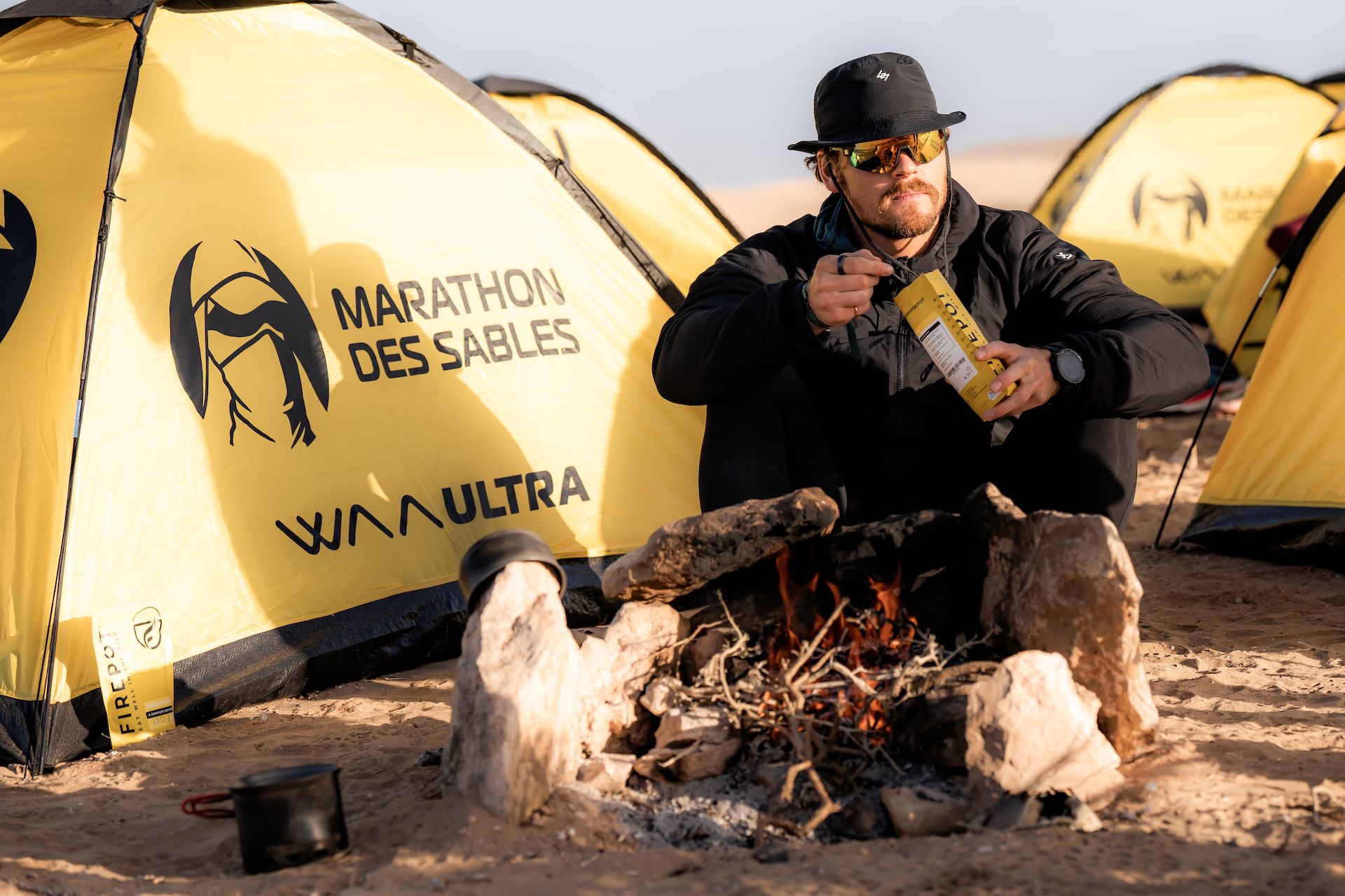
One advantage of the tent pods is the creation of a communal fire place, in Jordan, most pods created a fire place and this was used for cooking and warmth.
Photo by Ian Corless
Stage 2
Photo by Ian Corless
With a troubled night for many, stage 2 would prove a challenge. However, the great thing about MDS events is the possibility to choose how easy or how hard you want the adventure to be. Of course, all things a re relative based on individual ability and desires. The stage had two starts, 0700 and 0800, the top runner’s in the latter start.
Photo by Ian Corless
At two key points, participants can have a choice, the first option is to choose 20km’s. The second option to choose 40km’s. At the second option point if you choose not to take 40km’s, you must do 60km’s.
Photo by Ian Corless
249 chose to take the 60km route, 190 in the 40km and 81 the 70km distance.
Photo by Ian Corless
It was a challenging day, once again a great deal of soft-sand but considerably less vertical gain. For those who took the 60km route, they were treated to some additional technical terrain. At all times, the impressive Wadi Rum landscape was mind-blowing irrespective of the distance chosen.
Photo by Ian Corless
The day proved to be a long one for some with the last competitor arriving at 0300am the next day and many of the MDS team there to welcome.
Photo by Ian Corless
Rest Day
Photo by Ian Corless
It was a welcome day of rest and an opportunity for everyone to get some rest and recovery.
Photo by Ian Corless
Competitors as per usual, looked after feet, ate as much as possible, slept and took advantage of the local terrain to get some high viewpoints to take in the amazing landscape.
Photo by Ian Corless
TOP TIP – space blankets that are gold/silver provide excellent options for keeping tents cooler in the day, silver side out. And at night, if required, use them gold side out to keep a tent warmer.
Photo by Ian CorlessPhoto by Ian Corless
In the afternoon, local fisherman gave a music show and then ice cold drinks arrived for every participant via a camel.
Photo by Ian CorlessPhoto by Ian Corless
Of course, Born To Be Alive was played and bivouac turned into a desert rave.
Photo by Ian Corless
Stage 3
Photo by Ian Corless
Once again, two starts, 0430am and 0630am. Ahead, 26km’s and 733m+ on a point-to-point route that would provide everyone some of the best views that Wadi Rum has to offer. The large dune and the views from the top a highlight.
Photo by Ian Corless
Once at the finish, tears, joy and laughter, a hard earned medal the reward.
Photo by Ian Corless
A transfer to Petra post-race for an opportunity to experience one of the seven wonders of the modern world.
Photo by Ian Corless
Everyone was back at the Crowne Plaza for around 2000hrs. Of course, it’s all about priorities, several showers, fresh clothes and then dinner in the restaurant.
Final Day
Photo by Ian Corless
Was relaxed, a lazy breakfast, time by the pool, a swim in the Dead Sea and then at 1600hrs the awards ceremony took place followed by the MDS Jordan movie.
Photo by Ian Corless
Dinner followed outside with remarkable night time views of the Dead Sea. DJ Robin as per usual played some banging tunes and the party and disco went on into the night and the early hours of the morning.
Another MDS Jordan complete.
Finally, while many things are transferable between all MDS events: clothing, pack, sleeping mat, sleeping bag, food etc, one thing is important and it cannot be emphasised enough, be prepared.
Plan for the best and worst case scenarios, plan for intense heat, plan for the cold, imagine your worst case scenario and have a solution. MDS events are self-sufficient for a reason, they bring a challenge and dynamic that is not present at other races, how you deal with it is very much part of the event.
Looking ahead!
Photo by Ian Corless
Now is time to recover, recoup and plan ahead for 2025. There are no shortage of events. Here is hoping we get to share more time at a MDS event soon:
Since 1986, the MARATHON DES SABLES has crossed the world’s most stunning deserts with several unique concepts: the MARATHON DES SABLES THE LEGENDARY (252 km in the Sahara Desert in Morocco), the MARATHON DES SABLES (70, 100, or 120 km spread over 3 stages), and the new 2024 concept, the MDS TREK (4 stages with a total distance of up to 120 km), offering an accessible adventure with optimal comfort. These international events have seen over 50 editions in various countries such as Morocco, Fuerteventura Island, Peru, Jordan, Turkey, and offer adventures that combine running/hiking in the desert with tourism.