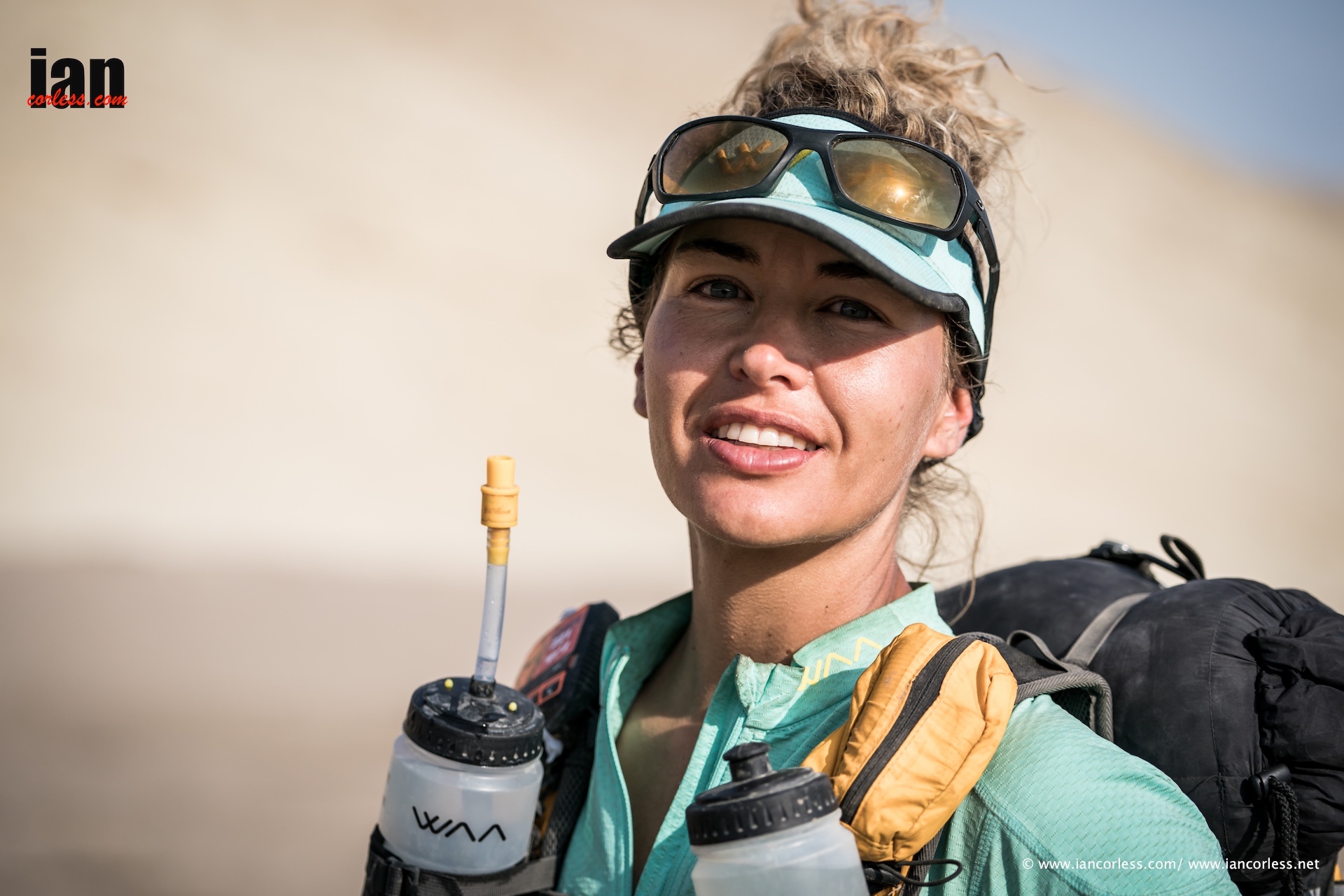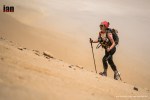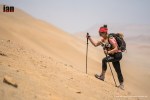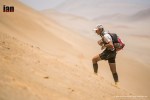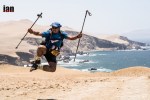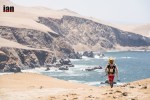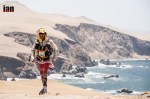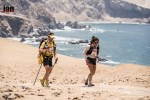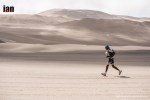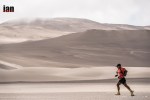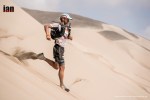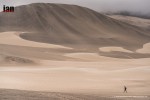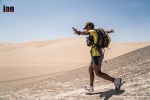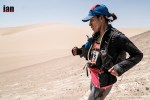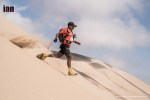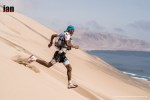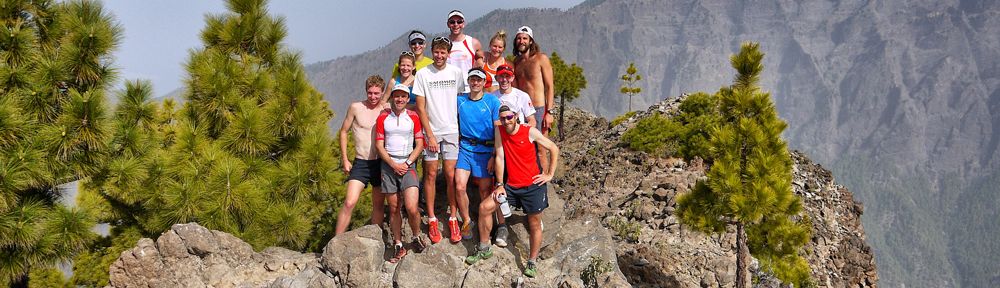
MDS 120 PERU 2025 – Stage 3

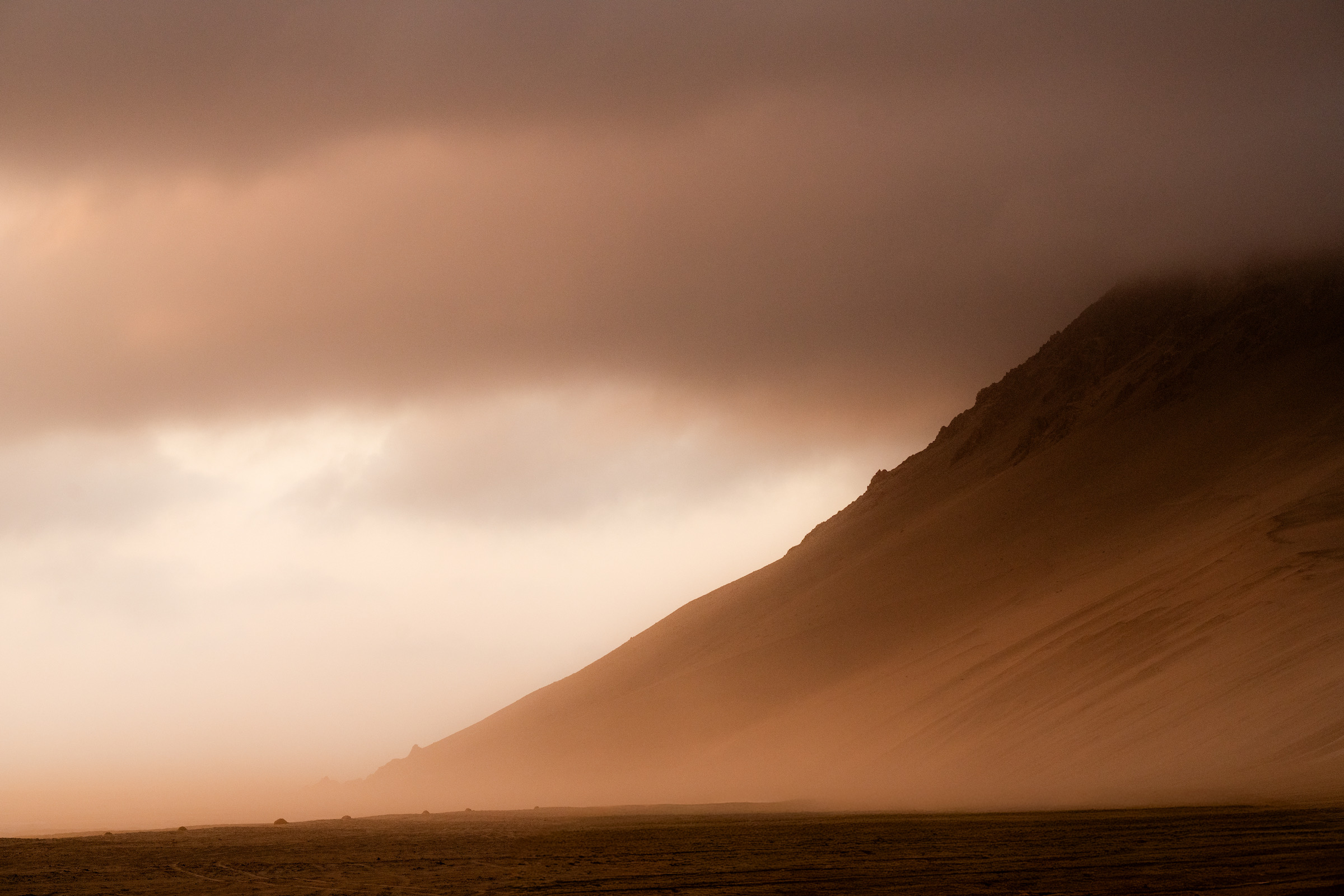
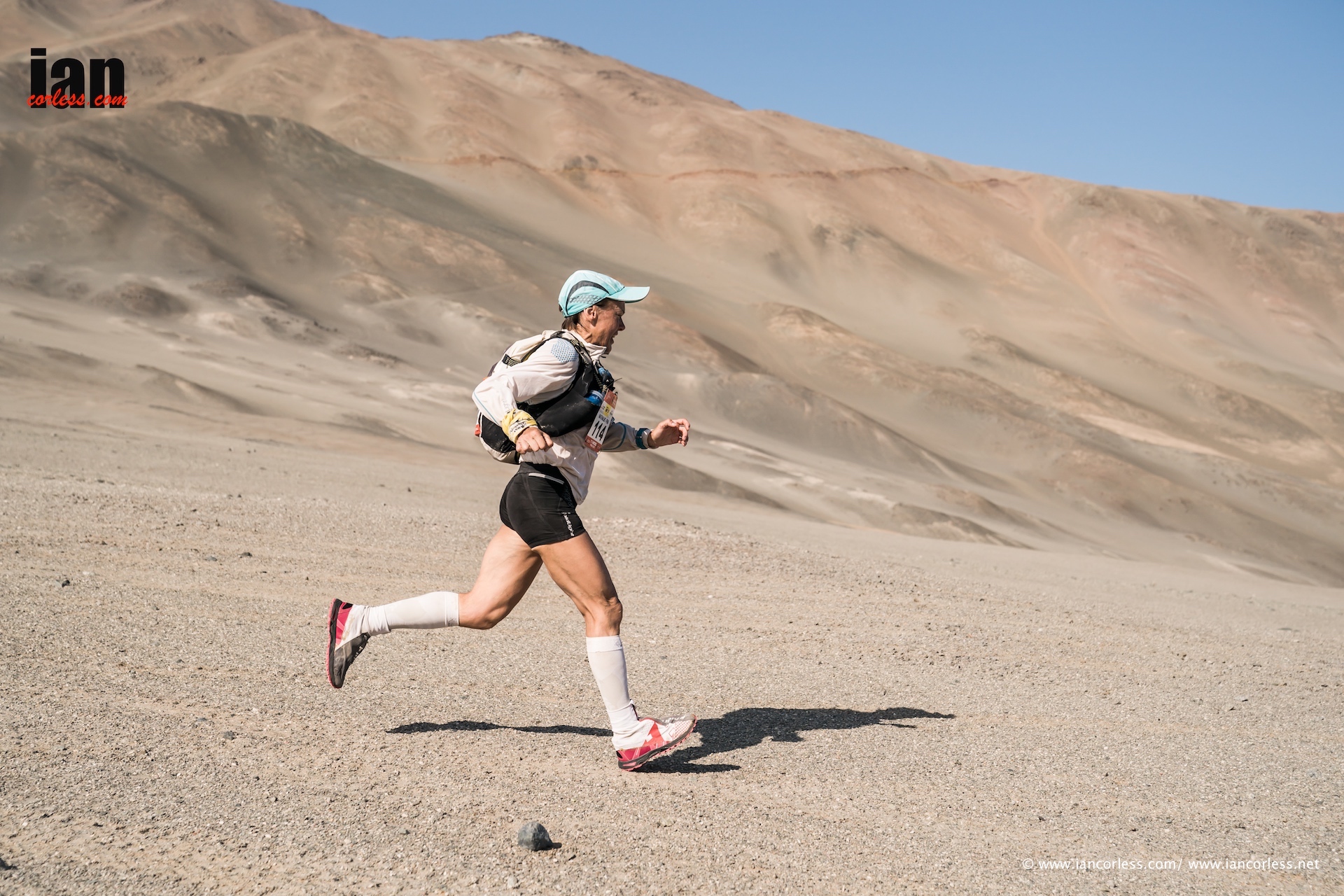
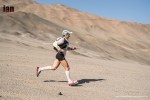
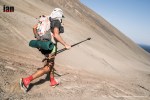
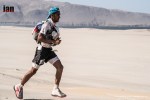
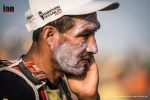
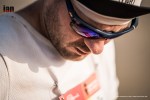
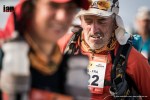
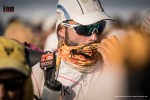
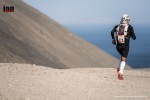
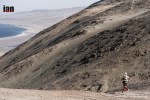
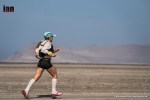
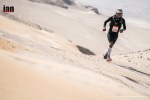
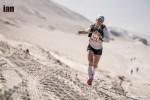
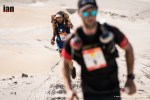
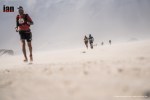
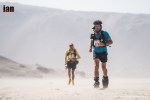
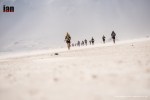
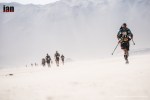
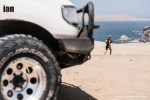
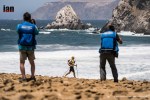
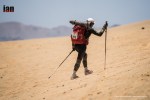
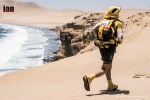
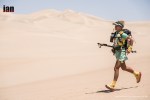
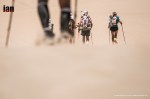
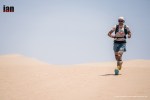
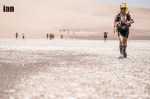
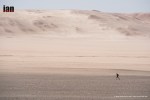
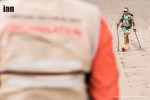
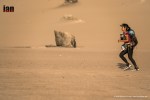
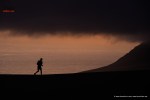
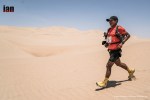
The last stage of MDS 120 Peru opened in darkness. Two waves, 0500 and 0600, slipped out of bivouac beneath a sky heavy with cloud and mist. It was a quiet start, almost private. Footsteps softened in the cool sand. Headlamps cut short beams through the haze. The whole scene carried a sombre tone, as if the desert itself was waiting to see who still had strength left to give.
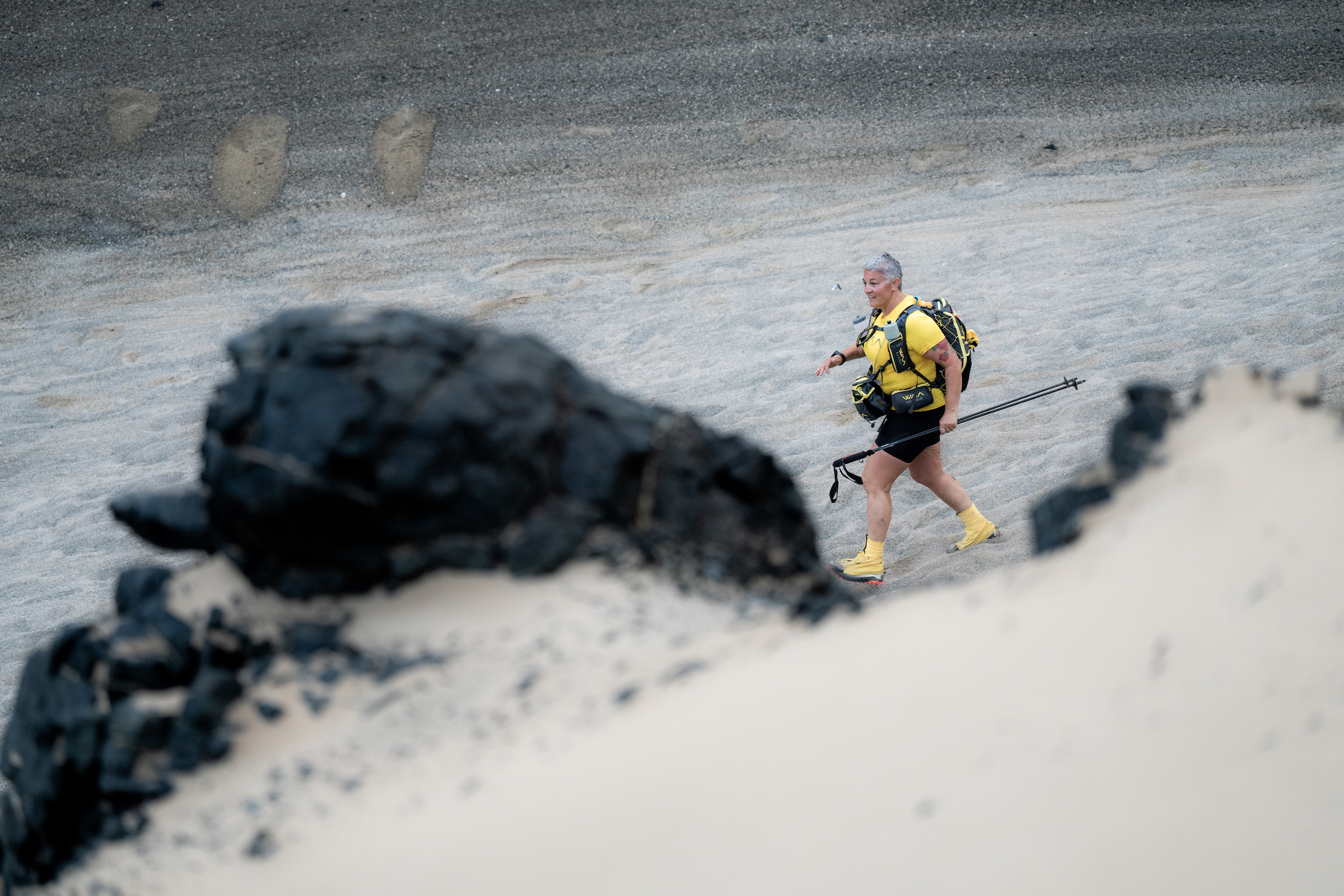
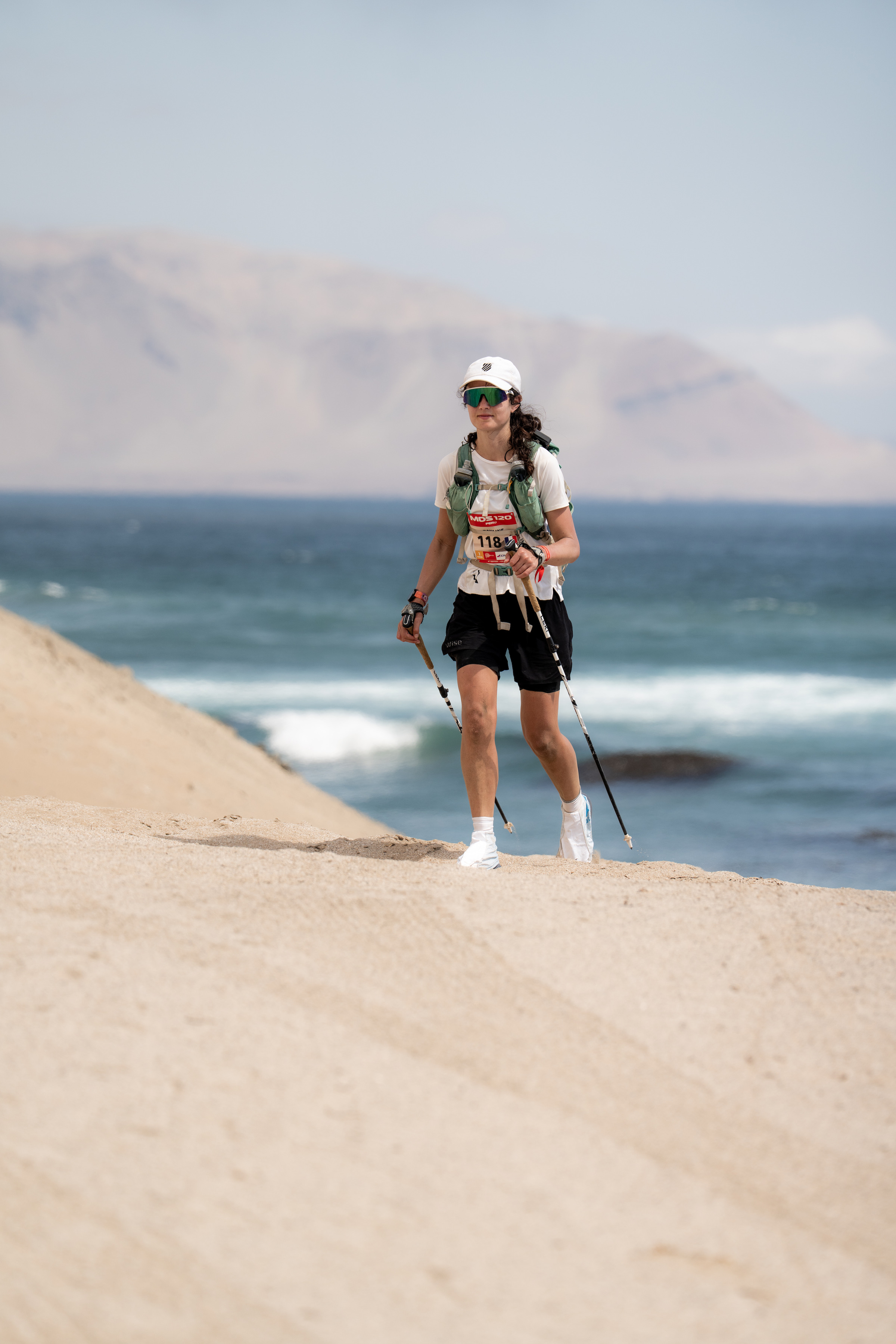
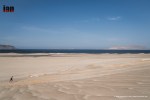
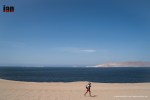
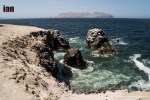
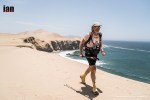
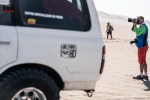
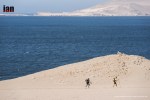
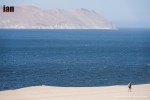
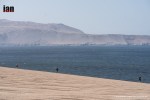
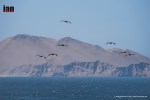
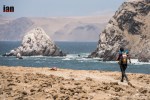
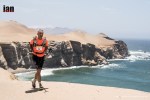
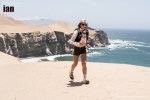
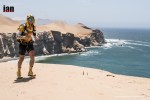
Runners set off knowing this was it, 27.3km’s stood between them and the finish close to Laguna Grande, with the South Pacific stretching out behind Isla Independencia.
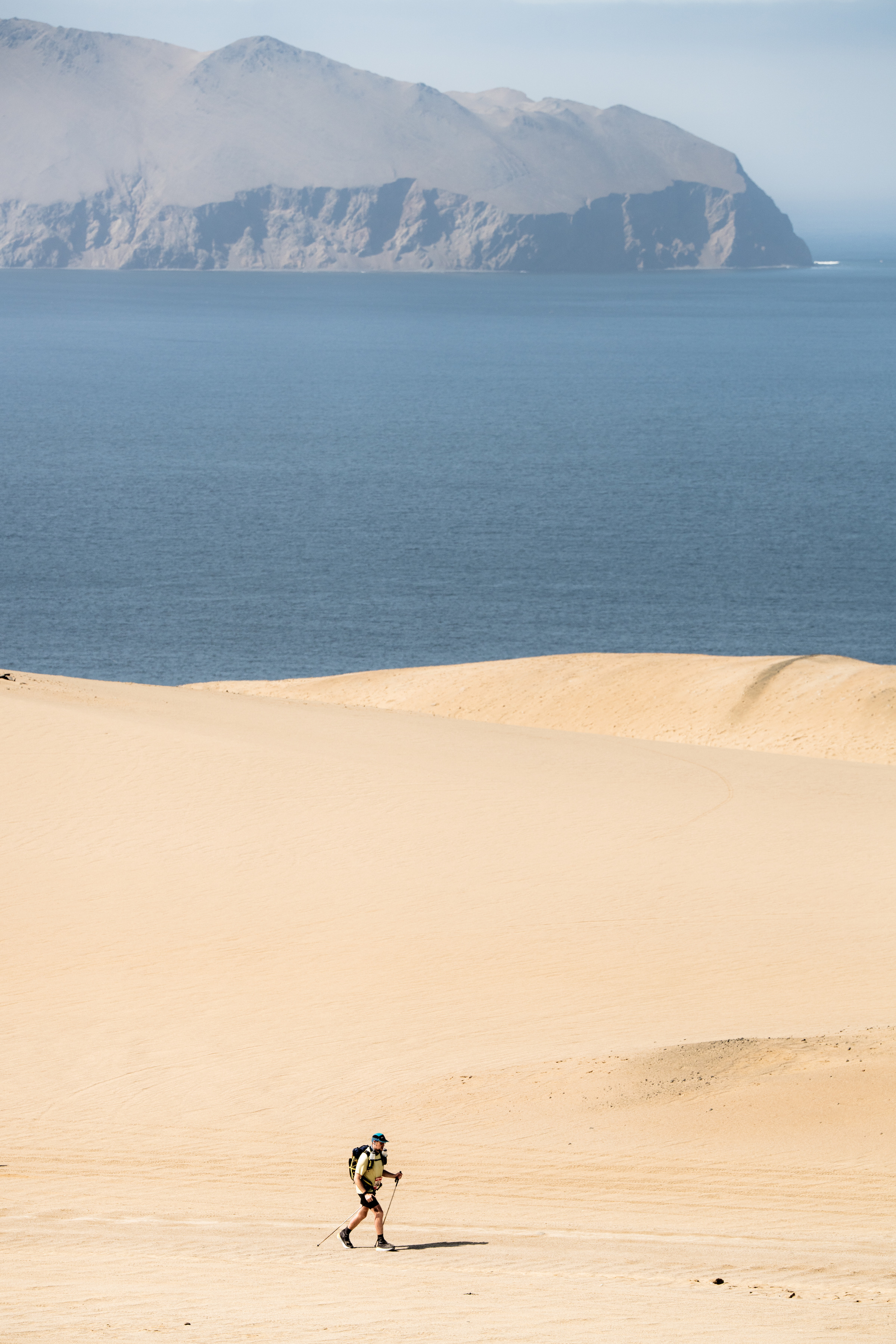
A straight line on paper. A world of effort in reality. After days of navigating sand ridges, barren slopes, and the weight of self sufficiency, the final morning felt like a test wrapped in silence.

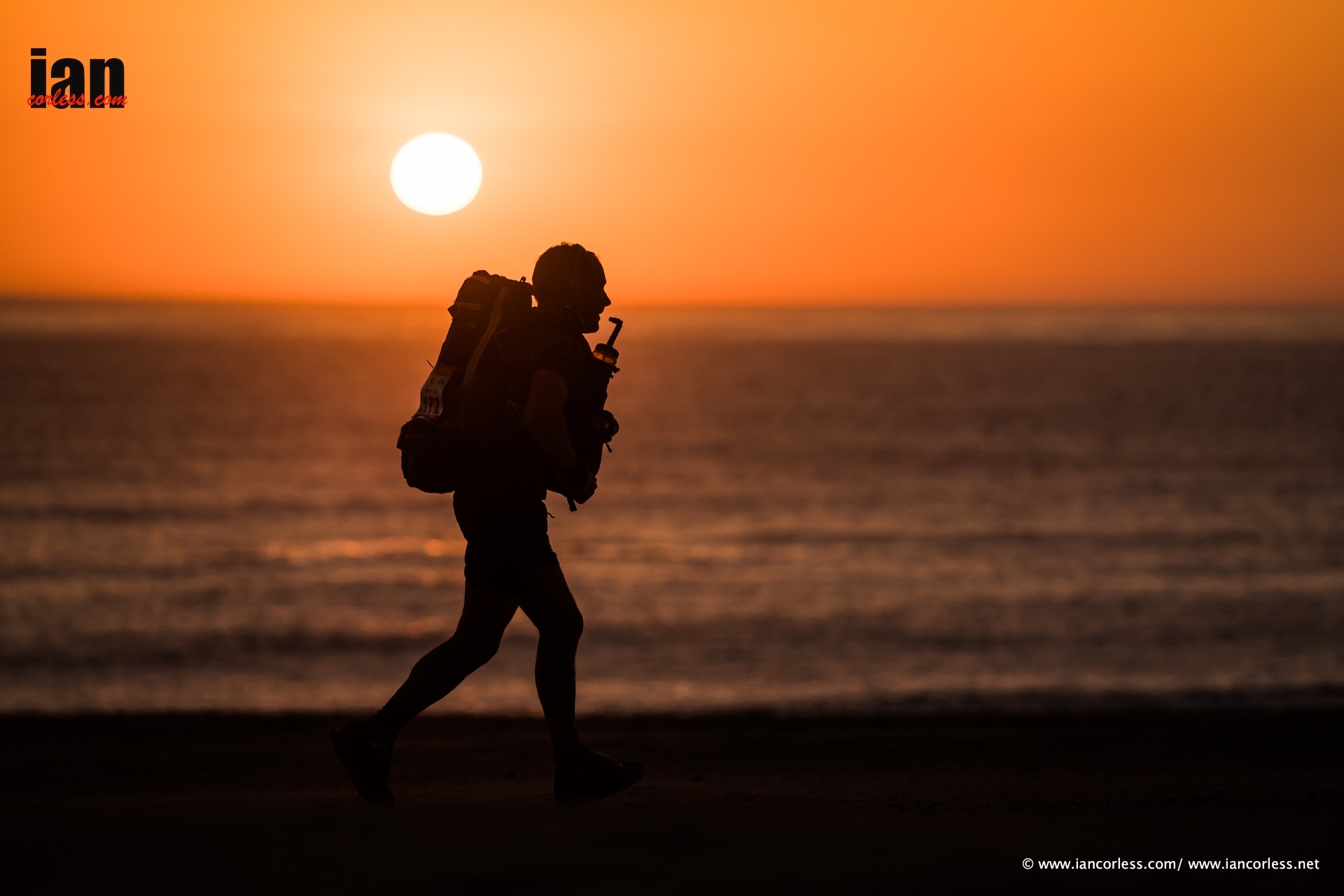
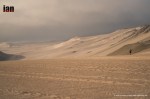
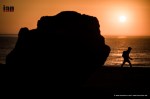
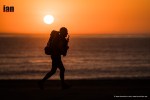
Then the sun rose. Not with drama, but with intention, as if it had been saving its entrance for the moment runners needed it most. Light broke through the mist and transformed the mood. What had been grey became gold. What felt eerie turned warm. Shapes that were hidden came alive in full color. The desert opened up, and the coastline showed its depth. The day shifted from hard to hopeful in minutes.
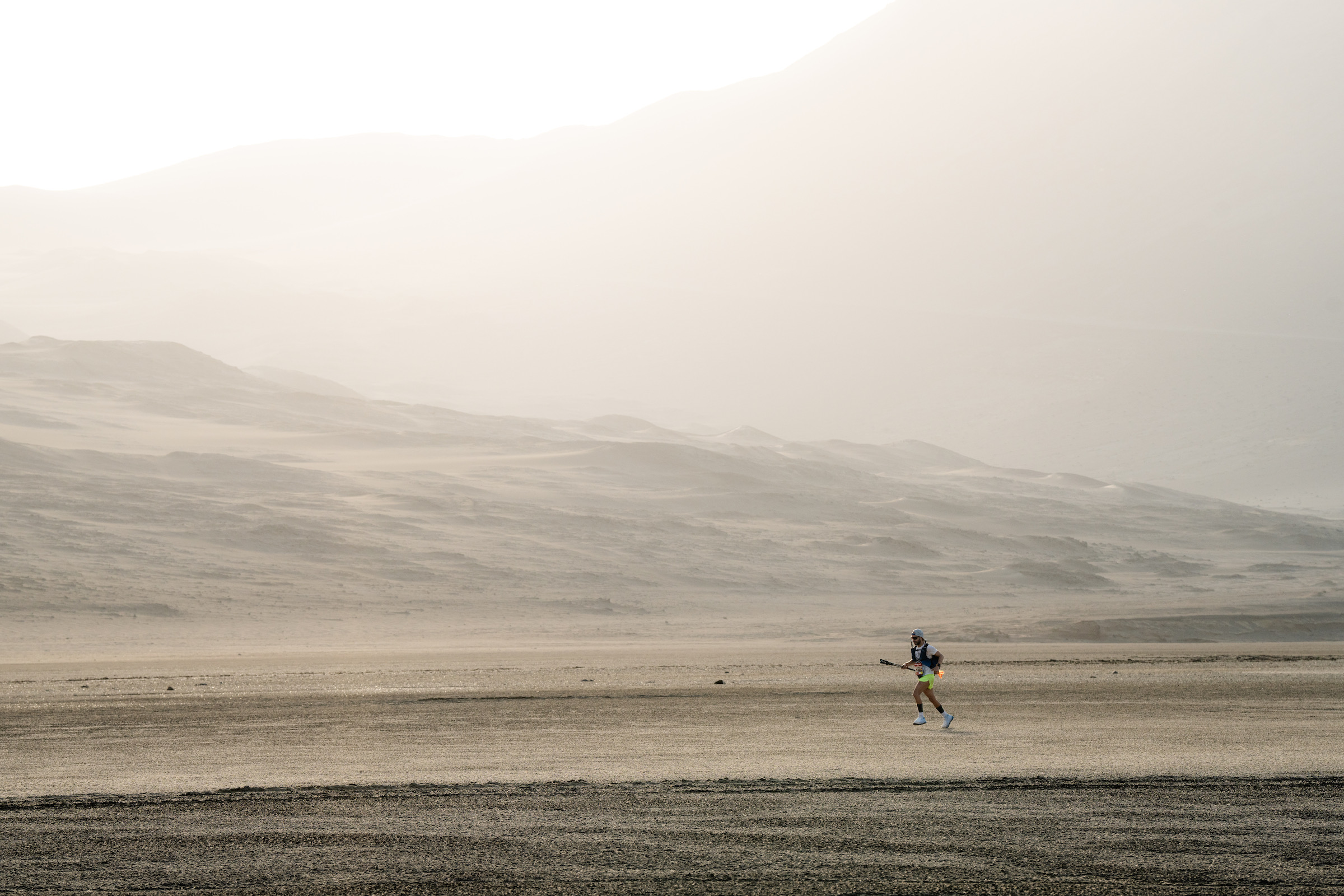
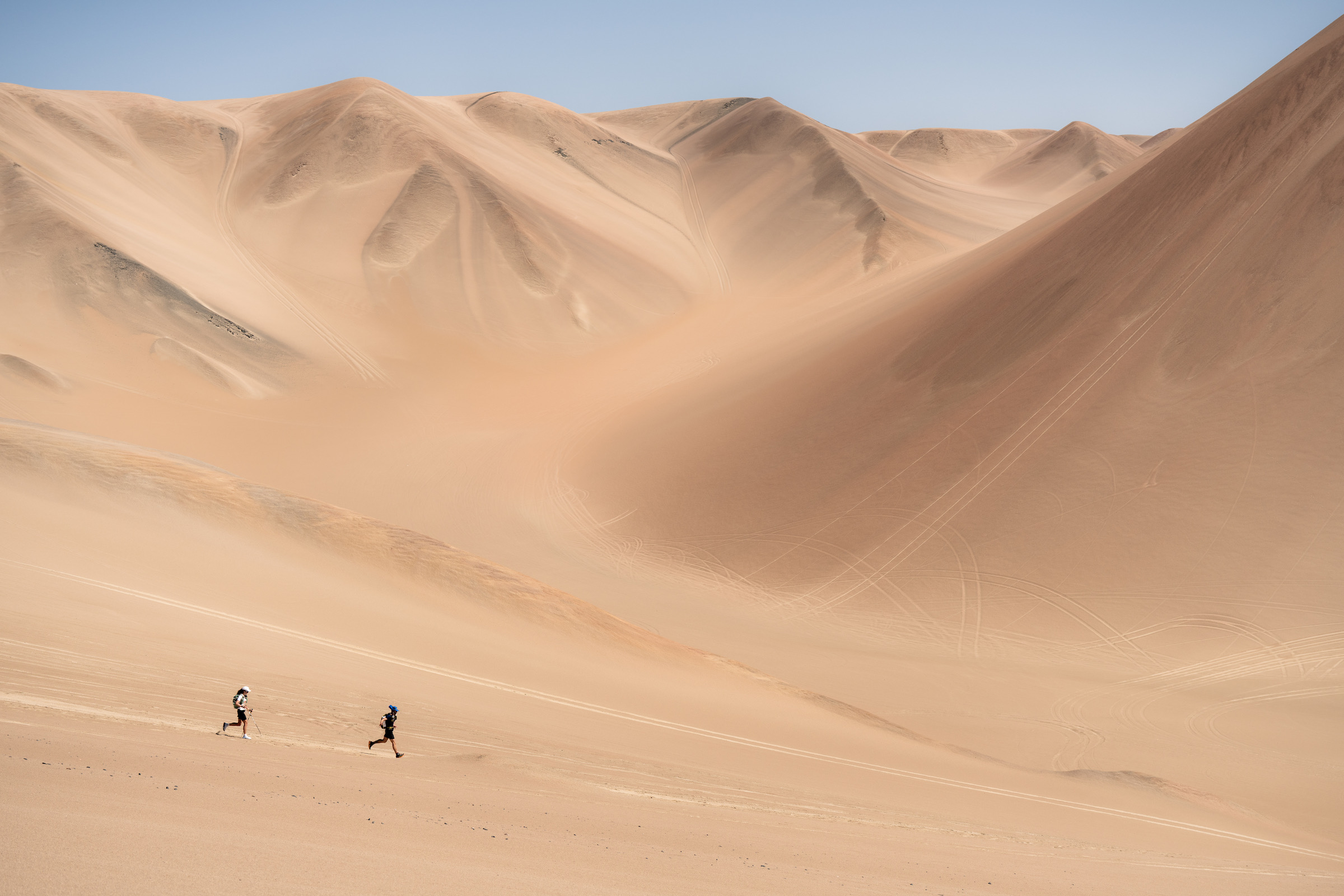
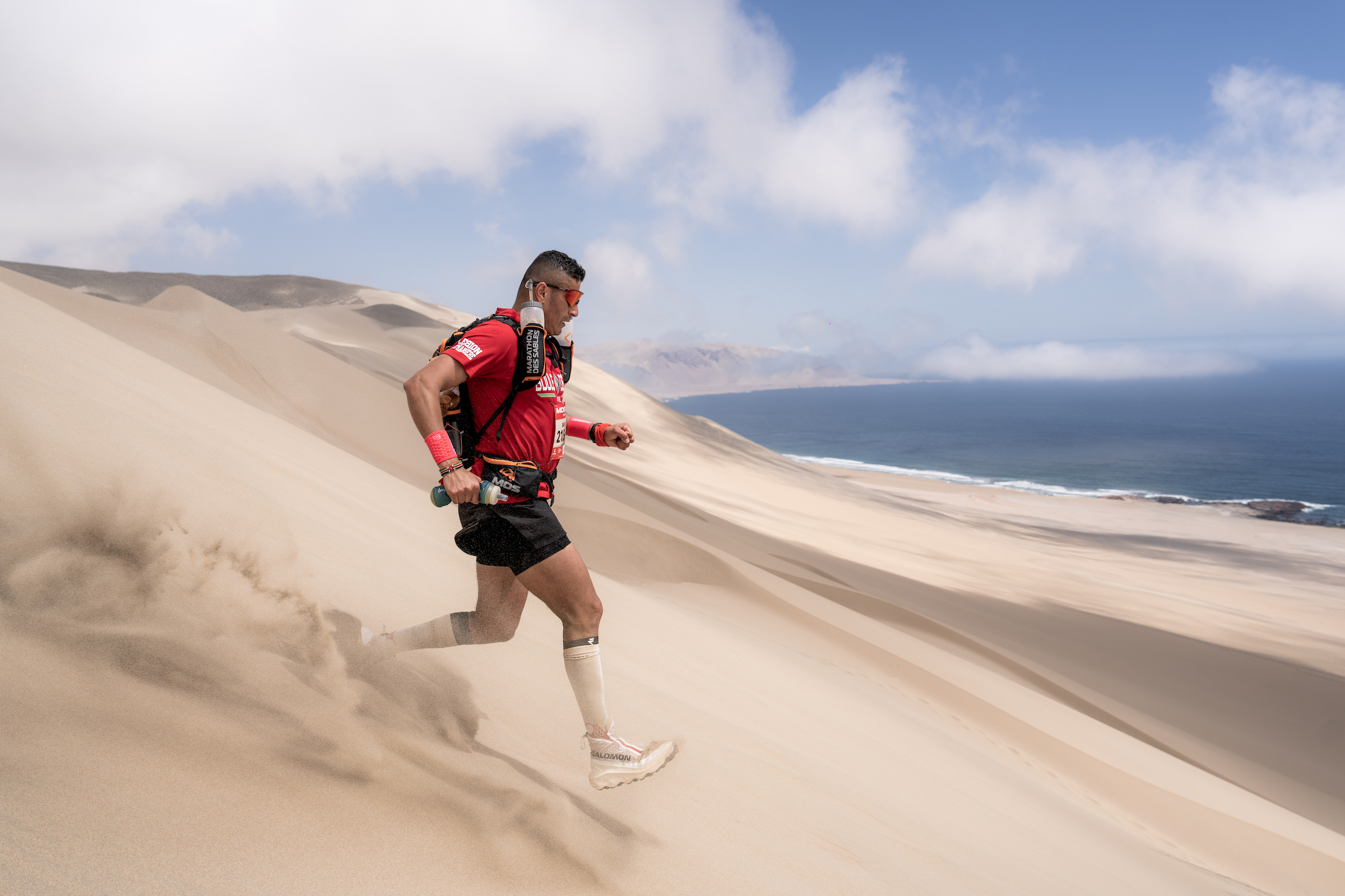
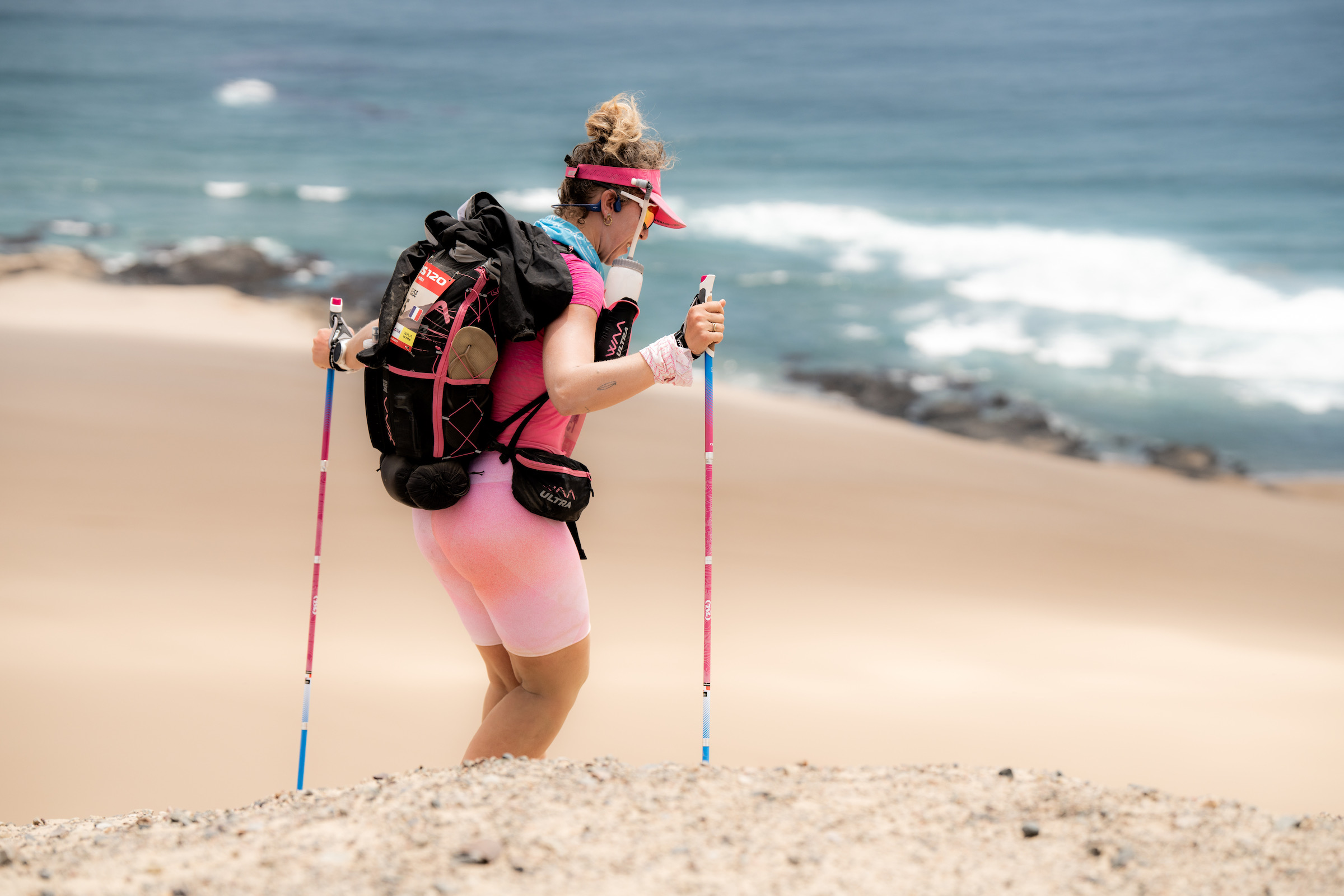
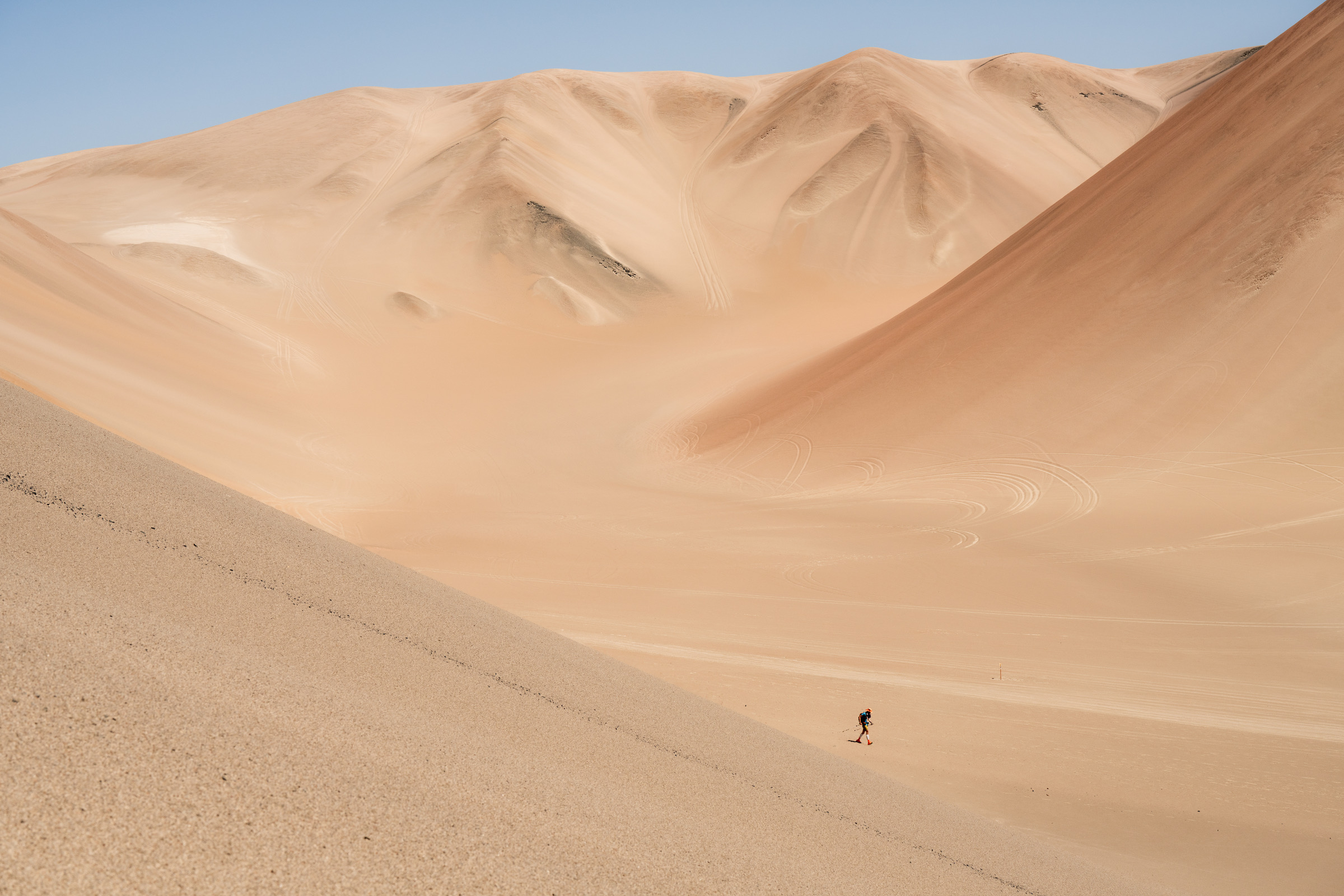
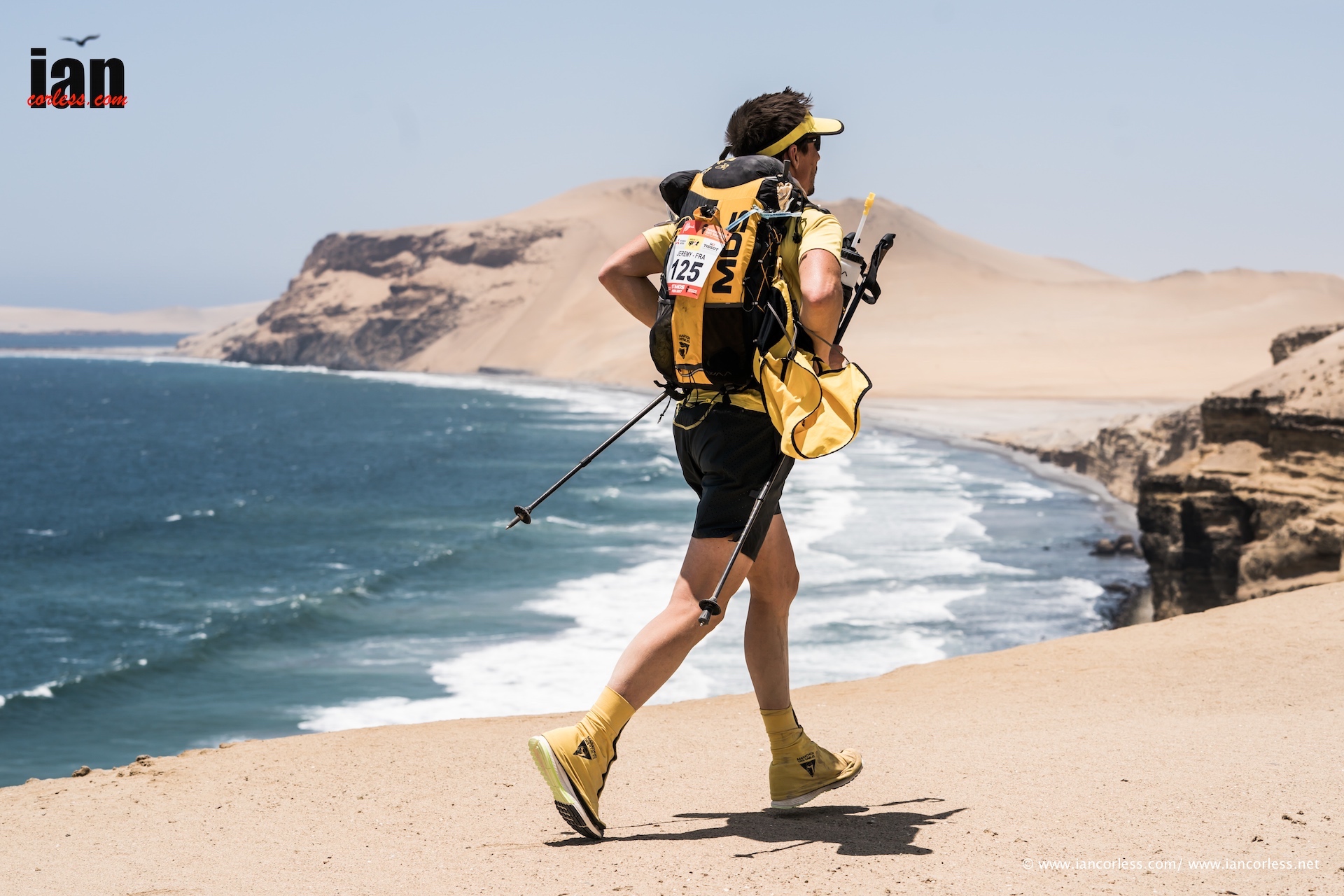
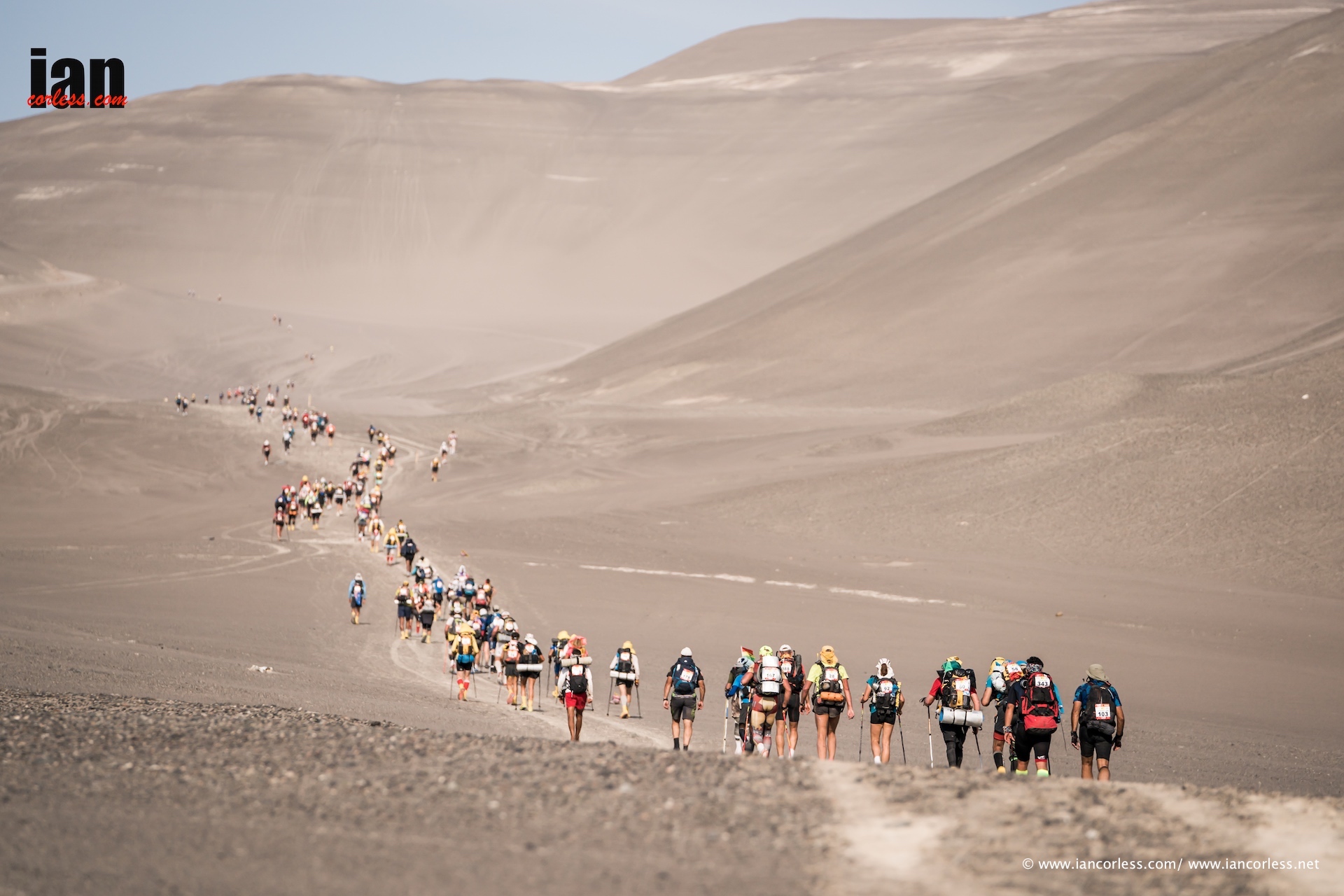
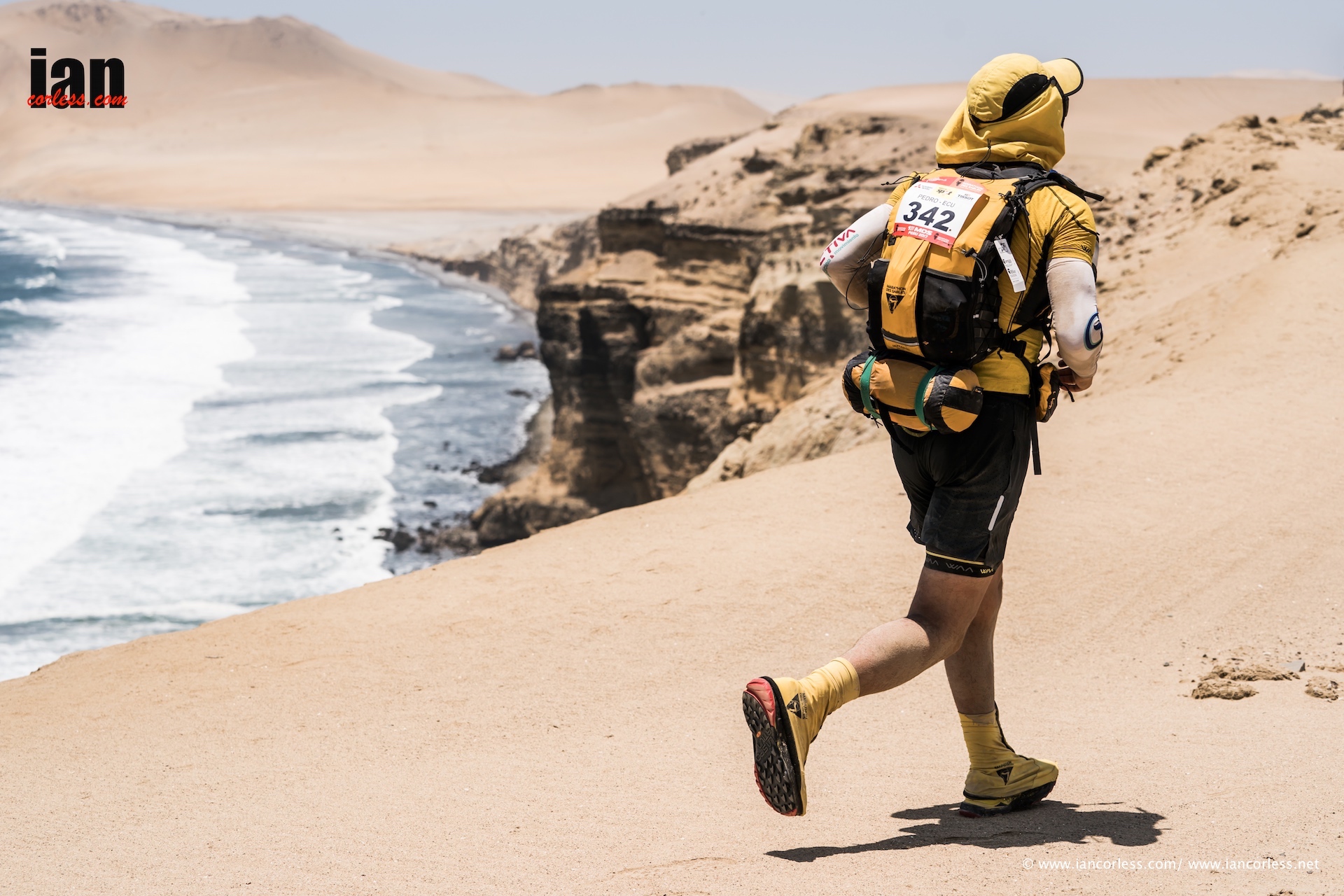
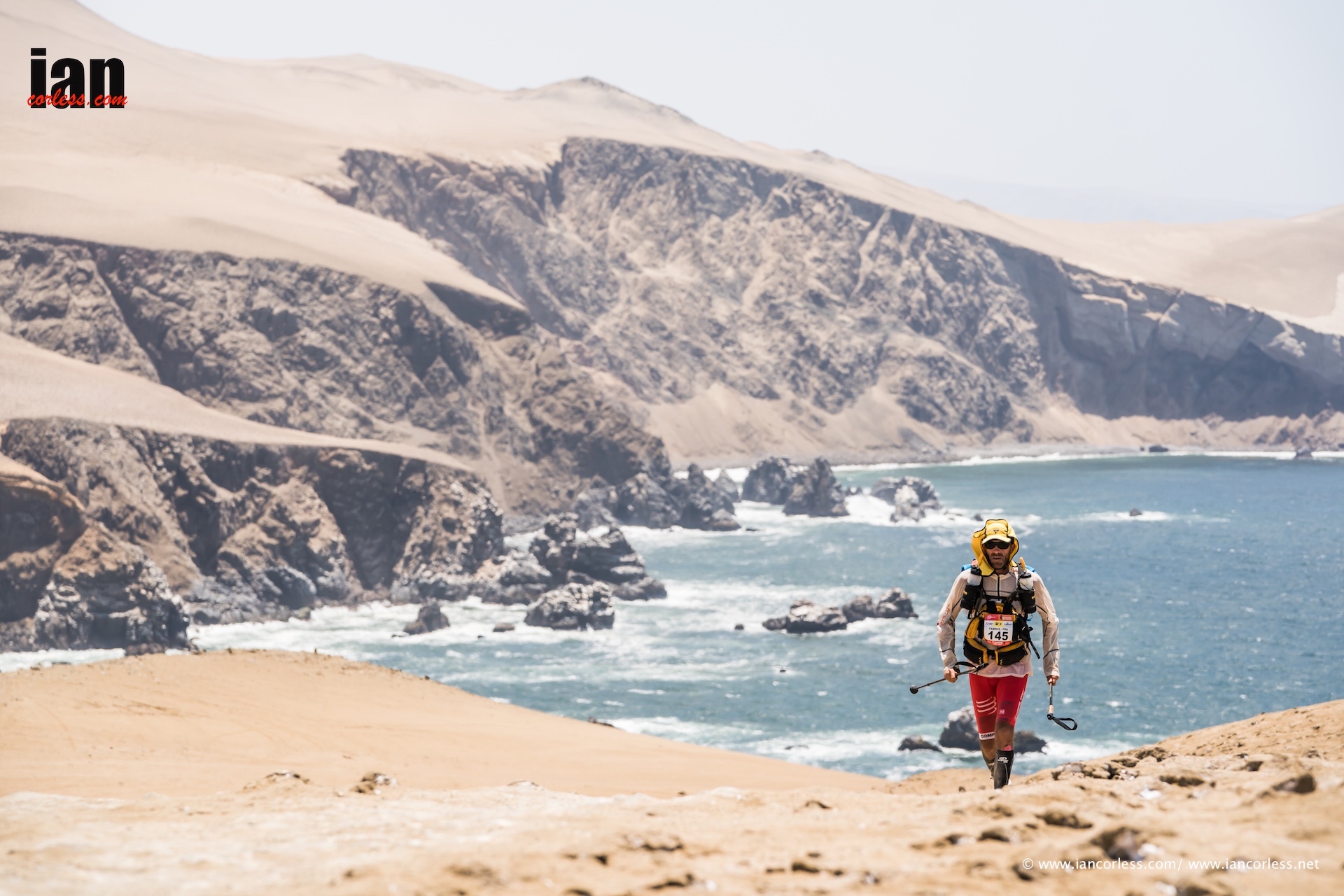
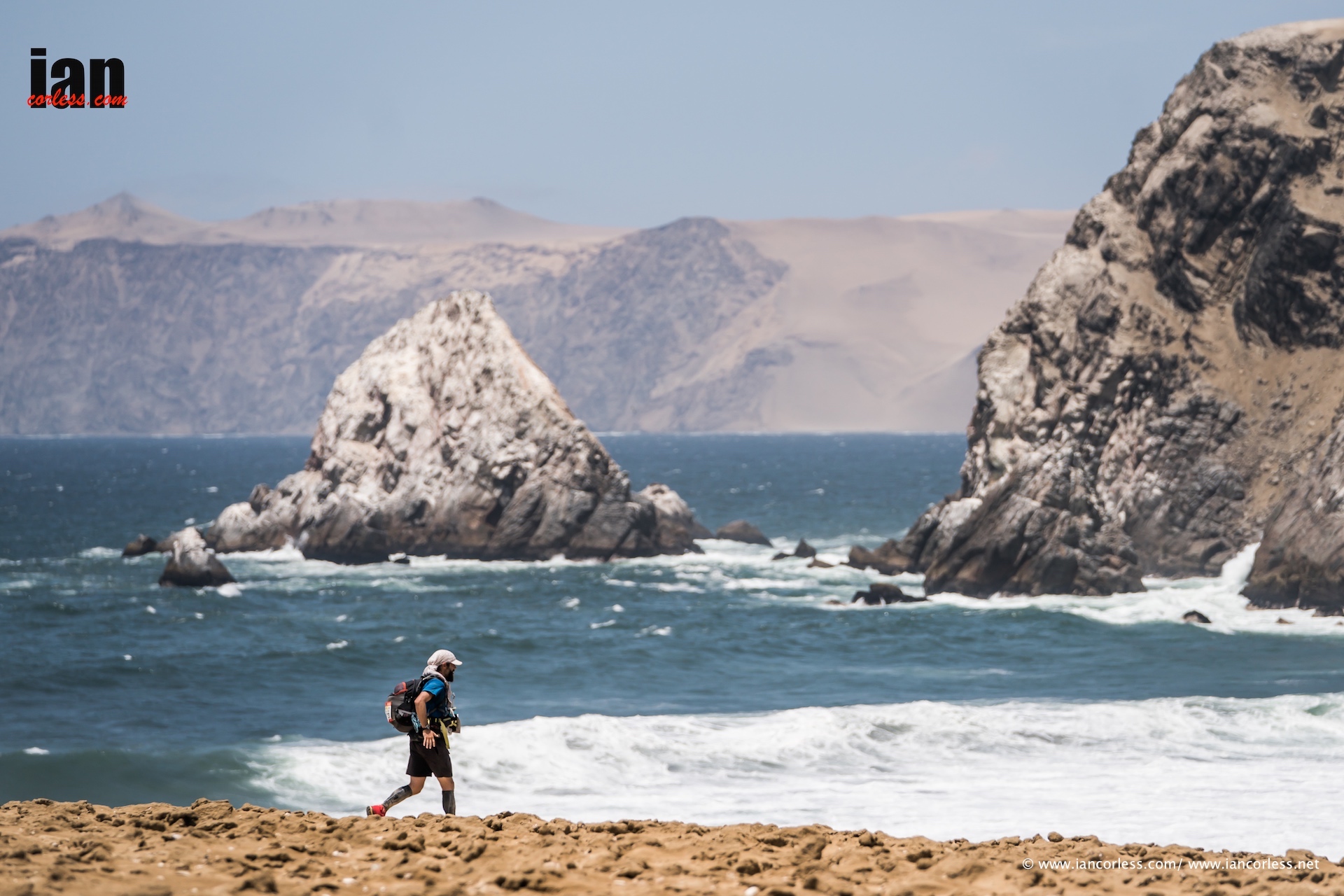
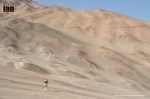
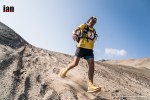
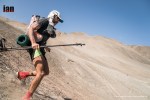
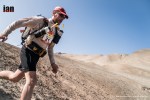
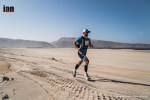
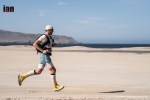
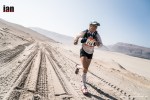
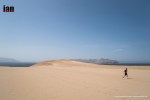
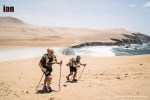
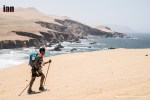
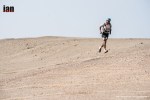
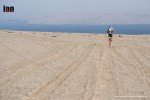
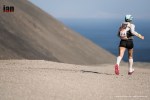
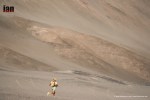
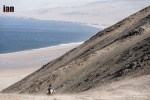
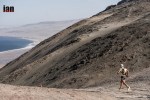
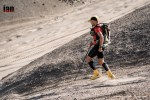
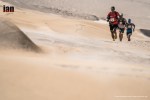
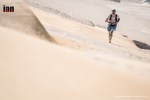
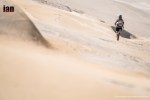
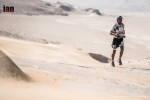
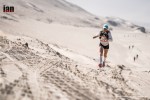
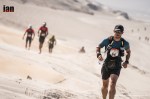
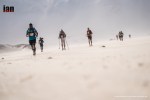
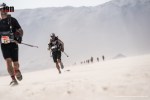
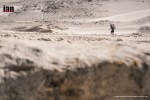
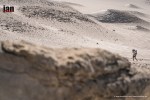
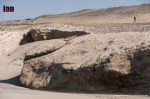
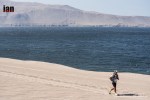
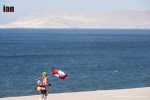
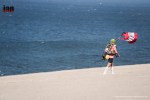
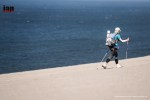
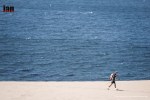
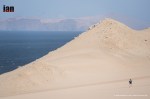
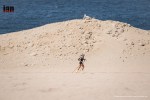
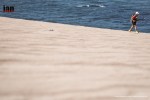
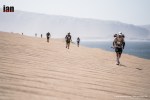
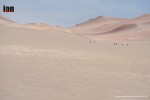
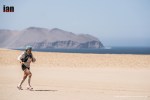
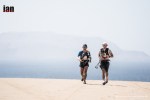
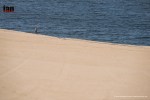
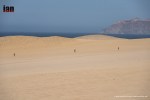
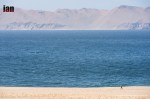
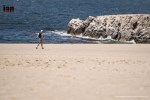
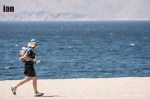
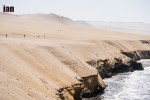
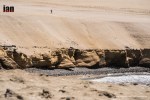
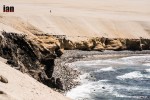
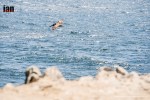
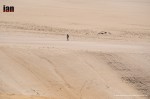
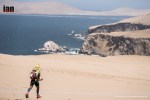
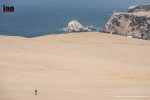
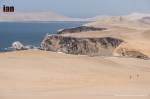
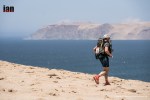
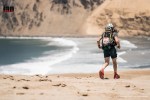
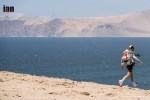
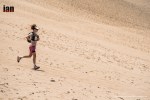
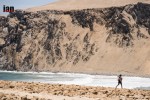
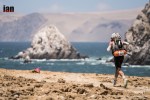
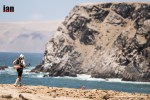
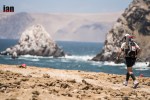
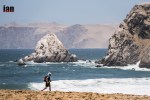
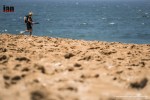
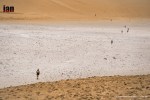
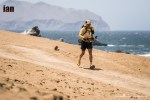
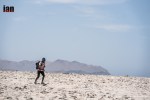
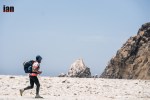
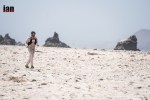
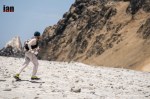
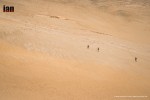
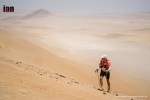
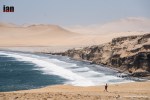
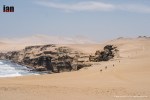
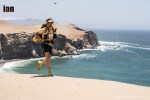
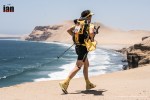
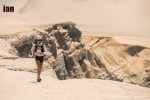
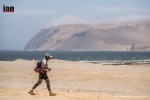
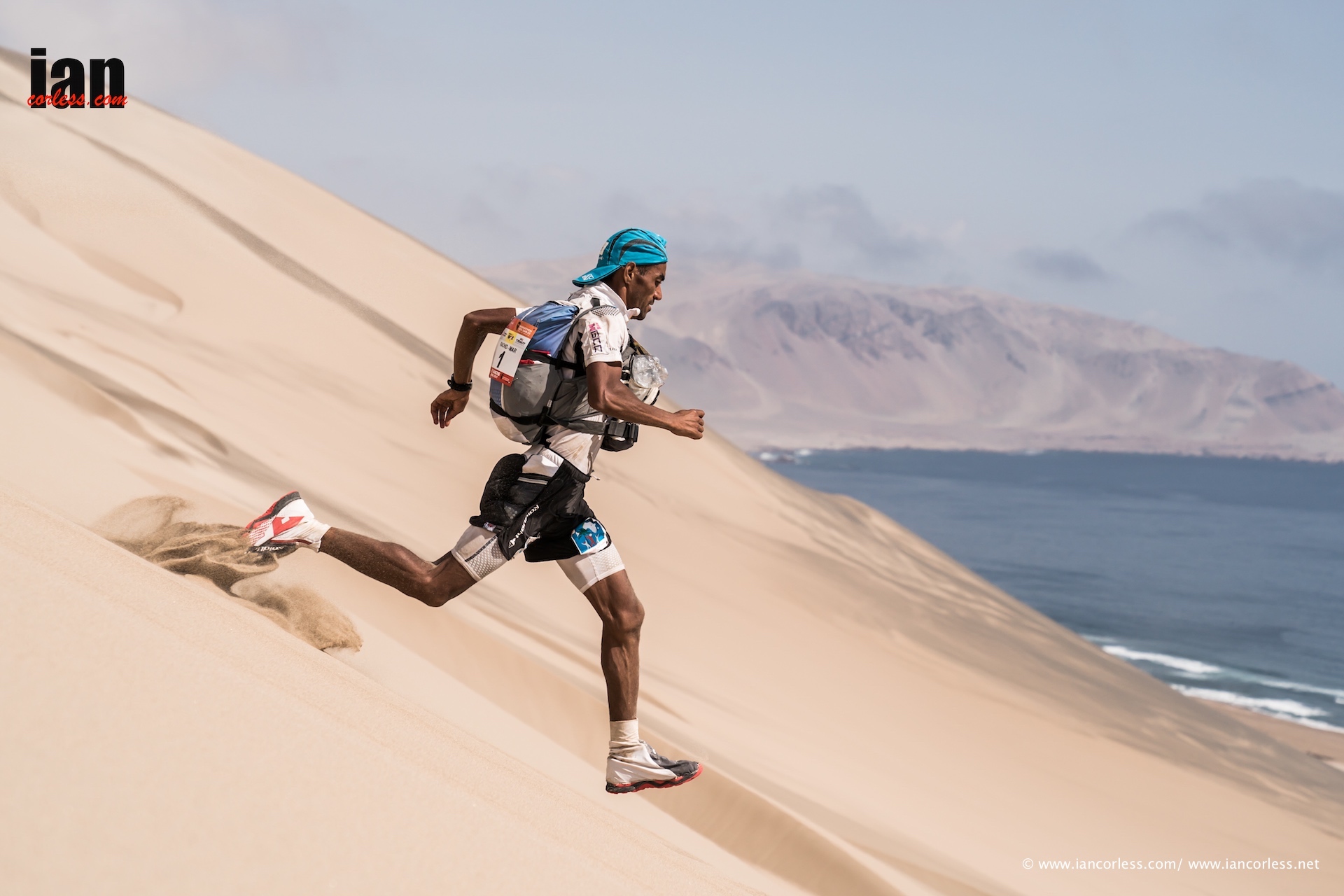
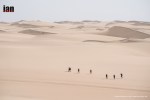
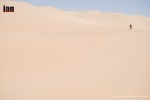
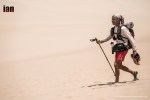
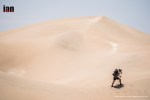
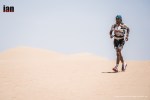
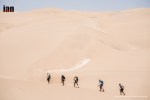
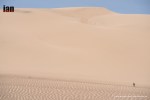
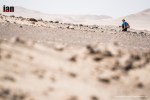
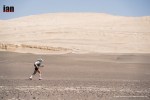
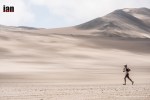
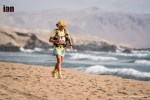
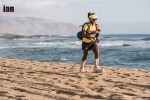
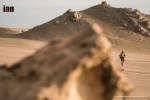
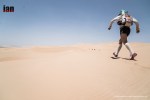
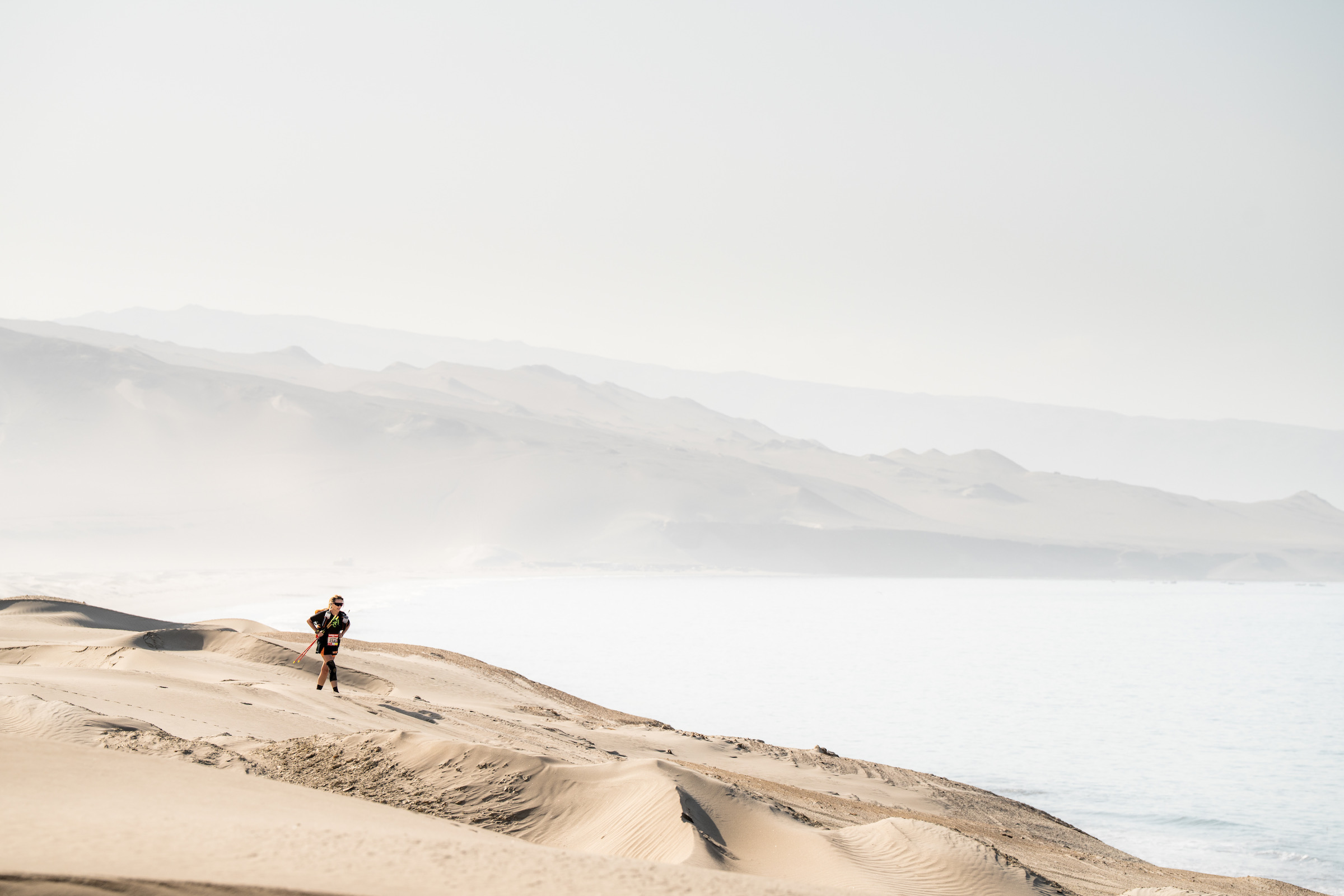
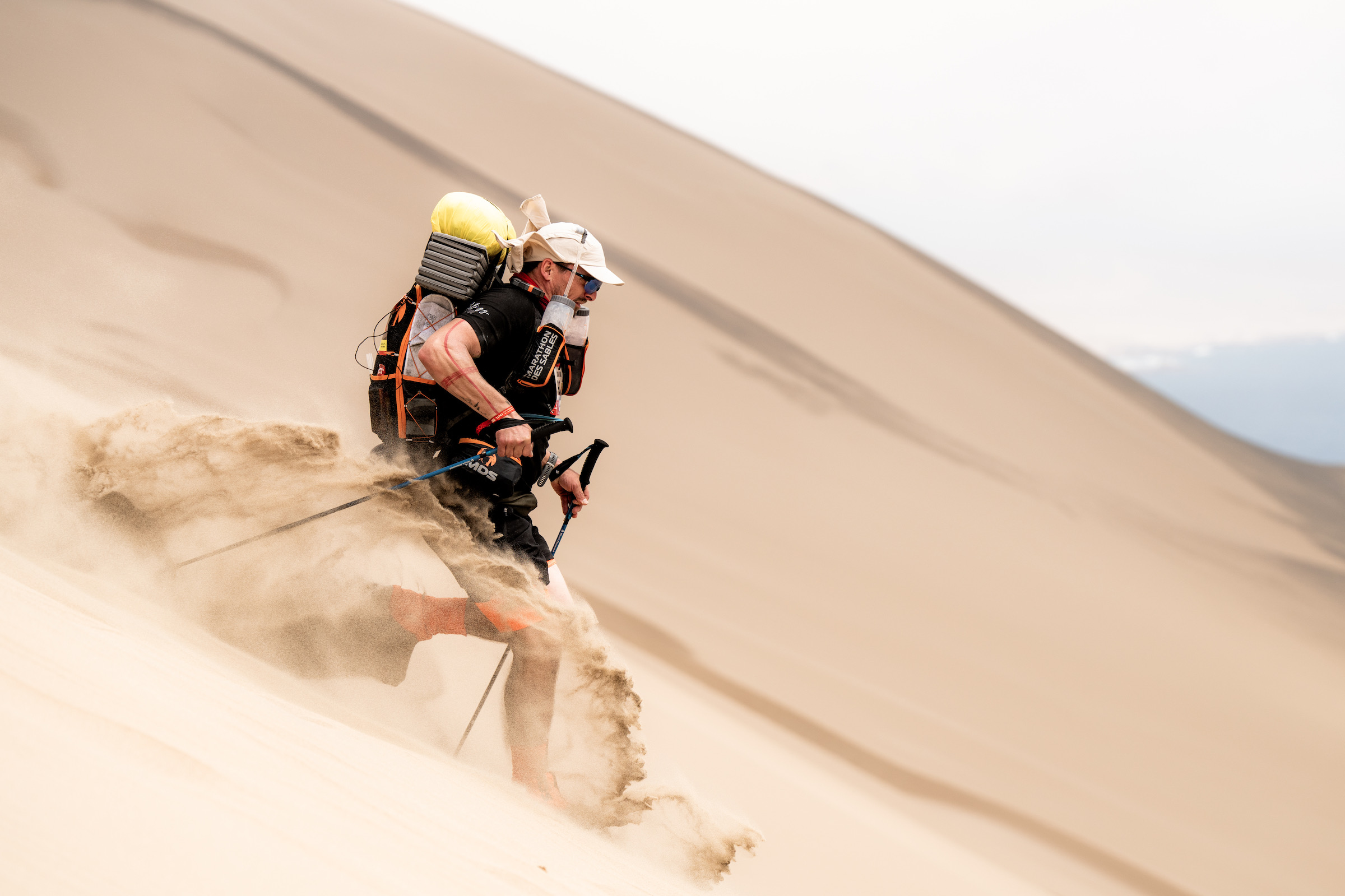
The course unfolded in long stretches where the runners sat between sand and sea. To the left, dunes rising and falling with perfect curves. To the right, the ocean pulling at the shoreline with steady rhythm. The contrast was sharp. The calm blue of the Pacific. The pale heat of the desert.
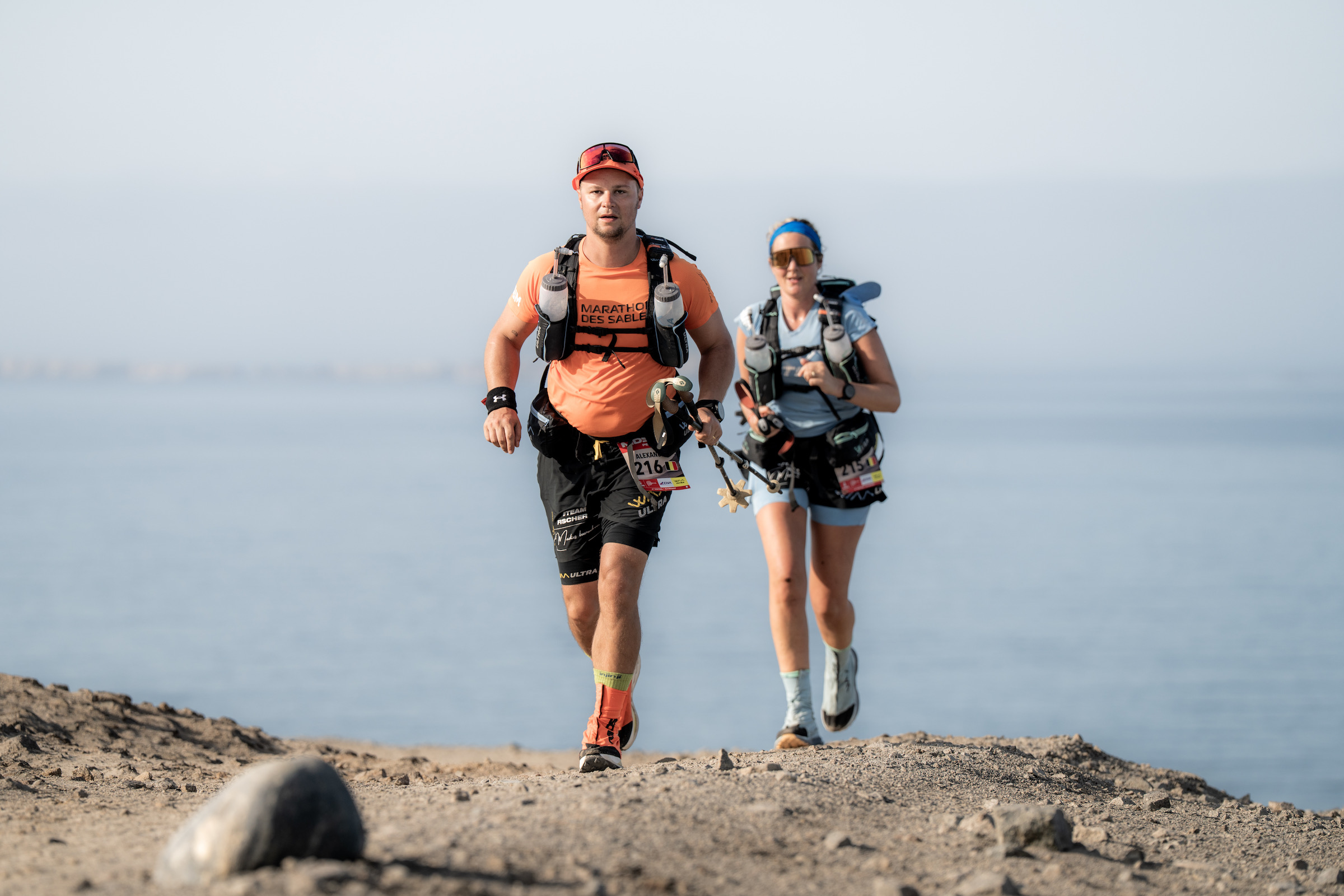
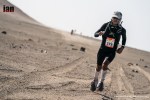
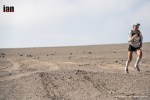
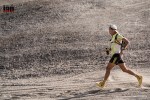
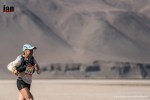
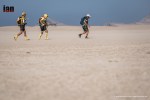
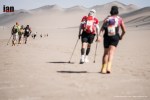
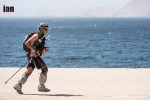
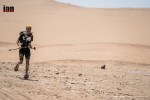
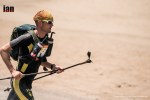
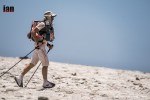
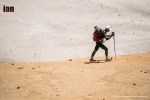
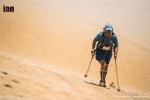
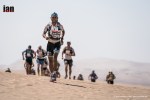
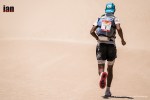
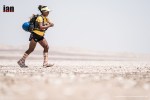
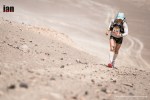
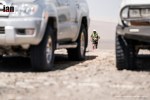
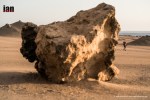
The line of runners threading through it all. It was a route that looked simple but felt huge. Every kilometre carried its own personality. Hard packed sand, soft patches, wind-carved paths, open flats. The landscape changed often enough to keep minds awake, and beautiful enough to pull them forward.

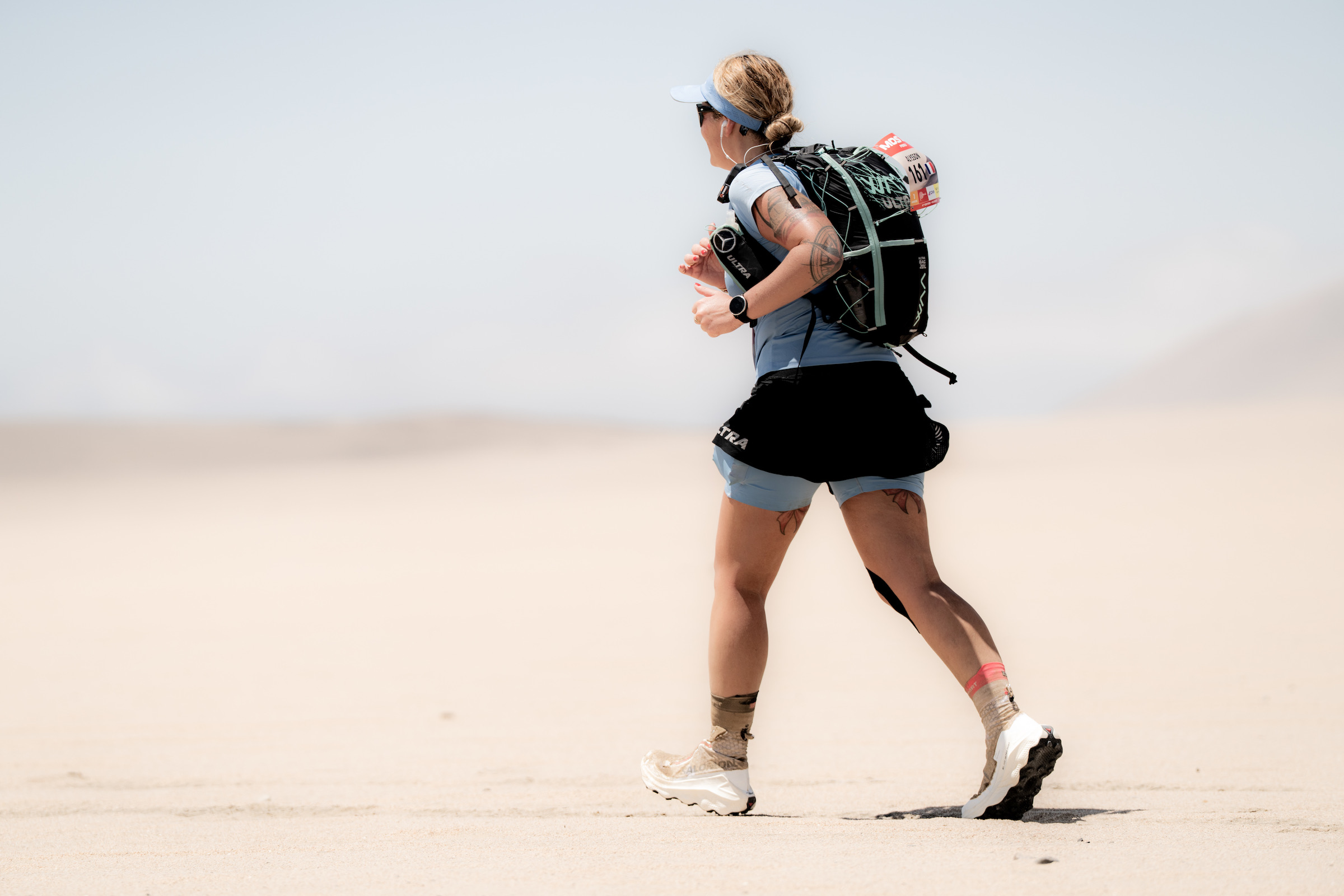
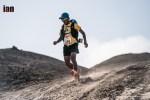
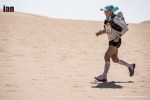
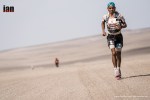
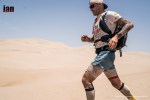
The heat arrived just as the field settled into its stride. It wasn’t the fierce blowtorch heat of earlier days, but it was real. A reminder of where they stood. Yet the ocean breeze stepped in like a quiet ally. It never erased the challenge, but it kept it honest. It made the effort manageable, even enjoyable, for those who still had enough in the tank to look around and absorb the moment. The contrast between struggle and beauty gave the stage its edge. You work for every step, but you are rewarded at every turn.
Ahead waited the final finish line. The one everyone had imagined since the first briefing. Flags. A strip of sand. A medal that represents far more than distance. For some, it marked the end of 70km’s, for others, 100 or 120km.
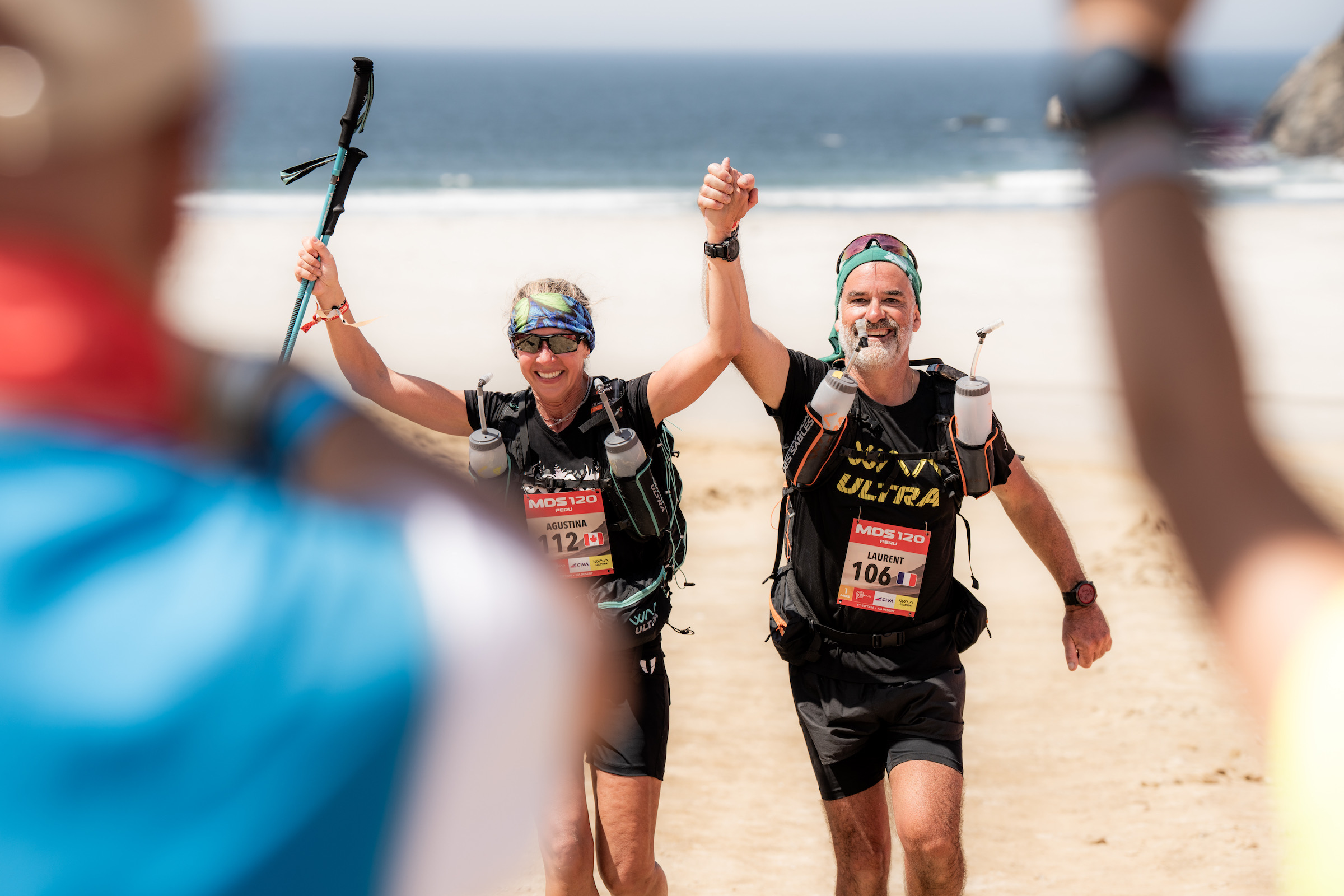
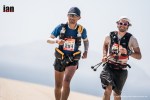
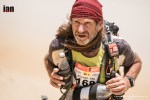
The numbers matter less than what they represent. Hours of carrying everything you need. Days of managing effort, discomfort, nutrition, and doubt. Nights spent in bivouac with sand in their shoes and a story building in their mind. Every runner arrived with their own reason for standing on that line. Every runner left with their own version of pride.
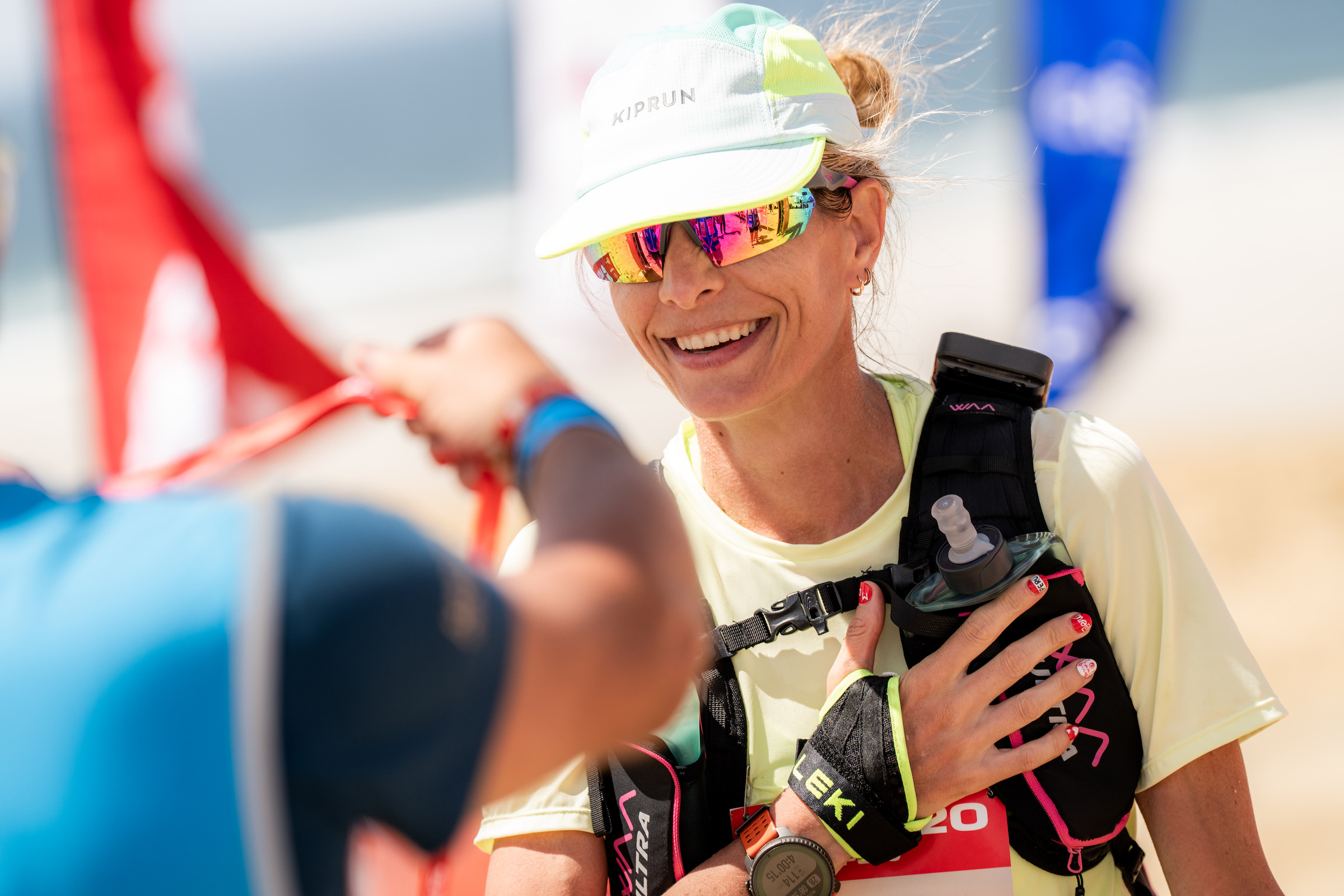
Ocean, desert, island, sky. A backdrop that looked unreal even with tired eyes. The final meters felt both endless and too fast. Some ran strong. Some walked with purpose. Some cried.
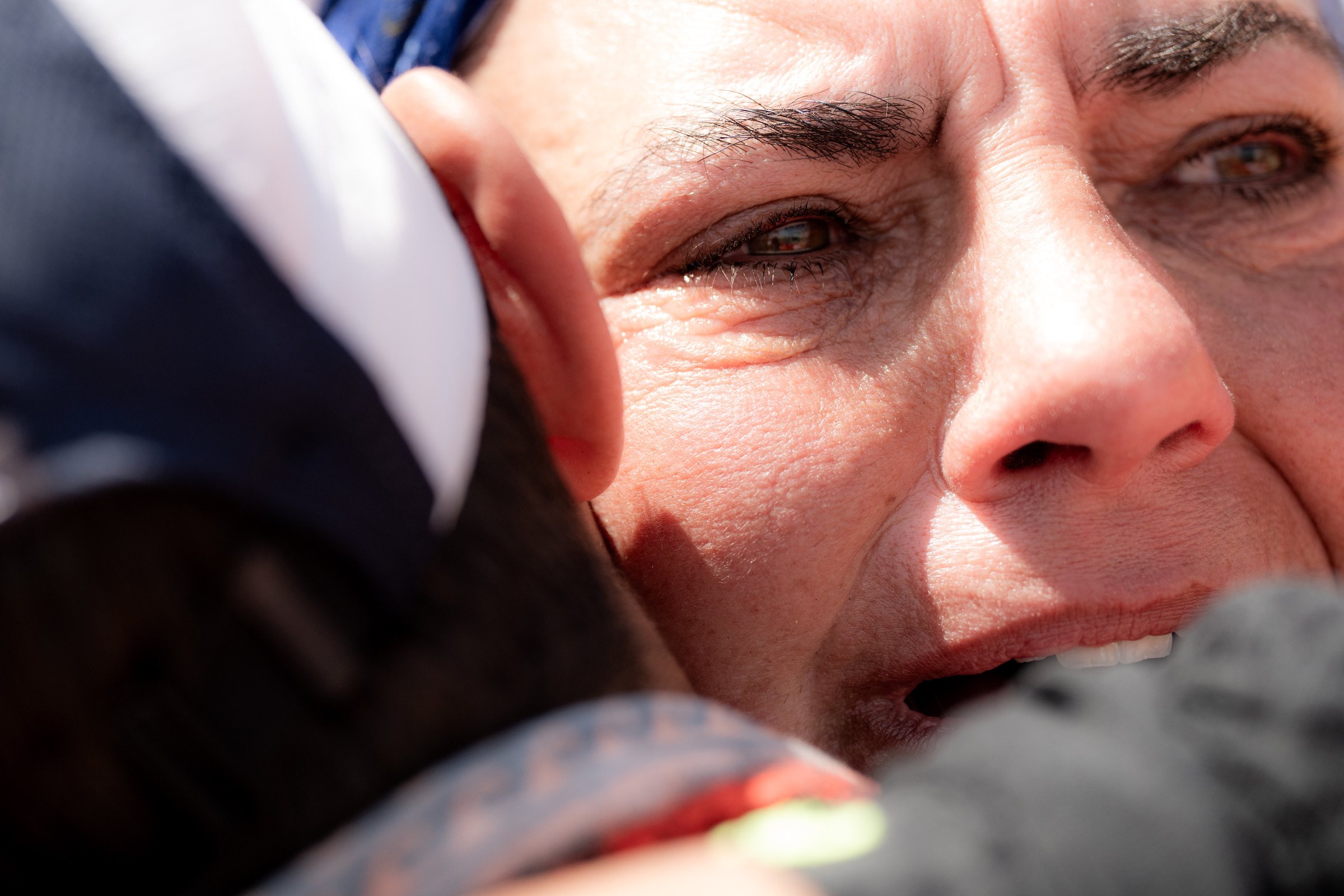
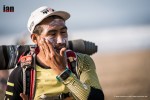
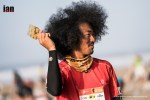
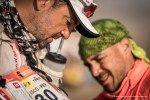
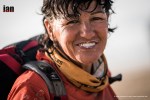
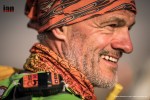
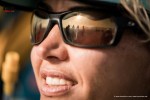
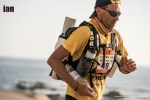
Some smiled because crying would have taken too much energy. But when they crossed, the moment hit all the same. Relief, release, accomplishment. A medal placed on a dusty, sunburned chest always carries more weight than its metal. It is a statement: you finished what you started.
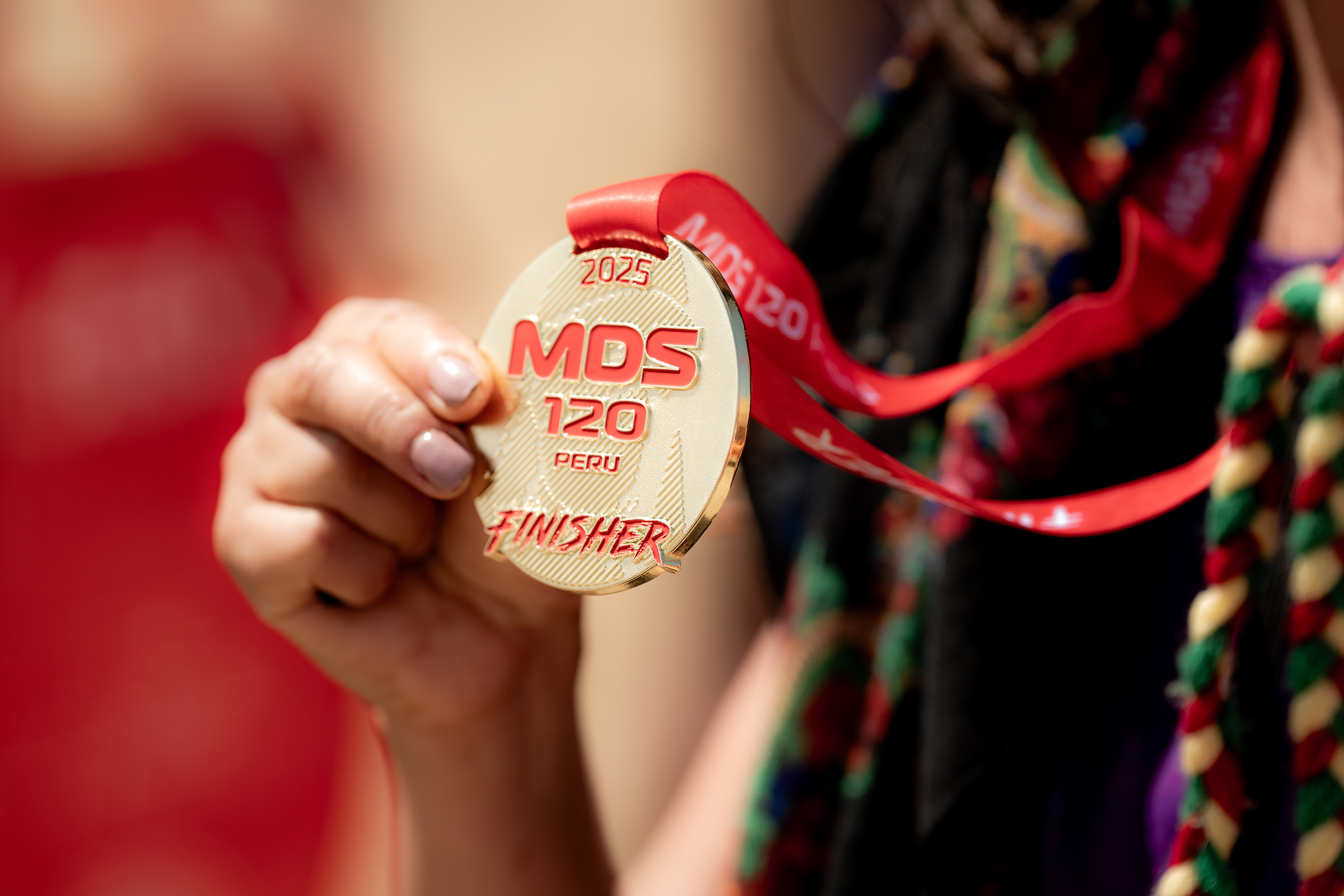
Peru helped deliver that feeling. This place is varied and magical in a way words only capture from the surface. Participants have now experienced it from within. They have lived at the pace of the terrain. They have watched light move across dunes and cliffs. They have felt the temperature swing, the sand shift, the silence settle. They have stared at landscapes that looked untouched and walked through areas shaped by wind, water, and time. The magic isn’t something you observe. It is something that gets into you until the experience becomes part of your memory, and part of your identity.
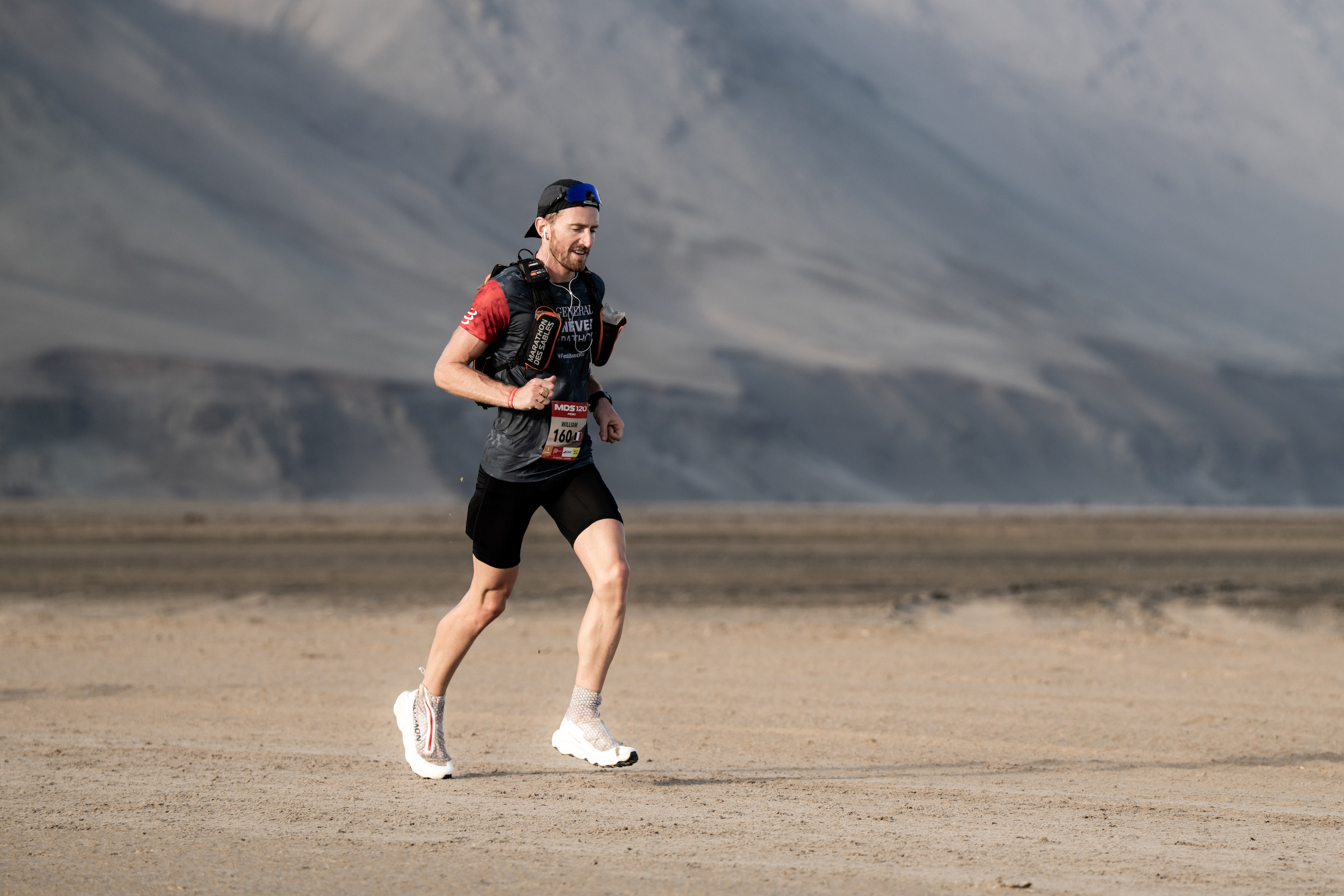
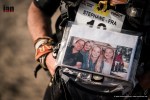
Self sufficiency sharpened that magic. Carrying your world on your back changes how you see everything. Meals taste different. Rest hits harder. Small wins grow bigger. Each person learned to handle the course with their own decisions. When to push. When to save. When to stop and fix something. That independence builds a kind of confidence that no one can hand you. You earn it step by step. You also earn the hardship that comes with it. Fatigue. Friction. Heat. Moments when your thoughts wander into the wrong corners. Yet that is where the race shifts from physical to personal. You leave with a stronger sense of who you are and what you can do.
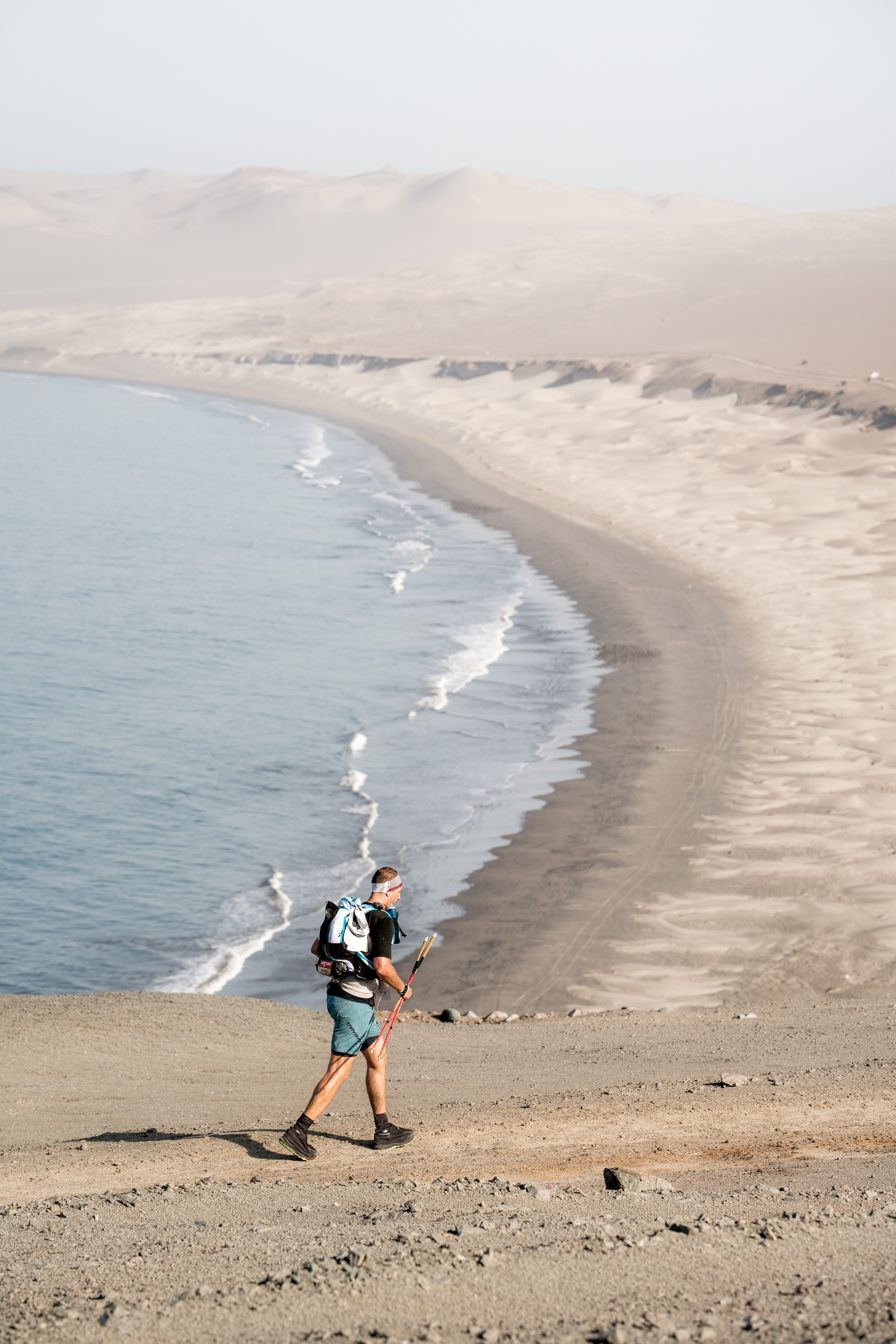
Stage three completed that story. It tied the effort of previous days into one clean line toward Laguna Grande. A route that looked almost gentle from above but carried the full emotion of the journey. Those final twenty seven kilometers gave runners space to reflect. Not in a soft poetic way, but in the grounded, honest way that comes when you are tired but not broken. Many thought about why they came. Many thought about who helped them get here. Many thought about how they had changed over the past days. The finish line didn’t give those answers. It confirmed them.

What stands out from this stage is the sense of balance. Mist, then sun. Heat, then breeze. Hardship, then reward. Desert, then ocean. A final effort that closed the race exactly as it should have: with clarity. Runners saw Peru in wide angles and fine detail. They felt the country’s scale and its intimacy. They moved through places you cannot appreciate from a screen or a road. They earned every view and every step.
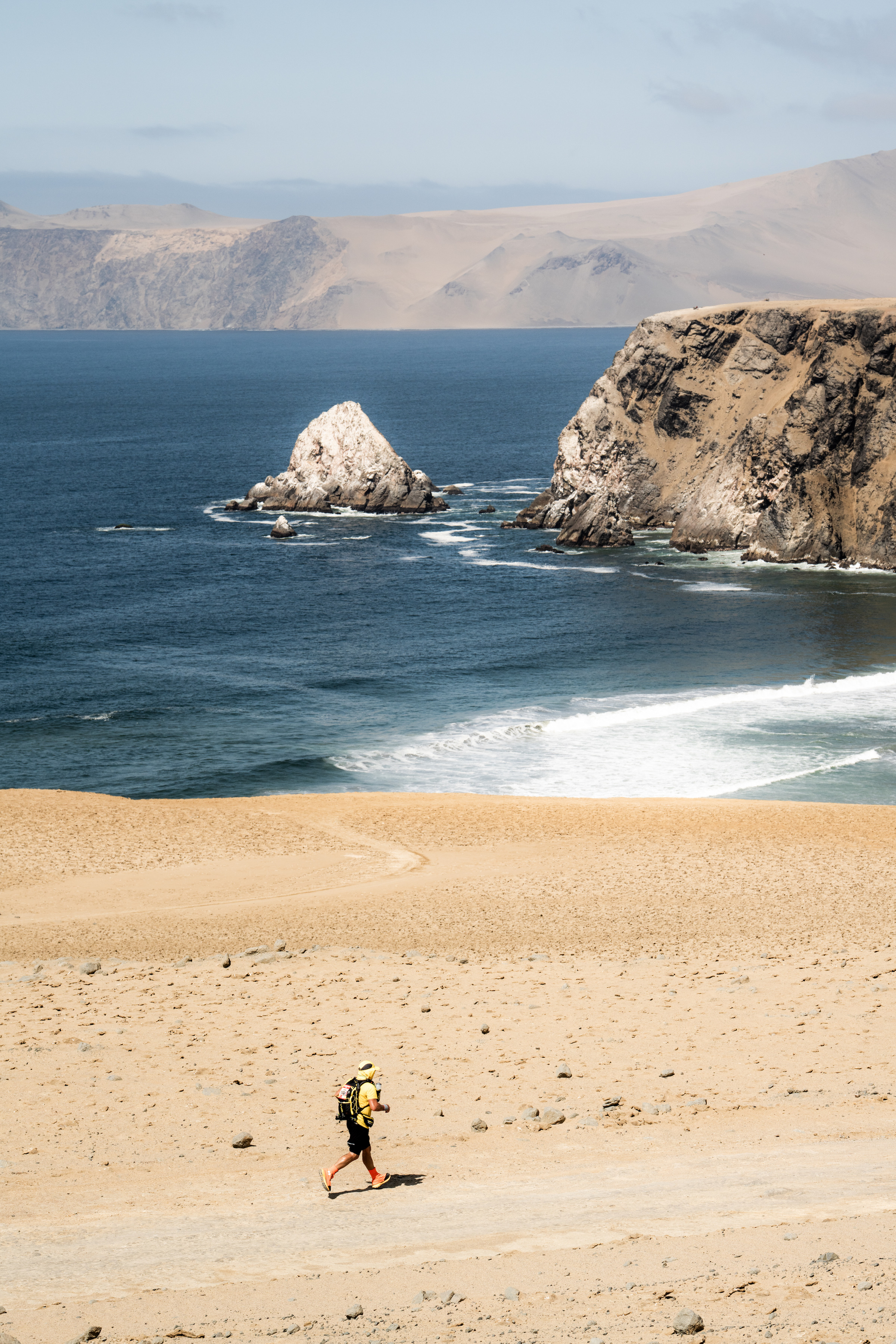
MDS 120 Peru is built on challenge, but it thrives on discovery. Participants discovered what the desert holds, what the coastline gives, and what they themselves can carry through heat, sand, and self doubt. They discovered that Peru is not only beautiful. It is alive, shifting, layered, and surprising in ways that stay with you.
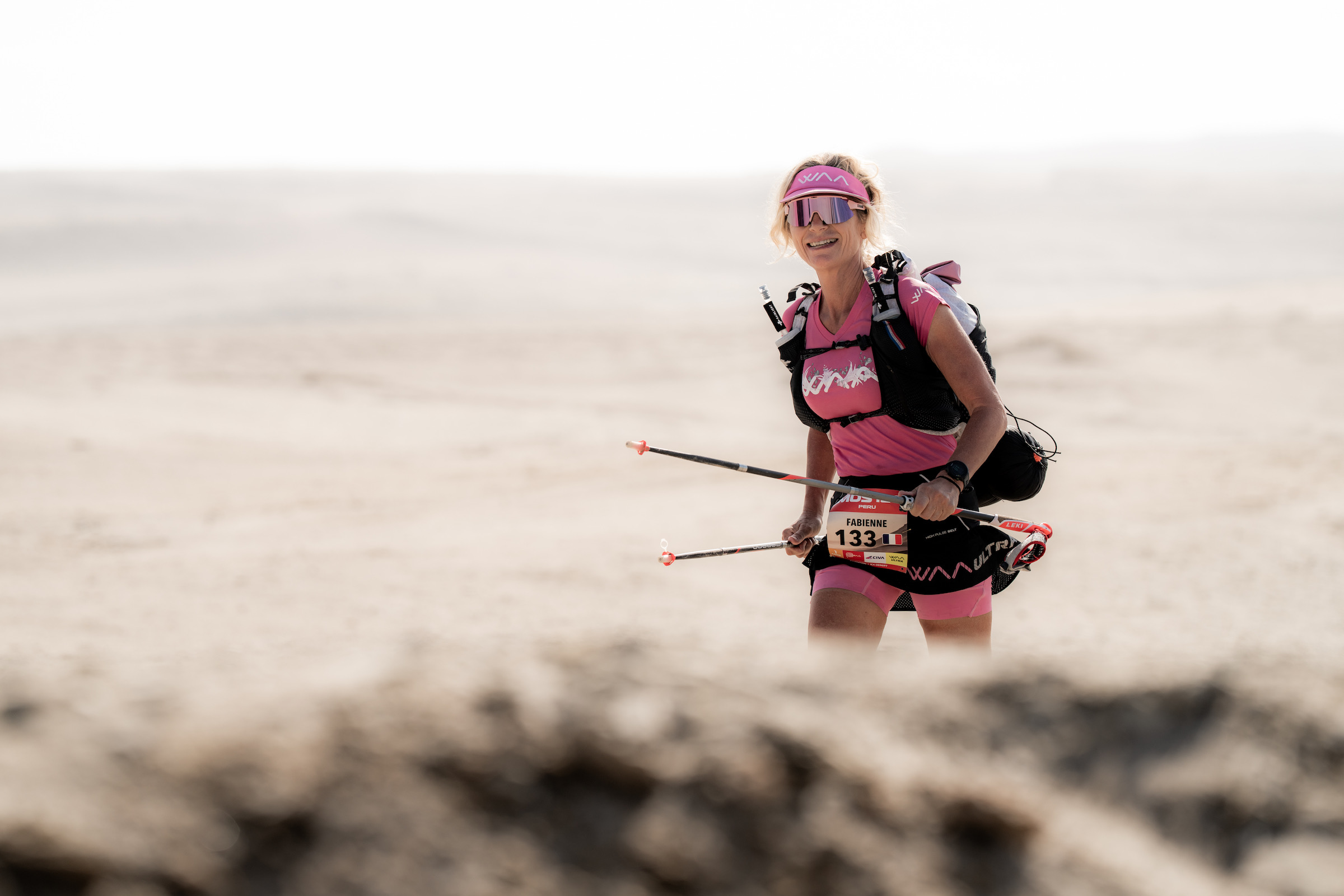
Stage three delivered the finish, but more importantly, it delivered perspective. The medal is the symbol. The journey is the reward, the magic of Peru is something they will keep long after the sand is washed from their shoes.

More information about MARATHON DES SABLE – HERE
Follow Ian Corless

Instagram – @iancorlessphotography

Twitter – @talkultra

facebook.com/iancorlessphotography

Web – www.iancorless.com
Web – www.iancorlessphotography.com

MDS 120 PERU 2025 – Stage 2

Stage 2 of MDS 120 Peru asked for grit, not the kind you feel in your teeth after miles of soft sand, but the kind that keeps you moving when your legs and head start to argue with each other.

The day opened under a blanket of cloud and a bite of early chill. Soon enough the sky broke open, the sun pushed through, and the landscape shifted again.

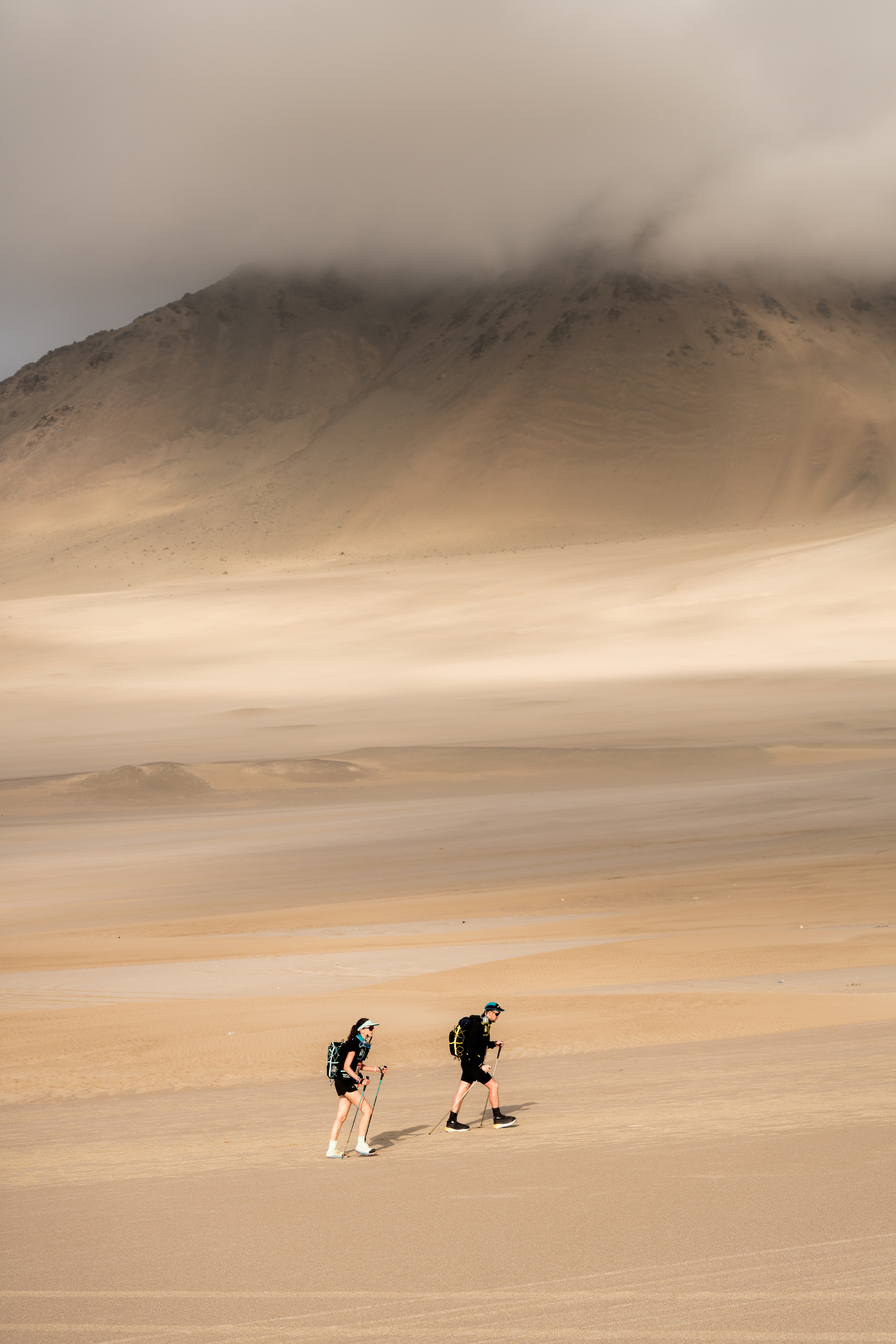
Runners climbed hard from the start, working through rolling terrain that rose and fell like waves before the coastline even appeared. The sand stayed soft and stubborn, forcing every step to count.

What the course took in effort, it paid back in views. Wide open desert. Long lines of dunes. Light bouncing off ridges and carving shadows that stretched for kilometres.

Each distance had its battles, but they shared one reward.

The final approach dropped into Paracas National Reserve, where the South Pacific came into full view.

The coastline set the stage for the last push, a reminder of why runners sign up for days like this.

Stage 2 was tough. It was also unforgettable. The kind of day that reminds you you’re capable of more than you think when the terrain and the moment rise together. Tomorrow, a rest day…

More information about MARATHON DES SABLE – HERE

Follow Ian Corless

Instagram – @iancorlessphotography

Twitter – @talkultra

facebook.com/iancorlessphotography

Web – www.iancorless.com
Web – www.iancorlessphotography.com

MDS Peru 2025 – Return to the magic of the ICA Desert

MDS Peru returns in 2025. I was at the original full-distance event in 2017, it was clear then that Peru and the Ica desert was a very special place.

The race returned in the ‘HMDS’ format in 2028, 2019 and 2022. Now, all HMDS events rebranded as MDS, we eagerly anticipate the 2025 MDS Peru that will take place from November 29th to December 6th, what better way to kick-off early Christmas celebrations and end a year!

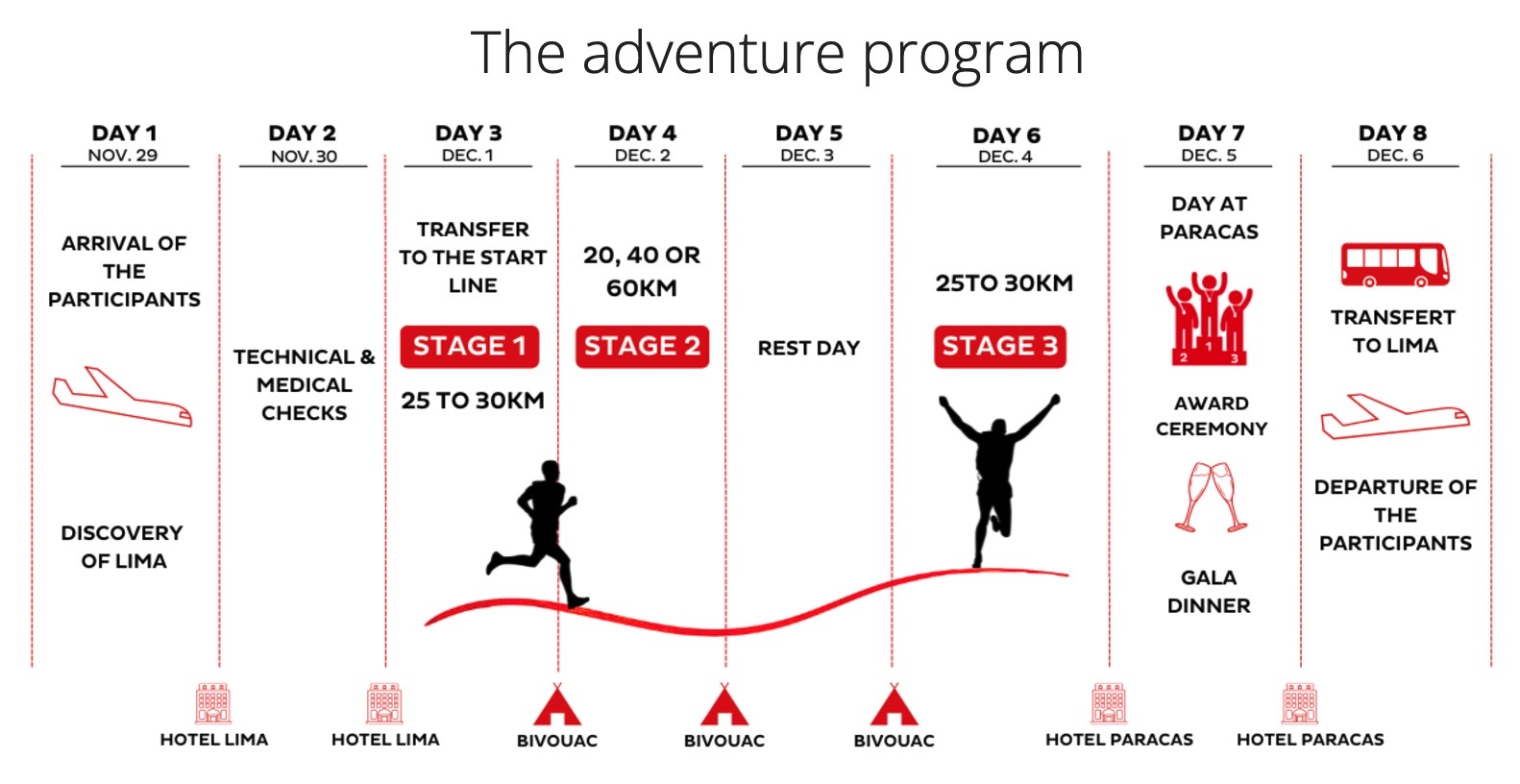
Participants will arrive in Lima on November 29th (or before) and then stay in Lima for 2 nights at an official race hotel.

November 30th will have technical and medical checks, the protocol identical to other MDS events.

On the morning of Dec 1st, an early morning transfer to the start of stage 1.

As with all MDS events, the race will take place over 3 stages will last 4 days.

  • Day 1/ Stage 1 will be 25 to 30km.
  • Day 2/ Stage 2 offer three distance options, 20, 40 or 60km.
  • Day 3 is a rest day.
  • Day 4 will see the commencement of the race with Stage 3, again, 25 to 30km and then two overnight stays at Hotel Paracas.

The following day is a day of leisure and then the awards ceremony and gala dinner.

Dec 6th will see participants return to Lima and onward travel.

A key consideration for participants, if Peru is on your wish list, due to the complexities of travel and logistics, Peru will not be a yearly MDS destination, so, now is the time to sign up and experience the magic this destination offers.

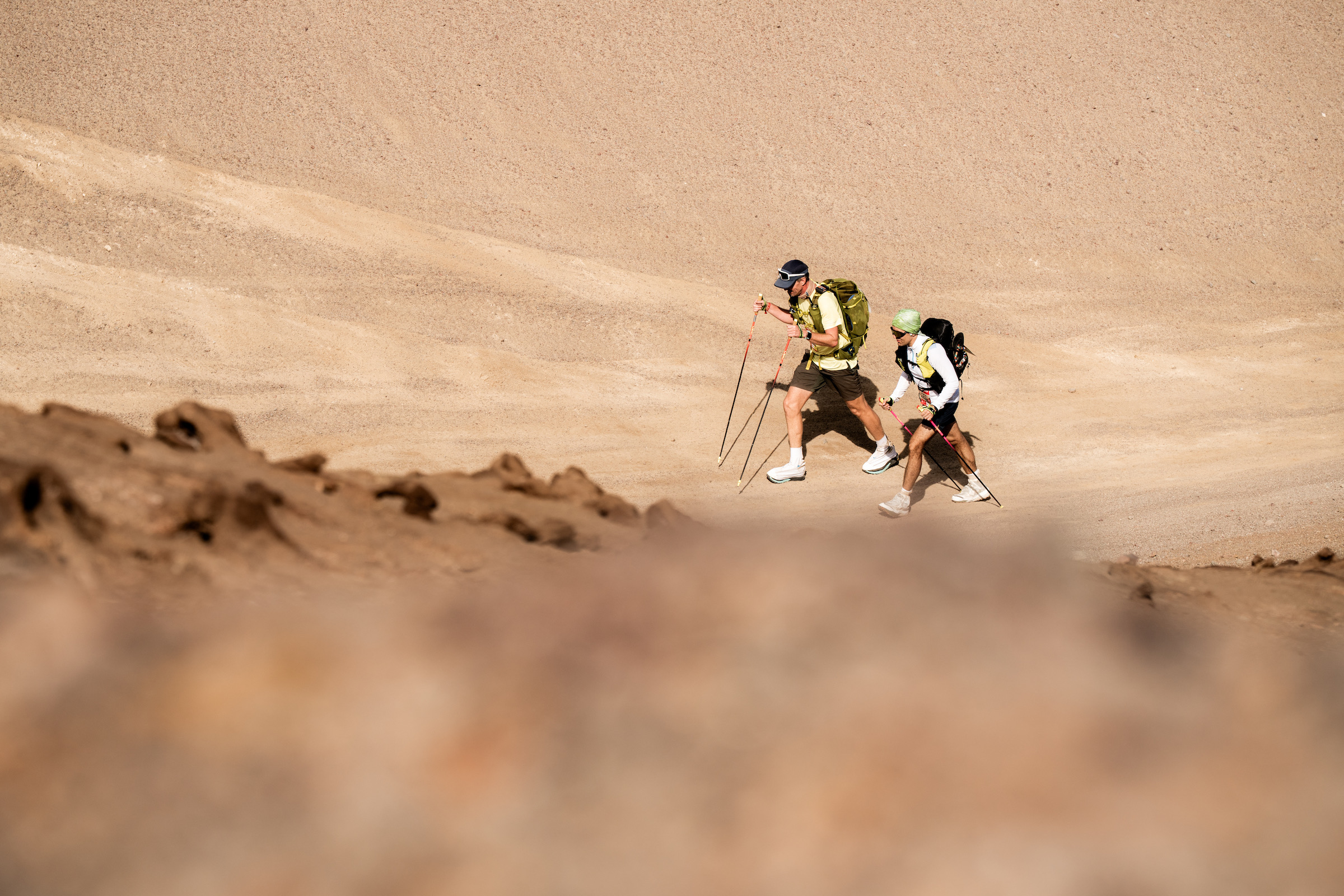
The Ica desert is unique, isolated from any civilization, this is a week of total disconnection. As bivouacs go, the one at MDS Peru is arguably the most impressive and unique, located on the edge of the Pacific Ocean.

Should you require to arrive before or extend your Peru adventure, there will be the option to explore Machu Picchu, the historic city of Cusco and the Mountain of 7 Colours with MDS partner Coltur.

MDS Peru will open for entry on Dec 11th at midday CET. Importantly, MDS have stipulated that a minimum sign-up of 200 participants will be required for the 2025 event to proceed, so, don’t hesitate to join this unique adventure of a lifetime. For the first 100 to sign-up, a discount is available, 2350 euro instead of 2650 euro.

MDS Peru returns in 2025, November 29th to December 6th. There really is no place quite like Peru and the ICA Desert. Sign up for the adventure of a lifetime, entries open December 11 2024 at midday CET.

Enter HERE

What is the MDS?

The MARATHON DES SABLES is a unique adventure, shared by thousands of enthusiasts since 1986.

To differentiate the full distance race of 250km’s, Marathon des Sables will now be known at MDS The Legendary, reflecting the legendary status of this iconic event and its long history as a pioneer of the stage racing and multi-day format.

The ‘HMDS’ format whill still follow the same protocols as before but has now dropped the ‘half’ title and moving forward, events will be called MDS Jordan, MDS Morocco, MDS Cappadocia and so on.

The MDS events are a one-week sporting adventure that combines the discovery, travel, meeting new people and physically challenging yourself in a self-sufficient manner.

Read MDS THE ULTIMATE GUIDE HERE

Since 1986, the MARATHON DES SABLES has crossed the world’s most stunning deserts with several unique concepts: the MARATHON DES SABLES THE LEGENDARY (252 km in the Sahara Desert in Morocco), the MARATHON DES SABLES (70, 100, or 120 km spread over 3 stages), and the new 2024 concept, the MDS TREK (4 stages with a total distance of up to 120 km), offering an accessible adventure with optimal comfort. These international events have seen over 50 editions in various countries such as Morocco, Fuerteventura Island, Peru, Jordan, Turkey, and offer adventures that combine running/hiking in the desert with tourism.

Instagram – @iancorlessphotography

Twitter – @talkultra

facebook.com/iancorlessphotography

Web – www.iancorless.com
Web – www.iancorlessphotography.com
Marathon des Sables PERU 2017 #MDSPeru – RACE DAY 5

Stage 5 of MDS Peru was a classic and beautiful stage. Staring on the beach in Barlovento, the runners covered 42.2km to Mendieta hugging the coastline of the Pacific.

Unfortunately, Remigio Huaman, 2nd overall on GC, yesterday received a 2-hour time penalty for an infringement of MDS rules in regard to the calories available in his backpack. This penalty moves him out of the top-3 and needless to say, he was less than is smiling self on the start line of the penultimate stage.

The day promised to be amazing and it was. The route was a roller coaster of small climbs and decent as the route covered 42.2km.

The ladies race was as it had been all week with Nathalie Mauclair leading from the front and being pursued by Melanie Rousset. The result was as in the previous 4-days, Mauclair took the stage. Rousset once again finished 2nd and Rocio Carrion finished 3rd. The result may sound like a formality but these three ladies have raced hard all week. Mauclair in particular has pushed and pushed when she had no need too. For Peru, Carrion on the podium will be a great result and when the race finishes tomorrow, I expect a Peruvian party.
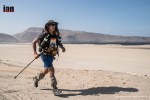
Rachid El Morabity is the master of the desert, and today he proved t once again! He starts relaxed, off the pace and running at times minutes back from the lead men. He then decides to move up a gear and when he does, t is incredible. He glides across the sand when others sink, he is a Fennec – a master of the sand and heat. Once again, he took the stage.
Remigio Huaman, Erik Clavery, Aldo Ramirez, Julien Chorier and Gediminas Grinius had set the early pace ahead of the Moroccan but it was all to no avail. Huaman was obviously looking to make amends for his penalty and once again he finished 2nd ahead of Clavery in 3rd. But it was Ramirez who benefited most, he is now 2nd in GC and flying the flag for Peru.


  1. Rachid El Morabity 3:12:51
  2. Remigio Huaman 3:15:07
  3. Erik Clavery 3:24:04


  1. Nathalie Mauclair 3:59:00
  2. Melanie Rousset 4:30:19
  3. Rocio Carrion 4:46:30


GC


  1. Rachid El Morabity 20:22:43
  2. Aldo Ramirez 22:21:03
  3. Erik Clavery 122:30:23


  1. Nathalie Mauclair 24:22:35
  2. Melanie Rousset 27:46:03
  3. Rocio Carrion 30:33:20

Stage 6 of MDS Peru is the last day and although the runners have 19km to cover along the coast of Peru next to the Pacific, the race, at least for the top-3 males and female’s s over. It’s a party day!
Marathon des Sables PERU 2017 #MDSPeru – RACE DAY 4

Stage 4 of MDS Peru was the eagerly anticipated long-day, it was billed as a stunning stage and it didn’t disappoint, however, with beauty came difficulty and many said how hard it was. The thought of views of the Pacific Ocean pulled the runners through to the 51km mark and then from here, the sea was by their side all the way to the finish line.

Erik Clavery dictated the race early on but by Cp2 he was caught and it was Also Ramirez from Peru who forged a fast pace looking for a top-3 finish. Fellow Peruvian, Remigio Huaman, was never going to let a countryman run away from him and the duo ran at the head of the race before Rachid El Morabity budged the gap. It was interesting to see the dynamics at the front of the race, it would appear, that El Morabity was not having a ‘normal’ dominating day and this was reflected in him crossing the line with Huaman, hand-in-hand, in 7:10:24. Ramirez held on for 3rd just 7-minutes later with Gediminas Grinius and Clavery placing 4th and 5th.

The ladies race once again had a very similar format as all the previous days with Nathalie Mauclair dictating from the front and never looking back. She is, with all due respect to the other ladies, in a race on her own! She crossed the line in 8:08:45 and Melanie Rousset finished 2nd once again over 1-hour later in 9:19:10. Peruvian, Rocio Carrion, was as consistent as ever placing 3rd in 10:01.

The long-day will be remembered for the stunning landscape and the variety. Beautiful white dunes, white stone flats, amazing valleys flanked by mountains and then the stunning sandy drop to the Pacific and bivouac 4 next to the sea.


  1. Remigio Huaman 7:10:24
  2. Rachid El Morabity 7:10:25
  3. Aldo Ramirez 7:17:21


  1. Nathalie Mauclair 8:08:45
  2. Melanie Rousset 9:19:10
  3. Rocio Carrion 10:01:15


GC


  1. Rachid El Morabity 17:09:53
  2. Remigio Huaman 17:47:54
  3. Aldo Ramirez 18:49:51


  1. Nathalie Mauclair 20:23:35
  2. Melanie Rousset 23:15:44
  3. Rocio Carrion 25:46:50


Stage 5 of MDS Peru is as the Moroccan brother, the marathon stage. Staring on the beach in Barlovento, the runners will cover 42.2km to Mendieta hugging the coastline of the Pacific. It will be a stunning stage!

Marathon des Sables PERU 2017 #MDSPeru Day 1

The 2017 and inaugural Marathon des Sables Peru got underway, today, November 26th. With the passing of time, it is a day that will be remembered fondly as all those who are taking part will look back and say, “I was there, I was there at the very first edition!”

Marathon des Sables is over 30-years old and had Patrick Bauer not decided to take a solo-journey, on-foot, through the desert of Morocco, we may well not be talking about MDS Peru. 

Bauer pioneered the multi-day racing format and although it has been copied the world over, no other race quite compares to the grand scale of the first and original MDS!

MDS Peru is looking to follow its big Moroccan brother.

Nearly 500 runners from all over the world arrived in Lima to start their journeys. New journeys! They are pioneers of this new race and as such they will create history.

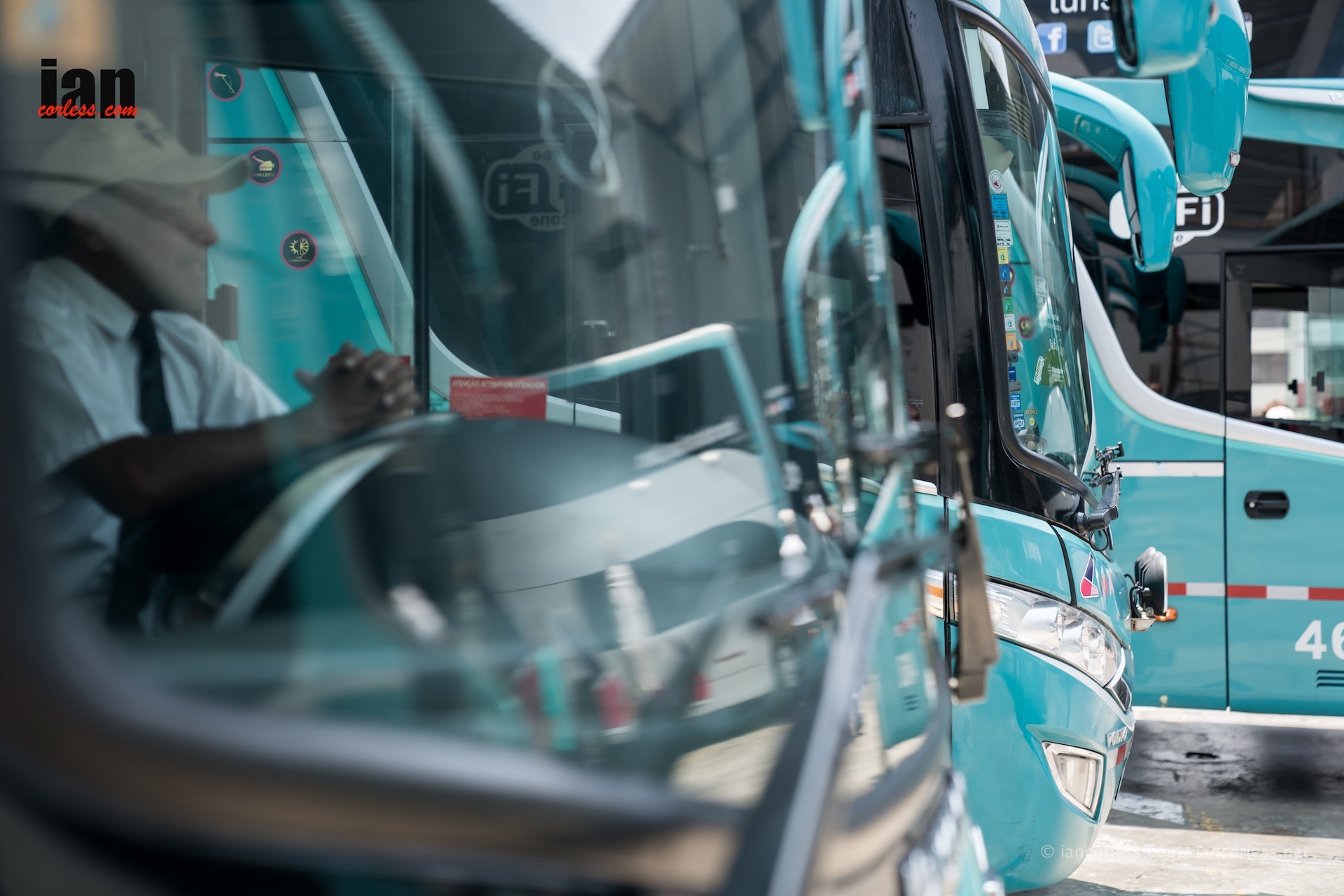
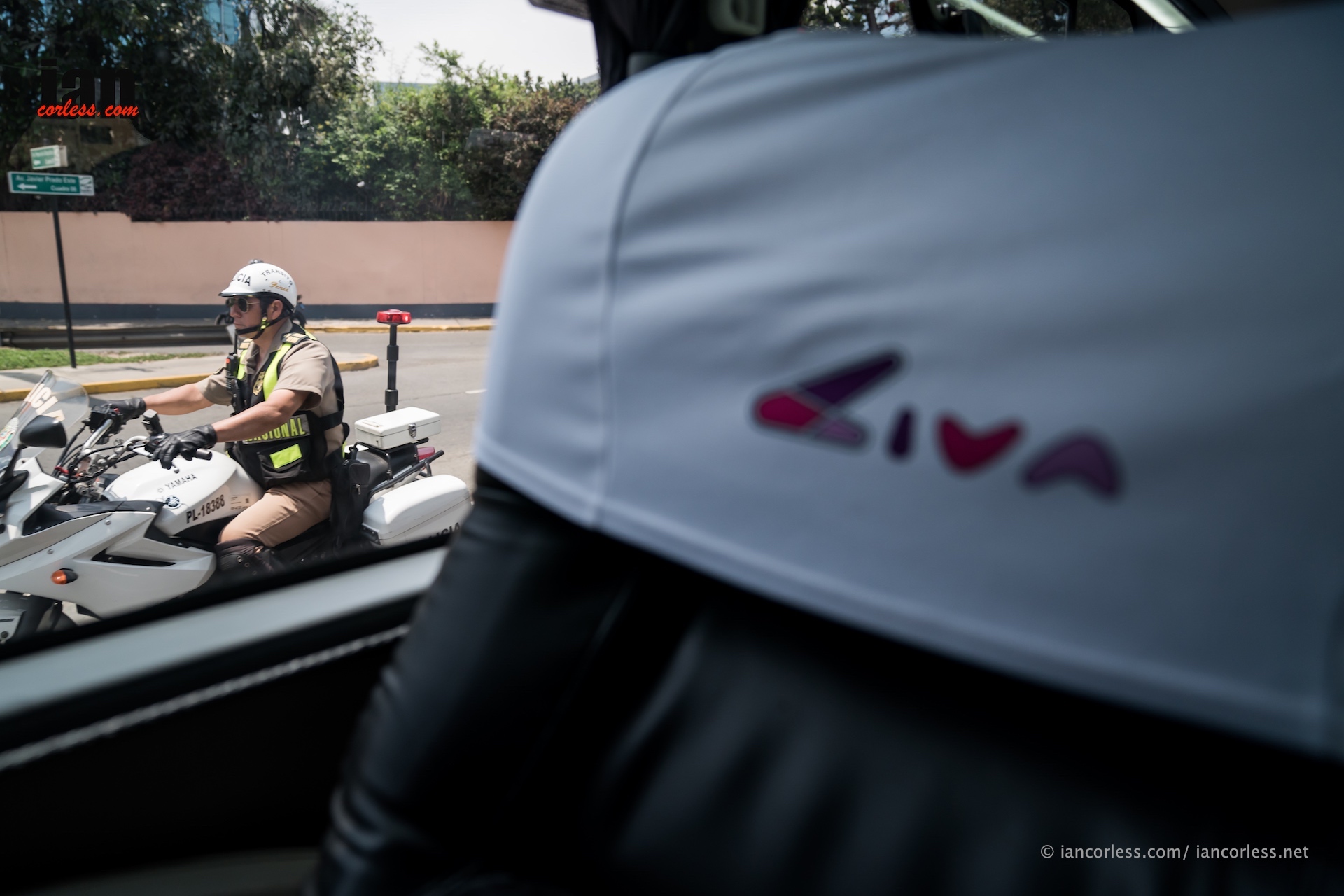
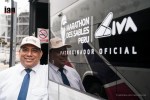
Peru is not a quick trip, for most people, they will have undertaken a minimum 16-hour journey to reach Lima and as they soon found out, the journey didn’t stop there. Boarding luxury CIVA buses, the journey continued for a 9-hour drive south to the ICA desert and bivouac one. A police escort made leaving Lima somewhat faster than on a normal day.

What lies ahead? 

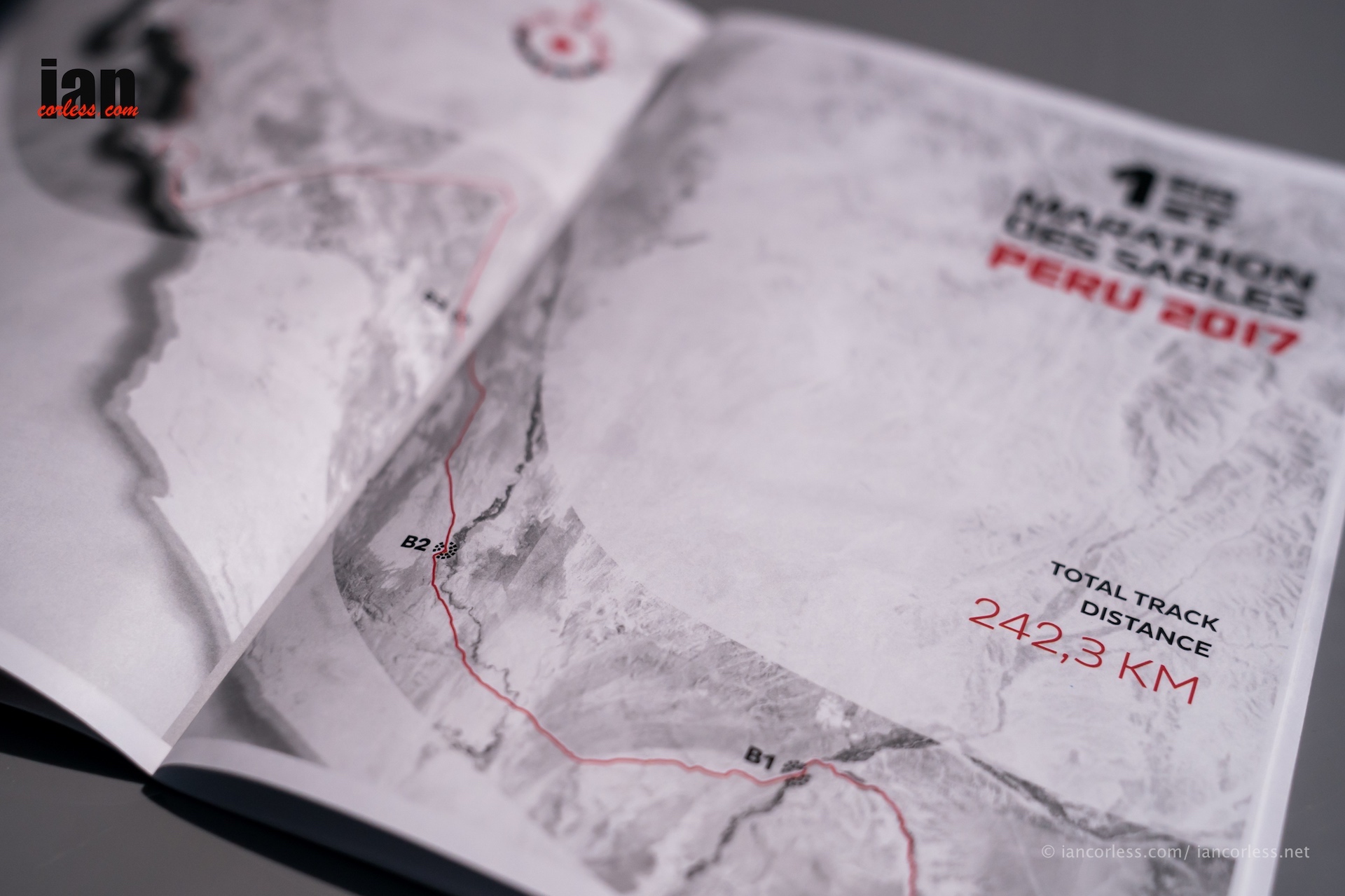
Gigantic dunes, cliffs, oases, canyons, sand and the Pacific Ocean. The race will start cover 240+km from Cahuachi to La Catedral.

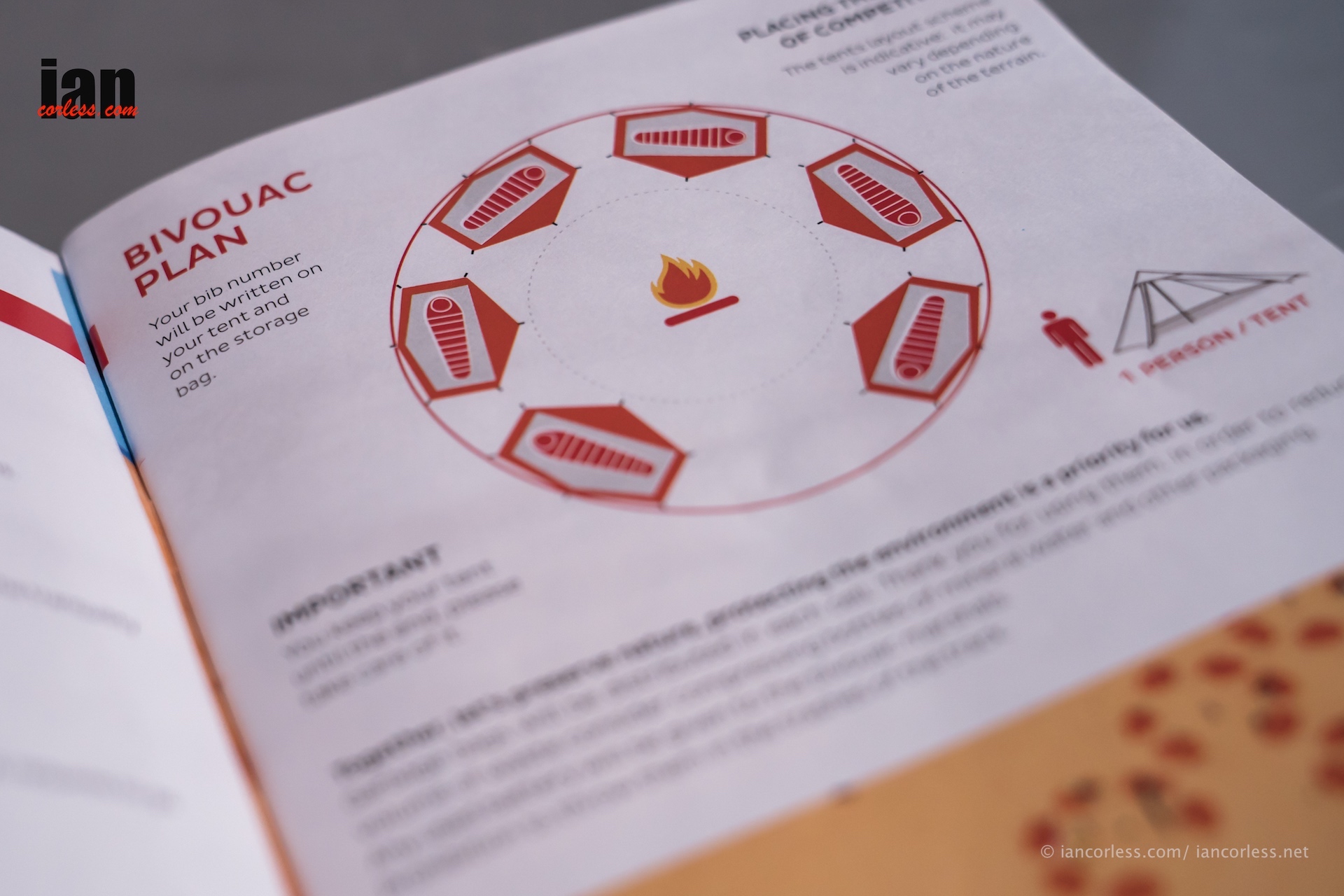
The MDS Peru follows the Moroccan format of 6-days racing of self-sufficiency, the only things provided; a tent and rationed water. Unlike Morocco, the bivouac will be made up of Individual WAA tents grouped in numbers of 6. These tents will be grouped based on the participants country and language. Think of them of little circular communities built around (hopefully) a camp fire.

Day 1 – 26th November is a travel day of approximately 285km south to Cahuachi and bivouac 1. Apart from long travel, made comfortable by luxury coaches, the runners will have a short welcome briefing, dinner provided and a first night under Peruvian stars. 

Day 2 – 27th November is an admin day with equipment checks and the deposit of personal belongings. Food will be provided throughout the day. After the evening meal which concludes at 2000hrs, self-sufficiency will begin and the reality will soon hit home that MDS Peru has begun.

THE RACE November 28th to 4th December.


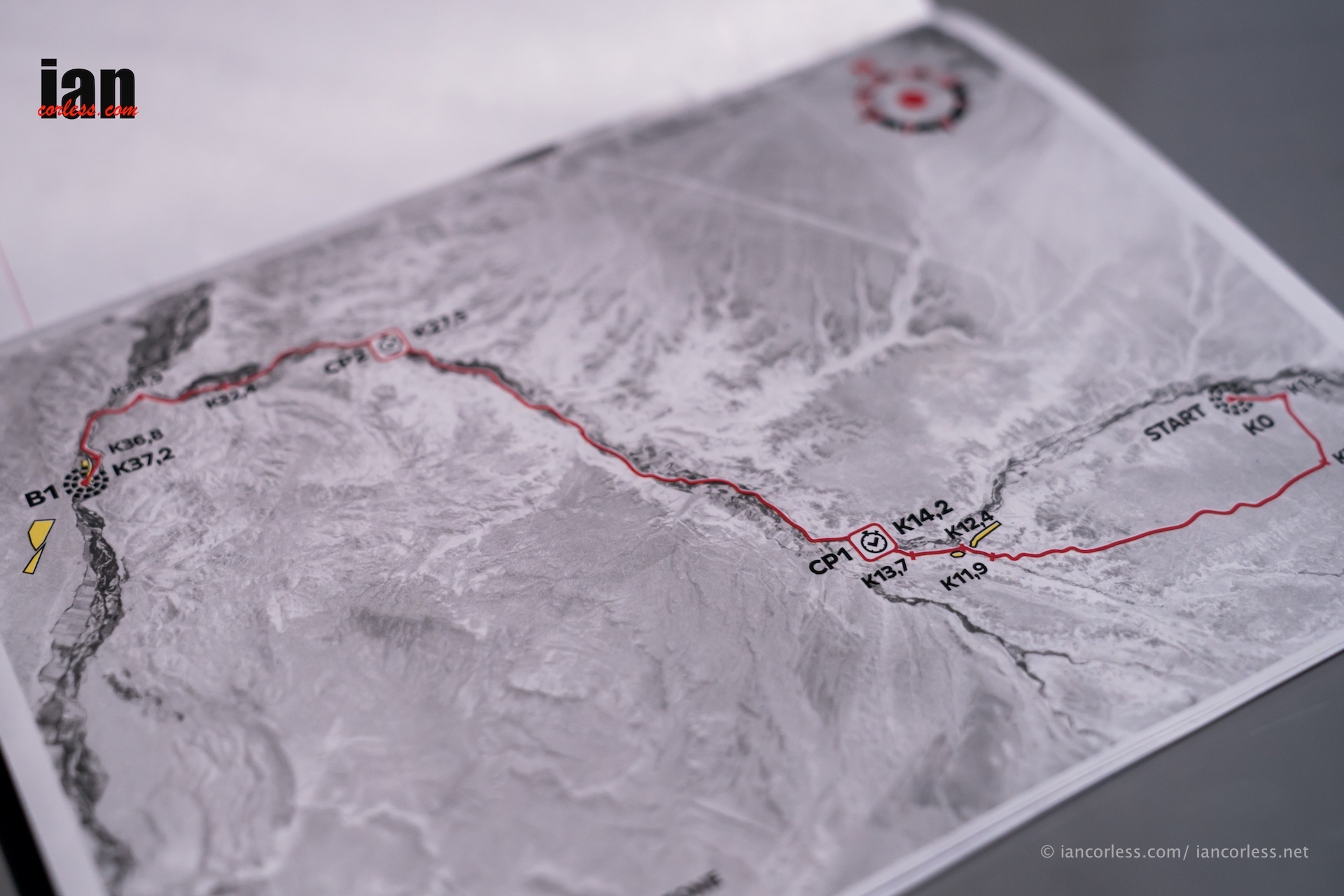
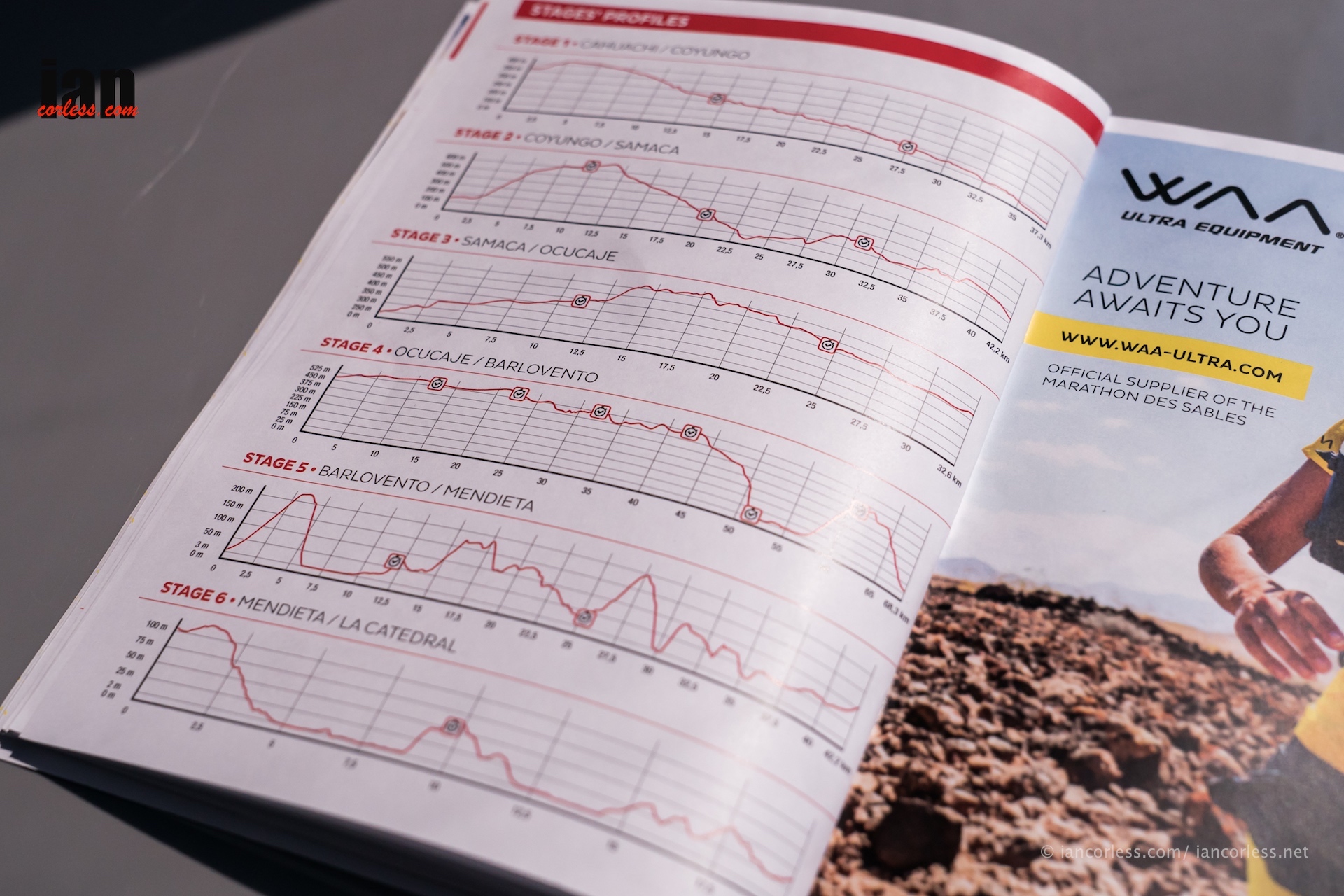
Day 1 starts in Cahuachi and concludes in Coyungo 37.2km later. The day will begin at 0730 and it is a day of pretty much all downhill starting at an altitude of just over 350m and concluding a little higher than sea level.

Day 2 starts in Coyungo and concludes in Samaca 42.2km later. The profile is more challenging than day-1 with a climb starting at 2.5km covered and concluding 10km later. A long 10km descent follows and then a rollercoaster of small inclines and descents follows all the way to the line. It will be a tough day with some steep sections, dunes and the canyon of Rio ICA.

Day 3 starts in Samaca and concludes in Ocucaje 32.7km later. It’s a mixed day of sand, Lunar type landscape, stony terrain and big round shaped dunes. The route climbs just above sea level from the start to around 550m in the first 13km. The remaining 20km stays a move 450m and constantly rolls up and down all the way to the line.

Day 4 starts in Ocucaje and concludes in Barlovento 68.3km later. It’s the long day and the one that often strikes fear in to many of the runners. The first 40km undulates up and down above 400m until the route drops to sea level at around the marathon point before once again climbing back up at 57km to around 63km and then a final drop back to the finish at sea level. It will be a tough day of sand, dunes, hilltops but the incredible Pacific will accompany the runners throughout the day.

Day 5 starts in Barlovento and concludes in Medieta 42.2km later. It is the classic marathon day and all those who finished the long-day will now be smelling the finish line. It’s a day that runs along the coast and arguably may be the most spectacular of the race as the Pacific will always be to the left sending hopefully a breeze off the sea. Beaches, rocks, cliffs, protected archaeological zones, constant up and downs as the route constantly drops to sea-level and climbs back up to around 220m.

Day 6 starts in Medieta and concludes in La Cathedral 19.6km later. Like the day before, it’s another coastal day but easier in regard to elevation gain and terrain: dirt roads, shingles, beaches and small cliffs will conclude the 2017 MDS Peru.

After the conclusion of day 6, runners and staff are transported to Paracas for 2-nights at Double Tree Hotel before flying home on December 6th.

Runners can expect to be surprised, a raw experience, a basic experience and a full immersion in nature deprived of creature comforts. Runners have three simple things to thing about – run, eat and sleep. For 30+ years, MDS has pioneered this return to basics and in 2017 MDS Peru continues and enhances the legacy of Patrick Bauer and the Marathon des Sables.