Beat The Heat ( Part One) – Marc Laithwaite

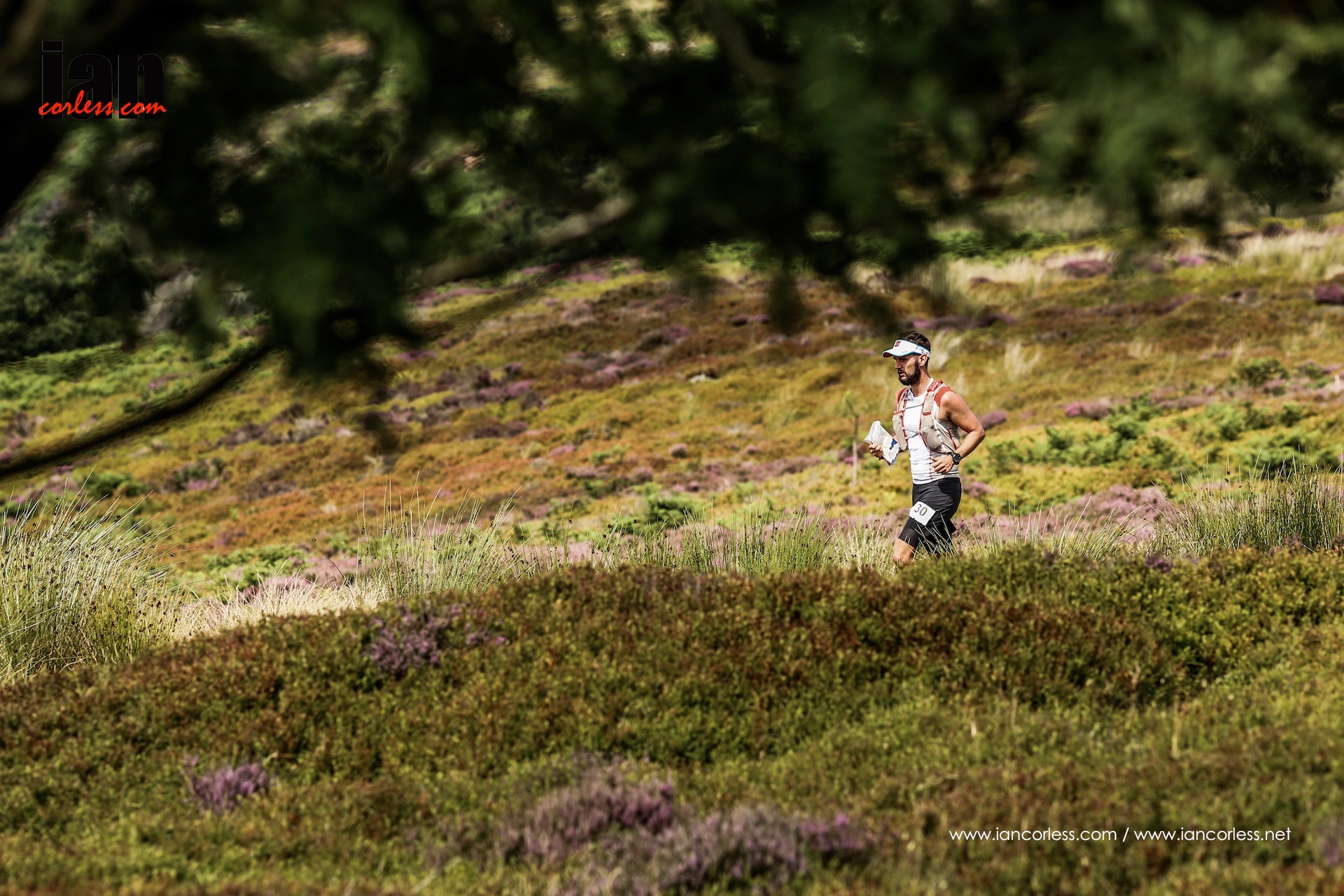
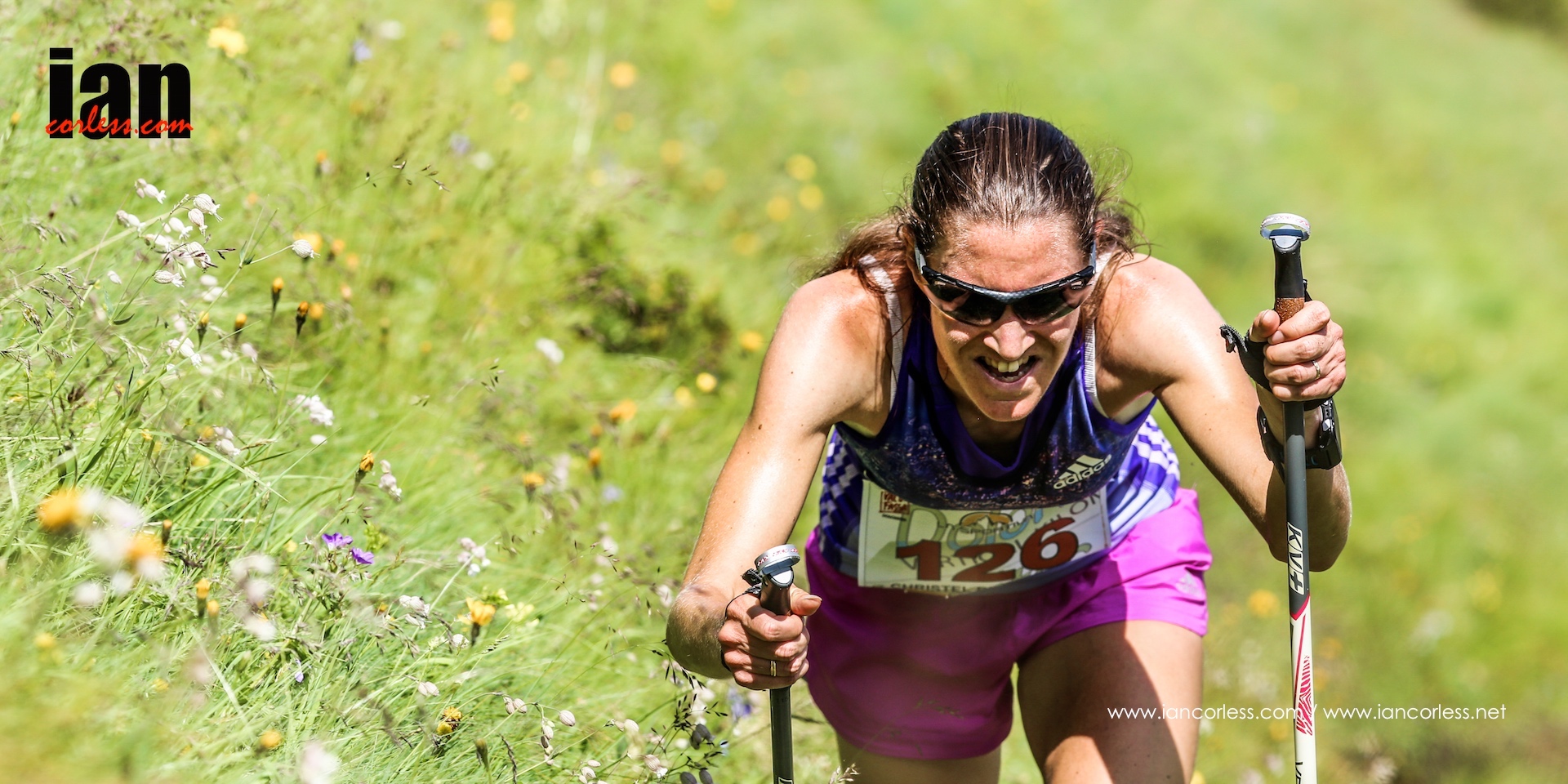
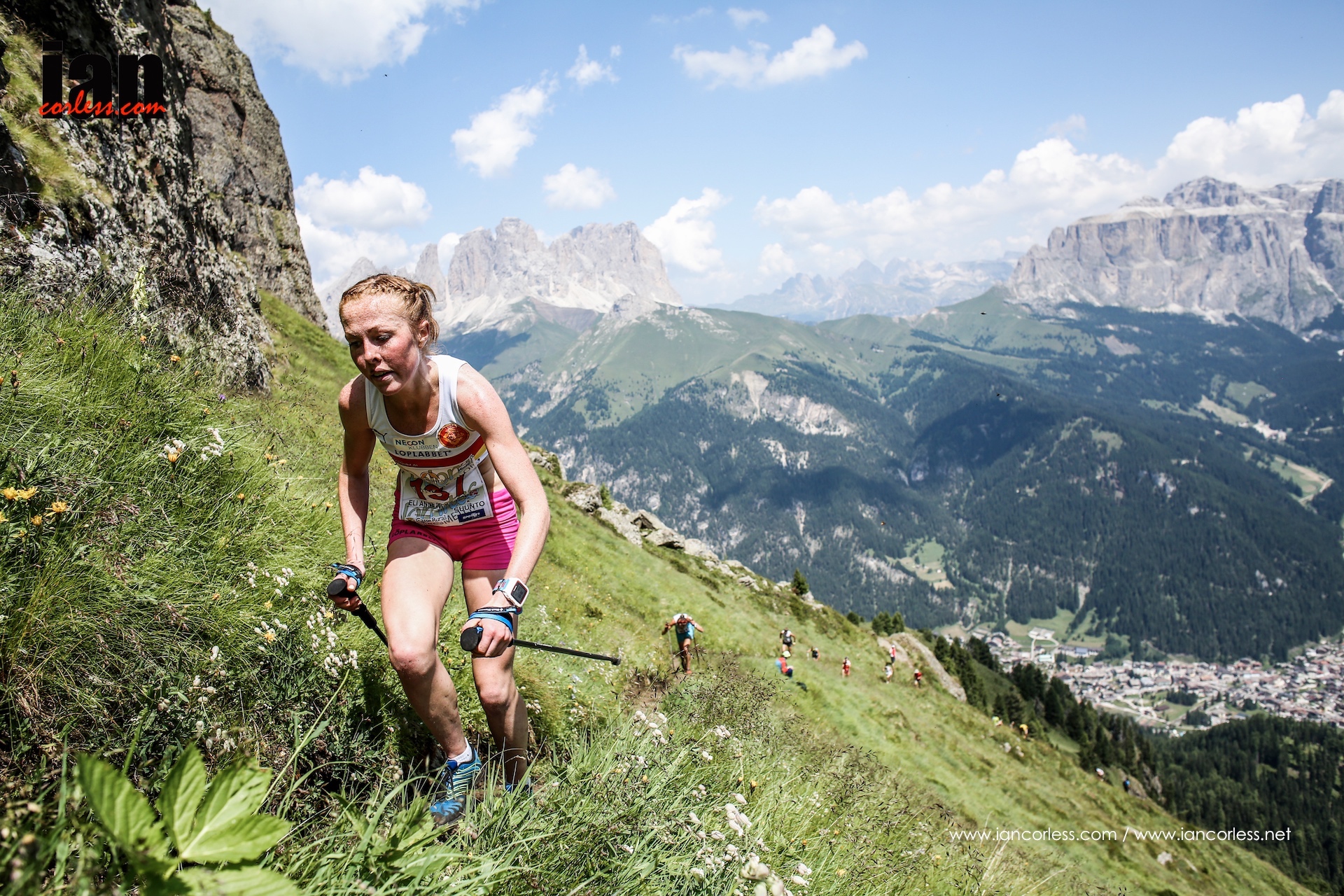
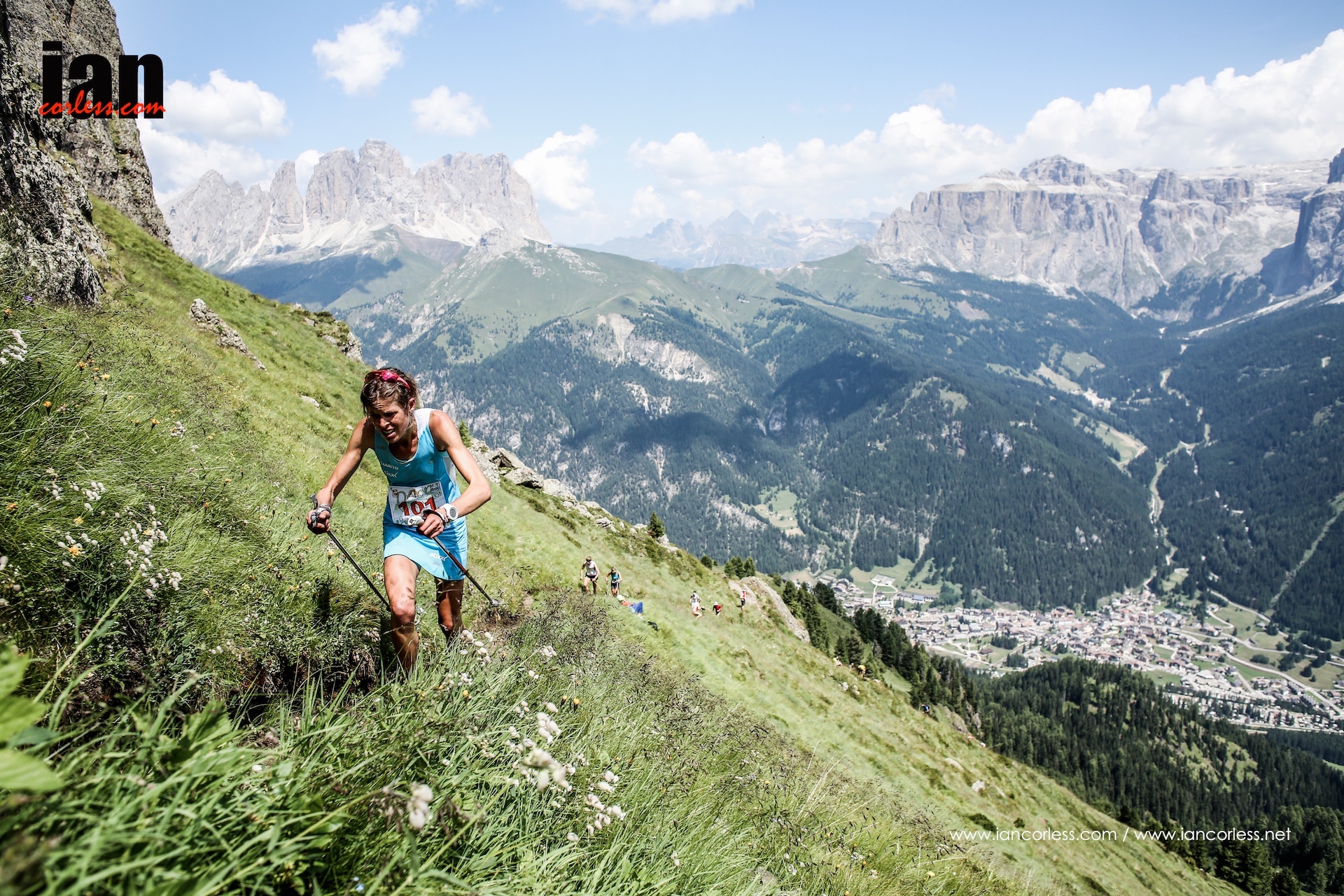
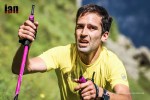
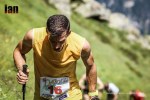
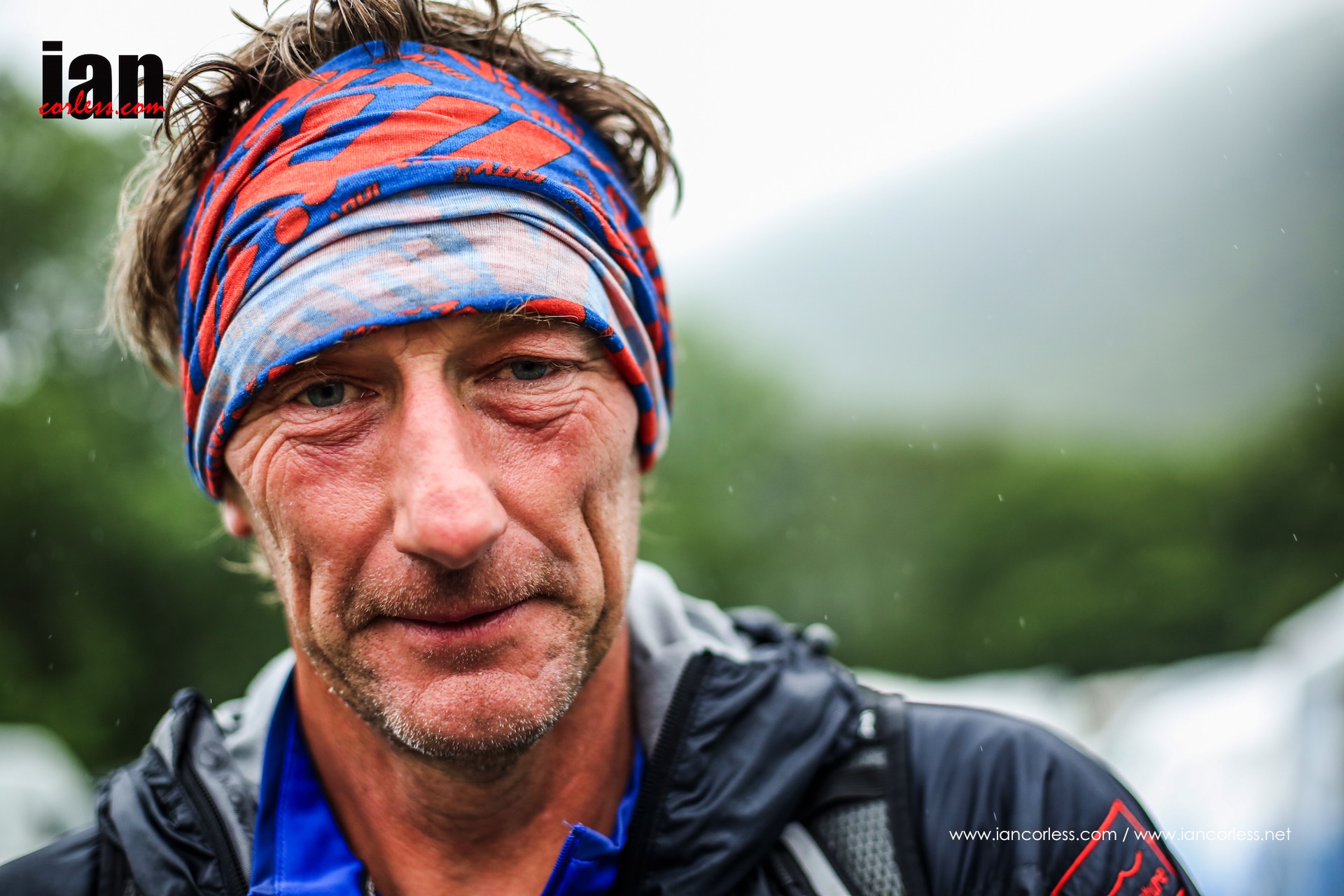
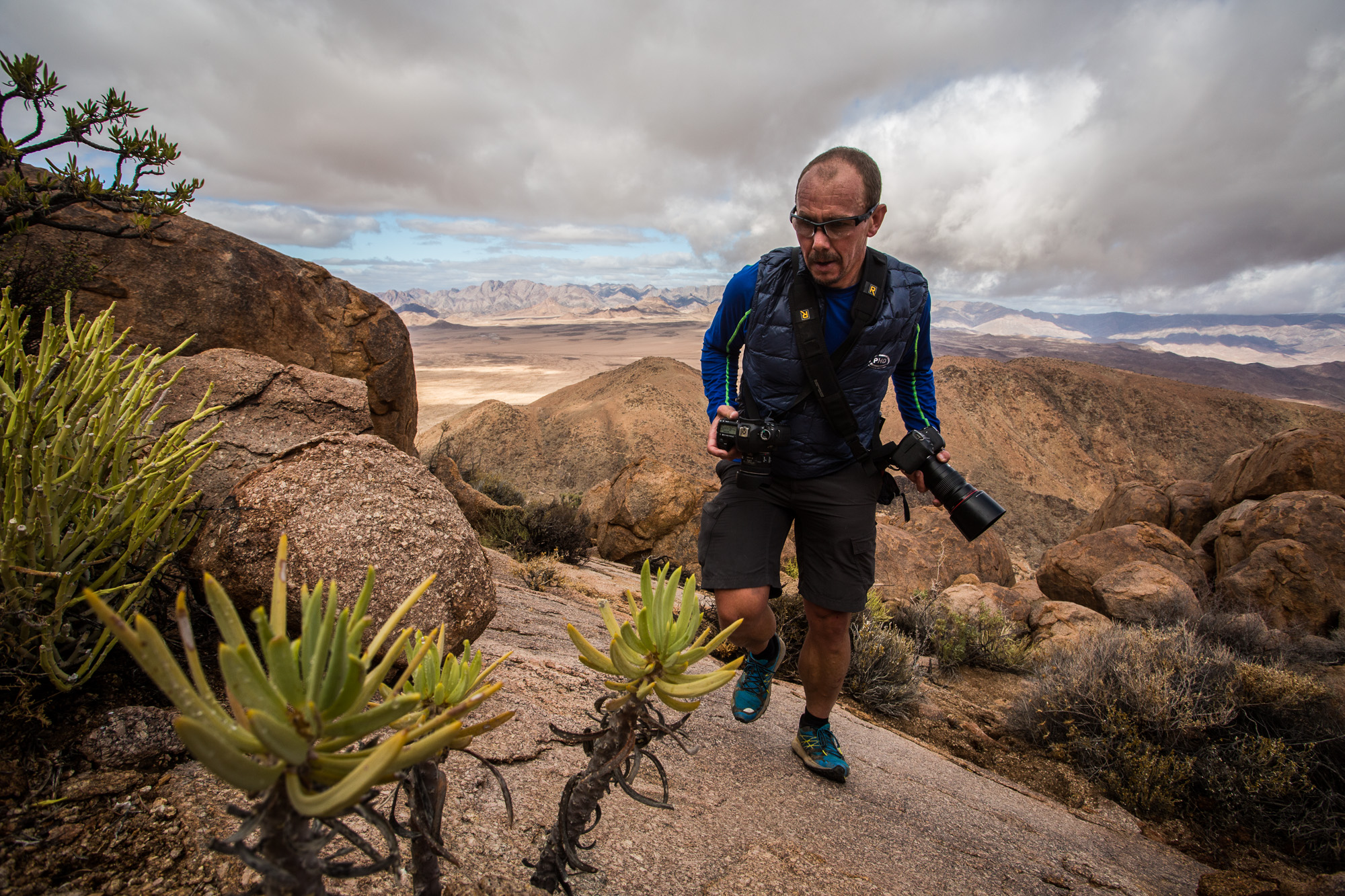
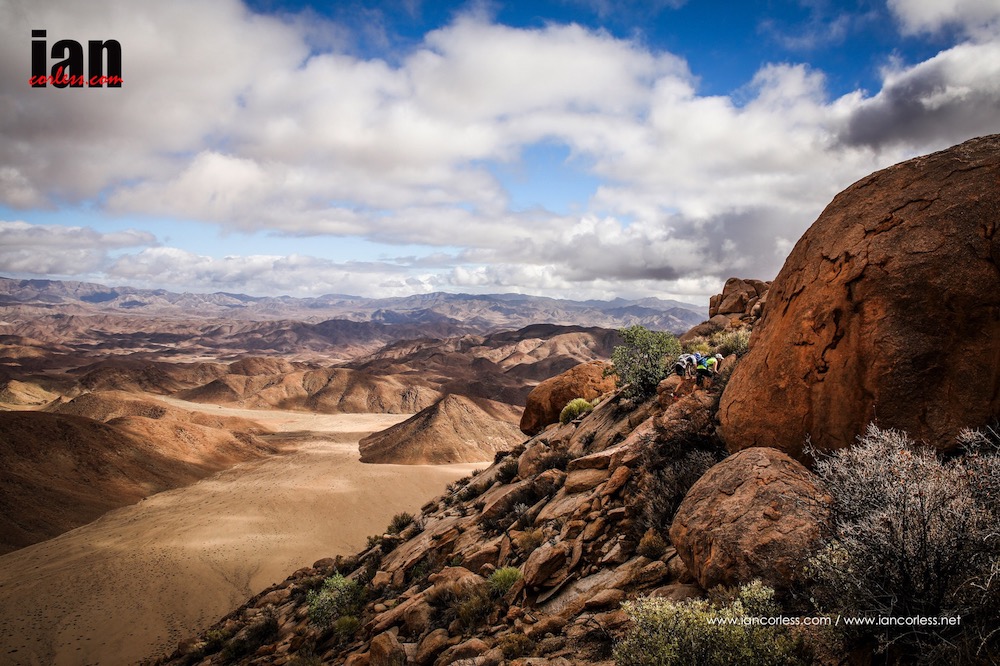
©iancorless.com_TCC2015_Day5-2508

This week we’re starting a series of articles titled ‘environmental physiology’. We’re going to open with a 2 part series relating to exercise in the heat (I say 2 parts, but who knows what could happen by next week). Following that, we’ll take a look at altitude training and potential benefits.

But before we go on, why not catch up on our seven part series of posts on RACE DAY NUTRITION HERE

Too Hot? Call The Police & Fireman…

Exercise in the heat can place a lot of strain upon your body, if you’re used to cooler climates. For this reason, many elite athletes will spend time acclimatising to the higher temperature. Acclimatisation can require up to 14 days, so what if you’re an amateur athlete travelling abroad for an endurance event, who can’t afford to travel 3 weeks before the event? Well this blog is quite timely for me, as I’m off to Lanzarote in less than 4 weeks for the Ironman triathlon and potentially, it could be very hot. There’s probably quite a few people reading this blog who are traveling abroad this year to take part in triathlon or running events in hot places. The purpose of this blog is to explain simple ways, which you can acclimate your body beforehand and explain the physiological changes, which take place to improve your performance.

Too hot? You Make A Dragon Want To Retire Man…

In a nutshell, when you exercise in hot climates, your core temperature rises and your performance suffers. If your core temperature rises too much, it could potentially be lethal, so your brain is pretty quick to try and stop that happening, by persuading you to stop!

How do we reduce core temperature?

There 2 main ways, the first is ‘convection’ and the second is ‘sweat evaporation’.

Convection

Think about a car radiator, it’s positioned right at the front of the car as that’s where the wind hits it when you’re driving. Heat is generated in the engine, this in turn heats the water which is then pumped to the radiator. The wind hits the radiator, cools the water and the cool water goes back into the engine to pick up more heat. This cycle continues, to keep removing heat from the engine, which is why it’s important to keep the fluid topped up or your car will overheat! The human body works the same way, heat is generated in the engine and your blood then picks up the heat. The blood is pumped to the coolest part of the body (the skin), where the wind hits it and cools the blood. It then returns back into the engine to pick up more heat and the cycle continues.

If the wind is blowing against your skin whilst you exercise, convection may well be enough to keep you cool and maintain a normal body temperature. It’s easier to do this when cycling, compared to running, as your speed is generally higher, so the wind chill is greater. Runners will notice that treadmill running leads to more sweating than running outside as the air temperature is generally warmer, but also you’re not moving, so there’s no air flow past the skin and therefore no wind chill or convection. The same can be said about indoor cycling or using a turbo trainer, especially if you don’t have a fan blowing.

Let’s use the treadmill running or turbo cycling scenarios as an example. If there’s no air flow past your skin to cool the blood, then in effect, you pump hot blood to the skin surface, it doesn’t get cooled, so the hot blood goes back into the engine / core. That’s a sure fire way to overheat. This is the same as leaving your car engine running on a hot day, whilst stuck in a traffic jam. If you’re not moving, there’s no wind hitting the radiator, so convection cooling can’t happen.

Sweating

Sweating is based on ‘evaporation’. Water from your body cells makes it’s way to the skin and as the hot blood arrives, the heat is passed from the blood into the water droplets (leaving the blood cool). The heated water on your skin, evaporates into the air like water from a boiling pan and takes the heat with it. If you’re running on a treadmill and there’s no convection, you need another method of getting rid of heat, so the sweating and evaporation will kick in.

It’s important to recognise that ‘evaporation’ removes the heat, so any sweat on your skin, clothing or floor, serves no purpose other than to lead to dehydration. 

Convection and sweating don’t compliment each other too well

If you’re racing in hot weather, convection isn’t enough so you’ll also sweat to keep your temperature down. As you sweat, you lose fluid from your body and this leads to a drop in blood plasma (plasma is the fluid/water component of blood). The problem is that you need a lot of blood for convection to work well. When you’re exercising, blood is pumped to the exercising muscles and what’s left is pumped to the vital organs. So what happens when you then need to pump extra blood to the skin to cool down? Do you reduce blood flow to the muscles and vital organs? It sounds like a great idea to keep you cool, but where is this extra blood coming from? As if that wasn’t bad enough, you’re now sweating and the amount of blood you have is dropping. So not only do you have to supply muscles, organs and the skin, you’ve got less and less blood available as sweating continues.

Blood is made up of plasma (fluid) and cells (red/white/platelets). When you sweat, you lose plasma, but not cells. This means that the total amount of blood is reduced and it also gets thicker (same number of cells but less fluid). 

What does this mean in terms of performance?

As you’ve probably guessed already, this isn’t good for performance. Heart rate is generally higher for any level of exercise. This is due to the fact that you’re trying to pump blood to all areas of your body and your total blood volume is dropping. Your cardiovascular system is therefore working overtime, trying to match the demand with a struggling supply. Due to fluid and salt losses, your body becomes dehydrated and cells cannot function correctly. We’ve mentioned previously that salt is required for transporting fluid throughout the body and as high amount of salt can be lost in sweating, this mechanism is impaired.

Something of great importance, which is less frequently discussed, is the change in substrate utilisation. Whilst the exact mechanism is still under question, it’s pretty clear that you use more carbohydrates and therefore empty your glycogen stores more quickly when exercising in the heat. The simple explanation is that that there’s a lack of ‘spare blood’ going to the muscles, due to the fact it’s going to the skin for cooling. Fat metabolism requires more oxygen than carbohydrate metabolism so there’s a switch from fat to carbohydrate. This may also be explained by a switch from ‘slow twitch’ to ‘fast twitch’ fibres, which use less oxygen.

All in all, this isn’t looking too good. We’ve got an ever-decreasing blood volume, which is being pulled in several different directions. We’ve got decreasing salt levels and an onset of dehydration. We’ve got a heart rate which is significantly higher than it should be for the intensity we’re exercising at and to cap it all off, we’re running out of carbohydrates at a faster rate than normal.

Don’t worry help is at hand. Next week we’ll discuss how acclimatisation helps you to deal with the issues and explain the physiological changes responsible.

Until then, stay cool.

– Marc

About Marc:

Sports Science lecturer for 10 years at St Helens HE College.

2004 established The Endurance Coach LTD sports science and coaching business. Worked with British Cycling as physiology support 2008-2008. Previous Triathlon England Regional Academy Head Coach, North West.

In 2006 established Epic Events Management LTD. Now one of the largest event companies in the NW, organising a range of triathlon, swimming and cycling events. EPIC EVENTS also encompasses Montane Trail 26 and Petzl Night Runner events.

In 2010 established Montane Lakeland 50 & 100 LTD. This has now become the UKs leading ultra distance trail running event.

In 2010 established The Endurance Store triathlon, trail running and open water swimming store. Based in Appley Bridge, Wigan, we are the North West’s community store, organising and supporting local athletes and local events.

Check out the endurance store HERE

Endurance Store Logo

COMPRESSPORT TRAIL MENORCA CAMI DE CAVALLS 2015 PREVIEW

images

Following on from Transvulcania, attention this coming weekend turns to Zegama-Aizkorri and Menorca for the COMPRESSPORT TRAIL MENORCA CAMI DE CAVALLS 2015. 

Cami de Cavalls map

The Menorca Cami De Cavalls takes place on 15, 16 and 17th May on the beautiful island of Menorca. A series of races are offered that provide all those involved to see the beauty of this majestic island.

The island is known for its collection of megalithic stone monuments: navetes, taules and talaiots, which speak of a very early prehistoric human activity. Some of the earliest culture on Menorca was influenced by other Mediterranean cultures, including the Greek Minoans of ancient Crete . For example the use of inverted plastered timber columns at Knossos is thought to have influenced the population of Menorca imitating this practice. The location of Menorca in the middle of the western Mediterranean was a staging point for different cultures since prehistoric times. This Balearic Island has a mix of colonial and local architecture. Menorca’s cuisine is dominated by the Mediterranean diet, which is known to be very healthy. Whilst many of the locals have adopted modern attitudes they still uphold certain old traditions.

(Content ©Wikipedia)

As a small island, large sporting events are seldom seen. However, in recent years, a couple of sport events have managed to gather hundreds of participants; Extreme Man Menorca triathlon and the single-staged ultra marathon race Trail Menorca Cami de Cavalls.


The TMCDC embraces the small island and utilizes the trails to full affect offering a series of races (five in total) that allow runners to participate in a race of 32km or a traverse of the whole island in 185km.


TMCDC 185km

Trail Menorca Cami de Cavalls (TMCdC) is an ultra distance of 185,3 km and a positive slope of 2,863 m where each runner will discover their limits and enjoy an idyllic landscape on this island in the Mediterranean Sea, you will find beaches, cliffs, and incredible views.


TMCN 100km

The Trail Costa Nord (TMCN) explores the North of Menorca over a distance of 100 km. A positive incline of 1796m, runners will discover precious places in Menorca, beautiful trails and incredible views.


TMCS 85km

In the Trail Menorca Costa Sud (TMCS) you will visit beaches of white sand lapped by turquoise water and enjoy ravines and forests.


TCS 55km

The Trail Costa Nord (TMCN) provides an opportunity to discover Menorca’s wilder side; high cliffs, constantly changing terrain and beaches that leave you speechless.


TCN 32km

32 km Trekking Costa Nord (TCN) runs through the beautiful scenery of the Parc Natural de s’Albufera des Grau.


The first edition of the race was held in May 2012 with 270 participants. In recent years the amount of participants has been continuously increasing with 287 in 2013 and 646 in 2014. The 2015 edition will once again se the race reach a new level with a strong participation from respected trail, ultra and mountain runners such as:


©iancorless.com_MDS2015Day3-3746

ELISABET BARNES – 1st Marathon des Sables 2015

EMMA ROCA – results here

VANESSA RUIZ – Winner Trail Menorca CDC 2014

JAVIER CASTILLO– 3rd Utratrail Collserola 2014

JOEL JALLE CASADEMONT – 2nd Yukon Arctic Ultra 2105, 1st Goldsteig Projekt 500 2014, 5th spine race 2014

EUGENI ROSELLO – winner Spine race 2013, winner VCUF 2014/2013

SERGI COTS – Winner VCUF 2014 (made same finish time with Eugeni)- Third Ultra trail Catalan Cup 2014

IGNASI RIURO – Winner (team) and world record at Oxfam Trail Walker 2015

RAMON GARCIA – 4rt Trail Menorca CDC 2014 – Winner Tabernes Ultratrail 2015

JORGE IVAN CANO BERRIO

DANIEL ALFONSO ZUBIETA

VIVIAN ANDREA ALVAREZ FORERO

AYDE RAIDA SOTO QUISPE

BARBARA KOCH RAMIREZ 

©copyright .iancorless.com._1080607

Course records are as follows:


TCDCZigor Iturrieta 21:10:04 and Laia Diez Fontanet 27:16:33

TCNXavier Garcia 10:12:01 and Marta Comas 11:35:11

TCS Joan Noguera 8:03:31 and Brigitte Eggerling 9:53:28

TCN Paco Arnau 2:34:22 and Maria Fiol 3:18:30

TCSJuan Jose Mateos 5:17:36 and Daniela Carolina Moreno 6:42:37


The racing starts on Friday at 0800 for the TMCDC and TMCN – you can see a full race program HERE


I will be working on the race capturing images and stories so please follow on this website, via Twitter @talkultra on Facebook at facebook.com/iancorlessphotography and on Instagram @iancorlessphotography


Race website HERE

Transvulcania Ultramarathon 2015 – Race Summary and Images

©iancorless.com_Transvulcania2015-7587

No matter which way you look at it, no matter how you write it, the 2015 Transvulcania Ultramarathon was the Luis Alberto Hernando and Emelie Forsberg show.

Kicking of the 2015 Skyrunner World Series, Transvulcania was always going to be a great race and showdown that started the ISF ball rolling.

The dynamic duo of Luis Alberto and Emelie were beyond impressive and as such have provided a great impetus for the 2015 series.

Emelie Forsberg fresh off skis (and a win at Mezzalama) lead the race from the front and slowly but surely extended a lead that extended to over 30-minutes by the time the finish line arrived in Los Llanos. ‘It was so hot out there,’ Emelie said, ‘I am fresh off skis and cold temperatures and to run in this intense heat was so hard but I am extremely happy. It’s a dream come true to win this race again.’

Luis Alberto by contrast played a waiting game in the early stage. A feisty Zach Miller went off the front trying to fulfill a pre race promise that he would win the race. But Luis kept in contact and at Pico De La Nieves he made his move opening a gap of just a couple of seconds. As the kilometers passed, the Spaniard produced a master class of mountain running and when he turned the after burners on, there was no stopping him. As he entered the final kilometers he knew the course record was a possibility and he pushed and pushed providing all those watching a skin tingling and inspiring finish to snatch the course record by a couple of minutes. ‘I took it easy; I let the others dictate and then just pulled away. I felt good the whole way and it’s just incredible to win here again. I had no problems.’

It was a day of shocks though. The men’s field was super stacked and many of those we expected to contend the podium either did not start or faded and/ or pulled out. Miguel Heras did not start, Ryan Sandes dropped early saying he had no energy and Timothy Olson, Mike Foote and so many more just had a tough day on La Isla Bonita; the beautiful island.

Dani Garcia Gomez took a surprise 2nd place and Australian sensation, Blake Hose took the final podium place showing a distinct promise of an exciting future. ‘I am more than happy,’ said Blake, ‘I was taking it easy and went through some rough patches but so did everyone else by the sounds of it. To get the podium here in this quality of field is incredible, now some short races!’

Dakota Jones sprinted for 4th ahead of a charging Zach Miller and although he improved on his 2014 performance, it was easy to see that Dakota was a little perplexed by his run. However, he was very philosophical post race.

Landie Grayling was potentially going to provide Emelie with some competition after her win at Buffalo Stampeed (in Australia) but like her South African teammate, Ryan Sandes, Landie said she had no energy. Everest Trail Race winner Anna Comet Pascua started down the field and moved her way through to 2nd on the podium, albeit 30-minutes behind Emelie. Myriam Marie Guillot Boisset placed 3rd just under 2-minutes ahead of American, Alicia Shay. Magdalena Laczak rounded out the top five.

Transvulcania with the help and inspiration of the ISF (International Skyrunning Federation) in just 4-years has become one of the most iconic and prestigious ultra marathons in the world. The 2015 edition has secured this reputation. It’s not just running; it’s an island coming together to create a beautiful harmony that celebrates running. With arguably one of the most impressive and logical (sea-summit-sea) courses, the race is a pleasure to behold. I for one am booking a place for the 2016 Transvulcania Ultramarathon; I suggest you do too!

Check out Skyrunning HERE

RESULTS

Ladies:

  1. Emelie Forsberg 8:32:59
  2. Anna Comet Pascua 9:02:57
  3. Myriam Marie Guillot Boisset 9:15:06
  4. Alicia Shay 9:17:49
  5. Magdalena Laczak 9:23:45


Men:

  1. Luis Alberto Hernando Alzaga 6:52:39 – NEW CR
  2. Dani Garcia Gomez 7:21:28
  3. Blake Hose 7:25:23
  4. Dakota Jones 7:28:59
  5. Zach Miller 7:29:00

All images ©iancorless.com – all rights reserved

Race Day Nutrition (Part Seven) – Marc Laithwaite

©iancorless.com_MDM2015-0251

Last week we introduced specific products used during endurance events and how they can fulfil your requirements in terms of nutrition intake.

There are 3 common sports products used during endurance racing:

  1. Drinks powders
  2. Gels
  3. Bars

This week, we’ll check out bars and gels.

What’s in them?

Unsurprisingly, gels tend to contain maltodextrin and glucose, similar to the drinks. In fact, gels are simply condensed energy drinks. They were originally designed to be carried on events where you could access only water, as a source of energy. The thickness of the gel will dictate how much energy they contain. Some gels are very thick and sticky and these contain more energy than the ones which are a thinner, more watery solution. This is based upon the simple principles we discussed a couple of weeks ago, relating to hypo, iso and hypertonic solutions.

As an example, a 41g power gel original contains approximately 27g of carbohydrate. Remember the 60g rule? That means 2 of these gels per hour would be pretty close to target intake. The remaining 14g of the gel is fluid (41g – 27g = 14g) so we can calculate the gel thickness as follows:

Total weight = 41g
Carbohydrate content = 27g
27/41 = 0.66, Therefore this gel is a 66% solution (27 is 66% of 41)

The purpose of that calculation is simply to highlight that gels are extremely ‘hypertonic’, remember that isotonic is a 7% solution. Being hypertonic is not a problem, the more hypertonic the more energy it provides, but it does mean that you need to take fluid with them.

In past blogs we stated that you should aim for no more than 10% solutions, so that means 270ml of water drank with 27g of carbohydrate will be correct, 270 / 27 = 10. It’s important to do the calculation based on the 27g of carbohydrate in the gel, not the 41g total weight of the gel. Technically if you drink 270ml the solution will actually be less that 10% as there’s already 14g of fluid in the gel as stated above. As a practical guide think about a 500ml drinks bottle generally used for cycling, it’s half of one of those with every power gel.

What about Isogels

There are ISOGELS on the market, SIS and High5 make popular versions. By adding more fluid to the gel and reducing the carbohydrate content they can reduce the thickness of the gel solution.

The first thing of note is that they contain less carbohydrate, so you’d need to take more of them every hour. They contain in the region of 22-24g of carbohydrate per gel, so that means you’d be taking almost 3 per hour to get your energy, rather than 2 power gels. That’s a lot of gels to carry if you’re racing long distances.

But ISOGELS are isotonic, so you don’t need water, right?

HIGH5 Isogel
Total weight = 66g
Carbohydrate content = 24g
24/66 = 0.36, Therefore this gel is a 36% solution (24 is 36% of 66)

SIS GO Isogel
Total weight = 66g
Carbohydrate content = 22g
22/66 = 0.33, Therefore this gel is a 33% solution (22 is 33% of 66)

So we said above and in previous blogs that isotonic solutions are 7%. The solutions for the ISOGELS above are 33% and 36%, this is not isotonic, it’s hypertonic. I may be missing something here, so I did phone High5 and ask. They couldn’t answer the question but stated that ‘they were more isotonic than other gels’. I’m not sure that is technically true, as none of them are anywhere near 7%. That’s a bit like me saying I’m tall and when questioned about by lack of height, I reply by stating ‘I’m more tall than Ste Hilton’. Whilst that may be true, it doesn’t make me tall…

Key points:

1. You DO need to drink water with ISO gels
2. If you don’t know Ste, that joke is completely lost

If there’s 24g of carbohydrate in a 66g gel, then you need to take 240ml of water for a 10% solution (240ml / 24g = 10%). However, there is already 42g of fluid in there (66g gel – 24g carbohydrate = 42g fluid). Based on this, 200ml would be sufficient, that’s still more than a third of a 500ml drinks bottle.

What about energy bars?

Bars are an alternative source of carbohydrate. They generally contains things like oats, rice, wheat etc with added sugar syrups such as glucose or fructose. In terms of ‘solutions’ a gel is solid food, so it needs mixing with a significant amount of water to digest and absorb effectively.

As an example, a powerbar energize bar (others are available!!) weighs in as follows:

Bar weight = 55g
Carbohydrate = 39g
Fat = 2g
Protein = 6g

In terms of carbohydrate content, you’d need 1.5 bars per hour to get your 60g intake. If you add up the content weight 39g + 2g + 6g = 47g. We stated that the bar weighed 55g, so there is some fluid in there also plus some other little bits to make the weight up to 55g. If you drank a full 500ml bottle of water with every bar, that would give you just less than 9% solution which is ideal (47/500 = 0.9). That means a full 750ml bottle and 1.5 powerbars per hour would be pretty much on target (remember all bars are different, these calculations are for powerbar energize).

Salt intake

We discussed sweating and hydration last week, which included salt intake. As a recap, salt and sodium are 2 different things. Salt is 40% sodium and 60% chloride. You need to know this as some products give ‘salt’ content and others give ‘sodium’ content. Remember also from last week we said that you are likely to sweat up to 1g of sodium per hour (1000mg). There’s multiple thoughts on salt replacement, regarding how much and whether you need it. I’m not going to go into depth on the matter because this is meant to be a simple and easy to read blog. If it’s warm and you sweat a fair bit, aim for 500-1000mg SODIUM per hour. If you take a bit too much, you’ll just sweat it out anyhow so don’t overly panic.

Let’s presume that you are aiming to take all of your energy by using sports gels or bars. So remember, our targets are 60g of carbohydrate per hour and 500-1000mg of sodium per hour, presuming its warm and you sweat. Here are some options:

SIS GO Isotonic Gel

Includes 22 grams of carbohydrate
Sodium = negligible

High5 Isogel

Includes 24 grams of carbohydrate
Sodium = negligible

Powergel

Includes 27g of carbohydrate
Sodium = 205mg
2-3 Powergels per hour would give you 410-615mg of sodium, we stated that 500mg was a starting target.

Powerbar Energize

Includes 39g of carbohydrate
Sodium = 192mg
1.5 Powerbar Energize per hour as suggested above, would give you 288mg of sodium, half of that provided by intake of 2-3 Powerbar gels per hour. They really don’t make this easy!!

Some key points:

  1. The amount of carbohydrate in gels and bars varies widely
  2. You need to drink water with all gels and bars for correct absorption
  3. Isotonic gels don’t exist (unless I’ve missed something)
  4. Sodium content varies widely in bars and gels and is often not included

I hope that basic overview helps you to practically apply what you’ve learned over recent weeks, feel free to call into the store and we can talk you through it before your big day.

– Marc

About Marc:

Sports Science lecturer for 10 years at St Helens HE College.

2004 established The Endurance Coach LTD sports science and coaching business. Worked with British Cycling as physiology support 2008-2008. Previous Triathlon England Regional Academy Head Coach, North West.

In 2006 established Epic Events Management LTD. Now one of the largest event companies in the NW, organising a range of triathlon, swimming and cycling events. EPIC EVENTS also encompasses Montane Trail 26 and Petzl Night Runner events.

In 2010 established Montane Lakeland 50 & 100 LTD. This has now become the UKs leading ultra distance trail running event.

In 2010 established The Endurance Store triathlon, trail running and open water swimming store. Based in Appley Bridge, Wigan, we are the North West’s community store, organising and supporting local athletes and local events.

Check out the endurance store HERE

Endurance Store Logo

Great Lakeland 3 Day #GL3D – Day Three

©iancorless.com_GL3D2015-6725

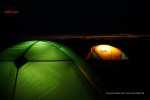
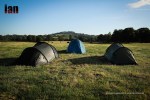
The tents shook, lifted off the ground and were drenched with repeated gusty storms during our ‘interesting’ night in Little Langdale. I was surprised to see everyone still smiling on the final morning. But hey, that’s the GL3D. It’s such a friendly even and as one runner said, ‘You wouldn’t want good weather all the time, it would just be boring!’

The morning remained ‘claggy’ and the wind on the tops was relentless. I have to say, waiting around in the early hours for runners to arrive was a real test of nerves and my hands ability to function with a windchill of a reported -10. But I was greeted with continuous smiles, plenty of thumbs up and a repeated, ‘You must be mad being up here in this weather and this time off the day?’

However, the sun did arrive and as the runners descend off the tops and made their journey back to Ravenglass through the valleys of Wynrose Pass, all of them were rewarded with some beautiful typical Lakeland scenery and stunning weather.

What rain?

What wind?

It wasn’t too bad….

Cold, no it didn’t really get that cold.

Funny how we forget and block things out!

Now then, where is the cider?

All images ©iancorless.com – all rights reserved

Images are available to purchase at iancorless.photoshelter.com

Great Lakeland 3 Day #GL3D – Day One

©iancorless.com_GL3D2015-5794

What a day… the 2015 GL3D started in glorious sunshine but in true Lakeland condition, conditions deteriorated pretty quickly.

Strong winds, rain and snow made every race tough for the respective categories: Elite, A, B, C and walkers. At times the temperatures were a reported -10 on the tops in the wind

Here is a selection of images to summarise the day. A full set of stage and overall results will be uploaded in due course.


All images ©iancorless.com – all rights reserved Images are available to purchase at iancorless.photoshelter.com

Great Lakeland 3Day™ 2015

©iancorless.com.IMG_6195GL3D_Day3

The next Great Lakeland 3Day™ will take place on the 2nd, 3rd and 4th May 2015 in the Lake District and the Event Centre will be in Ravenglass. This is a very beautiful and remote corner of the Lake District National Park providing access to the western fells of Cumbria.

©iancorless.com.IMG_5585GL3D_Day1

The GL3D™ is an adventurous three-day mountain marathon with a unique, relaxed and friendly atmosphere that attracts both runners and long-distance walkers. Over the years the event has built up a dedicated following of competitors who enjoy the challenge of three long, consecutive days in the hills.

Competitors simply enter the event, and then choose whichever course they prefer on the day: they can choose from either an Elite, A, B or C course. All competitors still share the same overnight camp. The C Course is specifically aimed at walkers and slower runners. The event is all about having fun and if you are new to navigation races, GL3D can provide a great introduction.

The emphasis is on long mountain journeys and not complicated navigation. Expect spectacular scenery and enjoying an amazing mountain experience over three days.

©iancorless.com.IMG_5461GL3D_Day1

Competitors start and finish in the same location and are triangular – just three days apart! Overnight equipment for each runner is transported  between each camp therefore allowing participants to travel faster and lighter.

©iancorless.com.IMG_4785GL3D_Day1Competitors should be prepared for 6 to 12 hours on the hill each day, be competent mountain runners or walkers with the ability to navigate and be totally self reliant. The first day is generally a little longer and the last day a little shorter. The friendly nature of the GL3D™ means that many solo competitors join into informal groups to share each day on the hill. Although some competitors race, there are no prizes, just the respect of your peers for finishing!

©iancorless.com.IMG_5947GL3D_Day1The relaxed atmosphere of the event is best summed up in the flexible starting arrangements; each morning participants simply pack up their kit (which is then transported) and set off between 0700 and 0900. The faster competitors start last, whilst the slower competitors start earlier. Tea, cakes, hot water and beer are provided for free at the end of each day. Hot water is available both mornings and evenings.

Check out the race website HERE
The race is organised by the team at OUREA events HERE
Fancy an extreme challenge? Take a look at the Salomon Glen Coe Skyline race HERE
OureaEventsLogo(500x500-cropped) copy

Zoe Salt – Ladies winner race report Iznik Ultra

©iancorless.com_Iznik2015-3900

Zoe Salt may not be a name that you know… however, a little look back to 2013 and you will see that Zoe placed 3rd (behind Meghan Hicks and Jo Meek) at the Marathon des Sables. It’s a podium place that didn’t get the recognition it deserved. Fast forward to 2015 and Zoe has now won the 130km Iznik Ultra and in the process placed 4th overall. In the coming weeks, Zoe is preparing for Transvulcania La Palma, she knows full well that the racing in La Palma will be very different to the racing in Turkey. Here Zoe writes about her Turkish experience.

©iancorless.com_Iznik2015-2994

I arrived in Istanbul. It’s not quite the West, it’s not quite the East, and it is different, special and unique. Minarets dominate the skyline as the sun begins to set.

I am a kid in a sweet shop – literally! Turkish delight and Baklava abound.

Friday – I awake to the exotic sound of the call to prayer. The sun has come out and it is gorgeous! From the breakfast room at the top of our hotel we realise how enormous Istanbul is (14.4million people). It stretches out in every direction towards and beyond the horizon. From the ferry crossing we can still see its sprawl an hour after leaving the port of Yenikapi. But enough sightseeing – I really should try to sleep!

©iancorless.com_Iznik2015-3056

Arriving in Yalova everything is much calmer. Driving to Iznik reveals some of the terrain we are likely to be encountering in a few hours…. Namely hills. Panic. They look a lot bigger than Muswell Hill… Must try and sleep…

The race village is already buzzing when we arrive. Where is my list?

©iancorless.com_Iznik2015-3174

  1. Register – check!
  2. Kit – check!
  3. Nerves – check!
  4. Food – check!
  5. Water – check!
  6. Pin number to t-shirt – check!
  7. Change t-shirt – check!
  8. Pin number to new t-shirt – check!
  9. Eat – check!
  10. Take photo of incredible sunset over the lake – check!

©iancorless.com_Iznik2015-9567

Then to bed to try and sleep…. count sheep…. count breathing…. so that’ll be no sleeping then….

We leave for the midnight start, which is completely new to me – way past my bedtime. It is cold. I already have on a fleece top, gloves and balaclava … should I put my jacket on? That will require a re-pin of the number. But surely even cold-blooded me will be running in a t-shirt when the sun comes out? No. Leave it alone. Number is on t-shirt. 11:50pm I think I’ll put my number on my fluorescent vest. Re pin!

©iancorless.com_Iznik2015-3373

11:55pm on the start line. Vaguely distracted as a little Labrador puppy comes to see me off! And soon we are on our way into the darkness of Iznik. Within a few metres I am on my own, so I speed up to follow someone as my worst fear is getting lost in the dark. It turns out that this is another of my unnecessary stresses as there are markers every 50’ish’ meters – foolproof even for me! We run through miles and miles of olive groves and trees full of blossom. It is so quiet. Then bam! I am confronted with what in the dark seems to be a near vertical climb. Have I packed climbing shoes or rope? My calves are burning. And this is only a smallish hill, according to the course profile! Just as I’m worrying about the big hills to come, a certain Mr Corless runs past me backwards taking pictures!

©iancorless.com_Iznik2015-3580

Dawn arrives and with it the wonderful call to prayer. As the sun rises over the hills, bathing the landscape in beautiful colours, I reach the halfway point and am told by the race director that the most picturesque part of the race is still to come.

©iancorless.com_Iznik2015-3799

I have caught up with Mariya Niklova and Alper Dalkilic. I like having them in sight, especially as we are hounded by packs of dogs, some baring teeth. I run behind them for miles, them pulling away, me catching up, until eventually, around 72km they slow enough and I pass them. I’m on my own and the uphill begins again. Up, up, up… when do we go down again? I see a runner in front and I am spurred on. Up, up, up – how high is this going? I pass the runner. I have no idea how far it is to the next checkpoint as my watch has died. I’m wondering if this is a metaphor. Finally I start descending. It seems like an eternity to the next aid station. The dirt track gives way to a paved road, a few right turns into a village and there is the checkpoint! I ask a man how many girls are ahead of me and he replies ‘Three.’ My heart drops. ‘Three girls?’ I repeat.

©iancorless.com_Iznik2015-3889

He laughs.

I obviously give him a confused look and he says ‘Three people.’ I’m obviously still giving my best confused face as he repeats in very slow English, as if it is me whose first language is not English, ‘THREE. MEN. IN. FRONT. YOU. ARE. 4th’ Well, this I don’t believe so I laugh along with them, eat a bit of orange while they kindly fill my water bottle and am off again.

©iancorless.com_Iznik2015-3944

Up, up, up again. I see no other runners but the scenery is as promised. The hills offer views of distant snow-capped mountains. In the foreground a lake, its surrounding fields and minarets marking each village and town. How I manage to resist the urge to stop to take pictures I will never know. Wild tortoises, goats and their shepherds, dogs and toads surround me. I feel like David Attenborough!

©iancorless.com_Iznik2015-4152

I keep looking behind me. Where is everyone else? I feel like I’m travelling in reverse. Surely others should be overtaking me? I keep going. Plodding. Finally I reach the last checkpoint. I stick my head under the village fountain because I am so hot! The villagers come out and cheer. It is an incredible atmosphere – I will appreciate it more later!

©iancorless.com_Iznik2015-4190

It’s downhill, at least for a bit then the uphill starts again! Where is Iznik? I could see it before but now I’m back in the trees and the lake has vanished. I come to a puddle I can see no way around. It’s quite big but I know it’s not the lake! I put one foot in and half my leg disappears. At least it’s cold! Back on track and it’s now downhill. Iznik finally comes into sight; I keep looking behind me as I feel like I’m barely moving. Still nobody else in sight! A bicycle that escorts me to the finish meets me. I work out it’s about a mile left to go. I concentrate and dream of my legs carrying me a little more. Eventually I cross the finish line…. 4th overall and the ladies winner.

Presented with a lovely ceramic medal, I try to say, ‘this is nice, I am from the *Potteries’ (the *Potteries – known as Stoke on Trent in the UK) but now it is they who look on, confusingly at me…!

Iznik Ultra – Check!

View the Iznik Ultra race images HERE
Iznik Ultra report on RUNULTRA HERE
Iznik Ultra Race Report on RUN ULTRA

Iznik Ultra 2015


The Iznik Ultra series of races once again took place this last weekend, April 18th and 19th. It’s always an exciting way to combine running and time seeing some of the incredible sights of Istanbul.

Turkey is not known for ultra running. Despite its geographical location, its history and the multi-cultural influences placed upon it. Ultra is a sport for the few. Runners such as Mahmut Yavuz, Elena Polyakova and Aykut Celikbas have pioneered the way and they are loyal to Caner and the Iznik races. Last year I invited Jo Meek, Robbie Britton, Marcus Scotney and Tracy Dean to the races. They dominated the 10k, marathon, 80km and 130km distances. 2015 would prove to be a similar story with Donnie Campbell and Zoe Salt winning the 130km events in style.

Please go to RUN ULTRA HERE and read the full article.
You can view the full image gallery HERE

If you require images for personal or commercial use please go HERE

run-ultra-logo

Iznik Ultra Weekend 2015

©iancorless.com_Iznik2015-3831

The 2015 Iznik Ultramarathon weekend has ended and what a weekend of racing!

The sun gods came out and allowed Iznik and the surrounding area to shine for the 130km, 80km and 46km events.

For the first time, the 2015 events all took place in a counter clockwise direction therefore allowing each event to conclude in the town of Iznik. So, previous course records and times are not comparable to 2015 results. Arguably, with maybe the exception of the 46km event, this made the racing harder.

Scotland’s Donnie Campbell and the UK’s Zoe Salt dominated the 130km event with two stunning performances. Donnie led from the front and extended his lead step-by-step as the race unfolded. Local talent Mahmut Yavuz tried his hardest to close the gap but Donnie was just too strong. Ever present Aykut Celikbas placed third after placing second in the 2014 80km event.

Zoe bided her time in the female event and eventually took the lead around he 65km mark as Mariya Niklova started to grind to a halt. Looking composed and relaxed, Zoe pulled away and not only won the ladies race but also placed fourth overall. Mariya struggled in the latter third of the race and lost huge chunks of time to Zoe, she did however manage to hold on to second place ahead of a closing Ingrid Qualizza.

In the 80km event, Asics runner Emmanuel Gault produce the race we all expected and dominated over the undulating trails and route as he traversed his way back to Iznik. Girondel Benoit placed second and Tanzer Dursan flew the Turkish flag for third place.

Placing 6th overall and first lady, Alessia De Matteis from Italy dominated the ladies race ahead of Elena Polyakova and Coraline Chapatte from Switzerland.

Jose De Pablo (Depa) looked impressive throughout the 46km event and showed his true marathon form and speed to win ahead of Raidlight CEO, Benoit Laval. Duygun Yurteri placed third.

Caterina Scaramelli from Italy ran a close contested race against Filiz Cancilar and Martine Nolan (Ireland) but held on for victory.

RACE IMAGES available to purchase HERE

Full results:


130km

  1. Donnie Campbell 13:23:50
  2. Mahmut Yavuz 14:31:20
  3. Aykut Celikbas 14:48:29
  1. Zoe Salt 15:14:37
  2. Mariyla Niklova 19:29:45
  3. Ingrid Qualizza 19:43:49


80km

  1. Emmanuel Gault 6:45:25
  2. Girondel Benoit 7:26:10
  3. Tanzer Dursun 8:40:36
  1. Alessia De Matteis 9:03:53
  2. ElenaPolyakova 10:48:57
  3. Coraline Chapatte 11:34:37


46km *update to results 21st April – unfortunately Jose De Pablo received a time penalty as he did not carry mandatory kit, new results are in bold.

  1. Jose De Pablo 4:03:29 *Benoit Laval 4:19:03
  2. Benoit Laval 4:19:03 *Duygun Yurteri 4:28:15
  3. Duygun Yurteri 4:28:15 *Jose De Pablo 4:28:29
  1. Catarina Scamelli 5:03:44
  2. Ziliz Cancilar 5:04:55
  3. Martine Nolan 5:09:44

All images are ©iancorless.com – all rights reserved

RACE IMAGES available to purchase HERE