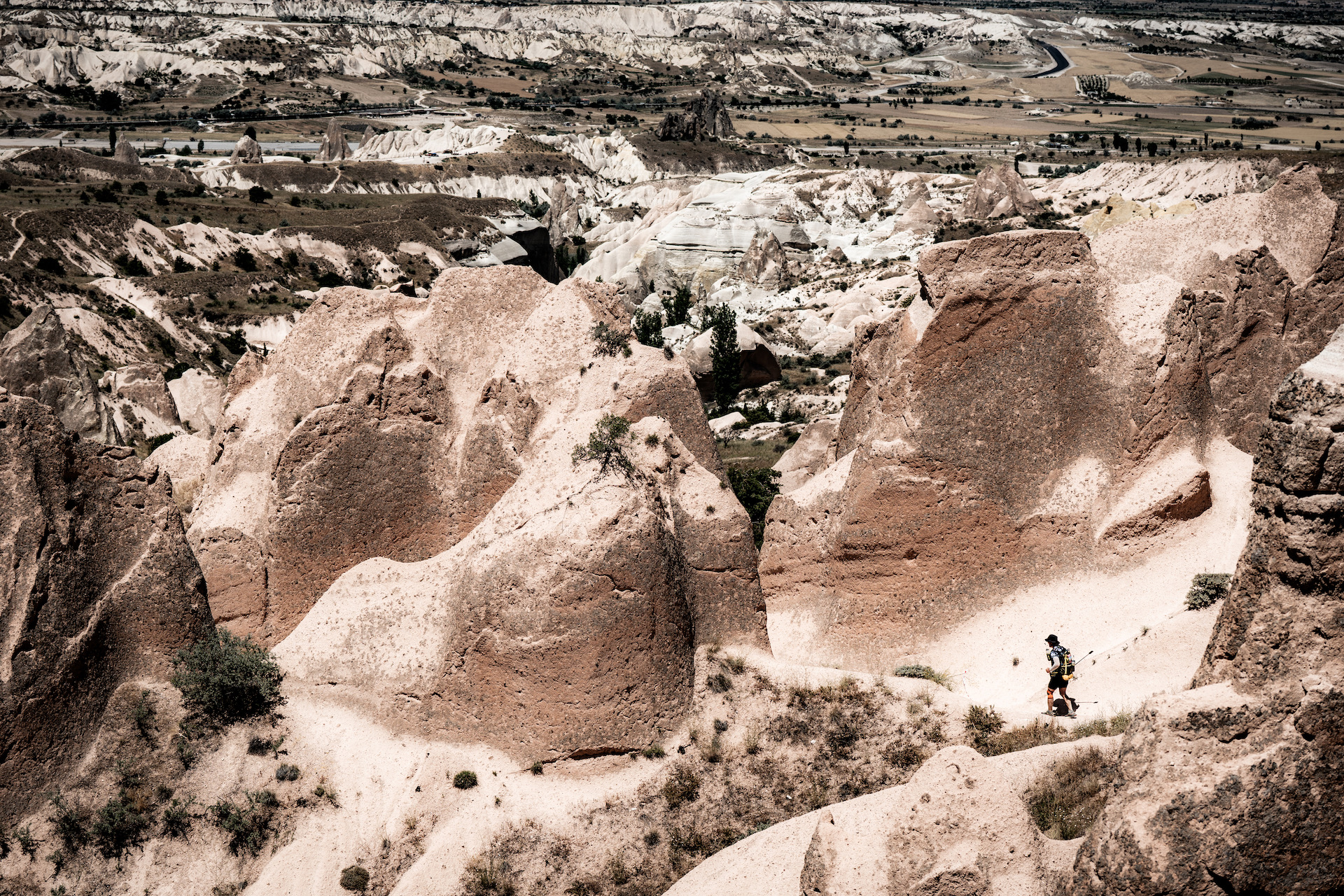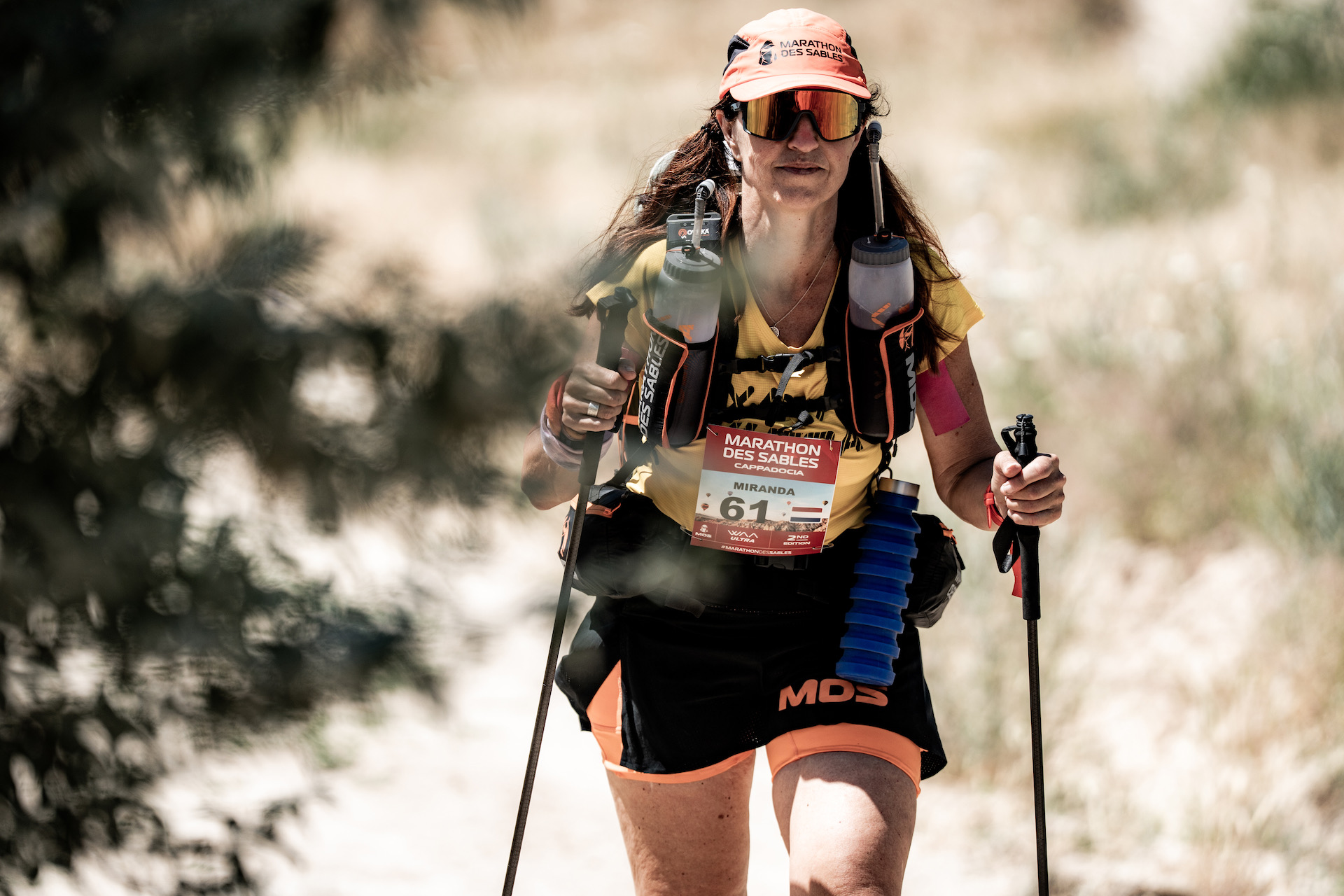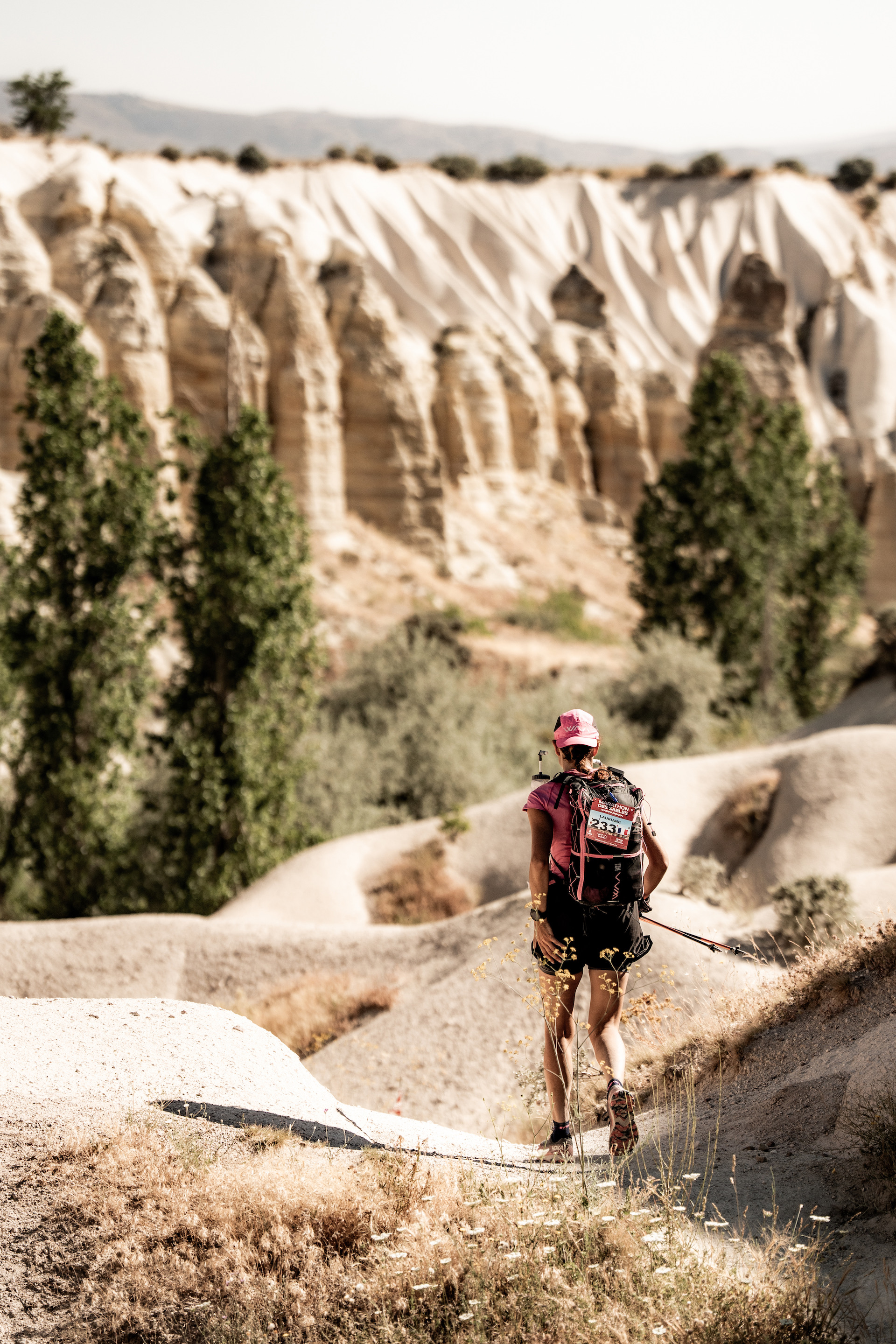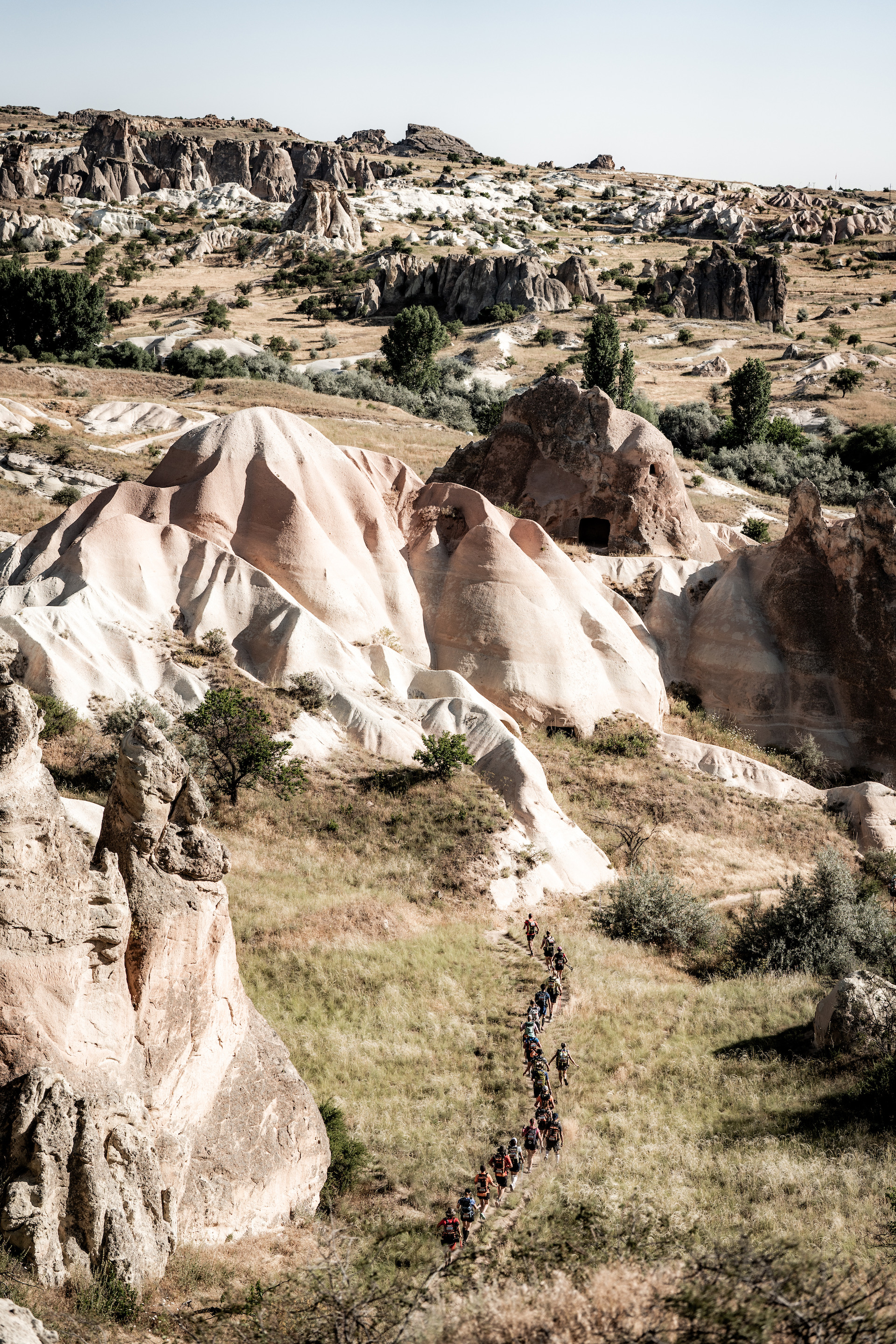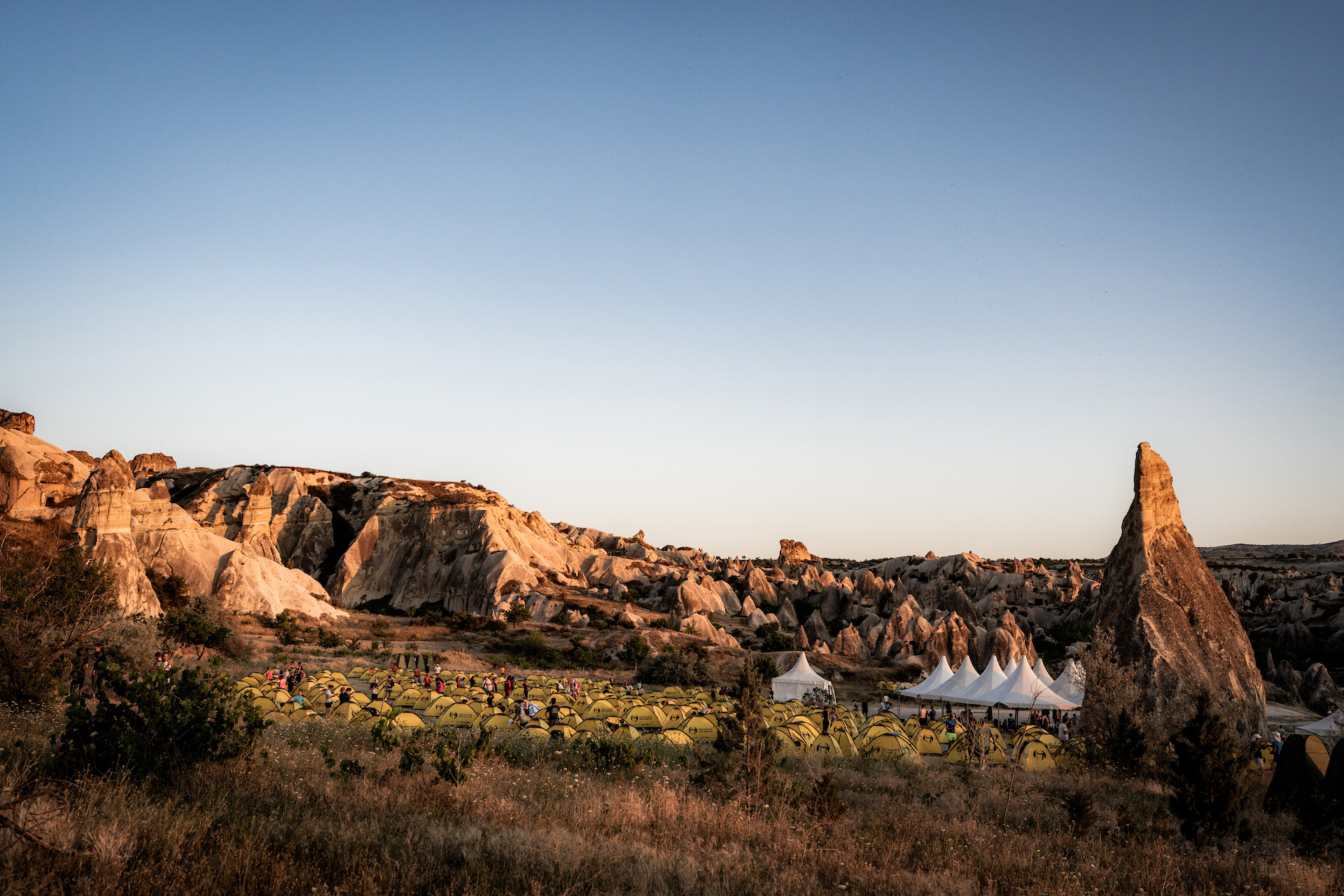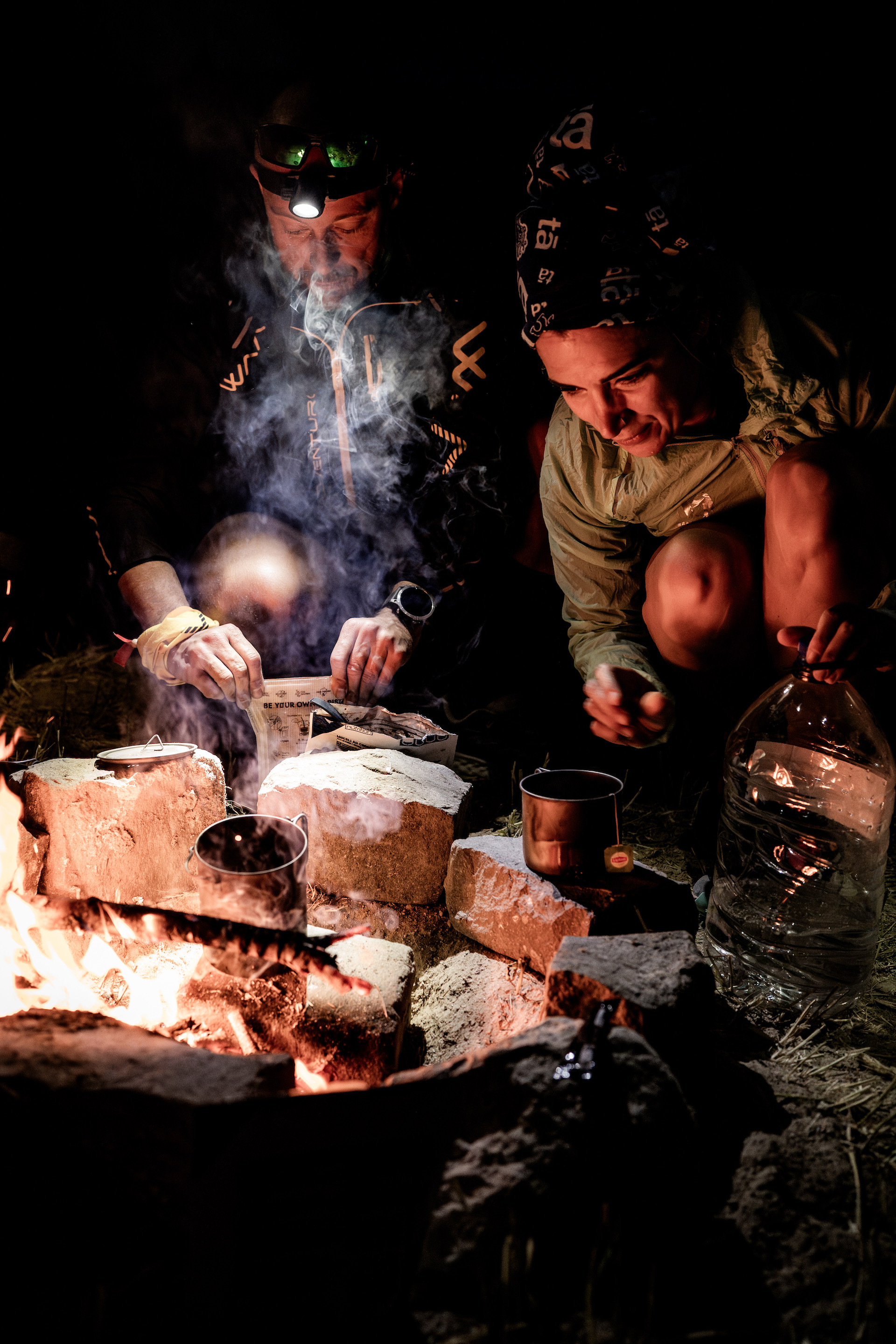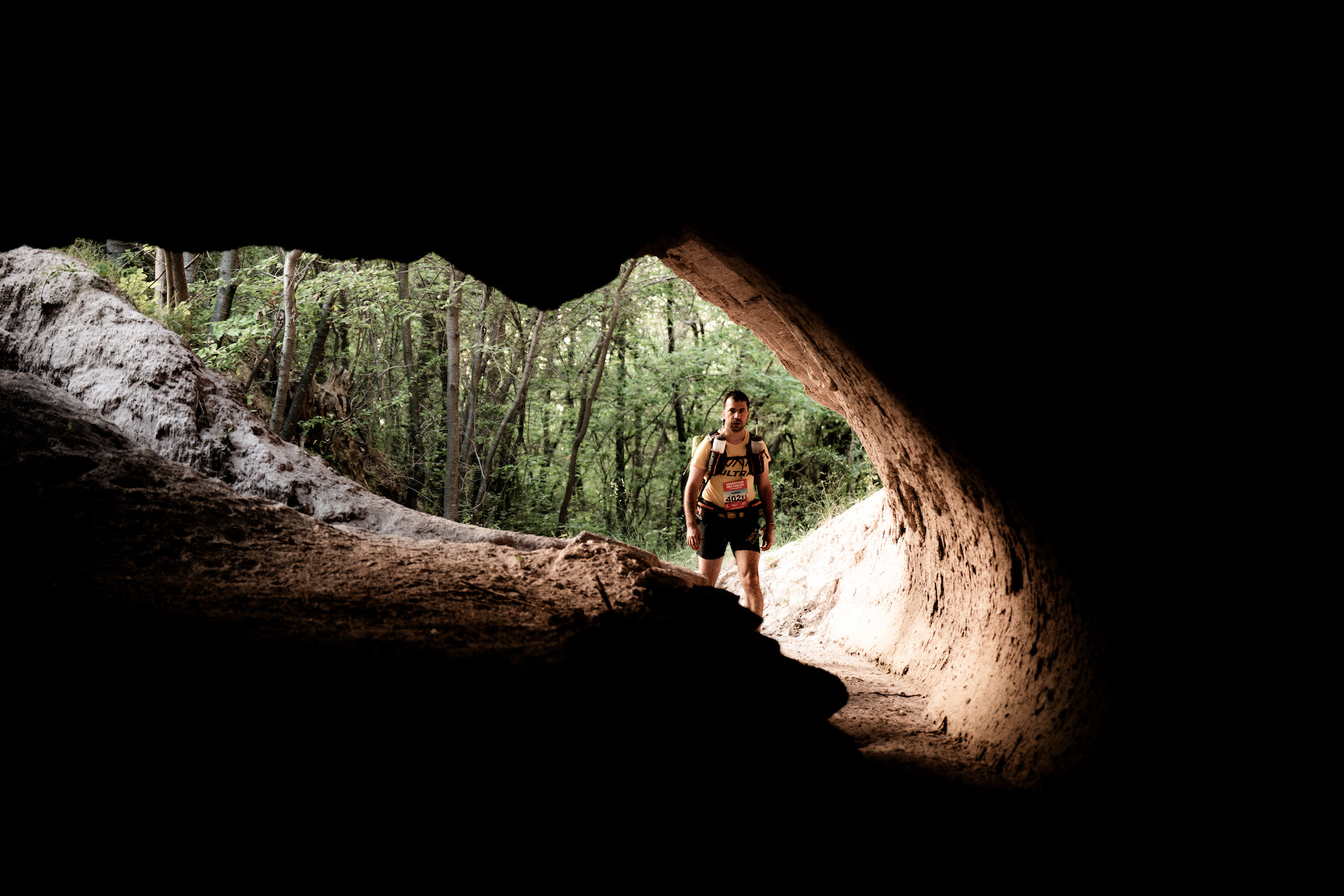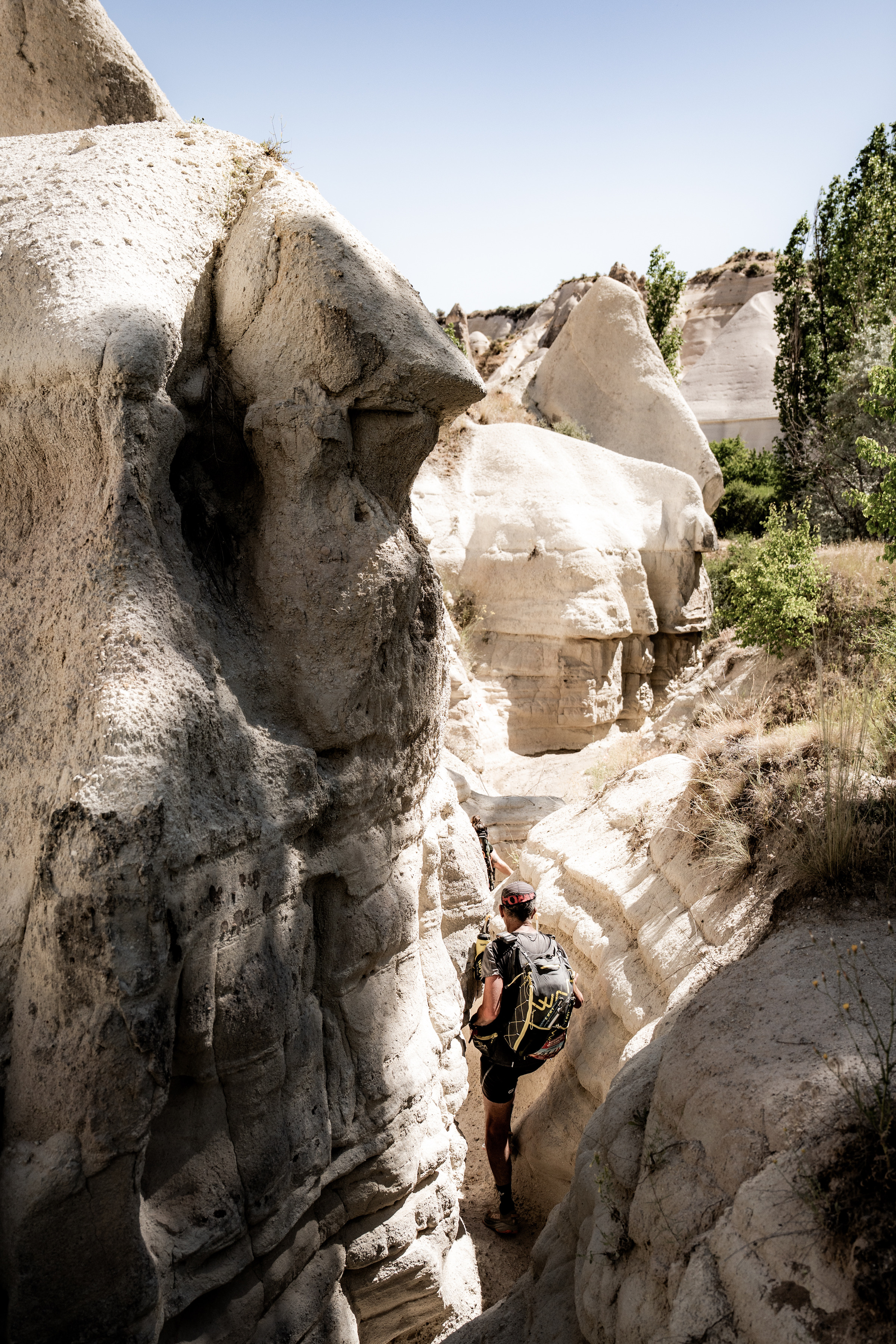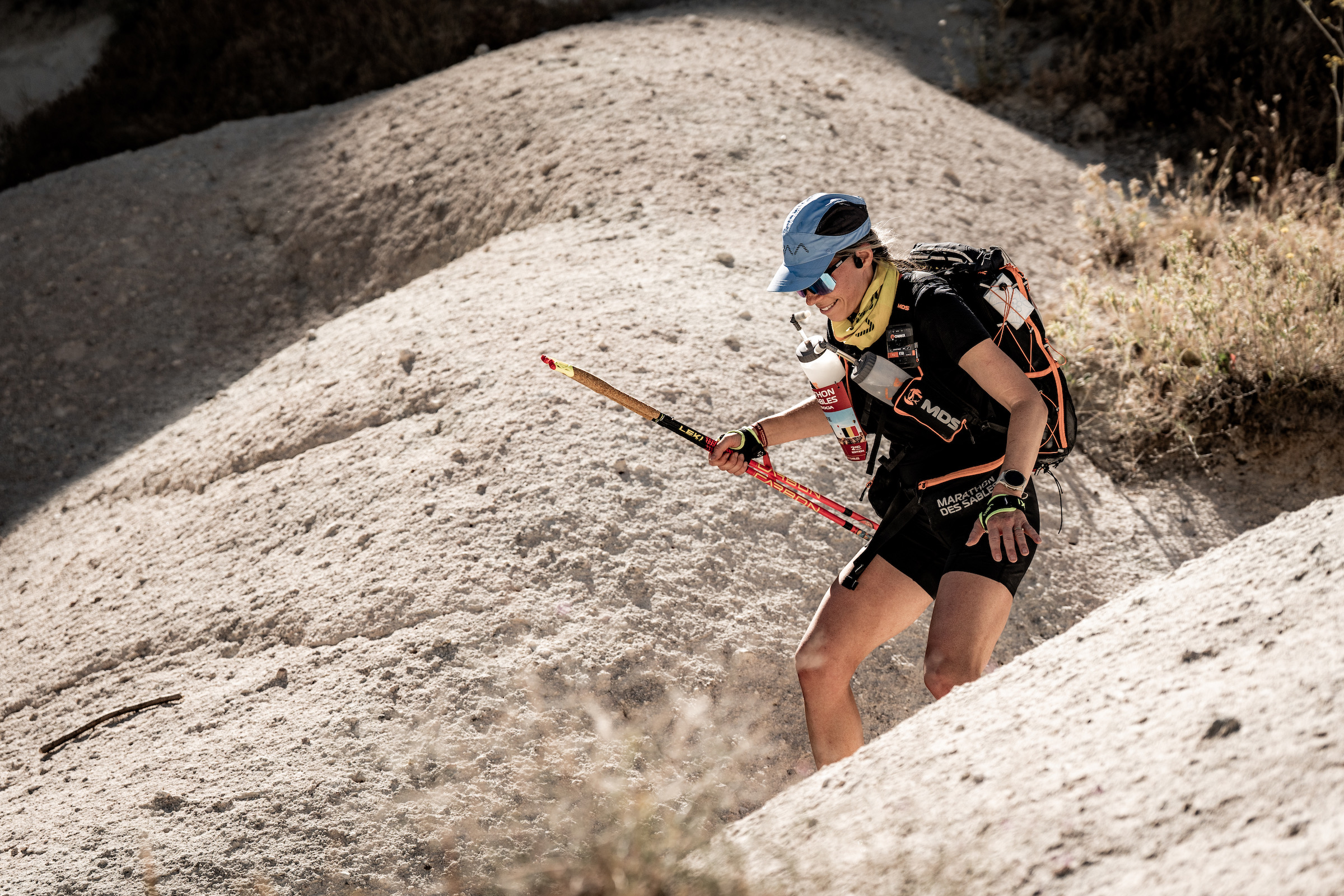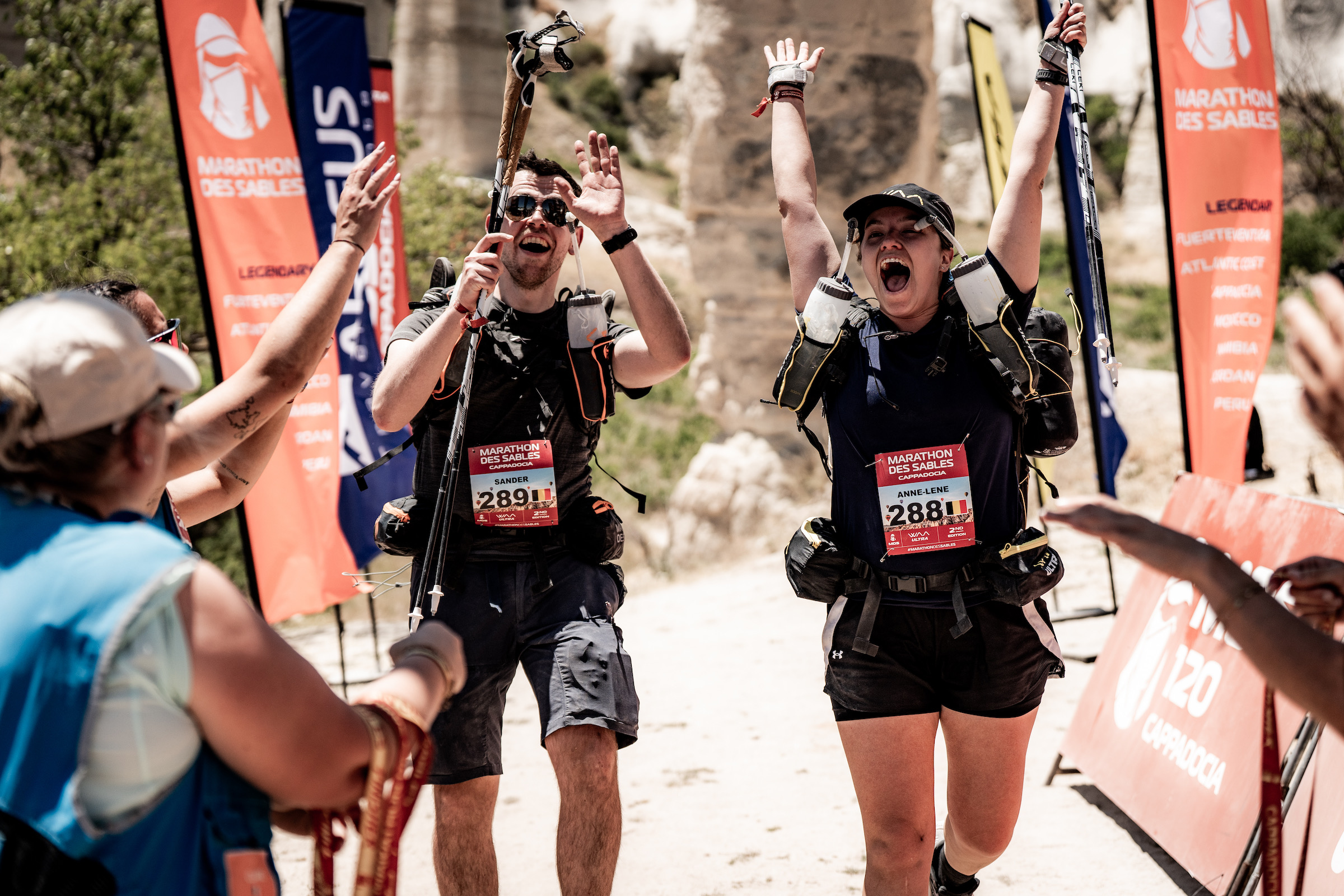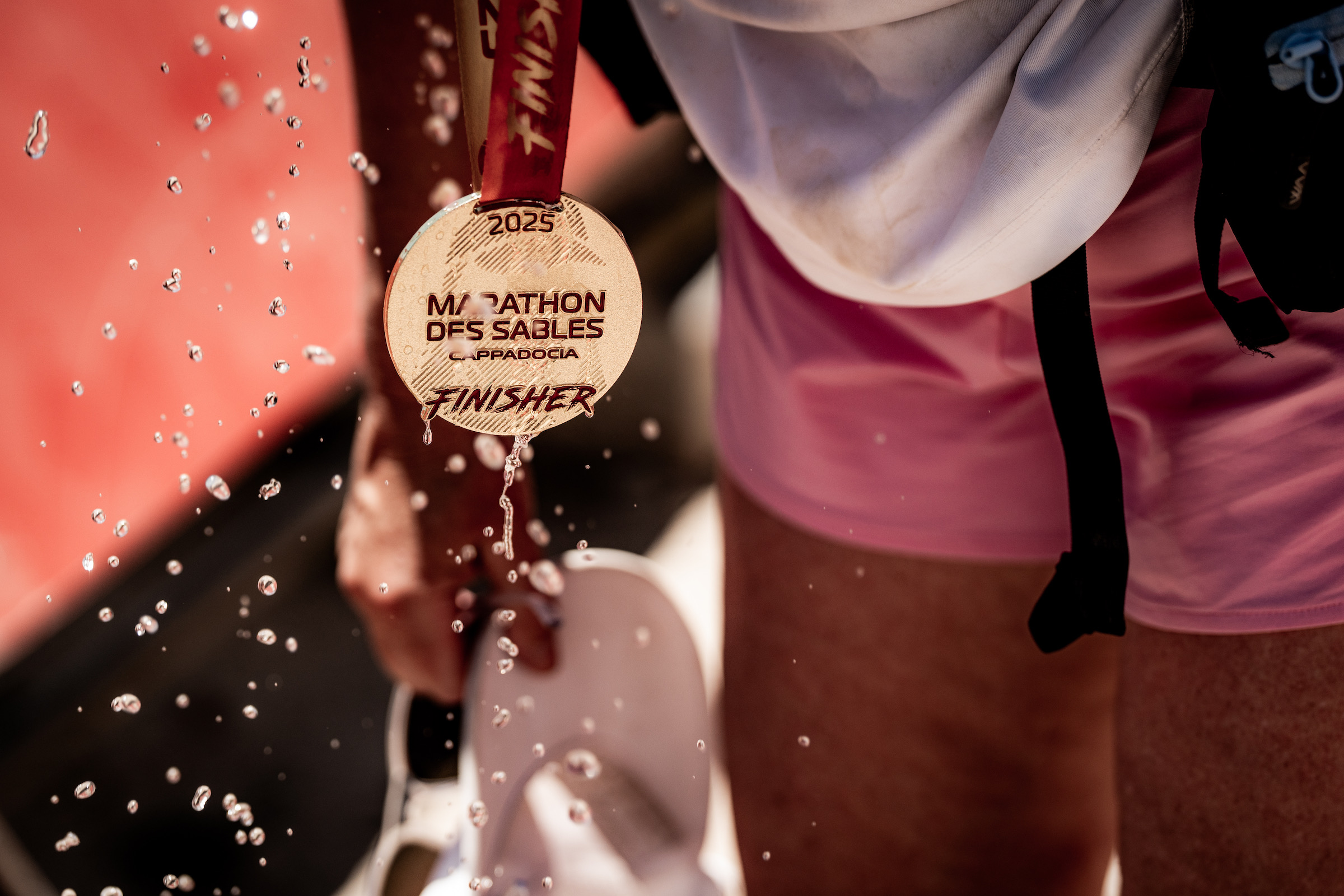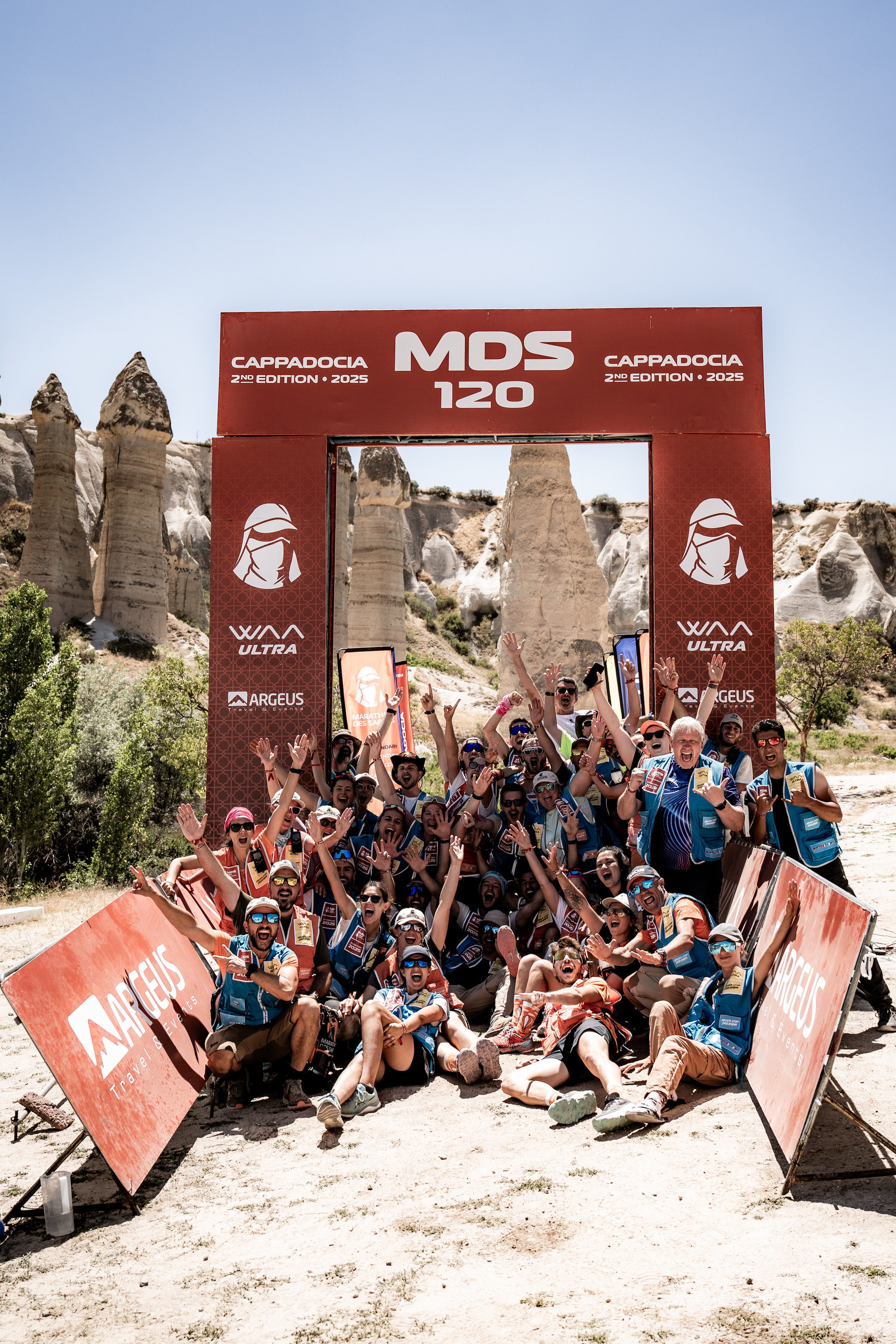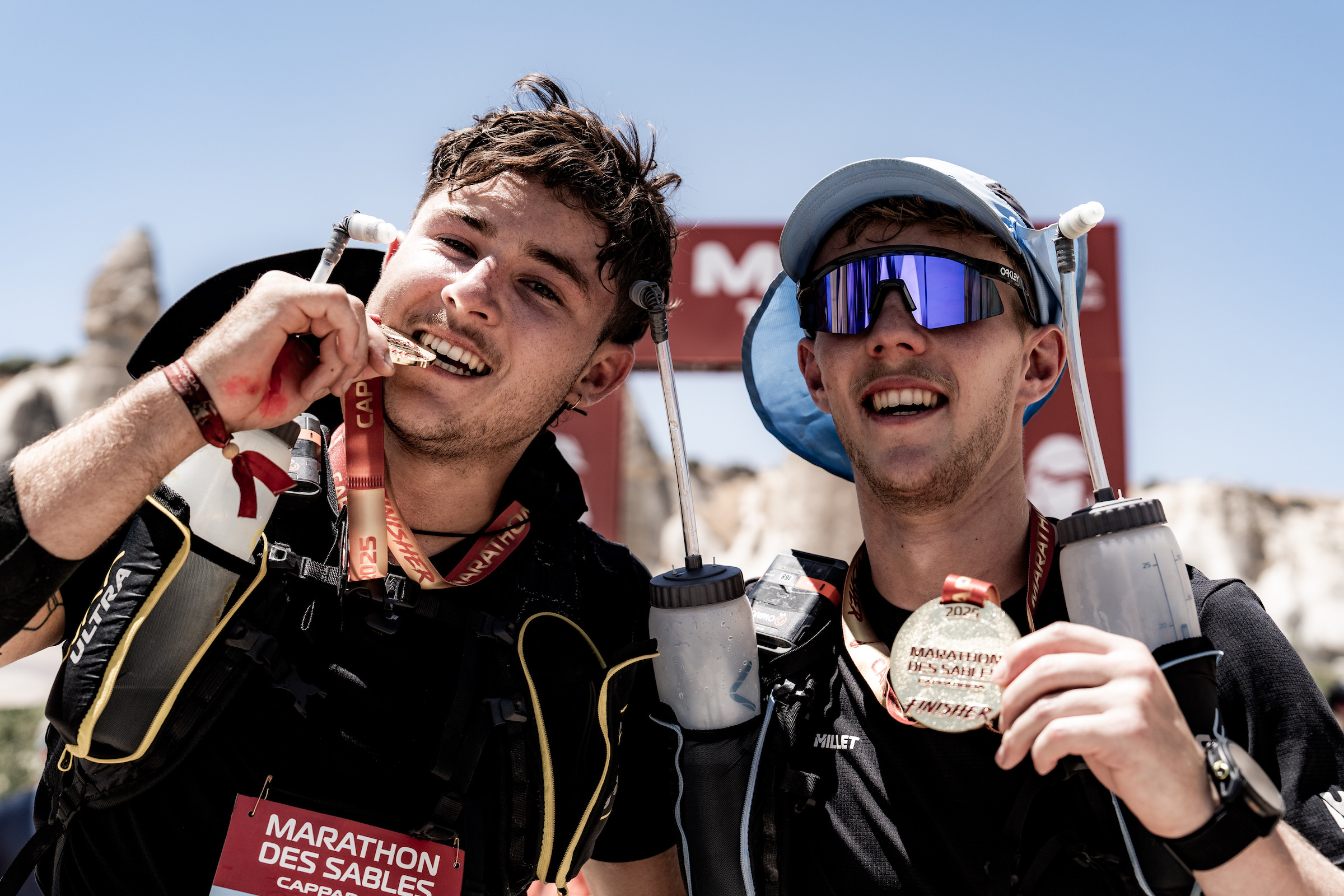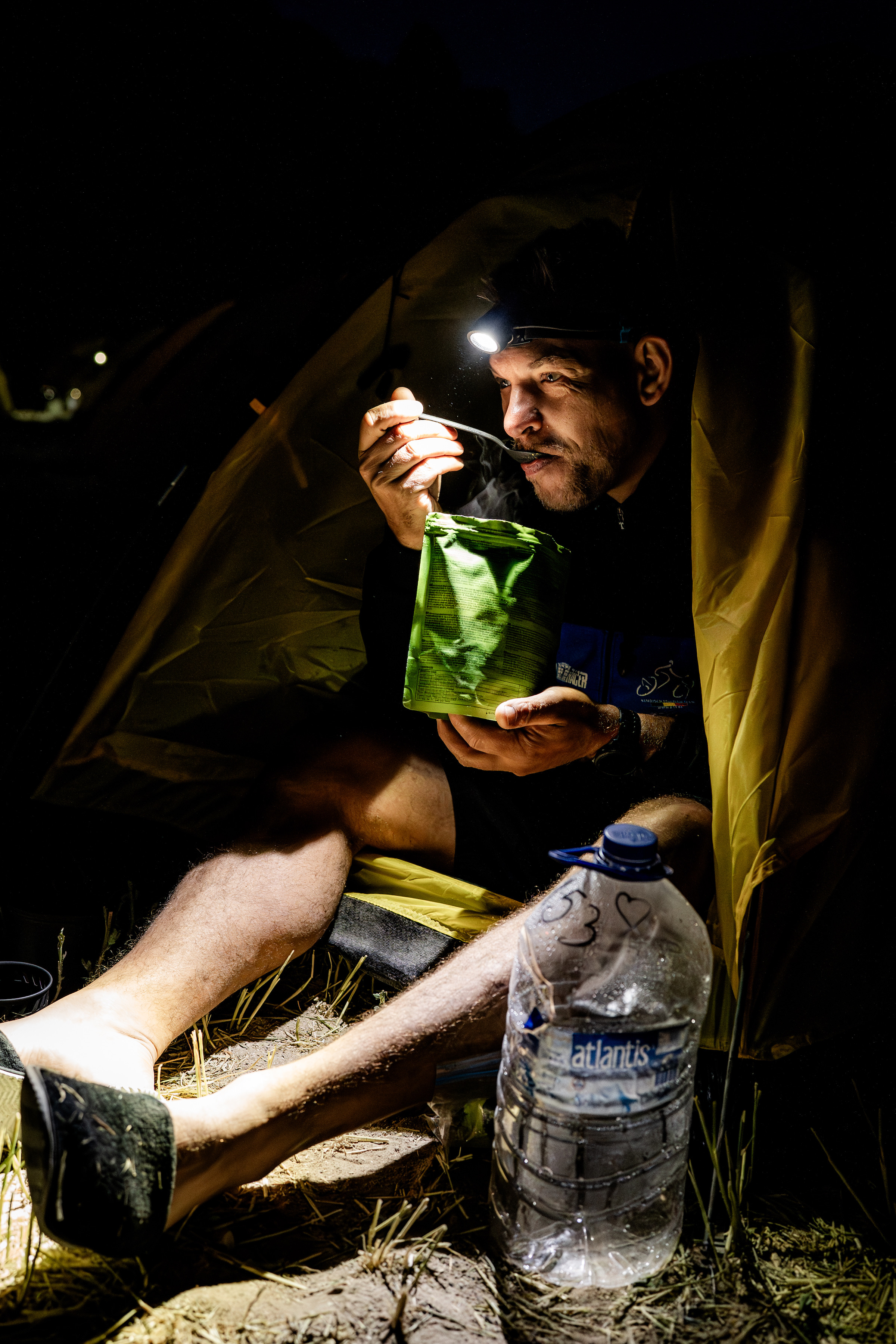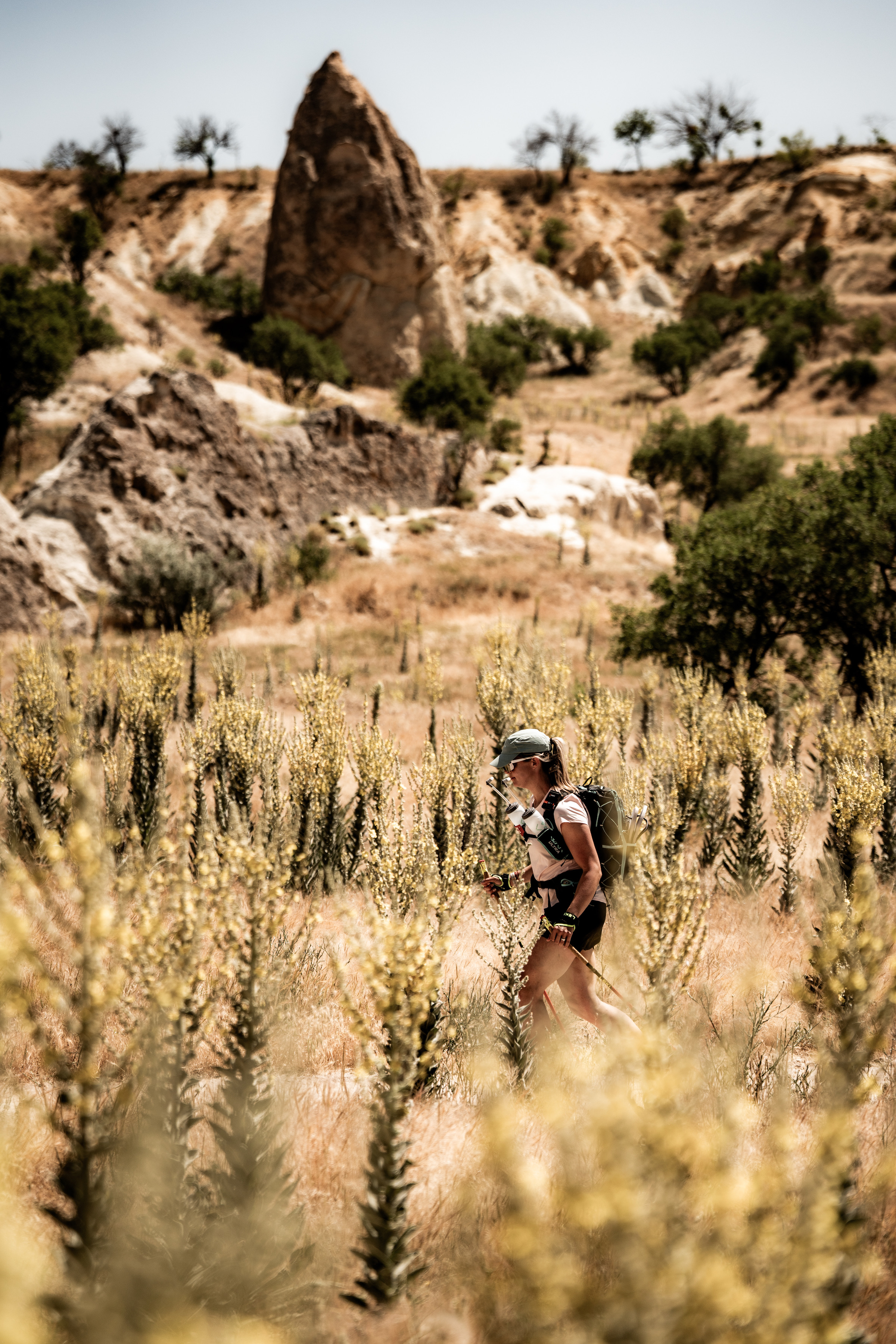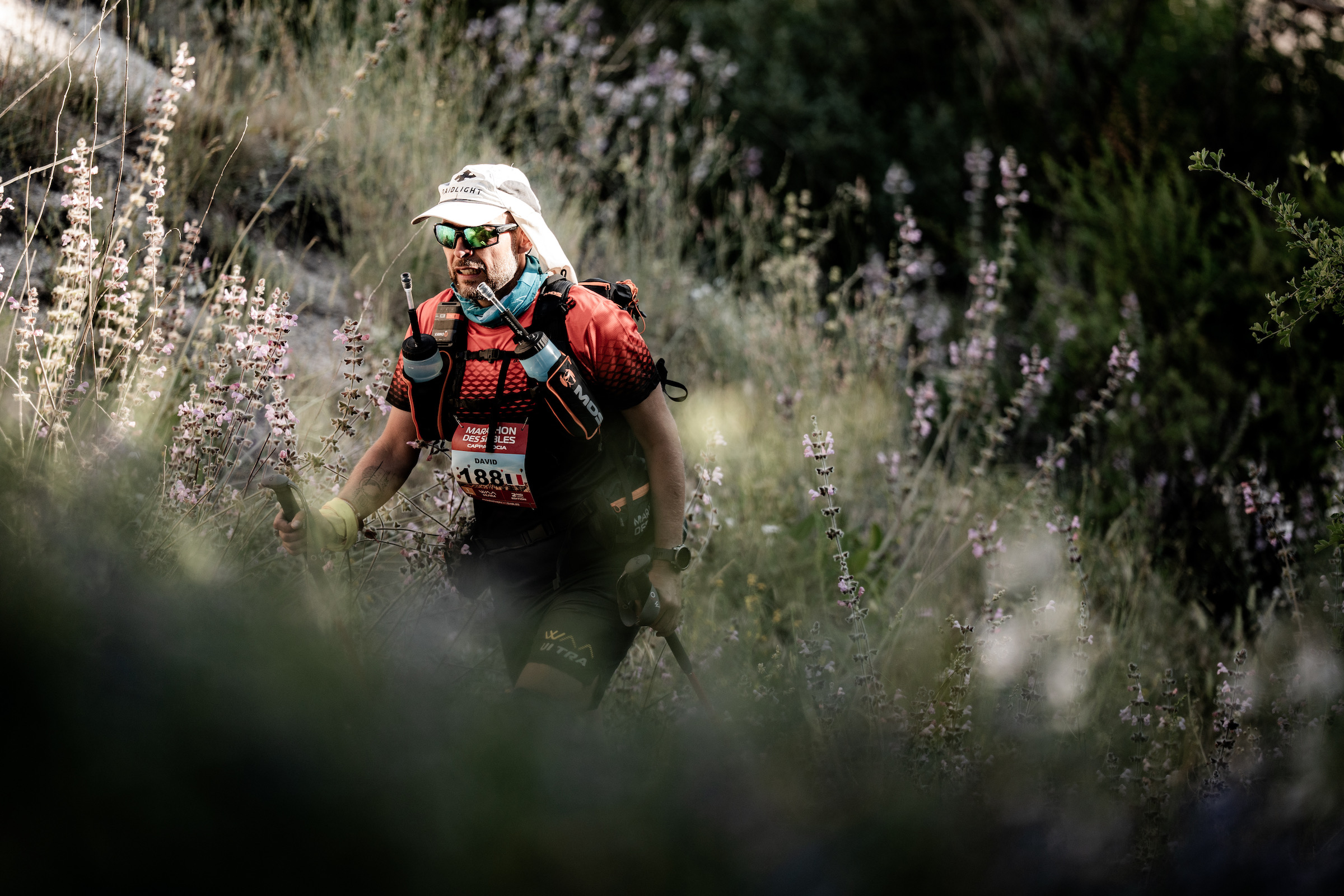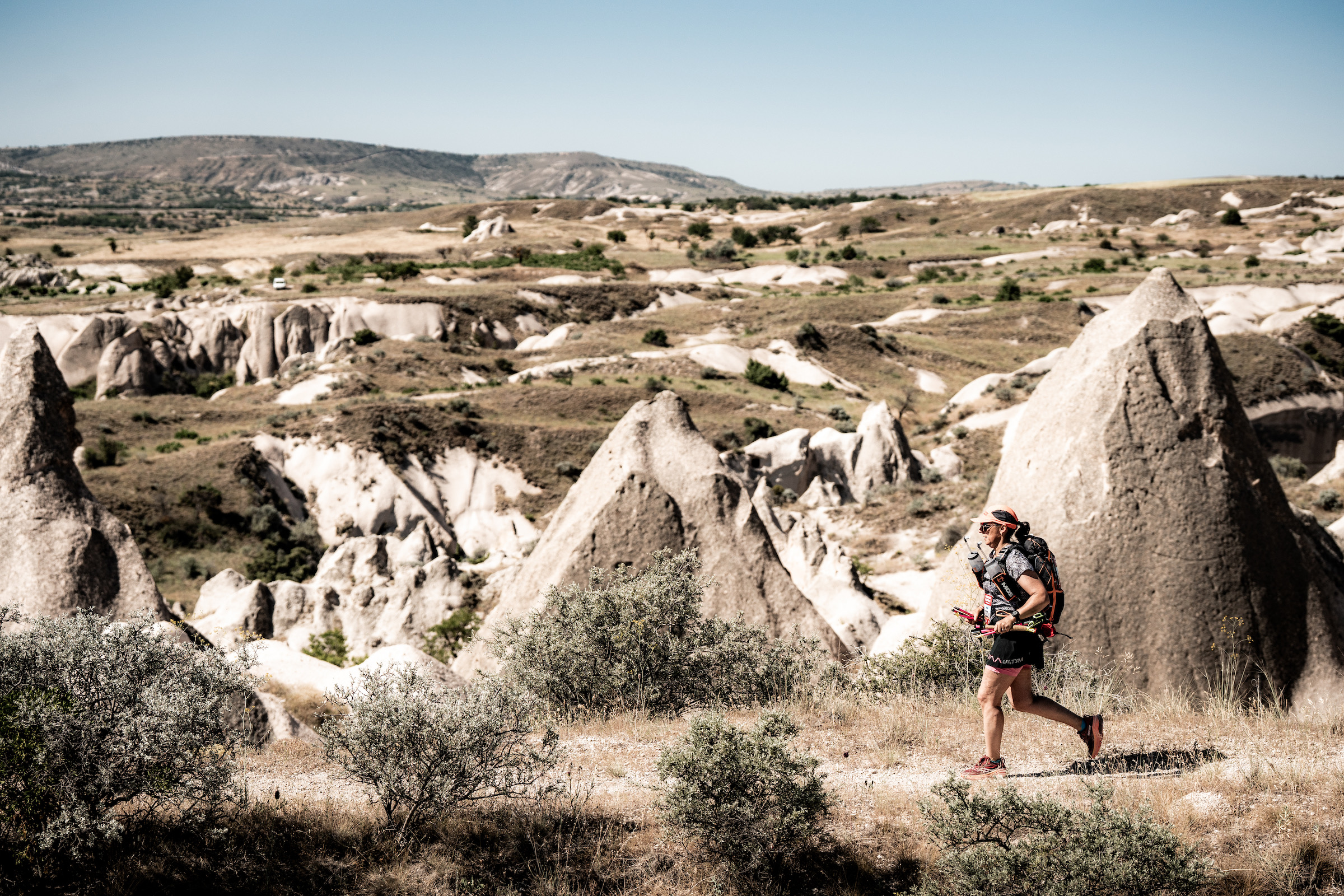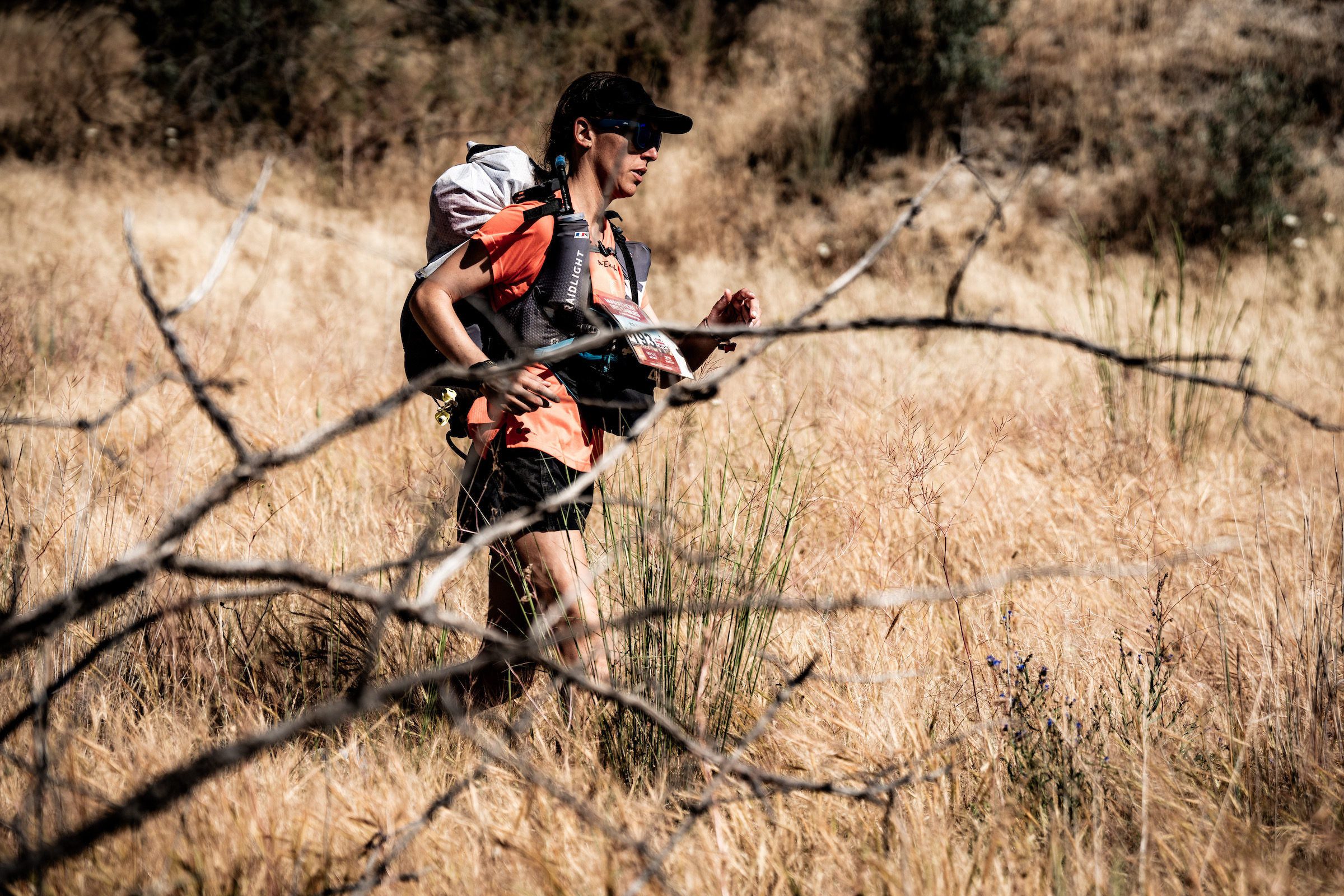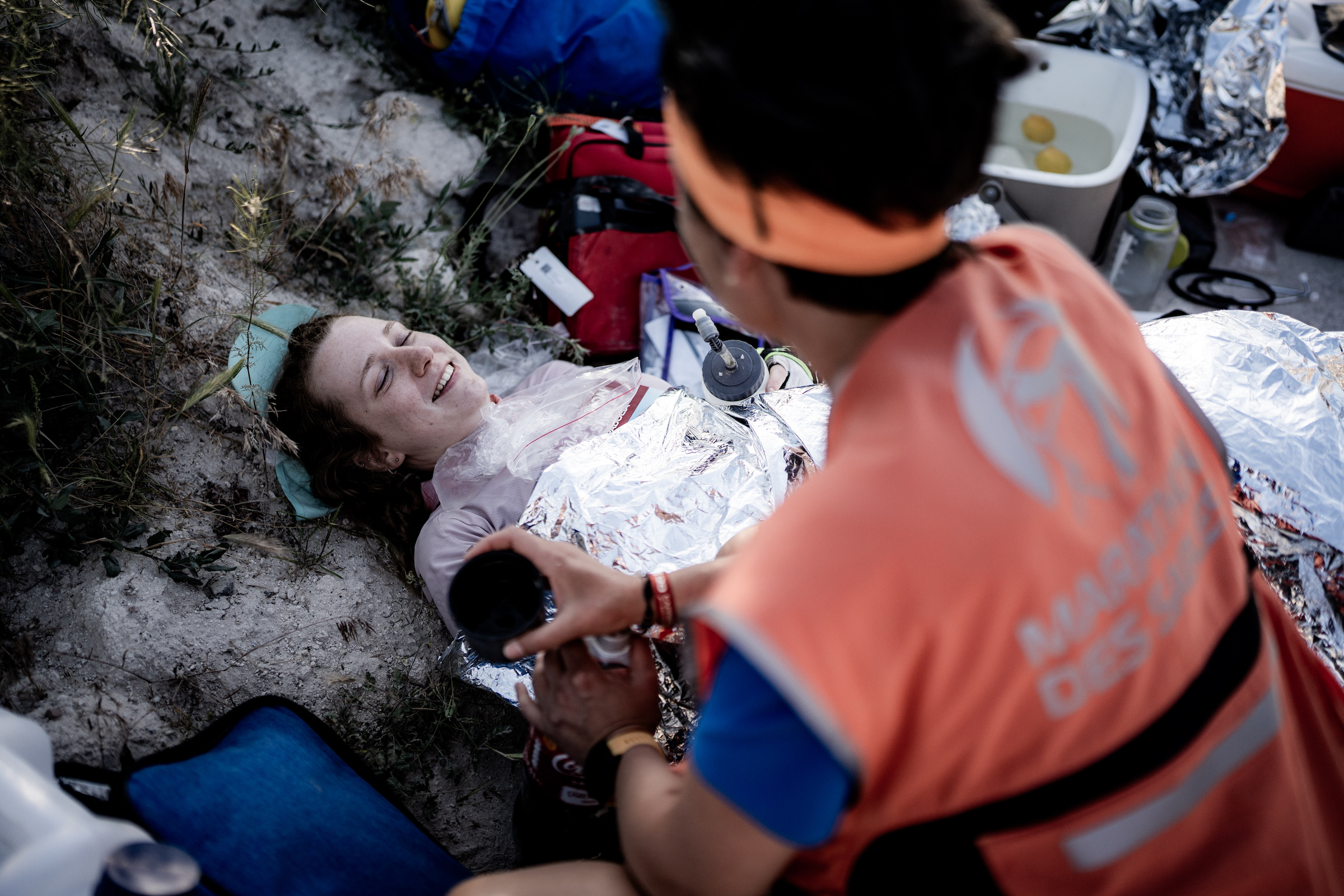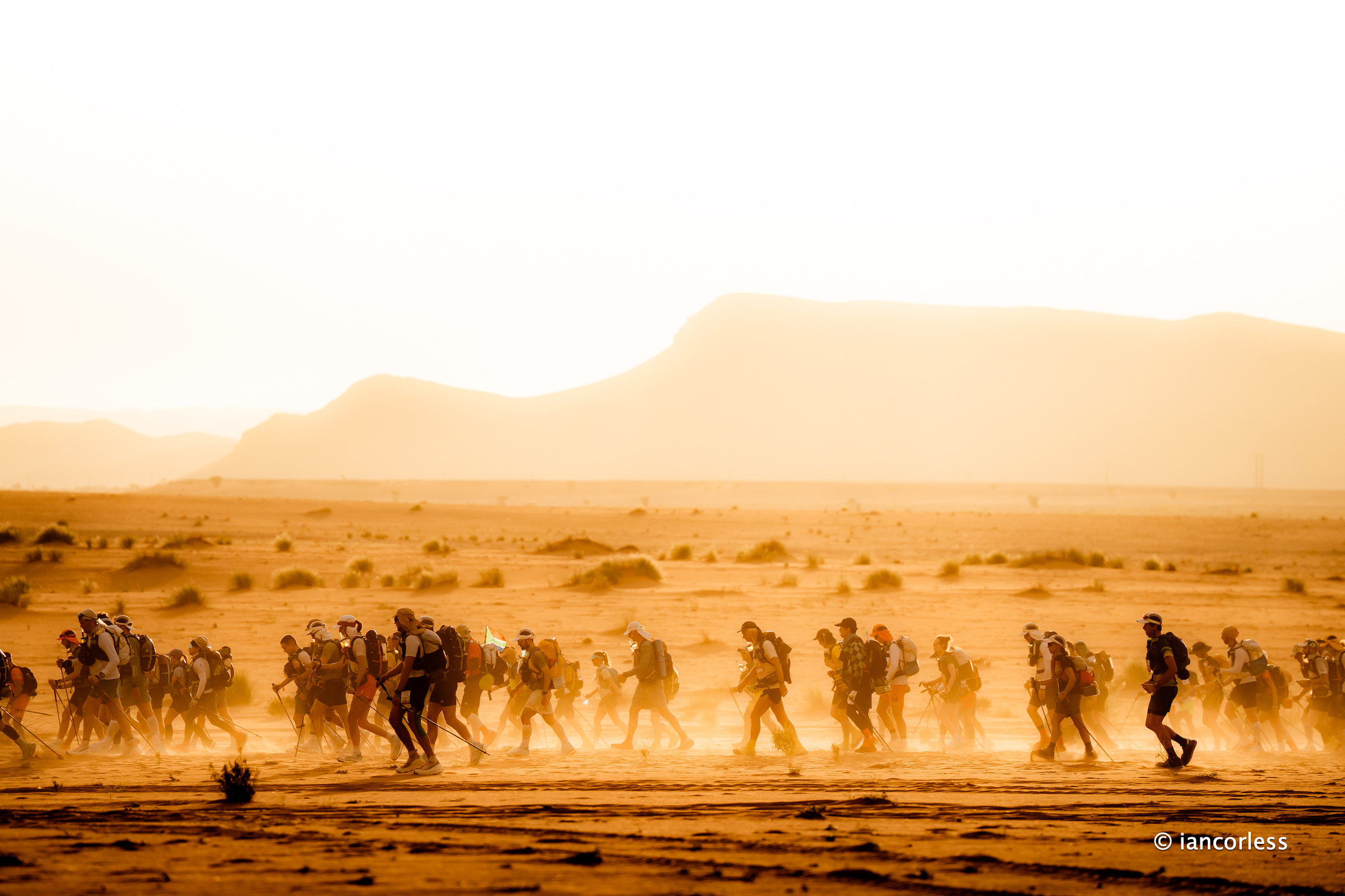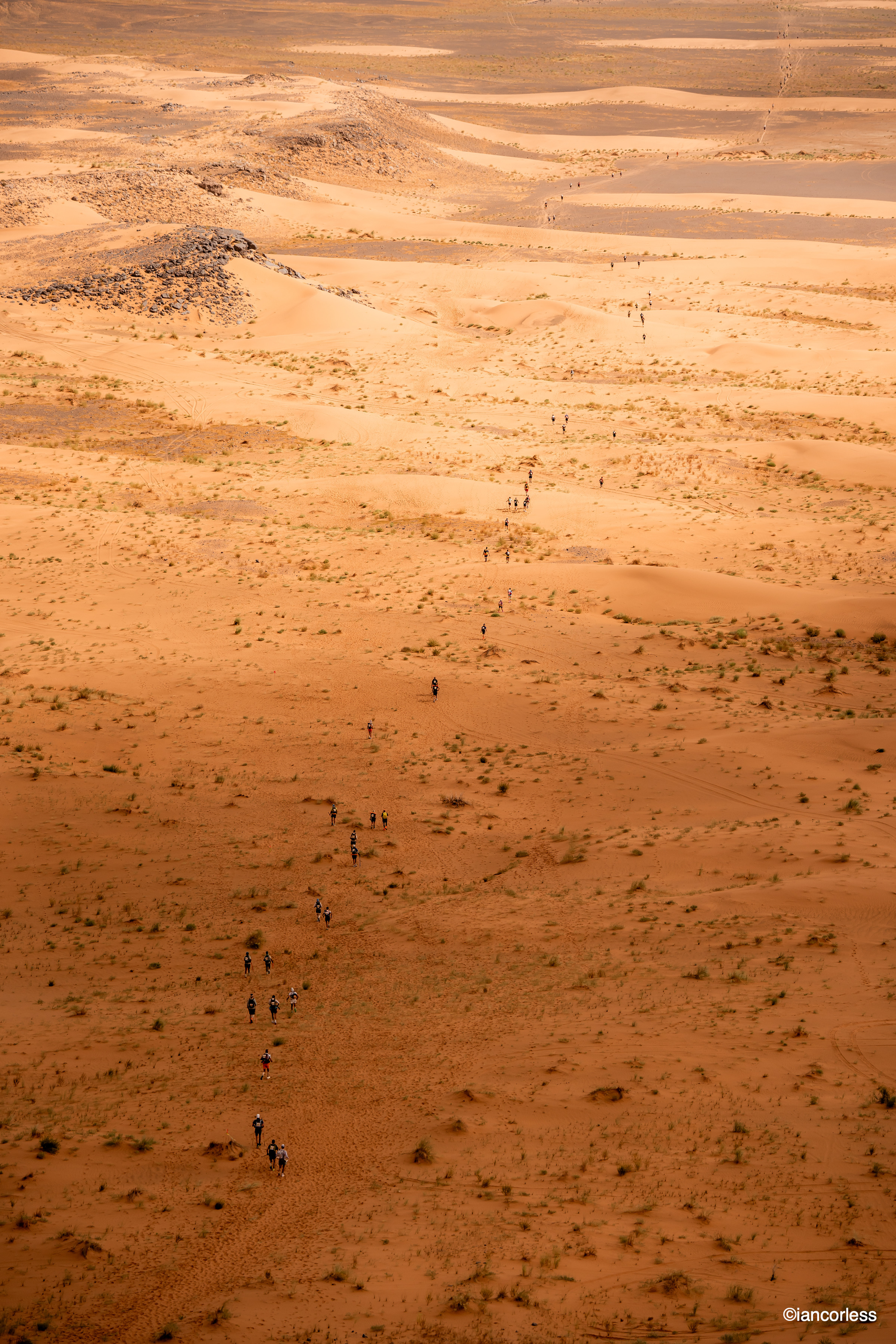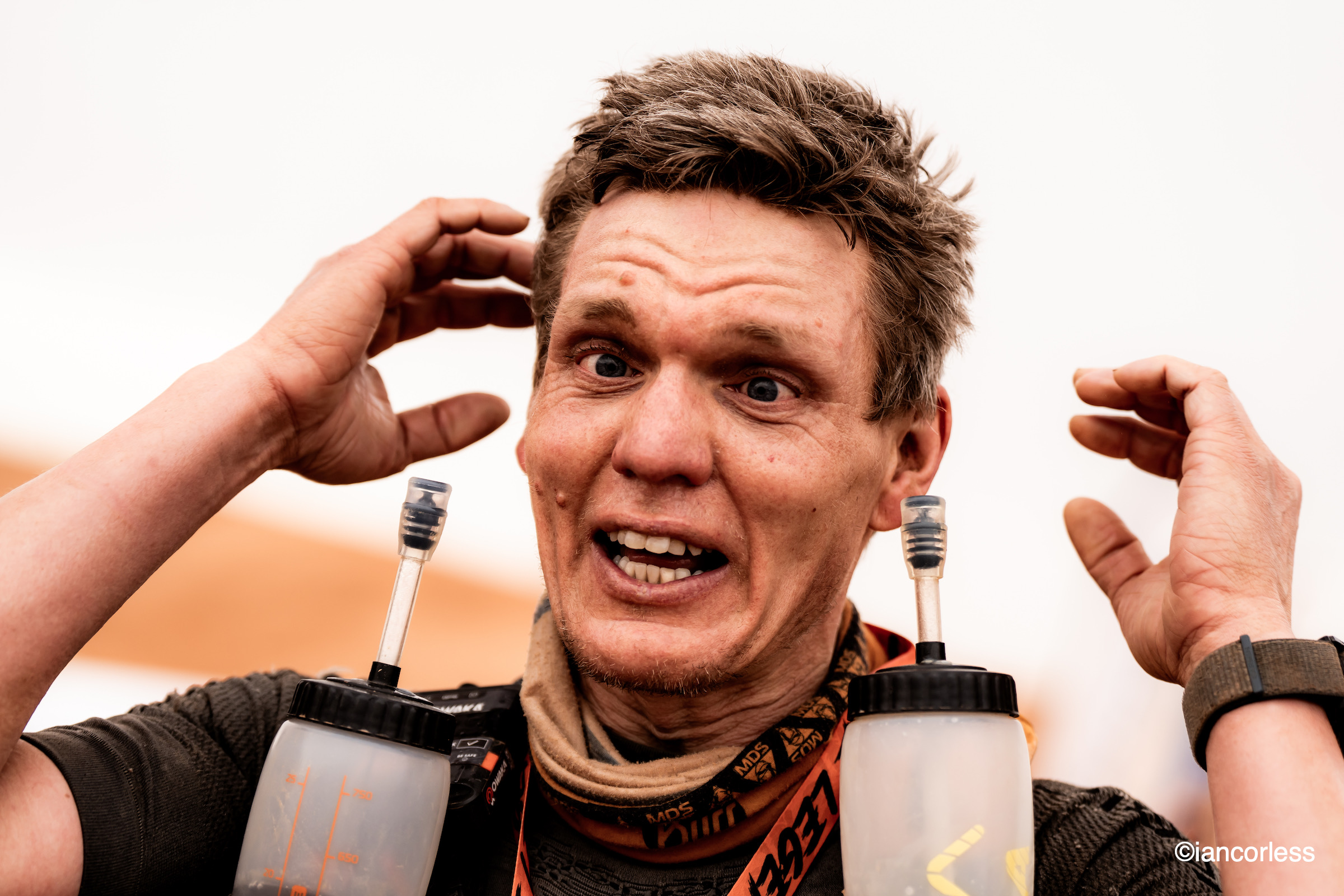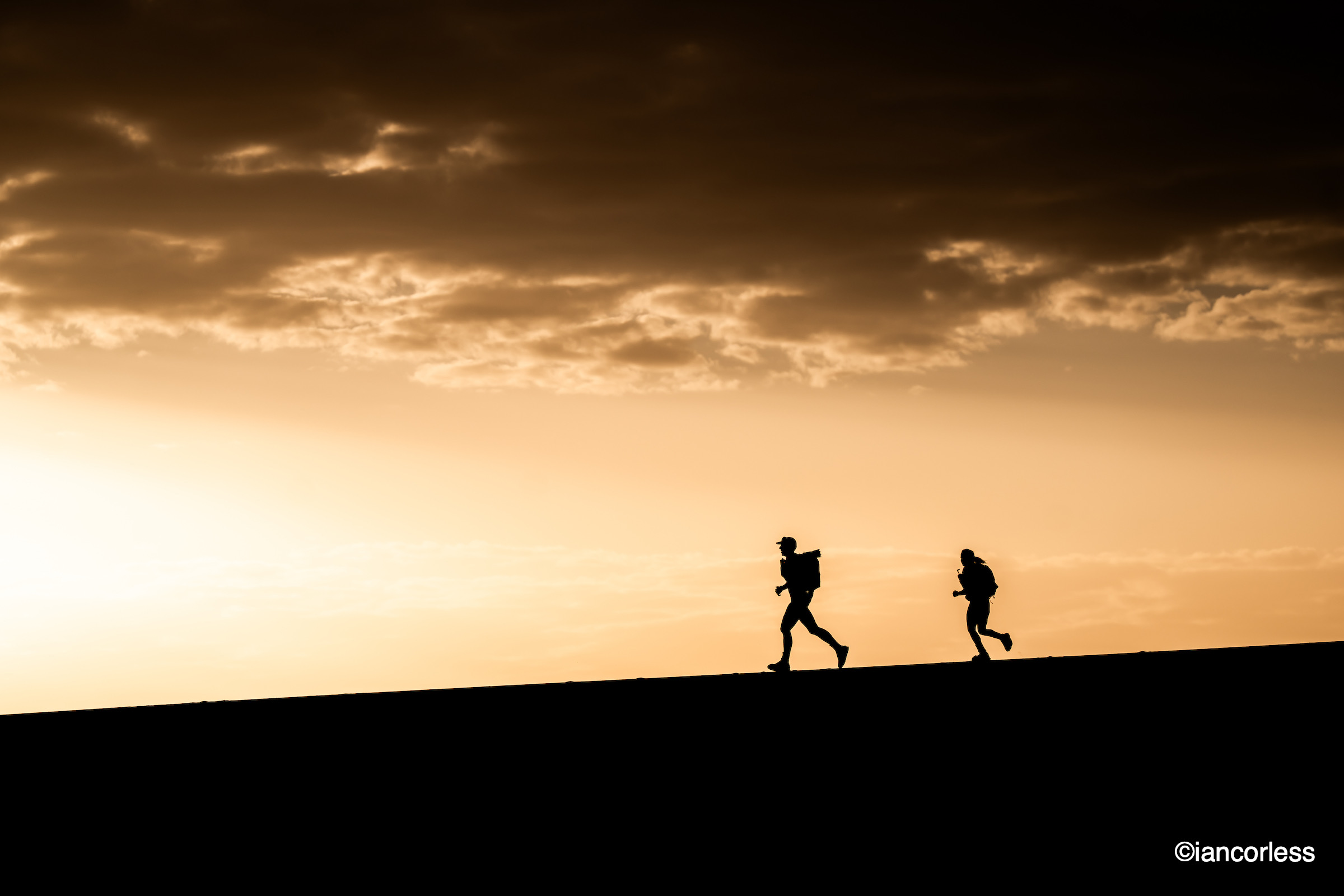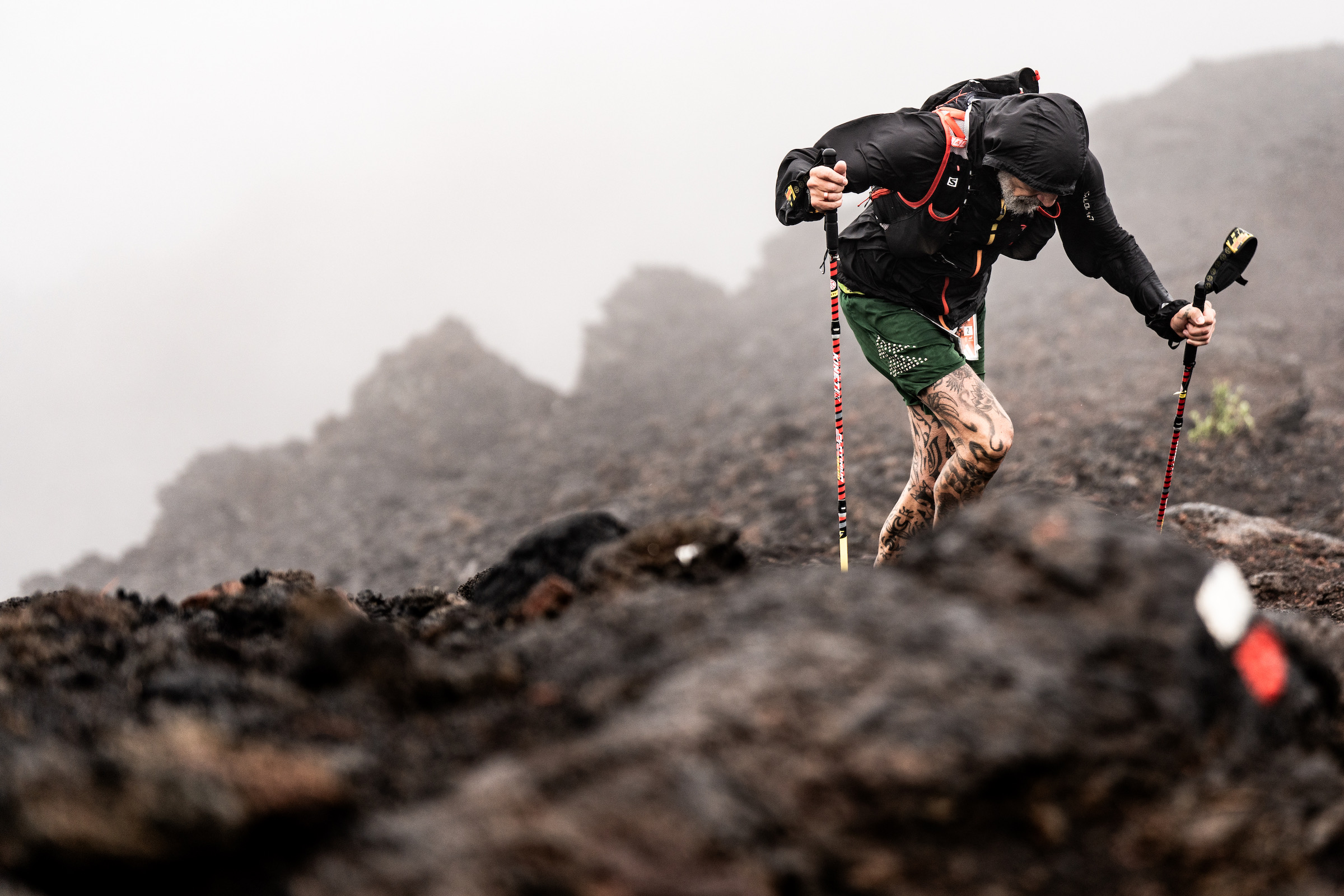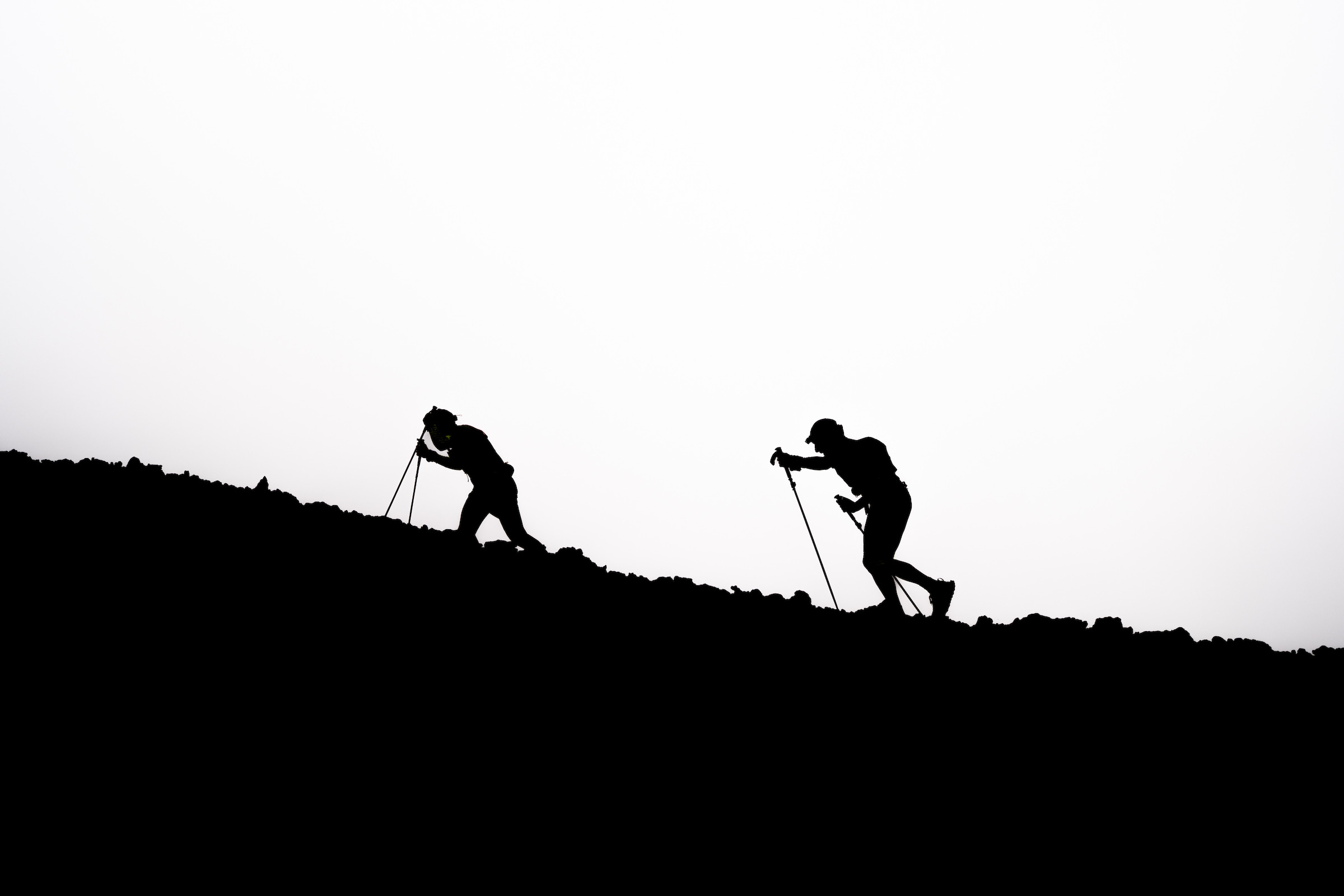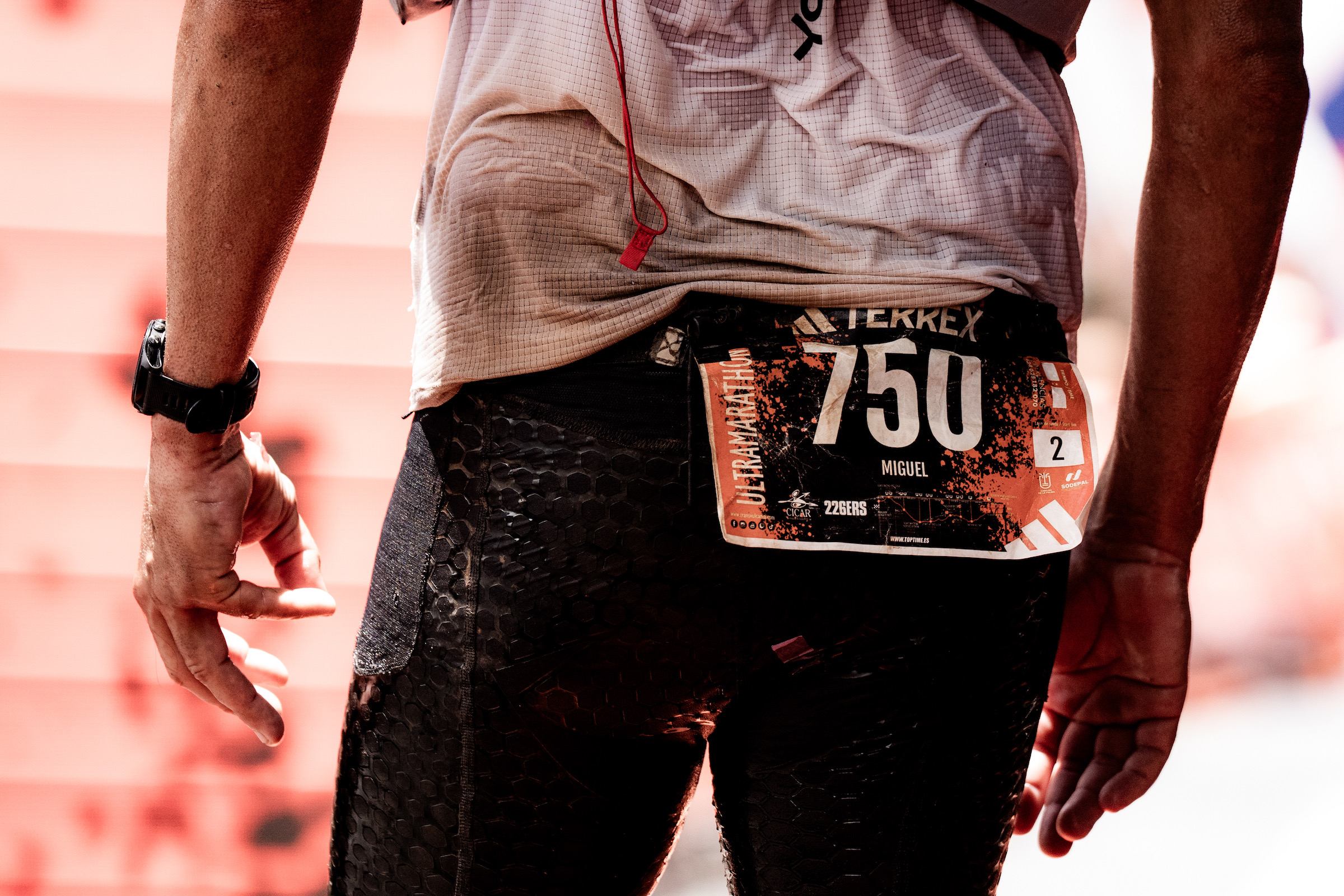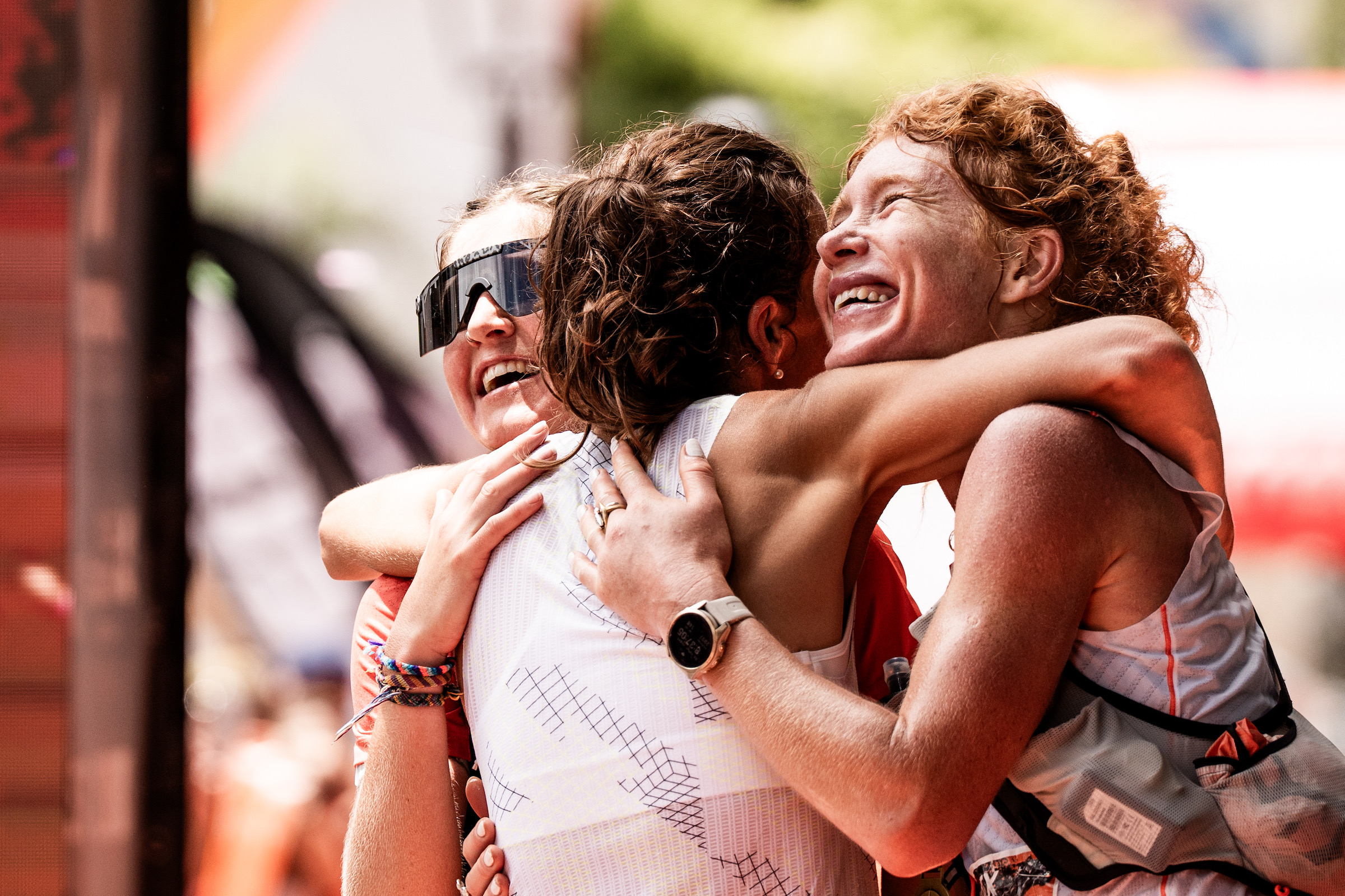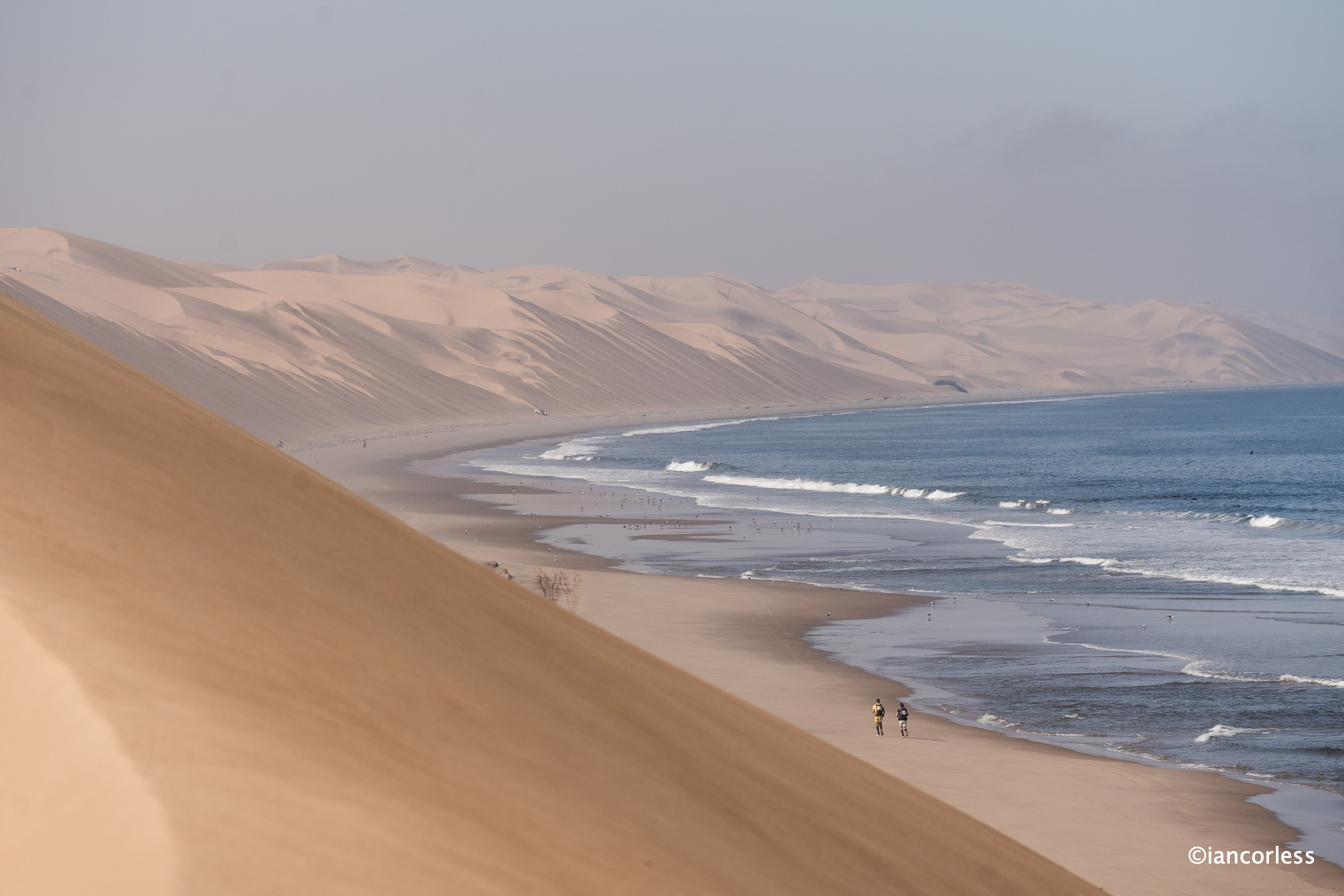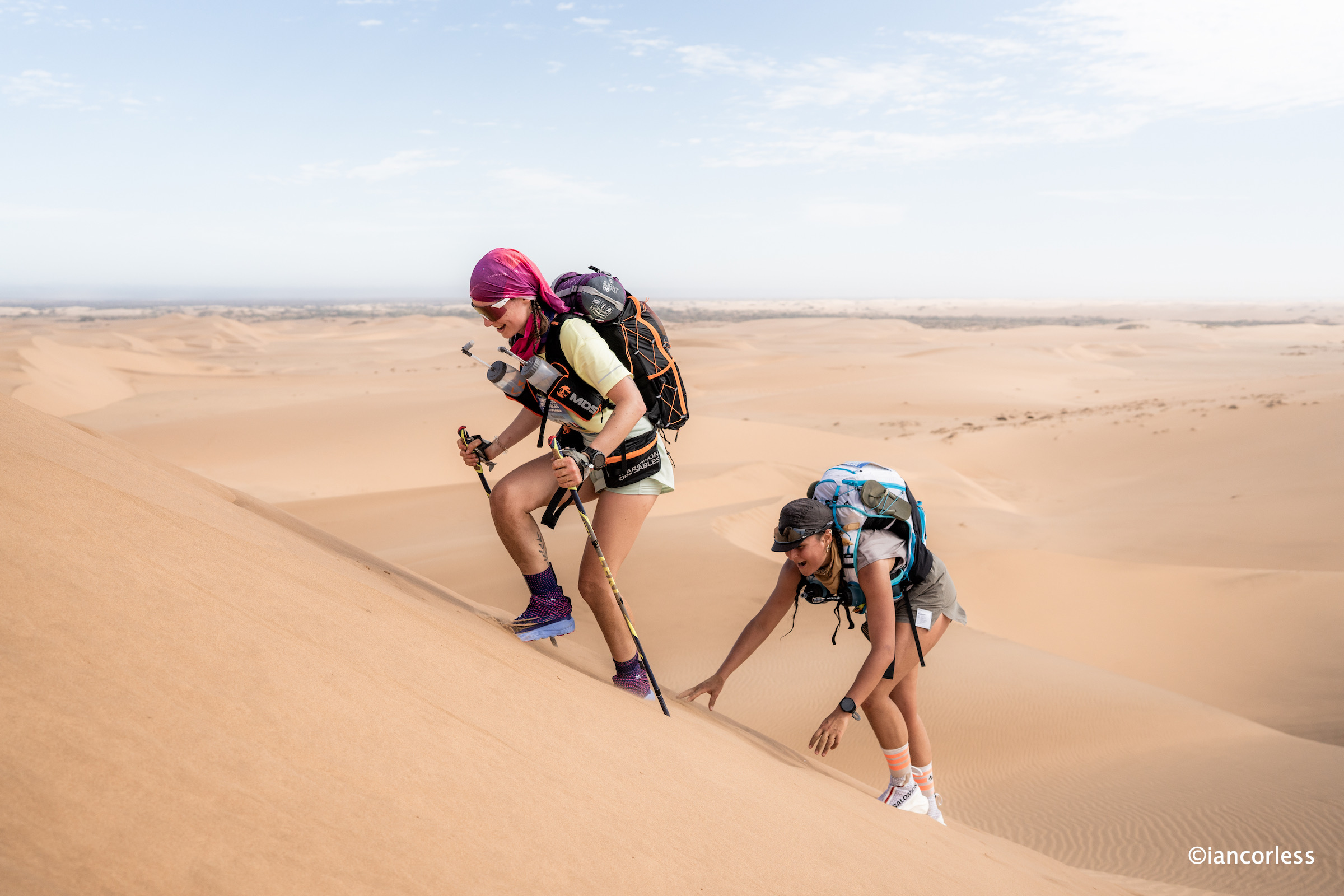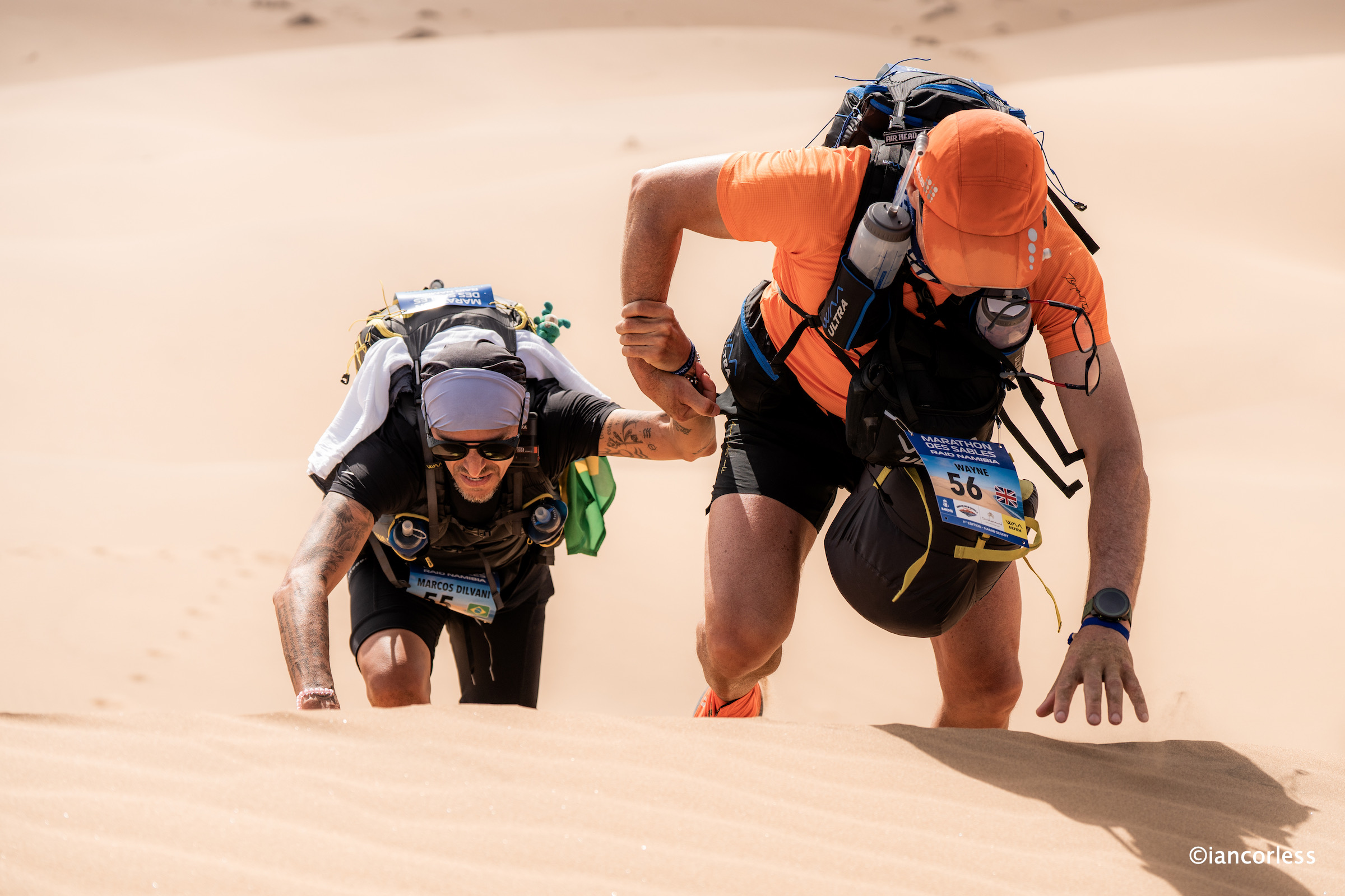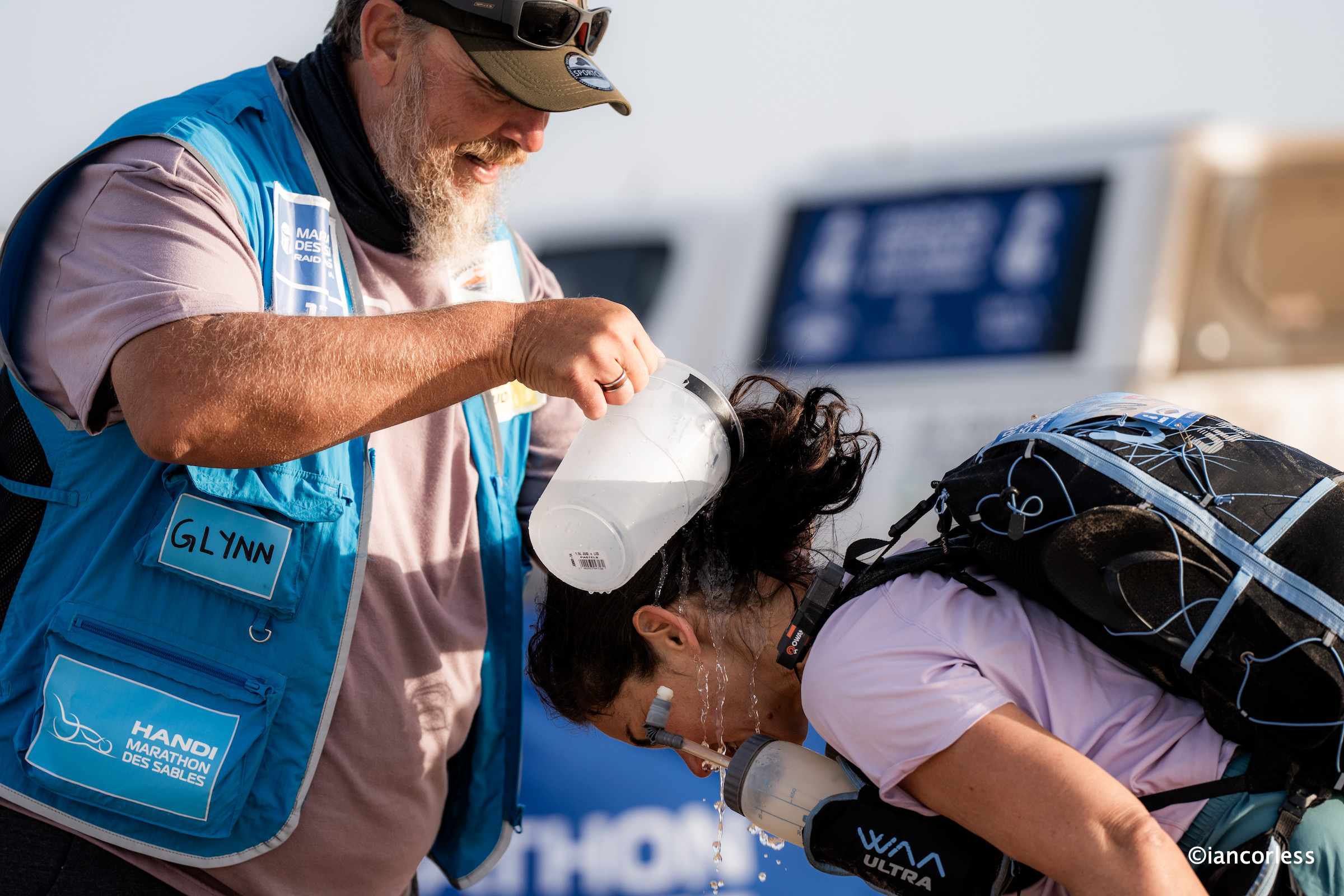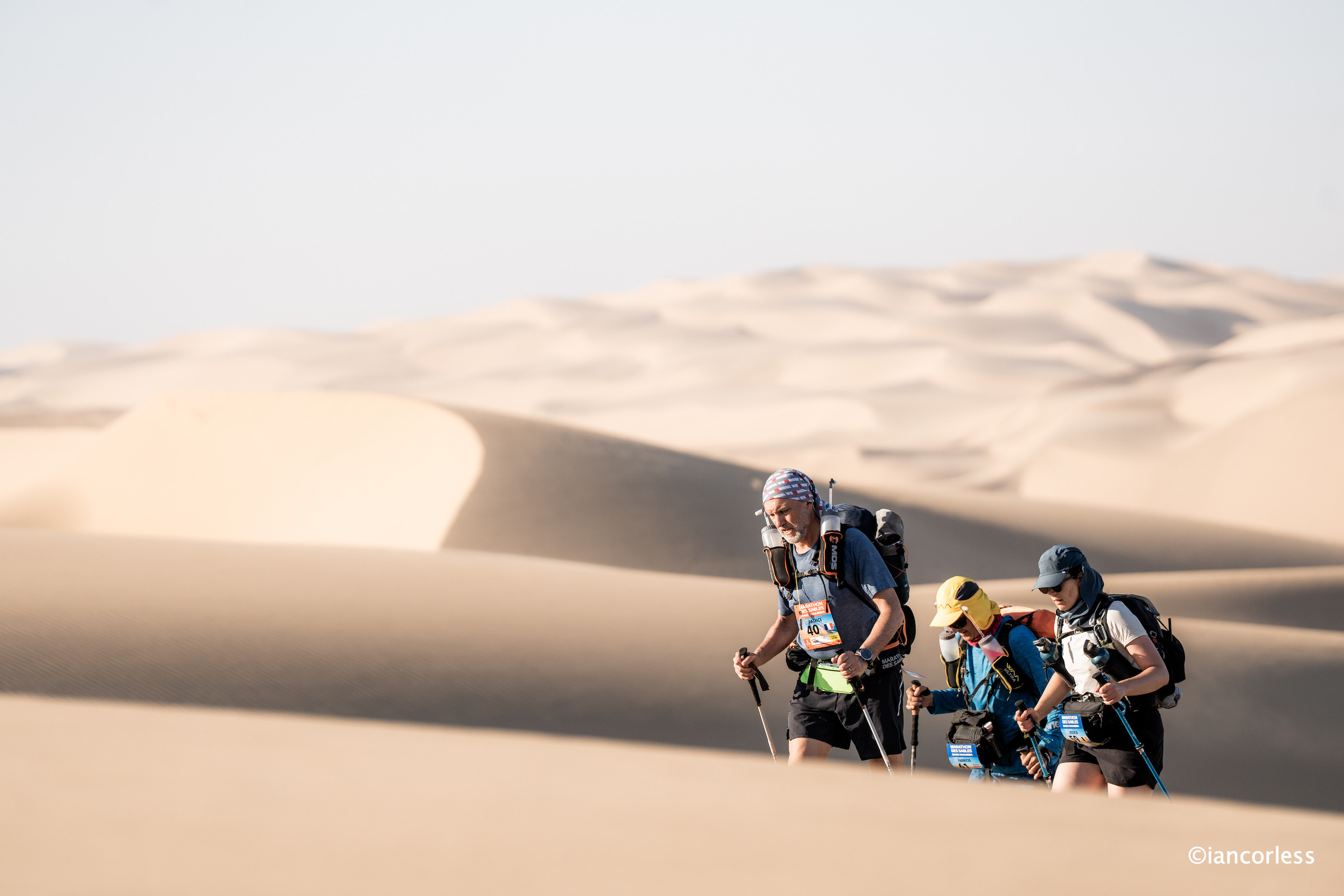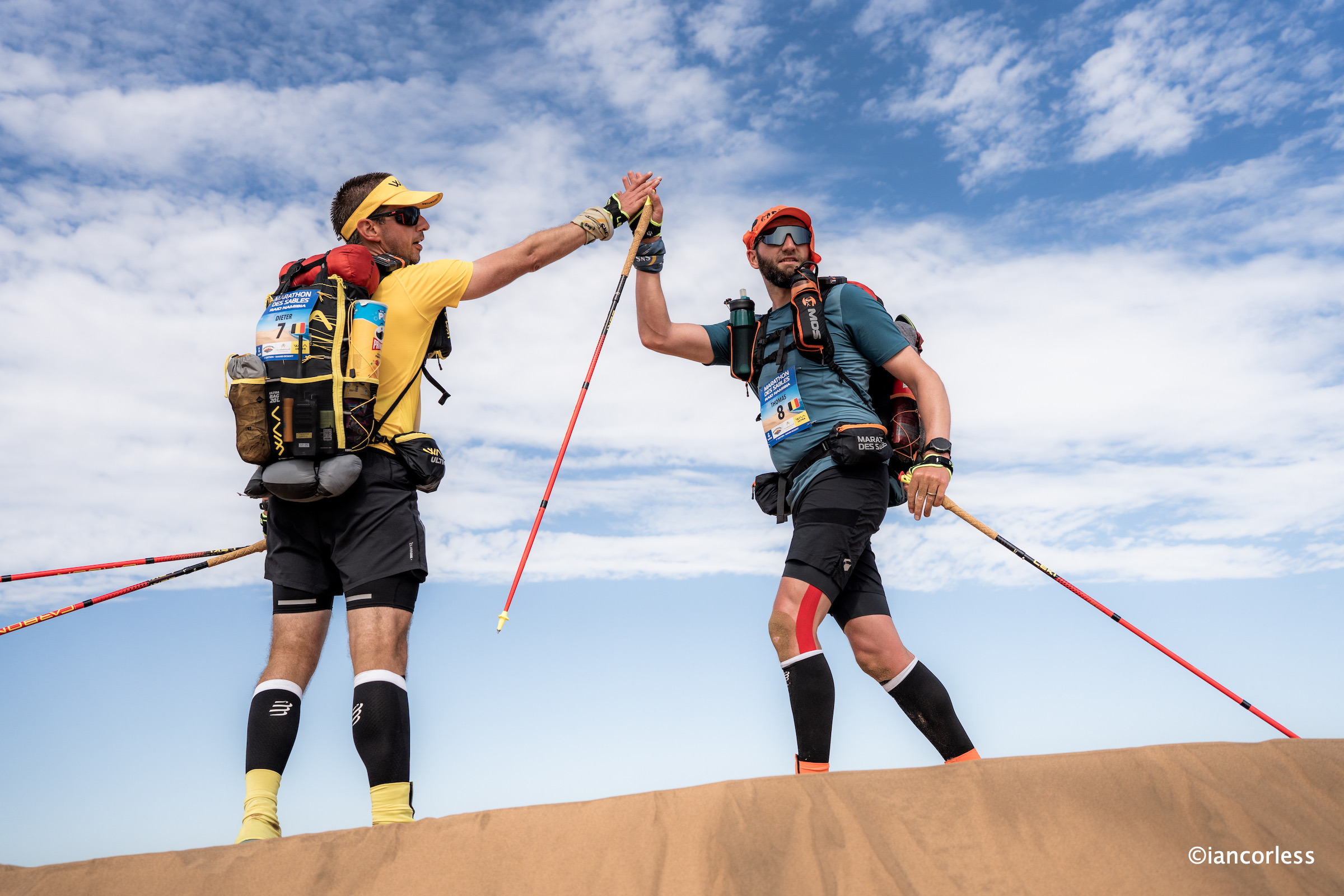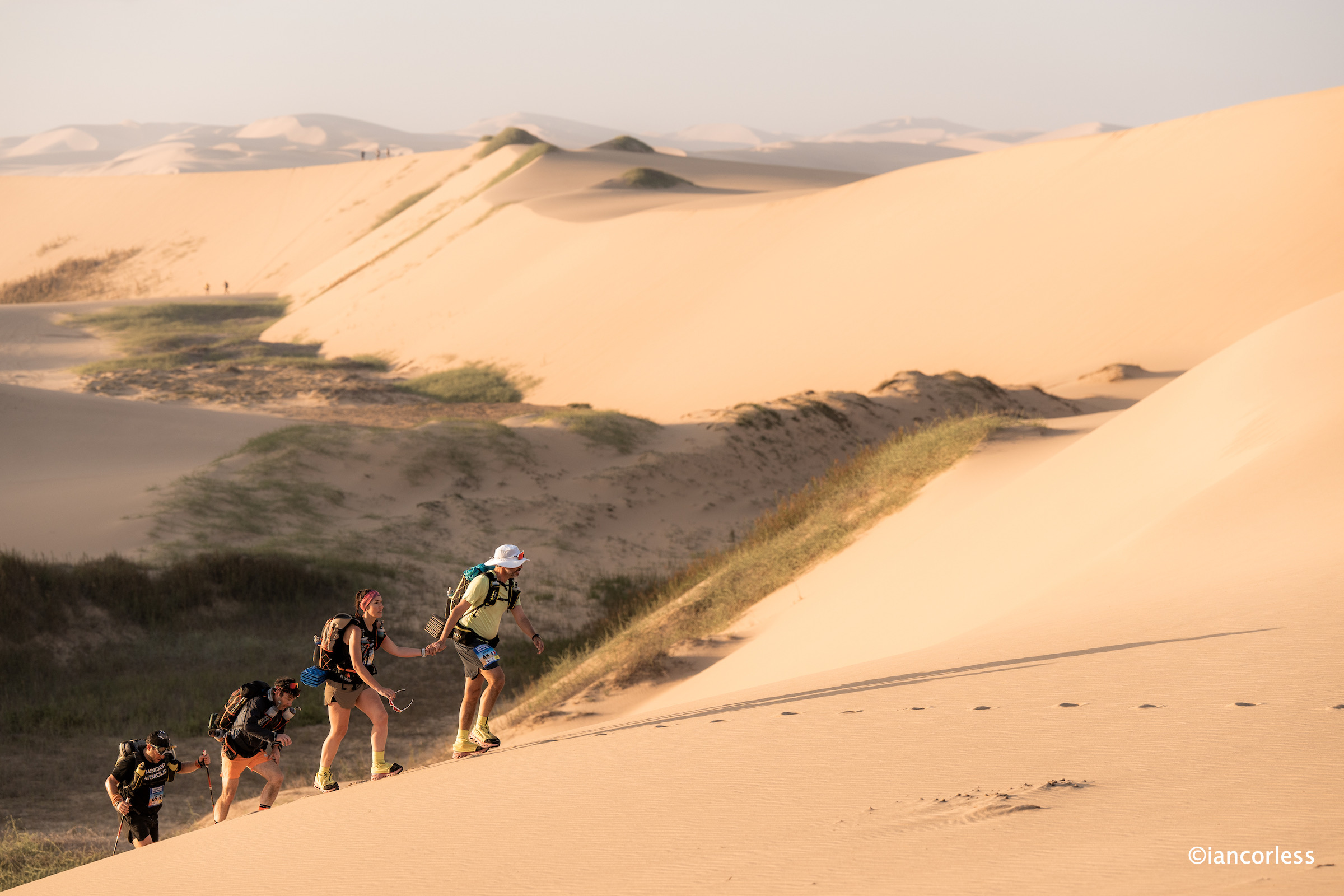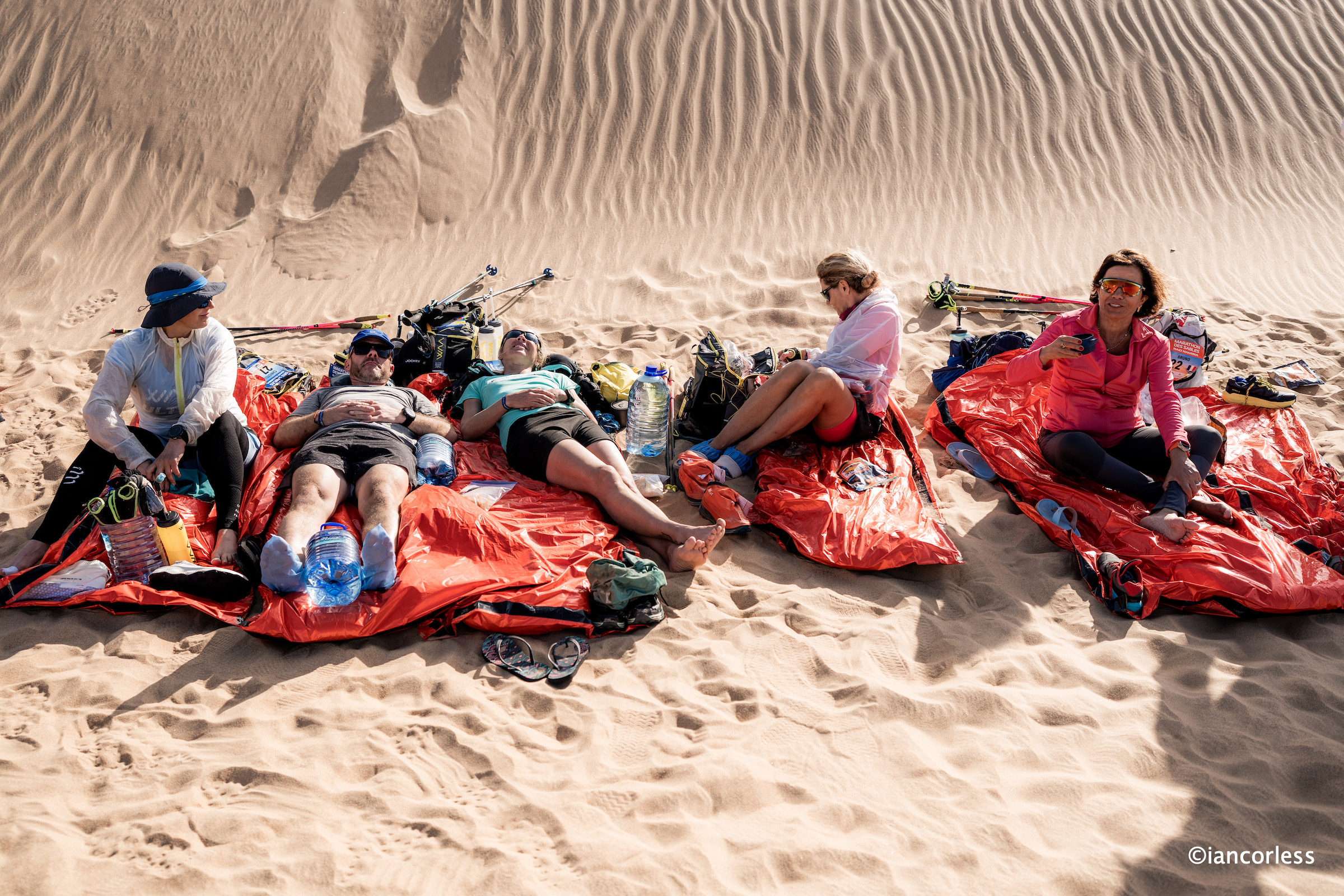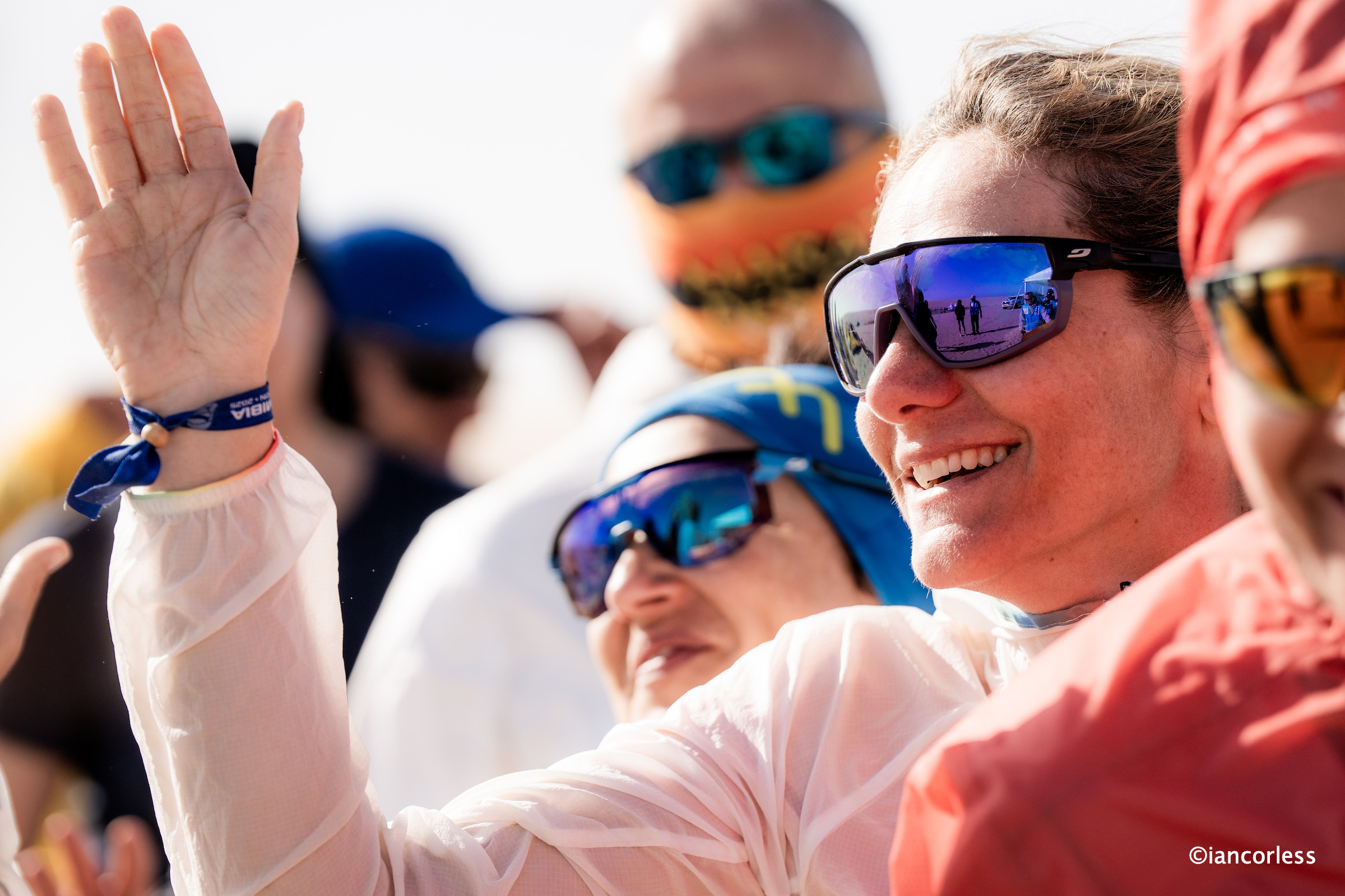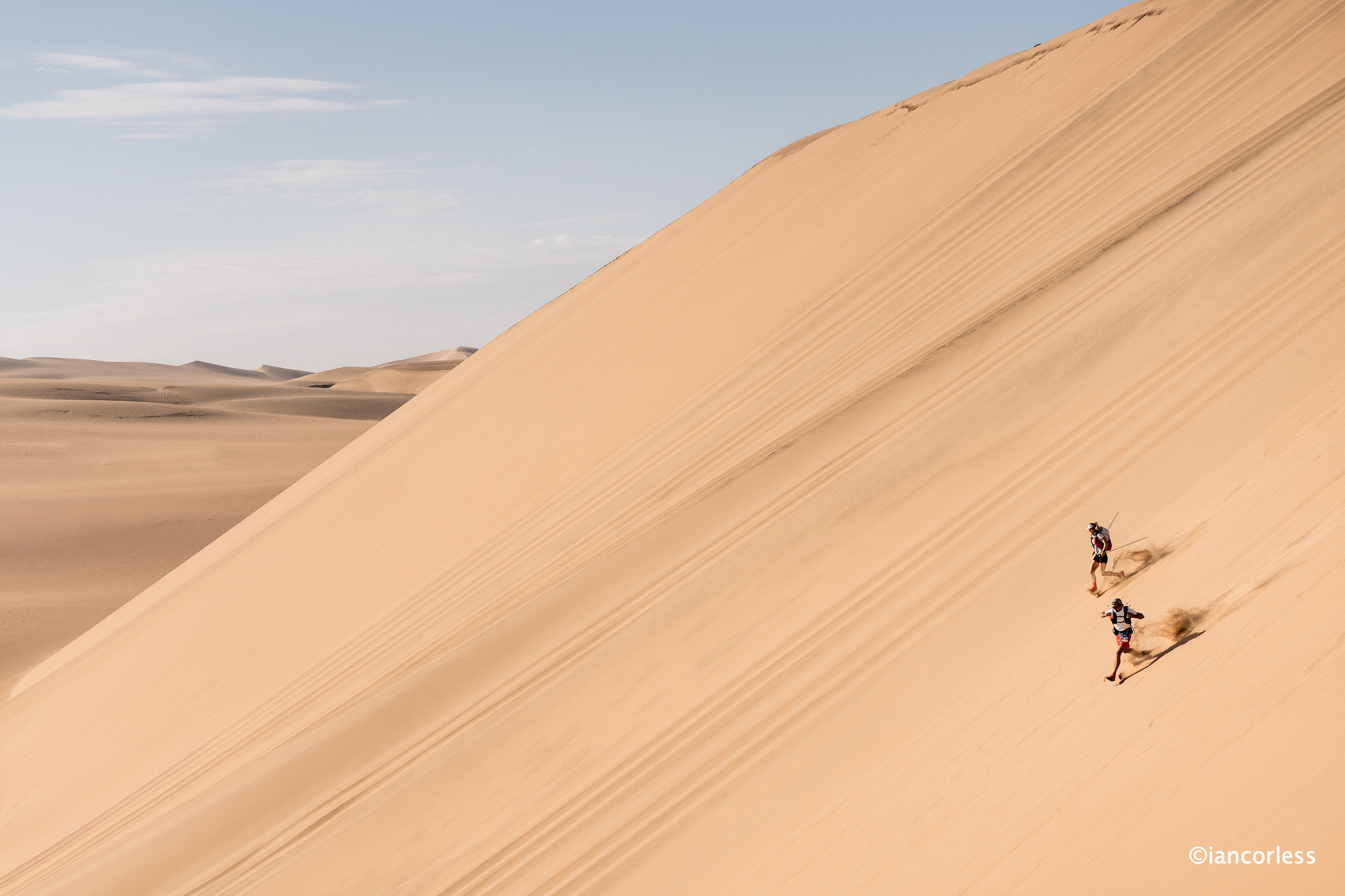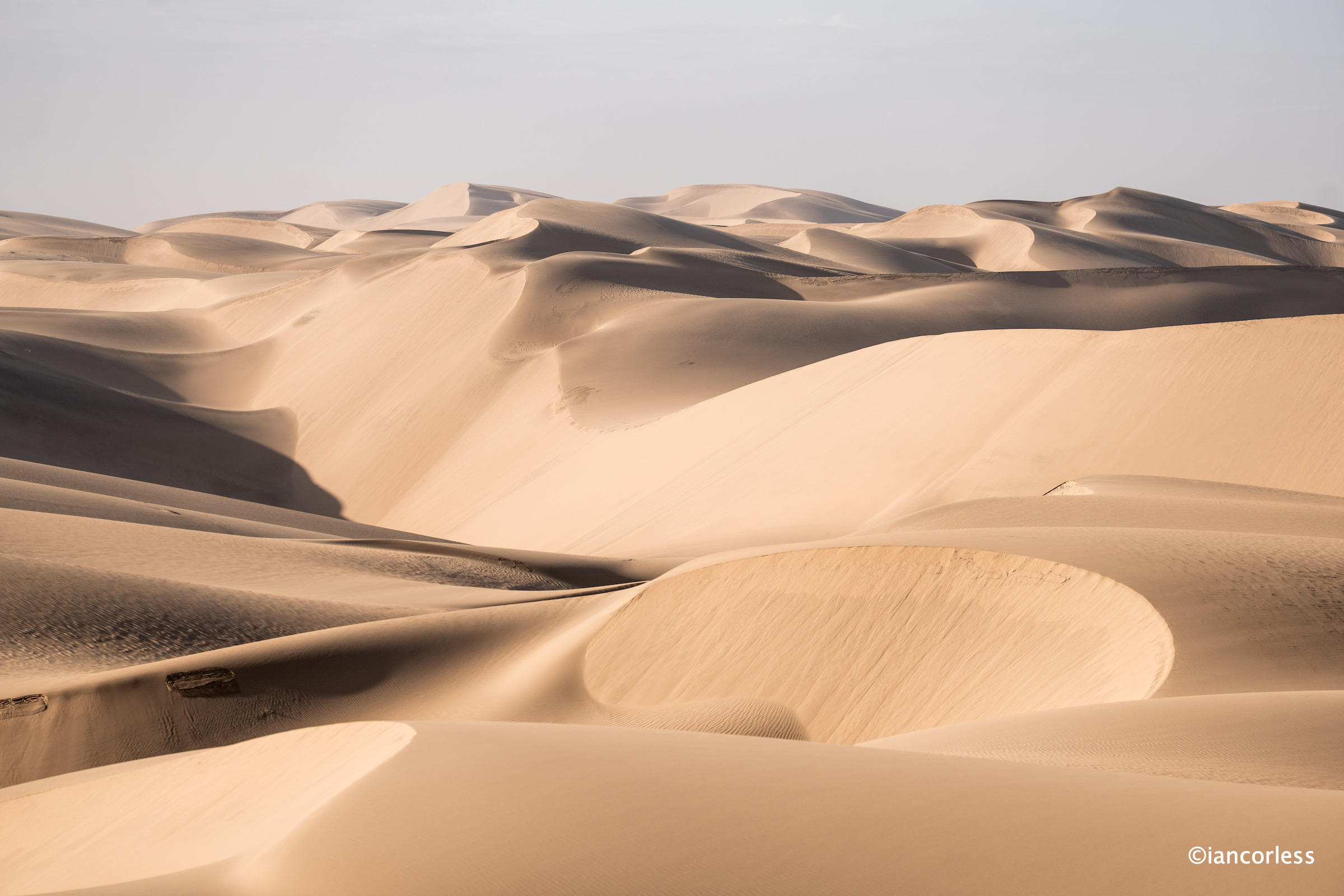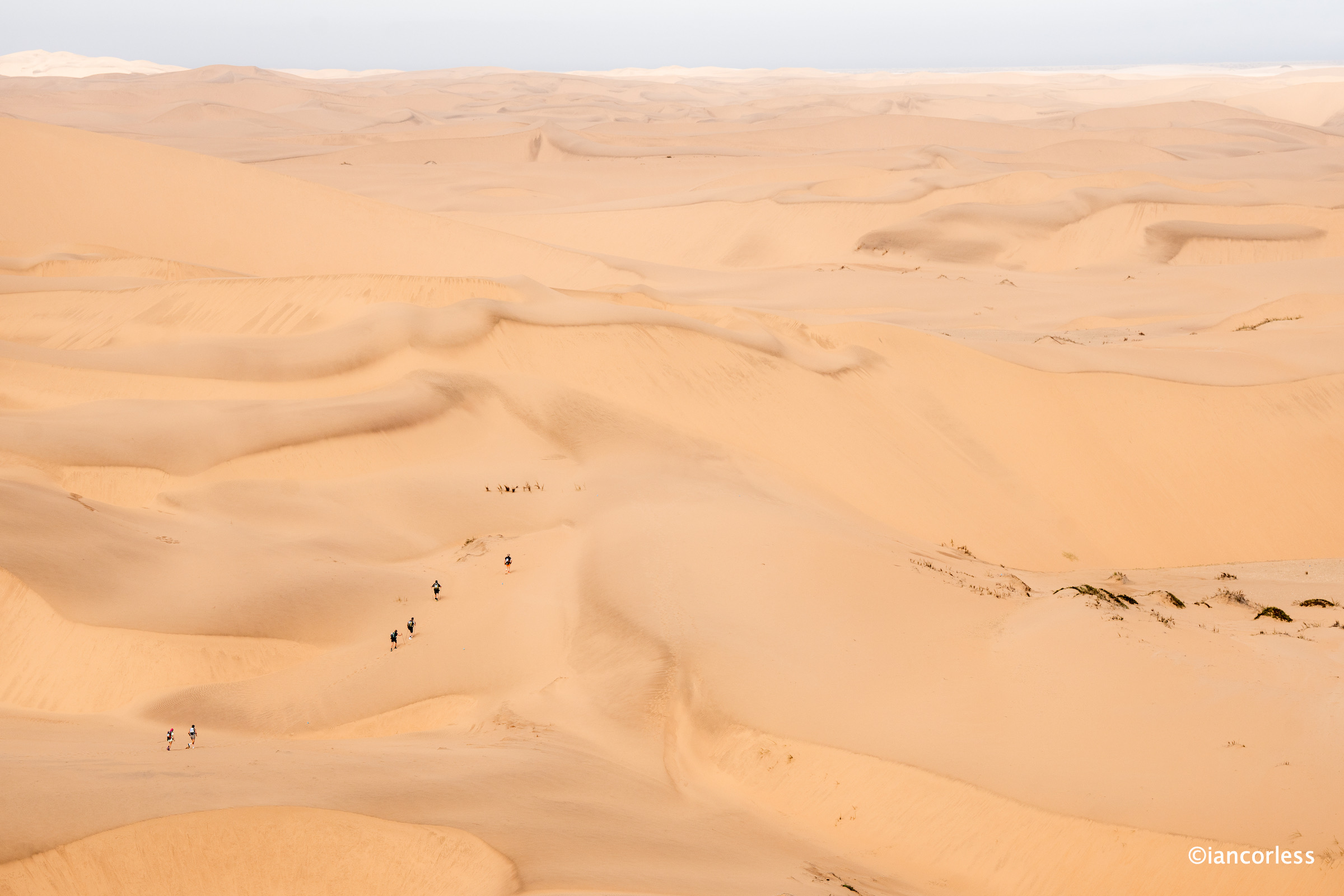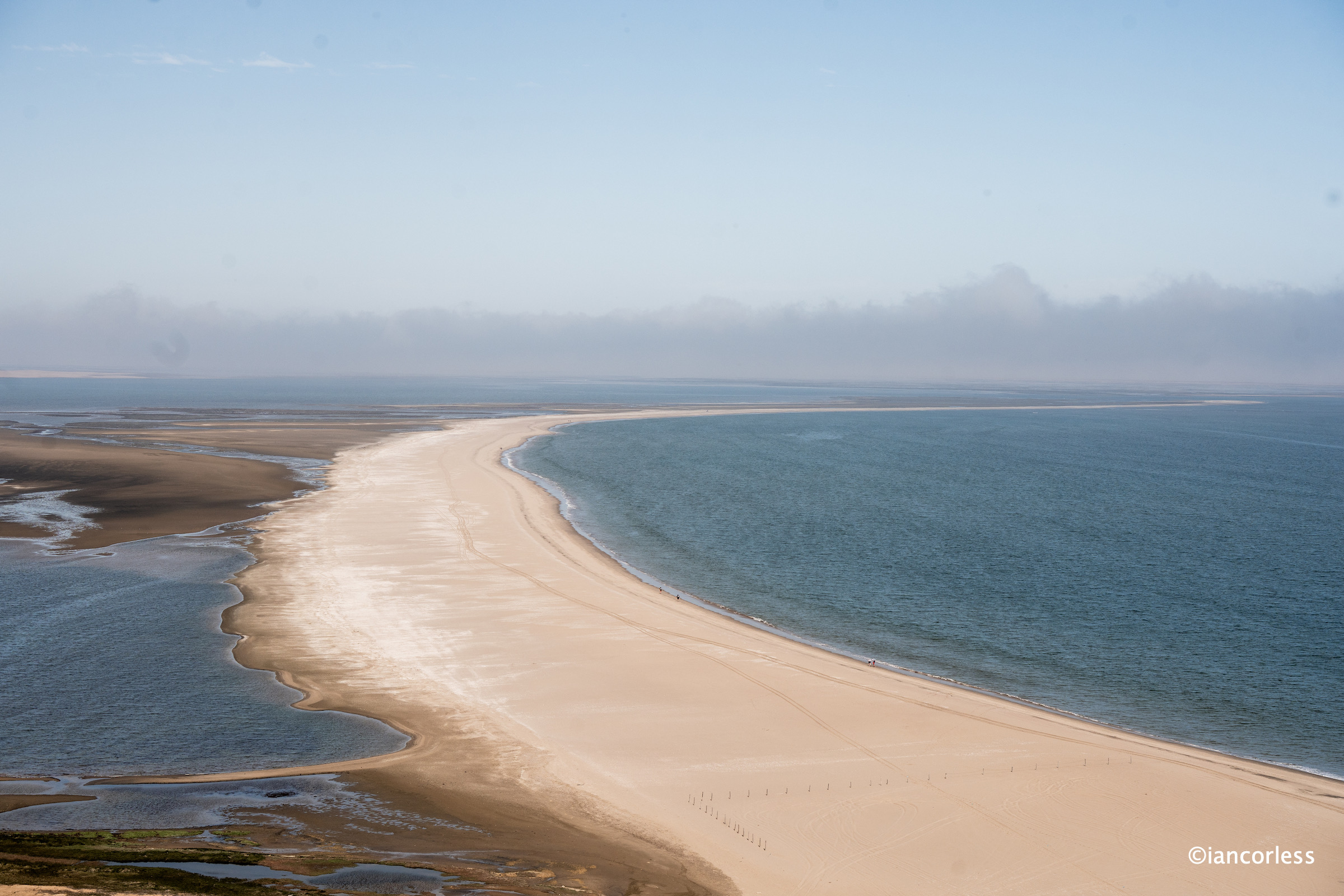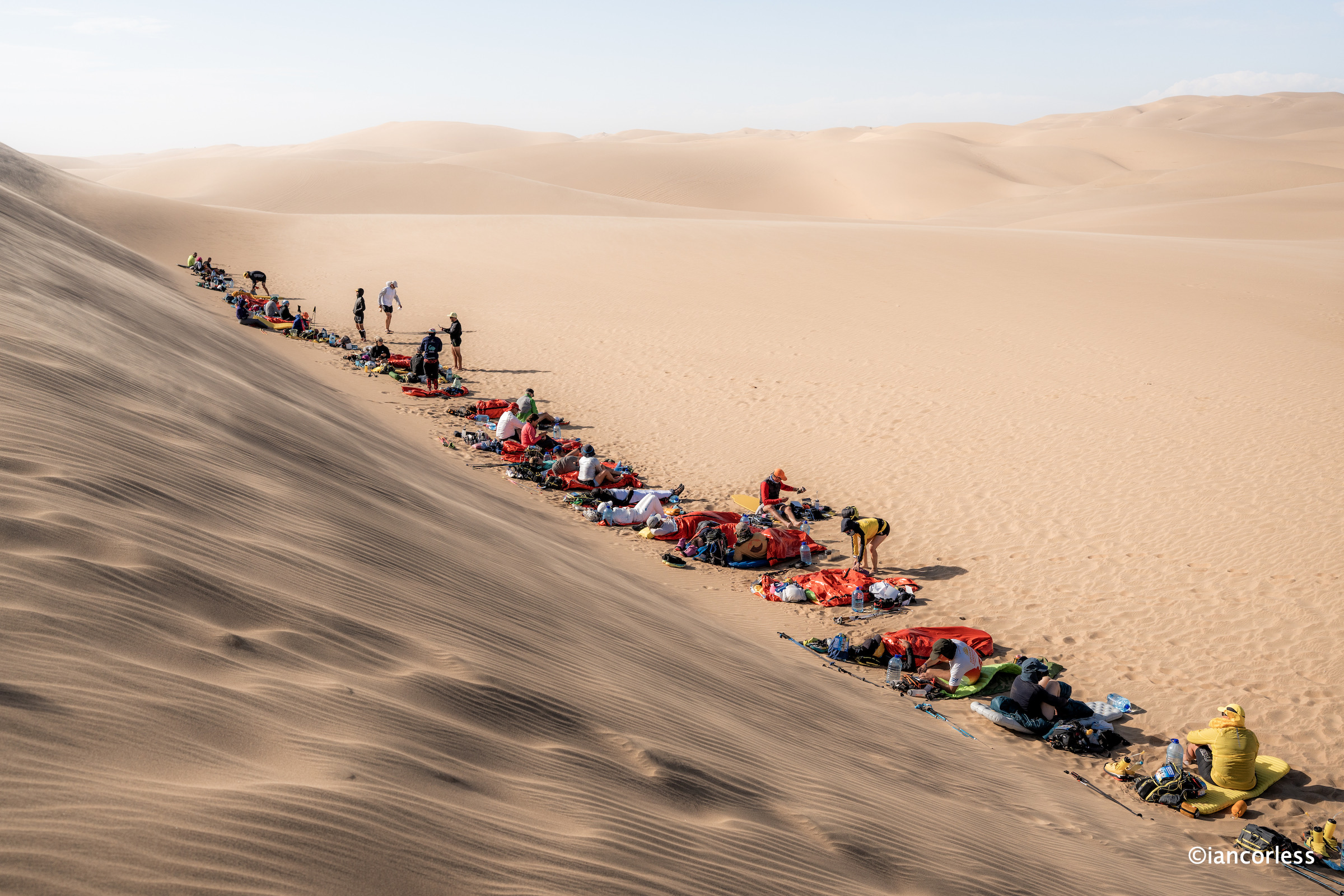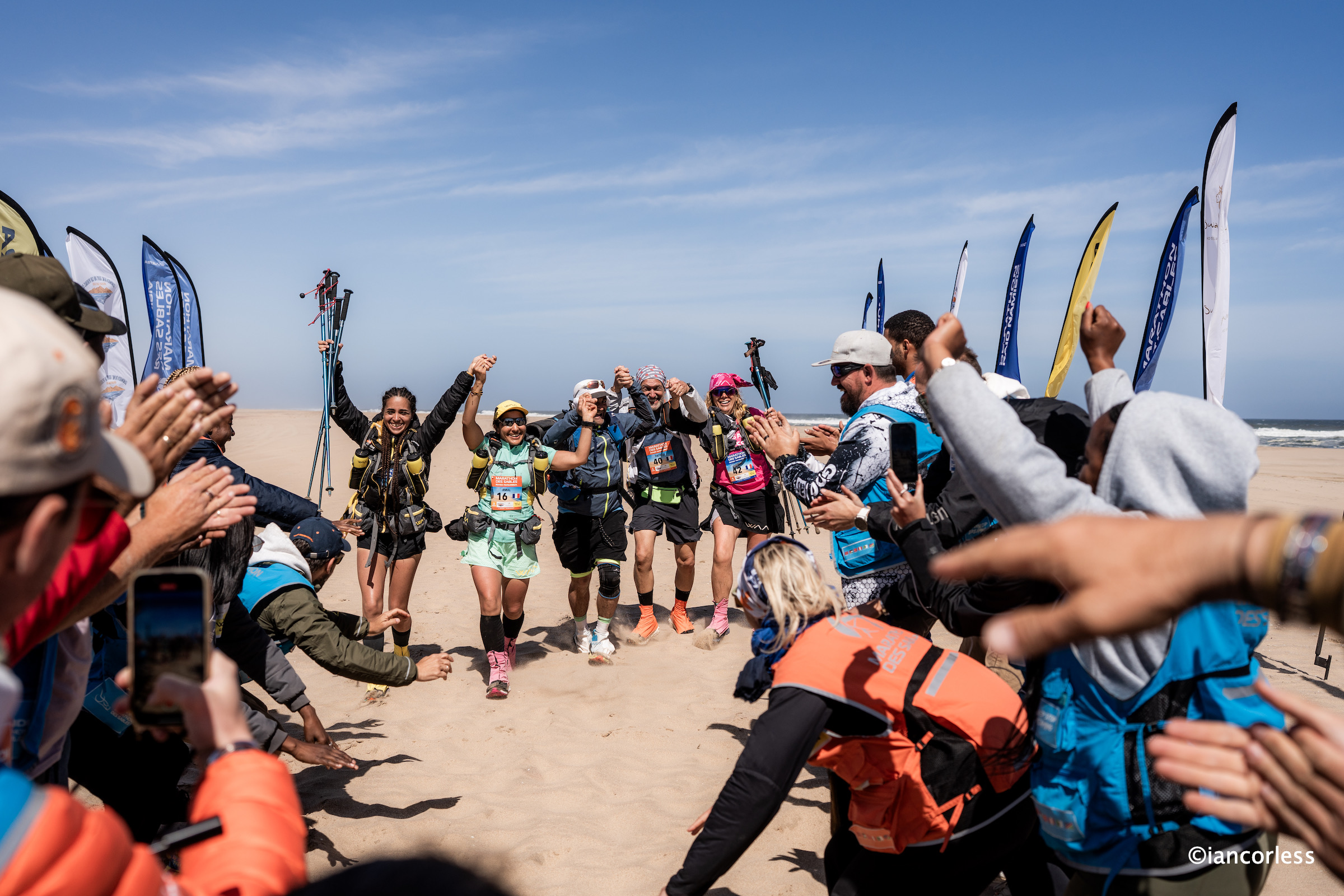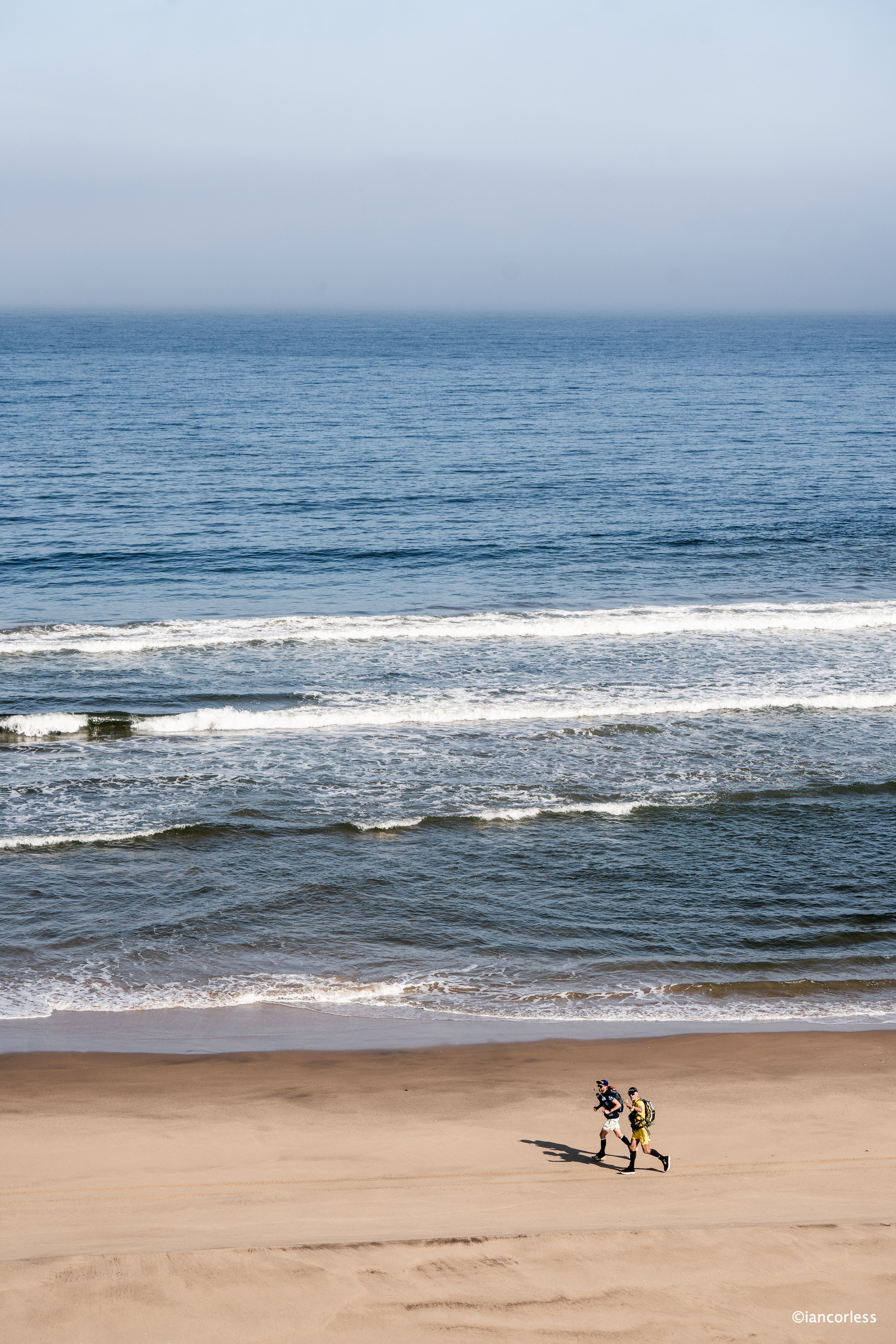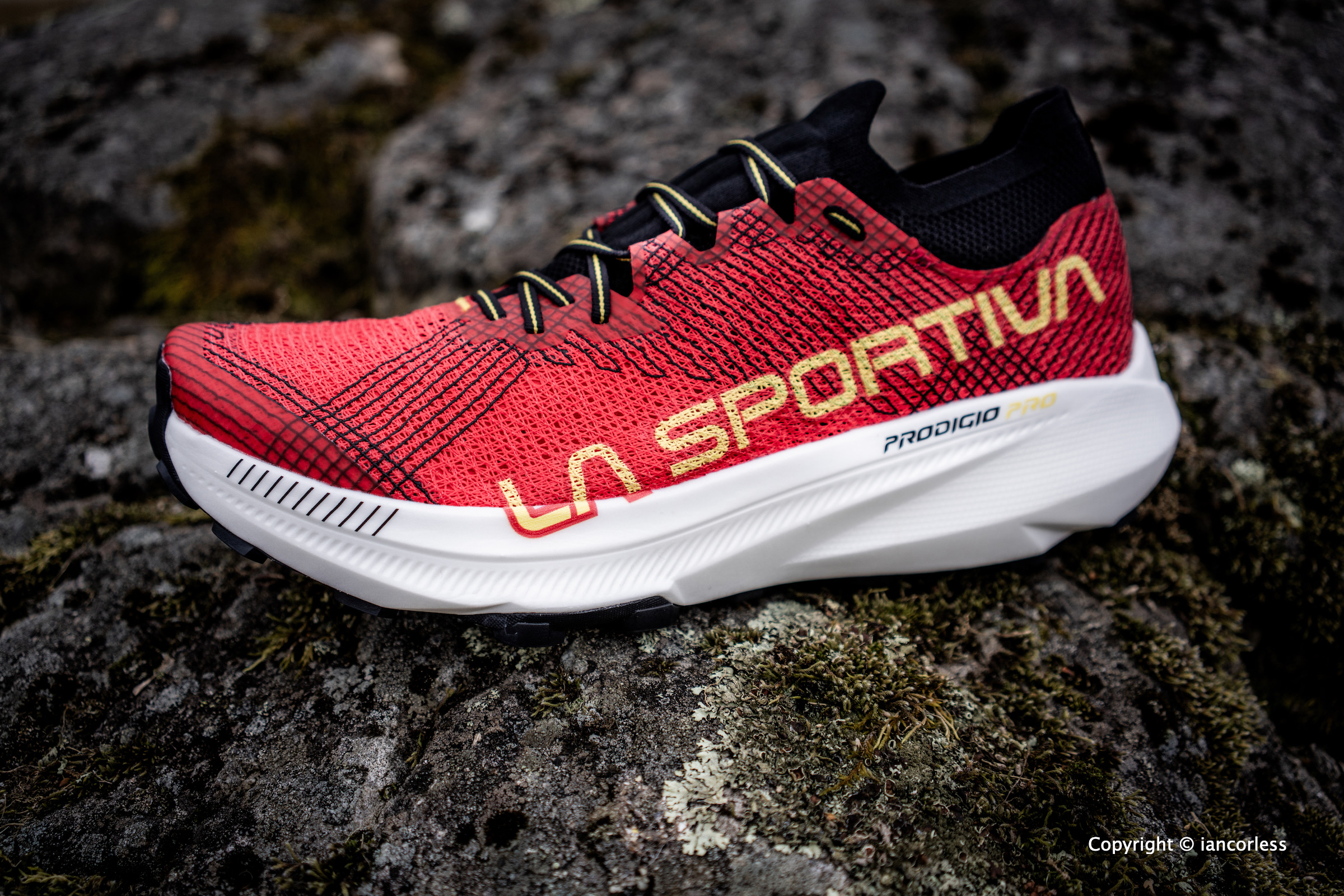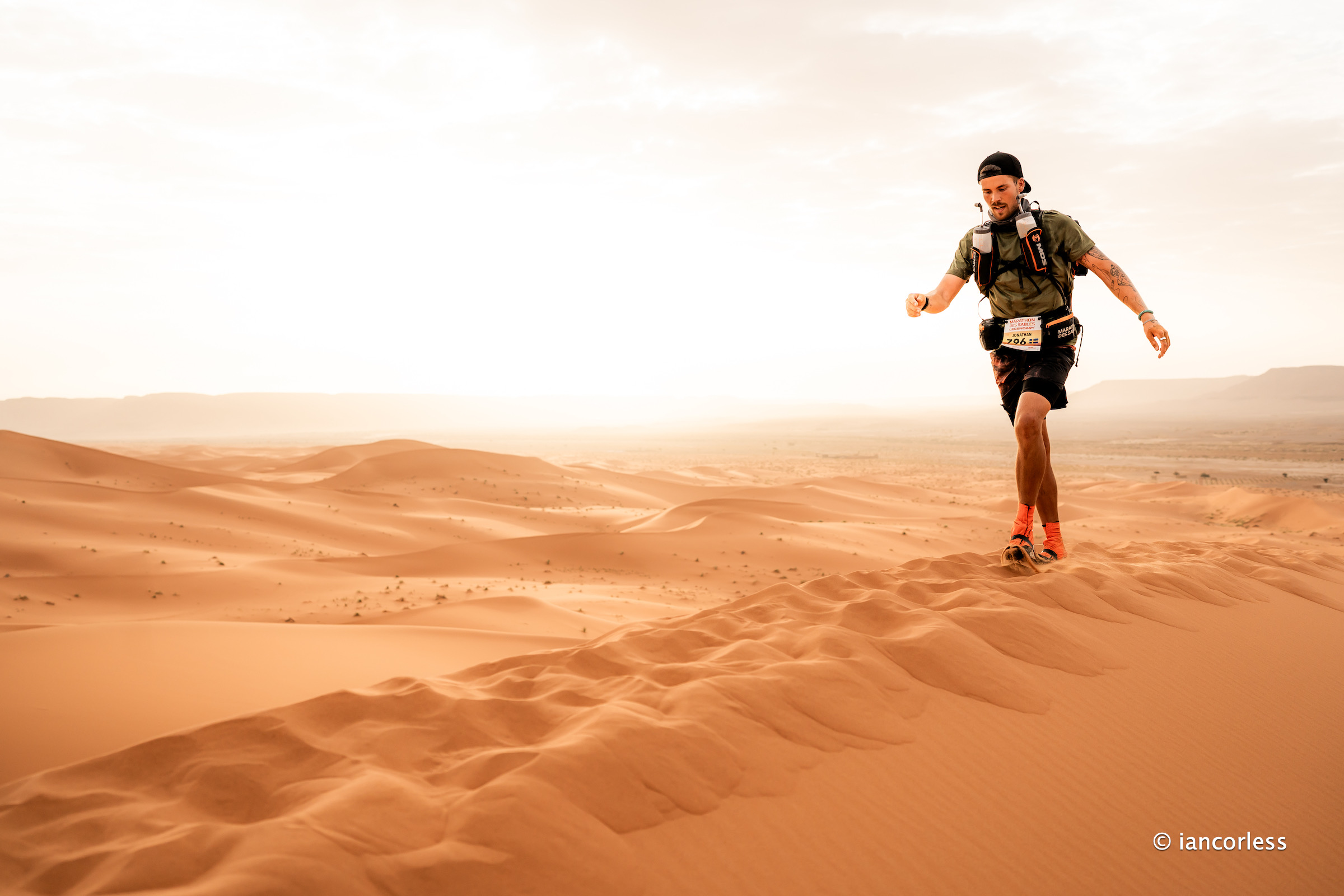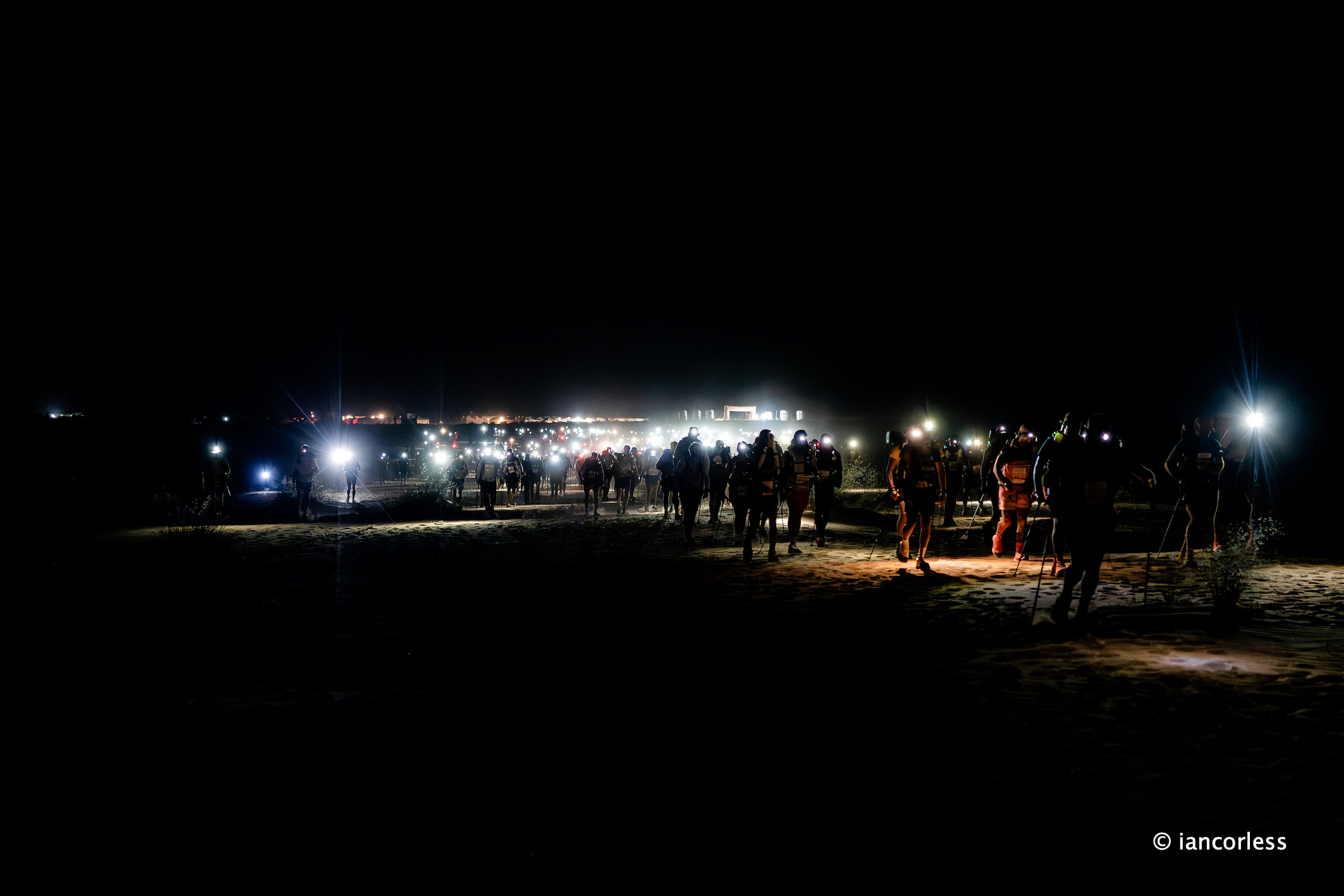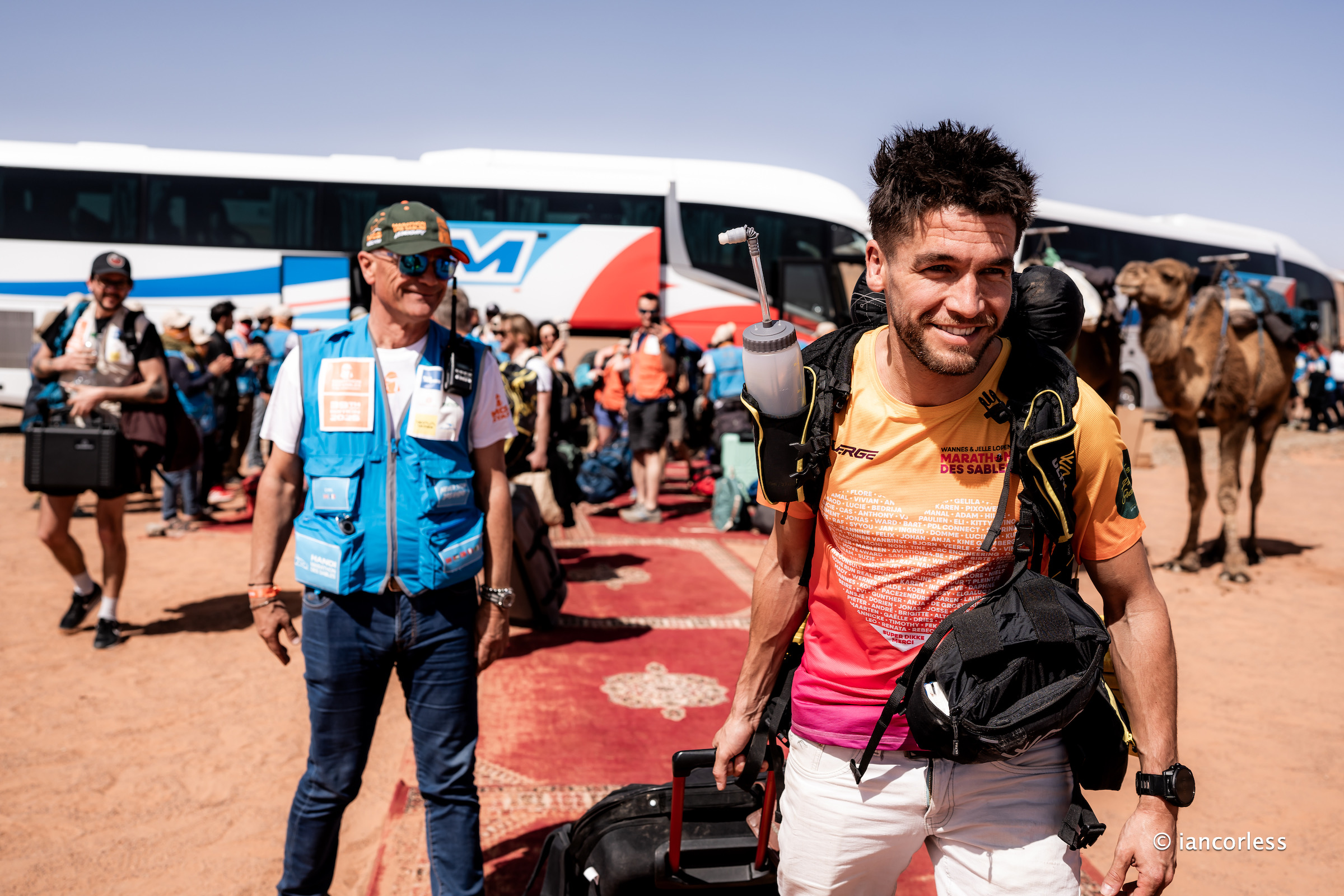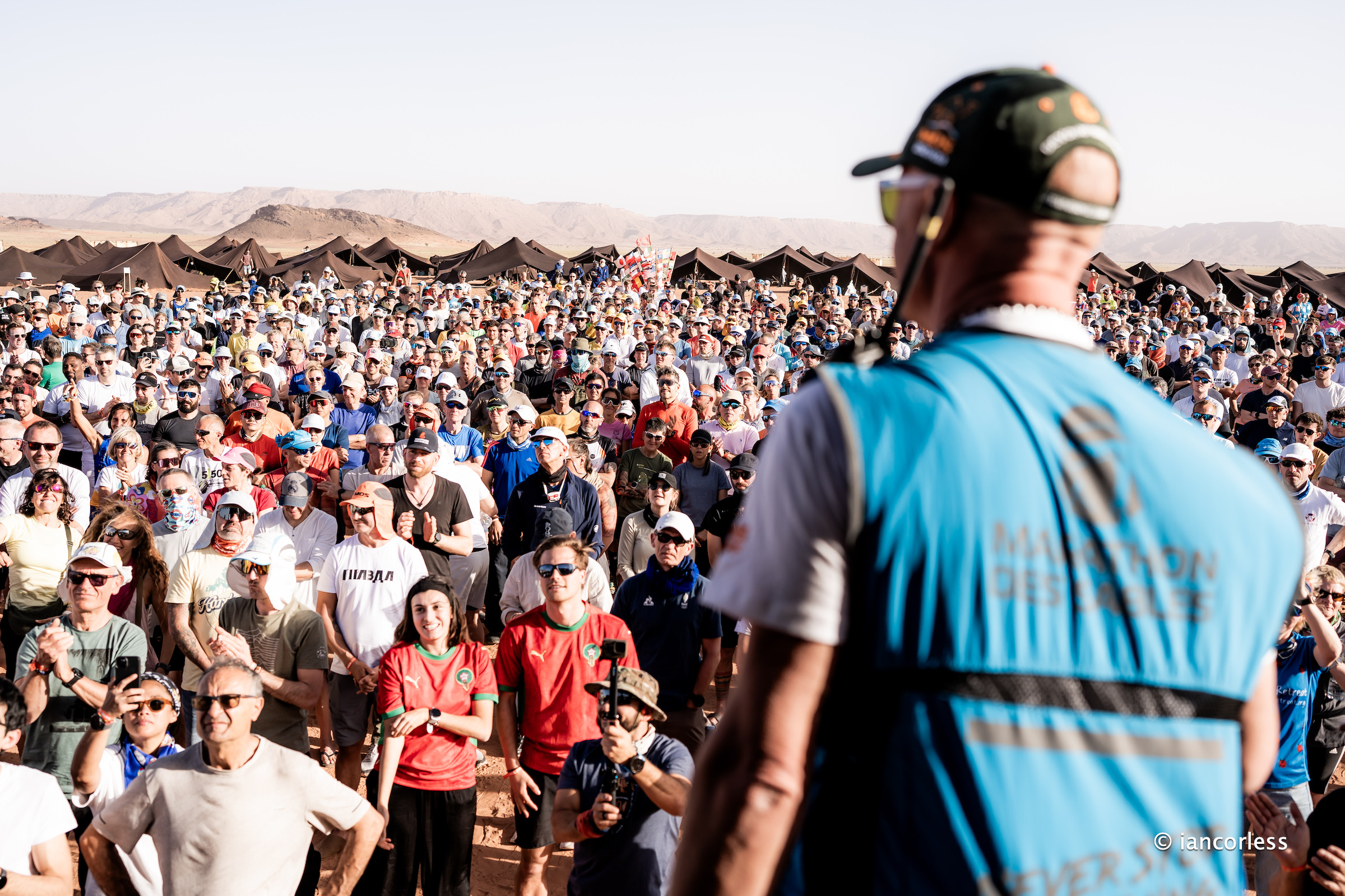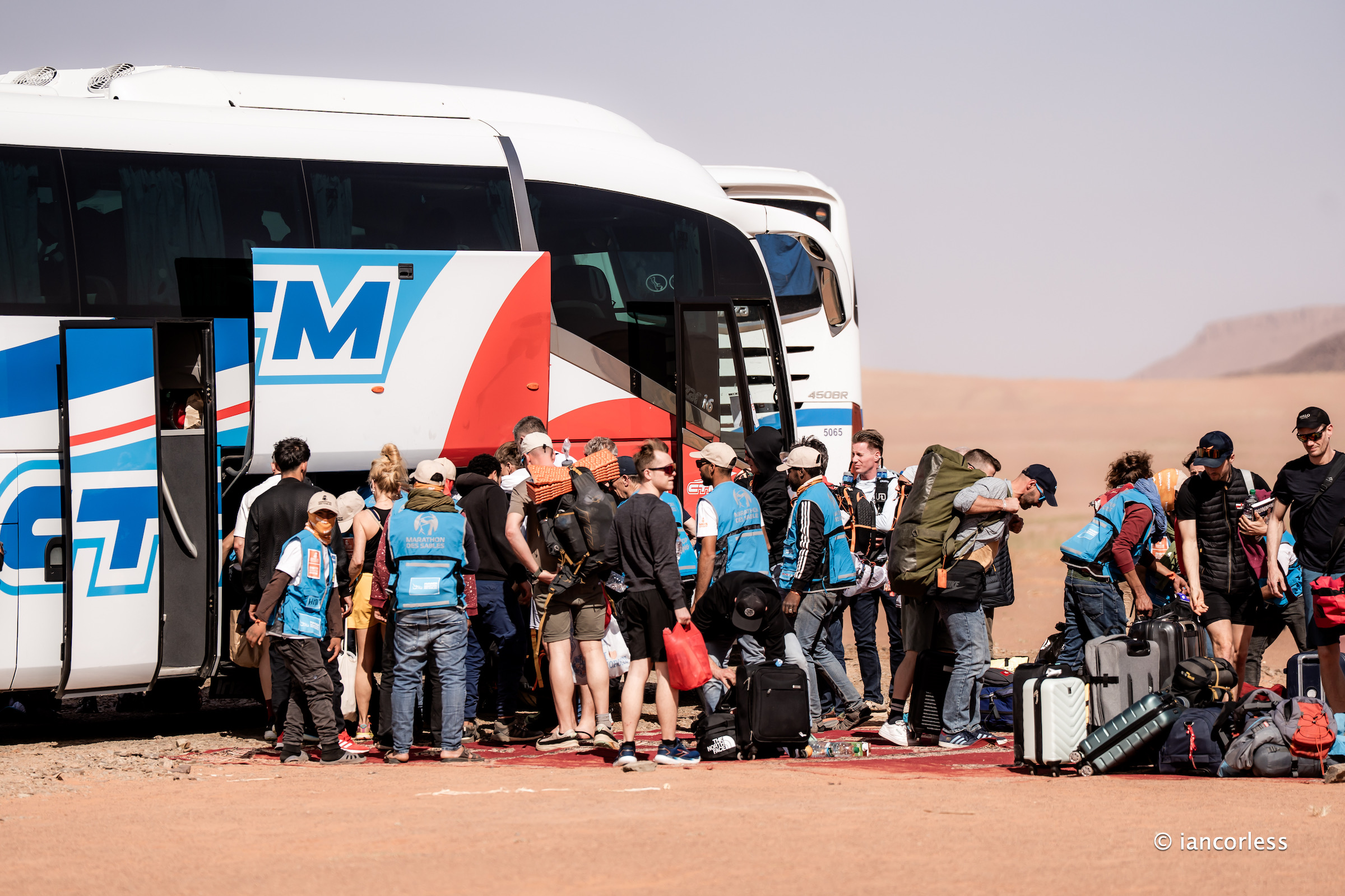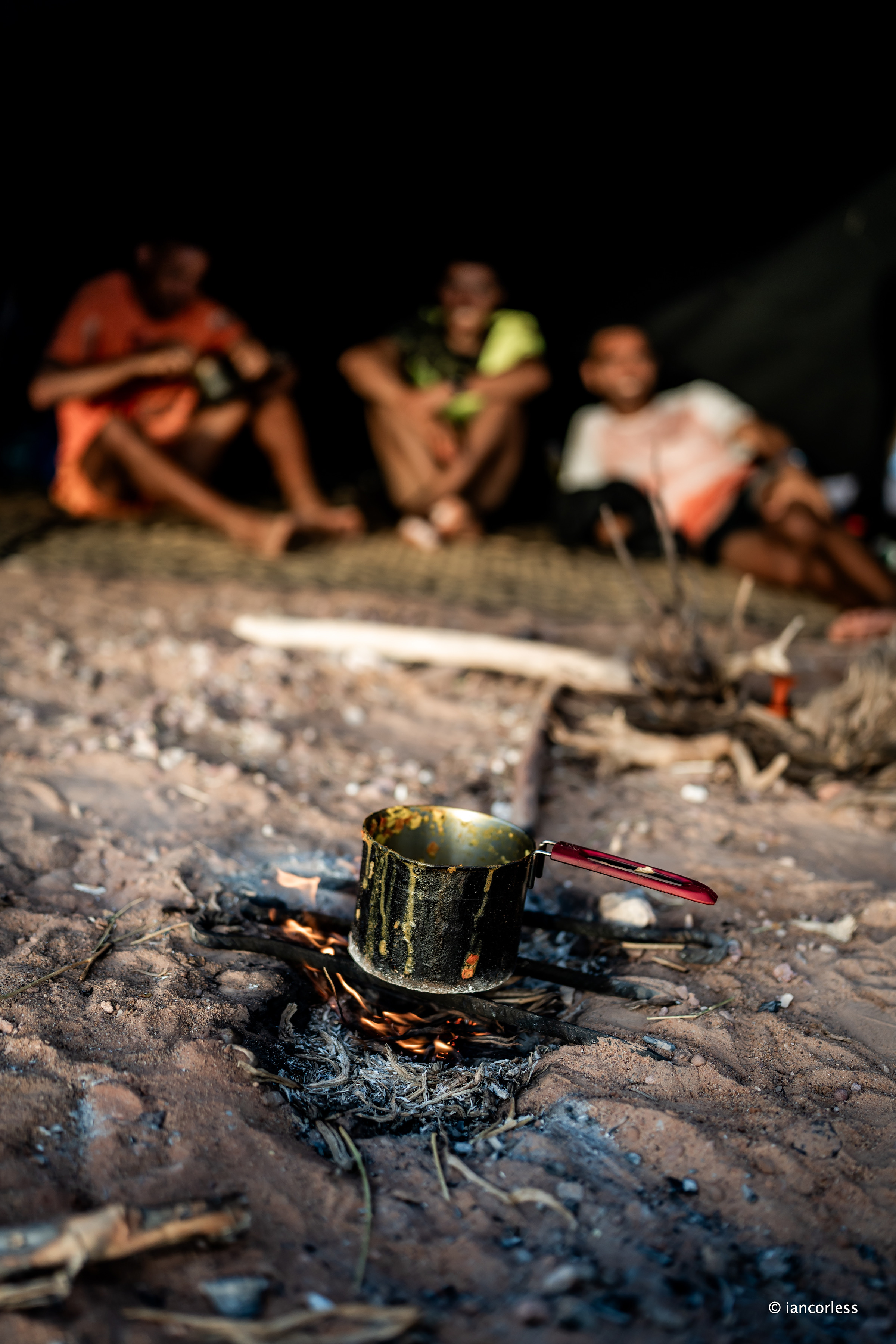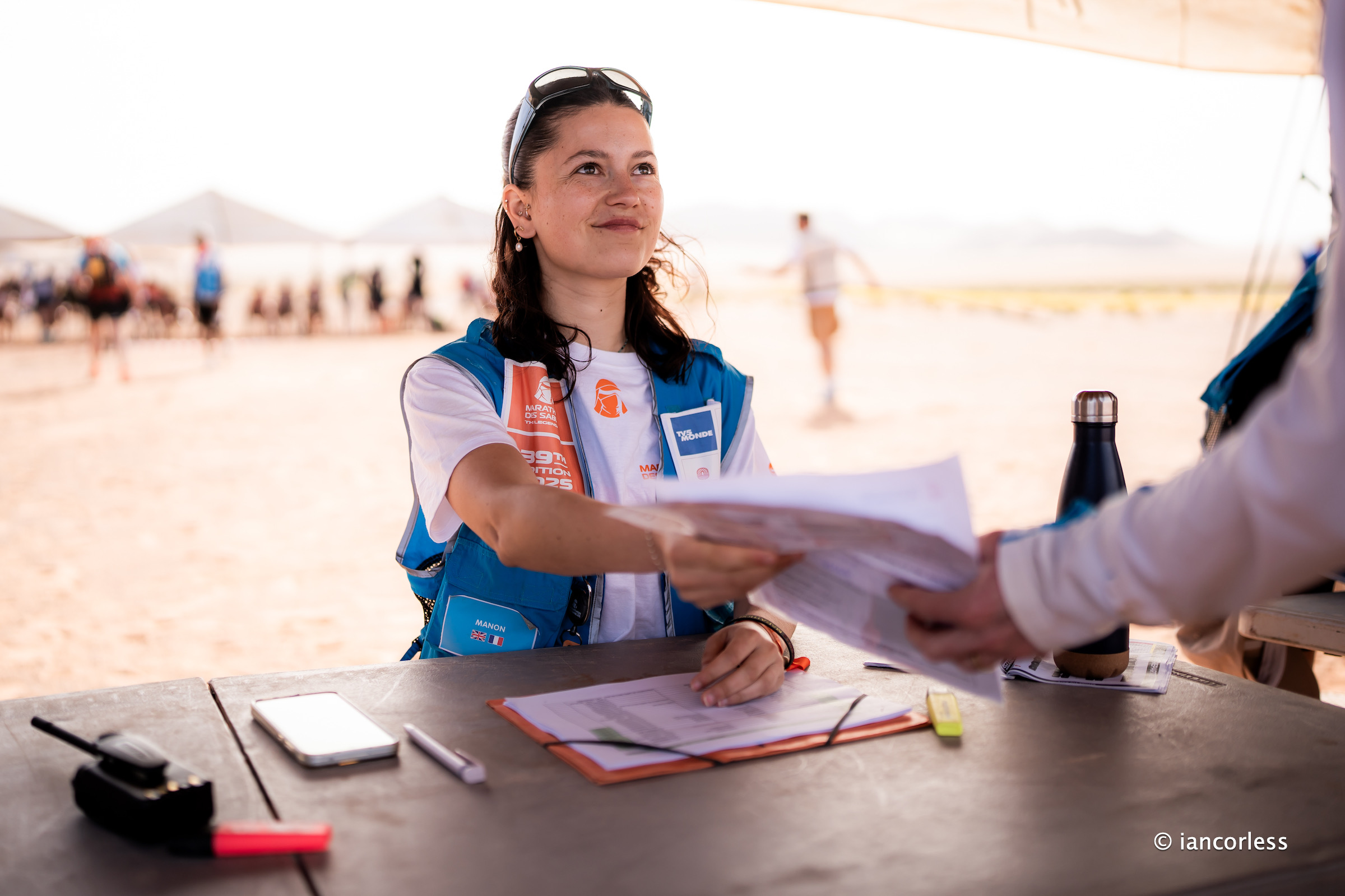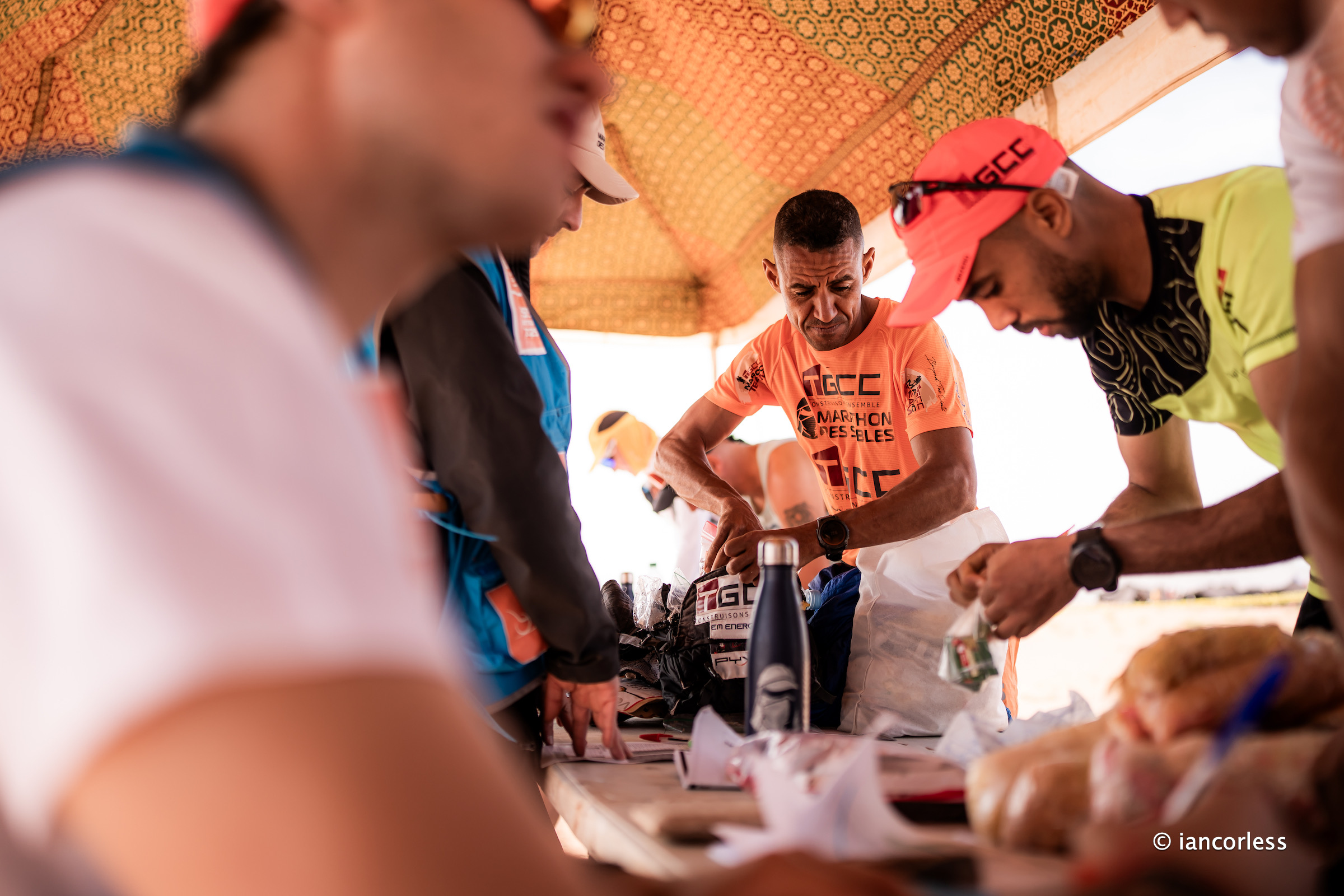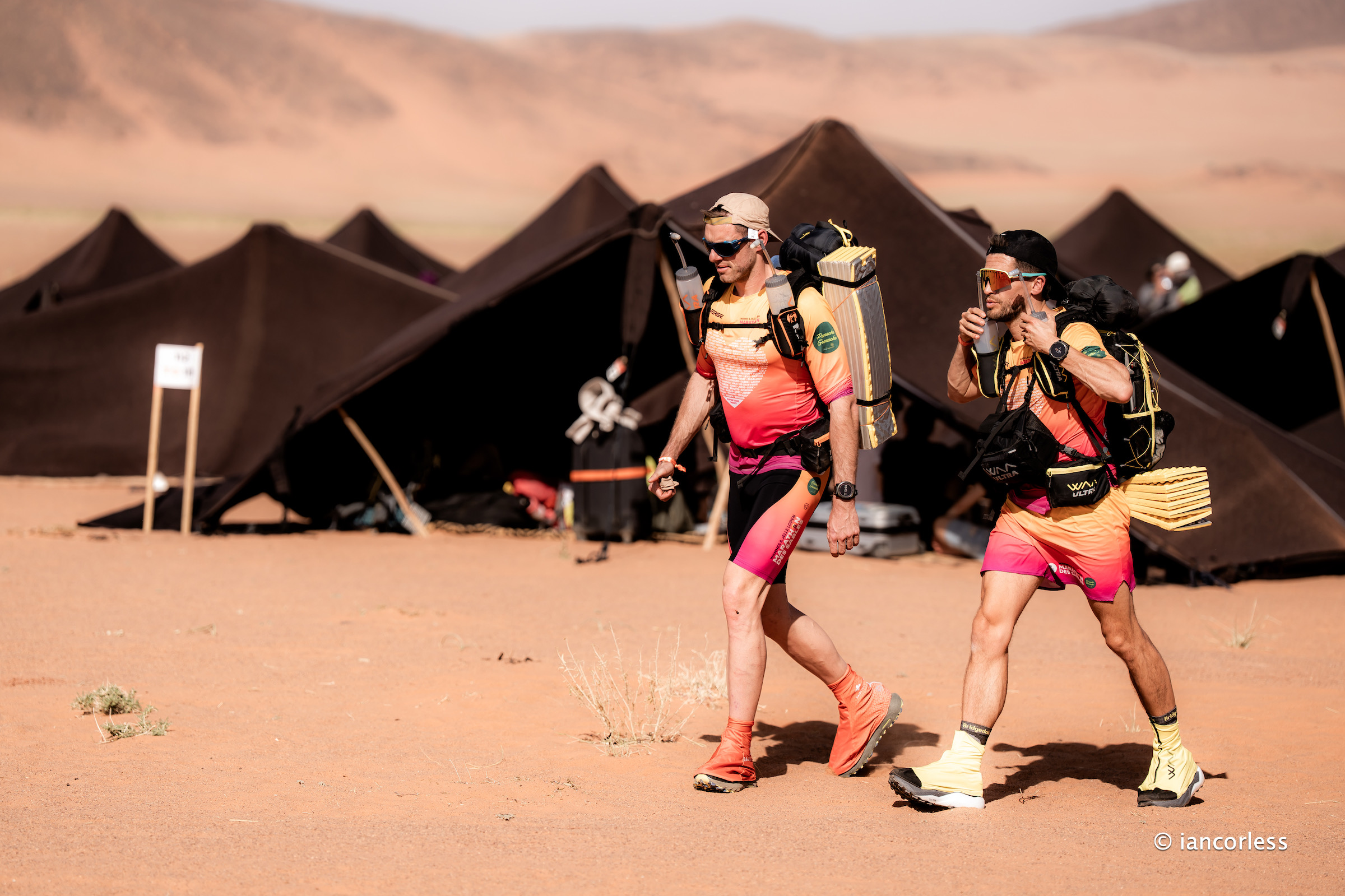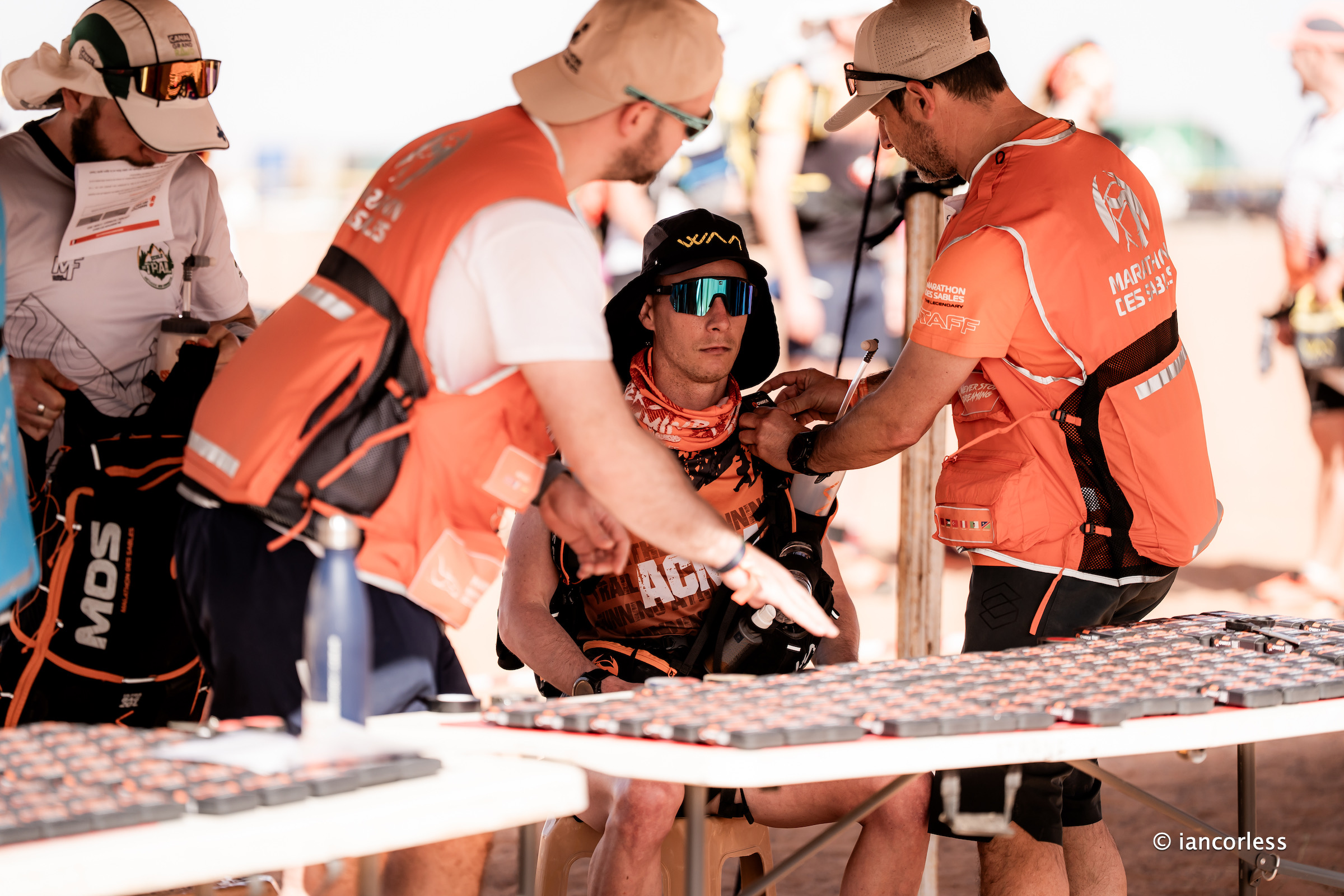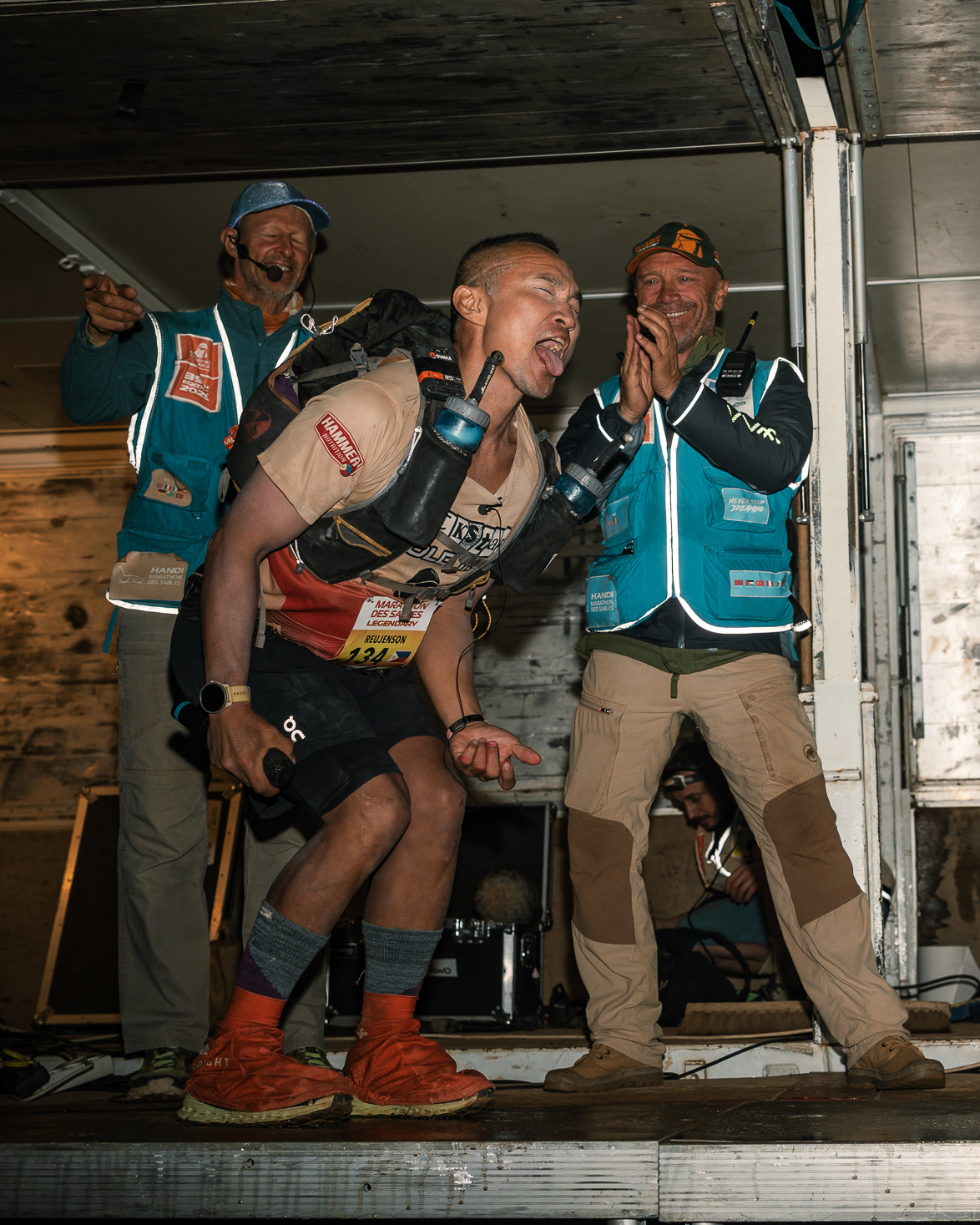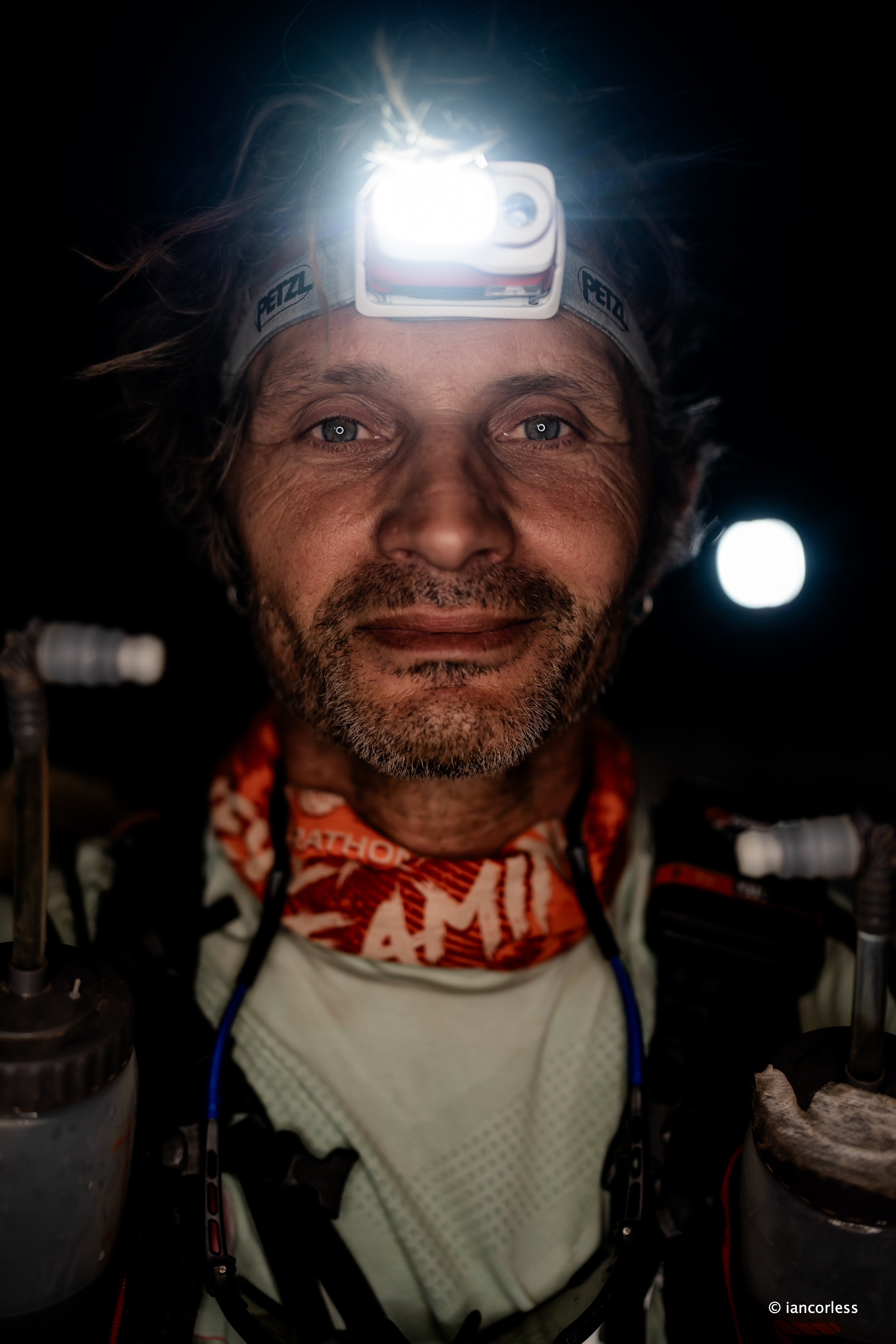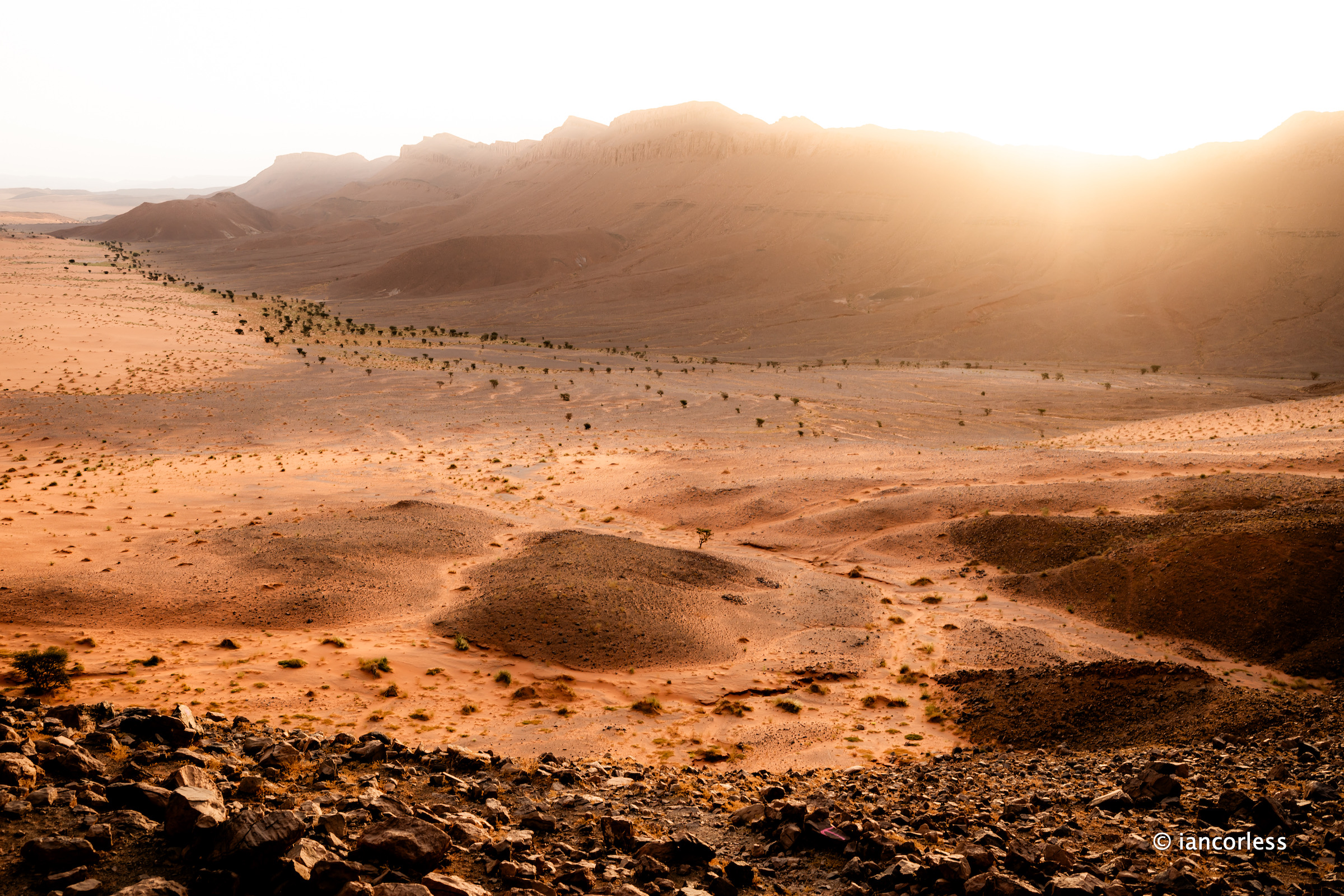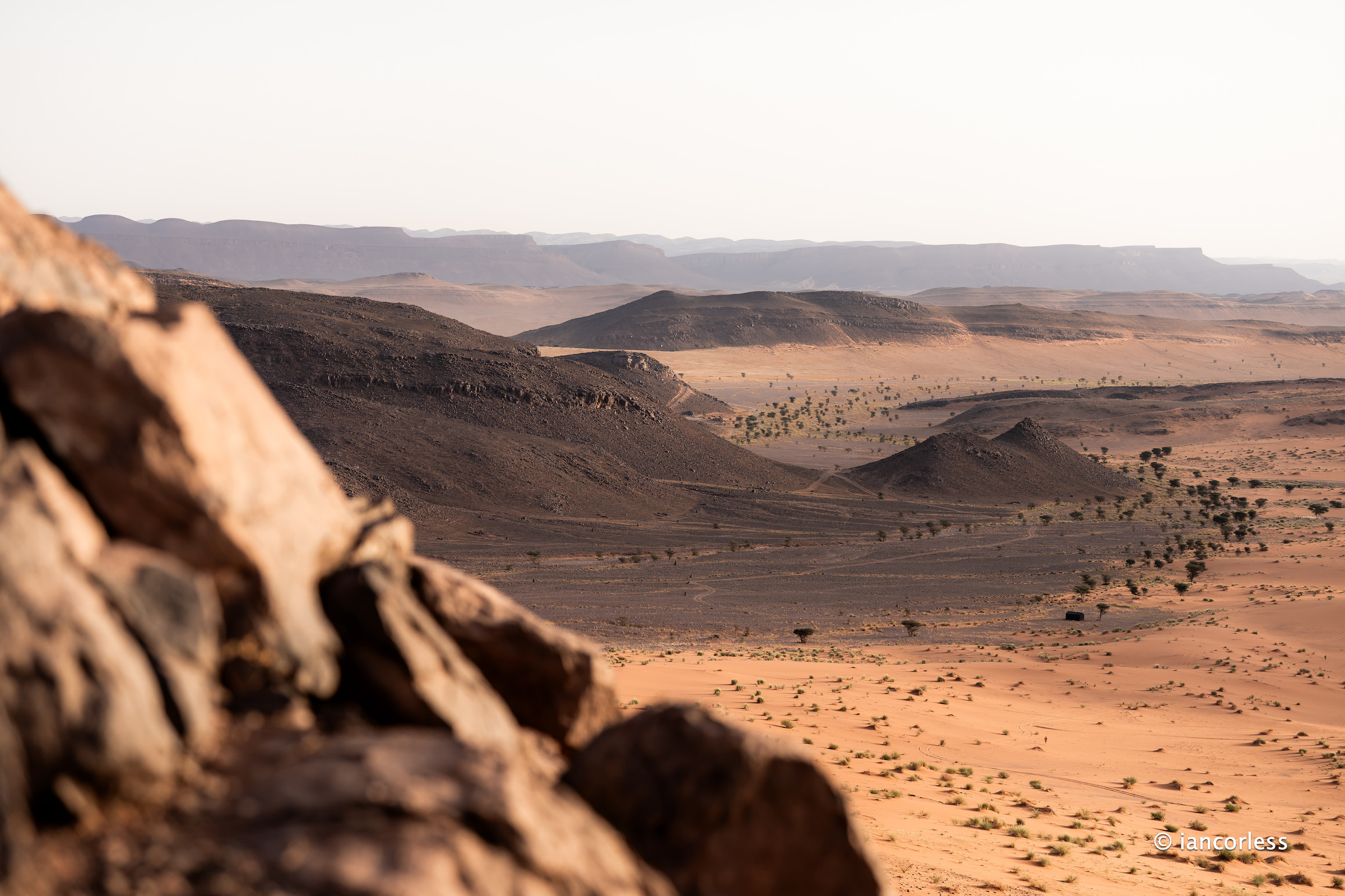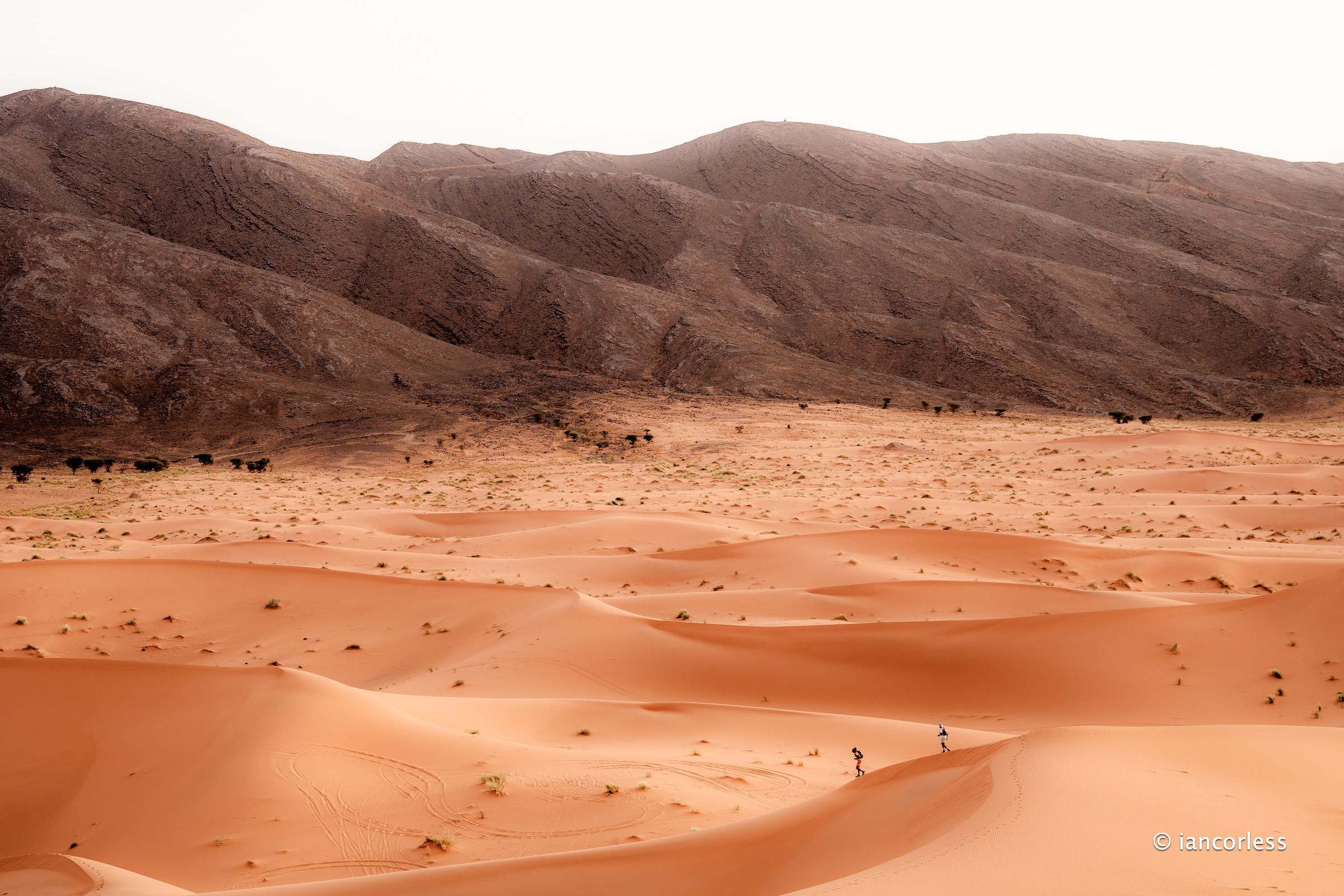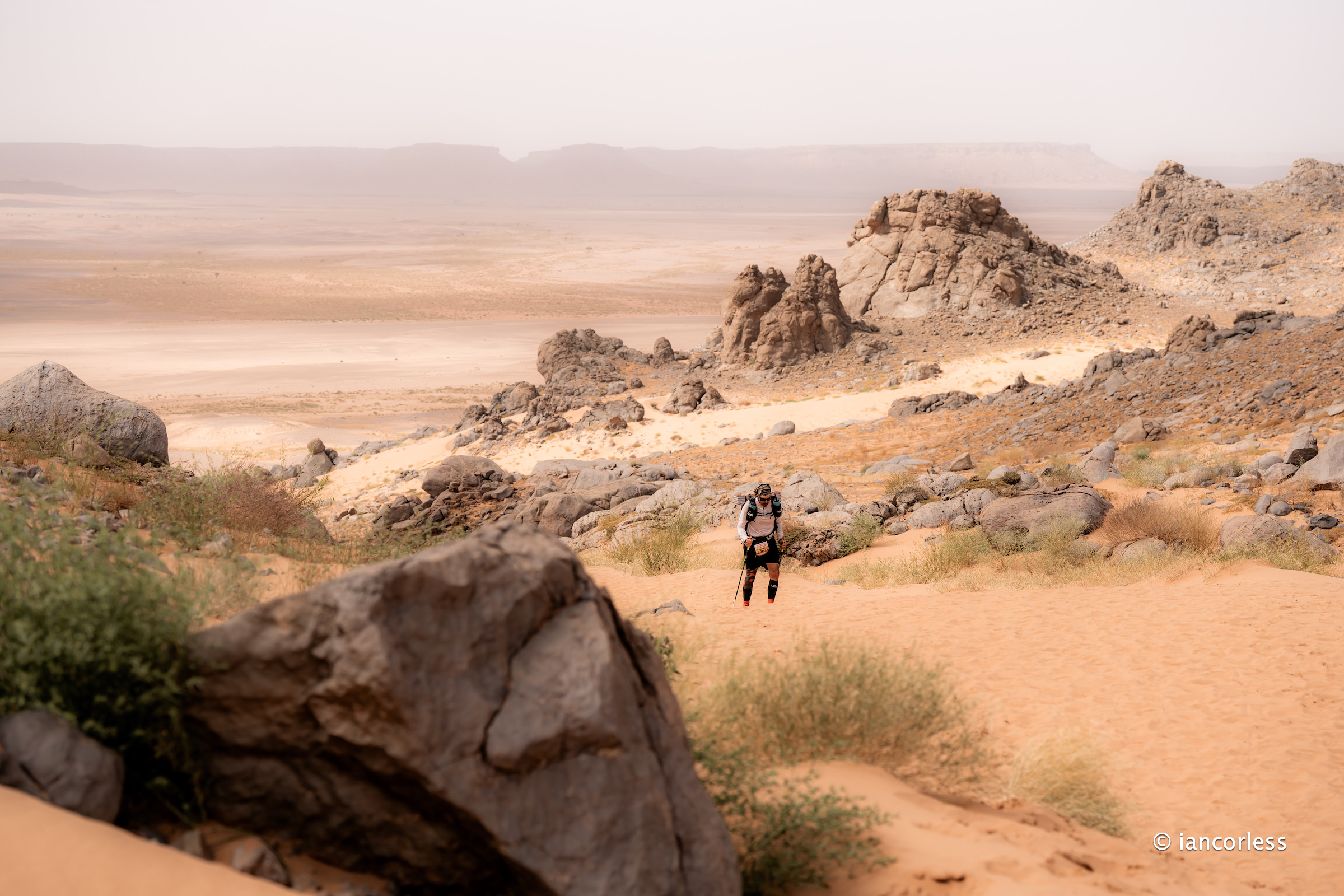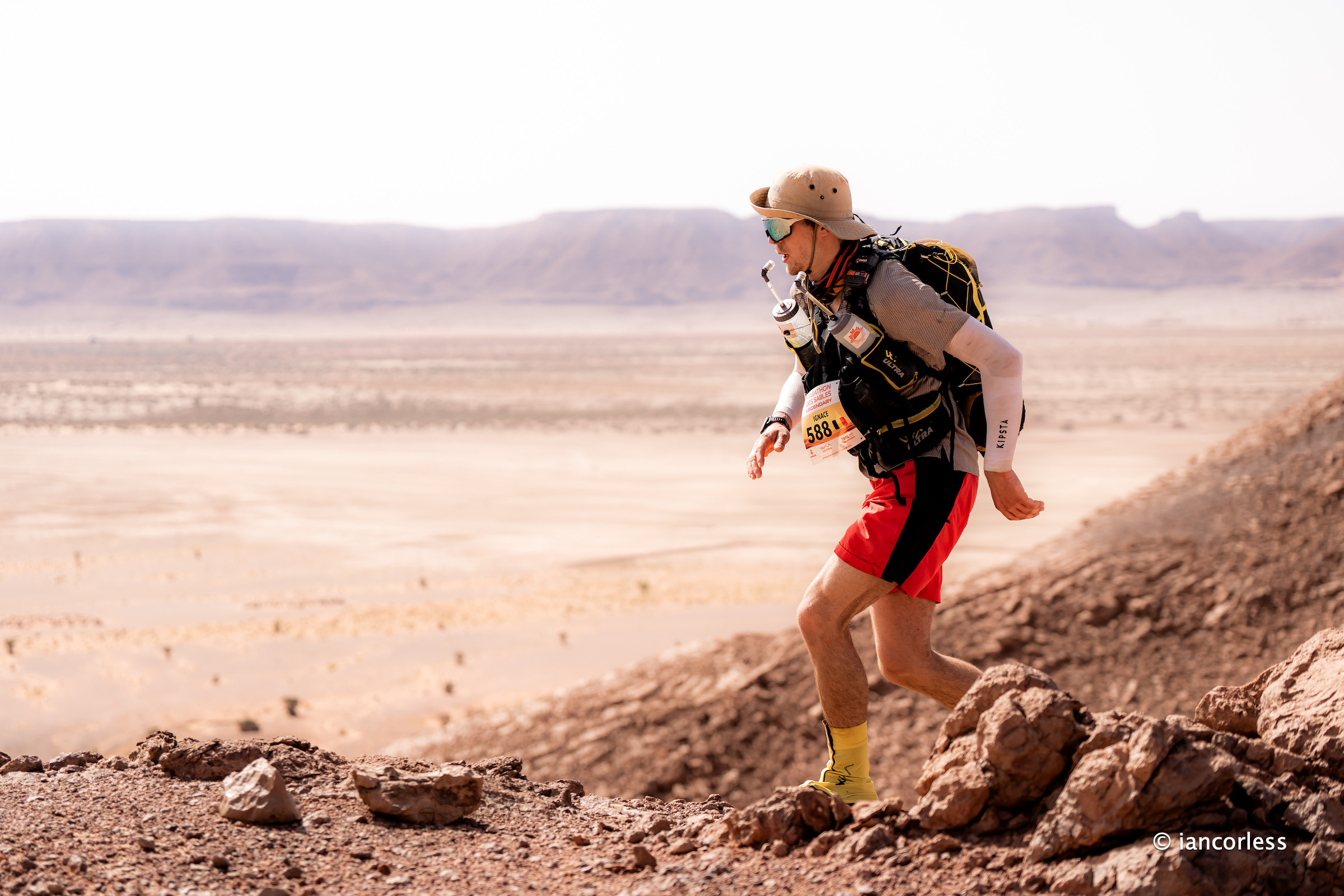
It is race week, the 39th MDS The Legendary is just days away. Today, Tuesday April1st, for many, will be the last full day of preparation before travel starts. Use the time wisely and use this post Countdown to MDS The Legendary 2025 – Three as a place to start to make sure you have everything.
You may be wondering what the race will look like in regards to distance in 2025? If you know where to look, distances are online and as below:
Stage 132km with 312m+ and 0730am start
Stage 240km 614m+ and 0700am start
Stage 332.5km 468m+ and 0730am start
Stage 4 82.2km 690m+ and 0600am start
Rest Day
Stage 542.2km 424m+ and 0630am start
Stage 621.1km 202m+ and 0630am start
Total 250km and 2710m+
You may be wondering how the 2025 distance and vertical compares to 2024, well, it’s almost identical – 2024 was 252.8km and 2788m+ – The long day was on day 3, so, the order was different, however, daily distances are +/- the same.
The only thing you need to do now is go through the following:
Get your checklist and go through everything and make sure you have all you need.
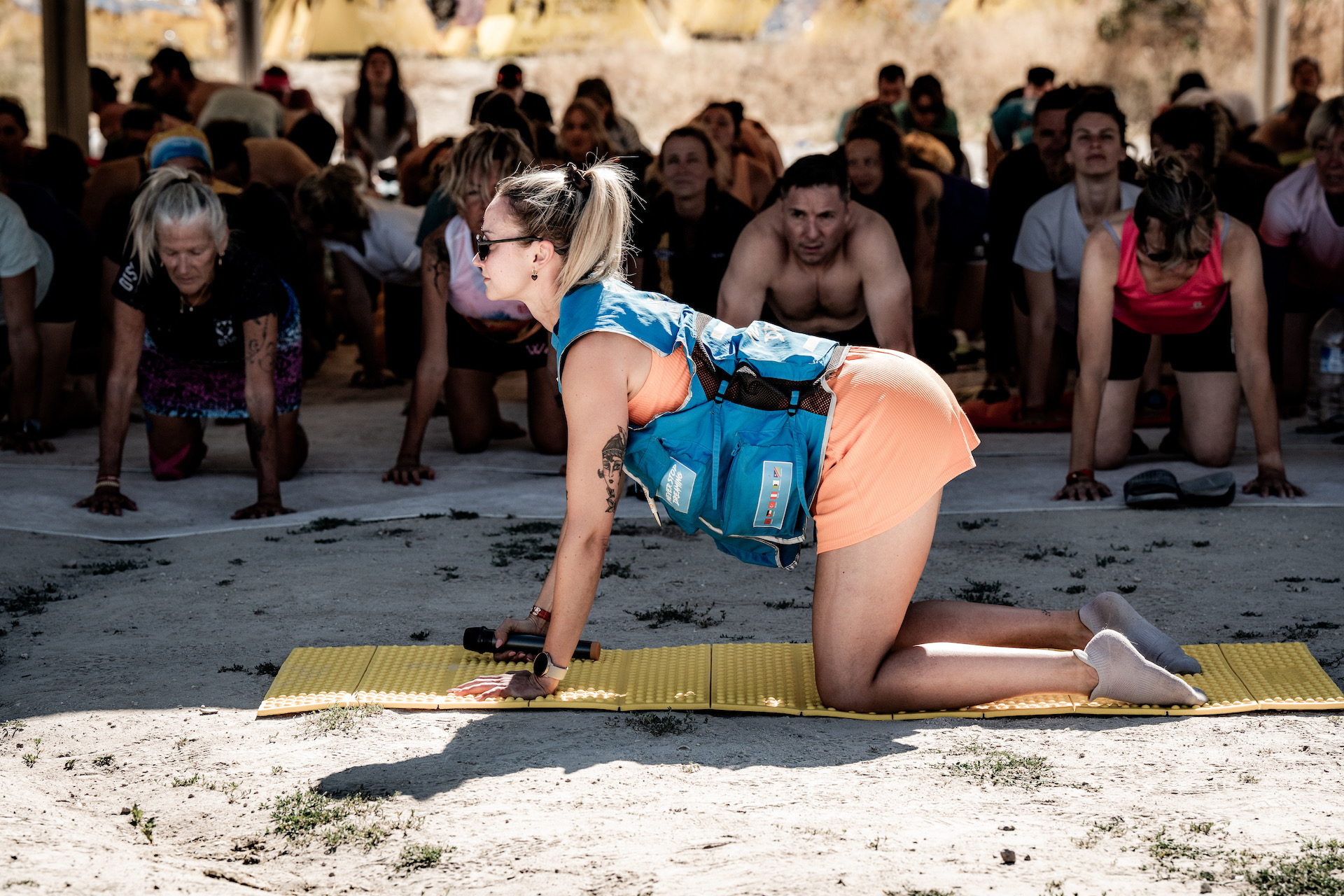
If possible get some heat exposure – Bikram yoga, heat chamber, sauna, hot bath or similar.
Move – your training is done but your body will appreciate some movement, this can be just walking or some easy running with some short strides to loosen up.
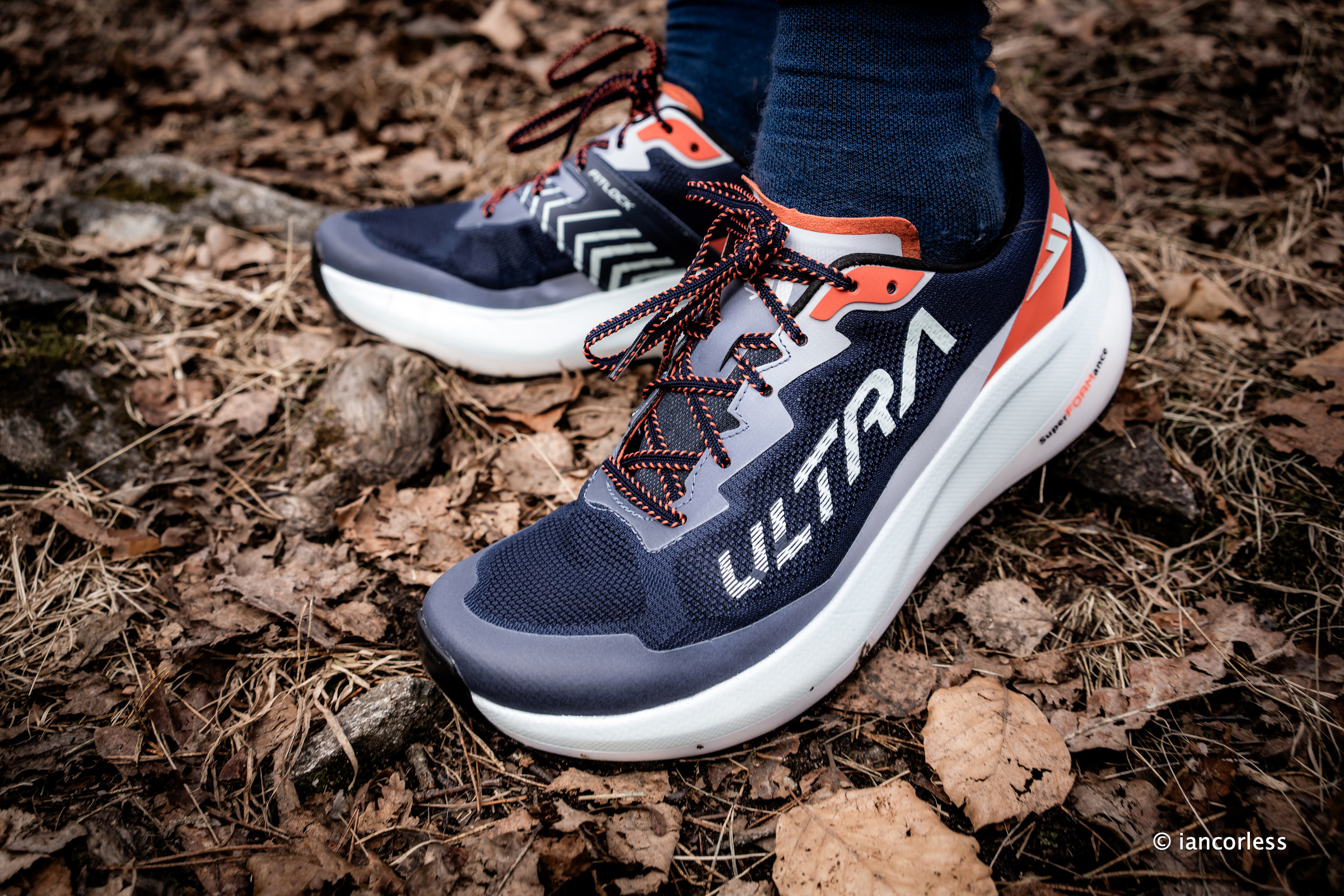
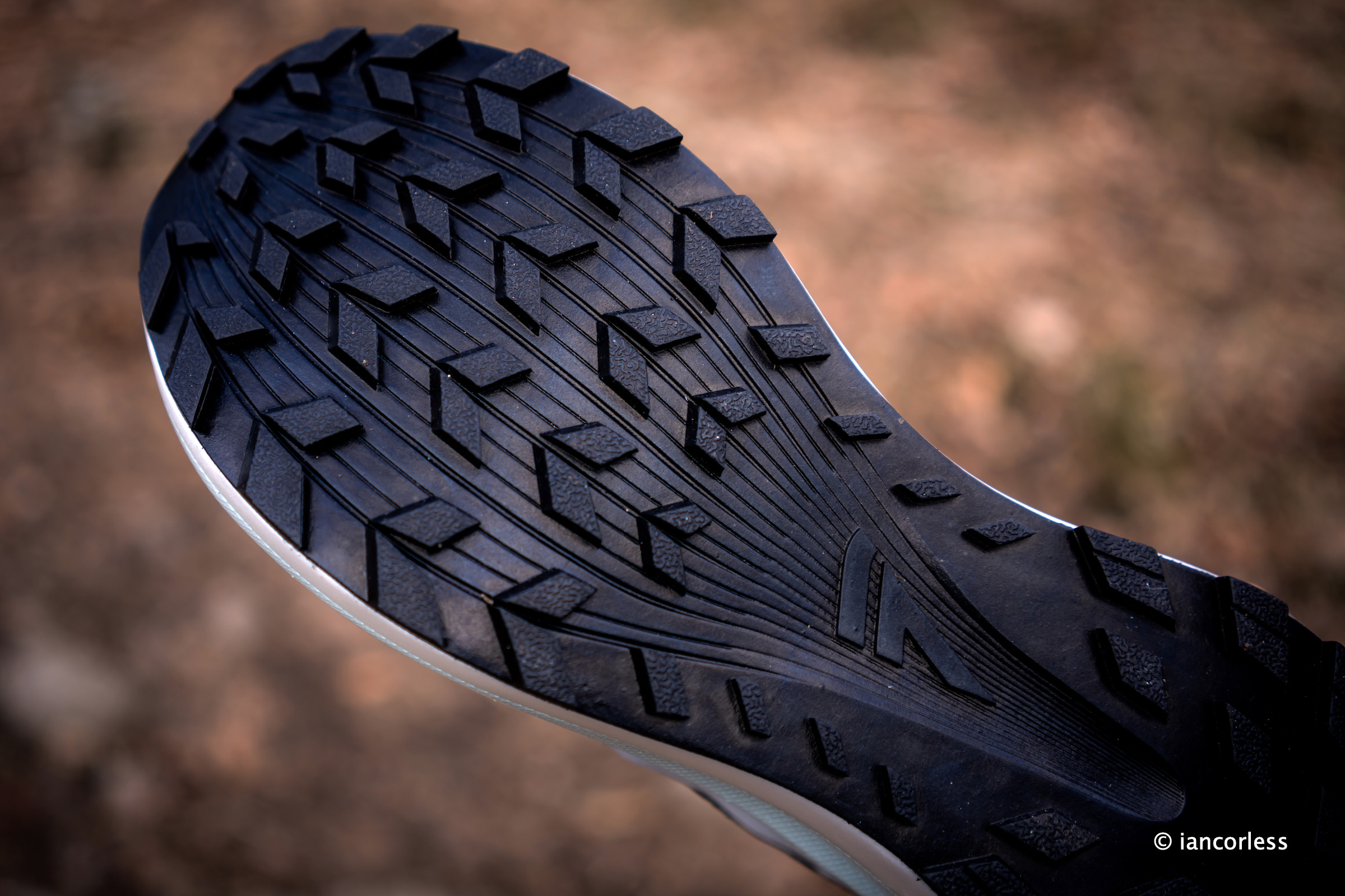
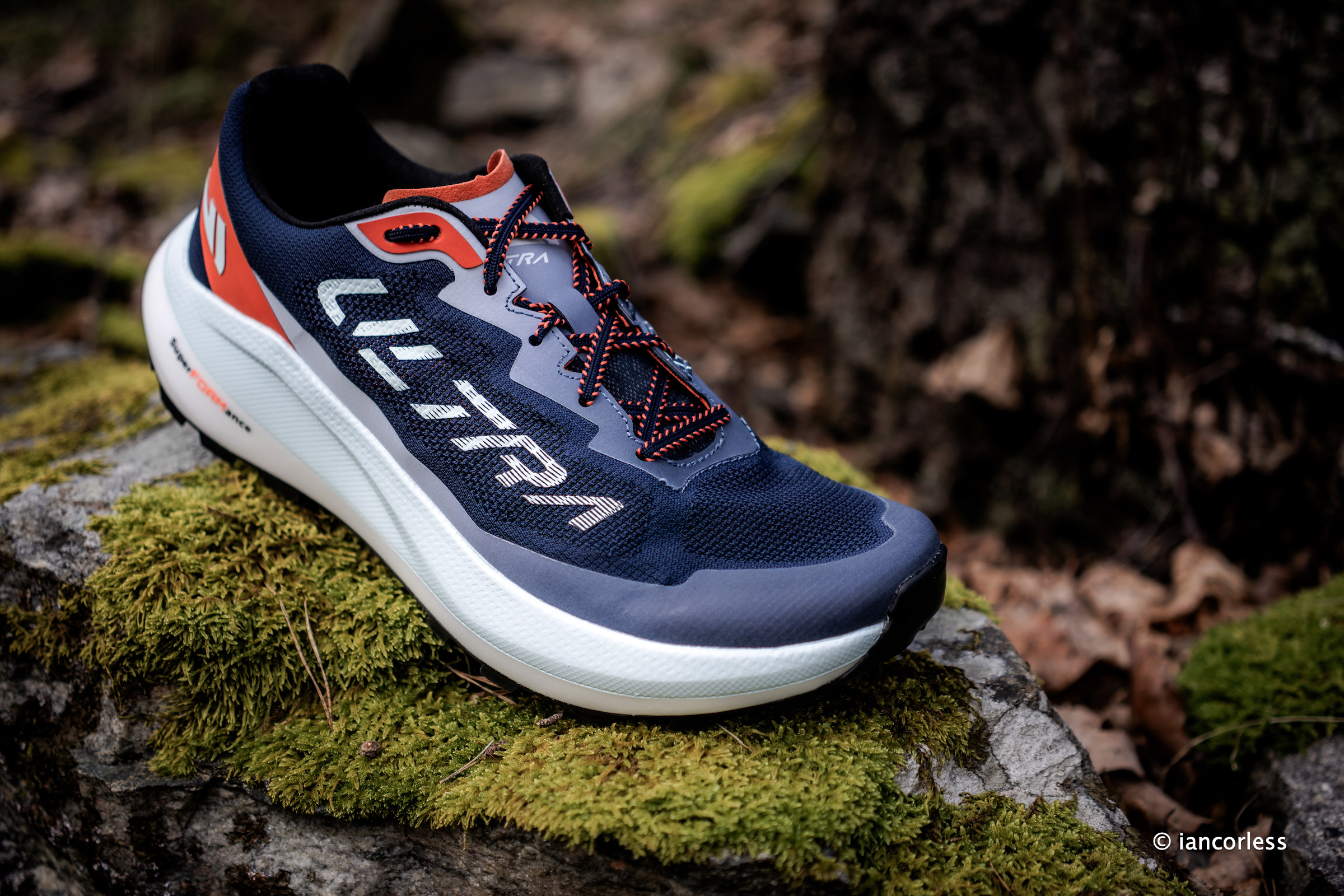
Travel with MDS pack and all equipment (ex poles and knife) and wear race shoes.
Take extra clothing and items in check-in luggage so you can fine tune equipment when in the Sahara.
Remember you are self-sufficient in the desert for the days before the race, have enough food and any drinks you require. Water is provided.
You are in the final 2-weeks for MDS The Legendary.
With this in mind, we follow up the conference calls that took place on Friday March 21st with a summary.
First and foremost, the conference calls were recorded and you can view them on YouTube, the english version is as below.
SUMMARY NOTES AND KEY POINTS
The adventure will be here soon, do not worry, keep calm, 80% of you are first time participants.
Here we will go over the key information about the race.
Logistics
Passport – keep it handy and make sure you don’t forget it! Make sure you have at leat 6 months validity.
Wear race clothing for travel including shoes and gaiters.
Take RACE PACK with all contents as carry-on luggage, this includes the food. The only items you must check-in are poles and knife/ scissors etc.
MDS admin send you a procedure via newsletter in case your checked bag gets lost.
There will also be a pre-race shop at bivouac if needed, this will not have an exhaustive amount of equipment, but it may help in an emergency.
What happens when you land in Marrakech?
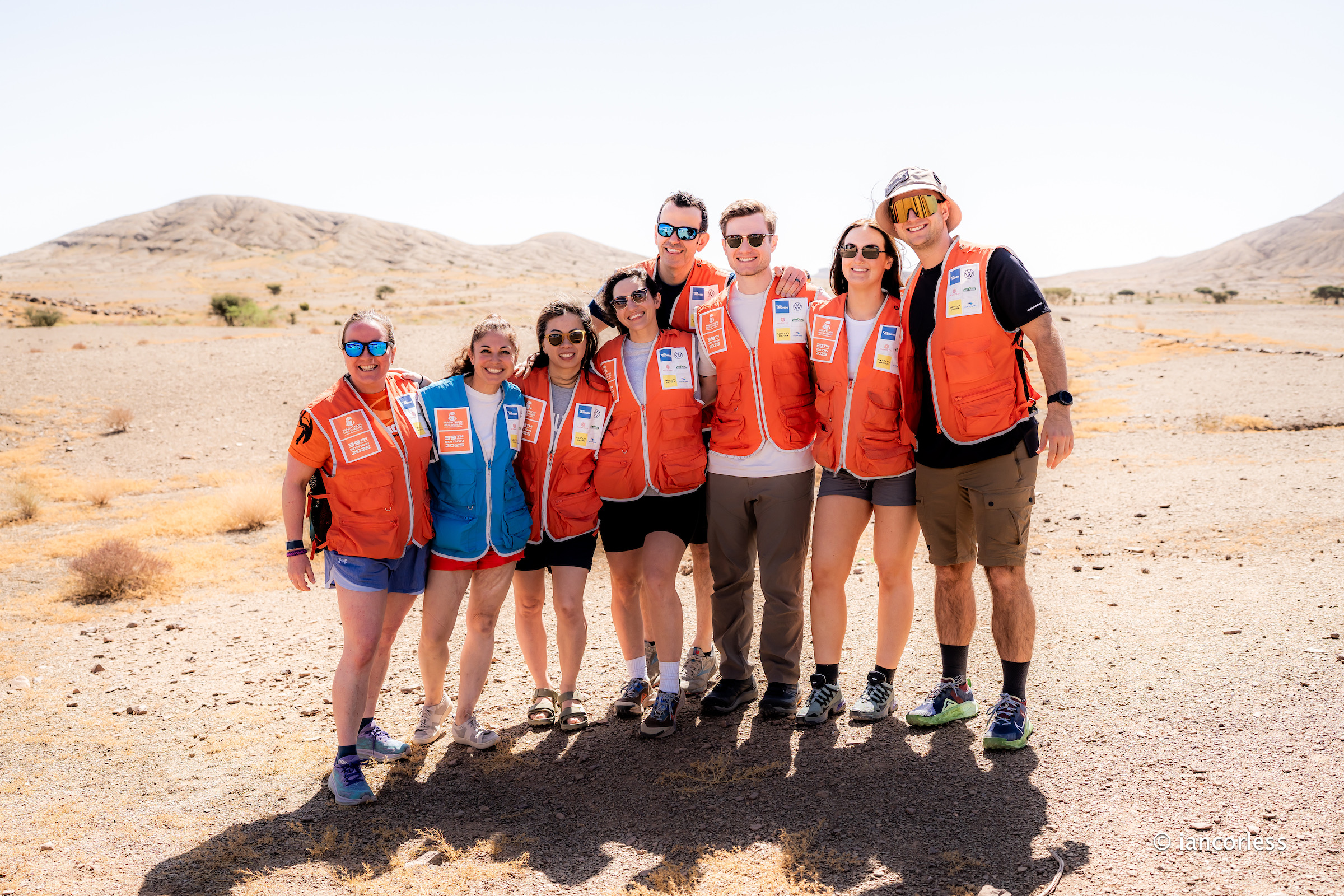
At the airport as you exit, after baggage collection, there will be a welcome area on April 2 and 3rd look out for the MDS team wearing orange and blue gilets.
Board your bus
Bus schedule:
KENZI ROSE: April 2 & 3 – 7:00 AM
RAK AIRPORT: April 2 & 3 – 10:00 AM
RAK AIRPORT: April 2 & 3 – 12:00 PM
The drive to Ouarzazate is approximately 4-hour ride + mid-way break MDS will provide a snack. If you have special dietary needs, you should have submitted that on our website. You’re welcome to bring your own snack if that makes you feel more comfortable.
Drop-off at hotels in Ouarzazate – all buses stop at all hotels:
El Baraka
La Perle du Sud
Berbère Palace
Karam Palace
You’ll spend 1 or 2 nights there depending on your booking. Our staff will be present in the main hotels in Ouarzazate if you need anything.
April 4
Transfer to the bivouac
Meet at 7:30 AM in Ouarzazate to board the bus from either:
Karam Palace
Berbère Palace
6-hour transfer
1 break during the ride, lunch pack will be provided BUT I recommend you purchase items in Ourarzazate to take with you, remember dta 1 and day 2 in bivouac is self-sufficient.
REMEMBER you are self-sufficient with food BEFORE the race starts. So, you need to take adequate food, snacks etc. There is no restriction here as you carry this in your luggage.
➤ Arrival at the bivouac with your suitcase and all your gear
➤ You’ll be assigned an 8-person tent – tent numbers will be shared next week
➤ Arrival briefing
➤ Sleep
IMPORTANT – You have luggage with you this night, a great opportunity to fine tune what you will take when racing. If it is cold, you can pack extra layers. If hot, you can maybe take less.
April 5
Technical checks stay in your bivouac tent and a member of the MDS team will come to your tent and tell you when to go. Expect this to take approximately 1-hour.
You will drop your luggage at the technical check. you will not see or have access to luggage until AFTER the race when you return to Ouarzazate.
Rest in camp and prepare for the race.
April 6–12
Race Stages You’ll discover the stage details in the roadbook, given to you when boarding the bus on April 4.
The long stage will be the 4th stage.
The race will be 250km’s over 6-stage / 7-days.
A typical stage:
Early starts so you will be getting ready in the dark.
Checkpoints every 10km (+/-) with unlimited water
We recommend carrying an extra soft flask for flexibility – but remember, you carry it!
Each CP has shaded rest zones
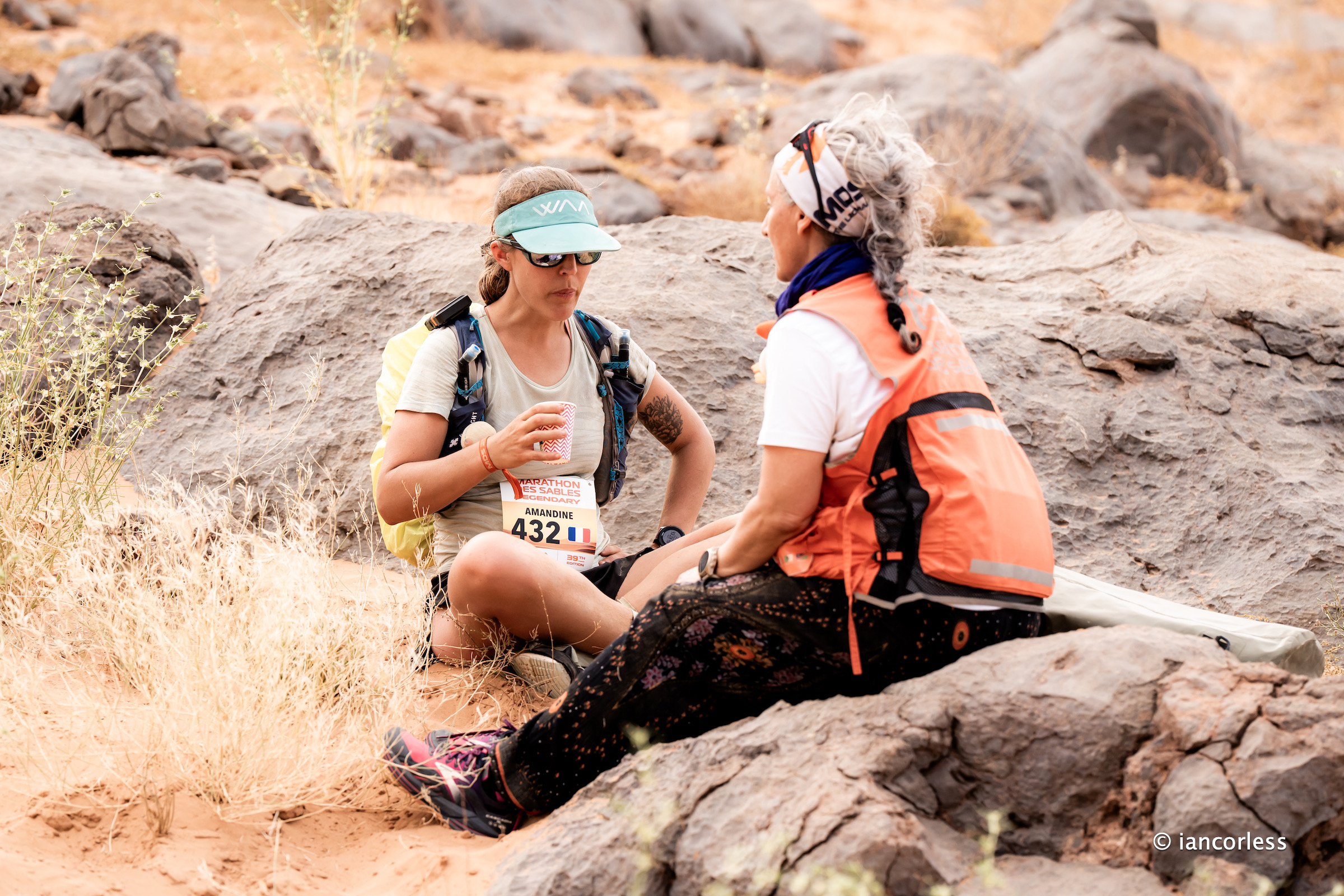
Orange-vest staff to help if needed for any medical issue
Cold water available to cool your neck (bring a neck gaiter!)
Feminine hygiene products available at bivouacs and on course
Minimum pace is 3.5 km/h – no stress, go at your own rhythm.
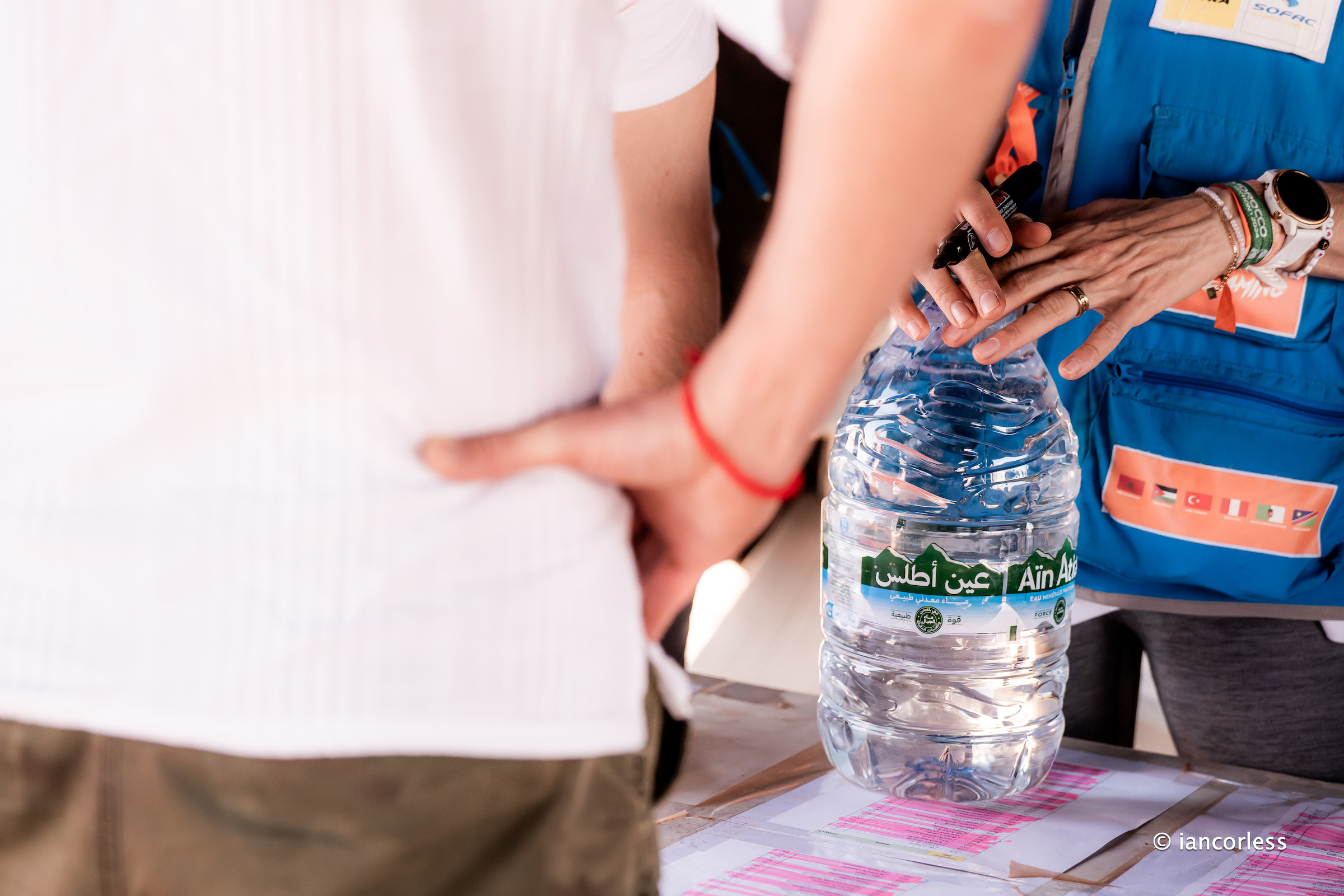
End of the stage: You can refill your bottles + get a 5L water bottle to last to CP 1 the following day.
EQUIPMENT
Review the list of mandatory equipment
First night at the bivouac: Good opportunity to test how cold it gets.
Bring a proper sleeping bag,
Have with you warm layers, light down jacket, etc.
Sleeping mat is highly recommended
Make sure you have tried and tested shoes with gaiters
Foot care – trim your toenails before the race – not too short, not too long. A pedicure can be a good idea.
Bring socks you’re used to, and maybe a spare pair.
Foot care during the race:
Clean and let your feet breathe after each stage.
If you feel a blister or small injury, go see the medics immediately – don’t wait!
Rain?
Keep a rain jacket and a rain cover for your bag in your WAA pack – just in case.
Protect yourself from the sun: Hat, sunscreen, sunglasses – don’t neglect anything!
Clothing: Test your gear beforehand to avoid surprises One race outfit + one bivouac outfit is enough
Fire starter bricks – available in the pre-race shopMENT
Before the race: Food for the evening of April 4 and the full day on April 5 – whatever you like.
During the race: Plan 7 days of food: breakfast, lunch, dinner. For the last stage, only breakfast + snacks for the stage are needed. A lunch pack will be given on the return bus.
So, you need roughly 20 meals, totalling around 12,000 to 14,000 calories minimum.
Strategy – Test your meals and drinks in advance! Don’t bring 3 or 4 of the same meal unless you’re sure you like it.
Backpack weight It adds up quickly – aim to be as close to the minimum 6.5kg as possible. This does NOT include water.
Medical Advice Hygiene rules:
Never drink tap water.
Don’t share bottles or cups.
Avoid raw vegetables at hotels or elsewhere.
Stick to cooked food before and after the race.
Your digestive system will be sensitive.
Heat and stress can also cause minor digestive issues.
Don’t panic – mild diarrhea is often just your body adjusting (and it might even make you lighter!).
Limit physical contact at the bivouac.
Wash hands frequently – especially before eating or after using the toilet.
Use hand sanitizer often.
Tips for a safe race:
No self-medication If you feel unwell, don’t self-medicate.
Avoid NSAIDs like ibuprofen, Voltaren, etc. – they can cause serious complications during intense effort.
Talk to the medics instead.
No COMPEED® for blisters They melt into your skin in the desert heat and make treatment harder.
Hydration Drink according to thirst – don’t over hydrate.
Drink two diluted bouillon cubes per race day.
MDS do not provide salt tablets as they’re not recommended.
Treat pain early The earlier, the better – avoid complications.
Listen to your body Fatigue, dizziness, pain – speak to an Orange Vest!
Medical Form One week before the MDS Legendary, you’ll receive a medical questionnaire from: no-reply@logicoss.net. Filling it out is mandatory to help the medical team take care of you during the event.
Race Tracking
Friends and family can follow you on the MDS website
Live tracking page
Live webcam
EMOTION BOXES
Satellite phone
There will be some connection spots – but we recommend disconnecting and enjoying the moment.
Final stretch:
Stop training. If possible get some heat acclimation – sauna, heat chamber, hot yoga etc
Don’t stress.
Once you’re in Morocco, we take care of everything.
Enjoy it!
Any questions? Call us.
A full recap will be emailed to you next week with all these details.
It is two weeks to go, finally the big target is in your grasp, MDS The Legendary 2025 is waiting! To all intents and purposes, your training is now done. You will not get fitter in these last 14-days, only more tired, more stressed and potentially injured. Accept that the work is done, other than some easy runs or walks to keep moving and some planned heat acclimation, use the extra time that would have been used for training as planning time.
DON’T PANIC!
If you have got this far, you are in a great place.
When you break the race down, here are my TOP 20 TIPS of what to focus on for Marathon des Sable – The Legendary.
Photo by Ian Corless
MEDICAL
Make sure you have all the medical requirements fulfilled and an up to date ECG as specified in MDS rules and regulations. There can be no compromise here. The MDS medical time, quite correctly, are adamant that all protocols must be adhered to. This is for your safety.
The organization provide a medical certificate which you must download and you must have a resting electrocardiogram (ECG) report plus graph, dated less than 30 days before the start of the race.
The original documents are to be presented during the administrative, technical and medical checks on the admin day in bivouac. Failure to present these documents will incur penalties (see ART.27 et 28).
Note:
The signature and the stamp of the doctor must be applied on them.
Only the original documents, dated and signed, will be accepted (photocopy is not valid).
TRAINING
Well, we are all individuals, we all have different abilities, we all have different goals, we all have different free time and the list could go on. Importantly, keep the balance of training days the same. If you typically run 5-days a week, maintain those 5-days and reduce the volume/ intensity.
The Taper:
Week 2: 40km or 4.8 hours
Week 1: 20km or 2.4 hours (race week)
Your body needs to keep alert and active. So make sure you add some stimulus in this taper period, short periods of faster running and/ or hill work are ideal. However, do all this with the priority not to get injured. Now is not the time to get a niggle, a sprain or a problem.
ACCLIMATE
In the final two weeks of taper you need to hone in on acclimation to heat and prepare the body.
Don’t leave this to the last minute, plan ahead, especially if using a heat chamber. Heat chambers are limited and obviously, time slots are limited.
If you do not have access to a heat chamber think of other options: sauna, hot baths, bikram yoga, adding layers when running, or if you are lucky with time, arrive in Morocco early and taper in a real situation.
EQUIPMENT
You will have been mulling over equipment for months and you may well have tweaked and changed your choices. Now, with 2-weeks to go, this is the time to make sure you have everything you need and also understand what it all weighs.
Clothes must be comfortable and not rub.
Shoes fit perfectly, give no hot spots and are suitable for the desert environment and have gaiters.
You need a minimum of 2000 calories per day. Lay food out for each day and have a spreadsheet that itemises everything and shows the weight and calories.
Where possible, re-package food in smaller and lighter packaging. Particularly important with dehydrated meals. Read HERE
TRAVEL
Runner’s are required to be at Ouarzazate Airport on the morning of Friday April 4th. Travel is for you to plan, flights are no longer provided by the MDS organisation, however, they do offer a free transfer service from Marrakech.
To get to Morocco and Ouarzazate, you can arrive at various airports:
Ouarzazate airport – Fly to Ouarzazate before the race and spend one or more nights in a hotel (at your own expense), then come to one of the meeting points on the morning of April 4. You must arrive no later than April 3.
Marrakech airport – Shuttles will be organized on the morning of April 2 and 3, 2025, between Marrakech and Ouarzazate (5-hour journey).
Travel in your run clothing including your run shoes with the gaiters. Yes, you are going to look somewhat ‘special’ at the airport but trust me, luggage goes missing and you do not want to be the person standing in the Sahara watching your dream slip away because of lost luggage.
Take your run pack with all contents for the race as carry-on. You can take pretty much take everything: food, sleeping bag, essentials etc. The only items you cannot take are run poles and knife-
Take spare items in your hold/ ckeckin luggage. MDS varies considerably in temperature, we get hot and cold years. Never assume it will be hot. You have the opportunity in bivouac to fine tune equipment before admin.
Purchase food and drinks at the airport to take on the plane. Also consider when you land in Morocco, you will have an approximate 6-hour bus journey to bivouac 1, take food and drink with you for this trip. However, MDS do ptovide you with a packed lunch.
Have cash with you, depending on which airline you use, card payments are not always possible, also, in Morocco, cash is king.
ARRIVAL
Runner’s are required to be at Ouarzazate Airport on the morning of Friday April 4th see above.
Runners will then fill buses, road books will be given and then you transfer to the desert. Expect 6-hours.
At bivouac you will find your tent and settle in.
REMEMBER food is now NOT provided and you therefore need to feed yourself on arrival day and admin day. There are no restrictions on weight or calories here, so, take as much as you want and plenty of variety, this includes drinks. Only water will be in camp.
As mentioned above, until admin, you have your luggage with you, so, you can have more layers, a more comfortable inflatable bed and some luxuries – consider what will make these days more pleasurable and comfortable. Importantly, you can fine tune your race pack with more or less layers based on the weather forecast and conditions.
ADMIN DAY
On admin day, prepare all your kit and make sure you have everything prepared and ready. Also make sure you have all mandatory and essential kit. Once you have passed through admin, your luggage is taken away and you will not see it again until after the race when you return to Ouarzazate.
Race self-sufficiency actually only starts the following day with stage 1.
Admin used to be a long and lengthy process, however, the system changed in 2024 and it was fast and seamless. Make sure you have a drink and snacks while waiting. A top tip is carry an umbrella to protect you in case of a very hot day.
RACE
The race will be 6-stages over 7-days. The distance will be 250km’s and the long day will be stage 4. There will be no Djebel El Otfal and Merzouga Dunes are back. Cyril Gauthier described the route as very beautiful and very tough. There will be a great deal of soft sand. Listen to a podcast where this is all discussed Countdown to MDS The Legendary 2025 – Two
“…and for sure it will be tough, I am not going to tell you that it will be easy! The distance will be 250km’s, I am little unhappy because I cannot put the long stage in the third position, I loved this last year, but according to our plan, we need to move it to the fourth stage. It will be tough, very tough and really beautiful. We have some amazing places planned, 80% is new tracks. You will see places never seen before in any MDS. There will be no El Otfal, there will be lots of sand and yes, Merzouga will return.” – Cyril Gauthier
Ease in to the race. Respect the challenge ahead. A slower and calmer pace on stage 1 and 2 will be rewarded on stage 3 and especially on stage 4, the long day. Remember after the long day you have a rest day. Stage 5 will almost certainly be a marathon, stage 6 a half marathon, plan for this physically, mentally and make sure you eat well to have the energy.
AFTER THE RACE
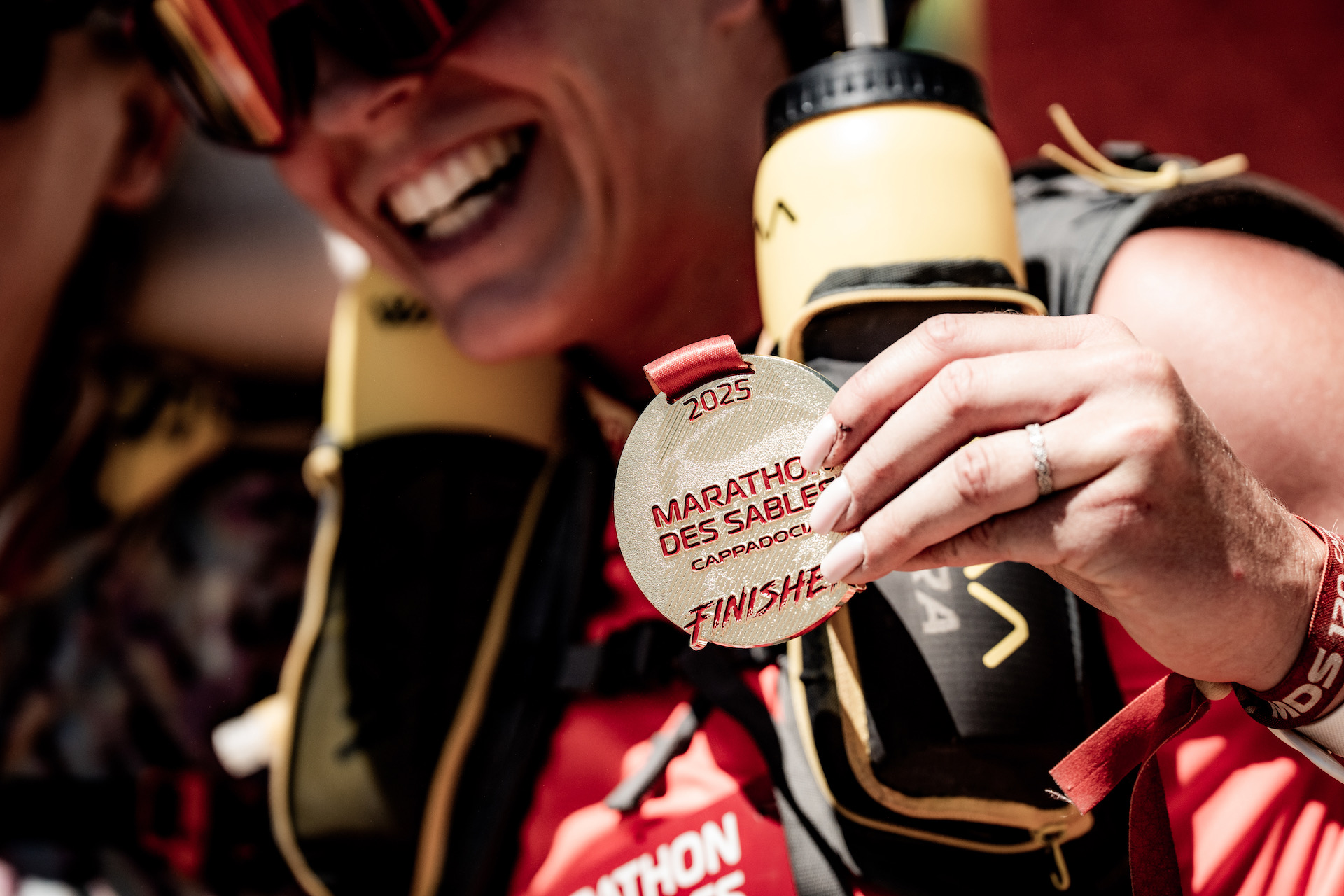
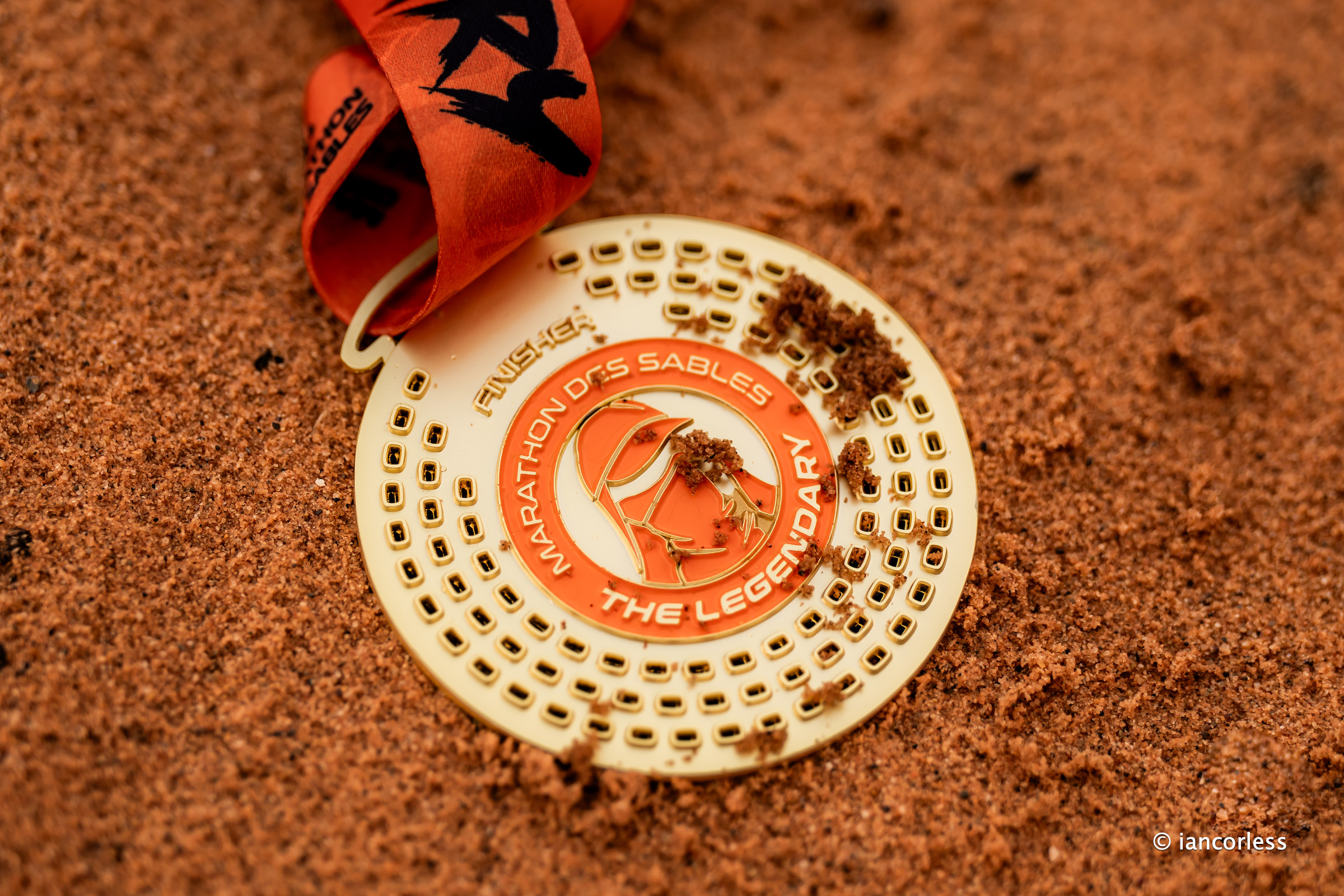
You will cross the finish line and be given a medal.
You will then be requested to board coaches that will be waiting for you. As each bus fills, it will depart for Ouarzazate, expect a 6-7 hour journey. A packed lunch will be provided.
On arrival in Ouarzazate, you will go to your hotel, your luggage will be waiting and then you have free time, dinner will be at your hotel.
The following day is a free day. In the evening it will be the awards ceremony.
Departure day, please make sure you check details for transfers to Marrakech if that is applicable for you.
Interested in another MDS event in 2025?
A full calendar of dates and destinations are available HERE
The 2025 edition of the Marathon des Sables – The Legendary is getting close, as we journey through March, we will post weekly articles to help you fine tune your preparation.
Following on from the 2024 edition, the longest in MDS history, the 39th 2025 edition will follow a similar format and distance. The event will take place over 6-stages/ 7-days and notably, the ‘long day’ was stage 3 in 2024, for 2025 it will return to stage 4.
All 6-stages will be timed as in 2024, previously, the charity stage was not timed.
Although the race has fluctuated in distance over the years, a distance of +/- 250km’s should not come as any great surprise and training in the build up to the event should have been planned with this in mind.
6 timed stages does make a considerable difference and that should be considered. In 2024, the long day coming on stage 3 was an extra challenge, for 2025, it returns to stage 4! Depending on how fast you complete the long day, you can have a full day and night as recovery before stages 5 and 6.
Daily distances are typically never disclosed before the race and the jury is out if the distances will be announced pre arrival in Morocco, watch this space! However, it is pretty easy to guess on approximate distances.
The 2025 MDS Legendary will look (potentially) like this:
Stage 1: 32km (day 1) running total: 32km
Stage 2: 38km (day 2) running total: 70km
Stage 3: 36km (day 3 running total: 106km
Stage 4: 80km (day 4 and 5) running total: 186km
Stage 5: 42km (day 6) running total: 228km
Stage 6: 21km (day 7) running total: 249km
Total: 249km
Three key considerations:
Expect more sand, anticipate no Djebel El Otfal and expect Merzouga Dunes. With the above information, you now have at least a template and guide for which to plan around.
“…and for sure it will be tough, I am not going to tell you that it will be easy! The distance will be 250km’s, I am little unhappy because I cannot put the long stage in the third position, I loved this last year, but according to our plan, we need to move it to the fourth stage. It will be tough, very tough and really beautiful. We have some amazing places planned, 80% is new tracks. You will see places never seen before in any MDS. There will be no El Otfal, there will be lots of sand and yes, Merzouga will return.” – Cyril Gauthier
SCHEDULE
Photo by Ian Corless
Day 1: Arrival in Morocco, transfer by bus to the bivouac in the desert, installation and overnight stay in the bivouac wih self-sufficiency.
Day 2: Day of technical, administrative and medical checks. Overnight in bivouac with self-sufficiency.
Day 3: First stage, overnight in bivouac.
Day 4: Second stage, overnight in bivouac.
Days 5: Third stage, overnight in bivouac.
Day 6 and 7: Fourth stage, the long one” – lasting 2 days, overnight in bivouac.
Day 8: Fifth stage, overnight in bivouac.
Day 9: Sixth stage, medal at the finish line, then bus transfer to Ouarzazate, overnight in hotel with half-board accommodation.
Day 10: Free day in Ouarzazate, awards ceremony, gala evening. Overnight at hotel with half-board accommodation.
Day 11: End of adventure, transfer back to airport.
BIVOUAC
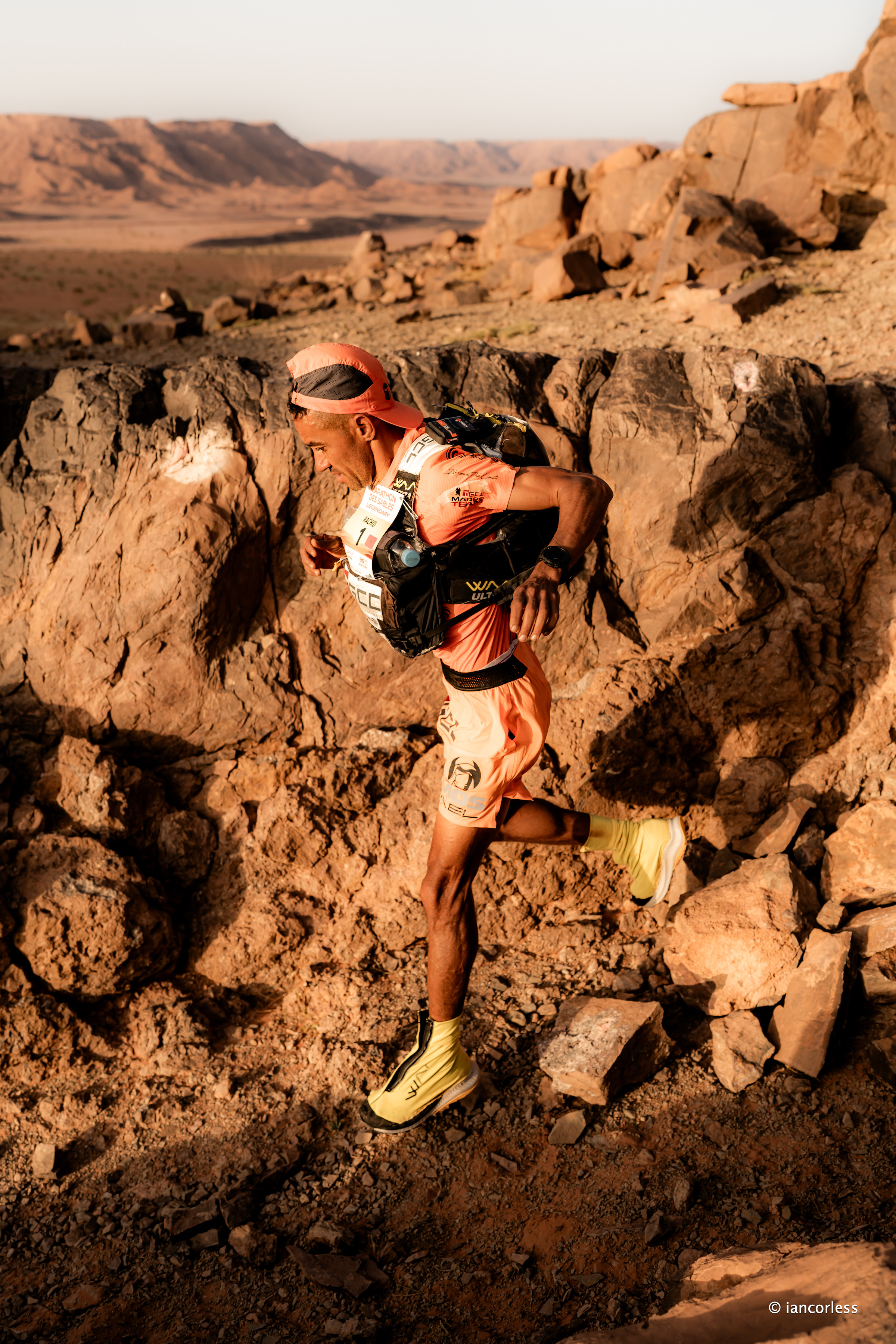
Remember, from the moment you arrive in bivouac you are self-sufficient. So make sure you bring food/drink (water is provided) to cover the days before the race starts. This food can be in any form and weight as you do not need to carry it, so, be creative. Rachid for example makes a Tagine in camp…!
Also remember, you have your luggage with you before the admin protocols. So, bring extra items, warm layers, spare kit etc. That way you can fine tune equipment in a real situation. Particularly helpful when judging climate conditions. DO NOT assume that it will be hot, recent history has shown that temperatures and conditions in the desert are changing – MDS Morocco in October had rain and flooding. The recent MDS Morocco Atlantic Coast had extreme wind, cold temperatures and rain. Be prepared!
ADMIN DAY
You will have your luggage with you in bivouac before admin day. You can make last minute adjustments if required. Be prepared and make sure you comply with all rules and regulations. A pack must have a minimum weight of 6.5kg PLUS water (1.5L). You must have a minimum of 2000 cals per day. You must have ALL the mandatory kit.
SALT
The new revised mandatory requirement for the race requires 14 broth cubes – these cubes are known to be salty. You have no choice here, you must have them. In 2024 many questioned the validity, however, during and post the event the general consensus was very positive. Take note here, not all cubes dissolve the same in water, so, make sure you find a cube that works such as Knorr. My advice is to plan a strategy that works for you. Listen to my podcast with Andy Blow from Precision Hydration HERE. Remember, this is a self-sufficient race, so, be prepared to be self-sufficient and have a plan/ strategy that works for you.
WATER
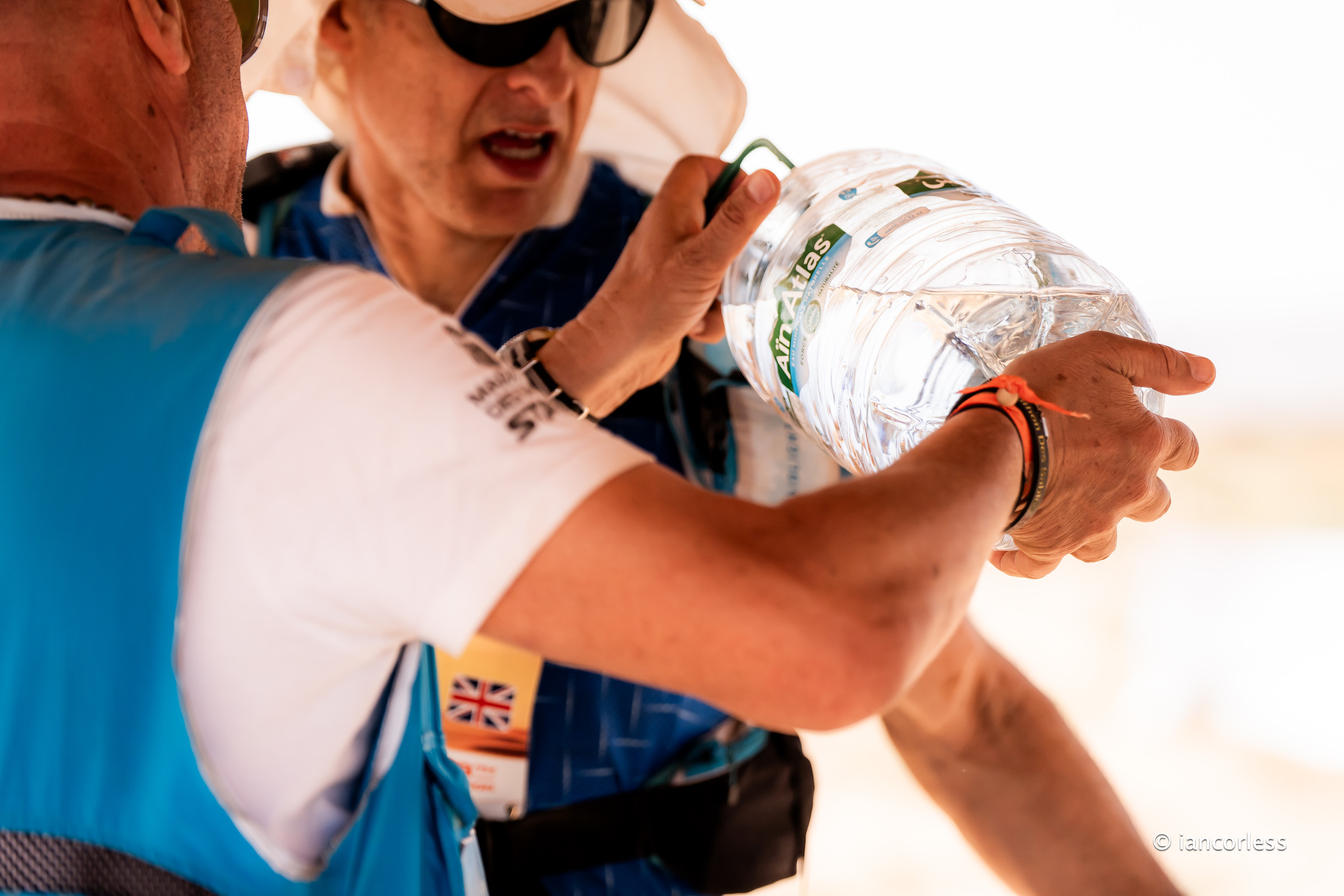
Another key change from 2024 is water and how it is provided. In principal, once you start on stage 1, water is unlimited. No longer are you provided 1 or 2 1.5ltr bottles at checkpoints. Now, the blue coats will pour water from jugs in to your bottles. If you stand at a CP and then drink a full bottle, it will be refilled.
Another key note to consider is that should conditions dictate or should the organisation think that additional water will be helpful, water stations may be added between CP’s. This is very important. Typically (conditions and terrain allowing) CP’s are 10km’s apart, therefore, you may heave an additional water station at say 5km’s.
The long day may (tbc) have a requirement that you can carry extra water capacity? This extra water would potentially be provided in a 1.5ltr bottle, so, either have an extra bottle to decant this to, or, have a system to carry a 1.5ltr bottle.
After the stage finishes, water is then rationed and you are provided with 1 large 5ltr bottle. This water will be needed for your hydration post stage, cooking dinner, cooking breakfast and your water allowance to CP1 the following day. If you want to wash, that also comes from the 5ltr allowance, so, make sure you drink and eat and understand what water capacity you need before taking a wash.
FEET
Along with dehydration, damaged feet are a key reason NOT to finish MDS. Make sure you have correct fitting shoes, the right socks for you and you know how to look after your feet. Read HERE and HERE.
SAFETY
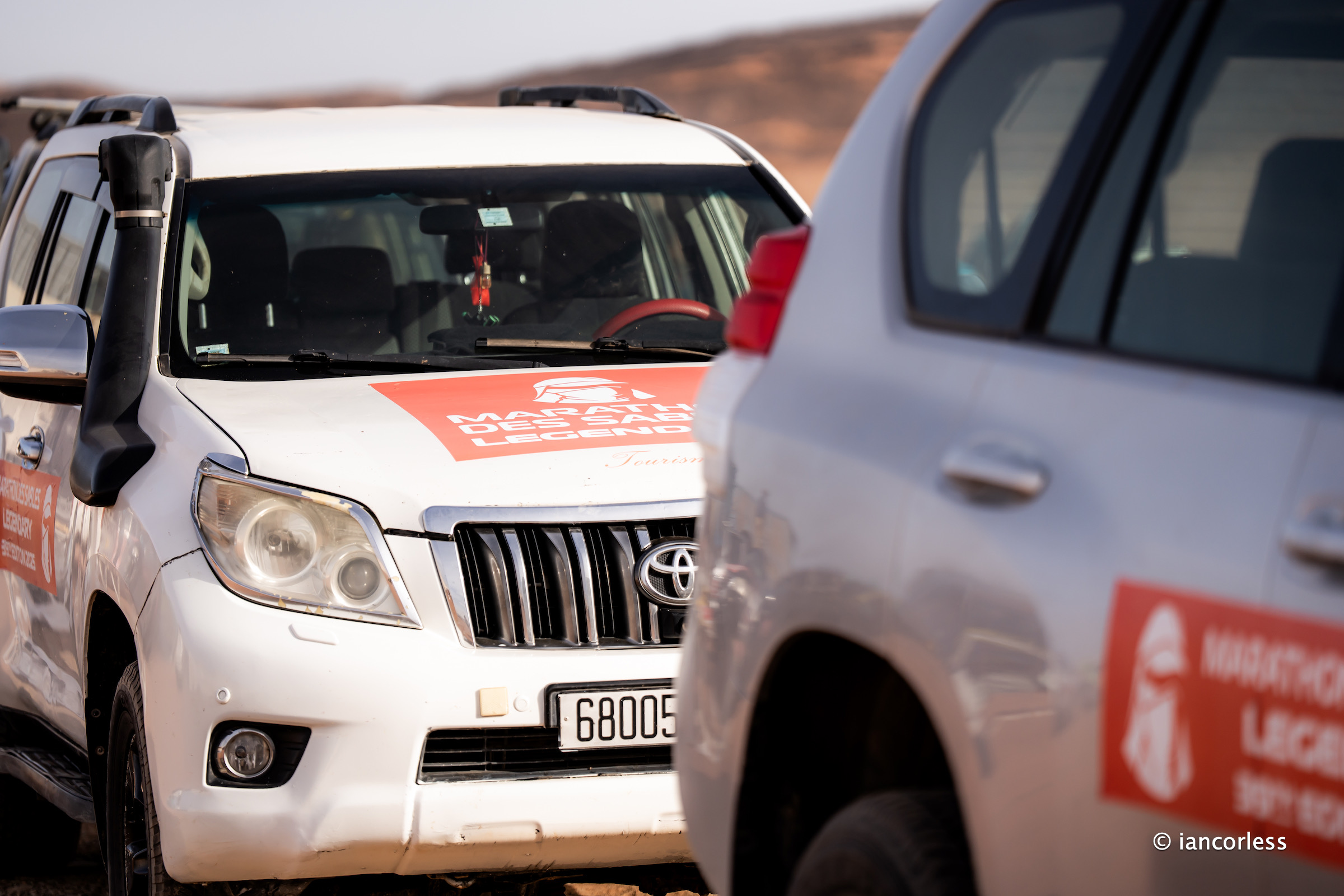
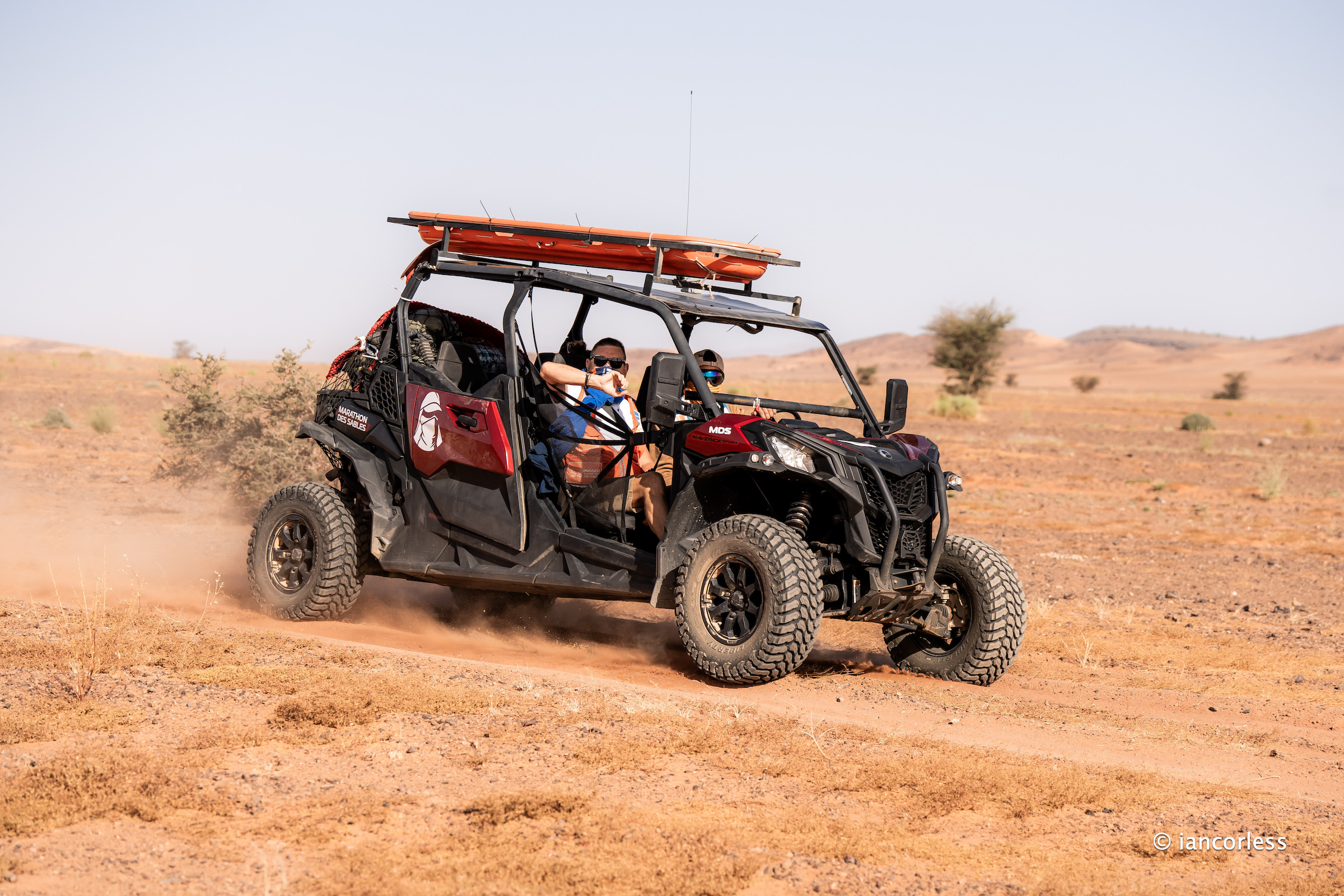
MDS has strict protocols for your safety. You will see fast response vehicles (buggies) designed to gain fast access to the most difficult and challenging parts of the desert. In addition, there are 4×4 vehicles situated throughout the course.
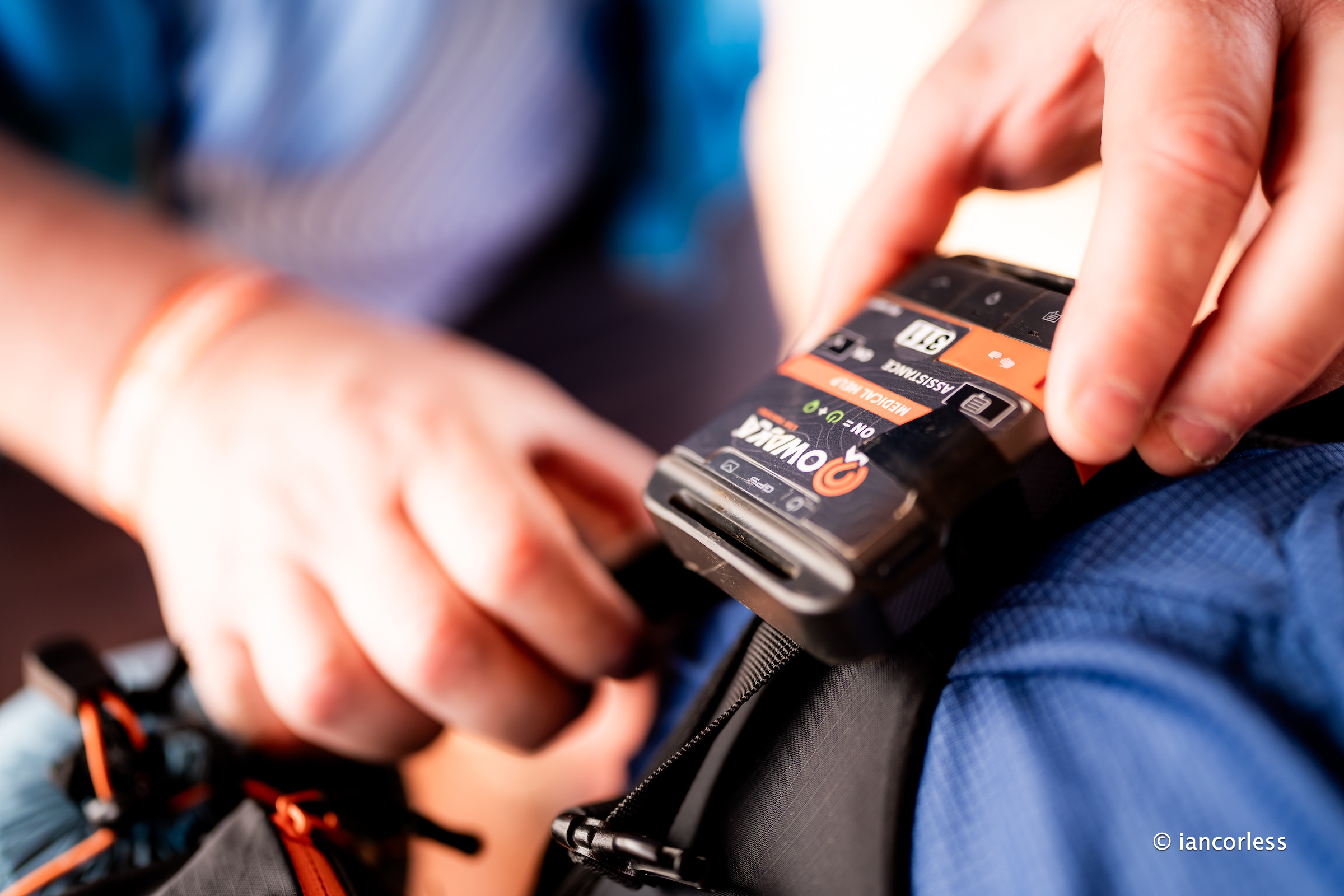
Each runner is using a tracker attached to their pack. This allows MDS to follow you and keep an eye on your position, it also has an emergency button which notifies the MDS team of your need for immediate response and attention.
There are also medical runner’s. These are trained medical staff who will participate during the race. They will be on the course with you and in certain scenarios, they are able to provide immediate care or attention to those who need it. They have a different coloured number so you can identify them.
Medical team personnel are trained and equipped to provide immediate attention at any location within the desert.
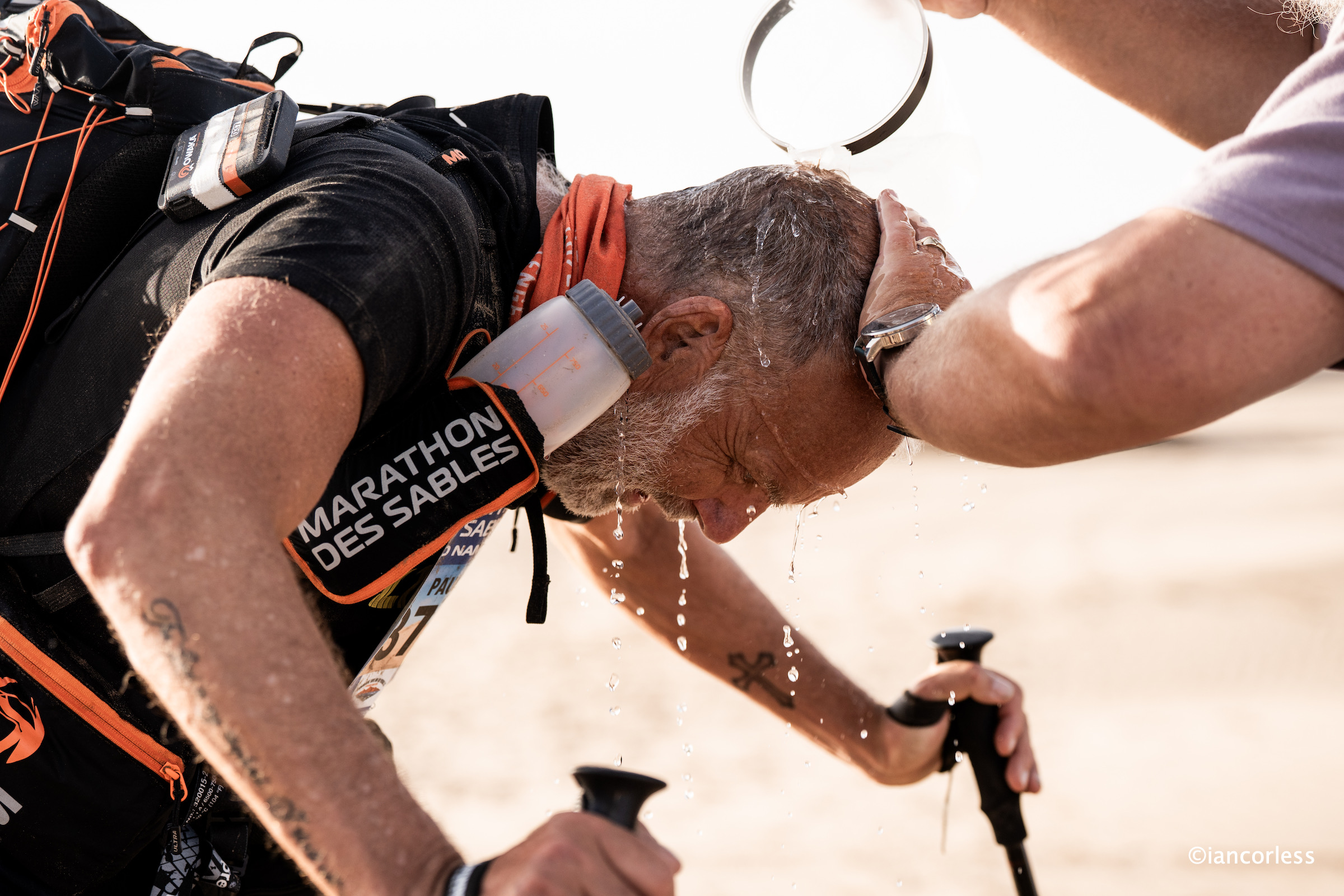
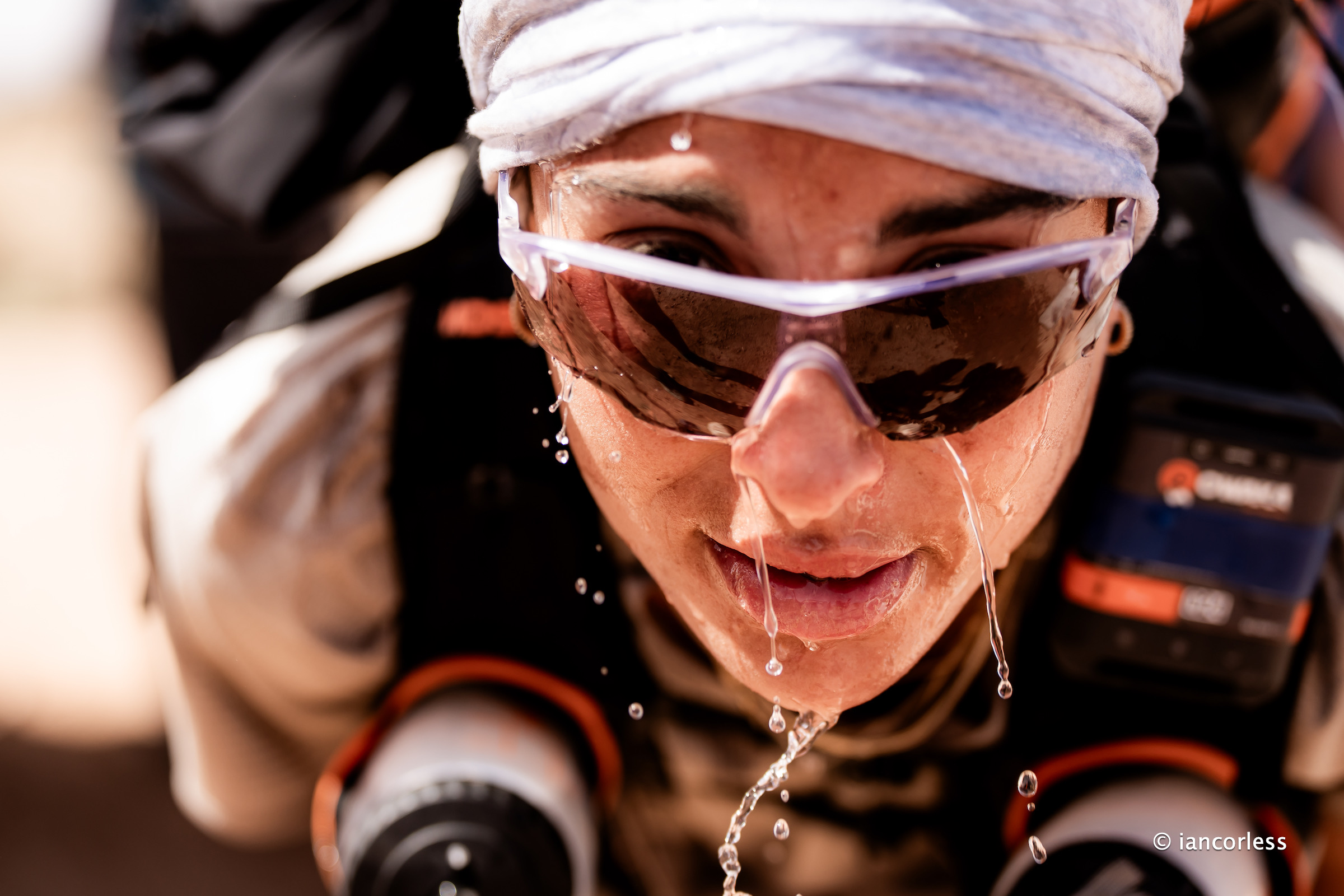
Finally, water is not rationed during the race, so, if you need more liquid, you can have it! Also, at key CP’s, iced water is available to enable cooling. This will be poured on your head via a blue coat volunteer. Orange jackets handle medical emergencies.
MANDATORY EQUIPMENT
Needless to say, despite what some believe, but mandatory equipment is mandatory!
Pack such as WAA Ultra Bag 20L
Minimum capacity of 1.5 litres of water
Sleeping bag
Head torch and spare batteries (you can have a charger/ solar charger)
10 safety pins
Compass with 1 or 2 deg precision
Lighter
Whistle
Knife
Topical disinfectant
Signal mirror
Survival blanket
14 cubes of broth
Sun cream
200 euro or 2000 dirhams
Passport or ID card
ECG (original doc) and medical
Roadbook (supplied on arrival)
Make sure you comply with the very strict regulations and timeline in regard to ECG and medical form.
FOOD
You need ** 14,000 calories of food, 2000 calories per day. However, 12,000 is mandatory. You can of course carry more than this, but I consider 14,000 is the minimum with the rest day. You must be able to prove the calories, so, if you decant food into lighter or different packaging, make sure you keep the nutritional information.
** Adding as clarification:
2000 calories per day, it’s a 6 stage race
BUT remember the rest day.
I see the calories as below BUT YES 12,000 cals to comply with rules.
Stage 1 : 14,000 cals – Day 1
Stage 2 : 12,000 cals – Day 2
Stage 3 : 10,000 pls – Day 3
Stage 4 : 8,000 cals (the long day) – day 4
Day 5* : 6,000 cals (rest day)
Stage 5 : 4000 cals – Day 6
Stage 6** : 2000 cals – Day 7
*Day 5 you may still be running/ walking and/ or in camp for the rest day and will need 2000 cals.
**Stage 6/ day 7 you technically only need breakfast and snacks for the stage.
WHAT YOU NEED
In addition to mandatory equipment and food requirements, you need essential items to complete the race. Use the list below as a guide:
Run top (maybe with long sleeves)
Neck roll/ Buff
Run shorts/ skirt or similar
Socks (plus maybe spare socks)
Shoes with gaiters (make sure you have the gaiter velcro sewn on well in advance)
Hat (consider cover for the neck too)
Sunglasses (make sure they have good protection and if they fit well for protection in sand storms)
Watch
Warm layer (windproof and maybe lightweight down jacket)
Foot care
Hygiene products
Toilet roll/ wipes
Lip balm
Blind fold
Ear plugs
Spoon
Pot/ bowl*
Stove**
Fuel cubes**
Sleeping mat
Pillow
Flip flops or similar
**Stove and fuel only required if you plan to heat water
*Pot/ bowl or similar will be required as now it is no longer possible to cut down a 1.5ltr bottle
Recommended
Many things can happen in a self-sufficient race and yes, equipment can fail. So, think about on-the-go repairs and what you may need.
Zip ties
Gorilla tape
Super glue
Sewing kit
Cord/ thin rope
Top Tips
Keep the pack weight as close to the minimum 6.5kg as possible, additional weight is additional stress that you do not need.
Keep luxuries to a minimum, they only add weight. A super light Mp3 player (with good battery) and earphones is the only luxury I would consider.
Accept that this is a tough challenge, you will be stripped back to a survival mode. You may not wash, you will get dirty, you will get smelly. Accept it.
Start slow and ease into the race.
Photo by Ian Corless
Poles can be a lifesaver and I recommend them but you must learn to use them. Those at the front do not need poles, they can run.
Learn to walk, walk and walk. Many go to the desert with the expectation of running 80% and walking 20%. The reality is it will be the other way around.
Look after your feet and start with the correct shoes for you.
Take a sleeping mat or pad. You only need to do three things: run, eat and sleep. Sleep and comfort is important for recovery.
Make sure you check the full rules and regulations HERE
A good nights sleep, no rain, and stage 6 was underway at 0540. Today, 35.9km’s for all racers.
Photo by Ian Corless
Stage 6 is arguably the Queen stage of the race, it manages to contain every aspect and highlight from all the previous stages and condense them into an incredible and beautiful route.
Photo by Ian Corless
Early gravel road km’s give way to a stunning waterfall crossing section. A run through farmlands and eventually the coast and beach arrives. The route then weaves its way to Bahía Drake and the finish line.
Photo by Ian Corless
For many, it’s a day to ease back and enjoy the trails and the views, the reward at the end, a medal.
Photo by Ian Corless
For much of the day, Pierre Meslet and Sergio Turull ran together, that is, until the final 4km’s when Pierre pulled away to secure the final stage and become TCC 2025 champion.
Photo by Ian Corless
Sergio was elated to have a good day. As the week has progresses he has acclimated and adapted to the heat, humidity and technical terrain, with victory on stage 5 and 2nd on stage 6, his week has been a huge success.
Photo by Ian Corless
Katie Young had a steady day running with the other top men, a day to relax and enjoy, confident the overall victory was secure.
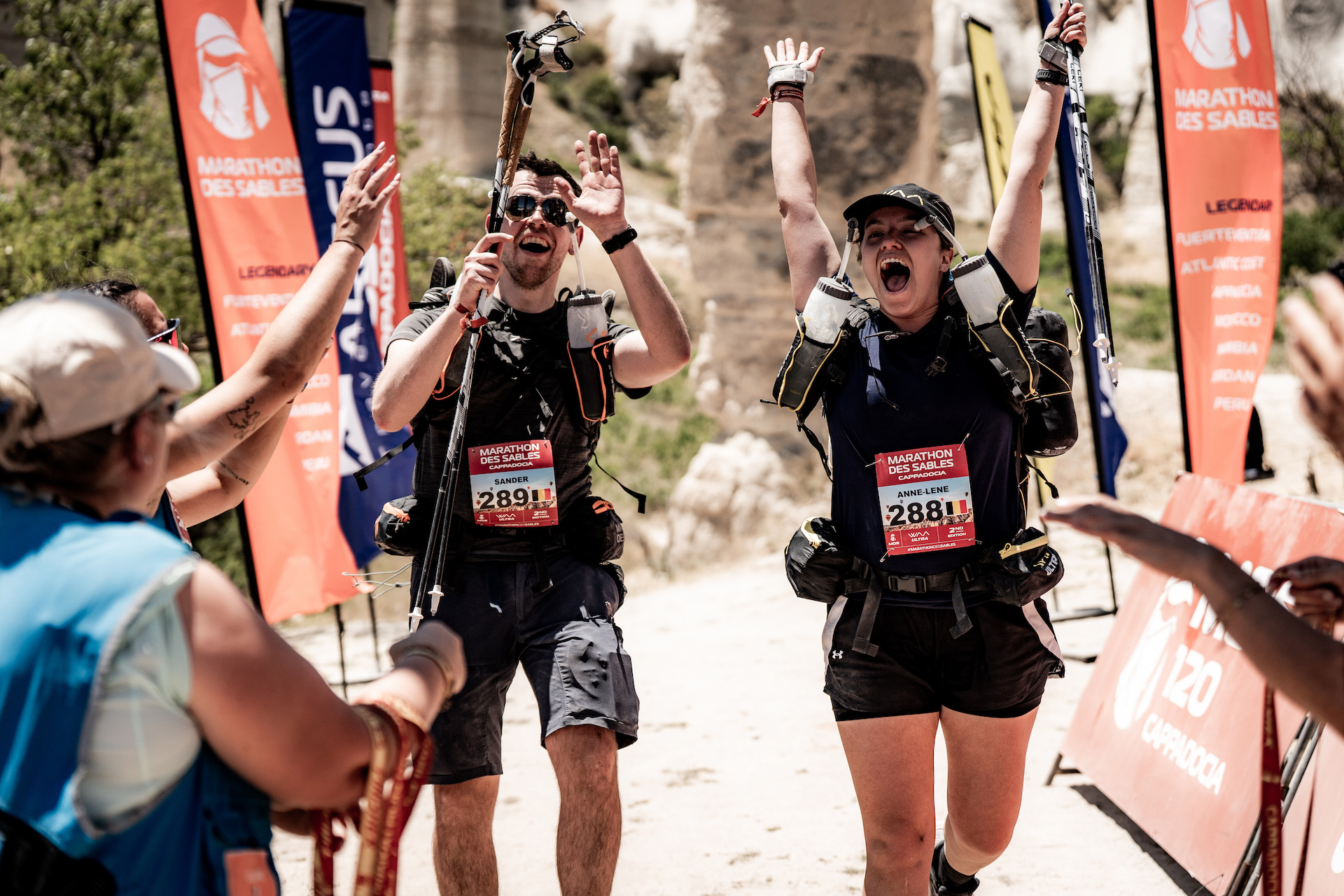
The finish line is one of emotion and joy, each runner a story to tell, and experience lived and importantly, memories made to last a lifetime. TCC is so much more than a race, it is an adventure into an environment that so few get to see. It may be challenging, tough and difficult, but this is the reward of the journey.
There is always something special about a first edition race. Despite all the planning, despite tight schedules, despite ticking all the boxes, there is always an element of the unknown, a curve ball nobody expected or predicted flying in and causing a problem. Gladly, no curve ball arrived on the Atlantic Coast, on the contrary, the first edition of MDS Morocco Atlantic Coast was a huge success and without hiccup.
Morocco is obviously not a new destination for MDS, Legendary is in its 39th year and MDS Morocco, MDS Morocco Trek and Handi MDS have all happened previously, so, a new event in Morocco feels comfortable.
Close to Agadir, the MDS Morocco Atlantic Coast brings something new to MDS events in Morocco and obviously brings something special to the MDS line up.
Photo by Ian Corless
Like Fuerteventura and Peru, the ocean provides a backdrop to the race and this alone is unique. The juxtaposition of desert, dunes, beach and the roar of waves and the blue ocean make for a special environment for a race to take place.
LOGISTICS
As with all MDS events, the race is 3-stages taking place over 4-days with 3 distance options, 70km, 100km and 120km. Stage 1 and Stage 3 is the same for all participants and stage 2 is the one where a choice must be made, typically 20km, 40km or 60km. It’s a great format that makes MDS appealing for all ages and all abilities.
With 170 participants and 27 nationalities, the MDS Morocco Atlantic Coast was a great first edition. Notably, once again, female participation was around 50%. MDS are without doubt pioneering the way for female participation in their races and this must be applauded and encouraged.
Photo by Ian Corless
Travel to Morocco is easy and transfers were provided by MDS from Marrakech (appx 6-hours) or from Agadir, with just a 40-minute transfer to the race hotel, needless to say, most people flew to Agadir.
Photo by Ian Corless
A Saturday arrival and a Saturday departure, the race format had 2 nights in the hotel, 4-days and 3-nights in the desert and then a return to the hotel for 2-nights before onward travel.
The format provides an excellent opportunity to mix holiday and relaxation with sport.
THE EVENT
Saturday arrival was relaxed and with no commitments for the participants.
Photo by Ian Corless
Sunday mornning and the MDS admin protocols were in place between 0900 and 1200, this is a requirement for eah participant – equipment is checked, medical certificates are checked, GPX trackers are added to packs and race numbers are provided. The whole thing is efficient, seamless and fast.
The afternoon provided an opportunity for relaxation or sight seeing and then an early dinner and bed.
Departure time for day 1 was 0300 for a 5-hour journey to the desert. On arrival, the plan, as always, was to get the runner’s underway as soon as possible.
Highway to Hell finished and the participants departed under cloudy skies at approximately 0930.
Photo by Ian Corless
Day 1, stage 1 at 24km’s headed from an inland location and basically headed directly to the coast. The terrain was mixed, with some easy running to start the day, of course, sand featured heavily with a dune section coming just after CP1 and a final dune section concluding the race just before the finish. Temperatures reached a high of 25-degrees and it was a great first day. Bivouac awaited the runner’s and a first night in sleeping bags with self-sufficiency started. The wind blew and the temperatures dropped, a chilly night was expected. Stage summary HERE
Photo by Ian Corless
Day 2, stage 2, intermittent rain and wind blew in off the ocean and there was a sense of dread at what this day would bring, especially for those participants who would take on the 40 or 60km distances. A challenging start and just a few hours later the weather started to clear and finally, skies cleared and the sun came to make for a beautiful day, highs reached 28-degrees. The course offered an obvious challenge mixing the best of Moroccan terrain with tsome stunning dune sections. The latter km’s running parallel to the ocean to give an epic backdrop. The race wnt into the night with the final finisher arriving just after midnight. Stage summary HERE
Photo by Ian Corless
Day 3 was a welcome rest day. The skies were blue, the wind gentle and the warmth of the sun relaxing. It was a leisurely and relaxed start to the day. At 1130, blue and orange coats with participants walked to the beach and on the way cleared away rubbish and notably huge amounts of plastic. We race in these magical places and sadly, littering and pollution is high. The ocean obviously washing in debris daily. It was a huge campaign and yes, we may have only provided a small dent in what is a very big problem, however, it felt good and the difference afterwards was noticeable. The remainder of the day was releaxed, as per usual, mid-afternoon, a cold and refreshing drink was provided and as darkness came, most were already in sleeping bags gaining valuable rest before the final day.
Photo by Ian Corless
Day 4, stage 3 and what a start to the day, the wind was howling from the north bringing with it, at times, torrential rain. Runner’s were ready for the challenge though, with 2 starts, 0800 and 0930 for the top-25, the day got underway and gladly, by 0830 the rain stopped. However, the wind did not. The wind blew and blew, providing a constant headwind and relentless sand storms for the whole 27km’s. It was an epic and special day. Yes, it was hard but boy was it memorable. The joy, the emotion and the tears at the finish made the medal only more special. From the finish line, buses were waiting and as each was filled, they then departed back to Agadir for hotel comforts – shower, buffet dinner and a night in a bed with sheets and comfort. Stage summary HERE
Photo by Ian Corless
The following day was one of relaxation. Dinner was served at 1900 and then followed at 2000 hrs with a closing ceremony, awards and the showing of the MDS Morocco Atlantic Coast movie. The atmosphere was electric, the feedback incredible, the emotion high, it was a very memorable ceremony that only confirmed the success of the event. An outdoor DJ and dancing concluded the night and brought to a close this first edition.
Saturday and onward journies home.
NOTES AND CONSIDERATIONS
Photo by Ian Corless
MDS events are meant to challenge you both physically and mentally, some challenge more than others. MDS Morocco Atlantic Coast certainly falls in the latter category with challenging weather and varying temperatures. Having experienced 20 MDS events all over the world, my top-tip is ‘be prepared!’ Deserts are not always hot, they are not always dry and they are not always calm. Have with you a waterproof/ windproof layer, have with you a warm layer (lightweight down or primaloft jacket) and make sure you have eye protection. Trust me, those who did not have sunglasses or goggles for stage 3 suffered badly trying to move forward in a headwind for 27km’s.
Photo by Ian Corless
Be prepared with a variety of food choices and undesrtstand that what tastes good at home, may not taste good the desert. A balance of sweet and savoury s good and take note, as days pass, the demand for sweet becomes less.
Photo by Ian Corless
Prepare the mind for the challenge. Understand the WHY you are doing the event and be prepared for anything. The body is an amazing thing that could do incredible things, however, it needs to work in harmony and synergy with the mind to achieve your goals.
CONCLUSION
Photo by Ian Corless
MDS Morocco Atlantic Coast was a huge success. We were all tested by the weather but this only made the event more special and memorable. The MDS event team have called it the Viavaldi race as we had all four seasons. The Atlantic Coast brings something special to Morocco and in contrast to Legendary, MDS Morocco and MDS Trek, the terrain is different, unique and of course, the ocean as a backdrop is special. No doubt, this event will grow to become an MDS favourite. January is great timing, what a great way to start a year and globally, few races take place so early in the year making this an easy option for those looking for something special post Christmas.
Stage 2 of MDS Morocco Atlantic Coast and the option to choose the stage distance: 20km, 40km or 60km?
Photo by Ian Corless
One of the appealing factors of the MDS format is the stage 2 distance option, with stage 1 and 3 the same for all, the stage 2 option allows for an overall distance of 70km, 100km or 120km.
Photo by Ian Corless
The day started under heavy cloud and winds coming from the north . At 0845 as participants arrived for the start, rain started to fall. It was an ominous beginning for the day and the weather remained challenging with rain increasing in strength during the morning.
Photo by Ian Corless
Gladly, by midday, blue skies and sun started to appear, however, the wind increased in strength and continued to do so into the night.
Photo by Ian Corless
With epic landscape, stunning dunes, there was much to appreciate in this stage and despite the weather, runner’s were constantly smiling.
Photo by Ian Corless
With three distances, rankings change after stage 2, often considerably, for example, Listy Mazille, a clear winner on stage 1 is now the leader of the 1ookm and we have a new leader in the 120km category now.
The 2025 Oman Desert Marathon came to a conclusion with a 21km stage finishing at Al Jawharat Resort in Bidiyah.
Mohamed El Morabity and Aziza Raji were crowned champions.
Photo by Ian Corless
The stage, in comparison to those that had gone before was considered ‘easier,’ with less soft-sand making for a faster pace and easier running. However, a beautiful dune section started the day with impressive 360 views.
Photo by Ian Corless
It was one last big effort before receiving a finishers medal that was hard earned.
Saleh and Mohamed – Photo by Ian Corless
At the front of the race, Mohamed and Saleh pushed a hard pace, no doubt worried that Rachid was on a charge after his previous stage victory and win by a big margin. Mohamed was constantly looking behind fearful for his elder brother. However, Rachid looked relaxed and content that he would be second on the overall finishers podium.
Rachid – Photo by Ian Corless
In the closing km, Mohamed put his foot on the gas and pulled away taking the final stage victory by 22-seconds. Rachid would finish 4-minutes and 28-seconds later.
For the women, Aziza Raji was a clear and stand out winner. She once again won the final stage and was crowned the 2025 champion. Lydia Oldham finished second and Tanja Schoenenborn third. The final women’s podium would be Aziza Raji, Lydia Oldham and Sally Ford.
The 2025 edition of the Oman Desert Marathon will remembered for cold nights, hot days and relentless soft-sand. At 165km’s over 5-stages, the race is a tough one, Mohamed completed the whole route in 15:44:25, Aziza in 22:39:17 and for perspective, the last person concluded in 33:21:18, twice as long as the race winner.
Luigi – Photo by Ian Corless
While a tough challenge, the ODM appeals and caters for runner or walker, especially with the option to take a 100km option, basically broken down as 20km’s per day.
Emotion – Photo by Ian Corless
Planning will now start to take place for 2026, if you enjoy stage racing, the desert and making new friends, the Oman Desert Marathon provides a perfect experience for experienced or novice.
Stage 1 was a tough day, the talk in bivouac was all about the relentless sand and how the final 10km was relentlessly tough.
It was an early sleep for most and the night was a cold one. Temperatures plummeted, especially in the early hour of the following morning.
Tired! – Photo by Ian Corless
Bivouac came to life around 0500 and stage 2 eventually started at 0700.
Rachid – Photo by Ian Corless
The early km’s were relatively easy and cool. So cool that Rachid wore a windbreaker and gloves… He actually did not remove them all day despite the temperatures rising to 27-degrees.
Photo by Ian Corless
The highlight of the day was a dune section with sunrise. Pure magic with high views of the surrounding landscape.
Photo by Ian Corless
While there is no ‘easy’ running here in Oman, the km’s after the dunes were relatively flat and easy.
With Mohamed taking victory on stage 1, a slender 4-seconds ahead of his brother, Rachid, all the action would be around the Moroccan.
Photo by Ian Corless
The local Omani runner’s, especially Salah Al Saidi did all they could to put him under pressure but Mohamed is too strong. In the final 10km’s he made his move and opened a gap for the stage win in 3:05:54.
Mohamed – Photo by Ian Corless
Rachid did an amazing job to finish 2nd, 3:09:26 and Saleh 3rd in 3:10:01.
Rachid – Photo by Ian Corless
Rachid by contrast was taking it easy, with 20km’s covered he was 5-minutes behind the leaders, however, the attack came and he closed the gap effortlessly and then forged ahead with on of the Al Said.
Aziza – Photo by Ian Corless
For the women, Aziza Raji was once again making the sand and the dunes look easy. Lydia Oldham, Sally Ford and Tanja Schoenenborn are all close together, but they are fighting for second.
Lydia – Photo by Ian Corless
Tomorrow is another 40km stage, followed by stage 4 which starts late afternoon and goes into the night.
The 2025 Oman Desert Marathon got underway today in Bidiyah, Oman with music, dancing and a lively atmosphere. Stage 1 of the 165km race also includes all the one day races of 2km, 5km, 10km, 21km and 42km taking part on the same track. It was most certainly a lively start!
Photo by Ian Corless
Starting from the Oasis of Alwasil and finishing at Al Jawharat Resort in Bidiyah. The 2025 Oman Desert Marathon is a five stages of 42 km, 32 km, 40 km, 30 km and 21 km.
Photo by Ian Corless
Five stages to experience the different perspectives of one of the most beautiful deserts of the world.
Photo by Ian Corless
A unique journey to discover the most remote, untouched sands and the highest dunes of the Omani Desert while on the tracks of the ancient caravans.
Photo by Ian Corless
Stage 1 at 42km’s was a tough first day. One thing is notable here in Oman is that the desert is pretty much ALL soft-sand which makes for very tough and tiring days.
The weather at this time of year is considered ‘mild’ by Omani standards,, however, the 25-deg highs surely took a toll on the runner’s during the stage.
Photo by Ian Corless
The main protagonists of the day were Rachid and Mohamed El Morabity and Aziza Raji.
Aziza took the lead from the start and slowly but surely opened up a gap that just kept getting bigger as the day went on. Sally Ford and Lydia Oldham chased but were almost 45-minutes behind.
For Rachid and Mohamed, they played a waiting and watching game for the first 30km’s and then opened up the throttle to pull away. The main challenge, once again came from Ghaith Al Saidi and Saleh Al Saidi, brothers against brothers.
Photo by Ian Corless
For Aziz, Rachid and Mohamed, there results were even more impressive as the trio only had approximately 3-hours sleep the night before after long travel and a 0300 arrival at the race hotel. I am sure they will sleep well tonight!
Photo by Ian Corless
For the other participants, it was a day of acclimation and hopefully taking the desert and conditions calmly, especially with 4 tough days to come.
Stage 2 at 10km’s less, I am sure will be welcomed with open arms.