MDS Legendary – 40th Edition To Feature Record Breaking Long Day!

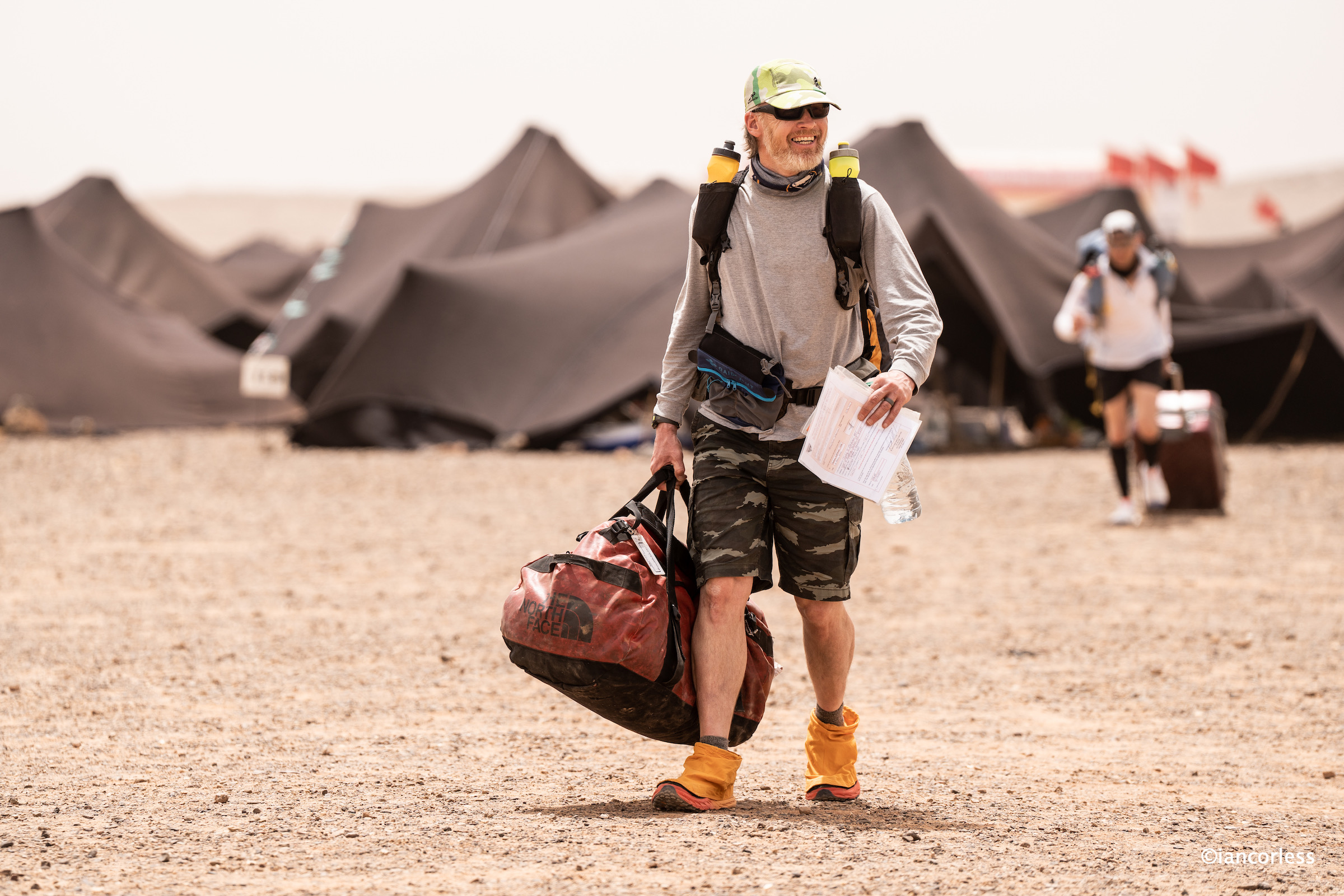
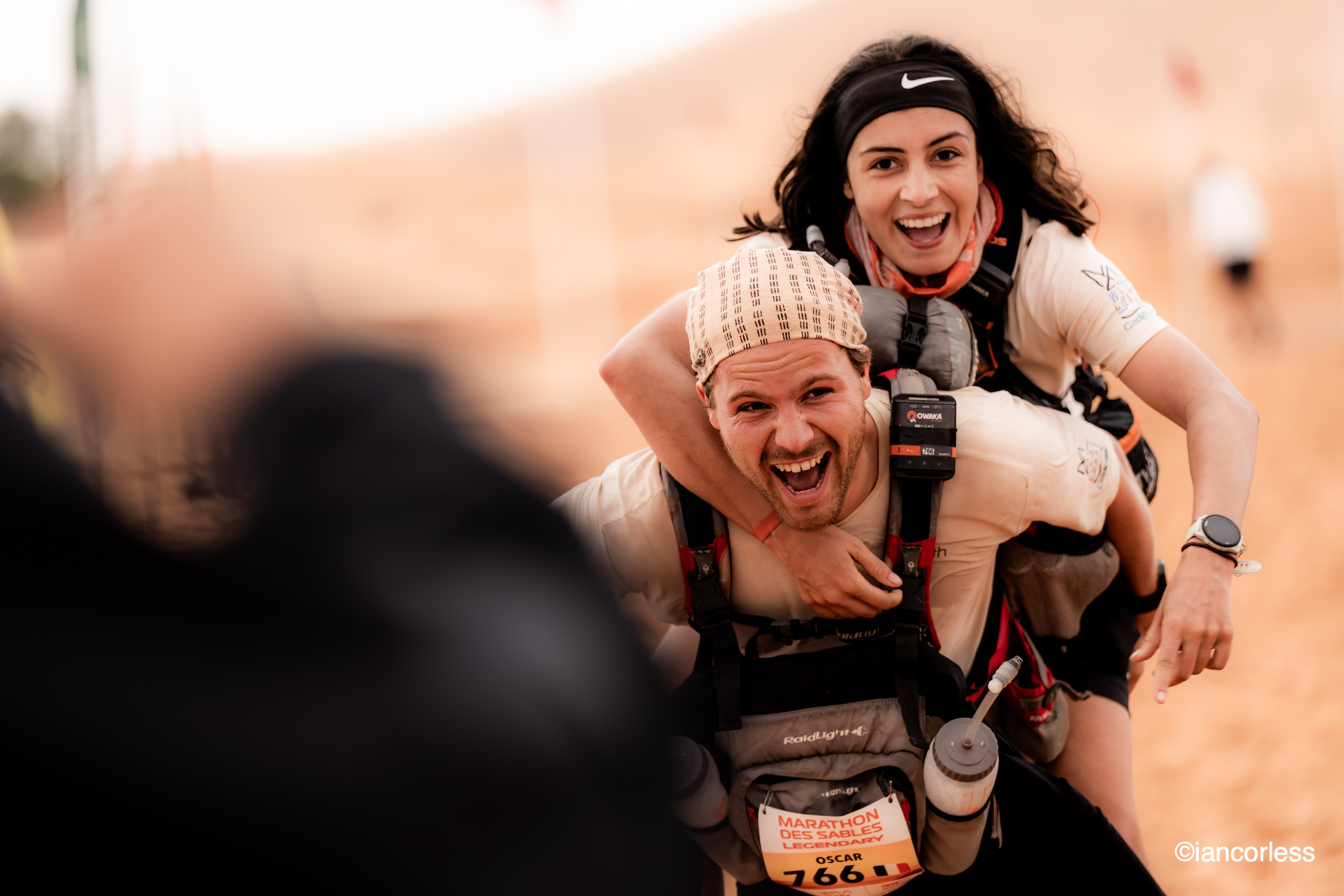
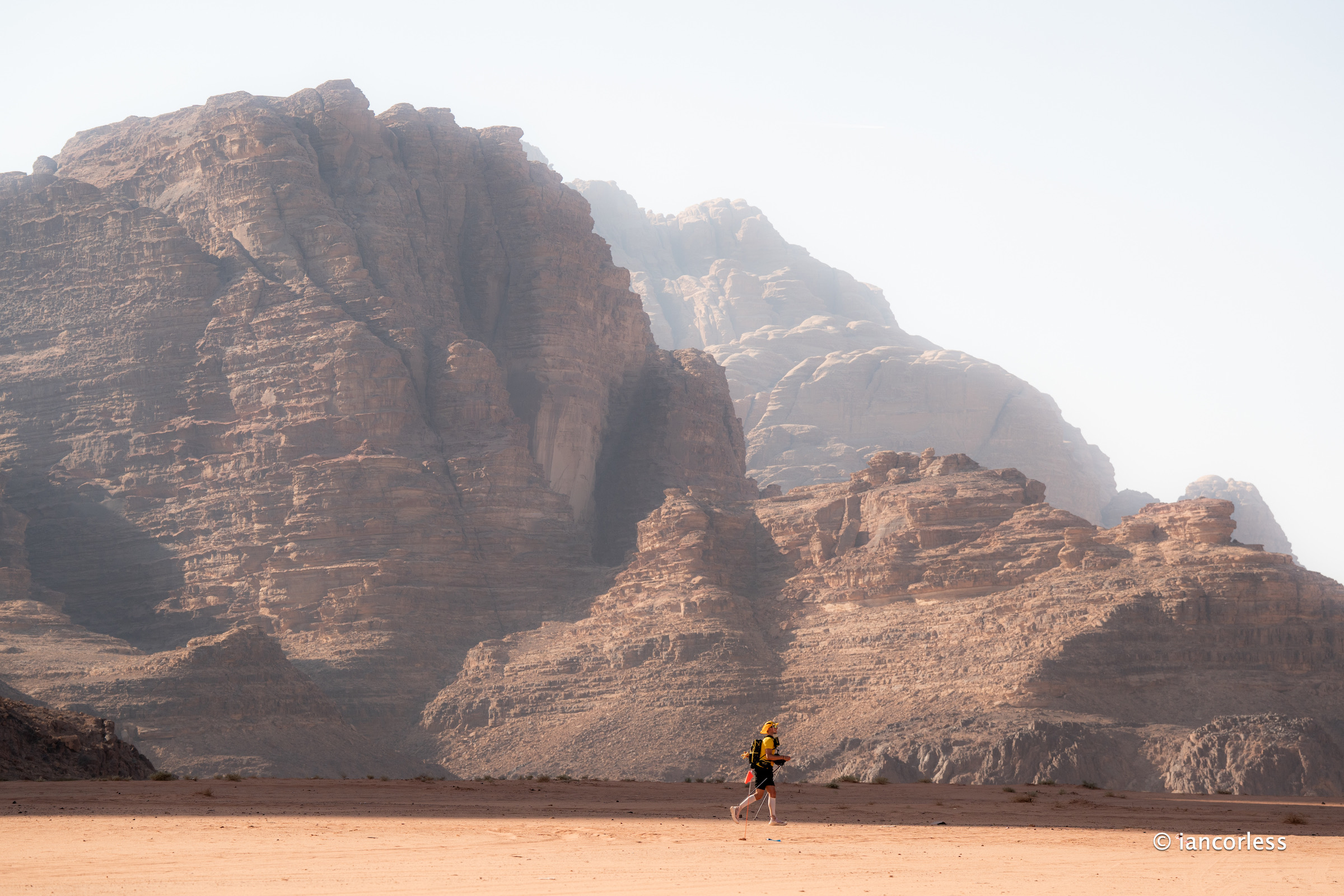
Photo by Ian Corless

In 2026, the Marathon des Sables (MDS) reaches a milestone: its 40th “Legendary” edition. What better way to celebrate four decades of desert ultra-endurance than by rewriting the record books? Among the announcements already stirring excitement: the “long day” stage for 2026 will be extended to 100 km, making it the longest single stage ever in MDS history. This bold move not only raises the bar for what runners will face, but signals that the 40th edition aims to become a defining moment of the race’s legacy.

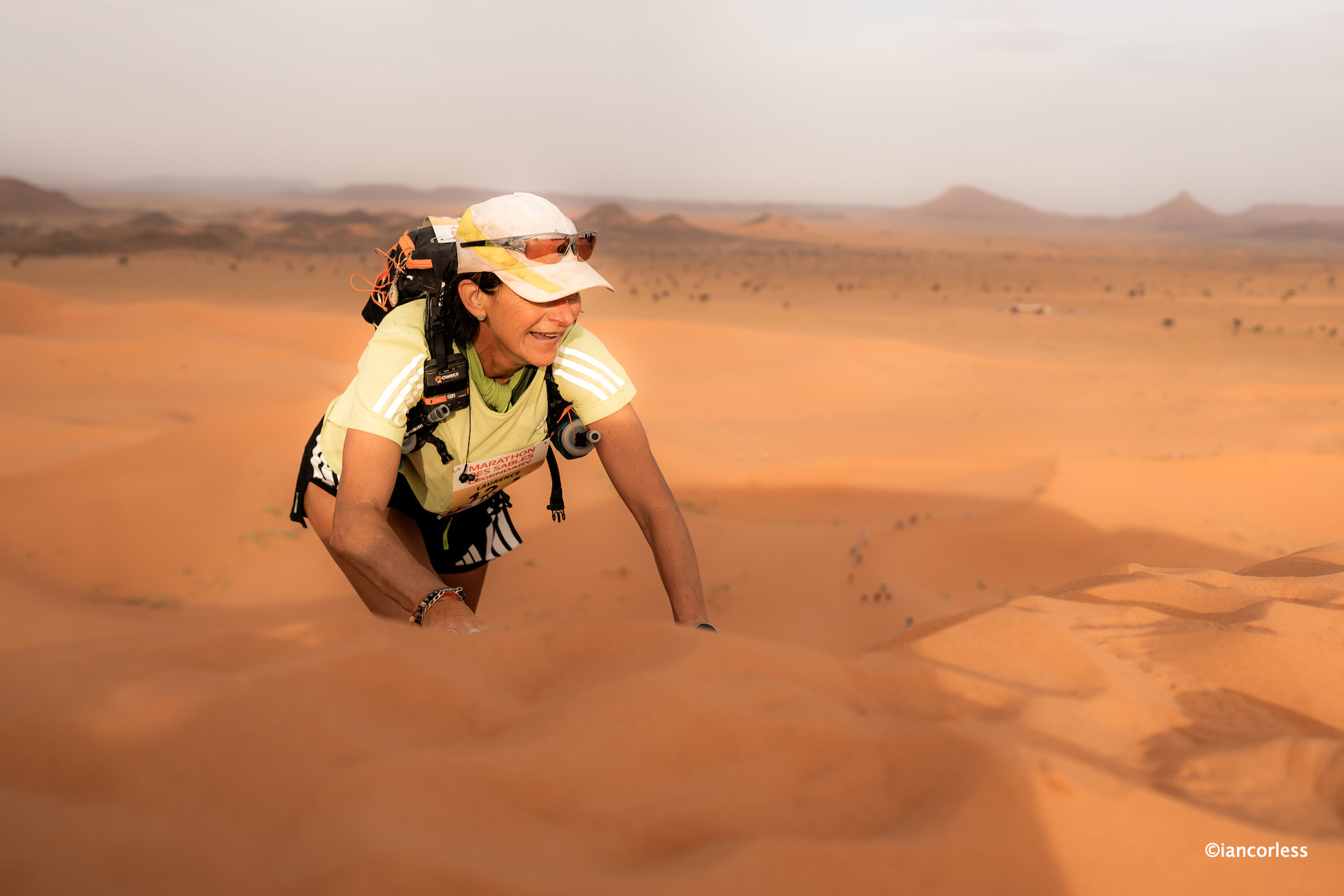
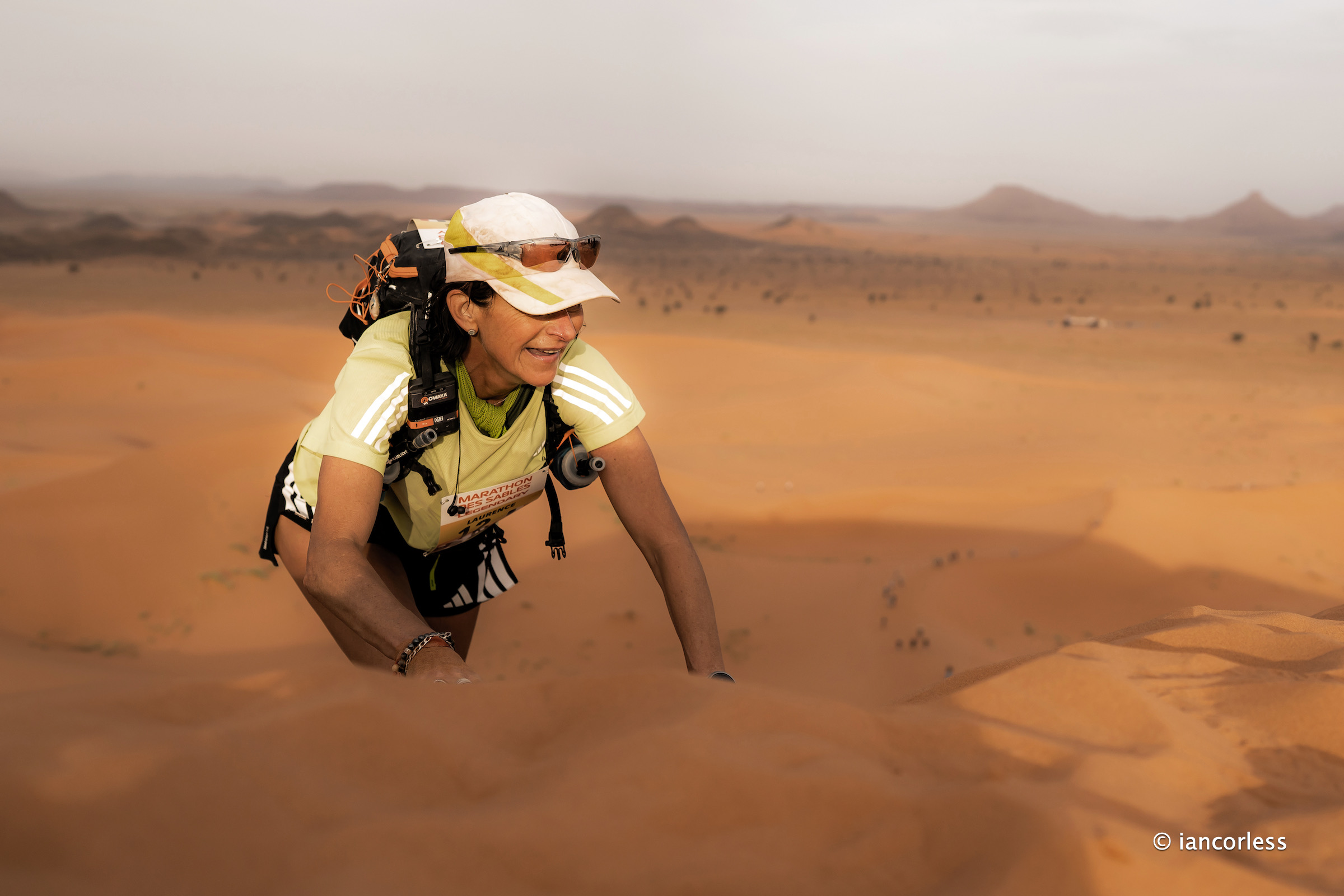
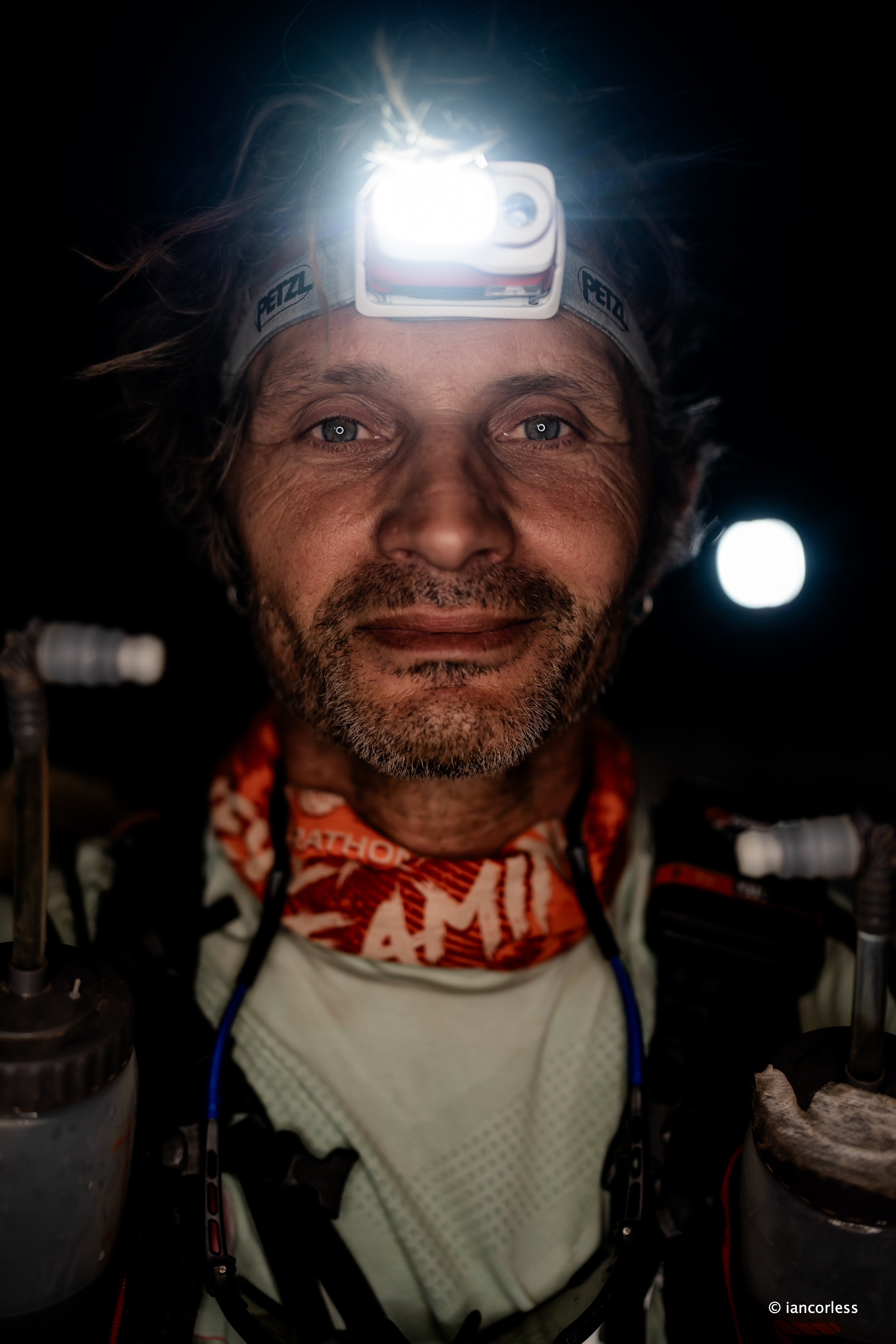
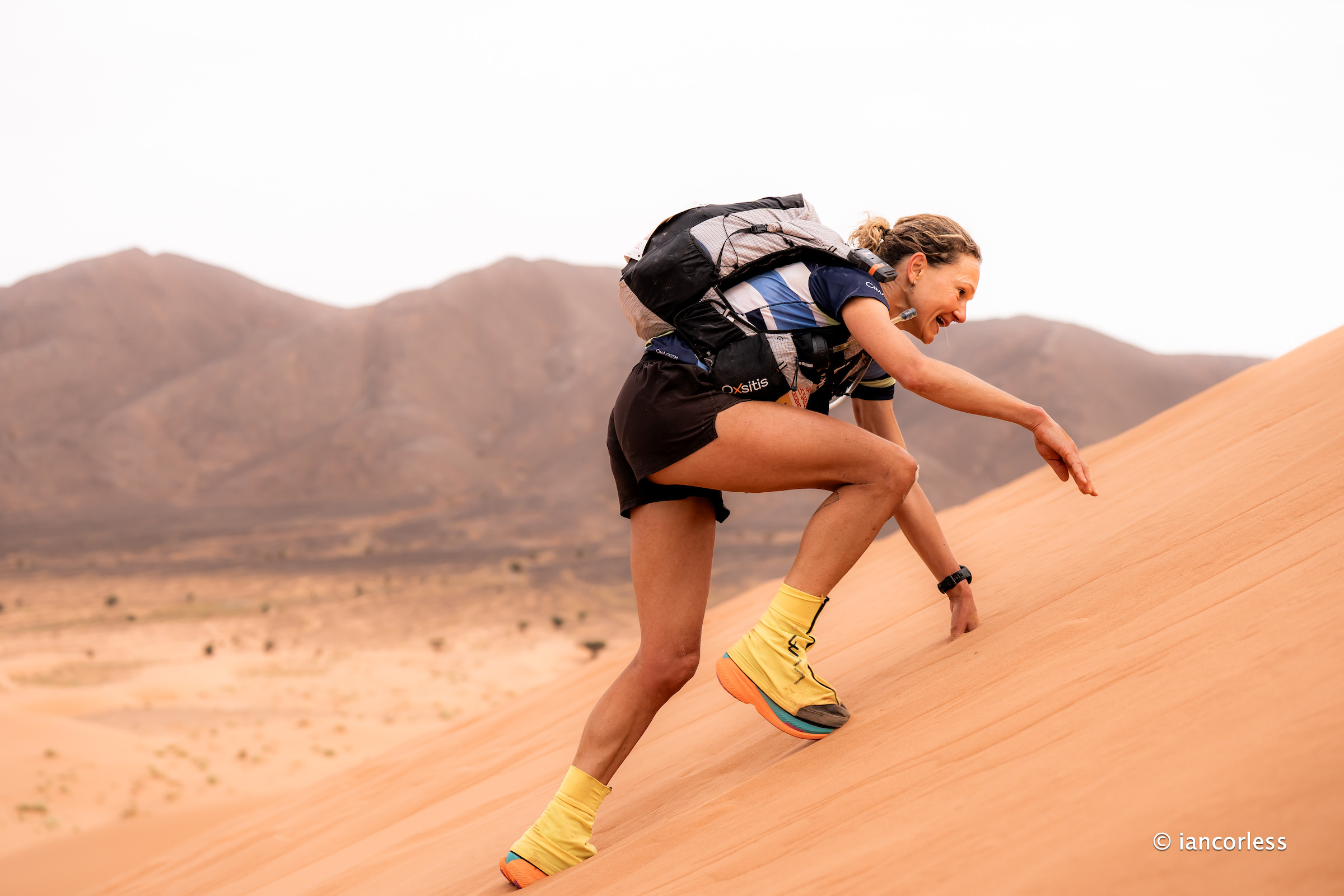
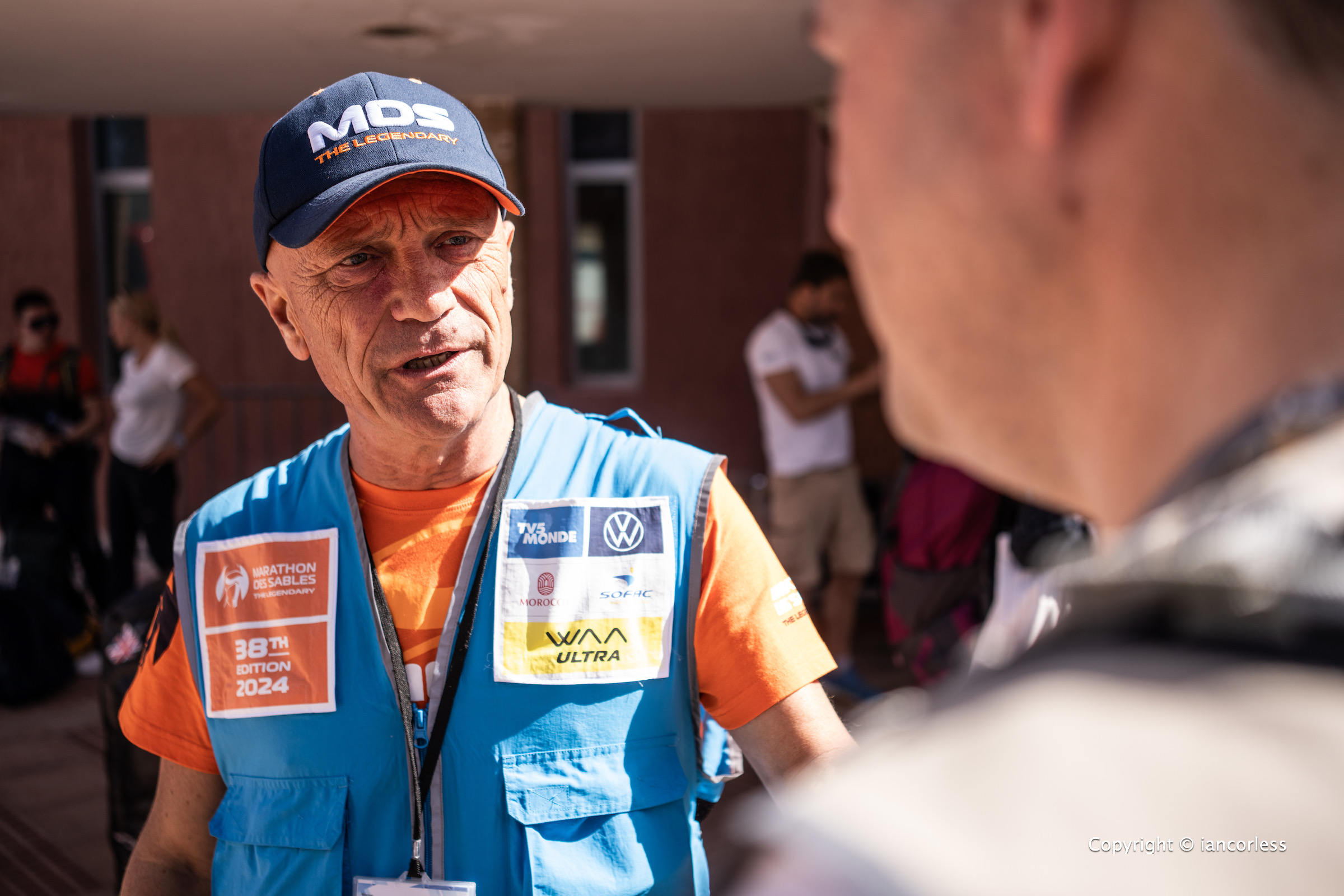
Laurence Klein, 3x MDS champion – Photo by Ian Corless

A Brief History:

The roots of the Marathon des Sables reach back to the daring vision of French promoter Patrick Bauer. In 1984, he traversed part of the Sahara on his own, over 350 km in 12 days, with no external support, an experiment in isolation and survival. Two years later, in 1986, the first official Marathon des Sables was held, with 23 participants tackling a self-supported desert crossing. The winners, Bernard Gaudin and Christiane Plumere making history.

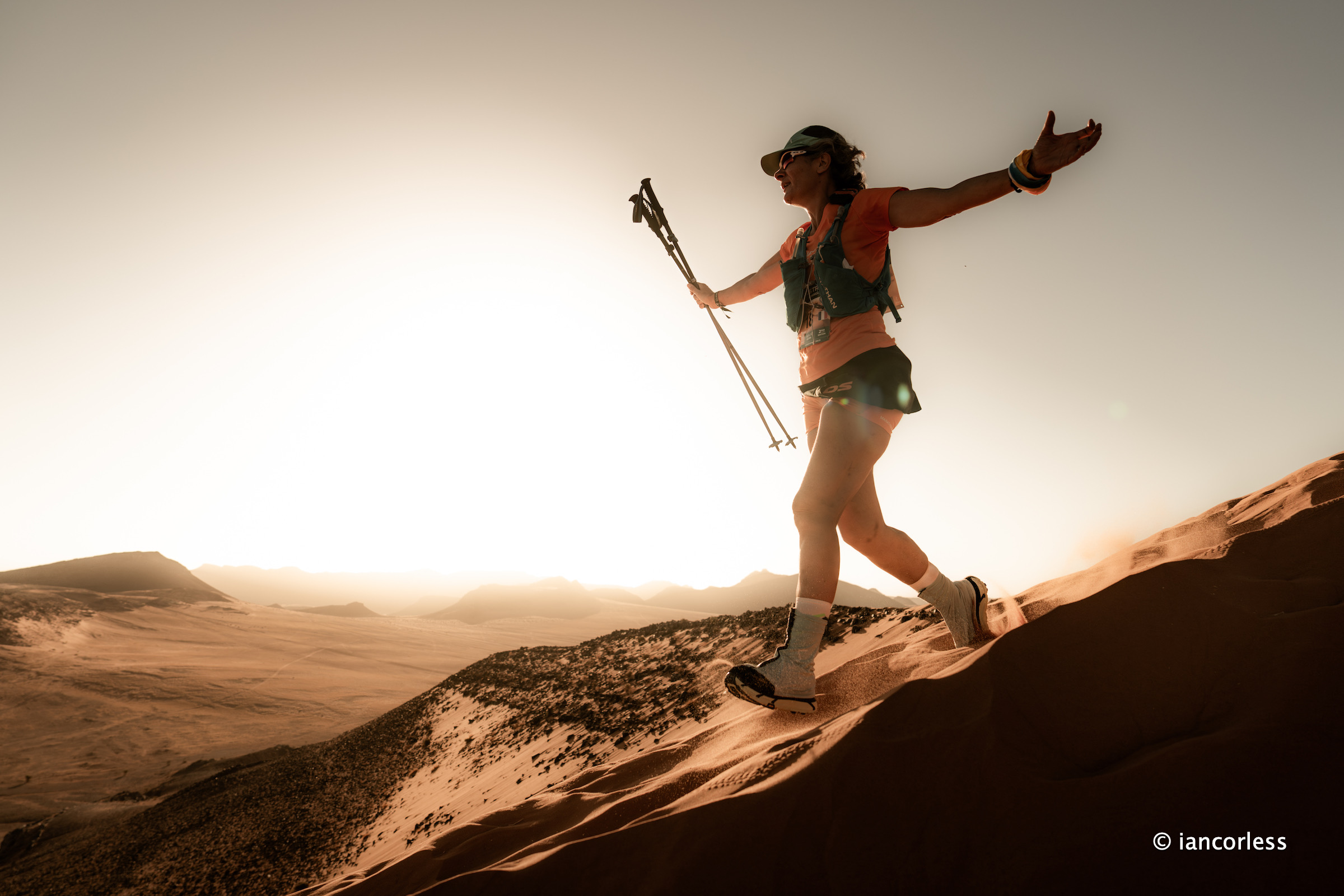
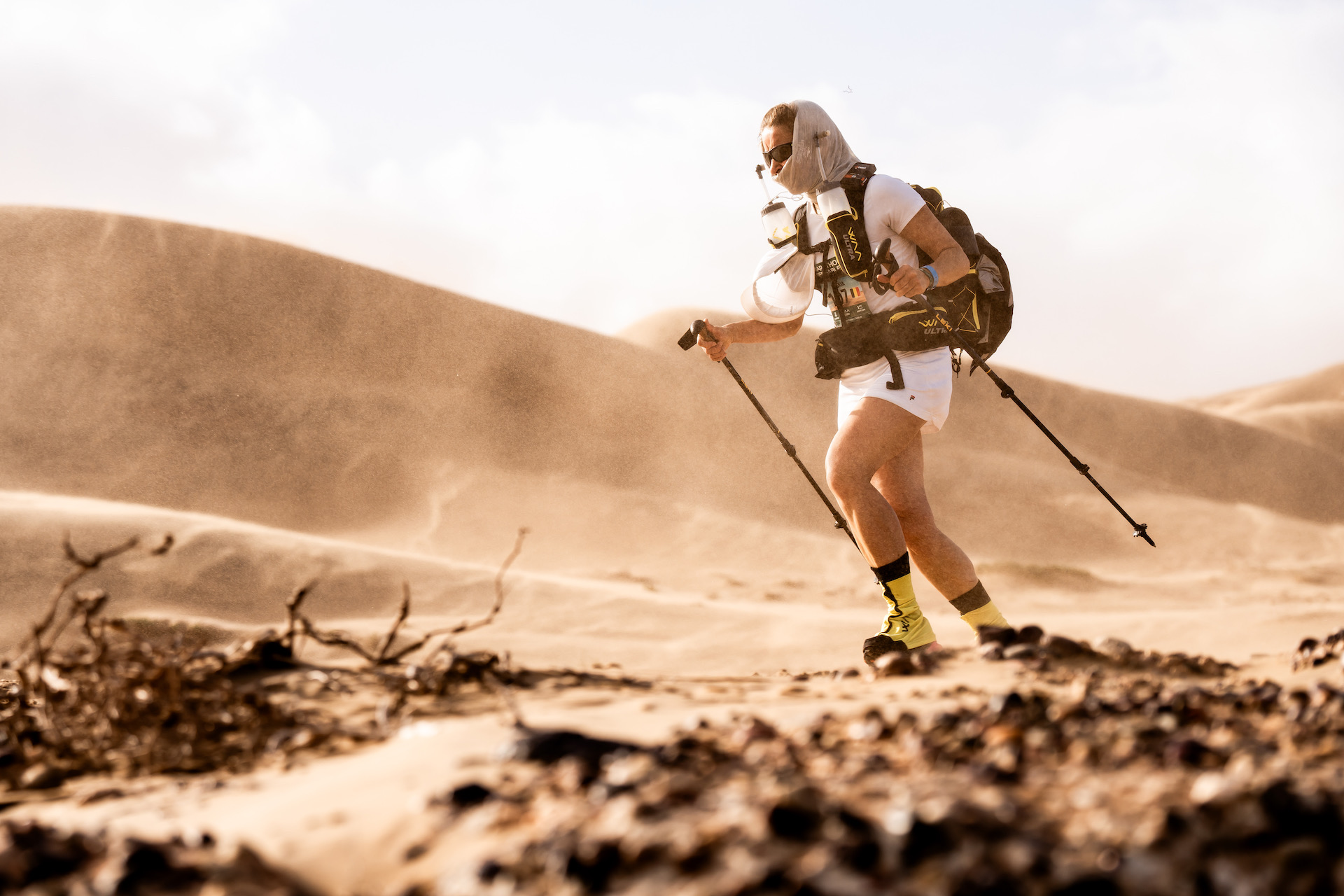
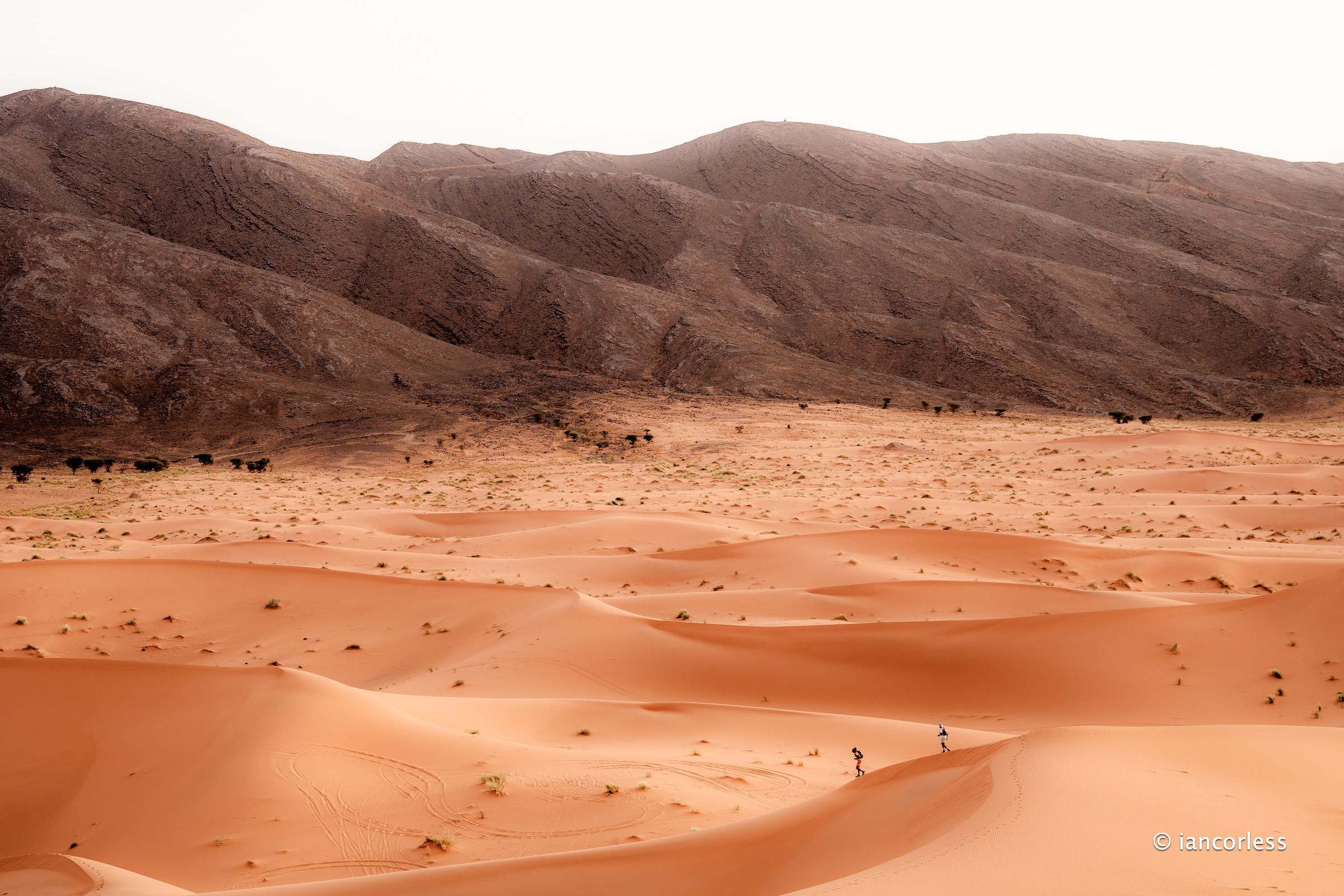
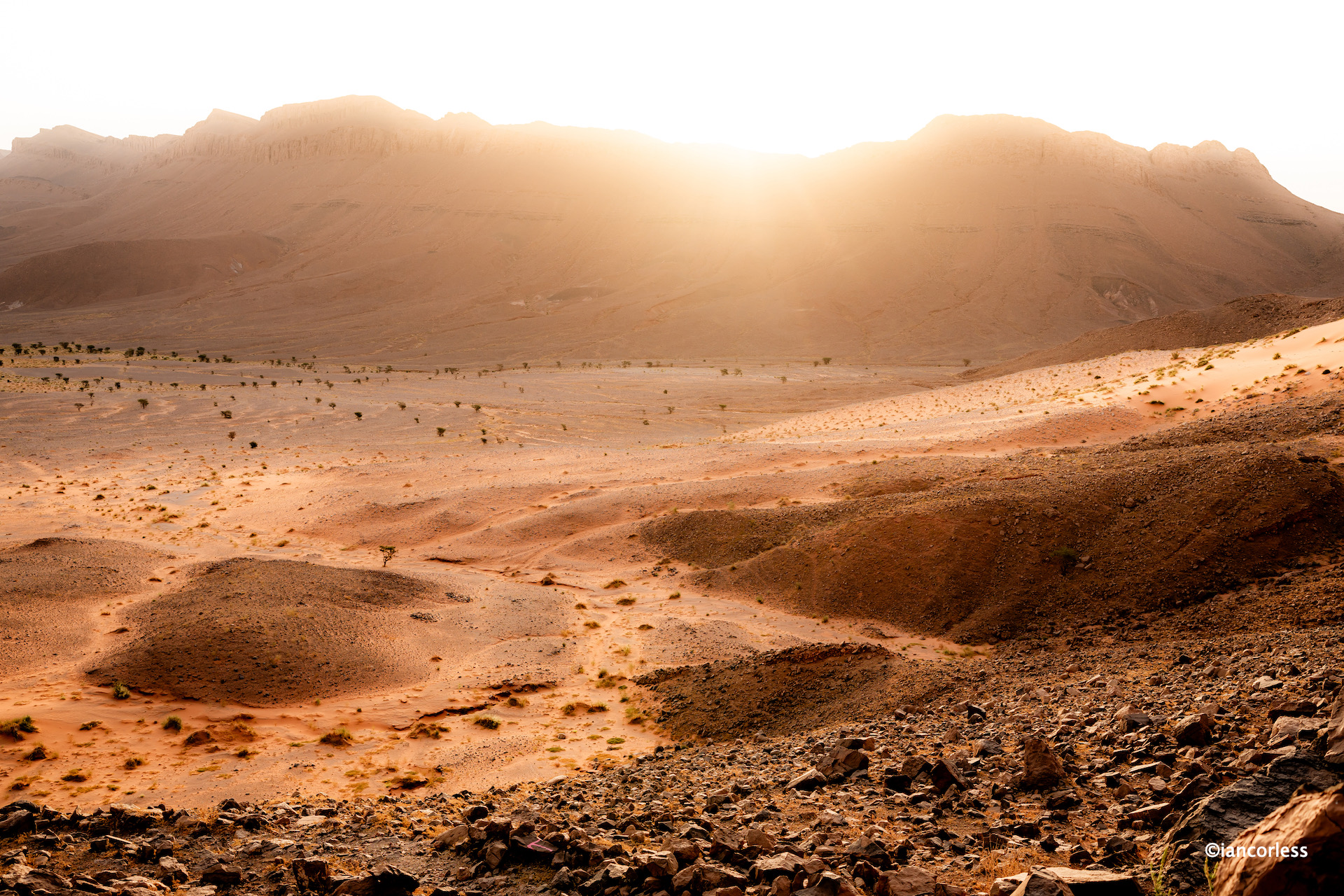
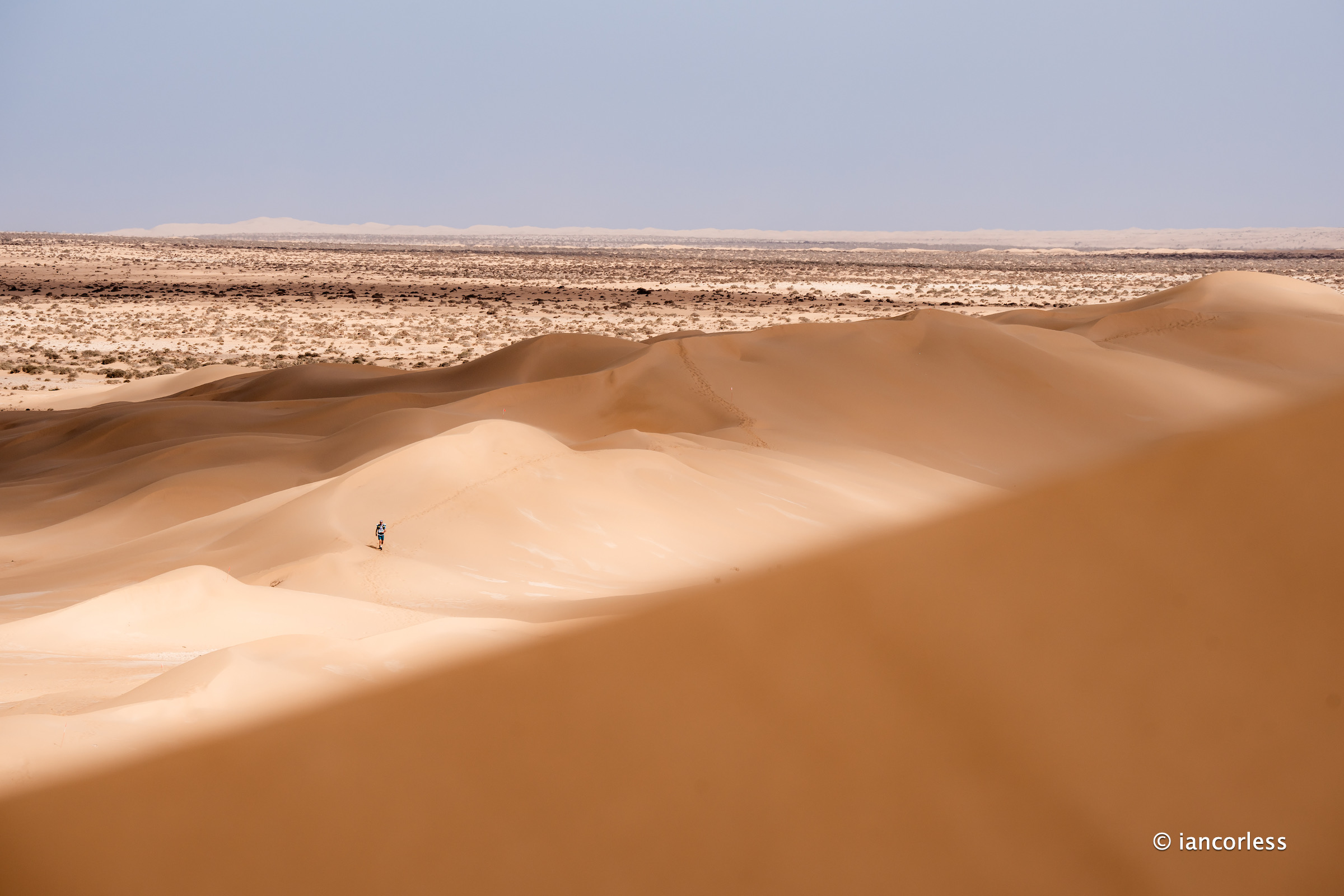
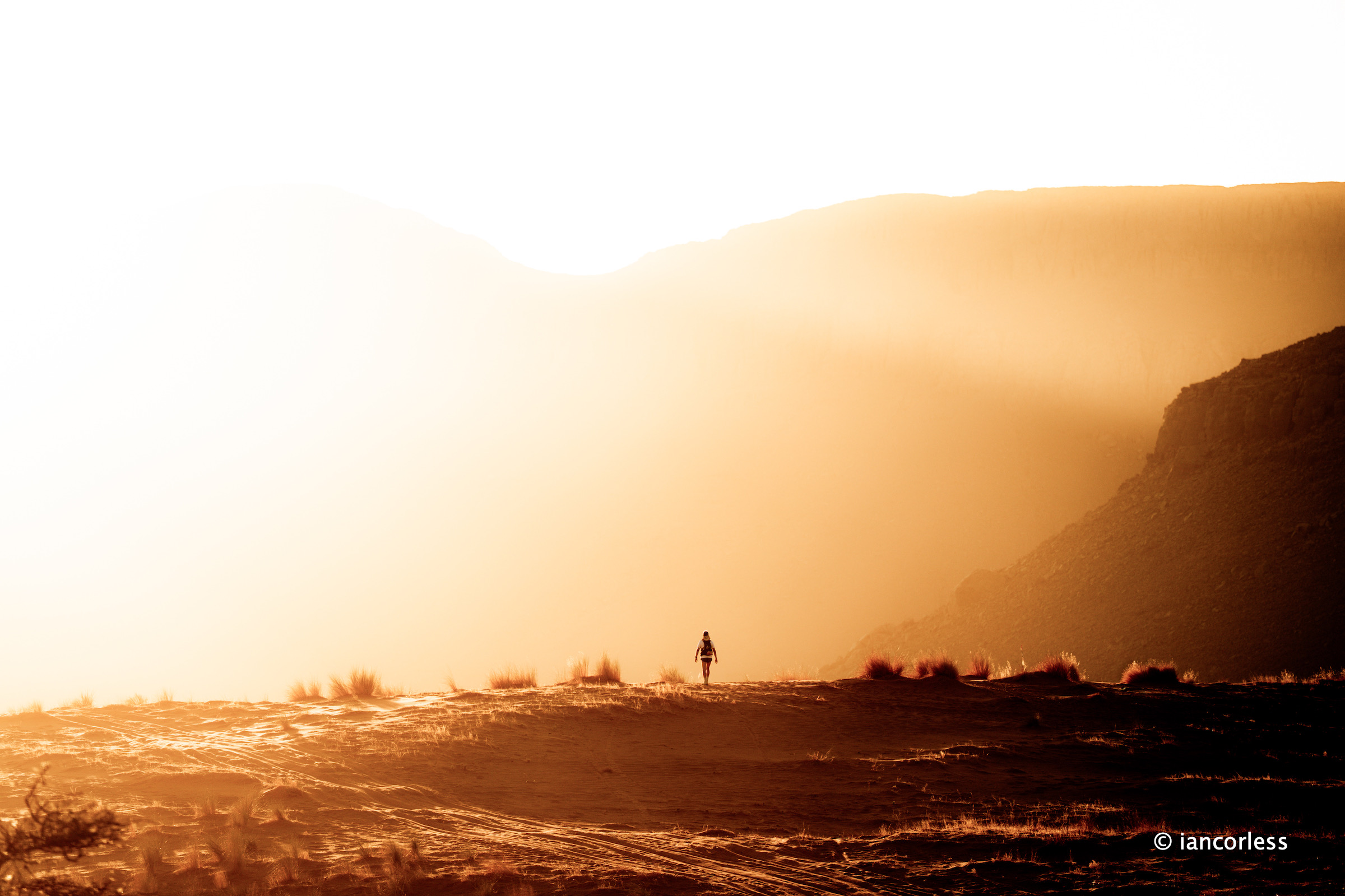
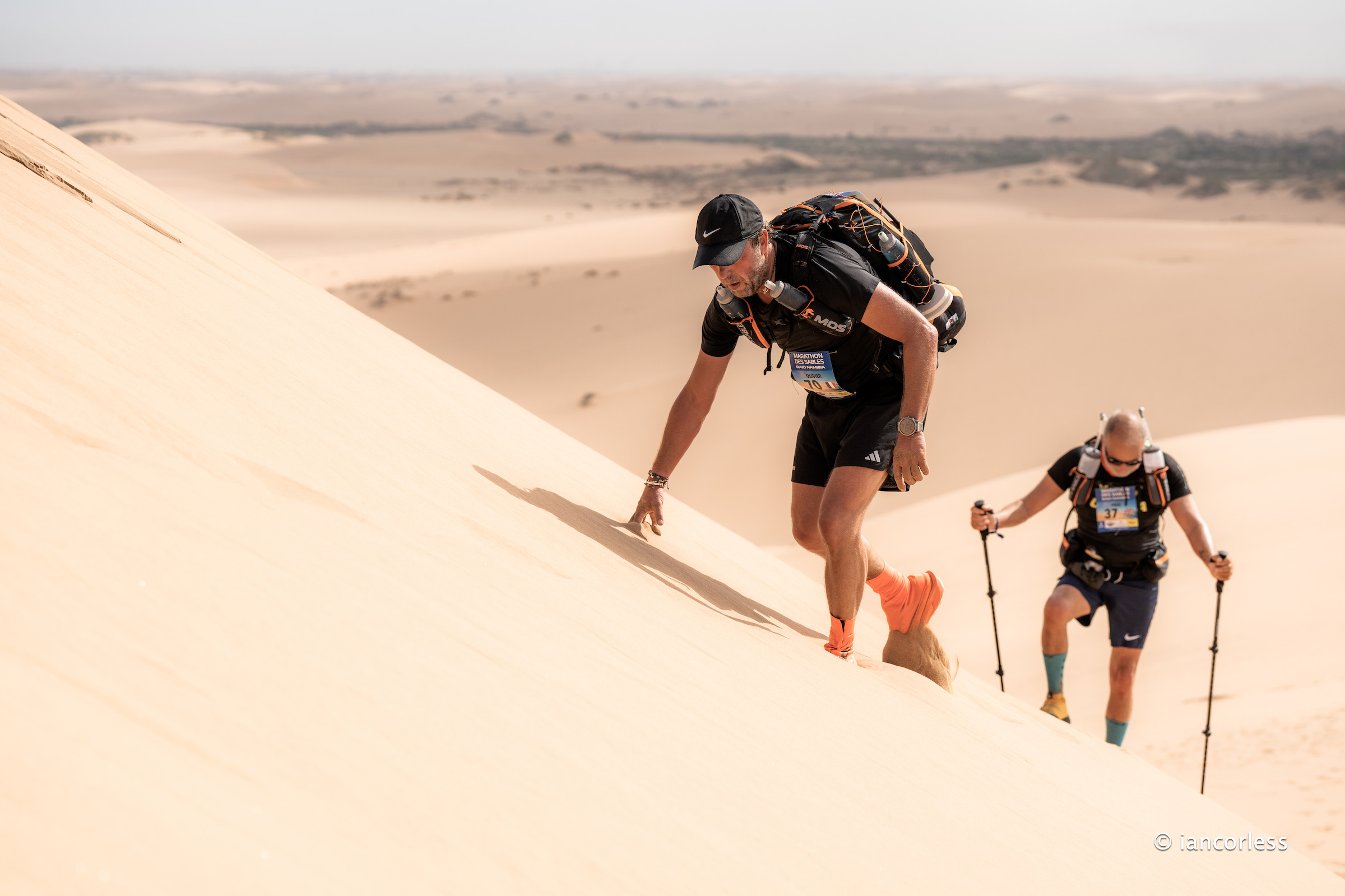
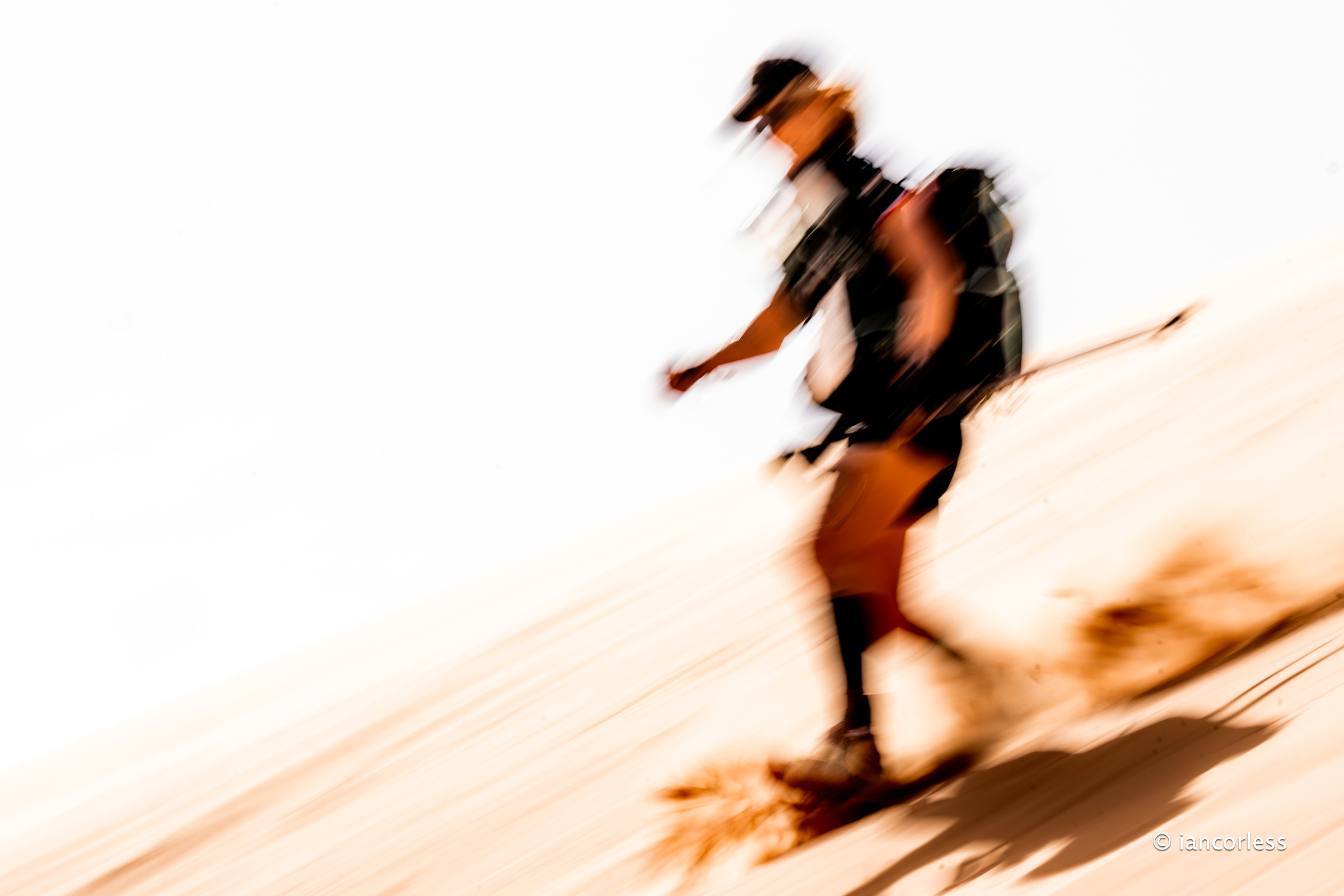
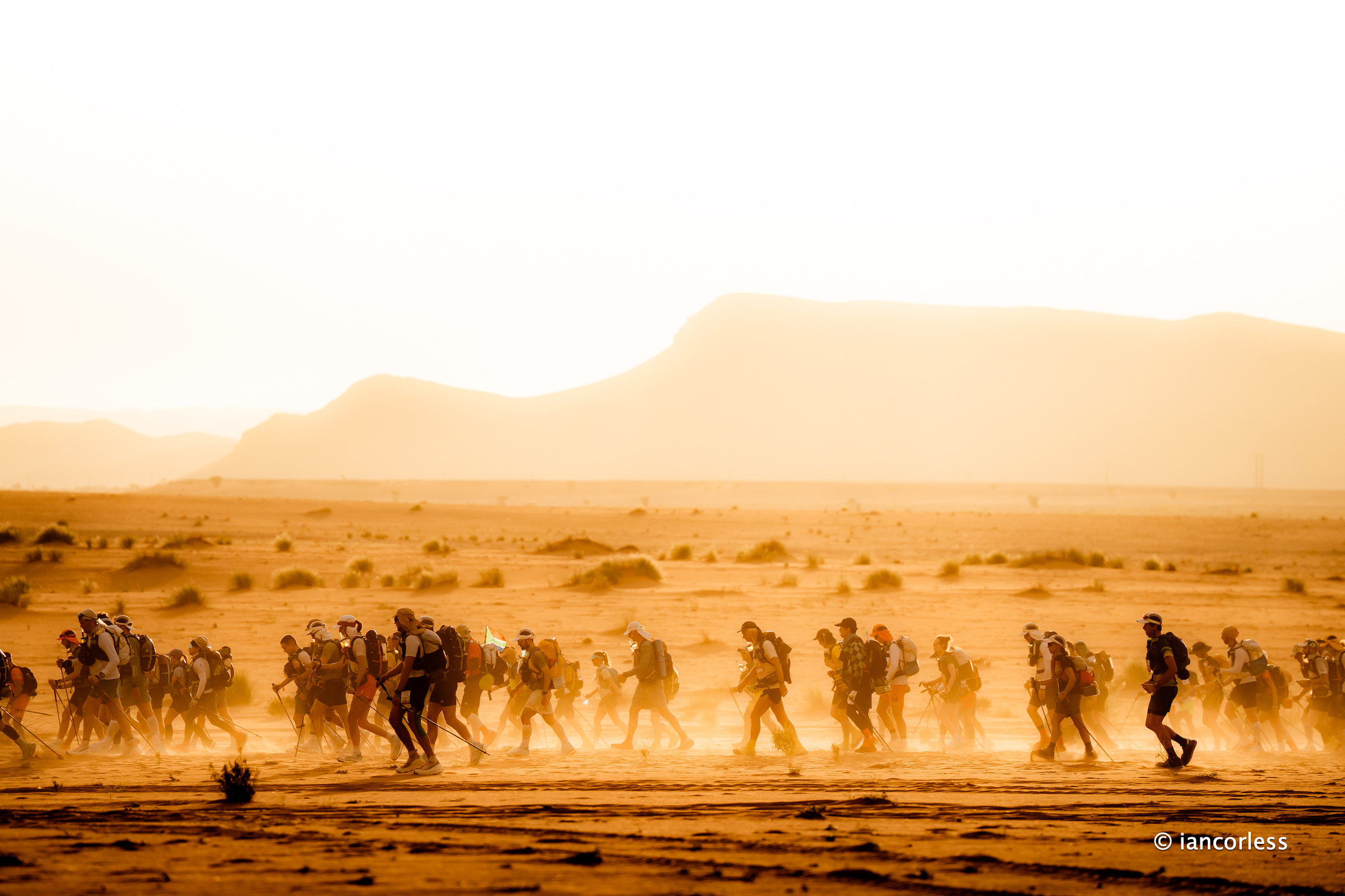
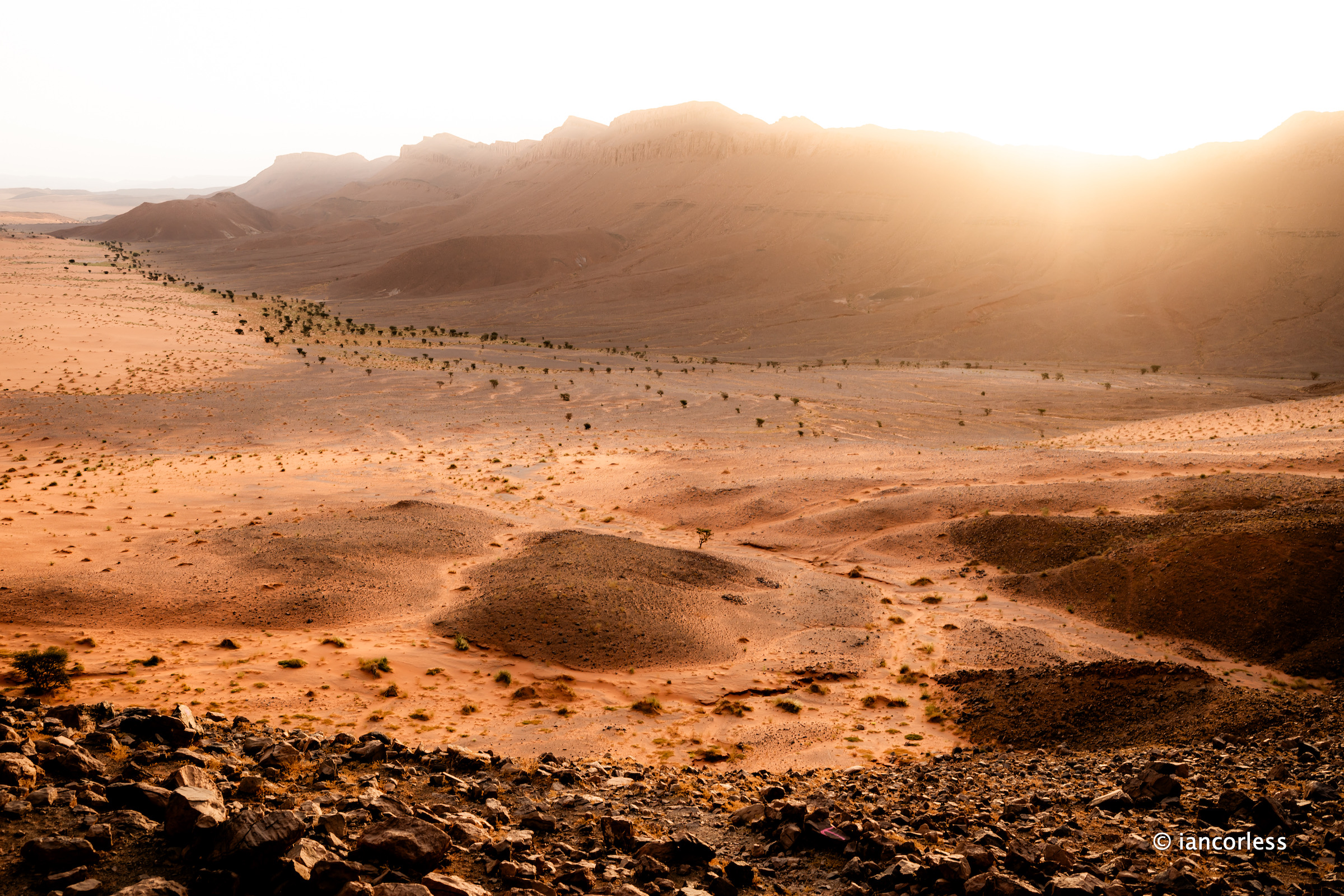
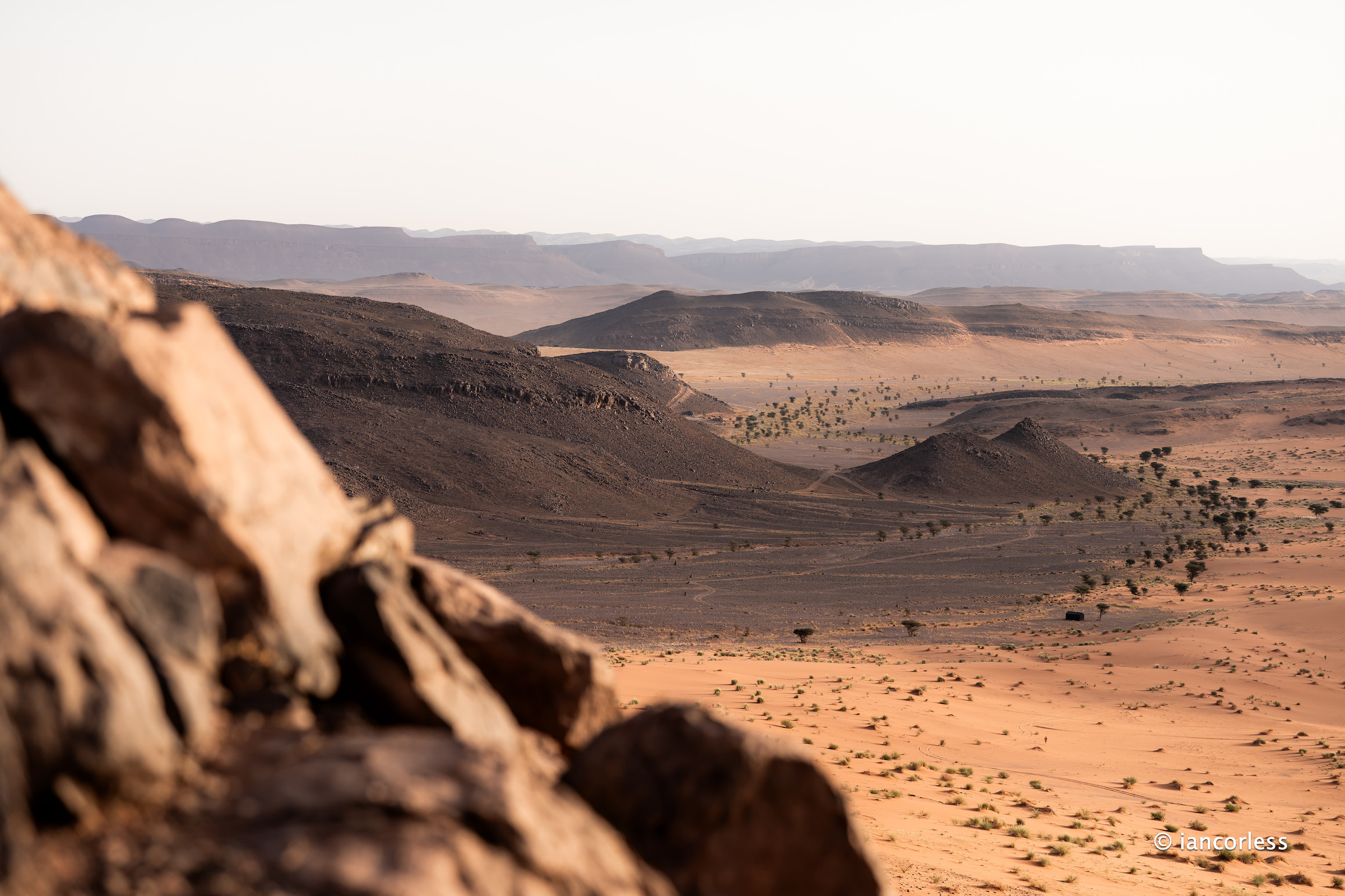
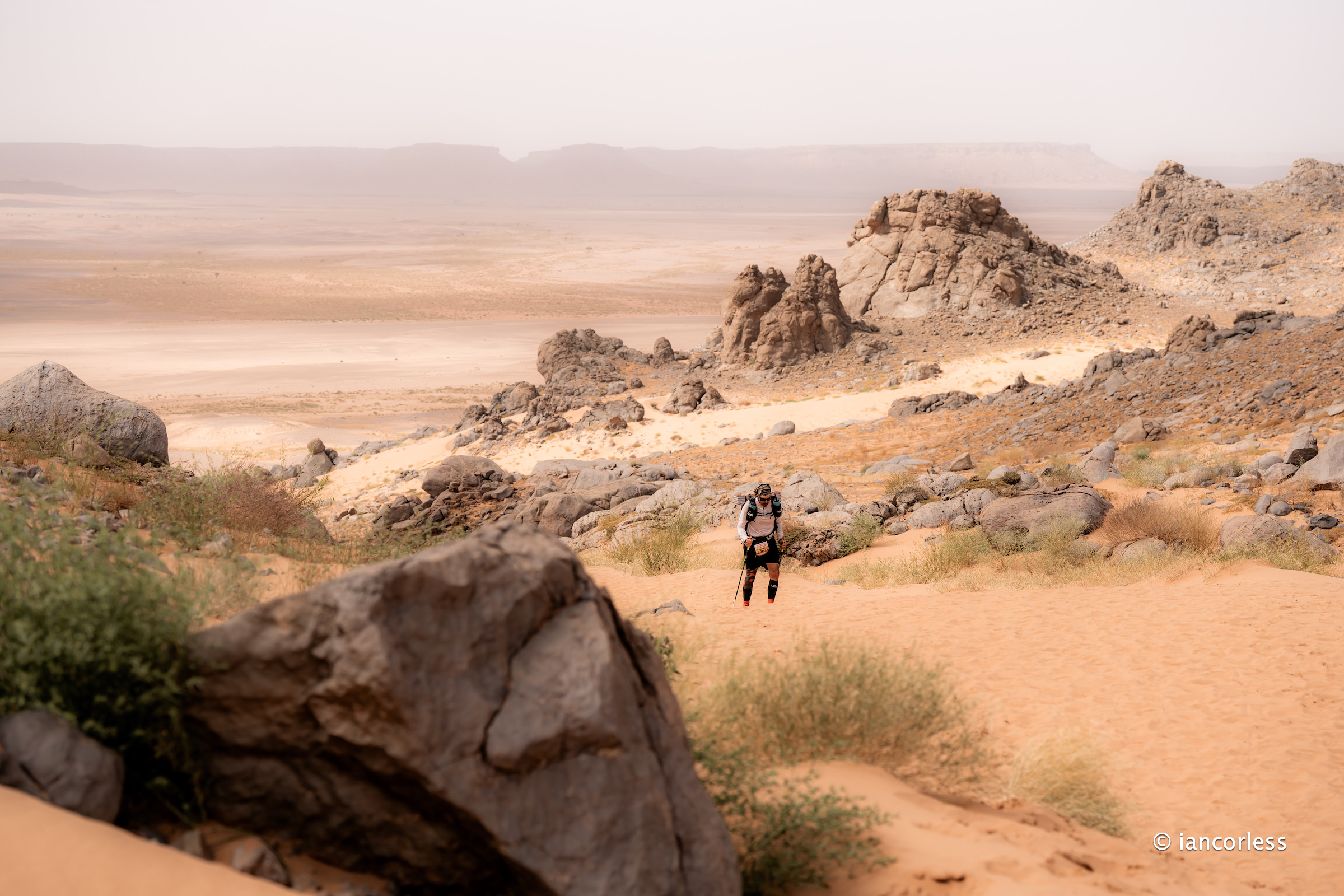
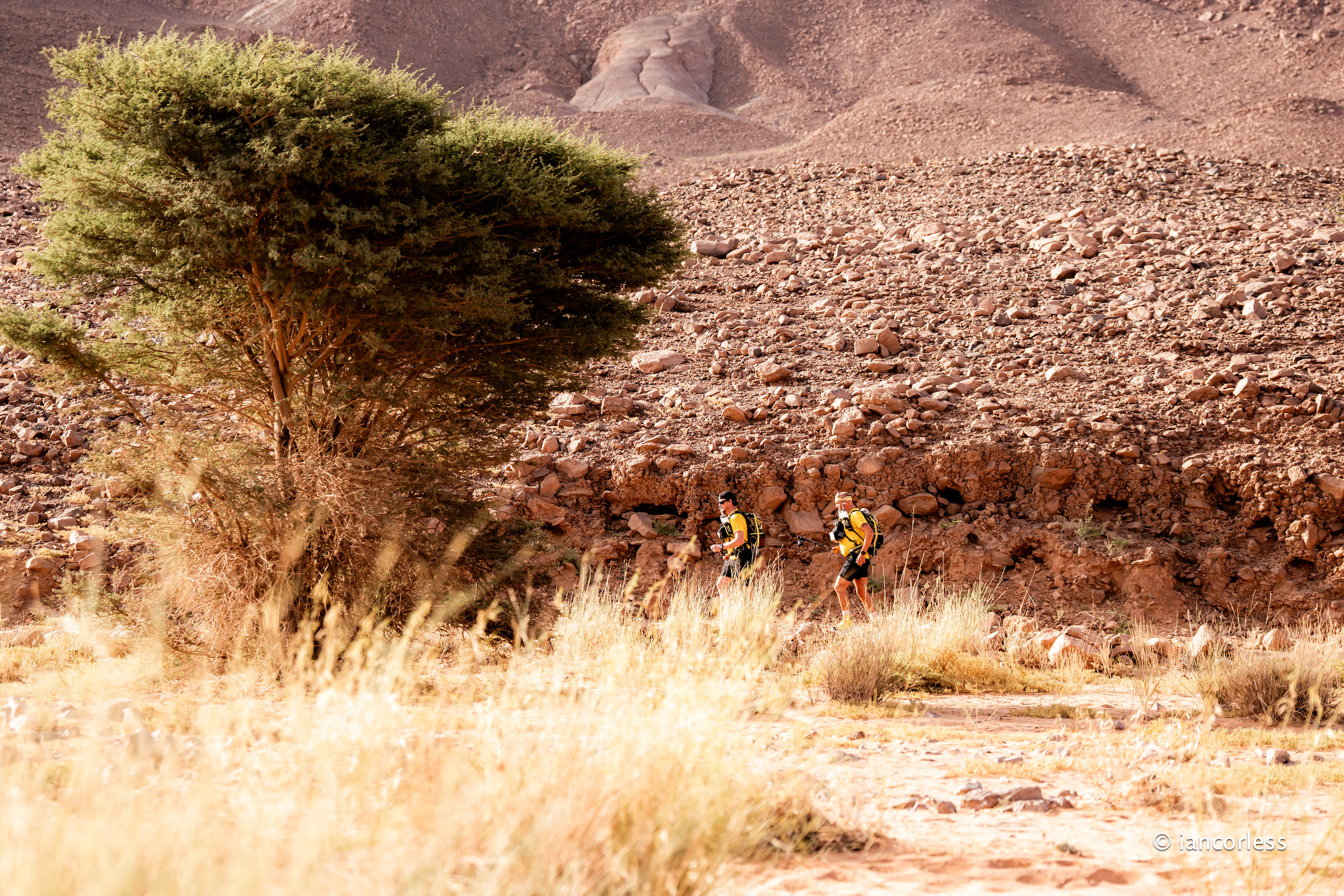
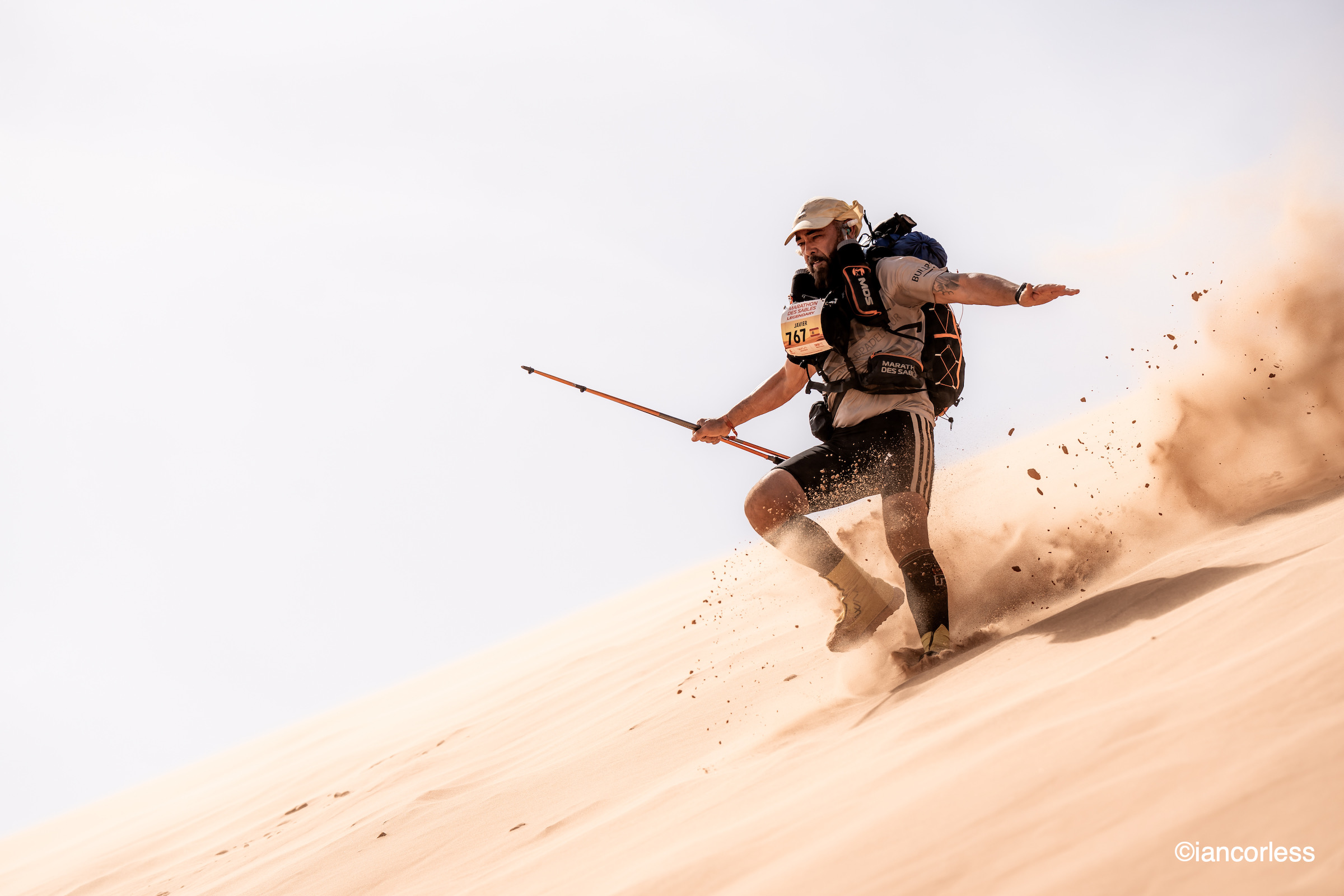
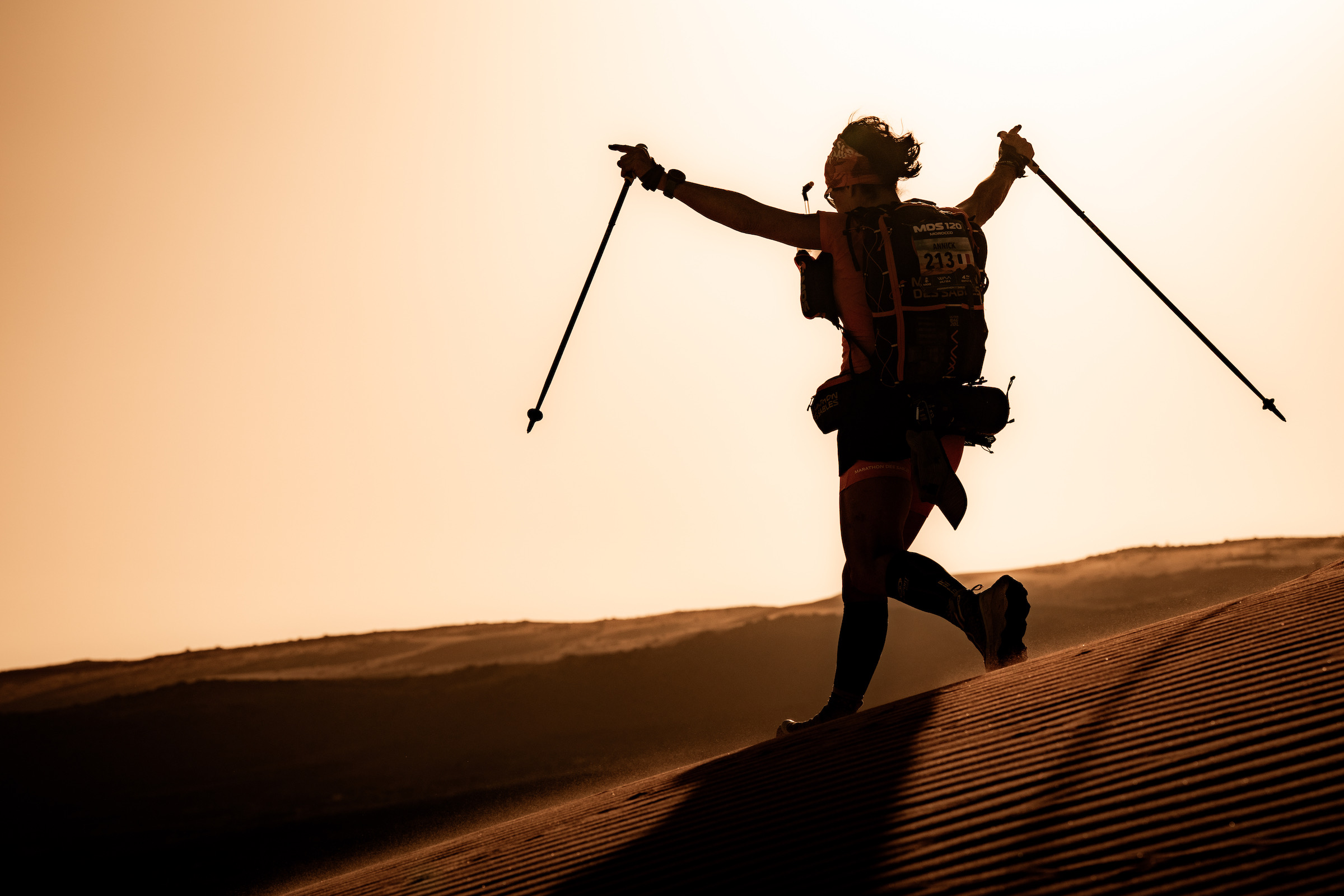
Over the years, MDS has grown from a niche extreme-race to one of the world’s most respected ultramarathons. Its signature format currently features around 250 km over 6-stages (7-days) in the Moroccan Sahara, with participants carrying their own supplies (food, sleeping gear, etc.) in full self-sufficiency – water and a place to sleep the only logistical supply. Terrain at The Legendary shifts from endless dunes, rocky plateaus, dried wadis, occasional mountains and shifting sands; daytime heat can often soar, while nighttime temperatures can drop sharply. 

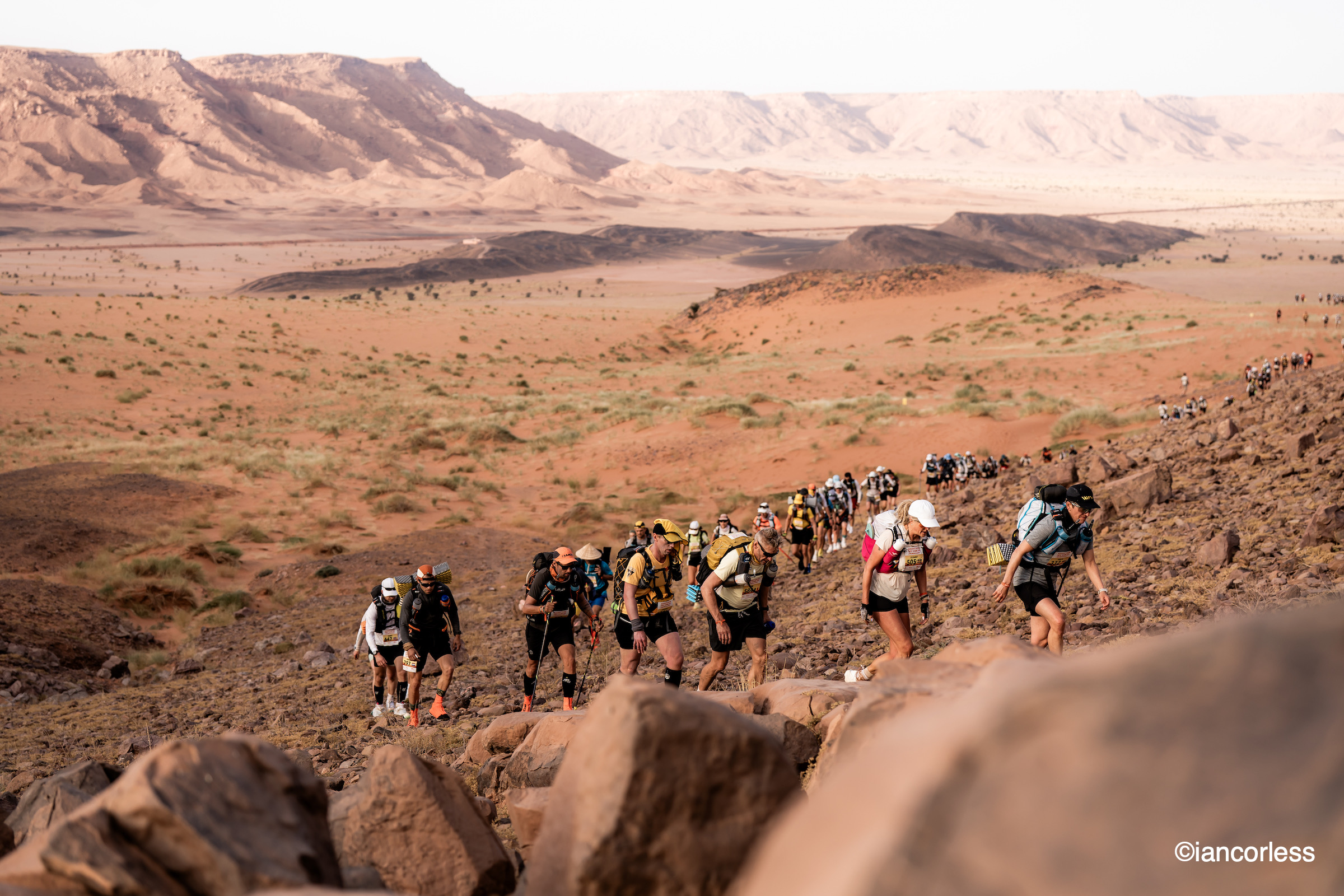
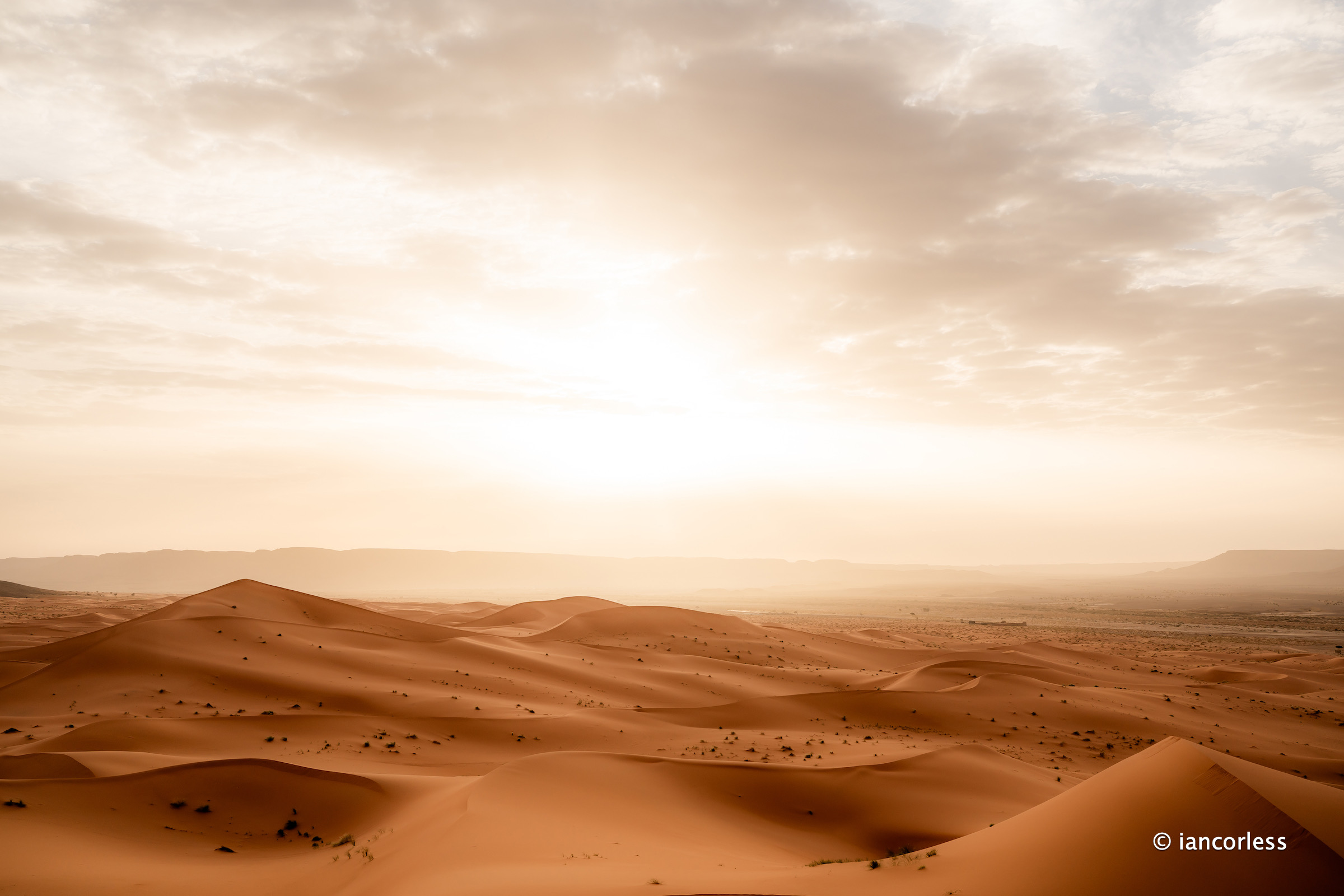
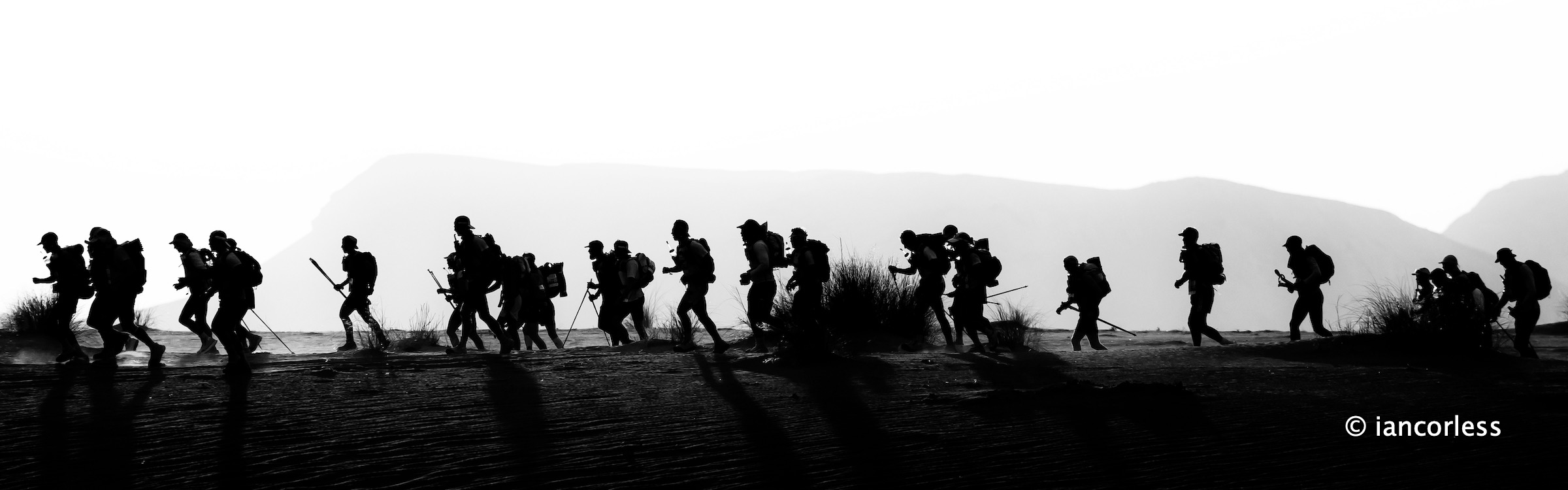
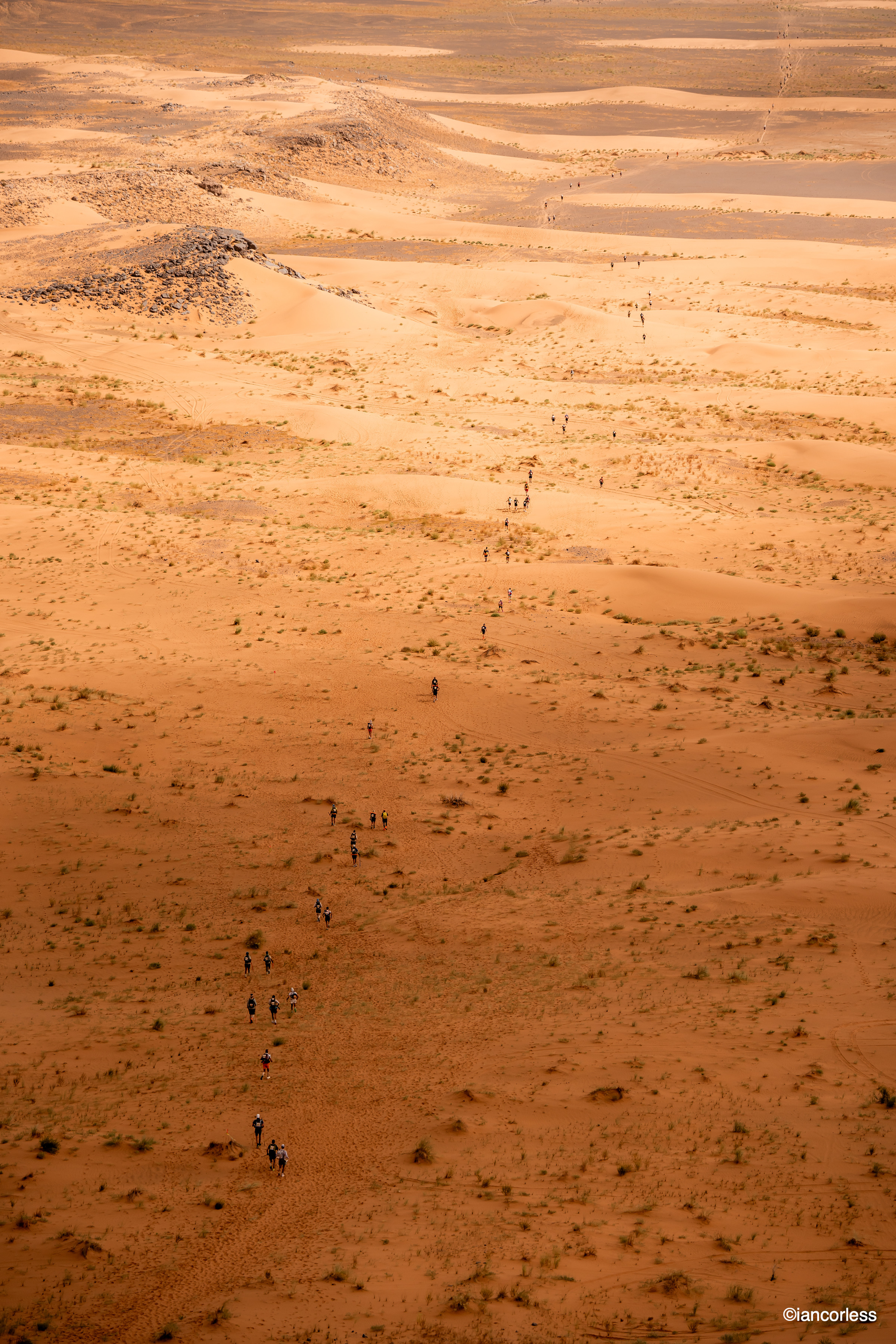
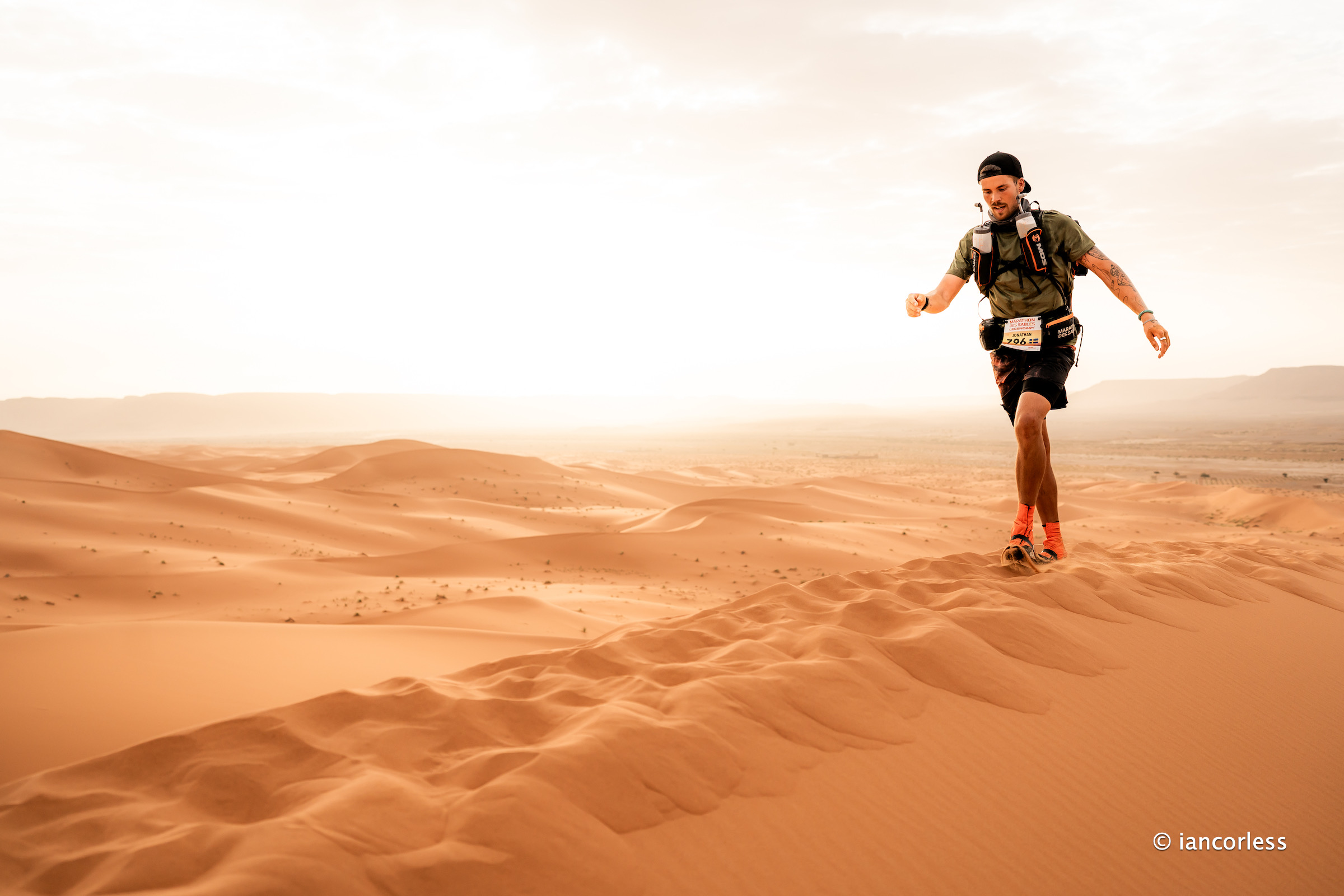
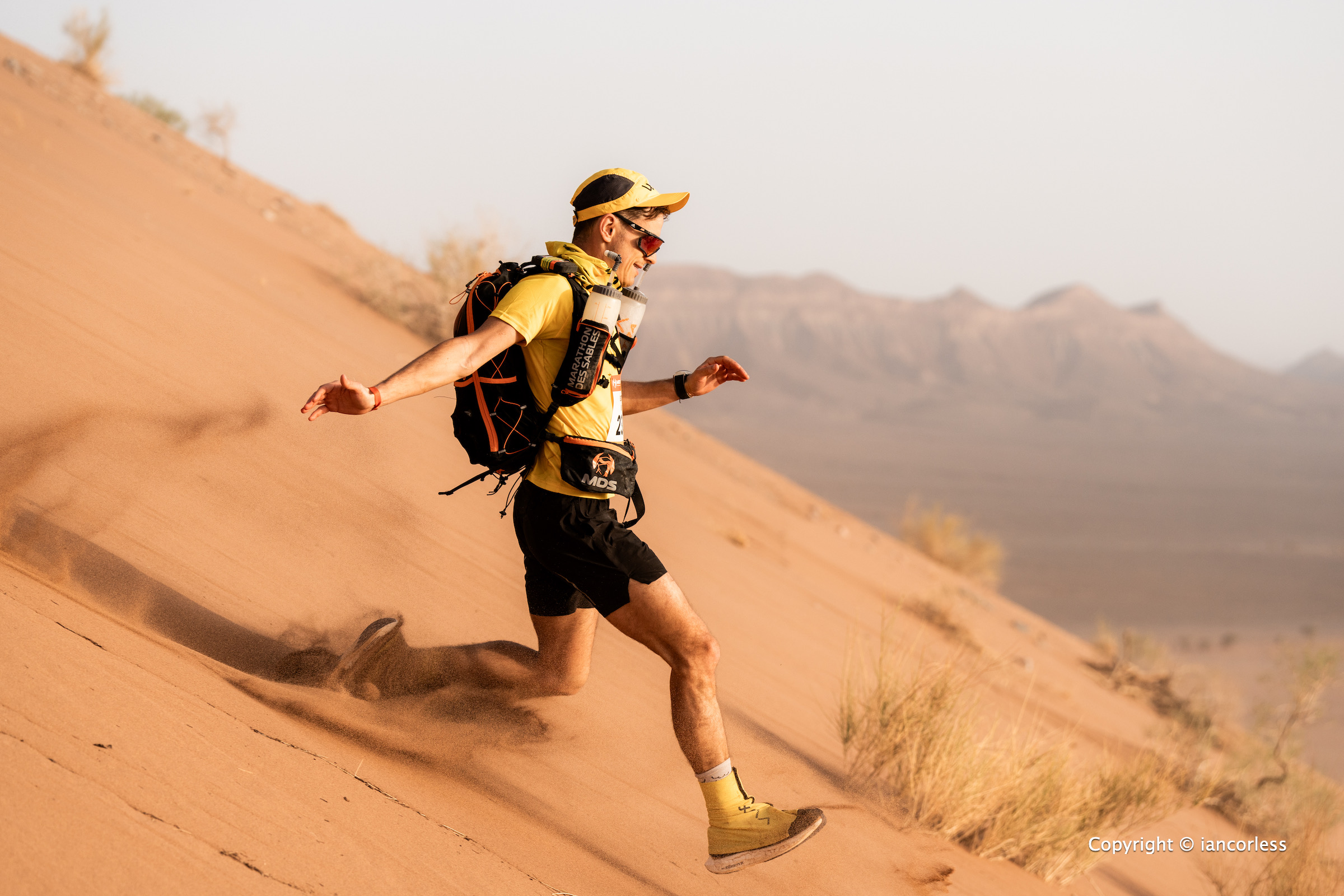
Stunning vistas at The Legendary – Photo by Ian Corless

Notably, throughout its history, MDS Legendary has always included a stage that stretches well beyond the “single marathon” distance, 80–90 km is normal to test endurance in extremes. In 2009, there was a long-stage of 92km’s…. But a full 100 km in one go will top them all.

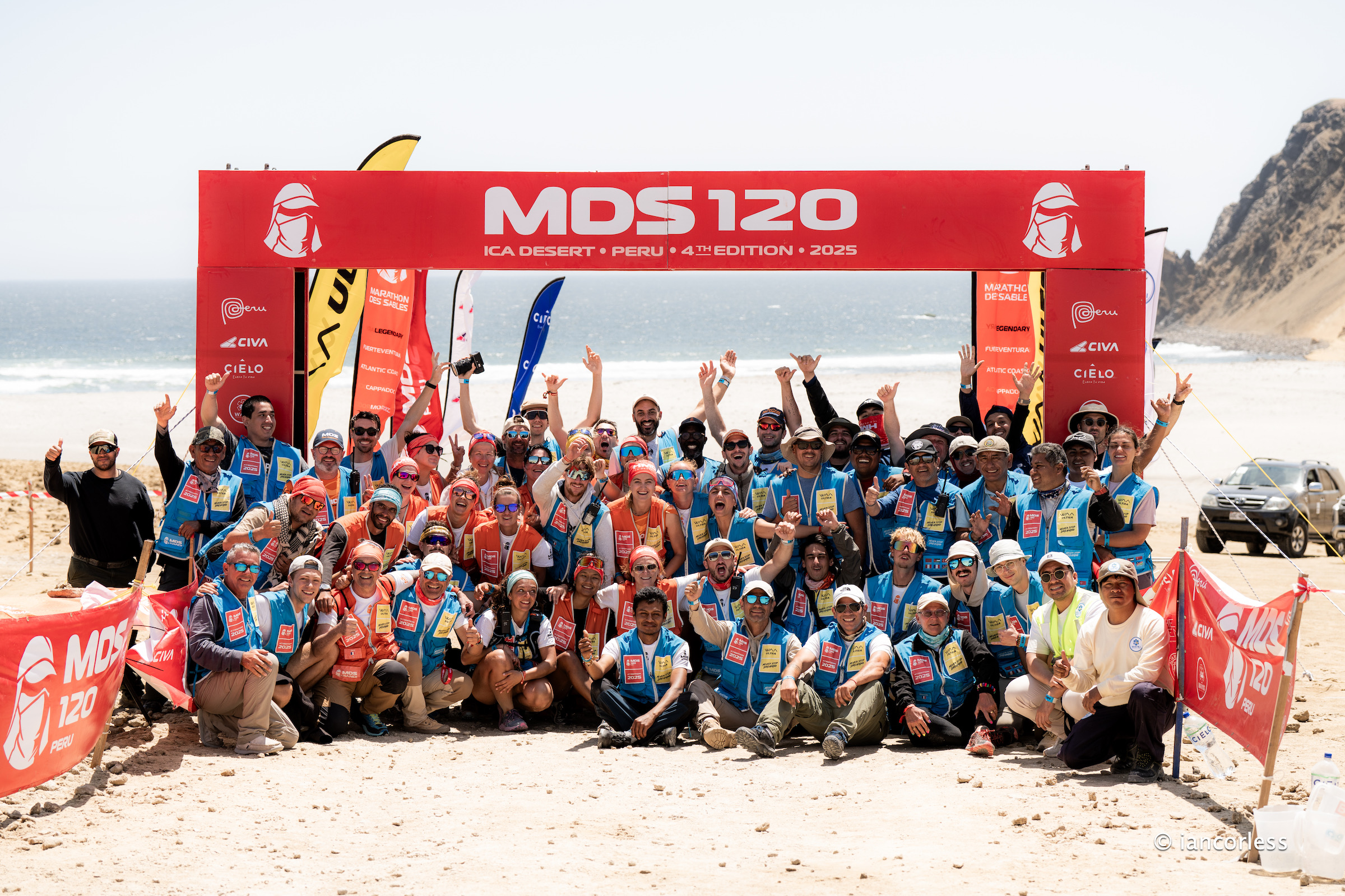
With a passing of time, MDS Legendary has also diversified; now offering shorter formats such as MDS 120 (70–120 km), the MDS Trek variant with lighter logistics, MDS RAID and for 2026, the MDS Ultra which for the first time offers a single-stage ultra of 100km’s or 100-miles to be undertaken with a 40-hour cut-off. But the heart of the MDS  remains firmly with The Legendary stage race. 

The 100 km “Long Day” and What It Means

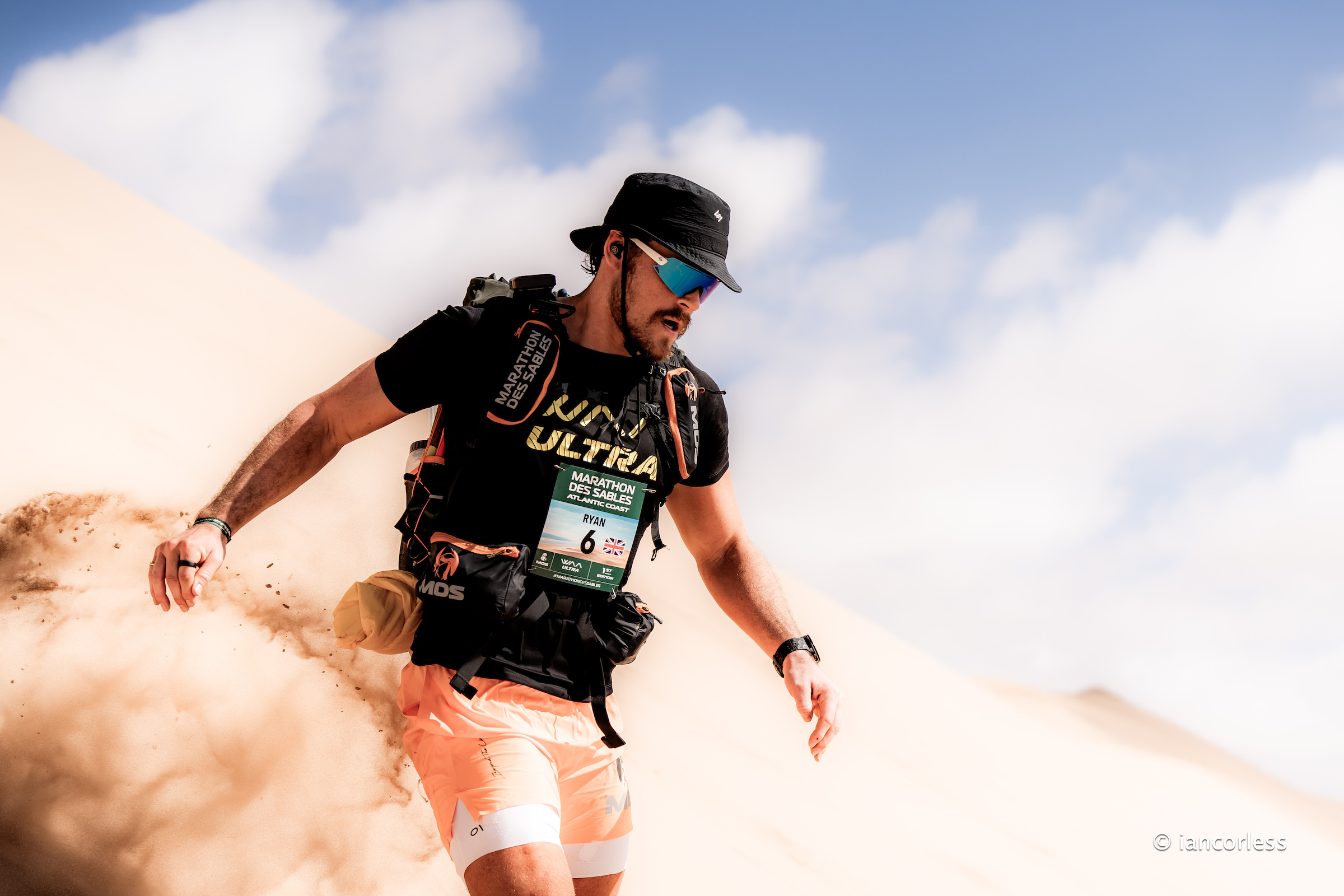
MDS will feature a 100 km long day, a stage longer than anything ever attempted in MDS history. This is more than a symbolic gesture, it’s a structural change that forces participants to rethink pacing, supplies, strategy, and mindset. Will the 40th edition of MDS The Legendary be considered the hardest ever edition? With an expected total distance of 270km +/- the answer is yes!

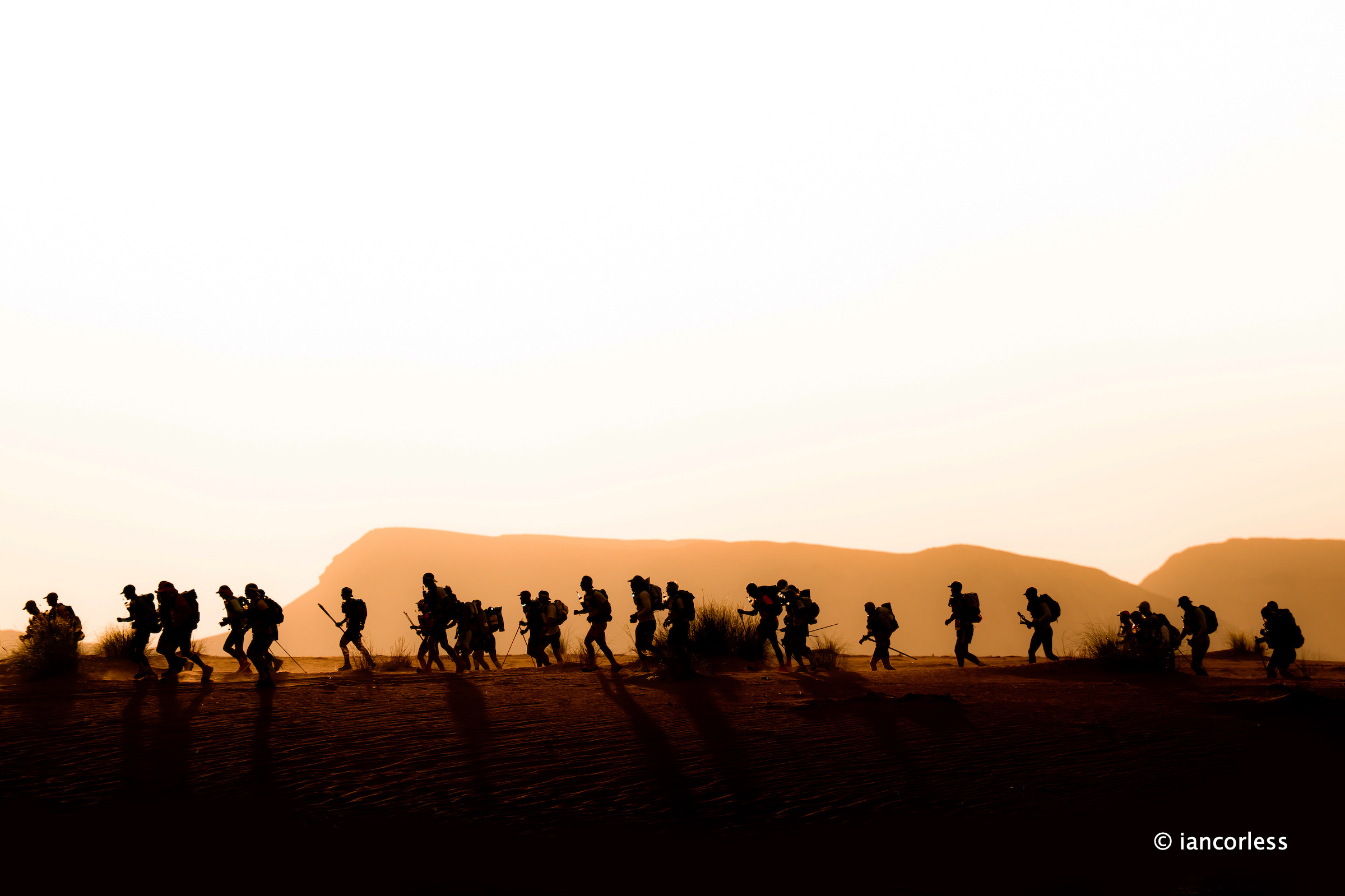
Photo by Ian Corless

From a participant perspective, there will be some key considerations.

  • Pacing will be crucial with a delicate balance between enthusiasm and energy conservation. During the day, monitoring thermal stress will be crucial.
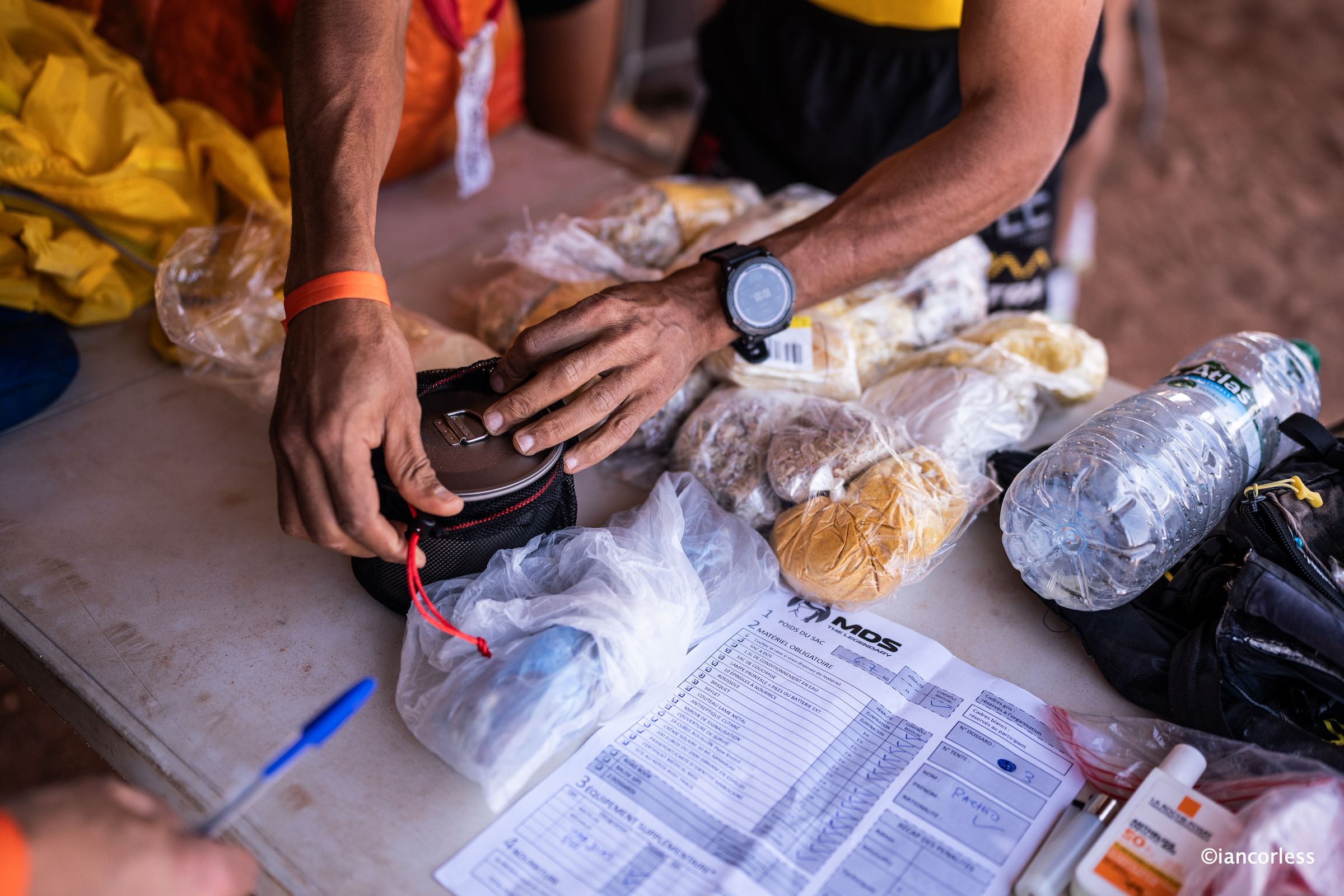
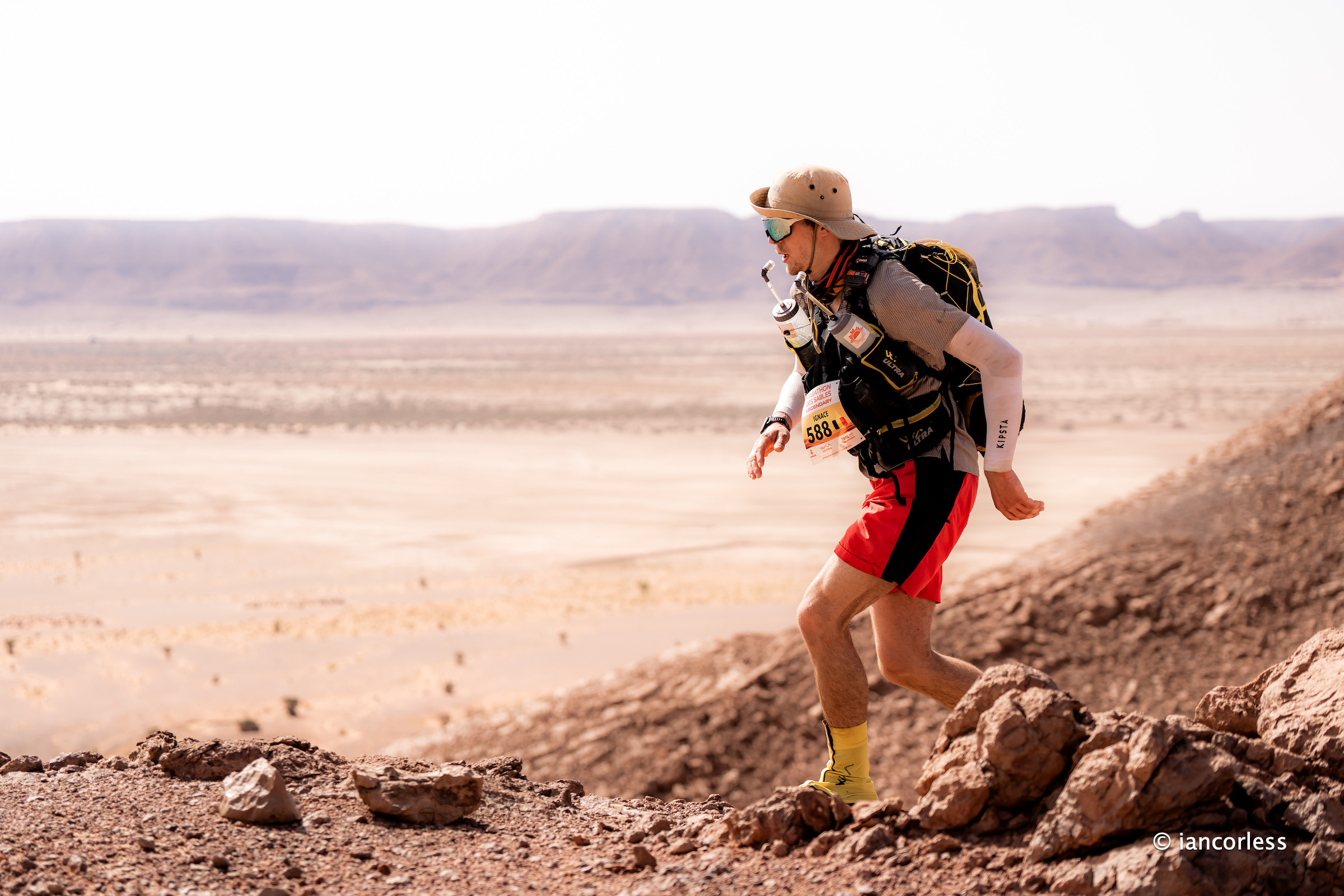
  • Pack weight will be crucial – the 40th edition of MDS Legendary, now more than ever, will require participants to have the lightest possible pack without breaking the strict rules and regulations.
  • Food – With a long day that is in real terms approximately 10 to 25% longer than usual, the need for extra calories and how those calories are consumed will become extra important.
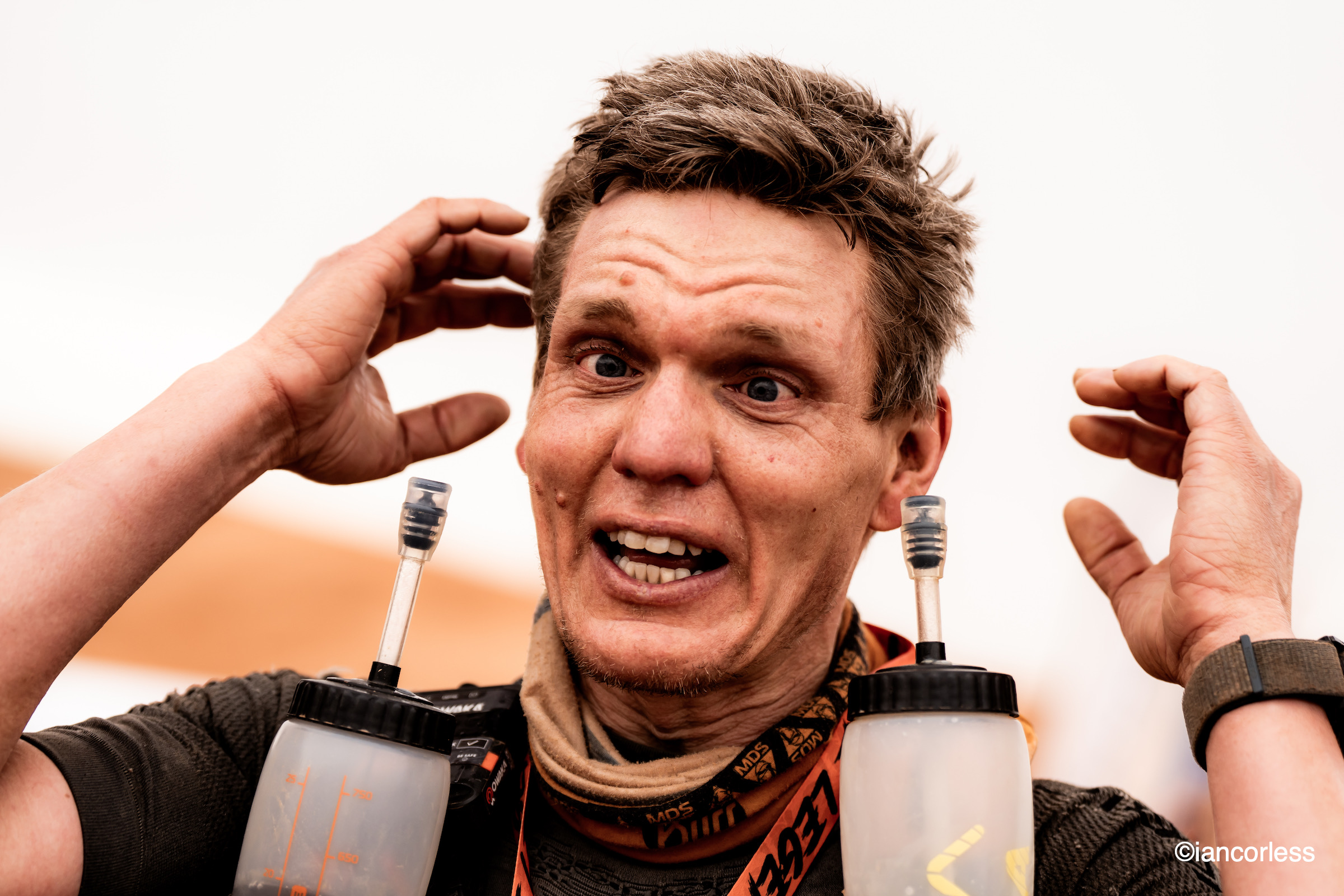
  • The mental toll will have a huge impact, that will start now with the announcement of a 100km stage – just as you prepare equipment and training, set time aside to prepare the mind for the challenge ahead. This new length will push athletes into deeper zones of fatigue, testing resilience, self-talk, and mental fortitude.
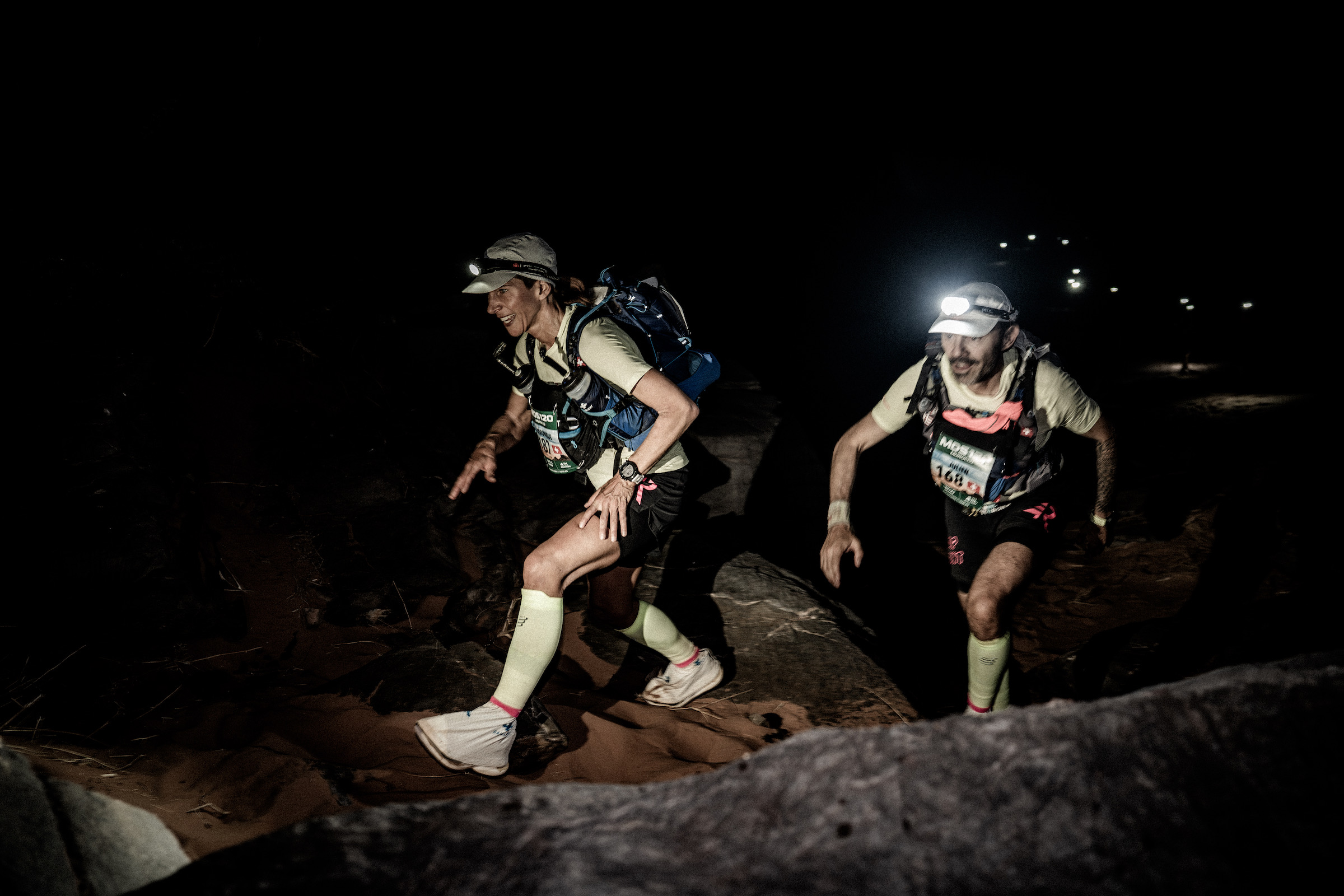
  • Runners will traverse more varied landscapes, perhaps crossing more dunes, rocky flats, and most certainly everyone will require more night navigation.
  • Announcing the 100 km day well in advance gives aspirants time to rework prep plans – use this time effectively.
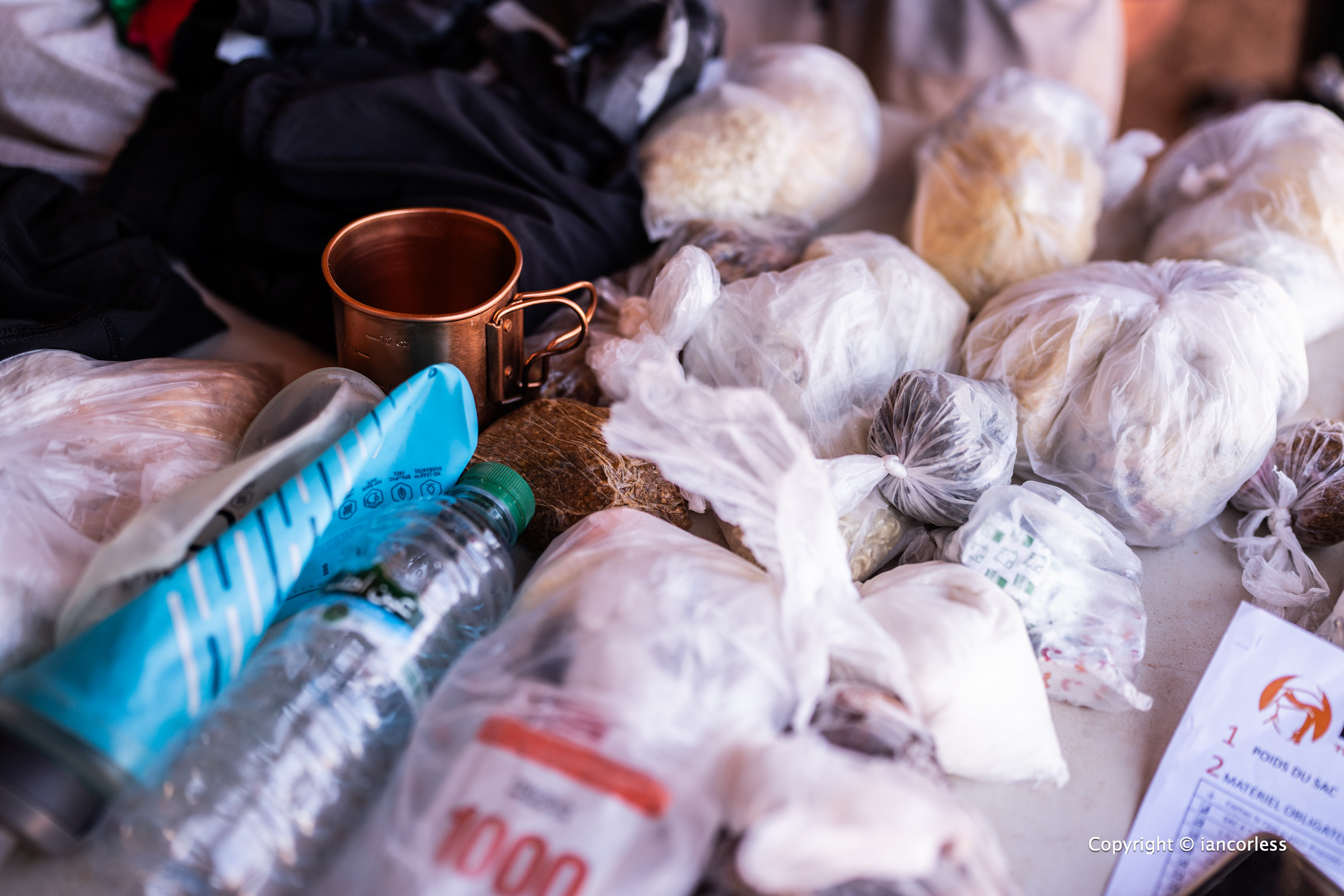
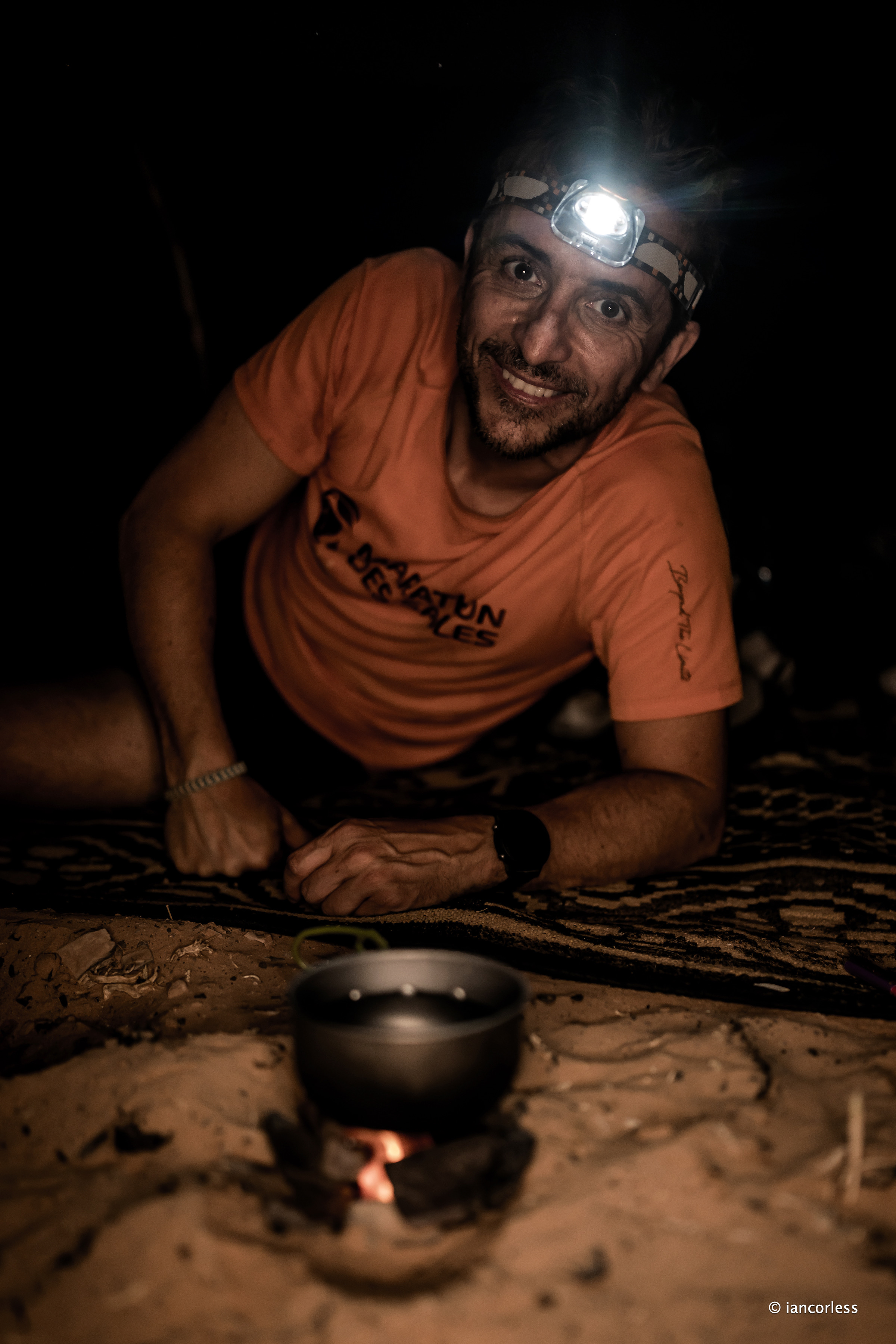
Food, as always, important at MDS – Photo by Ian Corless

Why 2026 Will Be a History-Making Edition

This is not just “another year” of MDS The Legendary, several factors are aligning to make the 40th edition uniquely compelling:

  • Milestone Significance – Forty years is a symbolic turning point. And by choosing to mark it with the toughest-ever stage, the organisers are intentionally raising the narrative: “Legendary by name, Legendary by reputation.”
  • New Records, New Legends – With no past precedent for a 100 km stage in MDS The Legendary, whoever finishes that leg (especially among the leaders) will enter the record books.
  • Attracting Ambition – Some ultra runners chase the “most difficult” challenge. A 100 km desert stage is a headline that will draw audacious minds and bodies, possibly pushing the field performance upward.
  • Legacy and Storytelling – In future retellings, the 2026 MDS The Legendary will be a pivotal point, some may say, the 40th edition was when MDS truly redefined itself. It’s the kind of turning point that historians of sport may hark back to.
  • Amplifying the Extremes – MDS has always lived on the edge: heat, sand, navigation, resource management. By stretching one day to 100 km, the extremity is amplified. The race becomes less about surviving the day, and more about mastering it.
  • The Longest Ever – With a long stage of 100km, the anticipated total distance for the 40th edition will be a record breaking 270km +/-.
Photo by Ian Corless

Challenges & Risks to Keep in Mind

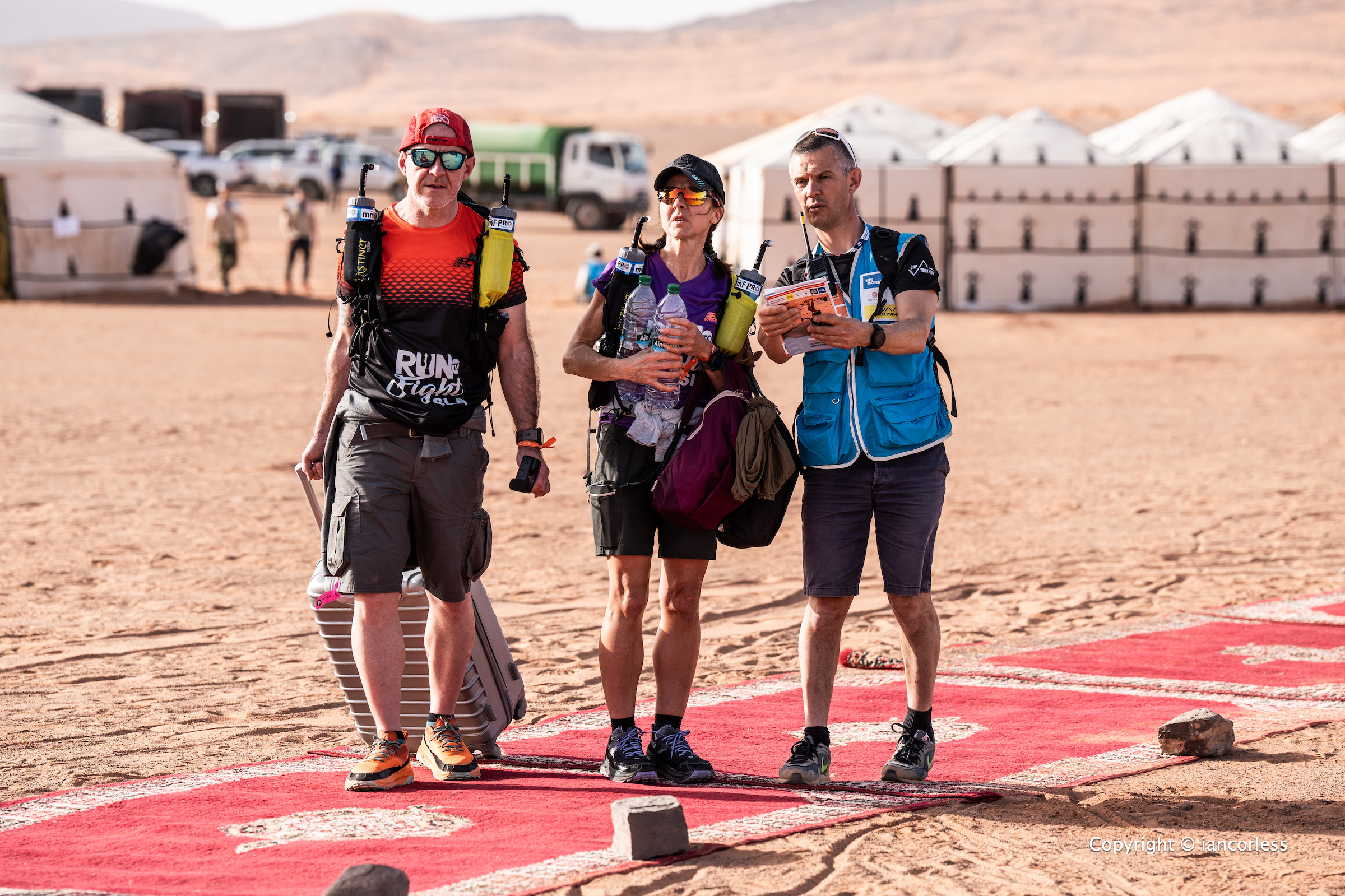
No radical shift comes without risks and MDS The Legendary are required to balance risk against challenge. A 100km stage has long been discussed for this iconic stage race, it’s only right that the 40th edition will personify the Legendary tag with a landmark distance. However, even the world’s top ultra runners may falter under a 100 km leg in desert conditions. Managing attrition will be critical. The required pace will be, as usual, 3.5km per-hour. And of course, the MDS blue and orange jackets will be on-hand, more than ever, to facilitate everyone crossing the line.

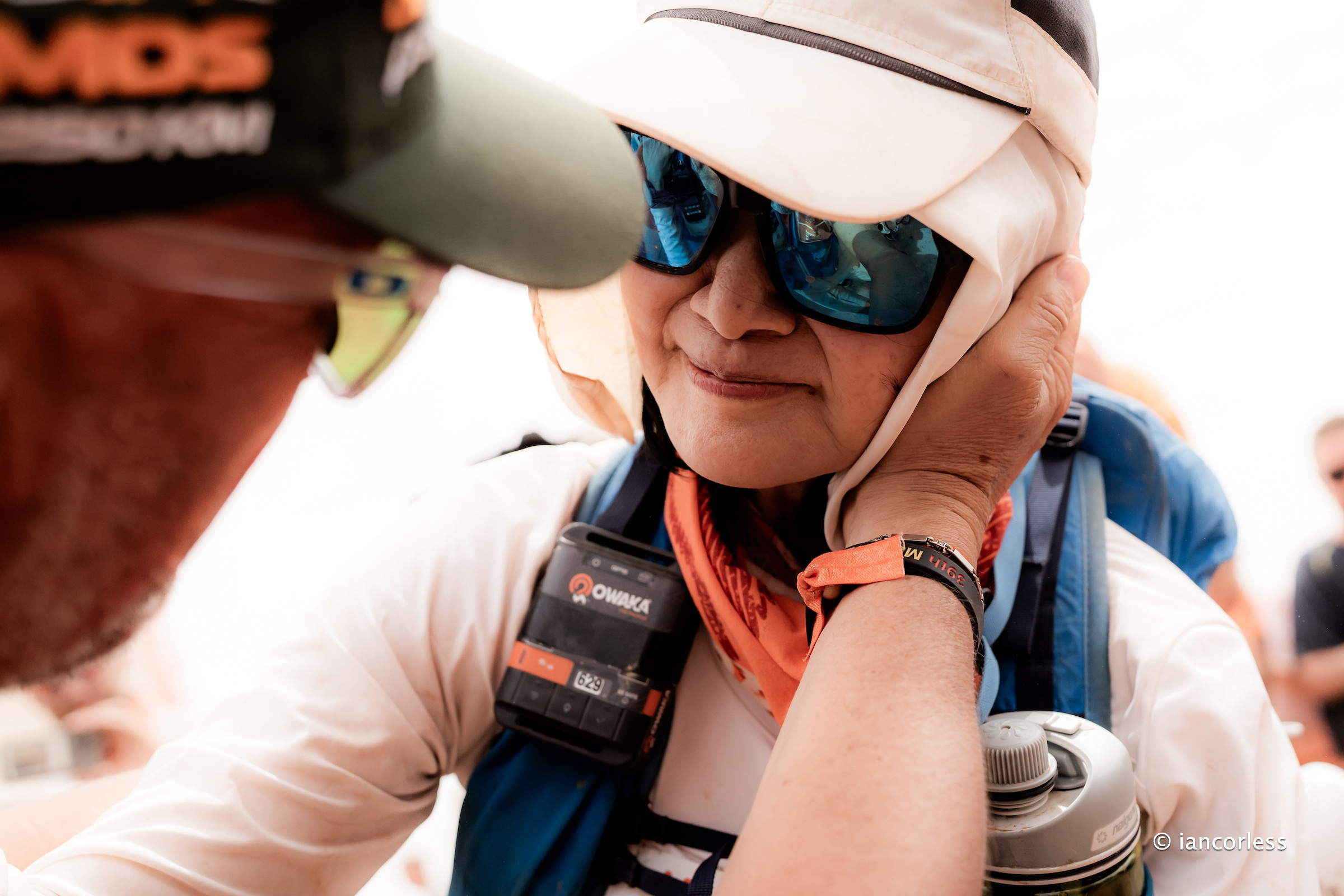
100% support from the MDS team – Photo by Ian Corless

Some participants may feel disadvantaged if their prior prep or experience didn’t anticipate such a long stage, but, this is why this early announcement helps – fail to prepare, prepare to fail.

Perspective: How This Compares to Classic Ultra Benchmarks

To put 100 km in context: many stand-alone ultramarathons are in the 100 km to 100-mile range. But those are often supported events, with aid stations and crew support. In MDS The Legendary, with self-sufficiency, navigation demands, and desert extremes, layering a 100 km day is far harder than a flat 100k road ultra.

In prior MDS editions, long days of 80–90 km have already pushed runners to the brink, many cross the  nights and run long into another day – for 2026, this will be the ‘norm’ for nearly all the participants.

The 40th edition becomes not just “another chapter,” but a rewriting of what MDS can be.

Final Thoughts: A Legendary Promise

Photo by Ian Corless

The 2026 Marathon des Sables is setting the stage, literally and metaphorically for a landmark event. The 100 km long day announcement signals ambition, courage, and a willingness to push the narrative frontier of desert ultra-running. In addition, the implications  for the overall race distance being 270k +/- adds to the drama.

For participants, 2026 will demand a rethinking of training philosophies, gear choices, pacing strategies, and mental frameworks. For the sport, it may become a reference point for what is “next level” in multi-stage desert ultras. And for storytelling, it offers rich stories:

“Who conquered 100 km in the sands?”

“How 2026 changed MDS forever.”

Legendary by name, and with this edition, legendary by reputation in a whole new way.

Interested in a Marathon des Sables event? More information HERE

WAA apparel HERE

Follow Ian Corless

Instagram – @iancorlessphotography

Twitter – @talkultra

facebook.com/iancorlessphotography

Web – www.iancorless.com
Web – www.iancorlessphotography.com

Marathon des Sables The Legendary Turns 40: A Legacy of Endurance in the World’s Toughest Footrace

Photo by Ian Corless

Since 1986, the Marathon des Sables – The Legendary (MDS) has carved its name into endurance racing history as one of the most gruelling, soul-stripping tests of human resilience. For 39 editions, it has pushed thousands to their physical and psychological limits under the crushing sun of the Moroccan Sahara.

In 2026, this legendary race will celebrate its 40th edition and it promises to be the most unforgettable one yet.

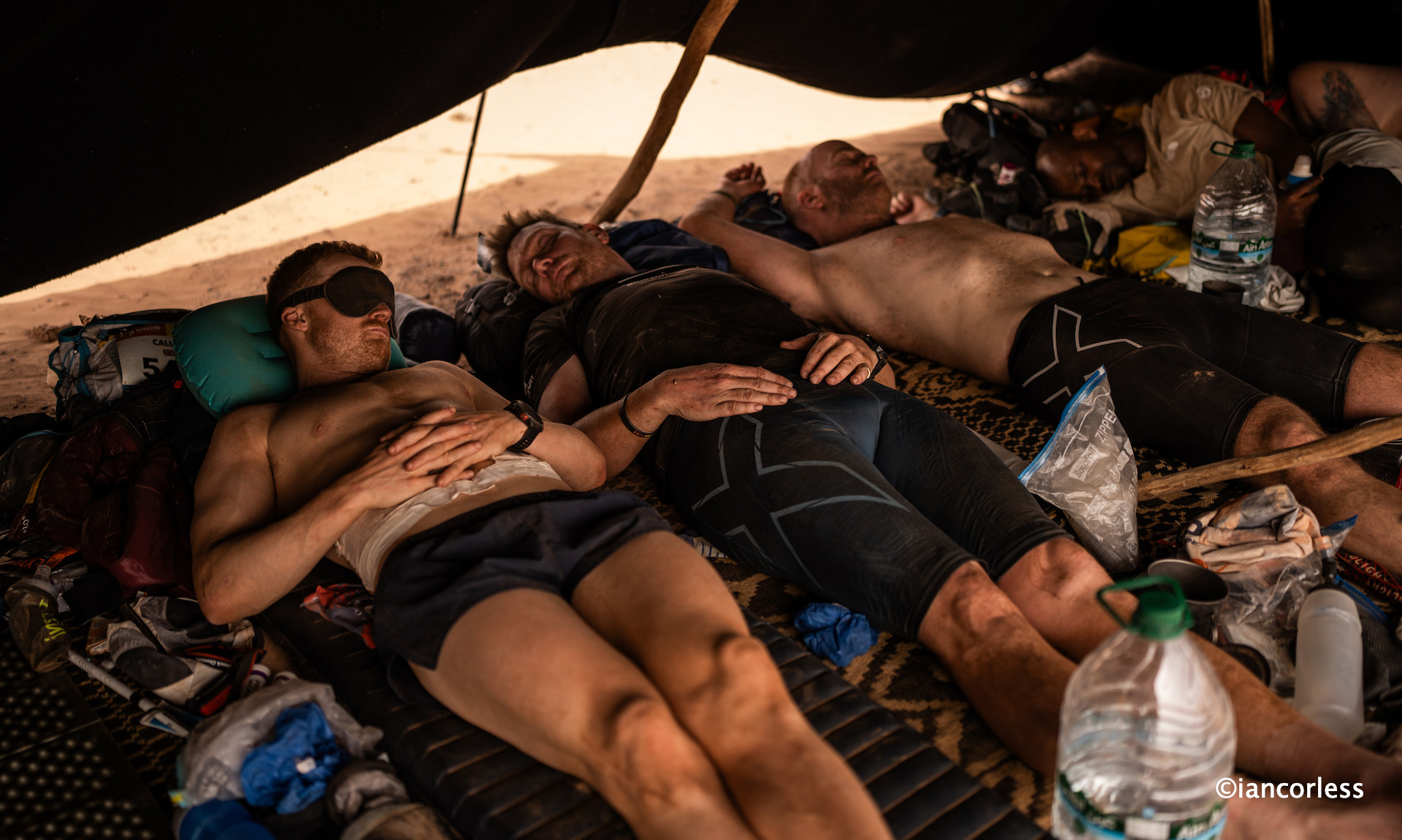
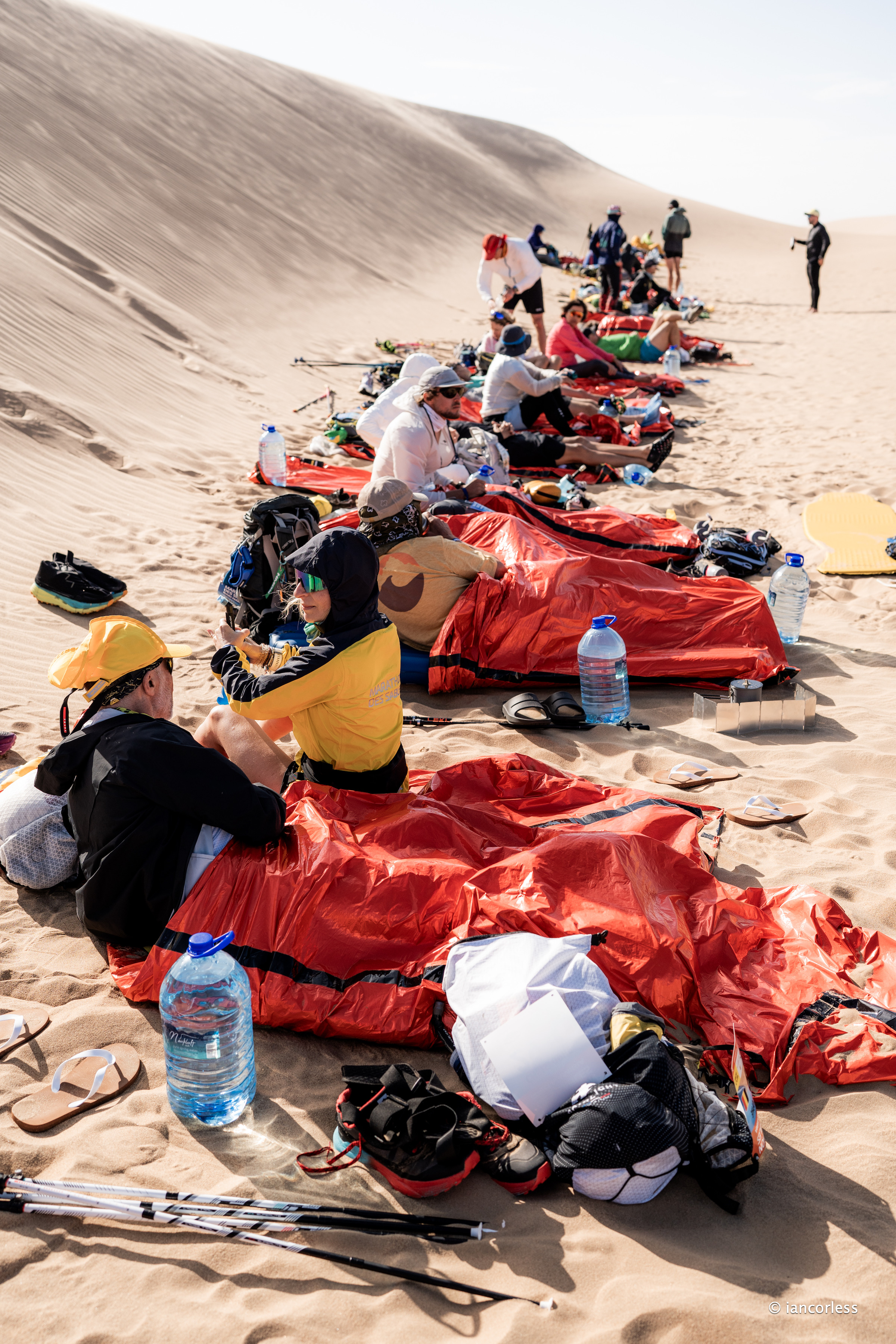
MDS The Legendary is six stages over roughly 250 km (155 miles), on blistering sand, across jagged jebels, and through soul-sapping salt plains. Runners carry everything they need for the week: food, sleeping equipment and clothes. The only luxury provided? A rationed daily water supply and a communal bivouac tent to crawl into at night which is shared with 7 other competitors.

Photo by Ian Corless

Every ounce carried matters. Bring too little and you starve. Bring too much and the weight drags you down. Success depends on ruthless efficiency and mental grit.

For four decades, the The Legendary has become a rite of passage for ultra runners, adventurers, and those seeking to rewrite their limits. It has seen amputees cross the line, cancer survivors, soldiers, CEOs and importantly, ordinary people doing extraordinary things. The terrain has remained the same: raw, relentless, and unforgiving.

Photo by Ian Corless

Despite the challenges, runner’s keep coming back, some for redemption, some for addiction, and all for the transformation.

The 40th Edition: What’s Coming in 2026

Photo by Ian Corless

The 40th MdS won’t just be another race, it will be a celebration of the madness. A tribute to every blistered foot, every tear shed under Saharan stars, every finisher’s medal earned in blood, sand, and sweat.

Photo by Ian Corless

The 40th will honour the legacy with style and fury. 

Think You’ve Got What It Takes?

Entries for the 2026 edition open on June 11, 2025. Veteran or rookie, this is the year to go. Not just to run, but to become part of history. Become a Legend!

More information HERE

Register HERE

If you’re going to suffer, suffer for something legendary. 

Follow Ian Corless

Instagram – @iancorlessphotography

Twitter – @talkultra

facebook.com/iancorlessphotography

Web – www.iancorless.com
Web – www.iancorlessphotography.com

MDS THE LEGENDARY 2025 : RACE SUMMARY

Photo by Ian Corless

The sand is settling, the 2025 and 39th edition of Marathon des Sables The Legendary is over.

Quite simply, a hugely successful edition with 95% completion rate and good time vibes felt throughout the Sahara and beyond.

OVERVIEW

Cyril and Olivier with Michael from the USA – Photo by Ian Corless

The transition from 2023 to 2024 was not an easy one. The take over of MDS from Patrick Bauer and into the hands of Cyril and Olivier had created some concern and anxiety. Most certainly, the build up to the 2024 (38th) MDS had many concerns for participants that were vocalised on social media. However, after the 2024 event, all these worries and concerns were extinguished with an incredibly successful event and high finish rate. You Can read Marathon des Sables – The Legendary : 2024 Summary HERE should you wish.

Nothing like a MDS start – Photo by Ian Corless

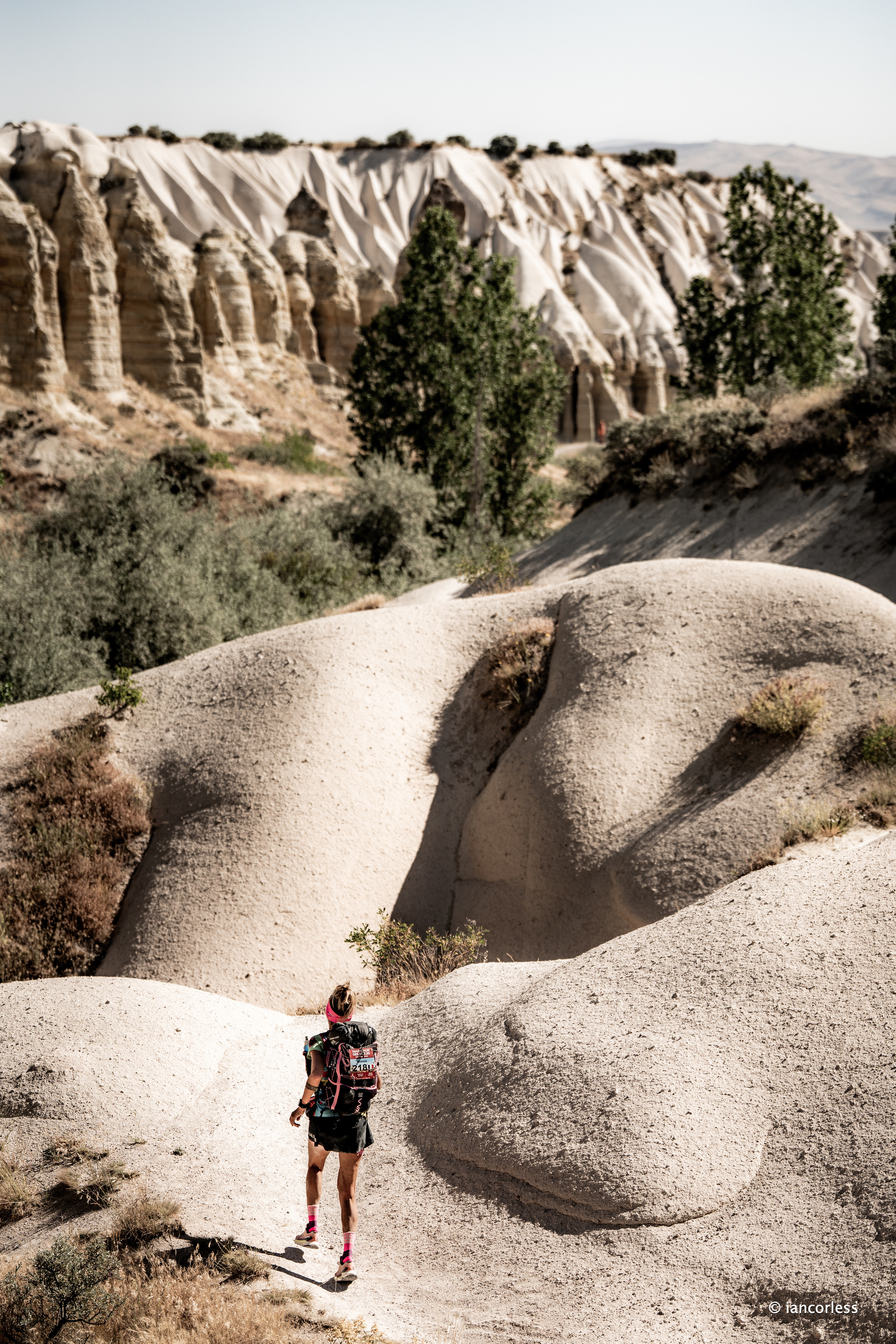
From May 2024 to April 2025 the build up to the 39th Legendary edition was seamless. The successful running and completion of MDS (3-stages over 4-days at 70/100 or 120km) events in Cappadocia, Fuerteventura, Jordan, Morocco, Atlantic Coast and the introduction of Trek and Handi only confirmed the growth, development, upward learning curve and the MDS team bonding and progression.

All of the concerns and worries for the 38th edition of Legendary played out on social media were not present for the 39th edition. There is a couple of reasons for this I believe:

  • The 38th edition had been a huge success and therefore worries and concerns were answered.
  • The pro-active communication from the MDS team improved considerably.
  • Runner testimonies from the 2024 event confirmed that the ‘new’ MDS team and the changes made were all positive.
  • Evolution, not revolution was the quote that Cyril Gauthier had used in 2023 this was played out in 2024 and then consolidated upon in 2025.
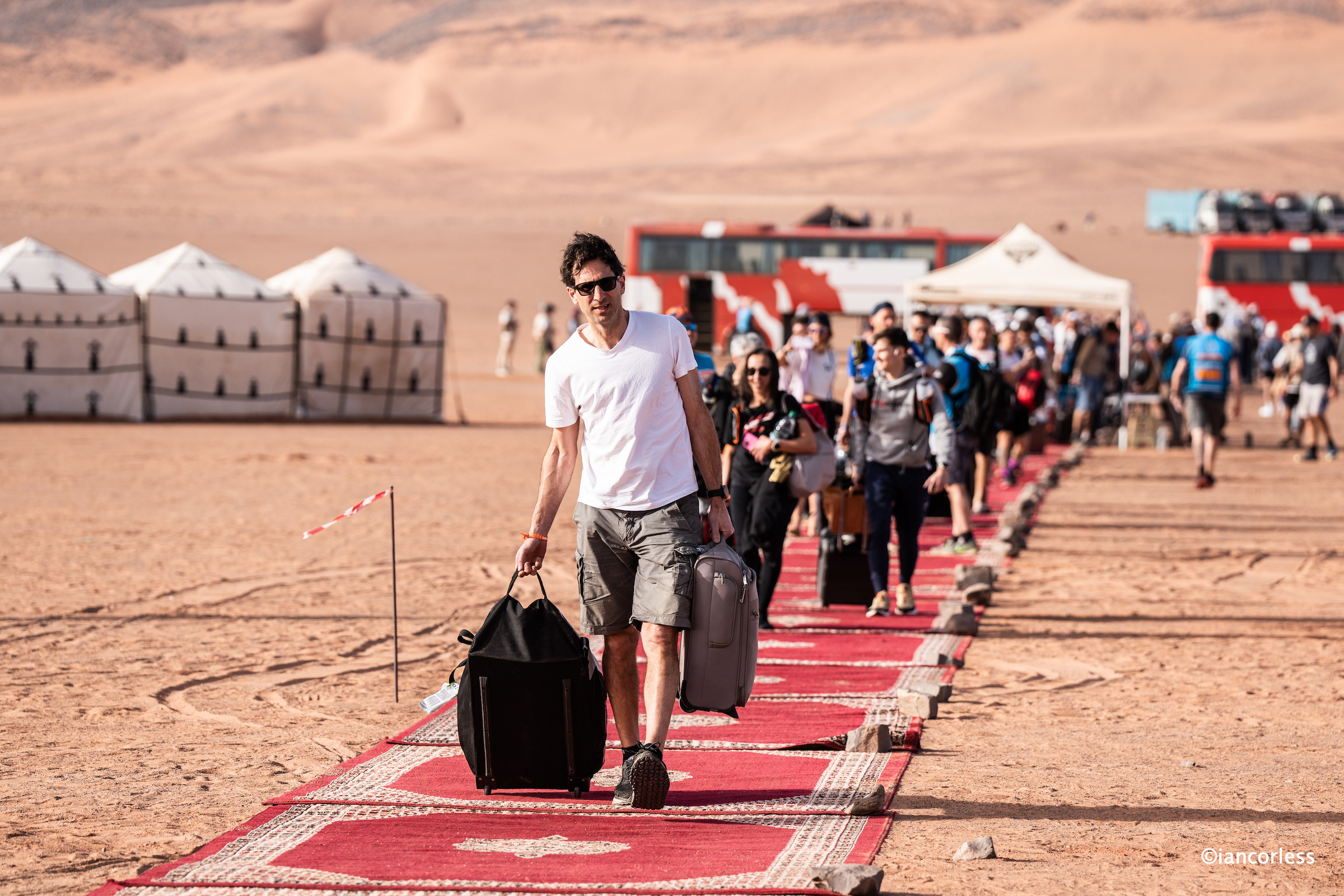
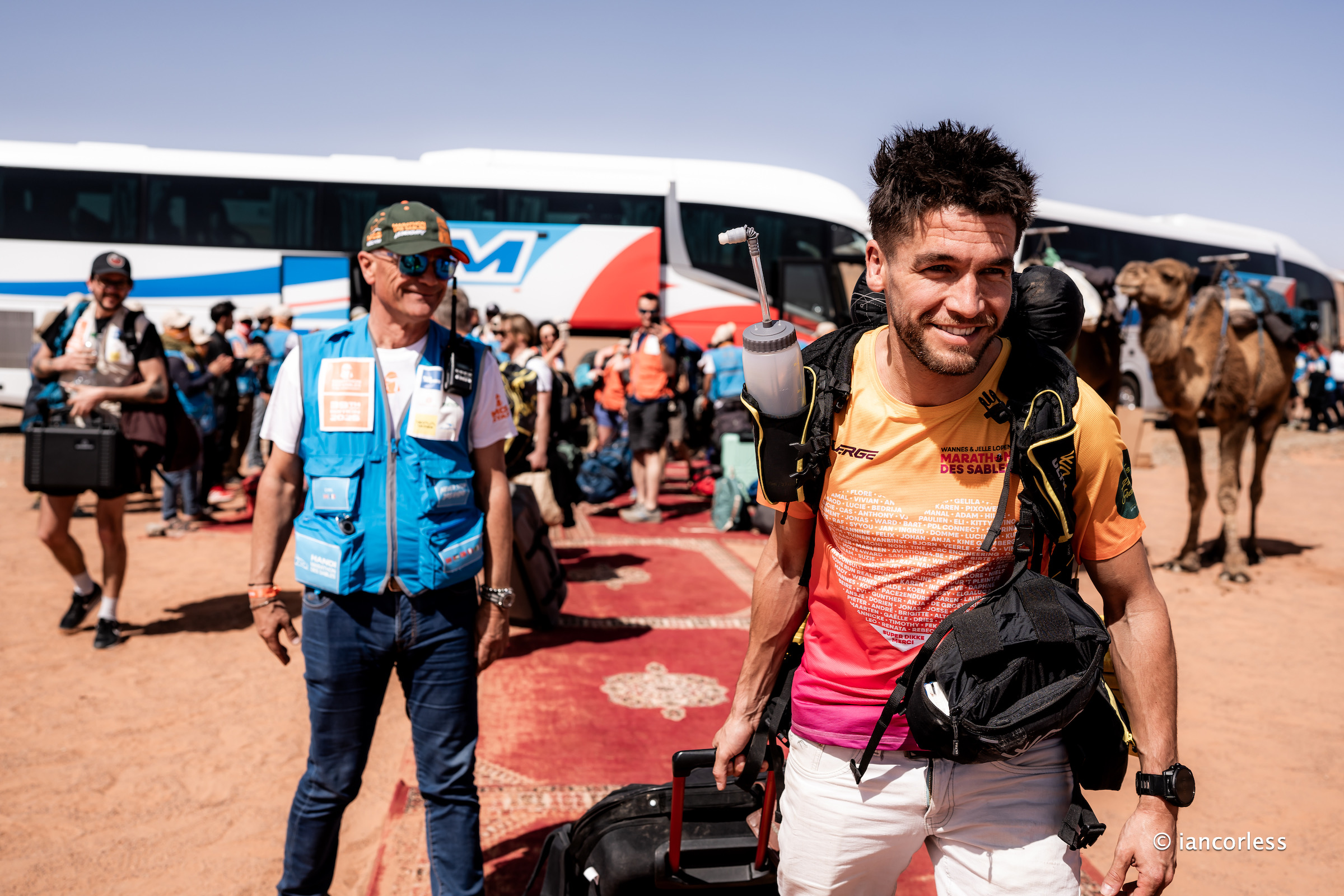
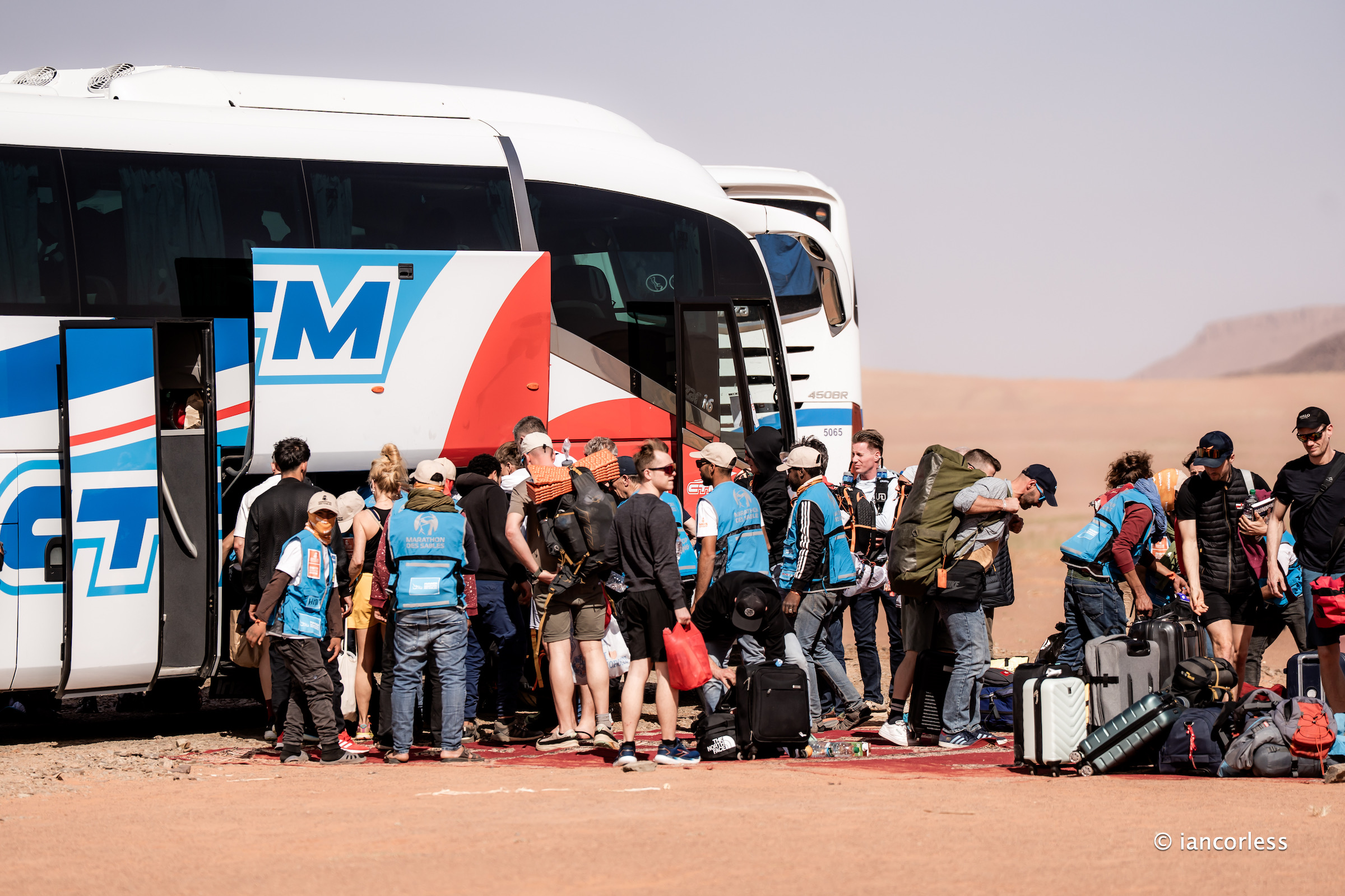
Arrival in the desert – Photo by Ian Corless

THE 2025 EVENT

Welcome to the Sahra – Photo by Ian Corless

Post-race questionnaires are extremely important for the MDS team. Cyril and Olivier very much take all the comments, absorb them, digest them and then move forward with new plans. If a new plan does not work and the participants confirm this, then it is changed. If a new plan works, it is retained. There are no one-stop easy solutions, MDS is an ever-growing and ever-changing event that must constantly be a chameleon to the ever-changing demands and needs of participants.

TRAVEL

Photo by Ian Corless

A key change for 2025 was in transportation. Two key points:

  • The core MDS team, based mostly in Paris, travelled to Morocco via train, boat and coach, taking 3-days and not using airplane travel. For 2025, this was a one way journey, a test, to see how feasible and practical this form of travel is. The general consensus from those who did it is/ was extremely positive. General comments were around this being an adventure in its own right, a brilliant opportunity to share more time with colleagues, a great opportunity to work while travelling and so on… I think we may well see this grow into something bigger for 2026!
  • In 2024, plane travel arranged by the MDS organisation was reduced to a minimum. For 2025 it was eradicated all together. Therefore, participants could no longer take the option of a MDS charter plane but had to arrange flights themselves. This is no big deal with so many flight options available, especially with MDS offering a free transfer coach service from Marrakech to Ouarzazate and post-race, a free transfer service back to Marrakech.

SELF-SUFFICIENCY

Photo by Ian Corless

Catering by the MDS organisation once in the Sahara was removed in 2024, this was reasoned for 2025. To clarify, when the buses leave Ouarzazate for the desert, self-sufficiency begins for the travel day, the fist night in bivouac, the following day (admin day), the evening and then, the following day, the race starts and ‘race’ self-sufficiency begins. There is a difference between the two forms of self-sufficiency as the travel day and admin day you can bring as much or as little as you like. Quite simply, it’s not part of the mandatory race minimum requirement of 2000 cal minimum per day. You can bring tinned food, drinks, wine, beer, caviar…. Whatever you wish! It’s a no brainer to be able to look after your own food requirements and quite simply it greatly reduces the possibility of food related health issues that could potentially ruin a race.

ADMIN DAY

Photo by Ian Corless

The procedures for admin day were changed for the 2024 edition and they were a huge success. This system was retained for 2025 making the process seamless, fast and considerably less painful than the procedures that had gone before.

Photo by Ian Corless

BIVOUAC

Photo by Ian Corless

In principle, it may well look the same, however, there are changes for the very observant. Firstly, the circles that make bivouac are smaller and tighter making the camp much more of a community. In 2025 there were new ‘women only’ tents for those who would prefer this option. On some days, in the middle of bivouac, yoga/ stretching was possible, circle of legend talks and yes, even a big fire.

WATER

Photo by Ian Corless

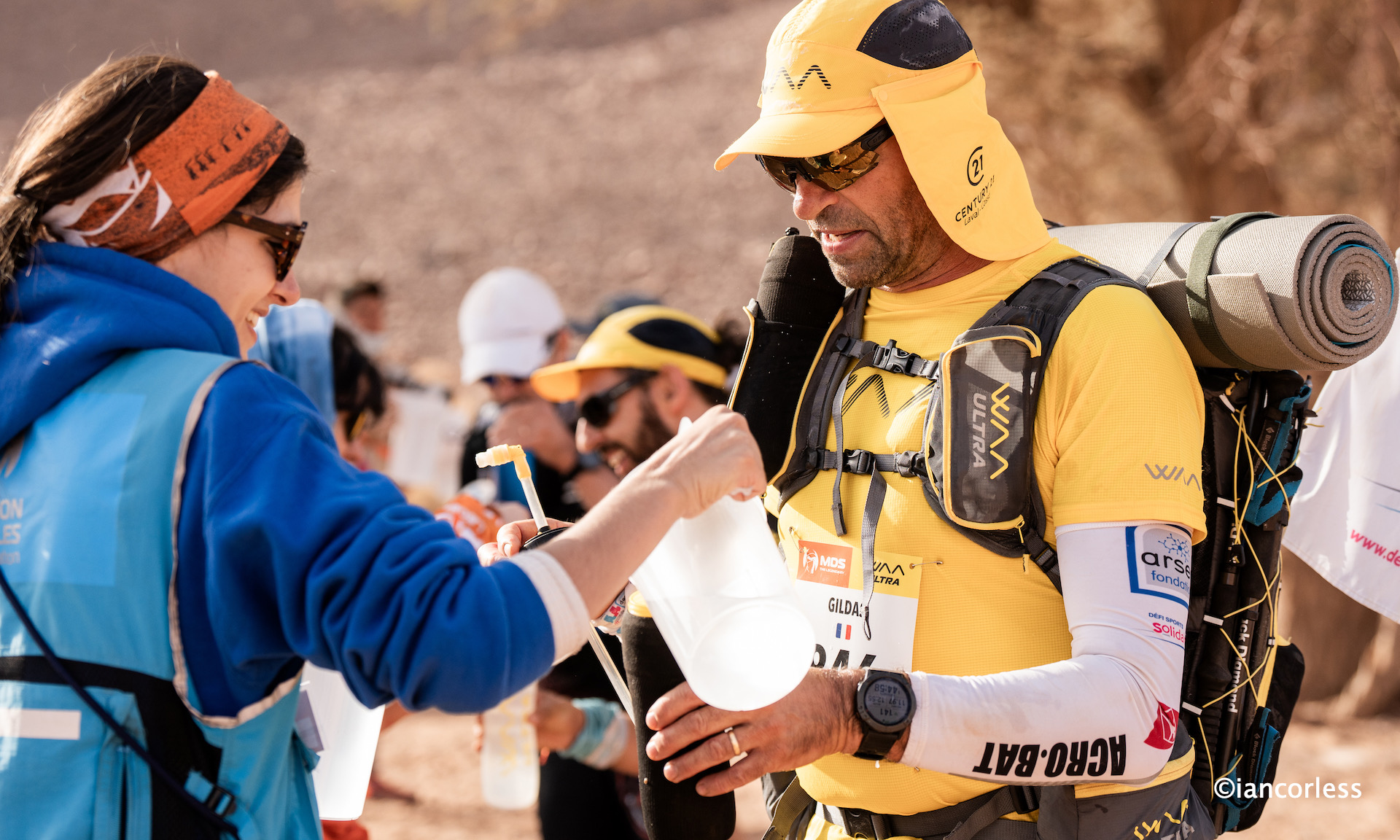
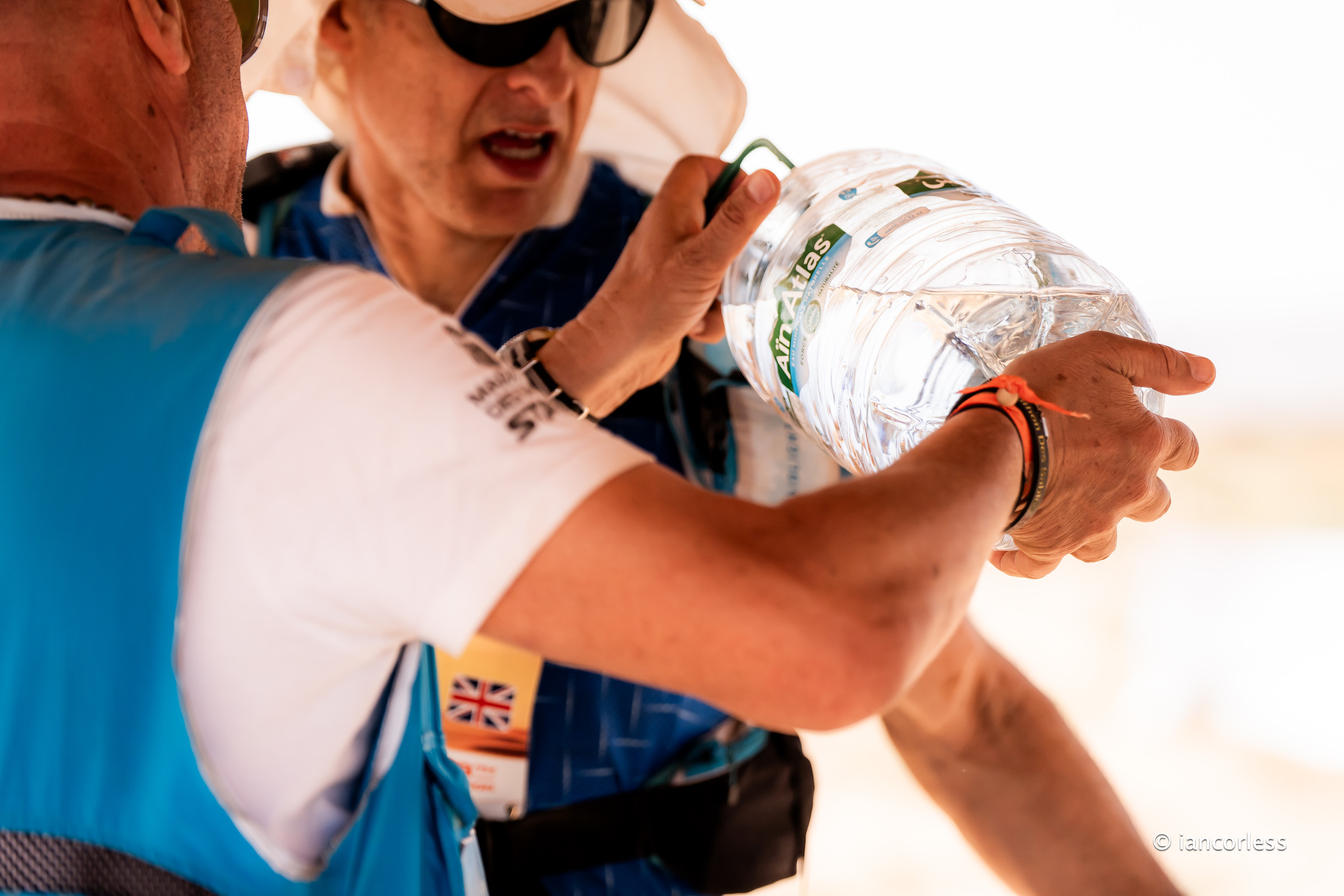
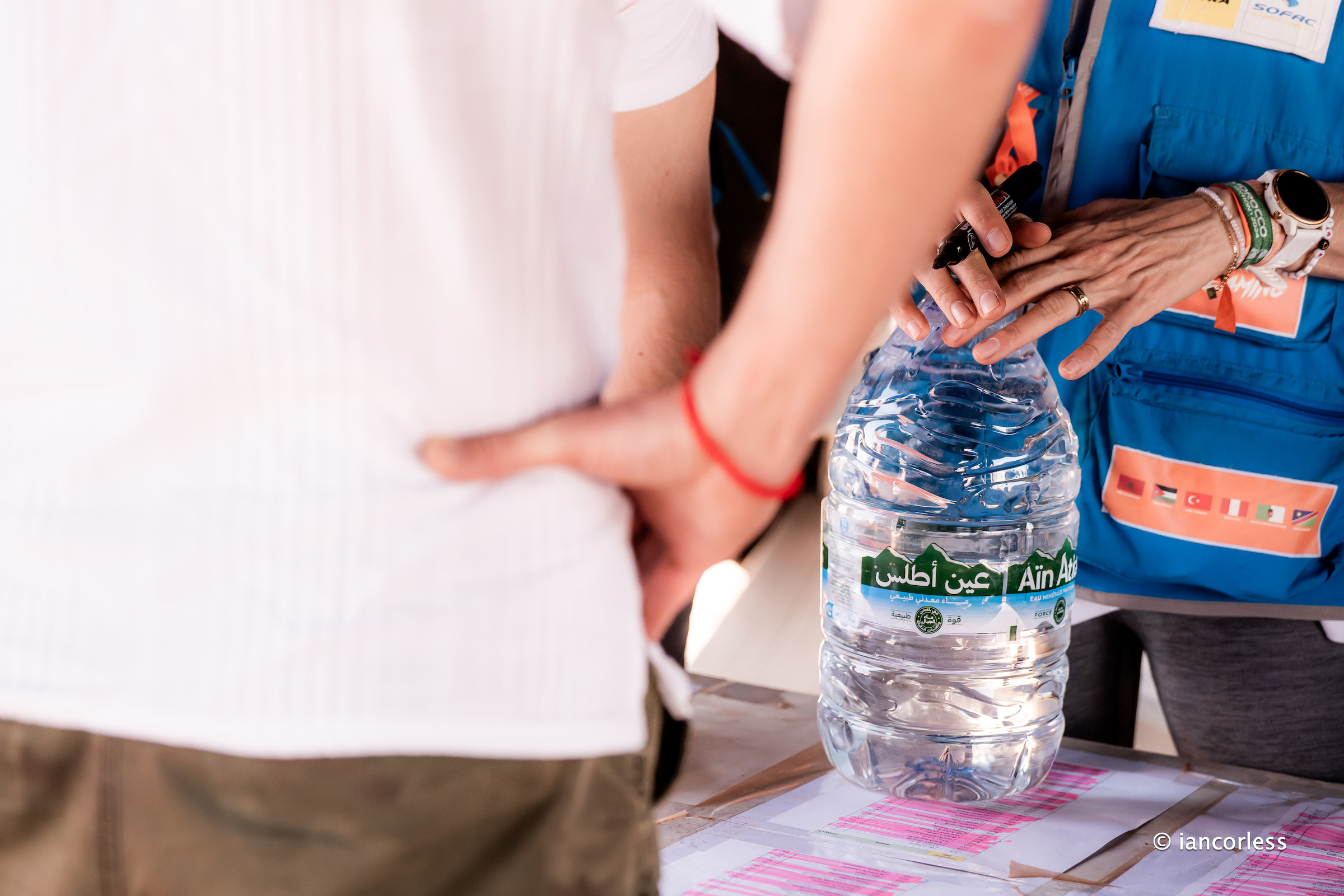
The provision of water was drastically changed in 2024 and this was retained for 2025. During the race there is no rationing of water. As you arrive at a CP, water is decanted into your bottles via MDS blue jackets who pour the water from jugs. This water comes from large 5ltr bottles. Quite simply, you can have 2x 750ml bottles filled, you can then drink one and it will be refilled if required – a game changer.

Photo by Ian Corless

Post-race you are provided with 1 large 5ltr bottle, the is rationed. So, this water must provide hydration post-race, be used for dinner/ breakfast and it must be used to fill your bottles to take you to CP1 the following day.

ICED WATER

Photo by Ian Corless

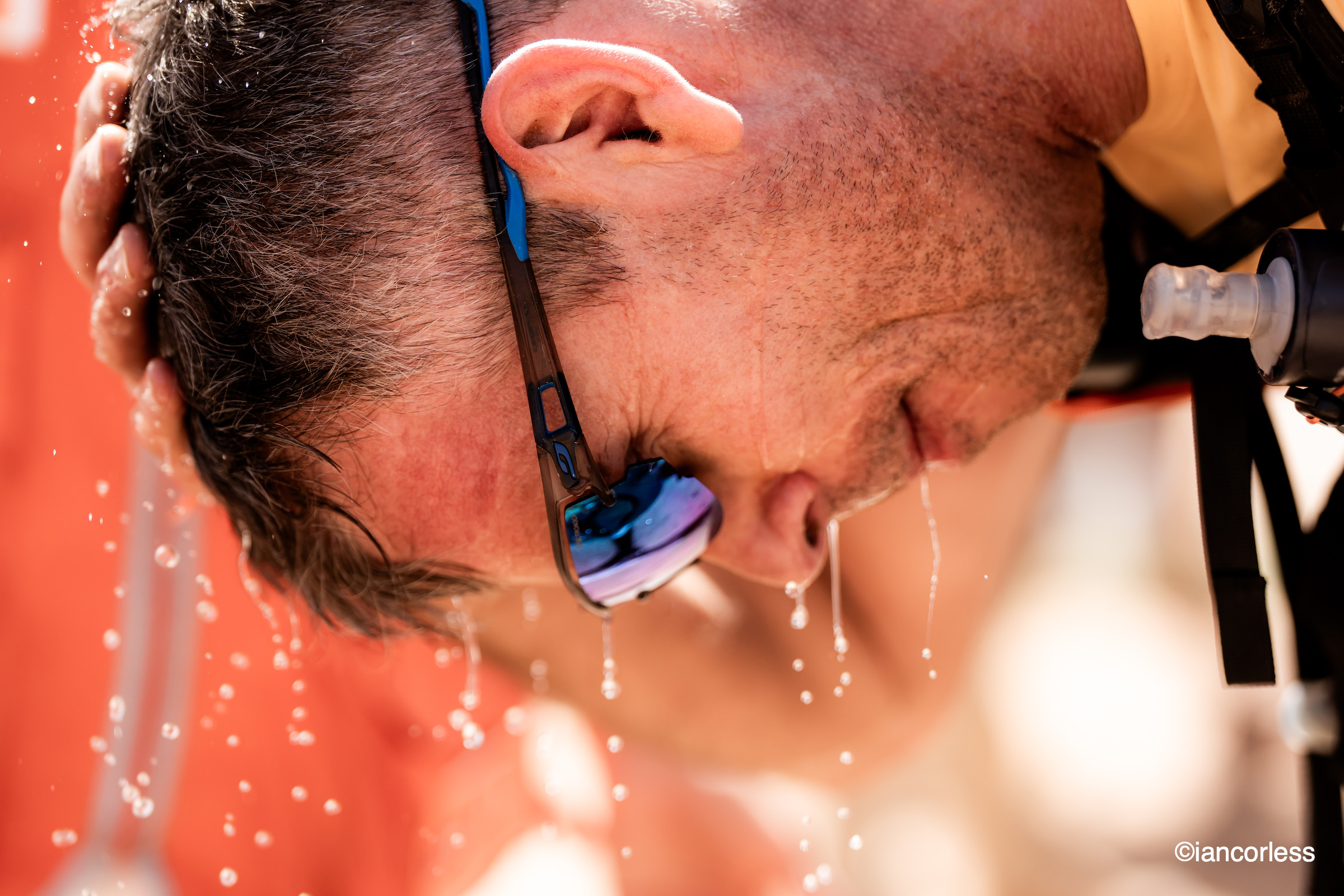
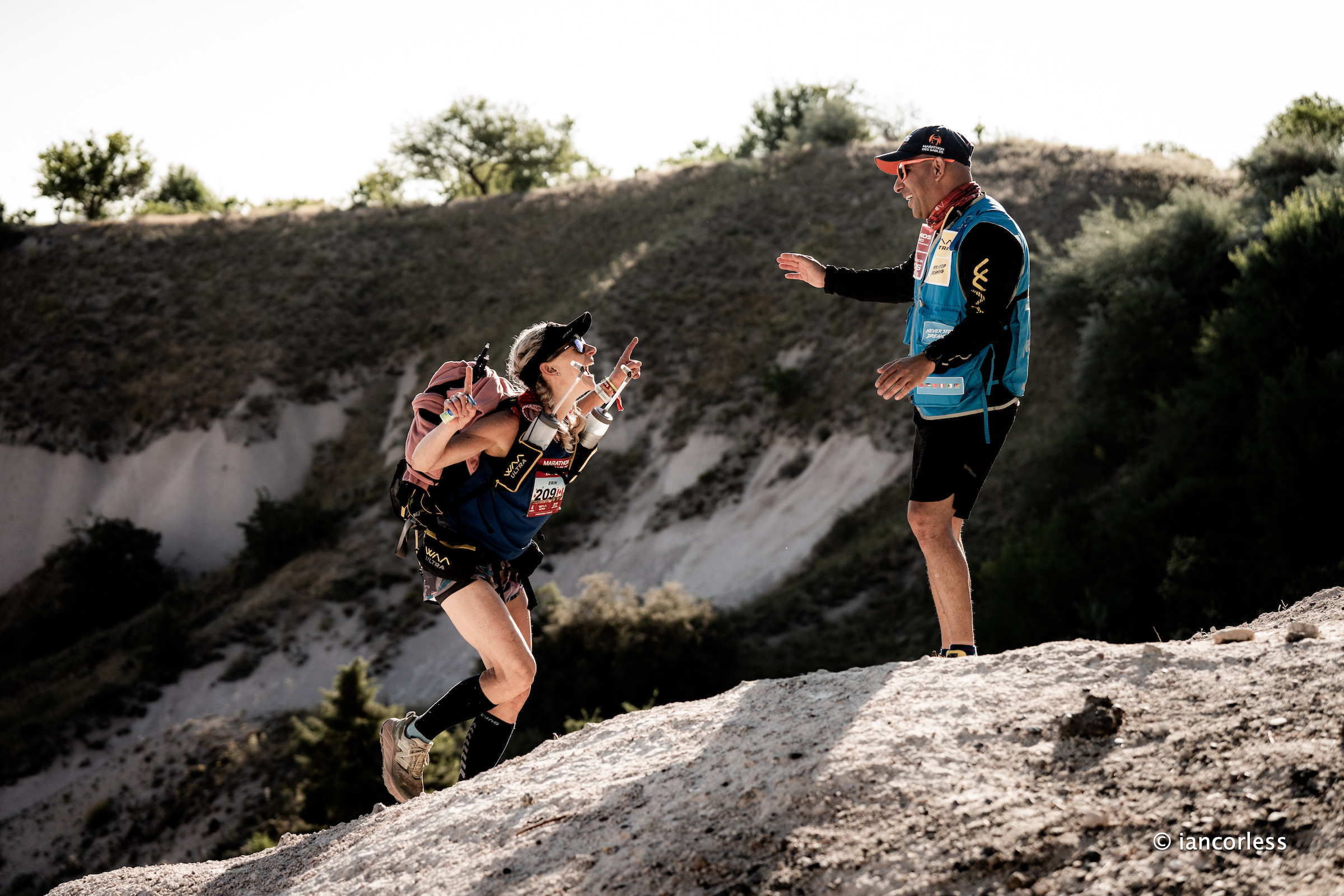
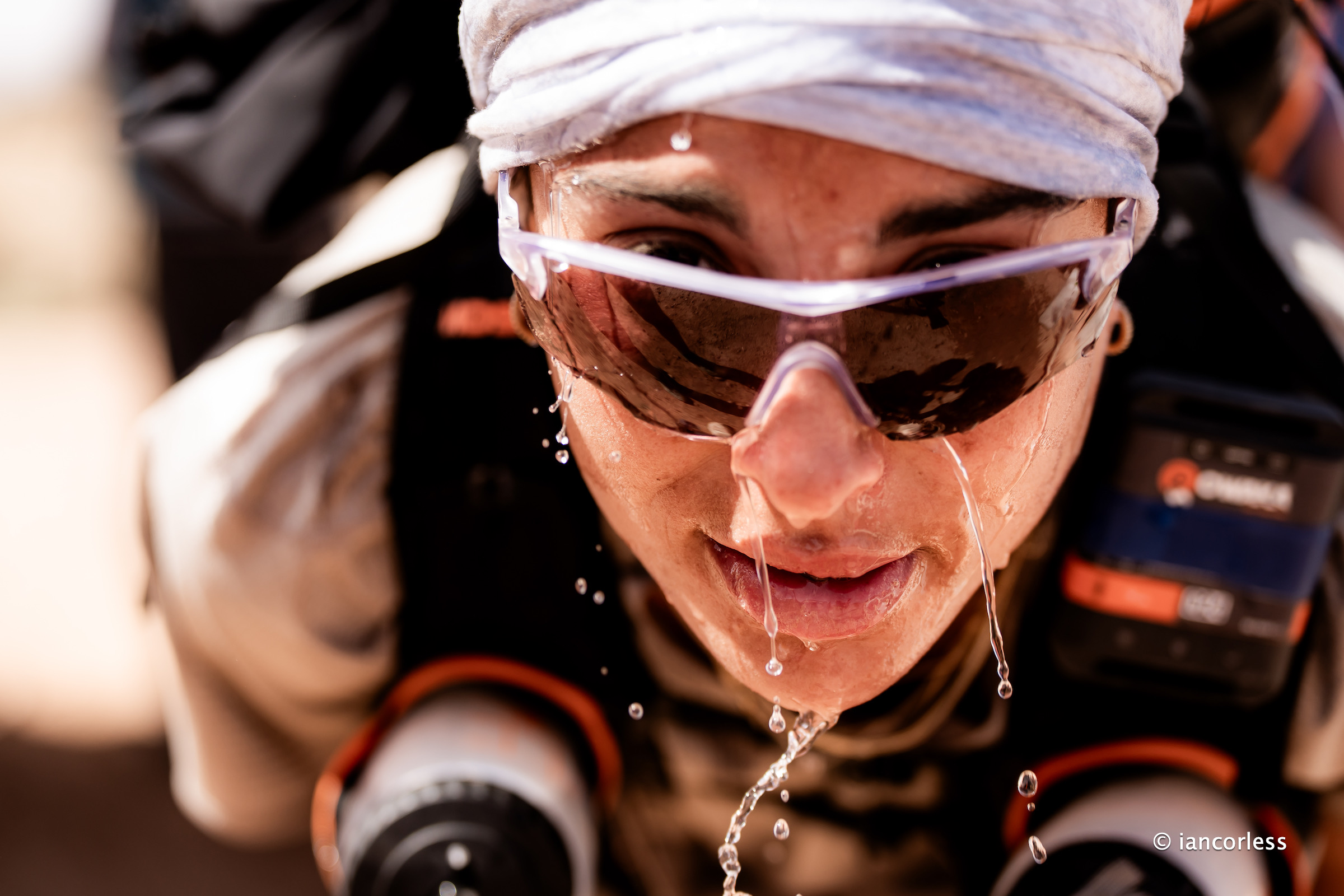
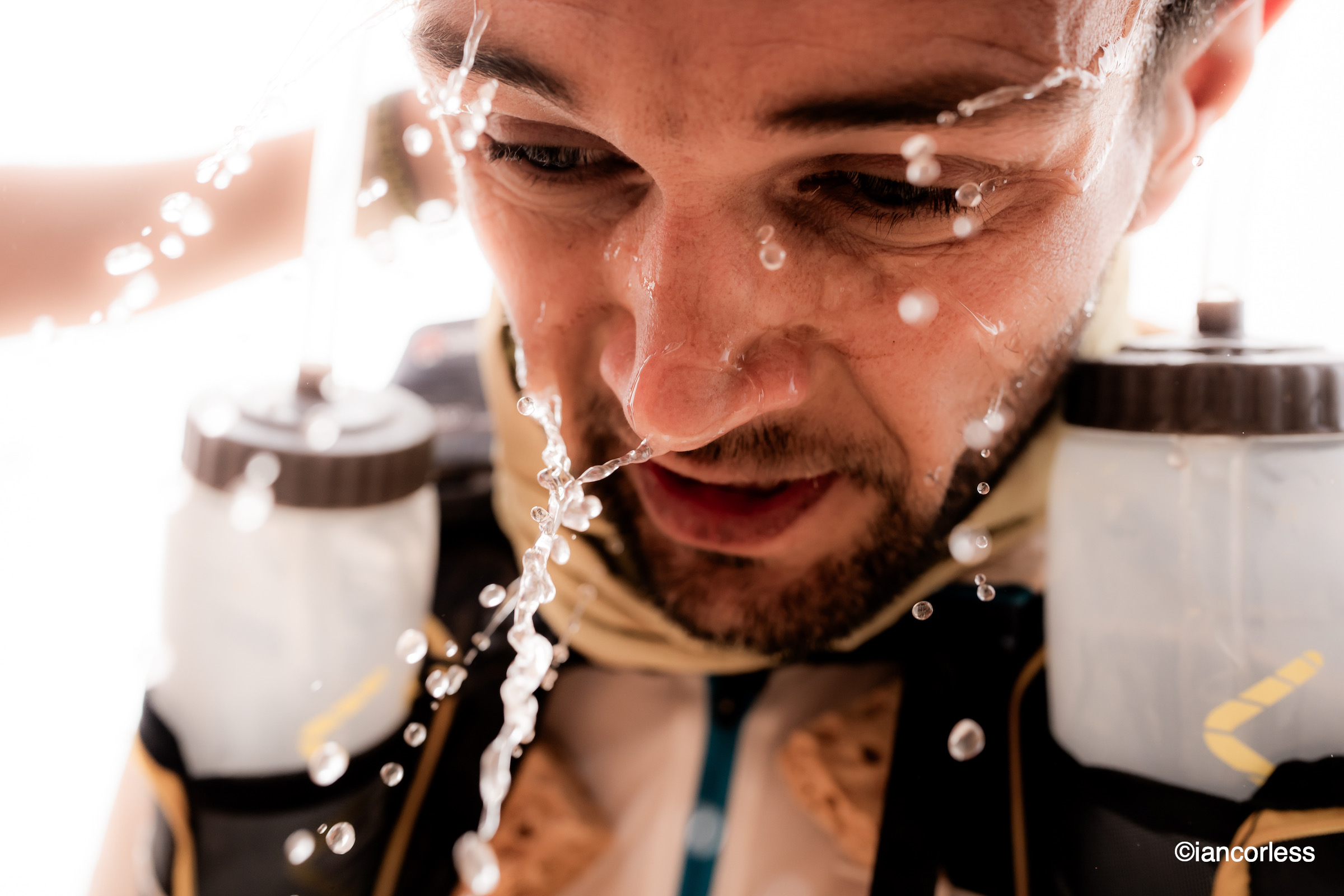
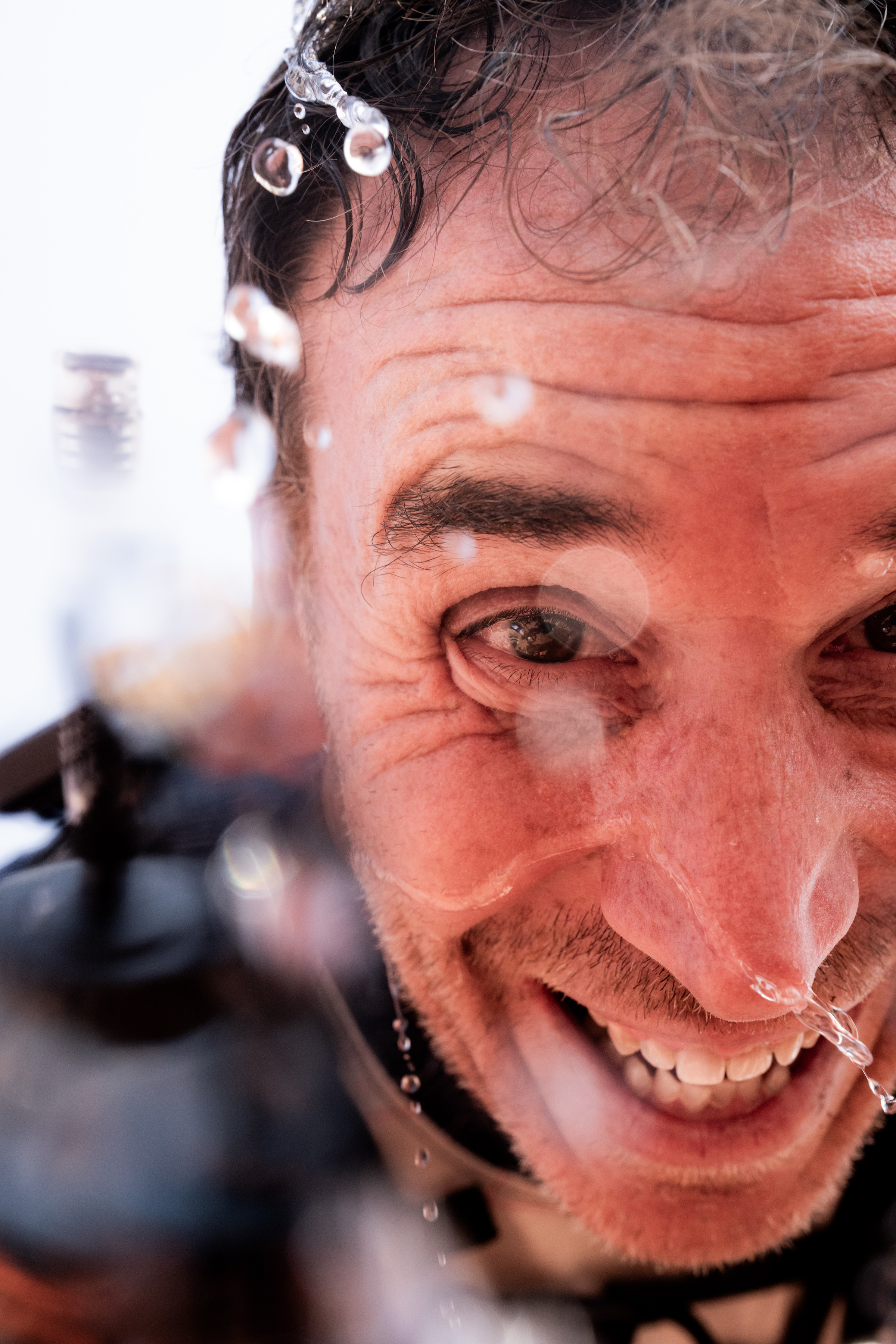
CP’s have MDS orange or blue jackets who will pour iced water over your head to enable cooling. It’s a small simple step that makes a huge change that ultimately helps facilitate completion of the Legendary.

ORANGE AND BLUE JACKETS

Photo by Ian Corless

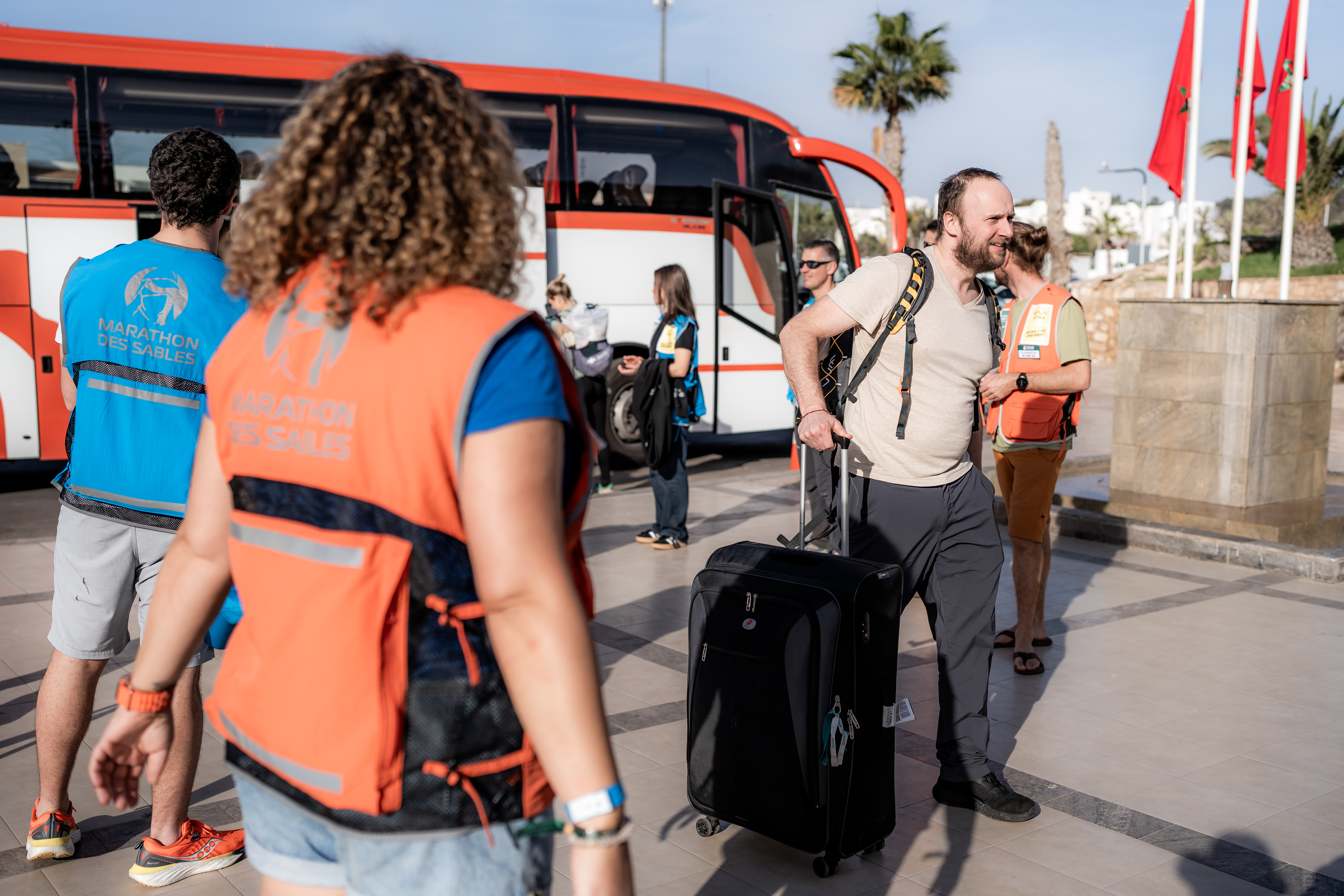
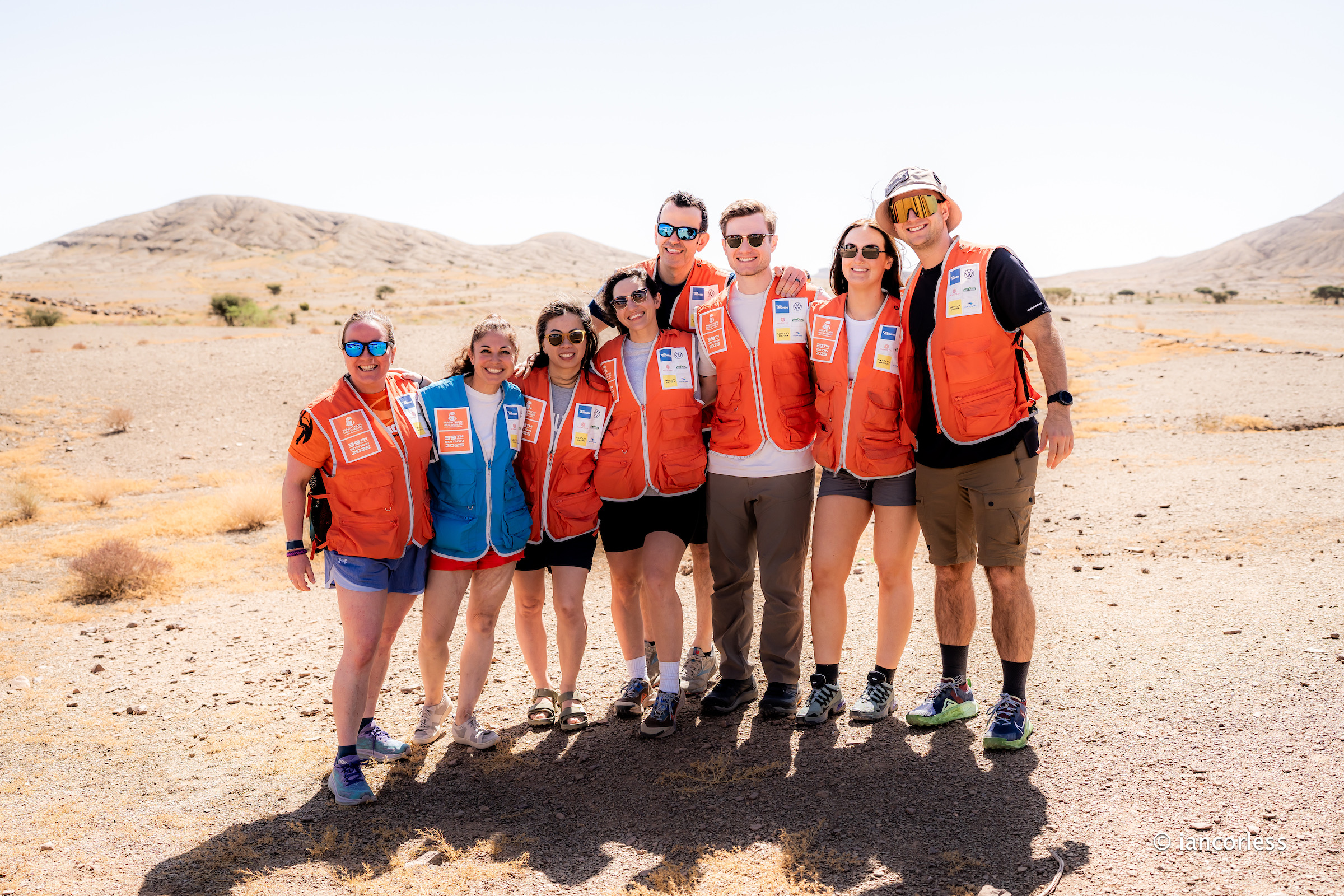
The MDS would not happen without this amazing team of people. The energy, the enthusiasm, the constant good vibes make the runner the number one priority and YES, these people make the difference between finishing and not finishing. They are 100% switched on with the sole purpose to get every runner across the line. You can get a feeling of how important the blue and oranges are by taking a look HERE on Facebook.

Photo by Ian Corless

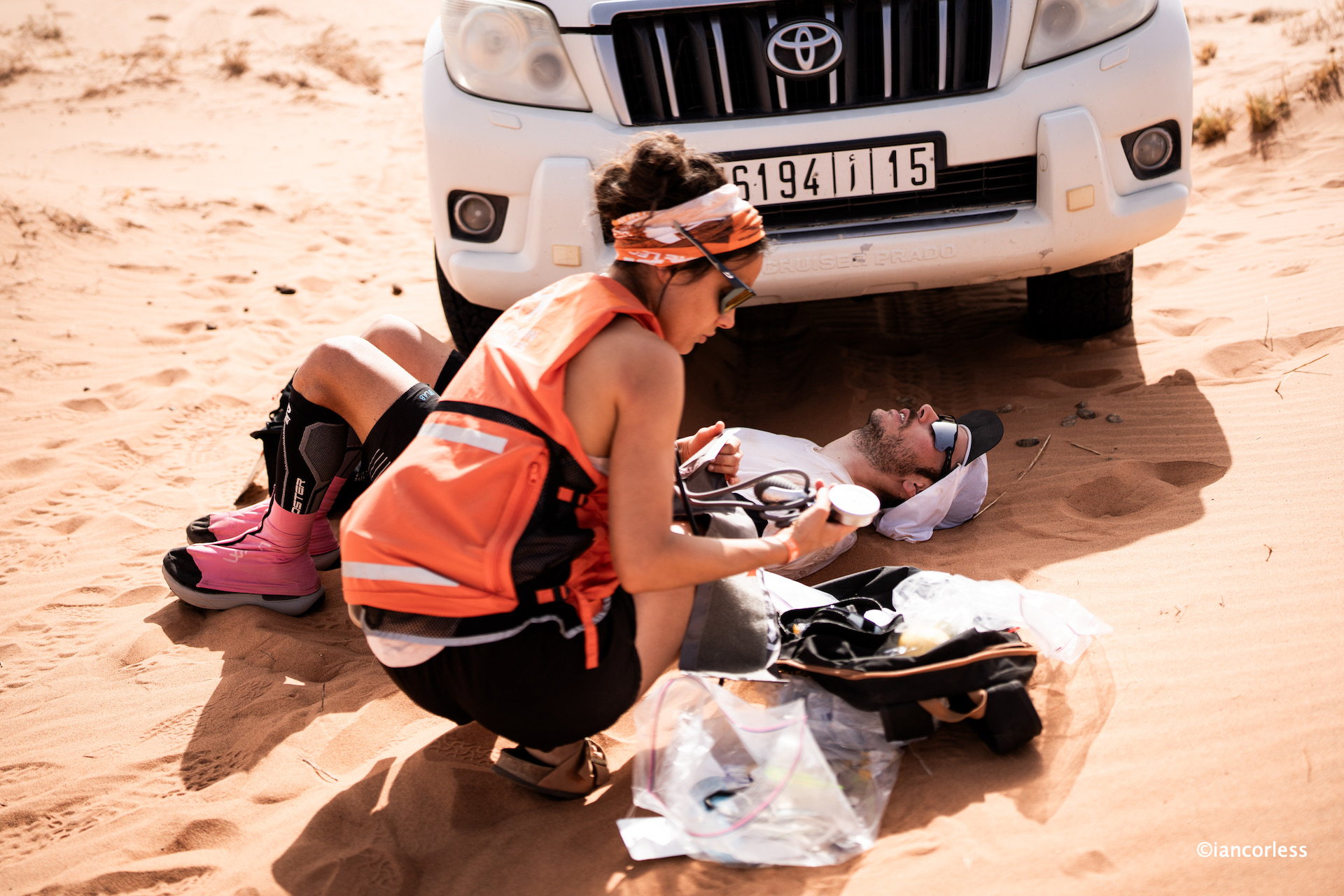
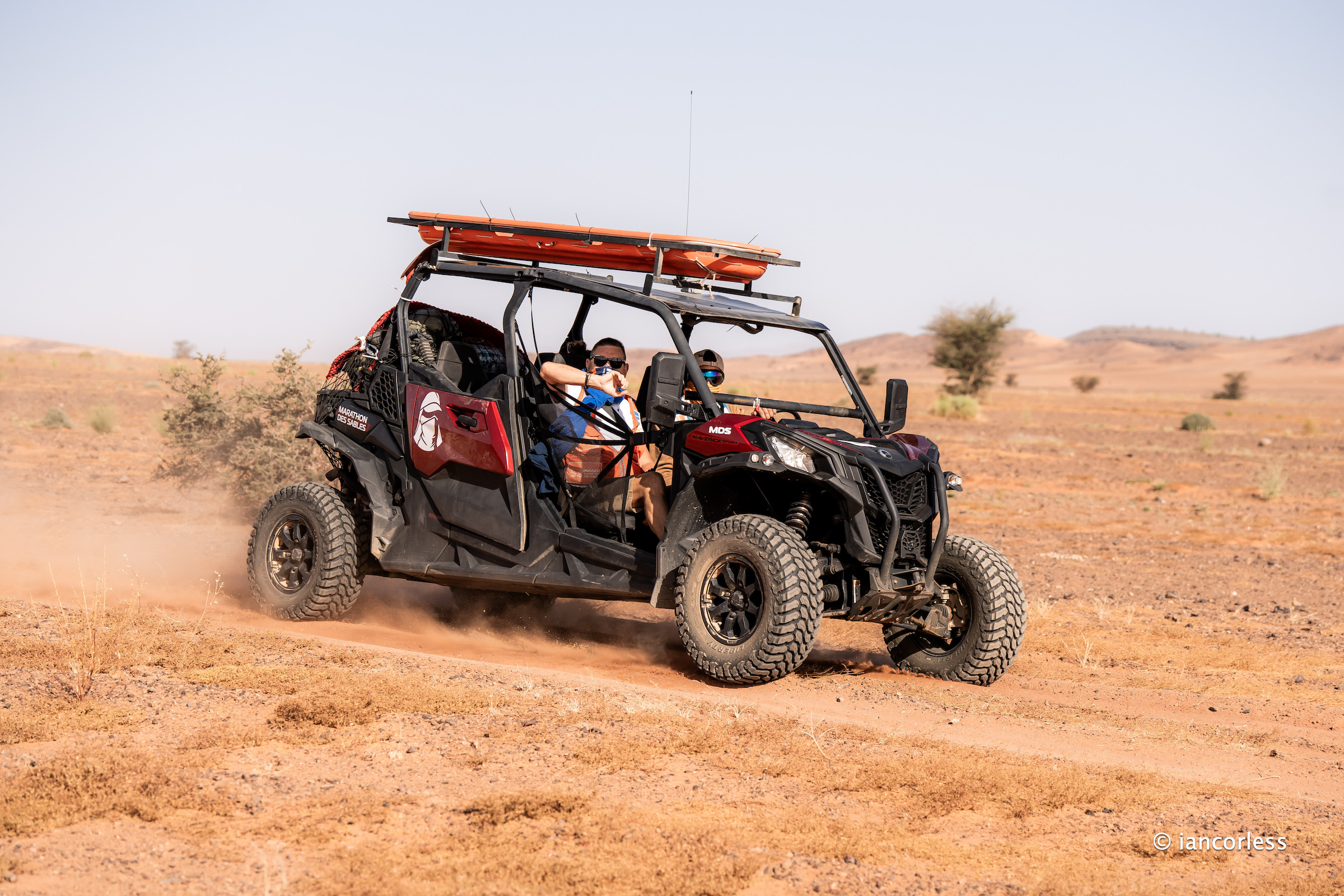
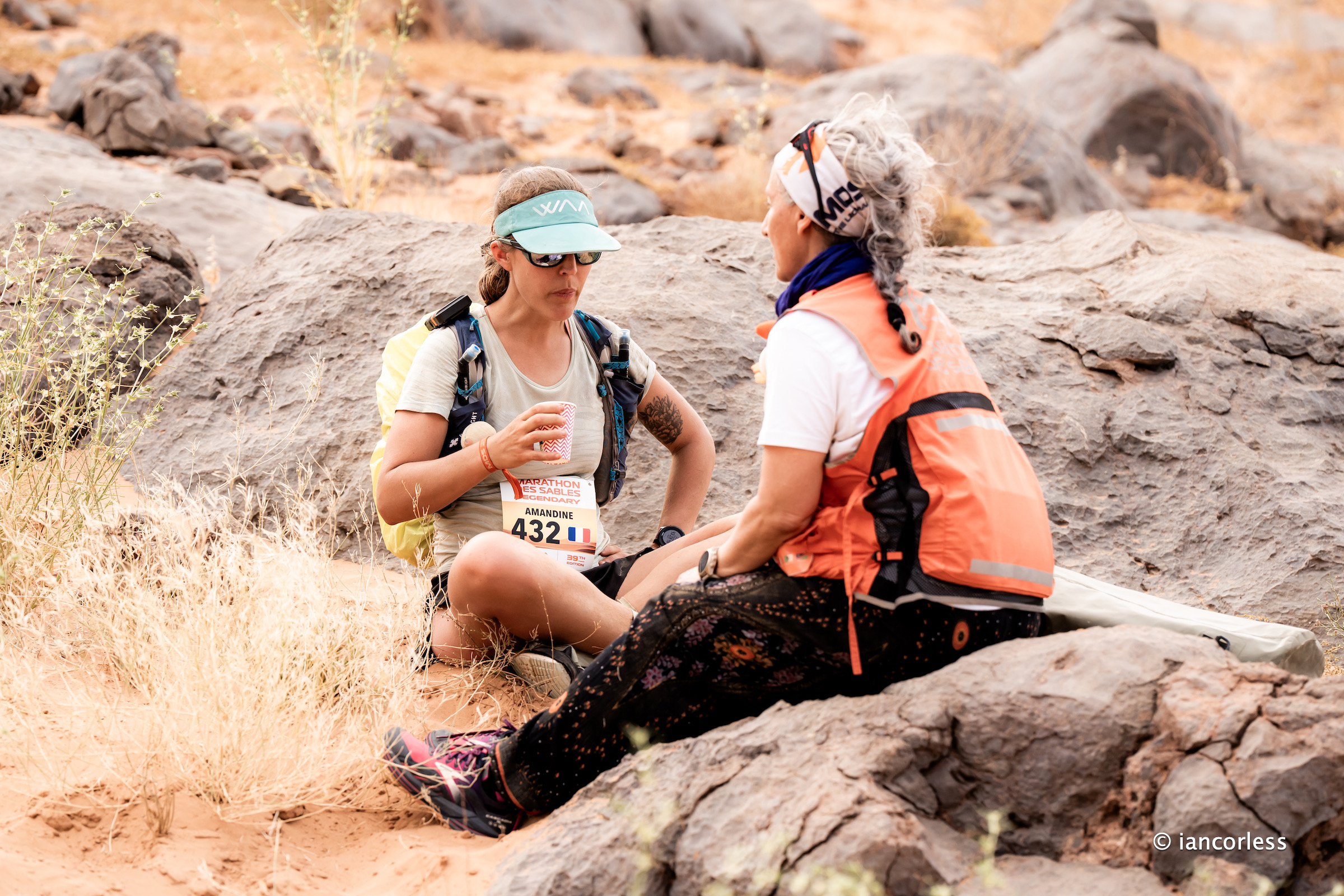
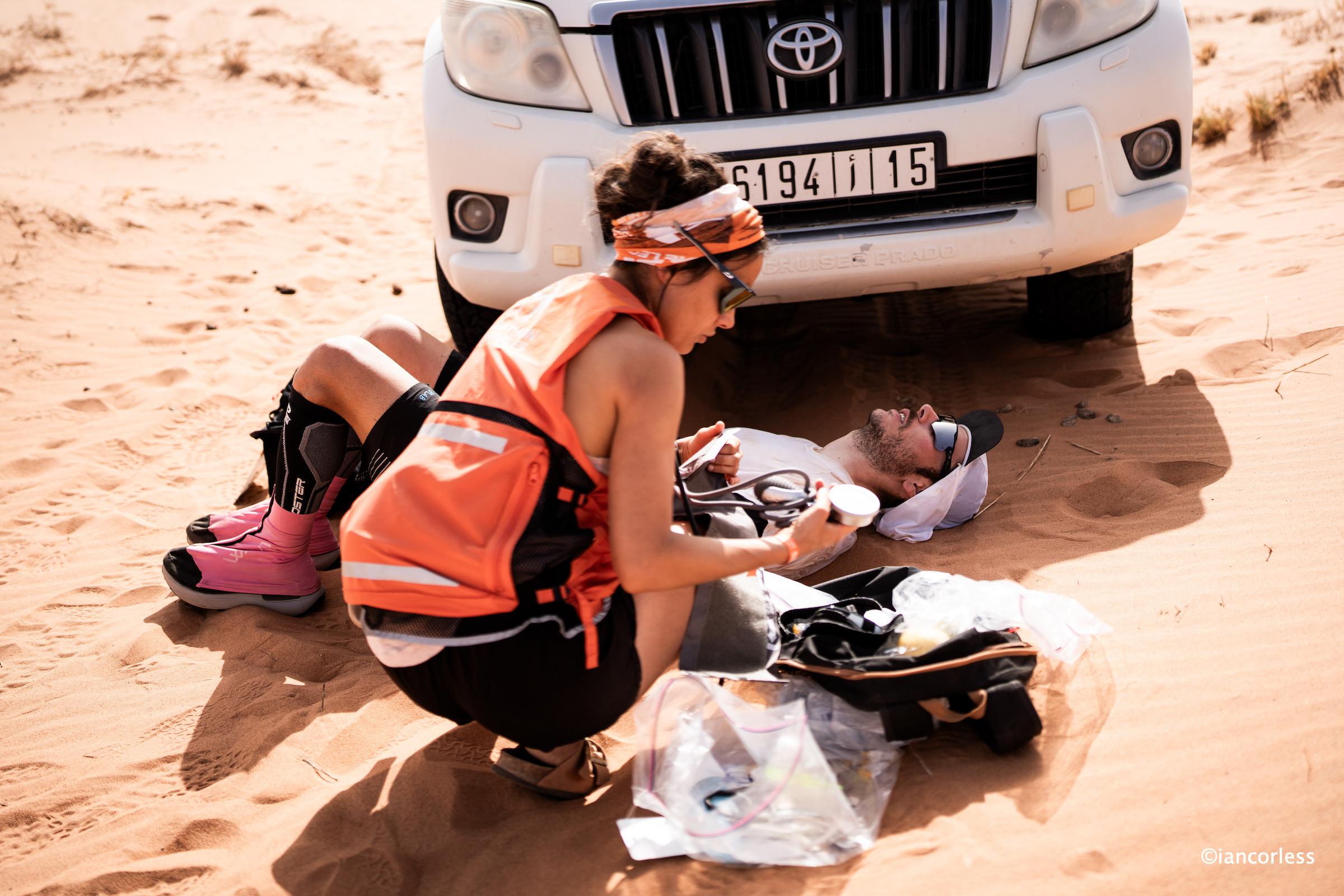
Orange jackets are the medical team who make sure that participants are looked after 100%. They are there for you, no matter what the issue. You will see them on the course at CP’s, in fast response vehicles, in 4×4’s and of course in the medical tents in bivouac.

SAFETY

Photo by Ian Corless

Any MDS event has risks associated with it. We are often in harsh environments, in challenging conditions, we have varying climate conditions and of course, we have runner’s and staff pushing the limit of what is humanly possible. Safety is taken very seriously and how safety is managed is an ever-changing and developing process.

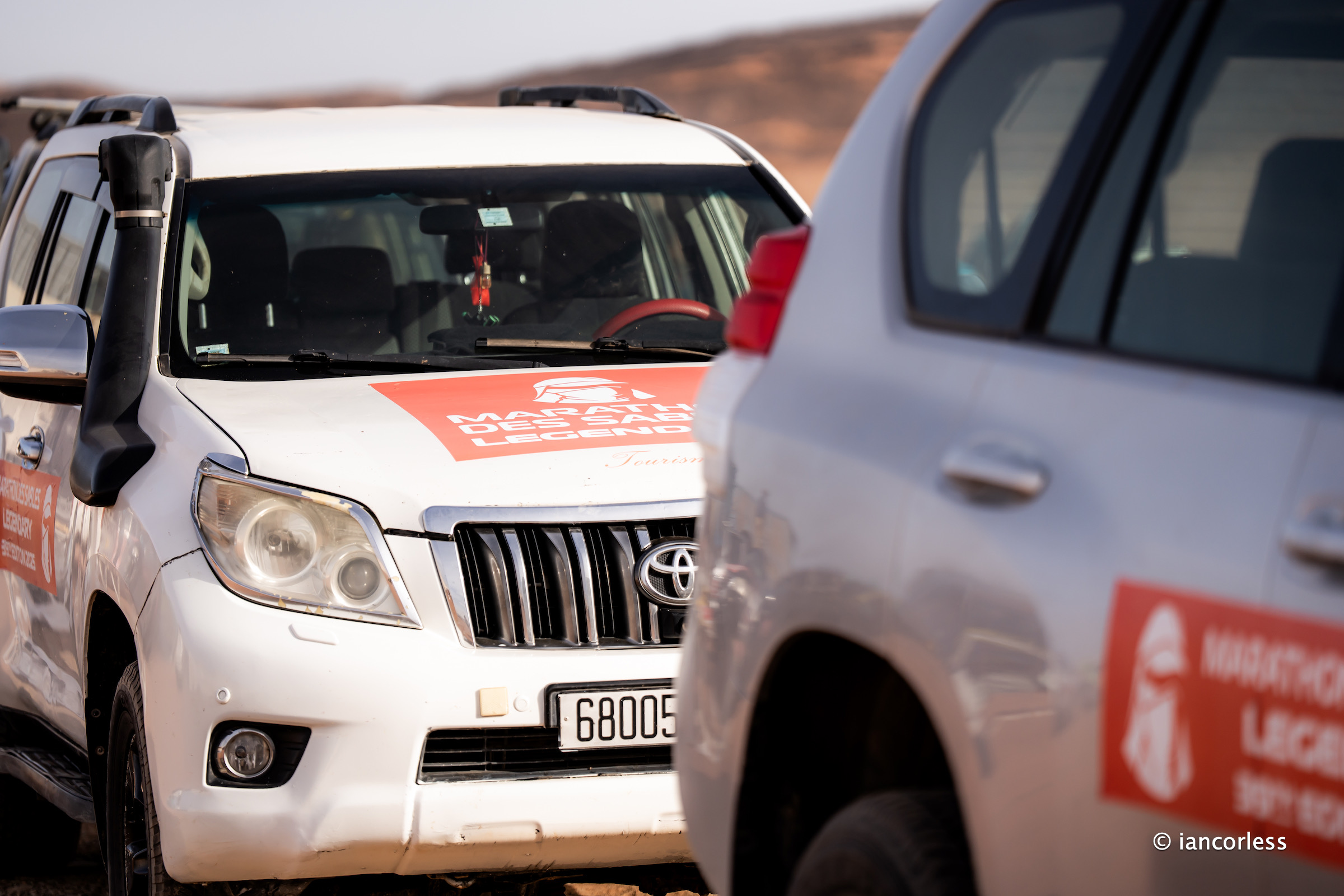
Countless 4×4’s – Photo by Ian Corless

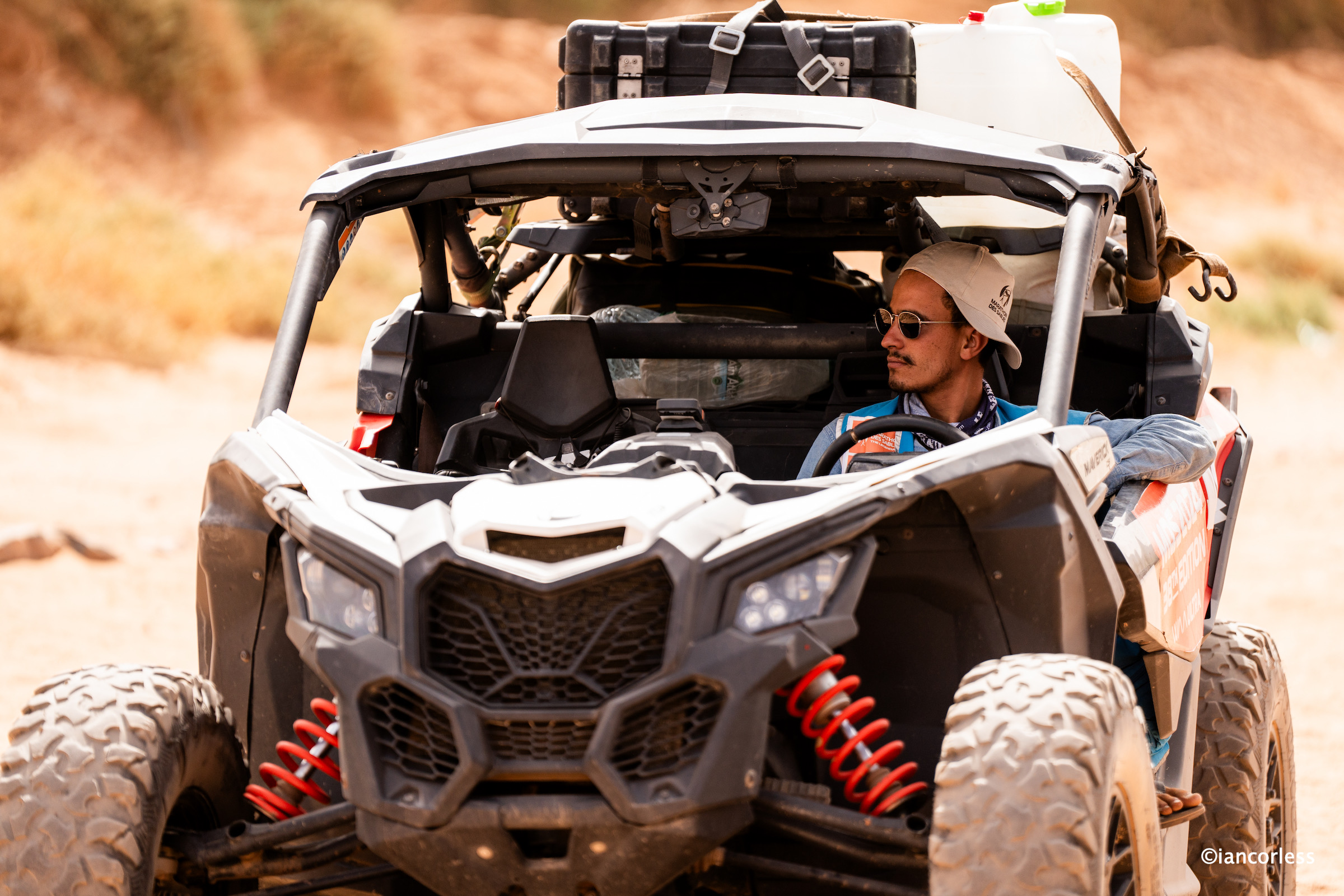
Legendary had more fast response vehicles, more medical professionals on course, there were 10 medical professional runner’s who did the course and there was a new mobile medical unit for 2025 which is state of the art. There was also the inclusion of the ‘Orange Squad’ – a medical team who do the course the opposite way so that they are able to see runner’s coming toward them and should there be a problem, they can help immediately.

Fast response – Photo by Ian Corless

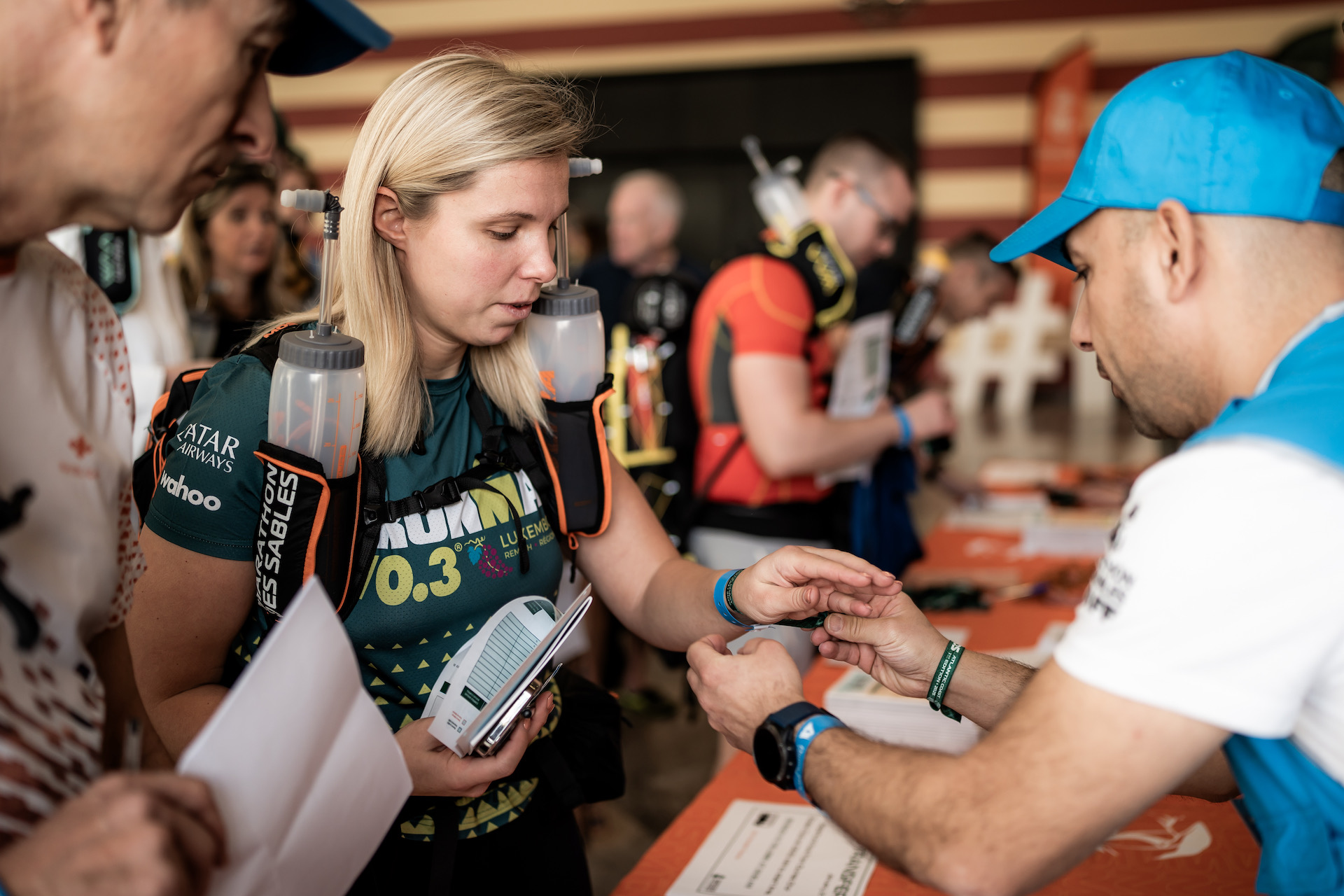
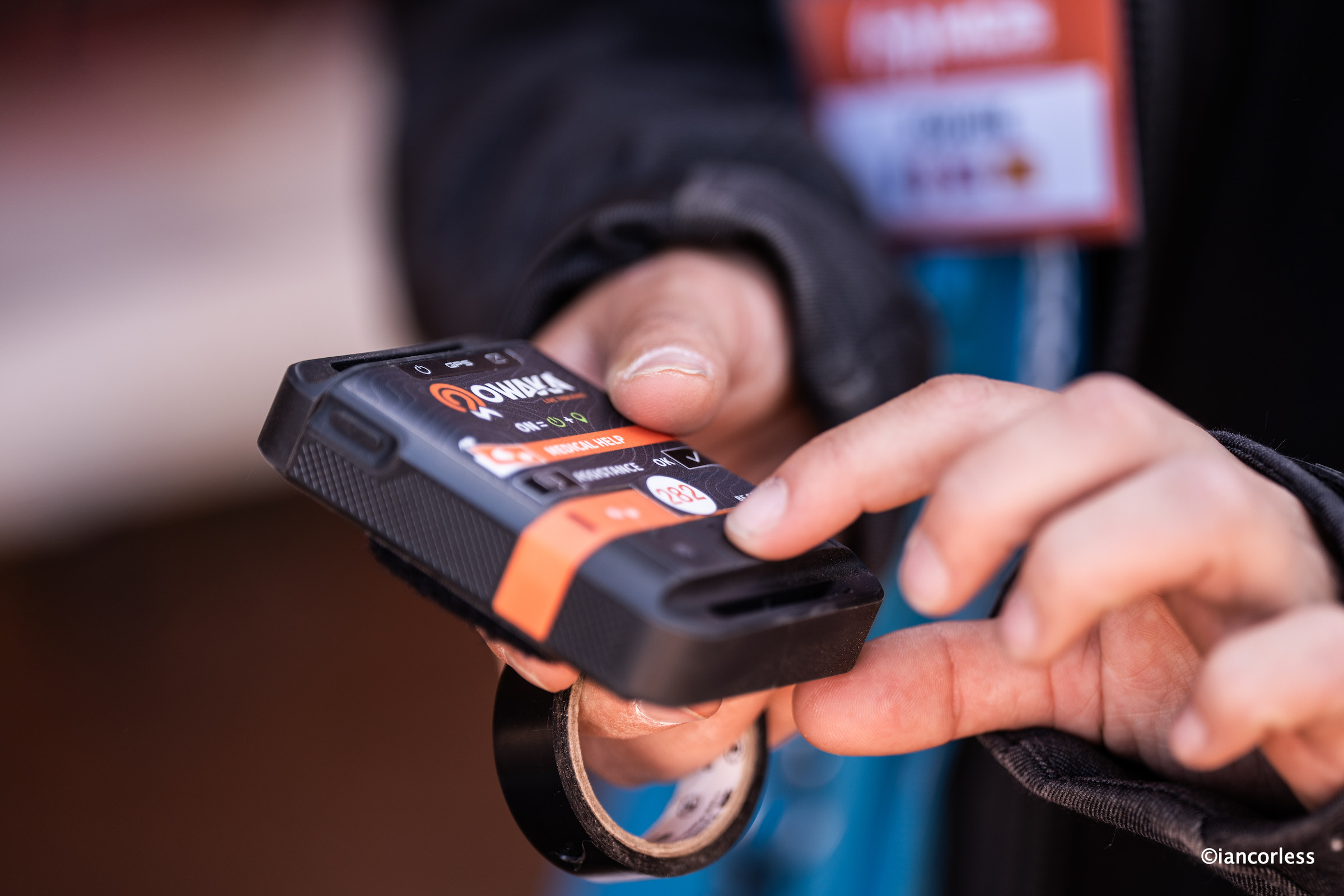
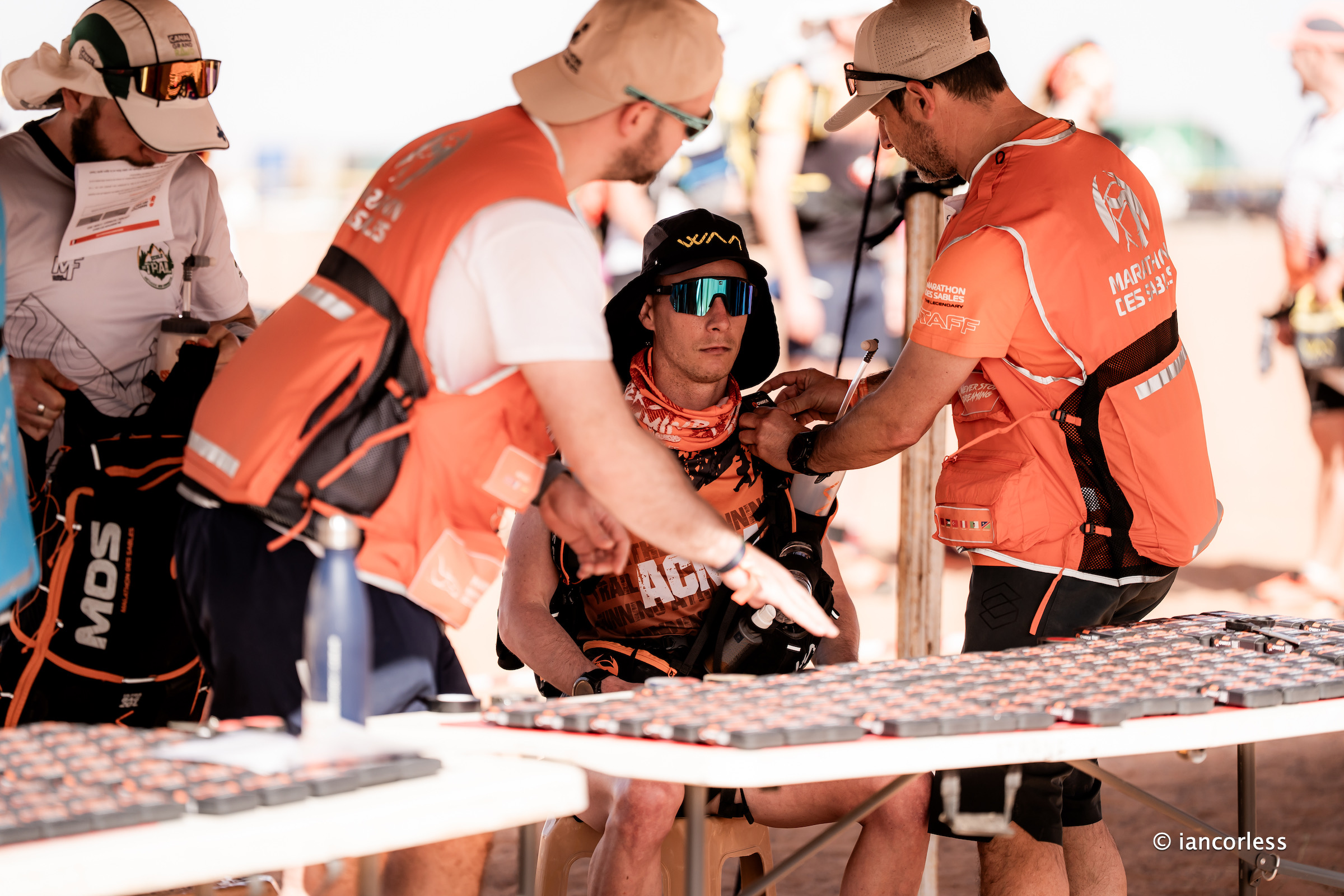
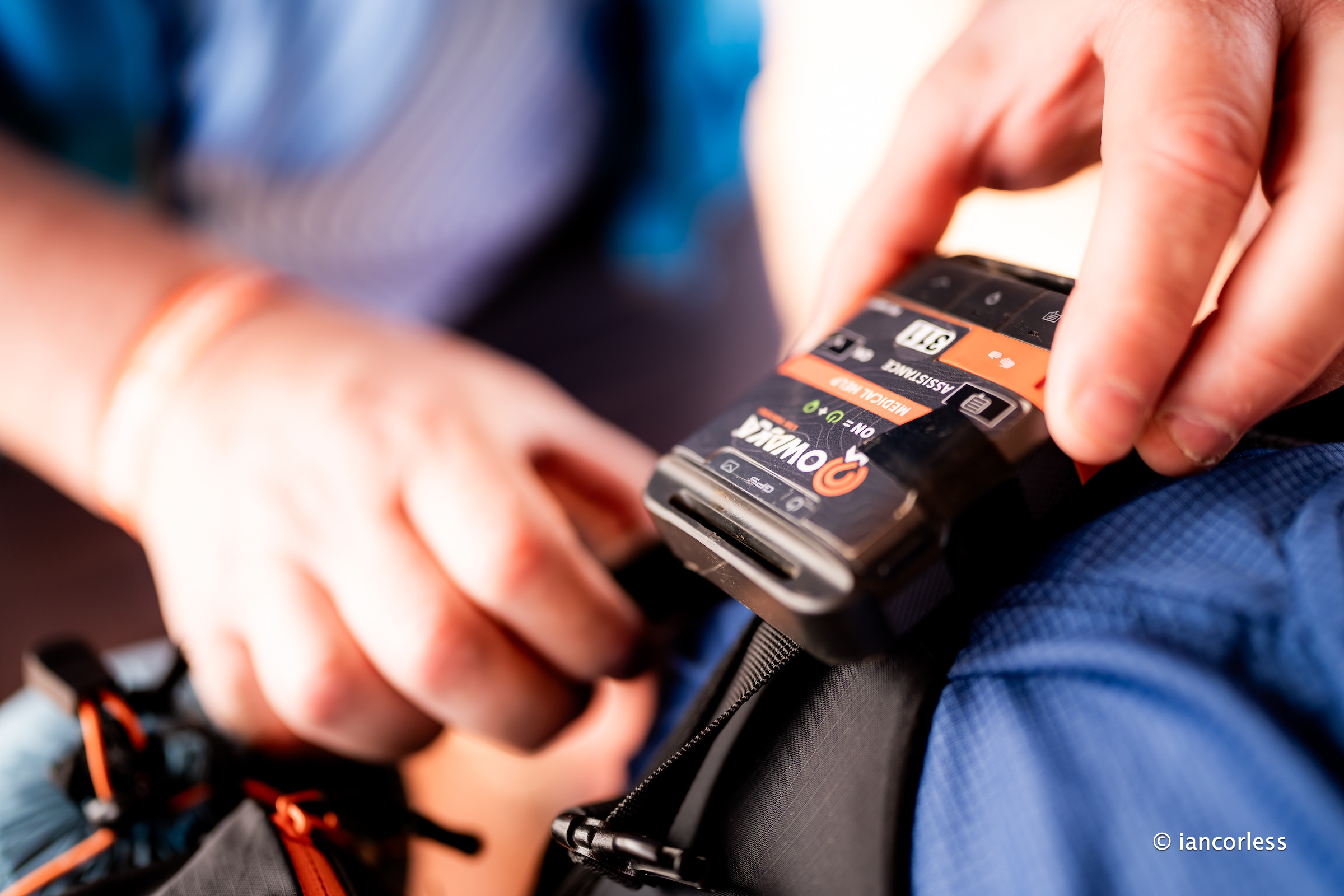
Each runner is issued with a Spot Tracker and this allows the MDS team to monitor each runner on the course and importantly, they have an SOS button which if pressed, will receive a medical response vehicle in minutes.

Fitting SPOT – Photo by Ian Corless

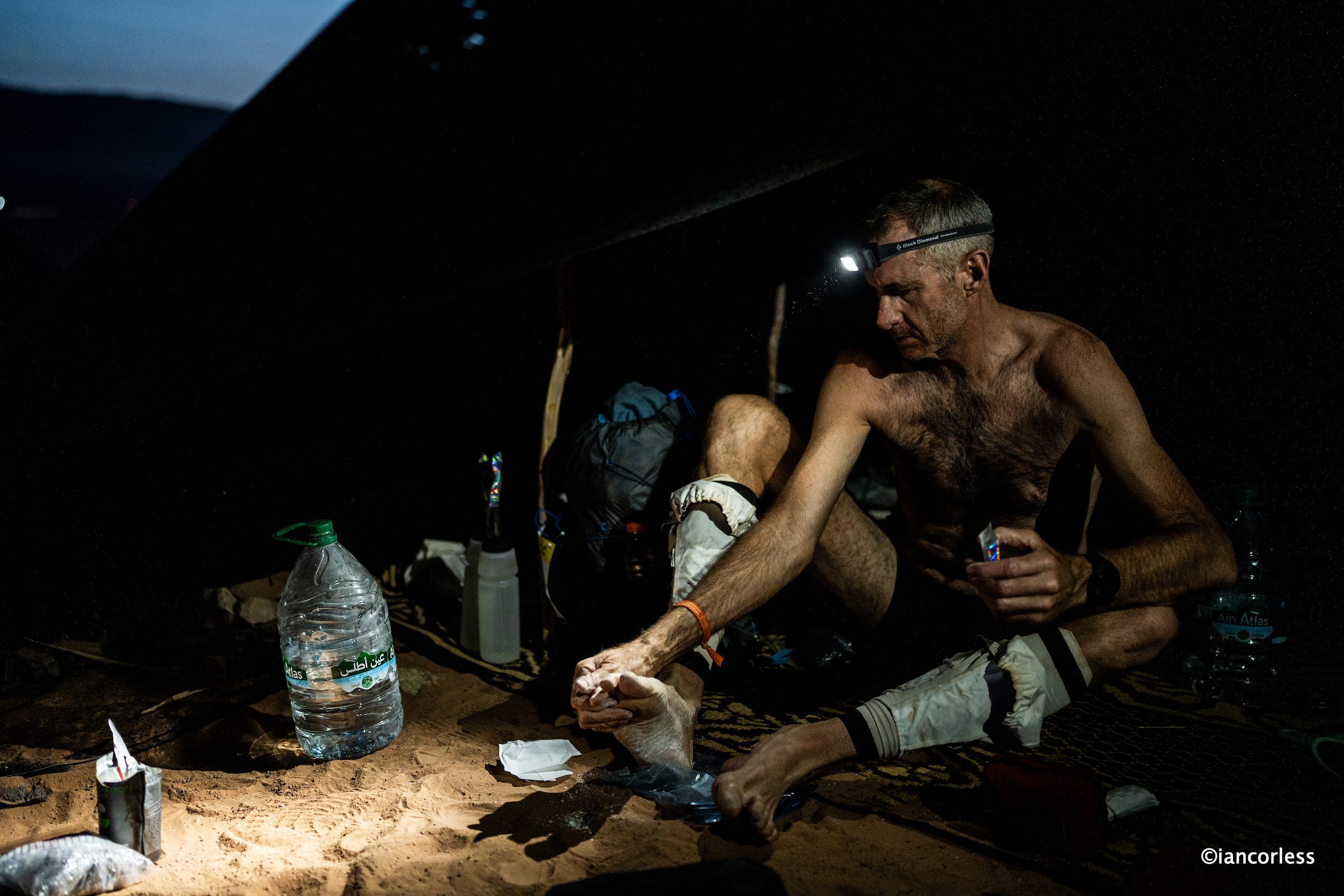
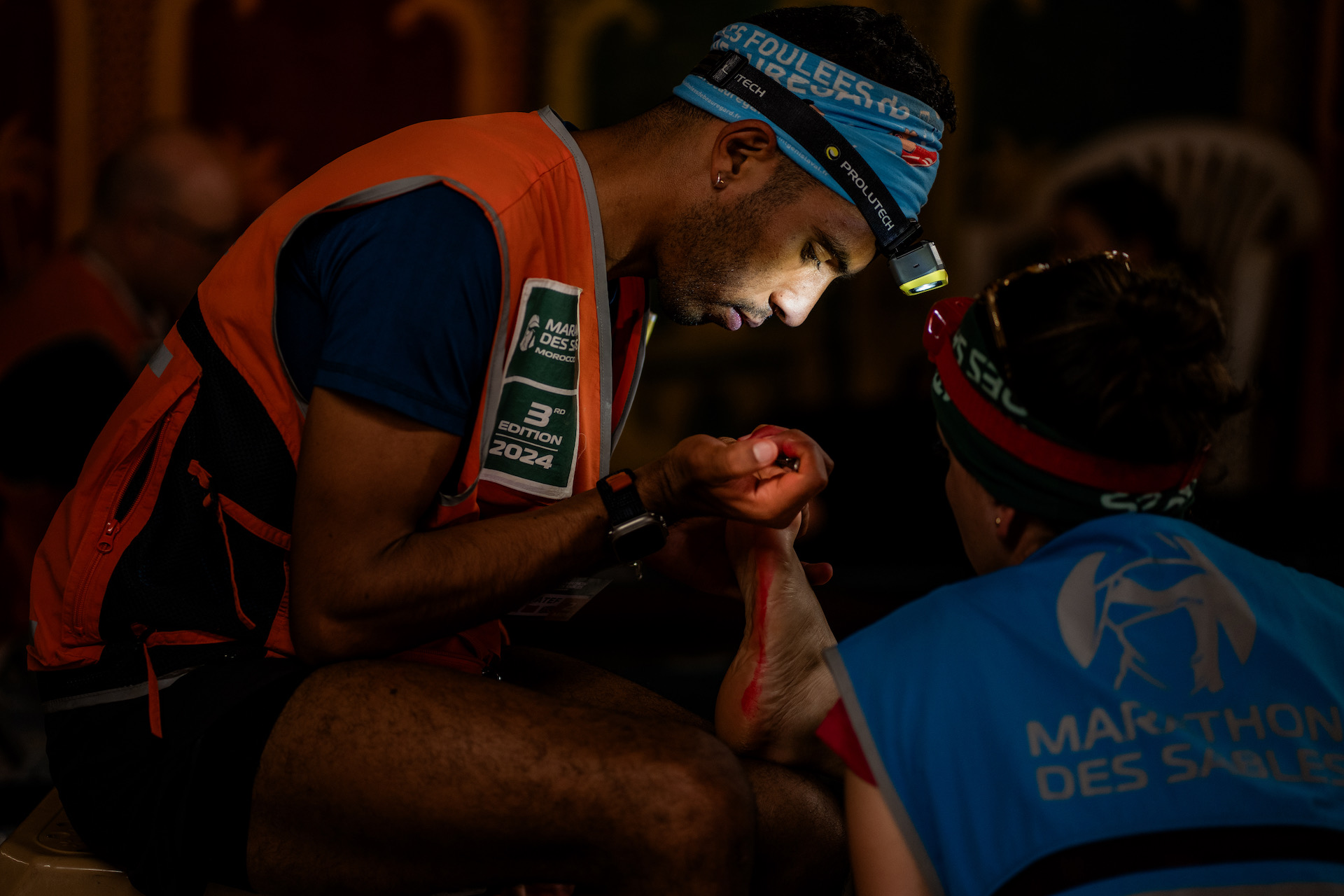
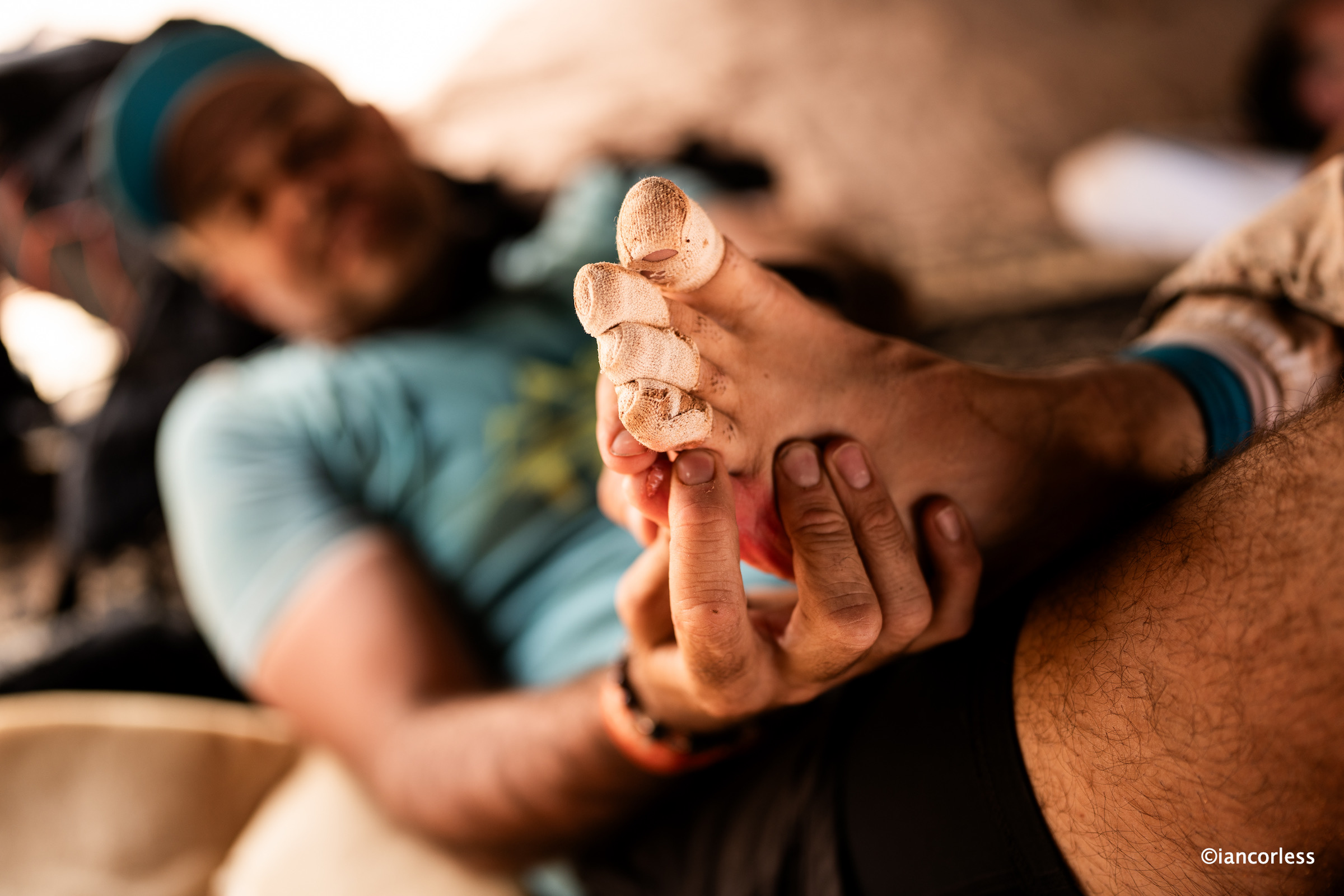
Feet are always an issue and of course, the medical tent is there to facilitate foot repair in bivouac. It’s important to be self-sufficient and look after your feet yourself, however, as and when necessary, a medical professional is always there to help.

RACE BRIEFINGS

Race start times are very important and pre 2024, the race start time was somewhat unpredictable. This changed in 2024 and was upped to another level in 2025 with every stage starting exactly on time! It may sound like a small thing, but knowing you will be underway as scheduled makes planning so much easier. If it says 0600 start, you know it starts at 0600.

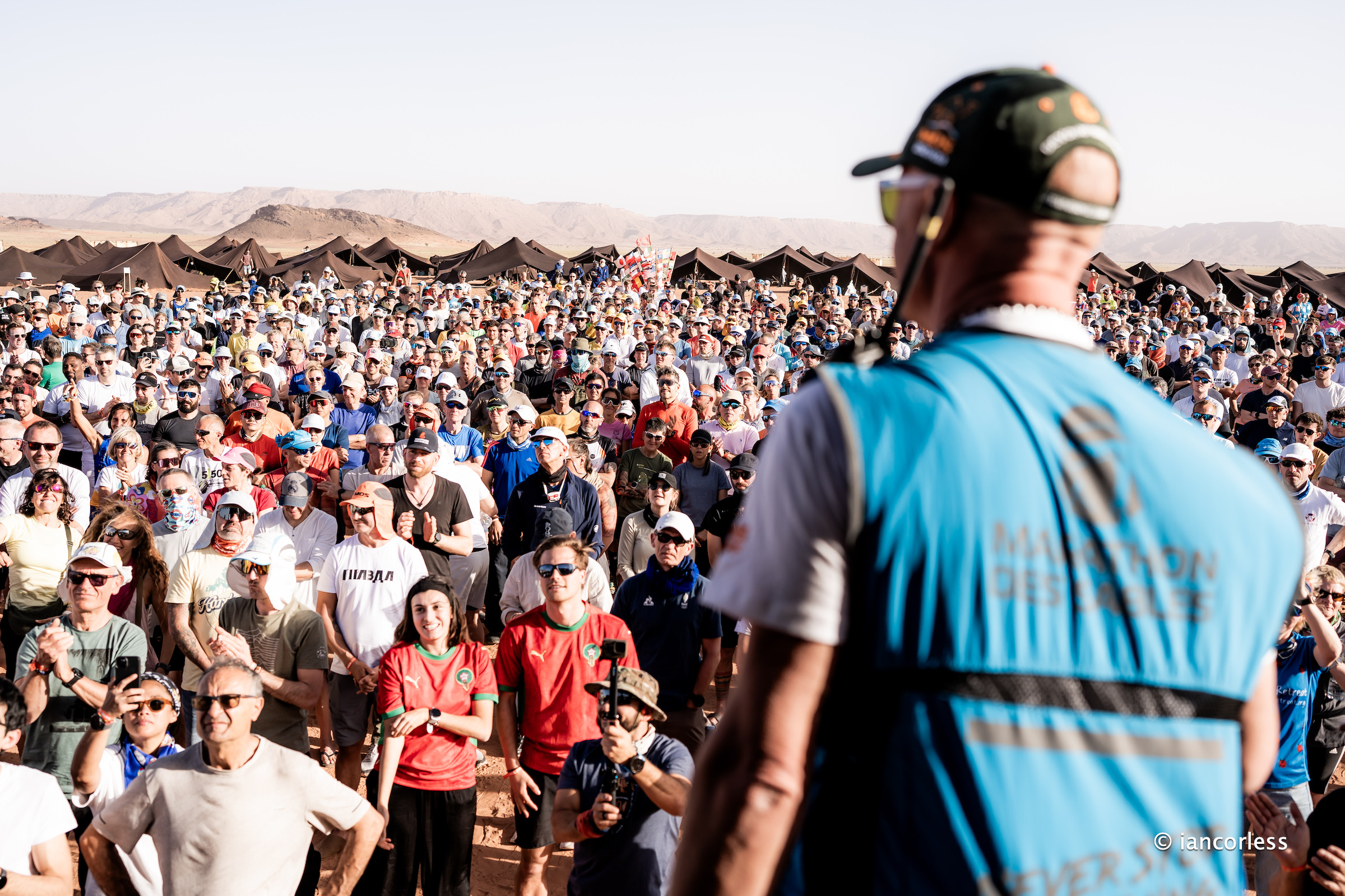
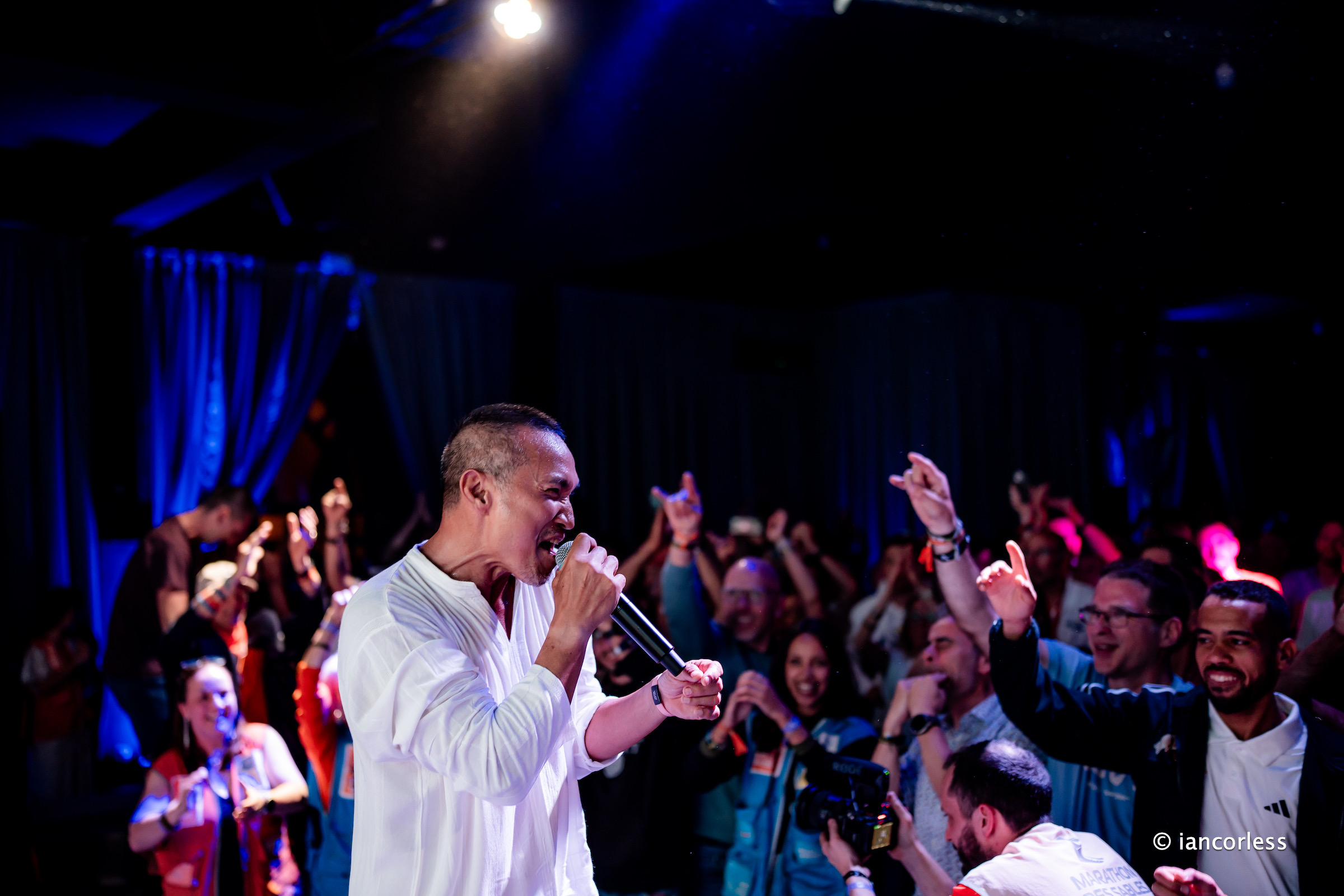
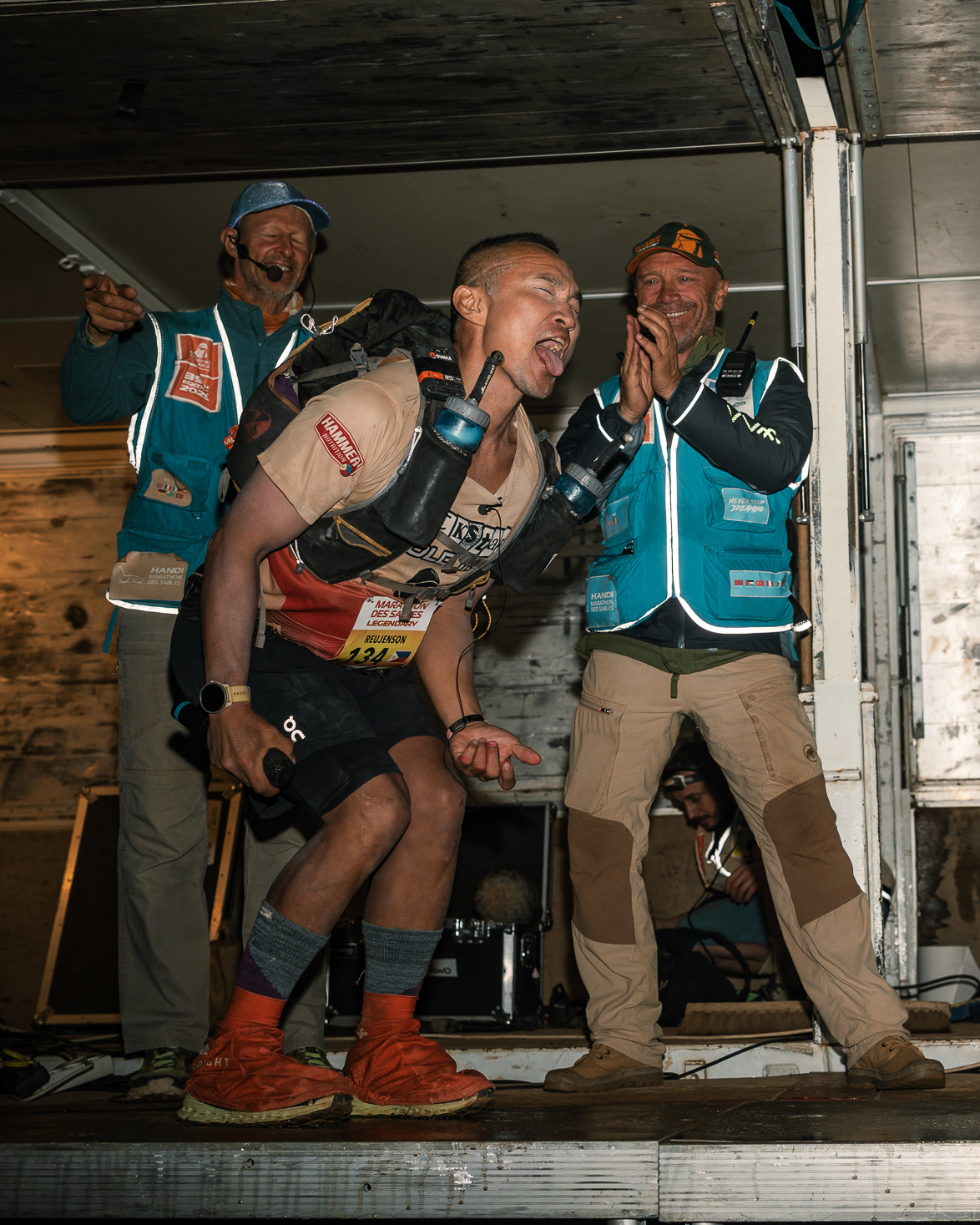
Another change was the addition of an English speaking announcer – yes, it was me! This was the idea of Cyril and we instigated and tested this at Atlantic Coast in January, it worked. So, for Legendary and moving forward, an English briefing will take place and then be translated into French and not the other way around. Stage 6 race briefing may well go down in history as the best. Mood was already high with the final stage ahead, nut hen we had participant, Reujen Lista join us on stage for a ‘live’ version of Highway to Hell – it was epic!

Highway to Hell ‘live’ – Photo by Florian

WEATHER

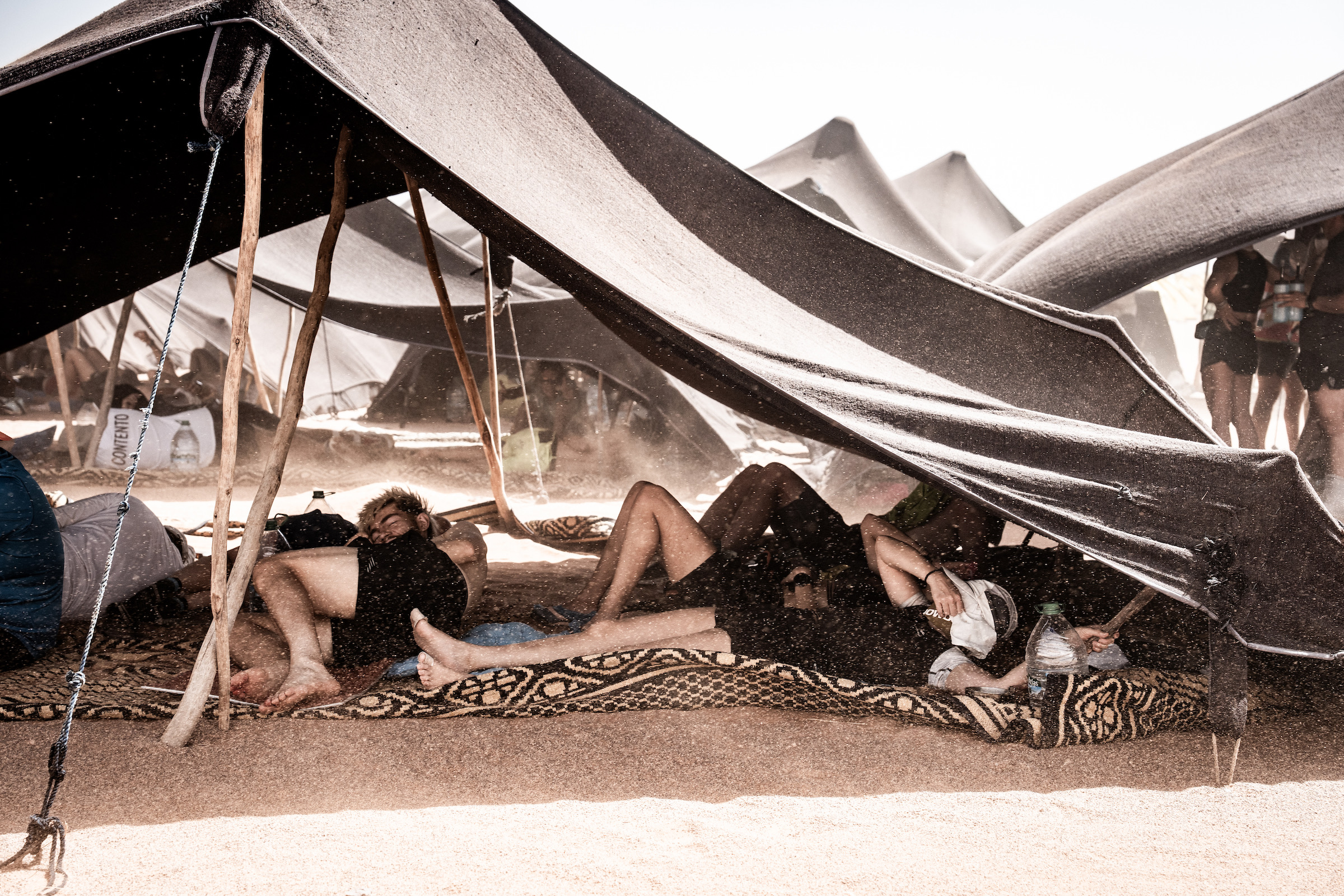
The weather took its toll – Photo by Ian Corless

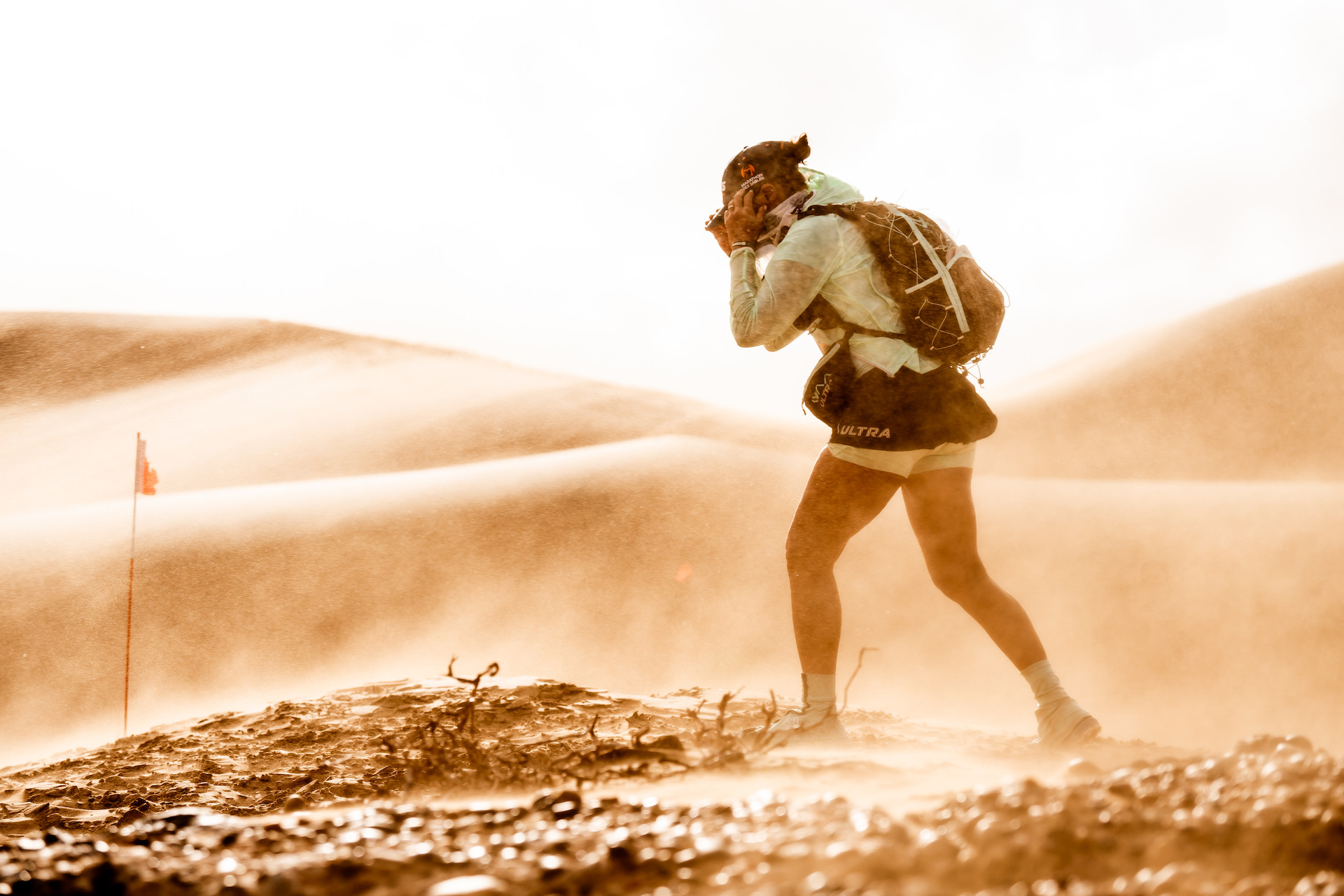
As always, weather plays a key part in any MDS event. However, we are most definitely feeling the impacts of ever changing climatic conditions. It was always assumed that MDS will be hot and unbearable, history is showing that is not the case. Recently, particularly in Morocco, we have experienced difficult weather: MDS Morocco in October had torrential rain and flooding, the recent MDS Atlantic Coast in January had cooler temperatures, some rain and the last day had full-on sand storms. The 2025 Legendary started calmly and tranquil, it was looking to be a classic race, it was sunny, hot, but not too hot and the winds were relatively calm. That all changed come stage 4 (the long day) with cloudy skies and cooler temperatures in the day. During  the night the winds increased, rain came and without doubt, from 2100 hrs the conditions were difficult and challenging. Especially for those who were moving through the night looking to get the long day done. CP’s had cold participants taking shelter looking to get warm and continue the journey. This weather continued through the rest day. Stage 5 had a mix of everything but the heat never came and stage 6 was cloudy, cool and with intermittent rain. There is a very big lesson that needs to be learned, I did say this before Legendary, but now, post-race, I can only say it more, you need to be prepared for bad weather! A good jacket is now essential, so much so, I do think that it should be added to mandatory kit. I also think it wise to make sure that you are able to keep key items, such as sleeping bag, dry during bad weather. Many had wet sleeping bags during the long day which can effectively make them useless, depending on what filling is inside.

THE ROUTE

Photo by Ian Corless

Legendary is now 6-stages over 7-days and this is a huge difference. Pre 2024, the race was 5-stages and stage 6 was a non-times ‘solidarity’ stage for charity. It’s hard to argue against the charity side of this, however, a non-timed 6th stage was pointless.

Photo by Ian Corless

The race is now 6-stages timed and raced.

Photo by Ian Corless

For 2024, the ‘long day’ was moved to stage 3. For 2025, it was moved back to stage 4. The main reason for this was due to the course and the start/ finish point.

Photo by Ian Corless

2024 participants, as always, tried to stress that the 2024 edition was/ would be harder than 2025. Of course it’s nonsense. Comments like, ‘Argh, but here was more vertical gain in 2024!’ were unfounded as the people who made these comments had obviously not done due diligence, the reality is the 2024 Legendary was 252.9km’s and the 2025 event was 250km. Vertical gain was almost identical, 2024 was 2788m+ and 2025 was 2710m+

Photo by Ian Corless

In many respects, the 2025 edition was more ‘classic MDS’ with a marathon after the rest day.

Photo by Ian Corless

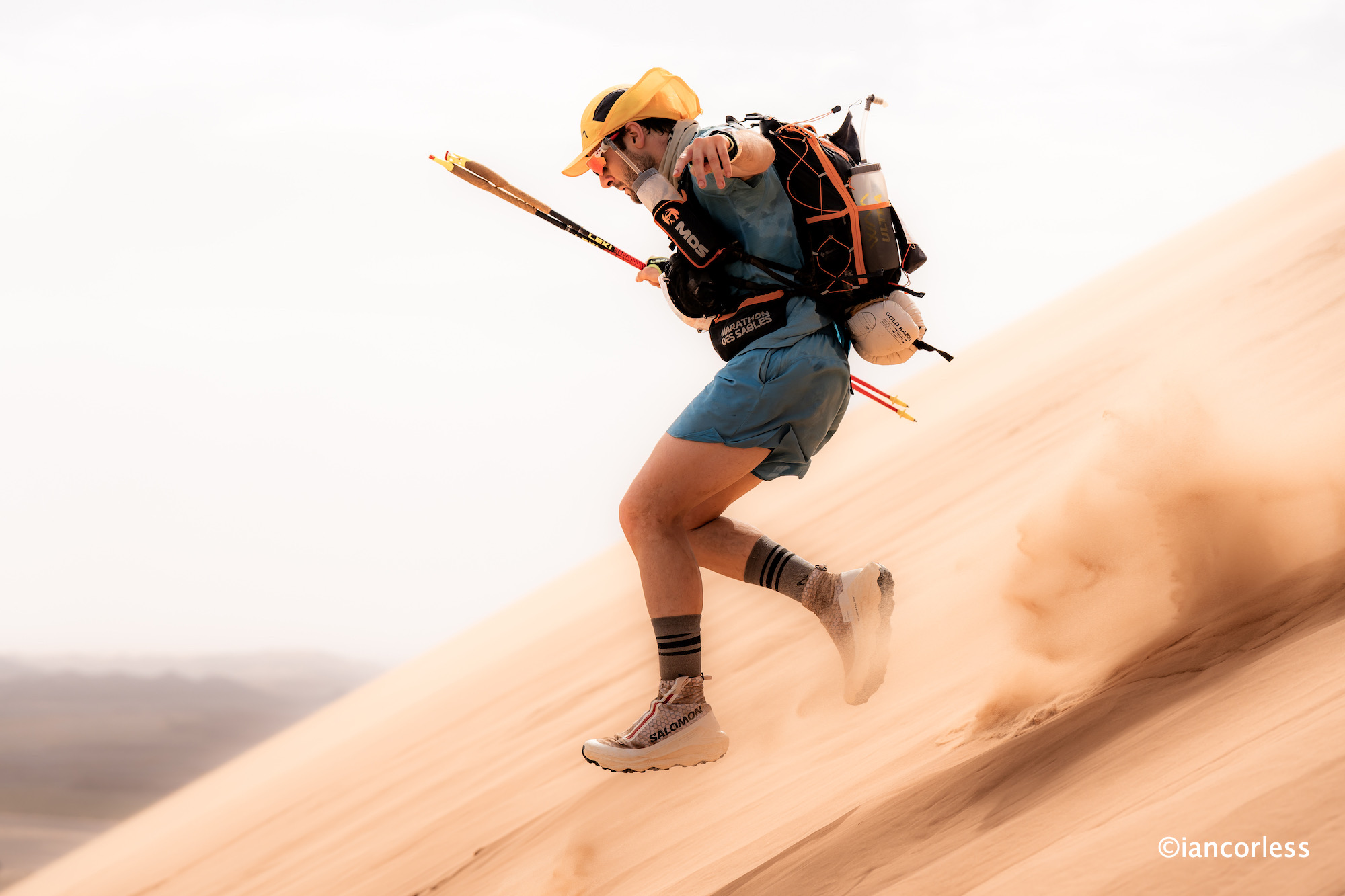
The route was notably different for some key reasons. The Sahara is vast and of course, needs to be explored more. Due to runner demand and logistical reasons, certain features have become almost ‘essential’ when running Legendary. However, Cyril and the team wanted to change that and therefore, there was no Jebel El Otfal in 2025, there was a return to Merzouga Dunes and while the route travelled in similar areas of the Sahara, the track was approximately 80% new. There were some great ‘new’ additions such as the huge dune on stage 4 and the stage 5 route was very special.

Photo by Ian Corless

THE RACE

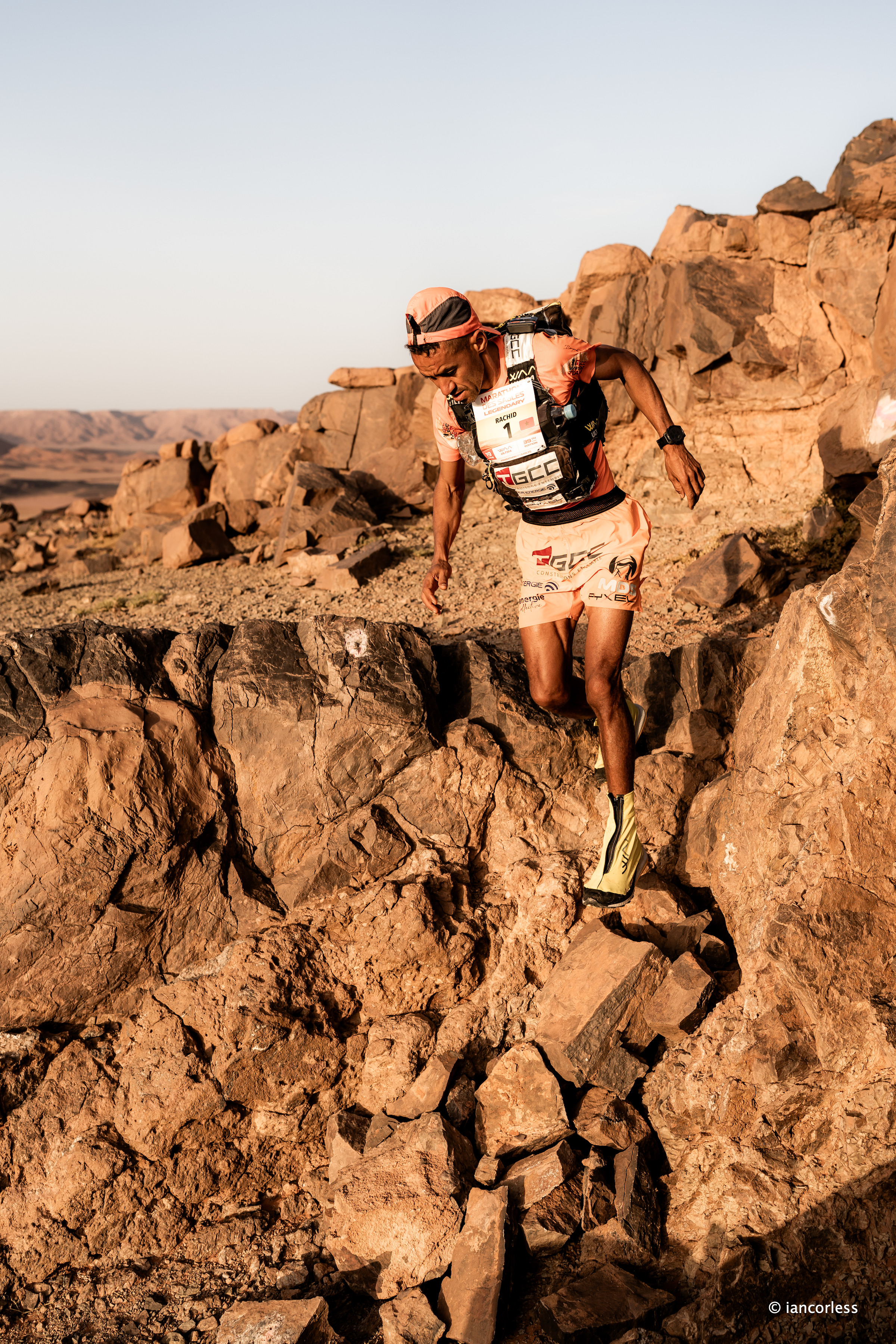
Rachid – Photo by Ian Corless

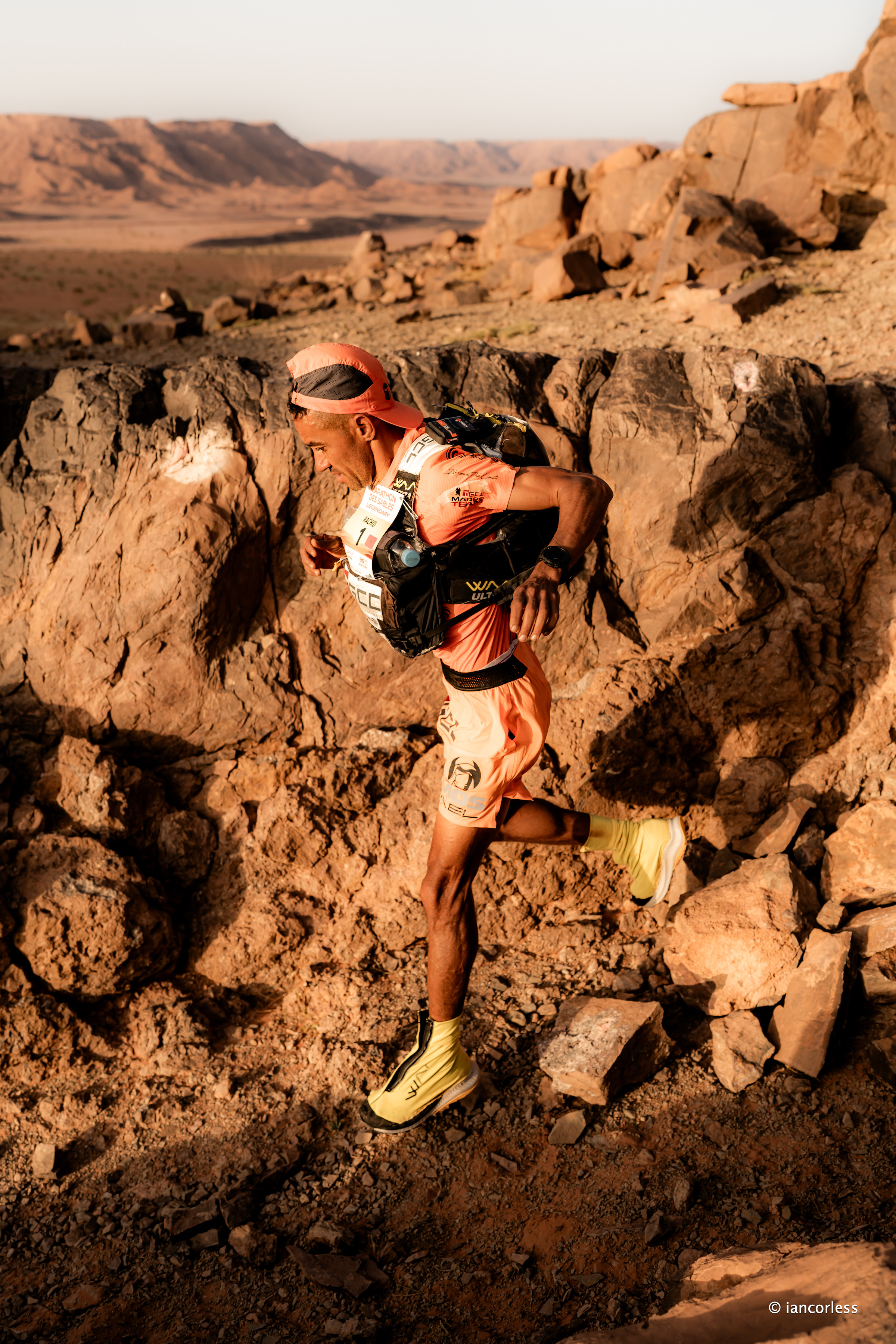
Rachid El Morabity once again took victory securing his 11th and in the process he set a record for the most victories. It’s an incredible achievement to have this level of consistency over so many years. It’s fair to say, the level of competition at the front end of the race was less in 2025. The only real person who could upset Rachid was Hamid Yachou, he unfortunately withdrew mid-race with injury. We could argue all day if Mohamed El Morabity could beat Rachid, the simple fact is, it would not happen. However, as we look ahead to 2026, will Mohamed take over the Rl Morabity reigns? Mohamed is 10-years younger than Rachid and therefore, he has great potential ahead. Also, the inclusion of the 3rd and younger El Morabity, Mbark, should not be looked over.

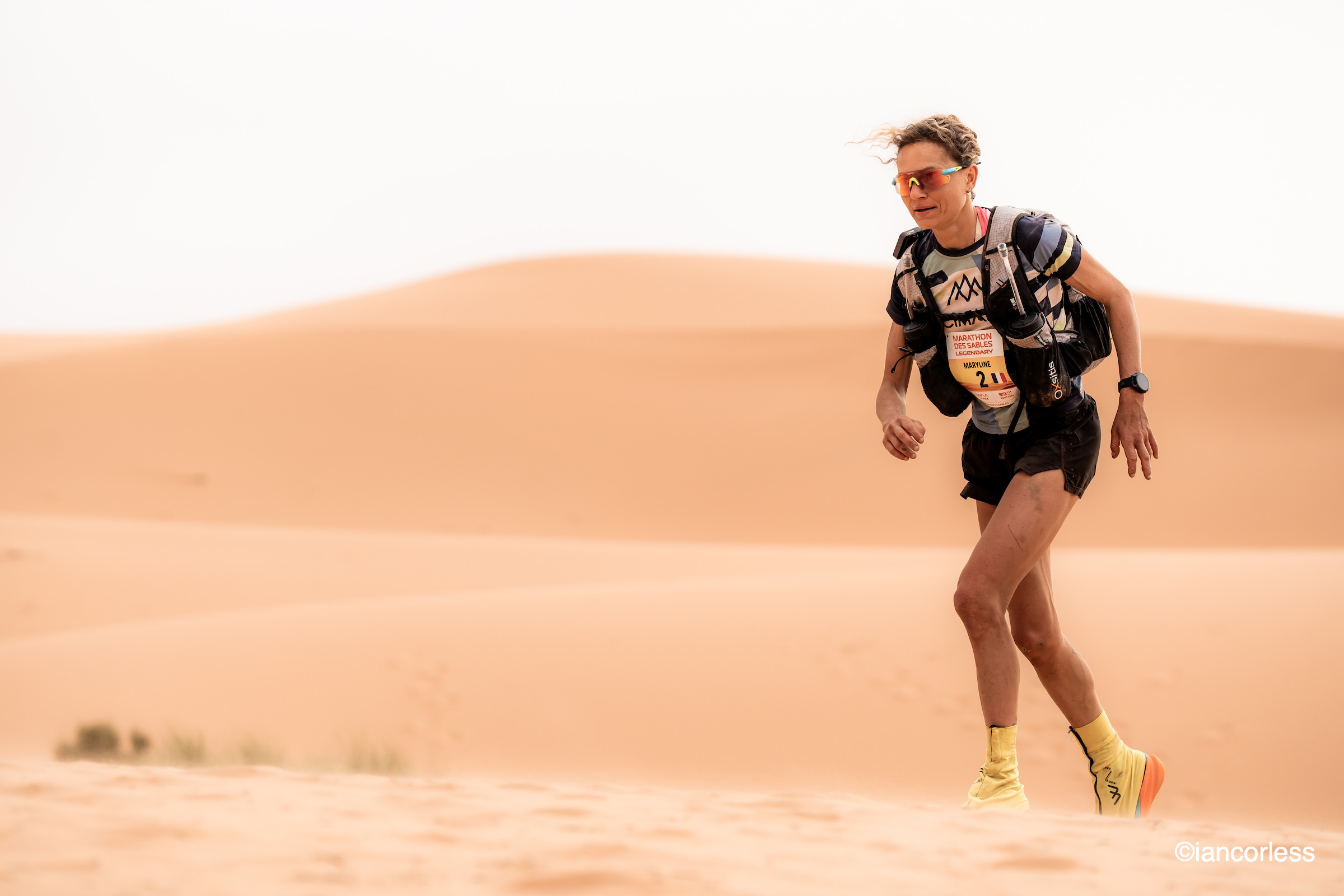
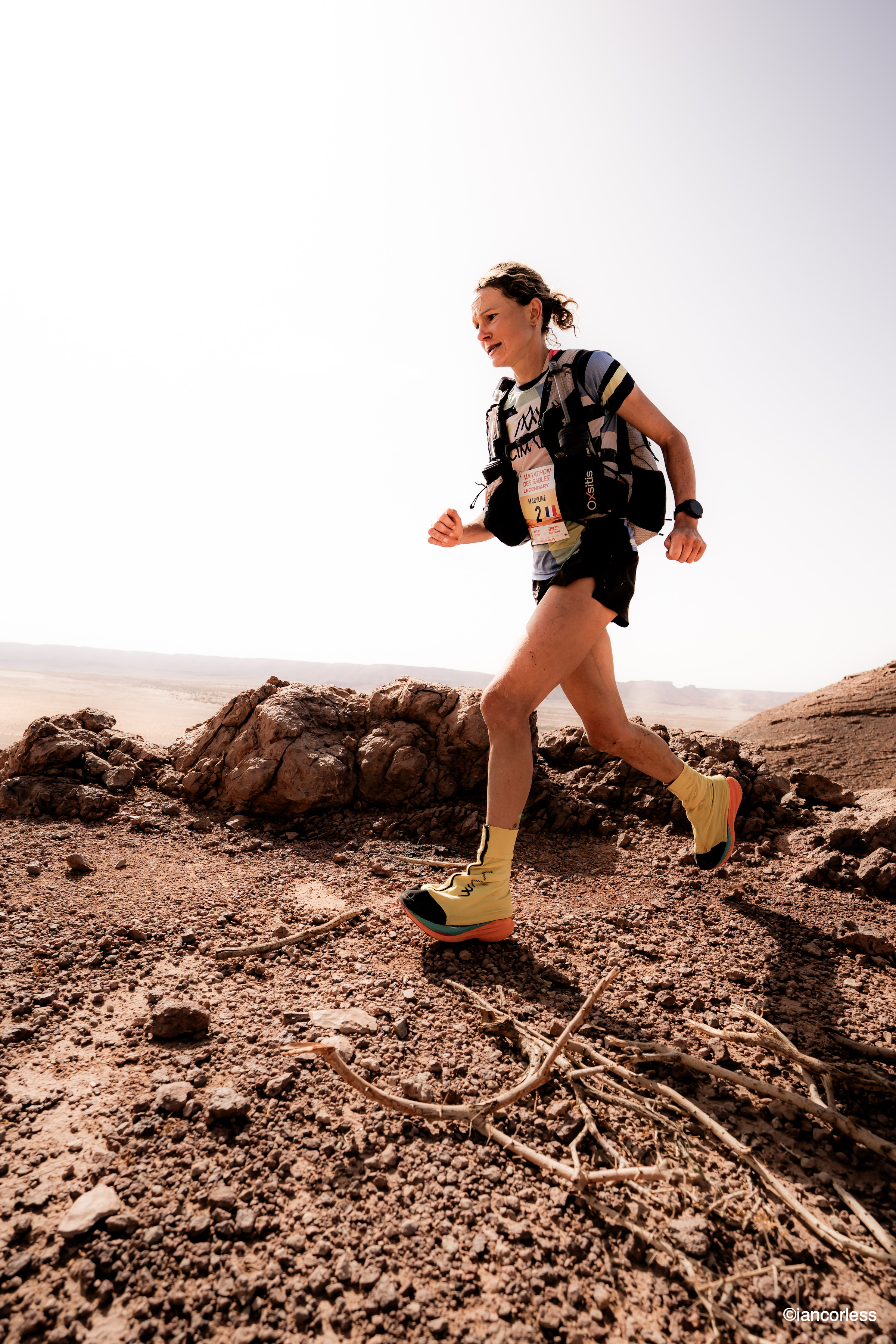
Maryline – Photo by Ian Corless

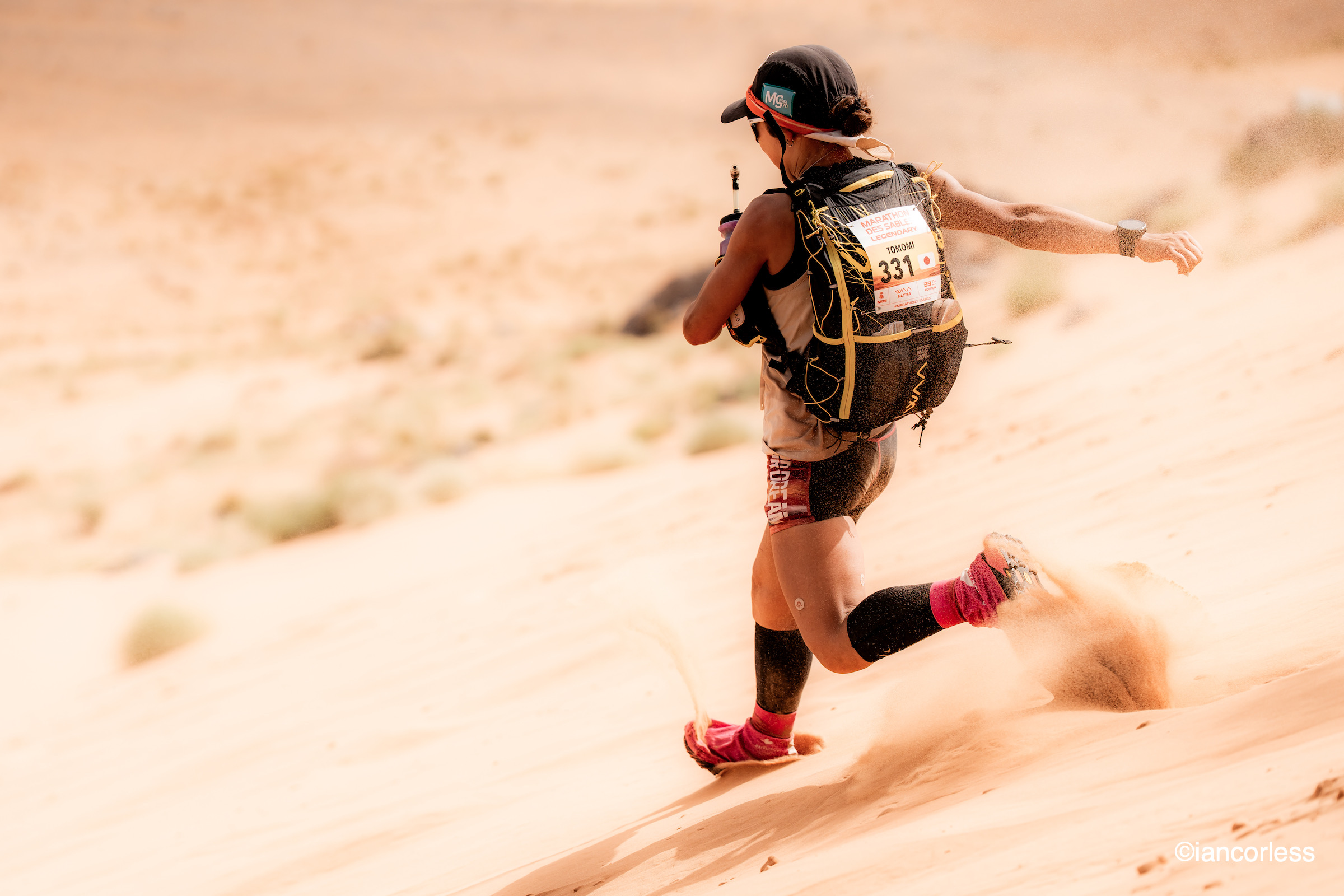
For the women, 2023 Legendary champion, Maryline Nakache returned and she was on fire. No, she was untouchable. For perspective, Maryline finished 3rd on GC for the long day and at the end of the race, was 4th on GC with the closest time to Rachid, by a woman, in the history of the race. Quite incredible. Aziza El Amrany won the race in 2024 and for 2025 she was 2nd, she looked great throughout, despite an arm injury, however, she was no match for Maryline. Tomomi Bitoh placed 3rd, she has placed 3rd before. However, Annelies Brak would have placed 3rd had she not received a 2-hour time penalty for non-compliance of mandatory kit.

Rachid completed the race in 20:55:47 and Maryline in 23:57:20. A total of 847 participants crossed the finish line, the last male Tomohito Hirai in 75:49:27 and the last woman, Nemoto Yuzuki in 74:31:01.

Results HERE

POST RACE

Reujen Lista rocking the awards – Photo by Ian Corless

Transfer back to Ouarzazate was easy and seamless with coaches filling with participants and leaving asap. Of course, a hotel, many showers, buffet food and a nice clean bed always feels amazing after the Sahara. The awards dinner turned into an impromptu rock concert with a participant, Reujen Lista, singing 3 songs on stage, the last, of course, was Highway to Hell. It was a fantastic way to end what was a legendary LEGENDARY.

Photo by Ian Corless

DAILY 2025 SUMMARIES

MDS The Legendary Stage 1 HERE

MDS The Legendary Stage 2 HERE

MDS The Legendary Stage 3 HERE

MDS The Legendary Stage 4 HERE

MDS The Legendary Stage 5 HERE

MDS The Legendary Stage 6 HERE

Photo by Ian Corless

Image Gallery HERE

Photo by Ian Corless

Marathon des Sables Website HERE

Follow Ian Corless

Instagram – @iancorlessphotography

Twitter – @talkultra

facebook.com/iancorlessphotography

Web – www.iancorless.com
Web – www.iancorlessphotography.com

MDS The Legendary 2025 – Stage 5

Photo by Ian Corless

The rest day allowed participants an opportunity to relax, look after their bodies and recharge ready for stage 5. However, sand storms throughout the day caused consistent problems, gladly, they eased when darkness came.

Photo by Ian Corless

With 2 starts for stage 5, 0630 and 0800, bivouac awoke early with the eagerly anticipated marathon stage.

Enthusiasm was high with the long day done! It may sound crazy, but the minds of the runners now think, ‘it’s only a marathon today!’

Photo by Ian Corless

The early part of the day was cloudy and cool, allowing for some great running temperatures.

Photo by Ian Corless

Around 0900 the sun started to appear but was constantly arriving and disappearing and on occasion, small amounts of rain would fall. As the day progressed, once again the winds increased for some challenging conditions.

Photo by Ian Corless

The route, new for MDS took participants through 3 key sections, Znigui Dunes, a mountain pass j. el Beg’e and finally a return to Znigui Dunes.

Photo by Ian Corless

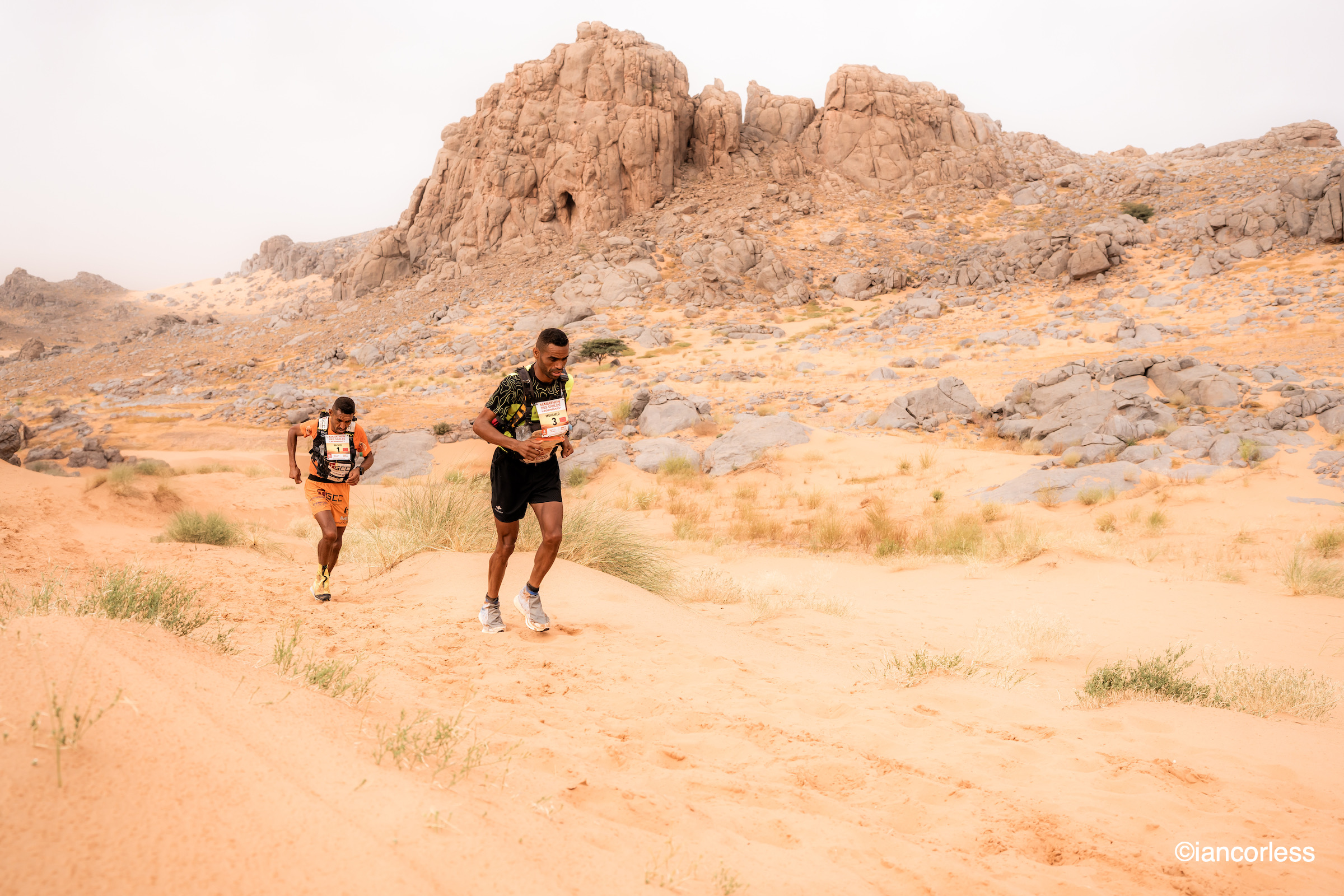
The men’s race was as expected, not a race. The top-3 contenders ran together for much of the day. It was only in the latter stages that Rachid and Mohamed pulled away from Ahmed to finish in 3:26:15 and 3:26:55 with Ahmed 4:26 later for a finish of 3:30:41.

Photo by Ian Corless

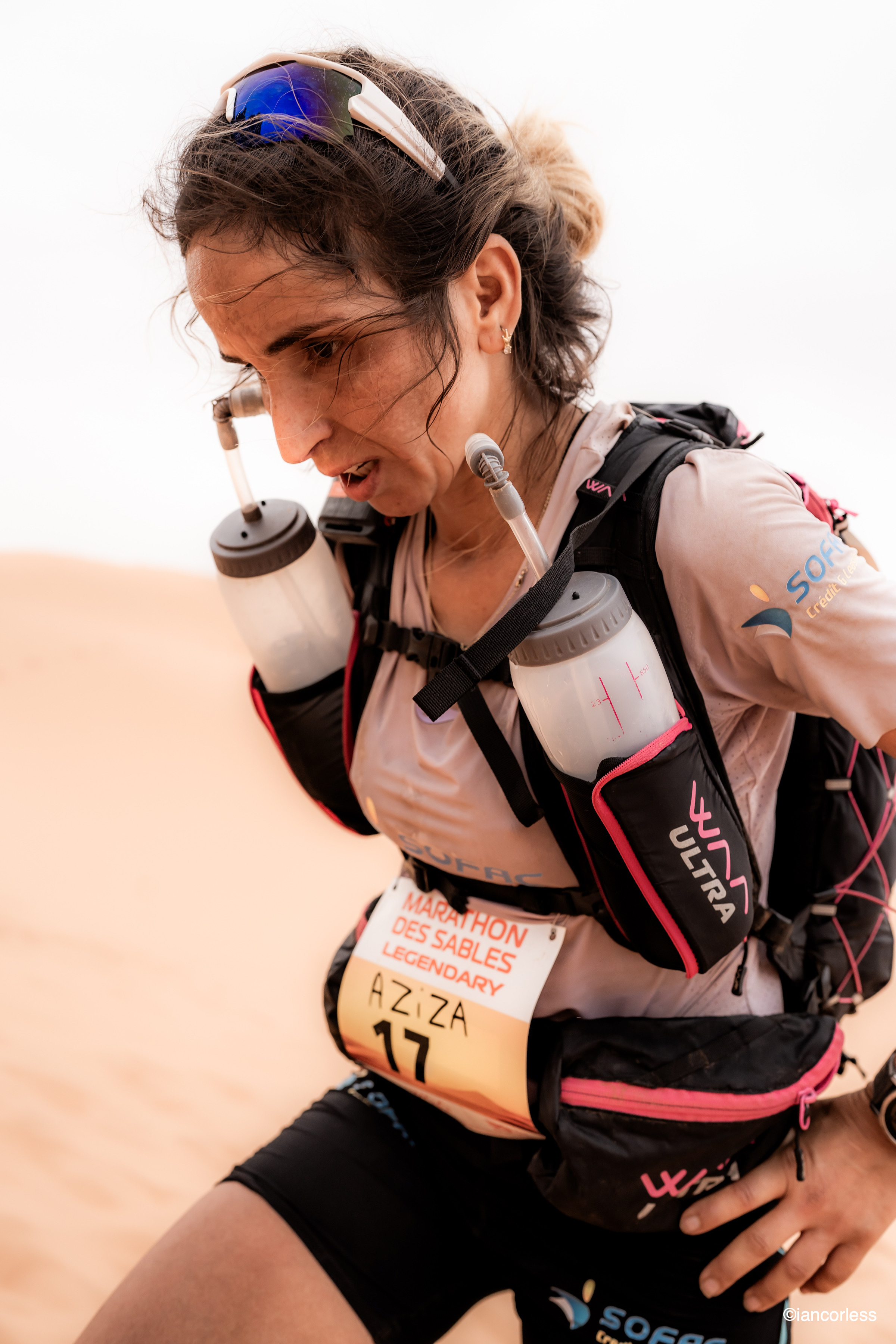
For the women, Aziza pushed hard from the front, constantly fighting and never giving up.

Photo by Ian Corless

However, Maryline looked calm and relaxed, she is in incredible form this year. Eventually she caught and passed Aziza to open up a gap of 03:37 to finish in 03:45:27.

Photo by Ian Corless

Aziza crossed the line in 03:39:04 and as expected, Annelies Brak charged looking to get back time after a 2-hour penalty and regain the 3rd position. She finished 3rd on the stage in 04:14:22.

Photo by Ian Corless

Tomomi Bitoh who is in 3rd overall finished 6th losing time to Annelies and 4th place on GC, Francesca Canepa had a tough marathon stage finishing 12th in 05:00:08 which has now moved Annelies to 4th on GC.

Photo by Ian Corless

With 21.1km’s tomorrow, Tomomi has a substantial 40-minute lead over Annelies. Can Annelies do something remarkable?

Full results are HERE

Men ranking HERE

Women ranking HERE

Photo by Ian Corless


Marathon des Sables Website HERE

Follow Ian Corless

Instagram – @iancorlessphotography

Twitter – @talkultra

facebook.com/iancorlessphotography

Web – www.iancorless.com
Web – www.iancorlessphotography.com

MDS The Legendary 2025 – Stage 3

Photo by Ian Corless

After a tough and challenging stage 2, participants were happy for a shorter day of 32.5km’s for stage 3 ahead of the feared long day of 82.2km’s on stage 4.

With less soft-sand, the running would be easier, however, there was still 468m+ to test the mind and body.

On the stroke 0f 0730 the runner’s were released under cloudy skies and cooler temperatures. However, the sun and heat soon appeared making for another challenging day.

For the men, the El Morabity brothers today once again played with tactics.

Hamid Yachou started fast and opened a gap, he was pursued by Mohamed and behind, Rachid ran easy.

Mohamed – Photo by Ian Corless

By CP1 Hamid had a strong lead, Mohamed was closing on him but Rachid was some 6-minutes back. Would Rachid close the difference?

Photo by Ian Corless

After CP3, Hamid and Mohamed were side-by-side, the younger El Morabity policing the breakaway and ensuring that all times he would control the race.

Rachid – Photo by Ian Corless

By the time Rachid arrived, the gap had not closed and it became obvious that today Rachid would relinquish the overall lead playing a tactical game with stage 4 tomorrow.

At the close of the day, the male top-3 ranking is as follows:

  • Mohamed El Morabity 08:33:54
  • Hamid Yachou 08:38:46
  • Rachid El Morabity 08:40:16
Maryline – Photo by Ian Corless

For the women, Maryline Nakache ran a more relaxed stage keeping Aziza El Amrany close throughout the day. A sensible move with the long day tomorrow, any energy saved can be called upon for the 82.2km’s.

Annelies – Photo by Ian Corless

Ragna Debats once again ran in 3rd place and Annelies Brak and Tomomi Bitoh were 4th and 5th.

Tomomi – Photo by Ian Corless

Gemma Game took it easier, again, looking to save energy for stage 4.

With 3 stages complete, the women’s top-3 is as follows:

  • Maryline Nakache 10:23:03
  • Aziza El Amrany 11:06:15
  • Ragna Debats 11:43:47
An epic morning start- Photo by Ian Corless

Full results are HERE

Men ranking HERE

Women ranking HERE

Aziza – Photo by Ian Corless

Tomorrow, stage 4 is 82.2km’s and will have 2 starts, 0600 for the masses and 0730 for the top-50 and top-5 women. With a cut-off time of 34-hours, the conclusion of the stage will come the following day, Thursday Apr 9th.

Photo by Ian Corless

Marathon des Sables Website HERE

Follow Ian Corless

Instagram – @iancorlessphotography

Twitter – @talkultra

facebook.com/iancorlessphotography

Web – www.iancorless.com

Web – www.iancorlessphotography.com

Countdown to MDS The Legendary 2025 – Five

You are in the final 2-weeks for MDS The Legendary.

With this in mind, we follow up the conference calls that took place on Friday March 21st with a summary.

First and foremost, the conference calls were recorded and you can view them on YouTube, the english version is as below.

SUMMARY NOTES AND KEY POINTS

The adventure will be here soon, do not worry, keep calm, 80% of you are first time participants.

Here we will go over the key information about the race.

Logistics

Passport – keep it handy and make sure you don’t forget it! Make sure you have at leat 6 months validity.

Wear race clothing for travel including shoes and gaiters.

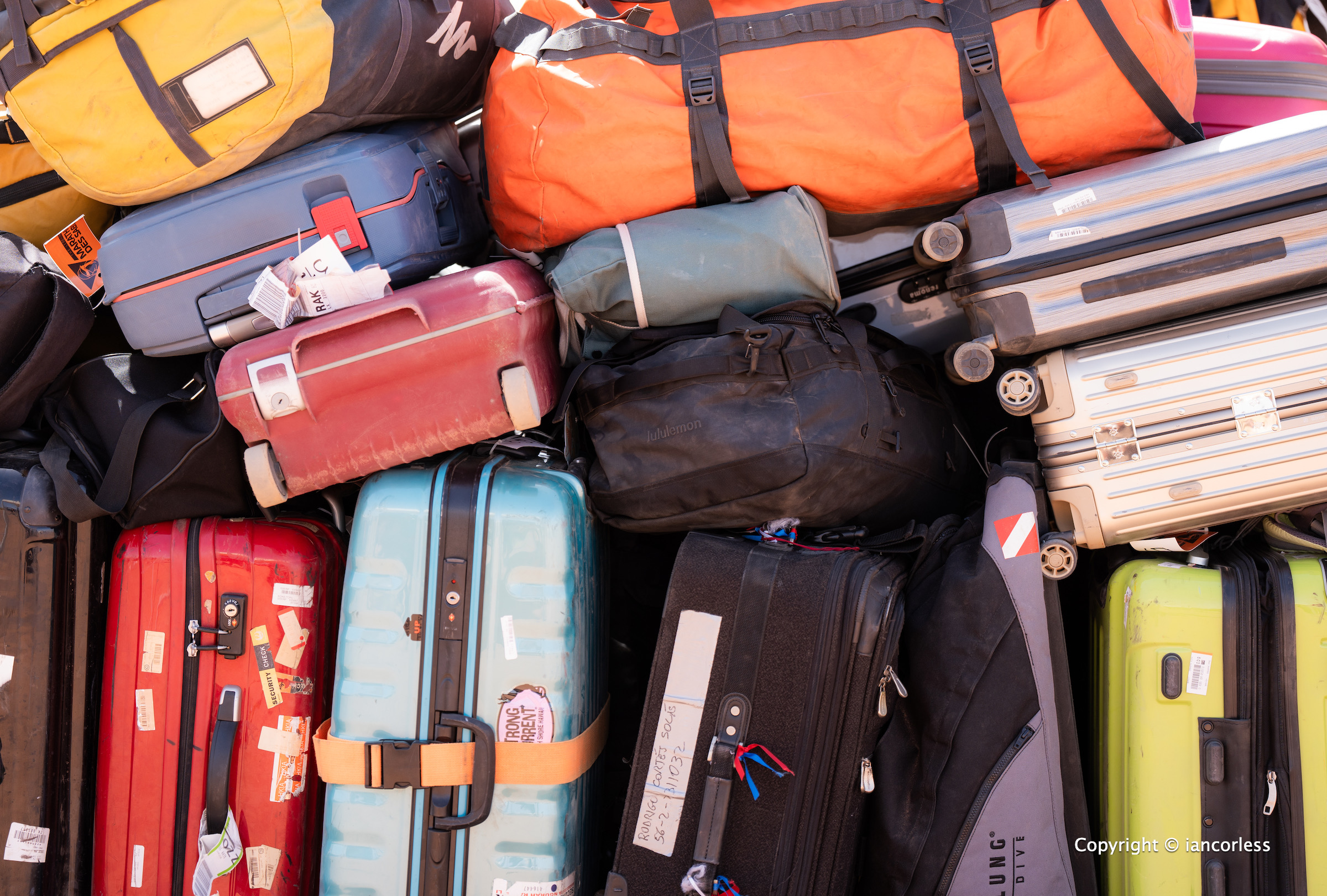
Take RACE PACK with all contents as carry-on luggage, this includes the food. The only items you must check-in are poles and knife/ scissors etc.

MDS admin send you a procedure via newsletter in case your checked bag gets lost.

There will also be a pre-race shop at bivouac if needed, this will not have an exhaustive amount of equipment, but it may help in an emergency.

What happens when you land in Marrakech?

At the airport as you exit, after baggage collection, there will be a welcome area on April 2 and 3rd look out for the MDS team wearing orange and blue gilets.

Board your bus

Bus schedule:

  • KENZI ROSE: April 2 & 3 – 7:00 AM
  • RAK AIRPORT: April 2 & 3 – 10:00 AM
  • RAK AIRPORT: April 2 & 3 – 12:00 PM

The drive to Ouarzazate is approximately 4-hour ride + mid-way break MDS will provide a snack. If you have special dietary needs, you should have submitted that on our website. You’re welcome to bring your own snack if that makes you feel more comfortable.

Drop-off at hotels in Ouarzazate – all buses stop at all hotels:

  • El Baraka
  • La Perle du Sud
  • Berbère Palace
  • Karam Palace

You’ll spend 1 or 2 nights there depending on your booking. Our staff will be present in the main hotels in Ouarzazate if you need anything.

April 4

Transfer to the bivouac

Meet at 7:30 AM in Ouarzazate to board the bus from either:

  • Karam Palace
  • Berbère Palace

6-hour transfer

1 break during the ride, lunch pack will be provided BUT I recommend you purchase items in Ourarzazate to take with you, remember dta 1 and day 2 in bivouac is self-sufficient.

REMEMBER you are self-sufficient with food BEFORE the race starts. So, you need to take adequate food, snacks etc. There is no restriction here as you carry this in your luggage.

➤ Arrival at the bivouac with your suitcase and all your gear


➤ You’ll be assigned an 8-person tent – tent numbers will be shared next week


➤ Arrival briefing


➤ Sleep

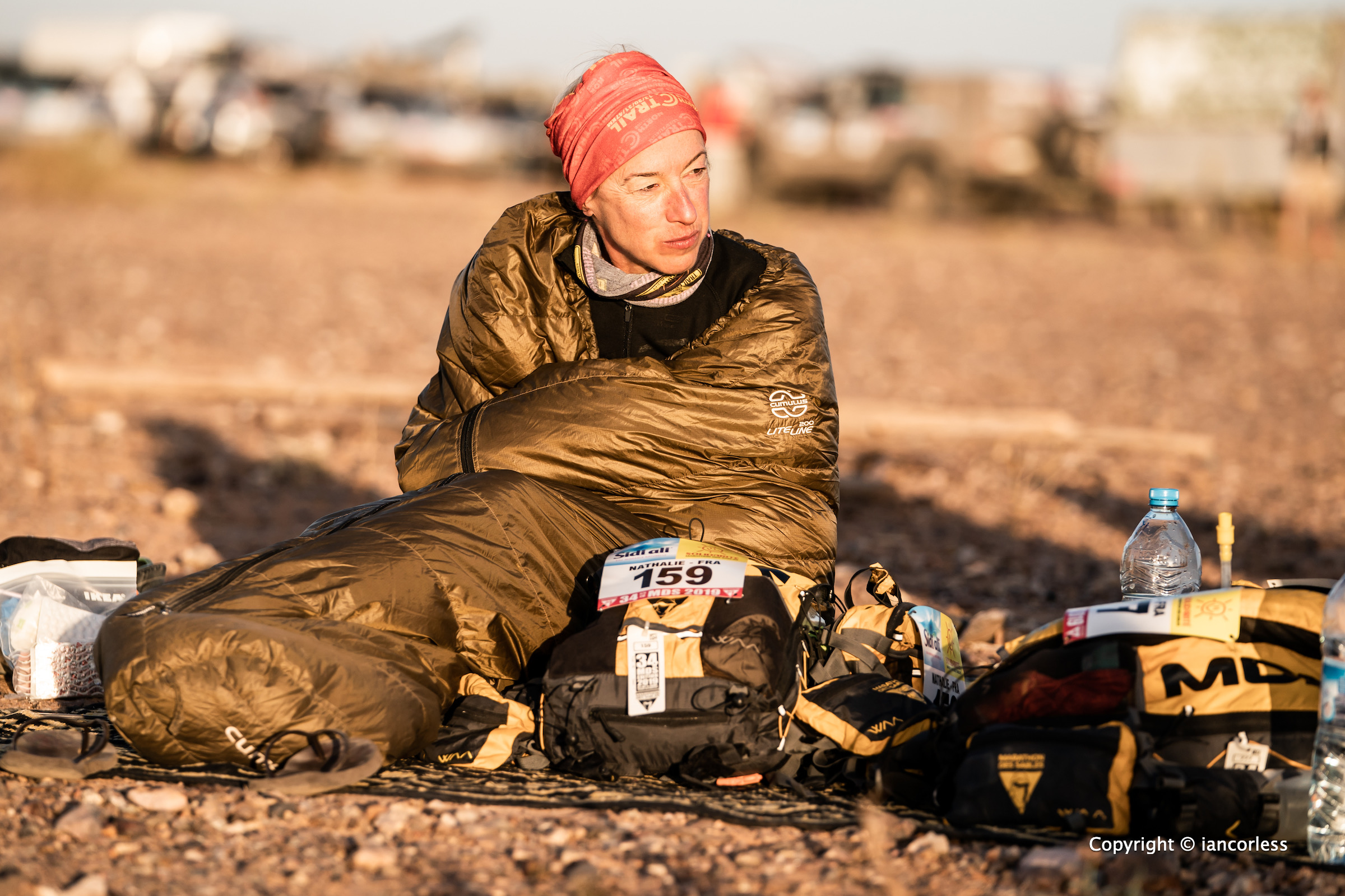
IMPORTANT – You have luggage with you this night, a great opportunity to fine tune what you will take when racing. If it is cold, you can pack extra layers. If hot, you can maybe take less.

April 5

Technical checks stay in your bivouac tent and a member of the MDS team will come to your tent and tell you when to go. Expect this to take approximately 1-hour.

You will drop your luggage at the technical check. you will not see or have access to luggage until AFTER the race when you return to Ouarzazate.

Rest in camp and prepare for the race.

April 6–12

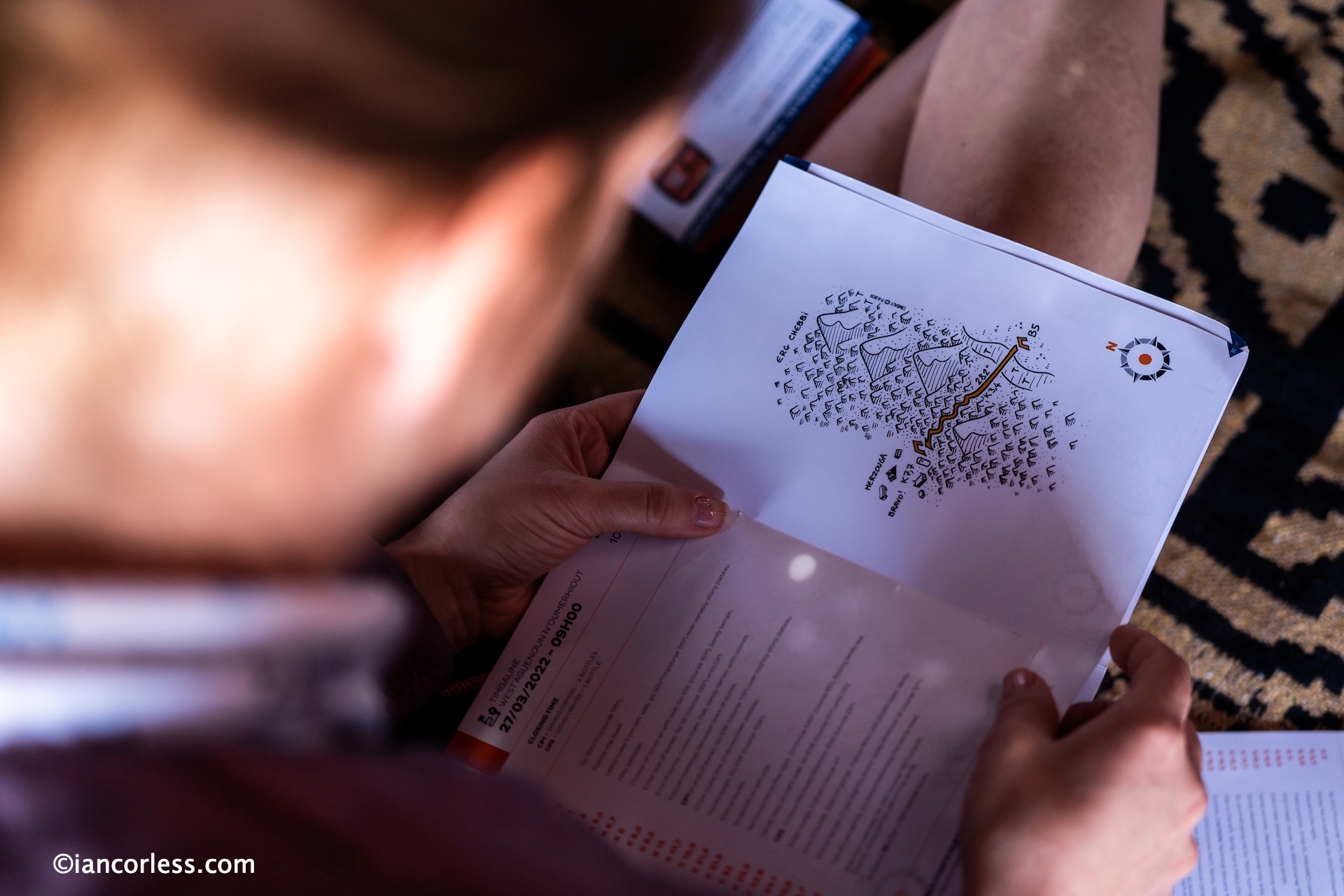
Race Stages You’ll discover the stage details in the roadbook, given to you when boarding the bus on April 4.

The long stage will be the 4th stage.

The race will be 250km’s over 6-stage / 7-days.

A typical stage:

Early starts so you will be getting ready in the dark.

Checkpoints every 10km (+/-) with unlimited water

We recommend carrying an extra soft flask for flexibility – but remember, you carry it!

Each CP has shaded rest zones

Orange-vest staff to help if needed for any medical issue

Cold water available to cool your neck (bring a neck gaiter!)

Feminine hygiene products available at bivouacs and on course

Minimum pace is 3.5 km/h – no stress, go at your own rhythm.

End of the stage: You can refill your bottles + get a 5L water bottle to last to CP 1 the following day.

EQUIPMENT

Review the list of mandatory equipment

First night at the bivouac: Good opportunity to test how cold it gets.

Bring a proper sleeping bag,

Have with you warm layers, light down jacket, etc.

Sleeping mat is highly recommended

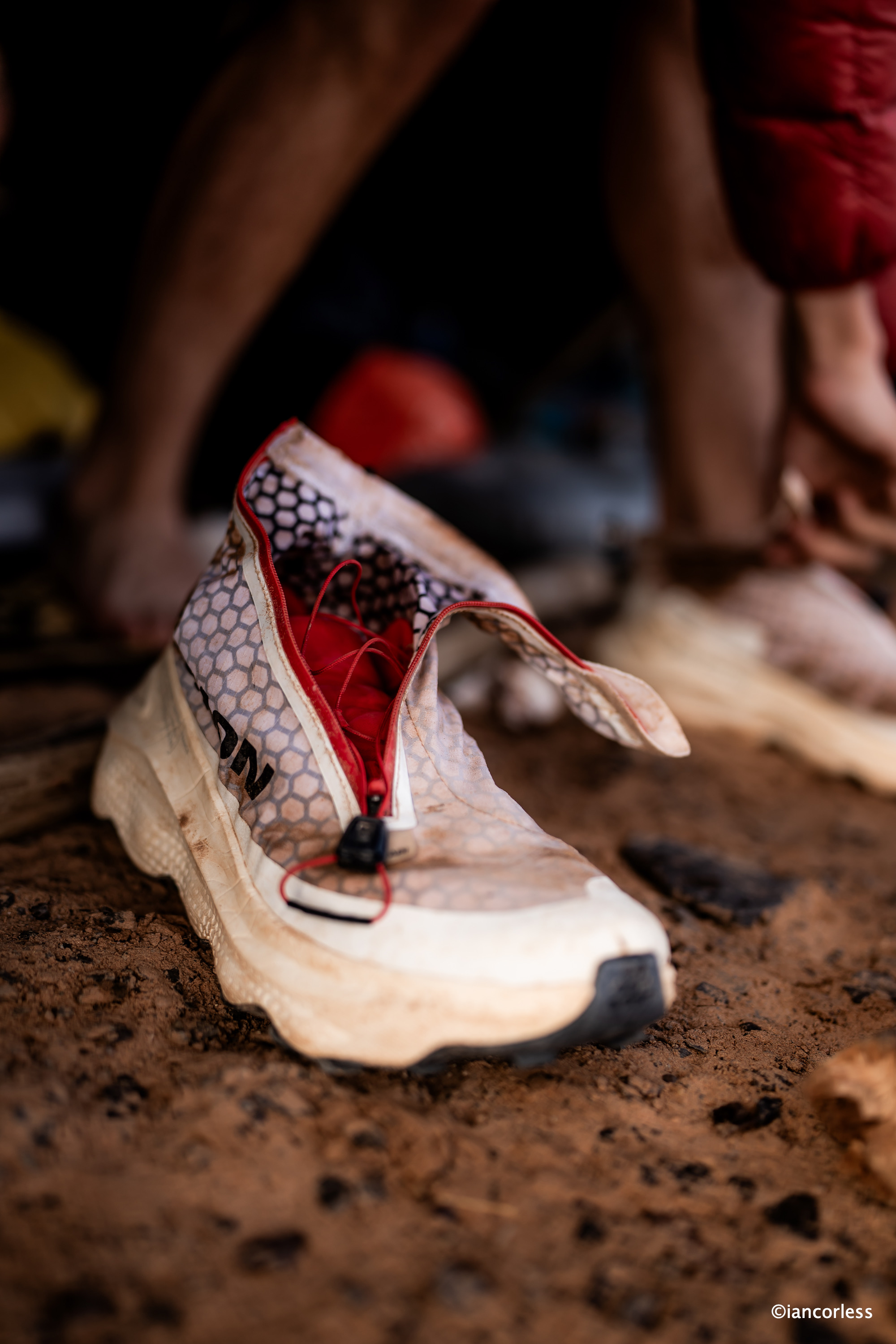
Make sure you have tried and tested shoes with gaiters

Foot care – trim your toenails before the race – not too short, not too long. A pedicure can be a good idea.

Bring socks you’re used to, and maybe a spare pair.

Foot care during the race:

  • Clean and let your feet breathe after each stage.
  • If you feel a blister or small injury, go see the medics immediately – don’t wait!

Rain?


Keep a rain jacket and a rain cover for your bag in your WAA pack – just in case.

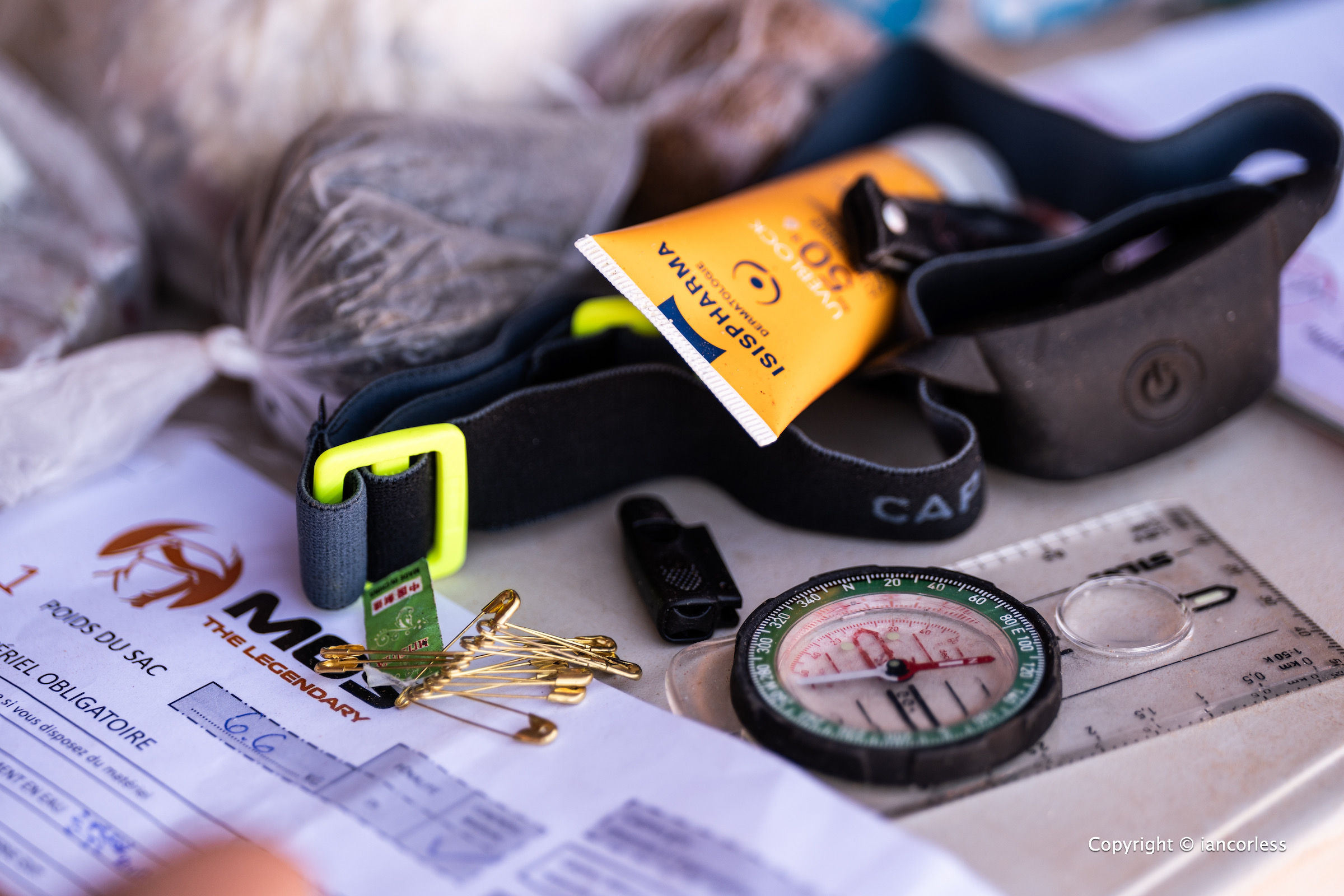
Protect yourself from the sun: Hat, sunscreen, sunglasses – don’t neglect anything!

Clothing: Test your gear beforehand to avoid surprises One race outfit + one bivouac outfit is enough

Fire starter bricks – available in the pre-race shopMENT

MDS EQUIPMENT via WAA HERE

Food & Nutrition

Before the race: Food for the evening of April 4 and the full day on April 5 – whatever you like.

During the race: Plan 7 days of food: breakfast, lunch, dinner. For the last stage, only breakfast + snacks for the stage are needed. A lunch pack will be given on the return bus.

So, you need roughly 20 meals, totalling around 12,000 to 14,000 calories minimum.

Strategy – Test your meals and drinks in advance!
Don’t bring 3 or 4 of the same meal unless you’re sure you like it.

Backpack weight
It adds up quickly – aim to be as close to the minimum 6.5kg as possible. This does NOT include water.

Medical Advice Hygiene rules:

  • Never drink tap water.
  • Don’t share bottles or cups.
  • Avoid raw vegetables at hotels or elsewhere.
  • Stick to cooked food before and after the race.
  • Your digestive system will be sensitive.
  • Heat and stress can also cause minor digestive issues.
  • Don’t panic – mild diarrhea is often just your body adjusting (and it might even make you lighter!).
  • Limit physical contact at the bivouac.
  • Wash hands frequently – especially before eating or after using the toilet.
  • Use hand sanitizer often.

Tips for a safe race:

  • No self-medication If you feel unwell, don’t self-medicate.
  • Avoid NSAIDs like ibuprofen, Voltaren, etc. – they can cause serious complications during intense effort.
  • Talk to the medics instead.
  • No COMPEED® for blisters They melt into your skin in the desert heat and make treatment harder.
  • Hydration Drink according to thirst – don’t over hydrate.
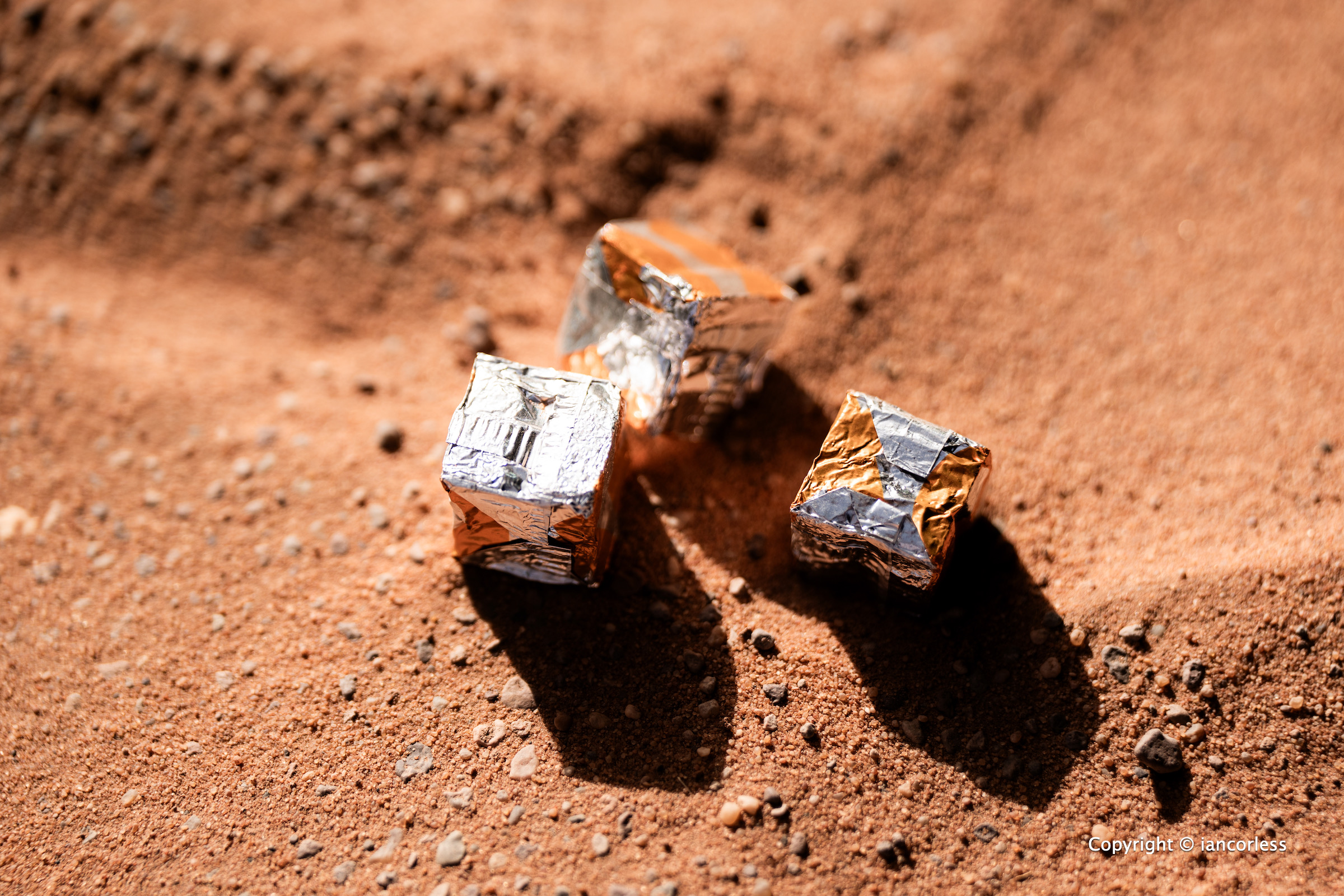
  • Drink two diluted bouillon cubes per race day.
  • MDS do not provide salt tablets as they’re not recommended.
  • Treat pain early The earlier, the better – avoid complications.
  • Listen to your body Fatigue, dizziness, pain – speak to an Orange Vest!
  • Medical Form
One week before the MDS Legendary, you’ll receive a medical questionnaire from: no-reply@logicoss.net. Filling it out is mandatory to help the medical team take care of you during the event.

Race Tracking

  • Friends and family can follow you on the MDS website
  • Live tracking page
  • Live webcam
  • EMOTION BOXES
  • Satellite phone
  • There will be some connection spots – but we recommend disconnecting and enjoying the moment.

Final stretch:

Stop training. If possible get some heat acclimation – sauna, heat chamber, hot yoga etc

Don’t stress.

Once you’re in Morocco, we take care of everything.

Enjoy it!

Any questions? Call us.

A full recap will be emailed to you next week with all these details.

Follow Ian Corless

Instagram – @iancorlessphotography

Twitter – @talkultra

facebook.com/iancorlessphotography

Web – www.iancorless.com
Web – www.iancorlessphotography.com

Marathon des Sables – The Legendary : Podcast Five with Nicki Marsh

Episode 246 of Talk Ultra is with Nicki Marsh as we countdown to Marathon des Sables – The Legendary. With a 50th birthday looming in 2024 Nicki had been toying with lots of ideas of how to celebrate… The only thing that truly excited me (and could fit around work!) was MDS. Her husband had done it in 2017 and said never again.  However, it took him all of 30 seconds to agree to do it again, with Nicki!

“I have degenerative disc disease and osteoarthritis, 4 foot surgeries on and another one on the cards I am determined to keep moving.  My goal for the race when we entered was to get to the start line, then do the best I can to finish, the plan was to walk.  I believe setting the right goals helps you develop the right mindset and avoid disappointment.”

Listen to the podcast on Apple HERE

Spotify HERE


Follow on:

Instagram – @iancorlessphotography

Twitter – @talkultra

facebook.com/iancorlessphotography

Web – www.iancorless.com
Web – www.iancorlessphotography.com

Image sales –www.iancorless.photoshelter.com

Marathon des Sables – The Legendary : Podcast Three with Alexander Welch

Episode 3 of the Marathon des Sables – The Legendary podcast is with Alexander Welch.

Alexander toed the line of the 2021 MDS but things did not go to plan… It was the year of excessive heat and Norovirus in bivouac. A year when 50% did not finish the race. However, the DNF for Alex raised some demons.

“I participated in the 2021 October edition of MDS and was medically removed at checkpoint 2 on day 3. Being only 25 years old at the time, and having never failed at anything prior, this was a massive mental blow for me.”

Falling into a downward spiral. Alexander’s life tumbled; as a coping mechanism, he turned to excessive drinking and substance abuse, this impacted on work, relationships and his own mental health.

“This went on until about November 2023 where I reached out for help of my former tent mates (4 of which are also returning in April 2024). I managed , with their support, to pull myself out of the degenerative cycle that had encapsulated my life for almost 12 months. This culminated in signing up for the MDS 2024.”

Listen to the podcast and be inspired.

Listen to the podcast on Apple HERE

Spotify HERE

Follow on:

Instagram – @iancorlessphotography

Twitter – @talkultra

facebook.com/iancorlessphotography

Web – www.iancorless.com

Web – www.iancorlessphotography.com

Image sales –www.iancorless.photoshelter.com

Marathon des Sables – The Legendary : NEWS SIX – Mar 2024

It’s countdown time. 

Countdown to Marathon des Sables – The Legendary.

Now is the time to make all the final preparations for a goal that you have been building towards for 6-months, 1-year or maybe even years.

DON’T PANIC.

If you have got this far, you are in a great place.

There is time for one last key week of training, adding the final touches to make sure you are in the best shape possible, BUT, after this week you need to start easing things back, looking after yourself and allowing your body to recover, rest and get ready for what may be one of the biggest weeks of your life?

MEDICAL

Make sure you have all the medical requirements fulfilled and an up to date ECG as specified in MDS rules and regulations.

The organization’s medical certificate (to download from your online account from March 11th 2024) and the resting electrocardiogram (ECG) report plus graph, dated less than 30 days before the start of the race, i.e. from March 12th 2024, are to be presented during the administrative, technical and medical checks on 13th of April 2024. Only the original documents, dated and signed, will be accepted (unvalid photocopy). Failure to present these documents will incur penalties (see ART.27 et 28). The signature and the stamp of the doctor must be applied on them.

The electrocardiogram of effort is advised for participants over 40 years. It is not compulsory and does not replace the ECG at rest and its plan. This can be joined to the medical certificate and presented in Morocco.

TRAINING

From a training perspective, what may the next weeks looks like? Well, we are all individuals, we all have different abilities, we all have different goals, we all have different free time and the list could go on. However, I have found over the years that using a ‘percentage’ taper works across the board, irrespective of the person.

Race date: 14th April 2024

Taper schedule:

  • Week 4: 17th March 
  • Week 3: 24th March
  • Week 2: 31st March
  • Week 1: 7th April

If we look at the weeks above, a taper to Marathon des Sables could look like as follows:

  • Week 4: 80%
  • Week 3: 60%
  • Week 2: 40%
  • Week 1: 20%

The percentages are based as a percentage of what would be week 5, starting 10th March. For simplicity, let’s assume that week 5 is your last big training week and it was 100km or 12-hours.

The Taper:

  • Week 4: 80km or 9.6 hours
  • Week 3: 60km or 7.2 hours
  • Week 2: 40km or 4.8 hours
  • Week 1: 20km or 2.4 hours

Importantly, keep the balance of training days the same. If you typically run 5-days a week, maintain those 5-days and reduce the volume/ intensity.

Your body needs to keep alert and active. So make sure you add some stimulus in this taper period, short periods of faster running and/ or hill work are ideal. However, do all this with the priority not to get injured. Now is not the time to get a niggle, a sprain or a problem.

ACCLIMATE

In the final two weeks of taper you need to hone in on acclimation to heat and prepare the body.

Read HERE on the best protocols.

Don’t leave this to the last minute, plan ahead, especially if using a heat chamber. Heat chambers are limited and obviously, time slots are limited. 

If you do not have access to a heat chamber think of other options: sauna, hot baths, bikram yoga, adding layers when running, or if you are lucky with time, arrive in Morocco early and taper in a real situation.

EQUIPMENT

You will have been mulling over equipment for months and you may well have tweaked and changed your choices. Now, with 4-weeks to go, this is the time to make sure you have everything you need and also understand what it all weighs. 

  • Clothes must be comfortable and not rub.
  • Shoes fit perfectly, give no hot spots and are suitable for the desert environment and have gaiters.
  • Socks work for you.
  • Sleeping bag is light and warm.
  • Sleeping mat
  • Food
  • Mandatory kit

Top Tip

Use Lighterpack HERE to list all your equipment. You can see an example HERE that I used for a trip climbing in the Atlas Mountains. This is a great way to look at everything and make sure you have nothing missing.

Keep luxuries to an absolute minimum, they only add weight.

Pack and re-pack your pack to make sure you have the most comfortable solution and importantly, you have immediate access to essential items.

Read my Top 20 Tips HERE which provides a great overview of all the things you need to consider now in this final phase.

FOOD

You need a minimum of 2000 calories per day. Lay food out for each day and have a spreadsheet that itemises everything and shows the weight and calories.

Where possible, re-package food in smaller and lighter packaging. Particularly important with dehydrated meals. Read HERE

TRAVEL

Travel in your run clothing including your run shoes with the gaiters. Yes, you are going to look somewhat ‘special’ at the airport but trust me, luggage goes missing and you do not want to be the person standing in the Sahara watching your dream slip away because of lost luggage. Equally, take your run pack with all contents for the race as carry-on. You can take pretty much take everything: food, sleeping bag, essentials etc. However, check with your airline what can and cannot go on the plane.

Put your main luggage in the hold and here you can take spares, extras and options. MDS varies considerably in temperature, we get hot and cold years. Never assume it will be hot, it may not be. Before admin day you can fine tune your ‘race kit’ with more or less layers.

Purchase food and drinks at the airport to take on the plane. Also consider when you land in Morocco, you will have an approximate 6-hour bus journey to bivouac 1, take food and drink with you for this trip.

Have cash with you, depending on which airline you use, card payments are not always possible, also, in Morocco, cash is king.

ARRIVAL

You will arrive in Morocco from London or Paris on one of the arranged flights on Friday 12th April. If you are not on one of these flights, you need to be at Ouarzazate airport (typically for 0900) on the same day.

Runners will then fill buses, road books will be given and then you transfer to the desert. Expect 6-hours.

At bivouac you will find your tent and settle in.

REMEMBER food is now NOT provided and you therefore need to feed yourself on arrival day and admin day. There are no restrictions on weight or calories here, so, take as much as you want and plenty of variety, this includes drinks. Only water will be in camp.

As mentioned above, until admin, you have your luggage with you, so, you can have more layers, a more comfortable inflatable bed and some luxuries – consider what will make these days more pleasurable and comfortable.

ADMIN DAY

On admin day, prepare all your kit and make sure you have everything prepared and ready. Also make sure you have all mandatory and essential kit. Once you have passed through admin, your luggage is taken away and you will not see it again until after the race.

Race self-sufficiency actually only starts the following day with stage 1.

Admin can take a while, so make sure you take liquid and snacks and my top-tip is take an umbrella to protect from standing in the direct heat.

RACE

Good luck….!

Start slow, ease in to the race.


Follow on:

Instagram – @iancorlessphotography

Twitter – @talkultra

facebook.com/iancorlessphotography

Web – www.iancorless.com
Web – www.iancorlessphotography.com

Image sales –www.iancorless.photoshelter.com

ace and have the time of your life.

Marathon des Sables – The Legendary : NEWS FIVE – Mar 2024

Fuelling for a Multi-DayMarathon des SablesThe Legendary

Marathon des Sables pioneered the multi-day racing format and as such is often a key starting point when discussing a fuelling strategy for an adventure that lasts a week or longer.

Multi-day adventures require fuelling and how one obtains food can vary greatly. In principle, there are several keyways:

  • Self-sufficient
  • Semi-supported
  • Supported

For many, self-sufficiency poses the greater question marks and worries as there are multiple factors to consider:

  • How many days?
  • Weight?
  • Balance of nutrients and calories?
  • Hot or cold food (or both)?
  • Access to water?
  • Environment?
Loaded up for a week in the Sahara.

Runners are required to carry all they need to survive in a multi-day like MDS. Fuelling is essential to survive and the balance of calories v weight is a prime concern. The only things that are provided are a shelter (bivouac) which is shared with 7 other runners and water which is rationed. Since its creation in the mid 80’s, the MDS format has been copied and used as a template for other races all over the world.

Get your pack as close to 6.5kg (plus water) as possible.

Weight is the enemy of a multi-day runner or fastpacker and therefore balancing equipment, food and water is an art form in itself. Read an article HERE about the equipment required for a race like MDS.

Food will take up most of the weight on any adventure when being self-sufficient. MDS, for example, has a minimum food requirement of 2000 calories per day, a minimum pack weight of 6.5kg and then one must add water, typically a minimum 1.5 litres (1.5kg) which makes the starting pack weight a minimum 8kg.

Food for multiple days will typically be around 4 to 5kg.

*****

Quite simply, running or walking, covering 250km over 7-days will leave the runner in a calorie deficit. Therefore, it is essential to optimise the food one takes.

FACTORS TO CONSIDER

How fast one goes does greatly impact on food choice and how calories are not only consumed but chosen. The macronutrient choices will change based on the balance of carbohydrate, protein and fat. In simple terms, a runner will burn more carbohydrates and a walker will burn more fat. Humans store enough fat to survive many days and even weeks. However, carbohydrate stores deplete quickly and need to be replenished.

Body weight, age, individual needs are important for all and males may well require more calories than a woman due size and muscle mass.

Main meals will usually come either freeze dried or dehydrated. Both processes involve removing the water from food to preserve it. Freeze-drying involves freezing the food to a very low temperature and drying it in a vacuum to remove moisture. Dehydration involves passing warm air over the surface of the food to remove moisture. Dehydration creates food that tastes like it should, with plenty of texture and flavour. It is an altogether slower and gentler process than freeze-drying. Please note though, that hydration times take considerably longer with cold water and taste can change. Test meals in advance using hot or cold water.

Firepot are a UK brand who create tasty meal by hand, using fresh ingredients and then dry each meal.

Carbohydrate, Fat and Protein are essential for balance and foods for an expedition are usually balanced specifically for the needs of an active individual. Typically, 55% carbs, 30% fats and 15% protein are considered balanced. As an indicator in regard to calories, carbohydrates have 4 calories for 1 gram, fat has 9 calories for 1 gram and protein 4 calories for 1 gram.

Remember, we are all individual and although any recommendations here provide a guide and a template, you the individual need to answer very specific questions and ultimately, you may need to seek the advice of a nutrition expert to fine tune a fuelling plan for a multi-day adventure.

As a rough guide, BMR is the number of calories a person burns in normal day-to-day activity.

Example for a 37-year-old, 6ft tall, 170-pound man.

(66+(6.2 x 170) + (12.7 x 72) – (6.76 x 37) x 1.55 = 2663 calories

How to use the equation: (66+(6.2 x weight) + (12.7 x height) – (6.76 x age) x 1.55 = 2663 calories

The ‘Harris-Benedict‘ formula takes into consideration daily activity.

Fat adapted athletes will have specific requirements and the nutritional plan will be different.

Answer the following questions:

  • Age?
  • Male or female?
  • Body weight?
  • Walker?
  • Walk/ runner?
  • Runner?
  • Vegetarian/ Vegan?
  • Am I typically a hungry person?
  • Am I more hungry or less hungry with exercise?
  • Food allergies?
  • Will I use hot water or cold water?

A TYPICAL DAY

Breakfast – Ideally slow-release carbohydrate, some fat and quality protein.

Starting the day with breakfast.

Running Food – This will vary on the length of the stage, up to 6-hours and you may prefer easily absorbed carbohydrates, bars and or energy in drink form. For longer stages, the addition of real food, savoury and some protein would be wise. For a very long day, for example, the long day at MDS, you may even need a meal?

Post run food (immediate) – A shake is a great way to start the recovery period as it is easily absorbed, and this should have carbohydrate and protein.

Dinner – A meal will form the basis for dinner and think about some small treats for each day, these will give you something to look forward to and help keep your palette fresh.

FOOD PLANNING AND IDEAS

Breakfast:

A freeze-dried breakfast is a good way to start the day. Top tip: Add the water to your breakfast at sleep time (especially if using cold water) as it will rehydrate during the night and be ready for eating in the morning. Of course, make sure it can’t be knocked over, get contaminated or damaged – that would be a disaster! Using a re-sealable plastic bag is a good idea. Example: Firepot Baked Apple Porridge is 125g with 500 calories.

Breakfast is essential to fuel the day ahead.

Muesli is popular and provides energy and fibre, it can easily be combined with a freeze-dried dairy product.

An energy bar for some works, but they often are heavy in proportion to the calories provided. However, for some, they are a perfect start to the day.

Top tip: Consider an evening meal as an alternative to breakfast. Sweet tasting food can become boring and sickly, the option to have something savoury with some spice can be a life saver.

During the run:

Runners will need typically more carbohydrate in an easy form so that they can maintain pace. By contrast, walkers will move slower, have more time to eat and easier time digesting, therefore real foods are possible. The balance is always weight v energy.  Don’t rely completely on liquids, some solid food and chewing is good for the body and mind.

Some ‘typical’ run snacks.

Example: Gels are around 32g each. Let’s say you took 1 gel per hour. Rachid El Morabity won the 2019 MDS in 18:31. So, 19 gels would weigh 608 grams. By contrast, if the race takes you 60-hours, 60 gels would be 1920g! Not only is the weight not feasible but also the volume size would just not work.

  • Powders (energy drinks) that one can add to water are an easy way to get calories and nutrients. They are also considerably lighter.
  • Energy bars.
  • Beefy jerky.
  • Dried fruit.
  • Nuts such as almonds are rich in fat and calories.
  • Trail mix.
  • Dried meat.

Post run:

Back in bivouac, first priority is drink and food.

A recovery drink is the quickest way to get balanced calories immediately in the body to start replenishing the body. Have this shake as soon as possible. Then do personal admin such as feet, clothes, bed, etc. One hour post the run, consider a snack like tabbouleh as this is easily hydrated with cold water and add some protein to it – dried meat a good option.

Dinner:

A dehydrated meal will make up the main calories. Depending on the person, the need for more or less calories will vary. Some companies, Firepot a good example, provide meals in two sizes: 135g with 485 calories or 200g with 730 calories for Vegan Chilli Non Carne and Rice.

A post-dinner treat is a good idea, this could be another freeze-dried option or a low-weight and high calorie option. A sweet such as a Lemon Sherbet is a simple way to add some freshness to your mouth and palette and although has little calories, it can be a nice treat.

Top tips:

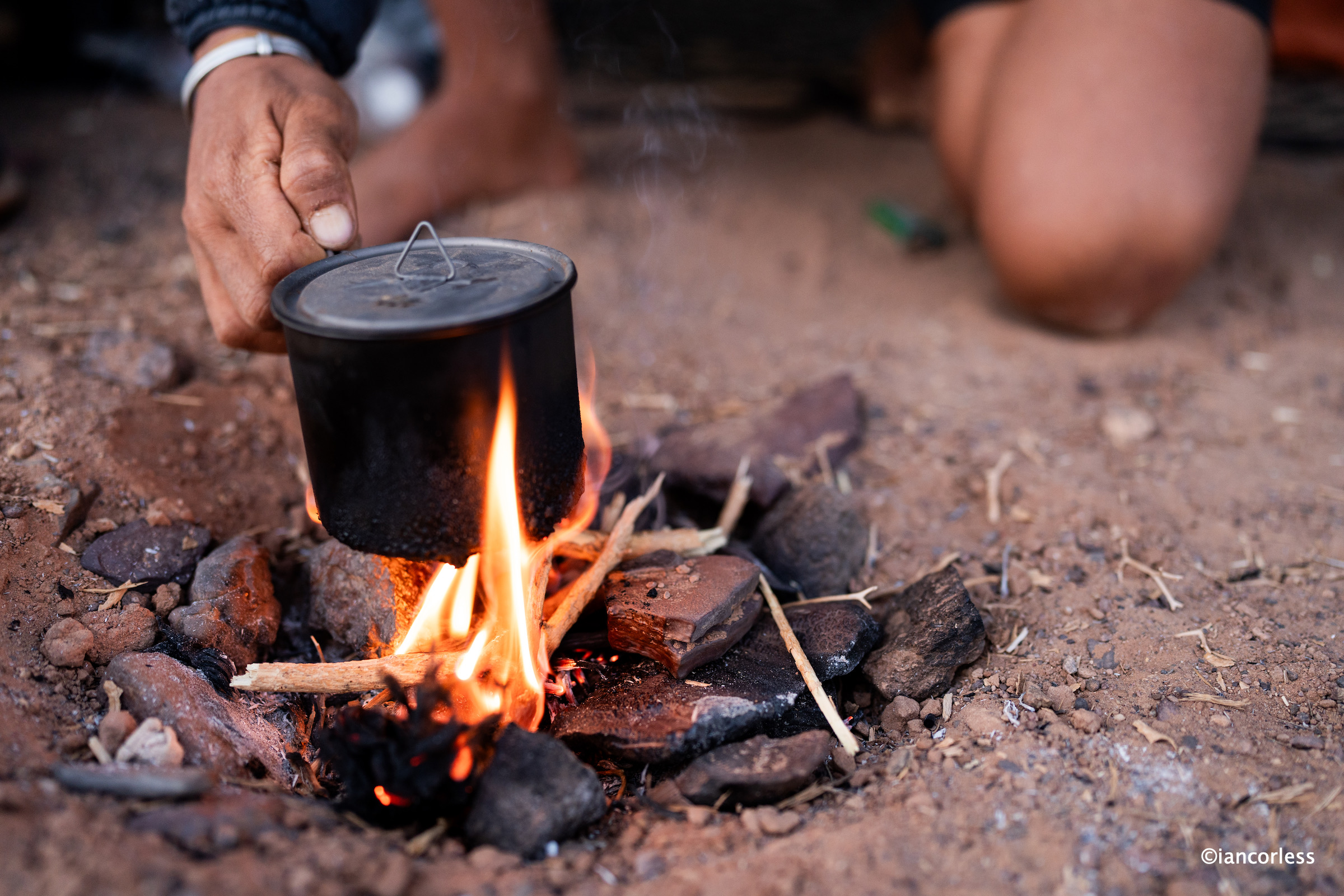
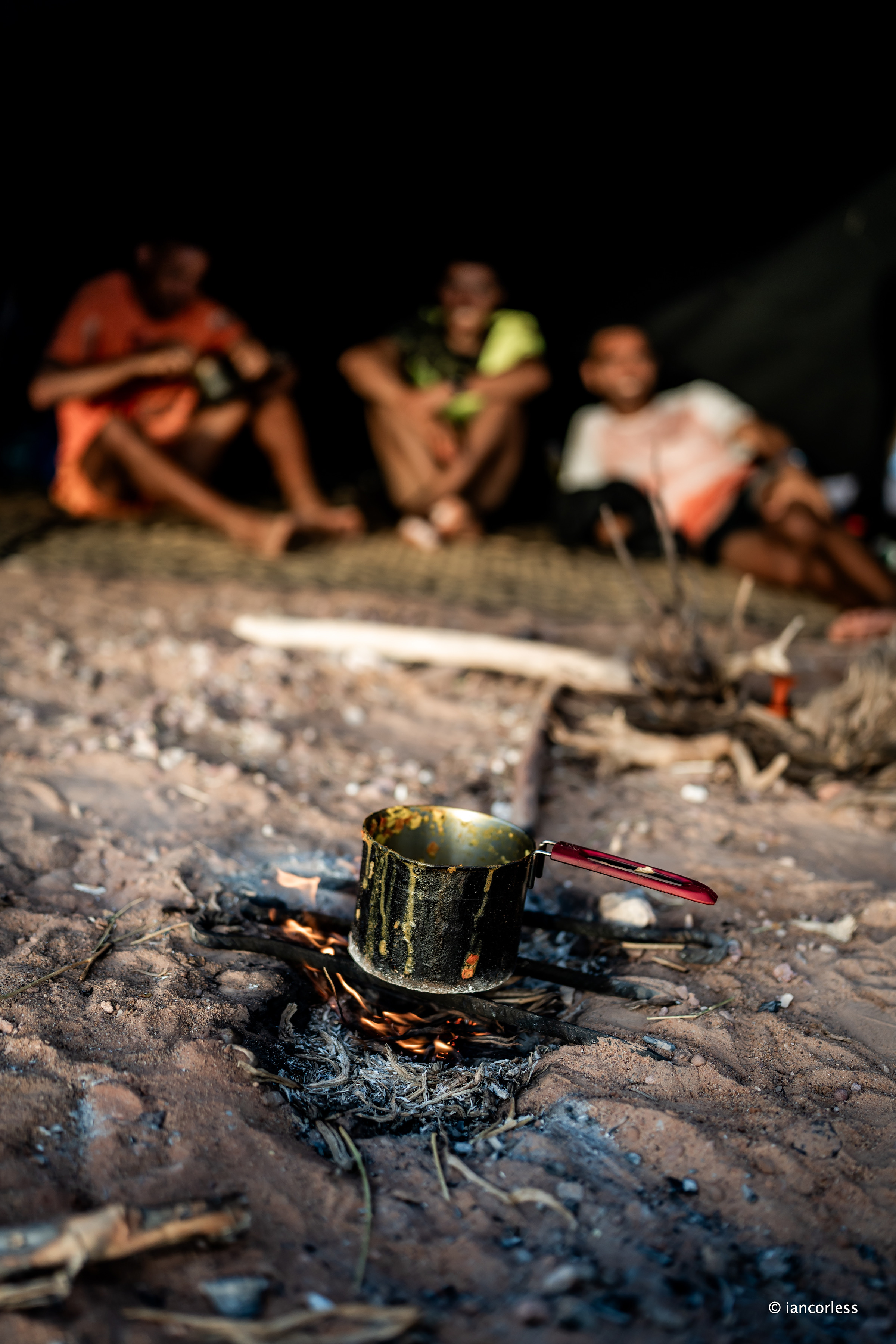
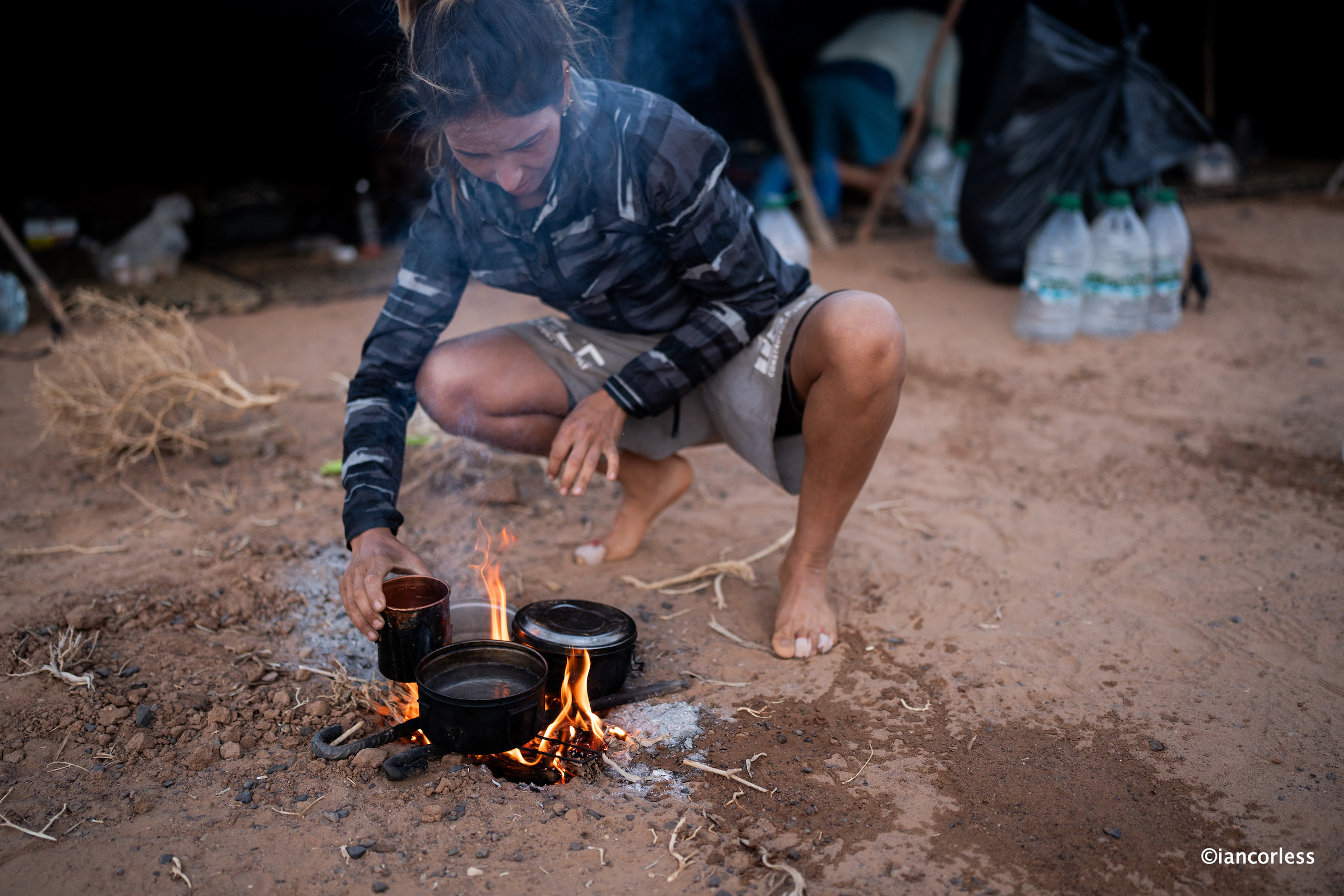
Experienced runners make a real fire to boil water.
  • Try everything out before any race or event. You need to know what works for you when tired and fatigued. Try to simulate race situations so you have a good understanding of your palette and your body. Test for taste, stomach and brain.
  • Just because you love Spaghetti Bolognese, don’t be tempted to take 7 for a 7-day race. You and your palette become bored quickly.
  • Be careful with spices and anything that may irritate or aggravate a digestive system that will already be under stress.
  • The choice of having hot water can be a deal breaker. For some, a hot coffee or tea is just essential! In addition, food is typically more pleasurable when hot and hydrates quicker with hot water. You cannot use any gas stoves at MDS so you must use fuel tablets and a small stove. However, here are some alternative ideas: 1. If you finish early in the day, leave a bottle in the sun and let it warm naturally. 2. Often, there are lots of shrubs, twigs and branches around bivouac, it is possible to make a fire, but you will still need a pot.
  • Water at the race is provided in 5Ltr bottle at the end of the stage this needs to last till Cp1 of the following day, so, plan water use.
  • Consider repackaging all your food to make the volume and weight less, if you do this, be sure to include the nutrition label in your new packaging.
  • Take extra food and options. When in the Sahara, you can make some final food choices.
  • The ‘Long day’ and following ‘Rest Day’ will require different fuelling strategies, take this into consideration.
  • Rules – Race rules dictate you have a minimum 2000 calories per day, that you have nutrition labels for the food that you take and that on the morning of the last day that you have 2000 calories remaining.
A cut down water bottle is a great food bowl.

WATER

Water is the only item provided at a race such as MDS and this is rationed. You are provided water for ‘in’ camp and then this is replenished while running at Cps which are typically 10 to 12km apart. When you finish the stage, you are then allocated water to last through the night and the following morning. NOTE: This water will need to last till CP1 on the next day’s stage, so make sure you leave enough to run with.

Water is rationed and supplied at every checkpoint on the route, typically every 10km.

Water is obviously used to hydrate but you also need it for your food and if you wish to wash.

Remember you need to replace salts that are lost through sweating. Have a strategy in place. The two main reasons for a DNF are feet and dehydration.

SPREADSHEET

Create a spreadsheet so that you can see daily food items, how many calories and what the weight is. Not only is this invaluable for personal admin, but it is also a requirement for the race when at admin check.

Top Tip: Lay a day’s food out on the floor and look at it and analyse (visually) does this look enough for 1-day.

An example of fuelling for one day.
Use a sealed bag for each day and then add a label showing contents and calories.

CONCLUSIONS

Getting fuelling right for any multi-day is really important, so, do the research and test everything. Have a contingency plan and anticipate the need for sweet v savoury will change.

If possible, repackage food to save weight and use clear packaging and relabel adding the name of the food, what day it is for and how many calories are inside.

Make sure you have some treats and something to look forward to.

Real food is good for the brain and the chewing motion helps satisfy our natural human desire to eat and be happy.

Remember, multi-days are only about three things: running/ walking, eating and sleeping, so, make sure you are prepared for each element accordingly.

The long day, many stop and cook a meal during the night to fuel the journey.

SUMMARY

In this article, we have looked at food for a typical desert race like Marathon des Sables that lasts for 7-days. many races follow the same format. However, different race conditions may well dictate food choices, for example, a race in snow/ ice with sub-zero temperatures will require a different strategy and the balance of carbohydrate, protein and fat can be different.

The top Moroccan runners boil water and eat hot food. Here Mohammed El Morabity.

Some races or multi-day are semi-supported, some are supported. In these scenarios, your own food may be carried for you or, it may even be provided for you? Think ahead and plan for what you may need so that you can perform as you wish with the calories you need. Especially important for vegan, vegetarian or those on specific diets. The big advantages of semi or fully supported is the not needing to carry additional weight and in most scenarios, there will be no restriction on quantity or calories. Everest Trail Race and The Coastal Challenge are two perfect examples of semi and fully-supported races,

Follow on:
Instagram – @iancorlessphotography
Twitter – @talkultra
facebook.com/iancorlessphotography
Web – www.iancorless.com
Web – www.iancorlessphotography.com
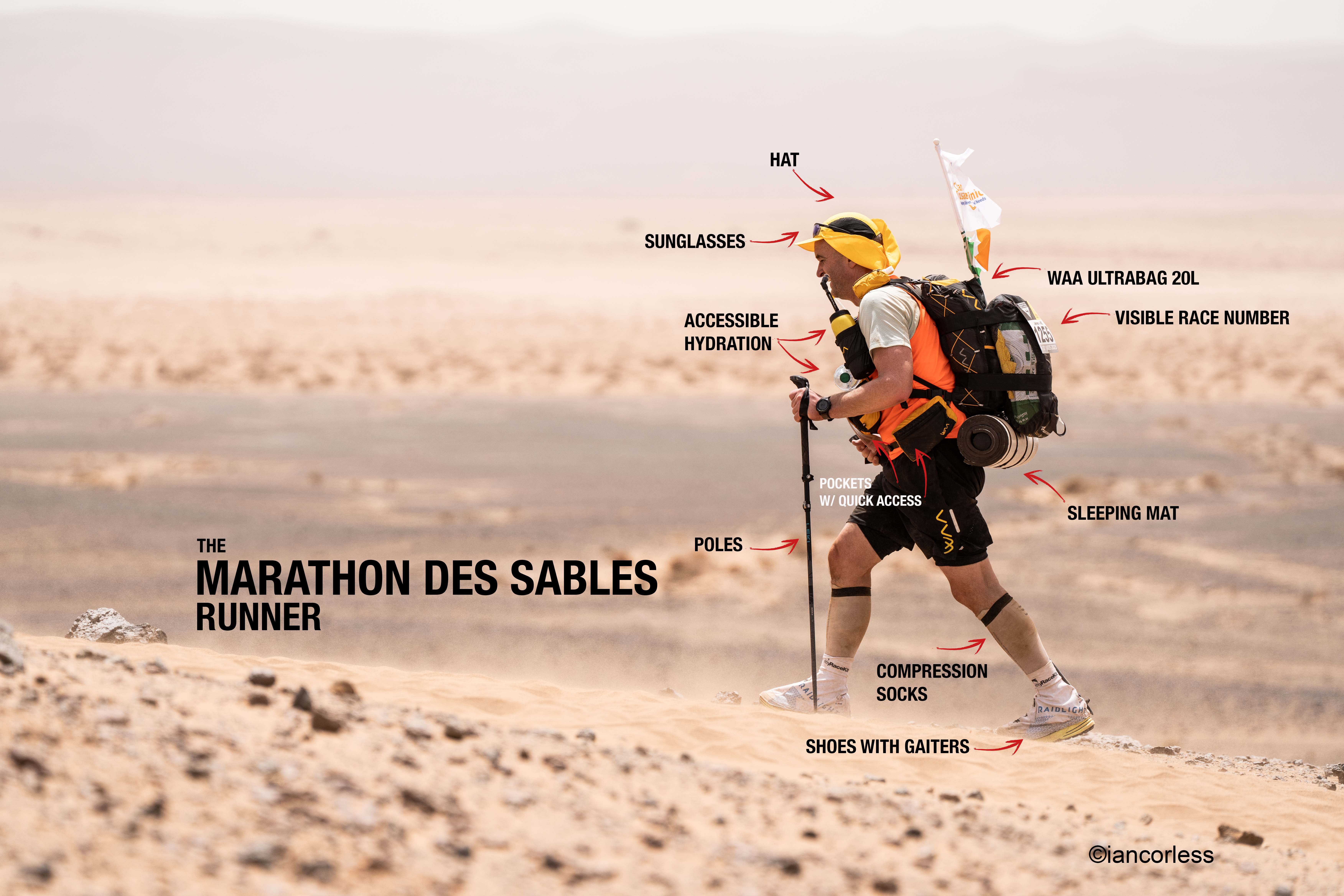
Image sales –www.iancorless.photoshelter.co