Runners World South Africa

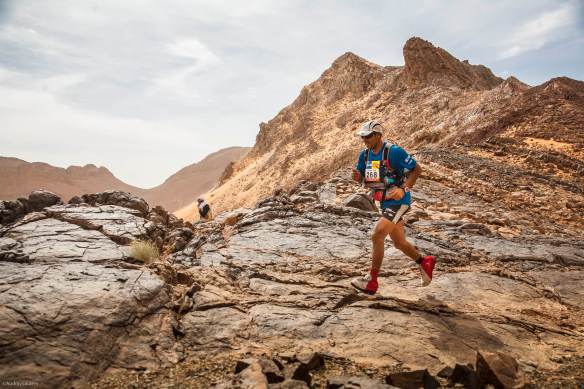
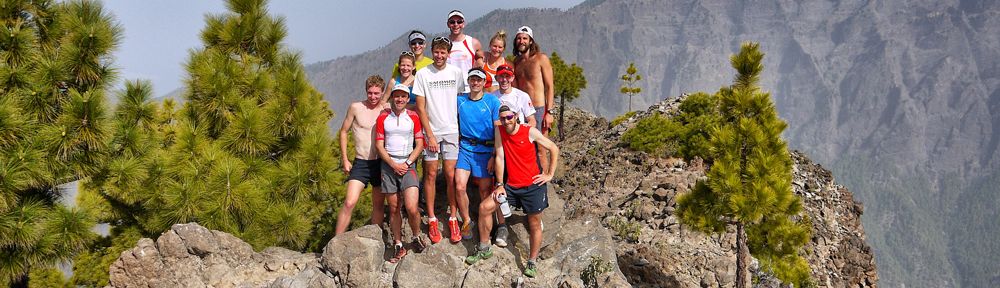
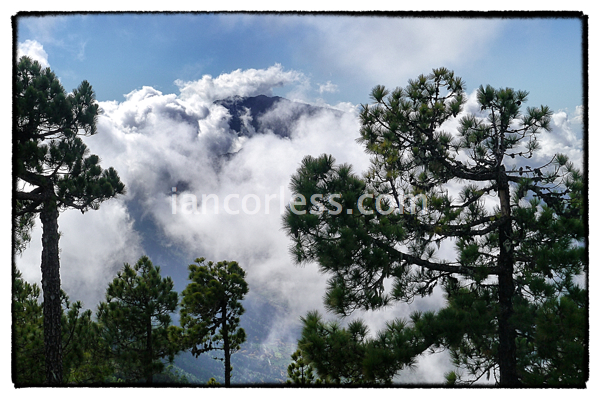
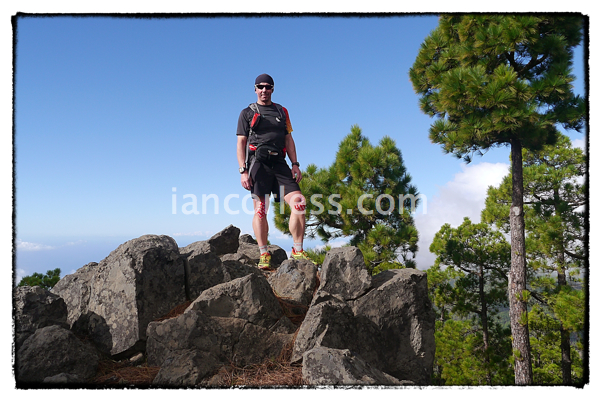
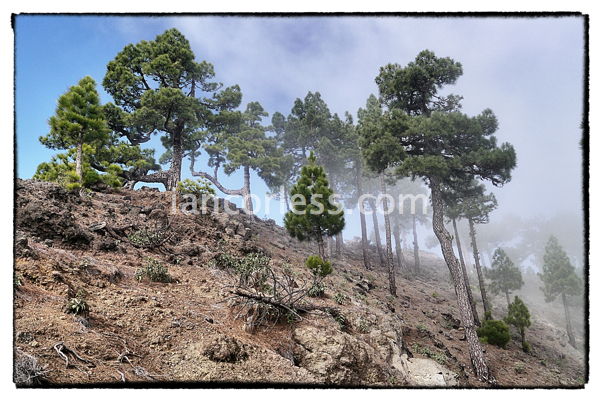
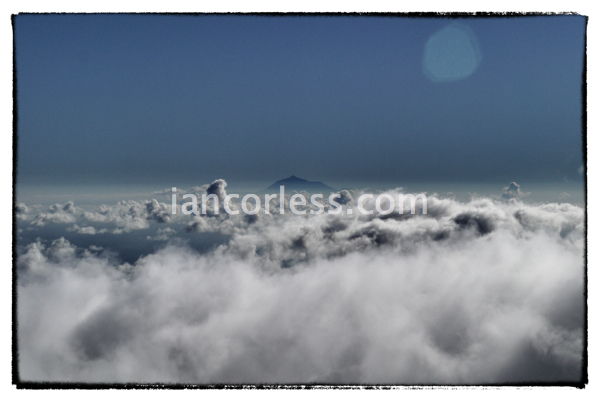
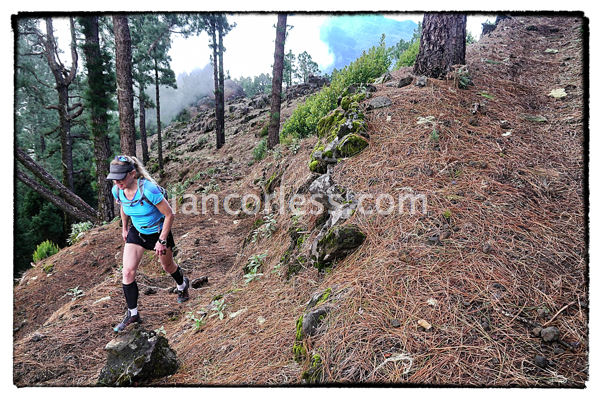
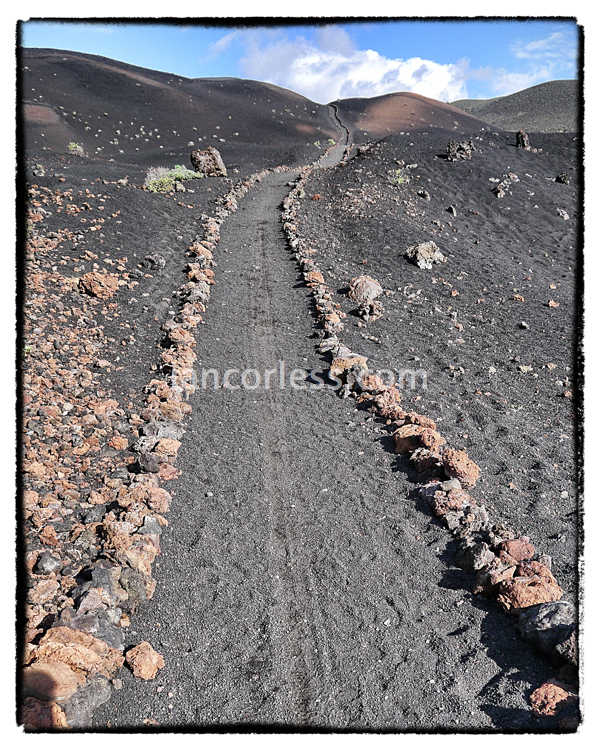
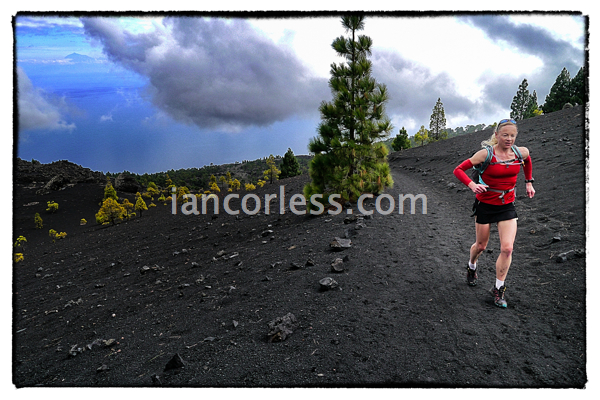
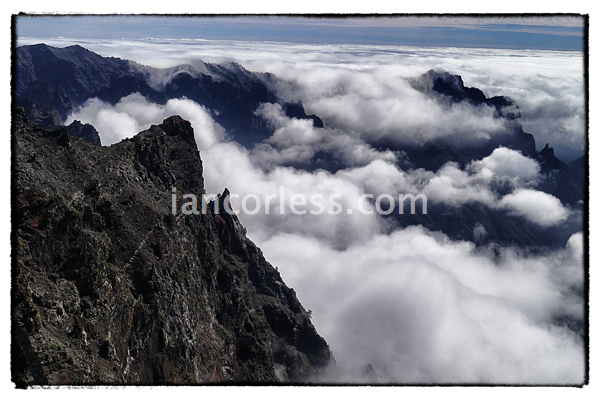
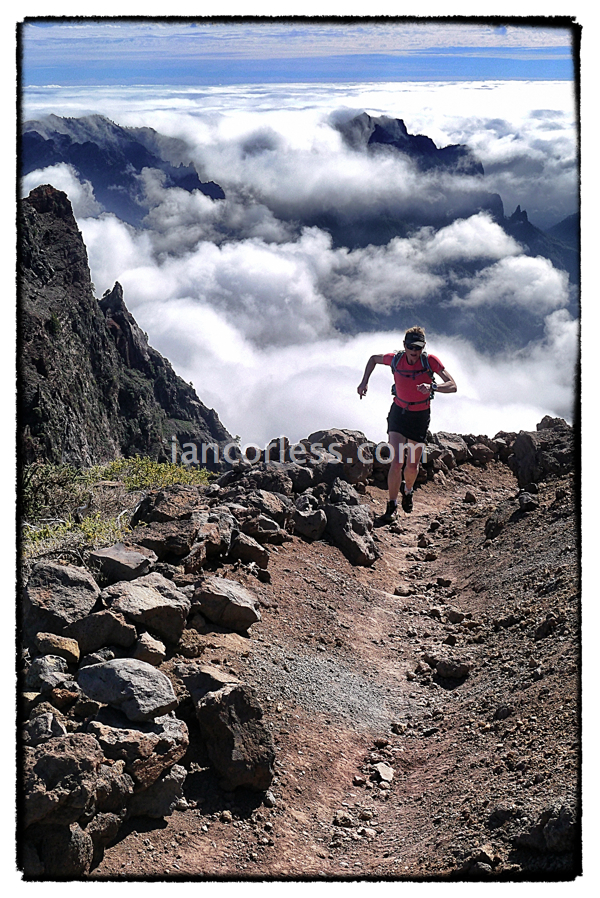
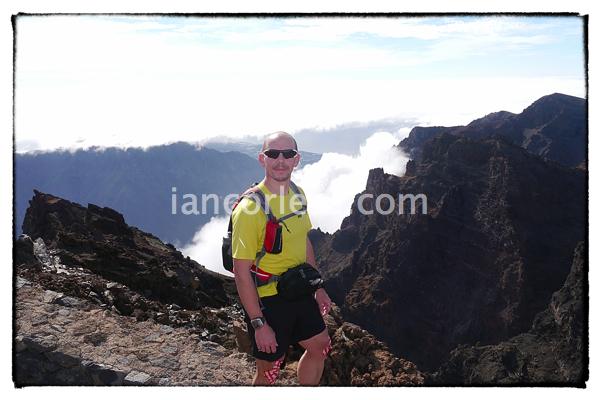
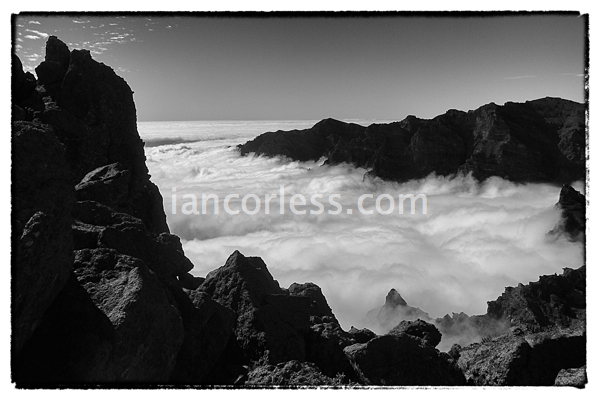
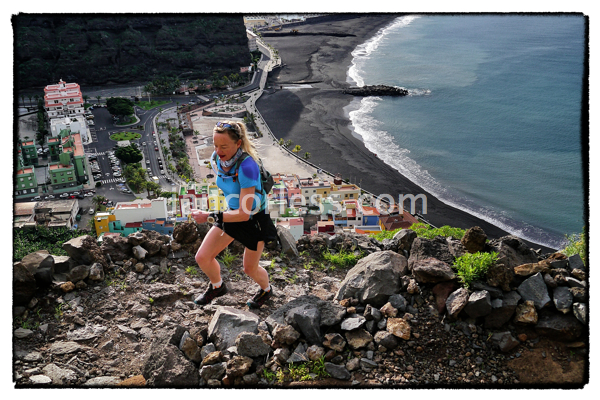
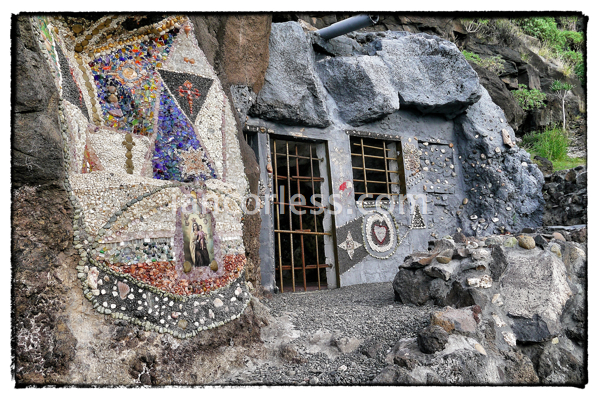
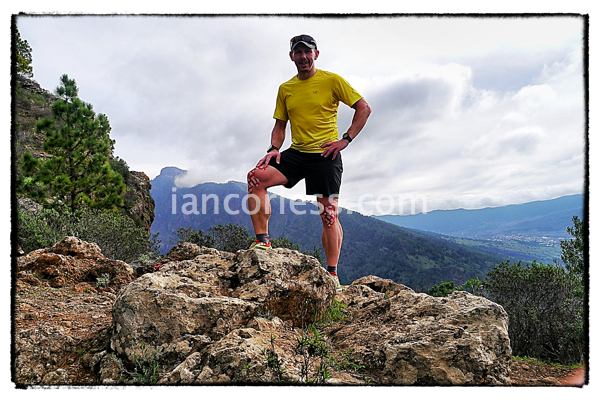
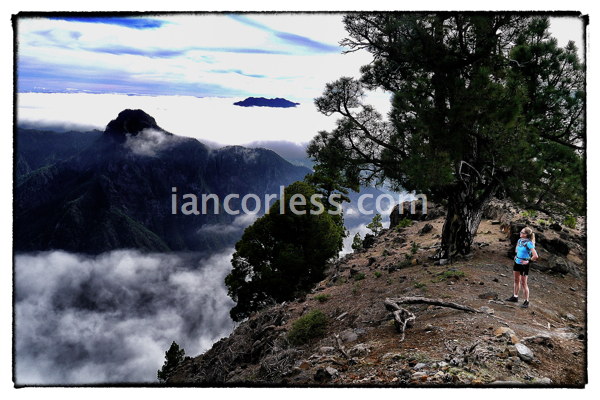
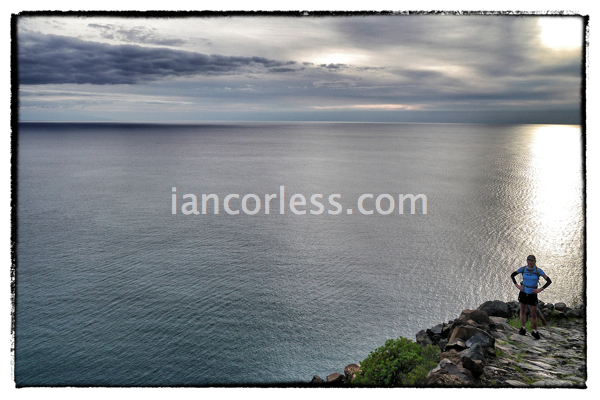
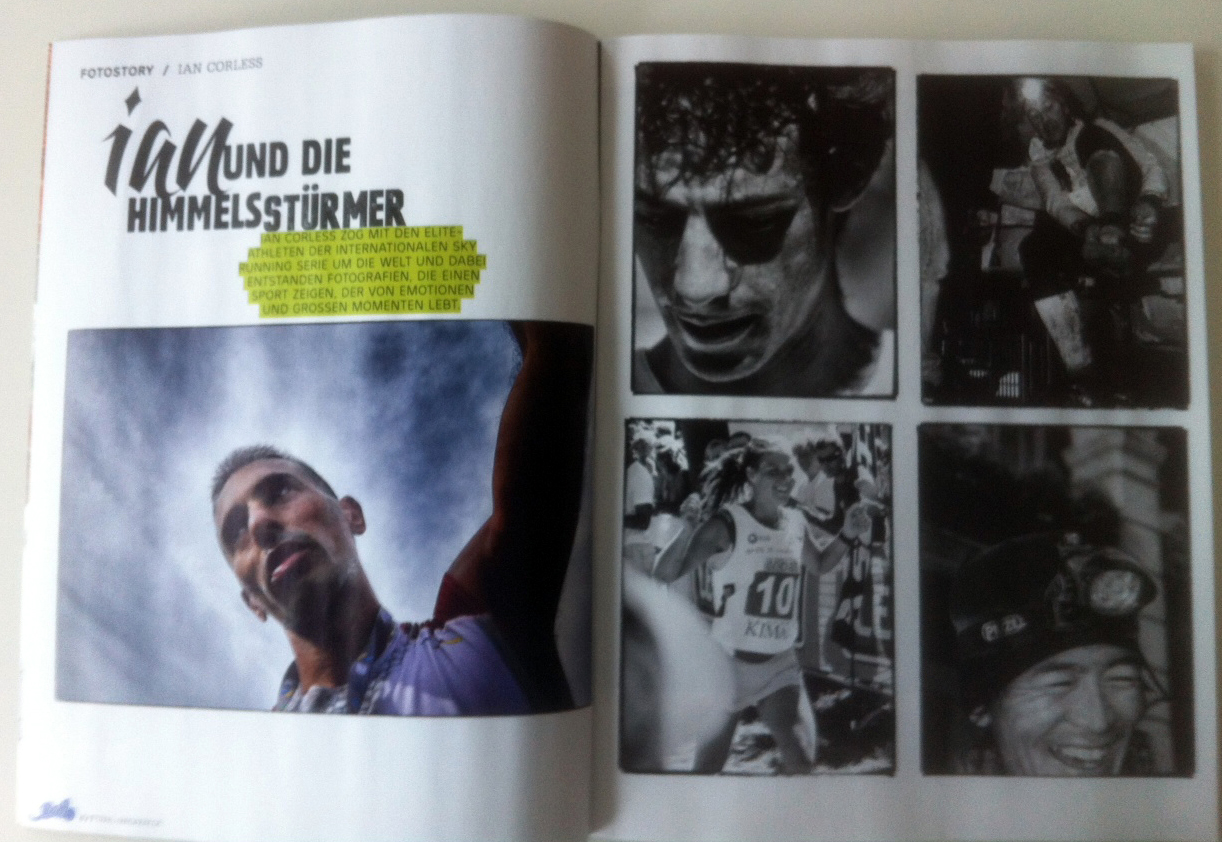
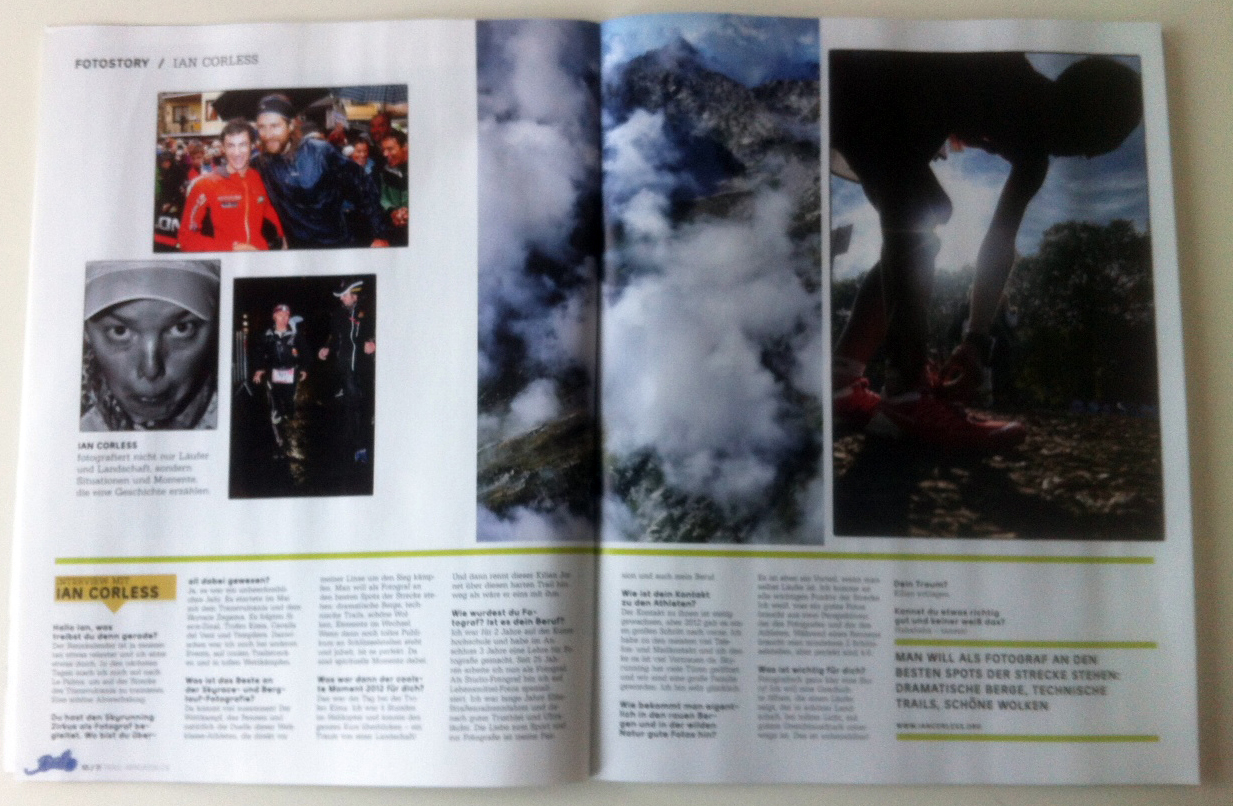
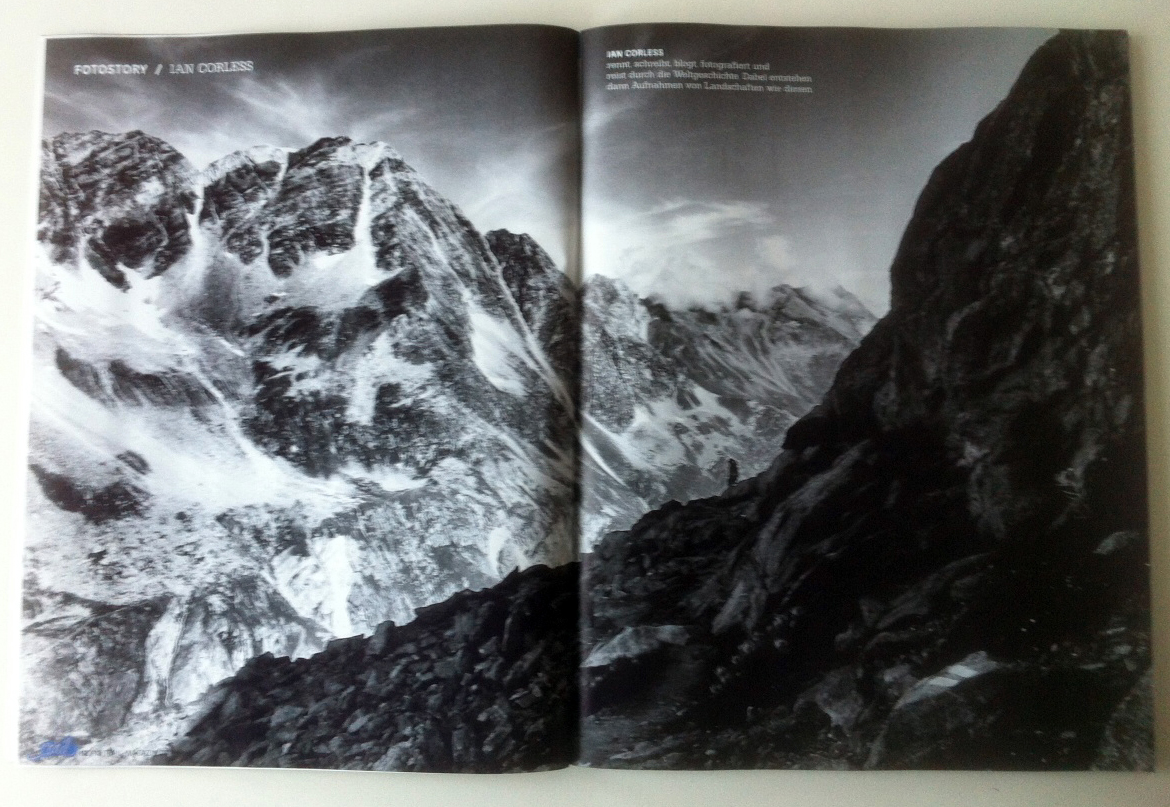
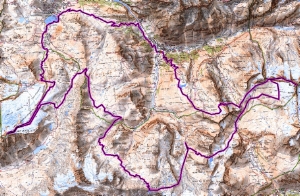
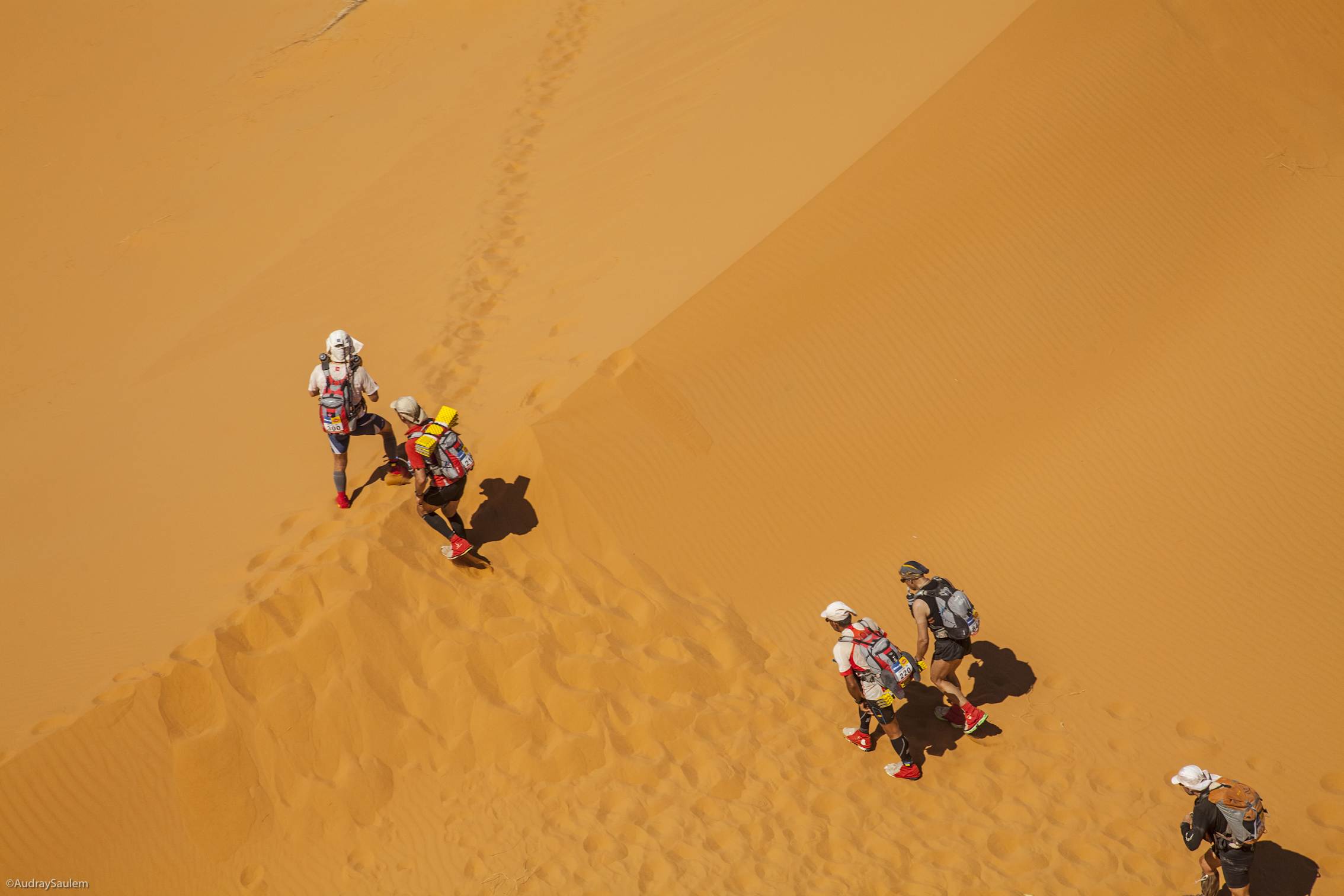
Linda Doke and myself had the opportunity to go for an incredible 5/6 hour play in the mountains after the iconic Skyrunning Sierre-Zinal earlier this year.

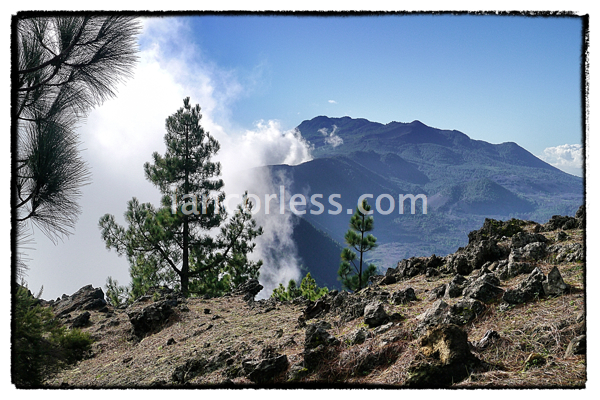
For me it was everything one could wish for… awesome trail, fantastic views, beautiful weather and the opportunity to take some great images.

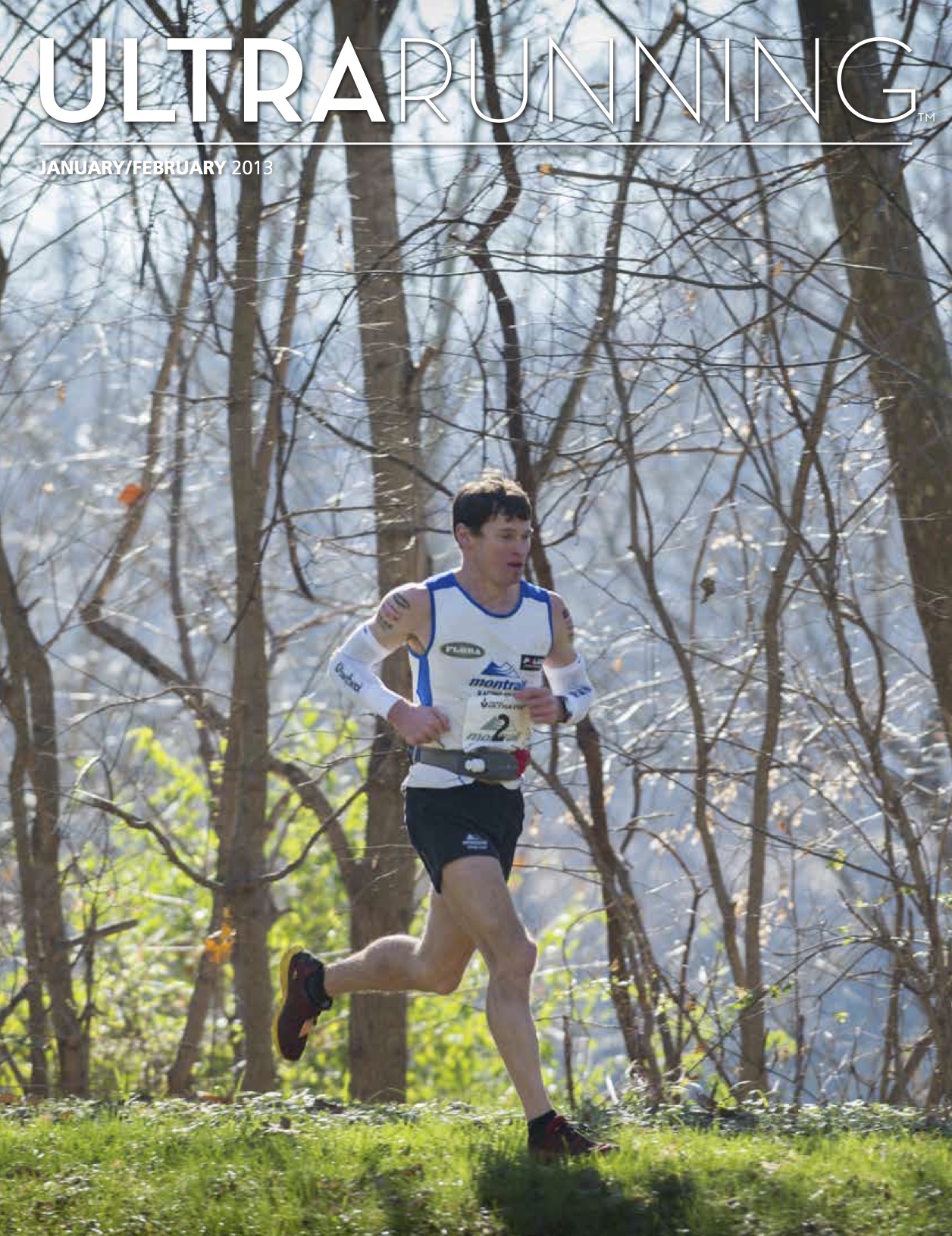
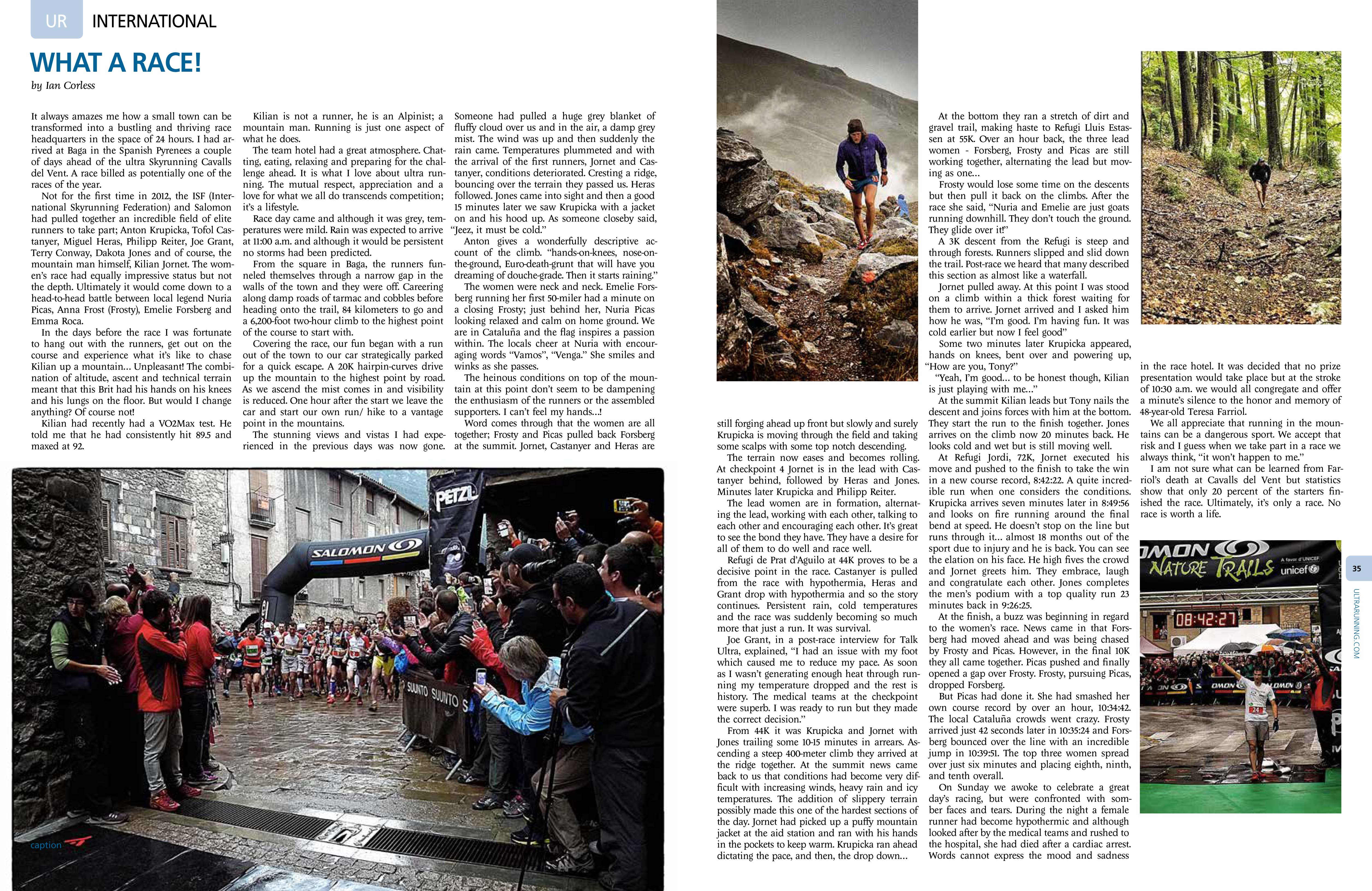
One image has been used in Runners World South Africa. The article features Linda writing about 5 International trail races.

Performances of the year 2012

Episode 26 of Talk Ultra will be released on December 28th. In an effort to provide a review of 2012 I would like your help…

I am looking for answers to the following questions:

  • 1 – Male of the year worldwide

  • 2 – Female of the year worldwide

  • 3 – Race performance of the year (worldwide) – Male and Female

  • 4 – Non ‘elite’ performance of the year, male or female (a 15min of fame possibility)

  • 5 – Race of the year worldwide

Please feel free to post comments to this blog, tweet me @talkultra or go to the Talk Ultra FB page and post. Please put the relevant number next to your answers.

Thanks

Hole in the bucket!

Aagh, the bucket list! Is it a good thing or is it a bad thing? Some runners get so obsessed at ticking the races off and working through a list that they actually forget the most important thing; the experience.

I would much prefer to run for a lifetime with targets, goals and a ‘to do’ list than get it all over and done within five years and maybe not be able to run again through an injury.

So, to that end ‘findarace’ asked me what I considered to be the five best ultras in the UK. Now of course I am potentially opening a can of worms here. What one runner likes, another doesn’t. So, instead of trying to second-guess and be politically correct I am going to list five that I would choose.

To clarify, it’s all about experiences, views and challenges for me, so, you are not going to see a road ultra in this list as I don’t think we have anything in the UK that could compete with Comrades. Had London to Brighton still been a road run, it would have almost certainly made the list. Also, your not going to see the GUCR (Grand Union Canal Race) at the risk of some abuse from those who ‘love’ this race I just personally think life is too short to run for hours and hours on a canal tow path. Also, distance isn’t everything. I am not a distance snob and therefore for me, a good race is a good race, 30 miles, 50 miles or 100(+) miles makes no difference.

Here goes in chronological order:

January – The SPINE 268-mile non-stop across the Pennine Way HERE

Having said that distance isn’t everything and then here I go with a ridiculous 268-mile race that takes place in January. yes, January. So, if distance wasn’t enough you have to contend with cold weather, ice, snow, wind and whatever else the UK can throw at you. The appeal? Well this race is non-stop so it brings in a real element of tactics, endurance, planning and basically leave your brain at the door challenge.

Taking place on the entire Pennine Way it is arguably the most demanding National Trail in Britain. Beautiful, difficult and challenging it includes the Peak District, Cheviots, Yorkshire Dales and Northumberland National Park – finishing on the Scottish Borders.

Open to anyone with appropriate experience who wishes to test themselves and compete in a truly brutal race. The first edition was in 2012 and only 3 finished.

April – HIGHLAND FLING 53 miles HERE

The Highland Fling Ultra, is a trail race over the southern section of the famous West Highland Way Path (you can cover the full 95 miles in August in the West Highland Way race) Starting in Milngavie (close to Glasgow) and finishing in the scenic village of Tyndrum.  The route is almost entirely on trails and thus traffic-free. Varied terrain and stunning scenery makes this a truly enjoyable experience.

In addition to the solo runners, there are club competitions, and a four-person relay race. All runners must be 21 years old or over (18 for the relay). 53 miles you must cover the distance within the 15-hour time limit and you must run unsupported, however, you are allowed drop bags at checkpoints.

June – UTSW 100 miles, 60 miles and 100m relays HERE

The UTSW is a brute… offering two distances at 60 and 100 miles believe me you are no wimp choosing the 60-mile option. The 100-mile race starts in Charlestown in the southwest corner of Cornwall. Heading east on the South West Coast Path crossing the beautiful Fowey estuary by ferry before continuing on to the to the quaint fishing town of Looe. Here you will leave the South West Coast Path for a while and head inland mostly following the Smugglers Way. Continuing north you will come to the famous Jamaica Inn. Bodmin Moor is the next obstacle.

If you plan on the 60-mile option, Bodmin is your start point.  Brown Willy the highest point in Cornwall is the next landmark and then you have a cross county trek which comes to an end at Boscastle. Here you head west along the South West Coast Path to Tintage. Now heading west you will hit the Camel Estuary where a ferry will transport you across to Padstow. Padstow to Watergate Bay are the final 20 miles with a finish at the Watergate Bay Hotel. Don’t underestimate this race! This course is brutal, beautiful and challenging.

July – Lakeland 100 and 50 HERE

For me, the Lakeland 100 and 50 is everything that an ultra should be. A challenging course, beautiful course, great organization and an iconic race. In it’s short history the race has become possibly the premier 100 miler in the UK. Taking in a circular route of the English Lakes the race starts and finishes in Coniston. It is a navigation event but you are provided with a detailed route book and you are allowed GPS. For many participants, regular ‘recces’ are essential to ensure that race day runs smoothly. The 50-mile option starts half way around the 100-mile route and is a wonderful race it it’s own right. In actual fact, I would almost tip my head towards the ‘50’ as it can be raced and ultimately a more enjoyable experience may be obtained. It depends what you are after?

The route encompasses the whole of the Lakeland fells, it includes in the region of 6300m of ascent. The route is almost entirely on public bridleways and footpaths but does have one or two small sections of road to make connections with trail. The route takes in the Dunnerdale fells, Eskdale, Wasdale and Buttermere before arriving in Keswick. From here the route heads to Matterdale and continues over to Haweswater before returning via Kentmere, Ambleside and Elterwater to the finish at Coniston.

August – North Downs Way 100 and 50 HERE

The race begins in Farnham at the Western end of the North Downs and works its way through some of the best of the English countryside.

Key landmarks are: Puttenham, Guildford, Ronmore Common, Box Hill, Reigate Hill, Merstham, Oxted, Knockholt Pound, Wrotham, Holly Hill, Medway Bridge, Detling, Hollingbourne, Harrietsham and Charing before dropping down into Wye and the finish.

Organized by Centurion Running this race is part of a ‘Grand Slam’ based around the American system of 4 x 100 mile races in 1 year. The addition of 50 mile options makes this a great series of races and in comparison to UTSW and the Lakeland courses this is an ideal opportunity to tackle 50 or 100 trail miles over an ‘easier’ course.

Notable others:

  • West Highland Way (June) 95 miles
  • Ring of Fire (August) 131 miles in 3 days
  • Ridgeway (August) 85miles
  • Dragon’s Back (September) 200 ‘ish’ miles

And I could go on……

Salomon Skyrun South Africa

Ryan Sandes talks about his prep via this link HERE

watch?v=AsFBJj8b6H0

RACE DATE November 3rd

Official website HERE

Who to watch for the 2012 race

This 2012 Salomon Skyrun is going to be a great race! Defending Champion, Bruce Arnett will be back but he is going to have to beat Iain Don- Wauchope who recently won the Otter (Retto) with a sub 4:30 course record and Salomon sensation Ryan Sandes who placed 2nd at the Western States. Others to watch out for are Dreyer van Huysteen, Paul Mokehetsi and Salomon Athletes Jock Green and Lance Chapman. It is 100km of self-supported, self-navigation running so experience really counts!

Several potential winners in the Ladies race with Sue Chapman, Landie Visser Greyling and Yancey Truluck taking on the experience of local Donna Green.

RACE INFO (taken from race website)

The First Official SKYRUN : The first official Skyrun took place in 1997 with 15 maverick ‘Skyrunners’, however Skyrun had to be cancelled at Snowdon Peak due to extreme weather conditions, gale force winds, snow and sleet. At the time we had a TV film crew in attendance with ‘Old Mutual World of Endurance’, motivated by Two Oceans organiser Chet Sainsburry. John Fobian and Brent Robart assisted with a SAPS Helicopter and medical support back up. The following two Skyruns 1998 with 27 finishing and 1999 with 44 Skyrunners, both ended in Rhodes with consistent winner, Bruce Arnett who started his winning streak in 1998, in his first attempt at trail/wilderness running. Helen Collins then editor of Runners World SA labelled Skyrun as “SA’s Ultimate Ultra”, in the April 1998 Runners World, unfortunately in participating in 1998, Helen baled out at Olympus Peak after suffering from altitude sickness, however her companion and good friend, Talia Raphaely completed the Skyrunning adventure in really ‘heavy’ weather getting caught up in lightning strikes and thunderstorms. Articles in the Comrades Magazine Beyond 42 confirmed these initial claims. In the year 2000, 60 Skyrunners started with 41 completing the distance now ending at Tiffindel Ski. 2001 had 82 entries and 2002, 77 entries. 2003 was almost washed out with extreme floods, where many streams could not be crossed due to flooding. We had SANDF, military support from the men in Umtata under the command of Lt/Col Louis Buys.

Running Wild – Flying High : The Tiffindel finnish is too keep Skyrun essentially what I see as a ‘pure’ Mountain Wilderness Run, on an unmarked trail, in as much it follows the main ridge line of the Witteberge and Southern Drakensberg along the Herschel Border fence line, serving as a very basic route indicator. This was the initial route until the ‘short cut’ pioneered by Bruce Arnett for ‘speed’ and ease, became the accepted route, cutting out the Snowdon Annex and the main ridge line through to Avoca Peak, from Snowdon Peak.

The Destination:

The Witteberg is a South African mountain range just off the south-west corner of Lesotho. The range, which rises to 2408 metres, stretches for about 60km from Lundin’s Nek in the east to Lady Grey in the west. The range lends its name to the Witteberg Series, the uppermost fossiliferous sequence of the Cape System of sedimentary rocks in South Africa. The race starts in the town of Lady Grey which is famous for its annual Nativity Play and its quaint houses and incredible scenery. Discover the wonder of Balloch cave along the route with it bushman art and idyllic setting nestled between some of the highest peaks in the Witteberg.

The Witteberg range is one of the most picturesque places in South Africa with some distinctive peaks like Avoca and Halston Peaks dominating the skyline.

The Terrain:

The Salomon SkyRun is true mountain running with a variety of terrain from hiking paths that lead you up to the tower, some jeep track is a welcome relief from the majority of the terrain which is on the mountain side as this is a self-supported and self-navigation the route choice is very much in the hands of the individual competitors. Once you have left the town of Lady Grey behind the beauty and remoteness of these mountains soon engulfs you and it is not uncommon to run for the entire race without seeing much civilization around you except those involved in the race.

The fauna and flora is incredible and there are over 650 plant and 80 animal species know to habitat the mountains of the Witteberg.

The Trail:

The Salomon SkyRun and SkyRun Lite are unique in that they are truly self-supported and self-navigational races, where athletes tackle the remote terrain of the Witteberg Mountain range with a Map a Compass or GPS unit and a back pack containing all there food, water and compulsory equipment that will enable them to survive in this harsh environment, while operating at an average height of between 2200-2500 meters above sea level.

The trail starts in Lady Grey and the first 65km of the route is the same for both races, after the compulsory stop and medical check at Balloch are the Skyrunners allowed to continue while the Lite runners have completed their journey. The route climbs sharply out of Lady Grey to the first check point at the Tower; this is about a 12km run and is a combination of hiking trails and mountain running. As you climb the trail to the tower the majestic landscape unfolds in front of you and it now feels as if you are on top of Africa. Following the fence line you make your way along the ridge line to the second check point which is at Olympus, this is another 10km and the terrain is now devoid of paths and trails and athletes must decide which is the best route to the check point. After Olympus the athletes can pick up a small trail that will lead them to Snowden

which is check point 3 another 11km or so, there is a natural spring just past Snowden where you can fill up your water bladders (does depend on how much rain has fallen so not always guaranteed a lot of water) before making your way to Avoca Peak the highest point (2756m) on the race. The climb up Avoca peak is challenging as the gradient is steep and the terrain is rough especially after good summer rain. From Avoca the route takes you over the “Dragonback” a ridge line that is about 3 meters wide with steep descends on either side, a fantastic formation of rock that is a feature of the race and a spectacular viewing point on a clear day. The route flattens out for a while as you move towards CP6 at Skidor which is again a leg of about 10km. At Skidor you descend into the valley down a technical descend before picking up the river that will lead you to the compulsory stop at Balloch Cave having now covered about 65km of the race.

Once Athletes have done their medical and been give the all clear by the doctor, it upwards and onwards as they take on the challenge of Balloch Wall a climb with a vertical ascent of over 500m in just 3km and back down the other side on the way to CP 8 at Edgehill Farm. Most athletes will now be operating in the dark as night fall will have replaced the harsh African sun. Navigating through the Bridal Pass from EdgeHill to the turn is tricky with a lot of athletes losing a lot of time trying to find the correct entrance into the pass that will lead them onto the ridgeline again. The Bridal pass has now been included as a waypoint on the route to assist athletes in negotiating the pass. A steady climb up the Pass will take you onto the ridgeline and to the check point at the Turn. From here you will double back toward the Wartrail Country Club via Halston Peak which is the last check point on the route. The climb down from Halston’s is technical and is made more difficult by the fact that you are very fatigued at this stage but buoyed by the fact that you are now heading to the finish at Wartrail Country Club.

The Event:

The Salomon SkyRun is an Epic Mountain run of 100km considered by many athletes to be the toughest Trail Run in South Africa. The event is made up of two options the SkyRun Lite a 65km one day run or the big daddy of trail the 100km SkyRun. The event takes place in early Nov each year and is unique in that the event is self-supported and athletes must navigate themselves between the check points on the route. This is one of the few runs that is unmarked and un-supported and this is one of the reasons that it is considered to be such a challenge and a must for most serious trail runners. Entries are limited to 250 athletes for both events.

The 100km run is not recommended if you are a novice/beginner trail runner, and proof of previous trail event finishes may be required.  Rather opt for the 65km run presented on the same weekend.

LIVE race tracking HERE

Les TEMPLIERS race summary

After a light dusting of snow during the night, runners for the 18th edition of La Course des Templiers had the prospect of a very cold day on the trails.

With a temperature range of -3-4 deg and a very strong wind, cold was going to be a major issue. On the start line runners assembled dressed for cold weather and believe me, they got it! Although the ambient temperature rose above 0 deg’s the general feel was considerably colder.

Stirring music, red flares and the runners left Millau at 0515 for 70+ km’s on trails.

Prior to the race we had a stacked field of runners but due to a string of late season injuries, several key runners were unable to run. Notably Leadville 100 winner Thomas Lorblanchet and Philipp Reiter. UTMB winner, Francois d’Haene although carrying a knee problem decided to make the start however dropped early in the race.

In the ladies race the notable drop before the race was Francesca Canepa who had started the Endurance Trail (102k) on Friday and stopped midway. For some reason she had planned to run ‘both’ races over the weekend! Anna Frost had been injured since Cavalls del Vent and was 50/50 but after having a short test run the day before. She ‘taped’ her legs considerably prior to the start and like the true competitor she toed the line see how things would go… after all, she was joint leader with Nuria Picas of the Ultra Skyrunning series and ‘Templiers’ would decide the champion.

The Race

Maud Gobert from France had set the early pace but she had been caught by Nuria Picas and passed. Emelie Forsberg and Lizzy Hawker chased. Frosty unfortunately never felt right in the early stages and she told me after the race;

“it was so cold and I just wasn’t performing as I should, it was a tough decision but a correct decision to pull out at the 22k check point before I did more damage”

Maud Gobert and Emelie Forsberg set the early pace followed by Lizzy Hawker. Nuria running from behind, caught Lizzy and passed her and then pursued the front-runners. Once Nuria caught them she pulled away taking Emelie with her. One has to say that if anybody deserved the ‘Champion’ title it is Nuria… she has consistently performed well throughout 2012 not only in the ultra series but Skymarathon and Vertical K. Nuria eventually pulled away from Emelie leaving her being pursued by Maud and Lizzy.

Between 22k and 35k Lizzy caught and passed Maud. Emelie Forsberg now chasing Nuria was caught by Lizzy who rallied. With Nuria crossing the line as race winner with a comfortable margin of almost 10 minutes, a race really was coming together for the 2nd place. In the end it came down to a sprint finish with Emelie just pulling away from Lizzy to beat her by 9 seconds. Without doubt it was a ‘royal’ podium. Emelie was only recently crowned world Skyrunning champion at Kinabalu and Lizzy Hawker has just had a golden patch with three superb wins at the shortened UTMB, Run Rabbit Run 100 and Spartathlon.

  • Nuria Picas 7:16:58
  • Emelie Forsberg 7:26:15
  • Lizzy Hawker 7:26:24

The men’s race had a clear favourite with last year’s winner; Andy Symonds. However he had a race in front of him. Julien Rancon was an early protagonist and eventually forged ahead of the race with Fabien Antolinos, Miguel Heras and Andy Symonds in pursuit. Julien has had a very successful 2012 with 7 races and 7 victories but no race had been longer than 60k.

With just over 10k to go, Julien Rancon had a 45 seconds lead over Fabien Antolinos and 1 minute over Miguel Heras. As I waited at the finish news came in that Fabien Antolinos had dropped; a real shock at such a late stage of the race. This left the door open for Fabien Antolinos to surge away from Miguel Heras.


He crossed the line in an emotional state. Tears in his eyes… he had run Templiers only the previous year and placed 4th. This was a sweet victory. Miguel Heras placed 2nd just over 3 min later and put to bed a mixed season.

On the line Miguel said:

“I am happy with the placing. I ran a good race but Antolinos was better… It’s always nice to run well and todays course was very pleasurable”

Andy Symonds ran into the finish with a massive smile and took an opportunity to dive into a pool of mud just before the finish line much to the satisfaction of the ground. Andy has become very much a hero in France. His win last year at Templiers cemented this.

  • Fabien Antolinos 6:10:35
  • Miguel Heras 6:14:54
  • Andy Symonds 6:23:51

La Course des Templiers was the last race in the Ultra Skyrunning series and as such a final presentation was made. Kilian Jornet and Nuria Picas stood on the podium to receive the respective awards from ISF President Marino Giacometti. Two great champions!

Note:

To add to that magical ambiance, it helps to know that Nant was one of many points in a network of secret trails built by the Knights Templar, the monastic, international military order formed at the end of the First Crusade with the mandate of protecting Christian pilgrims traveling to Jerusalem. The Knights Templar, known for their architectural skills and fighting alongside Richard I were the first warrior monks and were prevalent in that part of France until their downfall in 1307.

The race route uses the secret paths of the Templars. It has included two long tunnels that had been used as shortcuts to beat enemies to strategic locations. The region has become a popular tourist attraction primarily due to the success of Dan Brown’s The Da Vinci Code.

Key points on the course are the old village of Peyreleau, Route Alleyral, St Jean des Balmes, Roquesaltes (a protected site and an usual stone structure with a protected arch), the old castle of Montmejan, old cobbled streets of La Roque Ste Marguerite and Massebiau that has an old bridge.

The course has key points on the course of difficulty:

  • Cotes de Carbassaa 473m+ at 3km
  • Cote de Peyreleau 450m+ at 22km
  • Cote de Pierrefiche 346m+ at 46km
  • Cote de Massebiau-Le Cade 461m+ at 61km

What really makes us fat

A CALORIE is a calorie. This truism has been the foundation of nutritional wisdom and our beliefs about obesity since the 1960s.

This is a post form The New York Times available here published June 2012

Vintage Images/Getty Images

An early 20th-century photograph titled “Big Man of MO, 630 lbs.”

Bittman: Which Diet Works? (June 26, 2012)

What it means is that a calorie of protein will generate the same energy when metabolized in a living organism as a calorie of fat or carbohydrate. When talking about obesity or why we get fat, evoking the phrase “a calorie is a calorie” is almost invariably used to imply that what we eat is relatively unimportant. We get fat because we take in more calories than we expend; we get lean if we do the opposite. Anyone who tells you otherwise, by this logic, is trying to sell you something.

But not everyone buys this calorie argument, and the dispute erupted in full force again last week. The Journal of the American Medical Association published the results of a clinical trial by Dr. David Ludwig of Boston Children’s Hospital and his collaborators. While the media tended to treat the study as another diet trial — what should we eat to maintain weight loss? — it spoke to a far more fundamental issue: What actually causes obesity? Why do we get fat in the first place? Too many calories? Or something else?

The calorie-is-a-calorie notion dates to 1878, when the great German nutritionist Max Rubner established what he called the isodynamic law.

It was applied to obesity in the early 1900s by another German — Carl Von Noorden, who was of two minds on the subject. One of his theories suggested that common obesity was all about calories in minus calories out; another, that it was about how the body partitions those calories, either for energy or into storage.

This has been the core of the controversy ever since, and it’s never gone away. If obesity is a fuel-partitioning problem — a fat-storage defect — then the trigger becomes not the quantity of food available but the quality. Now carbohydrates in the diet become the prime suspects, especially refined and easily digestible carbohydrates (foods that have what’s called a high glycemic index) and sugars.

UNTIL the 1960s, carbohydrates were indeed considered a likely suspect in obesity: “Every woman knows that carbohydrate is fattening,” as two British dietitians began a 1963 British Journal of Nutrition article.

The obvious mechanism: carbohydrates stimulate secretion of the hormone insulin, which works, among other things, to store fat in our fat cells. At the time, though, the conventional wisdom was beginning its shift: obesity was becoming an energy issue.

Carbohydrates, with less than half the calories per gram as fat, were beginning their official transformation into heart-healthy diet foods. One reason we’ve been told since to eat low-fat, carbohydrate-rich diets is this expectation that they’ll keep us thin.

What was done by Dr. Ludwig’s team has never been done before. First they took obese subjects and effectively semi-starved them until they’d lost 10 to 15 percent of their weight. Such weight-reduced subjects are particularly susceptible to gaining the weight back. Their energy expenditure drops precipitously and they burn fewer calories than people who naturally weigh the same. This means they have to continually fight their hunger just to maintain their weight loss. The belief is that weight loss causes “metabolic adaptations,” which make it almost inevitable that the weight will return. Dr. Ludwig’s team then measured how many calories these weight-reduced subjects expended daily, and that’s how many they fed them. But now the subjects were rotated through three very different diets, one month for each. They ate the same amount of calories on all three, equal to what they were expending after their weight loss, but the nutrient composition of the diets was very different.

One diet was low-fat and thus high in carbohydrates. This was the diet we’re all advised to eat: whole grains, fruits, vegetables, lean sources of protein. One diet had a low glycemic index: fewer carbohydrates in total, and those that were included were slow to be digested — from beans, non-starchy vegetables and other minimally processed sources. The third diet was Atkins, which is very low in carbohydrates and high in fat and protein.

The results were remarkable. Put most simply, the fewer carbohydrates consumed, the more energy these weight-reduced people expended. On the very low-carbohydrate Atkins diet, there was virtually no metabolic adaptation to the weight loss. These subjects expended, on average, only 100 fewer calories a day than they did at their full weights. Eight of the 21 subjects expended more than they did at their full weights — the opposite of the predicted metabolic compensation.

On the very low-carbohydrate diet, Dr. Ludwig’s subjects expended 300 more calories a day than they did on the low-fat diet and 150 calories more than on the low-glycemic-index diet. As Dr. Ludwig explained, when the subjects were eating low-fat diets, they’d have to add an hour of moderate-intensity physical activity each day to expend as much energy as they would effortlessly on the very-low-carb diet. And this while consuming the same amount of calories. If the physical activity made them hungrier — a likely assumption — maintaining weight on the low-fat, high-carb diet would be even harder.  Why does this speak to the very cause of obesity? One way to think about this is to consider weight-reduced subjects as “pre-obese.” They’re almost assuredly going to get fatter, and so they can be research stand-ins — perhaps the best we have — for those of us who are merely predisposed to get fat but haven’t done so yet and might take a few years or decades longer to do it.

If we think of Dr. Ludwig’s subjects as pre-obese, then the study tells us that the nutrient composition of the diet can trigger the predisposition to get fat, independent of the calories consumed. The fewer carbohydrates we eat, the more easily we remain lean. The more carbohydrates, the more difficult. In other words, carbohydrates are fattening, and obesity is a fat-storage defect. What matters, then, is the quantity and quality of carbohydrates we consume and their effect on insulin.

From this perspective, the trial suggests that among the bad decisions we can make to maintain our weight is exactly what the government and medical organizations like the American Heart Association have been telling us to do: eat low-fat, carbohydrate-rich diets, even if those diets include whole grains and fruits and vegetables.

A controversial conclusion? Absolutely, and Dr. Ludwig’s results are by no means ironclad. The diets should be fed for far longer than one month, something he hopes to do in a follow-up study. As in any science, these experiments should be replicated by independent investigators. We’ve been arguing about this for over a century. Let’s put it to rest with more good science. The public health implications are enormous.

Gary Taubes is The author of “Why We Get Fat.”

The book is available on line via Amazon

Salomon Sense ULTRA

The long awaited ‘Sense Ultra‘ has arrived. THANK YOU Santa……

As many of you will know, the ‘Sense‘ has become the shoe of choice for those who are wanting to run on trail with a minimalist and responsive shoe. However, we can’t all be as efficient as Kilian Jornet or Andy Symonds.

The Sense Ultra offers a little more but holds true to all the elements that have made the ‘sense’ so popular.

The Salomon S-LAB Sense Ultra Racing is one of the lightest trail shoes ever made. It is heavier than the Sense but has added strengthening of the sole for longer and harder races.

It has the new lacing system: Quicklace this reduces the weight of Sense.
Dynamic Traction:  allows the Salomon S lab Sense  optimum grip in all conditions. It wasdeveloped by Solomon with the greatest athletes without any compromise. It has different grip and texture which has been designed to optimize grip when it is necessary.
EndoFit: has an inner liner to the shoe designed for positioning the foot optimally.
Drop: a low 4mm drop to provide a natural contact and feel with the ground.
OS TENDON: Thanks to this system inserted in the sole of the S lab intermediare sense, there is a natural flow with excellent energy return.
Profeet Film: is a protection film that will protect your foot area from angular or sharp objects that are on the trail. The Sense offers maximum protection despite its lightness.
Weight: 240g in 8.5 U.S.

When you lift up the box you think wait a minute… they forgot the shoes! Not so. These ‘runners’ are super light.

The lacing system as with all Salomon in reassuring and holds the foot firm.

The addition of the internal ‘Endofit’ makes the shoe more comfortable than you would ever imagine. They can be a little tight to get on at first and you may initially think; uh oh, wrong size. But once your foot is it is snug and supremely comfortable. The most comfortable shoe I have ever worn.

I am not a small guy and the therefore I always felt the original ‘Sense‘ was maybe just a little too minimal for me… certainly on longer runs! not so with the ‘Ultra’. The additional cushioning is immediately apparent.

The sole has grip but nothing like the ‘SLab Softground‘ or ‘Speedcross‘. The shoe is therefore certainly more suited to road and hard pack (or rocky) trail. If your running in soft ground they perform perfectly but if you are a great deal of mud the added grip of the Soft Ground or Speedcross may be a better choice.

In use they are a dream to wear. On the roads they are light, responsive and provide that feel that I have had with traditional racing flats. The bonus with the ‘Sense Ultra’ is the hold of the foot. The speed lacing and Endofit provide supreme comfort. On the trails this becomes even more apparent as the foot moves from left to right with changes in terrain.

It’s early days in testing but this shoe will not be of my feet for a while… they are so comfortable I would even be tempted to use them as slippers.

Now then, I need to go run…..

Get Ready For – The Otter

For this last episode of 3rd season of Get Ready For. Seb bring us to the heart of the Tsitsikamma National Park, South Africa. The Otter African Trail Run is one of the most popular trail in South Africa, because of its difficulty, originality and location.

It is most certainly a race for the bucket list.

Magnetic South has been given permission to run the Otter in alternate directions on a yearly basis.

2012:  from WEST to EAST, the “Up-Run” – the RETTO

2013:  from EAST to WEST, the “Down-Run” – the OTTER

The OTTER – African Trail Run – the iconic and South Africa’s most popular 5 day hike, the Otter, has been walked from Storms River to Nature’s Valley right from its inception. Following this route the Otter – African Trail Run took place 3 years in a row from East to West.

The RETTO (Otter spelt backwards) –  Two scouting runs have been done in the last month to ensure our Safety Management Plan has considered all the variables associated with running the trail in reverse. The 2012 ”Retto” as it has been nicknamed, will still include over 2600m of elevation in its 42km traversed, however the experience of running the route with the sea constantly on your right is going to give you a completely different thrill and perspective to this spectacular challenge.

The OTTER course record is held by Ryan Sandes 4:40:15 and Jeannie Bomford 5:17:12

The RETTO course record is held by Iain Don Wauchope 4:23:24 and Krissy Moehl 5:24:59

Les Templiers race coverage

Coverage for the 2012 ultra Skyrunning Les Templiers starts today with photos, tweets and facebook posts coming live from Millau.

Runners from around the world will arrive, register and prepare for Sunday’s race.

Race day coverage will start at approximately 4am and run all day. You can read a preview of the race HERE.

I will be covering key points of the race as follows:

  • Peyrelau – old village
  • Route Alleyrac – provides a view of Causse Noir it’s a technical spot
  • St Jean des Balmes/ La Rougarie
  • Roquesaltes – a protected sight with a giant stone arch
  • Montmejean – old castle
  • La Roque Ste Margurite – old cobbled streets witht he beginning of an ascent to Larzac
  • Massebiau – old bridge and descent to Larzac
  • La Pouncho D’ Agast – a highpoint view of Millau
  • La Grotte Du Hibou – the owls cave
  • Finish – Millau

Photographs will be tweeted live and uploaded to facebook as and when possible and images will be uploaded to my blog with a report and summary the evening after the race.

Please spread the word and encourage following the race. This is the final of the ultra World series. Kilian Jornet will be crowned champion but the ladies race is open… it’s going to be an exciting race!

A race preview from Skyrunning is available below:

Les Templiers pre-dawn start. ©Festival des Templiers

The final of the Skyrunner® Ultra Series raises the curtains on the 72 k Course des Templiers in Millau, France on October 28 with a larger-than-life start-line that has become the hallmark of skyrunning events.

Sunday’s race will pit the world’s top runners against each other and particularly the women’s field is set for battle with stars like Anna Frost, Nuria Picasand Emelie Forsberg competing for the Ultra Champion title.  Maud Gobert, last year’s winner, will not only have to deal with the top three ranked runners but will face heavy-duty competition from Lizzy Hawker, Silvia Serafini and Francesca Canepa.  The men’s title has, to all effects, already gone to Kilian Jornet who boasts 300 points – unattainable even if Andy Symonds wins.

Andy Symonds is of course a firm favourite for a repeat performance and other British runners feature strongly as podium contenders: Tom Owens, ranked 3rd in the recent World Series final in Malaysia, will no doubt excel, while Terry Conway, forced to retire at the Ultra Cavalls del Vent, is ready for another shot at a big international event.

©Festival des Templiers

Spain’s Miguel Heras who, like Conway, was a victim to the weather at the last event, is a consistent top performer. Of the French runners competing in the Ultra Series, Francois d’Haene, fourth at Transvulcania and 6th here last year is joined by Greg Vollet, while sadly Thomas Lorblanchet, second last year, and three-times race winner, is injured.

The end of the long racing season is taking its toll and counts several other notable absentees which include American Dakota Jones, Germany’s Philipp Reiter and Italy’s Giuliano Cavallo.  (See Ultra Series ranking)

Look out for Stephanie Jimenez (France) and Fulvio Dapit (Italy), a husband-and-wife team but respectively Salomon and La Sportiva on the racing scene. Both are recent Ultra “converts” who are expected to perform well in this incredibly deep field which also includes past race winner, Nepal’sDawa Sherpa, together with a long list of first-rate French runners.

With such a dazzling line-up let’s not forget all the 2,500 competitors who will face a total 3,200 metres of ascent and ascent along 73 kilometres together with a forecast of… zero temperatures.  The steep rocky course along the secret paths of the Templars promises to close the season in the best possible way where everything can only be described as “ultra”.

5 Races 5 Continents

If possible, you may want to check out this movie as part of the festival AFF 2012 (link here) – Endurance Adventure will take you across the world. From Antarctica, with the world’s first unsupported expedition to walk to the South Pole and back again, to ultra-running across five continents (as outlined below) and chasing the disappearing Colorado River.

5 Races 5 Continents

At the beginning of the 2011 trail running season Kilian Jornet set out to win five races on five continents. The lengths varied in distance, climate and altitude – from a 100 mile race in the scorching heat of the Sierra Nevada Mountains to the vertical ascent of South East Asia’s highest mountain in Malaysian Borneo, Mount Kinabalu.

Follow his experiences over the year, from the pressures of high-end competition to his unprecedented performance and success. This story is not just about what he has achieved, but rather what he has learnt from running in these surroundings and the emotions they bring. The film immerses itself in the trail communities around the world as Kilian and his teammates, friends and competitors try to understand the desire they have for the mountains and running.

For many, it is the simplicity of running, its meditative nature and the freedom it offers to explore new landscapes that drives their passion for the sport. 5 Races, 5 Continents is an inspirational ode to the beauty of trail running, a sport that is inherently simple and pure.

Length – 26 minutes

Director – Dean Leslie from The African Attachment

Dean Leslie is young South African Filmmaker and Co-Owner of Cape Town based independent film production company, The African Attachment. He has experience on a wide range of local and international productions and has worked as a producer, director, cinematographer, photographer and editor. He was the cinematographer for ‘Interviews Unit’ in the Academy Award nominated feature film, ’District 9’. He edited the International short film,‘Pumzi’, for Focus Features (USA) and Inspired Minority Pictures, which was won Best International Short at Cannes Independent Film Festival and was a favourite at the 2010 Sundance International Film Festival.He produced, directed and edited the critically acclaimed South African documentary,’12 Mile Stone’, alongside Greg Fell, and has directed a string of music videos for some of South Africa’s top bands including  Die Heuwels Fantasties, The ParlotonesThe Dirty Skirts, aKING andAshtray Electric. He is currently in post-production on his debut documentary feature film‘Wandering Fever’, a film that has seen him shoot on all 7 Continents over 4 years  as he explores the idea of why we run through the story of South African elite ultra runner Ryan Sandes. Dean  has a distinctive visual style and his projects have a strong narrative element layered with underlying themes and tones. His work has been widely praised for its cinematography, style and underlying mood – all testaments to Dean’s continued growth and progress as a Director. Taken from Vancouver International Mountain Festival.

Episode 1

Episode 2

Episode 3

Episode 4

Episode 5