
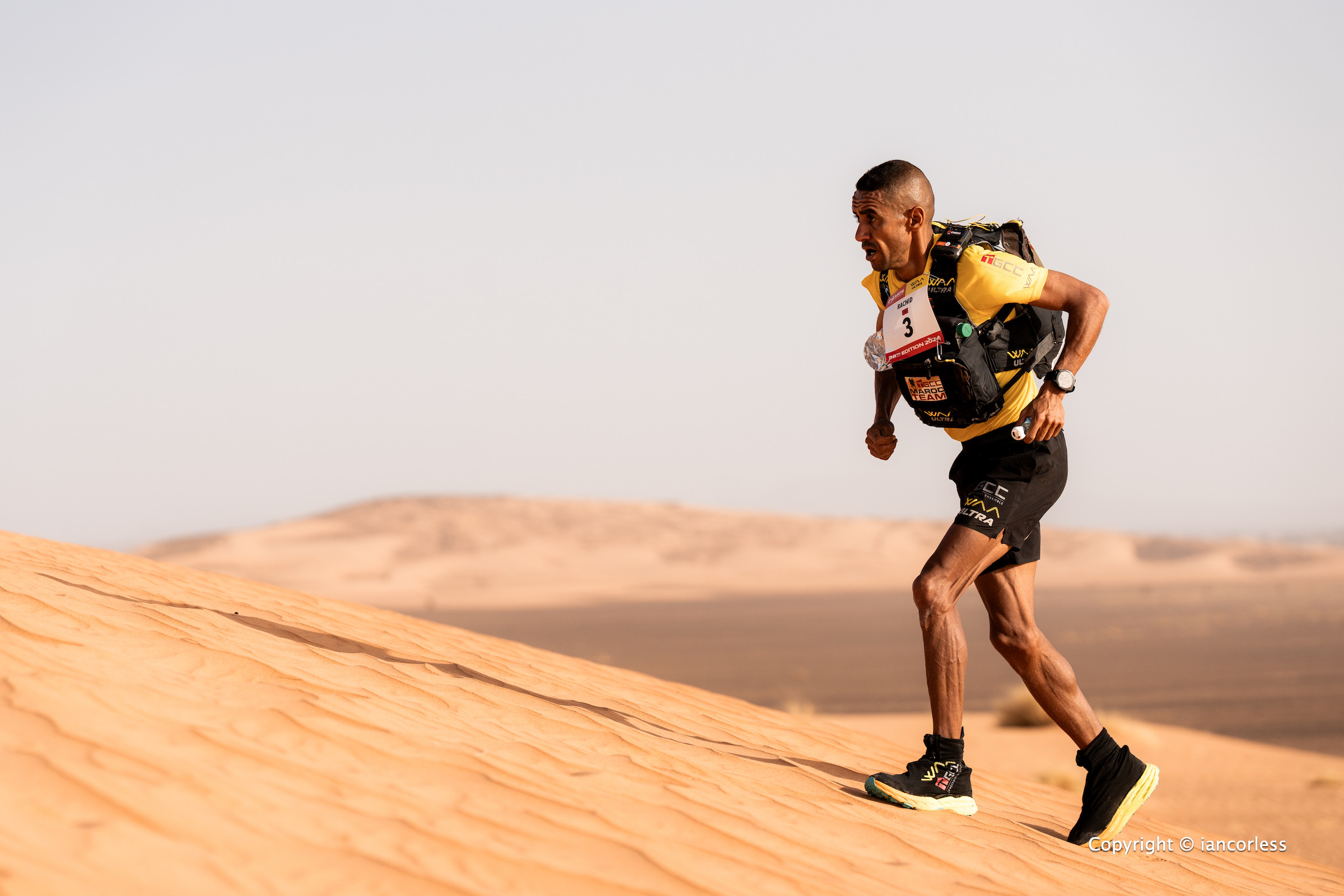
THE ESSENTIAL MDS EQUIPMENT LIST 2025

Much has been written about what equipment you need and require for an MDS event. In all honesty, it’s quite simple and can be broken down into 3 key sections:

  • What you will wear
  • Equipment
  • Food

Yes, it is that simple.

What you will wear and what equipment you need is the same for all MDS events, be that the 4-day / 3 stage MDS 120 or the 7-day / 6-stage MDS The Legendary. The only difference comes with food requirements.

Take a look at the full MDS EQUIPMEMT LIST on Lighterpack.

WHAT YOU WILL WEAR

One of the many things I love about MDS is that it brings out the geek in all of us. Nothing like shopping around to find the right equipment and importantly, the lightest version. However, when it comes to clothing, there is absolutely no need to buy new items if you already have items that work and importantly cause no irritation.

A clothing list would be as below:
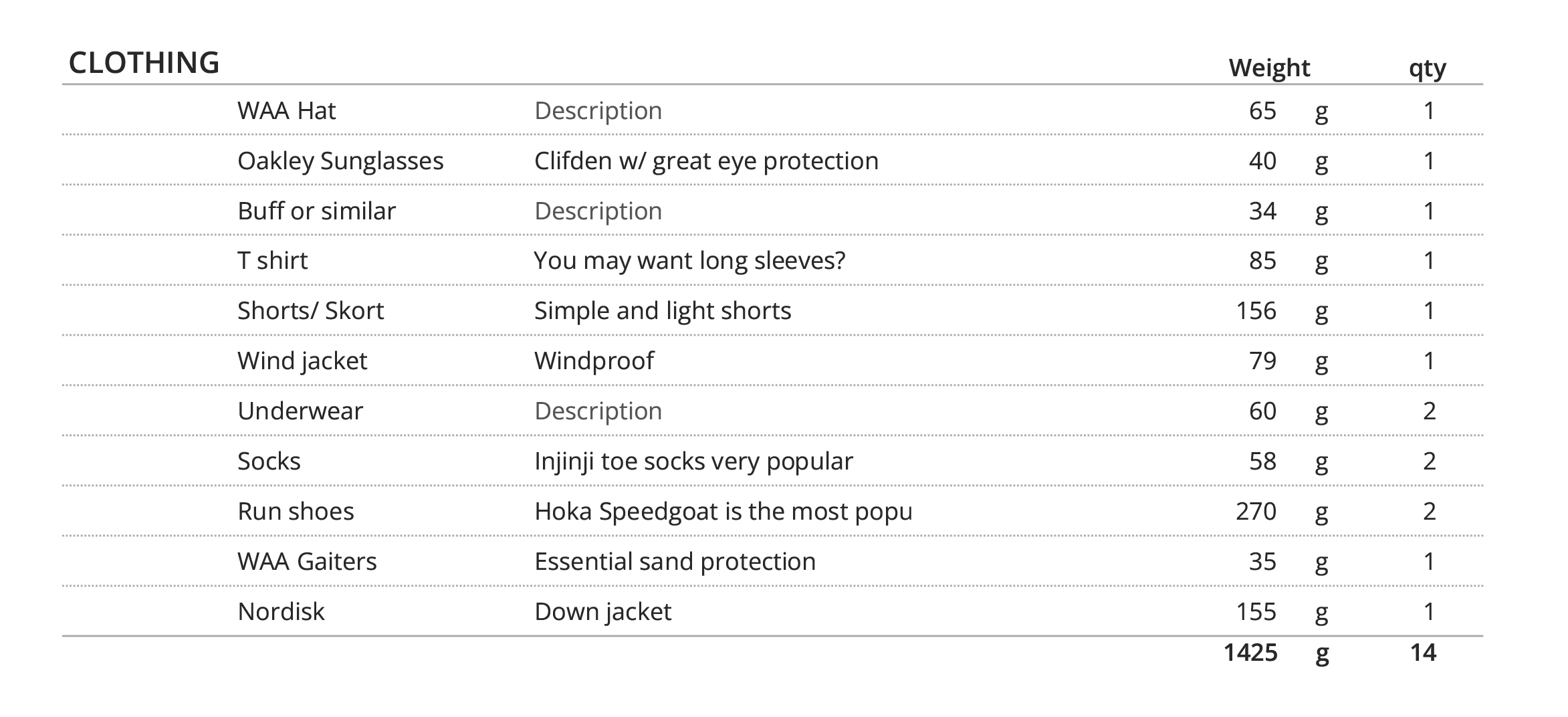
You can see from the above, we go from head to toe. With the exception of a spare pair of underwear and socks, you will be wearing all these items. Total weight 1425g.
WHAT EQUIPMENT YOU WILL NEED

Equipment can be broken down into 3 sections:

  • Mandatory
  • Desirable
  • Luxury

Quite simply, mandatory is not open to discussion and you must have all these items as specified in the MDS rules and regulations HERE
  • a backpack WAA ULTRA BAG 20L or equivalent
  • a sleeping bag,
  • a head torch (200 lumens minimum) and a complete set of spare batteries or spare batteries with external/solar charger,
  • 10 safety pins,
  • a compass, with 1° or 2° precision,
  • a lighter,
  • a whistle,
  • a knife with metal blade,
  • a topical disinfectant,
  • a signalling mirror,
  • an aluminium survival sheet,
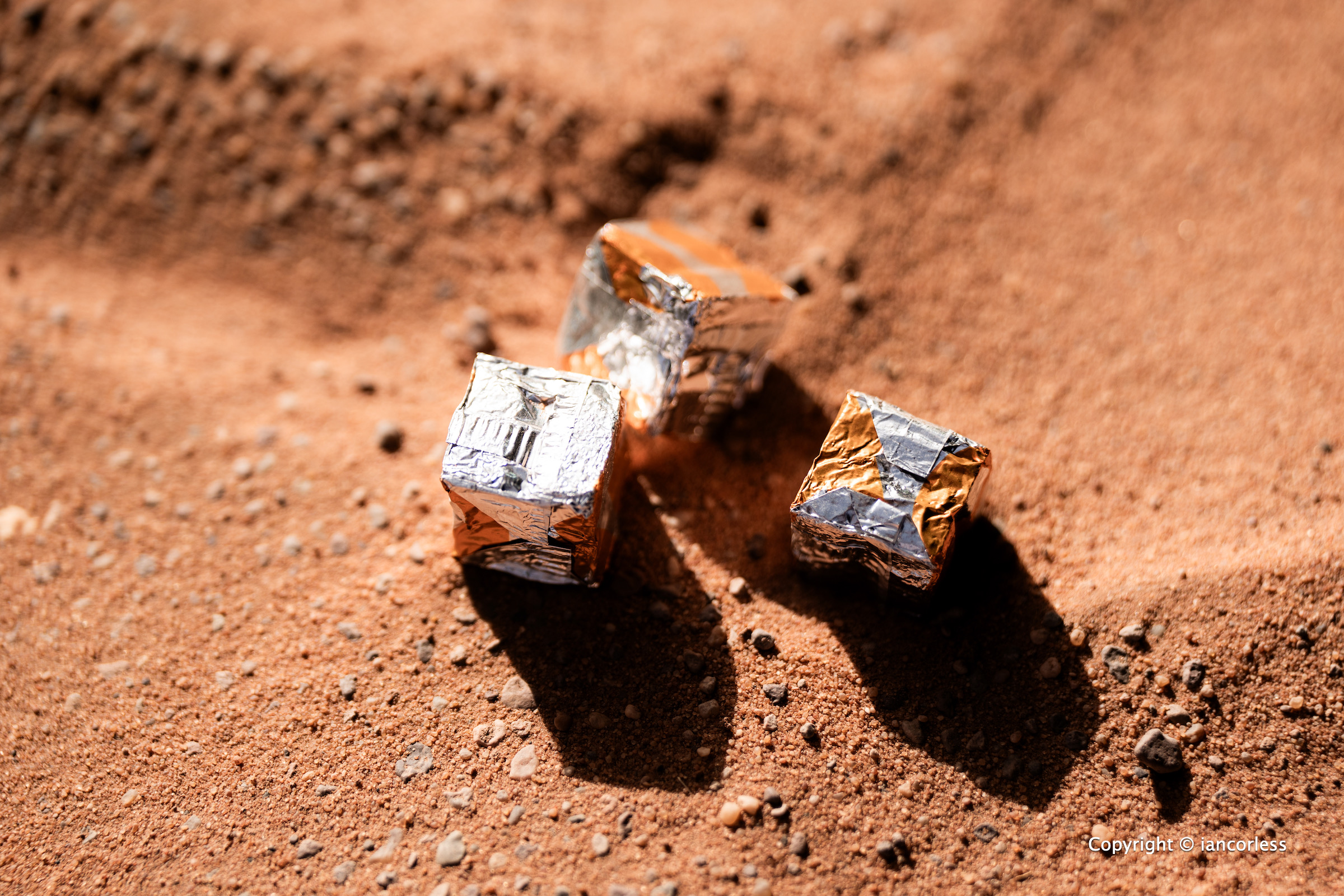
  • “Knorr” type cubes (2 per day) to favorize rehydration
  • a tube of sun cream of 50 ml minimum,
  • 200 euros or 2,000 dirhams
  • the passport or for Moroccan residents, identity card valid at least until the end of the stay in Morocco. BUT for security reasons, it is strongly recommended to have a passport valid at least one month later; failing this, AOI declines any responsibility in case of problem.
  • the original MDS medical certificate, filled in and signed by the doctor
  • the original ECG and its tracing

Sleeping Bag – Down Jacket – Waterproof

Take note that weather conditions and temperatures vary considerably. Also keep in mind, a small petit woman may well need warmer layers that a large man. Do you sleep hot? Do you sleep cold? When someone tells you you don’t need a sleeping bag, you don’t need a jacket, you don’t need goggles or you don’t need x, x, or x, take this advice and then ignore it. The best advice I can give, be prepared! Be prepared for all eventualities and then fine-tune equipment very close to the event, even at the event location on admin day so that you can make sure you have the appropriate equipment based on the current weather forecast. And yes, it can rain!

A full equipment list would look like below:
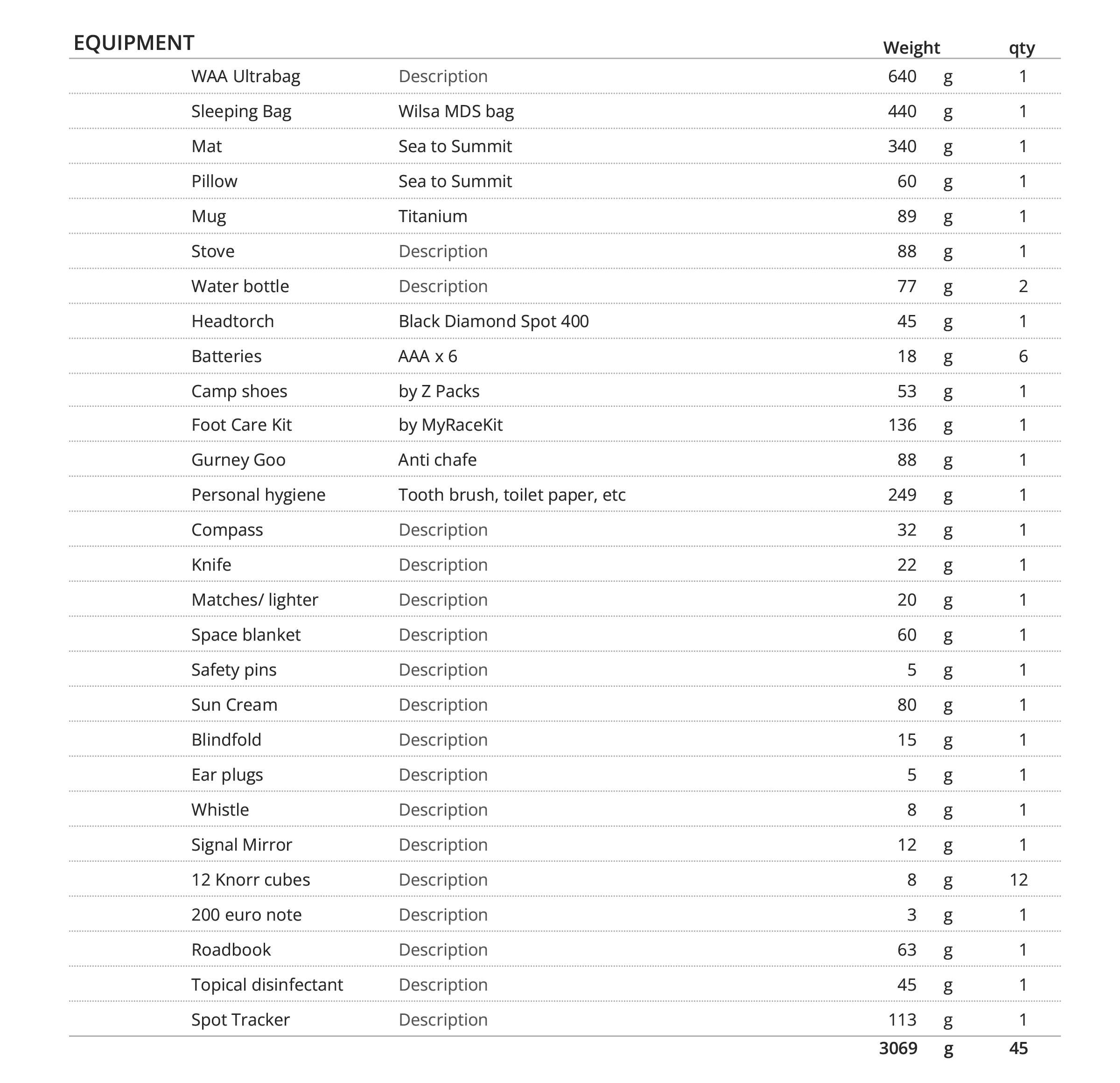
The above list weighs 3069g and this includes the MDS Road Book and the Spot Tracker, both items provided when in Morocco. You will notice there are no luxury items.

We then can look at DESIRABLE and LUXURY.
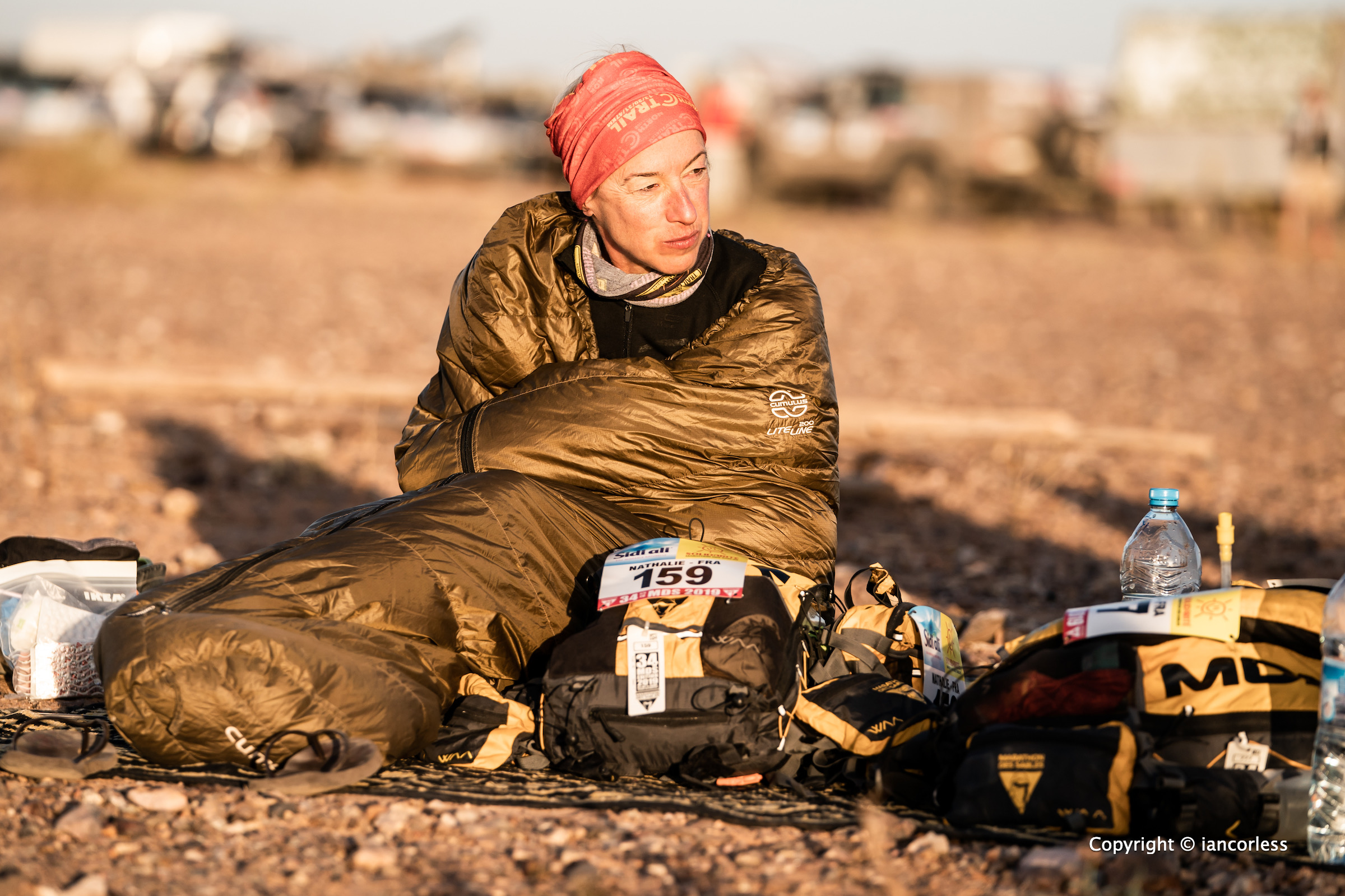
You may consider poles to be desirable, in all honesty, I think for most at MDS events, they are becoming almost essential. Of course, if you are a runner, you do not need them. Just lightweight, folding carbon poles. I recommend Leki Ultralite FX One. A watch with GPX and great autonomy such as Coros Vertix and/or Garmin Enduro. If you don’t have a watch with a good battery, you are then requiring a battery pack and for me, a battery pack falls in the luxury list.

As for luxury, you absolutely MUST keep luxury items to a minimum, I consider a phone to be luxury at an MDS event. The only item I would consider is an MP3 player with great battery life and lightweight earphones.

FOOD

MDS 120 are 4-days and 3-stages, The Legendary is 7-days and 6-stages, so, you need to adjust the requirements accordingly. The typical rule is you must have 2000-calories per day. For The Legendary this equates to 12,000 calories as a minimum requirement, however, I think you are better assuming 14,000 calories.

Food is personal, so, make sure you understand what you require and make sure you have a balance of fat/protein/ carbohydrate and make sure you have sweet/savoury based on your taste requirements. Note that as days pass, the need for sweet tends to shift to savoury. Try and test all food before racing.

Also consider if you will have hot or cold food. Not all food rehydrates well with cold water.
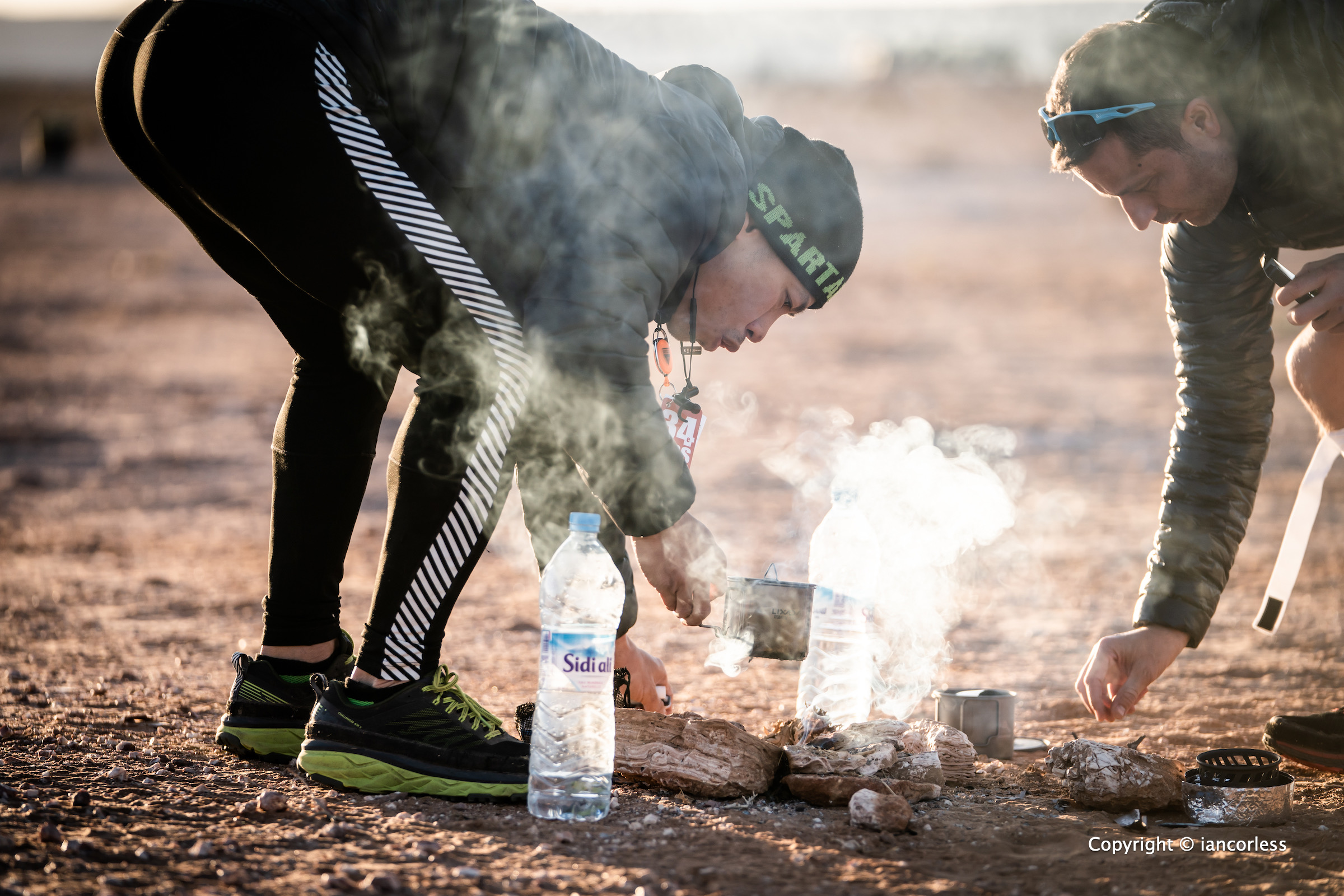
Also, a large man, say 6ft 2″ and 85kg will require far more food than a woman who is 5ft 2″ and 55kg. Keep this in mind and use the minimum 2000 calorie as a guide.
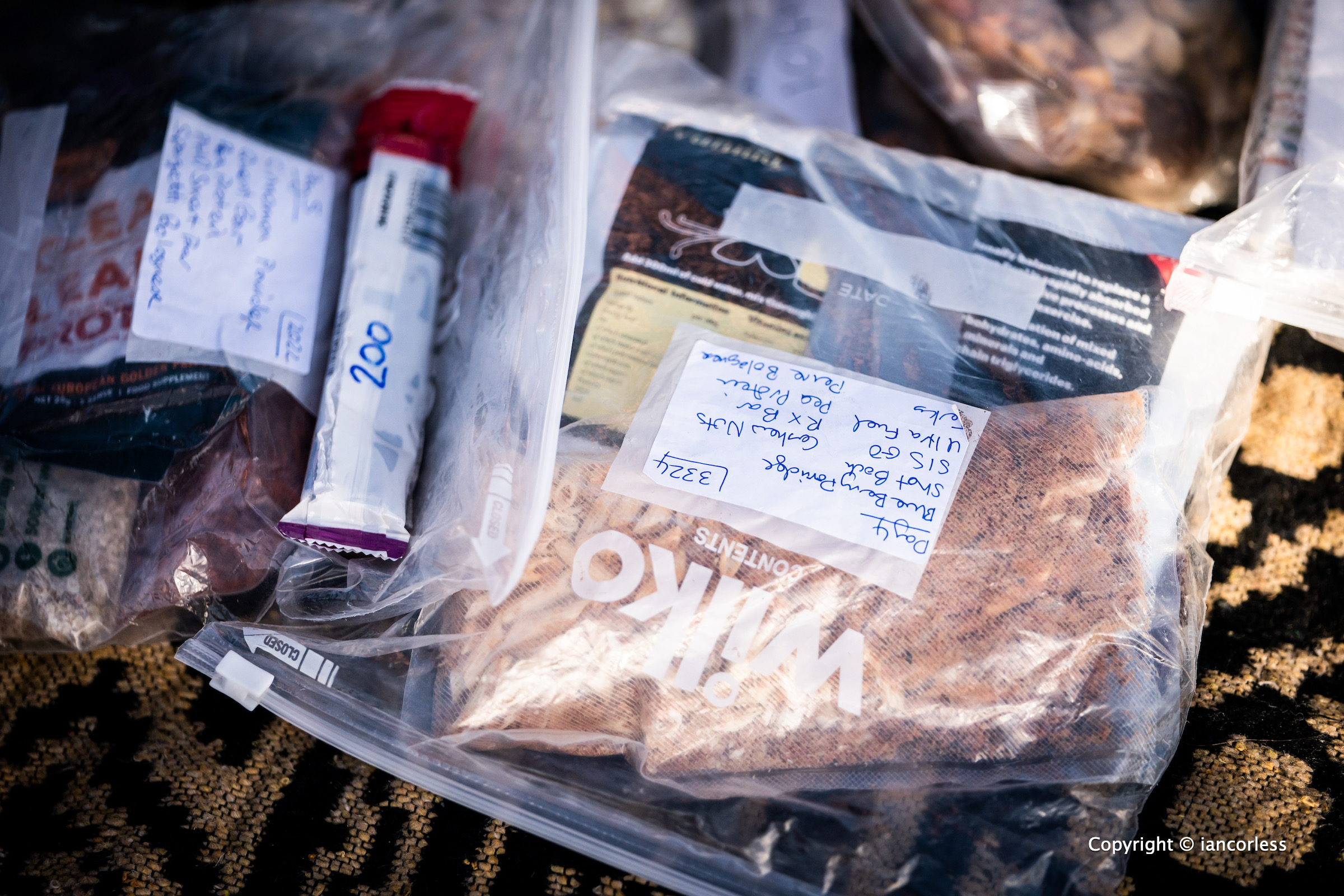
Prepare food bags, a bag per day. That way it is easy to control what you eat.

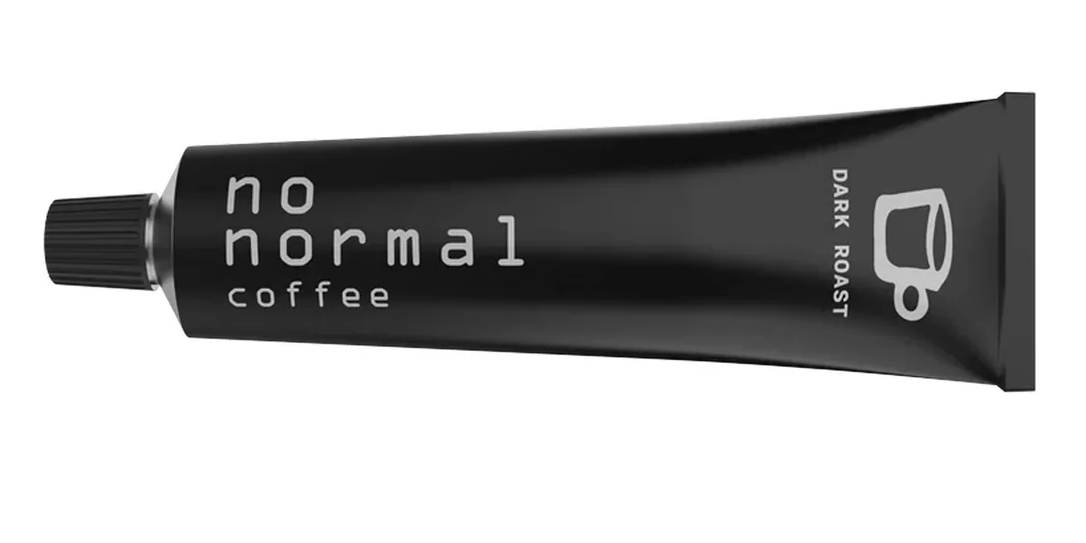
Need coffee, check out NO NORMAL. Yes, coffee in a tube.
6-stage and 7-days at The Legendary could look like above with 7-dehydrated breakfasts and dinners and then a combination of snack food for during and post each stage. Typically you can expect food to be between 4000 and 4500g. My list above comes out at 4048g.

CONCLUSION
©iancorless

MDS events really are as simple as outlined above.

I recommend using LIGHTERPACK – it is a great way to collate a one-stop list for all your items and get a running total of your combined MDS weight.

Here is my list:

In summary, my MDS weight is as follows:

  • 1425 clothing I would wear
  • 3069 equipment
  • 4048 food

= 8542g (8.5kg)

My pack weight would be 7117g (7.1kg this is with road book and spot)

Without road book and spot 6941g (6.9kg)

Remember, the minimum pack weight allowed is 6500g (6.5kg) – so the above would be ideal.

RESOURCES

Interested in another MDS event in 2025?

A full calendar of dates and destinations are available HERE

Instagram – @iancorlessphotography

Twitter – @talkultra

facebook.com/iancorlessphotography

Web – www.iancorless.com
Web – www.iancorlessphotography.com

RED-S Syndrome – What Athletes Need to Know

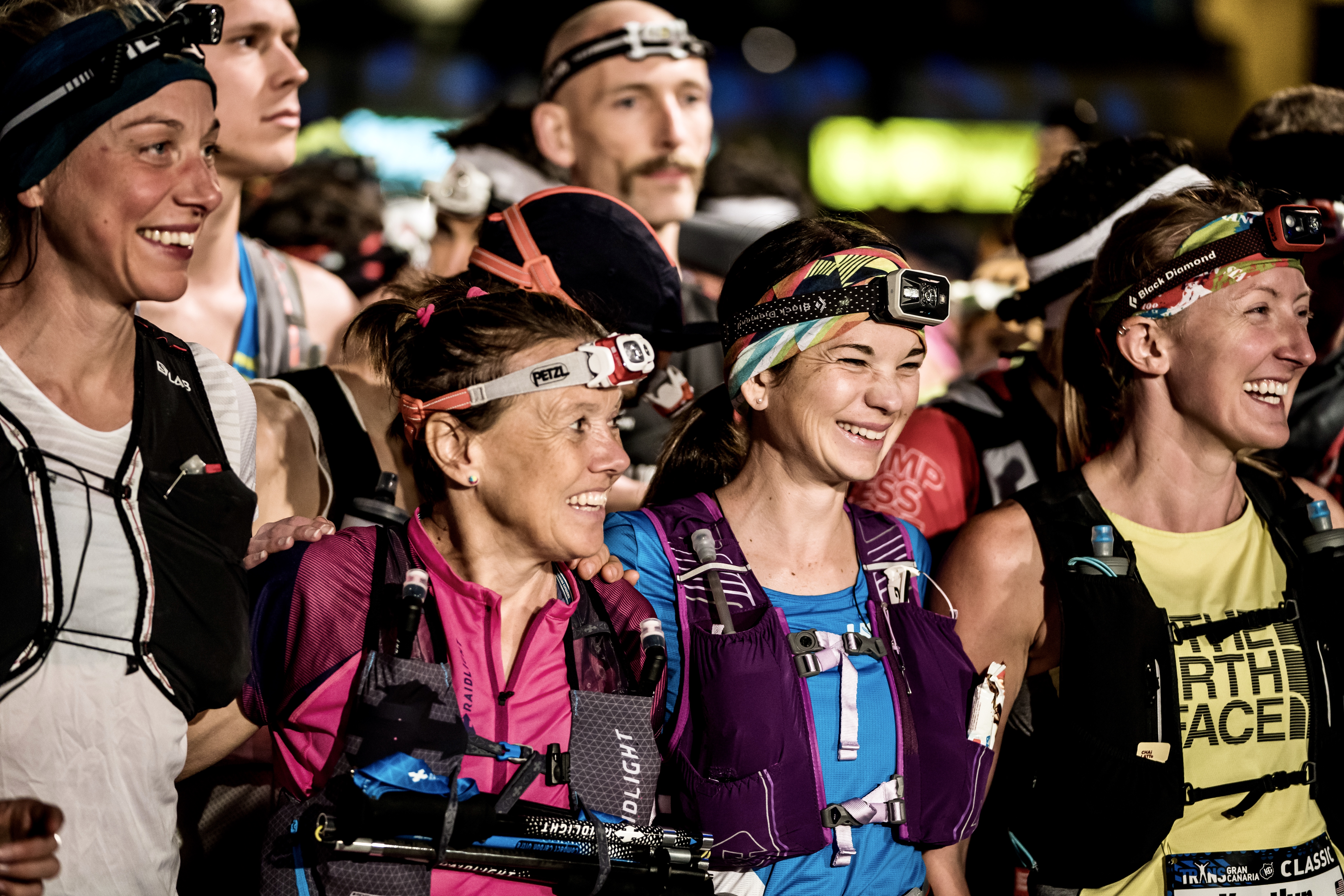
Mimmi Kotka (far left) at the start of the 2020 Transgrancanaria – (c)iancorless.com

Mimmi Kotka broke silence just last week after a string of below par performances and has acknowledged it is time to take a break from sport. In an open and honest post on social media, she clarifies:

“I have been suffering with my body since the end of 2018. I have finally connected the dots between my low immune system, anaemia, fatigue, stomach problems, lack of menstrual period, inability to run fast and my body always running in reserve: it is RED- S, Relative Energy Deficiency in Sport.”

Now for many, RED-S may well be a new term, however, the list of symptoms and problems Mimmi lists are not. In recent years we have witnessed the rise of many a runner, particularly in the ultra-world for them only to slowly disappear.

Caroline Chaverot at Limone Extreme, Italy – (c)iancorless.com

Recently, Caroline Chaverot, a dominant force and some would have said unbeatable in trail running, slowly removed herself from the sport with a string of below expectation performances. In an interview with Damian Hall for IRunFar, Caroline said, “…I want to be better. Everyone else is training a lot, so I will train like them.’ Maybe I did too much? Or maybe too soon? If training becomes like a competition, then you get tired. I probably trained too hard and fast.”

The story of Geoff Roes and his dominance, for a period over the 100-mile distance, who now runs for fun, forever fighting a battle with fatigue. “It seems like I take two steps forward and one step back. I can’t really do what I want physically, I still get pretty fatigued.” said Roes talking with Justin Mock in an article on IRunFar dating back to just April 2020.

To be clear, I am not saying that Caroline or Geoff had RED-S, I am merely pointing out that our sport, the challenges it brings, without close attention can be far more negative than positive. No runner or athlete intends to get RED-S or OTS, quite the contrary. As Mimmi says:

 “I never had the intention to lose weight, nor do I have an eating disorder. I ended up with RED-S by mistake.”

The great thing about trail and ultrarunning is that it is a sport for all. All body types are welcomed and RED-S can happen to anyone at anytime. It can creep up without your realising.

“But a mysterious training condition is suddenly plaguing its ranks, robbing a generation of top athletes of their talents and forcing victims to wonder: Is it possible to love this sport too much?”

Mike Wolfe at The Rut, he is co race director with Mike Foote – (c)iancorless.com

The above is from an article, “Running on Empty” by Meaghen Brown that starts with the story of Mike Wolfe at the 2012 Transvulcania. I was there, I witnessed the day unfold. The article goes on to say:

“The past seven years have seen the rise and decline of at least a dozen elite competitors, including Anna Frost, who won the women’s division of the North Face Endurance Championship in 2011; Anton Krupicka, two-time winner of the Leadville 100; Geoff Roes, who set a new record at the 2010 Western States 100; and Kyle Skaggs, who demolished the Hardrock 100 record in 2008. Each of them reached the pinnacle of the sport only to mysteriously struggle to repeat their best results. Transvulcania was the start of Wolfe’s own precipitous fall.”

Now the context of the above article was OTS, (Overtraining Syndrome,) but the similarities with RED-S are noticeable.

What is RED-S?

Relative energy deficiency in sport, known as `RED-S `is the result of insufficient caloric intake and/or excessive energy expenditure. For Mimmi, it was the latter, excessive energy expenditure. The condition can alter physiological systems such as metabolism, menstrual function, bone health, immunity, protein synthesis, and cardiovascular and psychological health.

For many, RED-S was known as the Female Athlete Triad and is often directly related to not eating appropriately for the amount of energy one extends. This can be a particular problem for the ultra-distance runner. “Furthermore, the RED-S model includes both male and female athletes – so if you are a male athlete, please do not stop reading! Low energy availability can impact male and female exercisers of all levels and of all ages.”

Food restriction is a worrying scenario, both for male and female athletes. A simple analogy is taking a car and restricting the fuel you add to the car. Do not add enough fuel and the car will eventually grind to a halt, the body is no different. While the condition was often thought to be one for female athletes, medical professionals are now seeing similarity in male athletes and the usage of the RED-S term now applies to male and female.

Mimmi continues to write, “I have plunged myself into this condition over the last few years. I have simply put in more and more hours of training without adjusting my calories accordingly, dragging me towards incredible fatigue.”

Mimmi was eating healthy and good quantities, however, the balance was off. Her training volume was too high and calorie intake insufficient. It was not an eating disorder of any sorts, more a miscalculation of energy burnt/ calories in.

Mimmi, was the winner of CCC and TDS and for a period of time, was considered unstoppable. A force to be reckoned with. But as she says, since 2018 she has continually suffered to find the same performance levels. This in turn brings a negative cycle that only perpetuates the problem.

I will train more.

I will lose weight.

Two common scenarios that gradually add more issues and one cannot ignore pressure from peers, fans and sponsors. In the case of Mimmi, she trained more to get better. She had no intention to lose weight.

While eating habits are an indicator of RED-S, the overall picture is much more complex and of course, the differences between male and female are marked.

The BMJ (British Medical Journal) list several key notable factors as an indicator, the first is missed periods or no menstrual cycle. Now of course, this is specific to women, but what other factors should be considered?

Stress Fractures.

Low BMI.

Strange eating habits.

Increase training.

Inability to recover.

The long-term impact if unchecked can be devastating with affects on the health system staying with the body for the rest of the athletes life.

When hormone levels are altered, the impact is potentially far reaching and why it may be common to know and understand that immunity is impacted, recovery, growth, concentration and an impact on endurance, the cardio vascular system can also be impacted which could lead to heart disease.

This is not a condition just for the “elite” of the sport, quite the opposite. We look up to our idols and we copy them. We hear stories of mega training sessions, we hear about fasted runs and we hear stories of specific diets to maintain race weight… A picture builds and is one that many try to copy and emulate. For some and in the case of Mimmi, it was about being fitter, therefore adding more training. But for others, the pressure to be thin is very real and fad diets contribute leaving a myriad of question marks that few find the answer to.

Going back to the car analogy, sports people need energy and that energy comes from food full of nutrients and variety. One should not have a troublesome relationship with food but unfortunately, sport is littered with athletes who do. How often have you heard someone say, “I need to run to earn my calories!” 

This mindset is the start of a potential problem and it needs checking.

As Mimmi says in her honest post:

“…I’ve dragged myself deeper and deeper into this condition during the last years. Just loaded on more training hours, not adjusting my calories accordingly and slugged through incredible fatigue. Being able to ignore the physical body is what makes a good ultra runner but it’s also what brought me down.”

Nutrition specialist, Dr Nicky Keay confirms in an article, “Fundamentally there is a mismatch between food intake (in terms of both energy and micronutrients) and the demand for nutrition required to cover expenditure, both of exercise training and for basic “housekeeping” tasks in the body to maintain health. If there is insufficient energy availability, then the body switches into an energy saving mode. This “go slow” mode has implications for hormone production and metabolic processes, which impacts all systems throughout the body.”

We train to get fitter, faster and stronger. But a complete athlete should look at all aspects to make a perfect picture. Food and nutrition is a key building block and without it there will be an inability to improve as expected in response to training and the risk of injury will increase. It´s a downward spiral we have seen all too often in the sport of ultra-running.

Counting calories rarely has a benefit in the long-term, however, in the short term, keeping a training diary that records food intake v expenditure can be useful. If an athlete consumes fewer than 2500/2000 calories (male/female) after taking energy expenditure in to account, your intake is likely to be inadequate

There are many fad diets out there but find a balance with nutritious food that has plenty of variety. Periodise food intake to coincide with training. For example, there is a time and a place for carbohydrate. Equally protein and fats. Eat fresh, minimally processed foods that include plenty of servings of vegetables and fresh fruit. Try not to avoid certain food groups unless advised otherwise by a medical professional and if vegan or vegetarian make sure you understand how to maximise calories paying attention to Protein, Fat, B12, Iron, Zinc, Calcium, Iodine and D Vitamin. “The No Meat Athlete Cookbook” by Matt Frazier is a great resource for all sports people

Post exercise, make sure you replenish your body with protein and carbohydrate. Protein will help repair lean muscle and carbohydrate will help restore glycogen for the next training session. How much carbohydrate you eat depends on what training you have coming up… This is where the help of a coach and nutritionist will help keep you honest.

Be sensible with training volume, less is sometime more!

To conclude, who is at risk of RED-S?

The reality is, RED-S can occur in any age or level of athlete but the greatest risk comes for those who are involved in sports that require high power. Power to weight ratio is a fickle beast and those most at risk are cyclists, climbers, triathletes, runners – yes, runners!

Ultimately, find a healthy balance between training, nutrition and rest. Go through the warning signs below and be honest with yourself. If in doubt, ease back, eat healthy and seek the advice of professionals who can help get you back on the correct path.

Warning signs:

  1. Fatigue
  2. Illness
  3. Repeated injury
  4. Mood changes
  5. Broken sleep
  6. Below par performances
  7. and of course, an unhealthy relationship with food.


Follow on:

Instagram – @iancorlessphotography

Twitter – @talkultra

facebook.com/iancorlessphotography

Web – www.iancorless.com
Web – www.iancorlessphotography.com

Image sales –www.iancorless.photoshelter.com

References:

Please support this website. I believe everyone deserves to read quality, independent and factual articles – that’s why this website is open to all. Free press has never been so vital. I hope I can keep providing independent articles with your help. Any contribution, however big or small, is so valuable to help finance regular content. Please support me on Patreon HERE.

Follow on:

Instagram – @iancorlessphotography

Twitter – @talkultra

facebook.com/iancorlessphotography

Web – www.iancorless.com
Web – www.iancorlessphotography.com

Image sales –www.iancorless.photoshelter.com

SCOTT JUREK’S bucket list

Scott Jurek ©iancorless.com

Scott Jurek, ultrarunner  and bestselling author of Eat and Run.

A dominant force in the  sport of ultrarunning for years and a runner who has gained, Legendary status. Way back In 1999, an unknown runner, Scott took the lead in WSER100 (Western States Endurance Run and) never looked back and went on to win the race. Scott then followed this amazing result up with six more wins; an unprecedented seven WSER wins in a row. It is extremely doubtful that those consecutive performances will ever be bettered or equaled. Scott has won races all over the world and at all distances; Spartathlon, Hardrock-100,  Badwater-135 and in 2010 he set an all American record for 24-hours (165.7-miles) which was recently broken by Mike Morton.

Scott become a household name when the book, Born to Run became an international bestseller. The book chronicled the story of running and how the sport has developed. It discussed shoe design and explored the amazing Tarahumara Indians. Scott travelled to Mexico and spent time and immersed himself in the local culture. The experience changed many peoples perspectives and although Scott is not a ‘barefoot’ runner, the book and the stories told pioneered the current trend for minimalist and barefoot running.

Hailed as one of the top runners of the decade by the Washington Times and he was crowned Ultra Runner of the Year three times by Runners World.

Since 2010 Scott has raced very little as he finished writing his book, Eat and Run and then travelled the world to promote it. In the book he combines his passions for running and his Vegan diet.

He returned to racing the 100-mile distance earlier this year at Leadville 100 and placed in the top 10. He has admitted that retirement is near. However, he does still have a few objectives on his bucket list.

So, what is on that bucket list?

Follow Scott on Twitter @scottjurek

Take a look at the images from his ‘Day in the Lakes’ with local runners and his wife, Jenny. HERE

Timothy Olson – Low Carb

Earlier this summer, Steve Phinney and Jeff Volek, authors of The Art and Science of Low Carbohydrate Performance, headed to the Western States 100-mile Endurance Run, to study how runners in this grueling race fared, literally, for they were checking how the athletes performed AND how they ate.

Steve Phinney says that more and more endurance athletes are choosing low-carb, high-fat.  They’re choosing this diet both to get over digestive problems that hit in such a demanding event, and to win the race, and win it BIG!

That’s what Tim Olson did this year.  A self-proclaimed low-carb eater, Tim won the race — with a record-breaking pace.

You may like to read the article HERE

This obviously links into my previous post on the 40-30-30 diet

Timothy Olson

Scott Jurek is lined up for an interview on Talk Ultra

Scott JUrek

Image Copyright JUSTIN BATIEN

During his college years, Jurek continued to compete in the Minnesota Voyageur, finishing second in 1994 and 1995 and winning the race in 1996, 1997, and 1998, when he set the current course record of 6:41:16. After graduation, he moved to Seattle, where he began competing on a national level, in 1998 winning the Zane Grey Highline Trail 50 Mile Run and the McKenzie River Trail Run 50K, and placing second in his first 100-mile race, the Angeles Crest.

In 1999, Jurek won the prestigious 100-mile Western States Endurance Run on his first attempt, defeating five-time champion Tim Twietmeyer and becoming only the second non-Californian to win the race. He would go on to win Western States a record seven straight times. In 2004, he bested Mike Morton’s 1997 time to set a new course record at the time of 15 hours and 36 minutes.

Over the next five years, Jurek notched victories in the McDonald Forest 50K (1999), the Bull Run Run 50 Mile (1999), the Leona Divide 50 Mile (2000, 2001, 2002, 2004), the Diez Vista 50K (2000-course record, 2003), the Silvertip 50K (2002), the Miwok 100K (2002, 2003, 2004). In 2004, he completed the “Ultra Running Grand Slam” by finishing Western States, the Leadville 100 (in which he was runner-up), the Vermont 100, and the Wasatch Front 100.  He traveled to Hong Kong with Team Montrail to win the 2001 and 2002 OXFAM Trailwalker 100K team trophies, both years setting new course records. Jurek’s 2001 teammates were Dave Terry, Ian Torrence, and Nate McDowell. In 2002, he ran with McDowell, Brandon Sybrowsky, and Karl Meltzer. Jurek was also on the winning team of the 2003 Hasegawa Cup Japan Mountain Endurance Run.

In 2005, just a few weeks after winning Western States, Jurek set a new course record in the Badwater Ultramarathon, widely considered one of the world’s most difficult races. Jurek came from behind to win this race despite temperatures of 120 °F(49 °C), dealing with the heat by periodically stopping to immerse himself in a cooler of ice.

Jurek repeated his Badwater victory in 2006, a year that also saw his first of three consecutive victories in the Spartathlon, a 153-mile race between Athens and Sparta in Greece. Jurek is the only North American to ever win this race, and he holds the two fastest times on the course behind Yiannis Kouros. In 2007, he also won the Hardrock Hundred, setting a new course record at the time.

In 2006, Jurek traveled to Mexico’s remote Copper Canyon with a group of runners including Christopher McDougall and Jenn Shelton to participate in a race against the Tarahumara. Jurek narrowly lost to the fastest Tarahumara runner, Arnulfo Quimare, but in 2007 Jurek returned to win the race. McDougall’s best-selling book about the 2006 trip, “Born to Run,” significantly raised Jurek’s profile.

On May 14, 2010, in Brive-la-Gaillarde, France, Jurek broke the USATF all-surface record for distance run by an American in 24 hours with 165.7 miles. His finish earned him a silver medal and helped the American men’s team take a bronze overall.

He was part of “Dozens of searchers” including of world class ultra-runners like himself and Kyle Skaggs) went to the remote wilderness to search for the inspirational ultramarathoner Micah True, who went missing and was found deceased. Chris McDougall tweeted: “Caballo had the only funeral he would have wanted: his friends spent days running in the wilderness in his honour.”

HIGHLIGHTS

  • United States record for 24 hour distance on all surfaces (165.7 Miles/266.01 Kilometers).
  • Won the Spartathlon 152-mile (245 km) race from Athens to Sparta, Greece three consecutive times (2006-2008).
  • Won the Hardrock Hundred Mile Endurance Run, and held the record time for one year until Kyle Skaggs set a new record in 2008.
  • Won the Western States Endurance Run seven consecutive times (1999–2005), and held the record time (15:36:27 in 2004) until 2010
  • Won the Badwater Ultramarathon twice (2005, 2006), and held the course record for two years (2005).
  • Finished first three times (2002–2004) and second three times (2001, 2005, 2006) in the Miwok 100K Trail Race.
  • Won the Leona Divide 50 Mile Run four times (2000, 2001, 2002, 2004).
  • Won the Diez Vista 50K Trail Run twice (2000, 2003).
  • Won the Montrail Ultra Cup series twice (2002, 2003).
  • Selected as UltraRunning Magazine’s North American Male Ultrarunner of the Year in 2003, 2004, 2005, and 2007.

Scott will hopefully be on episode 10 or 11 of Talk Ultra – check it out HERE