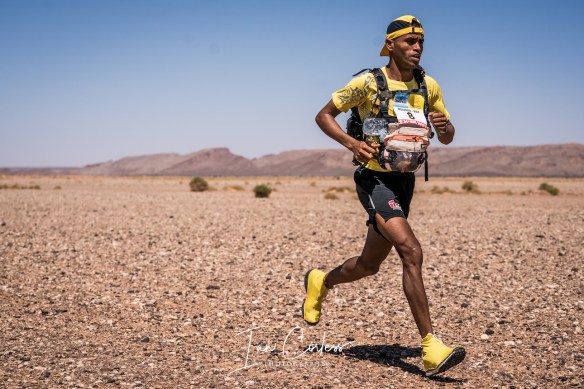
Rachid El Morabity and Ragna Debats are the 2019 champions of the iconic Marathon des Sables.
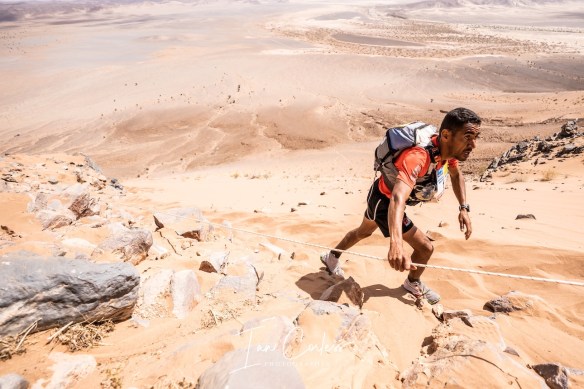
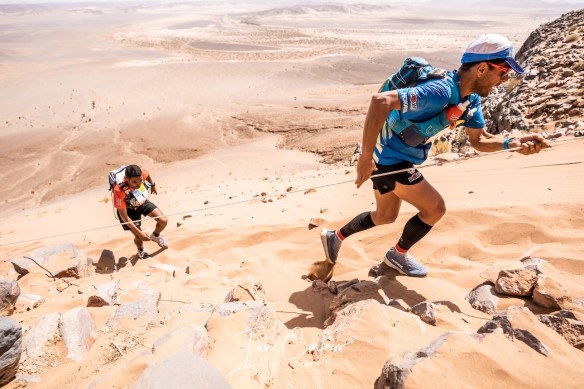
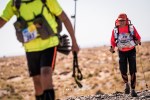
Today. stage 5, ‘The Marathon Stage’ concluded just a short distance away from Tafraout. It was a day that started with cool temperatures as runners climbed the infamous, Djebel Oftal after a 3km warm up.
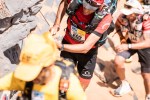
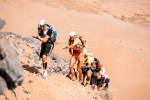
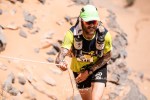
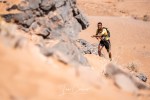
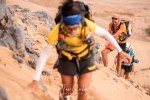
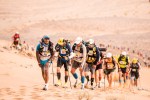
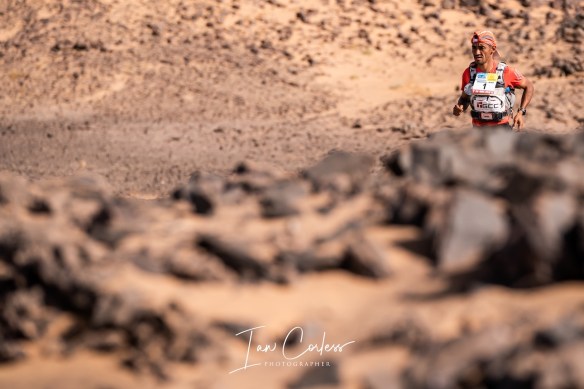
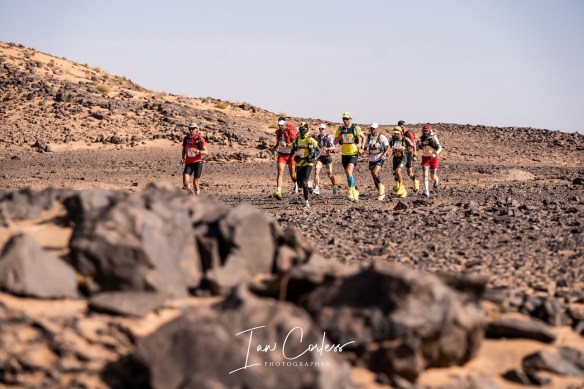
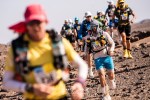
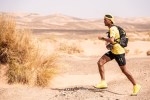
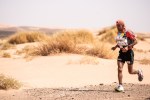
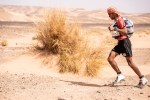
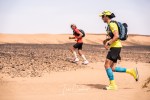
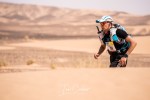
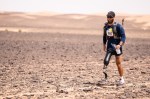
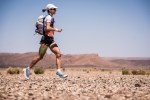
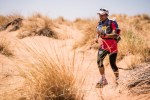
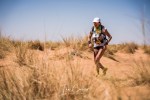
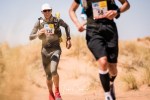
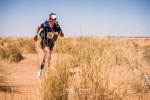
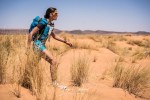
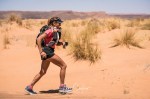
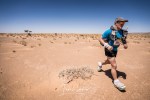
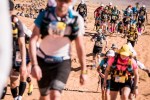
As the minutes ticked by, the sky cleared, the weather warmed up and the runners were treated to a classic MDS day and a truly beautiful course that provided the best of the Sahara.
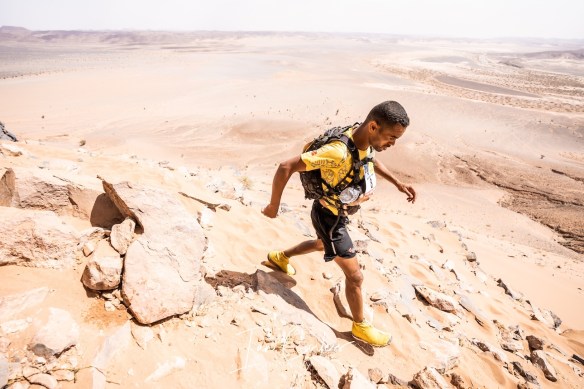
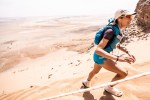
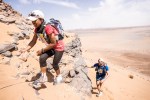
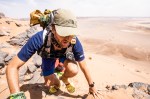
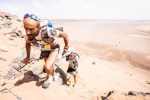
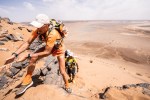
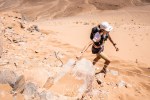
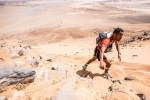
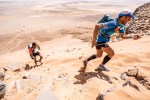
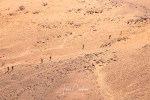
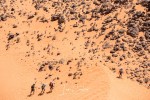
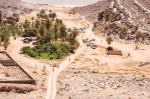
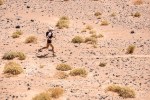
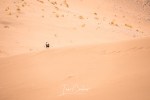
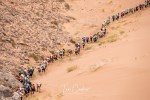
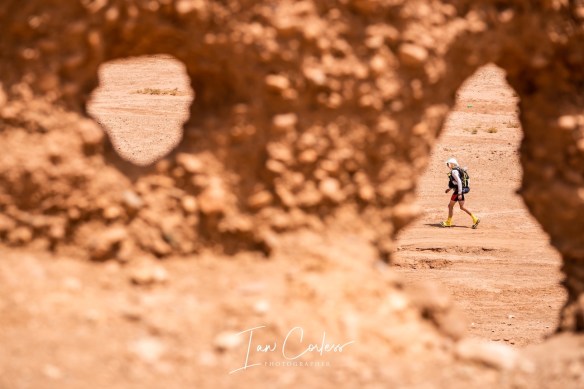
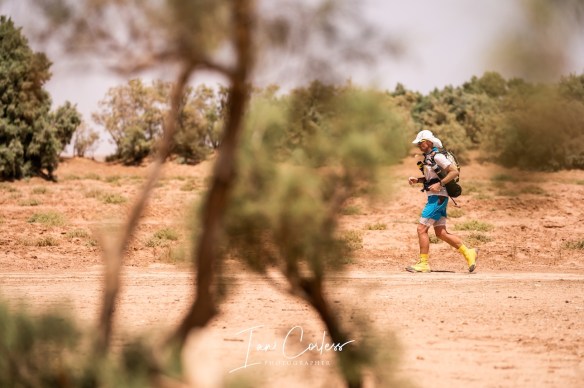
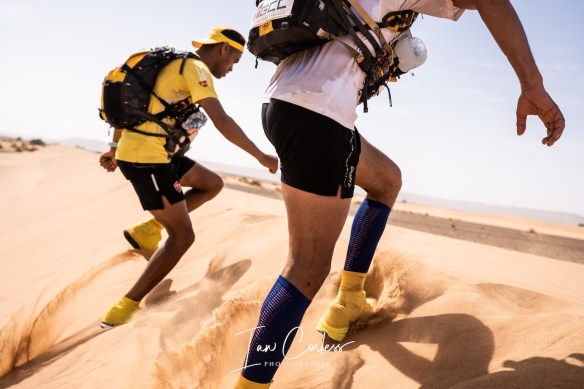
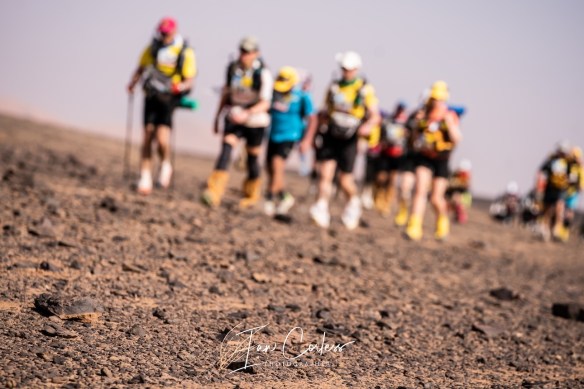
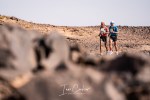
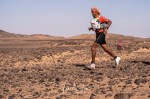
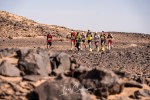
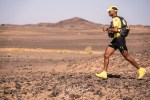
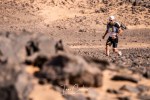
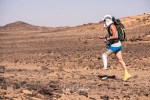
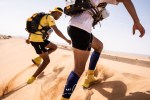
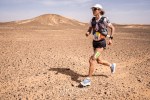
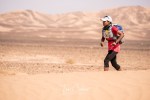
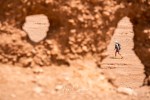
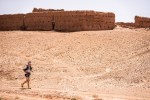
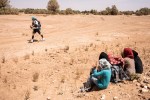
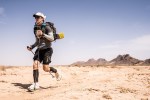
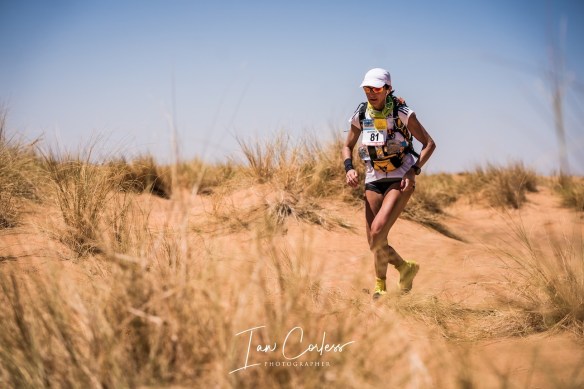
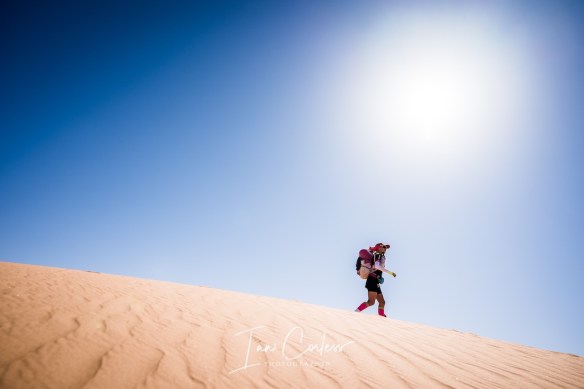
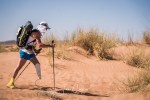
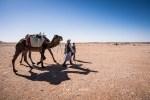
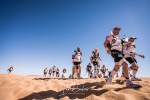
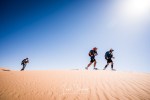
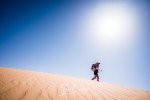
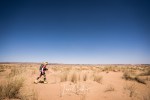
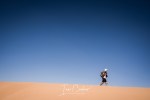
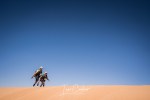
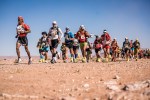
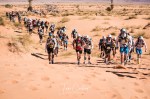
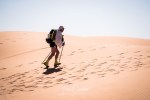
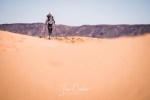
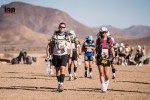
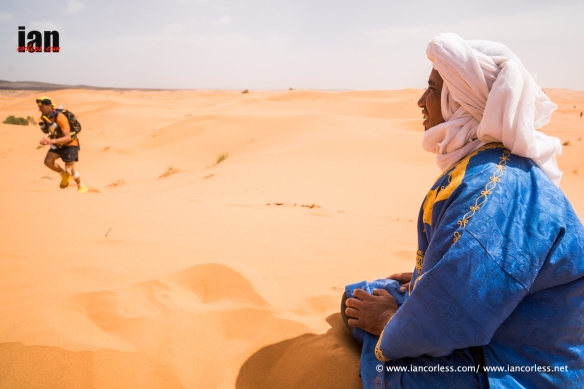
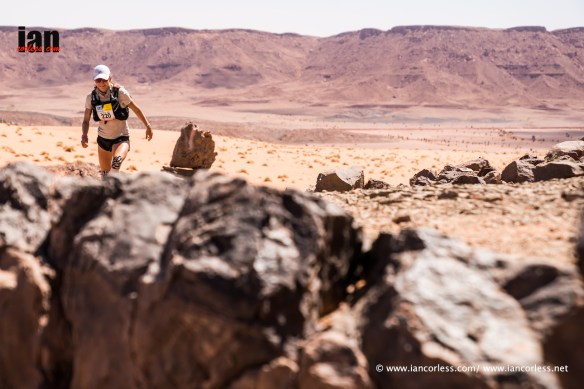
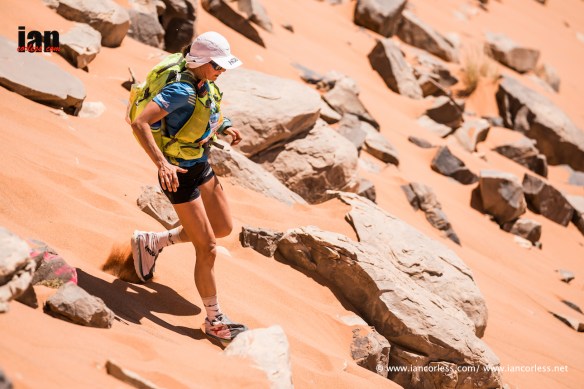
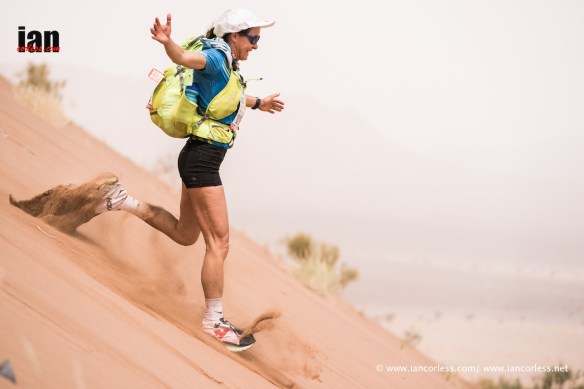
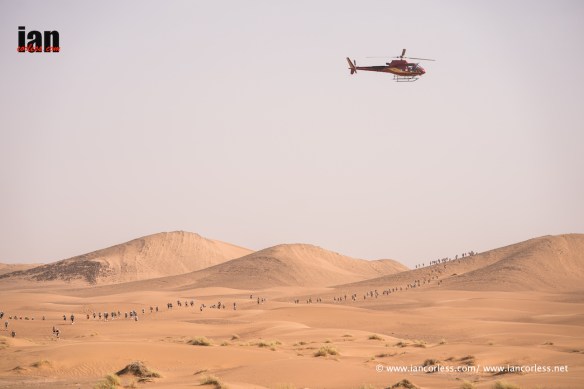
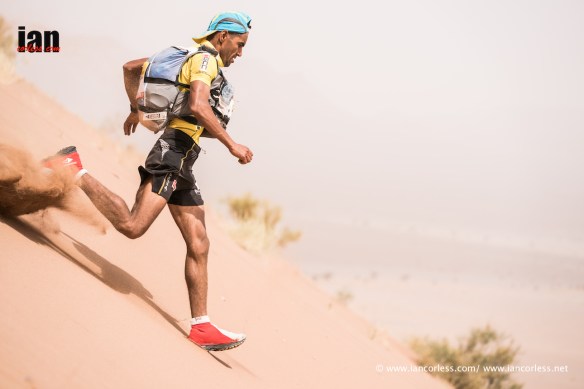
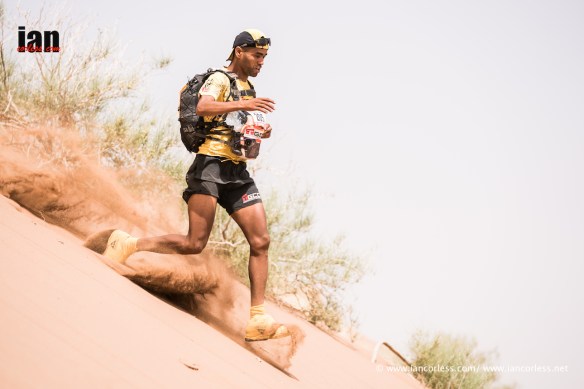
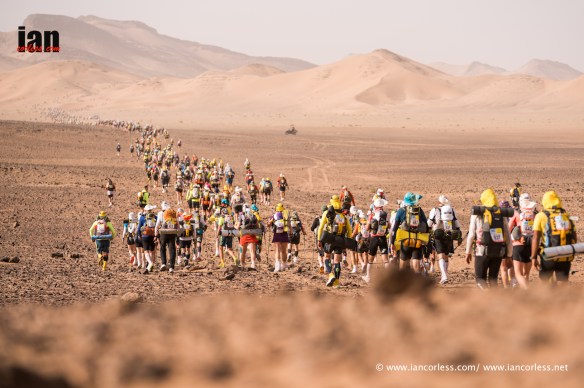
Dunes, rocky plateau, salt flats, the oasis of El Maharch, gentle climbs, soft-sand descents and then a run in to the finish backed by a mountain range.
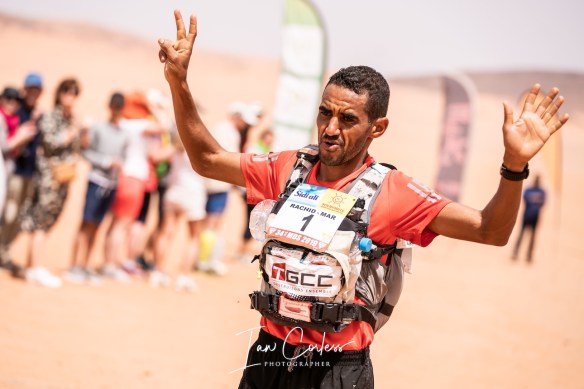
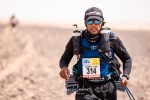
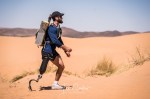
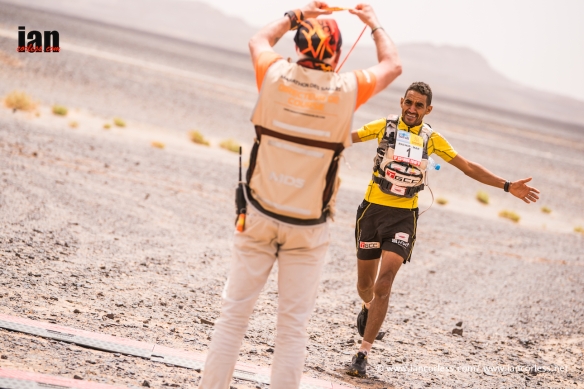
Despite early attacks in the men’s race including his brother Mohamed, Rachid El Morabity once again won the final stage and became the 2019 champion of the MDS once again. He really is the desert king. Mohamed El Morabity placed 2nd overall with Abdelaziz Baghazza completing the podium.
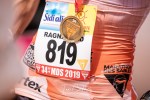
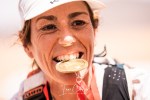
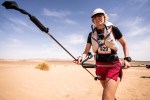
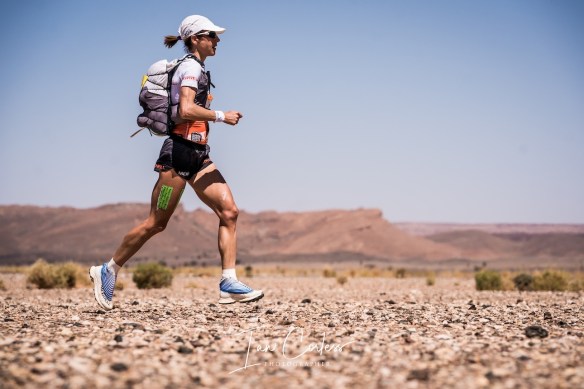
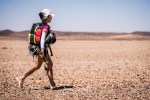
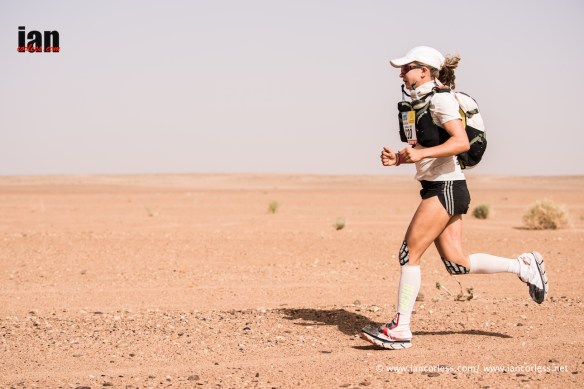
For the women, it may come as no surprise that Ragna Debats made 5 stage wins out of 5 and completely dominated the women’s race.
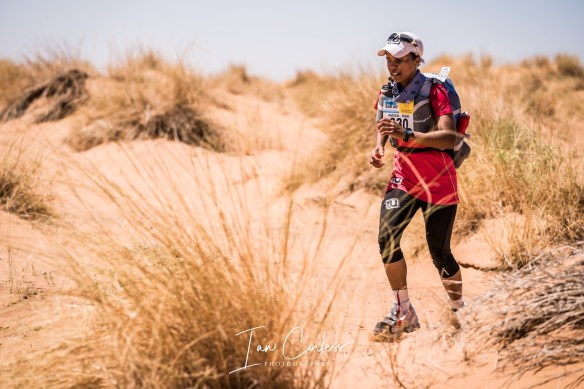
Credit must go to local runner, Aziza Raji who battled throughout the week to secure a very solid 2nd place for Morocco. Also, Gemma Game from the UK had a tough day-1 but battled and moved her way through the field throughout the week and once again rounded out the podium with 3rd place.
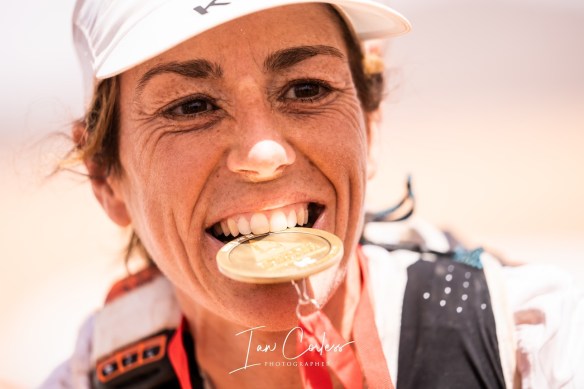
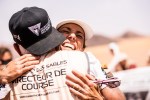
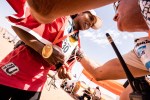
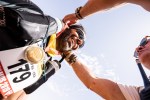
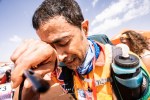
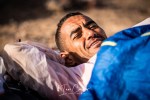
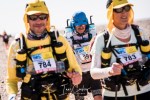
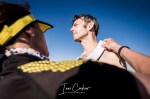
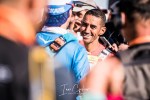
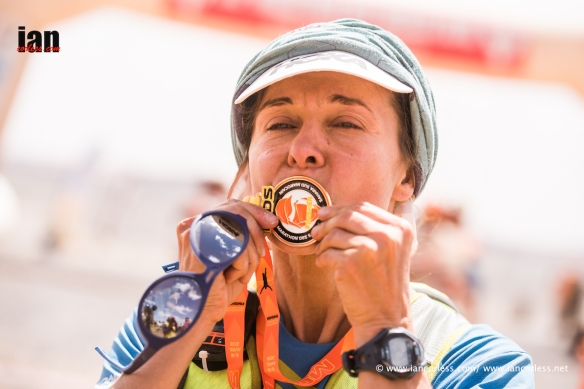
The MDS is all about every single runner and the finish line really does focus and release the emotions as tears flows, cries of joy are heard and the embraces of Patrick Bauer, the race creator, are received. The MDS is truly a magical journey and experience. It is a life -changer for many and I personally have experienced the transformation the desert and this race brings.
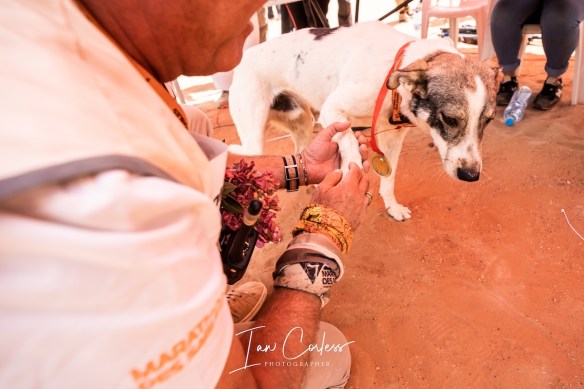
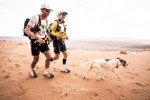
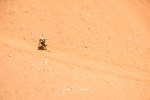
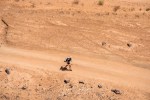
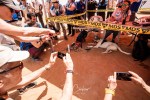
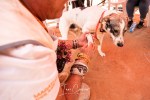
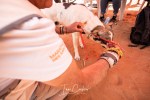
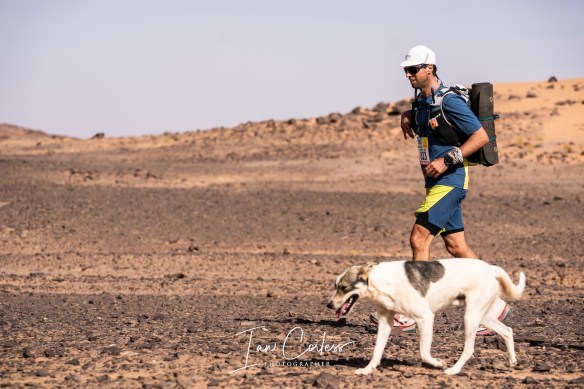
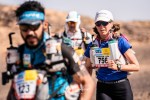
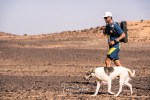
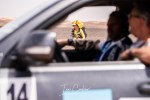
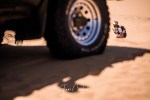
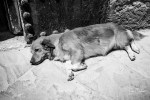
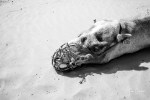
The 2019 edition certainly gained additional notoriety from a wonderful dog called Cactus. he joined us on day-2 and went on to complete day-3, 4 and today, day-5. This little dog has captured the hearts and minds of the world, not only in the media. There is a lesson to be learned from Cactus – to live life free and completely. He embraced the true spirit of what MDS stands for without realising it. And, in doing so, he has reconfirmed to all of us that life is for the living. I for one, am truly blessed to have experienced Cactus and all the 800+ plus runners on a truly magical 34th edition of the iconic ~Marathon de Sables.
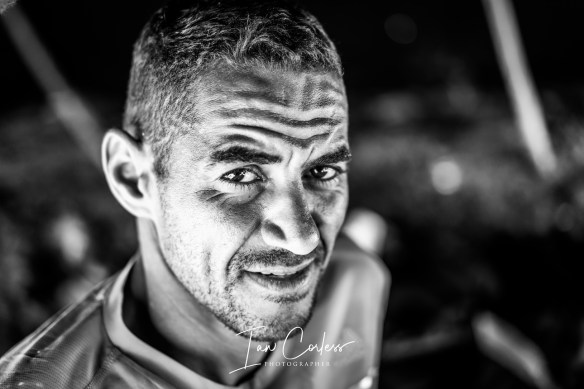
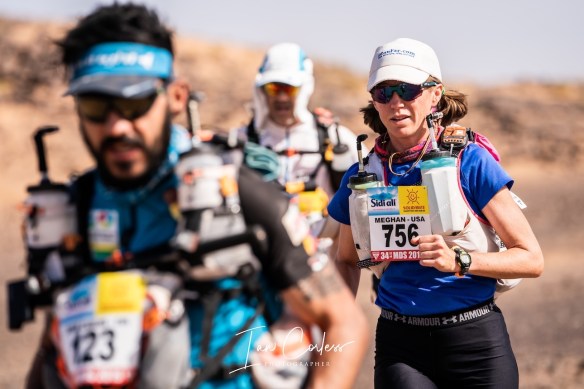
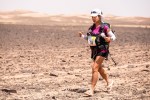
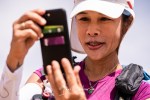
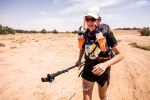
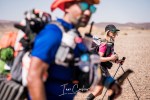
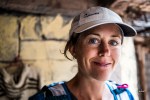
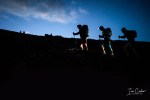
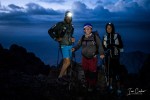
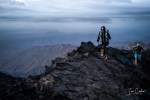
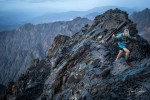
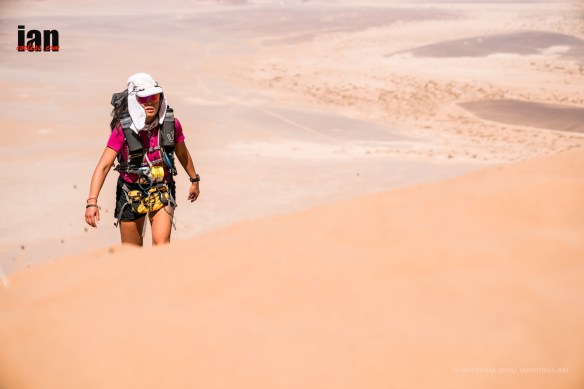
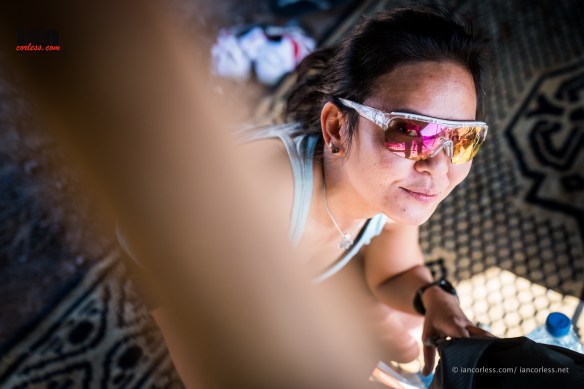
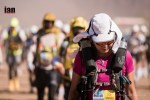
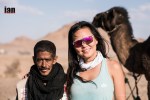
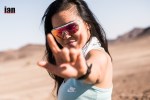
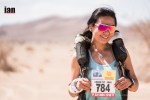
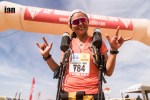
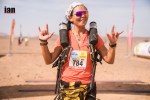
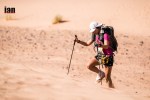
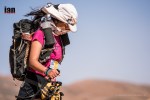
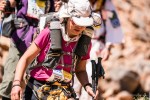
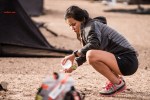
Rebeca from myRaceKit is an accomplished ultra-runner, here at the 2019 Marathon des Sables.
It was a warmer night in camp and the winds that had increased during the afternoon made for a comfortable night in bivouac. The tough stage 2 had left a real positive mood in camp, ‘If we can complete day-2, we stand a good chance of completing this MDS!’ seemed to be the general consensus. Many had loved the tough day, embracing the dunes. Others had found it a struggle. It is the MDS, so, it is to be expected. Of course, the day took its toll and for some, the 34th edition of the MDS ended.
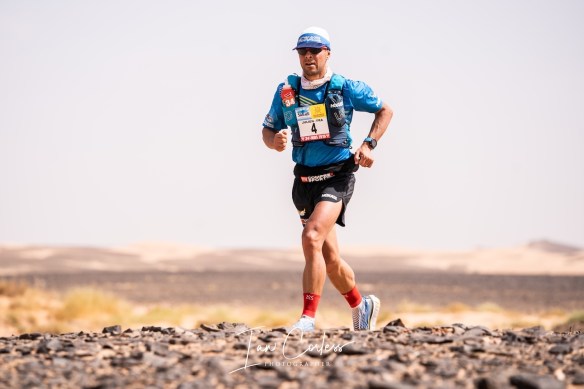
Day 3 at 37.1km in comparison to day-2 would be an ‘easy’ day. Little tough terrain with lots of hard packed ground, stones and some soft sand and dunes. It turned out to be a hot day though, maybe the hottest day so far.
For the first 10km it was hard packed ground and the pace at the front was hard and fast with Rachid El Morabity dictating the the tempo with Julien Chorier – an unusual tactic the MDS champ. Behind a group of 10 followed including lead lady, Ragna Debats.
At 8km. a section of dunes lasted 3km to cp1 and then dunes followed to 16km. Rachid continued to push the pace and now his brother, Mohamed was closing the gap to join them. For the women, Ragna was in a race on her own, to be honest, she is pushing the men and overall top-10 classification.
Aziza Raji continued to chase Ragna as in all the previous day’s, but she just does not have the pace. Today, Gemma Game finally found her stride and started to look at home in the desert running ahead of the chasing women that included Meghan Hicks.
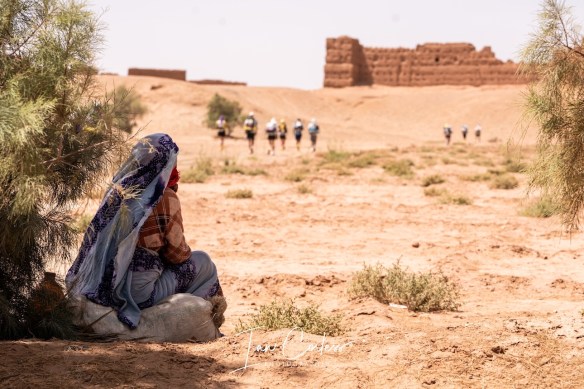
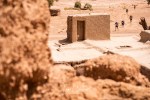
The push from cp2 the finish offered a little of everything in regards to terrain, the heat probably the most troublesome issue. The old village of Taouz provided a stunning and varied backdrop along with the Kfiroun.
As on day-1, Rachid finally put the foot down to gain a slender lead over Mohamed and Abdelaziz Baghazza who finished just seconds apart in 2nd and 3rd.
Ragna once again finished almost 30-minutes ahead of the 2nd women, Aziza, but notably Gemma closed to within a handful of minutes for 3rd.
Tomorrow is the feared long-day! The battle will be very interesting for the 2nd and 3rd women’s podium – can Gemma push ahead of the Moroccan? It would now take a disaster for Ragna to lose this race.
Rachid normally secures his victory on the long-day and one has to assume this will be his plan tomorrow. He will run steady early on and then push making the others follow his relentless pace. The top-3 are close though, anything can happen!
The 34th edition of the iconic Marathon des Sables got underway today. A race of 32.2km heading south through the mixed and wonderful terrain that Morocco has to offer.
As per usual, camp was full of nerves and tension after a somewhat cold night left some runners wishing they had packed more clothes. Breakfasts were cooked, bags were packed and the pre-race anticipation was tangible.
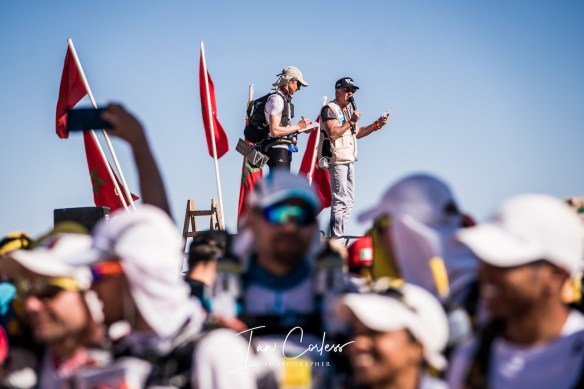
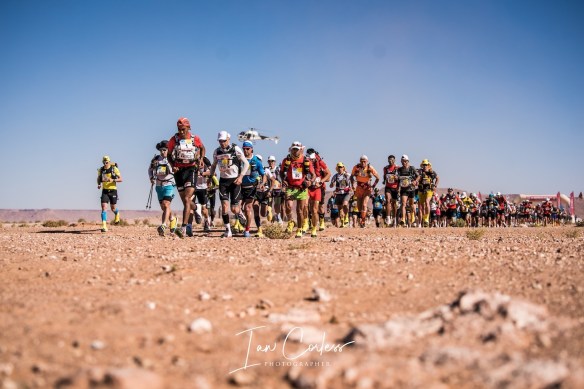
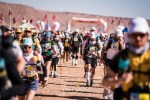
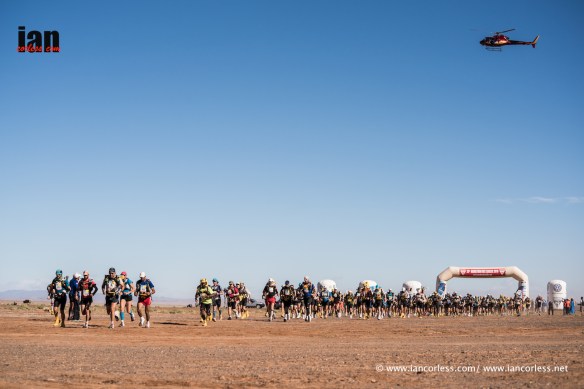
The race was underway at 0900 after Patrick Bauer, the race creator, provided his usual morning briefing two the assembled runners who totalled more than 800.
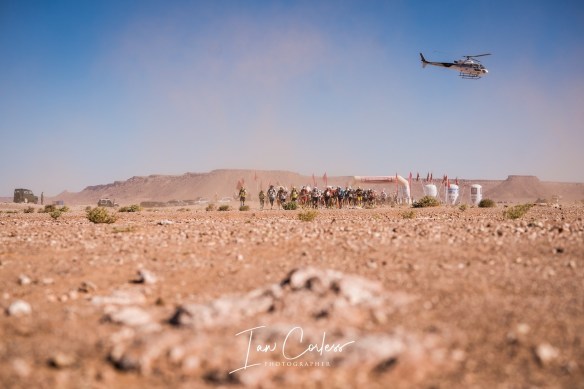
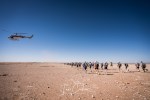
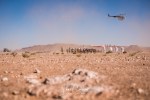
With the buzz of the helicopter and AC/DC’s Highway to Hell, the race was unleashed.
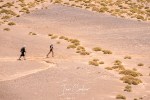
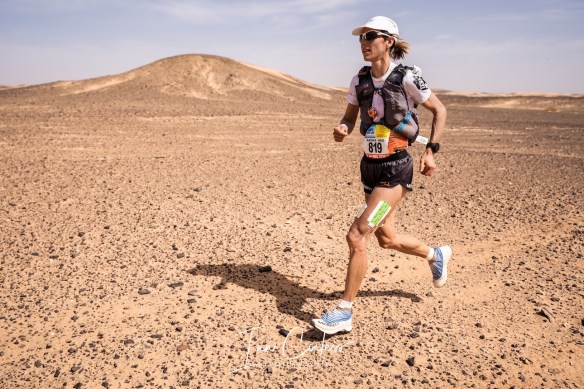
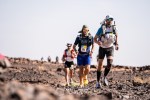
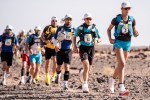
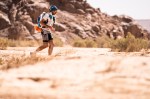
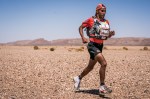
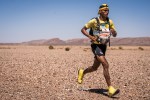
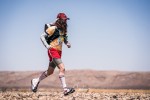
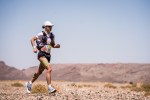
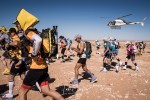
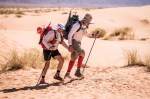
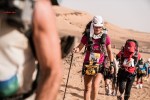
In MDS terms, day-1 was considered an ‘easy’ day – a nice introduction to the Sahara. The wind was almost non-existent the heat gradually built throughout the day as the 800+ had to cross mini dunes, soft sand and rocky plateaus.
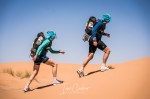
It may come as no surprise that the El Morabity brothers of Rachid and Mohamed dictated the day, pushing ahead together. It was only in the closing km or so, that Rachid, the six times champion forged ahead to win in 2:19:00 exactly, 1min 28secs quicker than his brother. Abdelaziz Baghazza arrived 90-seconds later to round out the day’s podium.
The ladies race was dominated by IAU World Trail Champion and Skyrunning World Champion, Ragna Debats, running hers first ‘MDS!’ Ragna is a past winner of The Coastal Challenge in Costa Rica, also a multi-stage race but importantly, not self-sufficient! Today she ran like an experienced multi-day runner, her pack causing her little issues. Her time of 2:42:24 quite incredible providing a top-20 place overall.
Moroccan Aziz Kaji will have made the home crowd happy placing 2nd in 3:07:58 and in the 3rd, the Queen of ‘MDS,’ Laurence Klein from France who has won the race on many occasions in past years.
It is only day-1 but the race is already taking shape. Day-2 at 32.5km is already obtaining much talk as it include 13km’s of the infamous Merzouga Dunes, the highest and the most challenging dunes in Morocco.
For the first time in a long, long time. I had a holiday! Those who follow what I do would arguably say, that I am always on holiday as I am constantly travelling to photograph running races all over the world. However, I can honestly say that in the last six years, I have not been away without working. Admittedly, on one or two trips, work has maybe only been 20-30% of the actual trip. It’s still a holiday but the work element is there.
This August I booked a trip to Morocco, I put my email on auto-reply, I downloaded a couple of books on my Kindle app and I went way with the pure intention to do no work for a good 14-days.
As a photographer, you may be thinking or asking, but did you take a camera?
The answer is quite simply, yes!
When you do what I do in, day-in and day-out, it’s almost impossible to travel without a camera. I often consider a camera just an ‘essential’ item for what I do every day, be that a holiday or not.
The key thing with taking a camera on holiday is that I can take images for the pleasure of it. No brief, no deadlines, no clients – I can shoot what I want and when I want.
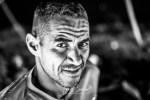
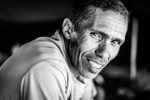
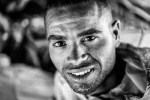
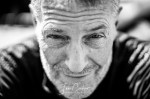
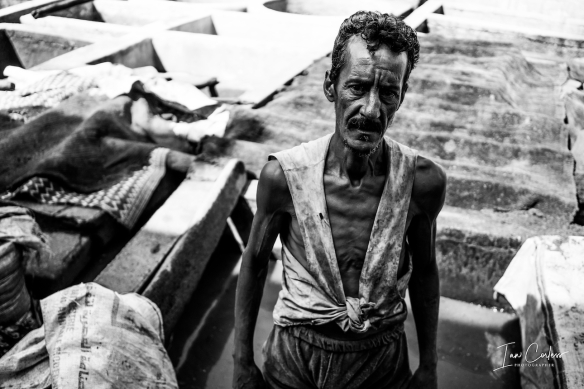
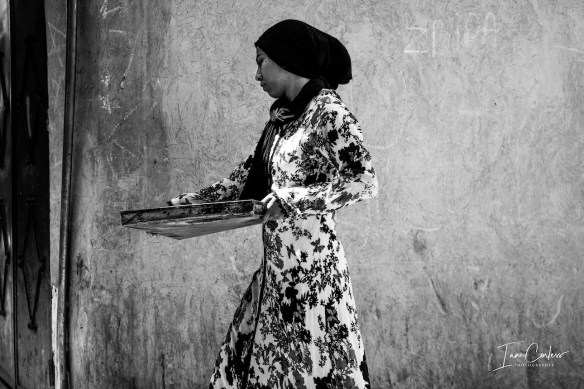
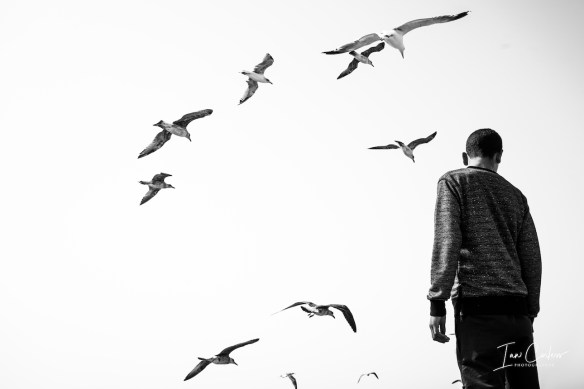
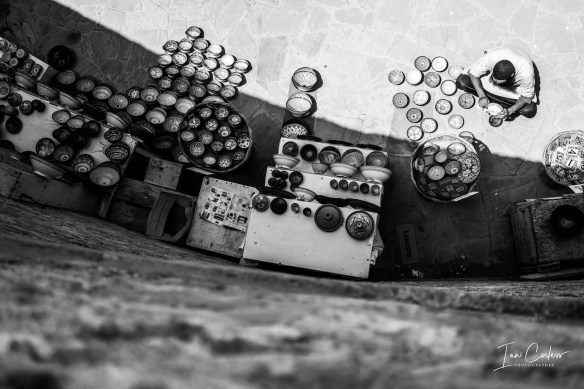
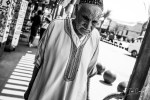
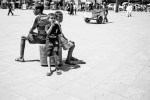
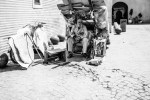
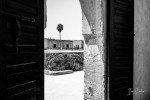
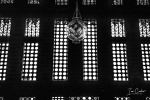
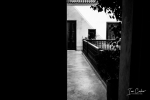
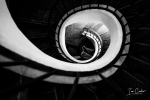
I started to post 10-12 B&W images a day whilst travelling, normally on my Instagram and on Facebook. What was interesting was the amount of feedback and direct messages I received. I guess most people know me as a sports/ running photographer, so, suddenly a series of gritty B&W street photographs appear, and it makes people curios.
So, I decided to write a brief post to answer the questions that was asked.
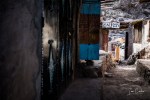
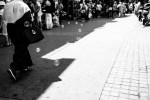
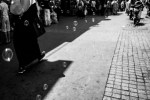
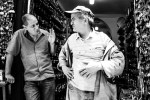
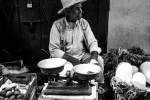
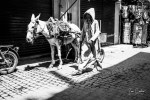
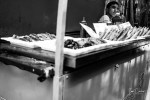
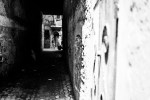
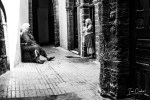
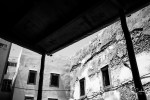
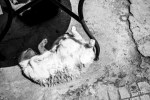
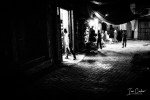
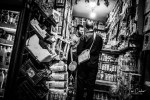
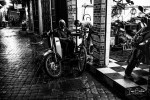
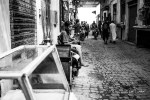
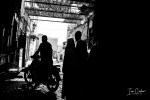
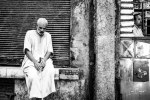
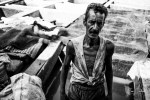
Street and people photography are something that I love. It’s raw, visceral, gritty and when done well should transport the viewer to the place and immerse them.
“Travelling, one accepts everything; indignation stays at home. One looks, one listens, one is roused by enthusiasm by the most dreadful things…” – Elias Canetti
Now there are many forms of street photography. And just to draw a comparison, I photographed in Nepal for many years, the street shots I have done there are very different to what I did in Morocco.
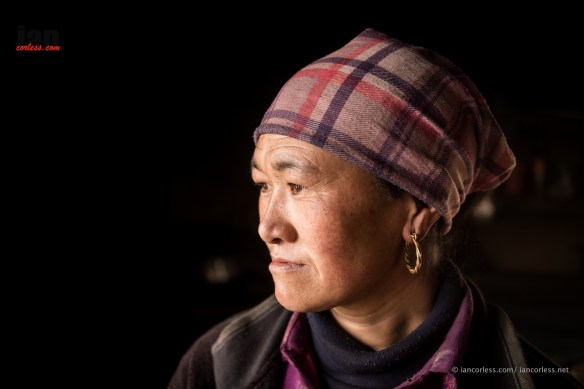
To clarify, I could photograph in Nepal the way I photographed in Morocco but not vice versa. The reason being, the people and the culture. The Nepali people love having their photographs taken, you can walk up to them, stick a camera in their face and take a shot. You can even ask them to move or look into a certain place. So, although it’s real, there can be an ‘element’ of set-up, however, I rarely go down that route.
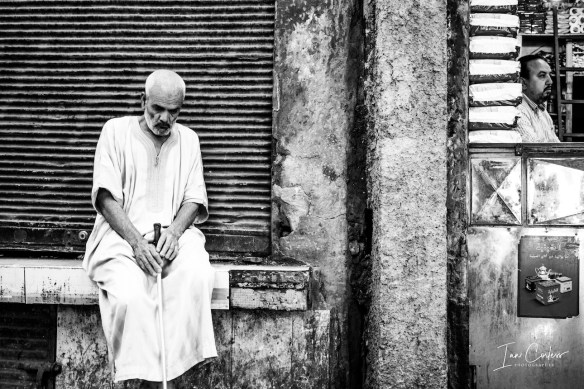
In Morocco, the people are very different. They do not like having their photograph taken. Don’t agree with me? Take a camera in to the Souk in Marrakech and start pointing your camera at people – you will soon realise that it is not an option. Now of course, there are exceptions. Occasionally it is possible to do a ‘posed’ shot and I have found that my experience with 30-year’s in the business lets me know when that is an option.
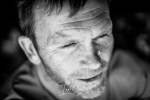
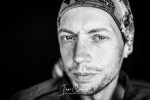
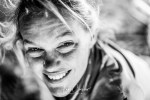
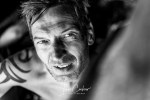
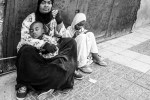
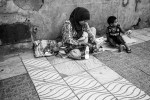
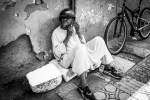
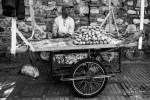
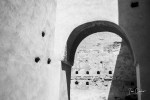
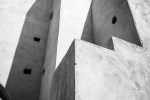
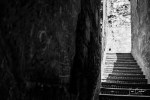
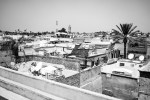
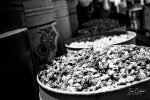
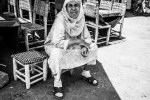
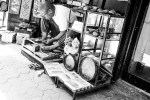
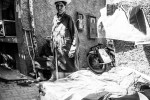
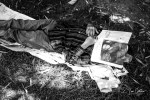
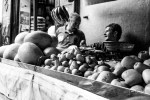
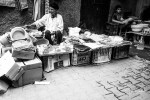
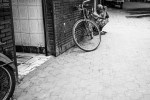
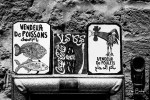
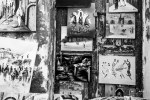
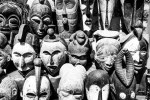
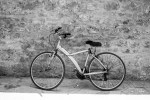
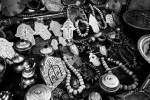
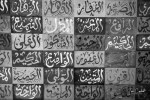
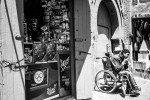
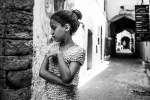
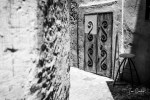
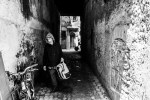
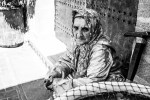
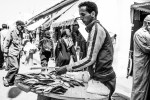
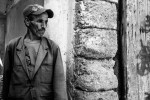
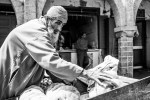
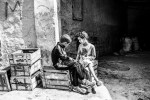
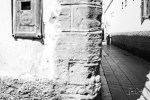
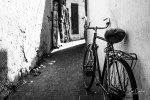
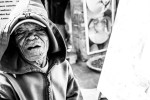
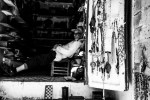
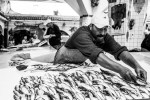
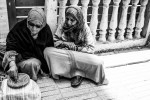
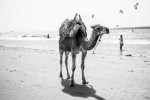
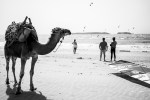
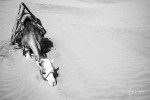
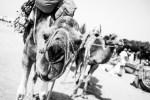
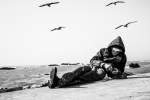
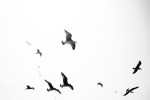
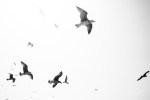
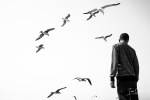
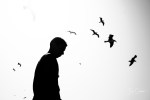
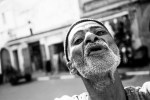
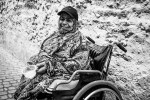
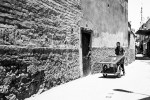
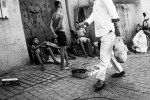
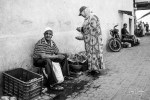
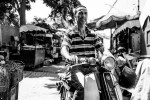
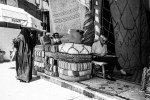
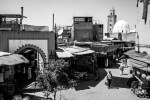
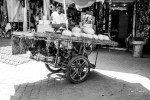
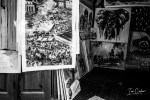
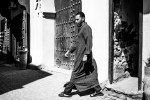
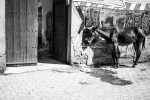
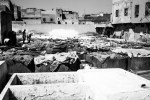
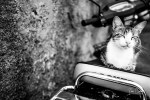
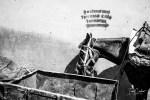
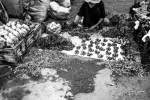
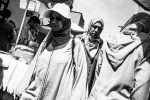
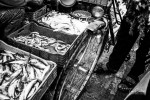
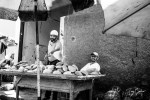
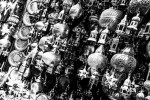
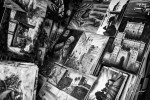
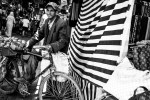
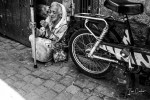
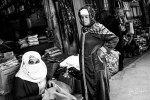
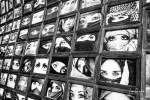
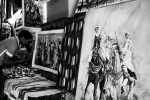
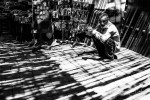
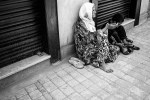
Below, there are over 300-images captured in Marrakech and the coastal resort of Essaouira, I would say that approximately 10-12 images were taken with the subject knowing I was taking the photo and they didn’t mind.
The remainder of the images were taken with the subject not knowing that I was taking photographs.
THE EQUIPMEMT
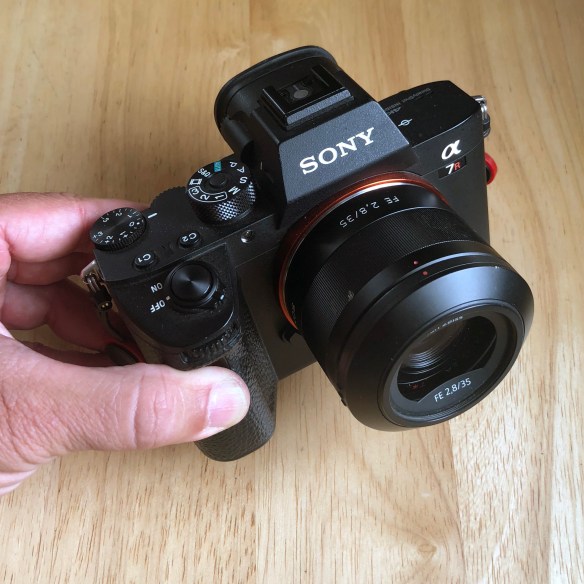
Sony A7RIII with Sony/Zeiss T Sonnar* 35mm F2.8
If you look like a photographer, you will stick out and the people will already be wary of you. For street work and when travelling this way, I carry one camera and one lens.
I use a Sony A7RIII (approx £3200) which is a full-frame digital camera which produces a whopping image size of 42.4MP, when shooting in RAW, that file is over 80MP. I have found a large file allows me options to crop in to the image and still retain a high quality/ high resolution file. The camera is mirrorless and therefore considerably smaller than a DSLR, it also has Image Stabilization built into the body; super handy in low-light. The camera can also shoot at 10fps, at times, this can be super important for capturing that all-important moment.
I use a prime lens, the 35mm F2.8 – The Sonnar T* FE 35mm F2.8 which is a Sony/ Zeiss lens. The optics are incredible, focus is fast and superb and F2.8 it is pin-sharp. There are several reasons why this lens is perfect for street work:
At 35mm, it is wide, but no so wide that you can’t take portraits. I would say that for most Pro photographers, a 35mm prime has replaced the traditional 50mm prime.
The lens has a lens hood which is flush to the front element keeping the lens neat.
Its size is extremely small.
Quality is off the scale, but it is not cheap, approx £850.
That is, it. I don’t use anything else. I don’t carry a camera bag and I have no accessories. The only two additional items I carry is a spare battery and spare SD cards.
SHOOTING
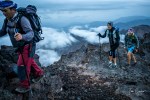
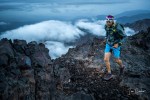
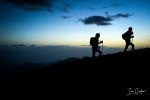
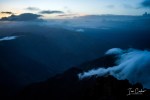
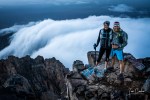
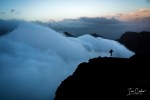
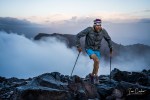
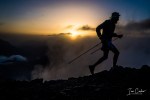
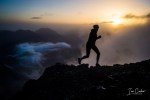
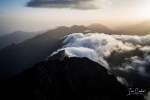
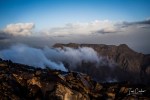
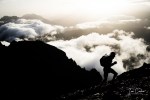
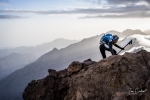
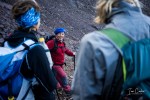
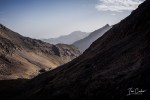
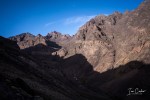
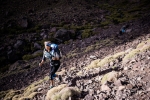
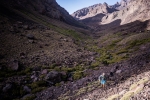
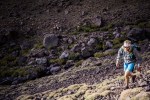
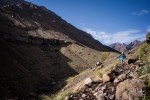
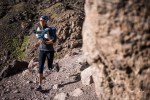
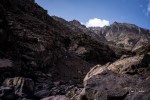
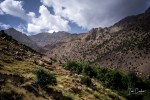
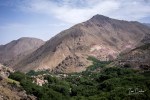
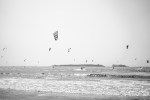
This camera set up is also my favourite set up when running and photographing. The main reason being is that the camera and lens are light, the quality is the best you can get, and I can carry the camera in my hand while running. I broke up my time in Marrakech and Essaouira with a 2-day trip to climb Toubkal, the highest mountain in the Atlas range. Here are some of the shots from that trip:
Back to the streets…
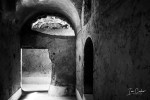
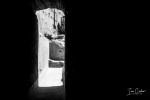
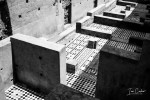
I have learnt over time to view the scene with a 35mm eye. Basically, I can look at a scene/ scenario and view the scene with the viewpoint and angle of the camera. This is essential in Morocco.
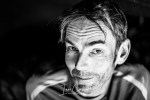
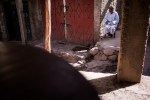
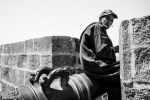
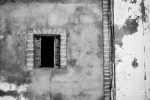
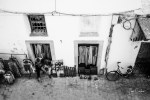
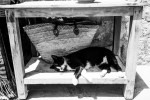
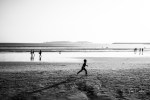
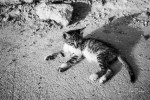
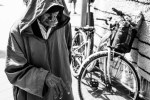
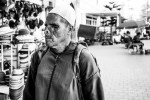
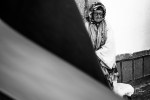
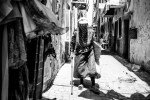
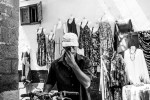
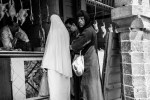
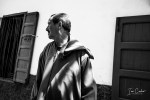
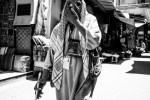
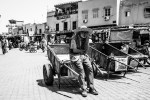
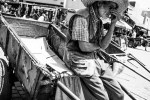
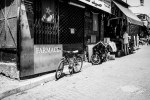
Many of the shots I took, I would say 80% (with the exception of the Toubkal shots) were taken with me NOT looking into the camera. The moment you raise your camera to your eye, people stop, look, put their hands up and on many occasions will say, ‘no photo, no photo!’
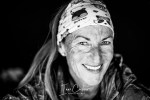
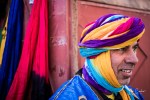
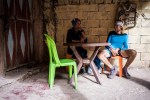
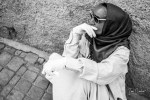
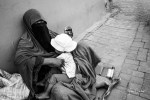
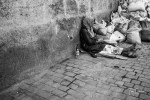
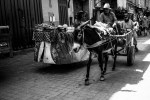
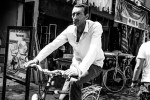
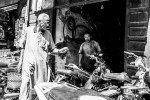
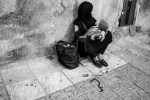
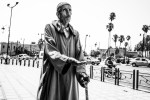
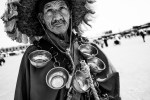
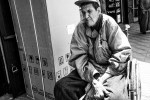
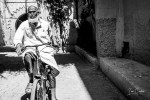
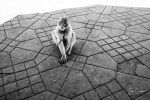
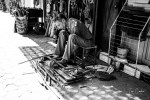
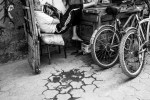
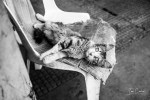
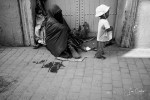
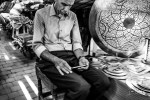
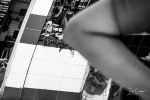
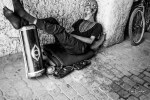
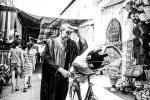
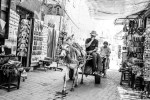
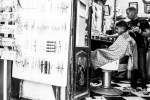
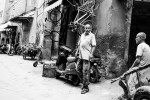
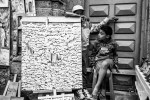
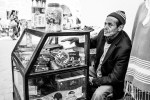
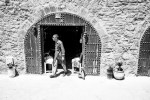
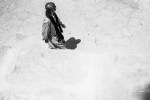
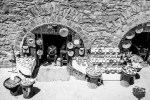
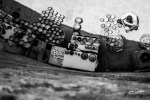
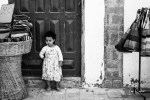
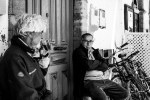
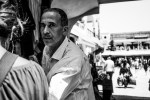
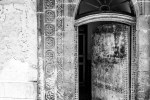
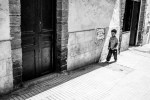
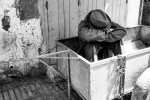
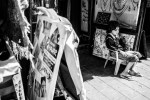
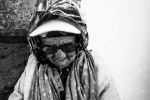
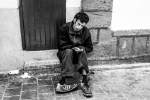
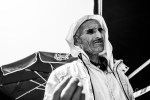
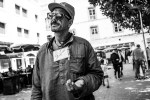
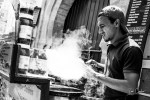
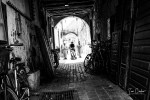
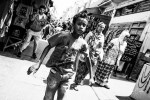
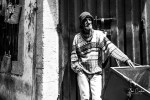
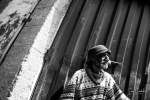
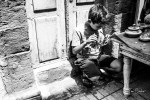
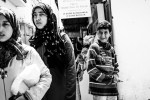
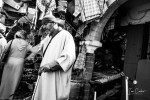
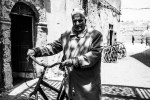
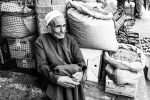
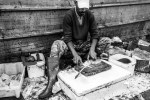
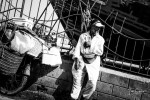
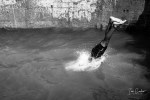
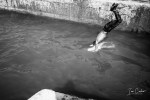
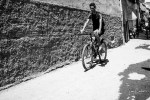
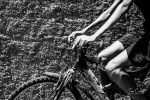
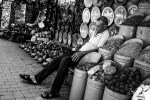
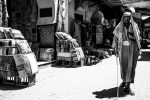
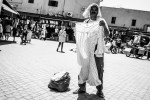
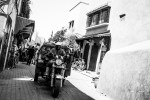
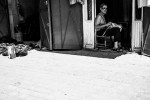
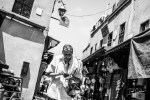
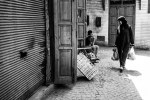
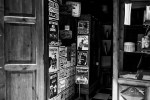
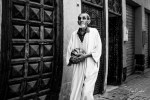
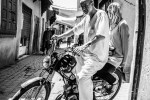
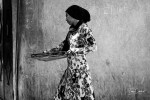
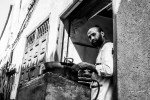
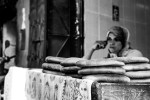
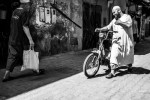
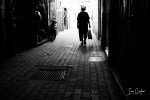
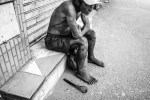
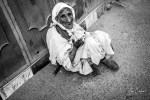
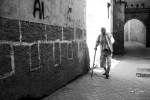
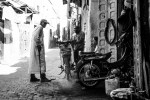
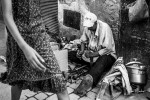
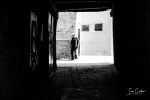
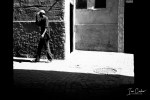
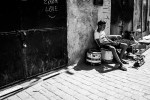
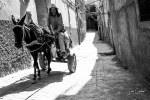
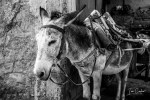
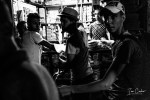
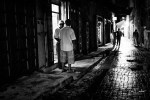
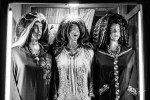
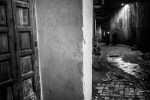
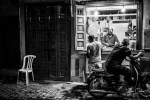
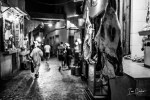
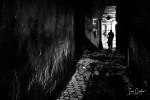
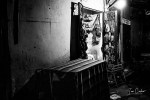
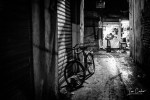
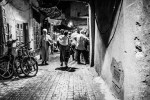
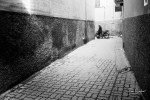
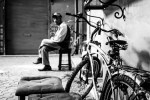
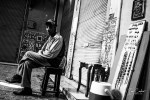
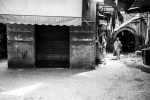
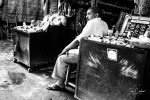
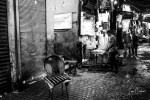
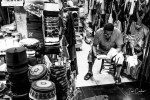
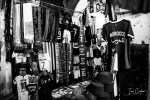
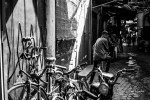
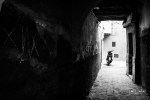
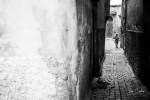
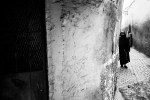
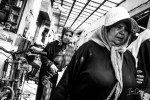
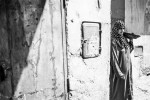
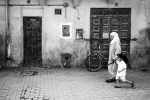
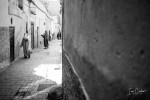
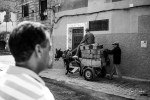
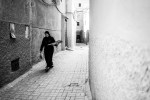
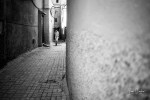
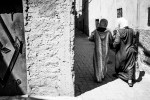
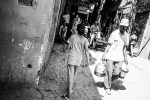
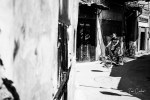
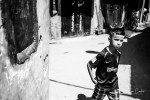
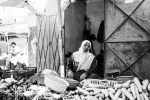
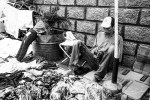
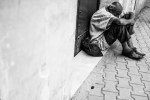
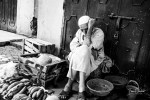
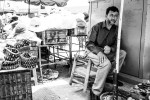
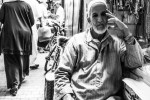
The below is a classic example of the subject posing for the shot.
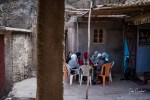
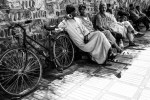
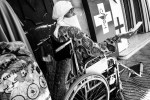
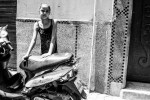
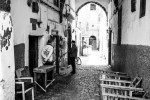
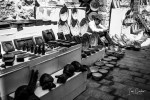
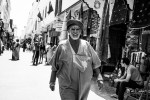
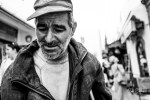
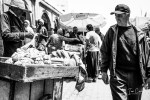
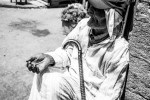
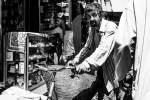
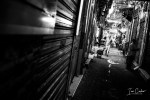
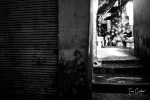
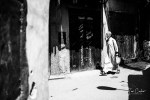
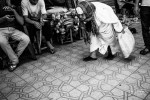
This shot I was looking through the camera, but the subject didn’t know I was taking the photo.
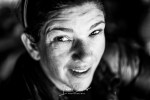
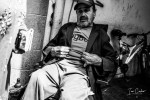
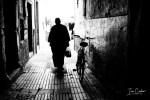
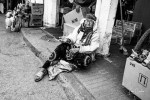
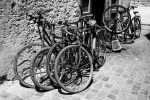
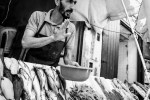
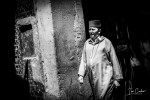
This shot I was looking through the camera.
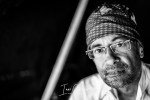
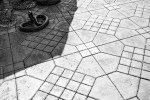
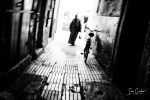
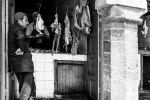
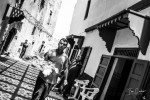
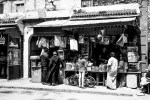
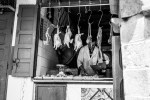
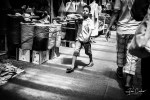
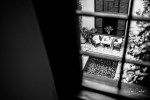
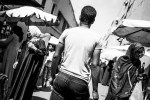
This shot was composed and planned but the subject didn’t know.
This is why Nepal and Morocco are so different.
To shoot, I would survey a scene, view the angles and decide on the shot and then walk past with my camera at mid-chest height. With experience, I understand the field of view the camera sees and I capture the scene.
Now of course, this sounds easy.
It’s not.
One has to consider focus and how one gets the ‘key’ element in the frame in focus.
One also has to consider exposure.
One has to consider if it is possible to make one or two attempts at a shot.
The above is actually what brings adrenaline into shooting in this way. One also has to accept that you will have a high failure rate, certainly early on. Failure rate becomes less with more experience.
SUMMARY
There are no hard rules in capturing images when working a scene. The place, the people and the location will often decide what approach you need to take. The comparisons between Nepal and Morocco provide a perfect example.
The key is to enjoy the process, have fun and learn by taking many, many shots.
Marathon des Sables is an iconic race. For over 30-years it has been the leading example of multi-day racing all over the world. It has often been copied, but never bettered. In its incredible history, runners from all over the world have toed the line for the experience of a lifetime.
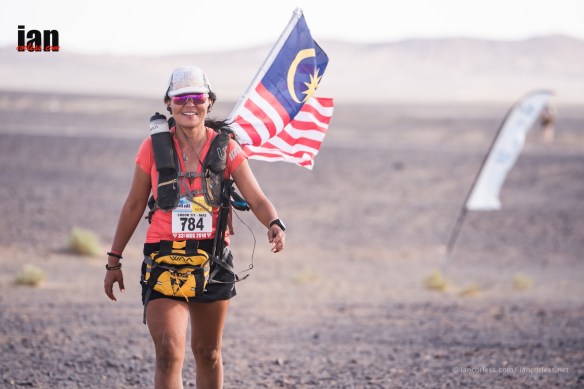
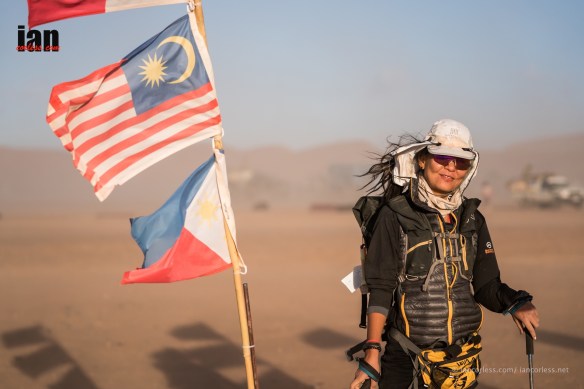
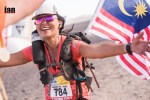
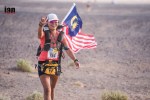
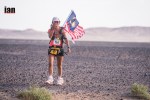
In 2018, for the first time ever, a Malaysian lady toed the line in the hope to be the first Malaysian lady ever to complete the race.
Sue Ding has been living in the UK for over 20-years. She came from Kuala Lumpur to study law at Liverpool University and then stayed successfully building her own legal practice in London. She is an entrepreneur, business woman and is extremely successful.
Running became an escape from the everyday stress of work. Like many, Sue built to the marathon distance and has successfully completed London, Berlin and Tokyo. But Marathon des Sables was something very different – a new challenge.
I first met Sue when she joined our Lanzarote Training Camp (HERE) in January 2018.
I was fortunate to follow her journey as she prepared for the 2018 MDS, both in training and then day-by-day throughout the race.
It turned out to be quite a story and shows that the mental aspect of ultra-running is often far more important than fitness.
You can listen to a full and in-depth interview with Sue on Talk Ultra podcast HERE
What initially made you decide to take part in MDS?
I had heard about the Marathon des Sables from friends and I had seen images on Instagram. It enticed me, I was looking for a new challenge and although I thought the race was beyond my ability I took the plunge and entered. I told nobody for two weeks as I couldn’t decide if I had done the right thing. When I did finally disclose my intentions, some friends and relatives were negative saying I was crazy and that I couldn’t do it… I needed no better motivation to prove them wrong!
You have run several marathons such as London and Tokyo. How does the MDS compare?
Other than running or walking, there is no comparison really. A road marathon is a challenge but it is safe, you have aid stations, there is always help at hand. MDS is just so much more than just running. It brings in elements of survival, it plays games with your mind and it pushes the individual to depths that they maybe never even realised they could reach.MDS is truly a transformational experience and although I will always remember my first road marathon, I now think, ‘it is only a marathon!’
What was your training and preparation like for the MDS? What are the differences in comparison to a road marathon?
In all honesty, marathon training is actually good preparation for MDS as the individual stages are marathon distance or below. Of course, the exception is the ‘long day’ which in 2018 was 86.4km (around 53 miles, so two marathons). Marathon training works well but of course one needs to build up strength and stamina for the challenge ahead. Therefore, most people allow 12-months to get ready for MDS. Time on feet is important and also including some specific ‘training’ races that provide a similar scenario to MDS. For example. Several races in the UK last 2 or 3 days therefore providing a mini MDS scenario.
I also signed up for a specific desert training camp in Lanzarote, 3-months ahead of the race. This proved to be essential as I met other competitions, we trained on terrain specific and comparable to Morocco and I was able to test equipment. We even spent one night sleeping inside a volcano to simulate camp conditions in the Sahara.
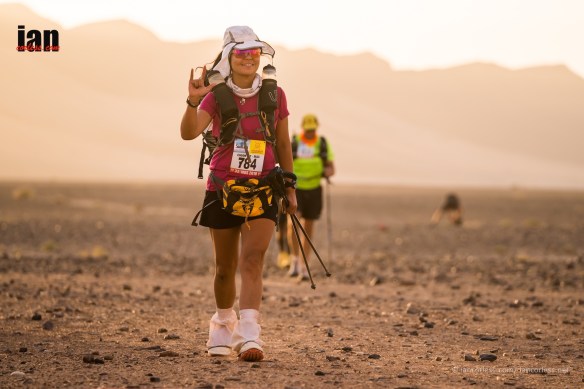
Finally, two points. 1. Many runners think they will run MDS – the reality is that they will not! Walking is an essential and integral part of completing MDS for most participants and I can’t stress enough to walk, walk and walk in training. 2. Prepare the mind for the challenge. If you get the mind in the right place it will take the body to the line.
What was the biggest challenges out in the Sahara?
The challenges change daily. For example, just starting on day 1 seemed like a huge challenge as I was so anxious and nervous.
Then on day 2 I was silly and neglected taking my salt tablets, this impacted on my hydration and caused me to be dizzy. It was touch and go but I rallied and achieved the finish line.
That night we were hit by a sand storm which wiped out our tent and reduced sleep to a minimum. So, as you see, the challenges change daily, by the hour or even by the minute at times. This is what makes MDS so special, it is how you adapt both physically and more importantly, mentally at times.
How did you cope with the challenges, did you feel prepared?
One can only prepare so much. I really dedicated myself to the task and prepared methodically for the challenge. But after Tokyo Marathon I picked up a stress fracture.
This resulted in no running for three weeks and then a slow return to training. Ironically, my final preparation to MDS was terrible and that worried me. Friends were always positive, they told me, ‘You can do this!’ I trusted them and despite my reservations, I achieved the start line.
Equipment is equipment but it is essential. I took advice from the training camp and honed my equipment for my needs. I made last minute changes to the pack I would use and I also changed my down jacket. It all worked well. During the race you must be flexible and adapt to conditions – tiredness, dehydration, sore legs, snoring tent mates, sharing a space with 7 others – you can’t really prepare for that, it is this that makes MDS such an experience, it is a journey into the unknown.
What did you enjoy most about the whole experience?
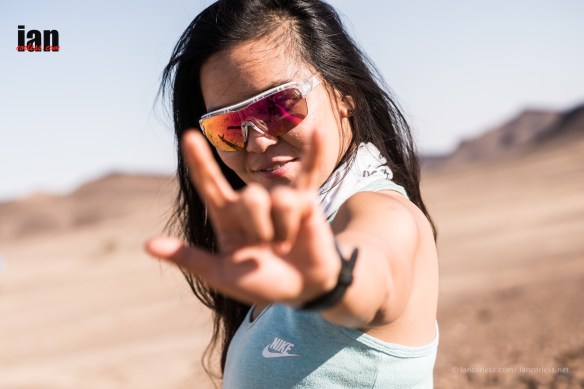
I was so anxious before the race but I feel like I blossomed as the race progressed. I embraced the challenge and got the race done – I did that and nobody can take that away. But my tent mates, Tent 95 were incredible and they will be friends for life. You were also at the race and shared my journey, that was so special and something that I will never forget. The race is a life changer, I was told this before I went to Morocco, it’s only now, afterwards, that I realised that this is true.
What were some of the most memorable or unforgettable moments for you, explain why?
1. Tent 95 – Gary, Daniel, Mark, James, Brian, Taka and Denise were just the best. We laughed, we shared our stories in the morning and the evening and we rallied and encouraged each other. We all finished – what an experience!
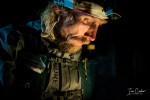
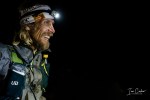
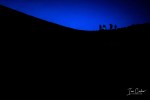
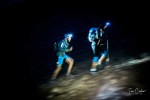
2. On the long day it was dark, I was walking through large sand dunes and I was listening to Craig Armstrong music, I looked up to the sky and saw thousands of stars… I was lost in my mind and thoughts and it was truly magical.
3. I had low points throughout the race, times of despair and worries if I could push on through. They were my lowest moments but each time they became the most memorable – you would always arrive, just at the right time.
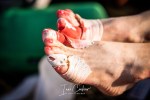
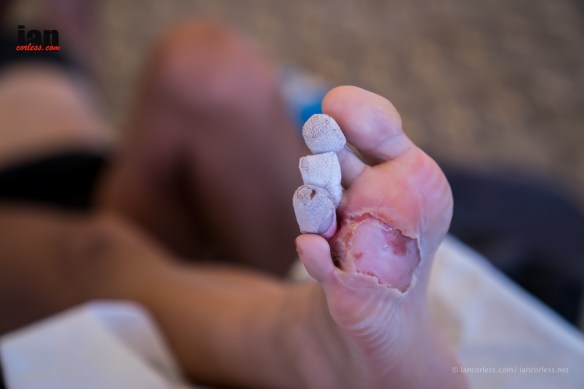
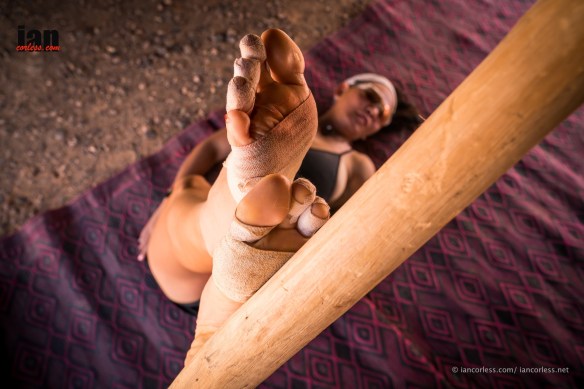
4. I got some really bad blisters which needed medical treatment and caused great pain – I had to continue on, ignore the negative and fight each day to achieve my goals.
How did you manage the conditions – heat, survival, rationed food etc?
In all honesty, I was expecting the worst and the reality was not as bad. We had cold nights, sand storms and hot days but I managed. I wore the same clothes for ten days with no showering or proper washing, it was unpleasant but I survived. I craved fresh food and had to eat dehydrated food.
I wanted so much a different drink other than water but water is the only thing available. I keep saying it but this is MDS. It is meant to test you mentally as much as physically and you need to embrace it. If you fight it, your week will be miserable. It’s best to laugh and soak up the experience.
A Coke after the long day was so magical – simple pleasure! Going to the toilet is also somewhat an experience… you will need to use your imagination for that one!
What went through your mind during the race?
Ha! What didn’t I think about…? I put the world to rights, thought about my past, thought about my future. I concentrated on one foot ahead of the other and I escaped with music.
You have a great deal of time to think and I think this is why, for many, MDS has such an impact. You suddenly realise what is important. I have realised it. Experiences and memories are far greater than things and possessions – the Sahara and the MDS made me feel truly alive, pushed me to the limit and beyond.
Did you doubt yourself at any time, elaborate?
I had huge doubts and anxiety before the race but did as much specific preparation as possible and I listened to you and Elisabet Barnes, you both told me I could do it. I was so nervous on day 1 and of course on day 2 I was extremely worried.
However, as the race progressed the stronger mentally I became. I was more tired, my body ached, my feet hurt but my mind was strong, there was no way I was giving up or not finishing – I had to prove all the doubters before the race wrong.
One lady had said, ‘If you finish the race, I will eat my hat!’ Guess what? I bought a hat in Morocco after the race…
What was crossing the finish line like?
On the marathon stage I had a moment early on when I cried but I got over it and pushed on despite the pain.
The miles ticked by and then as the finish line came, you were waiting as were all my tent 95 teammates.
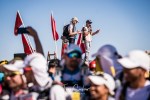
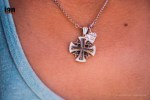
I had no more tears left, just smiles and gratitude. I was flying the Malaysian flag, I kissed my cross which was around my neck and I gave thanks for the opportunity to complete a truly magical, life changing journey.
What are the biggest takeaways from the race?
We are too protected, too comfortable in the world and we shy away from tough times. A little tough, some challenge, some hardship and some pain makes you realise you are truly alive.
I went to so many low points during the race and overcame them, I made new friends and I triumphed over arguably the toughest challenge I have ever undertaken.
I now feel invincible, I feel alive!
If you did MDS again, what would you change in preparation and why?
Well, I would definitely try not to get a stress fracture just 8 weeks before the race. In general though, I feel everything clicked into place. I would make sure my shoes did not give me blisters, I made a mistake there going with a shoe size too large.
What advice would you give to future MDS runners?
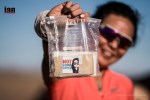
Prepare the mind and the legs and lungs will follow. I also had a ‘special’ bag with me ‘Not Gonna Happen’ it contained daily inspiration to keep me going… It was invaluable.
MDS is described as the toughest race on earth, on a scale of 1-10 give it a rating and explain why?
Tough question as I have done nothing like it to compare, so, for me it would be a 8, or 9. But the daily cut off times are generous and it is possible to complete the race walking, so, like I said previously, get the mind right and anything is possible.
Certainly, no change of clothes, carrying everything one needs on ones back and having rationed food and water takes things to another level and therefore it’s a combination of all those elements that makes the race so tough.
MDS is not cheap, can you elaborate on how much the whole process cost?
I don’t really want to think about it… The race costs so much more than just the entry fee. For example, entry fee, flights and hotels around £4000. But I started to prepare 12 moths in advance. I did training races, I did the Lanzarote training camp, I purchased all my equipment and then changed my equipment. I added some extras such as staying in Morocco afterwards. I have not tallied up the total cost but it would easily be £10.000.
You are the first Malaysian woman to complete the race, how does that make you feel?
I am proud to be Malaysian and cross the line flying the flag – it is a real honour.
You ran for charities, Make A Wish Malaysia and Malaysian Dogs Deserve Better, how much did you raise?
The total goes up daily as donations come in, but currently it is over £25.000.
“We all have our stories, we got together, encouraged each other, were there for each other, we went on a 250km MDS journey together… We are friends forever Tent 95! I was also privileged to have the additional support of a truly dear friend who documented our journey. Friendship and love completed the journey.”
What a day! The 2018 Marathon des Sables concluded today on the edge of the Mezouga dunes on what will bee remembered as one of the toughest marathon stages in the races history.
The day started at 0700 with the majority of the field departing in strong winds and sand storms. The top 200 departed 90-minutes later also in sand storms.
The winds never eased and for the duration of the day, the runners encountered a full-on headwind all the way to the line.
The course was in comparison to other stages of this years race, a relatively easy one despite some large dunes in the final third. However, the combination of cooler temperatures, relentless wind, and drifting sand made for a tough day.
In reality, the race was over yesterday for the podium places and Rachid El Morabity and Magdalena Boulet were crowned 2018 Marathon des Sables champions. On the day, Magdalena won the final stage in 4:19:39 and Rachid placed 4th in 3:31:41.
The overall men’s final podium stands as:
Rachid El Morabity 19:35:49
Mohamed El Morabity 20:01:28
Merile Robert 20:41:00
Abdelkader El Mouaziz 20:51:59
Gediminas Grinius 21:31:23
Gemma Game from the UK followed up a solid and consistent week placing 2nd on the final stage. 4:29:31 to Magdalena’s 4:19:39. Bouchra Eriksen placed 3rd in 4:30:58 and without doubt has been a revelation this year. Natalia Sedykh won the first three stages, gained a 1-hour time penalty, had very sore knees and stomach issues to have a very tough week in the Sarah. Today she placed 4th in 4:39:25 ahead of the USA’s Jacqueline Mariash in 4:40:22.
The overall female final podium stands as:
Magdalena Boulet 25:11:19
Bouchra Erksen 26:36:00
Gemma Game 27:00:23
Natalia Sedykh 28:26:56
Anna Marie Watson 29:04:43
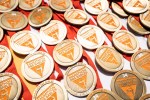
Of course, the final day is all about emotion and runner’s of all abilities a lifetime goal and achievement. Many a tear is shed on the finish line as Patrick Bauer embraces each and every runner, kisses them on the cheek and places a medal around their necks.
MDS is more than a running race. It is a life changing adventure of 250 km’s with intense highs and lows, elation and pain, laughter and crying. The bonds created in the Sahara are not forgotten. The pain and the joy will be remembered.
Tomorrow, a short stage of 7.7km transitions the runners from the Sahara and back to buses for the journey back to civilisation – a shower, some food, drinks, a bed and clean white sheets. Believe me, everyone has earned it!
The long day! It’s the day that makes the Marathon des Sables and it is the one most feared by the runners. The 86.4km’s of stage 4 are classic MDS and yes, they are beautiful km’s combining many of the elements that make the Sahara and Morocco so unique. However, soft sand and dunes are not the friend of the long distance runner, particularly when trying to cover distance as quickly as possible.
It was an epic day!
Intense heat during the day with strong winds as sunset came and then a very cold night making most runners wear down jackets to keep warm – it was a tough day for all, Rachid finished in 8:12:05 for the men and Magda 10:29:58 for the women. As I write this, 27-hours have elapsed and runners are still out on the course trying to finish ahead of the 35-hour cut off.
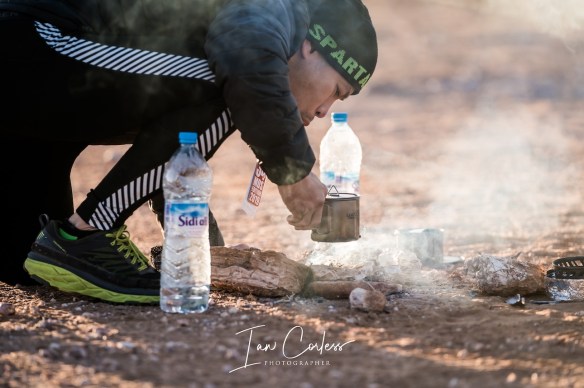
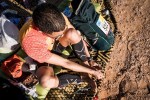
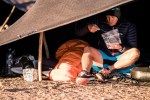
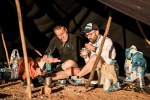
Camp life is key to the MDS – being self-sufficient, carrying everything you need, the only provisions are rationed water and a bivouac (tent) shared with 7 others.
The day started at 08:30 for the masses and 11:30 for the top 50.
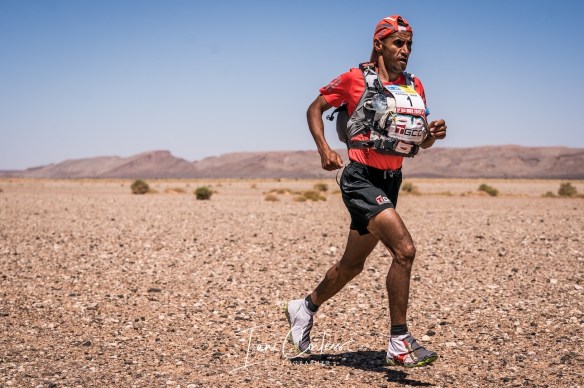
Rachid El Morabity and Natalia Sedykh as expected dictated the pace at the front. Rachid consolidating his lead and showing the rest of the elite men who is the boss! It’s quite simple, when it comes to the desert, Rachid is the king. He glides over the terrain, almost floating – he is beautiful to watch. He dictated the day and won with a 20+-minute margin.
For the ladies, Natalia was always going to push and see if she could claw back the 1-hour penalty time and regain the overall lead. By CP1 she had 3-minutes, by CP2 Magda was catching the Russian and then after CP4 it was all over… Natalia broke with the pressure and was forced to ease up eventually finishing 6th on the stage.
For the men, Rachid’s brother, Mohamed, followed in the footsteps of teacher and once again placed 2nd, 8:33:52 to Rachid’s 8:12:05. France’s Merile Robert excelled finishing 3rd 8:43:35 and Lithuanian Gediminas Grinius finishing 4th. The ever-present Abdelkader El Mouaziz had a tough day finishing 5th in 9:19:09.
Magdalena Boulet from the USA showed her strength at long distances and dominated the stage running a clever race firstly behind Natalia and then passing her and running strong all the way to the line in 10:29:58.
With Natalia’s explosion, it was all to fight for for the ladies podium and Bouchra Eriksen once again showed real consistency finishing 3rd ahead of the UK’s Gemma Game, their times 11:22:36 and 11:29:00 respectively. The UK’s Anna Marie Watson had a bad day with stomach issues and finished 9th. This opened the door for The USA’s Emily Kratz and Jacqueline Mariash to finish 4th and 5th in 12:08:49 and 12:24:15.
With the marathon stage tomorrow, the podium looks set with Rachid and Magda the 2018 Marathon des Sables champions.
The long day though is really so much more than discussing the elites who seem to run with ease over the harsh terrain. The day is about all the runners, the mid-packers, the slow, the runner out of their comfort zone, the runner looking for a lifetime achievement, the runner looking for adventure, the runner with a mid-life crisis – the long day changes people and it changes me as I experience their journeys. The lows of a withdrawal at a CP or the highs of a hard fought finish.
THIS IS THE MDS!
It brings a tear to me eye as I document the journey from early in the day, through the night and into a 2nd day.
I have heard ultra runners say that the MDS is easy. It is not! Trust me, it is not… The cut-off times are generous but ask yourself, running or walking, would you like to be out there for 35-hours?
I am honoured to document this race and I salute all those who tried this year and failed. It is not a failure… trust me! You put yourself on the start line and risked a great deal. You will be back.
For those who fought sleep deprivation, hunger, blisters, the cold, the heat, tired aching muscles and so much more – congratulations. You have achieved something quite incredible this long day. With ‘just’ a marathon to go. The 2018 MDS is on paper, ‘in the bag!’
One could be forgiven in thinking that today, the two fastest runners in the 2018 Marathon des Sables, Rachid El Morabity and Natalia Sedykh had an easier day… They both won again, for Rachid that is two stage victories and for Natalia it is 3 out of 3. But the winning margin was just a handful of minutes for the duo. I think they are saving something for tomorrow’s long day of 86.2km.
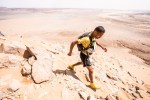
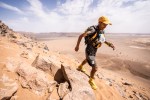
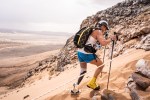
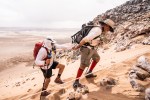
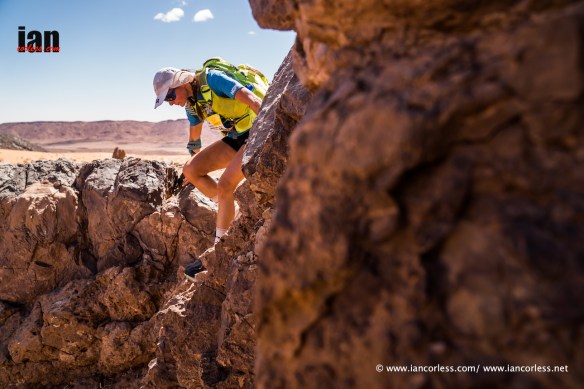
Today’s stage by MDS standards was an epic one that combined a multitude of terrain. Soft sand, dunes, gorges, stoney climbs, exposed ridges, the technical climb and descent of Jebel El Oftal and then an easy and relatively flat fast run in to the finish.
Rachid and Natalia dictated the day but Mohamed El Morabity and Magdalena Boulet was never far behind. It was a controlled day. In the end, Rachid finished the 31.6km in 2:36:20. Mohamed followed just over 1-minute later in 2:37:32 and then ever present Abdelkader El Mouaziz was 3rd in 2:40:43. Peru’s Remigio Huaman had a good day today with 4th ahead of Aziz El Akad.
Despite the 1-hour time penalty, Russia’s Natalia Sedykh continues to push at the front. Today she finished 1st again just over 5-minutes ahead of Magdalena, 3:28:27 to 3:33:45. Magdalena leads the race overall but Natalia claws back the 1-hour time penalty little by little. I can’t help but think we may see an all out effort on the long day to bring things equal. It could be a risky strategy but what has Natalia to lose? Bouchra Eriksen once again was 3rd ahead of the UK’s Anna Marie Watson and Gemma Game who placed 4th and 5th respectively.
Despite some strong winds and sand storms in the night, day 3 of the MDS was calm with little wind, clear skies and relentless heat. It’s amazing to watch runners of all abilities fight their demons, particularly on the climb of the Jebel – it brings out some serious inner strength.
The key now is recovery. The long stage of the MDS is tomorrow and they have 35h to complete the 86.2km distance. Bodies and minds are now tired – everyone will need to dig deep!
Today, the king and queen of the desert set out their stalls! For Rachid El Morabity, it was a day of showing the rest of the field a clean pair of heals as he slowly but surely pulled away from the field finally finishing almost 10-minutes ahead of his brother and day 1 champion, Mohamed.
For the ladies, 2016 champion Natalia Sedykh was no doubt frustrated and angry after winning stage 1 only to be penalised 1-hour for failing to have a whistle at a kit check post day-1. A penalty was applied and now Natalia must run and race hard each day to make up the time. Today, she gained over 8-minutes on the ladies overall leader, American, Magdalena Boulet.
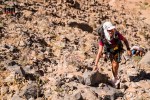
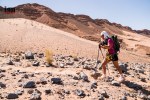
Day 2 was a tough day for all with relentless soft-sand which made moving tiresome. Throw in a stony and steep climb up Jebel El Otfal and then the fast and sandy descent to the final CP, and it was only really the final 4km’s that was stony, flat and faster.
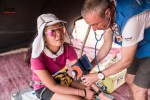
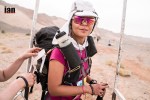
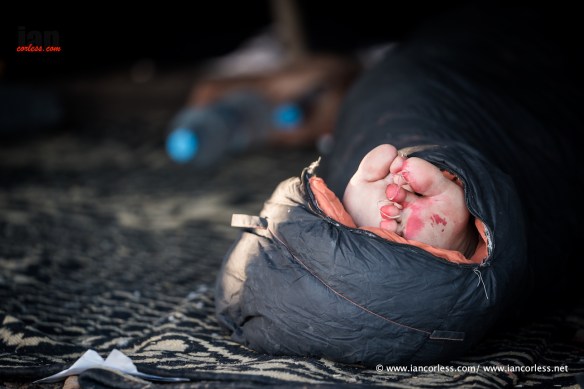
Day 1 had no drop outs but day 2 was taking it’s toll. Some runners were fighting demons to get to the line but there was some real grit and MDS spirit out there as participants dug in to achieve a lifetime goal.
At the front of the race Mohamed El Morabity trailed his brother to finish 2nd just 45-seconds ahead of Abdelkader El Mouaziz. Aziz Ell Akad finished 4th and Merile Robert 5th.
The USA’s Magdalena Boulet once again placed 2nd on the stage and looks at home in the sand, Bouchra Eriksen was 3rd ahead of the UK’s Gemma Game and Anna Marie Watson in 5th.
Rachid El Morabity 3:04:01
Mohamed El Morabity 3:14:36
Abdelkader El Mouaziz 3:15:16
Aziz El Akad 3:18:34
Merile Robert 3:18:34
Natali Sedykh 3:56:08
Magdalena Boulet 4:04:48
Bouchra Eriksen 4:16:08
Gemma Game 4:19:48
Anna Marie Watson 4:19:48
Tomorrow’s stage is 31.6km’s and starts at 0830 with a 10h 30m cut 0ff.



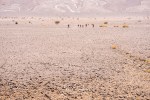
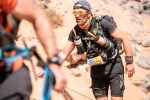
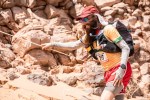
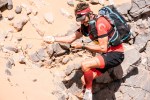
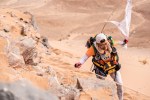
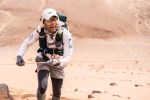
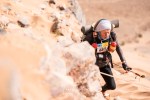


























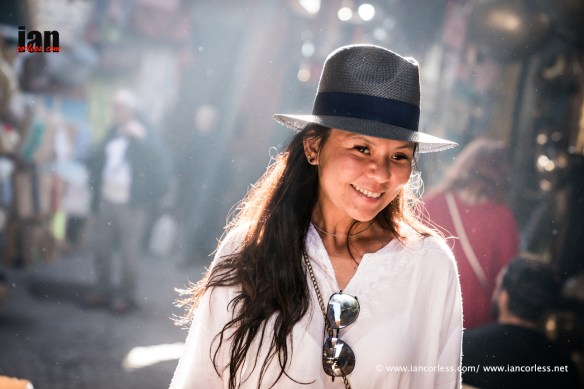 In 2018, for the first time ever, a Malaysian lady toed the line in the hope to be the first Malaysian lady ever to complete the race.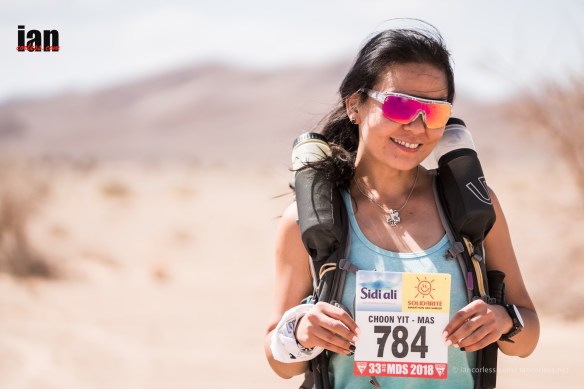
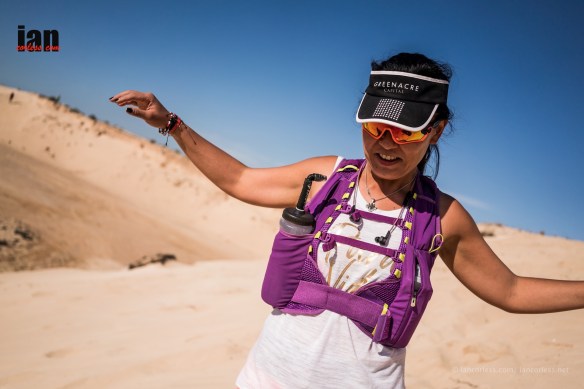

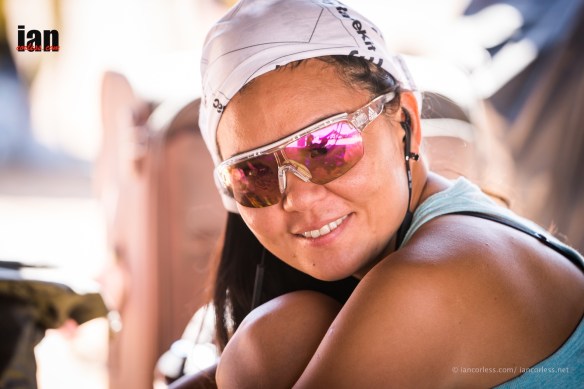
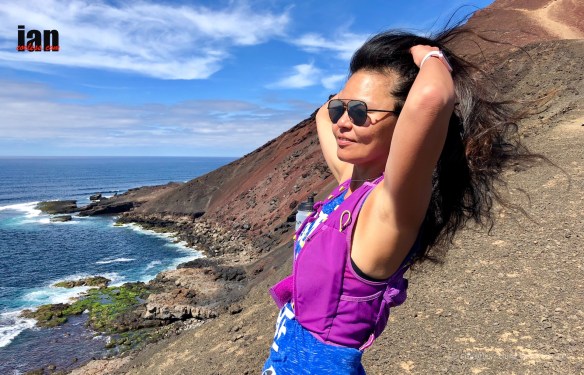 I also signed up for a specific desert training camp in Lanzarote, 3-months ahead of the race. This proved to be essential as I met other competitions, we trained on terrain specific and comparable to Morocco and I was able to test equipment. We even spent one night sleeping inside a volcano to simulate camp conditions in the Sahara.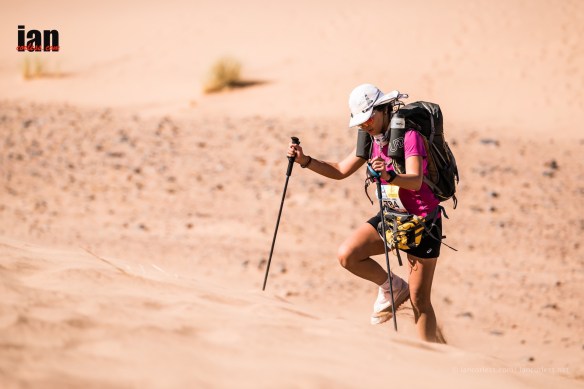
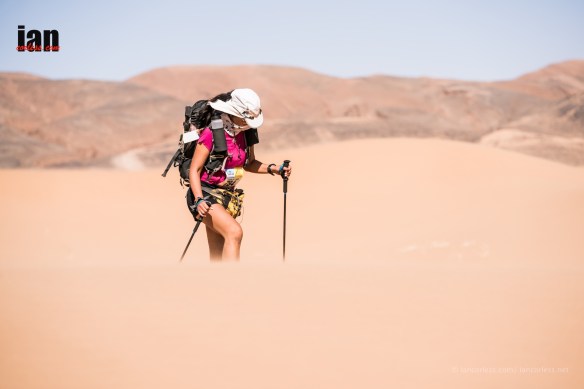
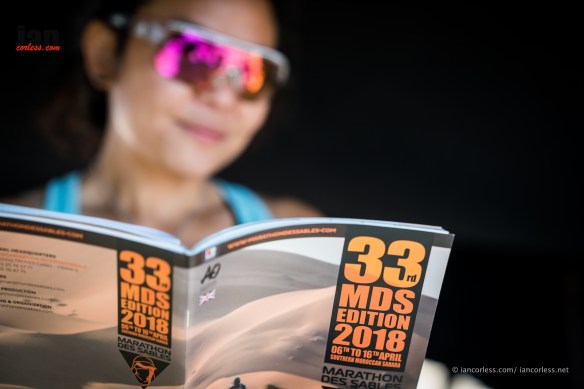
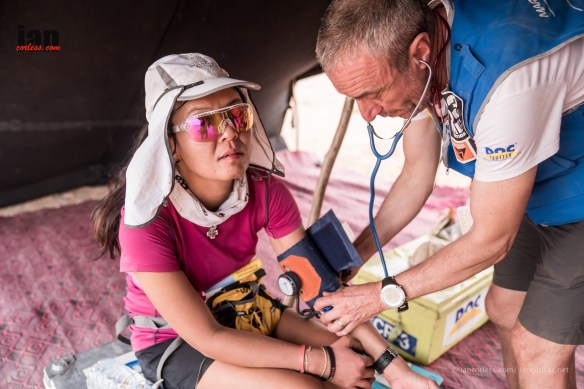 That night we were hit by a sand storm which wiped out our tent and reduced sleep to a minimum. So, as you see, the challenges change daily, by the hour or even by the minute at times. This is what makes MDS so special, it is how you adapt both physically and more importantly, mentally at times.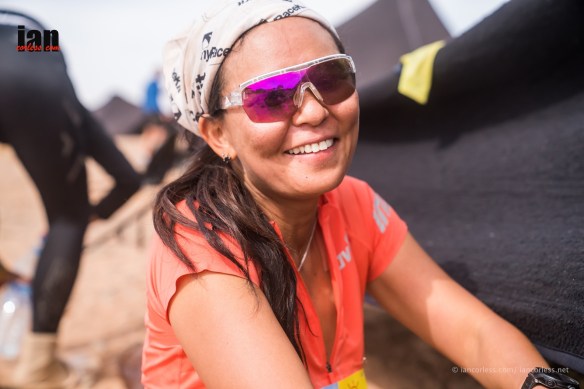
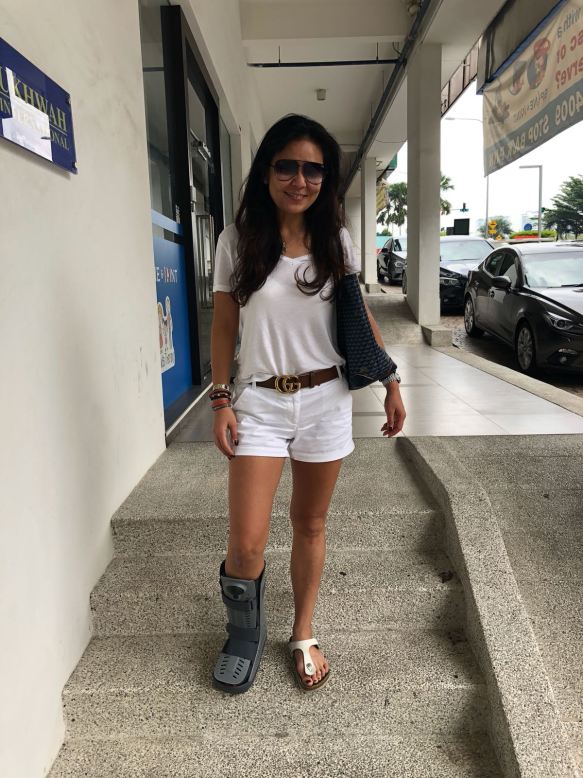
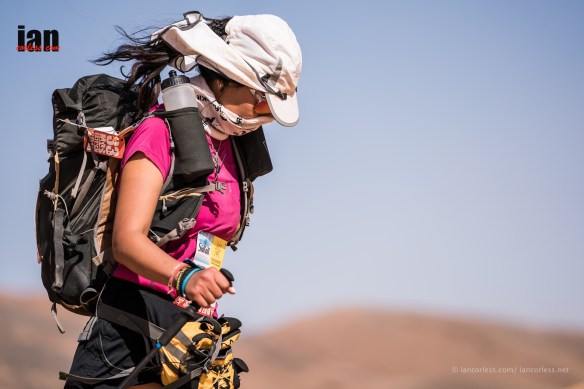 Equipment is equipment but it is essential. I took advice from the training camp and honed my equipment for my needs. I made last minute changes to the pack I would use and I also changed my down jacket. It all worked well. During the race you must be flexible and adapt to conditions – tiredness, dehydration, sore legs, snoring tent mates, sharing a space with 7 others – you can’t really prepare for that, it is this that makes MDS such an experience, it is a journey into the unknown.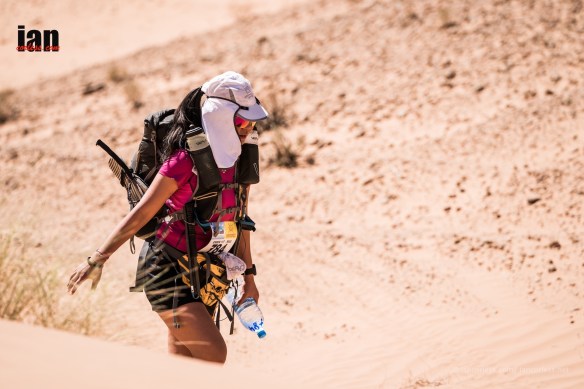
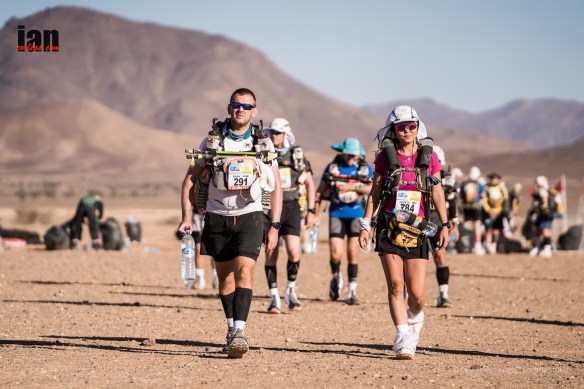
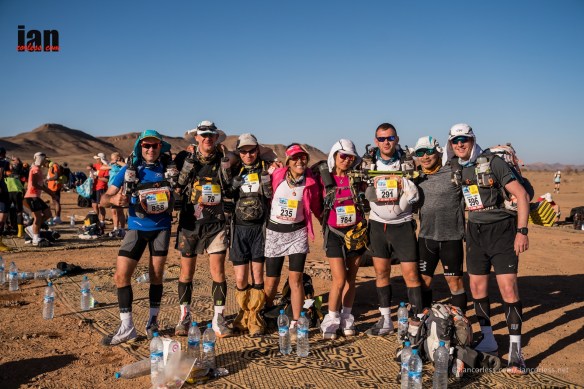
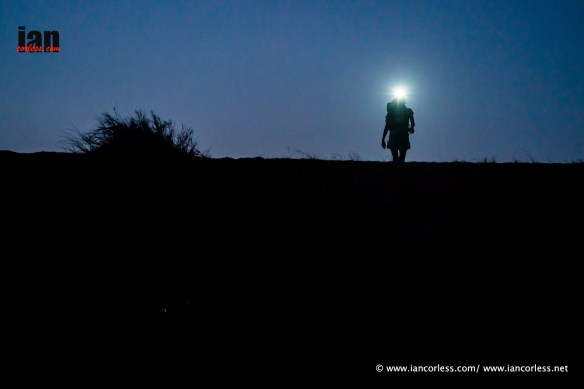 2. On the long day it was dark, I was walking through large sand dunes and I was listening to Craig Armstrong music, I looked up to the sky and saw thousands of stars… I was lost in my mind and thoughts and it was truly magical.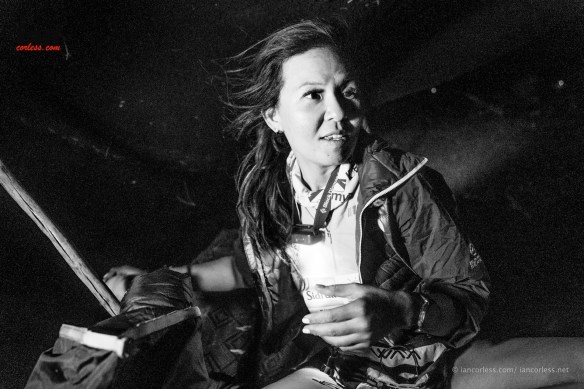

 A Coke after the long day was so magical – simple pleasure! Going to the toilet is also somewhat an experience… you will need to use your imagination for that one!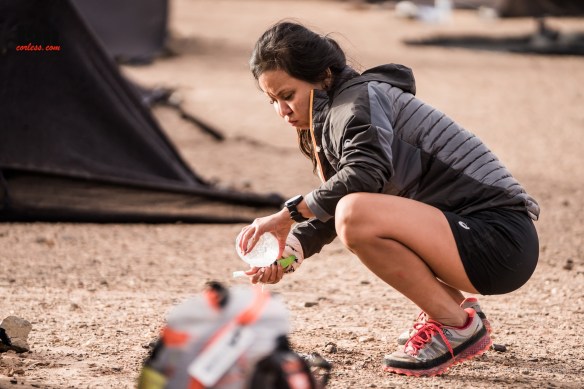
 You have a great deal of time to think and I think this is why, for many, MDS has such an impact. You suddenly realise what is important. I have realised it. Experiences and memories are far greater than things and possessions – the Sahara and the MDS made me feel truly alive, pushed me to the limit and beyond.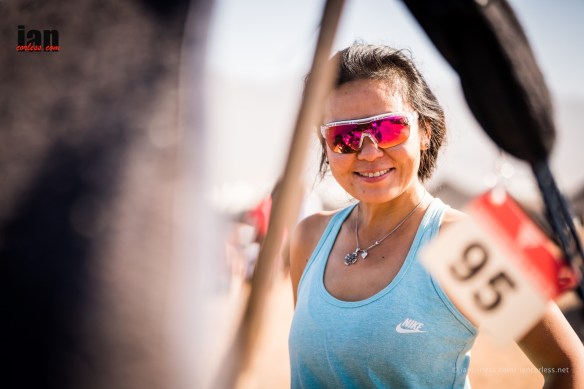
 However, as the race progressed the stronger mentally I became. I was more tired, my body ached, my feet hurt but my mind was strong, there was no way I was giving up or not finishing – I had to prove all the doubters before the race wrong.
 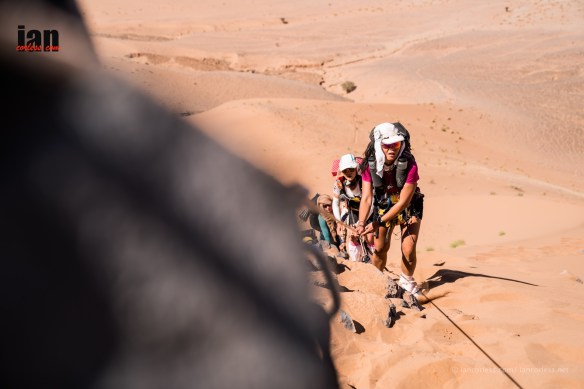 One lady had said, ‘If you finish the race, I will eat my hat!’ Guess what? I bought a hat in Morocco after the race…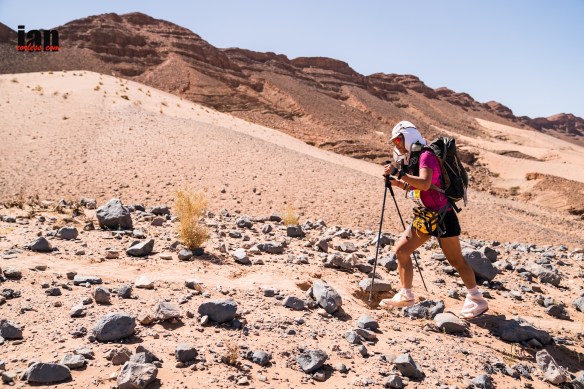
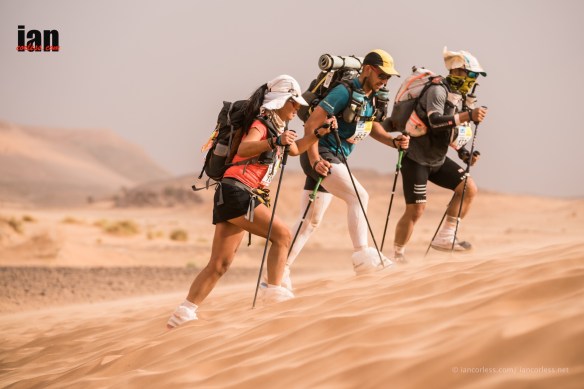 The miles ticked by and then as the finish line came, you were waiting as were all my tent 95 teammates.
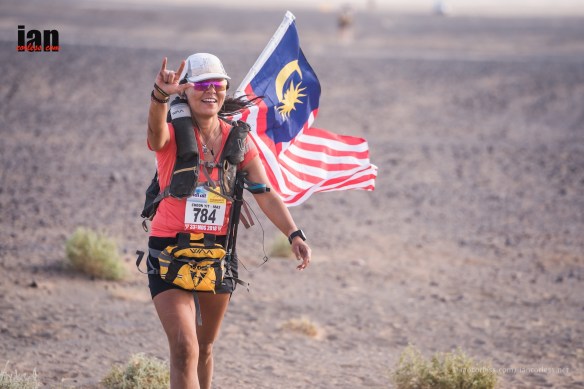 I had no more tears left, just smiles and gratitude. I was flying the Malaysian flag, I kissed my cross which was around my neck and I gave thanks for the opportunity to complete a truly magical, life changing journey.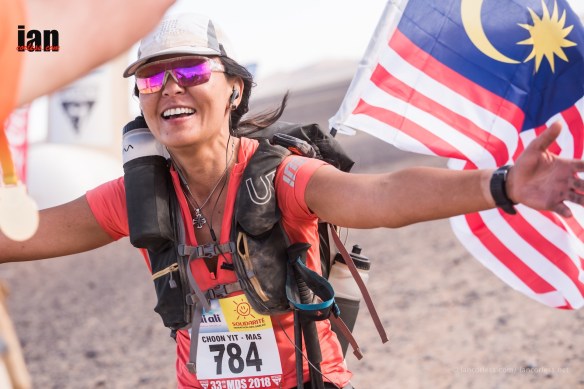
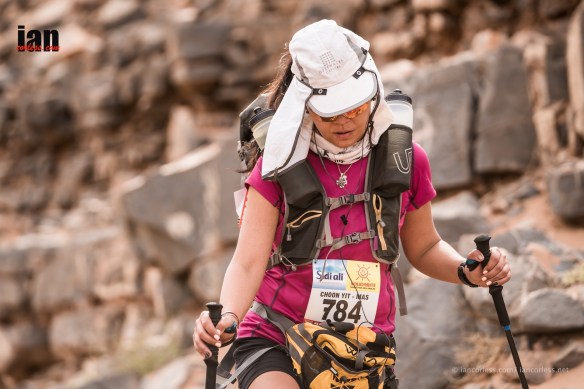 I went to so many low points during the race and overcame them, I made new friends and I triumphed over arguably the toughest challenge I have ever undertaken.
 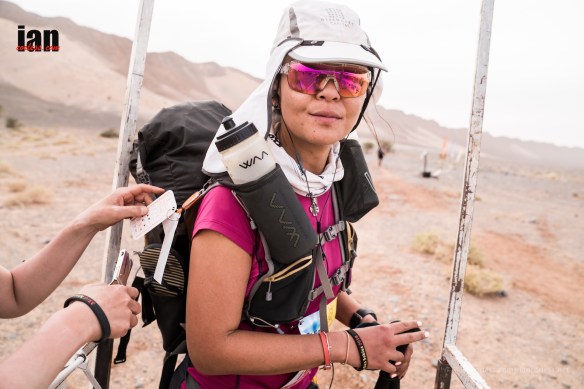 I now feel invincible, I feel alive!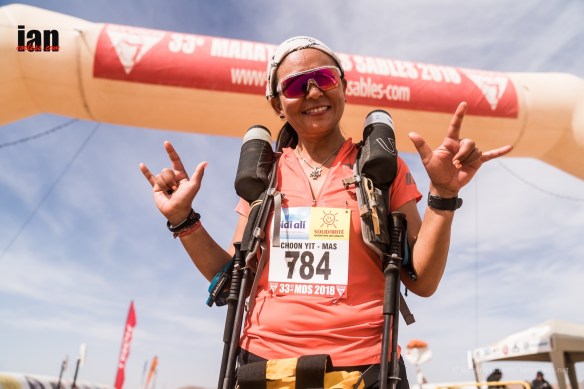

 Certainly, no change of clothes, carrying everything one needs on ones back and having rationed food and water takes things to another level and therefore it’s a combination of all those elements that makes the race so tough.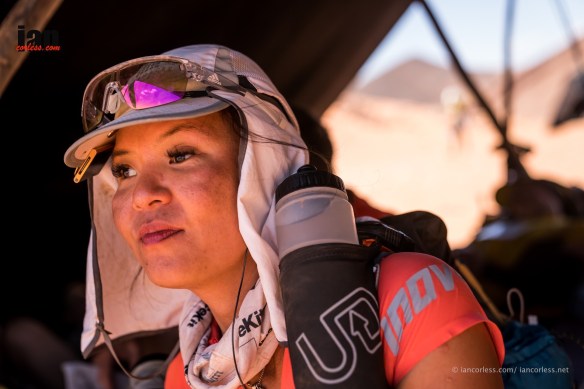


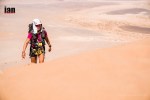
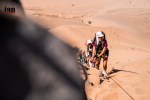
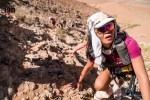
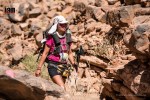
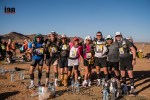
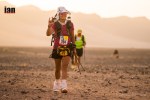
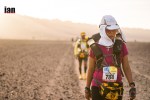





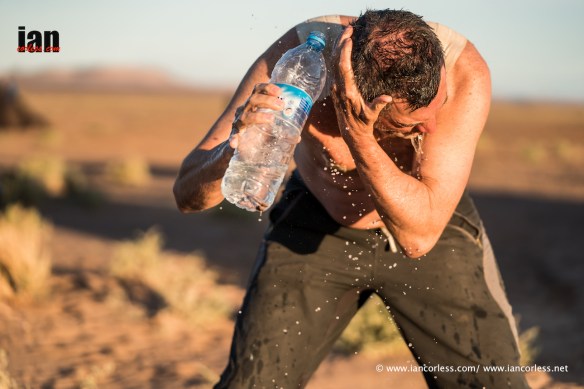
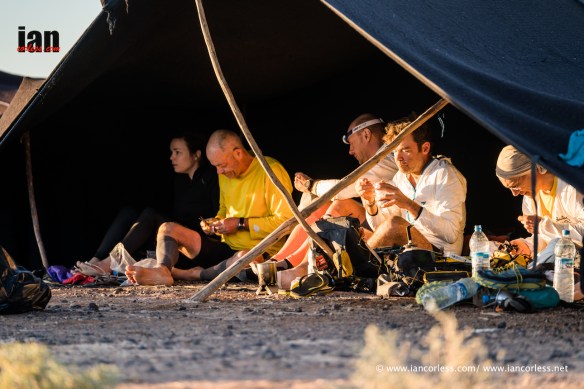
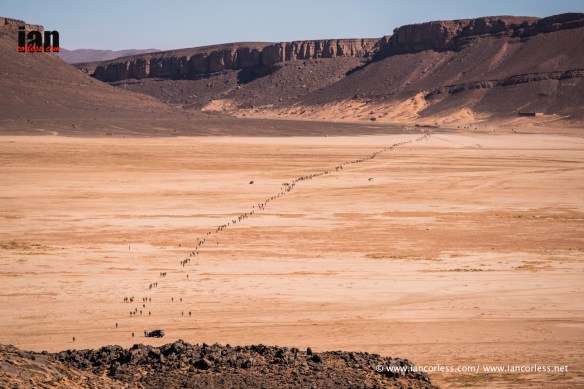
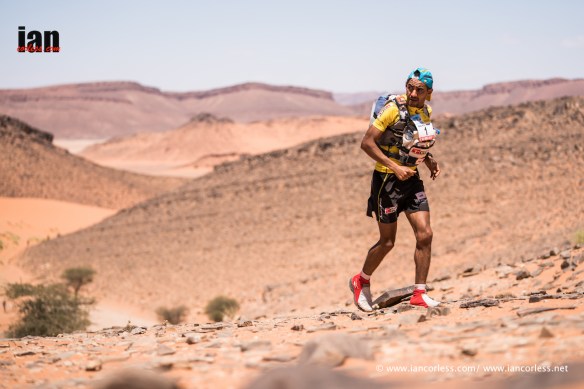
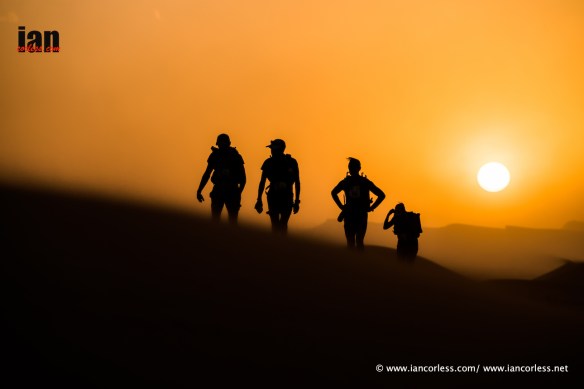
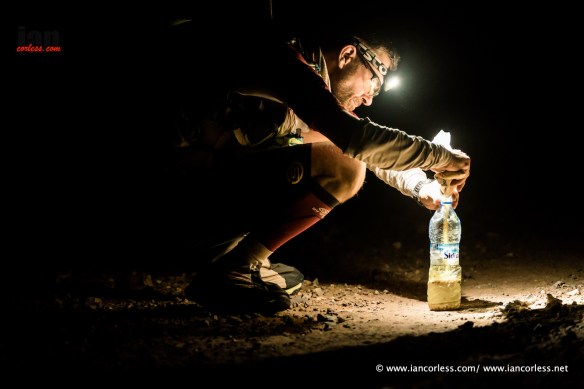
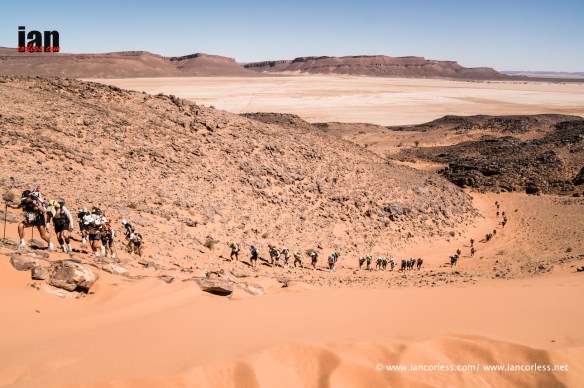
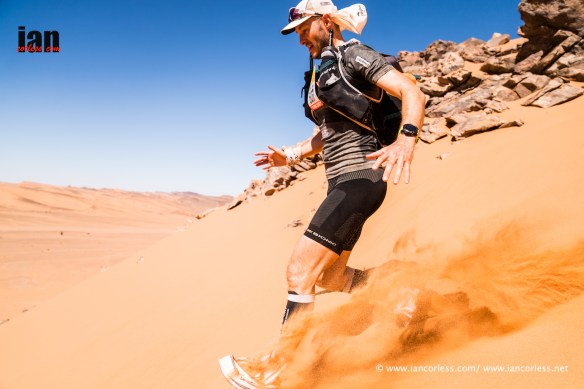
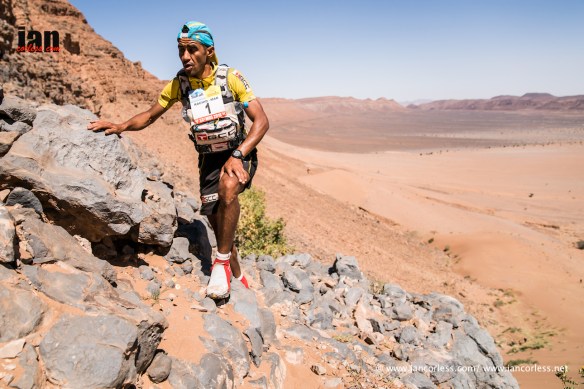
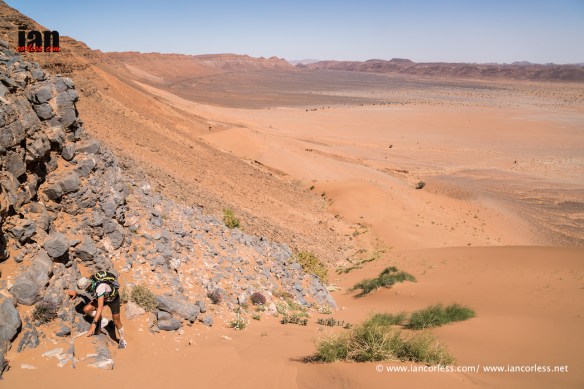
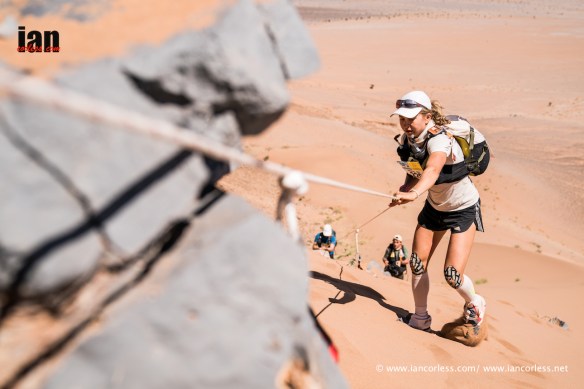
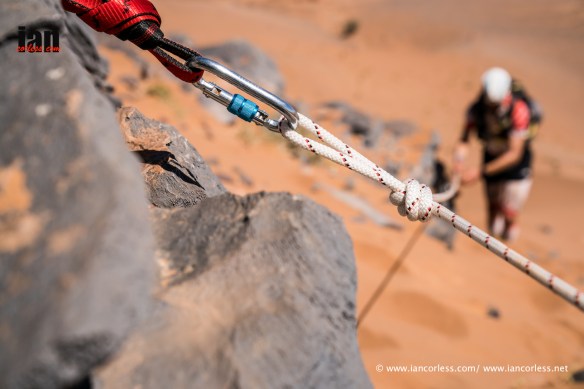
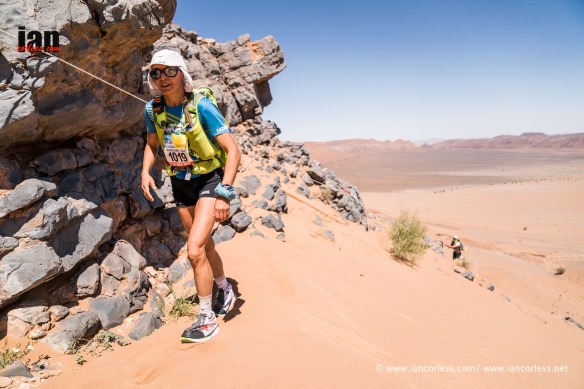
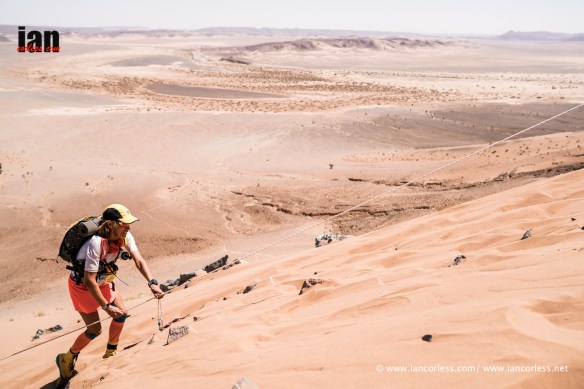
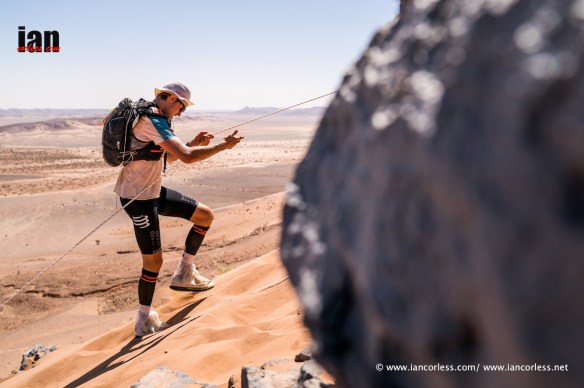
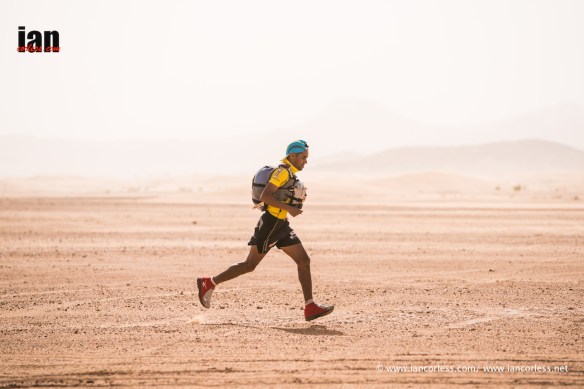 Today, the king and queen of the desert set out their stalls! For Rachid El Morabity, it was a day of showing the rest of the field a clean pair of heals as he slowly but surely pulled away from the field finally finishing almost 10-minutes ahead of his brother and day 1 champion, Mohamed.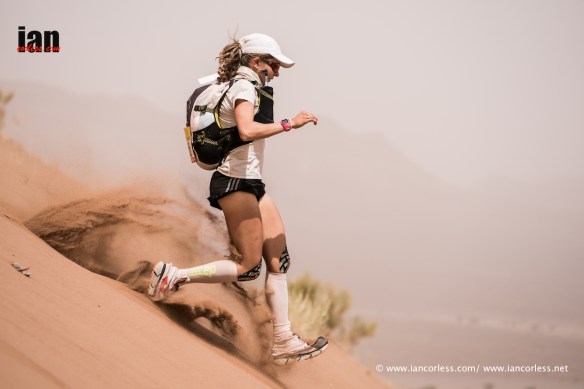
 IAN CORLESS