The days before the 2026 edition of Transvulcania felt eerily familiar. Wet streets in Los Llanos. Low clouds wrapping themselves around the ridgelines above El Paso. Moisture hanging heavy in the pine forest. Conversations in cafés and hotel lobbies kept drifting back to the same thought: please not again.
After the severe weather that disrupted the 2025 race, there was a quiet anxiety around La Palma in the build-up to this year’s event. Transvulcania is already one of the most demanding ultras in the world when conditions are good. When the island turns hostile, it becomes something else entirely.
But sometime during the night before the start, the mountain changed its mind.
Race morning arrived cool, calm, and almost impossibly perfect for running. The clouds remained, softening the exposure and keeping temperatures under control. Light rain fell in sections of the course, enough to settle the dust and compact the volcanic terrain without turning the trails heavy. Then, later in the day, the sun appeared just enough to illuminate the island’s dramatic ridges and descents without ever becoming oppressive.
What followed was extraordinary.
On a course as iconic and historically difficult as Transvulcania, improvements in winning times have been marginal. The 2026 edition changed that. They forced you to stop, rewind the race in your mind, and ask what exactly happened on this mountain.
Part of the answer was written into the terrain itself. The volcanic sand that usually defines sections of Transvulcania can often feel like running through ash, loose, decomposed, energy-draining. This year, after days of moisture, much of it had compacted making for considerably faster progress. Athletes were finding traction where they normally lose it. Climbs became more efficient. Descents became faster and more confident. Across an ultra-distance race, where every micro-adjustment compounds over hours, the effect was enormous and this is without doubt where a percentage the course record pace came from.
But conditions alone do not explain the magnitude of what happened.
Trail running has evolved at breathtaking speed over the last few years, and this edition felt like the clearest demonstration yet of just how professional the sport has become. Today’s elite athletes arrive with race plans built from meticulous course analysis, power data, nutrition precision, altitude blocks, recovery protocols, sleep tracking, and sports science that would have seemed excessive not long ago. Shoes are faster. Fueling is smarter. Preparation is more specific. Nothing is left to chance anymore.
And perhaps most importantly, the depth of talent is exploding.
Before race week, much of the attention was placed on the Kenyan athletes and the possibility of records in the Vertical and Uphill races. They dominated the VK and Half with superb performances of speed, agility and technical prowess. Records in the marathon also fell. Pre-race, while reviewing the Ultra field, one thing became impossible to ignore: the density at the front – twenty men capable of producing what, in previous years, would have been considered a top-ten all-time performance on this course. That changes everything about how a race unfolds.
No one can afford patience anymore.
Running conservatively no longer guarantees a podium, or even relevance. Athletes who, only a few years ago, would have comfortably placed inside the top five are now finishing much further down despite running historically fast times. The level has risen so dramatically that simply surviving the course is no longer enough. To compete at the front now requires relentless pressure from the opening climb.
And that pressure was visible everywhere.
Women’s Race
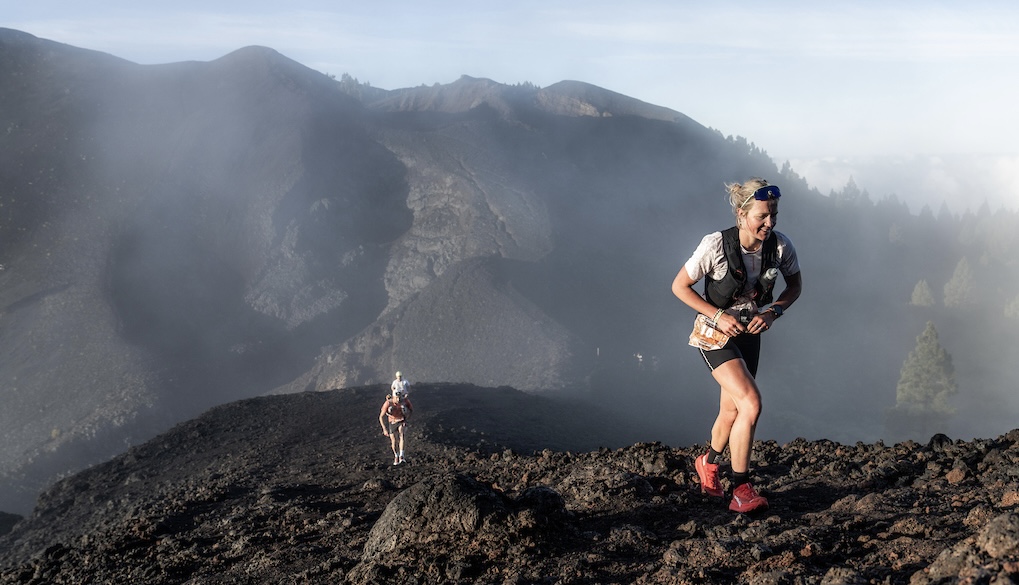
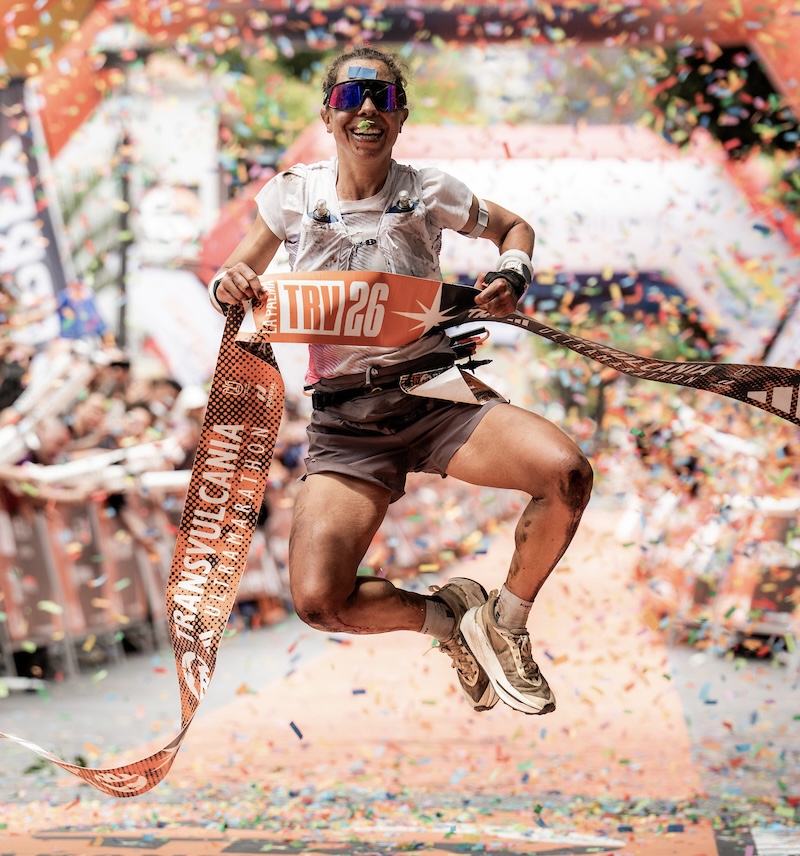
The women’s race embodied that intensity perfectly. A stacked field featuring Blandine L’Hirondel, Lucy Bartholomew, Ekaterina Mityaeva and returning two-time champion Emelie Forsberg exploded from the opening kilometers. Blandine took control on the climb from the start to Los Canarios and then onward toward Deseadas and beyond. Yet the race never settled. Lucy refused to let the gap grow, eventually catching Blandine at Roque de los Muchachos after 50 kilometers and very briefly taking the lead. The Frenchwoman responded brilliantly on the descent, with what must of been a masterclass performance, reclaiming the lead before Tazacorte and ultimately storming to victory in 7:43:47 — an astonishing 19 minutes faster than the previous course record by Ruth Croft. Lucy also finished well inside the old mark in 7:49:26 after one of the finest races of her career, incredible as she openly admits, she is terrible downhill… Emelie completed one of the stories of the weekend by returning to the Transvulcania podium in third.
Men’s Race
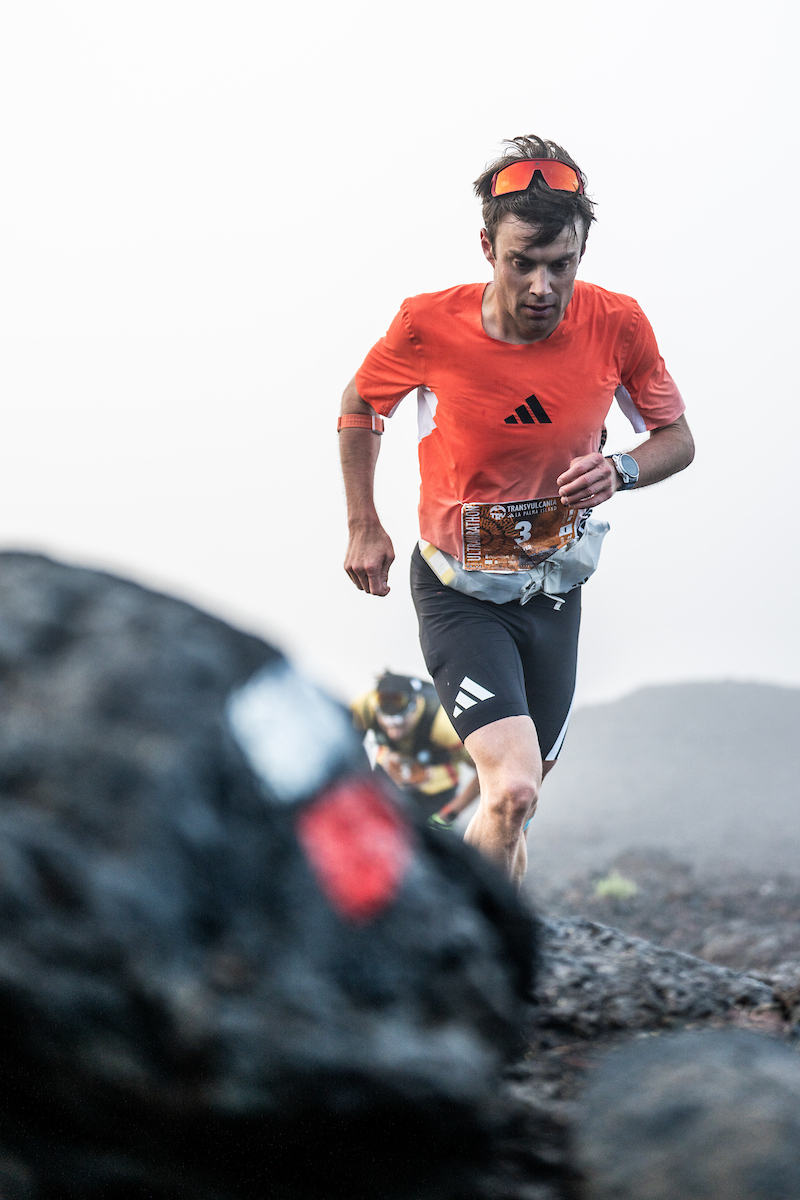
Damien Humbert set a ferocious early pace, but the race soon evolved into an all-out battle between David Sinclair, Petter Engdahl, Ben Dhiman, Andreas Reiterer, and Nadir Maguet across the volcanic spine of La Palma. David and Petter traded control high in the mountains after El Pilar, Petter stronger on the climbs, David faster on the descents. Reaching Roque de los Muchachos almost stride for stride, David unleashed a devastating descent toward Tazacorte that finally broke Petter, no doubt mindful of the final sting in the tail, the climb from Tazacorte Puerto to the finish that almost certainly would suit Petter. David reached Los Llanos in 6:32:24, smashing the long-standing course record by an astonishing 20 minutes in what he later called, ‘the race of his life!’ Behind him, Petter, and Nadir also finished well under the previous record, while an incredible six men broke Luís Alberto Hernando’s legendary mark that had stood for over a decade. Petter went on to say at the finish, ‘He (David) was just so fast on the descent, I couldn’t keep up.’
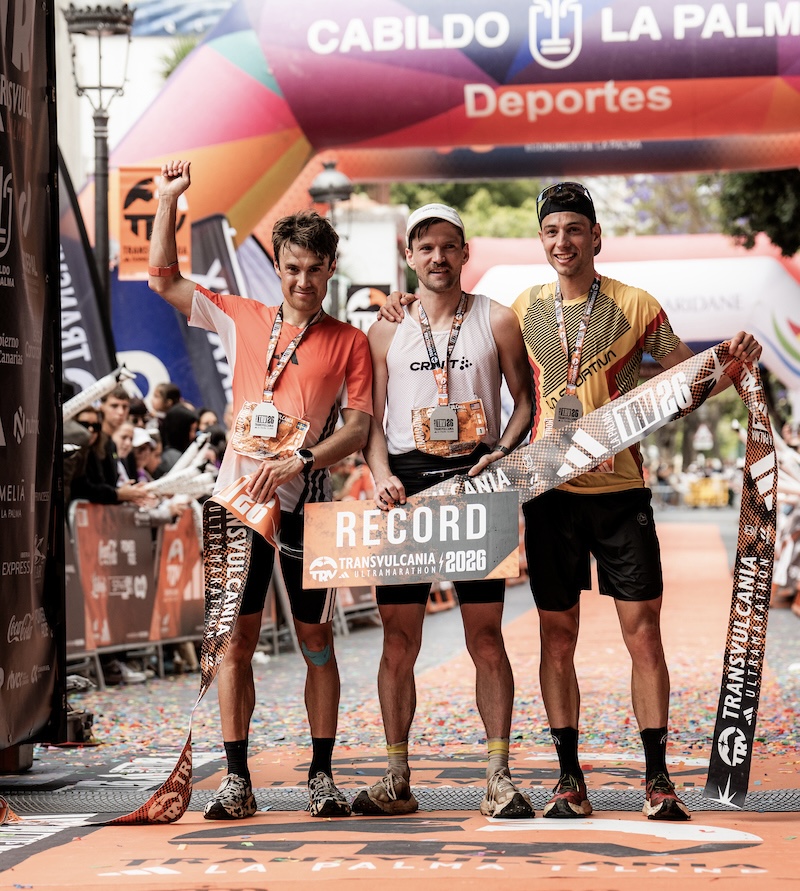
That is often how records truly fall, not through perfect pacing alone, but through confrontation. Through athletes refusing to let rivals settle into comfort. Through races that demand risk instead of caution. Blandine L’Hirondel was already under record pace, yet Lucy Bartholomew stayed close enough deep into the race to force another level from her. Petter Engdahl tried to stay attached to David Sinclair, pushing the pace high enough that Sinclair himself had to keep squeezing every possible second from the course to finally break away. It created the kind of racing that transforms performances from impressive into historic. Every athlete elevated the others.
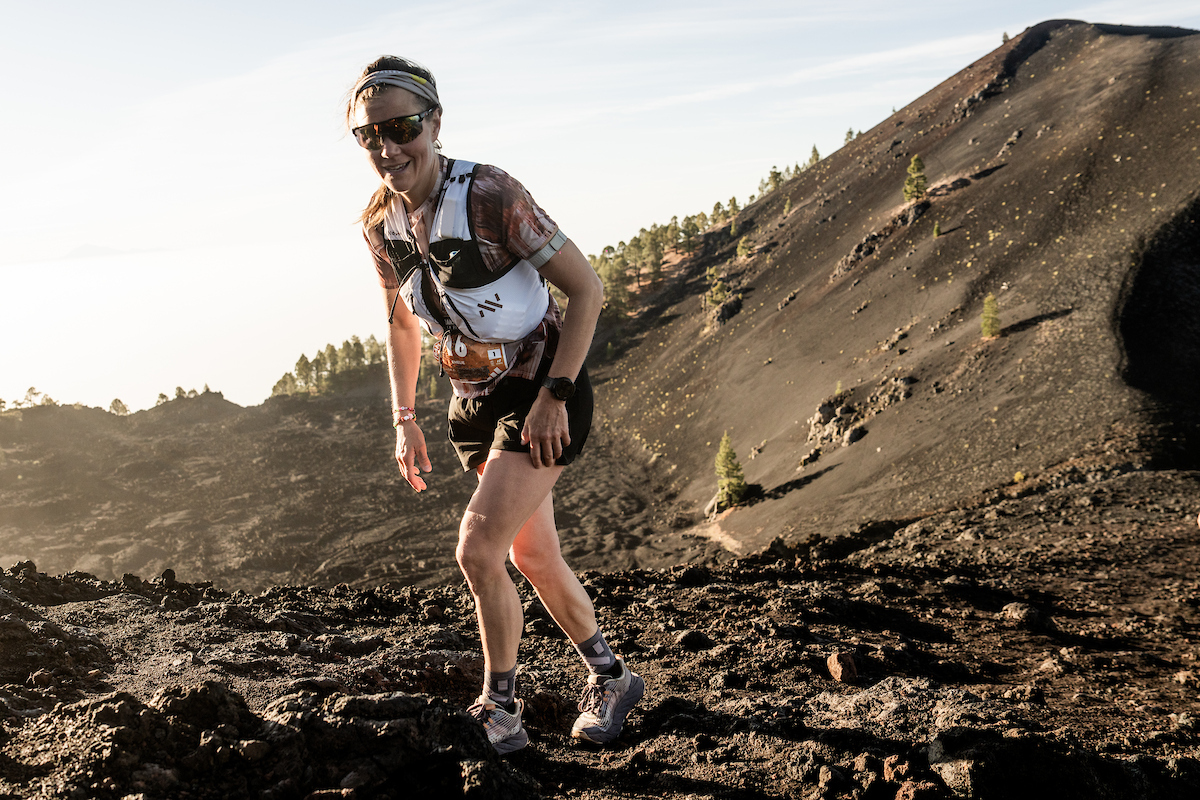
And then there was another story woven beautifully into the weekend. Ten years after her victories on this island, two-time champion Emelie Forsberg returned to Transvulcania once again. But this time the story was different. No longer the young athlete who dominated these volcanic trails a decade ago, she arrived as a wife, a mother of three children, and still managed to stand on the podium once more. In a weekend obsessed with speed, records, and the future of the sport, her performance carried something equally powerful – perspective. A reminder that greatness in trail running is not only measured in minutes and records, but also in longevity, resilience, and the ability to return to the same mountain years later and still belong among the very best.
The 2026 Transvulcania was not simply a fast edition blessed by good weather. It felt like a glimpse into the future of trail running, deeper, more professional, more aggressive, and faster than anything we have seen before.
And for those lucky enough to witness it unfold across the volcanic spine of La Palma, it was unforgettable.
Four races, eight records, men and women triumphant on the iconic trails of La Palma, what does the future hold? With the 2027 race date already set for Transvulcania, anticipation is already high.
Instagram – @iancorlessphotography
Twitter – @talkultra
facebook.com/iancorlessphotography
Web – www.iancorless.com

