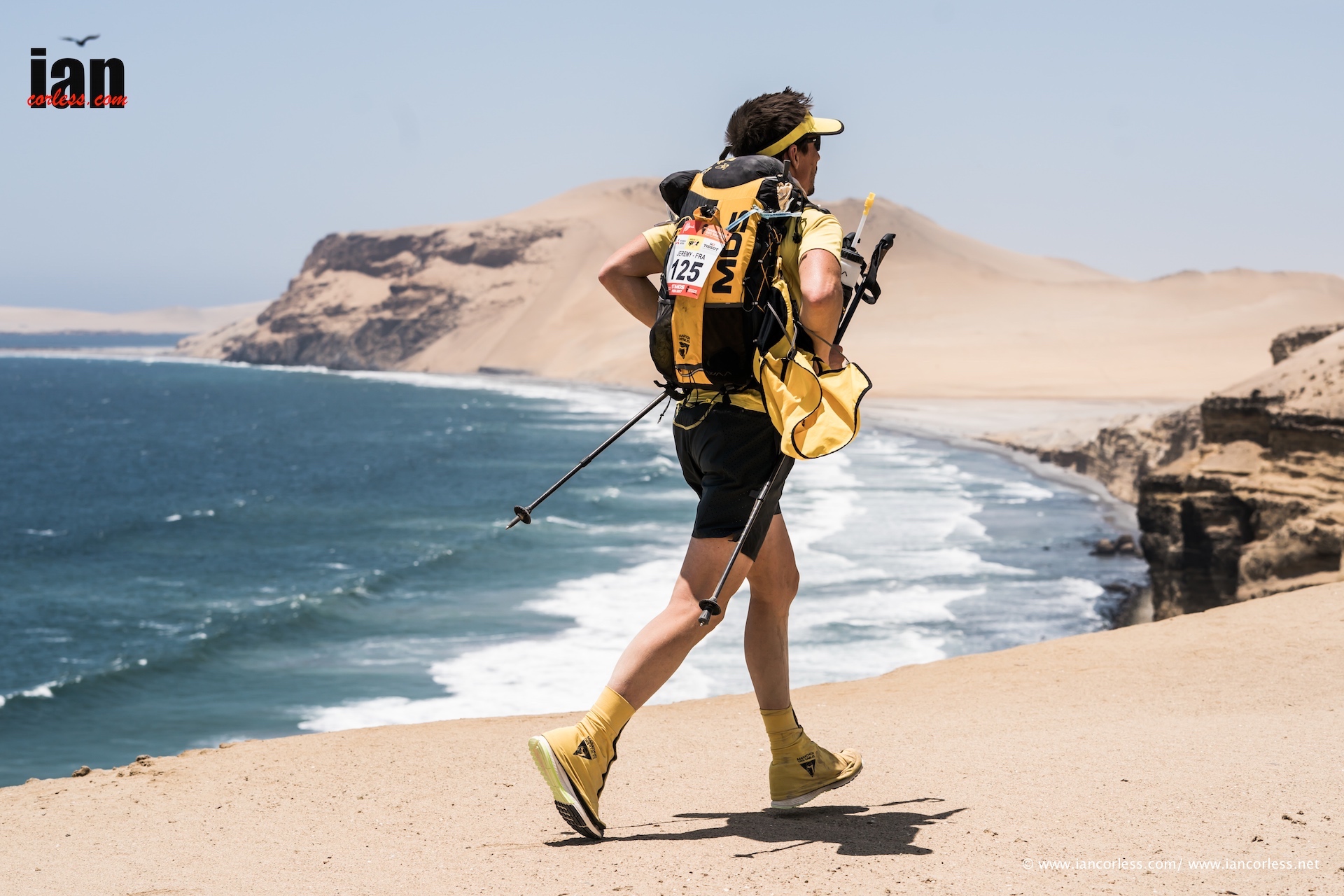
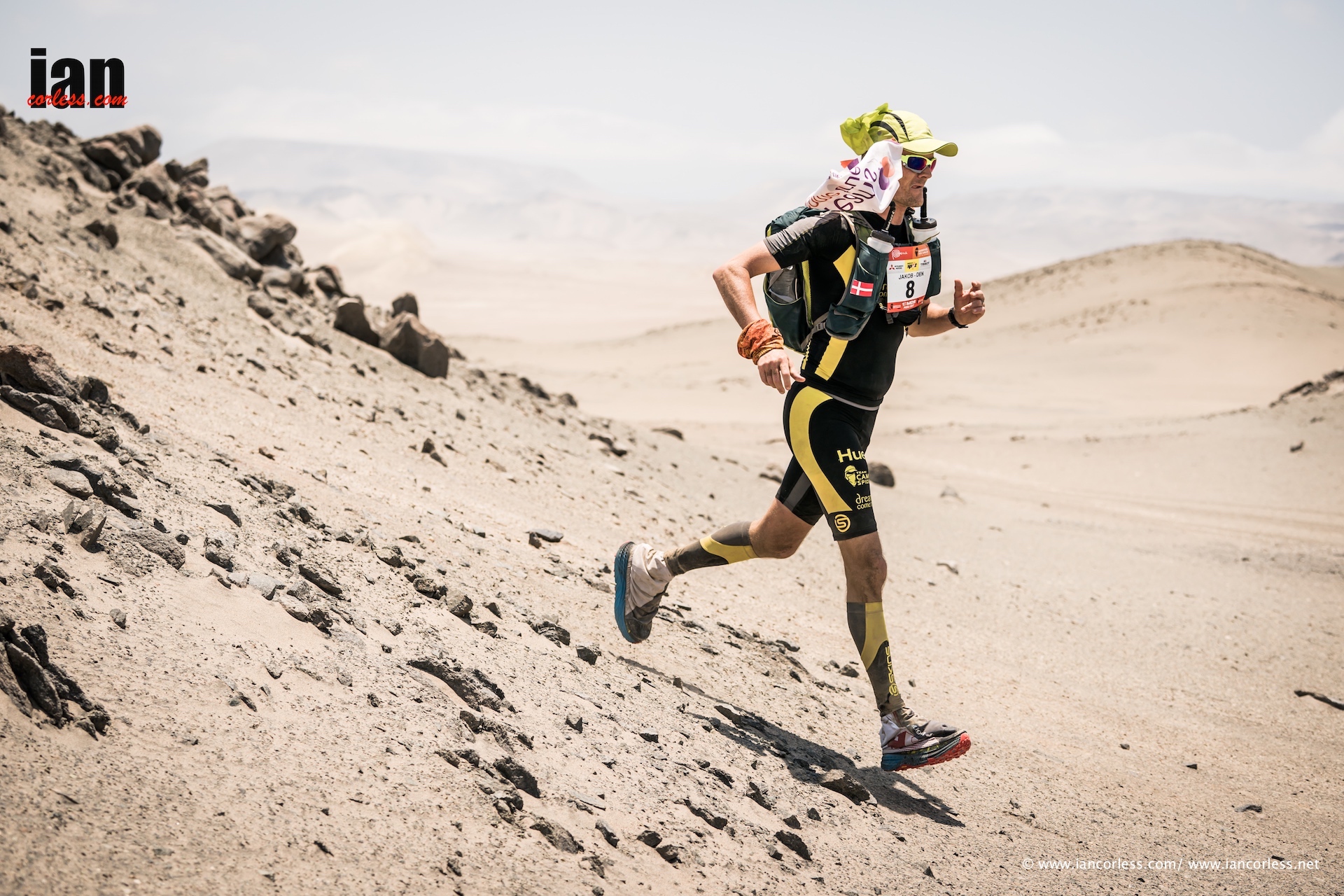
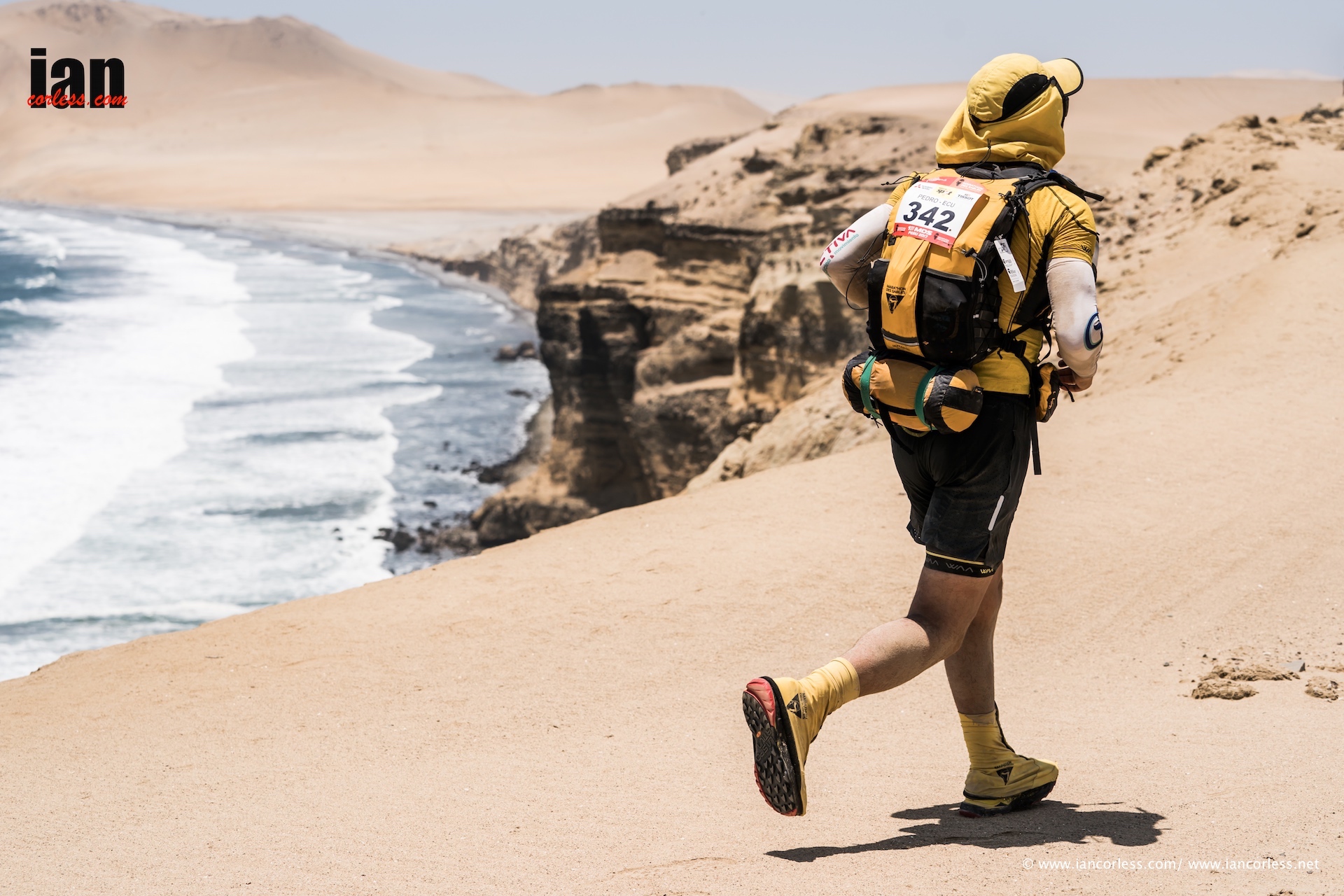
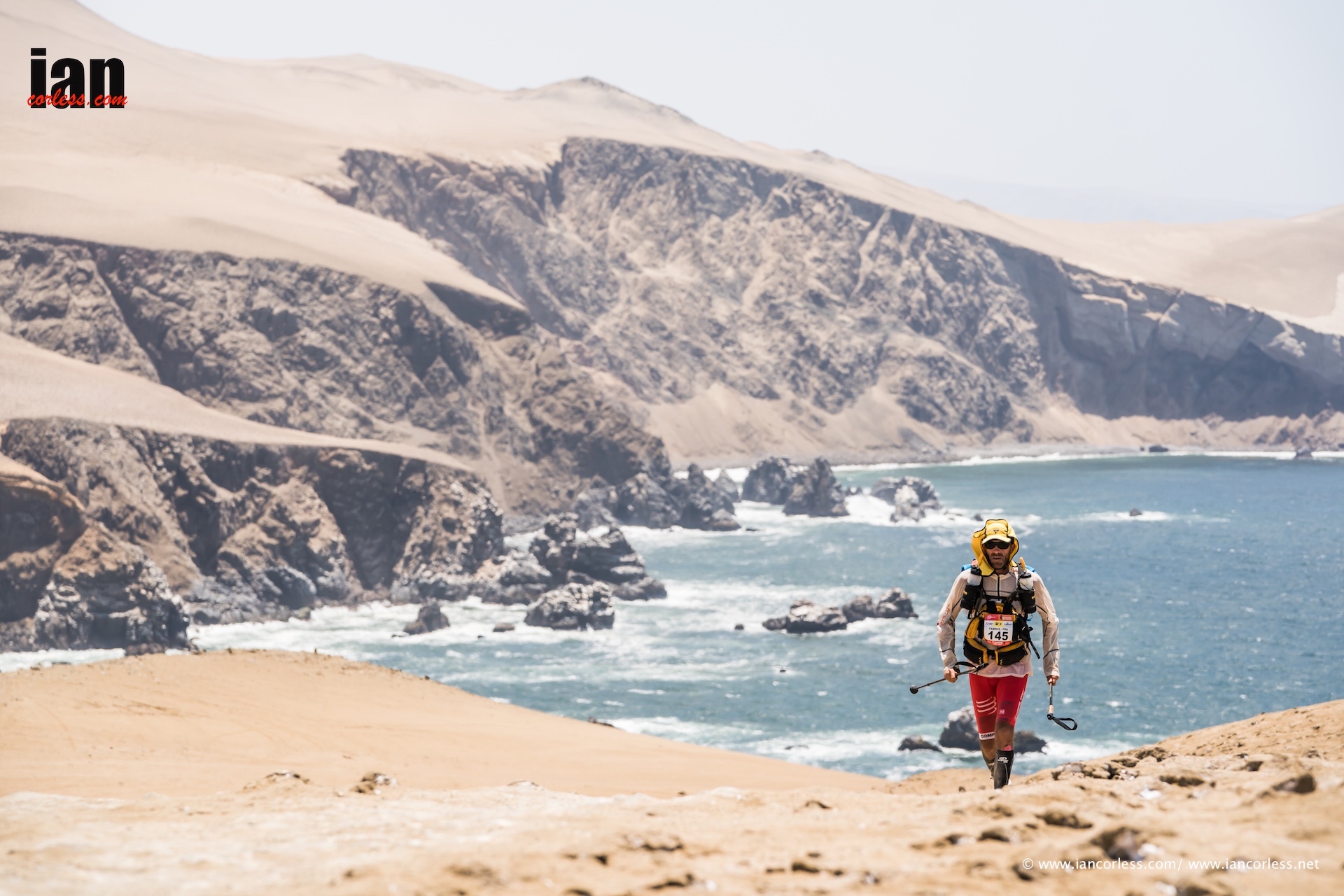
MDS Peru returns in 2025. I was at the original full-distance event in 2017, it was clear then that Peru and the Ica desert was a very special place.
The race returned in the ‘HMDS’ format in 2028, 2019 and 2022. Now, all HMDS events rebranded as MDS, we eagerly anticipate the 2025 MDS Peru that will take place from November 29th to December 6th, what better way to kick-off early Christmas celebrations and end a year!
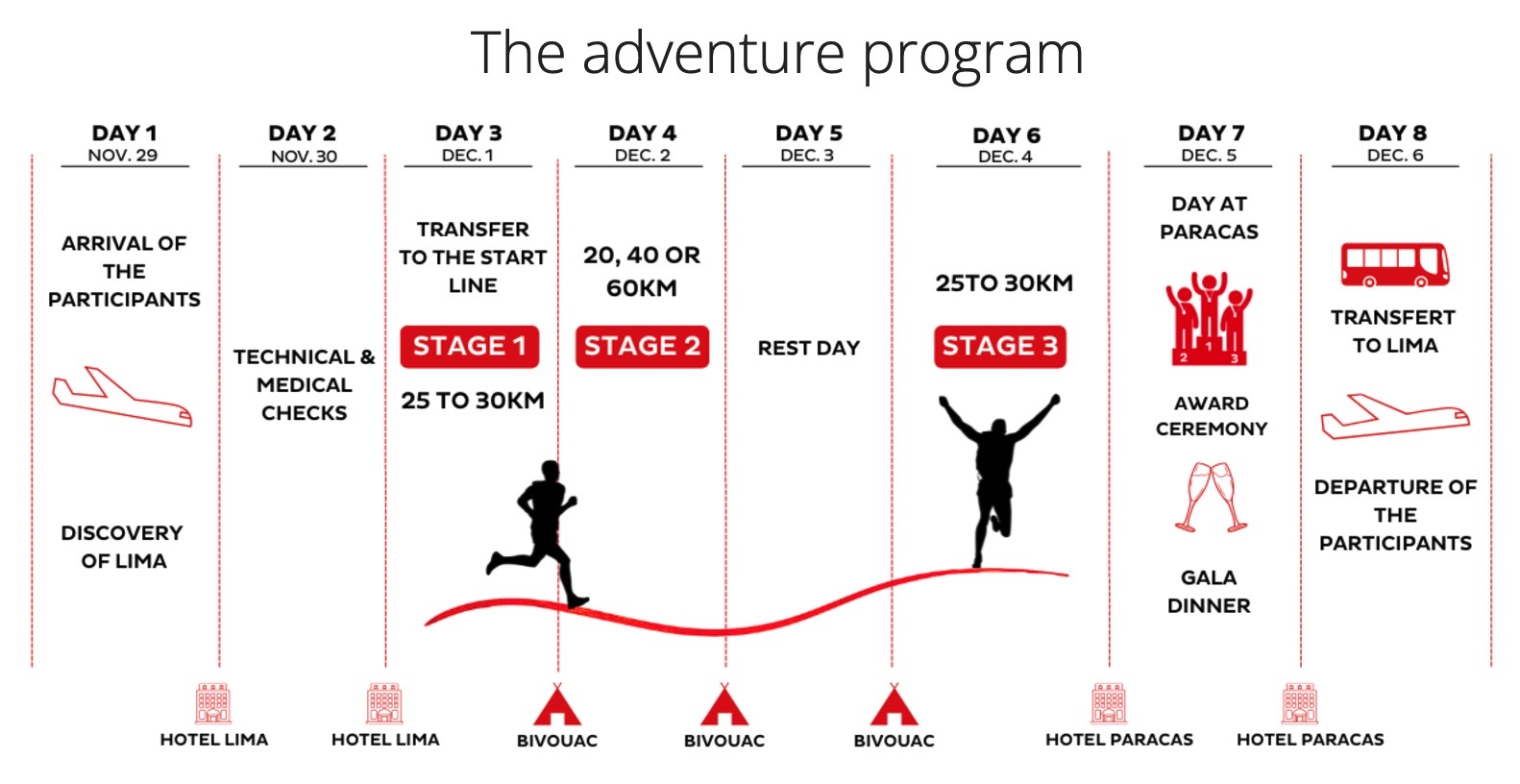
Participants will arrive in Lima on November 29th (or before) and then stay in Lima for 2 nights at an official race hotel.
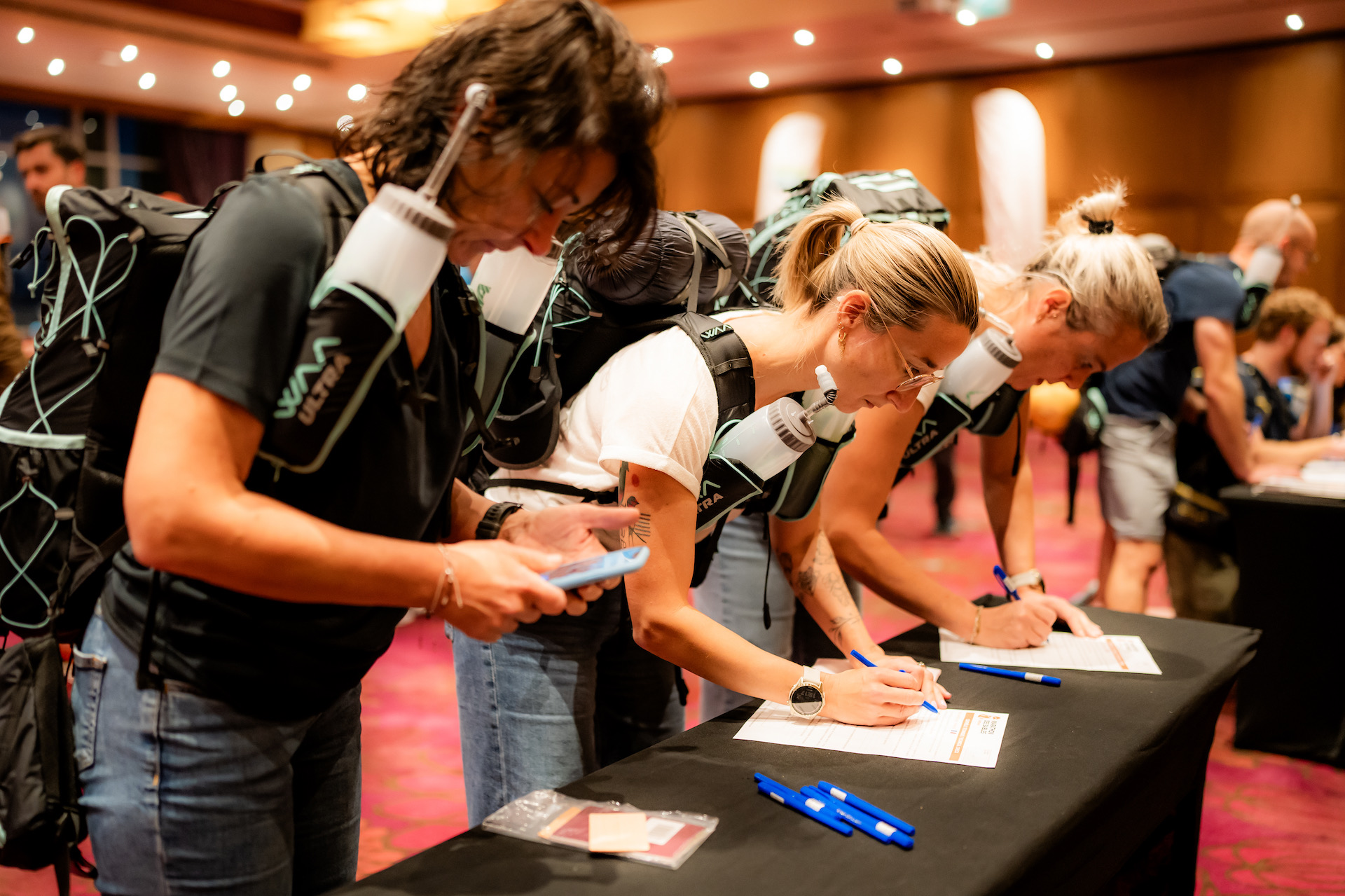
November 30th will have technical and medical checks, the protocol identical to other MDS events.
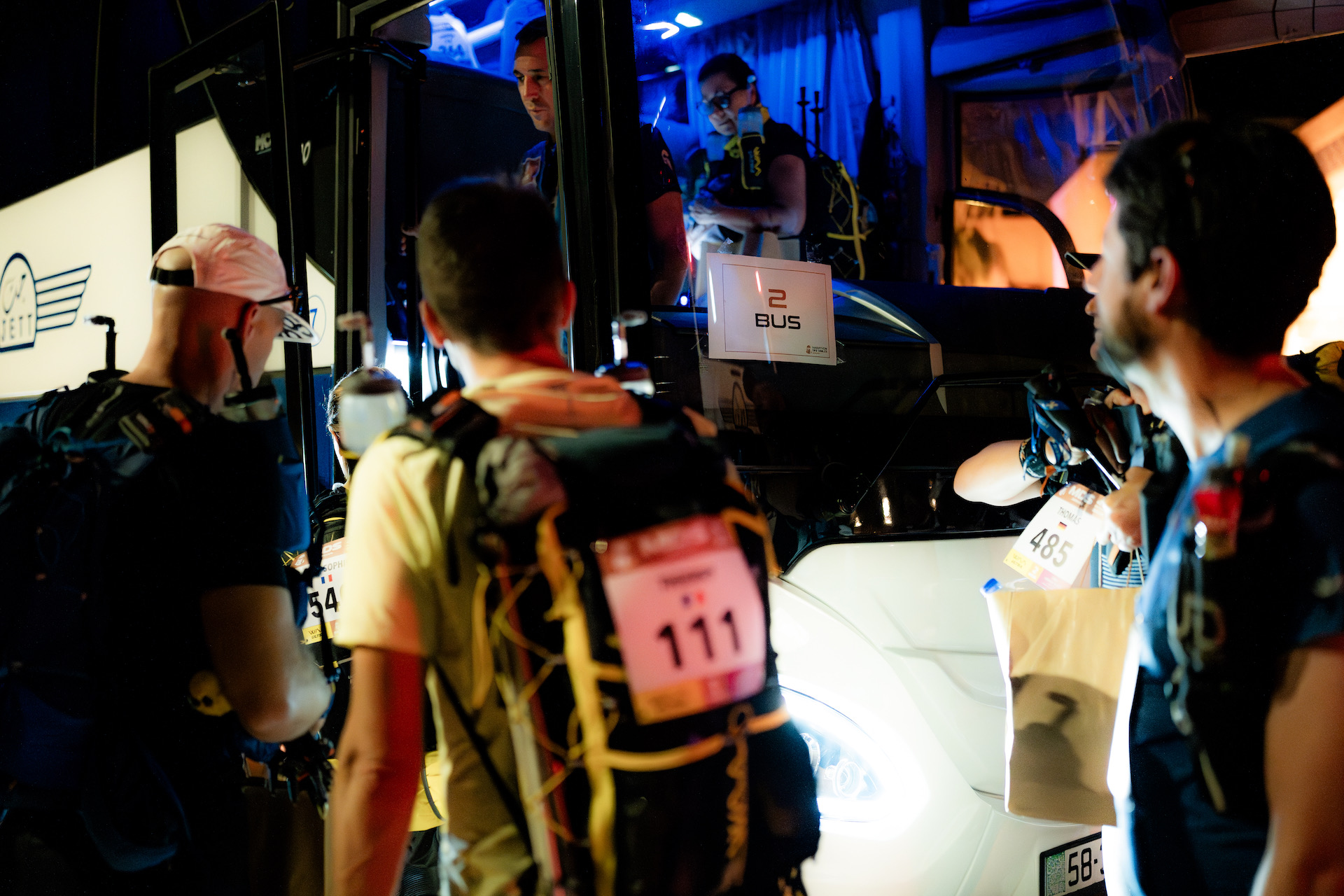
On the morning of Dec 1st, an early morning transfer to the start of stage 1.
As with all MDS events, the race will take place over 3 stages will last 4 days.
Day 1/ Stage 1 will be 25 to 30km.
Day 2/ Stage 2 offer three distance options, 20, 40 or 60km.
Day 3 is a rest day.
Day 4 will see the commencement of the race with Stage 3, again, 25 to 30km and then two overnight stays at Hotel Paracas.
The following day is a day of leisure and then the awards ceremony and gala dinner.
Dec 6th will see participants return to Lima and onward travel.
A key consideration for participants, if Peru is on your wish list, due to the complexities of travel and logistics, Peru will not be a yearly MDS destination, so, now is the time to sign up and experience the magic this destination offers.
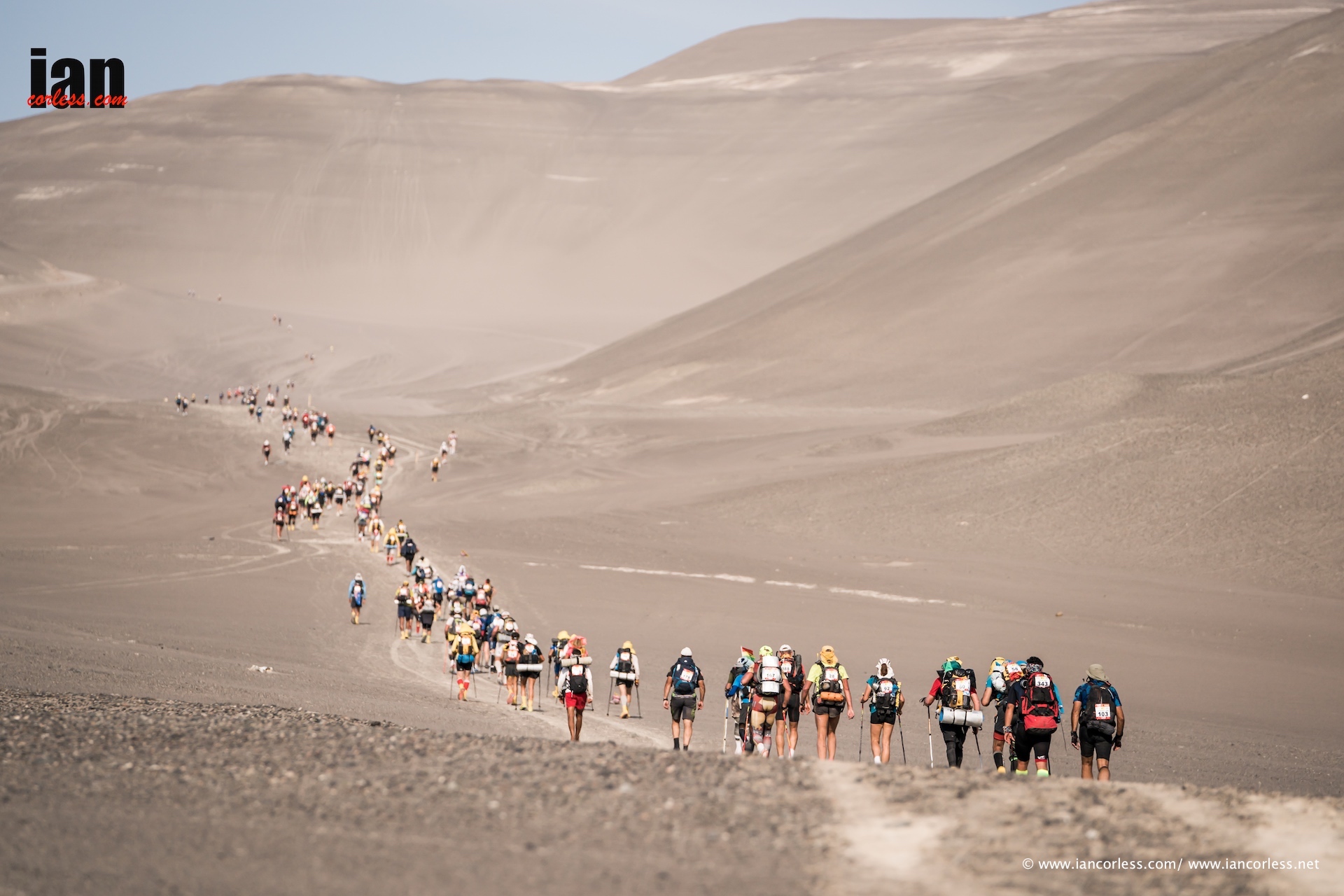
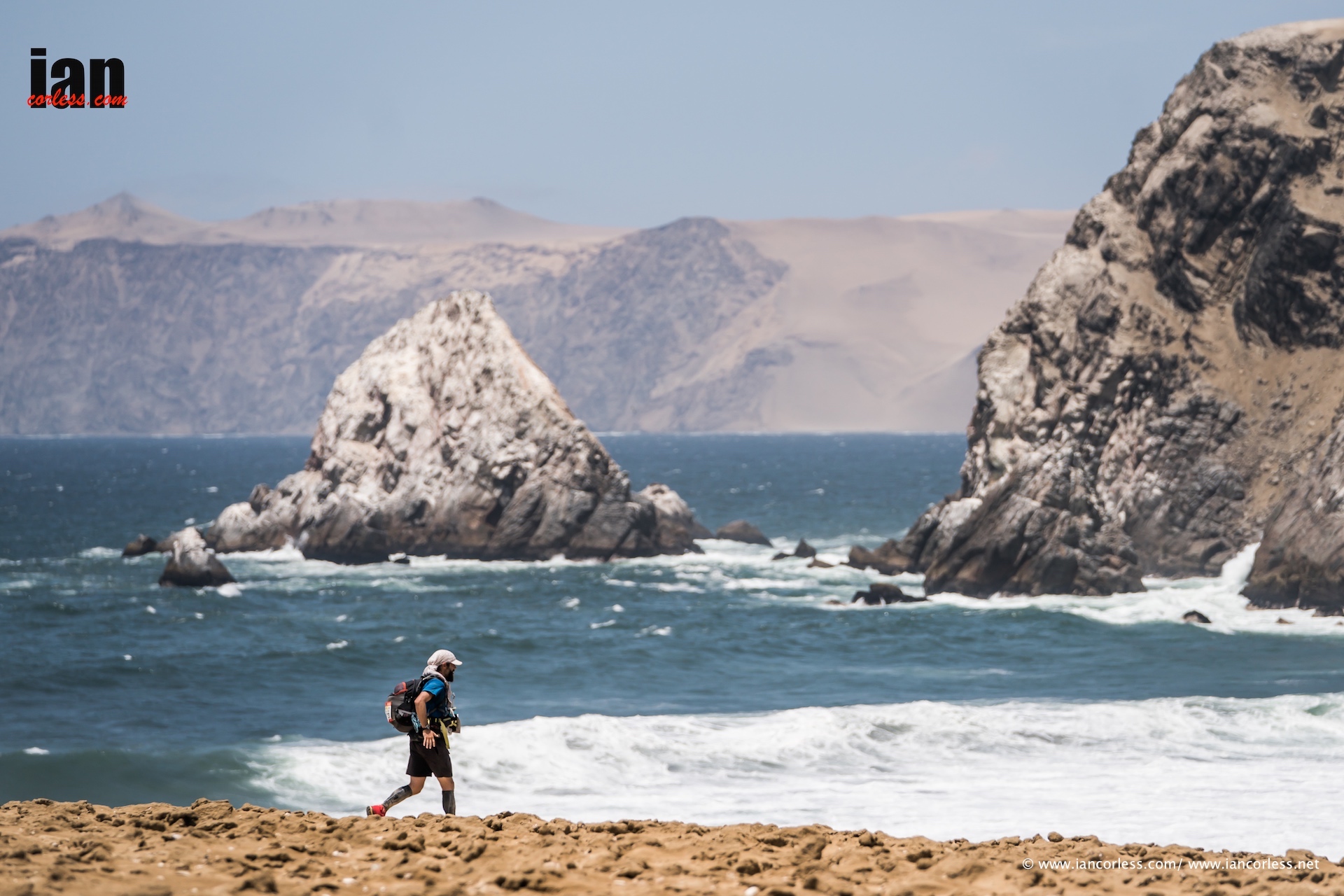
The Ica desert is unique, isolated from any civilization, this is a week of total disconnection. As bivouacs go, the one at MDS Peru is arguably the most impressive and unique, located on the edge of the Pacific Ocean.
Should you require to arrive before or extend your Peru adventure, there will be the option to explore Machu Picchu, the historic city of Cusco and the Mountain of 7 Colours with MDS partner Coltur.
MDS Peru will open for entry on Dec 11th at midday CET. Importantly, MDS have stipulated that a minimum sign-up of 200 participants will be required for the 2025 event to proceed, so, don’t hesitate to join this unique adventure of a lifetime. For the first 100 to sign-up, a discount is available, 2350 euro instead of 2650 euro.
The MARATHON DES SABLES is a unique adventure, shared by thousands of enthusiasts since 1986.
To differentiate the full distance race of 250km’s, Marathon des Sables will now be known at MDS The Legendary, reflecting the legendary status of this iconic event and its long history as a pioneer of the stage racing and multi-day format.
The ‘HMDS’ format whill still follow the same protocols as before but has now dropped the ‘half’ title and moving forward, events will be called MDS Jordan, MDS Morocco, MDS Cappadocia and so on.
The MDS events are a one-week sporting adventure that combines the discovery, travel, meeting new people and physically challenging yourself in a self-sufficient manner.
Since 1986, the MARATHON DES SABLES has crossed the world’s most stunning deserts with several unique concepts: the MARATHON DES SABLES THE LEGENDARY (252 km in the Sahara Desert in Morocco), the MARATHON DES SABLES (70, 100, or 120 km spread over 3 stages), and the new 2024 concept, the MDS TREK (4 stages with a total distance of up to 120 km), offering an accessible adventure with optimal comfort. These international events have seen over 50 editions in various countries such as Morocco, Fuerteventura Island, Peru, Jordan, Turkey, and offer adventures that combine running/hiking in the desert with tourism.
MDS Jordan brought to a conclusion the 2024 season of MDS events. It has been quite a year and since Fuerteventura in September, the events have followed one after another, MDS Morocco, MDS Trek Morocco and now MDS Jordan.
Jordan has become so popular as a destination, two events now exist in a year, May and November. Dates for 2025 are May 9-16 and November 1-8.
For the 4th edition, concluding on the 8th November 2024, 599 participants were signed up from 25 different nationalities. Once again, MDS pioneer the way with more women participants than men, 55% to 45%.
Come race day, 520 toed the line over the 3 race distances.
249 in the 120km distance.
190 in the 100km distance.
81 in the 70km distance.
Full race results are available HERE via LiveTrail.
Jordan is not the easiest place to get to and typically, it will require two flights. Istanbul being a popular connecting point but many other options exist. Long haul travel always has potential problems and for the MDS Jordan, participants and staff had several problems with delays, gladly, everyone arrived on time. However, there is some general good advice here for future participants, allow yourself some time flexibility for arriving in Jordan, delays of 12-hours or even 1-day existed for some! Use reputable airlines with good track history, the cheapest option is not always the best!
Photo by Ian Corless
The current Israel – Hamas war quite obviously was on the minds of participants and some were concerned about travel. However, while the general advice from most governments was to ‘exercise caution,’ there was no reason not to travel. Having spoken to participants post-race, nobody at any time felt safety or security was at risk. The war however ‘may’ have had some impact on travel, it’s difficult to know?
Photo by Ian Corless
The MDS team do a fantastic job of facilitating everyones arrival in Amman and they provide a bus transfer to the Crowne Plaza hotel which is located on the Dead Sea. The journey takes under 90-minutes.
Photo by Ian Corless
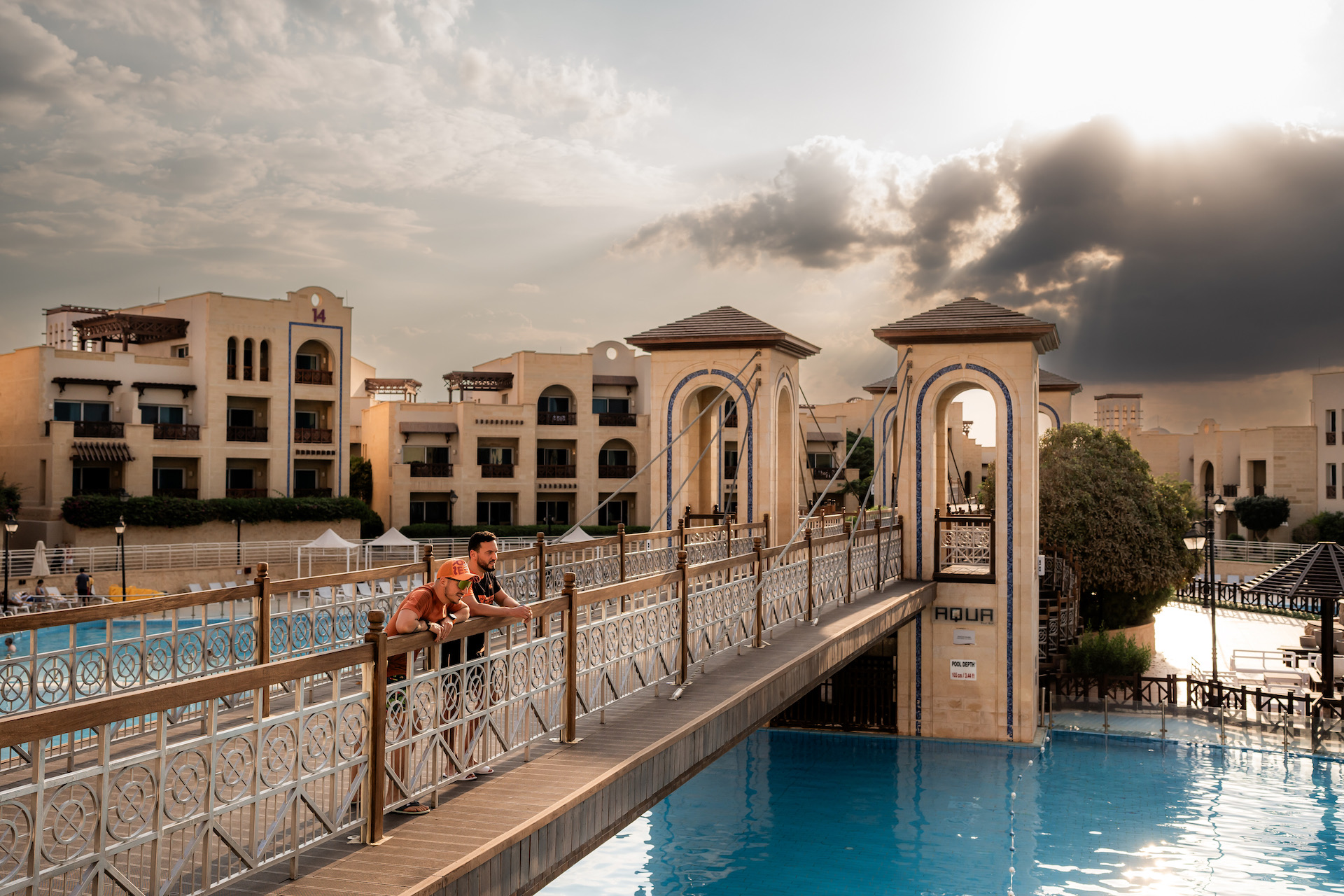
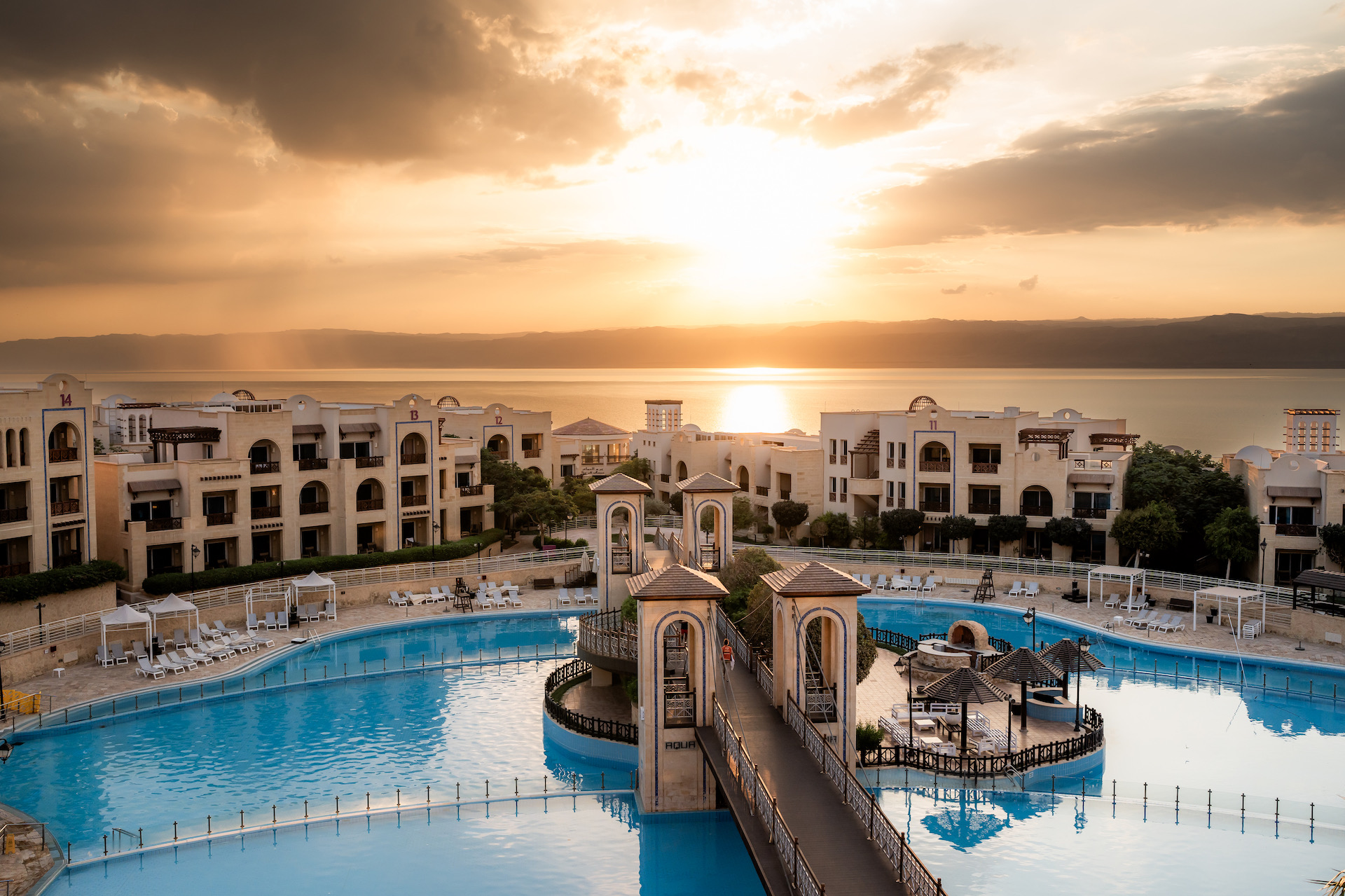
The hotel is huge with excellent facilities, a good restaurant, bar, meeting rooms, multiple pools, spa, gym and of course, the Dead Sea is on its doorstep. It’s the perfect place pre and post-race. Another great benefit is that its size allows all competitors and MDS staff to stay at the same location. A great bonus for admin day and the post-race awards and gala dinner.
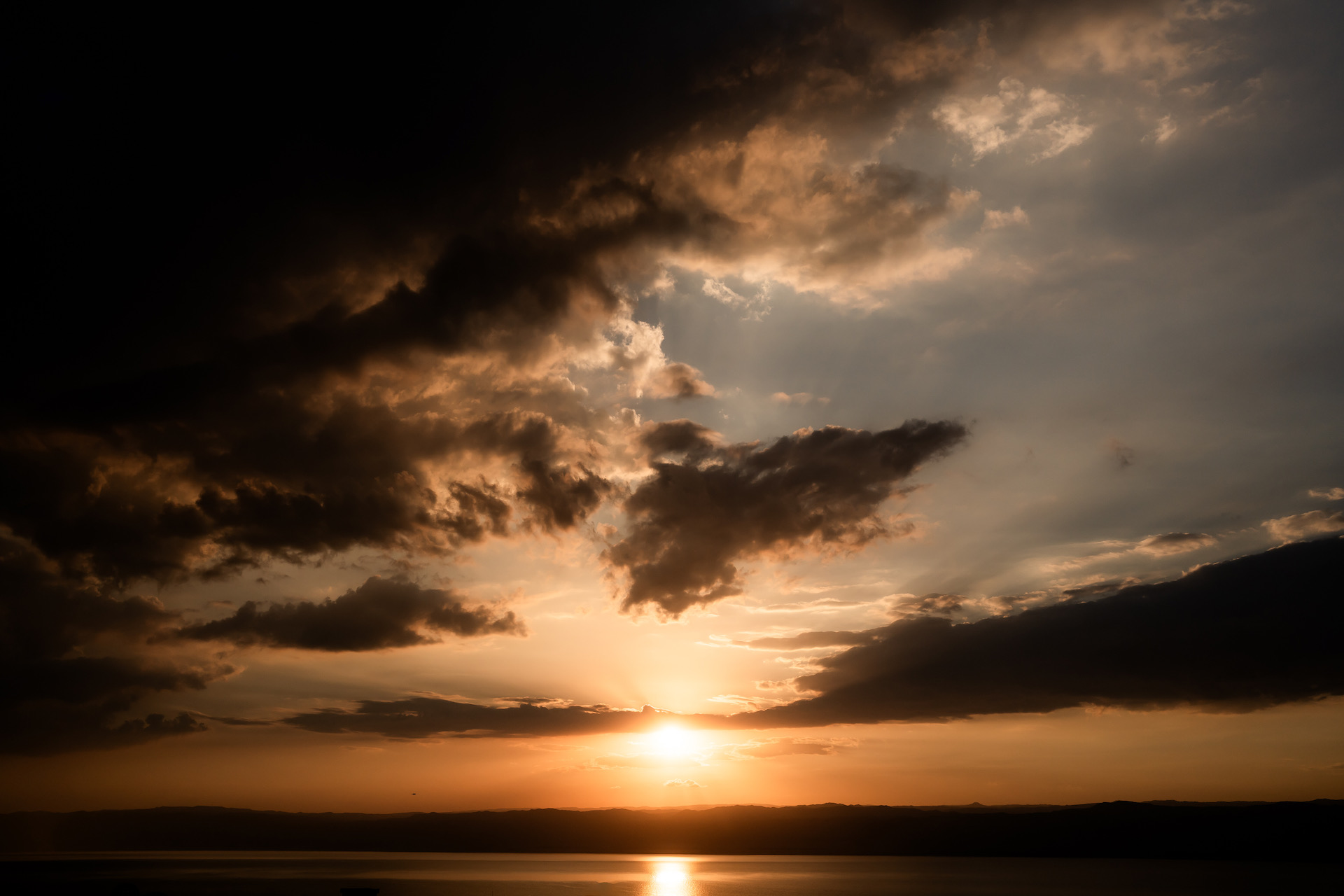
The Dead Sea is obviously an iconic place, located -430m below sea level. It is land locked between Jordan and Israeli occupied west bank in the west and Israel in the south. It is called the Dead Sea due to high levels of salt that make it impossible for any life form to live.
Photo by Ian Corless
With admin day done, the race got underway with a very early departure on Monday Nov 4th with an approximate 4-hour journey to Wadi Rum.
Stage 1 was scheduled to start at 0930am with 27.4km and 980m+ with arrival at bivouac. A point-to-point day with two Cp’s and a cut-off time of 2000hrs.
Photo by Ian Corless
The day was a shock for many! It’s a day of stunning views, epic vistas, remarkable landscape and a great deal of soft sand making the journey very hard work. If you are signed up for a future MDS Jordan, be prepared for a tough day 1.
Photo by Ian Corless
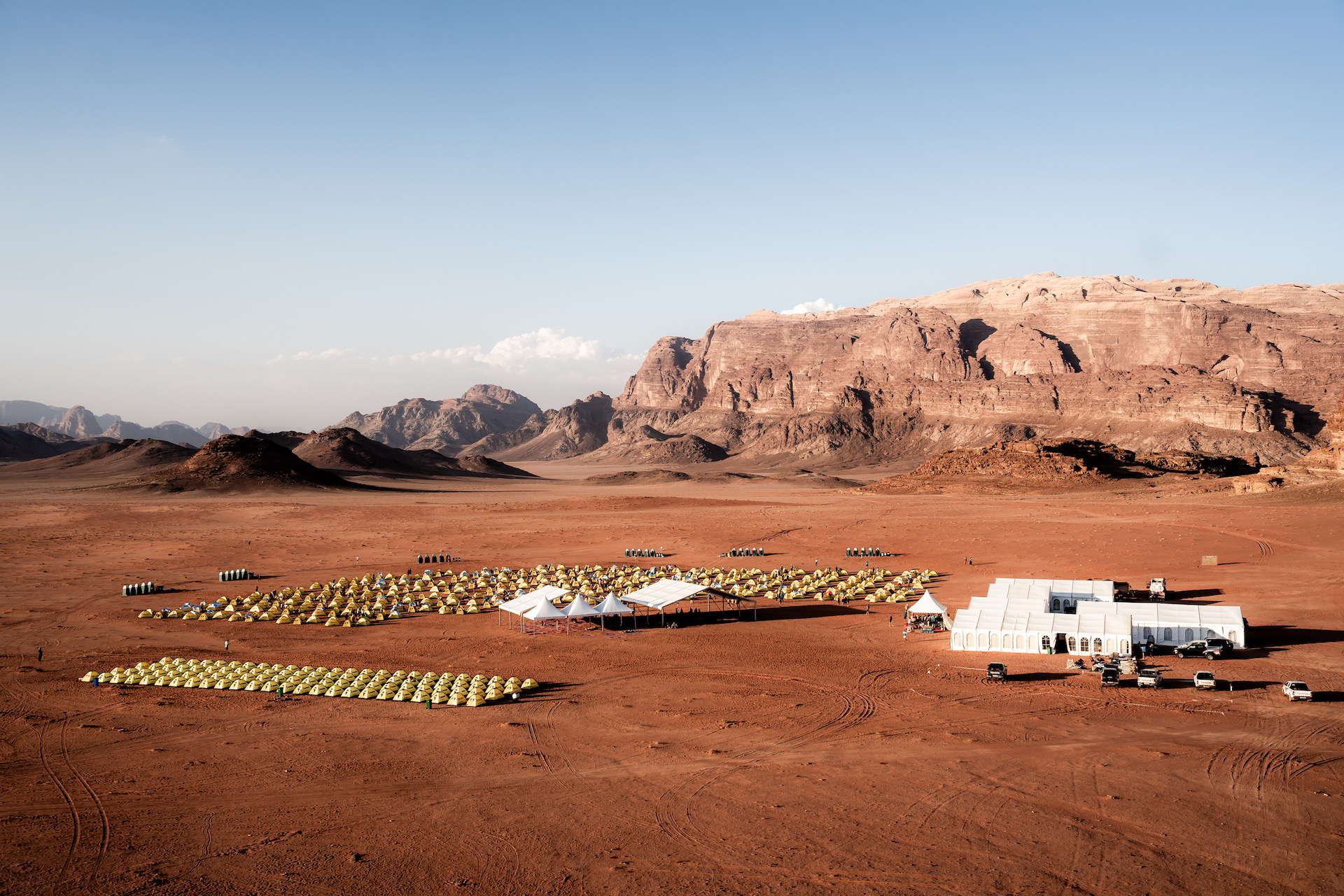
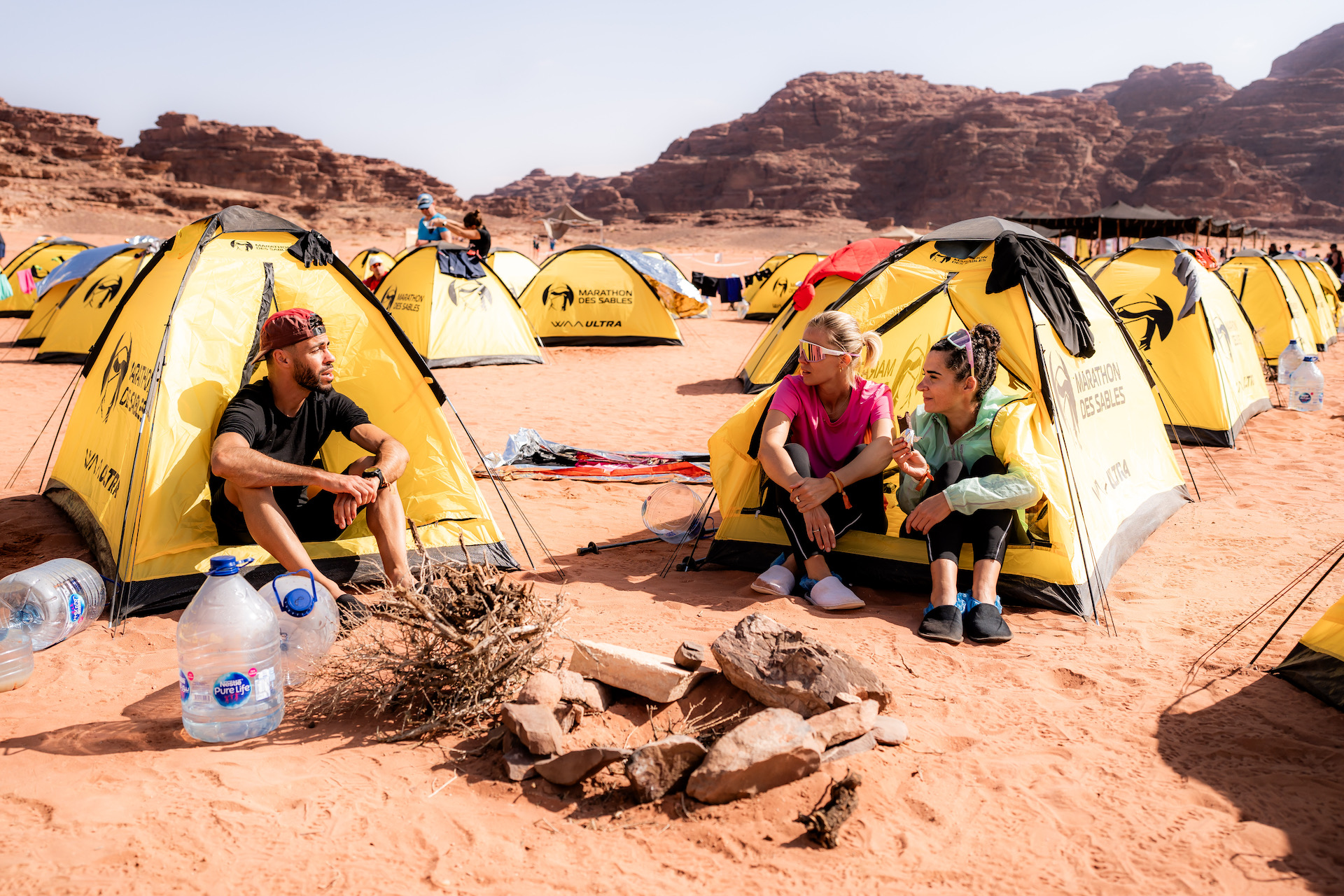
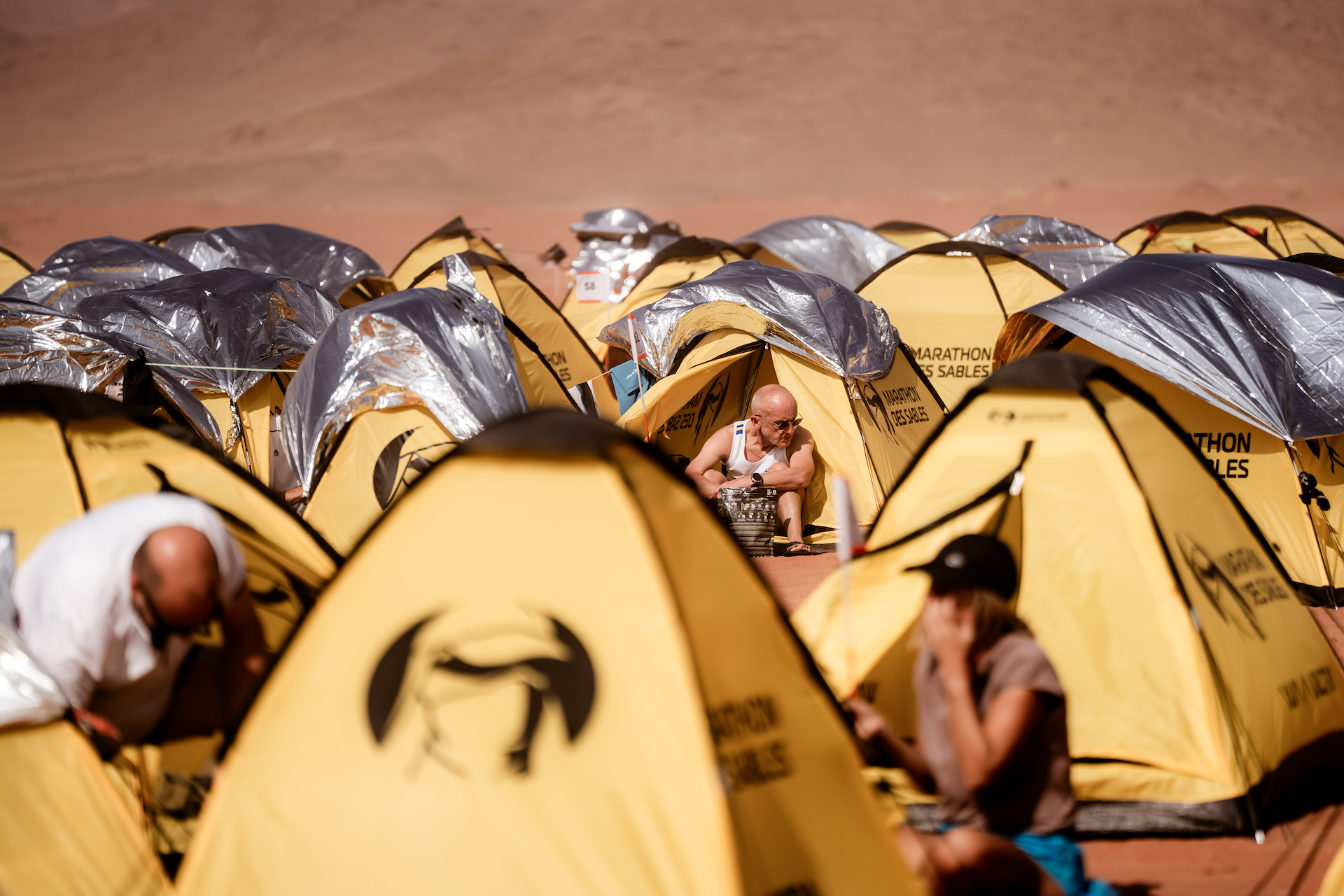
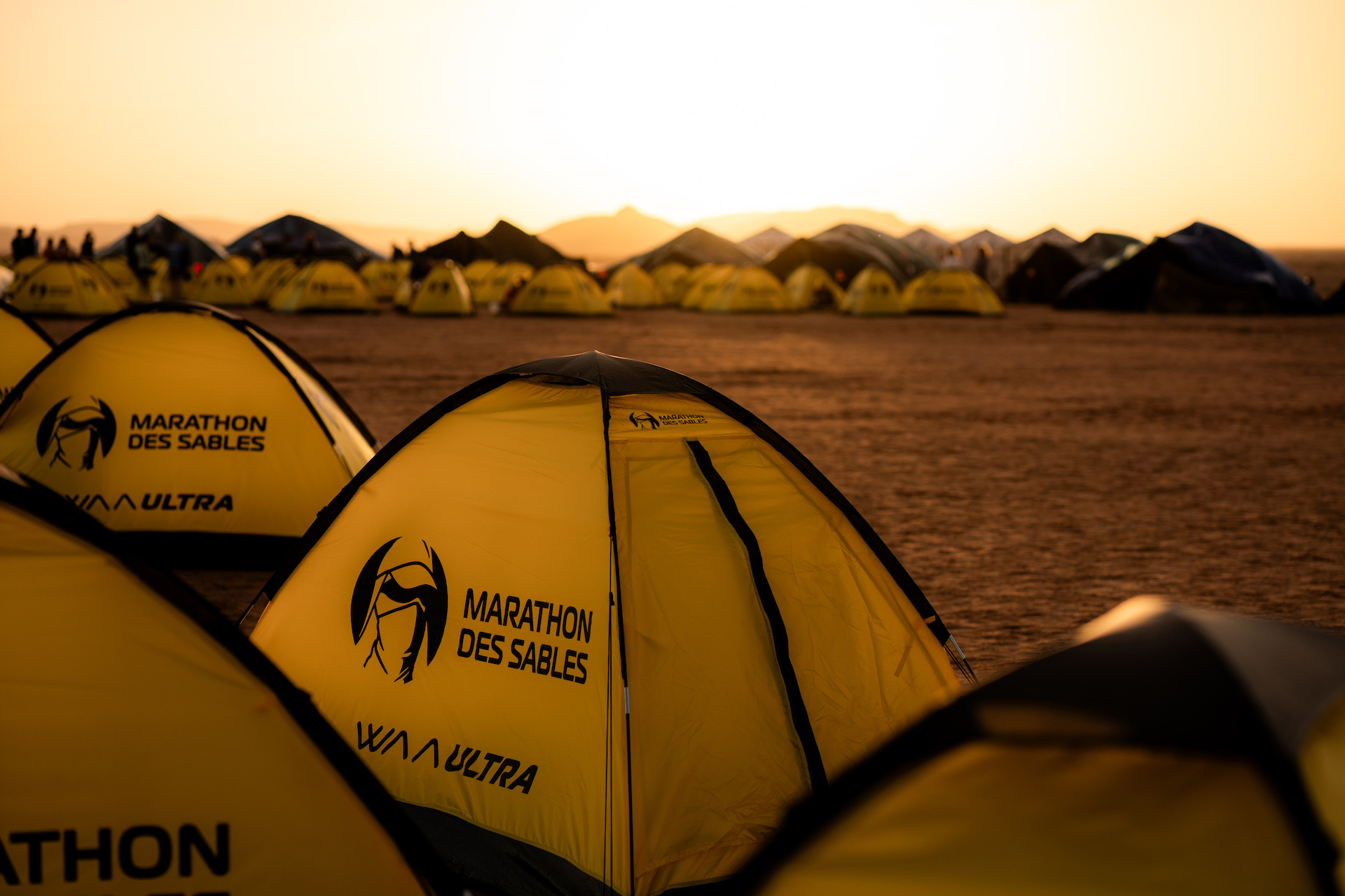
In bivouac, as per all MDS events, individual tents are in circular pods of 8. This is great for group friendship but also allows some privacy.
Photo by Ian Corless
While MDS events operate on the same formula: 3-stages over 4-days with full self-sufficiency, the exemption coming with rationed water provision and a place to sleep provided by MDS. I cannot emphasise enough that participants need to be prepared for the challenge they are undertaking. Weather and environmental condition vary from event to event and year on year. Just because Jordan was hot at one edition, it does not mean it will always be hot! Look at MDS Morocco in October, rain, thunderstorms and flooding. The 4th edition of MDS Jordan had a very cold first night. For those who did not bring a warm jacket, a warm sleeping bag or additional layers, they had a very cold and troubled night. My TOP TIP is always bring a windproof jacket such as the WAA wind running jacket as an absolute minimum and my high recommendation is to bring a light weight down jacket. Many down jackets exist these days and the top quality products are well under 200g, the Nordisk Y Strato is 165g for example. The advantage of a down jacket is warmth and comfort while sitting around post-race and in addition, on cold nights, you have a very warm layer to wear inside your sleeping bag should it be required. Make sure you have a Buff and cover your head, most heat is lost here!
Photo by Ian Corless
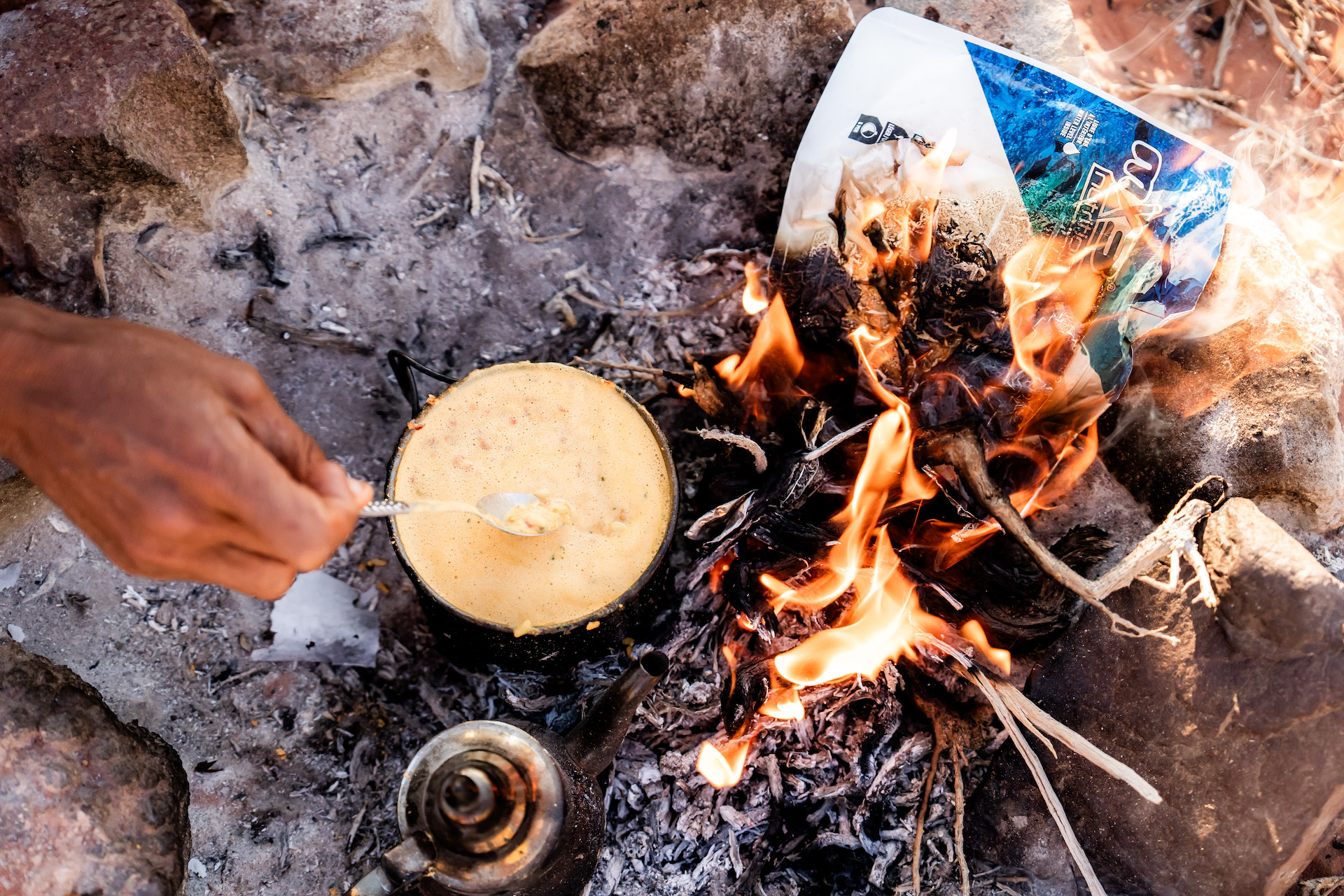
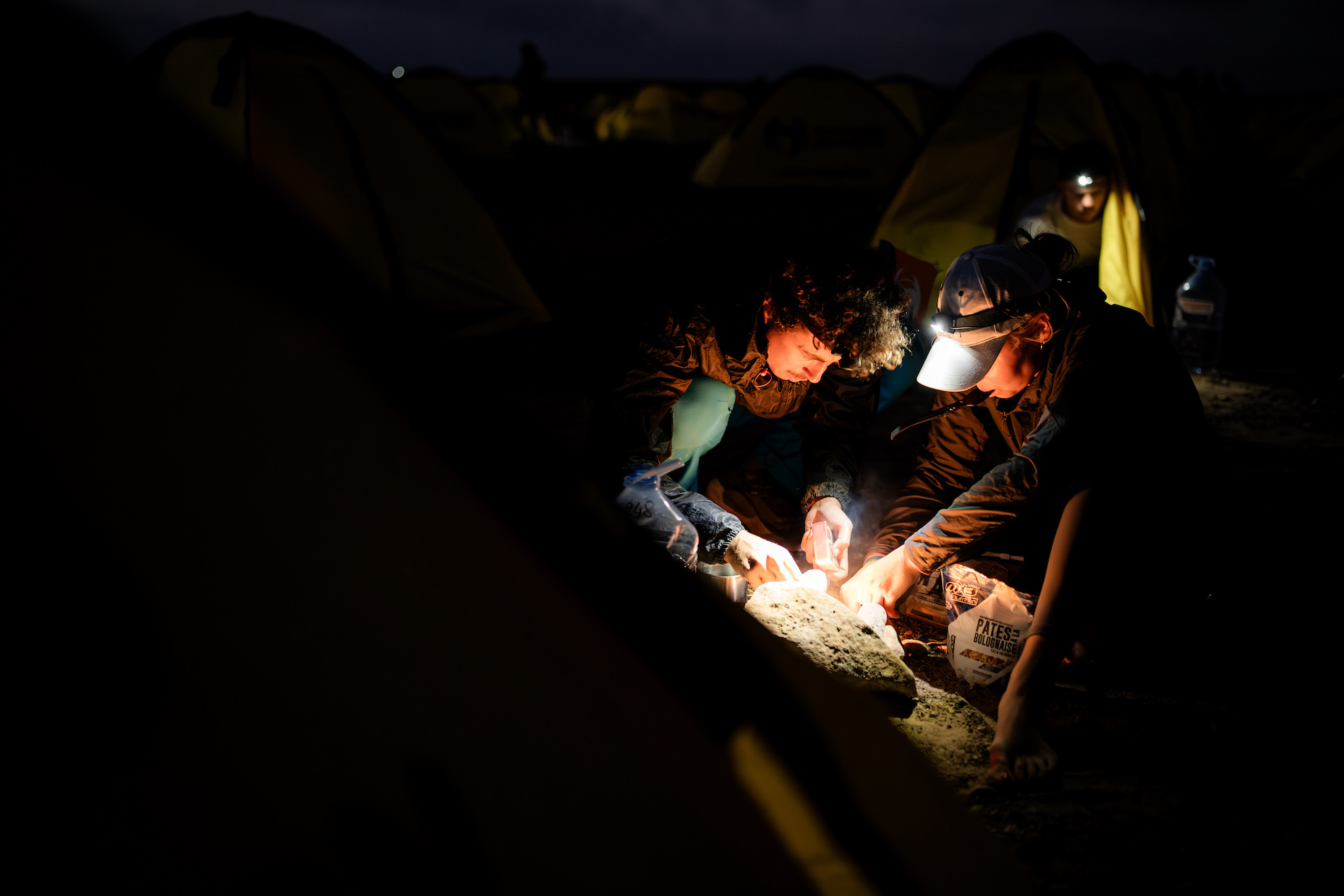
One advantage of the tent pods is the creation of a communal fire place, in Jordan, most pods created a fire place and this was used for cooking and warmth.
Photo by Ian Corless
Stage 2
Photo by Ian Corless
With a troubled night for many, stage 2 would prove a challenge. However, the great thing about MDS events is the possibility to choose how easy or how hard you want the adventure to be. Of course, all things a re relative based on individual ability and desires. The stage had two starts, 0700 and 0800, the top runner’s in the latter start.
Photo by Ian Corless
At two key points, participants can have a choice, the first option is to choose 20km’s. The second option to choose 40km’s. At the second option point if you choose not to take 40km’s, you must do 60km’s.
Photo by Ian Corless
249 chose to take the 60km route, 190 in the 40km and 81 the 70km distance.
Photo by Ian Corless
It was a challenging day, once again a great deal of soft-sand but considerably less vertical gain. For those who took the 60km route, they were treated to some additional technical terrain. At all times, the impressive Wadi Rum landscape was mind-blowing irrespective of the distance chosen.
Photo by Ian Corless
The day proved to be a long one for some with the last competitor arriving at 0300am the next day and many of the MDS team there to welcome.
Photo by Ian Corless
Rest Day
Photo by Ian Corless
It was a welcome day of rest and an opportunity for everyone to get some rest and recovery.
Photo by Ian Corless
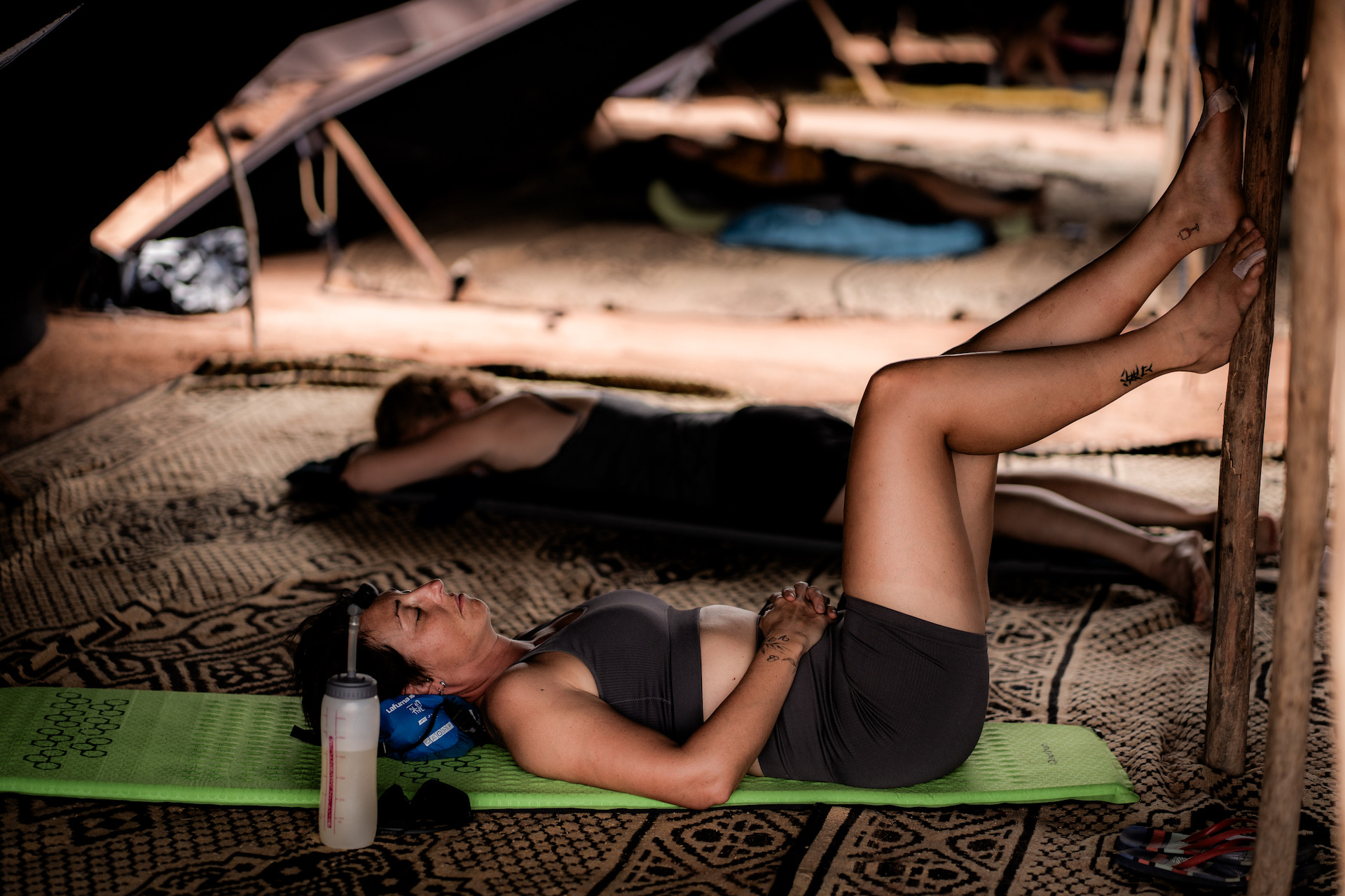
Competitors as per usual, looked after feet, ate as much as possible, slept and took advantage of the local terrain to get some high viewpoints to take in the amazing landscape.
Photo by Ian Corless
TOP TIP – space blankets that are gold/silver provide excellent options for keeping tents cooler in the day, silver side out. And at night, if required, use them gold side out to keep a tent warmer.
Photo by Ian CorlessPhoto by Ian Corless
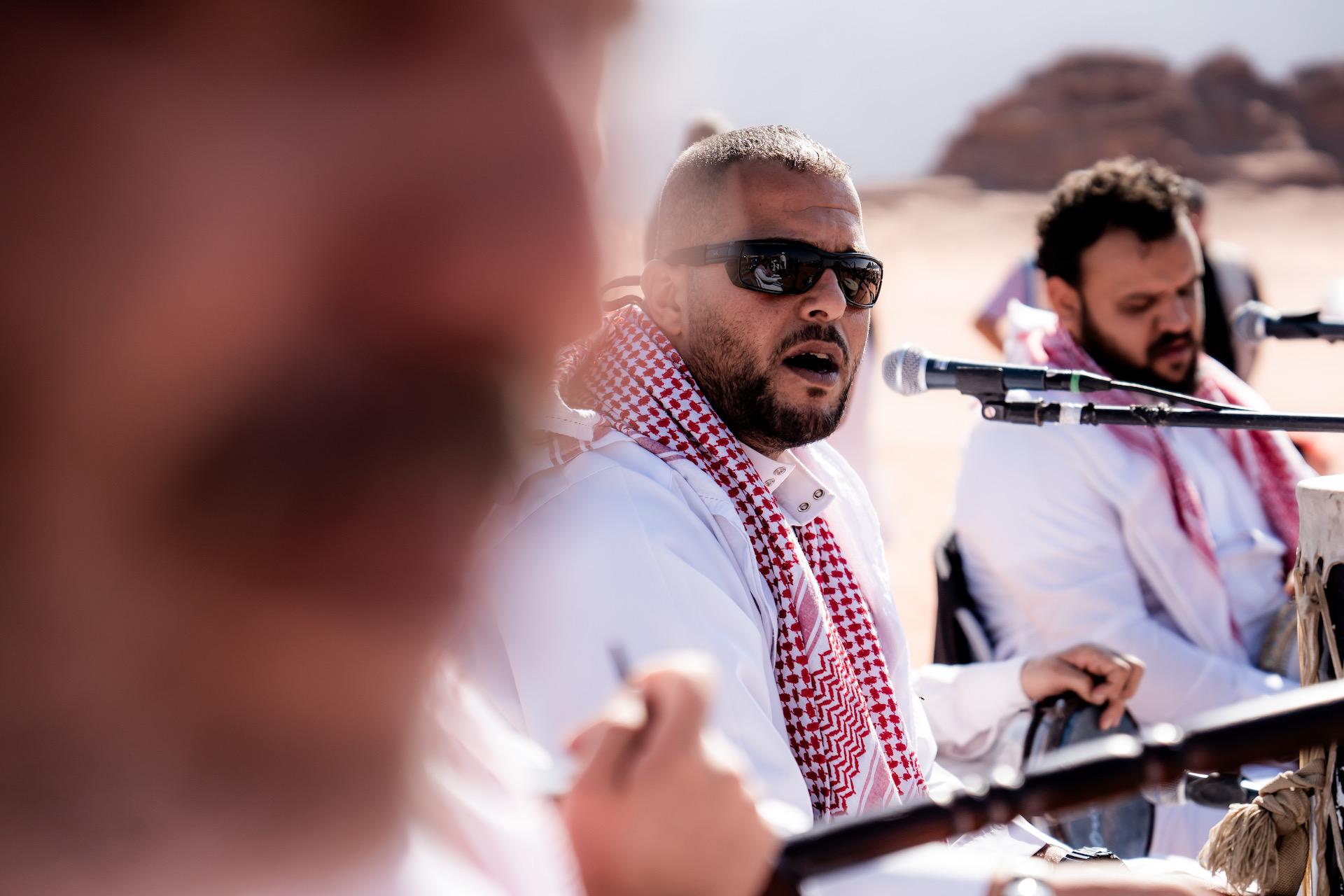
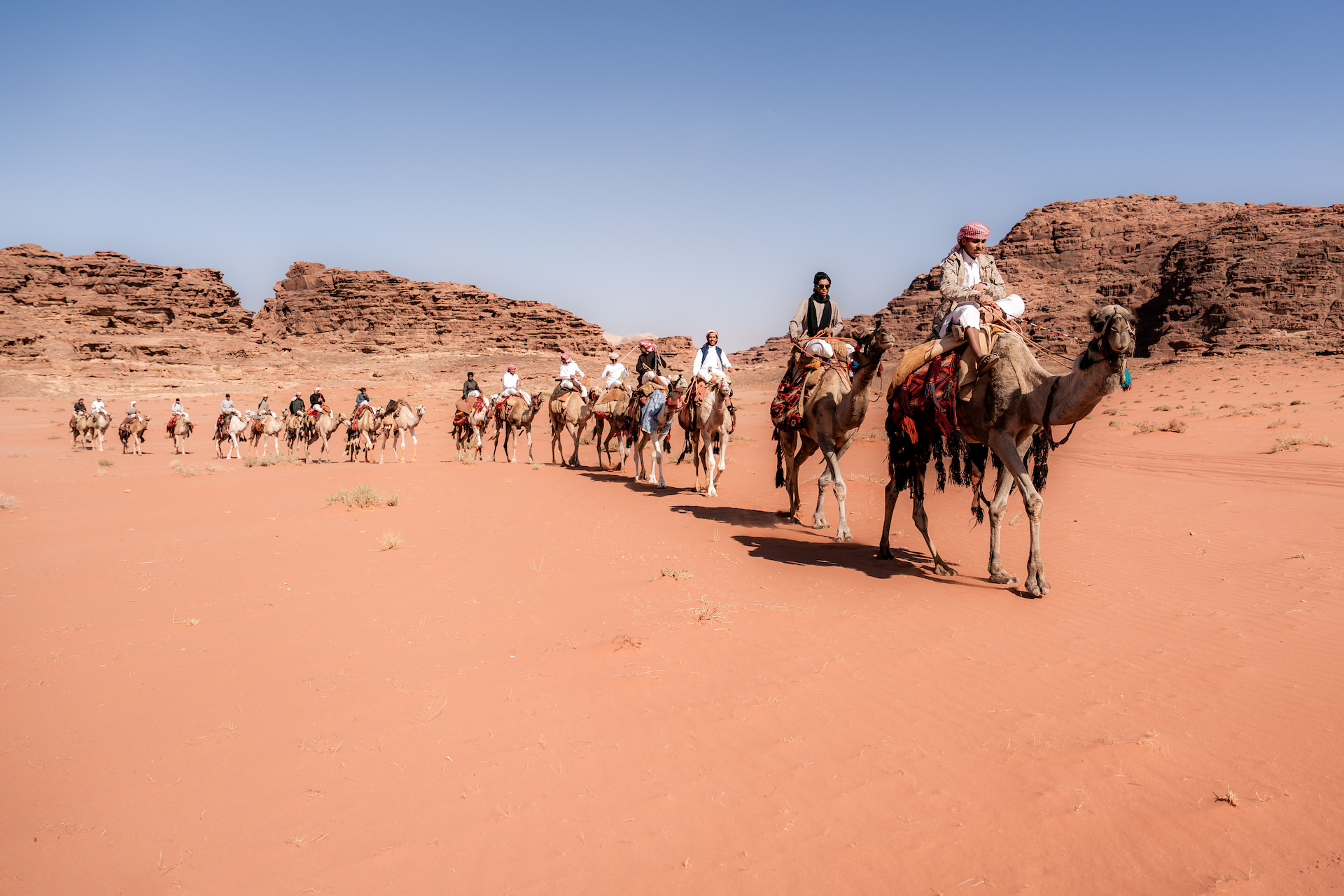
In the afternoon, local fisherman gave a music show and then ice cold drinks arrived for every participant via a camel.
Photo by Ian CorlessPhoto by Ian Corless
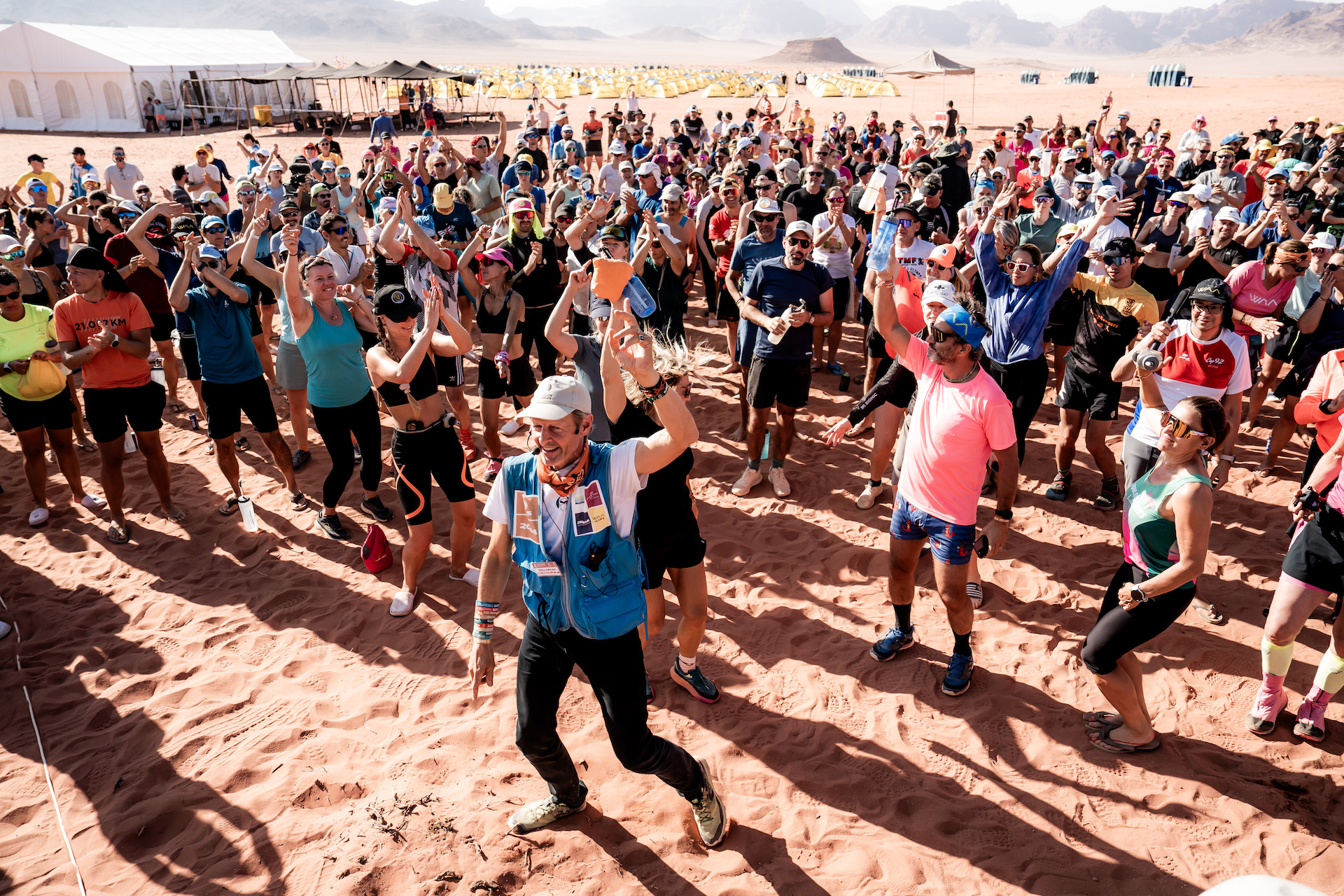
Of course, Born To Be Alive was played and bivouac turned into a desert rave.
Photo by Ian Corless
Stage 3
Photo by Ian Corless
Once again, two starts, 0430am and 0630am. Ahead, 26km’s and 733m+ on a point-to-point route that would provide everyone some of the best views that Wadi Rum has to offer. The large dune and the views from the top a highlight.
Photo by Ian Corless
Once at the finish, tears, joy and laughter, a hard earned medal the reward.
Photo by Ian Corless
A transfer to Petra post-race for an opportunity to experience one of the seven wonders of the modern world.
Photo by Ian Corless
Everyone was back at the Crowne Plaza for around 2000hrs. Of course, it’s all about priorities, several showers, fresh clothes and then dinner in the restaurant.
Final Day
Photo by Ian Corless
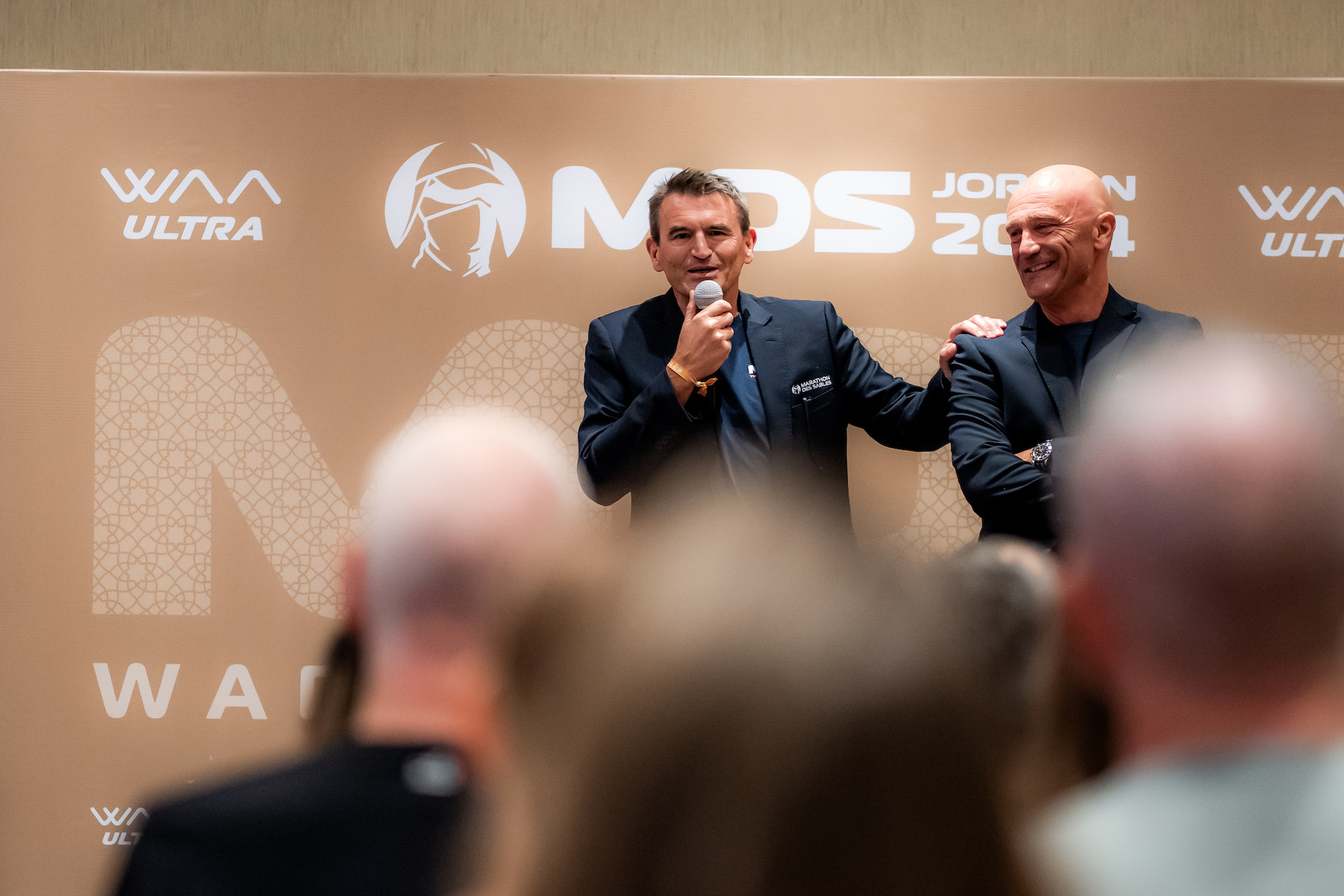
Was relaxed, a lazy breakfast, time by the pool, a swim in the Dead Sea and then at 1600hrs the awards ceremony took place followed by the MDS Jordan movie.
Photo by Ian Corless
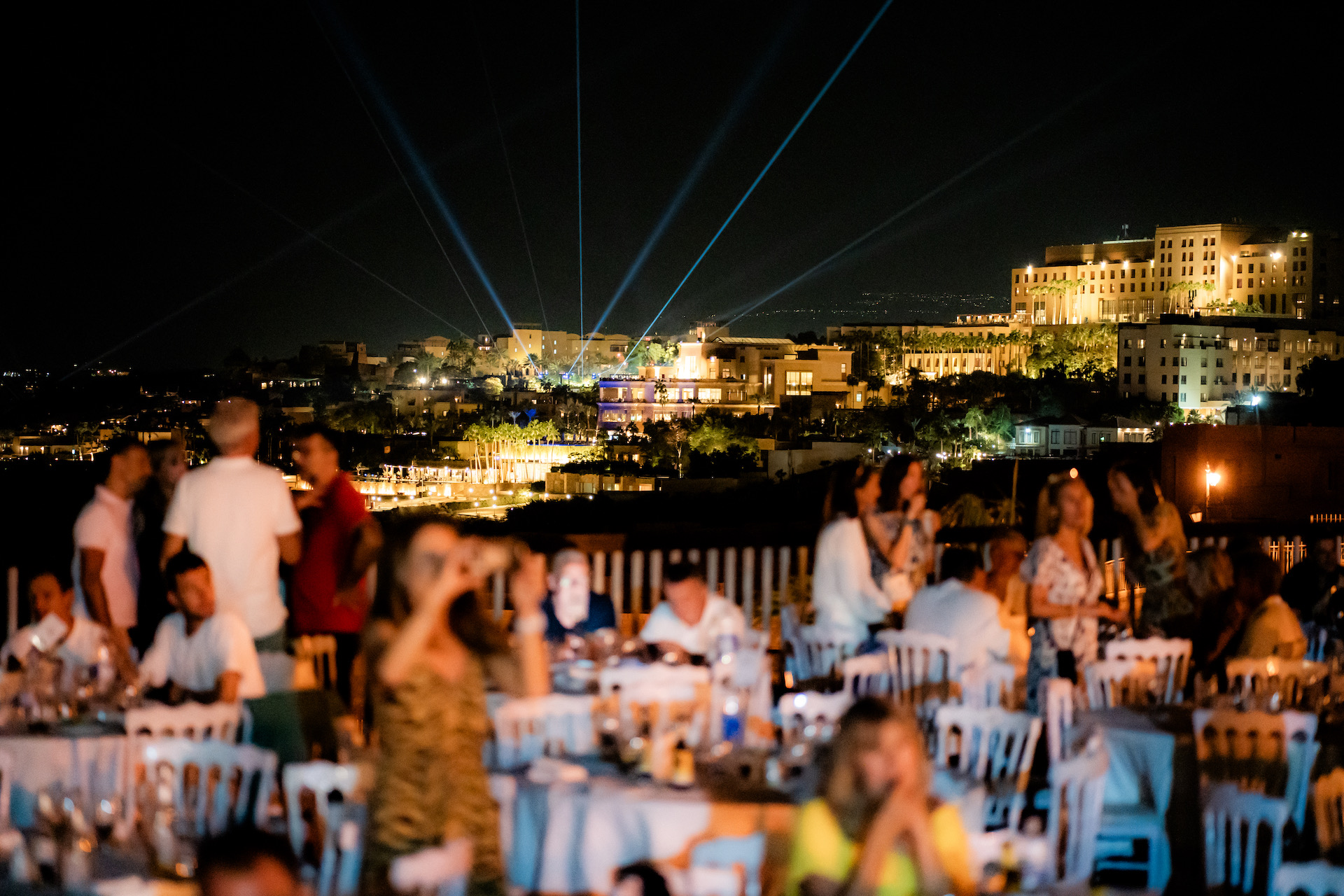
Dinner followed outside with remarkable night time views of the Dead Sea. DJ Robin as per usual played some banging tunes and the party and disco went on into the night and the early hours of the morning.
Another MDS Jordan complete.
Finally, while many things are transferable between all MDS events: clothing, pack, sleeping mat, sleeping bag, food etc, one thing is important and it cannot be emphasised enough, be prepared.
Plan for the best and worst case scenarios, plan for intense heat, plan for the cold, imagine your worst case scenario and have a solution. MDS events are self-sufficient for a reason, they bring a challenge and dynamic that is not present at other races, how you deal with it is very much part of the event.
Looking ahead!
Photo by Ian Corless
Now is time to recover, recoup and plan ahead for 2025. There are no shortage of events. Here is hoping we get to share more time at a MDS event soon:
Since 1986, the MARATHON DES SABLES has crossed the world’s most stunning deserts with several unique concepts: the MARATHON DES SABLES THE LEGENDARY (252 km in the Sahara Desert in Morocco), the MARATHON DES SABLES (70, 100, or 120 km spread over 3 stages), and the new 2024 concept, the MDS TREK (4 stages with a total distance of up to 120 km), offering an accessible adventure with optimal comfort. These international events have seen over 50 editions in various countries such as Morocco, Fuerteventura Island, Peru, Jordan, Turkey, and offer adventures that combine running/hiking in the desert with tourism.
The 2024 MDS Jordan concluded with 26km’s and 733m+ of stunning views and terrain that confirmed Jordan and the Wadi Rum as one of ‘the’ most essential places and experiences to add to your to bucket list.
Photo by Ian Corless
Wadi Rum is a very special place that rivals Cappadocia for it’s uniqueness.
Photo by Ian Corless
After a rest day, the participants were ready for the final day. Two starts, 0430 and 0630 would allow all competitors the opportunity to complete the stage before midday and in the afternoon, a visit to to Petra before finally returning to a hotel, shower, restaurant meal and a night in a bed.
Photo by Ian Corless
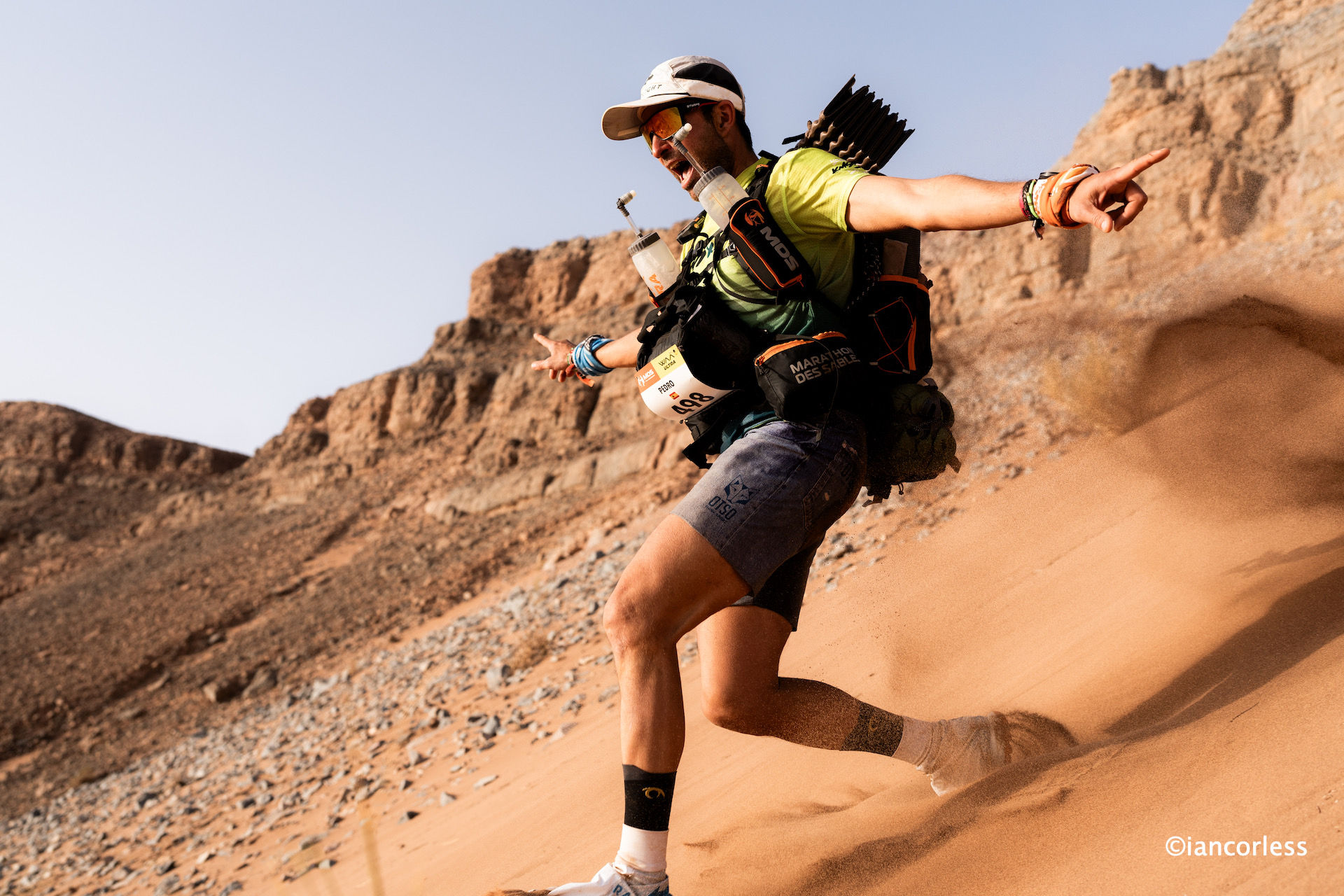
A point-to-point route, stage 3 had several key highlights, but the large dune climb and descent, with stunning sunrise views was without doubt a key moment of the day.
Photo by Ian Corless
The 360 panorama here is stunning and the MDS route weaves among monstering towers of rock making participants small and insignificant within such an impressive landscape.
Photo by Ian CorlessPhoto by Ian Corless
The race at the front was fast and furious for the men, with Theo Detienne winning the stage with a short margin ahead of the 2024 MDS Jordan champion, Rachid El Morabity. For the women, Sylvaine Cussot was a clear champion ahead of Marine Canas and Pauline Thinus.
Photo by Ian Corless
Full results for each category distance can be viewed at LiveTrail HERE.
Photo by Ian Corless
The finish line, as per usual was a place full of tears, emotion and release. The medal and t-shirt a reward for a tough adventure.
Photo by Ian Corless
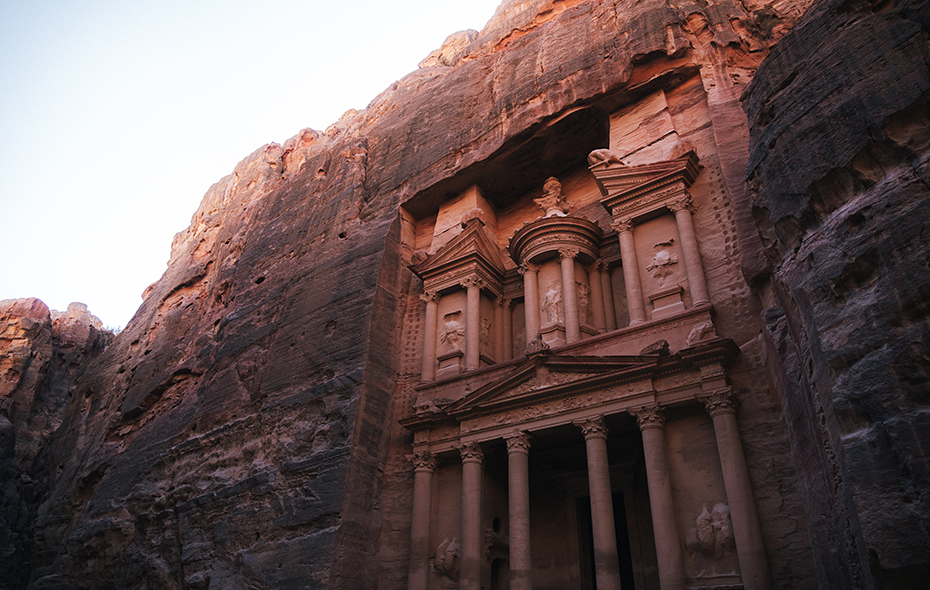
Post-race, participants were treated to an excursion to the iconic Petra, an opportunity to relax, sightsee and soak in this iconic wonder of the modern world.
Since 1986, the MARATHON DES SABLES has crossed the world’s most stunning deserts with several unique concepts: the MARATHON DES SABLES THE LEGENDARY (252 km in the Sahara Desert in Morocco), the MARATHON DES SABLES (70, 100, or 120 km spread over 3 stages), and the new 2024 concept, the MDS TREK (4 stages with a total distance of up to 120 km), offering an accessible adventure with optimal comfort. These international events have seen over 50 editions in various countries such as Morocco, Fuerteventura Island, Peru, Jordan, Turkey, and offer adventures that combine running/hiking in the desert with tourism.
Is Jordan the jewel in the MDS line-up of races? It is hard to pick any one location with so many stunning options, but, Jordan offers something very unique.
Photo by Ian Corless
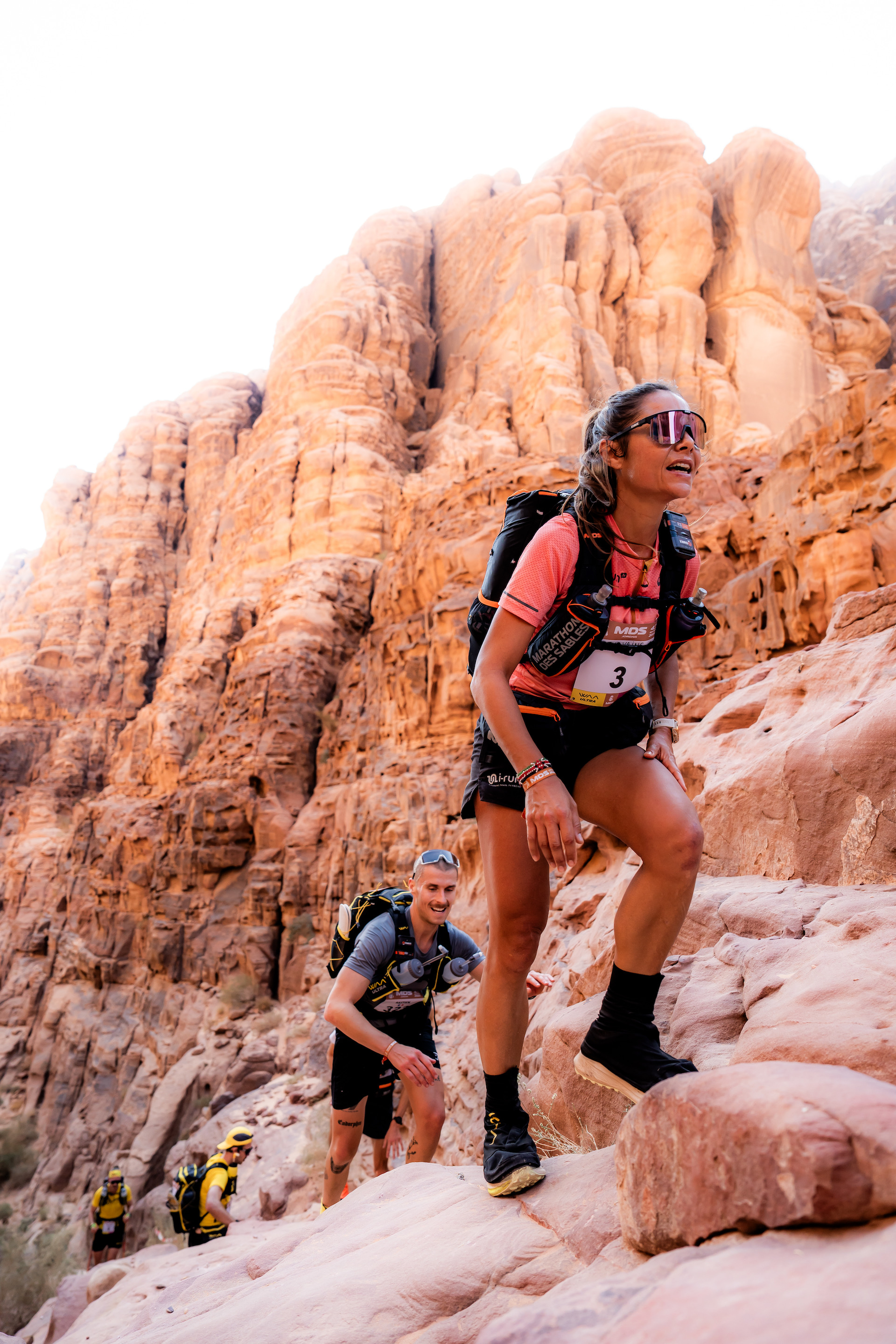
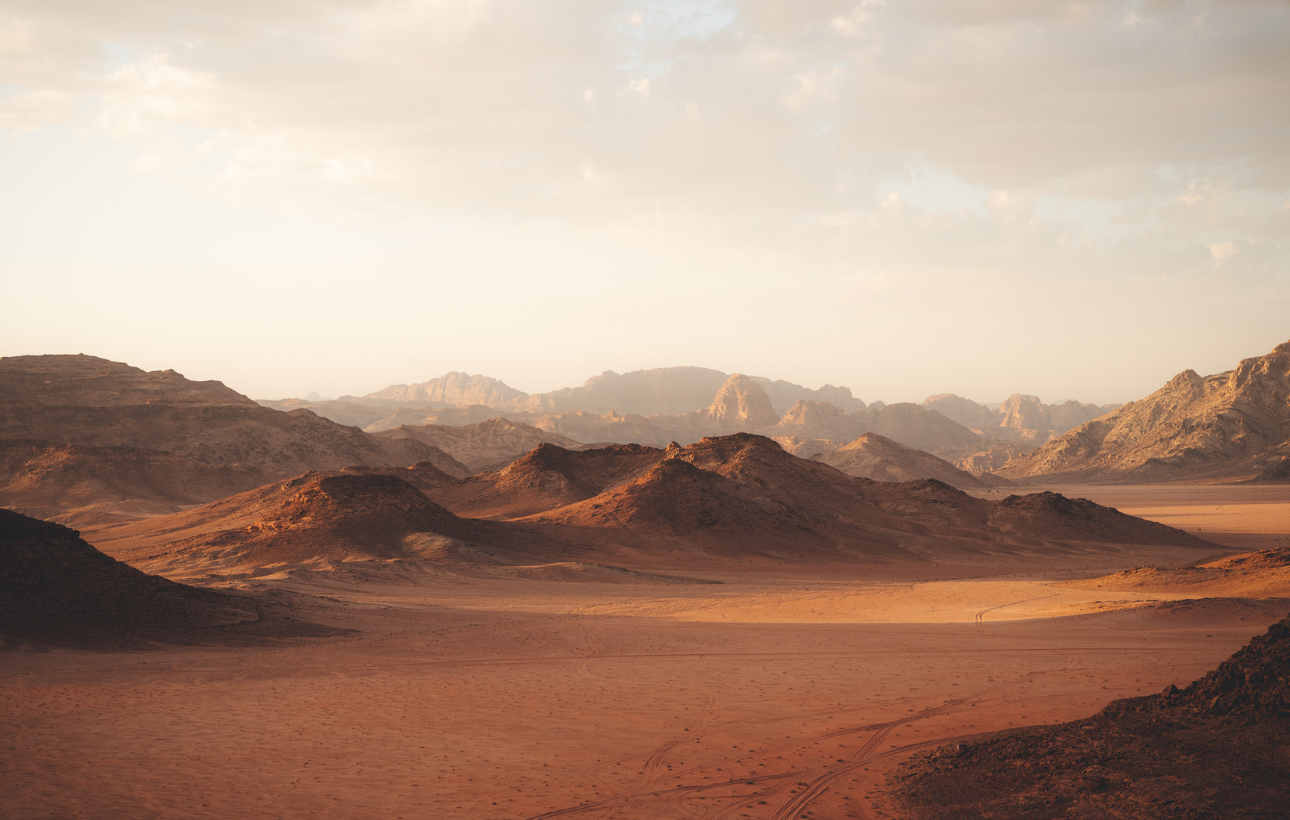
The runner’s are surrounded by ampitheatres of rock, canyons, gorges and the glow of intense light making Wadi Rum a very special place.
Photo by Ian Corless
Stage 1 started with an early wake up and a 4am depart from the race hotel, ahead, a 4-hour journey to the desert.
Photo by Ian Corless
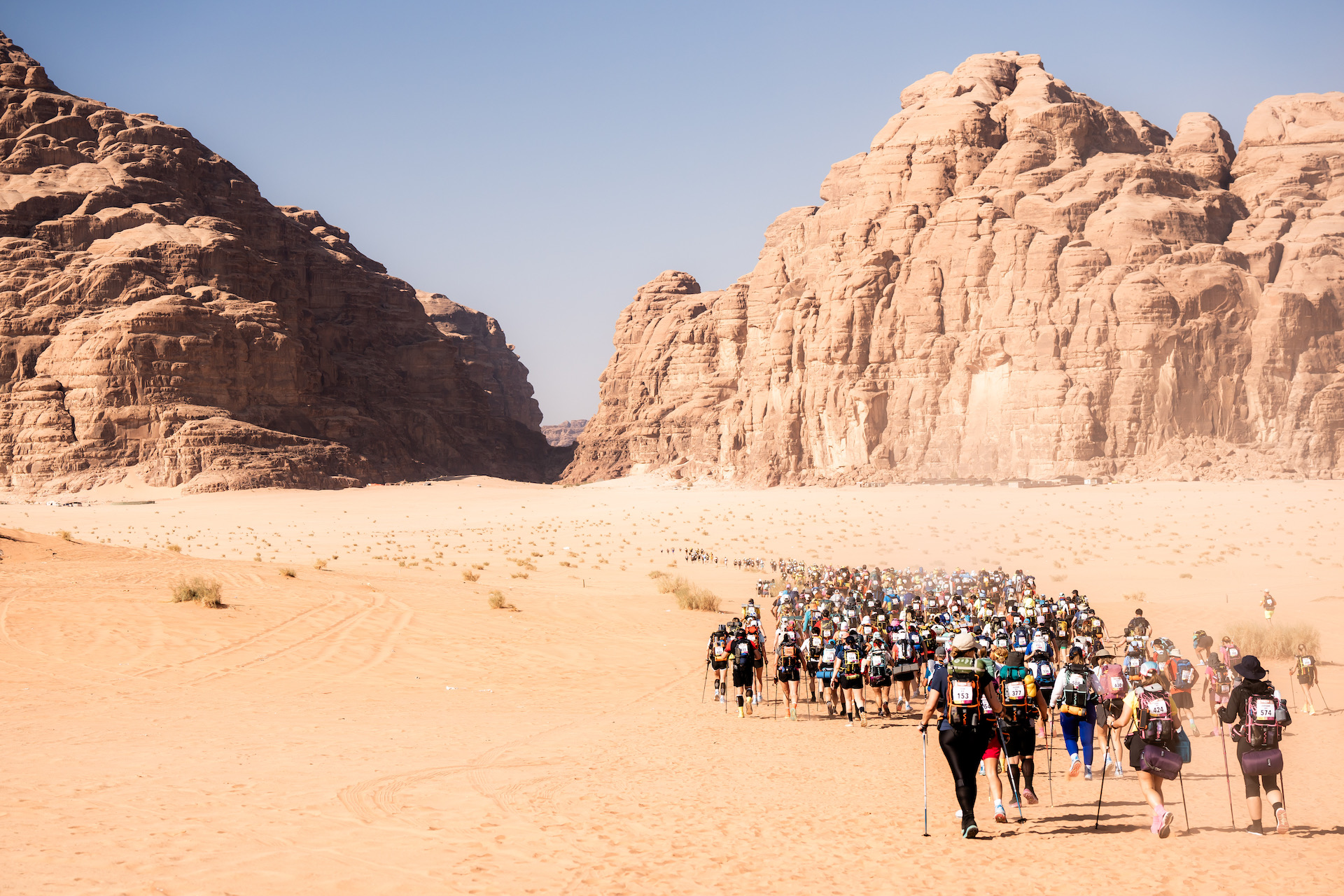
Starting a little after 0930, 550 runner’s were released for the adventure of a lifetime, ahead 27.4km and 980m+.
Photo by Ian Corless
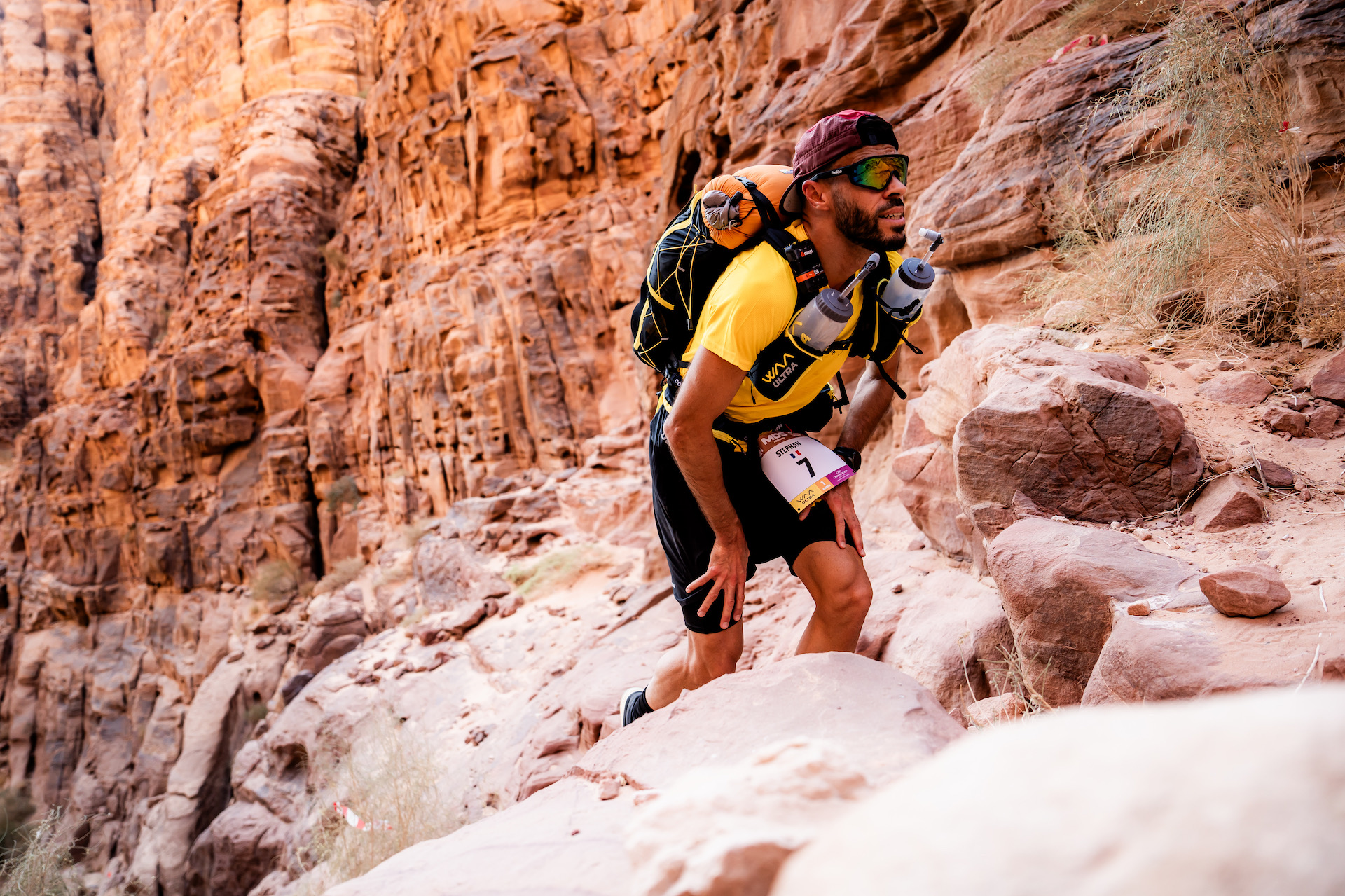
The passage of a narrow gorge and climb came early and then the track weaved through mountains, much of the time, the terrain soft sand. It’s a tough day 1.
Photo by Ian Corless
After cp2, the track is more open and flat allowing for an ‘easier’ run to the finish line of the day and bivouac, home for the next three nights.
Photo by Ian Corless
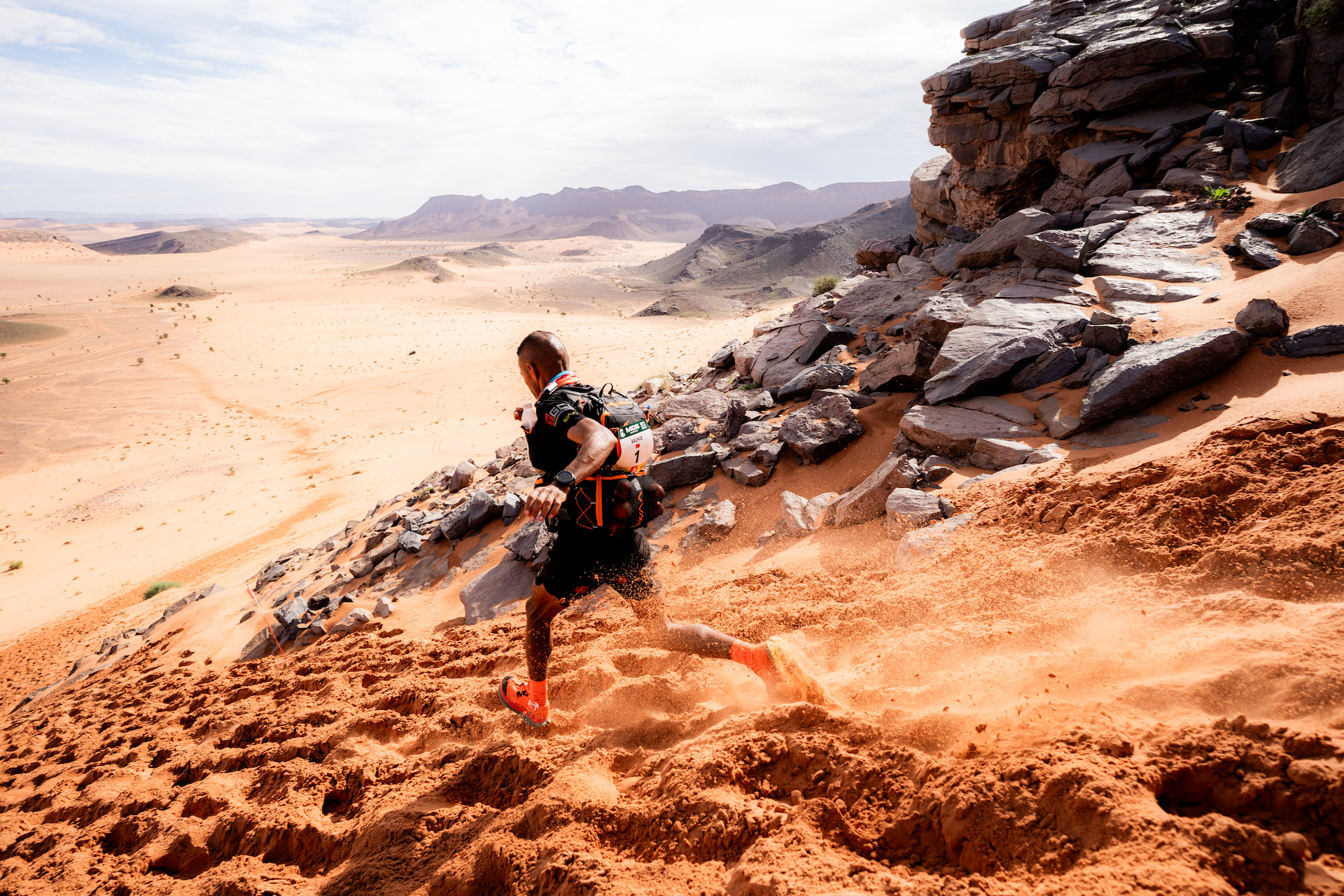
As with all MDS races, the journey is unique and challenging for each person, run or walk. However, at the front a race takes place and today, Rachid El Morabity was the victor ahead of Theo Detienne and Dorian Louvet, 2:07:52, 2:12:47 and 2:14:58 respectively. Salameh El Alaqra, the Jordanian was 4th in 2:30:44.
Photo by Ian Corless
MDS The Legendary champion in 2022, Sylvaine Cussot was the clear winner for the women, crossing the line in 3:18:24. Pauline Thinus was 2nd and Maine Canas was 3rd, 3:40:10 and 3:43:14.
Photo by Ian Corless
Tomorrow, stage 2, is the long day where participants can choose 20km, 40km or 60km.
Since 1986, the MARATHON DES SABLES has crossed the world’s most stunning deserts with several unique concepts: the MARATHON DES SABLES THE LEGENDARY (252 km in the Sahara Desert in Morocco), the MARATHON DES SABLES (70, 100, or 120 km spread over 3 stages), and the new 2024 concept, the MDS TREK (4 stages with a total distance of up to 120 km), offering an accessible adventure with optimal comfort. These international events have seen over 50 editions in various countries such as Morocco, Fuerteventura Island, Peru, Jordan, Turkey, and offer adventures that combine running/hiking in the desert with tourism.
It has been a hectic period for the MDS crew with back-to-back events, MDS Fuerteventura, MDS Morocco and then MDS Trek. Now it’s a quick transition from Morocco to Jordan and the highly anticipated, 2024 edition of MDS Jordan.
With 599 participants, of which 332 are women and 267 men, once again, MDS events pioneer the way with more women participants than men, 55% to 45% for Jordan.
Jordan will see 25 different nationalities with the French topping the participation numbers. Unsurprisingly, the average age is 43! With 10-participants under the age of 25-years and 16-participants over 65-years. It’s an incredible testament to the MDS format that these races appeal to everyone seeking an adventure.
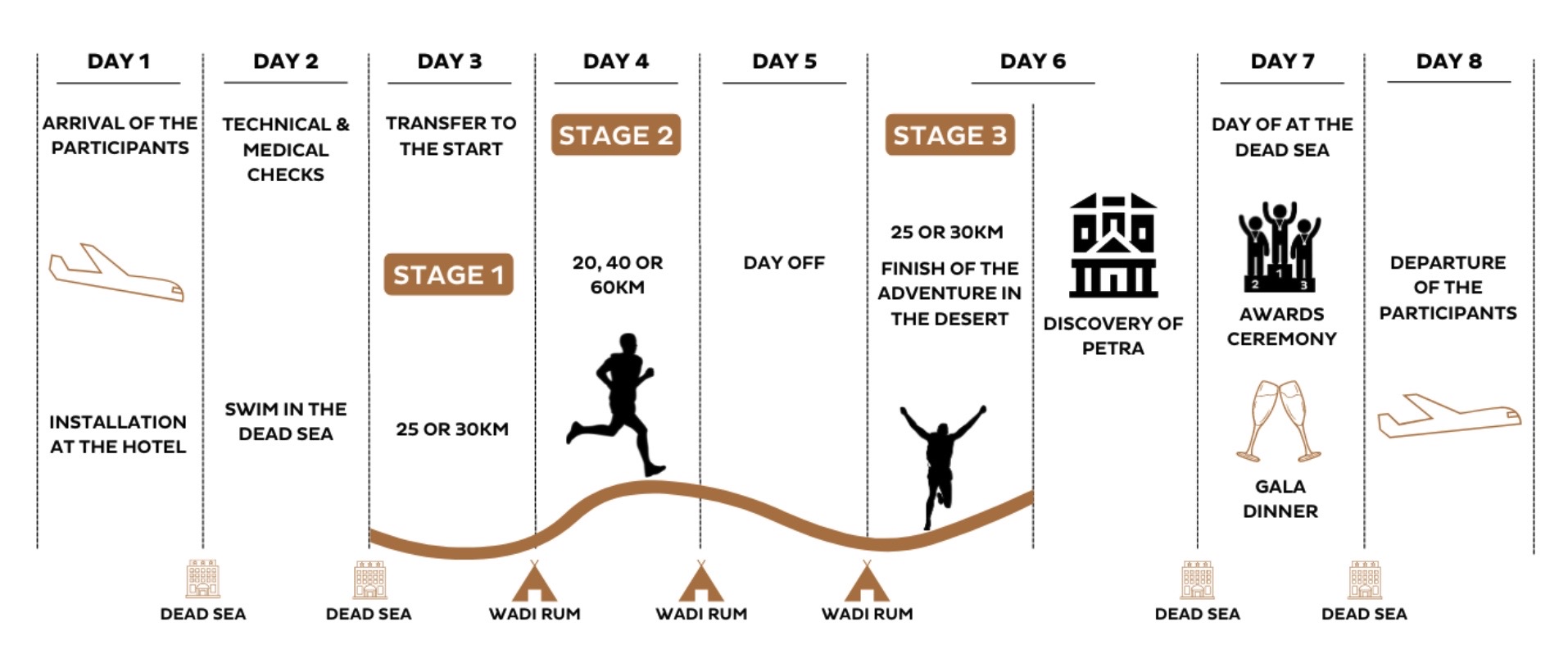
Schedule:
Day 1: Arrival at hotel
Day 2: Technical and medical checks, day at hotel with access to the Dead Sea
Day 3: Bus transfer, first stage, night in bivouac
Day 4: Second stage, night in bivouac
Day 5: Rest day, night in bivouac
Day 6: Third stage, discover Petra, night in hotel
Day 7: Day at hotel, Gala dinner
Day 8: Transfer to airport, end of adventure
Is Jordan the jewel in the MDS crown? With so many great destinations, it’s hard to pick a stand out, however, when speaking to many, Jordan is high on many a runner’s wish list for very good reason. Only ‘The Legendary’ tips the ‘wish list’ scales.
The 4th edition, running from November 2nd to 9th is sold out and importantly, dates are already set for the 5th and 6th editions, May 9-16 2025 and November 1-8 2025.
Breathtaking landscapes and backdrops await in the amazing desert of Wadi Rum. Living in the rhythm of the desert, as with all MDS events, participants will run or walk 70, 100 or 120km over 3-stages in 4-days.
Day 1 / Stage 1 25-30km.
Day 2 / Stage 2 choose 20km, 40km or 60km.
Day 3 Rest day
Day 4 / Stage 3 25-30km followed by transfer to hotel.
Pre and post-race, 2-nights before and 2-nights after, the 599 runners will enjoy a 4-star hotel situated on the Dead Sea. But the magic does not end there, post-race, a visit to the mythical city of Petra is included.
Photo @mirandahdz
On the final day, time to relax and prepare for the awards ceremony and gala dinner.
Nothing like an MDS post-race party with DJ Robin.
Three sublime stages which will transport participants in the most beautiful places. Wadi Rum is a truly exceptional place Located in the south of Jordan, the desert is breathtaking Contrasting sand, mountains, canyons, caves and natural arches; the landscape is mind-blowing.
4 days in the heart of Wadi Rum, that’s the unique experience that the participants of this MDS adventure will live.
What is the MDS?
The MARATHON DES SABLES is a unique adventure, shared by thousands of enthusiasts since 1986.
To differentiate the full distance race of 250km’s, Marathon des Sables will now be known at MDS The Legendary, reflecting the legendary status of this iconic event and its long history as a pioneer of the stage racing and multi-day format.
The ‘HMDS’ format whill still follow the same protocols as before but has now dropped the ‘half’ title and moving forward, events will be called MDS Jordan, MDS Morocco, MDS Cappadocia and so on.
The MDS events are a one-week sporting adventure that combines the discovery, travel, meeting new people and physically challenging yourself in a self-sufficient manner.
Since 1986, the MARATHON DES SABLES has crossed the world’s most stunning deserts with several unique concepts: the MARATHON DES SABLES THE LEGENDARY (252 km in the Sahara Desert in Morocco), the MARATHON DES SABLES (70, 100, or 120 km spread over 3 stages), and the new 2024 concept, the MDS TREK (4 stages with a total distance of up to 120 km), offering an accessible adventure with optimal comfort. These international events have seen over 50 editions in various countries such as Morocco, Fuerteventura Island, Peru, Jordan, Turkey, and offer adventures that combine running/hiking in the desert with tourism.
The 3rd edition (2024) of MDS Morocco came to a conclusion on Thursday October 17th.
What is a MDS event?
For clarity, MDS (previously HMDS) races take place over 4-days with 3-stages of running, the 3rd day is a rest day before the 4th day and stage 3. stages 1 and 3 are the same distance for all participants, typically between 20 and 30km. Stage 2 has three distance options: 20, 40 or 60km’s therefore making the MDS format adaptable to your personal ambitions, fitness and ability.
MDS The Legendary.
Legendary uses traditional Berber/ Amazigh tents
By contrast, MDS Legendary, to be known as The Legendary, is the classic full-distance race taking place over a full week. The format is 250km’s over 6-stages/ 7-days.
The race format:
MDS or MDS Legendary, you carry all you need for the race
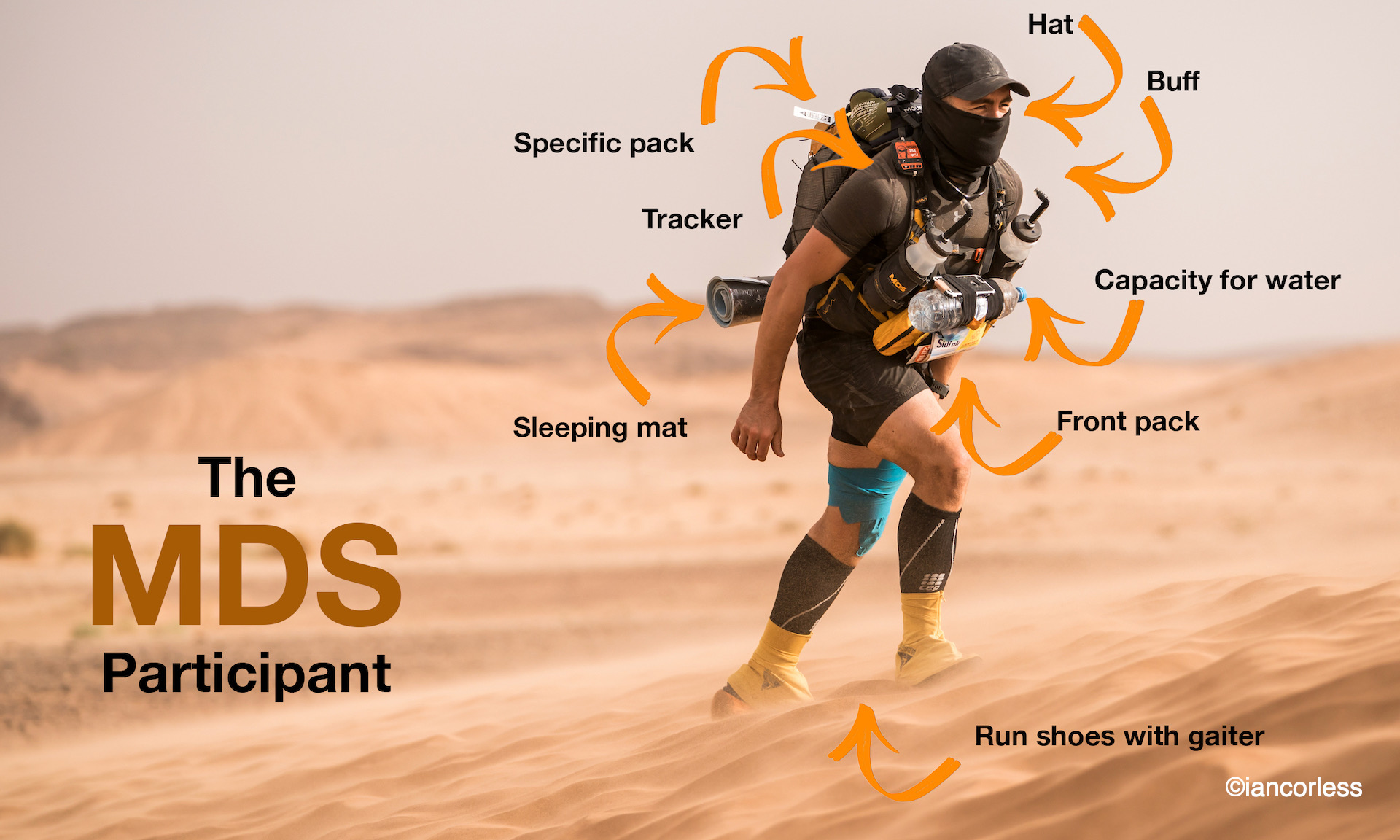
Both formats of race are self-sufficient. Therefore, the competitor must carry all they need for the duration of the event. This includes clothes, sleeping bag, sleeping mat, food and snacks for the whole race and mandatory equipment as specified by the the organization. The only items provided are a place to sleep, for MDS events this is a single-occupancy tent and for The Legendary, a Bereber tent that holds 8 participants. In addition, rationed water is provided as specified in the race rules.
In simple terms, both races function on a very similar format. The Legendary obviously considerably harder due to the distance and duration.
MDS events provide an incredible challenge that opens the self-sufficient, stage race format to participants who would not normally take on such a challenge. For this, MDS events must be applauded and appreciated. There is a little too much ‘ultra’ snobbery that downgrades these events and I for one am glad that the ‘half’ tag (HMDS – Half Marathon des Sables) has been removed. Half had negative connotations, these events are a challenge in there own right and they should be appreciated as such.
Planning:
When planning a self-sufficient race, particularly in Morocco, you will be inundated with advice from past participants. Use caution.
I love the quote from the Baz Luhrmann song, ‘Wear Sunscreen.’
“Be careful whose advice you buy, but be patient with those who supply it. Advice is a form of nostalgia: dispensing it is a way of fishing the past from the disposal, wiping it off, painting over the ugly parts, and recycling it for more than it’s worth.”
MDS events and The Legendary have hot editions, cold editions, windy editions, sand storm editions and as with the 2024 MDS Morocco, a combination of all these elements with the addition of thunderstorms, torrential rain and yes, flooding!
Gore-Tex jacket while running in the Sahara
So, when someone tells you you don’t need a sleeping bag, you don’t need a jacket, you don’t need goggles or you don’t need x, x, or x, take this advice and then ignore it.
Flooding in the Sahara
The best advice I can give, be prepared! Be prepared for all eventualities and then fine-tune equipment very close to the event, even at the event location on admin day so that you can make sure you have the appropriate equipment based on the current weather forecast.
The 2024 MDS Morocco:
The 2024 MDS Morocco provided a unique, memorable and stunning experience, it is one that will go down in the history for the Marathon des Sables. Gladly, the rain was anticipated and in general, most participants were prepared with a jacket. Usually a jacket is worn in camp to avoid early morning chill or late night temperature drops… Imagine wearing a jacket mid-stage, in the Sahara, while rain poured down and the desert floods.
Rain cover on the WAA pack proved to be a luxury item
It’s rare that participants take additional clothes, t-shirt/ shorts for example, however, those that did were laughing on stage 1 when they could remove wet clothes, dry off and wear dry clothes.
However, there is an important caveat here, participants who did not use dry bags or pack covers (the WAA Ultra Bag has a rain cover) had wet clothes and wet sleeping bags. Important lesson, make sure you have a dry bag or rain cover to protect important items: sleeping bag, clothes, socks etc
MDS laundry as participants tried to dry equipment
Luckily, after stage 1, the weather did clear and the sun appeared making bivouac look like a laundry with clothes and sleeping bags laid out everywhere. But, had the rain persisted into the night, there would have been many miserable runners.
Stage 2, the weather cleared and the new route was excellent
The impact of the rain could not be underestimated and for stage 2 the planned routes needed to be re-worked. The original routes had sustained considerable flooding making it impossible to use the 20/40 or 60km options. This is where the MDS organization steps in. Contingency plans were activated, emergency routes were used and the MDS staff worked tirelessly to re flag the routes and put the infrastructure in place to make sure the user experience was not impacted. Bravo!
Whilst the weather did its best to make things difficult, this 3rd edition of the race also had two other unique aspects.
Handi category getting help on stage 3 in the gorge
Firstly, the inclusion of the HANDI category, 10 teams of 3 people, 2 runners/ one wheelchair athlete. Something very special this and we can only hope to see and experience more of it. Cyril Gauthier is passionate about making this work!
Secondly, a film crew were using the MDS event as a backdrop for a feature film. This actually did no impact on the race or runner experience at all, however, it did provide an extra dynamic for the MDS team to handle.
Iced water at aid stations to help cool down the runners
Stage 2 experienced some light rain early on but the weather cleared and finally the heat returned. This time though, considerably more humidity than the traditional dry heat of the Sahara. An extra challenge. For many, stage 2 is the long day with 40km or 60km. Whilst most of the 40km runners finished in daylight, the 60km went on till beyond midnight.
Late night finish party
However, the finish line atmosphere was electric with DJ Robin and participants and staff dancing.
Rest day recovery
The rest day coming on day 3 was welcome. The weather was once again unpredictable and variable; sometimes windy, occasionally raining but the Berber tents provided a welcome haven to protect from the elements.
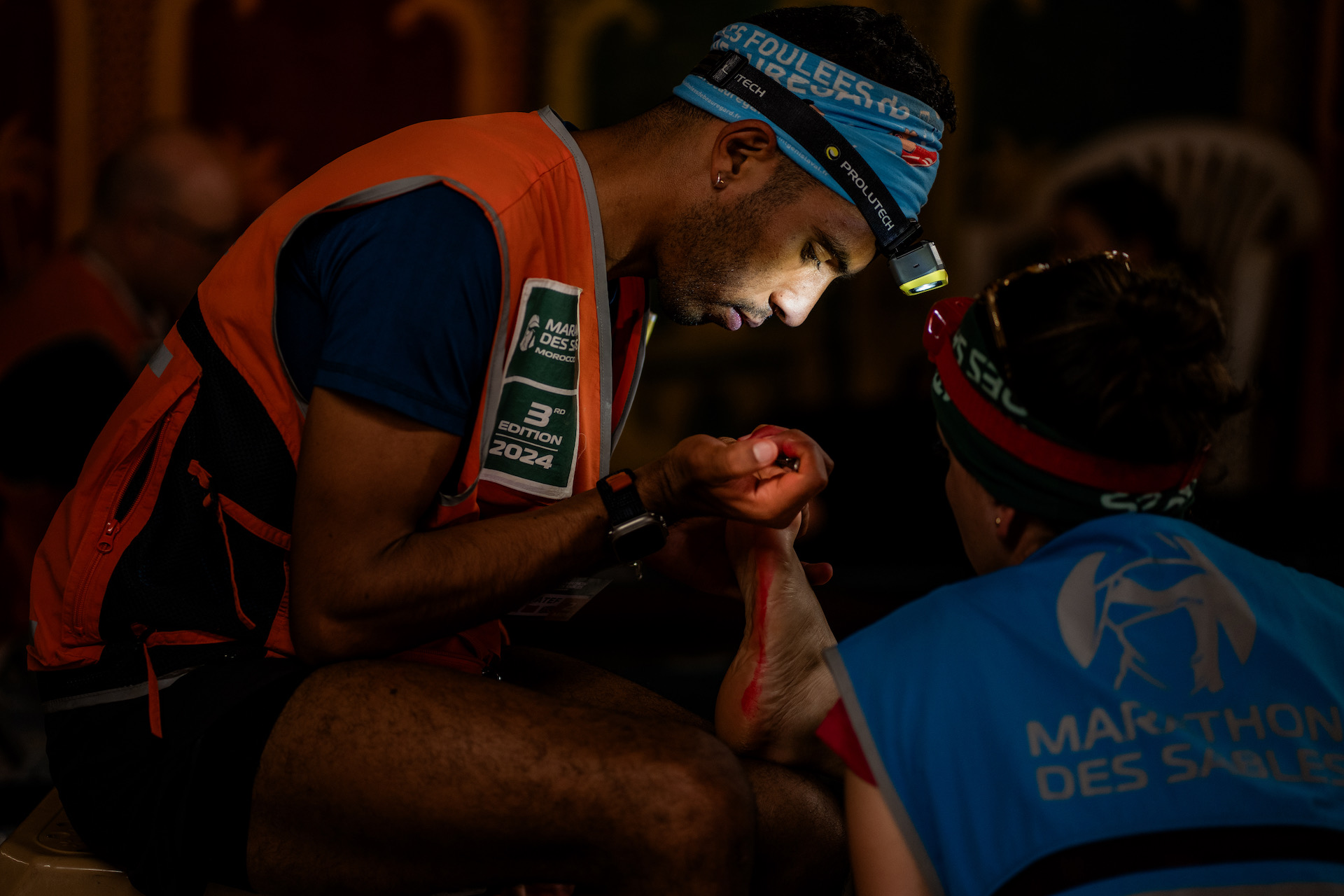
Those who had problematic feet had time to have them looked after and cared for by the Dokever team.
Even the afternoon yoga session had rain, but nobody seemed to mind!
Yoga in the desert
Stage 3 was scheduled to start at 0430, this was put back to 0530 to make sure the first finisher would be in daylight. In addition, the early stages of stage 3 were completely flooded, so, another re-route was required.
Early on stage 3
And finally, for the HANDI category, for stage 3 they would do the full 25km route. Only one section, a narrow gorge coming at 11.5km would cause a problem for them, but MDS orange and blue coats were there to support and facilitate safe passage. It was a special day to experience the HANDI teams achieve these incredible goals – it was emotional.
The HANDI category was awe-inspiring to watch
Weather wise, it felt like a typical Saharan day; an awesome sunrise, temperatures rising close to 30-deg and little wind. The last competitors arrived just before 1400 hrs and everyone, including staff were back in Ouarzazate by 2000hrs.
The following day, a trip to Ait Ben Haddou, afternoon relaxation, dinner and then the awards ceremony and party.
Post awards party time
Despite incredible challenges, the 2024 MDS Morocco was a huge success, and it is for sure, one to be remembered.
The medal
Finally, while many things are transferable between any MDS event, clothing, pack, sleeping mat, sleeping bag, food etc, one thing is important and it cannot be emphasised enough, be prepared. Plan for the best and worst case scenarios, plan for intense heat, plan for the cold, and yes, you may not think it is going to rain, but this edition proved that not only can it rain, it can rain pretty much everyday and cause many problems.
Since 1986, the MARATHON DES SABLES has crossed the world’s most stunning deserts with several unique concepts: the MARATHON DES SABLES THE LEGENDARY (MDS Legendary or The Legendary) – 252 km in the Sahara Desert in Morocco, the MARATHON DES SABLES (MDS) – 70, 100, or 120 km spread over 3 stages, and the new 2024 concept, the MDS TREK (4 stages with a total distance of up to 120 km), offering an accessible adventure with optimal comfort. These international events have seen over 50 editions in various countries such as Morocco, Fuerteventura Island, Peru, Jordan, Turkey, and offer adventures that combine running/hiking in the desert with tourism.
The final stage of the 2024 MDS Morocco started with an early wake up ahead of the 0530 start. There was a chill in the air as participants prepared their last meals.
WAA – What An Adventure
The stage 3 route had been modified due to flooding, but the course would take place in the same region of the Sahara as planned, just a slight detour avoiding the requirement to swim…
Race winner, Rachid El Morabity
The stage of 25km’s was notable as the HANDI category would complete the entire stage, just one section at around 11km, a narrow gorge, requiring outside assistance from the MDS blue coats to help ensure safe passage.
Teamwork makes the dream work.
For the top runner’s, the stage would be completed in almost darkness, with sunrise coming at 0720 and the expected first finisher at 0730.
Amazing sunrise
It was a magical day, the glow and lines of headlamps creating a visual spectacle. The Handi teams inspiring and showing that there are no limits and of course, the sunrise was really exceptional.
Magic of the Sahara
The 2024 MDS Morocco will be remembered in the history of the Marathon des Sables legacy; strong winds, sand storms, thunderstorm, torrential rain, flooding and the Handi teams.
The flooding created unique visual moments.
The experience has been all the greater for these moments of test. And for future editions of MDS lessons can be learnt, participants must be prepared for all eventualities. History has shown, the Sahara is not always hot, it is not always dry and it is not always calm and relaxing. This is what makes the adventure and challenge so great and rewarding.
The Handi category, amazing and emotional.
As with all MDS events. there are three distance categories, 70km, 100km and 120km. For the 2024 MDS Morocco, a fourth category, the Handi. A category that we all hope that can grow and develop to more races in the MDS portfolio.
The MDS Morocco 2024 came to an end. Winners were crowned at the awards ceremony, but the top-3 in each distance are only the tip of the iceberg in a race of 630 participants. The MDS format truly appreciates and applauds all who take part, be them fast runner or walker. These races exist to allow all abilities an opportunity to seek an adventure at a pace and a distance that is a challenge to themselves, it’s a wonderful concept.
Since 1986, the MARATHON DES SABLES has crossed the world’s most stunning deserts with several unique concepts: the MARATHON DES SABLES THE LEGENDARY (252 km in the Sahara Desert in Morocco), the MARATHON DES SABLES (70, 100, or 120 km spread over 3 stages), and the new 2024 concept, the MDS TREK (4 stages with a total distance of up to 120 km), offering an accessible adventure with optimal comfort. These international events have seen over 50 editions in various countries such as Morocco, Fuerteventura Island, Peru, Jordan, Turkey, and offer adventures that combine running/hiking in the desert with tourism.
A sunny afternoon, some heat and strong winds brought a welcome end to stage 1, however, on the horizon, storms were visible from bivouac. Gladly, they never appeared and everyone had a calm night after a beautiful sunset.
Camp life
The impact of the weather on stage 1 however, caused a complete re-working of the stage 2 route, as key sections were still under flood water.
The 0800 start.
With two starts for stage 2, 0800 and 1000 (for the top 50) the day started with some light rain, needless to say, there was concern within the whole bivouac. However, after a cloudy start, the weather started to clear and by mid-afternoon, we were back to a normal Sahara day with temperatures close to 30deg and blue skies. The main difference coming with some extra humidity.
The route was a wonderful mix of climbs, soft-sand, stoney plateau all in an area that is considered a highlight of the Sahara.
The heat returned
With three route options available, 20km, 40km or 60km the full results from the day will only be known when all participants have finished and the timekeepers have collated the data, so, please check the results via the link below.
Full MDS Morocco results are available to be viewed HERE
One thing we do know is that Rachid El Morabity crossed the finish line, hand-in-hand with Abdekkader Elmouaziz.
The landscape in the Sahara is very different at the moment
The HANDI race started with the masses as they did on stage 1 and proceed for 1km before transferring via vehicle to Cp1. They then raced to Cp2. Once at Cp2 they then transferred back to the final km to finish under the MDS arch.
Tomorrow is a rest day and an opportunity to re-charge before stage 3 on Thursday.
Since 1986, the MARATHON DES SABLES has crossed the world’s most stunning deserts with several unique concepts: the MARATHON DES SABLES THE LEGENDARY (252 km in the Sahara Desert in Morocco), the MARATHON DES SABLES (70, 100, or 120 km spread over 3 stages), and the new 2024 concept, the MDS TREK (4 stages with a total distance of up to 120 km), offering an accessible adventure with optimal comfort. These international events have seen over 50 editions in various countries such as Morocco, Fuerteventura Island, Peru, Jordan, Turkey, and offer adventures that combine running/hiking in the desert with tourism.
Bivouac in the distance towered by the ominous weather
The 2024 MDS Morocco officially got underway after a day of strong winds, sandstorms and rain through the night.
With the glow of fires in bivouac, the sky was ominous and the flashes of light and sound in the distance was a warning of what was to come.
A river runs through it
Stage 1, 24.7km and 507m+ was in theory, an easier day passing through very familiar MDS territory. With 2.5km´s of easy terrain before a short sand climb and descent before a long flat section to cp1.
Climbing the early pass before the rain came
Cp1 to Cp2 contained more soft-sand and soft-sand followed as the runners climbed to the highest point via a mountain pass and then a descent all the way to bivouac.
Making a splash
The story of the day was the weather, the ominous clouds and distance sounds moved to bivouac and then reached the first mountain pass just as the last runner came through.
The fagility of nature
What followed was nothing short of a biblical downpour turning certain sections of the stage 1 route into a mud bath of flooding, rivers and streams. Cp2 was hit hard, but participants embraced the challenge. Everyone was smiles, fully understanding that they were experiencing a very unique moment in MDS history.
As quickly as the storm came, it disappeared and as the day passed, by midday, skies were blue, the sune was once again beating down and all was resumed for a typical MDS day!
Full MDS Morocco results are available to be viewed HERE
El Morabity after cp2 in the rain
Top 3 for stage 1 came as no surprise for the men with Elmouaziz and El Morabity playing a game setting up Rachid for the long stage tomorrow.
The HANDI race started with the masses and proceed for 1km before transferring via vehicle to Cp1. They then move from Cp1 to Cp2, km8.5 to km12.2 in ´race mode.´ A tough and arduous challenge moving a special wheelchair through the soft sand of the Sahara. One pushes, the other pulls. It’s incredible to see these 10 pioneering teams pave a new way in Morocco.
Inspiration from the Handi teams
Tomorrow, stage 2, which is the theoretical long day. Athletes can choose, 20km, 40km or 60km. However, after the heavy rains of today and localised flooding, there may be a change of routes.
Since 1986, the MARATHON DES SABLES has crossed the world’s most stunning deserts with several unique concepts: the MARATHON DES SABLES THE LEGENDARY (252 km in the Sahara Desert in Morocco), the MARATHON DES SABLES (70, 100, or 120 km spread over 3 stages), and the new 2024 concept, the MDS TREK (4 stages with a total distance of up to 120 km), offering an accessible adventure with optimal comfort. These international events have seen over 50 editions in various countries such as Morocco, Fuerteventura Island, Peru, Jordan, Turkey, and offer adventures that combine running/hiking in the desert with tourism.
Following on from MDS Fuerteventura, the MDS team quickly transition to Morocco and the 2024 edition of MDS Morocco that will take place in the heart of the Sahara. MDS Morocco offers an adventure accessible to all kind of walkers and runners. A unique journey, where you will cross breathtaking landscapes. Far from any form of civilization, this is a unique opportunity to refocus on yourself and enjoy the simple pleasures of life.
This 3rd edition, 12th to the 19th October will see 600 participants arrive for the adventure of a lifetime in the place where the Marathon des Sables story started over 37-years ago, Morocco.
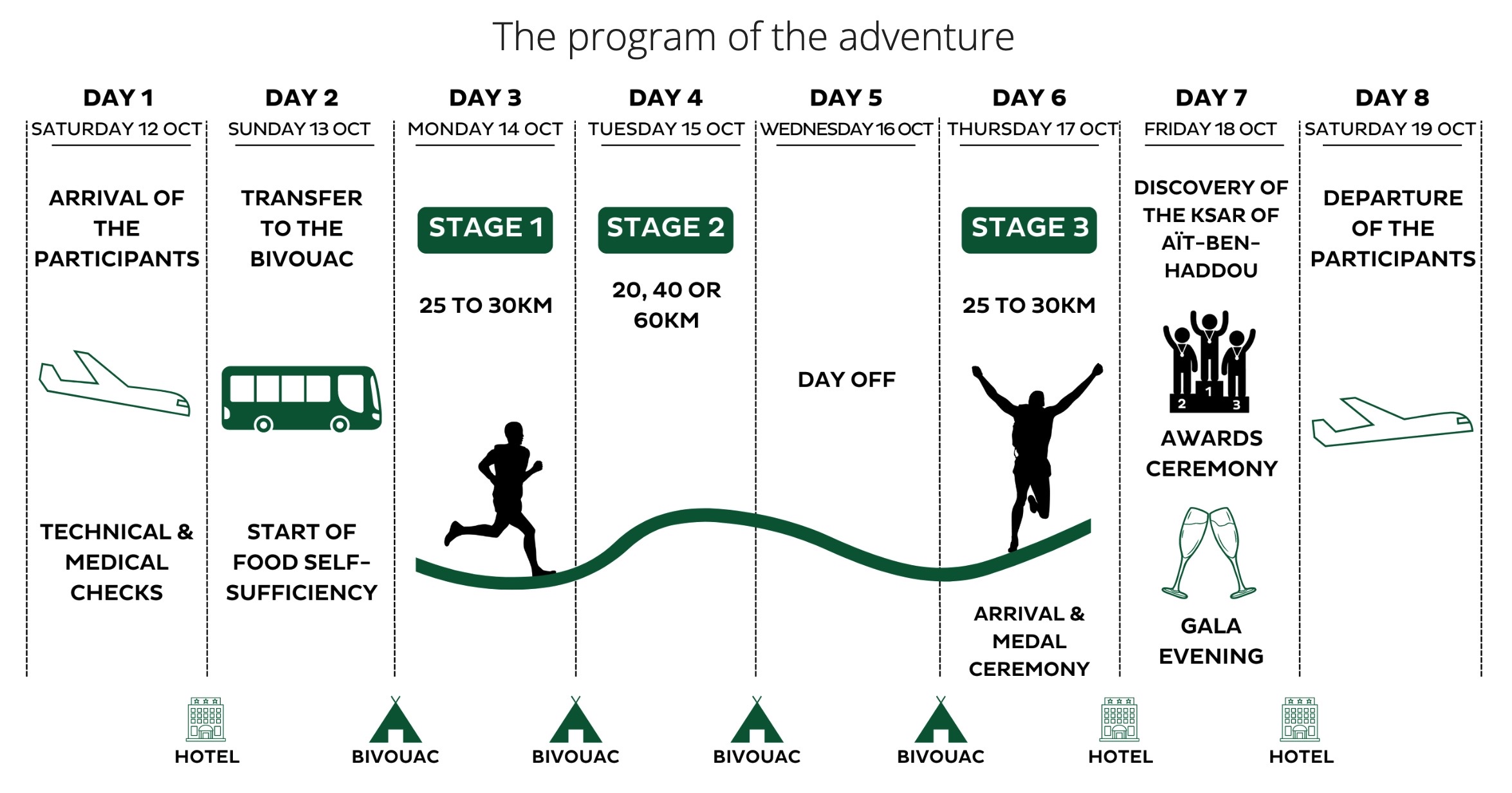
Participants will arrive in Ouarzazate on Saturday October 12th for technical and medical checks followed by a night in a hotel.
Admin and medical checks
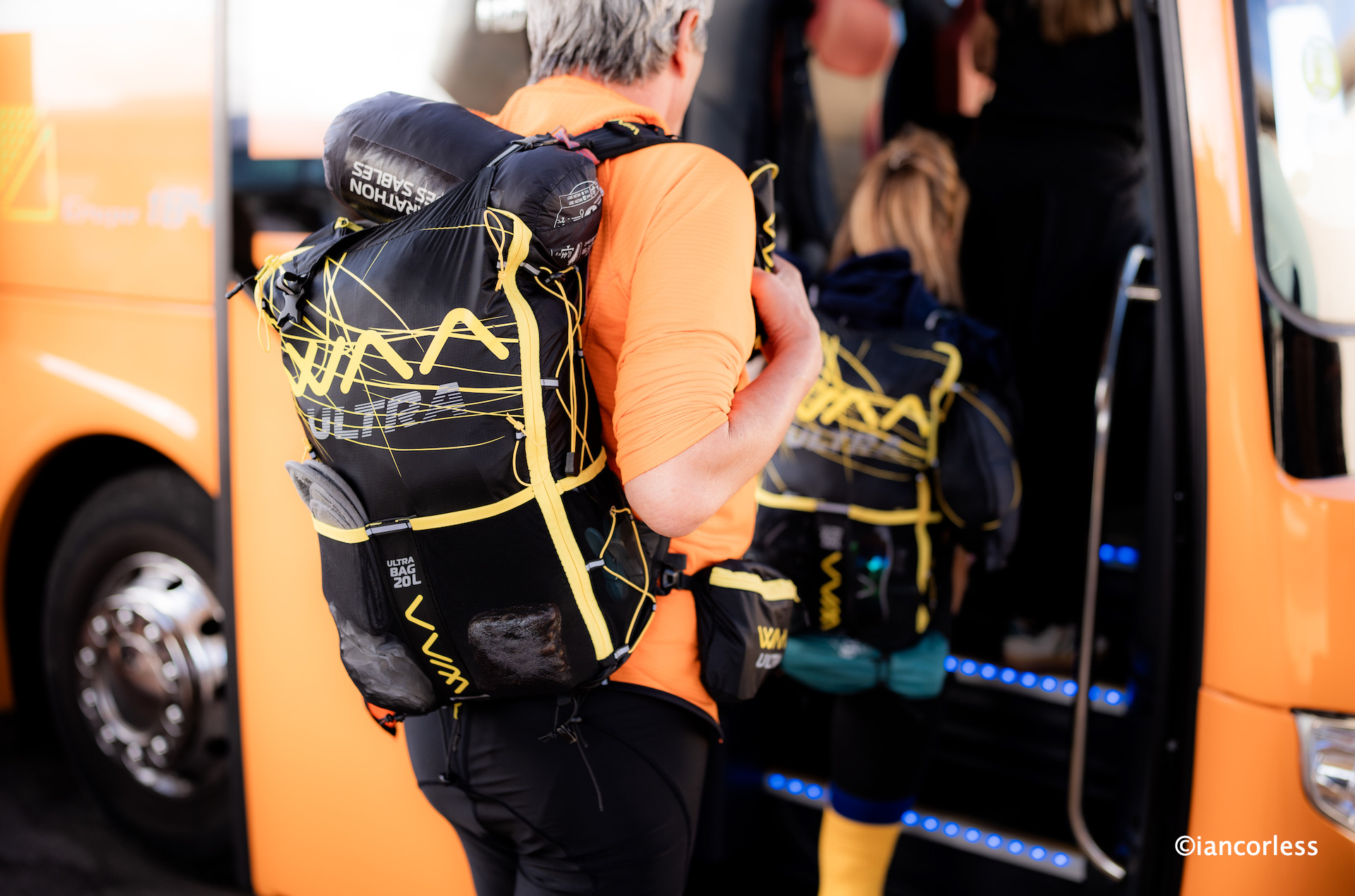
The following day, Sunday, is the journey, via bus, to the desert (approximately 6 hours) with arrival in bivouac and the start of self-sufficiency.
Bus transfer to the desert
Day 3, 4, 5 and 6 will have participants follow the classic MDS format of racing, 3 stages spread over 4-days.
Day 1 / Stage 1 25-30km.
Day 2 / Stage 2 choose 20km, 40km or 60km.
Day 3 Rest day
Day 4 / Stage 3 25-30km followed by transfer to hotel.
Importantly, MDS Morocco will see the addition of the NEW category, HANDI MDS which will cover 51km and 867m+
The following day provides the opportunity to visit the iconic site of Aït-Benhaddou(one of the locations of the film Gladiator). On arrival back at the hotel, time to relax and prepare for the awards ceremony and gala dinner.
Saturday 19h October is departure day.
Three sublime stages which will transport participants in the most beautiful places of the Moroccan Sahara, sleeping 4 nights in the MDS bivouac, this is the start of one of the adventures of a lifetime.
What is the MDS?
The MARATHON DES SABLES is a unique adventure, shared by thousands of enthusiasts since 1986.
To differentiate the full distance race of 250km’s, Marathon des Sables will now be known at MDS The Legendary, reflecting the legendary status of this iconic event and its long history as a pioneer of the stage racing and multi-day format.
The ‘HMDS’ format will still follow the same protocols as before but has now dropped the ‘half’ title and moving forward, events will be called MDS Jordan, MDS Morocco, MDS Cappadocia and so on.
MDS always an adventure
The MDS events are a one-week sporting adventure that combines the discovery, travel, meeting new people and physically challenging yourself in a self-sufficient manner.
Since 1986, the MARATHON DES SABLES has crossed the world’s most stunning deserts with several unique concepts: the MARATHON DES SABLES THE LEGENDARY (252 km in the Sahara Desert in Morocco), the MARATHON DES SABLES (70, 100, or 120 km spread over 3 stages), and the new 2024 concept, the MDS TREK (4 stages with a total distance of up to 120 km), offering an accessible adventure with optimal comfort. These international events have seen over 50 editions in various countries such as Morocco, Fuerteventura Island, Peru, Jordan, Turkey, and offer adventures that combine running/hiking in the desert with tourism.
MARATHON DES SABLES 2025 events are already open:
MDS Morocco – Atlantic Coast: January 25 to February 1, 2025


























 IAN CORLESS