Who Really Powers Mountain, Ultra and Trail Running? The Volunteer Question.

Trail running has always been built on community. Volunteers stand at the heart of the sport, helping races function while creating the atmosphere that makes them special. But as many events have grown into large commercial enterprises, an uncomfortable question emerges: when a race generates significant revenue, should it still rely on unpaid labour? I’m not sure there is a simple answer. The reality sits somewhere between community spirit and business economics, and that’s what makes the debate worth having.

Trail and ultra running likes to present itself as a community before it presents itself as a business. That distinction matters, because the entire volunteer model in mountain racing depends on it.

Volunteering at races is noble and organic: people giving back to a sport they love. Aid stations staffed by local clubs, marshals standing in freezing rain at 3am, finish-line crews catching exhausted runners after 100 miles. The imagery is powerful. It reinforces the idea that trail running is somehow different from mainstream commercial sport.

But modern trail racing, – especially at the highest level – is no longer purely community-driven. Many major events are highly profitable commercial enterprises with corporate sponsors, media deals, merchandise, qualification systems, tourism partnerships and global brand expansion. 

And that raises an uncomfortable question: If races are businesses, why are so many of the workers unpaid?

Take Ultra-Trail du Mont-Blanc as the clearest example. UTMB is no longer simply a mountain race organised by local enthusiasts. It is a global endurance brand. UTMB race week, the organization requires approximately 2,000 to 2,500 volunteers to ensure the successful operation of the event. In addition, there are UTMB World Series races across continents, partnerships with major corporations, streaming productions, premium entry fees, lotteries, travel packages and extensive merchandising. The infrastructure resembles a professional sporting enterprise. UTMB generate an estimated €30 million in revenue!

Yet the operational backbone of the event still depends heavily on volunteers. Without them, many races simply would not function financially.

That is the core reality that the sport rarely confronts directly.

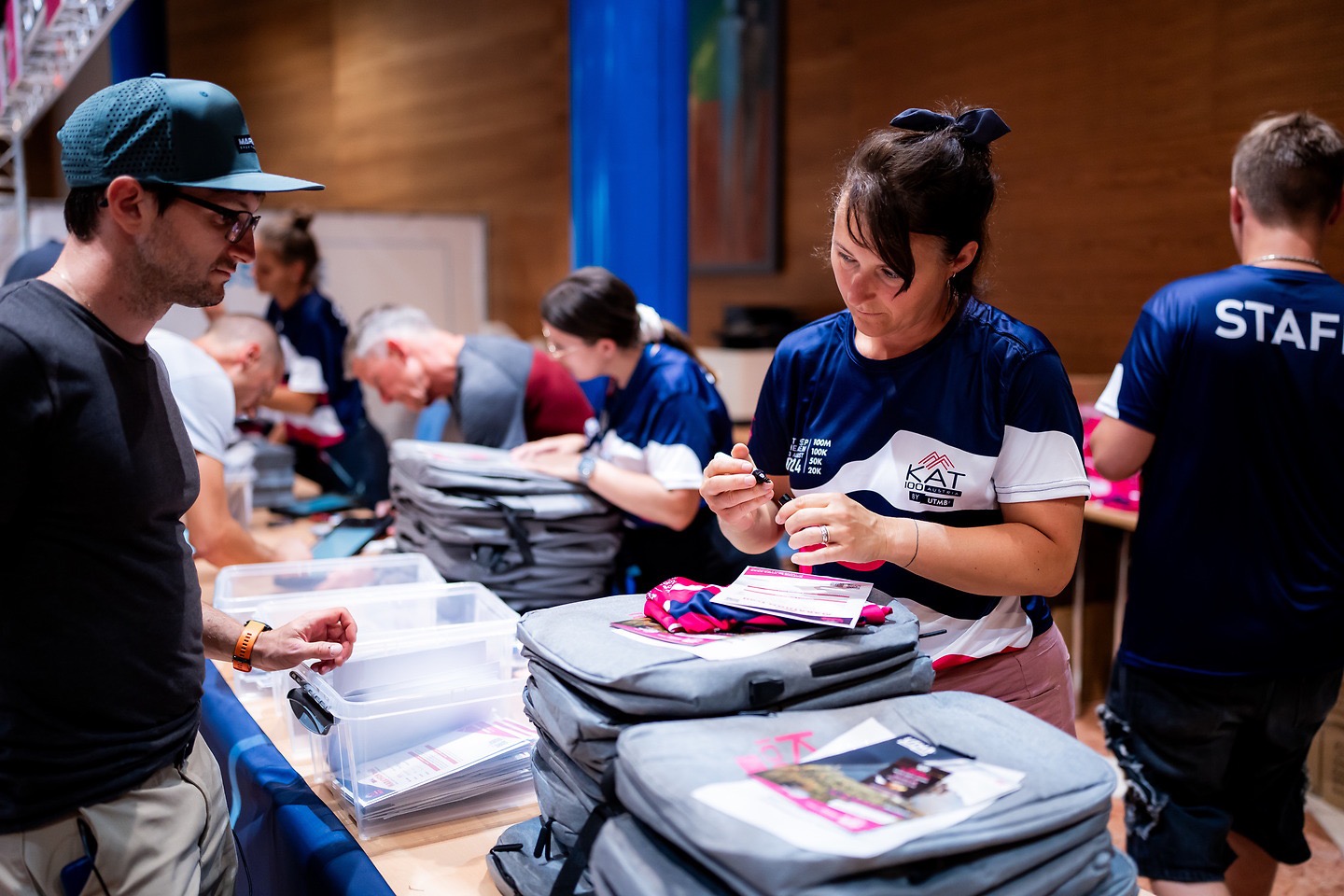
A large ultra race requires enormous manpower: registration, bib collection, checkpoints, course marking, sweeping, medical support coordination, parking, logistics, finish-line support, drop bag management, transport and clean-up. Paying market wages for every role would radically alter race economics. Entry fees would rise sharply or profit margins would shrink.

Volunteers effectively subsidise the event.

The interesting part is not that volunteers exist. Volunteers are everywhere in society. The interesting part is that volunteering remains culturally unquestioned even when races become commercially sophisticated businesses.

In most industries, this model would feel absurd.

Imagine a privately owned bank. The owner hires executives, accountants and security staff, but then asks enthusiasts of banking to work unpaid at the cash desks because they “love finance” and want to “be part of the atmosphere.” Society would reject that instantly. The same would apply to airlines, supermarkets or hotels. Once an operation becomes commercial, labour is expected to be compensated.

So why do races escape?

Partly because sport occupies a strange middle ground between commerce and culture.

People volunteer at races not purely as workers but as participants in an identity. They often feel emotionally invested in the event, the region, the community or the sport itself. Volunteering becomes social capital. It offers belonging, prestige, access and meaning. In trail running especially, there is a strong ethic of reciprocity: “someone helped me, so I should help others.”

Key points are to support the outdoor community, maybe secure a guaranteed entry into future event, and enjoy the social atmosphere. 

  • Volunteers, typically, are ultrarunners or hikers themselves, they want to support their friends, community, cheer, and pay forward the help they received during their own races.
  • Volunteers can earn discounted entries, priority for future events or a bonus compensation on apparel/ merchandise.
  • There is a huge social benefit, friendship and community.
  • Free t-shirts, hat, and/ot other merchandise and more often than not, free food and drink

Eiger Ultra Trail by UTMB (as an example) clearly state the offer via their website:

A successful Eiger Ultra Trail event relies heavily on the help of volunteers. Volunteers have the unique opportunity to actively participate in this international event, to experience the race up close as it unfolds and to be on-hand for support when 4000 competitors from 80 nations attempt to conquer the 101km, 250km, 51km, 35km, 16km or Trail Surprise at the foot of the Eiger.

We offer our Volunteers:

  • An unforgettable experience in a breathtaking mountain landscape
  • An attractive Volunteer Shirt (male and female fit available)
  • Free gondola or train ride from Grindelwald to the race courses
  • Refreshments during volunteer service (lunchbag, hot meals from Friday)
  • Free accommodation at youth hostel (shared room) if volunteering early morning or late evening and if the assignment cannot be reached in time by public transport.
  • Personal expenses of CHF 30.00 per Person, or CHF 60.00 from 20h service
  • Volunteer gift

If you are supporter of a competitor and volunteering for us you get a free transport ticket to the race courses.We’re happy to welcome volunteers from the age of 13 – 70. A good physical condition is necessary.

Race organisations understand this extremely well.

The language surrounding volunteers is carefully framed around family, passion and community spirit. Volunteers are celebrated publicly, thanked emotionally and woven into the mythology of the sport. This is genuine – many volunteers truly enjoy the experience – but it also masks an economic truth: their labour has real financial value.

That value is substantial.

A major ultra may require hundreds, if not thousands of volunteer hours. If those hours were compensated at standard labour rates, the event budget would look entirely different. Volunteers are not merely helping. They are replacing paid staffing costs.

Other sectors do use unpaid labour, but usually with controversy attached.

Media companies rely on unpaid internships. Fashion and film industries often offer people to work “for exposure.” Tech startups use open-source contributors whose free work later supports billion-dollar valuations. Universities depend heavily on unpaid academic labour. Charities and grassroots sports clubs naturally rely on volunteers because they are non-profit or resource-constrained.

The key distinction is this: society tends to become more critical when unpaid labour supports private profit rather than public benefit.

That is where trail running becomes ethically complicated.

A local village race organised by a community association is one thing. Few participants object to volunteers there because the event itself may barely break even and any surplus returns to local causes.

A global race brand charging premium prices while still depending on unpaid operational labour is different.

And yet it remains normalised because trail running inherited its culture from grassroots mountain events long before the sport commercialised. The volunteer ethos survived the transition from community gathering to international business model.

There is also a practical reality: many races genuinely could not exist in their current form if every role became salaried. Mountain races are logistically extreme. Remote terrain, long durations and unpredictable weather create staffing demands unlike those of conventional road races or stadium sports. The economics are difficult even before considering environmental permits, safety systems, insurance and medical infrastructure.

And this brings in the point of paid staff. The primary organizers, logistics leads, and business owners who plan the event year-round are paid along with specialized crews such as media, medical teams, mountain safety, technical contractors and so on.

At some point, the question becomes philosophical rather than logistical: When does a community event become a corporation wearing community clothing?

The discomfort around this subject often comes from the fact that both realities coexist simultaneously. Trail races are still authentic communal experiences for many people. Volunteers often derive real satisfaction and pride from contributing. The emotional value is genuine.

Yet it is also true that this culture enables profitable enterprises to operate with labour models that would appear unacceptable almost anywhere else.

The sport rarely interrogates that contradiction because everyone benefits in some way. Runners get lower fees than fully commercial staffing would require. Volunteers gain belonging and access. Race brands preserve their community image while controlling costs.

The arrangement works.

Until someone asks whether it should.

What are your thoughts on the volunteer model? Do you foresee a change in the future – not at the grass-roots, non-profitable level – but are the larger, corporate and very obvious businesses level where profit and high profits are very visible.

Whether this model can survive unchanged at the corporate end of the sport remains to be seen. I do not know the answer, but it is a question we should not stop asking.

Follow Ian Corless

Instagram – @iancorlessphotography

Twitter – @talkultra

facebook.com/iancorlessphotography

Web – www.iancorless.com
Web – www.iancorlessphotography.com

Good Morning Bivouac!

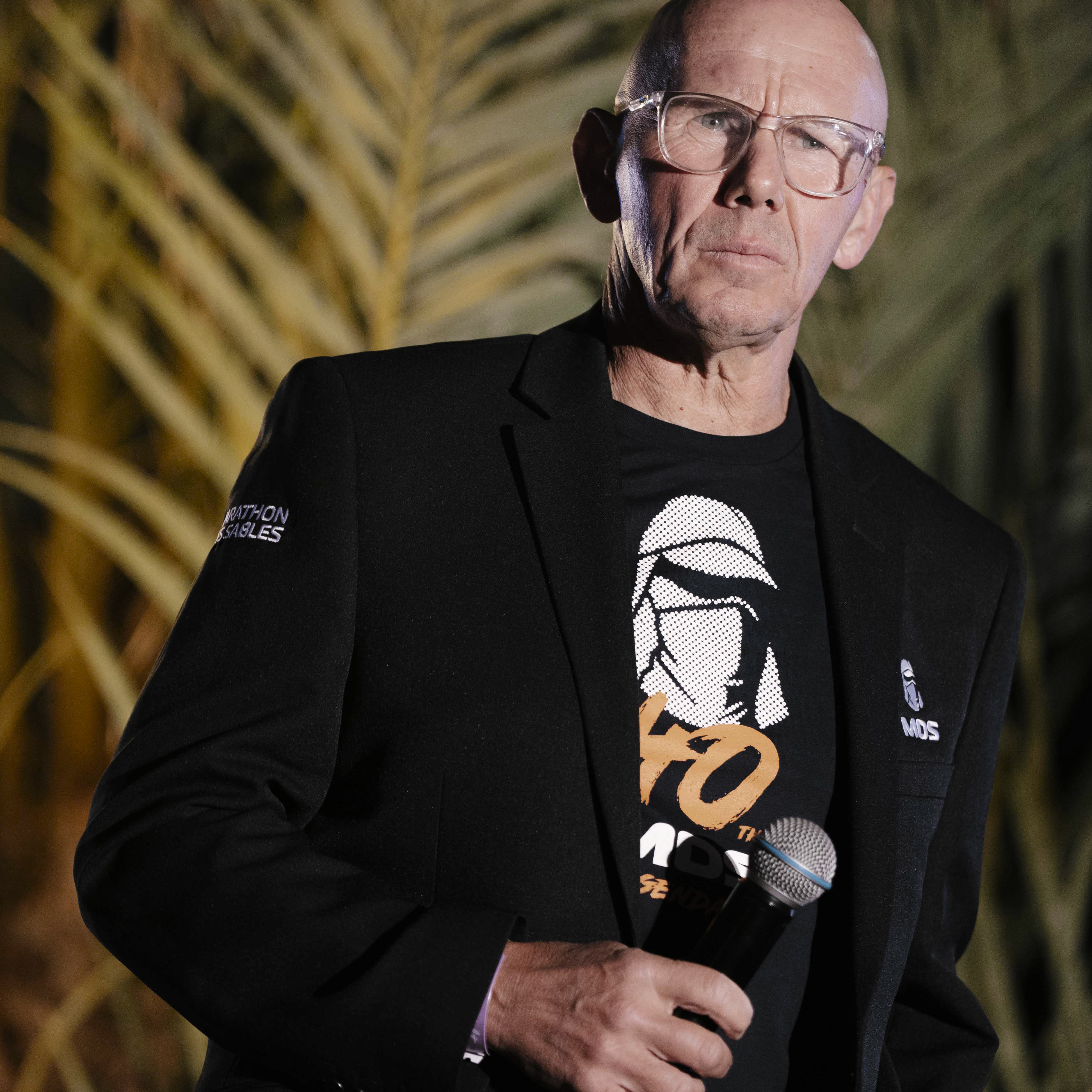
The 40th edition of MDS Legendary is over. What an edition…! It’s easy to use words like awesome, incredible, magical, memorable, impeccable – it was all these things and more.

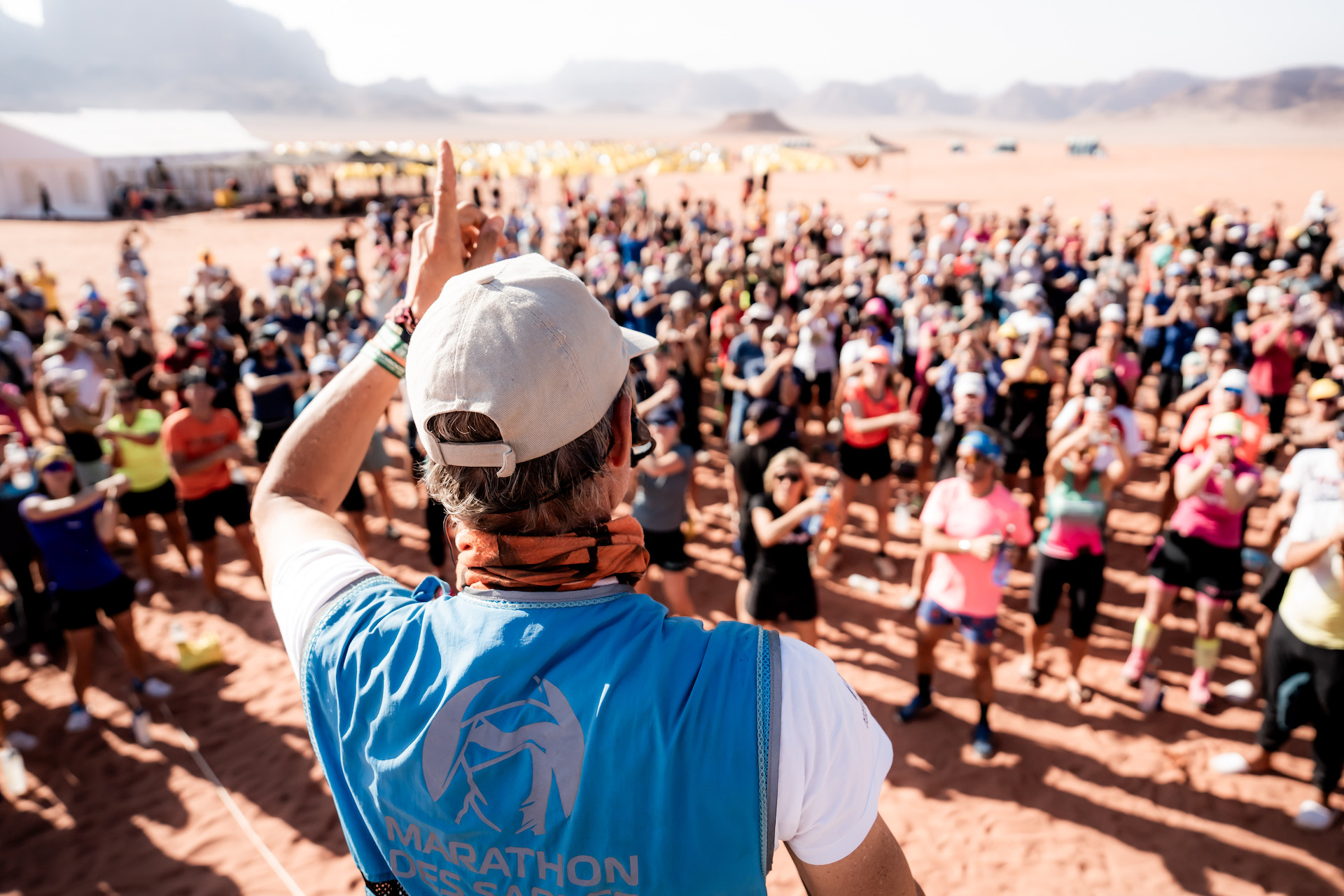
The organisation was superb, with 600 staff split between local Moroccan staff, blue coats, orange coats and beige coats – MDS raised the bar on producing a seamless and faultless edition.

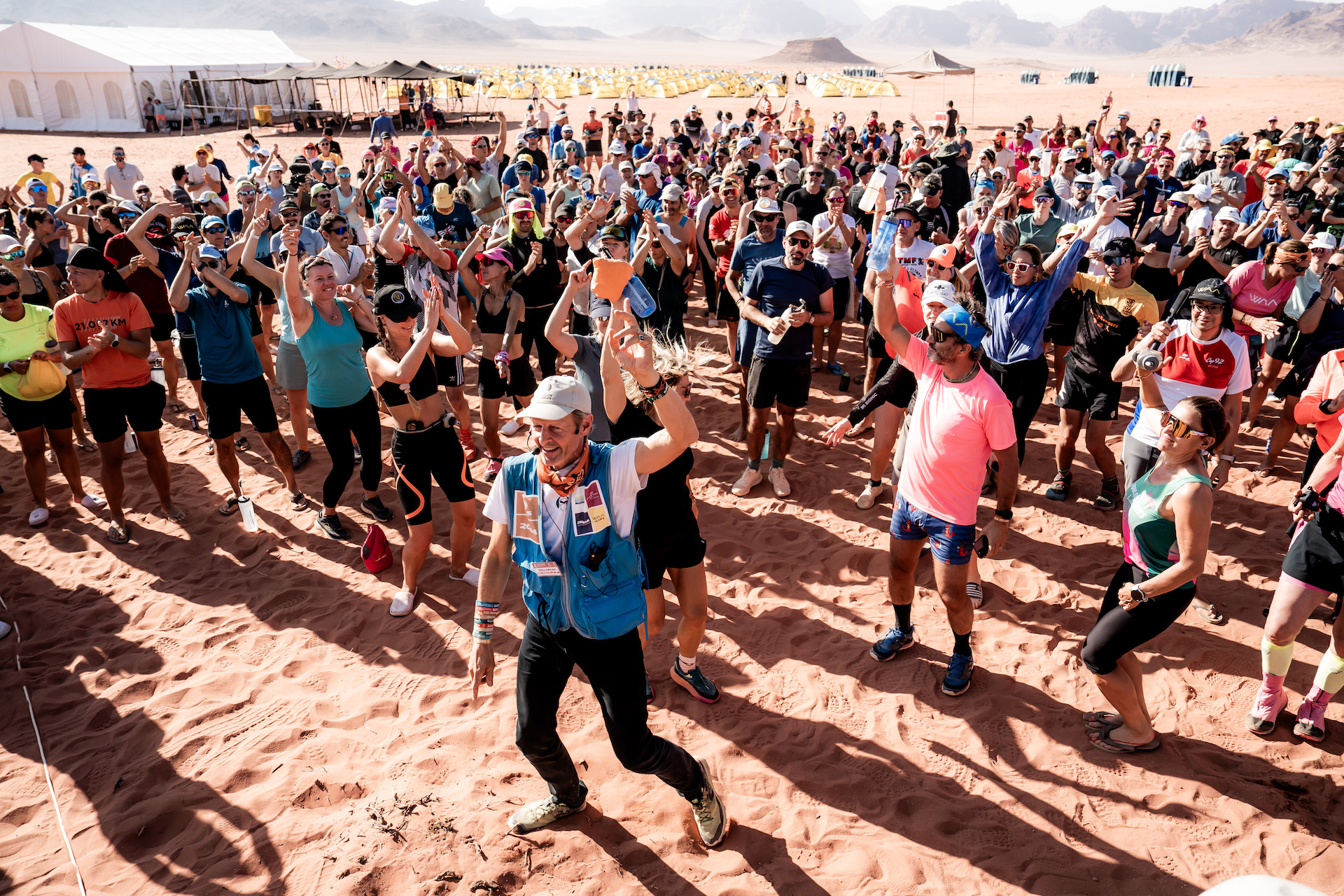
In addition to my role in the media as photographer and journalist, I was also on the stage as english speaking host alongside Cyril Gauthier. A role I started in 2025 at MDS 120 Atlantic Coast.

At MDS Legendary in 2025, I started the first morning with a ‘Goooooood Moooorning Bivouac’ shout – no doubt an acknowledgement to ‘Good Morning Vietnam’ by the comic legend, Robin Williams.

This good morning, I guess for some is marmite, you either love it or hate it. However, due to the amount of requests I have received via email, messenger and on SoMe, I have produced this as a downloadable audio file.

Yes, I know… Many, many people want this as a memory!

So, if you’d like this for memory, set as ringtone or yes, some even wish to wake up to this as an alarm, you can download on the link below.

I have provided the audio in mutliple formats, that way, you have a vsrsion that works for you and the device tou wish to play it on – AAC, Mpeg4, iPhone, MP3, and WMA.

YOU ARE A LEGEND

DOWNLOAD HERE

It’s not the critic who counts, not the man or woman who points out how the strong man or woman stumbled, or when the doer of deeds could have done better. The credit belongs to the man or woman who is actually in the arena; whose face is marred by dust and sweat and blood; who strives valiantly; who errs and comes short again and again; who knows the great enthusiasms, the great devotions and spends him or herself in a worth cause; who at the best, knows in the end the triumph of high achievement; and who at the worst if he or she fails, at least fails while daring greatly, so that his or her place shall never be with those cold and timid souls who know neither victory or defeat. – Roosevelt.

Follow Ian Corless

Instagram – @iancorlessphotography

Twitter – @talkultra

facebook.com/iancorlessphotography

Web – www.iancorless.com

Web – www.iancorlessphotography.com

MDS Jordan 2024 Race Summary

Photo by Ian Corless

MDS Jordan brought to a conclusion the 2024 season of MDS events. It has been quite a year and since Fuerteventura in September, the events have followed one after another, MDS Morocco, MDS Trek Morocco and now MDS Jordan.

Jordan has become so popular as a destination, two events now exist in a year, May and November. Dates for 2025 are May 9-16 and November 1-8.

For the 4th edition, concluding on the 8th November 2024, 599 participants were signed up from 25 different nationalities. Once again, MDS pioneer the way with more women participants than men, 55% to 45%.

Come race day, 520 toed the line over the 3 race distances.

  • 249 in the 120km distance.
  • 190 in the 100km distance.
  • 81 in the 70km distance.

Full race results are available HERE via LiveTrail.

Jordan is not the easiest place to get to and typically, it will require two flights. Istanbul being a popular connecting point but many other options exist. Long haul travel always has potential problems and for the MDS Jordan, participants and staff had several problems with delays, gladly, everyone arrived on time. However, there is some general good advice here for future participants, allow yourself some time flexibility for arriving in Jordan, delays of 12-hours or even 1-day existed for some! Use reputable airlines with good track history, the cheapest option is not always the best!

Photo by Ian Corless

The current Israel – Hamas war quite obviously was on the minds of participants and some were concerned about travel. However, while the general advice from most governments was to ‘exercise caution,’ there was no reason not to travel. Having spoken to participants post-race, nobody at any time felt safety or security was at risk. The war however ‘may’ have had some impact on travel, it’s difficult to know?

Photo by Ian Corless

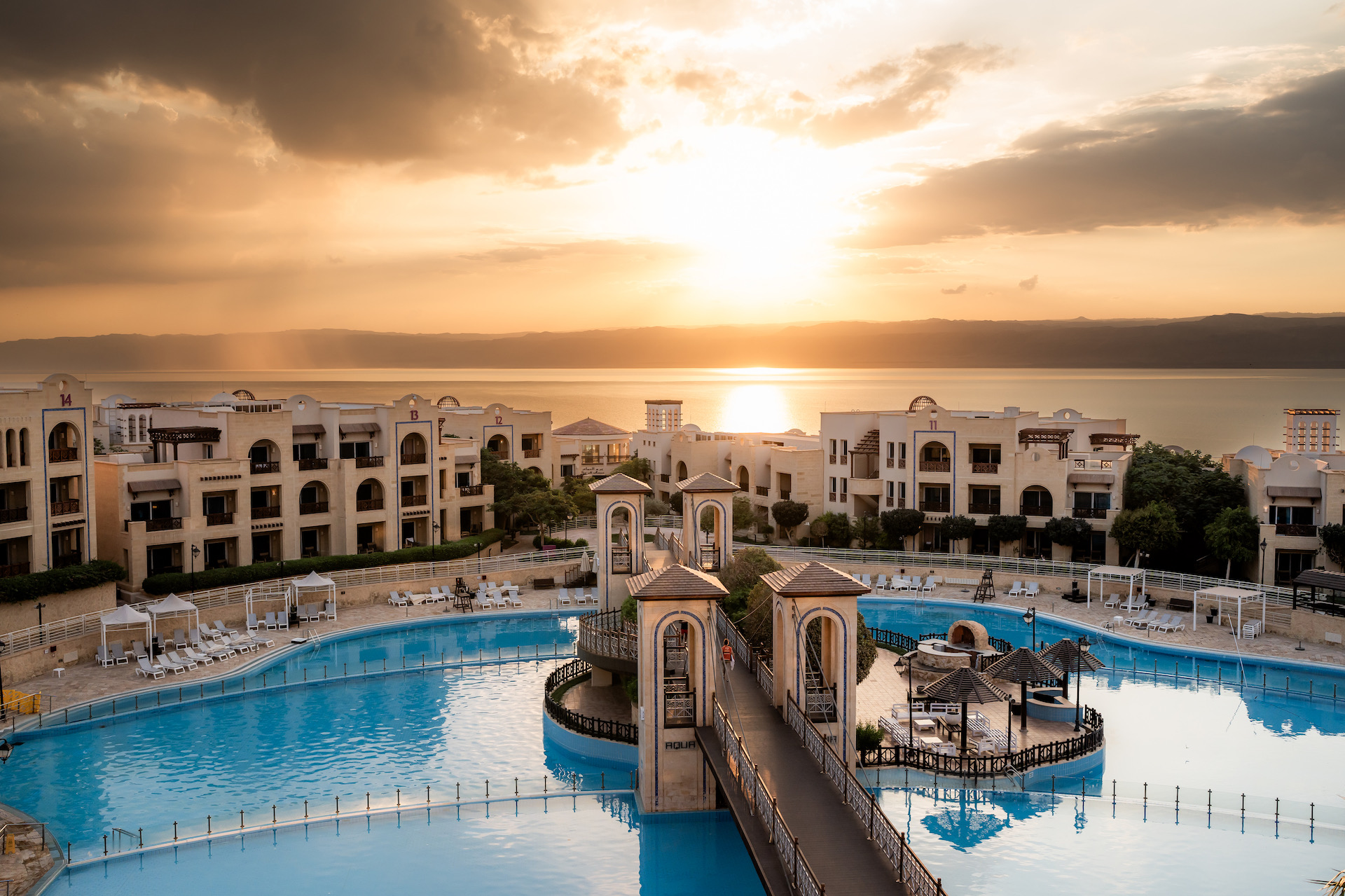
The MDS team do a fantastic job of facilitating everyones arrival in Amman and they provide a bus transfer to the Crowne Plaza hotel which is located on the Dead Sea. The journey takes under 90-minutes.

Photo by Ian Corless

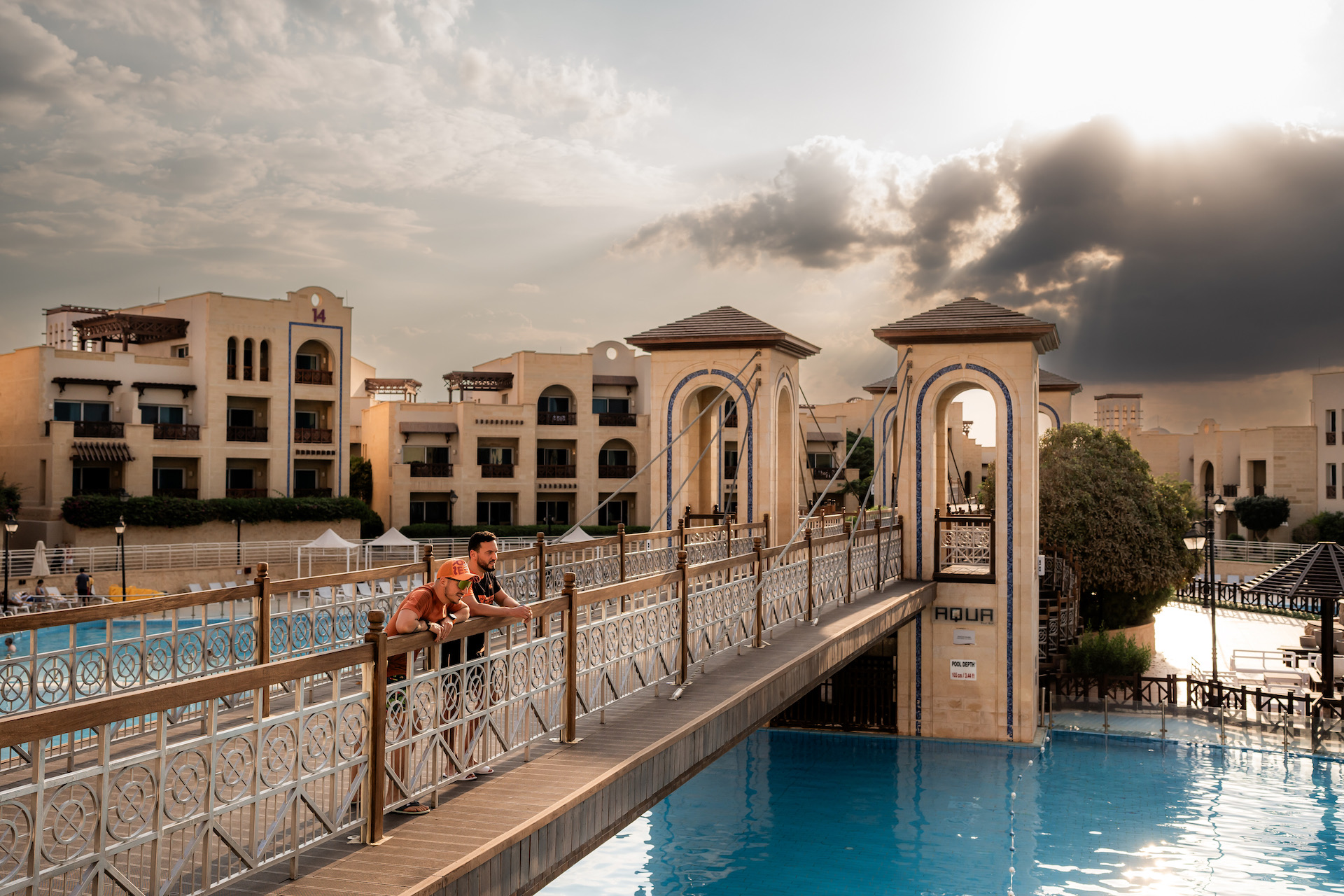
The hotel is huge with excellent facilities, a good restaurant, bar, meeting rooms, multiple pools, spa, gym and of course, the Dead Sea is on its doorstep. It’s the perfect place pre and post-race. Another great benefit is that its size allows all competitors and MDS staff to stay at the same location. A great bonus for admin day and the post-race awards and gala dinner.

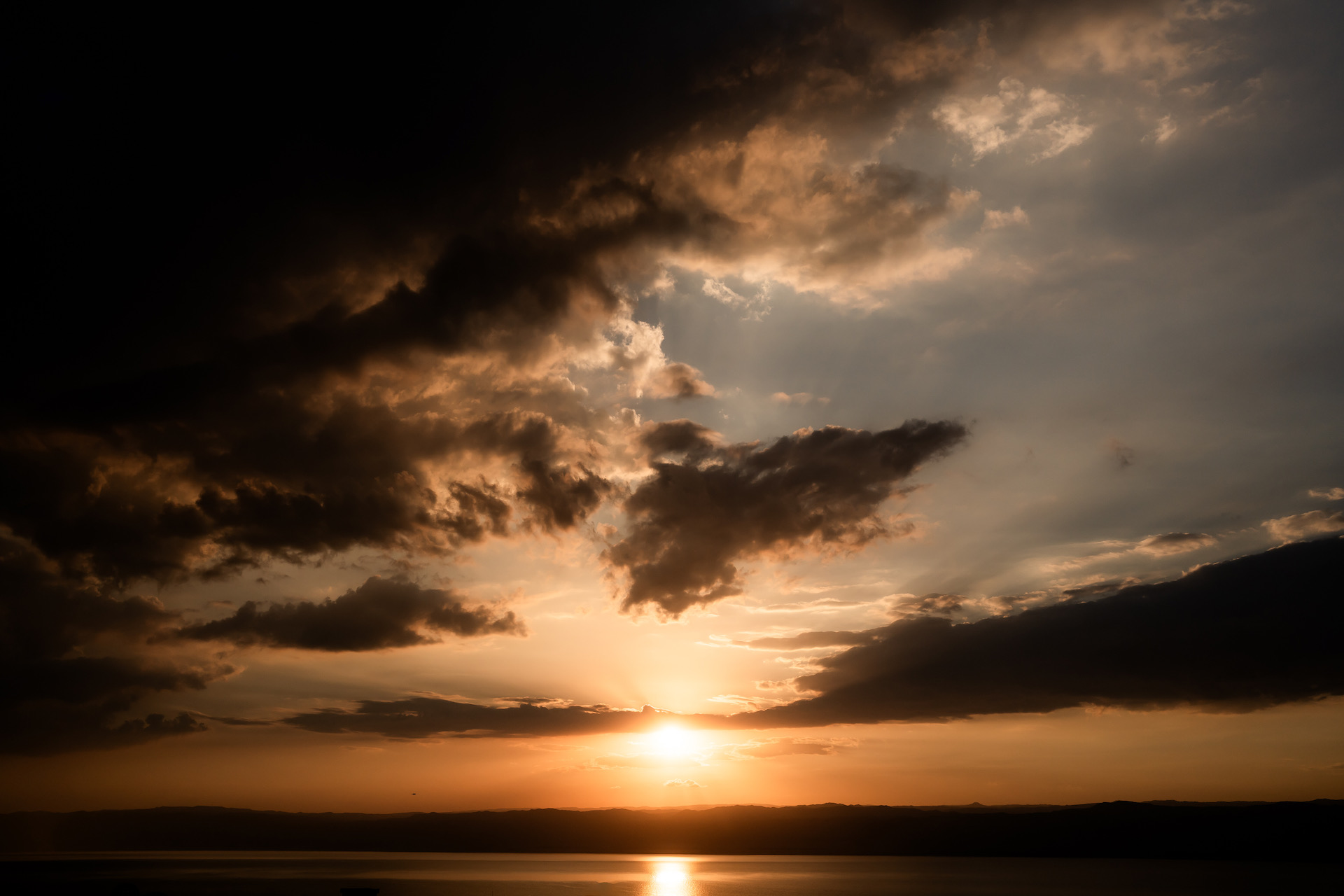
The Dead Sea is obviously an iconic place, located -430m below sea level. It is land locked between Jordan and Israeli occupied west bank in the west and Israel in the south. It is called the Dead Sea due to high levels of salt that make it impossible for any life form to live.

Photo by Ian Corless

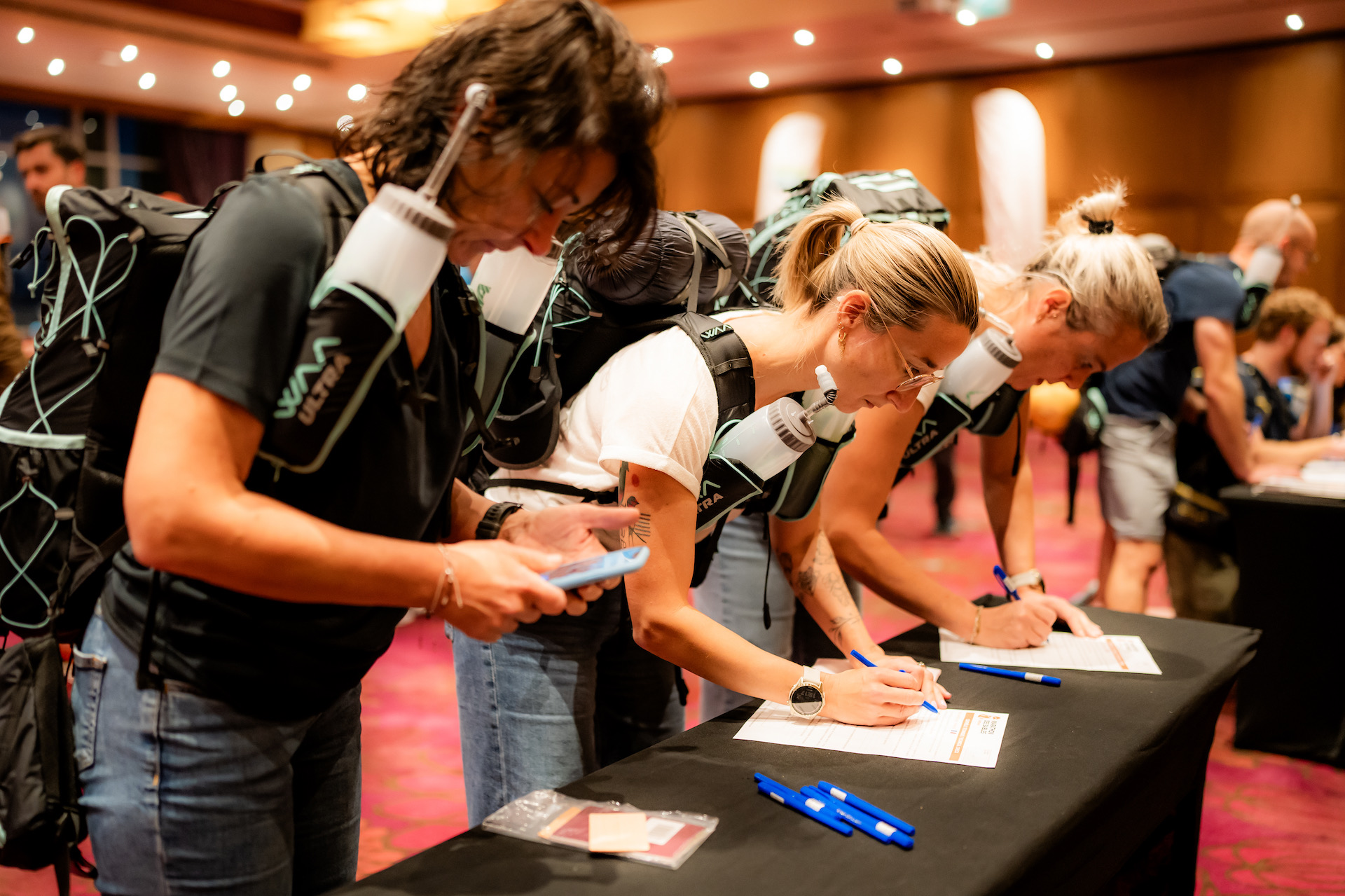
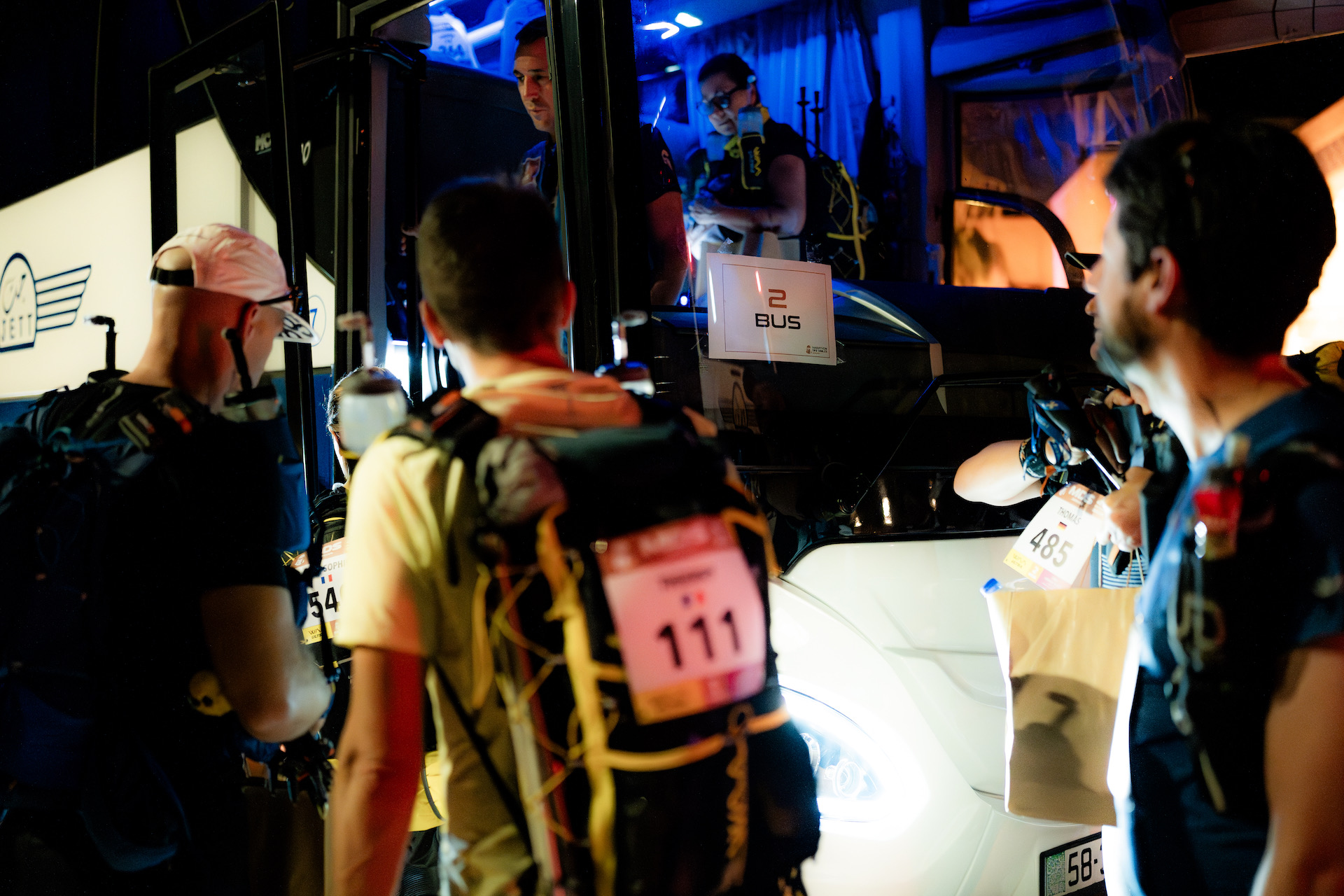
With admin day done, the race got underway with a very early departure on Monday Nov 4th with an approximate 4-hour journey to Wadi Rum.

Photo by Ian Corless

Daily Summaries 2024:

Stage 1 Summary

Stage 2 Summary

Stage 3 Summary

Stage 1

Photo by Ian Corless

Stage 1 was scheduled to start at 0930am with 27.4km and 980m+ with arrival at bivouac. A point-to-point day with two Cp’s and a cut-off time of 2000hrs.

Photo by Ian Corless

The day was a shock for many! It’s a day of stunning views, epic vistas, remarkable landscape and a great deal of soft sand making the journey very hard work. If you are signed up for a future MDS Jordan, be prepared for a tough day 1.

Photo by Ian Corless

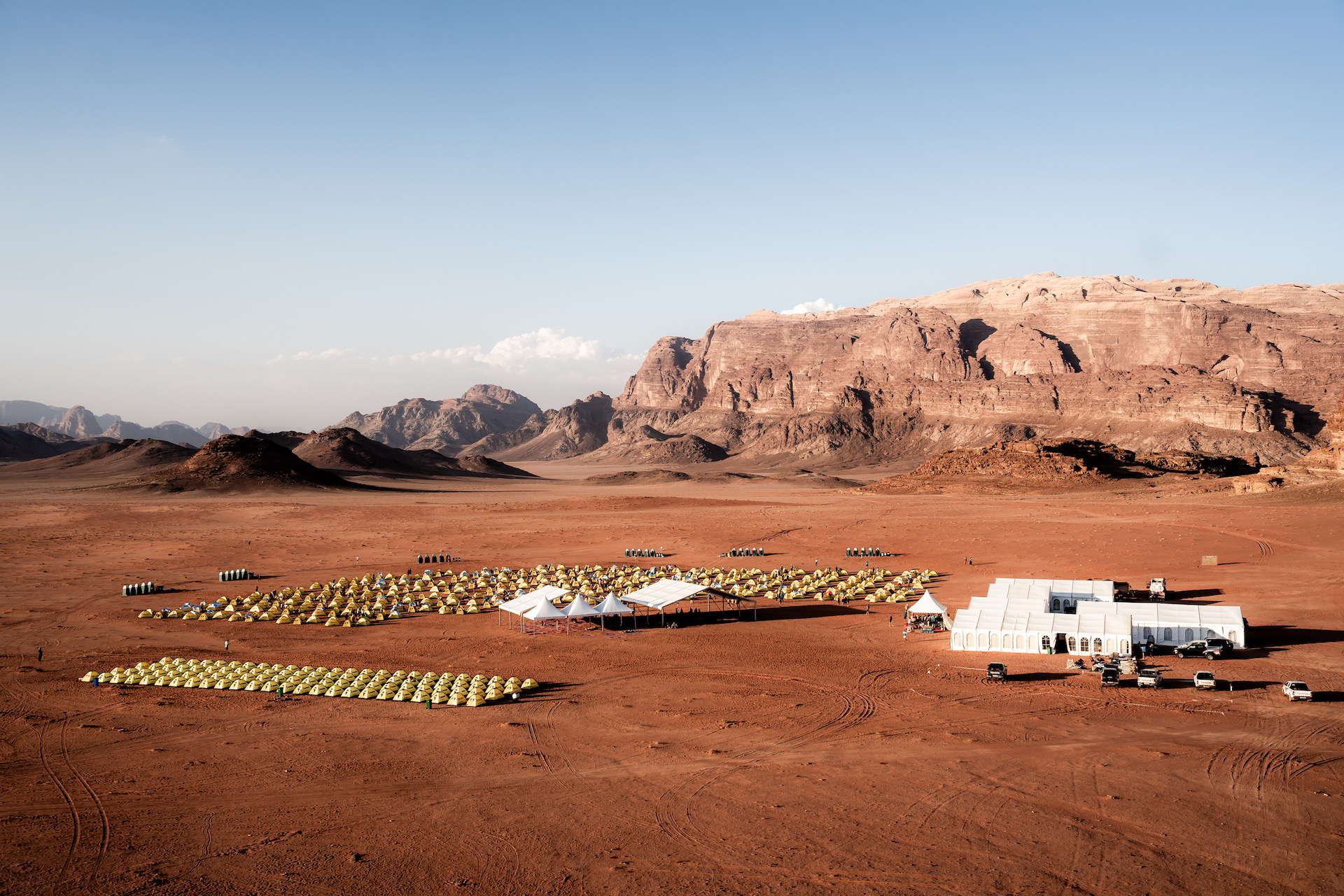
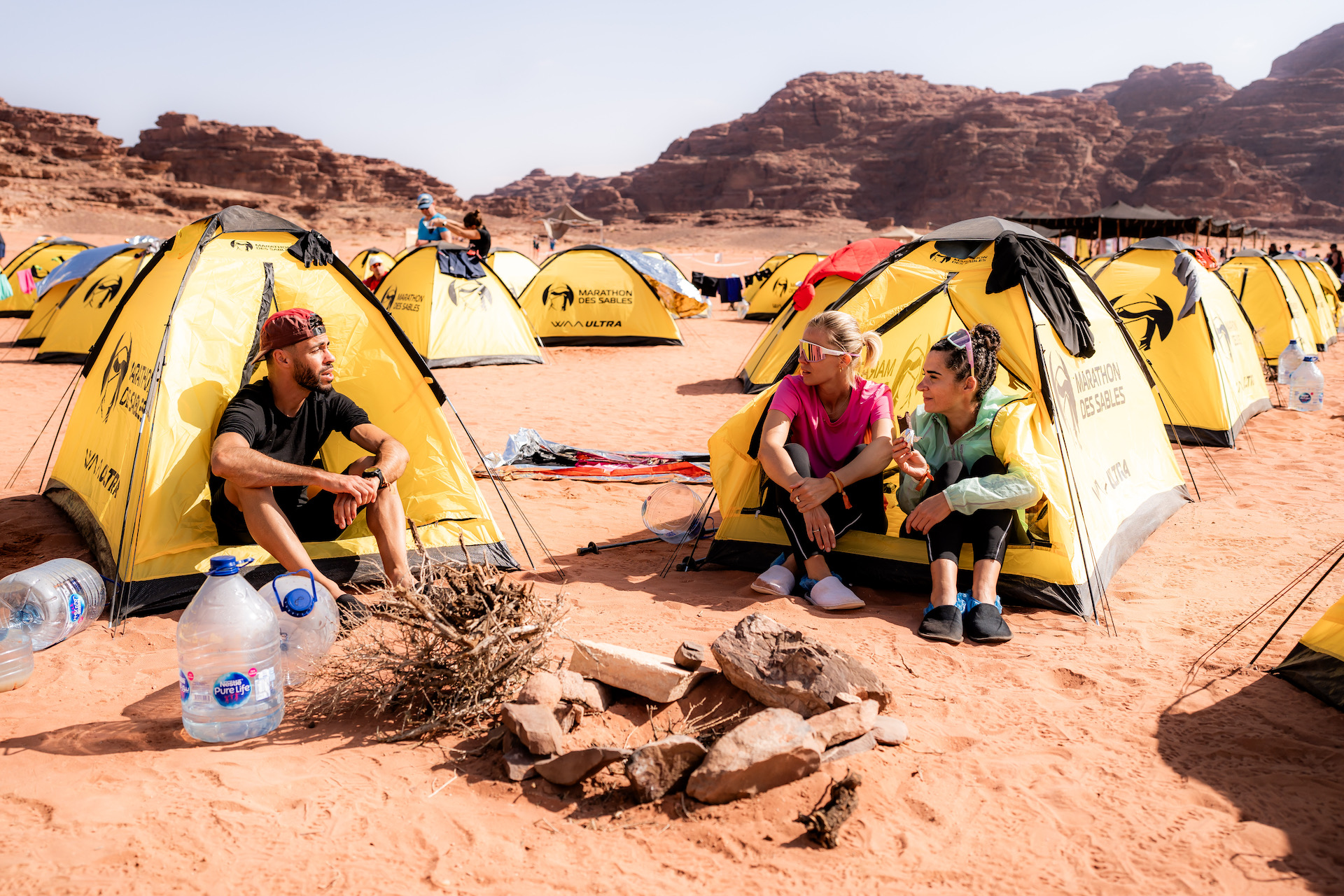
In bivouac, as per all MDS events, individual tents are in circular pods of 8. This is great for group friendship but also allows some privacy.

Photo by Ian Corless

While MDS events operate on the same formula: 3-stages over 4-days with full self-sufficiency, the exemption coming with rationed water provision and a place to sleep provided by MDS. I cannot emphasise enough that participants need to be prepared for the challenge they are undertaking. Weather and environmental condition vary from event to event and year on year. Just because Jordan was hot at one edition, it does not mean it will always be hot! Look at MDS Morocco in October, rain, thunderstorms and flooding. The 4th edition of MDS Jordan had a very cold first night. For those who did not bring a warm jacket, a warm sleeping bag or additional layers, they had a very cold and troubled night. My TOP TIP is always bring a windproof jacket such as the WAA wind running jacket as an absolute minimum and my high recommendation is to bring a light weight down jacket. Many down jackets exist these days and the top quality products are well under 200g, the Nordisk Y Strato is 165g for example. The advantage of a down jacket is warmth and comfort while sitting around post-race and in addition, on cold nights, you have a very warm layer to wear inside your sleeping bag should it be required. Make sure you have a Buff and cover your head, most heat is lost here!

Photo by Ian Corless

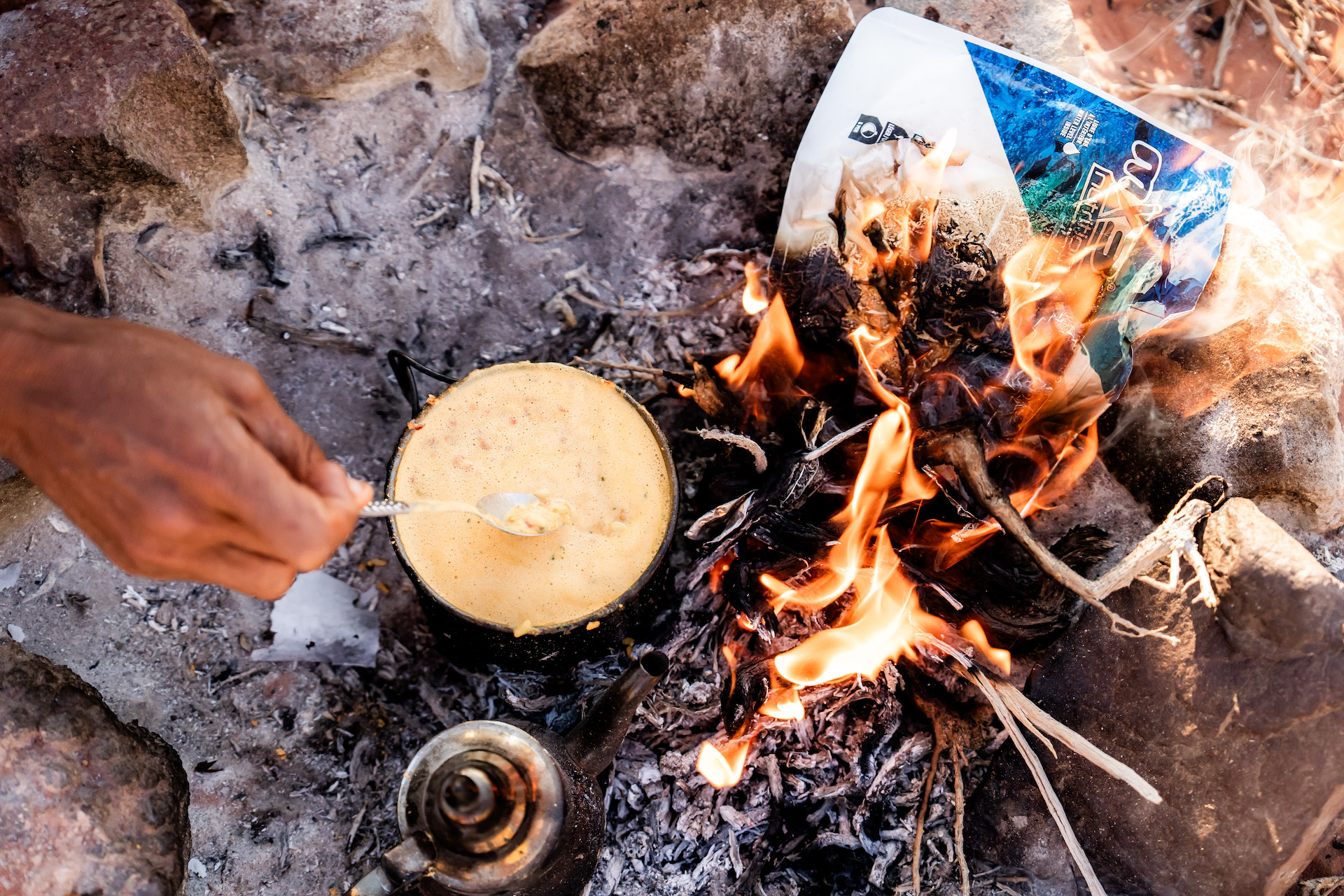
One advantage of the tent pods is the creation of a communal fire place, in Jordan, most pods created a fire place and this was used for cooking and warmth.

Photo by Ian Corless

Stage 2

Photo by Ian Corless

With a troubled night for many, stage 2 would prove a challenge. However, the great thing about MDS events is the possibility to choose how easy or how hard you want the adventure to be. Of course, all things a re relative based on individual ability and desires. The stage had two starts, 0700 and 0800, the top runner’s in the latter start.

Photo by Ian Corless

At two key points, participants can have a choice, the first option is to choose 20km’s. The second option to choose 40km’s. At the second option point if you choose not to take 40km’s, you must do 60km’s.

Photo by Ian Corless

249 chose to take the 60km route, 190 in the 40km and 81 the 70km distance.

Photo by Ian Corless

It was a challenging day, once again a great deal of soft-sand but considerably less vertical gain. For those who took the 60km route, they were treated to some additional technical terrain. At all times, the impressive Wadi Rum landscape was mind-blowing irrespective of the distance chosen.

Photo by Ian Corless

The day proved to be a long one for some with the last competitor arriving at 0300am the next day and many of the MDS team there to welcome.

Photo by Ian Corless

Rest Day

Photo by Ian Corless

It was a welcome day of rest and an opportunity for everyone to get some rest and recovery.

Photo by Ian Corless

Competitors as per usual, looked after feet, ate as much as possible, slept and took advantage of the local terrain to get some high viewpoints to take in the amazing landscape.

Photo by Ian Corless

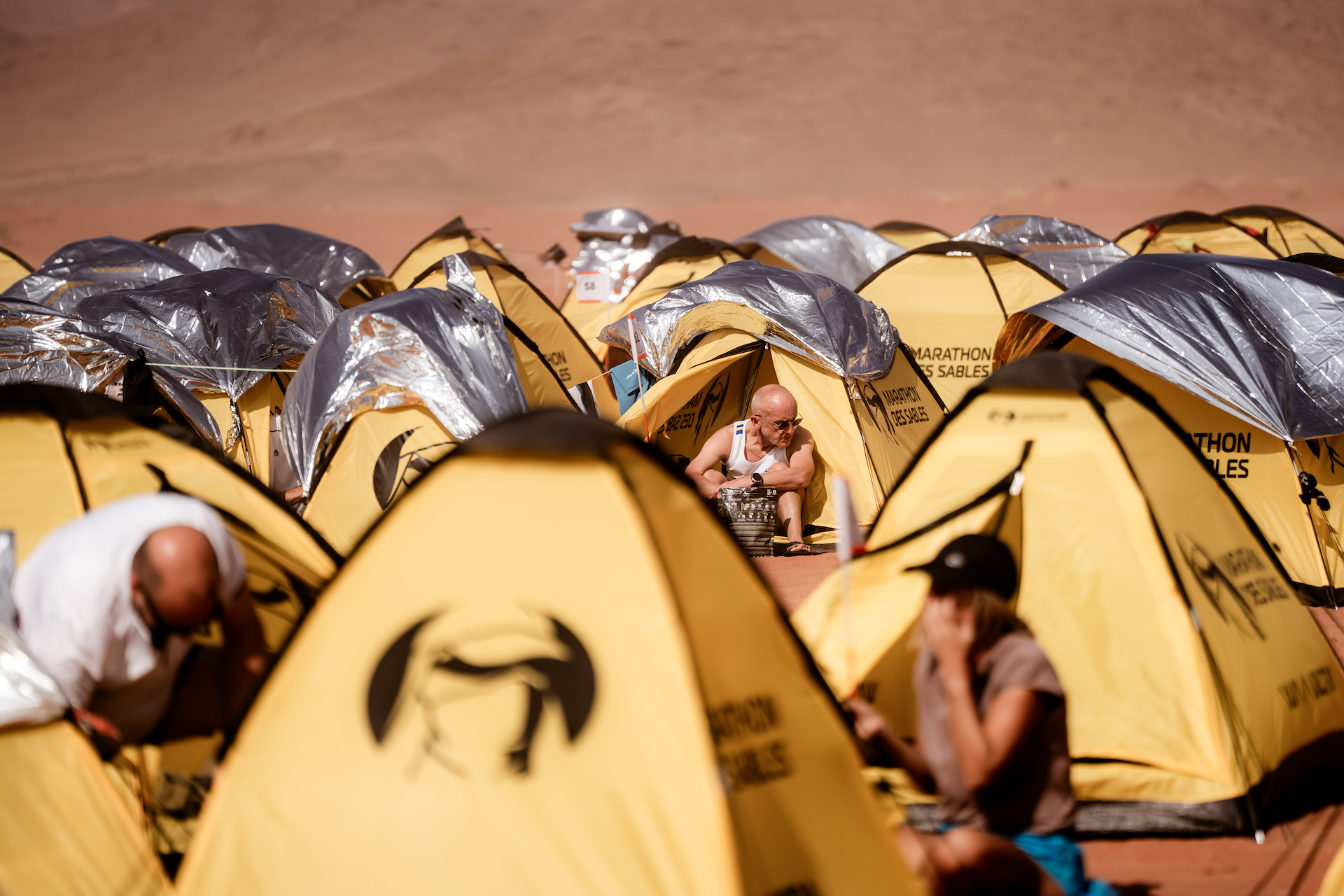
TOP TIP – space blankets that are gold/silver provide excellent options for keeping tents cooler in the day, silver side out. And at night, if required, use them gold side out to keep a tent warmer.

Photo by Ian Corless

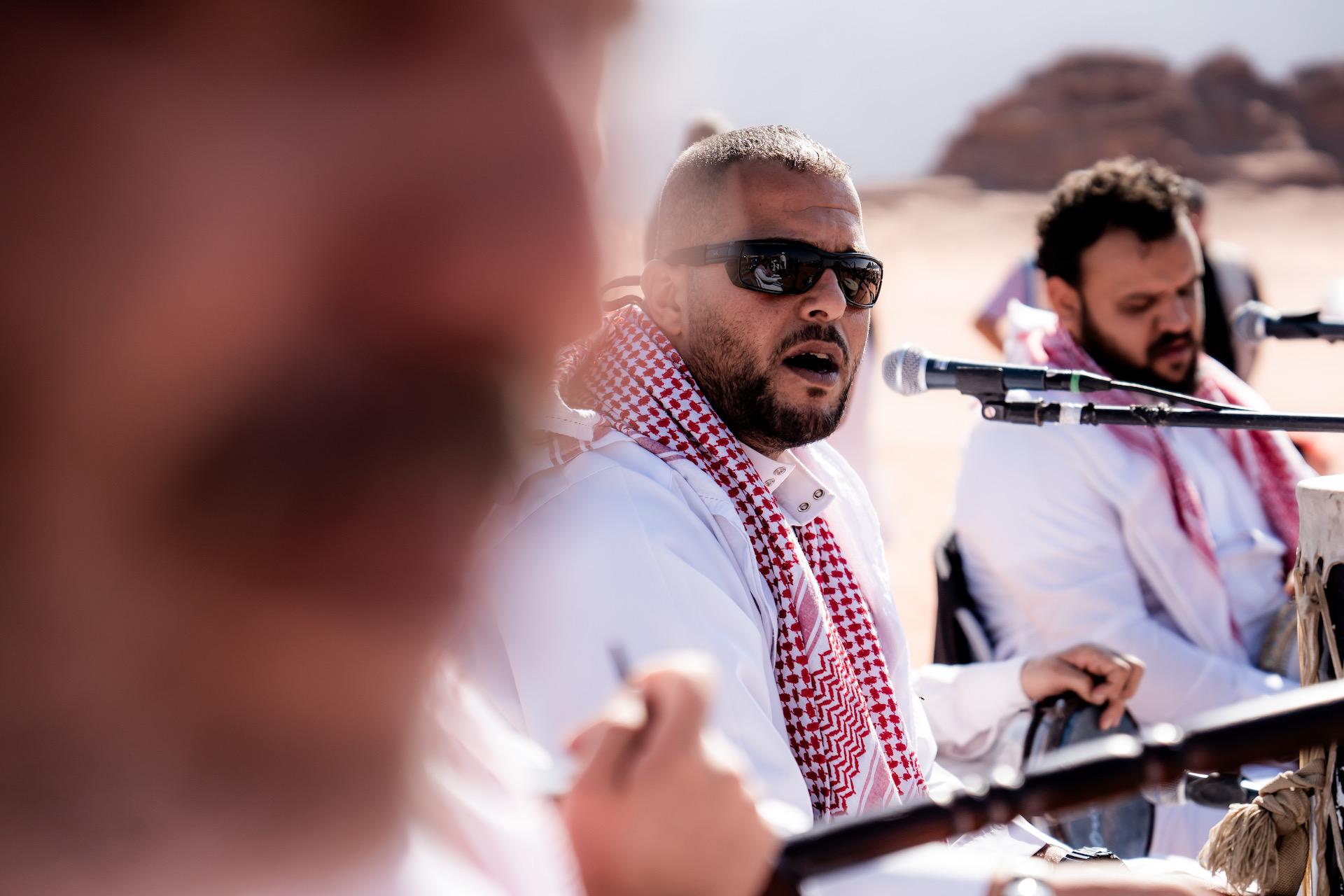
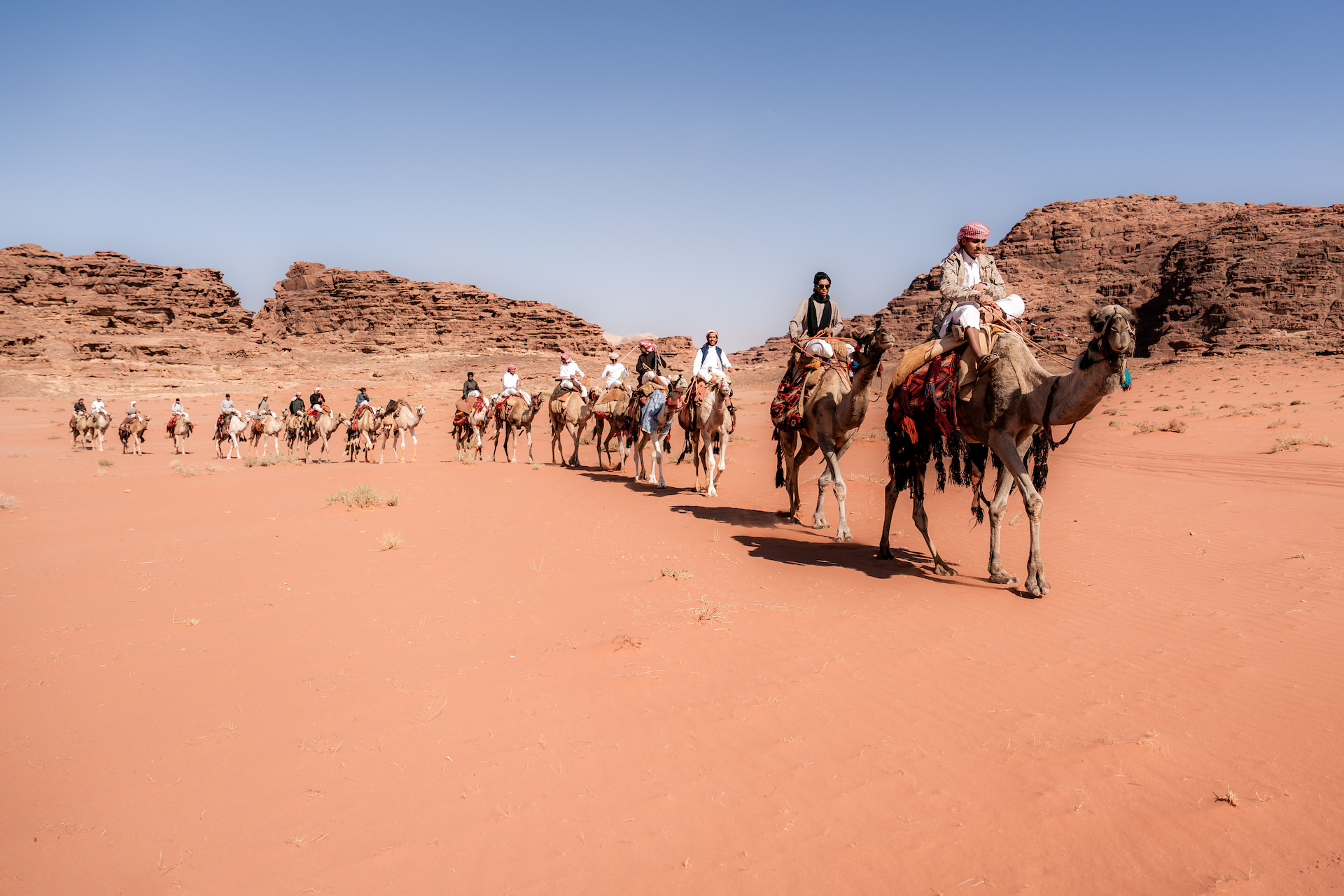
In the afternoon, local fisherman gave a music show and then ice cold drinks arrived for every participant via a camel.

Photo by Ian Corless

Of course, Born To Be Alive was played and bivouac turned into a desert rave.

Photo by Ian Corless

Stage 3

Photo by Ian Corless

Once again, two starts, 0430am and 0630am. Ahead, 26km’s and 733m+ on a point-to-point route that would provide everyone some of the best views that Wadi Rum has to offer. The large dune and the views from the top a highlight.

Photo by Ian Corless

Once at the finish, tears, joy and laughter, a hard earned medal the reward.

Photo by Ian Corless

A transfer to Petra post-race for an opportunity to experience one of the seven wonders of the modern world.

Photo by Ian Corless

Everyone was back at the Crowne Plaza for around 2000hrs. Of course, it’s all about priorities, several showers, fresh clothes and then dinner in the restaurant.

Final Day

Photo by Ian Corless

Was relaxed, a lazy breakfast, time by the pool, a swim in the Dead Sea and then at 1600hrs the awards ceremony took place followed by the MDS Jordan movie.

Photo by Ian Corless

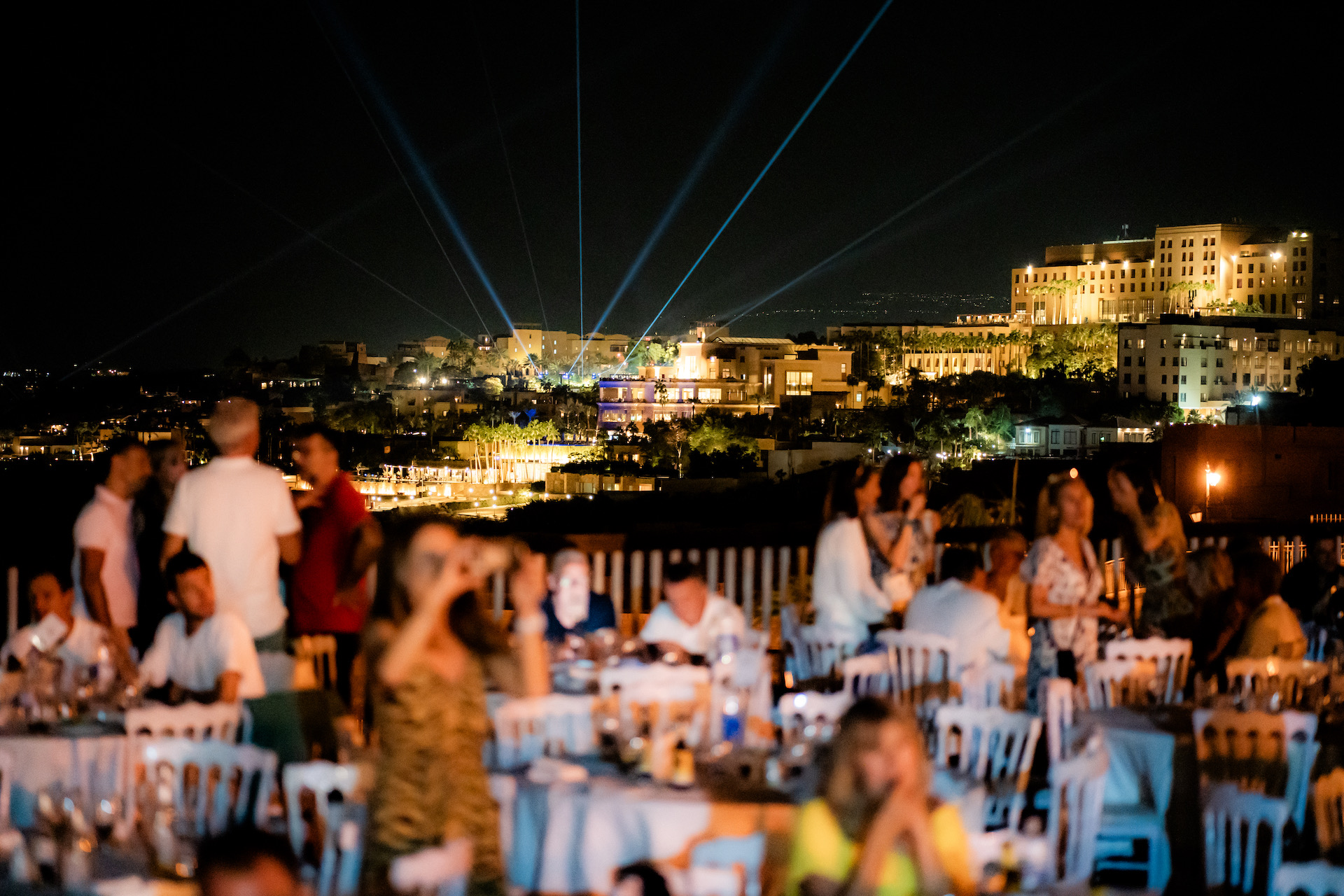
Dinner followed outside with remarkable night time views of the Dead Sea. DJ Robin as per usual played some banging tunes and the party and disco went on into the night and the early hours of the morning.

Another MDS Jordan complete.

Finally, while many things are transferable between all MDS events: clothing, pack, sleeping mat, sleeping bag, food etc, one thing is important and it cannot be emphasised enough, be prepared.

Plan for the best and worst case scenarios, plan for intense heat, plan for the cold, imagine your worst case scenario and have a solution. MDS events are self-sufficient for a reason, they bring a challenge and dynamic that is not present at other races, how you deal with it is very much part of the event.

Looking ahead!

Photo by Ian Corless

Now is time to recover, recoup and plan ahead for 2025. There are no shortage of events. Here is hoping we get to share more time at a MDS event soon:

  • MDS Atlantic Coast January 25th to Feb 1st
  • MDS The Legendary April 4th to 14th
  • MDS Raid Namibia April 26th to May 3rd
  • MDS Jordan May 9th to 16th
  • MDS Cappadoccia June 21st to 28th
  • MDS Fuerteventura September 28th to October 5th
  • MDS Morocco Oct 12th to 19
  • MDS Trek Morocco date tbc
  • MDS Jordan November 1st to 8th
  • MDS Peru November 29th to December 6th.
Photo by Ian Corless

WAA clothing, apparel and Ultra bag HERE

Marathon des Sables website HERE

Since 1986, the MARATHON DES SABLES has crossed the world’s most stunning deserts with several unique concepts: the MARATHON DES SABLES THE LEGENDARY (252 km in the Sahara Desert in Morocco), the MARATHON DES SABLES (70, 100, or 120 km spread over 3 stages), and the new 2024 concept, the MDS TREK (4 stages with a total distance of up to 120 km), offering an accessible adventure with optimal comfort. These international events have seen over 50 editions in various countries such as Morocco, Fuerteventura Island, Peru, Jordan, Turkey, and offer adventures that combine running/hiking in the desert with tourism.

Instagram – @iancorlessphotography

Twitter – @talkultra

facebook.com/iancorlessphotography

Web – www.iancorless.com
Web – www.iancorlessphotography.com

Oman Desert Marathon 2024 – Stage 1

Navigating a different route to the 2023 Oman Desert Marathon, stage 1 of the 2024 edition proved to be a tough challenge and one that saw the lead change in the latter stages to provide victory for Aziza Raji and Rachid El Morabity.

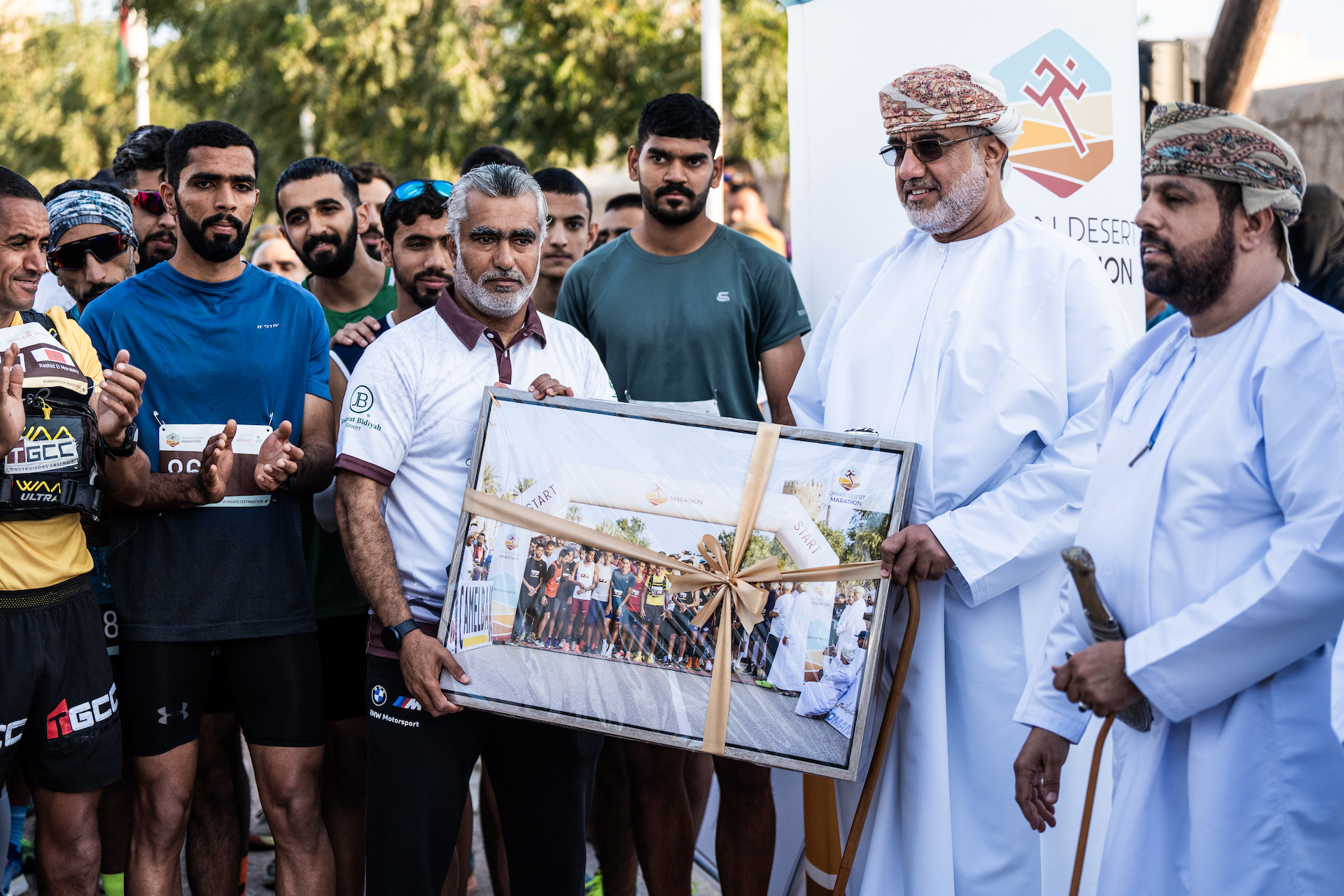
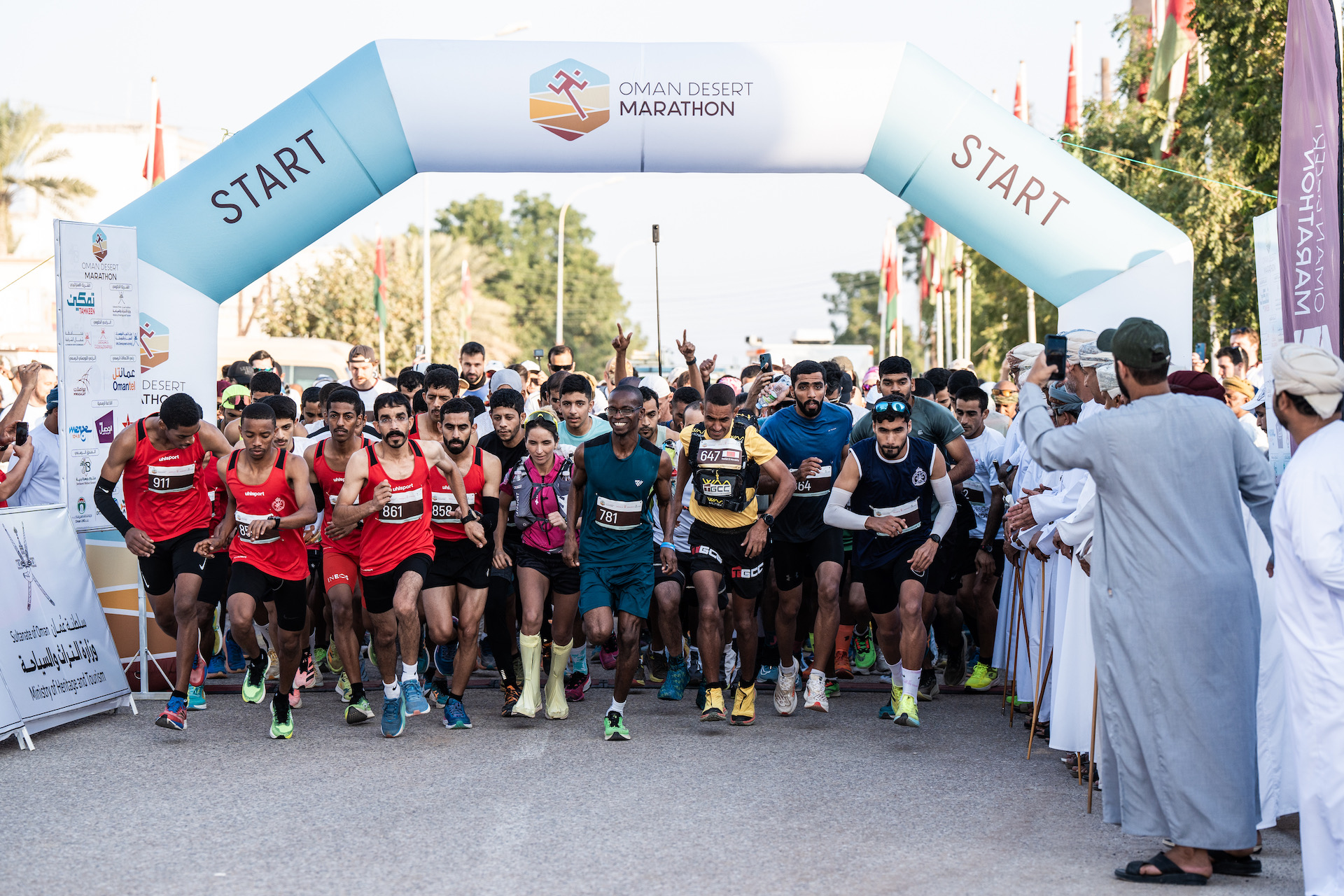
Starting in Bidiyah with a gala presentation of local dignitaries and local music, the event had a mass start for the 4-stage race, marathon, 21km, 10km and 5km.

The main event, the 4-stage 165km race navigating an almost circular route back to Bidiyah was initially lead with a charge from last year’s champion, Mohamed El Morabity with Khalid Al Jabri and Evgenii Glyva.

For the women, an in-form Aziza El Amrany forged away at the front looking very strong and focused.

As per usual, Rachid El Morabity paced himself with a relatively slow start keeping the other three protagonists in sight.

Behind Aziza, Aziza Raji and the French lady, Kathleen Leguin were both looking strong and relaxed.

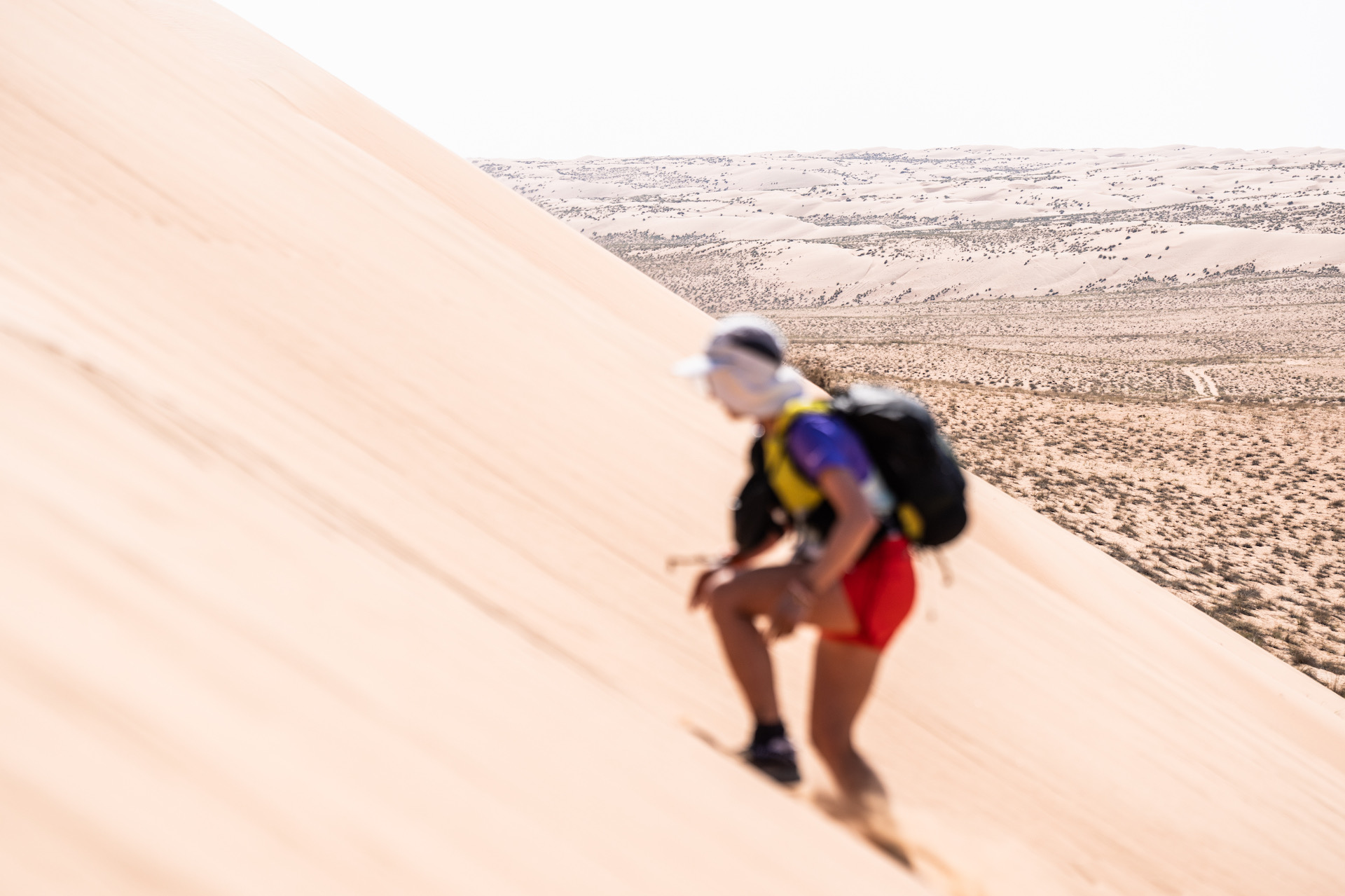
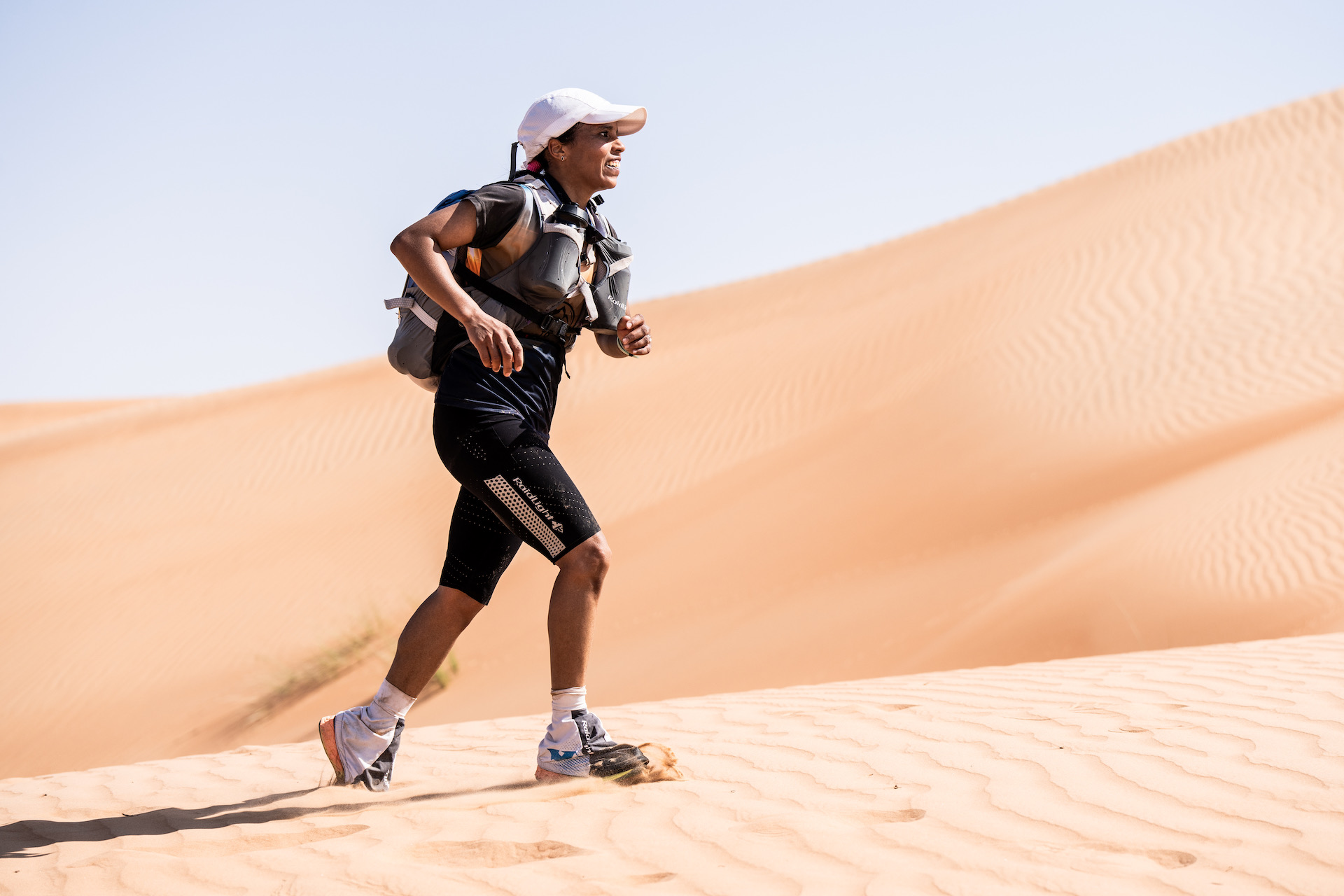
The opening 25km, post-race, was considered to be ‘easy’ in comparison to the tough and challenging terrain that followed; relentless soft-sand, dunes and rollercoaster terrain that sapped the body of strength, especially as the heat of the day came.

It was here that Aziza El Amrany relinquished the lead to Aziza Raji who looked much more relaxed in the challenging terrain.

Kathleen was also suffering, climbing a steep dune she had continuous moments of sickness and at the summit, she sighed, just 9km to go.

Rachid had now made his move and behind Mohamed El Morabity was fighting hard to hold a very strong Salah El Saidi, no doubt hampered by long travel and a very late arrival before race day.

The 2023 champion could not match the pace and finished 3rd, 3:39:20, 3:39:54 and 3:41:29 separated the men, making for an exciting stage 2.

Aziza Raji was super strong in the latter stages of the day and crossed the line in 5:22:36. Aziza El Amrany arrived in a surprising 5:49:18 and Kathleen was overtaken by Veronique Messina to finish 3rd in 6:18:55.

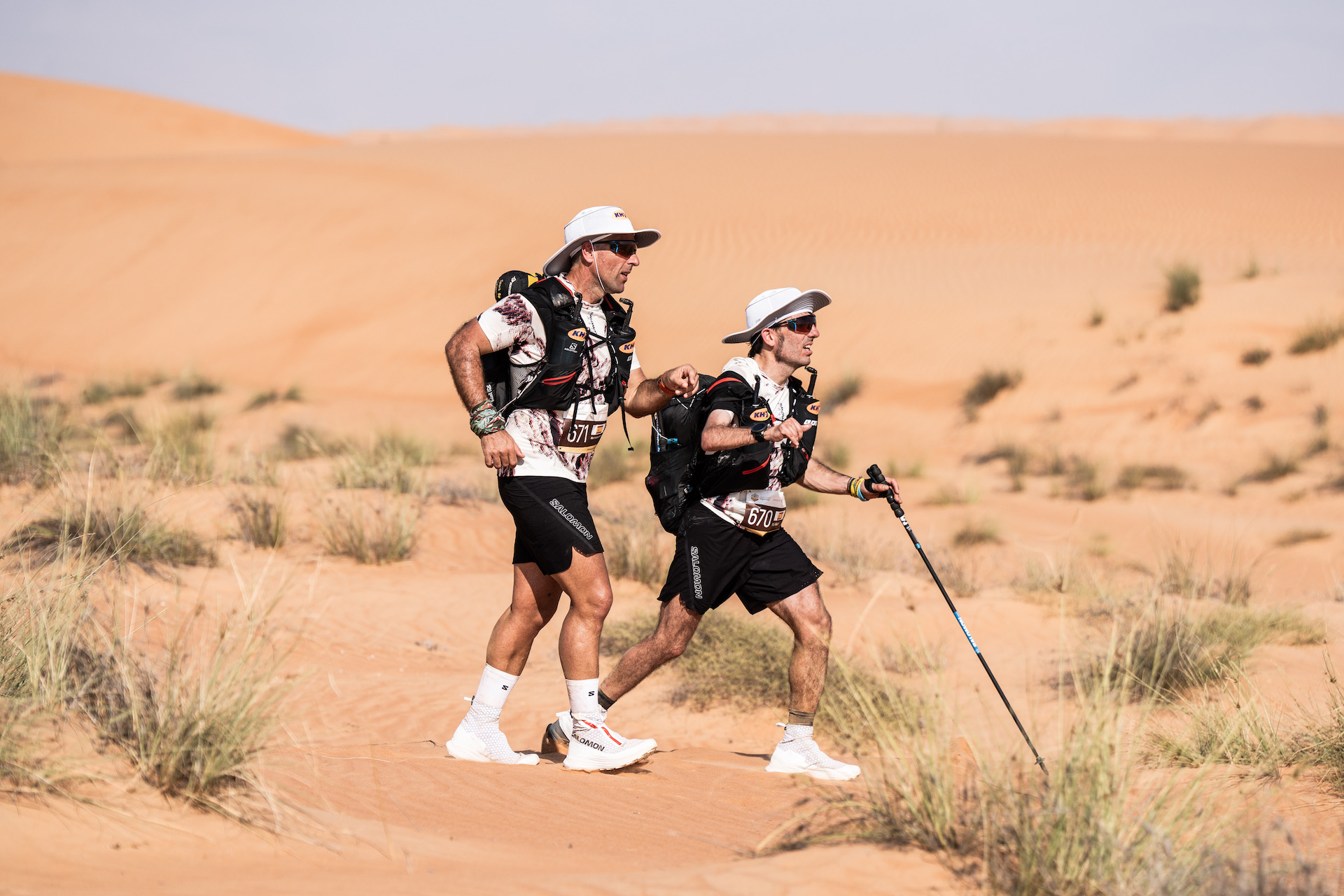
While the fast raced at the front, as in every race, stories begin to form behind. A notable one, Albert Jorquera who raced here in Oman in 2023, who this year runs with Pol Makuri who has Cerebral Palsy in the right side of his body. An inspiration to watch!

The duo finished the day in a brilliant time of 7:41.49, 19th and 20th.

As darkness arrives, the battle for the line continues. It’s been a tough first day here in Oman.

Full results HERE

Oman Desert Marathon website HERE

Follow on:

Instagram – @iancorlessphotography

Twitter – @talkultra

facebook.com/iancorlessphotography

Web – www.iancorless.com
Web – www.iancorlessphotography.com

Image sales –www.iancorless.photoshelter.com
Everest Trail Race by The Elements Pure Coconut Water #ETR2017 – Monkey Temple and Patan

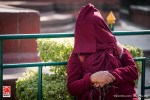
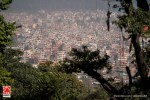
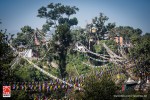
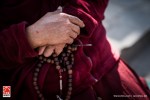
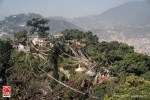
Today, the calm of the Monkey Temple and historical Patan. It’s a day of noise, colour and amazing people as the ETR runners relax and soak in the beauty of this magical area.
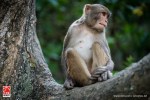
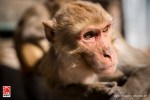
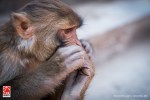
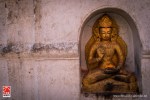
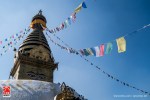
The Monkey Temple *’Swayambhunath’  is an ancient religious architecture atop a hill in the Kathmandu Valley. The Tibetan name for the site means ‘Sublime Trees’ for the many varieties of trees found on the hill. For the Buddhist Newars, in whose mythological history and origin myth as well as day-to-day religious practice Swayambhunath occupies a central position, it is probably the most sacred among Buddhist pilgrimage sites. For Tibetans and followers of Tibetan Buddhism, it is second only to Boudha.

Patan *Lalitpur Metropolitan City is the third largest city of Nepal after Kathmandu and Pokhara and it is located in the south-central part of Kathmandu Valley which is a new metropolitan city of Nepal. Lalitpur is also known as Manigal. It is best known for its rich cultural heritage, particularly its tradition of arts and crafts. It is called city of festival and feast, fine ancient art, making of metallic and stone carving statue.

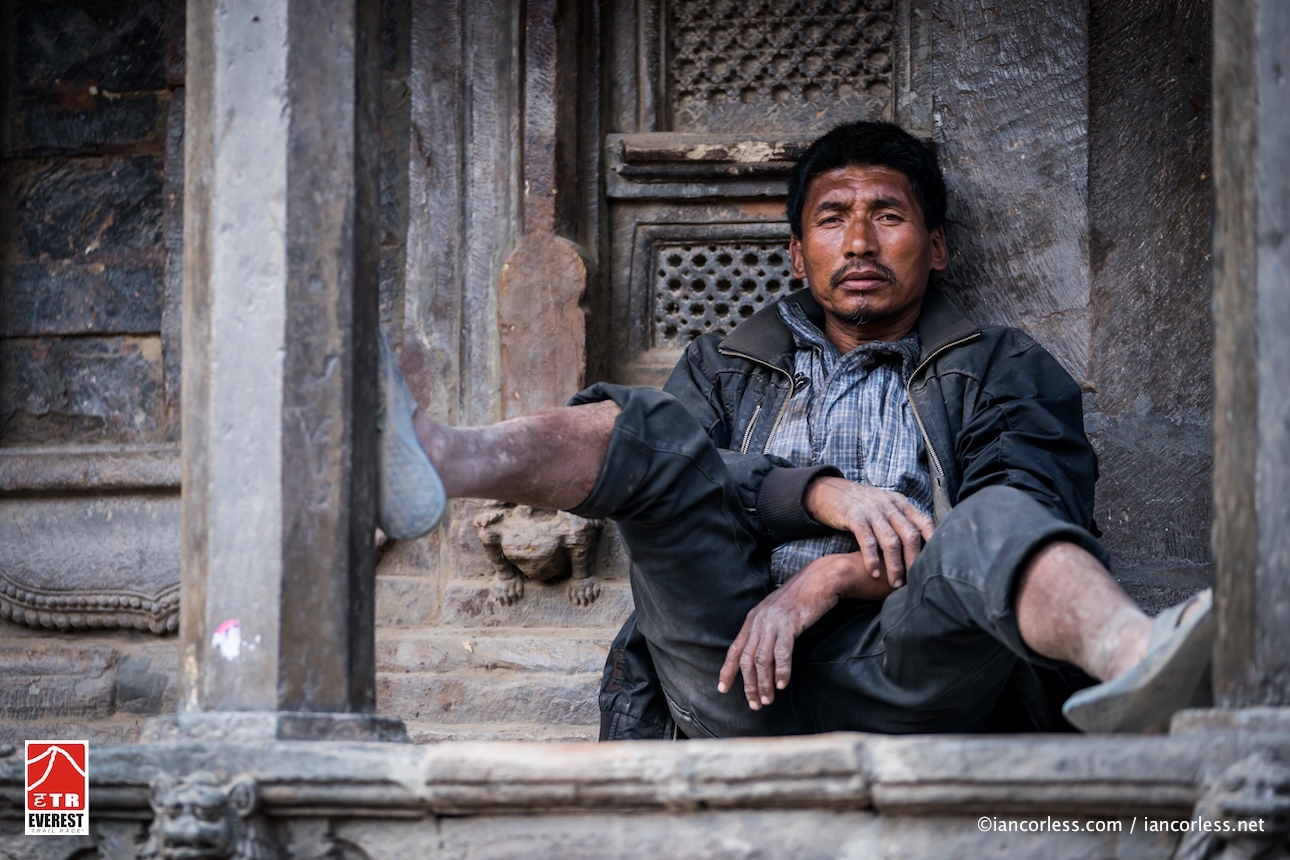
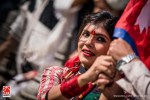
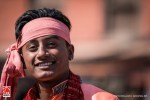
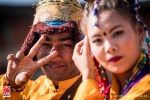
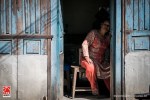
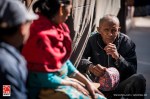
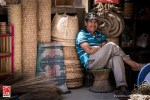
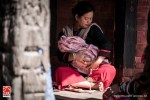
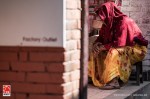
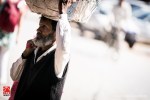
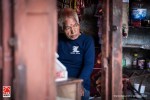
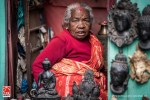
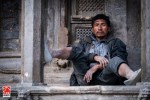
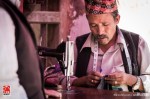
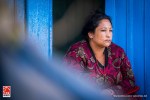
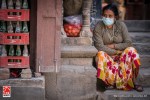
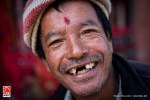
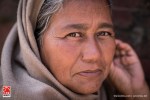
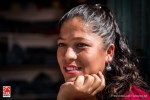
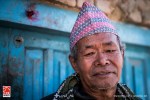
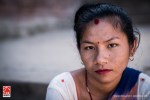
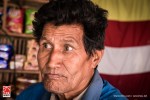
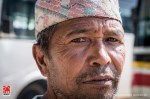
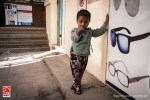
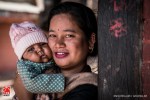
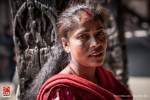
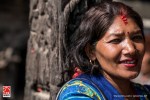
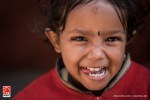
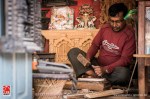
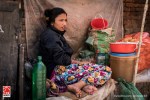
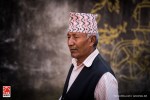
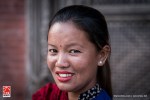
This is Nepal – the people.

Each year I am constantly surprised and blown away by my experiences as I meet the locals in their environment, some I now have seen for several years on my trips to these magical places.
*content reference ©wikipedia