How is your Posture? Part Trois – Marc Laithwaite

Image ©www.mbmyoskeletal.com

                                              Image ©www.mbmyoskeletal.com

Okay, so we’re now onto part 3 of the series and this week we are looking at exercises to correct anterior tilt of the pelvis, which creates the lordosis posture. If you’ve not yet read the last 2 week’s posts, you should read them first. Pt1 HERE and Pt2 HERE.

Why are these exercises important?

Anterior tilt occurs becuase specific muscles may be weak, tight or you simply don’t know how to activate / use them properly. The exercises will therefore strengthen, stretch or activate control of those muscles. By doing this, you will be more aware of correct posture / pelvic position and you will be better able to maintain correct posture / pelvic position during exercise and daily life.

What are the limitations of these exercises?

Don’t presume that by doing these exercises, you will automatically hold perfect posture whilst you are training and racing. The exercises will make it possible to CONTROL your posture, but you must consciously make it happen when you are exercising. I’ve seen many swimmers and runners completing endless drills in the pool or on the track, presuming it will impact on their performance. The reality is that they become awesome at performing the drills and it seems to make no difference to the actual stroke or running stride. The same applies to these exercises, you have to make the transfer happen in a practical setting. Drills and exercises are pointless unless you try to implement them when you actually exercising.

How do I implement them when exercising?

Simple, when running you should always try to run in a pelvic neutral position. The first step is being aware that you’re NOT in a neutral position, then you should be able to use your stomach muscles to rotate the pelvis into the correct position. It might help to do the same cycling, some simple posterior rotation mid ride can prevent hip flexors tightening too much.

What about open water swimming? How many of you get a bad back swimming in a wetsuit? Simple explanation, the stomach muscles are not strong enough and your lower back arches too much (bit like doing a BAD plank exercise and sagging in the middle). Couple this with the fact that a wetsuit gives you buoyant legs and a high head and your body is in a ‘U’ shape position in the water. You need to contract your abdominals and lift your stomach (GOOD plank) to straighten you out and get a level position in the water. The big issue is going from this position in a wetsuit to a complete opposition position leaning forwards on your aero bars, a postural nightmare.

Stop banging on, what are the exercises….

These are the simple exercises which should be done every day without fail. We thought the bext way to show you would be a little youtube video.

NEXT WEEK, we’ll look at the stitch and breathing issues. We’ll also have a look at some of those cramping issues and suggestions to stop calf cramps when swimming etc.

Please pardon by pelvic tilting, it’s not the best viewing. IF YOU FIND THE VIDEO TOO SMALL, click on the YouTube icon, bottom right hand of the video player, it’ll open in YouTube. HERE

About Marc:

Sports Science lecturer for 10 years at St Helens HE College.

2004 established The Endurance Coach LTD sports science and coaching business. Worked with British Cycling as physiology support 2008-2008. Previous Triathlon England Regional Academy Head Coach, North West.

In 2006 established Epic Events Management LTD. Now one of the largest event companies in the NW, organising a range of triathlon, swimming and cycling events. EPIC EVENTS also encompasses Montane Trail 26 and Petzl Night Runner events.

In 2010 established Montane Lakeland 50 & 100 LTD. This has now become the UKs leading ultra distance trail running event.

In 2010 established The Endurance Store triathlon, trail running and open water swimming store. Based in Appley Bridge, Wigan, we are the North West’s community store, organising and supporting local athletes and local events.

Check out the endurance store HERE

Endurance Store Logo

How is your Posture? Part Deux – Marc Laithwaite

©copyright .iancorless.com._1120617

So last week we introduced the subject of ‘lordosis’ or ‘anterior pelvic tilt’ and how it impacts upon runners and triathletes. In the blog I stated that from my experience, athletes with lordosis or anterior tilt are at high risk of suffering the following injuries or problems:

  1. Lower back pain (pretty much always a link between lower back pain and anterior tilt of the pelvis).
  2. Constant tightness in the hamstrings (certainly can’t touch your toes!).
  3. Possible pain or tightness in the front of the hip/groin area.
  4. Potential cramp or spasm in the quads (front of your thighs), more common running downhill.
  5. Running ‘stitch’ (bearing in mind that a stitch is a word used to describe and pain in the abdominal region when running!!).
  6. Problems breathing (can’t breathe deep and have to breathe rapid and shallow), sometimes but not always coupled with stitch.
  7. For triathletes, these problems are worse when running after cycling (when running immediately after cycling your hamstrings are tight, get quad cramps and breathing difficulties or stitches).

The aim of today’s blog is to explain the potential reason why each of the above happen, linked to lordosis posture.

Some basic things to understand:

In last week’s blog we discussed that the pelvis can tilt forwards or backwards, dictated by which muscles are pulling and in which direction. The 4 muscle groups we discussed were:

1. Core abdominals
2. Lower back
3. Hamstrings (rear of thigh – including glutes)
4. Hip flexors (front of thigh / hip)

when you have lordosis posture we said that the hamstrings and hip flexors are tight, as are the lower back muscles. The core abdominals are generally weak.

Why are muscles tight?

It’s important to understand why muscles are tight, as there is more than just one reason. If you stretch a muscle and make it longer, you will inevitably make it tighter. It’s simple to understand, imagine a muscle is like an elastic band. Pull the elastic band and lengthen it, it gets tighter. However, muscles can become tight because then are shortened, NOT lengthened. Initially this doesn’t make sense, think about the elasatic band, if you stop pulling it and allow it to shorten, then it relaxes. Generally muscles will get tighter when stretched and lengthened and relax when shortened, but not in every case.

Shorter and tighter

Imagine if you put your leg in a plaster cast for 6 months with your knee bent at 90 degrees. When you bend your knee, this shortens the hamstring. When the day finally arrives to have the cast cut off, it’s unlikely that you will be able to straighten your leg. The reason for this is that the hamstring muscle has spent so long in a shortened position, it’s now stuck at that length! Here’s the critical thing, if muscles spend a long time in a shortened position, they eventually get used to that length and it becomes relatively permanent. The irony is that they were initially shortened, which made them relax. They got used to that shortened position, adjusted in length and eventually that makes them feel tight!!

Confused?

Let’s simplify this, some muscles get ‘stretched’ which makes them feel tight and some muscles get ‘shortened’ which makes them feel tight. It just anterior-pelvic-tiltdepends on whether you lengthen it (stretch it) or shorten it (and leave it shortened for a long period of time). Check out our image which we used last week, here’s what happens to our 4 muscle groups:

1. Hamstrings get pulled upwards (stretched) and this makes them feel tight.
2. The hip flexors are shortened and over time they adjust in length (feel tight)
3. The lower back muscles shorten and over time they adjust in length (feel tight)
4. The abdominals are stretched (you won’t feel this like stretched hamstrings)

Why am I getting the symptoms you’ve written above?

Ok, so at the start of this blog I listed the possible symptoms of lordosis. I think the 4 points directly above explain the reason for lower back pain, tight hamstrings and tightness in the front of the hip / groin area. Let’s just take a closer look at the lower back pain. How does the lower back pain feel? Does it feel tight (like a tight hamstring) or is it more of a sharp, disabling ‘spasm’?

Spasm or cramp?

We’re going off into weird territory now, but this is a really worthwhile discussion. When a muscle contracts very sharply (often painfully), we refer to this as a ‘spasm’ or sometimes we call it a ‘cramp’. They may sound different to you, but we tend to use the words interchangeably for the same thing, largely because we’re confused and really don’t fully understand what’s going on.

When people get cramp in running races, generally they are in a state of fatigue and often they blame a lack of salts. It’s unlikely that loss of salt is causing cramp, but that’s a whole scientific discussion we’re not going to have in this blog. Back to the point, when people are knackered, they start to cramp. Whether it’s 22 miles into the marathon, 95 miles into a bike ride, it happens when you’re tired, ran out of fuel, feel dehydrated and generally in an all round bad state.

Here’s an interesting question then, why do people sometimes get cramp in their feet whilst they sleeping? How vigorous is your sleeping? Do you need to be waking at regular intervals to take on board electrolyte drinks? If you’re a triathlete, you may well have suffered from calves cramping during the swim, especially in open water. How dehydrated and fatigued can you really be during the early stages of a triathlon swim? That doesn’t make sense at all.

Geeks will love this…

I’m not pretending to give you the definitive answer to this question, but here is an opinion and some ideas. At this point let’s introduce the subject of ‘stretch receptors’ and the ‘stretch reflex’. You have receptors in your muscles and they detect how much and how quickly a muscle is stretching. If they believe a muscle to be stretching too much and too quickly, they trigger a contraction to protect the muscle. The best example of this (you will all have experienced the action of the stretch receptors), is running along happily and suddenly going over on your ankle. As you roll your ankle, the muscles on the outside of your lower leg contract and pull the foot back into position. You hobble for the next few steps, before realising that you got away with it and the ankle is still in one piece. What happened in that split second was not a conscious decision, you didn’t note that you had rolled your ankle or think about trying to correct it, the whole episode ‘just happened’, it was a contraction triggered by the stretch receptors.

What’s this got to do with cramp (or spasm for that matter)

When cycling, your hip flexors are in a shortened position (if your thigh is close to your stomach, hip flexors are shortened. The more aero, the more they’re shortened). Sometimes if i’ve been riding my bike for several hours, when i unclip, step off and stand upright, i get a ‘spasm’ in my hip flexors. I usually ‘crunch forwards’ immediately and then in goes. The likely cause of that small hip flexor spasm is the fact that the muscle has been working in a very short position for several hours. Over that time, the stretch receptors become accustomed to that shortened length. At the end of the ride I suddenly stand up vertical and the hip flexors lengthen dramatically. The stretch receptors are confused, causing a panic response which is a sudden sharp contraction (my little spasm) and it’s done to try and stop me lengthening the hip flexors too much or to quickly.

I’ve had this response before. My saddle height was too high which meant that I cycled with my toes pointing down slightly (posh term is planter felxtion, you can have that one for the next pub quiz). As my toes pointed down slightly, the calf was in a shortened position until the end of the bike ride. When I jumped off and started to run, the calf was suddenly lengthened and my stretch receptors (who had become comfortable with the shortened position during the bike) were alarmed by this sudden change, so reacted the only way they knew how, they initiated a sharp contraction (my calves cramped). It’s worth pointing out that most triathletes will cycle with a slightly ‘toes down’ position, so this problem is common.

Another example, a slightly shorter friend of mine, who is often referenced in this blog did the Ironman triathlon a few years ago. During the swim his calf kept ‘cramping’ and when he got out of the swim onto dry land, it cramped severely to the point where he could not walk! If fact, the cramp was so severe, he coudn’t run the marathon later in the race (to be fair, he probably wouldn’t have been able to run it under any circumstances). During open water swimming, the toes are pointed (it’s that plantar flextion thingy again), this means the calf is in a shortened and relaxed position. It’s probable that the stretch receptors become comfortable to that shortened position and perhaps become a little confused with this sorter length. When the calf is suddenly lengthened or sometimes when it isnt’t legnthened at all, this confusion in muscle length means that the stretch receptors trigger a sudden contraction. Sometimes the contraction is so strong, it can tear the calf muscle (or any other muscle), this is why severe ‘cramp’ as people often refer to it as, can lead to pain for several days.

How is this linked to the subject of lordosis?

In the original list of symptoms, we listed hip flexor cramps and quadricep cramps. Anterior tilt causes shortening of the hip flexors and the spasm I mentioned above, when I get off my bike is caused by lordosis / anterior tilt. In terms of quad cramps, one of the 4 quadricep muscles acts as a hip flexor. It’s called Rectus Femoris and if it’s tight, it tilts the pelvis forwards. In fact, there’s a strong research link between Rectus Femoris and back problems. If you have an enterior tilt of the pelvis (e.g. running after cycling) the Rectus Femoris muscle is in a shortened position. Running downhill encourages an anterior tilt of the pelvis and I’ve spoken to several people who in triathlon events, have suffered ‘cramp’ in the quads, in particular running downhill. It generally involves both legs completely locking.

Here’s the thing. All of the above scenarios are relatively common and advice tends to favour ‘salts and electrolytes’ to prevent the ‘cramp’. There is a real case of cramp or spasm caused by fatigue and dehydration, such as the 22 miles point in a marathon, but that’s not the simple answer. If you take the common example of cramping calves in open water swimming, there’s no way on earth that’s caused by fatigue or salt loss, all of the above can be explain by unnatural shortening of muscles and confusion of the muscle spindles and nervous system, resulting in a sudden contraction.

Okay, I haven’t touched on the stitch or breathing issues. I’d not anticipated on rambling so much. I could get 4 weeks out of this, it’s turning out better than expected. Next week we’ll talk about corrective exercises and ways to stop these problems. The following weeks, we’ll look specifically at breathing issues and the dreaded ‘stitch’.

If you suffer from calves cramping during swimming, hip spasms getting off the bike during long rides, quads cramping or any of the above, then reply and let us know with a single line. We can then tailor next weel’s exercises to the reponses and problems you have.

If you found this blog useful or interesting, we’d really appreciate a share, re-post or retweet on social media.

Until next week, stay relaxed.

About Marc:

Sports Science lecturer for 10 years at St Helens HE College.

2004 established The Endurance Coach LTD sports science and coaching business. Worked with British Cycling as physiology support 2008-2008. Previous Triathlon England Regional Academy Head Coach, North West.

In 2006 established Epic Events Management LTD. Now one of the largest event companies in the NW, organising a range of triathlon, swimming and cycling events. EPIC EVENTS also encompasses Montane Trail 26 and Petzl Night Runner events.

In 2010 established Montane Lakeland 50 & 100 LTD. This has now become the UKs leading ultra distance trail running event.

In 2010 established The Endurance Store triathlon, trail running and open water swimming store. Based in Appley Bridge, Wigan, we are the North West’s community store, organising and supporting local athletes and local events.

Check out the endurance store HERE

Endurance Store Logo

The DRAGON has been unleashed #DragonsBackRace 2015

©iancorless.com_DragonsBack2015Day1-4051

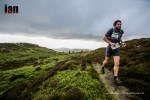
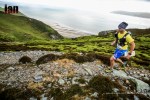
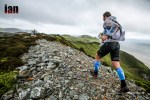
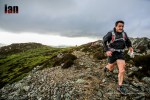
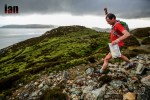
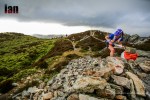
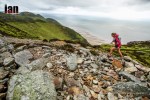
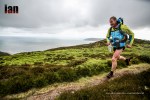
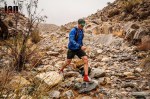
The DRAGON has been unleashed and the 2015, 3rd edition of the #DragonsBackRace is underway. Here are a few images from the first summit of the day, as you can see, the rain is already here and the wind was blowing in strongly from the sea.

©iancorless.com_DragonsBack2015Day1-3996As in 2012, a Welsh male voice choir started the race and on the stoke of 0700 the runners were off! Running around the Conwy Castle walls they all have a tough day ahead that includes the Snowdon horseshoe route and the challenging Crib Goch. At just under 50km, it’s going to be a challenging first day.

Live tracking is available here: http://www.dragonsbackrace.com/live-tracking/

Followon Twitter – @DragonsBackRace @TheRealBerghaus @talkultra

Facebook – facebook.com/iancorlessphotography

Ultra Skymarathon Madeira #USM2015 – Race Images and Summary

©iancorless.com_USM2015-3343

Images to purchase HERE

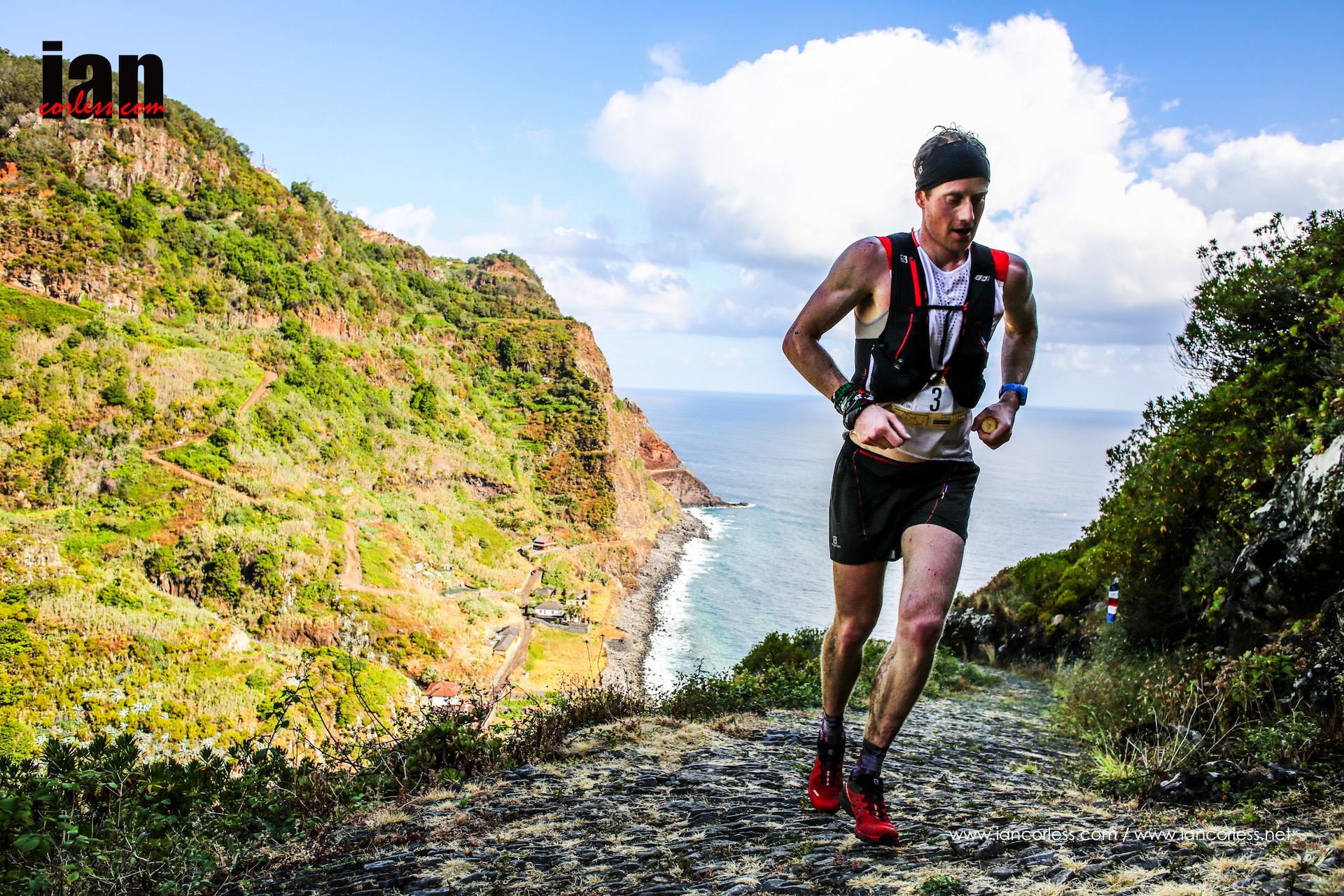
Waking up at 0400 to pouring rain is never a great way to start a day, particularly when you have 55km of tough, challenging and mountain terrain to get over. After a couple of recce runs in the days leading up to the race, it became very clear that the USM was going to offer a very tough challenge.

Stevie Kremer had flown in from Colorado and was praying for sun. Ricky Lightfoot and Aritz Egea are from Cumbria and the Basque country and ‘it always rains’ they told me, so no need to ask what they hoped for.

The USM course is a unique one. Weaving up and down mountains, around beaches, through dense undergrowth, up a riverbed and of course plenty of climbing and descending. It’s not your ordinary Skyrunning course!

Departing the start line at 0600 on the dot, the runners disappeared down a darkened lane with only head torches and rain for company. It was a brutal start to the day, just 1km to warm up and then a climb of 1400m.

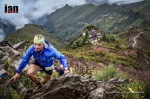
Onwards and upwards the runners climbed and a section of via ferrata at around 6km provided a taster for the final push to the summit. It wasn’t easy going. The mist had come in and visibility was poor. Add to this constant rain and steep gradients.

Ricky Lightfoot and Zaid Ait Malek were the first to appear. The contrast between the two striking, Ricky is tall and well built and a fireman by trade. Zaid is Moroccan, small and probably only about 50kg in weight when completely wet through and wearing three layers of clothes.

They matched each other step-by-step. Minutes later, Aritz Egea appeared looking calm and relaxed in the wet and challenging conditions. With 90 minutes of the race elapsed, the main male contenders came thick and fast and with them, Stevie Kremer.

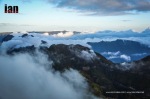
It was sometime before the 2nd lady Ester Alves came into sight and the writing was on the wall. Stevie was going to need to crumble to loose this race. Descending over the summit, an inversion came in allowing the surrounding vistas to come clear. It was quite special to see so many mountains and trails all above the cloud.

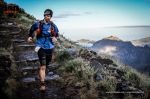
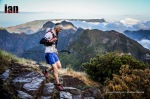
Running the ridges and several more climbing sections, the front of the race didn’t change until a decisive phase around the 30km mark. Climbing from the sea and beach, Ricky Lightfoot continued to extend his lead looking strong. However, Zaid Ait Malek looked in trouble and Aritz Egea was closing. After 5km of ridge running and a technical descent, a riverbed with boulder hopping awaited.

Ricky was long gone but here Aritz moved ahead of Zaid. It looked like a decisive move but as we know, nothing is guaranteed in racing. Behind, Clemente Mora and Nuno Silva were coming to life. In particular Nuno, he ran over the boulders in the river like a man possessed.

But another long climb needed to be ascended and descended before the finish line and here the podium changed. Zaid was having trouble and feeling dizzy. His only option to ease off the pace providing a gateway to third. As Clemente and Nuno battled for 3rd, Aritz exploded through a lack of calories and was forced to jog/ walk it into the finish. Seizing an opportunity, Clemente proved the stronger and finally pulled away from Nuno and they finished 6:17:22 and 6:24:57 respectively behind Rick Lightfoot’s new course record, 6:09:56.

©iancorless.com_USM2015-5844

Steve Kremer was almost in another race by the time the riverbed and the final climb came. However, she did say she wasn’t feeling great. This was the longest race she had ever run! It was academic, Stevie despite what she said ran into the finish looking strong in 7:33:37 almost 45 min ahead of 2nd placed Ester Alves in 8:14:45. Lucia Franco took the final podium place in 9:01:53.

Post race, Stevie went on to say, ‘USM is one of if not the hardest race I have ever done. I think it is a much harder race than Zegama-Aizkorri. It was relentless terrain and the conditions just made it so much harder. Race organisation was brilliant and course marking superb. It was brilliant but so tough.”

By contrast, Ricky seemed relaxed after his run, ‘It was a great course and one that embodies Skyrunning exceptionally well. However, the first hour of the course is not designed for someone as tall as me! All those trees that needed to be crawled under; I was bent double,’ he said with a laugh. ‘Zaid is only tiny so he could just run. I felt like I was crawling. The views when the mist lifted were incredible. It was almost as though I was running in another race.’

The 2nd edition of the Ultra Skymarathon Madeira has been a great success. Madeira is an amazing island with a tough and challenging course. The future looks bright for this new addition to the Skyrunning calendar.

Results:

  1. Stevie Kremer 7:33:37
  2. Ester Alves 8:14:45
  3. Lucia Franco 9:01:53
  1. Ricky Lightfoot 6:09:56
  2. Clemente Mora 6:17:22
  3. Nuno Silva 6:24:57

All images ©iancorless.com – all rights reserved

Damage Limitation by Marc Laithwaite

©iancorless.com_RichtersveldRaceDay22015-8568

The term D.O.M.S. is used frequently within the world of endurance, it represents the ‘Delayed Onset of Muscle Soreness’. The name refers to the fact that sometimes you don’t actually feel the effects of a training session or race until the following day when you step out of bed. Those who have ran a marathon will understand the sensation. You cross the line and undoubtedly you’re tired but there isn’t a great deal of physical pain. However, the next morning, or perhaps even the morning after that, your attempts to walk downstairs backwards provide the family with the highest level of entertainment they have ever experienced.

The same may be said of the inexperienced cyclist who decides to enter a 100 miles hilly cycle sportive, despite a poor training background. Aside from the embarrassment of being unable to sit down for a week, the morning after generally requires a family member to assist their descent to breakfast. So what’s happened? Has someone been repeatedly battering your tired legs throughout the night whilst you failed to wake from your exercise induced, coma like sleep? The answer lies with D.O.M.S. and the inflammation process.

The inflammation process

During a marathon running event the muscle tissue is damaged due to repeated stress and this triggers the inflammation process. The damage occurs ‘during’ the marathon but the inflammation process takes 24-48 hours to reach its peak, so the pain you feel the following morning was actually happening ‘real time’ during the second half of the race.

An important note to make here is that when people slow down in the final 6 miles of the marathon, we generally assume it is caused by low carbohydrate stores, often termed ‘hitting the wall’. However, there is likely to be a significant amount of muscle tissue damage by this stage in the race which will undoubtedly have an impact upon performance. Due to the D.O.M.S. effect, we rarely discuss the significance of tissue damage during the event. It’s important to recognise that the pain you experience 24-48 hours after the race is caused by damage which happened ‘real time’ in the second half of the marathon. That’s why you were getting slower!!

*Part of the inflammatory process involves fluid build up in the damaged area, due to this fluid build up you may weigh more 24-48 hours after the marathon that you did before, perhaps even 1-2kg extra in weight! Don’t worry.. it’s just water and it will pass.

How do I know if I’ve got tissue damage as opposed to simply having tight muscles?

  1. It’ll be very ‘tender, warm and swollen’ and if someone squeezes your leg you’ll instinctively want to punch them (NB: they never see the funny side of your response).
  2. When you stretch, it makes no difference to the tenderness, the pain still exists (it’s not tight, its damaged) and its probably better if you actually don’t stretch!

*Myth explosion – the pain and tenderness the day after the event has absolutely nothing to do with lactic acid in the muscles. It’s an old wife’s tail and I’m not even open to discussion on the matter.

How does damage affect performance?

You don’t have to be a rocket scientist to understand that a damaged muscle will not work as effectively as a healthy muscle. However, aside from the actual physical damage directly affecting performance, it’s possible that the inflammation process is acting on a much higher plane and going straight to the governor.

The central governor

There are various theories regarding ‘why we slow down’ and one of the most prominent in recent years has been the ‘central governor’. This theory suggests that fatigue is controlled by the brain (which can effectively switch off nerve signals to muscles) rather than fatigue being controlled by ‘peripheral factors’ such as the ‘actual muscle damage’.

Okay, here is a simple example:

  1. The muscles is damaged and therefore doesn’t work well, as a result you slow down. That is ‘peripheral control’, the muscle is damaged and the muscle doesn’t work, at no point is the brain involved.
  2. The muscle is damaged and somehow the brain’s monitoring system detects this. As a result the brain blocks nerve signals to the muscle so it can’t function fully and you are forced to slow down, that’s central governor control.

Why are we talking about central governor and gone off track from inflammation?

Yep, I was hoping you’d ask that. When we damage a muscle we kick start the ‘inflammatory process’ which is a chain of events involving a series of chemicals, each having a different purpose and action. One of the most widely researched in a chemical known as Interleukin-6 (IL-6) which is released into the blood stream during early stages of muscle damage and inflammation. Research suggests that IL-6 is detected by the brain and as a consequence, the brain then acts to slow you down in some way. In an old study (completed by Tim Noakes 2004) runners completed 2 separate 10k runs a week apart. They were healthy during both but prior to the second run they were injected with IL-6 and ran almost a minute slower.

Just stop and think about this for one second

Look at the 2 examples given at the top of this page for ‘peripheral control’ and ‘central control’. These 10k runners did not have muscle damage prior to either 10k, they were healthy, fuelled and ready to go until injected with IL-6. Their slower time cannot be explained by muscle damage, low fuel or any other form of peripheral control. The only possible explanation is the circulating chemicals. The chemical IL-6 has even been suggested as a possible cause for the lethargy associated with ‘chronic fatigue’ or ‘chronic overtraining’. We know that all general illnesses and all forms of stress kick start the inflammation process and that in turn creates IL-6.

How does energy and nutrition relate to tissue damage?

VERY IMPORTANT: In previous blogs we have talked a great deal about carbohydrate and fat use during exercise and how to refuel. There is a presumption that if you refuel correctly and use fat as a fuel source, you will be successful in endurance events. As a consequence, when people fail to hit their target times, the first thing they turn to as an excuse is ‘failing to get the nutrition correct’. We treat nutrition as some kind of magic wand and if it’s done correctly, you can cycle and run forever, but the reality is very different. It doesn’t matter how much fuel you pour into a broken car, it isn’t going to drive anywhere fast. Without the conditioning which comes from running long miles on hard surfaces, even the most fuel efficient athletes will break down due to tissue damage. CONSIDER THIS: The energy used when cycling and running at a steady pace are not significantly different (slightly higher for running). However, many people who can cycle for 6 hours with little issue, will find themselves in pretty bad shape after as little as 2 hours of running. So ask yourself this question, is it fuel intake or is it damage causing the issue?

What causes the damage?

  1. Damage will be far greater if you’re not conditioned to the distance and terrain. In simple terms you need to spend time on your feet and do the longer sessions.
  2. Harder surfaces are more likely to cause damage, although this isn’t always strictly true as runners do become accustomed to the surface they train on.
  3. Running down hill is the real killer as the muscles contract eccentrically, braking your speed, thereby causing much greater damage.
  4. This isn’t limited just to running. Cycling for several hours and repeatedly performing the same pedal action will lead to muscle tissue stress and damage.

How can you avoid the damage?

  1. As above, you need to complete longer sessions, including downhill running if relevant.
  2. It’s possible that damage may be reduced, by using compression clothing. Research is very poor but ‘subjective’ feedback suggests that it certainly helps.
  3. Your weight will have an impact upon damage, if you have a few KGs to lose, it will help!
  4. Whilst this is a subjective / commercial / controversial addition to the list, specific shoes such as HOKA which are specifically designed to reduce impact can reduce damage and associated DOMS.

What should I do if I have tissue damage?

  1. Rest and let your legs recover for a few days.
  2. Avoid very deep post event massage or stretching, sticking fingers into or stretching damaged tissue is never a good idea, wait a few days at least.
  3. After a few days do some light exercise such as cycling to encourage blood flow to the area and assist the repair process.

If you found this article useful, it would help us a great deal if you share on Facebook, Twitter and social media.

Until then, limit the damage…

About Marc:

Sports Science lecturer for 10 years at St Helens HE College.

2004 established The Endurance Coach LTD sports science and coaching business. Worked with British Cycling as physiology support 2008-2008. Previous Triathlon England Regional Academy Head Coach, North West.

In 2006 established Epic Events Management LTD. Now one of the largest event companies in the NW, organising a range of triathlon, swimming and cycling events. EPIC EVENTS also encompasses Montane Trail 26 and Petzl Night Runner events.

In 2010 established Montane Lakeland 50 & 100 LTD. This has now become the UKs leading ultra distance trail running event.

In 2010 established The Endurance Store triathlon, trail running and open water swimming store. Based in Appley Bridge, Wigan, we are the North West’s community store, organising and supporting local athletes and local events.

Check out the endurance store HERE
Endurance Store Logo

Richtersveld Widrun 2015 Day 2

©iancorless.com_RichtersveldRaceDay22015-8875

What a night! The wind blew, gusted and lifted tents off the ground. We were told yesterday that the last time it rained in the Richtersveld was August 2014. Well believe me, when the weather changes; it really changes!

The excitement continued into the morning and although the rain subsided (for a little while), the wind was going to be with the runners all day. Starting in three separate groups, 0800, 0830 and 0900 the field were split based on finish times from day 1; slower runners starting first at 0800 and faster runners starting last at 0900.

James Cracknell, the 2-time Olympic Gold Medallist for rowing finally joined the race after an epic journey of 48 hours. He departed Poland at 1900 on Sunday after commentating at the Rowing European Championships. He flew back to the UK, then flew to Joburg and followed with a connecting flight to Upington. The journey was finished off with 10 hours in the car to the race day 2 start line.

James arrive at 0800 in camp just giving him 60 minutes to sort out his equipment and get his head ready for a day on South African trails.

As expected, Thabang Madiba showed everyone a clean pair of heels as he slowly pulled away from Katya Soggot, Dayle Wheeler, Nikki Kimball and James Cracknell. Conditions were tough throughout the day and the beautiful Richtersveld landscape was shrouded by mist and permanent rain that varied in intensity.

Climbing and descending to Cp1 the runners once again climbed up and over the pass at  Tswayiberg before then dropping down into the technical riverbed that would lead to the finish.

Thabang at this stage was already leading by over 10 minutes, behind Katya Soggot, Nikki Kimball and Dayle Wheeler pursued with James Cracknell not far behind. James was certainly struggling on the slick wet rocks as he slid from left foot to right with the occasional shout of ****ing hell! A groin strain picked up at London Marathon adding to his frustrations.

At the line, Thabang Madiba completed the 36km stage in 3:14:03 with Soggot, Wheeler and Kimball crossing the line together in 3:33:35. Cracknell held on fighting some severe discomfort to finish in 3:41:56.

Georgina Ayre who had run well on day 1 frustratingly repeated Nikki Kimball’s error and made a navigational mistake by taking the wrong riverbed. This mistake was costly, as she finished the day 1 hour behind Soggot and Kimball. Karoline Hanks was 3rd lady on the day in 4:03:23.

As the day came to a close, a break in the weather came and with it the sun, a welcome return! Everyone has fingers crossed for a warm and sunny day 3 at the Richtersveld Wildrun.

Results Overall

Thabang Madiba 6:45:35

Dayle Wheeler 7:14:49

Katya Soggot (1st lady) 7:25:22

Karoline Hanks (2nd lady) 8:13:05

Nikki Kimball (3rd lady) 8:13:06

Filippo Faralla (3rd man) 8:13:10

Altitude Training For Endurance Performance – Marc Laithwaite

©iancorless.com_GlenCoeMay2015-6345

The higher you go, the ‘thinner’ the air becomes. The reduction in air pressure leads to less air resistance, so athletes who sprint, jump and cycle often perform better at high altitude venues. For endurance events, this lack of air pressure becomes a significant issue, as it leads to less oxygen in the blood stream, which impact upon aerobic performance.

What is air pressure?

Air pressure is measured as mm Hg (millimetres of mercury), if you’ve got one of those weather things at home or in the garden, you’ll often see ‘mm Hg’ on the scale. Standard air pressure at sea level is 760 mm Hg, that’s how much resistance you have to overcome when you run or ride your bike. At an altitude of 1344m (the height of Ben Nevis) the air pressure is lower at 650 mm Hg. Cyclists who have completed the hour record (how far you can ride on a track in a single hour) have historically completed the challenge at altitude. More recently, the Olympic Velodrome manipulated the climate conditions inside the building in an attempt to reduce air resistance and increase the likelihood of world records. Air pressure can be simply described as the ‘air density’. If you’re trying to ride through dense air, it’s like riding through water. If the air is thin, you slice through with less resistance. Time trial cyclists will know the importance of weather conditions, they know instinctively that following a big storm, the air is just right for personal bests!

I thought it was harder to compete at altitude for endurance athletes?

Physiologically speaking, yes, it is harder for athletes to compete at altitude. This would certainly be the case for most endurance sports. The hour record is slightly different as the benefits in aerodynamics and reduced air pressure, can outweigh the physiological disadvantage of less oxygen reaching the muscles. For long distance runners, competing at altitude would not be beneficial in any way!

Why does less oxygen get to the muscles?

Air pressure flows from high to low, consider the following example: The pressure in your bike tyre is higher than the surrounding air pressure. When you press the valve the air will therefore flow OUT, from HIGH to LOW. The air will continue to leave your tyre until the pressure inside the tyre matches the pressure in the outside air, then it stops flowing. When you inflate your tyre, your bike pump compresses the air by pushing down the handle. This leads to high pressure inside the pump (higher than the pressure inside the tyre), so the air flows into the tyre, from HIGH to LOW.

How does it work for humans?

When your lungs expand, the air pressure inside them drops lower than the outside air pressure. By opening your mouth, you allow the air to flow inwards (from HIGH to LOW). When you compress your lungs, this squashes the air inside them, raising the pressure so it’s higher than outside air pressure. The air therefore flows out of your mouth. We said earlier that air pressure is lower at altitude. When you expand your lungs and open your mouth to let air in, you presume that the pressure in the outside air in higher than it is in your lungs (so air will flow from HIGH to LOW into your lungs). What happens if the outside air pressure is also low? You open your mouth, the air pressure in your lungs is low and the outside air pressure is also low… air flows nowhere! Much of the talk about altitude generally refers to the ‘lack of oxygen’ when in fact the real reason that oxygen supply to the muscles is reduced, is the lack of air pressure.

What happens when you train at altitude?

The reduction of oxygen in the blood stimulates the release of erythropoietin (EPO) and this results in an increase in haemoglobin and red blood cells. This is the body’s way to deal with the lack of oxygen in the blood stream. Endurance athletes will often spend periods of time at altitude to boost their red blood cell levels, in the hope that when they return to sea level, their performances will be improved. One of the most significant issues relating to training at altitude is the inability to maintain both volume and intensity of normal training. In simple terms, you can’t train hard when you’re at altitude. To resolve this problem, athletes will follow a ‘HILO’ approach, which means they live HI and then train LOW. They will live at high altitude and then drop down to sea level when they need to train, so their workouts are not affected. The biggest problem relating to the HILO approach is the geographical limitations. Firstly, athletes must travel to a part of the world where they can sleep at altitudes of 2200-2500m. Secondly, they must then deal with the practicalities of training at ‘sea level’. This may require living and sleeping at a ski resort, whilst driving to lower altitudes to carry out training sessions.

There is an easier way

This geographical problem has largely been removed by the access to hypoxic or hypobaric chambers, thereby allowing athletes to remain at home in many cases whilst still benefiting from the HILO approach. Hypoxic chambers transform a normal room or building into a hypoxic environment. Athletes are now able to purchase a simple tent, which can be erected over their bed and with the use of a simple device, they can replicate altitudes of 2200-2500m whilst they sleep. Some training facilities have gone further and established training houses with dormitories where athletes are continually residing in hypoxic conditions to match 2200-2500m.

What’s the difference between hypoxic and hypobaric?

The word hypobaric, means ‘low pressure’. We mentioned earlier that air pressure drops when you are at altitude. The simple tent structures that you place over your bed, as used by the Brownlees and other elite athletes are not hypobaric. The air pressure in those tents is the same as general sea level, instead, they reduce the amount of oxygen in the air (swap it for nitrogen). They are therefore ‘hypoxic’ (low oxygen) but not ‘hypobaric’ (low air pressure). Hypoxic devices are much more easily available and have the same desired effect, i.e. generating red blood cells.

Applying Hypoxic Training

There are 3 ways of using hypoxia. The first is to sleep or live for longer periods of time in a hypoxic environment. This may be as simple as erecting a tent over your bed and sleeping 8-10 hours inside. The most common recommended altitude is 2000-2500m, this is moderate altitude.

The second option is termed IHT (Intermittent Hypoxic Therapy). This is based upon short exposure (60-90 min per day or less), at significantly higher relative altitudes (6000m+). This option is generally done passively, sitting in a chair whilst holding a mask over your face and breathing hypoxic air. In simple terms, this is a ‘much harder hit for a shorter period of time’.

There is a third option, to consider as both of the above do not involve exercise. You could exercise on a treadmill or indoor bike, whilst wearing a mask and breathing hypoxic air. If you are exercising, rather than sitting still, then the recommended altitude would be similar to option 1 (2000-2500m).
I’m feeling a bit light headed after all this talk of altitude, so we’ll stop here for now. Next week, we’ll look at what out there on the market and how it can be used to enhance your general performance. How can you apply altitude training in your everyday life and what’s the potential benefits to performance?

If you found this article useful, it would help us a great deal if you share on Facebook, Twitter and social media.

Until then, stay low and fast

About Marc:

Sports Science lecturer for 10 years at St Helens HE College.

2004 established The Endurance Coach LTD sports science and coaching business. Worked with British Cycling as physiology support 2008-2008. Previous Triathlon England Regional Academy Head Coach, North West.

In 2006 established Epic Events Management LTD. Now one of the largest event companies in the NW, organising a range of triathlon, swimming and cycling events. EPIC EVENTS also encompasses Montane Trail 26 and Petzl Night Runner events.

In 2010 established Montane Lakeland 50 & 100 LTD. This has now become the UKs leading ultra distance trail running event.

In 2010 established The Endurance Store triathlon, trail running and open water swimming store. Based in Appley Bridge, Wigan, we are the North West’s community store, organising and supporting local athletes and local events.

Check out the endurance store HERE

Endurance Store Logo

RAIDLIGHT’S GILET RESPONSIV 8L PACK REVIEW

©iancorless.com_Raidlight-0432

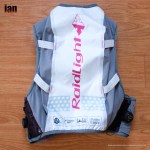
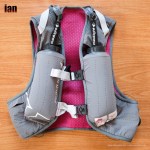
Niandi Carmont recently ran the Compressport Trail Menorca, an 85km race on the island of Menorca, Spain. Knowing the race would be semi self-sufficient, the need for a comfortable hydration system would be required. RaidLight stepped in and provided the new RAIDLIGHT GILET RESPONSIV 8L vest so that it could be tested in a ‘real’ situation. On first looks it would be easy to think that this pack is female specific, apparently no. It also comes with a hint of blue for those gentlemen who are not in touch with their feminine side.

RaidLight say:

The Responsiv 8L is a combination of bag/vest. Lightweight and ergonomic.

The Responsiv 8L race vest allows you to carry essentials and hydrate with ease, with the bonus of being ultra light at only 160 grams!

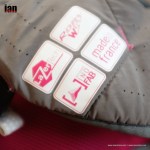
The bag has recently been awarded the prestigious Janus Design Award (2015), awarded by the Institute of French Design


Hydration is always an issue when you compete in a self-sufficient or semi self-sufficient trail race or even when training. There are multiple ways of carrying energy drinks and water but what most of us look for is a system that is:

  • Hassle-free – no fumbling around, fidgeting or groping
  • Provides easy access – you can hydrate easily on tricky technical sections of a course or when fatigued in the latter stages of a long trail race
  • Is quick and efficient – you can refill quickly when passing through the feed stations, wasting as little time and energy as possible
  • Is comfortable – no chafing, no bouncing, no sloshing, no leaking
  • Allows you to manage your water supply efficiently and gauge how much water/energy drink remains until the next feed station

Raidlight’s new Gilet Responsiv 8L ticks all the above boxes for me. It’s a great little pack.

©iancorless.com_Raidlight-0448

What I like:

  • It comes in 2 sizes: Small/Medium & Large/Extra Large. I used the smaller version as it’s probably more suited to the female body type and lighter runners. It also comes in grey/ pink! For the men, grey/ blue.

gilet-responsiv-8l

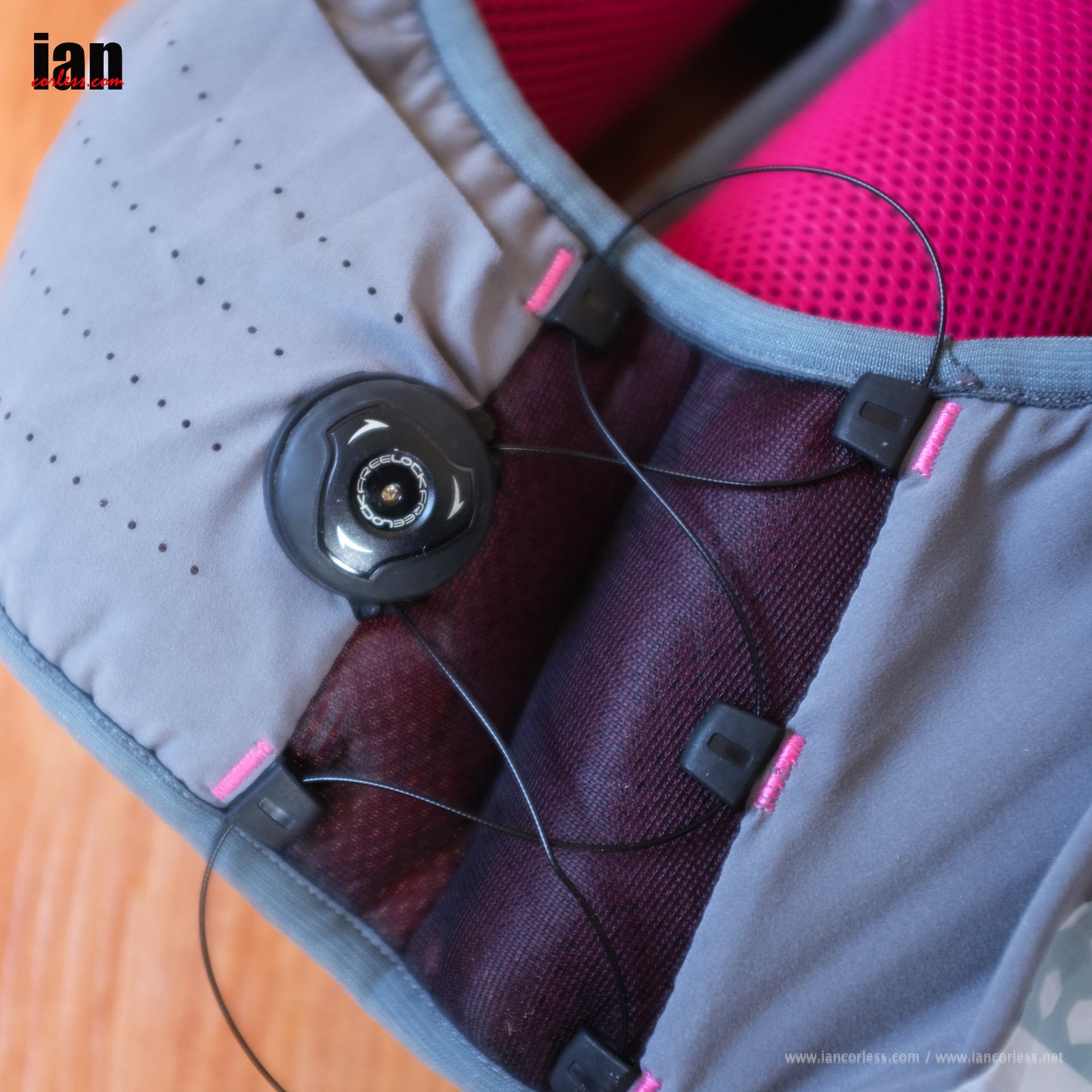
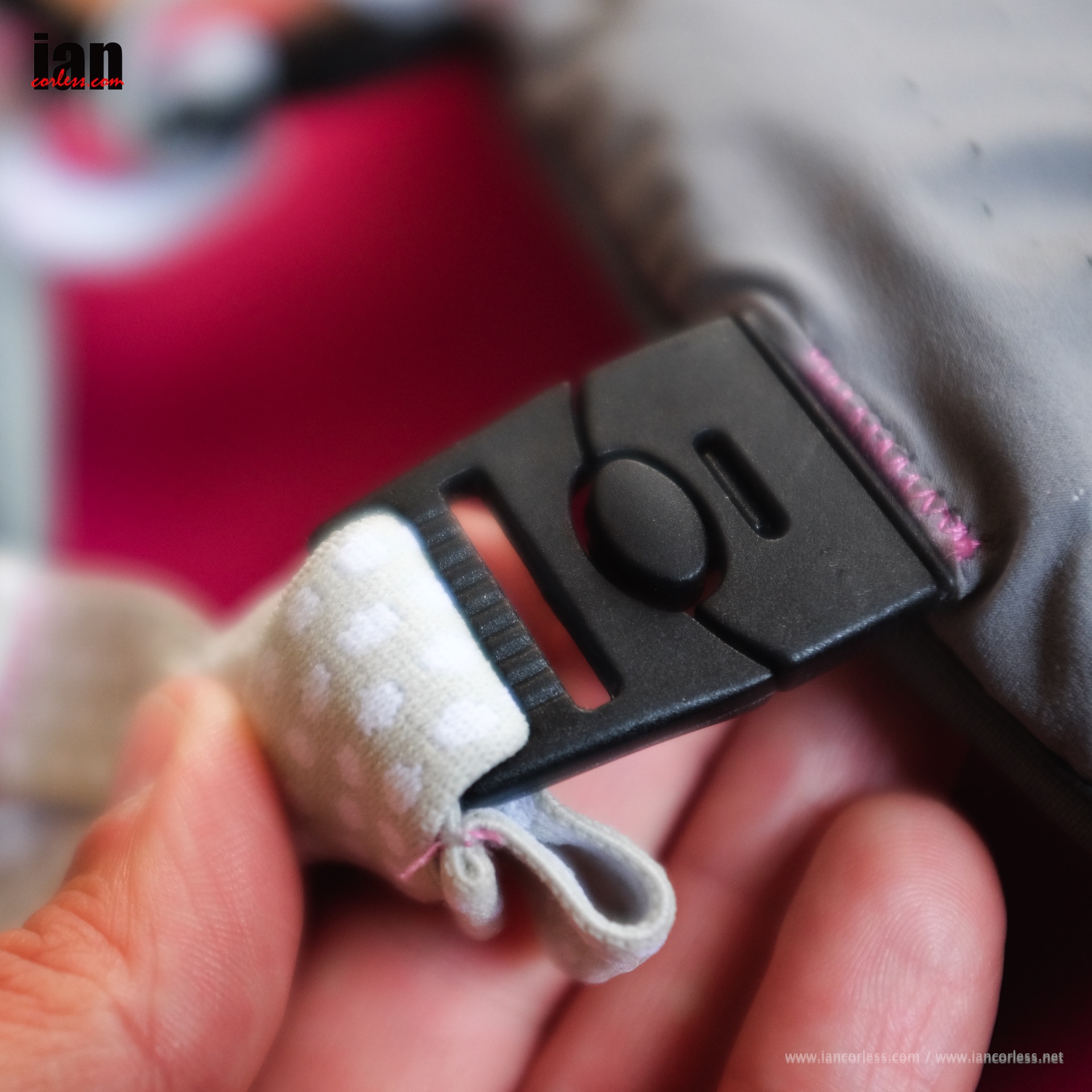
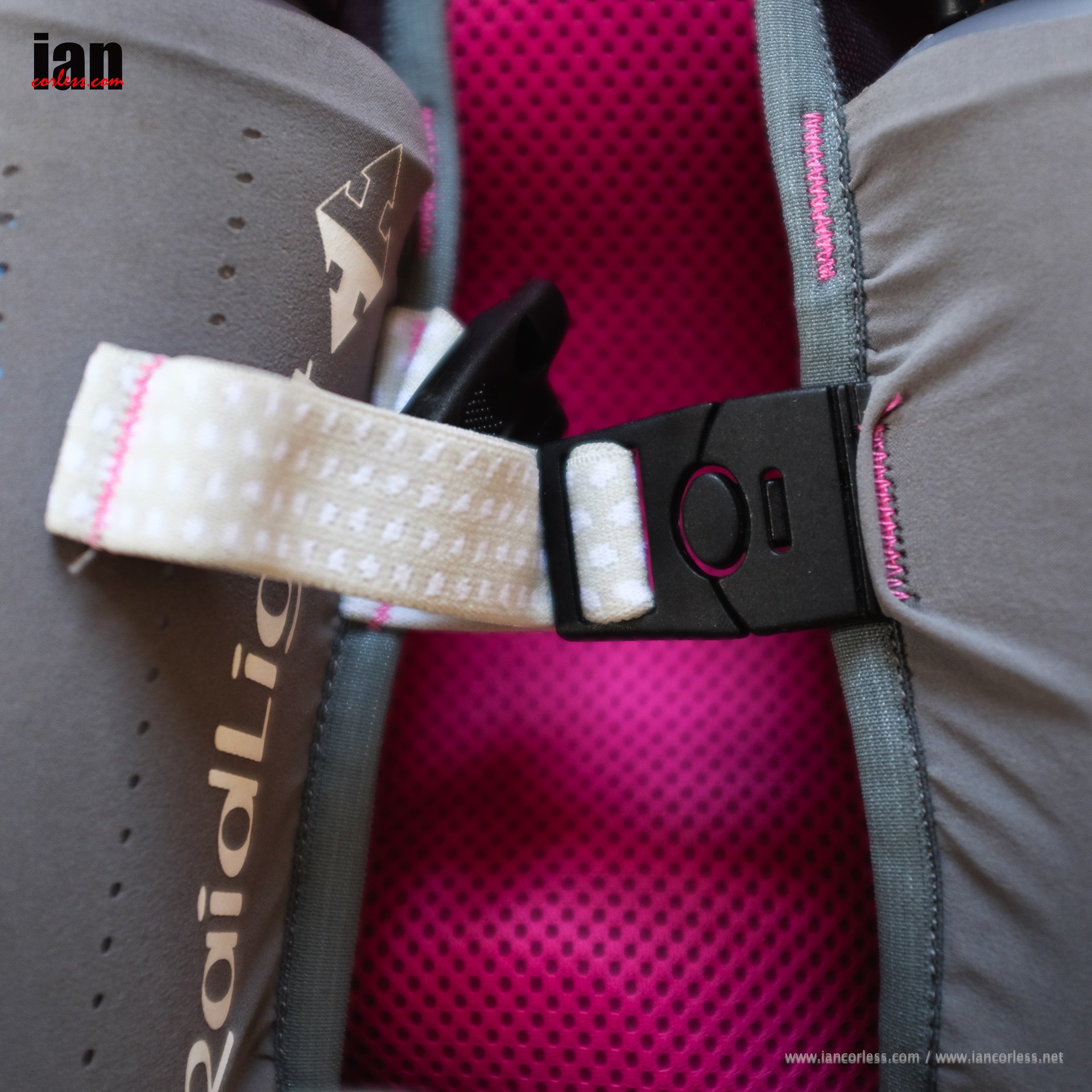
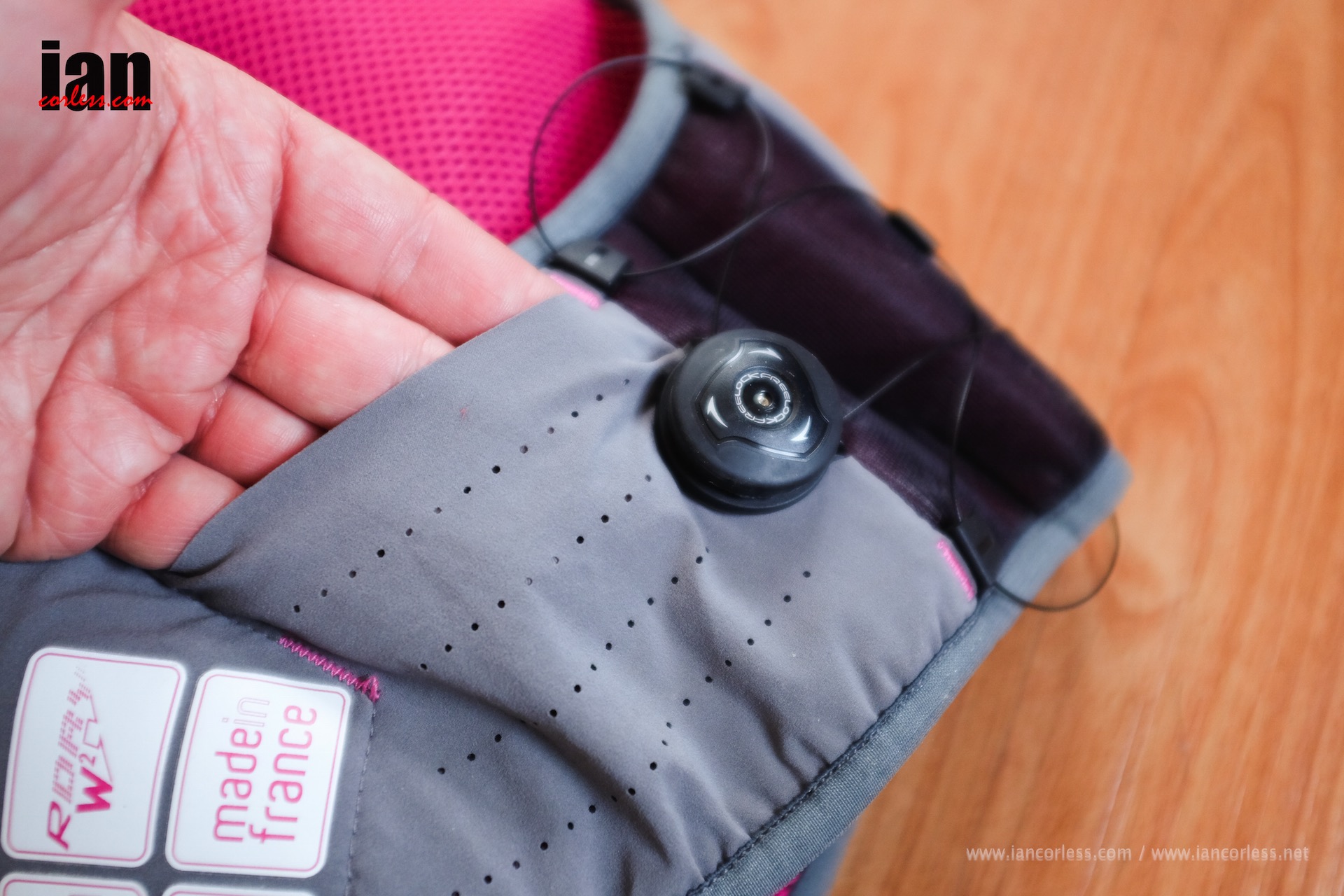
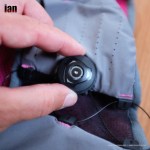
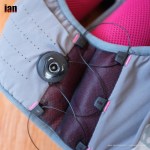
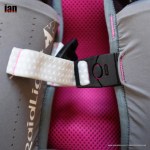
  • The vest is equipped with 2 micrometric adjustment systems; I have seen this before on a pair of TNF Shoes called the Boa and a TNF pack. This system provides for an even more “customized” fit. These are located on either side just under the arm openings. So there is no messing around with dangling straps and buckles to tighten. Basically, as you remove items from the pack (food, water and so on) you can adjust the pack in minute detail so that it remains close to the body.

©iancorless.com_Raidlight-0443


  • It weighs just 160g and that is ultra-light!
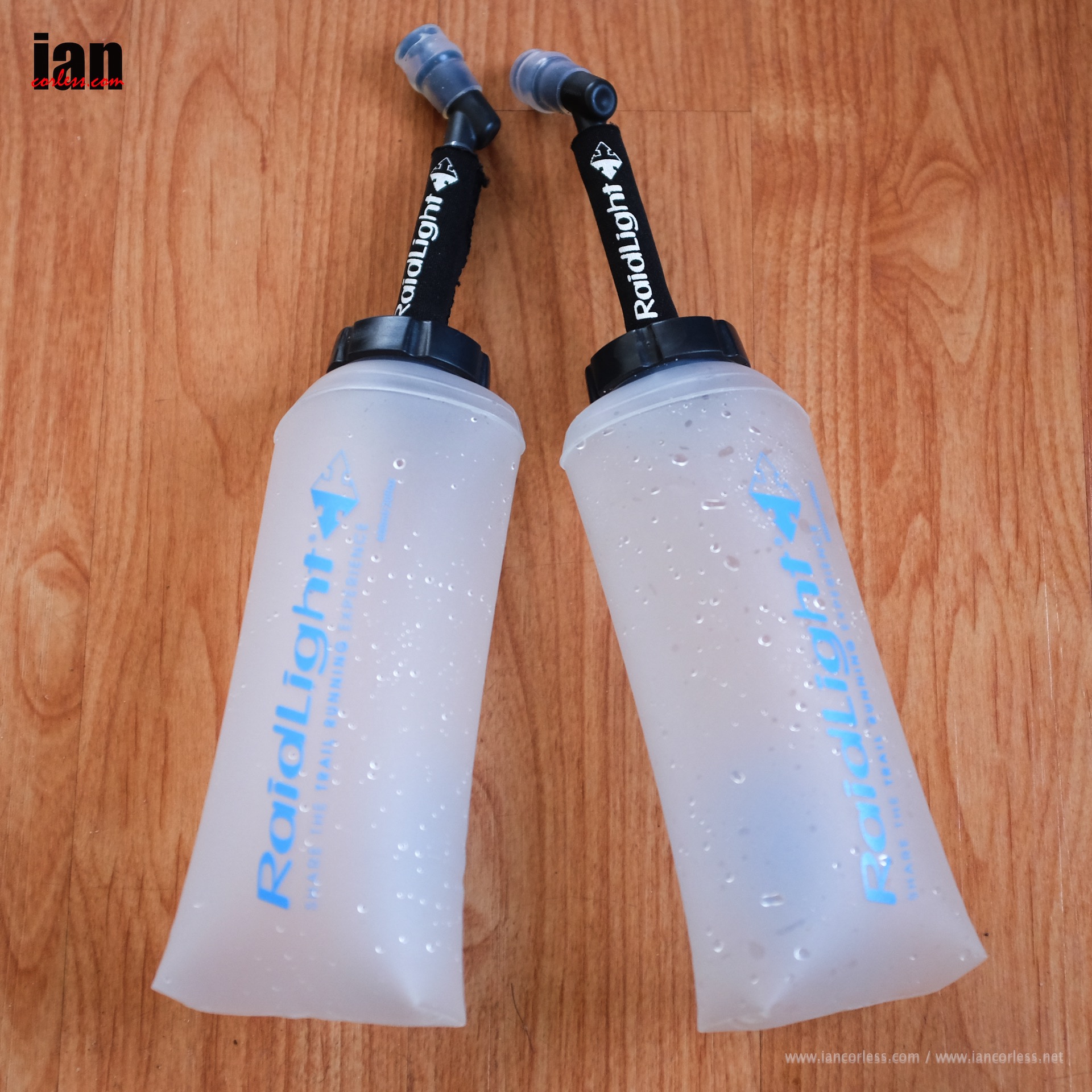
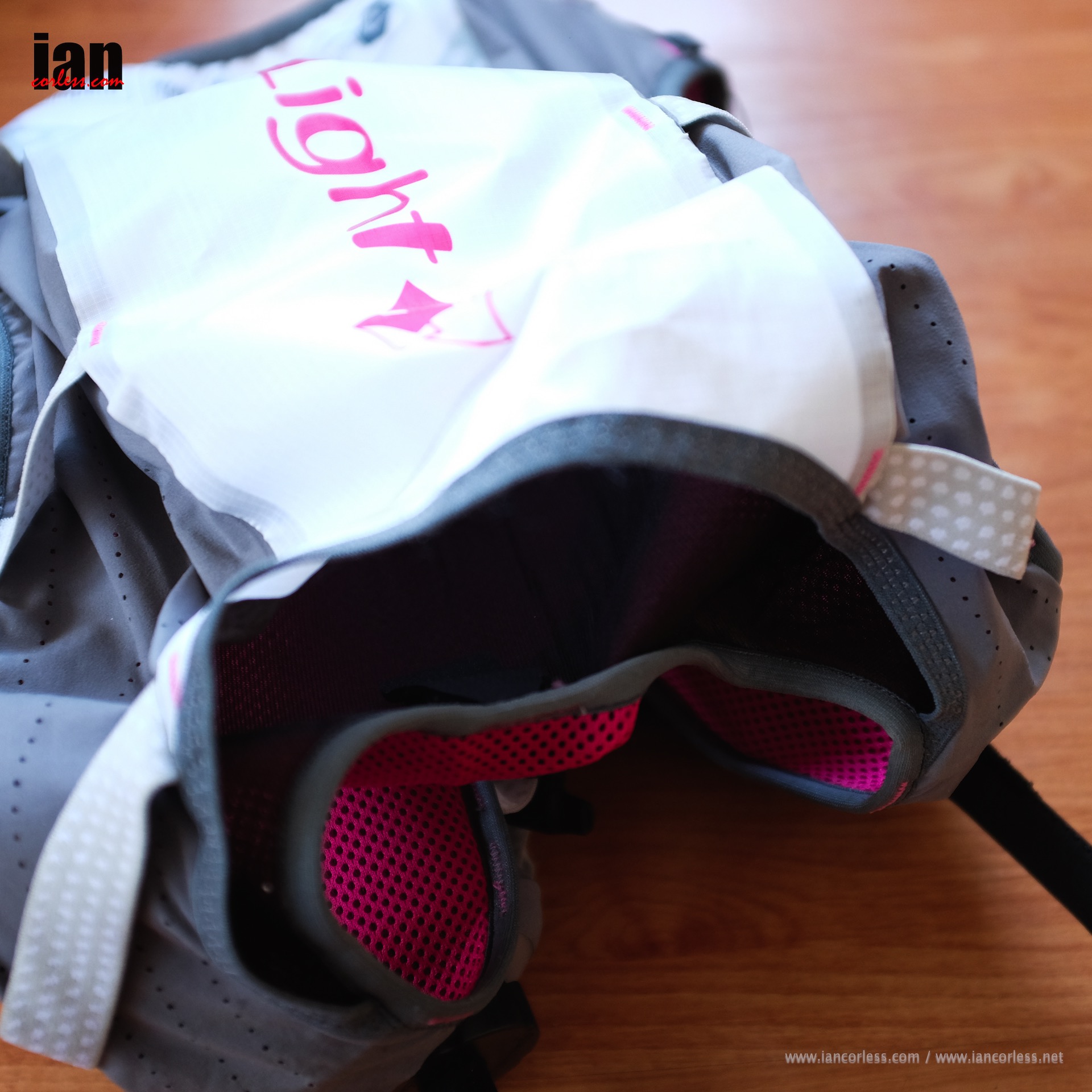
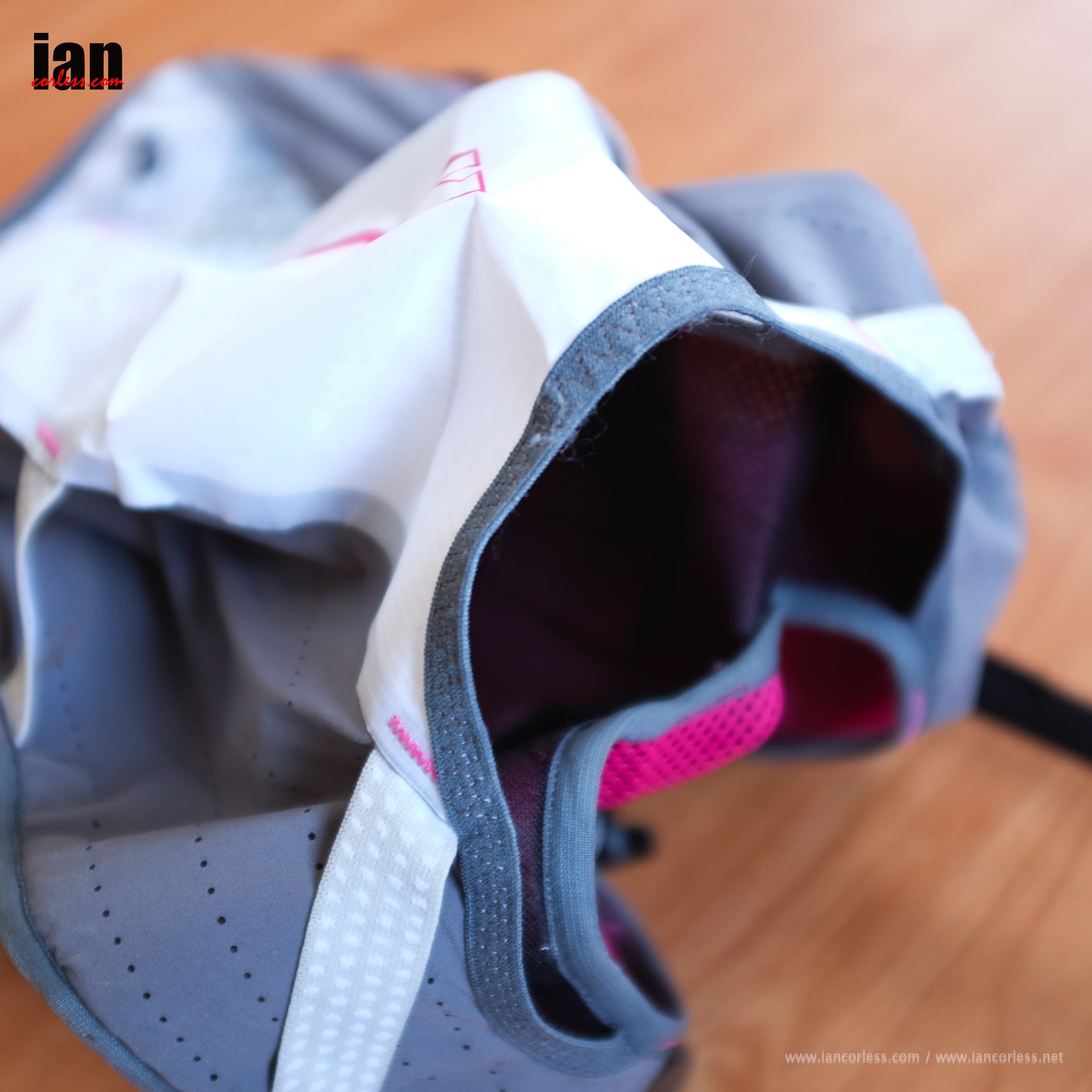
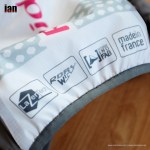
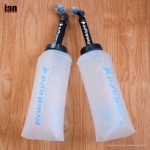
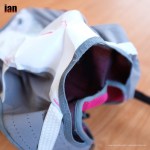
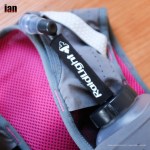
  • Designed to be used with RaidLight’s new soft flasks (optional extra) which come in 2 sizes either 350ml or 600ml. So depending on how far apart the feed stations are on a course and what your own personal hydration needs are, you can use either one or the other or a combination of both. The RaidLight soft flasks are also equipped with straws which make drinking on the go extremely practical. The flasks fit comfortably into the 2 front pockets and are extremely easy to remove and slip back in. I found the straws a little distracting as they came close to my face, however, on the shoulder straps, two access holes are available should you use a bladder (the pipe would feed through these on the left or right). I found that I could push the soft flask straws in here. Perfect!

©iancorless.com_Raidlight-0438

©iancorless.com_Raidlight-0460

  • The pack is made of a breathable flat-seamed mesh (thermal adhesive), which doesn’t chafe and please note ladies it is very pleasant to wear over a t-shirt, a sleeveless tank or even a crop top.
  • The stability is reinforced with two pectoral buckles on the front of the pack

©iancorless.com_Raidlight-0479 ©iancorless.com_Raidlight-0440

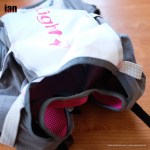
  • The stash pocket on the back can be used to carry a bladder (Velcro strap supplied) or mandatory race kit. I used it to carry a survival blanket, a mobile phone, a lightweight wind stopper and some extra food

©iancorless.com_Raidlight-0452 ©iancorless.com_Raidlight-0456

  • There are two tiny pockets underneath the main soft flask pockets; they can be used for lip balm, sunscreen, gels, tissue paper and gels/ food. For me, this is where the pack fails and needs greater improvement. I personally found I had too little room for ‘on the go’ nutrition and I used a lightweight fuel belt to store additional energy.

©iancorless.com_Raidlight-0461

I would recommend using the Gilet Responsiv 8L for any self-sufficient race or training run. It’s ideal for short outing and longer runs but I do think the lack of food storage impacts on its use for very long self-sufficient runs. If you are racing with adequate feed stations and the opportunity to replenish liquid and food, then it’s a great pack. For me it was ideal on the Trail Menorca Costa Sud, an 85km trail race with 7 feed stations, relatively hot weather (36°C) and a course which is technical in parts but without any major difficulties. Importantly ladies, this pack is one of the most comfortable I have tried. I don’t have big boobs but as you will know, anything that doesn’t sit comfortable is a real problem. The Raidlight was great in this area and gents; you have nothing to worry about. If it works for us ladies, it will work for you too!

CONCLUSION

This is a neat little product by RaidLight that works for men and ladies. Importantly, this pack is really comfortable for ladies and the option of two different sizes (S/M, L/XL) means that you can get a pack that fits you! This can also be fine tuned with the micrometric adjustment systems. The downside is on the go access to food/ gels as storage is minimal.

The vest will be available in June 2015.

Go to RaidLIght HERE to find out more

Beat The Heat (Part Two) – Marc Laithwaite

©iancorless.com_Menorca2015-4326

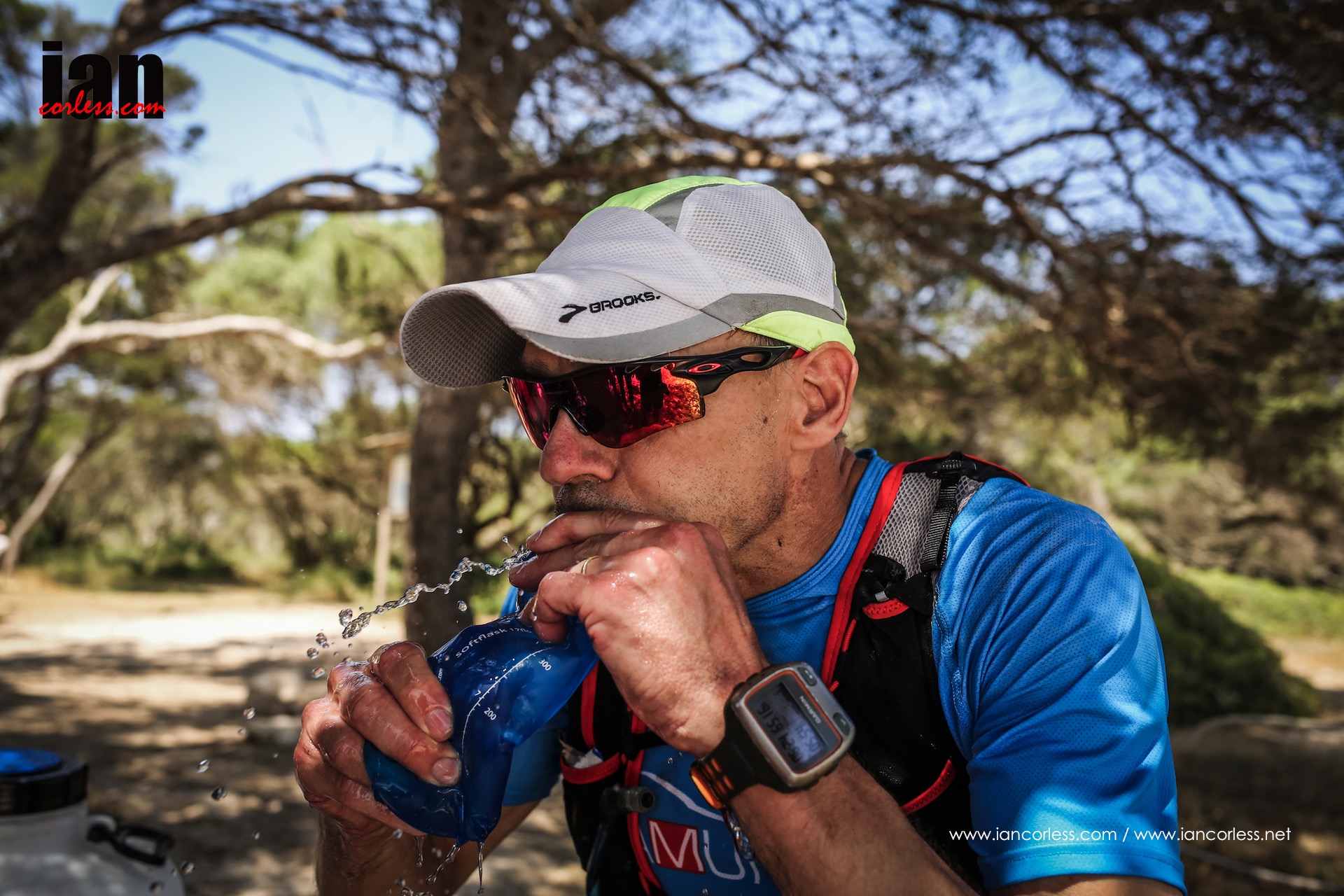
Exercise in the heat can place a lot of strain upon your body, if you’re used to cooler climates. For this reason, many elite athletes will spend time acclimatising to the higher temperature. Acclimatisation can require up to 14 days, so what if you’re an amateur athlete traveling abroad for an endurance event, who can’t afford to travel 3 weeks before the event?

This is part 2 of our ‘exercise in the heat’ blog series. Last week we explained why exercise in the heat is such a problem (you can read by clicking the coaching articles link at the top of the page and then scrolling down through past blogs). In this week’s blog, I’ll explain how you can acclimatise before you travel and highlight the key physiological changes that take place, as a consequence of acclimatisation.

It’s a bit cold up North, so acclimatising might be difficult!!

Okay, if you live in the North of the UK and you’re traveling abroad to race, then you might be struggling to understand how you can possibly acclimatise. I use the term ‘North of UK’ as we all know that in the South of the UK, the temperature rarely drops below 18c. I’ve never traveled further South than Birmingham, but I hear they wear shorts and flip-flops pretty much year round.

In simple terms, to acclimatise before traveling, you need to make yourself hot and encourage sweating when you train. There are really easy ways to do this:

  1. Wear extra clothing
  2. Run on a treadmill or cycle indoors and turn up the heat
  3. Spend time in a sauna or steam room on a daily basis

I’d recommend you start doing this from 2 weeks out, but you need to do it consistently. Ideally it should be on a daily basis. There’s plenty of evidence to suggest that the above methods can help acclimatise you before travelling to warmer climates.

General guidelines:

  1. If you’re exercising outdoors, wearing extra clothing will lead to a higher sweat rate, so make sure you hydrate during the session. The same can be said for indoor running or cycling, make sure you are hydrating throughout.
  2. You should expect it to affect performance to some extent. If you use a power meter when cycling or you run at specific speeds on the treadmill, you should expect your power of speed to be a little lower than normal. If you’re temperature is higher, attempting to maintain the same intensity as usual could result in you being exhausted by the finish of the session!
  3. Try to progress the sessions in terms of exposure and intensity. For example, if you ride indoors, gradually turn up the temperature over a 7 day period and gradually build up the volume and intensity of the session. Don’t simply crank up the heat on day 1 and ride the full session as you’d expect to in cooler temperatures.
  4. The same rule applies for the sauna and steam room. Start with 10-15 minutes and gradually build your time to 30-45 minutes. Take a drink into the sauna or steam room with you to ensure you are hydrating adequately.

What are the physiological changes that take place?

There are a couple of key changes that take place when you are forced to sweat at a high rate:

The first is an expansion of plasma volume, this refers to an increase in the amount of blood plasma. Last week we explained that blood is made up of plasma (the fluid part) and cells. As you sweat, you lose plasma, which then thickens the blood. Part of the acclimatisation process in as increase in plasma, which means your blood is thinner. By increasing your plasma volume, this also means that you have more blood in general. The amount of cells doesn’t change, but the fluid component is increased, thereby increasing the overall blood volume. This is handy when your blood has to supply both muscles and skin, as discussed last week.

The second key change is a reduction in salt loss. Early in the acclimatisation process, your sweat contains a high amount of sodium. As the acclimatisation process progresses, your body retains sodium by reducing the amount lost in sweat. In simple terms, your sweat becomes less salty. If you’re acclimatising over a 2 week period, lick your skin every day and see if you can taste the change. It’s not socially acceptable to lick someone else’s skin.

As stated earlier, for these 2 changes to occur, you simply need to encourage a high sweat rate when training. The more you sweat, the more these changes will occur. Be sensible, reduce the intensity of the training session and gradually build up heat exposure over the 2 week period.

Until then, stay cool.

About Marc:

Sports Science lecturer for 10 years at St Helens HE College.

2004 established The Endurance Coach LTD sports science and coaching business. Worked with British Cycling as physiology support 2008-2008. Previous Triathlon England Regional Academy Head Coach, North West.

In 2006 established Epic Events Management LTD. Now one of the largest event companies in the NW, organising a range of triathlon, swimming and cycling events. EPIC EVENTS also encompasses Montane Trail 26 and Petzl Night Runner events.

In 2010 established Montane Lakeland 50 & 100 LTD. This has now become the UKs leading ultra distance trail running event.

In 2010 established The Endurance Store triathlon, trail running and open water swimming store. Based in Appley Bridge, Wigan, we are the North West’s community store, organising and supporting local athletes and local events.

Check out the endurance store HERE

Endurance Store Logo

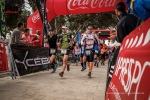
COMPRESSPORT TRAIL MENORCA CAMI DE CAVALLS 2015 – Day One
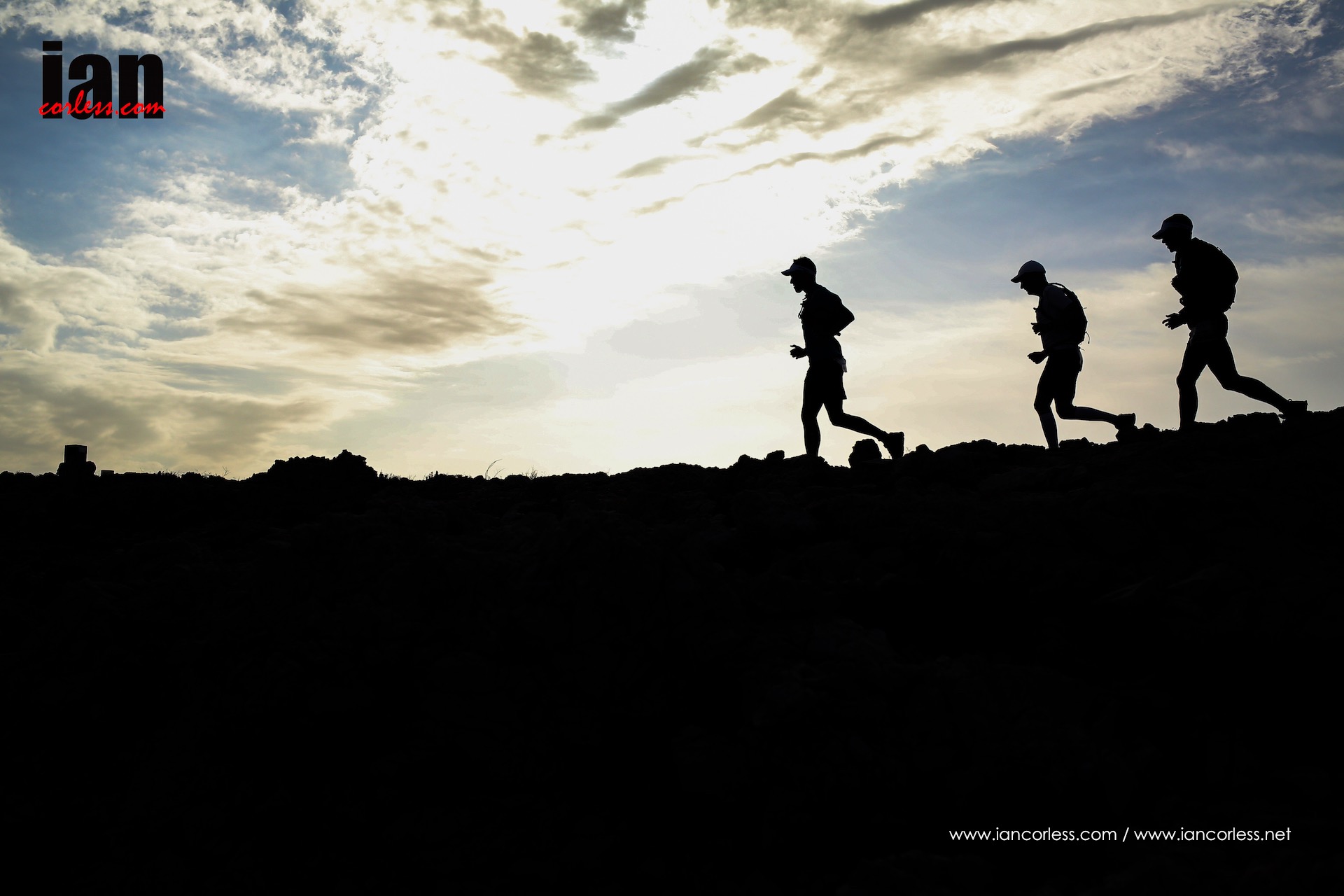
©iancorless.com_Menorca2015-0459

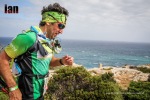
The fourth edition of the COMPRESSPORT TRAIL MENORCA CAMI DE CAVALLS 2015 started on Friday May 15th at 0800 in the town of Ciutadella.

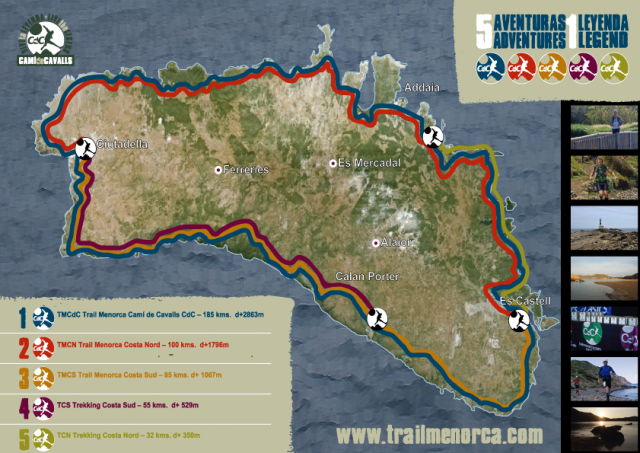
A weekend of racing and on Friday it was the 185km (0800 and 1200 start) and the 100km event that got underway.

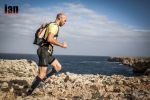
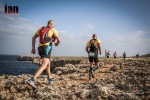
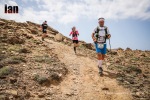
Menorca literally threw everything at the runners in regard to weather – cloud, sun, wind, rain, thunderstorms and the occasional flash of lightening.

images

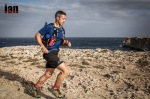
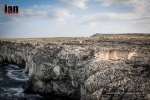
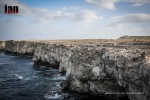
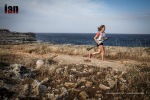
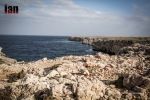
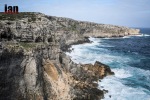
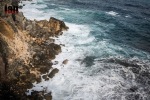
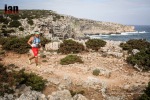
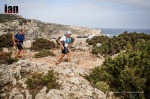
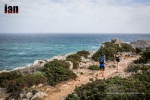
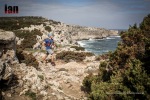
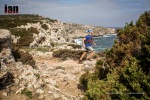
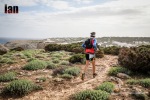
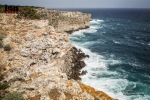
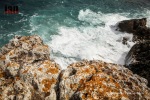
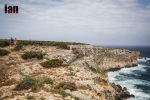
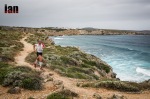
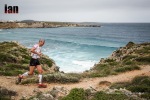
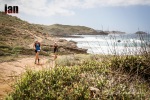
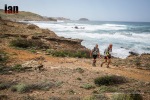
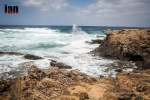
One thing remained constant though, the beauty of the surroundings and the stunning coastline.

As I write, the 185km is still taking place and the 85km event started at 0800 Saturday May 16th.

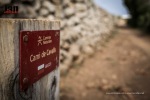
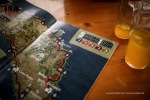
Cami de Cavalls map

Casey Morgan from the UK won the 100km event in a new course record – 8:57 (tbc) and we will update with a ladies result asap.

We will update with a series of reports and times as more information becomes available. For now, please enjoy a selection of images (many more to follow) from day one of COMPRESSPORT TRAIL MENORCA CAMI DE CAVALLS 2015. 

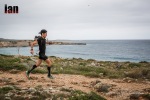
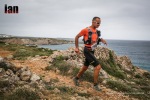
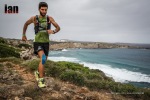
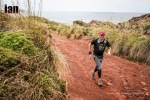
Website – http://www.trailmenorca.com