Nobody really expected more drama for stage 4 after the epic battle between Erick and Pierre. However, as darkness arrived, the heavens opened for a relentless downpour that lasted hours and hours. Camp was wiped out with flooded tents and countless runner’s seeking refuge in any shelter possible.
Photo by Ian Corless
It made for a night of wet clothes, broken sleep and very tired bodies come the 0300 wake up call.
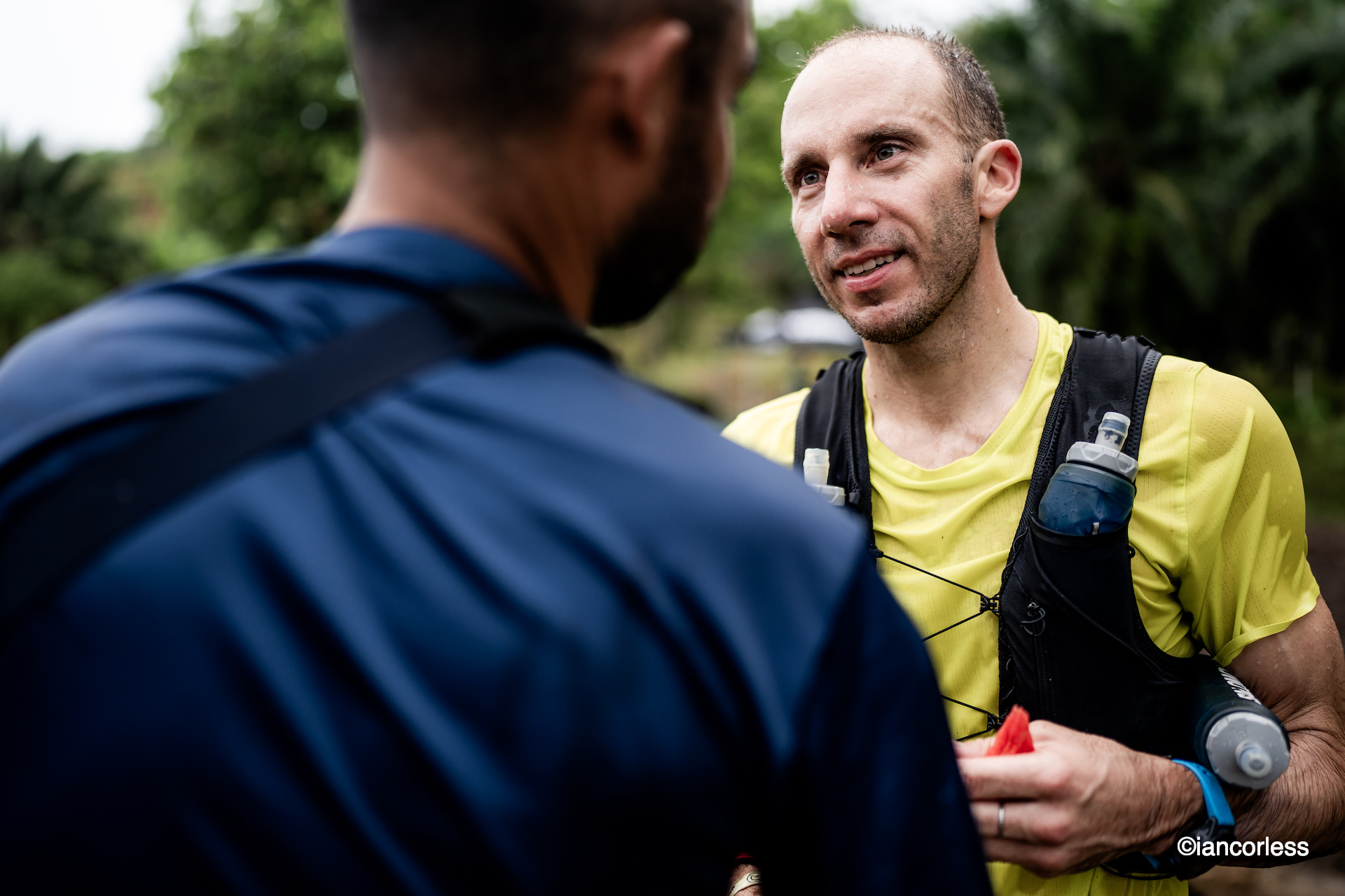
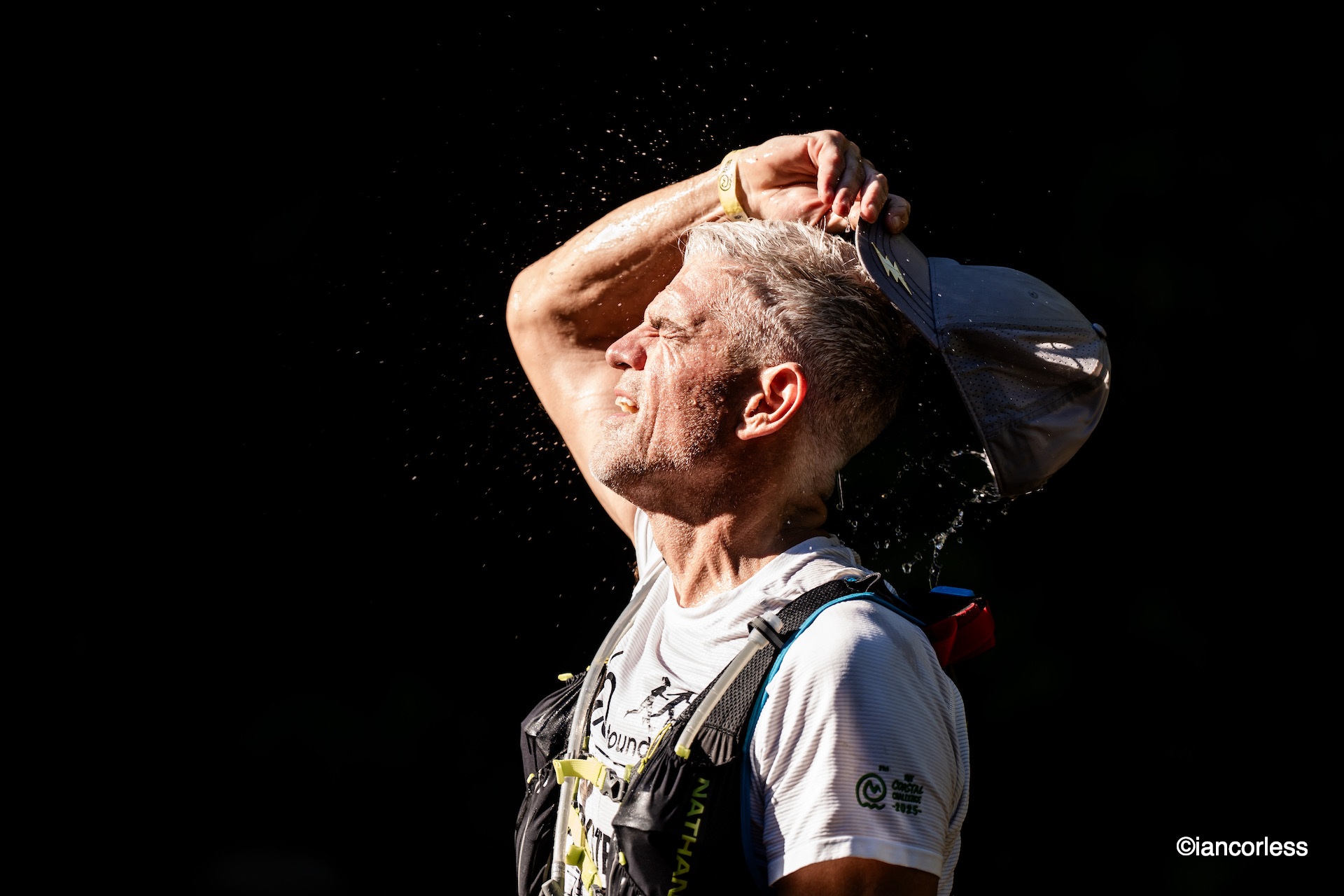
With a tough day ahead, many, looked less than happy at the prospect of 23 or 41km’s. Pierre Meslet summed it just with his look, he was exhausted and somewhat resigned to ‘getting through the day’ and saving it all for the last day.
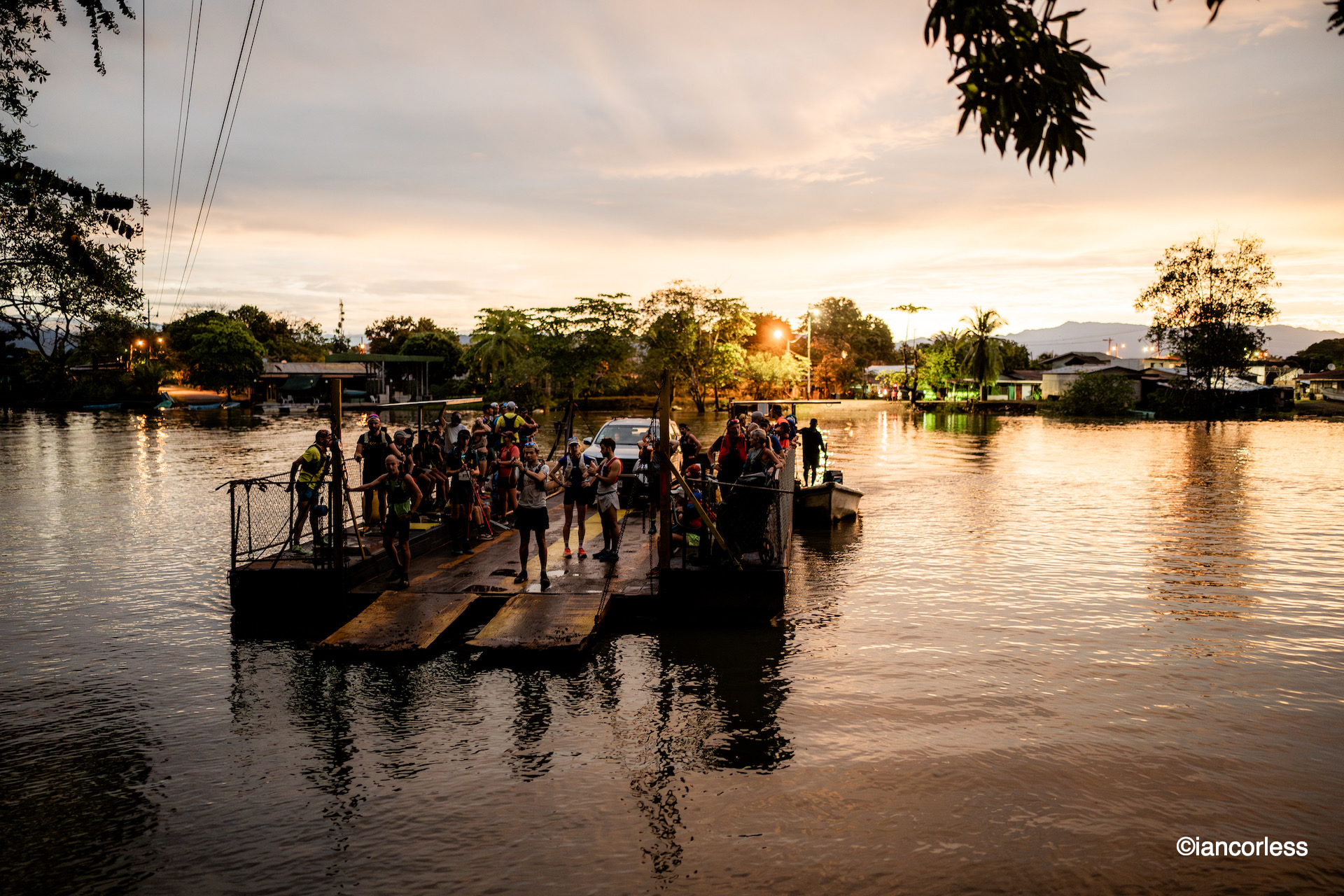
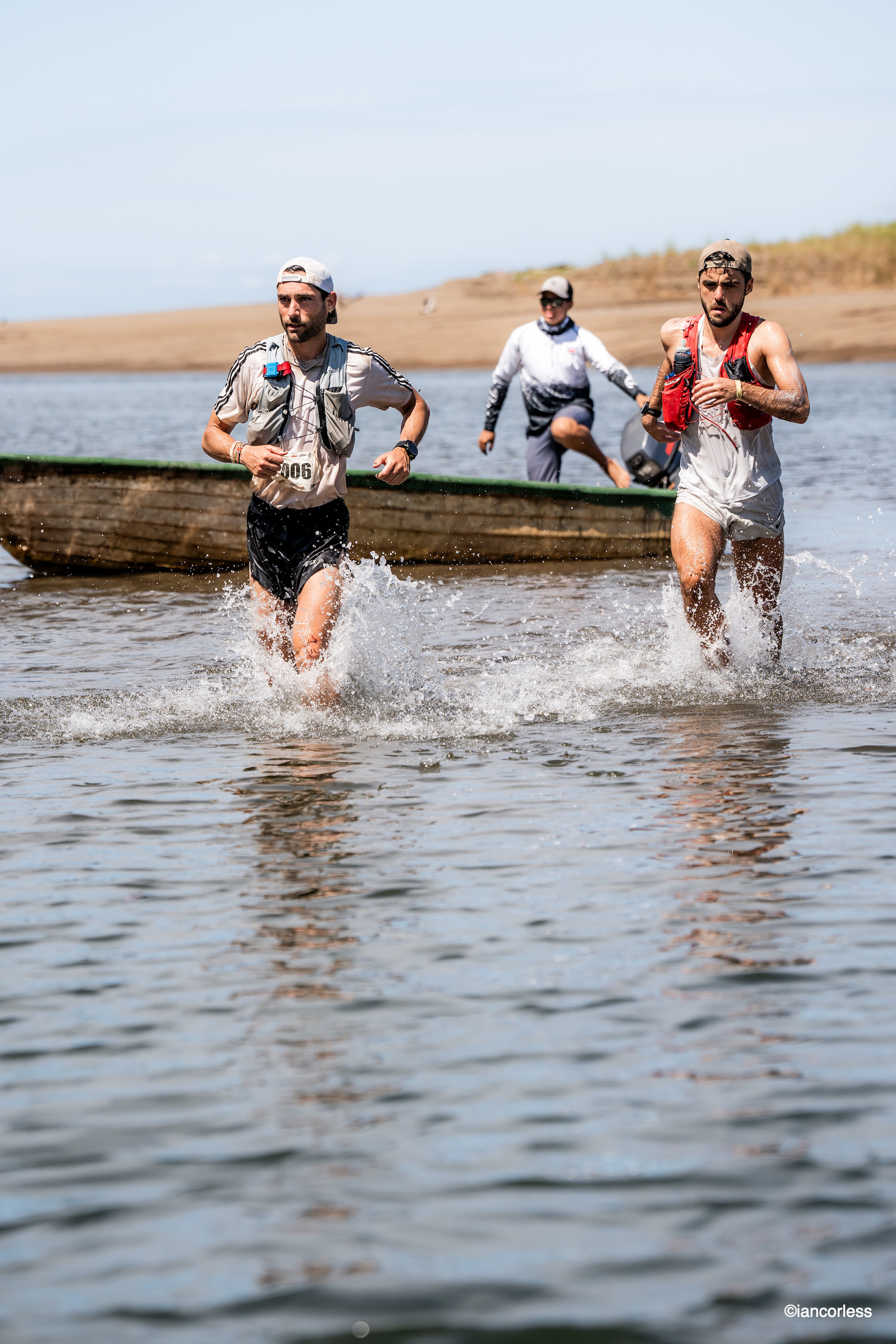
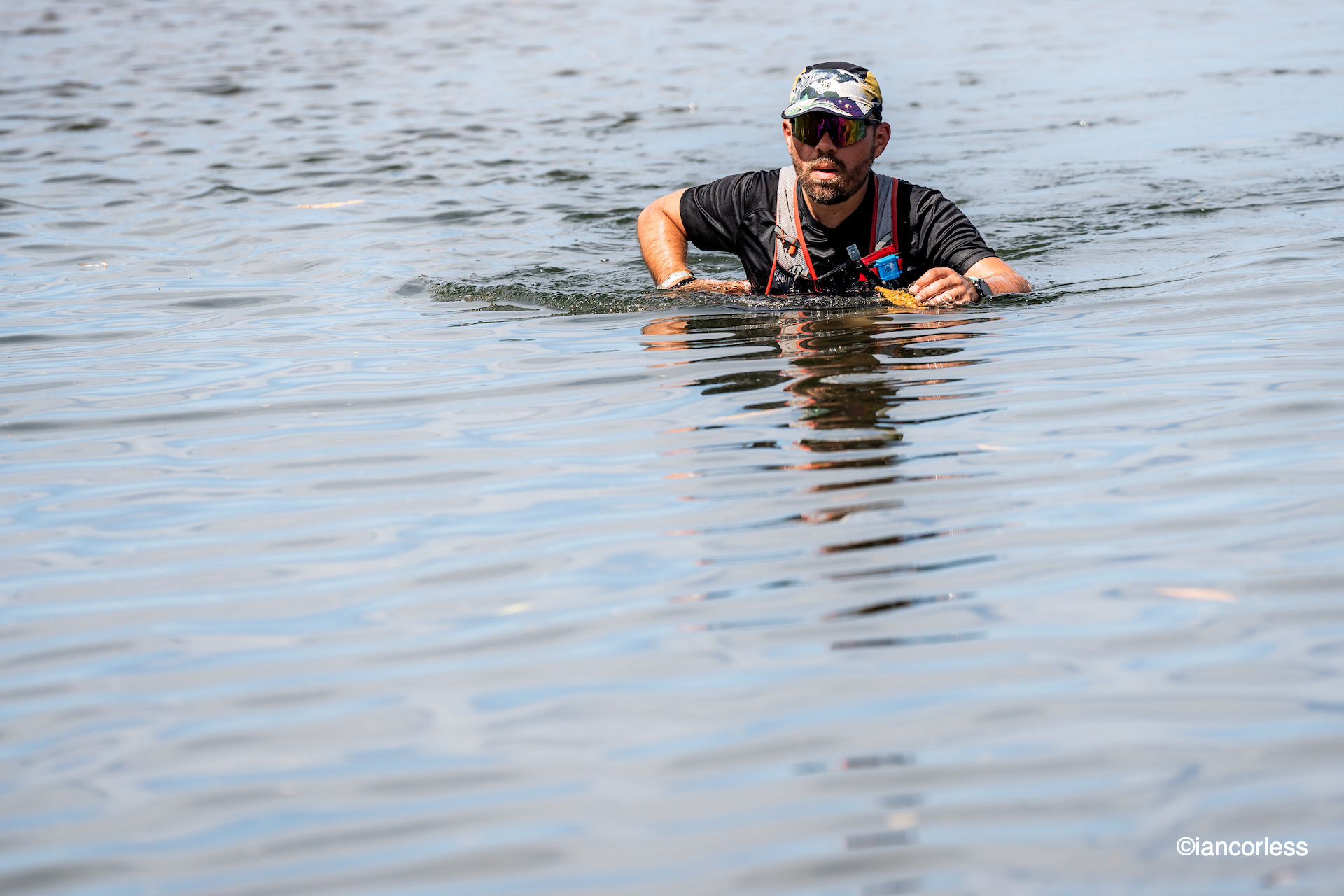
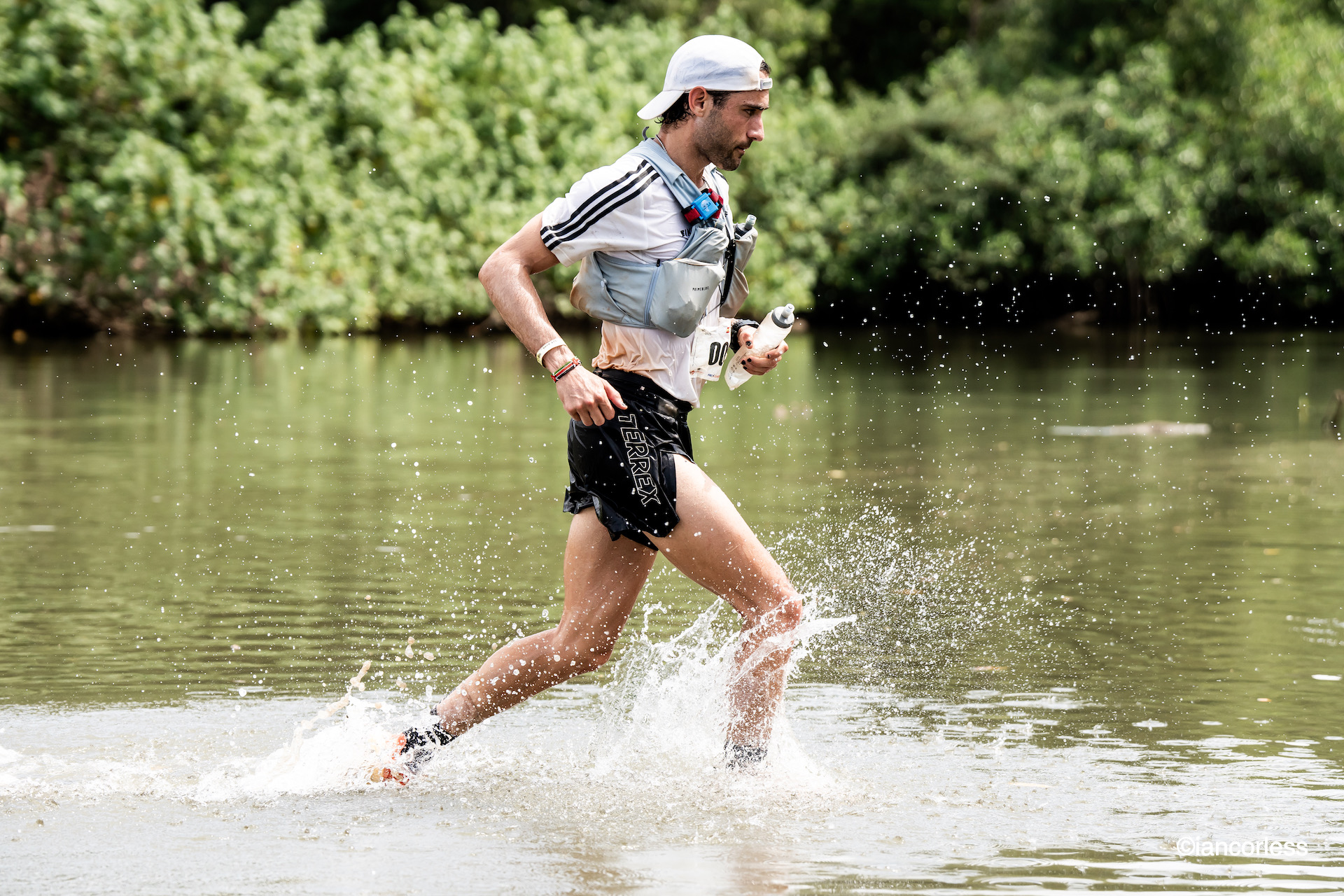
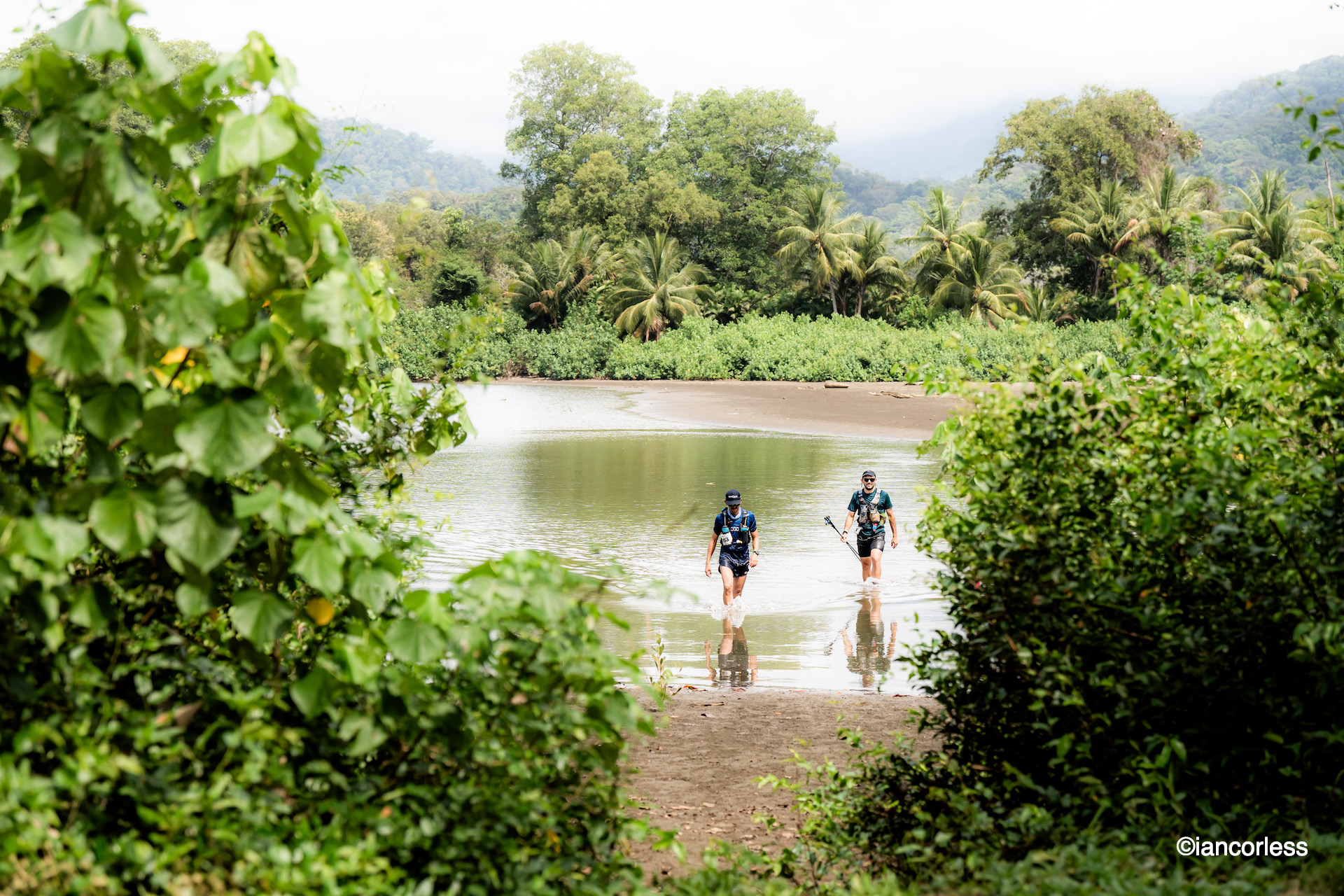
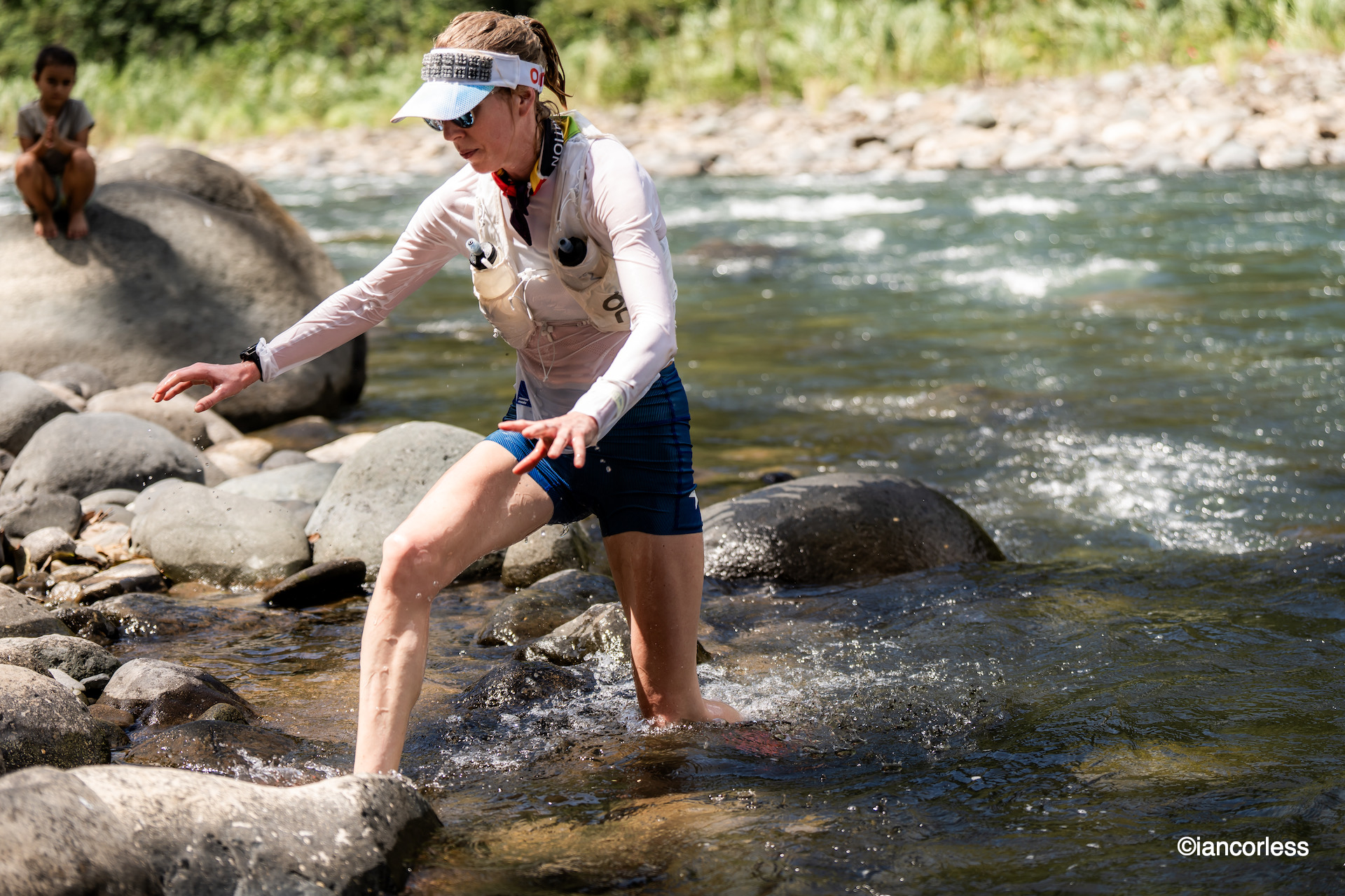
An early crossing of the Sierpe river and the race was soon underway, gladly, Erick Aguero was running, albeit with his arm in a sling.
Photo by Ian Corless
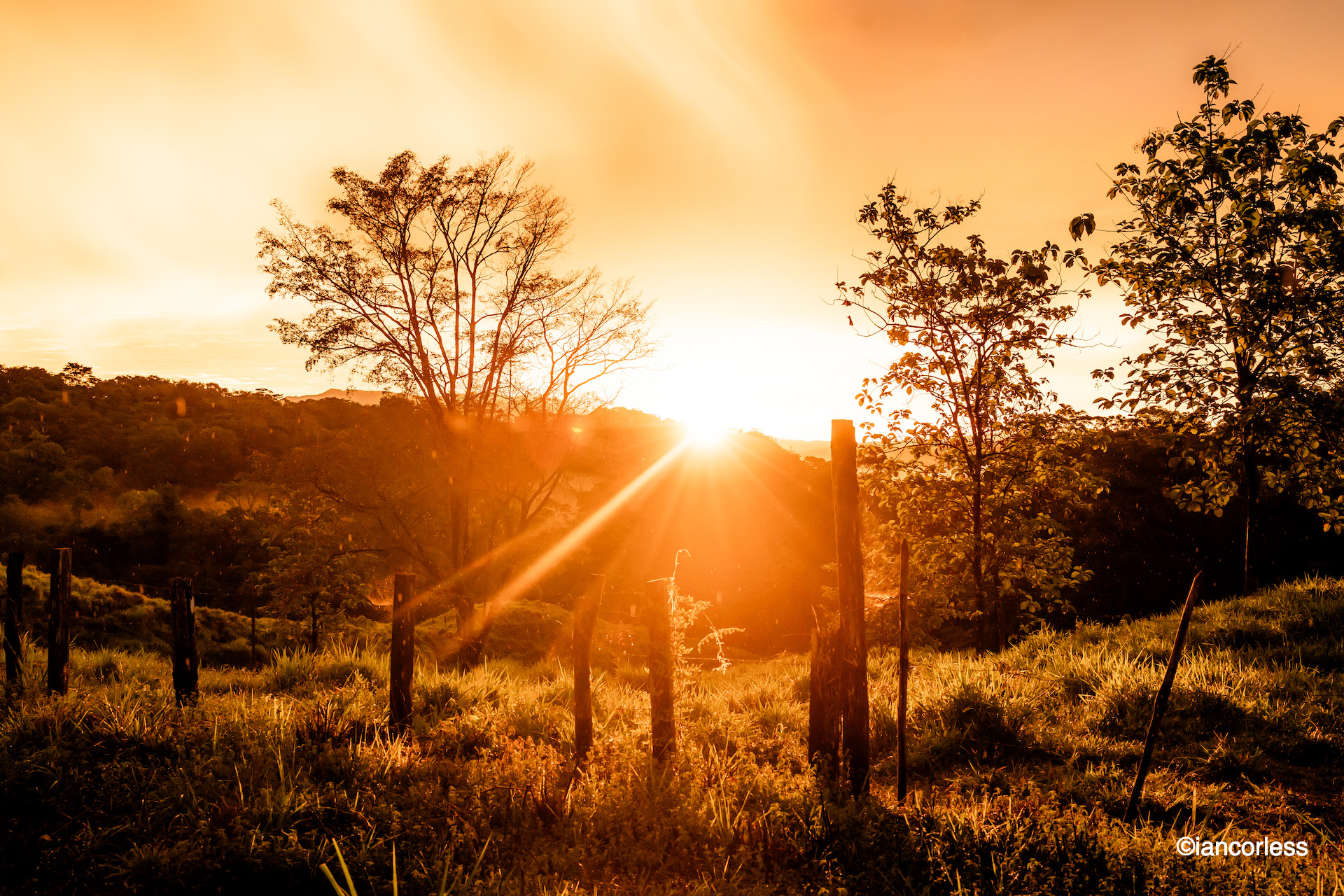
An incredible golden sunrise gave optimism to the day.
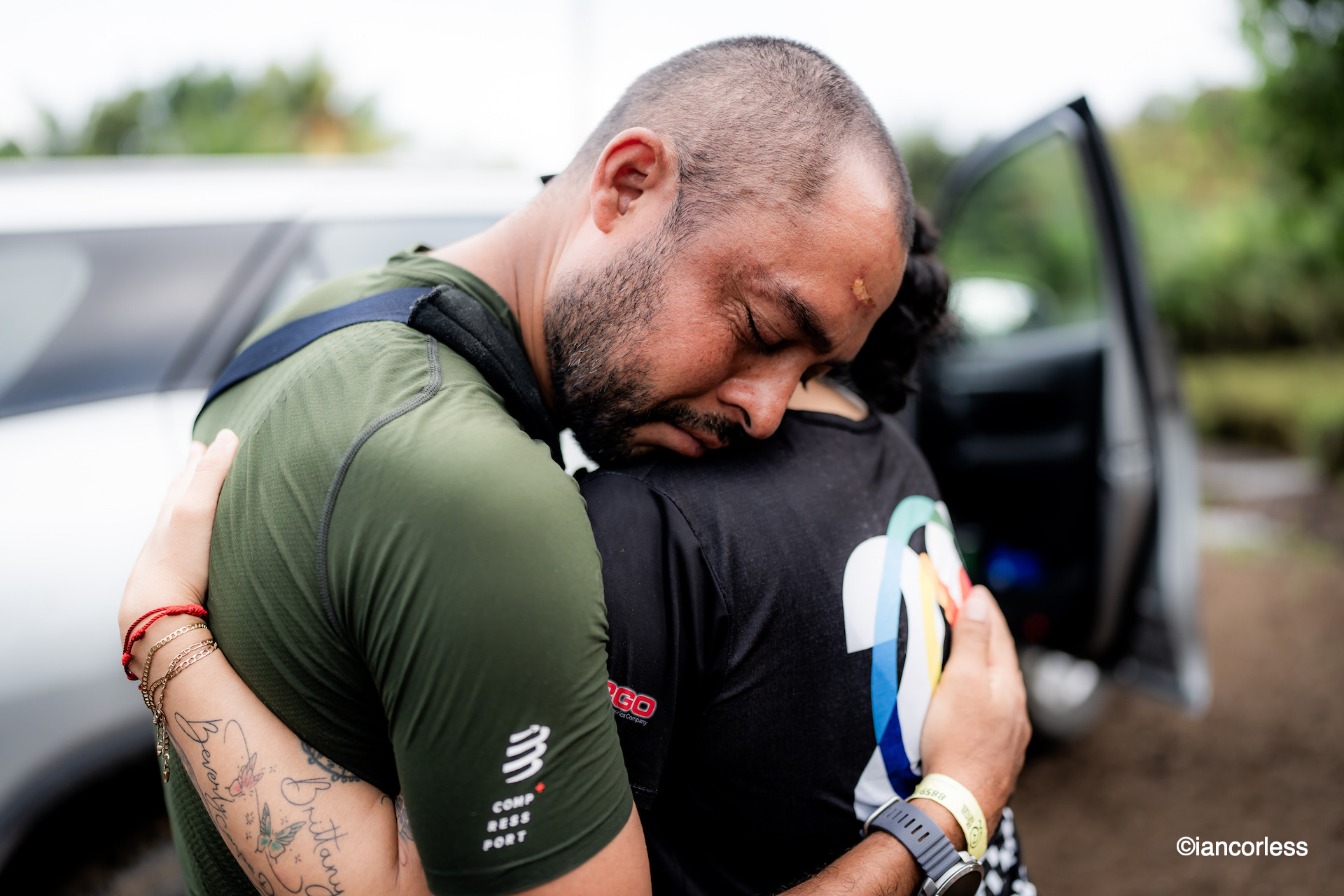
However, this optimism soon disappeared with the withdrawal of Erick. The pain was all too much and he emotionally took of his number and said goodbye to TCC2025.
Photo by Ian Corless
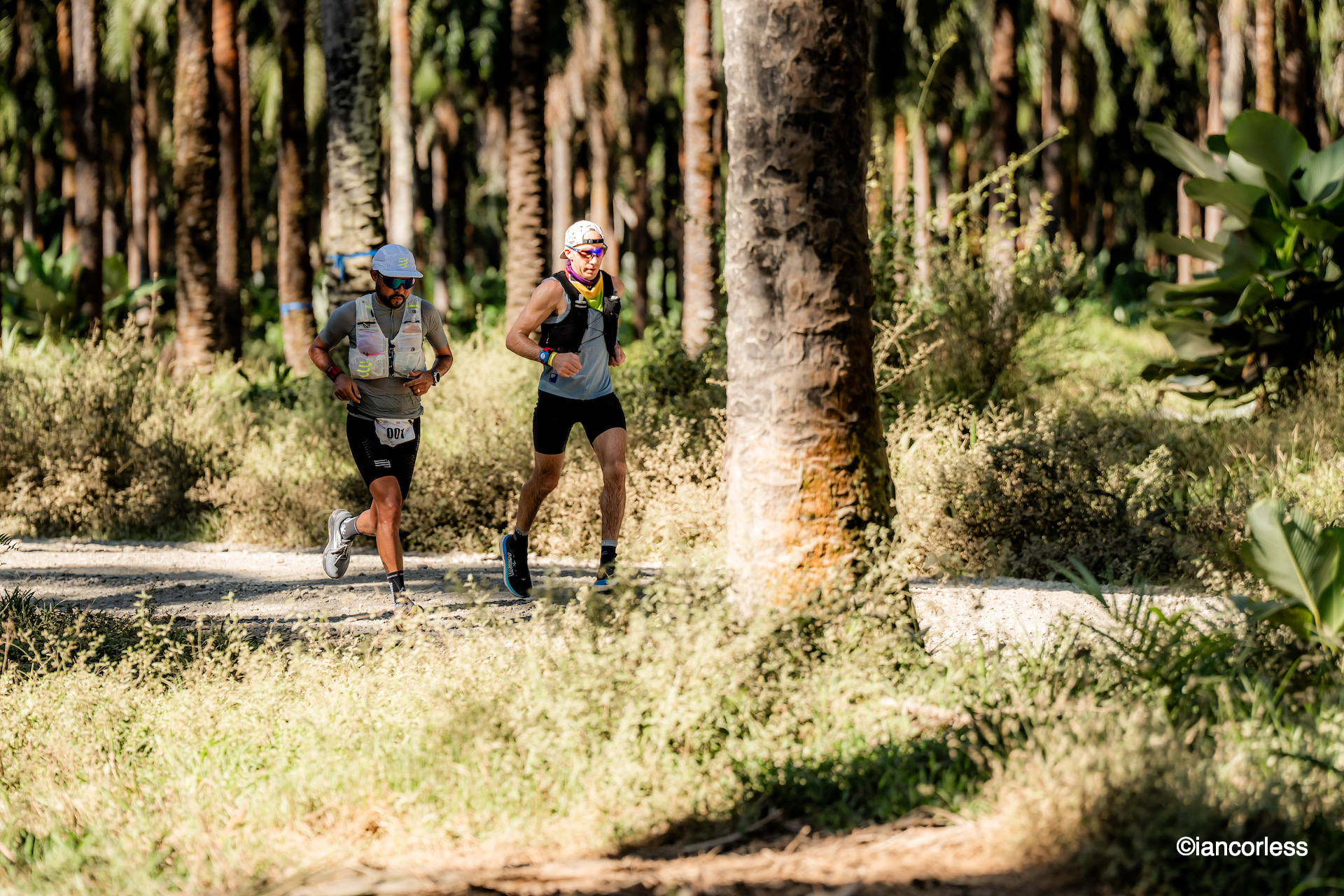
Pierre was leading the race but the sight of Erick waiting at cp1 was all too much for him. The duo had an emotional exchange and with the lack of pressure from a great competitor, a very tired mind and body, Pierre took his foot of the gas and ran easy all the way to the finish.
Photo by Ian Corless
Allan Barrielle and Sergio Turull took advantage of the situation and they ran hard to the line for a well deserved victory on the stage.
Photo by Ian Corless
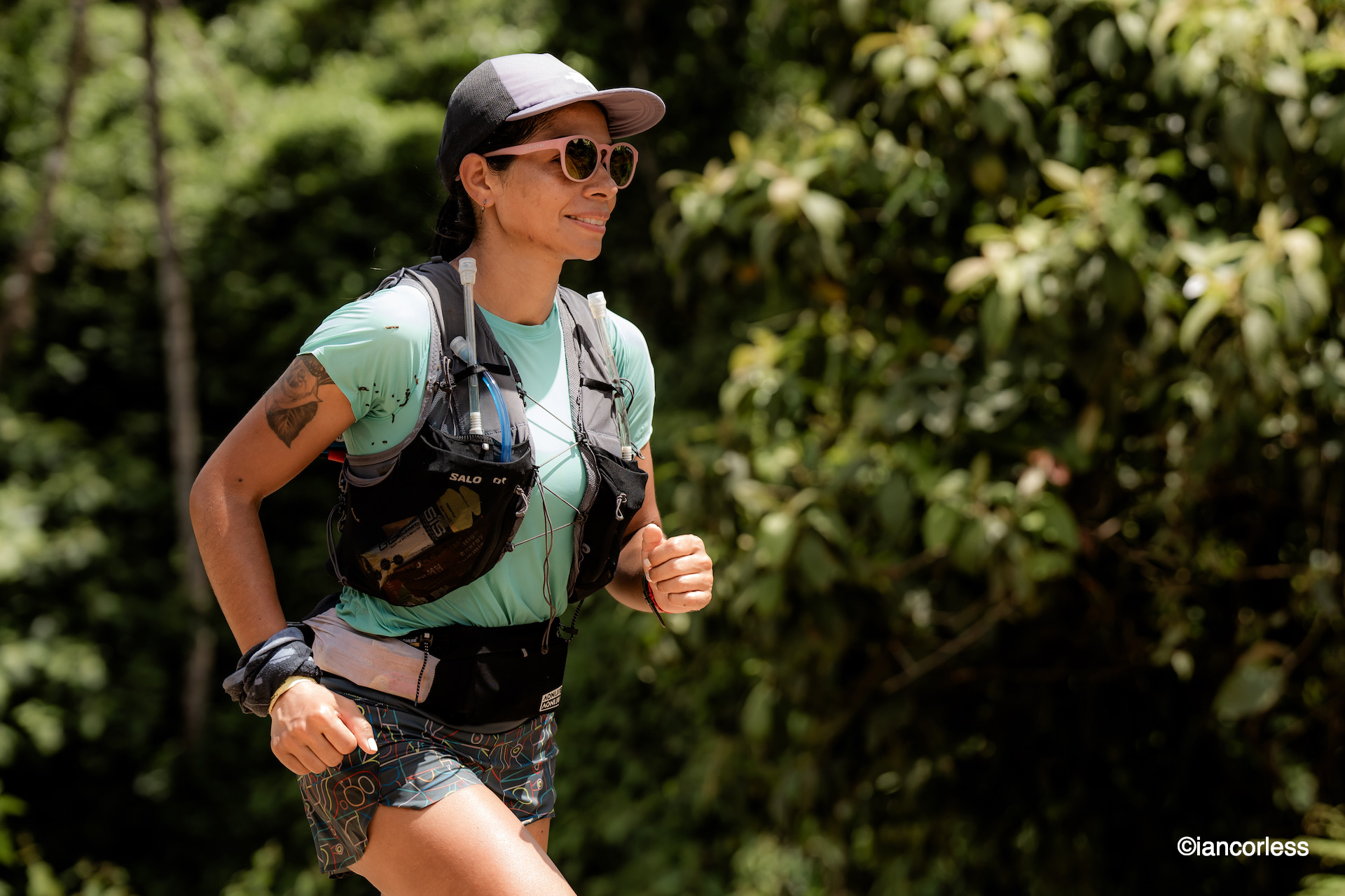
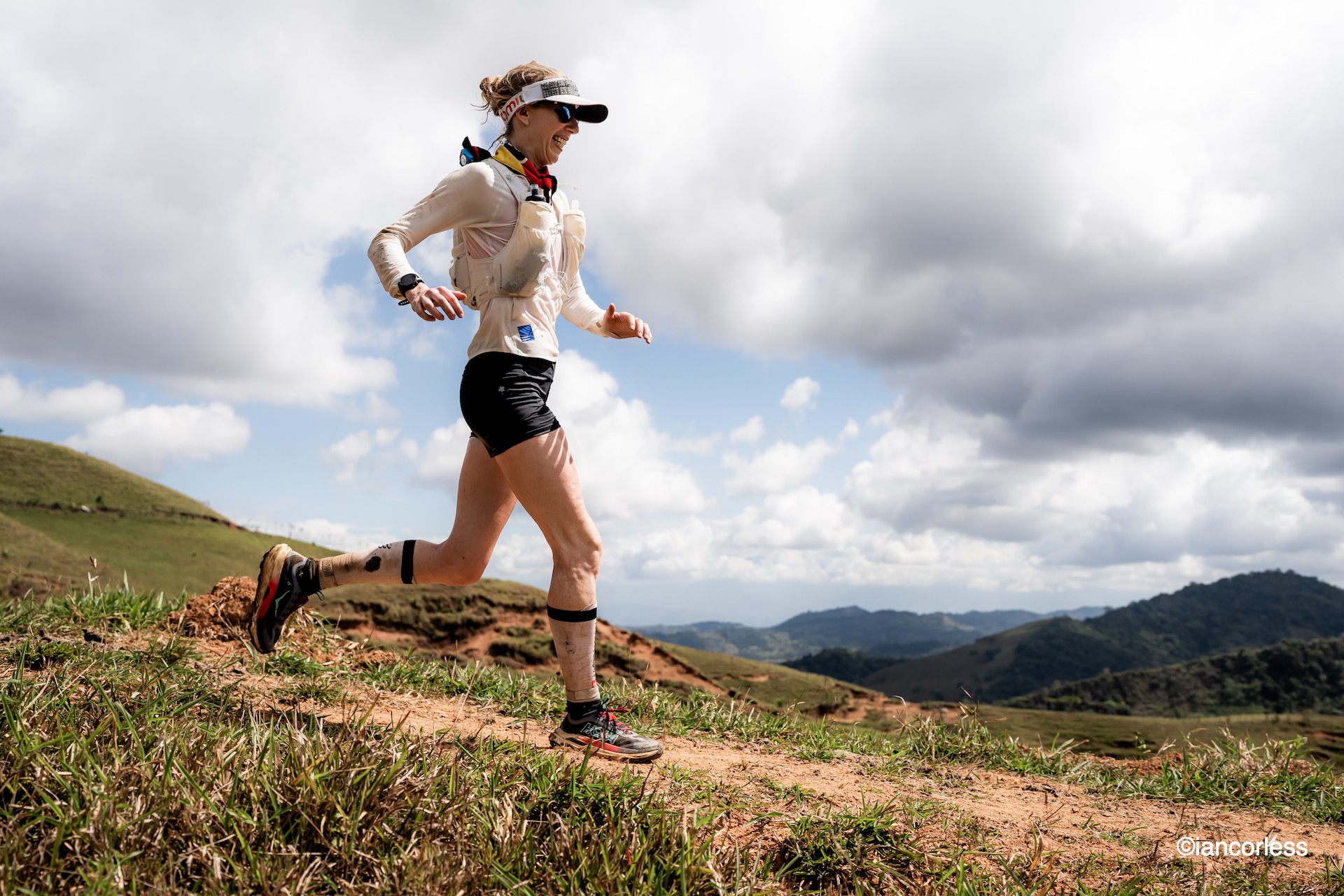
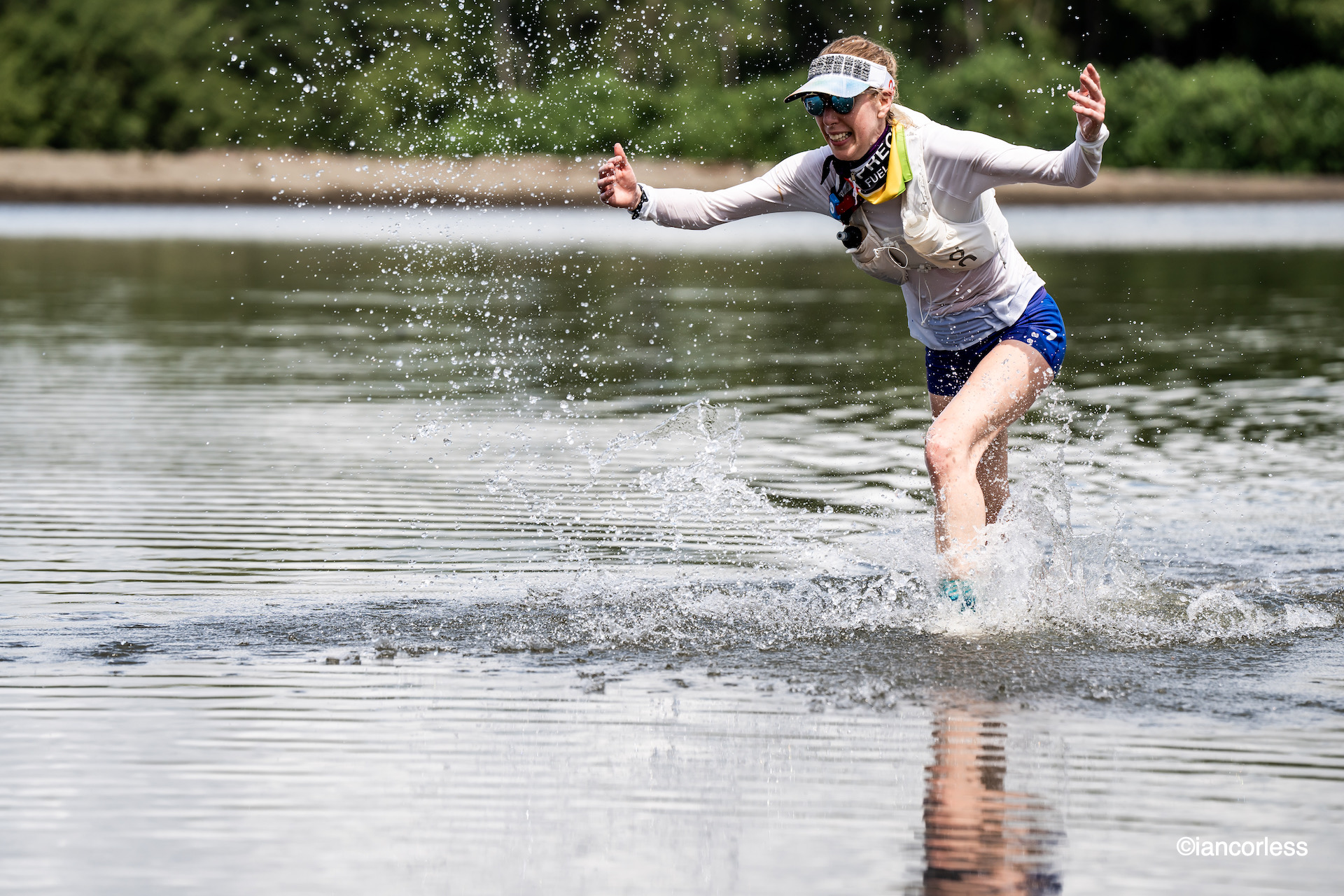
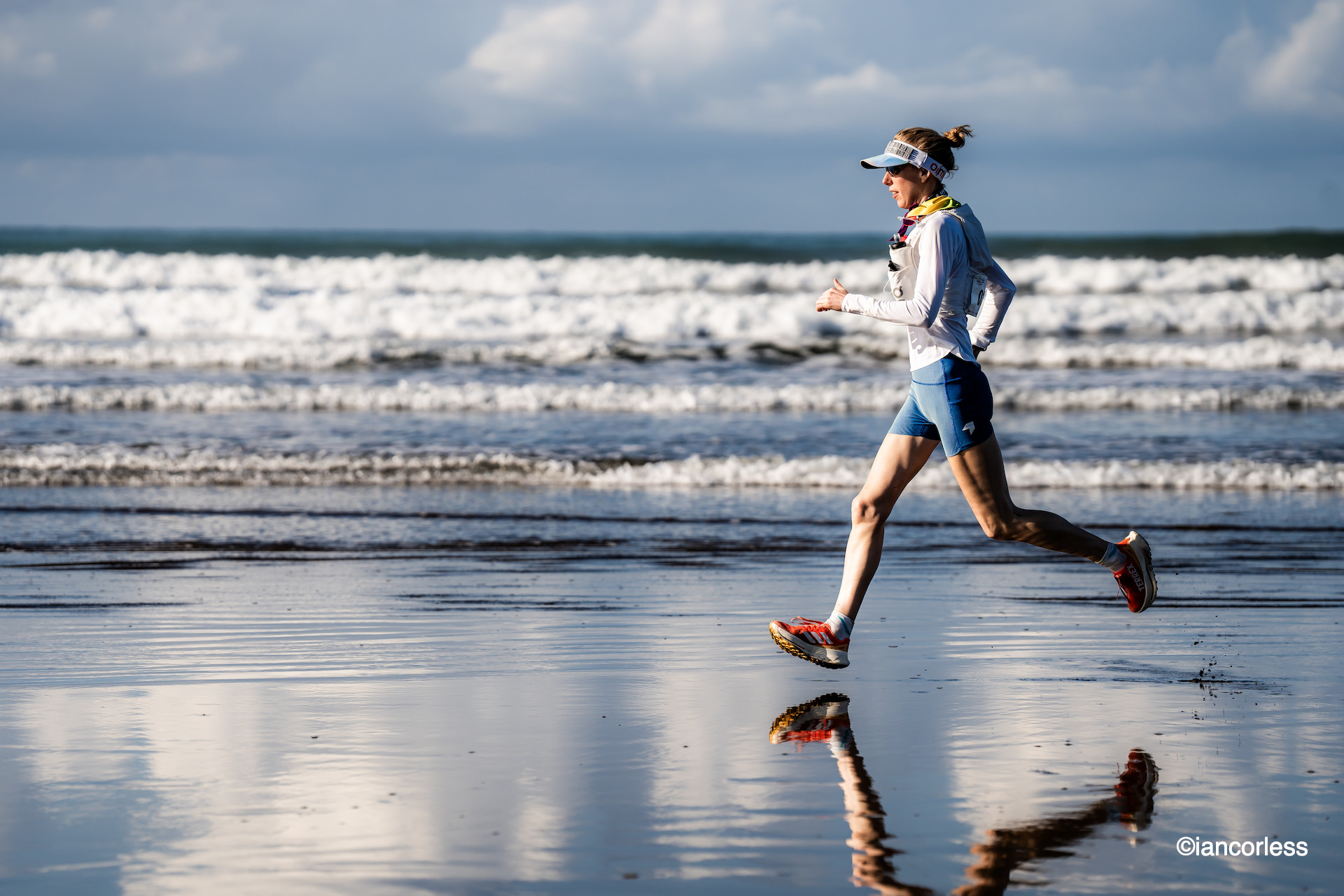
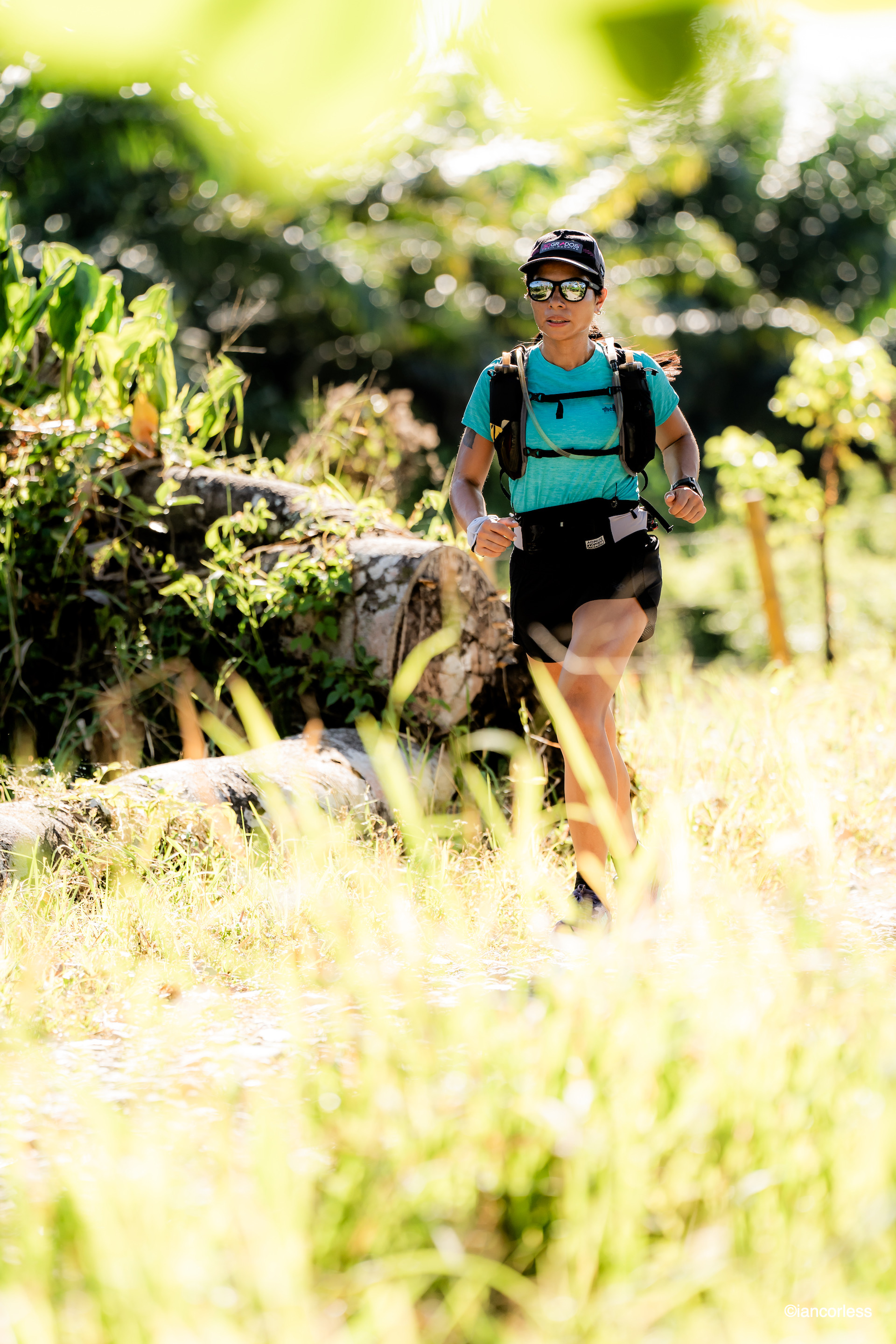
For the women, Katie Young once again dominated the day, but she was feeling the fatigue from a sleepless and exhaustive night.
Photo by Ian Corless
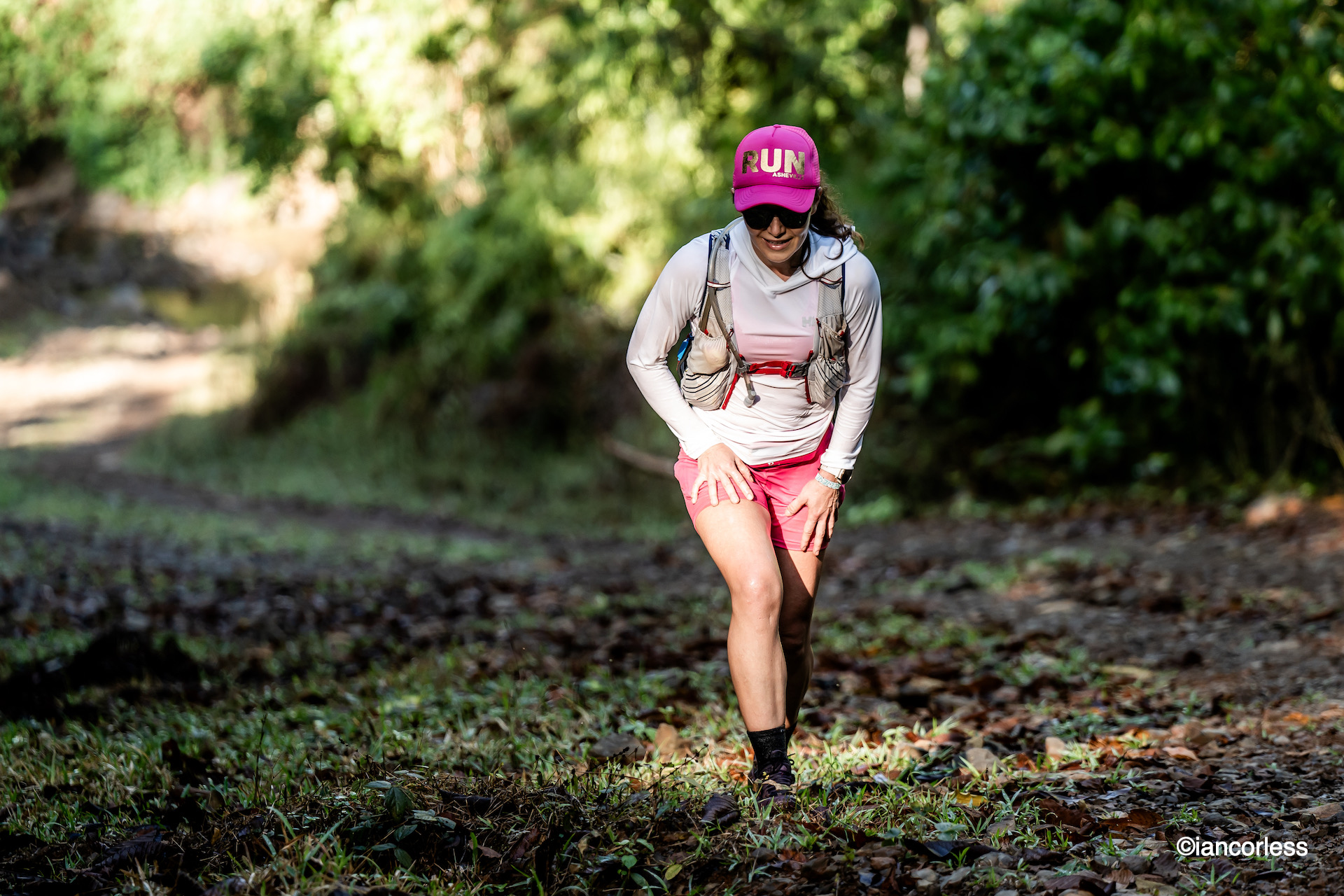
Lucia Jarquin and Maria Jose Corrales once agin ran strong days to secure their respective 2nd and 3rd places.
Photo by Ian Corless
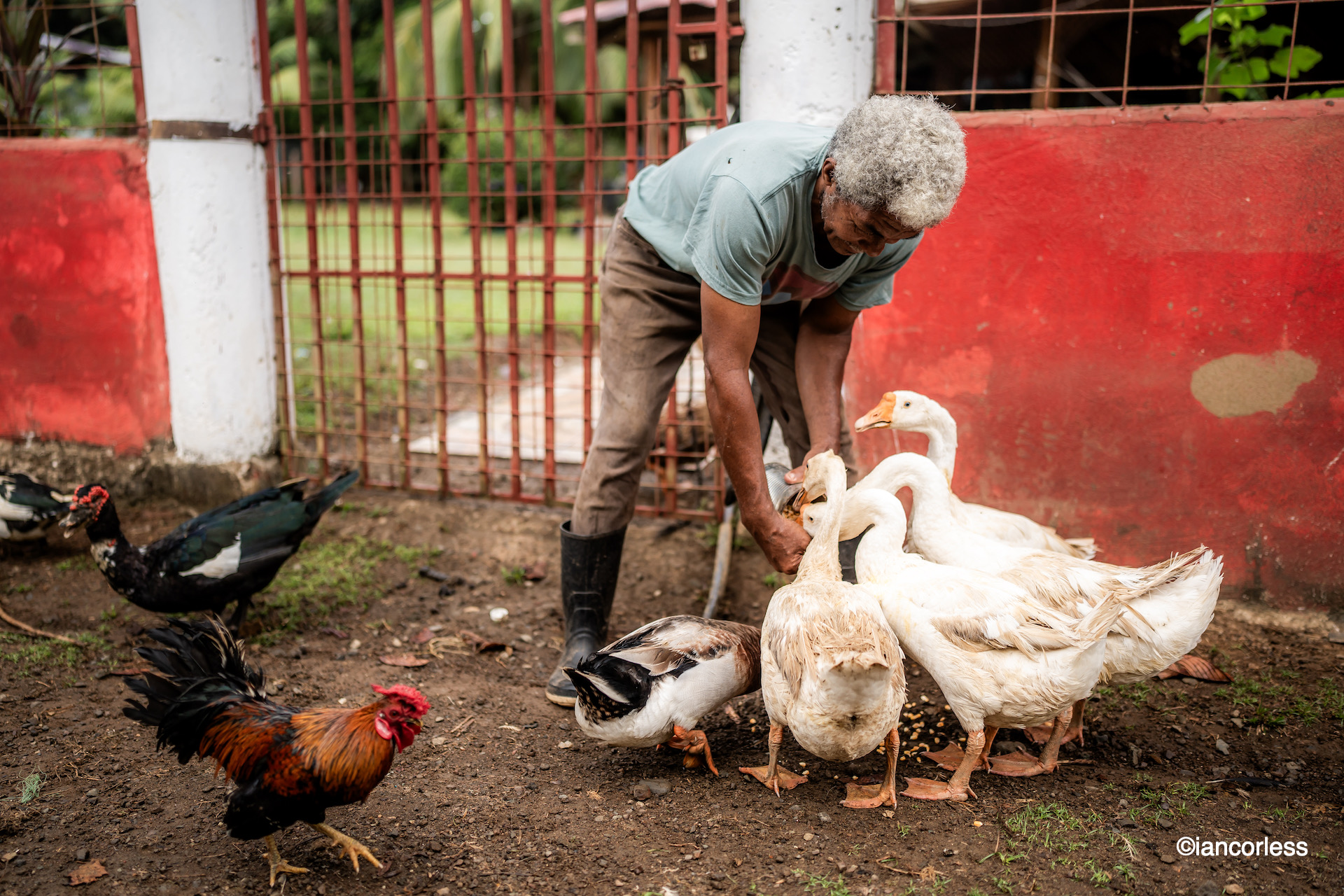
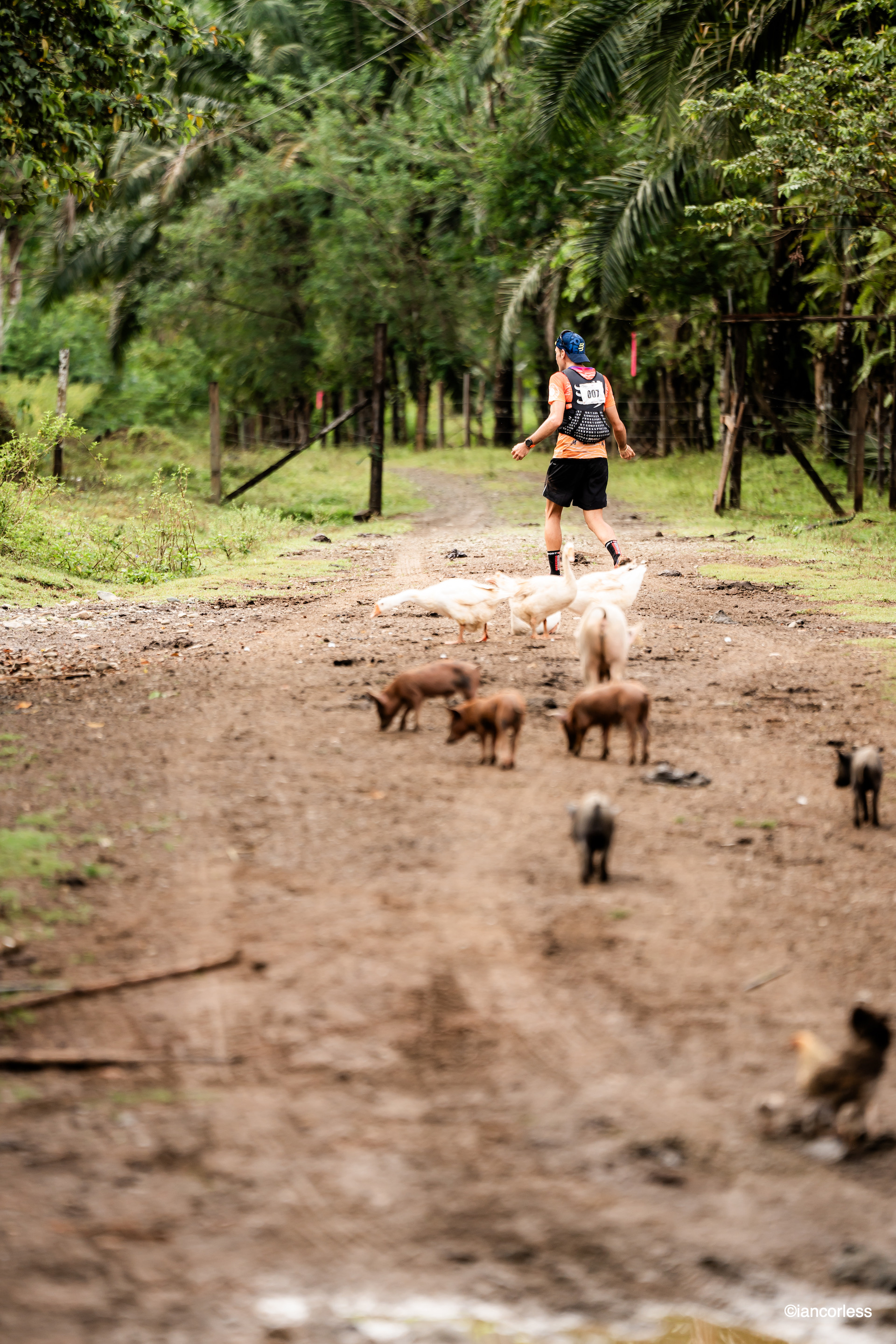
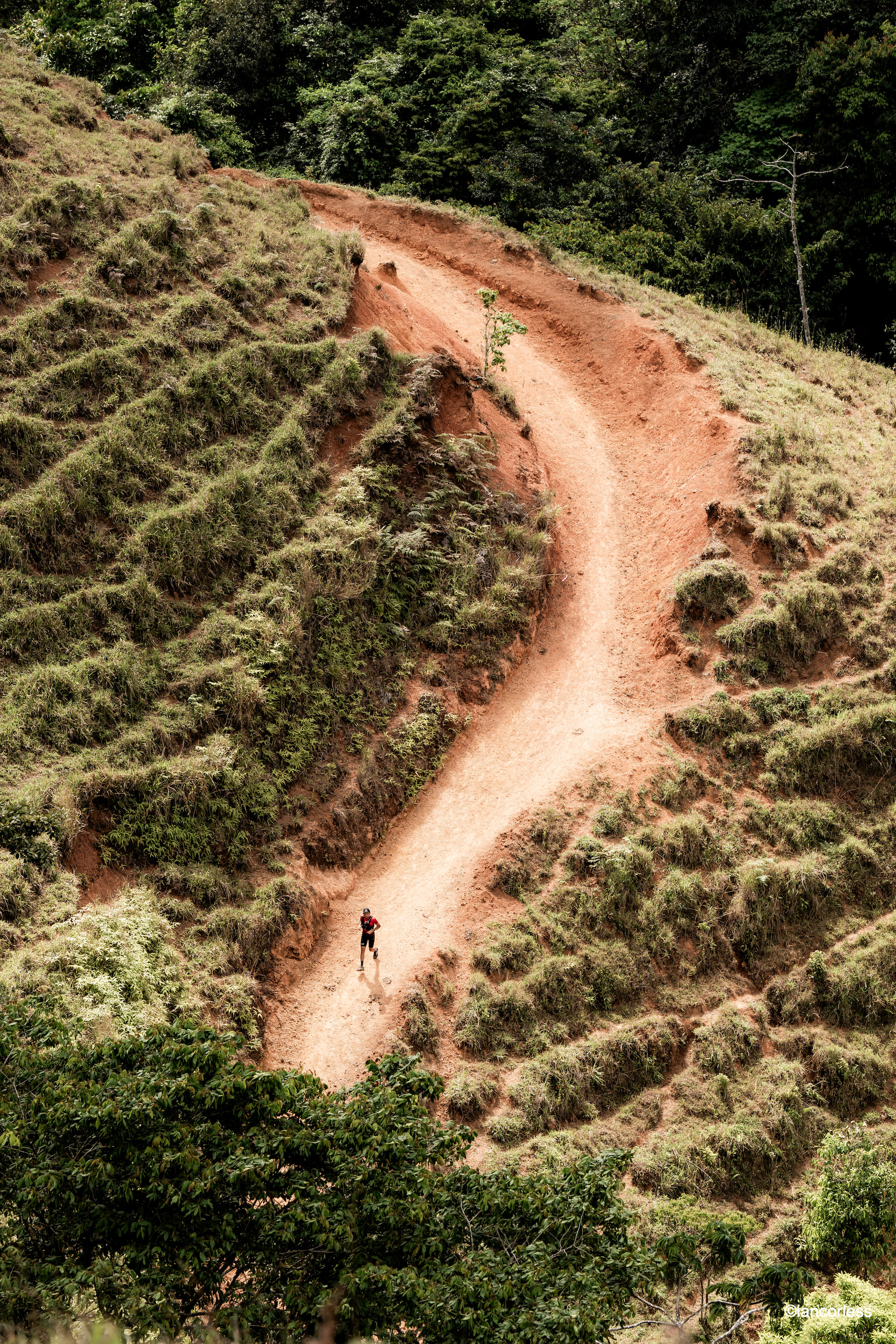
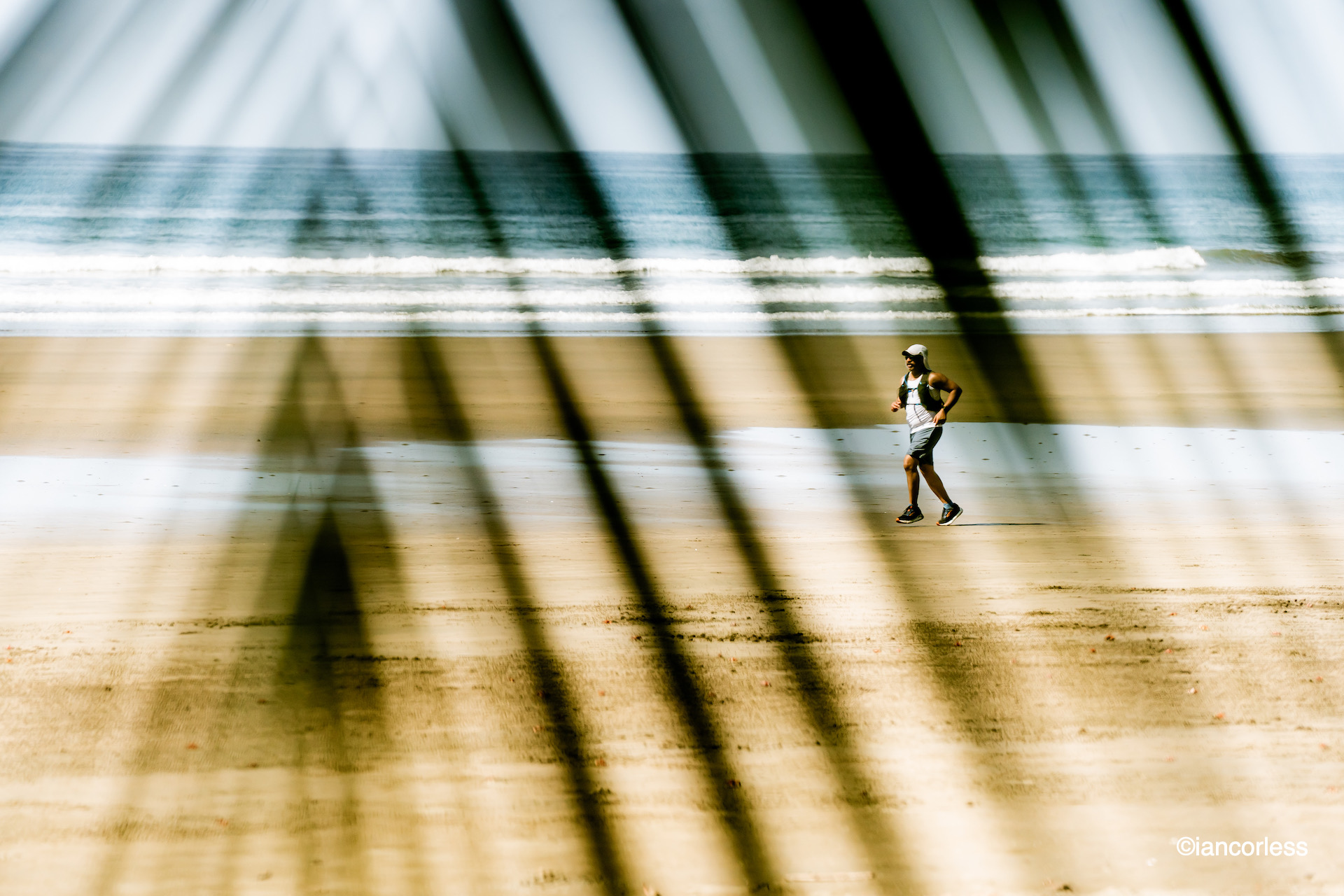
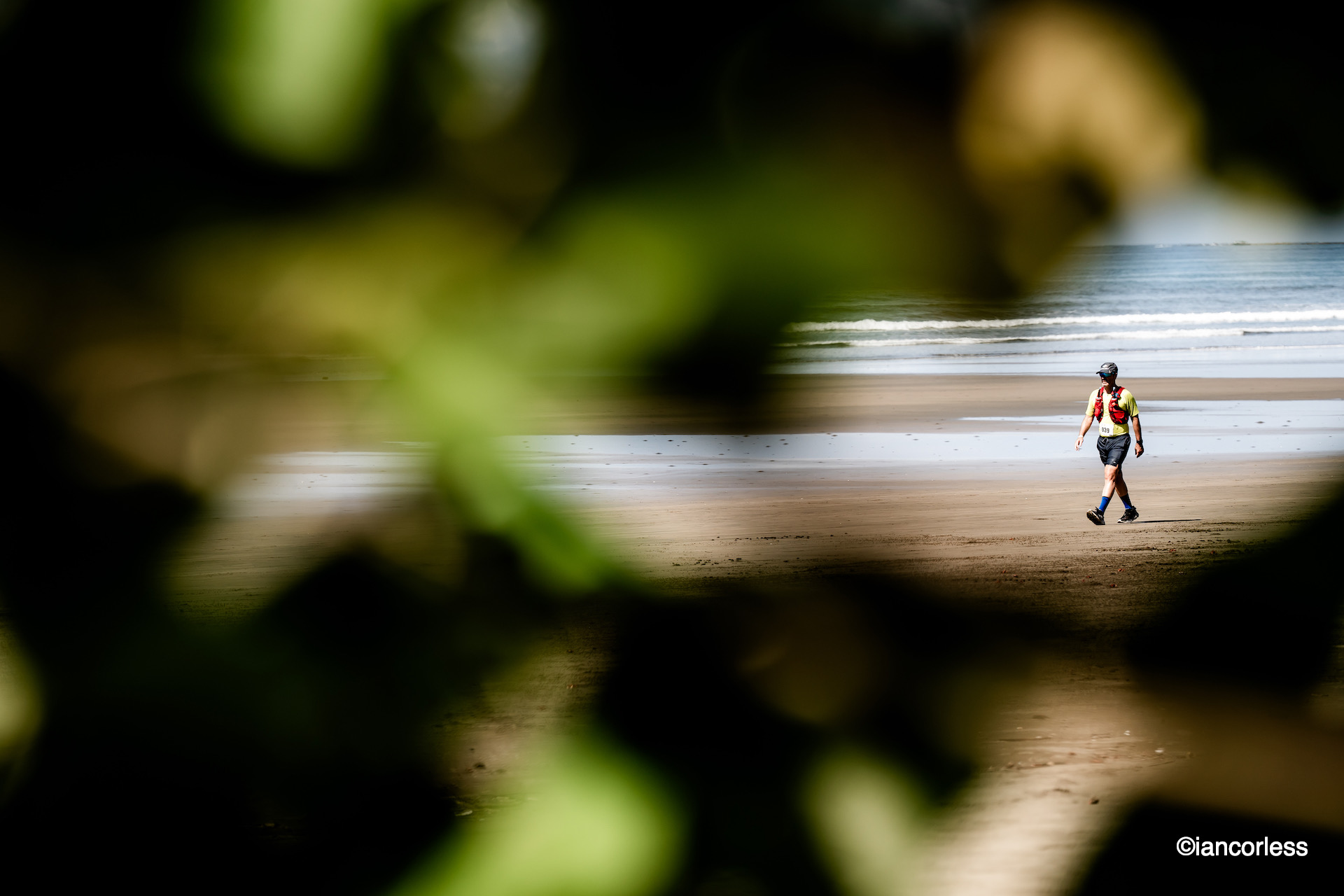
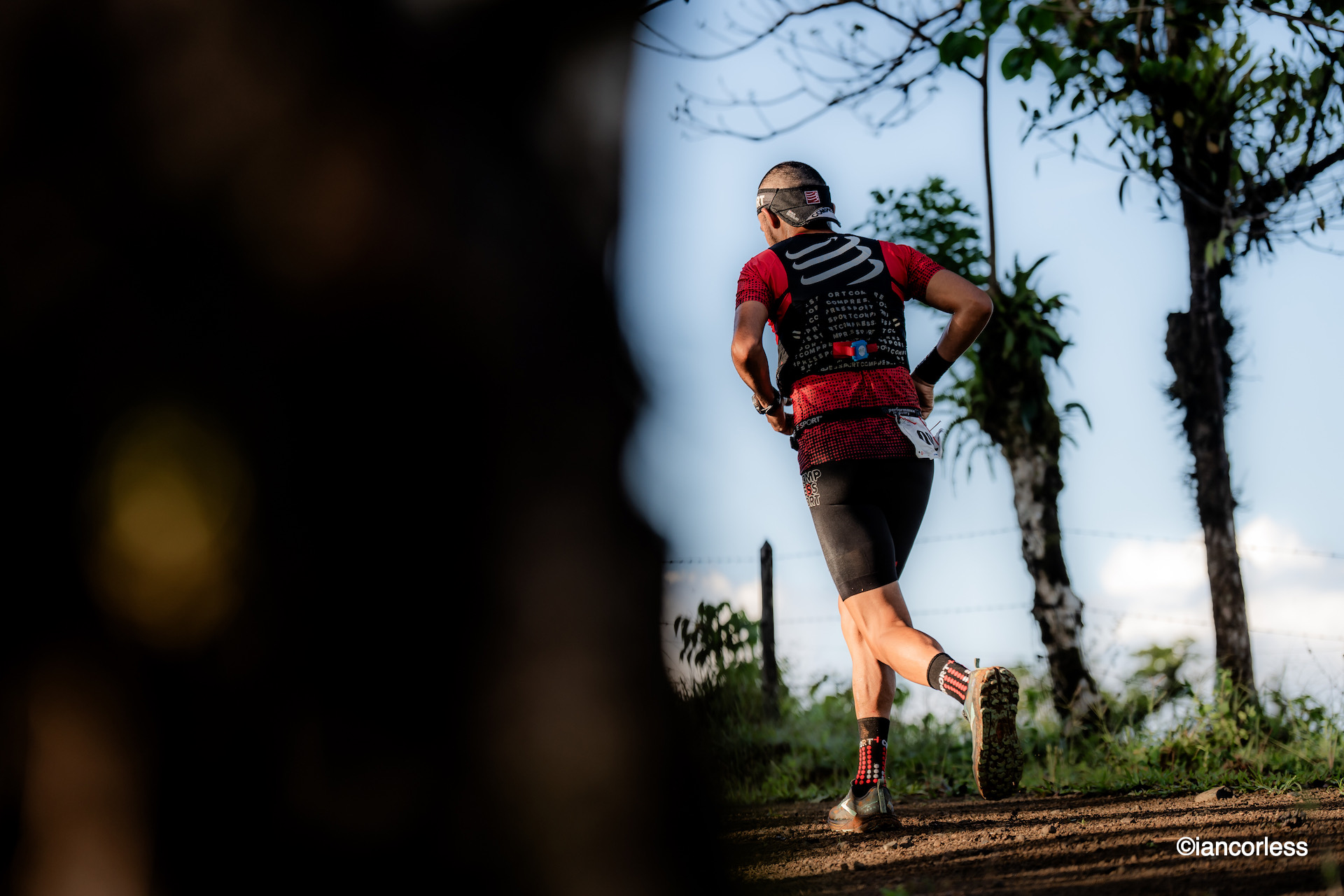
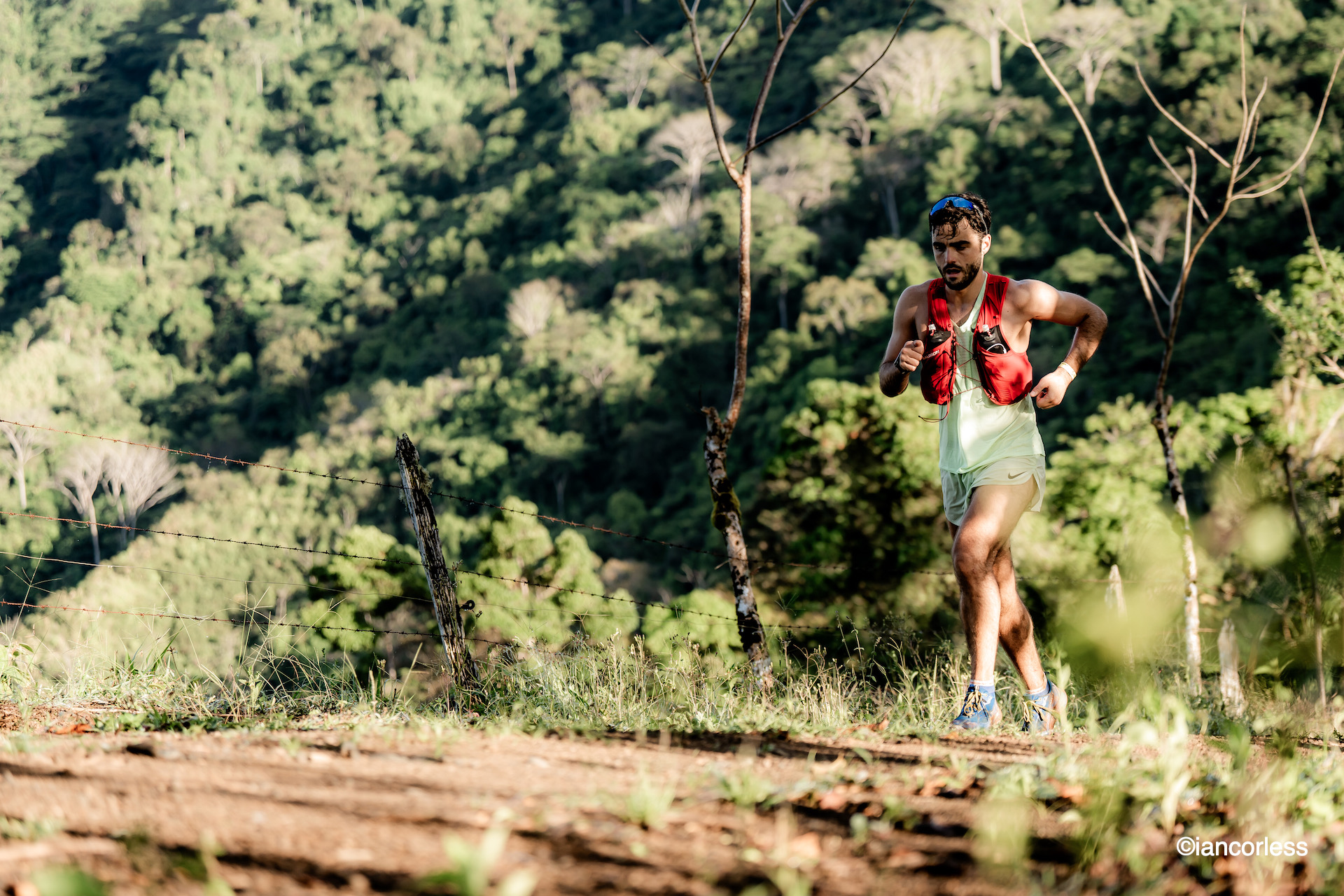
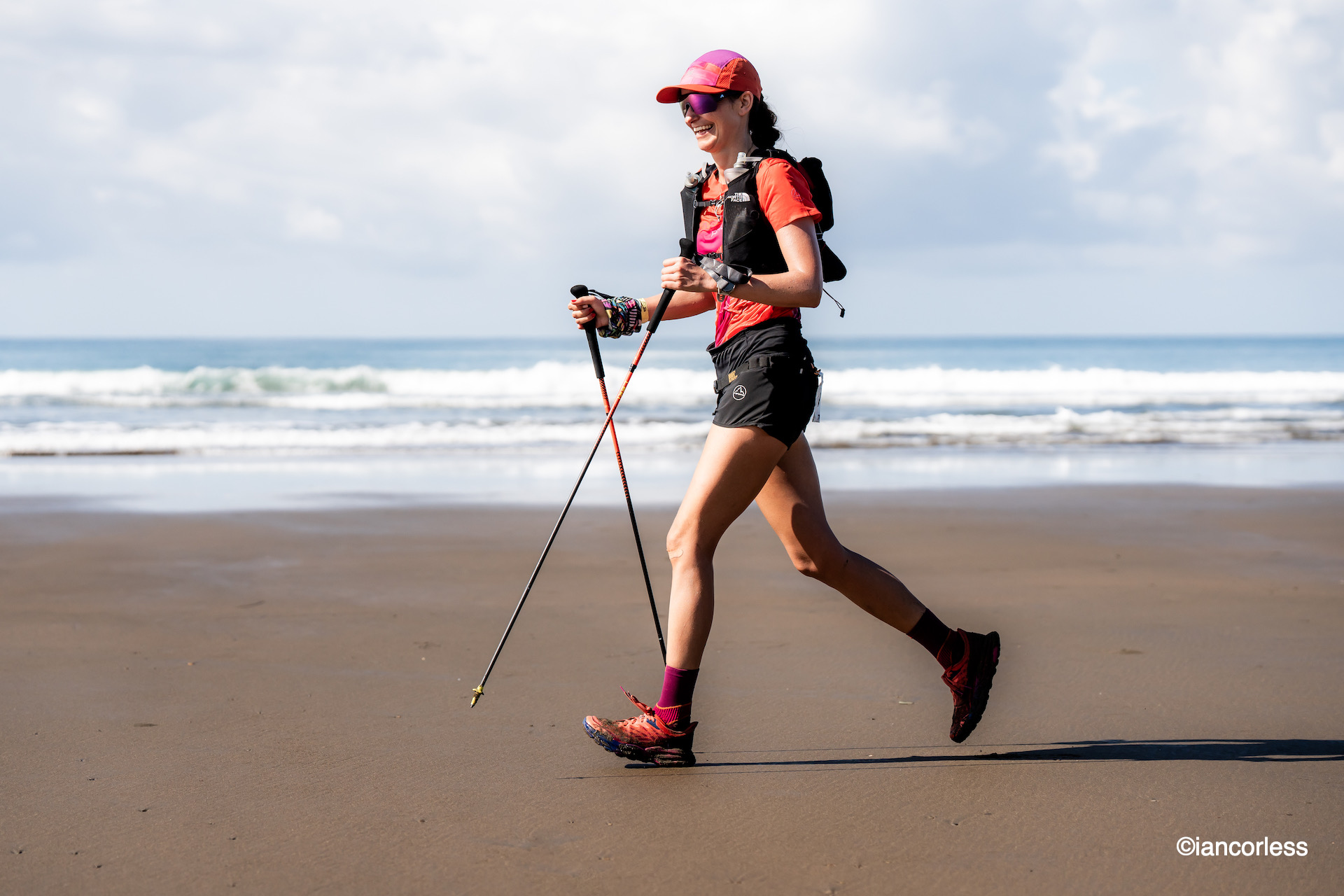
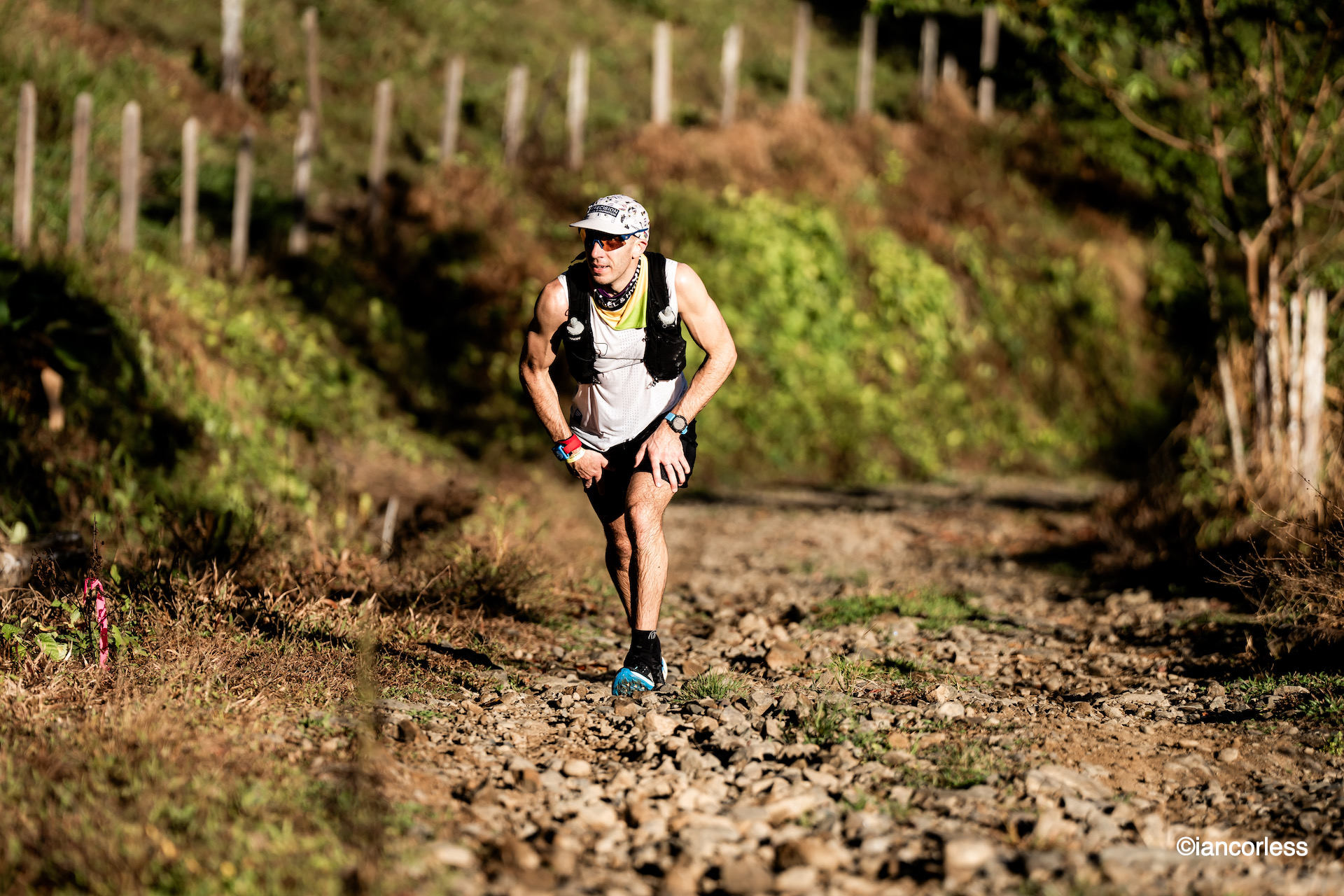
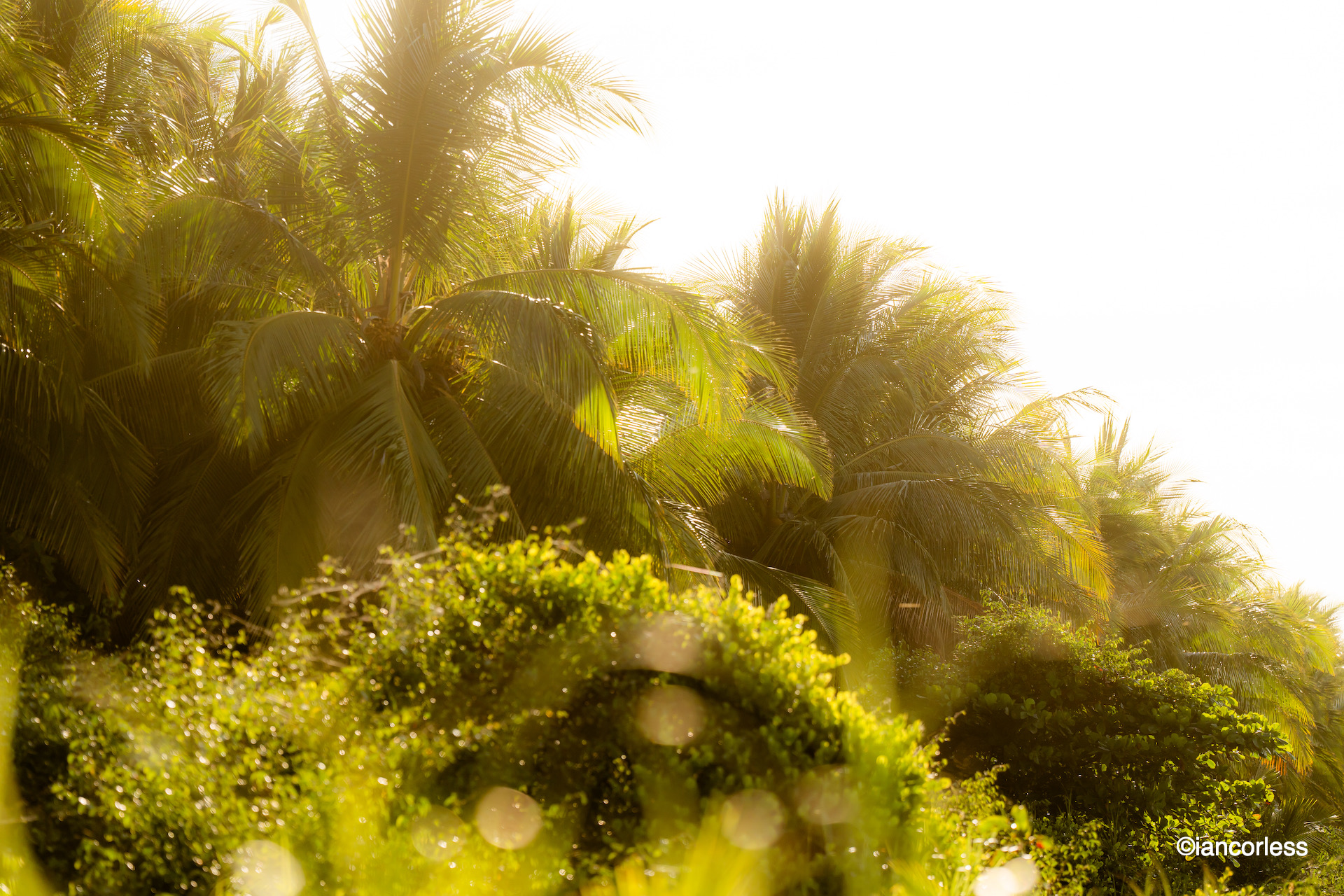
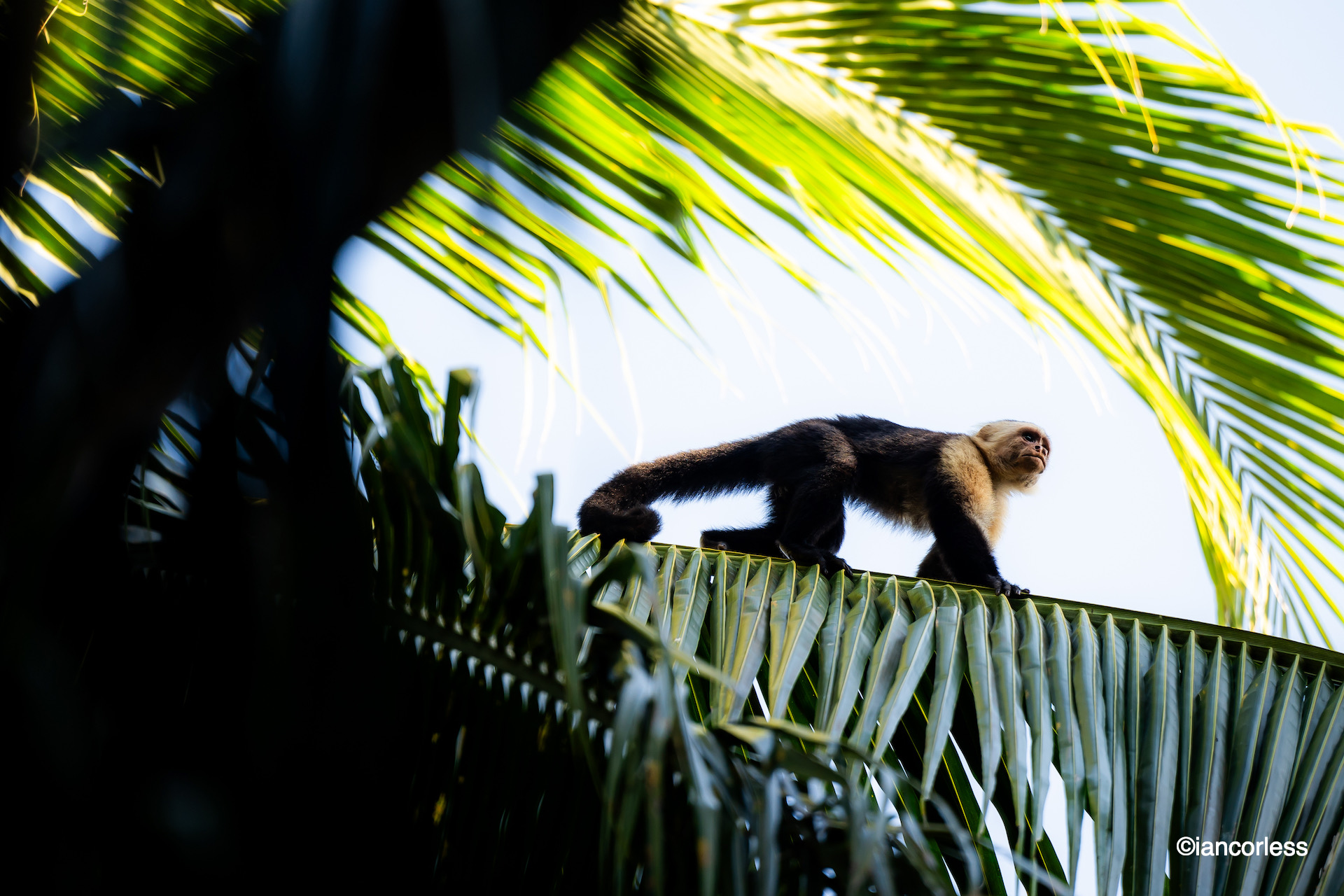
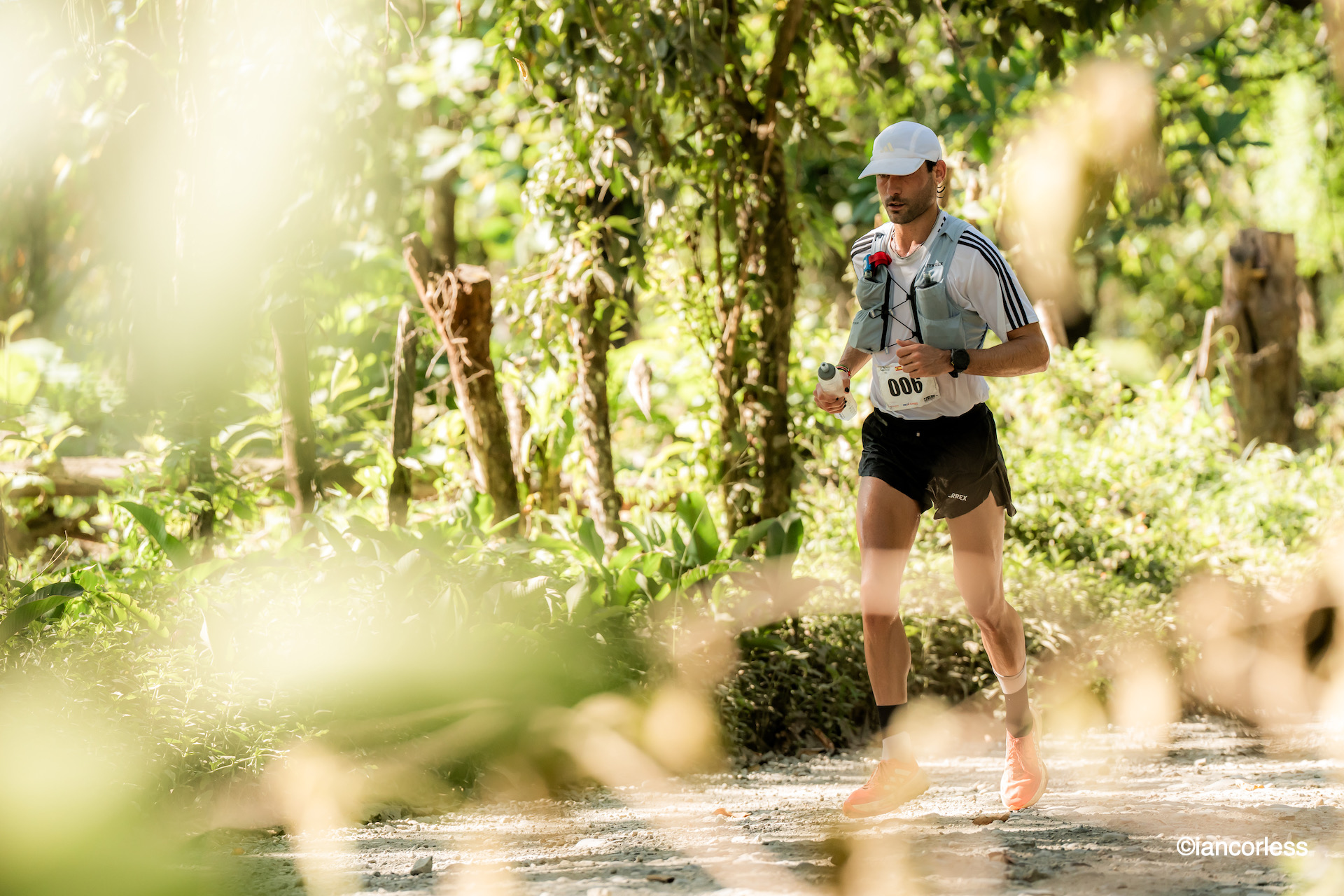
The stage, for many, is a ‘real’ Costa Rica experience. Gravel roads interconnect rainforest, farms, the locals, wildlife and in the latter stages, the beach and ocean lead you to Drake Bay.
Photo by Ian CorlessPhoto by Ian Corless
Tomorrow, the 6th and final stage is a victory loop that manages to compress the best of the previous 6-stages in one incredible course of rivers, waterfalls, farmland, beach, ocean and coasteering.
Stage 3 of the 2025, The Coastal Challenge was epic. The strength and commitment from Erick to attack and push paid off, he not only caught back his 16-minute deficit but now leads by 9-minutes.
Photo by Ian Corless
Pierre was defiant though and clearly exclaimed that if he wants to win, he will race and race with the intention of victory.
Going in to stage 4 we knew a battle was coming, the day, on paper, played into the hands of Erick with a great deal of vertical terrain and at times, lots of technicality, particularly the final descent.
Photo by Ian Corless
The discussion in camp was generally that one of them, more than likely would blow up today and potentially lose the race.
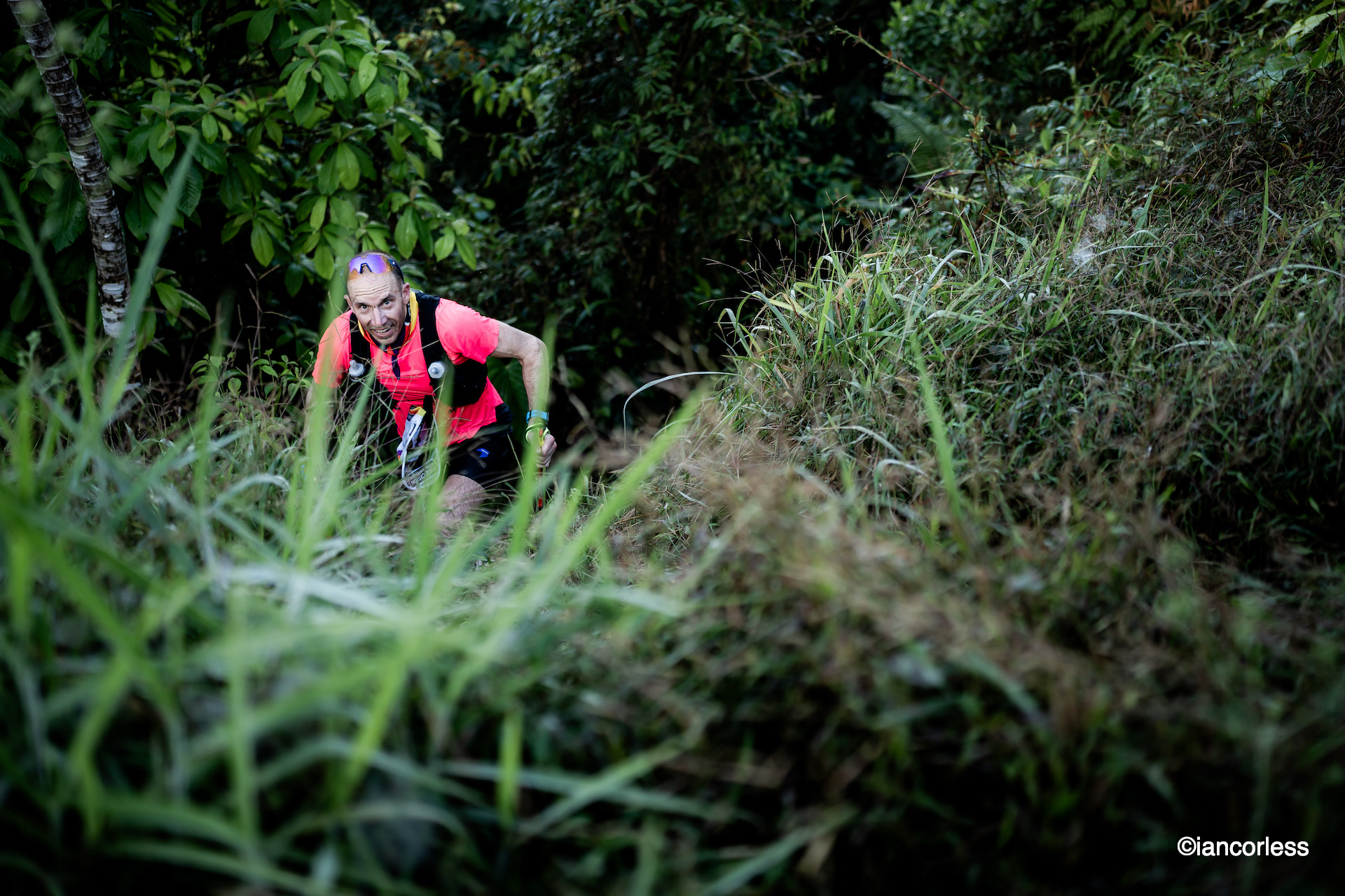
At 0530 the runner’s were released straight into a climb through dense rainforest, the expectation was Erick would appear first, but no, it was Pierre.
A long wait and then Erick arrived, he had lost 6-minutes 30-seconds on the first climb. Was he paying for the previous days effort?
Photo by Ian Corless
At cp 2, the gap had extended to 7-minutes 30-seconds and several kilometers before cp3, the gap was 8-minutes 15-seconds.
Pierre was having a stunning day and Erick was just trying to minimise his losses.
Photo by Ian Corless
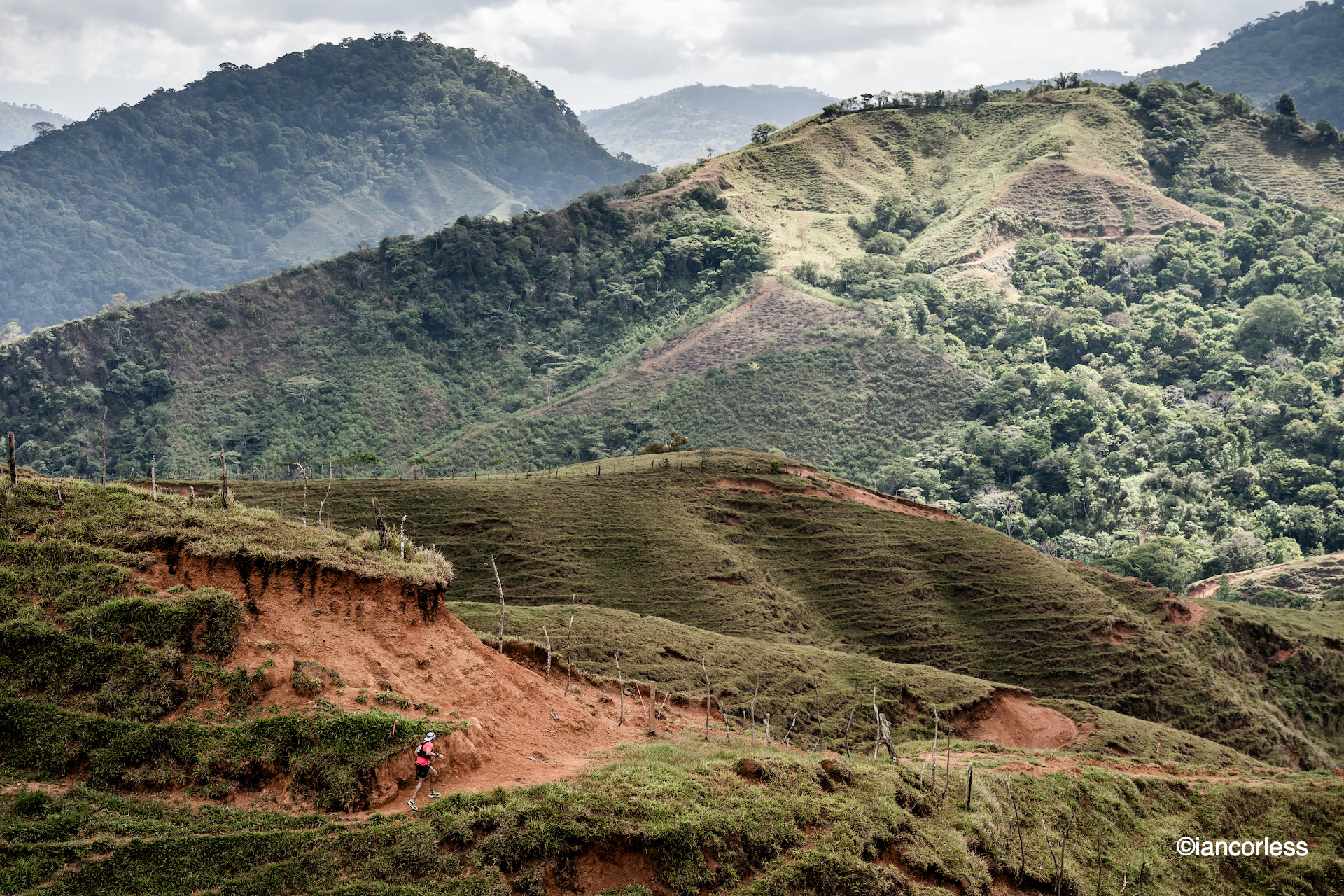
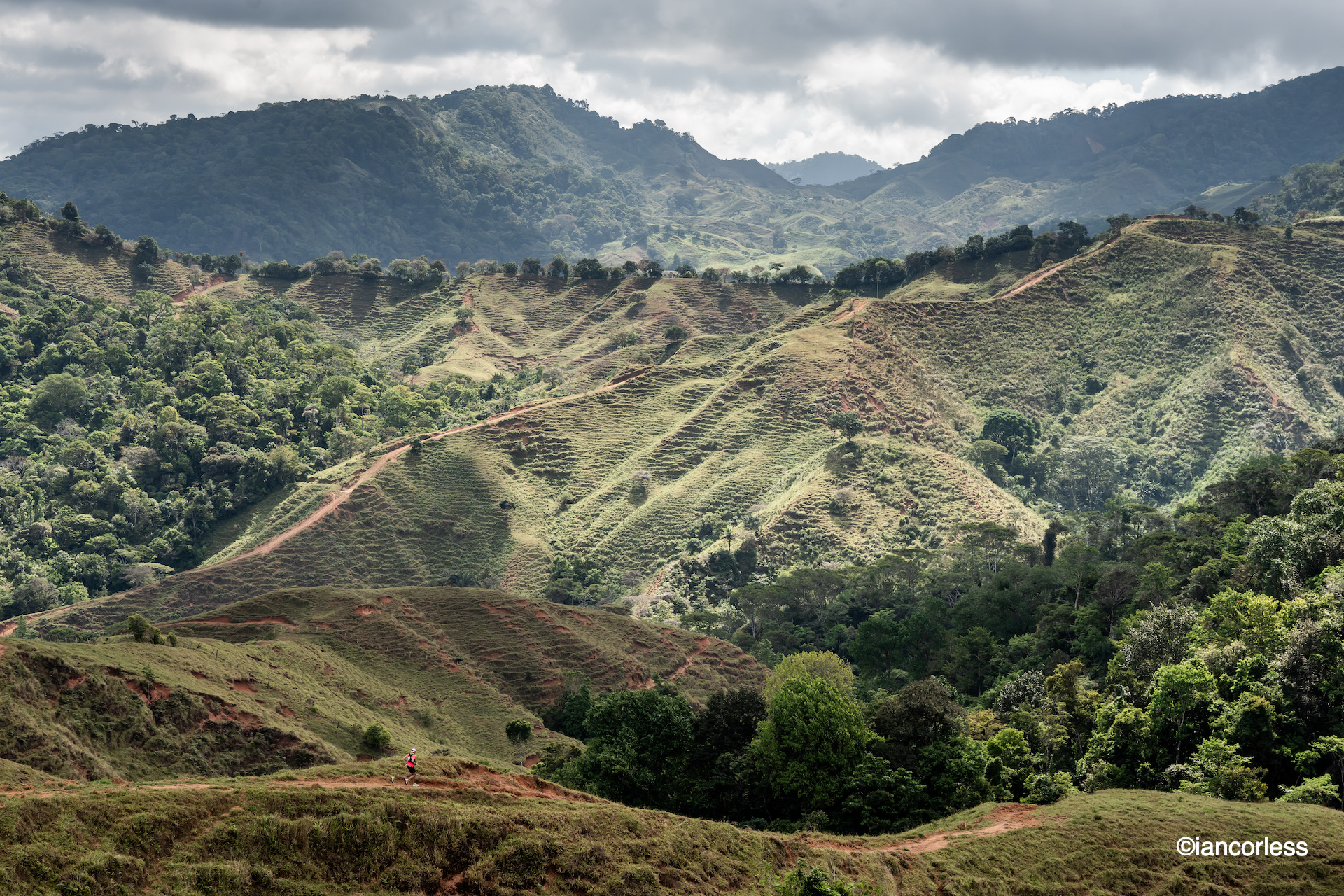
Cp3 came and several kilometers later, Pierre appeared on the challenging high ground with the Talamancas as a backdrop. The gap was now 10-minutes 15-seconds, Pierre was the leader on the road.
Photo by Ian Corless
It was expected the Pierre would continue to open the gap or at least maintain the gap, but nom this 2025 TCC is turning into a classic.
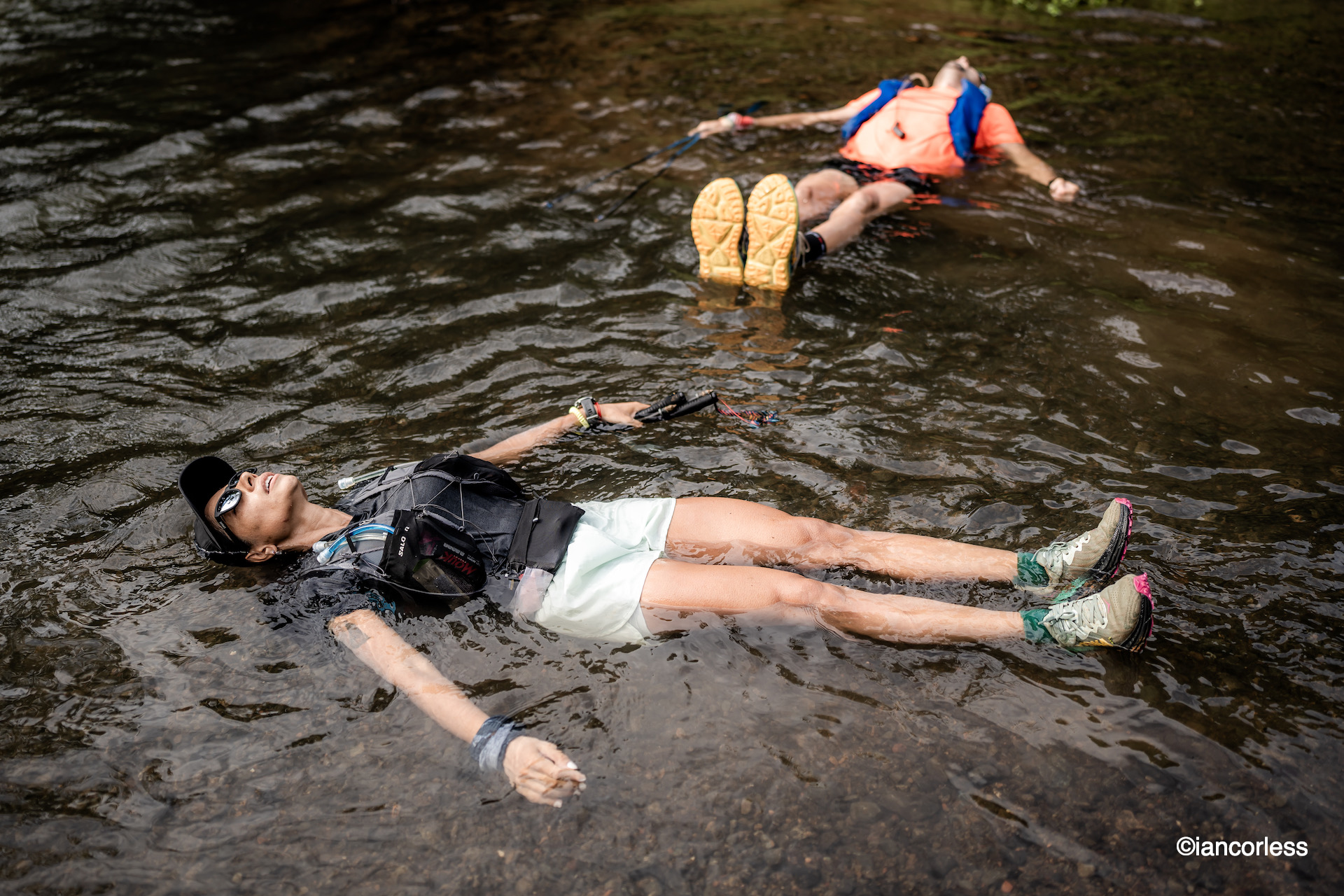
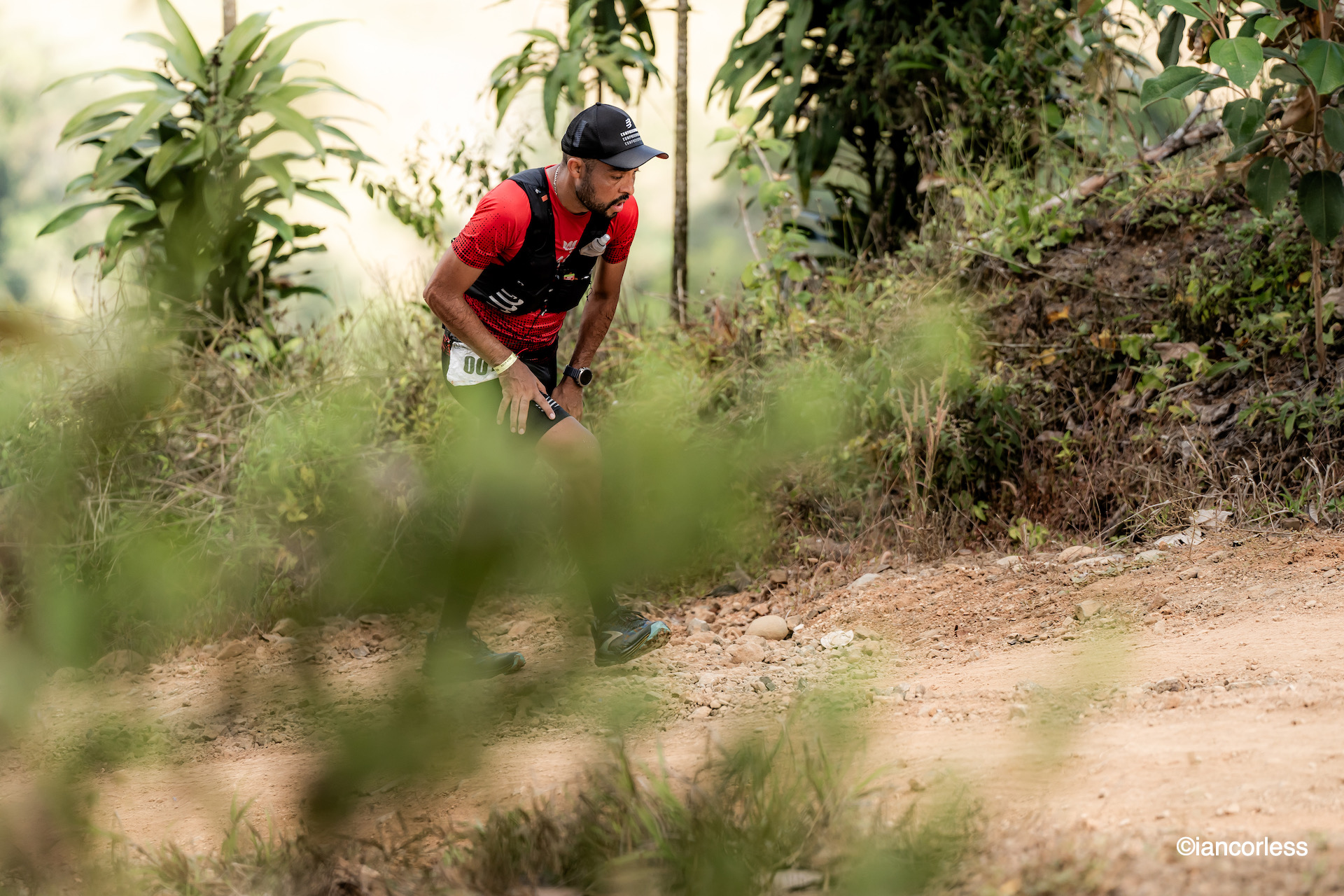
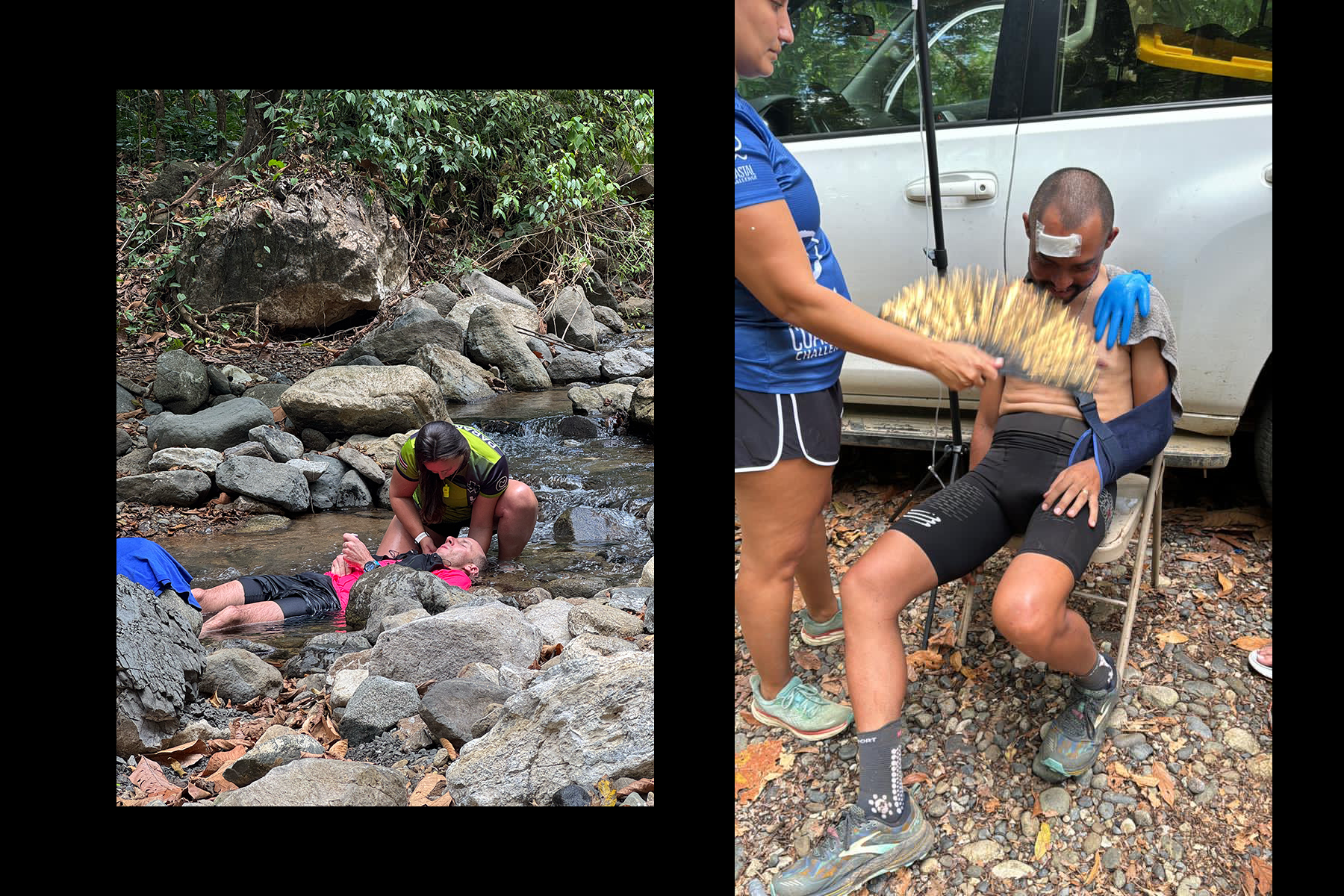
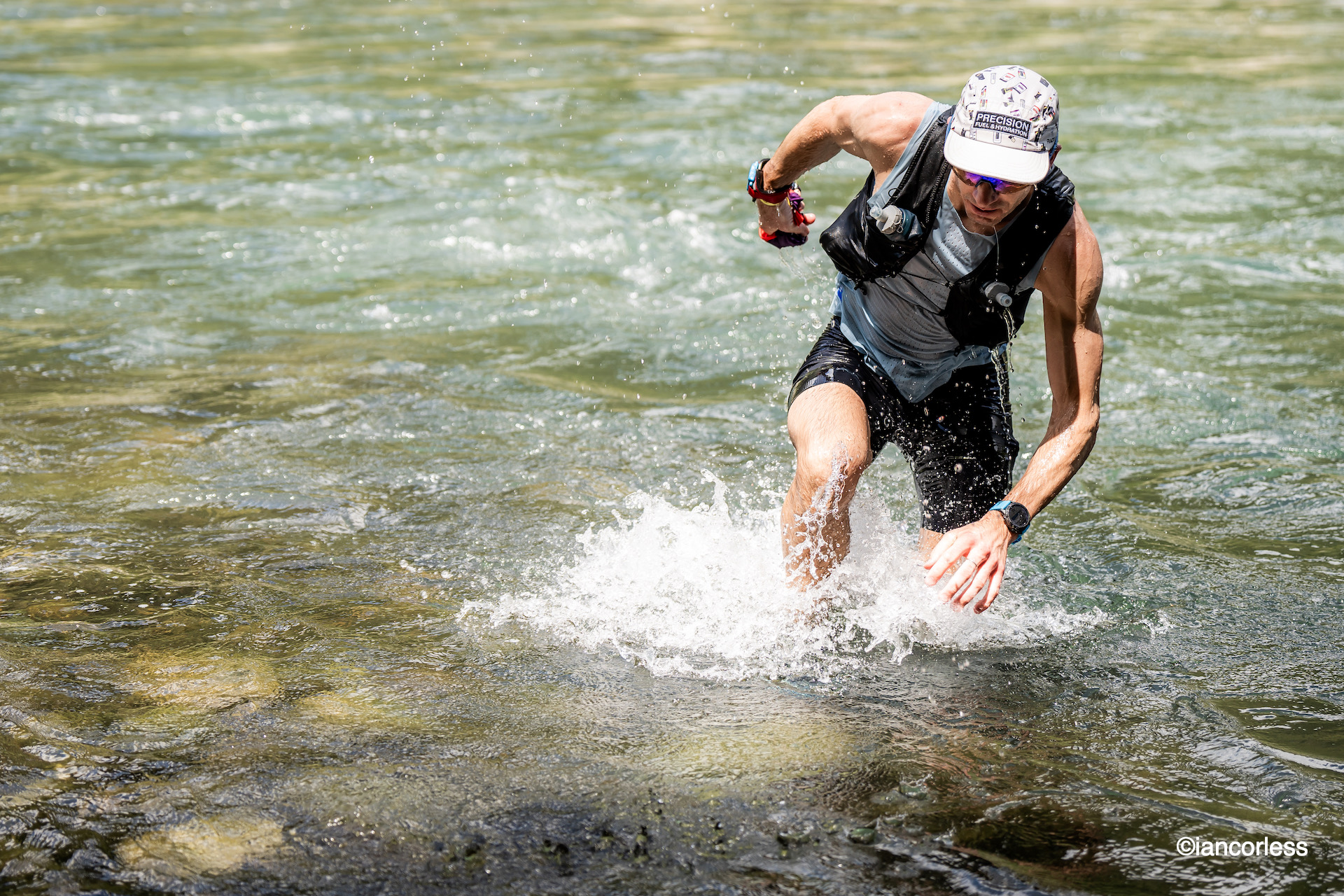
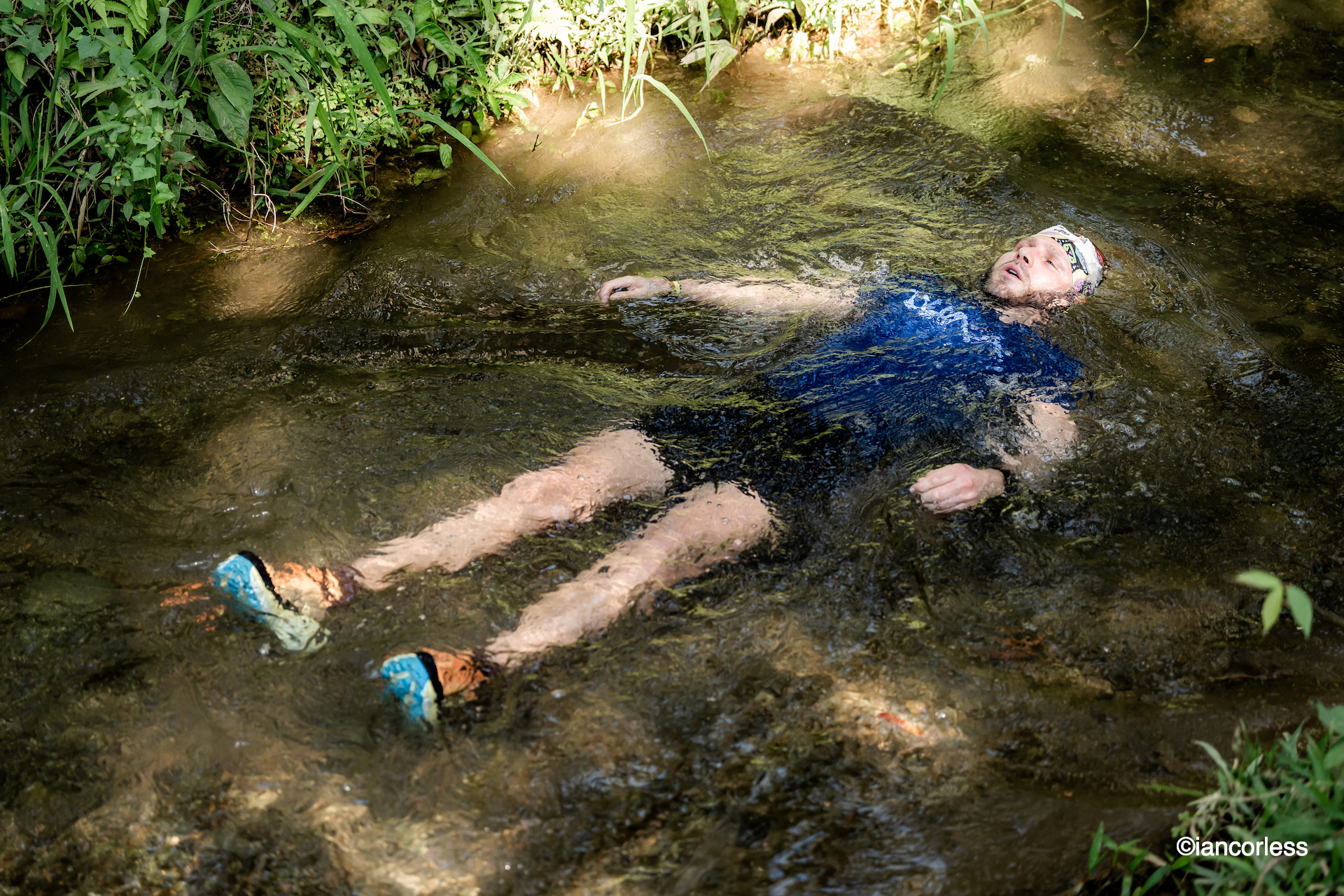
On the final descent Pierre suffered in the heat and humidity, he was a shell of his former self and when he arrived at the line he was exhausted and collapsed. Medics immediately submerged him in the river to cool down.
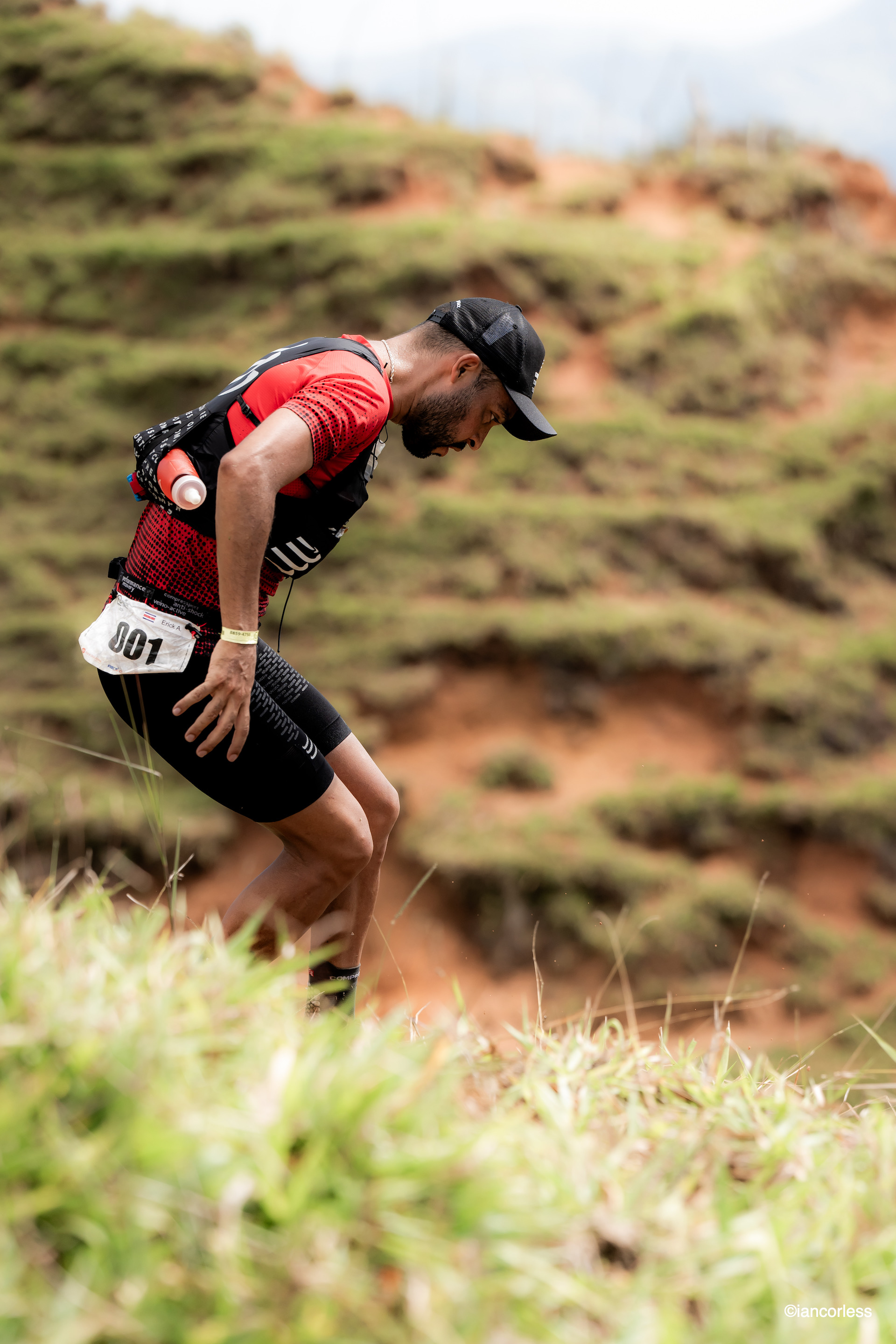
Just minutes later, Erick arrived, battered and bruised, he had pulled back many minutes but in the process had taken a bad fall, he was taken to hospital and gladly we can report there are no broken bones.
So, Erick still leads the 2025 TCC, the gap has been reduced from just over 9-minutes to now, 6-minutes 20-seconds.
Epic!
Both are somewhat broken from stage 4 and with 2 stages to go, who knows what will happen. For now, they need to eat, rehydrate, rest, have a good sleep and let’s see what happens at the beginning of stage 5…!
Photo by Ian Corless
The rest of the race, in comparison, ran smoothly, the women’s race followed the same process as the previous days with Katie once again taking another win.
Photo by Ian Corless
The landscape, the views, the small villages, the people, they all come together to make stage 4 a brutal and beautiful day.
What a day! Stage 3 of the 2025 The Coastal Challenge will go down in history… Local legend, Erick Aguero pulled back a 16-minute deficit after stages 1 and 2 and now leads the race after an epic winning margin of 23-minutes.
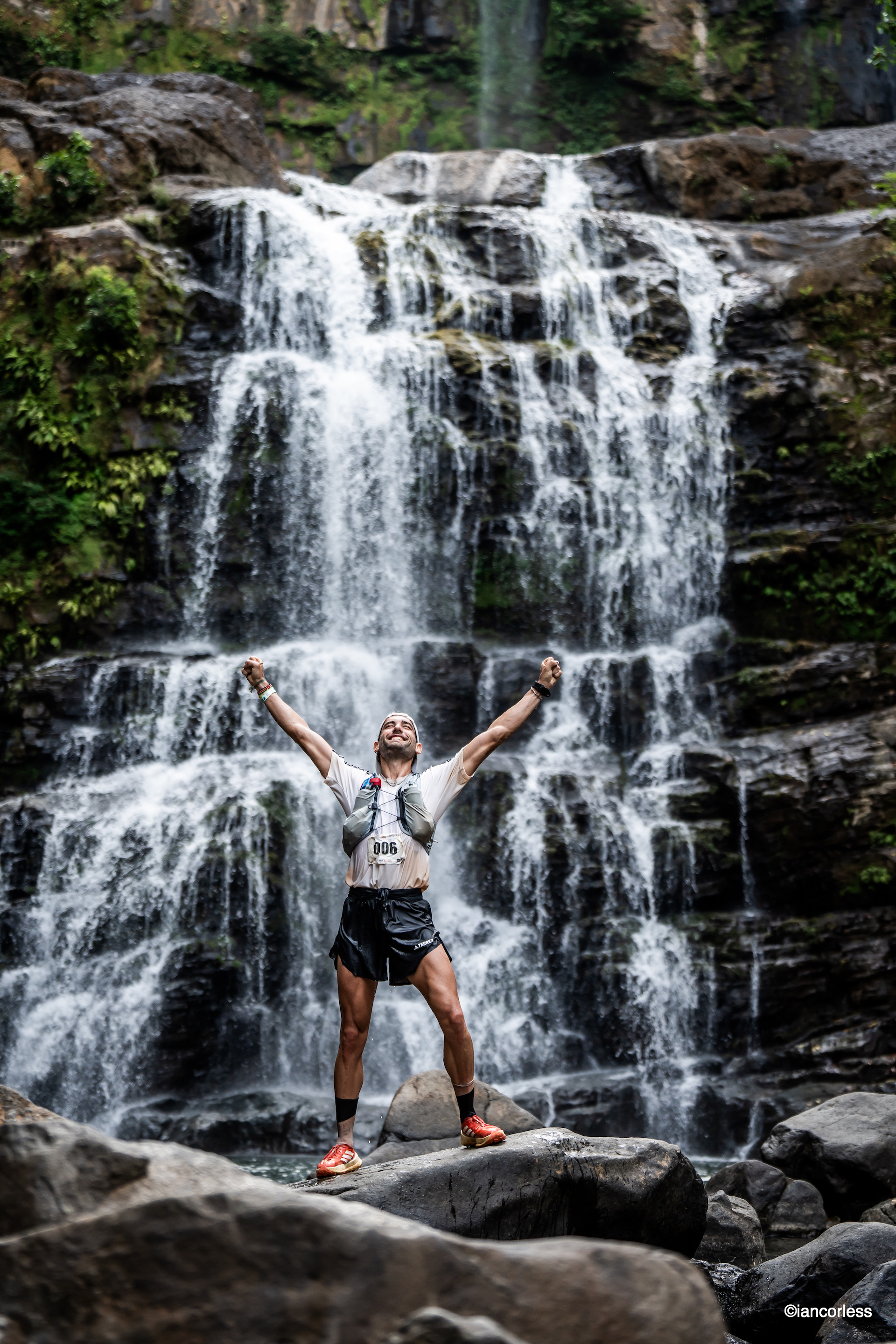
This is Nauyaca with Pitufollow – Photo by Ian Corless
Stage 3 with more technical trail, played into the hands of Erick and at the Nauyaca Waterfall he already had a lead of 5-minutes. This lead increased from cp too cp, Erick was on a mission. By the final beach section, has lead was +/- 23-minutes. He held on to the line to take a stunning stage win and overall lead.
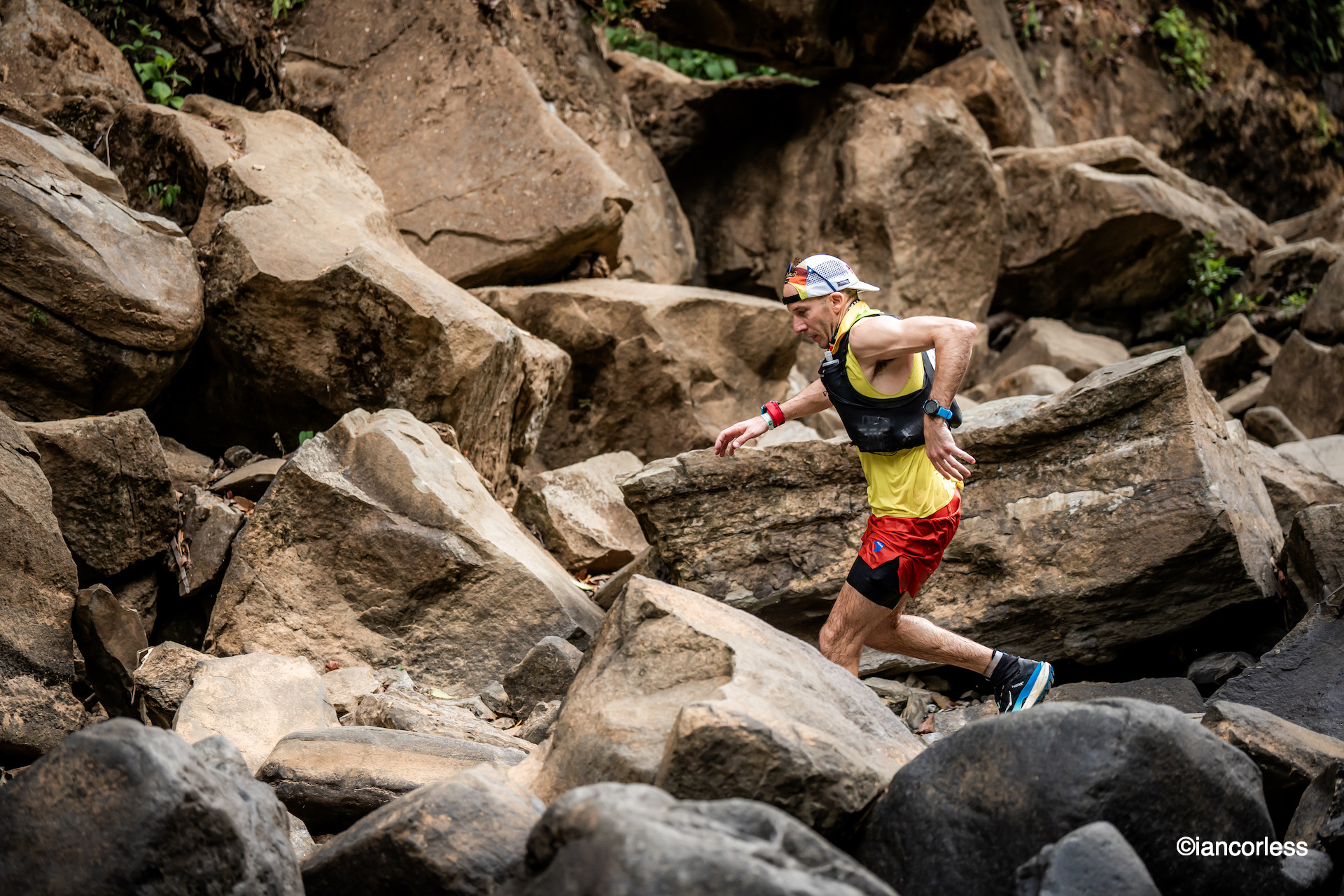
Pierre chasing hard – Photo by Ian Corless
Pierre Meslet was running strong all day and post-race he confirmed he felt good and was running strong. He gave kudos to Erick on a stunning stage and he also confirmed, “If Erick wants to win, he has a fight on his hands!”
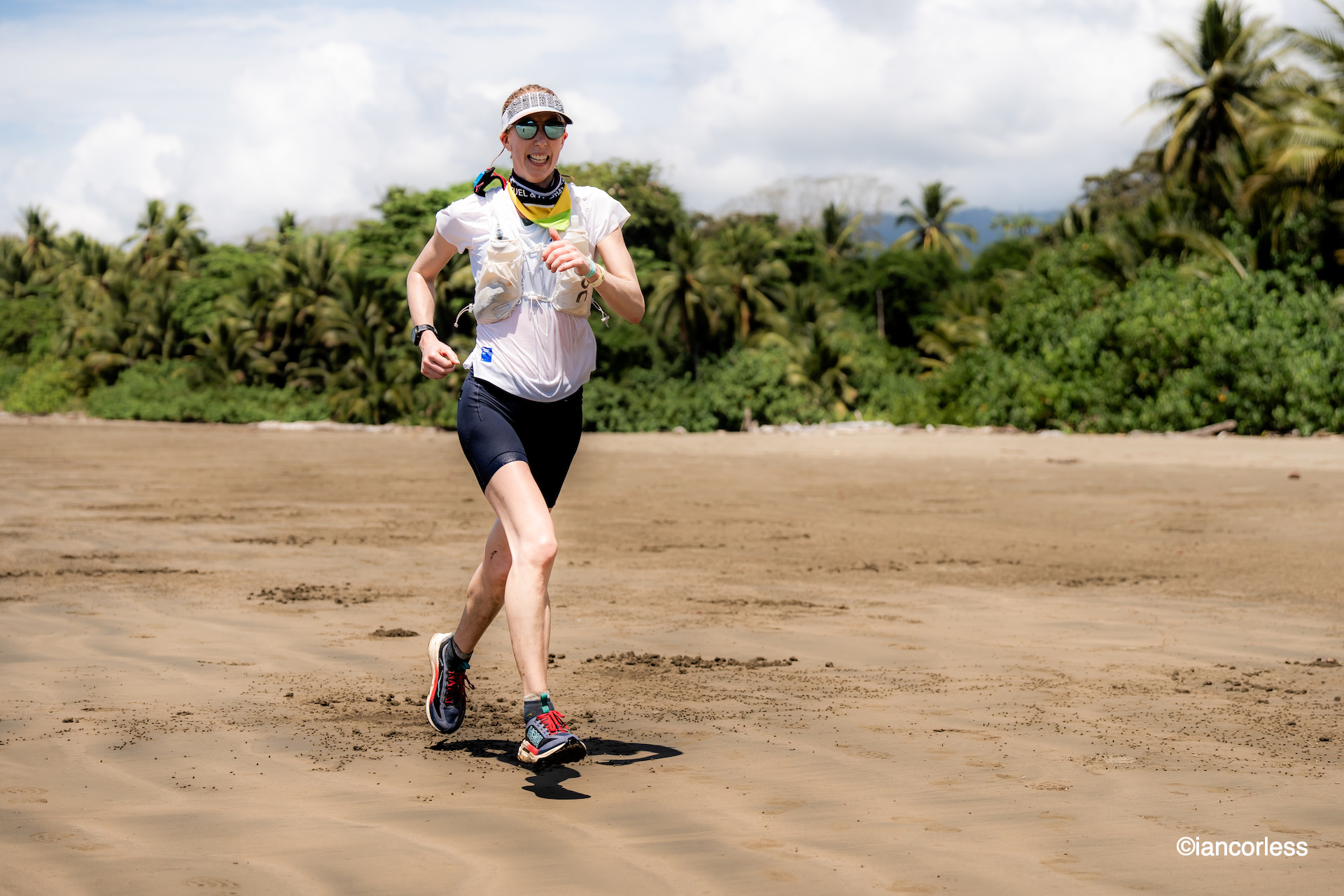
Katie – Photo by Ian Corless
For the women, Katie Young was once again untouchable. She was running strong and what looked like without effort all day. Post the finish line, she confirmed she was 30-minutes quicker than last year, she is unbeatable.
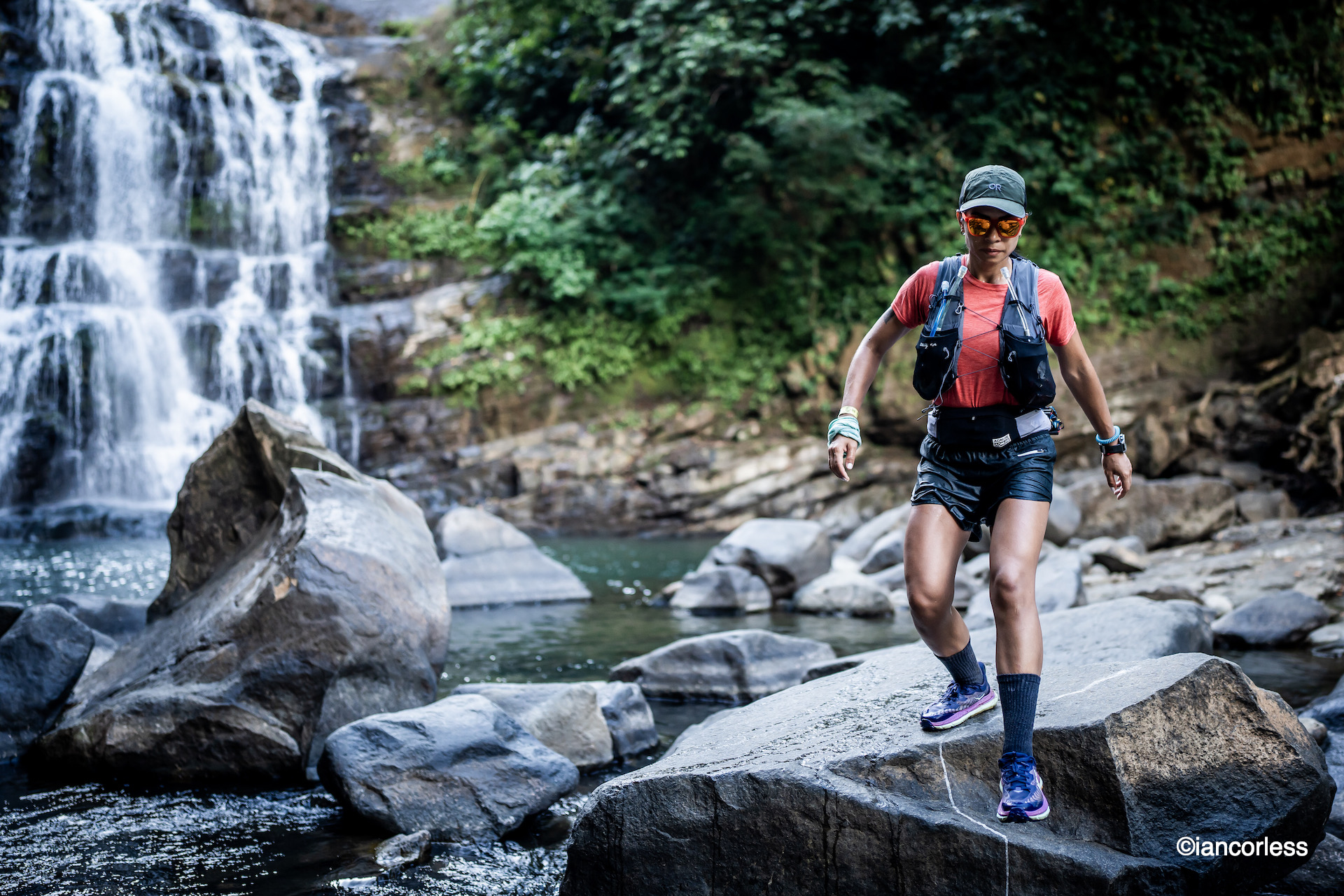
Lucia – Photo by Ian Corless
Lucia Jarquin was once again 2nd on the stage and now, after 3-stages is 6-hours and 24-minutes behind Katie.
Pura Vida – Photo by Ian Corless
Stage 4, tomorrow, moves away from the ocean and into the more mountainous and technical trail that Erick loves. It’s going to be an exciting day.
It’s a rainforest, and last night the rain came. As per usual, it was short lived, but it was a torrential downpour that had an impact on those who had not been careful with admin in camp. If careless, everything was wet…
Everyone was asleep as early as possible. Stage 2 would have a 0500 depart by bus for adventure and an 0530 start for Expedition. Breakfast started from 0300.
Allan – Photo by Ian Corless
Out of camp, the Expedition runner’s went straight into a steep sharp climb, the ground now muddy and slippery from the rain. Humidity was high but temperatures were cool.
A hot day – Photo by Ian Corless
At the top, a rollercoaster of gravel roads lead to cp1, El Brujo, and then more gravel road and rainforest to cp2, Dos Bocas.
At cp2 Adventure started and the route drops all the way down to the ocean, but before, cp3 at Hatillo.
Photo by Ian Corless
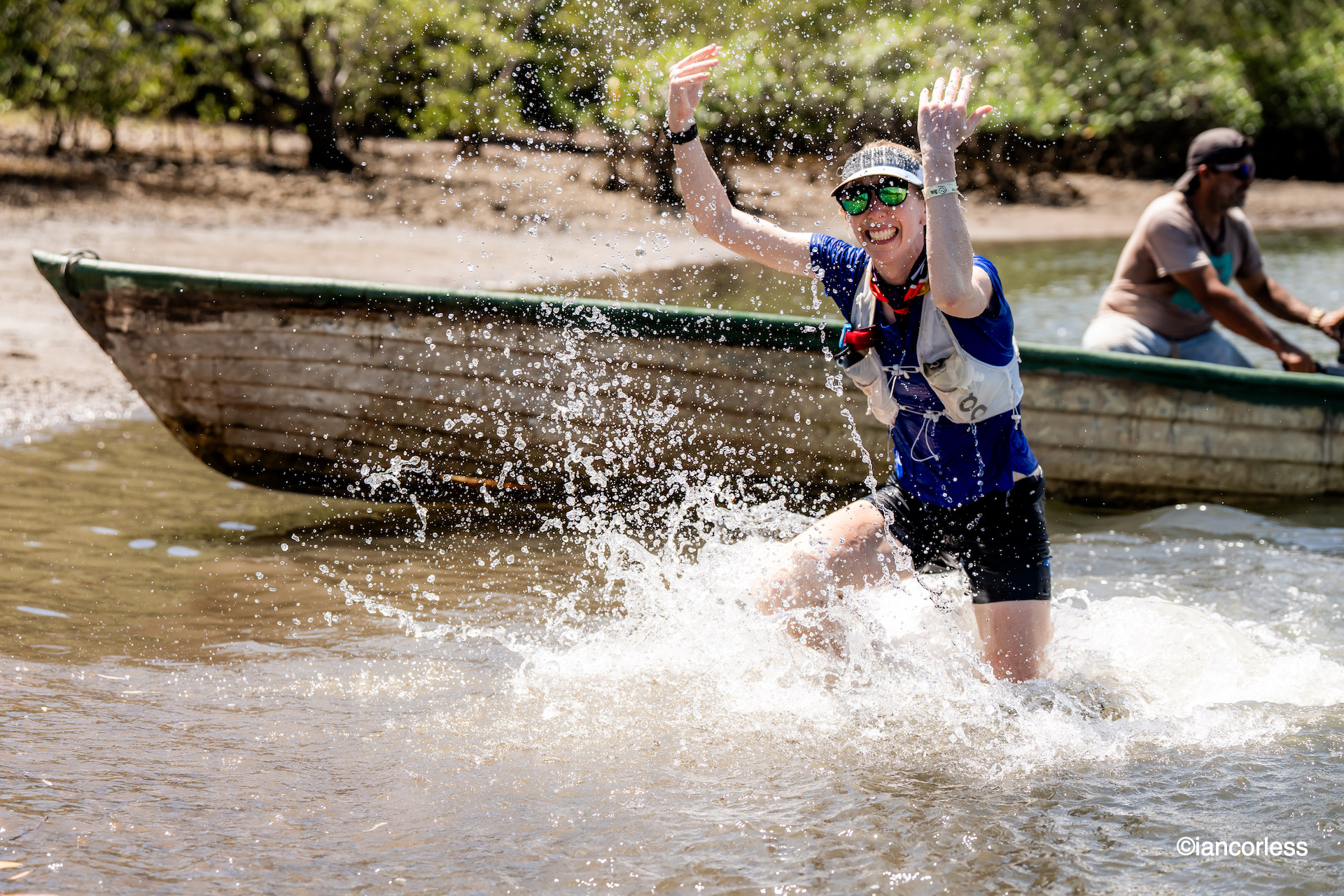
A water crossing leads to a long and hot beach section before finishing on the beach in Dominical.
Magdalena – Photo by Ian Corless
Erick Aguero started the day hard, pushing and pushing to open up a gap on Pierre Meslet. This is Erick’s 7th TCC and he has been on the podium many times, 2nd the highest, this year he wants to win.
At the top of the climb, Pierre was a few minutes back but relaxed.
For the women, Katie Young once again is in a race on her own and actually, is more than likely to place 3rd overall if she continues this relentless charge. She is on fire.
Pierre – Photo by Ian Corless
40km is a long tough day for Expedition and with the charge from Erick, many wondered what would happen. The due arrived together for the water crossing just after cp3. With a long flat beach straight to the line, this would fall into the hands to Pierre’s fast running style. Erick could just look on as the gap opened, he had fought hard, took a chance and today, he gained no time, the gap is 16-minutes. Allan Barrielle is 3rd, 1-hour 25-minutes behind Pierre.
Katies – Photo by Ian Corless
Katie dominated the day for the women, her lead now after 2 days is 3-hours 21-minutes over Lucia Jarquin and 4-hours 25-minutes over Maria Jose Corrales. TCC competition winner, Mirabela Ticu is 4th.
Mirabela – Photo by Ian CorlessPhoto by Ian Corless
Tomorrow, stage 3, is 46km’s and includes the iconic Nauyaca waterfalls.
It was an 0330 departure from San Jose to arrive at Quepos at the start of stage 1 at 0800.
The heat and humidity was already high and a tough day, as always was expected. The iconic Del Rey beach a backdrop to the start and the Pacific Ocean splashing on to the beach.
Photo by Ian Corless
The day, 33km’s with the opening km’s, all the way to cp1 and beyond, were flat and runnable. Always dangerous. Day 1 should be taken slow and steady, easing in to the week and the heat/ humidity. Boca Naranjito at 13.5km was the first cp, followed by Londres at 19.5km. Los Campenos at 30km was the 3rd cp to provide some refreshment before a tough final 3km. The finish at Rafiki Lodge.
Photo by Ian Corless
Last years TCC champion Katie Young, started like a rocket running the opening 10km’s solo at the front.
Photo by Ian CorlessKatie – Photo by Ian Corless
Pierre Meslet and Erick Aguero finally caught her and took the lead two places, but Katie never stopped and ran all the way to the line with a convincing victory and 3rd overall.
Pierre – Photo by Ian Corless
Pierre and Erick were always expected to be the duo battling at the front but finally, around 16km’s the elastic snapped and Pierre broke away soloing to the line with a very strong lead ahead of the Costa Rican and local favourite.
Sergio had a tough day in the heat – Photo by Ian Corless
With two races, Expedition and Adventure, the participants fought hard to tackle the terrain, which became increasingly difficult as the stage progressed. The final section the toughest with a challenging water crossing to conclude the day.
Both races were 33km, but the expedition had more vertical gain, 1115m in contrast to 894m.
It’s a common question, ‘What does it cost to run a MDS event?’
Of course, there is no one definitive answer, however, i’s easy to provide a breakdown of costs and then make adjustments from there, so here is a summary.
RACE ENTRY
In simple terms, Marathon des Sables have two event formats, The Legendary, which is the 6-stage event 0f 250km’s which in 2026 will be 40-years old, and, MDS events which are 3-stages over 4-days with the option of 70/100 or 120km’s. MDS Trek while following the classic MDS format (70/100/120) does vary a little and has extra days-
Entry Costs:
Legendary 4000,00 euro +/-
MDS 2150 to 2650 euro+/-
TRAVEL COSTS
Photo by Ian Corless
Legendary or MDS events do not include travel to the country destination. Considering the variety of locations, the price here varies considerably. For example, Morocco and Fuerteventura have many flight options from many countries and they are facilitated, often, by budget airlines such as Easyjet.
By contrast, Jordan, Namibia and Peru require much more complicated and expensive travel often with connecting flights. A word of caution, the cheapest option here is not always the best option. Read the small print. I would also advise, planning to arrive at least one day earlier than required by the MDS organisation. This allows for delays or cancelled flights.
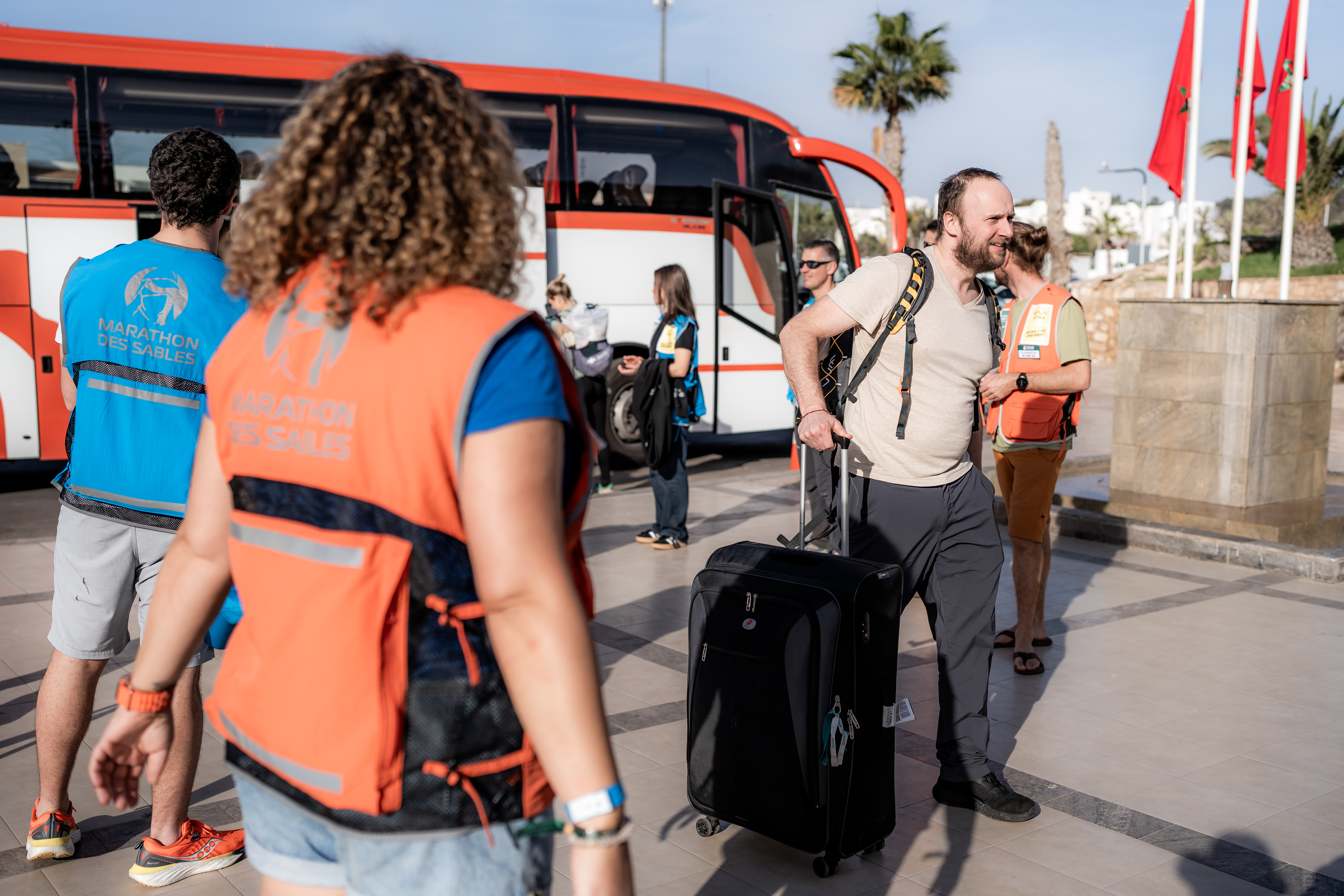
Also consider transfer costs to and from your departure airport. When on the ground in your race country, MDS provide transfers to and from the race hotel which are included in the race entry package.
HOTELS
Photo by Ian Corless
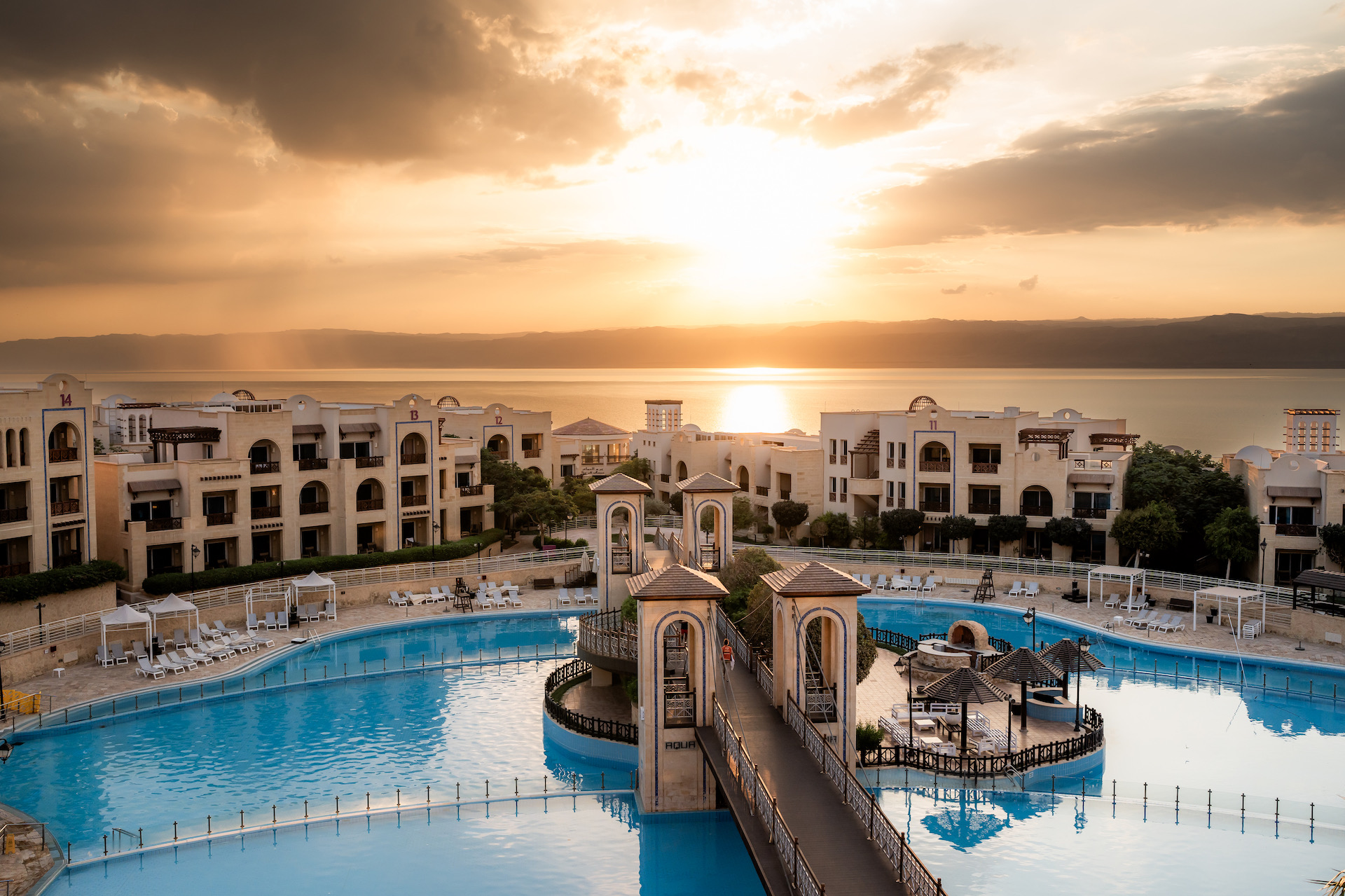
The Legendary and MDS packages include hotels as part of the event package. What is available does vary from event to event. For example, with Legendary the meet up point is Ouarzazate airport with a direct transfer to bivouac one. MDS events typically have 1 or 2 nights hotel before stage 1 of the race.
All events transfer to a hotel after the finish for typically 2 nights.
So, if you plan to arrive early or stay on after, these hotel costs will be for you to pay, anticipate a budget of around 150 euro +/- per night with food.
This is often a hidden cost that many don’t consider. You may enter Legendary one year advance, think about all the elements that will come in to play when preparing. Below is an idea of things to consider:
Running shoes
Clothing for varying temperatures
Gym membership
Coaching/ Training Plan
Physiotherapy/ massage
Training camp.
Heat training
The above list provides a guideline of items to consider. At a minimum, its fair to assume that you should set aside at least 2000 euro for the above each year.
Of course, if you have a coach, weekly massage, gym membership, love apparel and shoes, you will easily spend considerably more than 2000 euro.
A good protocol is to set aside 250 euro per month.
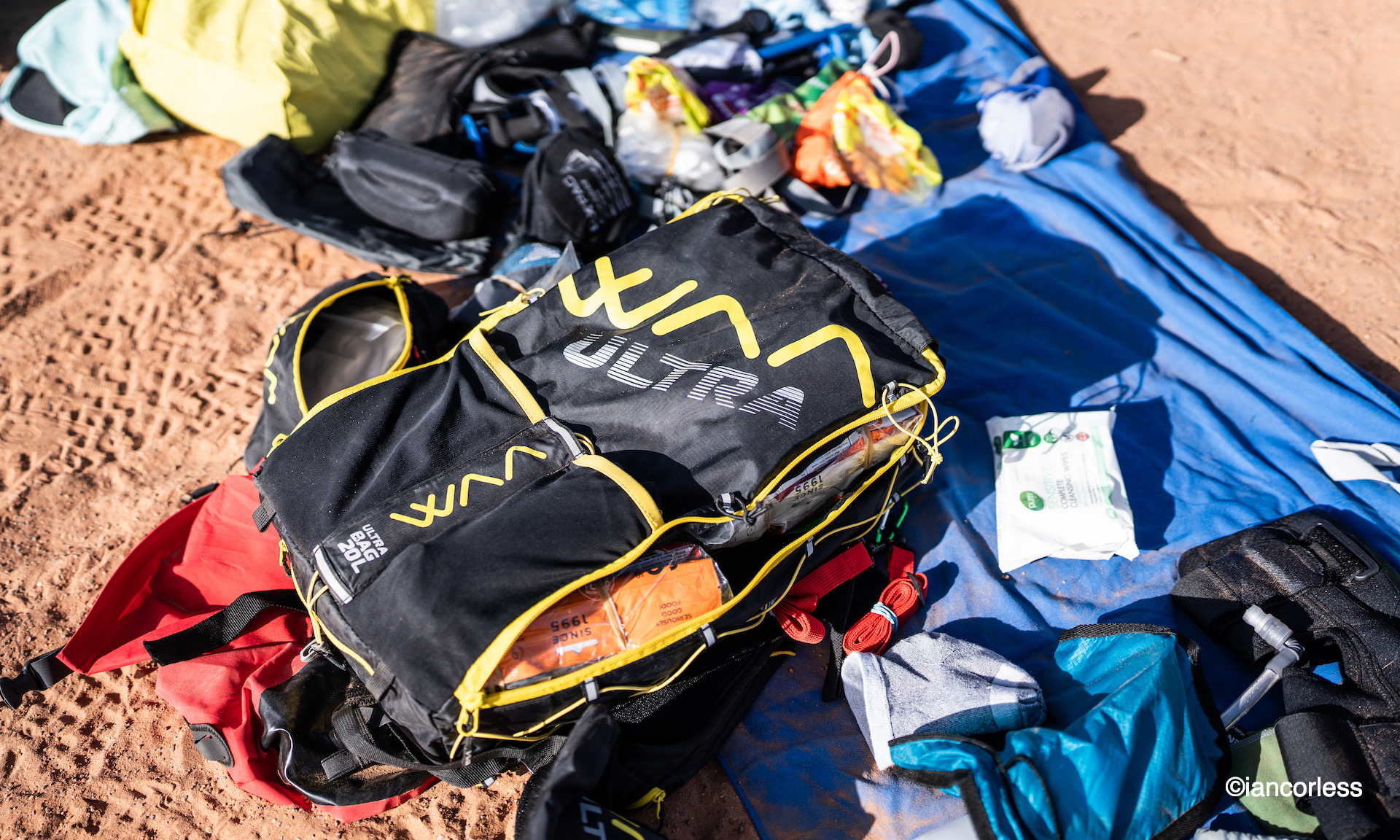
MDS EQUIPMENT
There is often much discussion about equipment for an MDS event. Take a deep breath. It is not complicated, actually, it’s very simple.
The first and most important point, just because you have entered an MDS event, there is no need or requirement to go and purchase all new equipment. If you have apparel that is comfortable and causes no irritation, there is no need to change it. If you have trail shoes that work, are comfortable and importantly cause no blisters, there is no need to change shoes BUT there are things to consider with shoes – readhereand here.
You could actually follow on the links above and you’d have the perfect MDS kit. You would just ned to make considerations for any climatic changes for the race destinations and also consider how many days you need food for. Remember, with Legendary, you are self-sufficient before the race too!
1949.00 euro +/-
It’s fair to assume that on average, a first time MDS participant will spend approximately 2000 euro to equip him or herself for an MDS. There are variables of course based on individual needs and the quality of items you purchase. My top tip is get the best you can afford, it will last longer and ultimately save you money. Based on experience, I would consider an absolute minimum budget to be 1250 euro.
The plus side of all this, once you have done an MDS event, the next event is considerably cheaper.
NOTE: The above list is considered to be the minimum equipment requirement. Oyher things to consider: poles, GPX watch, mp3 player… etc
HIDDEN COSTS
No matter how much you plan and prepare, there will be hidden costs. A great example being equipment… You will buy items and maybe they just don’t work for you and you need to replace them.
Other MDS participants will recommed X or Y product which places a question in your mind and then you purchase because you were curious.
You may get injured and require treatment and rehab with a great deal of additional costs.
Plan for the unplanned.
INSURANCE
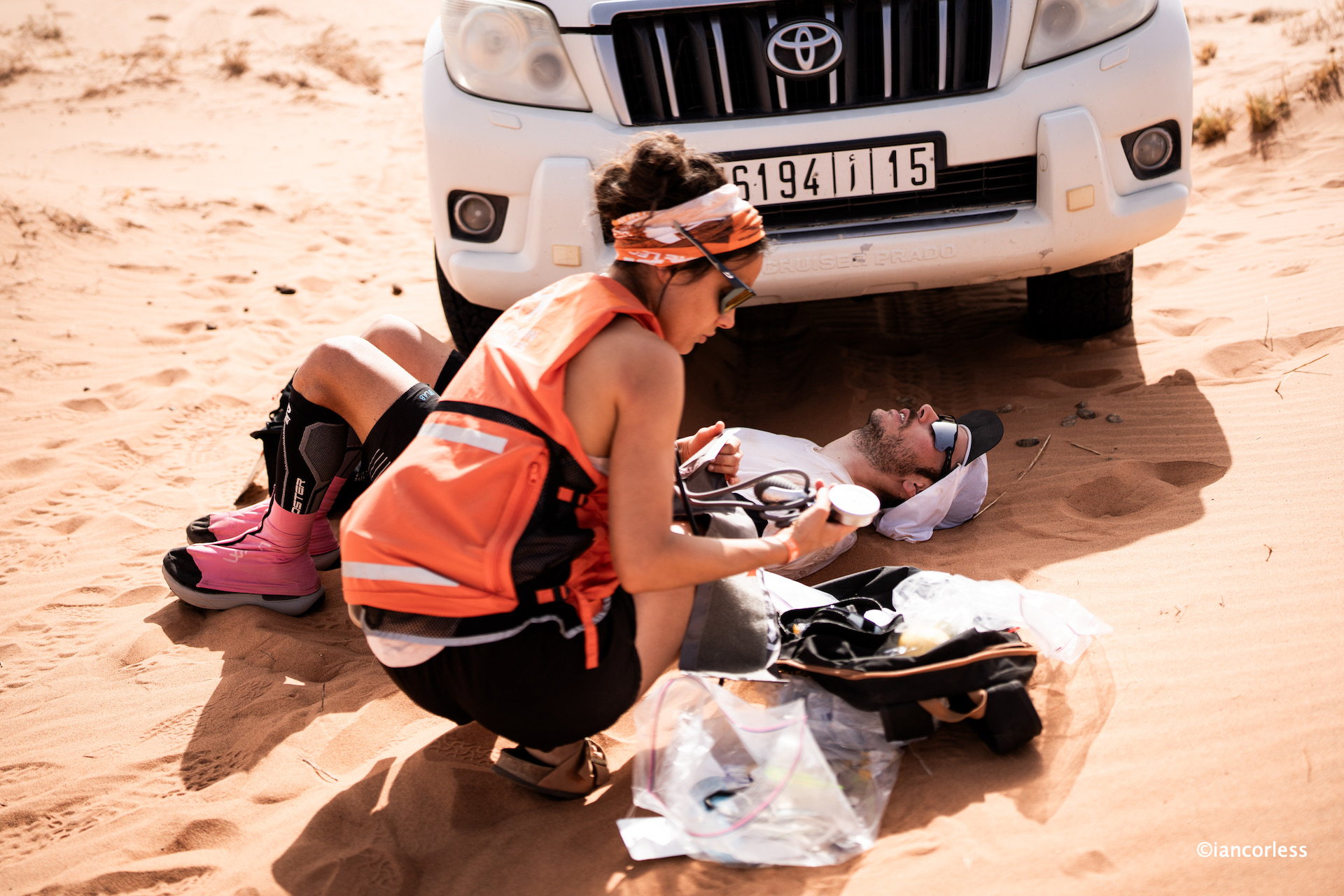
Get insurance that covers you comprehensively for all eventualities. Do this the moment you sign up for a MDS event. You would not believe how many runner’s do not make it to the start line, for a multitude of reasons, only to find out that they were not covered by insurance.
MDS do offer free postponement and the opportunity to cancel free of charge. However, this is not open ended and conditions do apply. Make sure you understand what those conditions are and please note, they vary from event to event.
Look at Dogtag, BMC, Global Rescue, World Nomads, Sports Cover Direct etc – Make sure you speak with an agent and fully explain the event you are doing and what cover you need and require.
How long is a piece of string…? The above is designed to provide an outline of costs broken down so that you can see, roughly, what an event will cost.
LEGENDARY
If you are taking part in Legendary, one you add entry, flights, training time (and the costs), purchasing a full equipment list and having insurance, you are looking at a staring cost of 8000 euro +/-
MDS
MDS events require all the same equipment as Legendary, however, entry fee is less and the race days are less. A starting budget would be 4000 euros +/-
CONCLUSION
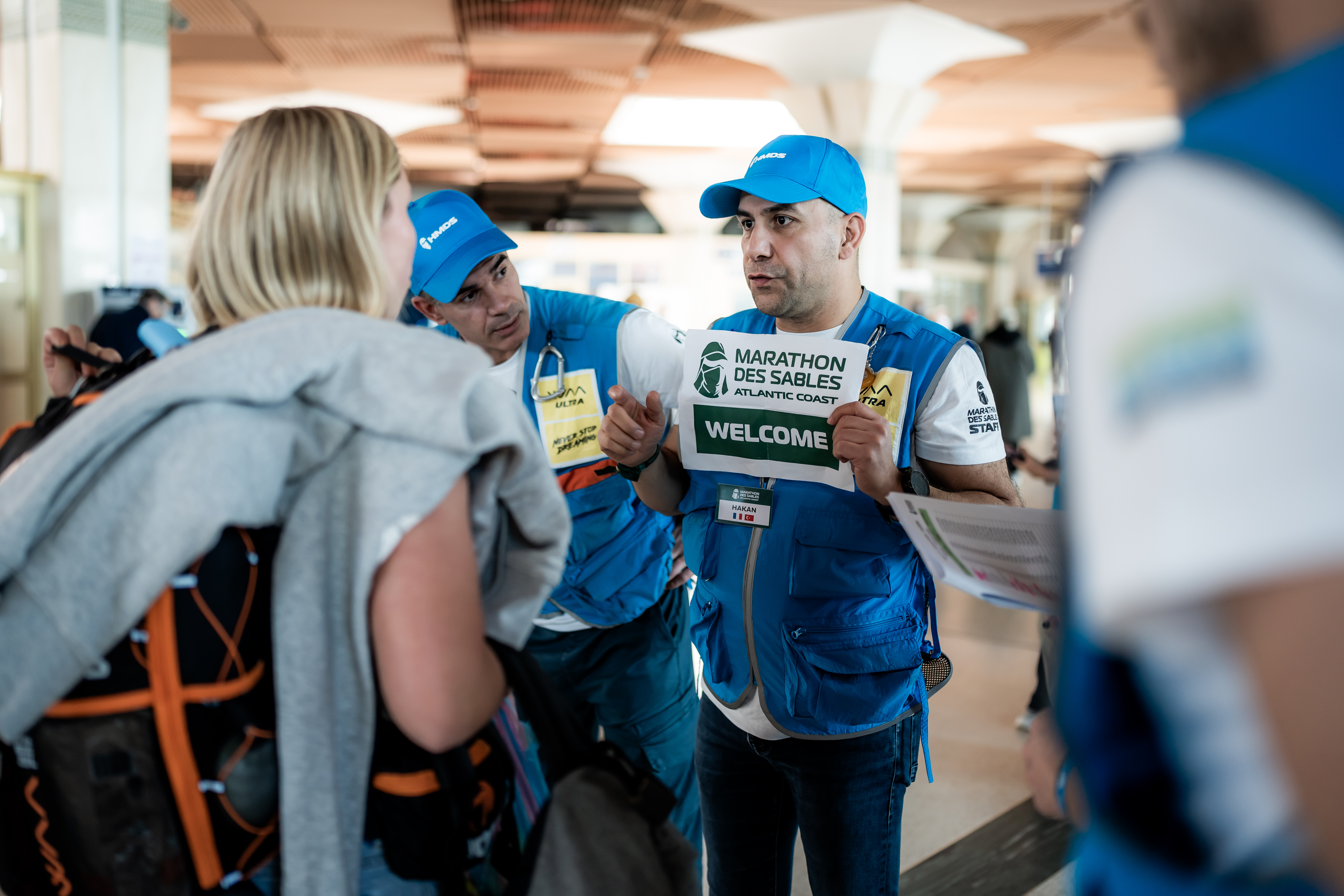
Taking part in any endurance sport is never cheap. However, life is short and adventures are to be lived. Marathon des Sables offer adventures all over the world in stunning locations. What you get is superb organisation and safety – that comes at a price. When you arrive at a race, you immediately see how your race entry fee is spent, be that the welcome at the airport, the transfers, the hotel, the transfer to the desert, bivouac, on course route planning and safety, the gala dinner and awards ceremony – MDS offer a full 360 experience that has been fine tuned to make your race the most memorable experience of your life.
Photo by Ian Corless
Interested in an MDS event in 2025?
A full calendar of dates and destinations are available HERE
There is always something special about a first edition race. Despite all the planning, despite tight schedules, despite ticking all the boxes, there is always an element of the unknown, a curve ball nobody expected or predicted flying in and causing a problem. Gladly, no curve ball arrived on the Atlantic Coast, on the contrary, the first edition of MDS Morocco Atlantic Coast was a huge success and without hiccup.
Morocco is obviously not a new destination for MDS, Legendary is in its 39th year and MDS Morocco, MDS Morocco Trek and Handi MDS have all happened previously, so, a new event in Morocco feels comfortable.
Close to Agadir, the MDS Morocco Atlantic Coast brings something new to MDS events in Morocco and obviously brings something special to the MDS line up.
Photo by Ian Corless
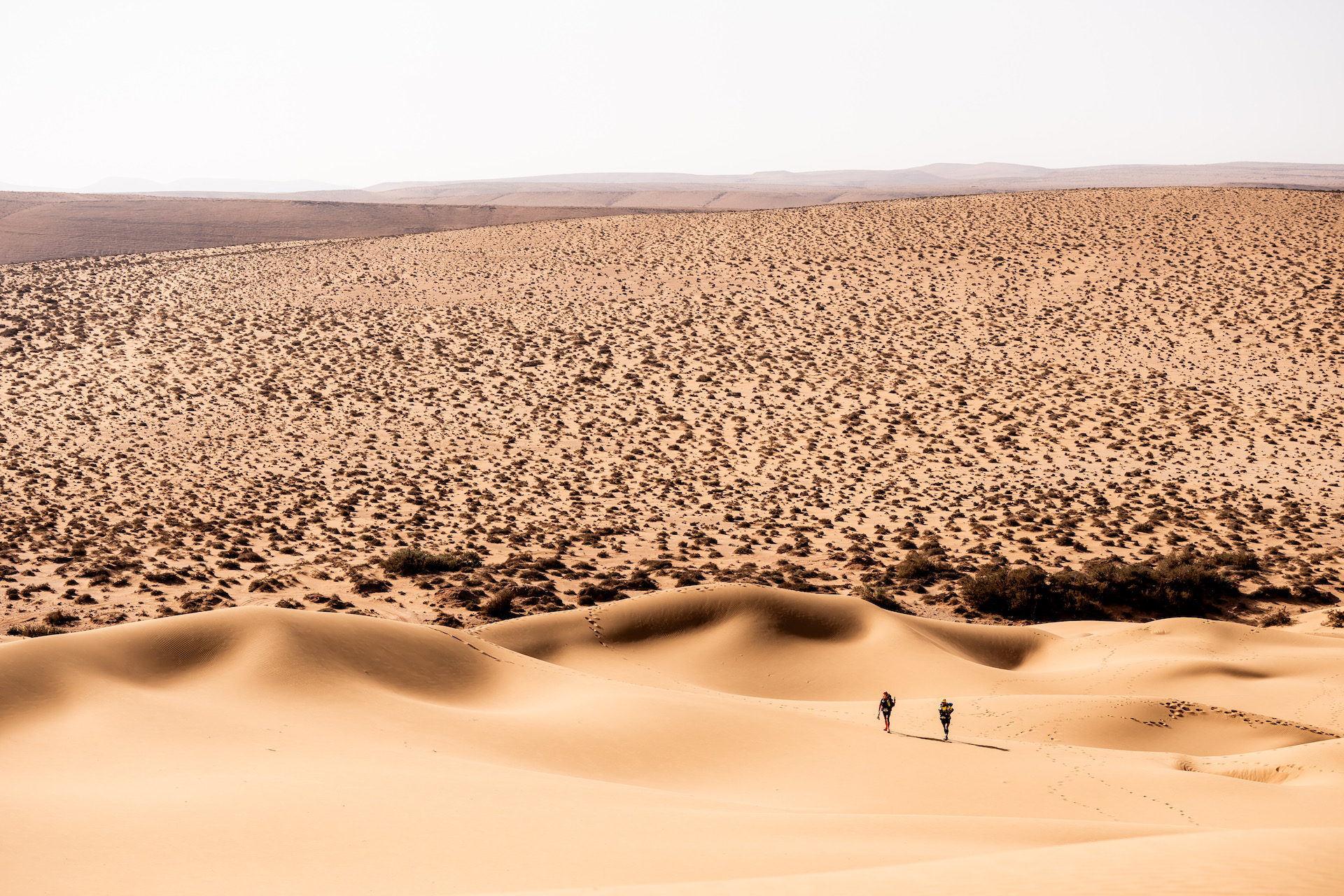
Like Fuerteventura and Peru, the ocean provides a backdrop to the race and this alone is unique. The juxtaposition of desert, dunes, beach and the roar of waves and the blue ocean make for a special environment for a race to take place.
LOGISTICS
As with all MDS events, the race is 3-stages taking place over 4-days with 3 distance options, 70km, 100km and 120km. Stage 1 and Stage 3 is the same for all participants and stage 2 is the one where a choice must be made, typically 20km, 40km or 60km. It’s a great format that makes MDS appealing for all ages and all abilities.
With 170 participants and 27 nationalities, the MDS Morocco Atlantic Coast was a great first edition. Notably, once again, female participation was around 50%. MDS are without doubt pioneering the way for female participation in their races and this must be applauded and encouraged.
Photo by Ian Corless
Travel to Morocco is easy and transfers were provided by MDS from Marrakech (appx 6-hours) or from Agadir, with just a 40-minute transfer to the race hotel, needless to say, most people flew to Agadir.
Photo by Ian Corless
A Saturday arrival and a Saturday departure, the race format had 2 nights in the hotel, 4-days and 3-nights in the desert and then a return to the hotel for 2-nights before onward travel.
The format provides an excellent opportunity to mix holiday and relaxation with sport.
THE EVENT
Saturday arrival was relaxed and with no commitments for the participants.
Photo by Ian Corless
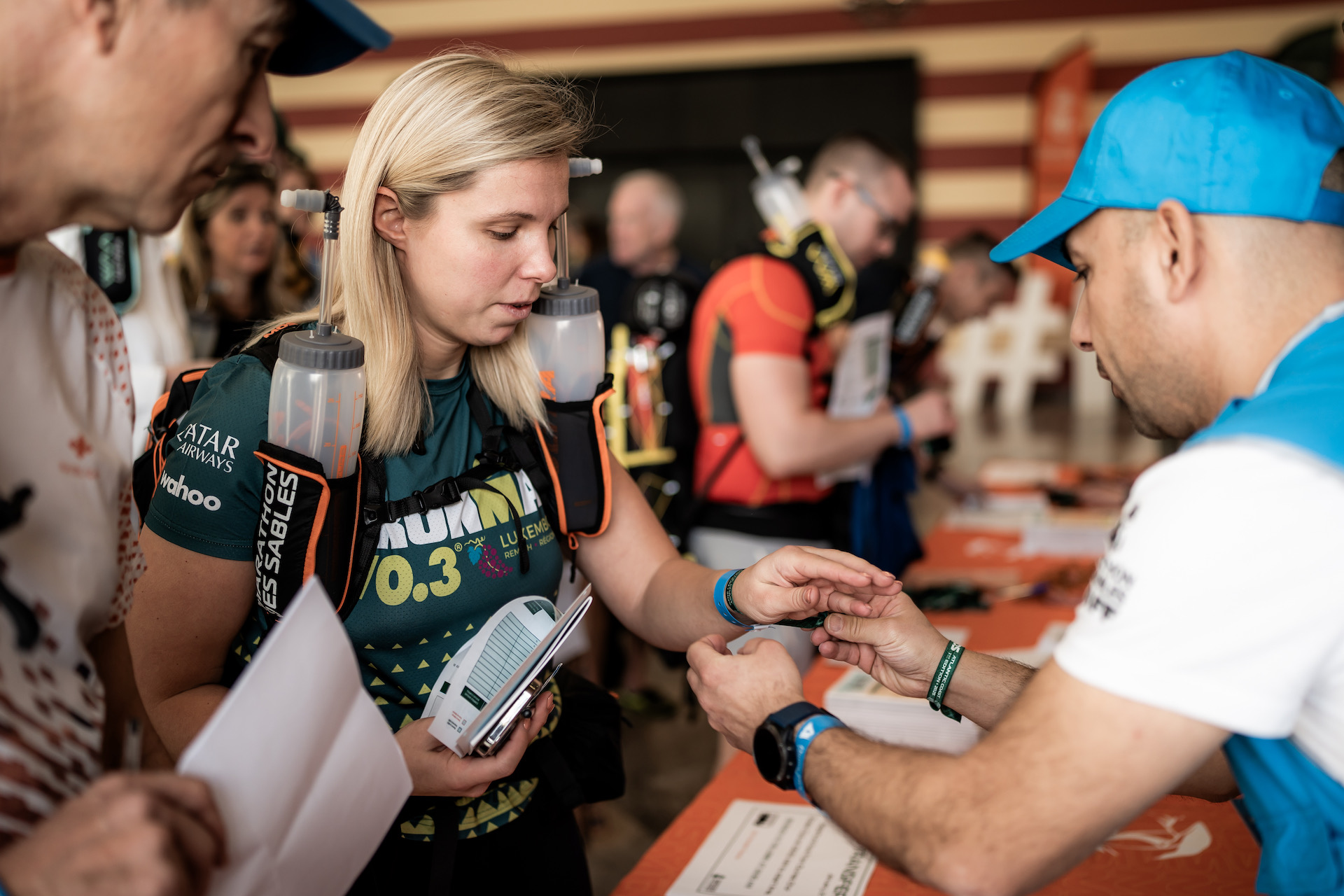
Sunday mornning and the MDS admin protocols were in place between 0900 and 1200, this is a requirement for eah participant – equipment is checked, medical certificates are checked, GPX trackers are added to packs and race numbers are provided. The whole thing is efficient, seamless and fast.
The afternoon provided an opportunity for relaxation or sight seeing and then an early dinner and bed.
Departure time for day 1 was 0300 for a 5-hour journey to the desert. On arrival, the plan, as always, was to get the runner’s underway as soon as possible.
Highway to Hell finished and the participants departed under cloudy skies at approximately 0930.
Photo by Ian Corless
Day 1, stage 1 at 24km’s headed from an inland location and basically headed directly to the coast. The terrain was mixed, with some easy running to start the day, of course, sand featured heavily with a dune section coming just after CP1 and a final dune section concluding the race just before the finish. Temperatures reached a high of 25-degrees and it was a great first day. Bivouac awaited the runner’s and a first night in sleeping bags with self-sufficiency started. The wind blew and the temperatures dropped, a chilly night was expected. Stage summary HERE
Photo by Ian Corless
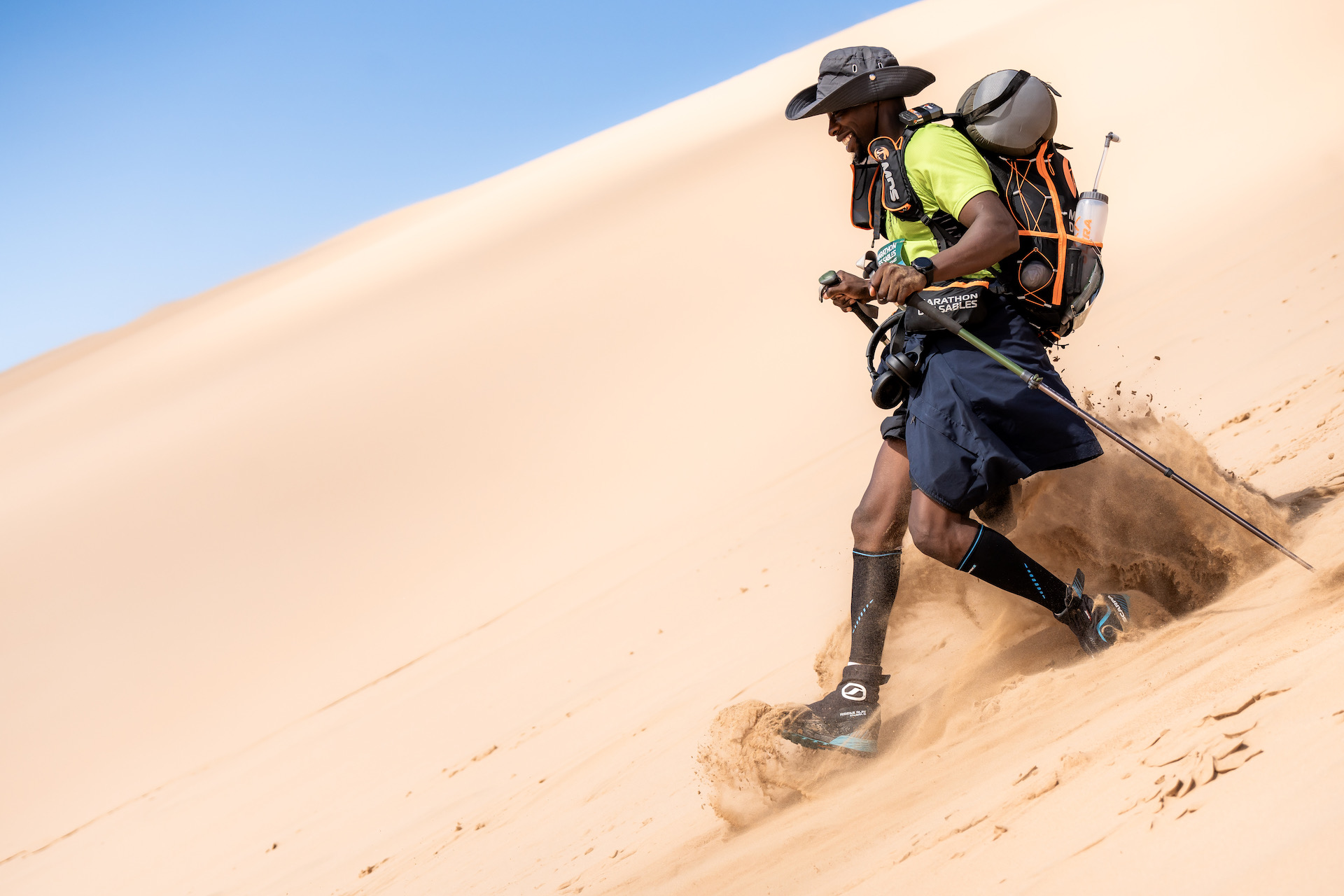
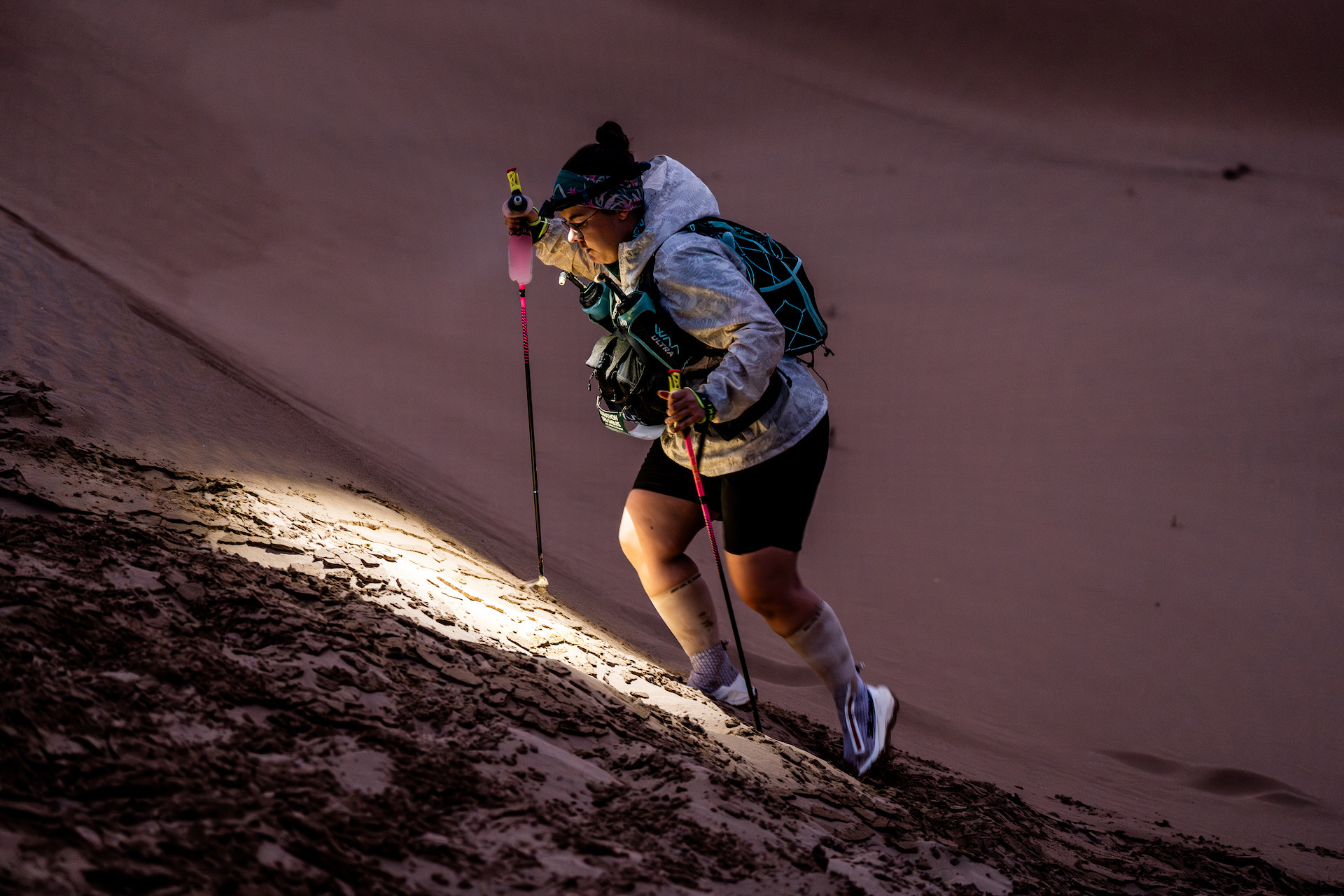
Day 2, stage 2, intermittent rain and wind blew in off the ocean and there was a sense of dread at what this day would bring, especially for those participants who would take on the 40 or 60km distances. A challenging start and just a few hours later the weather started to clear and finally, skies cleared and the sun came to make for a beautiful day, highs reached 28-degrees. The course offered an obvious challenge mixing the best of Moroccan terrain with tsome stunning dune sections. The latter km’s running parallel to the ocean to give an epic backdrop. The race wnt into the night with the final finisher arriving just after midnight. Stage summary HERE
Photo by Ian Corless
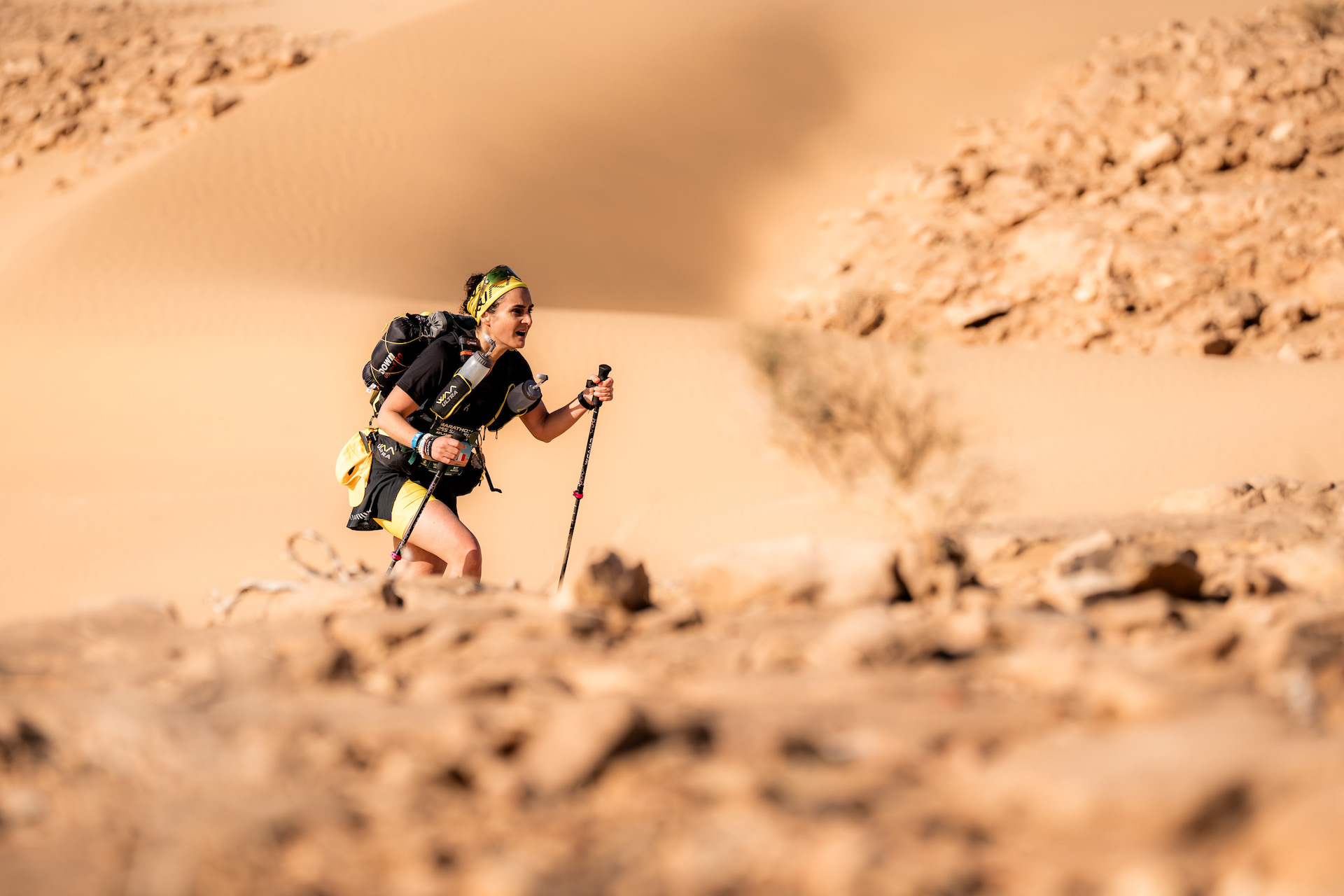
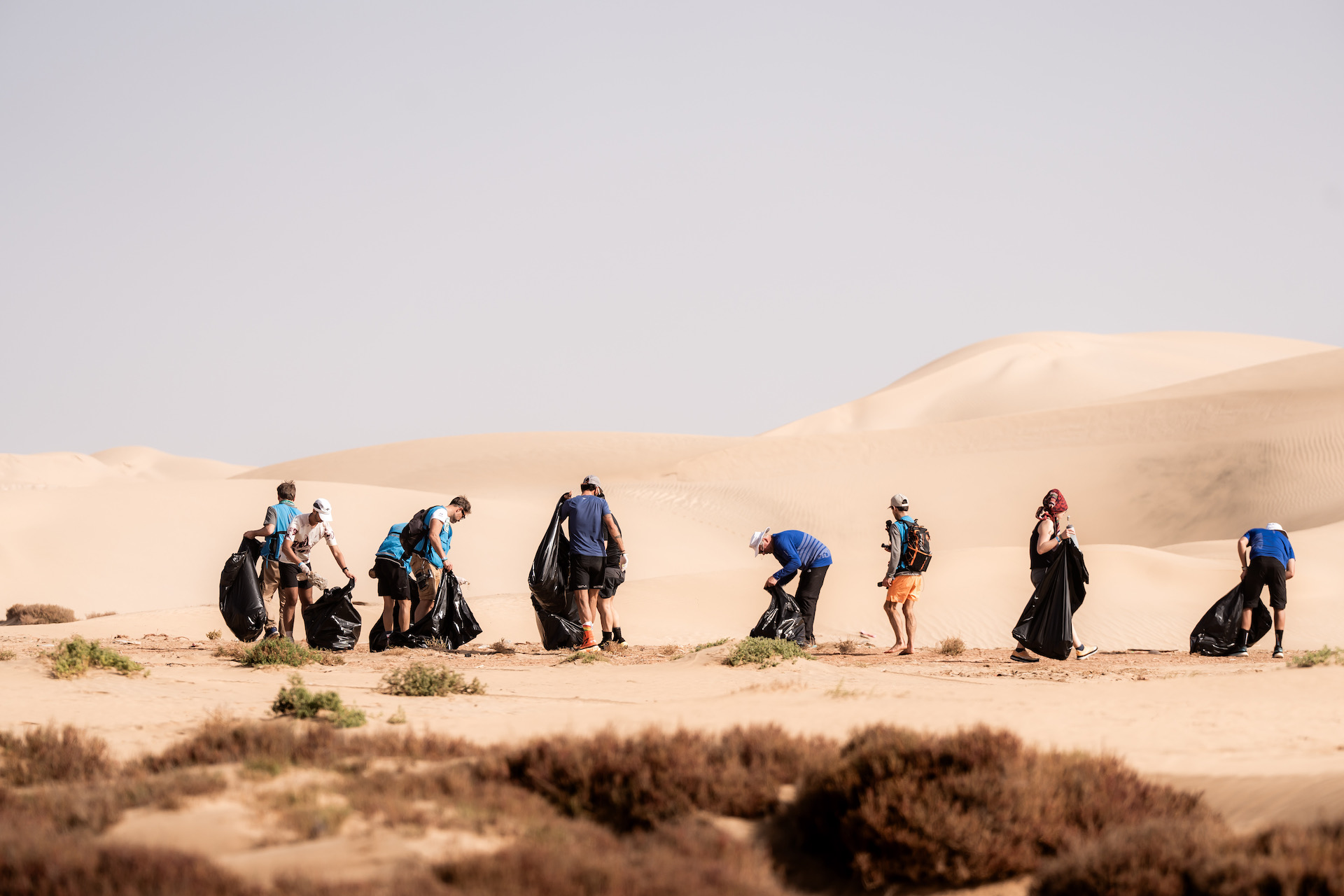
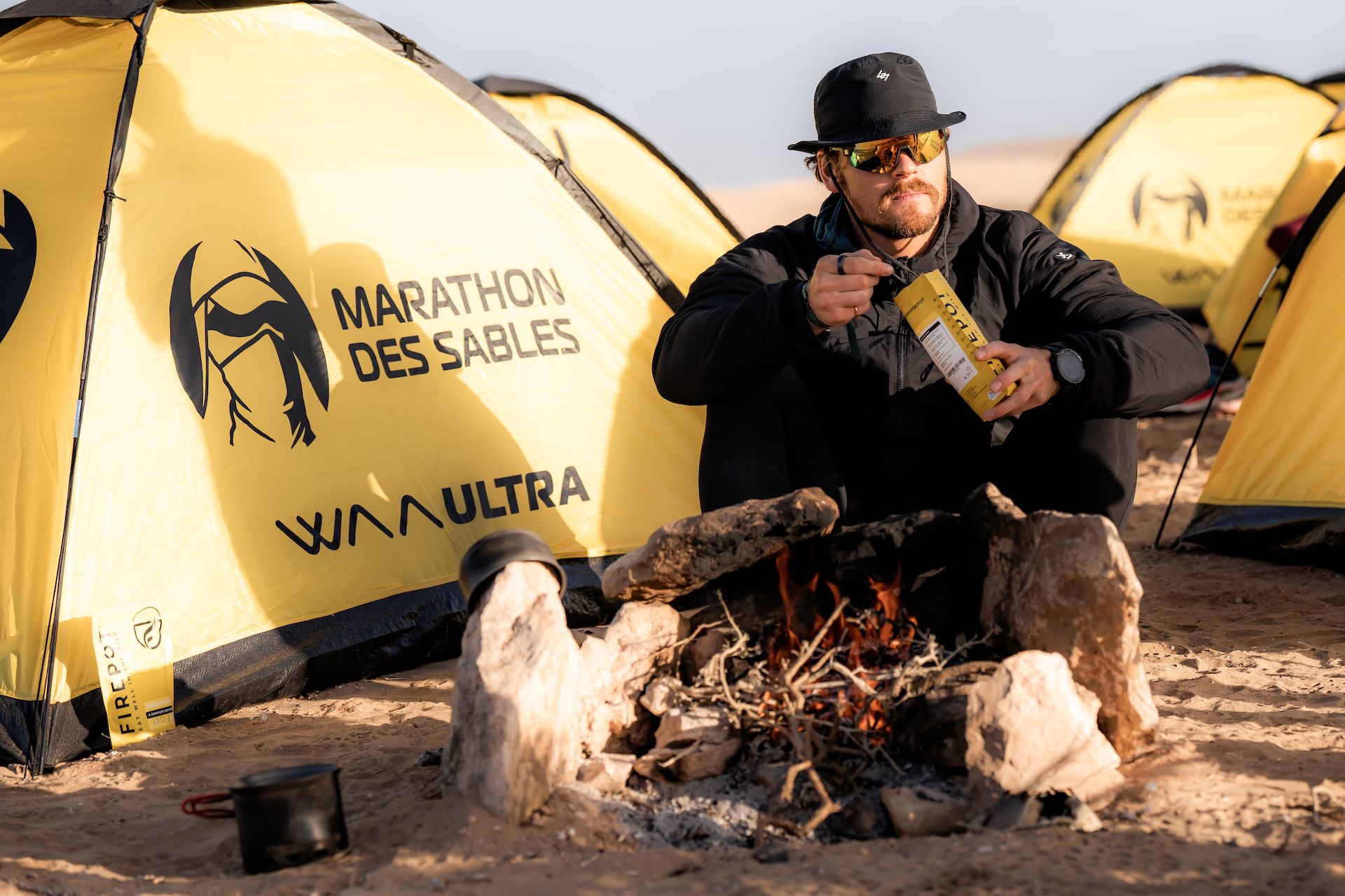
Day 3 was a welcome rest day. The skies were blue, the wind gentle and the warmth of the sun relaxing. It was a leisurely and relaxed start to the day. At 1130, blue and orange coats with participants walked to the beach and on the way cleared away rubbish and notably huge amounts of plastic. We race in these magical places and sadly, littering and pollution is high. The ocean obviously washing in debris daily. It was a huge campaign and yes, we may have only provided a small dent in what is a very big problem, however, it felt good and the difference afterwards was noticeable. The remainder of the day was releaxed, as per usual, mid-afternoon, a cold and refreshing drink was provided and as darkness came, most were already in sleeping bags gaining valuable rest before the final day.
Photo by Ian Corless
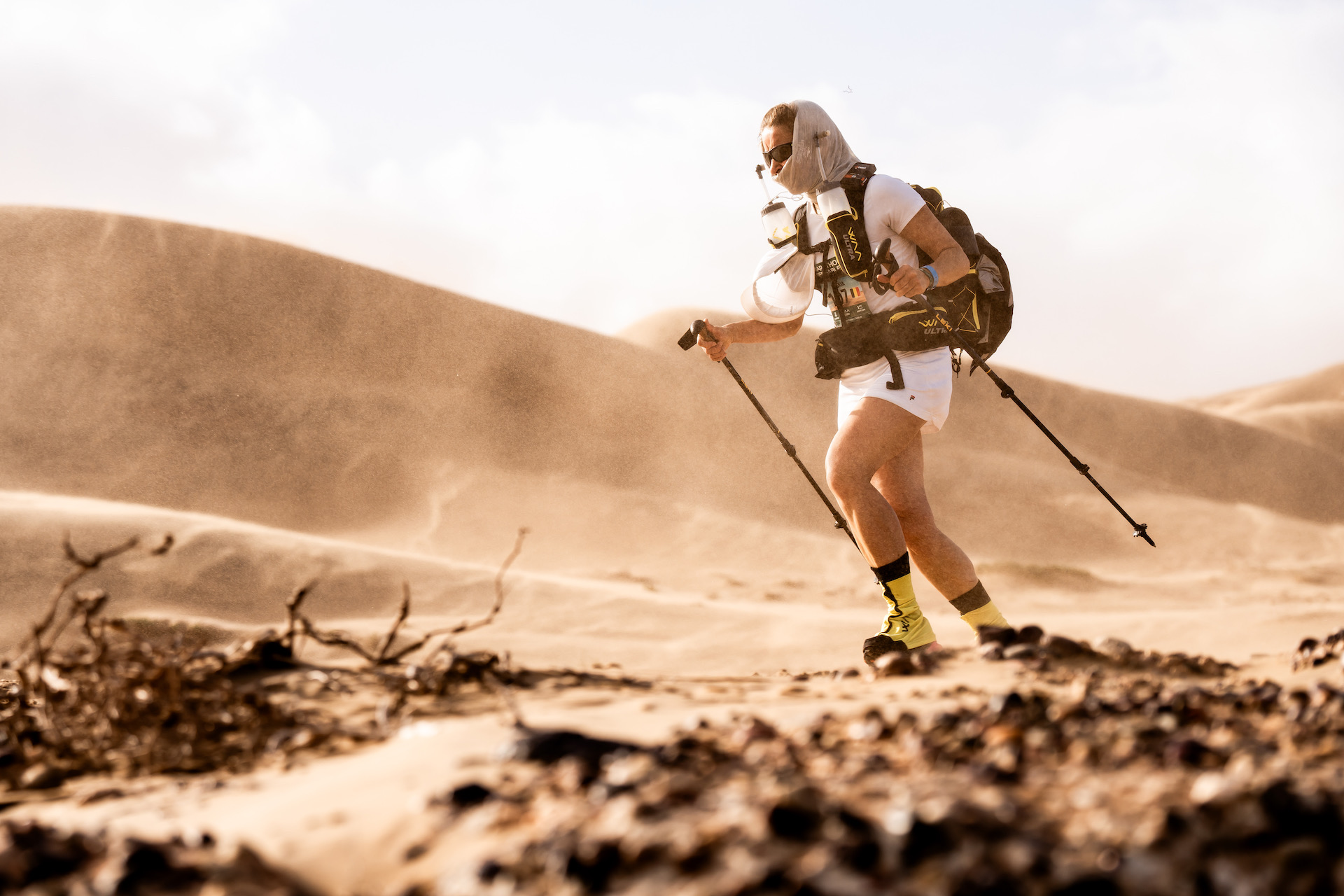
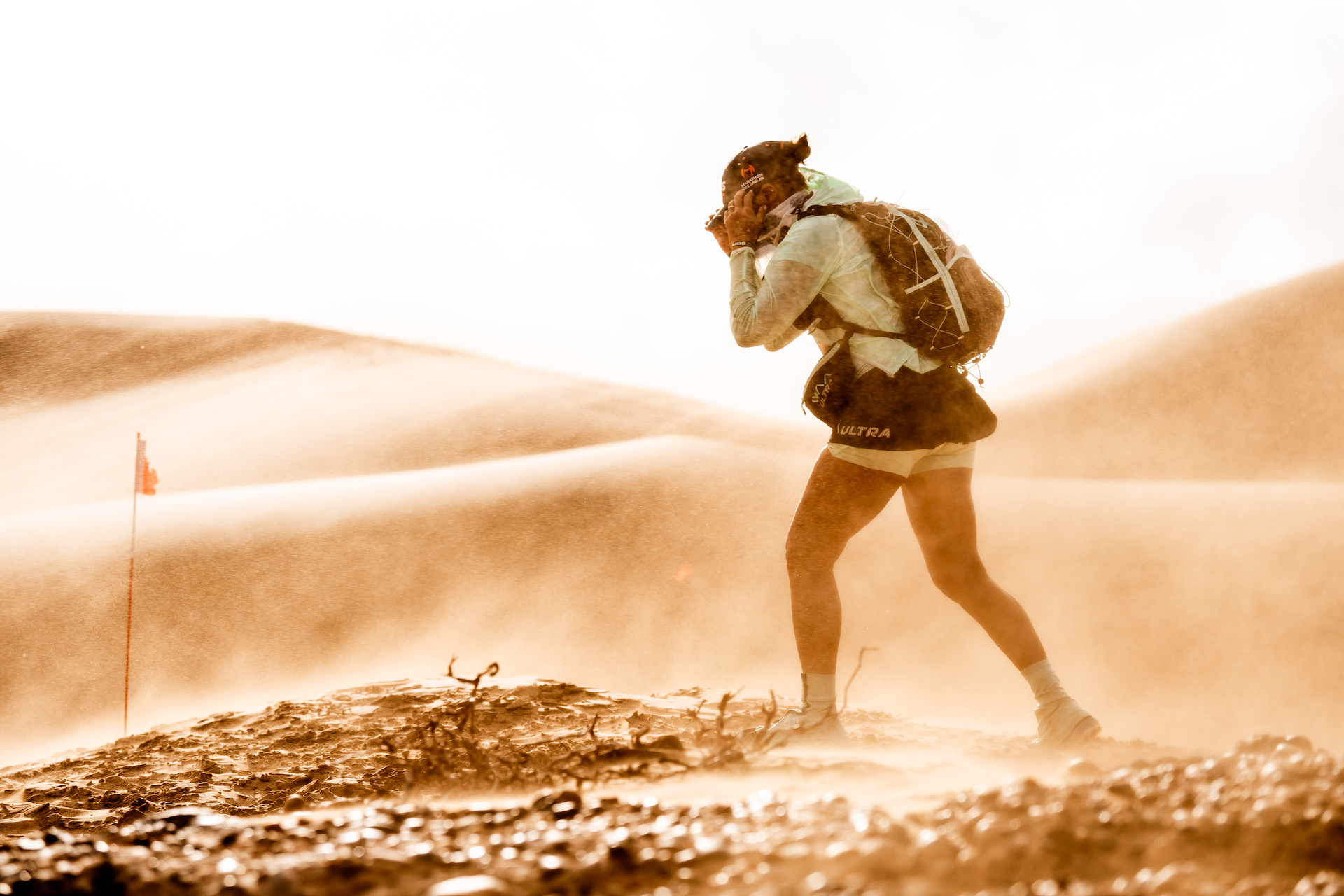
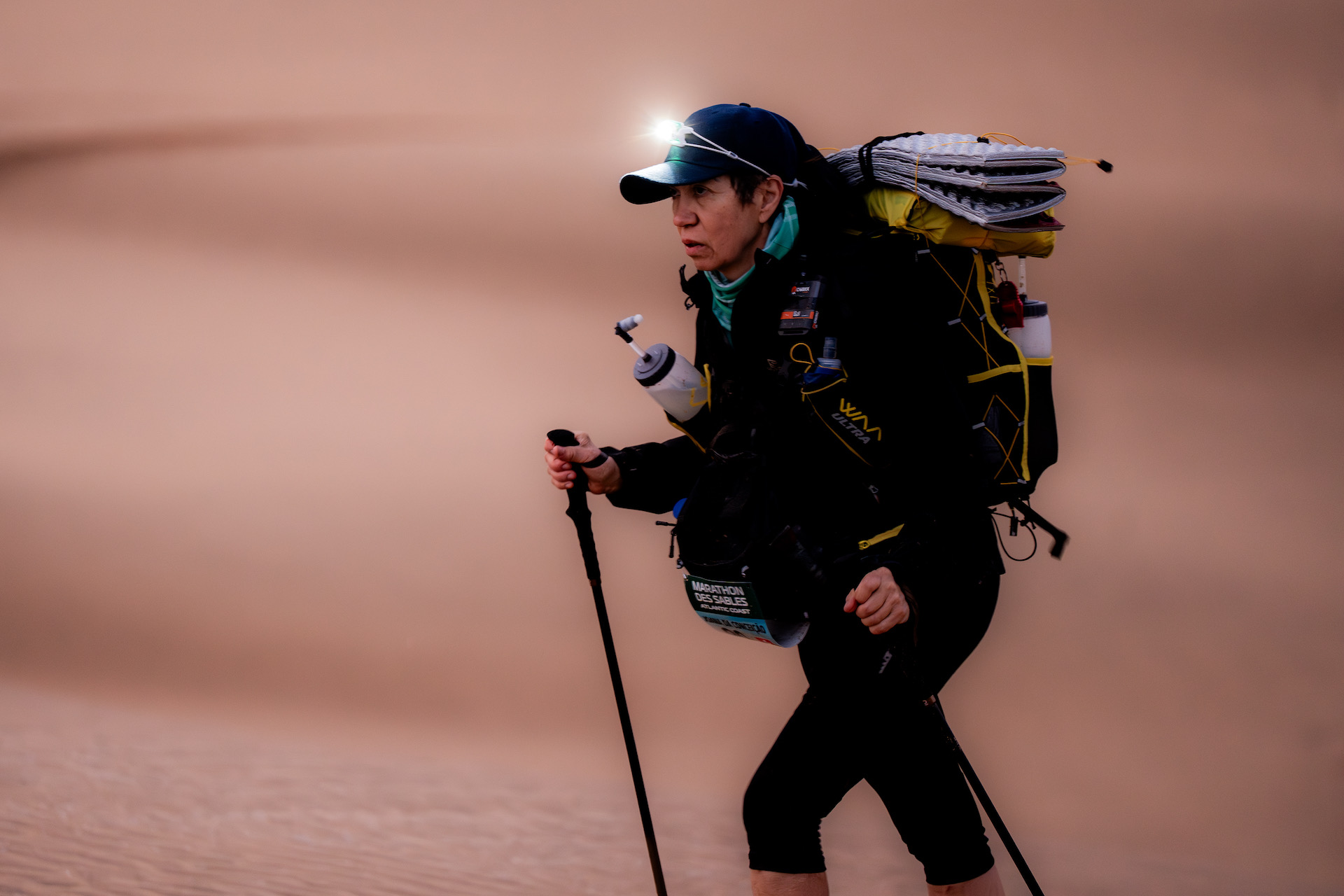
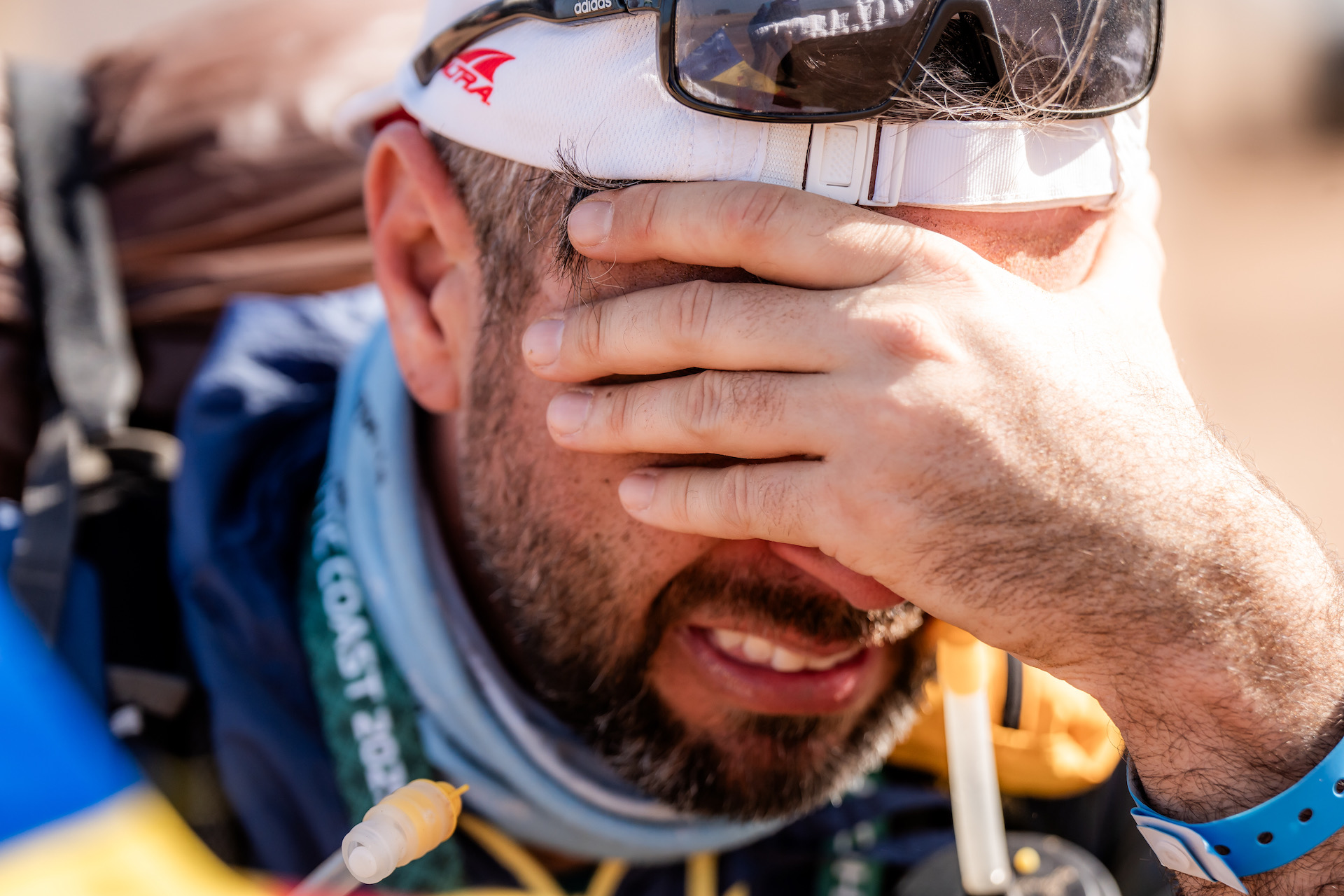
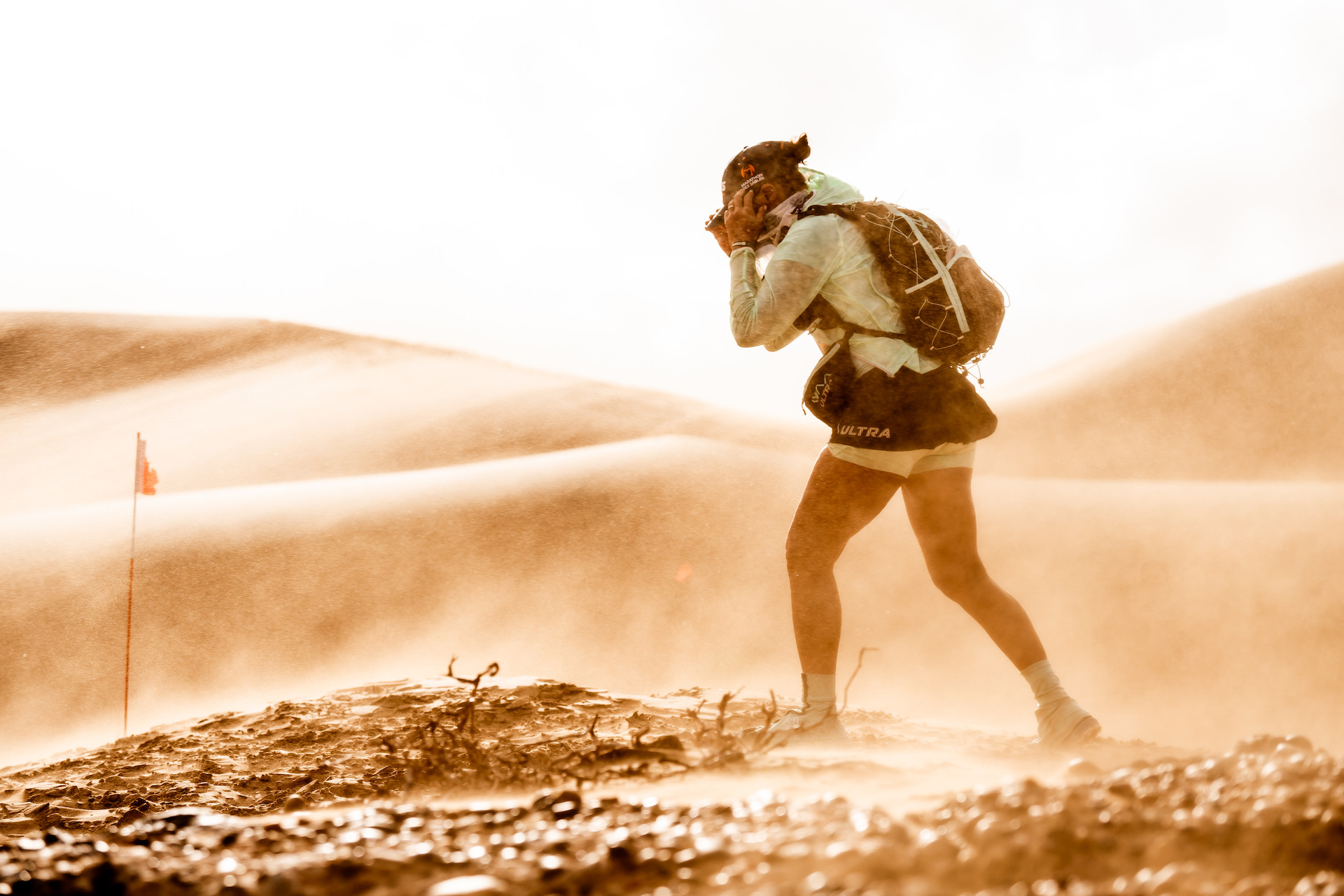
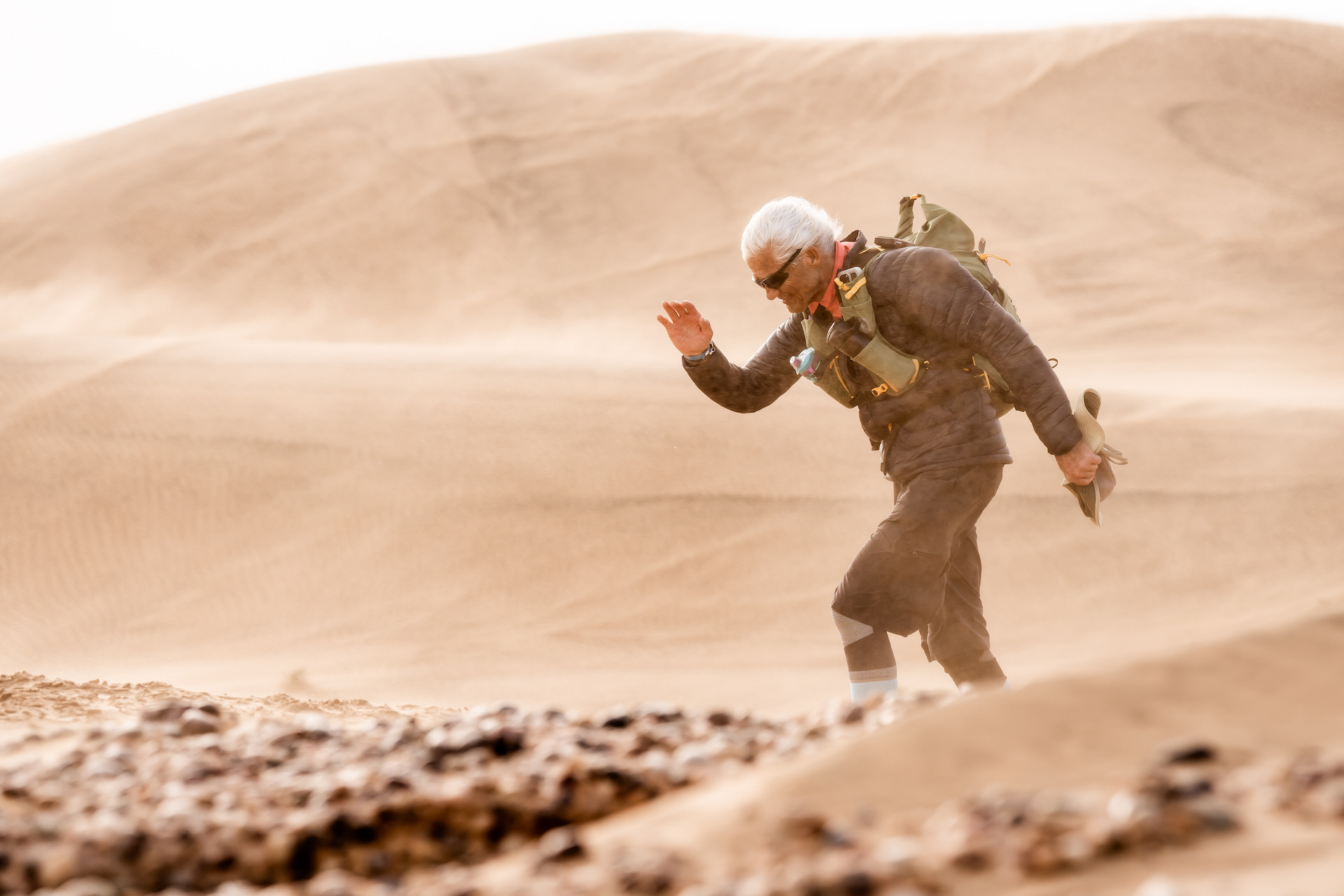
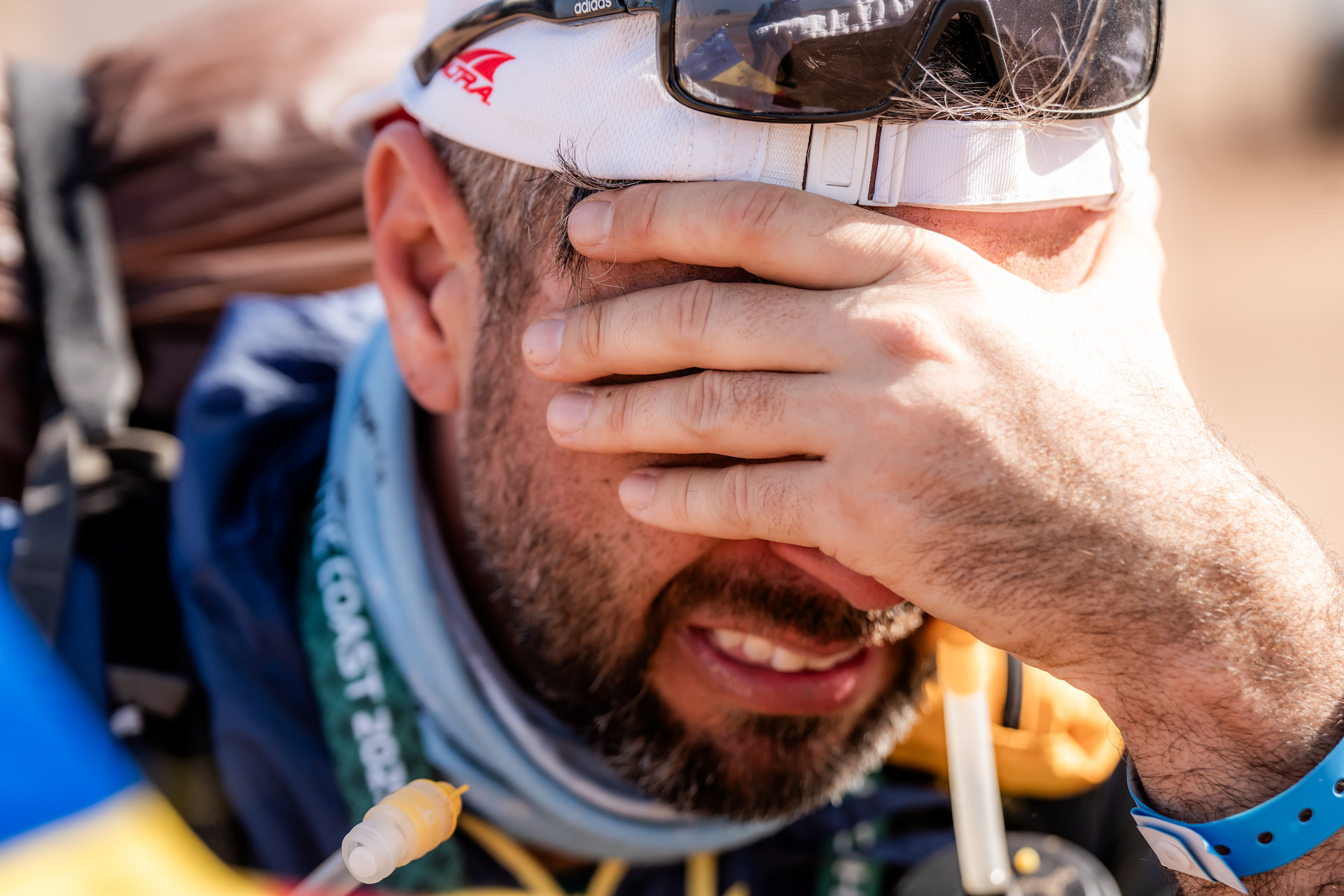
Day 4, stage 3 and what a start to the day, the wind was howling from the north bringing with it, at times, torrential rain. Runner’s were ready for the challenge though, with 2 starts, 0800 and 0930 for the top-25, the day got underway and gladly, by 0830 the rain stopped. However, the wind did not. The wind blew and blew, providing a constant headwind and relentless sand storms for the whole 27km’s. It was an epic and special day. Yes, it was hard but boy was it memorable. The joy, the emotion and the tears at the finish made the medal only more special. From the finish line, buses were waiting and as each was filled, they then departed back to Agadir for hotel comforts – shower, buffet dinner and a night in a bed with sheets and comfort. Stage summary HERE
Photo by Ian Corless
The following day was one of relaxation. Dinner was served at 1900 and then followed at 2000 hrs with a closing ceremony, awards and the showing of the MDS Morocco Atlantic Coast movie. The atmosphere was electric, the feedback incredible, the emotion high, it was a very memorable ceremony that only confirmed the success of the event. An outdoor DJ and dancing concluded the night and brought to a close this first edition.
Saturday and onward journies home.
NOTES AND CONSIDERATIONS
Photo by Ian Corless
MDS events are meant to challenge you both physically and mentally, some challenge more than others. MDS Morocco Atlantic Coast certainly falls in the latter category with challenging weather and varying temperatures. Having experienced 20 MDS events all over the world, my top-tip is ‘be prepared!’ Deserts are not always hot, they are not always dry and they are not always calm. Have with you a waterproof/ windproof layer, have with you a warm layer (lightweight down or primaloft jacket) and make sure you have eye protection. Trust me, those who did not have sunglasses or goggles for stage 3 suffered badly trying to move forward in a headwind for 27km’s.
Photo by Ian Corless
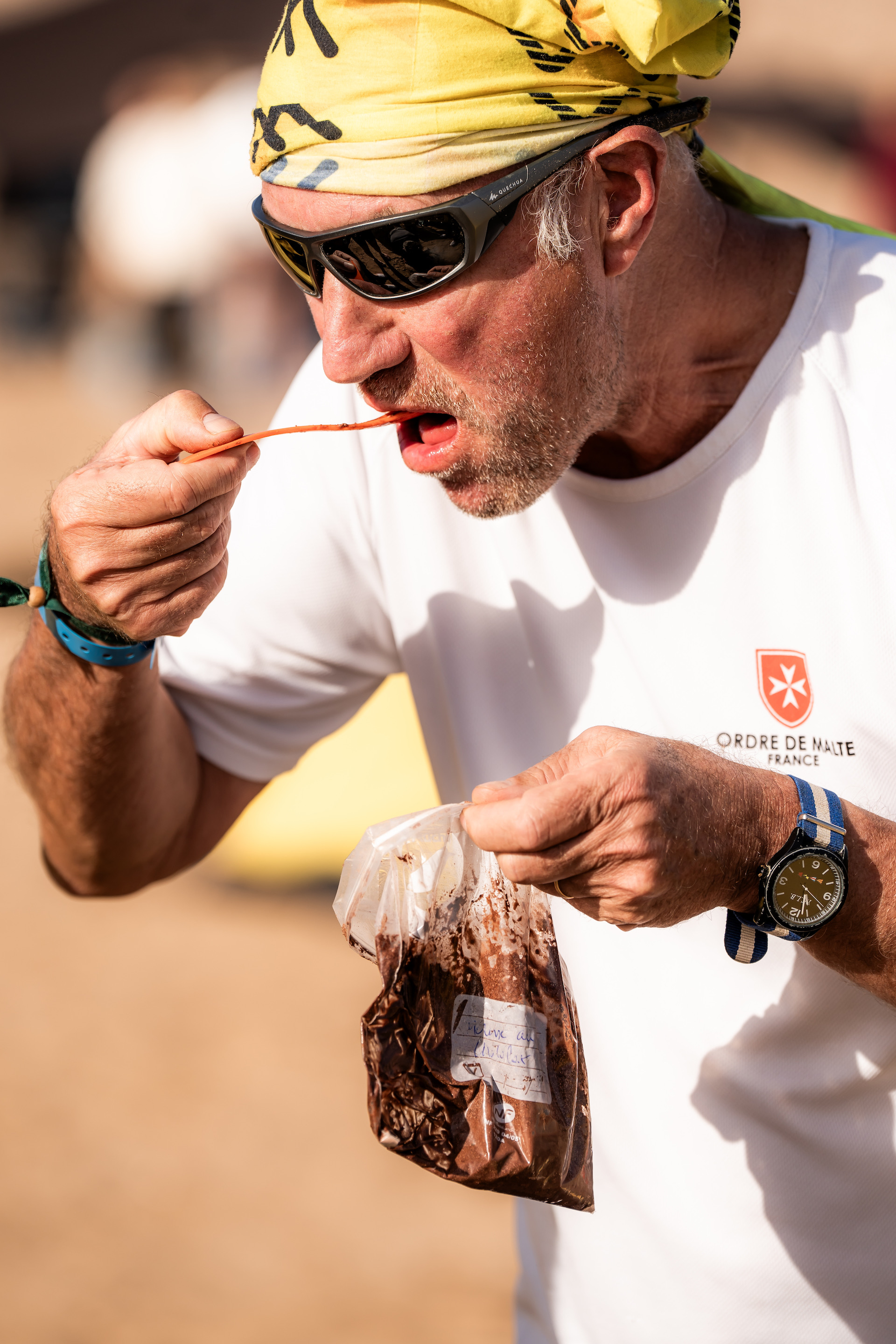
Be prepared with a variety of food choices and undesrtstand that what tastes good at home, may not taste good the desert. A balance of sweet and savoury s good and take note, as days pass, the demand for sweet becomes less.
Photo by Ian Corless
Prepare the mind for the challenge. Understand the WHY you are doing the event and be prepared for anything. The body is an amazing thing that could do incredible things, however, it needs to work in harmony and synergy with the mind to achieve your goals.
CONCLUSION
Photo by Ian Corless
MDS Morocco Atlantic Coast was a huge success. We were all tested by the weather but this only made the event more special and memorable. The MDS event team have called it the Viavaldi race as we had all four seasons. The Atlantic Coast brings something special to Morocco and in contrast to Legendary, MDS Morocco and MDS Trek, the terrain is different, unique and of course, the ocean as a backdrop is special. No doubt, this event will grow to become an MDS favourite. January is great timing, what a great way to start a year and globally, few races take place so early in the year making this an easy option for those looking for something special post Christmas.
The wind blew strong during the night causing a restless night for many. To add to the fatigue, rain arrived as the runner’s started to pack and get ready for the third and final stage.
It was an ominous start and it was clear that there was high anxiety for each participant, with 27km’s to go, this was not going to be an easy last day.
Photo by Ian Corless
The first wave left at 0800 and the top-25 departed at 0930. Gladly, the rain disappeared, however, the wind did not…
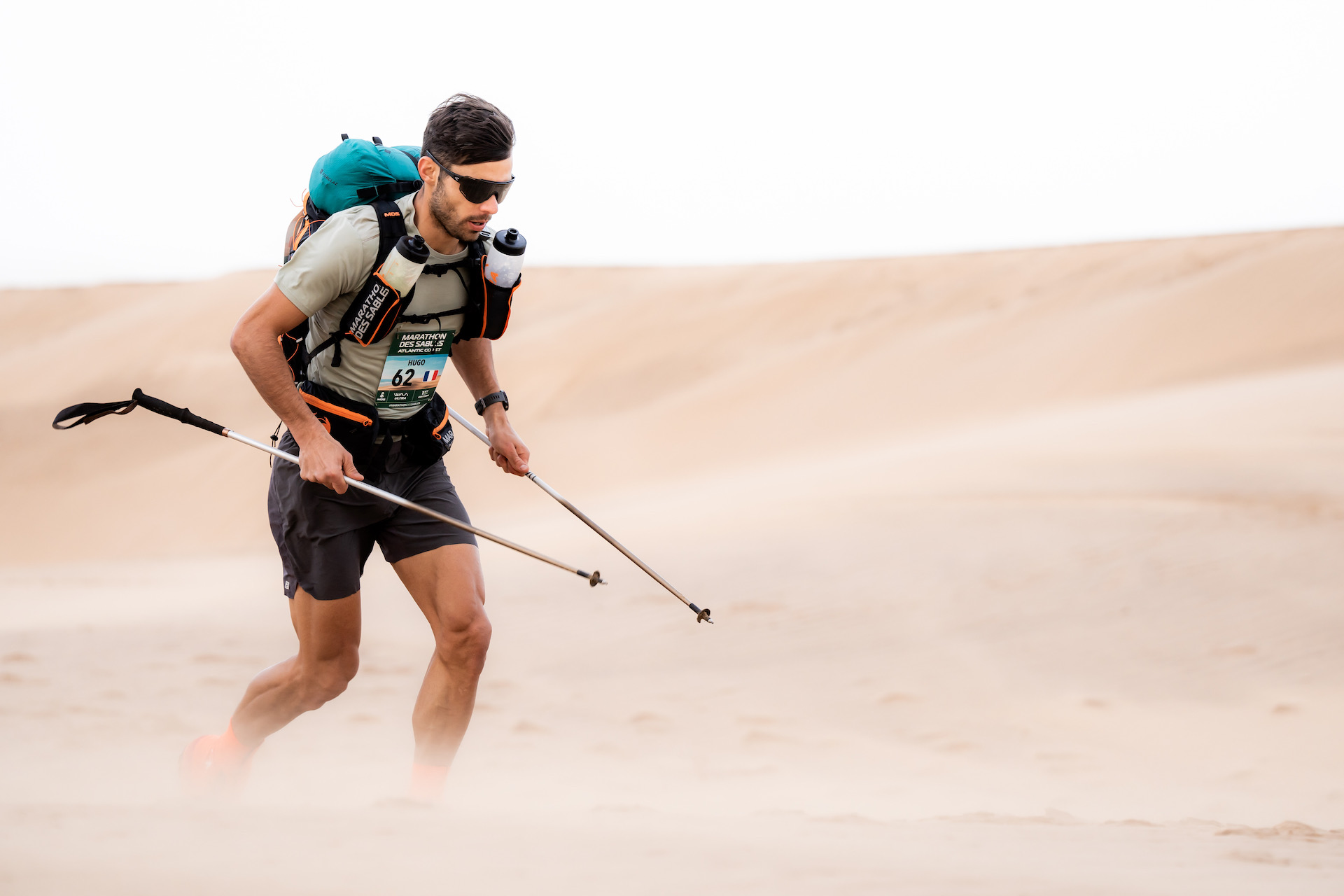
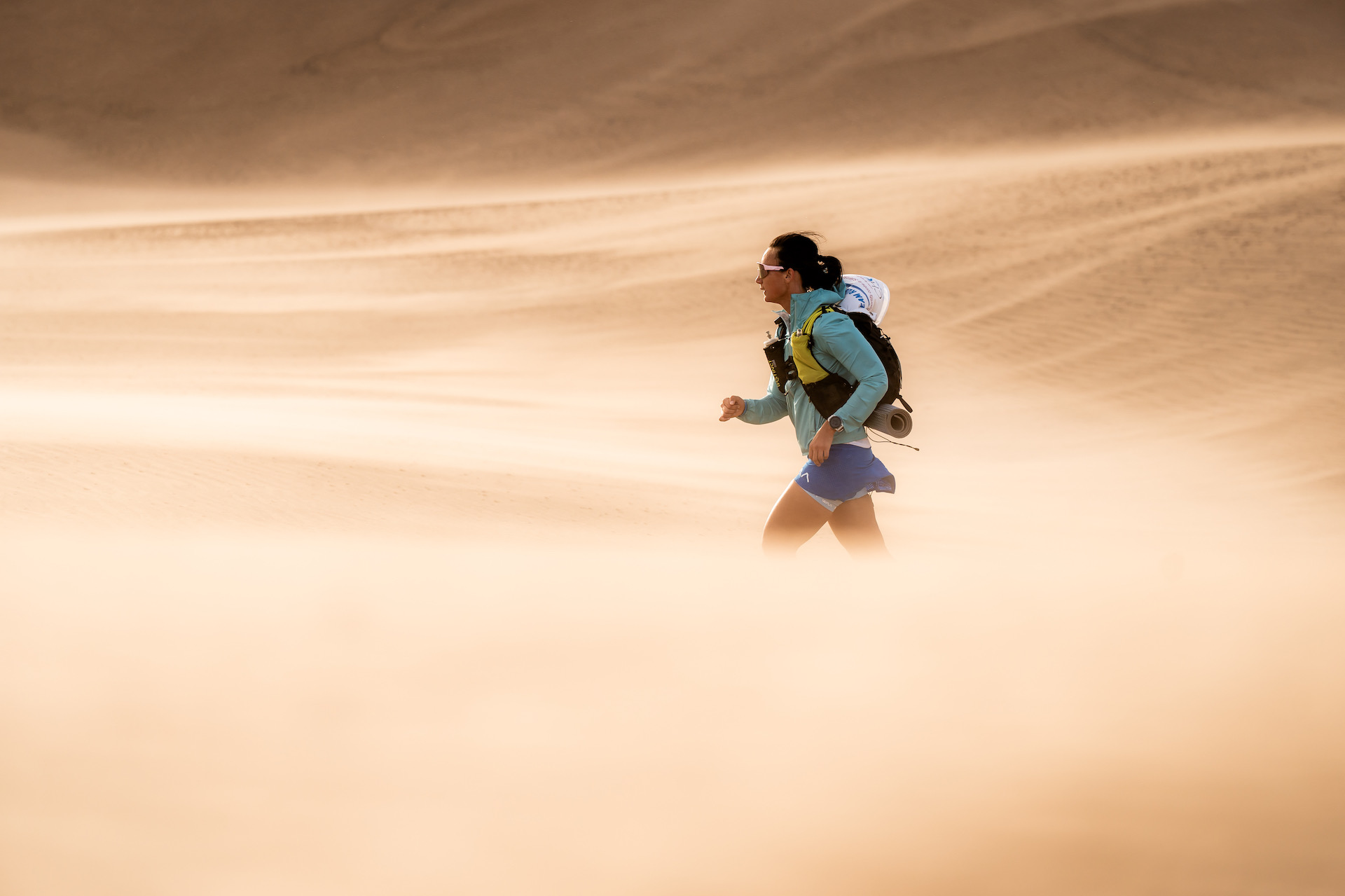
It was a northerly headwind for the entire 27km’s creating some of the most memorable moments and images of any MDS event.
Photo by Ian Corless
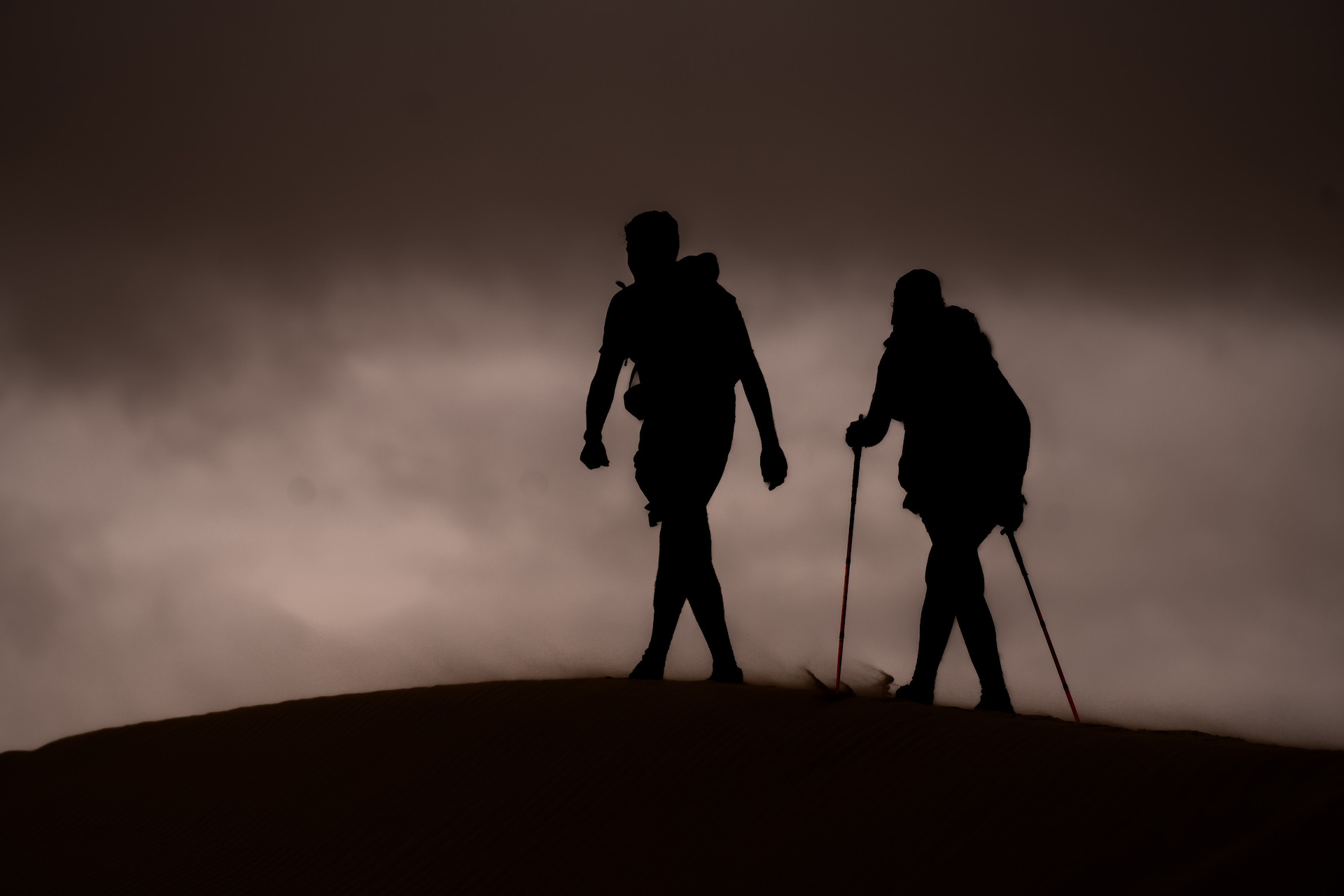
Runner’s battled, heads down, hands shielding faces and they fought what would seem like a never ending battle against nature to the finish line.
Photo by Ian Corless
But the finish line came for all and with it, great emotion.
Photo by Ian Corless
Stage 3 of the first edition of MDS Morocco Atlantic Coast was brutally beautiful. Relentless impressive dunes, the Atlantic Ocean to the left and the final 10km’s along the beach made for a completely memorable MDS.
Photo by Ian Corless
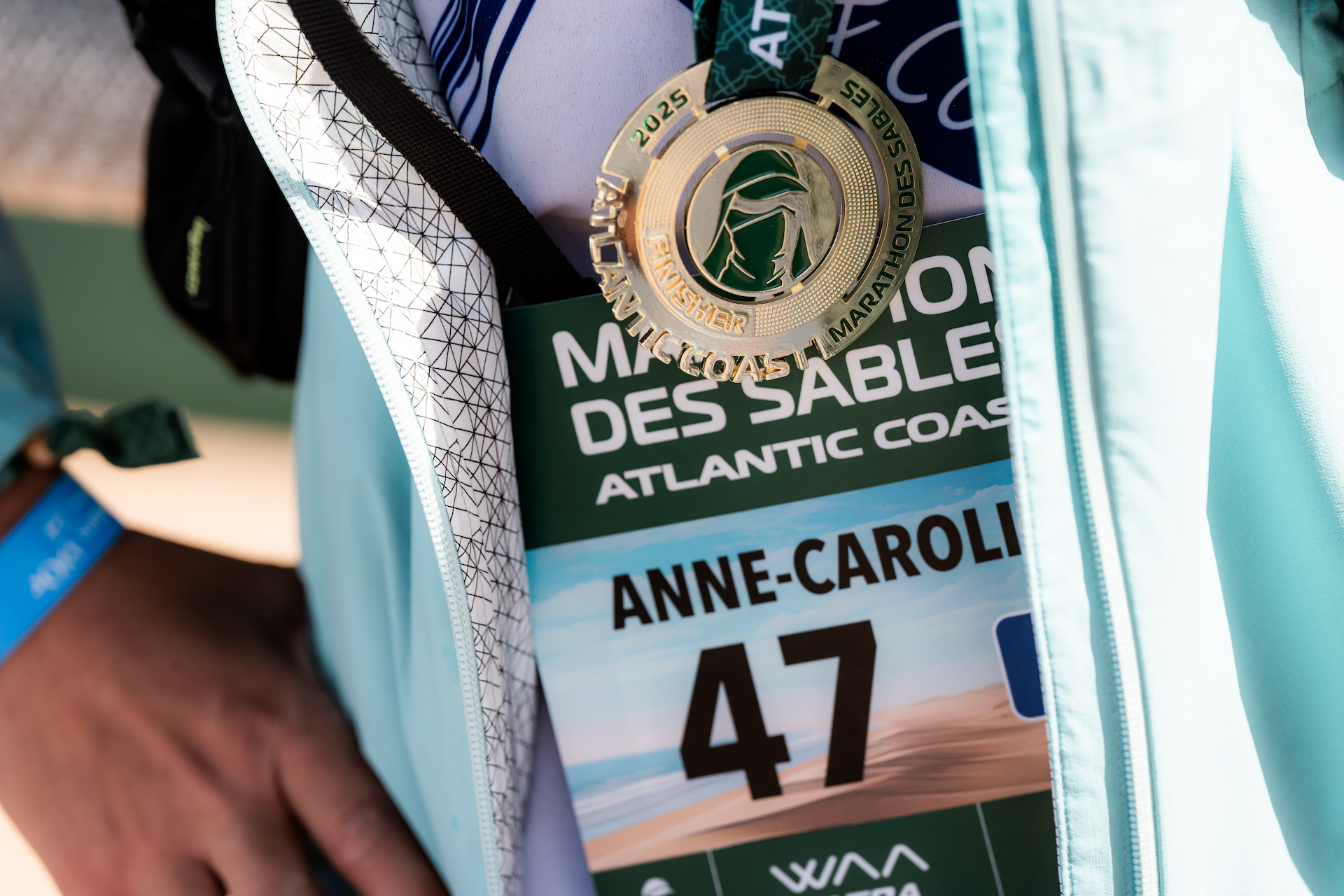
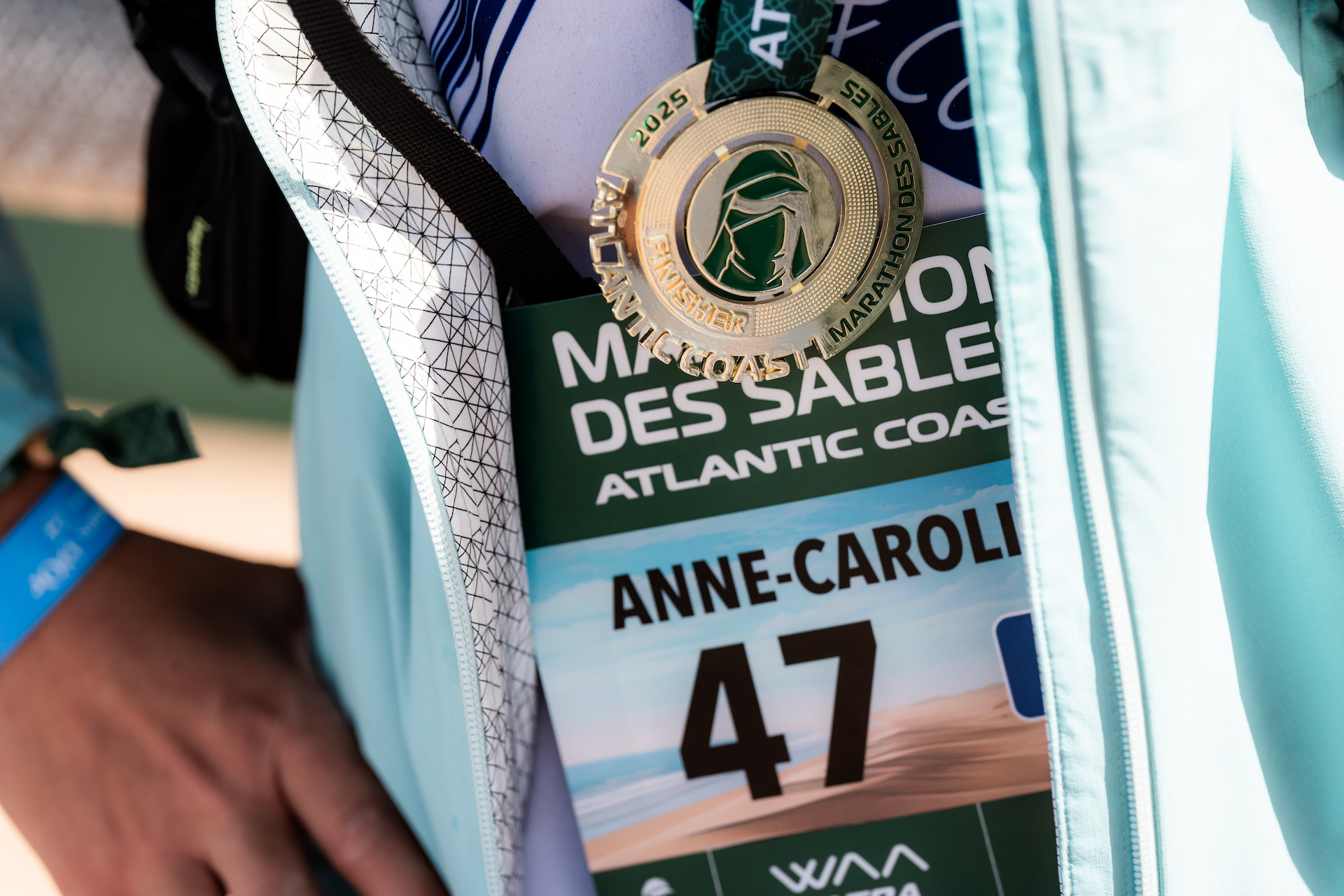
Tears, joy, emotion, relief and the bling of a medal all made the journey worthwhile.
Photo by Ian Corless
The journey for each participant unique. The experience unique. But there was one common thread…
‘We survived and experienced a truly memorable journey along the Atlantic Coast of Morocco.’
Stage 2 of MDS Morocco Atlantic Coast and the option to choose the stage distance: 20km, 40km or 60km?
Photo by Ian Corless
One of the appealing factors of the MDS format is the stage 2 distance option, with stage 1 and 3 the same for all, the stage 2 option allows for an overall distance of 70km, 100km or 120km.
Photo by Ian Corless
The day started under heavy cloud and winds coming from the north . At 0845 as participants arrived for the start, rain started to fall. It was an ominous beginning for the day and the weather remained challenging with rain increasing in strength during the morning.
Photo by Ian Corless
Gladly, by midday, blue skies and sun started to appear, however, the wind increased in strength and continued to do so into the night.
Photo by Ian Corless
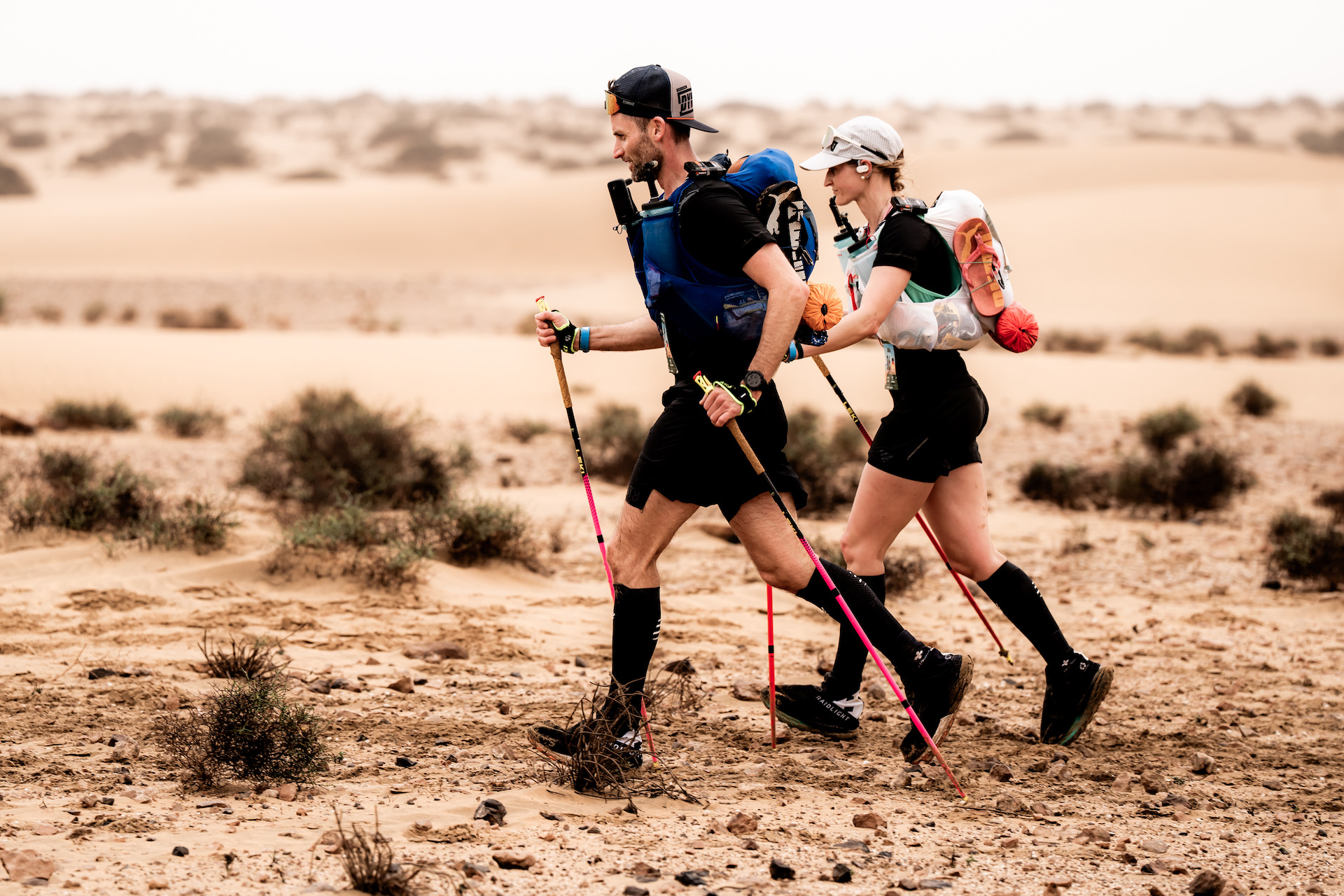
With epic landscape, stunning dunes, there was much to appreciate in this stage and despite the weather, runner’s were constantly smiling.
Photo by Ian Corless
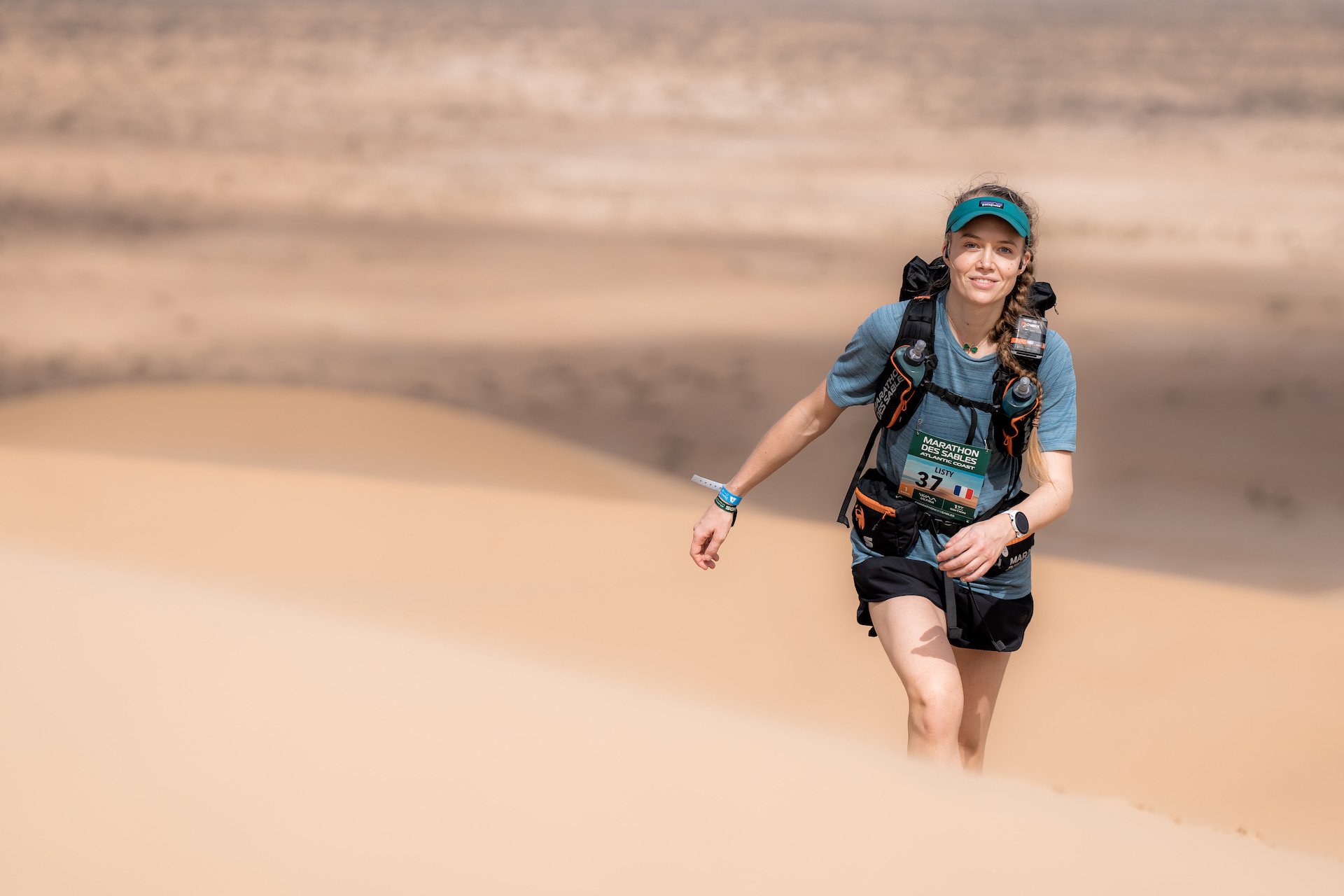
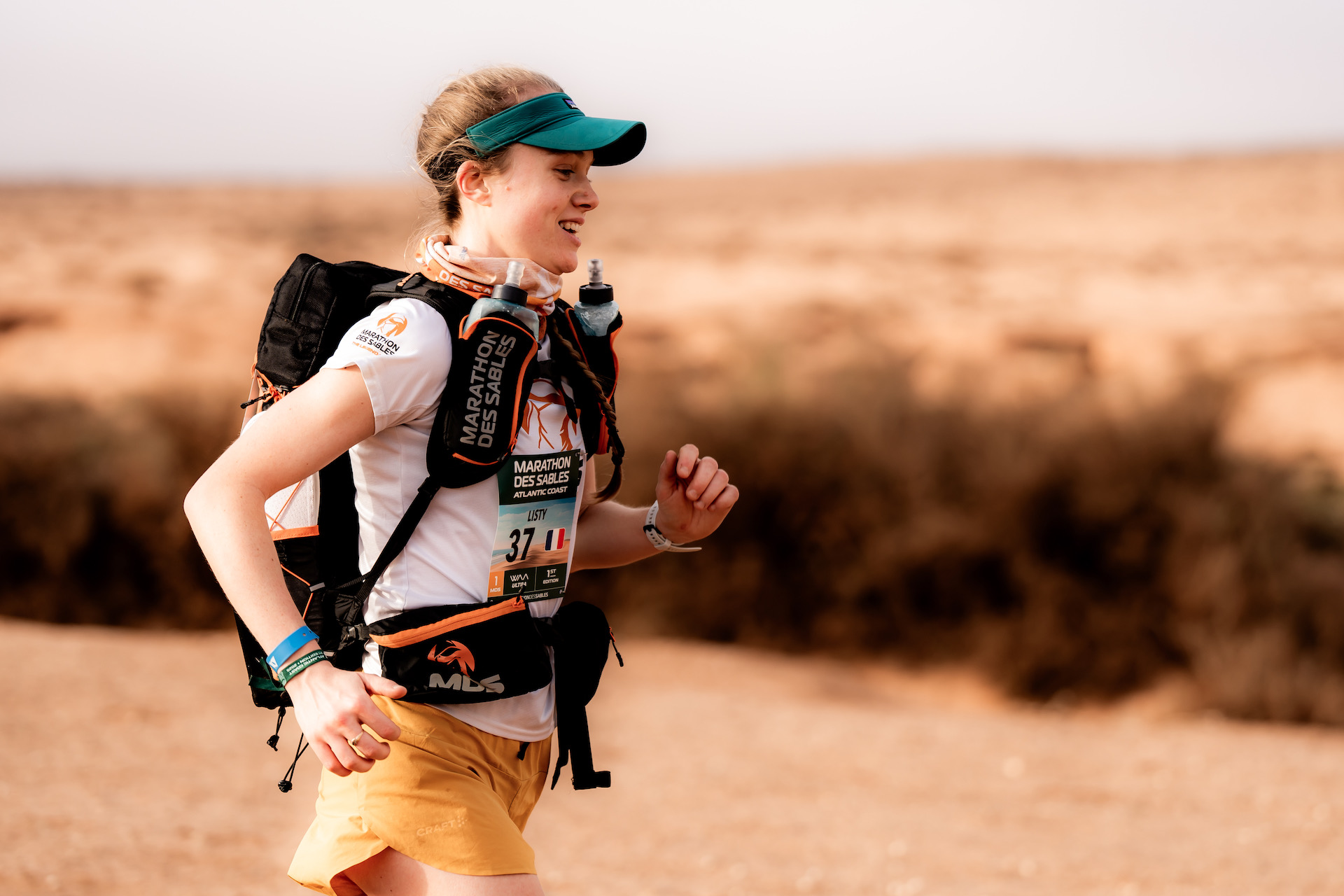
With three distances, rankings change after stage 2, often considerably, for example, Listy Mazille, a clear winner on stage 1 is now the leader of the 1ookm and we have a new leader in the 120km category now.
The 2025 Marathon des Sables calendar kicks-off the a new event, MDS Morocco Atlantic Coast, a great addition to the MDS line-up and now the fourth event in the country, the others, Legendary, MDS Morocco and MDS Morocco Trek.
Photo by Ian Corless
Located close to Agadir, the MDS Morocco Atlantic Coast explores a new area of this magical country.
Photo by Ian Corless
For stage 1 it was a very early start of 0300 for the drive from Agadir and the start line.
Photo by Ian Corless
Kicking-off at 0930, 170 runners from 27 nationalities started the 23km journey with 344m+ heading north to the coastline of the Atlantic Coast. Of the 170 participants, 50% of the field are women, MDS once again pioneering the way for female participation in ultra races.
Photo by Ian Corless
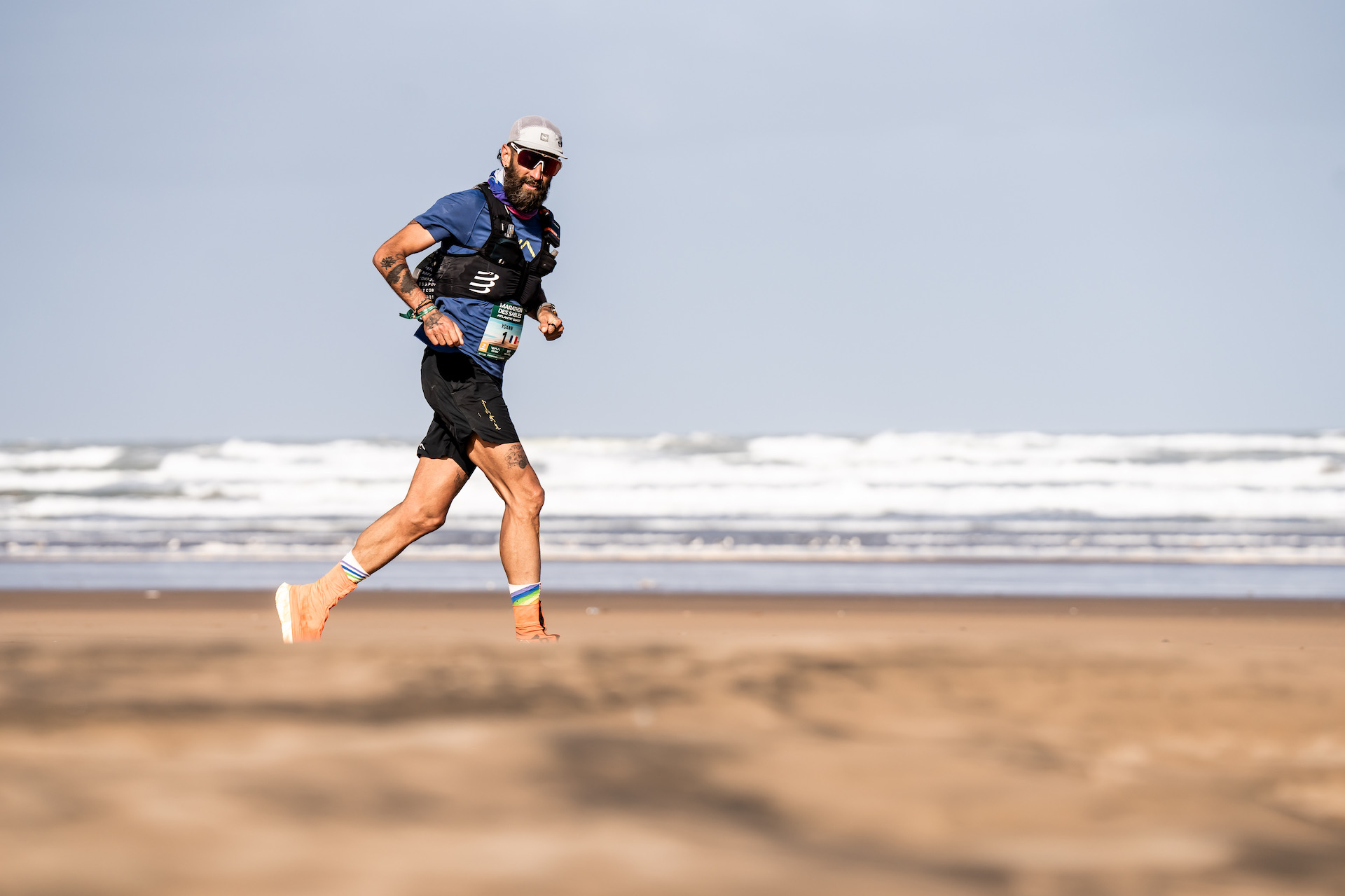
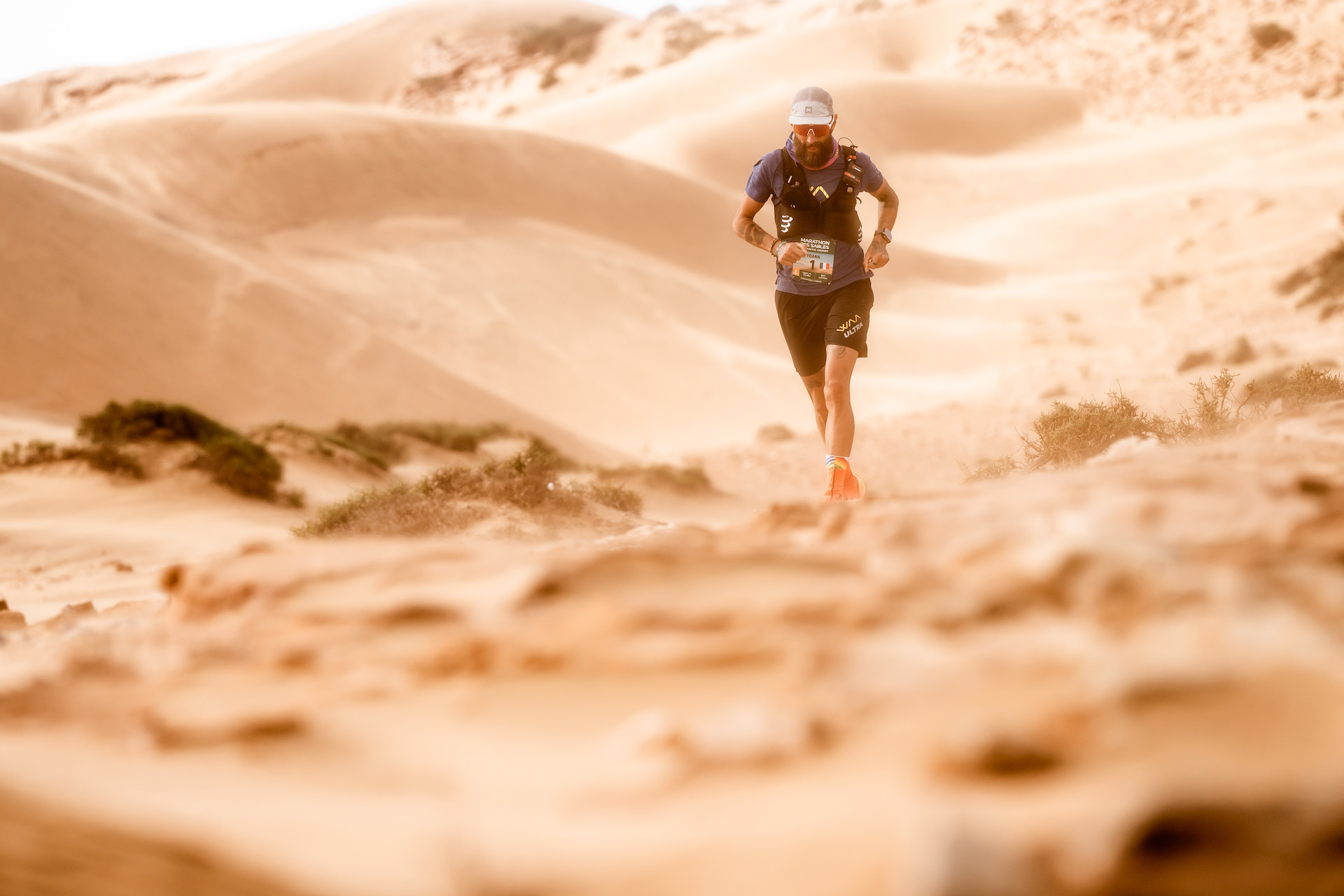
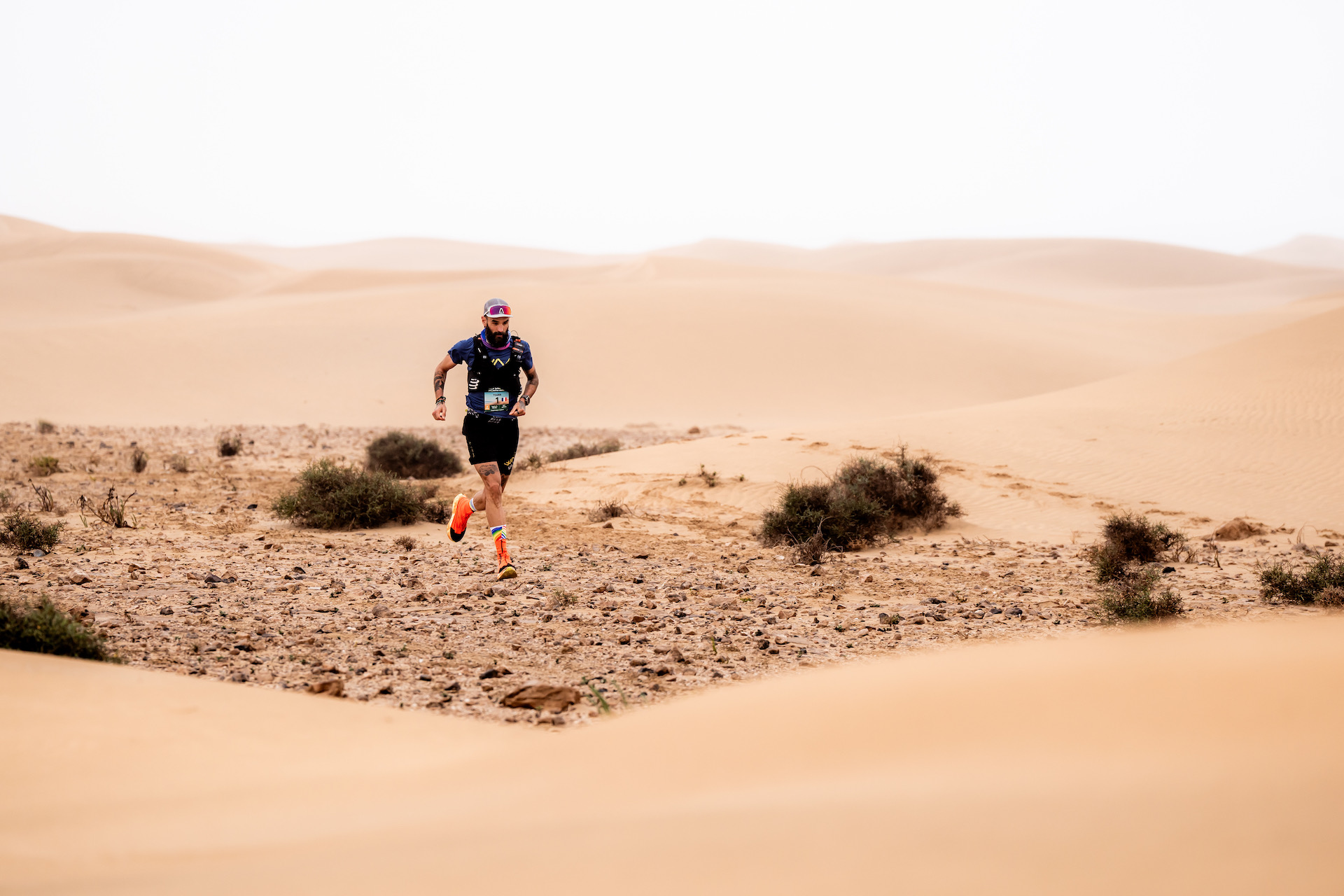
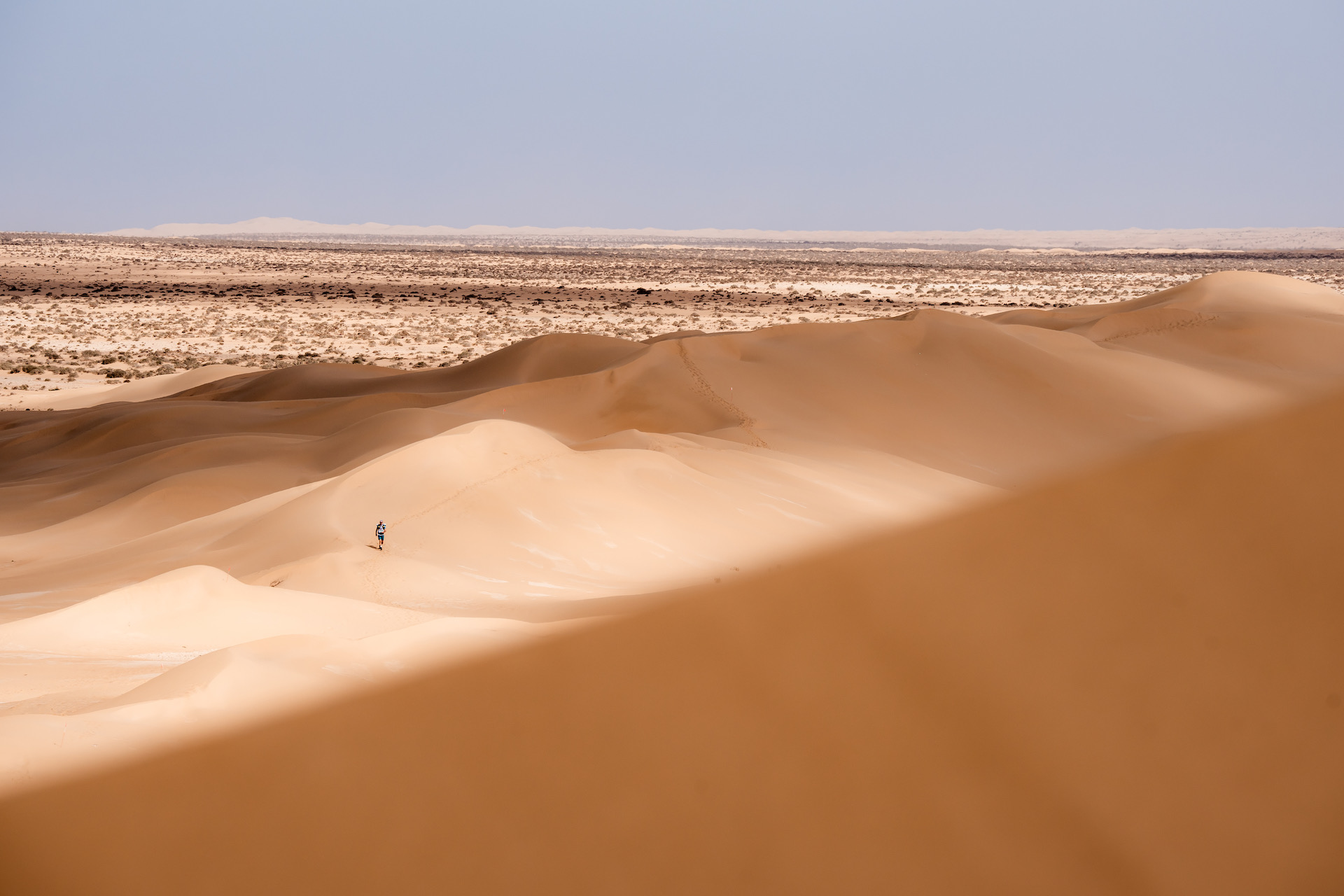
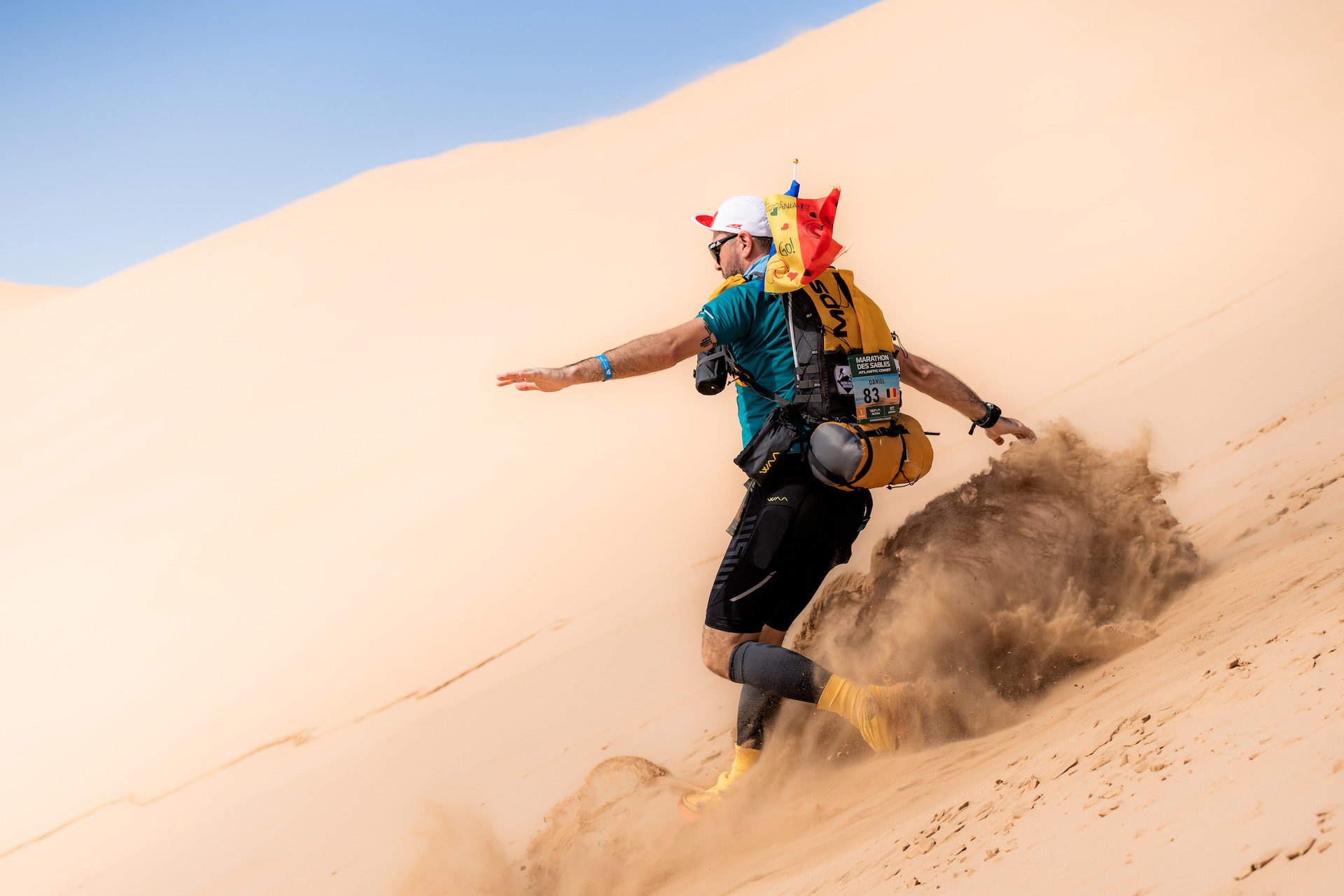
The day started with hard pack runnable terrain making for easy km’s before a dune passage, followed by a gorge and finally high dunes with the glimmer of the ocean in the distance. Cloud and a chill in the air soon moved away to leave blue skies and daily high temperatures of 27-degrees.
Photo by Ian Corless
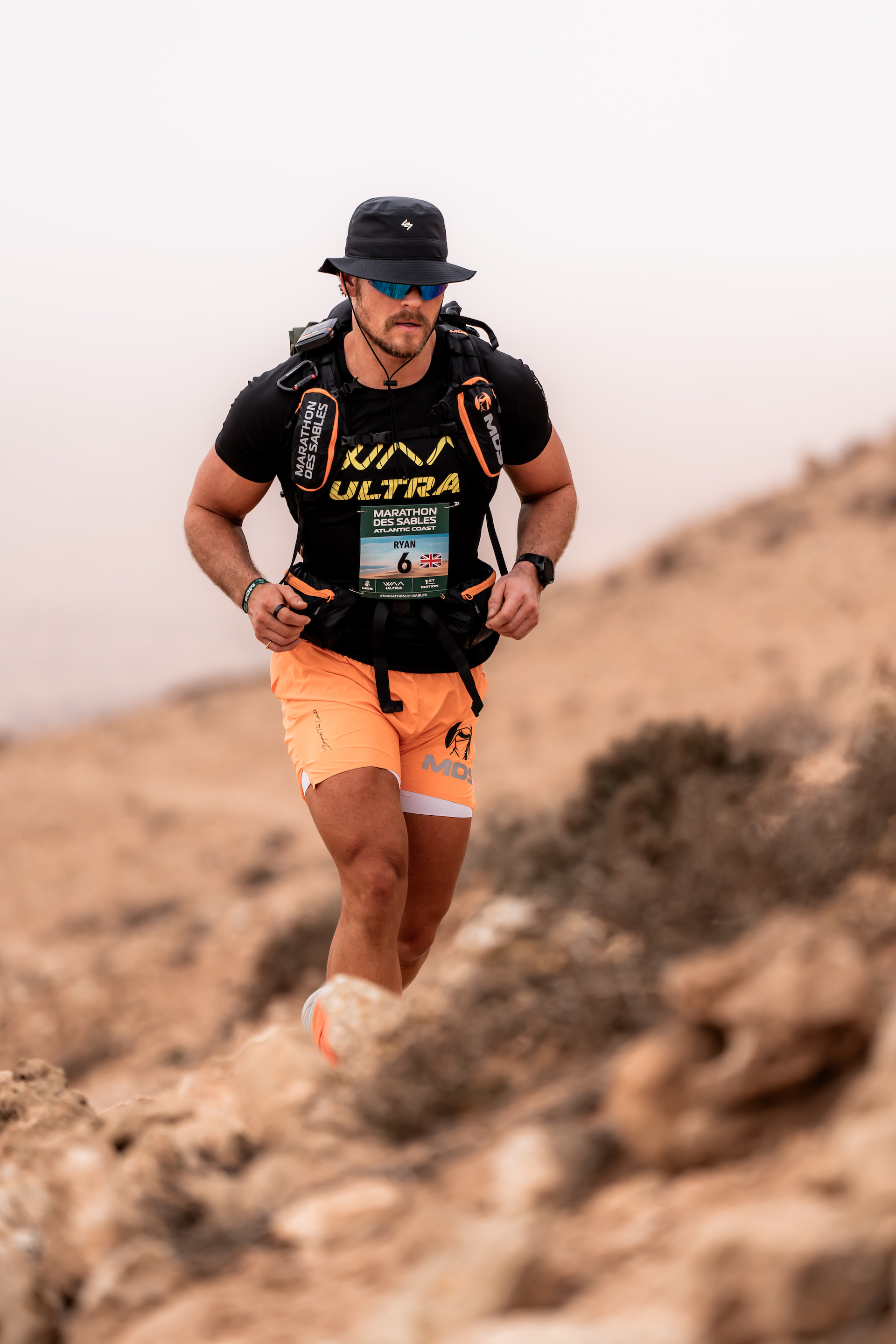
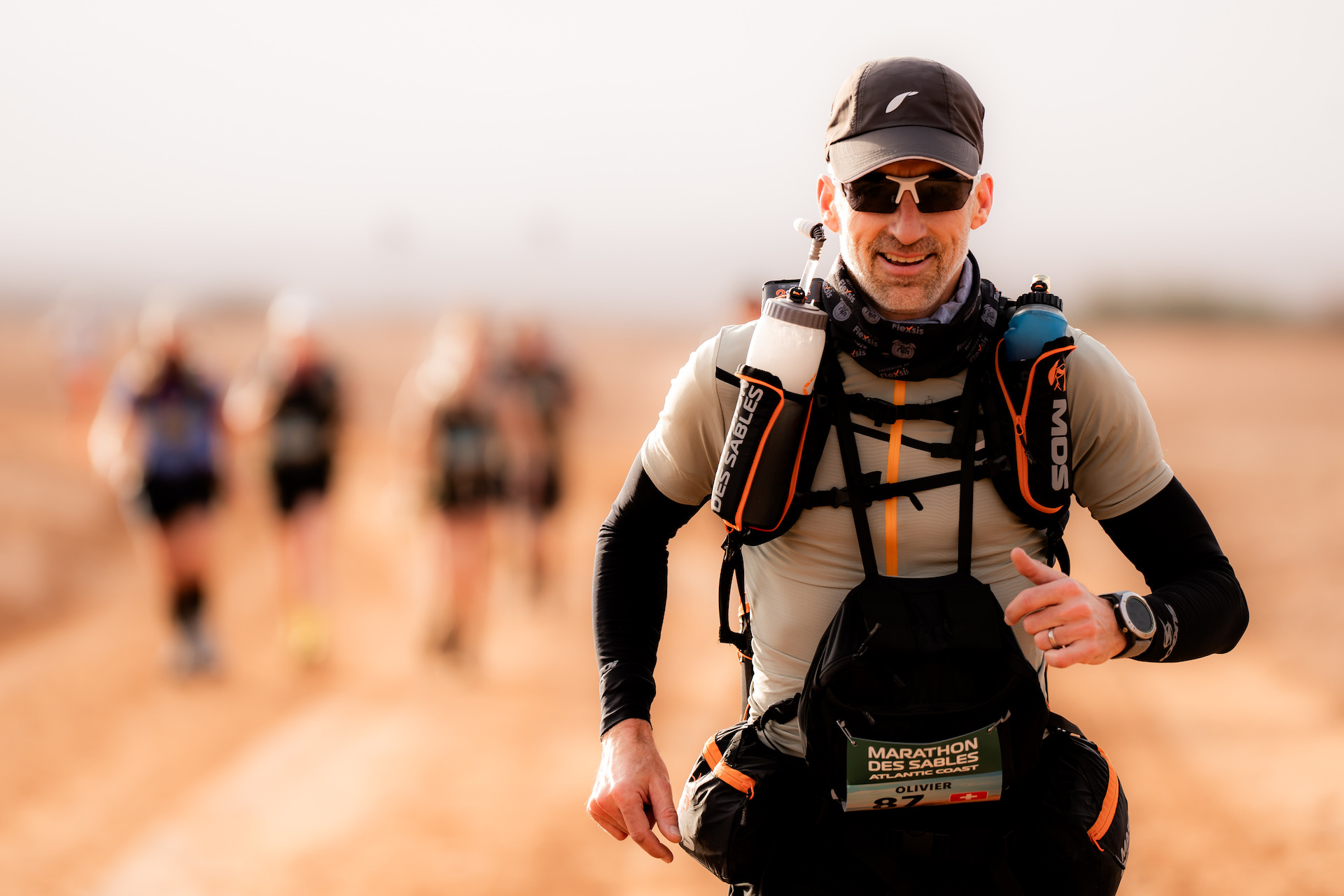
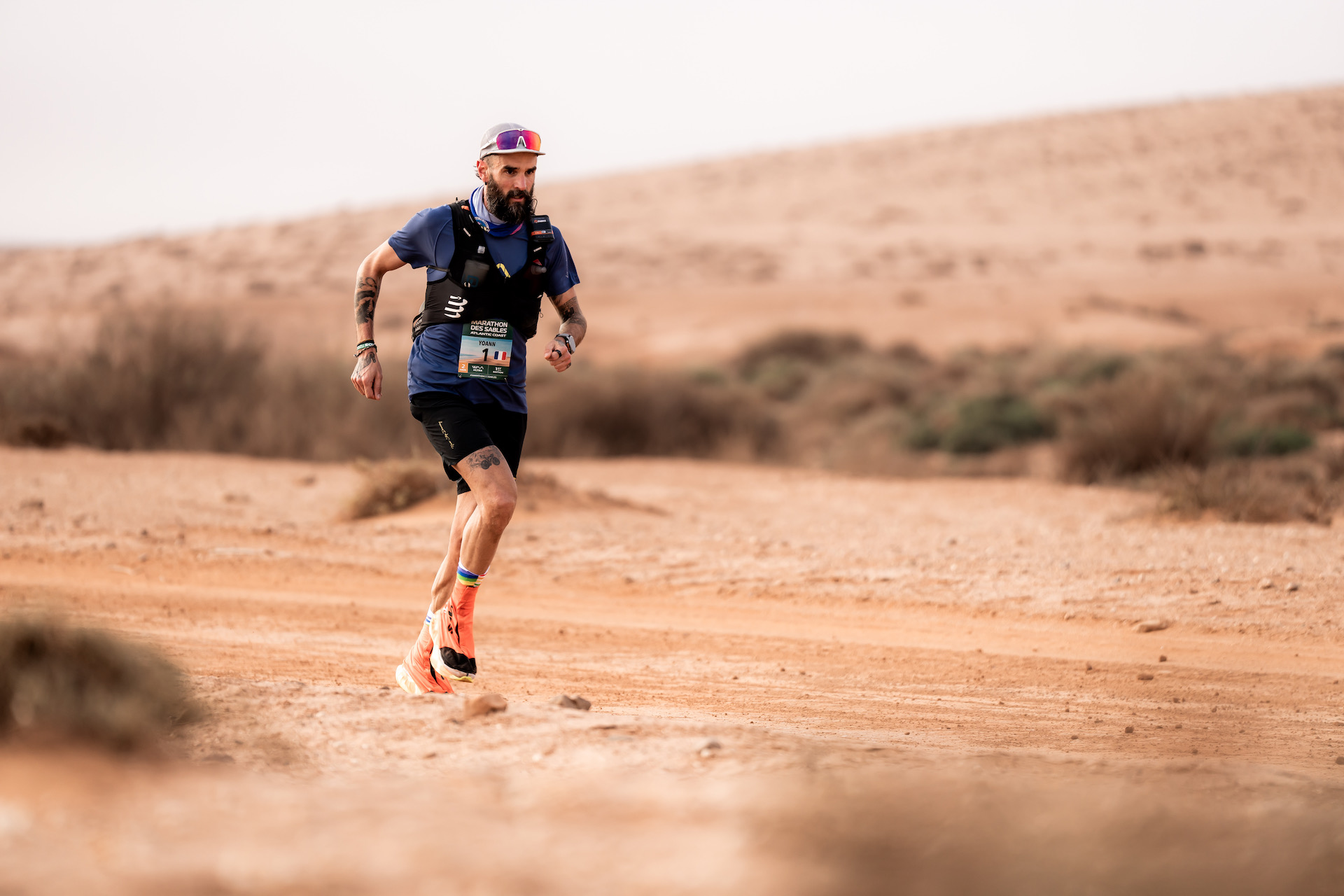
Yoann Stuck and Listy Mazille dominated the day. Yoann finishing the day in a super-fast 01:49:52 ahead of Göran Schrey and Stephan Bawey, 02:01:30 and 02:01:52 respectively.
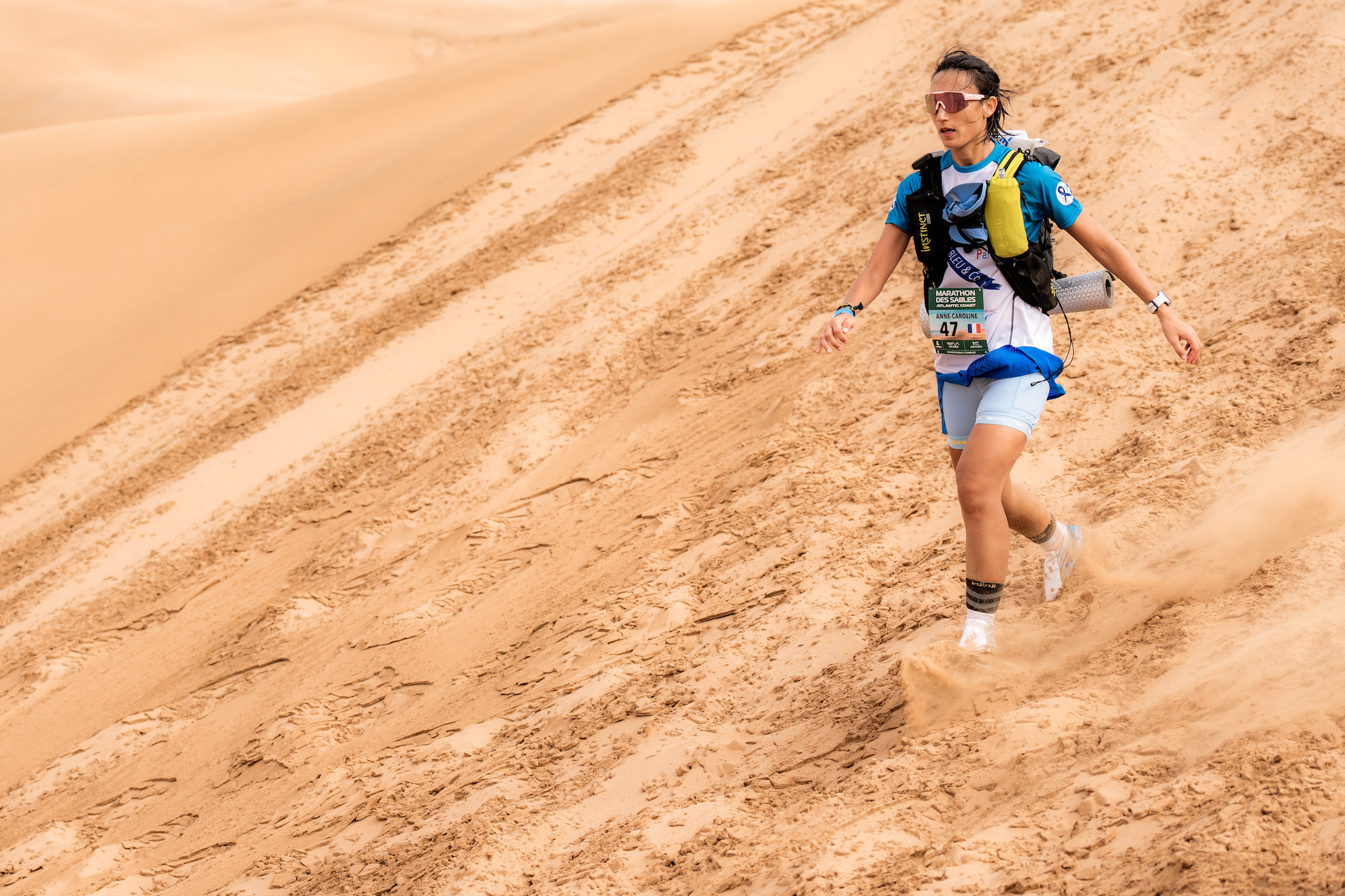
For the women, Listy crossed the line in 02:16:58, a huge gap opened up with Janina Beck 2nd in 02:39:43. Anne-Caroline Kusinierz was 3rd in 02:43:08.
















 IAN CORLESS