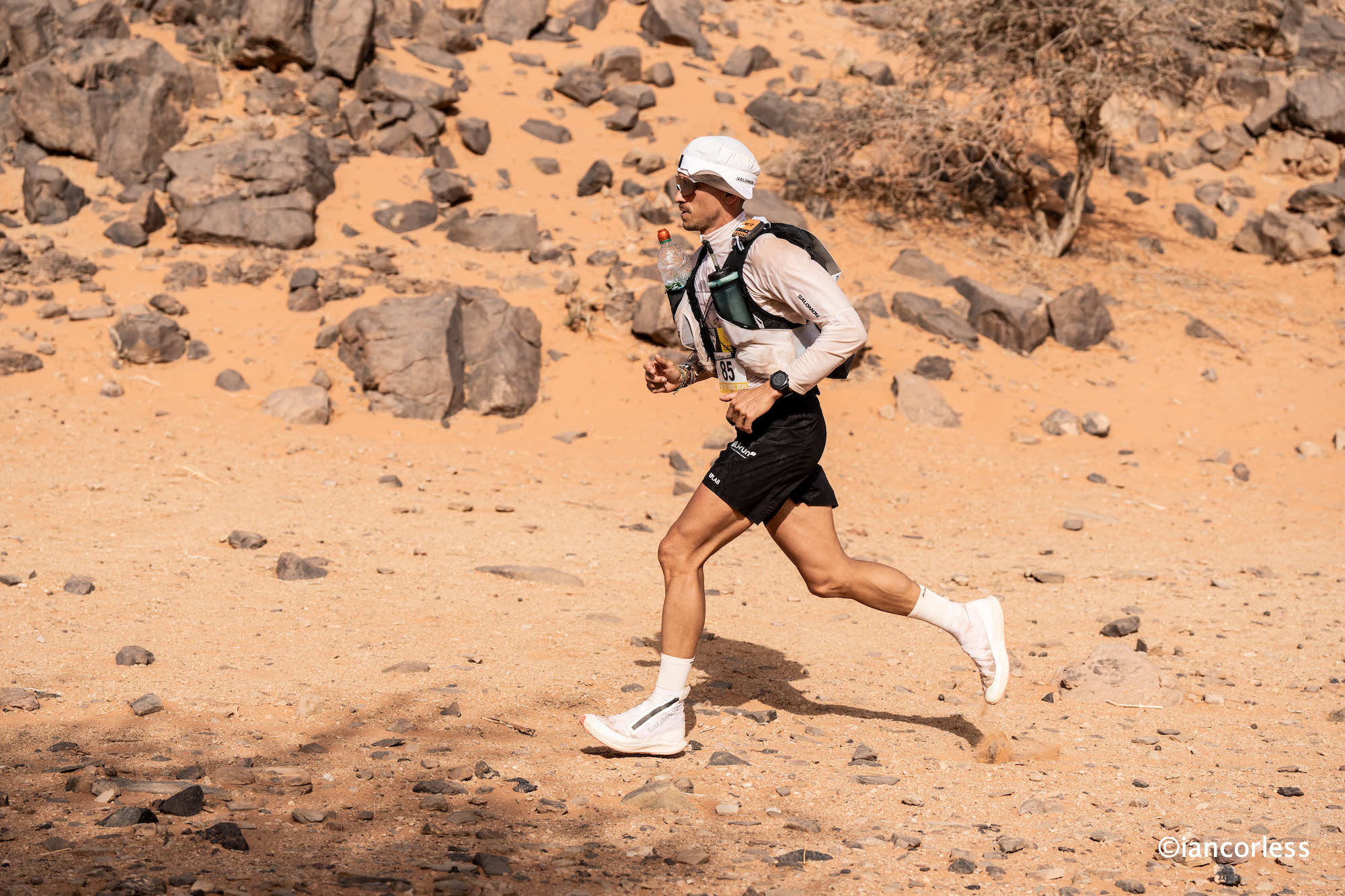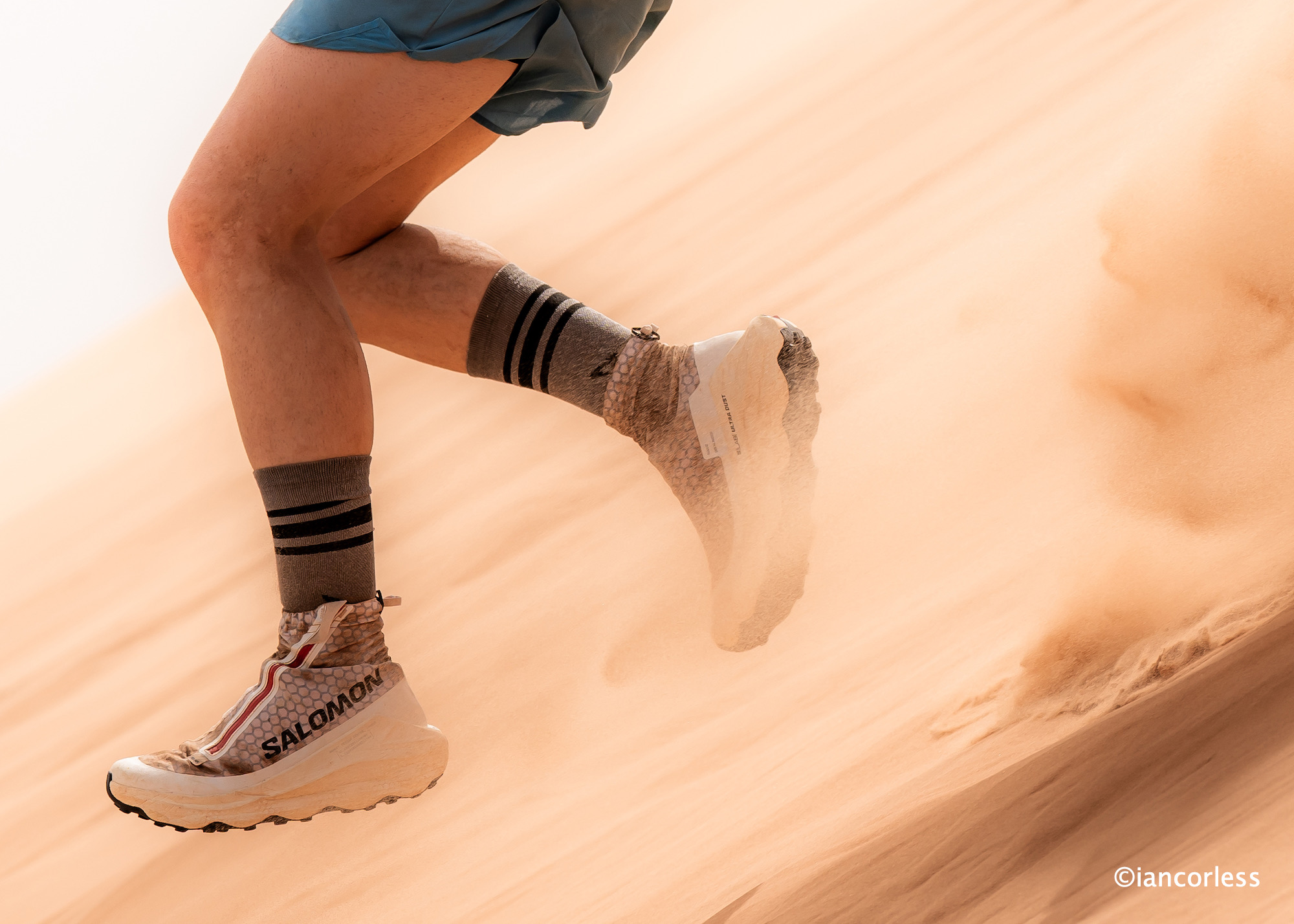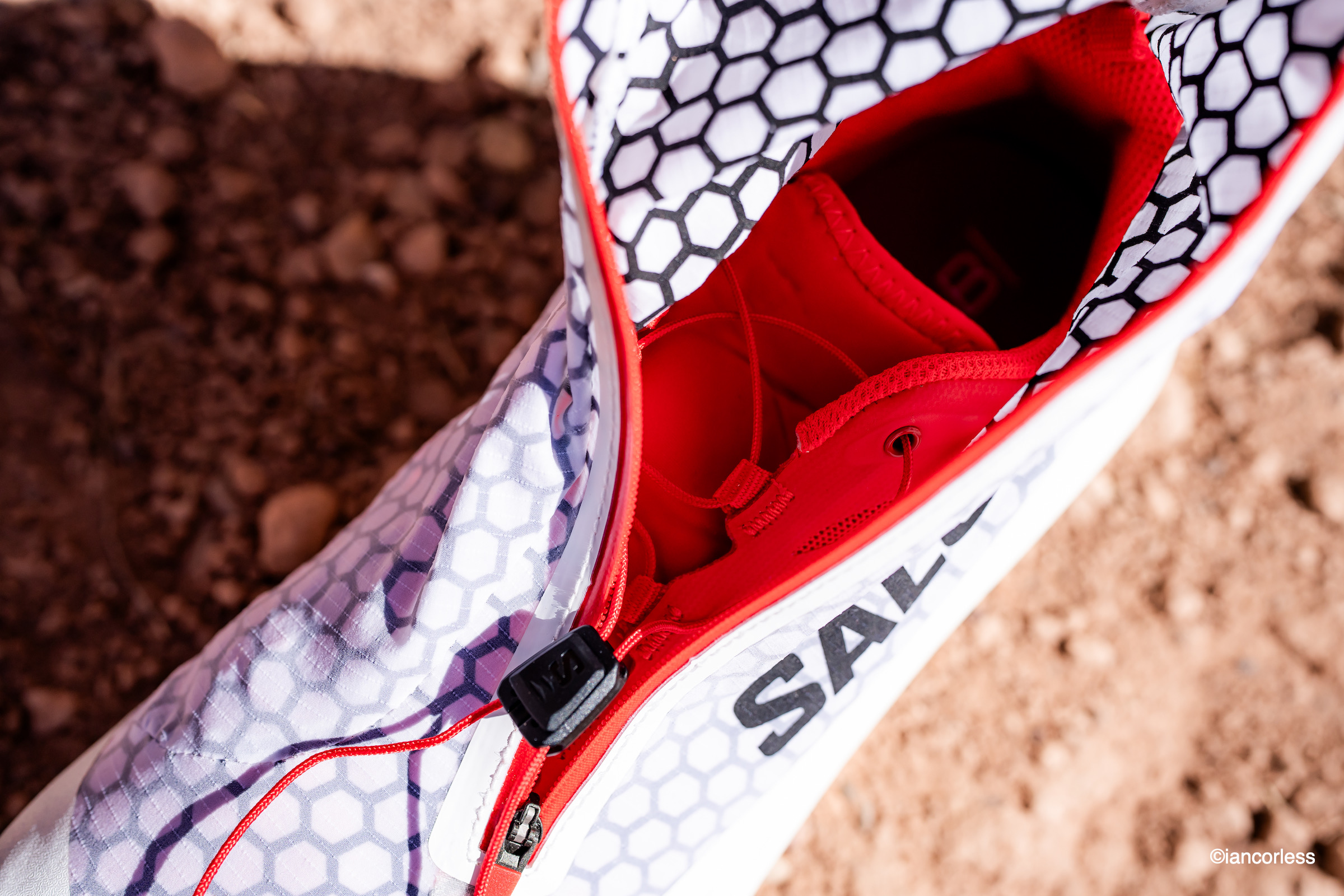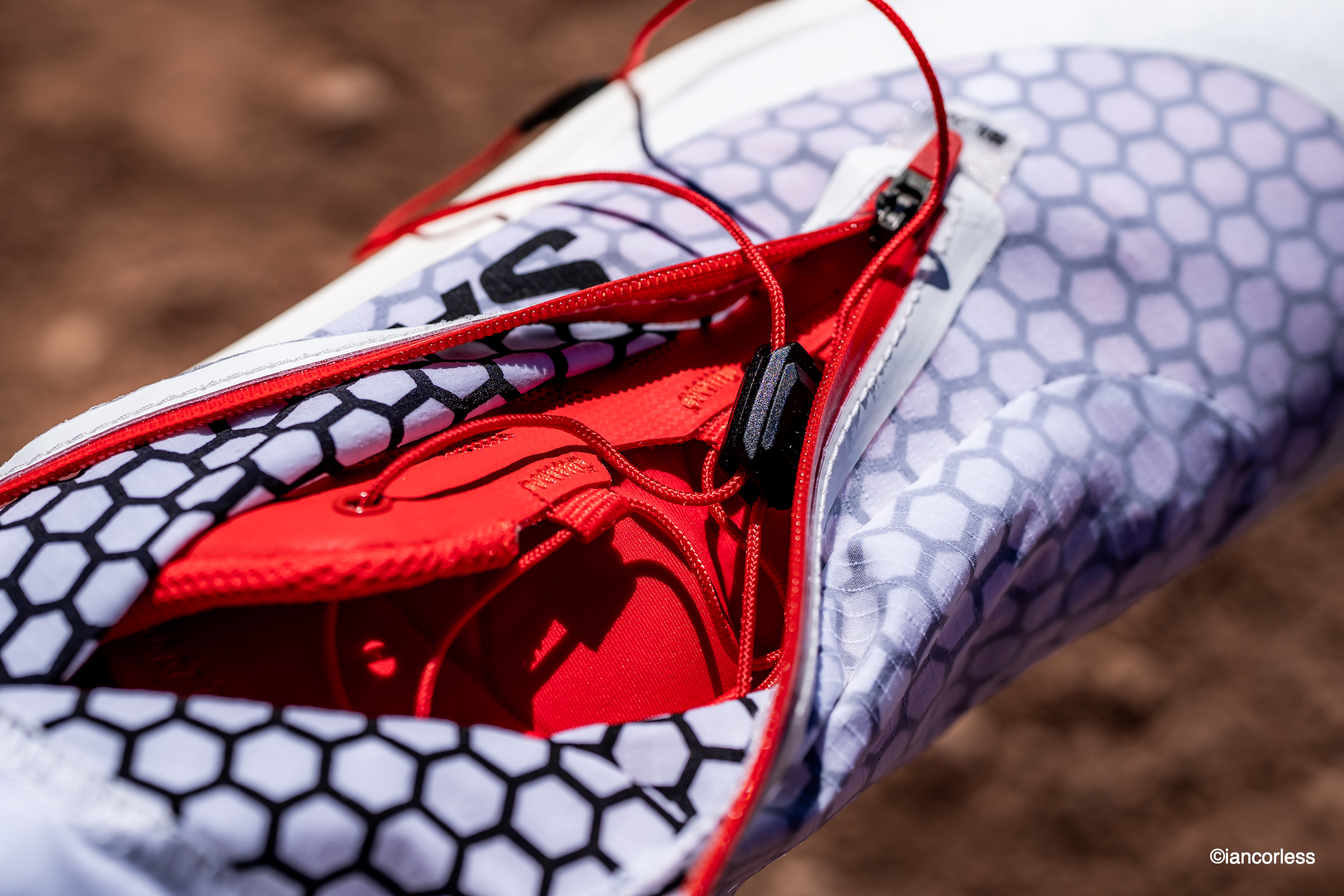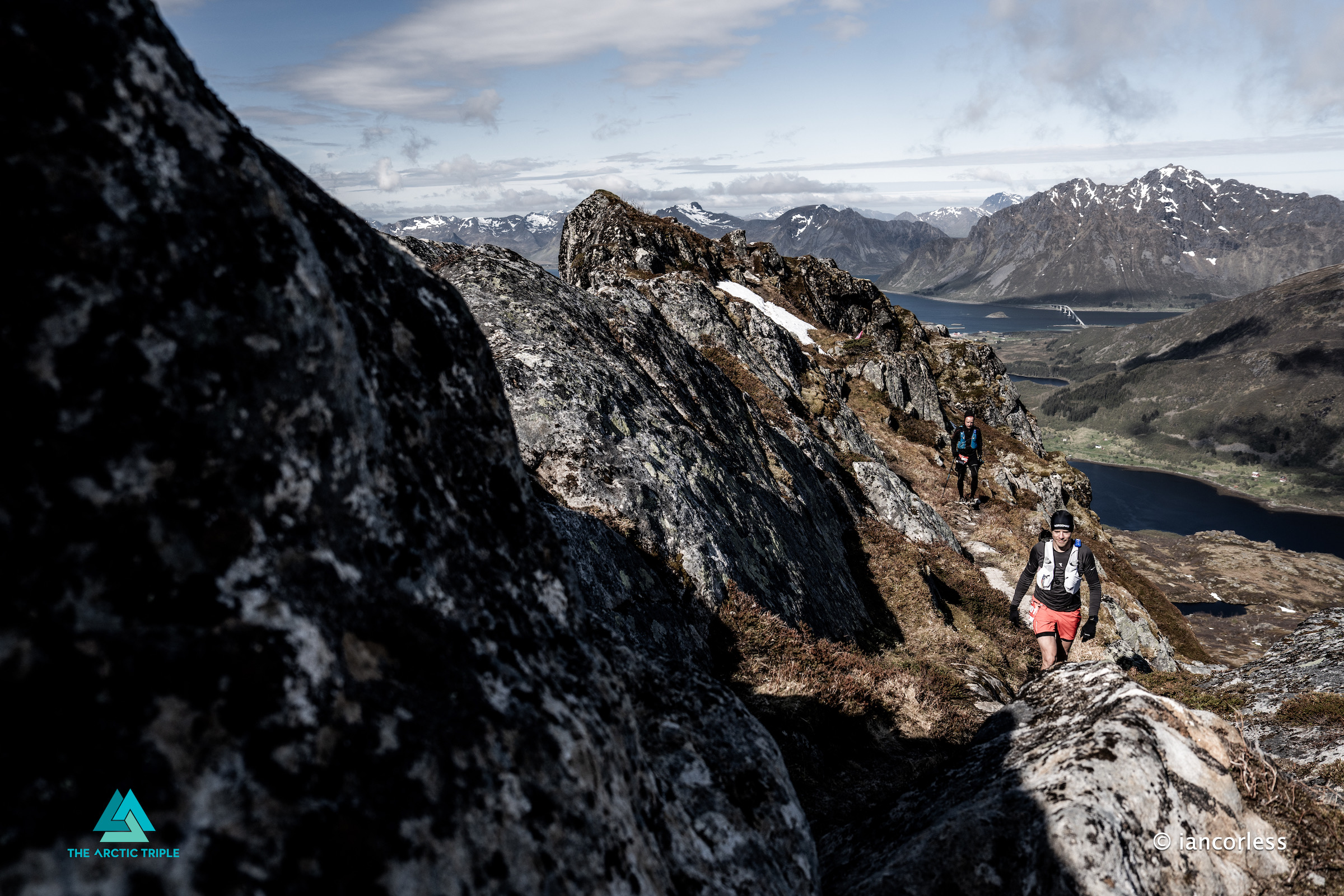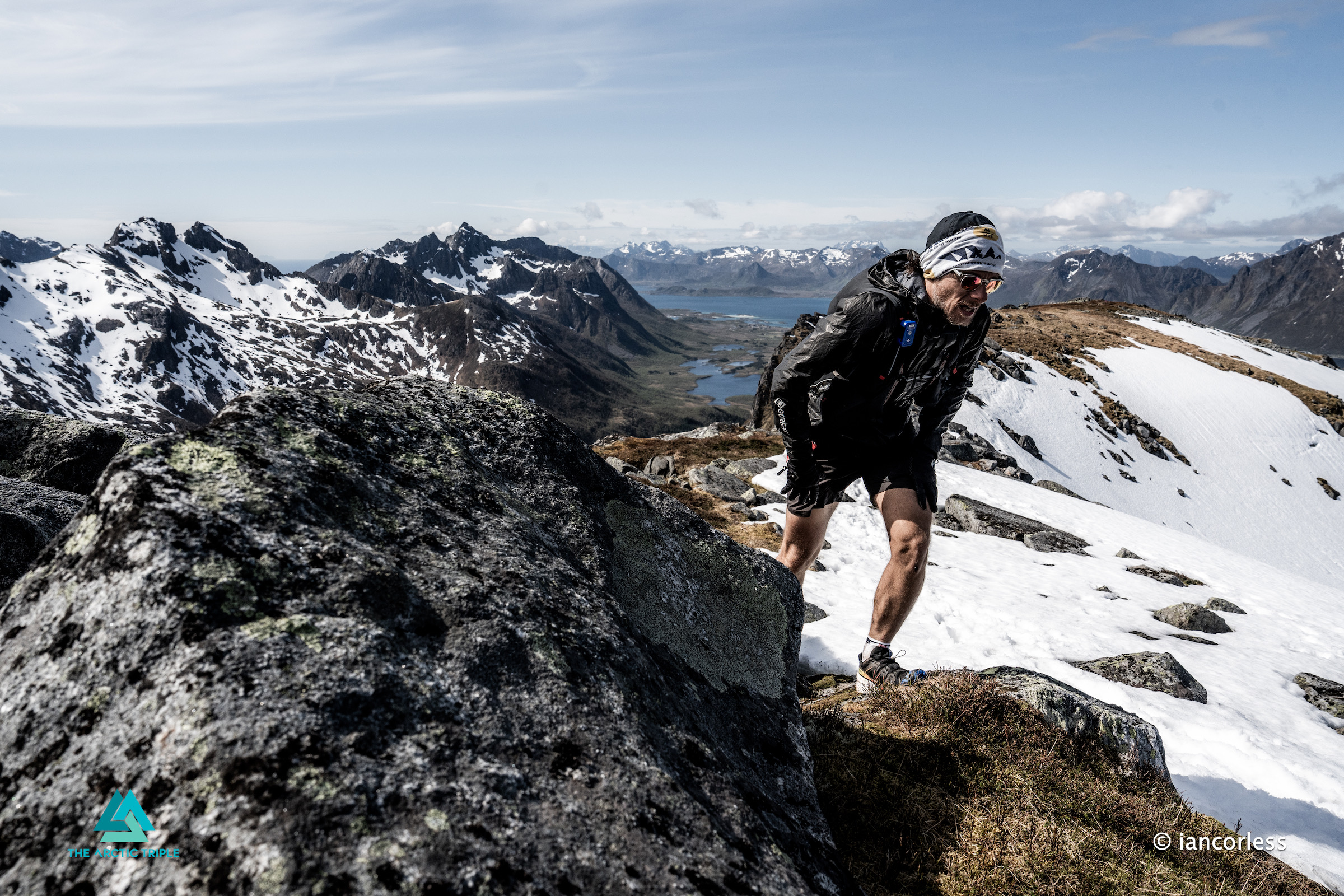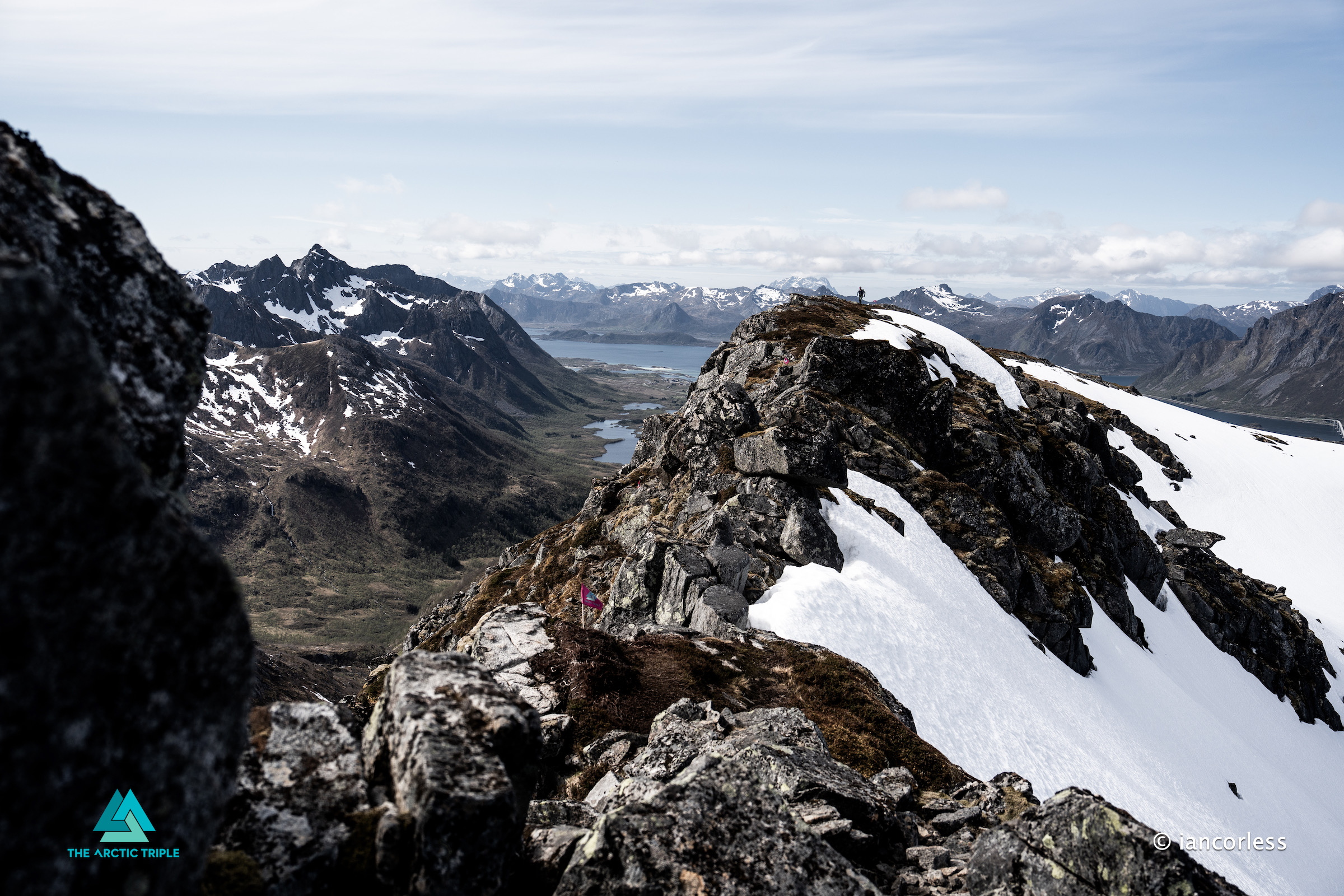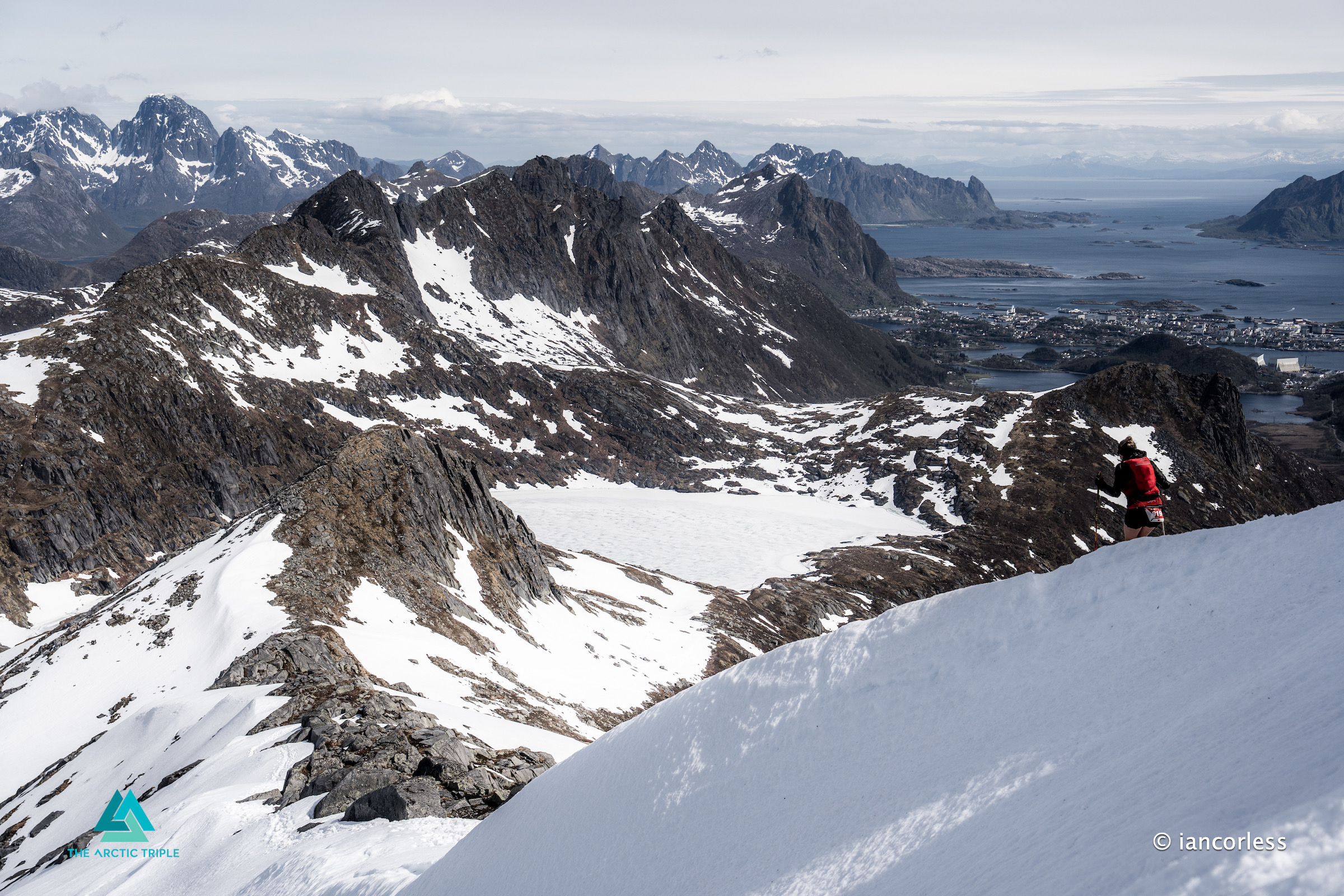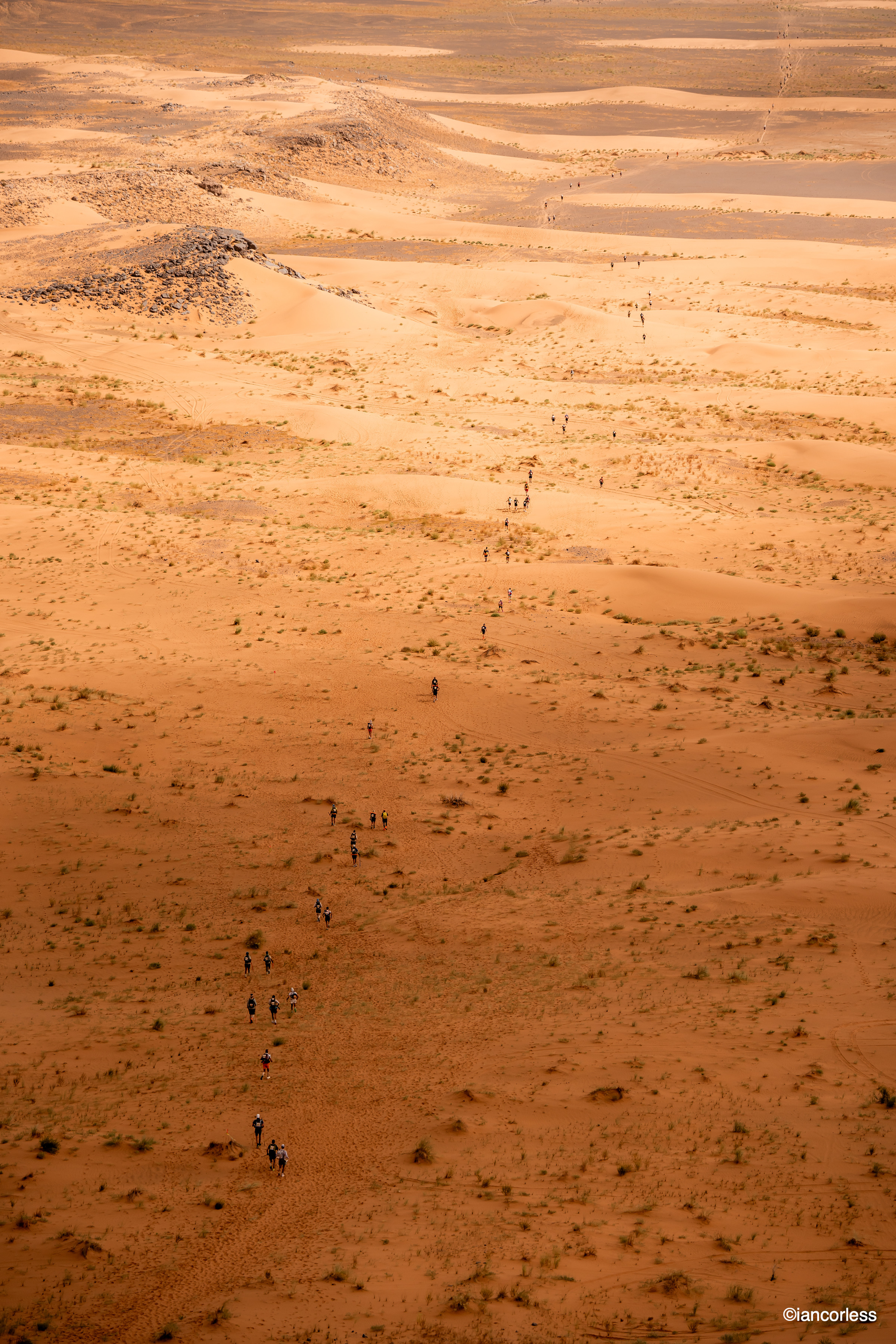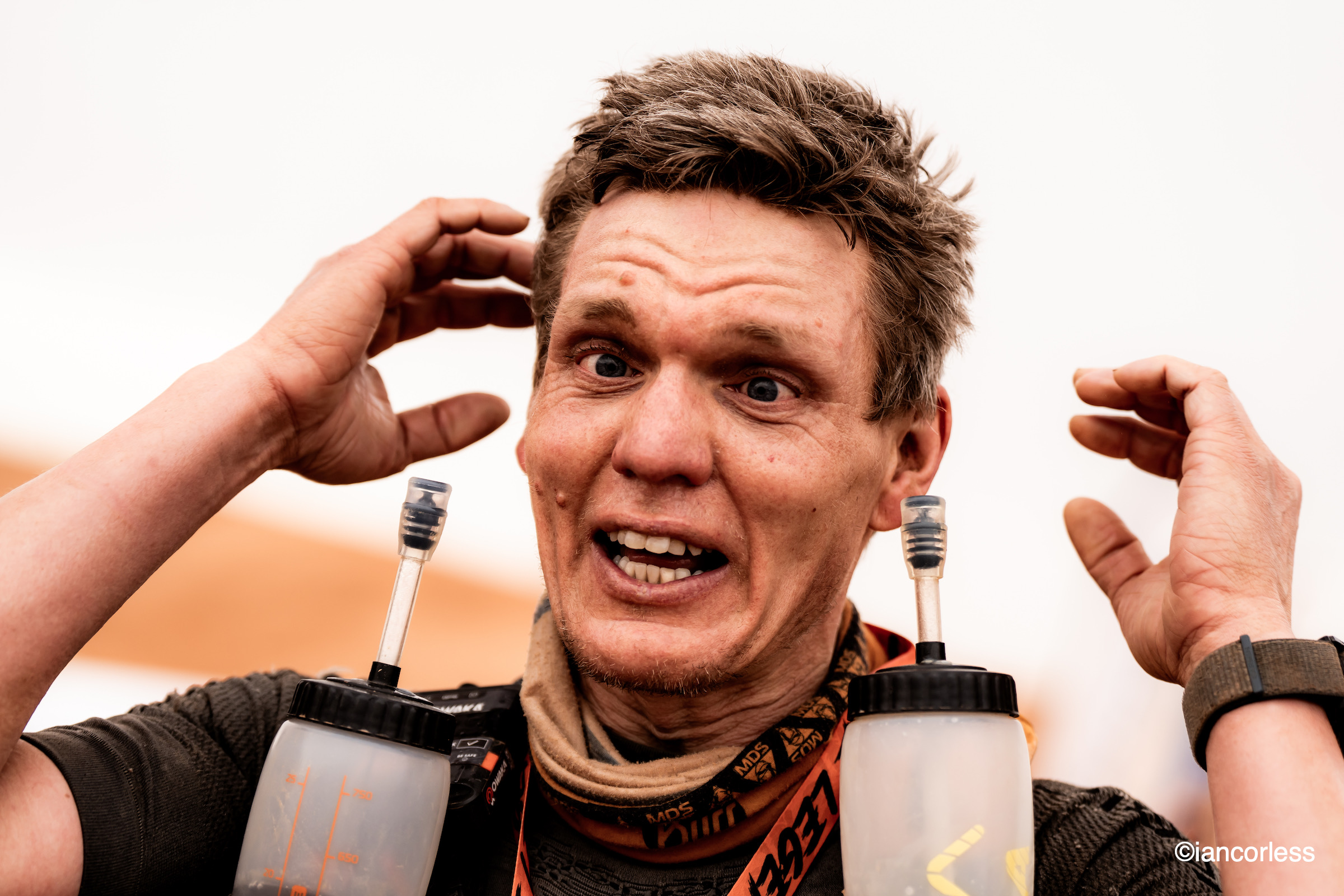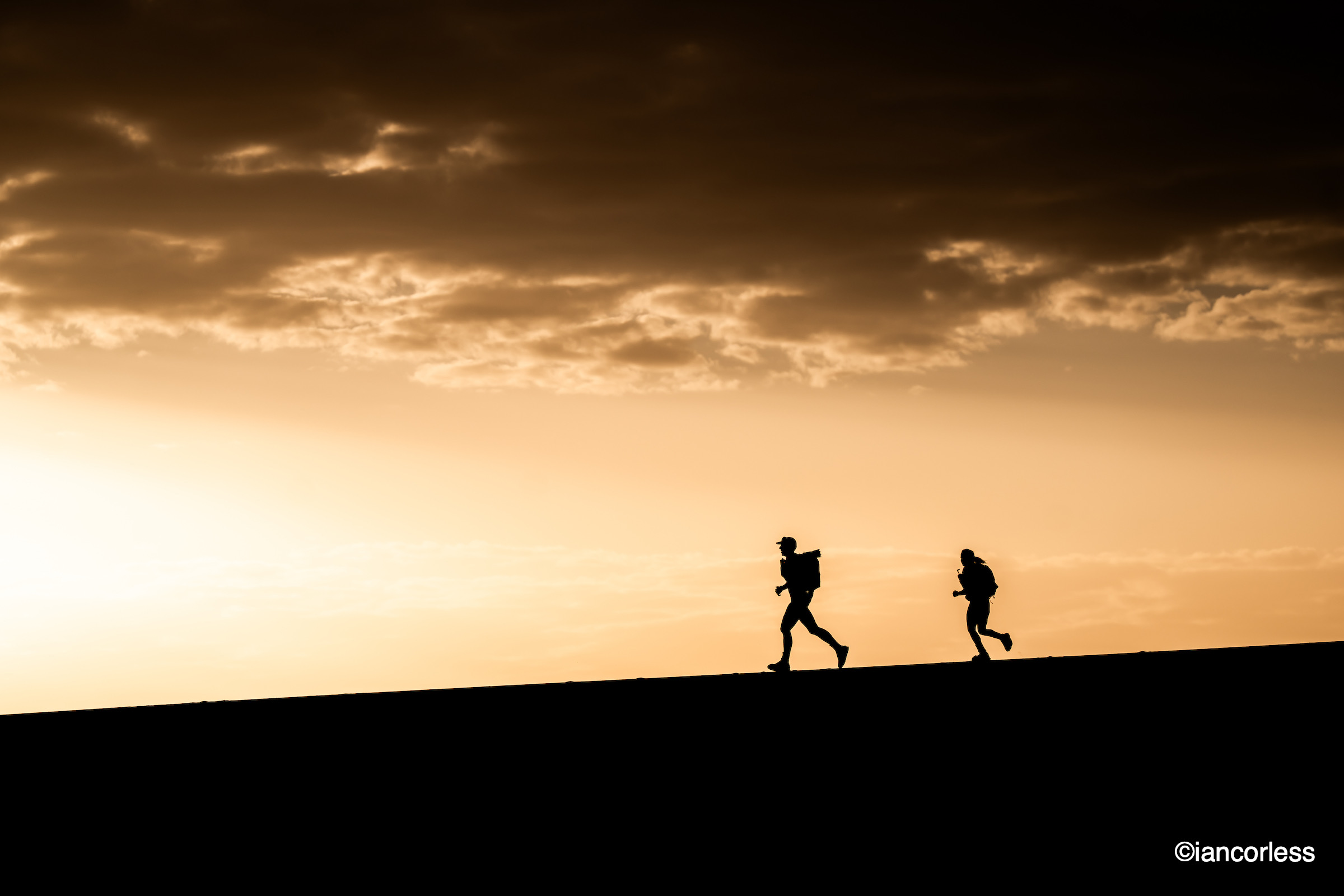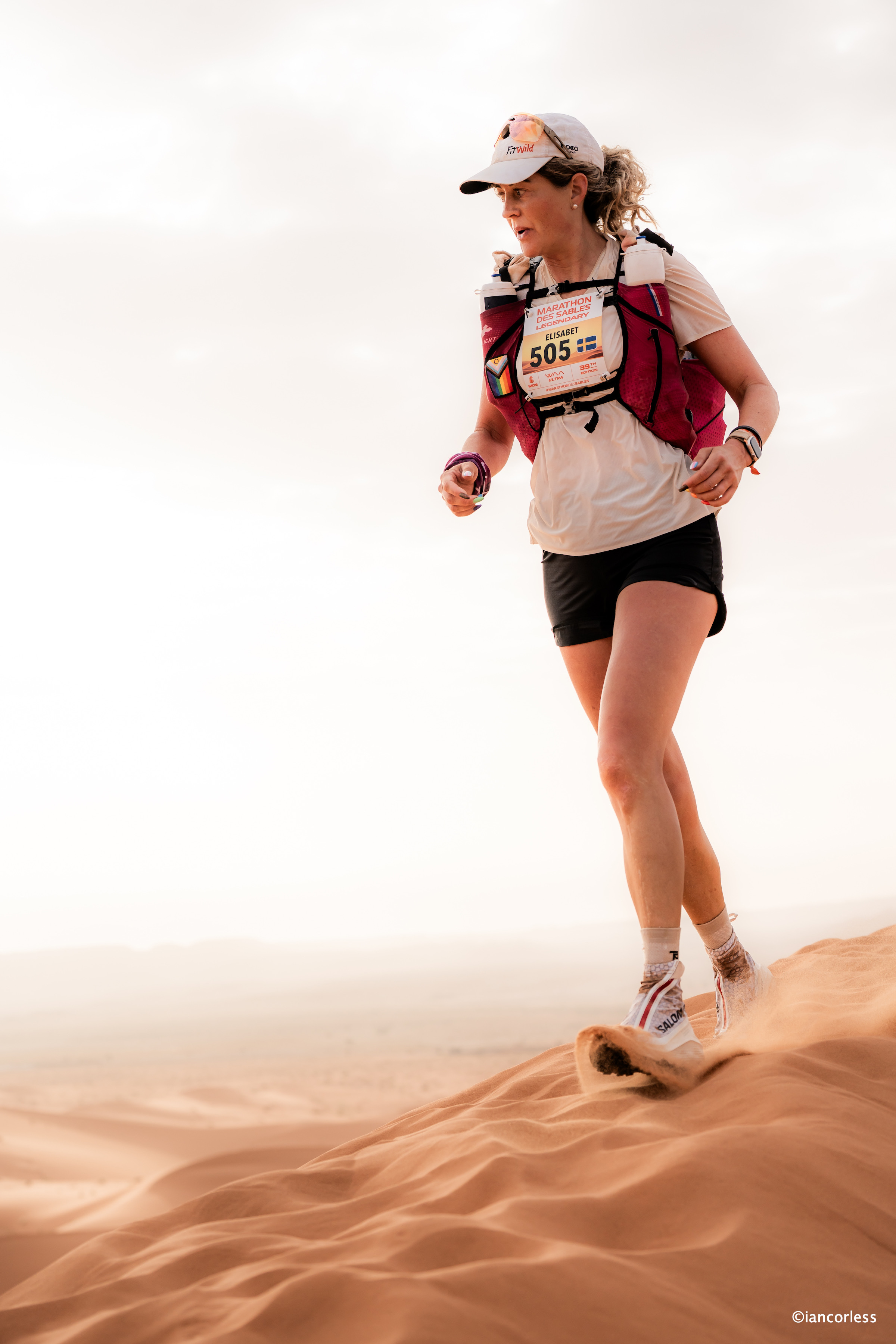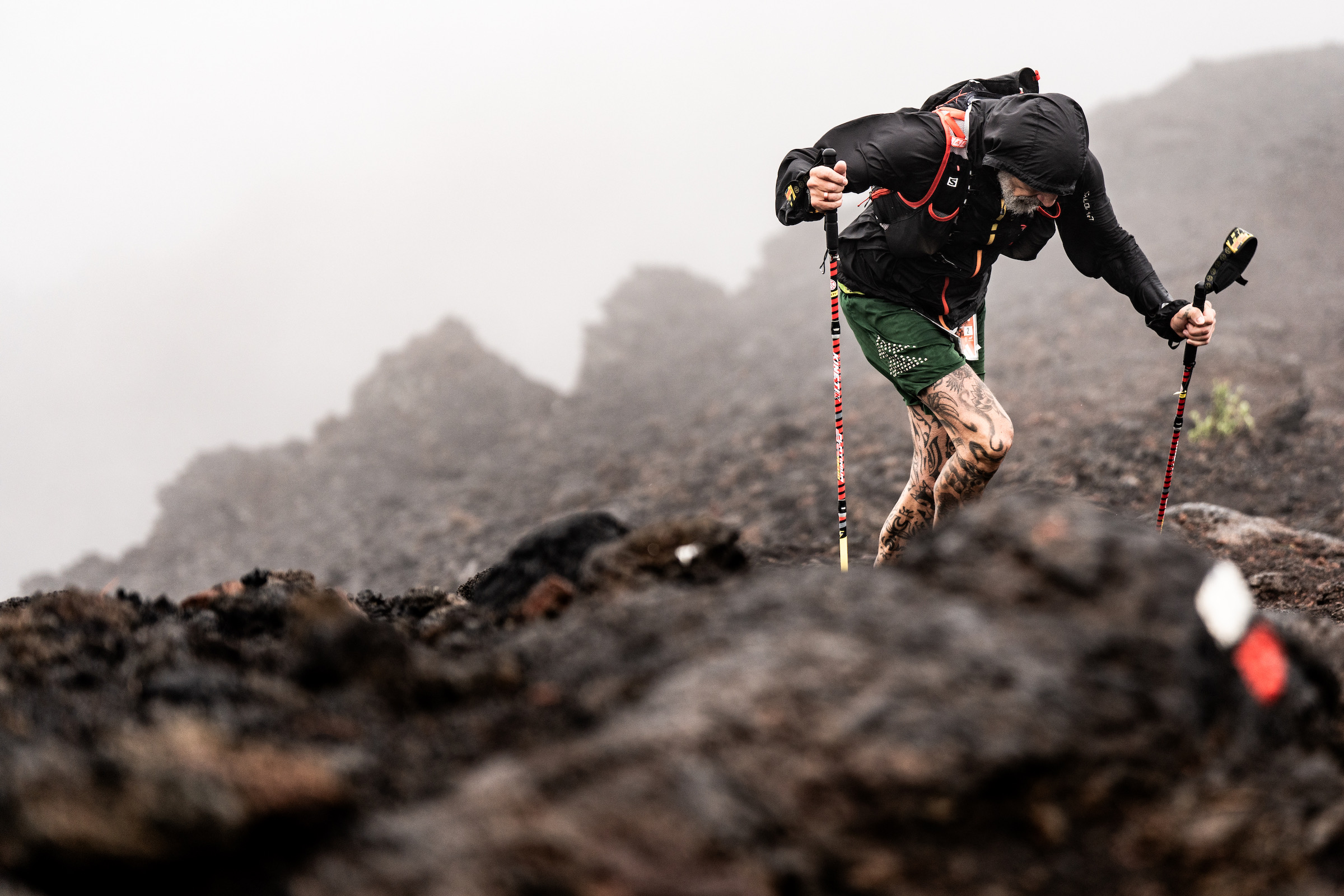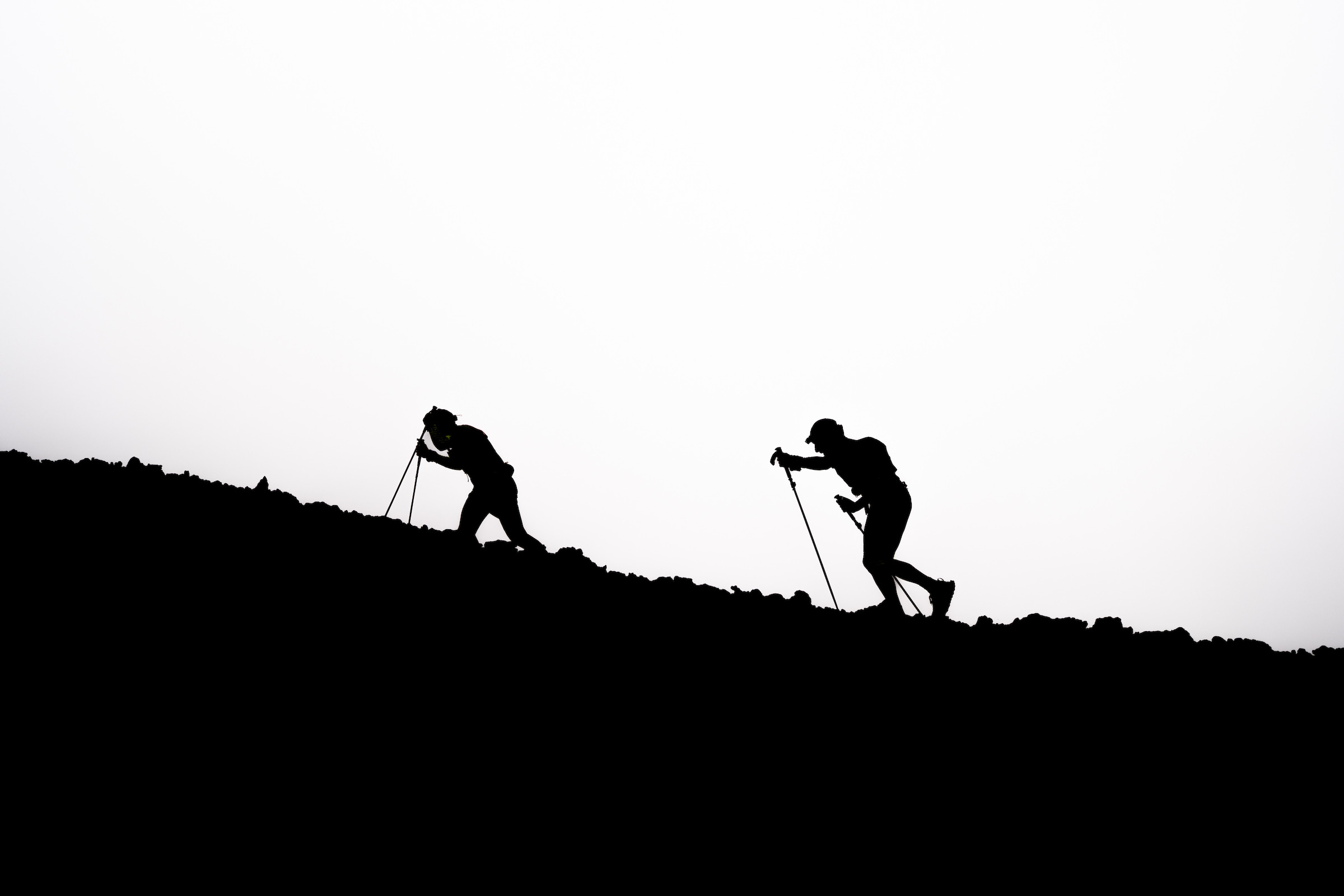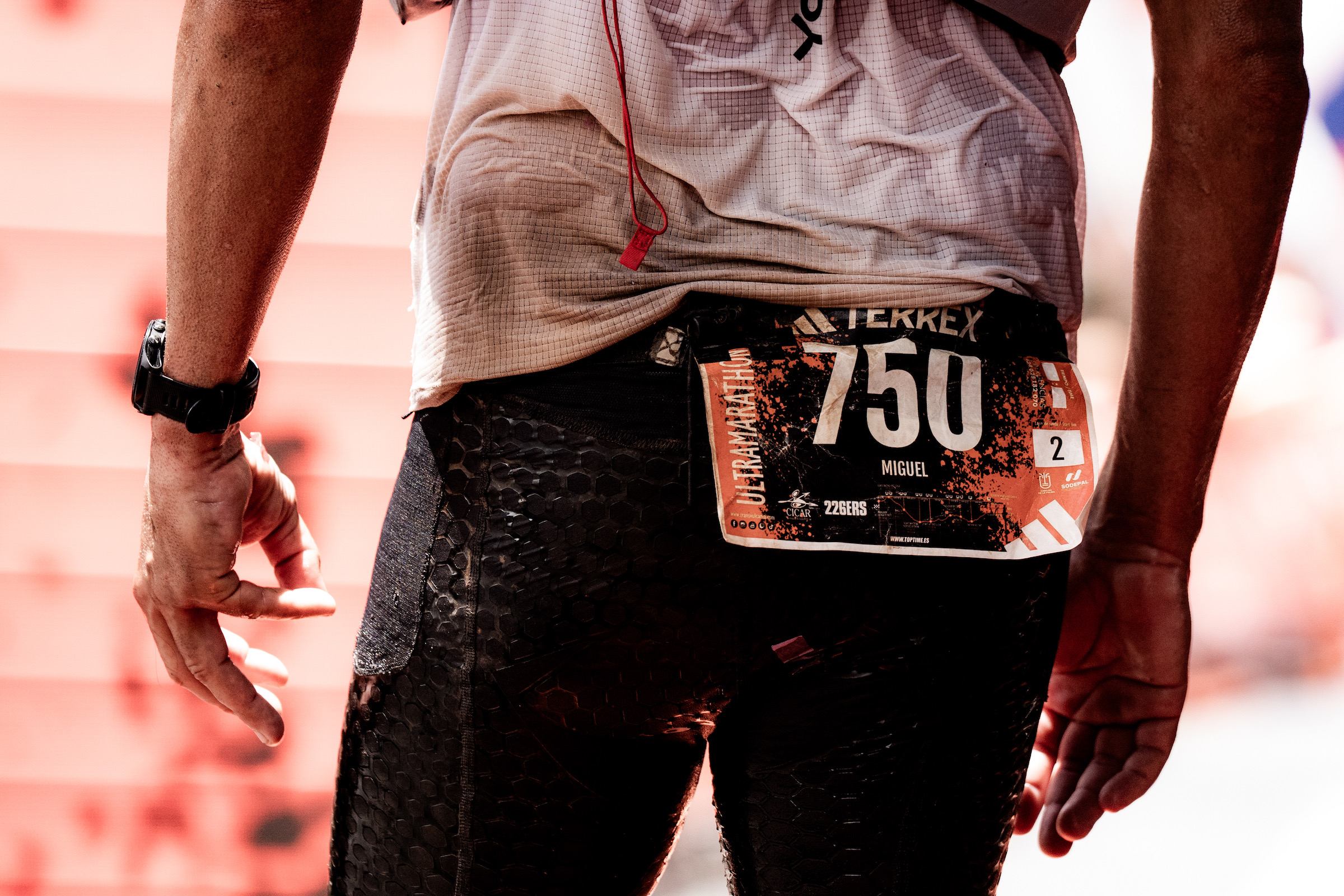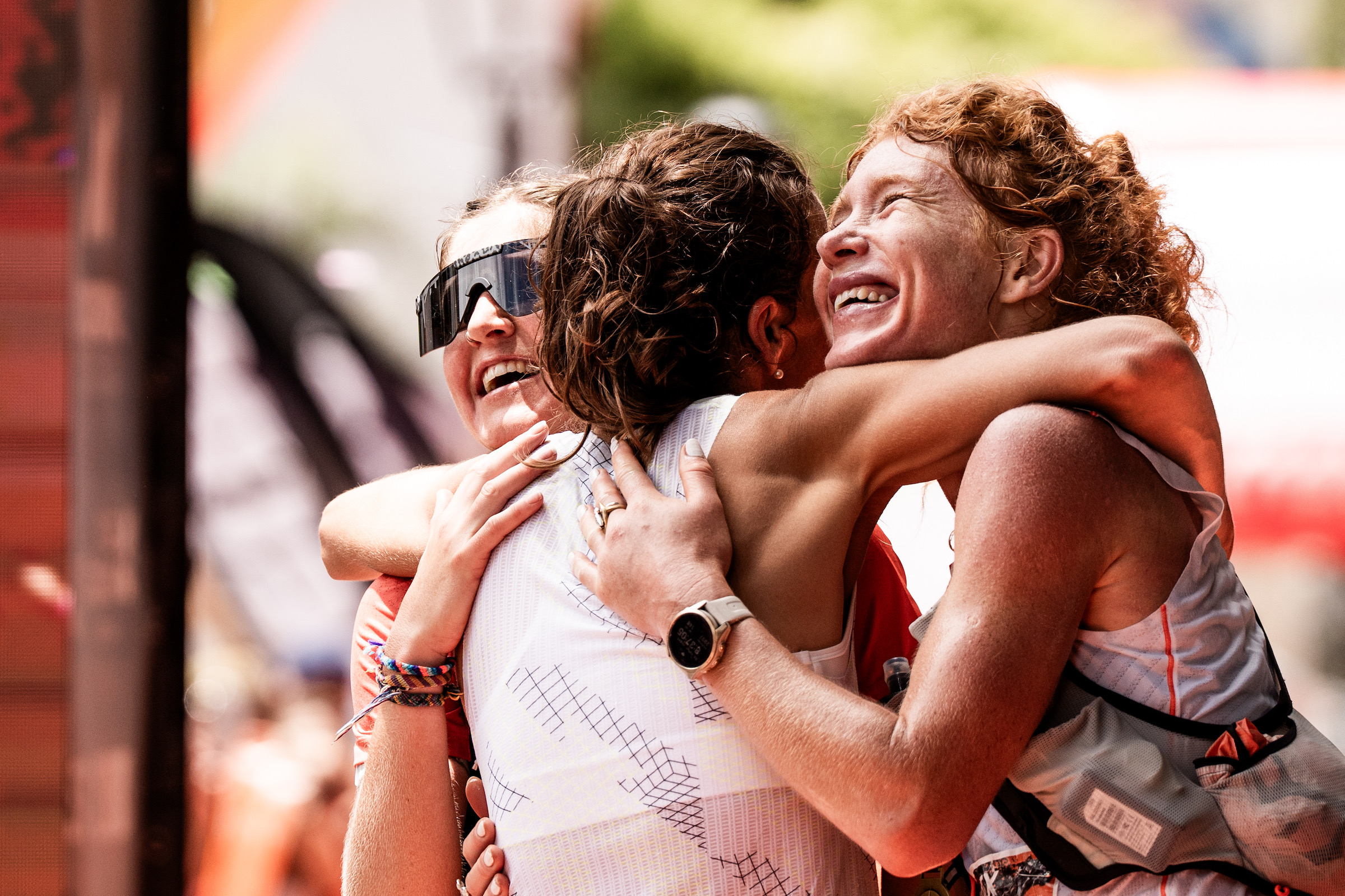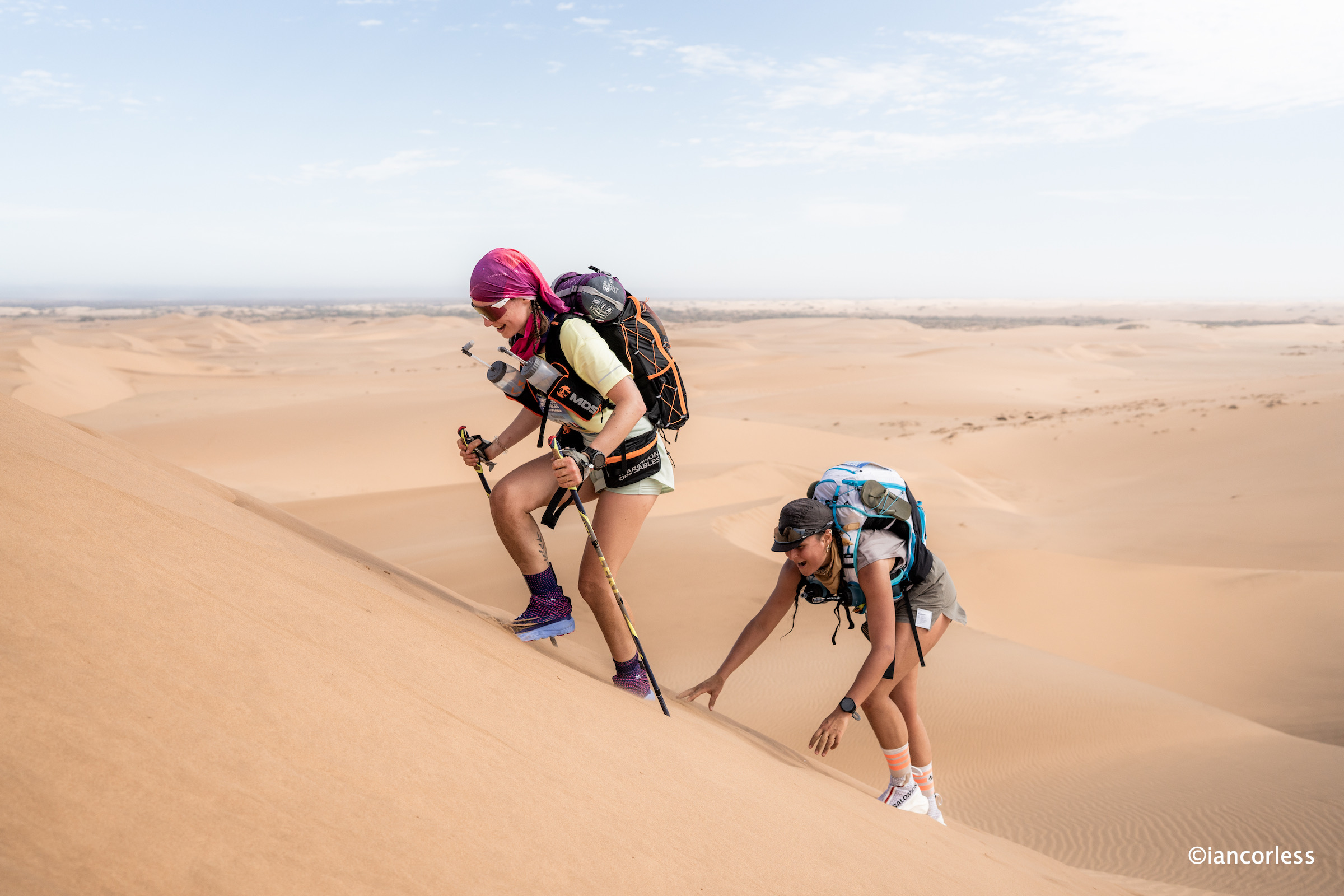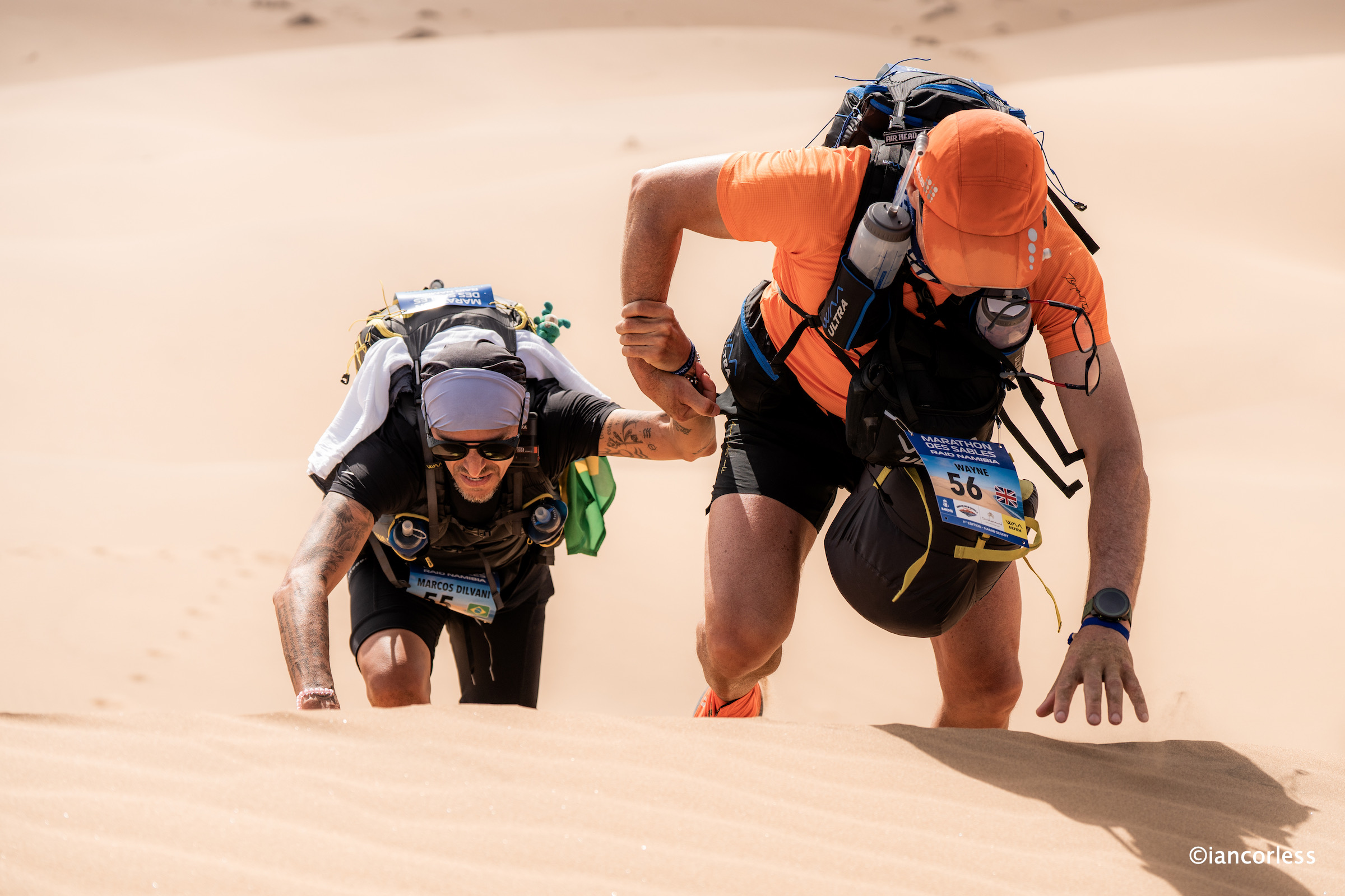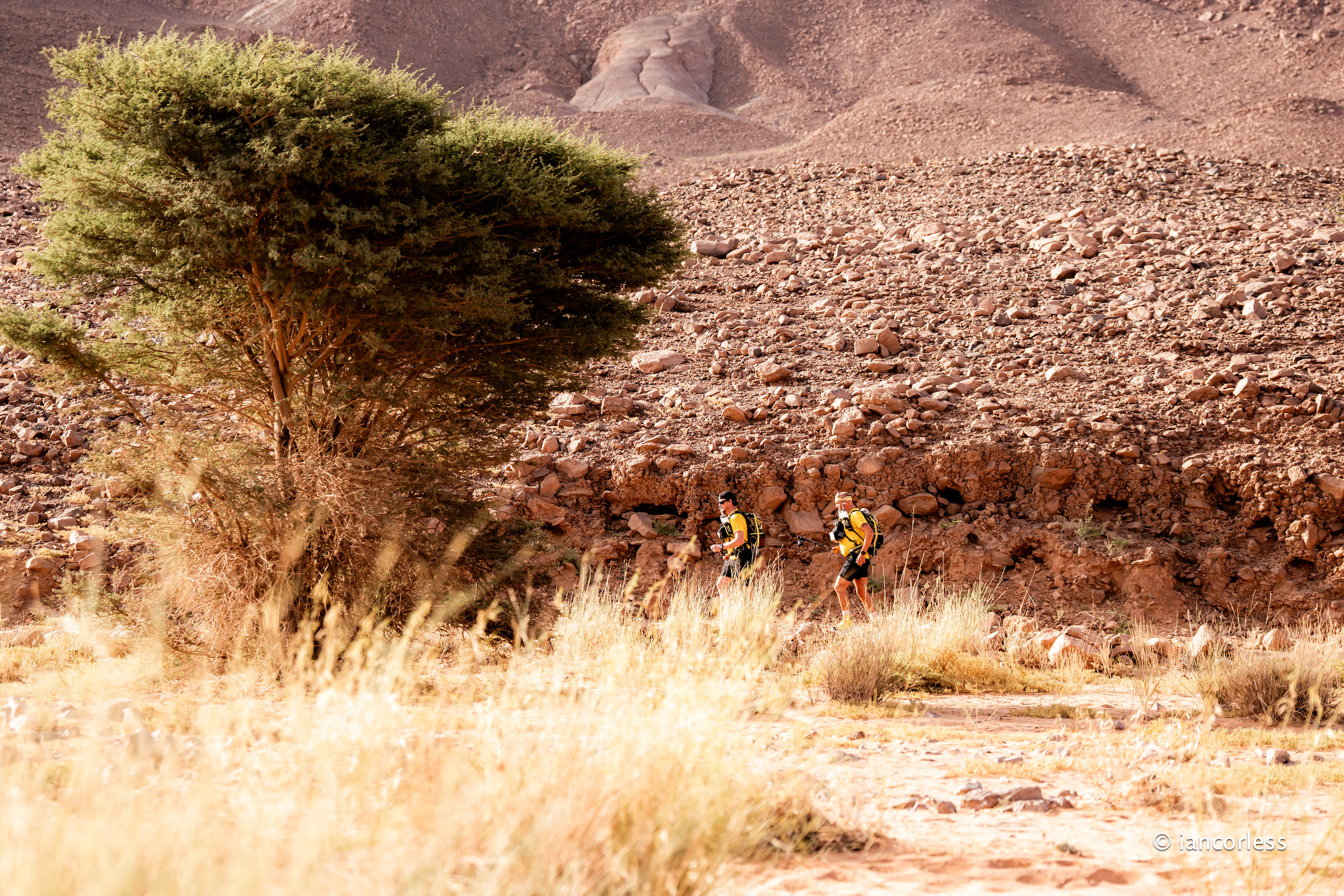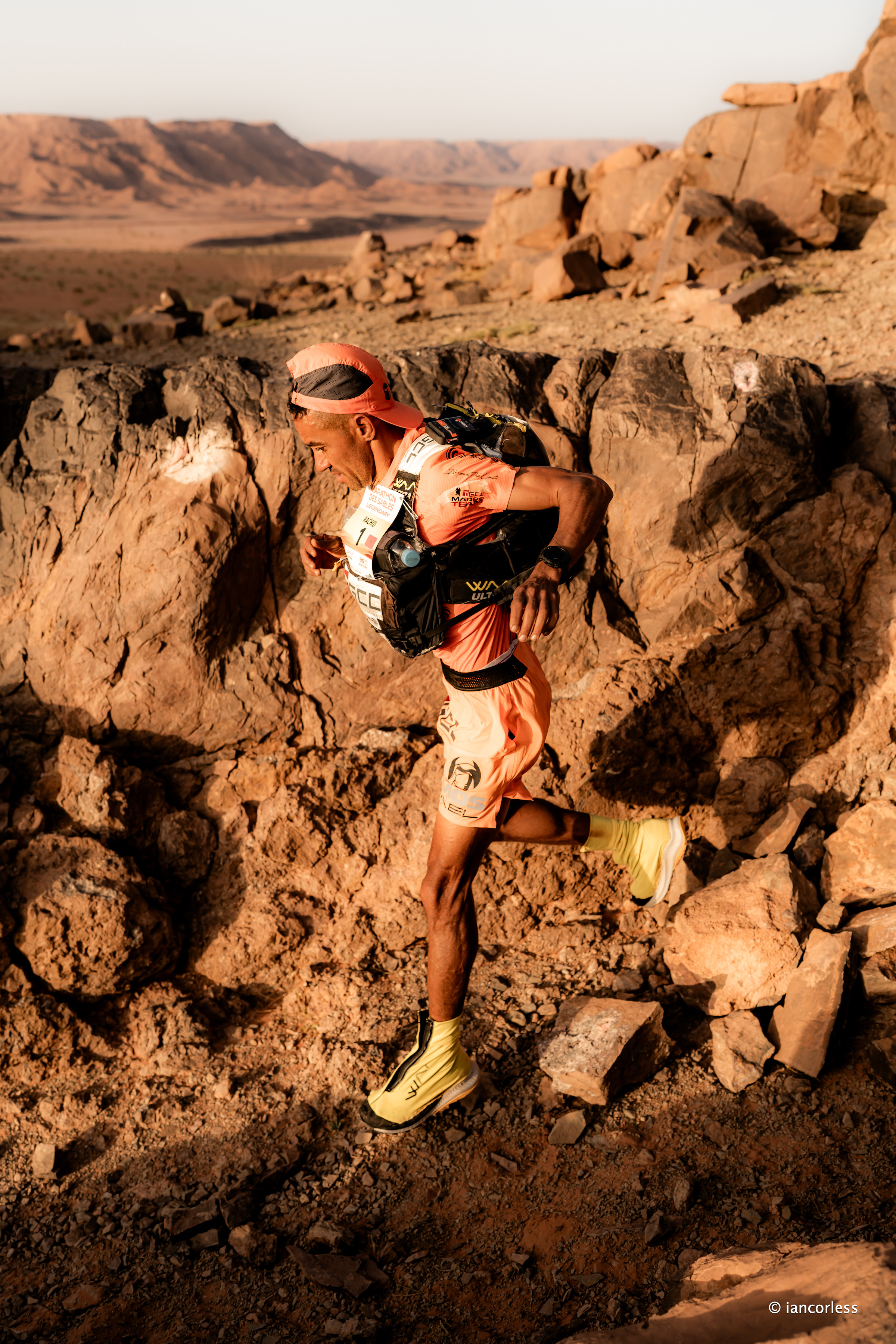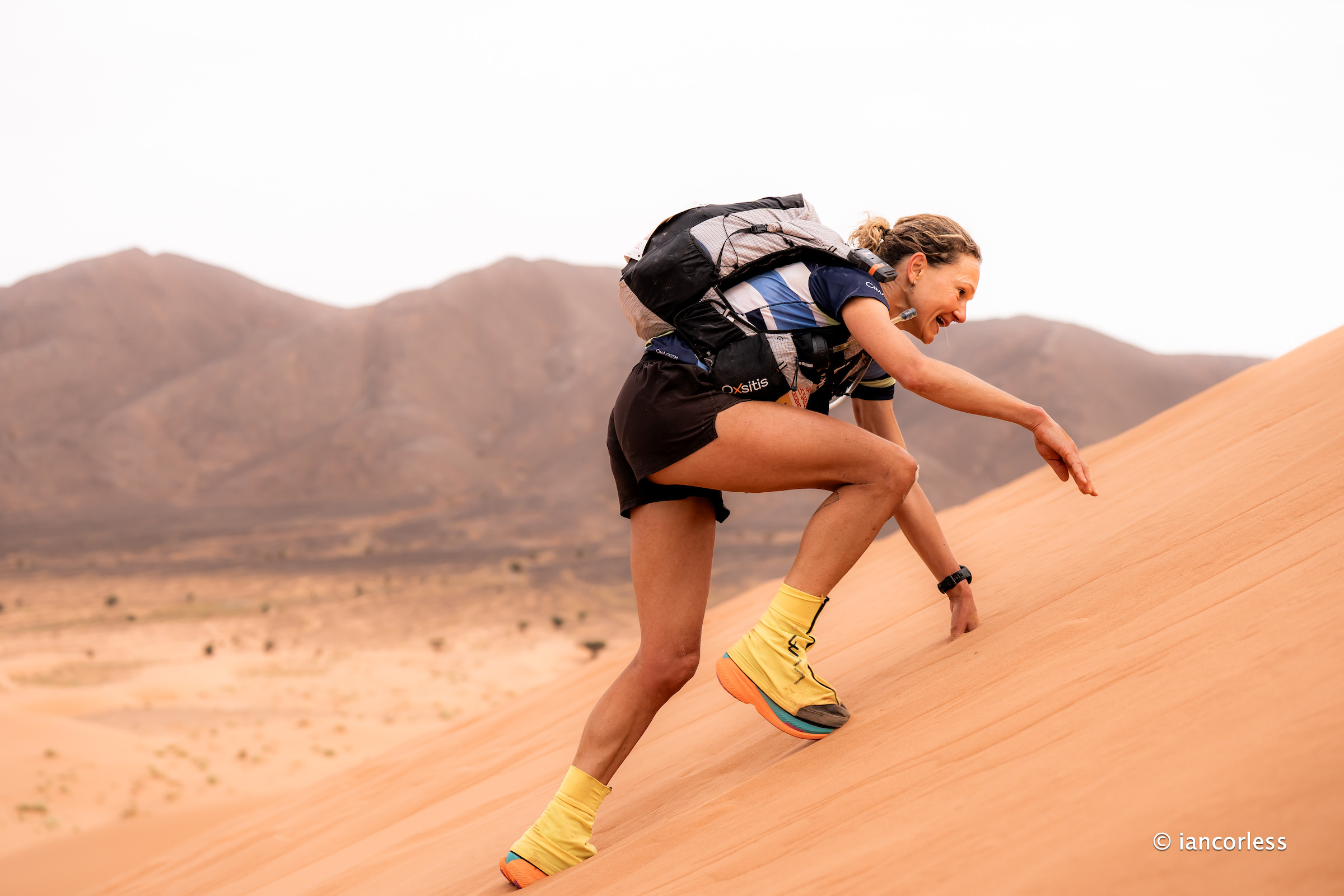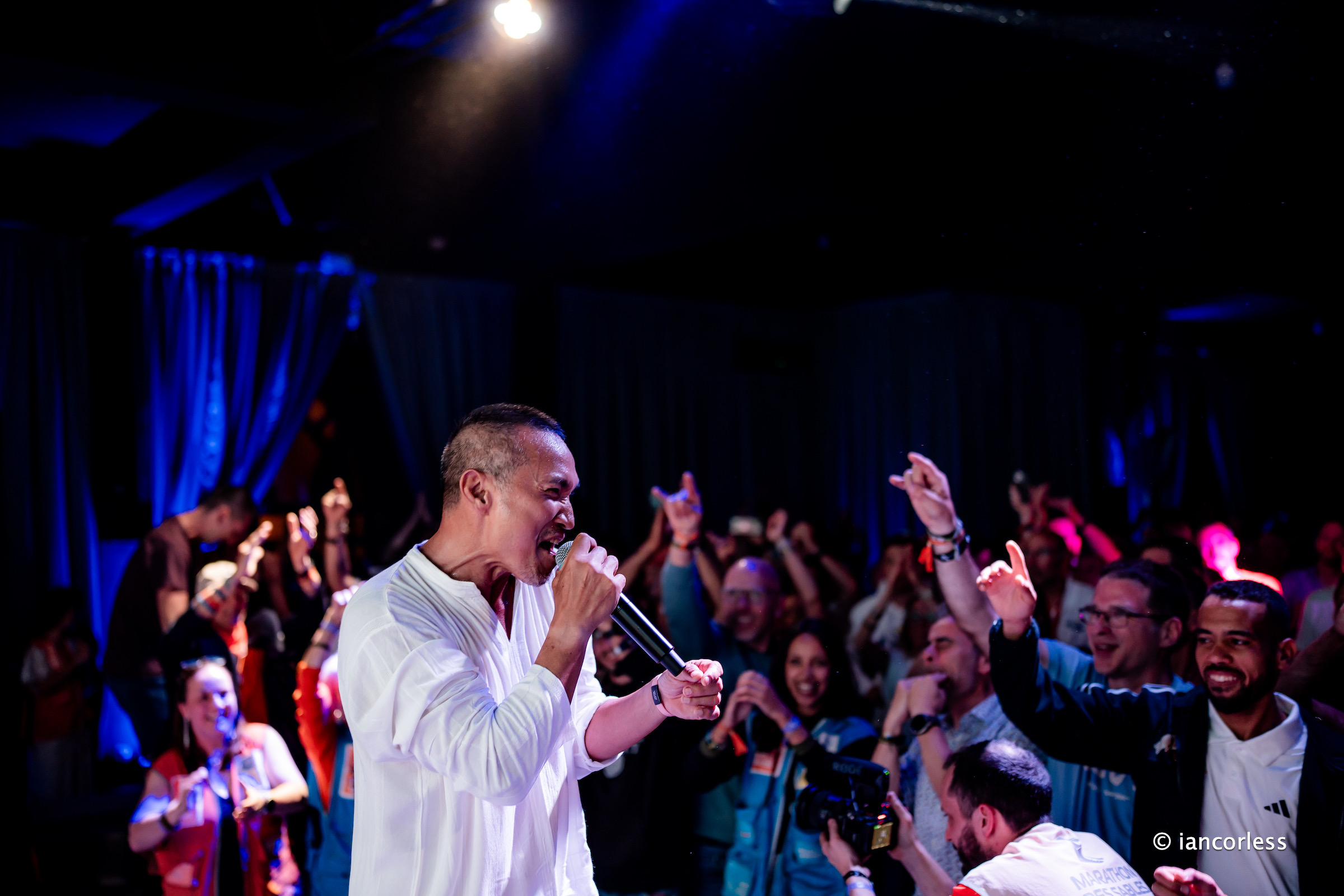
Everest Trail Race 2025 – Sign up for the adventure of a lifetime

©iancorless

Everest Trail Race 2025, 10th to 22nd November

Nepal, the magic of Nepal. If you haven’t experienced it, you need to experience it! If you have experienced it before, you already know that you need to experience it again.

The ETREverest Trail Race, provides an opportunity to immerse yourself, to experience on foot, a journey through the heart of this magical place. The race takes place over 6-stages, a total of 170km’s with a combined elevation gain/ loss of 26,000m. A self-propelled adventure through the Himalayas reaching a maximum altitude of 4104m.

SIGN UP FOR ETR 2025 HERE

Official Everest Trail Race website here

©iancorless

Now in its 11th year, ETR, taking place November 10th to 22nd, has become a bucket list adventure for those looking to combine travel, tourism and adventure in a package designed to provide the maximum return on the shortest amount of time.

#ETR2025

©iancorless

While the 170km, 6-stage adventure is at the heart of the ETR, the journey begins with days before and after in Kathmandu.

Views like this, mind-blowing ©iancorless

The noise, the bustle, the chaos of Kathmandu, it needs to be experienced. It’s a cacophony of explosive elements. The transfer from the airport to the hotel gives an indication of what is to come.

Briefing and race protocols ©iancorless

Before the admin protocols begin, a day of leisure in and around Kathmandu allows for key visits to the Monkey Temple and Patan. It’s always a shock to the senses, an assault of noise and colour and yes, poverty and hardship.

Monkey temple ©iancorless
Local colour in Kathmandu ©iancorless

The Nepali people have hard and tough lives, and in Kathmandu you get to fully appreciate the highs and lows of this. One thing is for sure though, you will soon fall in love with the Nepali people, they are the salt of the earth.

©iancorless

The following day, the journey to camp 1 begins, a bus drive from the noise and bustle of the city to the wild remote landscape of the Himalayas. The views for ever changing, you get to see the variety that this region brings before arriving at camp, tent allocation and a first night under canvas. The next day, the adventure begins with stage 1.

Runner’s sleep in two person tents ©iancorless
The view at the start of stage 1 ©iancorless

The following 6 days takes you on a journey of both physical and mental as you leave the remote and wild farmlands heading toward the majestic beasts of Lhotse, Ama Dablam, Nuptse and of course, Everest.

©iancorless

The early stages avoid the classic trekking routes as the participants make their way towards Lukla. Remote, isolated and free from tourism, stages 1-4 show the ‘real’ Nepal, the difficulty of life here and the harshness of weather and land. Days are warm, nights are cold.

The summit of stage 2 and epic views ©iancorless

Traveling in a semi self-sufficient manner, participants carry all they need for the journey – sleeping bag and clothes. The race organization provides a place to sleep, breakfast and dinner and en-route, there are sporadic aid stations to provide essential calories and replenish water.

The tough climb to start stage 2 ©iancorless

The final section of stage 4 passes underneath Lukla and now, the ETR enters one of the key trekking areas of the Khumbu region.

View from the sky ©iancorless

Stage 5 provides a magical journey passing through Namche Bazaar, up and onwards to the eventual finish line at Tengboche Monastery, the backdrop of the key Himalayan peaks making this, arguably, the greatest finish line on the world. Ama Dablam to the right, Everest in the middle, finish lines get no better than this.

Many bridges link the route ©iancorless

Stage 6 returns to Lukla, the ETR finish line and a night in a lodge. The following day, a return flight to Manthali and then bus back to Kathmandu and hot showers, hotel luxury and a night in a real bed with crisp white sheets.

The following day is free, allowing for relaxation, recovery and of course, a compulsory trip in to Tamil to by souvenirs before the final night awards and gala dinner.

The Everest Trail Race is a special race, one that introduces participants to a very magical place with the safety, back up and organization to make sure the journey is a special one.

The end of stage 4 ©iancorless

Due to the nature of the challenge, an understanding and comfort with mountain terrain is required, in addition, this is a race that takes place at altitude and reaches a high point of over 4000m. Do not underestimate the difficulty this terrain and altitude brings. Daily distances, on paper, may seem very short and achievable, but they are a challenge. But hey, that is why we sign up for these things, no? If it was easy, anyone would do it.

More than running, a journey and adventure shared ©iancorless

Price:

  • Transcontinental flights Barcelona/ Kathmandu / Barcelona and transfer to the Hotel.
  • Domestic Flights. Manthali/Lukla/Manthali and transfer to the hotel.
  • 4 nights hotel in Kathmandu 4 * (according to local tourist category) with breakfast, double occupancy.
  • Overnight in lodge (hostel) during the trek in full board. Not beverages included.
  • Dinner the second night in a hotel in Kathmandu. Not beverages included.
  • Dinner and awards party. Not beverages included.
  • Allowances and staff insurance.
  • Trekking permit.
  • Entry into the National Park

SIGN UP FOR ETR 2025 HERE

Official Everest Trail Race website here

©iancorless

Follow Ian Corless

Instagram – @iancorlessphotography

Twitter – @talkultra

facebook.com/iancorlessphotography

Web – www.iancorless.com
Web – www.iancorlessphotography.com

Countdown to MDS The Legendary 2025 – Three

Marathon des Sables is a simple race that often becomes over complicated by too much information. Take advice, look at websites, process the information but importantly find out what works for you. We are all individual, what works for one may well not work for another.

When you break the race down, here are my TOP 20 TIPS of what to focus on for Marathon des Sable – The Legendary.

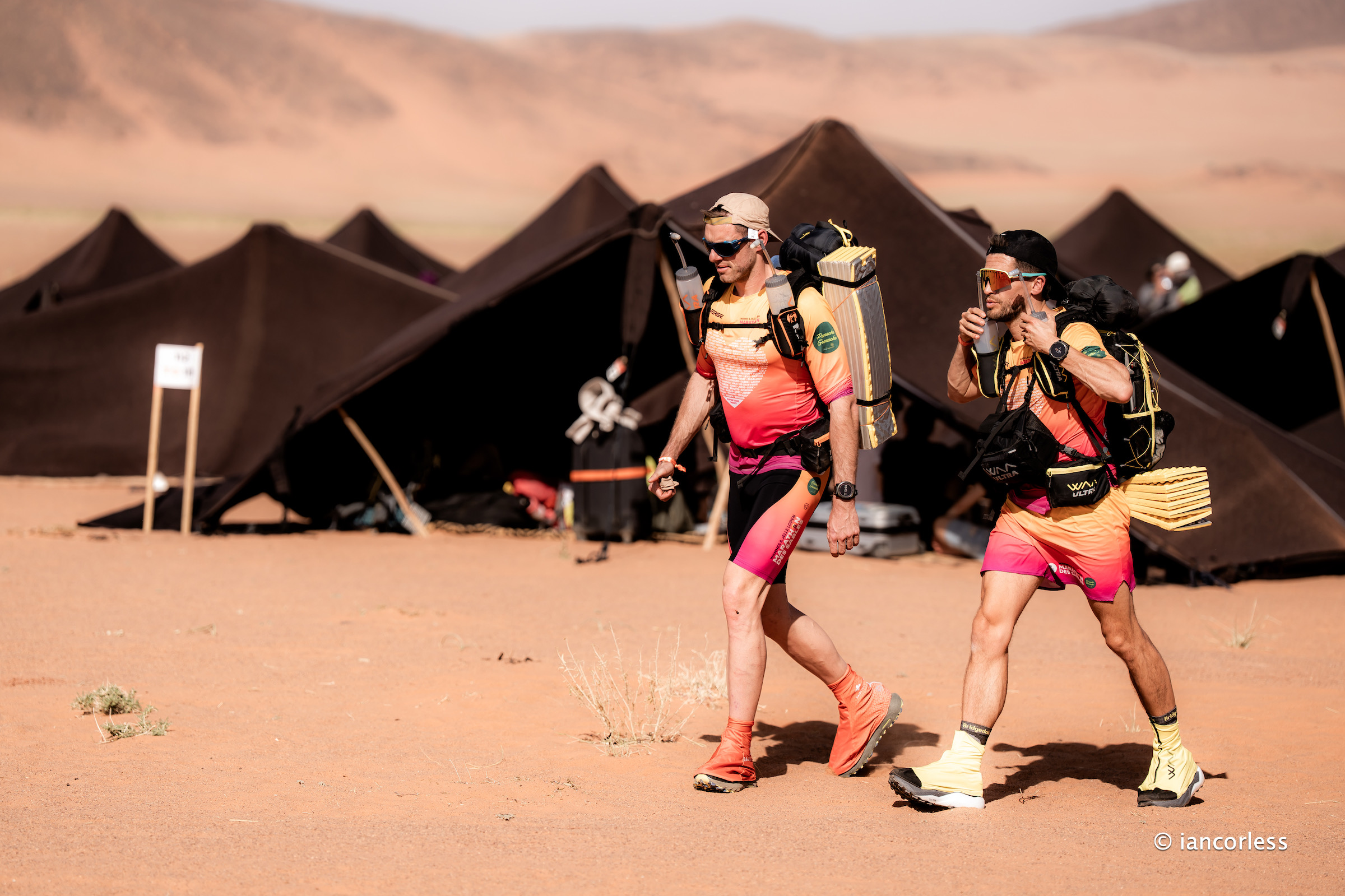
  • Pack – Many packs exist on the market, without doubt, the most popular is the WAA 20ltr Ultra Bag which as designed specifically for MDS events. However, we are all different sizes and shapes, what works for one, will not work for another. Get a pack that is exactly the right size and ideally just a little too small. Remember, after each day, the contents of your bag reduce, so, too much space and you will have items bouncing around. Try, as best as possible, to go no larger than 20ltr, the more space you have, the more you are likely to take. Get your pack as close to the minimum 6.5kg as possible
©iancorless
  • Sleeping bag – You can spend a great deal on a sleeping bag, so, think about your budget. Consider, do you sleep cold or do you sleep warm? There is nothing worse than being cold at night, you really need to sleep, so, a little extra weight and a good warm night is key. However, you can be too warm! Think about layers, you can get away with a lighter sleeping bag if you are taking a down jacket. If you have a jacket, you can sleep in it inside the sleeping bag for added warmth. If it is cold, make sure you cover your head, most heat is lost here.
  • Jacket – At a minimum take a windproof jacket such as the WAA wind running jacket. I always recommed taking a small and lightweight down jacket, many exist and the most popular are by Mont Bell, Haglofs Yeti/ Nordisk etc. A down jacket is idal for sitting around camp and as extra warmth imside your sleeping bag. Of course, if on admin day the weather is forecast for a week of excessive heat, you can decide not to take it. However, having the option is important. Recent MDS events have had varying weather and jackets have been essential.
  • Clothes – You just need what you will run in. However, a spare pair of socks is commonplace. No need to get new clothes and don’t worry about colours. The most important is that they are comfortable and they do not rub or chafe. Consider an option for post-run so you can be warmer and fresh, this allows run cloths to be washed through and dry, if you so wish.
  • Sleeping Mat – A mat is optional but I 100% recommend. You spend a great deal of time in camp sitting and sleeping. Comfort is essential and a good sleep is needed to aid recovery. Many options exist and you can get excellent products well under 400g that give you a great nights sleep.
©iancorless
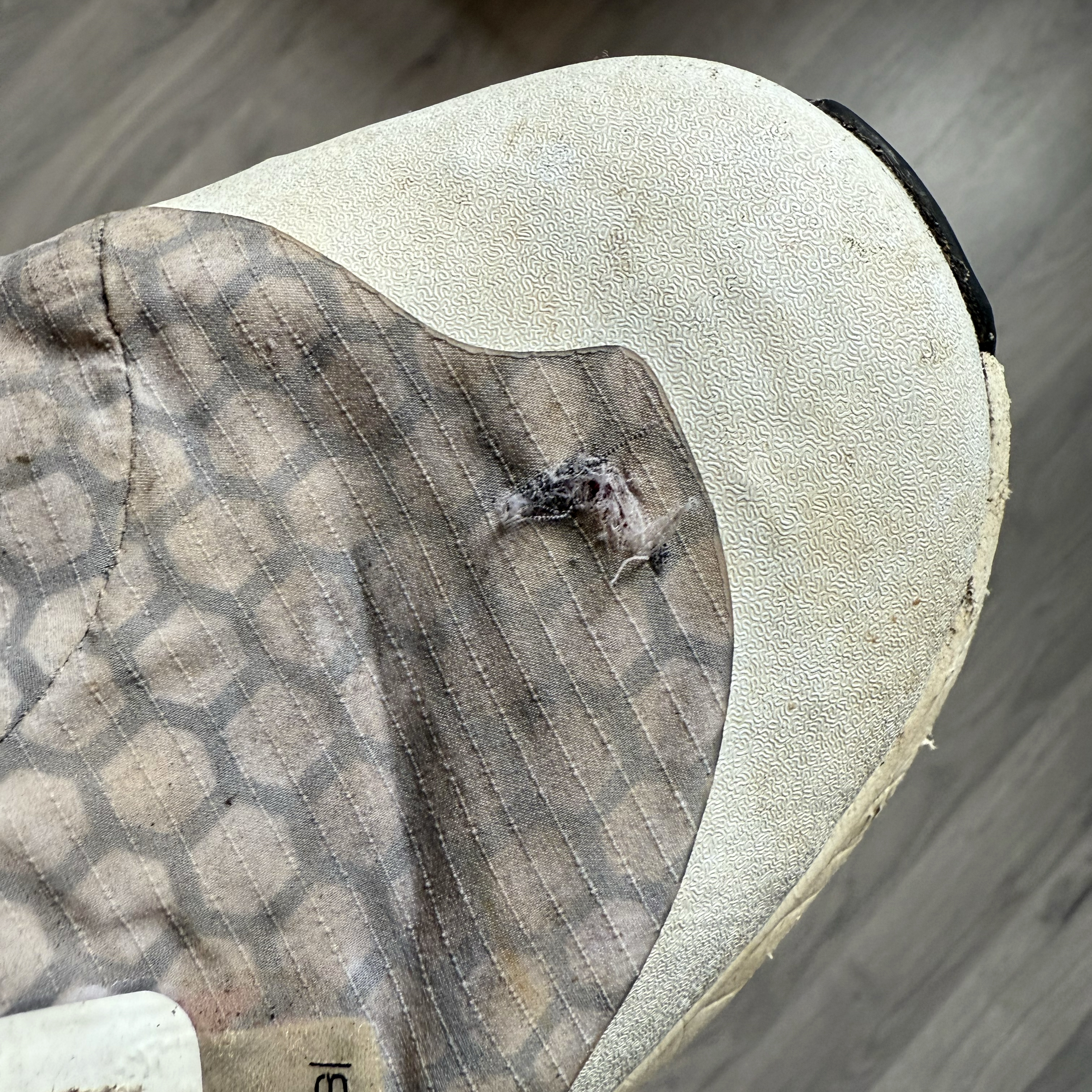
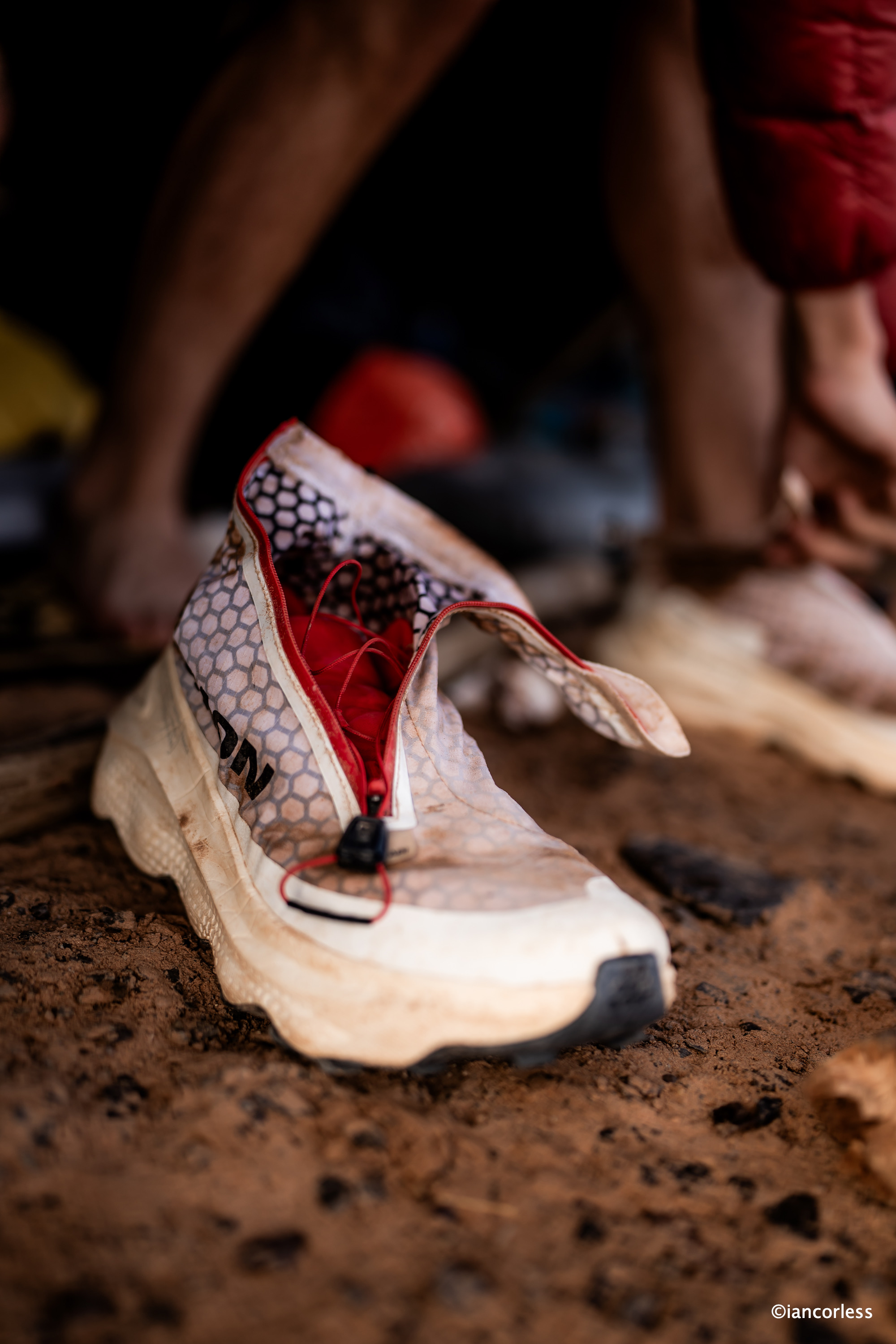
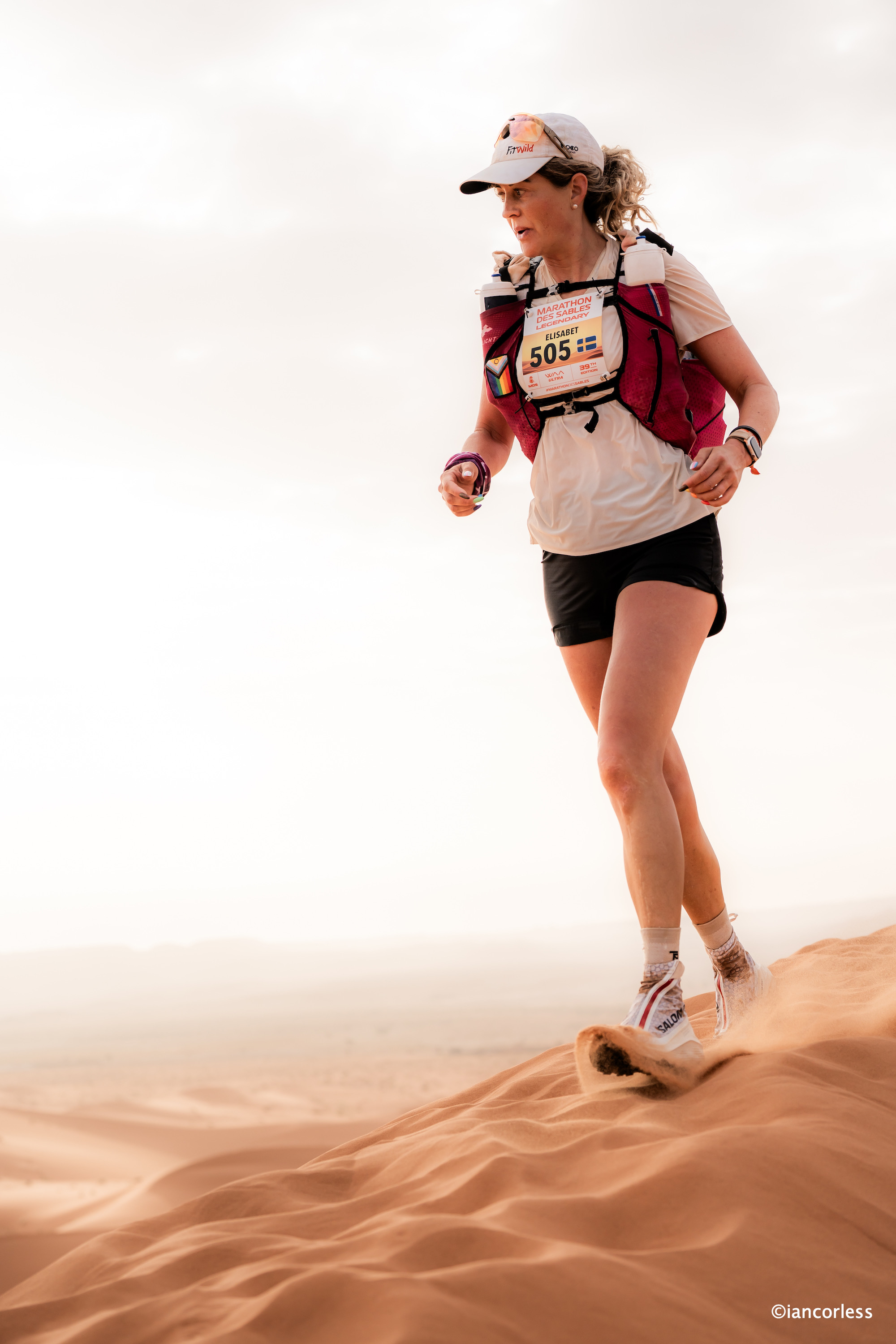
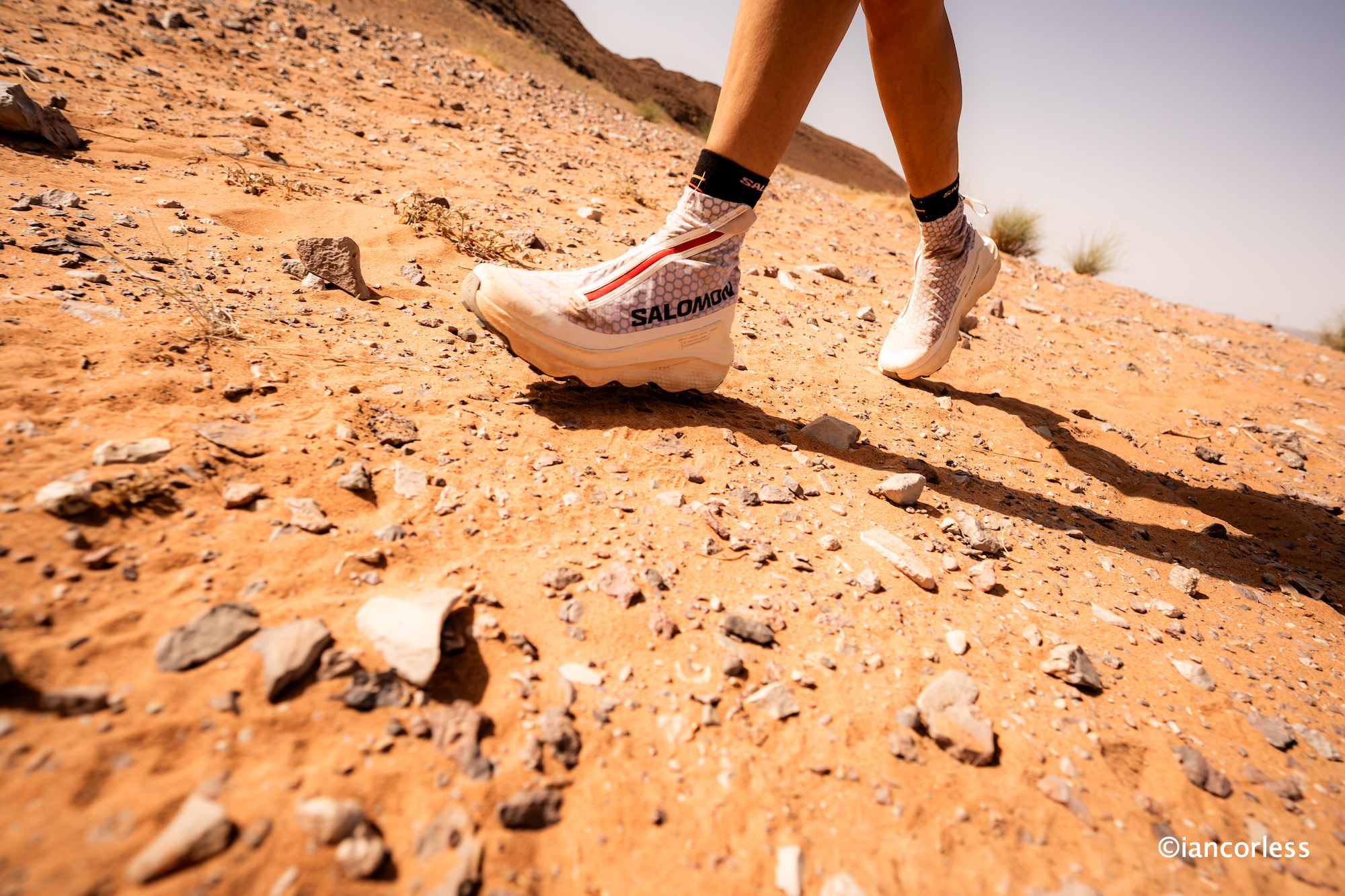
  • Shoes and Gaiters – Shoes are so important. They must be comfortable, cause no irritation and they must have gaiters. A slightly wider shoe is recommended BUT be careful on advice of going a size and/ or sizes bigger. A shoe that is too big allows the foot to move, a moving foot causes friction, friction results in blisters. A thumb nail of length above the longest toe (this may not be the big toe) is recommended.
  • Food – You must comply with the minimum requirement of 2000 calories per day, of course you can take more. Think about what will work for you in the Sahara. What tastes good at home, may not taste good on day 3 when you are tired. MIx sweet and savoury and remember, as days pass, preference shifts away from sweet. Balance fats, protein and carbohydrate. Think about the option for recovery drinks that can be taken immdiately post-run to speed recovery and then follow with a meal. Consider if you will heat water for food, if not, will your food work with just water? And if you need coffee, look no further than NO NORMAL tubes.
©iancorless
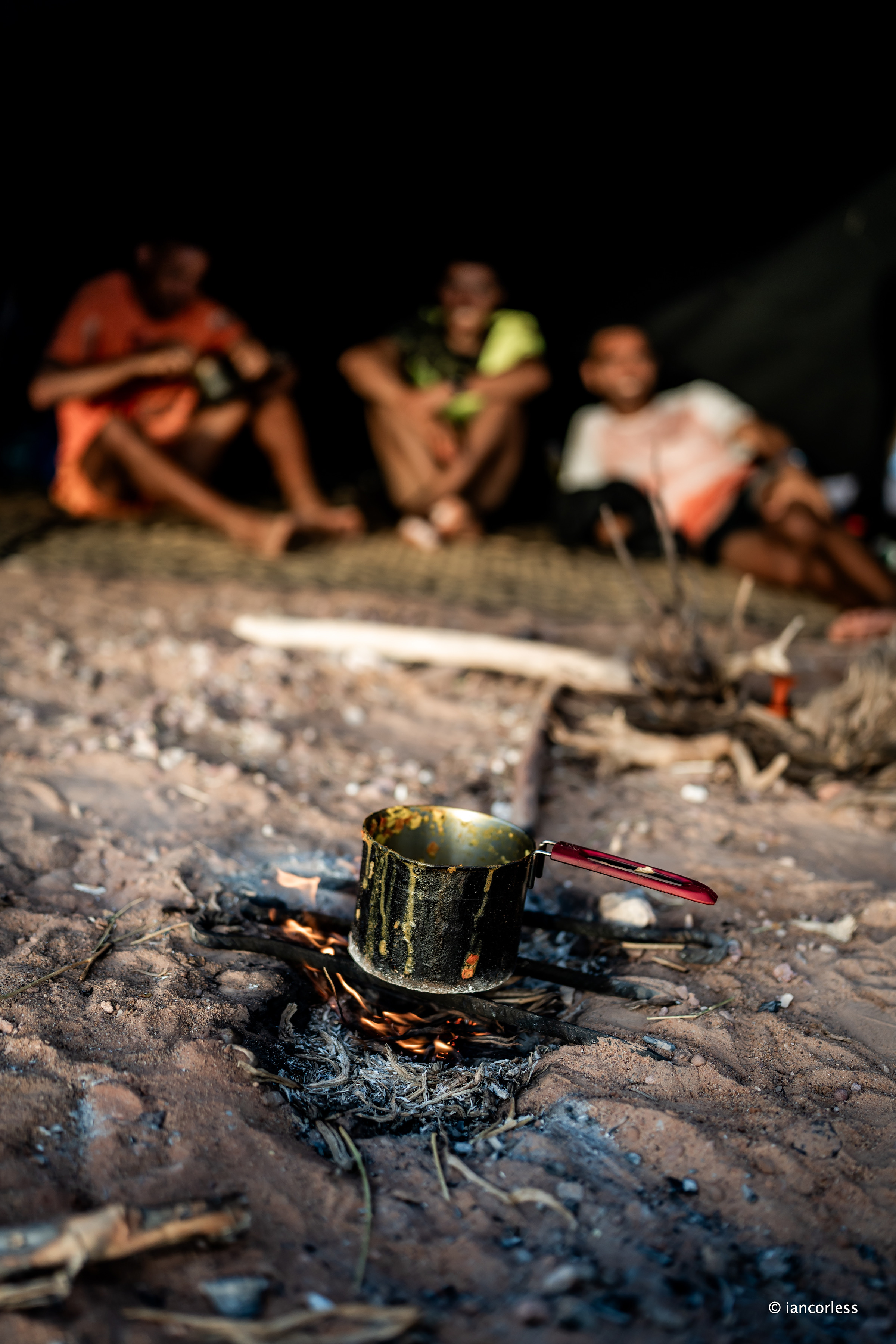
  • Stove – The decision to use a stove is another question mark but it would appear that most runners like that hot water option. Remember though, you can make a fire from twigs, shrub and branches that surround bivouac. Pot – A pot or mug is now more essential than pre 2024. The main reason? When 1.5ltr bottles were provided, runner’s would cut them down and make a mug or pot, this option now does not exist, so, take a small titanium mug.
  • Water – You must be able to carry 1.5ltr of water, typically 2x 750ml bottle on the chest. However, should you wish, you can take a bladder or soft-flasks. The choice is yours, however, remember soft-flasks and bladders can puncture, so, use caution. Make sure you plan for and have the option to carry an additional 1.5ltr of water – if excessive heat occurs, the race may provide this option. Also, on the long day, the race has provided the option for extra water in the past based on course accessibility and the distance between cp’s, be prepared.
  • Salt Tablets – These are no longer provided and it is mandatory to carry 14 stock cubes at the start of the race. Do your research and find out what works for you.
  • Feet – Look after them, along with dehydration, blistered and damaged feet are a key reason for failure in any multi-day race. Prepare them before the race especially trimming nails back and knowing what socks work for you. After each day in the race, clean feet, allow them to breathe and look after them. Get any sore or hot points addressed immediately.
  • Mandatory kit – You are supplied with a mandatory kit list and you MUST have everything on that list.
  • You – Prepare mentally for the challenge. Often, the race is completed through mental grit and determination and not physical ability. Accept you will have low and high points. If it was easy, anyone would do it. You are in for the adventure of a lifetime, embrace every moment and second. This is a life changing journey and when it’s over, you’ll be desperate to return.
  • HEAT TRAINING – Plan to acclimate for heat in the two weeks before the race. Options exists from heat chamber, bikram yoga, sauna etc. Read an article HERE on Heat Acclimation by Dr Jodie Moss.
©iancorless
  • Training – With weeks to go, your training is nearly done. Don’t over do it. Taper gradually, be fresh for the race and in the final two weeks before the race plan heat acclimation so you are prepared ready for stage 1.
Photo by Ian Corless
  • Walking – Many think they will run 80% and walk 20%, if you are lucky, it’s the other way around. Make walking a positive, make walking fast, make walking productive.
Photo by Ian Corless
  • Poles – For many, poles are a huge advantage. They are like 4-wheel drive and without doubt, they make you walk faster. But you must train with them and learn how to use them. Get lightweight carbon ones that fold, Black Diamond and Leki are the best options.
  • Equipment – Keep it to a minimum. Luxuries are not needed unless they make the journey better. Make sure your pack is as close to 6.5kg as possible. Leave your phone at home or in your luggage. The only luxury I would take is a lightweight way to play music.
  • Friends – You will share a tent with 7 other souls. These are your brothers (and sisters) in arms and they will become friends for life. You will share the highs and lows. The desert bond is incredible. Find great tent mates and plan your group in advance of the race.
  • Admin and Preparation –

Take essentials on the plane and wear your run apparel and shoes. That way, should a baggage disaster happen your chances of racing improve.

Take food with you for the travel and on the plane. 

The journey from the airport to bivouac 1 can be lengthy be prepared with your own snacks and drinks. MDS do provide a packed lunch.

Night 1 and night 2 in bivouac are NOT self-sufficient so take extras such as an inflatable bed, food and luxuries that you are happy to give away to the berbers. May as well have 2 comfortable nights and a comfortable day before the racing starts.

Food before the race starts is now down to you. Be prepared to have plenty of variety and remember, within reason, this can be anything! 

Admin day can be  lengthy multi-hour experience. Take water and snacks for when standing in line and maybe take an umbrella so you have shade.

Keep sun screen on and keep hydrated. No need to drink vast volumes – drink to thirst before the racing starts.

Make sure you have a repair kit for during the race. Accidents happen, equipment fails and the desert can be harsh.

Make sure you have a repair kit, the above is just 94g

Have additional items such as a base layer, sleeping bag liner and other items that may be on a ‘question’ list for the race. On night 1 and before you go to admin, you can make final decisions of what to and what not to take. Particularly important if you think you may be cold at night.

Remember that after bag drop and check-in you have no access to any additional items, however, you only become completely self-sufficient when you start the race. With that in mind, you can have additional food and luxuries with you until day 1 kick-off, it’s a useful tip and does mean that you can have additional comfort for a good 12-hours.

Conclusions:

Marathon des Sables is a magical and life changing journey as are most if not all multi-day races. It really is a true challenge of mind and body to race over many days, irrespective if you complete the race in just over 20-hours or 60+ hours. It’s a hark back to a more primitive time, a time without clutter and modern technology. Embrace this. Embrace the silence of the surroundings and the simplicity of placing one foot in front of the other.

Interested in another MDS event in 2025?

A full calendar of dates and destinations are available HERE

Instagram – @iancorlessphotography

Twitter – @talkultra

facebook.com/iancorlessphotography

Web – www.iancorless.com
Web – www.iancorlessphotography.com

Countdown to MDS The Legendary 2025 – Two

The 2025 edition of the Marathon des Sables – The Legendary is getting close, as we journey through March, we will post weekly articles to help you fine tune your preparation, here is article two.

Cyril Gauthier provides one hour of his time to discuss all things MDS, the introduction and growth of HANDI and TREK. New events such as MDS RAID MAMIBIA, MDS PERU and importantly, THE LEGENDARY.

One thing is for sure, the 2025 and 39th edition is looking to be one for the memory banks. With 80% new tracks, no El Otfal and the return of Merzouga, Cyril gives a warning, ‘make sure you take the 2 to 3-weeks before the race easy!’


“…and for sure it will be tough, I am not going to tell you that it will be easy! The distance will be 250km’s, I am little unhappy because I cannot put the long stage in the third position, I loved this last year, but according to our plan, we need to move it to the fourth stage. It will be tough, very tough and really beautiful. We have some amazing places planned, 80% is new tracks. You will see places never seen before in any MDS. There will be no El Otfal, there will be lots of sand and yes, Merzouga will return.” – Cyril Gauthier

Listen to the audio below

The show is available on SPOTIFY, iTUNES and all the other main podcast outlets.

Interested in another MDS event in 2025?

A full calendar of dates and destinations are available HERE

Instagram – @iancorlessphotography

Twitter – @talkultra

facebook.com/iancorlessphotography

Web – www.iancorless.com
Web – www.iancorlessphotography.com

THE ESSENTIAL MDS EQUIPMENT LIST 2025

Much has been written about what equipment you need and require for an MDS event. In all honesty, it’s quite simple and can be broken down into 3 key sections:

  • What you will wear
  • Equipment
  • Food

Yes, it is that simple.

What you will wear and what equipment you need is the same for all MDS events, be that the 4-day / 3 stage MDS 120 or the 7-day / 6-stage MDS The Legendary. The only difference comes with food requirements.

Take a look at the full MDS EQUIPMEMT LIST on Lighterpack.

WHAT YOU WILL WEAR

One of the many things I love about MDS is that it brings out the geek in all of us. Nothing like shopping around to find the right equipment and importantly, the lightest version. However, when it comes to clothing, there is absolutely no need to buy new items if you already have items that work and importantly cause no irritation.

A clothing list would be as below:

You can see from the above, we go from head to toe. With the exception of a spare pair of underwear and socks, you will be wearing all these items. Total weight 1425g.

WHAT EQUIPMENT YOU WILL NEED

Equipment can be broken down into 3 sections:

  • Mandatory
  • Desirable
  • Luxury

Quite simply, mandatory is not open to discussion and you must have all these items as specified in the MDS rules and regulations HERE

  • a backpack WAA ULTRA BAG 20L or equivalent
  • a sleeping bag,
  • a head torch (200 lumens minimum) and a complete set of spare batteries or spare batteries with external/solar charger,
  • 10 safety pins,
  • a compass, with 1° or 2° precision,
  • a lighter,
  • a whistle,
  • a knife with metal blade,
  • a topical disinfectant,
  • a signalling mirror,
  • an aluminium survival sheet,
  • “Knorr” type cubes (2 per day) to favorize rehydration
  • a tube of sun cream of 50 ml minimum,
  • 200 euros or 2,000 dirhams
  • the passport or for Moroccan residents, identity card valid at least until the end of the stay in Morocco. BUT for security reasons, it is strongly recommended to have a passport valid at least one month later; failing this, AOI declines any responsibility in case of problem.
  • the original MDS medical certificate, filled in and signed by the doctor
  • the original ECG and its tracing

Sleeping Bag – Down Jacket – Waterproof

Take note that weather conditions and temperatures vary considerably. Also keep in mind, a small petit woman may well need warmer layers that a large man. Do you sleep hot? Do you sleep cold? When someone tells you you don’t need a sleeping bag, you don’t need a jacket, you don’t need goggles or you don’t need x, x, or x, take this advice and then ignore it. The best advice I can give, be prepared! Be prepared for all eventualities and then fine-tune equipment very close to the event, even at the event location on admin day so that you can make sure you have the appropriate equipment based on the current weather forecast. And yes, it can rain!

A full equipment list would look like below:

The above list weighs 3069g and this includes the MDS Road Book and the Spot Tracker, both items provided when in Morocco. You will notice there are no luxury items.

We then can look at DESIRABLE and LUXURY.

You may consider poles to be desirable, in all honesty, I think for most at MDS events, they are becoming almost essential. Of course, if you are a runner, you do not need them. Just lightweight, folding carbon poles. I recommend Leki Ultralite FX One. A watch with GPX and great autonomy such as Coros Vertix and/or Garmin Enduro. If you don’t have a watch with a good battery, you are then requiring a battery pack and for me, a battery pack falls in the luxury list.

As for luxury, you absolutely MUST keep luxury items to a minimum, I consider a phone to be luxury at an MDS event. The only item I would consider is an MP3 player with great battery life and lightweight earphones.

FOOD

MDS 120 are 4-days and 3-stages, The Legendary is 7-days and 6-stages, so, you need to adjust the requirements accordingly. The typical rule is you must have 2000-calories per day. For The Legendary this equates to 12,000 calories as a minimum requirement, however, I think you are better assuming 14,000 calories.

Food is personal, so, make sure you understand what you require and make sure you have a balance of fat/protein/ carbohydrate and make sure you have sweet/savoury based on your taste requirements. Note that as days pass, the need for sweet tends to shift to savoury. Try and test all food before racing.

Also consider if you will have hot or cold food. Not all food rehydrates well with cold water.

Also, a large man, say 6ft 2″ and 85kg will require far more food than a woman who is 5ft 2″ and 55kg. Keep this in mind and use the minimum 2000 calorie as a guide.

Prepare food bags, a bag per day. That way it is easy to control what you eat.

Need coffee, check out NO NORMAL. Yes, coffee in a tube.

6-stage and 7-days at The Legendary could look like above with 7-dehydrated breakfasts and dinners and then a combination of snack food for during and post each stage. Typically you can expect food to be between 4000 and 4500g. My list above comes out at 4048g.

CONCLUSION

©iancorless

MDS events really are as simple as outlined above.

I recommend using LIGHTERPACK – it is a great way to collate a one-stop list for all your items and get a running total of your combined MDS weight.

Here is my list:

In summary, my MDS weight is as follows:

  • 1425 clothing I would wear
  • 3069 equipment
  • 4048 food

= 8542g (8.5kg)

My pack weight would be 7117g (7.1kg this is with road book and spot)

Without road book and spot 6941g (6.9kg)

Remember, the minimum pack weight allowed is 6500g (6.5kg) – so the above would be ideal.

RESOURCES

Interested in another MDS event in 2025?

A full calendar of dates and destinations are available HERE

Instagram – @iancorlessphotography

Twitter – @talkultra

facebook.com/iancorlessphotography

Web – www.iancorless.com
Web – www.iancorlessphotography.com

Countdown to MDS The Legendary 2025 – Issue One

The 2025 edition of the Marathon des Sables – The Legendary is getting close, as we journey through March, we will post weekly articles to help you fine tune your preparation.

Following on from the 2024 edition, the longest in MDS history, the 39th 2025 edition will follow a similar format and distance. The event will take place over 6-stages/ 7-days and notably, the ‘long day’ was stage 3 in 2024, for 2025 it will return to stage 4.

All 6-stages will be timed as in 2024, previously, the charity stage was not timed.

Although the race has fluctuated in distance over the years, a distance of +/- 250km’s should not come as any great surprise and training in the build up to the event should have been planned with this in mind.

6 timed stages does make a considerable difference and that should be considered. In 2024, the long day coming on stage 3 was an extra challenge, for 2025, it returns to stage 4! Depending on how fast you complete the long day, you can have a full day and night as recovery before stages 5 and 6.

Daily distances are typically never disclosed before the race and the jury is out if the distances will be announced pre arrival in Morocco, watch this space! However, it is pretty easy to guess on approximate distances.

The 2025 MDS Legendary will look (potentially) like this:

  • Stage 1: 32km (day 1) running total: 32km
  • Stage 2: 38km  (day 2) running total: 70km
  • Stage 3: 36km (day 3 running total: 106km
  • Stage 4: 80km (day 4 and 5) running total: 186km
  • Stage 5: 42km (day 6) running total: 228km
  • Stage 6: 21km (day 7) running total: 249km

Total: 249km 

Three key considerations:

Expect more sand, anticipate no Djebel El Otfal and expect Merzouga Dunes. With the above information, you now have at least a template and guide for which to plan around.


“…and for sure it will be tough, I am not going to tell you that it will be easy! The distance will be 250km’s, I am little unhappy because I cannot put the long stage in the third position, I loved this last year, but according to our plan, we need to move it to the fourth stage. It will be tough, very tough and really beautiful. We have some amazing places planned, 80% is new tracks. You will see places never seen before in any MDS. There will be no El Otfal, there will be lots of sand and yes, Merzouga will return.” – Cyril Gauthier

SCHEDULE

Photo by Ian Corless

Day 1: Arrival in Morocco, transfer by bus to the bivouac in the desert, installation and overnight stay in the bivouac wih self-sufficiency.

Day 2: Day of technical, administrative and medical checks. Overnight in bivouac with self-sufficiency.

Day 3: First stage, overnight in bivouac.

Day 4: Second stage, overnight in bivouac.

Days 5: Third stage, overnight in bivouac.

Day 6 and 7: Fourth stage, the long one” – lasting 2 days, overnight in bivouac.

Day 8: Fifth stage, overnight in bivouac.

Day 9: Sixth stage, medal at the finish line, then bus transfer to Ouarzazate, overnight in hotel with half-board accommodation.

Day 10: Free day in Ouarzazate, awards ceremony, gala evening. Overnight at hotel with half-board accommodation.

Day 11: End of adventure, transfer back to airport.

BIVOUAC

Remember, from the moment you arrive in bivouac you are self-sufficient. So make sure you bring food/drink (water is provided) to cover the days before the race starts. This food can be in any form and weight as you do not need to carry it, so, be creative. Rachid for example makes a Tagine in camp…!

Also remember, you have your luggage with you before the admin protocols. So, bring extra items, warm layers, spare kit etc. That way you can fine tune equipment in a real situation. Particularly helpful when judging climate conditions. DO NOT assume that it will be hot, recent history has shown that temperatures and conditions in the desert are changing – MDS Morocco in October had rain and flooding. The recent MDS Morocco Atlantic Coast had extreme wind, cold temperatures and rain. Be prepared!

ADMIN DAY

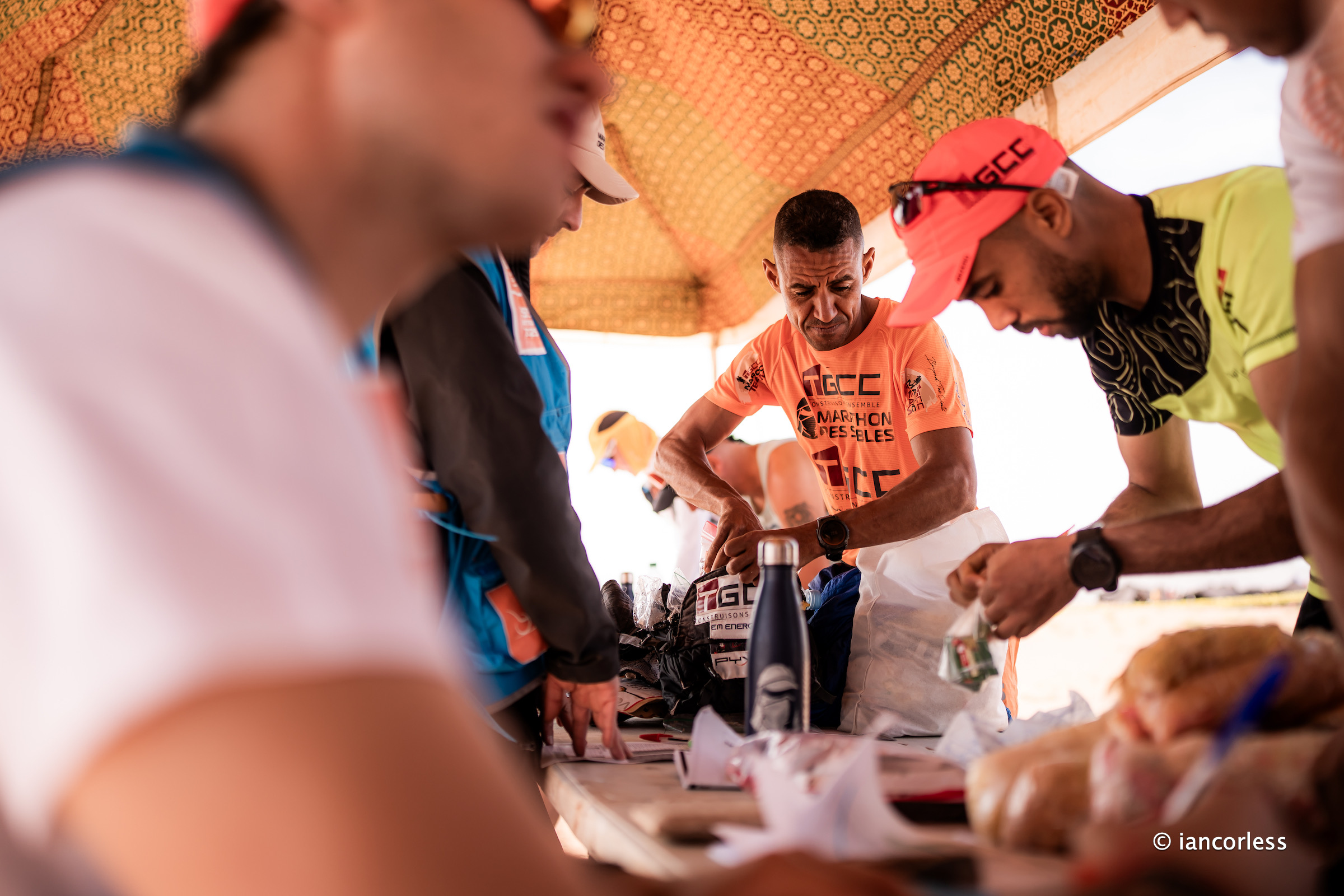
You will have your luggage with you in bivouac before admin day. You can make last minute adjustments if required. Be prepared and make sure you comply with all rules and regulations. A pack must have a minimum weight of 6.5kg PLUS water (1.5L). You must have a minimum of 2000 cals per day. You must have ALL the mandatory kit.

SALT

The new revised mandatory requirement for the race requires 14 broth cubes – these cubes are known to be salty. You have no choice here, you must have them. In 2024 many questioned the validity, however, during and post the event the general consensus was very positive. Take note here, not all cubes dissolve the same in water, so, make sure you find a cube that works such as Knorr. My advice is to plan a strategy that works for you. Listen to my podcast with Andy Blow from Precision Hydration HERE. Remember, this is a self-sufficient race, so, be prepared to be self-sufficient and have a plan/ strategy that works for you.

WATER

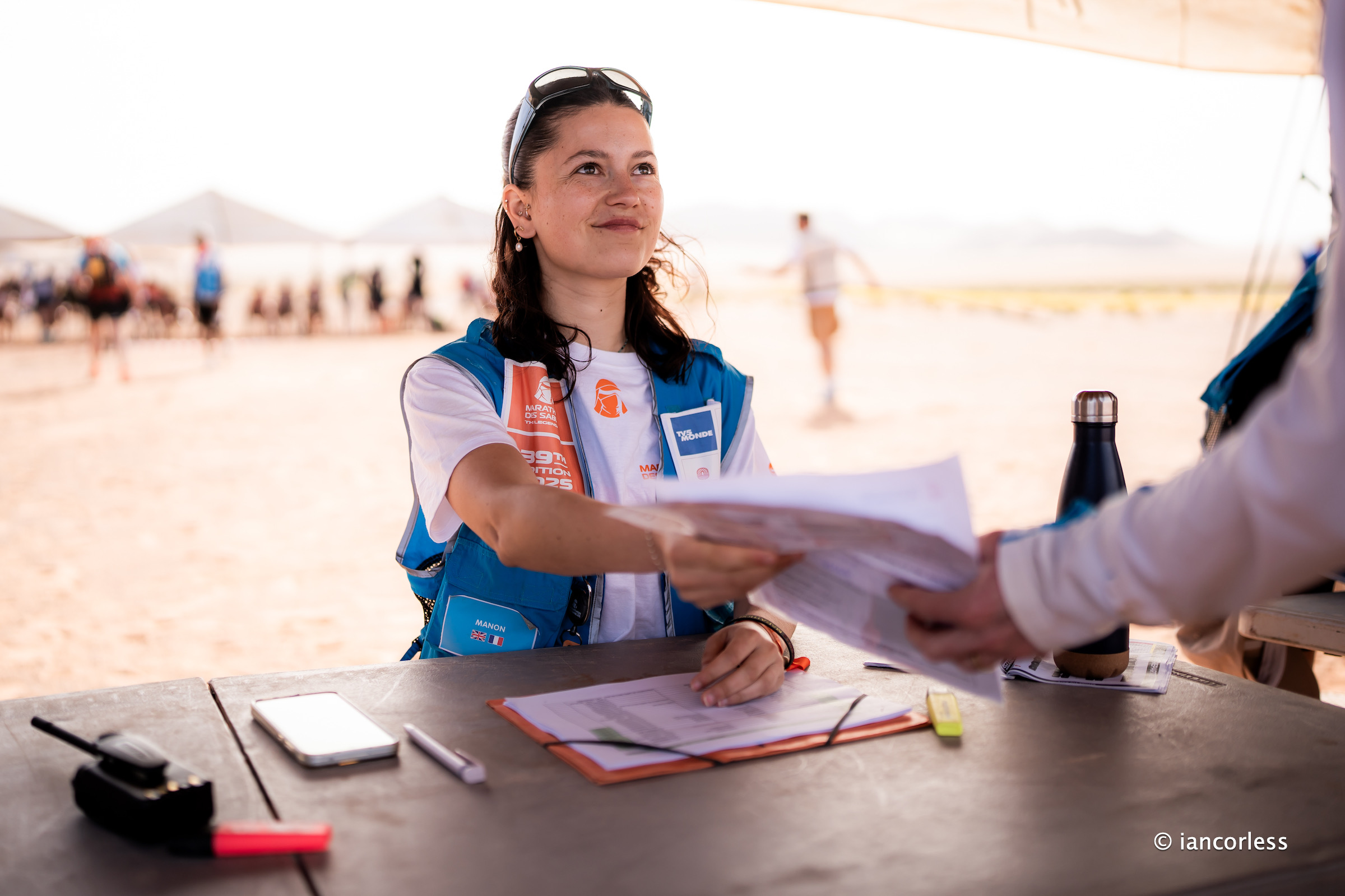
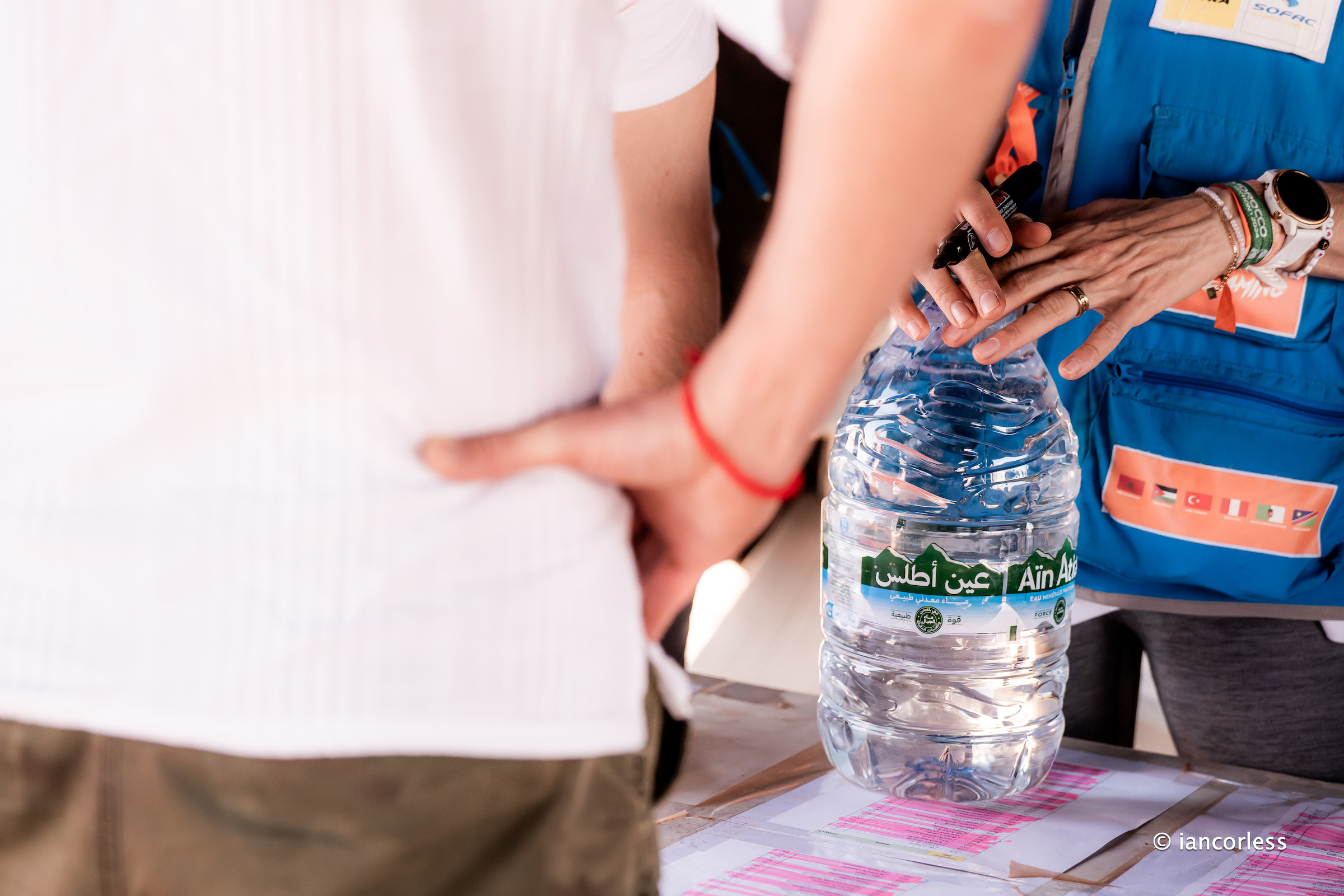
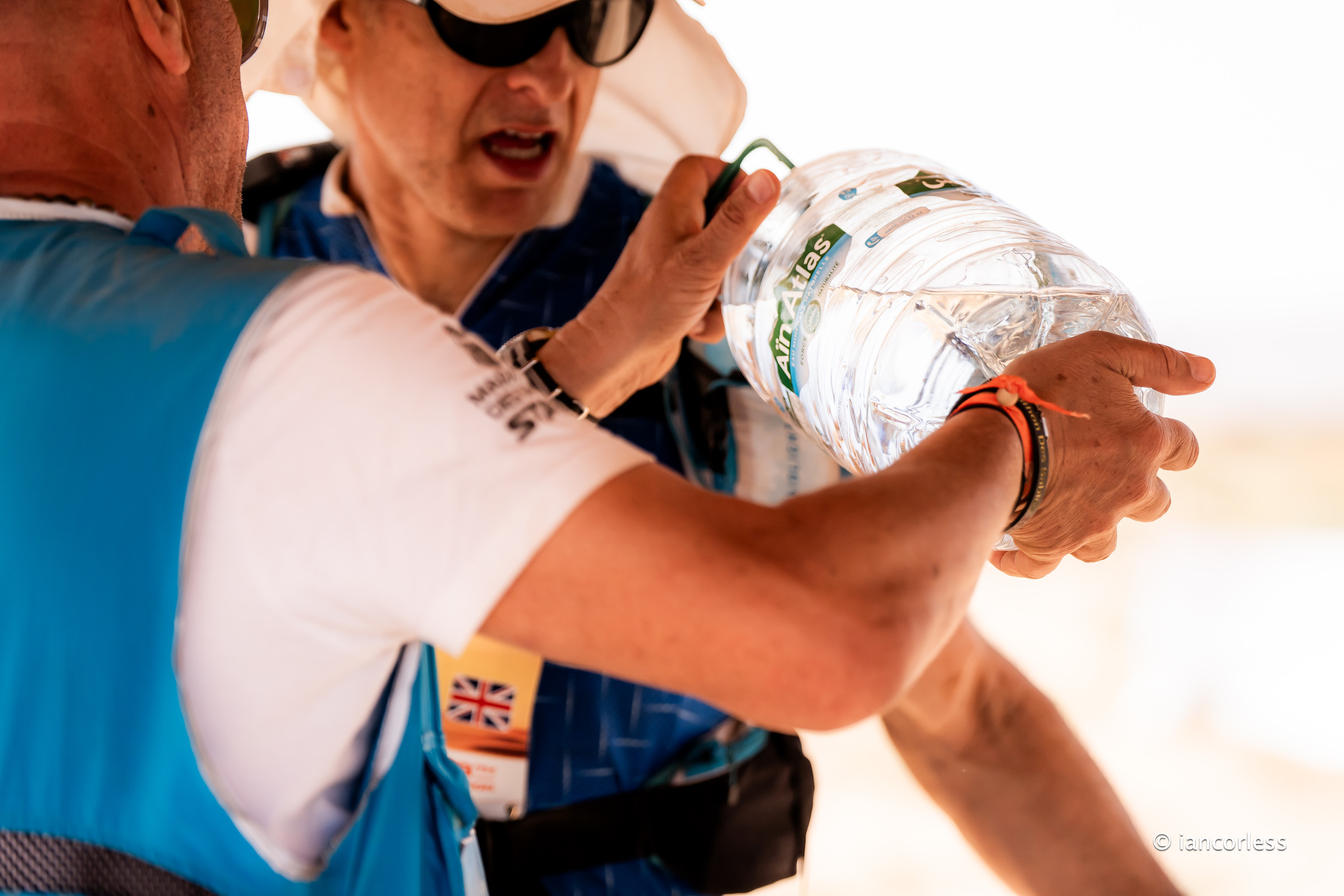
Another key change from 2024 is water and how it is provided. In principal, once you start on stage 1, water is unlimited. No longer are you provided 1 or 2 1.5ltr bottles at checkpoints. Now, the blue coats will pour water from jugs in to your bottles. If you stand at a CP and then drink a full bottle, it will be refilled.

Another key note to consider is that should conditions dictate or should the organisation think that additional water will be helpful, water stations may be added between CP’s. This is very important. Typically (conditions and terrain allowing) CP’s are 10km’s apart, therefore, you may heave an additional water station at say 5km’s.

The long day may (tbc) have a requirement that you can carry extra water capacity? This extra water would potentially be provided in a 1.5ltr bottle, so, either have an extra bottle to decant this to, or, have a system to carry a 1.5ltr bottle.

After the stage finishes, water is then rationed and you are provided with 1 large 5ltr bottle. This water will be needed for your hydration post stage, cooking dinner, cooking breakfast and your water allowance to CP1 the following day. If you want to wash, that also comes from the 5ltr allowance, so, make sure you drink and eat and understand what water capacity you need before taking a wash.

FEET

Along with dehydration, damaged feet are a key reason NOT to finish MDS. Make sure you have correct fitting shoes, the right socks for you and you know how to look after your feet. Read HERE and HERE.

SAFETY

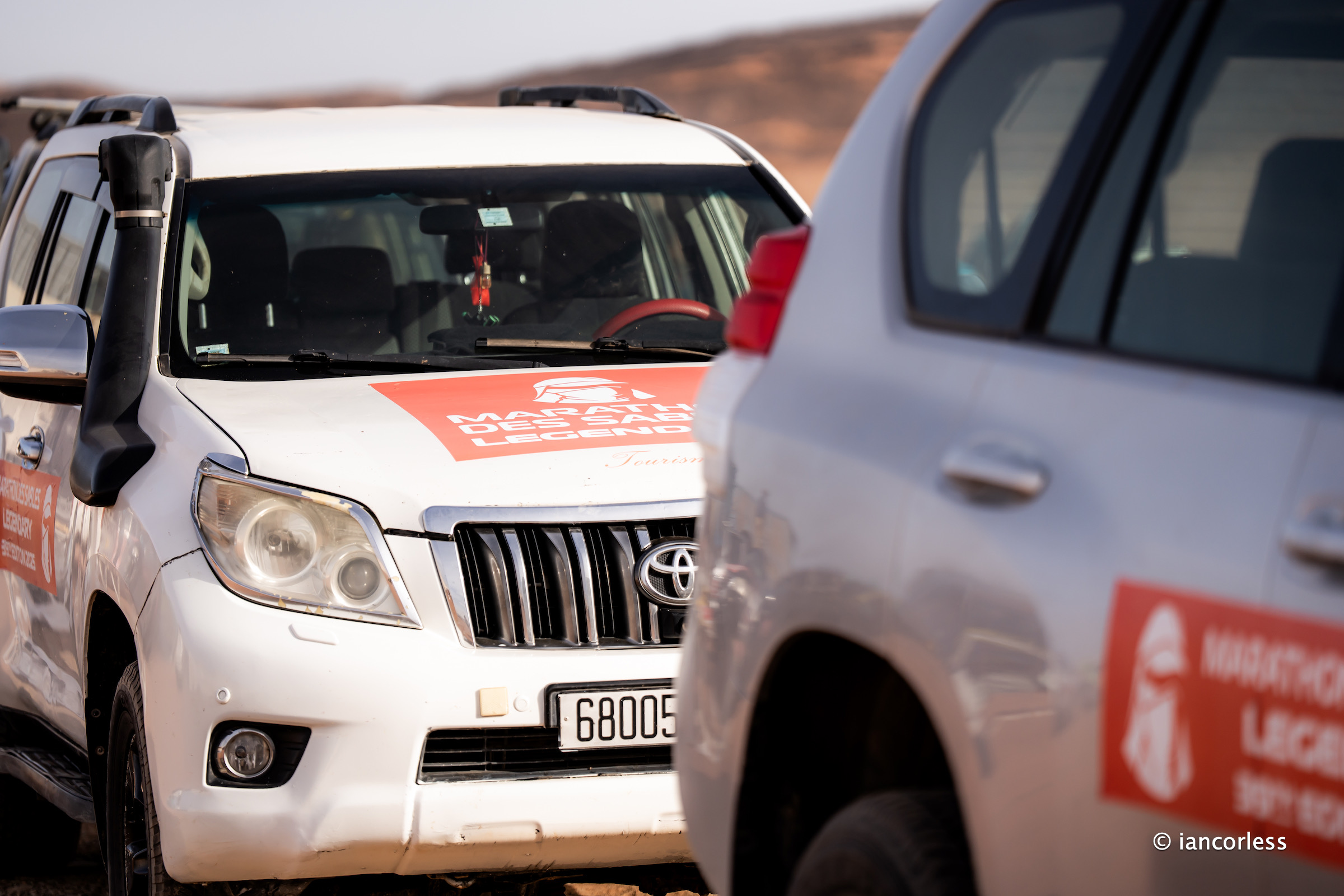
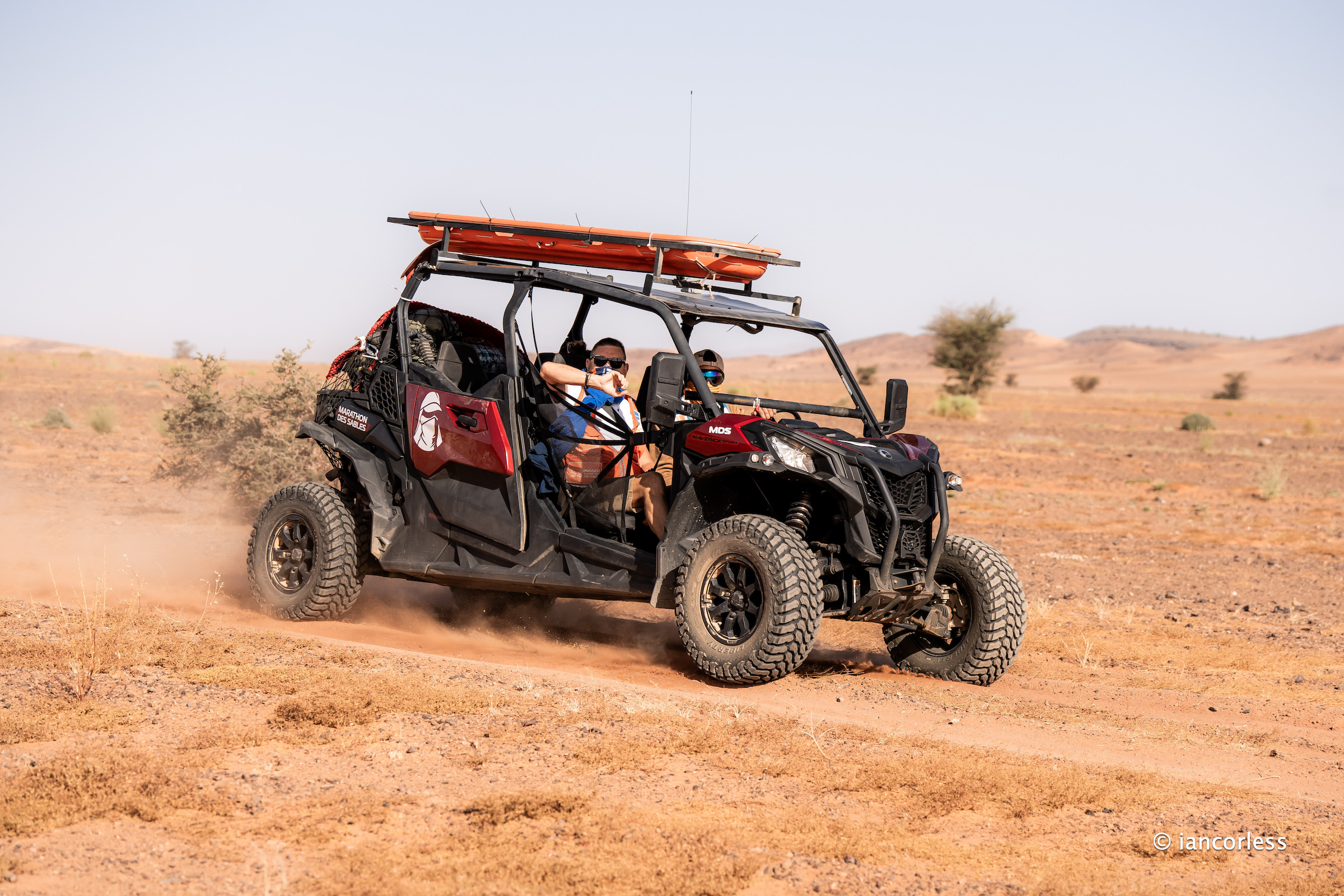
MDS has strict protocols for your safety. You will see fast response vehicles (buggies) designed to gain fast access to the most difficult and challenging parts of the desert. In addition, there are 4×4 vehicles situated throughout the course.

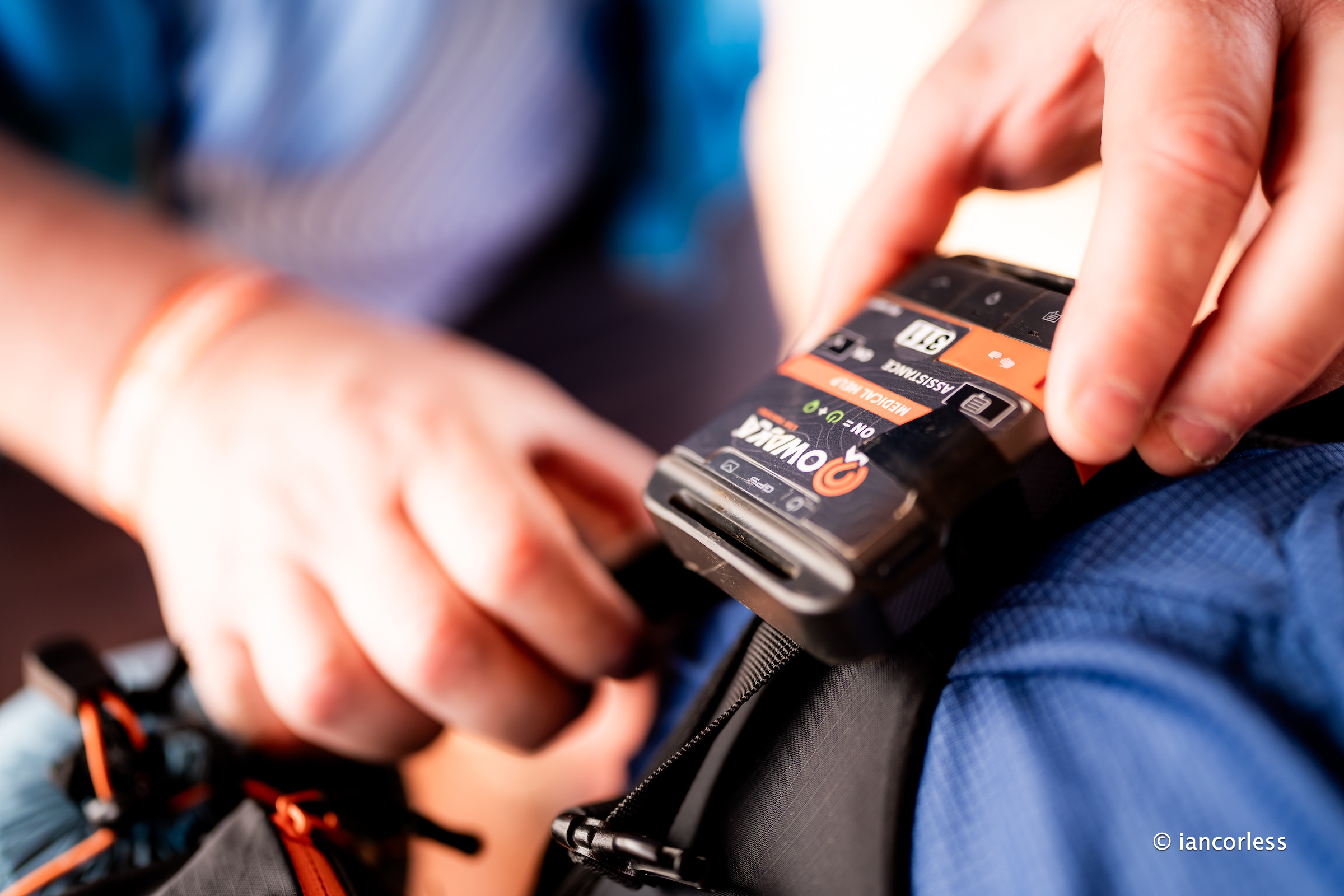
Each runner is using a tracker attached to their pack. This allows MDS to follow you and keep an eye on your position, it also has an emergency button which notifies the MDS team of your need for immediate response and attention.

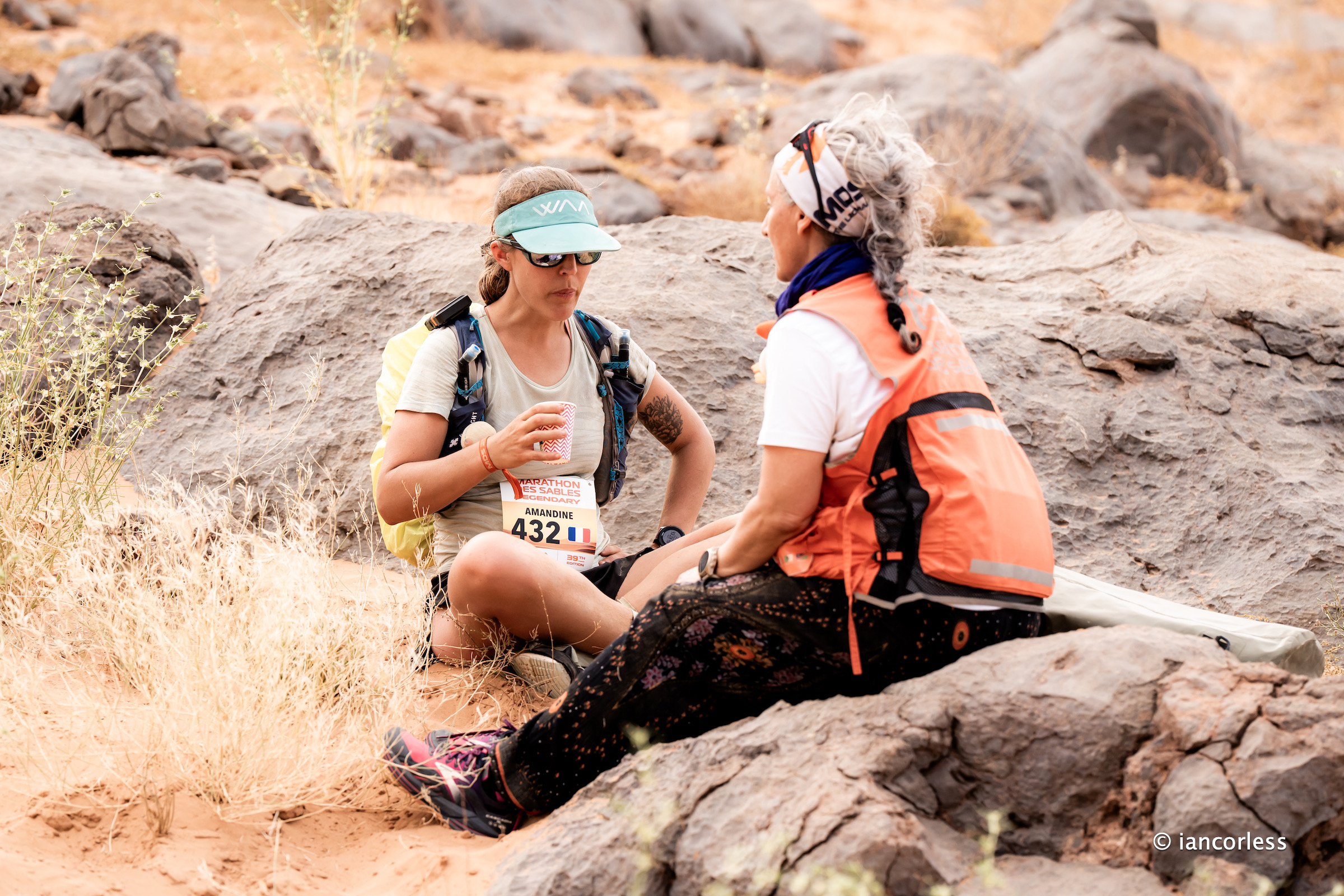
There are also medical runner’s. These are trained medical staff who will participate during the race. They will be on the course with you and in certain scenarios, they are able to provide immediate care or attention to those who need it. They have a different coloured number so you can identify them.

Medical team personnel are trained and equipped to provide immediate attention at any location within the desert.

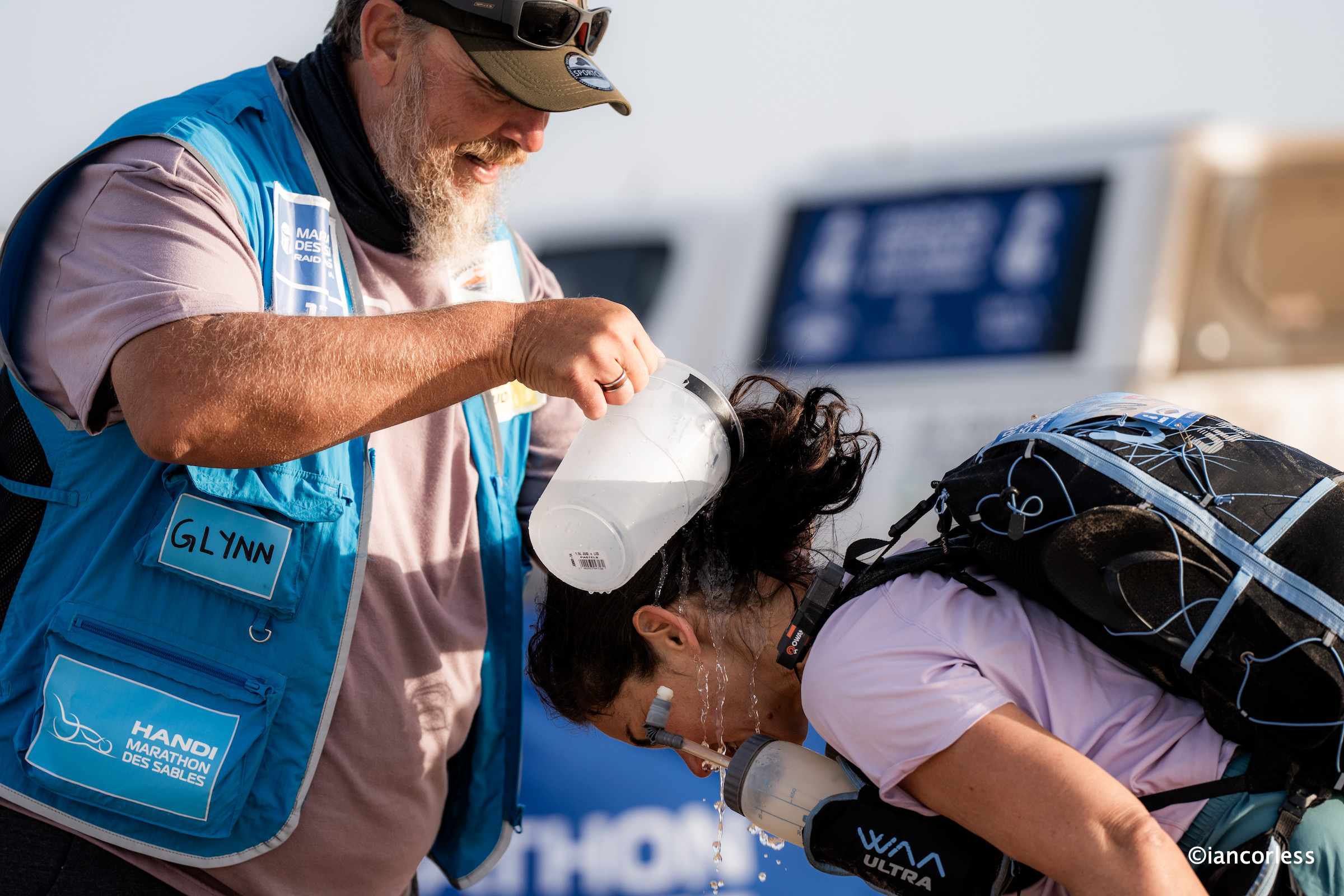
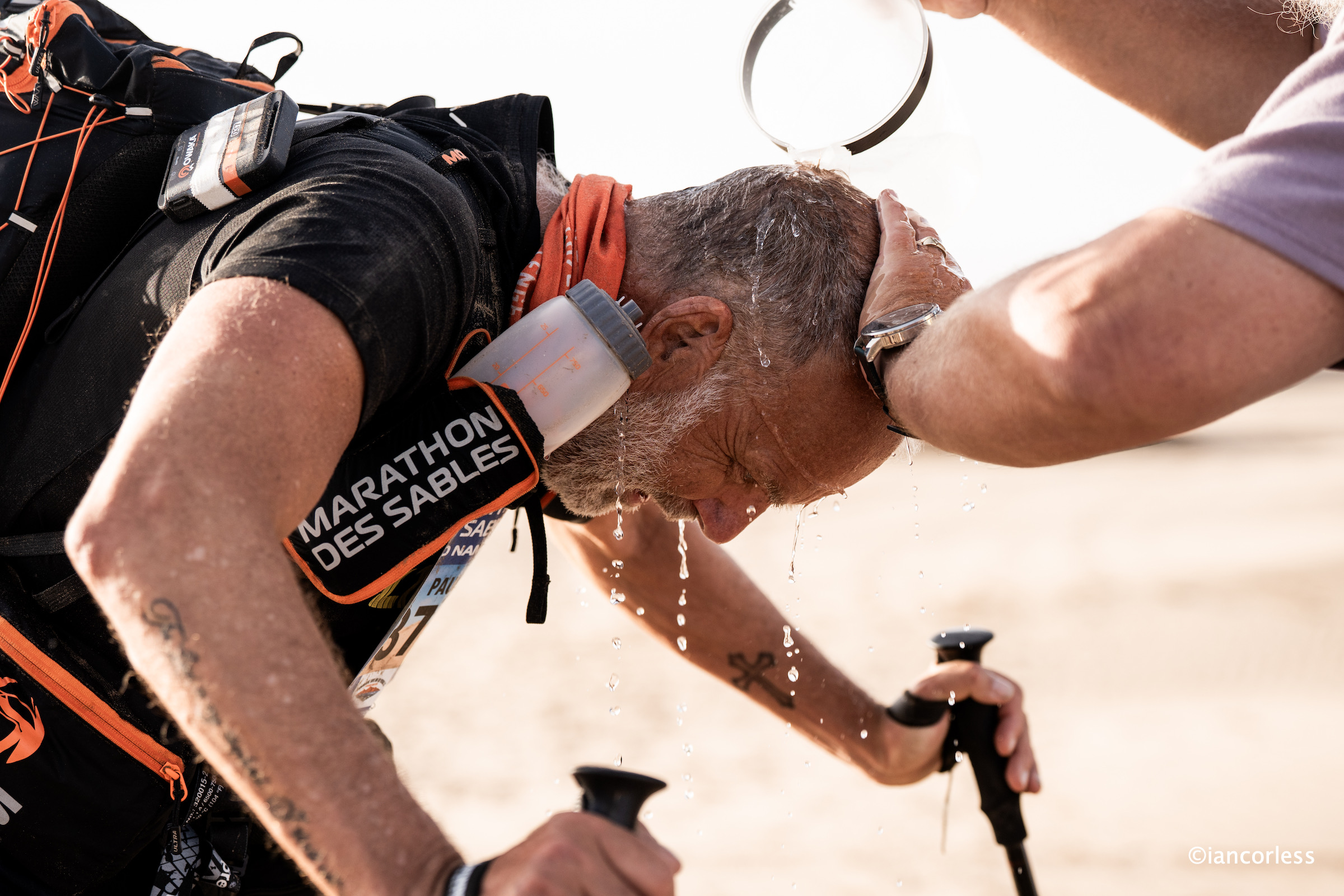
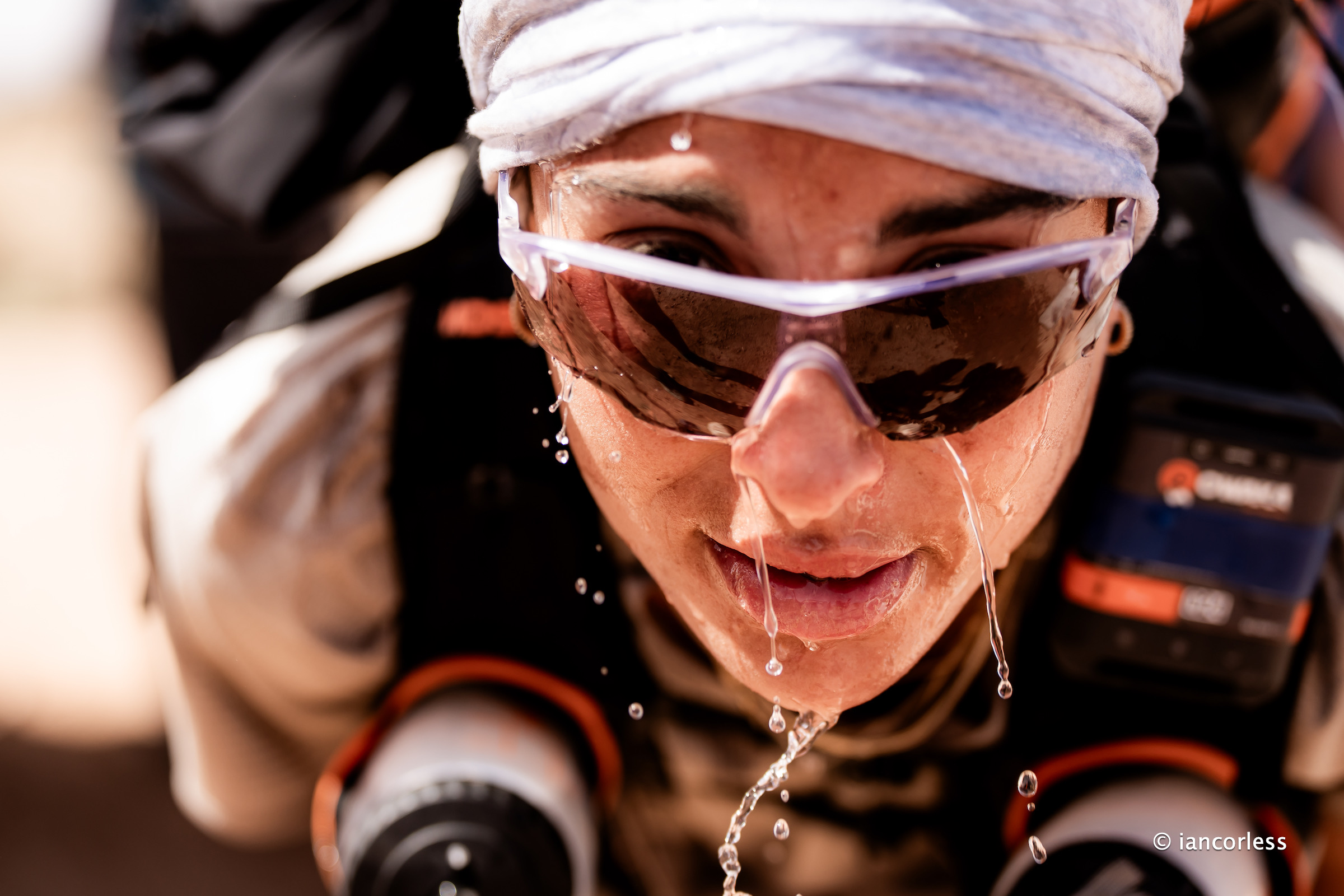
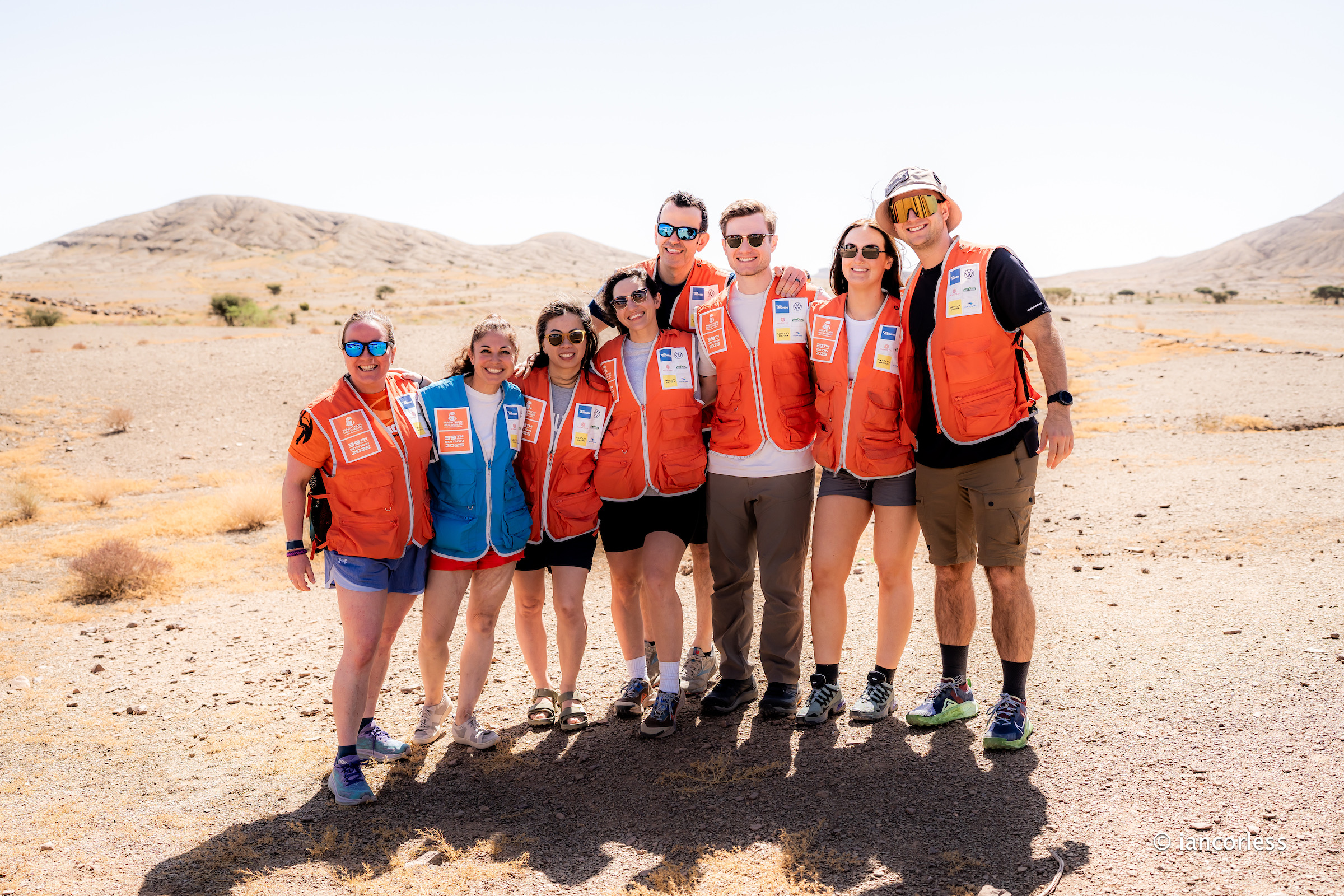
Finally, water is not rationed during the race, so, if you need more liquid, you can have it! Also, at key CP’s, iced water is available to enable cooling. This will be poured on your head via a blue coat volunteer. Orange jackets handle medical emergencies.

MANDATORY EQUIPMENT

Needless to say, despite what some believe, but mandatory equipment is mandatory!

  • Pack such as WAA Ultra Bag 20L
  • Minimum capacity of 1.5 litres of water
  • Sleeping bag
  • Head torch and spare batteries (you can have a charger/ solar charger)
  • 10 safety pins
  • Compass with 1 or 2 deg precision
  • Lighter
  • Whistle
  • Knife
  • Topical disinfectant
  • Signal mirror
  • Survival blanket
  • 14 cubes of broth
  • Sun cream
  • 200 euro or 2000 dirhams
  • Passport or ID card
  • ECG (original doc) and medical
  • Roadbook (supplied on arrival)

Make sure you comply with the very strict regulations and timeline in regard to ECG and medical form.

FOOD

You need ** 14,000 calories of food, 2000 calories per day. However, 12,000 is mandatory. You can of course carry more than this, but I consider 14,000 is the minimum with the rest day. You must be able to prove the calories, so, if you decant food into lighter or different packaging, make sure you keep the nutritional information.

  • ** Adding as clarification:
  • 2000 calories per day, it’s a 6 stage race
  • BUT remember the rest day.
  • I see the calories as below BUT YES 12,000 cals to comply with rules.
  • Stage 1 : 14,000 cals – Day 1
  • Stage 2 : 12,000 cals – Day 2
  • Stage 3 : 10,000 pls – Day 3
  • Stage 4 : 8,000 cals (the long day) – day 4
  • Day 5* : 6,000 cals (rest day)
  • Stage 5 : 4000 cals – Day 6
  • Stage 6** : 2000 cals – Day 7
  • *Day 5 you may still be running/ walking and/ or in camp for the rest day and will need 2000 cals.
  • **Stage 6/ day 7 you technically only need breakfast and snacks for the stage.

WHAT YOU NEED

In addition to mandatory equipment and food requirements, you need essential items to complete the race. Use the list below as a guide:

  • Run top (maybe with long sleeves)
  • Neck roll/ Buff
  • Run shorts/ skirt or similar
  • Socks (plus maybe spare socks)
  • Shoes with gaiters (make sure you have the gaiter velcro sewn on well in advance)
  • Hat (consider cover for the neck too)
  • Sunglasses (make sure they have good protection and if they fit well for protection in sand storms)
  • Watch
  • Warm layer (windproof and maybe lightweight down jacket)
  • Foot care
  • Hygiene products
  • Toilet roll/ wipes
  • Lip balm
  • Blind fold
  • Ear plugs
  • Spoon
  • Pot/ bowl*
  • Stove**
  • Fuel cubes**
  • Sleeping mat
  • Pillow
  • Flip flops or similar

**Stove and fuel only required if you plan to heat water

*Pot/ bowl or similar will be required as now it is no longer possible to cut down a 1.5ltr bottle

Recommended

Many things can happen in a self-sufficient race and yes, equipment can fail. So, think about on-the-go repairs and what you may need.

  • Zip ties
  • Gorilla tape
  • Super glue
  • Sewing kit
  • Cord/ thin rope

Top Tips

Keep the pack weight as close to the minimum 6.5kg as possible, additional weight is additional stress that you do not need.

Keep luxuries to a minimum, they only add weight. A super light Mp3 player (with good battery) and earphones is the only luxury I would consider.

Accept that this is a tough challenge, you will be stripped back to a survival mode. You may not wash, you will get dirty, you will get smelly. Accept it.

Start slow and ease into the race.

Photo by Ian Corless

Poles can be a lifesaver and I recommend them but you must learn to use them. Those at the front do not need poles, they can run.

Learn to walk, walk and walk. Many go to the desert with the expectation of running 80% and walking 20%. The reality is it will be the other way around.

Look after your feet and start with the correct shoes for you.

Take a sleeping mat or pad. You only need to do three things: run, eat and sleep. Sleep and comfort is important for recovery.

Make sure you check the full rules and regulations HERE

RESOURCES

Interested in another MDS event in 2025?

A full calendar of dates and destinations are available HERE

Instagram – @iancorlessphotography

Twitter – @talkultra

facebook.com/iancorlessphotography

Web – www.iancorless.com
Web – www.iancorlessphotography.com

The Coastal Challenge Costa Rica 2025 – Stage 6

Photo by Ian Corless

A good nights sleep, no rain, and stage 6 was underway at 0540. Today, 35.9km’s for all racers.

Photo by Ian Corless

Stage 6 is arguably the Queen stage of the race, it manages to contain every aspect and highlight from all the previous stages and condense them into an incredible and beautiful route.

Photo by Ian Corless

Early gravel road km’s give way to a stunning waterfall crossing section. A run through farmlands and eventually the coast and beach arrives. The route then weaves its way to Bahía Drake and the finish line.

Photo by Ian Corless

For many, it’s a day to ease back and enjoy the trails and the views, the reward at the end, a medal.

Photo by Ian Corless

For much of the day, Pierre Meslet and Sergio Turull ran together, that is, until the final 4km’s when Pierre pulled away to secure the final stage and become TCC 2025 champion.

Photo by Ian Corless

Sergio was elated to have a good day. As the week has progresses he has acclimated and adapted to the heat, humidity and technical terrain, with victory on stage 5 and 2nd on stage 6, his week has been a huge success.

Photo by Ian Corless

Katie Young had a steady day running with the other top men, a day to relax and enjoy, confident the overall victory was secure.

Race Results HERE

Photo by Ian Corless

The finish line is one of emotion and joy, each runner a story to tell, and experience lived and importantly, memories made to last a lifetime. TCC is so much more than a race, it is an adventure into an environment that so few get to see. It may be challenging, tough and difficult, but this is the reward of the journey.

Photo by Ian Corless

Instagram – @iancorlessphotography

Twitter – @talkultra

facebook.com/iancorlessphotography

Web – www.iancorless.com
Web – www.iancorlessphotography.com

The Coastal Challenge Costa Rica 2025 – Stage 5

Photo by Ian Corless

Nobody really expected more drama for stage 4 after the epic battle between Erick and Pierre. However, as darkness arrived, the heavens opened for a relentless downpour that lasted hours and hours. Camp was wiped out with flooded tents and countless runner’s seeking refuge in any shelter possible.

Photo by Ian Corless

It made for a night of wet clothes, broken sleep and very tired bodies come the 0300 wake up call.

With a tough day ahead, many, looked less than happy at the prospect of 23 or 41km’s. Pierre Meslet summed it just with his look, he was exhausted and somewhat resigned to ‘getting through the day’ and saving it all for the last day.

An early crossing of the Sierpe river and the race was soon underway, gladly, Erick Aguero was running, albeit with his arm in a sling.

Photo by Ian Corless

An incredible golden sunrise gave optimism to the day.

However, this optimism soon disappeared with the withdrawal of Erick. The pain was all too much and he emotionally took of his number and said goodbye to TCC2025.

Photo by Ian Corless

Pierre was leading the race but the sight of Erick waiting at cp1 was all too much for him. The duo had an emotional exchange and with the lack of pressure from a great competitor, a very tired mind and body, Pierre took his foot of the gas and ran easy all the way to the finish.

Photo by Ian Corless

Allan Barrielle and Sergio Turull took advantage of the situation and they ran hard to the line for a well deserved victory on the stage.

Photo by Ian Corless

For the women, Katie Young once again dominated the day, but she was feeling the fatigue from a sleepless and exhaustive night.

Photo by Ian Corless

Lucia Jarquin and Maria Jose Corrales once agin ran strong days to secure their respective 2nd and 3rd places.

Photo by Ian Corless

The stage, for many, is a ‘real’ Costa Rica experience. Gravel roads interconnect rainforest, farms, the locals, wildlife and in the latter stages, the beach and ocean lead you to Drake Bay.

Photo by Ian Corless

Tomorrow, the 6th and final stage is a victory loop that manages to compress the best of the previous 6-stages in one incredible course of rivers, waterfalls, farmland, beach, ocean and coasteering.

Race Results HERE

Photo by Ian Corless

Instagram – @iancorlessphotography

Twitter – @talkultra

facebook.com/iancorlessphotography

Web – www.iancorless.com
Web – www.iancorlessphotography.com

The Coastal Challenge Costa Rica 2025 – Stage 4

Photo by Ian Corless

Stage 3 of the 2025, The Coastal Challenge was epic. The strength and commitment from Erick to attack and push paid off, he not only caught back his 16-minute deficit but now leads by 9-minutes.

Photo by Ian Corless

Pierre was defiant though and clearly exclaimed that if he wants to win, he will race and race with the intention of victory.

Going in to stage 4 we knew a battle was coming, the day, on paper, played into the hands of Erick with a great deal of vertical terrain and at times, lots of technicality, particularly the final descent.

Photo by Ian Corless

The discussion in camp was generally that one of them, more than likely would blow up today and potentially lose the race.

At 0530 the runner’s were released straight into a climb through dense rainforest, the expectation was Erick would appear first, but no, it was Pierre.

A long wait and then Erick arrived, he had lost 6-minutes 30-seconds on the first climb. Was he paying for the previous days effort?

Photo by Ian Corless

At cp 2, the gap had extended to 7-minutes 30-seconds and several kilometers before cp3, the gap was 8-minutes 15-seconds.

Pierre was having a stunning day and Erick was just trying to minimise his losses.

Photo by Ian Corless

Cp3 came and several kilometers later, Pierre appeared on the challenging high ground with the Talamancas as a backdrop. The gap was now 10-minutes 15-seconds, Pierre was the leader on the road.

Photo by Ian Corless

It was expected the Pierre would continue to open the gap or at least maintain the gap, but nom this 2025 TCC is turning into a classic.

On the final descent Pierre suffered in the heat and humidity, he was a shell of his former self and when he arrived at the line he was exhausted and collapsed. Medics immediately submerged him in the river to cool down.

Just minutes later, Erick arrived, battered and bruised, he had pulled back many minutes but in the process had taken a bad fall, he was taken to hospital and gladly we can report there are no broken bones.

Photos © magdalena kalus / rodrigo carazo

So, Erick still leads the 2025 TCC, the gap has been reduced from just over 9-minutes to now, 6-minutes 20-seconds.

Epic!

Both are somewhat broken from stage 4 and with 2 stages to go, who knows what will happen. For now, they need to eat, rehydrate, rest, have a good sleep and let’s see what happens at the beginning of stage 5…!

Photo by Ian Corless

The rest of the race, in comparison, ran smoothly, the women’s race followed the same process as the previous days with Katie once again taking another win.

Photo by Ian Corless

The landscape, the views, the small villages, the people, they all come together to make stage 4 a brutal and beautiful day.

Roll on stage 5.

Photo by Ian Corless

Instagram – @iancorlessphotography

Twitter – @talkultra

facebook.com/iancorlessphotography

Web – www.iancorless.com
Web – www.iancorlessphotography.com

The Coastal Challenge Costa Rica 2025 – Stage 3

Erick at Nauyaca – Photo by Ian Corless

What a day! Stage 3 of the 2025 The Coastal Challenge will go down in history… Local legend, Erick Aguero pulled back a 16-minute deficit after stages 1 and 2 and now leads the race after an epic winning margin of 23-minutes.

This is Nauyaca with Pitufollow – Photo by Ian Corless

Stage 3 with more technical trail, played into the hands of Erick and at the Nauyaca Waterfall he already had a lead of 5-minutes. This lead increased from cp too cp, Erick was on a mission. By the final beach section, has lead was +/- 23-minutes. He held on to the line to take a stunning stage win and overall lead.

Pierre chasing hard – Photo by Ian Corless

Pierre Meslet was running strong all day and post-race he confirmed he felt good and was running strong. He gave kudos to Erick on a stunning stage and he also confirmed, “If Erick wants to win, he has a fight on his hands!”

Katie – Photo by Ian Corless

For the women, Katie Young was once again untouchable. She was running strong and what looked like without effort all day. Post the finish line, she confirmed she was 30-minutes quicker than last year, she is unbeatable.

Lucia – Photo by Ian Corless

Lucia Jarquin was once again 2nd on the stage and now, after 3-stages is 6-hours and 24-minutes behind Katie.

Pura Vida – Photo by Ian Corless

Stage 4, tomorrow, moves away from the ocean and into the more mountainous and technical trail that Erick loves. It’s going to be an exciting day.

Photo by Ian Corless

Instagram – @iancorlessphotography

Twitter – @talkultra

facebook.com/iancorlessphotography

Web – www.iancorless.com
Web – www.iancorlessphotography.com

The Coastal Challenge Costa Rica 2025 – Stage 2

Photo by Ian Corless

It’s a rainforest, and last night the rain came. As per usual, it was short lived, but it was a torrential downpour that had an impact on those who had not been careful with admin in camp. If careless, everything was wet…

Everyone was asleep as early as possible. Stage 2 would have a 0500 depart by bus for adventure and an 0530 start for Expedition. Breakfast started from 0300.

Allan – Photo by Ian Corless

Out of camp, the Expedition runner’s went straight into a steep sharp climb, the ground now muddy and slippery from the rain. Humidity was high but temperatures were cool.

A hot day – Photo by Ian Corless

At the top, a rollercoaster of gravel roads lead to cp1, El Brujo, and then more gravel road and rainforest to cp2, Dos Bocas.

At cp2 Adventure started and the route drops all the way down to the ocean, but before, cp3 at Hatillo.

Photo by Ian Corless

A water crossing leads to a long and hot beach section before finishing on the beach in Dominical.

Magdalena – Photo by Ian Corless

Erick Aguero started the day hard, pushing and pushing to open up a gap on Pierre Meslet. This is Erick’s 7th TCC and he has been on the podium many times, 2nd the highest, this year he wants to win.

At the top of the climb, Pierre was a few minutes back but relaxed.

For the women, Katie Young once again is in a race on her own and actually, is more than likely to place 3rd overall if she continues this relentless charge. She is on fire.

Pierre – Photo by Ian Corless

40km is a long tough day for Expedition and with the charge from Erick, many wondered what would happen. The due arrived together for the water crossing just after cp3. With a long flat beach straight to the line, this would fall into the hands to Pierre’s fast running style. Erick could just look on as the gap opened, he had fought hard, took a chance and today, he gained no time, the gap is 16-minutes. Allan Barrielle is 3rd, 1-hour 25-minutes behind Pierre.

Katies – Photo by Ian Corless

Katie dominated the day for the women, her lead now after 2 days is 3-hours 21-minutes over Lucia Jarquin and 4-hours 25-minutes over Maria Jose Corrales. TCC competition winner, Mirabela Ticu is 4th.

Mirabela – Photo by Ian Corless
Photo by Ian Corless

Tomorrow, stage 3, is 46km’s and includes the iconic Nauyaca waterfalls.

Photo by Ian Corless

Instagram – @iancorlessphotography

Twitter – @talkultra

facebook.com/iancorlessphotography

Web – www.iancorless.com
Web – www.iancorlessphotography.com