The Romsdal Method – A Gritty Ode to Community, Mountains & Method

The Romsdal Method, directed by Hans Kristian Smedsrød, is a raw, immersive journey into the rugged training ethos of Romsdal, a Norwegian valley transformed into a living, breathing performance lab. Inspired by Kilian Jornet and Emelie Forsberg, three elite/ultra athletes: Ida Nilsson (Sweden), Jon Albon (Britain), and Petter Engdahl (Sweden) join this hub to progress their careers. What begins as a quiet exploration soon morphs into a testament to friendship, mutual respect, and the transformative power of place-based training.
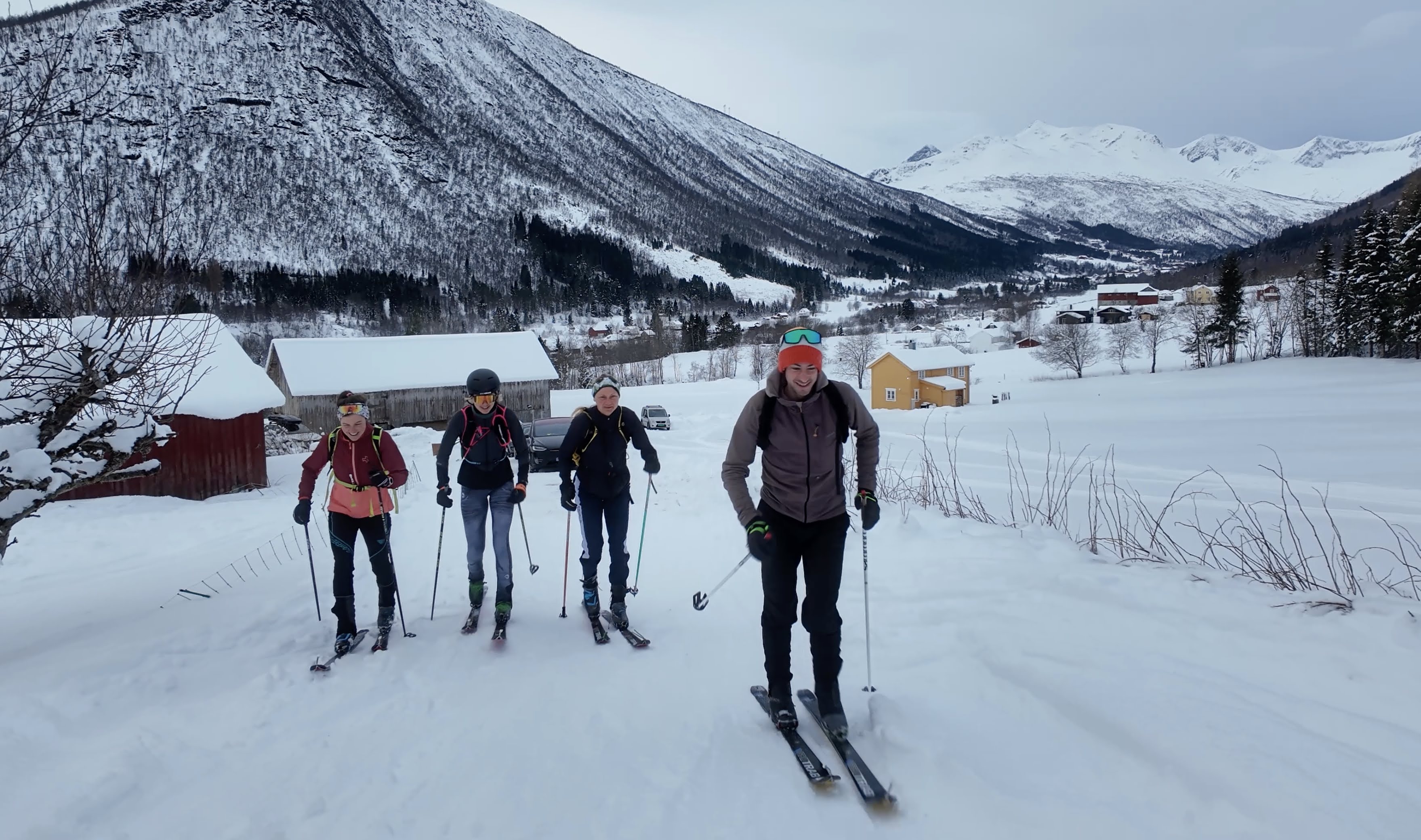
Group training

There are no egos here, on the contrary, there is a calm, understated respect of experience and knowledge. At the helm, the inspiration for Jon, Petter and Ida comes from Kilian who has pioneered the way for training in Romsdal.
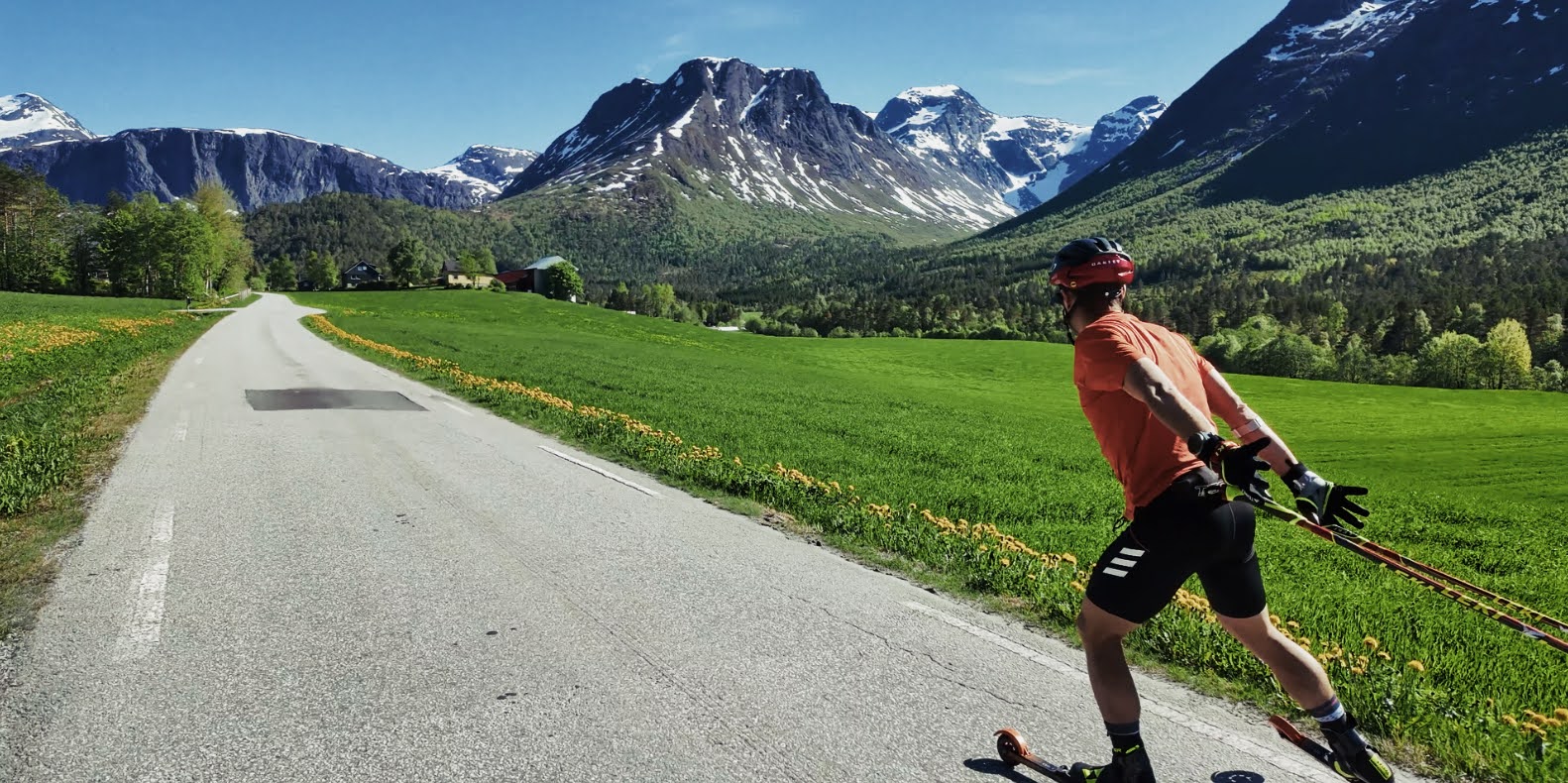
Petter on roller skis

Petter sums it up in a moment of reflection:

“Being the best in Romsdal and being the best in the world is kinda the same thing, it’s what makes this valley so insane.”

Jon, the Brit, is very much the scientist, the thinker, the analyst. He has a dry British humour that even Kilian acknowledges. Jon is a legend of the sport, a powerhouse athlete and he is the calming element that binds the group of three. Training sessions for Jon need to make sense, they need to be specific. His unassuming presence and measured discipline highlight the balance between elite drive and heartfelt connection with place and people.
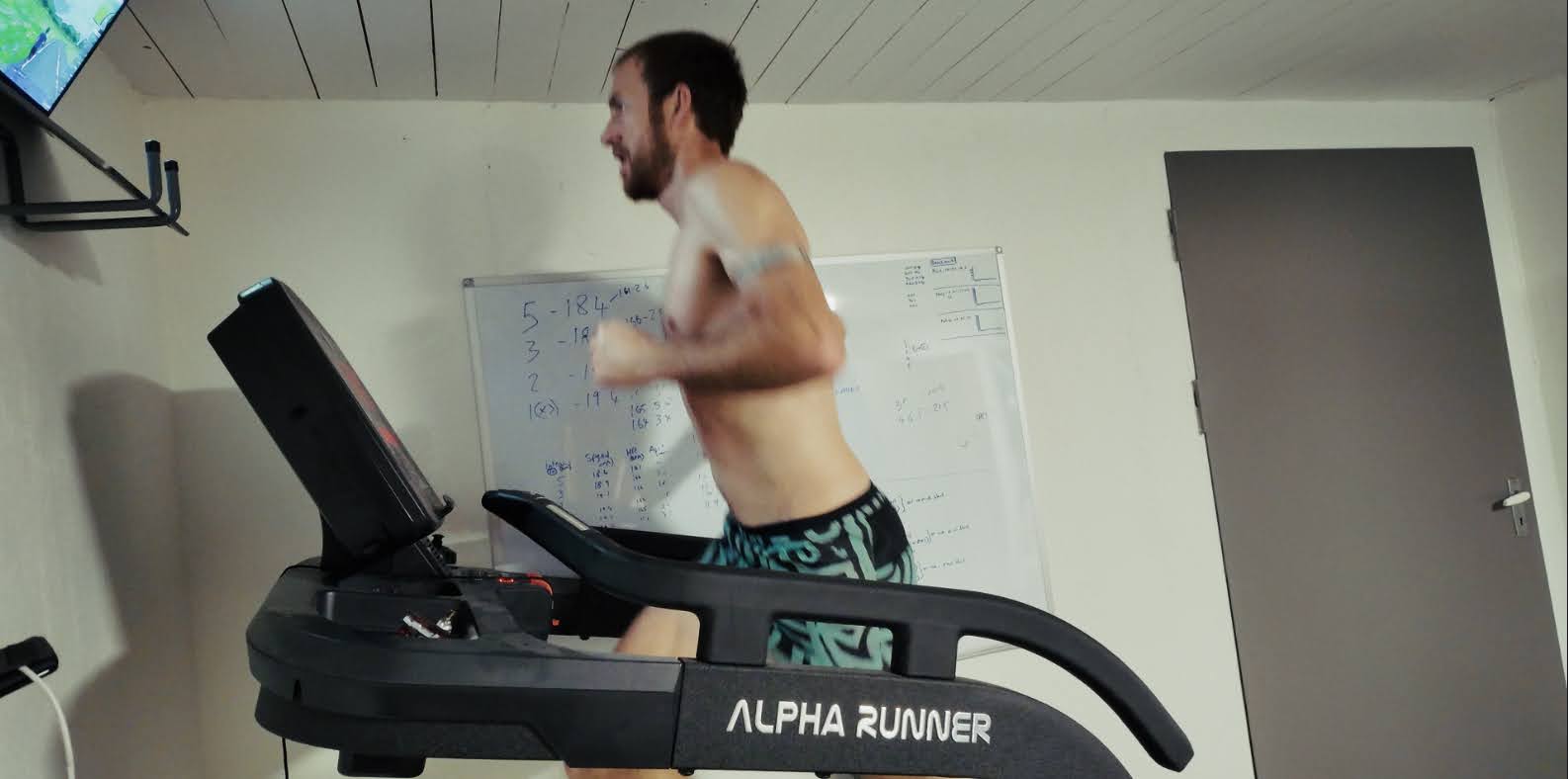
Jon being specific with training

Ida, with a career that stems back to track running is an introspective, warm, and has a complete dedication and passion for sport. Sincere, sometimes quietly exuberant, Ida is motivated to perform, she’s looking for performance gains but at the same time, as shown on a ski mountaineering trip on a beautiful day, just being in the mountains for hours is what makes this life tick.

Ida in the best playground pointing to which peak she will climb

Petter, is calm, quiet, solid. He’s about grit and focus. He’s the silent undertow who likes his actions to speak louder than words, providing testament to a man pursuing the edge. He moved to Romsdal to be with and train with the best; Jon and Kilian. He acknowledges, that sometimes, particularly in his first year, that this ‘training’ in itself can be too much.
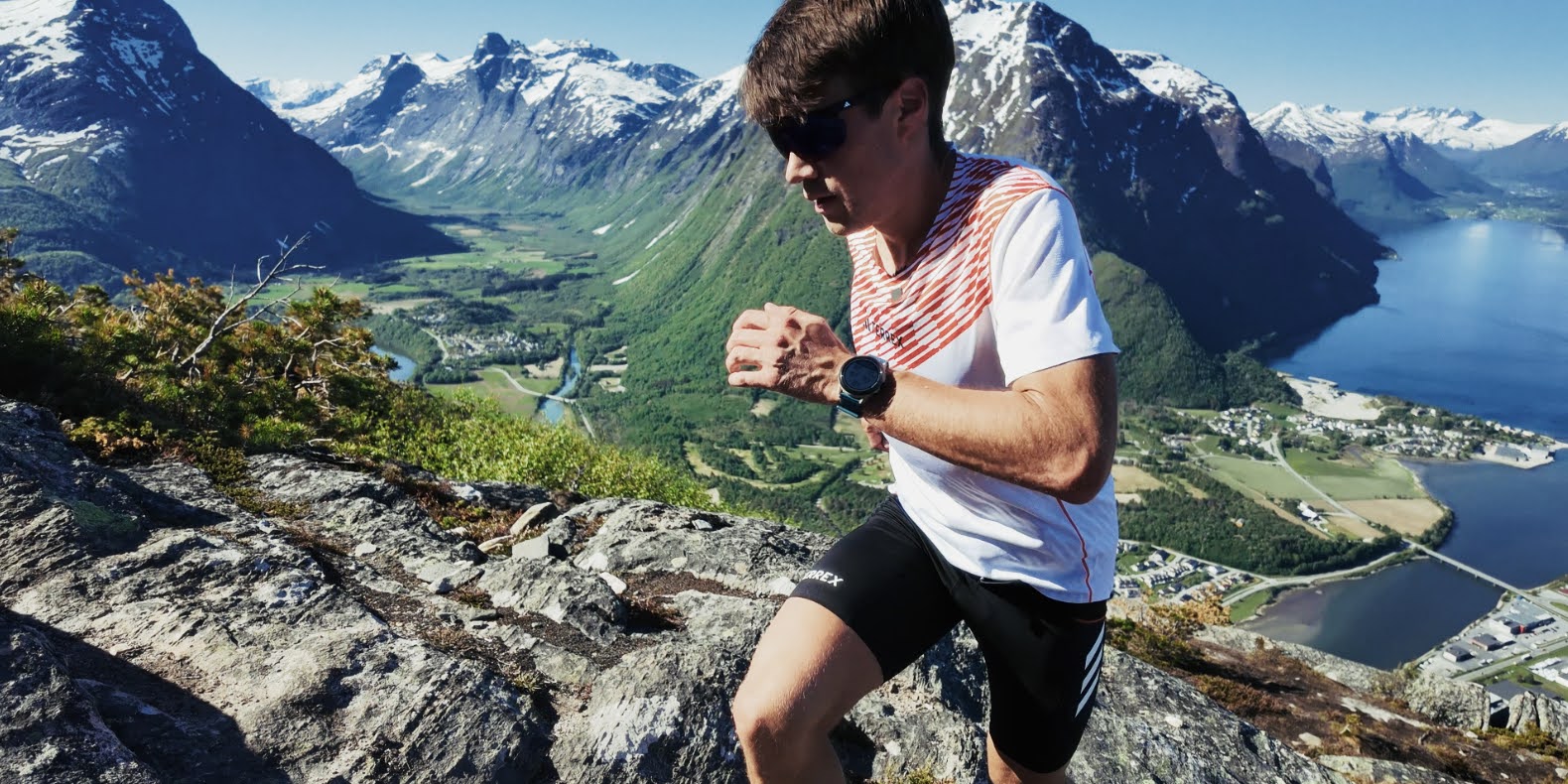
Petter at the top of Nesaksla

In many ways it can be summed up with a sound bite from Kilian Jornet:

“And many of the routes where we are training, if you do a mistake, if you slide, it’s not that you will break your ankle or hurt yourself, it’s that you will die!”

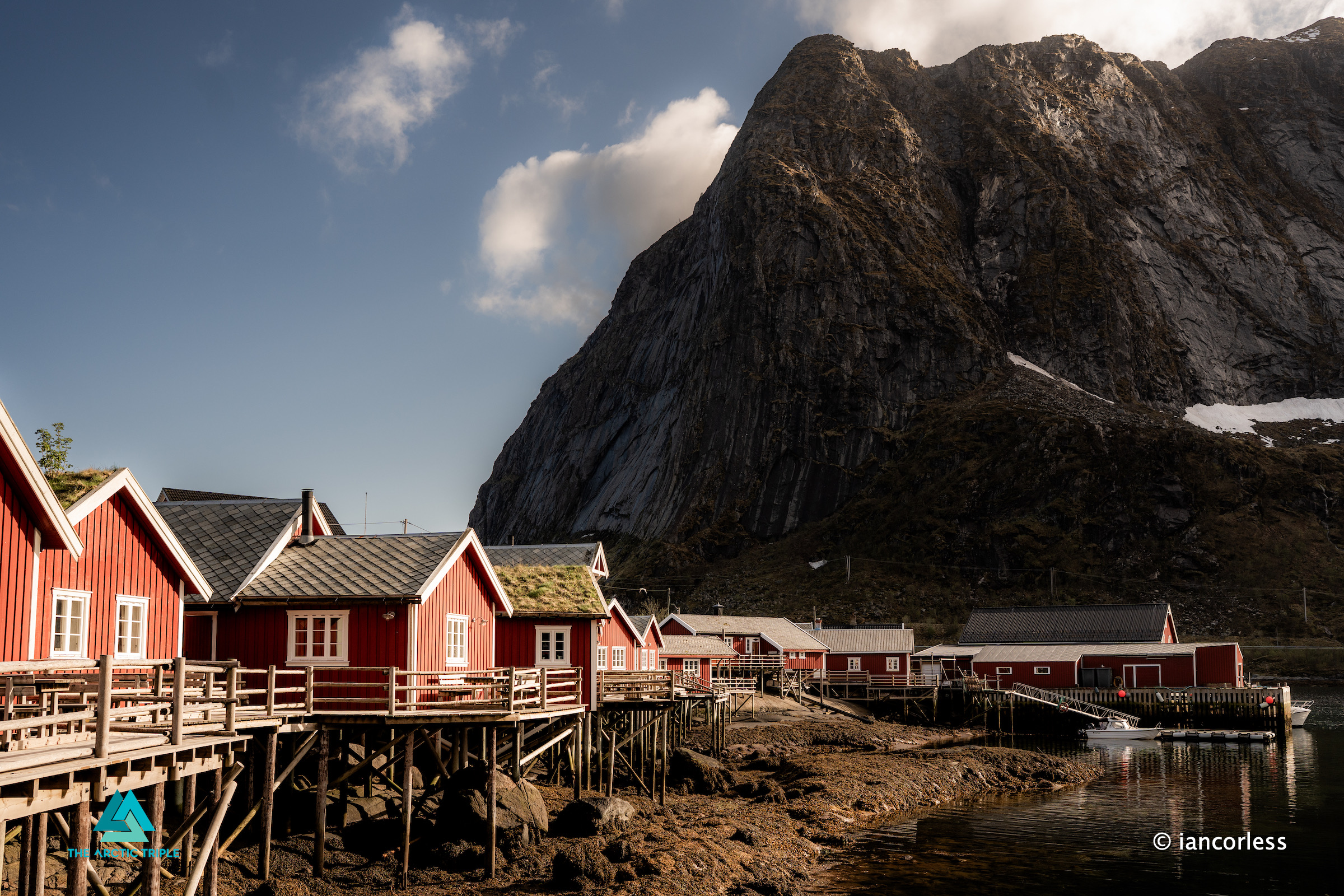
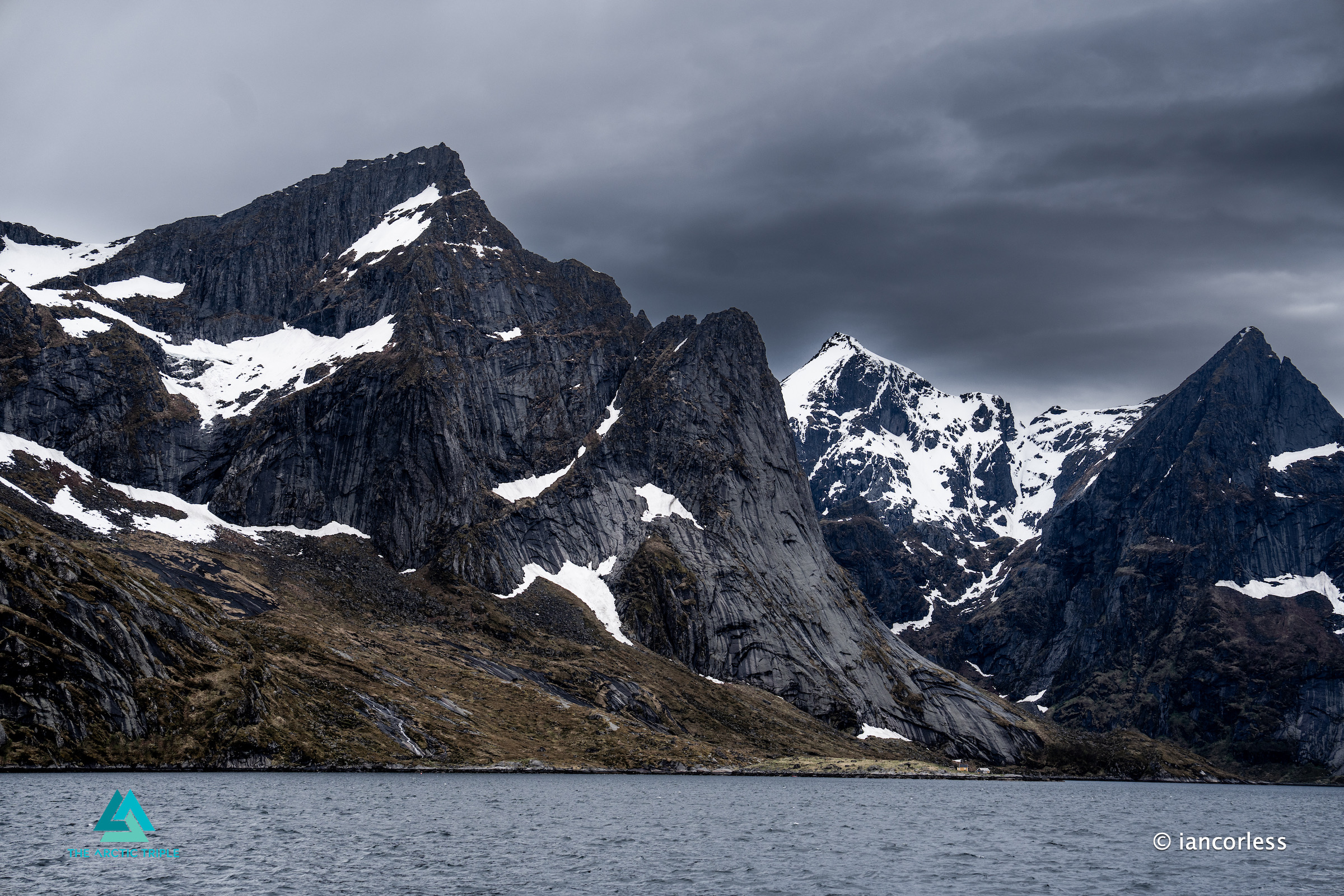
Romsdal isn’t just a backdrop or place, it’s arguably the key protagonist of what shapes the story, the experiences, the life and the training of those who live there.

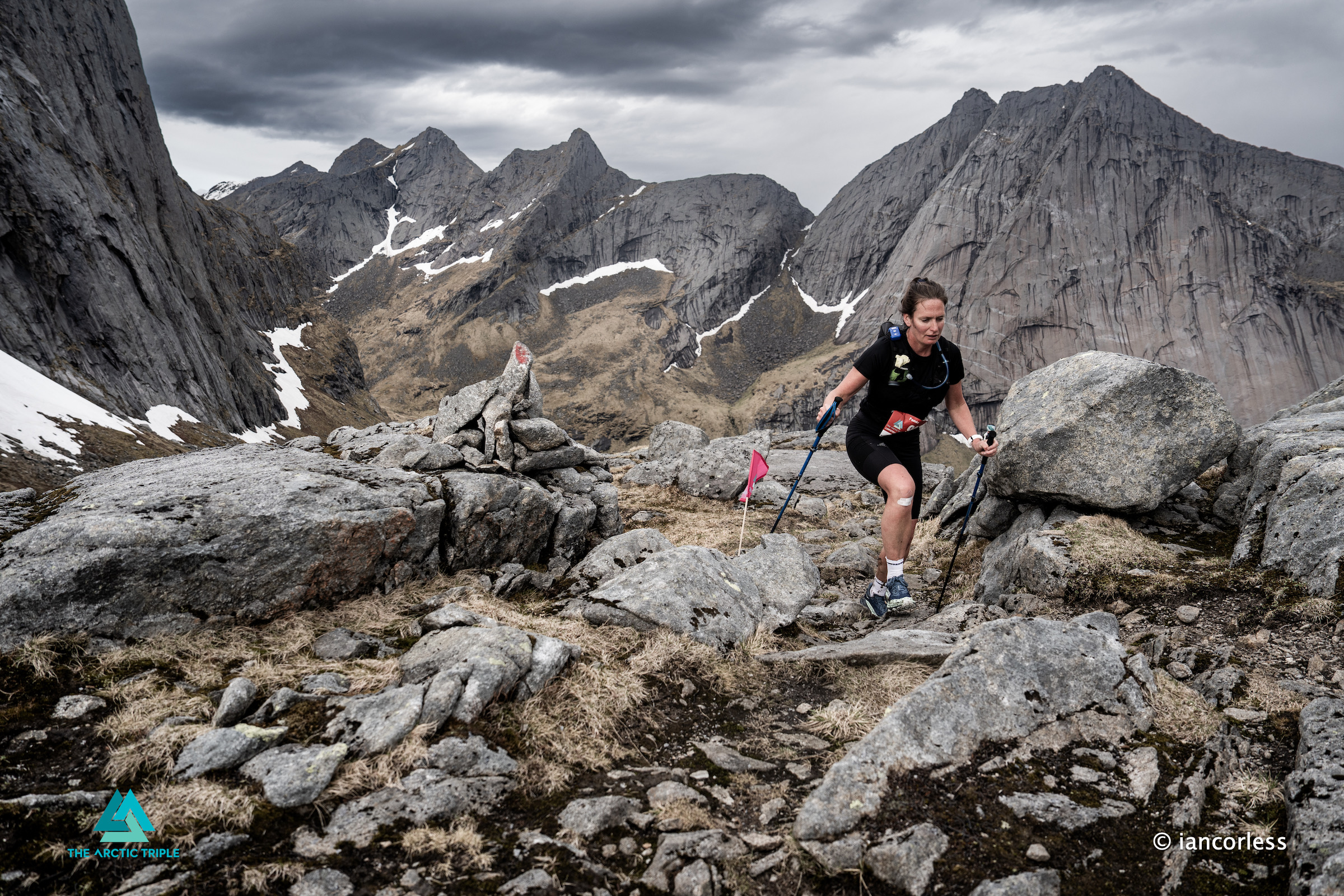
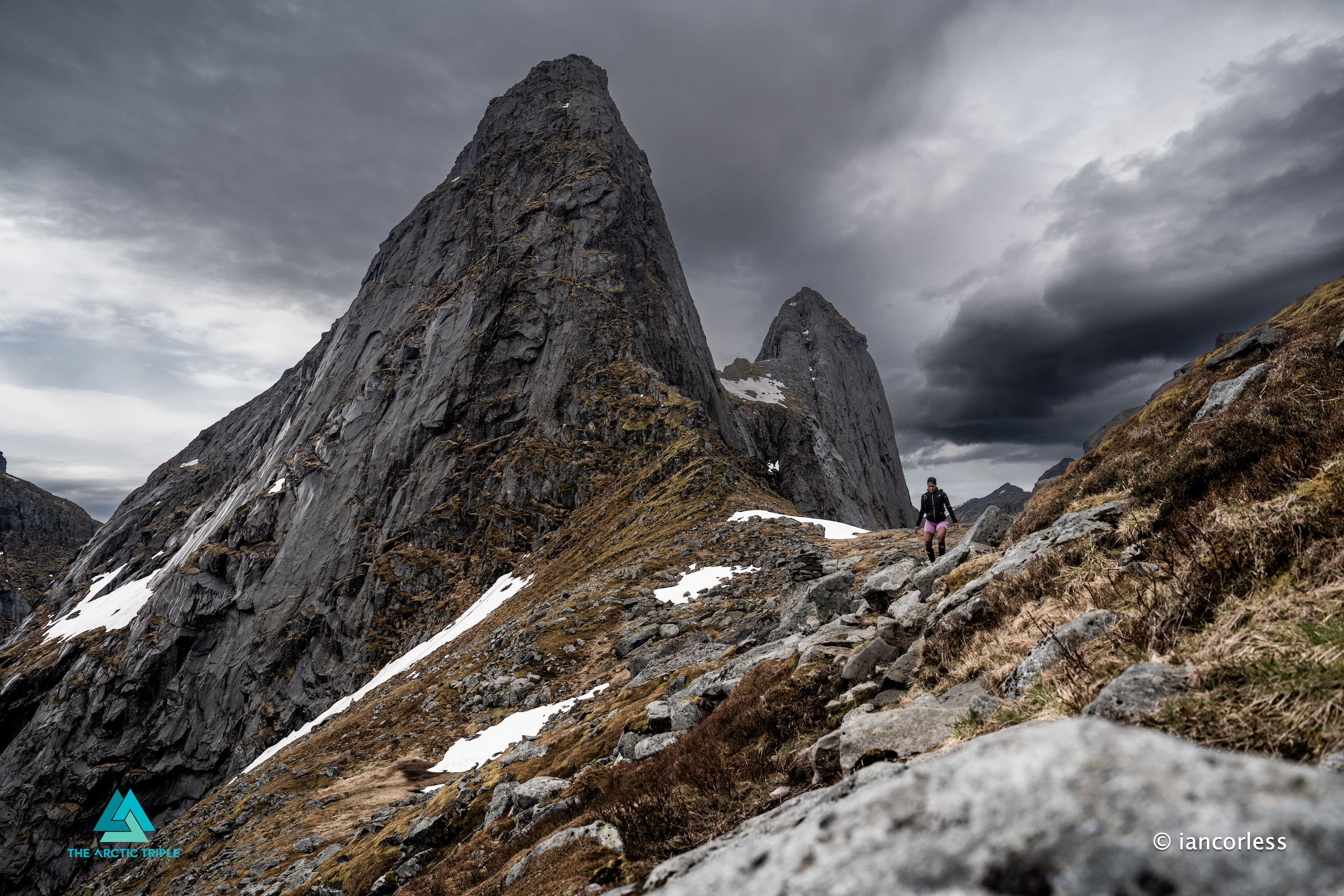
Towering granite, unpredictable weather, rivers through valleys, every scene in the film places Romsdal as central, it plays as a coach, mentor, and even antagonist. Ascending steep slopes, scrambling or racing up and down ski-mountaineering routes; the mountains demand creativity, humility and respect. As Jon says at the end of the film, this is maybe not the best place to live to train for many races that I do, but, I wouldn’t want to live anywhere else. Romsdal forces adaptation: intelligent, situational, and deeply rooted in respect for nature. A prime example coming from the Nesaksla session, which Petter admits, has been copied by athletes around the world.

Kilian Jornet

Kilian, the legendary Catalan mountain athlete, appears less as a star and more as a guiding spirit. His cameo moments, on screen and in conversation, provide quiet counsel: pushing boundaries, listening to one’s body, respect for the mountains, he  embraces why we move and he has an immense respect for his peers. Kilian has pioneered the way; his deep bond with the mountains humbles the athletes. He is arguably the spiritual north of Romsdal.

The film is called The Romsdal Method but there is no one answer here and Hans Kristian does a nice job of letting the location, the athletes and yes the weather, do a job of explaining that Romsdal requires creativity; multi-disciplinary skills, and community-driven training. A series of vignettes that show this, from epic ski mountaineering scenes, scrambling and climbing, cycling and yes, even the use of indoor sessions such as the treadmill.
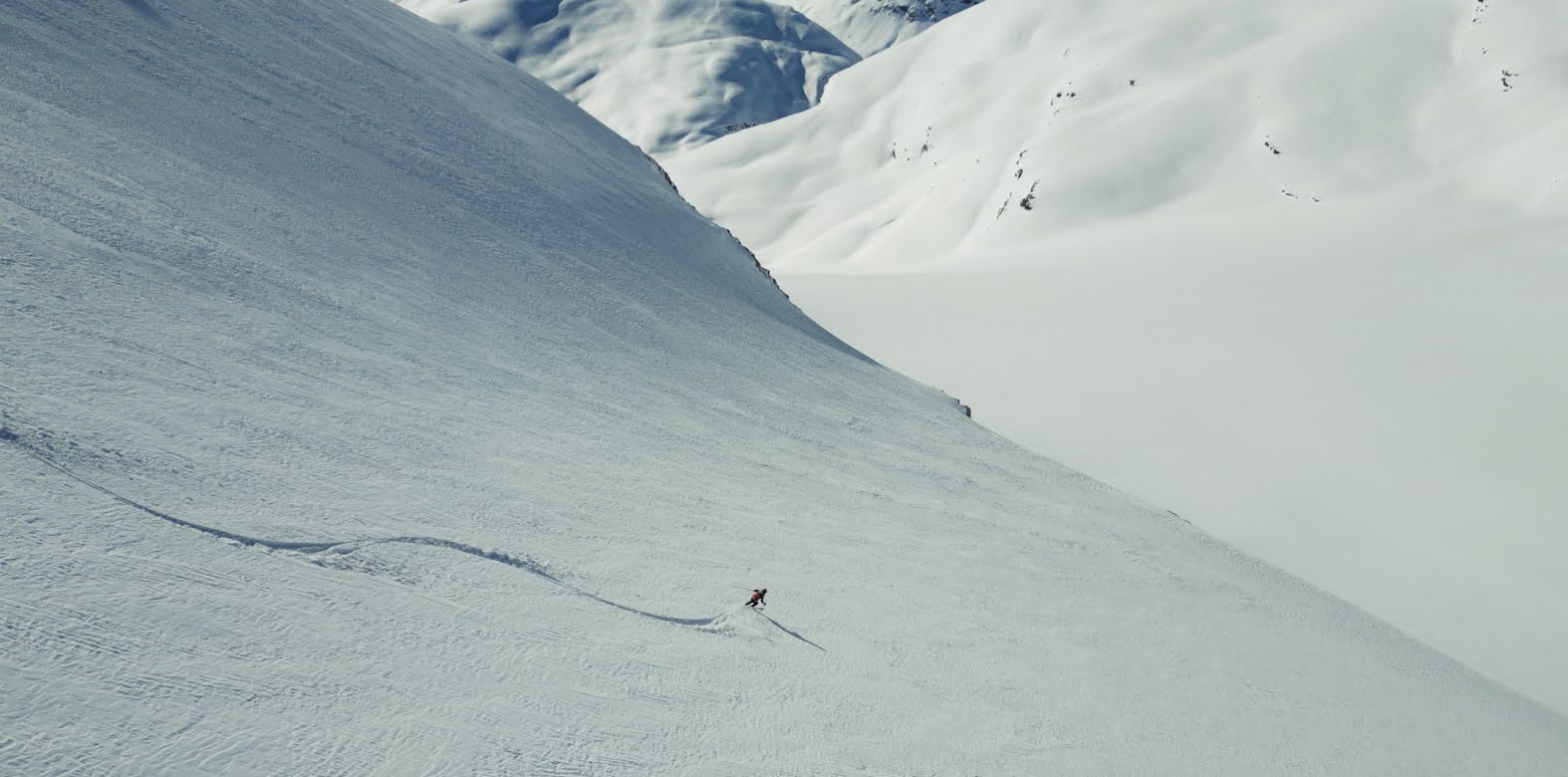
Screenshot

It’s this layering of elements, skimo, run, scramble, climb, gym, cycle, heat work that defines the “method.” It’s adaptive, multi-modal, and very creative. It’s as much mental and communal than physical. And it’s deeply place-based: Romsdal is a training partner.

The first hour of the film lays the foundations for the Western States story, what sets The Romsdal Method apart is its emphasis on the collective group and how they each influence and help each others process.

These athletes didn’t relocate to Romsdal for solitude, they came to live and breathe together. From group runs, scrambling trips, skimo adventures and the sharing of knowledge indoors while next to a treadmill. Egos are not present, just respect: they challenge each other and they all listen and learn.

Hans Kristian made this a passion project. He spends the first 6-minutes of the film looking at a camera providing some history and outlining why the film came about. He’d be the first to admit that he came to this with little filmmaking experience and dare I say, this is arguably what makes The Romsdal Method appealing. Like the athletes, Jon, Petter, Ida and Kilian, Hans Kristian keeps the film raw and simple. There are some epic drone shots, wide angle shots of ridges, tight head-cams but ultimately, this is one man and a camera. 

At its core, The Romsdal Method is about belonging through movement. Each athlete finds clarity and authenticity through their pursuits and Hans Kristian manages to capture this through simple conversation.

A bigger budget could have added more effects, more cameras, extra editing time and countless other transformations, but, would it have made the film better? In a world chasing flashy results, screen time, and metrics, this film says: slow down, surround yourself with people who respect the story and let the athletes and the story do its job.
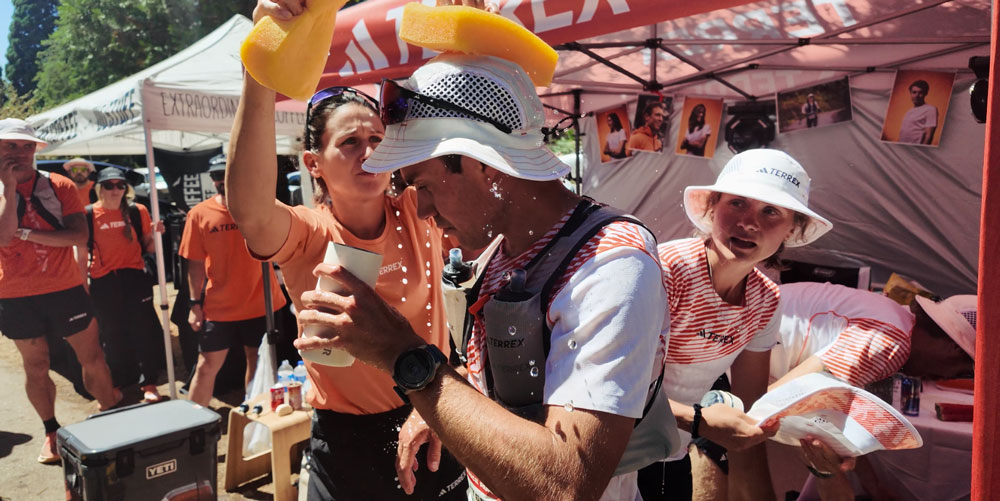
When we get to Western States, we are of course interested in the outcome, but, in many ways it almost seems secondary. Each athlete, of course, has a story to tell and each athlete performs at the highest level. Each viewer, I am sure, felt the pain of Petter’s fall and the potential disaster that this could create, his turnaround was phenomenal. We relish seeing Jon put the ice plan to use and make a top-10 debut in his first 100-mile race. We see Ida push with grit and determination and despite not feeling great, once again makes the top-10 and smashes the masters record. The Western States story is told both visually and with a series of post-race interview soundbites. The stories here just confirm that The Romsdal Method worked.
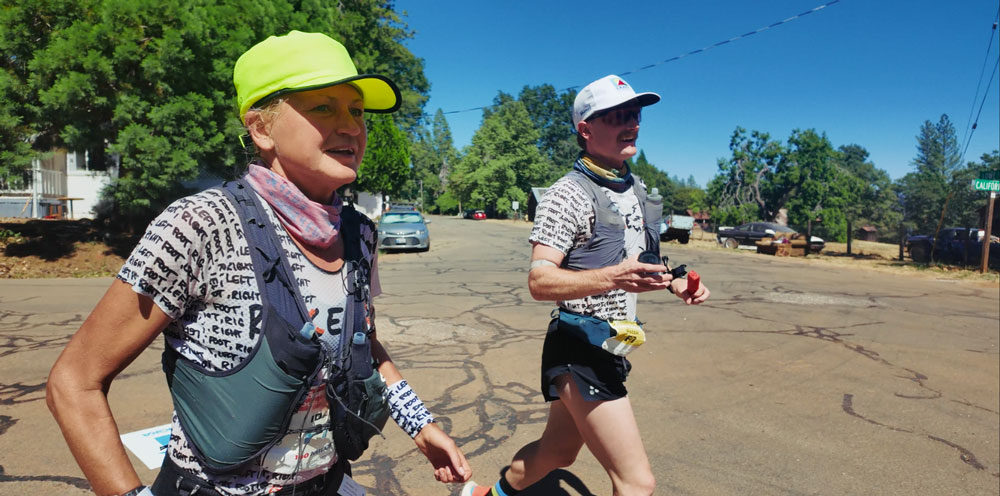
In conclusion, The Romsdal Method is not just a training film; it’s a journey into how place, community, and friendship can redefine performance. There are no shortcuts, it explains that a love for the sport, sweat, raw practice, and the joy of connection with others is what brings results. You, as a viewer are invited to reimagine your own training and ask simple questions of, ‘how do I train, where do I do it, who do I do it with and why?’

If you crave friendship, mountains, and the satisfaction of honest hard work, Hans Kristian’s film is essential. It may not be slick, but it has a genuine soul. And in a world drowning in disconnect, The Romsdal Method is a reminder that the deepest gains come not from gadgets, but from dedication, grit, passion all under taken under open skies that blanket Romsdal.

All images are used with permission of Hans Kristian Smedsrød ©
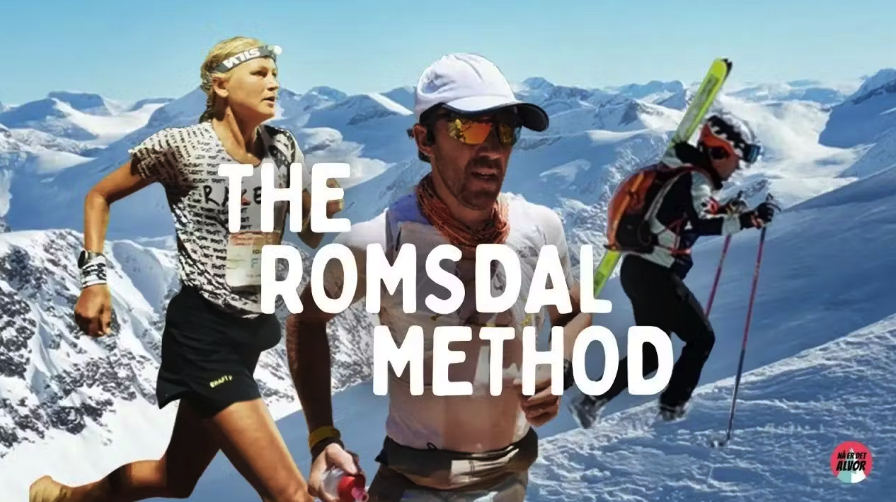
Purchase the film HERE

Follow Ian Corless

Instagram – @iancorlessphotography

Twitter – @talkultra

facebook.com/iancorlessphotography

Web – www.iancorless.com
Web – www.iancorlessphotography.com

MDS Atlantic Coast and MDS Raid Namibia 2026 Announcement

Photo by Ian Corless

MDS has never been just a race. It’s a full-body, full-heart experience. In 2026, following on from first editions in 2025, MDS Atlantic Coast and MDS Raid Namibia return for 2026. If you’re looking for adventure with meaning, either one could be the race of your life, registration opens June 18 2025.

MDS Atlantic Coast 2026 – Morocco’s Untamed Shoreline

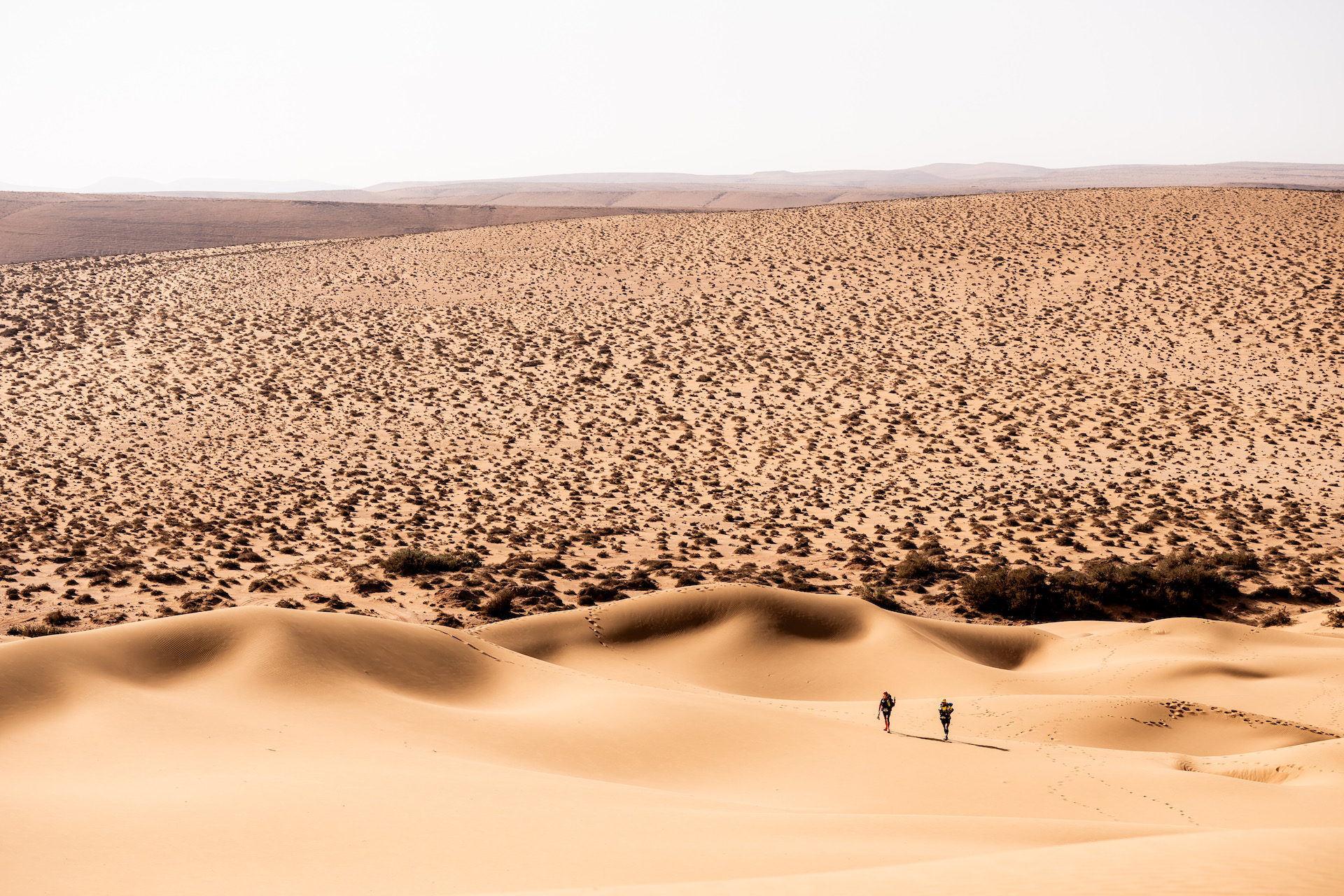
This isn’t your typical desert run. MDS Atlantic Coast cuts through a rugged, wind-carved stretch of Morocco, where the Atlantic and dunes meet with force. Raw and exposed, this region of Morocco is a place where the elements are alive and always in motion.

Photo by Ian Corless

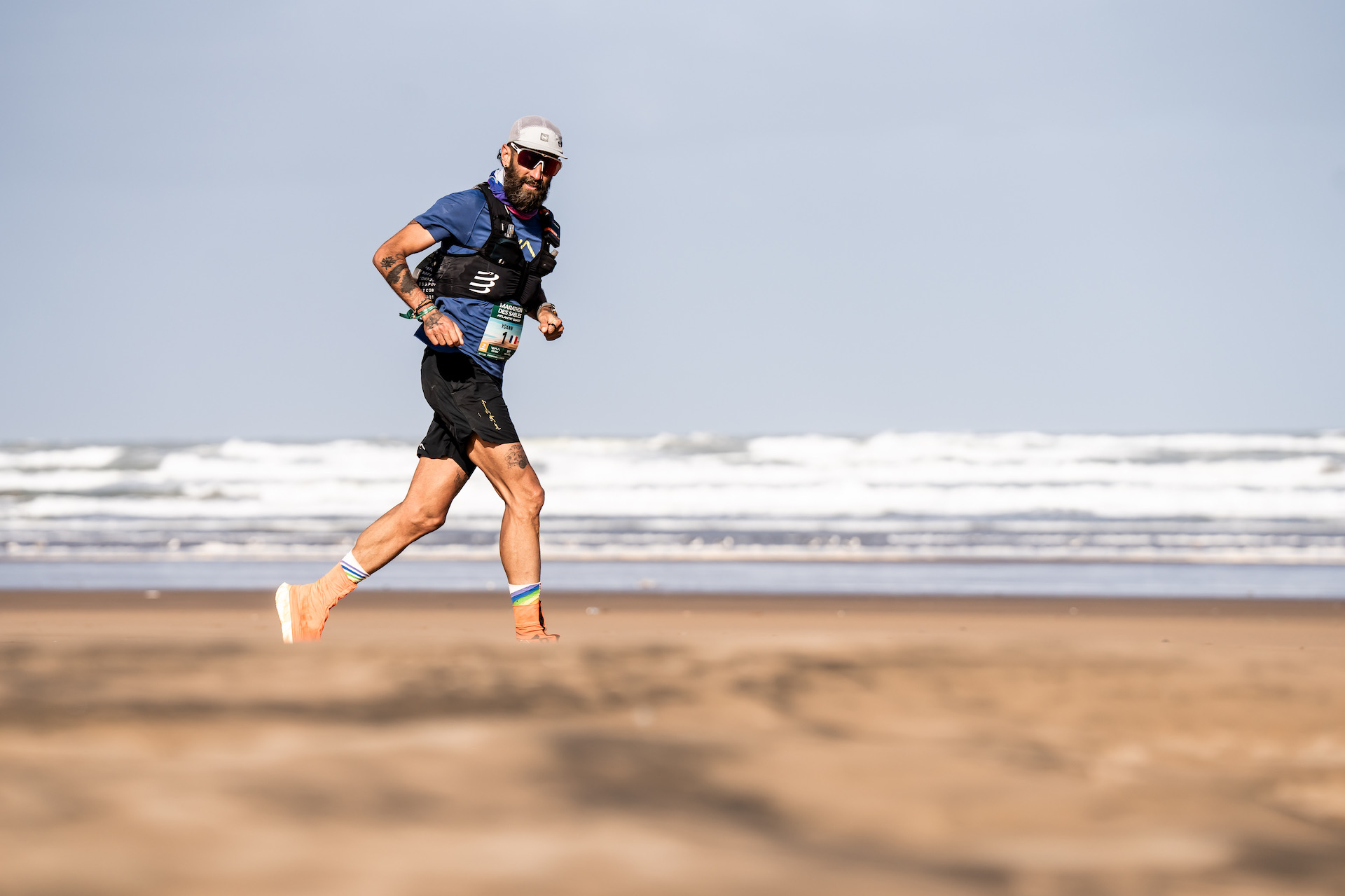
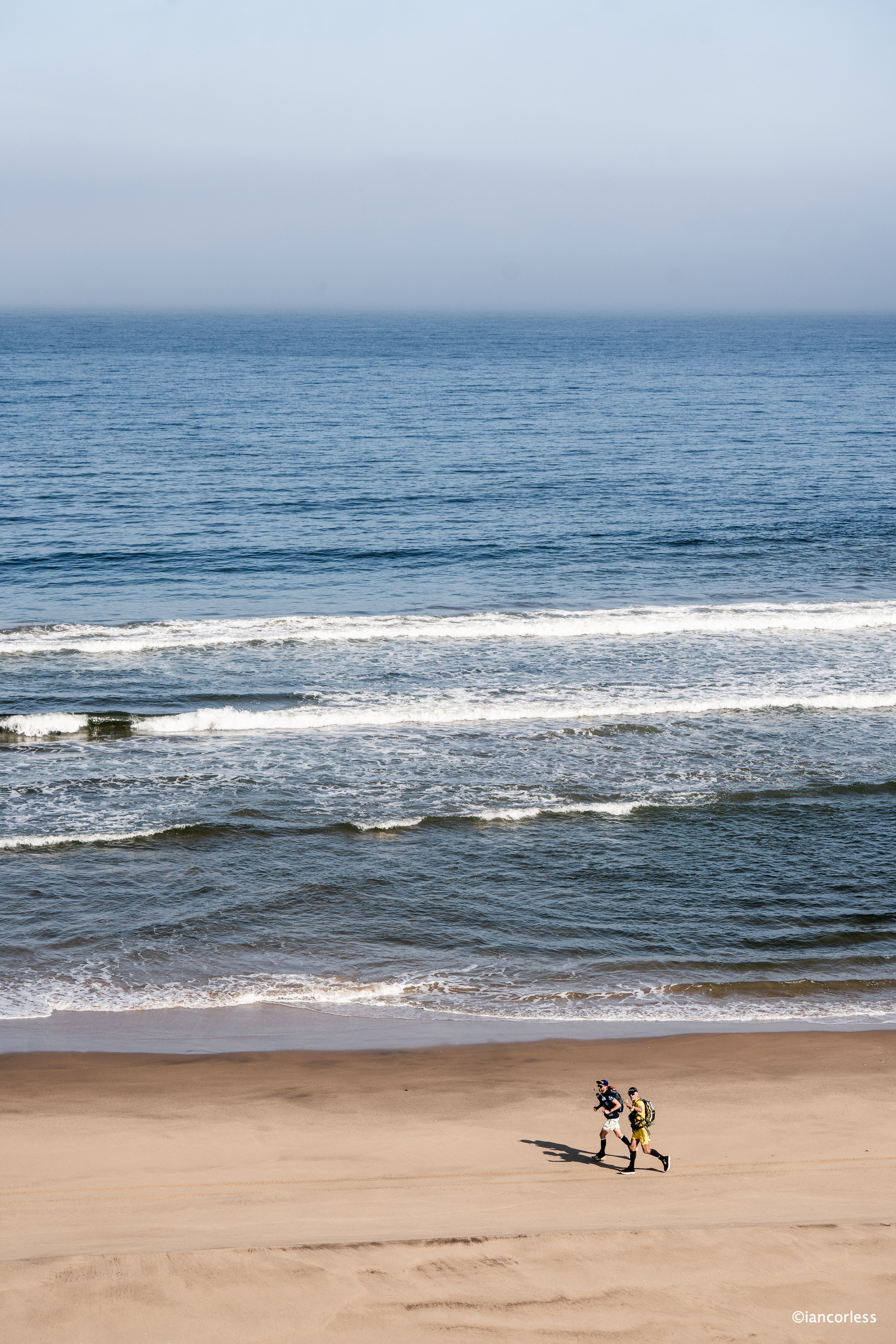
The route spans beaches, a rollercoaster of sand, and coastal dunes. Sweeping ocean views and the pulse of open nature. The terrain shifts fast: soft sand, hard-packed trail, technical descents. You’ll run through untouched coastline where the horizon feels infinite.

Photo by Ian Corless

What makes it special? The contrast. The wild energy of the Atlantic meeting the quiet resolve of the desert. It’s Morocco, but different, fresher, rougher, windswept. A race built for runners who crave variety and the edge of the map.

Photo by Ian Corless

The event will take place January 24th to 30th 2026. The format will offer 70km, 100km or 120km’s over 4-days and 3-stages.

Photo by Ian Corless

MDS Raid Namibia 2026 – Stillness. Vastness. Silence.

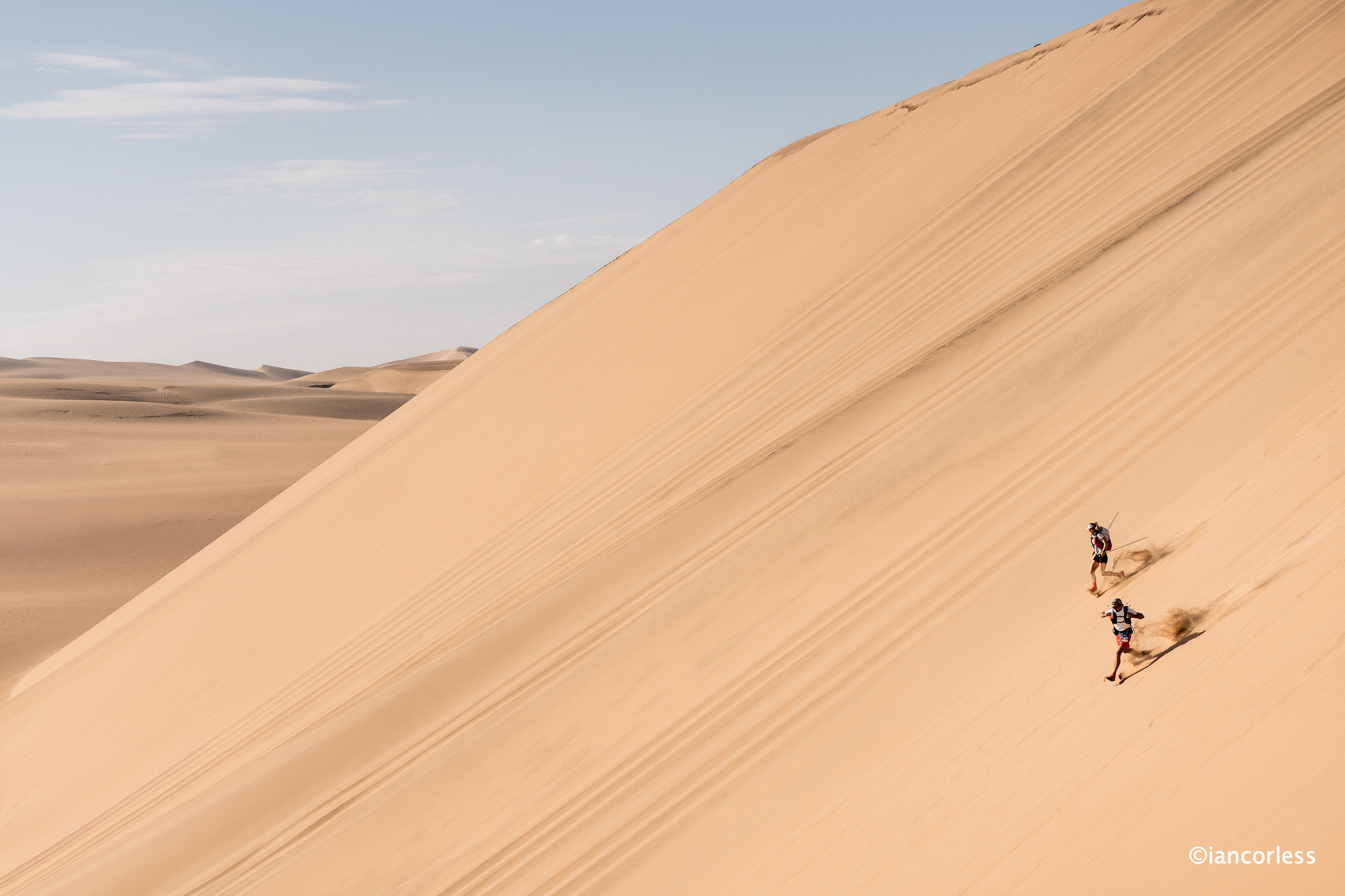
Then there’s the magic of Namibia, a race that doesn’t just test your endurance, it rewires your sense of scale. You run through the Namib Desert, the oldest on Earth, where everything feels ancient, vast, and impossibly quiet.

Read about the 2025 MDS Atlantic Coast HERE

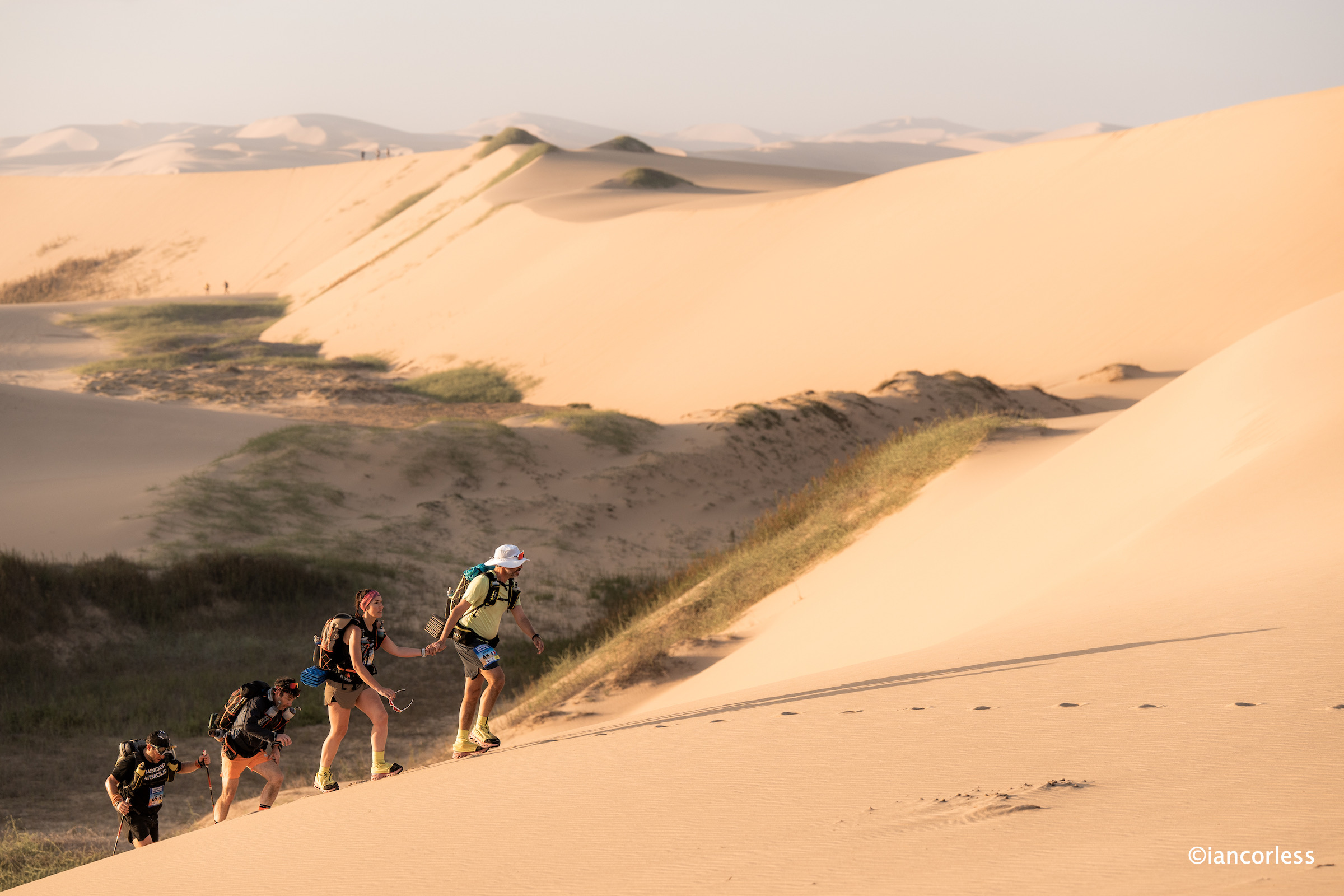
Here, the dunes don’t just rise, they tower. Temperatures swing fast. The sand swallows every sound. You’ll face long stretches with no sign of human life, just you, your breath, and the endless desert.

Raid Namibia is all about extremes: isolation, heat, and beauty so intense it’s almost surreal. You’re not just running across a landscape, you’re running inside a moment that feels untouched by time.

Unique for the MDS format, Raid Namibia is undertaken in teams of two with two distance options, 100km or 120km. Taking place April 25th to May 2nd 2026, this race is a very special event in the MDS line-up and as such, participants will ideally have prior experience of an MDS event or similar.

Read about the 2025 MDS Raid Namibia HERE

Atlantic Coast vs. Raid Namibia

Two Frontiers. One Mindset.

Photo by Ian Corless

• MDS Atlantic Coast brings wind, waves, and a constantly changing terrain under the open Moroccan sky.

• MDS Raid Namibia delivers pure stillness and a surreal immersion in the world’s most ancient desert as teams of two with a special star night.

One ocean, the Atlantic, two unique events. Experience the silence of the desert, experience different landscapes and share the same unshakable spirit that brings all MDS events together.

If you’ve ever dreamed of pushing your limits somewhere unforgettable, entries open:

June 18, 2025 1200 CET.

MDS Atlantic Coast and MDS Raid Namibia are more than races — they’re experiences that shape you.

MDS website HERE

Follow Ian Corless

Instagram – @iancorlessphotography

Twitter – @talkultra

facebook.com/iancorlessphotography

Web – www.iancorless.com
Web – www.iancorlessphotography.com

Salomon S/Lab Ultra Dust Shoe Review

Photo by Ian Corless

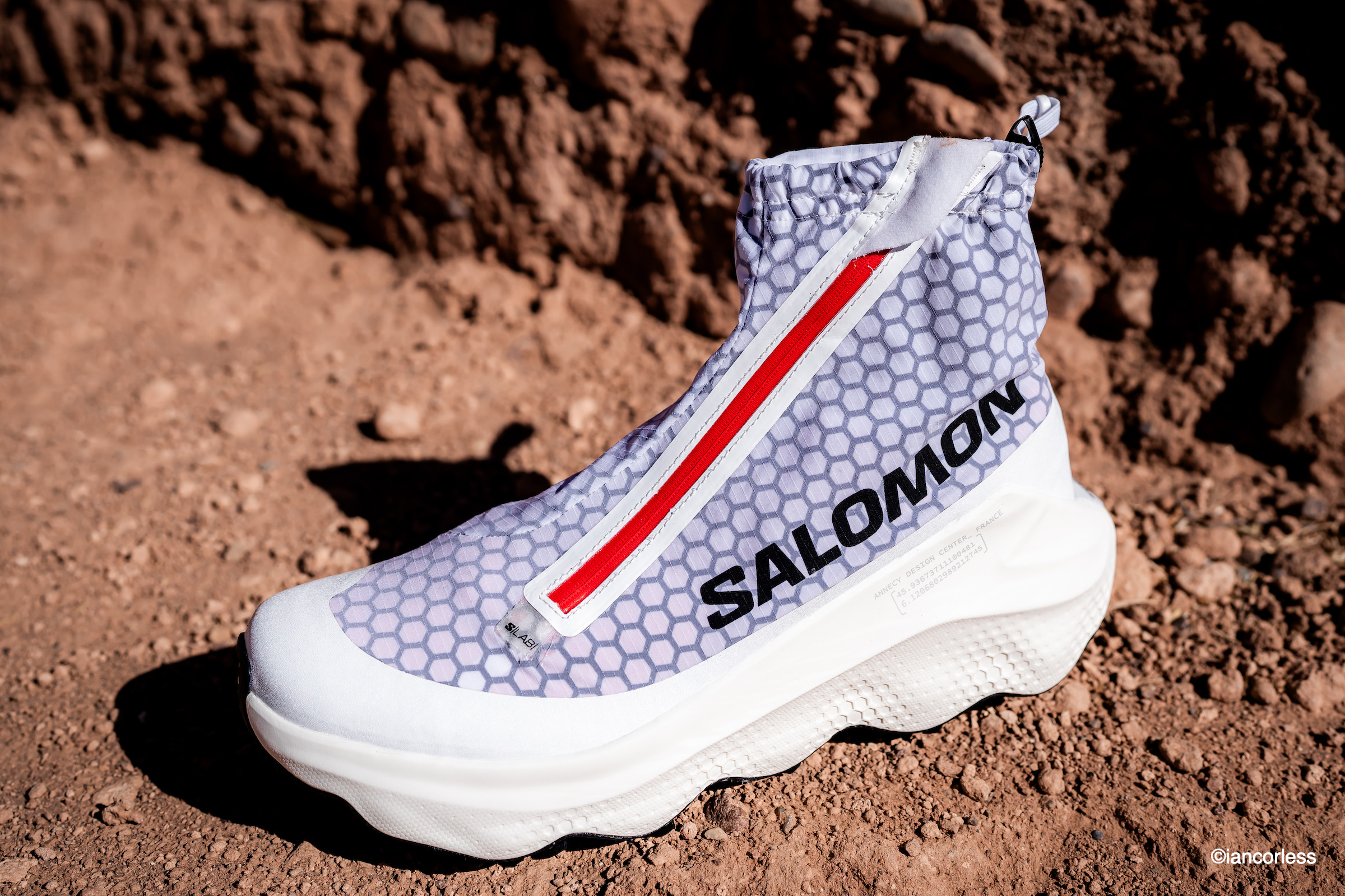
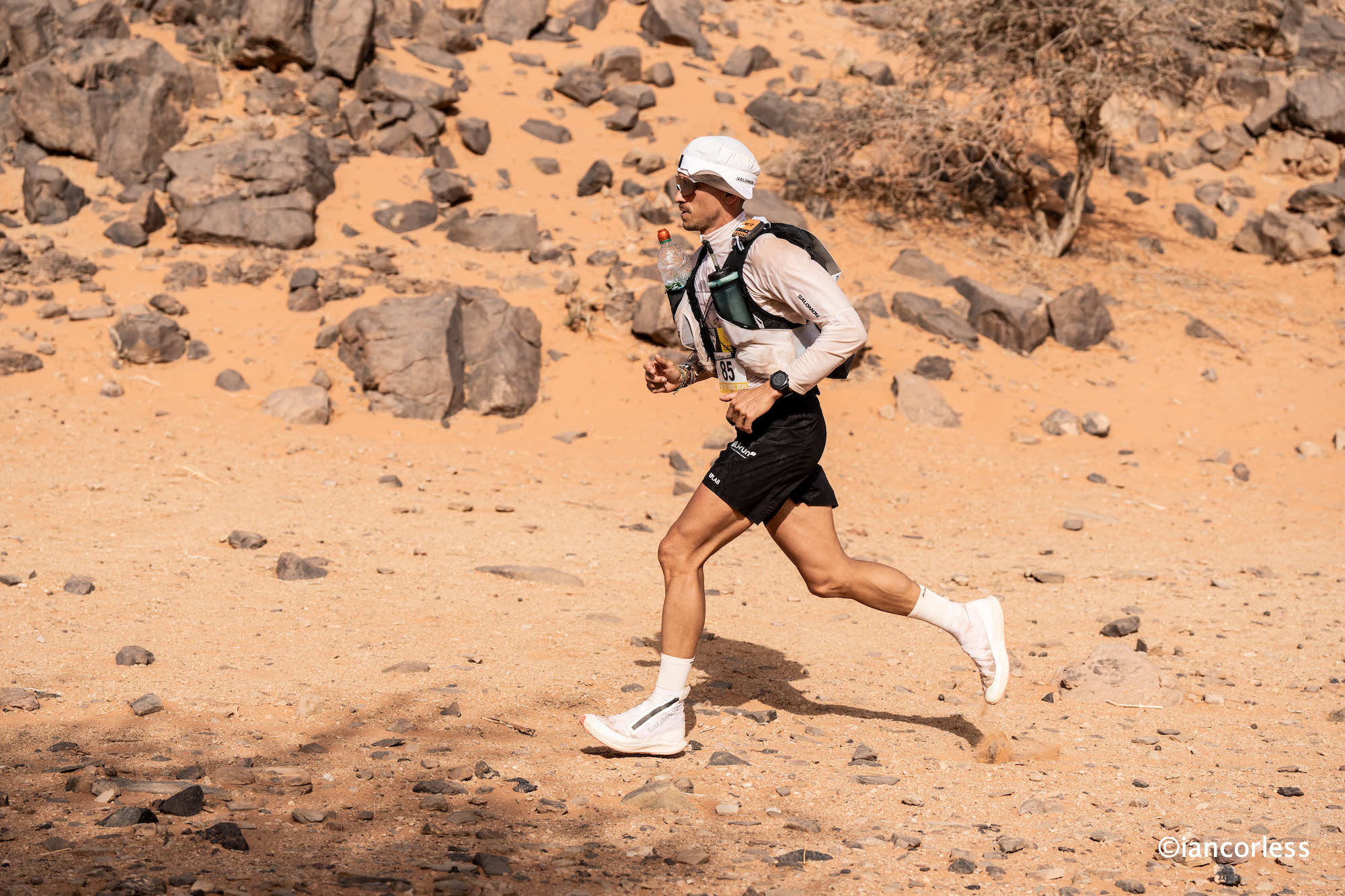
The Salomon S/LAB Ultra Dust isn’t just a rehash of the S/LAB Ultra Glide with a new colour way, no, this shoe is a purpose-built shoe designed specifically for desert ultra racing, developed on the feet of Mathieu Blanchard at Marathon des Sables in 2023.

©iancorless

The original incarnation used a different integral shoe, with feedback from Mathieu and others, it was decided a more cushioned shoe was required; step in the new Ultra Glide. The Ultra Dust not for everyone, and it’s not trying to appeal to everyone. This shoe is a specialist product, and like any anything that’s made for one task, it excels in that arena, but has trade-offs elsewhere.

Sizing is true to size. Due to the style of the shoe, you definitely do not want them too big. They need to fit correctly for good foot hold. For a Salomon shoe, the toe box is wider than most other Salomon shoes. Is it wide enough? Only you can answer this based on your own needs.

Photo by Ian Corless – From MDS The Legendary 2025

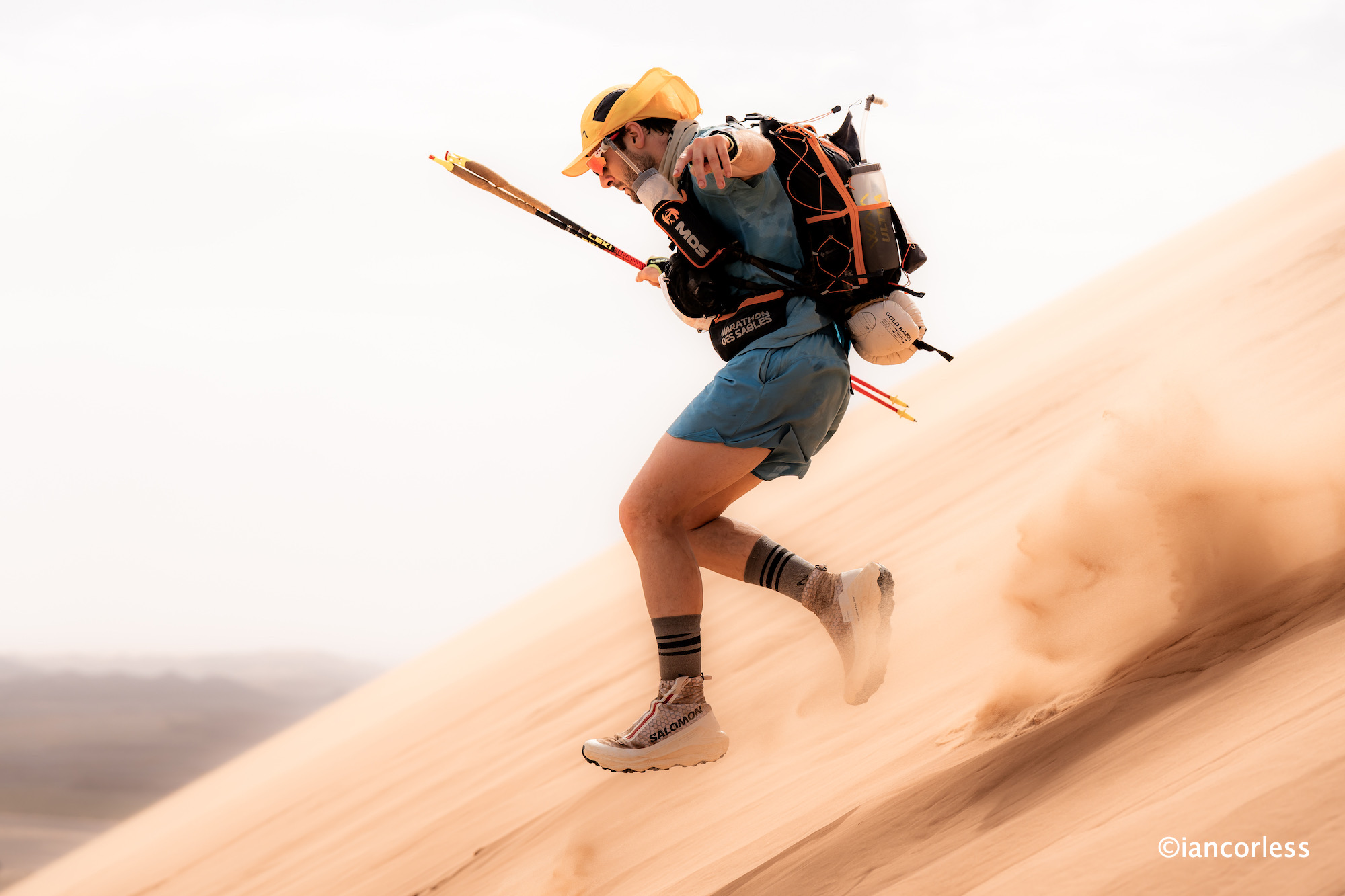
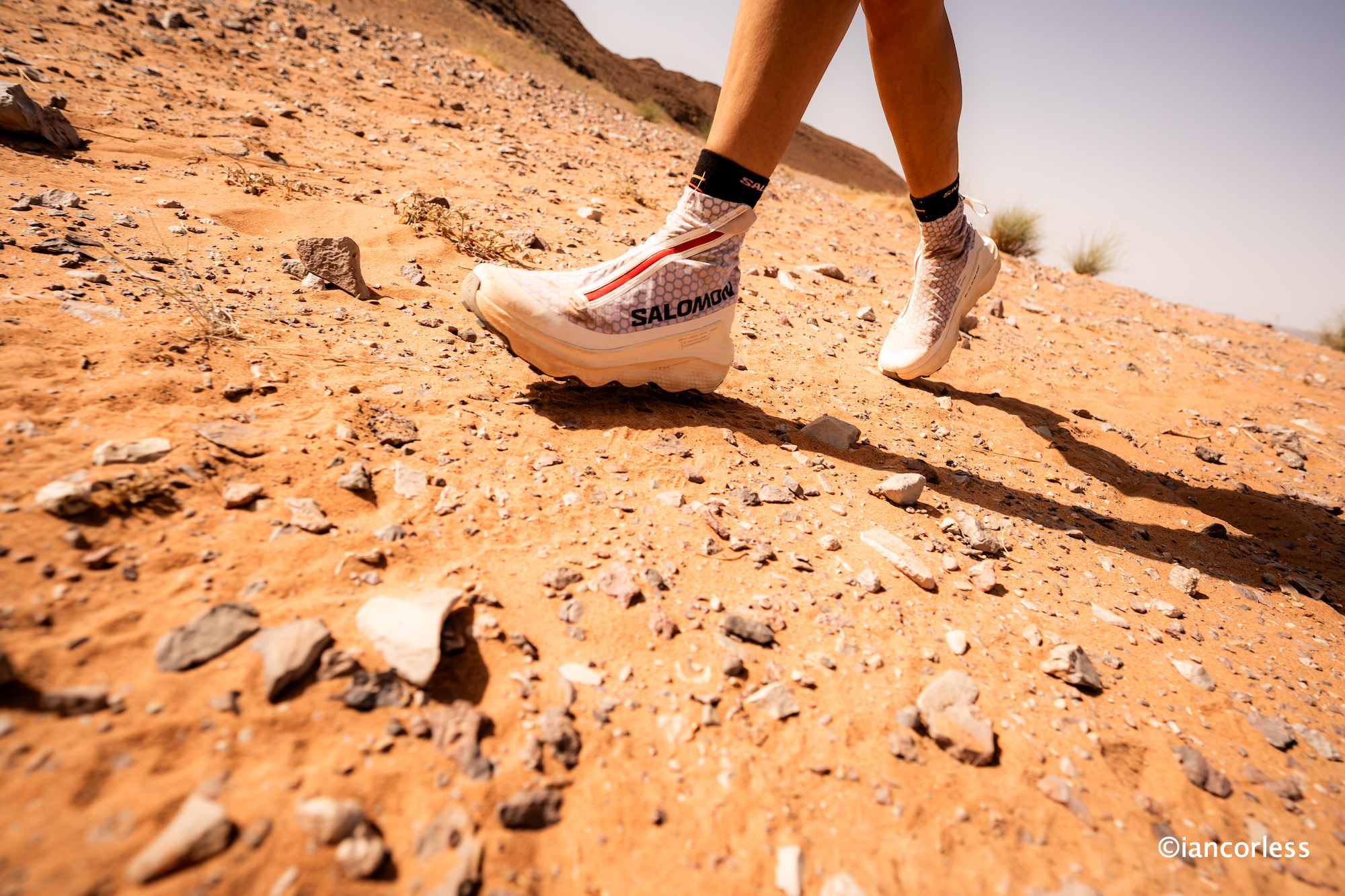
It may look like a mountaineering boot at first glance, but the S/Lab Ultra Dust has a stand alone Salomon shoe (Ultra Glide) fitted inside a bespoke gaiter, making an all in one shoe.

Photo by Ian Corless

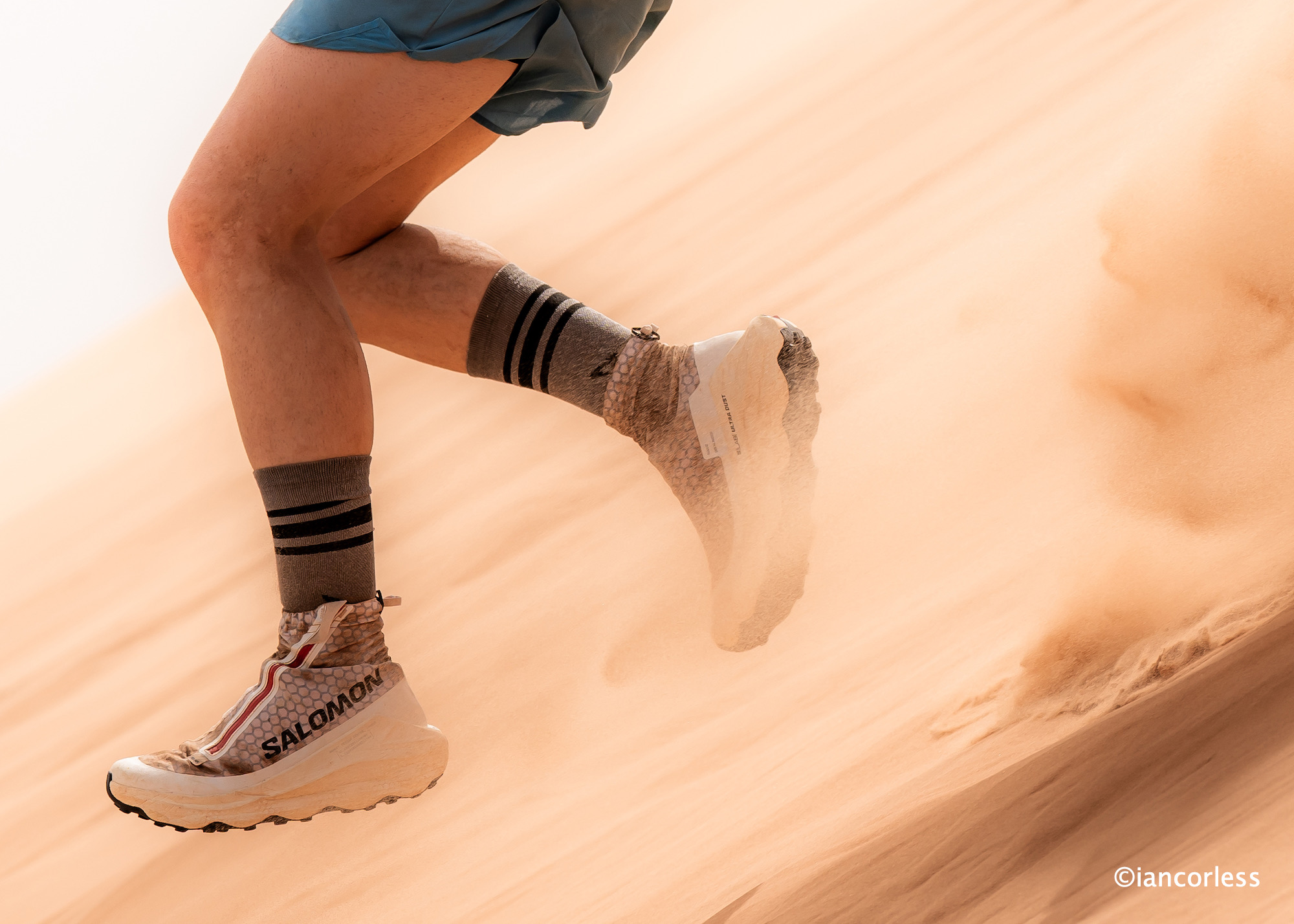
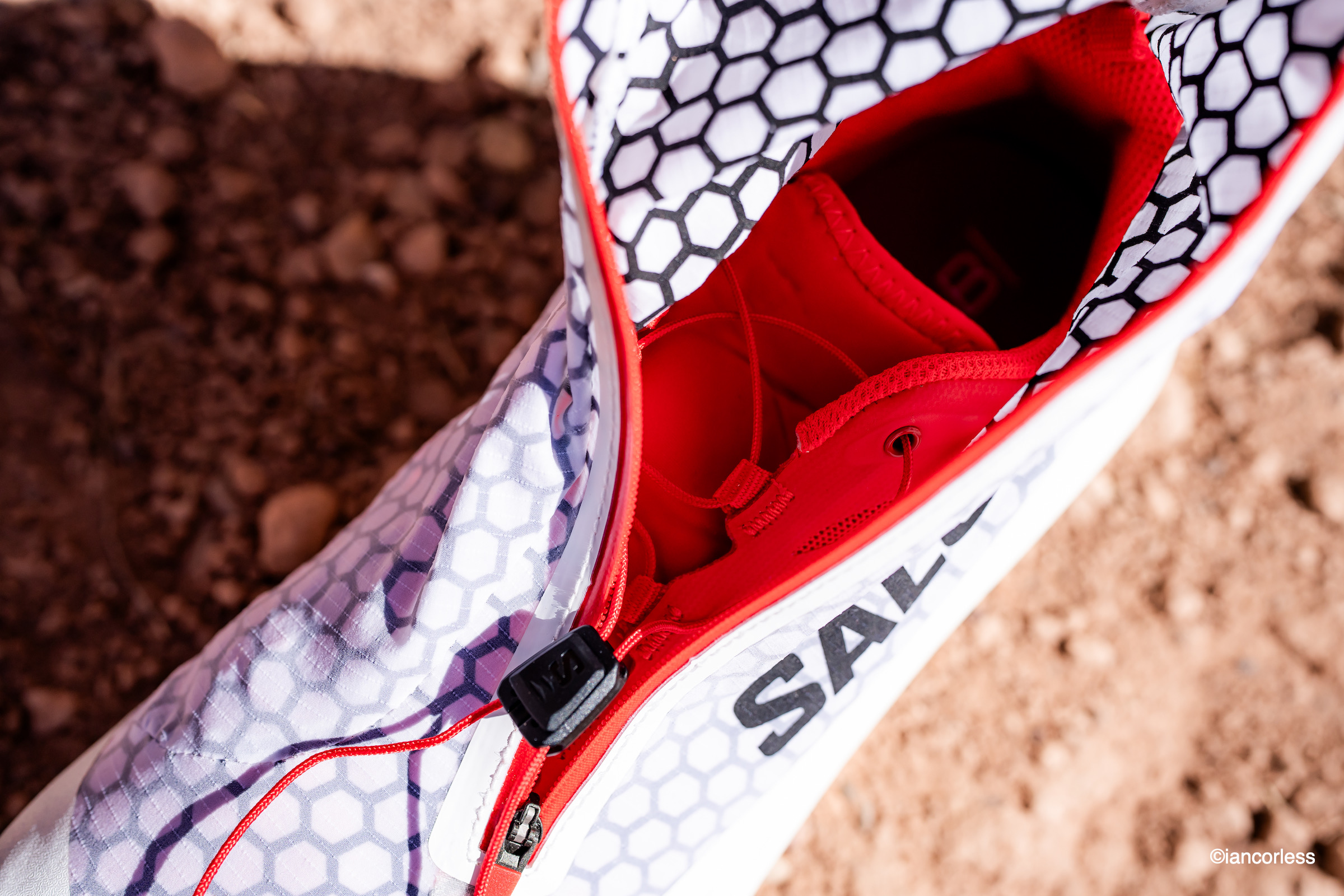
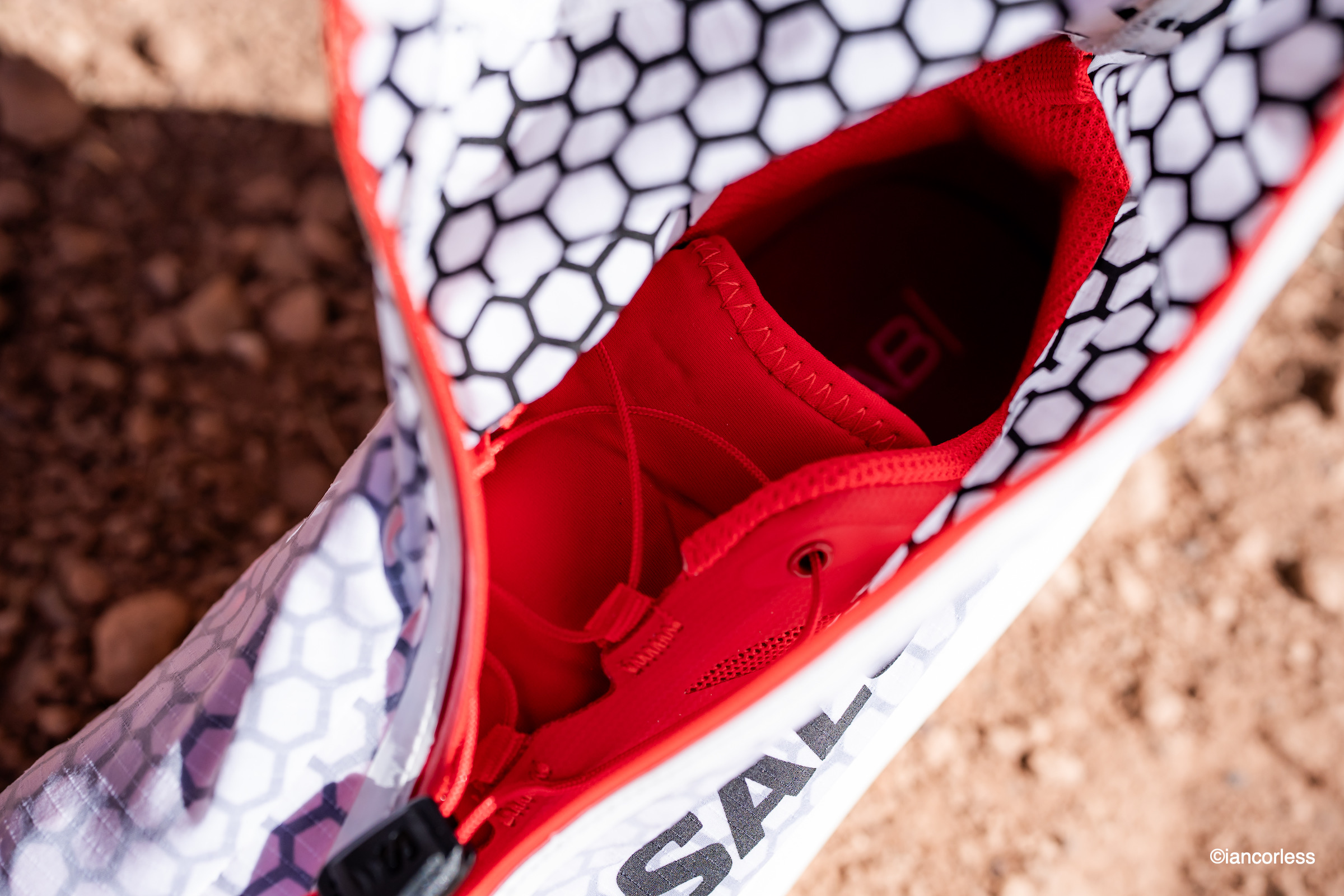
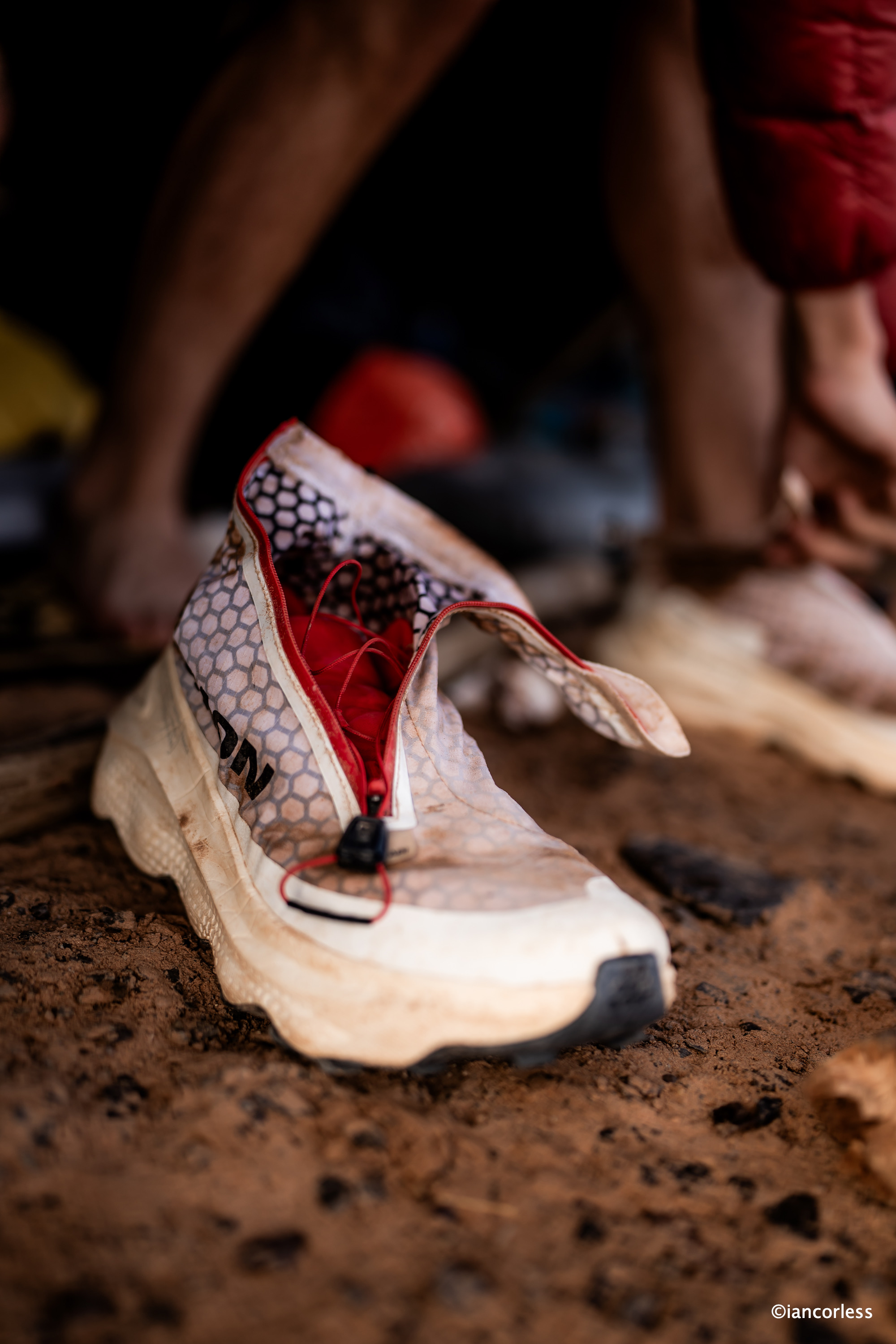
The integrated gaiter is the standout feature of the Ultra Dust. It’s integral into the design, forming a full ankle-wrap mesh sleeve that stretches snugly over the ankle and top of the shoe.

Photo by Ian Corless

There’s one zipper, no velcro, no gaps, an elastic seal at the top can be pulled tight and that keeps out sand, just like a dry bag keeps out water.

Photo by Ian Corless

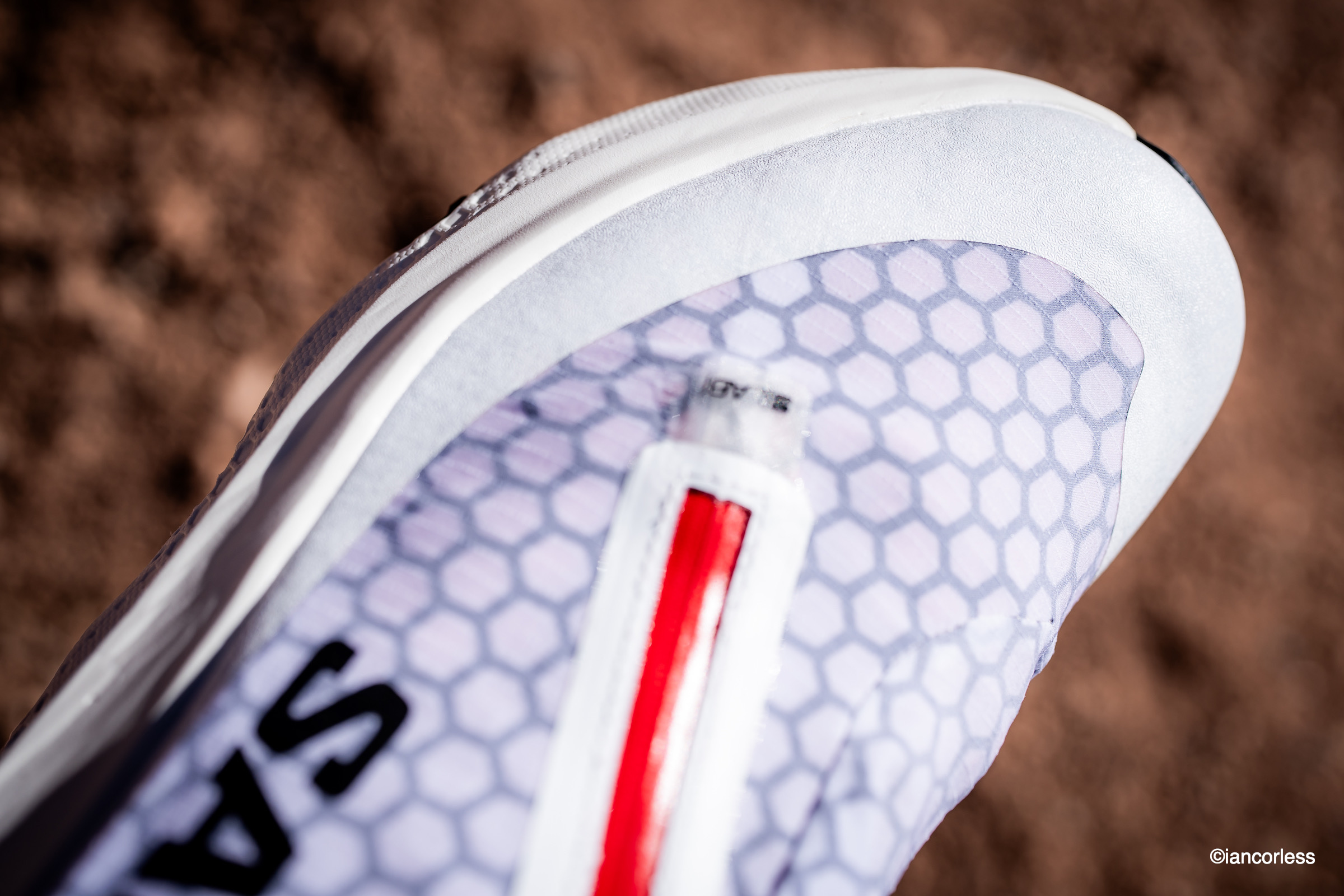
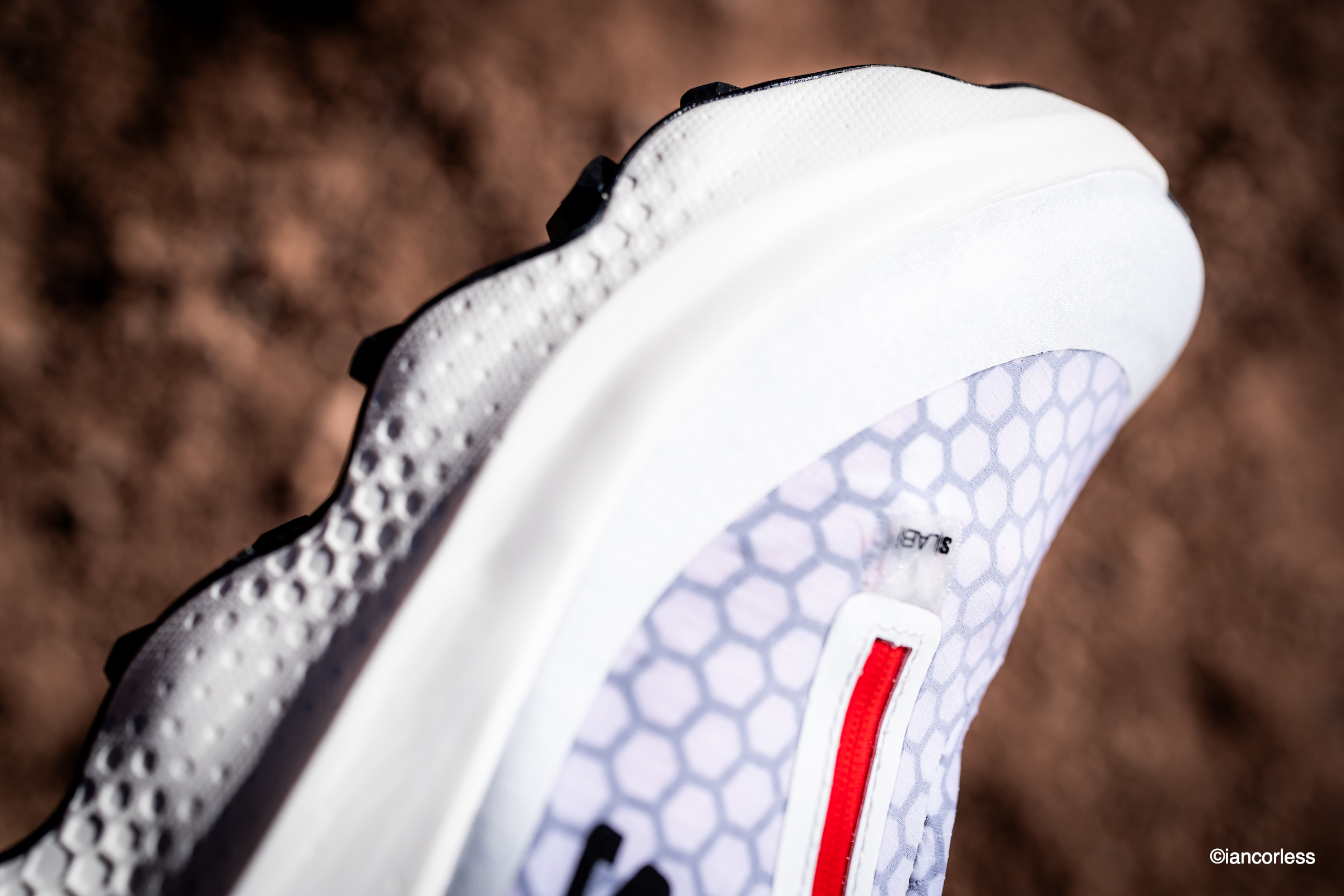
There is also a superb toe bumper.

Photo by Ian Corless

This isn’t your standard trail gaiter that slides around or traps heat. The mesh is thin, highly breathable, and stretchy, giving you ankle mobility without debris ingress. It works 100%, in countless test scenarios – Morocco, Namibia, Lanzarote, La Palma and even South Africa, this shoes gaiters performs perfectly with no debris entering the shoe.

Photo by Ian Corless

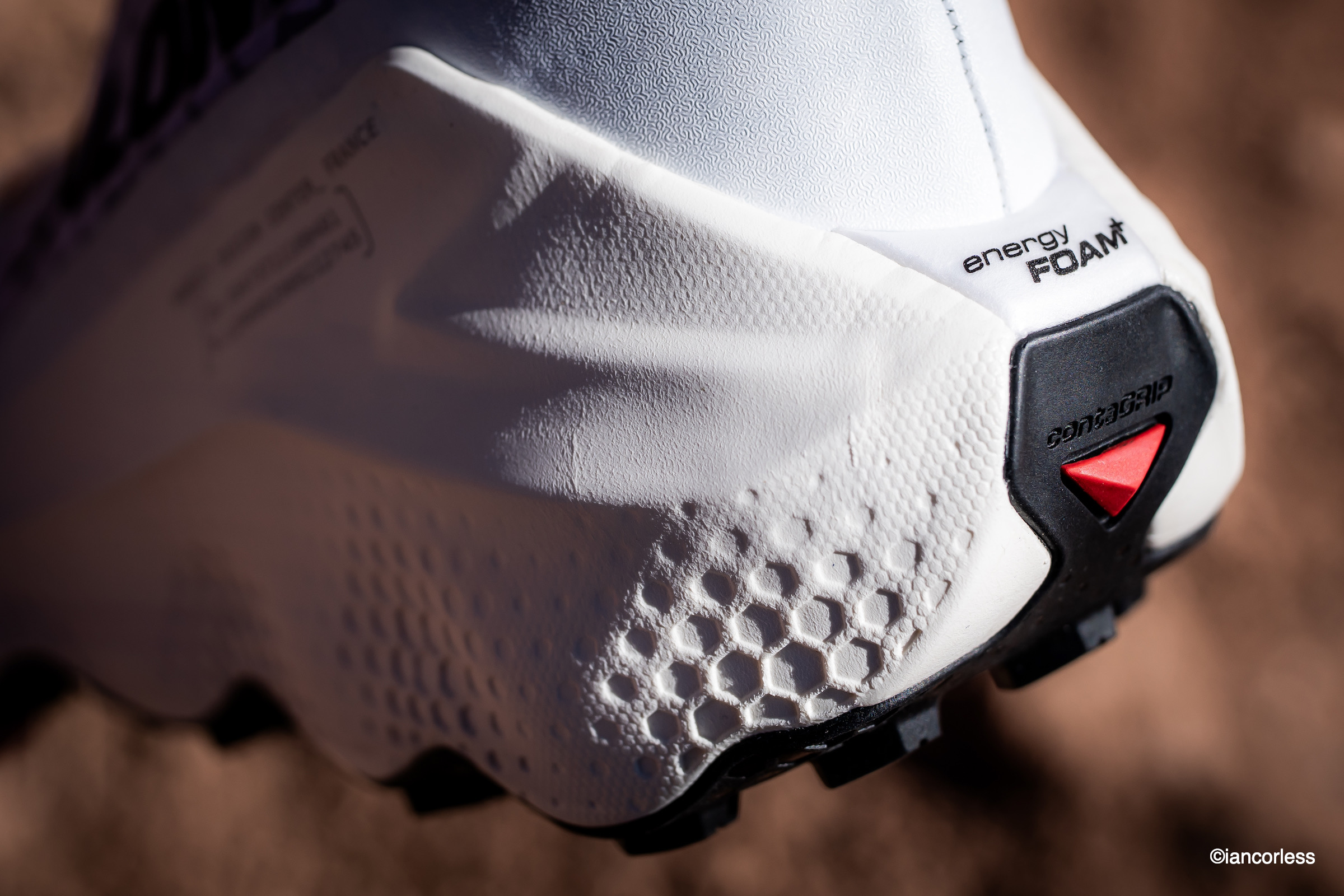
The Ultra Dust has huge cushioning, energyFOAM+) : 35mm at the front and 41mm in the rear giving a middle of the ground 6mm drop. Despite the stack height, the shoe has great feel for the ground.

Photo by Ian Corless

The cushioning is bouncy but not squidgy, they are surprisingly stable. In desert scenarios, the cushioning transitions superbly from soft-sand, hard/ stony ground and on technical sections they are extremely comfortable, however, here the stack height can produce less stability, it’s not horrendous, but worth noting.

Photo by Ian Corless

The 6mm drop puts you in a slightly forward-leaning stance, perfect for driving through long, runnable flats and moderate inclines. It can help keep cadence high and your form efficient. By contrast, they are extremely comfortable to walk in. While zero-drop loyalists might not love it, this drop caters well to endurance racers who don’t want achilles/ calf strain late in a race. It’s a great middle ground. This higher drop provides a bit more heel support, especially helpful when fatigue sets in and your form deteriorates. That extra buffer can reduce calf strain in multi-day stage races.

Photo by Ian Corless

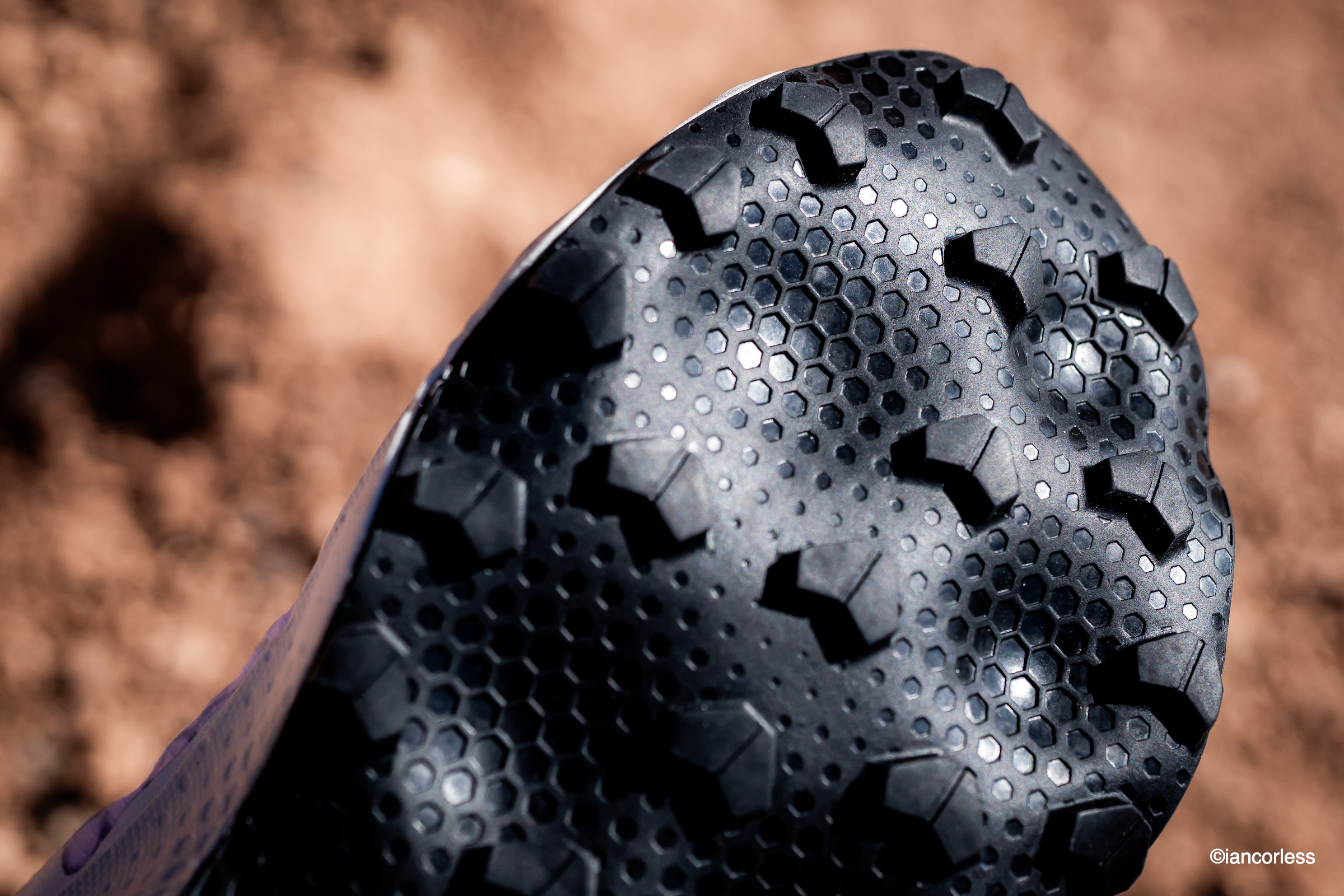
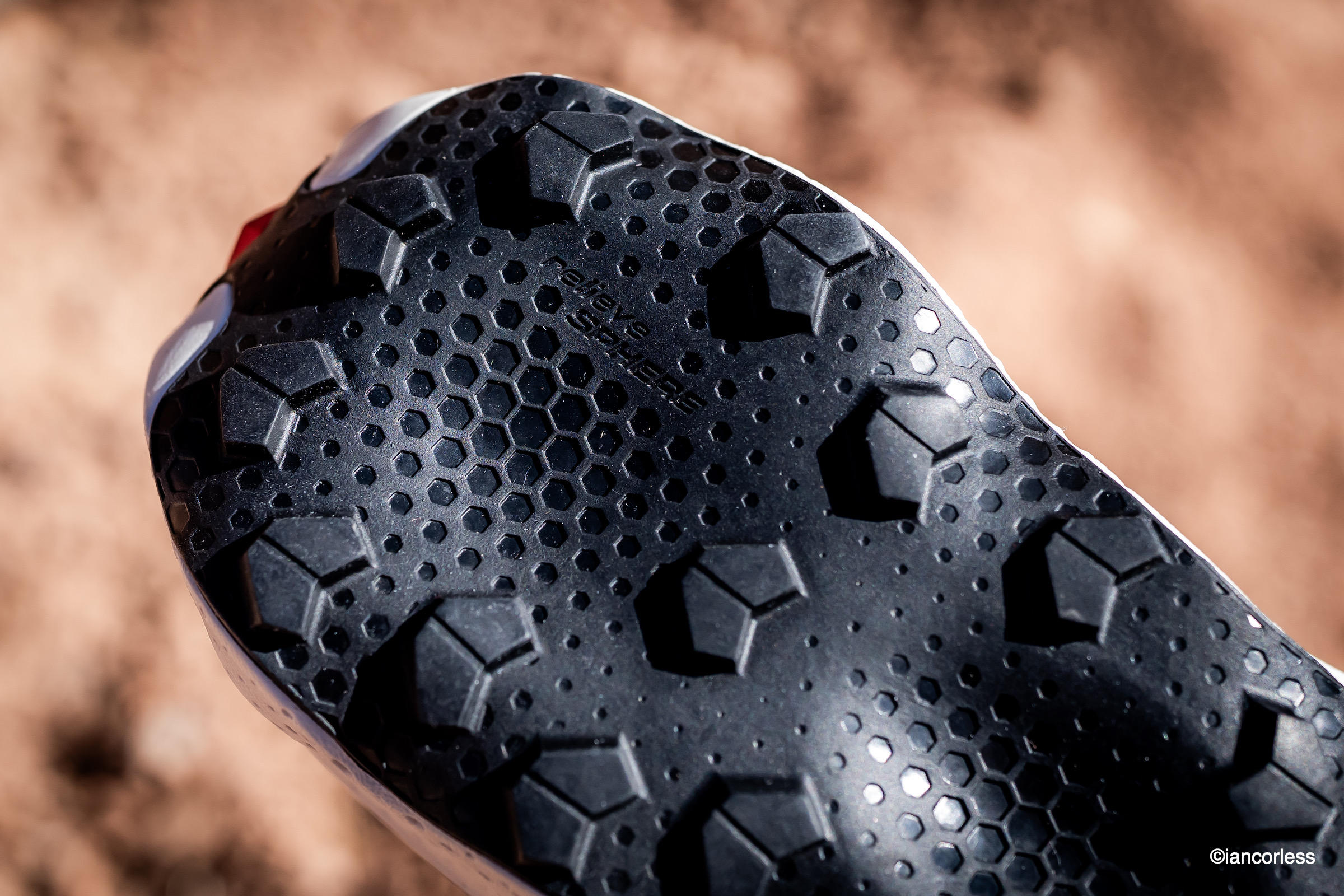
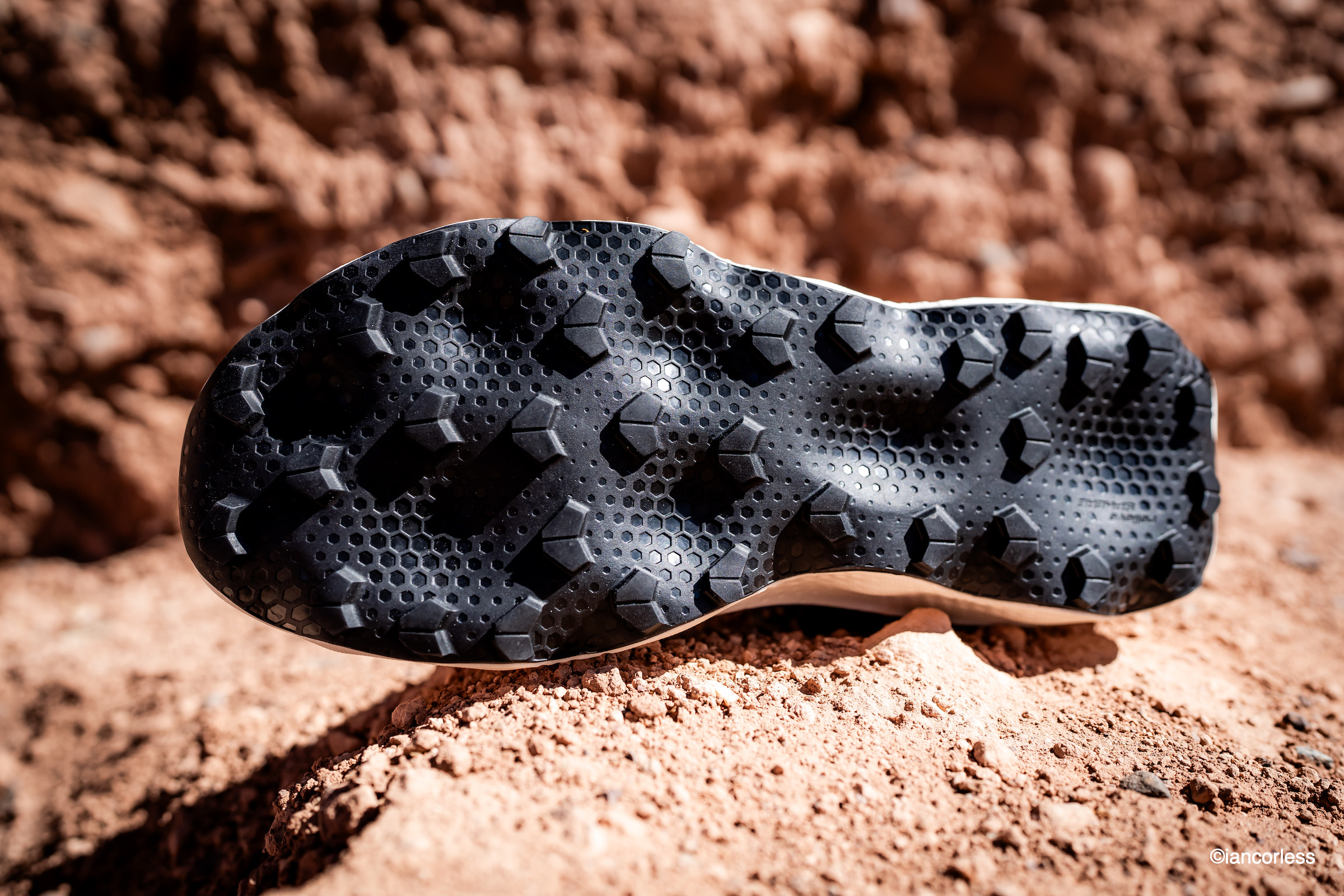
This is where the Ultra Dust makes its biggest departure from typical trail shoes. Instead of deep, aggressive lugs, it uses low-profile 4mm, wide-surface lugs designed to float over sand rather than bite into mud or rocky terrain.

The Contagrip outsole (All Terrain Contagrip) has shallow lugs that are evenly distributed across the sole. They provide surface area rather than penetration. This minimises drag and helps prevent you from sinking into soft terrain. On packed trail, they still provide enough grip to stay stable, though this shoe isn’t made for slick rock or alpine conditions.

Photo by Ian Corless

Durability is strong thanks to the full-length rubber coverage, but note that softer lug compounds wear faster on pavement or rocky trail. In desert conditions, though? This outsole will go the distance.

Photo by Ian Corless

The Ultra Dust is unapologetically specialised with gaiter integration, a breathable upper, a sand-optimised outsole; everything is geared toward one thing, surviving and thriving in desert ultras with no sand ingress, comfort and blister free feet.

Photo by Ian Corless

The upper is thin, synthetic mesh that breathes extremely well, doesn’t absorb moisture, and dries fast. You won’t find overlays or extra structure. It’s minimal to the core, saving weight and shedding heat. It’s a good looking shoe, for sure they stand out in white and red.

This shoe isn’t built for rocky single-track or alpine descents, however, it does perform in these scenarios. The Ultra Dust is built for wide-open flats, dunes, and heat-soaked multi-day endurance events. It’s the kind of shoe you pack for the Marathon des Sables or similar.

Salomon say, the upper is designed to keep out : dust, sand, snow and water. They do do that. As an example, I used the Ultra Dust at a very, very wet Transvulcania and they performed exceptionally. I am equally sure they will work well in snow.

When one considers that more events such as Marathon des Sables, the usual protocol has been to select a shoe, have velcro sewn on and then add a gaiter, the S7Lab Ultra Dust in price comparison fares very well. They are an expensive shoe, BUT, the cost of shoe, gaiter and sewing velcro on is almost the same. However, there is maybe one advantage of a shoe with velcro? If you tear the gaiter, you can cheaply replace it with a pair of new ones. Tear the gaiter on the S/Lab Ultra Dust and you have a problem….

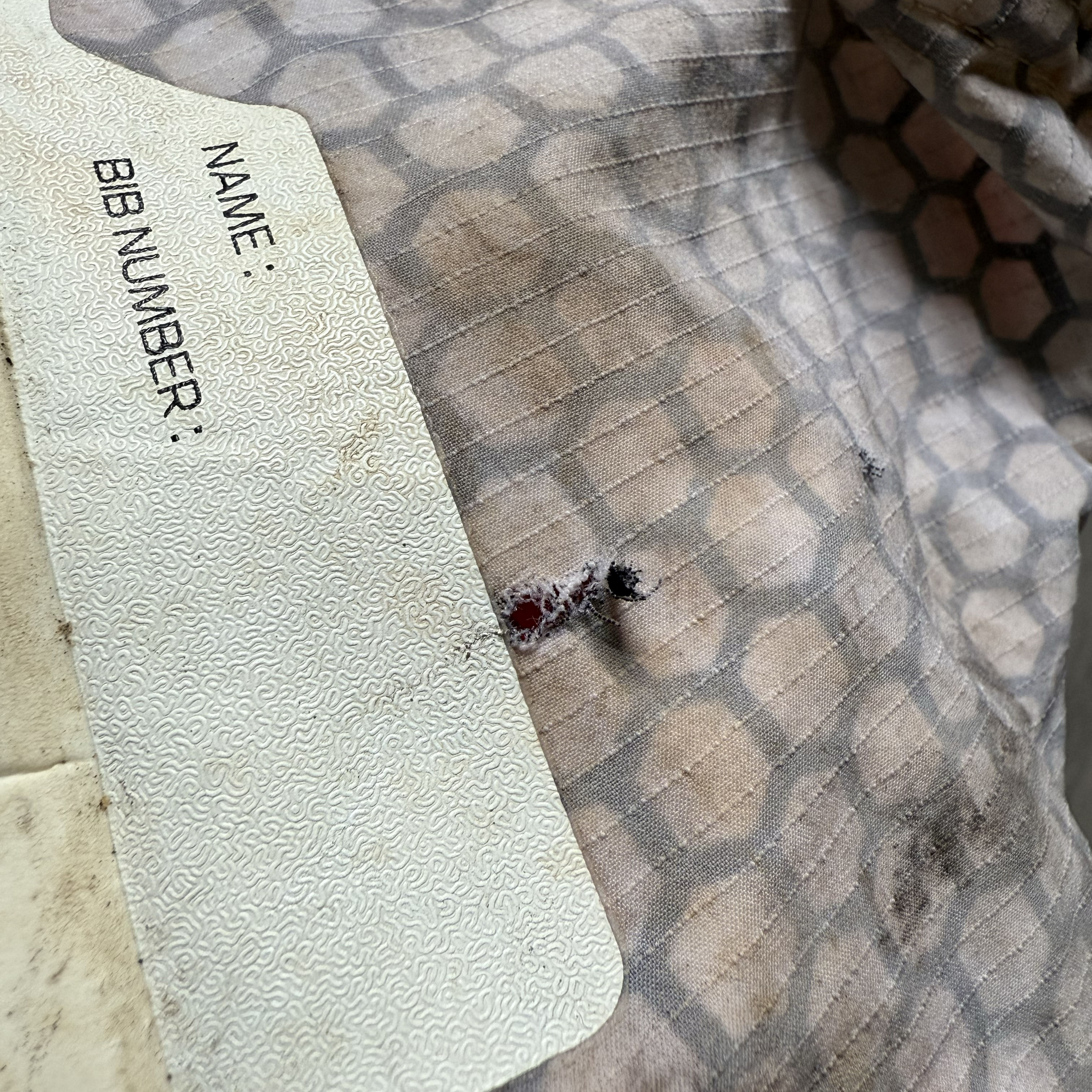
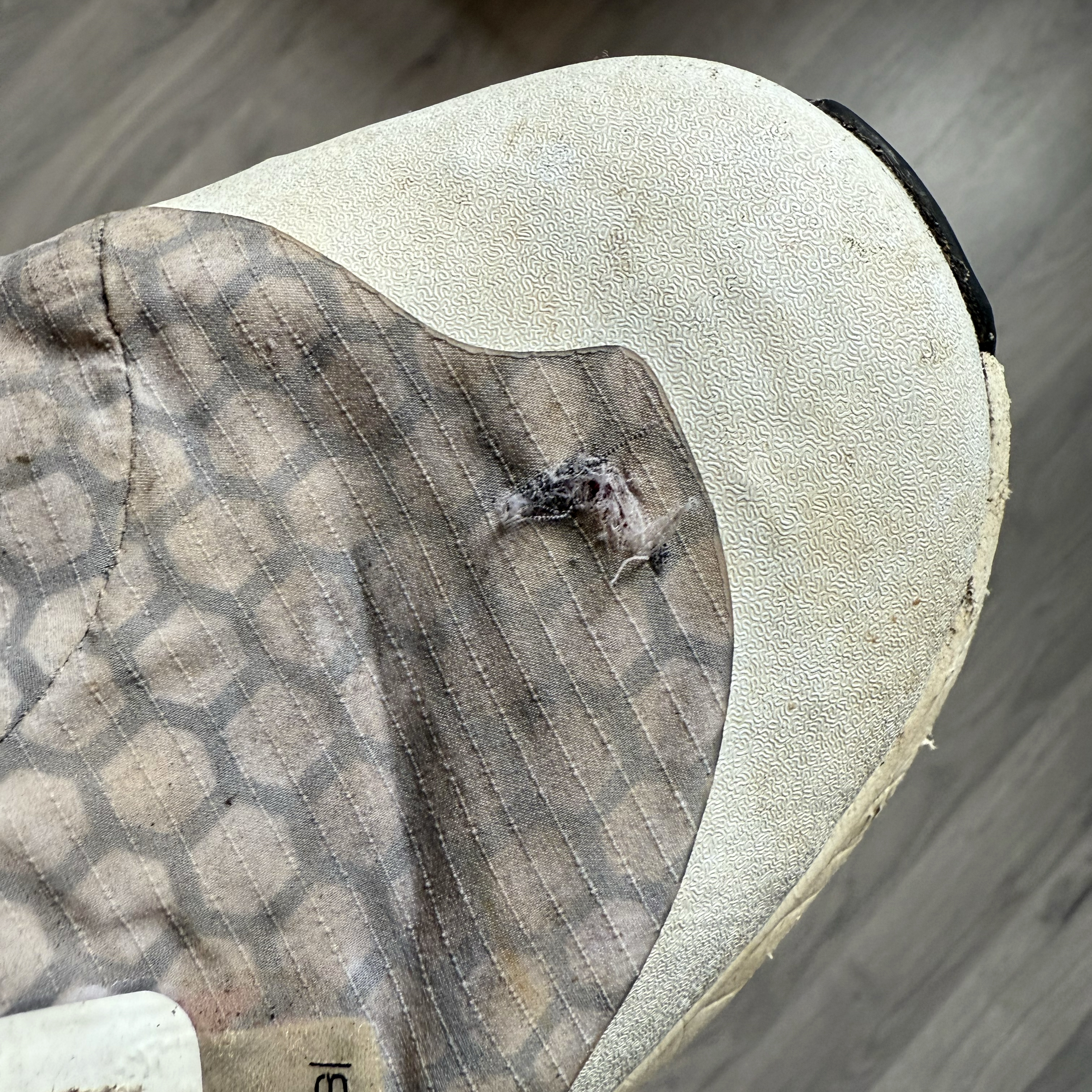
Mine, after 5-months of abuse now have two small tears, they cause no issues currently, but maybe in the future they will? However, in experience, shoes for a race such as MDS ‘just’ need to last the event….

Photo by Ian Corless

Features:

  • Contragrip outsole
  • energyFOAM+
  • Endofit
  • quickLACE
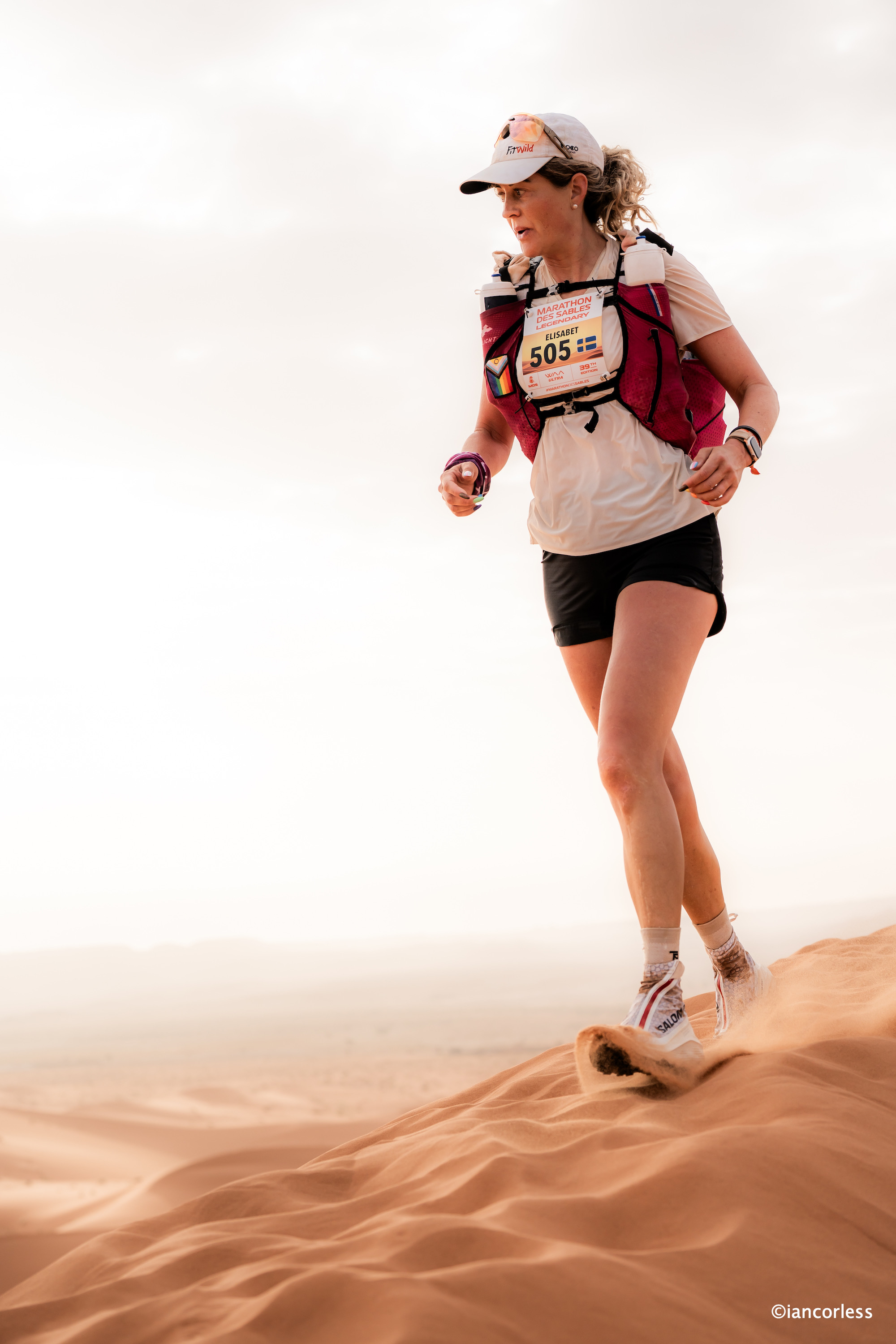
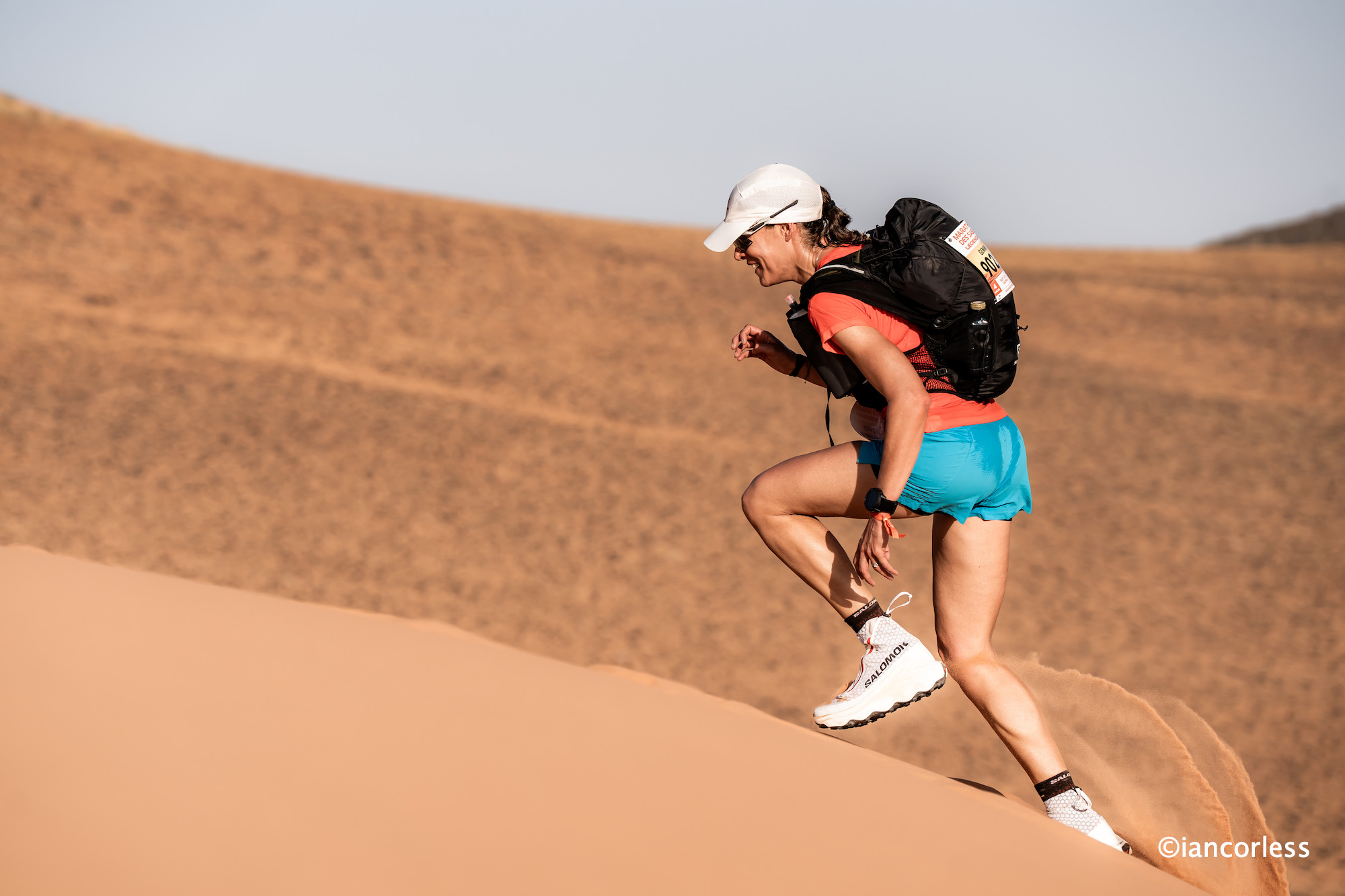
Elisabet Barnes using the S/Lab Ultra Dust MDS Legendary 2025 – Photo by Ian Corless

“Developed as a prototype for our athletes, the S/LAB Ultra Dust delivers comfort in extreme conditions no matter how fast you run. Dust, sand and everything else nature throws at your feet are kept out by the fully integrated gaiter with filtering properties. A lightweight, breathable and soft dream shoe for long distances.”

Final Thoughts: Who Should Buy This Shoe?

Photo by Ian Corless

If you’re training for, or racing a desert ultra, the Salomon S/LAB Ultra Dust is a top-tier option, arguably the best in its class. A brilliant shoe that is finely tuned for a specific environment. If you are signing up for MDS or similar, this shoe should be top of the list for testing. They are comfortable, cushioned, have excellent grip, excellent protection and importantly, they keep out sand and debris. The Ultra Dust was clearly designed with direct input from elite ultra runners who know the pain of sand-filled shoes, melted midsoles, and overheating feet.

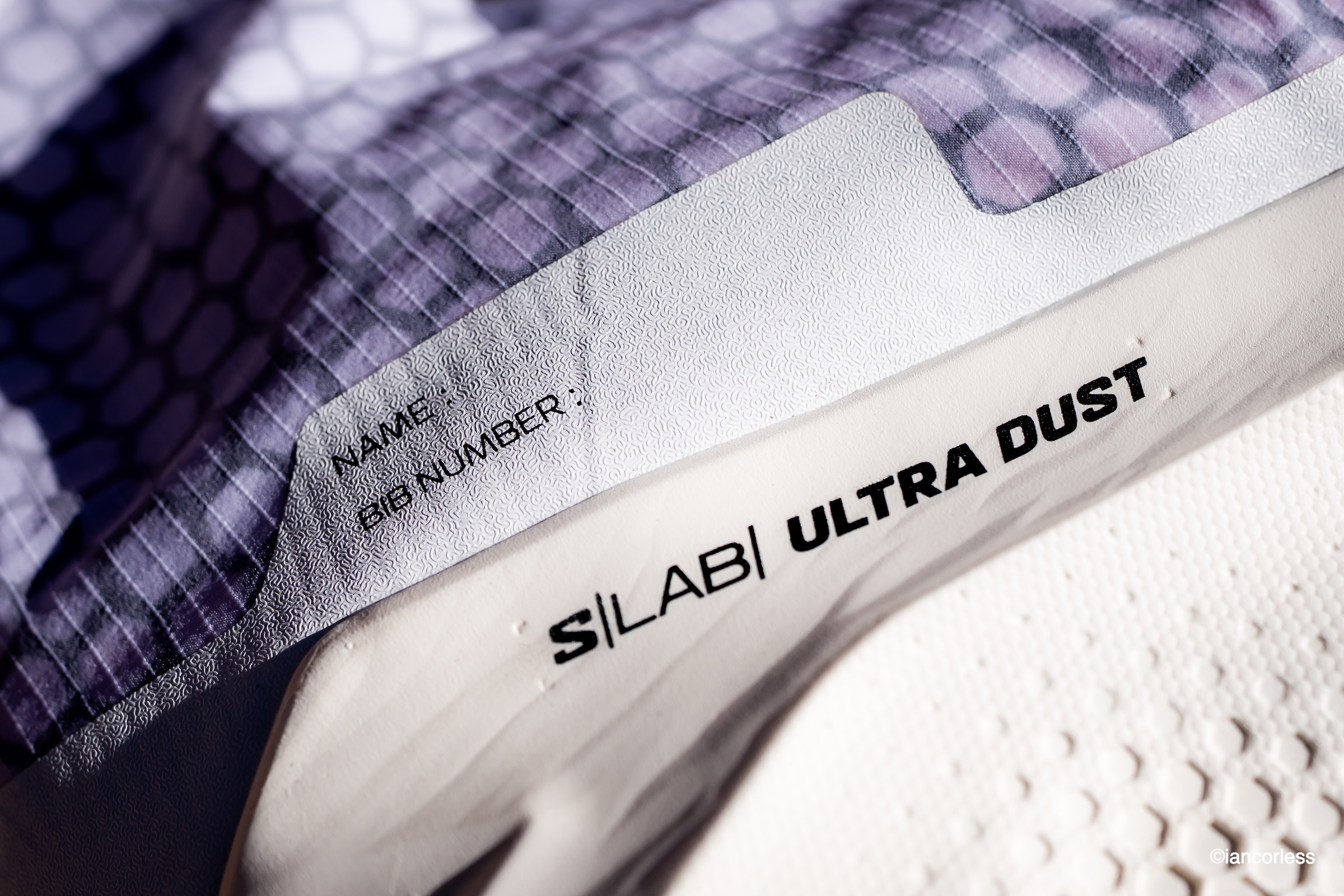
And a final nice touch? There is a place for NAME and BIB NUMBER on each shoe.

Photo by Ian Corless

Website: S/Lab Ultra Dust HERE

Gemma Game using the S/Lab Ultra Dust MDS Legendary 2025 – Photo by Ian Corless

Follow Ian Corless

Instagram – @iancorlessphotography

Twitter – @talkultra

facebook.com/iancorlessphotography

Web – www.iancorless.com

Web – www.iancorlessphotography.com

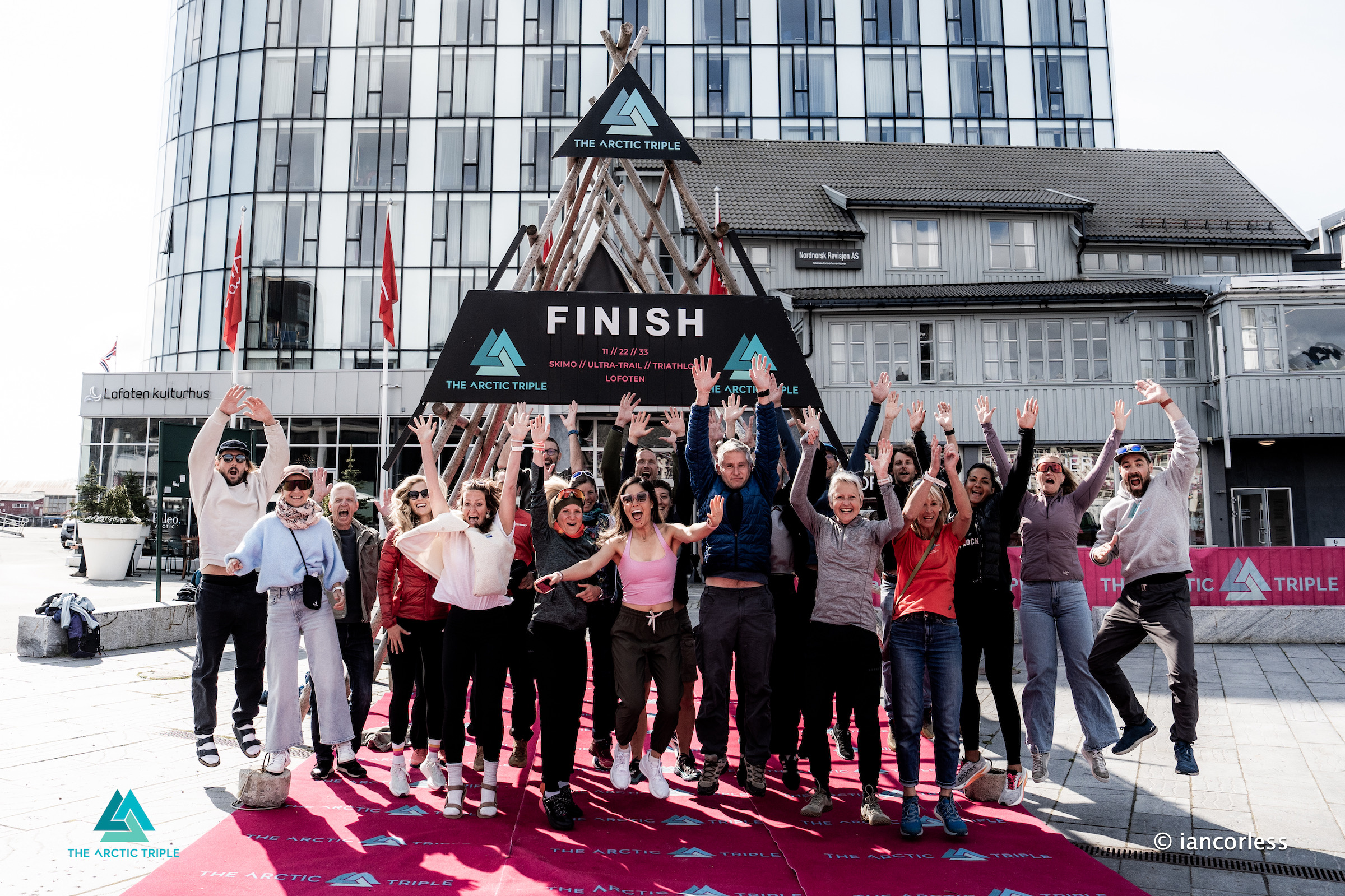
Lofoten Stage Run 2025: A Wild Dance with Nature

There are races, and then there’s the Lofoten Stage Run by The Arctic Triple team. What unfolded in May 2025 wasn’t just a footrace; it was a deep, soul-grinding, awe-inspiring journey through one of the world’s most arresting landscapes. Four stages. Two distances, 170 km and 100 km. 

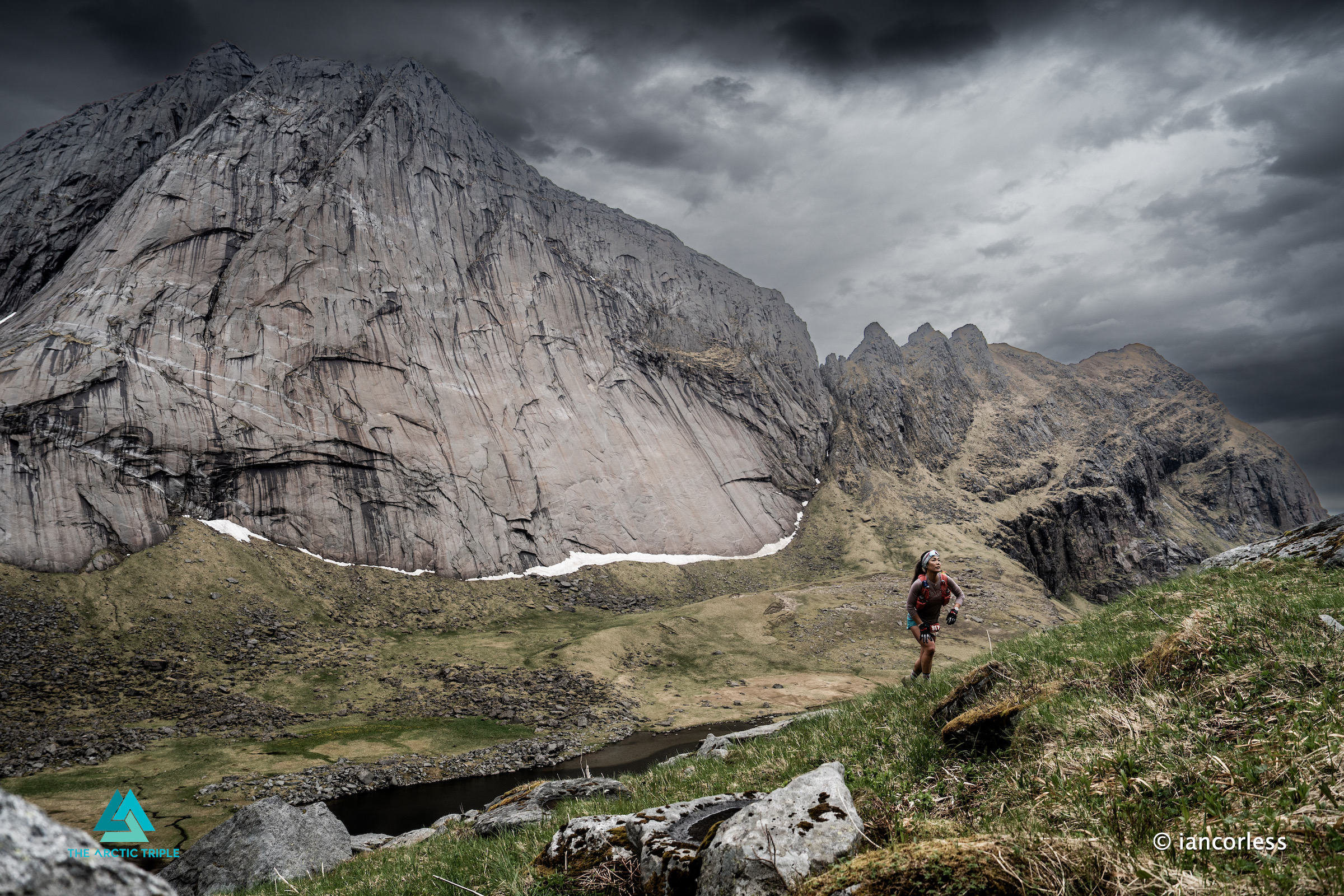
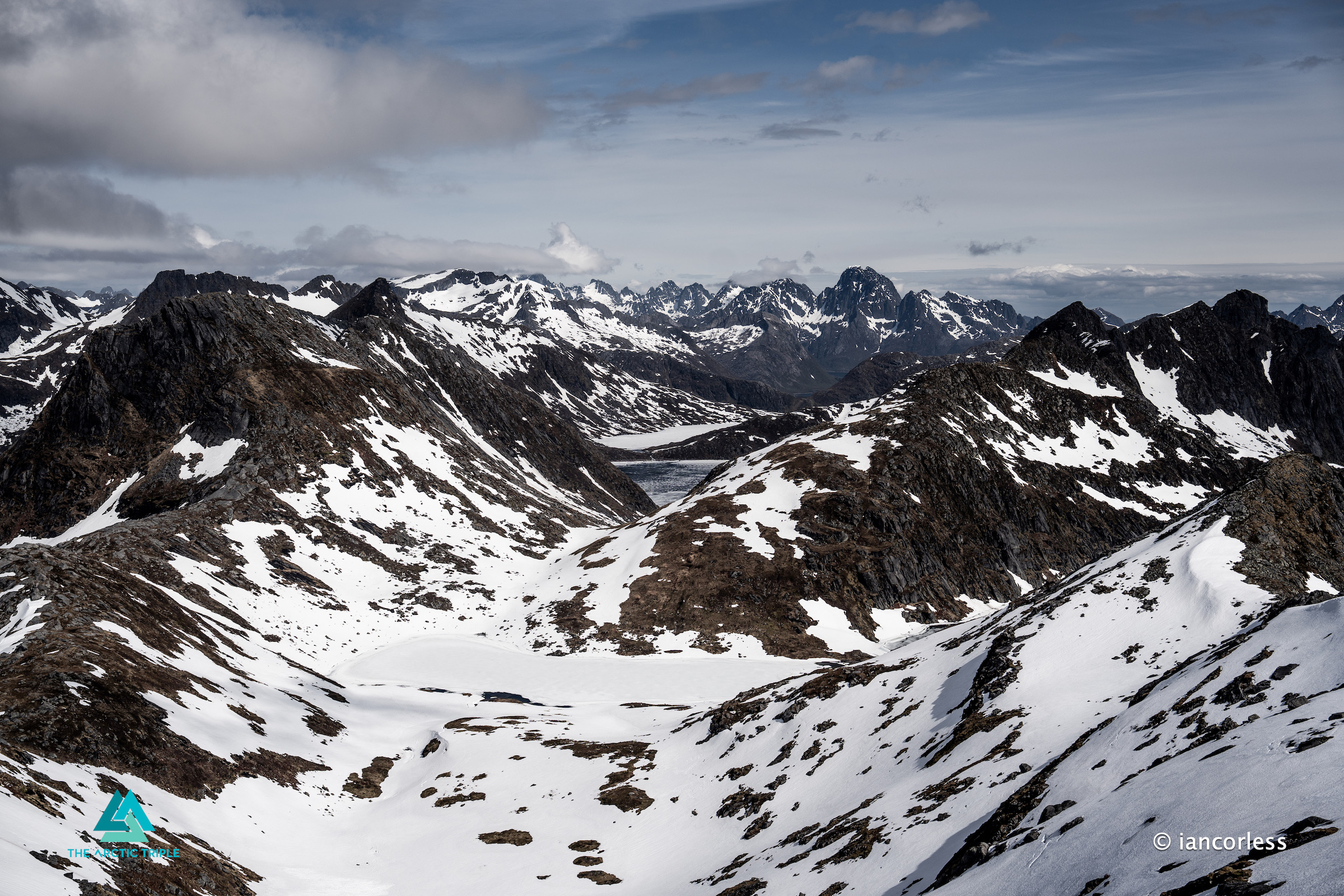
Across wild coasts, knife-edge ridges, fishing villages, and snow-streaked mountains, runners pushed their limits, and often redefined them, surrounded by the raw power and beauty of Norway’s Lofoten archipelago. Sleep came in hytte and seaside rorbuer; rest was fleeting, but memories were burned in.

Stage 1: Into the Wild – Kjerkfjorden to Nusfjord (39 km / 20 km)

The race began like a dream: a boat ride through cold, steel-blue fjords, cliffs rising on all sides like the jaws of some ancient creature. As runners disembarked at Kjerkfjorden, the silence was broken only by soft footsteps and shallow breaths, nerves on edge, anticipation sharp.

The terrain wasted no time. A steep climb out of the fjord led straight into deep snow patches and slick rock. Then came the surreal beauty of Kvalvika Beach, where sand met snow and the ocean roared its approval. For the 170 km runners, the day stretched long into the day, ending with a technical coastal section into the storybook village of Nusfjord. Legs screamed, but hearts were full.

Stage 2: Edge of the Earth – Nusfjord to Leknes (34 km / 17 km)

Day two was tougher. Tighter trails, more scrambling. The wind picked up, mist rolling in from the Norwegian Sea like smoke, rain fell, at times, hard and relentless. Between breaths, runners caught glimpses of jagged peaks piercing the sky and turquoise bays far below. This was Lofoten in full cinematic glory, wild, moody, and impossibly vast.

A tunnel under the sea added a surreal twist, legs burning as they climbed out of the darkness and back into the light. Offersøykammen offered panoramic views, but it demanded everything. As runners arrived in Leknes, drenched, scraped, and shivering, you could see it in their faces: wonder, pain, pride.

Stage 3: The Long Haul – Leknes to Rolvsfjorden (52 km / 35 km)

This was the crucible. The longest stage. Bodies were already breaking down, but the terrain opened up, longer runnable sections, smoother single track. The landscape changed too. From rugged coastline to sweeping highlands and serene lakes, this was Lofoten in its gentler form.

As the finish line at Brustranda Fjordcamping came into view, many had run out of words. “This is insane,” one runner muttered, grinning. “But it’s beautiful.”

Stage 4: The Final Push – Rolvsfjorden to Svolvær (45 km / 21 km)

The last day was emotional. Legs were dead weight. Ankles rolled. Minds fogged. But everyone knew what waited: the end, the reward, the moment of elation.

Jordtinden loomed: steep, snowy, relentless. At its summit, clouds lifted like curtains, revealing a 360-degree panorama that stopped runners in their tracks, the ridgeline ahead bringing a sense of awe and fear in equal measure.

This is the queen stage, the terrain bringing together all that makes Norway and Lofoten unique, marvellous and special.

You could see all the way back, mountains, inlets, the journey behind. Some cried. Some screamed. Some just stood there, stunned.

The descent into Svolvær was pure adrenaline, fuelled by joy and relief. The last stretch along the harbour felt like flying. Locals clapped. Teammates waited. People hugged. Some collapsed. Others danced.

More Than KM’s

But the Lofoten Stage Run wasn’t just about distance or finish times. It was about the strange intimacy of shared suffering, of strangers becoming friends over bowls of traditional Norwegian food and stories told in cabins. It was the moment you stepped outside at midnight, sun still hanging low over the sea, and realised how small we are.

It was the rawness of the terrain mirrored in every aching limb. It was the magic of Lofoten, weather that shifted like a mood, peaks that stabbed the sky, and a landscape that didn’t just surround you, it swallowed you whole.

In the end, it wasn’t a race, it never was, the Lofoten Stage Run is an experience, a 360 immersive journey that shocked the mind and the senses and revealed to each and every participant that this route, arguably, is one of the BEST in the world. It was a rite of passage. A storm-chased, mud-caked, heart-thumping reminder that the wild is still out there, and if you’re lucky, it might just let you in.

VIEW THE FULL IMAGE GALLERIES HERE

Follow Ian Corless

Instagram – @iancorlessphotography

Twitter – @talkultra

facebook.com/iancorlessphotography

Web – www.iancorless.com
Web – www.iancorlessphotography.com

Marathon des Sables The Legendary Turns 40: A Legacy of Endurance in the World’s Toughest Footrace

Photo by Ian Corless

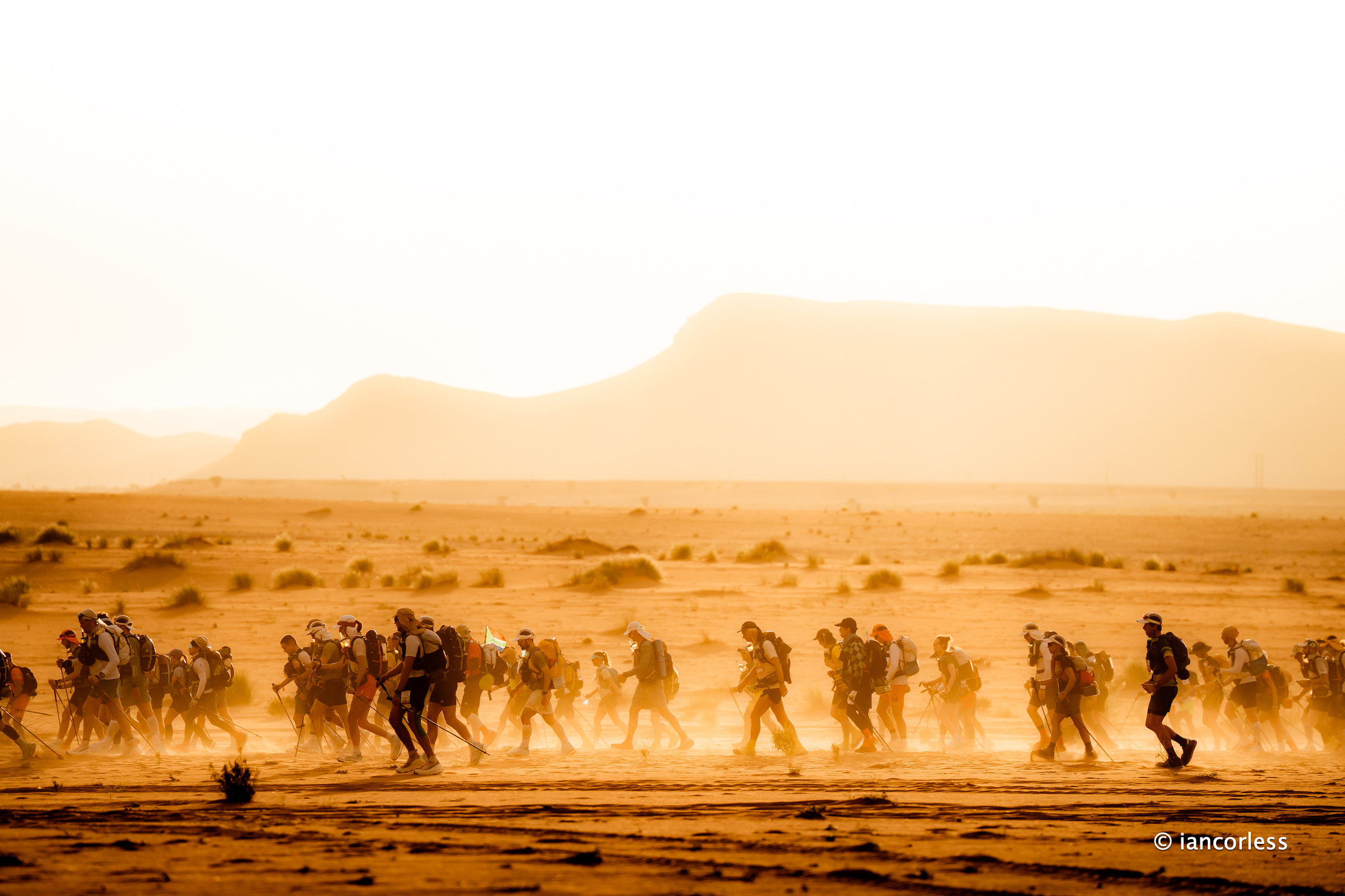
Since 1986, the Marathon des Sables – The Legendary (MDS) has carved its name into endurance racing history as one of the most gruelling, soul-stripping tests of human resilience. For 39 editions, it has pushed thousands to their physical and psychological limits under the crushing sun of the Moroccan Sahara.

In 2026, this legendary race will celebrate its 40th edition and it promises to be the most unforgettable one yet.

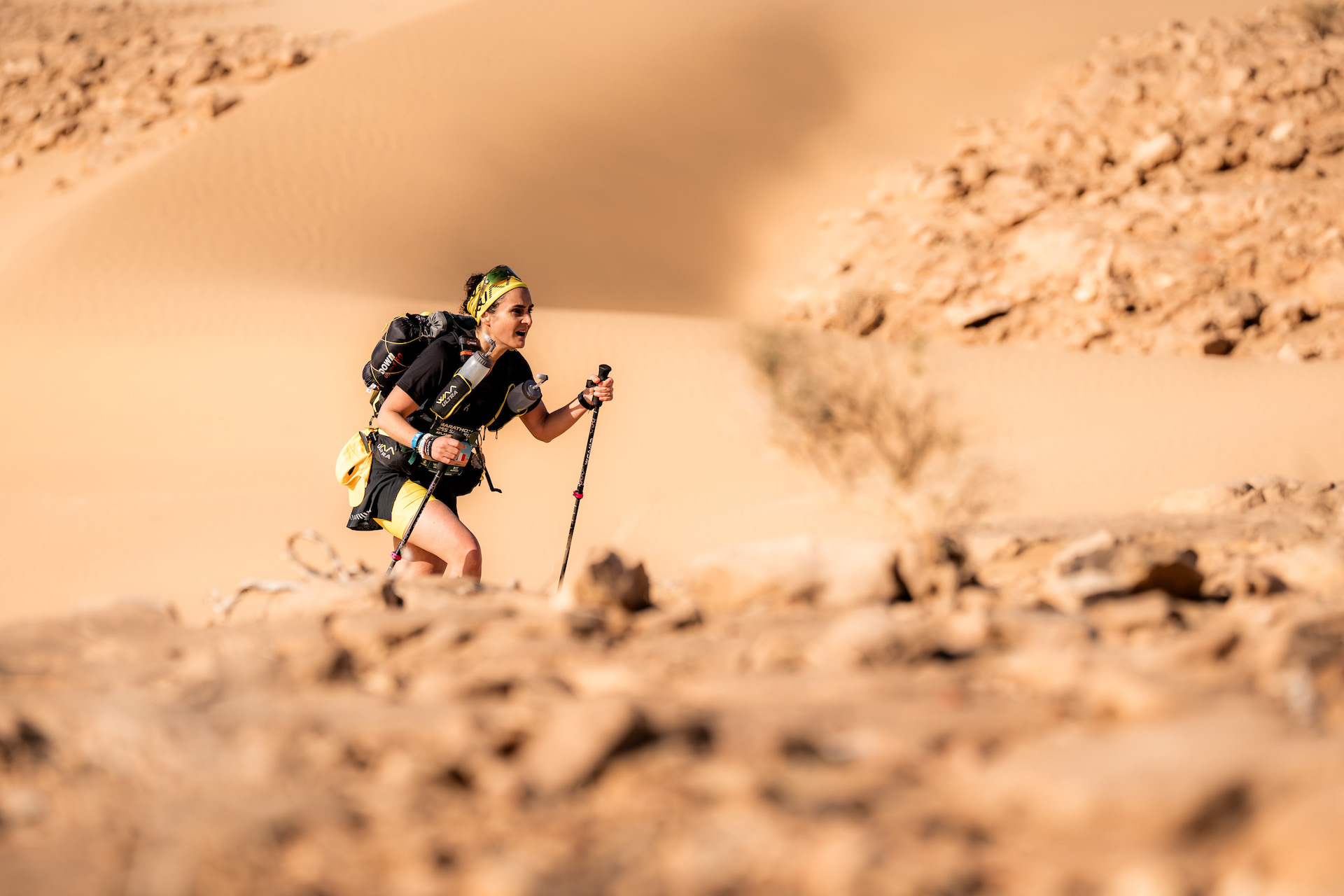
MDS The Legendary is six stages over roughly 250 km (155 miles), on blistering sand, across jagged jebels, and through soul-sapping salt plains. Runners carry everything they need for the week: food, sleeping equipment and clothes. The only luxury provided? A rationed daily water supply and a communal bivouac tent to crawl into at night which is shared with 7 other competitors.

Photo by Ian Corless

Every ounce carried matters. Bring too little and you starve. Bring too much and the weight drags you down. Success depends on ruthless efficiency and mental grit.

For four decades, the The Legendary has become a rite of passage for ultra runners, adventurers, and those seeking to rewrite their limits. It has seen amputees cross the line, cancer survivors, soldiers, CEOs and importantly, ordinary people doing extraordinary things. The terrain has remained the same: raw, relentless, and unforgiving.

Photo by Ian Corless

Despite the challenges, runner’s keep coming back, some for redemption, some for addiction, and all for the transformation.

The 40th Edition: What’s Coming in 2026

Photo by Ian Corless

The 40th MdS won’t just be another race, it will be a celebration of the madness. A tribute to every blistered foot, every tear shed under Saharan stars, every finisher’s medal earned in blood, sand, and sweat.

Photo by Ian Corless

The 40th will honour the legacy with style and fury. 

Think You’ve Got What It Takes?

Entries for the 2026 edition open on June 11, 2025. Veteran or rookie, this is the year to go. Not just to run, but to become part of history. Become a Legend!

More information HERE

Register HERE

If you’re going to suffer, suffer for something legendary. 

Follow Ian Corless

Instagram – @iancorlessphotography

Twitter – @talkultra

facebook.com/iancorlessphotography

Web – www.iancorless.com
Web – www.iancorlessphotography.com

Episode 251 – ELISABET BARNES and the 2025 MDS The Legendary

Elisabet Barnes is a 5x participant at MDS and a 2x champion. In 2025, Elisabet returned to MDS The Legendary with different goals, different perspectives and to experience the race without the pressure of the podium.

Her last MDS participation was 2017. A great deal has happened in the last 8-years, Covid for one and of course, a change of organisation at The Legendary. With extensive experience of MDS as a participant and coach, Elisabet provides and in-depth insight of the ‘new’ Legendary.

CONTACT ELISABET BARNES VIA HER WEBSITE HERE

Photo by Ian Corless

“…very friendly, cheerful, supportive, it was a very positive experience to come to a checkpoint or the finish line. There was always people on the course wether in buggies or a medic running the opposite way; I saw so many people on the course, it was good for moral but it also felt safe… but I never felt there was less people on the course, actually I think there was more and they could access everywhere.”

Evolution not revolution.

SPOTIFY HERE

APPLE iTUNES HERE

Also available on ANCHOR

Follow Ian Corless

Instagram – @iancorlessphotography

Twitter – @talkultra

facebook.com/iancorlessphotography

Web – www.iancorless.com
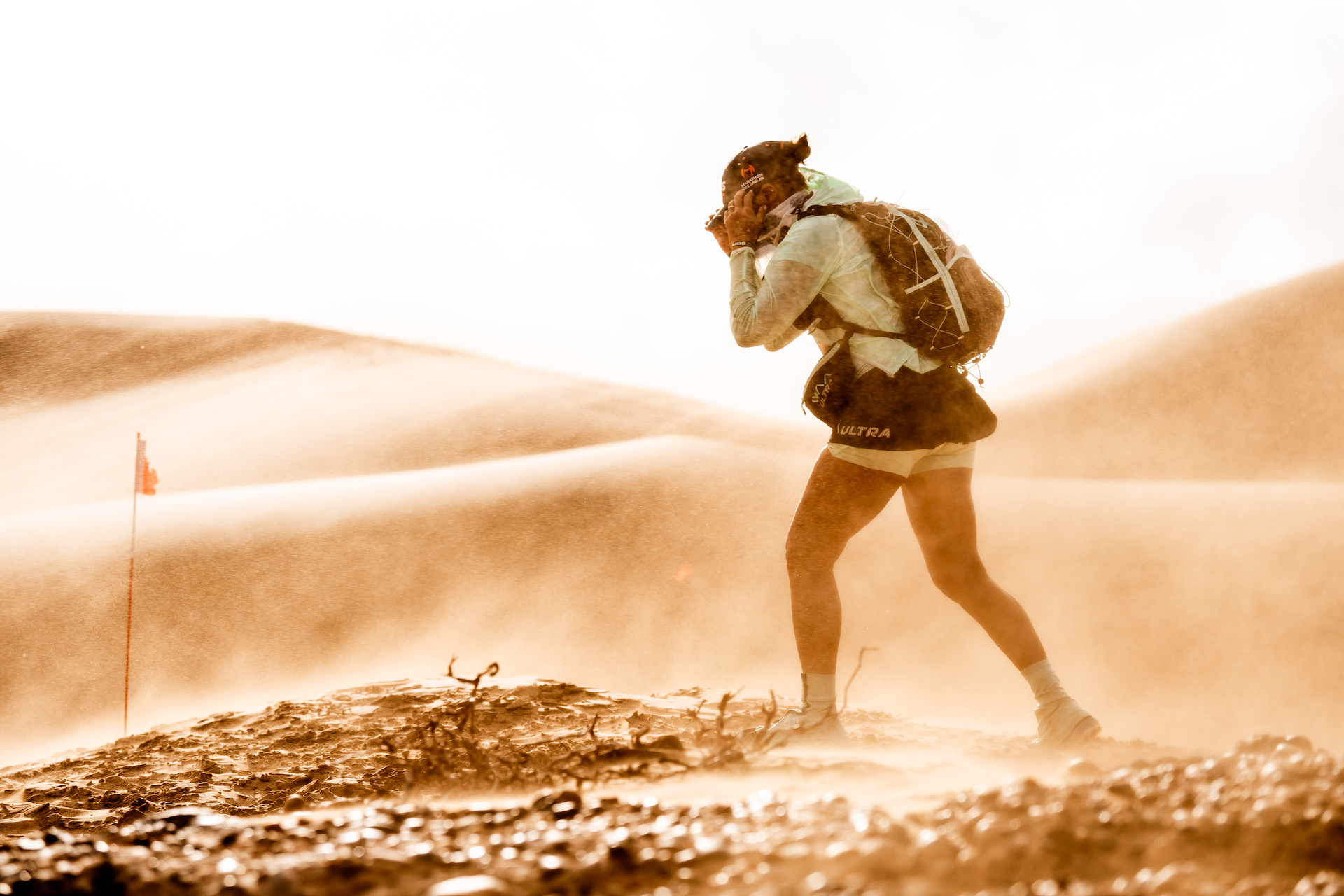
Web – www.iancorlessphotography.com

Transvulcania Ultramarathon 2025 Summary – Savaged by the Storm

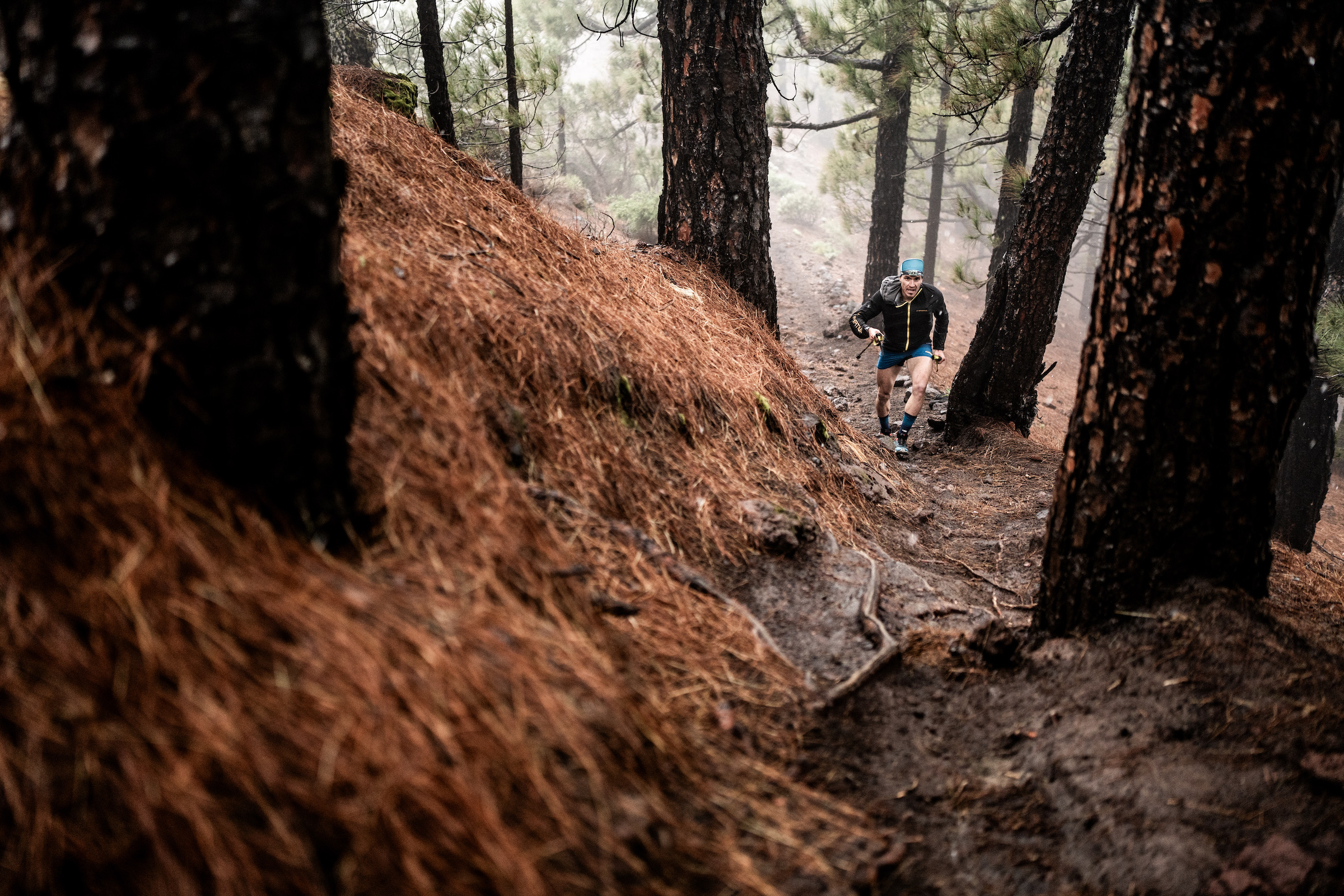
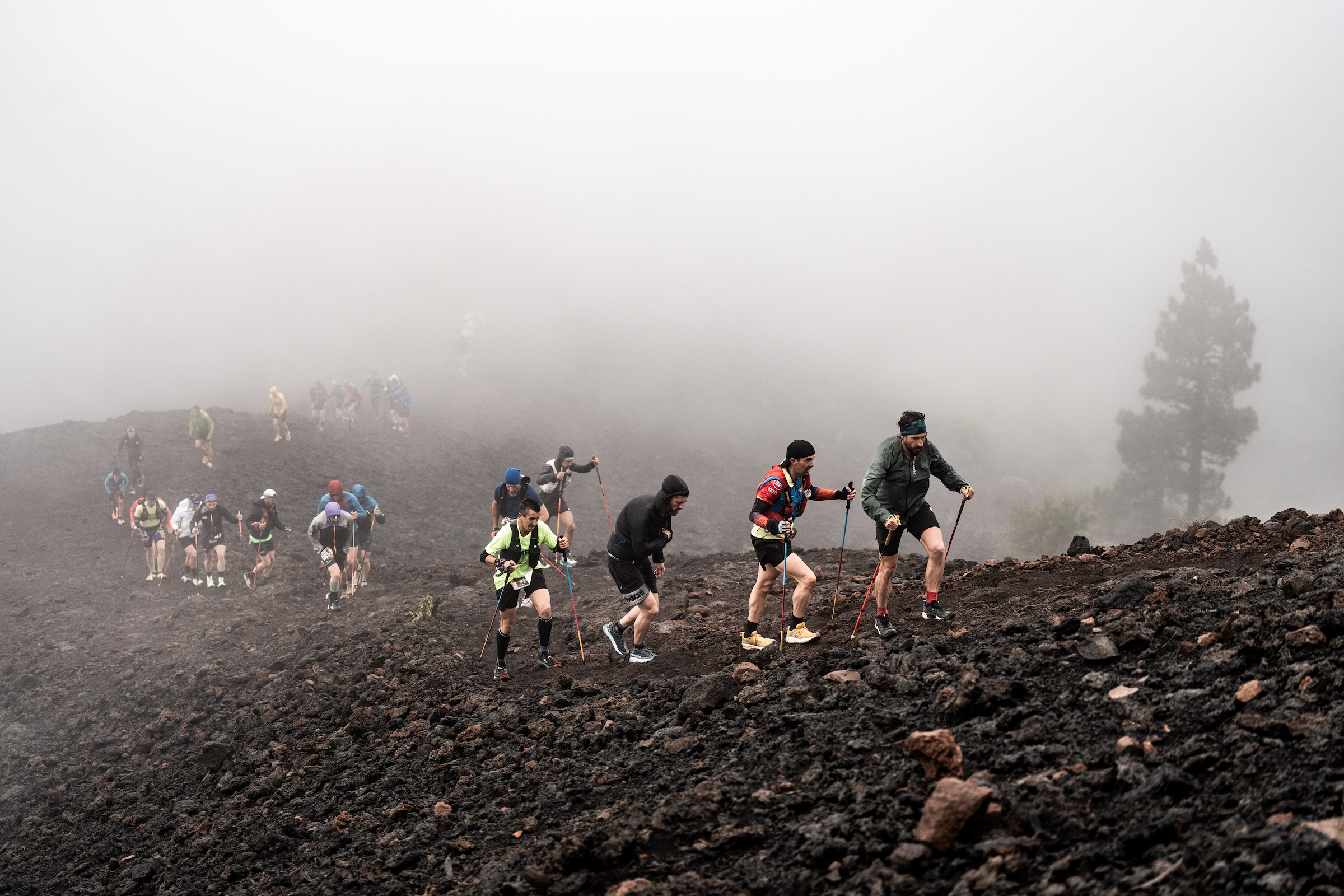
Transvulcania Ultra has always been a brutal race. Spanning 73.06 kilometers across the volcanic backbone of La Palma, with 4,350 meters of ascent and 4,057 meters of descent, it’s a journey from ocean to sky and back to ocean again. But in 2025, nature raised the stakes. This year, Transvulcania wasn’t just hard – it was survival.

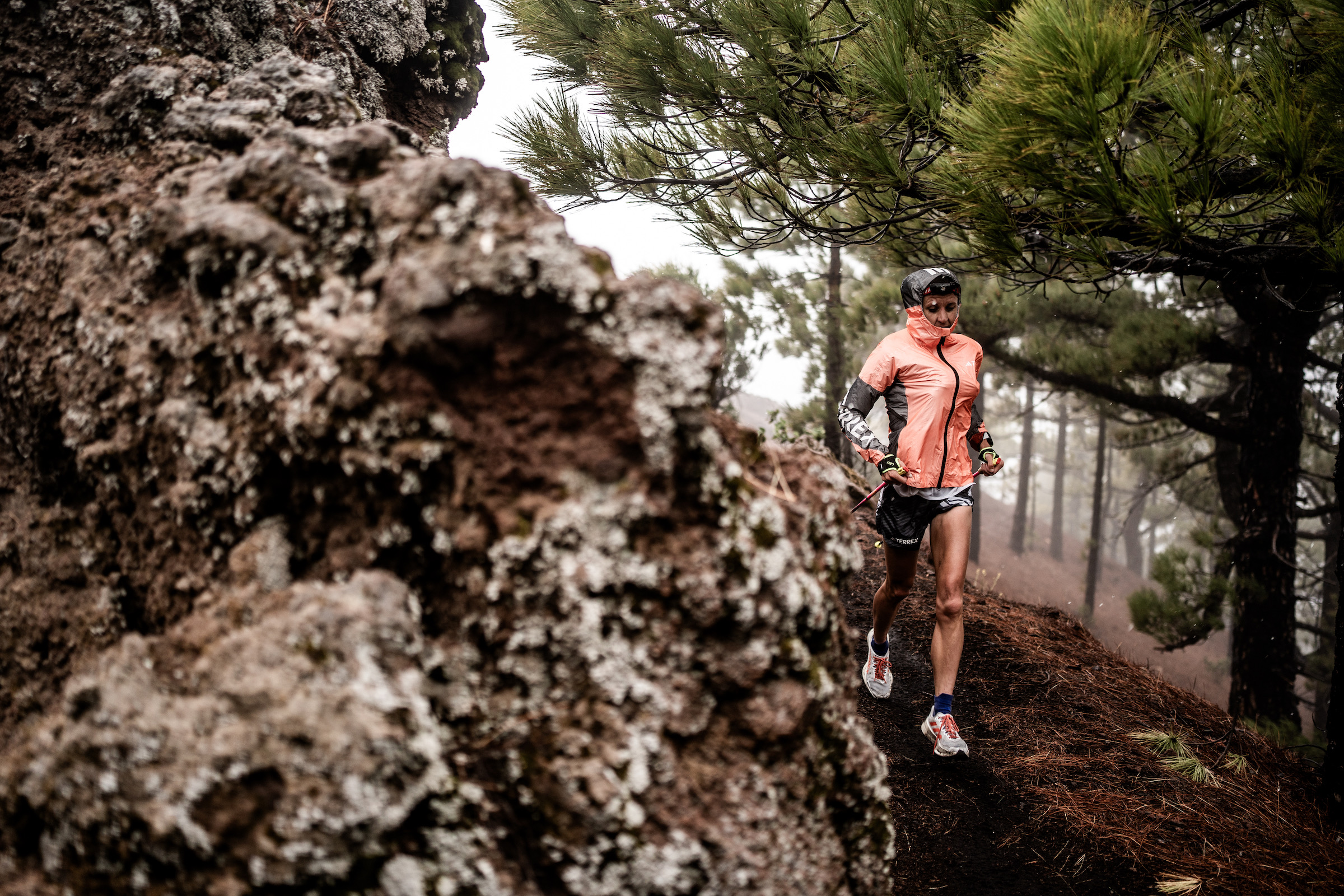
From the moment runners left the Fuencaliente lighthouse at sea level, the signs were there. Dark skies. Driving rain. And as the climb up the GR131 trail began, the weather only worsened. Wet volcanic gravel shifted underfoot. Winds battered the open and exposed sections. Every gain in elevation brought colder air, heavier rain, and stronger gusts.

The early sections of the race, usually warmed by morning sun, were instead cold, and treacherous. Visibility dropped. Temperatures plummeted. Waterproofs were soaked through. The race had barely begun, but it was already a war of attrition.

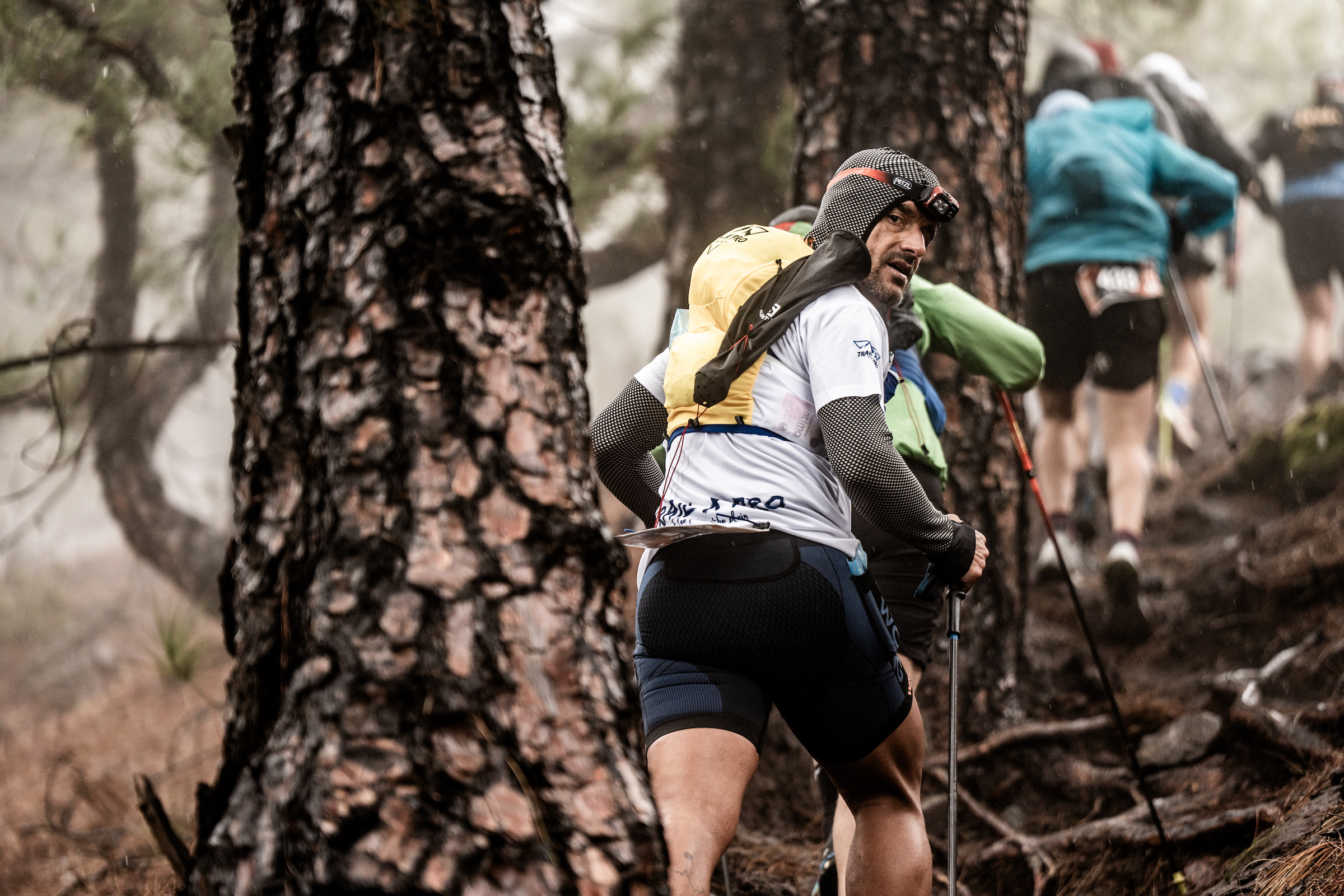
The route climbed steadily through pine forests and barren lava, snaking up toward the spine of the island. Normally breathtaking, the high sections offered little view, just fog, wind, and rain slapping sideways across the many exposed ridges. The climb, always demanding, turned into a freezing march, the only protection coming from the trees.

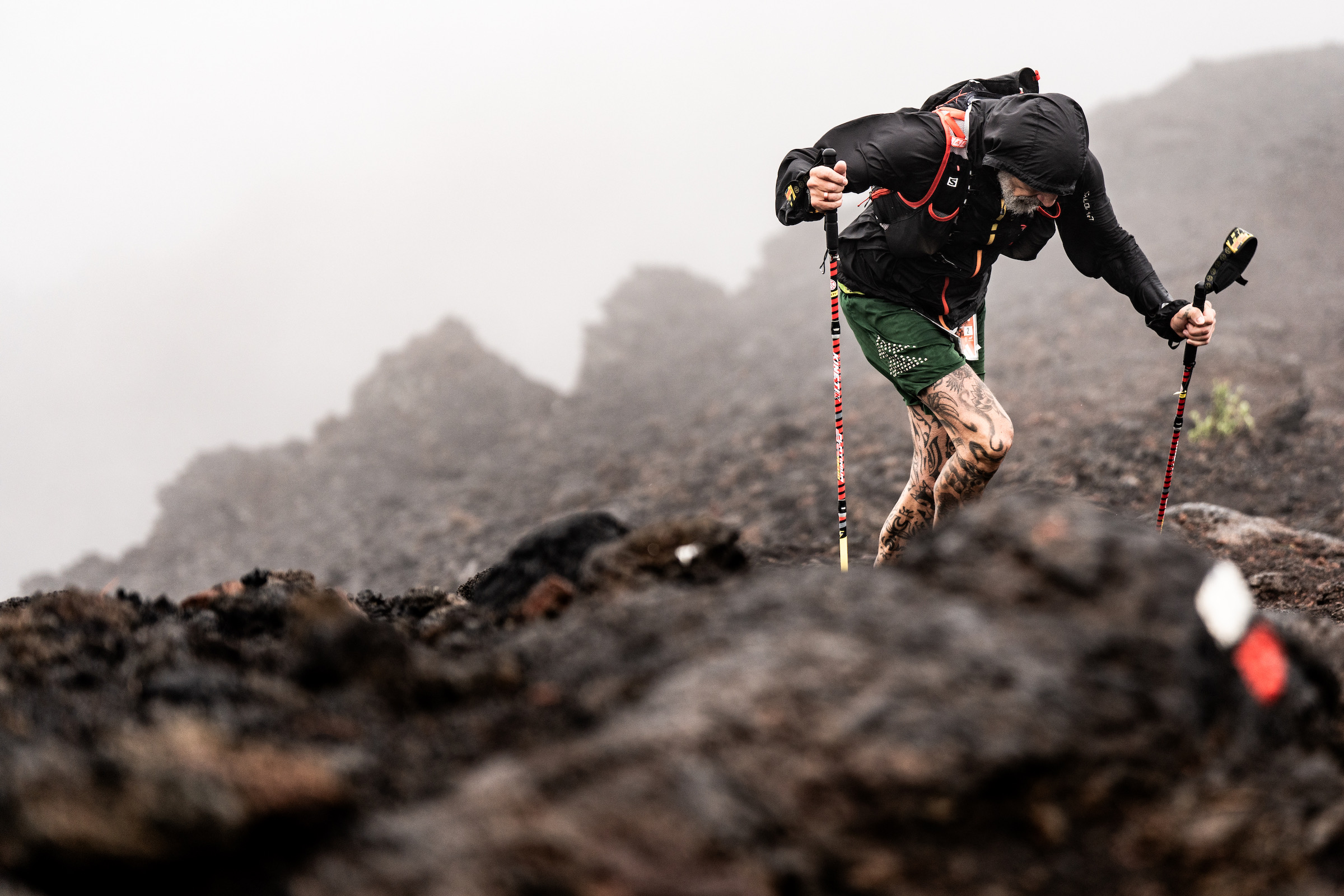
The temperature near Roque de los Muchachos, the island’s high point at 2,421 meters, hovered close to freezing. But it was the wind chill that changed everything. Gusts tore across the exposed ridge line, turning already cold air into biting, sub-zero blasts. Some runners were forced to stop and layer up; others pushed through shivering, teeth clenched. Many decided to call it quits.

Hypothermia wasn’t just possible, it was real. For many, this section became less about racing and more about making it through.

The long drop from the summit to Tazacorte Puerto – a descent of over 2,000 vertical meters is never easy. But in this weather, it became treacherous. Slick rocks and pine needles, water-logged switchbacks punished tired quads. Fatigue met fear. But a glimmer of better weather below the cloud gave runners hope.

Warmth arrived, the exhaustion of fighting the cold up high lingered with every step though, the reward of the finish line now spurred each and every runner to fight hard. From Tazacorte Puerto, the final climb, known as ‘The Wall,’ is short on paper but long for the legs and mind. Roughly 300 meters of vertical gain on steep switchbacks of rocky path. Normally a test of willpower, this year it became an act of survival. However, the removal of the rocky gorge at sea level – for safety reasons – did mean it was possible to cover more ground much quicker.

The streets of Los Llanos were lined with cheering locals offering the first real warmth of the day. Music cut through the chill and finally the best finish line in the world arrived, the medal this year feeling a little heavier but hard earned after the rain, wind, and freezing exposure of a mountain that showed no mercy.

What makes Transvulcania unique has always been its terrain and profile. Lava fields, pine forests, ridge lines, sun, and sea. But in 2025, the weather became the story. Torrential rain washed away comfort. The cold stripped away energy. And the wind exposed every weakness, both mental and physical.

The fastest still raced though. The elite still chased podiums. But deeper in the field, it was about finishing, about not quitting. About moving forward despite frozen hands, soaked shoes, and the urge to stop.

Transvulcania is about battling whatever the mountain throws at you, and this year, it threw everything.


Peter Frano and Anne-Lise Rousset were crowned as the winners of the ultra marathon. Frano made his move on the descent to Tazacorte Puerto passing Andreas Reiterer who would eventually finish 2nd ahead of Manu Anguita. The times were 6:55:36, 6:58:27 and 7:19:18 respectively.

After three previous attempts, 2016, 2017 and 2019, Anne-Lise Rousset finally took the top honours in 8:18:17, a long way off the CR of 8:02:49 set by Ruth Croft in 2024. Ekaterina Mityaeva and Martina Valmassoi battled for 2nd and 3rd and were separated by just 27-seconds at the line, 8:36:58 and 8:37:25.

In the men’s race, hot favourites Dakota Jones and Dmitry Mityaev did not make the start, notably, Andreu Simon Aymerich, Matt Daniels, David Sinclair and Jordi Gamito (amongst many others) DNF’d.

For the women, Ruth Croft who lead the race for almost half of the distance finally succumbed to the weather and withdrew, along with Azara Garcia and Elisa Desco.

Even through fogged lenses and stormy skies, La Palma’s raw beauty still showed through. Runners moved through wild volcanic terrain, past black rock and misty forests. They crossed an island shaped by fire and storm, and this year, they did it while the island roared. And those who crossed the line in Los Llanos? They didn’t just finish a race, they survived an ultra through one of the wildest tests the island has ever delivered.

Follow Ian Corless

Instagram – @iancorlessphotography

Twitter – @talkultra

facebook.com/iancorlessphotography

Web – www.iancorless.com
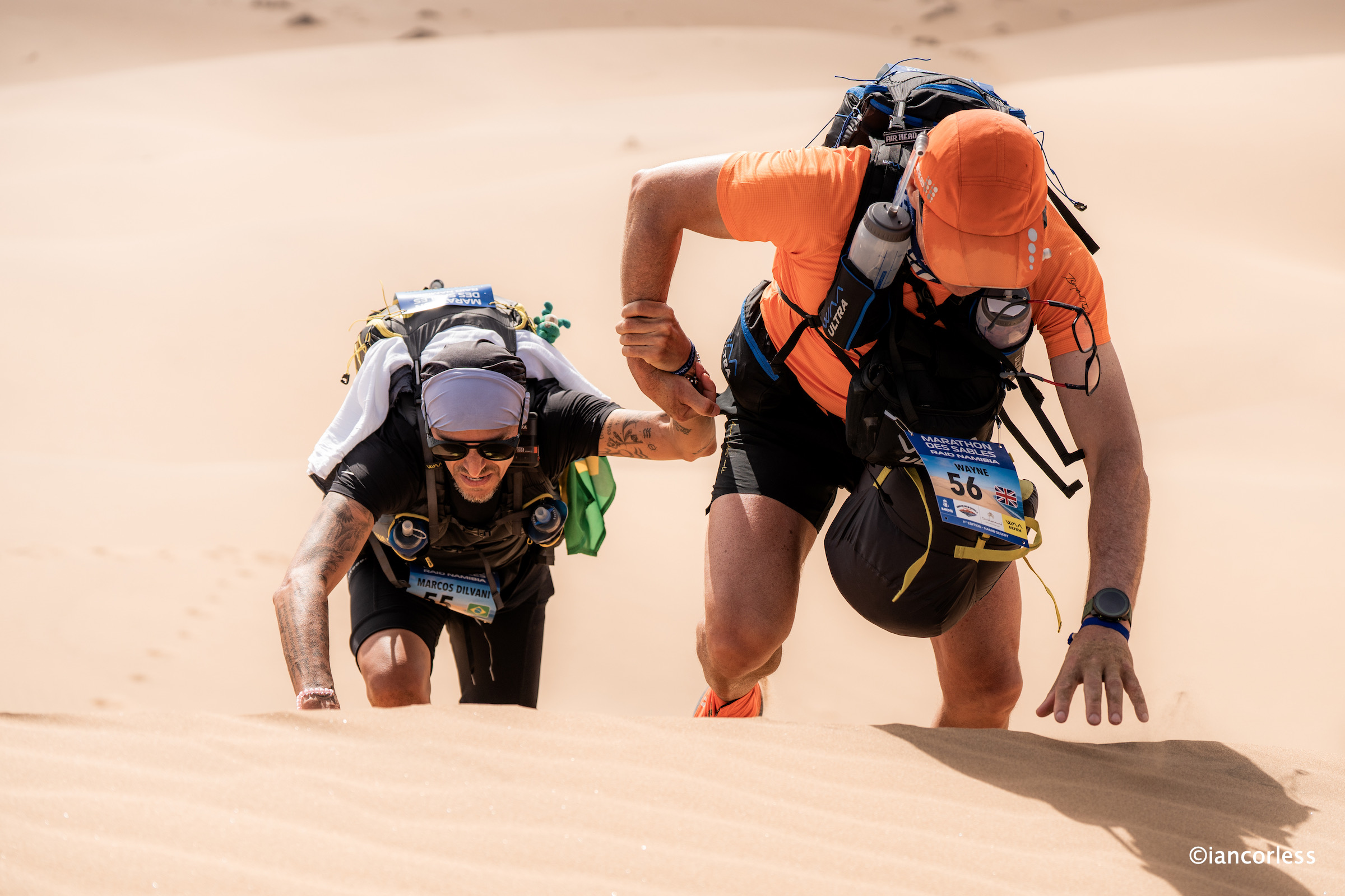
Web – www.iancorlessphotography.com

Transvulcania 2025 Vertical Kilometer Summary – Gravity, guts, and a finish line in the sky

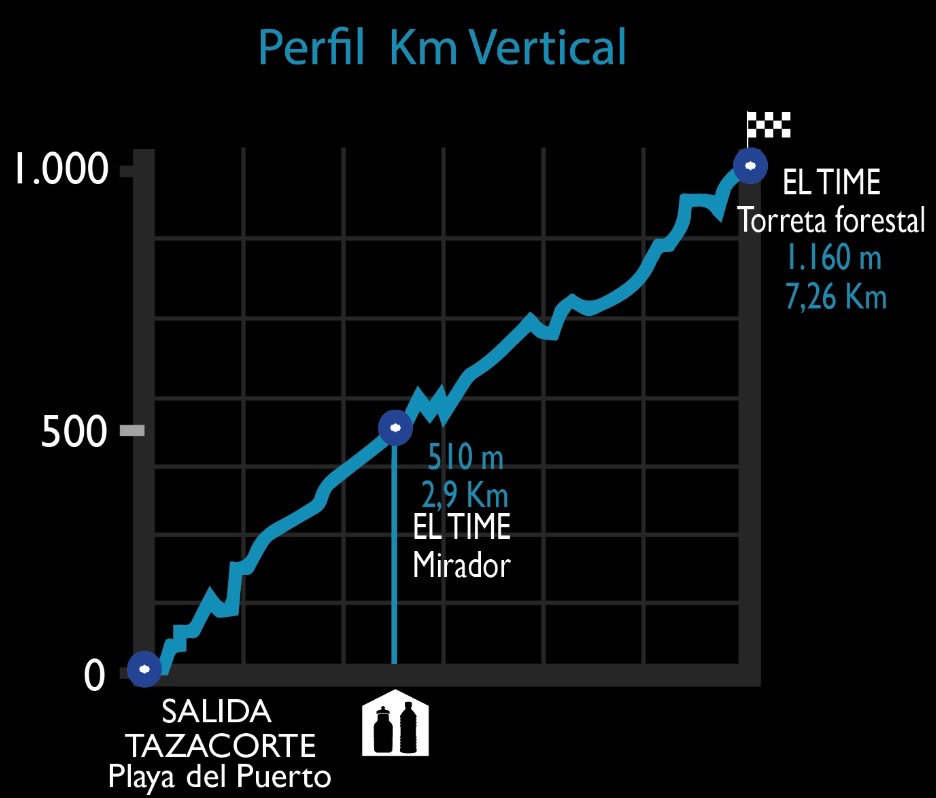
The Transvulcania Vertical Kilometre isn’t long – but it hits hard. Spanning just 7.26 km with 1,203 meters of vertical gain, it’s a race that turns uphill suffering into spectacle.

Starting from Tazacorte Puerto, the route climbs the iconic zig-zag paths that disappear into a mountain of rock when looked at from a distance. Passing El Time, runner’s cross the road and re-trace sections of the Transvulcania route on the GR131, at Casa Hungara, the route deviates to join paths with more exposure and stunning vistas. At 1000m vertical, the route re-joins the GR131 and concludes at the Torreta Forestal tower at 1600m.

Runners leave the start line one by one every minute from 17:00 to 18:30, climbing relentlessly toward the finish.

The format is simple: solo effort, full gas, no room to hide.

With the late afternoon sun dipping and legs burning, athletes push through forest paths, rocky slopes, and exposed ridge lines. It’s a pure test of power-to-weight and mental grit.

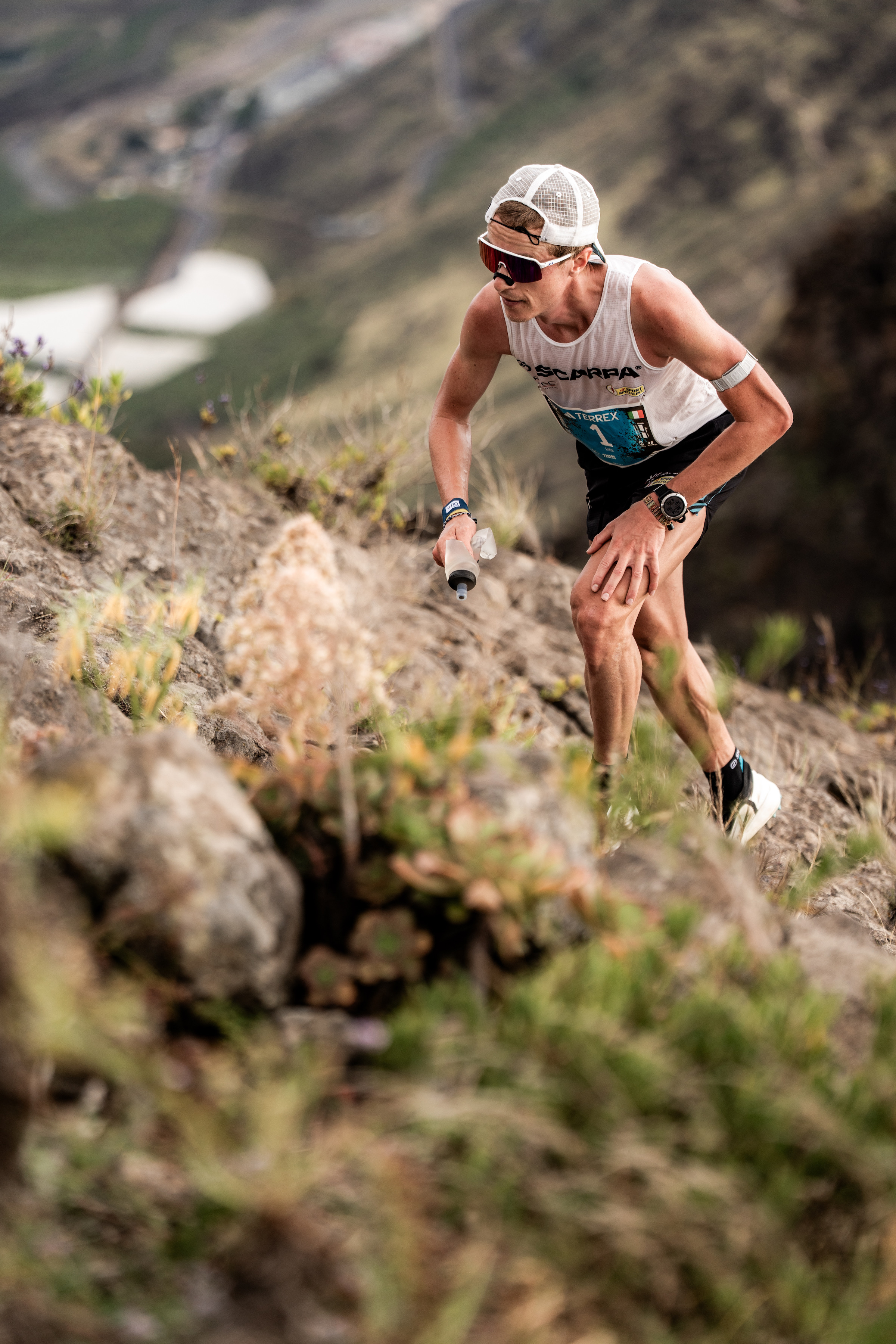
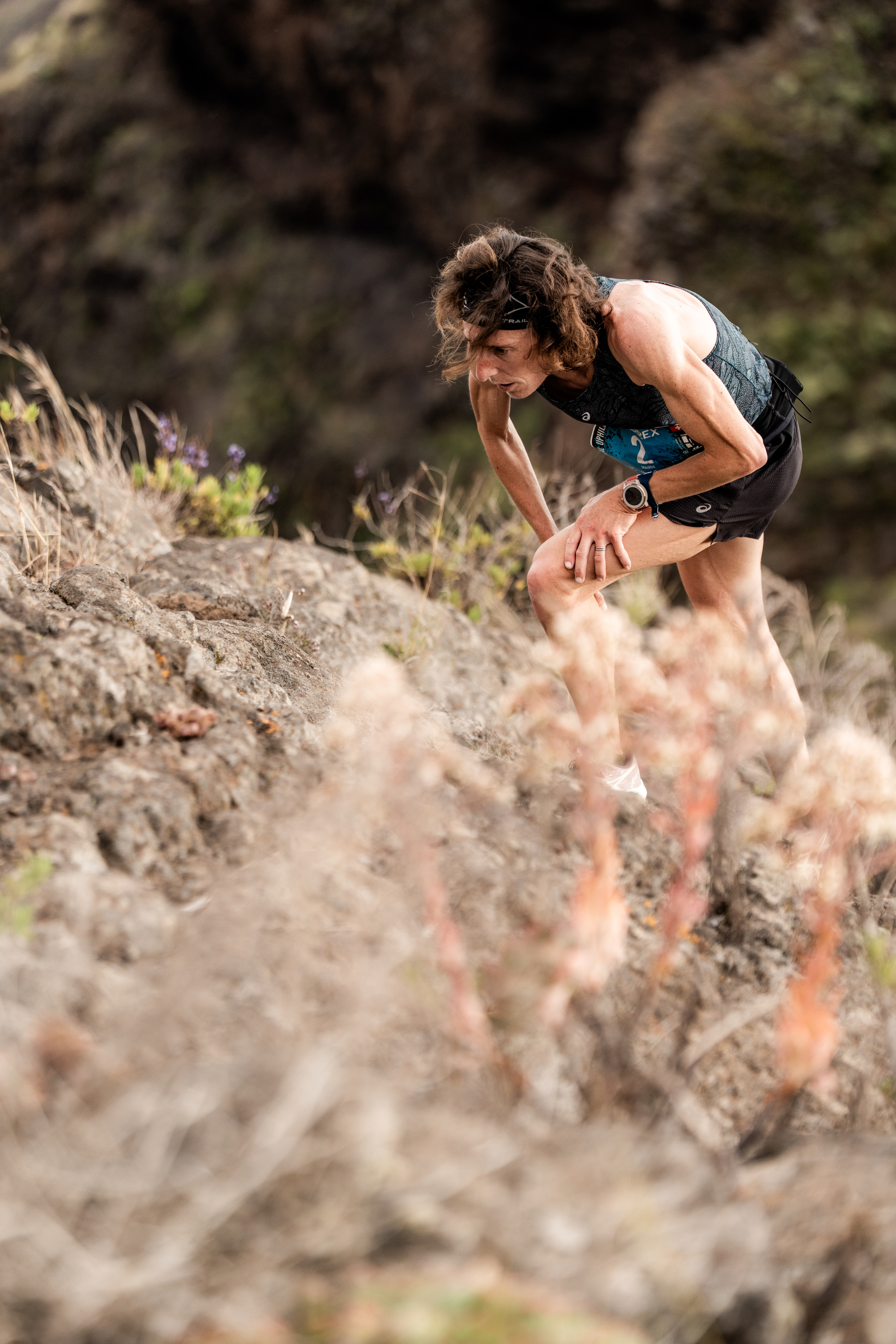
This year’s edition delivered fast times and fierce competition. Luca Del Pero took the men’s win in 47:59, while Maude Mathys claimed the women’s title in 56:39 in a new CR.

Full participant list and start times are HERE

For spectators and racers alike, the VK is a reminder that you don’t need distance to create drama – just gravity, guts, and a finish line in the sky is the personification of skyrunning, sea to sky!

Follow Ian Corless

Instagram – @iancorlessphotography

Twitter – @talkultra

facebook.com/iancorlessphotography

Web – www.iancorless.com
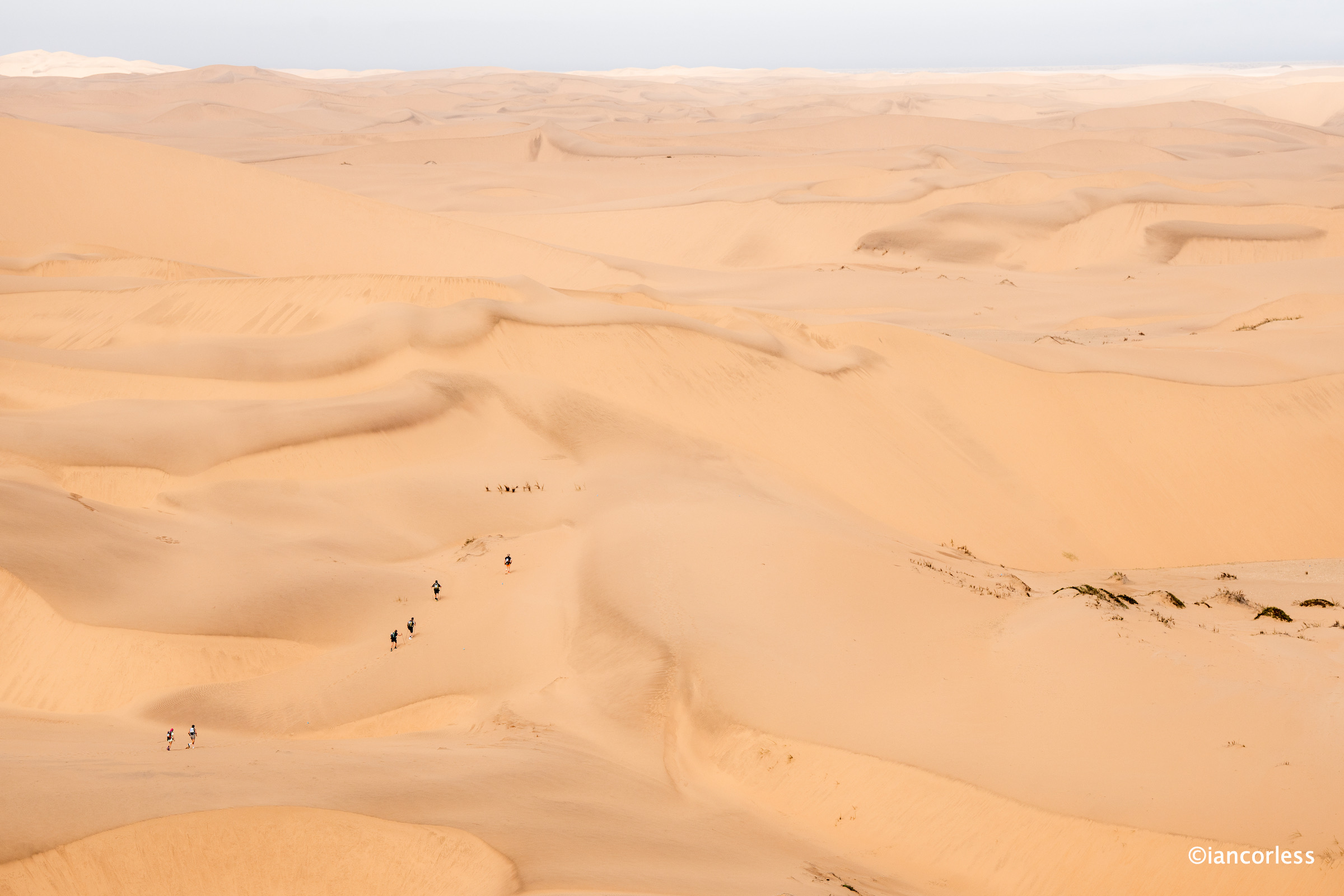
Web – www.iancorlessphotography.com

MDS Raid Namibia 2025 Summary : Testing Limits on the Edge of the Atlantic

The first edition of MDS Raid Namibia has come to a close, leaving behind exhausted bodies, and memories that will last a lifetime. This was more than just a race across the sands—it was a shared journey in one of the world’s most extreme environments. Over four days participants moved through heat, wind, and shifting dunes with only one constant: each other.

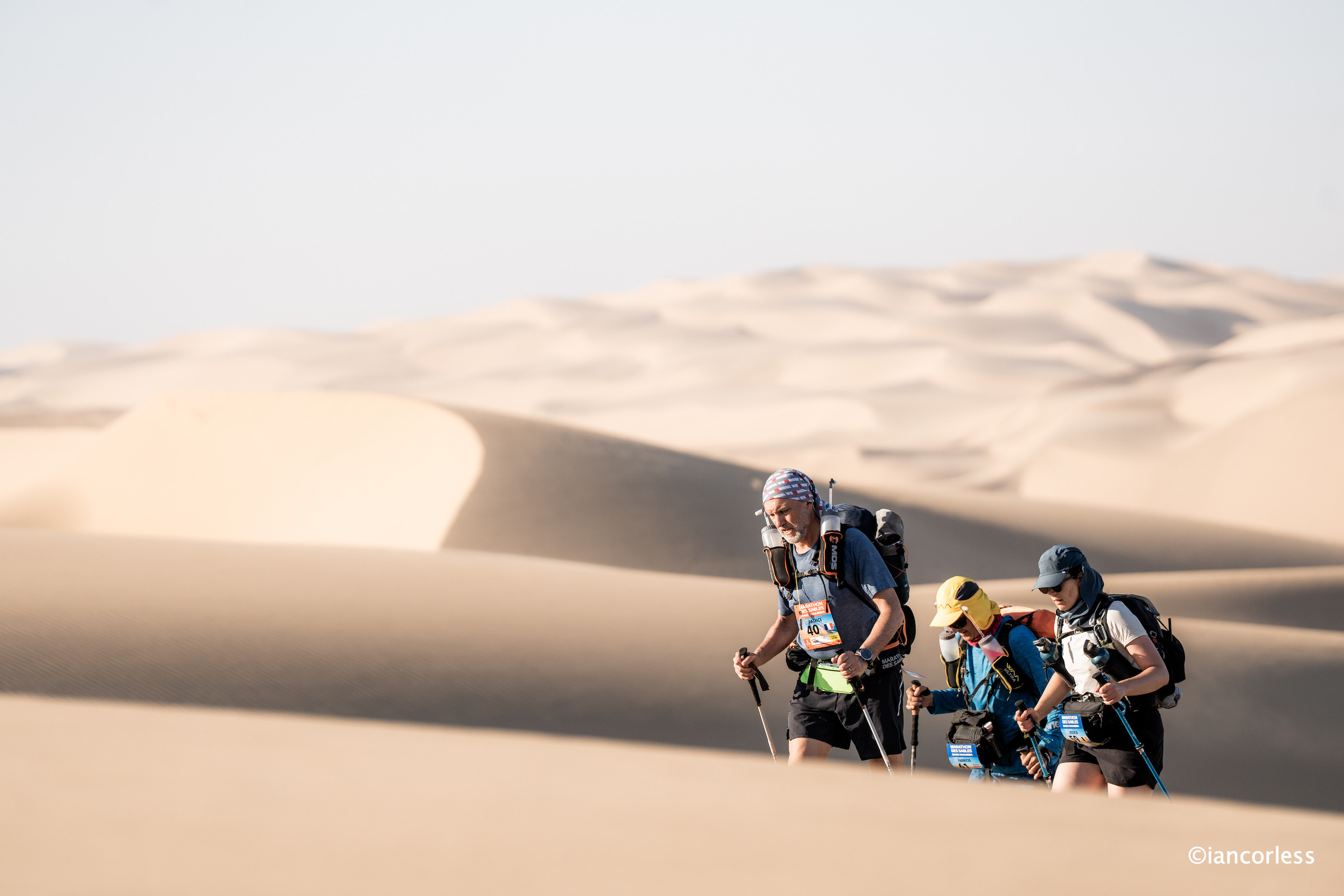
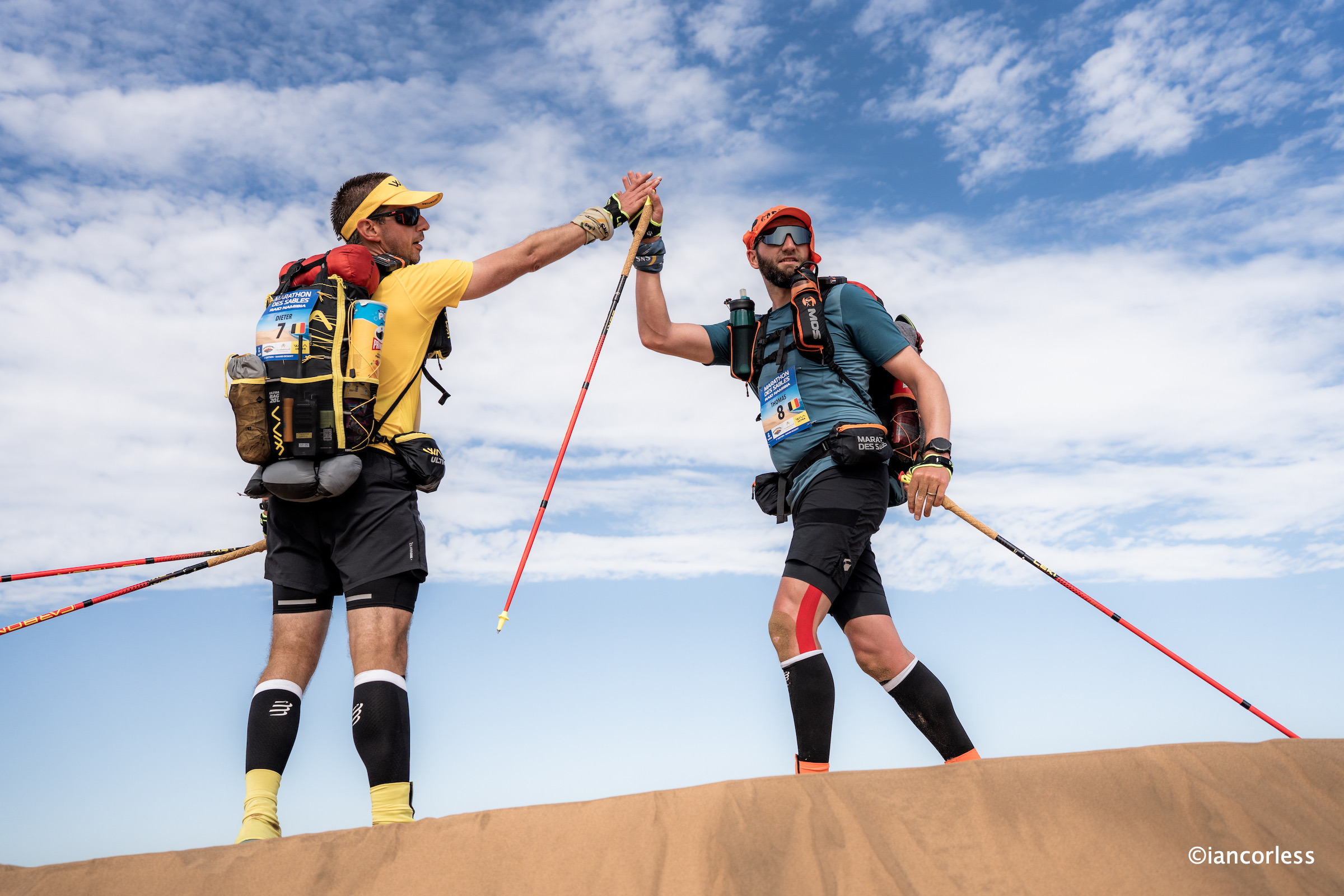
This inaugural and pioneering edition introduced a unique format – teams of two. Every participant was matched, not just in distance and pace, but in mindset. They ran, rested, and overcame together. And in those long hours on foot, under relentless skies, something powerful happened. Partnerships turned into friendships. Teams became a family.

Self-sufficiency is the foundation of MDS Raid Namibia. Runners carry all their food and essential gear for four days on their backs. It’s a constant of the MDS format: a journey on foot through an incredible environment that returns participants to a more primitive time, one of survival. Support comes from each other and the MDS crew.

View the MDS RAID NAMIBIA Photo Galleries here

The Blue Coats and the Orange Coats: Backbone of the Race

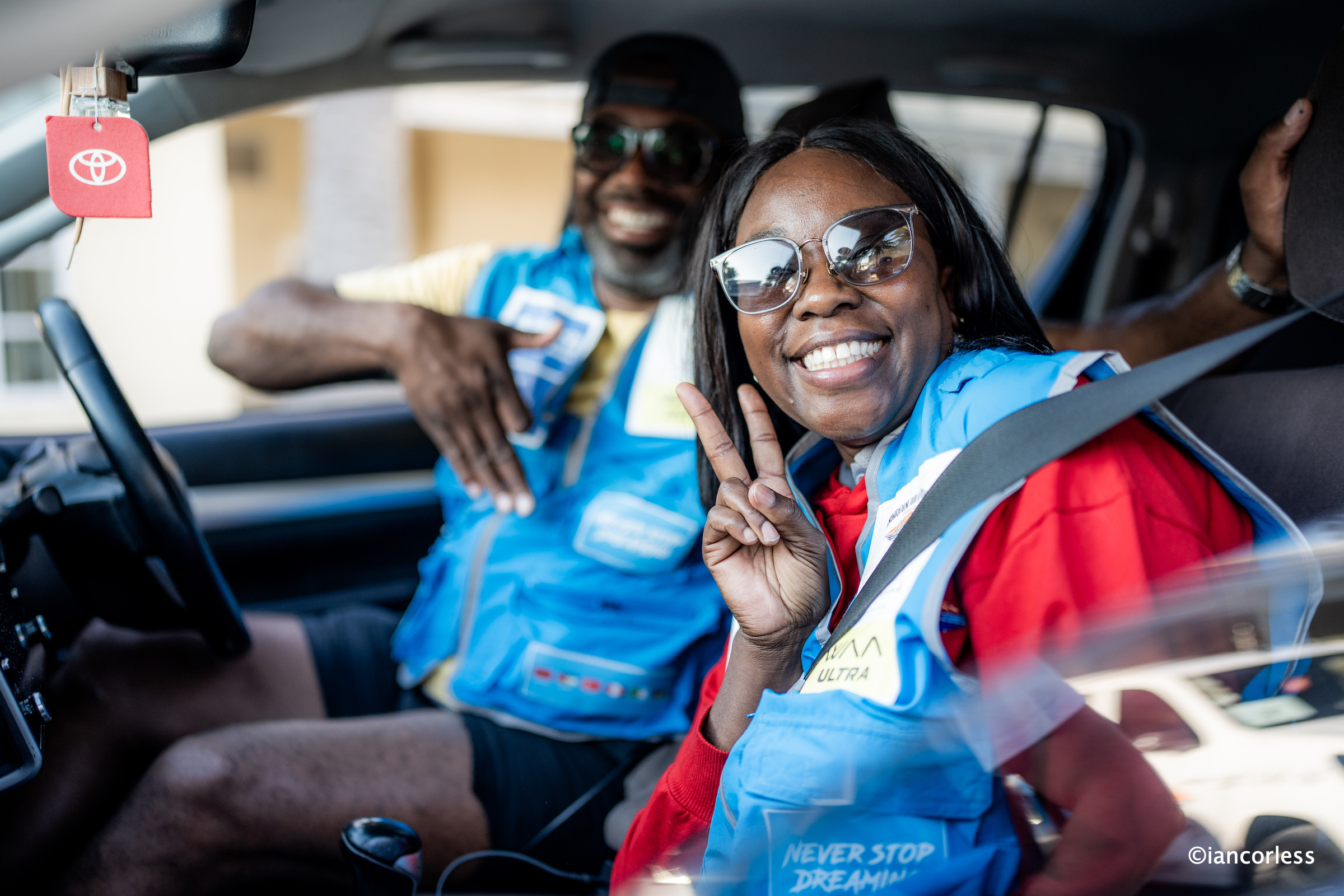
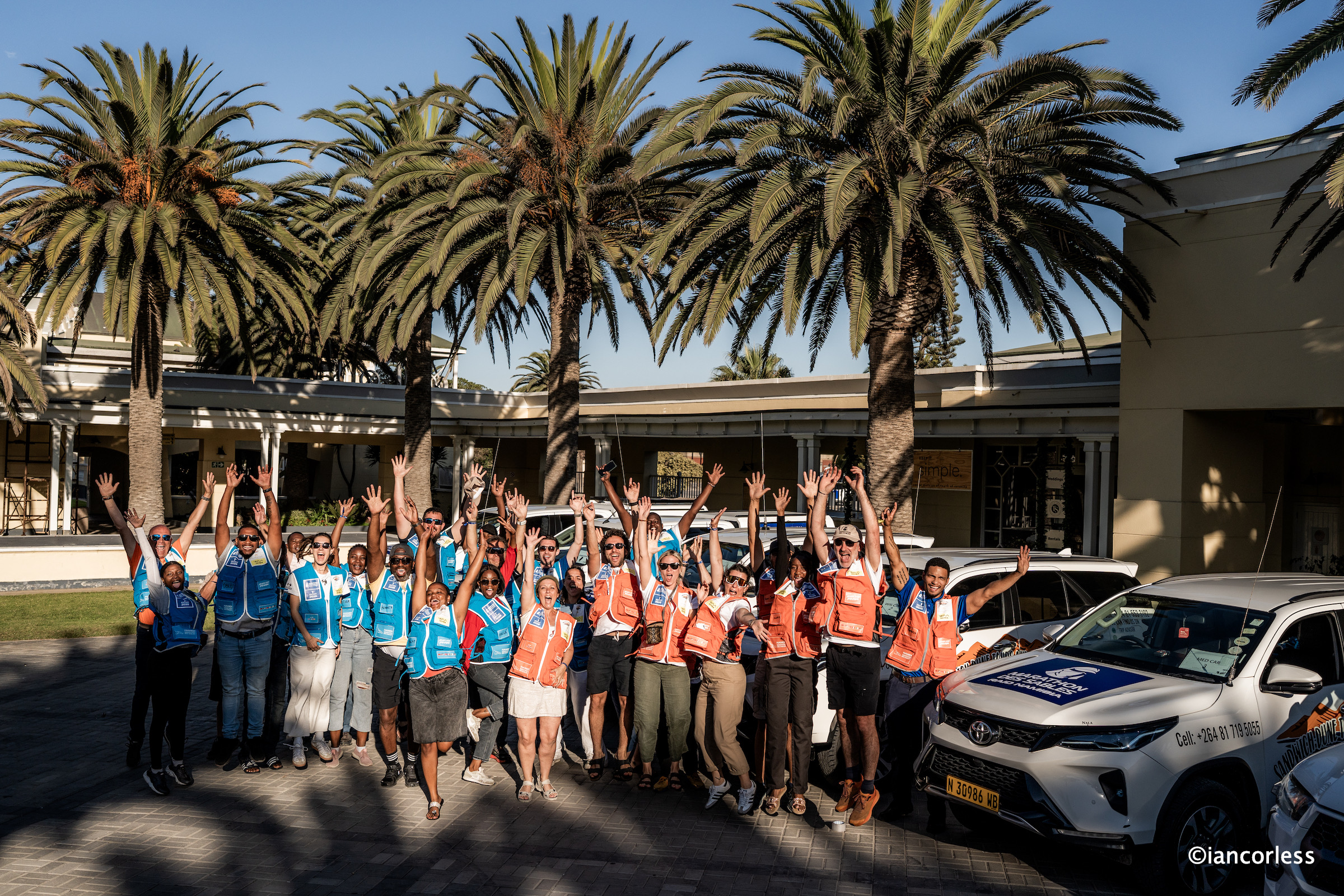
Behind every successful kilometer run or walked were the volunteers – the unsung heroes of MDS Raid Namibia. Dressed in blue jackets, the logistics team ran the show from behind the scenes. They handled transportation, managed camp setup, checkpoint supplies, vehicle recovery, and every little thing that kept the race moving forward. Without them, the race wouldn’t have happened.

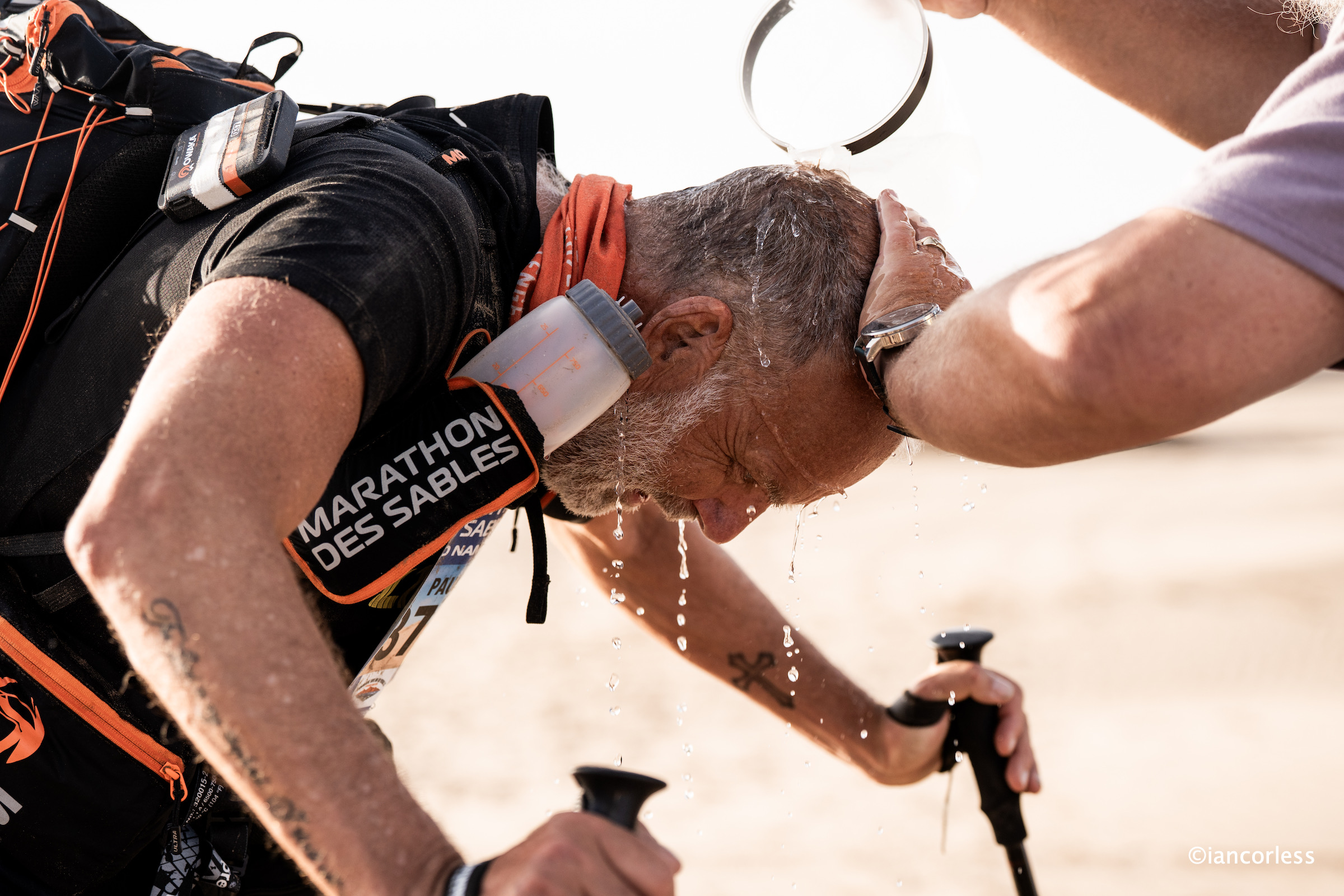
Equally essential were the orange-coated medical teams. These men and women brought experience, calm, and skill to a setting where even small injuries can become dangerous fast. From treating blisters and hydration to monitoring serious fatigue and heat issues, they kept a constant watch over the runners. Their presence allowed participants to push harder, knowing someone had their backs.

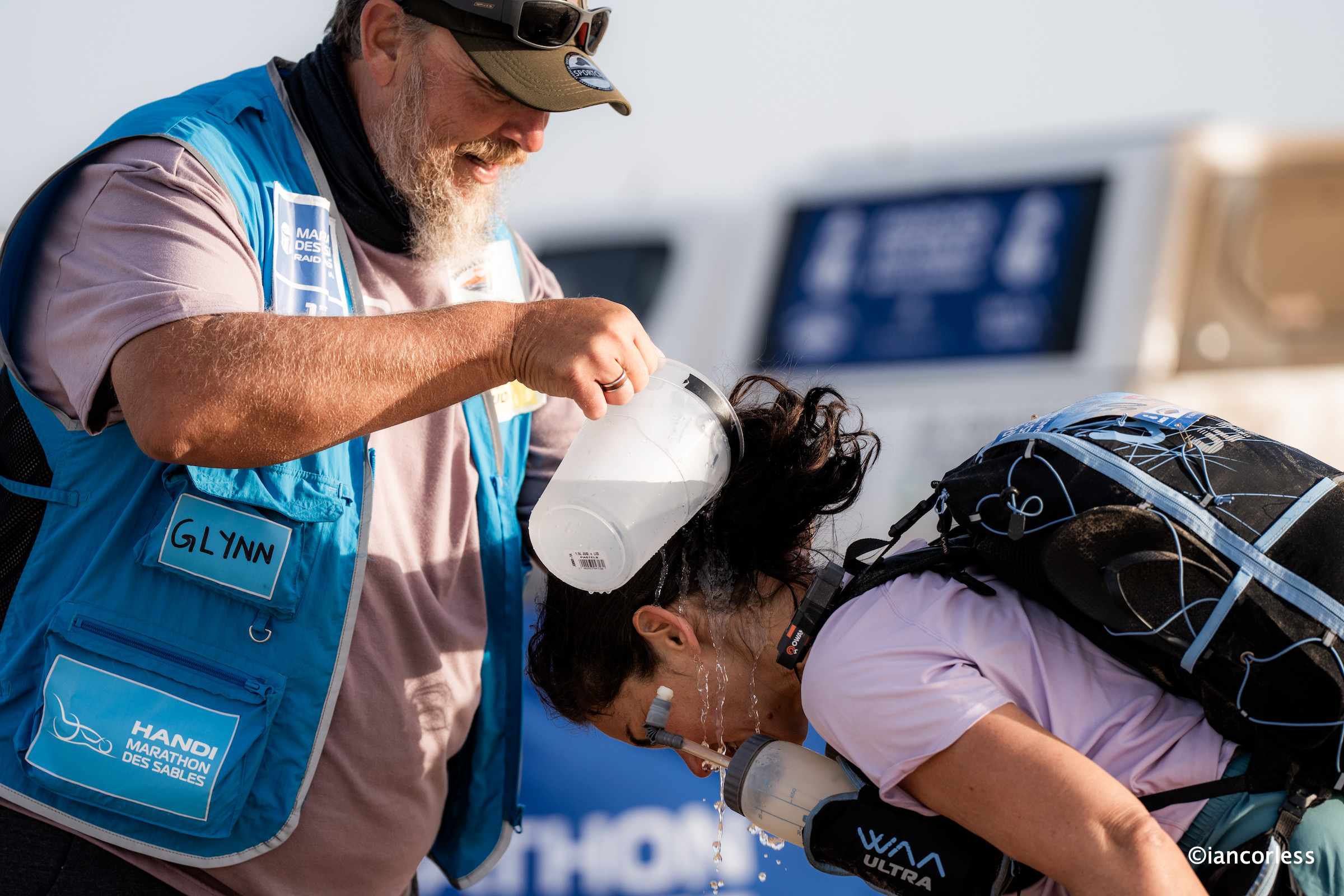
Crucial to the survival and success of every runner were the course checkpoints, spaced strategically each day. These oases offered one vital thing: water. The weight of self-sufficiency was lifted slightly at each stop, where volunteers filled bottles, tracked progress, and cheered with smiles that mattered more than they knew. These checkpoints weren’t just pit stops – they were lifelines.

Volunteers often worked longer hours than the racers. They were the first up, the last to sleep, and the steady hands that made this entire event possible. Their professionalism and compassion were matched only by their quiet strength. They didn’t ask for recognition – but they deserve it all.

Running Together, Surviving Together

On the course, teammates and other teams took turns setting pace, checking the route, monitoring hydration, and offering quiet encouragement when the kilometres got heavy.

When one teammate faltered, the other picked up the emotional slack. When both were down, they leaned on each other and climbed back out together.

What surprised many was how close they grew to not just their partner, but to everyone else out there. Between finish line and camp life, barriers fell.

Every evening, the camp came alive with laughter, shared meals, stories, and exhausted, genuine connection. Strangers at the start became a family by the end. No one knew how hard it would get. No one knew how deep the friendships would run.

The Desert Gave Everything

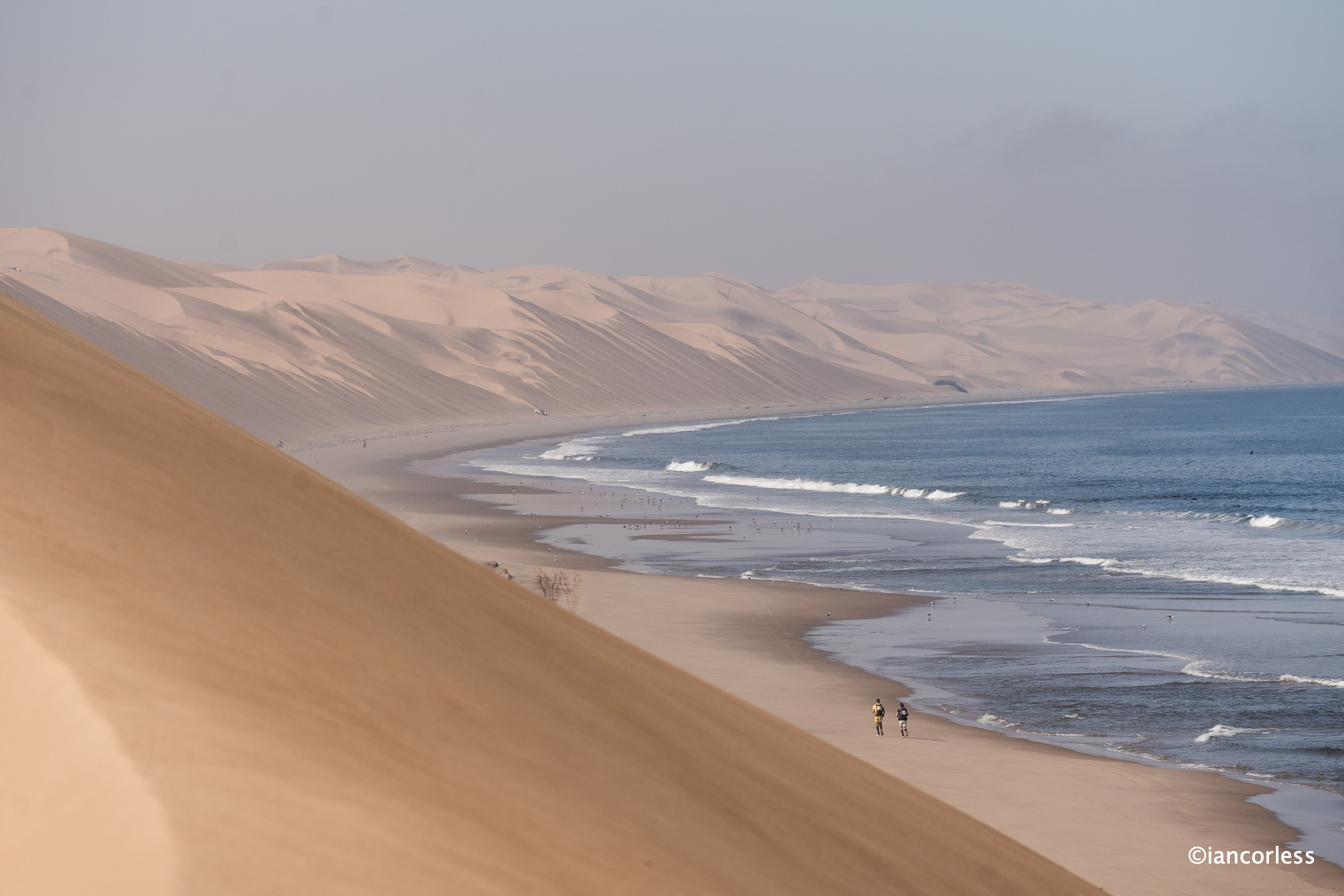
The course itself was as raw and real as it gets. Each day offered a new section of Namibia’s coastal desert, where runners encountered moonscape vistas of sand that disappered into endless horizons.,

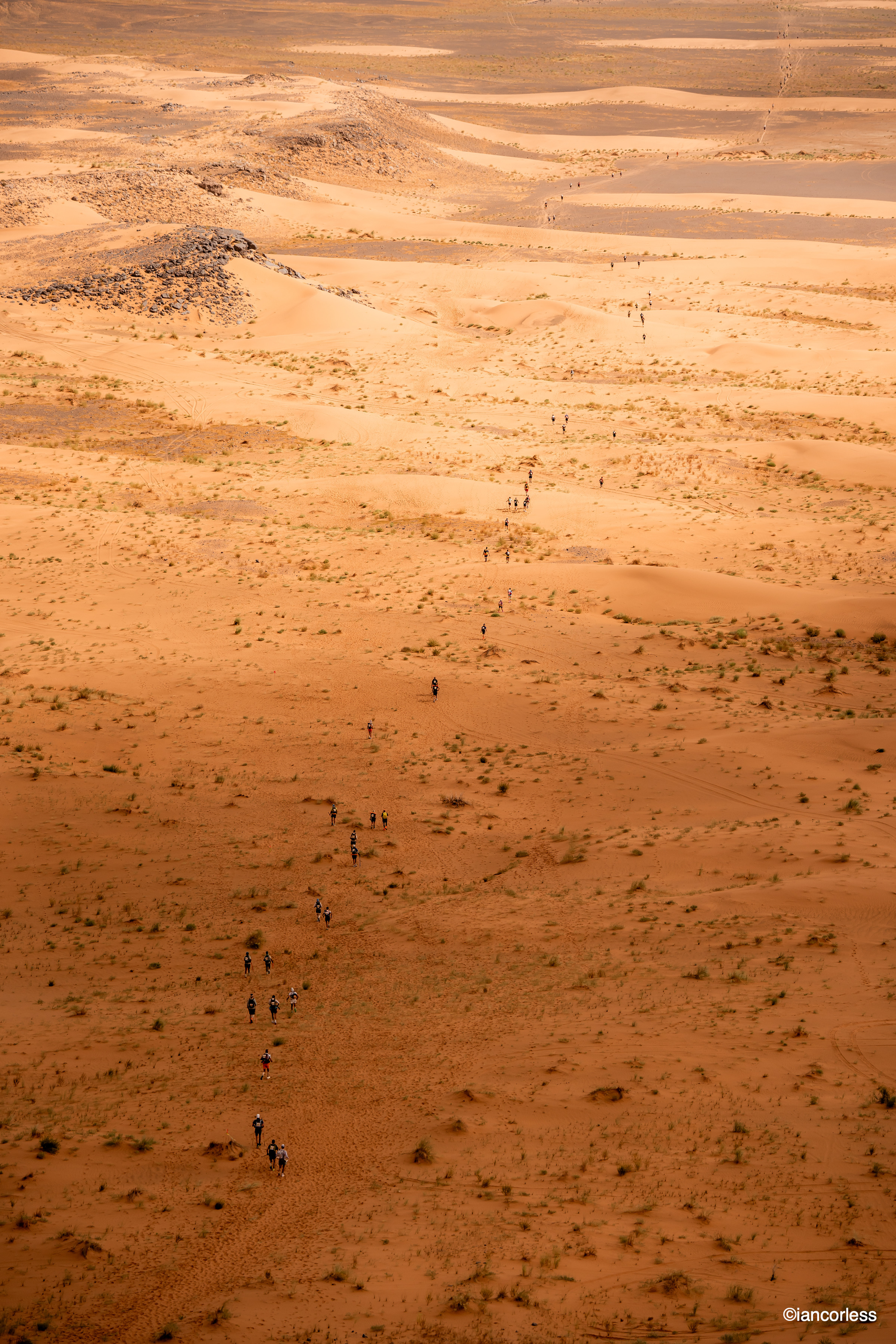
Soft, energy-sapping dunes that define this region were the relentless playground that made MDS Raid Namibia unique.

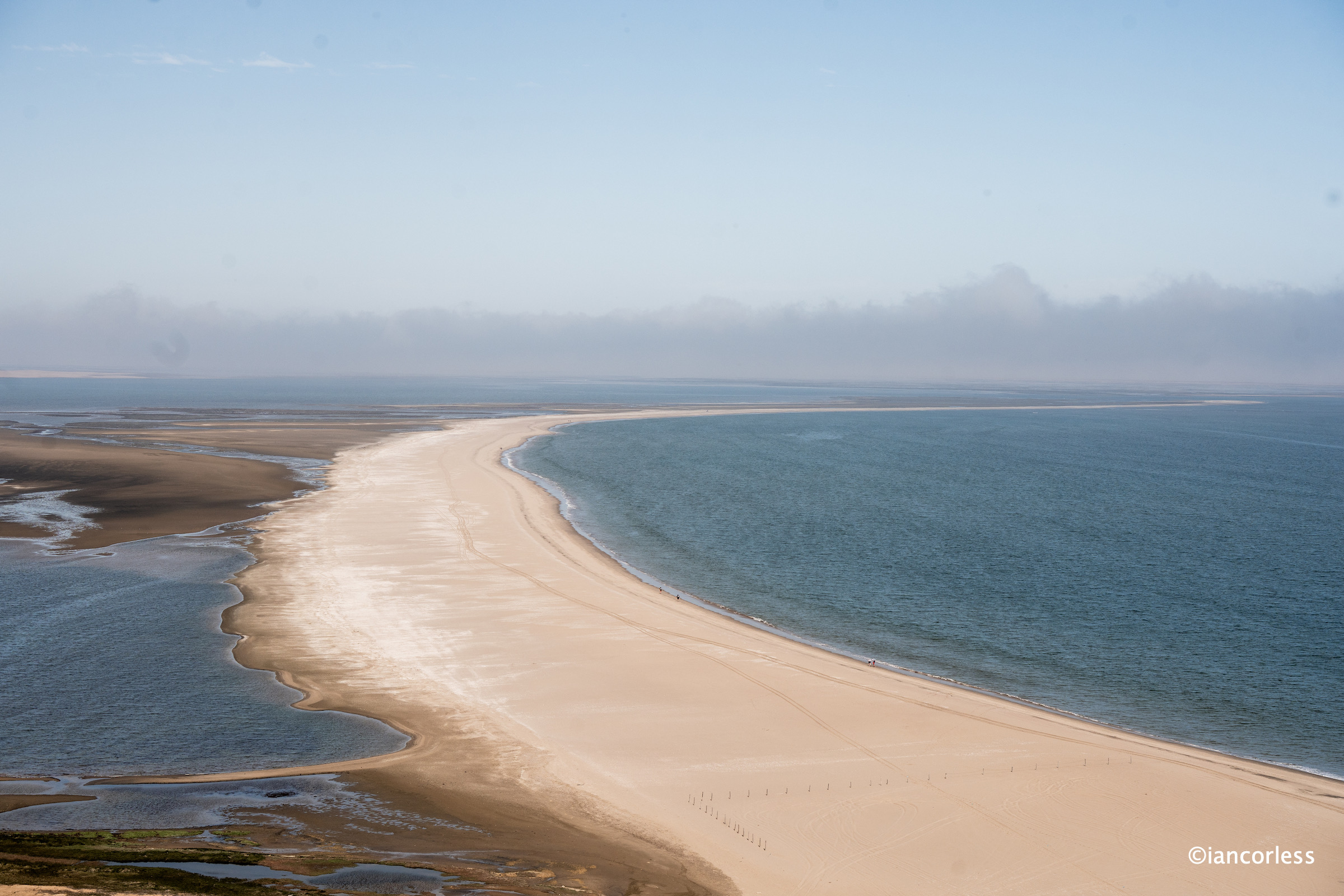
The Atlantic Ocean sat just out of reach, visible but untouchable, as if guarding the coastline. A highlight? For the first time in history, participants were granted access to the restricted Sandwich Harbour.

From the start, the desert tested resolve. Heat during the day, cold at night, and relentless sand underfoot made every kilometer earned. The course cut through some of the most stunning and unforgiving landscapes in Africa: ancient dunes, wind-carved valleys, and the stark openness of Namibia’s coastal desert. It was physically punishing, but visually surreal.

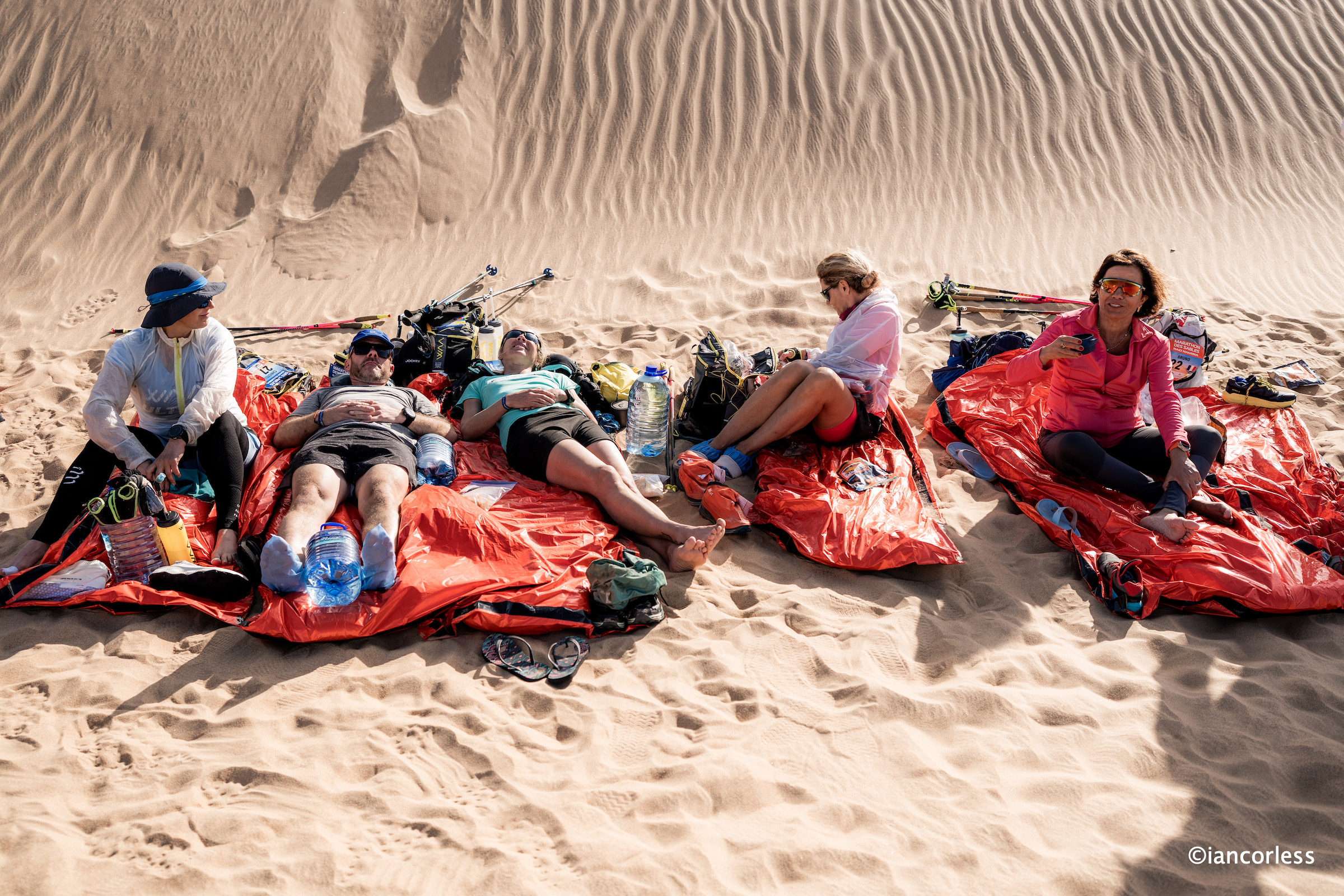
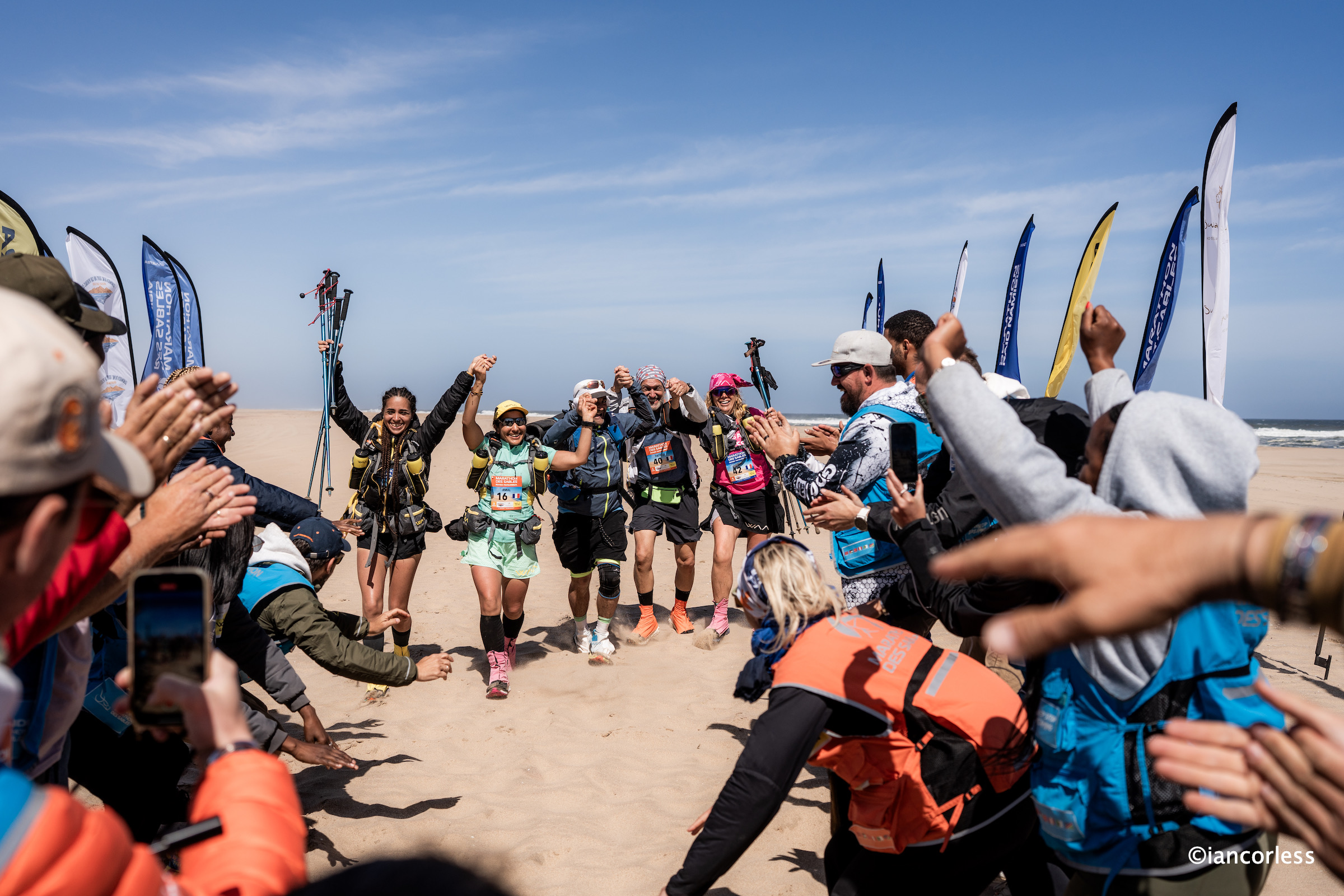
Unique for RAID was star night: a night without shelter, raw, exposed to the sky and elements. Teams bonded as they revelled in the unique privilege to share an African sky as a communal blanket.

Gratitude to the Namibian People

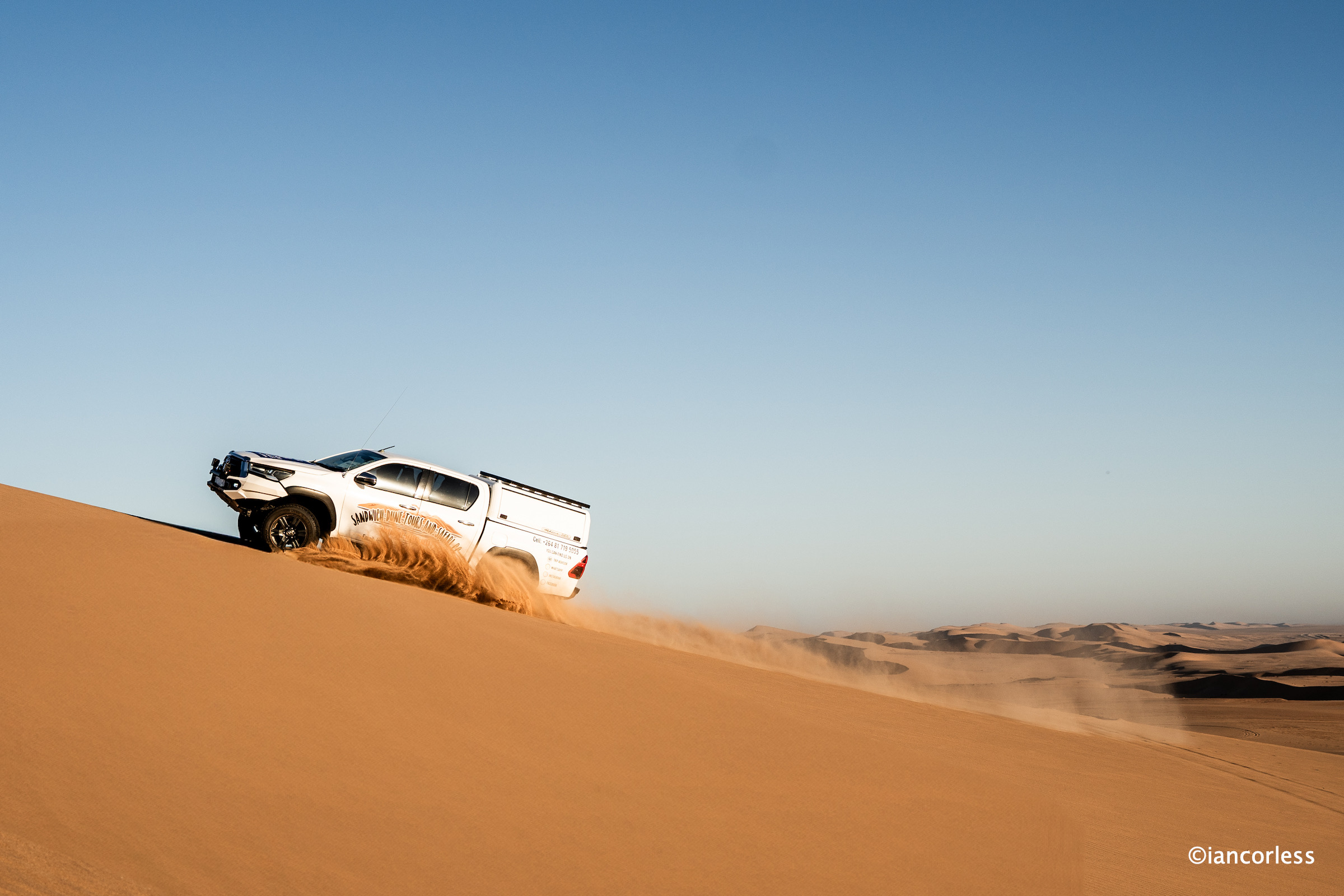
No event of this scale happens without the trust and cooperation of local communities. The MDS team expresses deep thanks to the people of Namibia – the landowners, the local guides, the regional authorities, and the communities near the course. A special thanks to Namibian Tourist Board and the Governor. The race would not have been possible without Kenneth and the team at Sandwich Dune Tours and Safari.

The generosity, the hospitality, and the pride in sharing this land made it possible for us to experience something few ever will. Namibia’s desert is wild, beautiful, and humbling – and it’s also a place of heritage and strength. We were guests in this landscape, and we honor those who welcomed us into it.

More Than a Finish Line

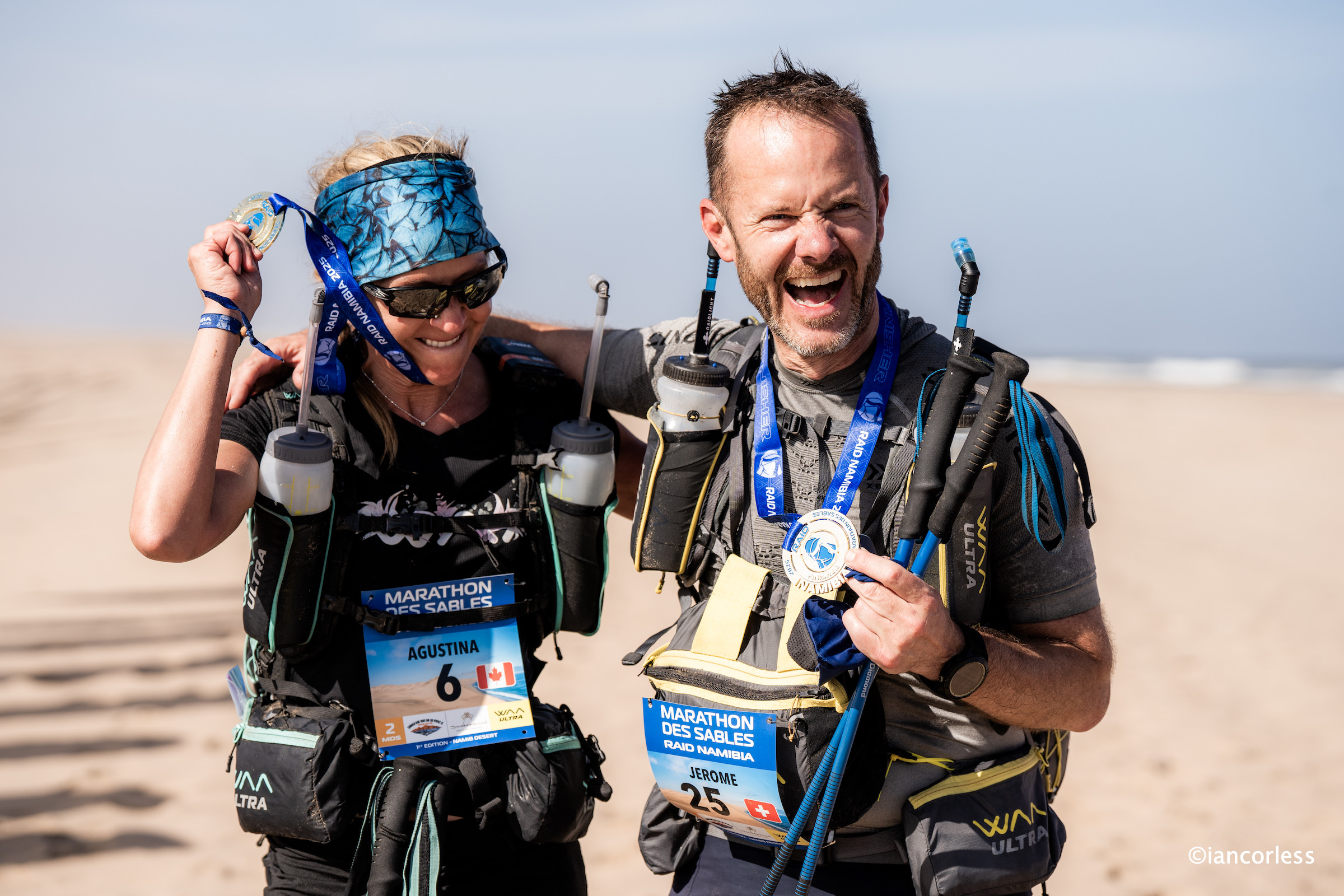
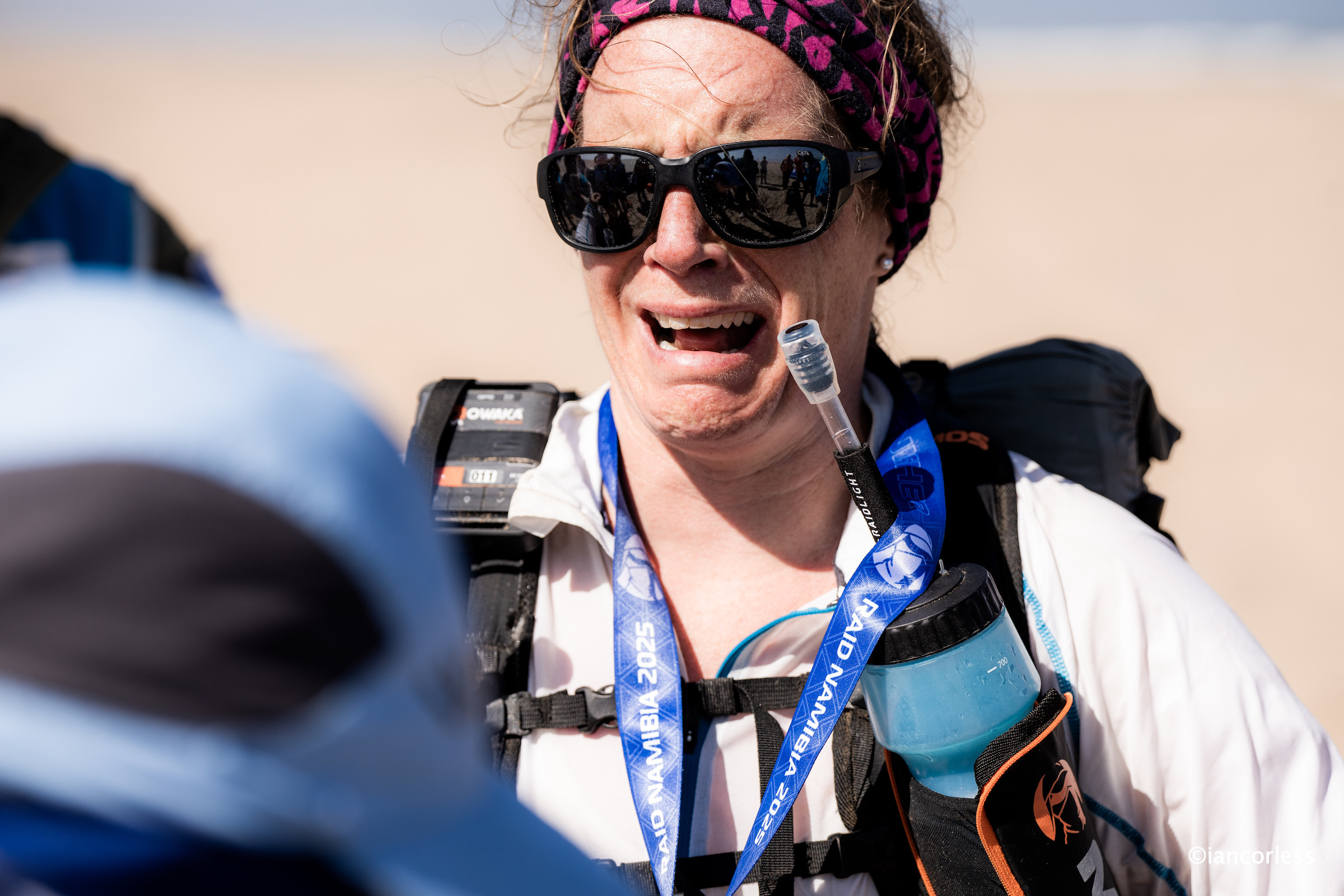
When the final teams crossed the finish line – worn out, arms raised, sometimes in tears – there was no grand ceremony, no confetti. Just the wind, the sand, and the quiet satisfaction of doing something very few people ever will.

Yet, in that exhaustion, something else was clear: no one was truly the same person who had arrived days earlier. This race changed people. It stripped them down, exposed their limits, and revealed what was underneath. Some discovered endurance. Others rediscovered purpose. Everyone left with more than they brought.

Looking Forward

The success of this first edition has set a powerful tone. MDS Raid Namibia may not be for the faint-hearted – but it is for the curious, the determined, the seekers. Those who want more than medals. Those who want something real.

What began as a desert race ended as a shared story of grit, resilience, and human connection. And the desert – harsh and indifferent – gave something beautiful in return.

To the runners, the volunteers, the partners, and the people of Namibia: thank you.

View the MDS RAID NAMIBIA Photo Galleries here

MDS Raid Namibia 2026 is calling. Are you ready to answer?

Follow Ian Corless

Instagram – @iancorlessphotography

Twitter – @talkultra

facebook.com/iancorlessphotography

Web – www.iancorless.com
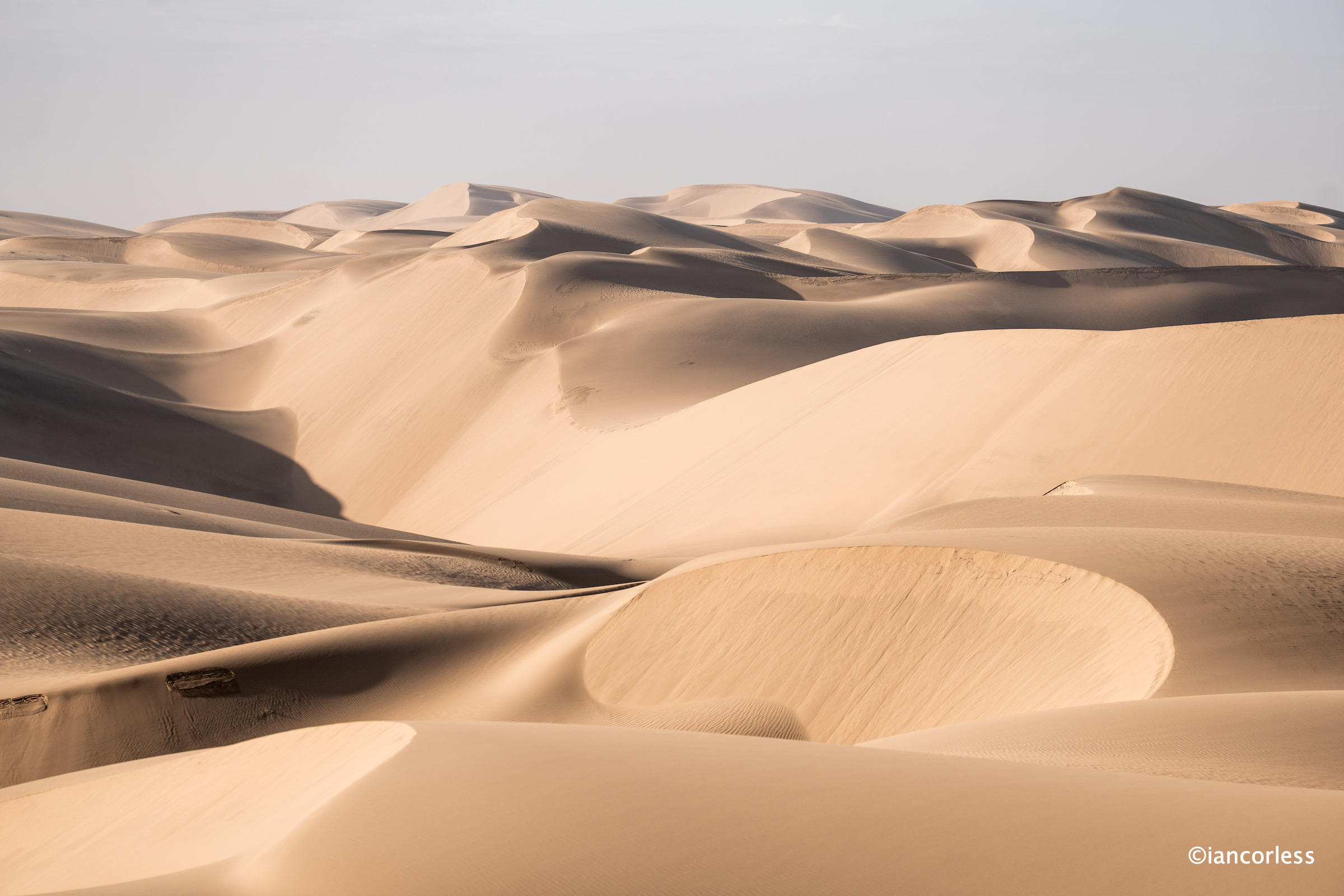
Web – www.iancorlessphotography.com

La Sportiva PRODIGIO PRO – Shoe Review

It has been a little like Christmas lately with the arrival of new shoes for testing and the La Sportiva Prodigio Pro was highly anticipated. I got my hands on a pair at UTMB in 2024, sadly though, they remained in my hands and not on my feet.

So, the arrival of the Prodigio Pro was welcome.

In all honesty, it’s a stand out shoe for La Sportiva. For perspective, I have been using La Sportiva for years, they offer bullet proof mountain running shoes and models such as the Mutant, Jackal and the Cyklon have been in my rotation for years. They are durable and trustworthy BUT not the lightest or even the fastest options available.

Not sure how, but I missed the original Prodigio and when it finally came around to getting a pair for test, the Prodigio Pro was available. So, I jumped straight to the Prodigio Pro, so, any comments here cannot be related to the Prodigio, which I think is maybe a good thing!

First point – this feels like La Sportiva have released a fast, lightweight and arguably a super shoe for trails. Hence my comment ‘a stand out shoe for La Sportiva.’

The Prodigio Pro, for a mountain centric company, is a new approach.

The addition of PRO name signifies that this shoe is for faster workouts, racing or if you are like me, you just love a bloody good run shoe.

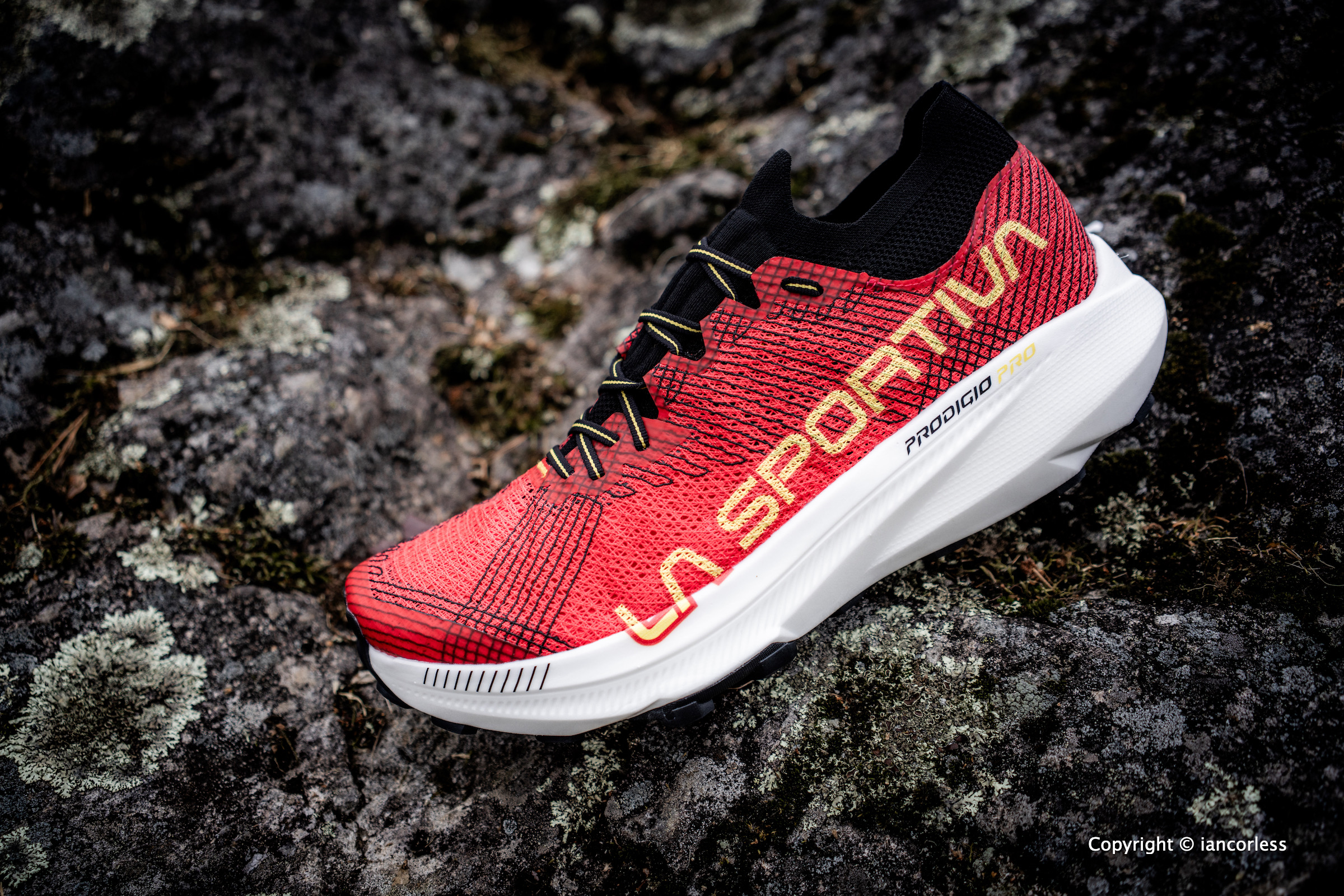
With 28mm cushioning at the front, 34mm at the rear and a 6mm drop, the Prodigio Pro sits in this wonderful middle ground of cushioning and drop.

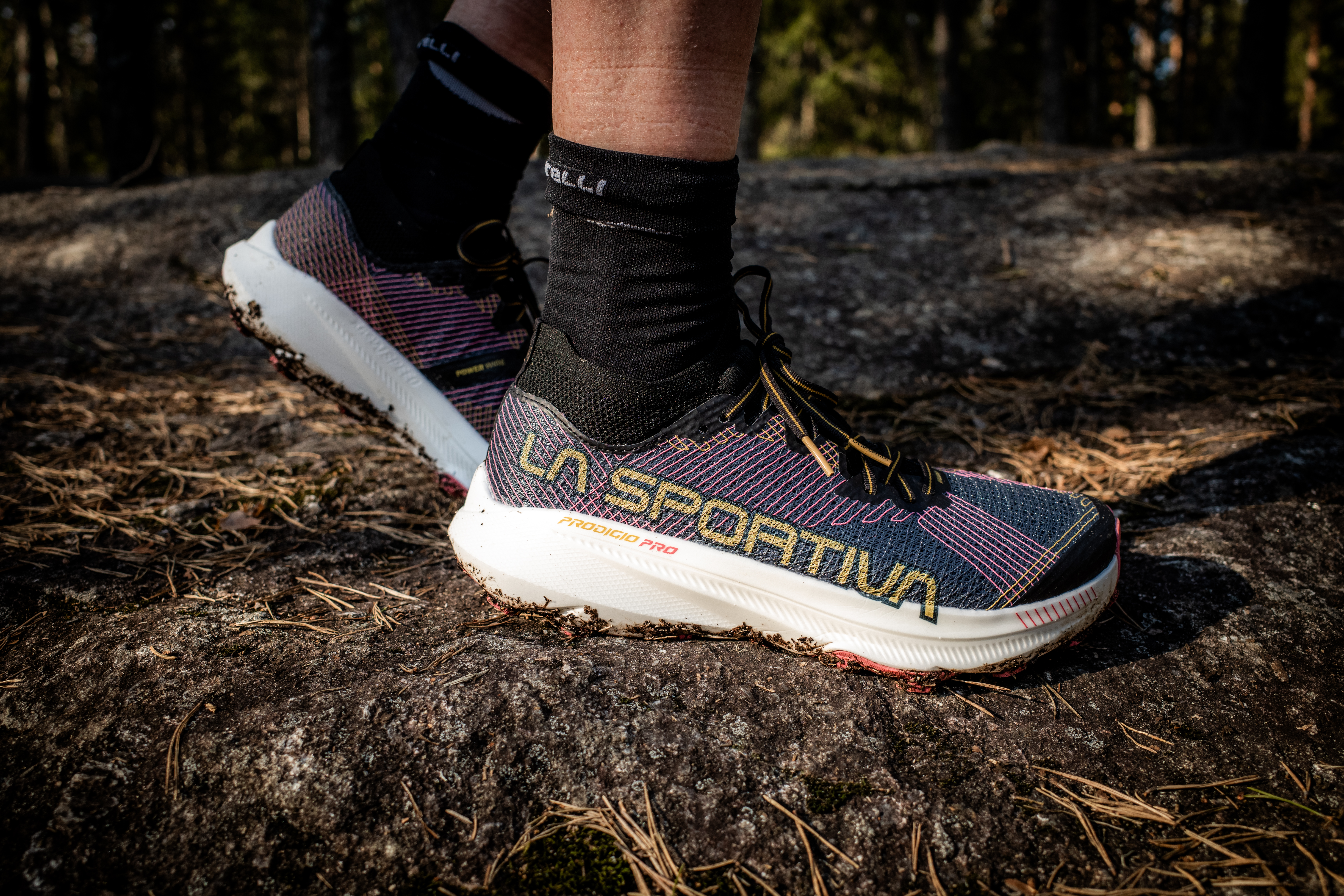
Female colourway

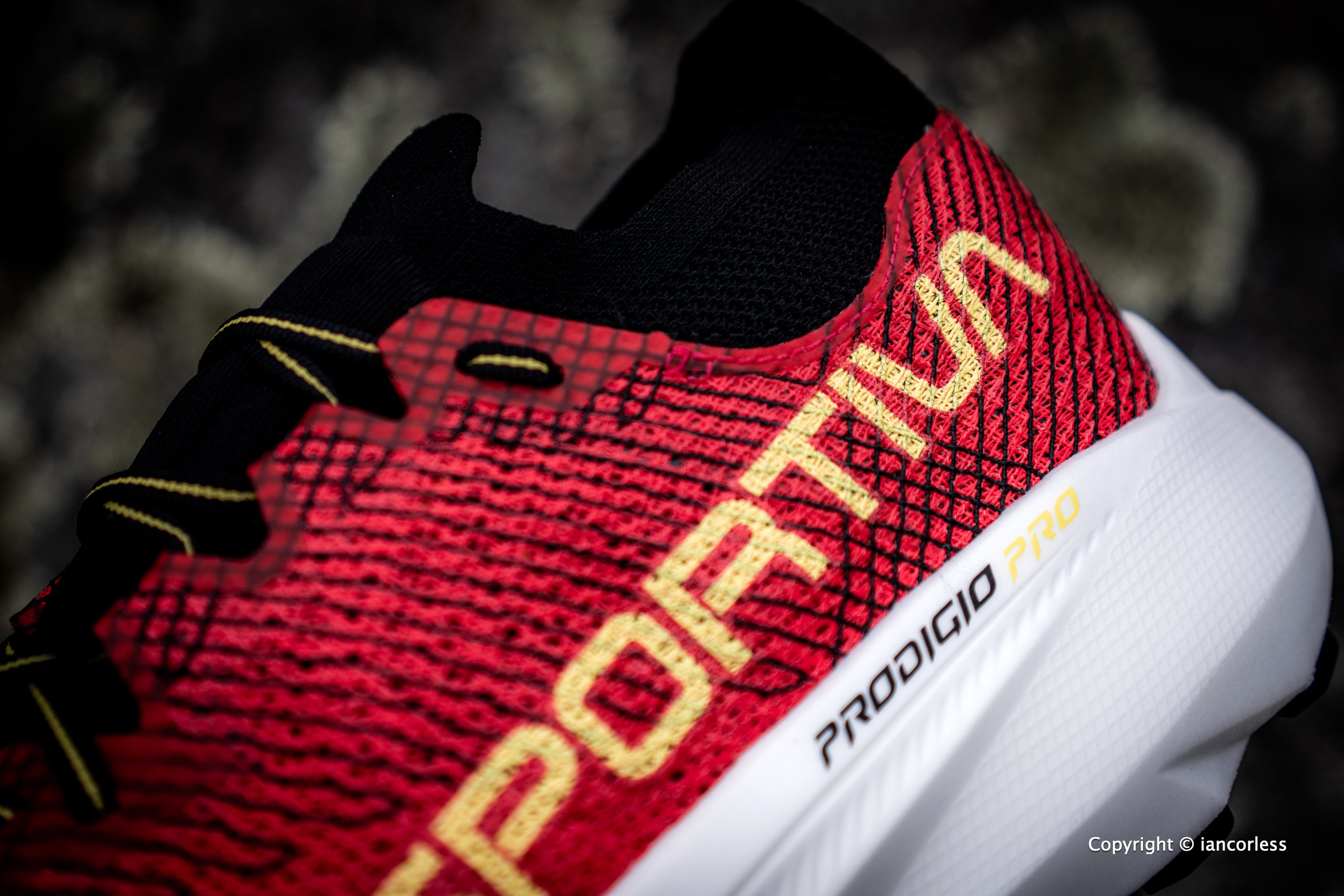
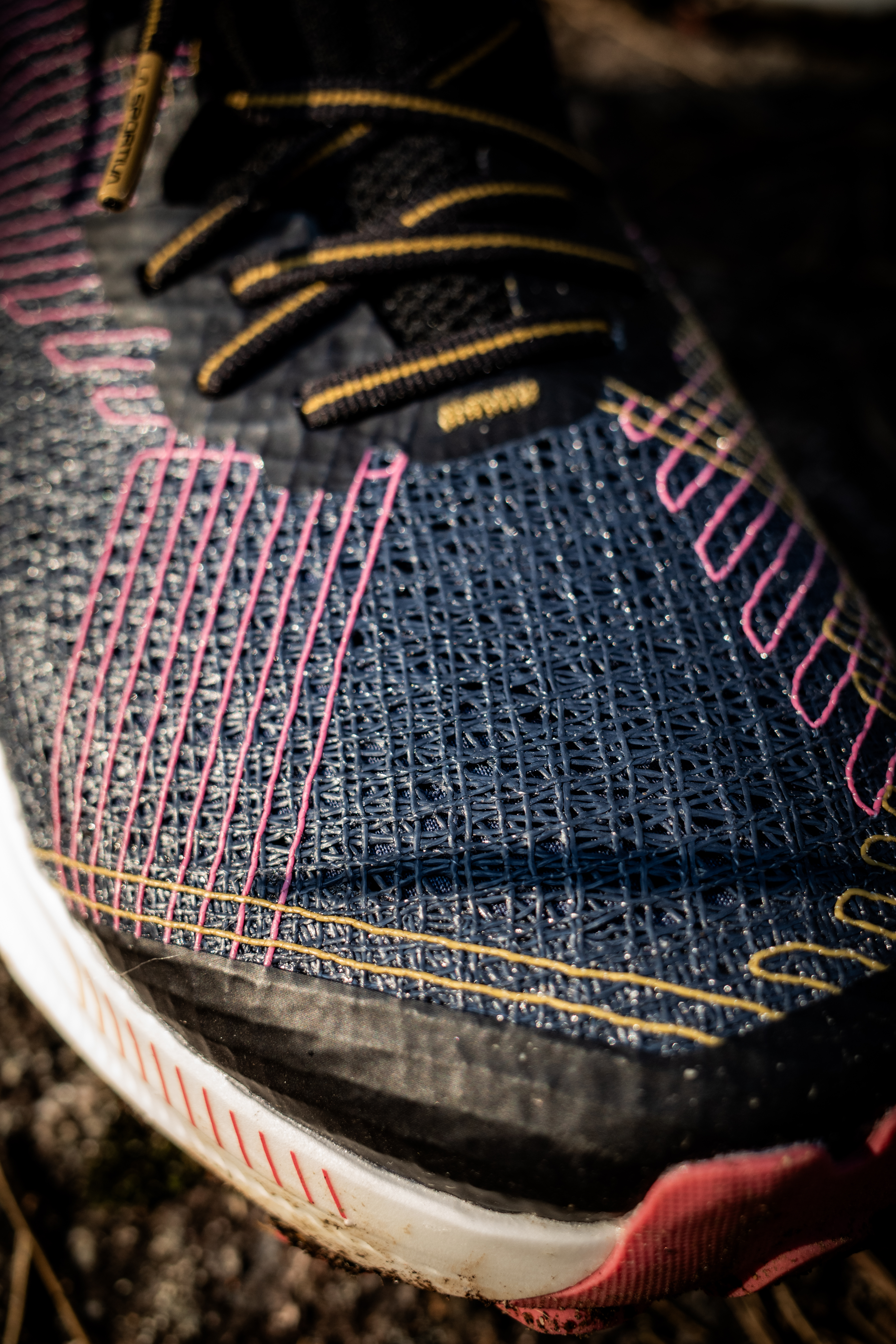
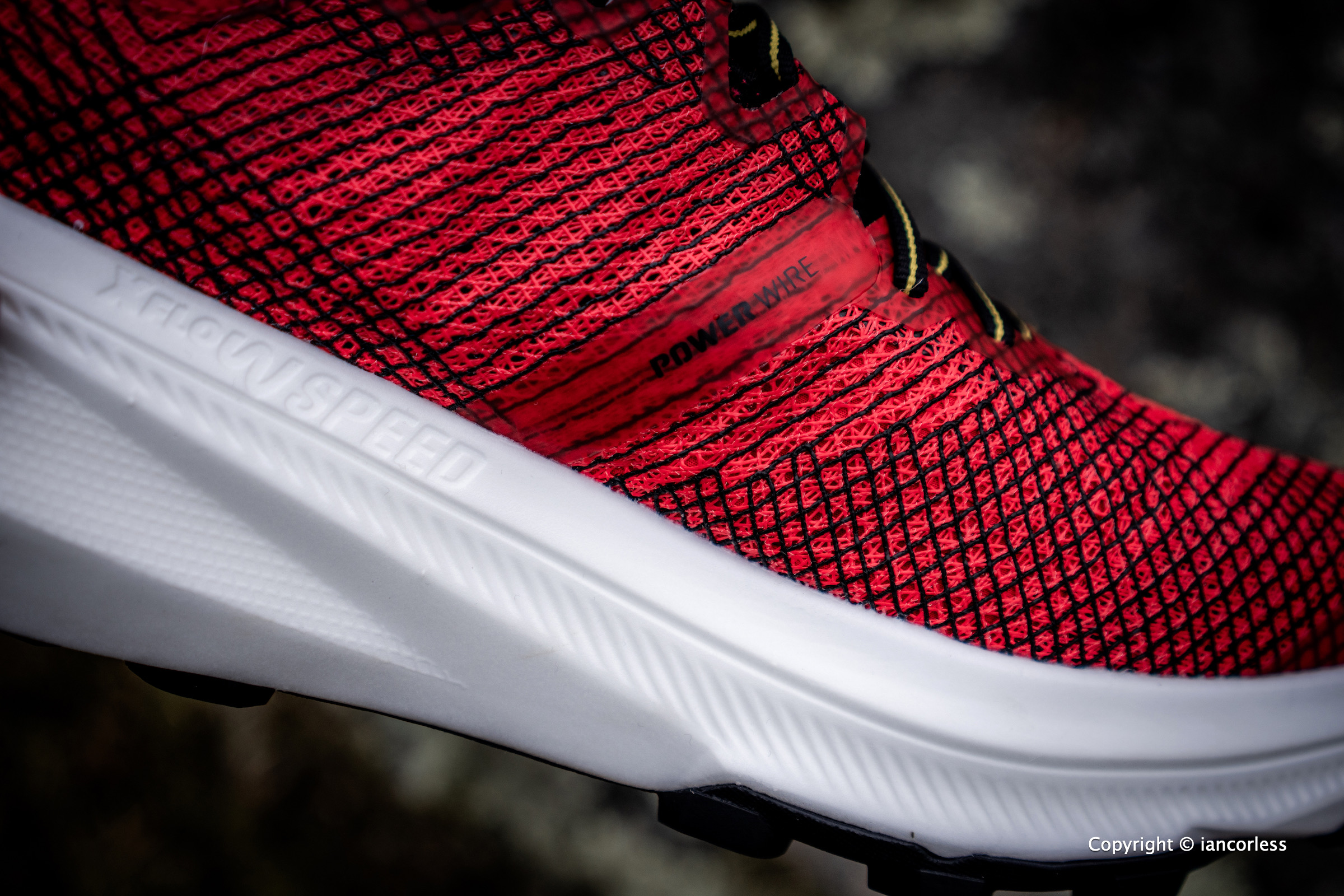
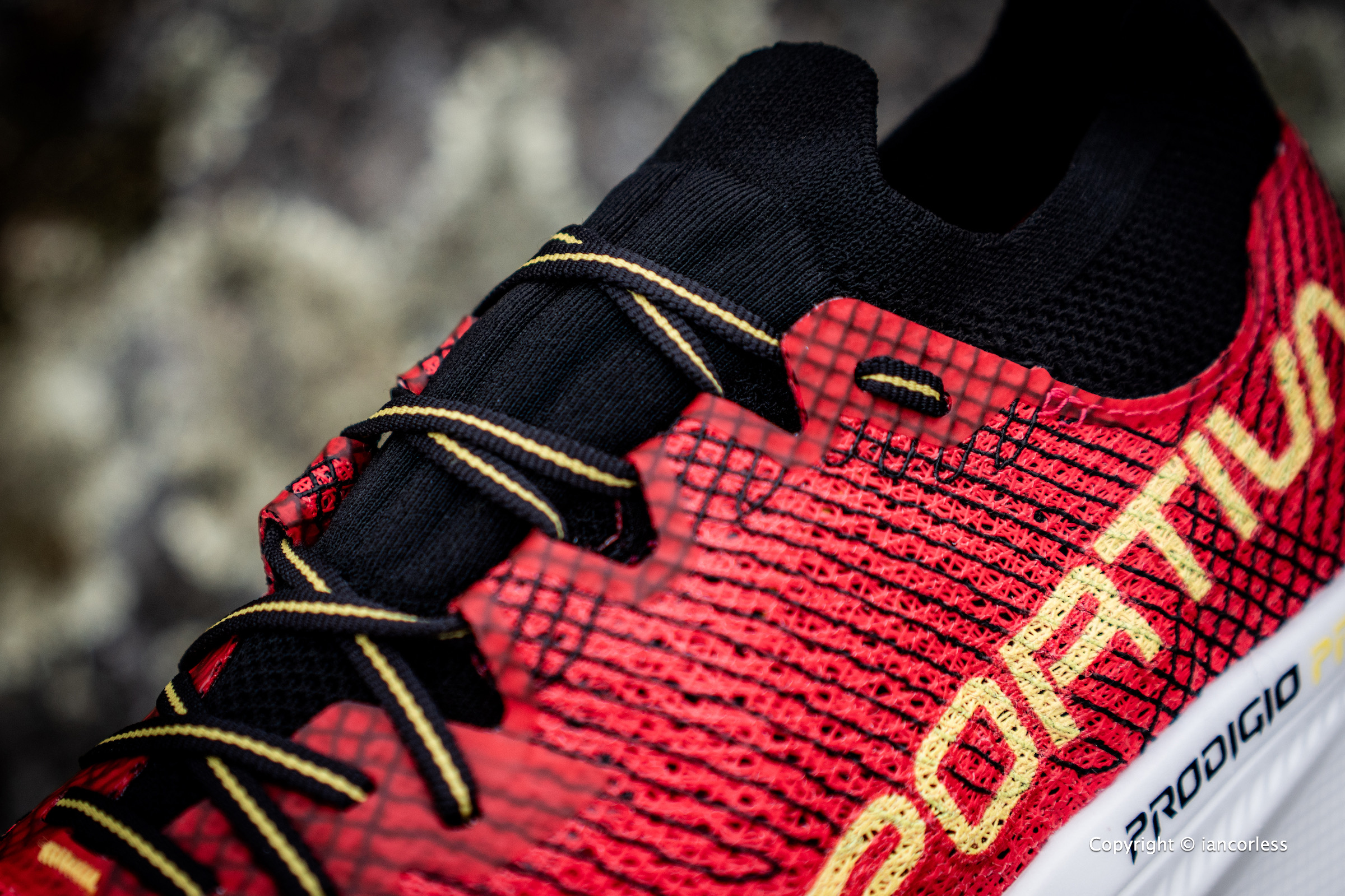
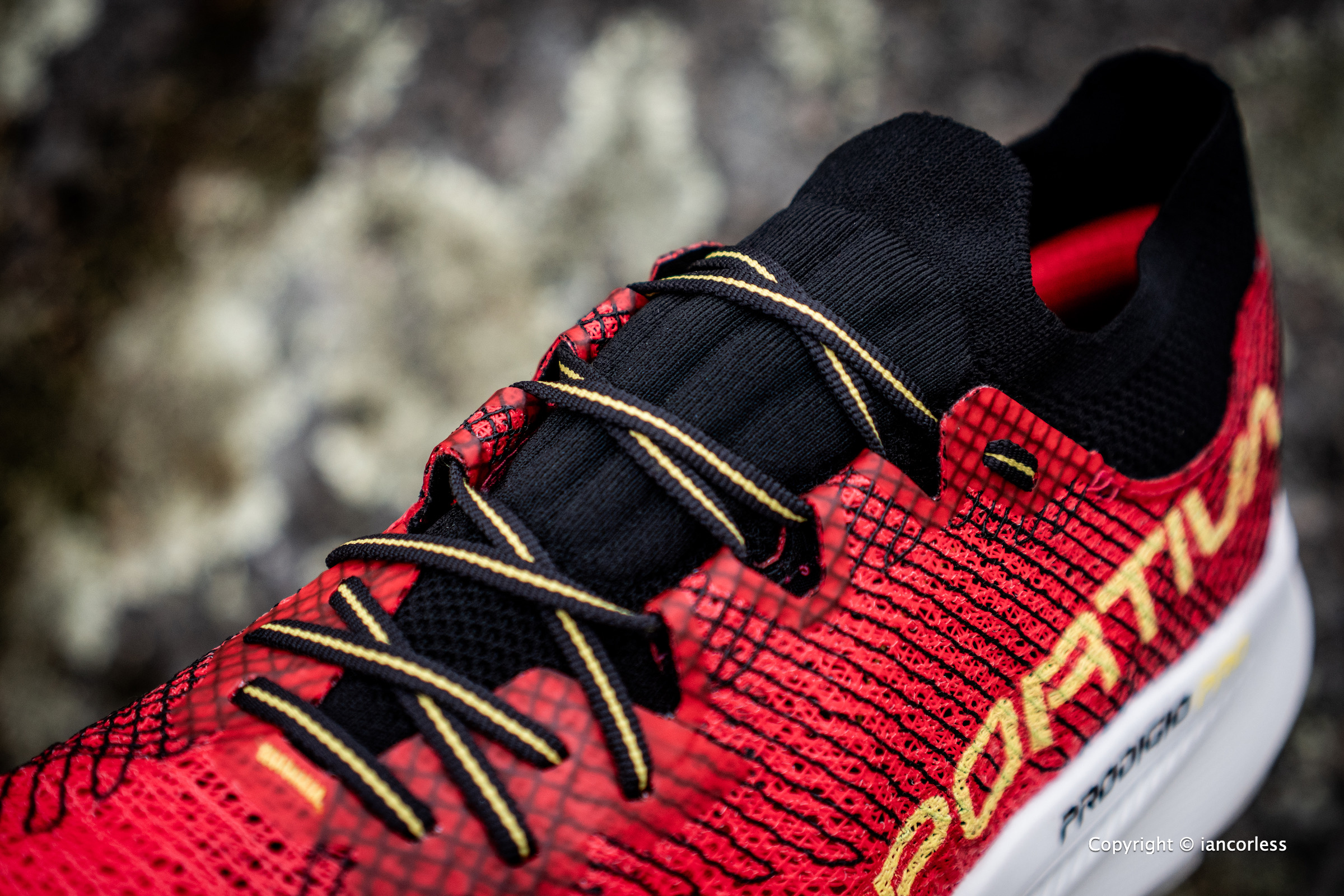
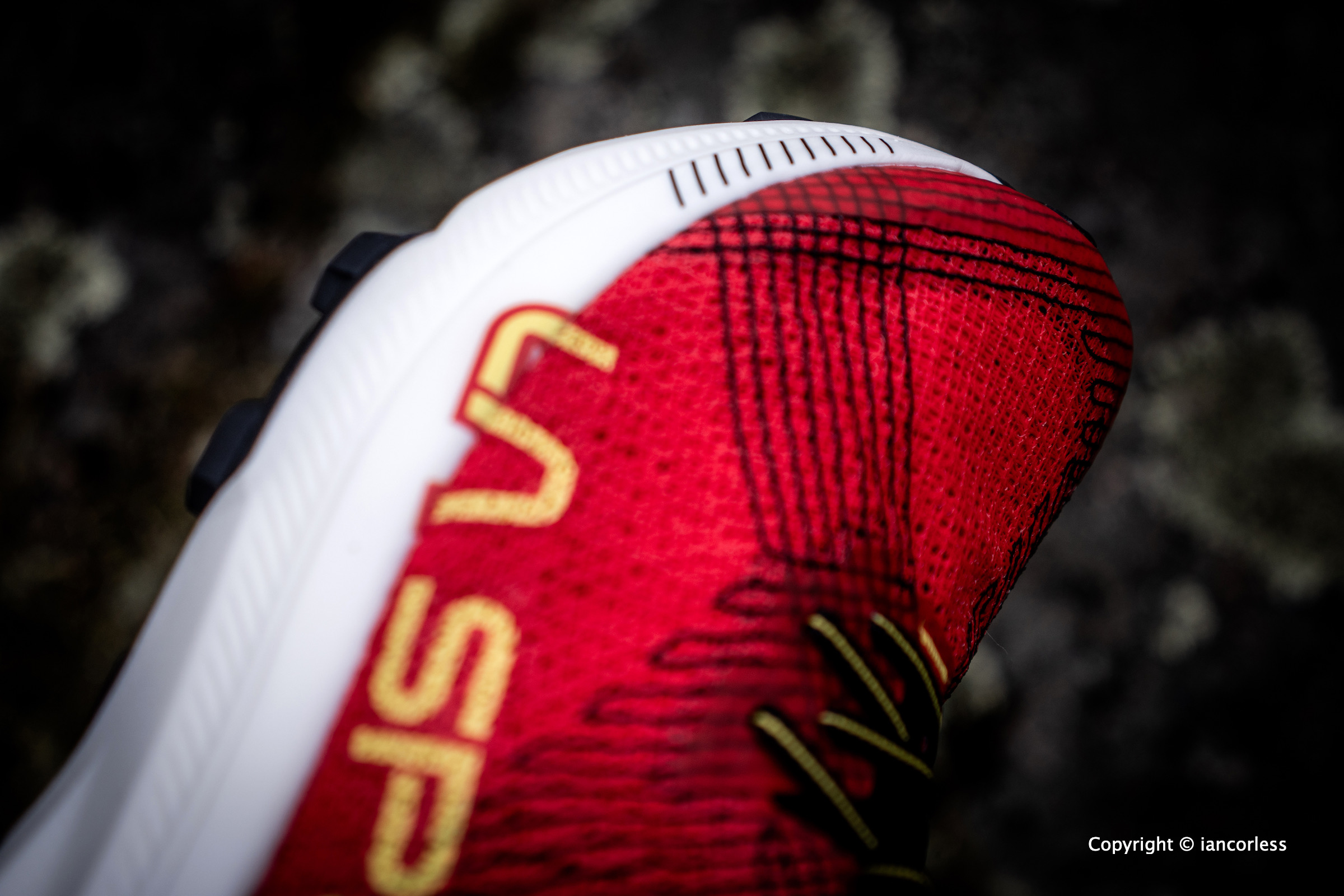
The upper is unique, Power Wire. This upper looks like it was created via computer and then woven in a lab by some marvellous magic.

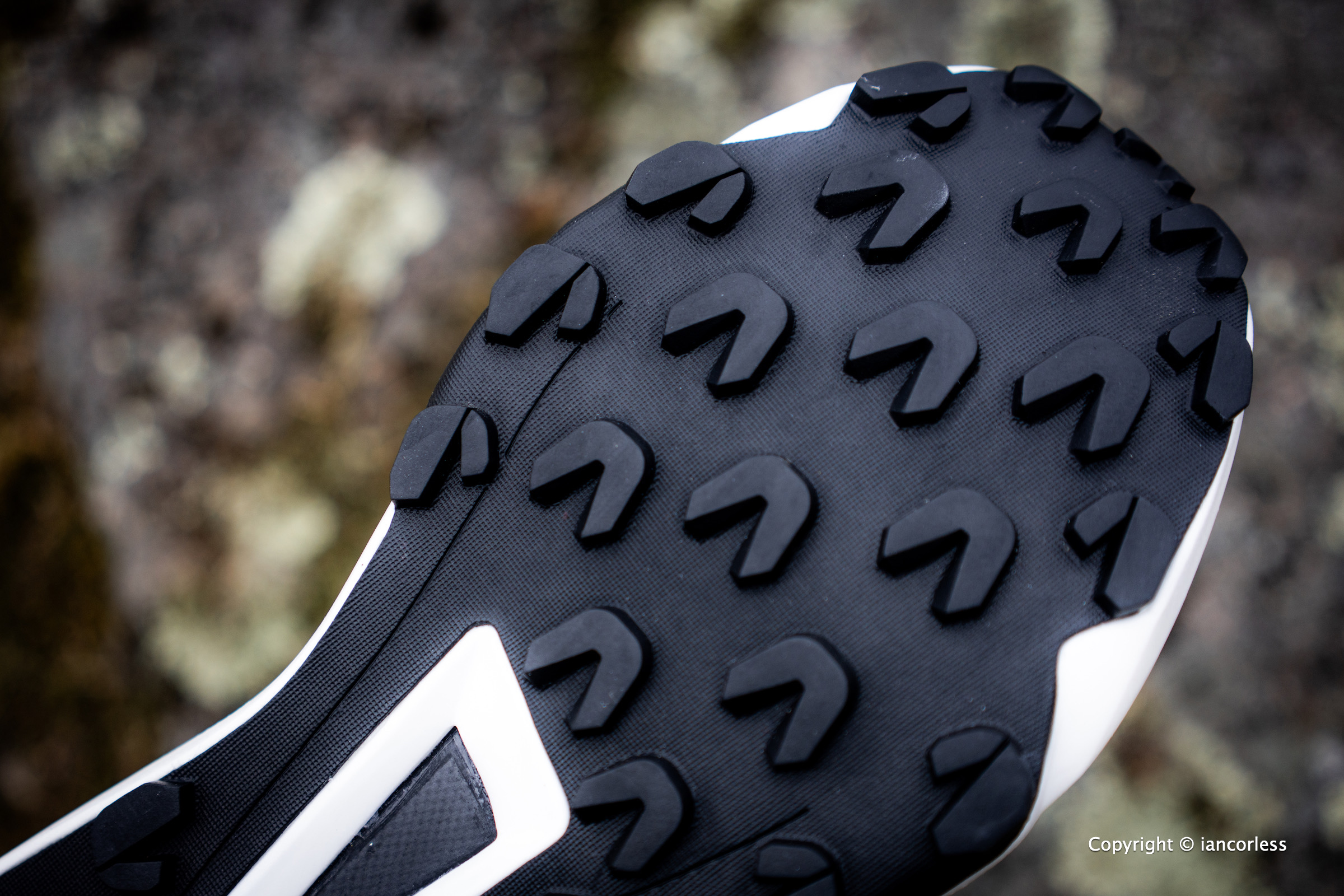
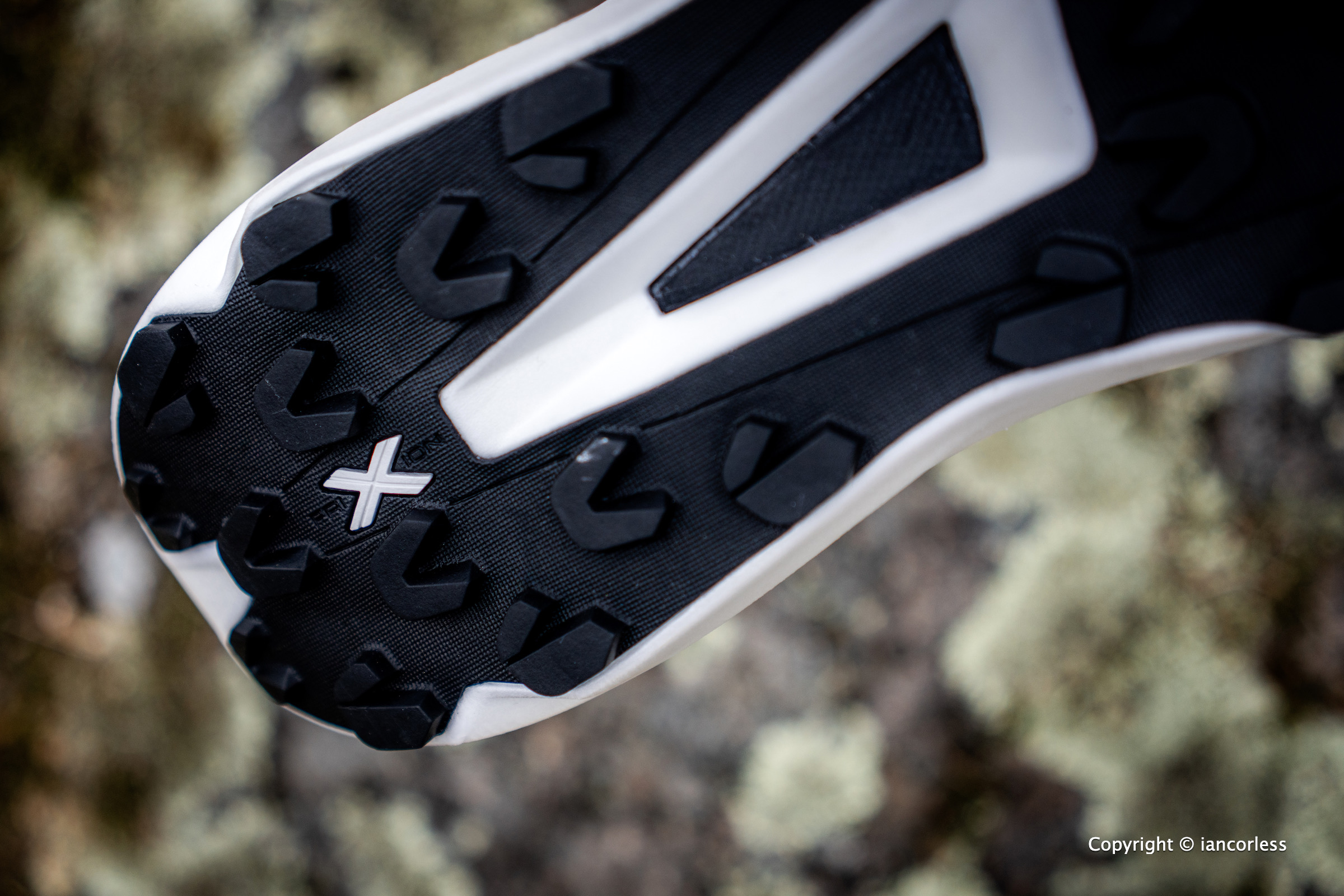
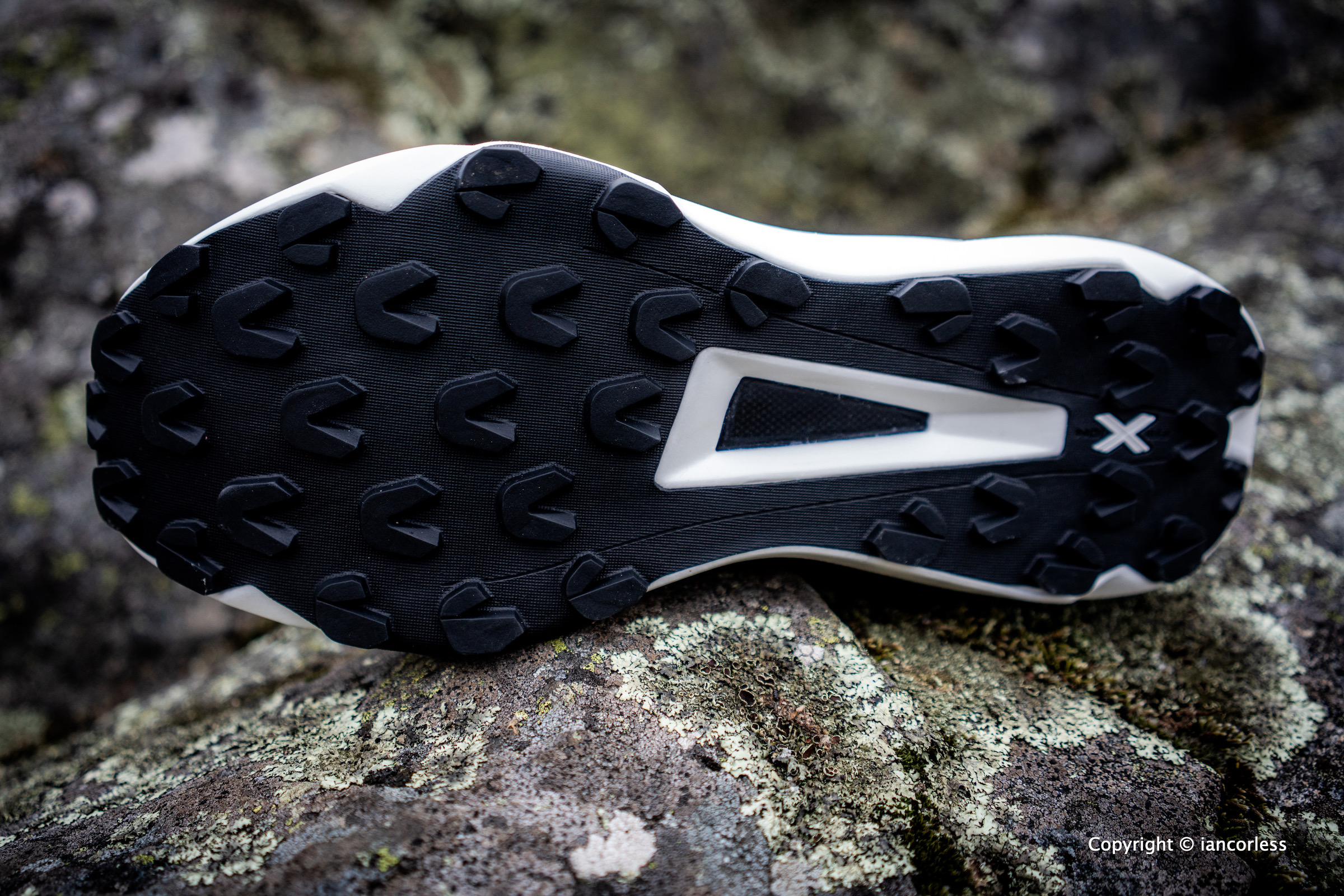
The outsole if La Sportiva’s own Friction White. I have to say, I love it hen brands make their own outsole. I am tired of Vibram being added to run shoes and frankly (hold your breath) it is not a good outsole when you are on wet rock or similar. I am amazed that NNormal could not come up with something better! And let’s face it, nobody can compete with VJ outsoles. But, La Sportiva do a good job.

The cushioning is nitro-infused which in all honesty I have no idea what it means BUT yes, it really works. The thing with cushioning is, and some shoe brands don’t seem to understand this, if you are going high with cushioning, you need to go wide with outsole/ footprint, otherwise you are running on an unstable double decker bus that is ready to roll at any moment – step in the horrendous adidas Terrex Agravic Speed Ultra which proves that you don’t take a road shoe, make some tweaks and then call it a trail shoe.

What this shoe does not have is a plate – yipee!!!! Don’t get me wrong here, some ‘plates’ work, the Hoka Tecton X3 a great example. But mostly, a plate in a trail running shoe has been less than a positive experience for me and many others.

THE SHOE

They look fantastic, simple!

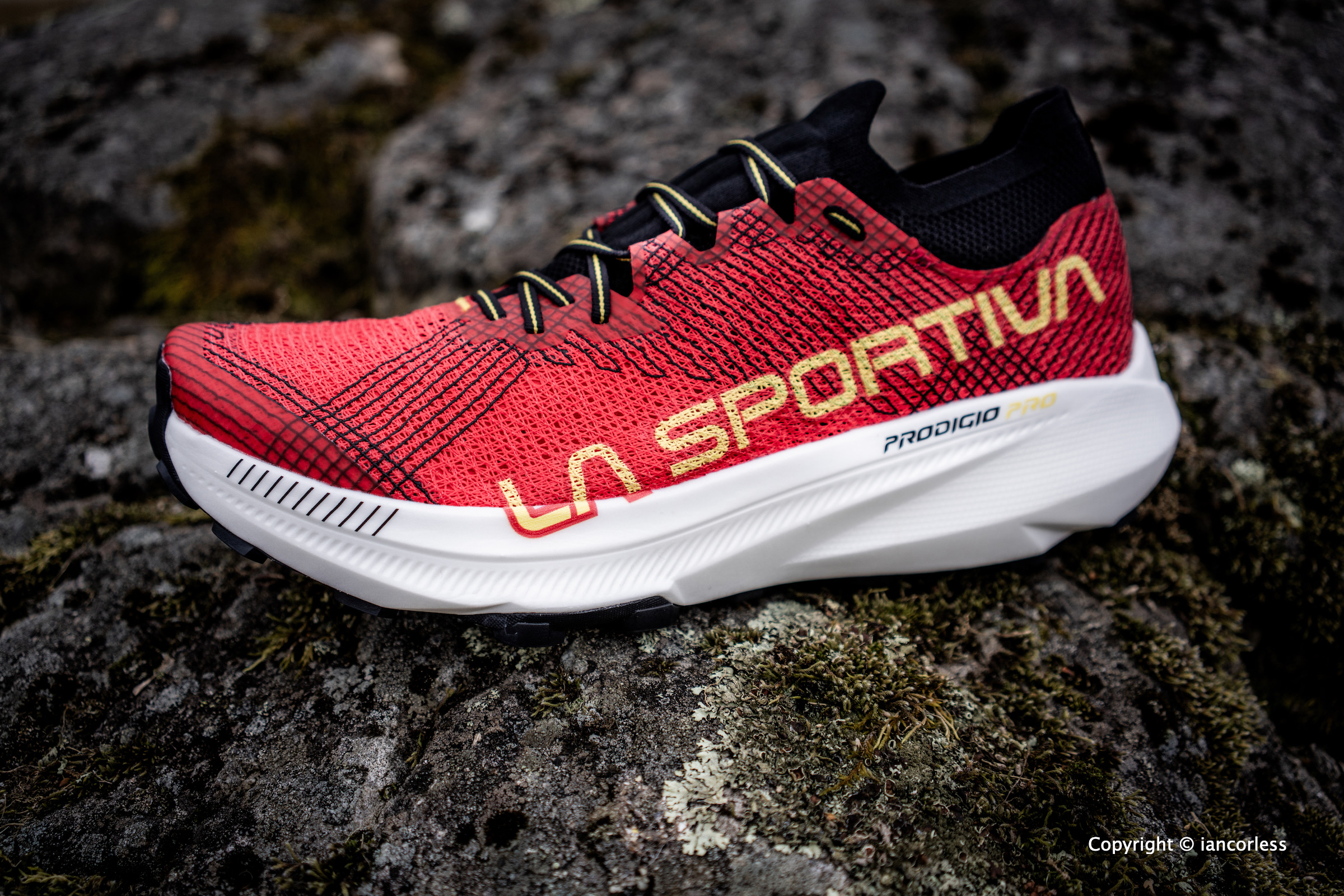
I have the red colour with LA SPORTIVA in yellow. I have to say, when I opened the box I was really sad they were not the classic black/yellow with a hint of red colours that kinda signify La Sportiva, but the red is cool.

My eye immediately went to the tongue, the sock like fit and then the cushioning.

The upper is pretty darn special, especially when you zoom in close. It’s like thousands of fine threads woven together in varying thickness to add structure. It’s like Matryx which we are seeing on many shoes BUT it is completely different. As the name says, it is POWER WIRE which provides great fit, great comfort and excellent breathability – the shoe was a little cold running in winter! Toe protection is adeqaute, maybe a little minimal, but, for a trail shoe, perfectly fine.

Slipping the foot inside, the sock like fit and padded tongue are amazing. I got exactly the same feel from the Hoka Tecton X3, this put a big smile on my face. When tightening the laces, the padded tongue provides superior comfort on the navicular bone, a typical point of irritation.

As with all La Sportiva, you need to be careful with sizing, this shoe in particular will require you to have the correct size because of the way they fit. I would start by going a size larger as a start point. If you take a UK10, try a UK11.

Female colourway

First run and I had a big smile, the cushioning is bouncy and fast with a great propulsive phase. If you have the fitness, cadence and run form, this shoe will fly along. It’s without doubt an awesome trail racing shoe. If like me you move a little slower, there is considerable comfort and life here.

The footprint is good which provides stability. However, with the sock like fit and the cushioning, when moving on technical terrain, foot hold and security is compromised. I therefore see the Prodigio Pro as much more a trail running shoe and not a mountain running shoe. There is no rock plate, not a deal breaker, but I do wonder if this would benefit the shoe and help on more mountainous terrain?

The outsole is in line with the usage of the shoe, 4mm lugs certainly sit well with the intentions of trail running and faster running. It’s grippy, durable and gladly covers most of the outsole to provide grip in most scenarios. But, on wet rock, grip is not where I want it to be. Once I slip, my confidence goes and when I can no longer rely on an outsole to do it’s job, my speed drops.

CONCLUSION

I absolutely love the Prodigio Pro. You may think from my review that I am not sold on this new incarnation from La Sportiva, I am. It is an absolutely fantastic trail running shoe for single-track, dry conditions and trail. The Prodigio Pro really excels on rocks and boulders too. But, if the trail is very technical and particularly, if it is wet, then the Prodigio Pro is compromised. Quite simply, if I use this shoe is the right conditions, they are superb. They have a very similar feeling to the Hoka Tecton X3 which I also love. These shoes feel like they were made for racing in the USA, I know Anton Krupricka helped the development, and I would imagine at Leadville or Western States, these shoes would fly along.

The release of the Prodigio Pro coincided with the VJ Ultra 3, in testing I was actually alternating days, VJ one day, La Sportiva the next and this was ideal to asses both shoes. In a way, they are very similar but equally, they are very different. The VJ has more cushioning, 30/38 in comparison to 28/34, a higher drop, 8mm instead of 6mm, the outsoles, 4.5mm to 4mm for the La Sportiva.

I got many questions, ‘Which would I choose?’ I refused to answer initially as both put a huge smile on my face and my initial thought was, you know what, I would be happy with either.

But, I am in a lucky position to test and compare and with that in mind, if I was going out to buy a pair of shoes tomorrow I would choose the VJ Ultra 3. Why? Ultimately, the VJ has the grip for all conditions and that is really important for me. The foot hold is superior in the VJ particularly in mountain and technical terrain. I think in the long term, the VJ will be more bullet proof in the terrain and conditions I run in. Finally, I feel that I can use the VJ on ‘all’ terrain, whwereas, I feel the Prodigio Pro is compromised on more technical and mountain terrain.

BUT and wonderful final but, if I was going out for a faster trail run on groomed trail, the Prodigio Pro is hard to beat.

So finally, is the Prodigio Pro for you? I would think about where you are running, what conditions you are running in and what you need from a shoe. I am extremely happy with mine and I would have no issue slipping these on for ‘any’ run despite the reservations for some conditions – the Prodigio Pro is great looking, has incredible comfort, a lovely lively ride and on the right feet, they are fast.

Follow Ian Corless

Instagram – @iancorlessphotography

Twitter – @talkultra

facebook.com/iancorlessphotography

Web – www.iancorless.com
Web – www.iancorlessphotography.com