The Coastal Challenge Costa Rica : A 2026 Perspective on One of the World’s Toughest Stage Races

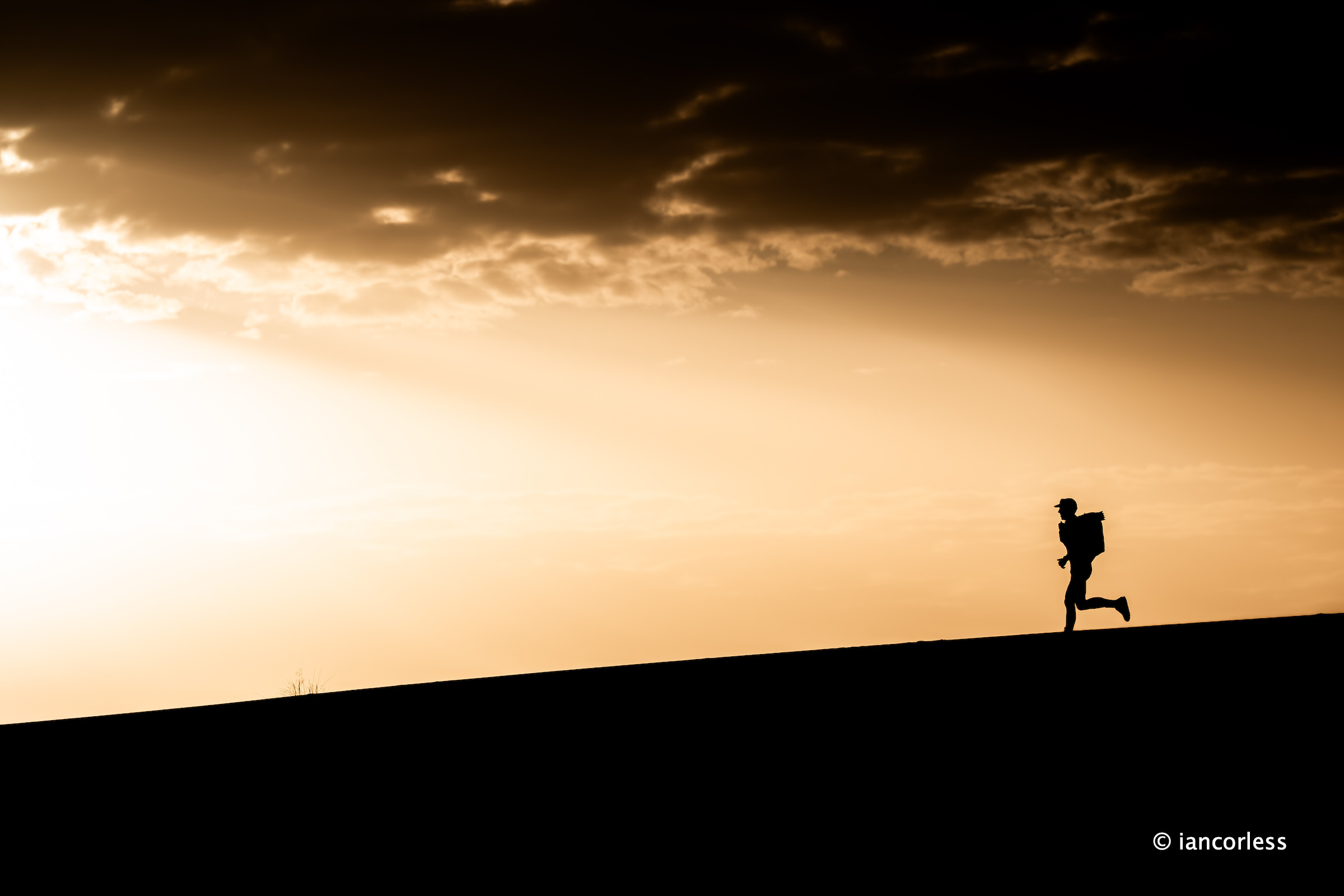
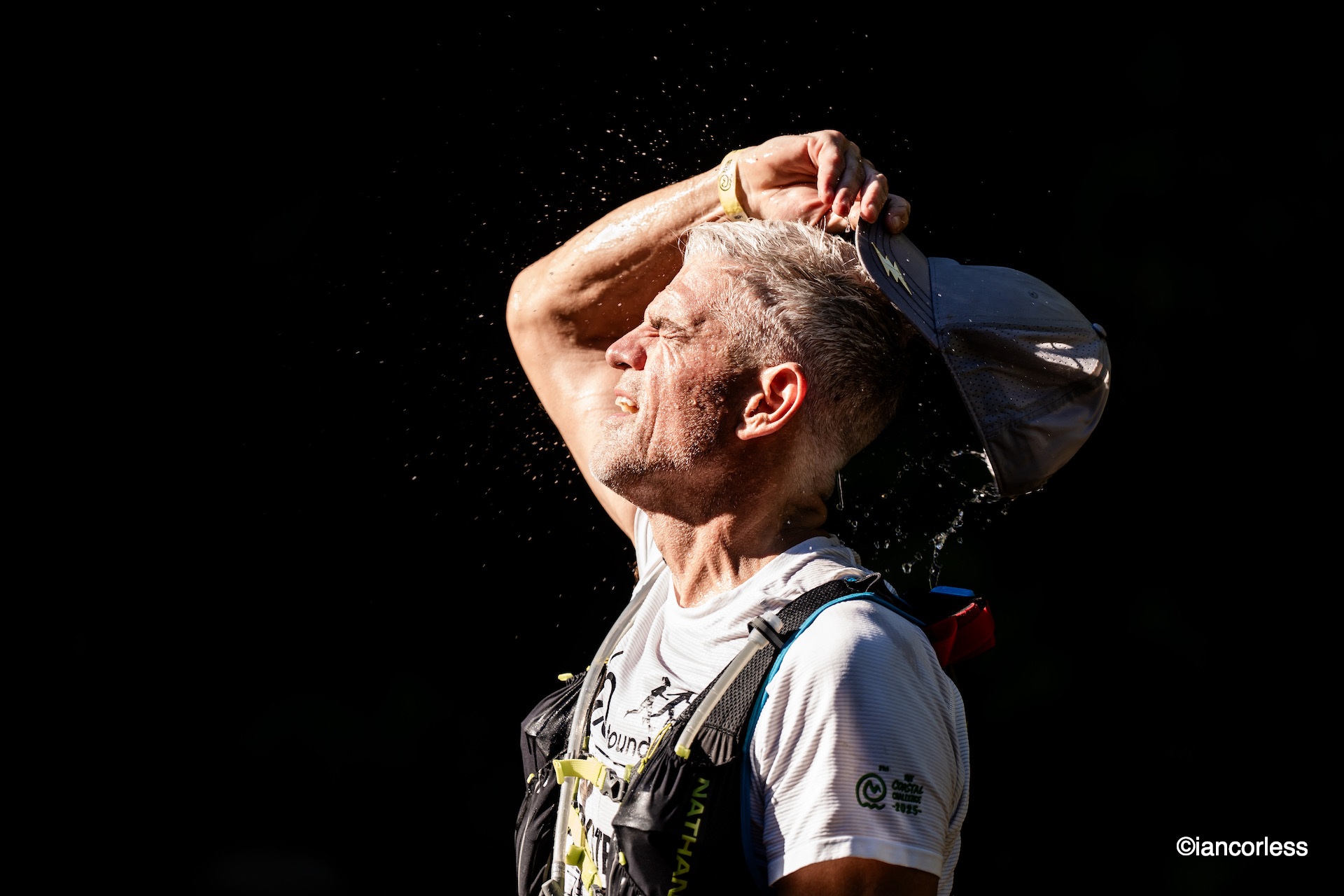
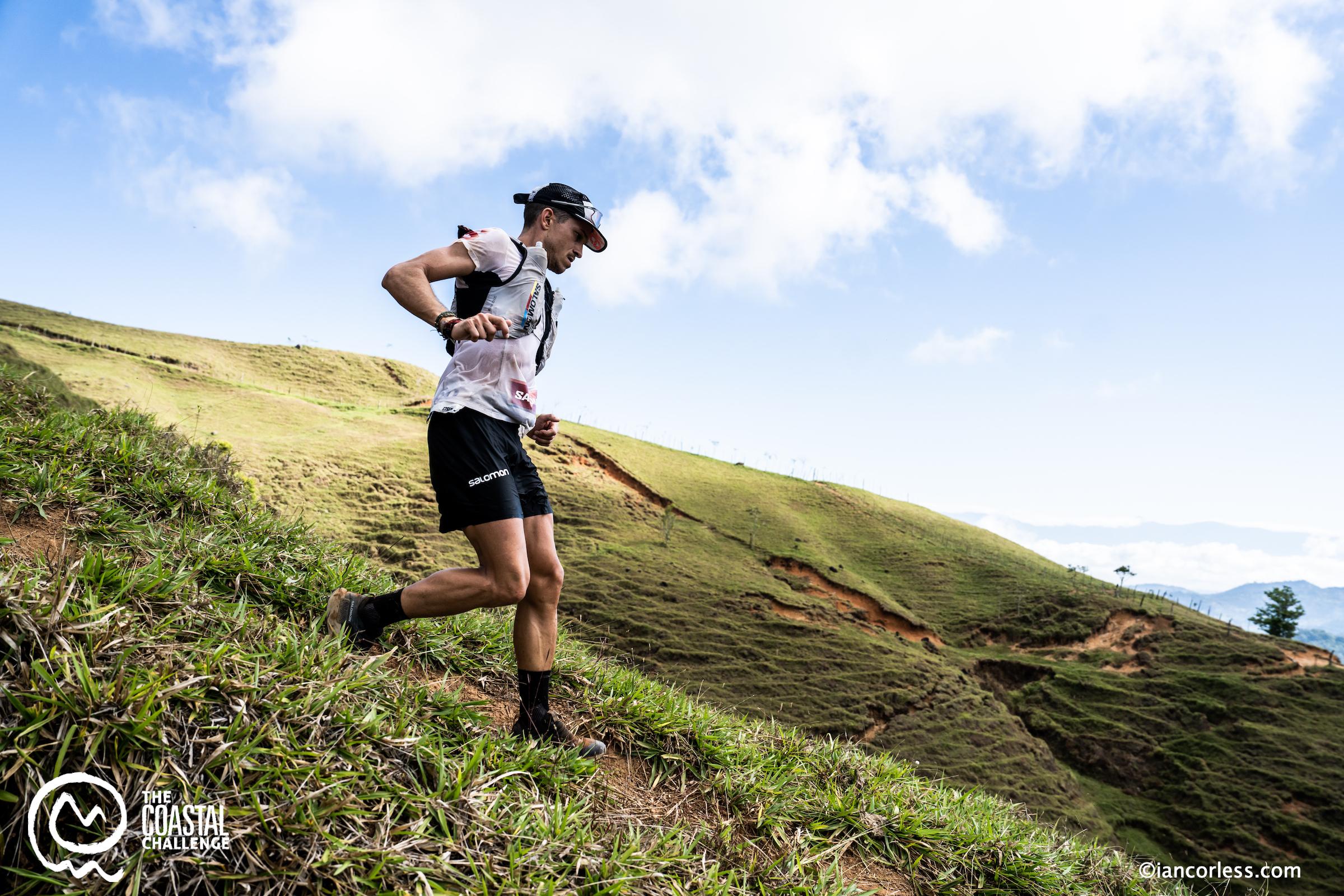
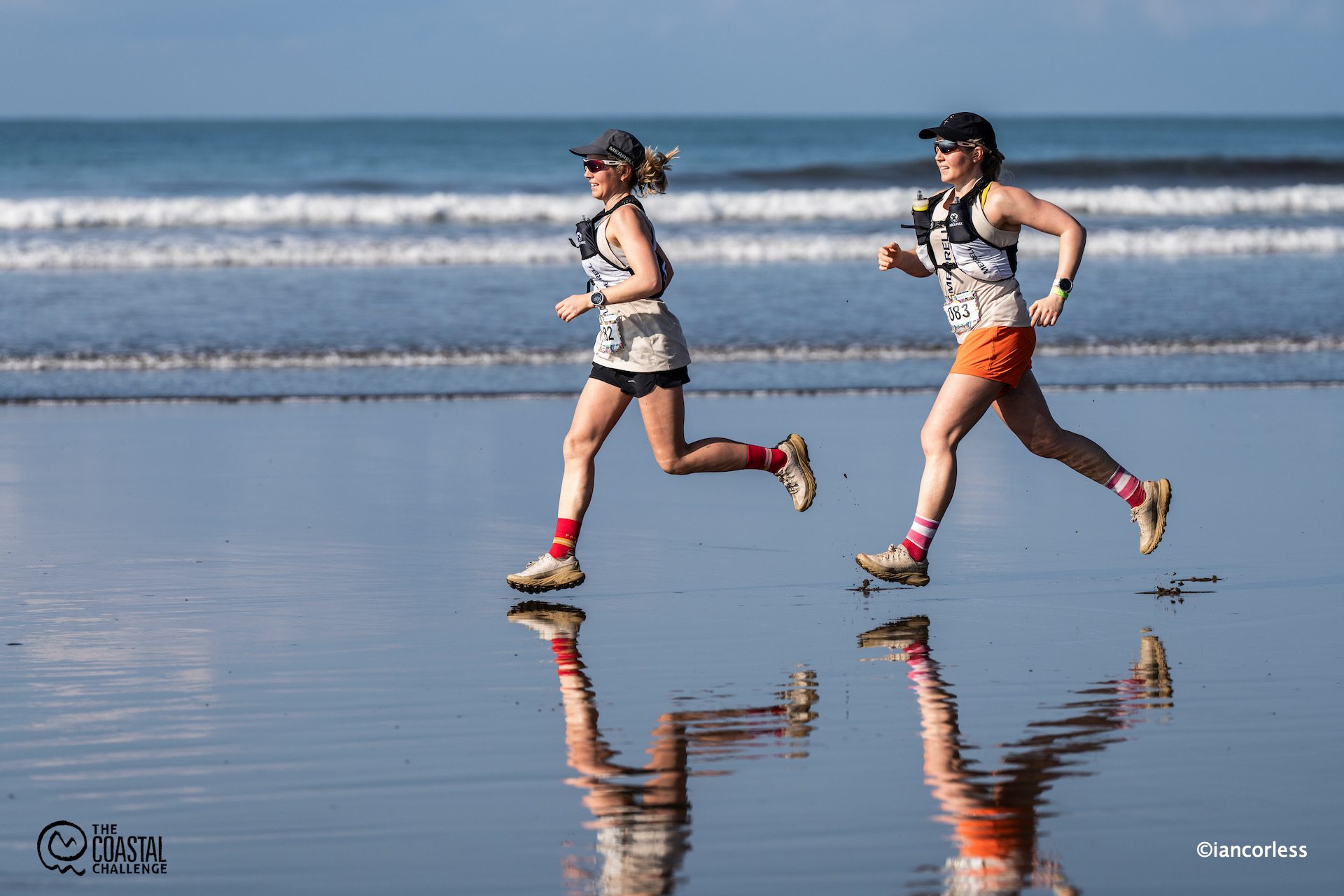
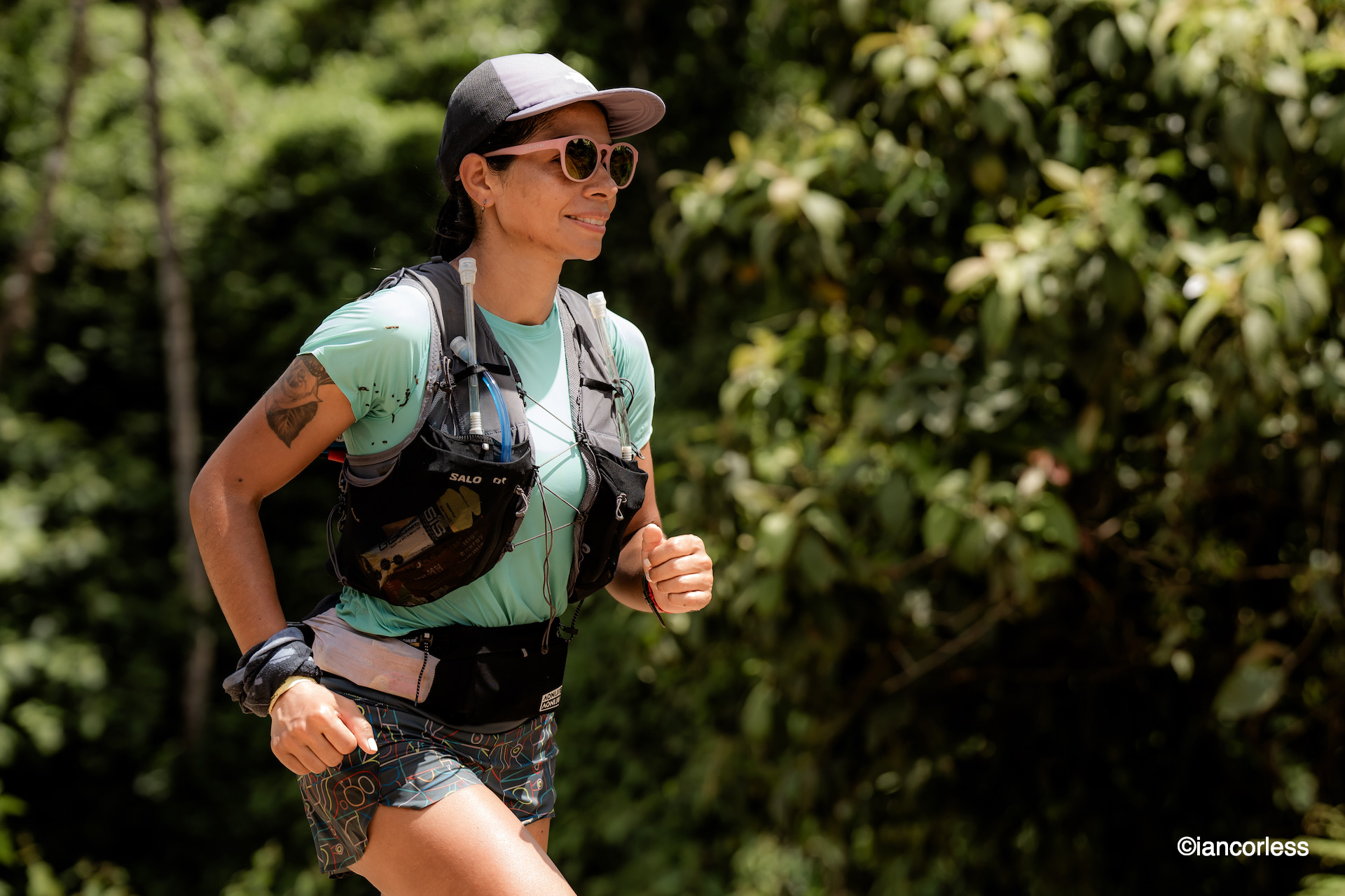
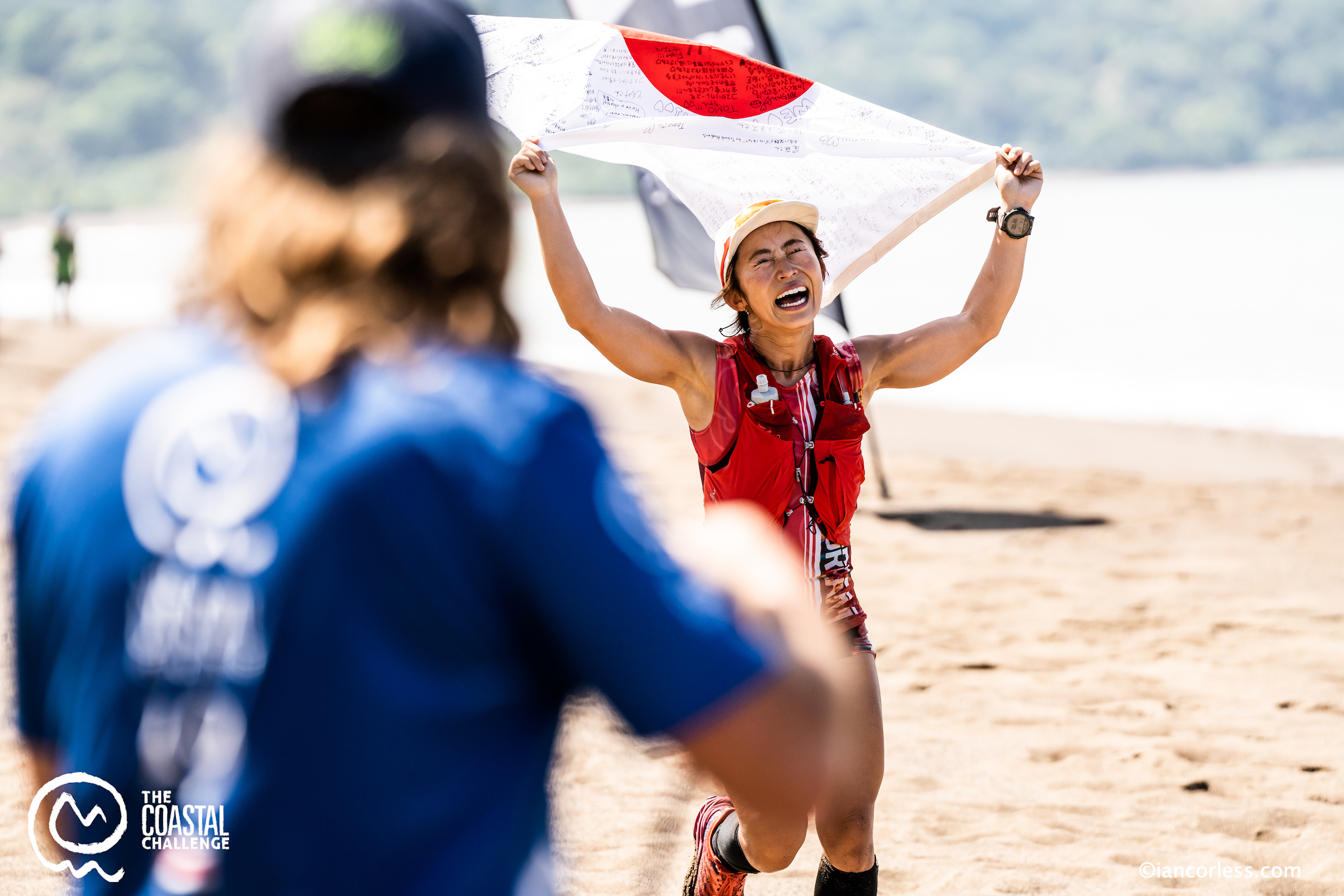
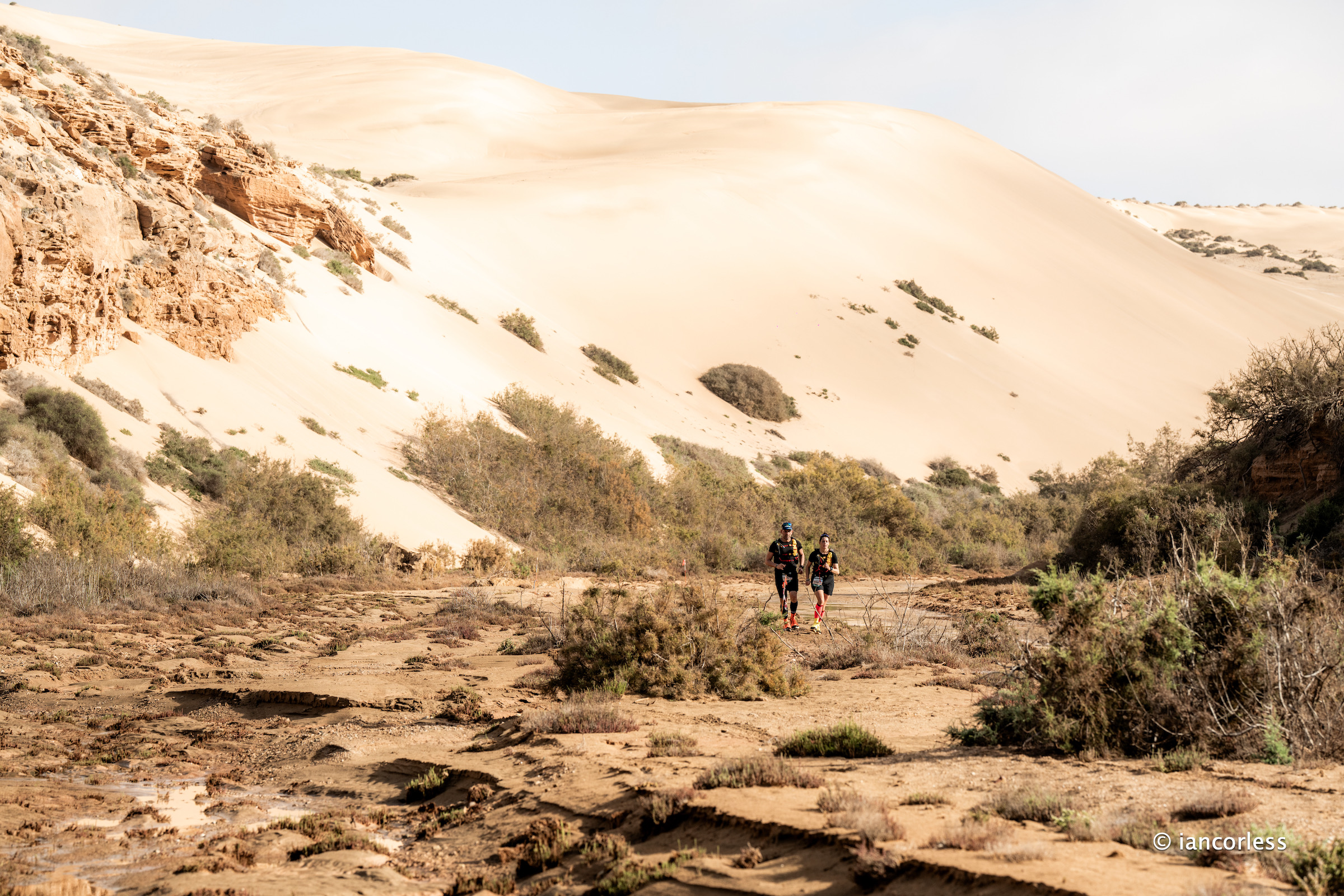
Photo by Ian Corless

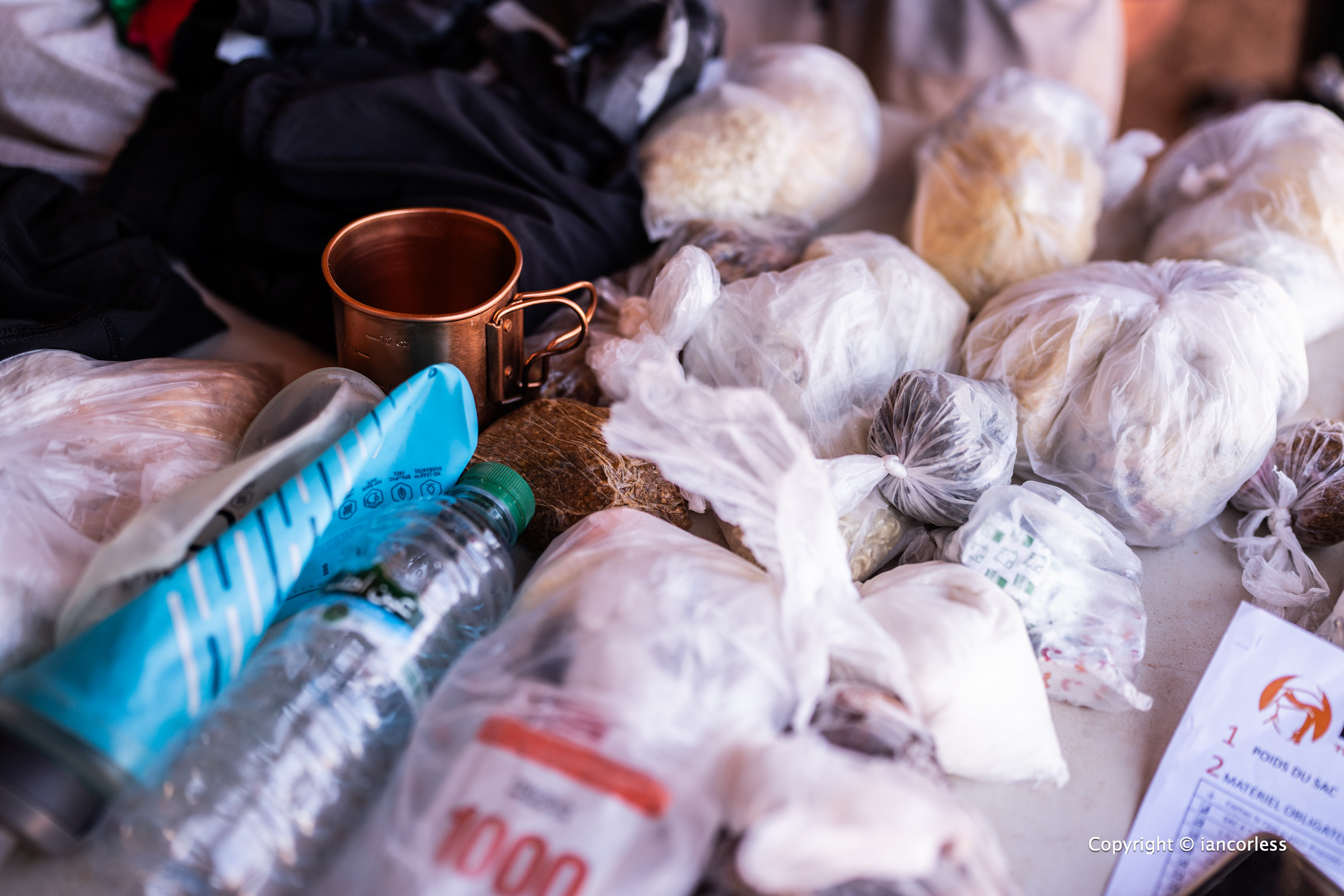
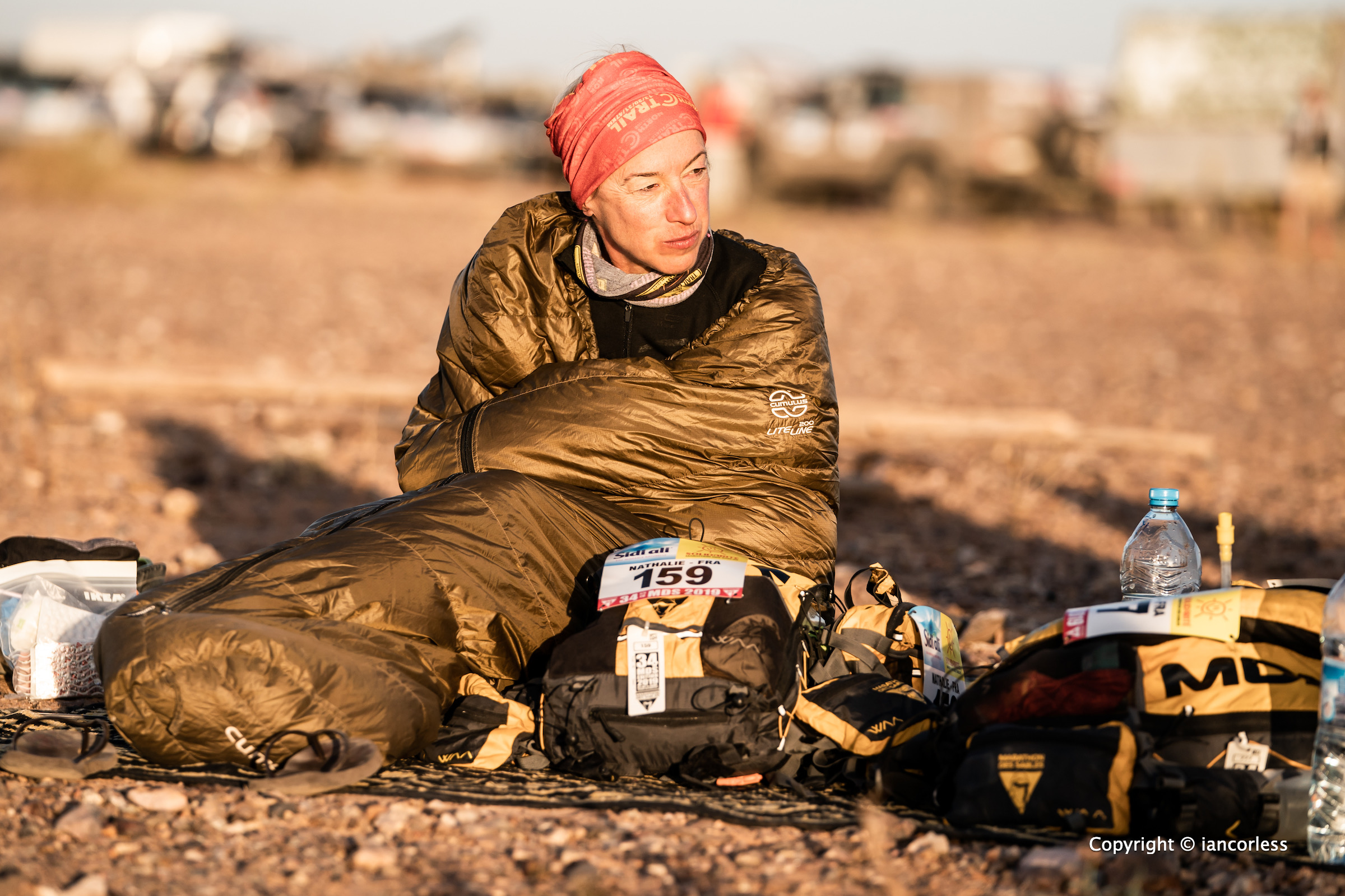
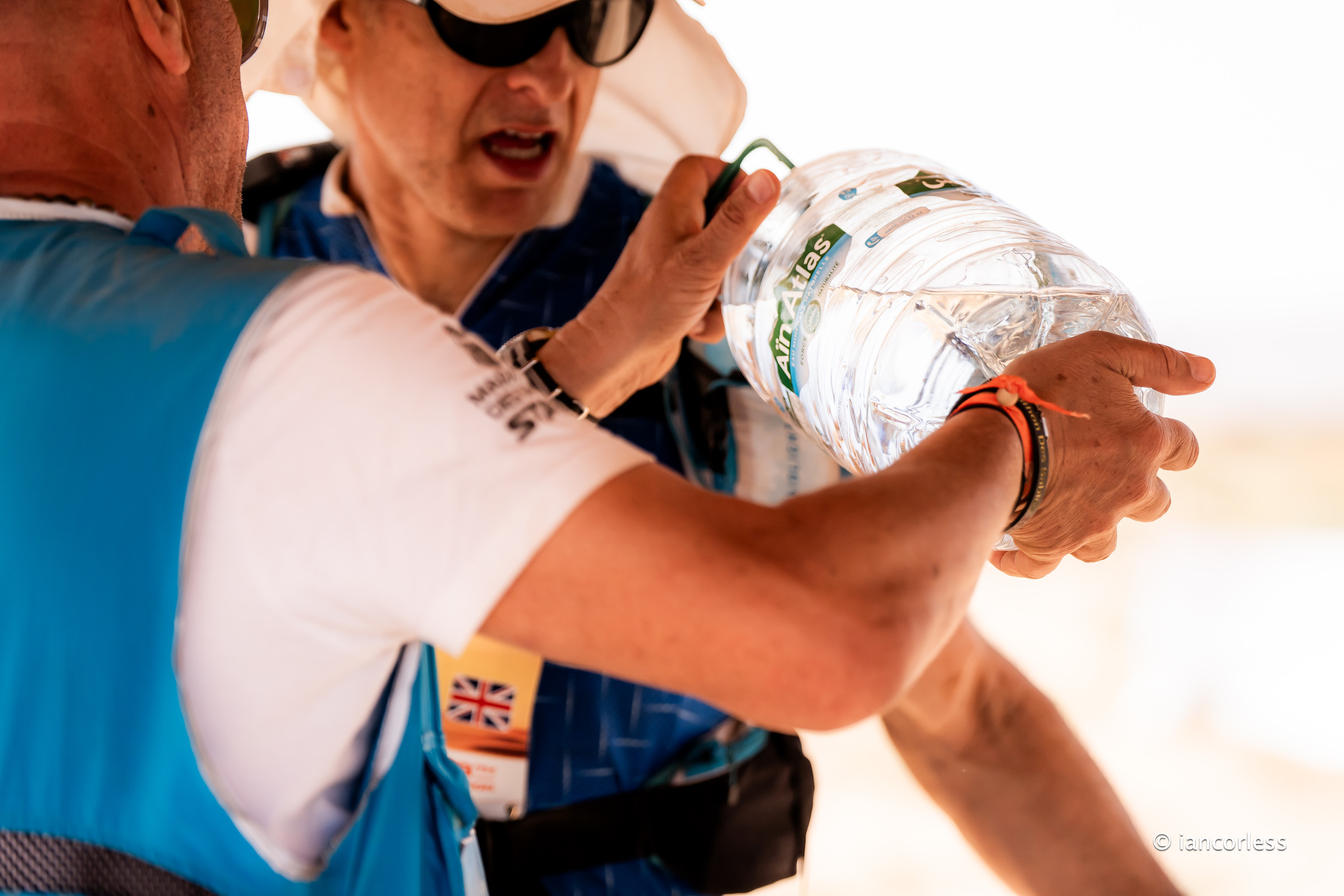
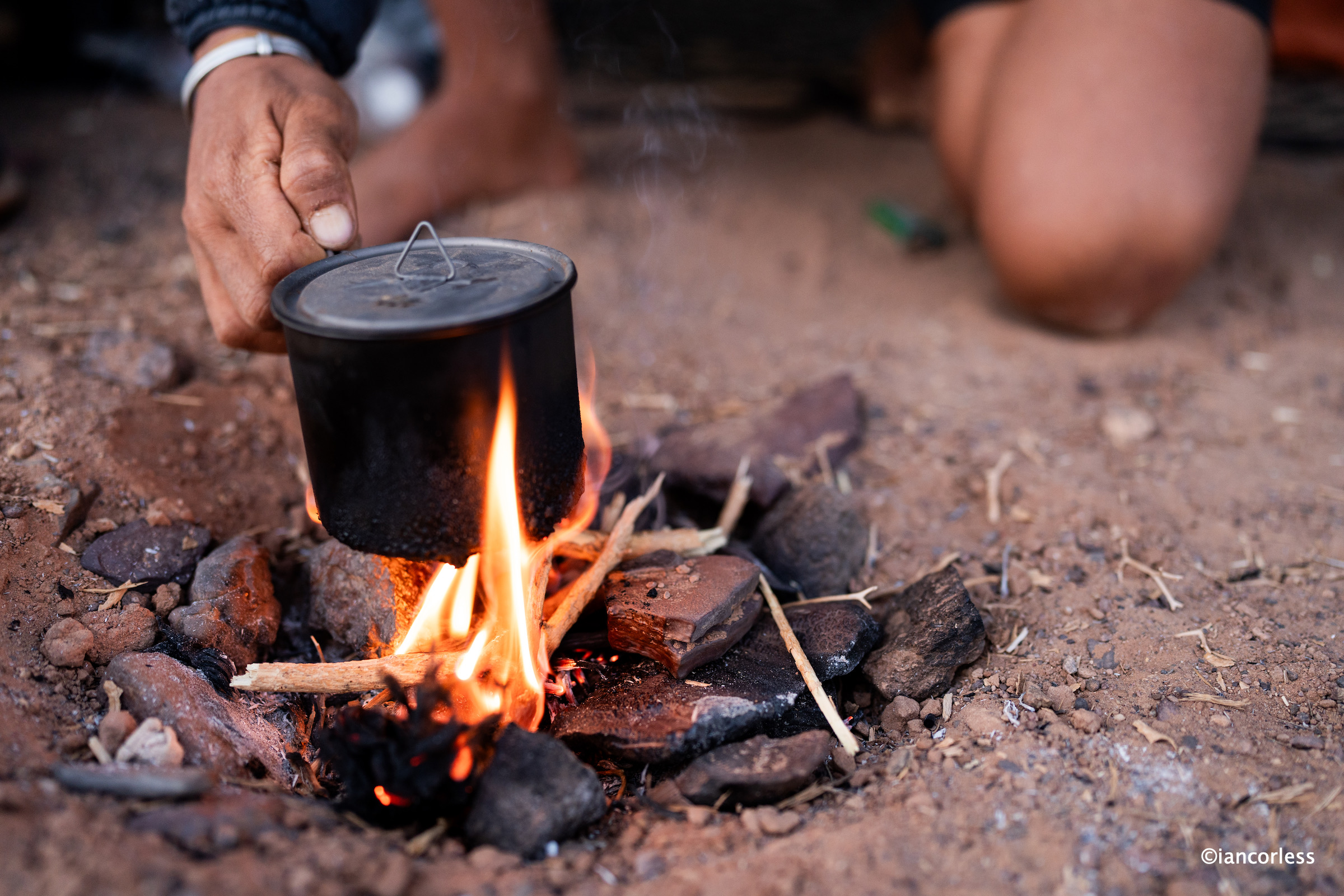
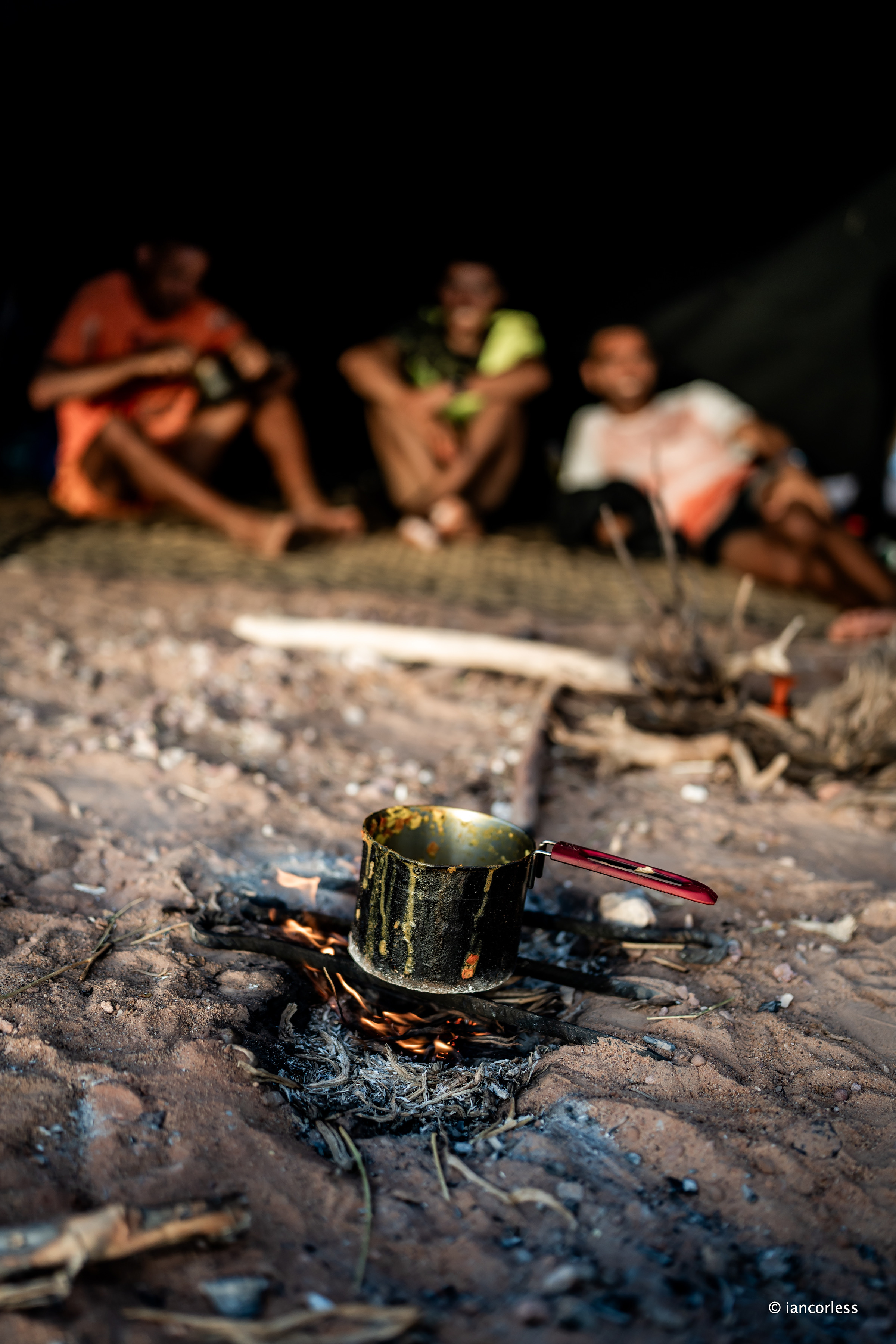
Stage racing has a way of exposing everything. Fitness, patience, preparation, and mindset all get tested, not just by distance, but by what happens between the stages. Terrain is only part of the story. How you recover, rehydrate, eat, sleep, and reset day after day matters just as much.

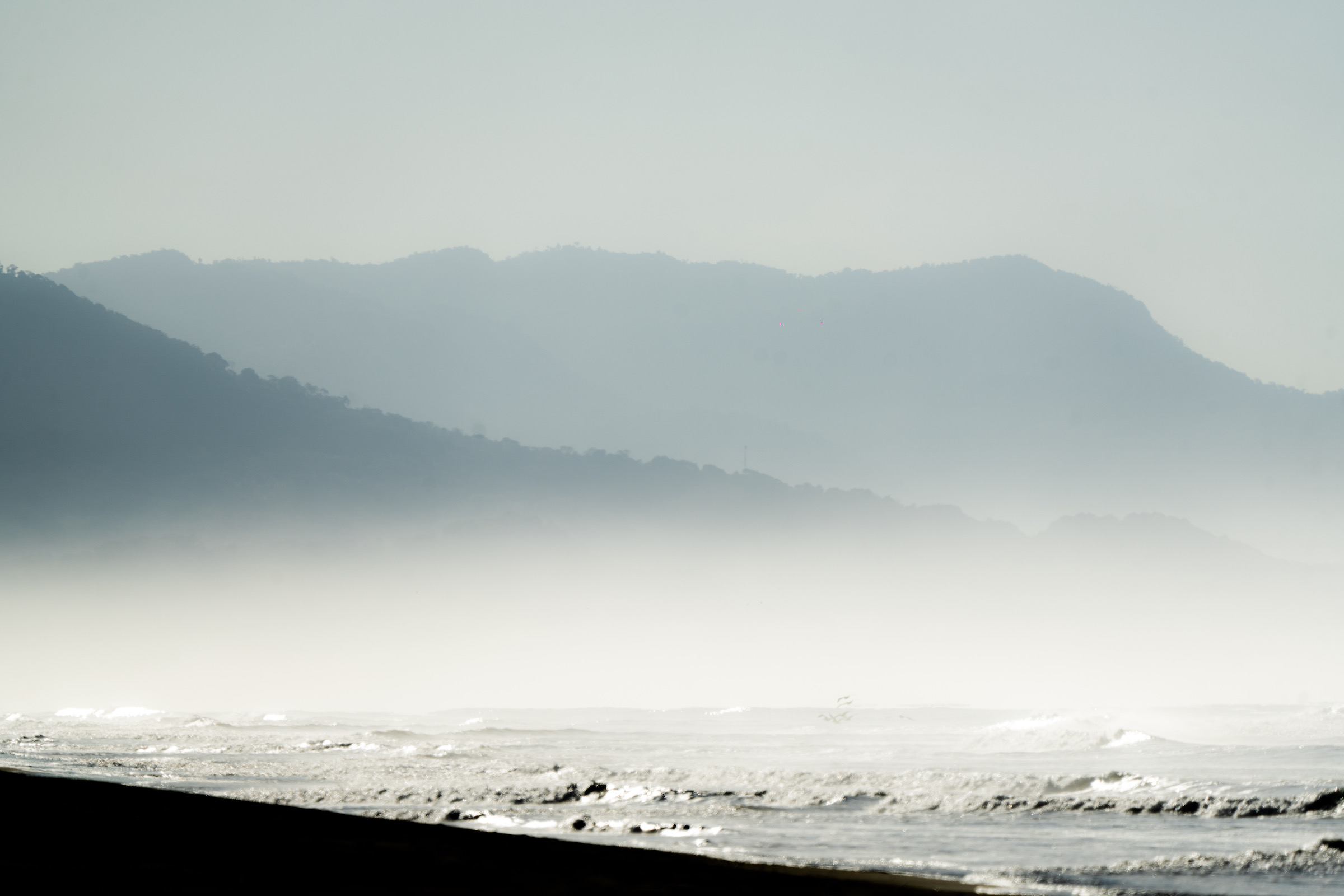
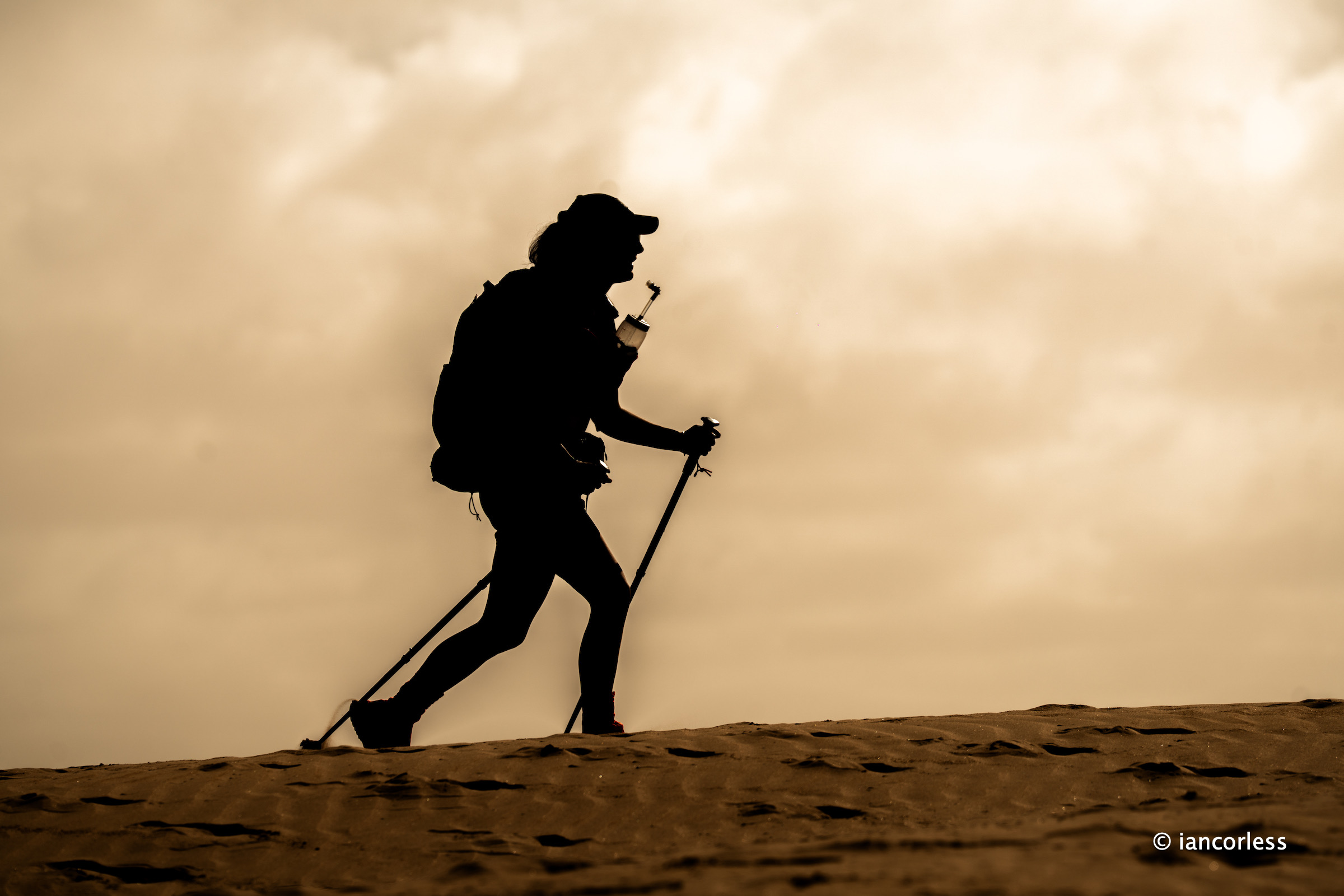
Photo by Ian Corless

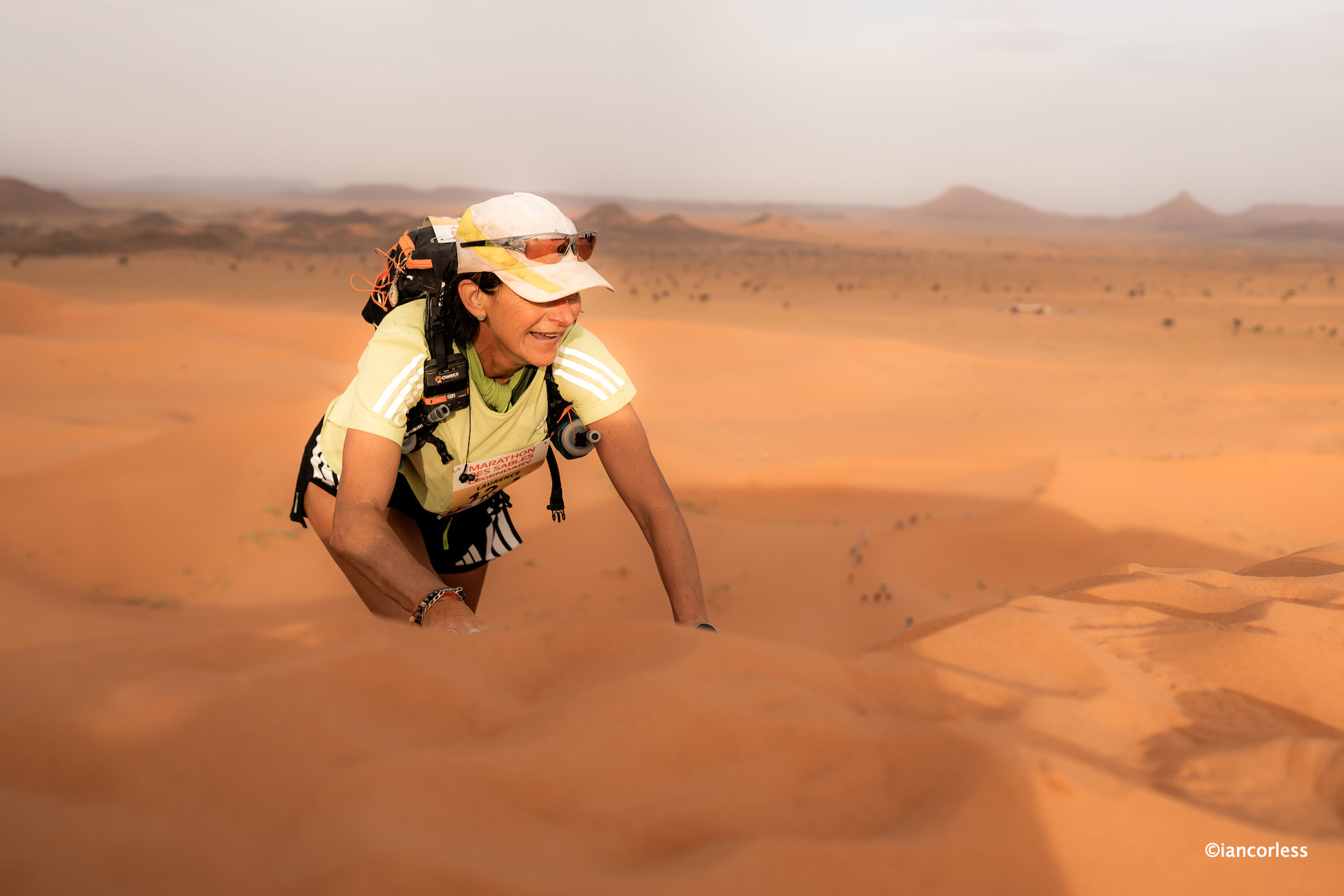
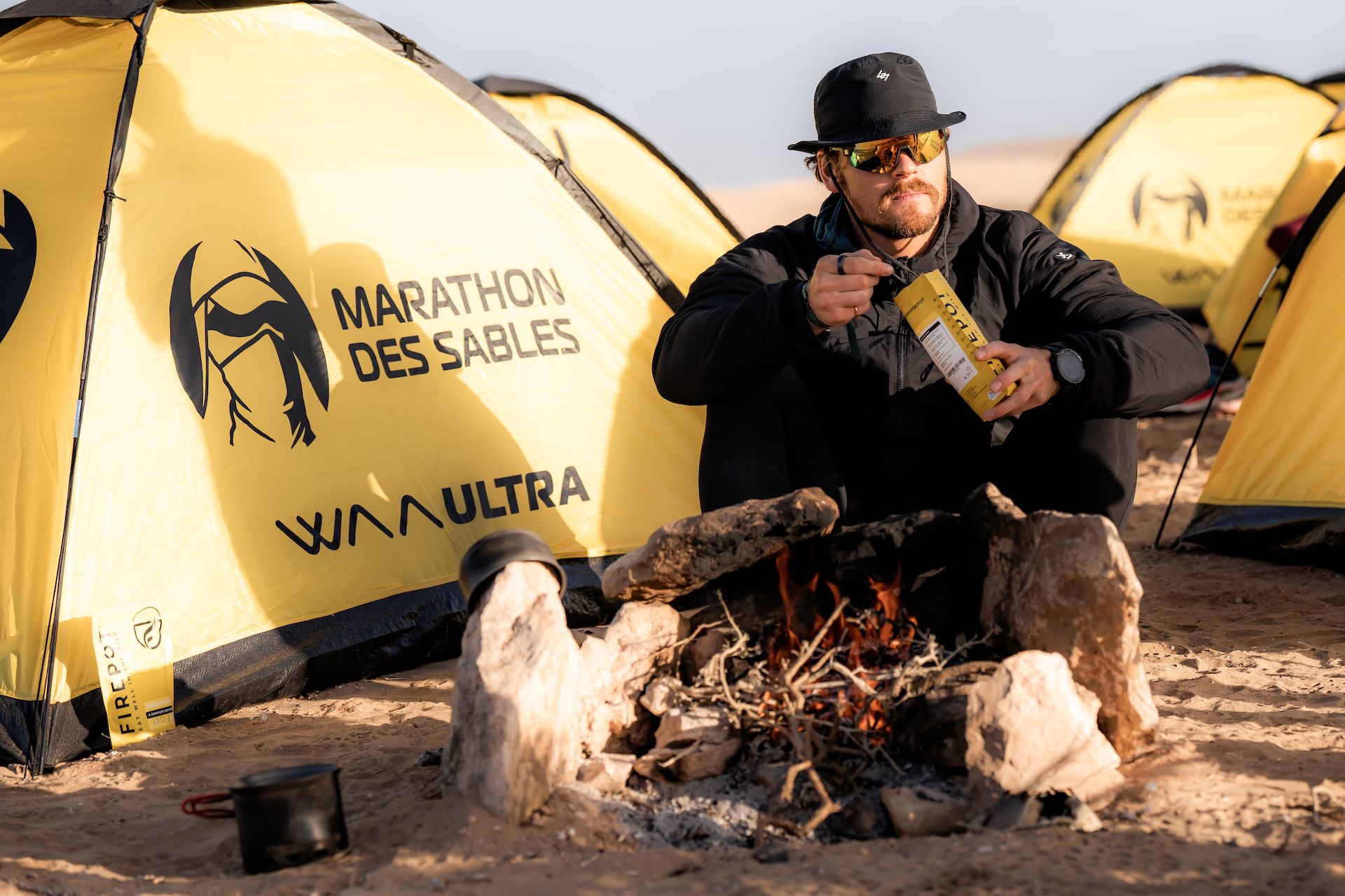
Back in 2016, comparisons between The Coastal Challenge and Marathon des Sables were unavoidable. A decade on, those comparisons still come up, but the conversation has matured. These races now stand on their own terms.

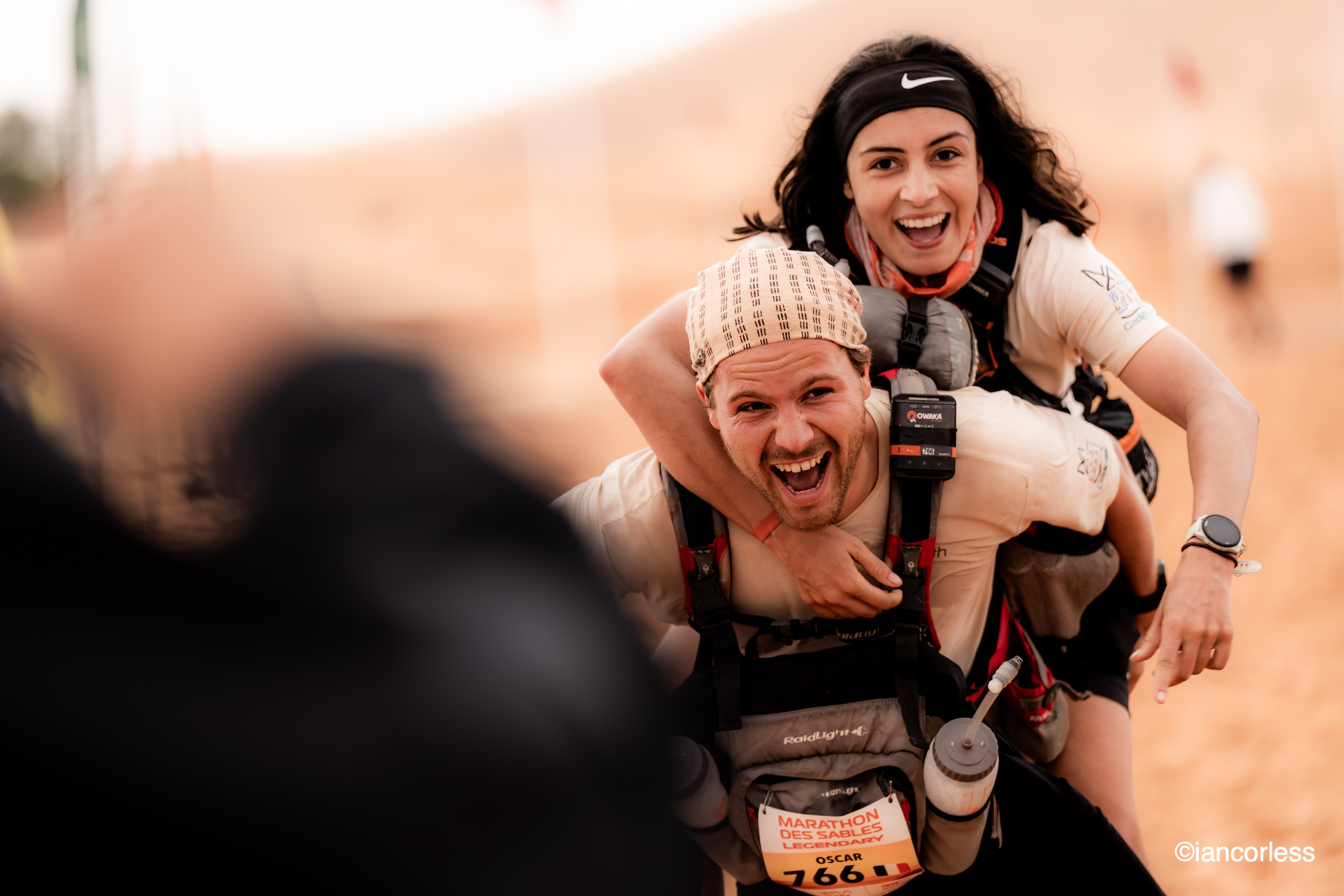
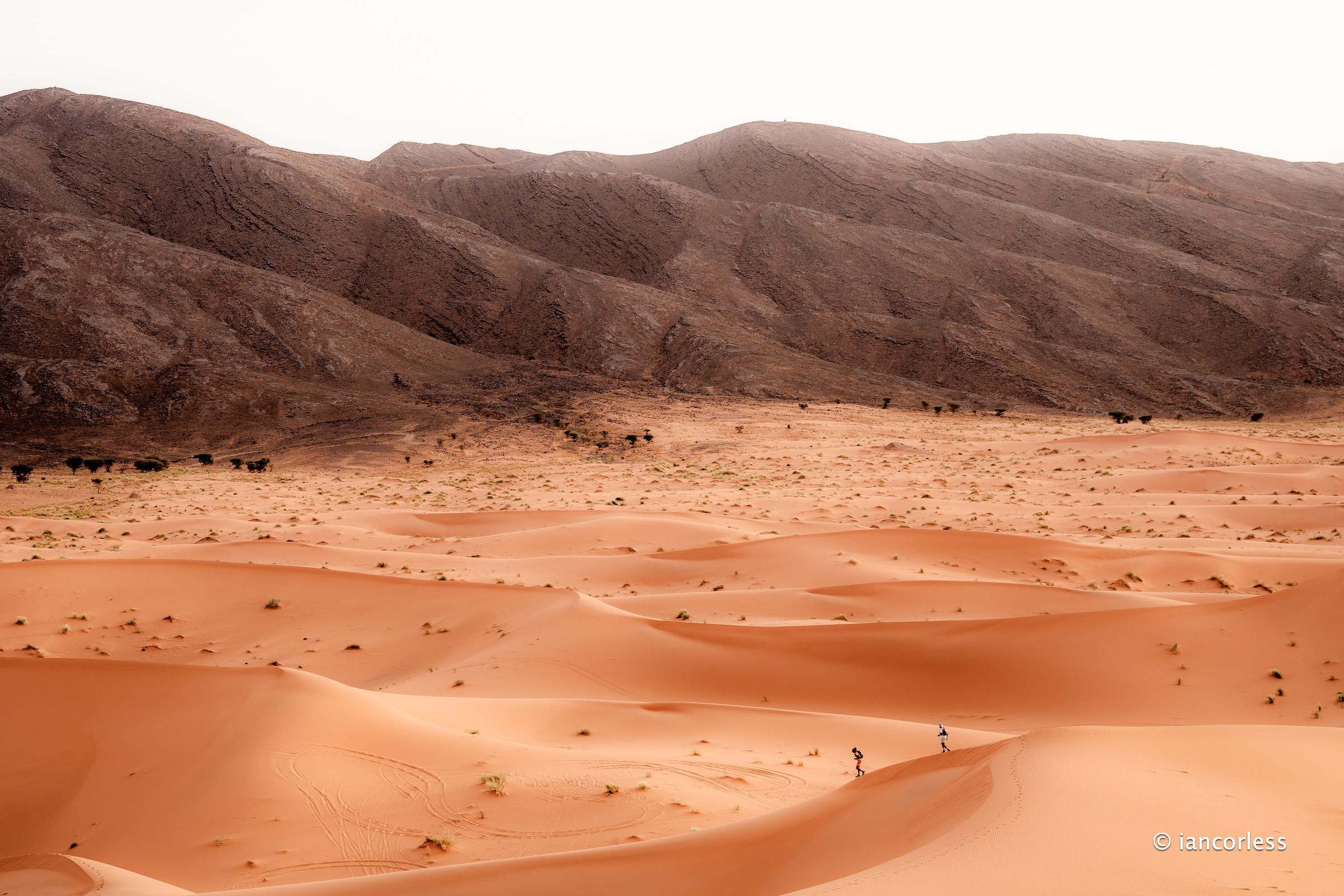
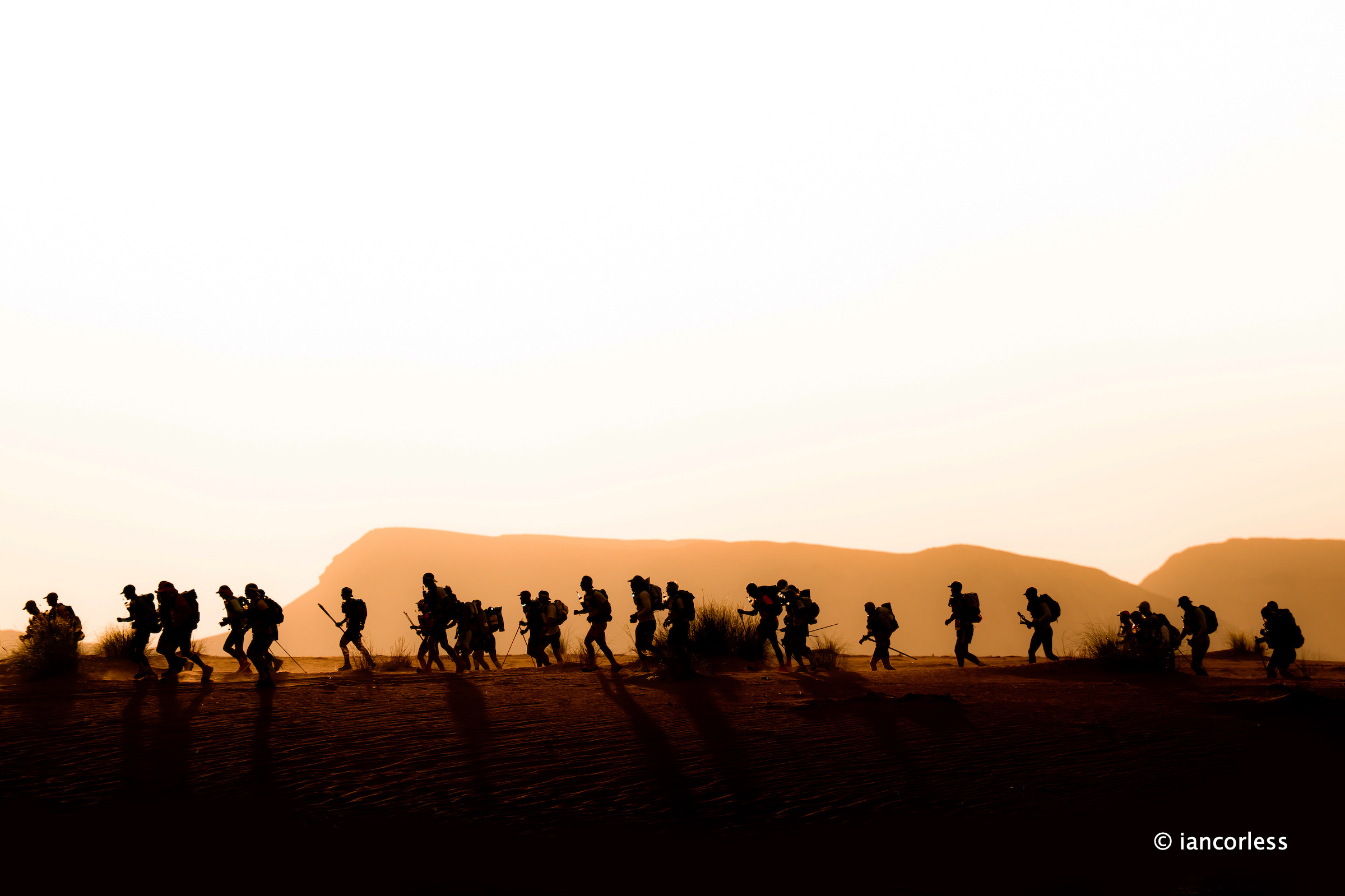
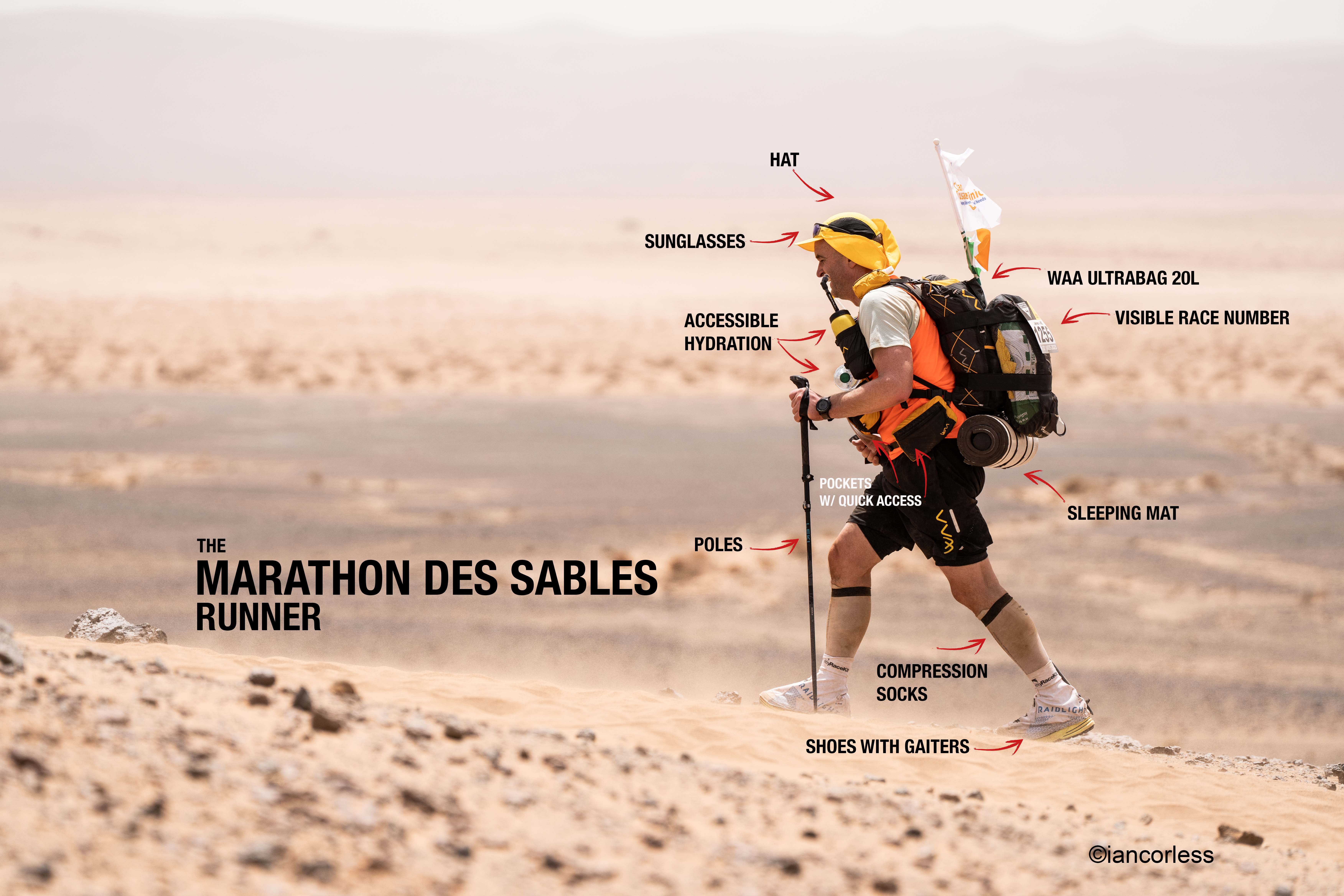
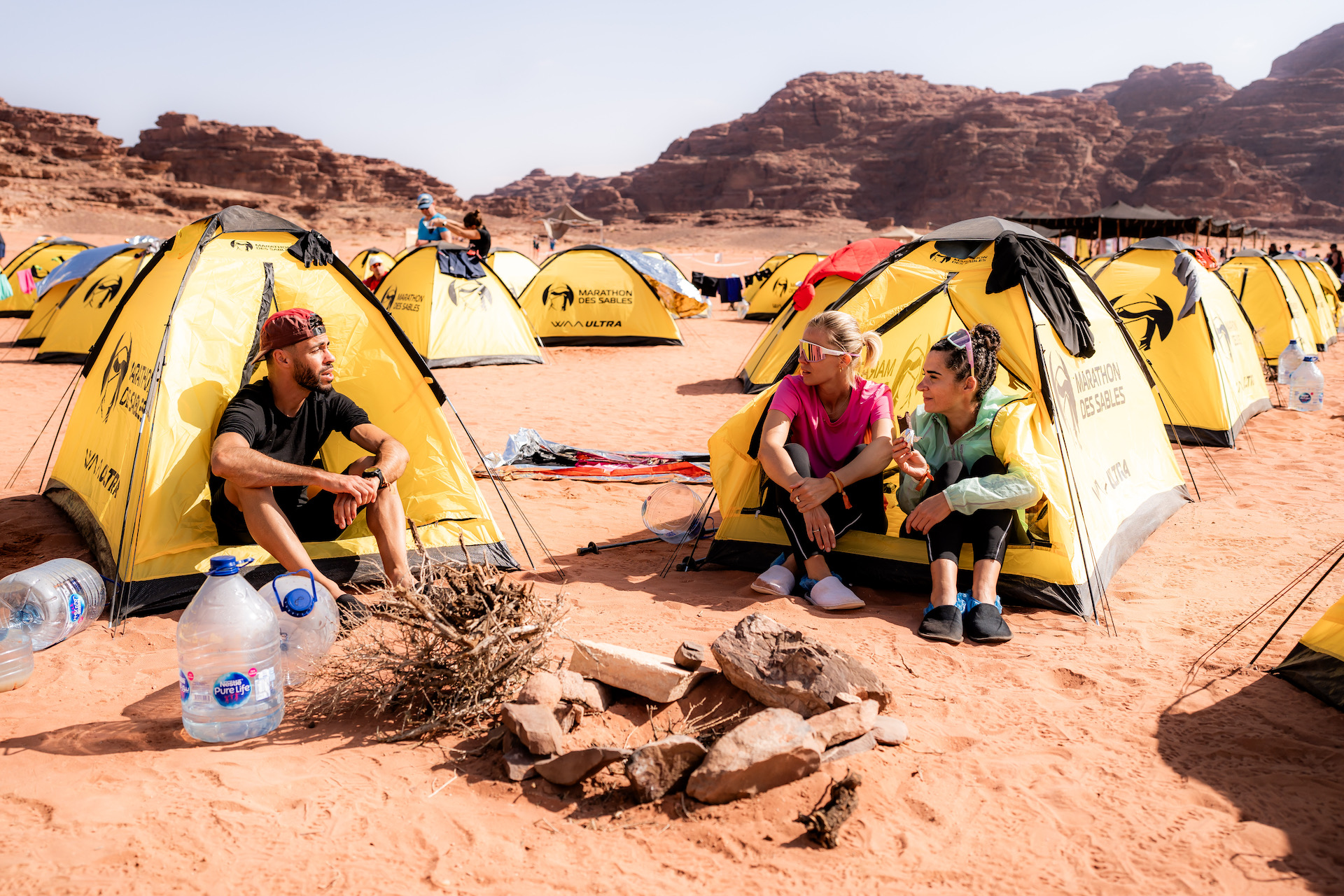
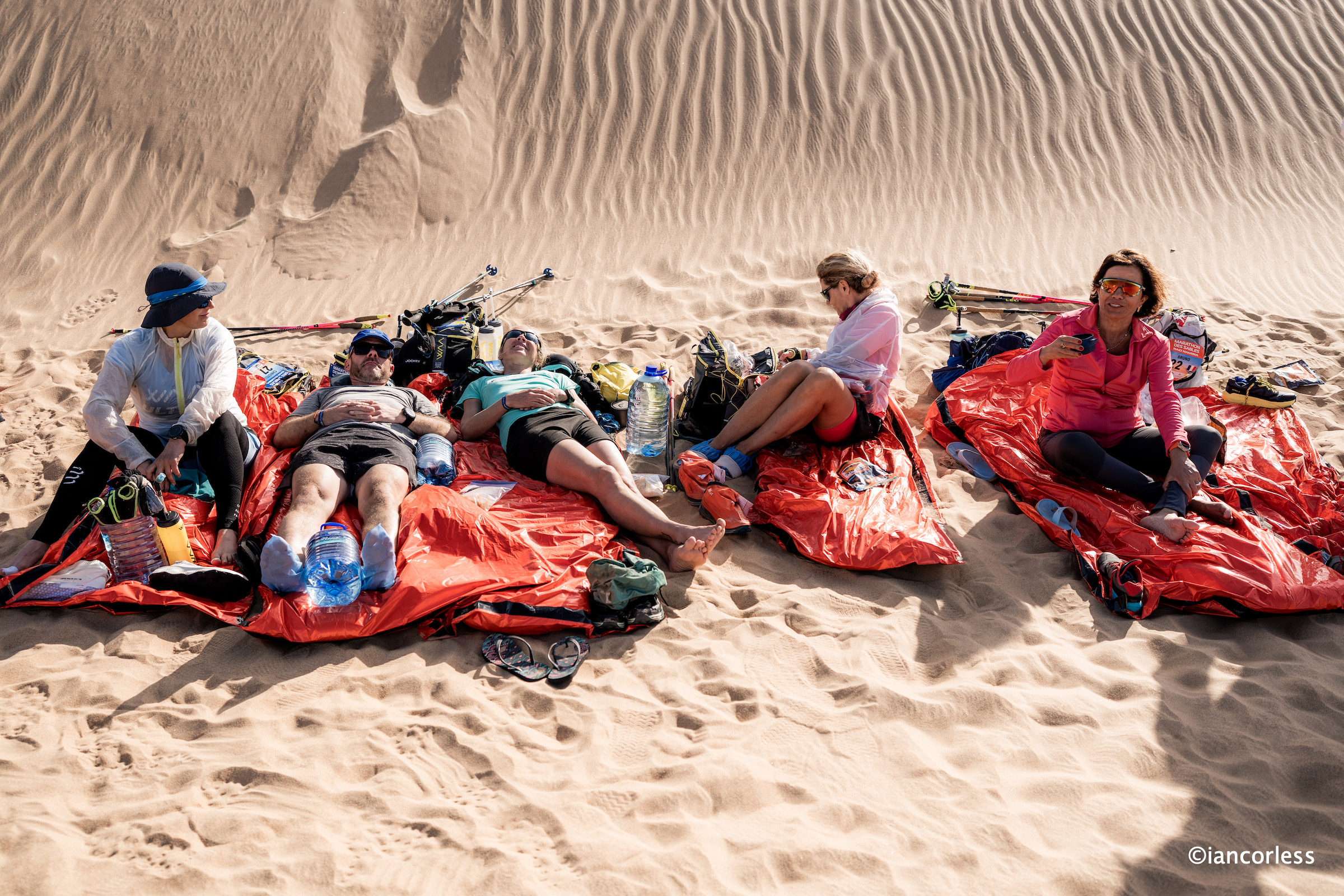
Marathon des Sables strips runners back to survival basics: self-sufficiency, rationed water, shared bivouacs, and total responsibility for your own race. That’s its identity, and it’s why it remains iconic.

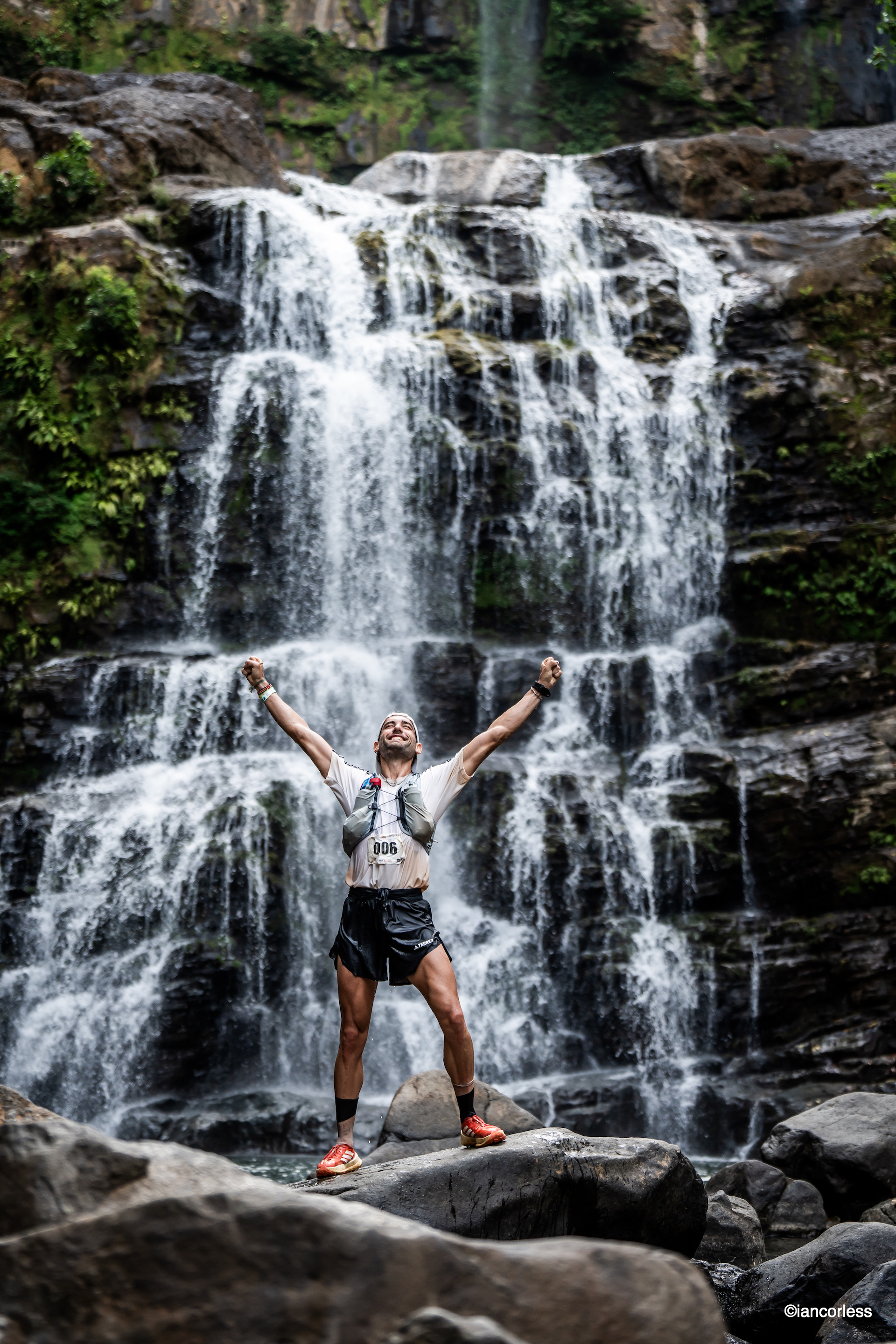
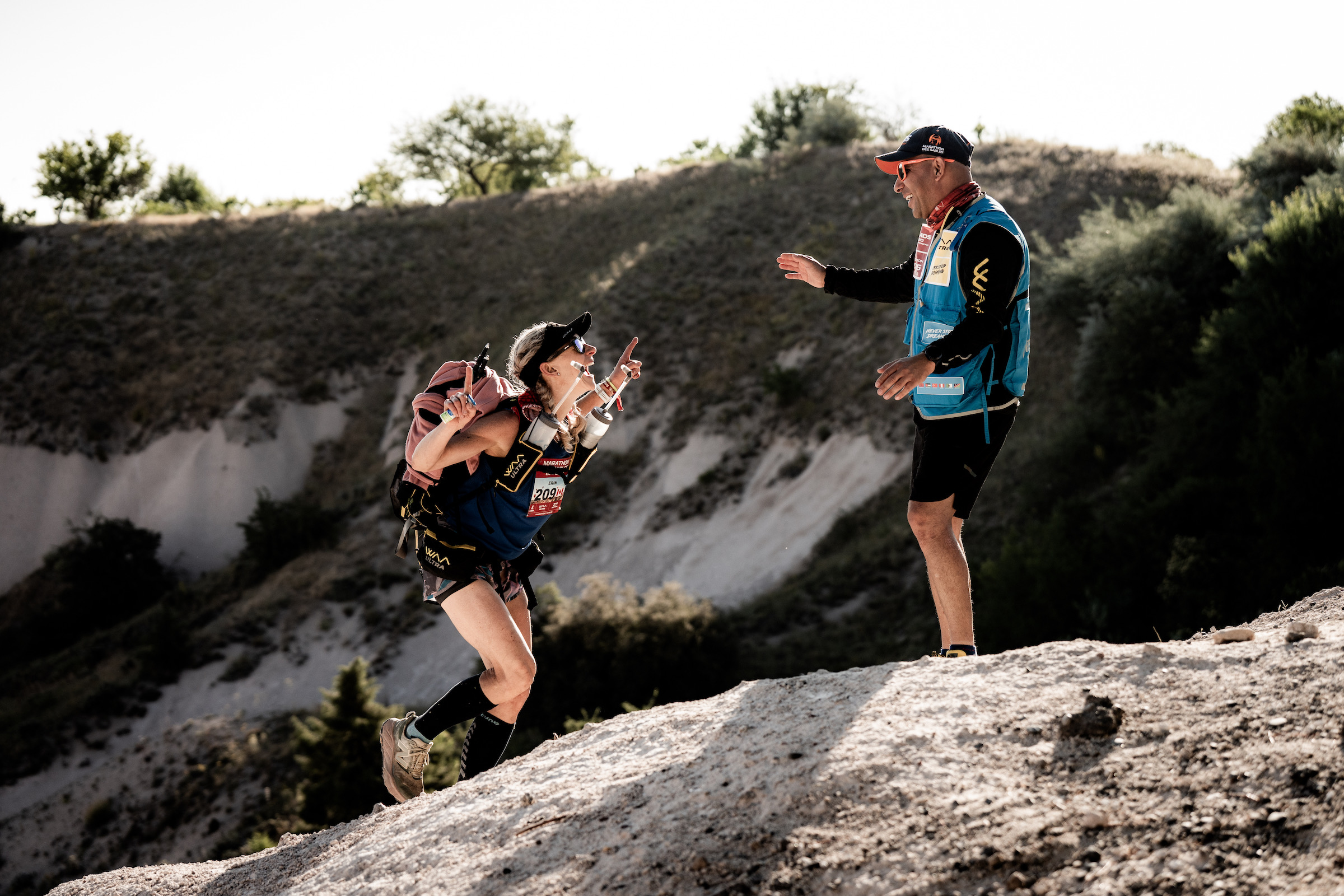
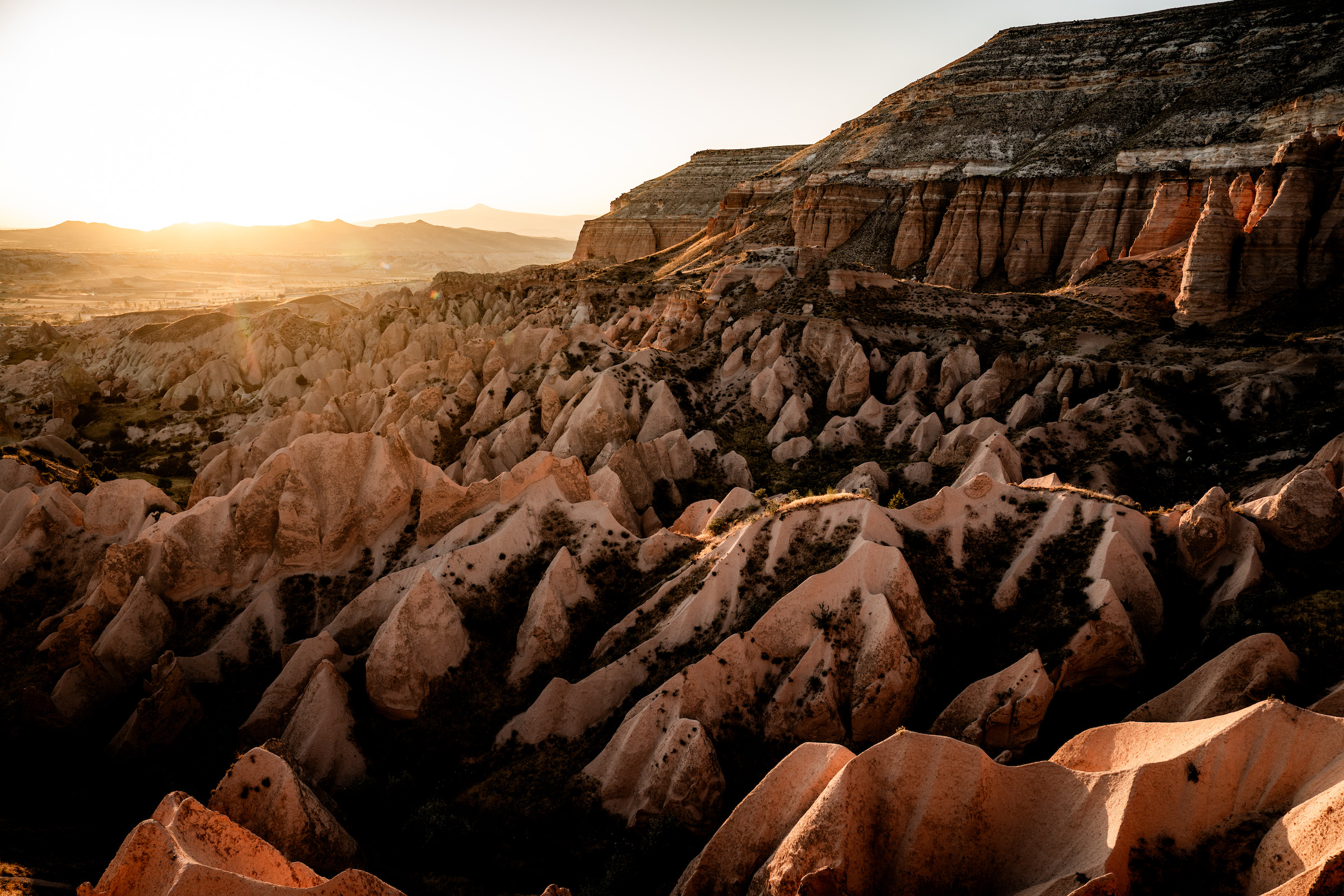
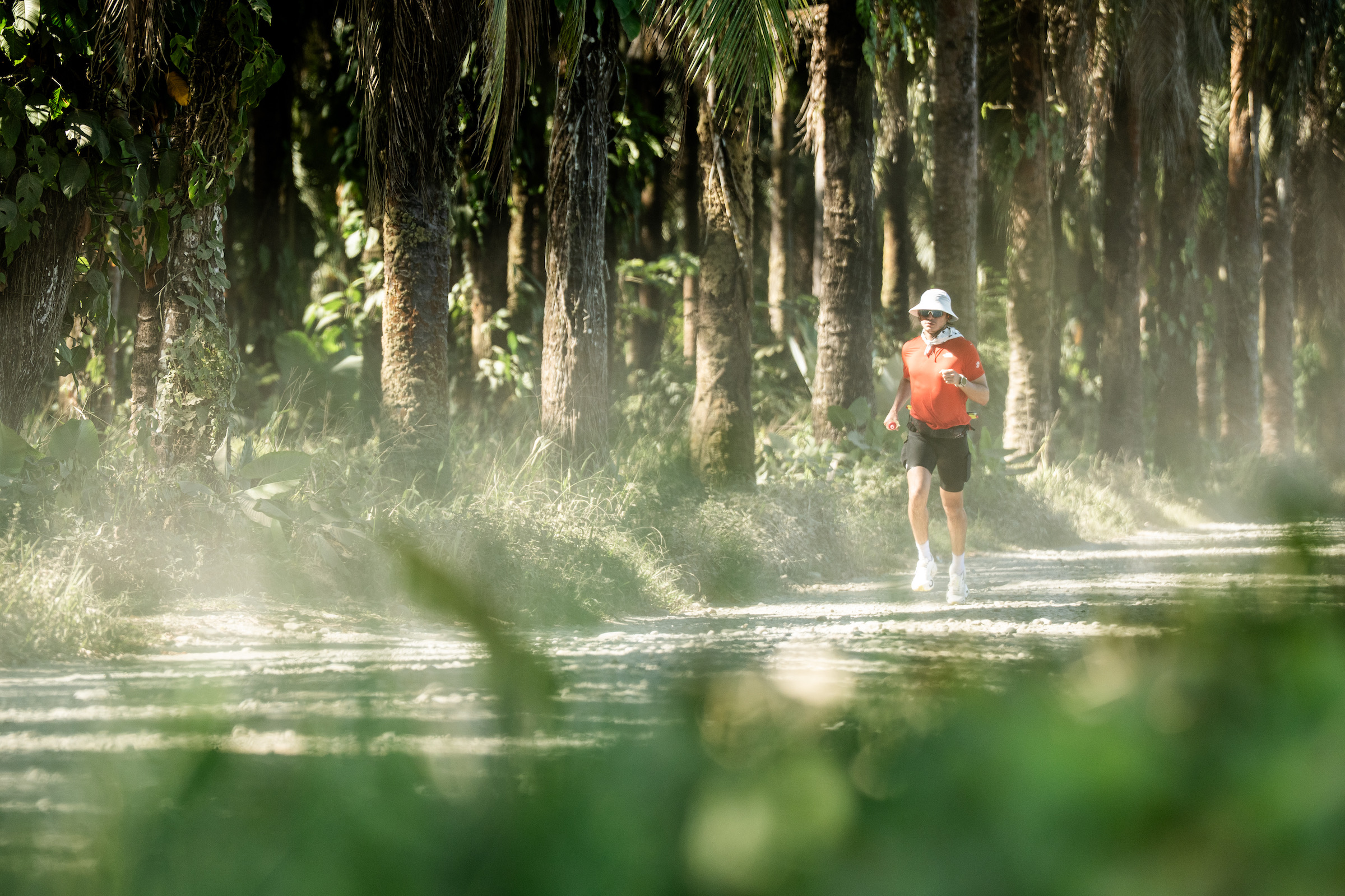
The Coastal Challenge is different. It’s not self-sufficient, but that doesn’t make it easier. In many ways, it’s more demanding. The Costa Rican rainforest, the coastline, the heat, the humidity, and the relentless terrain combine into something that feels far less predictable and far less forgiving.

What The Coastal Challenge Looks Like Today

The race remains a point-to-point journey across Costa Rica’s wild south-west, traditionally running from Quepos to Drake Bay, followed by a final loop stage in and around Corcovado National Park.

The format has remained consistent: six days, six stages, each with its own character. Distances and elevation are substantial, especially when you factor in heat, humidity, and terrain. There are some changes to the route and now, in 2026, I consider the route to be more challenging, especially with a longer stage 6.

Download the 2026 TCC Road Book HERE

Expedition Category

• Stage 1: 33km 1115m+

• Stage 2: 41km 1706m+

• Stage 3: 47.5km 1754m+ Long day

• Stage 4: 37.7km 2613m+ Most vertical

• Stage 5 41km 1685m+

• Stage 6: 35.9km 858m+

Total distance 236.1km’s with 9731m+

Gladly, there is an ADVENTURE category and while stage 1 and stage 2 are almost the same, the distances for stages 2, 3, 4 and 5 are notably shorter:

  • Stage 2: 16.8km 280m+
  • Stage 3: 15.2km 200m+
  • Stage 4: 12.5km 552m+
  • Stage 5: 23km 1117m+

Total distance 136.4km’s 3901m+

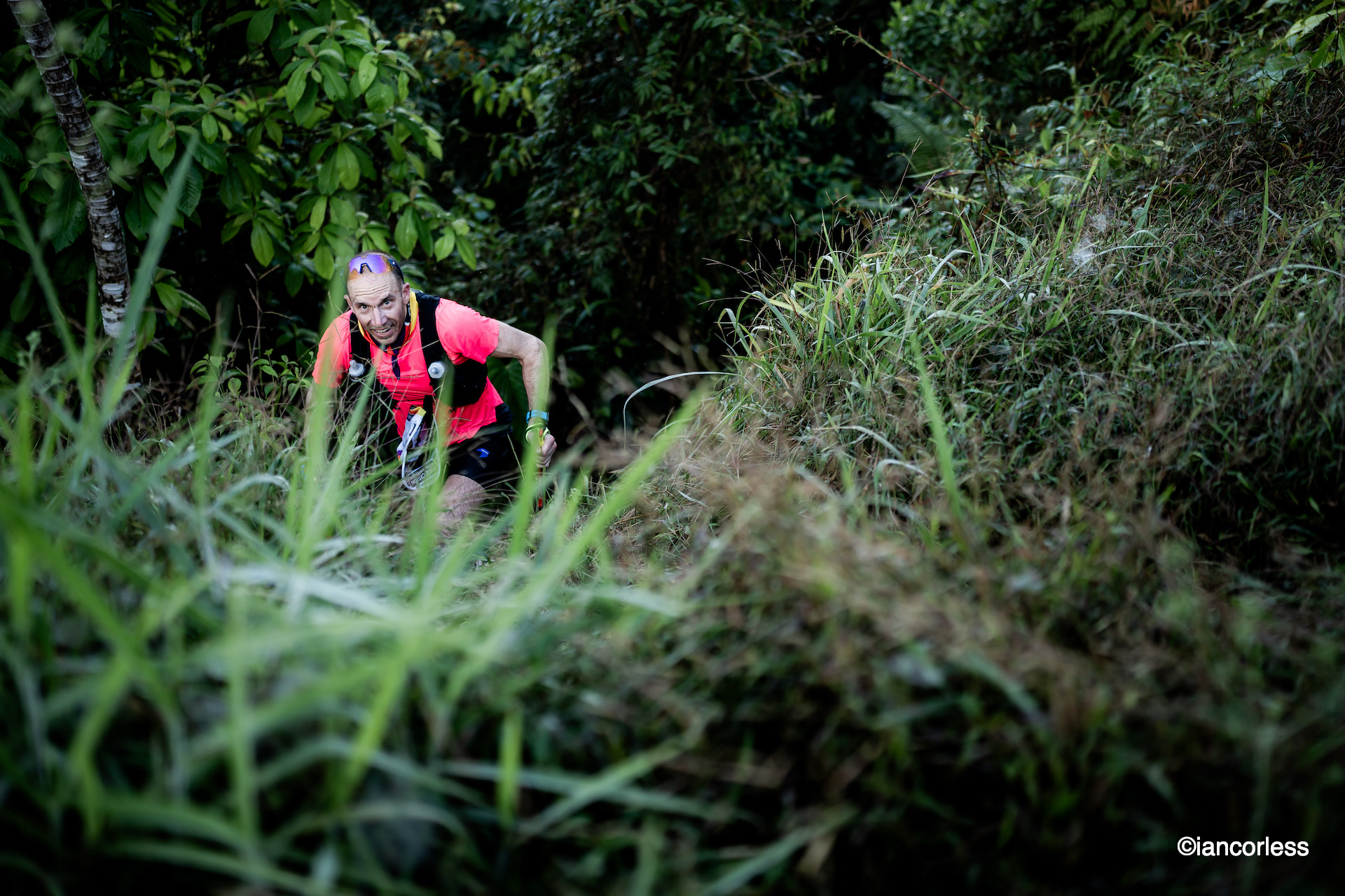
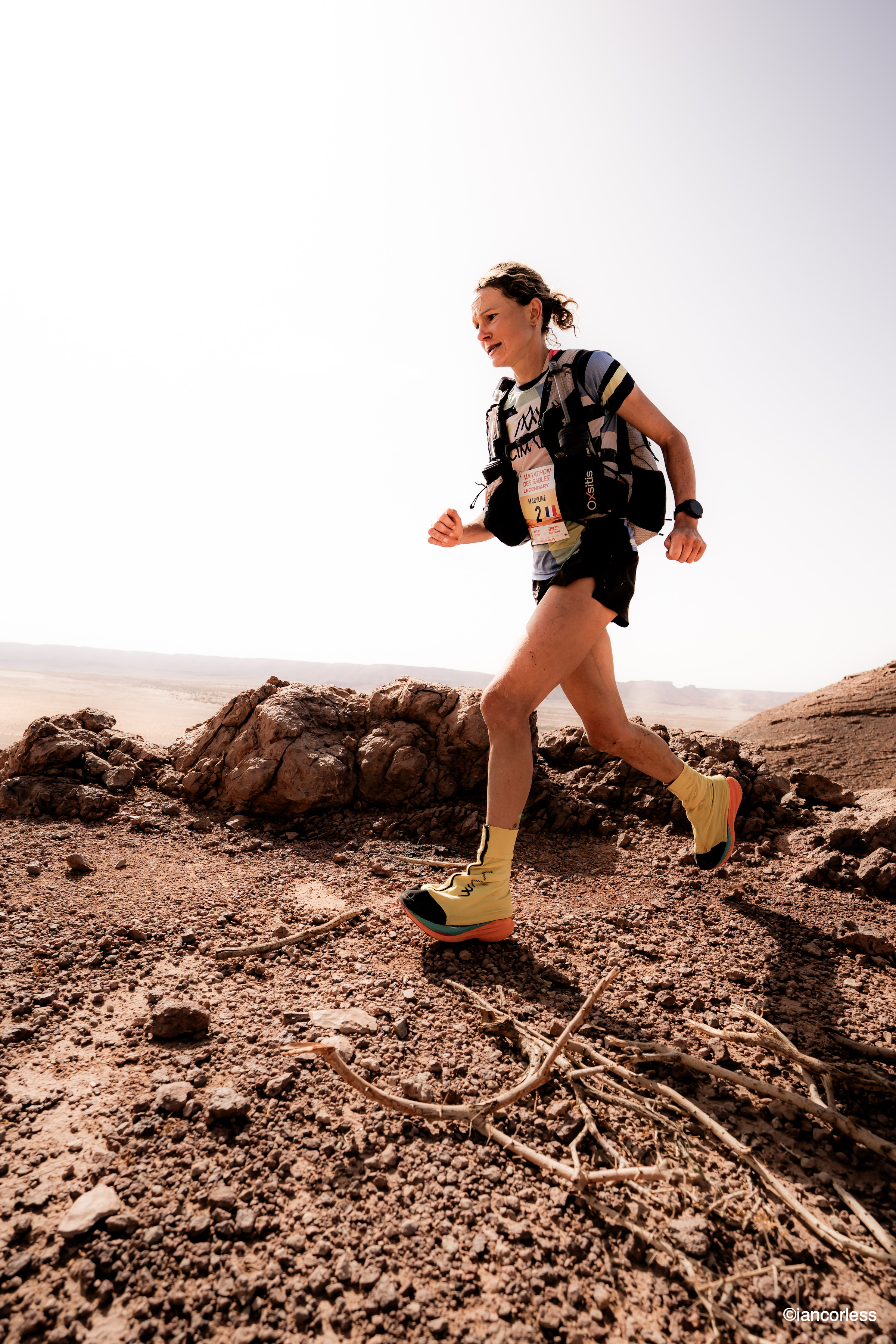
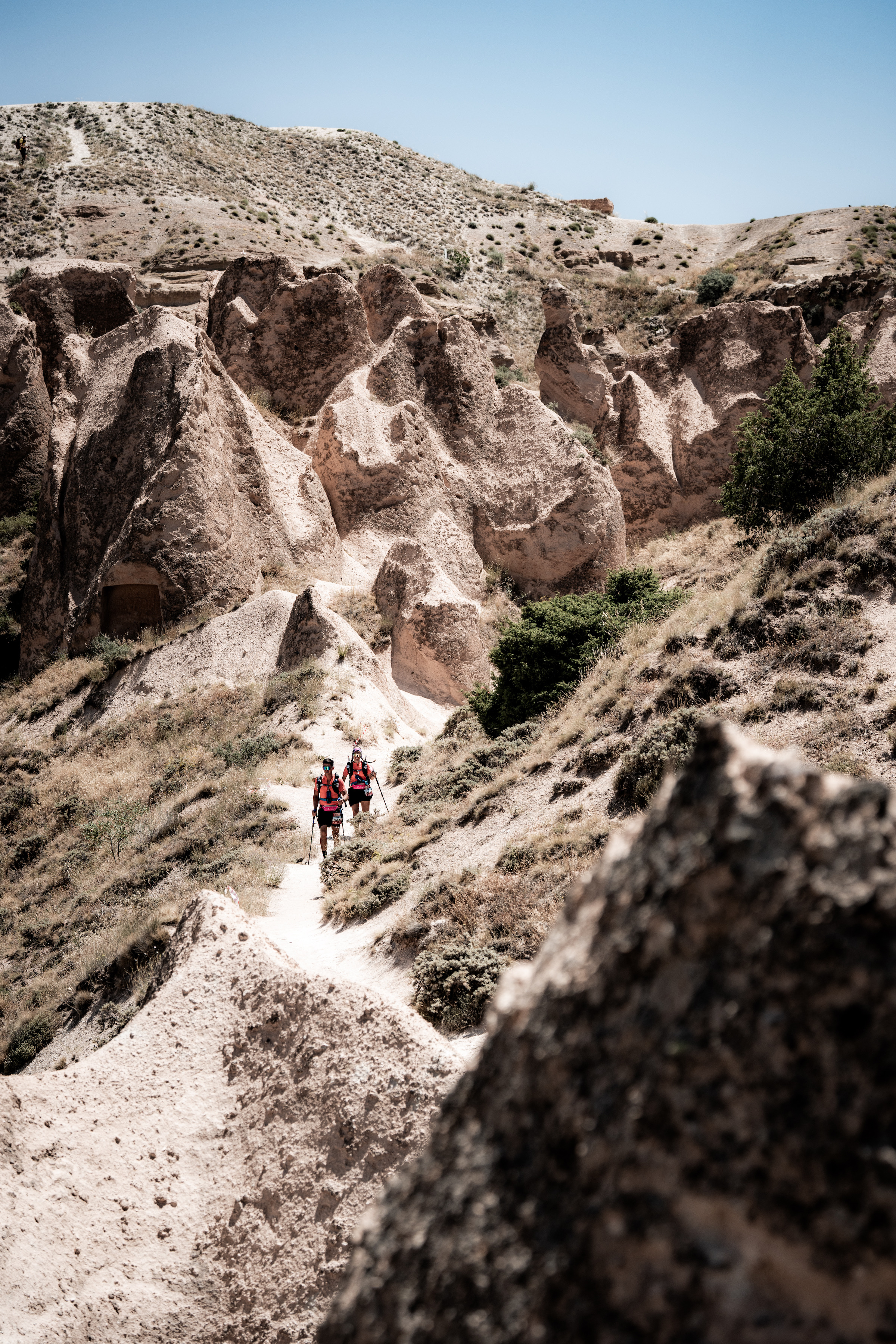
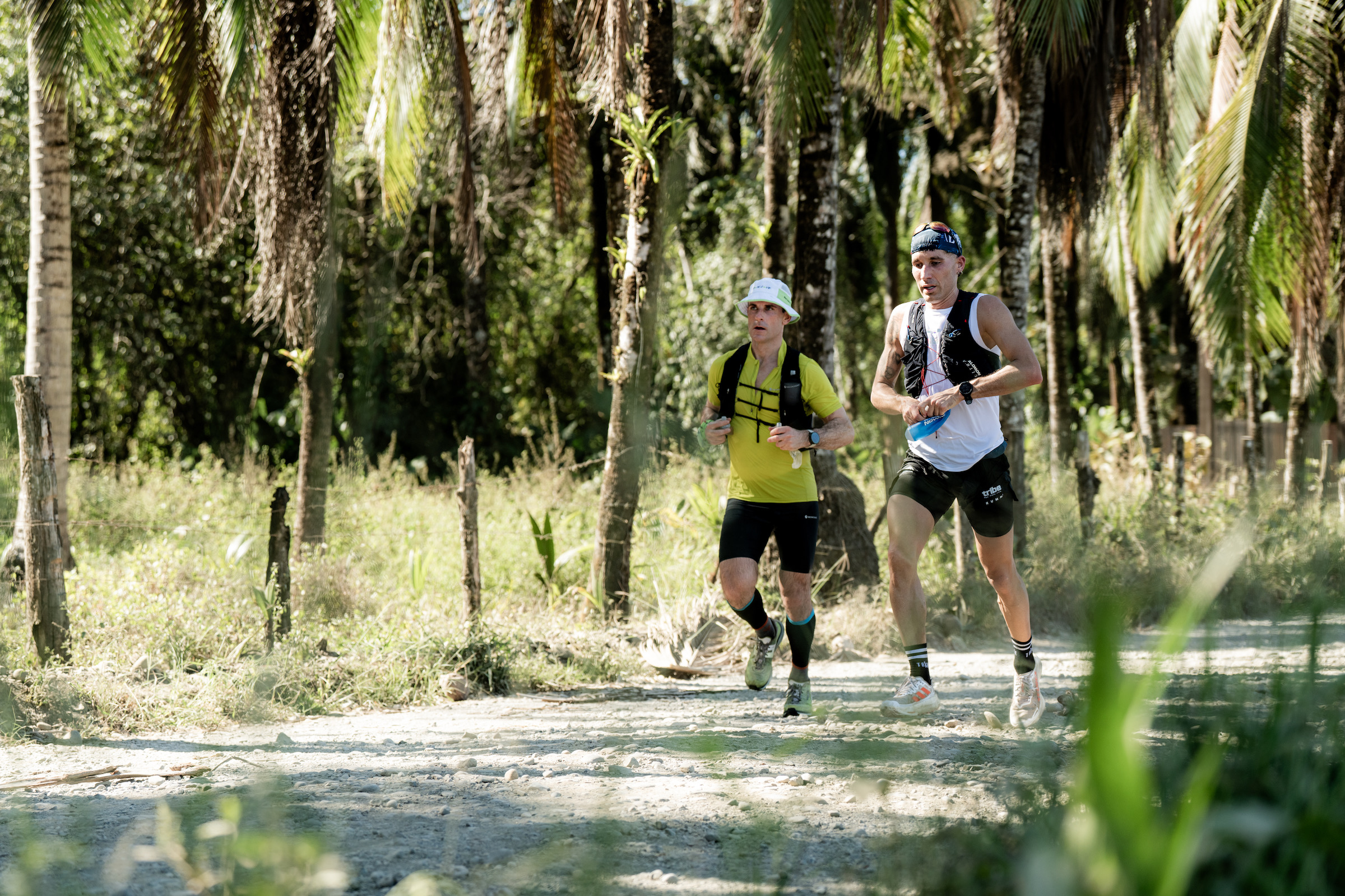
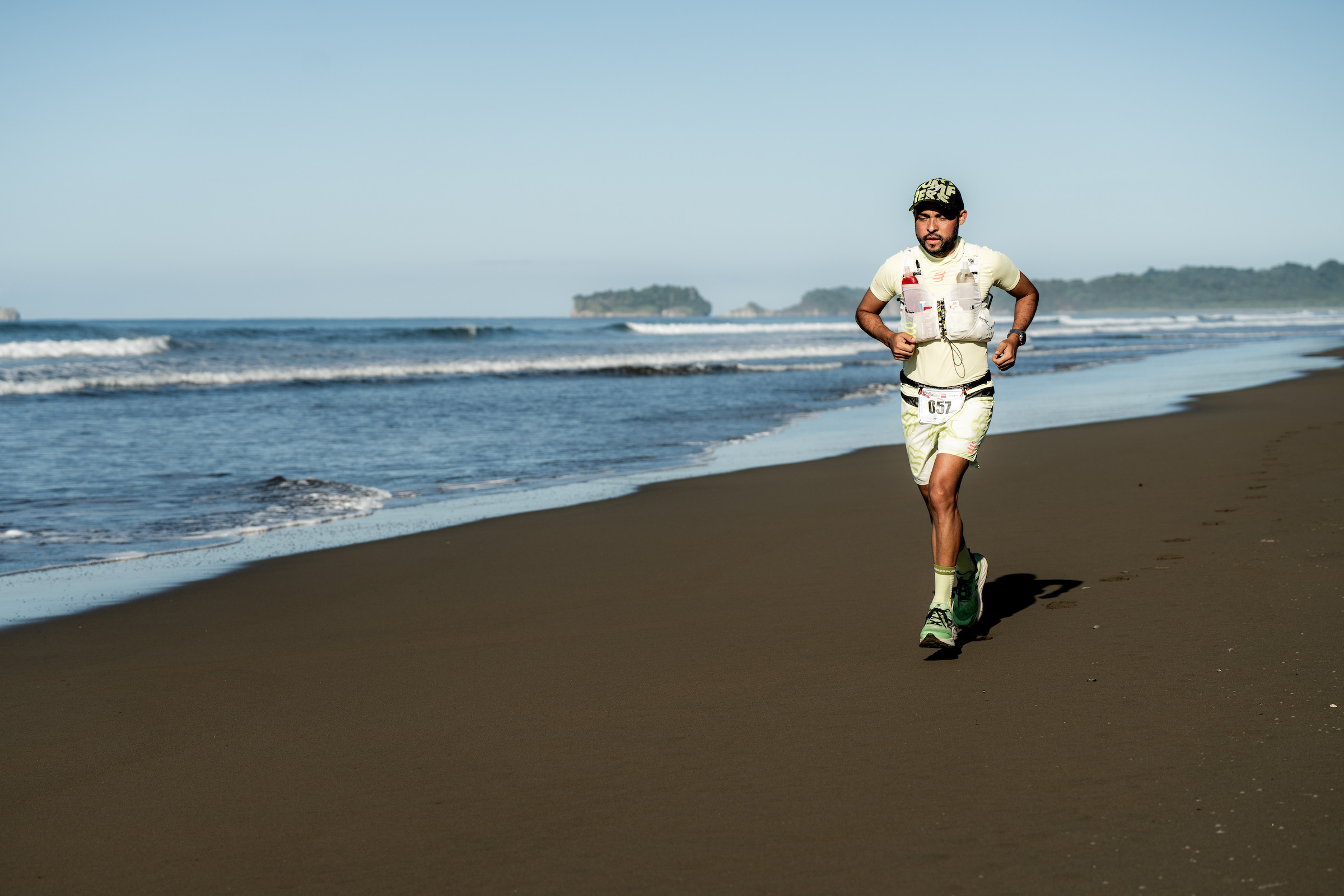
None of these numbers tell the full story. Beach running, river crossings, jungle trails, fire roads, steep climbs, and long descents all feature. Every day feels different. Every day asks something new.

NOTE: It is possible to move from EXPEDITION to ADVENTURE during the race, however, you will not receive a medal.

Is TCC Harder Than Marathon des Sables?

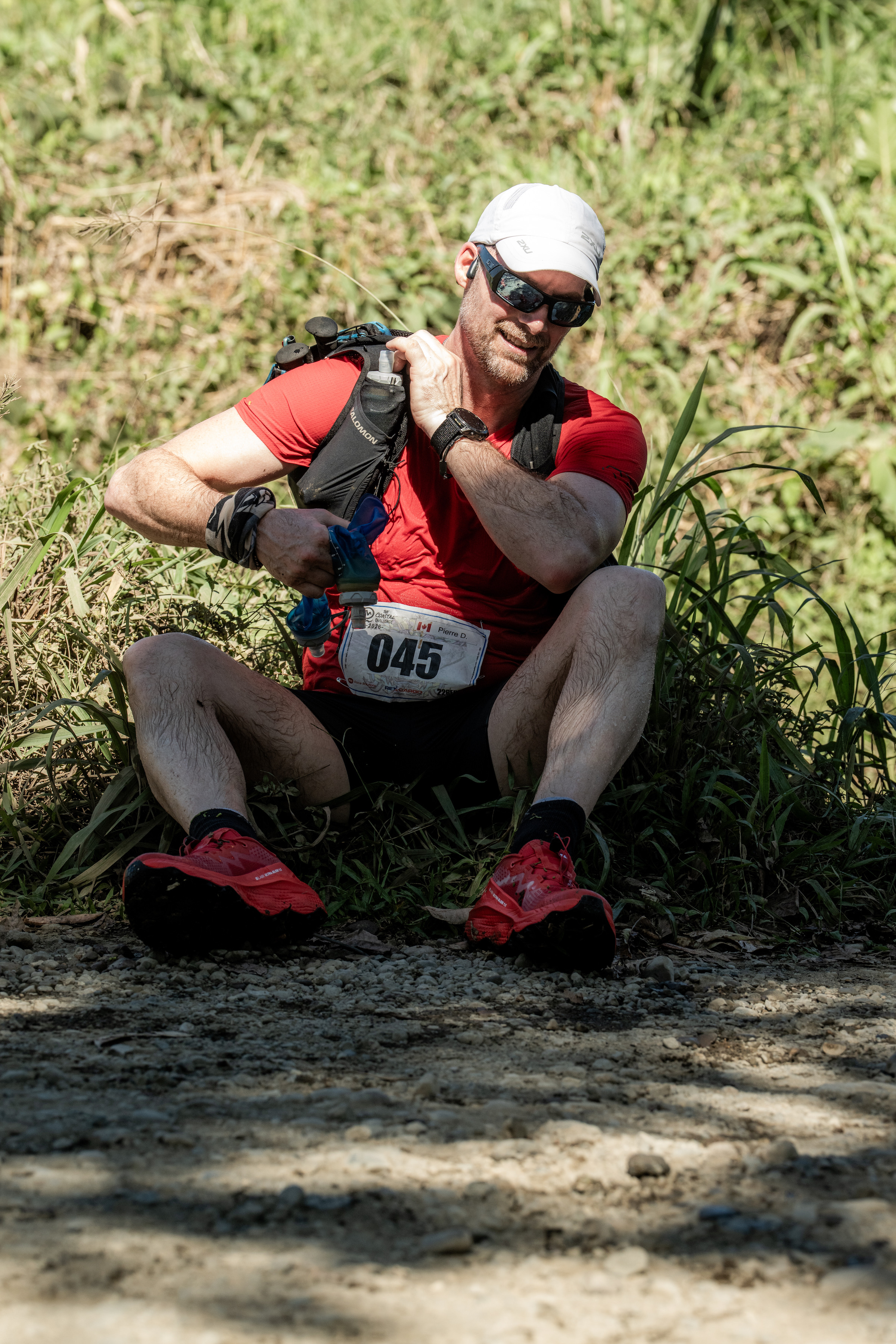
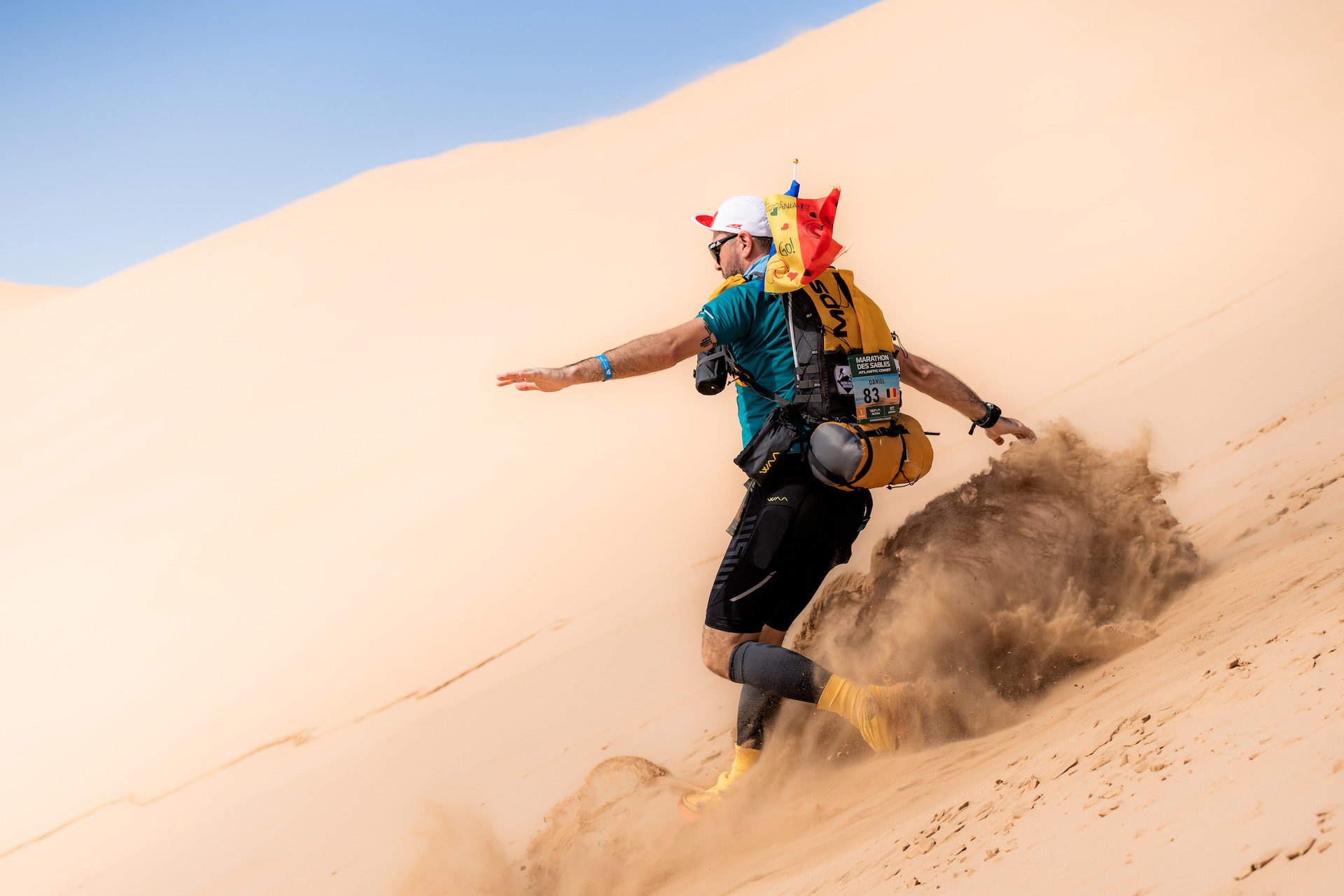
Photo by Ian Corless

The honest answer is still: yes and no.

Where TCC Is Easier

• You are not self-sufficient. You carry only essentials during the stage.

• Aid stations provide water and basic food.

• Your main kit bag is transported daily.

• You sleep in your own tent.

• Food is provided morning, post-stage, and evening.

• Camps are often in stunning locations, sometimes with cold drinks available.

• You have space to recover properly each night.

• The long day is shorter in distance than MDS.

Where TCC Is Harder

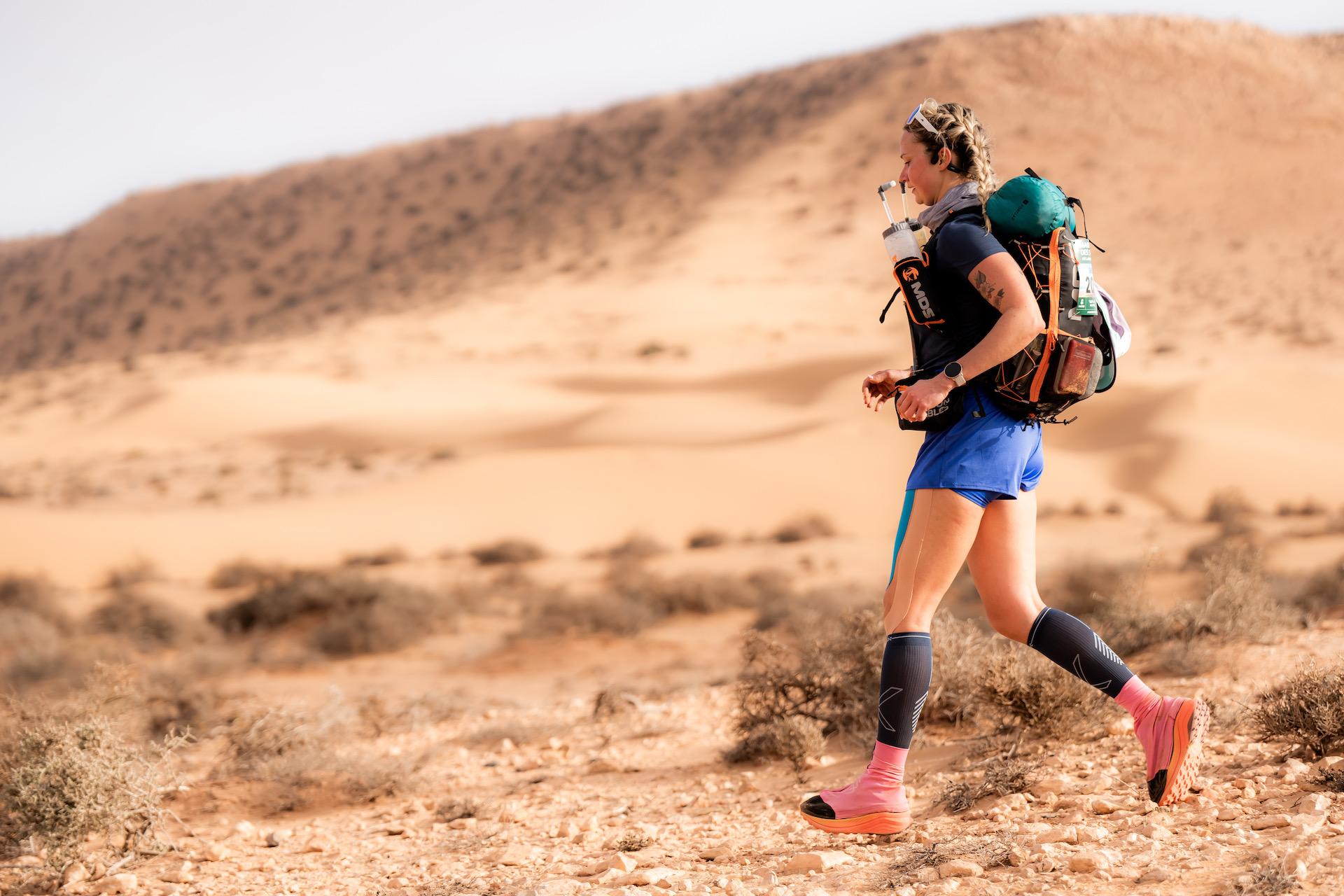
©iancorless

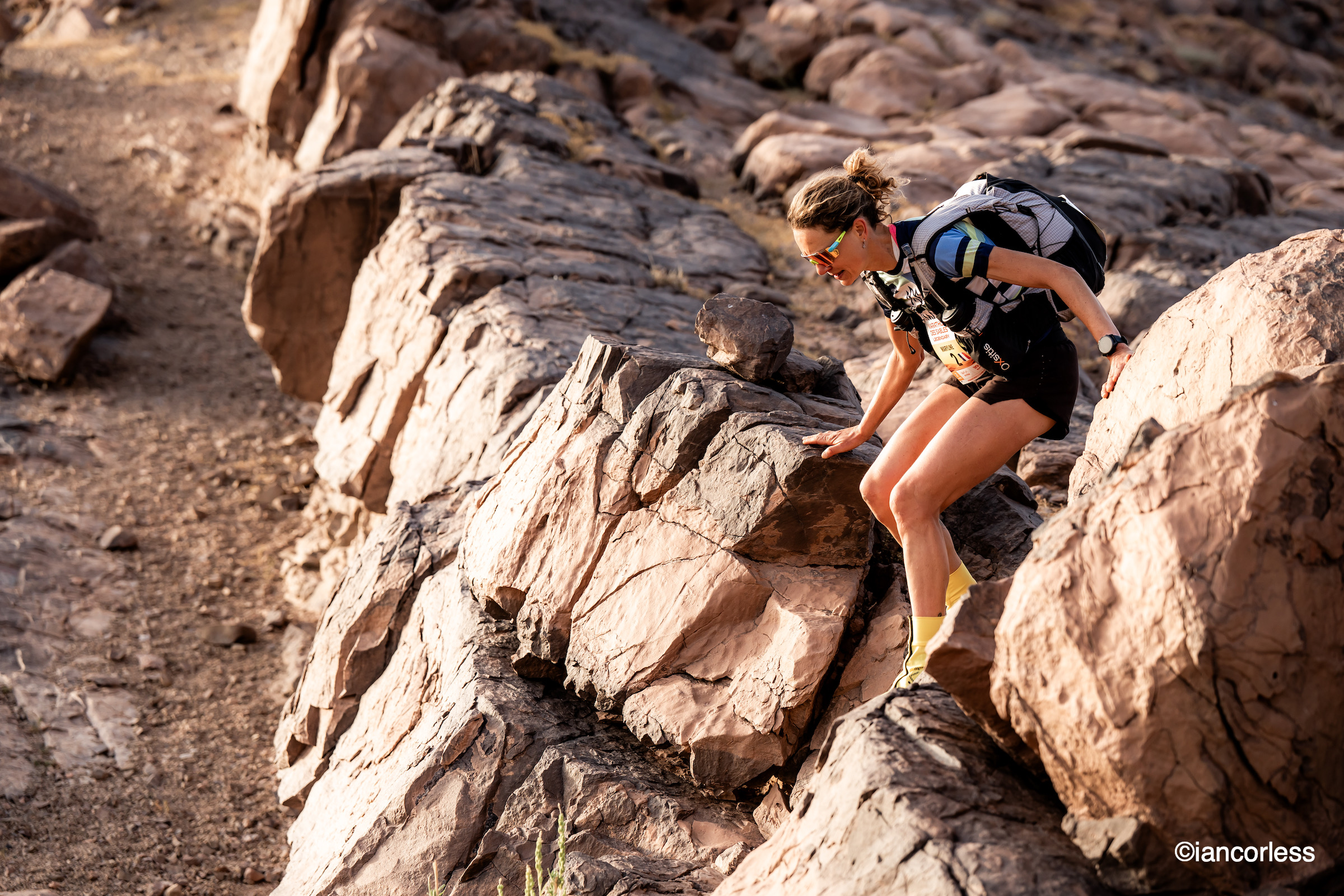
• The terrain is relentlessly varied and often technical.

• Elevation gain and loss are constant and cumulative.

• Fire roads punish tired legs.

• Beach running is deceptively draining, both physically and mentally.

• Heat is relentless.

• Humidity regularly sits above 75%.

• Your feet are wet every single day.

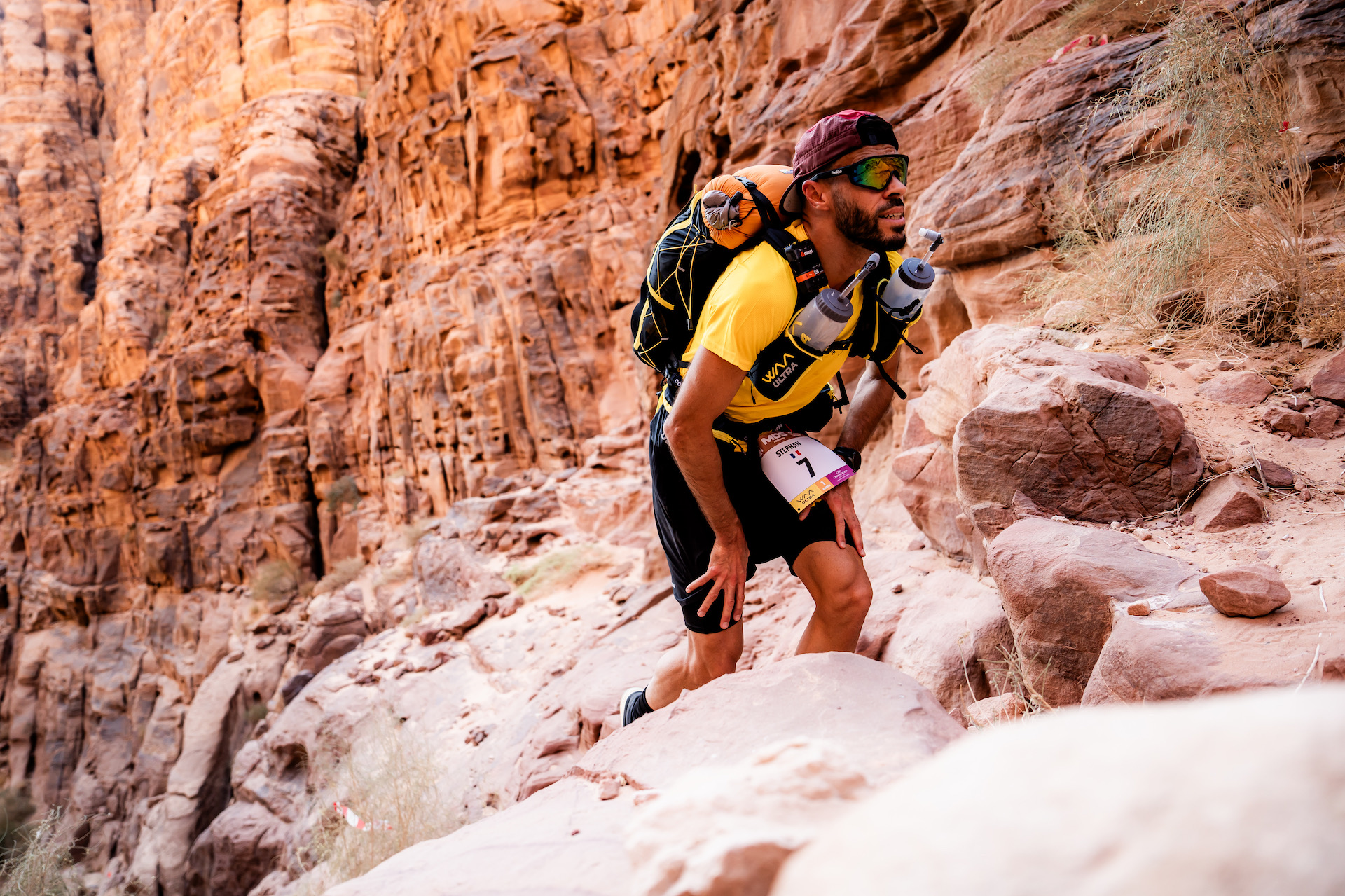
• The long day may be “only” 47 km, but add 1754 m+ of vertical, technical trails, and jungle heat, and it becomes one of the hardest stages you’ll ever run.

This race doesn’t grind you down with deprivation. It wears you down with exposure.

Packing for Success in a Modern TCC

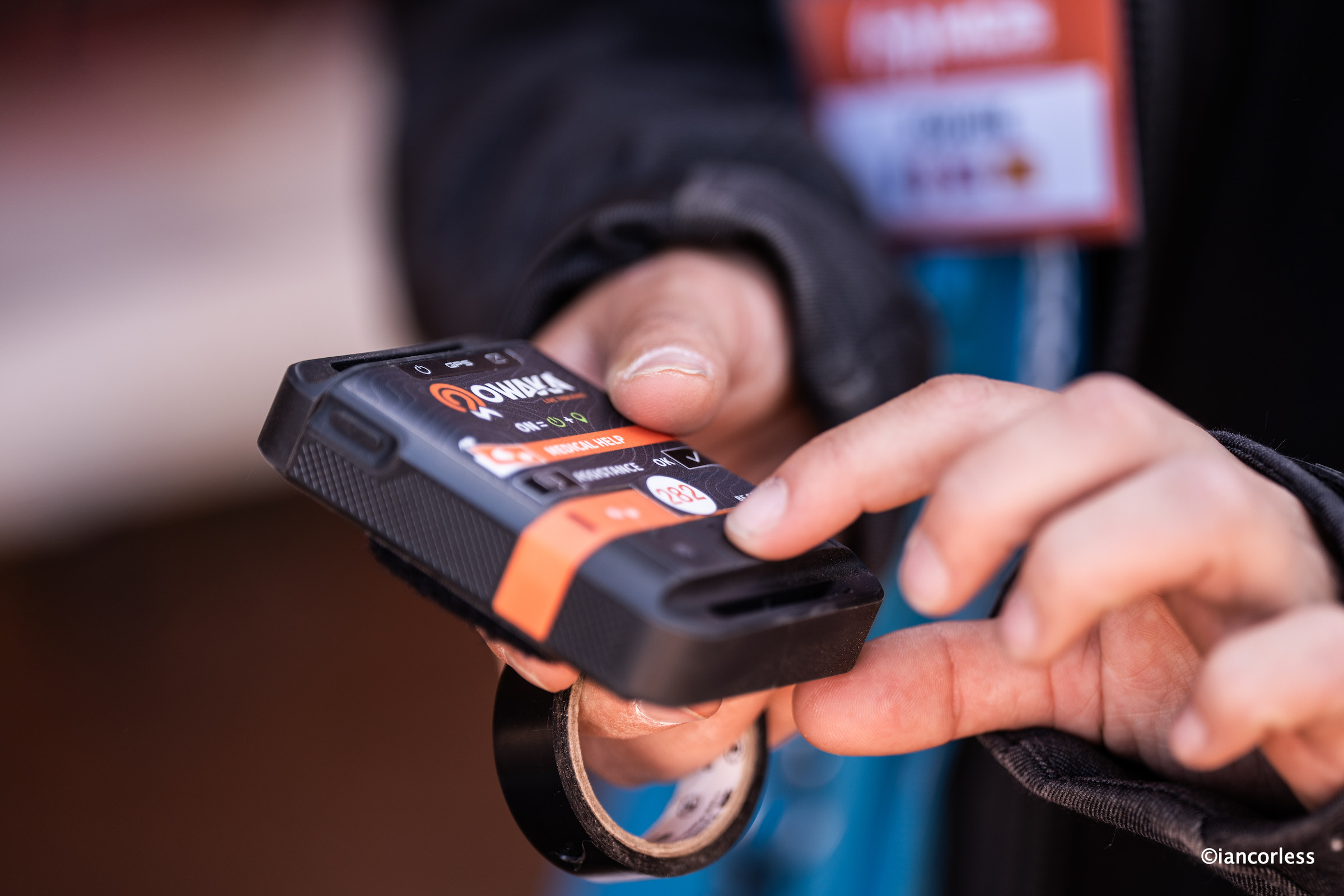
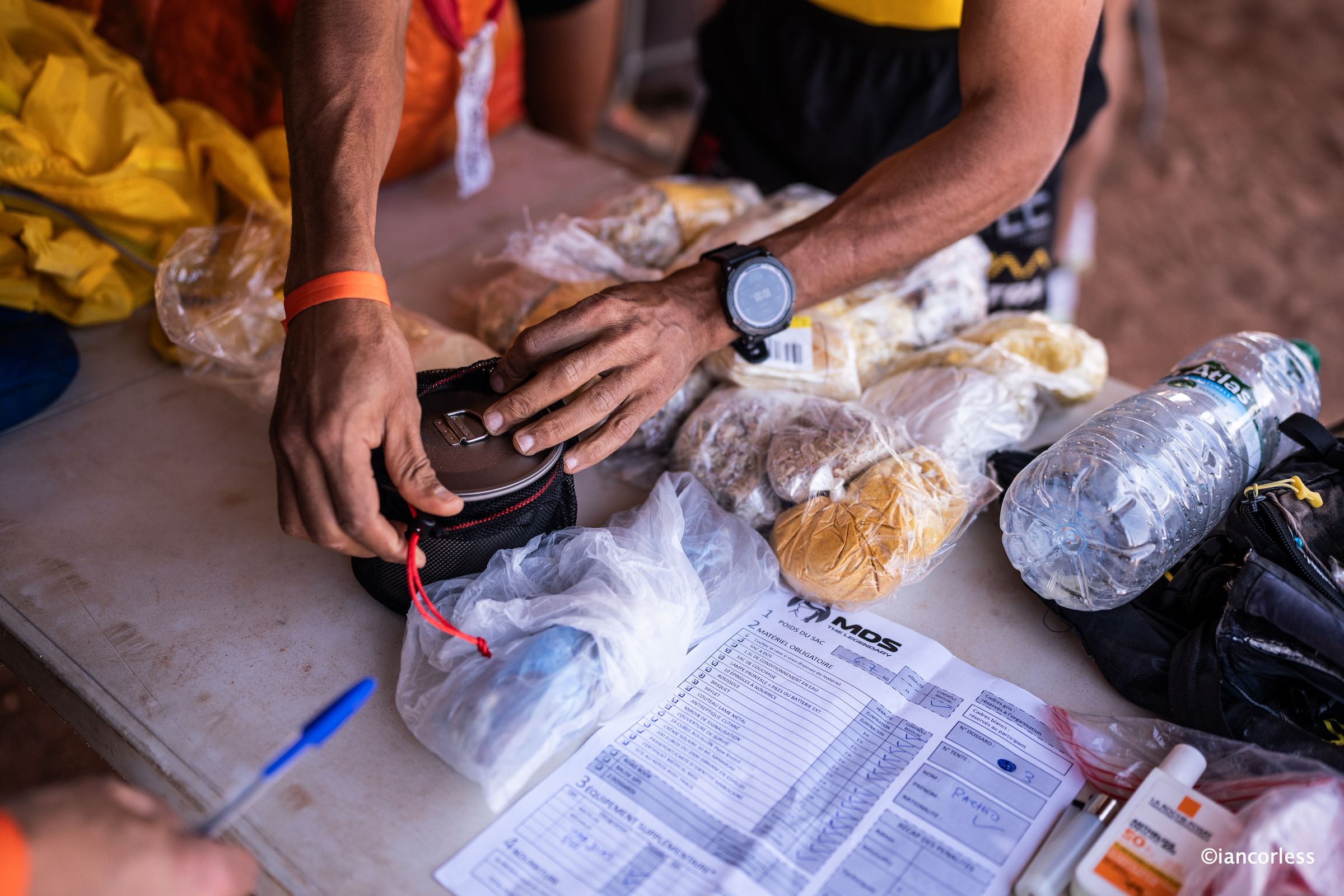
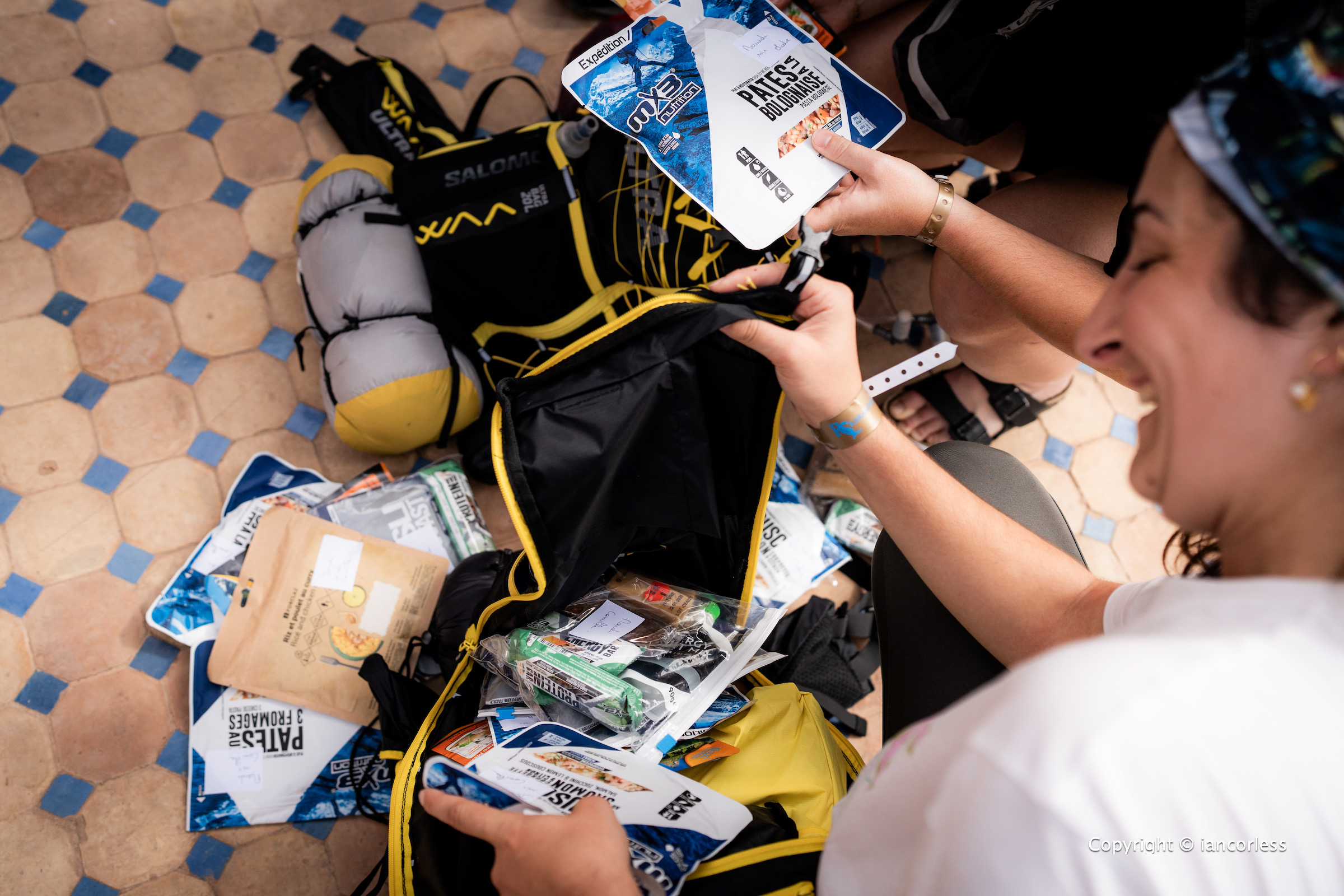
Because your kit is transported daily, you can afford to be comfortable. Waterproof storage remains essential. While the race still recommends Action Packer-style boxes, they’re awkward for international travel. Most experienced runners now opt for a robust waterproof duffel or roll-top bag, with internal dry bags for organisation.

You’re racing in a rainforest. Rain is not hypothetical.

Bring 6–8 full run kits. The system is simple and still works best:

• Run in one kit.

• Finish, shower, change.

• Sleep in the next day’s run kit.

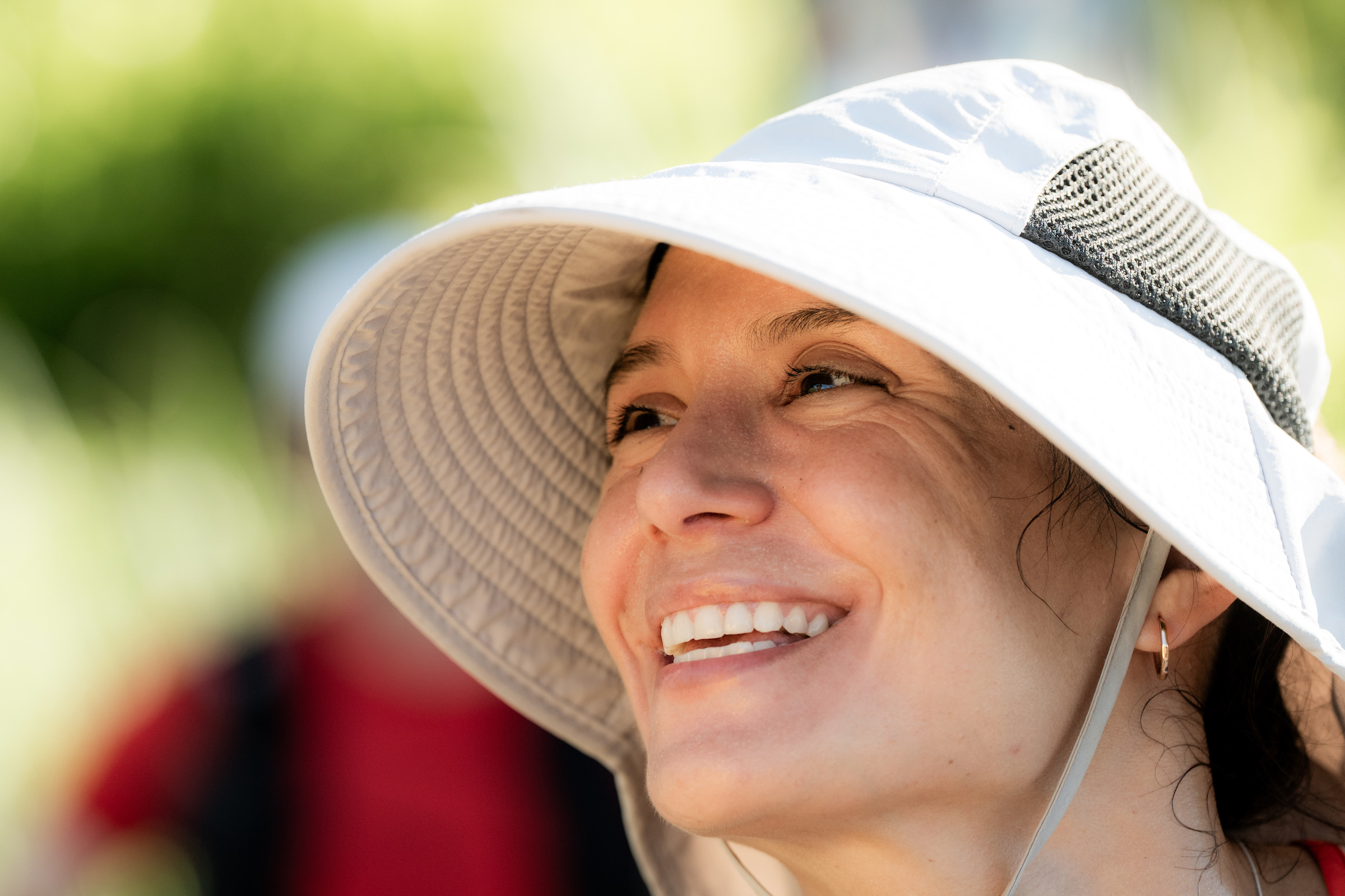
Breathable fabrics are essential. Shoulder coverage matters more than people expect. Sun exposure combined with sweat and salt can destroy skin over six days. Hats are non-negotiable. Neck coverage is smart. Minimal strappy tops often look appealing but lead to brutal sunburn patterns.

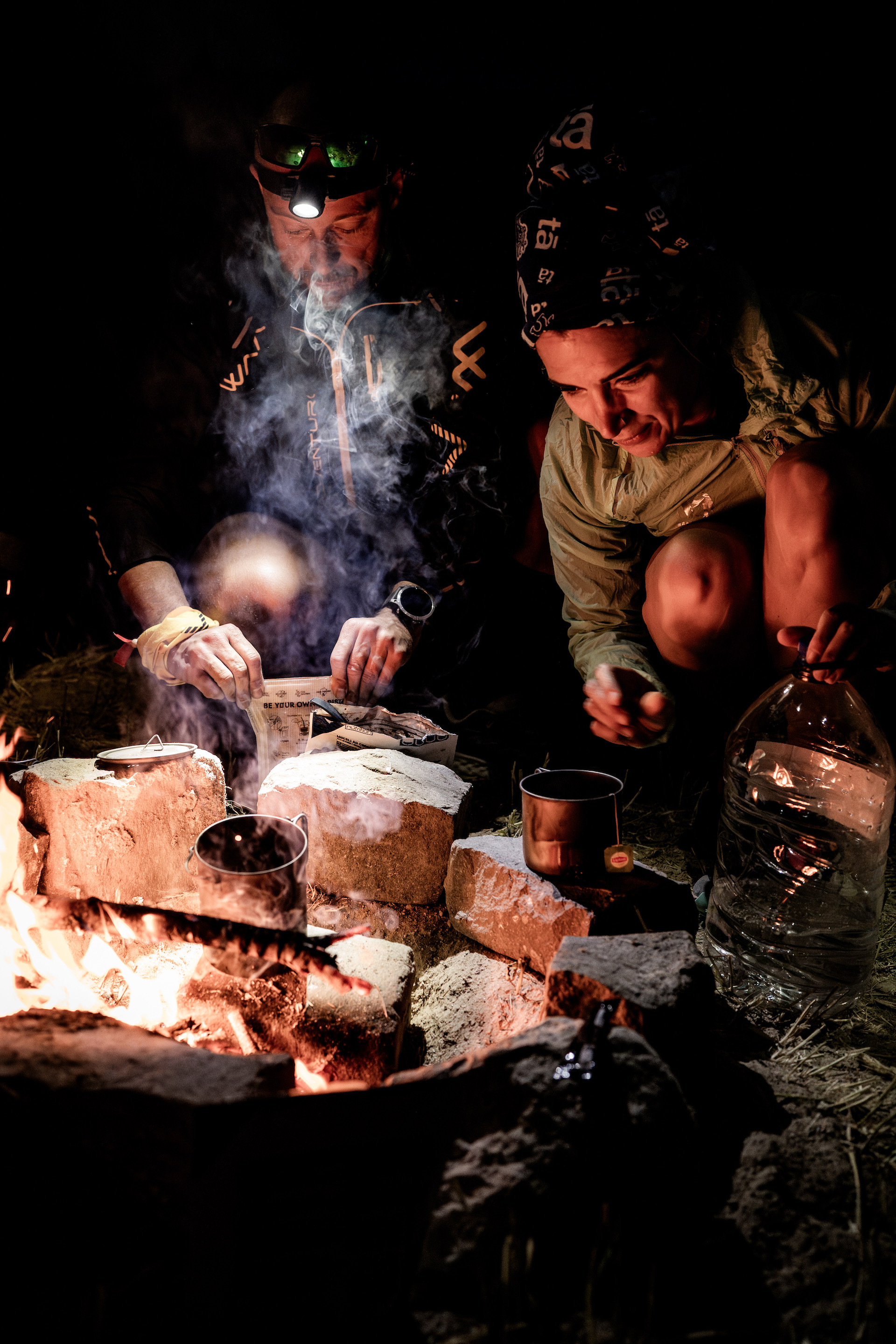
Camp life is relaxing and simple, make sure you bring a sleeping mat and ideally a silk liner, a sleeping bag is not needed BUT it can get chilly around 2am to 5am. Additional camp clothing can be a nice break from run kit – for women thi scan be a loose dress, the the men, shorts and T. Flip flops or similar are essential.

Make sure you bring a plate, knife, fork and spoon and also a cup for drinks.

Shoes and Foot Care: The Deciding Factor

If runners fail at TCC, it’s usually due to feet or hydration.

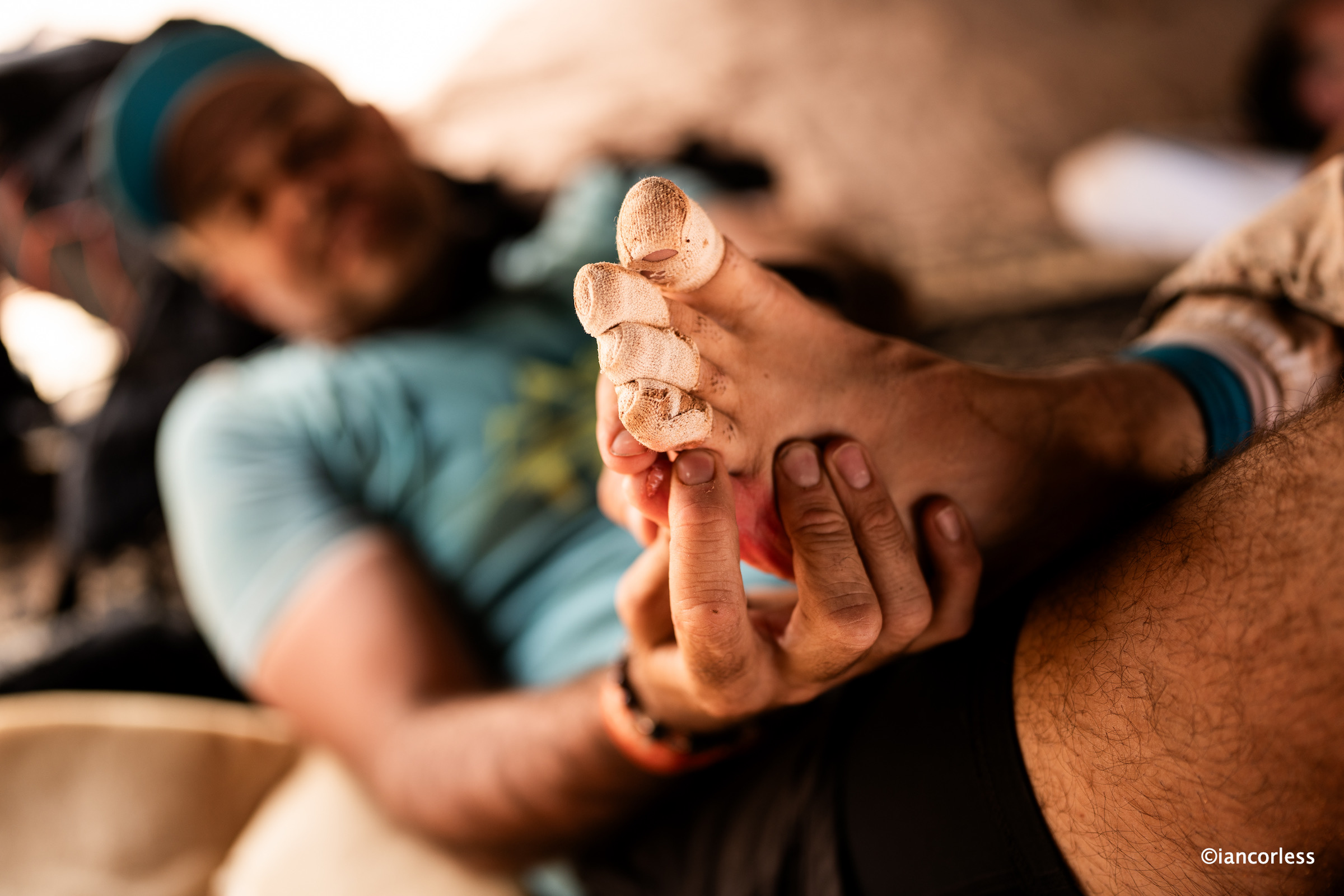
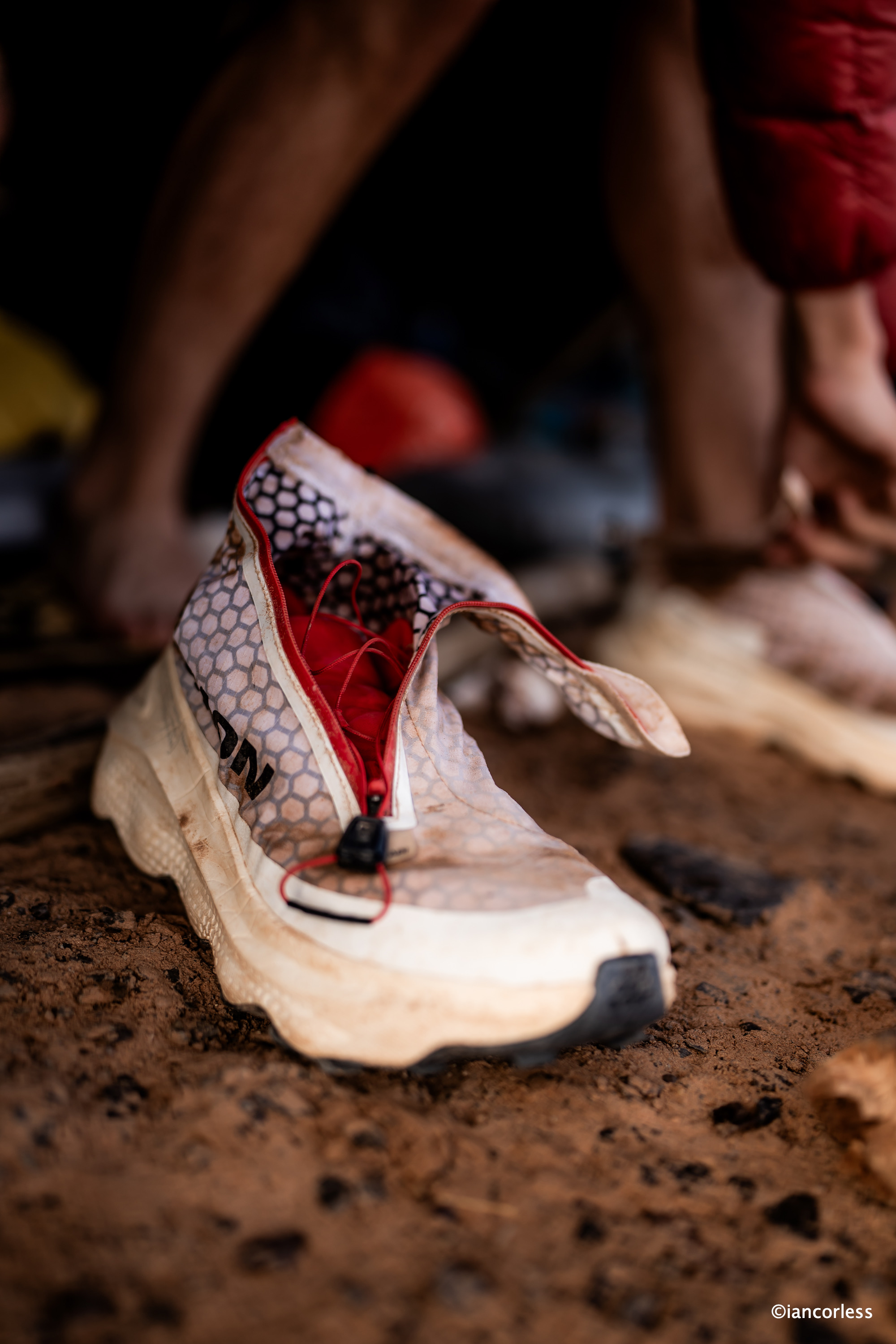
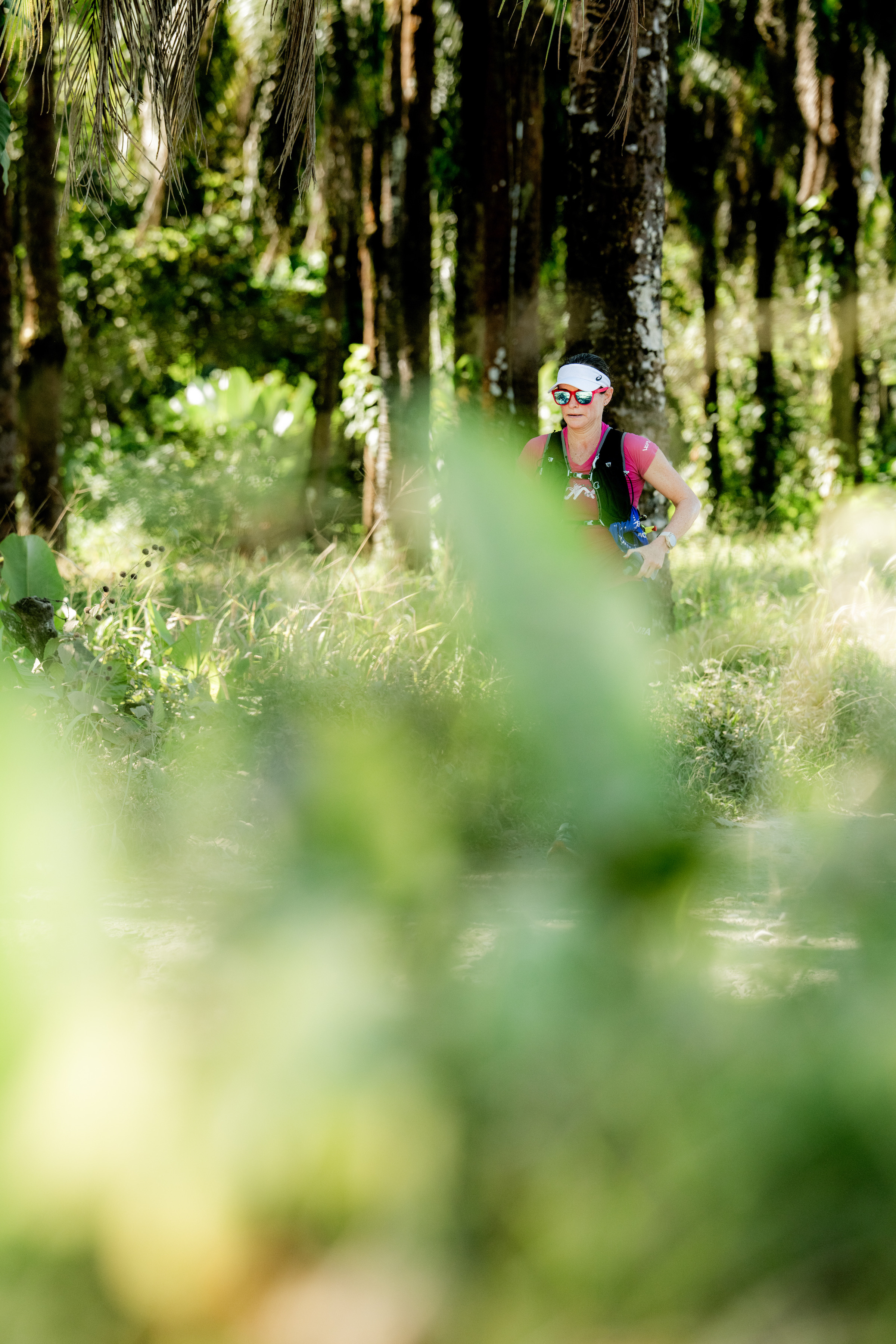
Your feet will be wet every day. Rivers, streams, mud, ocean crossings. Add technical terrain, rocks, roots, and sand, and your feet take a beating.

Bring at least two pairs of trail shoes, ideally three. Some runners include a half-size-up “emergency pair” for swelling later in the race.

Forget blanket advice about sizing up. Shoes that are too big allow movement. Movement causes friction. Friction causes blisters. You need roughly a thumbnail’s space in front of the big toe, no more. Fit matters more than brand.

Your shoes must:

• Drain water efficiently

• Dry quickly

• Handle rock, mud, sand, and wet roots

• Match your gait, cushioning preference, and drop

Trail shoes are mandatory. Breathability is critical.

Socks matter just as much. A fresh pair every day is essential. Toe socks have proven exceptionally effective for many runners in these conditions.

Shoe recommendation is impossible, we are all unique, however, VJ Sport offer the best grip in the harsh terrain of Costa Rica – take a look at the VJ Ultra 3 HERE

What to Carry During the Stage

Photo by Ian Corless

Compared to many stage races, your on-course kit is minimal.

A lightweight vest-style pack works best. Many runners now carry a bladder plus two bottles. Aid stations can be far apart, and dehydration happens fast.

Carry:

• First aid basics

• Whistle

• Phone (waterproofed)

• Cash

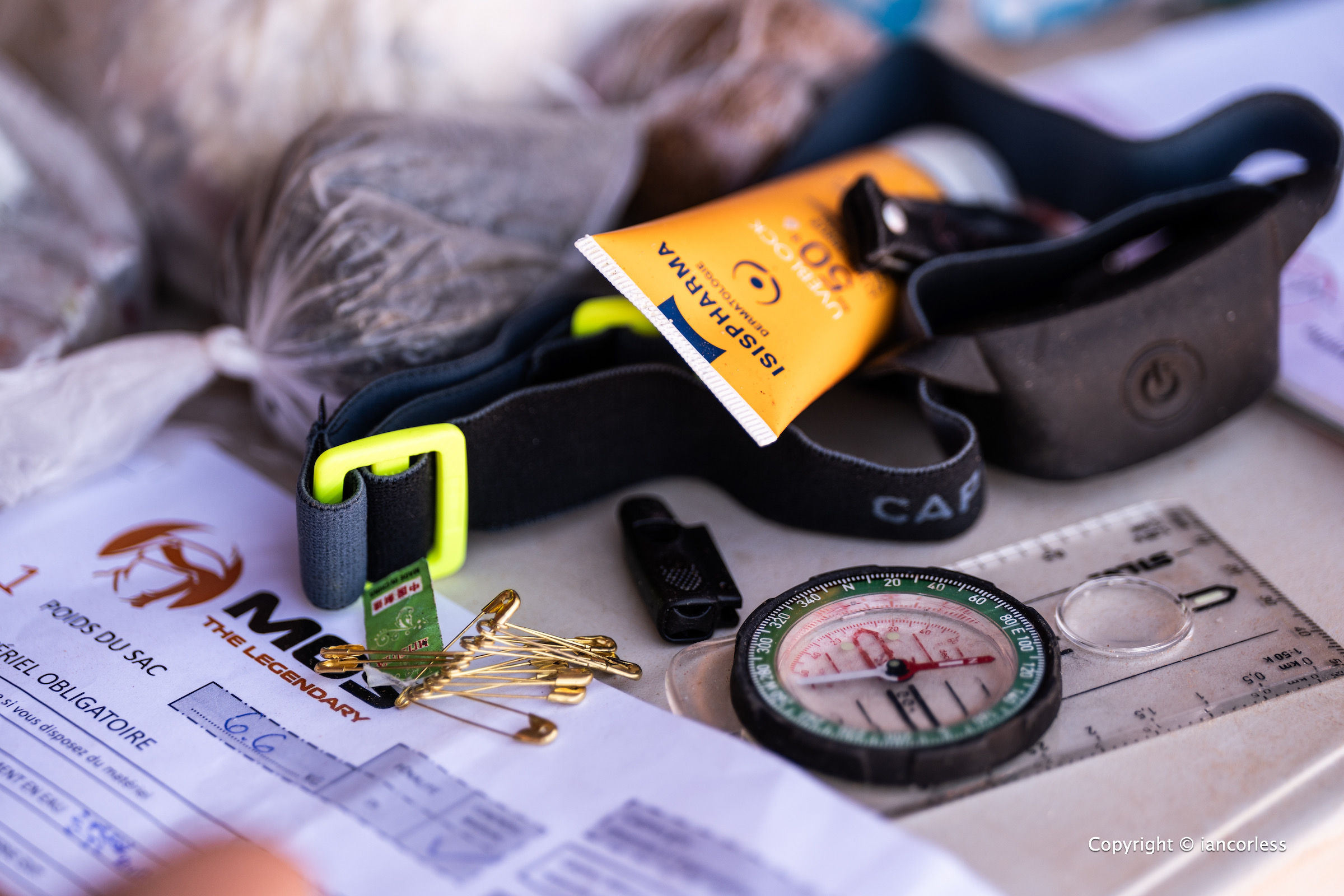
• Sunscreen

• Purification tablets (just in case) or a water filter.

• Personal nutrition

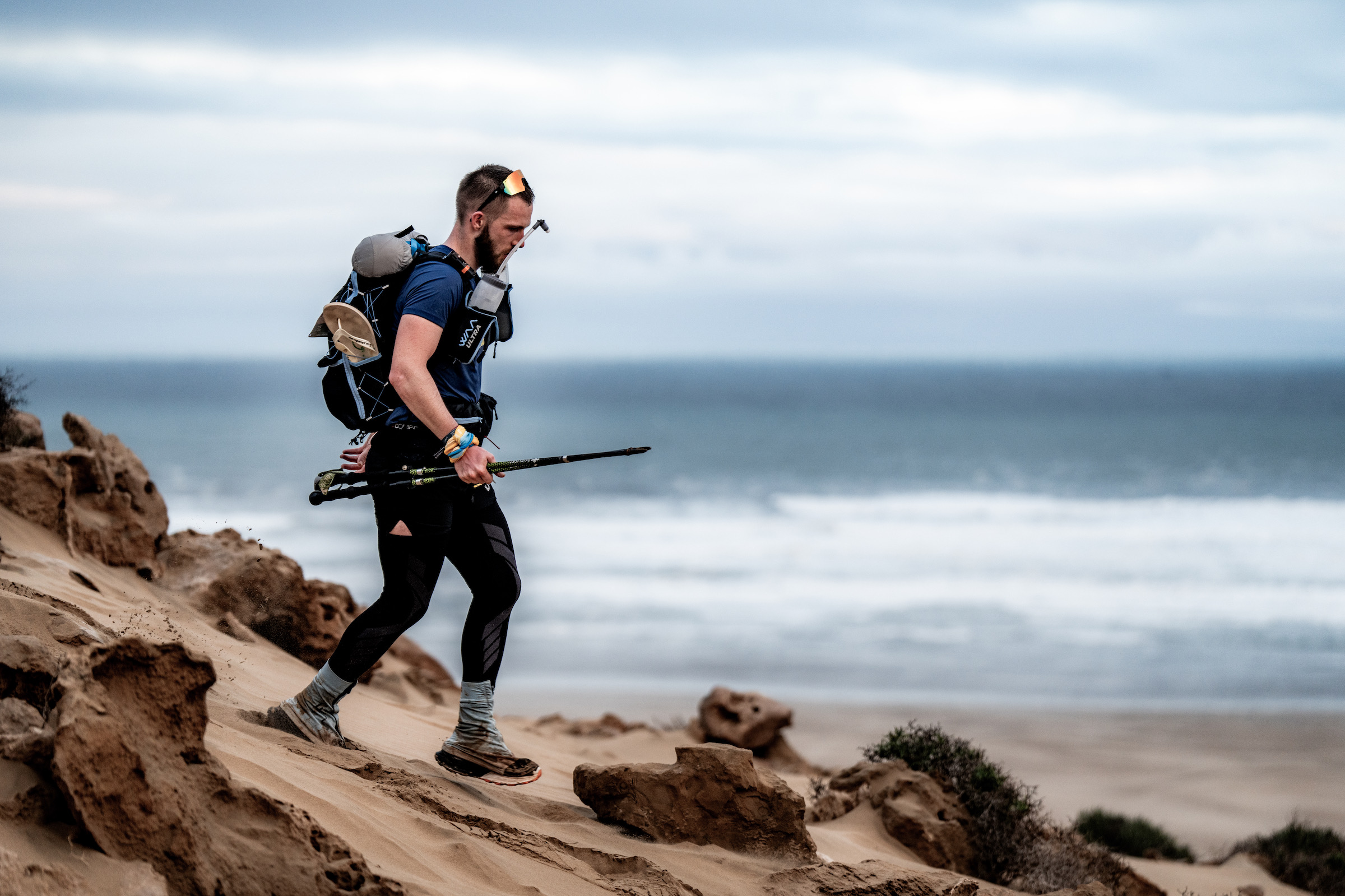
• Poles (optional, but useful)

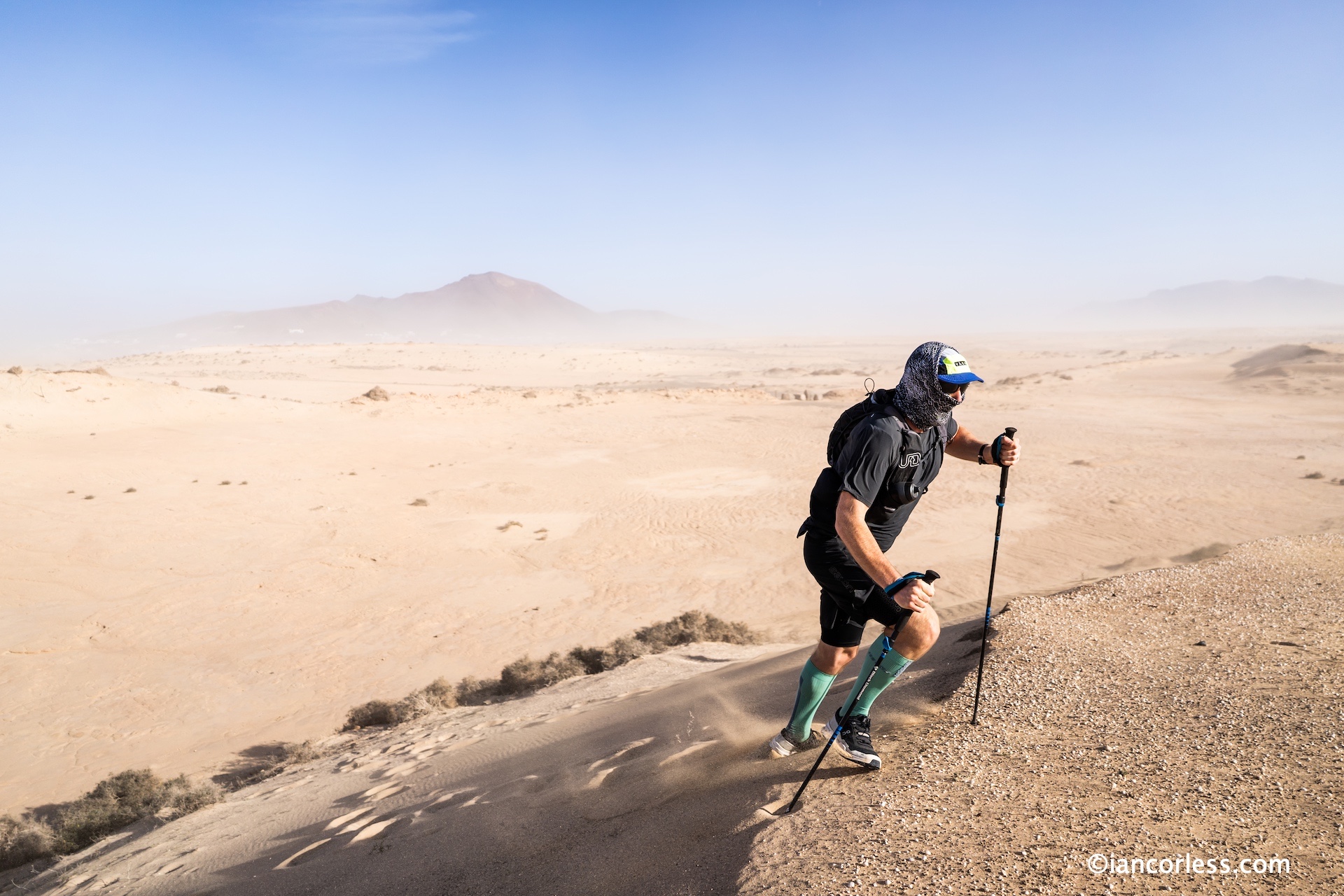
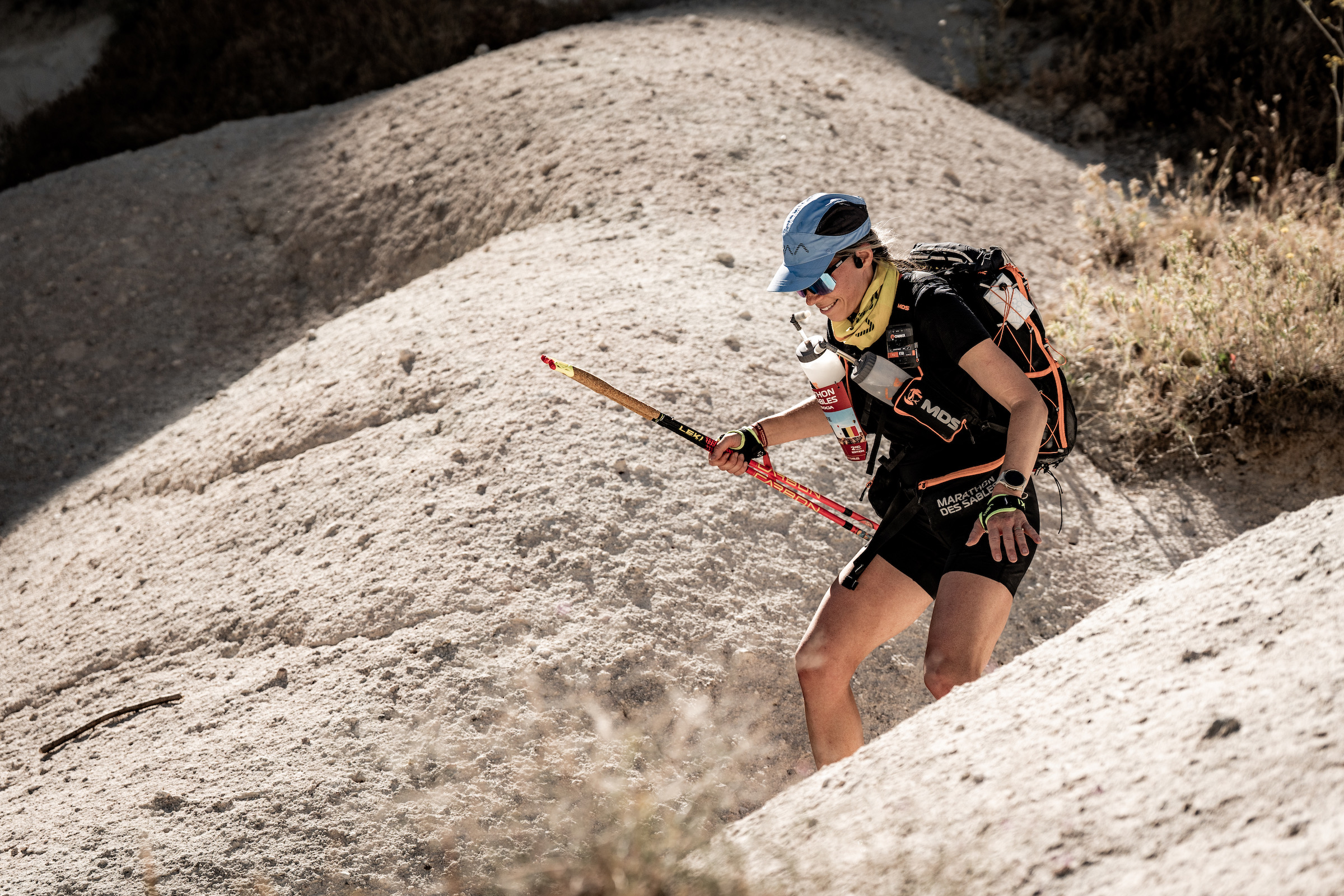
If you use poles, they must fold, stow quickly, and be second nature to deploy. Practice with them before the race.

Heat, Hydration, and Survival

It’s hot. Always.

©iancorless

You’ll sweat within minutes of starting and continue all day. Hydration is constant, not reactive. Drink regularly, not just when thirsty. Electrolytes are personal. Know what works for you before arriving.

Never pass water without topping up.

Photo by Ian Corless

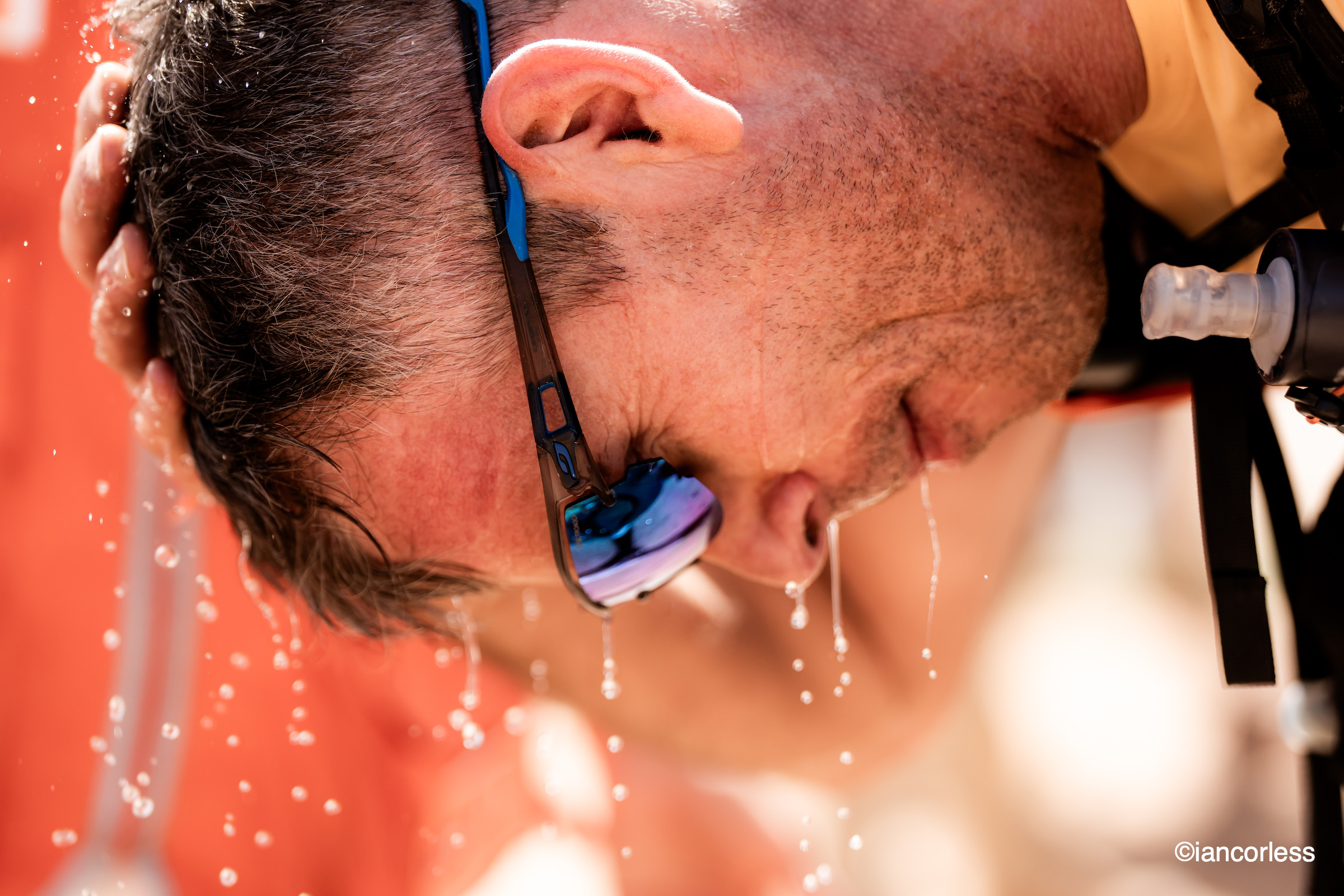
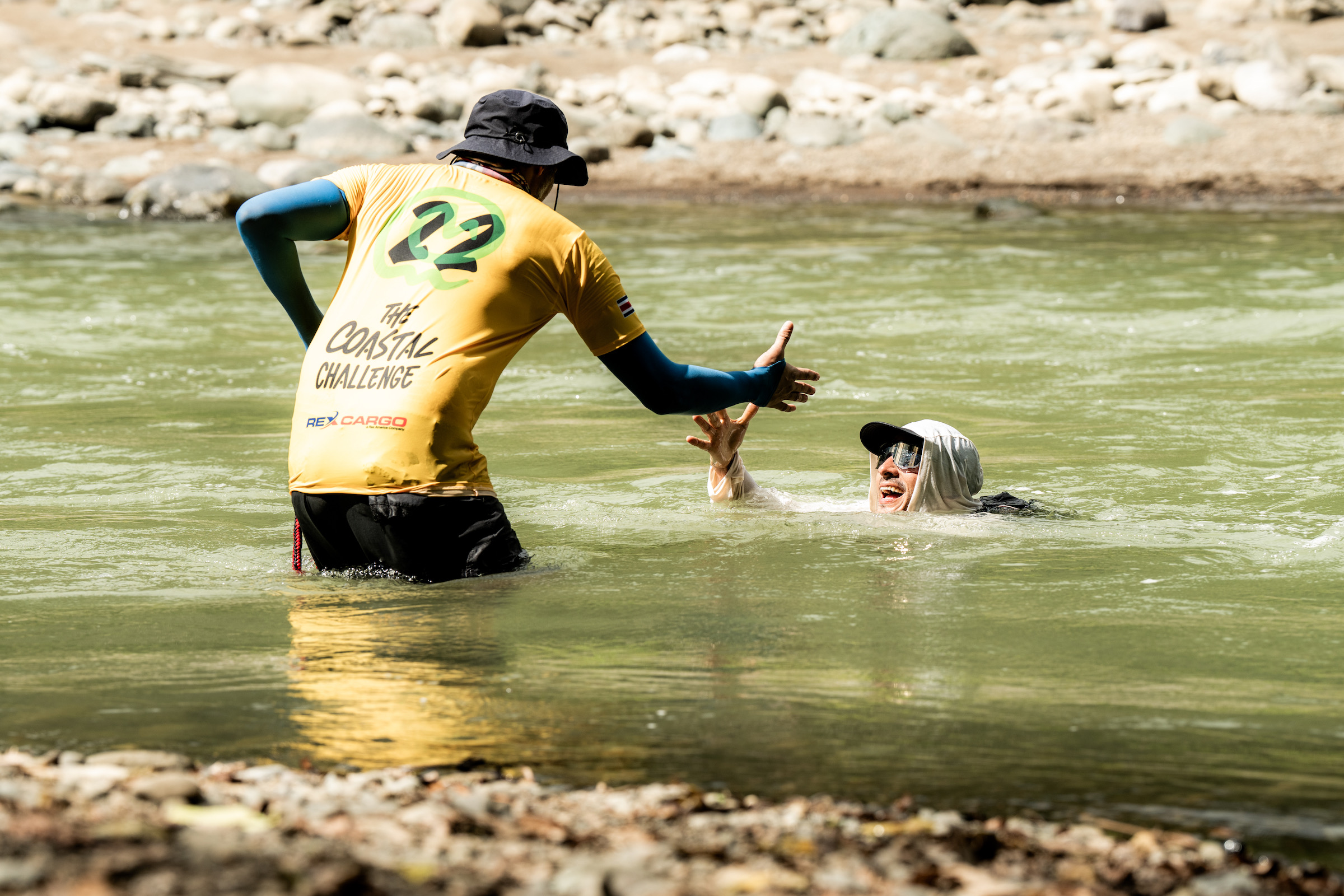
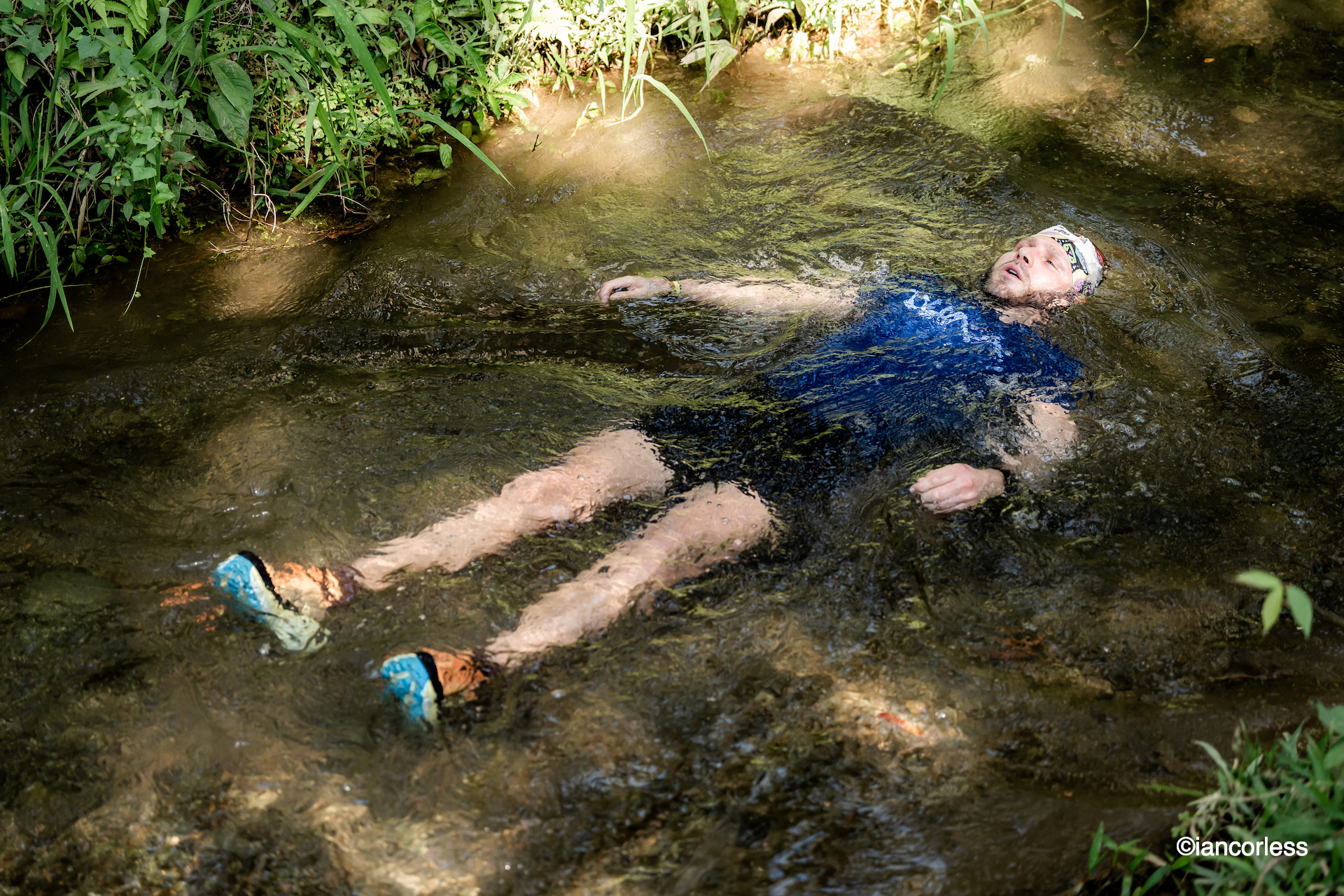
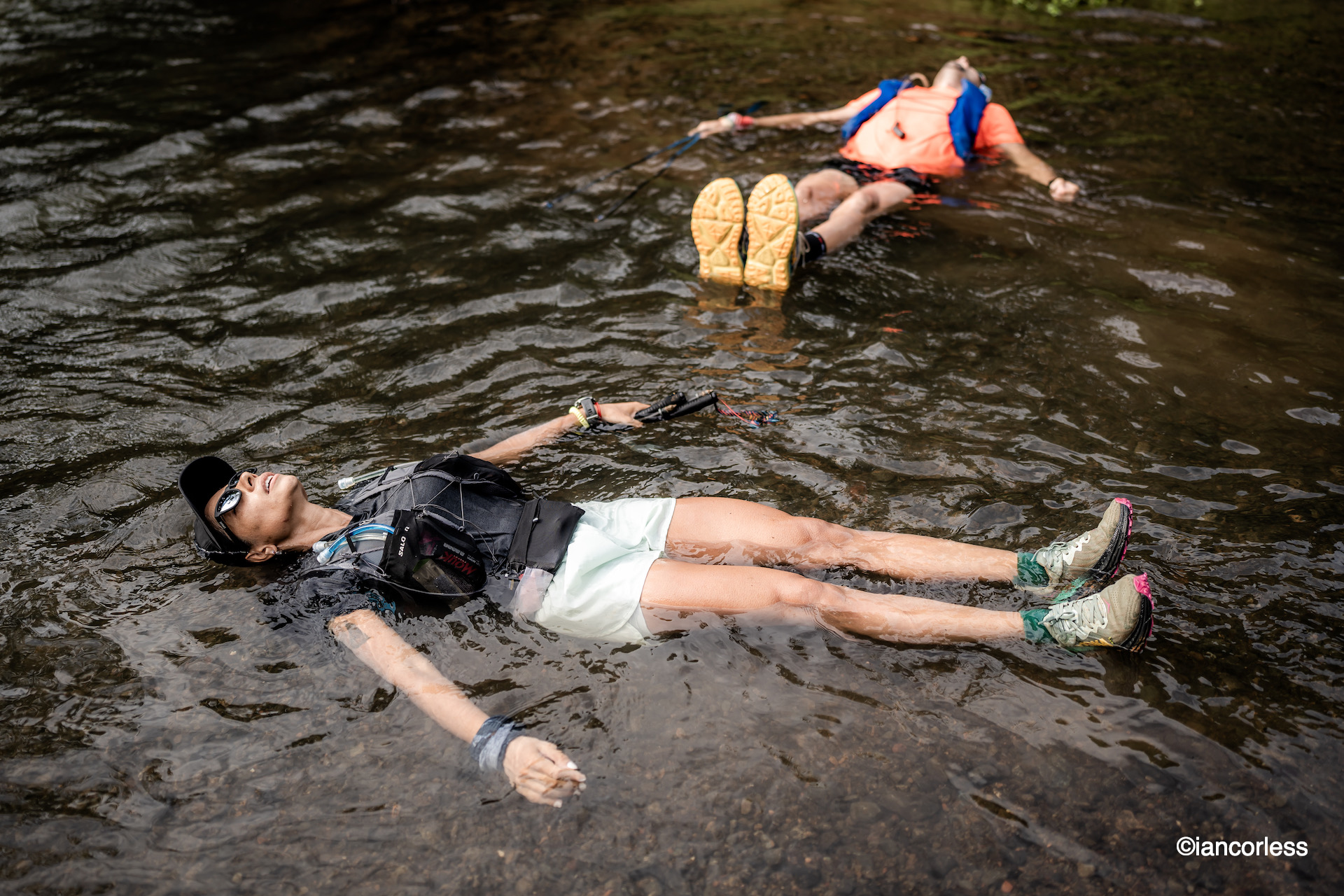
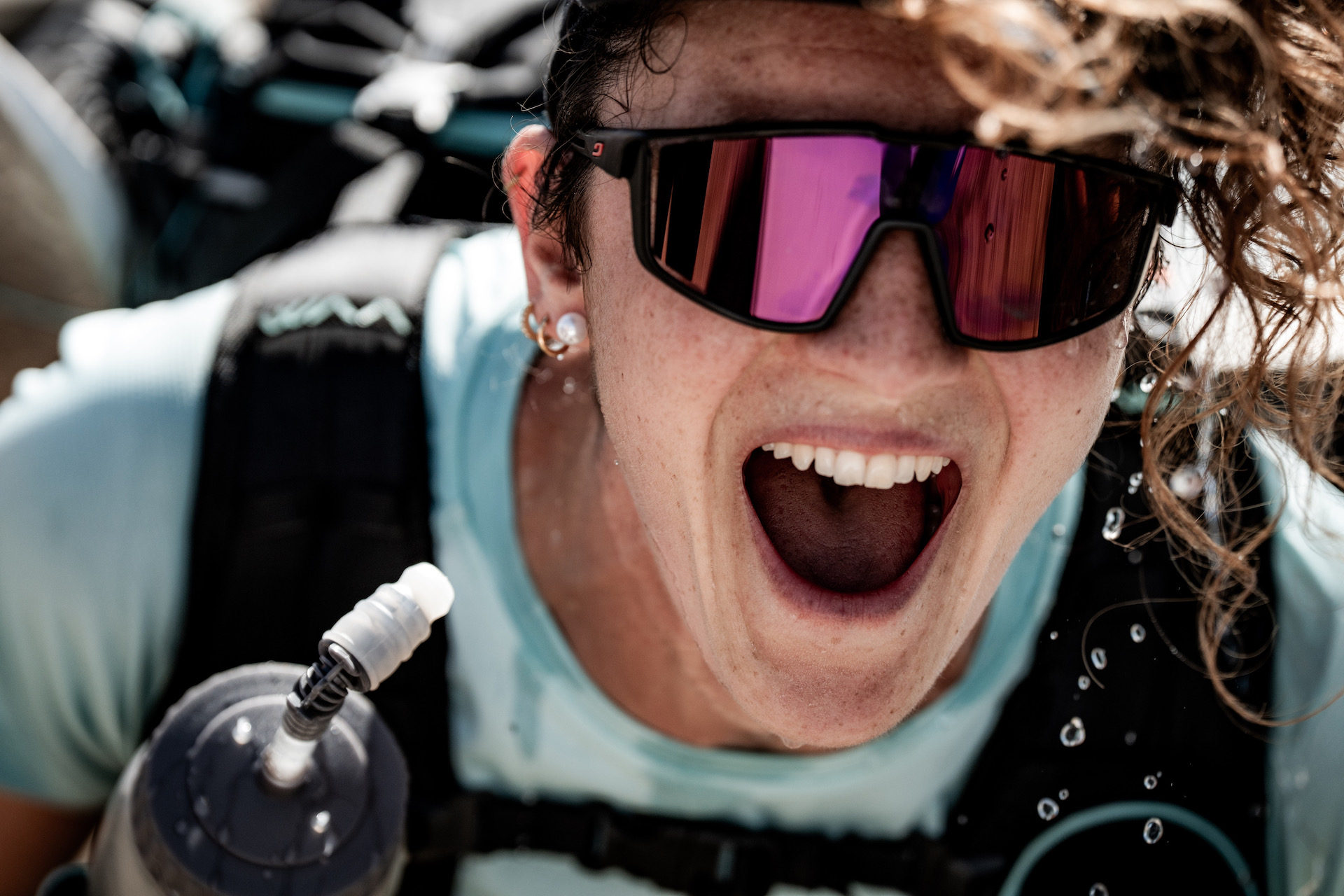
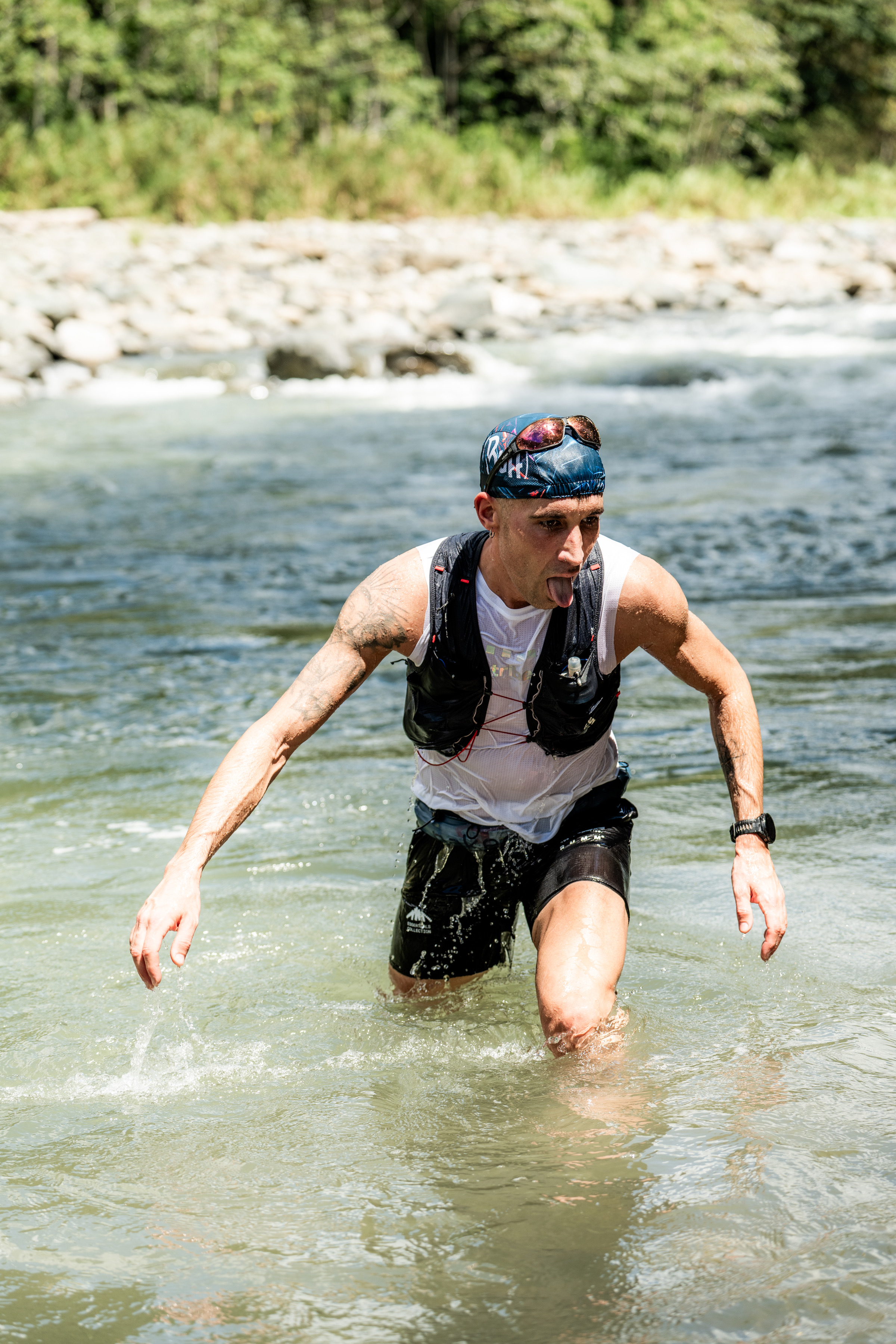
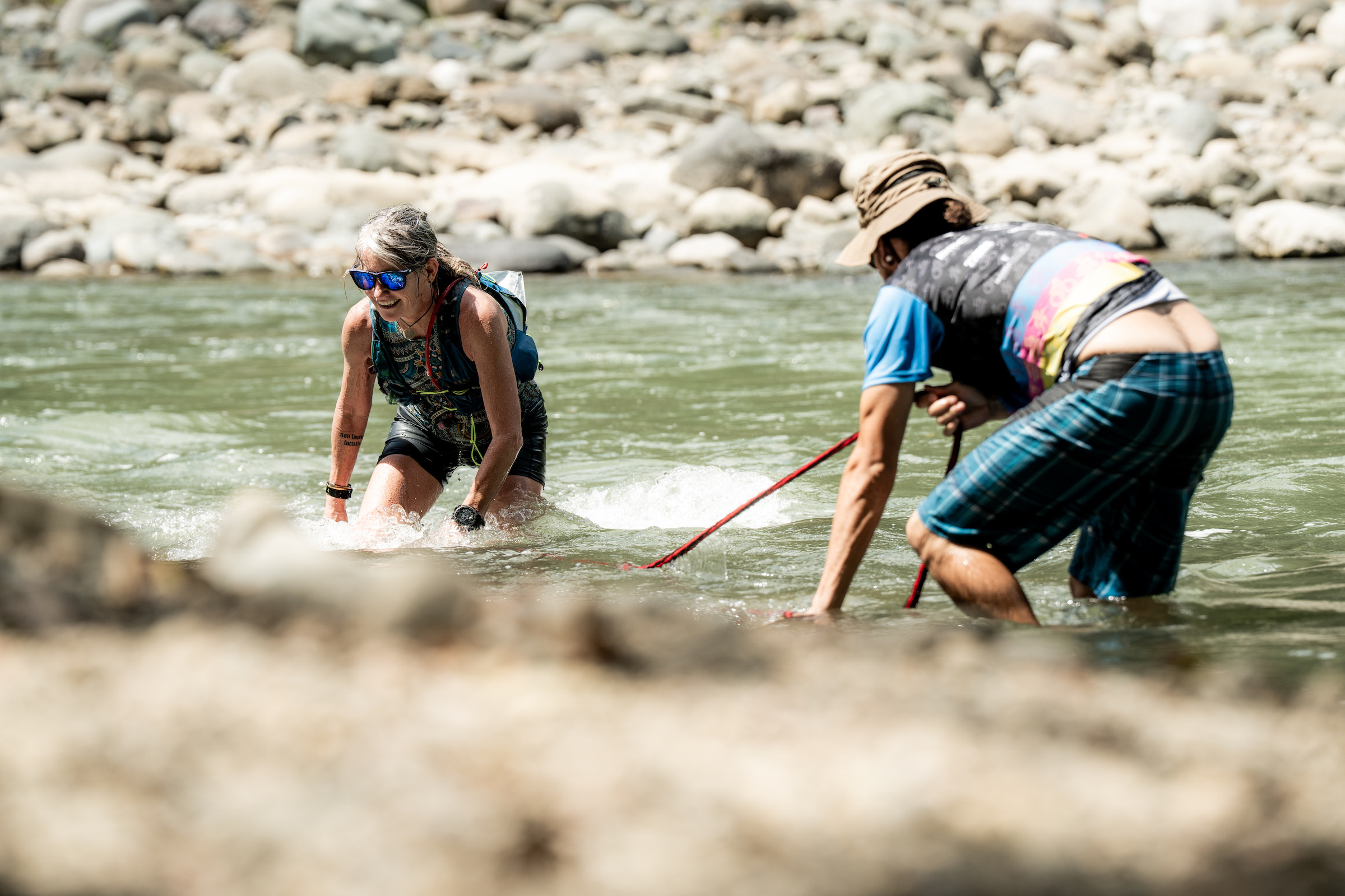
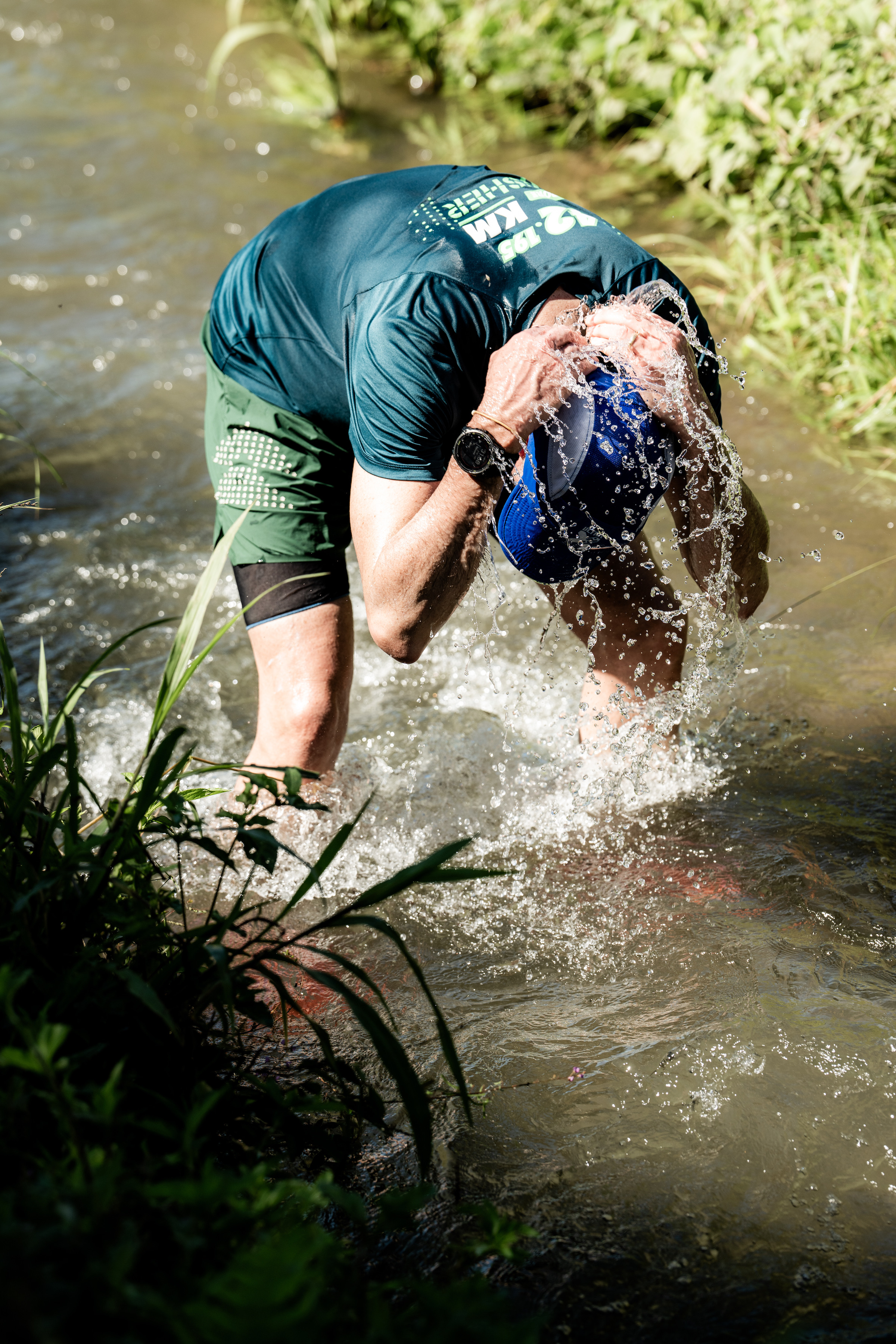
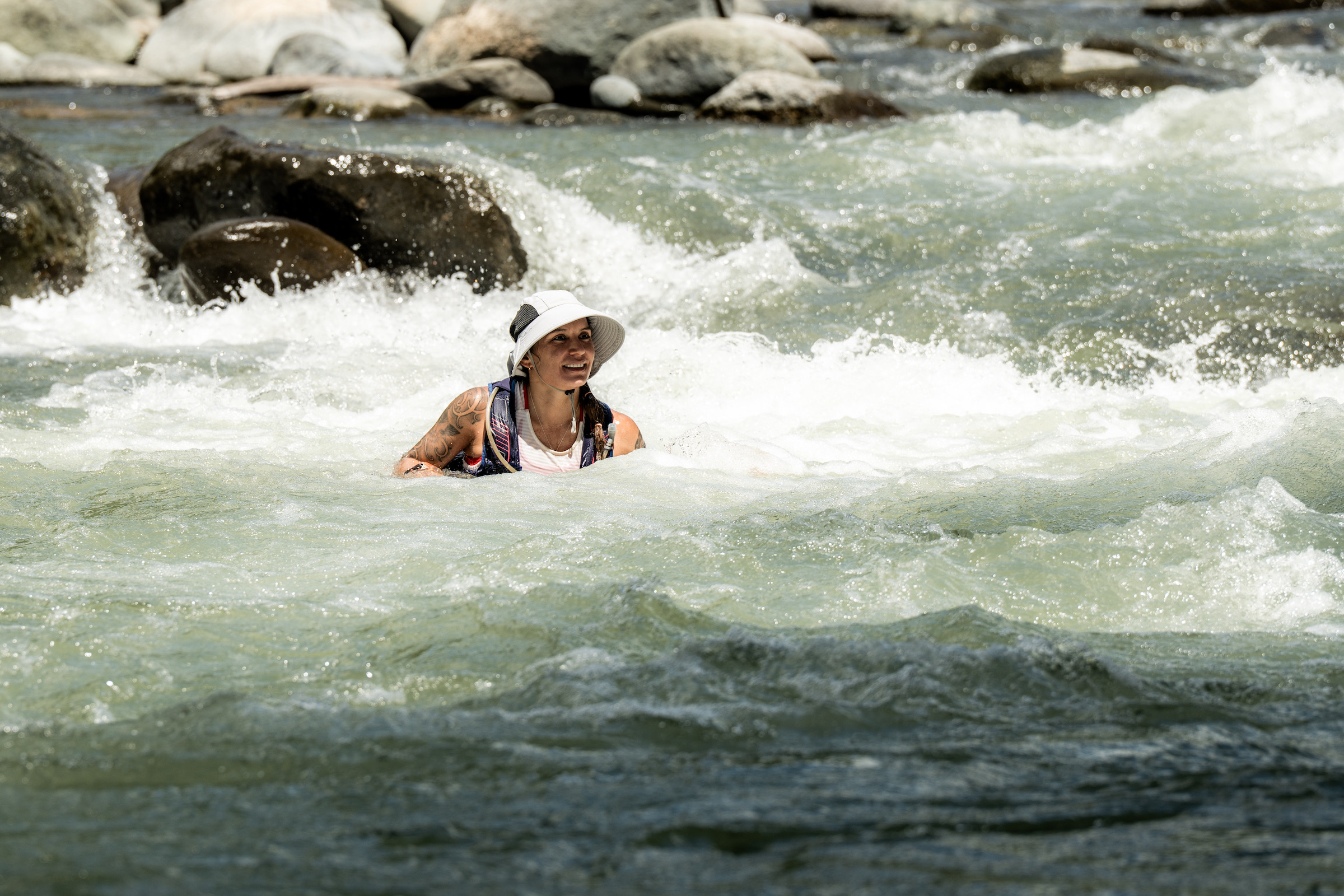
Use the environment to your advantage. Rivers, streams, and pools are not obstacles, they are survival tools. Submerge fully whenever possible. Two or three minutes can reset your entire system.

Photo by Ian Corless

Run in shade. Walk in sun. Cover your head and shoulders. Pour water over yourself often.

Practical Race Wisdom

• Day 1 starts fast and later than other days. Most people go out too hard. Many drop out here.

• From Day 2 onward, you start at sunrise. Use the cooler hours wisely.

• This is a technical race. Train for climbing and descending.

• Everyone walks. Learn to do it efficiently.

• The course is well marked, but fatigue makes mistakes easy. If you haven’t seen a marker in five minutes, stop and check. Use the GPX files on a watch.

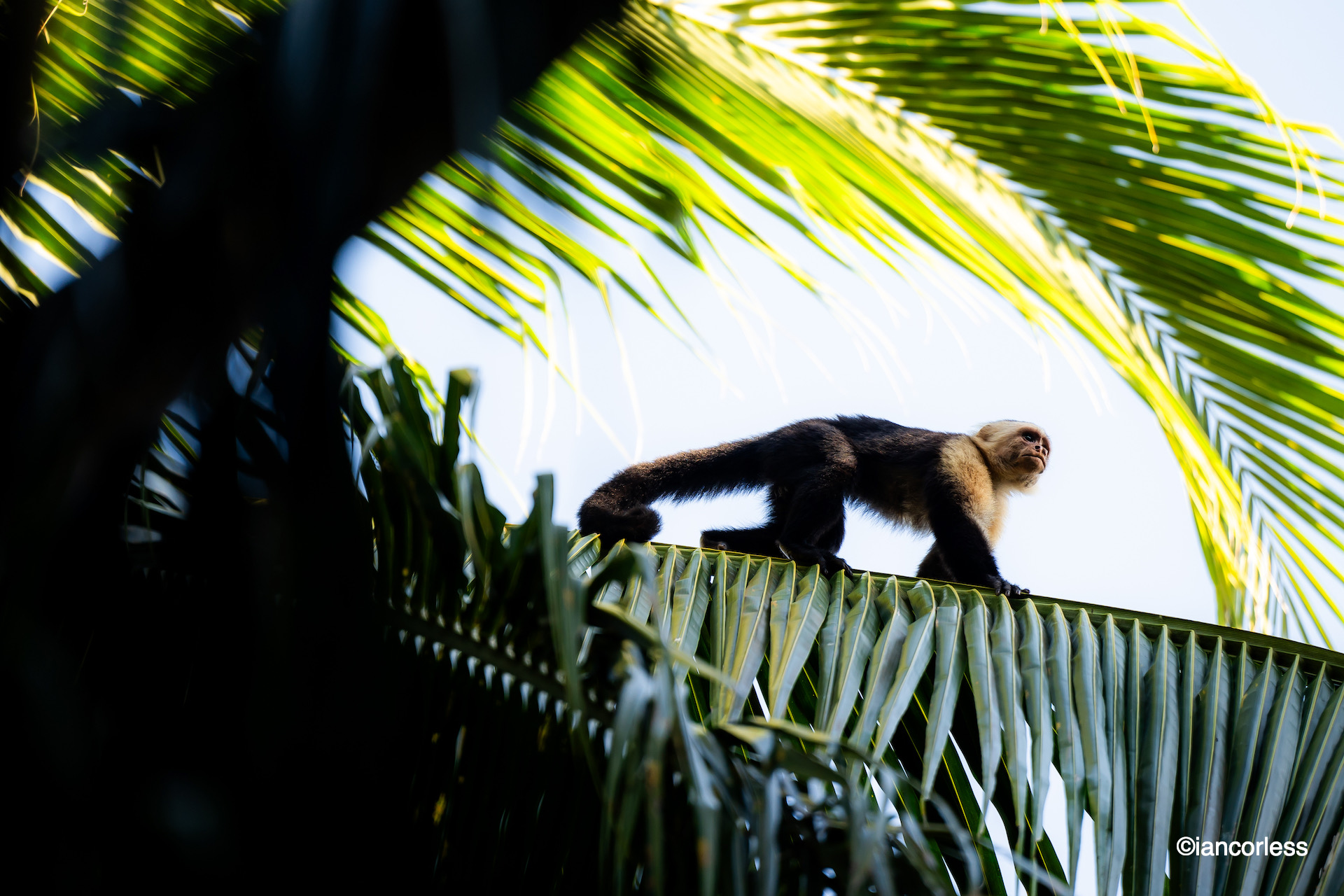
• Wildlife surrounds you. You’ll hear far more than you’ll see.

• After each stage: shoes off, feet checked, flip-flops on immediately.

• Eat, hydrate, nap, elevate legs.

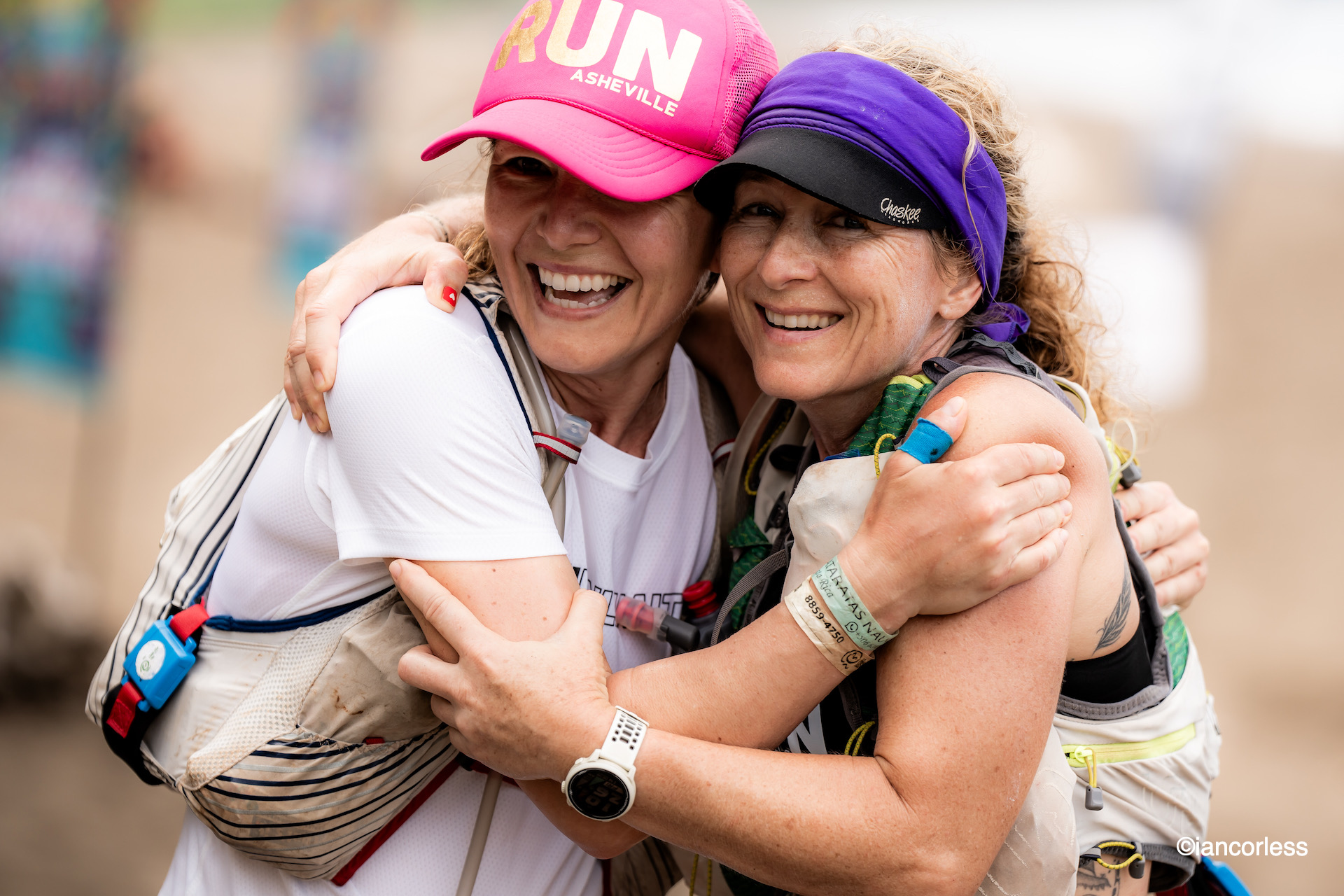
• Camps are social, but your tent is your reset space.

A Note for Female Runners

Photo by Ian Corless

Practical comfort matters.

Light, non-run clothing for evenings makes a big difference. Sundresses or loose cotton work well. Flip-flops are essential, including for showers.

A two-piece swimsuit is useful for river or ocean bathing.

Sleep in run kit.

Don’t economise on sunscreen. Carry anti-chafe cream and reapply regularly. High humidity changes everything.

Avoid skorts. They hold water and add friction. Single-layer shorts or breathable tights work better.

Hair conditioner is not optional. Sachets pack well and don’t leak.

Leave rings at home. Swelling is real.

Waterproof zip-locks for cash and toilet paper are worth their weight.

Phones must be properly waterproofed or left behind for river-heavy sections.

Final Thoughts

The Coastal Challenge doesn’t pretend to be anything other than what it is: a hard, beautiful, immersive journey through one of the most demanding environments you’ll ever race in. It will challenge you. It will frustrate you. It will humble you. And if you arrive prepared, it will reward you in ways few races can.

Photo by Ian Corless

Look up. Take it in. Accept the discomfort. Prepare well for heat, humidity, technical terrain, and recovery. Get your head right before you arrive. If you do that, the race doesn’t just become manageable. It becomes unforgettable.

Entries for The Coastal Challenge are HERE

Photo by Ian Corless

Follow Ian Corless

Instagram – @iancorlessphotography

Twitter – @talkultra

facebook.com/iancorlessphotography

Web – www.iancorless.com

Web – www.iancorlessphotography.com

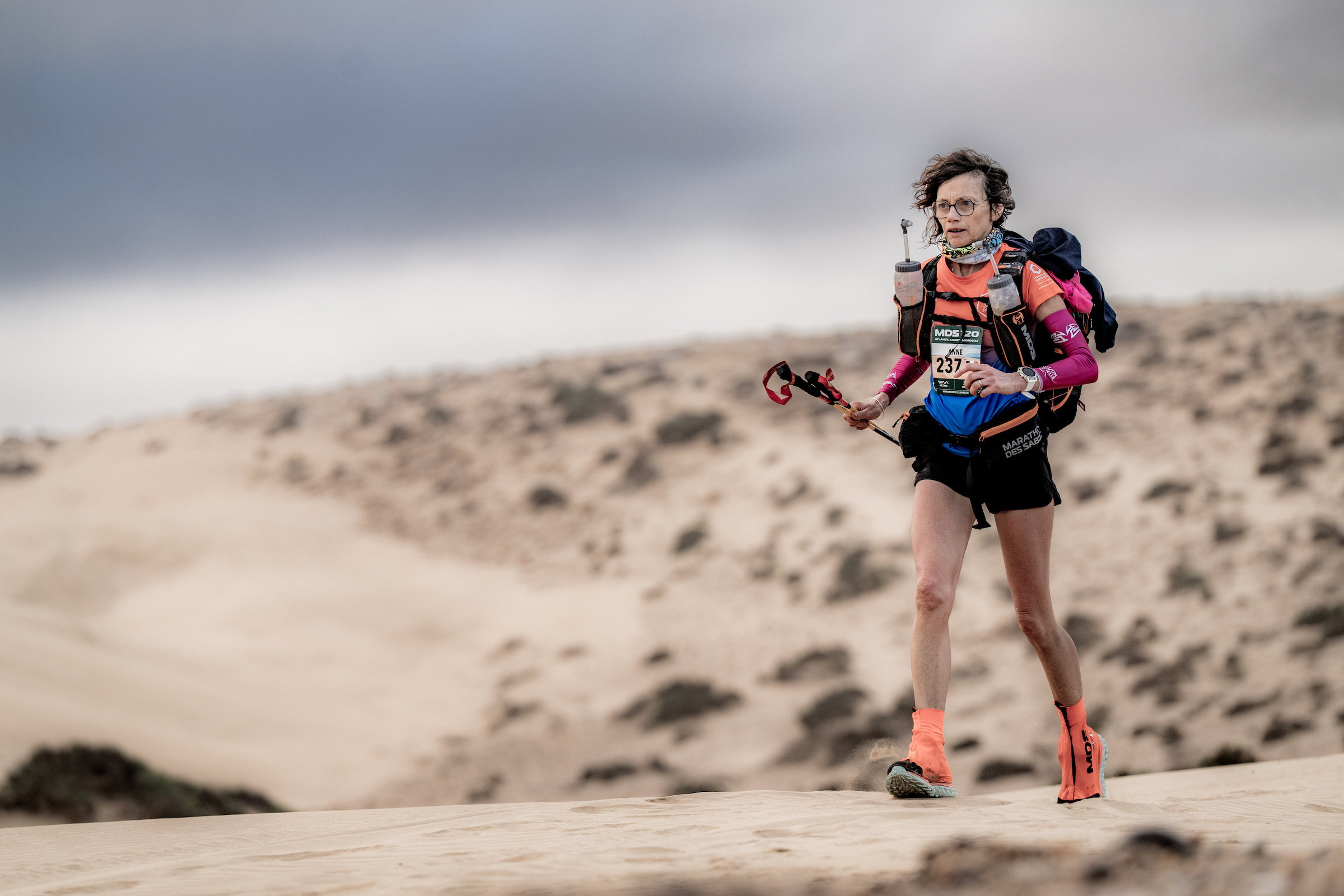
MDS 120 ATLANTIC COAST 2026 – STAGE 3

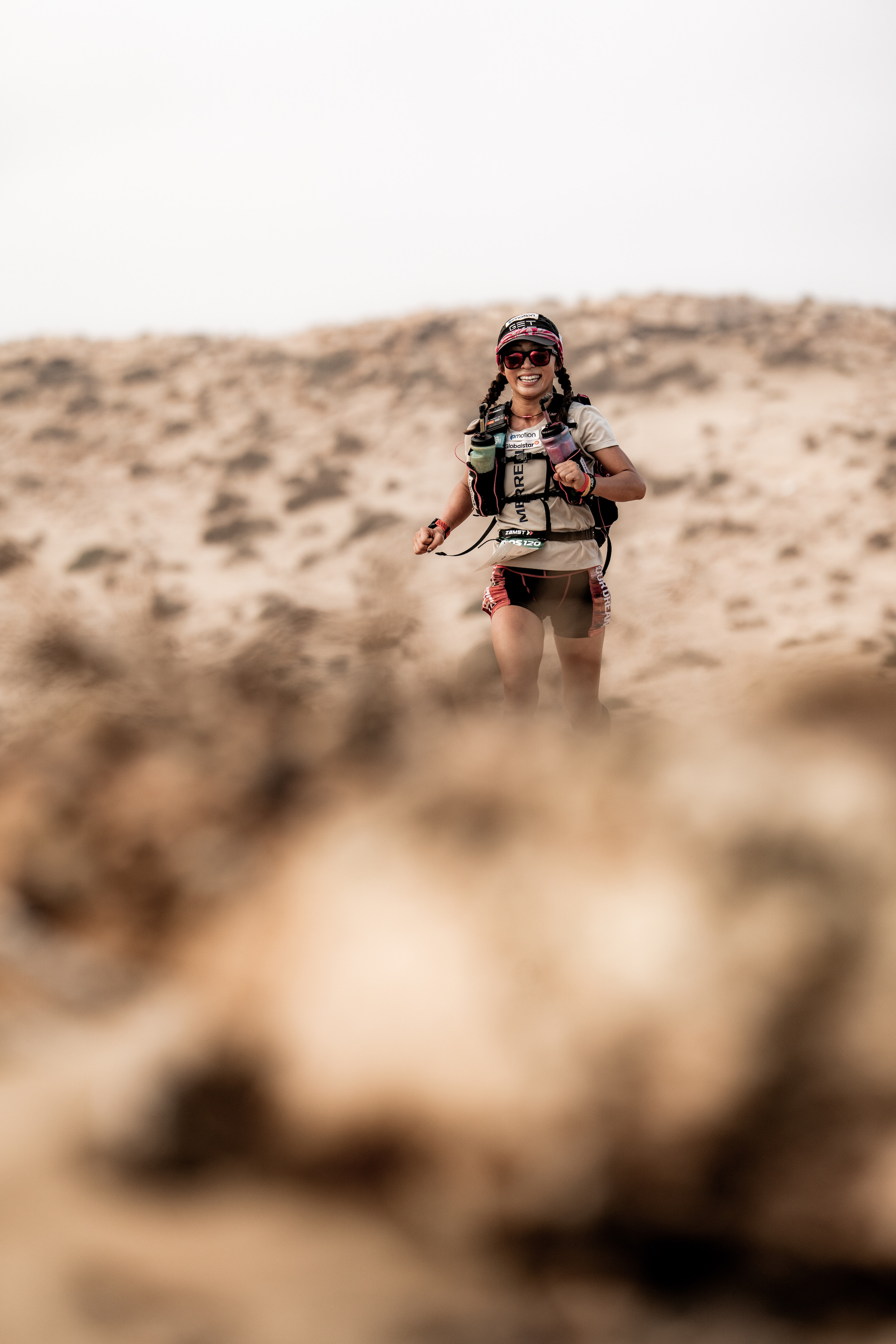
Stage 3 of the MDS 120 Atlantic Coast wasn’t about pace. It was about heart. Twenty-seven kilometres stood between every runner and the finish. The final stage. The one that decides how the story ends.

The day opened under a heavy sky. Low cloud hung over the coast, light rain drifting in and out, just enough to cool the skin and sharpen the mood. It felt serious. Proper. A stage that demanded respect.

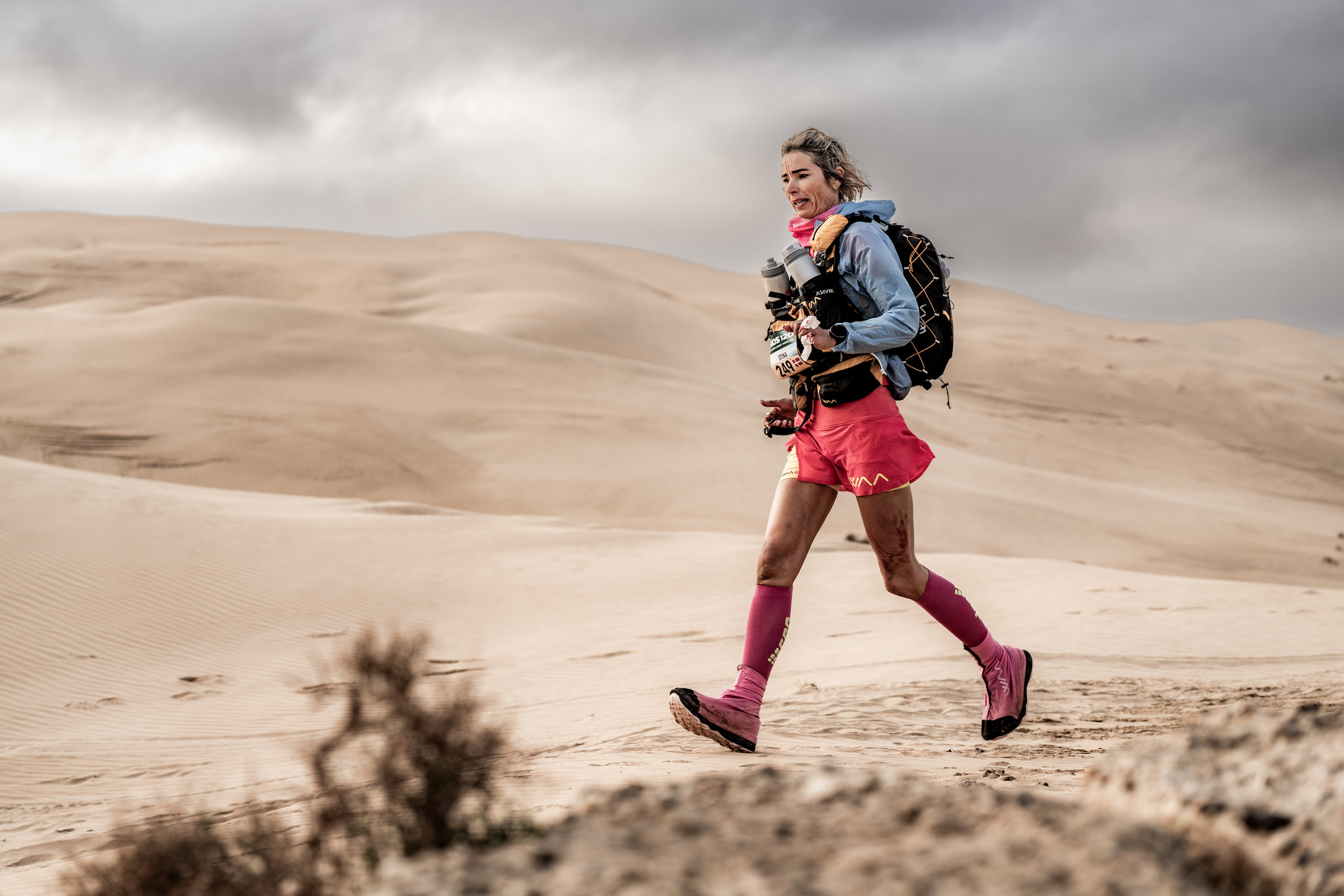
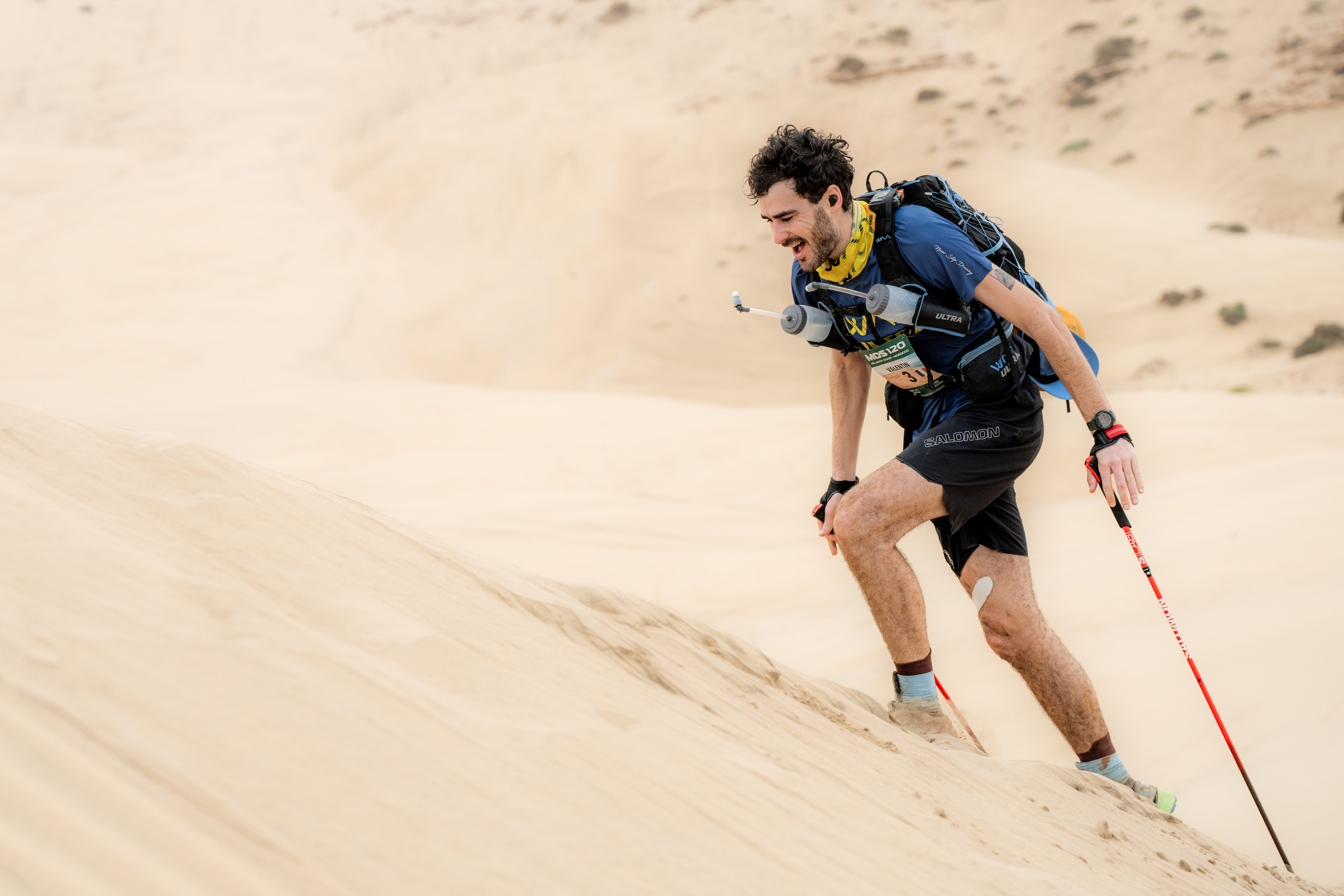
From the first steps, the terrain made its intentions clear. Soft sand soaked up energy. Feet sank, calves burned, rhythm disappeared. Progress came the hard way, one honest stride at a time.

Then there was the Atlantic – Wild. Loud. Unapologetic. The ocean pushed high up the beach, swallowing the firm running line and forcing everyone into deeper, slower sand. The final ten kilometres became a test of patience and grit. Shoes heavy with water. Legs tight. Eyes fixed forward. The sound of the waves constant, relentless, daring you to stop.

Every runner carried their own journey into those final kilometres. Some had 70 kilometres in their legs. Others 100. Many the full 120. Different distances, same effort. Same doubts. Same determination.

And then, finally, the finish.

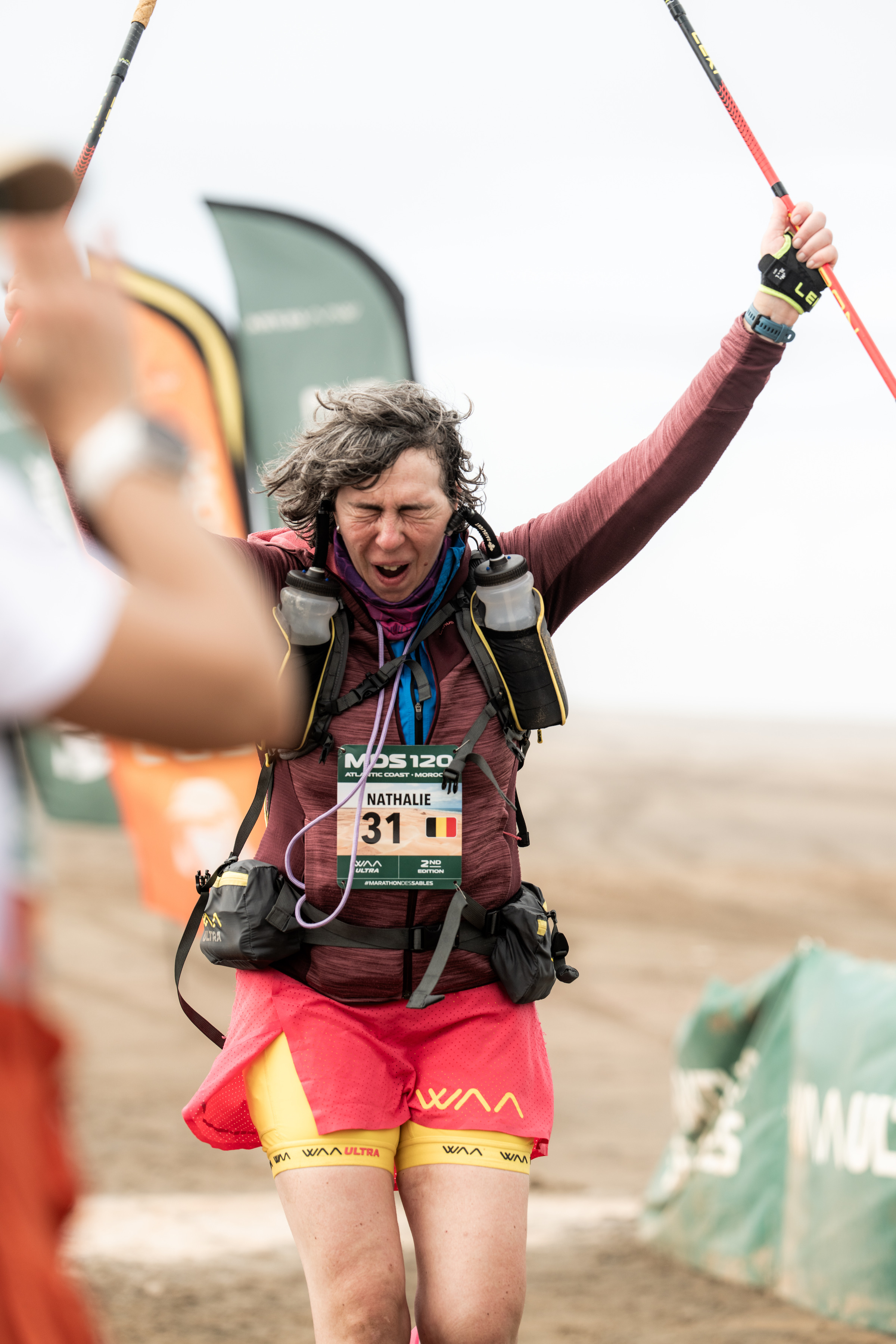
Not a sprint. Not fireworks. Just raw, unfiltered emotion.

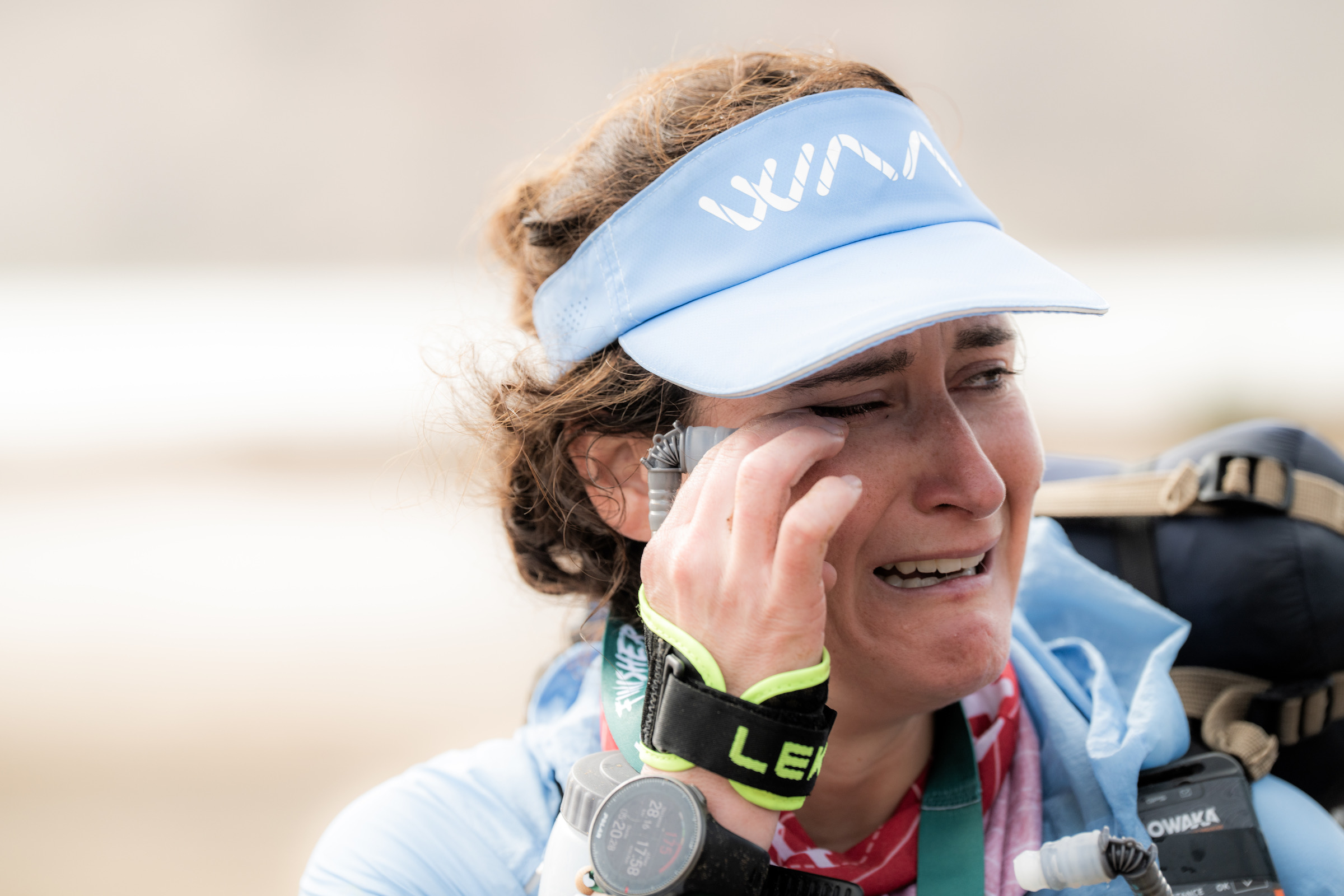
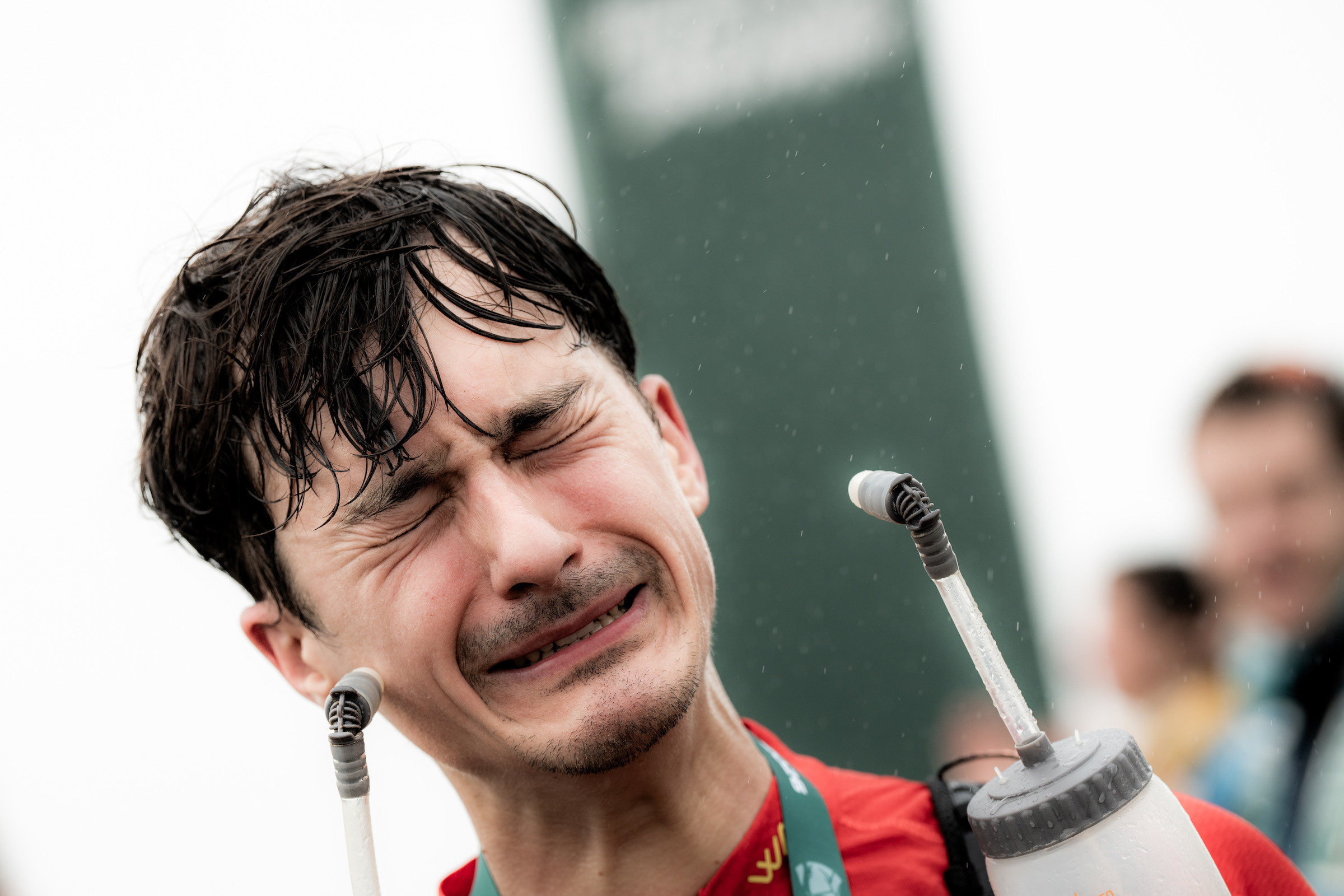
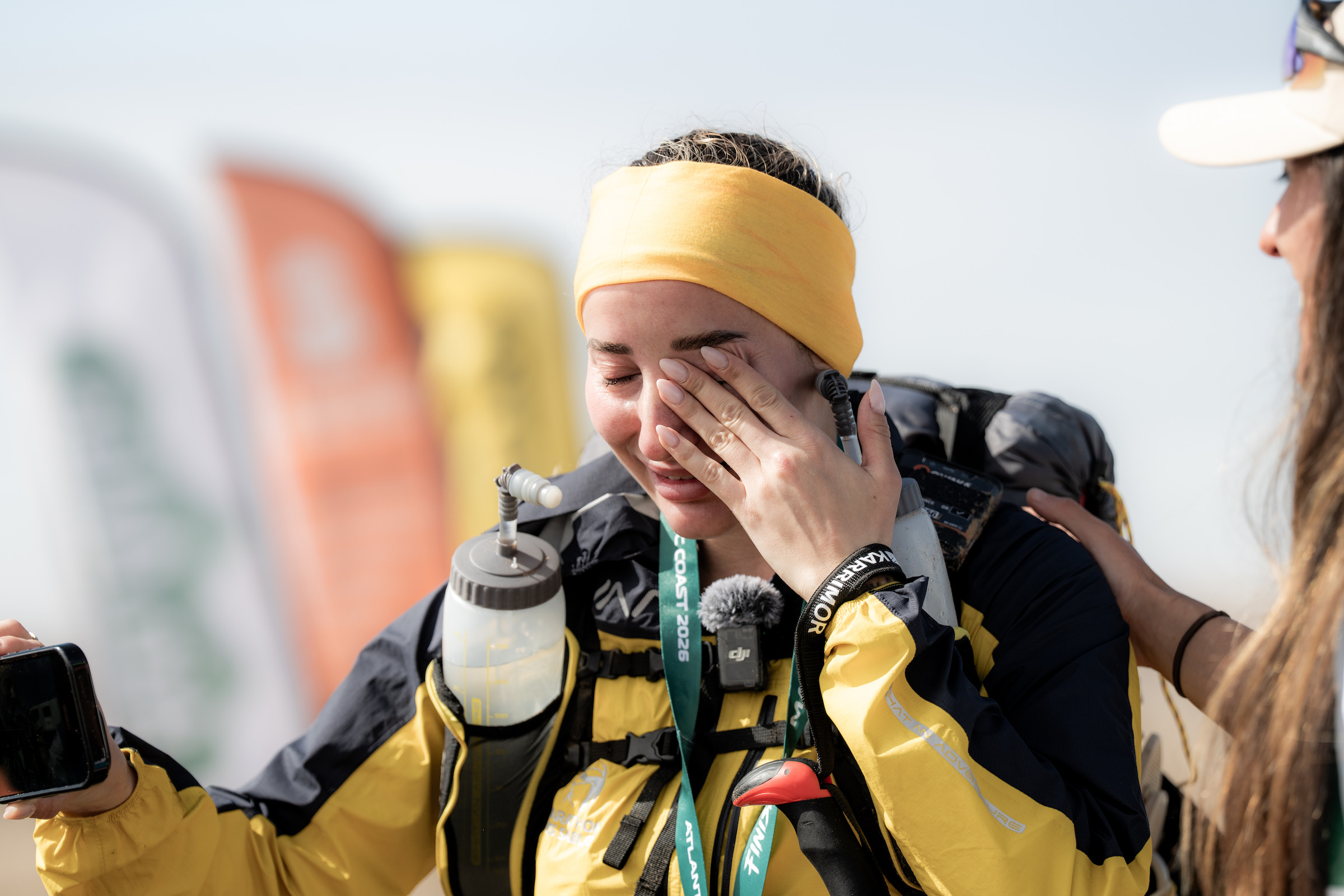
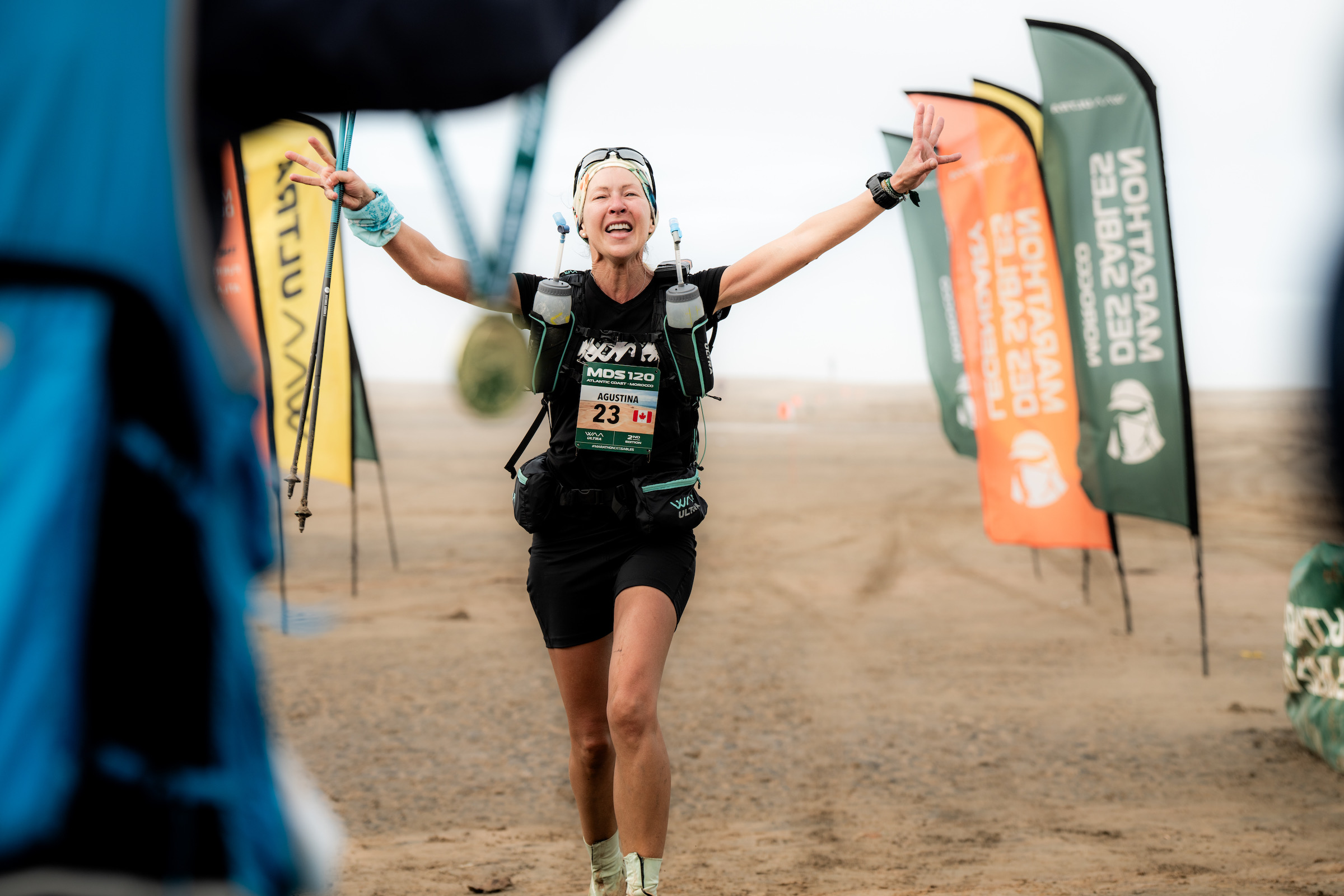
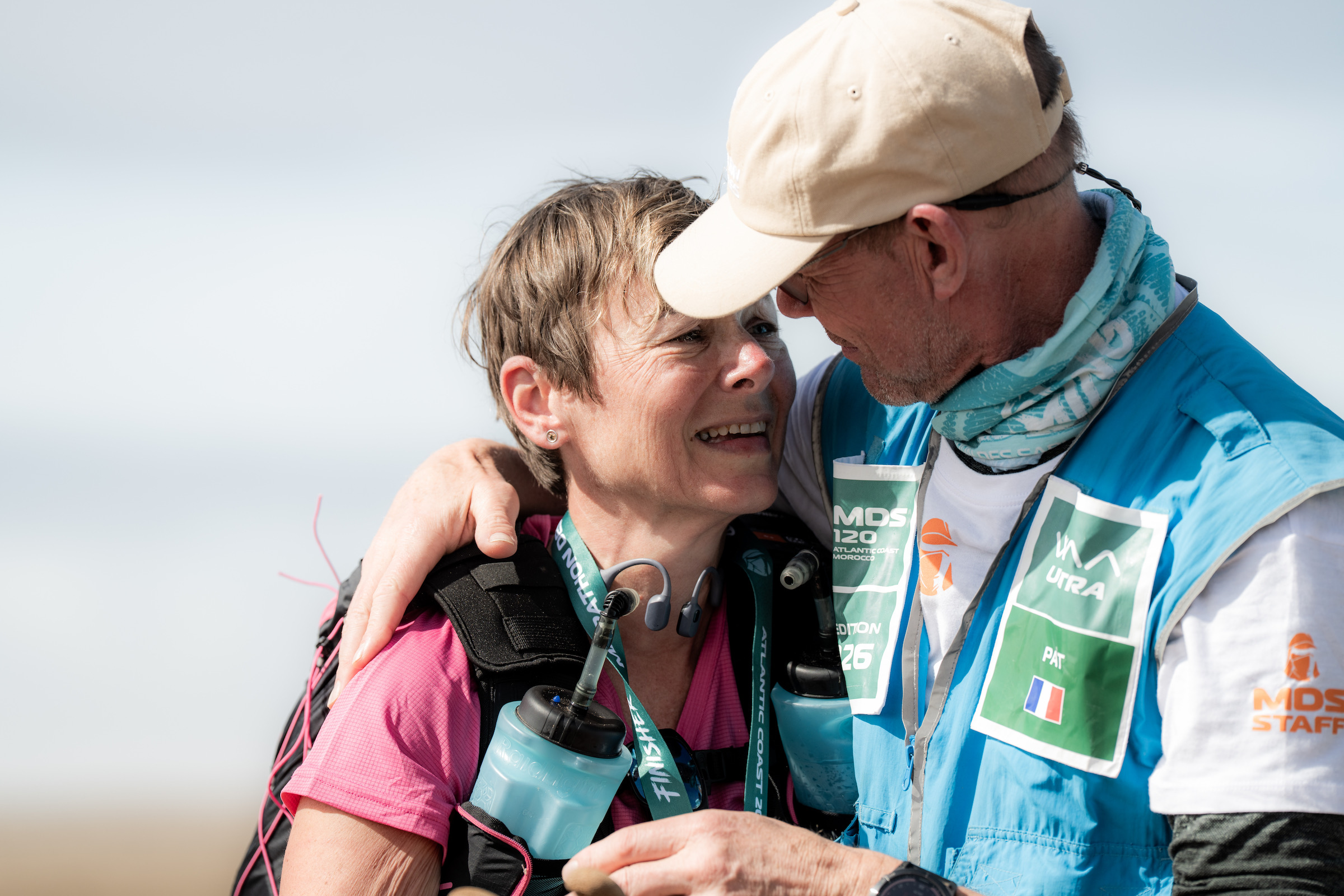
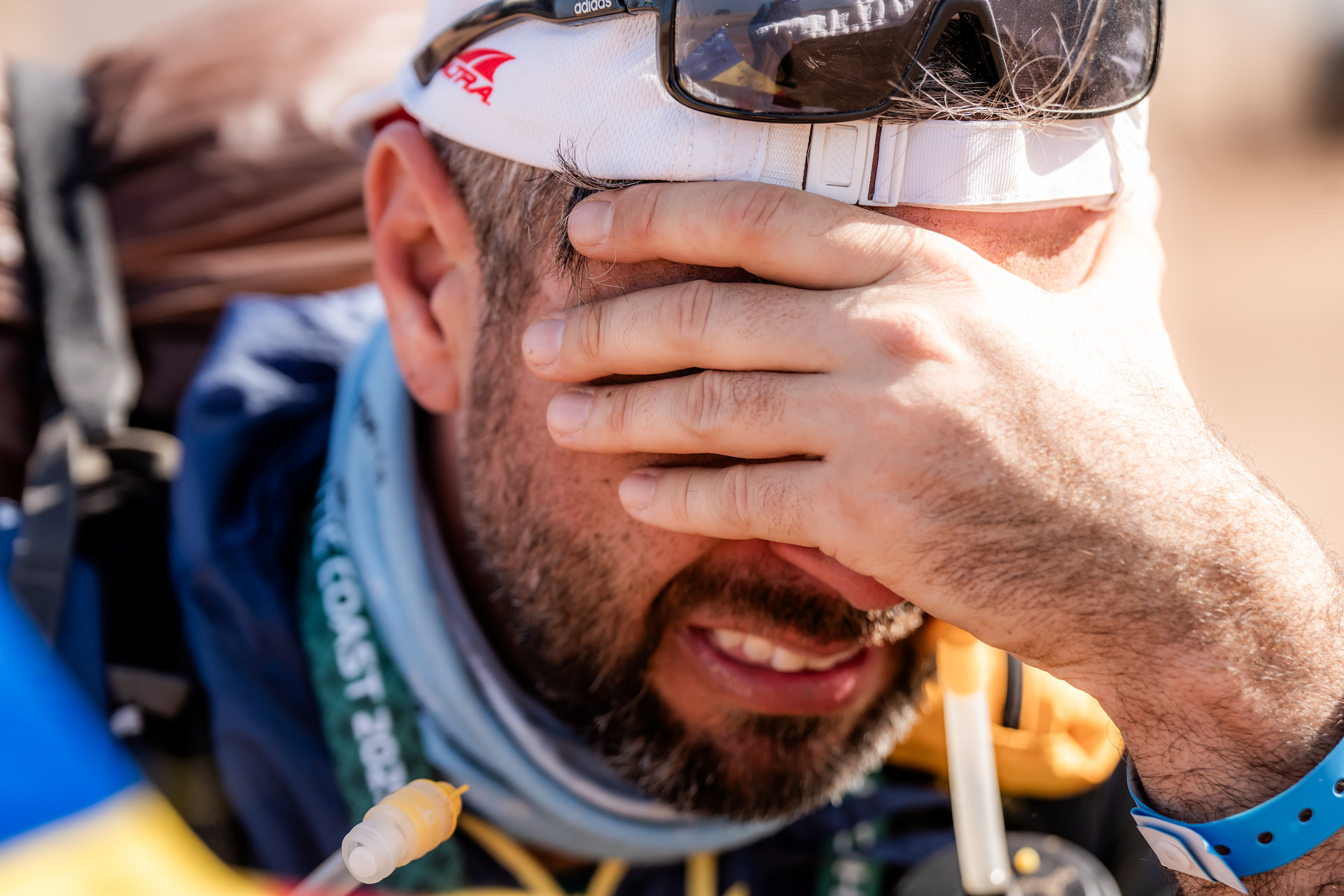
Tears mixed with rain. Smiles broke through exhaustion. Hugs lasted longer than words. That medal, placed gently around tired necks, meant everything. It wasn’t just metal. It was proof. Of discipline. Of resilience. Of promises kept when quitting would have been easier.

This is what the Atlantic Coast gives you.

It gives you challenge. It gives you atmosphere. It gives you moments where the world narrows down to breath, movement, and will. And in return, it gives you something rare. A finish that feels truly earned.

If you’re looking for a race that stays with you long after the sand is washed from your shoes, this is it. The coast is waiting.

MDS Tour and MDS Clubs for 2026

Join the MDS Clubs on HEYLO HERE.

The MDS Tour starts in January and moves from location to location, Register HERE

Follow Ian Corless

Instagram – @iancorlessphotography

Twitter – @talkultra

facebook.com/iancorlessphotography

Web – www.iancorless.com
Web – www.iancorlessphotography.com

MDS 120 ATLANTIC COAST 2026 – STAGE 1

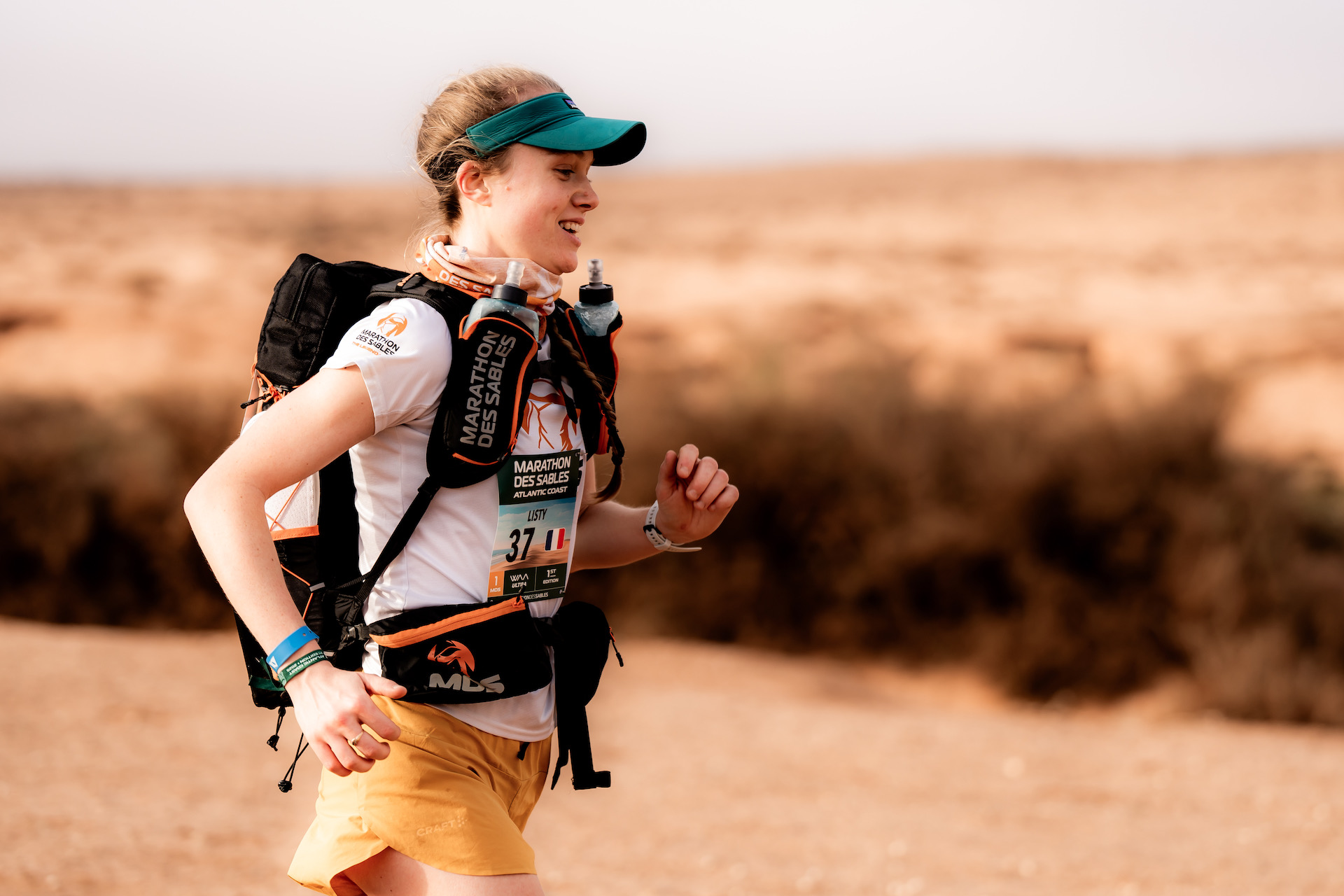
Stage 1 of the 2nd edition of the MDS 120 Atlantic Coast marked a powerful and inspiring beginning to the adventure in Morocco, where the desert meets the Atlantic Ocean. A field of 250 participants set out on this opening day, with an impressive 80 percent taking on their very first MDS experience. Just under half of the runners were women, and the age range spoke volumes about the inclusive spirit of the race, from the youngest at 19 years old to the oldest at 78. With 30 nationalities represented and the support of 147 dedicated staff, the event immediately felt global, vibrant, and alive.

This first stage covered 23km, with 343m of elevation gain, following a point-to-point route along the Atlantic coast. Checkpoints were placed at 9.1km and 17km, guiding runners through a constantly changing landscape.

The terrain offered little rhythm. Soft sand drained energy, dry river beds broke momentum, and rocky plateaus demanded focus and careful footwork. While the elevation profile looked modest on paper, the reality underfoot made it a demanding day from start to finish. The sand, in particular, turned every step into a test of patience and strength.

The challenge began long before the start line. A 2am wake-up, followed by a 3am departure and a lengthy transfer, asked a lot of the runners before dawn had even broken. Yet spirits remained high. These athletes were fully self-sufficient, carrying everything they needed on their backs, managing their nutrition, hydration, and equipment as they moved across the course. It was a true test of endurance, organisation, and resilience.

Despite the early start, the travel, and the relentless terrain, the performance across the field was outstanding. Every runner dug deep, and the final participant crossed the finish line well within the cut-off time, greeted with applause and encouragement.

As the sun dipped and the day drew to a close, the runners settled in for their first night under the stars on the Atlantic coast. Tired legs, sandy shoes, and quiet smiles told the story of a hard-earned first stage completed. It was a demanding, memorable opening chapter, and a clear signal that the MDS 120 Atlantic Coast is as much about heart and determination as it is about distance.

MDS Tour and MDS Clubs for 2026

Join the MDS Clubs on HEYLO HERE.

The MDS Tour starts in January and moves from location to location, Register HERE

Follow Ian Corless

Instagram – @iancorlessphotography

Twitter – @talkultra

facebook.com/iancorlessphotography

Web – www.iancorless.com
Web – www.iancorlessphotography.com

MDS 120 ATLANTIC COAST 2026 PREVIEW

Photo by Ian Corless

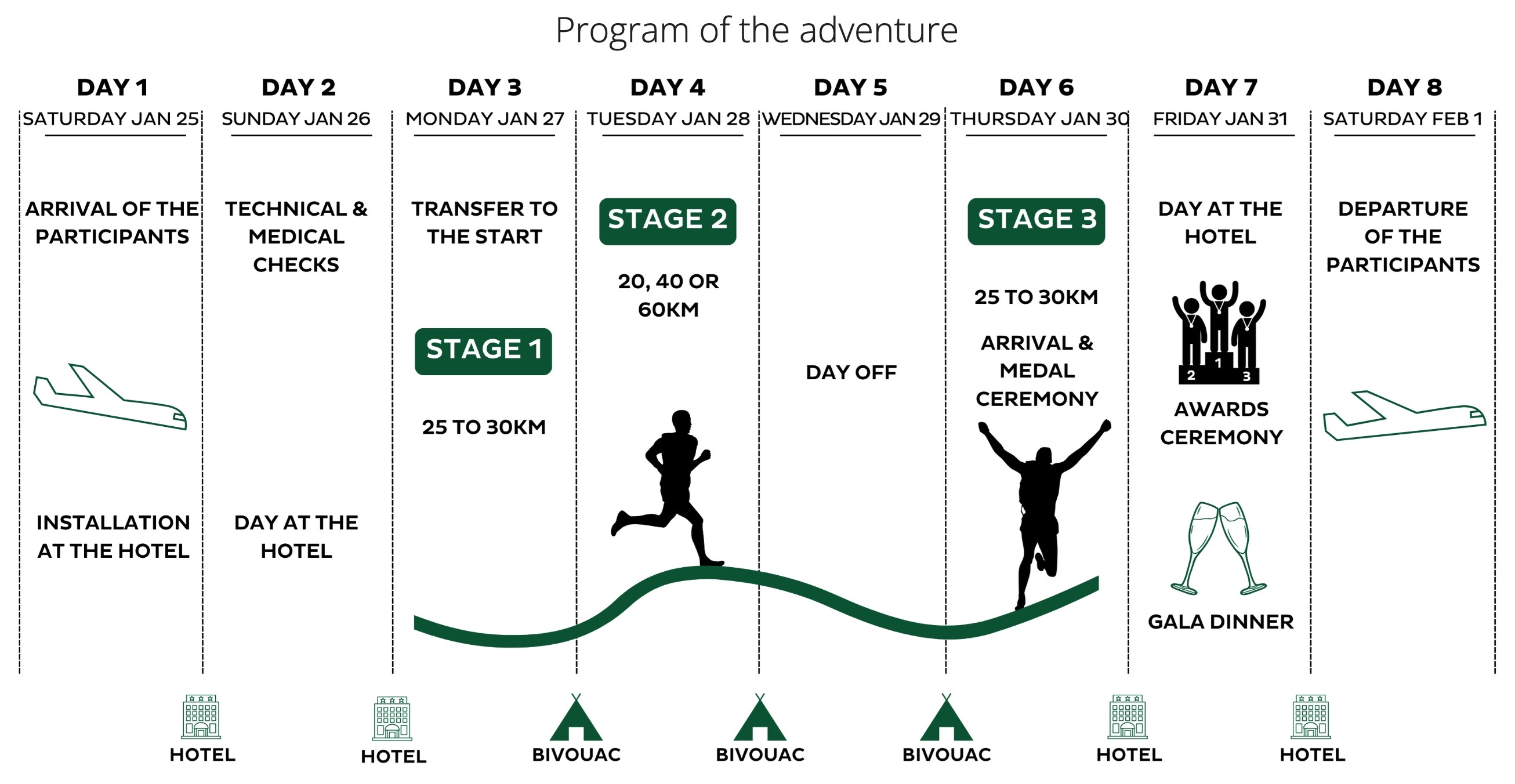
MDS 120 Atlantic Coast returns for 2026 with a bold 2nd edition that invites walkers and runners alike to a three-stage, four-day self-sufficient challenge along Morocco’s Atlantic shores. Competitors will take on routes of 70, 100, or 120 kilometres in total, choosing their own distance while mastering the same demanding, coast-to-coast format that has become a hallmark of the MDS family. This year’s edition follows closely on the heels of the inaugural MDS Ultra, which wrapped up just a week earlier, making the Atlantic Coast event the season’s first MDS 120 race of 2026. Participants will gather in Agadir for a seamless pre-race briefing, then linger after the finish for a relaxed post-race stay in a comfortable hotel. The event is designed for all abilities, from dedicated walkers to seasoned runners, offering a true test of endurance without sacrificing accessibility.

Photo by Ian Corless


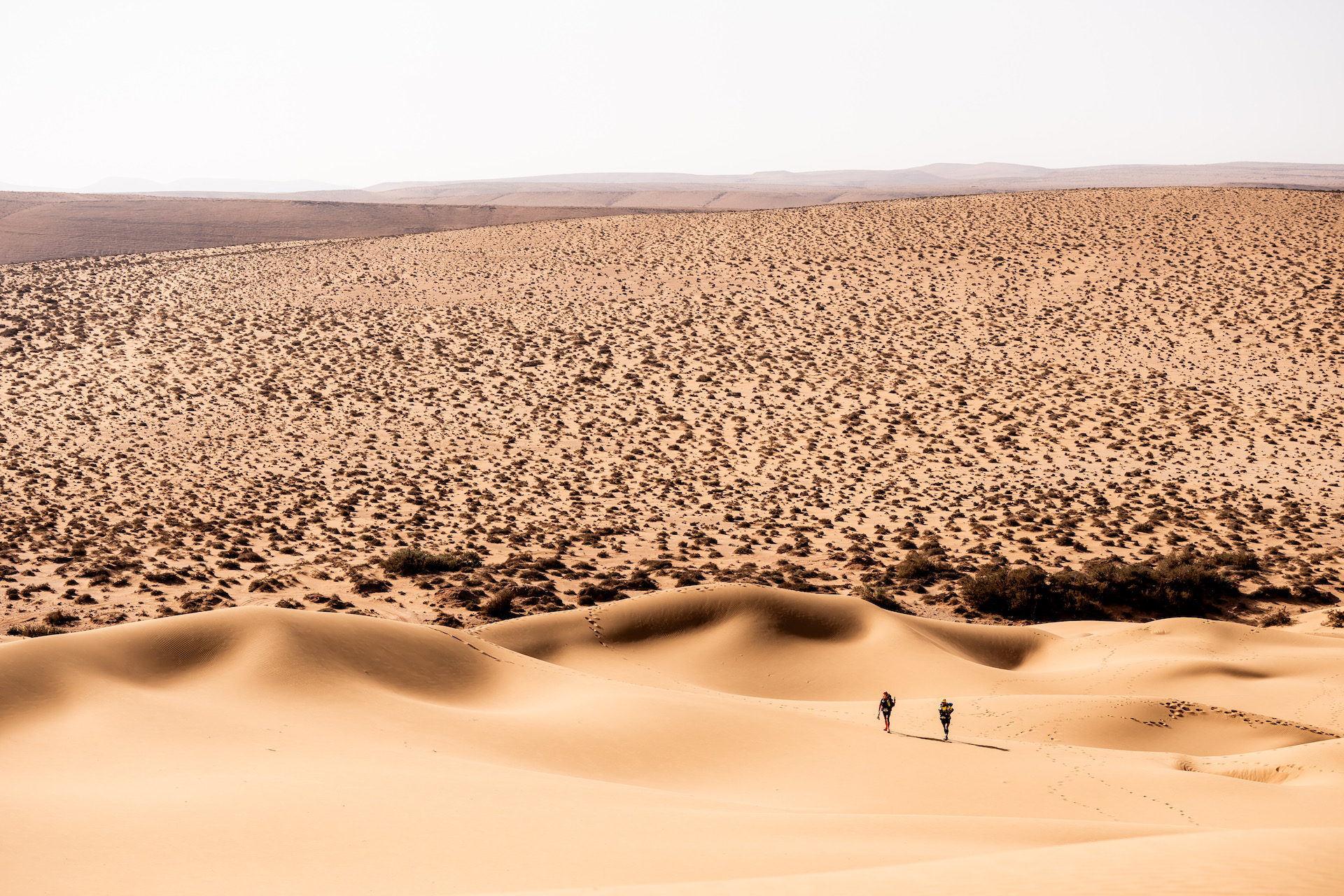
The coastline landscape promises a mix of open beaches, wind-sculpted dunes, and rugged hinterland, delivering diverse terrain without losing the sense of adventure that draws participants back year after year. By welcoming walkers right beside runners, the event reaffirms its commitment to inclusivity while preserving the challenge that marks the MDS family. For those who crave the feel of a grand adventure without crossing continents, the Atlantic Coast edition offers a perfect balance of scenery, camaraderie, and personal achievement.

Photo by Ian Corless

What to expect on the three stages

  • The race unfolds over three days of stage racing, spread across four calendar days. Each participant selects their total distance – 70, 100, or 120 kilometres – and completes the corresponding combination of stage lengths. The route design emphasises a continuous, day-by-day test of endurance, and self-reliance, with the sense of discovery growing as the coastline unveils new horizons.
  • Expect a demanding yet spectacular mix of beach stretches, coastal dunes, rocky outcrops, and inland trails that thread along the Atlantic fringe. While the sea air and sun contribute to the challenge, the route rewards rhythm, efficient pacing, and smart planning.
  • As a self-sufficient event, participants rely on well-marked courses and a robust safety net. Course marshals, remote safety teams, and medical support are in place, with clear guidelines on mandatory equipment and daily checkpoints. Competitors manage their own nutrition and water, planning for the day ahead while staying mindful of weather and terrain. This combination of independence and structure is what defines the MDS 120 experience.
Photo by Ian Corless

The MDS 120 Atlantic Coast is explicitly designed to welcome a wide spectrum of abilities. If you’re a walker who can cover long distances with steady pace, or a runner seeking a new endurance benchmark, this event offers a supported, self-sufficient platform to push limits in a beautiful, accessible setting. It’s ideal for first-time MDS 120 participants seeking a well-structured introduction without compromising the sense of accomplishment, as well as returning athletes looking for a coastal contrast to Sahara routes.

Why MDS 120?

Expanded inclusivity with a broader distance range: The 70/100/120 km options enable more participants to tailor the challenge to their current level while still delivering the iconic MDS 120 experience.

Photo by Ian Corless

A fresh Atlantic coastal route: The coastline around Agadir offers new routes that emphasise coastal beauty and wind-sculpted terrain, creating a distinctive mood and pacing compared with prior editions.

Photo by Ian Corless

Athletes travel to Agadir, where a hotel base serves as the staging ground for briefing and support, with a hotel stay also planned for post-race recovery and celebration. The overall package aims to balance challenge with comfort, giving participants a strong sense of community without sacrificing the rugged essence of self-sufficiency.

A celebration of pace, place, and persistence MDS 120 Atlantic Coast 2nd edition is more than a test of endurance. It’s a celebration of pace, place, and persistence, inviting a broad range of athletes to test their limits in a setting that blends the raw beauty of Morocco’s Atlantic edge with the camaraderie and strategy that define the MDS experience. The 70, 100, and 120 km distances let participants choose a level of challenge that matches their training, experience, and appetite for adventure, while the three-stage format over four days preserves the thrill of back-to-back days on the trail.

If you’re looking for a race that marries coastline drama with self-sufficient racing, where every kilometre earned is a personal milestone and every sunset over the Atlantic is a reward, the 2nd edition of MDS 120 Atlantic Coast in Morocco awaits.

Photo by Ian Corless

MDS Tour and MDS Clubs for 2026

Join the MDS Clubs on HEYLO HERE.

The MDS Tour starts in January and moves from location to location, Register HERE

Follow Ian Corless

Instagram – @iancorlessphotography

Twitter – @talkultra

facebook.com/iancorlessphotography

Web – www.iancorless.com
Web – www.iancorlessphotography.com

Ultra Gobi 400km 2025 : Countdown to the Desert

Ultra Gobi 2025

The stage is set. At 21:30 local time (15:30 Paris, 14:30 Lonon and 09:30 New York) tonight, Friday October 3rd, the Ultra Gobi 400km begins. Fifty-seven runners from around the world are gathered at the edge of the desert, ready to take on one of the toughest ultramarathons on earth.

All week, the athletes have been arriving in Dunhuang, the ancient Silk Road outpost. They’ve had time to rest, recover, and shake off the fatigue of long-haul travel.

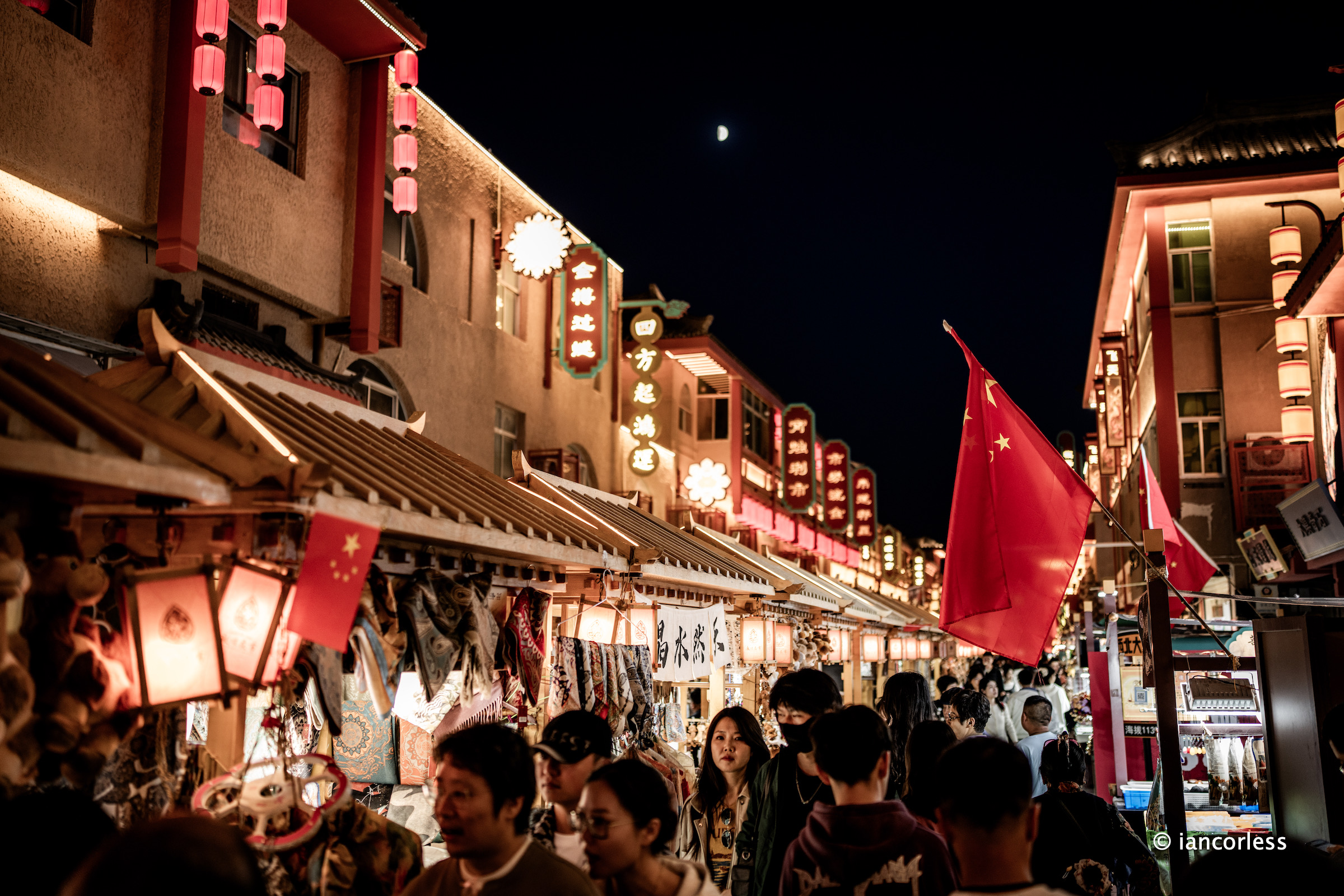
The night market, an awesome experience
The night market famous for food.

Dunhuang offering traditional cuisine, the famous night market and an opportunity to stock up any last-min equipment, food and yes, maybe even souvenirs.

UTMBKat_25

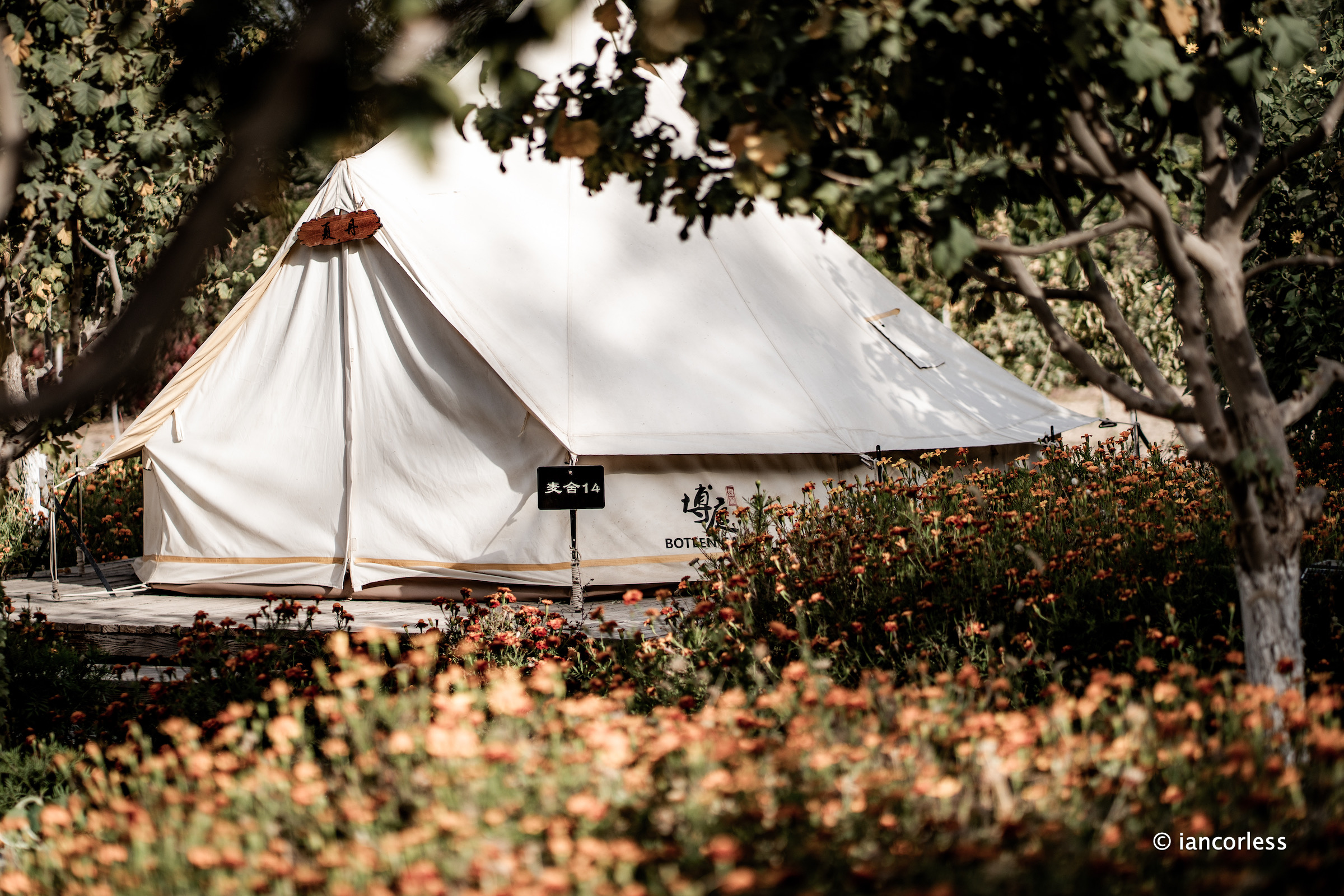
Then came the transfer to Gobi Spring, where final briefings and pre-race checks brought the reality of the challenge into sharp focus. For the participants, a night of ‘glamping’ before days and nights of deprived sleep and comfort.

Glamping in the Gobi

Mandatory gear signed off, maps studied, last meals eaten. From here, there’s no more preparation – only the race itself.

Race briefing

And this is no ordinary race.

Tradition is very important at Ultra Gobi

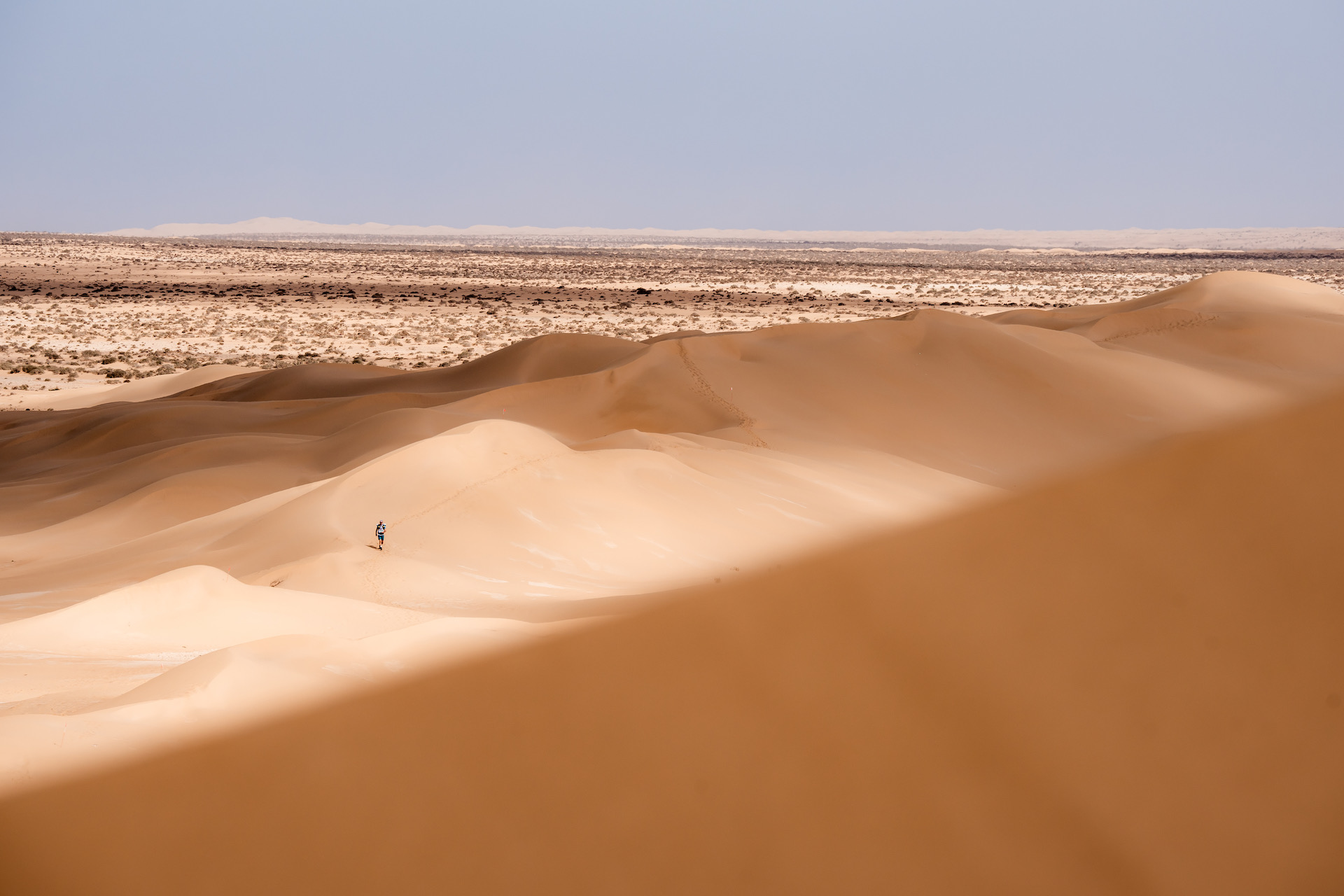
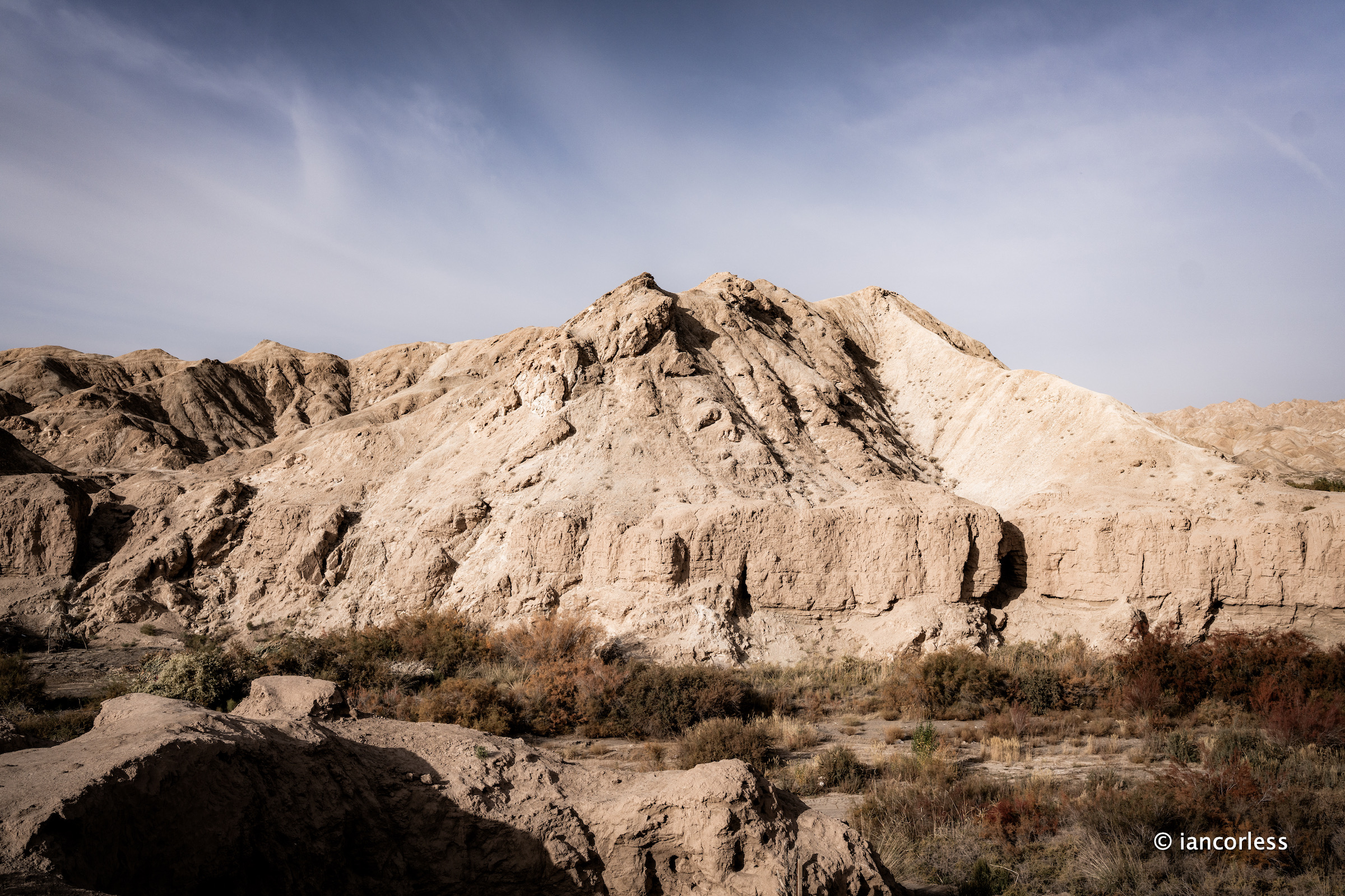
The Ultra Gobi 400km is a test of survival as much as speed. Runners must cover 400 kilometers of brutal, shifting terrain – endless sand, rocky basins, dry riverbeds, and wind-swept plains.

Mountains and altitude will be waiting

Days can scorch under an unrelenting sun; nights can plunge into freezing cold. Navigation, strategy, and mental resilience will be as important as strong legs and lungs.

Golden light

For the competitors, the anticipation has built to a fever pitch. Months of training and sacrifice come down to this moment. There will be tension at the start line, but also a sense of awe: they’ll leave the comfort of light and noise behind and step into the vast silence of the desert.

One strategy, teamwork!

Four hundred kilometers through landscapes that constantly shift and change. A true test of endurance, grit and self-reliance. There is one truth of the Ultra Gobi, each runner will discover where the limits truly lie.

Varied landscape

This race doesn’t hand out easy victories. It carves stories into those who dare to take it on. Some will break; some will endure; a few will cross the finish line forever changed.

Tonight, the desert opens its gates. The Ultra Gobi 400km 2025 begins.

Follow Ian Corless

Instagram – @iancorlessphotography

Twitter – @talkultra

facebook.com/iancorlessphotography

Web – www.iancorless.com
Web – www.iancorlessphotography.com

HOW TO TRAIN FOR AN MDS EVENT

Photo by Ian Corless

The Marathon des Sables (MDS) isn’t just a race, it’s a test of grit, strategy, and survival.

Whether you’re taking on the MDS 120 (70km, 100km, or 120km across three stages in four days) MDS RAID, MDS TREK or the infamous MDS LEGENDARY (250km across six stages in seven days), the physical and mental demands are unlike any other event.

Photo by Ian Corless

Training for the MDS means more than just running a lot. You’re preparing your body to carry gear (Trek excluded) across uneven terrain WITH varied temperatures all while potentially sleep-deprived, sunburned, and blistered. It requires smart progression, precise planning, and brutal honesty about your strengths and weaknesses. 

Here’s a guide how to build a training system that prepares you to compete if you’re aiming for the top, or complete if you’re focused on finishing strong and unbroken.

Understanding the Events

MDS LEGENDARY:

• Distance: 250 km

• Duration: 6 stages over 7 days

• Focus: Endurance monster; includes one long stage (often 80-90 km,) a marathon stage and on the final day a half-marathon.

• Logistics: Self-sufficient, sleep on the ground, rationed  water, blister clinics, potentially extreme heat and sharing a bivouac (tent) with 7-0ther people.

MDS 120:

• Distance: 70, 100, or 120 km.

• Duration: 3 stages over 4 days

• Focus: Shorter but intense; good as a first step into stage racing

• Logistics: Self-sufficient, similar rules to the full MDS but over a condensed period and participants sleep in individual tents. Remember, MDS 120 events have varied terrain, MDS 120 Cappadocia as an example is much more a ‘trail’ race than a desert race.

Photo by Ian Corless

MDS RAID:

• Distance: 100, or 120 km.

• Duration: 3 stages over 4 days as MDS 120 but with a ‘star night.’

• Focus: Shorter but intense; good as a first step into stage racing

• Logistics: Self-sufficient, similar rules to the MDS 120 but in teams of two and ideally the participant has more experience.

MDS TREK:

• Distance: 70 to 120 km.

• Duration: 4 stages over 6 days.

• Focus: An introduction to MDS with no self-sufficiency, extra comfort and daily distances to be undertaken ‘trekking.’

MDS ULTRA and MDS CRAZY LOOPS:

• Two unique events that do not follow the ’typical’ MDS format. The ULTRA is a single-stage race of 100km’s or 100-miles. CRAZY LOOPS is a trail event, in the mountains, participants complete as many loops as possible in a 24-hour time period.

Competing vs. Completing

Photo by Ian Corless

These are two entirely different approaches:

Competing means aiming for the front of the pack. You’re trying to place well, maybe top-100 or higher. This demands high mileage, precise gear choices, low pack weight, and serious pacing strategy. Your training must be performance-focused, often replicating race conditions with deliberate intensity. 

Completing means finishing within cutoff times, avoiding injury, and keeping yourself intact. You still need to train hard, but the mindset is survival over speed. You train to handle discomfort and manage variables like foot care, heat, and nutrition. A slower pace still means a high physical load due to long time-on-feet days.

Photo by Ian Corless

The Influence of Previous Experience

If you’re coming from a road marathon or ultra background, your endurance engine is a huge asset. But you’ll still need to adapt:

• Road runner? Learn to move efficiently on sand, rocks, and uneven terrain. Focus on gait adaptation and ankle stability.

• Trail ultra veteran? You’ve got terrain dialled in so develop strategies based on your goals to maximise your experience. This may be to ‘perform’ aiming for a top-100 position. Asses strengths and weaknesses, add gym work, core, stability and so on.

• New to ultras? Start with time-on-feet progression and hike-run strategies. You’ll need to build both endurance and mental resilience slowly and methodically.

Prior experience informs your pace, nutrition, and how aggressively you can train. Beginners must respect the build-up. Veterans must respect the different environment. Walk, and walk a great deal.

The Foundation: Gradual Progression and Rest

Ultra training is about progressive and controlled block of stress and recovery. You don’t jump into 30 km runs with a pack. You build tolerance over months.

Golden Rule: Progress weekly volume by no more than 10%. Rest every 3-4 weeks. Use time-on-feet as much as distance early on.

Your weekly progression may look like:

• Week 1: 45 km (with one 15 km light pack run)

• Week 2: 50 km

• Week 3: 55 km

• Week 4: 30 km (recovery)

• Week 5: 60 km (add second pack run)

And so on, depending on fitness level, adaptation, targets and goals.

Training Cycles: Macrocycles, Mesocycles, and Microcycles

Long-term success in MDS starts with understanding training periodisation and structuring your year into manageable and purposeful blocks.

Depending on experience and the time to your event, the Macrocycle, Mesocycle and Microcycle blocks will vary.

Example 1:

As an example, if it is currently August and you have entered MDS LEGENDARY, you can plan a Macrocycle as you have 8-months to April and the race date. You can then plan the Mesocycle and blocks and then fine-tune the Microcycle as you progress.

Example 2:

By contrast, if it is August and you have entered MDS 120 Jordan (in November) it’s fair to assume you have already been training and therefore you’d start by planning  four Mesocycle blocks – August, September, October and November.

Macrocycle (6–12 months)

This is the full plan from now until race day. It includes base building, load development, peak volume, and taper.

Base (12–16 weeks): Build aerobic engine, mobility, strength. Focus on consistent running and body conditioning.

Build (8–12 weeks): Increase distance, add pack weight, terrain specificity.

Peak (4–6 weeks): Simulate race demands. Back-to-back long runs, pack runs, heat training.

Taper (2–3 weeks): Reduce volume, maintain intensity, allow full recovery.

Mesocycles (3–6 weeks) I like to break these into 1-month blocks.

These are themed blocks within the macrocycle.

• Mesocycle 1: Aerobic base, easy runs, light strength

• Mesocycle 2: Terrain work, hills, stability, light pack

• Mesocycle 3: Long runs, sand training, heat exposure

• Mesocycle 4: Race simulations, high pack weight, nutrition testing

Microcycles (1 week)

These are your weekly training schedules. Balance hard/easy days, recovery, and cross-training.

Sample microcycle for intermediate runner in build phase:

• Mon: Rest or yoga

• Tue: 12 km trail run + core

• Wed: Hill repeats + strength

• Thu: 10 km easy run (pack)

• Fri: Rest or swim

• Sat: 25 km long run (pack)

• Sun: 15 km hike-run combo (pack, terrain)

The Desert Load: Equipment and Pack Weight

Photo by Ian Corless

In MDS, you carry everything, TREK excluded. Your pack should include food, sleeping bag, medical kit, cooking gear, clothing, and mandatory gear. That’s 6.5kg minimal weight for MDS LEGENDARY plus water. MDS 120 / MDS RAID will have a lighter packs due to less days.

Light is fast and safe. Every gram adds significant energy demand over the race distance, the less weight you have will mean less fatigue, less stress and a faster pace..

Key strategies:

• Weigh everything. Cut ruthlessly.

• Test gear in training. Run with your pack at full race weight, but, do not do this all the time, you risk injury.

• Practice eating on the go. Your daily calorie requirement will be 2500–4000 kcal depending on pace and build.

You’ll also need:

• Desert gaiters

• Trail shoes with cushioning

• Anti-chafing strategies (tape, powders, creams)

• Ultralight sleeping setup

• Efficient stove or cold-soak food plan

Specific Training Focuses

The more you plan, the more specific you are, the better prepared you will be.

1. Back-to-back Long Runs

Simulate cumulative fatigue. Do a 30 km Saturday, 20 km Sunday combo. Later in the cycle, increase both and wear your pack.

2. Heat Acclimation

• Train in heat or use sauna/hot baths post-run.

• Wear layers during training to simulate heat stress.

• Aim for 10–14 days of adaptation close to race.

3. Running with Weight

Start with 2–3 kg, progress to full 7–9 kg by peak phase. Train your posture, core strength, and blister care during these sessions.

4. Footcare Mastery

Practice taping, changing socks, lancing blisters, and prevention strategies. Your feet will suffer unless you prepare.

5. Nutrition Practice

Test every food item you plan to bring. Can you stomach 3000 calories of freeze-dried meals and energy bars daily? What about in 45°C heat?

Simulate Race Weeks

Training in Lanzarote

The most effective training tool is a mini stage race. For example, you may enter MDS TREK as preparation for an MDS 120 event, or, you may enter an MDS 120 event in preparation for MDS LEGENDARY. Alternatively, you can plan specific race simulation in your training, think about three to four days of 20–30 km runs with a pack. As an example, you could try the following 5-weeks before an event:

• Day 1: 30 km trail run (morning), sleep on mat

• Day 2: 25 km (pack), minimal food, no shower

• Day 3: 20 km (pack), hot day if possible

You’ll discover gear weaknesses, hydration issues, and psychological fatigue, these are critical insights before the real event.

Mental Training

Photo by Ian Corless

This race is more mental than physical. You must train:

• Positive self-talk

• Pain compartmentalisation

• Visualisation: Imagine suffering at km 60 with 40 to go—how will you manage?

• Sleep deprivation and discomfort: Train your tolerance.

Consider journaling after hard sessions. Track what worked mentally, and build a playbook.

Rest and Recovery

Photo by Ian Corless

Rest is training. Without it, you break.

• At least one full rest day weekly

• Active recovery (walk, yoga, swim) after long runs

• Taper at least two weeks before MDS: reduce volume, stay mobile, eat well, sleep lots

Final Thoughts

The MDS is brutal, beautiful, and deeply personal. Whether you’re aiming to finish with a smile or place in the top tier, your success depends on how well you plan, adapt, and respect the journey. Importantly, remember, we are all individual and this guide is designed to provide you with information so that you can go away and plan and prepare accordingly.

• Choose your event based on readiness and goals.

• Build your training around realistic volume and smart progression.

• Don’t skip rest, it’s when you grow.

• Test your gear and nutrition repeatedly.

• Simulate the real thing when you can.

• Remember: your brain is the strongest muscle you’ll use in the desert.

Essential reading

MDS THE ULTIMATE GUIDE HERE

THE ULTIMATE EQUIPMENT GUIDE TO MDS HERE

Further reading:

How to choose a Sleeping Bag HERE

Fastpacking Guide HERE

Winter Fastpacking HERE

Walking with poles HERE

Walking efficiency when climbing HERE

Long Term Goal Setting HERE

Follow on:

Instagram – @iancorlessphotography

Twitter – @talkultra

facebook.com/iancorlessphotography

Web – www.iancorless.com
Web – www.iancorlessphotography.com

Image sales –www.iancorless.photoshelter.com

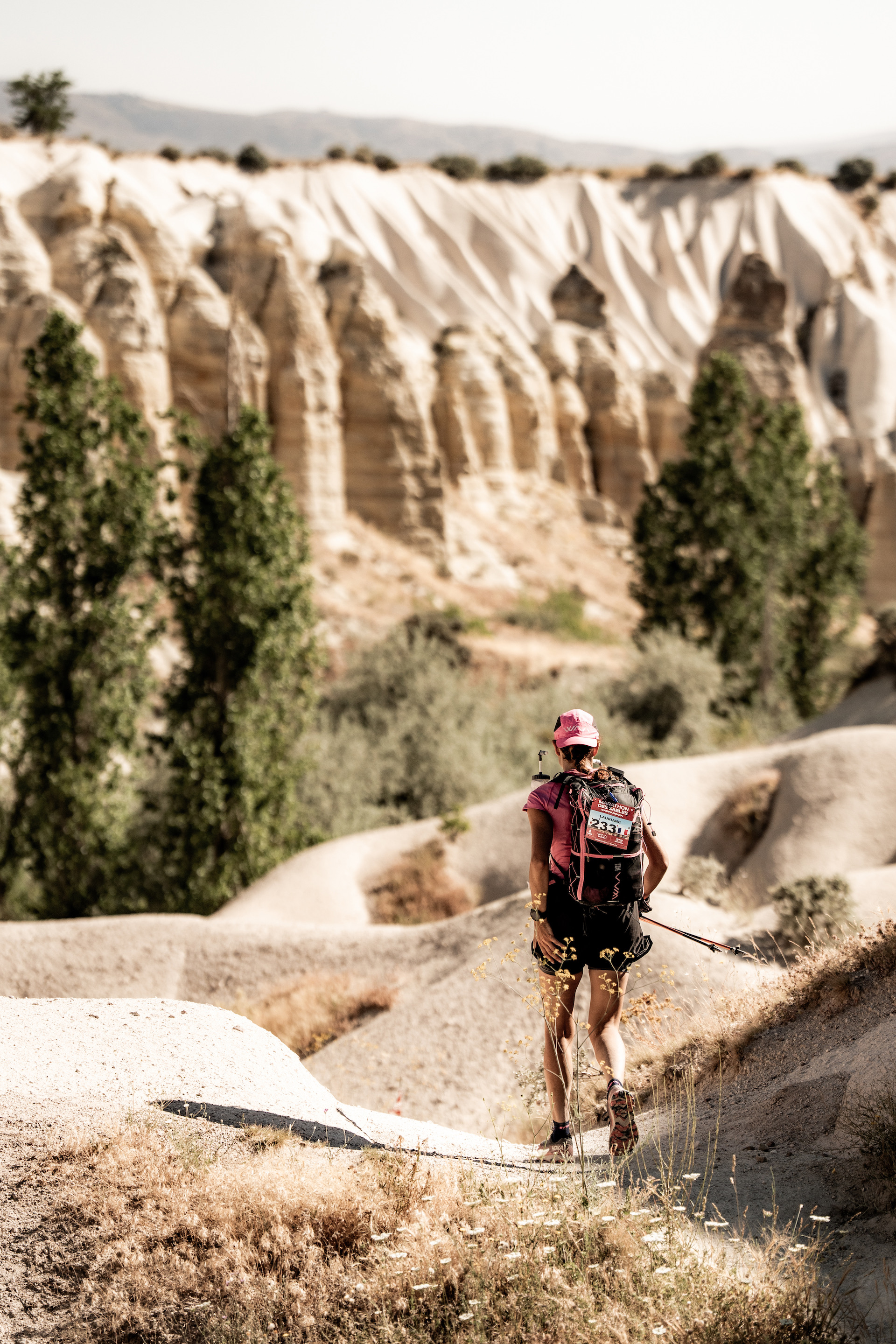
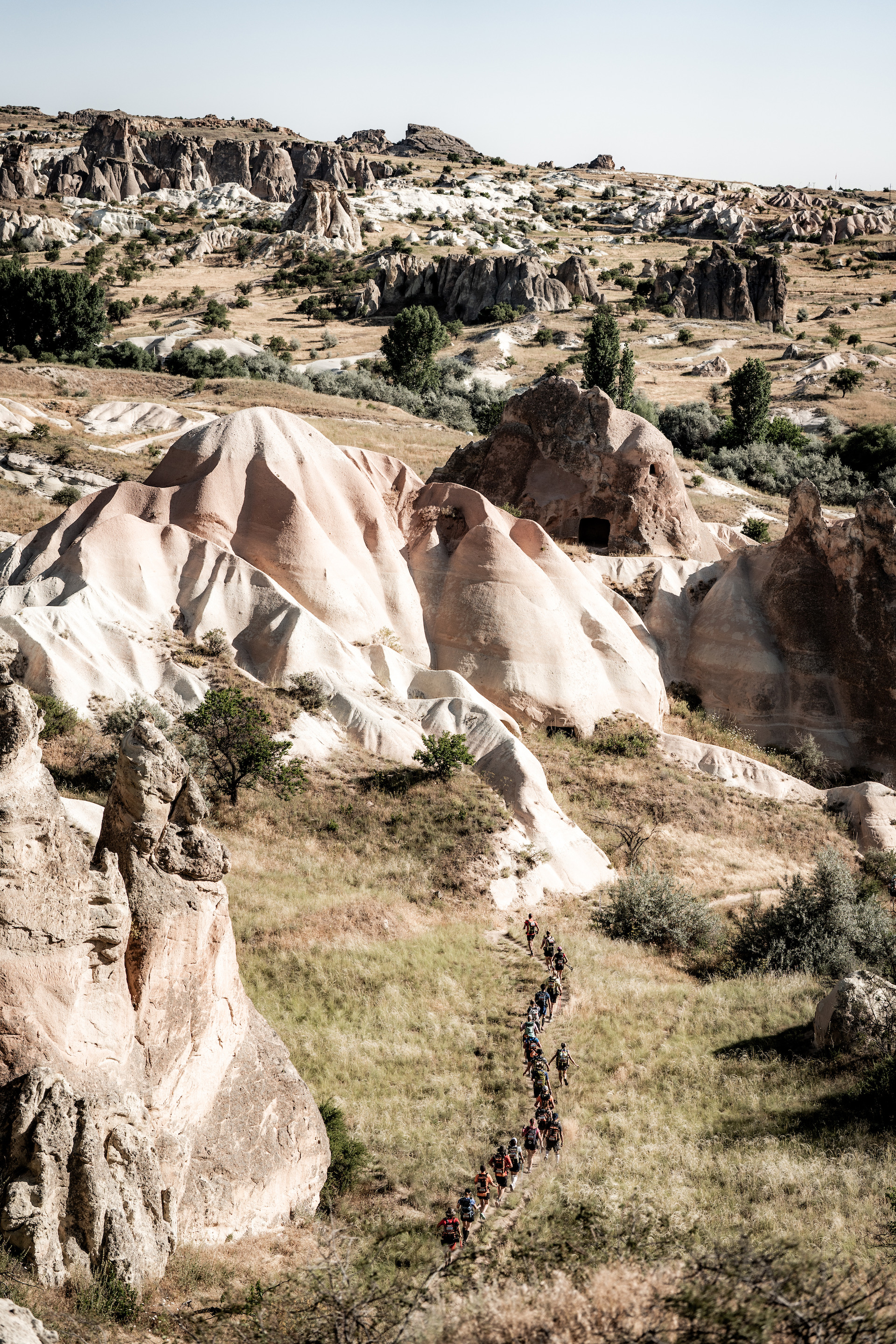
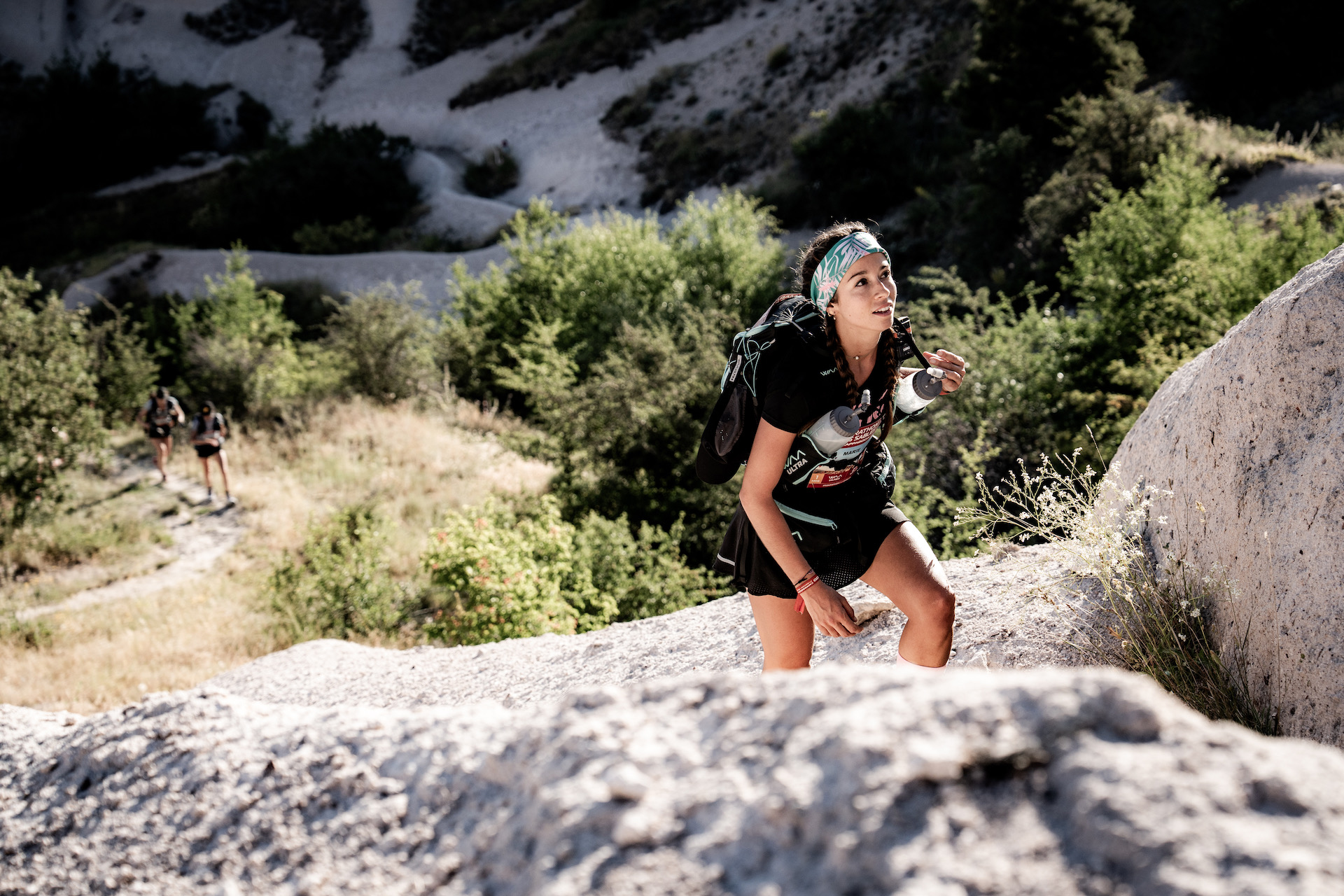
MDS 120 Cappadocia 2025 – Race Summary

There are races that test your legs. There are others that test your mind. Then there’s the MDS 120 Cappadocia, a four-day,3-stage footrace that breaks down and rebuilds runner’s in one of the most staggering landscapes on Earth.

The second edition of this extraordinary event was nothing short of epic. It fused the spirit of ultra-running with the magic of deep time, where each participant pushed through heat, fatigue, and self-doubt and yet felt part of something much larger, something ancient, something eternal.

Cappadocia is not a place that’s easily explained. Words fall short, pictures get close, but to run through it, that’s where the real story begins. From the first light of dawn to the finish line and the glow of the medal, the 2025 MDS 120 Cappadocia offered an experience that was brutal, beautiful, and of course, unforgettable.

Runners arrived from across the globe with 25 countries represented to stand on the start line beneath towering rock formations that look like they belong on another planet. With female participation at a record 62%!

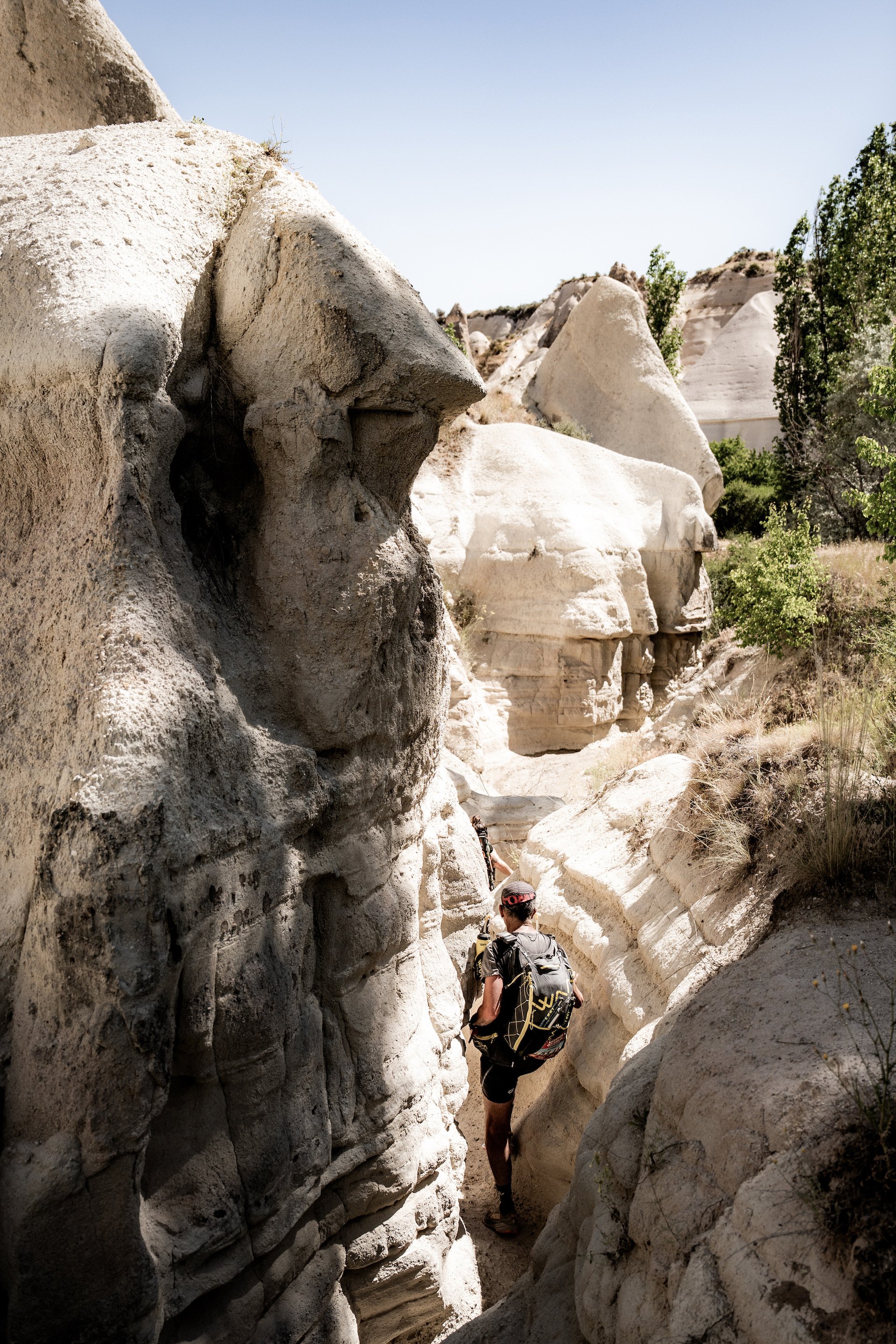
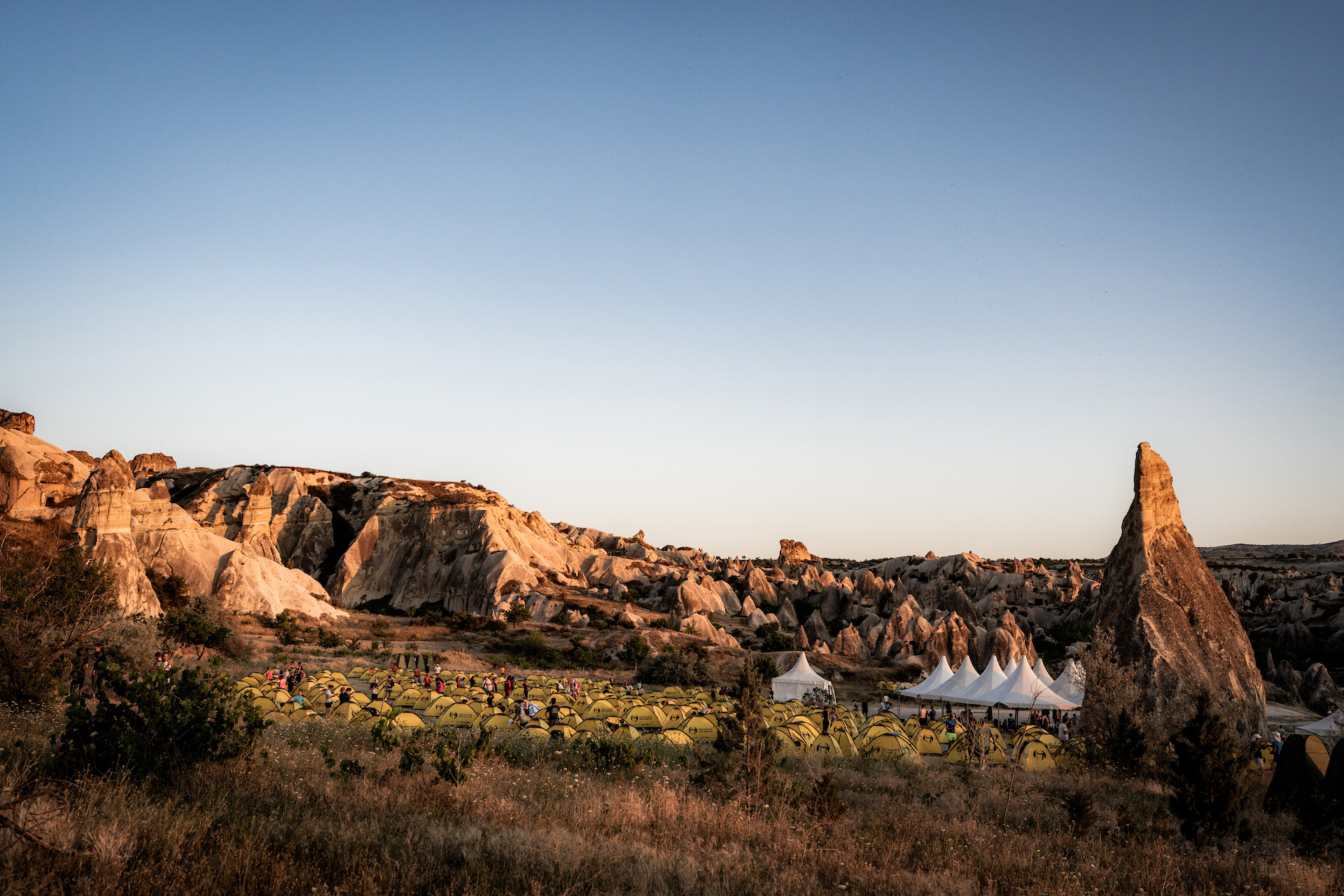
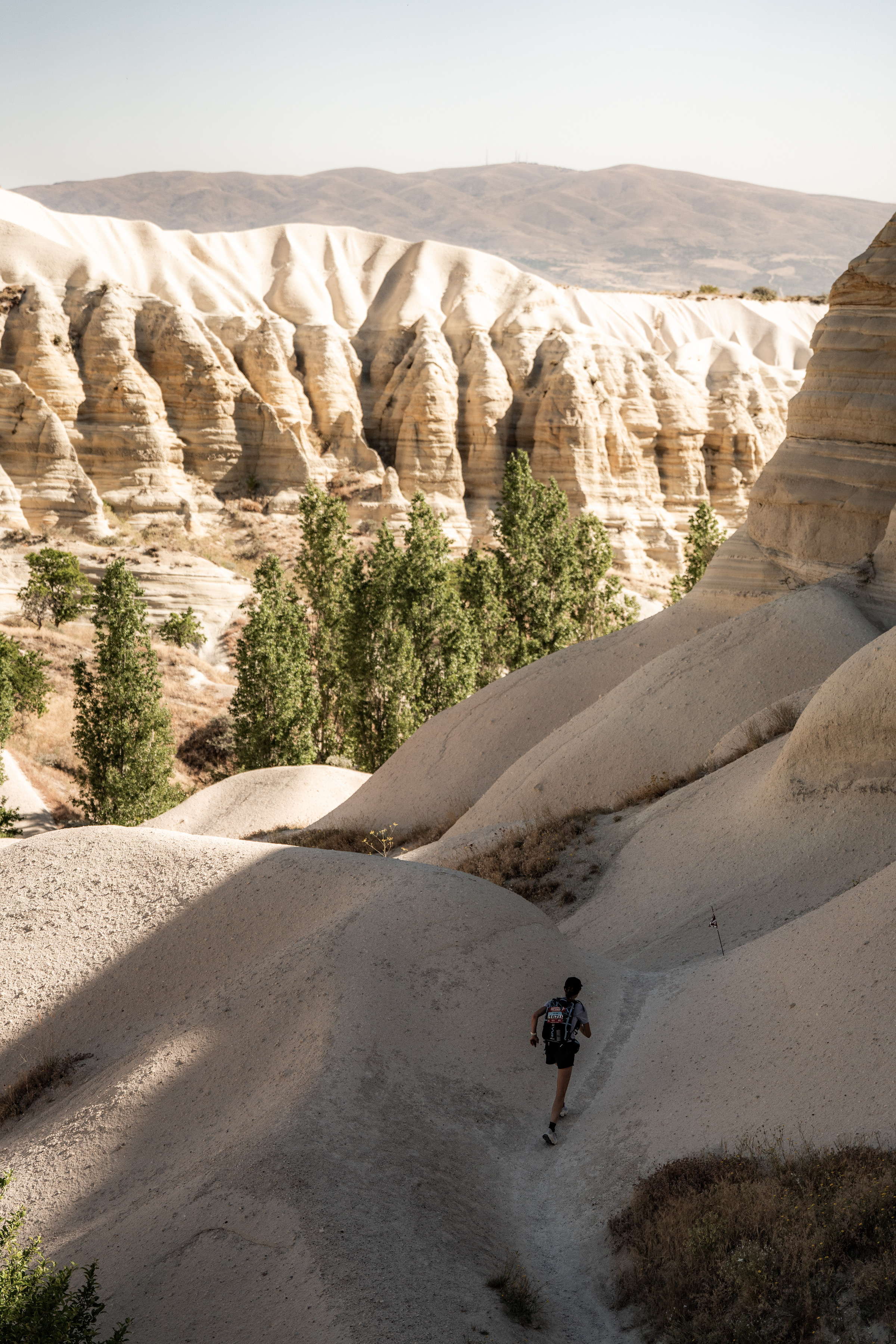
Trails cut through a high-altitude dreamscape where volcanoes once erupted, empires rose and fell, and entire civilisations carved homes into the rock. To run here is to move through living history, a living museum of geology, culture, and time itself. Cappadocia is the kind of place that feels mythic. Its valleys have names like Love, Rose, and Red.

The format of the race was designed to challenge runners of all levels while still demanding serious endurance. The full race spanned up to 120 kms over three stages, spread across four days with one rest day in the middle. Stage 1 and Stage 3 were the same for all runners, but Stage 2 offered a unique choice: 20, 40, or 60 kms, allowing each participant to tailor their challenge to their ability and ambition. This approach gave the event a powerful sense of inclusivity while preserving the core of what MDS stands for: pushing yourself farther than you thought you could go.

“The terrain, however, had no intention of making anything easy.”

Each day brought something different, a test of legs, lungs, and willpower. Stage 1 began with a baptism of dust and stone, leading runners through twisting canyons and across ancient paths etched into the volcanic rock. The climbs were relentless. The descents were technical and punishing.

Stage 2, whether 20, 40, or the full 60 kms, was a crucible in the heat, sending runners through sun-scorched valleys and across ridges with no shade and no mercy.

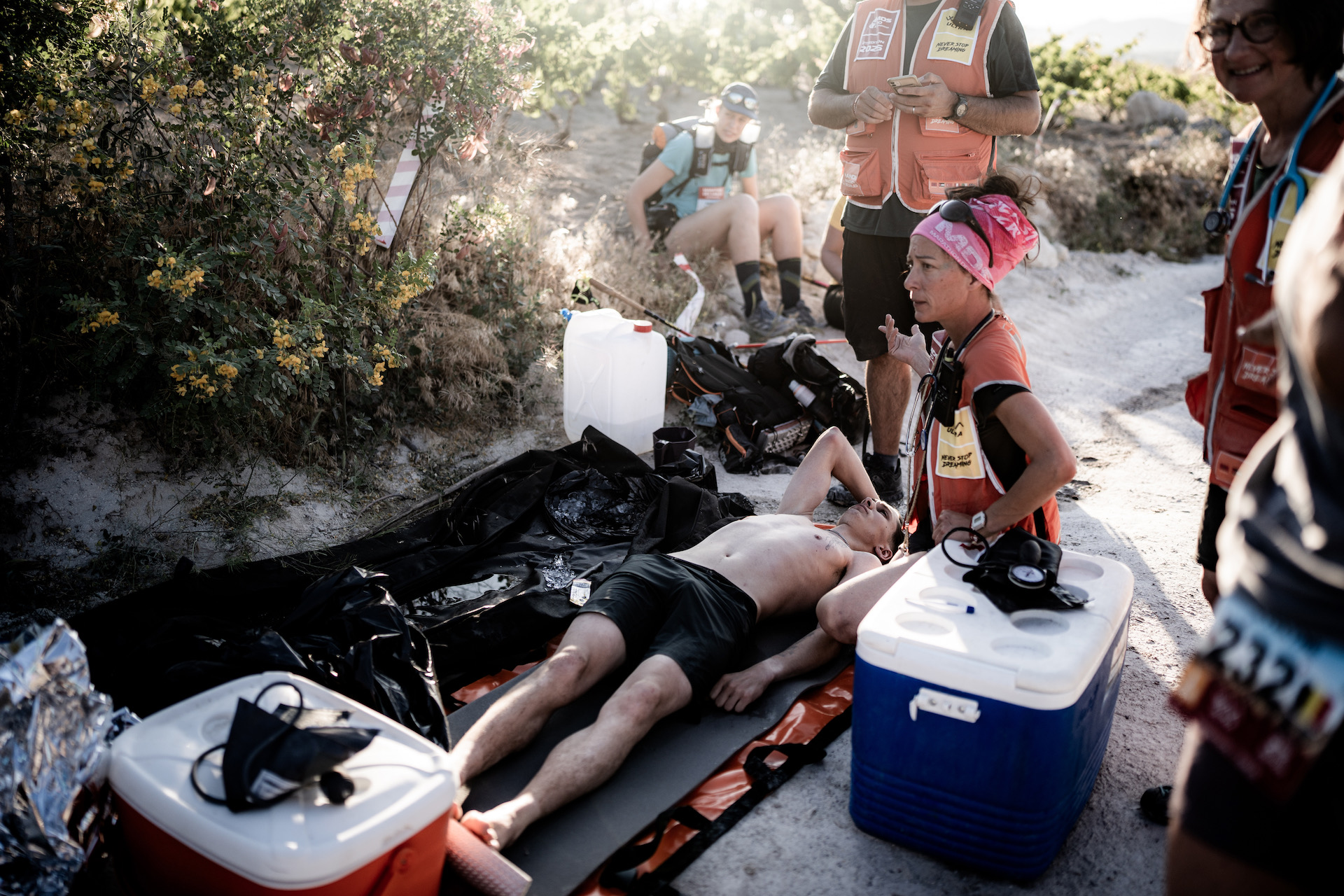
It was here that the Cappadocian sun made itself known. Temperatures soared into the mid-30s Celsius, radiating off the rocks and baking every exposed inch of trail. What began as a scenic adventure quickly became a battle against dehydration, overheating, and sheer exhaustion. The ‘orange’ jackets ensuring that medical protocols and safety for each runner was paramount.

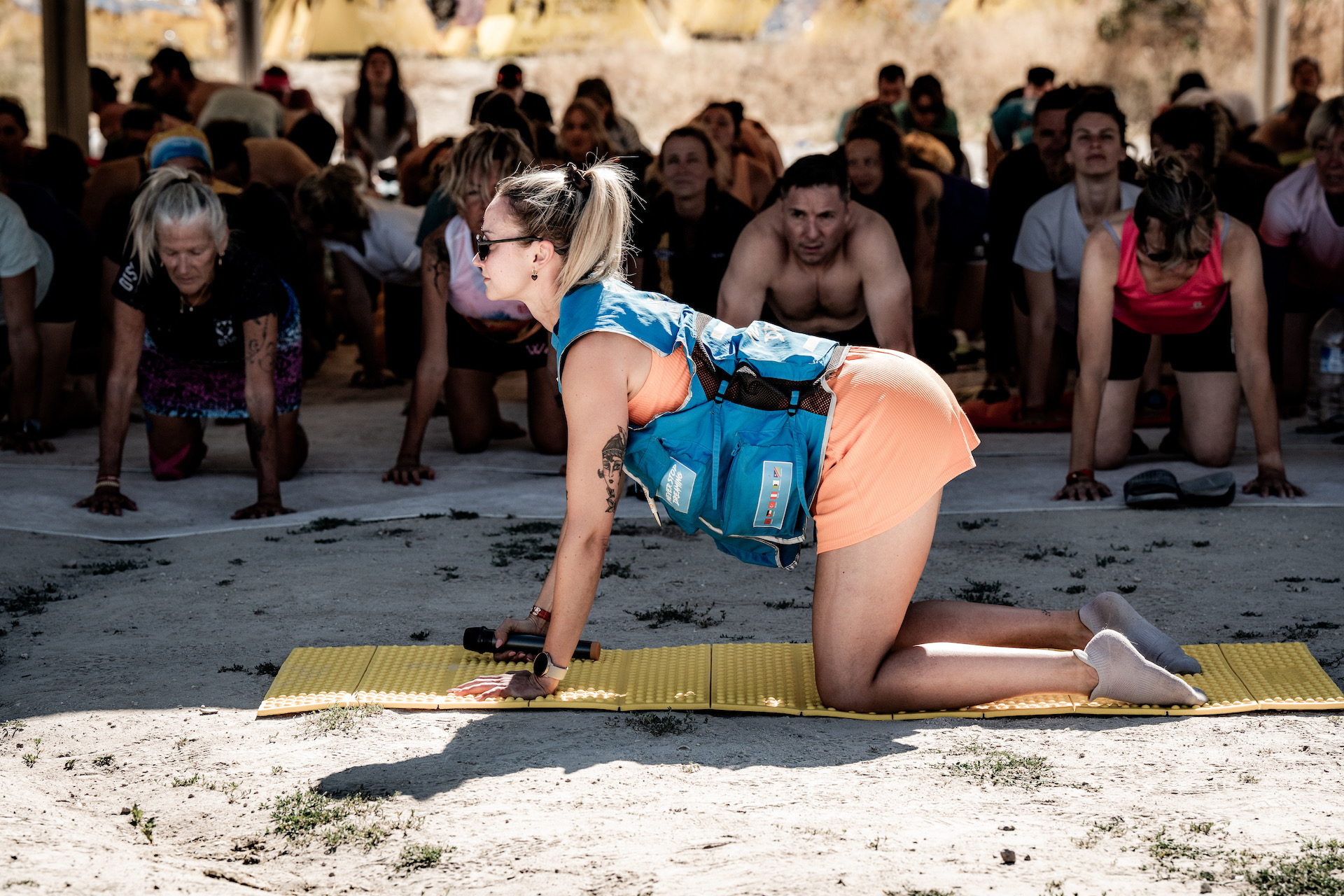
The rest day was welcome, a day to re-charge, relax, eat, sleep and yes, even some yoga was an opportunity to find some zen amongst the chimneys that surrounded bivouac.

Stage 3, the finale, was no victory lap. It was a final reckoning. After the rest day, legs were stiff, feet swollen and raw, but spirits were high.

The route wound past ancient cave dwellings and hidden churches, finishing in a dramatic final stretch that felt more like a pilgrimage than a race. The Love Valley an amazing conclusion to a stunning journey.

Four runners, despite grit and effort, didn’t make it to the end. But in the spirit of MDS, the organization extended them free entry into the 2026 edition, a gesture that underscores the ethos of the race: resilience over results, and community over competition.

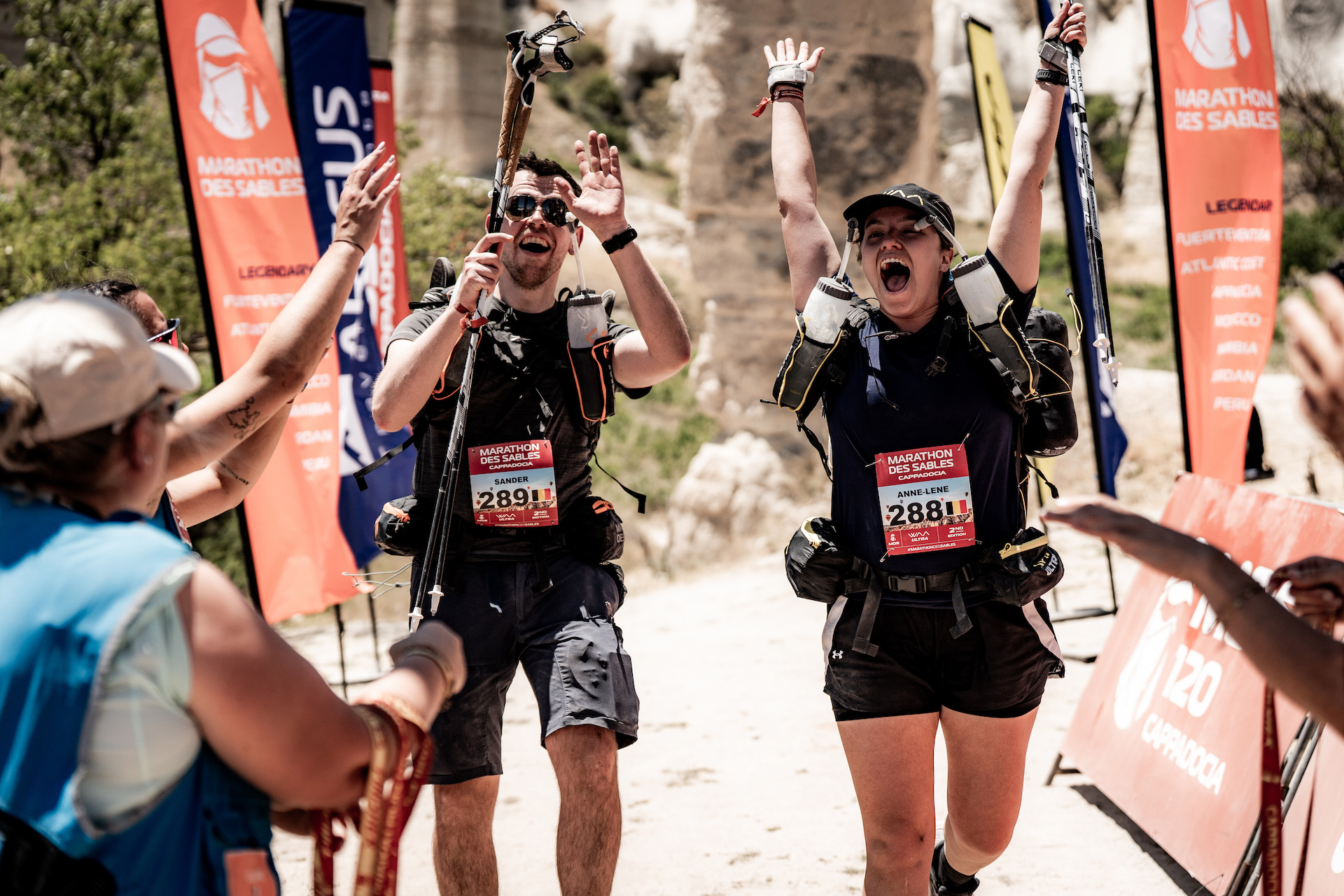
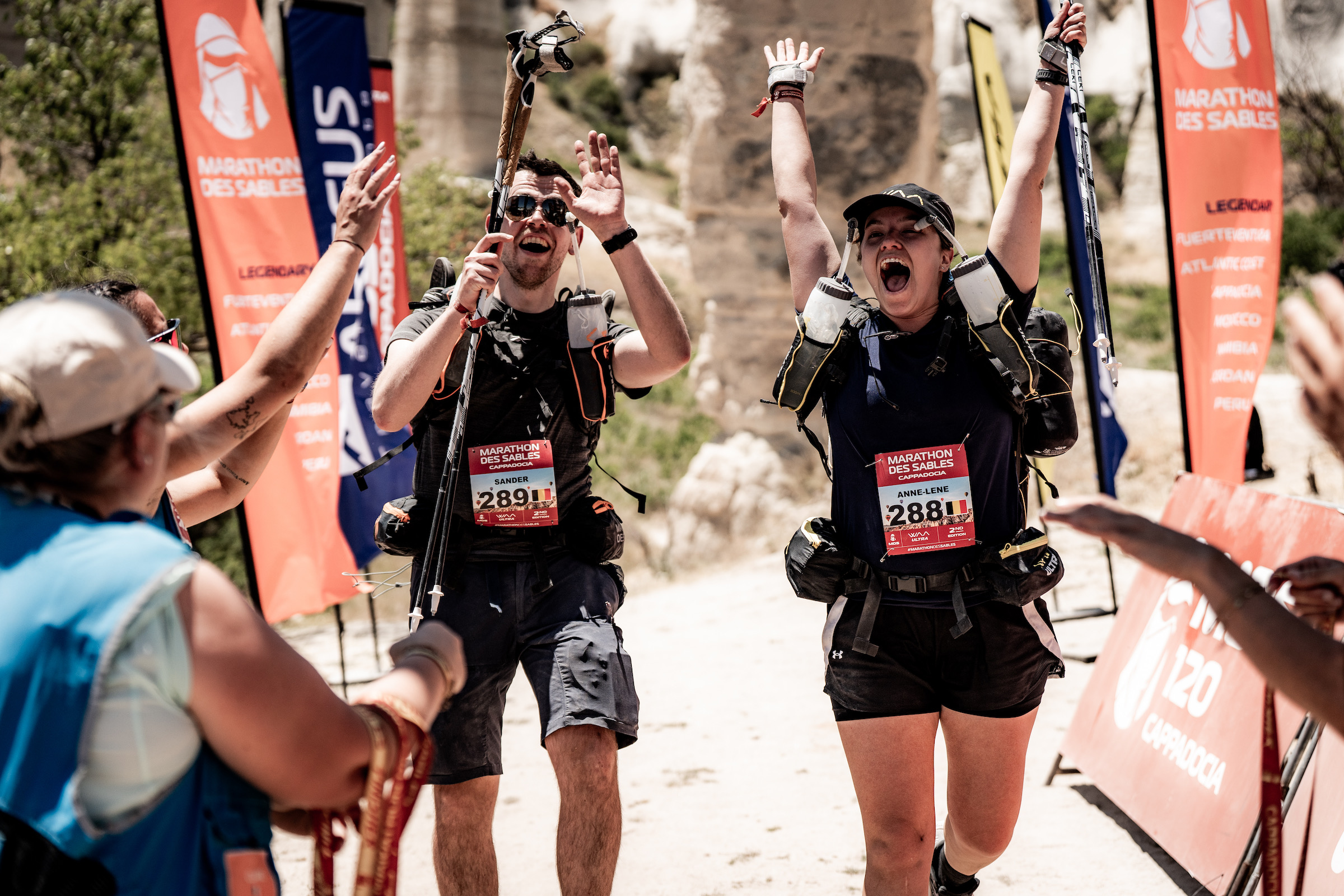
What makes MDS 120 Cappadocia unique isn’t just the landscape or the difficulty. It’s the way it all comes together. The suffering is real, but so is the reward. Every runner finished with a story that could never be captured in a finisher’s medal alone. There were tears, high fives, sunburns, hallucinations, and moments of silence that felt like communion with the land.

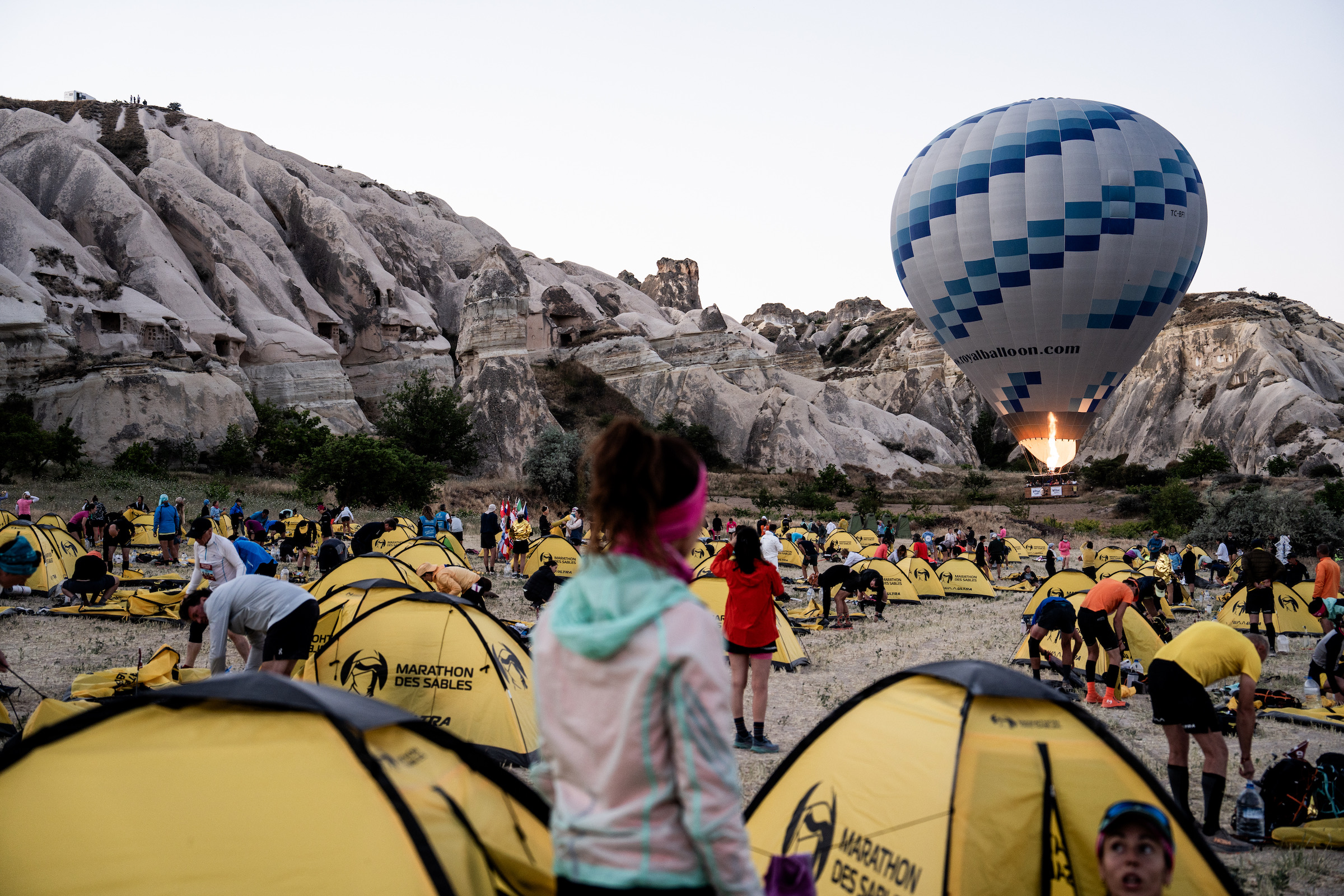
And just when it seemed the adventure was over, the organisers gave one final gift: a sunrise hot air balloon flight on the last morning. It wasn’t a tourist gimmick, it was a floating tribute to everything the runners had just done. Watching the sun rise over the Göreme Valley, suspended in silence above the trails they’d conquered, was a moment that stitched the entire experience together. From above, the rock valleys, the winding trails, the start and finish lines, it all made sense. It was breathtaking.

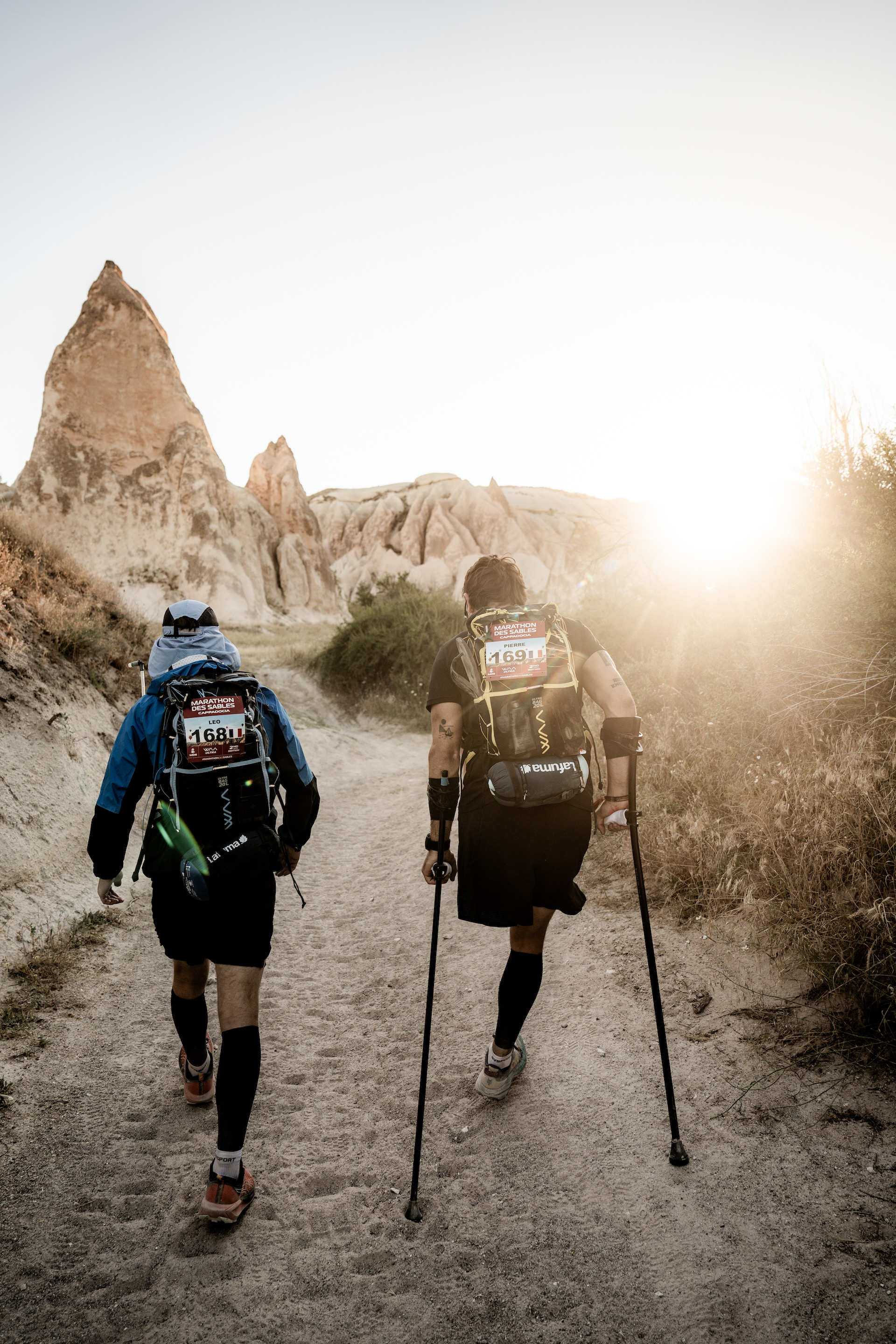
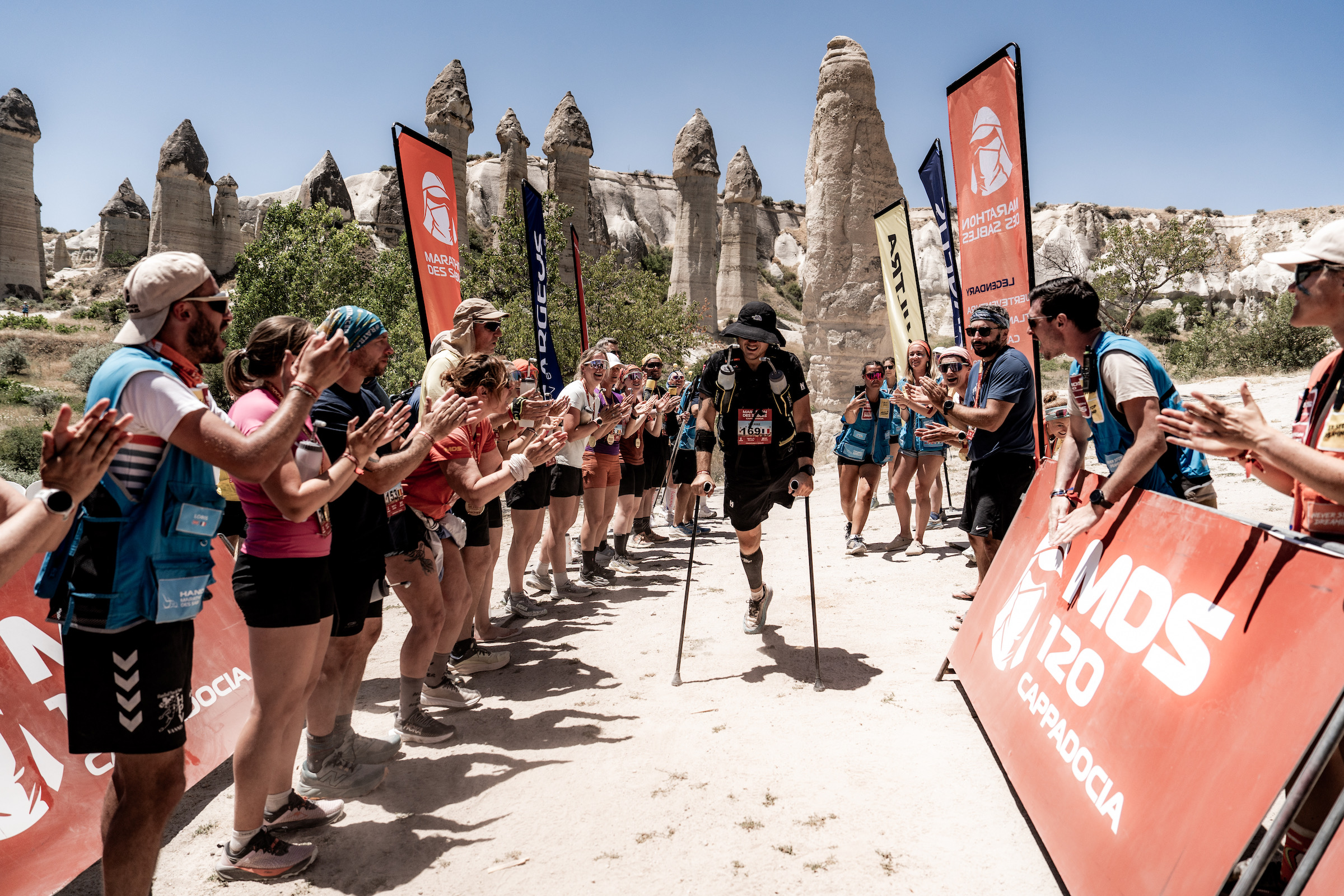
After the balloon flight, runners were finally allowed to stop. A full day of rest and recovery followed, giving battered bodies a chance to relax and reconnect. The evening brought everyone back together for a gala dinner, an award ceremony that celebrated not just the fastest, but the toughest and most spirited. Pierre (a single leg amputee) and Leon getting special recognition for personifying the meaning of MDS solidarity.

A film screening that captured the emotion and scale of what had unfolded over the past four days. Laughter mixed with tears. Strangers had become teammates. Solo runners had become family.

The verdict from every corner was the same: this race had delivered something extraordinary. It had pushed people to their edges and rewarded them with a kind of beauty, depth, and meaning that’s rare in the ultra-running world.

MDS 120 Cappadocia wasn’t just a race across Turkey. It was a race through deep time, a personal reckoning, and a reminder of what the human body and spirit can endure when the landscape is fierce, and the story is this good.

The bar is set. The expectations are high. But if the 2025 edition proved anything, it’s that this race is only getting better, stronger, and more awe-inspiring.

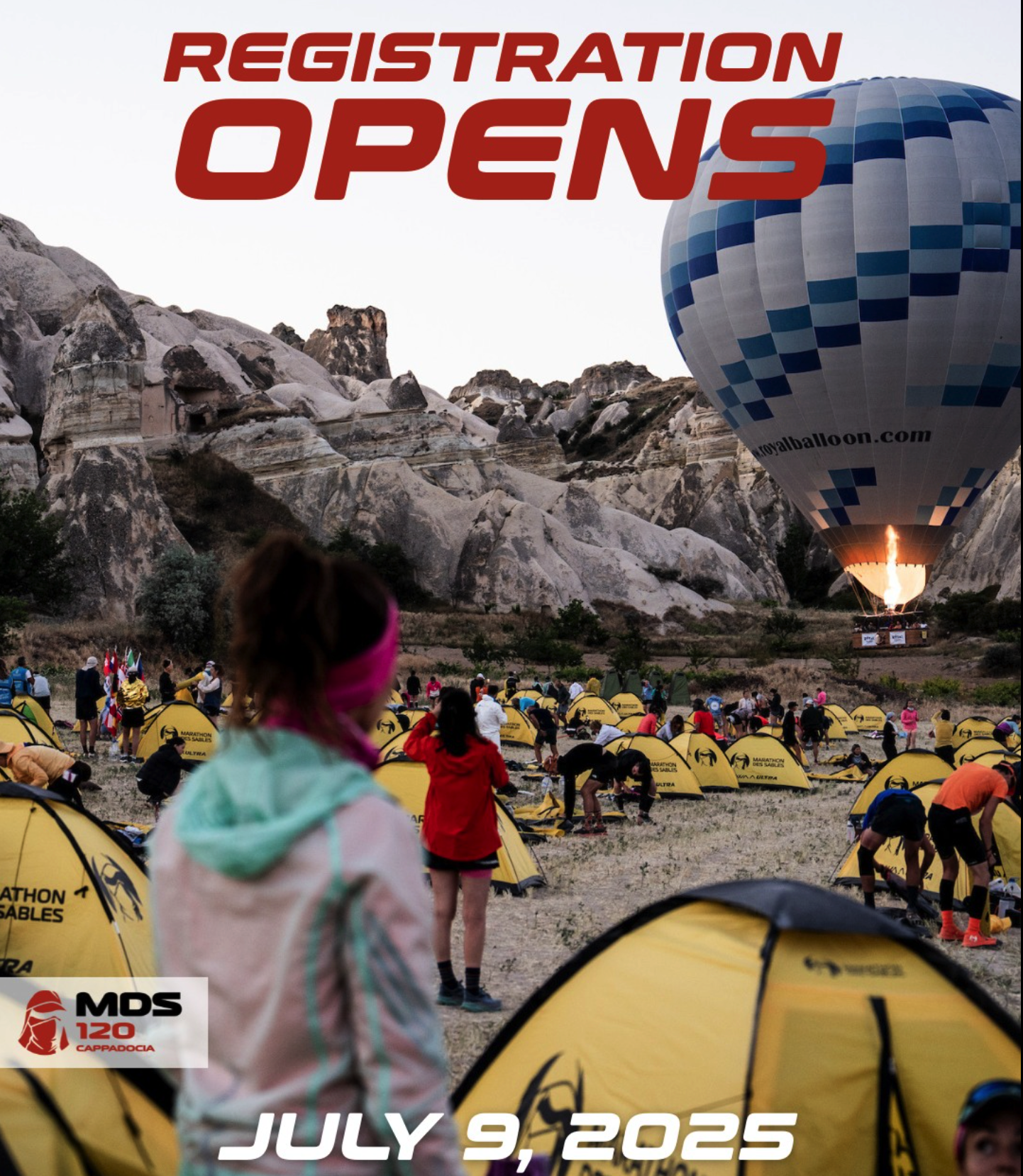
If you’re looking for an ultra that leaves a mark, not just on your legs, but on your soul: get ready for the 2026 dates, registration opens July 9th 2025.

Pack your shoes. Respect the heat. And come run through fire and stone in Cappadocia.

Marathon des Sables website HERE


Follow Ian Corless

Instagram – @iancorlessphotography

Twitter – @talkultra

facebook.com/iancorlessphotography

Web – www.iancorless.com
Web – www.iancorlessphotography.com

MDS 120 Cappadocia 2025 – Stage 3

Stage 3 of the MDS 120 Cappadocia delivered a brutal, beautiful reckoning. Spanning 26 kms under a punishing sun, the course cut through some of Turkey’s most iconic landscapes, from the pastel walls of Red Valley to the towering spires of Love Valley. But make no mistake: this stage wasn’t just about scenery. It was a furnace.

Love Valley – amazing

With temperatures soaring past 36°C and a heat index that felt closer to 48°C the early start with hot air balloons was welcome.

Not all bivouacs are the same

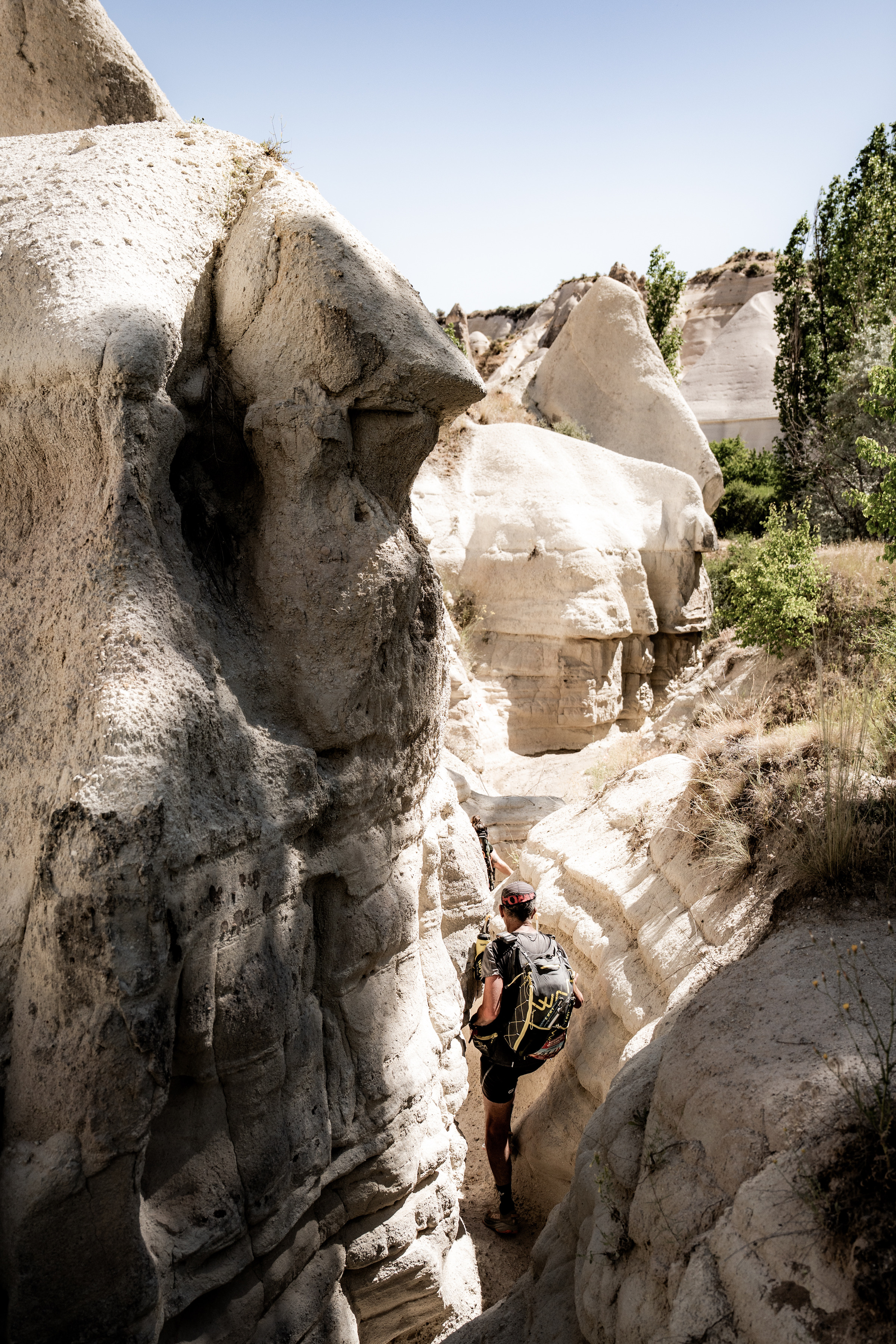
Even so, runners were fighting the heat within minutes. Shade was rare, and the terrain offered no favours: narrow single tracks, slot canyons, technical descents, and long exposed stretches tested every step.

By mid-morning, the route through Love Valley felt less like a romantic postcard and more like a slow-motion survival drill.

Despite the conditions, runners dug deep. The lead pack charged forward with astonishing control, weaving through the heat haze with purpose, but it was the back of the pack that showed the rawest version of the struggle. Blistered feet, overheated cores, and sheer exhaustion painted a stark picture of just how hard-earned every kilometer was.

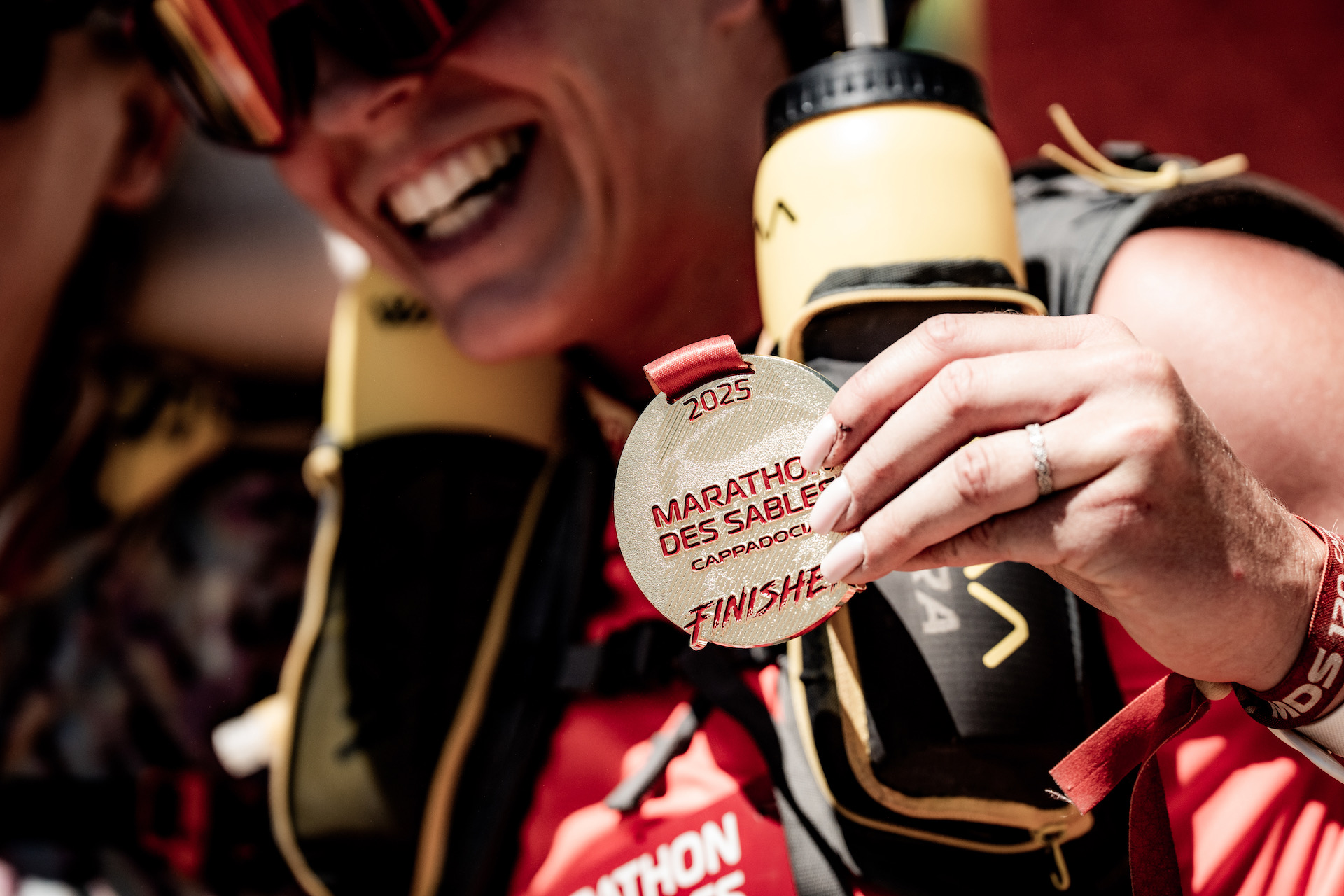
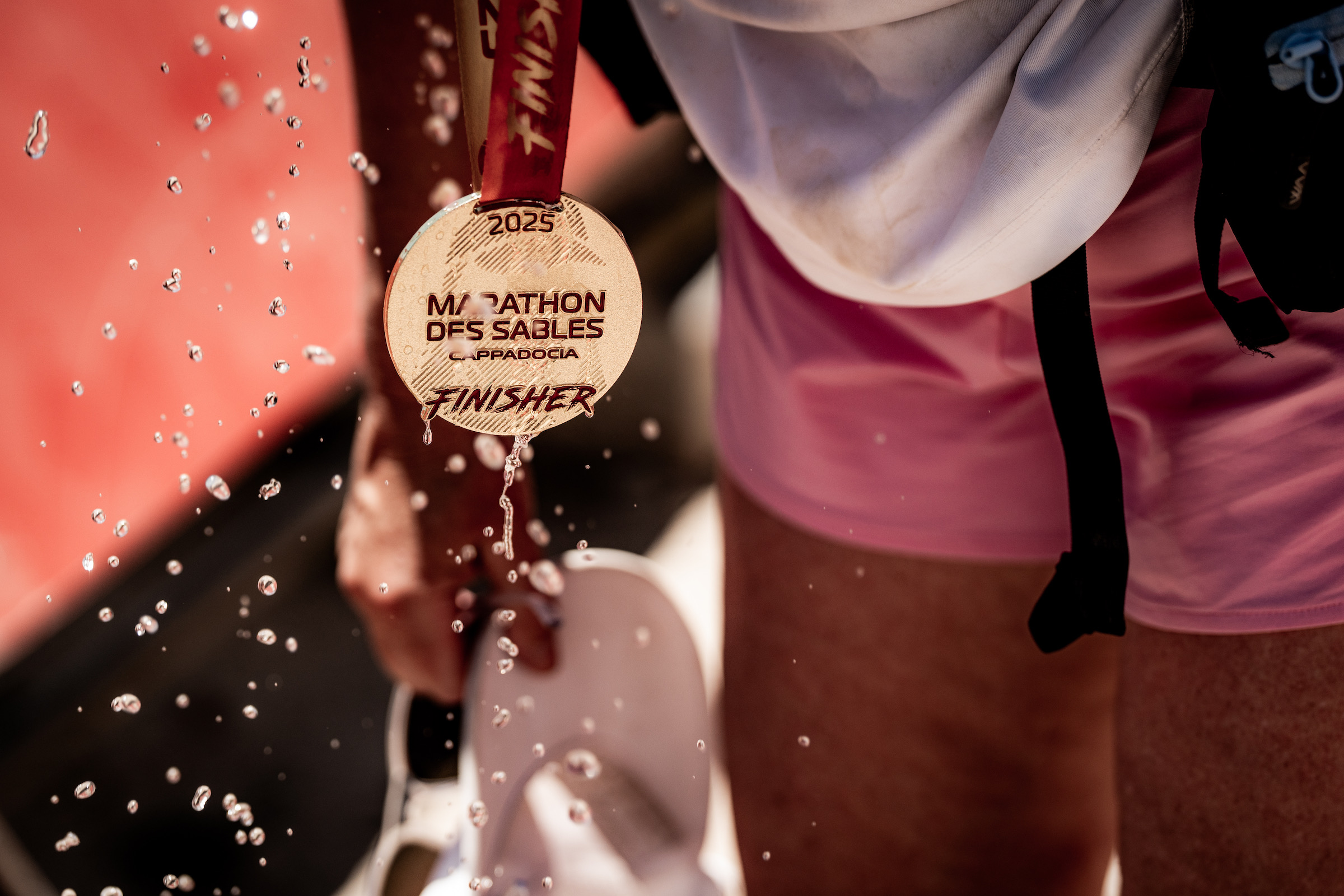
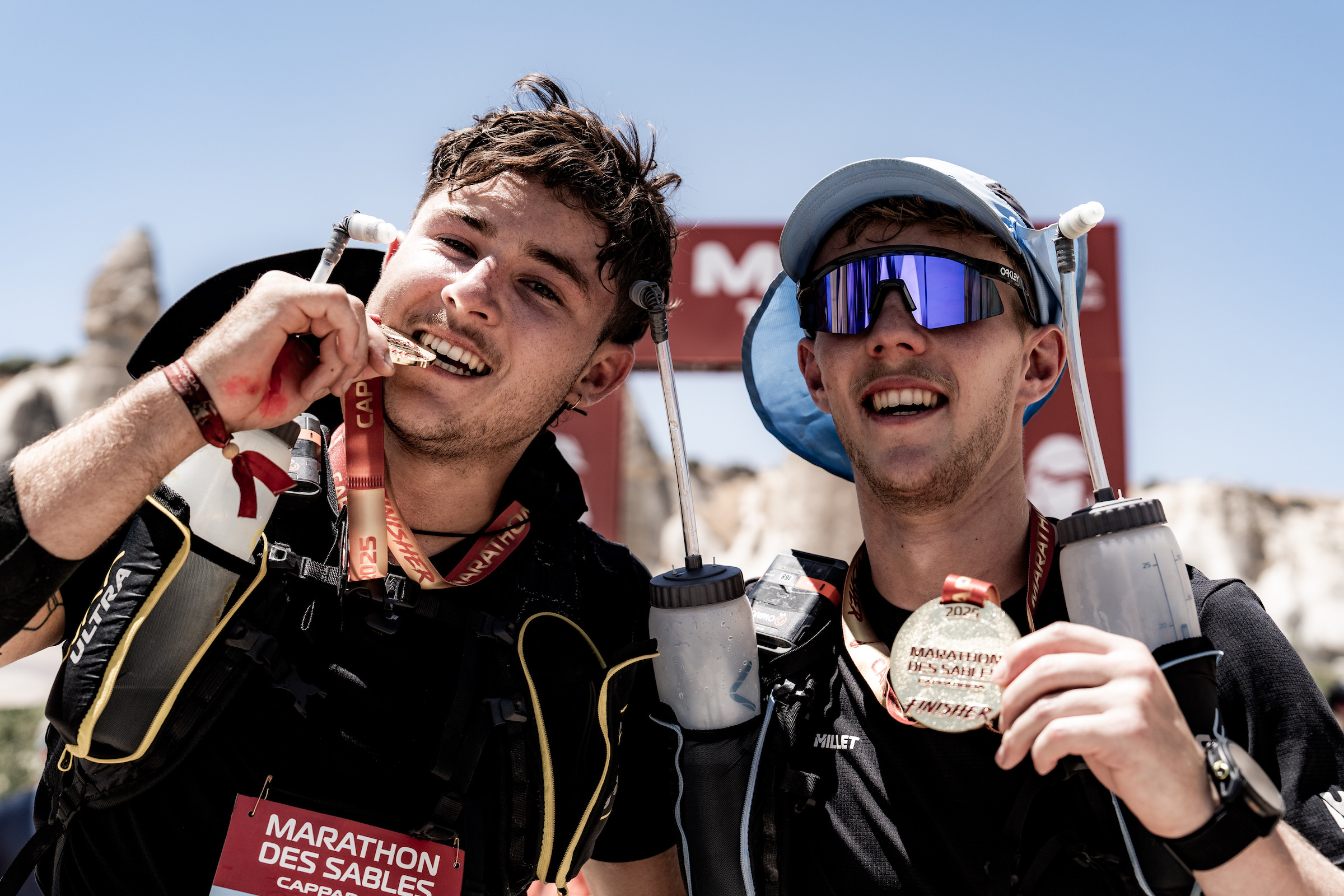
Crossing the finish line at the edge of Love Valley brought a wave of emotion. Some wept, others collapsed. The medal placed around each finisher’s neck wasn’t just symbolic, it was earned in full, mile by scorching mile. For many, it marked the toughest test they’d ever faced in a race.

From first to last, the results were staggering. All athletes held their nerve in the heat, but it was the collective will of the entire field that defined the day. This was more than a stage, it was a battle. And everyone who crossed that line came out the other side changed.

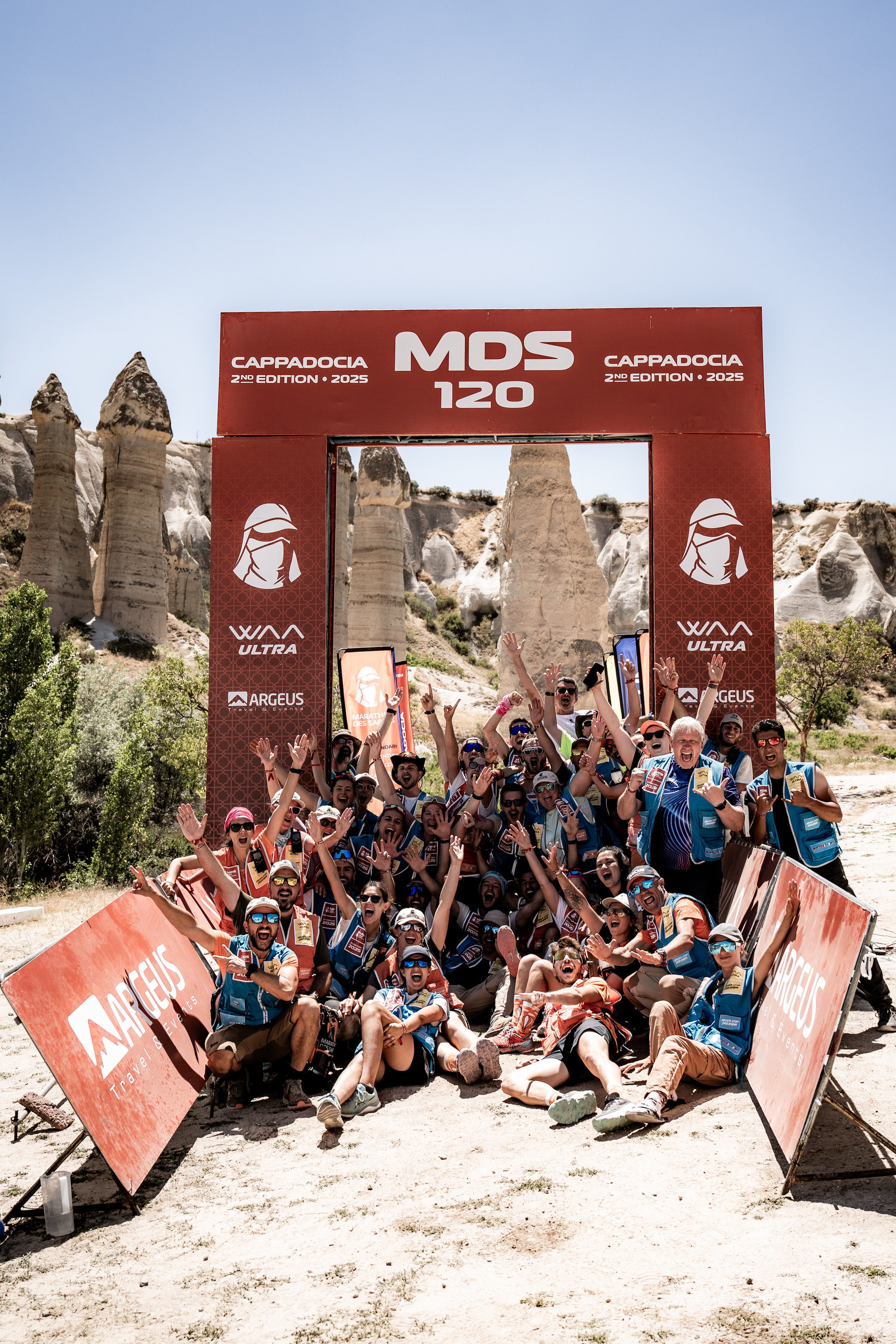
Blue and Orange jackets make it all happen

Stage 3 didn’t give anyone an easy finis. It demanded everything. The landscape may have been romantic, but the race was ruthless. The medal, deserved!


Follow Ian Corless

Instagram – @iancorlessphotography

Twitter – @talkultra

facebook.com/iancorlessphotography

Web – www.iancorless.com
Web – www.iancorlessphotography.com

MDS 120 Cappadocia 2025 – Stage 2

Stage 2 of the 2025 MDS 120 Cappadocia tested every ounce of determination runners had left in the tank.

Breakfast bivouac style

The day began with a 4:00 AM wake-up call under a pitch-black sky.

Just WOW!

By the time the starting line buzzed to life, the first glow of sunrise was filled with dozens of hot air balloons over the otherworldly landscape, a surreal and unforgettable sendoff into a brutal, beautiful day. This is what makes MDS 120 Cappadocia so special.

Blue coats, a key and important element of MDS 120.

Participants had a choice: 20km, 40.9km, or 58.6km. Three distances, one shared battle. No matter which course they committed to, the terrain made sure no one got an easy ride.

Stunning varied landscape

From the start, runners faced a punishing mix of steep canyons, tight tunnels, dusty switchbacks, and rocky plateaus.

Dense vegetation

The famed Cappadocia chimneys, towering rock formations sculpted by time and wind rose like sentinels along the route, offering brief moments of awe in between relentless stretches of heat and effort.

Unique landscape

At times, dense vegetation clawed at legs and arms. Elsewhere, there was nothing but the sun, dry air, and the crunch of feet against rock and dust.

The longer the distance, the deeper the challenge. The sun bore down with intent, turning even the breezes into blasts from a hair dryer. Hydration and mindset became as critical as foot placement. There were stumbles, cramps, and moments of silence where only the sound of breath and grit kept runners going. This is where the MDS 120 orange (medical) and blue (logistics) help keep the runner’s going, importantly, they bring a key safety element to the race.

Maëva, our last finisher receiving treatment just 4km’s from the finish.

But they did go. Every last one of them.

The final competitors crossed the line after an incredible 16 hours and 25 minutes on the move. A huge shoutout to Maëva and Clémment, who showed unreal resilience and heart, pushing through to the very end.

To all who took on Stage 2, no matter the distance, no matter the time, today you didn’t just run through Cappadocia. You conquered it.

Tomorrow brings the third and final stage, concluding in the Love Valley.

Marathon des Sables website HERE

Follow Ian Corless

Instagram – @iancorlessphotography

Twitter – @talkultra

facebook.com/iancorlessphotography

Web – www.iancorless.com
Web – www.iancorlessphotography.com

Lofoten Stage Run 2025: A Wild Dance with Nature

There are races, and then there’s the Lofoten Stage Run by The Arctic Triple team. What unfolded in May 2025 wasn’t just a footrace; it was a deep, soul-grinding, awe-inspiring journey through one of the world’s most arresting landscapes. Four stages. Two distances, 170 km and 100 km. 

Across wild coasts, knife-edge ridges, fishing villages, and snow-streaked mountains, runners pushed their limits, and often redefined them, surrounded by the raw power and beauty of Norway’s Lofoten archipelago. Sleep came in hytte and seaside rorbuer; rest was fleeting, but memories were burned in.

Stage 1: Into the Wild – Kjerkfjorden to Nusfjord (39 km / 20 km)

The race began like a dream: a boat ride through cold, steel-blue fjords, cliffs rising on all sides like the jaws of some ancient creature. As runners disembarked at Kjerkfjorden, the silence was broken only by soft footsteps and shallow breaths, nerves on edge, anticipation sharp.

The terrain wasted no time. A steep climb out of the fjord led straight into deep snow patches and slick rock. Then came the surreal beauty of Kvalvika Beach, where sand met snow and the ocean roared its approval. For the 170 km runners, the day stretched long into the day, ending with a technical coastal section into the storybook village of Nusfjord. Legs screamed, but hearts were full.

Stage 2: Edge of the Earth – Nusfjord to Leknes (34 km / 17 km)

Day two was tougher. Tighter trails, more scrambling. The wind picked up, mist rolling in from the Norwegian Sea like smoke, rain fell, at times, hard and relentless. Between breaths, runners caught glimpses of jagged peaks piercing the sky and turquoise bays far below. This was Lofoten in full cinematic glory, wild, moody, and impossibly vast.

A tunnel under the sea added a surreal twist, legs burning as they climbed out of the darkness and back into the light. Offersøykammen offered panoramic views, but it demanded everything. As runners arrived in Leknes, drenched, scraped, and shivering, you could see it in their faces: wonder, pain, pride.

Stage 3: The Long Haul – Leknes to Rolvsfjorden (52 km / 35 km)

This was the crucible. The longest stage. Bodies were already breaking down, but the terrain opened up, longer runnable sections, smoother single track. The landscape changed too. From rugged coastline to sweeping highlands and serene lakes, this was Lofoten in its gentler form.

As the finish line at Brustranda Fjordcamping came into view, many had run out of words. “This is insane,” one runner muttered, grinning. “But it’s beautiful.”

Stage 4: The Final Push – Rolvsfjorden to Svolvær (45 km / 21 km)

The last day was emotional. Legs were dead weight. Ankles rolled. Minds fogged. But everyone knew what waited: the end, the reward, the moment of elation.

Jordtinden loomed: steep, snowy, relentless. At its summit, clouds lifted like curtains, revealing a 360-degree panorama that stopped runners in their tracks, the ridgeline ahead bringing a sense of awe and fear in equal measure.

This is the queen stage, the terrain bringing together all that makes Norway and Lofoten unique, marvellous and special.

You could see all the way back, mountains, inlets, the journey behind. Some cried. Some screamed. Some just stood there, stunned.

The descent into Svolvær was pure adrenaline, fuelled by joy and relief. The last stretch along the harbour felt like flying. Locals clapped. Teammates waited. People hugged. Some collapsed. Others danced.

More Than KM’s

But the Lofoten Stage Run wasn’t just about distance or finish times. It was about the strange intimacy of shared suffering, of strangers becoming friends over bowls of traditional Norwegian food and stories told in cabins. It was the moment you stepped outside at midnight, sun still hanging low over the sea, and realised how small we are.

It was the rawness of the terrain mirrored in every aching limb. It was the magic of Lofoten, weather that shifted like a mood, peaks that stabbed the sky, and a landscape that didn’t just surround you, it swallowed you whole.

In the end, it wasn’t a race, it never was, the Lofoten Stage Run is an experience, a 360 immersive journey that shocked the mind and the senses and revealed to each and every participant that this route, arguably, is one of the BEST in the world. It was a rite of passage. A storm-chased, mud-caked, heart-thumping reminder that the wild is still out there, and if you’re lucky, it might just let you in.

VIEW THE FULL IMAGE GALLERIES HERE

Follow Ian Corless

Instagram – @iancorlessphotography

Twitter – @talkultra

facebook.com/iancorlessphotography

Web – www.iancorless.com
Web – www.iancorlessphotography.com