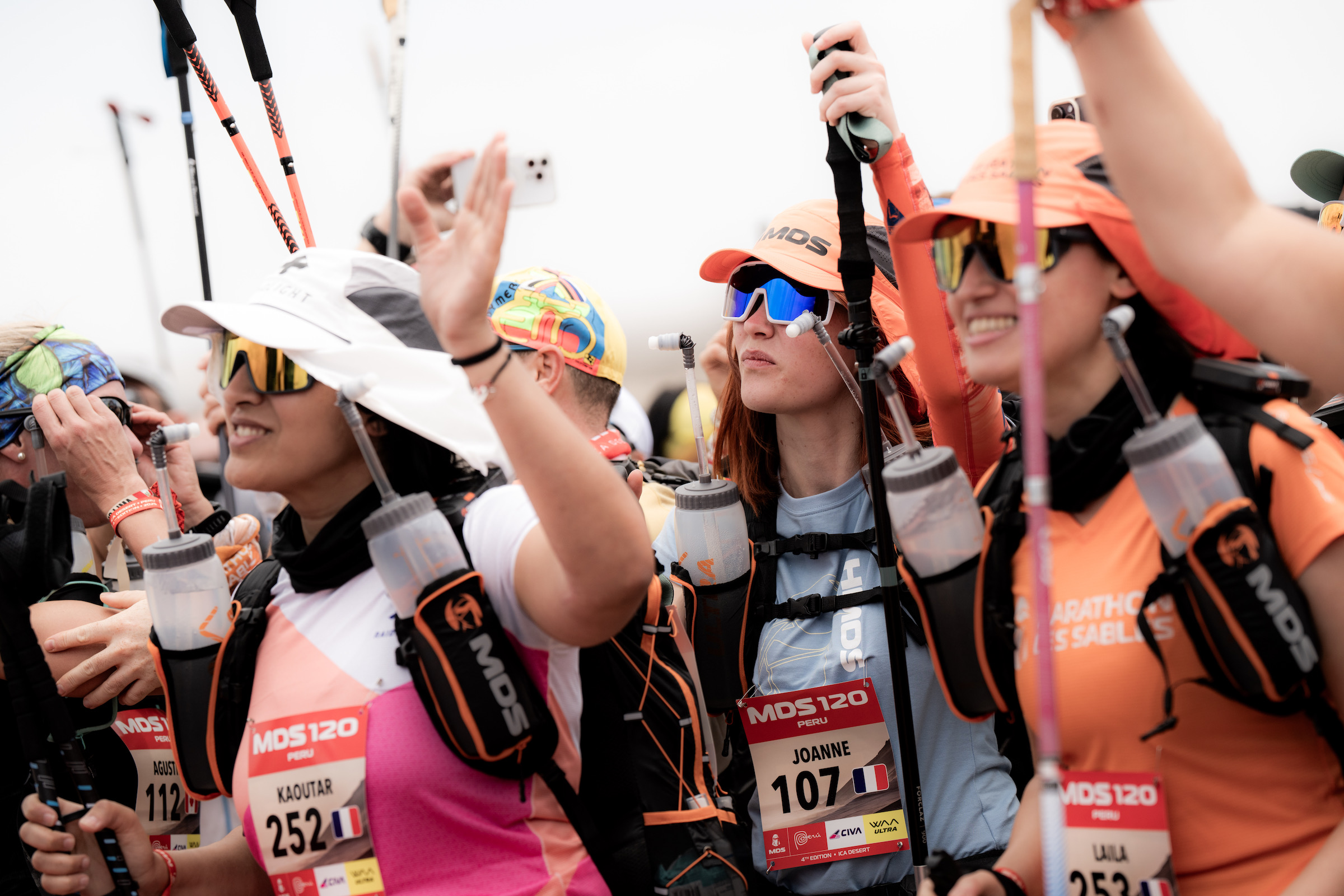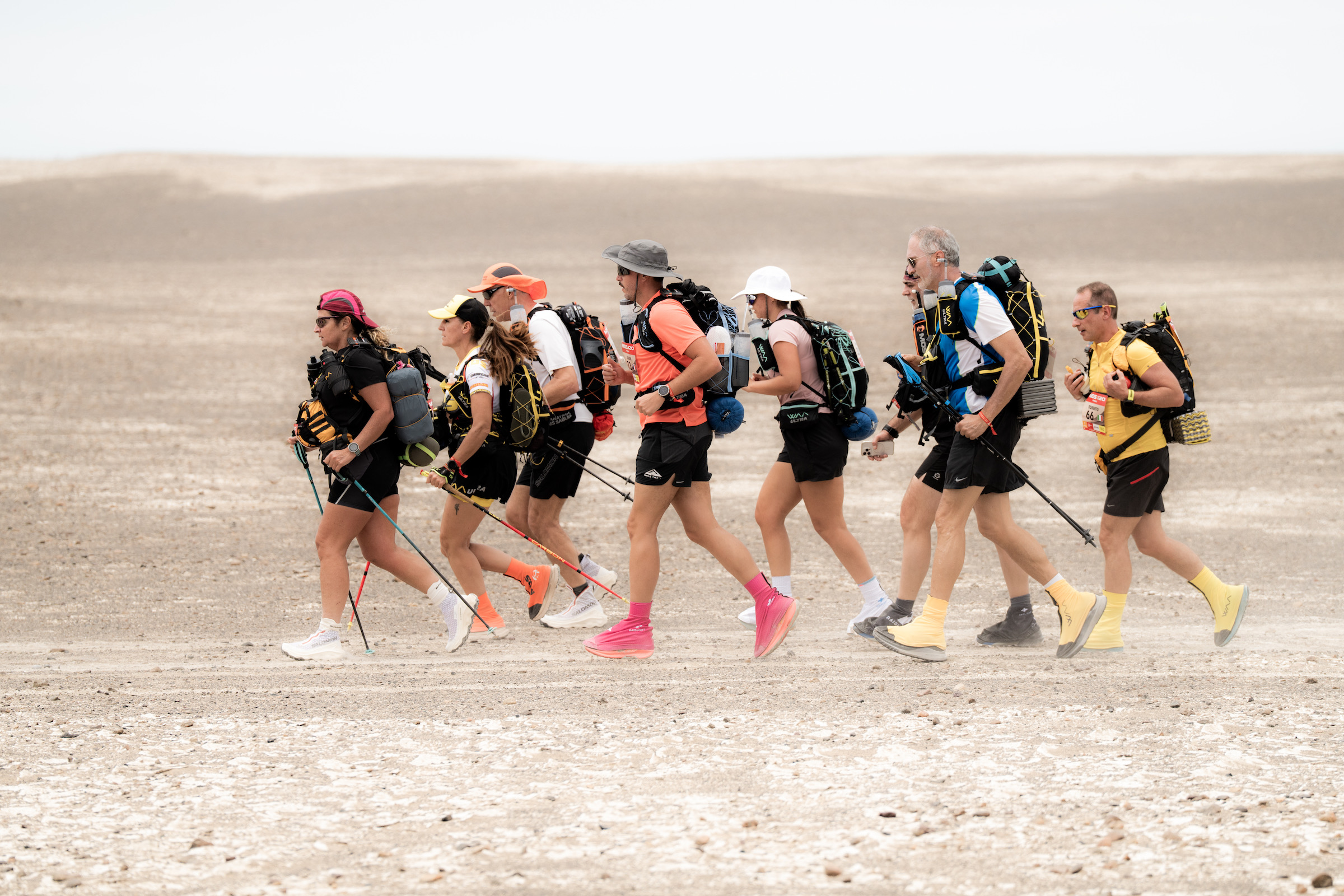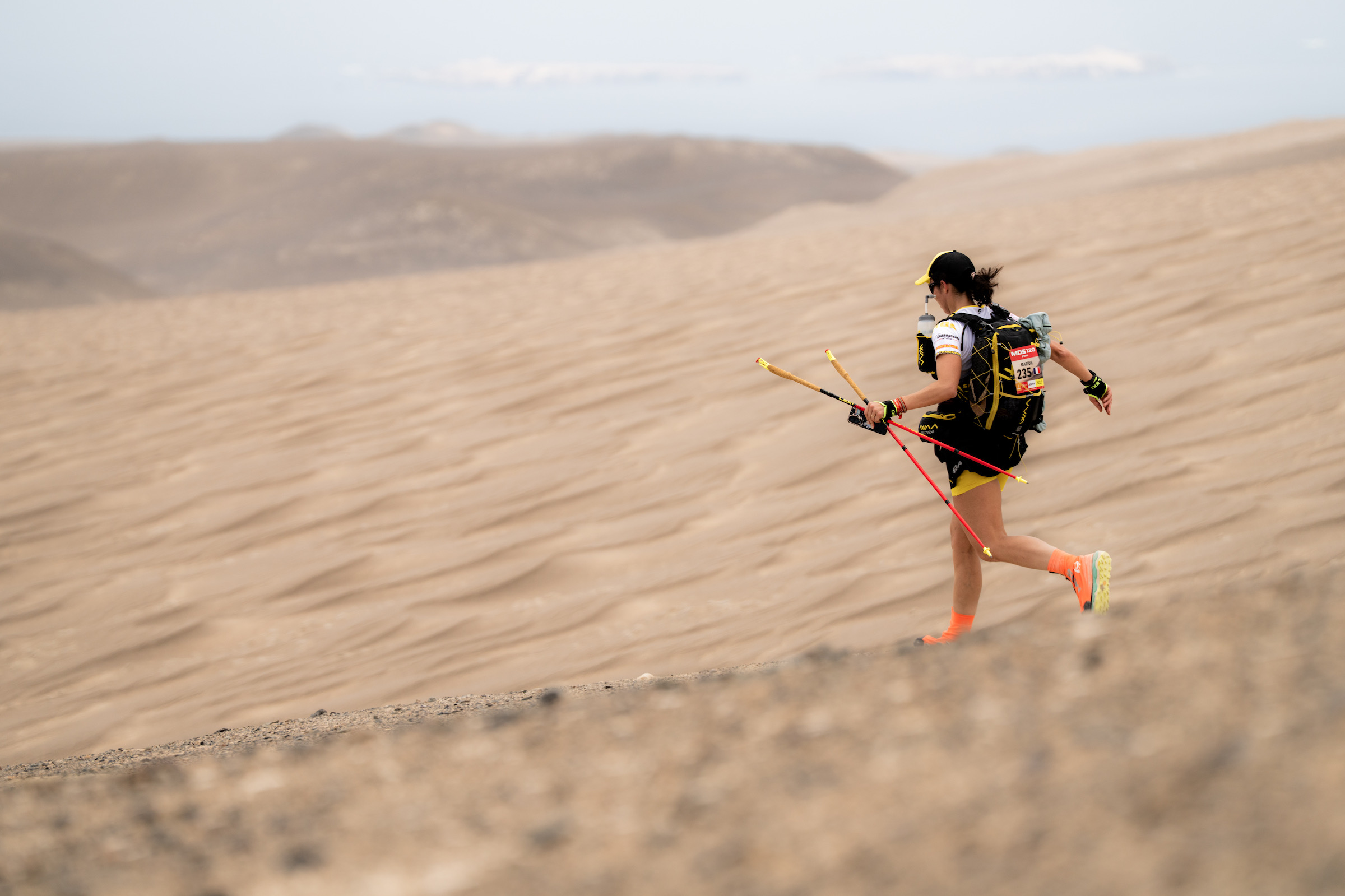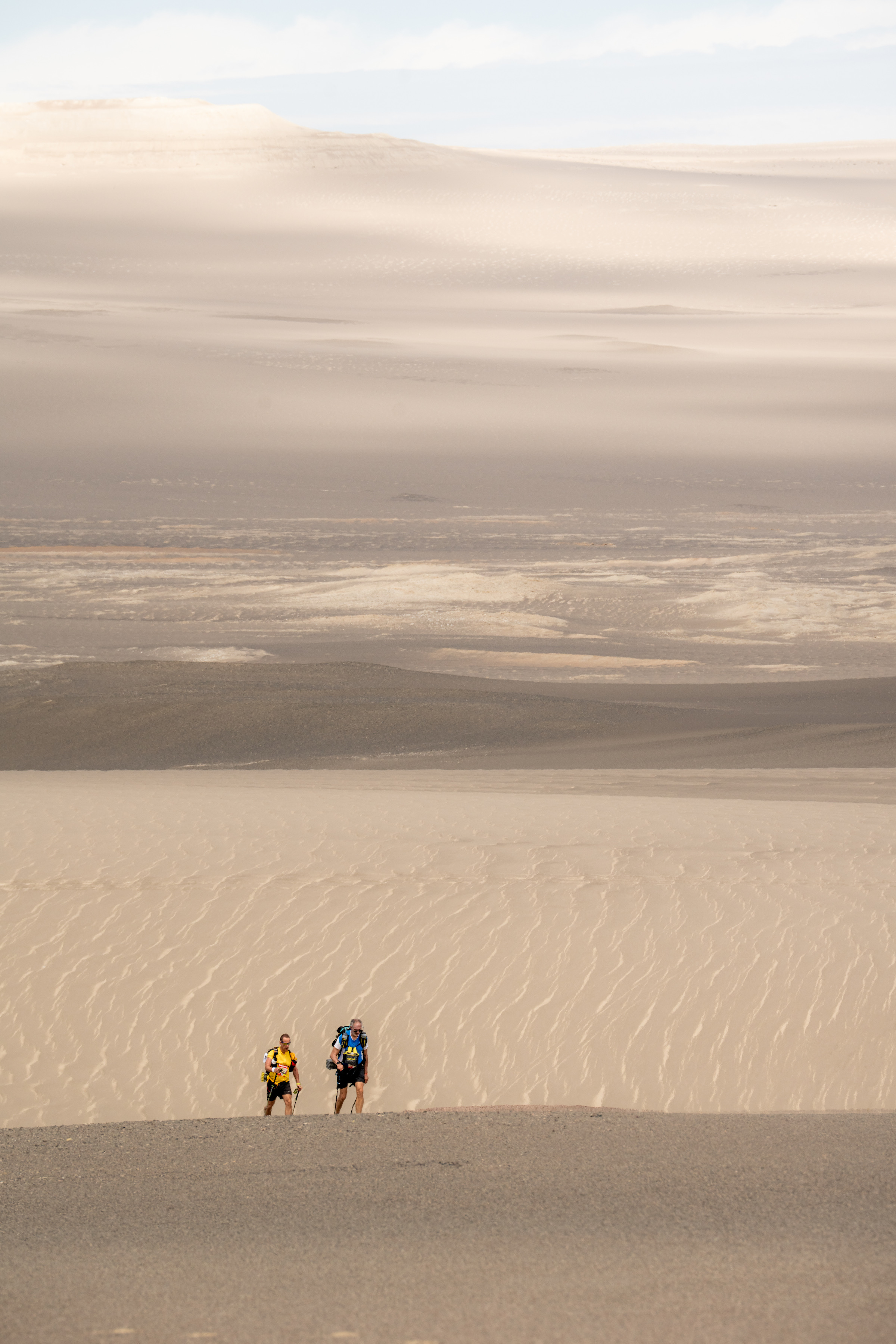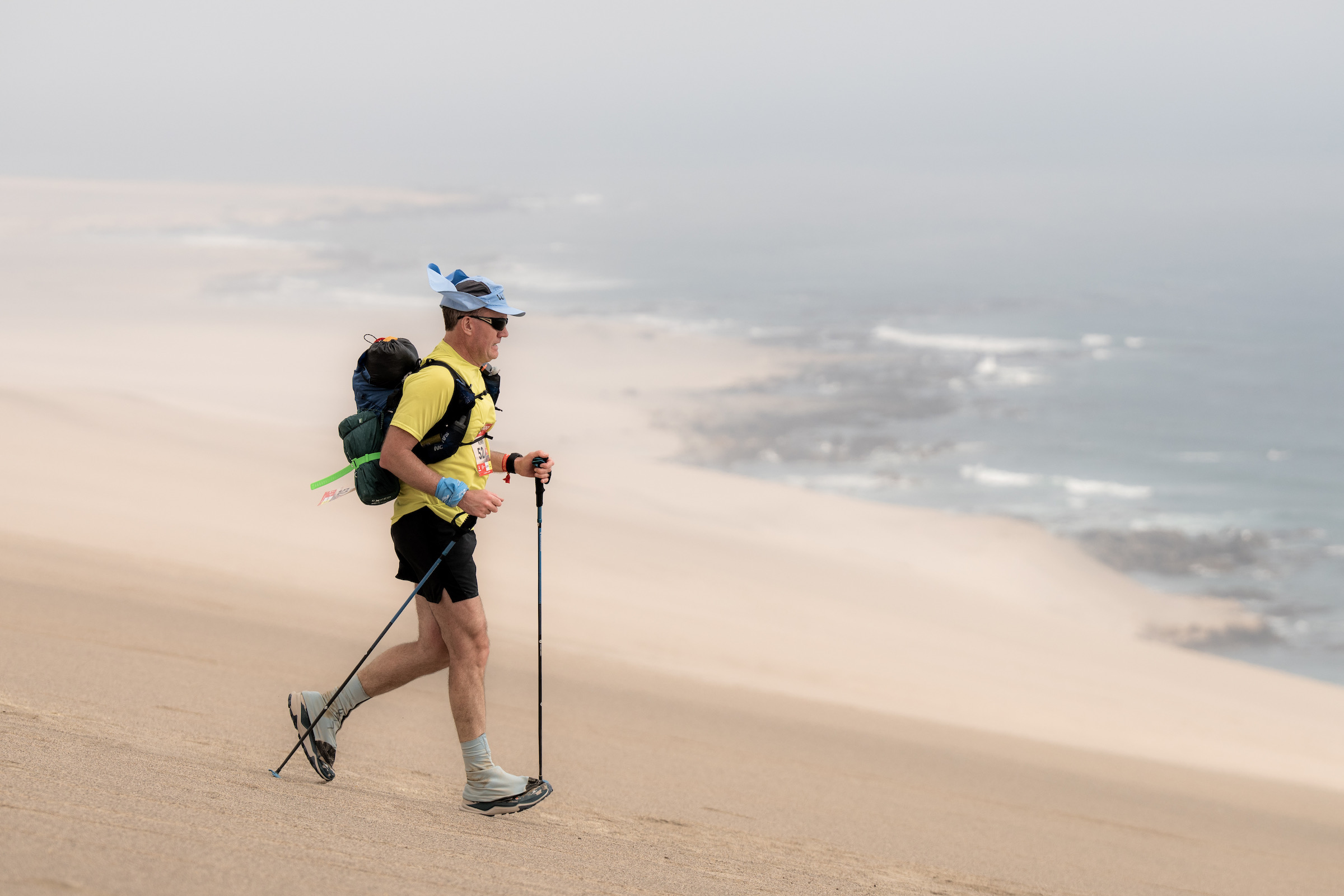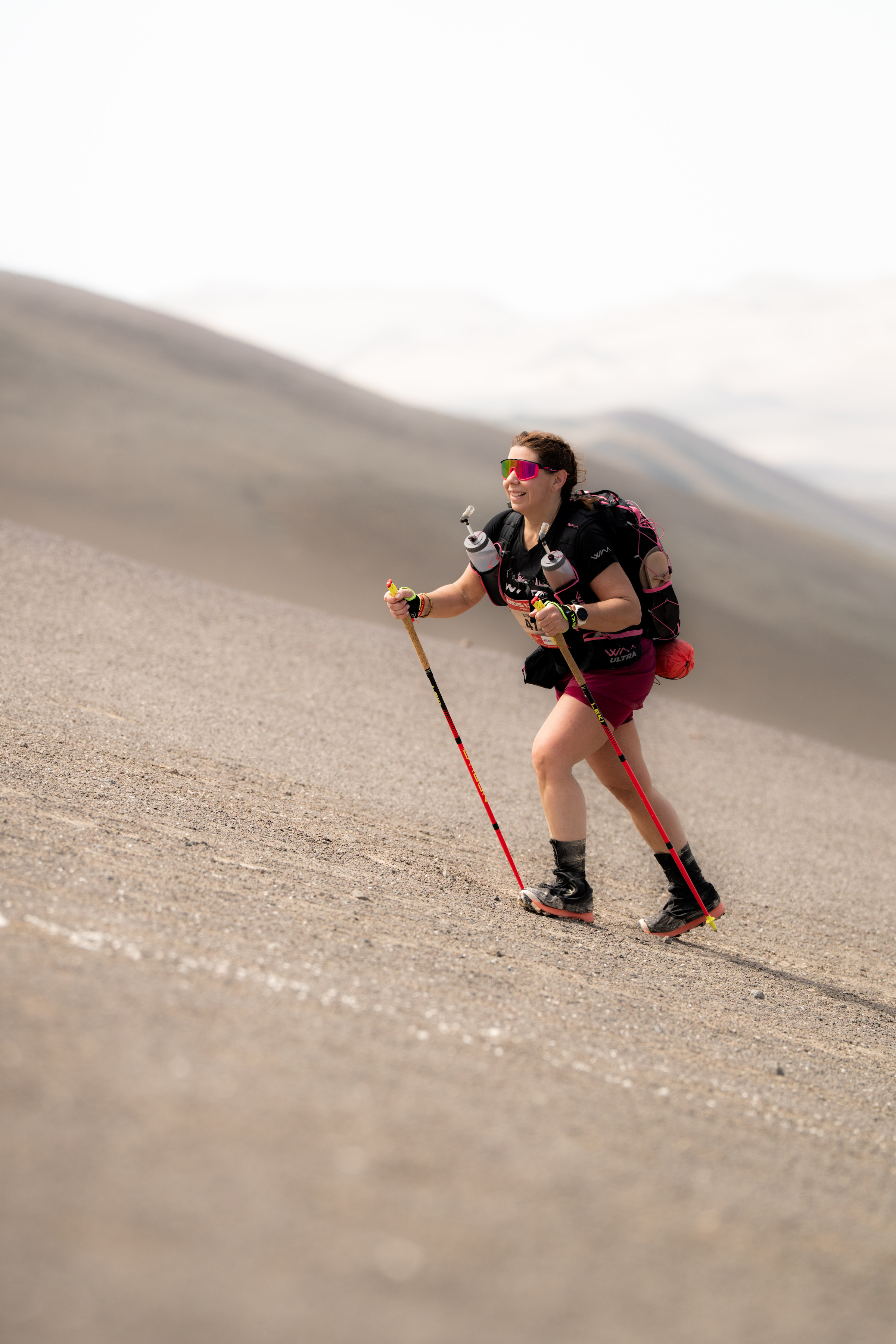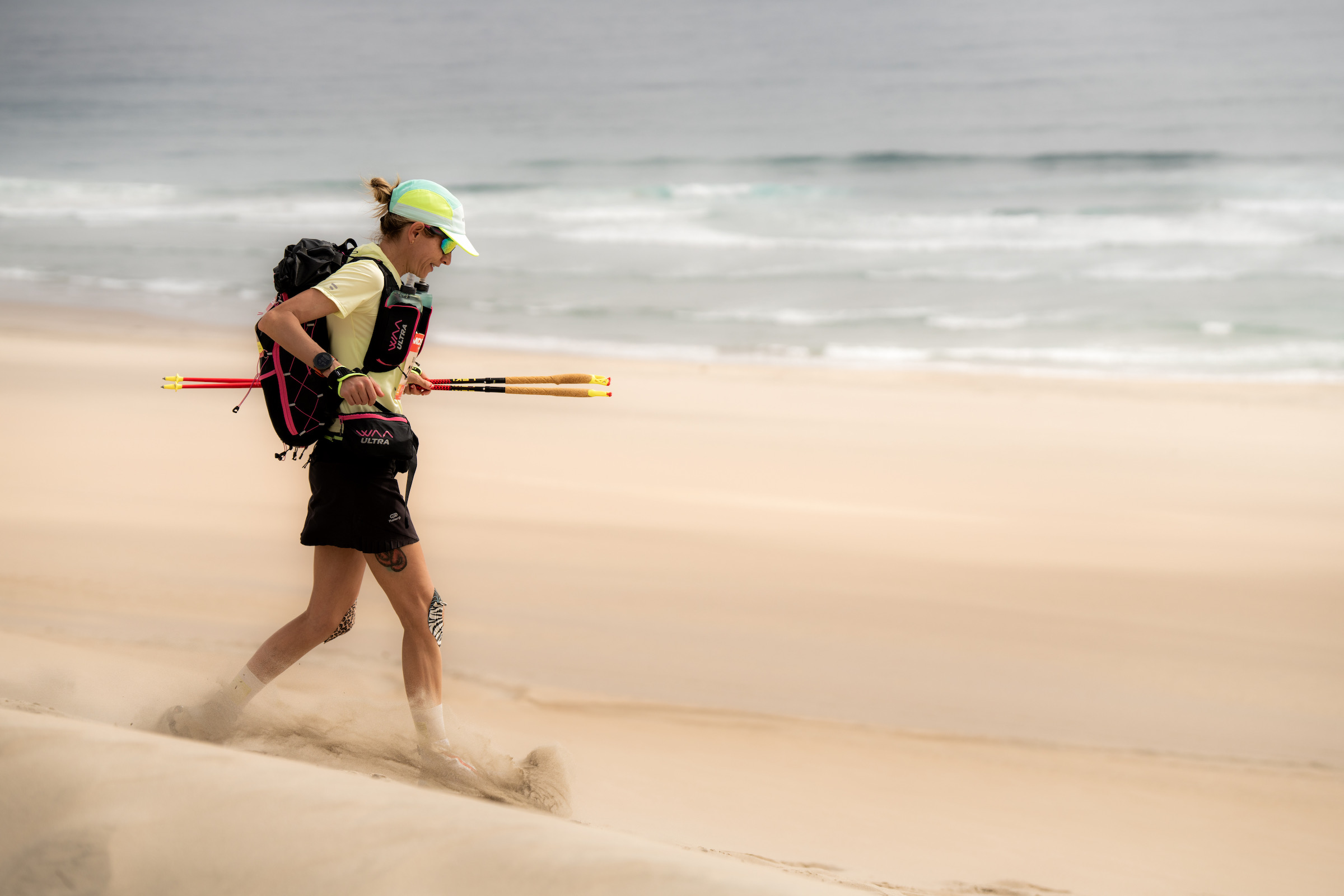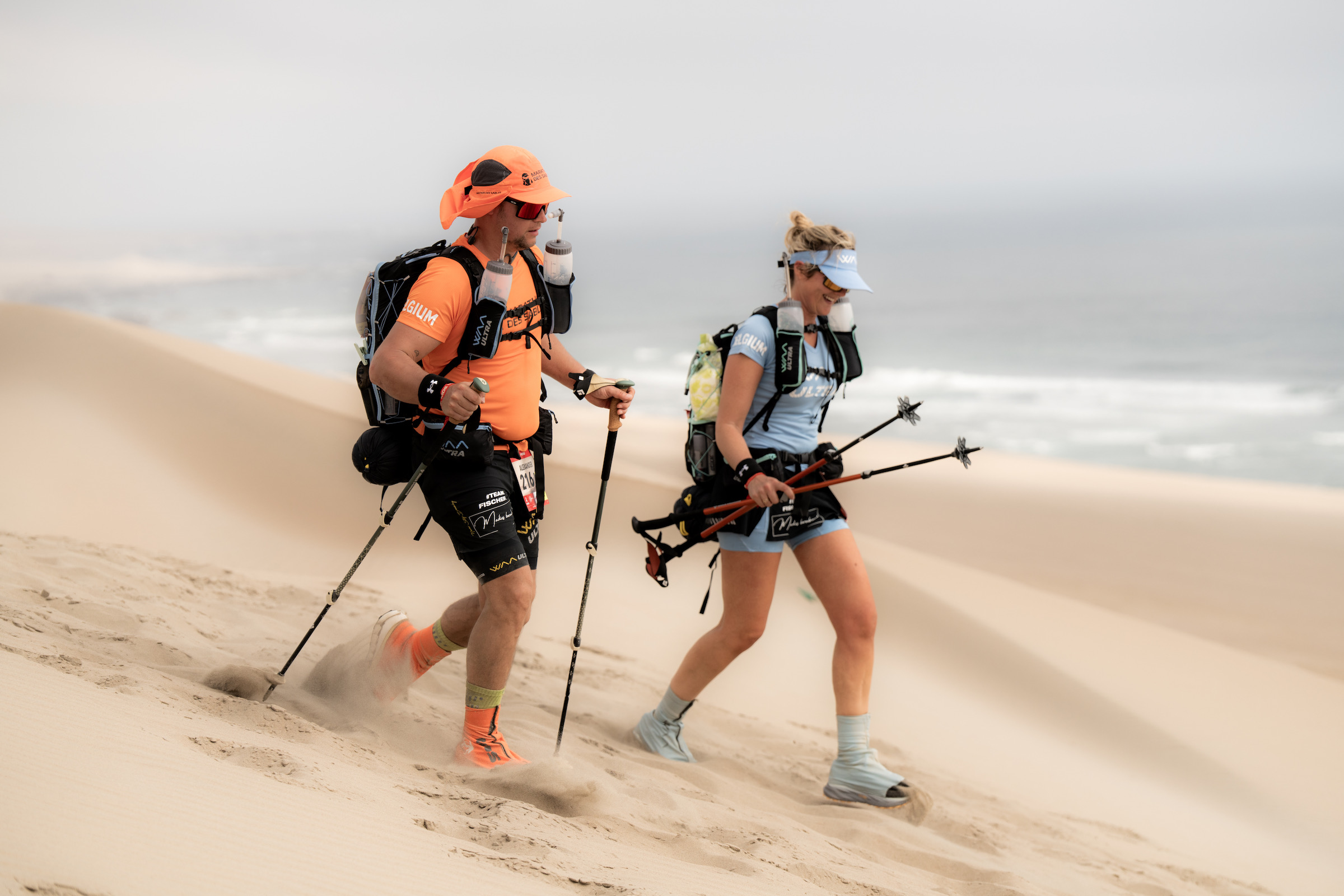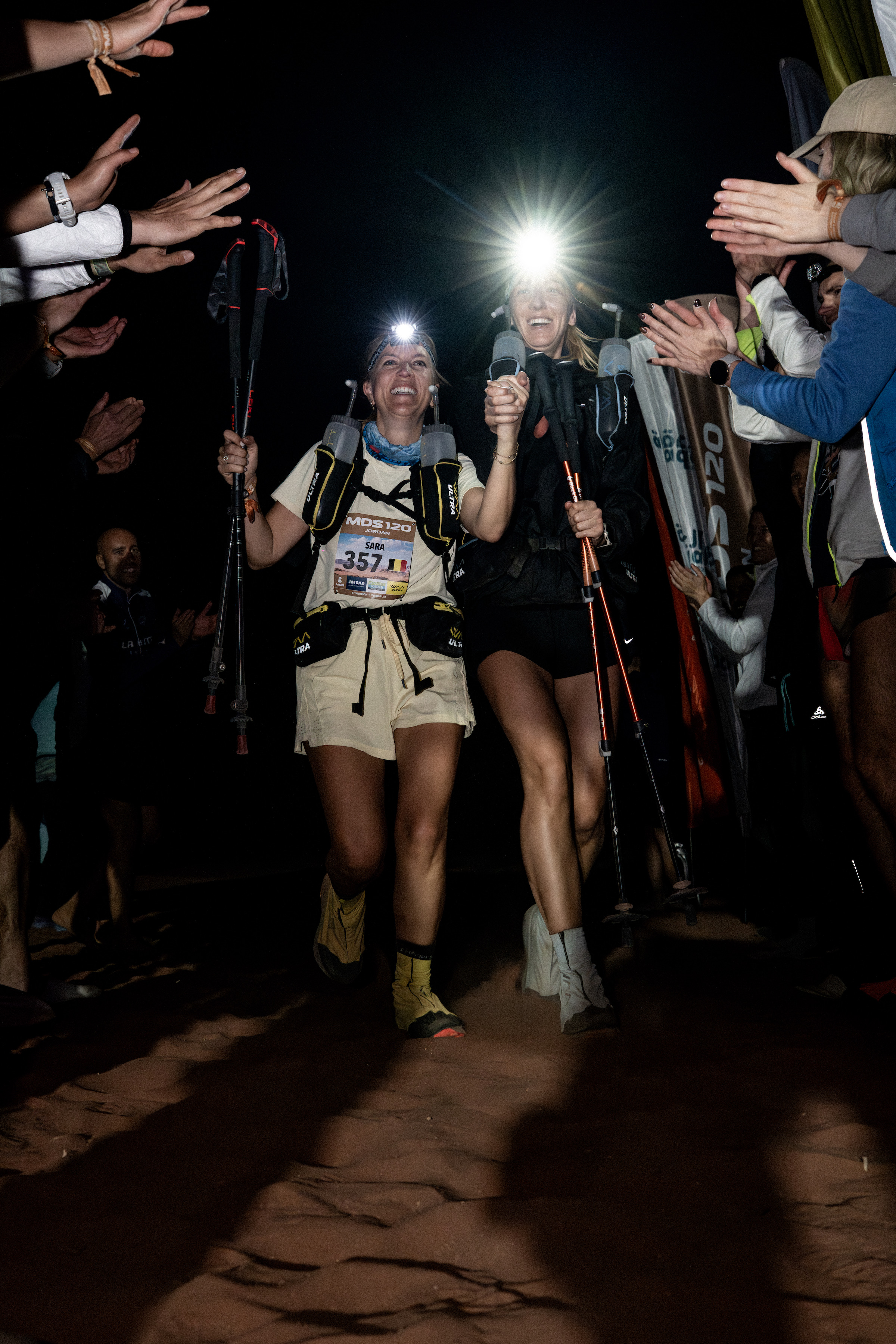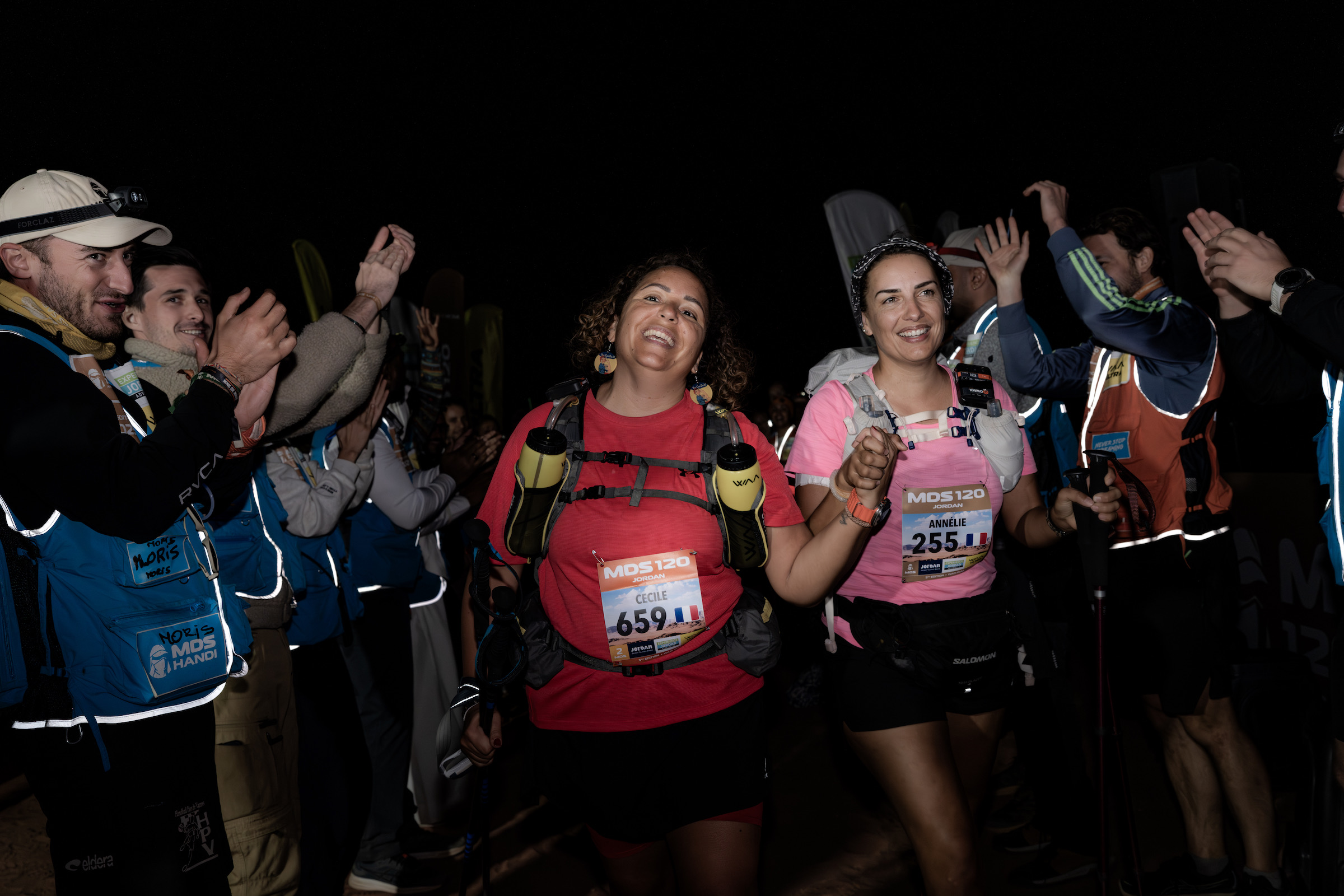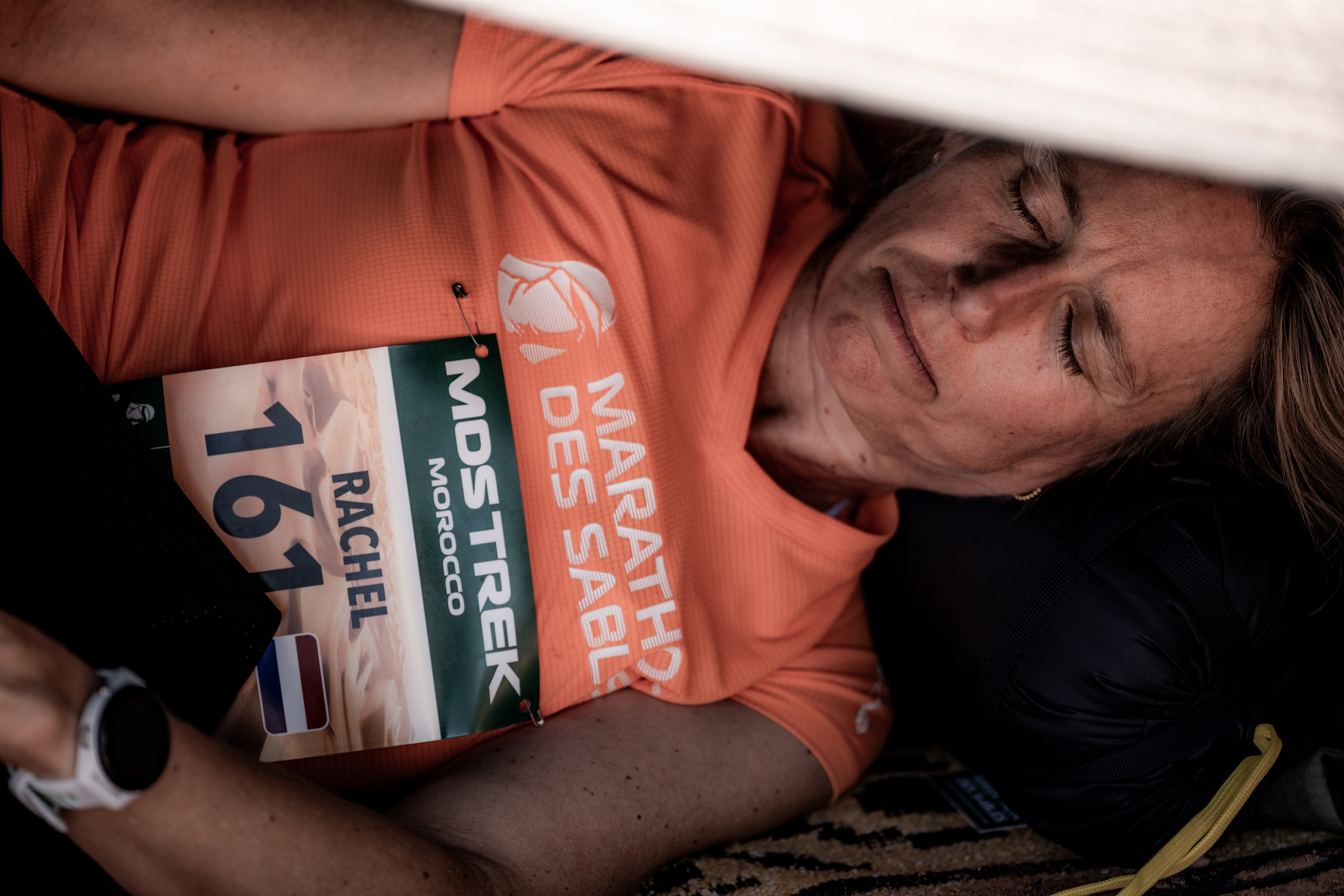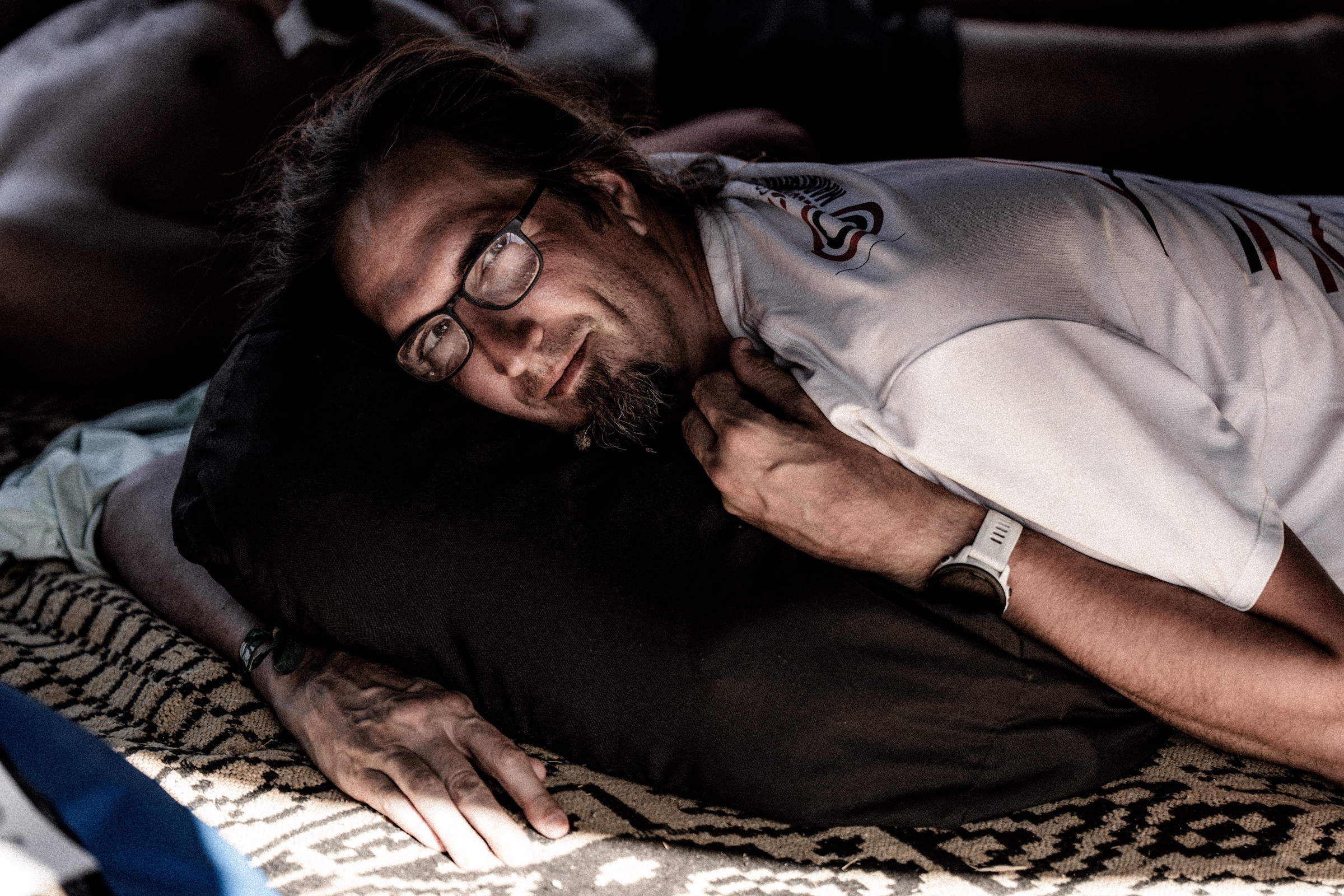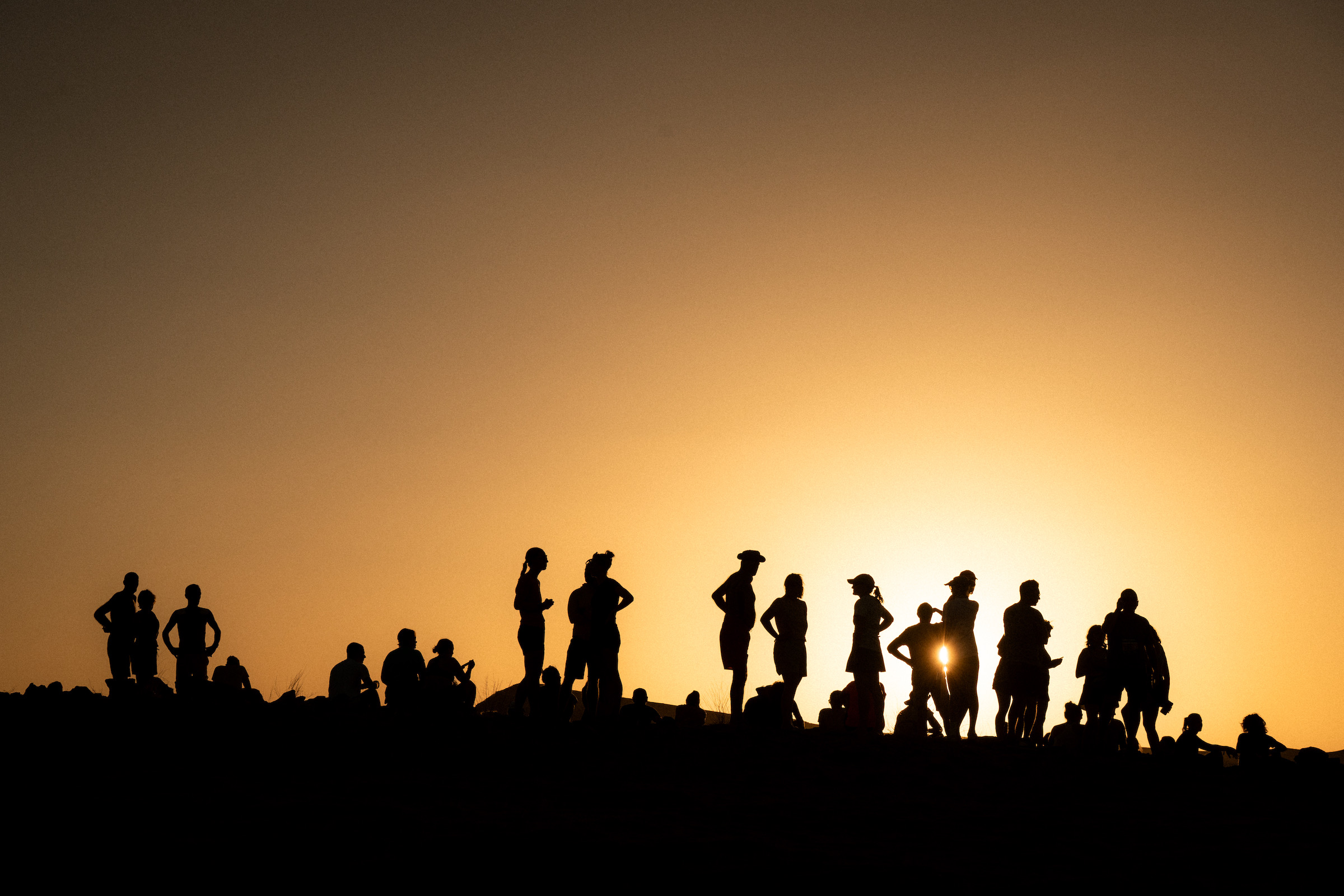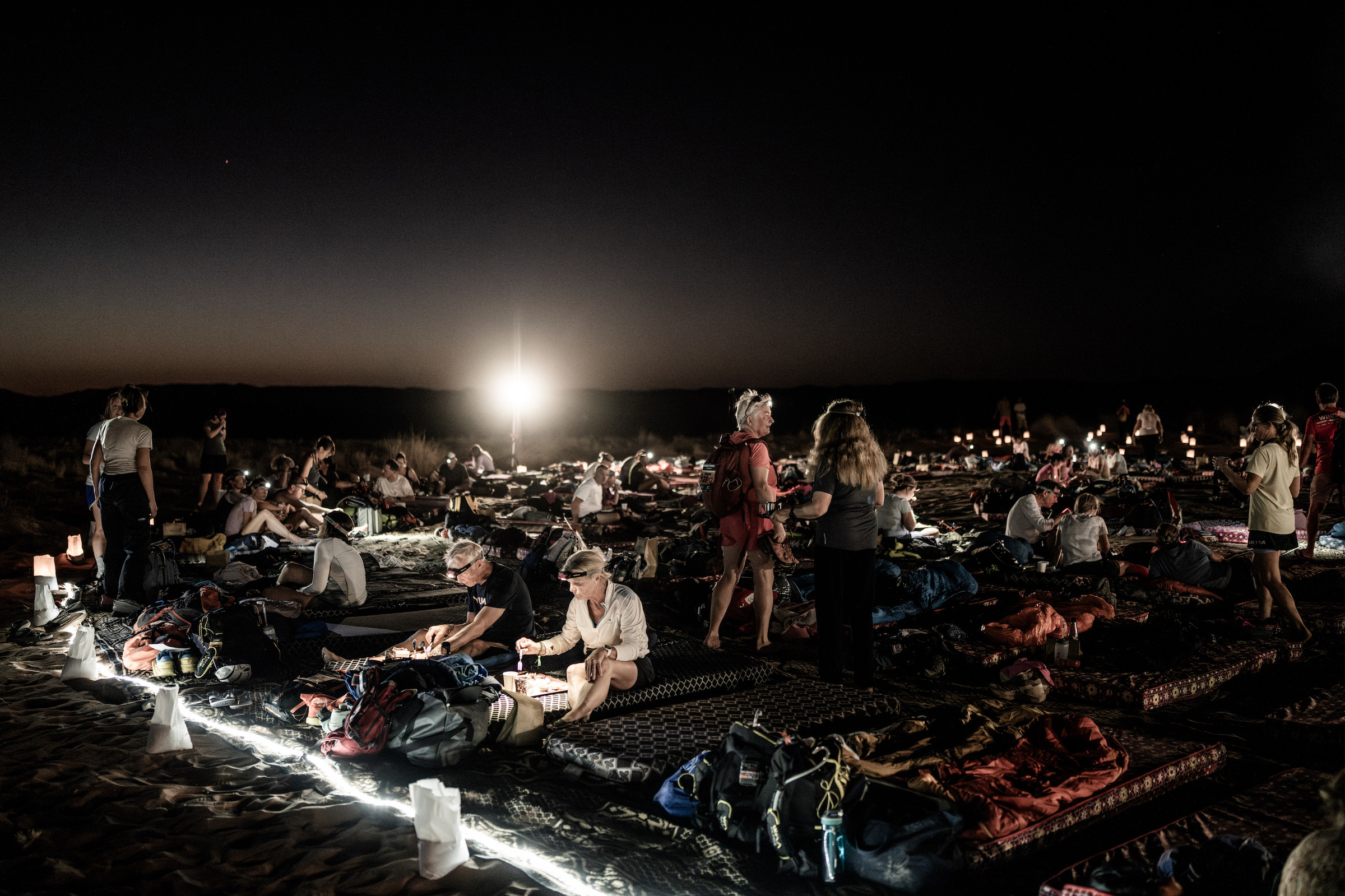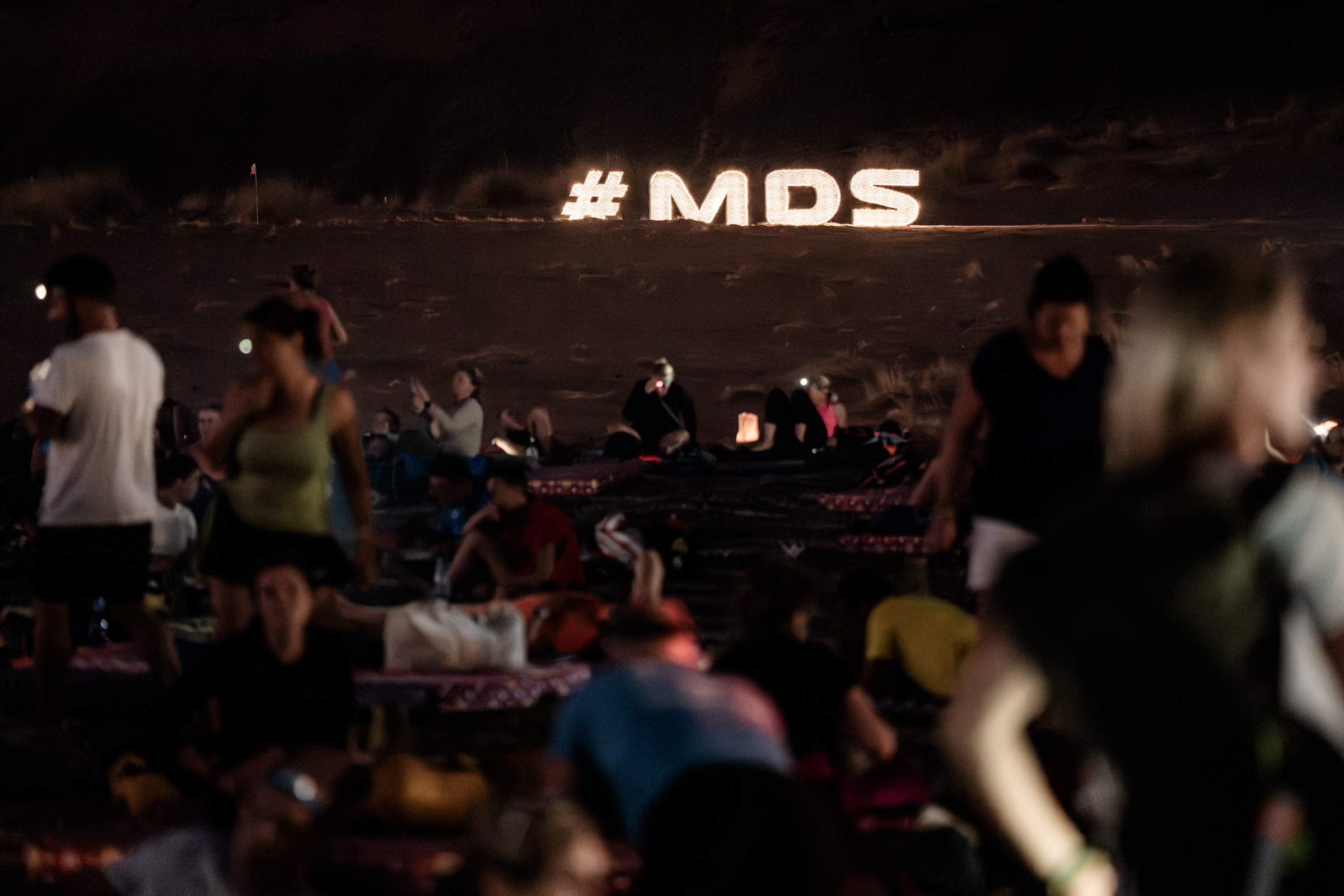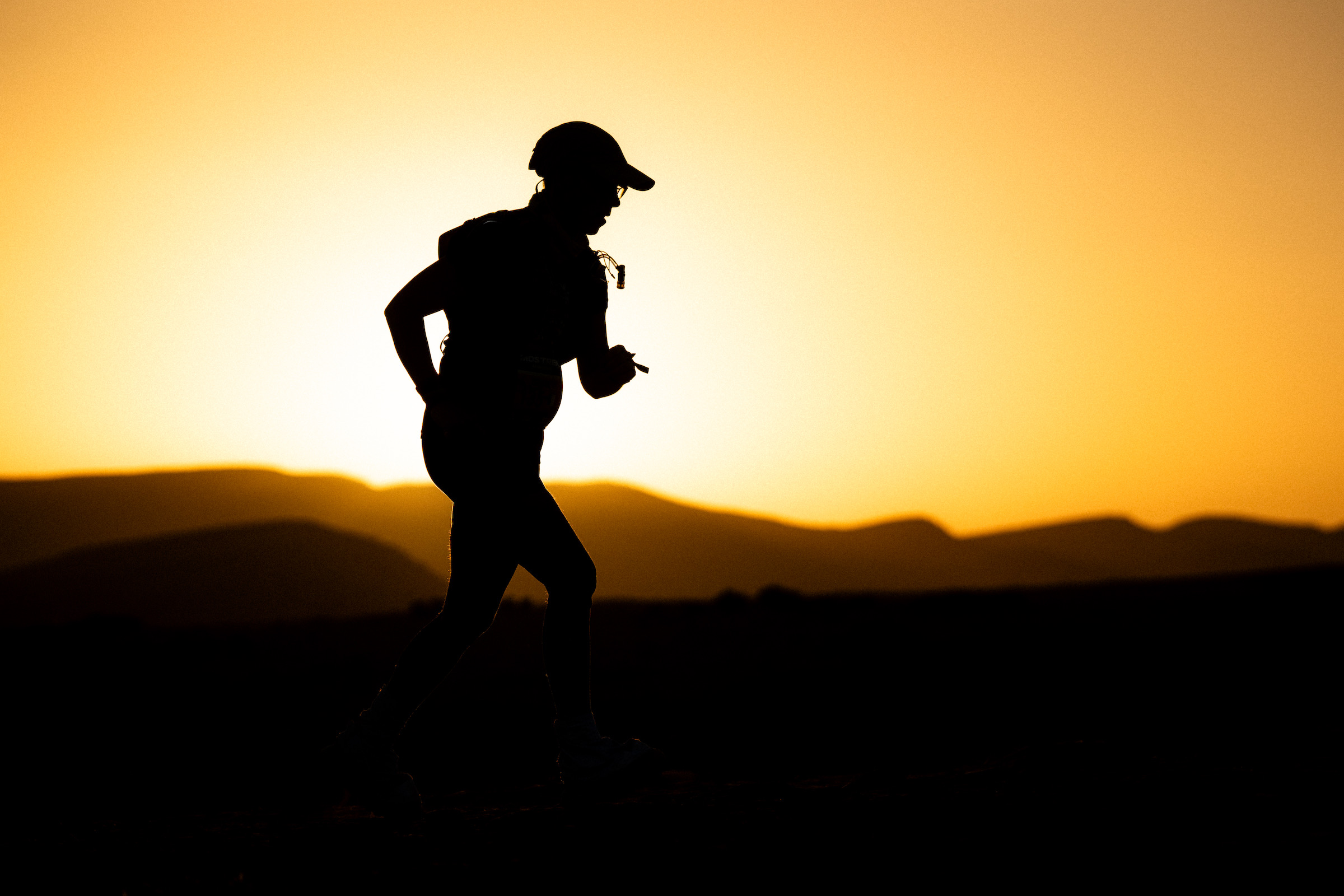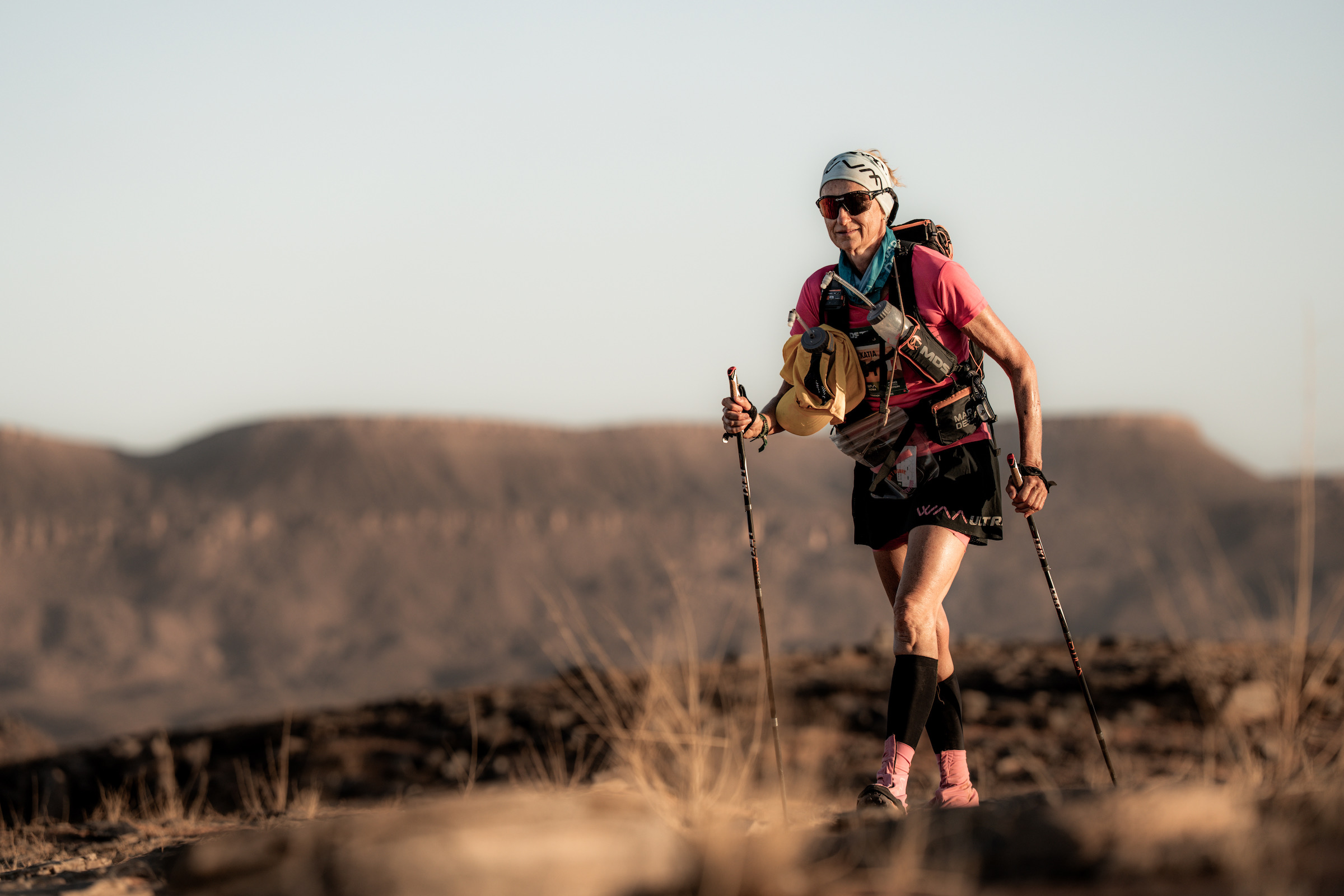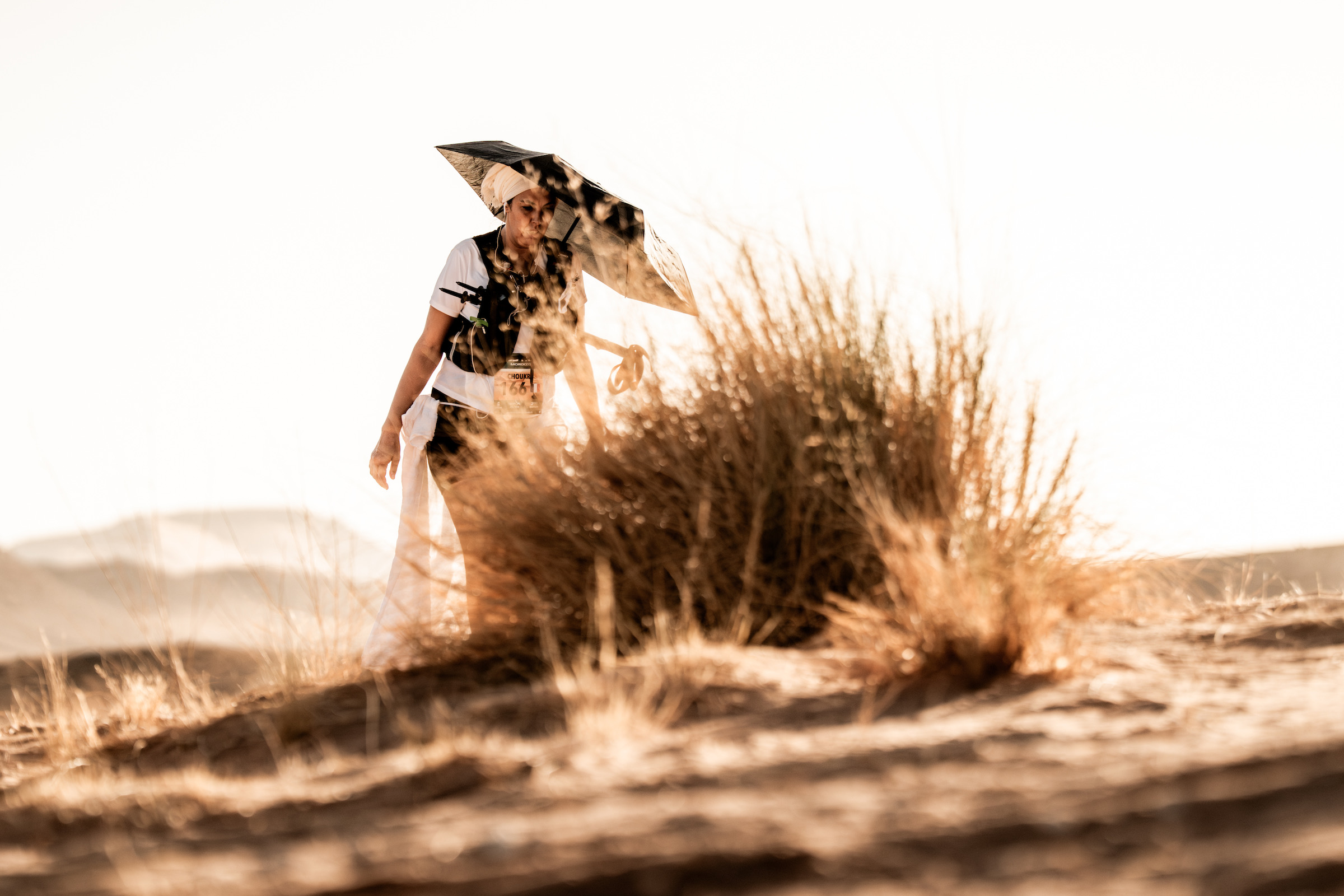
MDS 120 JORDAN 2025 – Stage 1

INTO THE FIRE OF WADI RUM

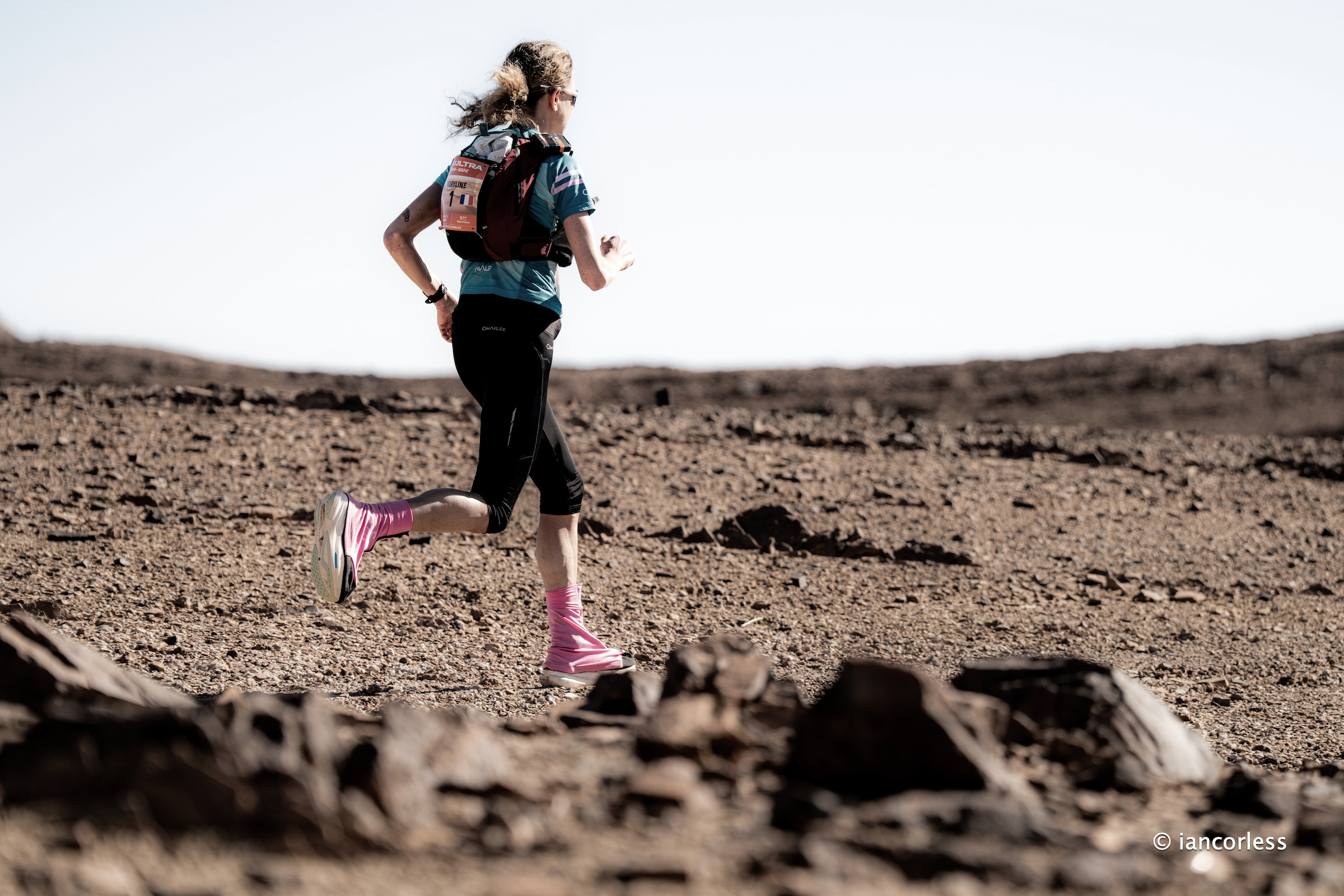
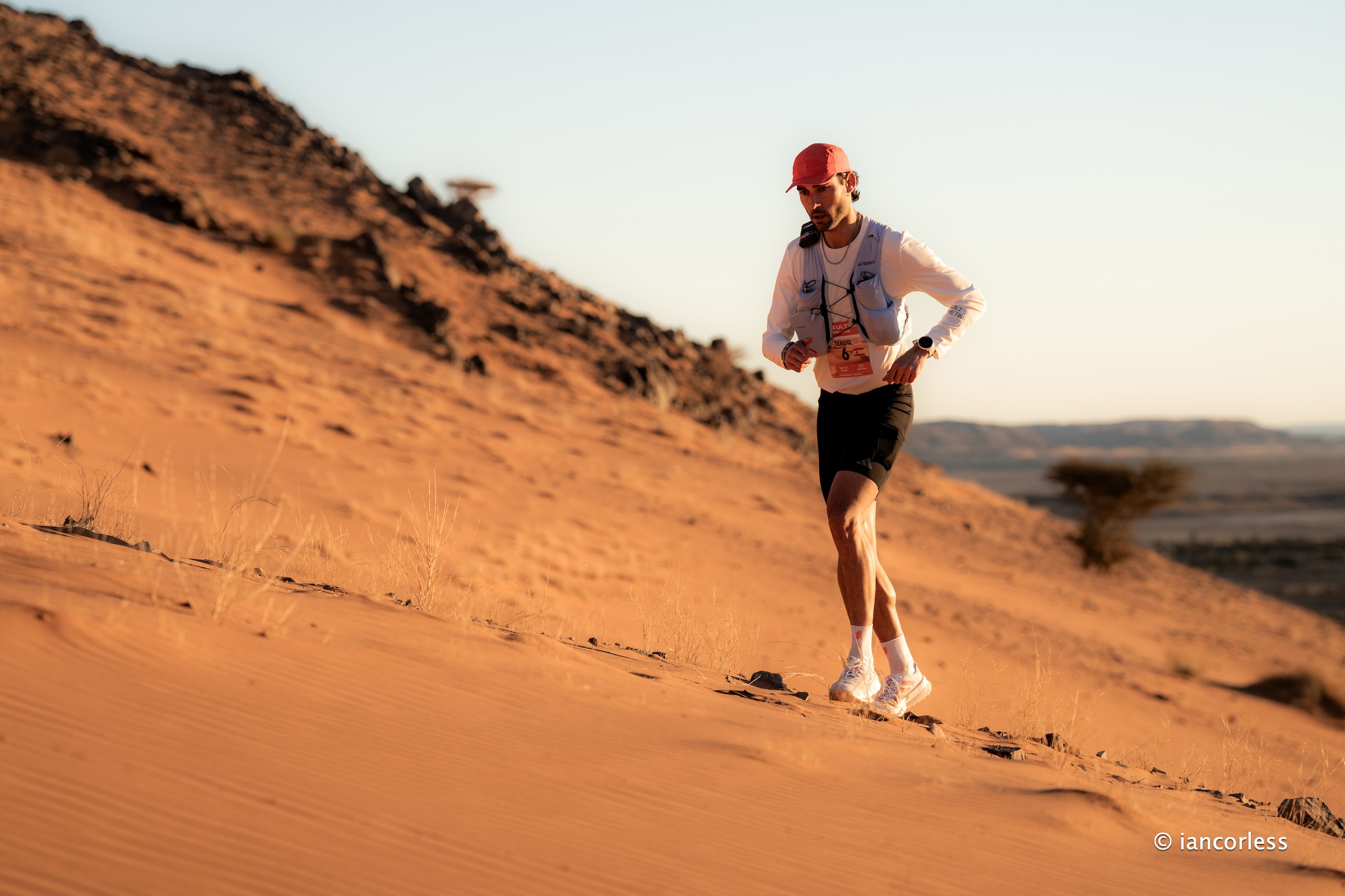
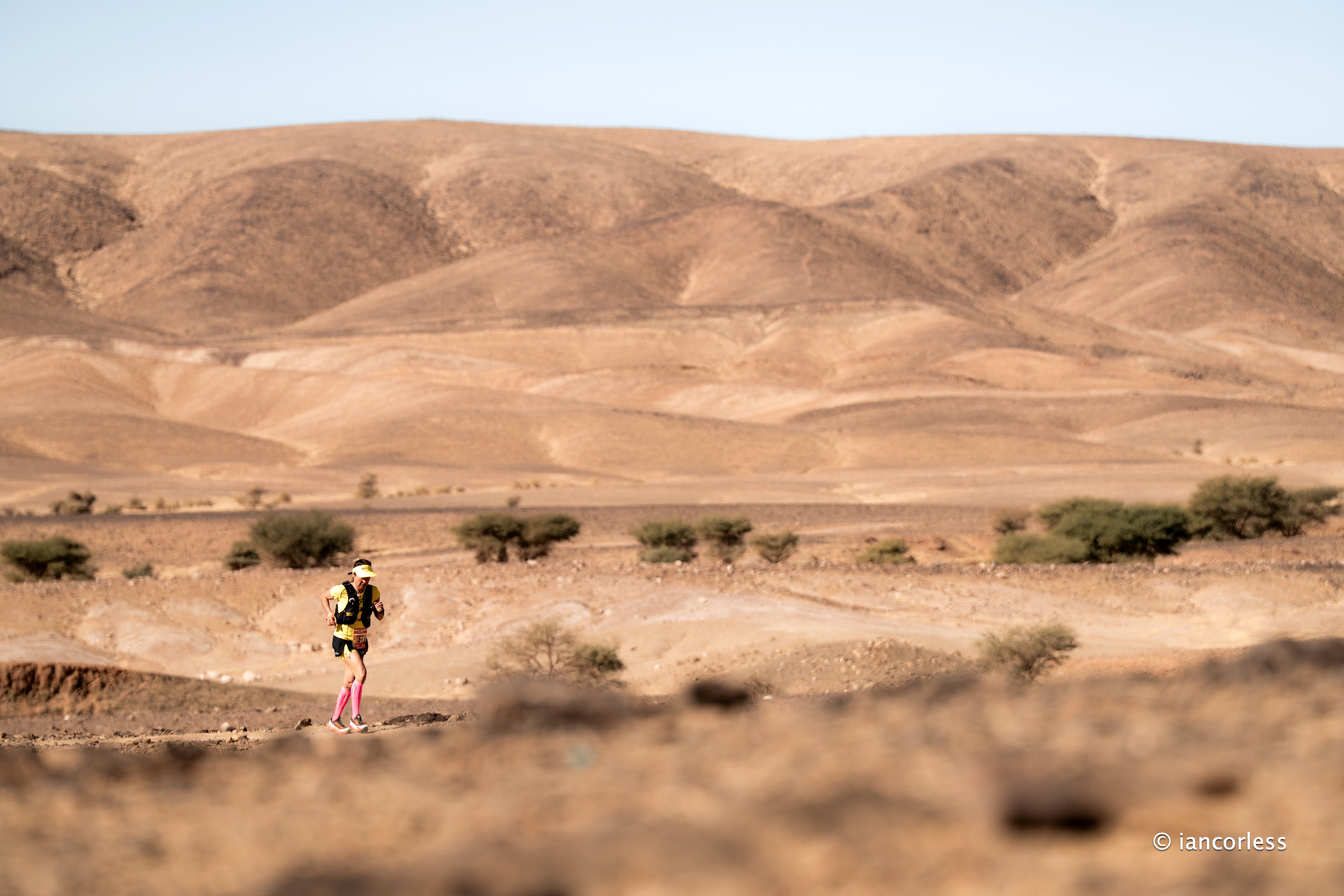
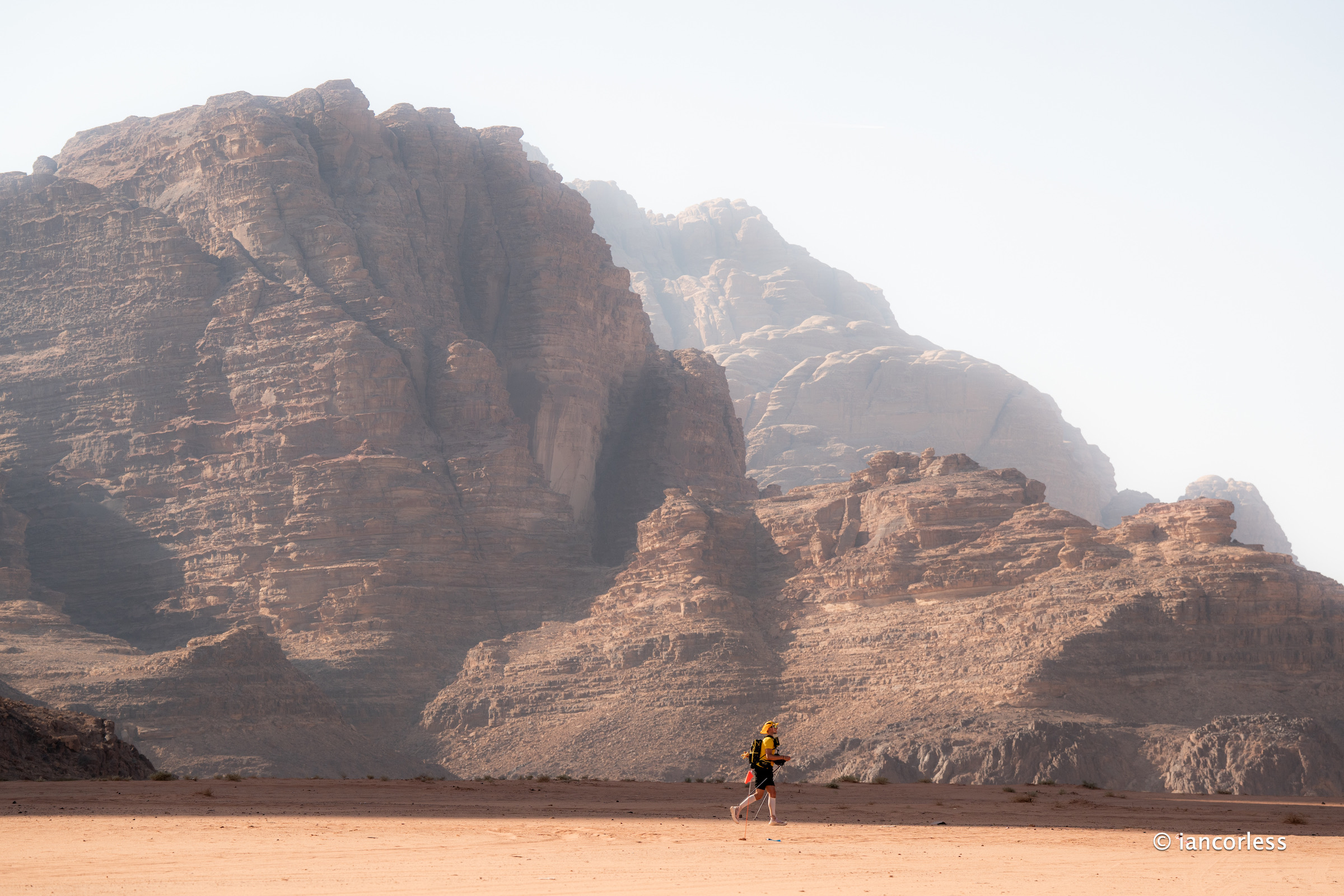
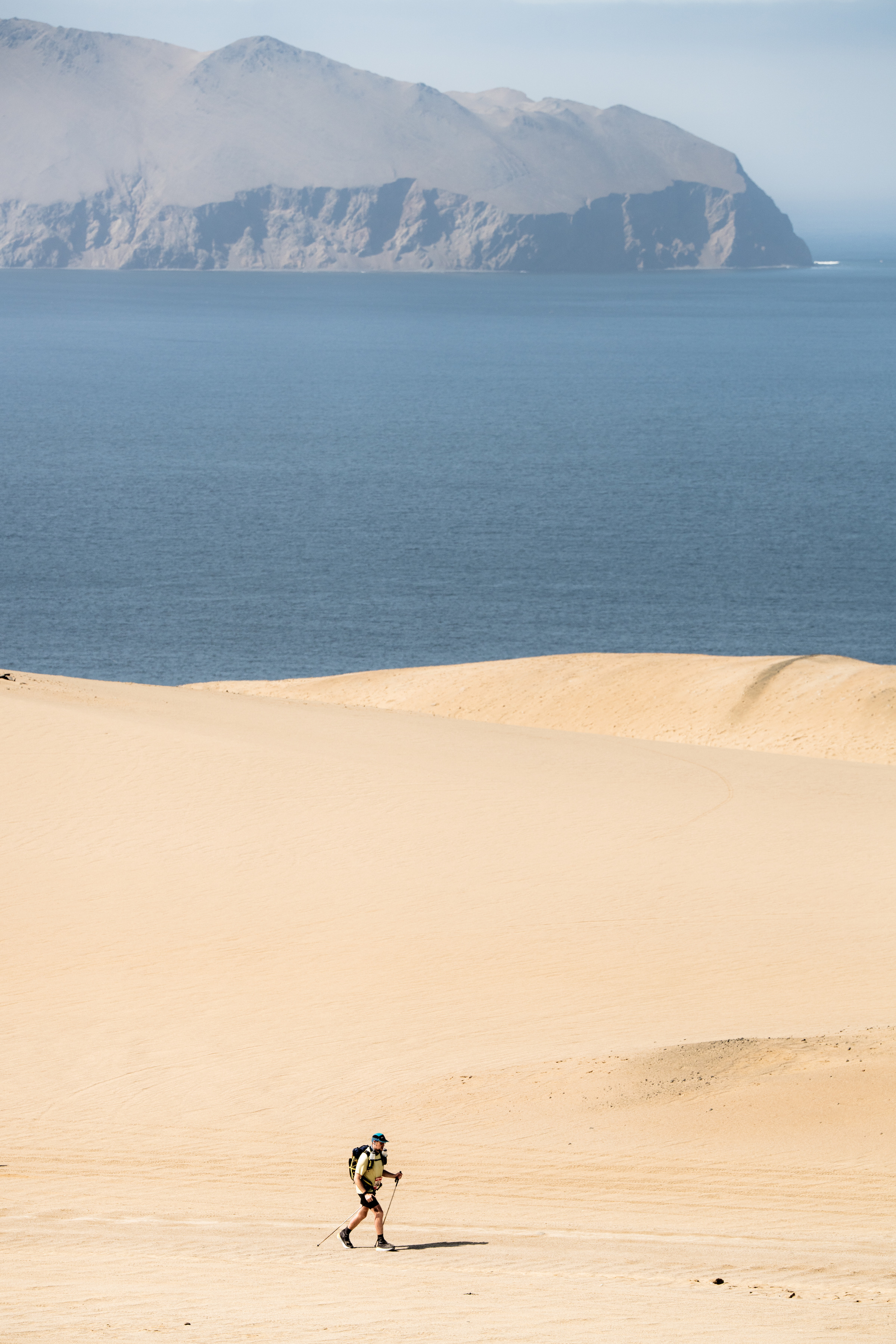
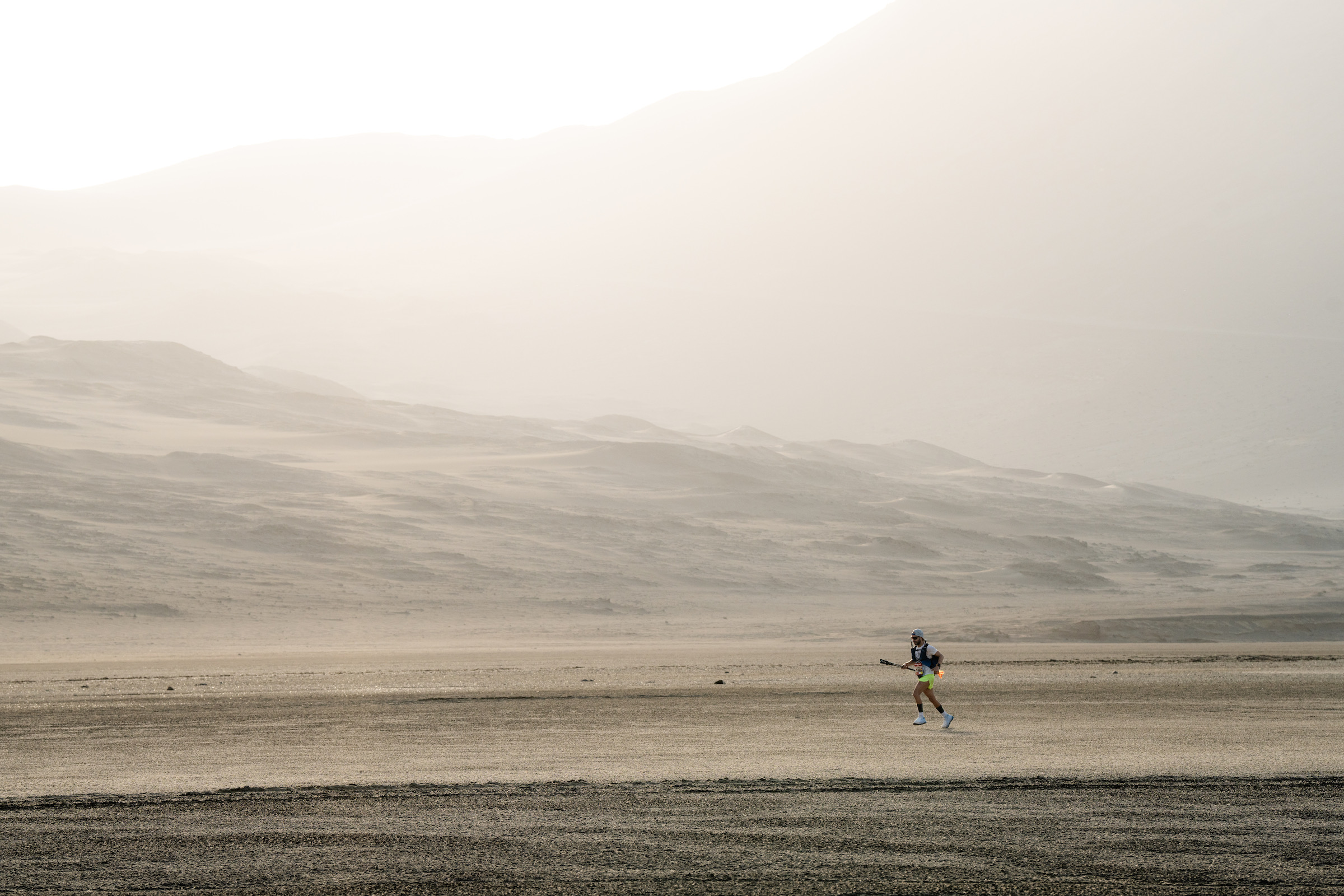
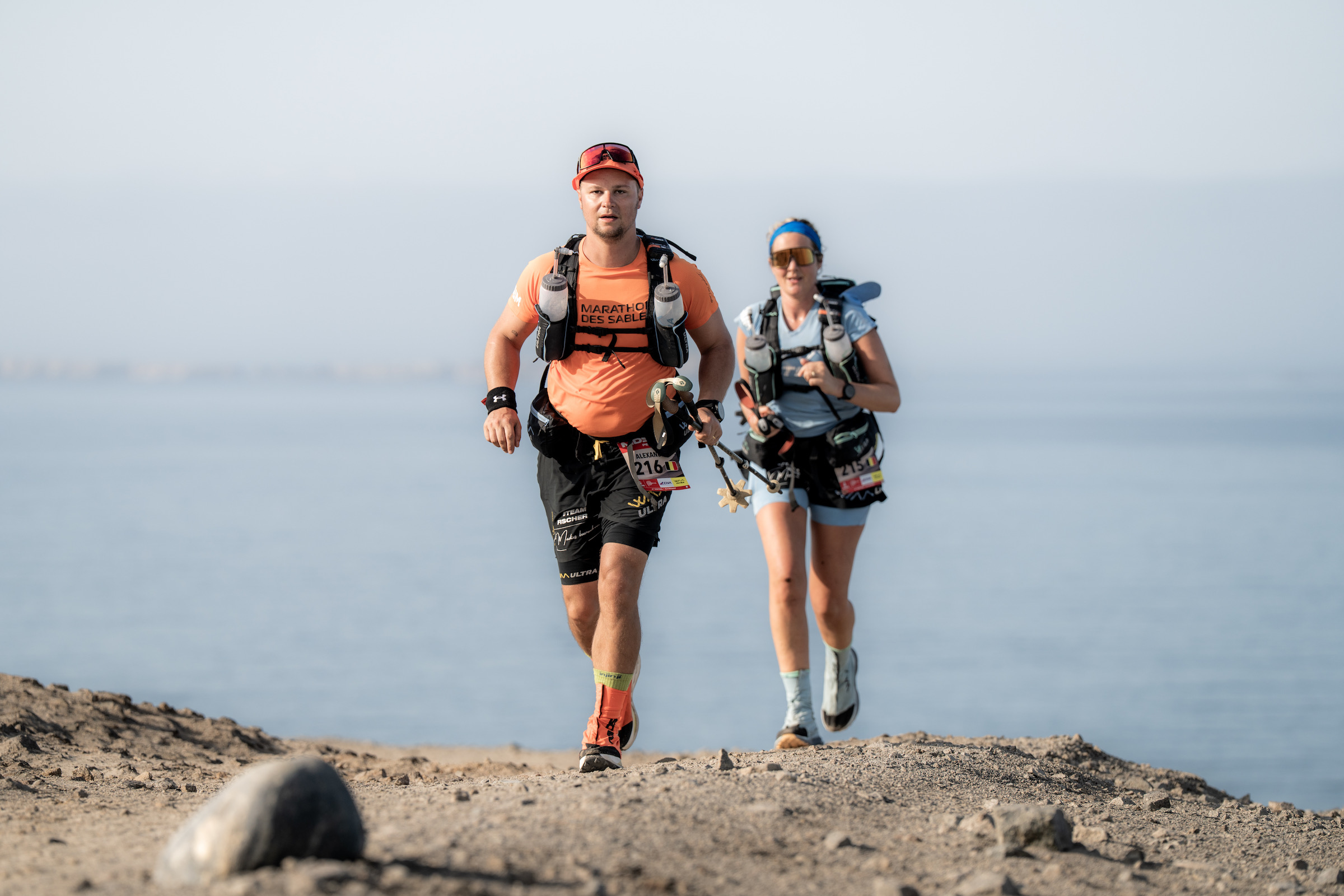
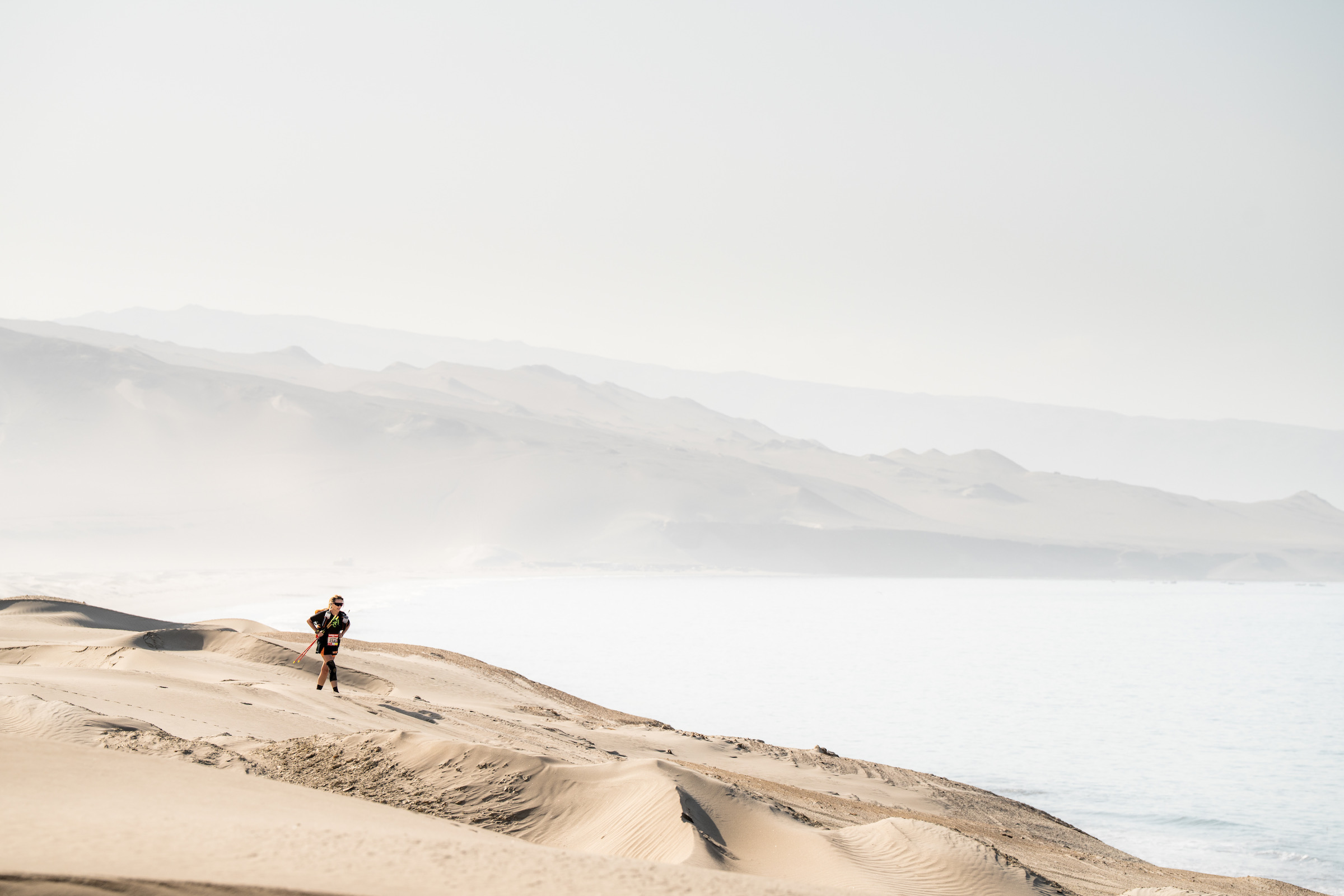
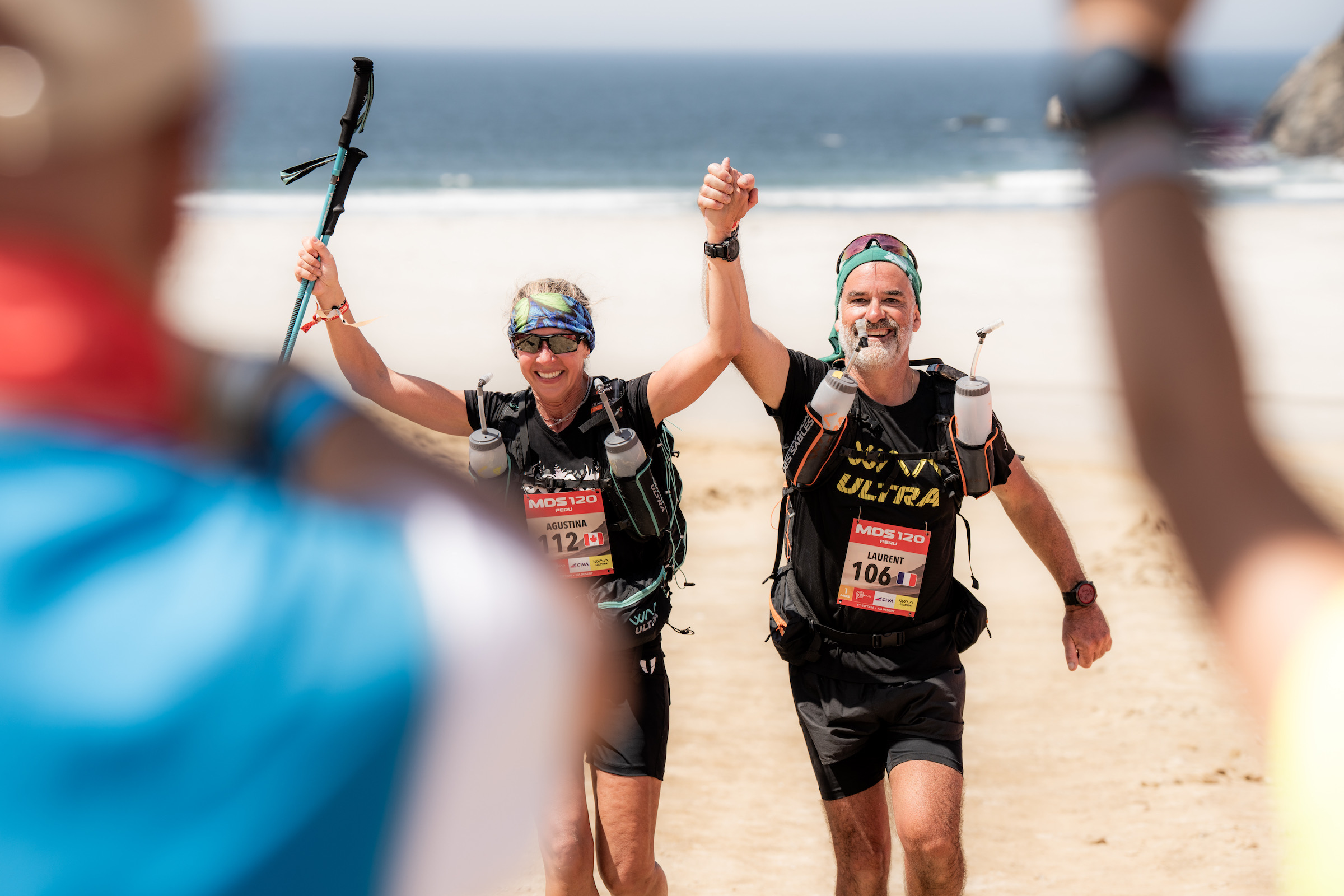
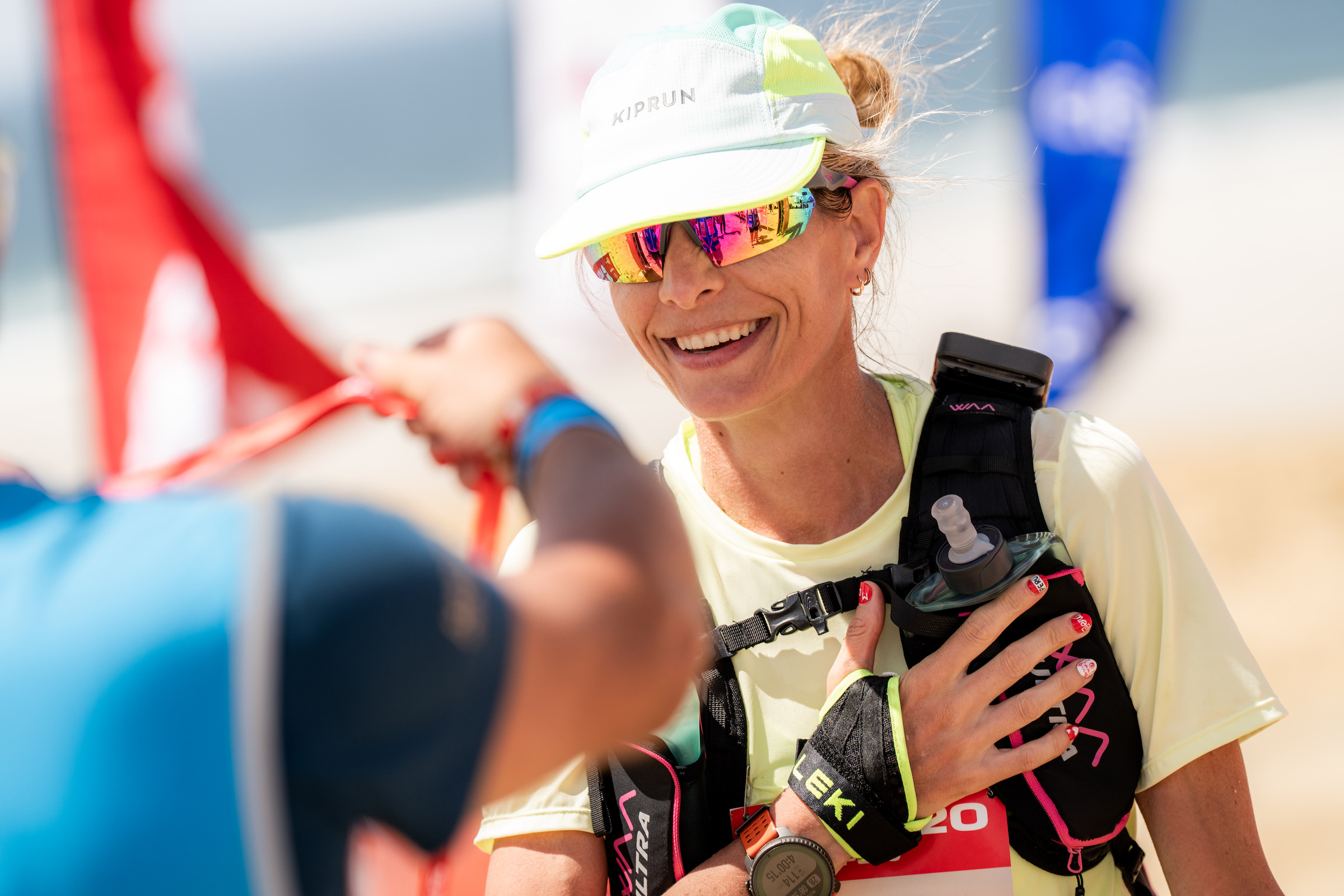
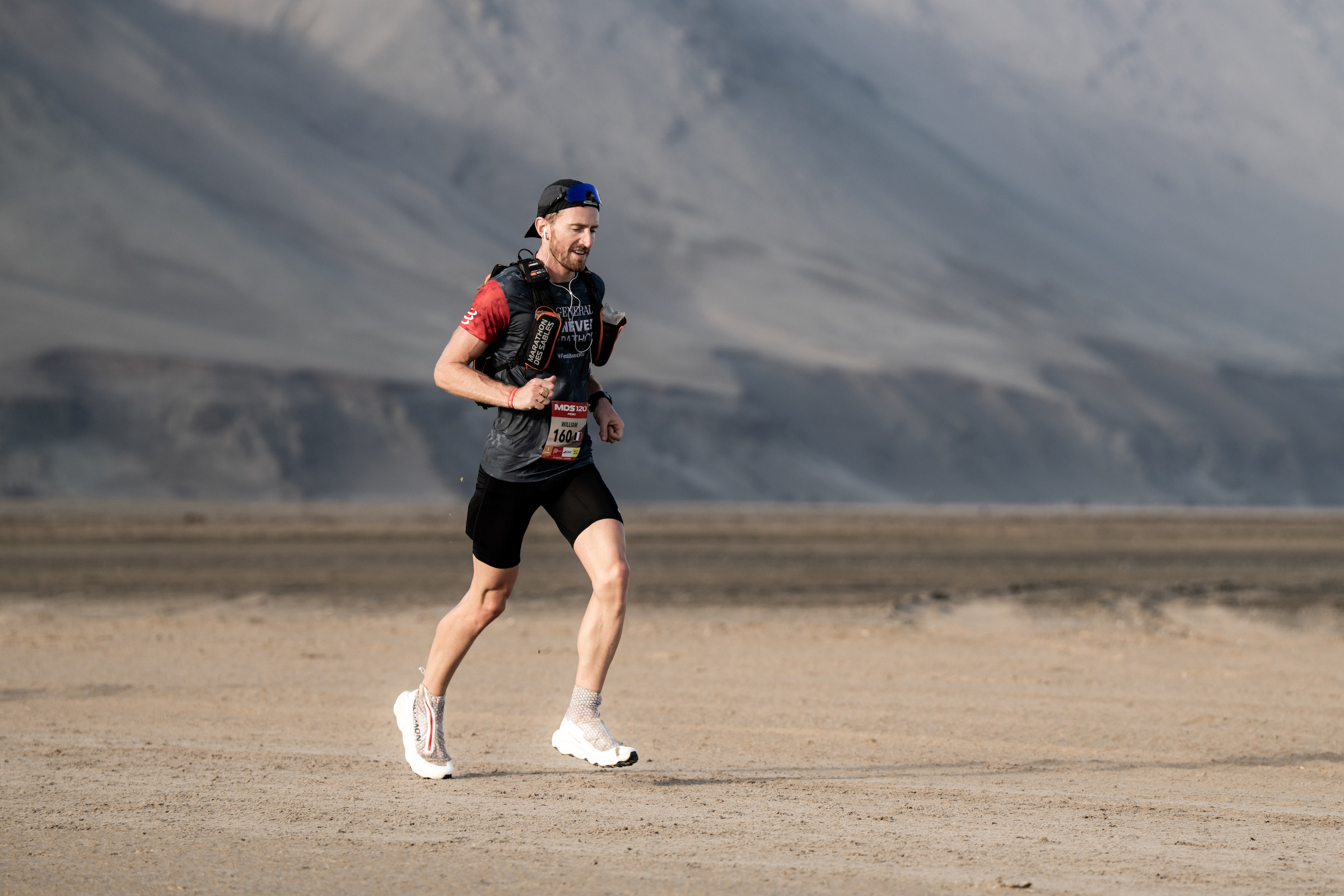
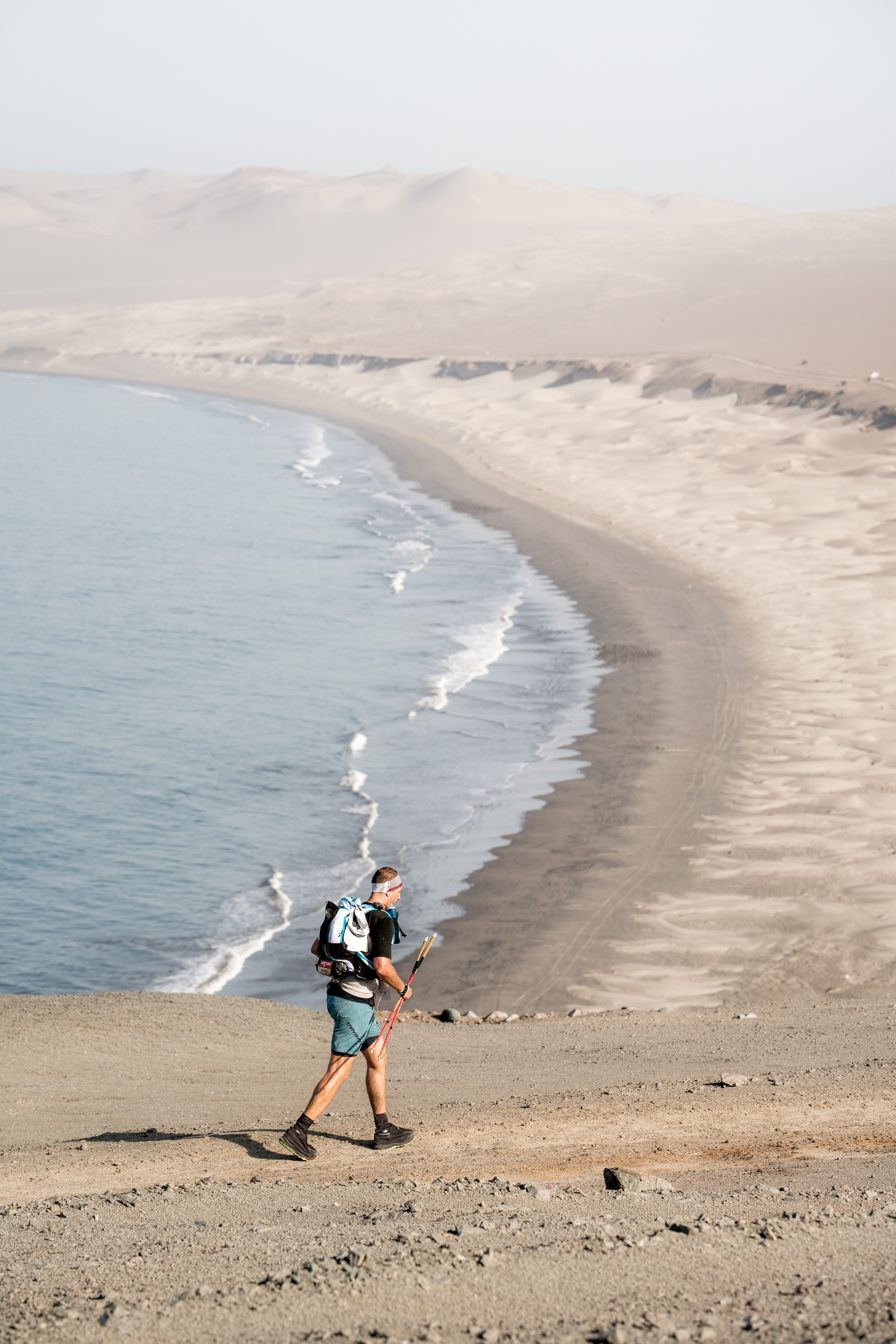
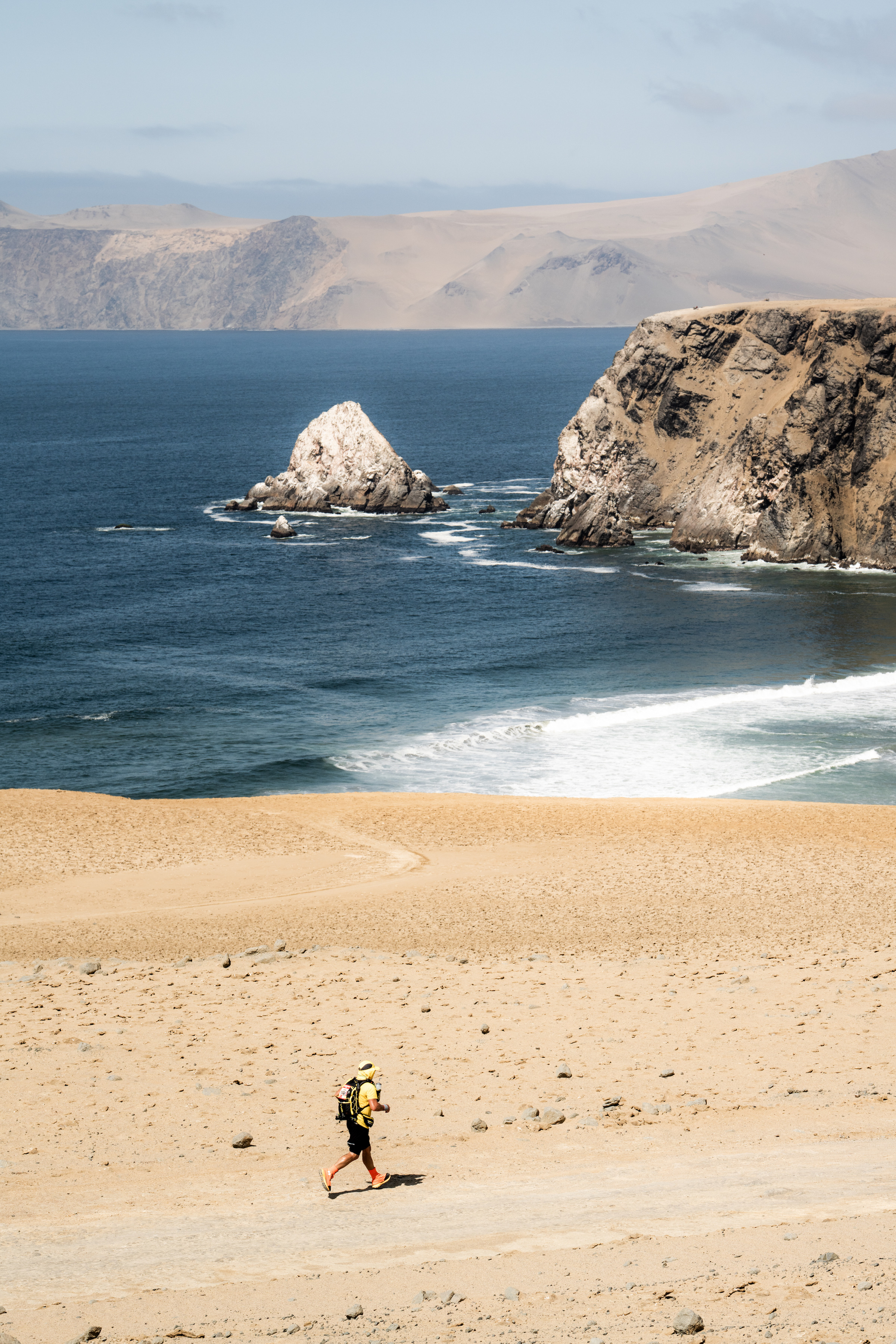
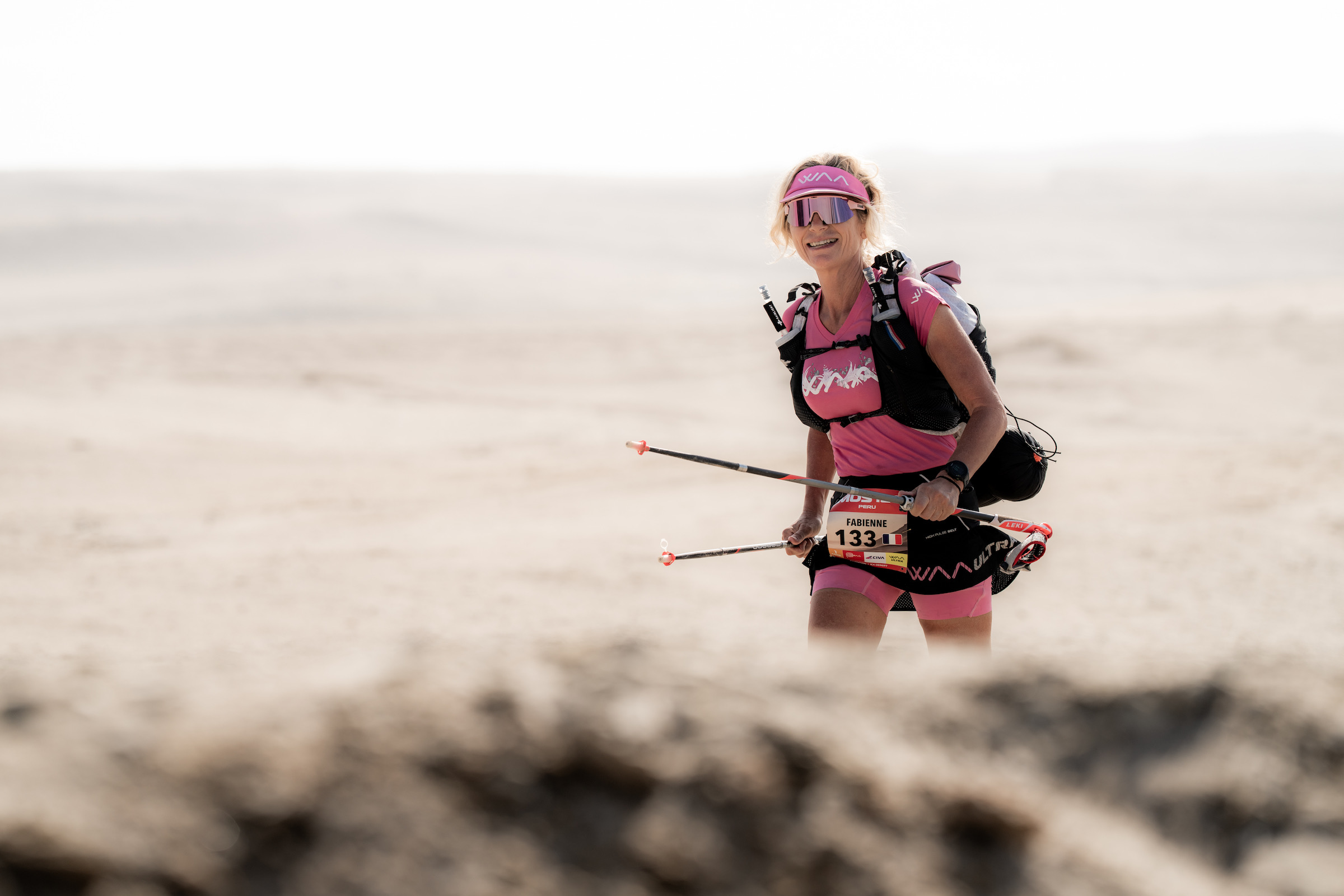
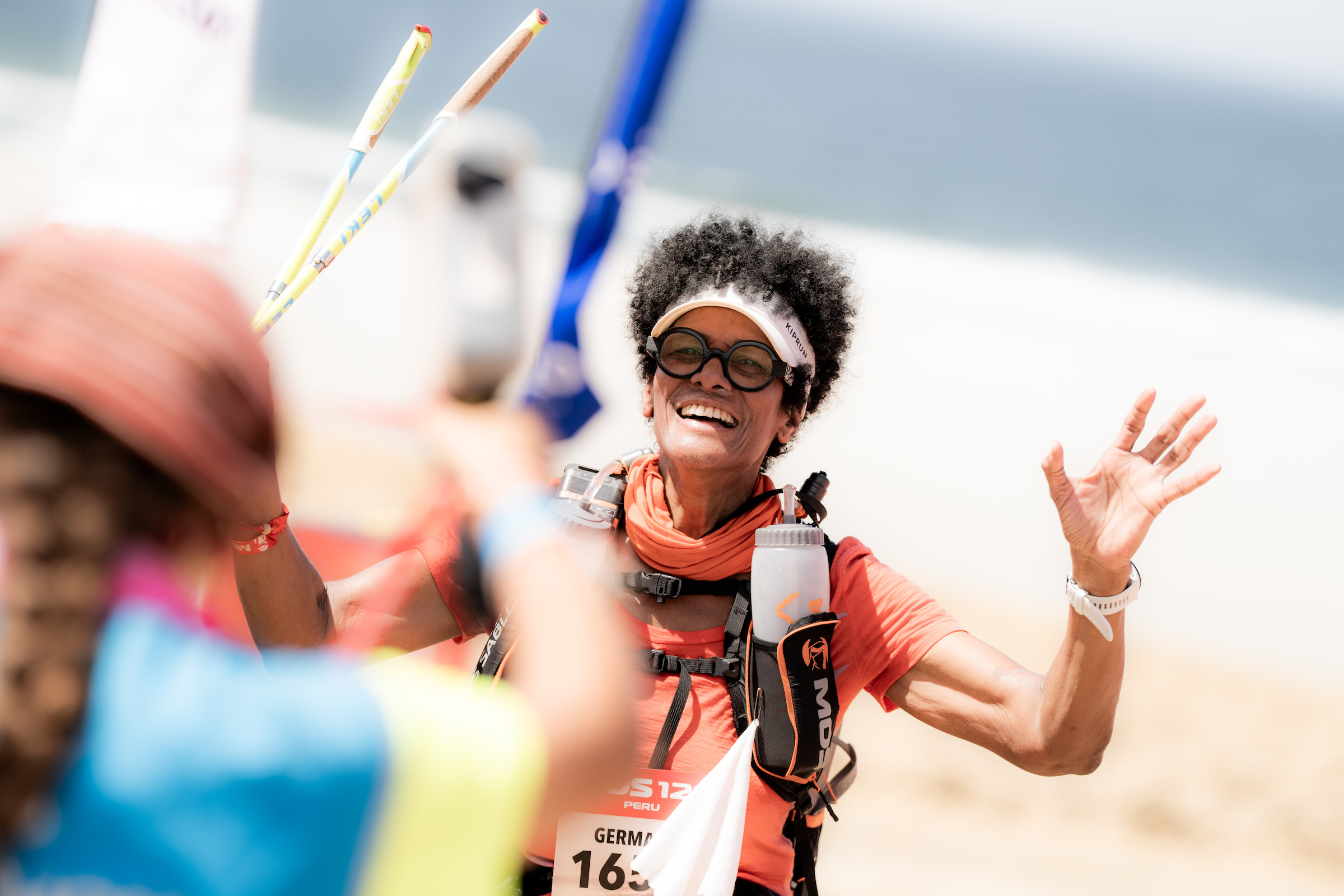
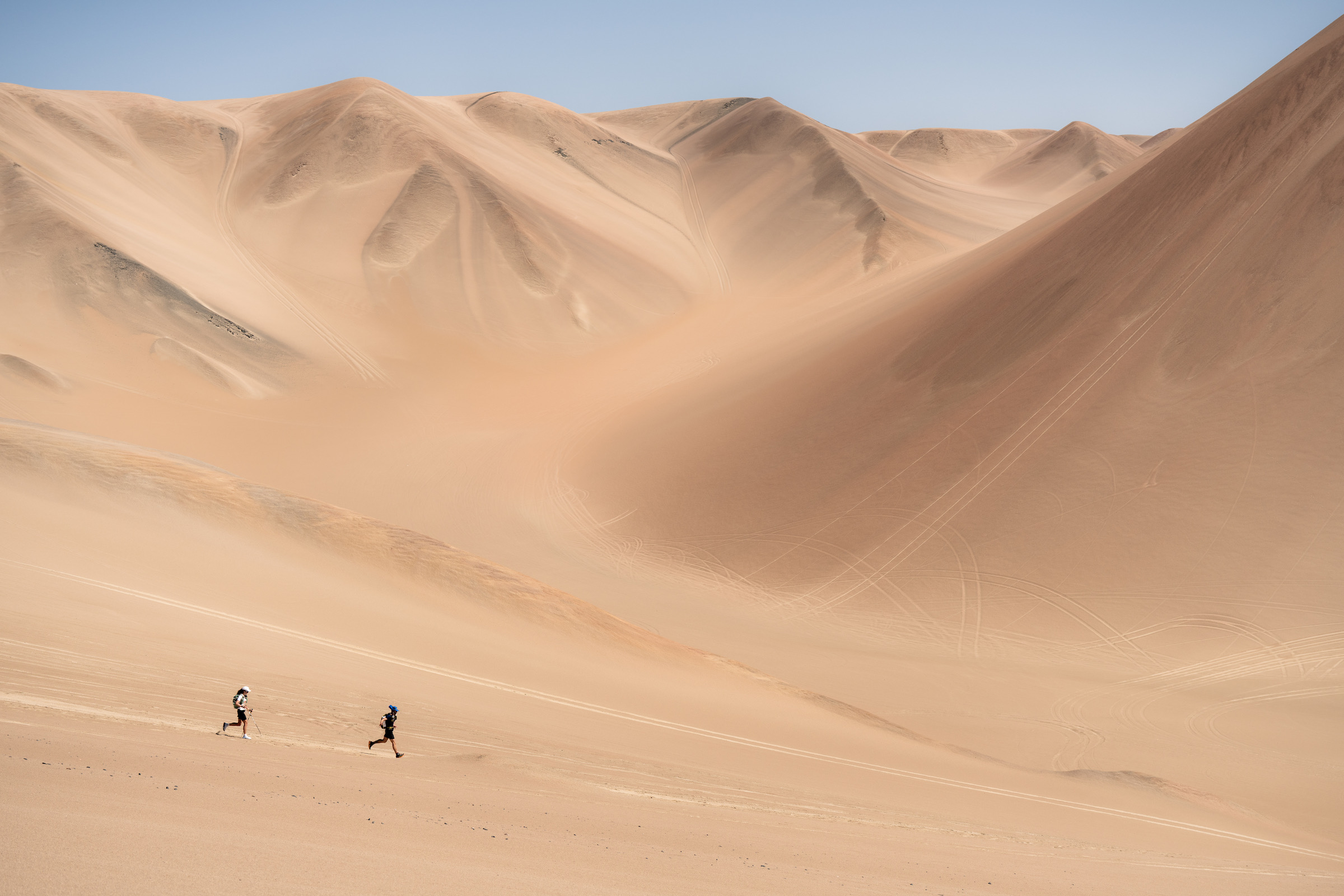
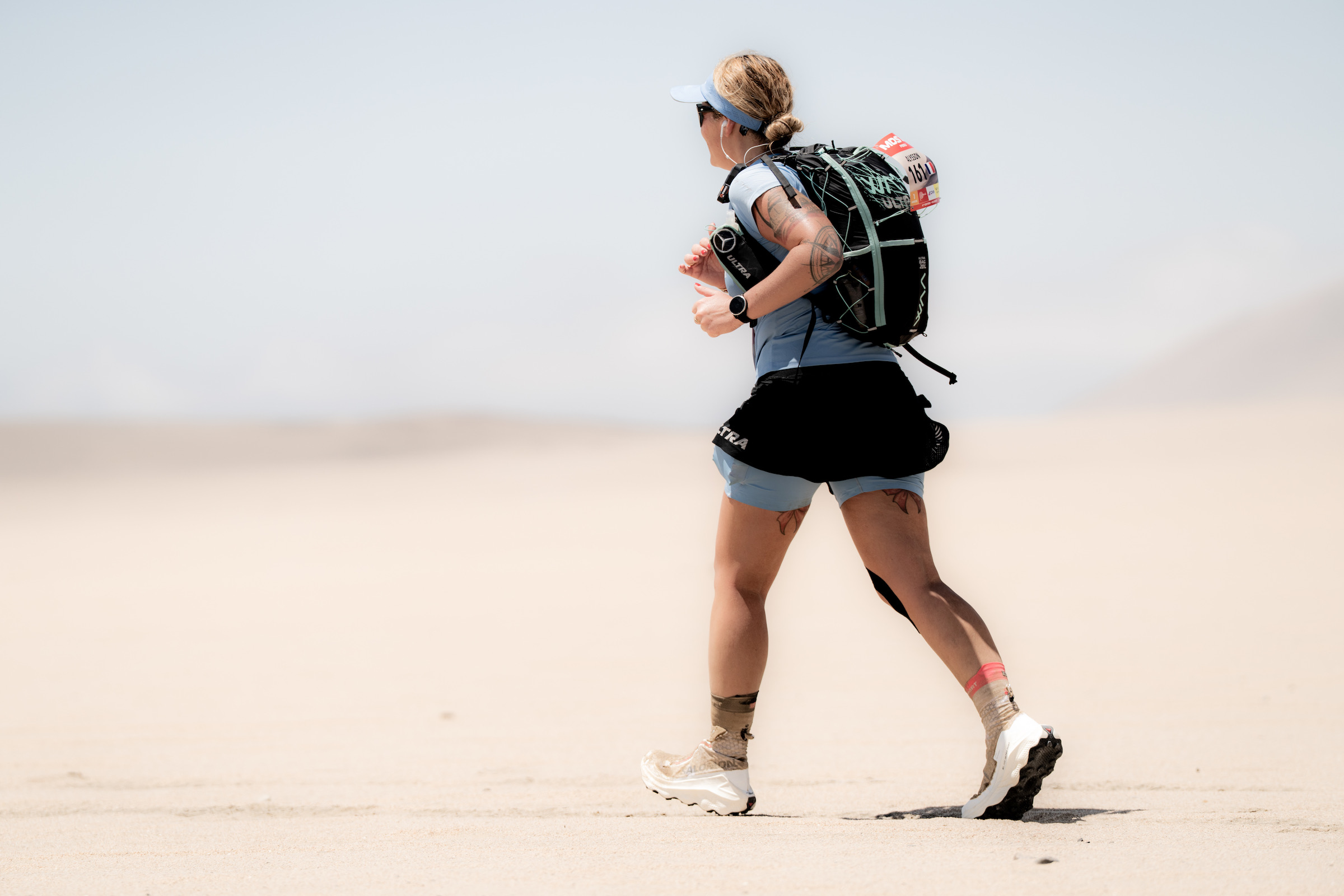
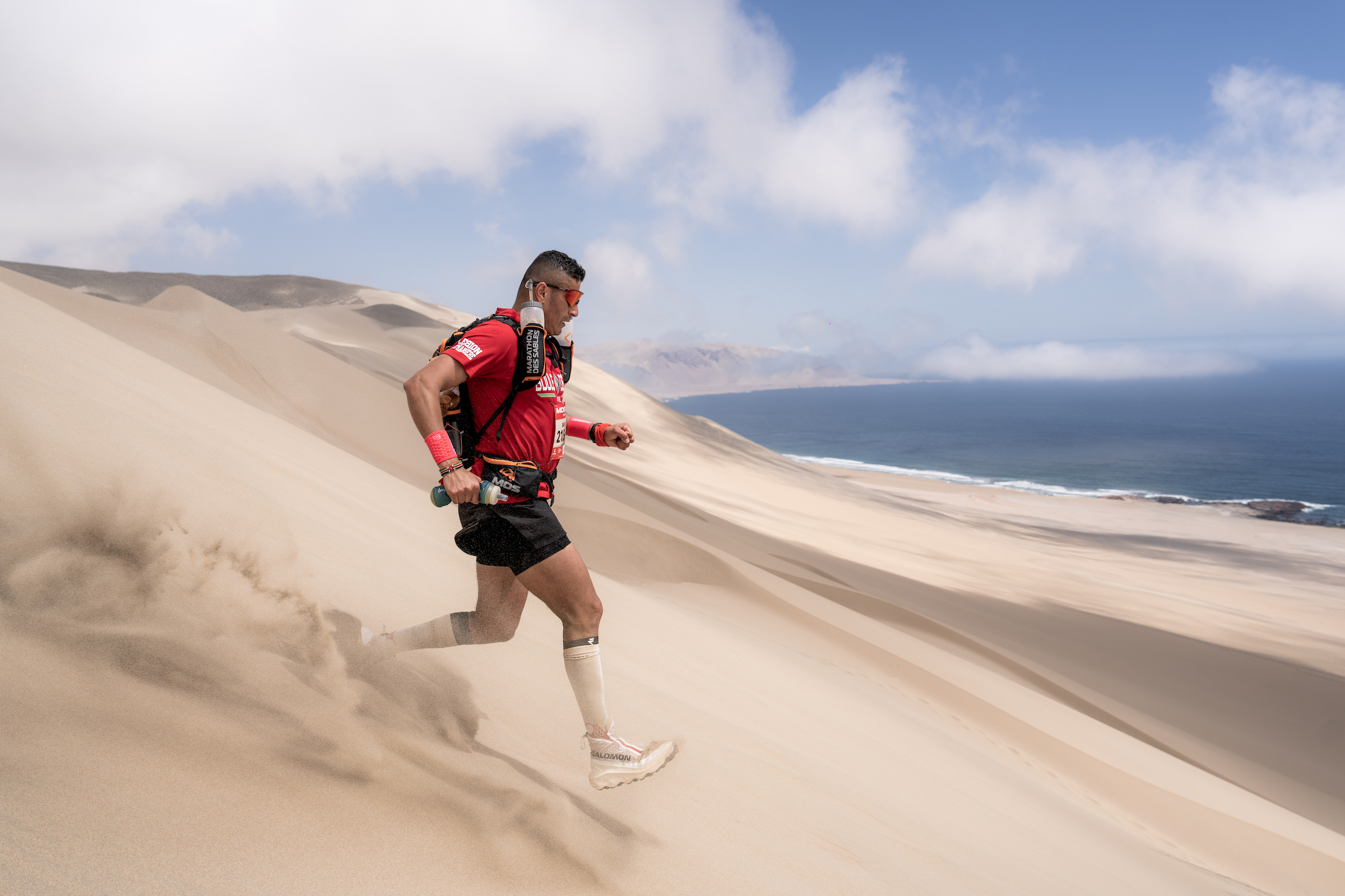
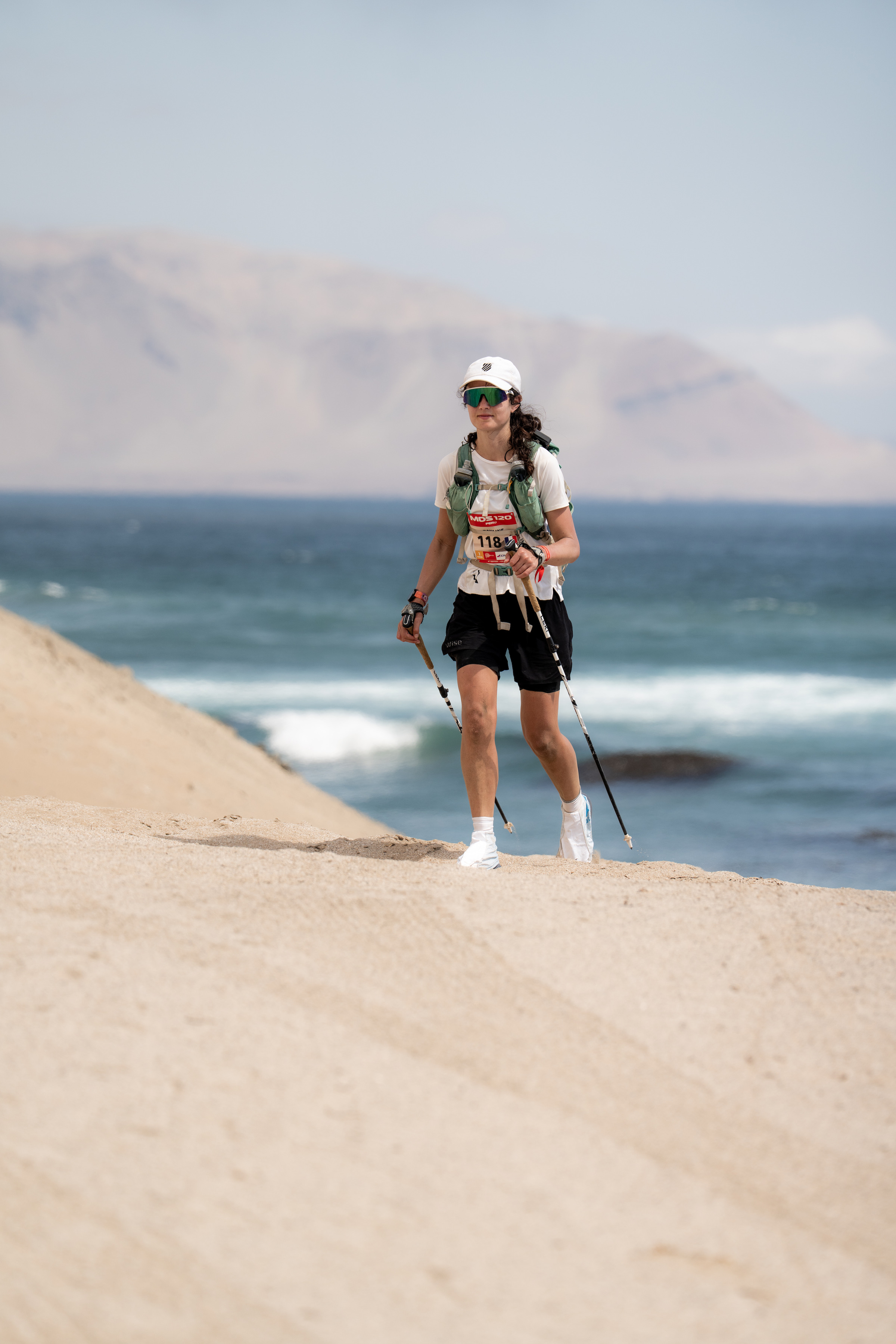
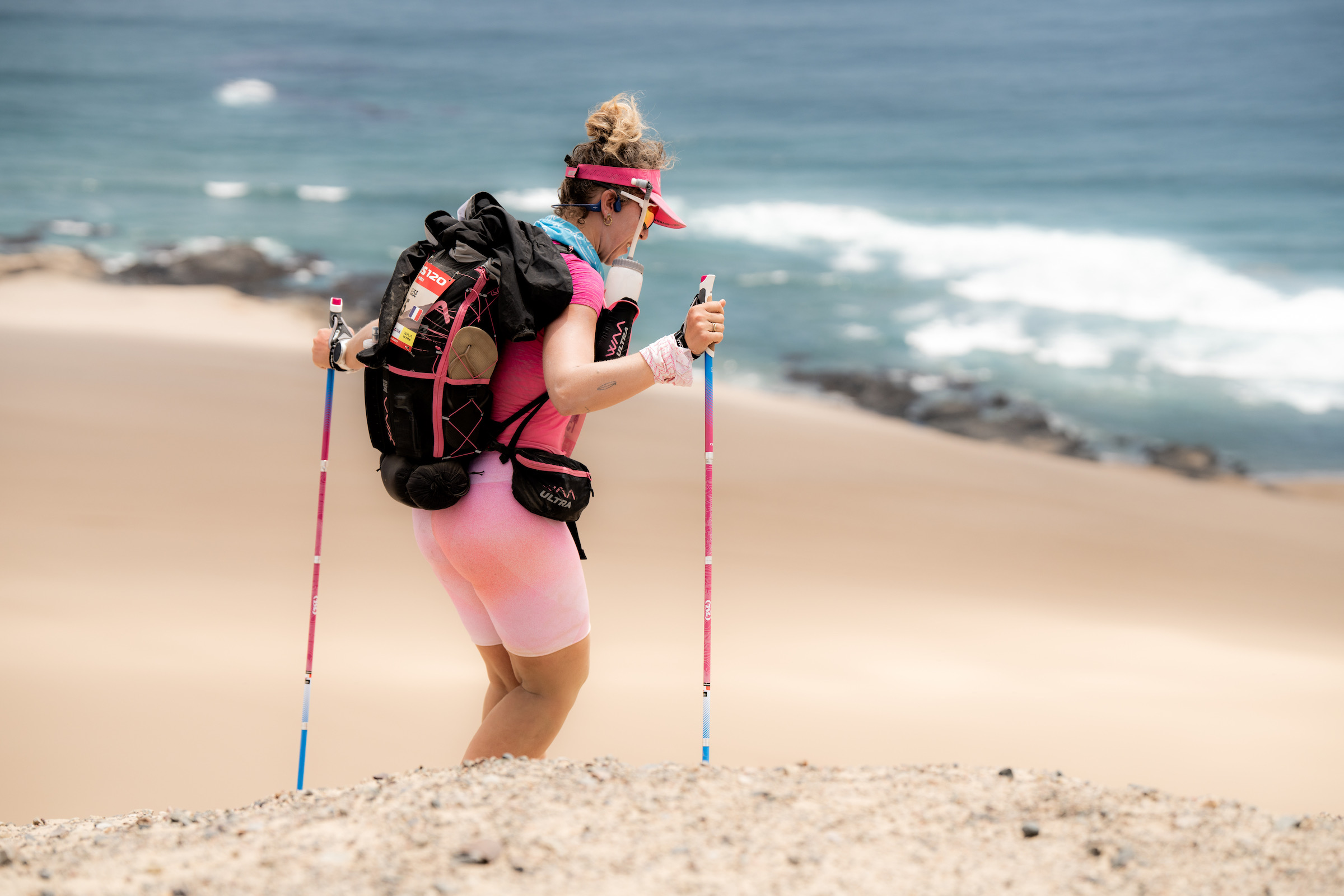
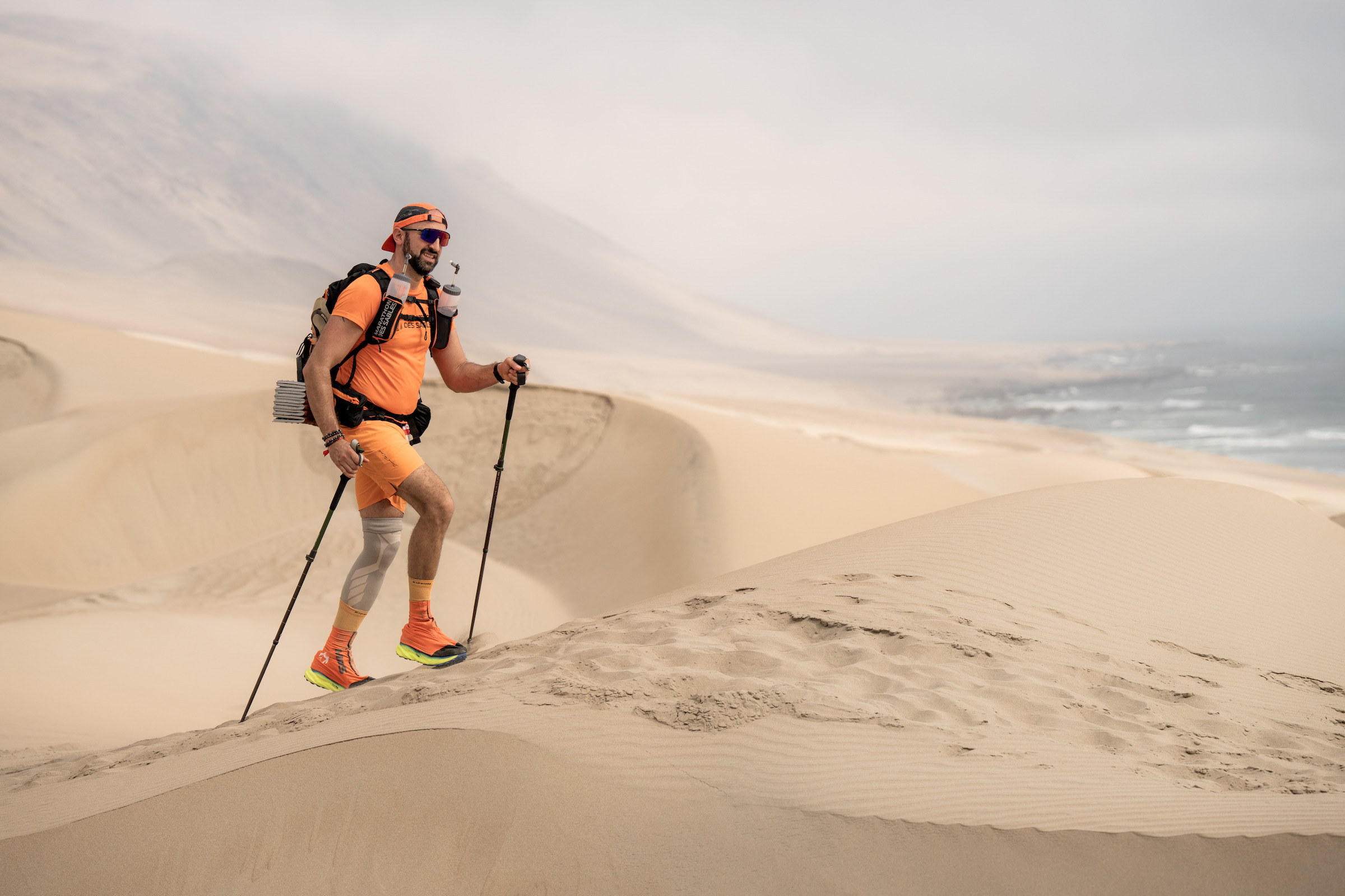
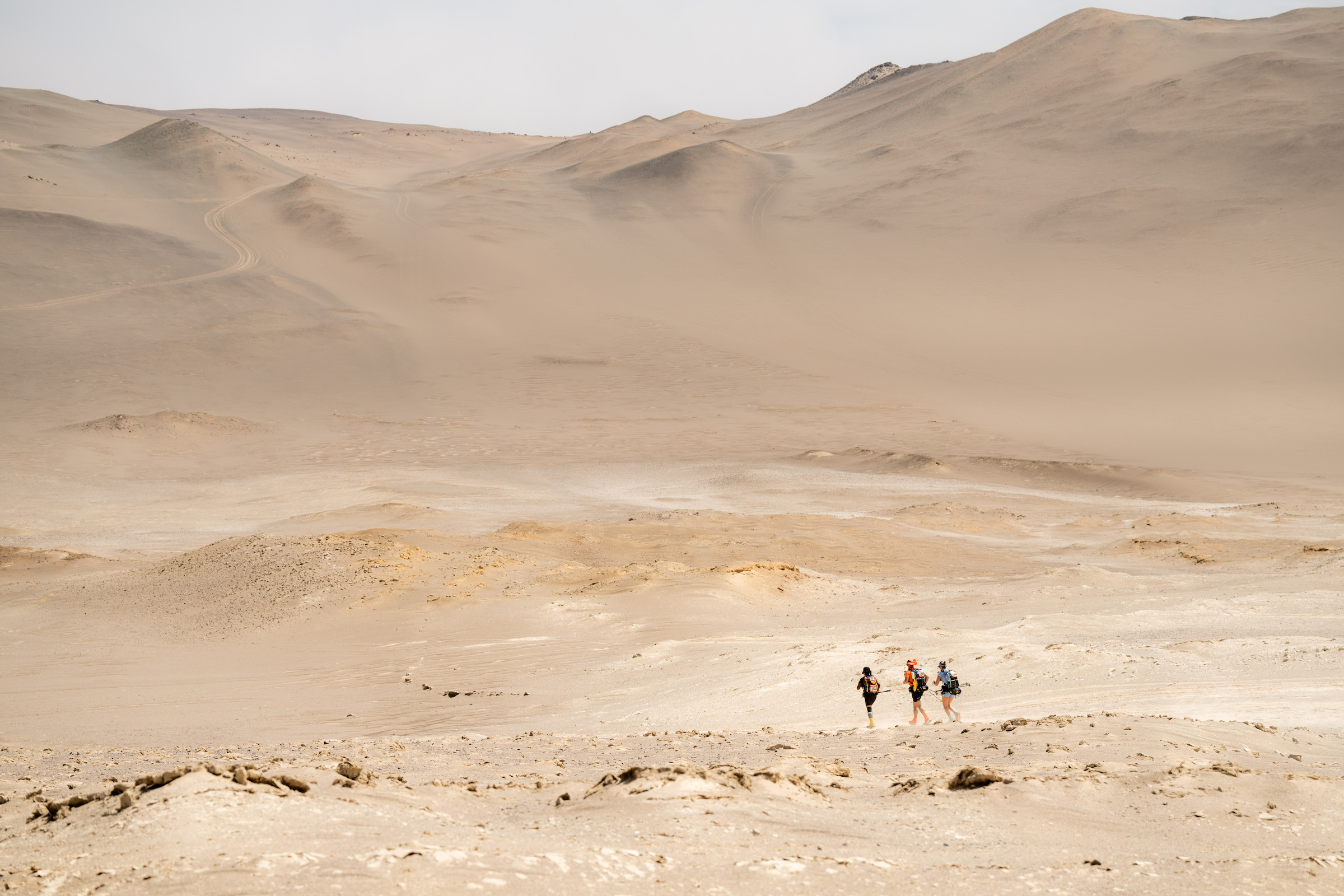
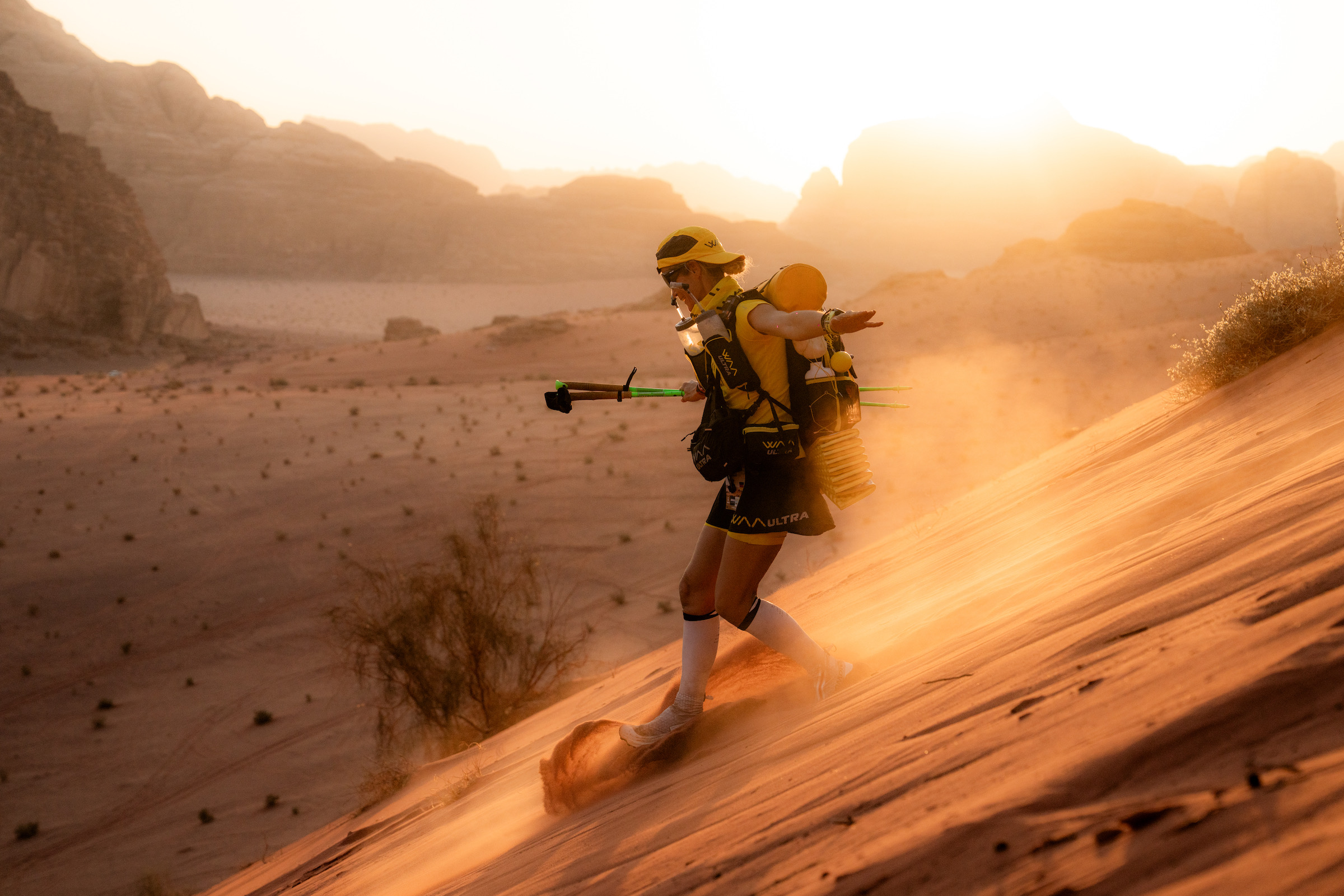
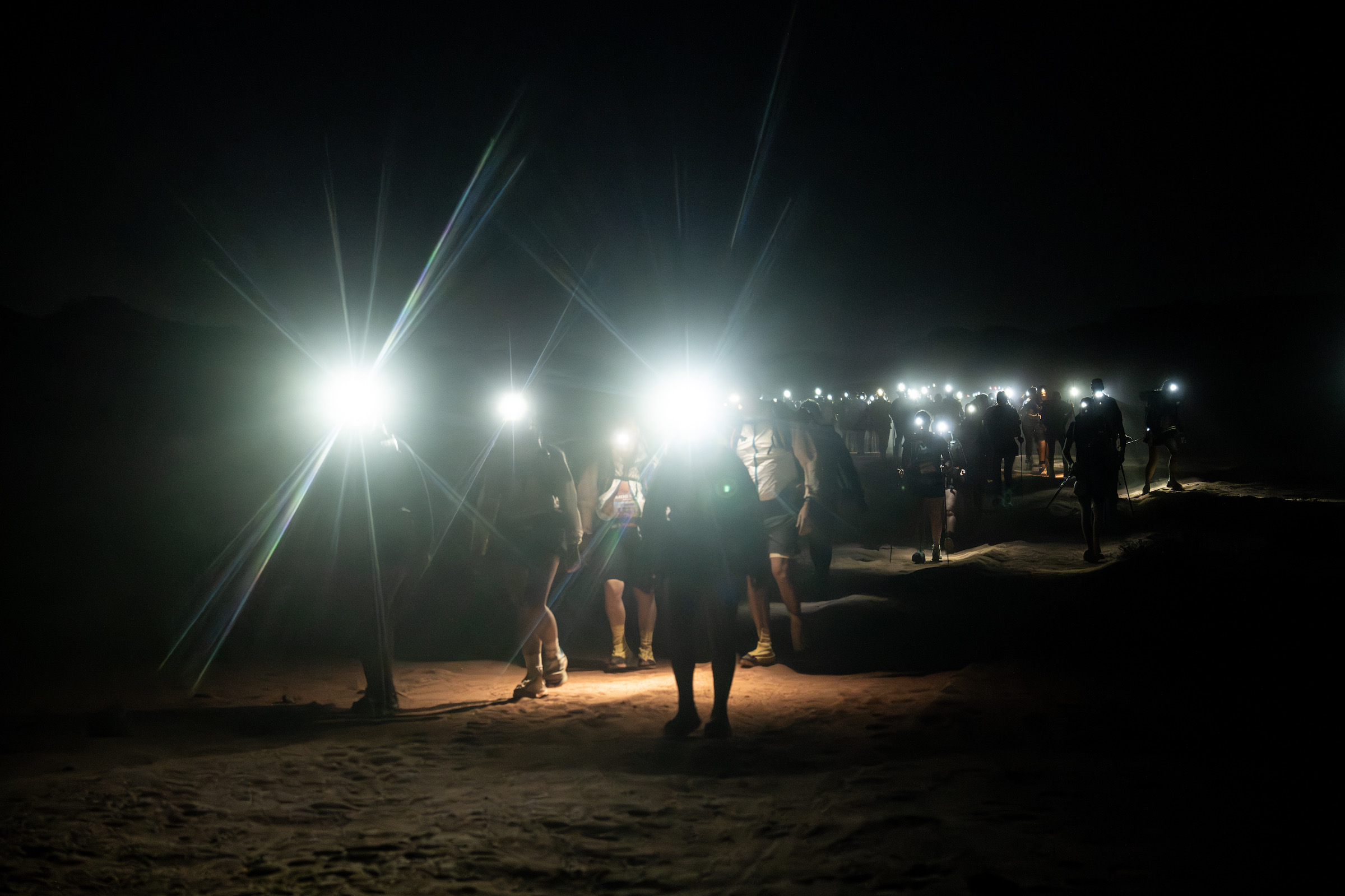
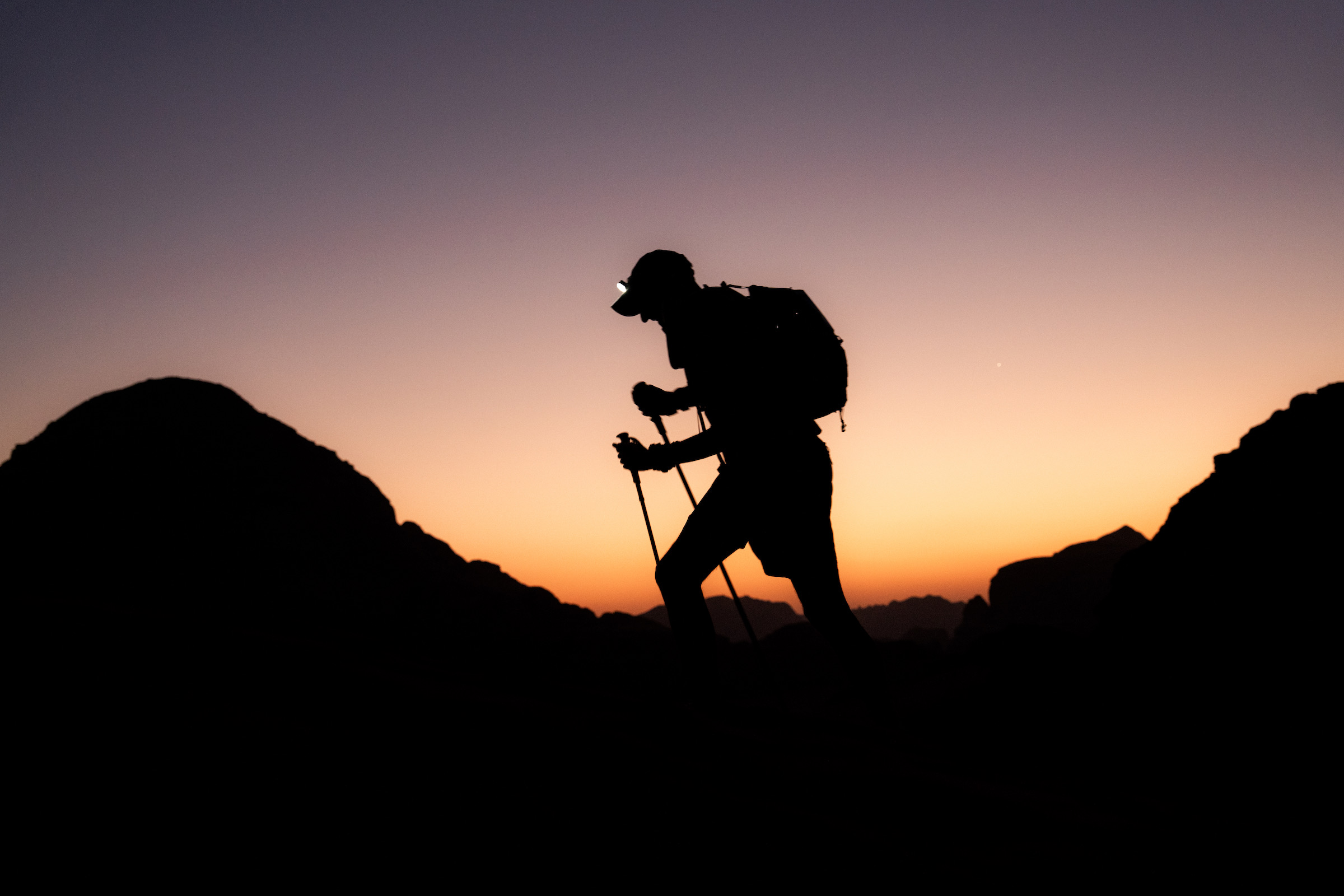
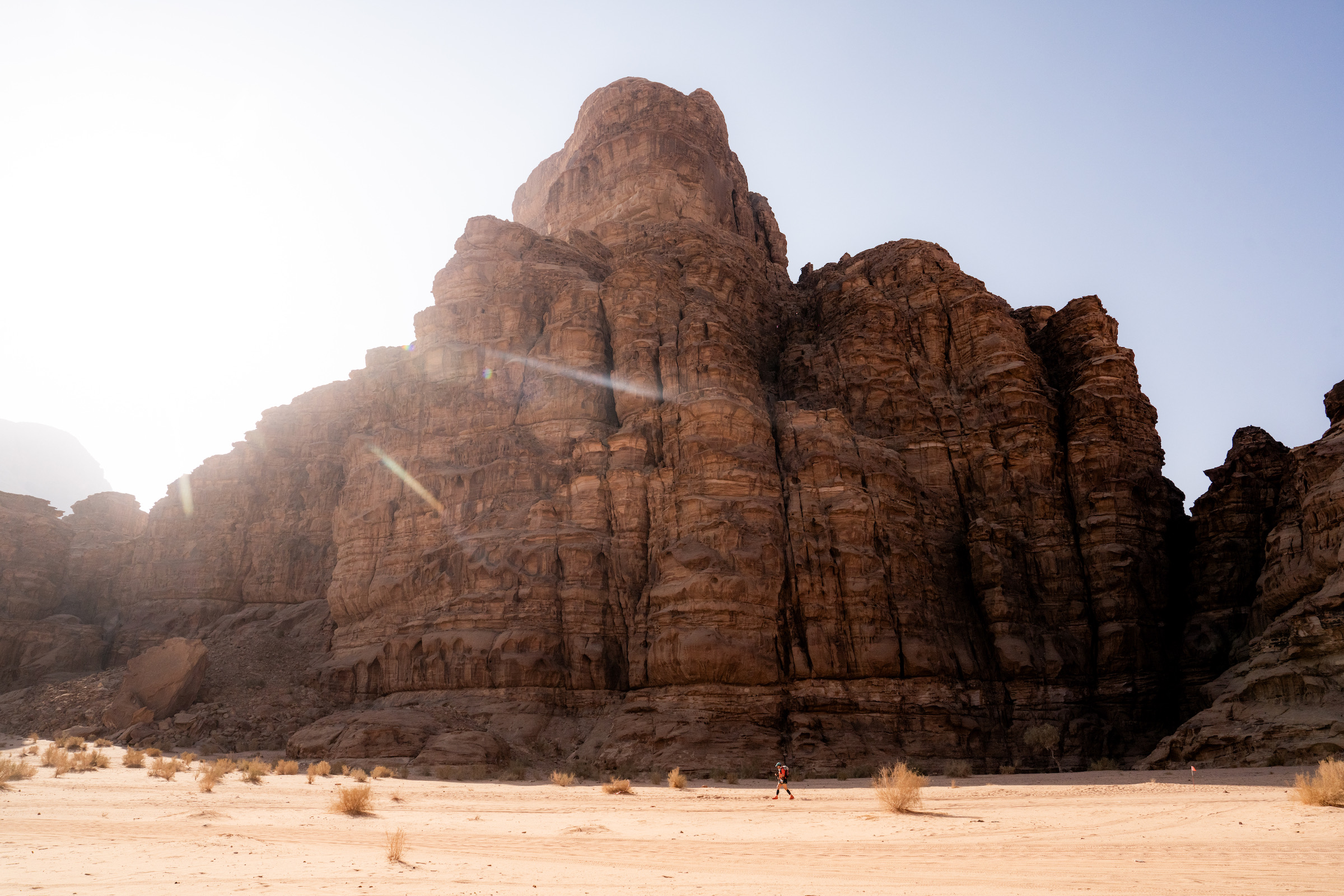
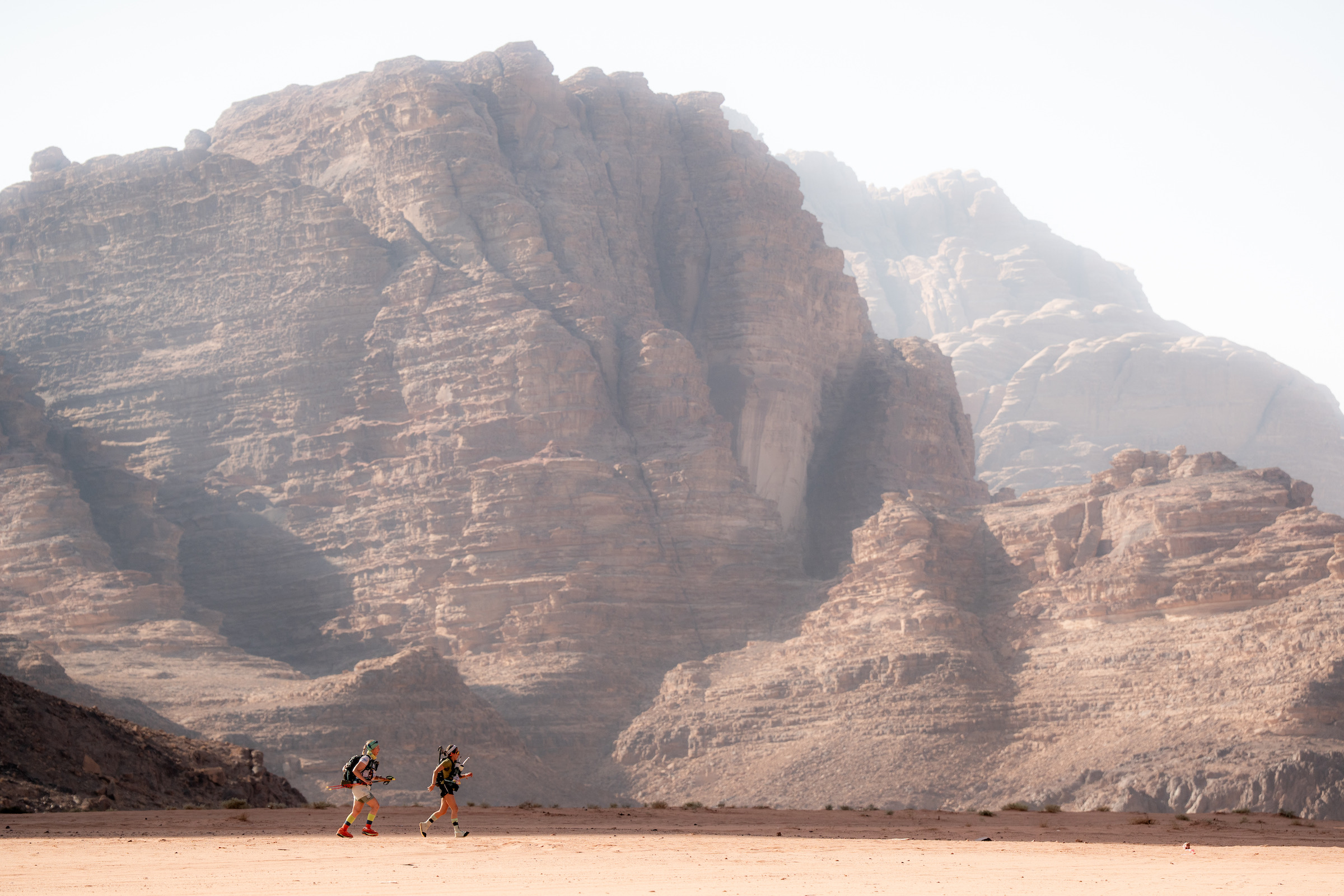
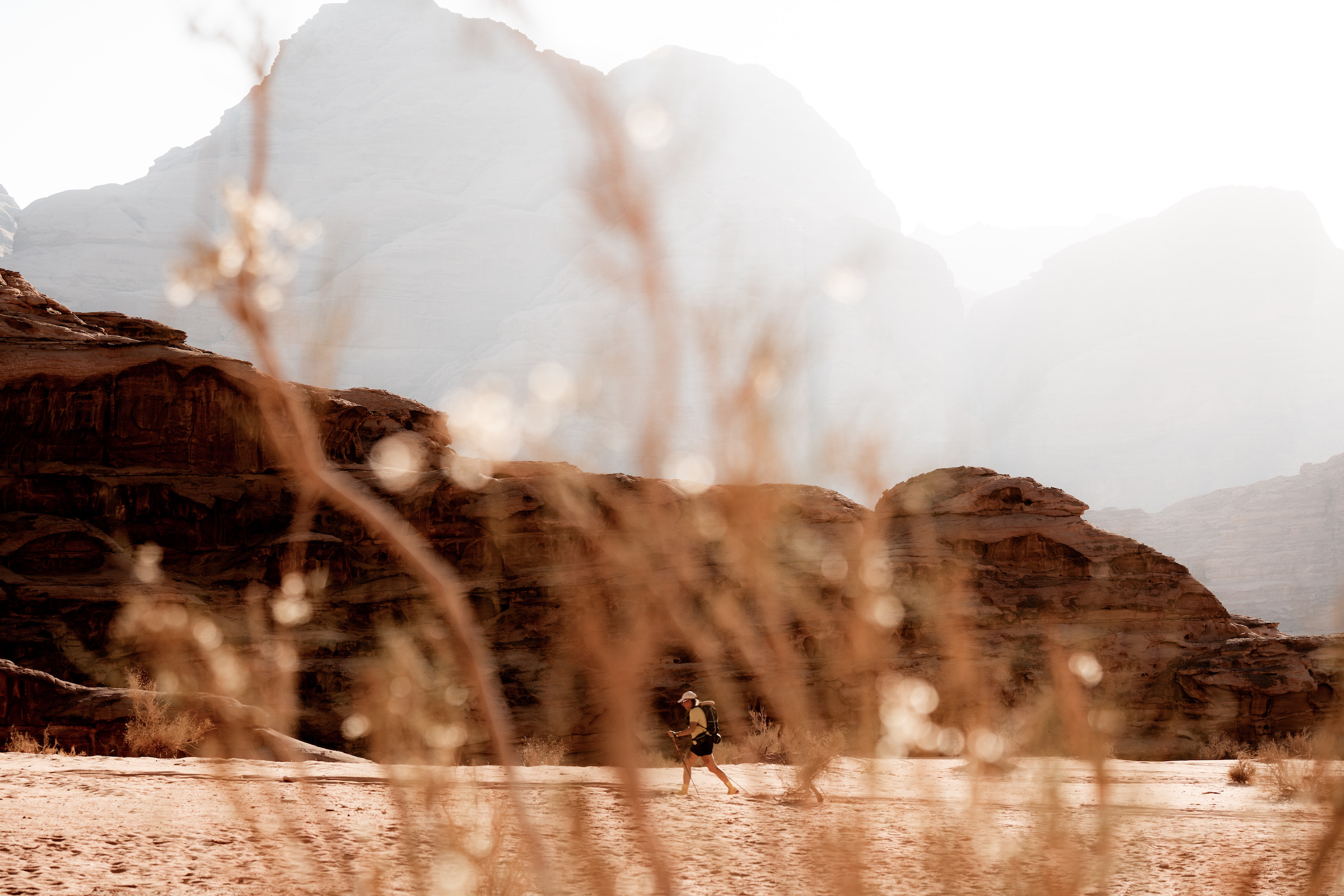
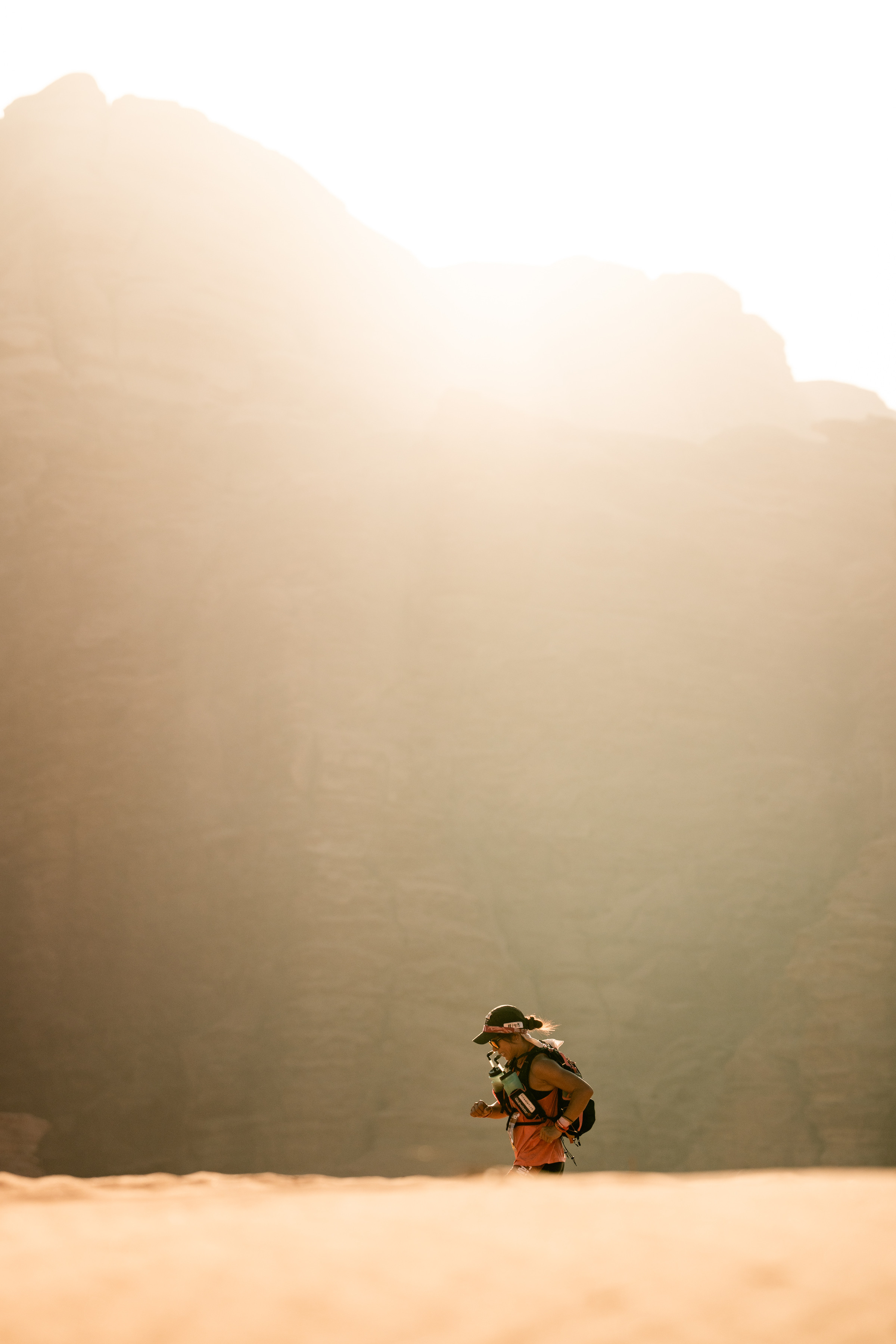
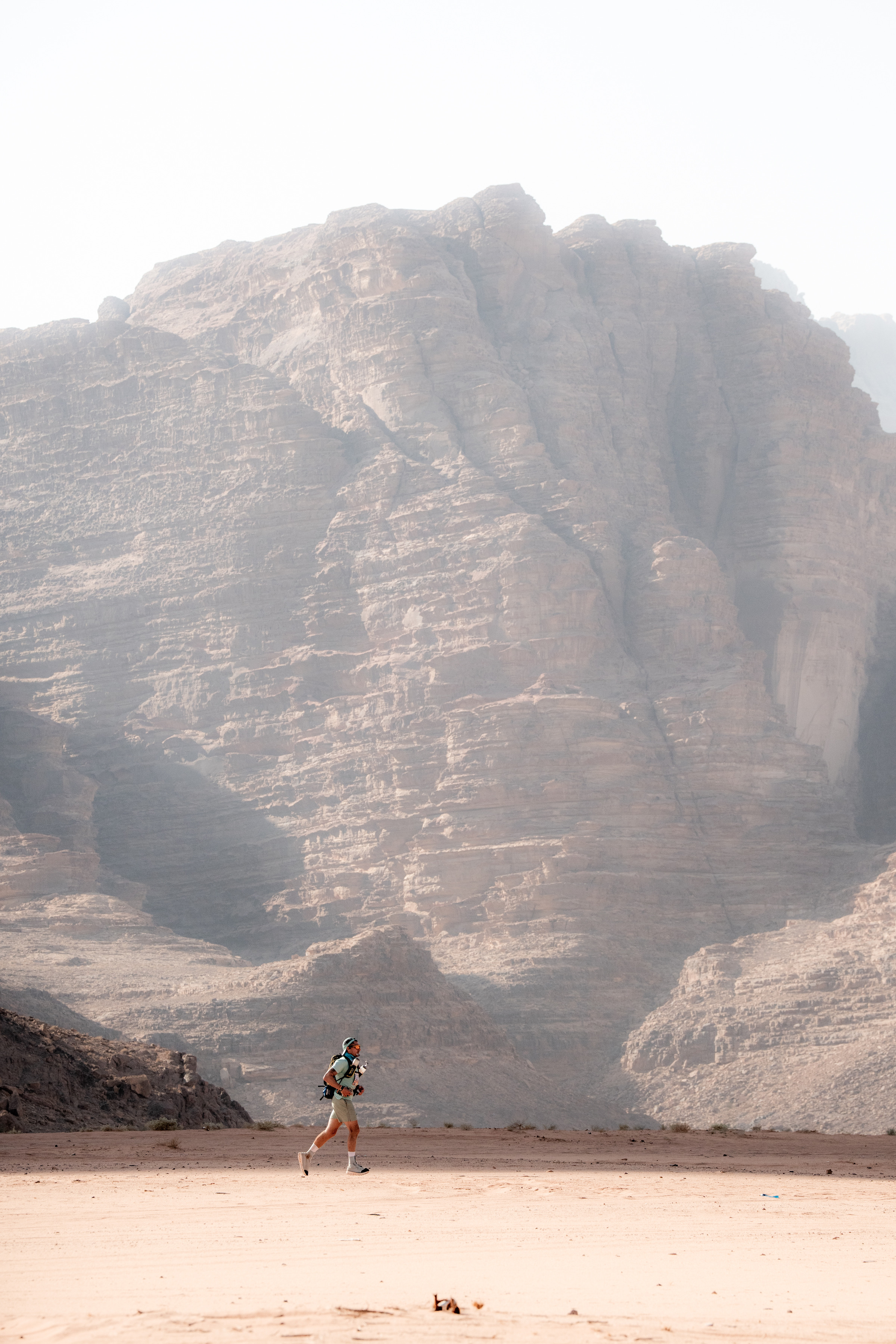
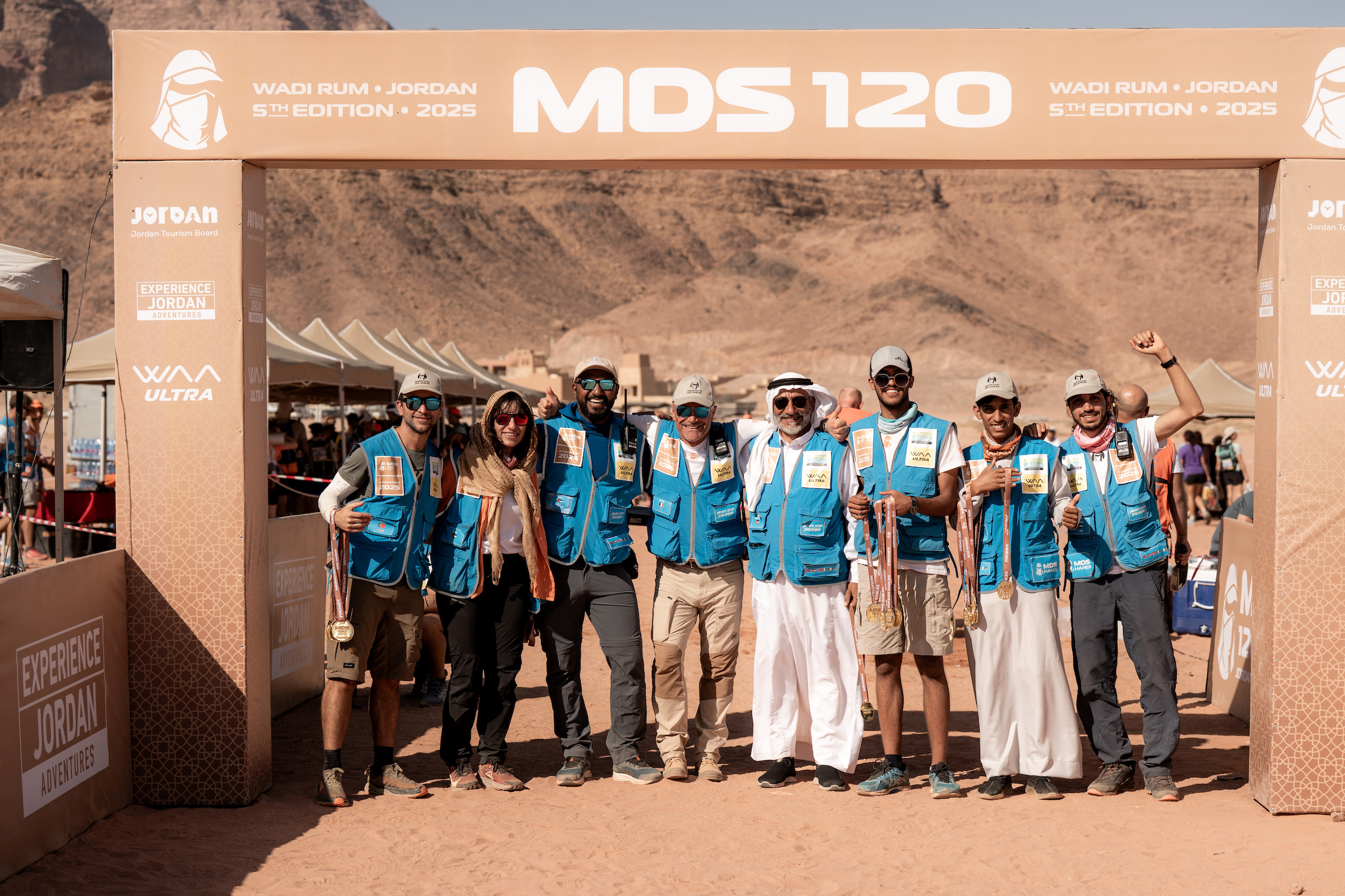
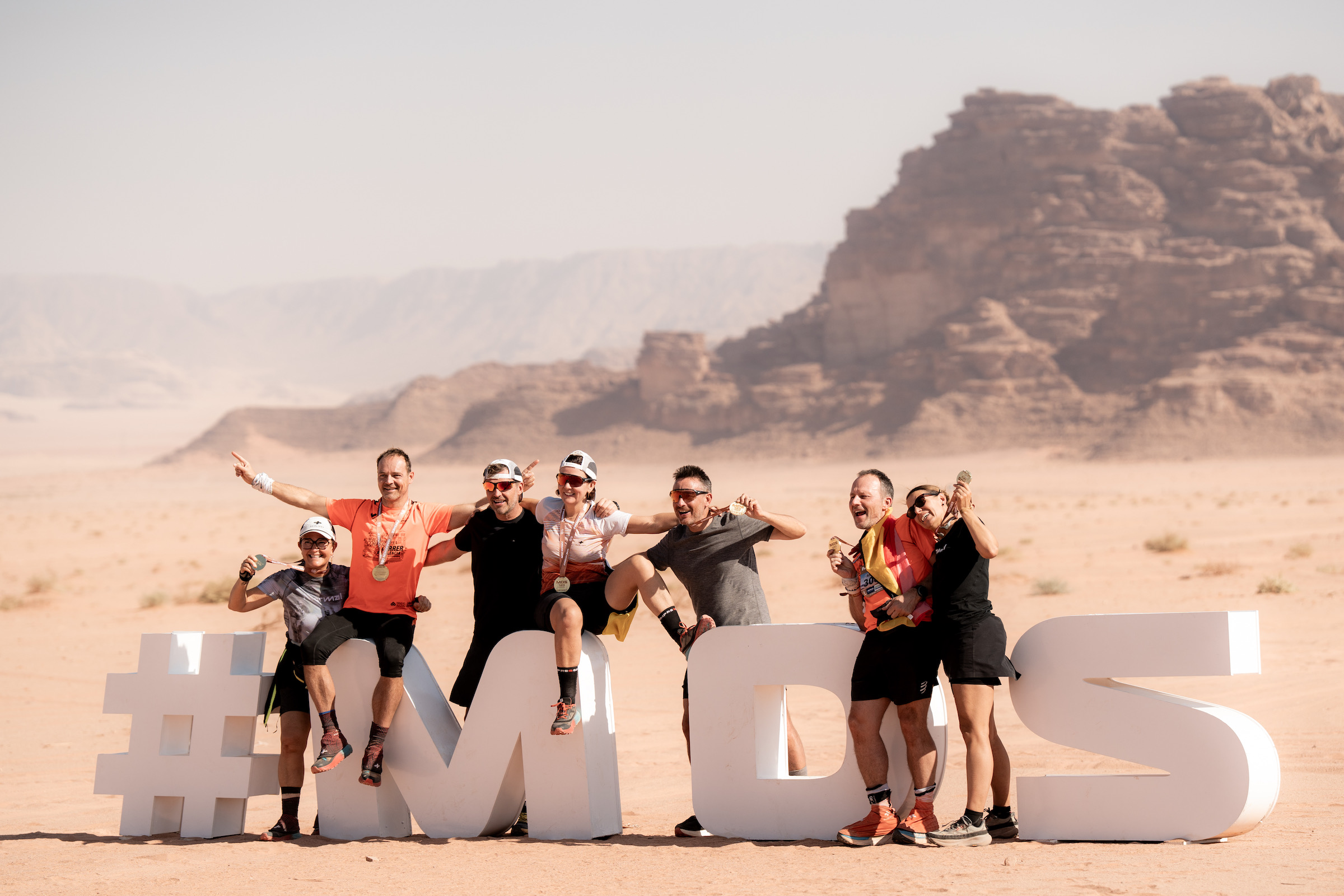
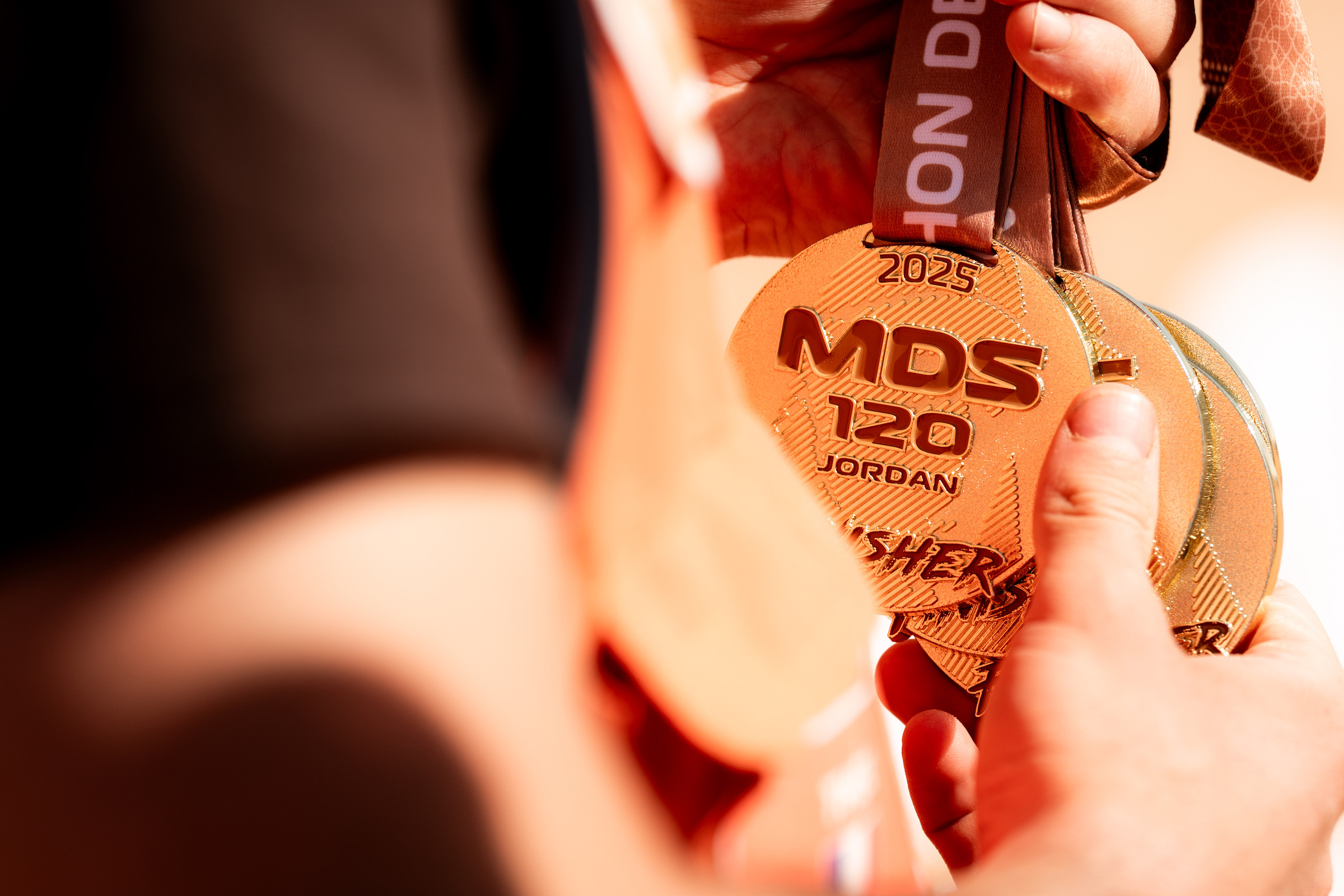
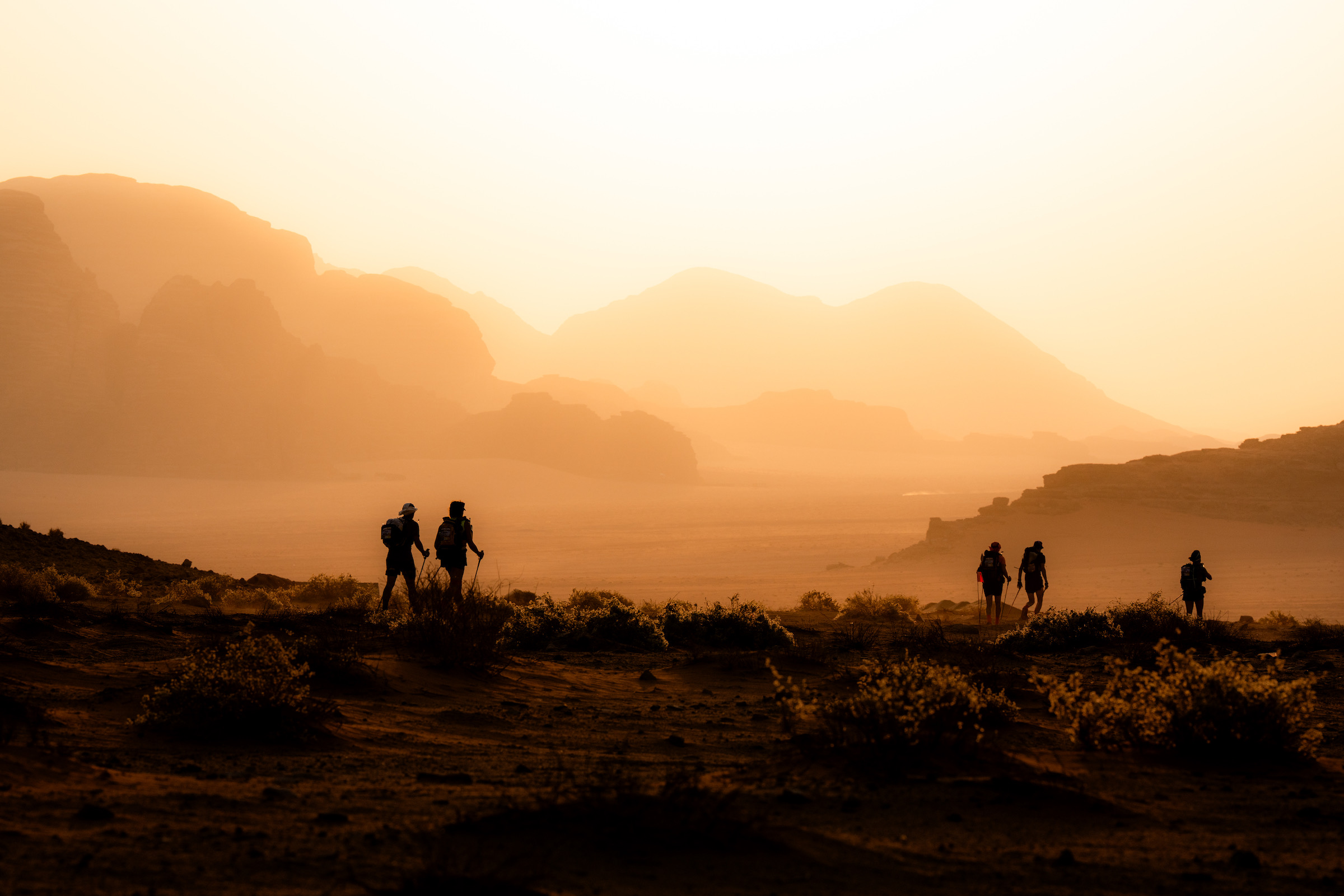
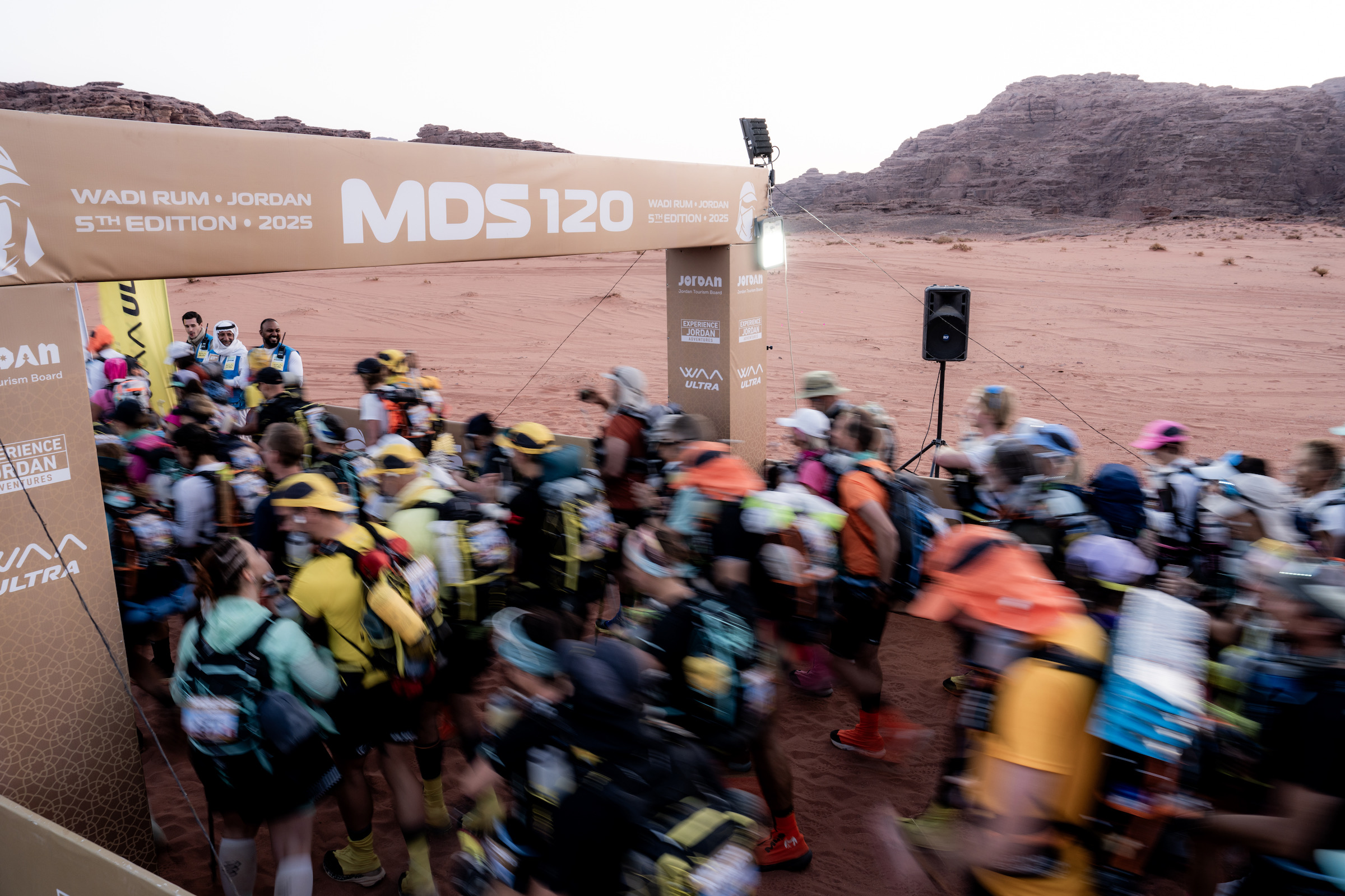
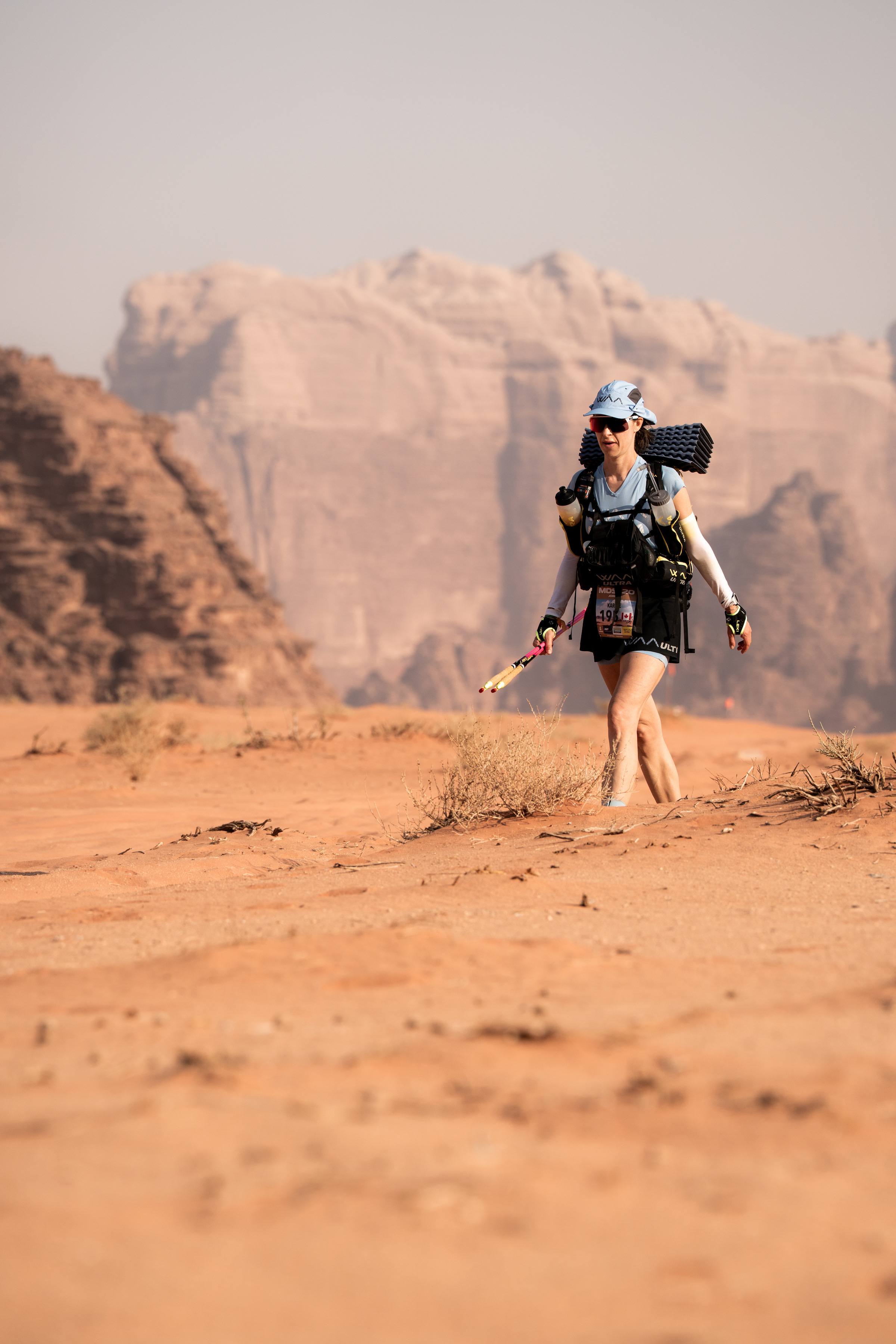
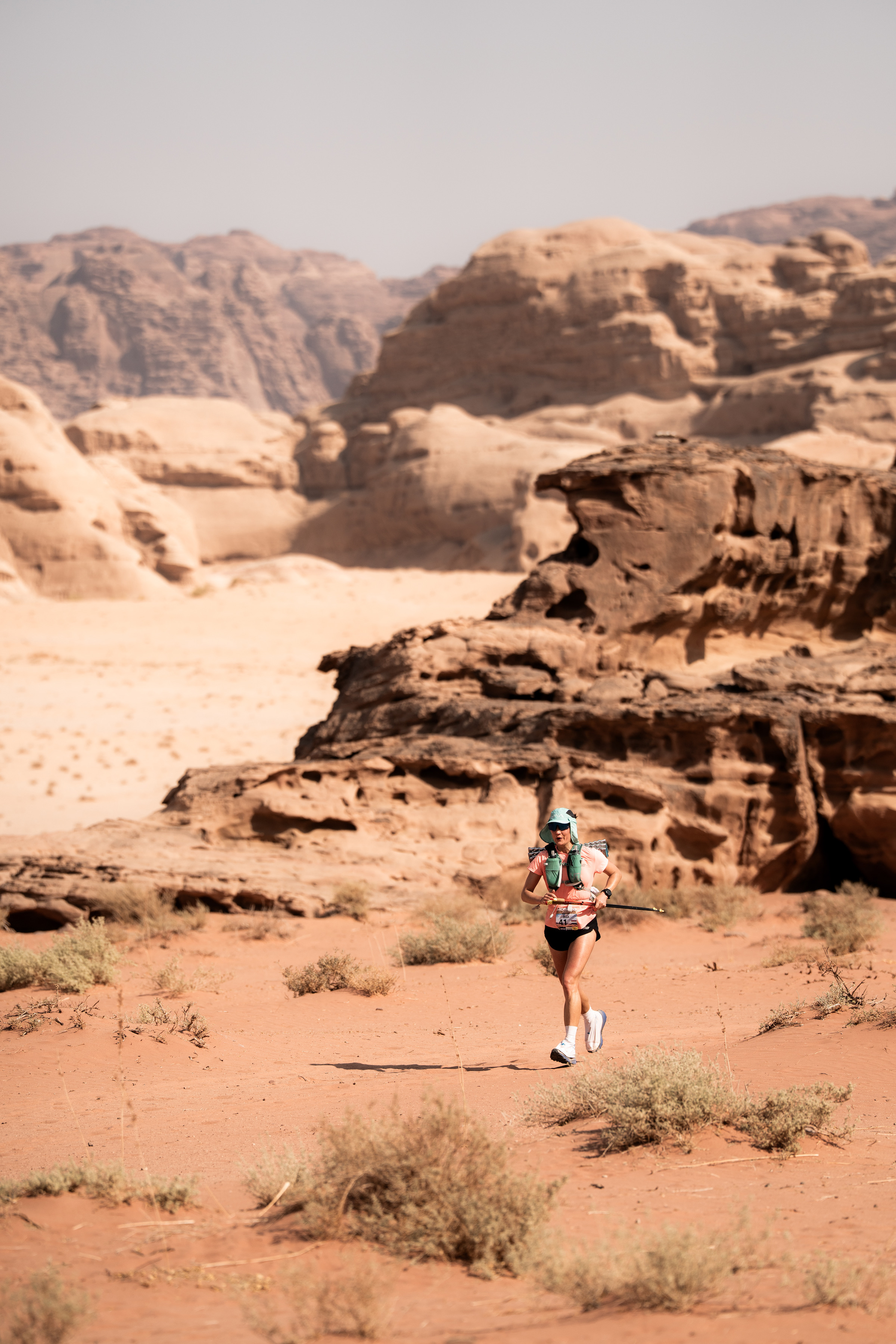
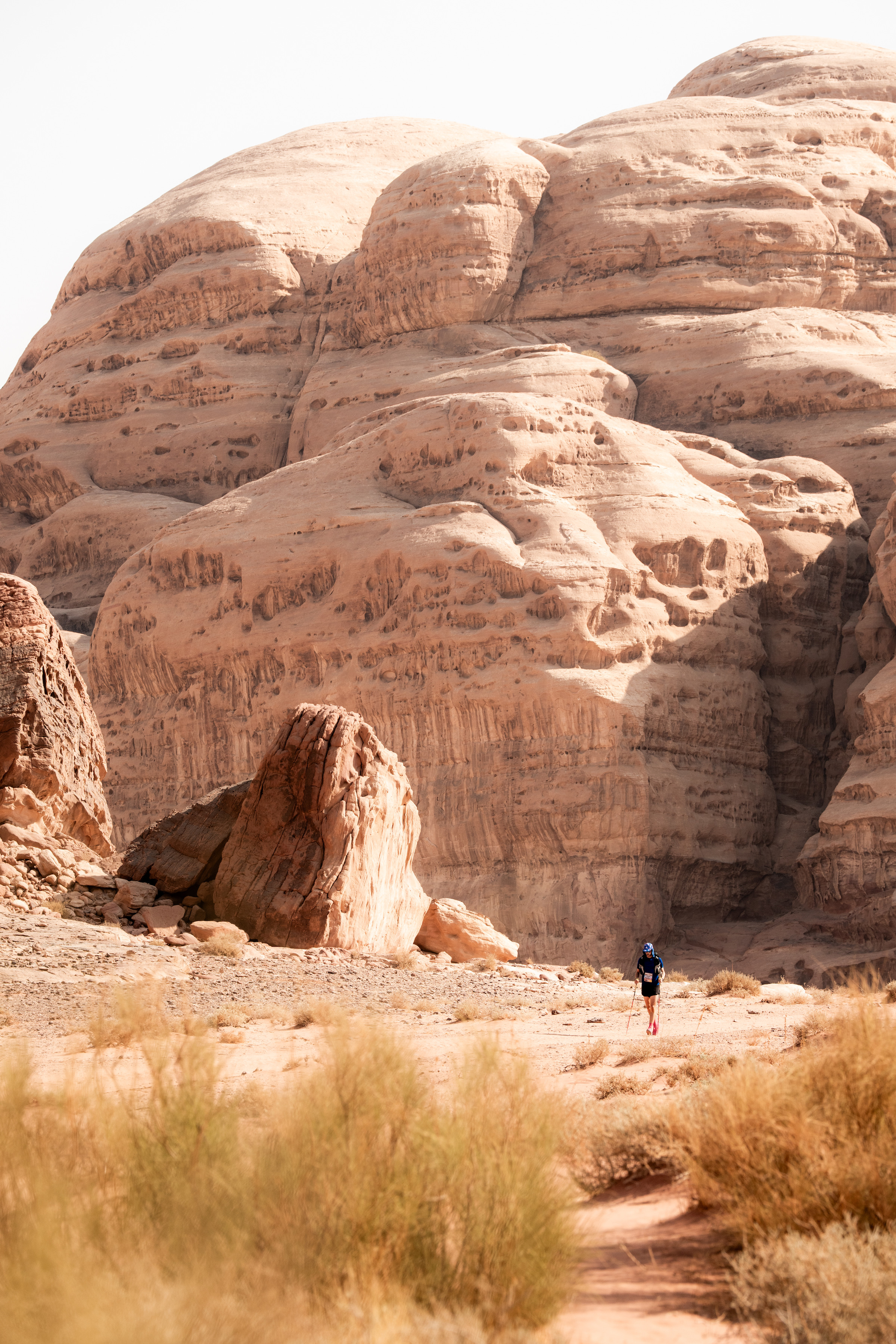
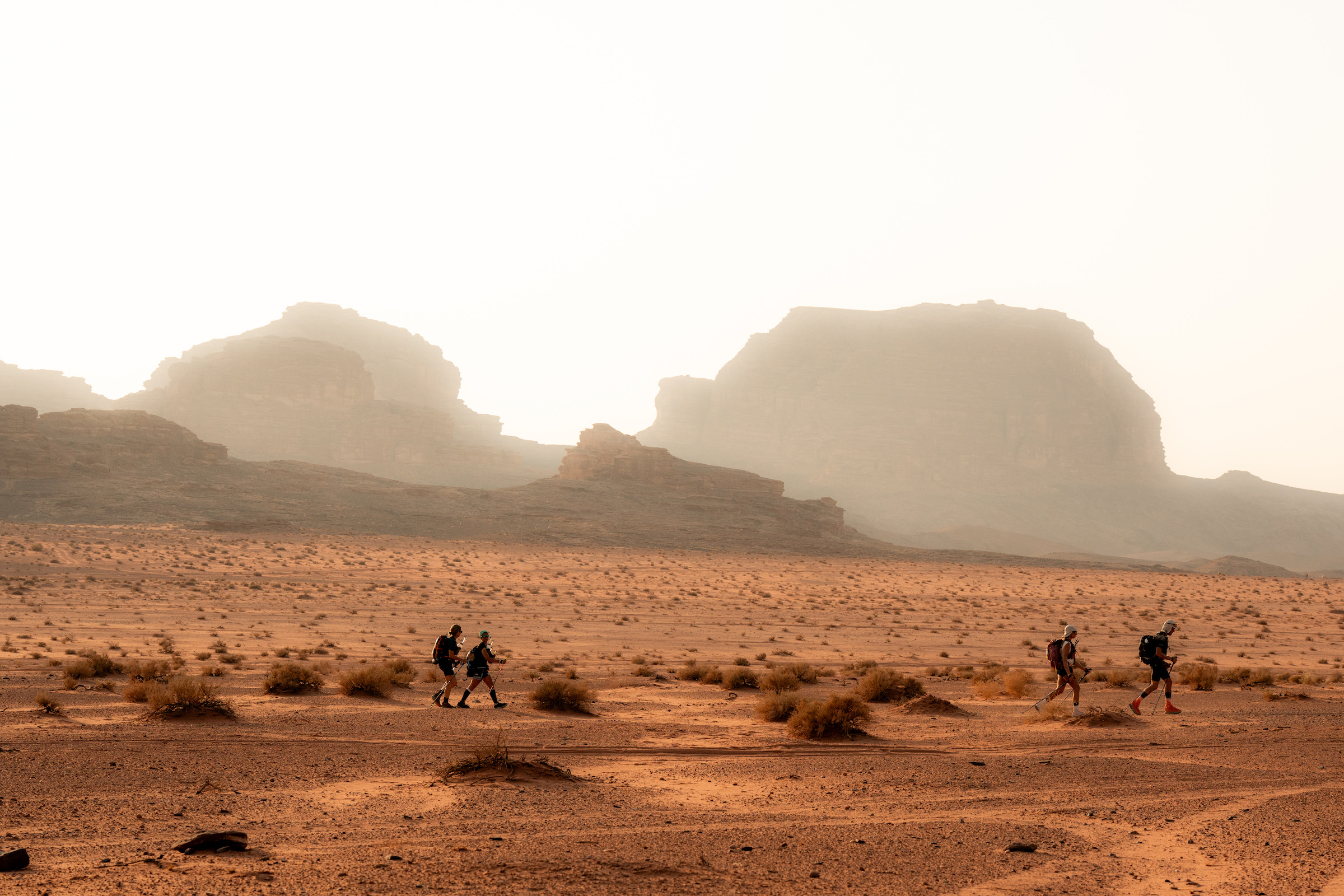
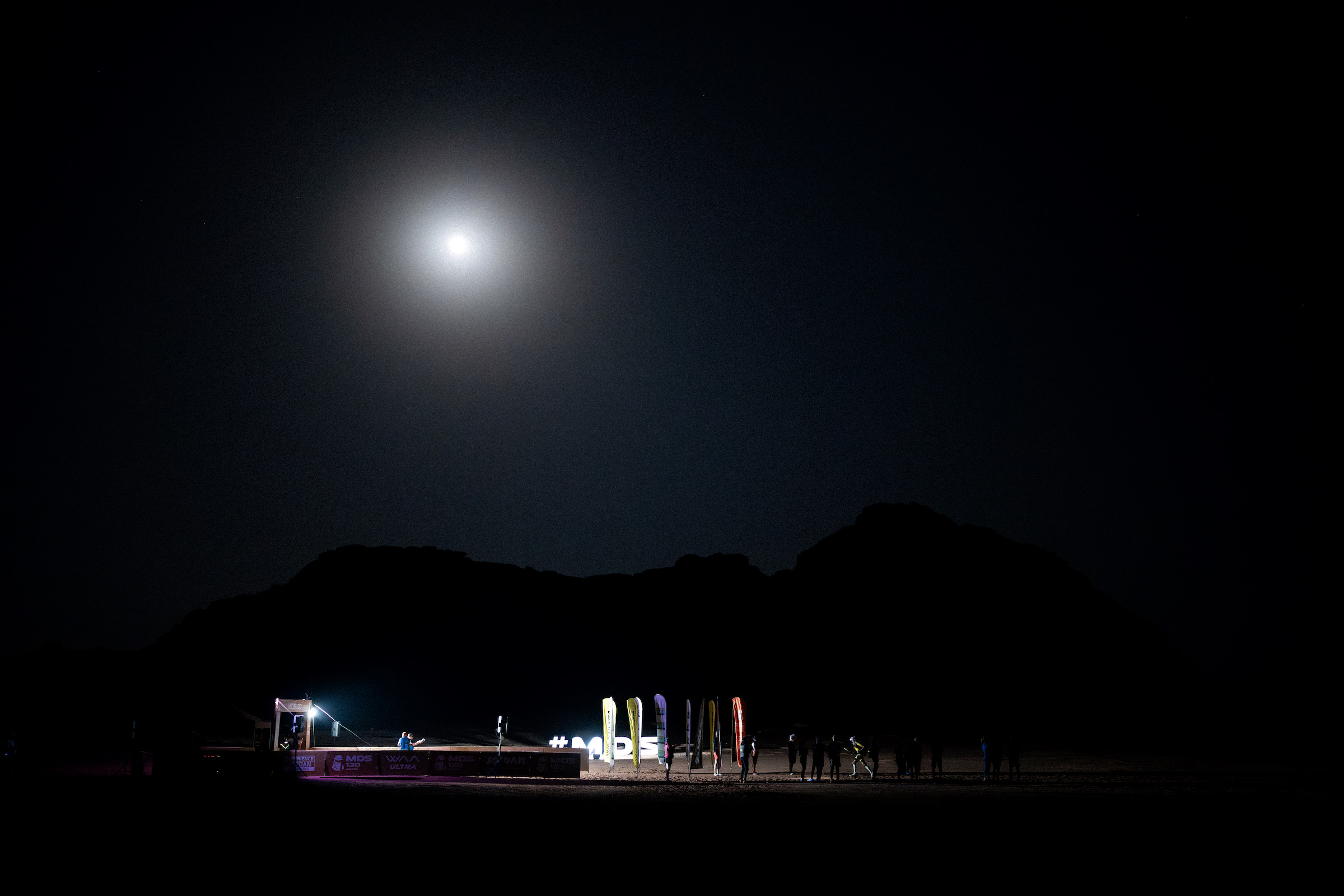
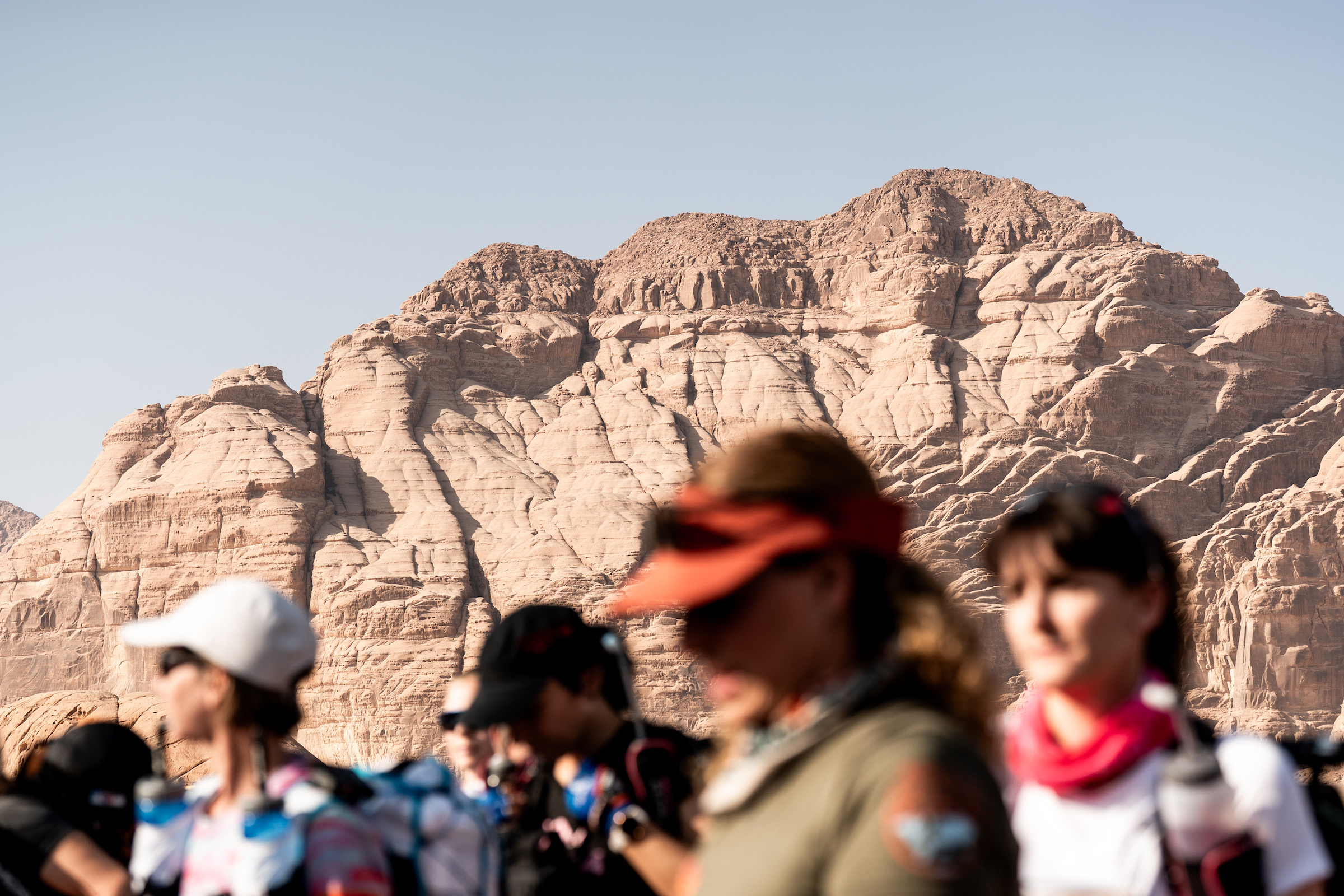
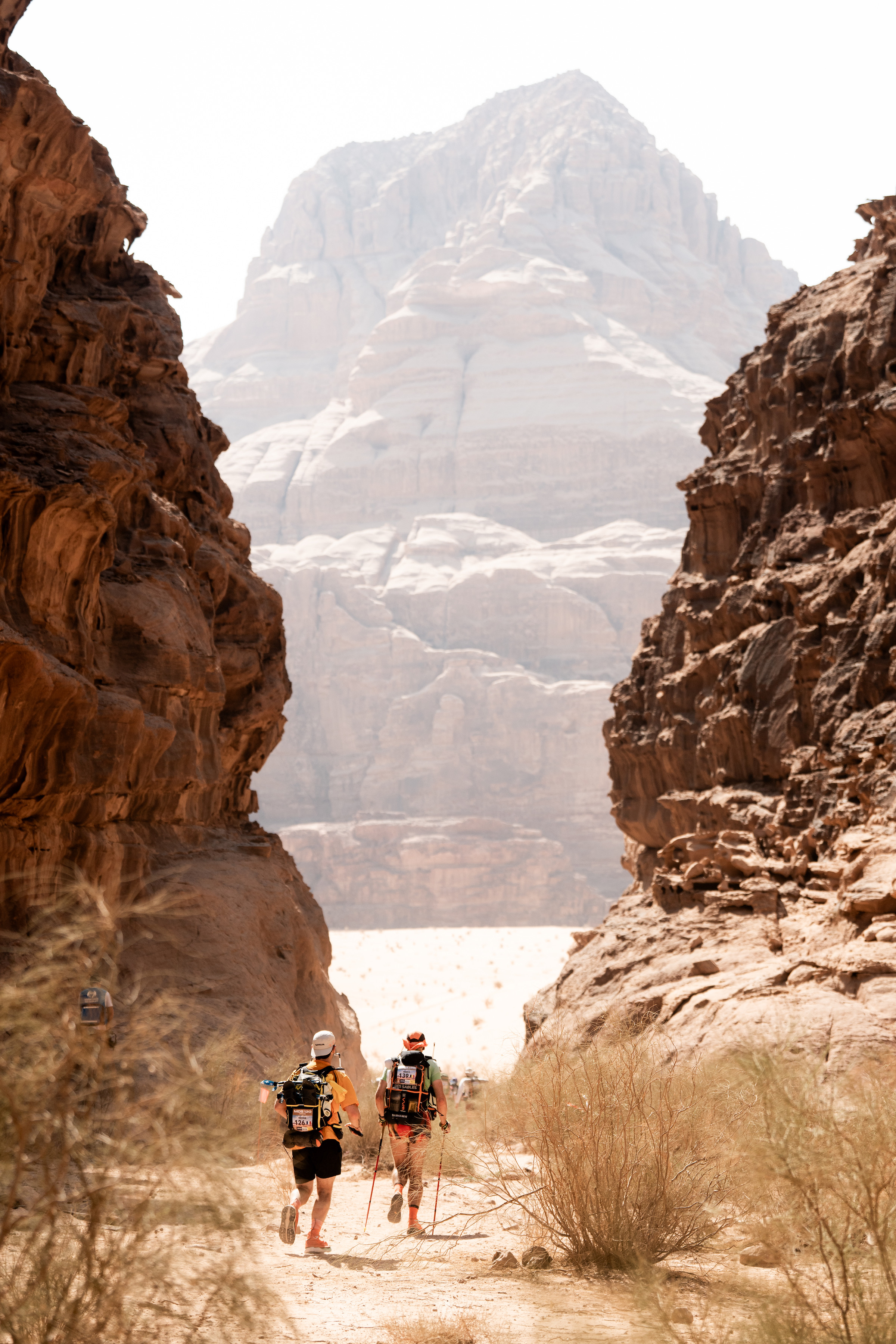
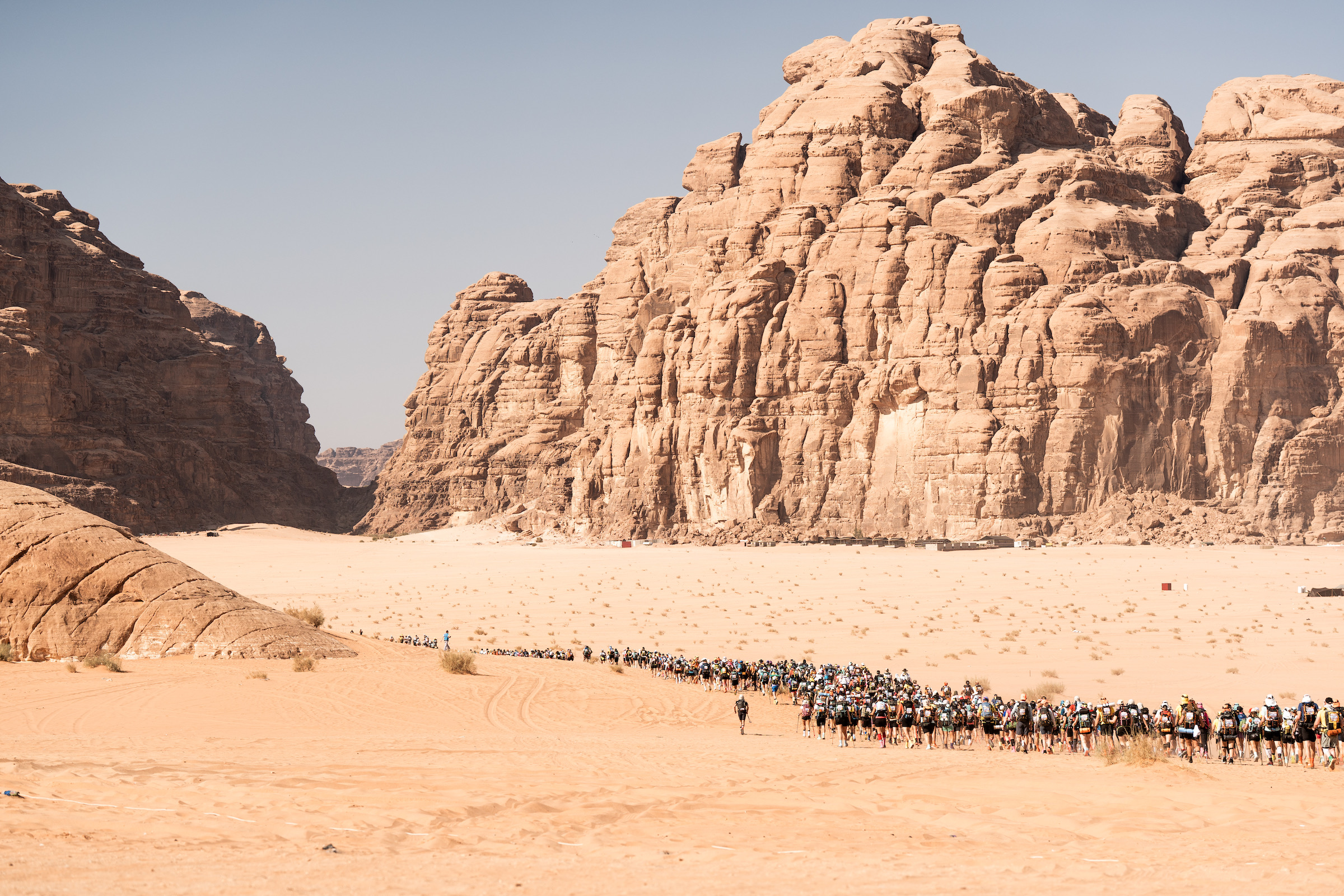
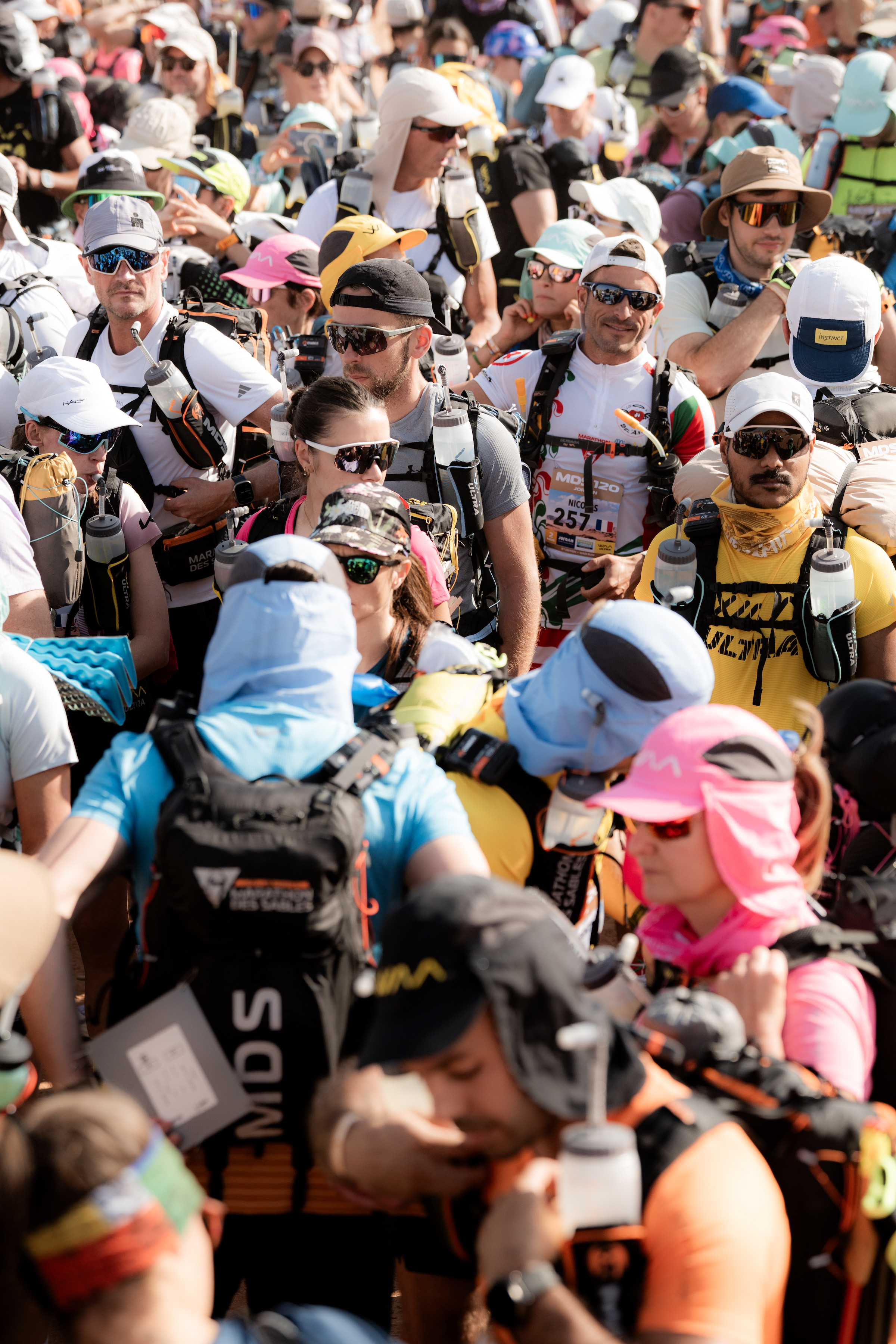
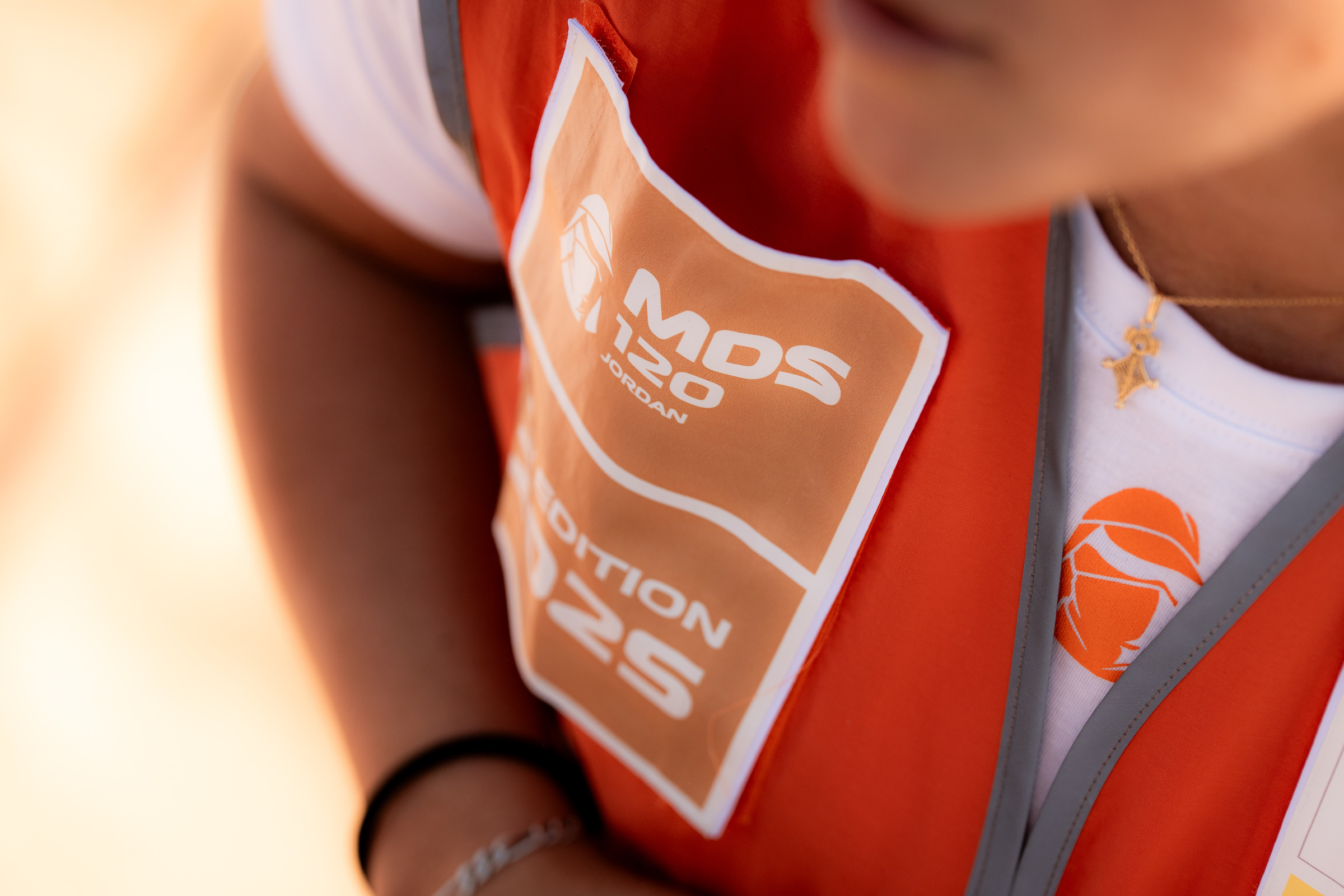
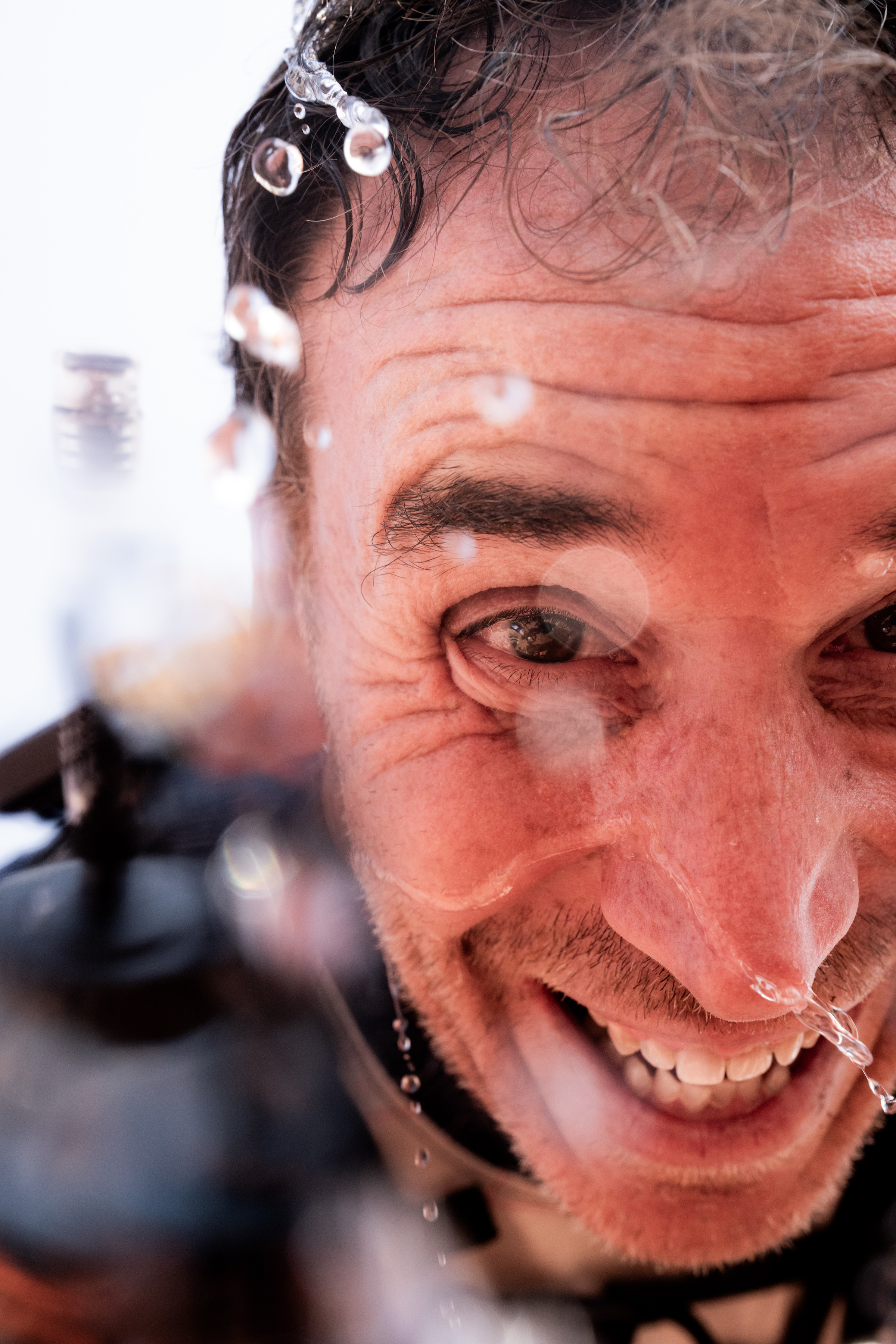
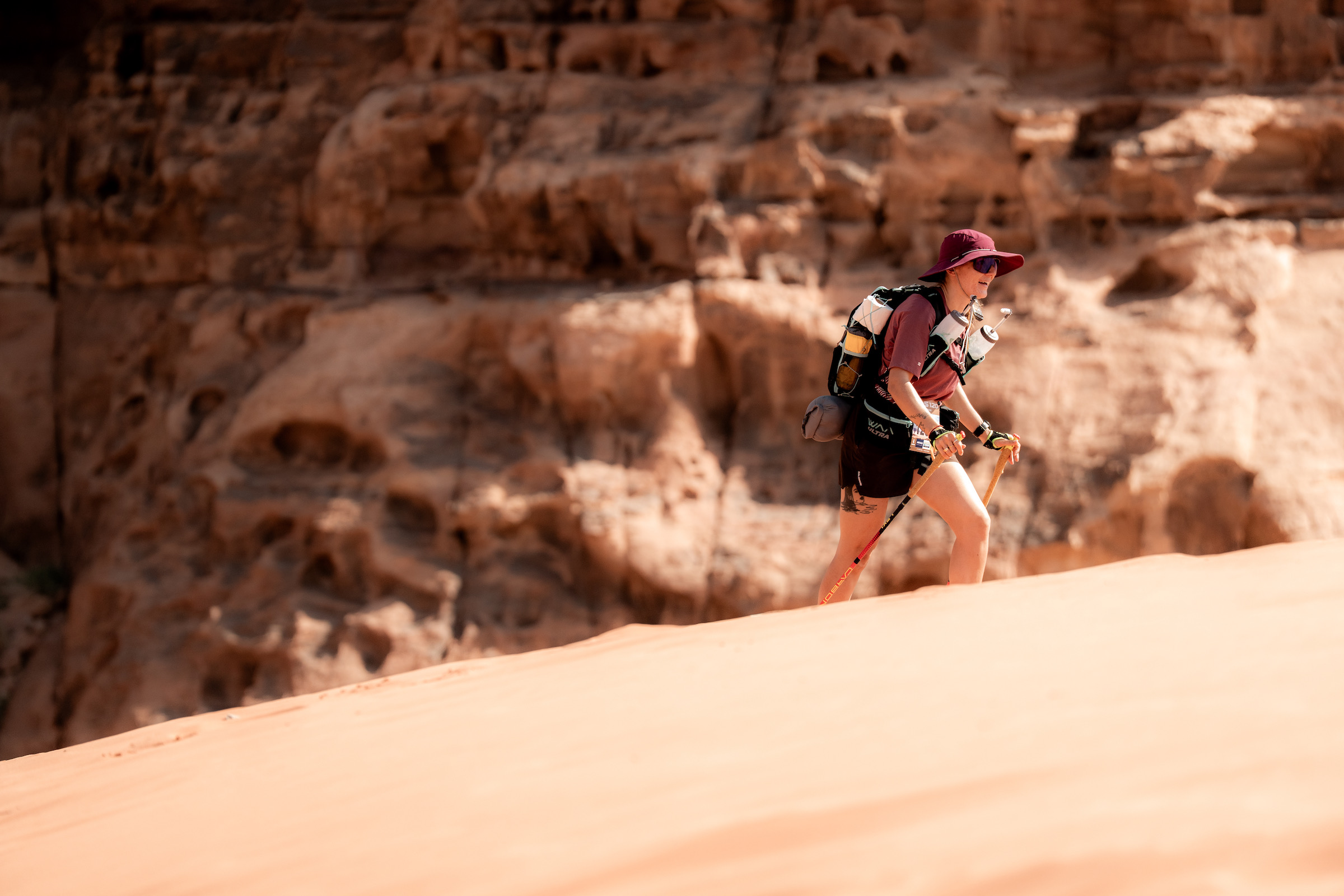
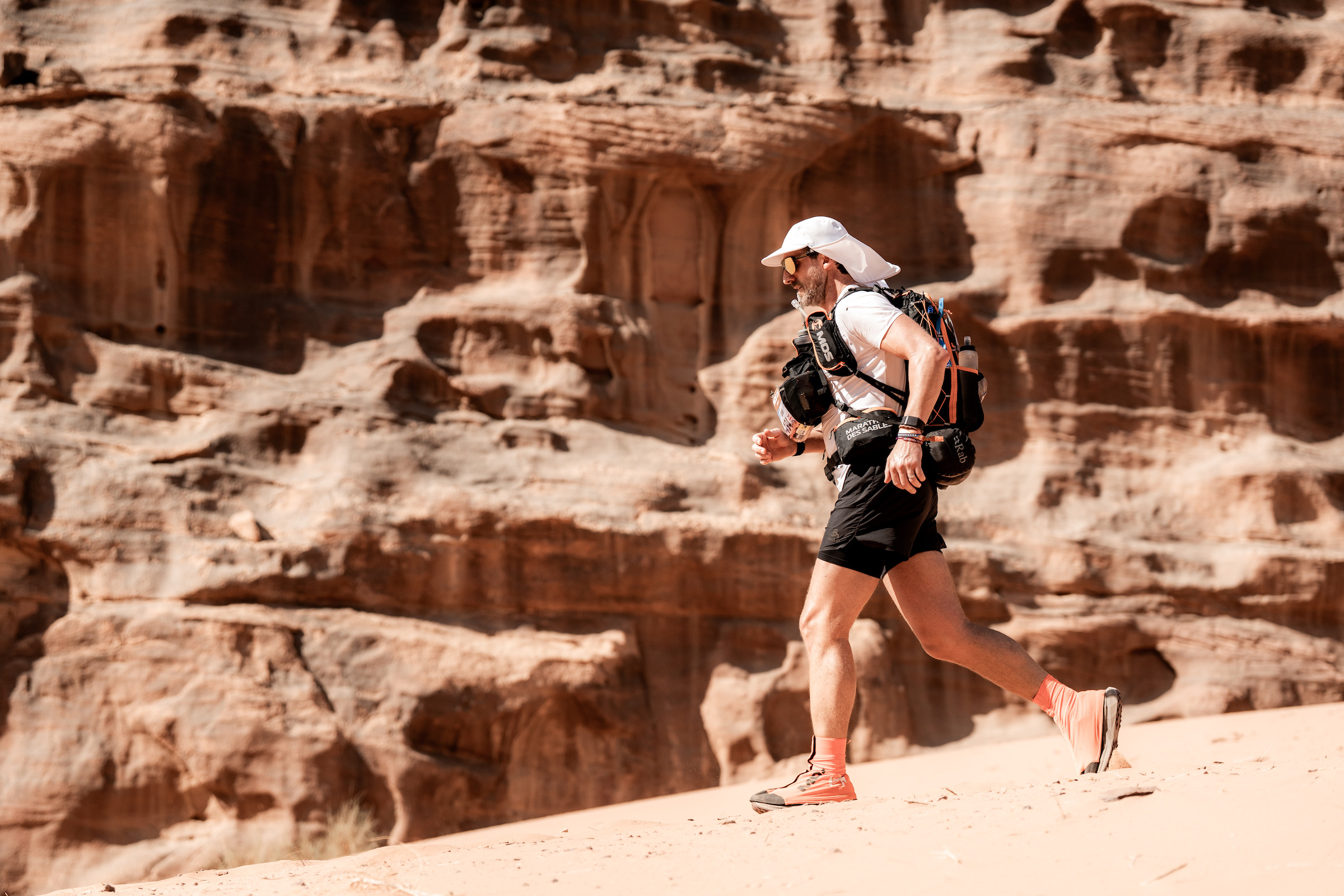
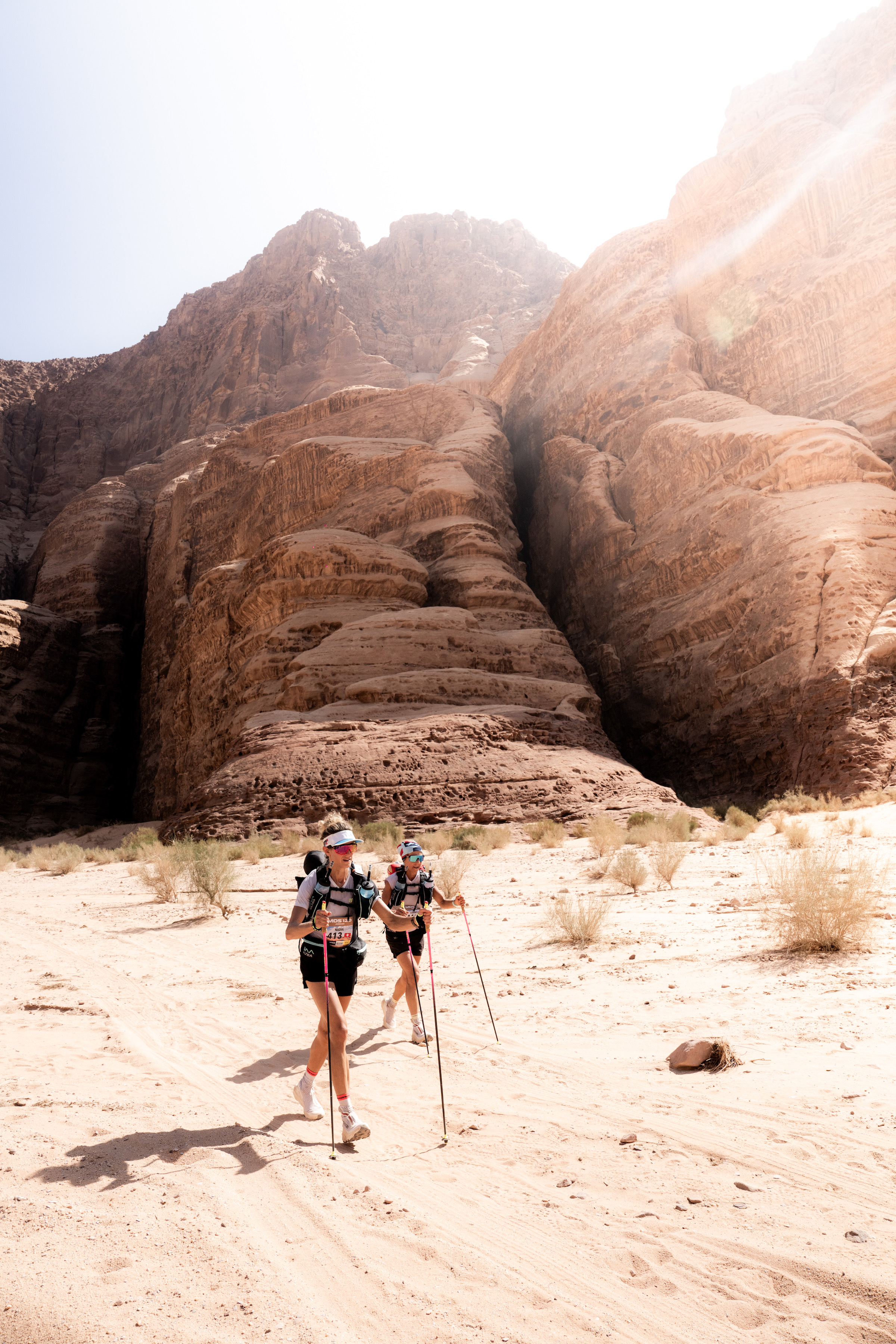
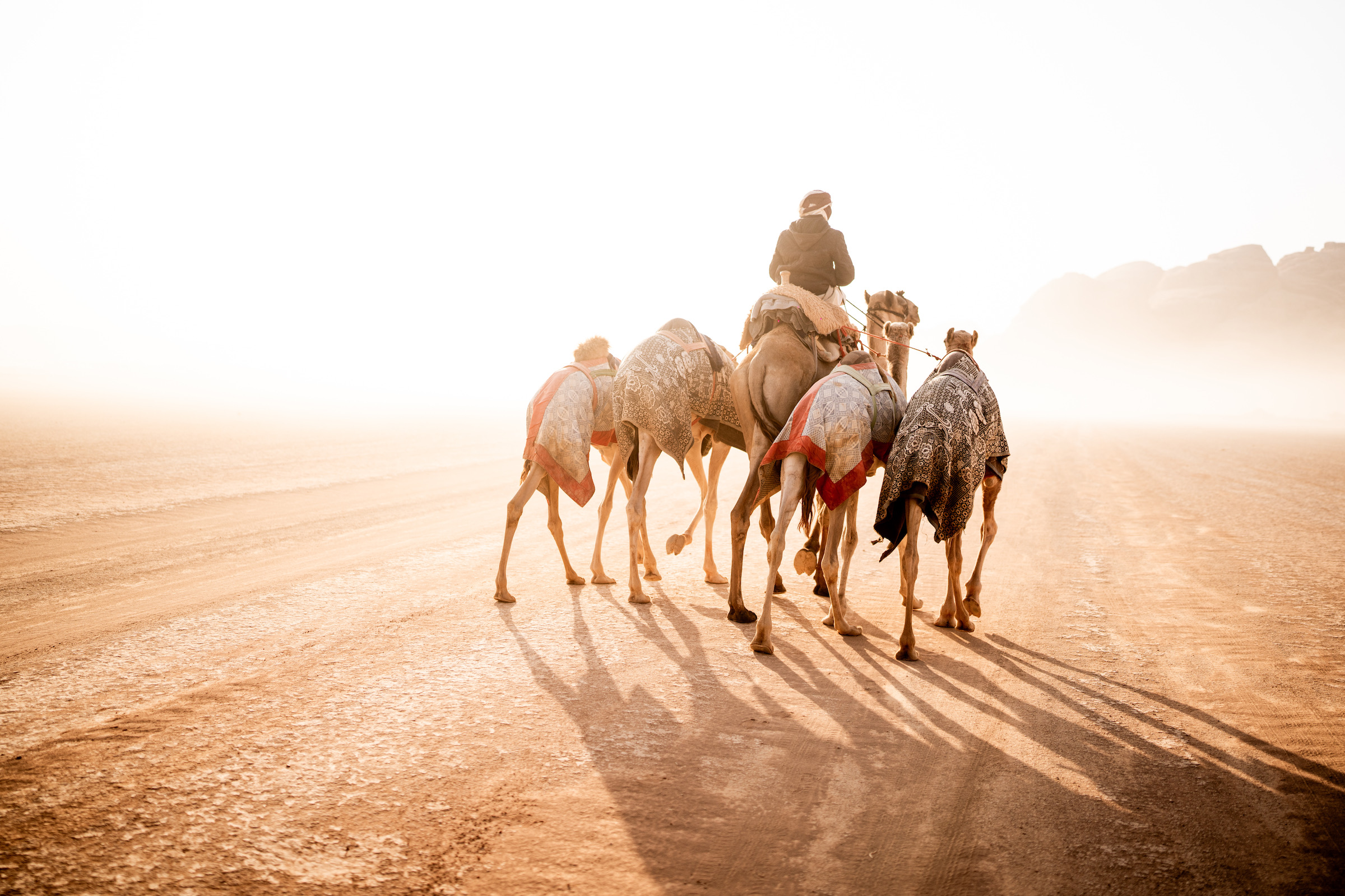
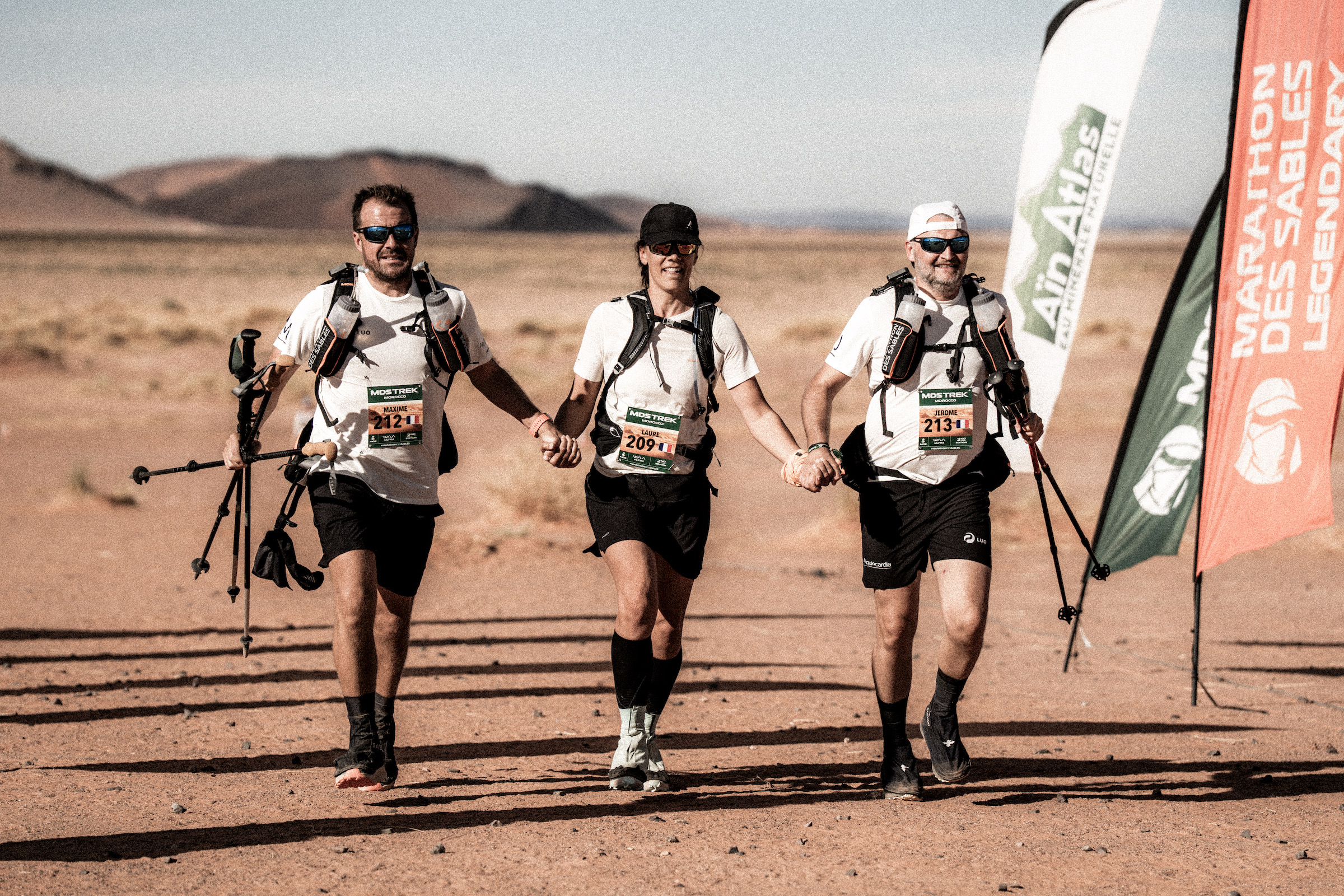
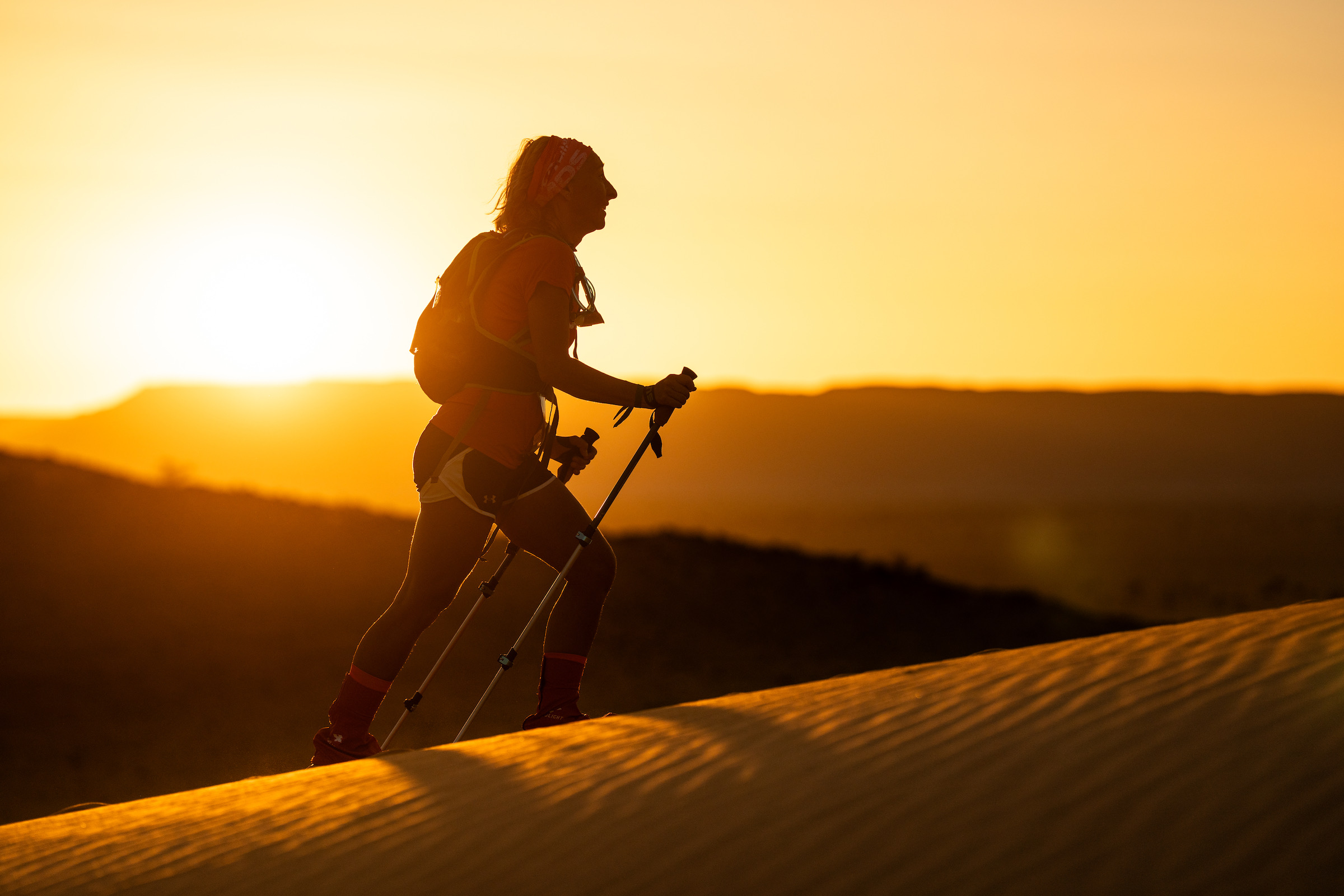
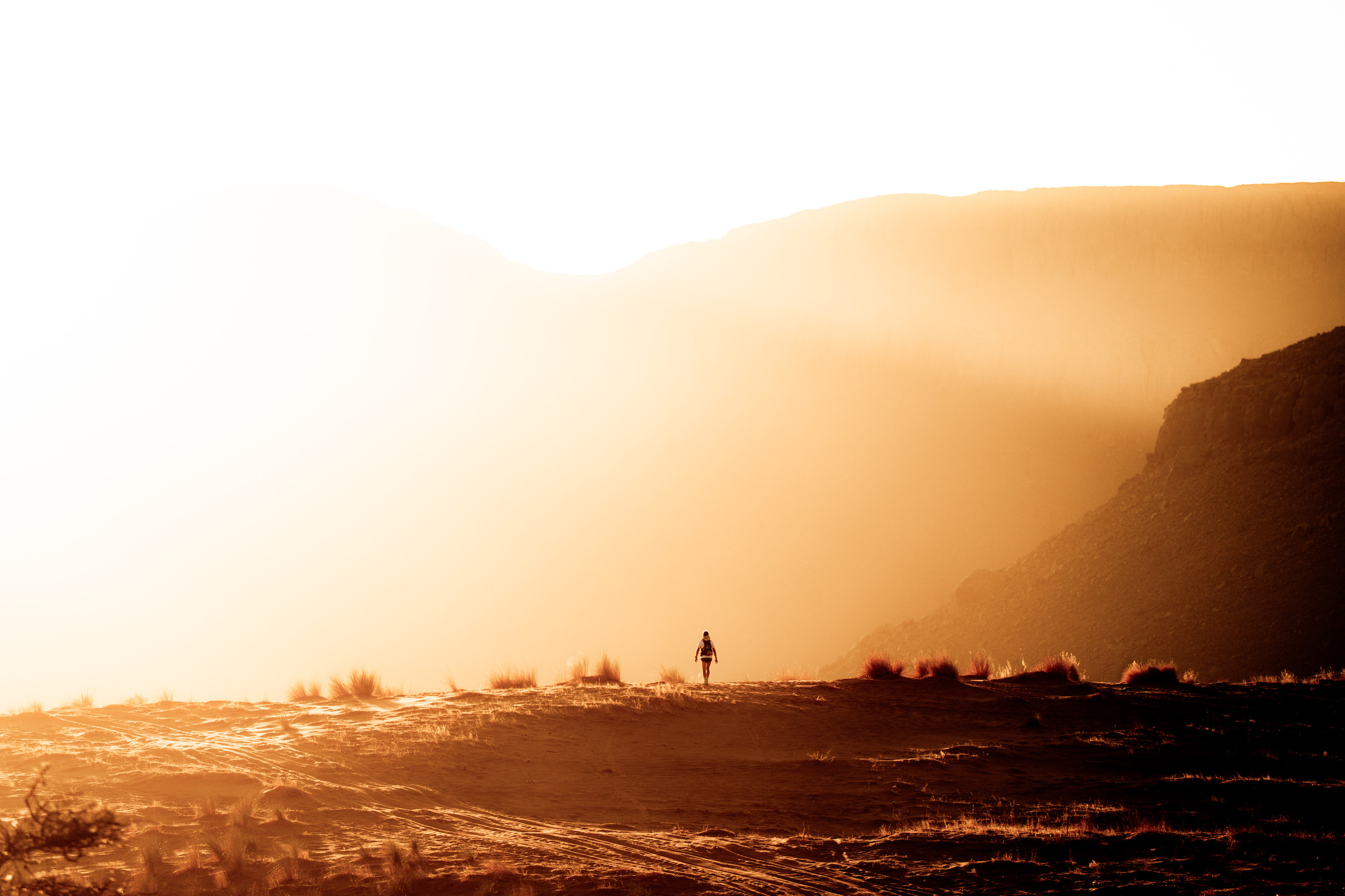
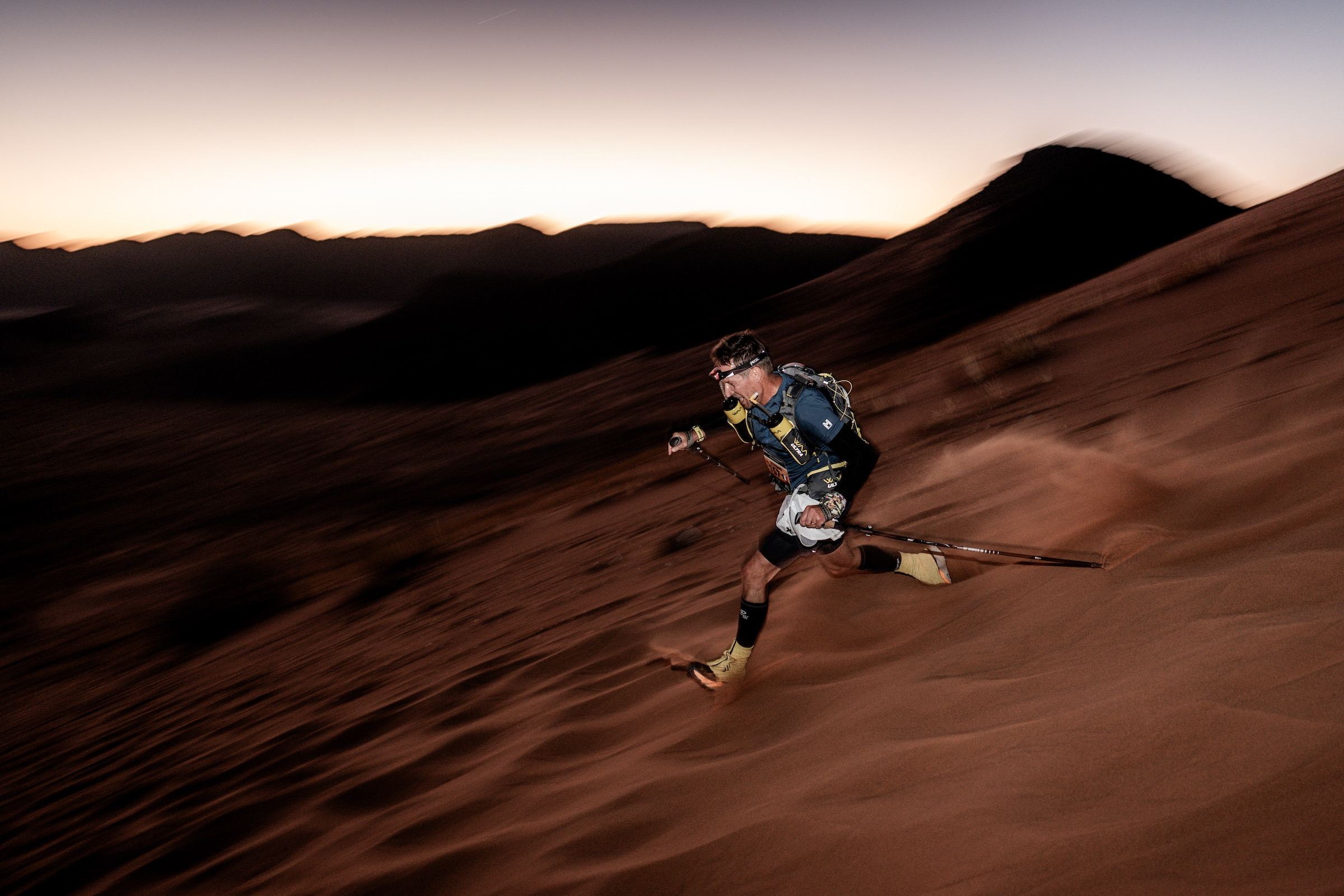
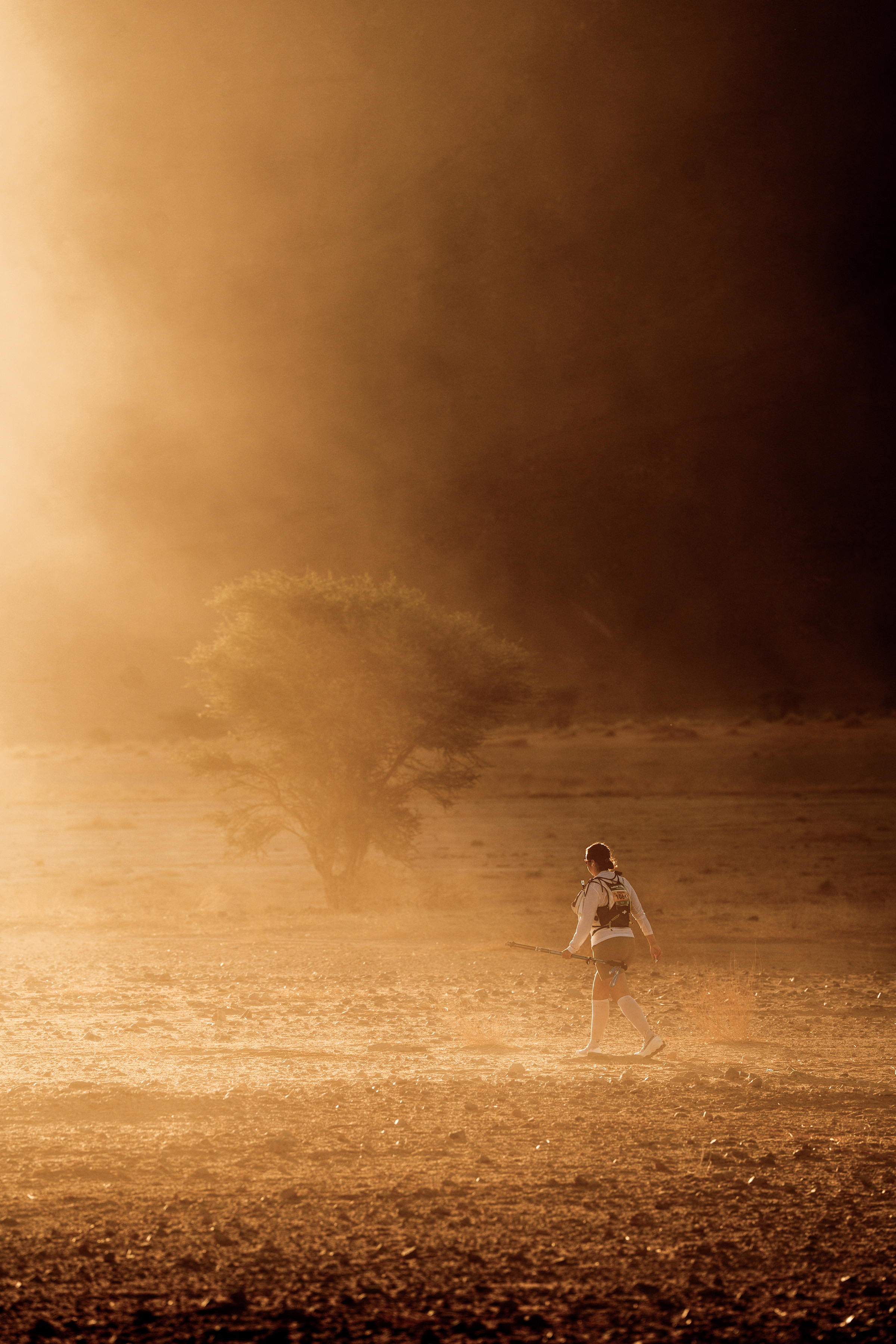
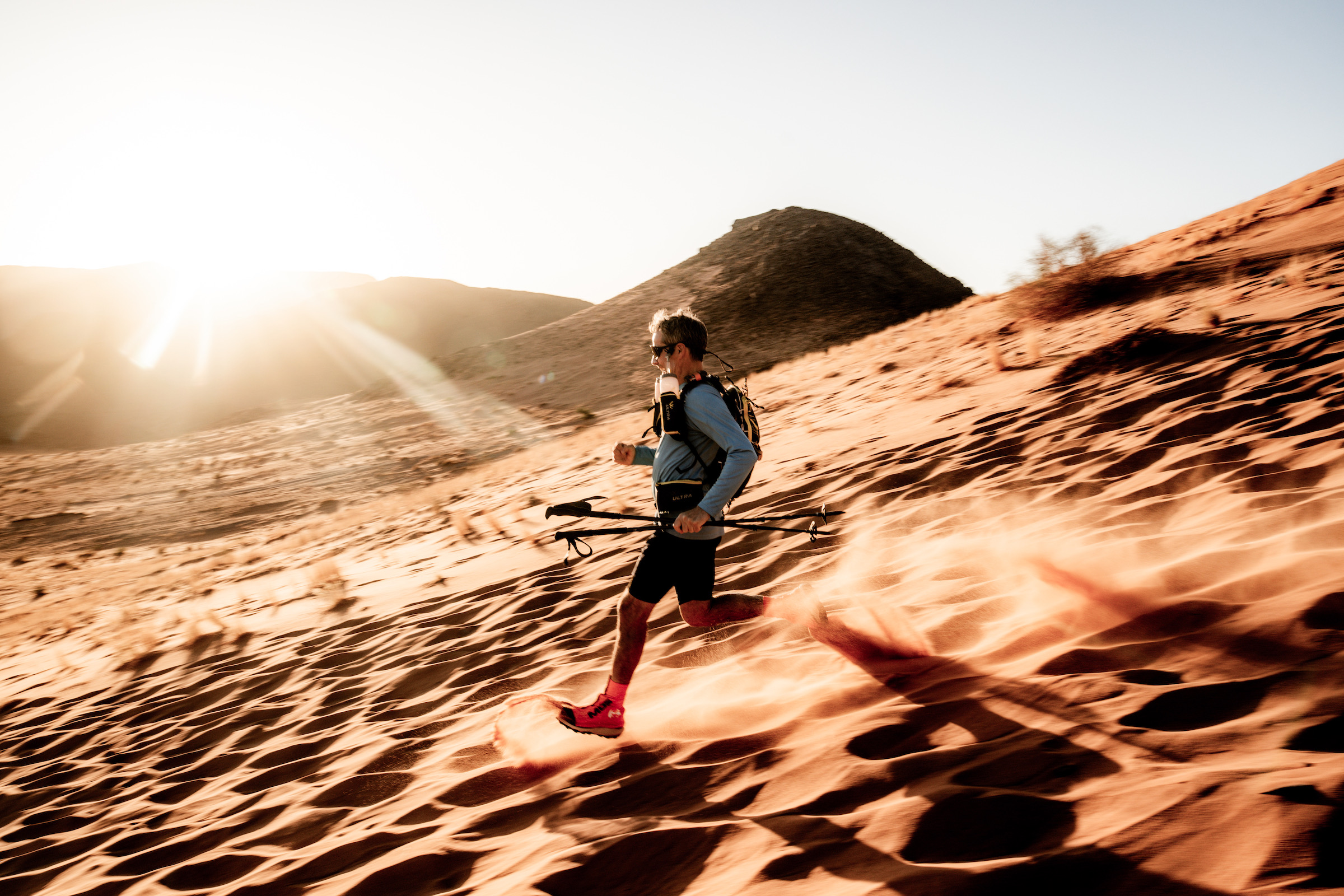
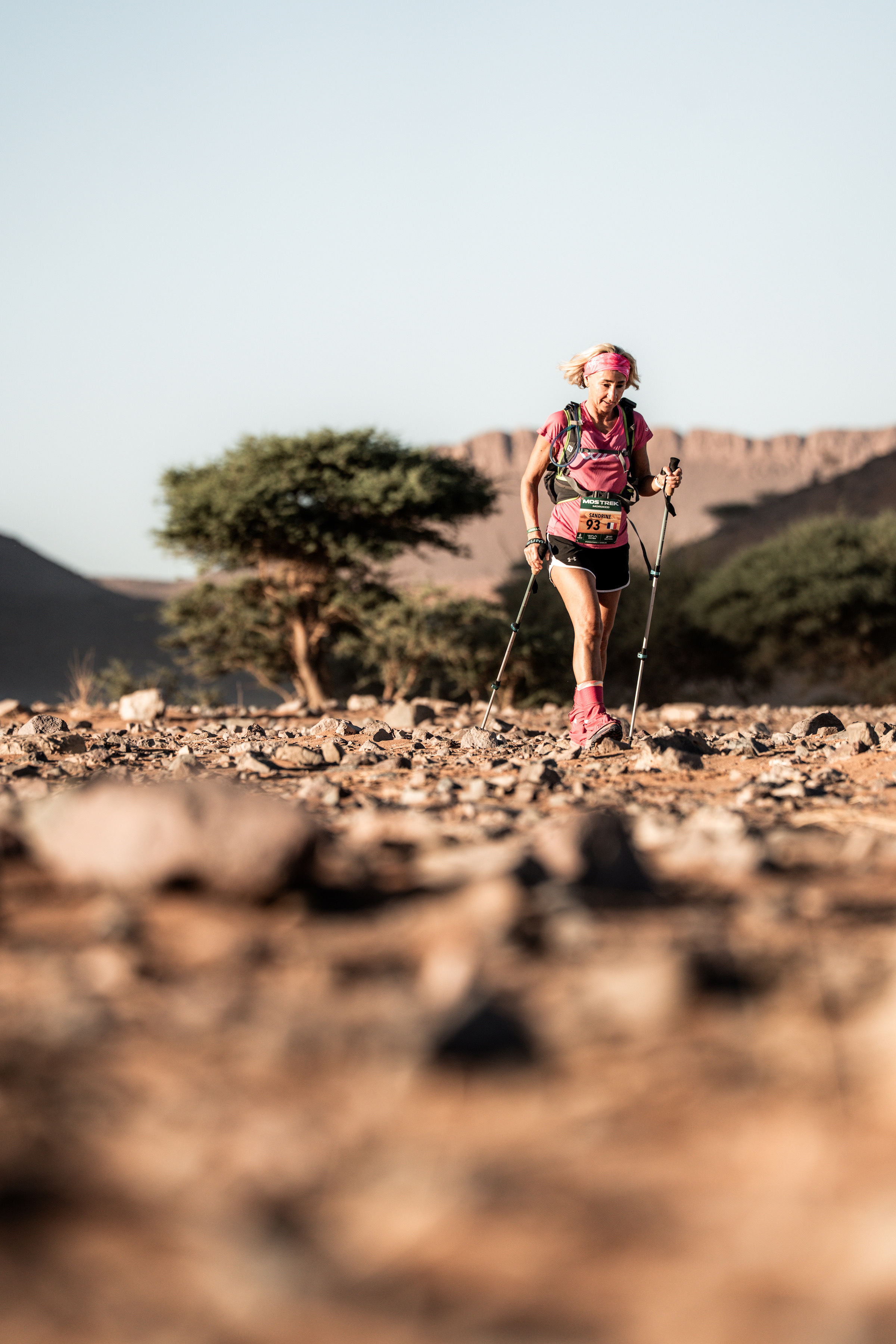
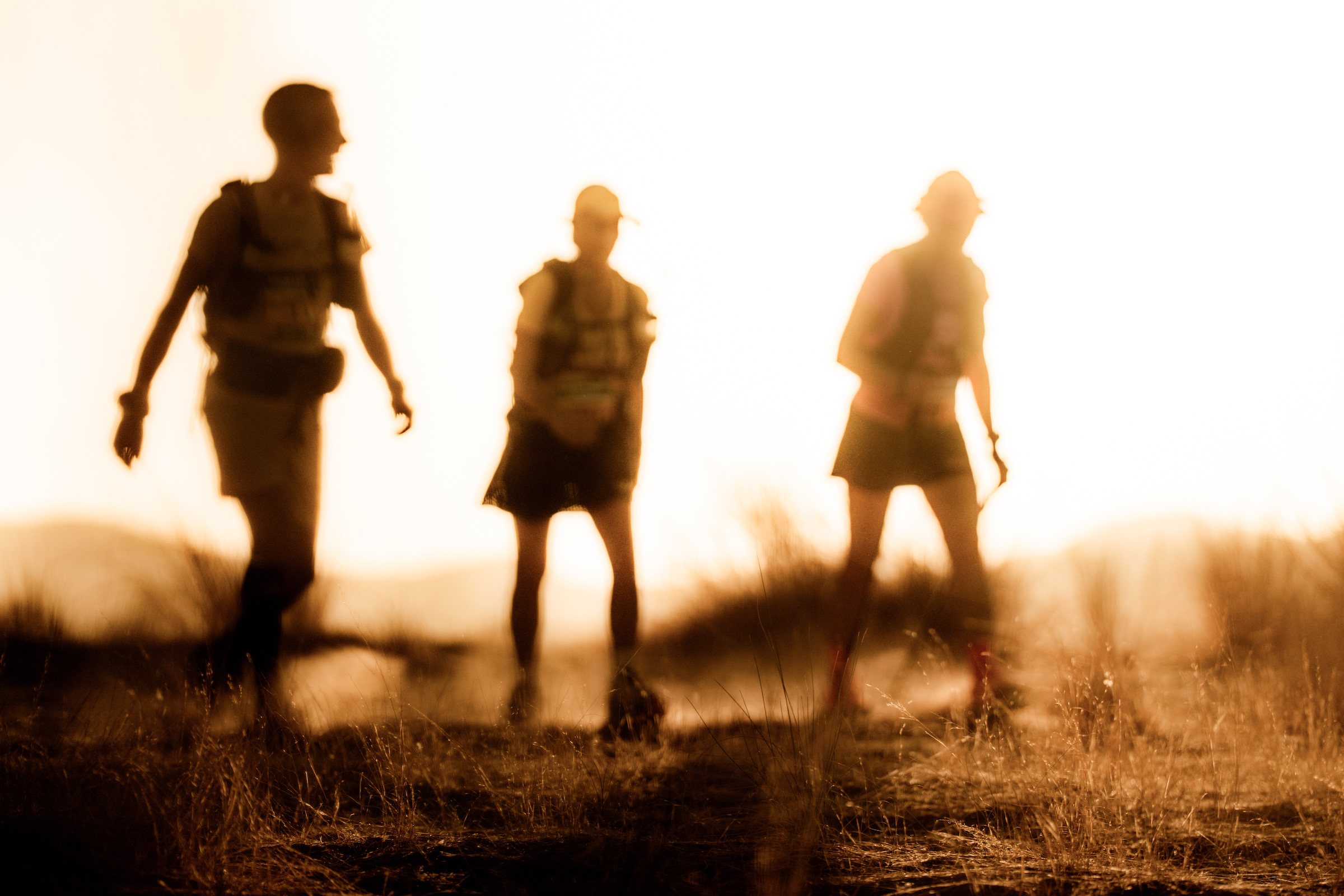
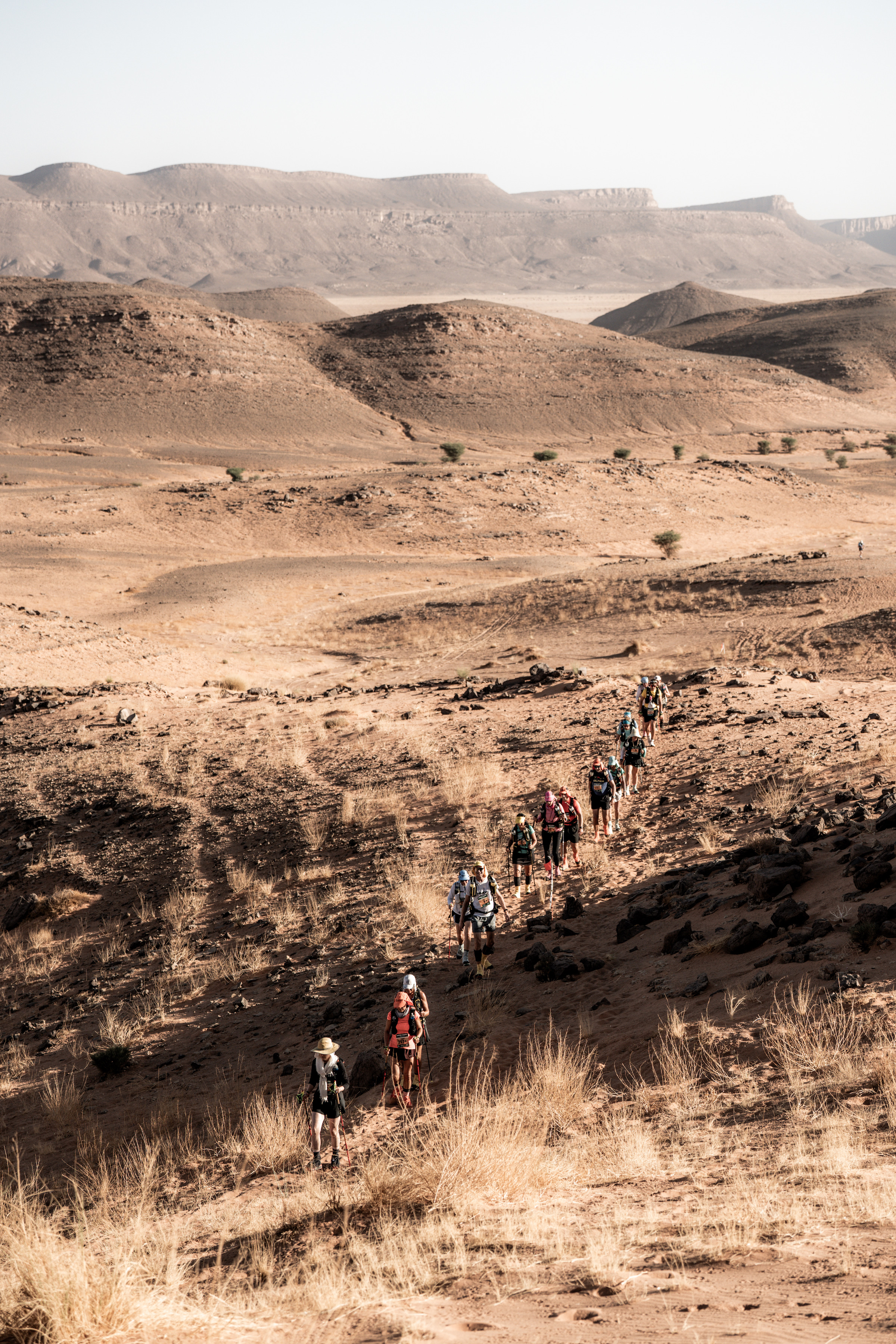
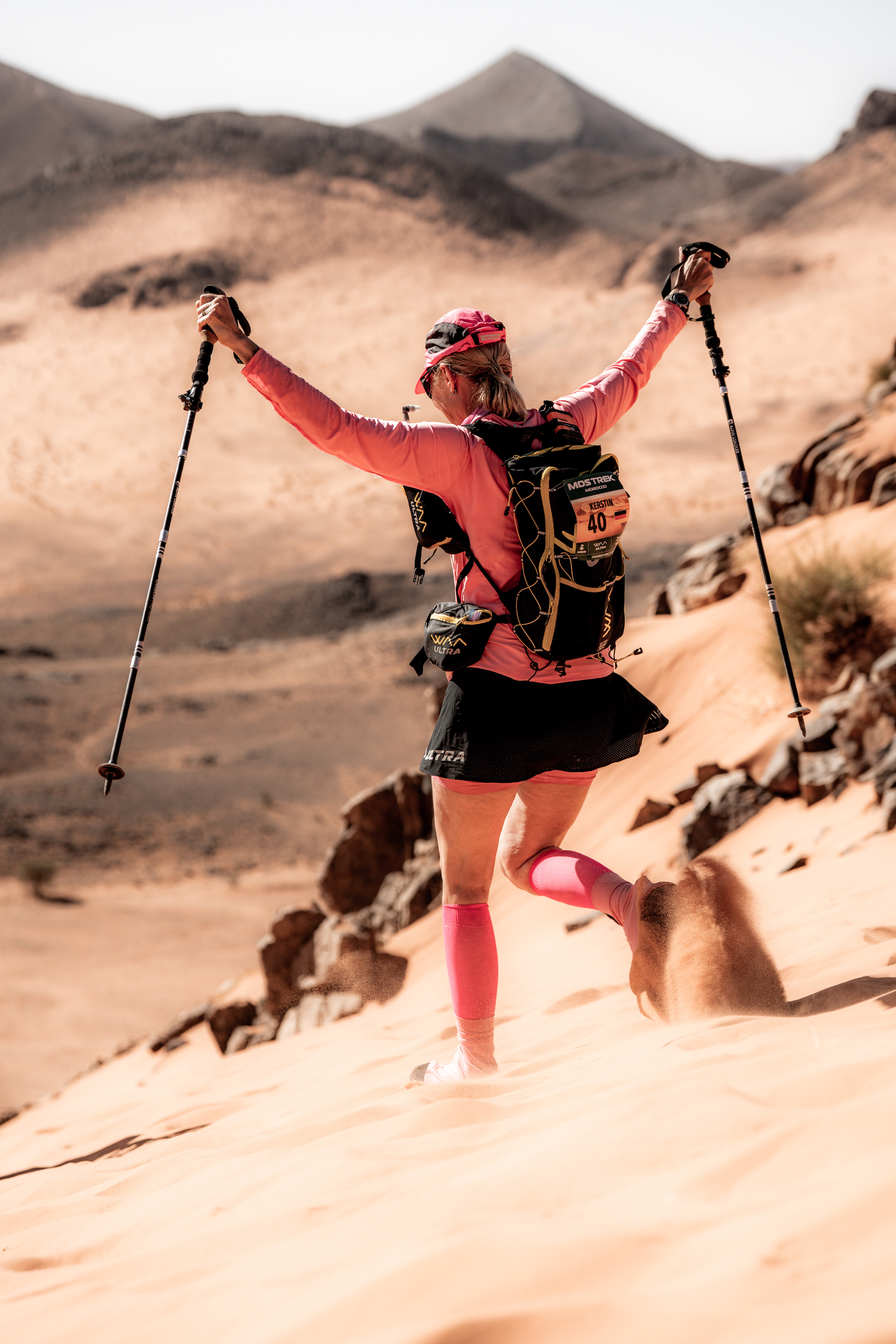
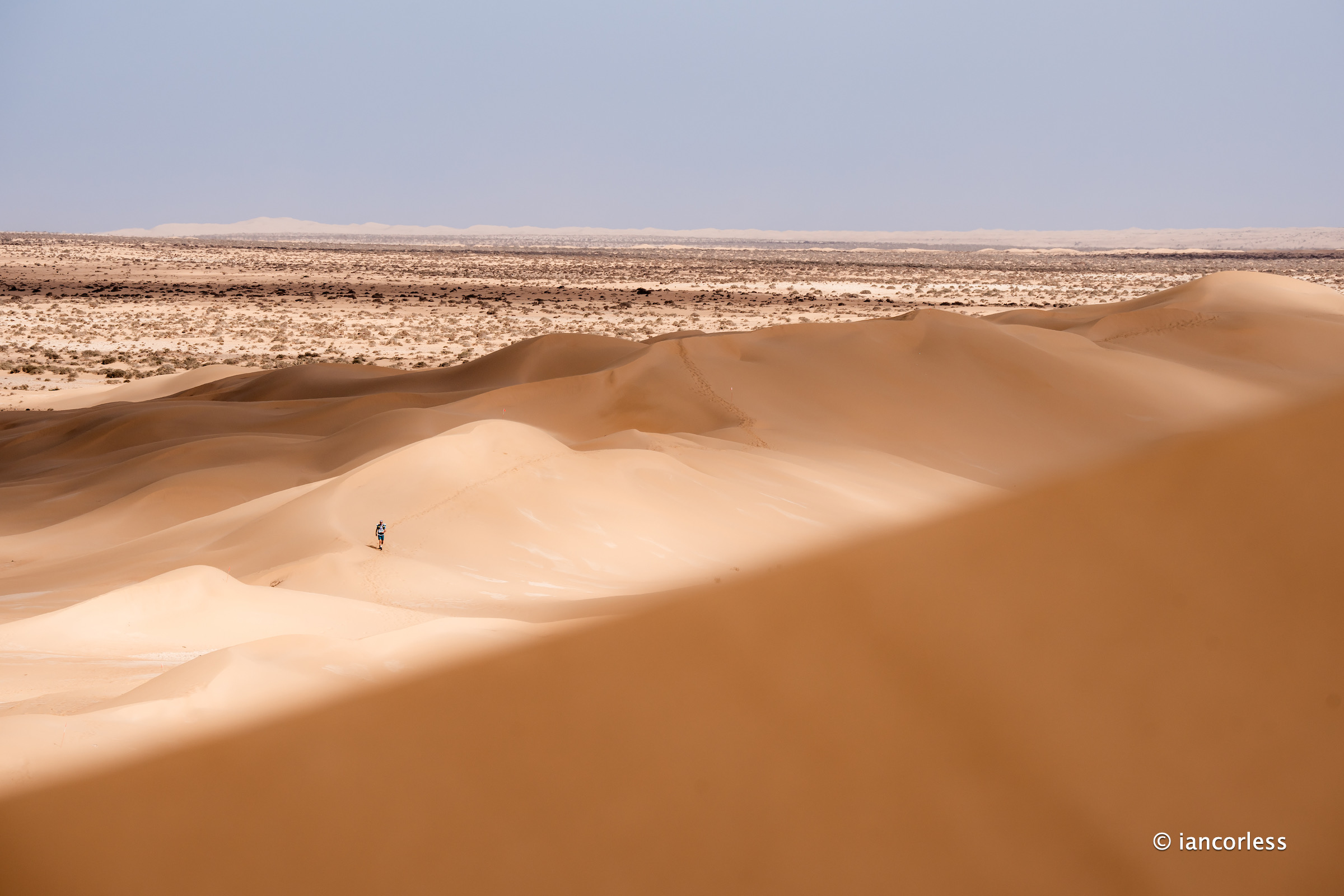
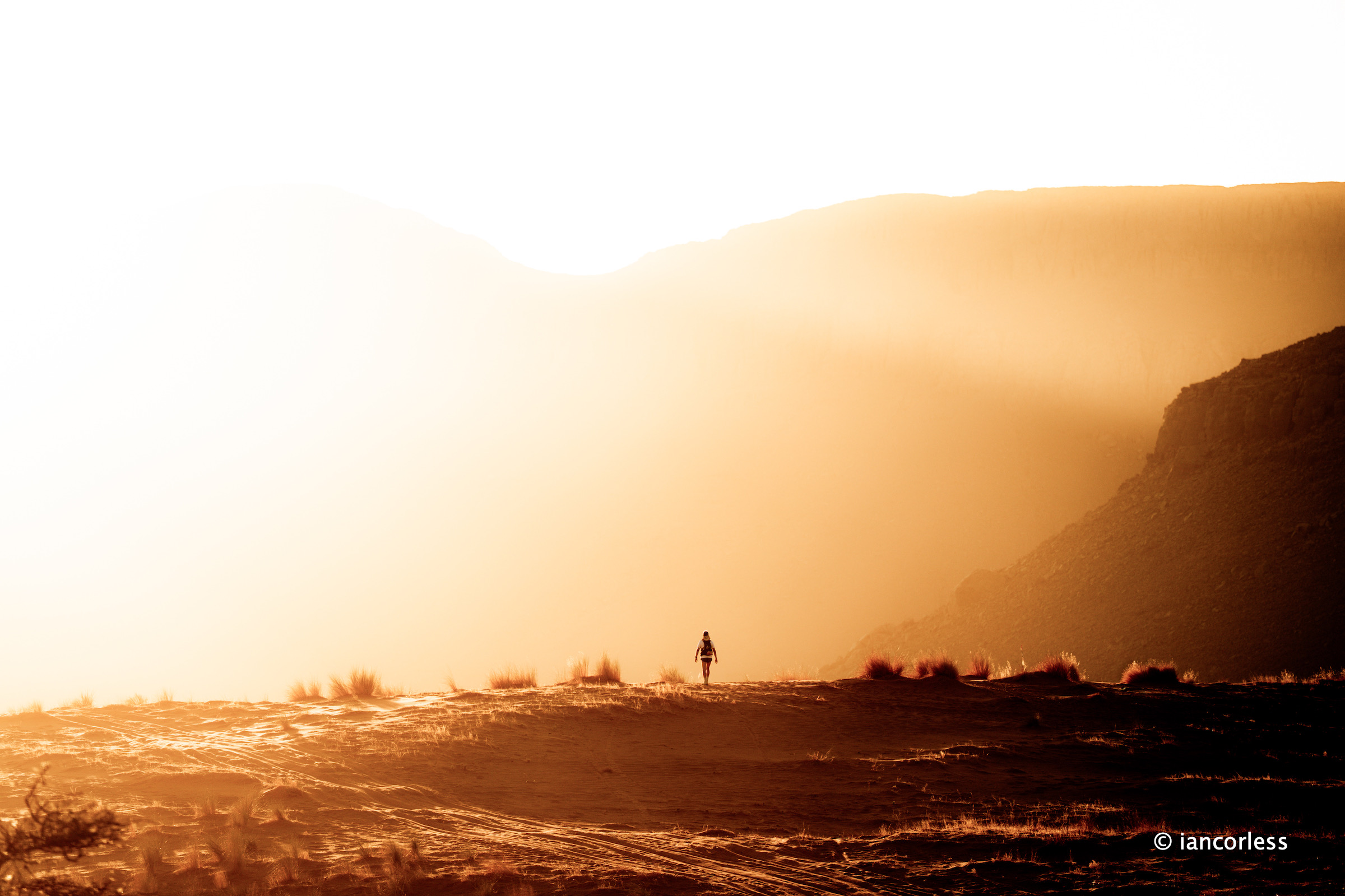
Wadi Rum, a land that looks like another planet but punishes like the real world. This year, close to 600-runners from 31 countries are taking on the MDS 120 JORDAN – a three-stage ultra through the desert, spread over four days with one crucial rest day. With a choice of three ´distances, 70km, 100 km, or 120 km – but no matter the number, the journey starts the same way: in the scorching, silent furnace of Wadi Rum.

Welcome to Wadi Rum

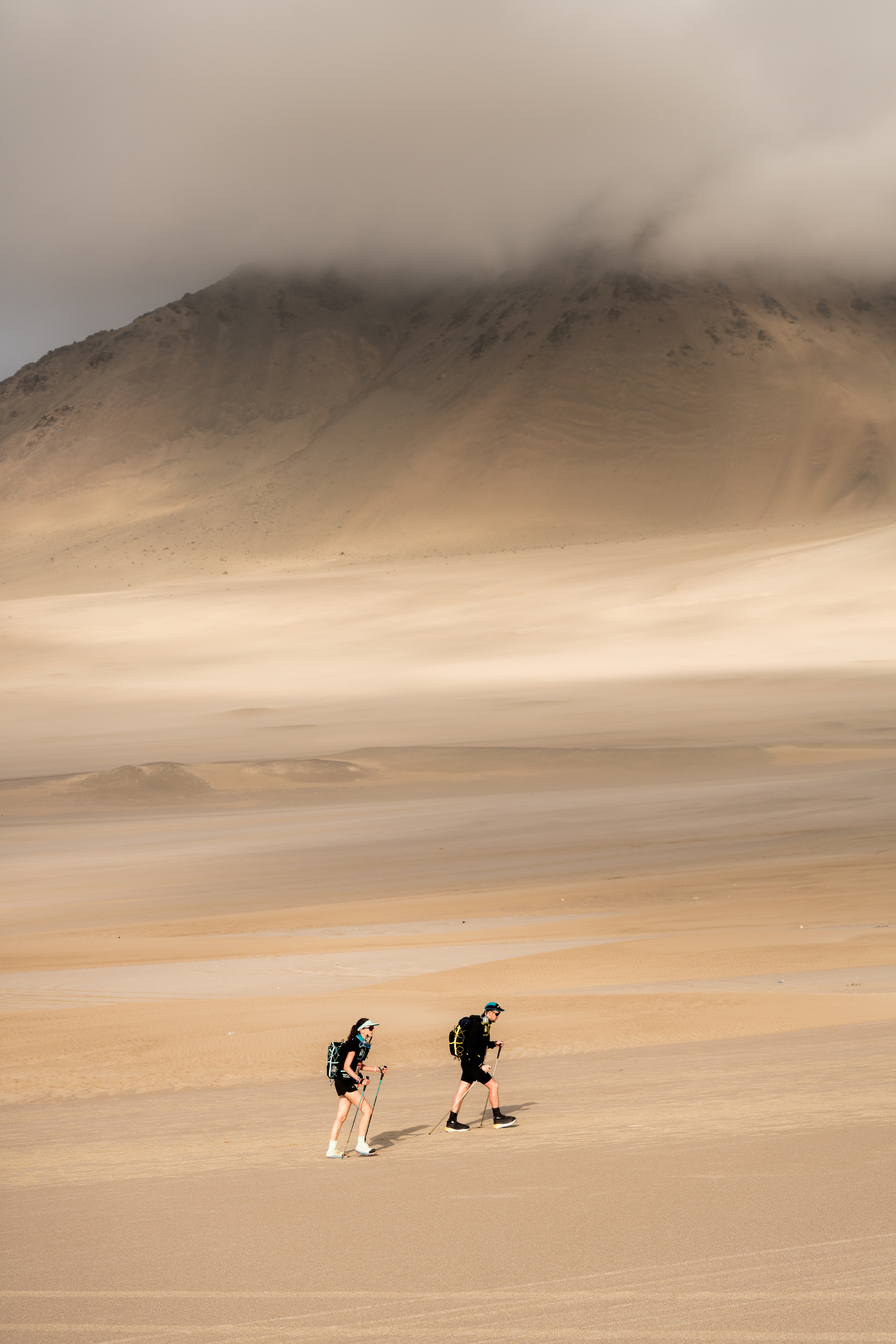
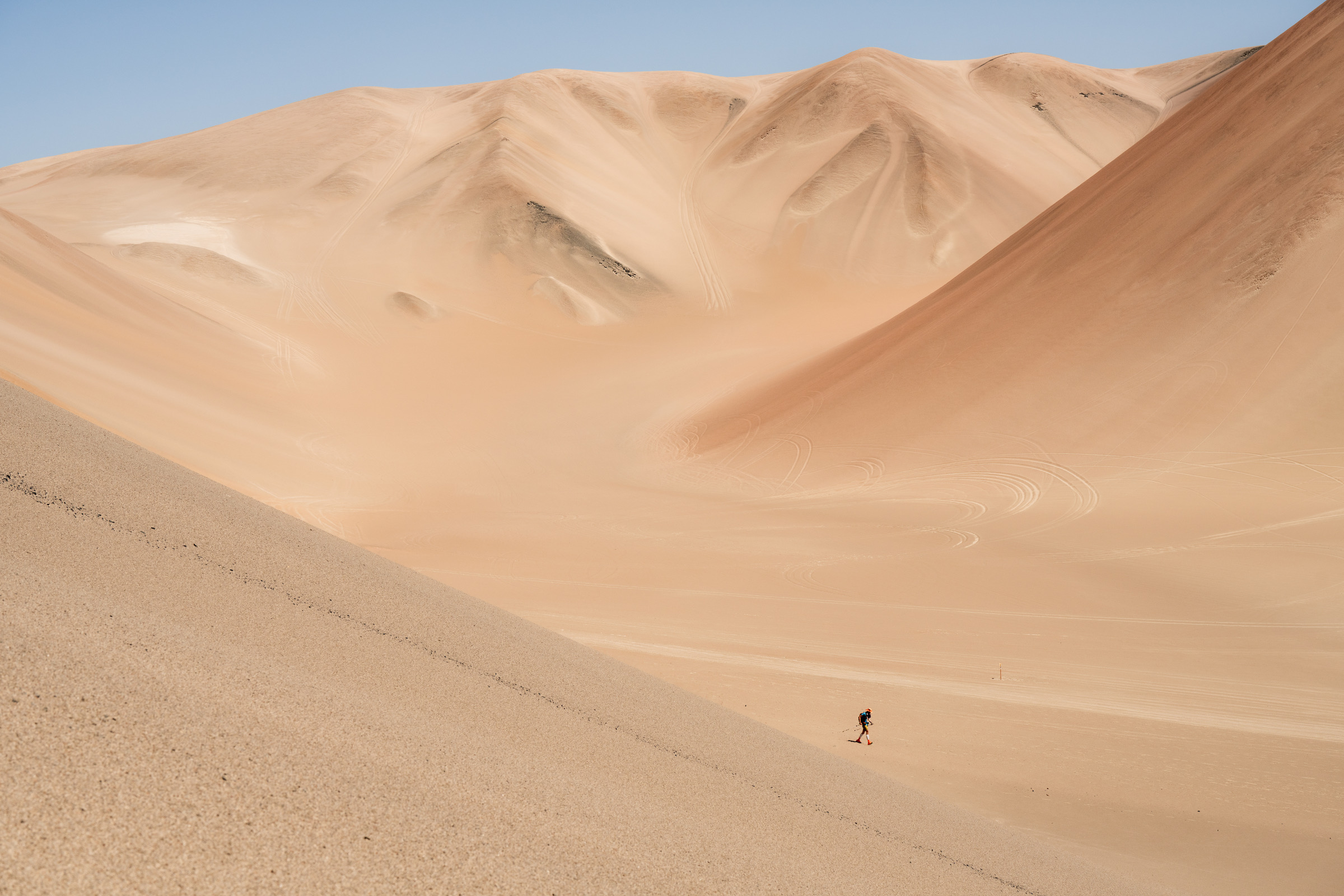
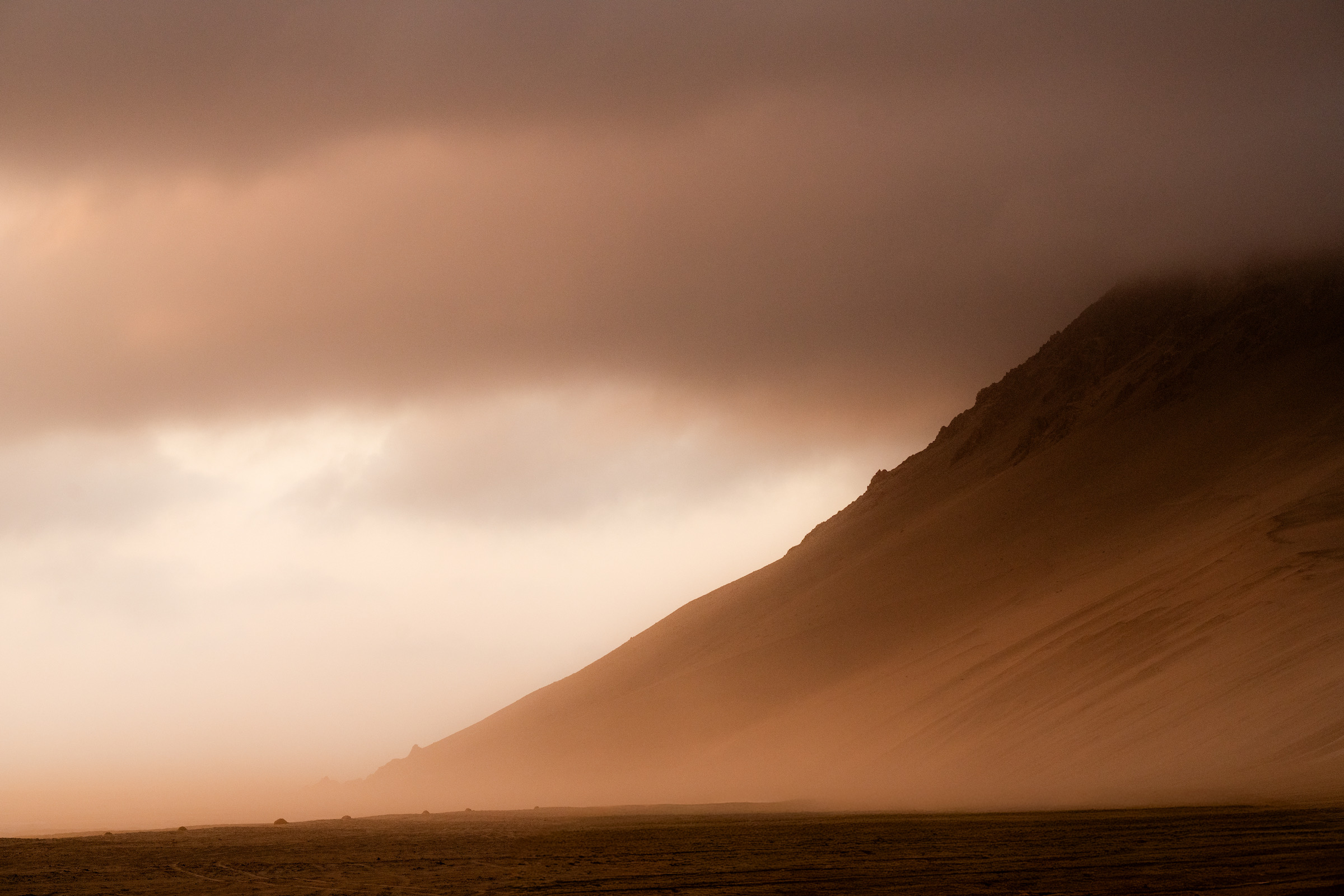
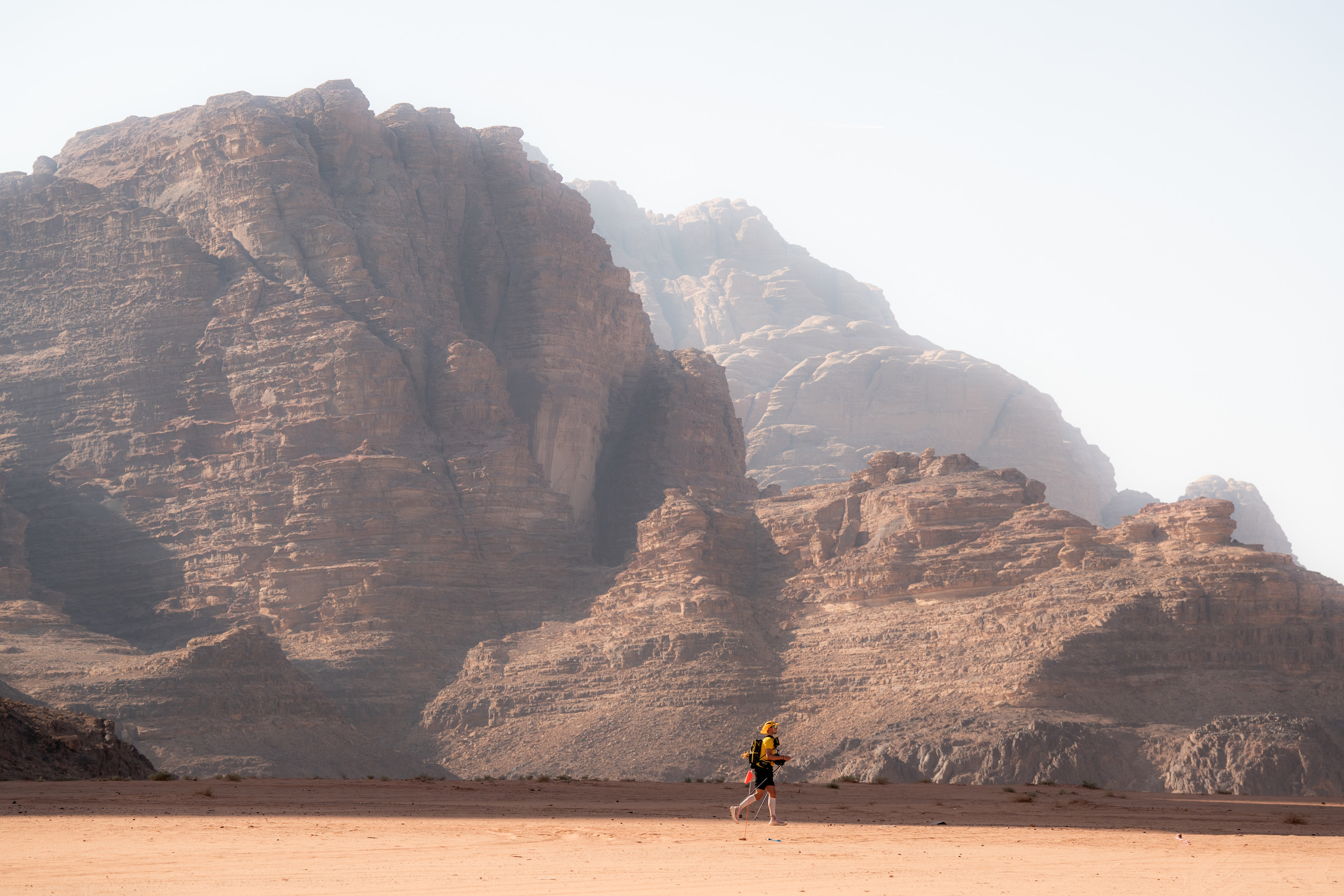
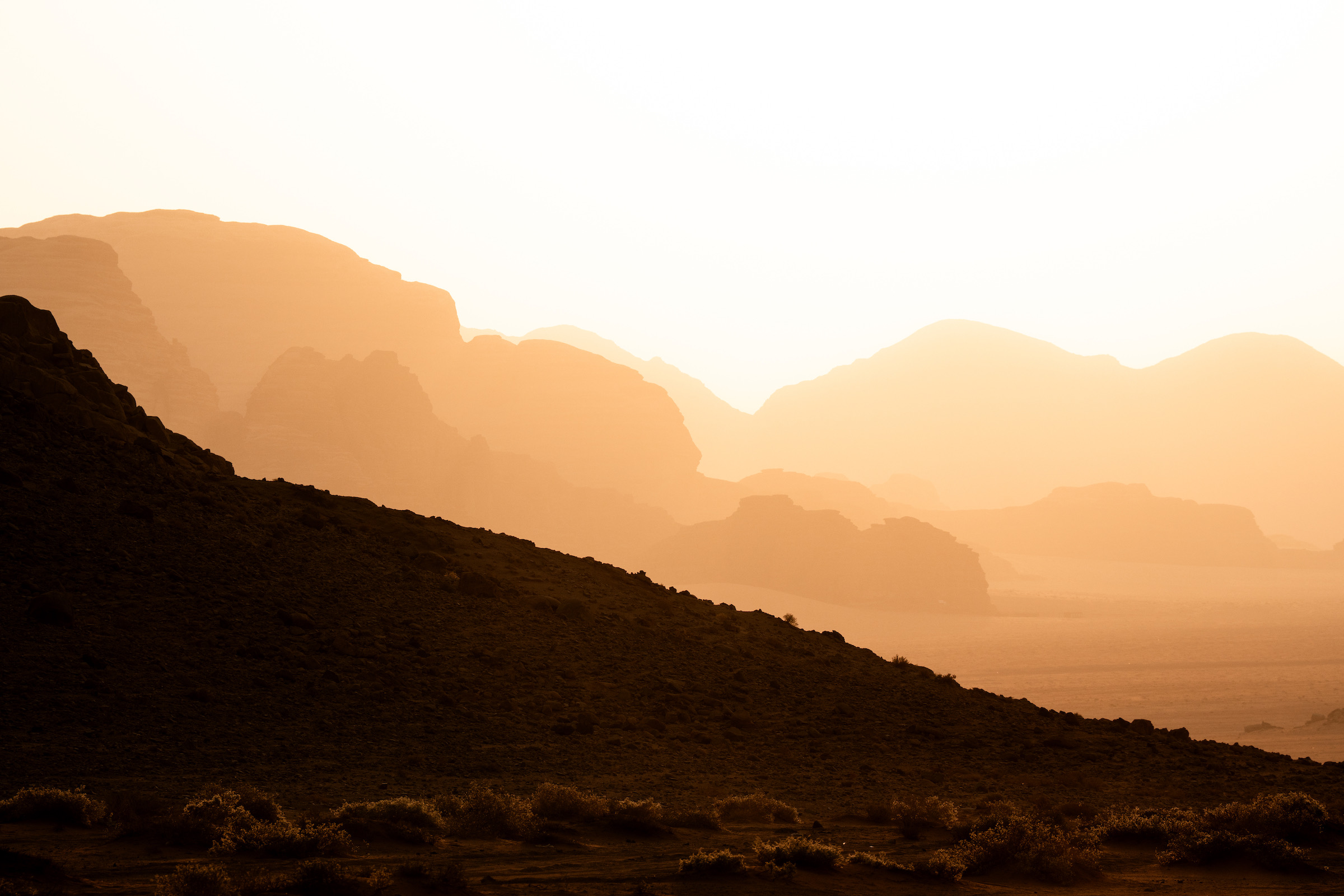
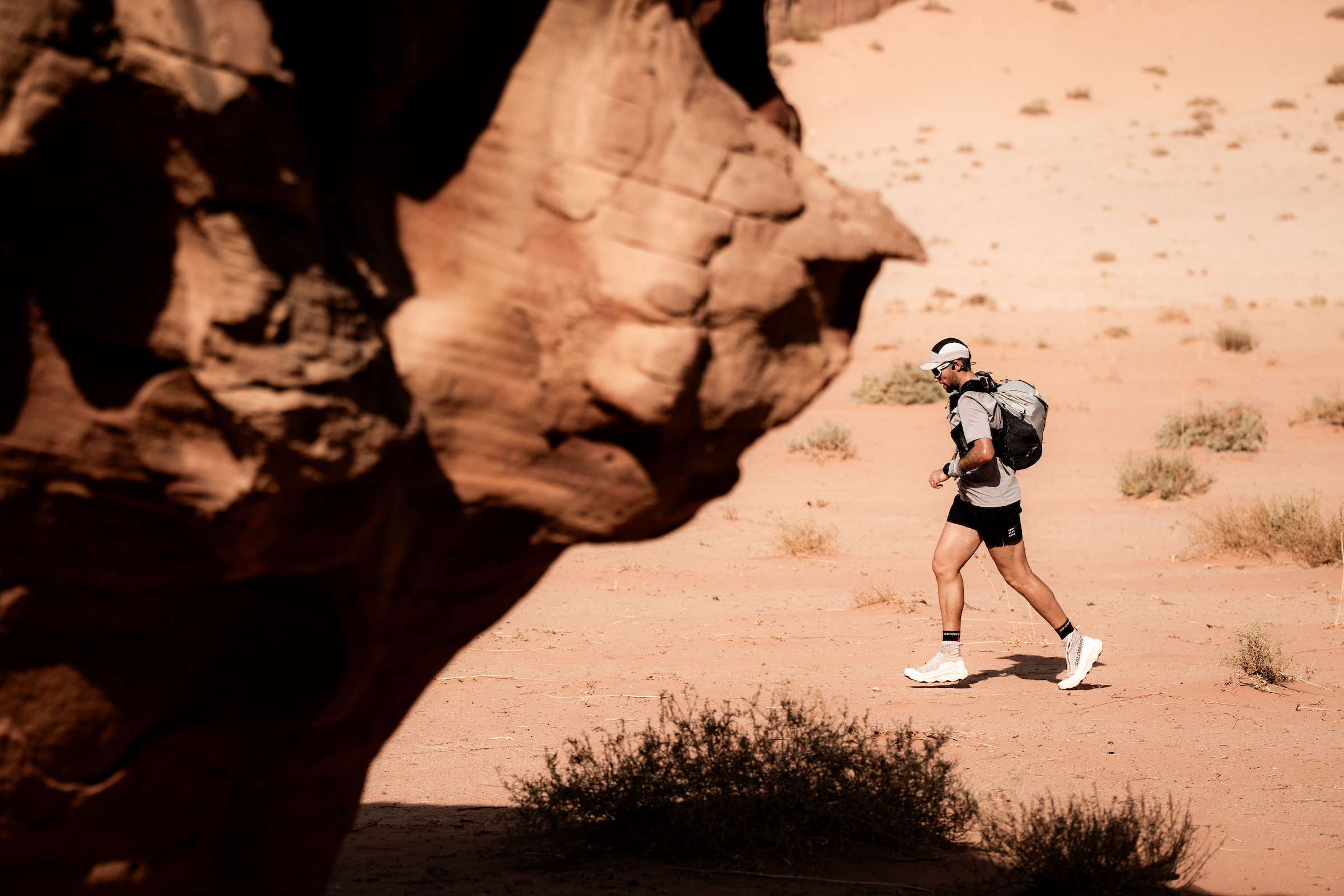
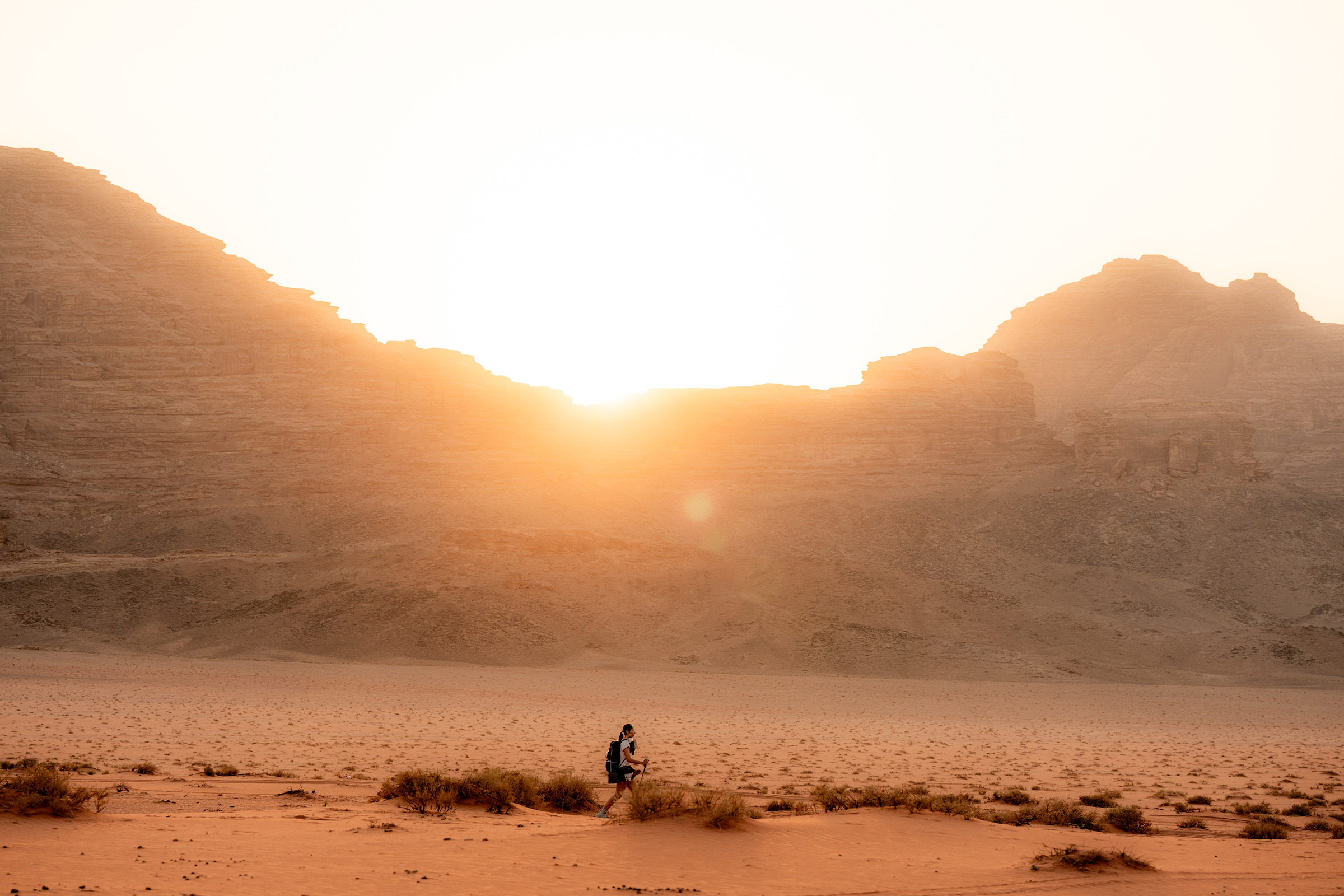
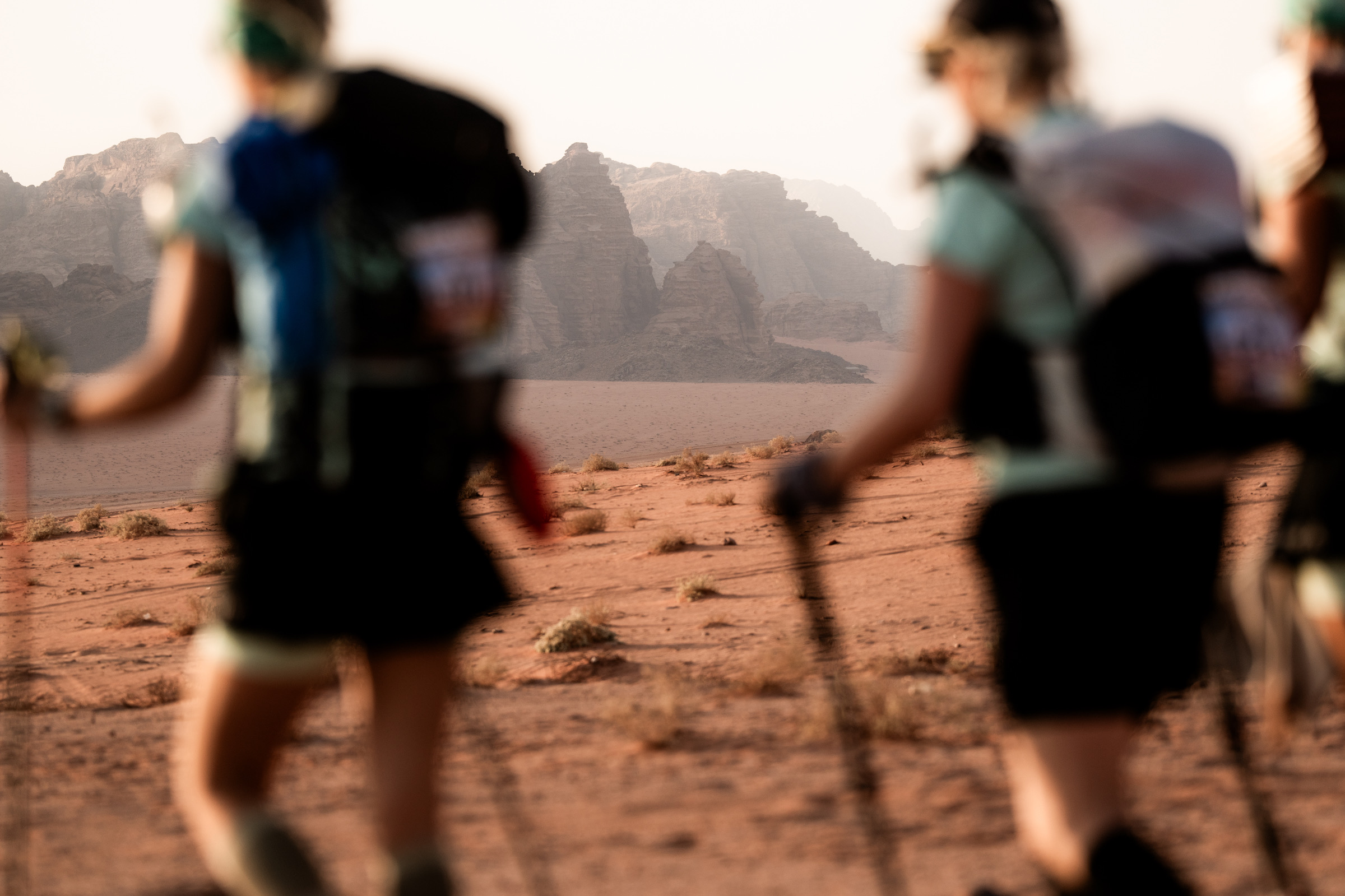
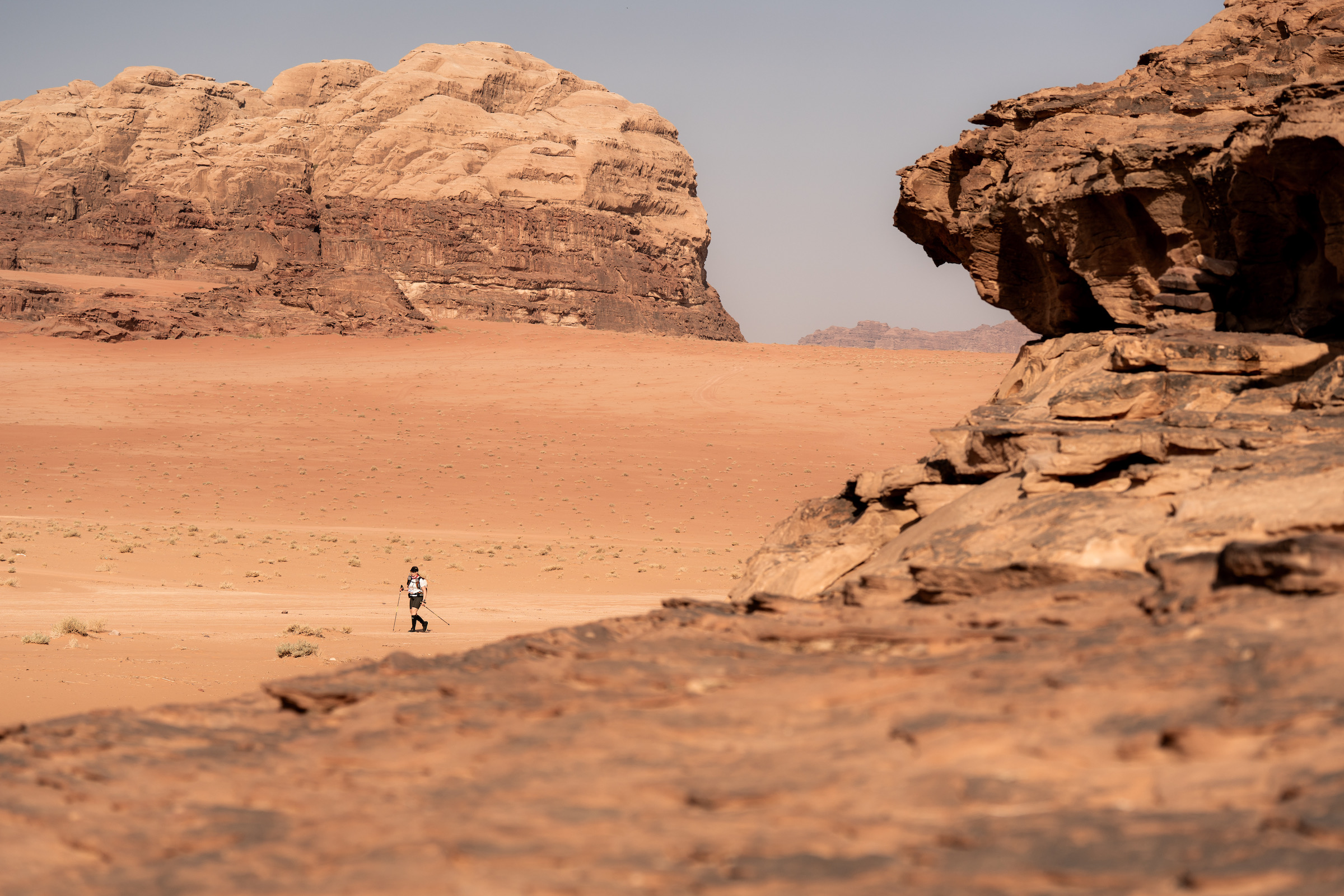
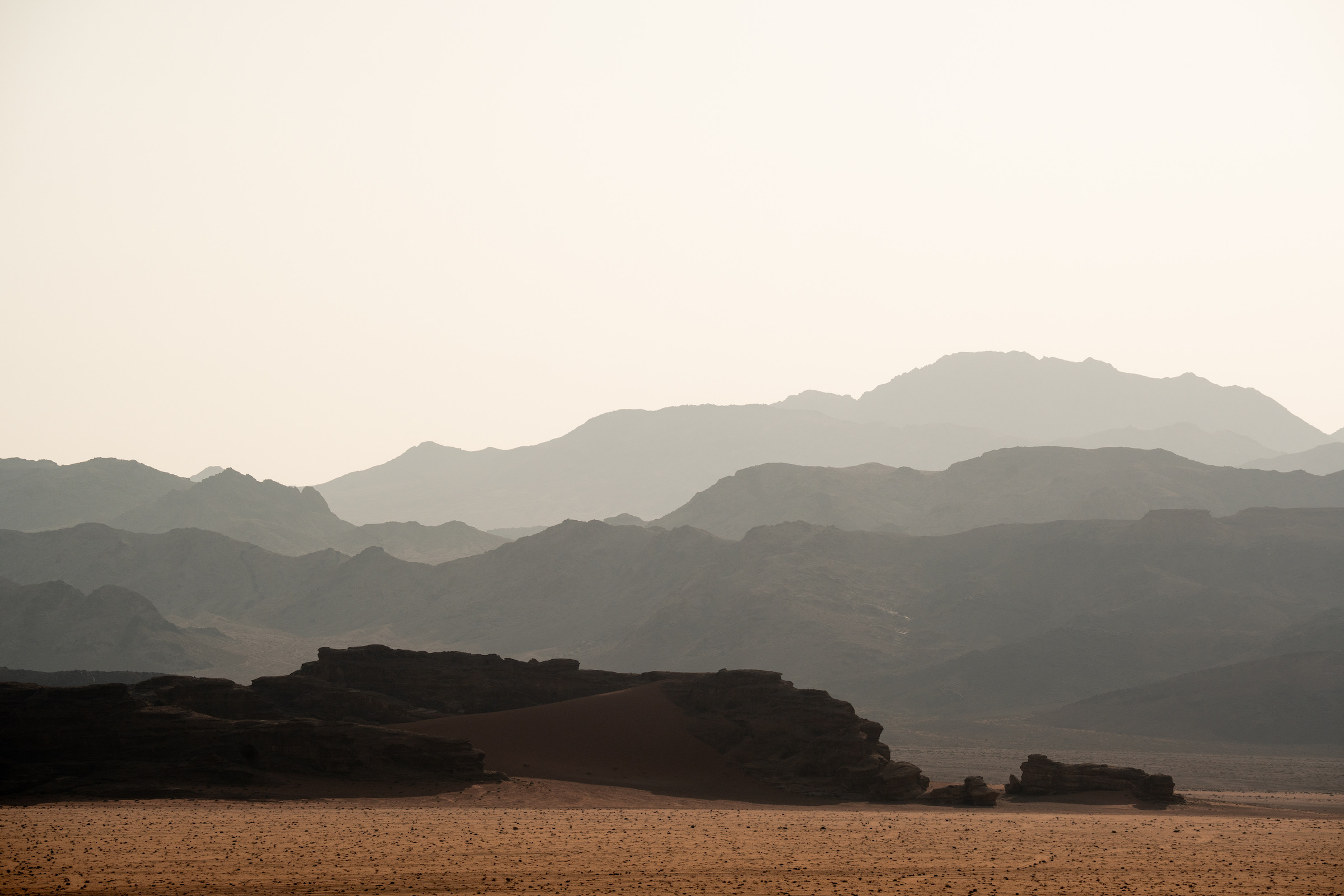
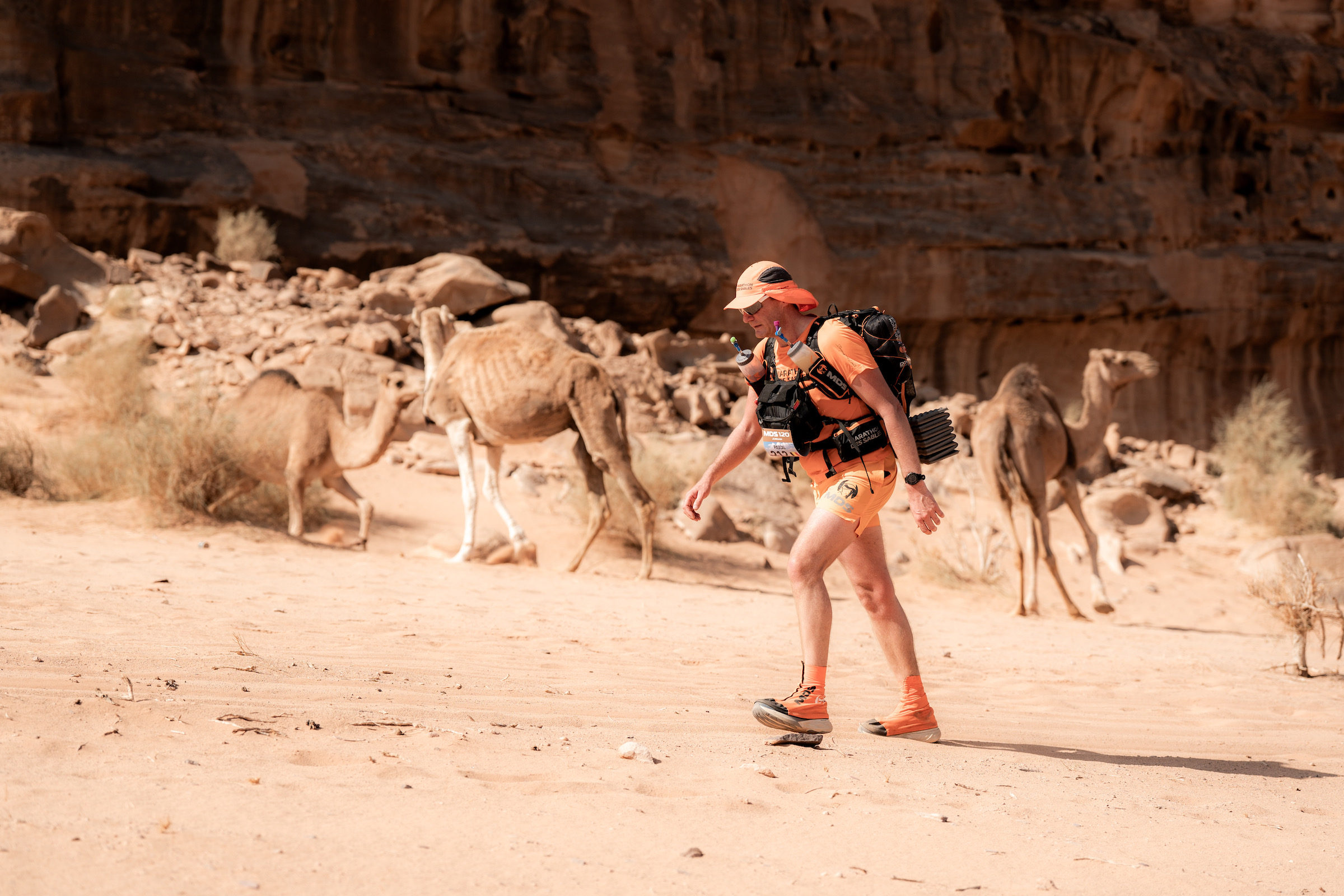
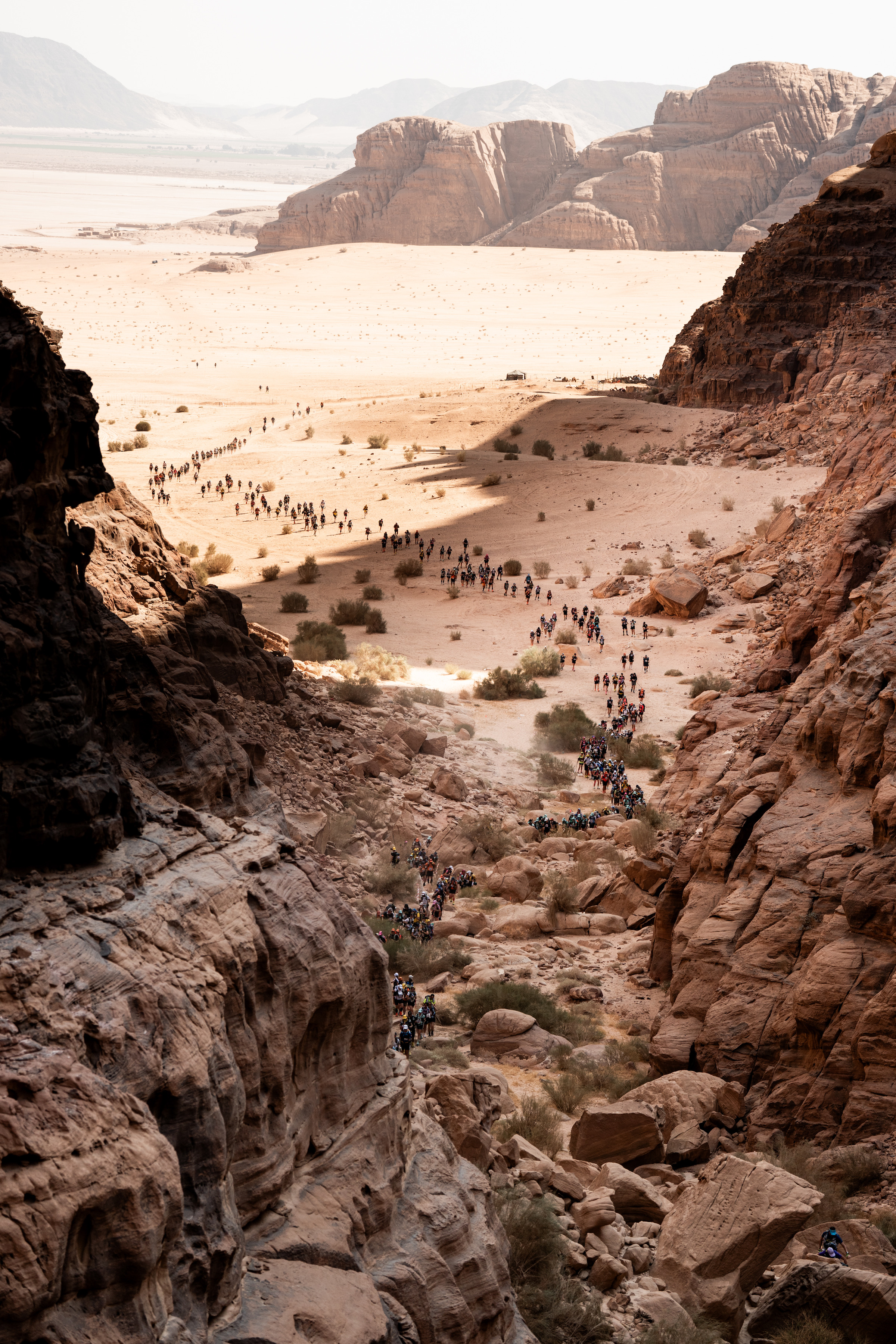
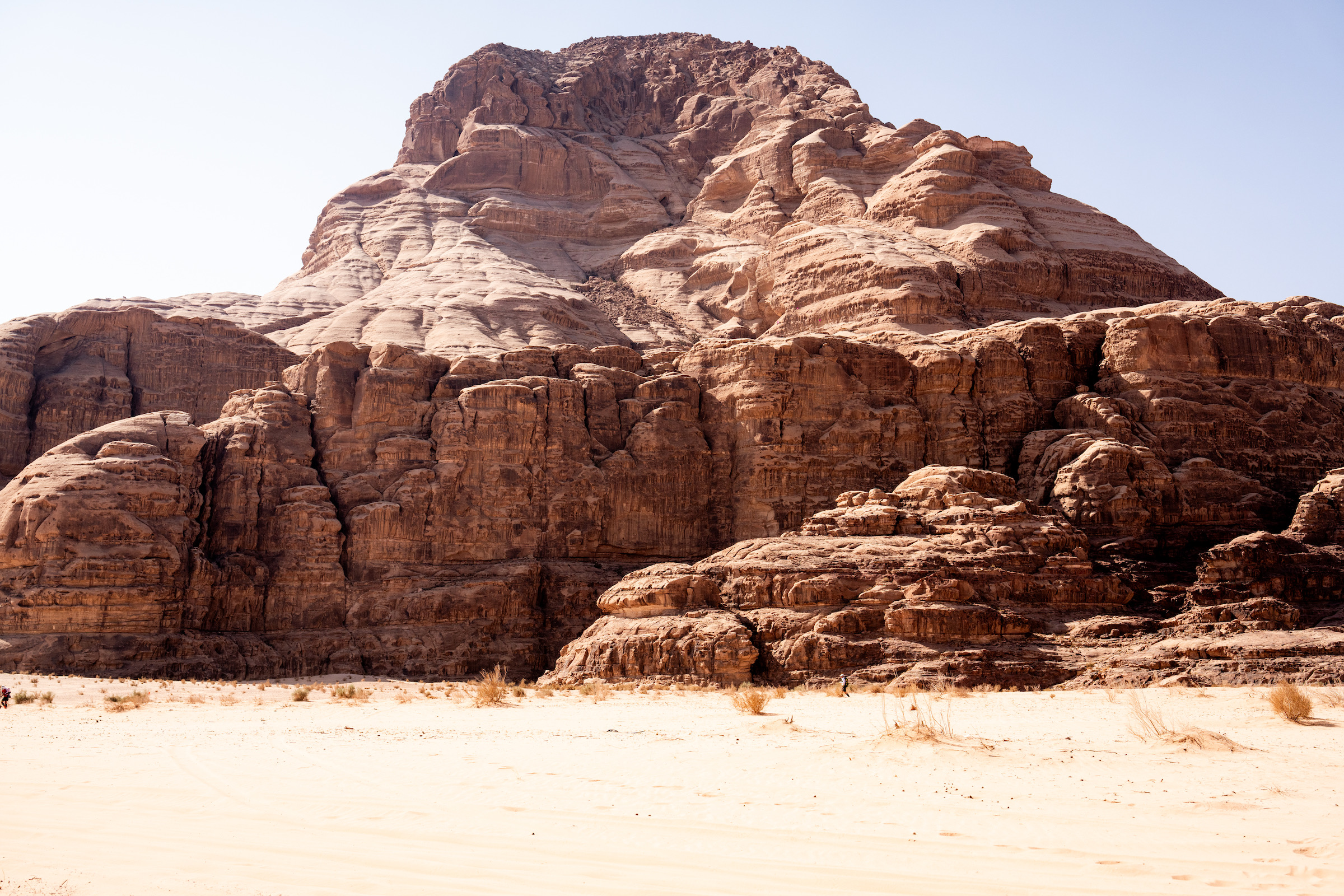
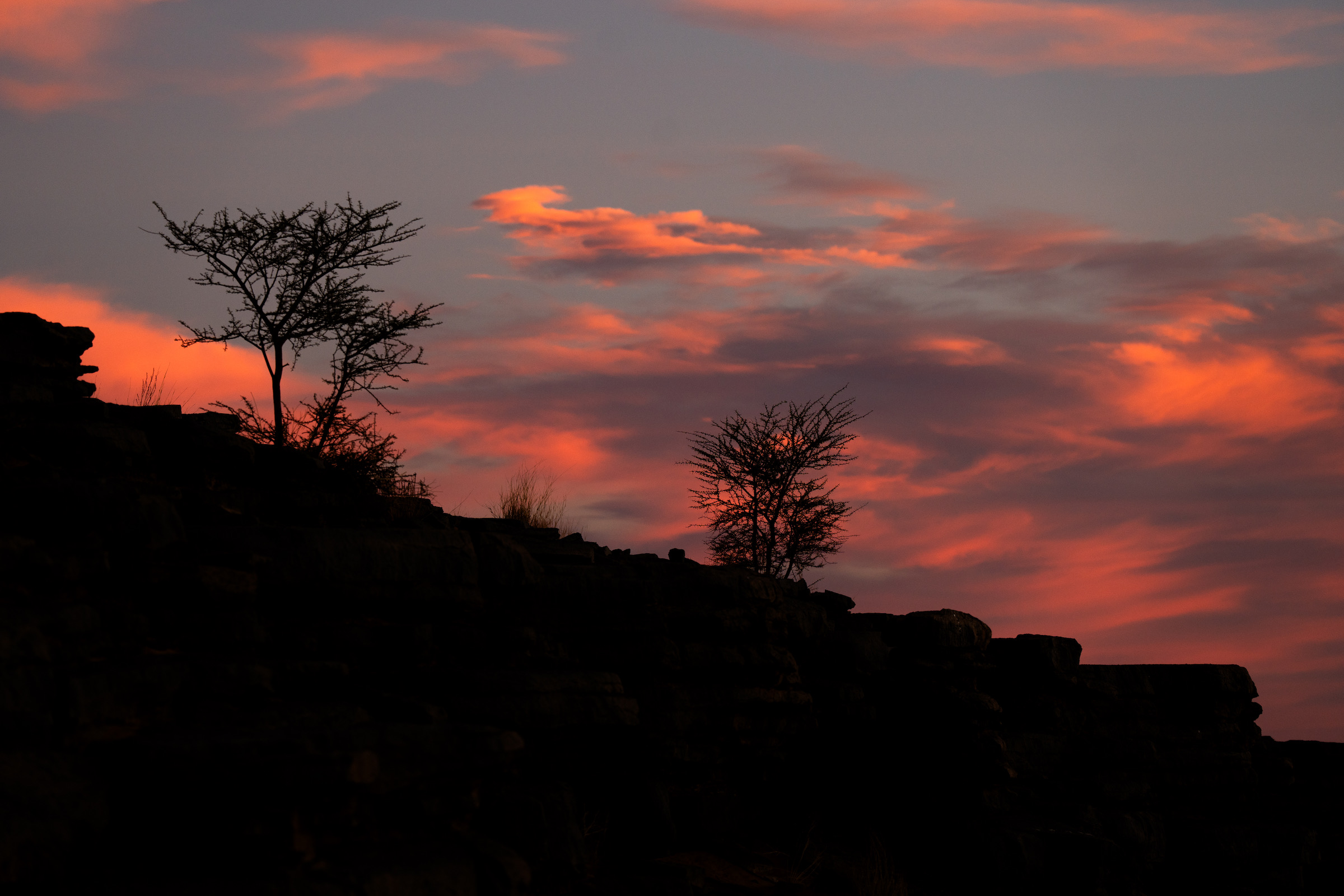
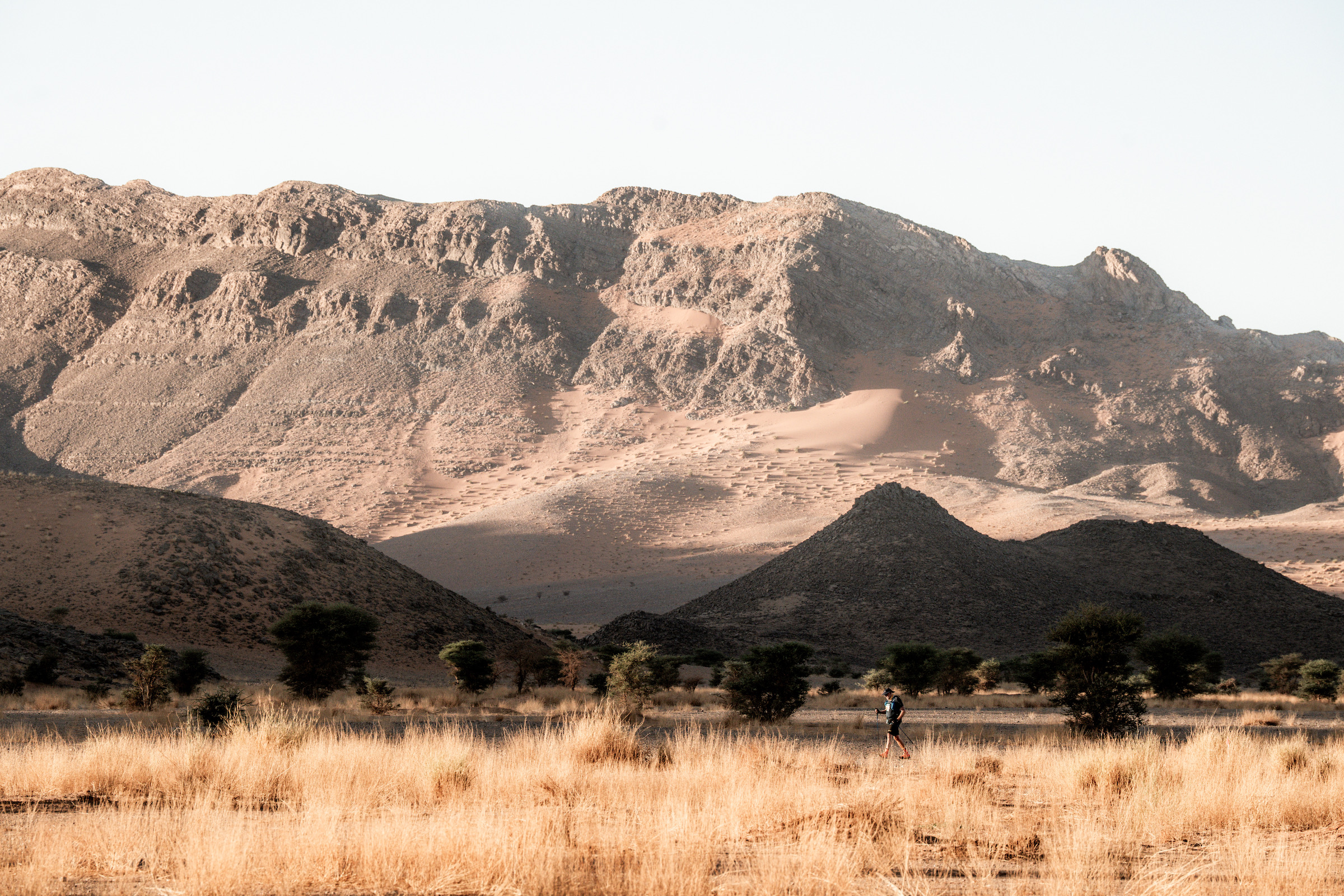
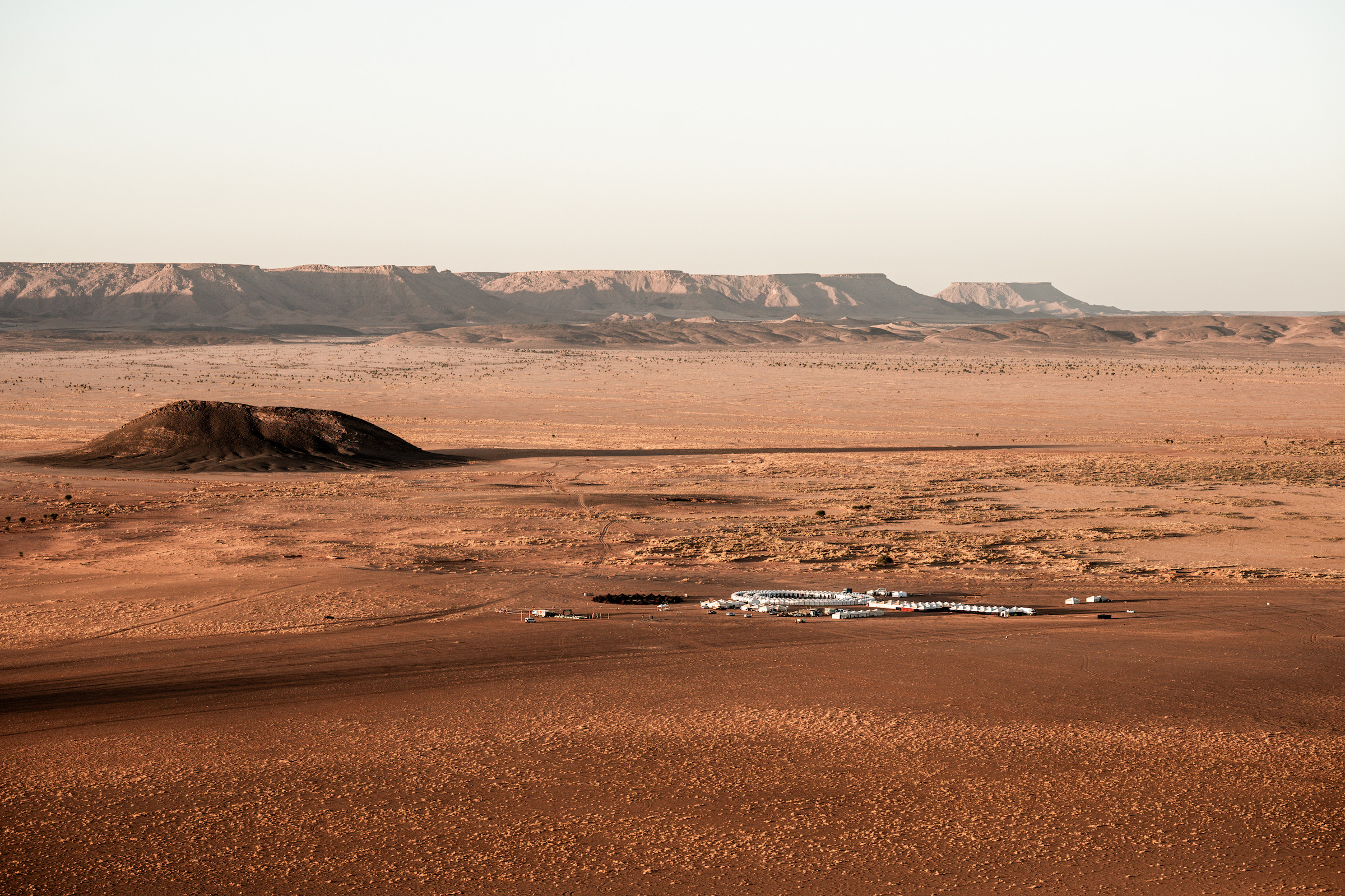
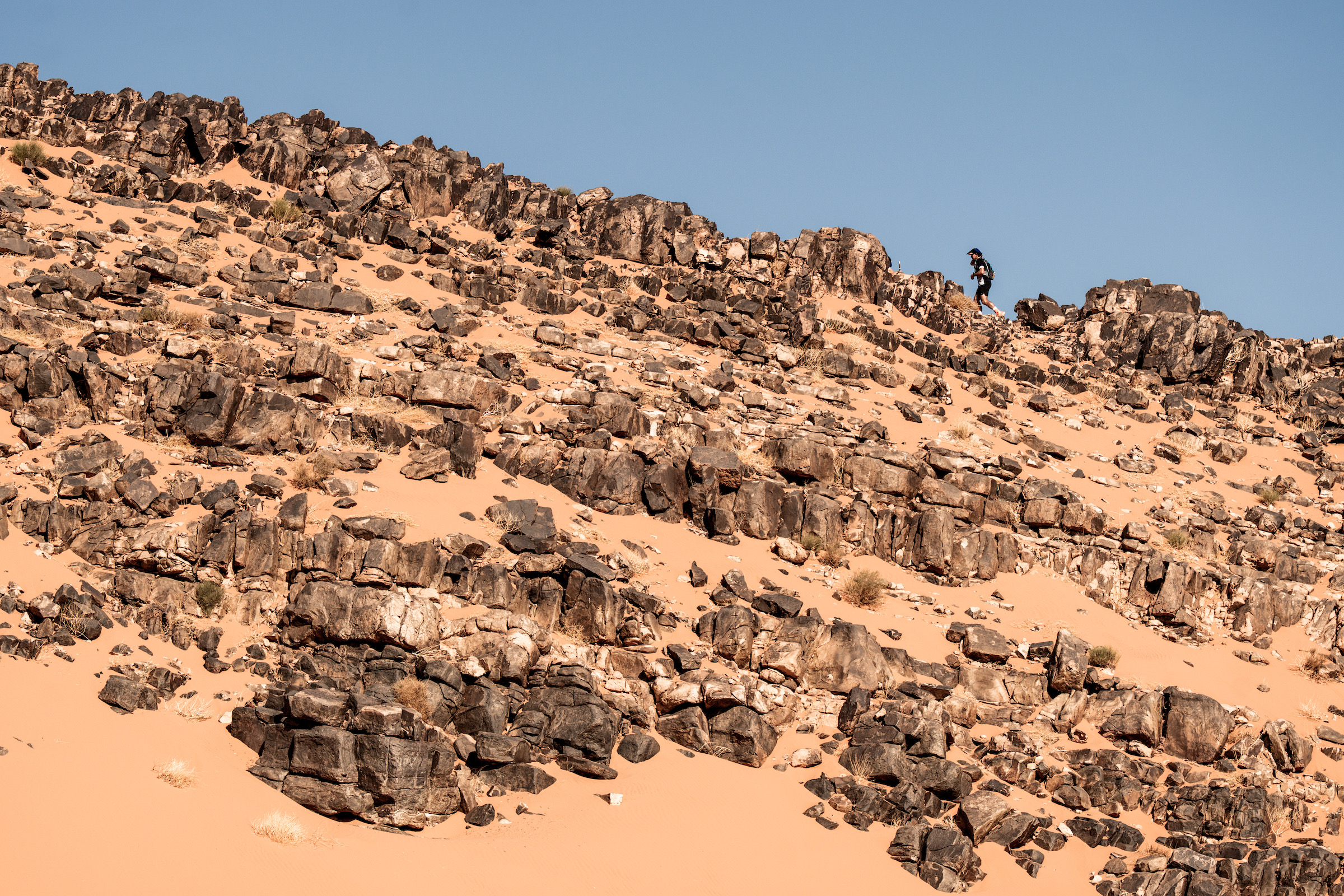
This desert is not just scenery, it’s a character in the race. A vast, cinematic expanse of red sand and jagged rock, Wadi Rum, also called “The Valley of the Moon” – feels ancient and otherworldly.

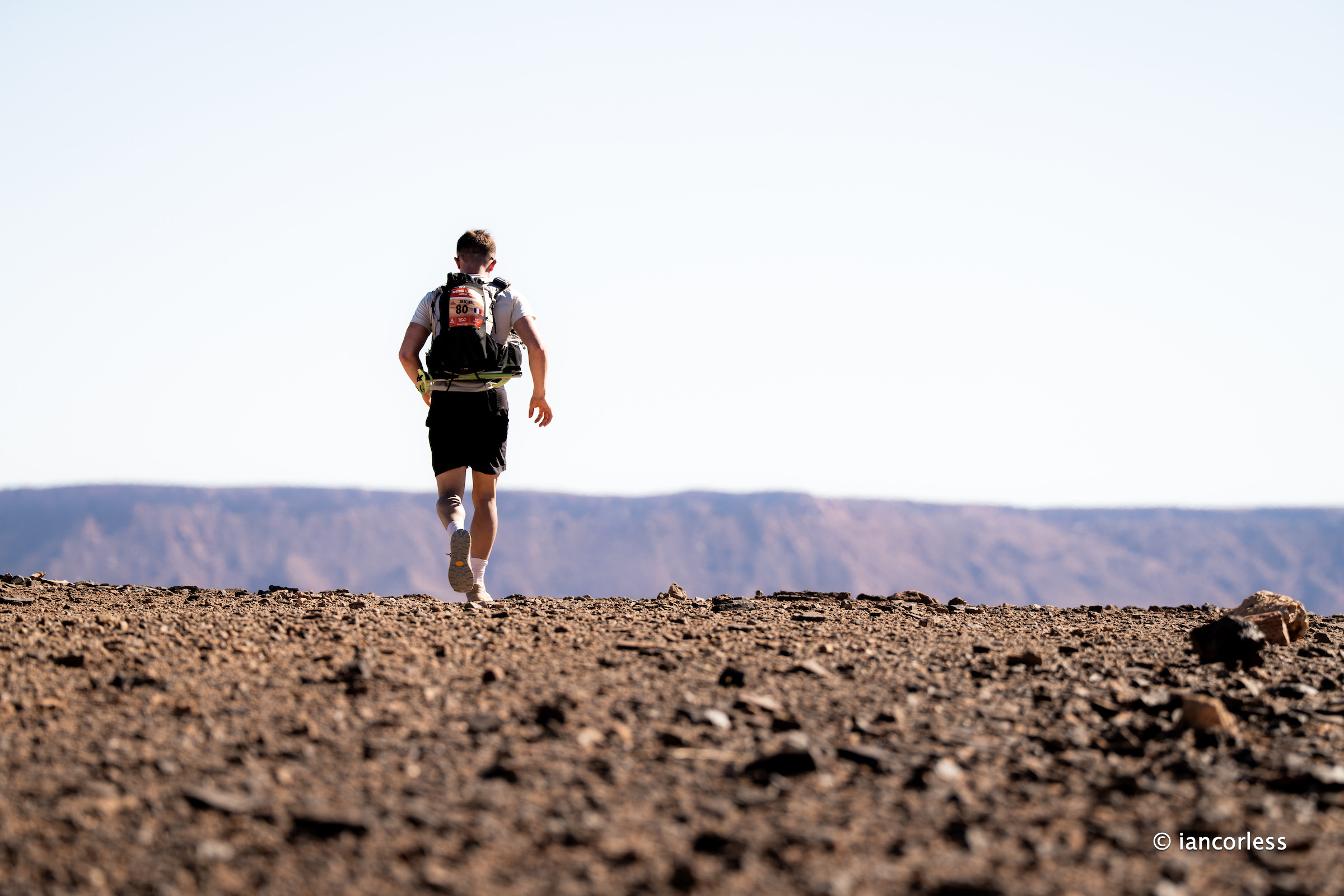
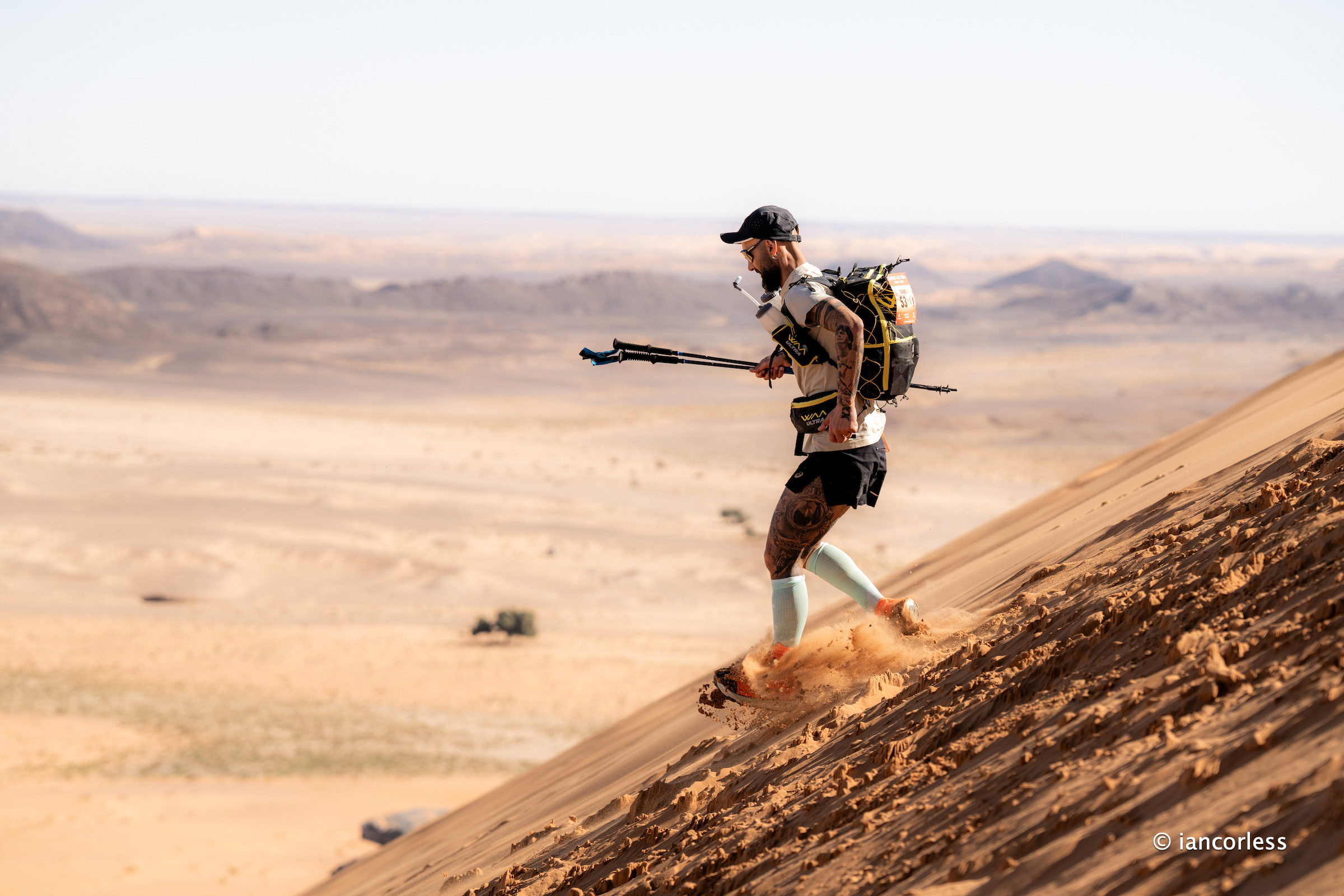
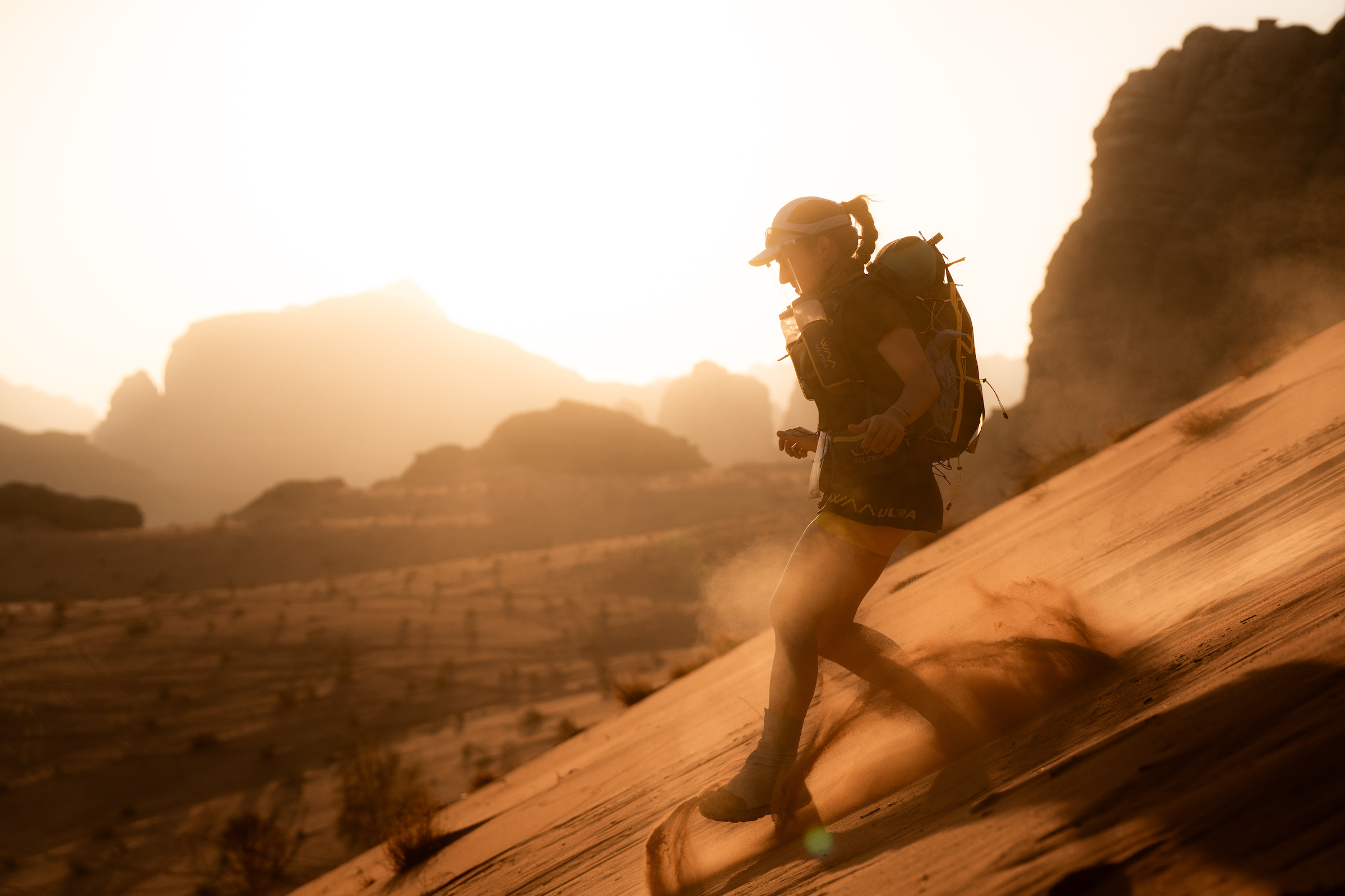
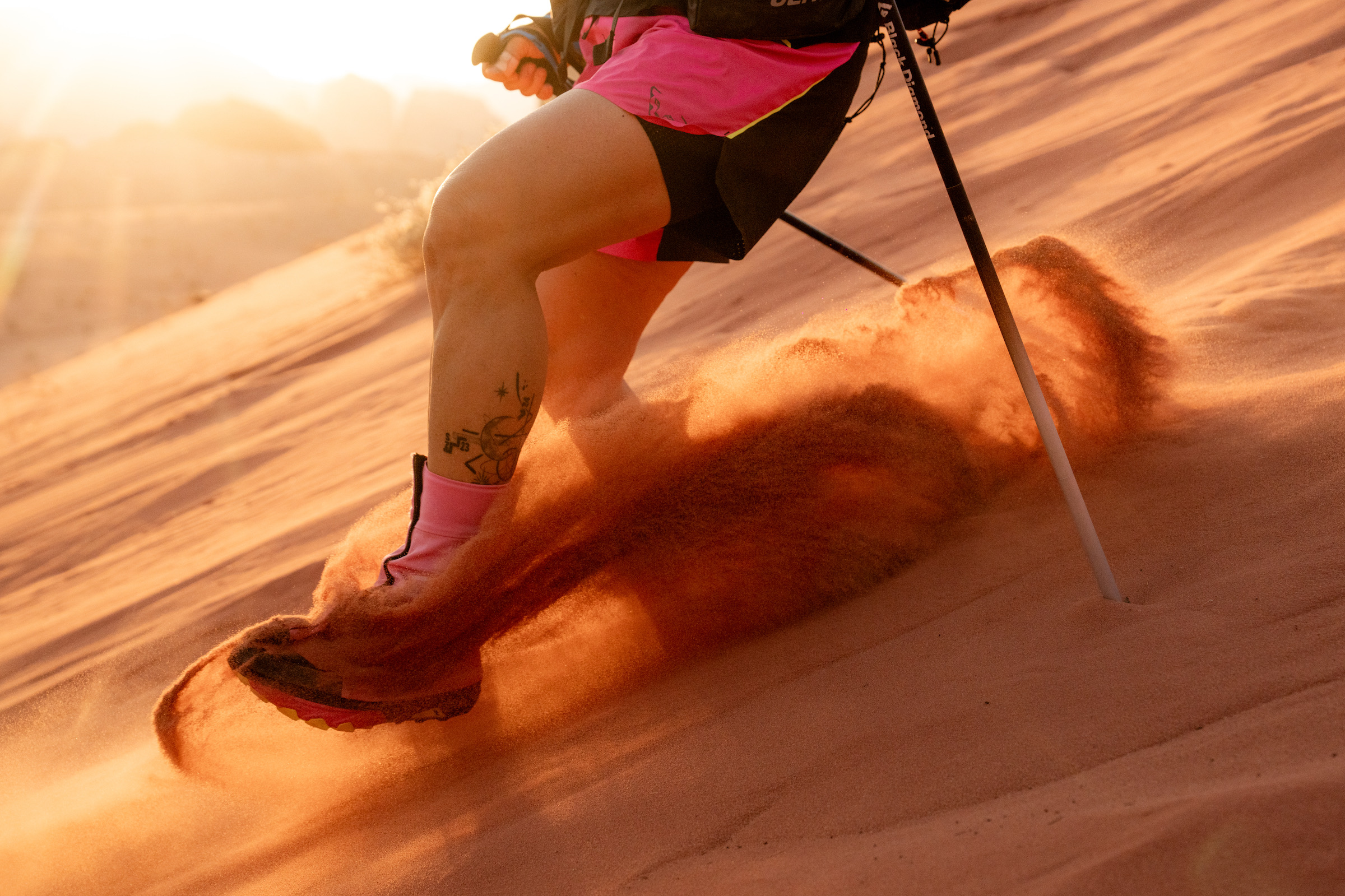
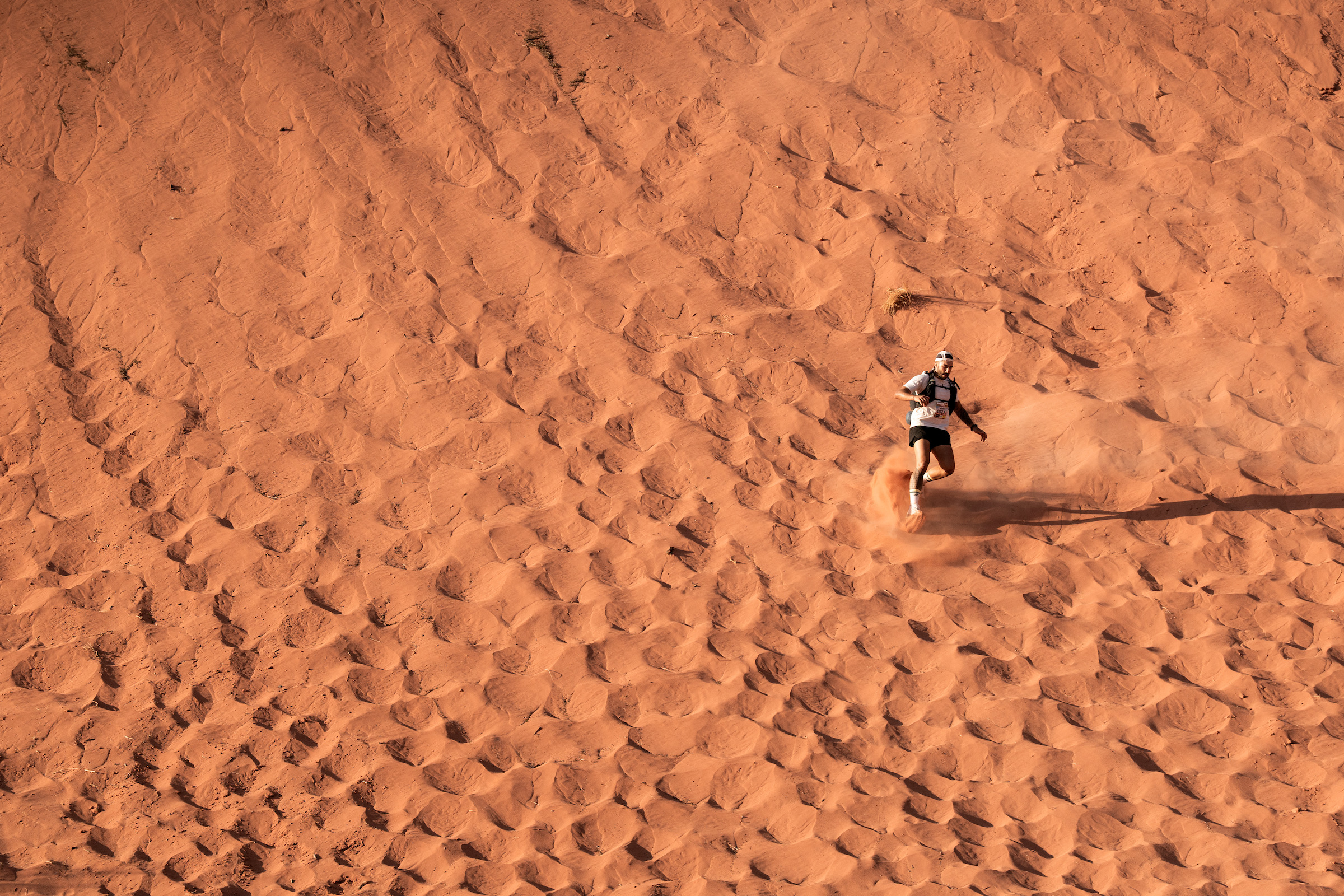
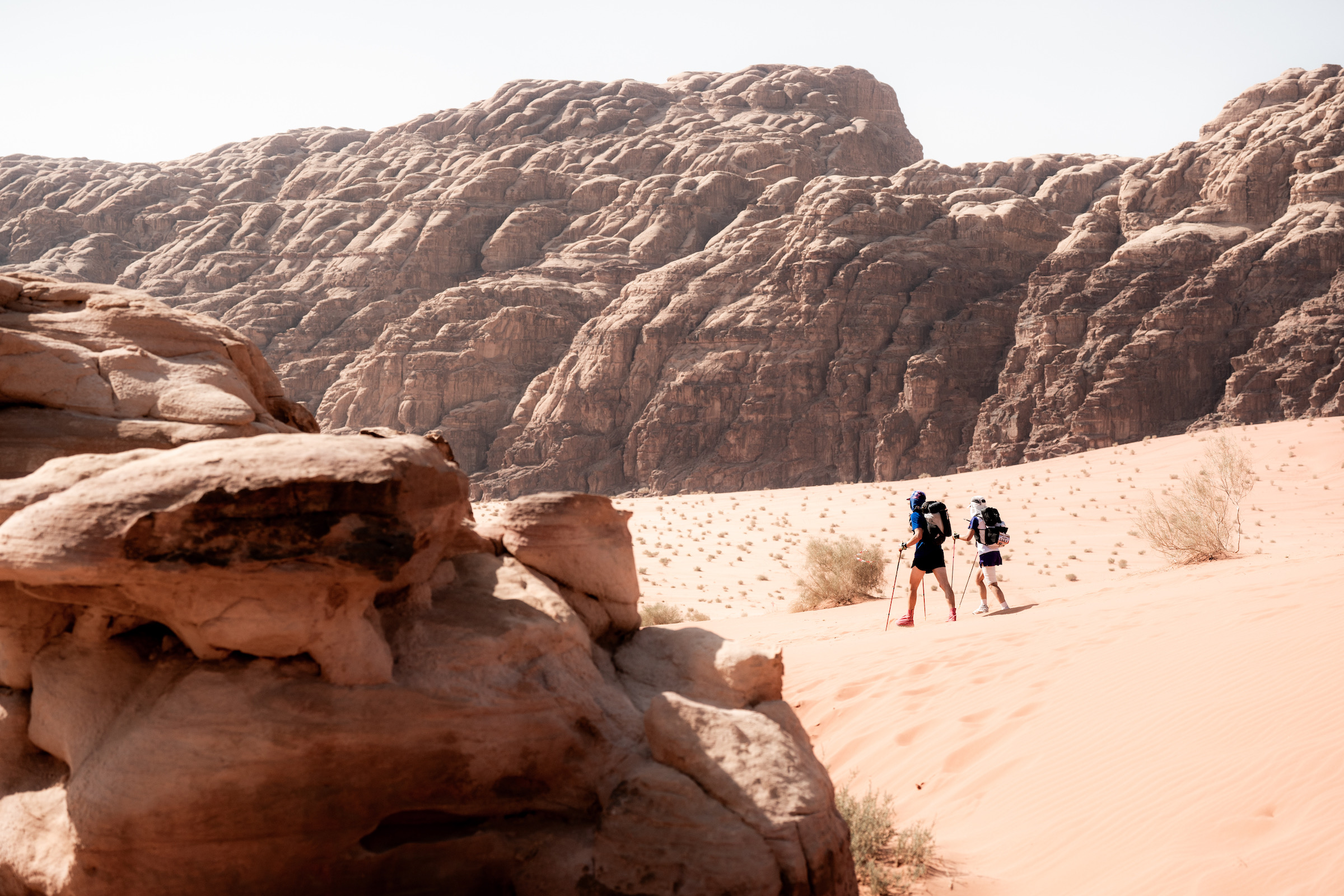
Think towering cliffs, sand that grips your shoes like quicksand, and a horizon that never seems to get closer. It’s a place that doesn’t care how well you trained.

The silence is thick. The beauty is brutal. And from the first step, they feel it: this is going to be tough.

The Numbers Behind the Madness

This year’s field is as diverse as it is determined:

• 600 competitors

• 55% women—a powerful showing in an event known for pushing limits

• 93% are first-time MDS runners

Youngest runner: 18-year-old – Charles

• Oldest: 74-year-old – Gunard

They’re backed by a lean but formidable race organization team:

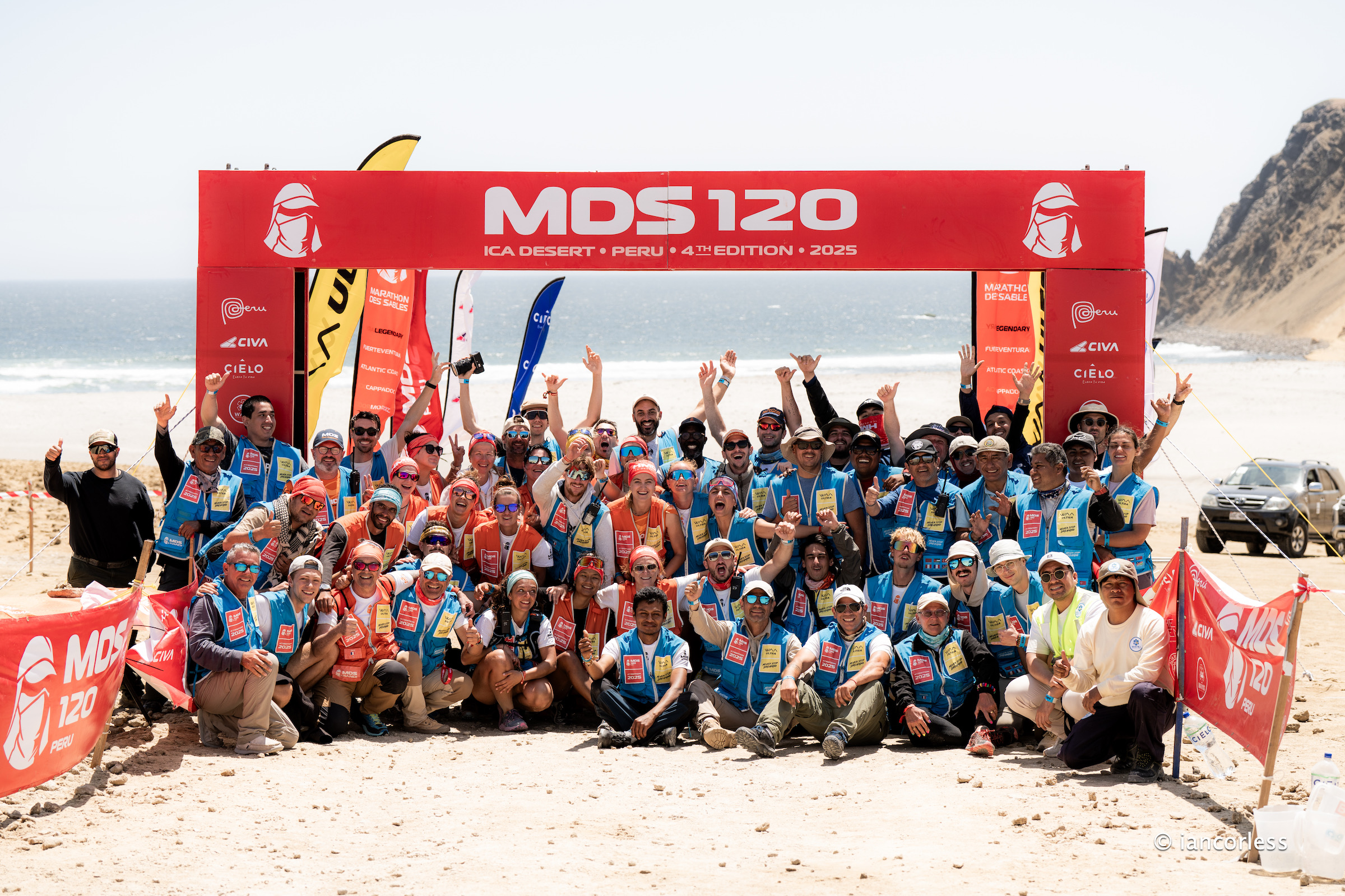
150 staff, including 25 medics on the ground, constantly monitoring, assisting, and ready for anything.

Stage 1: 27.4 Kilometres of Reality Check

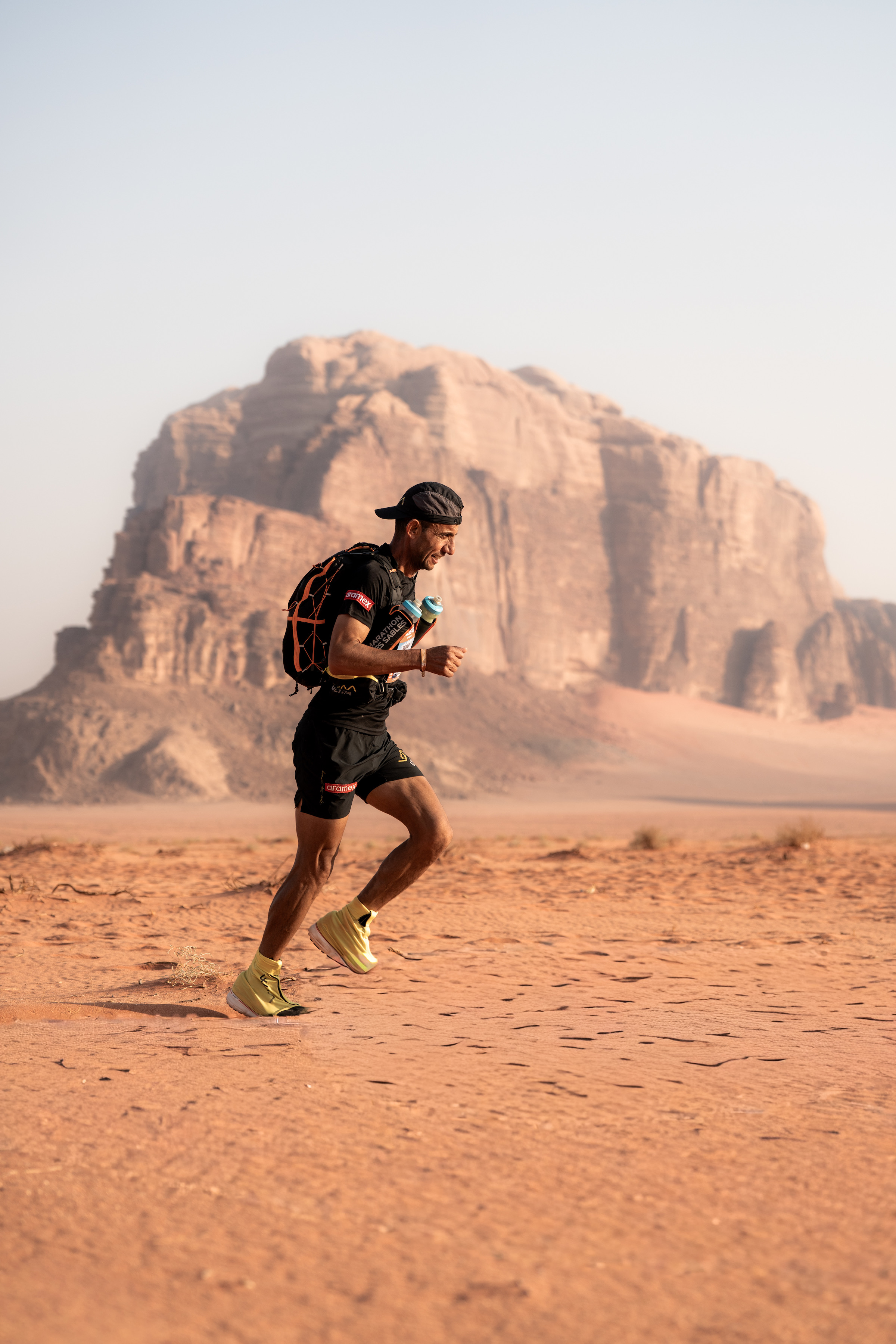
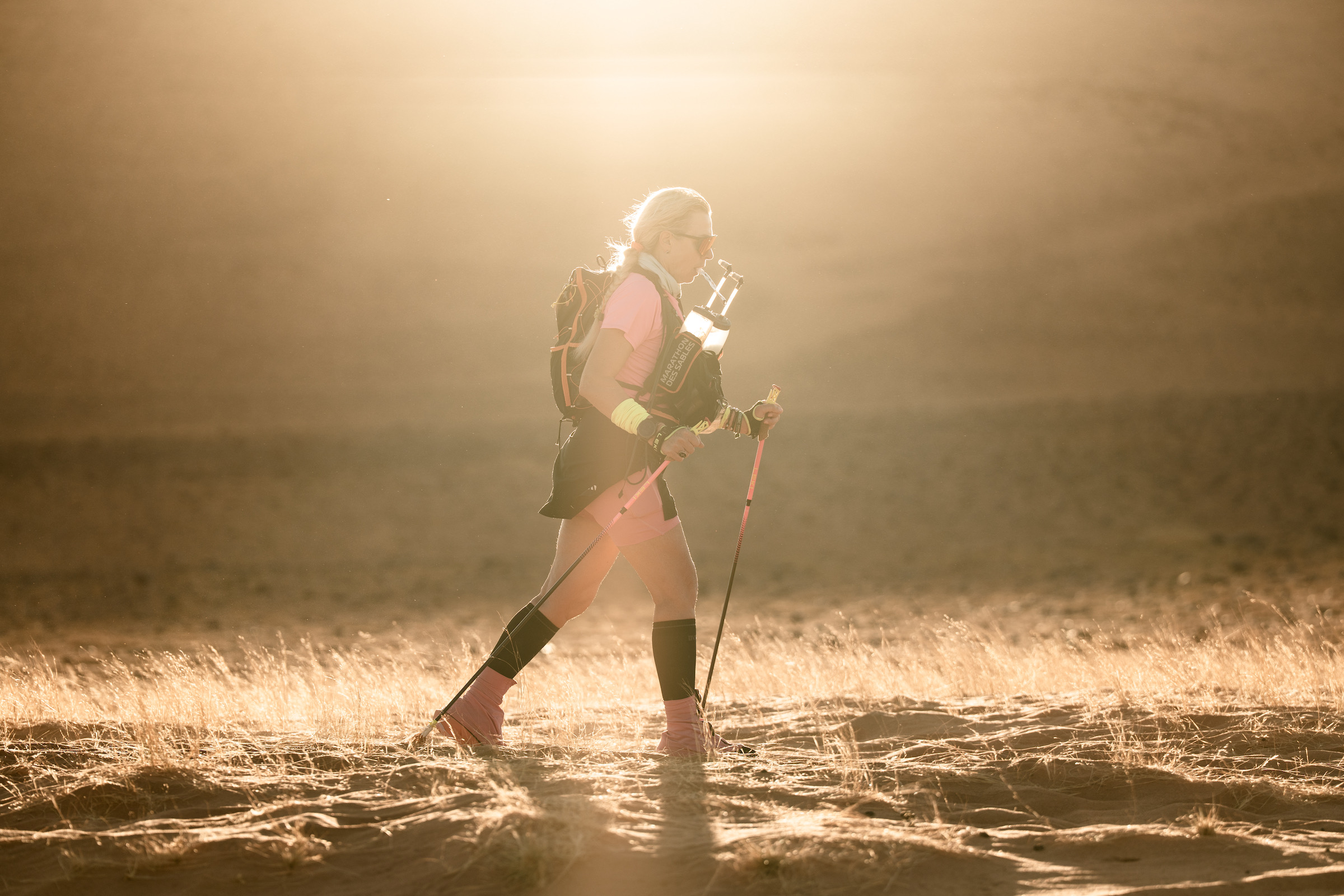
Day one hits fast and hard. Stage 1 is 27.4 km, but under the Jordanian sun and over Wadi Rum’s unpredictable terrain, it feels twice that.

The stage includes two checkpoints:

• CP1 at 8.5 km

• CP2 at 9 km

The land between them is rugged, and the gap is designed for course management and medical observation. Smart racers use both to fuel, hydrate, and recalibrate.

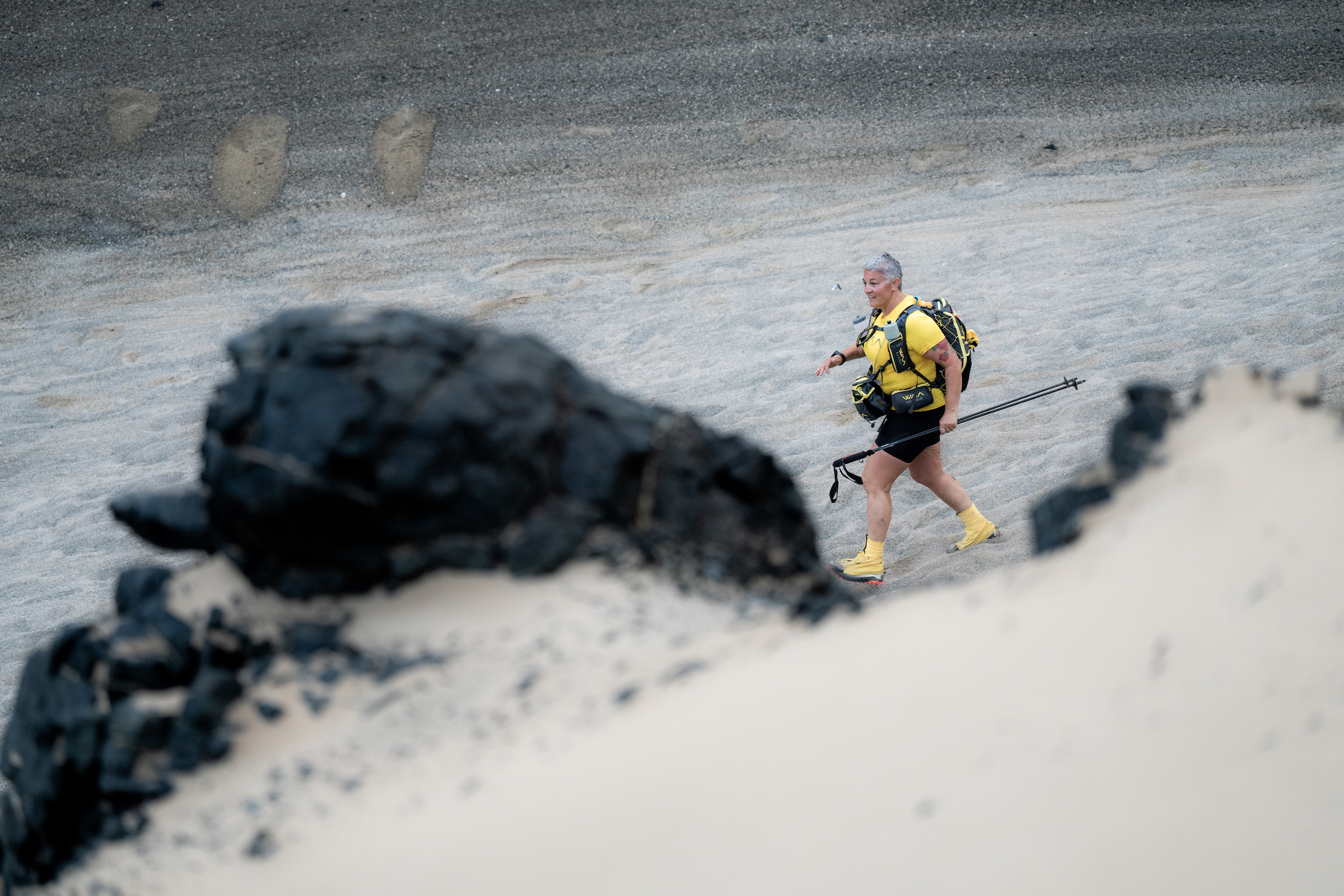
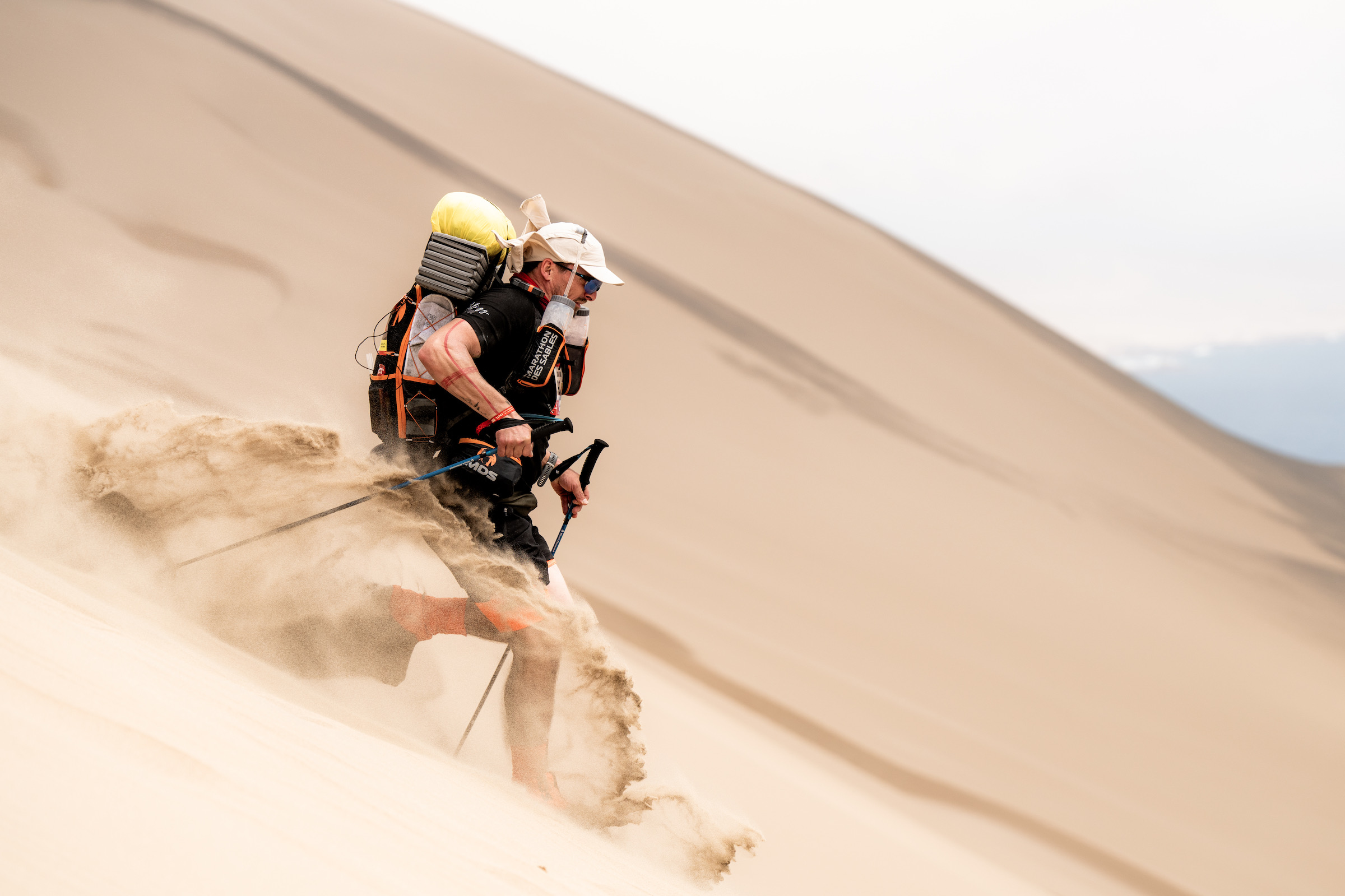
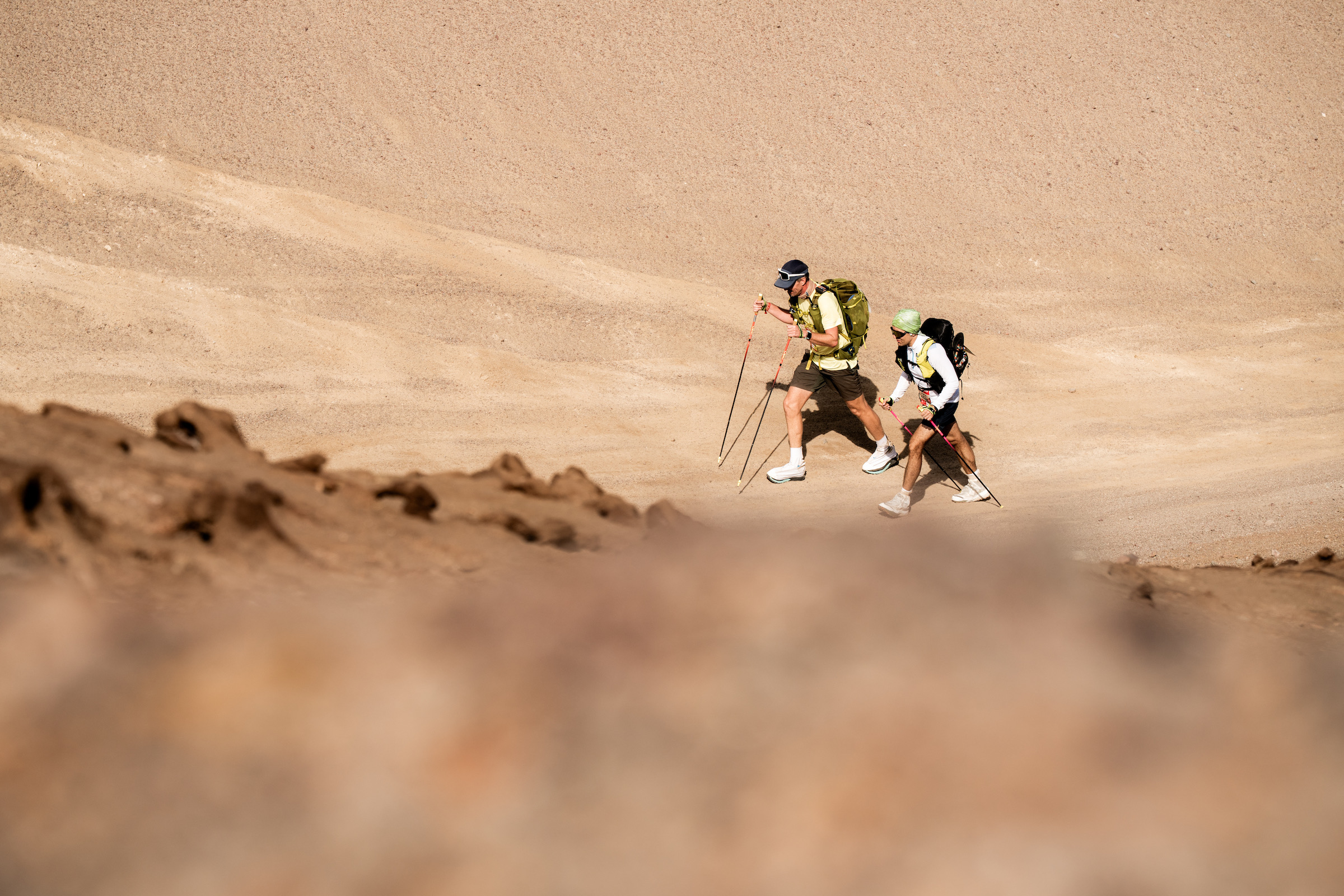
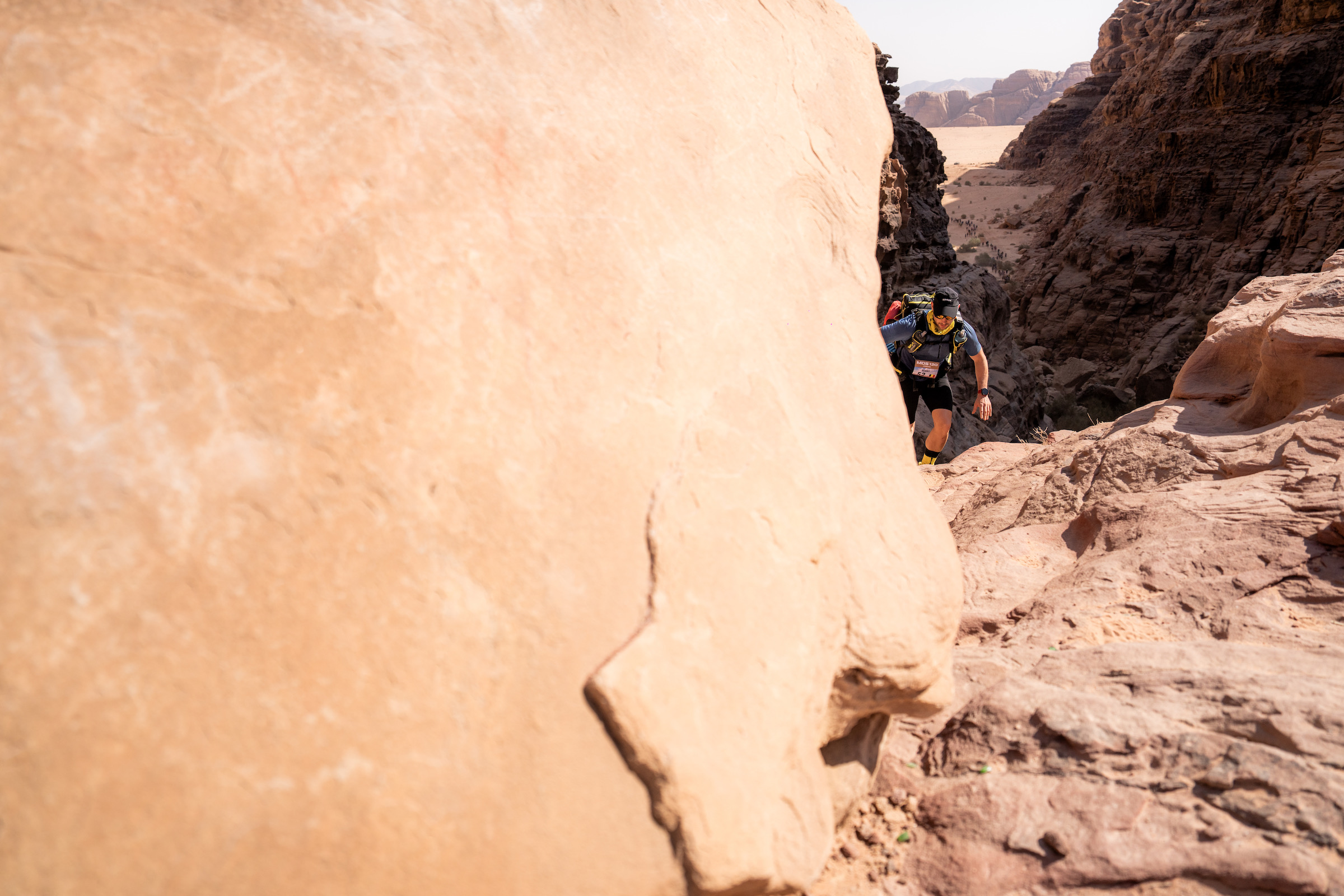
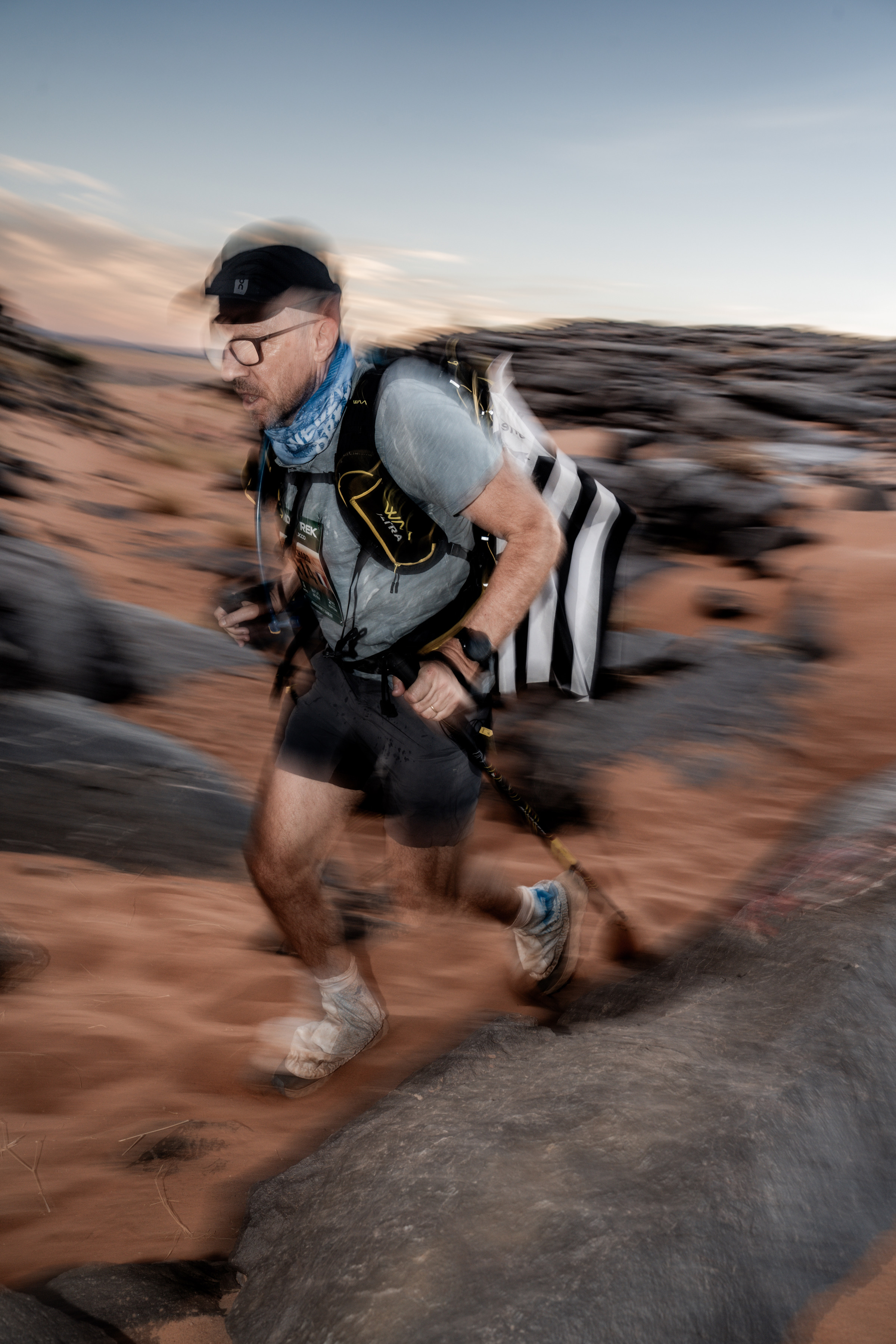
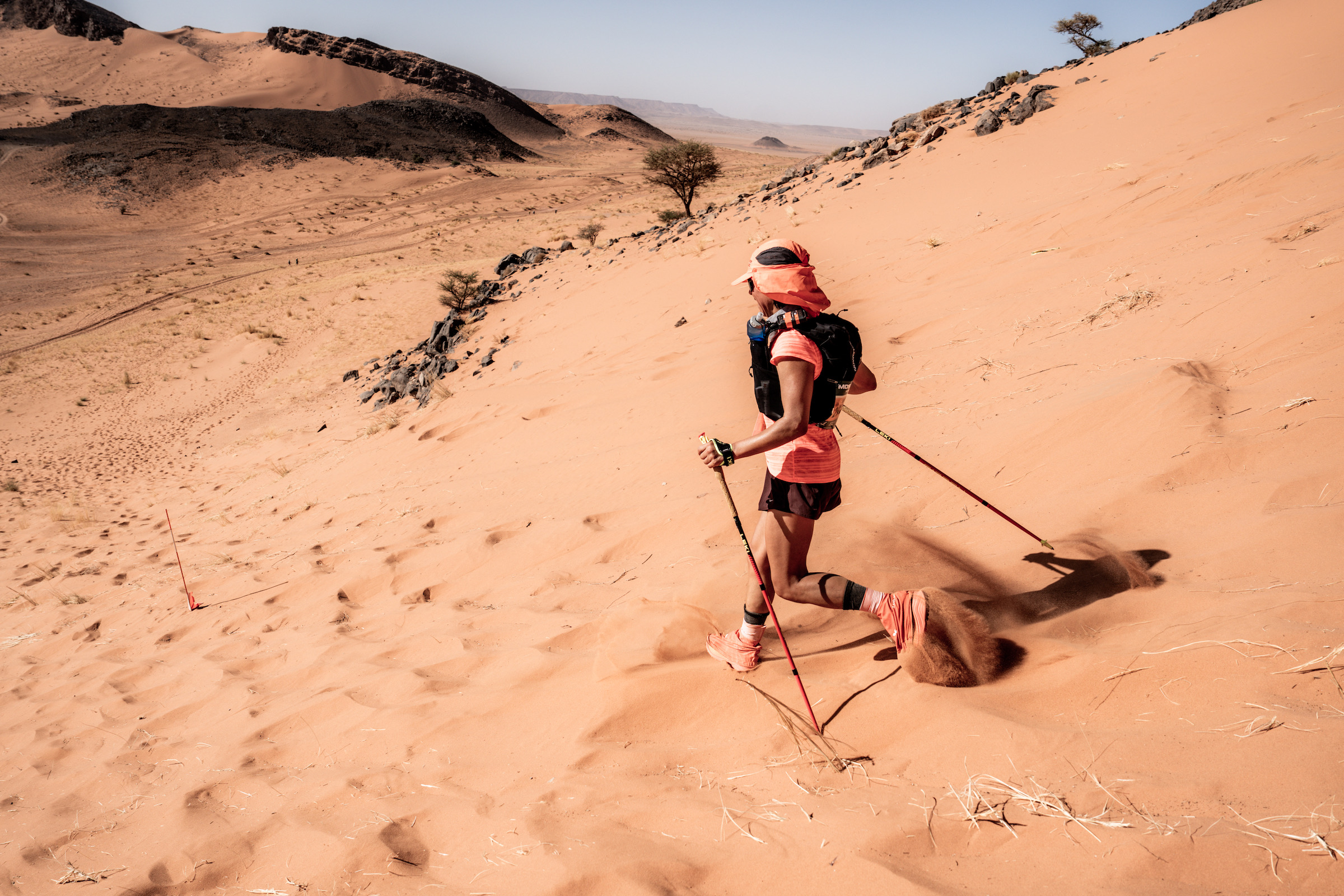
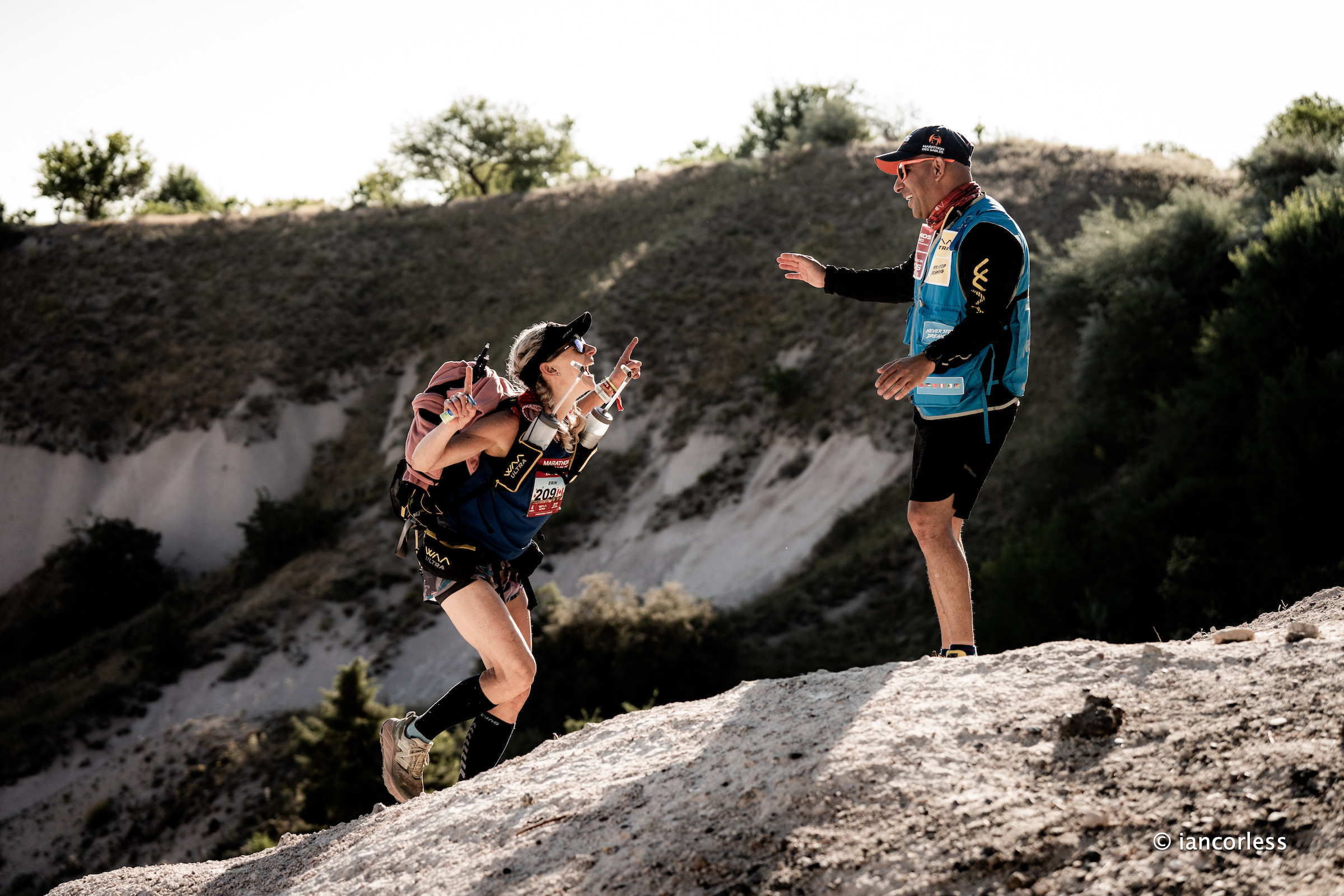
The course itself is a ruthless sampler platter: loose sand, sudden inclines, rocky outcrops, and heat that seems to rise from beneath your feet. There are no spectators, no shortcuts, no illusions. Just you, your gear, and the next checkpoint.

The Desert Doesn’t Care

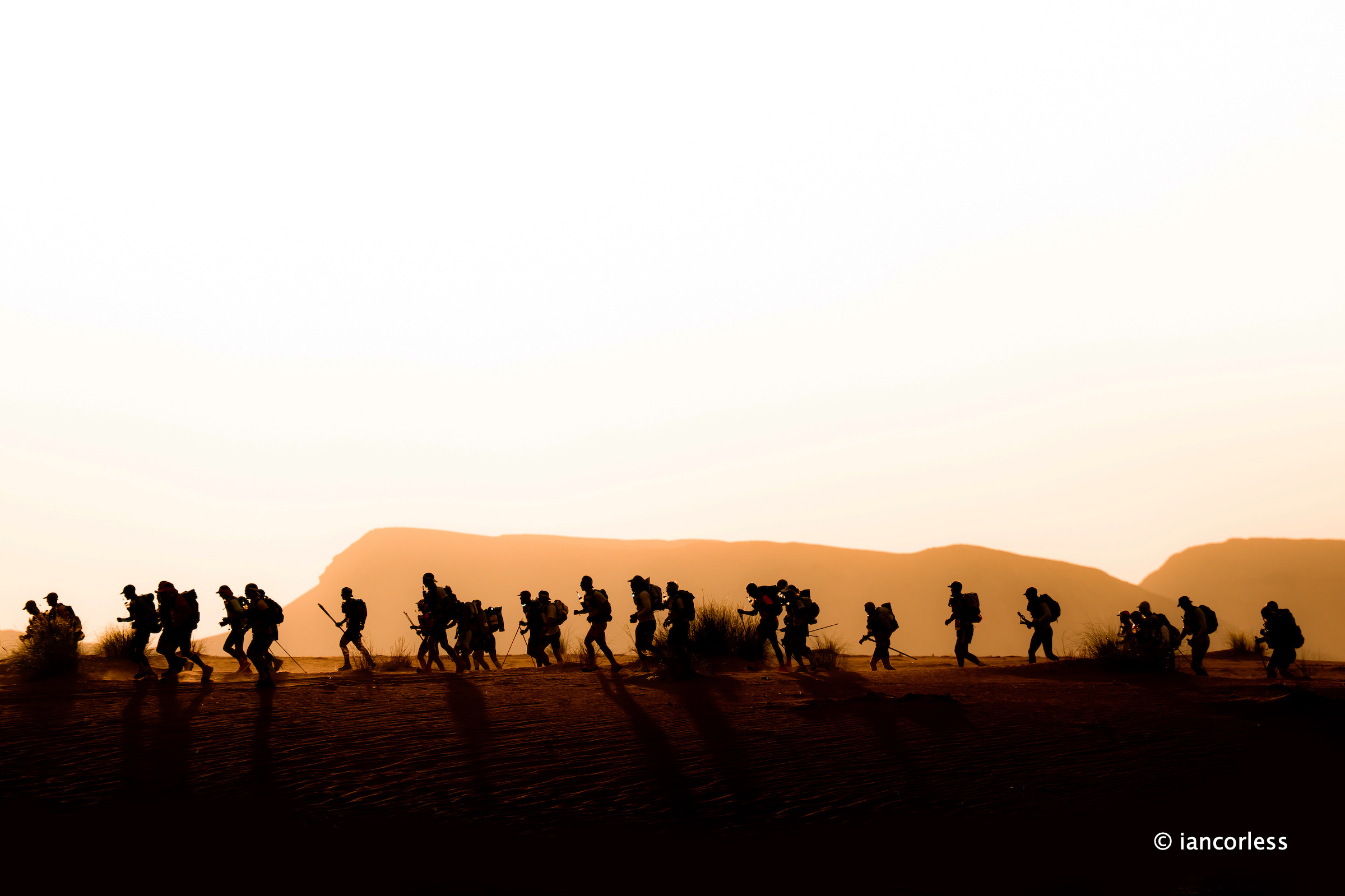
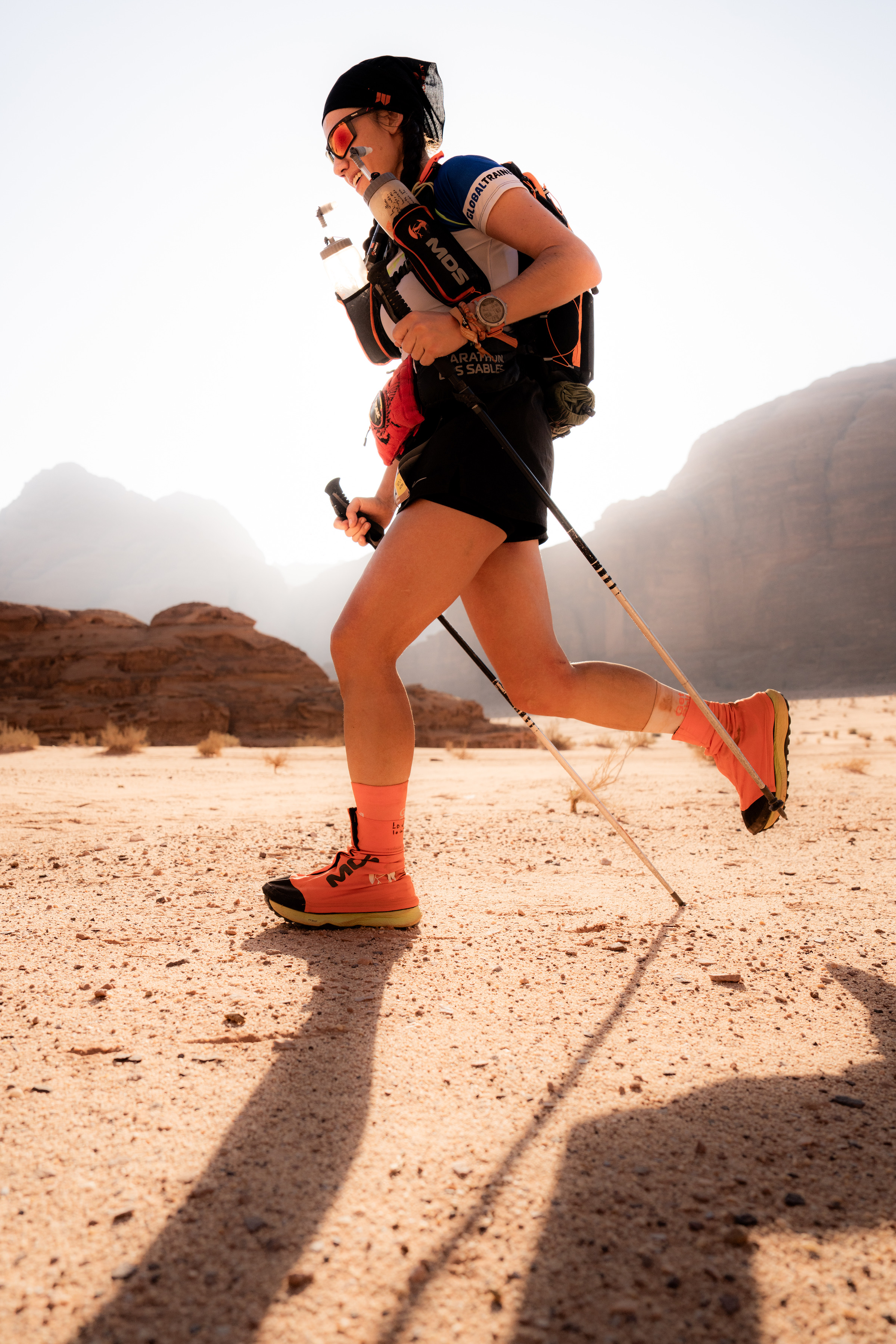
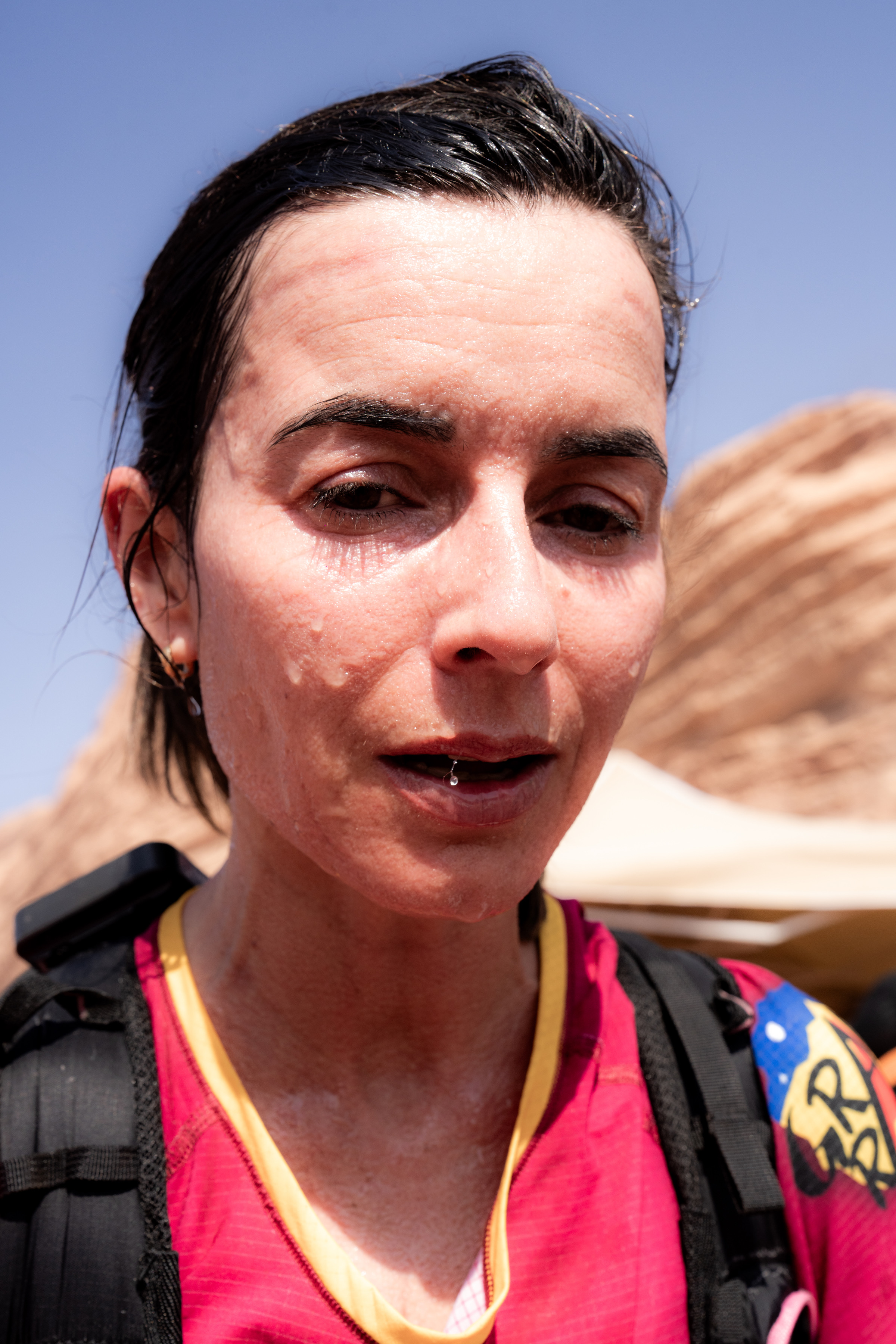
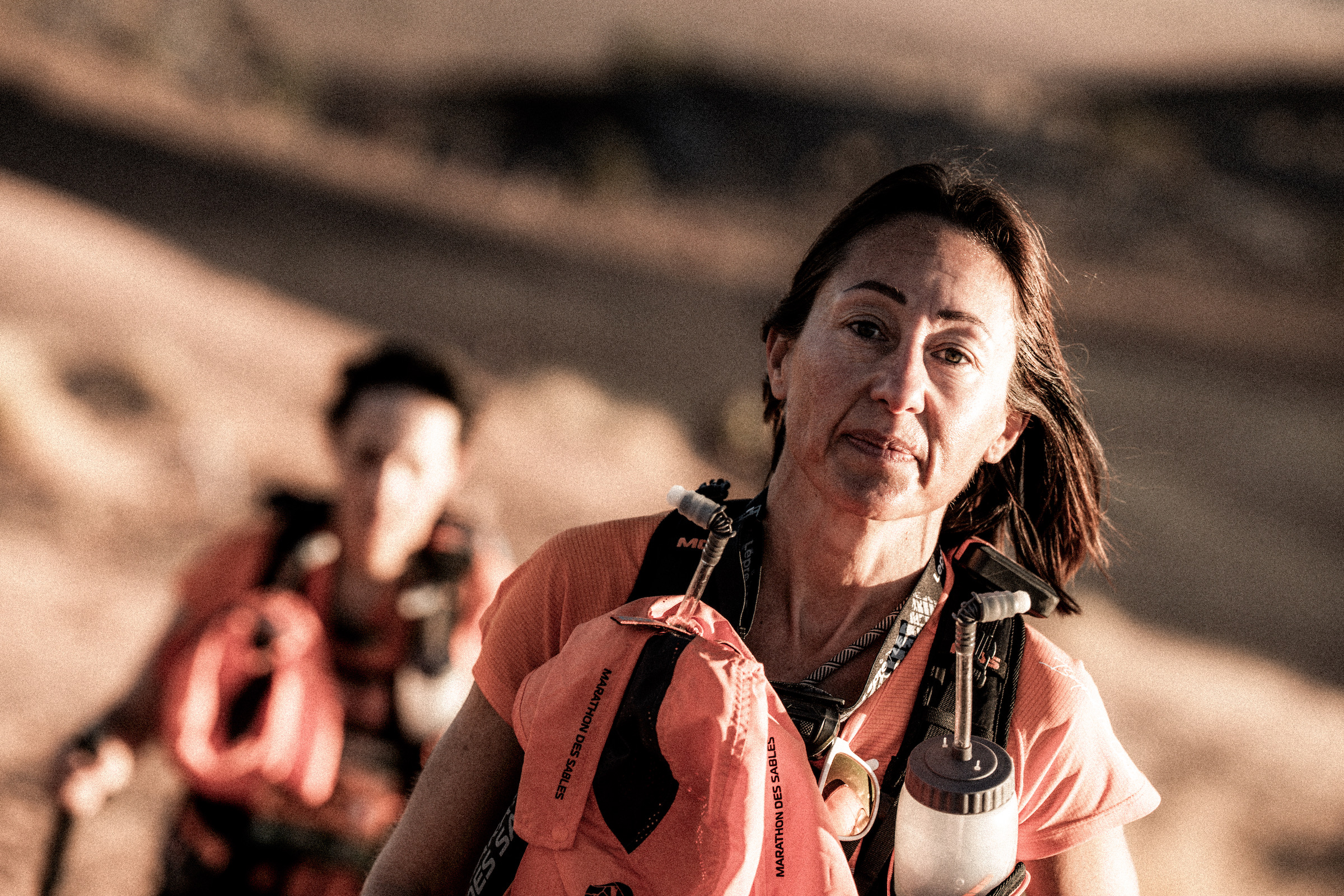
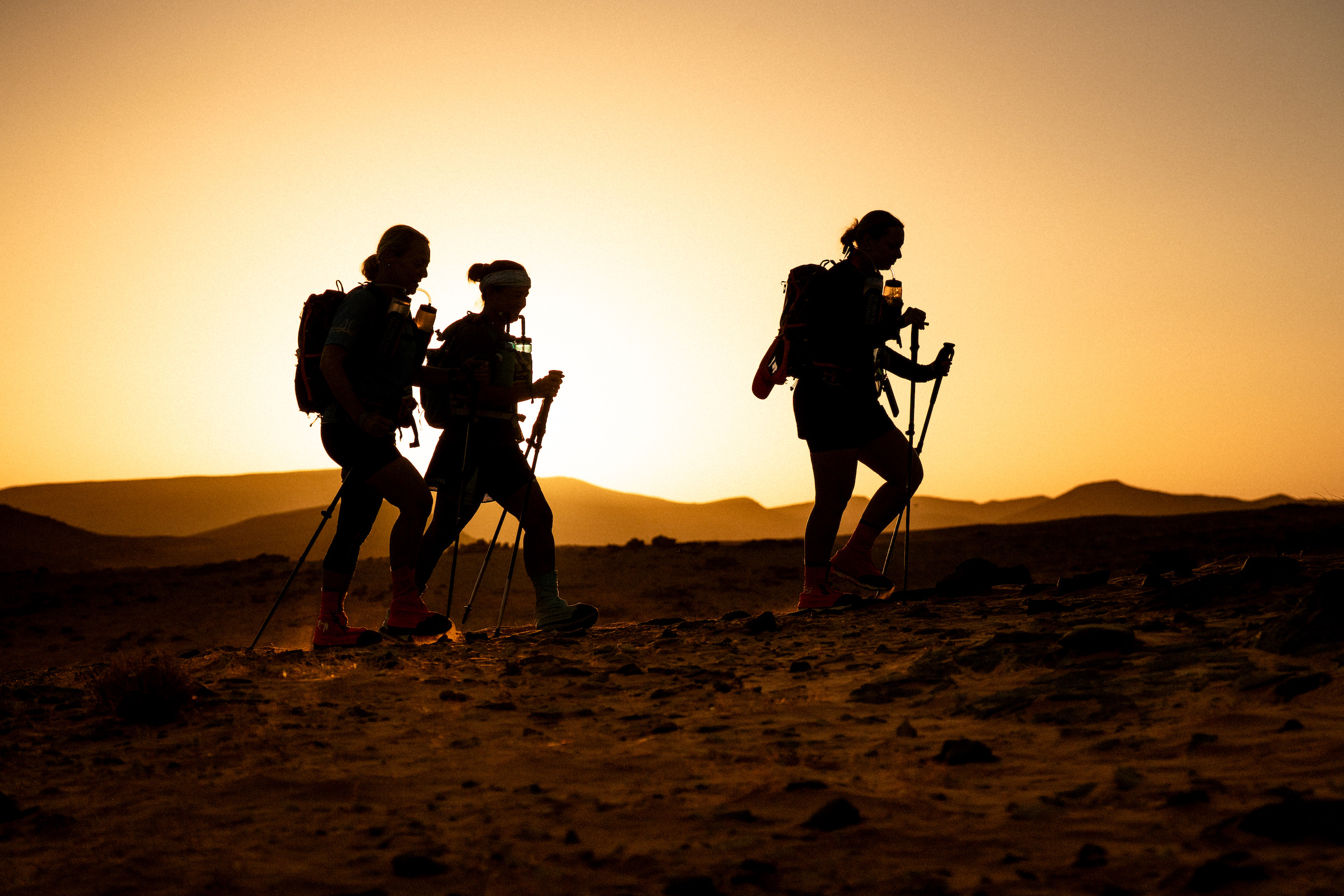
The heat, the terrain, and the weight of self-sufficiency slows everyone down. You carry everything: water, food, gear, your doubts.

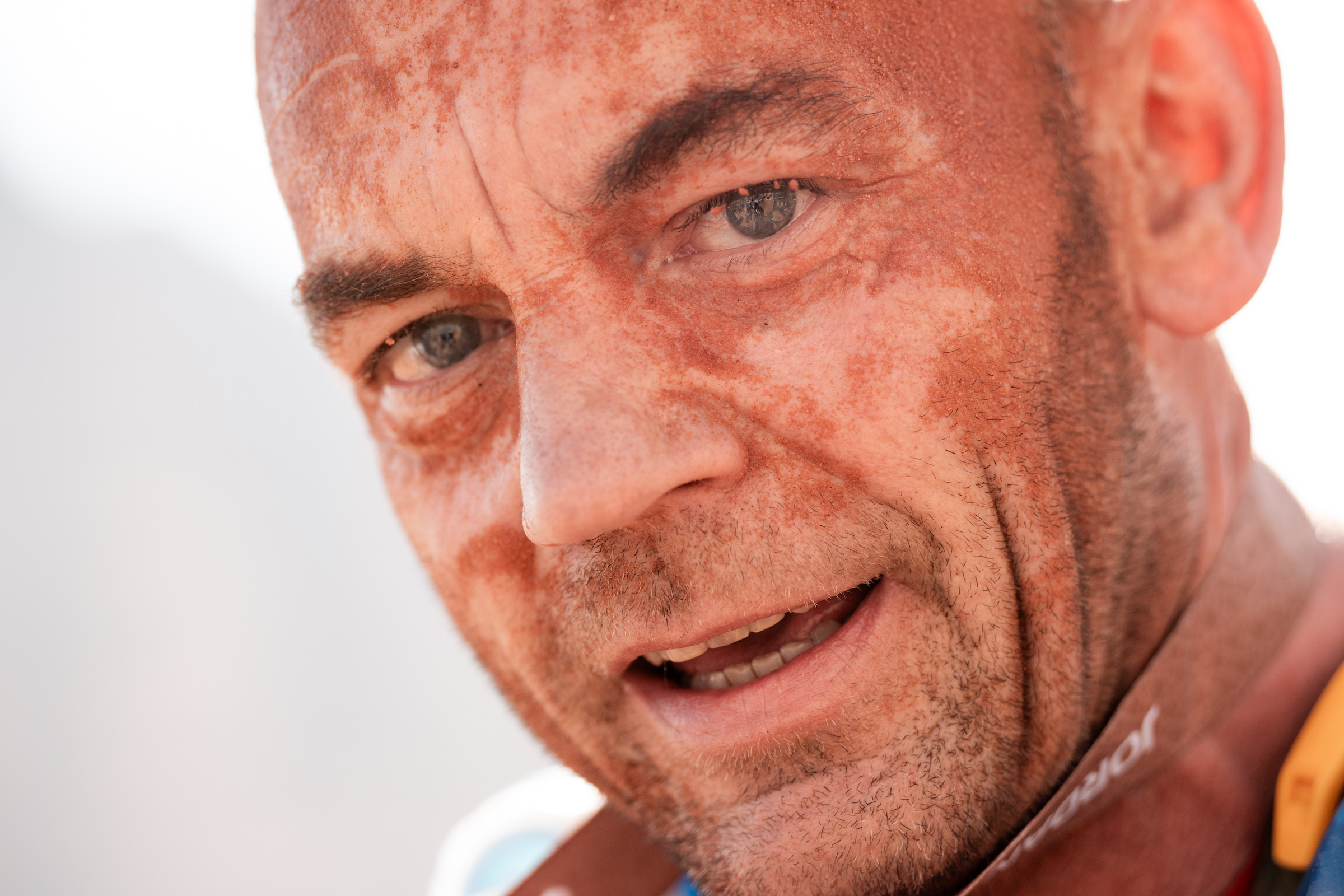
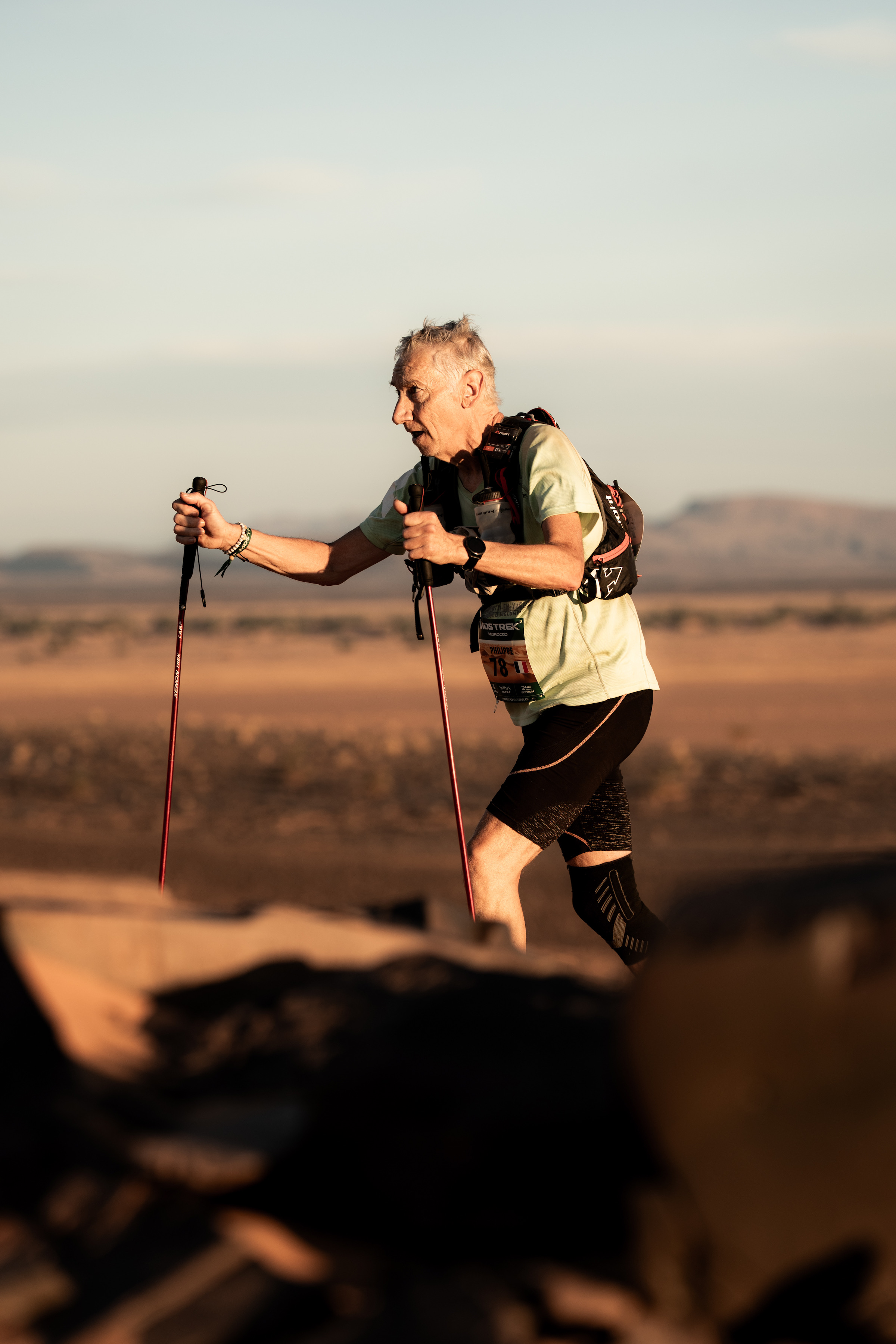
Every climb feels like three. Every descent threatens your knees. Sand invades everything. By midday, the only thing that’s soft is your resolve—if you let it be.

Shared Solitude

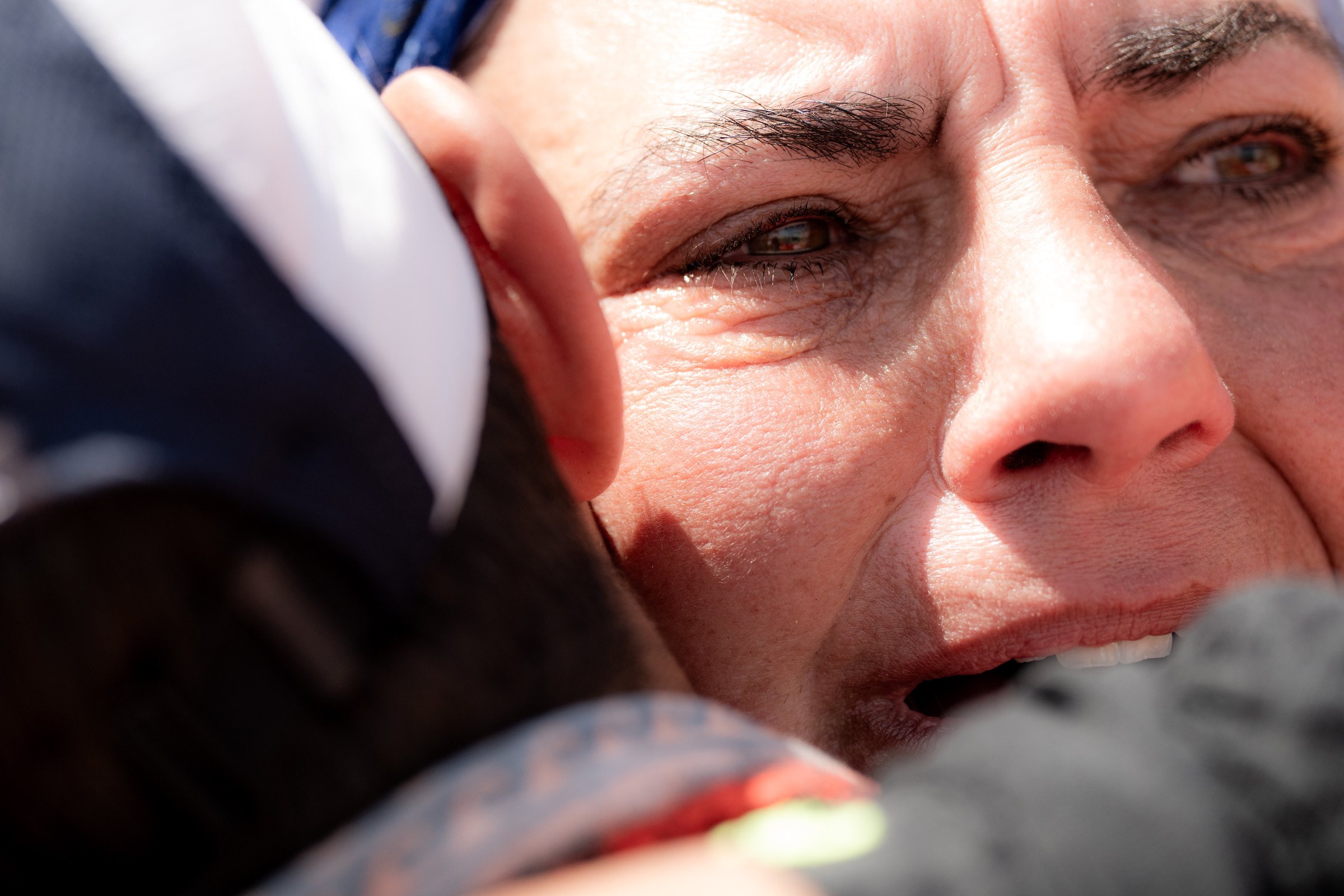
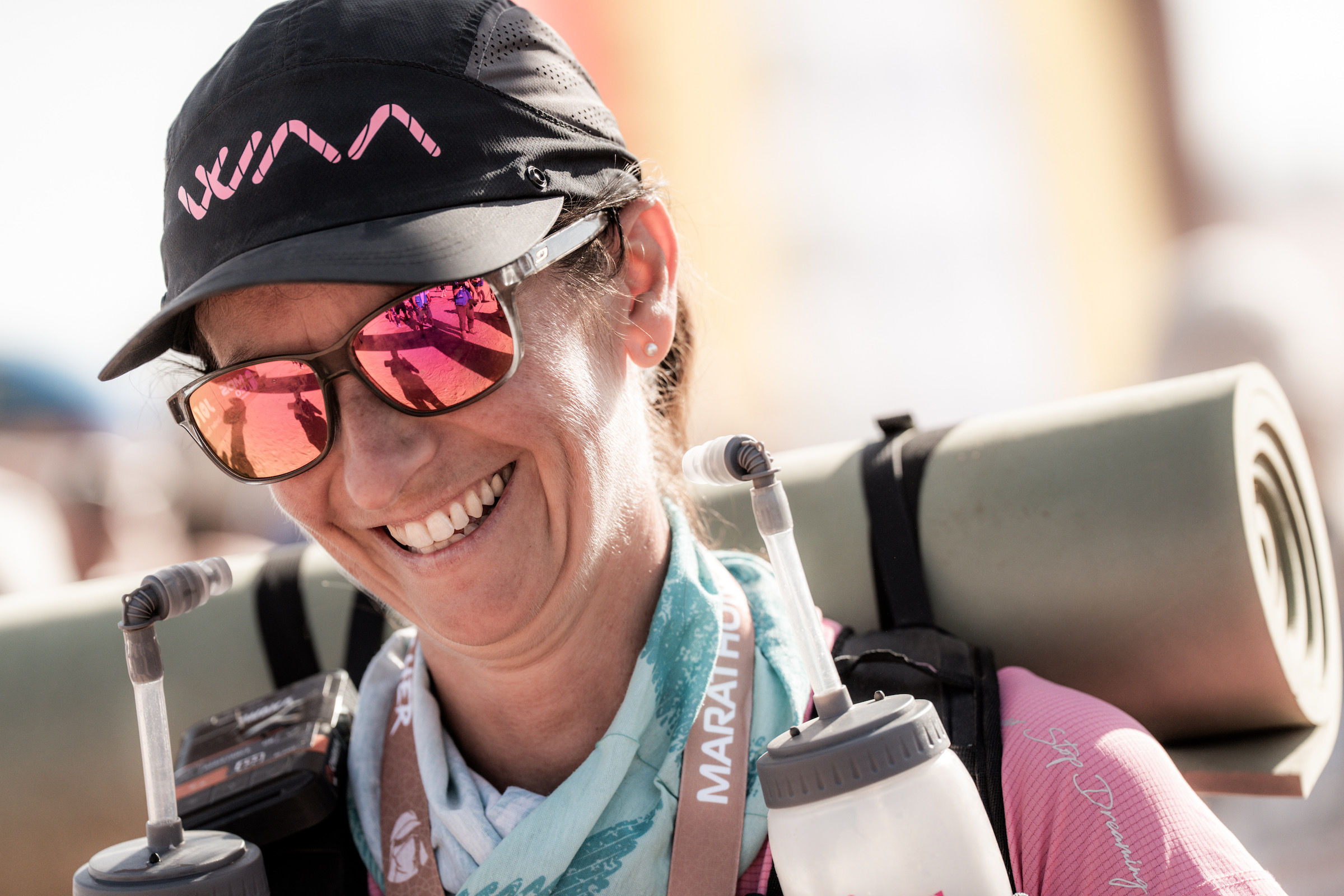
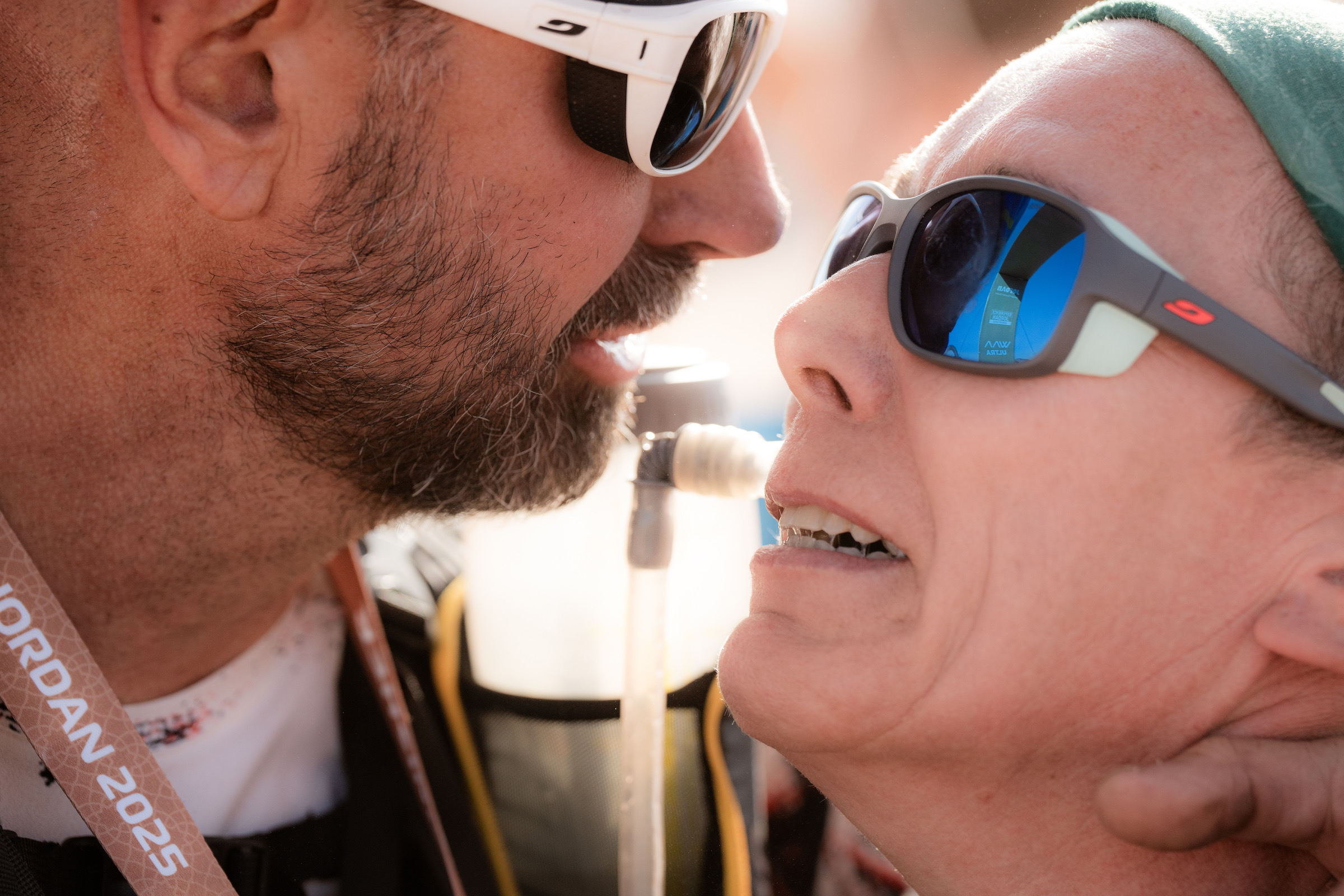
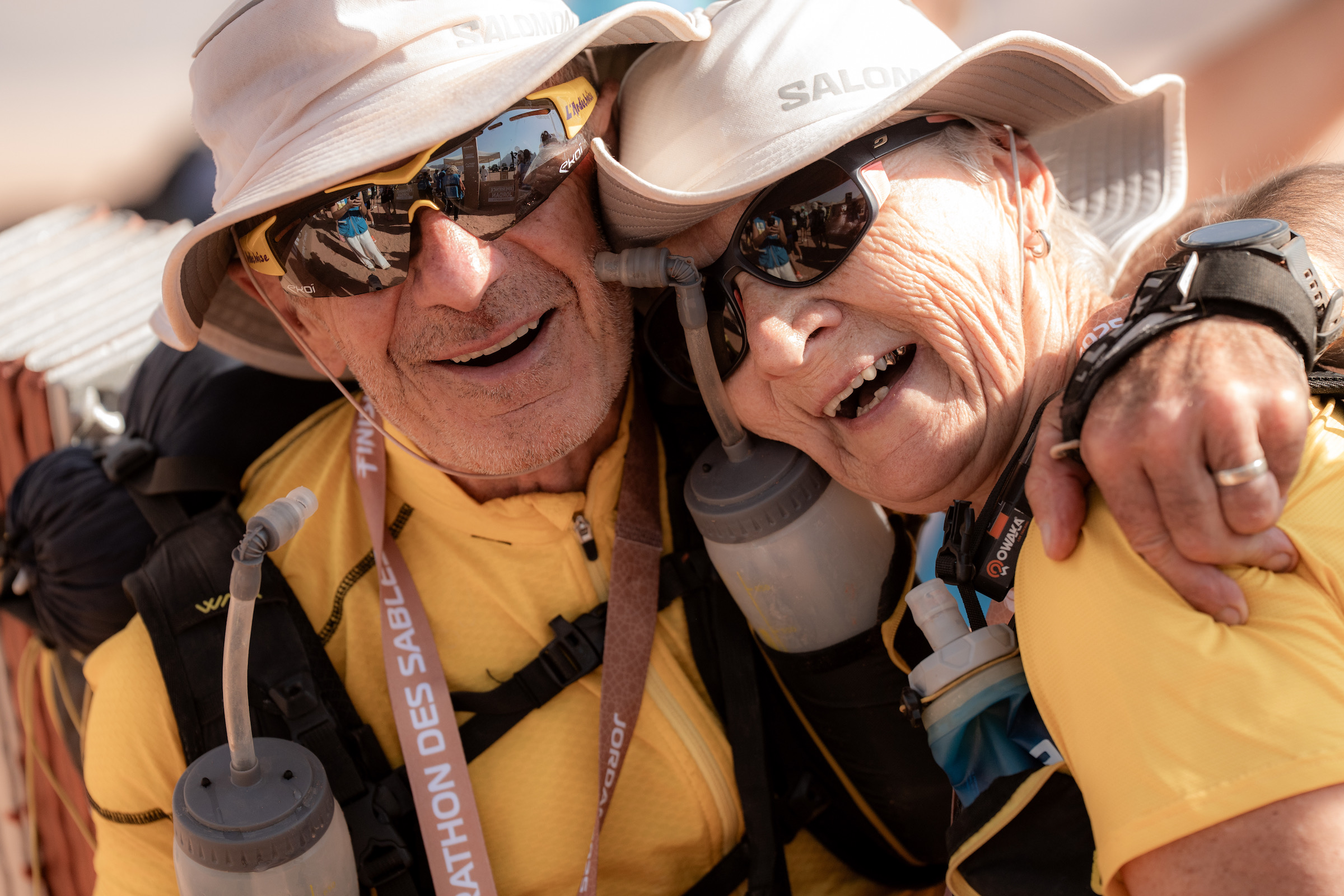
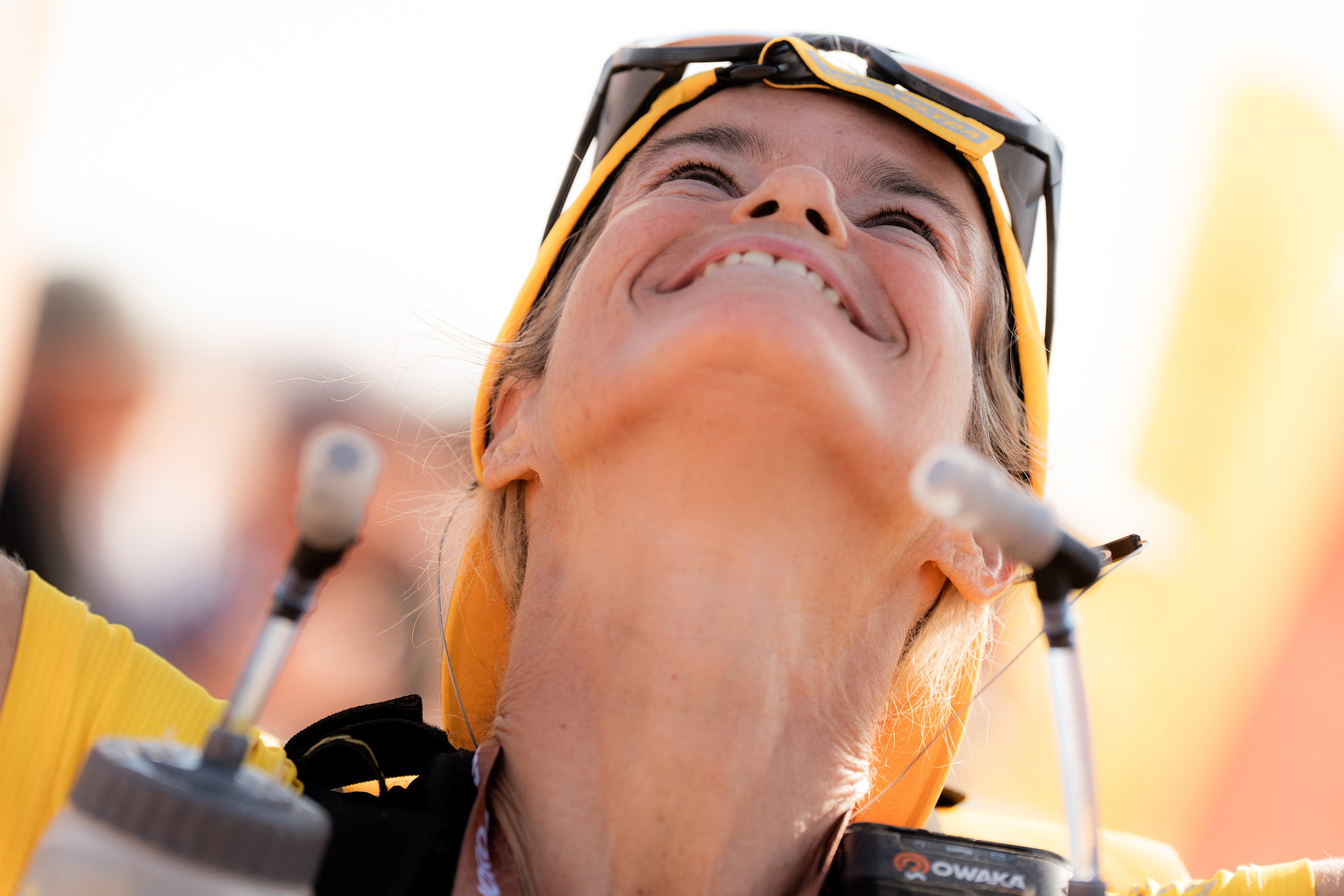
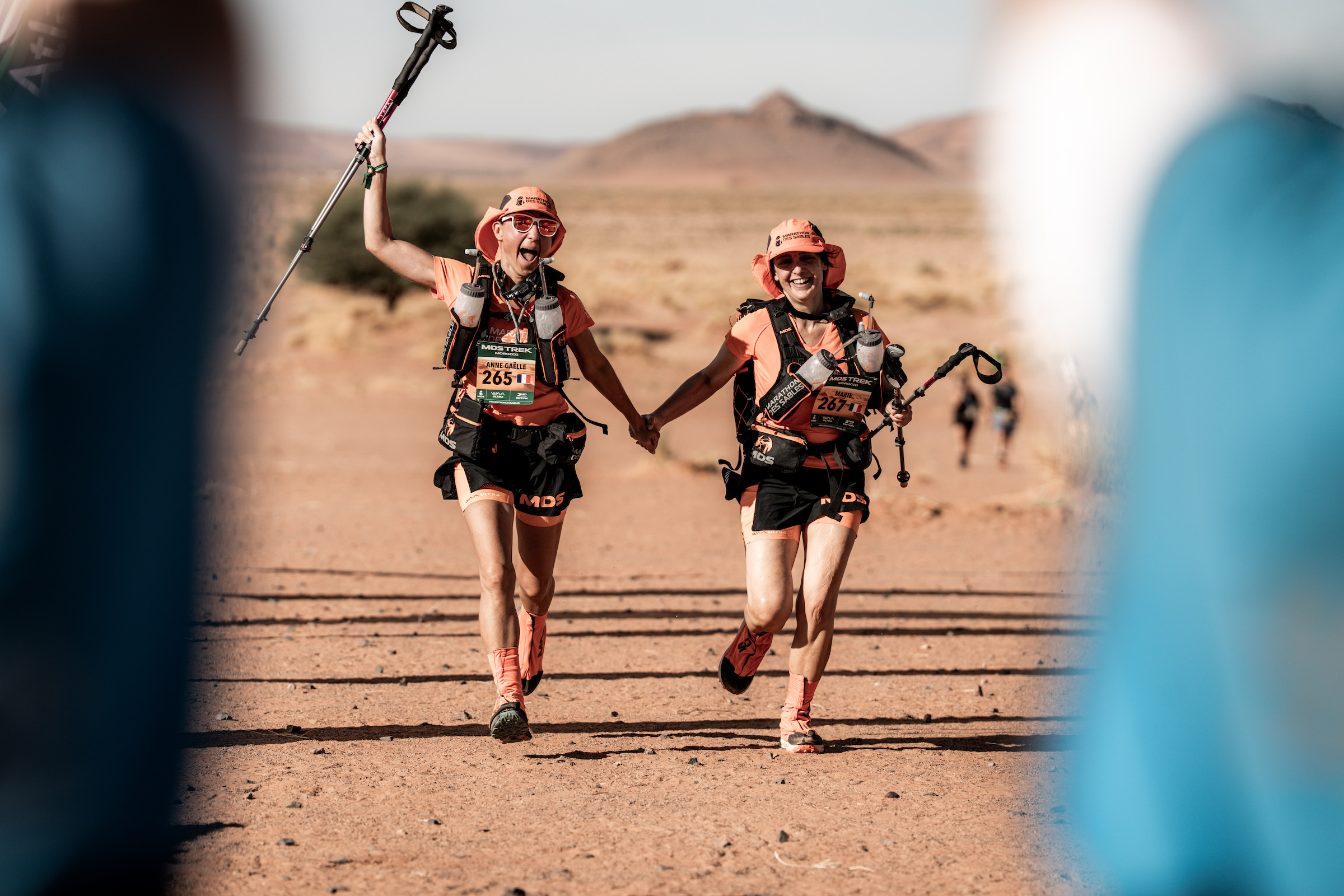
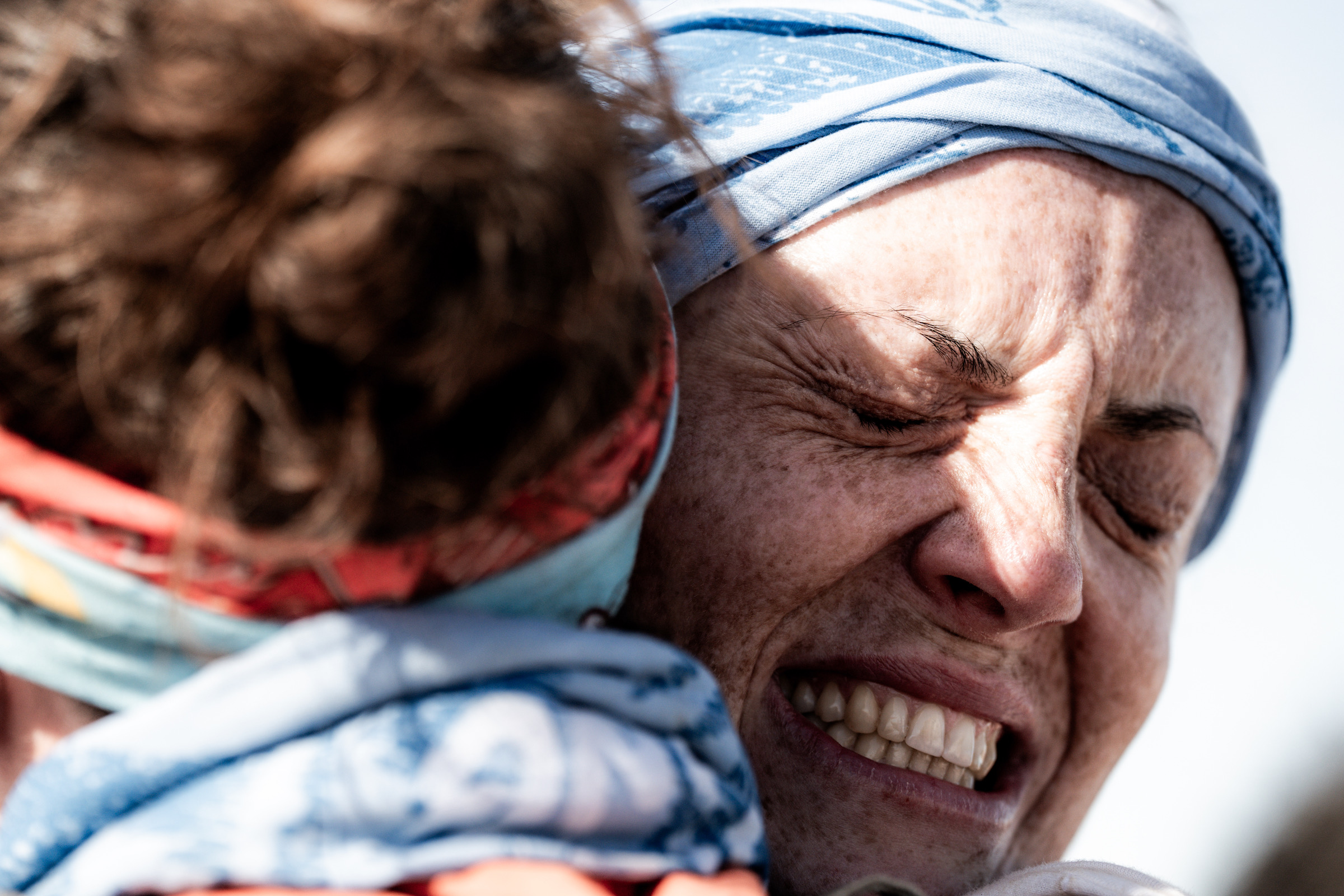
Despite the isolation, there’s camaraderie. Strangers share conversations. Encouragement is shouted in a dozen languages. Some falter, some stop. You need help, someone will stop for you.

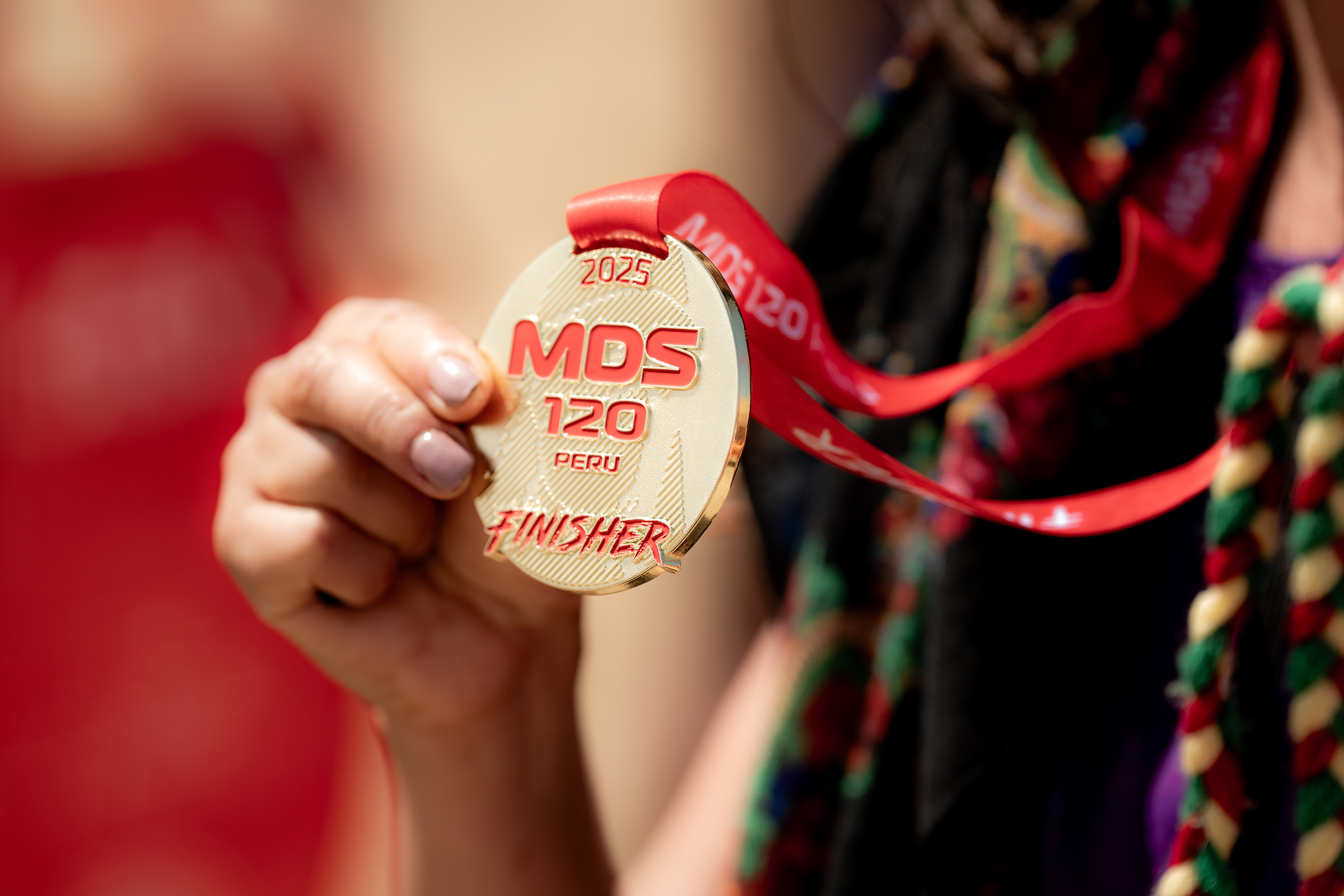
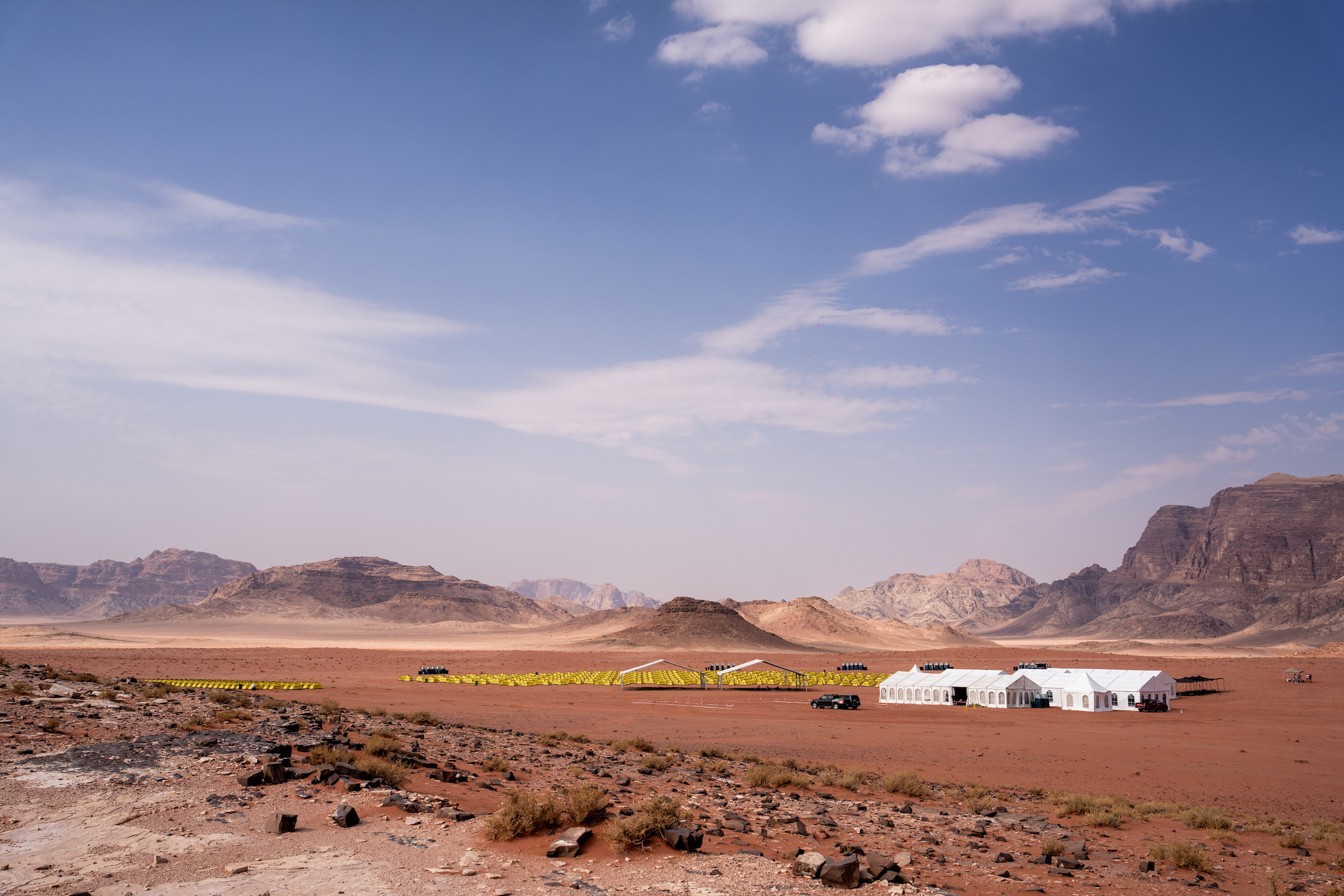
The bivouac after Stage 1 is rough but welcoming. Yellow WAA tents flap in the wind. Meals are cooked with shaky hands. But the feeling is clear: we made it. One day down. Two to go.

What This Stage Really Means

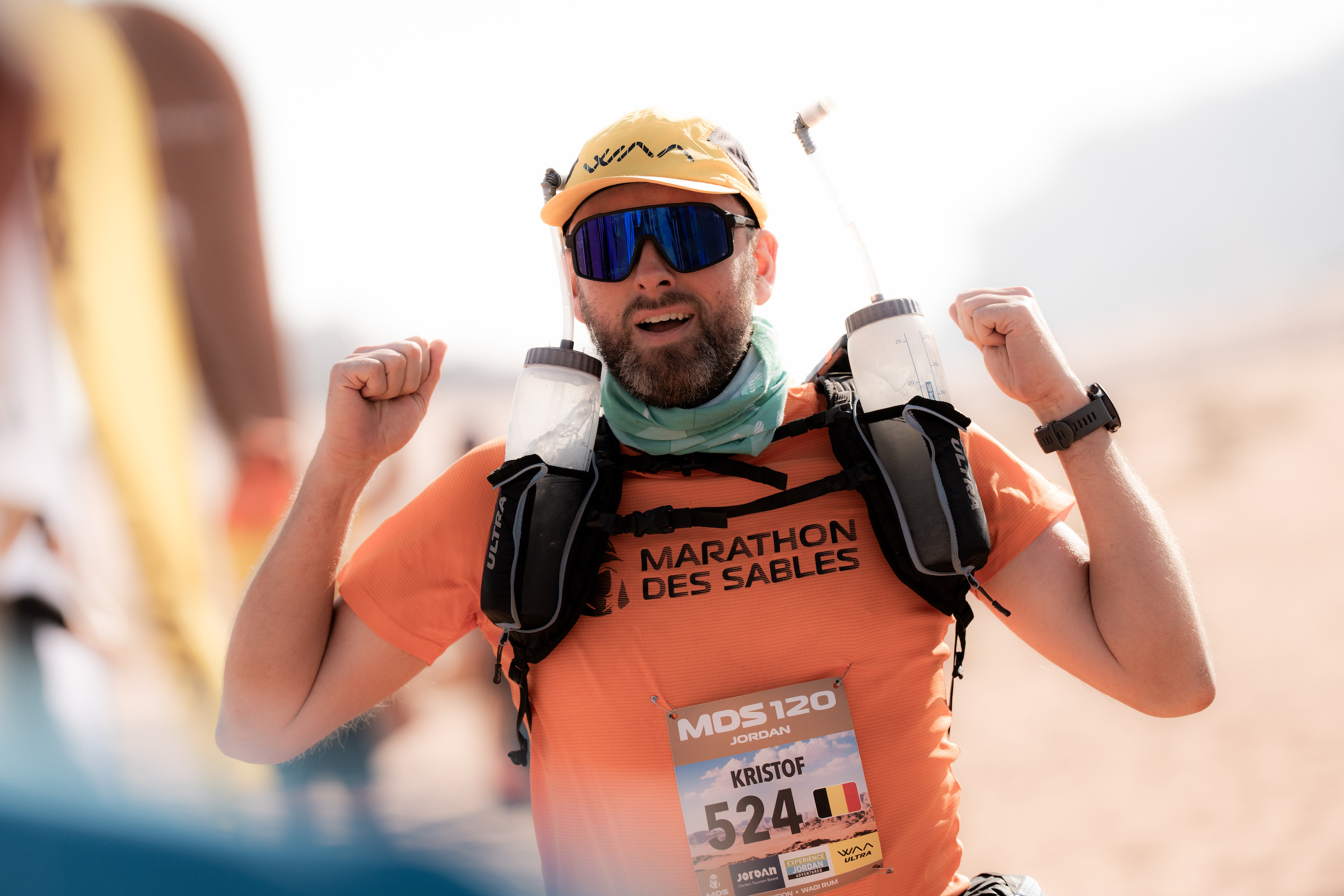
Amazingly, 93% are running an MDS event for the first time, Stage 1 maybe a rude awakening? It tells the truth, immediately and without apology: this may (will) hurt. But, if it was easy everyone would do it!

And for all 600, from the youngest to the oldest, it’s a reminder that the desert doesn’t care about your splits. It rewards grit, humility, and the will to keep moving.

Interested in a MARATHON DES SABLES EVENT?

More Info HERE

Follow Ian Corless

Instagram – @iancorlessphotography

Twitter – @talkultra

facebook.com/iancorlessphotography

Web – www.iancorless.com
Web – www.iancorlessphotography.com

MDS TREK MOROCCO 2025 – Stage 4 –  A Victory Loop Through the Sahara


The fourth and final stage of MDS Trek Morocco is complete. What began as a journey into the vast, unforgiving desert has ended in a loop of triumph, every step earned, every moment remembered.


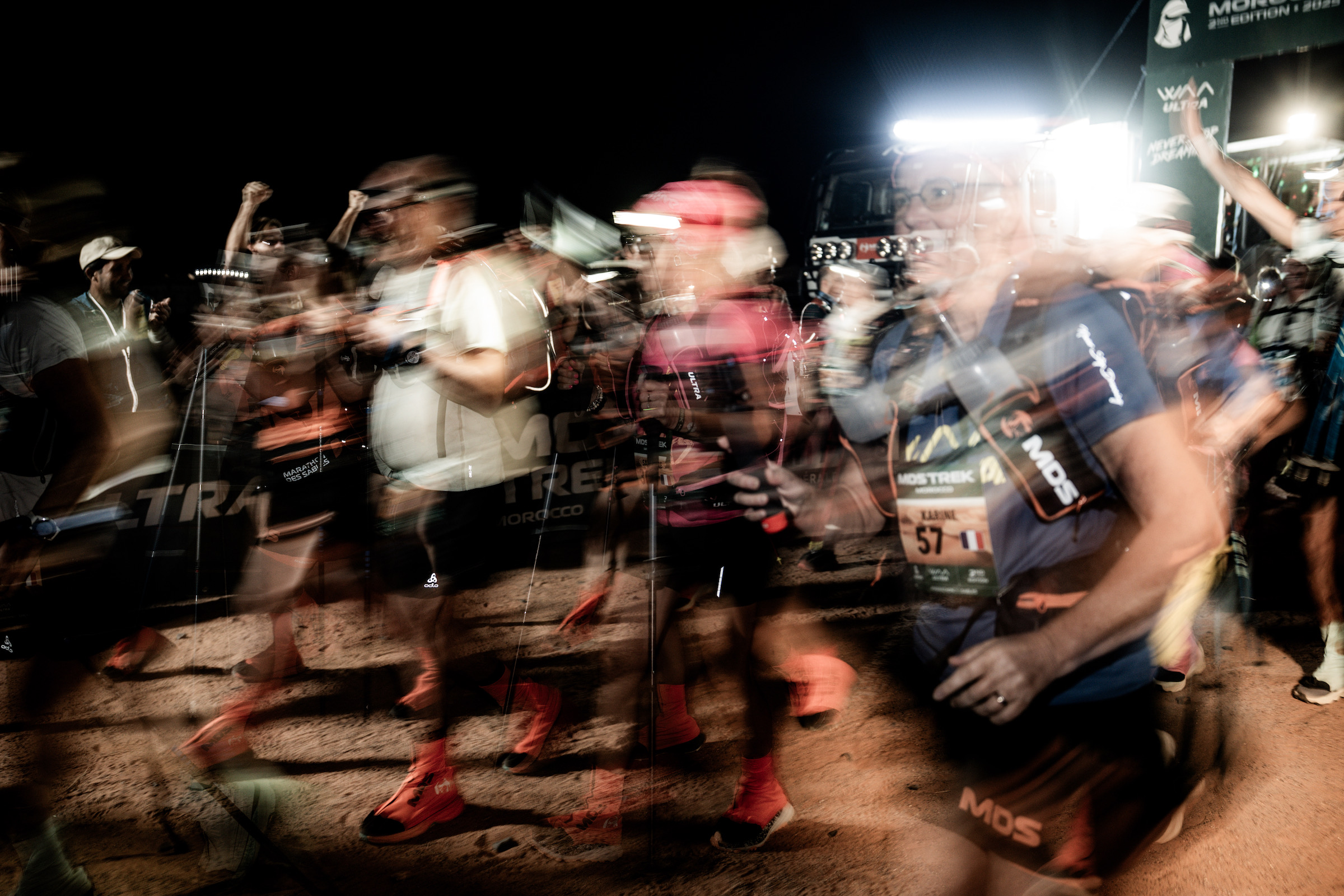
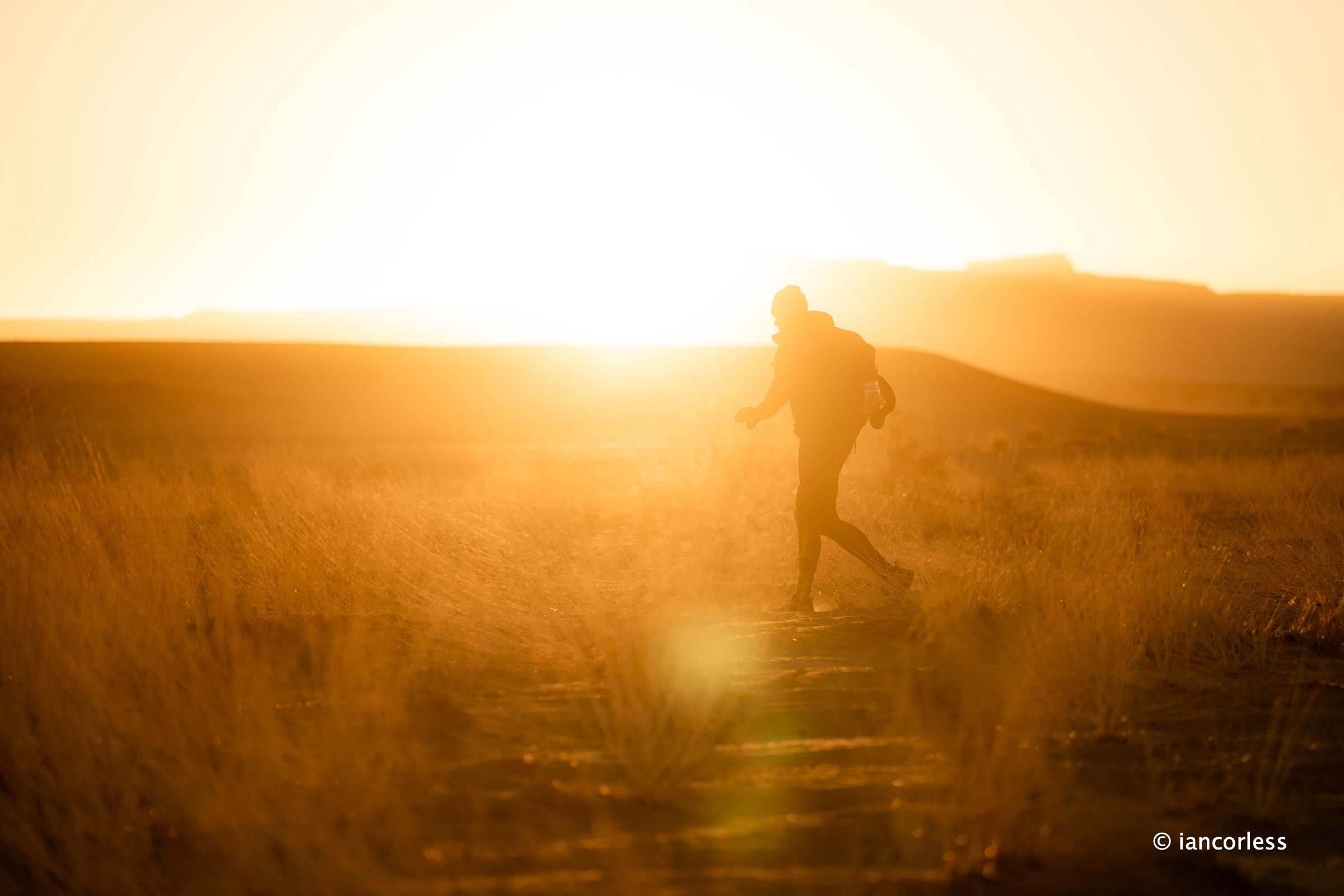
Today’s stage started in darkness. Head torches cut thin beams through the pre-dawn silence, the soft crunch of footsteps the only sound as the group moved out into the unknown once more. The air was cool, but everyone knew what was coming. The early warmth was already hinting at another scorcher in the making.


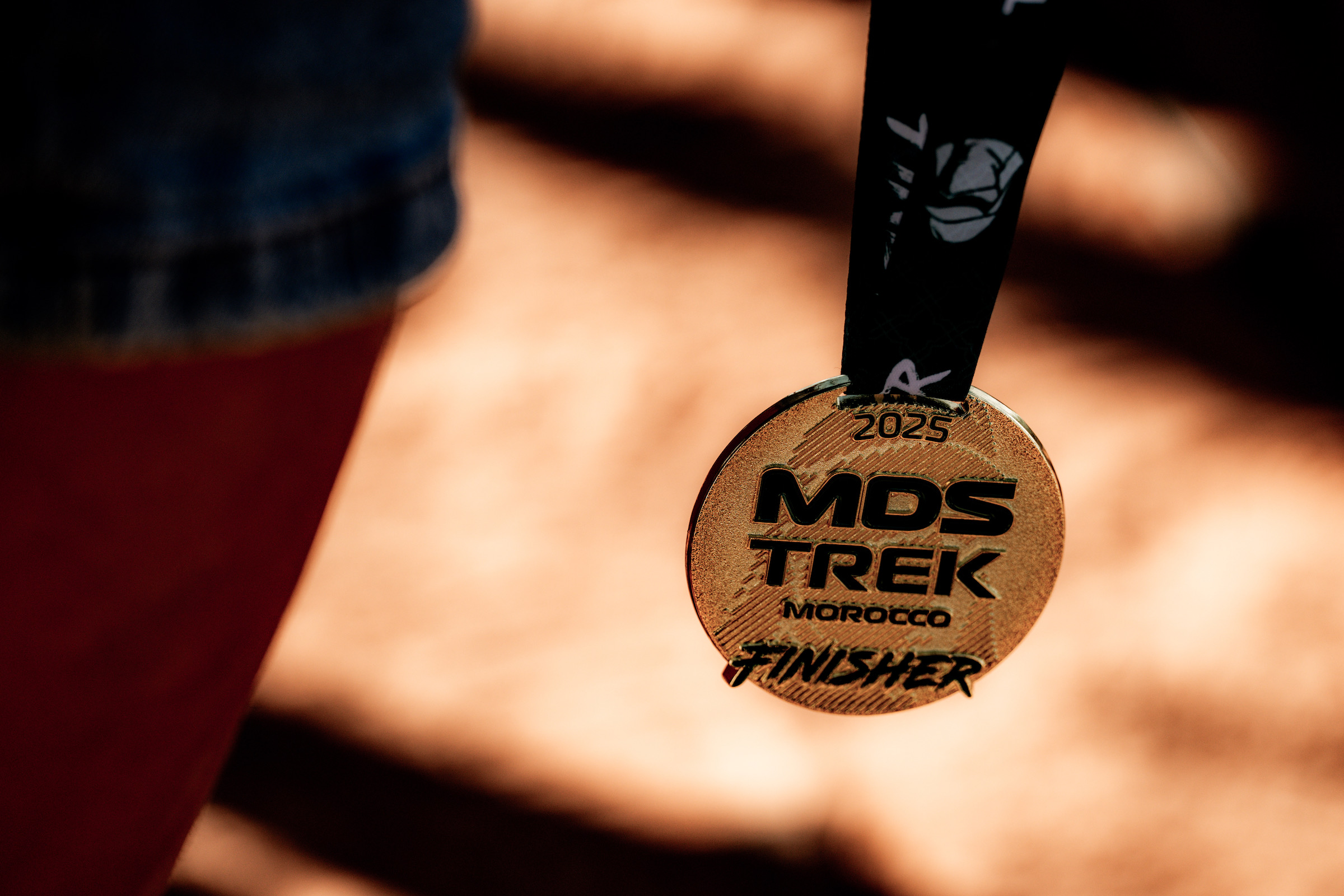
There were two distances again today, different paths, same glory. Whether you chose the longer route or a shorter challenge, the destination was the same: the finish line, and the medal that waited beyond it.


The route offered a final taste of everything the Sahara had thrown at participants over the past days, rolling ridges of sand, winding gorges, and a long, flat, rocky push to the finish. Hard, hot, and humbling. But also deeply rewarding.


Trek has been a shared adventure.

A test of resilience, not speed. MDS Trek Morocco made space for everyone, young and old, first-timers and seasoned explorers, fast hikers and slow-but-steady souls. There were no clocks to beat, only limits to expand.


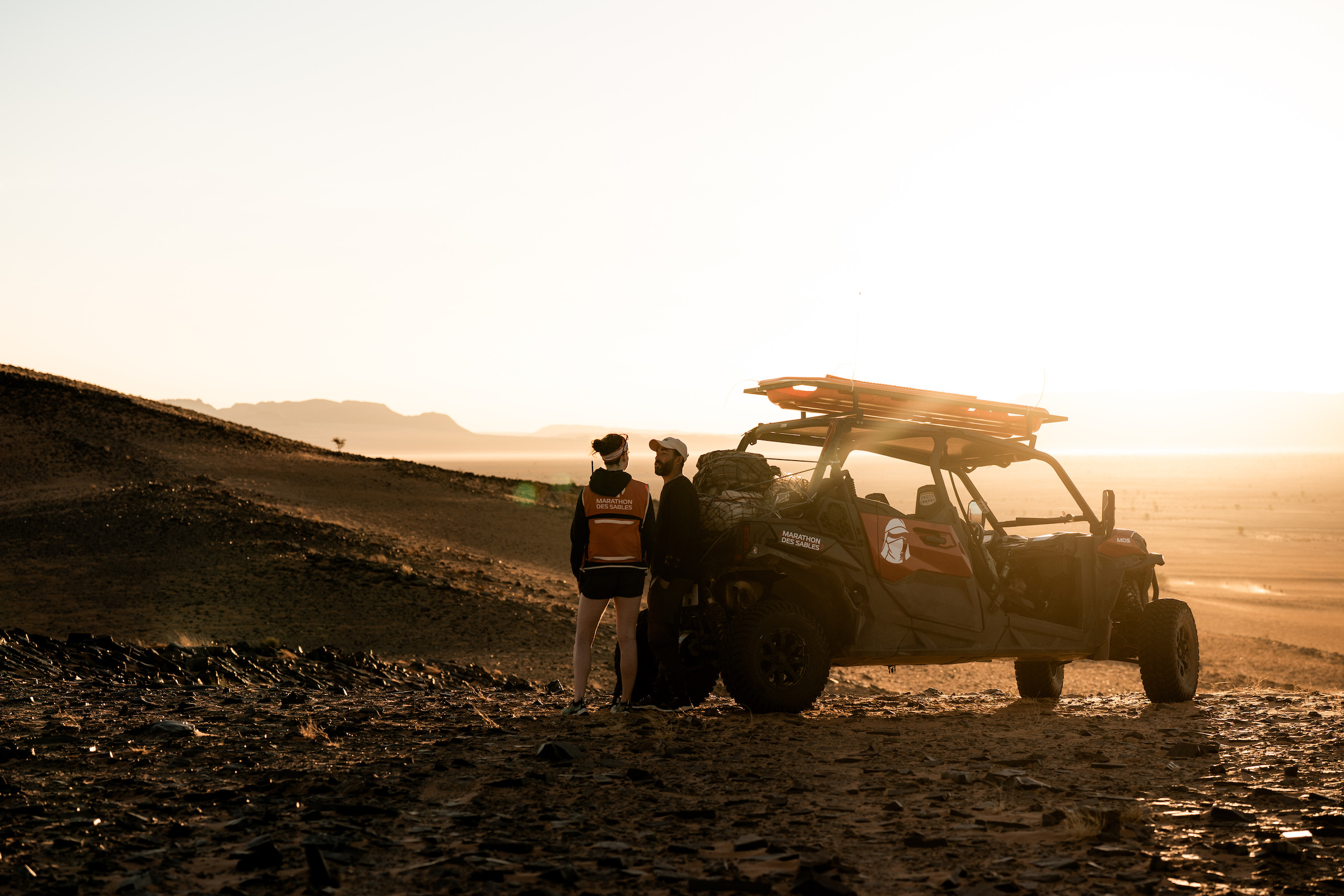
It was also safe. Every step of the way, the organisation was tight, the logistics seamless, the support unwavering. Even in this remote, elemental landscape, the structure and security allowed people to push themselves without fear.


More than anything, MDS Trek was about togetherness. There were moments of solitude, yes, but also laughter, encouragement, teamwork. Bonds were built under starlit skies and blistering suns.

This trek wasn’t just through the Sahara, it was into a deeper understanding of what we’re capable of when we move with purpose, and when we move together.

The Sahara gave everything. So did the people who crossed it.

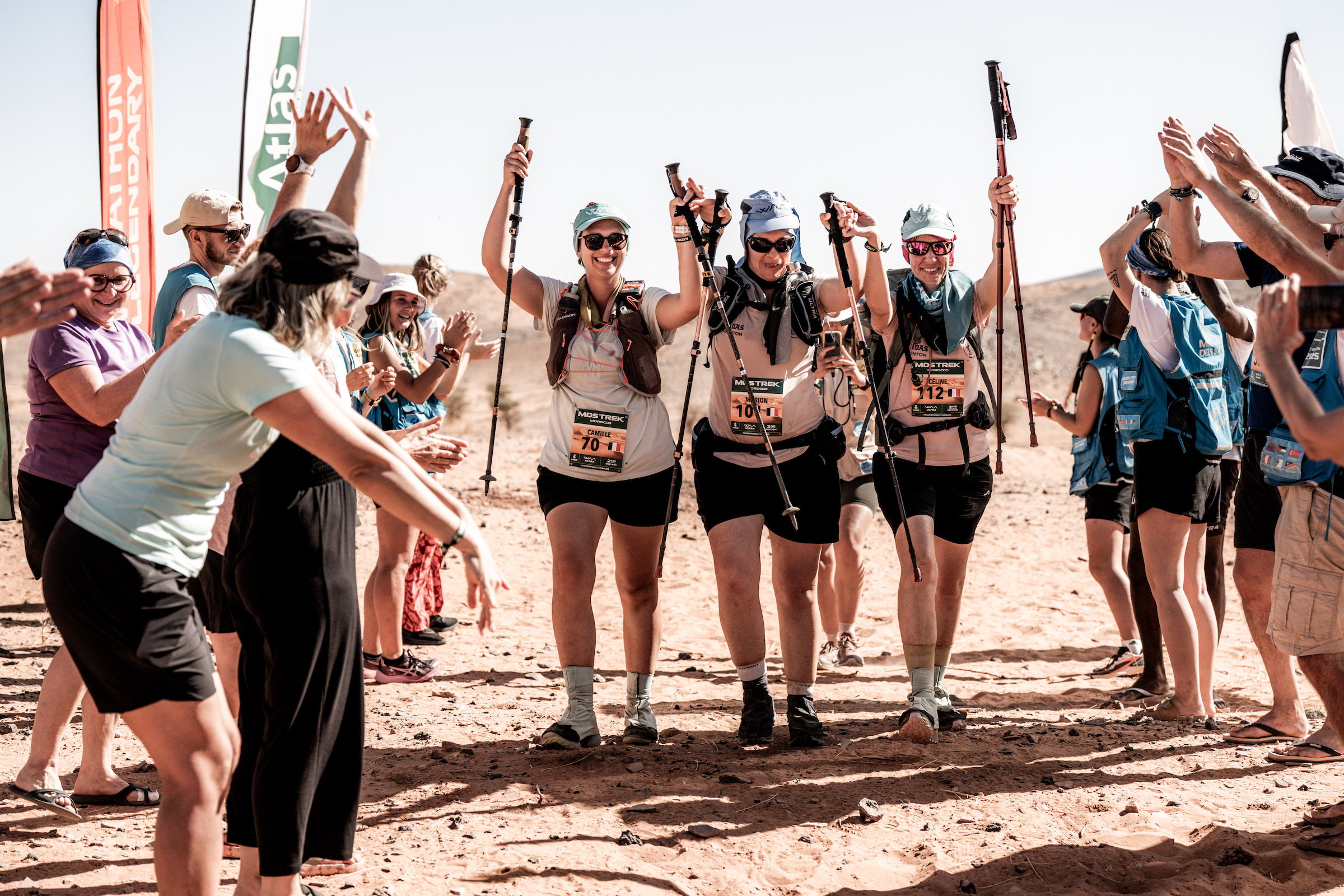
This was MDS Trek Morocco: a final stage, a victory loop, and an unforgettable finish.

Interested in a MARATHON DES SABLES EVENT?

More Info HERE

Follow Ian Corless

Instagram – @iancorlessphotography

Twitter – @talkultra

facebook.com/iancorlessphotography

Web – www.iancorless.com
Web – www.iancorlessphotography.com

MDS TREK MOROCCO 2025 – Stage 3 – A Journey Through Sand, Stars, and Spirit

There are stages that challenge you, stages that move you, and then there are stages like Stage 3 of MDS TREK Morocco, the kind that embeds itself deep in your memory and never lets go.

This wasn’t just another section of the trek. It was the spiritual centre of the entire experience. A 48-hour symphony of sweat, sand, starlight and self-discovery, this was the Sahara in its rawest, most breathtaking form.

Part One – Into the Desert Before Dawn

It began in the dark, well before sunrise. Head torches flickered to life across the bivouac like constellations on the move. The air was still, cool with the promise of what was to come. This was no ordinary start. There was a choice, two routes: the shorter 17.3km or the longer 30.6km. Two paths leading into the vast unknown, with each step breaking the silence of the Moroccan morning.

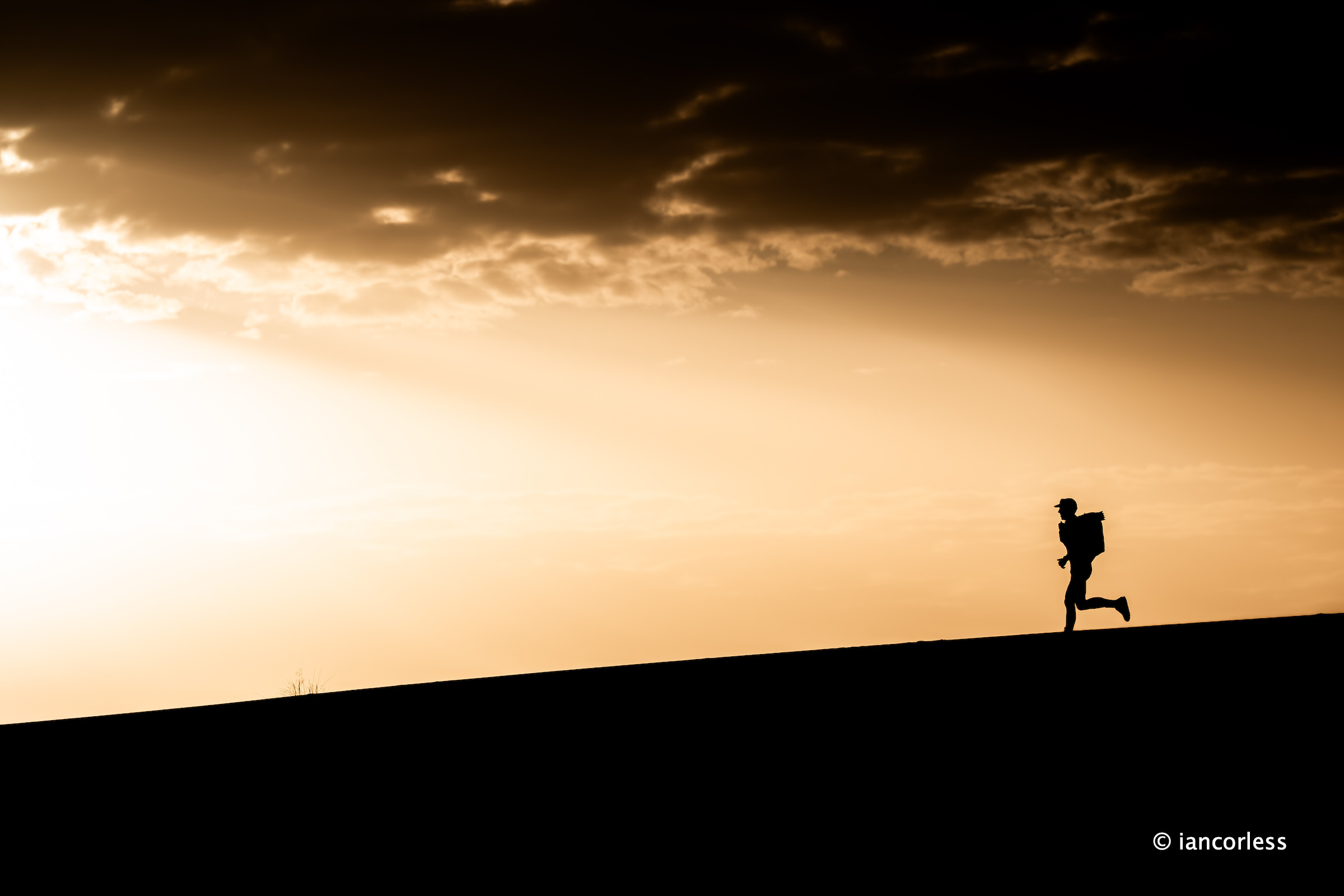
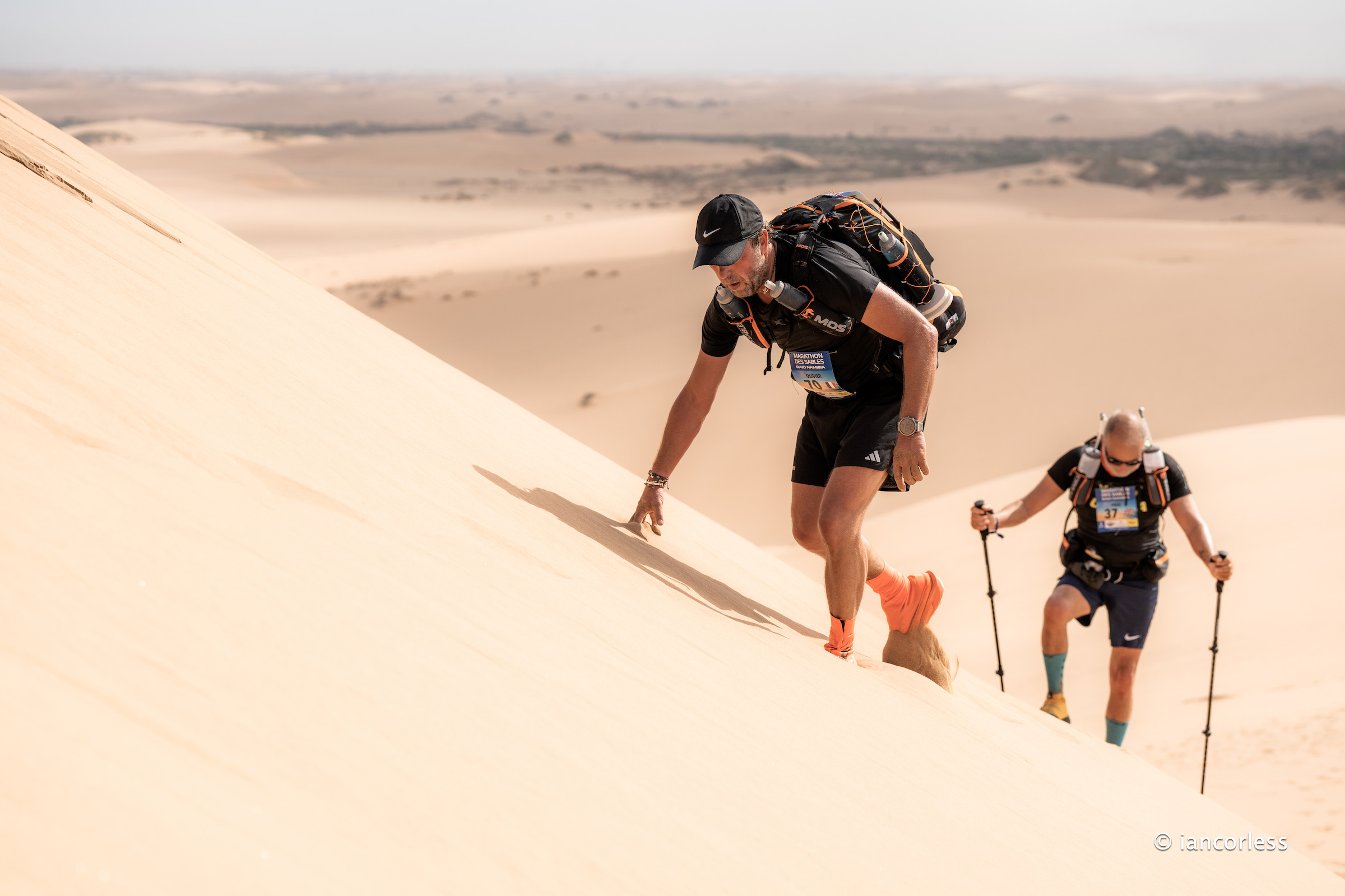
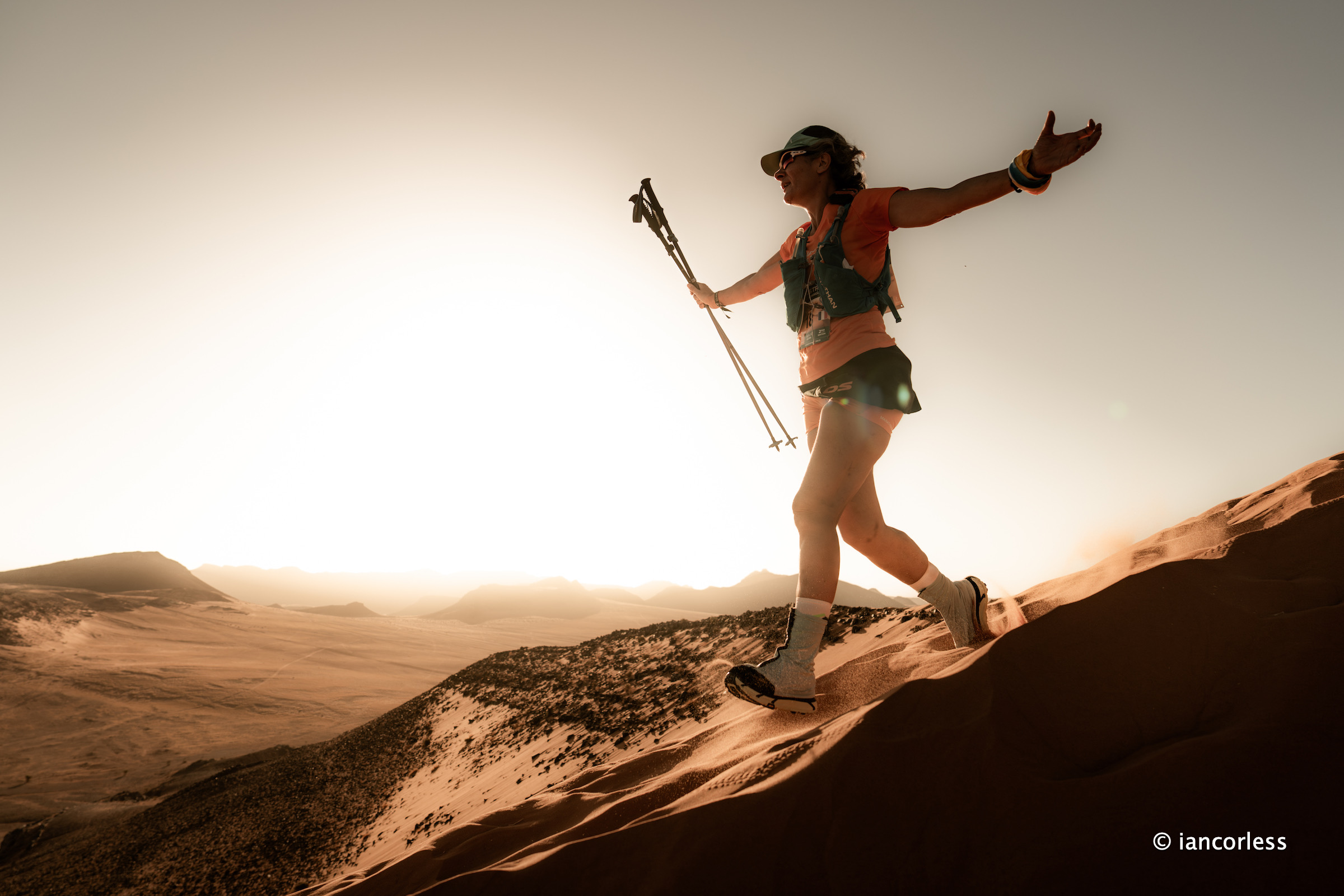
And then came the sand, golden even in the first light. There’s nothing quite like descending those soft sandy giants as the world slowly glows around you.

Laughter echoed, legs burned, hearts raced. The sand gave way to rocky outcrops, and then again to long stretches of sunlit solitude.

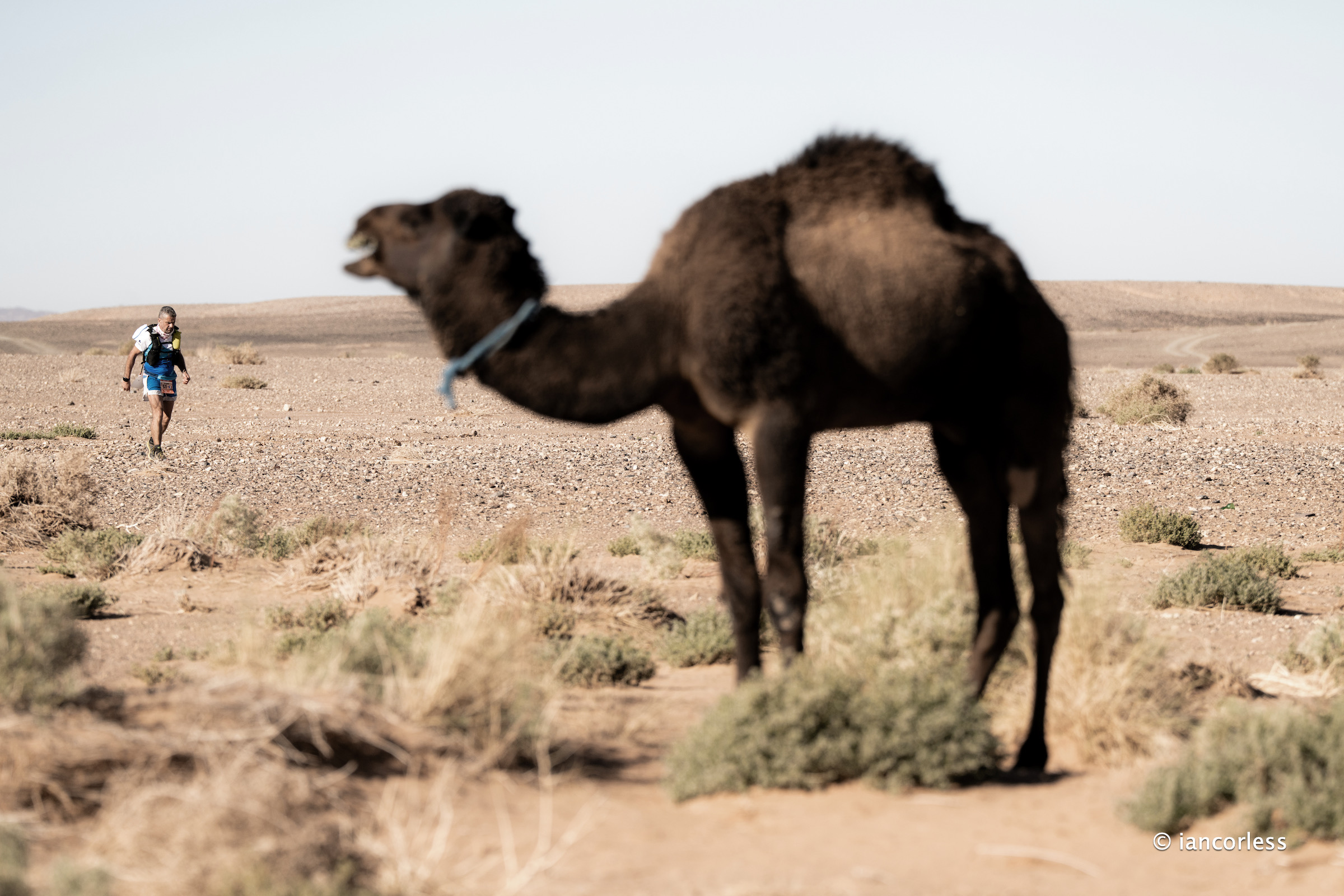
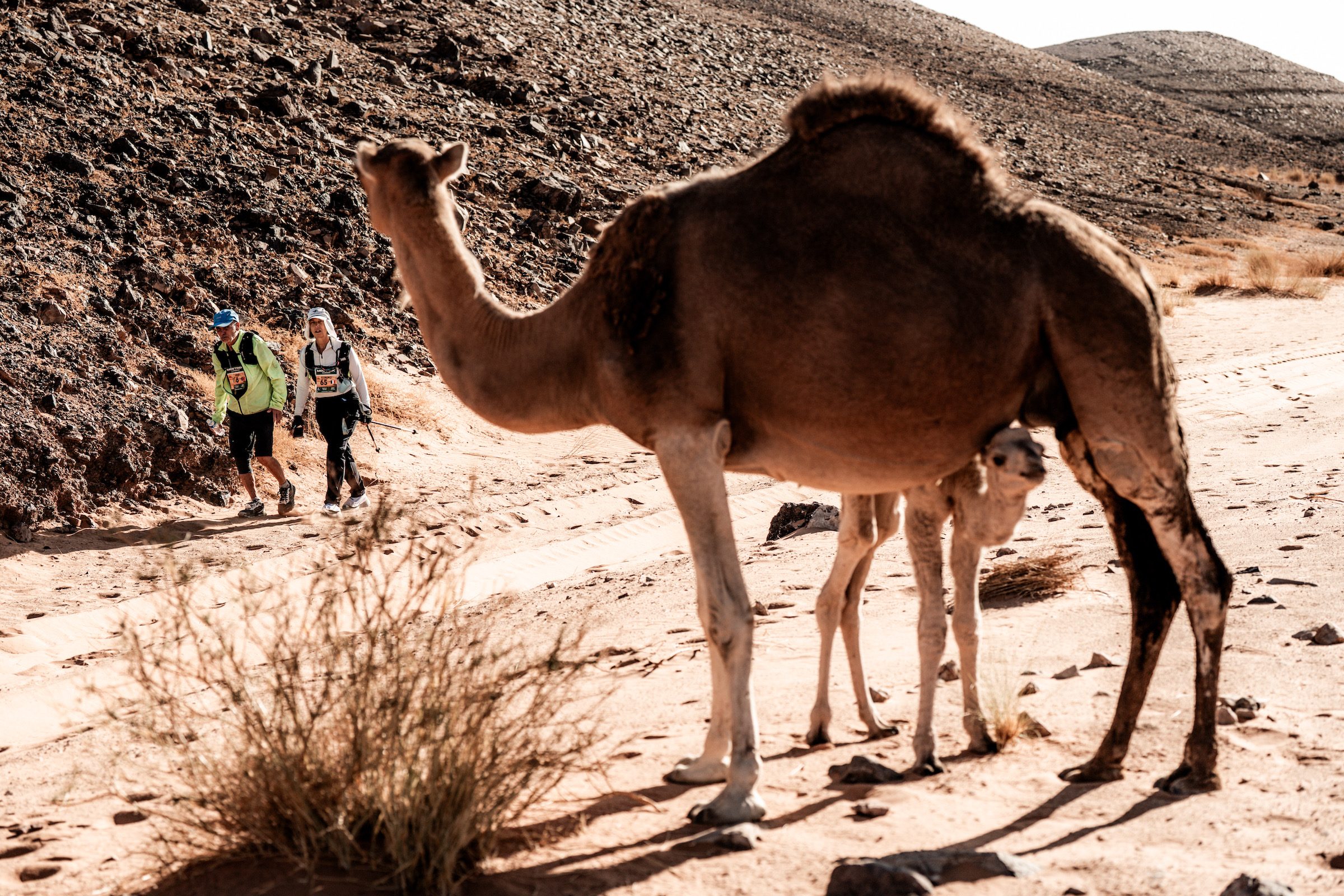
It was terrain that demanded focus: shifting sands, jagged stones, climbs that tested lungs, and descents that punished quads. And moments of pure magic, a Camel with a calf just days old.

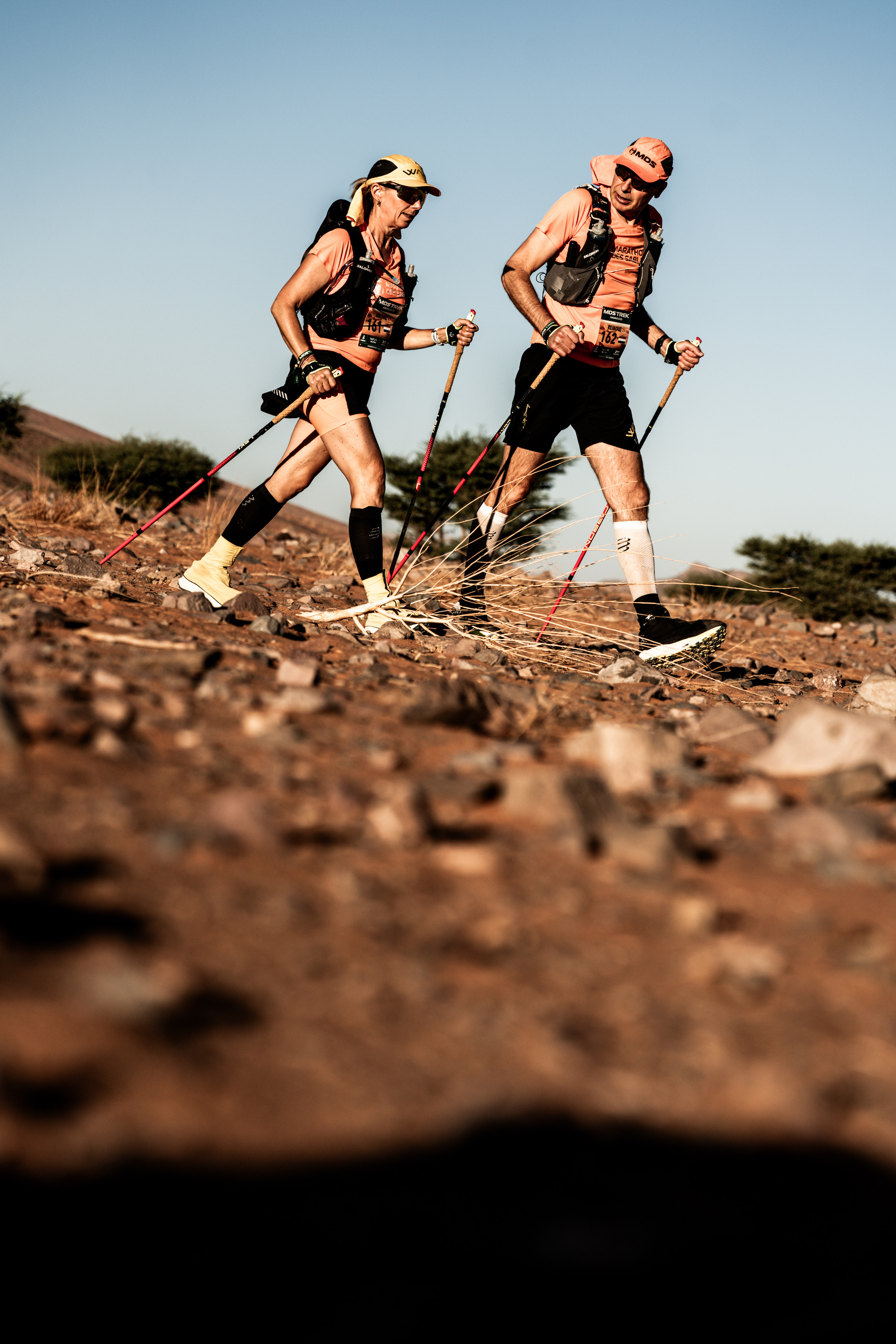
As the sun climbed, so did the temperature, creeping past 40°C, pushing toward the high 40s by midday. Every kilometre was earned. The trek moved through narrow mountain passes, broad empty plains, and wind-rippled dunes that swallowed sound and offered only the rhythm of your own breath in return.

This wasn’t just physical endurance. It was mental stamina. This was the Sahara asking, “How much do you want this?” And the answer was in every footstep forward.

Star Night – A Sahara Festival Beneath the Milky Way

Then came the magic.

As the heat softened and the sky turned amber, the group reached the remote desert bivouac, a temporary outpost far from civilisation, wrapped in silence, surrounded by dunes like a protective embrace.

Tents were set up quickly, offering some shelter from the still-warm evening, but it was clear that tonight, few would sleep indoors.

Dinner was served under open skies, a catered desert banquet with the kind of flavour that only comes after a day like that.

Music played. Conversations sparked. Laughter carried on the breeze. And as the sun finally slipped away, the desert lit up in a way that defied belief.

This was no ordinary night.

This was Star Night.

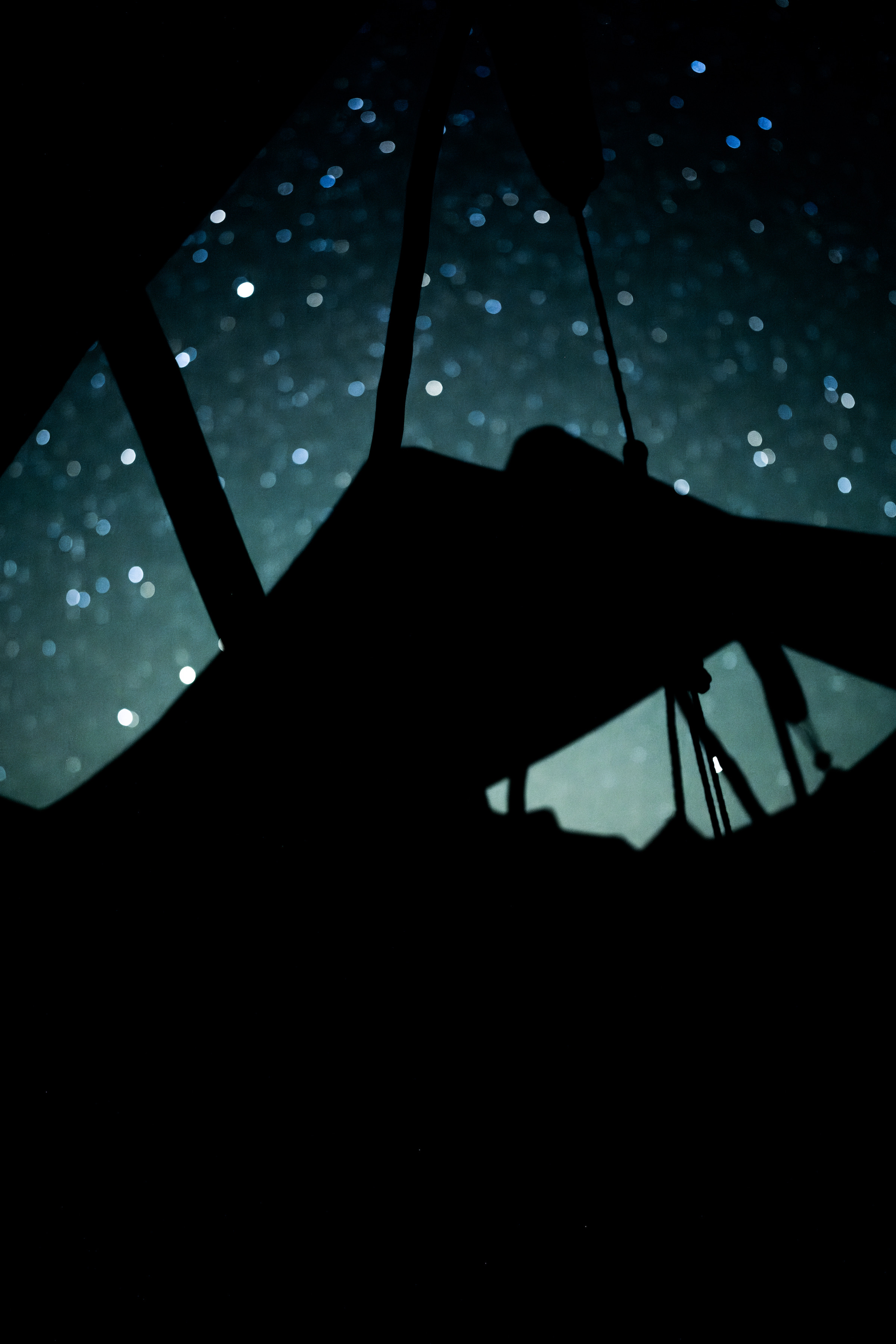
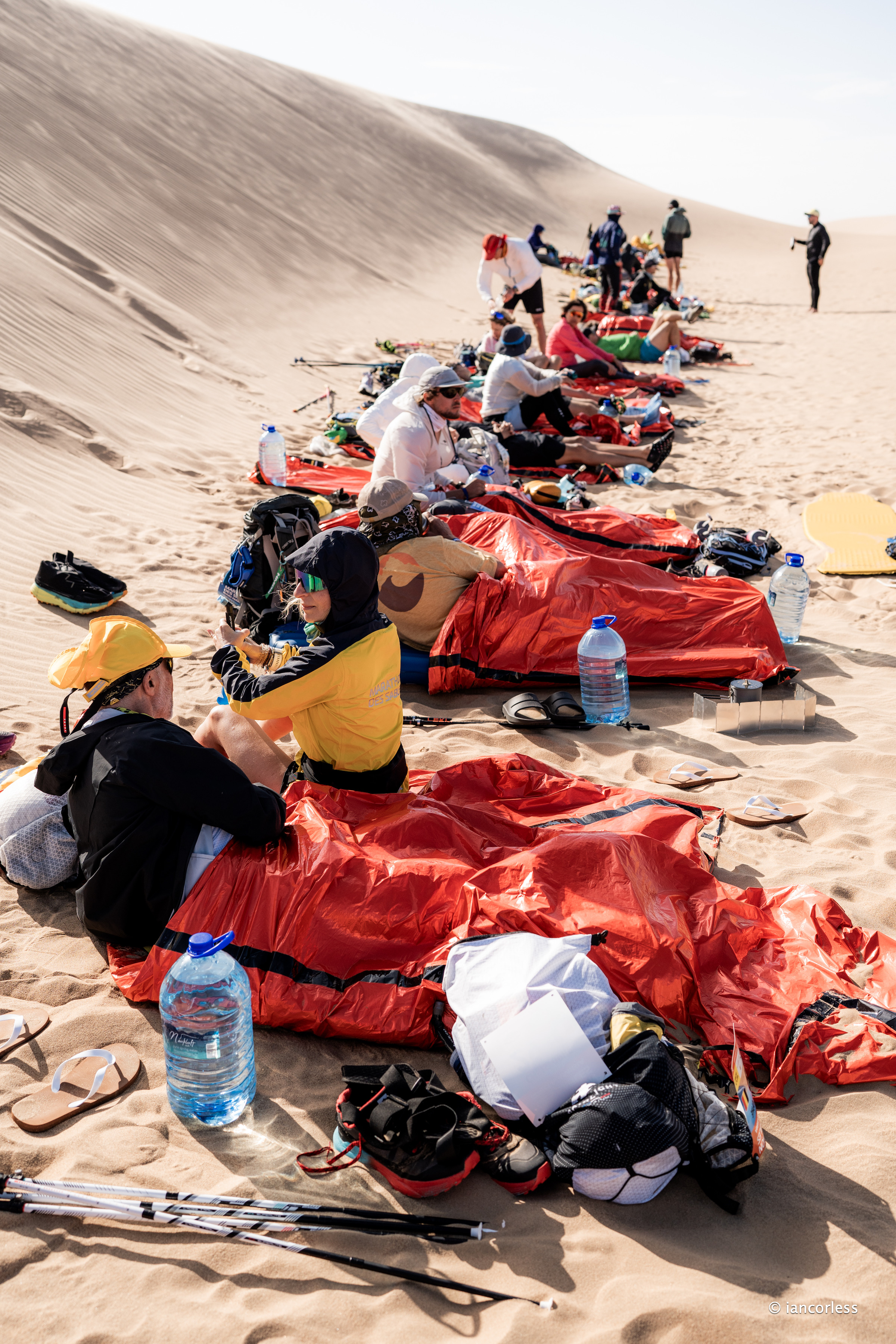
The sky ignited with stars, sharp, bright, infinite. The Milky Way stretched across the sky like a brushstroke of light. It was cinematic. Surreal. And yet, utterly real. Most didn’t even bother with sleeping bags; the night air was warm, comfortable, and inviting. Mats were laid out in the sand, and people lay back, letting the stillness of the Sahara soak in.

This wasn’t just a rest stop. It was a memory being etched in real time. A Saharan festival of connection, nature, and awe. And despite the fatigue, few slept early. Why would you? Nights like that are rare, even in dreams.

Day Two – Sunrise, Sand, and the Final Push

As dawn crept in, the desert glowed again. Another split route awaited, this time 17.5km or 22.5km. But legs were lighter. Spirits were high. The starlit night had done its work. The air still held a bit of cool, and the sun rose gently, casting long shadows over the rippling sands.

The trail wound through more epic Saharan landscapes, twisting through low valleys, across ancient dry riverbeds, and up onto ridges with views that stole the breath before the heat could.

By late morning the thermometer climbed past 48°C. Brutal, yes. But somehow also beautiful. Because every drop of sweat, every pause in the shade, every step forward became part of something larger.

There was camaraderie. People encouraging one another. Sharing sips of water. Pointing out landmarks. Moving as individuals, yes, but always part of a bigger whole.

And then, after hours of pushing through shimmering heat and relentless terrain, the finish line of Stage 3 appeared, home bivouac, familiar now, yet somehow different. Changed. Just like every person who crossed into it.

Why Stage 3 Can’t Be Missed

Stage 3 isn’t just a segment of MDS TREK Morocco. It’s a story within the story. It captures everything the trek stands for: resilience, beauty, challenge, community, and wonder.

This was the essence of the MDS spirit : raw, bold, unforgettable. It tested bodies, ignited minds, and opened hearts. Trekkers will not just remember Stage 3, it will forever be that stage.

Interested in a MARATHON DES SABLES EVENT?

More Info HERE

Follow Ian Corless

Instagram – @iancorlessphotography

Twitter – @talkultra

facebook.com/iancorlessphotography

Web – www.iancorless.com
Web – www.iancorlessphotography.com

MDS TREK MOROCCO 2025 – Stage 2

Stage 2 of MDS TREK Morocco was short on distance, 11.7km or 15km, but packed with everything that makes this trek unforgettable: surreal landscapes, emotional highs, and the raw beauty of the desert revealed under first light.

The day began with the kind of sunrise that stops you in your tracks. As the first rays hit the dunes, the Sahara shifted from cool blue shadows to warm, golden brilliance.

The route kicked off along a dramatic ridge, a high line with sweeping views in every direction, one of the most stunning stretches in MDS history. Sand seas rolled endlessly below, broken only by the occasional rocky outcrop or camel track winding off into nowhere.

This was not a stage to rush. With no time pressure, participants could move at their own pace, soaking in the magic of the moment.

The terrain was varied, soft dune underfoot in some places, firmer ground in others, but the challenge was consistent: the heat. Even early in the day, the sun hit hard. It was a reminder that, out here, progress is earned.

At Checkpoint 2, the route split. Those craving a longer push could opt for the 15km course, while others stuck with the shorter 11.7km track. It didn’t matter which option they chose, both offered the same sense of accomplishment and wonder.

Whether climbing another dune or resting in the shade at the finish, there were smiles all around.

Stage 2 wasn’t about distance or pace. It was about presence, being fully alive in one of the most remote, beautiful places on Earth.

It was about the silence, the sweat, the sunrise. And for many, it was the moment they truly felt the spirit of MDS: the freedom, the challenge, and the deep, personal joy of moving through the Sahara under their own power.

A very special day and one that will stay etched in memory long after the sand is shaken from their shoes.

Interested in a MARATHON DES SABLES EVENT?

More Info HERE

Follow Ian Corless

Instagram – @iancorlessphotography

Twitter – @talkultra

facebook.com/iancorlessphotography

Web – www.iancorless.com
Web – www.iancorlessphotography.com

MDS TREK MOROCCO 2025 – Intro and Stage 1

There’s a certain image that comes to mind when you hear “MDS” – blistered feet, rationed calories, endless dunes, and the punishing solitude of the Sahara. But the second edition of MDS TREK Morocco flips that narrative. It’s still tough, still raw, still proudly Saharan, but this isn’t the Marathon des Sables you’ve heard whispered about in ultra circles. This is MDS with a difference.

This is adventure, elevated.

A New Kind of Desert Challenge

Set across seven nights deep in the Moroccan desert, MDS TREK isn’t about suffering. It’s about connection – to the land, to others, and to yourself. Designed for trekkers who crave the thrill of the Sahara without the demands of full self-sufficiency, this edition delivers a rich, physically challenging, and surprisingly comfortable desert experience.

Forget dehydrated meals eaten crouched in the sand. Here, you’re fed three real meals a day. Forget sleeping shoulder-to-shoulder under a makeshift tarp, you’ll rest in spacious, tents, roomy enough to stretch and breathe. Need a shower? There are actual showers. Want a drink? There’s a desert bar. And after a long day on your feet, you can stretch out with sunset yoga or sink into a post-stage massage.

A Race for Every Level

What sets MDS TREK apart isn’t just the comfort – it’s the accessibility. You don’t need to be an ultra-runner or a desert-hardened veteran to take part. This is a multi-stage trek, not a race to the death.

Each of the four stages is offered with two distance options, allowing participants to challenge themselves at their own pace. Want a longer push? Go for the full route. Need a bit less? Opt for the shorter version. The emphasis isn’t on beating the clock; it’s about the experience.

But make no mistake, this is still the Sahara. The terrain is rugged, the climbs are real, and the heat is relentless. The environment demands respect. But it also rewards you with something almost spiritual in return.

Stage 1: Into the Furnace

The adventure began under a blazing sun. Temperatures soared as 350 trekkers laced up for the first leg of the journey. The day’s route offered a choice: 15.6 km or 22.7 km, with both options weaving through a landscape as brutal as it was breathtaking.

Soft, shifting sands made even the flat sections a test of will. Then came the tough climbs, sandy ascents that drained the legs and quickened the pulse.

There were sections of technical rock and loose scree, keeping everyone alert. But in between the hardship came moments of wonder: endless panoramas, wind-sculpted dunes, towering jebels casting long shadows across the desert floor.

It wasn’t easy. But that wasn’t the point. This was beauty wrapped in brutality – a reminder of how the desert strips you down, and in doing so, shows you something pure.

And perhaps the most defining feature of the field? More than 60% of participants were women. This wasn’t just an event—it was a movement.

Evenings of Contrast

Post-stage life in MDS TREK is where the magic deepens. After pushing their limits under the sun, participants returned to a camp that was more oasis than outpost.

There’s shade. There’s cool water. There’s time to kick off the boots, breathe, and reset.

Then, as the desert begins to exhale and the day gives way to dusk, trekkers gather for sunset yoga – a quiet, grounding practice led against the backdrop of endless sky. Others opt for a massage under canvas, loosening the knots earned over each step.

And later, with dinner shared and bellies full, the real depth of the event reveals itself: evening talks and lectures that inspire, educate, and connect. Whether it’s stories from desert veterans, lessons on resilience, or reflections on personal growth, these sessions remind everyone that MDS TREK isn’t just about distance. It’s about transformation.

A Community Like No Other

The mix of people is part of what makes MDS TREK so powerful. Solo adventurers. Groups of friends. Veterans of the classic MDS alongside first-time desert explorers. Young and old. Every background. Every story. This is a space where no one is left behind, and every victory, every climb, every kilometre is cheered like a medal.

MDS TREK Morocco isn’t about breaking records. It’s about breaking through.

To comfort.

To challenge.

To something unforgettable.

Whether you’re a seasoned adventurer or simply someone looking for your next big reset, this is the one.

Interested in a MARATHON DES SABLES EVENT?

More Info HERE

Follow Ian Corless

Instagram – @iancorlessphotography

Twitter – @talkultra

facebook.com/iancorlessphotography

Web – www.iancorless.com
Web – www.iancorlessphotography.com

MDS 120 MOROCCO 2025 – STAGE 2

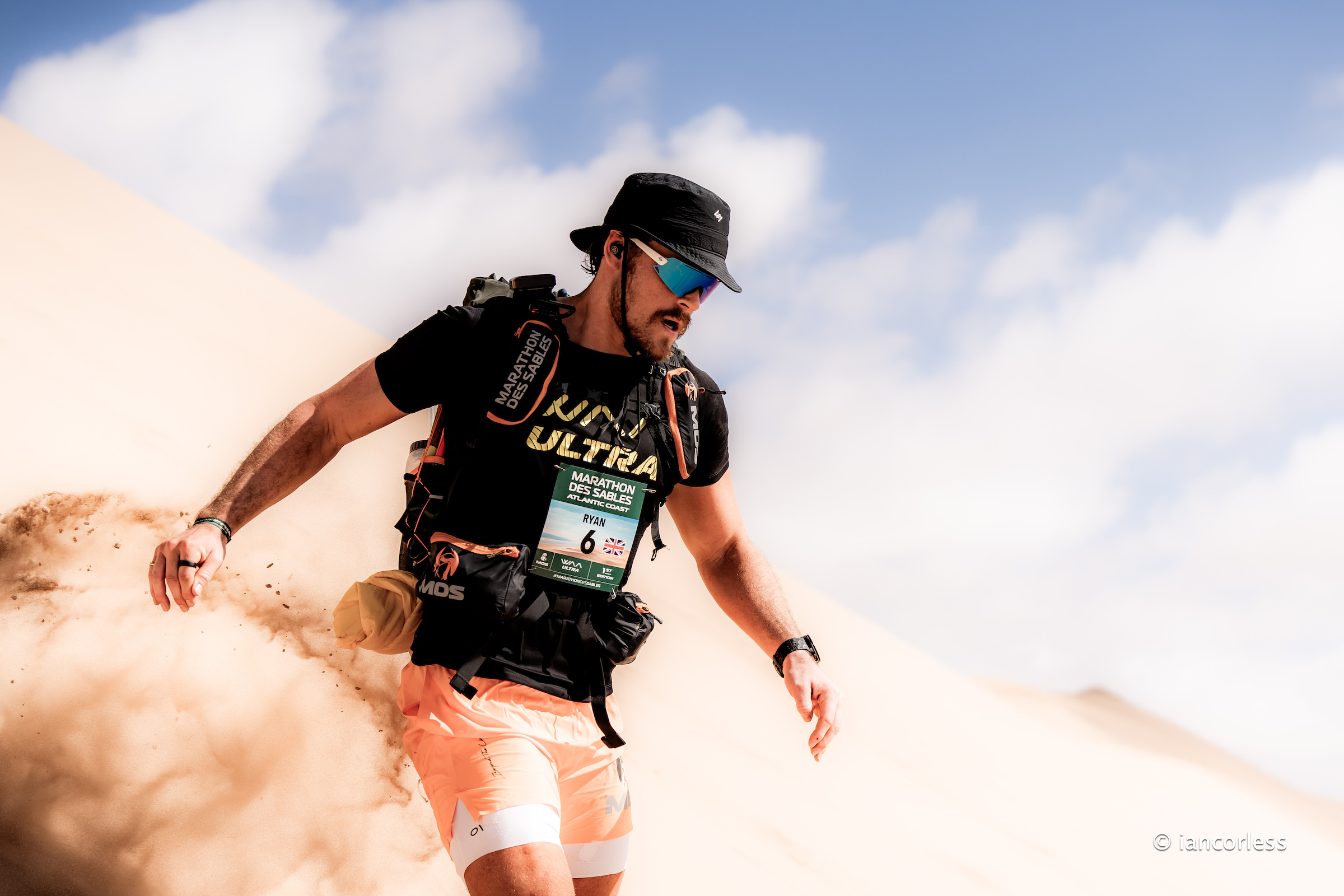
Stage 2 of the MDS 120 Morocco 2025 delivered a punishing reminder of what this race is all about: endurance, resilience, and respect for the elements. With three distances on offer – 20km, 40km, and 60km – runners set out early under revised start times (0630 and 0730 for the top contenders) after stage 1’s extreme heat forced organizers to adapt. It was a smart move. By midday, temperatures soared beyond 45°C, turning the day into a battle of grit and survival.

The day began deceptively calm. The early morning was still and silent, with no wind and nothing to offer relief from the sun’s growing intensity. As the hours ticked on, the heat built steadily, baking the desert landscape and punishing any runner who dared to underestimate it.

This wasn’t just another day in the desert. It was a brutal test across unforgiving terrain – soft sand, rugged mountain passes, exposed plains, and technical ridgelines. There were no shortcuts. No hiding from the sun. Just a long, scorching path to the finish.

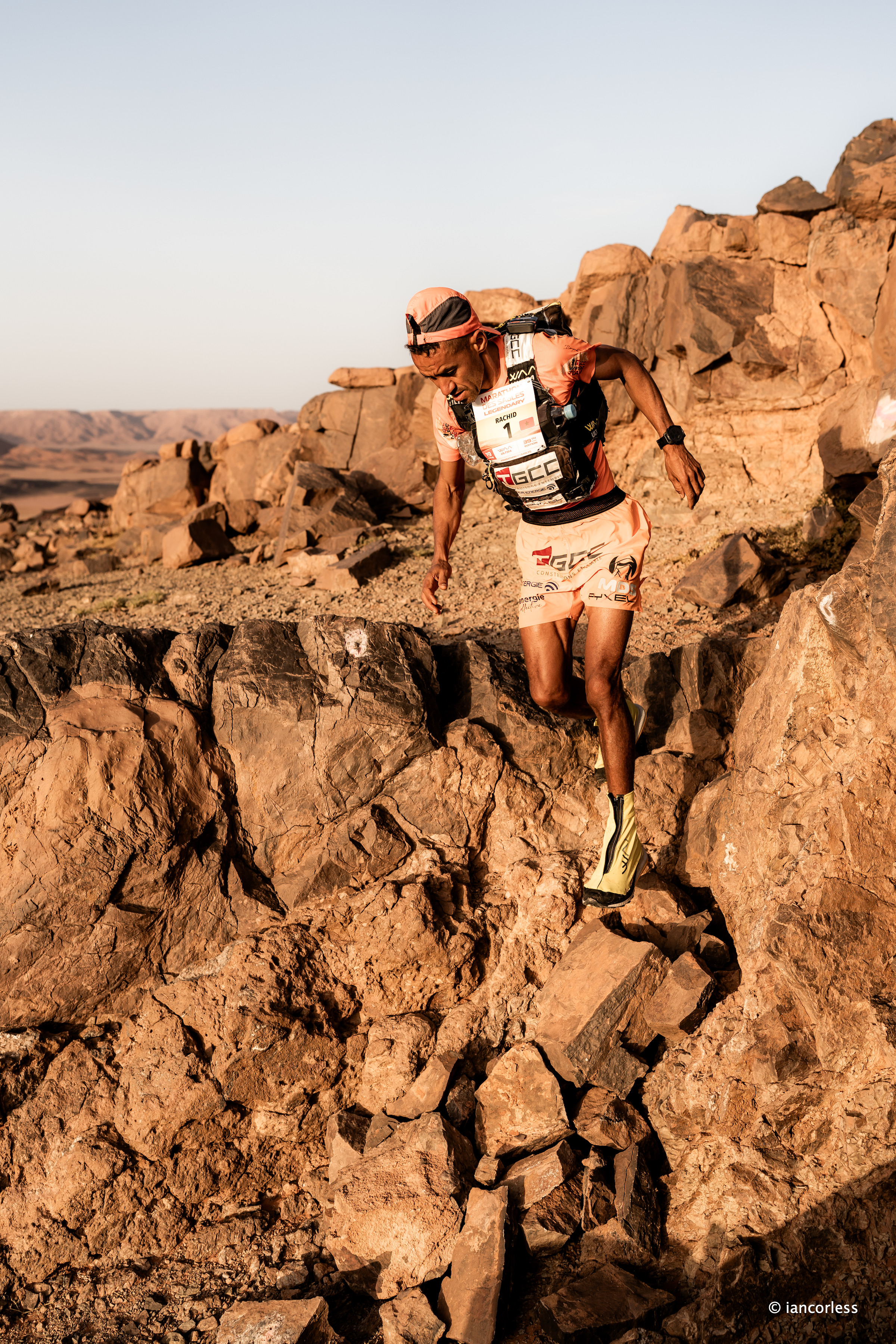
In the longest and toughest of the three routes, Rachid El Morabity did what he does best, dominate. The Moroccan ultra running legend took charge of the 60km stage, navigating the heat and terrain with trademark efficiency. His command of desert racing was evident, even in conditions that forced many to slow, stop, or drop out.

But this wasn’t just about speed — it was about survival. Pacing, hydration, and heat management became as important as footwork. Every decision counted.

On the women’s side, Julia Villanueva had a standout performance. Pushing through the worst of the afternoon furnace, she took the lead overall, ahead of Véronique Mueller-Berberat. Villanueva’s effort was both smart and strong, a calculated drive through the toughest part of the course when many were simply trying to hang on.

In the 100km event, which saw runners take on 40km in Stage 2, Lorick Buckin emerged as the new leader. He now holds a slim margin ahead of Louis Godeman, setting up an intriguing contest for the final day.

For the women, Elaine Caron-Gaudet rose to the challenge, building a lead over Charlotte Van Strydock. Both showed real composure in the heat, but Caron-Gaudet’s consistent pace gave her the edge on the day.

The 70km competitors ran their second stage under the same conditions, with Farid Alouani pulling ahead in the men’s standings. On the women’s side, Louise Marcant now leads the pack — a reward for measured effort across chaotic conditions.

This wasn’t a stage that wrapped up neatly by afternoon. It dragged into the night, with the last runner crossing the line at 23:04 – nearly 17 hours after the first starters. For many, it was less a race and more a trial by fire.

Whether running 20, 40, or 60km, every participant faced the same relentless sun, the same unshaded miles, and the same internal struggle: keep moving or give in. Water checkpoints became lifelines. The heat was no longer an obstacle; it was an adversary.

Respect the Heat. Respect the Race.

Stage 2 of MDS 120 Morocco 2025 will be remembered for one thing: its raw brutality. The course was hard. The heat was harder. And yet, hundreds pushed forward. Not everyone finished with a personal best, but finishing at all was a feat of determination.

This wasn’t just another day on the trail, it was the kind of stage that defines an event. One that strips things down to basics: survive, adapt, endure.

Stage 3 looms next. The bodies are tired. The desert, as always, is waiting.

Interested in a MARATHON DES SABLES EVENT? More Info HERE

Follow Ian Corless

Instagram – @iancorlessphotography

Twitter – @talkultra

facebook.com/iancorlessphotography

Web – www.iancorless.com
Web – www.iancorlessphotography.com

MDS Legendary – 40th Edition To Feature Record Breaking Long Day!

Photo by Ian Corless

In 2026, the Marathon des Sables (MDS) reaches a milestone: its 40th “Legendary” edition. What better way to celebrate four decades of desert ultra-endurance than by rewriting the record books? Among the announcements already stirring excitement: the “long day” stage for 2026 will be extended to 100 km, making it the longest single stage ever in MDS history. This bold move not only raises the bar for what runners will face, but signals that the 40th edition aims to become a defining moment of the race’s legacy.

Laurence Klein, 3x MDS champion – Photo by Ian Corless

A Brief History:

The roots of the Marathon des Sables reach back to the daring vision of French promoter Patrick Bauer. In 1984, he traversed part of the Sahara on his own, over 350 km in 12 days, with no external support, an experiment in isolation and survival. Two years later, in 1986, the first official Marathon des Sables was held, with 23 participants tackling a self-supported desert crossing. The winners, Bernard Gaudin and Christiane Plumere making history.

Over the years, MDS has grown from a niche extreme-race to one of the world’s most respected ultramarathons. Its signature format currently features around 250 km over 6-stages (7-days) in the Moroccan Sahara, with participants carrying their own supplies (food, sleeping gear, etc.) in full self-sufficiency – water and a place to sleep the only logistical supply. Terrain at The Legendary shifts from endless dunes, rocky plateaus, dried wadis, occasional mountains and shifting sands; daytime heat can often soar, while nighttime temperatures can drop sharply. 

Stunning vistas at The Legendary – Photo by Ian Corless

Notably, throughout its history, MDS Legendary has always included a stage that stretches well beyond the “single marathon” distance, 80–90 km is normal to test endurance in extremes. In 2009, there was a long-stage of 92km’s…. But a full 100 km in one go will top them all.

With a passing of time, MDS Legendary has also diversified; now offering shorter formats such as MDS 120 (70–120 km), the MDS Trek variant with lighter logistics, MDS RAID and for 2026, the MDS Ultra which for the first time offers a single-stage ultra of 100km’s or 100-miles to be undertaken with a 40-hour cut-off. But the heart of the MDS  remains firmly with The Legendary stage race. 

The 100 km “Long Day” and What It Means

MDS will feature a 100 km long day, a stage longer than anything ever attempted in MDS history. This is more than a symbolic gesture, it’s a structural change that forces participants to rethink pacing, supplies, strategy, and mindset. Will the 40th edition of MDS The Legendary be considered the hardest ever edition? With an expected total distance of 270km +/- the answer is yes!

Photo by Ian Corless

From a participant perspective, there will be some key considerations.

  • Pacing will be crucial with a delicate balance between enthusiasm and energy conservation. During the day, monitoring thermal stress will be crucial.
  • Pack weight will be crucial – the 40th edition of MDS Legendary, now more than ever, will require participants to have the lightest possible pack without breaking the strict rules and regulations.
  • Food – With a long day that is in real terms approximately 10 to 25% longer than usual, the need for extra calories and how those calories are consumed will become extra important.
  • The mental toll will have a huge impact, that will start now with the announcement of a 100km stage – just as you prepare equipment and training, set time aside to prepare the mind for the challenge ahead. This new length will push athletes into deeper zones of fatigue, testing resilience, self-talk, and mental fortitude.
  • Runners will traverse more varied landscapes, perhaps crossing more dunes, rocky flats, and most certainly everyone will require more night navigation.
  • Announcing the 100 km day well in advance gives aspirants time to rework prep plans – use this time effectively.
Food, as always, important at MDS – Photo by Ian Corless

Why 2026 Will Be a History-Making Edition

This is not just “another year” of MDS The Legendary, several factors are aligning to make the 40th edition uniquely compelling:

  • Milestone Significance – Forty years is a symbolic turning point. And by choosing to mark it with the toughest-ever stage, the organisers are intentionally raising the narrative: “Legendary by name, Legendary by reputation.”
  • New Records, New Legends – With no past precedent for a 100 km stage in MDS The Legendary, whoever finishes that leg (especially among the leaders) will enter the record books.
  • Attracting Ambition – Some ultra runners chase the “most difficult” challenge. A 100 km desert stage is a headline that will draw audacious minds and bodies, possibly pushing the field performance upward.
  • Legacy and Storytelling – In future retellings, the 2026 MDS The Legendary will be a pivotal point, some may say, the 40th edition was when MDS truly redefined itself. It’s the kind of turning point that historians of sport may hark back to.
  • Amplifying the Extremes – MDS has always lived on the edge: heat, sand, navigation, resource management. By stretching one day to 100 km, the extremity is amplified. The race becomes less about surviving the day, and more about mastering it.
  • The Longest Ever – With a long stage of 100km, the anticipated total distance for the 40th edition will be a record breaking 270km +/-.
Photo by Ian Corless

Challenges & Risks to Keep in Mind

No radical shift comes without risks and MDS The Legendary are required to balance risk against challenge. A 100km stage has long been discussed for this iconic stage race, it’s only right that the 40th edition will personify the Legendary tag with a landmark distance. However, even the world’s top ultra runners may falter under a 100 km leg in desert conditions. Managing attrition will be critical. The required pace will be, as usual, 3.5km per-hour. And of course, the MDS blue and orange jackets will be on-hand, more than ever, to facilitate everyone crossing the line.

100% support from the MDS team – Photo by Ian Corless

Some participants may feel disadvantaged if their prior prep or experience didn’t anticipate such a long stage, but, this is why this early announcement helps – fail to prepare, prepare to fail.

Perspective: How This Compares to Classic Ultra Benchmarks

To put 100 km in context: many stand-alone ultramarathons are in the 100 km to 100-mile range. But those are often supported events, with aid stations and crew support. In MDS The Legendary, with self-sufficiency, navigation demands, and desert extremes, layering a 100 km day is far harder than a flat 100k road ultra.

In prior MDS editions, long days of 80–90 km have already pushed runners to the brink, many cross the  nights and run long into another day – for 2026, this will be the ‘norm’ for nearly all the participants.

The 40th edition becomes not just “another chapter,” but a rewriting of what MDS can be.

Final Thoughts: A Legendary Promise

Photo by Ian Corless

The 2026 Marathon des Sables is setting the stage, literally and metaphorically for a landmark event. The 100 km long day announcement signals ambition, courage, and a willingness to push the narrative frontier of desert ultra-running. In addition, the implications  for the overall race distance being 270k +/- adds to the drama.

For participants, 2026 will demand a rethinking of training philosophies, gear choices, pacing strategies, and mental frameworks. For the sport, it may become a reference point for what is “next level” in multi-stage desert ultras. And for storytelling, it offers rich stories:

“Who conquered 100 km in the sands?”

“How 2026 changed MDS forever.”

Legendary by name, and with this edition, legendary by reputation in a whole new way.

Interested in a Marathon des Sables event? More information HERE

WAA apparel HERE

Follow Ian Corless

Instagram – @iancorlessphotography

Twitter – @talkultra

facebook.com/iancorlessphotography

Web – www.iancorless.com
Web – www.iancorlessphotography.com

Countdown to MDS 120 Morocco and MDS Trek Morocco: Anticipation Builds After Fuerteventura Cancellation

After the last-minute cancellation of MDS 120 Fuerteventura, the focus now shifts firmly to Morocco, where two cornerstone events are about to take center stage: MDS 120 Morocco and MDS Trek Morocco. Anticipation is high, the energy is back, and participants are ready for the desert challenge they’ve been waiting for.

What Are MDS 120 and MDS Trek?

The MDS 120 is a three-stage, four-day 10/100 or 120 km endurance race in the desert, modelled after the legendary Marathon des Sables but in a shorter, more accessible format. Athletes carry their food and gear, manage their effort in the heat, and experience the highs and lows of true desert racing, every kilometer tests both body and mind.

The MDS Trek shares the same landscapes and spirit as all MDS events but swaps competition for exploration. Designed for adventurers and walkers, it offers a supported trek across the Sahara, with each stage a new chance to discover the desert at a different pace. Participants are not self-sufficient, camp has more luxury and yes, even showers are possible!

The Journey Into the Desert

The adventure begins well before the start line. Most participants first gather in Marrakech, where the atmosphere is electric as athletes and trekkers from around the world converge. From there, MDS arrange transfers over the High Atlas mountains to Ouarzazate, often called the “door of the desert.”

Two hotel nights in a hotel with administration protocols, then the caravan heads deeper into the Sahara. The transfer to Bivouac 1 marks the true start of the experience: the desert horizon stretching endlessly, the iconic WAA tents awaiting, and the realization that the adventure is about to begin.

MDS 120 Morocco:

MDS Trek Morocco:

Looking Back at 2024

The 2024 editions showed the enduring strength of the MDS spirit. Morocco delivered outstanding editions and for MDS 120, there were some challenging climatic conditions with rain and flooding.

MDS Trek, was business as usual with classic Morocco weather. Participants took on dunes, jebels, and starlit nights. These moments reinforced Morocco’s reputation as the spiritual home of the Marathon des Sables.

Why 2025 Will Be Bigger and Better

In 2025, expect the same, but amplified. The organisers have doubled down on delivering unforgettable events, and the buzz suggests the community is ready for it. The MDS 120 Morocco will push competitors harder, while the MDS Trek will continue to offer an inclusive and inspiring path through the Sahara.

And Then Comes Jordan

Photo by Ian Corless

The adventure doesn’t stop in Morocco. Just weeks after the conclusion of the MDS Trek, the focus shifts east for MDS 120 Jordan, where runners and trekkers will swap the Sahara for the dramatic landscapes of Wadi Rum. It’s a quick turnaround, but for those chasing the full MDS experience, it’s the perfect continuation of a year dedicated to desert discovery.

The countdown is on.

Morocco awaits.

Interested in a Marathon des Sables event? More information HERE

WAA apparel HERE

Follow Ian Corless

Instagram – @iancorlessphotography

Twitter – @talkultra

facebook.com/iancorlessphotography

Web – www.iancorless.com
Web – www.iancorlessphotography.com

Episode 254 – Amy McCulloch ‘RUNNER 13’

Amy McCulloch is a world-renowned author who in 2022 toed the line of the iconic Marathon des Sables. The race and the experience planted seeds for a story, one of ultra-running and mystery. In June 2025, ‘RUNNER 13‘ was released.

Amy McCulloch is the internationally bestselling author of BREATHLESS, MIDNIGHT (also known as THE GIRL ON THE ICE) and RUNNER 13 – coming out worldwide in Summer 2025. She has also written eight novels for children and young adults, including the #1 bestselling YA novel The Magpie Society: One for Sorrow. In September 2019, she became the youngest Canadian woman to climb Mt. Manaslu in Nepal — the world’s eighth highest mountain. She has also summited the highest mountain in the Americas, Aconcagua, in -45C and 90kmph winds, and has visited all seven continents. In 2022, she completed the 36th Marathon des Sables, a 250km stage marathon through the Sahara Desert. She is also an A-licensed skydiver. She is currently working on her next adult thriller, continuing to draw inspiration from her adventures.

Amy joins the podcast to discuss the book and her MDS story.

Amy at the 2022 Marathon des Sables ©iancorless

My thoughts on the book:

Runner 13 is a thriller that drops readers straight into a deadly stage race across the Sahara, echoing the notorious Marathon des Sables in Morocco. McCulloch’s own experience running that event shapes every detail – the brutal desert landscape, the psychological toll, and the obsession with endurance that defines the sport. The story follows Adrienne, a once-great ultrarunner forced back into competition, and Stella, daughter of the race’s manipulative director, Boones, whose events, modelled on real-world extreme events, aren’t designed to be won, but to break runners. Central to the mystery is Runner 13, a symbol of both glory and doom. Told in sharp, cliff-hanging chapters that jump between present and past, the novel feels like Agatha Christie transplanted to the Sahara: a brutal race where survival, not victory, is the prize, and where Morocco’s desert becomes both the setting and the trap.

Amy with the bling in 2022 ©iancorless

If you have participated in Marathon des Sables, the narrative of the book will feel familiar, you will relive your desert experience and of course, the added bonus of a murder mystery only makes the book more interesting. For newbies to the desert, rest assured, the book will be a wonderful escape and it can only make your future event even more ‘hotly’ anticipated – hopefully, the murder mystery element will be missing.

LISTEN TO THE PODCAST

SPOTIFY HERE

APPLE iTUNES HERE

Interested in a MDS event? Find out more HERE

Follow Ian Corless

Instagram – @iancorlessphotography

Twitter – @talkultra

facebook.com/iancorlessphotography

Web – www.iancorless.com
Web – www.iancorlessphotography.com

Adventure Awaits: MDS 120 Morocco , MDS Trek Morocco and MDS 120 Jordan 2026 Go on Sale September 10 2025.

Photo by Ian Corless

On Wednesday, September 10 at 12:00 PM UTC+2, registration opens for three unforgettable endurance adventures:

  • MDS 120 Morocco – October 2–10, 2026
  • MDS Trek Morocco – October 11–20, 2026
  • MDS 120 Jordan – October 31–November 7, 2026

For runners, trekkers, and anyone who dreams of testing their limits in the most breathtaking landscapes on Earth, these dates mark the beginning of a once-in-a-lifetime journey.

What is the MDS?

The Marathon des Sables (MDS) is not just a race. It’s a legend. Born in Morocco in the 1980s, the event has earned a reputation as “the toughest footrace on Earth.” Participants cross vast stretches of desert on foot, carrying their own food and gear, with only water and tents supplied. It’s as much a mental battle as it is a physical one – a journey into resilience, camaraderie, and discovery.

But MDS isn’t just about the ultra-hardcore. Over the years, the family has grown to include formats that open the experience to more people while retaining its wild, adventurous spirit. That’s where MDS 120 and MDS Trek come in.

MDS 120 vs. MDS Trek: What’s the Difference?

Both are designed to immerse you in the magic of the desert, but the style of challenge is different.

MDS 120

  • A shorter, yet still demanding, version of the iconic Marathon des Sables.
  • 120 kilometers spread across three stages.
  • Self-sufficient format: you carry your food and equipment.
  • Runners and fast hikers alike join in, moving between marked checkpoints across some of the most beautiful, wild landscapes imaginable.
  • Nights are spent in camp, bonding with fellow adventurers under desert skies.

MDS TREK

  • Designed for those who want the MDS atmosphere without the clock.
  • Roughly the same length as the 120, but completed at a trekking pace over five stages.
  • Guided and supported: you carry a daypack, while larger bags are stored in bivouac.
  • Perfect for walkers, adventurers, and anyone who prefers to savour the desert at a slower rhythm.

In short: MDS 120 is a race. MDS Trek is an adventure. Both give you the thrill of the desert, the community spirit, and the sense of achievement that comes from stepping far outside your comfort zone.

Photo by Ian Corless

Morocco: The Heart of MDS

It’s no accident that MDS was born in Morocco. The Sahara here is everything you imagine when you hear the word “desert”: towering golden dunes, dry salt lakes, endless rocky plains, and distant mountains shimmering in the heat.

During the MDS 120 Morocco (Oct 2–10, 2026), participants will move through terrain that feels ancient and otherworldly. Running or trekking across sand seas lor along fossil-studded plateaus, you’ll witness landscapes that seem unchanged for millennia.

If you prefer a slower, more contemplative journey, MDS Trek Morocco (Oct 11–20, 2026) is your chance to follow in the footsteps of nomadic caravans. Expect strong mint tea at camp, Berber hospitality, and sunrises that wash the dunes in pink and gold.

Jordan: A Desert of Myths and Monuments

After Morocco, MDS 2026 turns east to another jewel of the desert world: Jordan.

From October 31 to November 7, 2026, MDS 120 Jordan takes place in Wadi Rum, a place so breathtaking it has been called “the Valley of the Moon.” Red sandstone cliffs, natural arches, and wide sandy valleys create a setting that feels almost Martian—no wonder so many films have been shot here.

Photo by Ian Corless

The terrain is ideal for running and trekking: firm sand flats, winding canyons, and rocky ridges that offer sweeping views. And the cultural backdrop is equally unforgettable. This is the land of Lawrence of Arabia, Nabataean traders, and Bedouin camps where hospitality is still sacred.

Photo by Ian Corless

Add in the chance to visit Petra – the rose-red city carved into cliffs – and float in the Dead Sea, and you’ve got a trip that balances physical challenge with world-class cultural exploration.

Why These Events Sell Out

Every MDS event is capped to maintain its unique atmosphere: a balance of challenge, safety, and community. That’s why when registration opens, places vanish fast.

Here’s what draws people back year after year:

  • The Challenge: 120 kilometers may sound daunting, but it’s achievable for anyone willing to train. Past participants range from elite athletes to everyday adventurers.
  • The Camaraderie: Camps become villages of shared struggle and shared joy. By the end, strangers become family.
  • The Scenery: Whether it’s sunrise over Moroccan dunes or starlight over Jordan’s cliffs, the landscapes will etch themselves into memory.
  • The Transformation: You leave with more than a medal. You leave knowing you can do hard things—and that realization follows you into every part of life.
Photo by Ian Corless

Preparing for MDS

MDS is not something you show up to on a whim. But it’s also not as unreachable as it may seem. With six to twelve months of structured training – mixing endurance, strength, and practice carrying a pack – most people can get ready.

What both demand is an open mindset: ready for sand in your shoes, dust on your face, and joy in small things like shade, water, and shared laughter.

The post-pandemic years have sparked a surge of people craving real experiences – not just vacations, but adventures with meaning. MDS embodies that perfectly. It’s travel, sport, culture, and self-discovery all wrapped into one.

If you’ve ever dreamed of running across the Sahara or walking through Wadi Rum, 2026 is your chance. Spots are limited, and once they’re gone, you’ll be waiting another year.

Photo by Ian Corless

Think about it: ten days where your only job is to put one foot in front of the other. No emails, no deadlines, no noise – just the sound of your breath, the crunch of sand, the laughter of fellow adventurers, and the vast silence of the desert.

That’s what awaits you at MDS 120 Morocco, MDS Trek Morocco and MDS 120 Jordan 2026.

On September 10, 2025 at noon (UTC+2), the door opens.

The only question is: will you step through?

Marathon des Sables website HERE

Follow Ian Corless

Instagram – @iancorlessphotography

Twitter – @talkultra

facebook.com/iancorlessphotography

Web – www.iancorless.com
Web – www.iancorlessphotography.com