Joyline Chepngeno’s Ban: The Complex Web of Doping, Management, and Responsibility

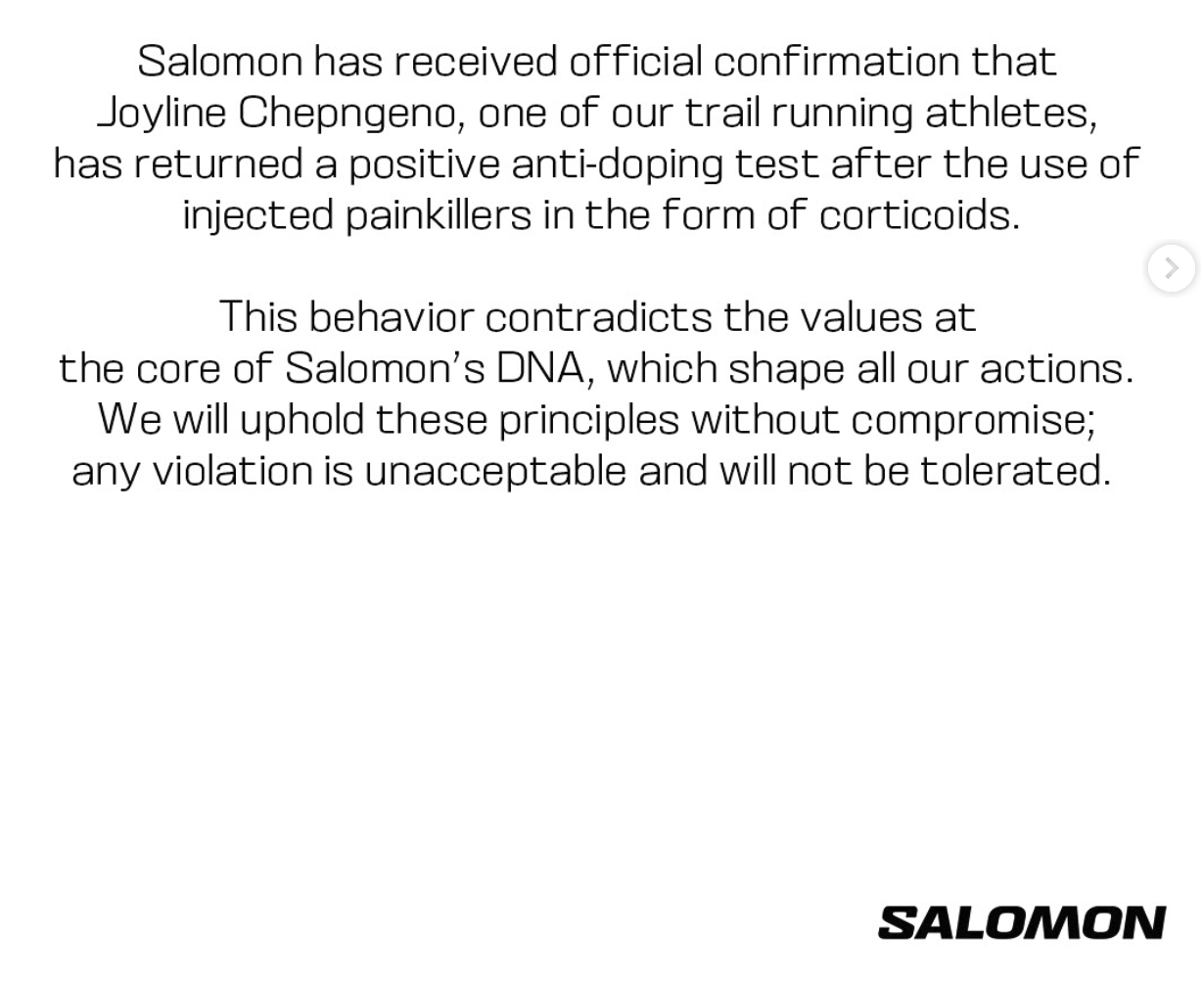
Copyright Salomonrunning via Instagram

When news broke that Kenyan trail running champion Joyline Chepngeno had been banned for two years after testing positive for triamcinolone acetonide, the reactions were swift and polarised. On one side: condemnation and disbelief. On the other: questions about fairness, context, and whether the system designed to protect clean sport actually confuses athletes into mistakes.

Let me be clear, there is no place for doping in any sport, however, the Chepngeno and Angermund cases should and must make us think deeper.

Chepngeno admitted she received an injection in July, and the drug in question – a corticosteroid widely used for inflammation – sits in one of the sport’s murkiest regulatory zones. Under the World Anti-Doping Agency (WADA) code, triamcinolone is banned in-competition, unless the athlete secures a Therapeutic Use Exemption (TUE). Sounds simple enough, but in practice the rules are anything but. The case raises bigger questions: Was she naive? Did her team fail her? Was Salomon right to sever ties so quickly? And is WADA’s own ambiguity part of the problem?

“Chepngeno may have taken the injection for a genuine medical issue – inflammation, pain, or recovery – but without the right paperwork, timing, and guidance, it became a career-altering violation.”

Kenya’s Reputation and the Weight of History

Kenya has long been under the microscope for doping violations. In recent years, its athletes have faced increasing scrutiny, with dozens of cases making international headlines. This history frames Chepngeno’s case: even a whiff of doping from a Kenyan runner is quickly interpreted through the lens of systemic abuse, rather than individual misjudgment.

But this framing risks oversimplifying. Many Kenyan athletes operate in environments with limited medical oversight, inconsistent education about anti-doping rules, and managerial structures that prioritize racing and prize money over compliance. Chepngeno may have taken the injection for a genuine medical issue – inflammation, pain, or recovery – but without the right paperwork, timing, and guidance, it became a career-altering violation.

Takon from Instagram Sierre-Zinal offical feed ✍️ Ludovic Medwed 📸 Keystone

The Role of the Manager/ Coach: Protection or Neglect?

A professional runner’s manager/ coach, in this case, Julien Lyon, is more than just a race scheduler. They are, or should be, a gatekeeper for the athlete’s career:

Pros of strong management:

  • Ensures the athlete understands what substances are permitted.
  • Helps navigate the dense bureaucracy of WADA codes, TUE applications, and medical clearances.
  • Provides financial and legal protection when mistakes happen.
  • Balances competitive demands with athlete health and long-term career viability.

Cons or failures of management:

  • When managers are absentee or focused solely on performance, athletes are left vulnerable.
  • In many Kenyan cases, managers are foreign-based agents whose primary incentive is to get athletes on the start line, not to invest in their education.
  • A lack of day-to-day oversight means athletes may trust local doctors, clinics, or informal advice without realizing the implications.

Chepngeno’s admission that she did take the injection suggests honesty, not deception. But it also signals that no one around her flagged the risk. A competent manager should have either prevented it or ensured the correct exemptions were in place. If the manager’s job is athlete protection, this could look like a potential failure? **

“The Sierre-Zinal race organisation has announced that it has banned Chepngeno’s coach Julien Lyon and his Milimani Runners team from future competitions. It has also, according to the statement, ordered Lyon to ‘fully reimburse prize money, accommodation costs and administrative fees arising from the case – including reputational harm – owed to the Sierre-Zinal Association’.” – (c) Runner’s World

Lyon also coached the 2022 Sierre-Zinal men’s and women’s champions, Kangogo and Chesang, both of whom were later suspended and stripped of their titles for doping.

In response to Sierre-Zinal, Julien Lyon via Instagram stated: “Finally, I must respond to the serious and defamatory accusations published by the Sierre-Zinal organization. These statements are completely unacceptable. I am already devoting significant energy to restoring the facts and I have no intention of giving up.” **

Update September 13th: **

Julien Lyon has responded with a clear statement on Instagram, read HERE.

Let me be absolutely clear:
• I had no knowledge whatsoever of the use of this substance.
• I have never, in any way, encouraged or tolerated such an act.
• I have always fought against doping and I will continue to do so.
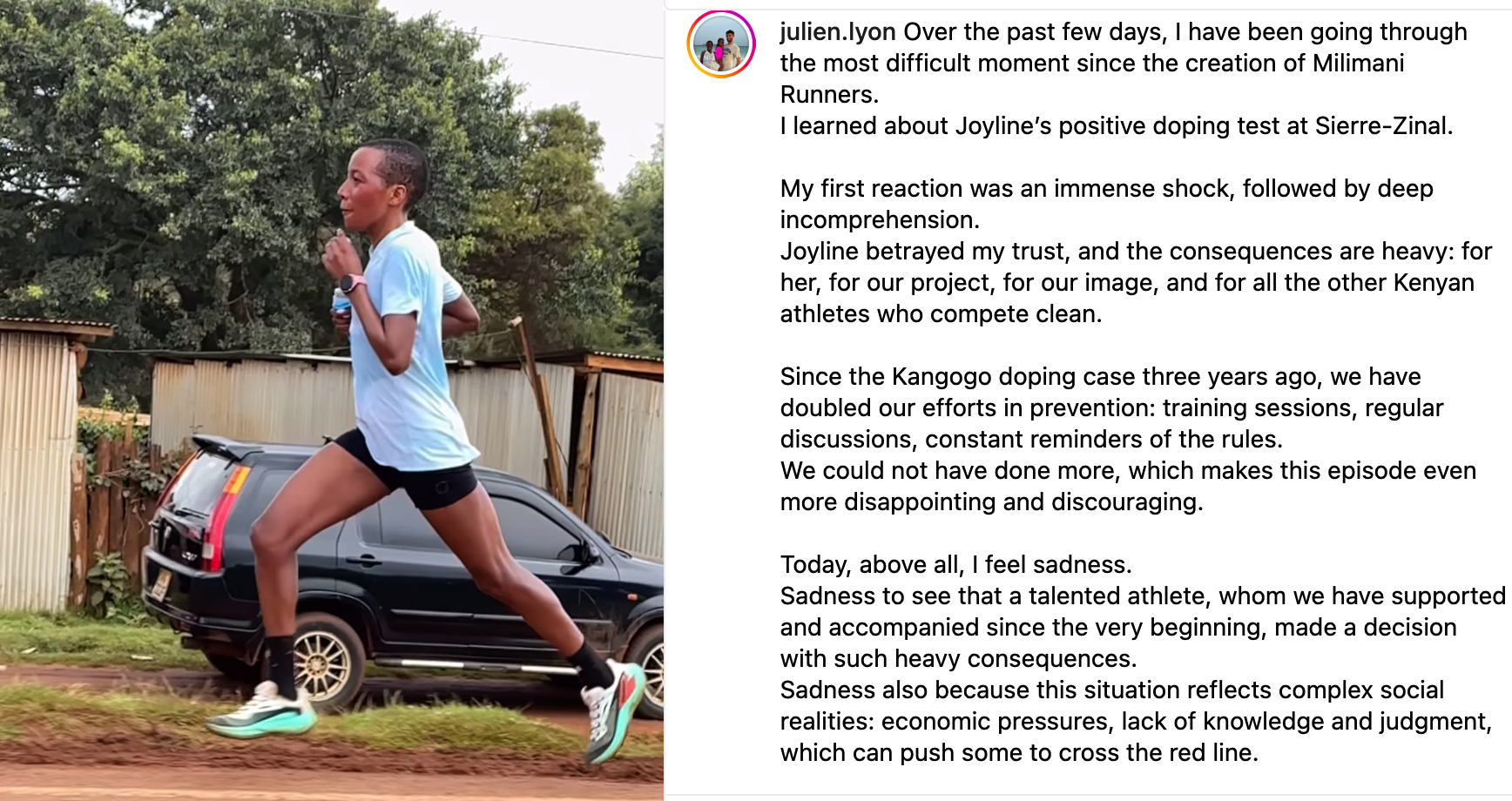
From now on, I am already reflecting on concrete solutions: implementing more regular out-of-competition testing, even if it represents a significant cost that must be discussed with our partners, and developing closer, culturally adapted medical support in Kenya. I deeply regret that Joyline may have felt left alone with her pain and doubts. She had my full support, and I regret not being even more present for her during this difficult time. I want to ensure that Milimani Runners athletes feel supported not only in their sporting careers, but also in their health, their choices, and their education. – Julien Lyon via Instagram

The Sponsor’s Role: Salomon’s Swift Rejection

Salomon, Chepngeno’s sponsor, moved quickly to cut ties. On one level, this is understandable: brands cannot afford reputational damage in a sport that already battles questions of integrity. Corporate zero-tolerance policies are often blunt but clear: fail a doping test, and the contract ends.

View the Instagram post HERE

But here lies the ethical dilemma. Was Salomon protecting the sport, or protecting its image? By severing ties without nuance, the brand effectively punished Chepngeno twice: once through lost income and again through public rejection. A more responsible approach might have been suspension pending investigation, or supporting her with legal and educational resources.

Sponsorship is not just about exposure and winning; it’s also about athlete welfare. When brands abandon athletes at the first sign of trouble, it signals that their investment was never truly in the human being, only in the results.

A Contrast: The Case of Stian Angermund
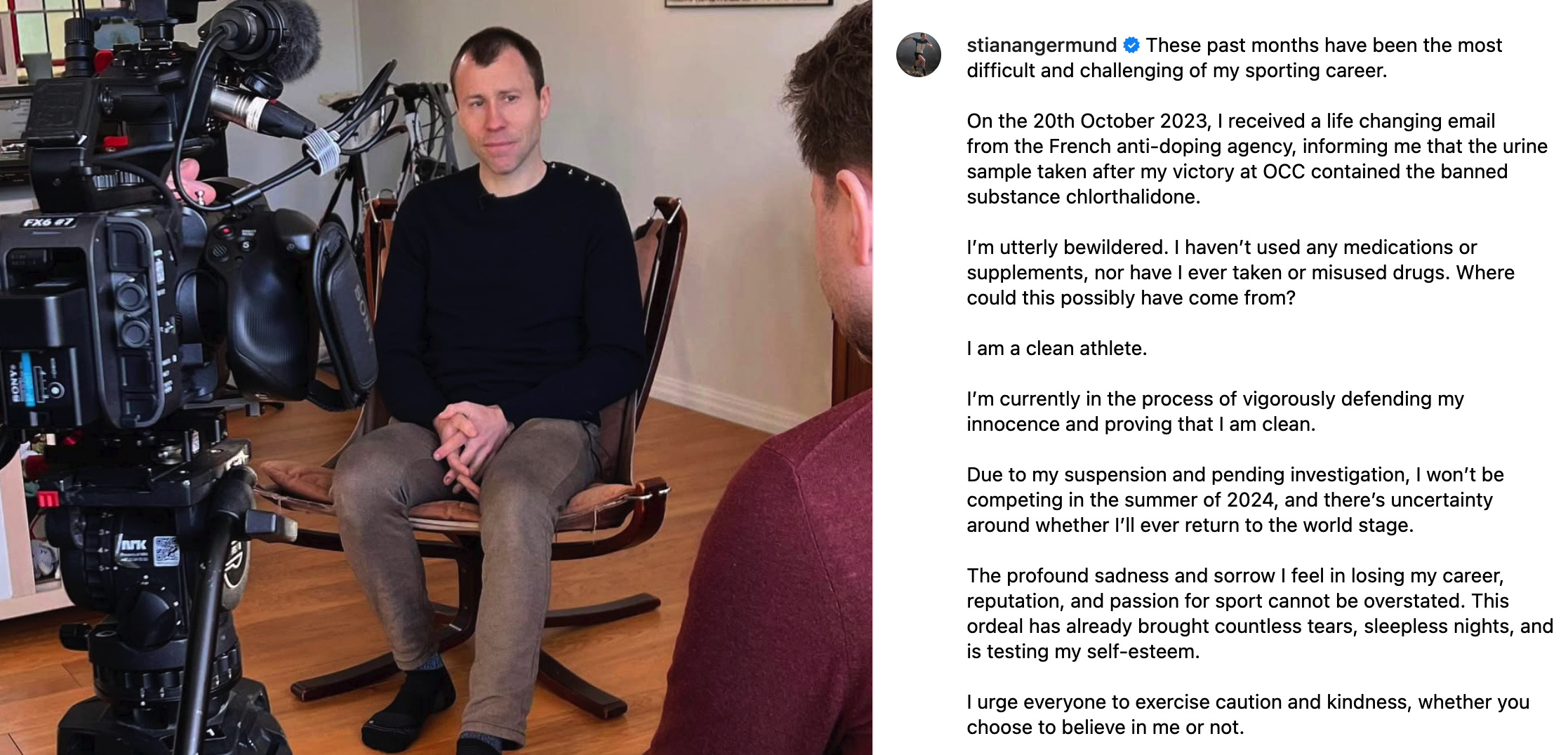
The difference in how Chepngeno’s case was received becomes starker when compared with that of Stian Angermund, one of Norway’s most successful trail runners. Angermund also tested positive in 2023 for the diuretic chlorthalidone.*

  • *corrected for original post

Read on Instagram HERE

Yet the public response to Angermund was notably softer. Many in the trail running community rallied around him, framing him as a victim of circumstance, a clean athlete caught in an unfortunate situation. His protestations of innocence gained traction, with commentators and peers stressing his reputation, personality, and history as evidence of credibility.

On February 10th, 2024, the trail running world was rocked by news out of Norway – the two-time World Champion, Stian Angermund, had tested positive for the diuretic chlorthalidone. via Freetrail here.

Chepngeno, by contrast, has not been afforded the same sympathy. Instead, her case was quickly folded into the broader narrative of Kenya’s doping crisis, with far fewer voices offering the benefit of the doubt. This disparity speaks volumes about how nationality, reputation, and public image shape perception. Where Angermund’s case was seen as an anomaly in a clean career, Chepngeno’s was framed as part of a pattern – even though the substance she took is far more medically common, and her admission suggested transparency, not deception.

Sponsors and Double Standards

The sponsorship response reveals this double standard even more starkly. Salomon cut ties with Chepngeno almost immediately, distancing itself without nuance. In contrast, sponsors and partners in Angermund’s case were slower to act, with ‘some’ showing signs of support while the investigation unfolded. The messaging was different too: in Angermund’s case, words like uncertain, unfortunate, and out of character dominated coverage; in Chepngeno’s, the language leaned toward guilty, systemic, and Kenyan problem.

This isn’t just about corporate crisis management – it reflects deeper biases. Western athletes with strong reputations are given space to argue their case, while Kenyan athletes are too often treated as disposable. If sponsors only invest in results but not in athlete welfare, the sport risks reinforcing inequities that mirror global power imbalances.

WADA’s Ambiguity: Is Triamcinolone Doping or Not?

Here lies the central confusion. Triamcinolone is not an anabolic steroid. It is a corticosteroid — widely prescribed to treat inflammation and injury. In many medical contexts, it is routine and even necessary.
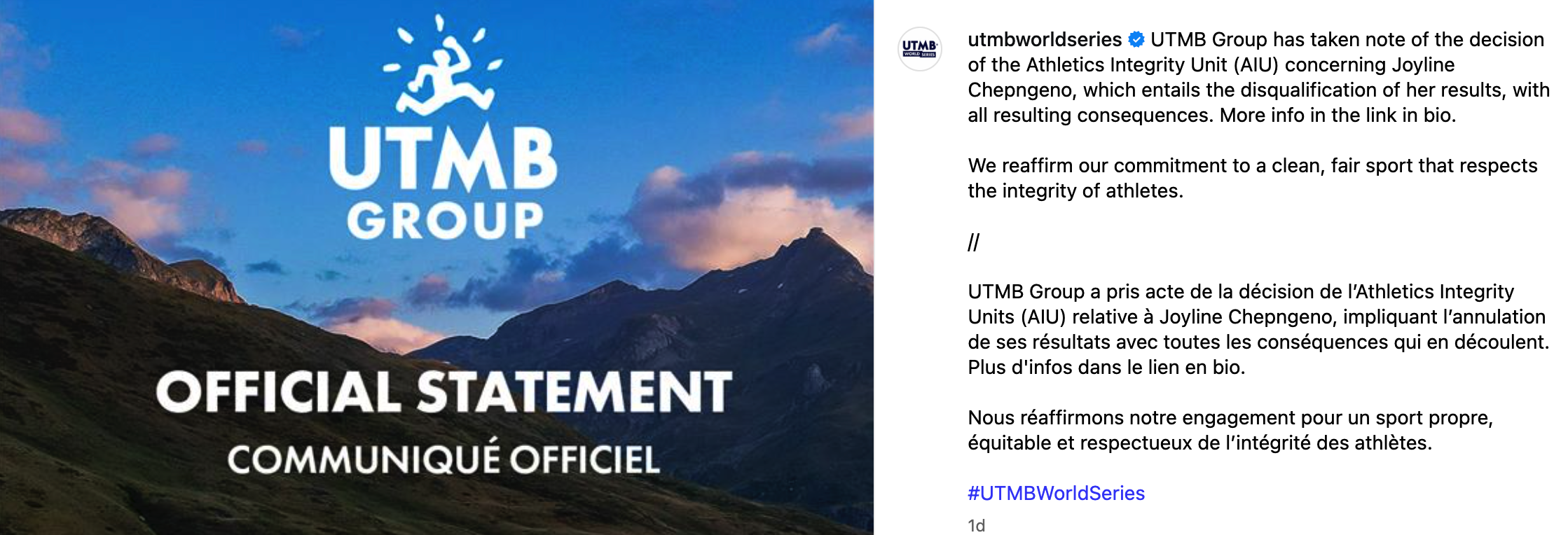
WADA bans it only in-competition, unless a TUE is granted. Out-of-competition, it is allowed. The catch? Athletes often receive injections or treatments without realizing where the “competition window” starts or ends. Did Chepngeno’s injection fall within the banned period? Did she even know the timing mattered?

And yes, I understand that the athlete has a responsibility to know and understand WADA rules.

The World Anti-Doping Code states the roles and responsibilities that athletes have in relation to anti-doping. So, athletes must: know and abide by the Anti-Doping Rules, policies and practices. be available for testing at all times.

The ambiguity sends mixed messages: if a substance is dangerous or performance-enhancing, why is it allowed out-of-competition at all? And if it is medically justifiable, why is the TUE process so opaque and burdensome, especially for athletes in countries with limited infrastructure?

Instead of clarity, WADA’s rules create traps. Athletes are told they are responsible for every substance in their body, but the system seems designed to catch technical errors as much as intentional cheats.

Was Chepngeno Naive?

The answer is complicated. On the surface, yes: admitting to an injection without checking WADA guidelines suggests a lack of awareness. But deeper down, her admission looks less like naivety and more like honesty. She did not hide the treatment, nor attempt to deny it. She took what may have been a routine medical step, unaware that it carried career-ending consequences.

The real naivety may not be hers but the system’s – assuming athletes across all geographies, languages, and economic realities can navigate a code written for those with legal teams and medical advisors.

Does Julien Lyon and Salomon have a responsibility? **

Financial and Moral Implications

For Chepngeno, the fallout is severe and many of you will say, good, that is how it should be.

  • Financial: Two years off the circuit means lost race earnings, lost sponsorship income, and a gap in her career at what should be her peak. For athletes from Kenya, whose entire family and community may rely on those earnings, the consequences are devastating.
  • Moral: Her reputation is damaged, regardless of intent. Once branded a “doper,” the stigma rarely fades, even if the violation was technical rather than malicious.
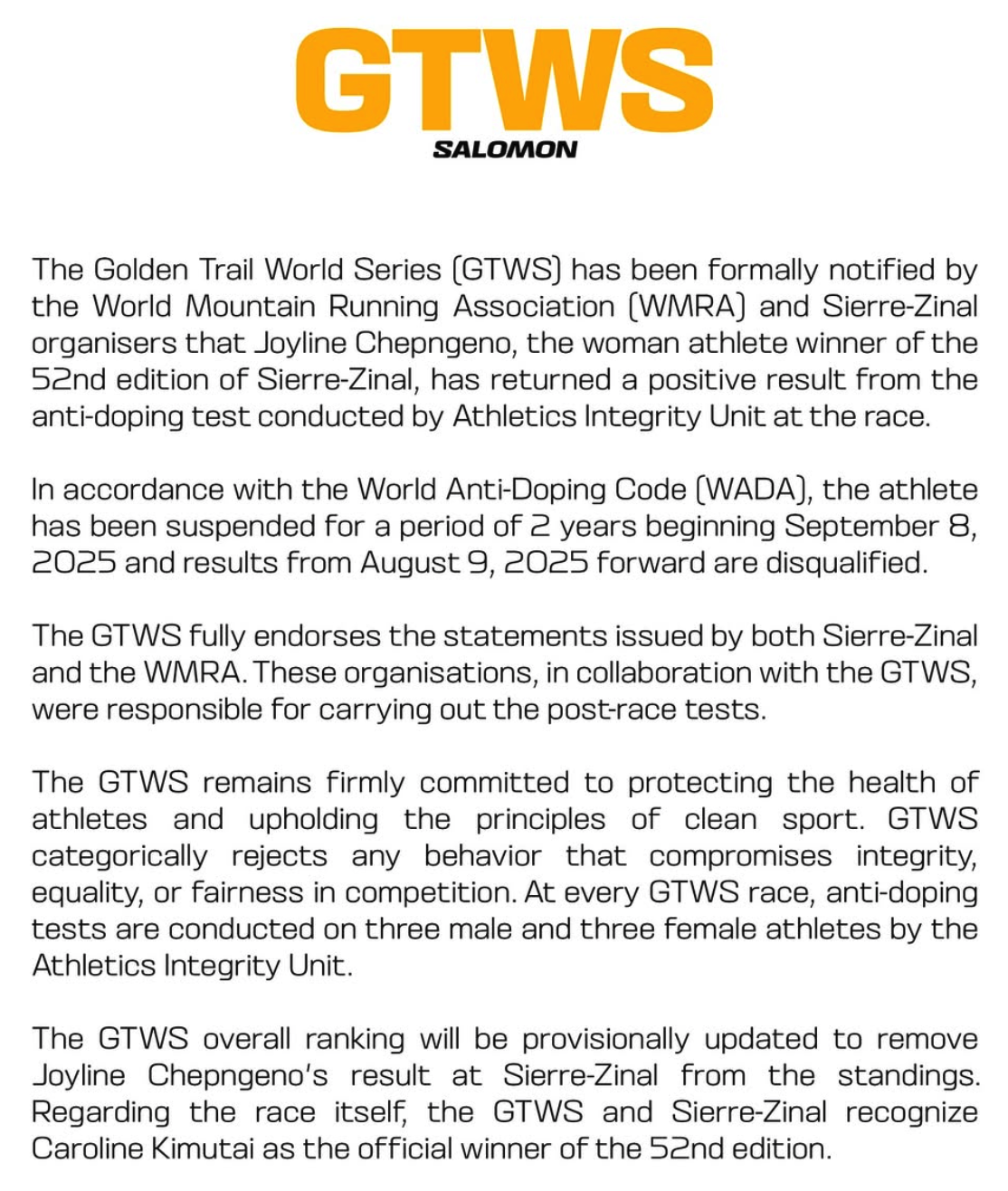
Copyright GTWS via Instagram – https://www.instagram.com/goldentrailseries/

For the sport, cases like this erode public trust. Fans are left asking: was she cheating or simply careless? For sponsors, the financial risk increases – which in turn makes them more likely to cut ties at the first sign of trouble. And for Kenya, each case deepens the perception of systemic doping, even if the reality is far more complex.

What can be learned from this?

Contextual Justice: Not all violations are equal. Intent should matter as much as presence. Athletes like Chepngeno, who admit to treatment rather than hide it, deserve proportionate, not punitive, responses.

Clearer Rules from WADA: The line between therapeutic and prohibited must be made clearer. If triamcinolone is truly performance-enhancing, ban it outright. If it is a legitimate medical treatment, streamline TUEs and ensure athletes understand the timelines.

Better Athlete Education: Federations, sponsors, and managers need to invest in training athletes on what substances mean, how to apply for exemptions, and what to do before accepting treatment.

Stronger Manager Accountability: Managers should be held to professional standards. If their athlete tests positive due to negligence in guidance, they too should face consequences.

More Responsible Sponsors: Brands like Salomon should balance integrity with support. Cutting ties instantly might protect the logo, but it abandons the athlete. Support through due process would show real leadership.

Conclusion

Joyline Chepngeno’s ban is not just the story of one Kenyan athlete caught out. It is a case study in the tangled web of responsibility in modern sport: the athlete trying to heal, the manager who should have protected her, the sponsor that walked away, and the global regulator that still speaks in gray areas.

Was she naive? Perhaps. But more importantly, she was failed by a system that claims to protect athletes but too often punishes them for being human. Until WADA, managers, and sponsors share the burden of responsibility, athletes – especially those from vulnerable contexts like Kenya – will keep paying the highest price.

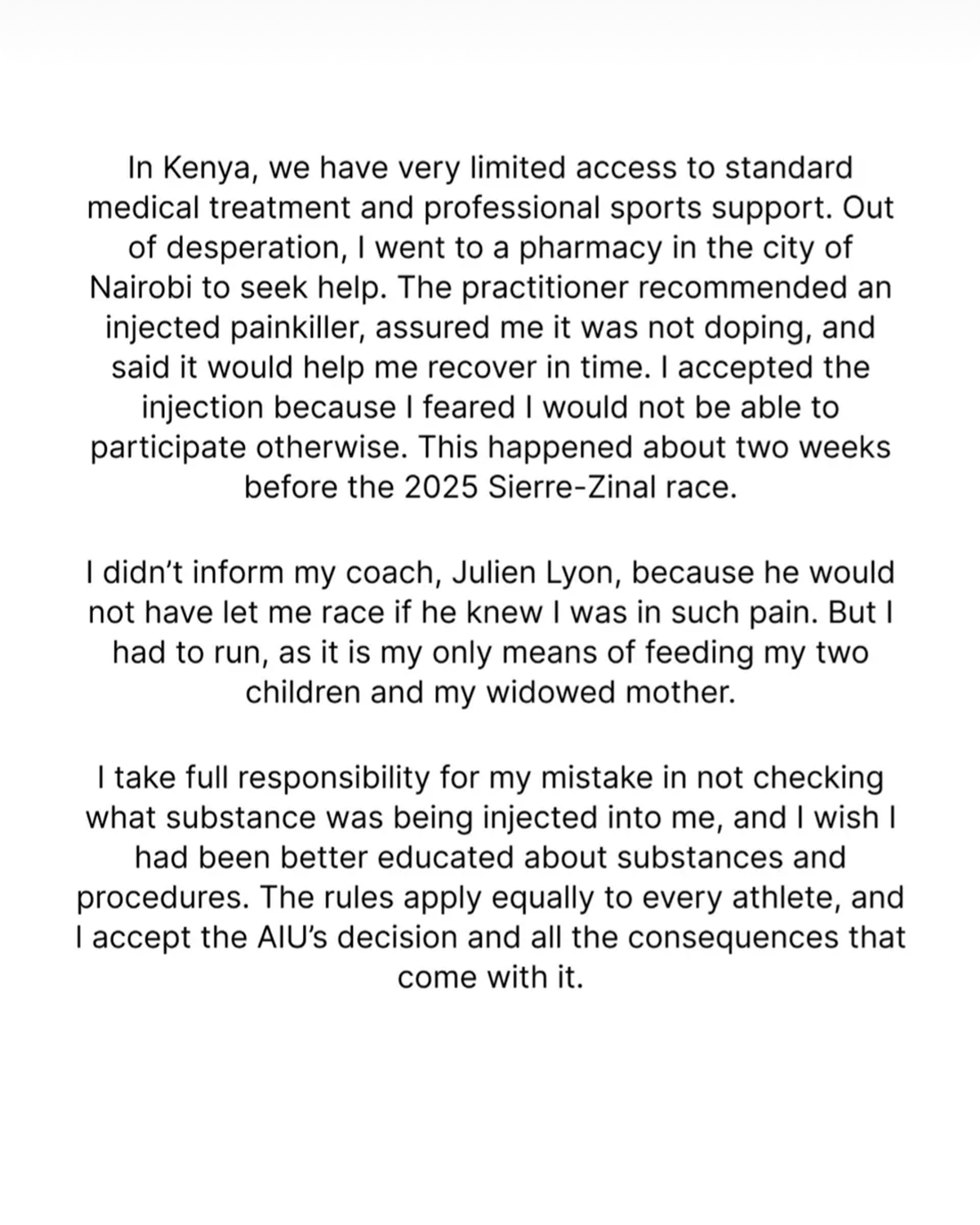
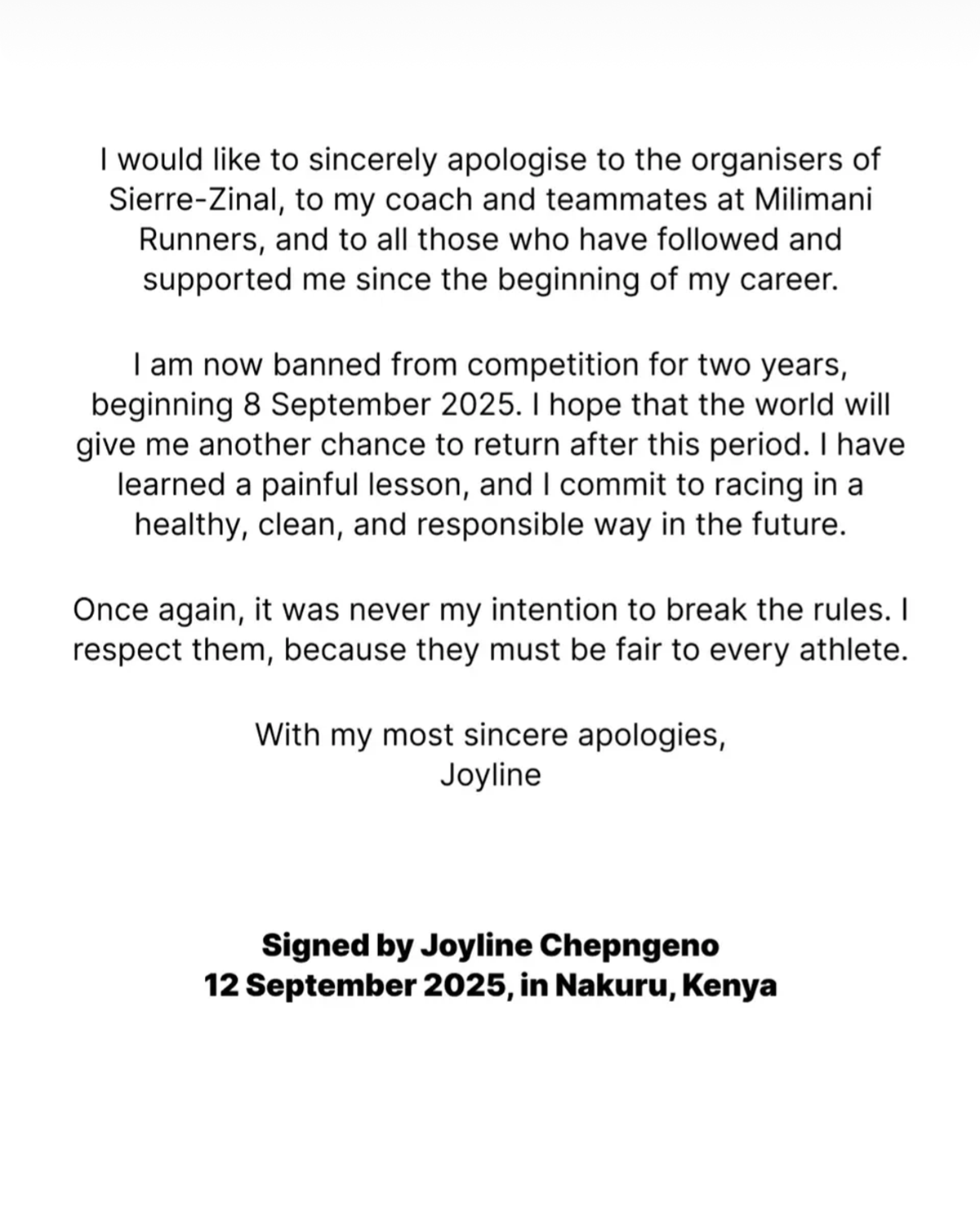
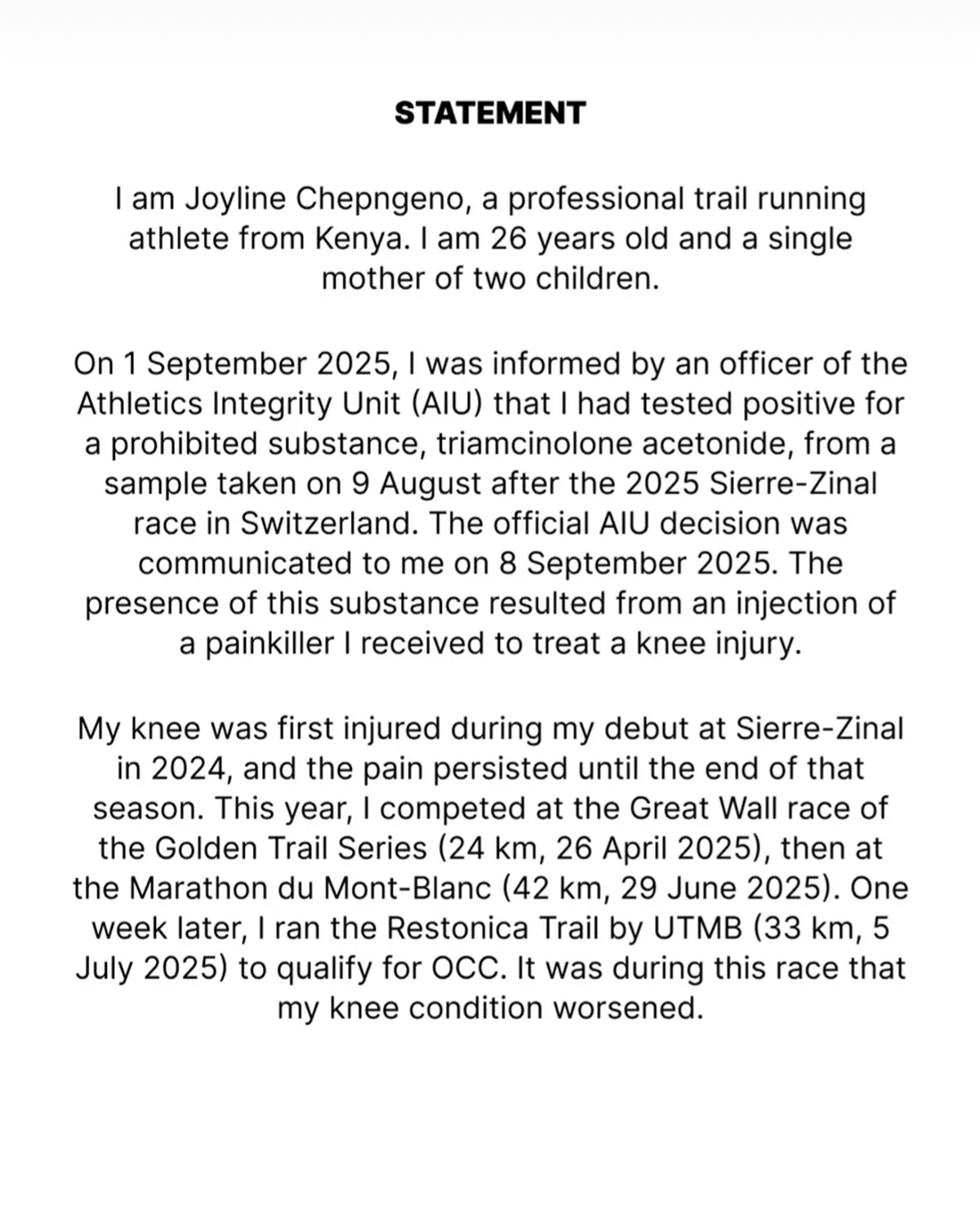
Update 12th September, Joyline Chepgneno posted on Instagram the following:
Final Note:

This article and post is designed to give a perspective to make the reader ask questions. To be clear, I am completely against doping, there is no place for doping in sport. I am well aware, for some, this article and words may make you angry – that is okay. Feel free to respond and counter with good debate and argument and be polite and professional.

** edits September 13th.

**Julien Lyon has taken exception to certain points raised in this article. Quoted below.) I stress that as a journalist, I am entitled to the right to freedom of opinion and expression, including the freedom to hold opinions without interference and to seek, receive, and impart information and ideas through any media, regardless of borders. As stipulated in article 19 in the Universal Declaration of Human Rights. However, it is important to be fair and allow all viewpoints to be considered.

“Several passages mention my name and attribute facts and responsibilities to me that are inaccurate and damaging to my professional reputation. For example: – You state that “the Sierre-Zinal organisation has announced that it has banned Julien Lyon and his team” – however, I have not received any official notification of such a decision, and no sanction has legal standing at this time. – You write “this looks like a clear failure,” implying that I failed in my duty to protect the athlete – this value judgment is not based on any objective evidence and constitutes a serious attack on my professional integrity. – The phrase “Lyon has history” suggests I have a track record of misconduct, which is defamatory. I therefore request that you either: – immediately remove these passages, or – publish a right of reply that sets the record straight.”

Of course, Julien Lyon, like anyone who reads this article, has a right to reply and the comment section is open for this.

Follow Ian Corless

Instagram – @iancorlessphotography

Twitter – @talkultra

facebook.com/iancorlessphotography

Web – www.iancorless.com
Web – www.iancorlessphotography.com

The Coastal Challenge Costa Rica 2025 – Stage 5

Photo by Ian Corless

Nobody really expected more drama for stage 4 after the epic battle between Erick and Pierre. However, as darkness arrived, the heavens opened for a relentless downpour that lasted hours and hours. Camp was wiped out with flooded tents and countless runner’s seeking refuge in any shelter possible.

Photo by Ian Corless

It made for a night of wet clothes, broken sleep and very tired bodies come the 0300 wake up call.

With a tough day ahead, many, looked less than happy at the prospect of 23 or 41km’s. Pierre Meslet summed it just with his look, he was exhausted and somewhat resigned to ‘getting through the day’ and saving it all for the last day.

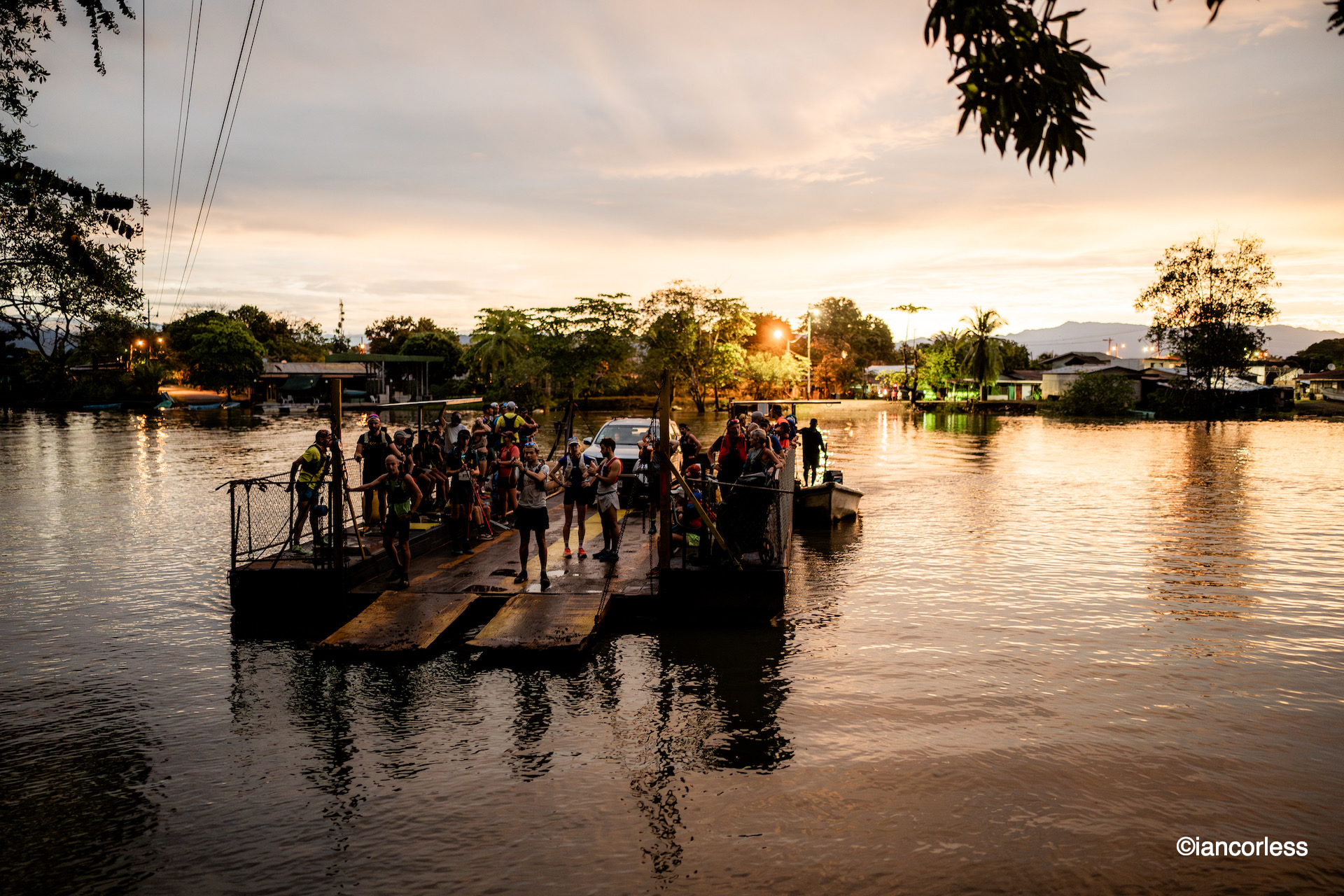
An early crossing of the Sierpe river and the race was soon underway, gladly, Erick Aguero was running, albeit with his arm in a sling.

Photo by Ian Corless

An incredible golden sunrise gave optimism to the day.

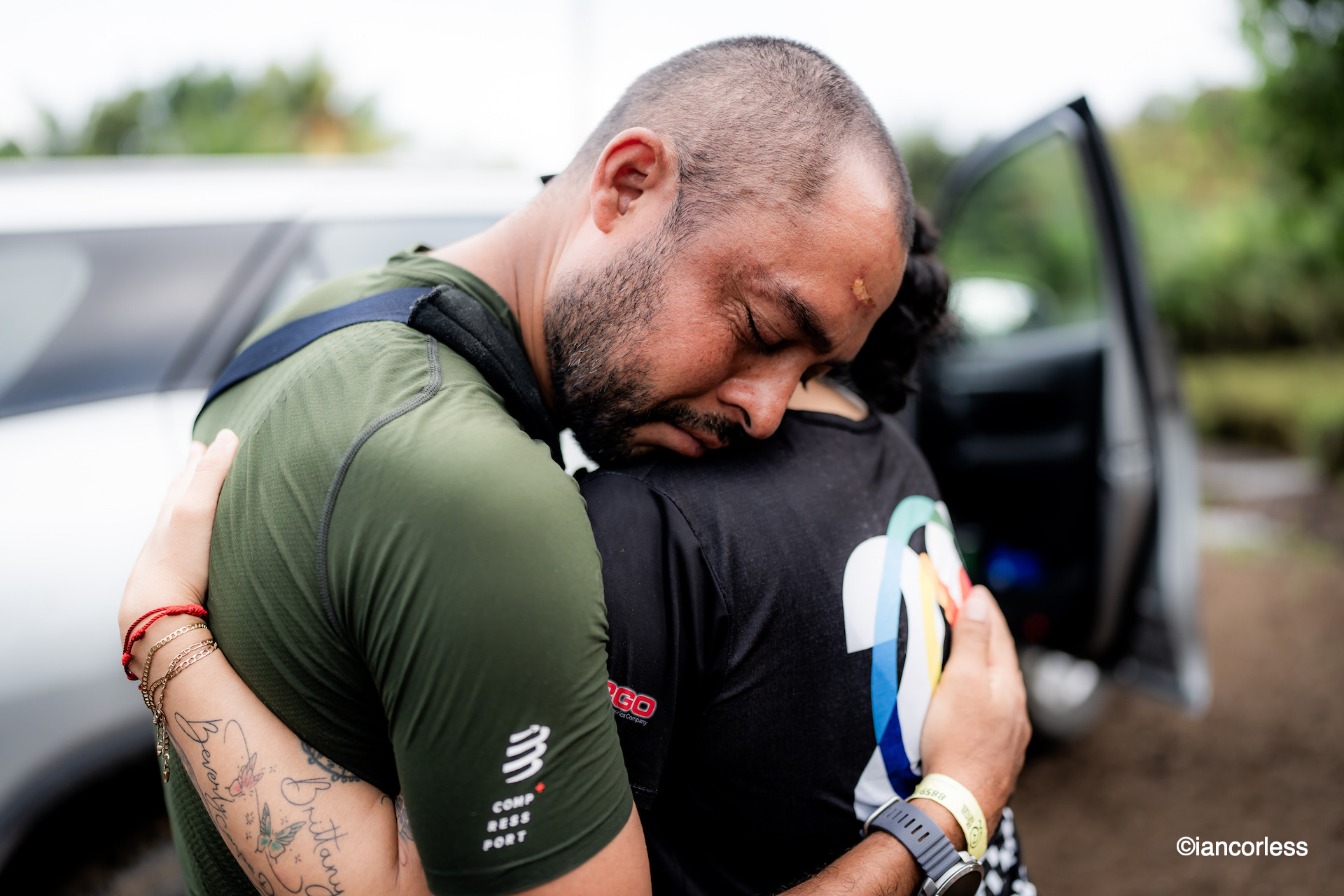
However, this optimism soon disappeared with the withdrawal of Erick. The pain was all too much and he emotionally took of his number and said goodbye to TCC2025.

Photo by Ian Corless

Pierre was leading the race but the sight of Erick waiting at cp1 was all too much for him. The duo had an emotional exchange and with the lack of pressure from a great competitor, a very tired mind and body, Pierre took his foot of the gas and ran easy all the way to the finish.

Photo by Ian Corless

Allan Barrielle and Sergio Turull took advantage of the situation and they ran hard to the line for a well deserved victory on the stage.

Photo by Ian Corless

For the women, Katie Young once again dominated the day, but she was feeling the fatigue from a sleepless and exhaustive night.

Photo by Ian Corless

Lucia Jarquin and Maria Jose Corrales once agin ran strong days to secure their respective 2nd and 3rd places.

Photo by Ian Corless

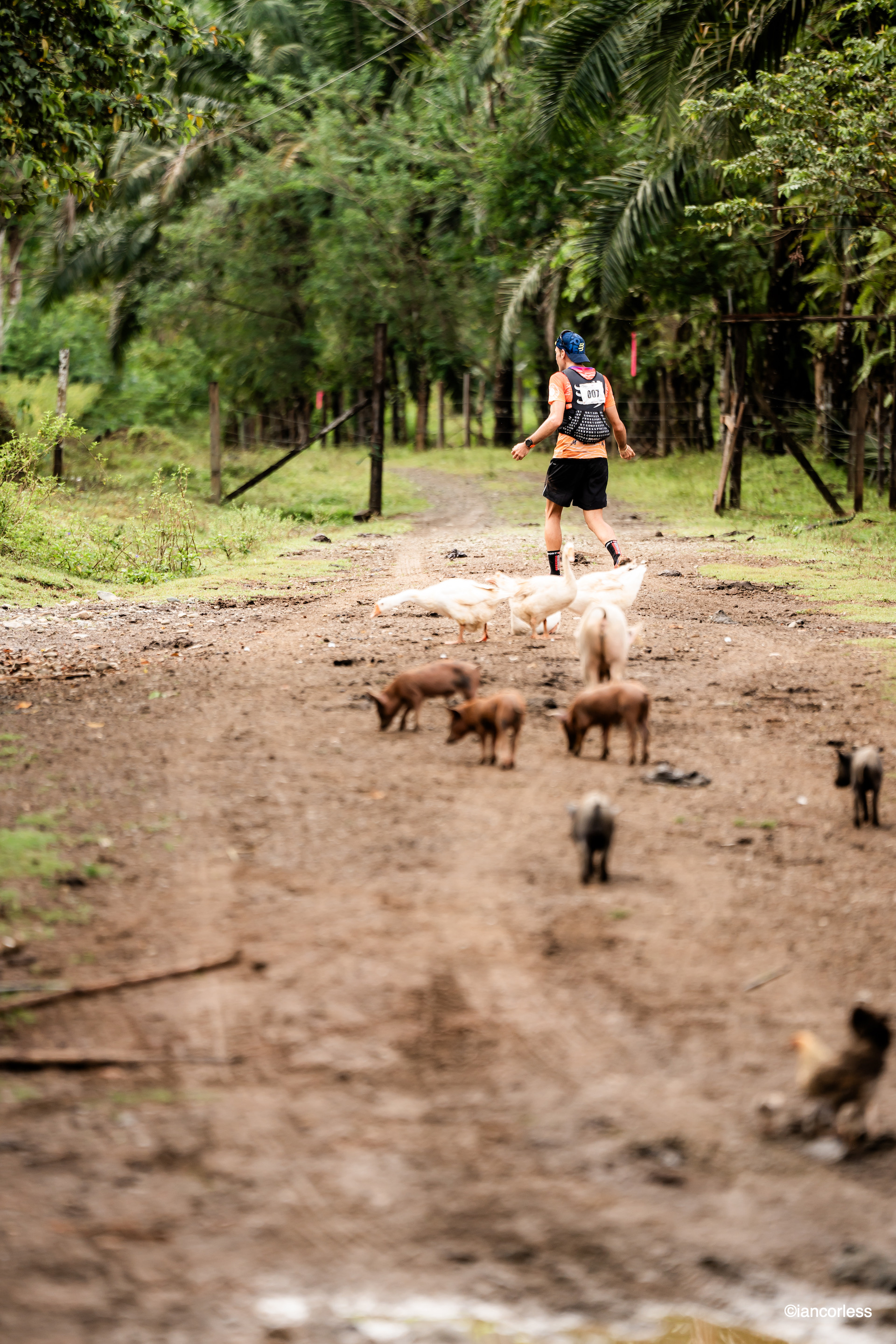
The stage, for many, is a ‘real’ Costa Rica experience. Gravel roads interconnect rainforest, farms, the locals, wildlife and in the latter stages, the beach and ocean lead you to Drake Bay.

Photo by Ian Corless

Tomorrow, the 6th and final stage is a victory loop that manages to compress the best of the previous 6-stages in one incredible course of rivers, waterfalls, farmland, beach, ocean and coasteering.

Race Results HERE

Photo by Ian Corless

Instagram – @iancorlessphotography

Twitter – @talkultra

facebook.com/iancorlessphotography

Web – www.iancorless.com
Web – www.iancorlessphotography.com

The Coastal Challenge Costa Rica 2025 – Stage 4

Photo by Ian Corless

Stage 3 of the 2025, The Coastal Challenge was epic. The strength and commitment from Erick to attack and push paid off, he not only caught back his 16-minute deficit but now leads by 9-minutes.

Photo by Ian Corless

Pierre was defiant though and clearly exclaimed that if he wants to win, he will race and race with the intention of victory.

Going in to stage 4 we knew a battle was coming, the day, on paper, played into the hands of Erick with a great deal of vertical terrain and at times, lots of technicality, particularly the final descent.

Photo by Ian Corless

The discussion in camp was generally that one of them, more than likely would blow up today and potentially lose the race.

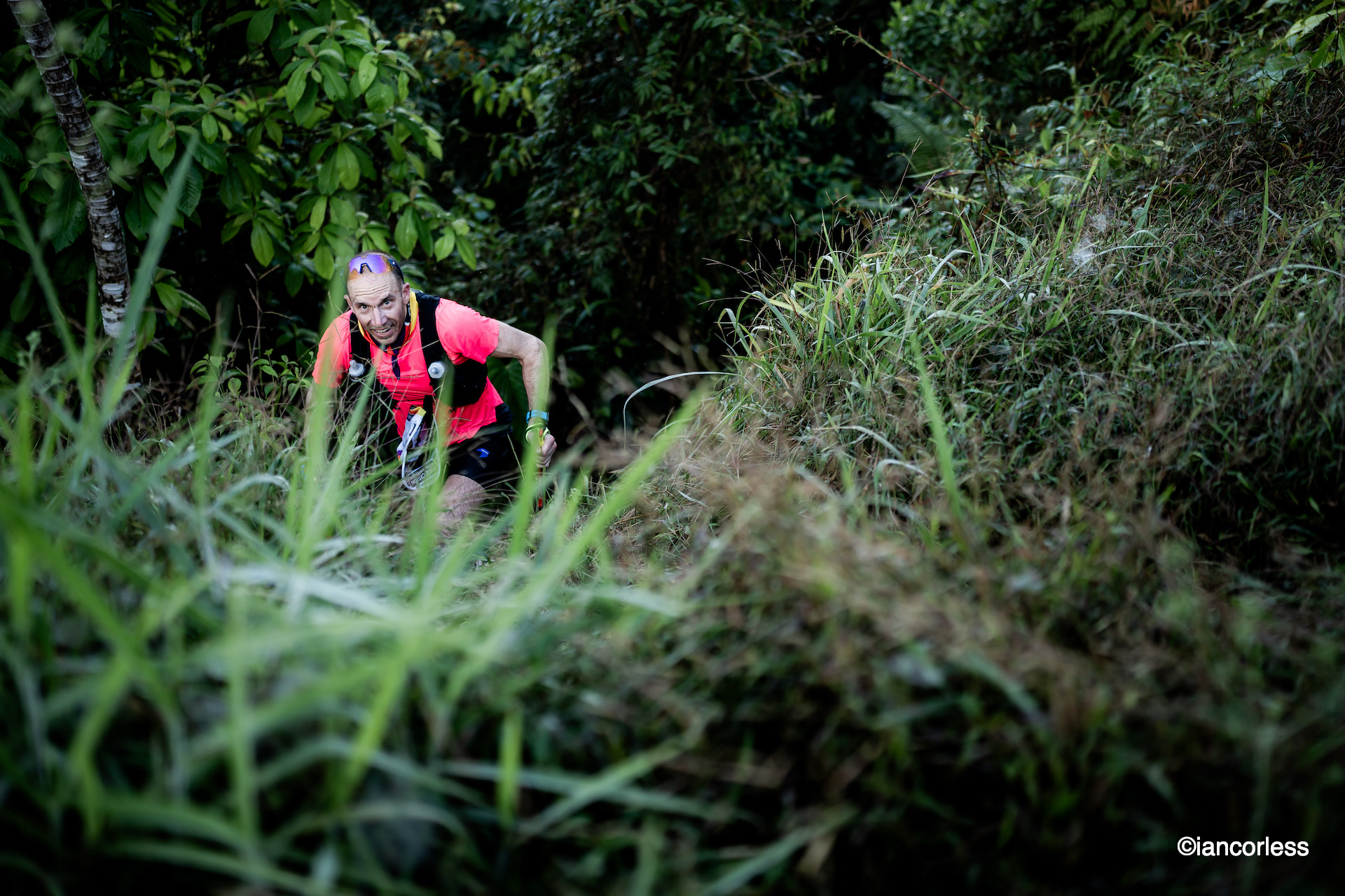
At 0530 the runner’s were released straight into a climb through dense rainforest, the expectation was Erick would appear first, but no, it was Pierre.

A long wait and then Erick arrived, he had lost 6-minutes 30-seconds on the first climb. Was he paying for the previous days effort?

Photo by Ian Corless

At cp 2, the gap had extended to 7-minutes 30-seconds and several kilometers before cp3, the gap was 8-minutes 15-seconds.

Pierre was having a stunning day and Erick was just trying to minimise his losses.

Photo by Ian Corless

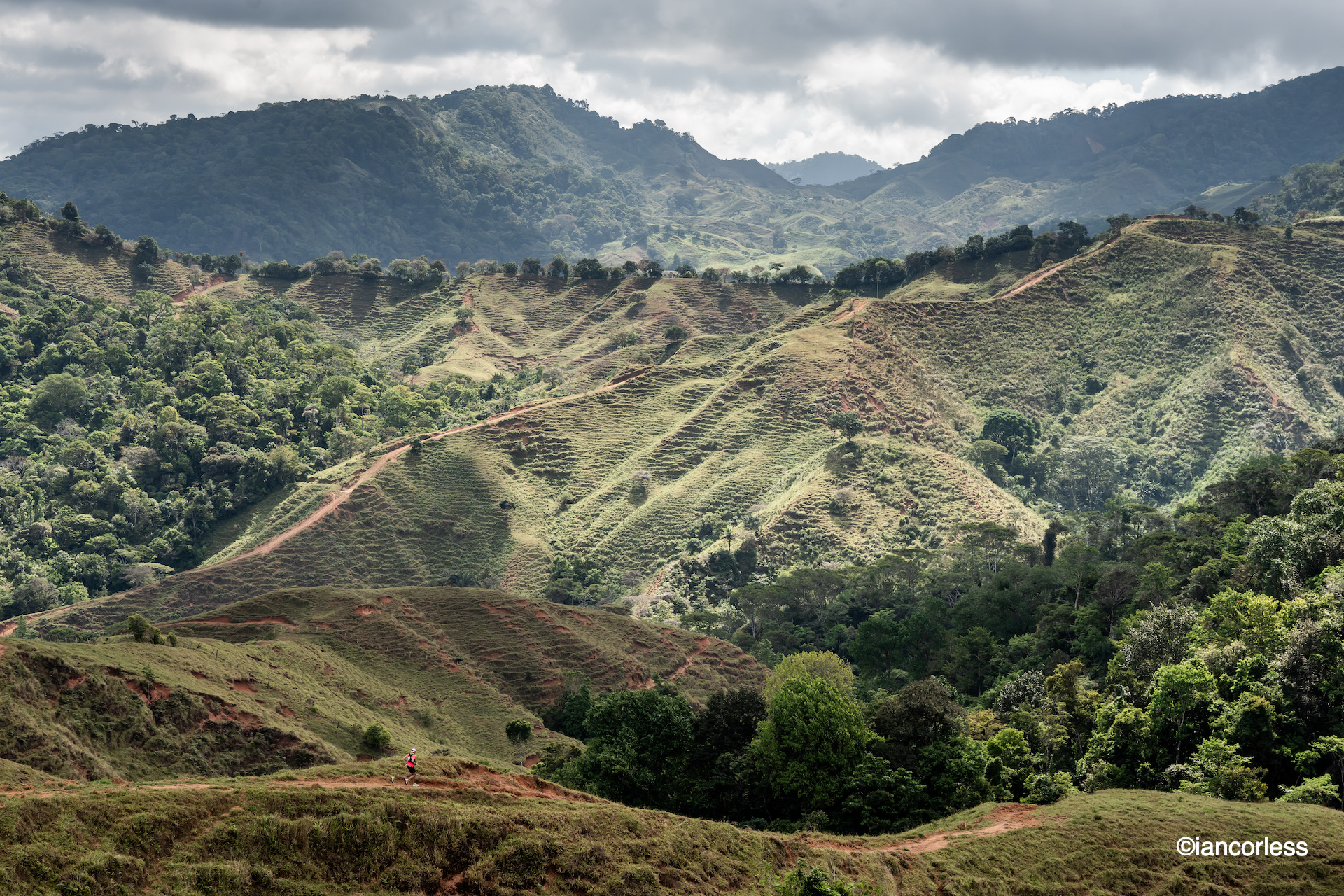
Cp3 came and several kilometers later, Pierre appeared on the challenging high ground with the Talamancas as a backdrop. The gap was now 10-minutes 15-seconds, Pierre was the leader on the road.

Photo by Ian Corless

It was expected the Pierre would continue to open the gap or at least maintain the gap, but nom this 2025 TCC is turning into a classic.

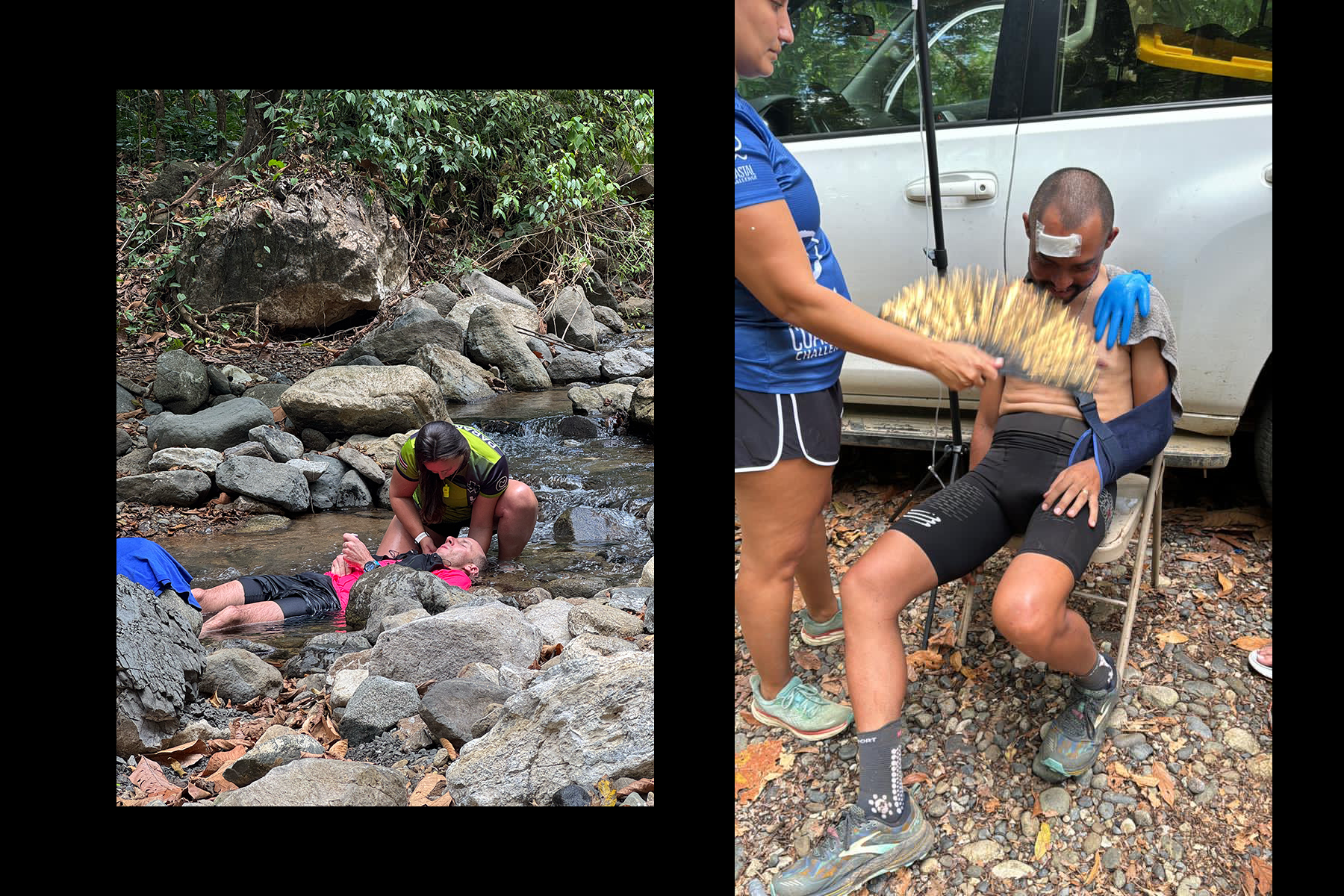
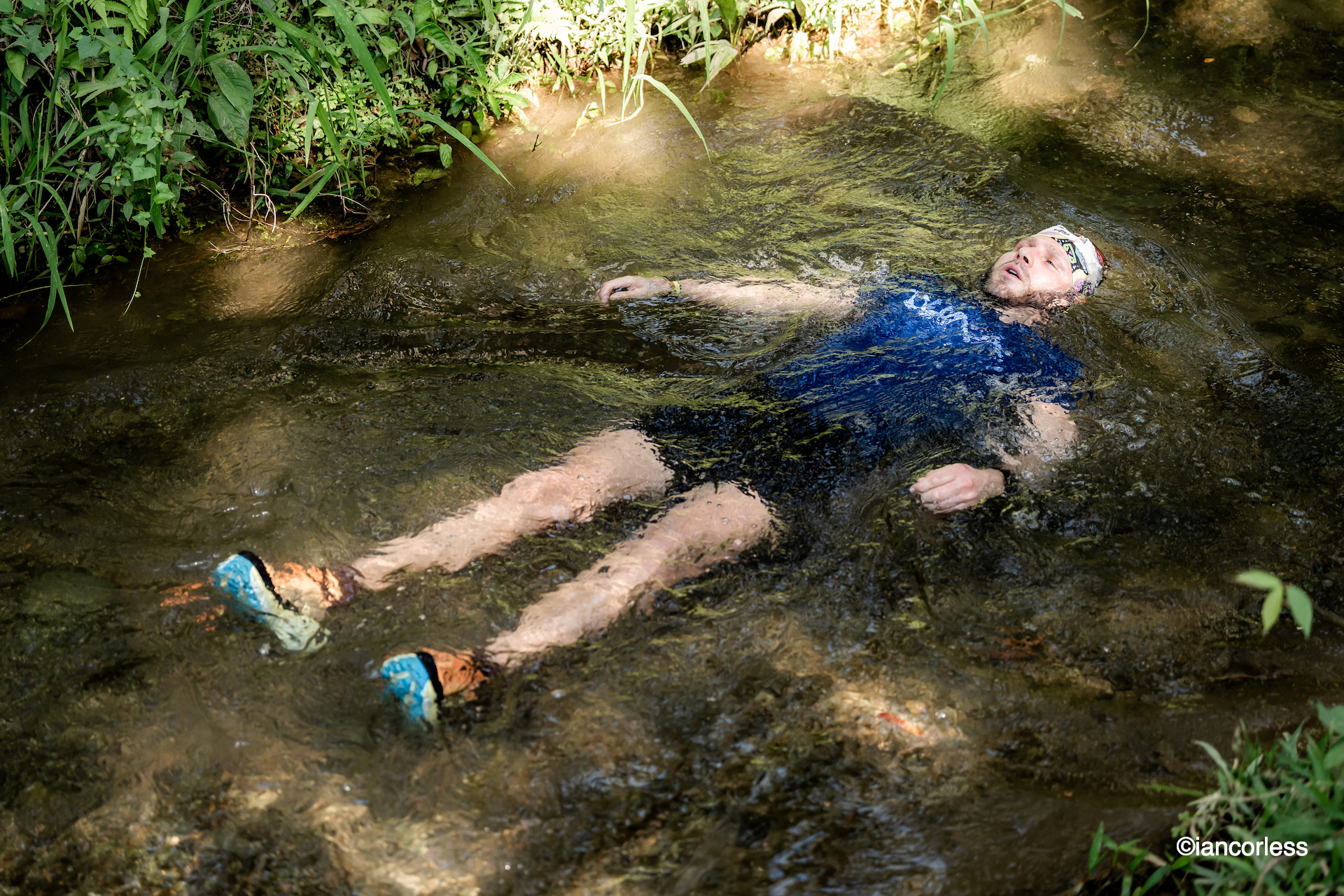
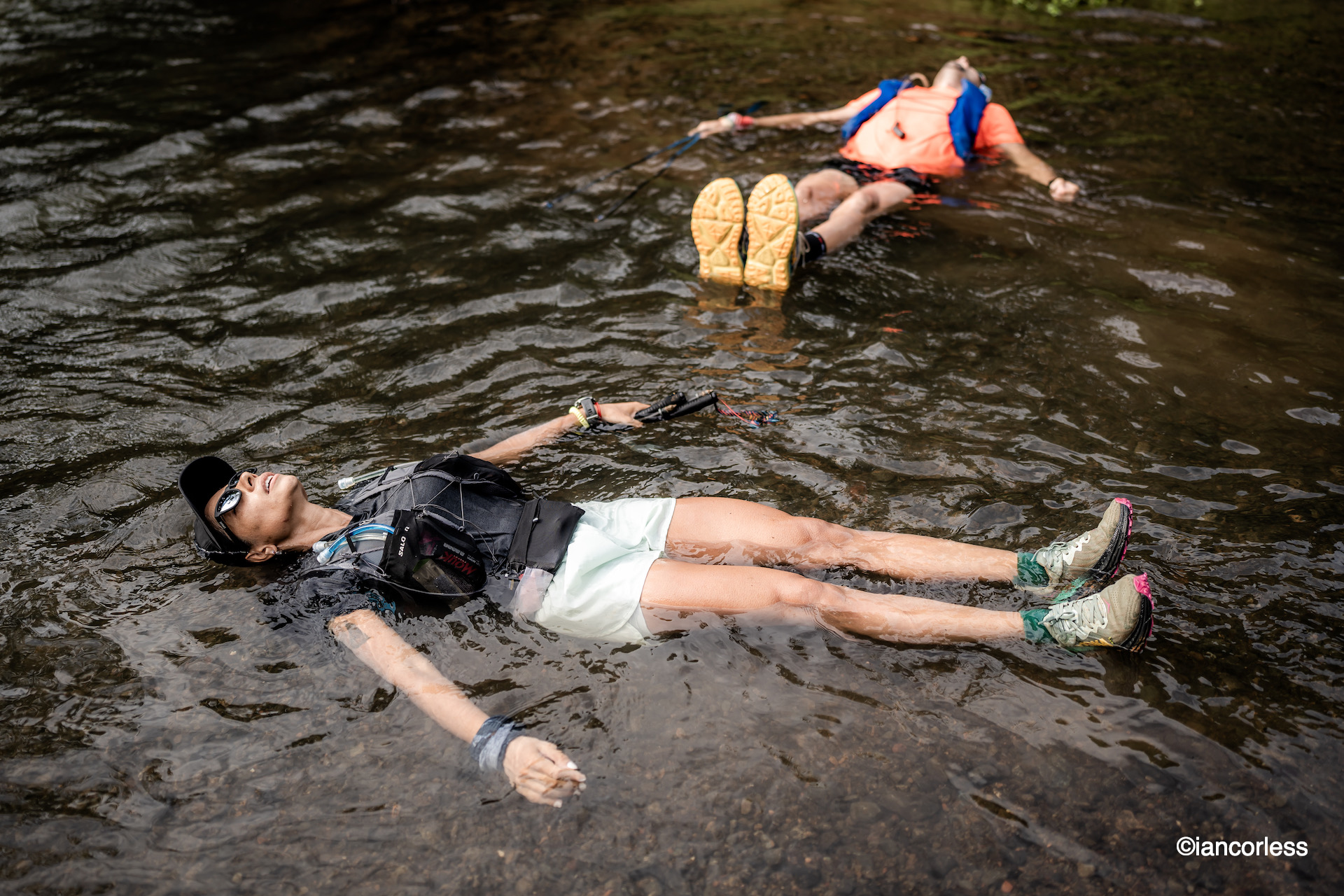
On the final descent Pierre suffered in the heat and humidity, he was a shell of his former self and when he arrived at the line he was exhausted and collapsed. Medics immediately submerged him in the river to cool down.

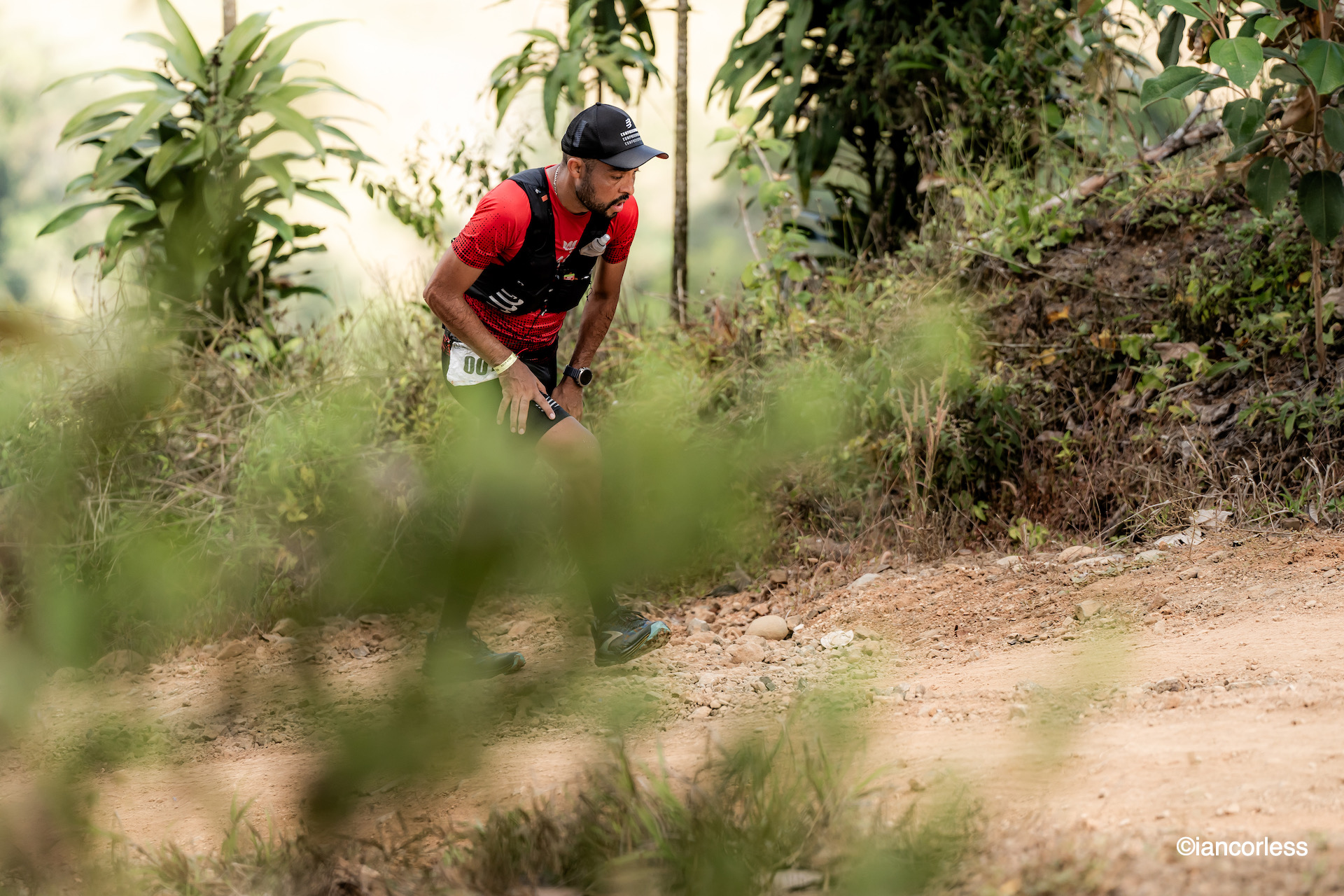
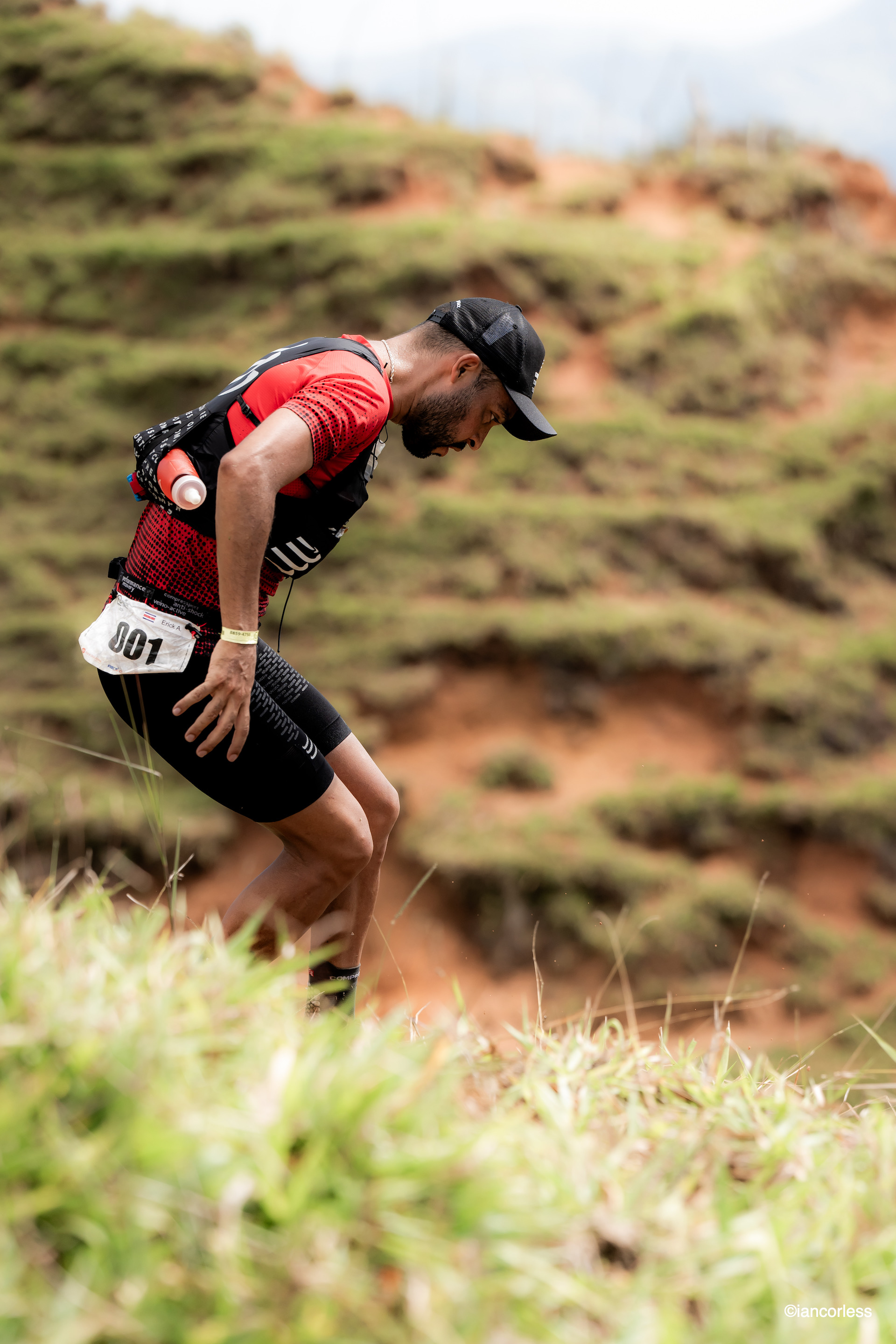
Just minutes later, Erick arrived, battered and bruised, he had pulled back many minutes but in the process had taken a bad fall, he was taken to hospital and gladly we can report there are no broken bones.

Photos © magdalena kalus / rodrigo carazo

So, Erick still leads the 2025 TCC, the gap has been reduced from just over 9-minutes to now, 6-minutes 20-seconds.

Epic!

Both are somewhat broken from stage 4 and with 2 stages to go, who knows what will happen. For now, they need to eat, rehydrate, rest, have a good sleep and let’s see what happens at the beginning of stage 5…!

Photo by Ian Corless

The rest of the race, in comparison, ran smoothly, the women’s race followed the same process as the previous days with Katie once again taking another win.

Photo by Ian Corless

The landscape, the views, the small villages, the people, they all come together to make stage 4 a brutal and beautiful day.

Roll on stage 5.

Photo by Ian Corless

Instagram – @iancorlessphotography

Twitter – @talkultra

facebook.com/iancorlessphotography

Web – www.iancorless.com

Web – www.iancorlessphotography.com

The Coastal Challenge Costa Rica 2025 – Stage 3

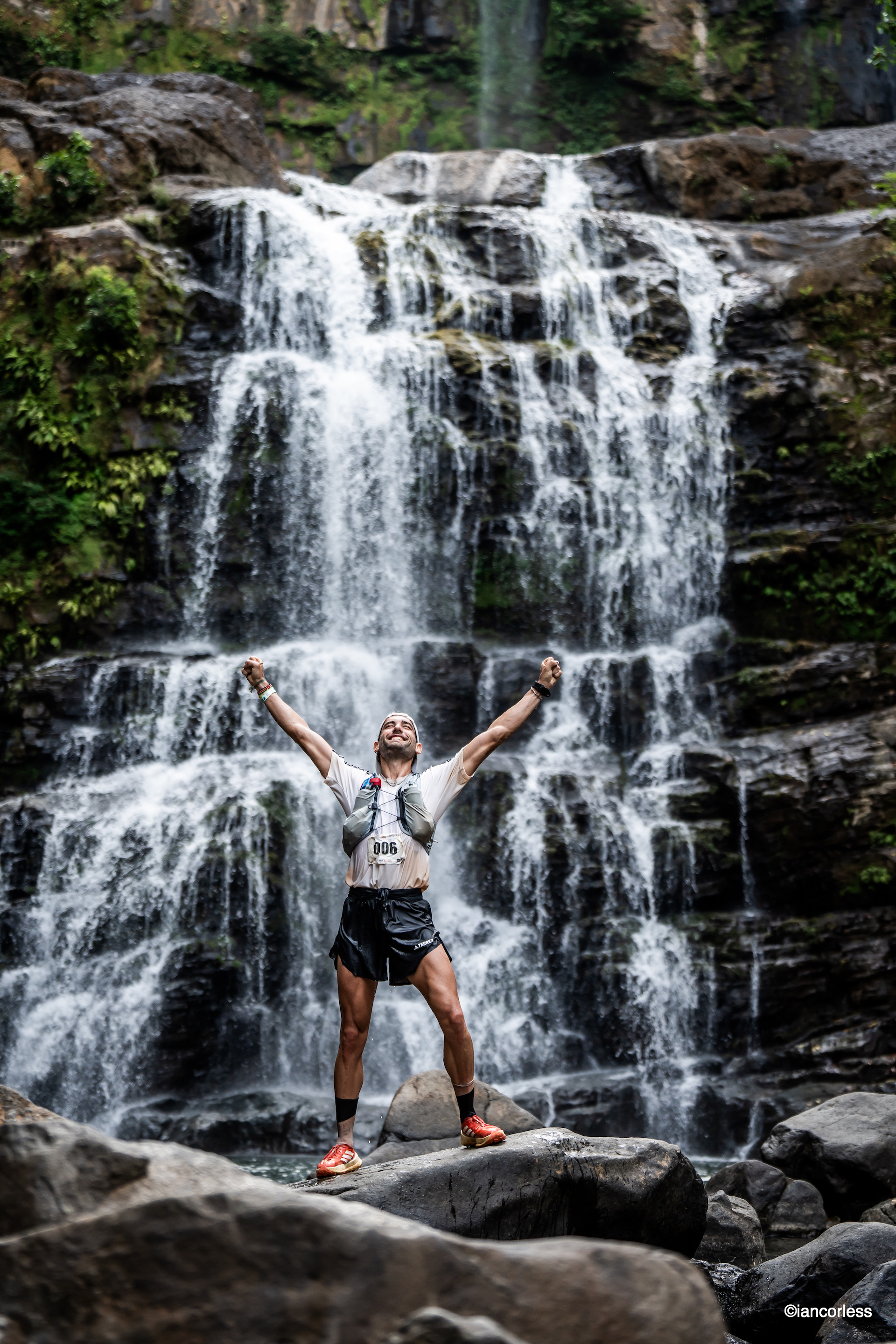
Erick at Nauyaca – Photo by Ian Corless

What a day! Stage 3 of the 2025 The Coastal Challenge will go down in history… Local legend, Erick Aguero pulled back a 16-minute deficit after stages 1 and 2 and now leads the race after an epic winning margin of 23-minutes.

This is Nauyaca with Pitufollow – Photo by Ian Corless

Stage 3 with more technical trail, played into the hands of Erick and at the Nauyaca Waterfall he already had a lead of 5-minutes. This lead increased from cp too cp, Erick was on a mission. By the final beach section, has lead was +/- 23-minutes. He held on to the line to take a stunning stage win and overall lead.

Pierre chasing hard – Photo by Ian Corless

Pierre Meslet was running strong all day and post-race he confirmed he felt good and was running strong. He gave kudos to Erick on a stunning stage and he also confirmed, “If Erick wants to win, he has a fight on his hands!”

Katie – Photo by Ian Corless

For the women, Katie Young was once again untouchable. She was running strong and what looked like without effort all day. Post the finish line, she confirmed she was 30-minutes quicker than last year, she is unbeatable.

Lucia – Photo by Ian Corless

Lucia Jarquin was once again 2nd on the stage and now, after 3-stages is 6-hours and 24-minutes behind Katie.

Pura Vida – Photo by Ian Corless

Stage 4, tomorrow, moves away from the ocean and into the more mountainous and technical trail that Erick loves. It’s going to be an exciting day.

Photo by Ian Corless

Instagram – @iancorlessphotography

Twitter – @talkultra

facebook.com/iancorlessphotography

Web – www.iancorless.com
Web – www.iancorlessphotography.com

The Coastal Challenge Costa Rica 2025 – Stage 2

Photo by Ian Corless

It’s a rainforest, and last night the rain came. As per usual, it was short lived, but it was a torrential downpour that had an impact on those who had not been careful with admin in camp. If careless, everything was wet…

Everyone was asleep as early as possible. Stage 2 would have a 0500 depart by bus for adventure and an 0530 start for Expedition. Breakfast started from 0300.

Allan – Photo by Ian Corless

Out of camp, the Expedition runner’s went straight into a steep sharp climb, the ground now muddy and slippery from the rain. Humidity was high but temperatures were cool.

A hot day – Photo by Ian Corless

At the top, a rollercoaster of gravel roads lead to cp1, El Brujo, and then more gravel road and rainforest to cp2, Dos Bocas.

At cp2 Adventure started and the route drops all the way down to the ocean, but before, cp3 at Hatillo.

Photo by Ian Corless

A water crossing leads to a long and hot beach section before finishing on the beach in Dominical.

Magdalena – Photo by Ian Corless

Erick Aguero started the day hard, pushing and pushing to open up a gap on Pierre Meslet. This is Erick’s 7th TCC and he has been on the podium many times, 2nd the highest, this year he wants to win.

At the top of the climb, Pierre was a few minutes back but relaxed.

For the women, Katie Young once again is in a race on her own and actually, is more than likely to place 3rd overall if she continues this relentless charge. She is on fire.

Pierre – Photo by Ian Corless

40km is a long tough day for Expedition and with the charge from Erick, many wondered what would happen. The due arrived together for the water crossing just after cp3. With a long flat beach straight to the line, this would fall into the hands to Pierre’s fast running style. Erick could just look on as the gap opened, he had fought hard, took a chance and today, he gained no time, the gap is 16-minutes. Allan Barrielle is 3rd, 1-hour 25-minutes behind Pierre.

Katies – Photo by Ian Corless

Katie dominated the day for the women, her lead now after 2 days is 3-hours 21-minutes over Lucia Jarquin and 4-hours 25-minutes over Maria Jose Corrales. TCC competition winner, Mirabela Ticu is 4th.

Mirabela – Photo by Ian Corless
Photo by Ian Corless

Tomorrow, stage 3, is 46km’s and includes the iconic Nauyaca waterfalls.

Photo by Ian Corless

Instagram – @iancorlessphotography

Twitter – @talkultra

facebook.com/iancorlessphotography

Web – www.iancorless.com

Web – www.iancorlessphotography.com

The Coastal Challenge Costa Rica 2025 – Stage 1

Photo by Ian Corless

It was an 0330 departure from San Jose to arrive at Quepos at the start of stage 1 at 0800.

The heat and humidity was already high and a tough day, as always was expected. The iconic Del Rey beach a backdrop to the start and the Pacific Ocean splashing on to the beach.

Photo by Ian Corless

The day, 33km’s with the opening km’s, all the way to cp1 and beyond, were flat and runnable. Always dangerous. Day 1 should be taken slow and steady, easing in to the week and the heat/ humidity. Boca Naranjito at 13.5km was the first cp, followed by Londres at 19.5km. Los Campenos at 30km was the 3rd cp to provide some refreshment before a tough final 3km. The finish at Rafiki Lodge.

Photo by Ian Corless

Last years TCC champion Katie Young, started like a rocket running the opening 10km’s solo at the front.

Photo by Ian Corless
Katie – Photo by Ian Corless

Pierre Meslet and Erick Aguero finally caught her and took the lead two places, but Katie never stopped and ran all the way to the line with a convincing victory and 3rd overall.

Pierre – Photo by Ian Corless

Pierre and Erick were always expected to be the duo battling at the front but finally, around 16km’s the elastic snapped and Pierre broke away soloing to the line with a very strong lead ahead of the Costa Rican and local favourite.

Sergio had a tough day in the heat – Photo by Ian Corless

Full results will be available in due course HERE

Photo by Ian Corless

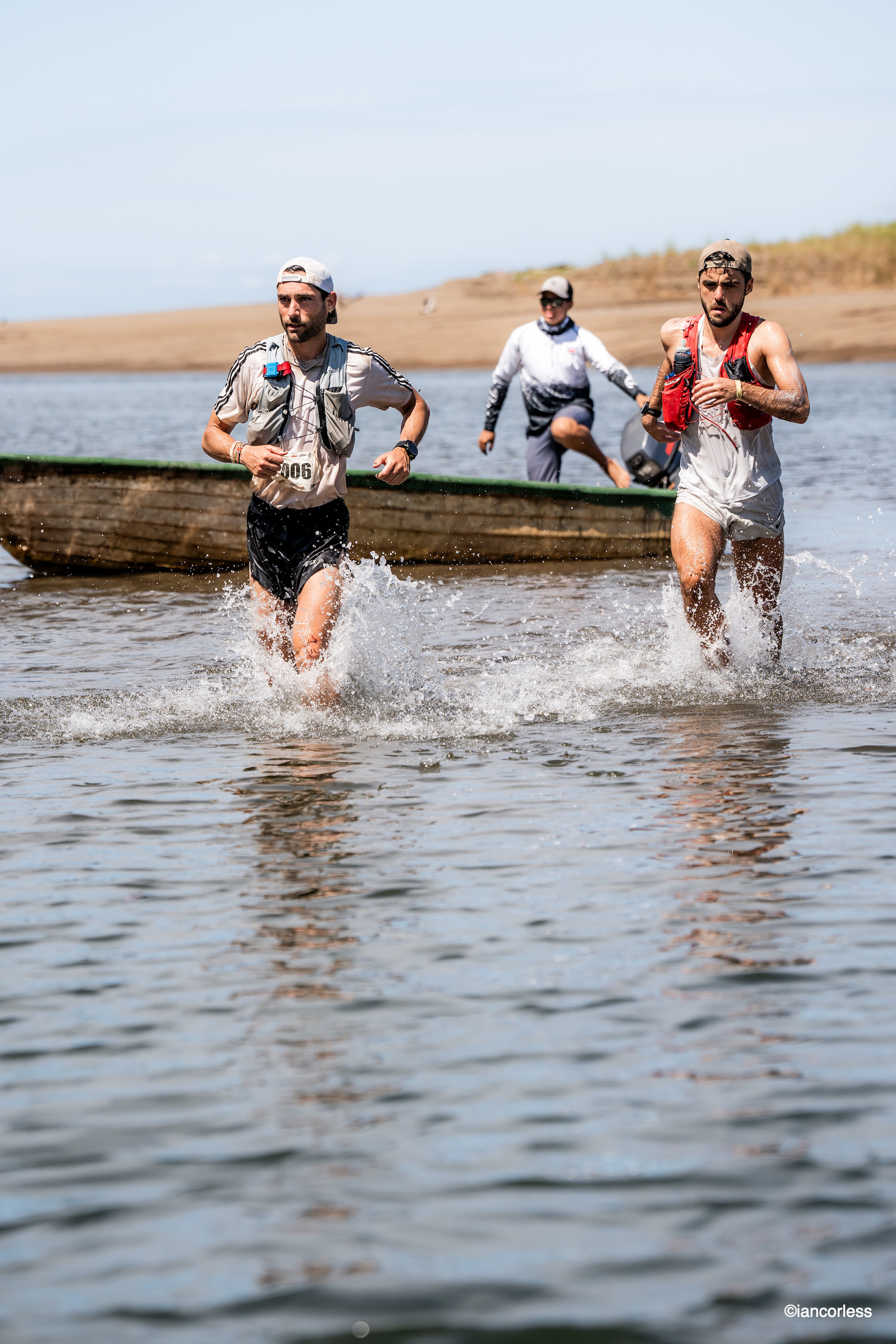
With two races, Expedition and Adventure, the participants fought hard to tackle the terrain, which became increasingly difficult as the stage progressed. The final section the toughest with a challenging water crossing to conclude the day.

Both races were 33km, but the expedition had more vertical gain, 1115m in contrast to 894m.

Photo by Ian Corless

Instagram – @iancorlessphotography

Twitter – @talkultra

facebook.com/iancorlessphotography

Web – www.iancorless.com
Web – www.iancorlessphotography.com

MDS Morocco Atlantic Coast 2025 – Stage 3

Photo by Ian Corless

The wind blew strong during the night causing a restless night for many. To add to the fatigue, rain arrived as the runner’s started to pack and get ready for the third and final stage.

It was an ominous start and it was clear that there was high anxiety for each participant, with 27km’s to go, this was not going to be an easy last day.

Photo by Ian Corless

The first wave left at 0800 and the top-25 departed at 0930. Gladly, the rain disappeared, however, the wind did not…

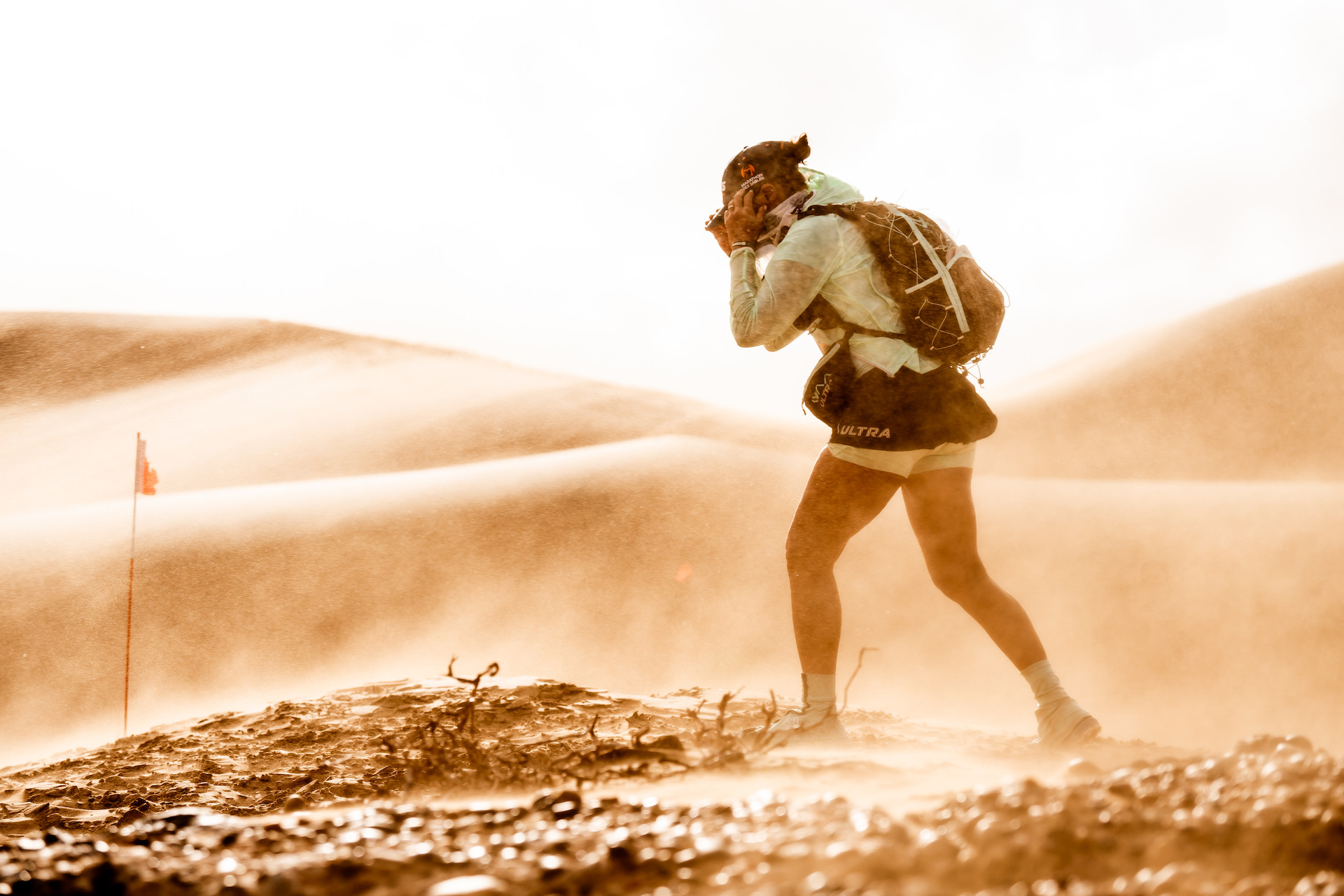
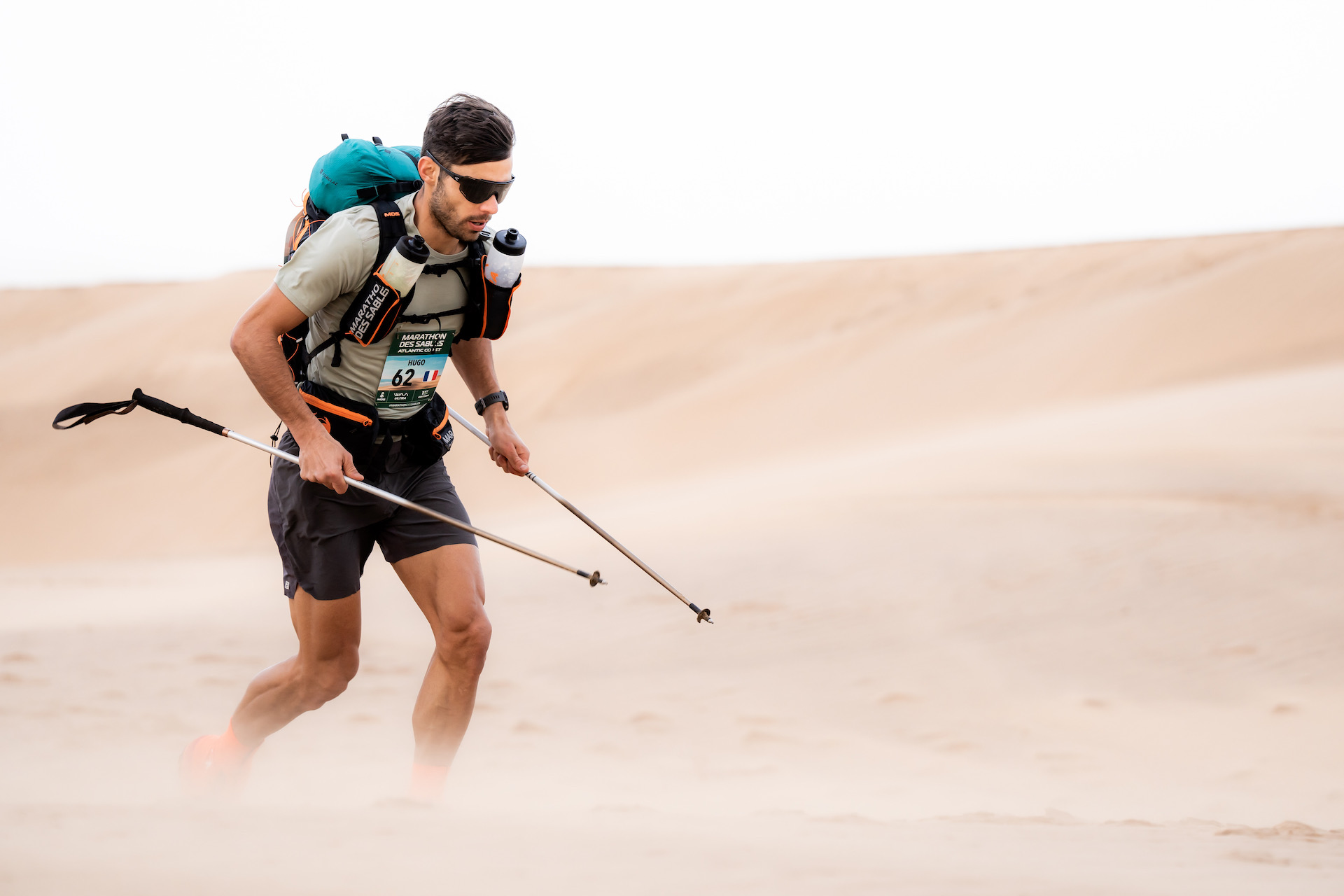
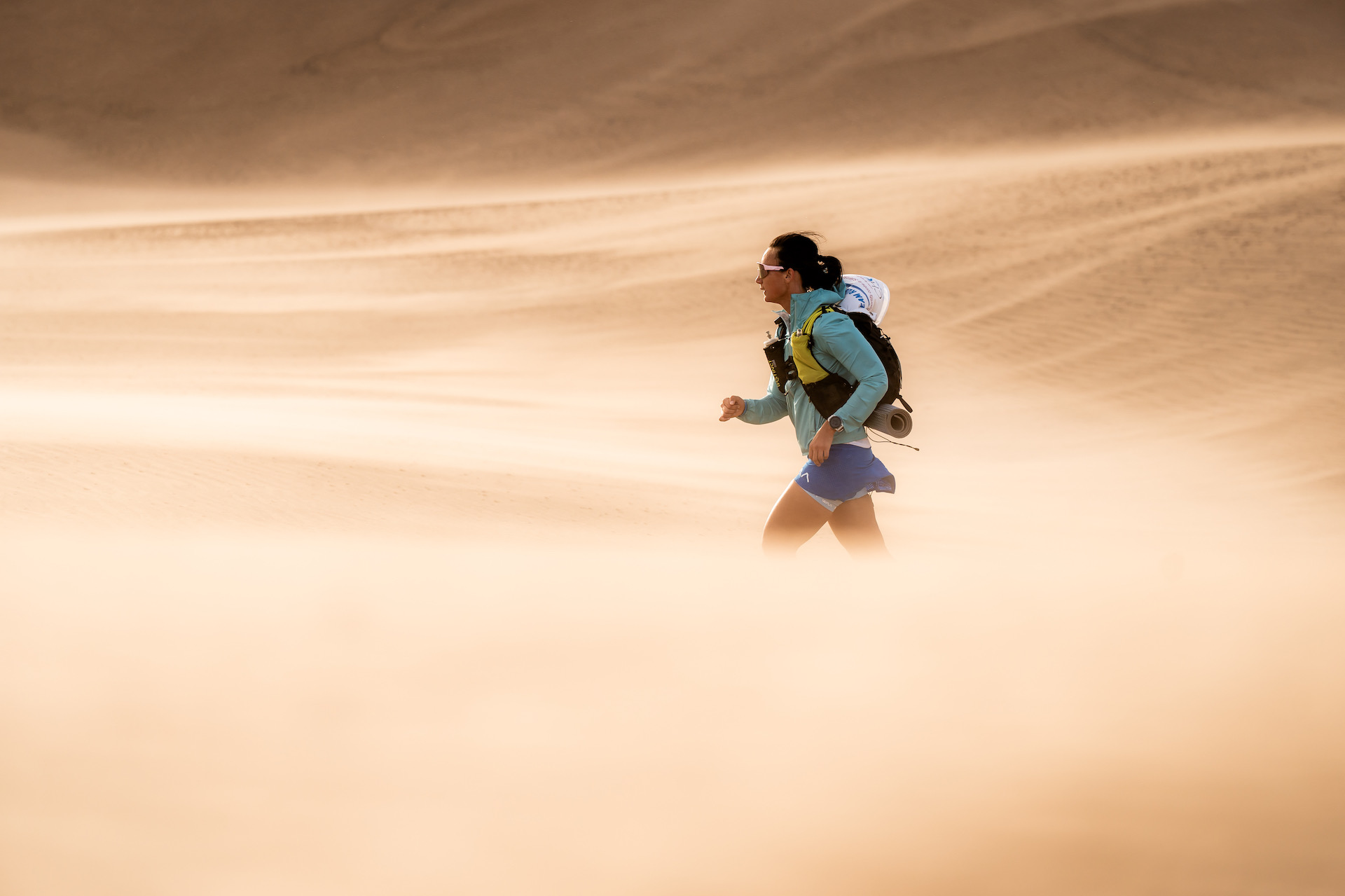
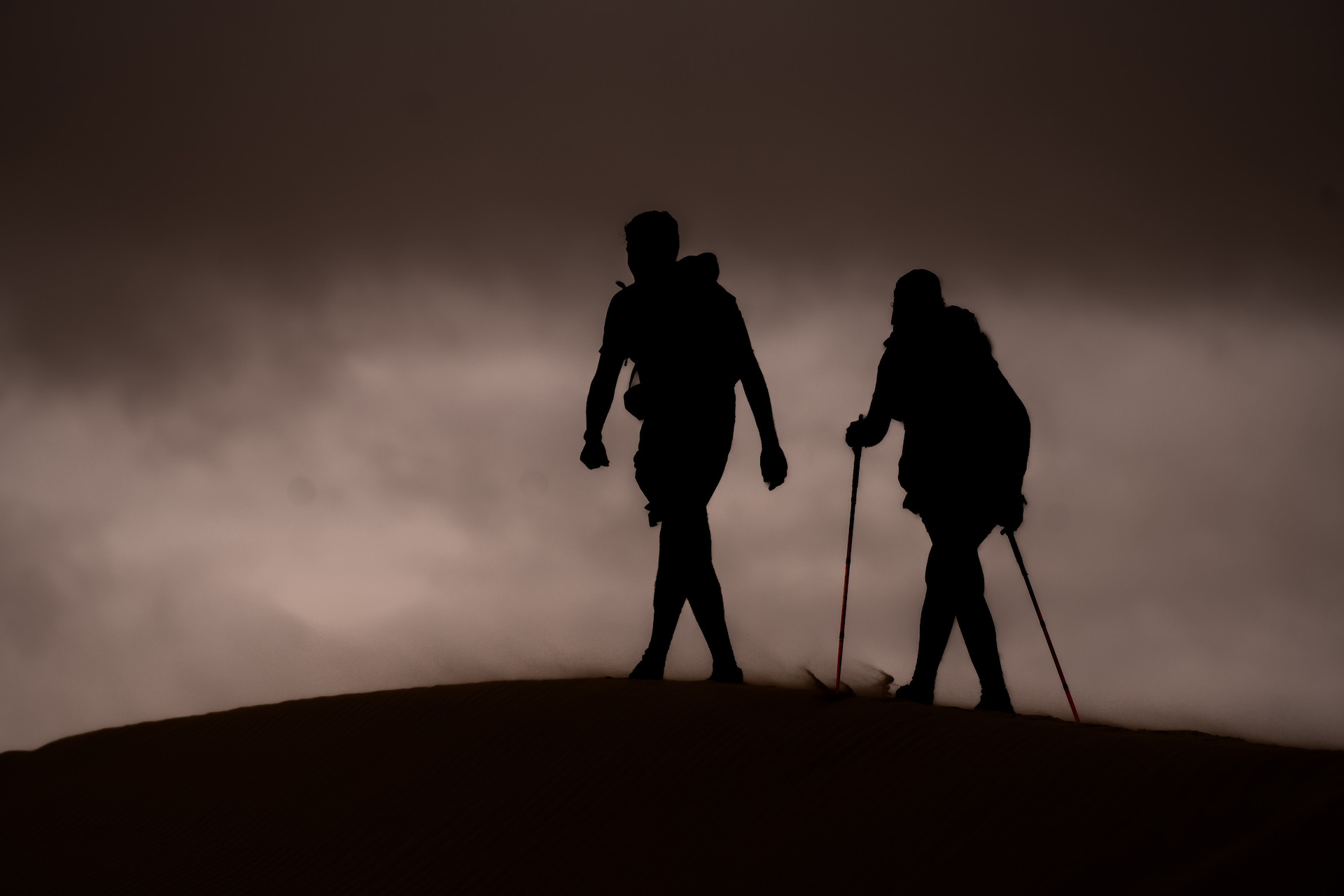
It was a northerly headwind for the entire 27km’s creating some of the most memorable moments and images of any MDS event.

Photo by Ian Corless

Runner’s battled, heads down, hands shielding faces and they fought what would seem like a never ending battle against nature to the finish line.

Photo by Ian Corless

But the finish line came for all and with it, great emotion.

Photo by Ian Corless

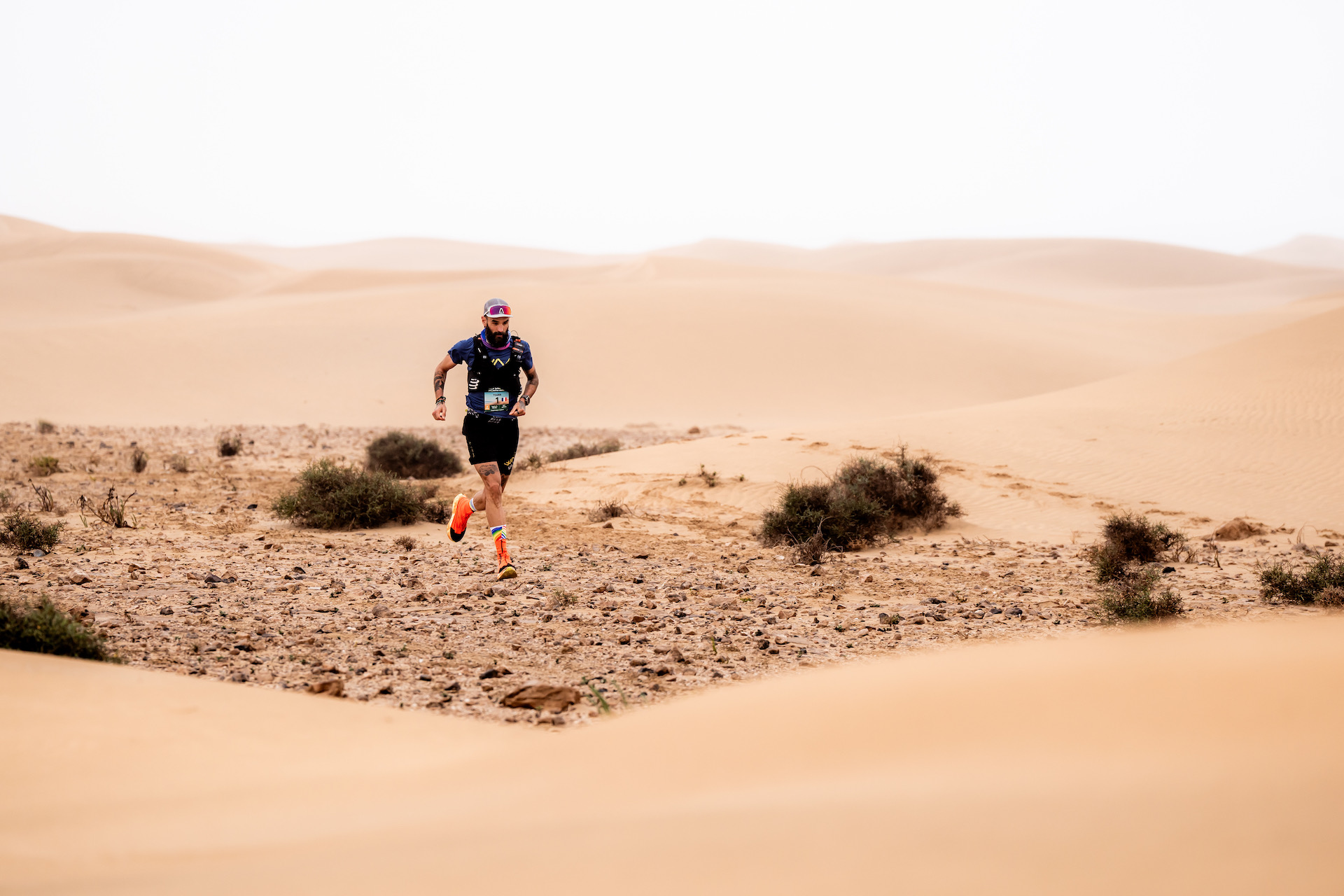
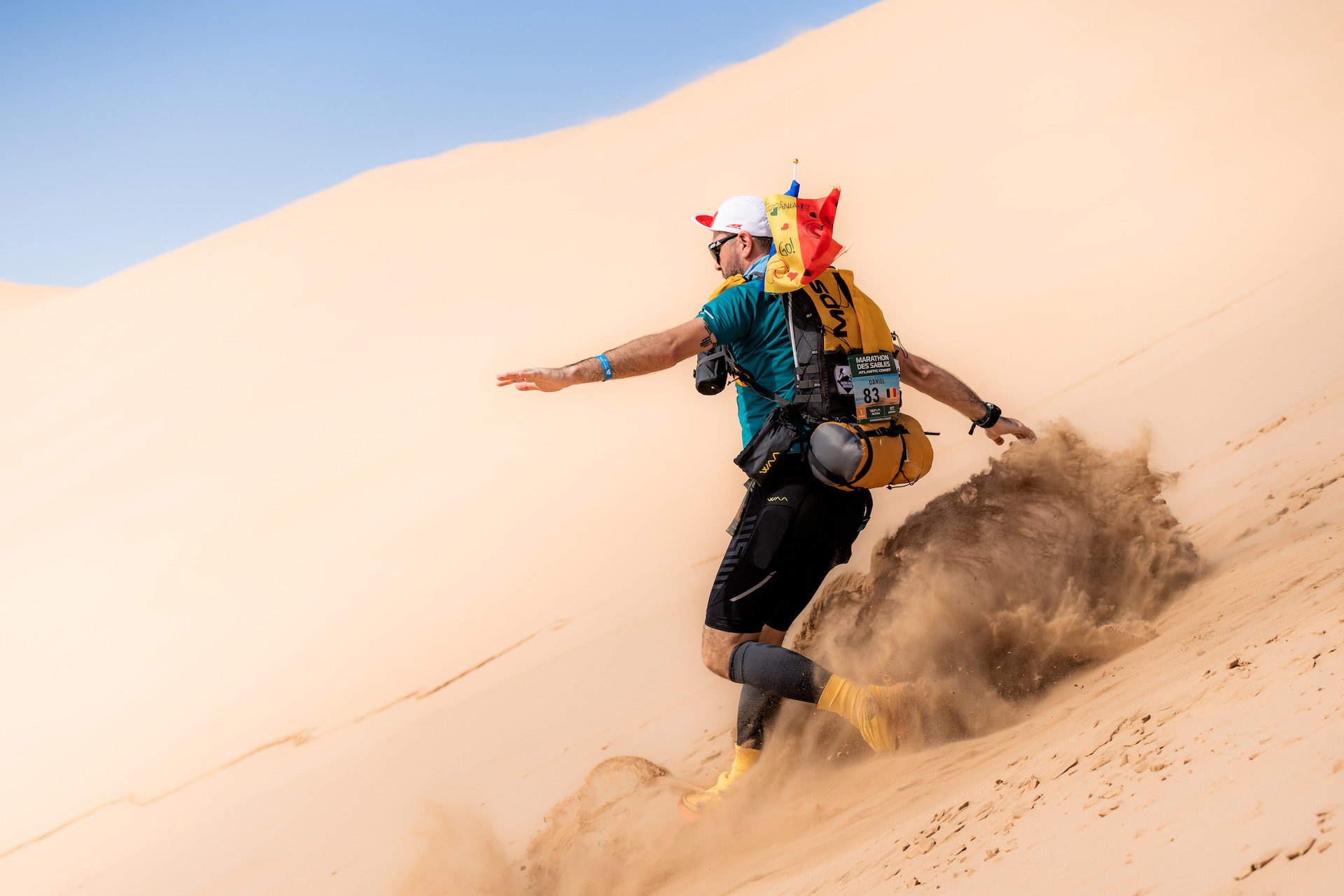
Stage 3 of the first edition of MDS Morocco Atlantic Coast was brutally beautiful. Relentless impressive dunes, the Atlantic Ocean to the left and the final 10km’s along the beach made for a completely memorable MDS.

Photo by Ian Corless

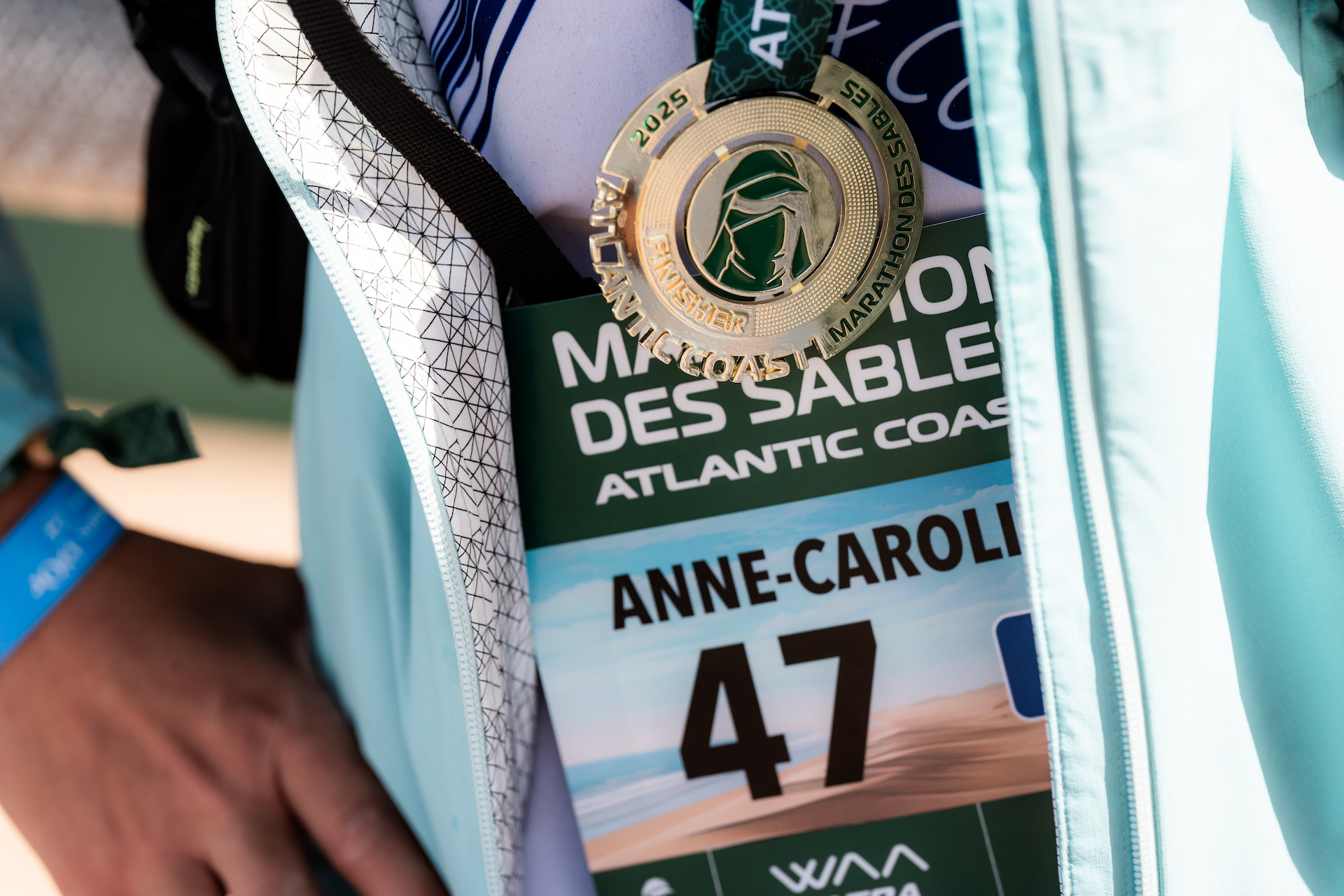
Tears, joy, emotion, relief and the bling of a medal all made the journey worthwhile.

Photo by Ian Corless

The journey for each participant unique. The experience unique. But there was one common thread…

‘We survived and experienced a truly memorable journey along the Atlantic Coast of Morocco.’

Photo by Ian Corless

Full race results HERE

Interested in an MDS event in 2025? A full calendar of dates and destinations are available HERE

Photo by Ian Corless

Instagram – @iancorlessphotography

Twitter – @talkultra

facebook.com/iancorlessphotography

Web – www.iancorless.com
Web – www.iancorlessphotography.com

MDS Morocco Atlantic Coast 2025 – Stage 2

Photo by Ian Corless

Stage 2 of MDS Morocco Atlantic Coast and the option to choose the stage distance: 20km, 40km or 60km?

Photo by Ian Corless

One of the appealing factors of the MDS format is the stage 2 distance option, with stage 1 and 3 the same for all, the stage 2 option allows for an overall distance of 70km, 100km or 120km.

Photo by Ian Corless

The day started under heavy cloud and winds coming from the north . At 0845 as participants arrived for the start, rain started to fall. It was an ominous beginning for the day and the weather remained challenging with rain increasing in strength during the morning.

Photo by Ian Corless

Gladly, by midday, blue skies and sun started to appear, however, the wind increased in strength and continued to do so into the night.

Photo by Ian Corless

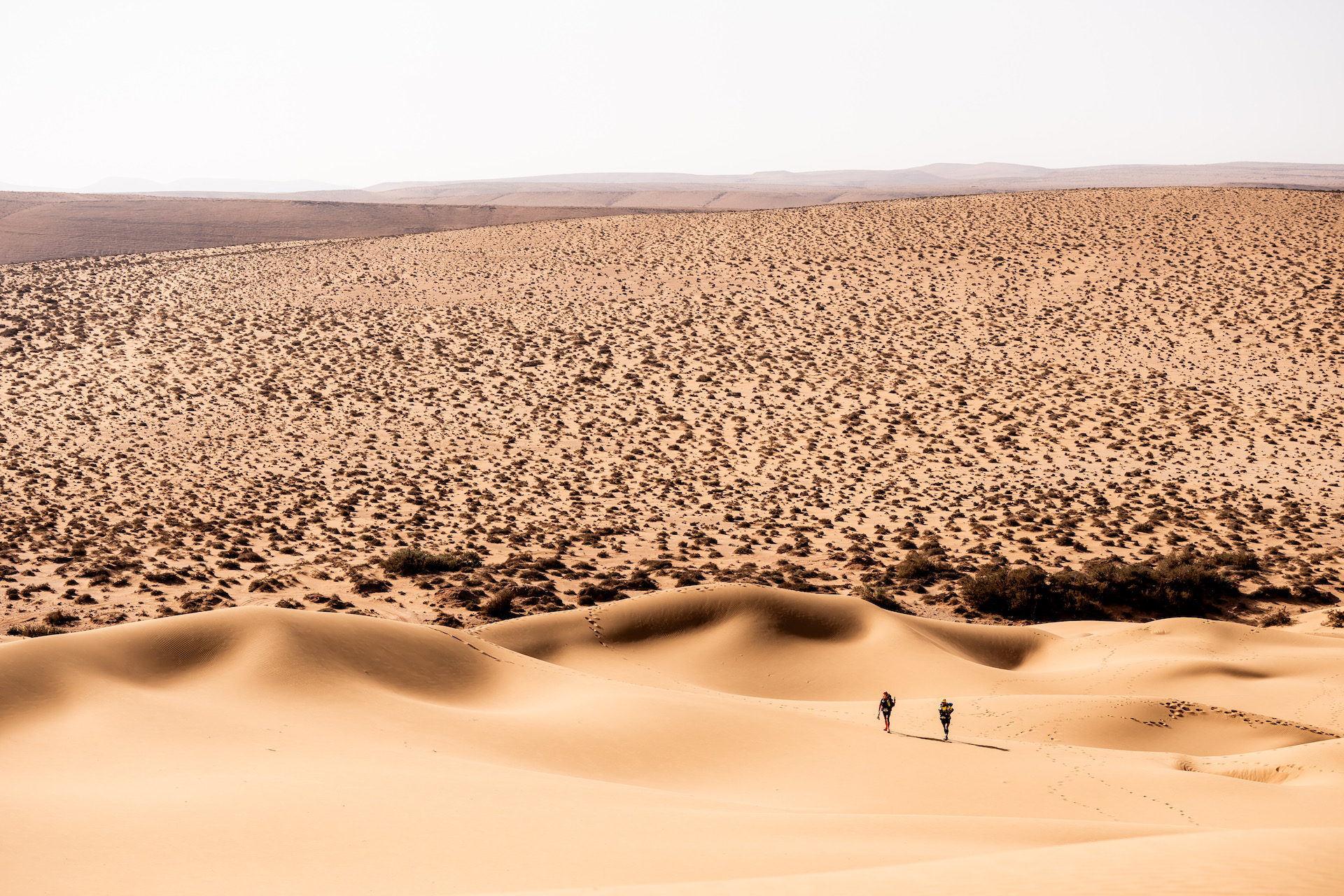
With epic landscape, stunning dunes, there was much to appreciate in this stage and despite the weather, runner’s were constantly smiling.

Photo by Ian Corless

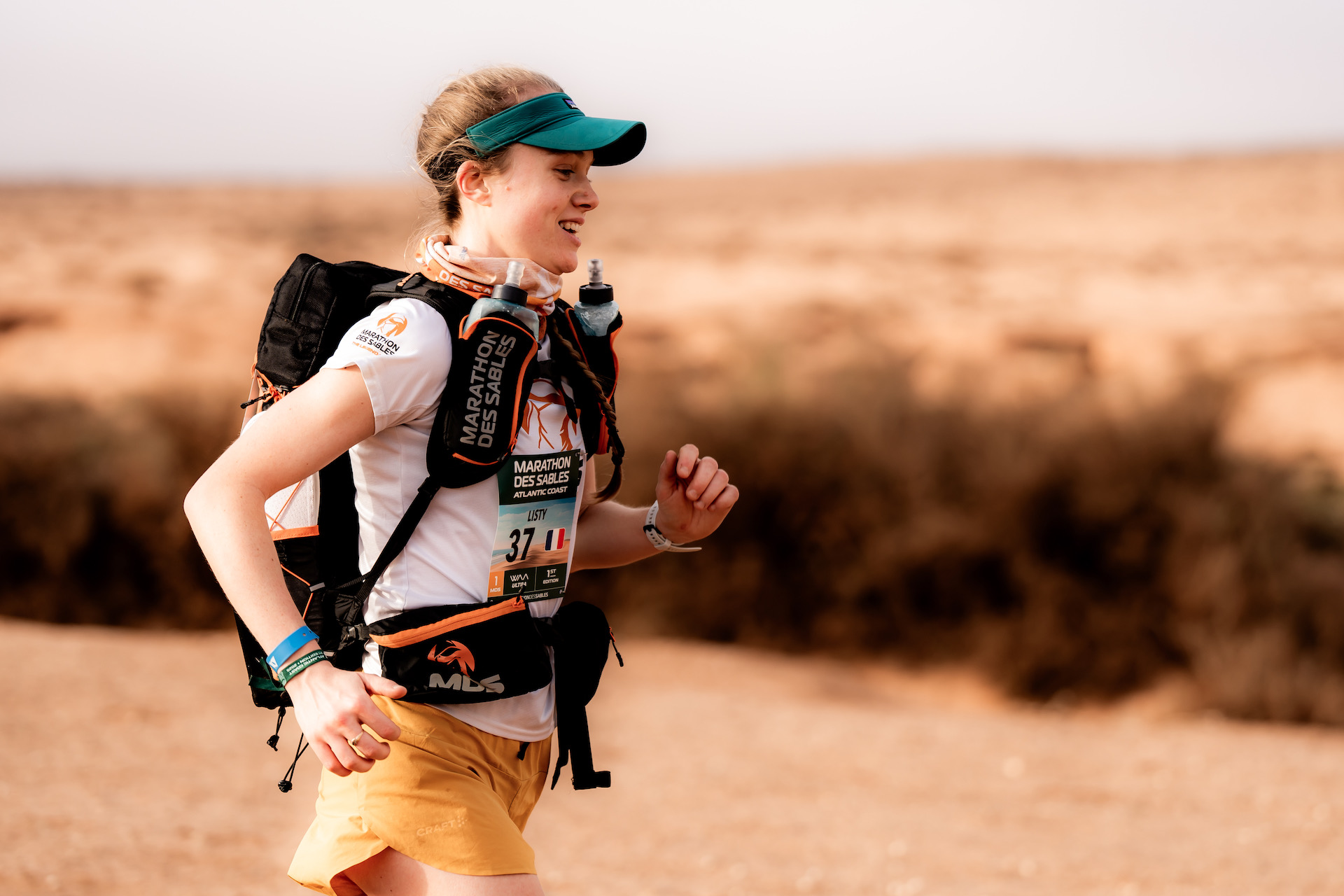
With three distances, rankings change after stage 2, often considerably, for example, Listy Mazille, a clear winner on stage 1 is now the leader of the 1ookm and we have a new leader in the 120km category now.

In the 120km, ranking is as follows:

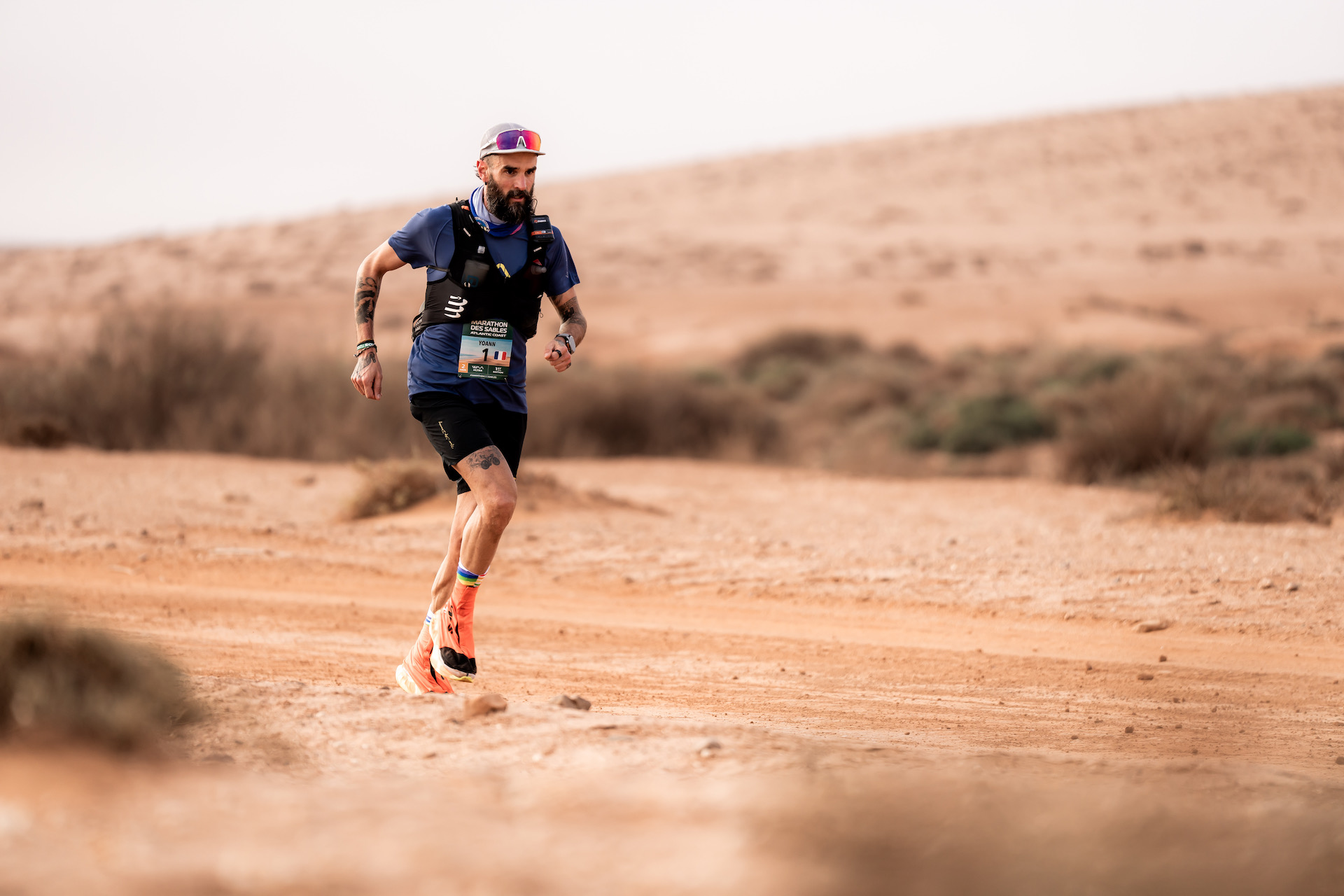
RACE LEADERS 1 – Yoann STUCK 2 – Göran SCHREY 3 – Stephan BAWEY

WOMEN RACE LEADERS 1 – Anne-Caroline KUSNIERZ 2 – Janina BECK 3 – Adele THOMAS

In the 100km, ranking is as follows:

RACE LEADERS 1 – Listy MAZILLE 2 – Benoit BERCHEBRU 3 – Adrien LHERMITTE

WOMEN RACE LEADERS 1 – Listy MAZILLE 2 – Tiphaine SANQUER 3 – Joana TEIXEIRA

In the 70km, ranking is as follows:

RACE LEADERS 1 – Christian HARTEL 2 – Justine DEBOTÉ 3 – Cyril MALEJAC

WOMEN RACE LEADERS 1 – Justine DEBOTÉ 2 – Vanessa CUADRADO 3 – Audrey SCOTTO

The stage, for many, goes into the night. The last runner will arrive late, maybe early the next day.

Tomorrow, a rest day of relaxation and recovery before the third and final stage.

Photo by Ian Corless

Full race results HERE

Interested in joining an MDS event in 2025? A full calendar of dates and destinations are available HERE

Photo by Ian Corless

Instagram – @iancorlessphotography

Twitter – @talkultra

facebook.com/iancorlessphotography

Web – www.iancorless.com
Web – www.iancorlessphotography.com

MDS Morocco Atlantic Coast 2025 – Stage 1

Photo by Ian Corless

The 2025 Marathon des Sables calendar kicks-off the a new event, MDS Morocco Atlantic Coast, a great addition to the MDS line-up and now the fourth event in the country, the others, Legendary, MDS Morocco and MDS Morocco Trek.

Photo by Ian Corless

Located close to Agadir, the MDS Morocco Atlantic Coast explores a new area of this magical country.

Photo by Ian Corless

For stage 1 it was a very early start of 0300 for the drive from Agadir and the start line.

Photo by Ian Corless

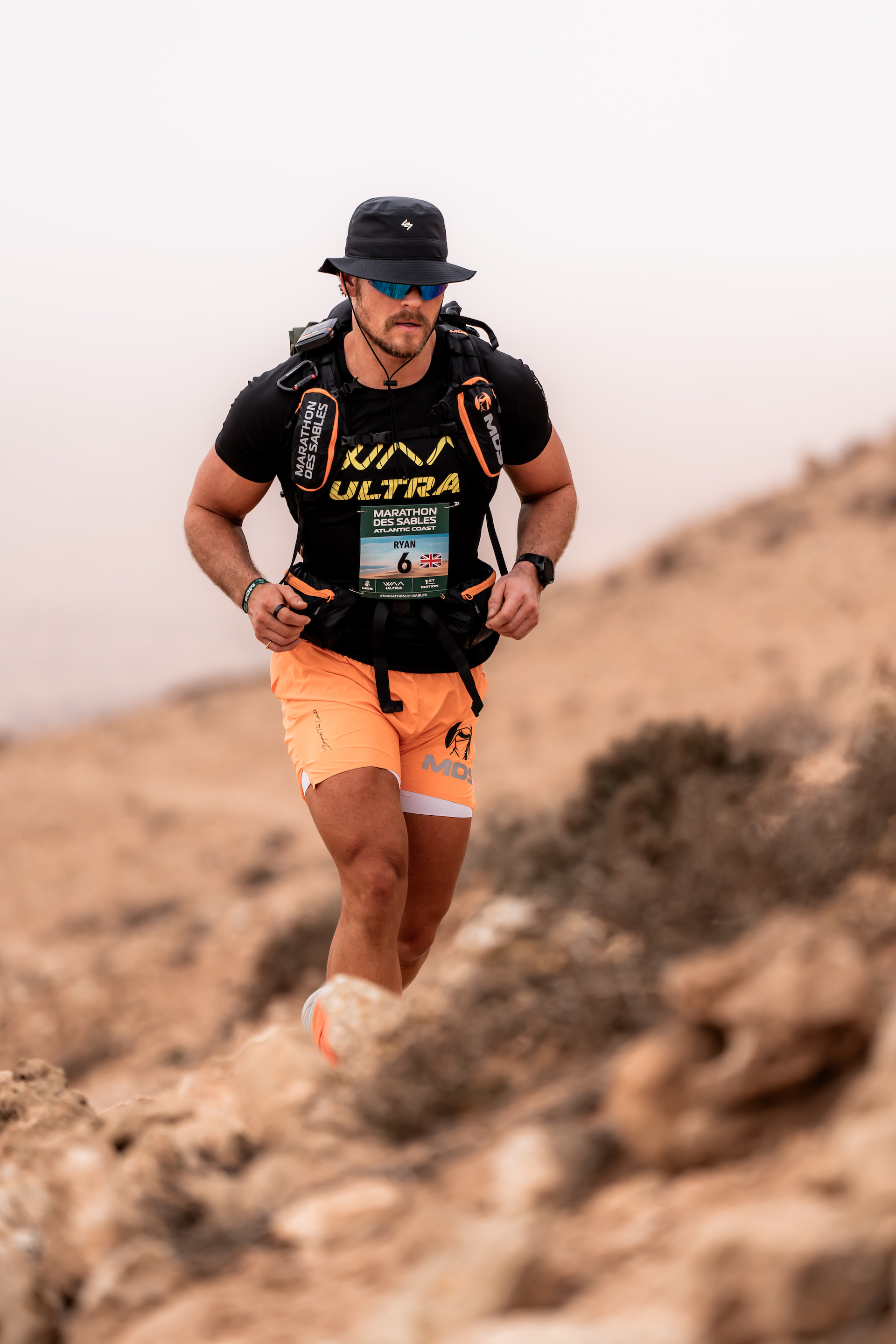
Kicking-off at 0930, 170 runners from 27 nationalities started the 23km journey with 344m+ heading north to the coastline of the Atlantic Coast. Of the 170 participants, 50% of the field are women, MDS once again pioneering the way for female participation in ultra races.

Photo by Ian Corless

The day started with hard pack runnable terrain making for easy km’s before a dune passage, followed by a gorge and finally high dunes with the glimmer of the ocean in the distance. Cloud and a chill in the air soon moved away to leave blue skies and daily high temperatures of 27-degrees.

Photo by Ian Corless

Yoann Stuck and Listy Mazille dominated the day. Yoann finishing the day in a super-fast 01:49:52 ahead of Göran Schrey and Stephan Bawey, 02:01:30 and 02:01:52 respectively.

For the women, Listy crossed the line in 02:16:58, a huge gap opened up with Janina Beck 2nd in 02:39:43. Anne-Caroline Kusinierz was 3rd in 02:43:08.

Full race results HERE

Photo by Ian Corless

Tomorrow, stage 2, is ‘the long day’ when participants can choose one of three distances, 19.7km, 41.2km or 54.5km.

Photo by Ian Corless

Interested in joining an MDS event in 2025? A full calendar of dates and destinations are available HERE

Instagram – @iancorlessphotography

Twitter – @talkultra

facebook.com/iancorlessphotography

Web – www.iancorless.com
Web – www.iancorlessphotography.com

Lanzarote Training Camp 2025 Summary

What a week!

There is no better way to kick-off a new year than arriving in Lanzarote for a week of good weather and all things running.

2025 signifies 19-years of training camps for me in ‘Lanza!’ They have changed and tweaked over the years and for the past 8-years, the current trail running format has been the template on how we tweak and develop each camp.

For 2025, we actually scaled the camp back to a smaller format, despite many requests to attend the camp, we kept it small with under 25 participants. 

This was a significant step in ensuring smaller run/walk groups and the ability for everyone to get to know each other. It really worked, I’d go as far to say it was the friendliest and most cohesive camp in many years.

To ensure happiness on the trails, we had a core team of four guides, Pierre Meslet, Abelone Lyng, Hanna Bradshaw and Ian Corless. In simple terms, we break the guides down into groups of:

1. Faster running.

2. Running with some walking.

3. Walk/ run and

4. Walking.

Groups of 3-6 people really work and this was a huge success.

Our days follow a similar format: 

  • 0900: Morning a run that extends to the afternoon based on the distance. We have different routes and distances for each day.
  • A break for lunch.
  • 1500: A talk and or workshop.
  • 1745: Recovery run of 3-5km.
  • 1900: Optional evening meet up for drink/ chat before dinner.
  • Exception to the above is one evening we do a run and overnight bivouac camp.
  • The last day is ‘long run’ day which starts at 0800 and covers between 30km to 45km.

Every edition of the camp, we get a great variety of abilities and experience, 2025 was no different. Up at the front we had a multiple MDS podium champion, at the other end, we had a couple who had never run longer than 10km before. It’s what makes the camp great. Mixed abilities and everyone providing knowledge.

Our bivouac night, as always, was special. Due to some glow sticks, a portable speaker and some good tunes, it was even more special. Nothing like a mini rave in a volcano.

If you do all our sessions, typically weekly mileage is around 160km/ 100 miles. It sounds a huge amount huh? It is, but on the camp recovery and downtime plays a huge roll and even the relative novices were accumulating big distances and believe it or not, our duo who had never run longer than 10km before both did just over 30km’s on the last day, a huge success for them and the camp!

A key to the recovery process for each runner is Pierre Meslet offering the option to book massage and Luke Read from Airbornfit offering strength and conditioning.

Of course, nothing is compulsory, participants can miss sessions as they wish, however, this rarely happens. The camp takes hold and neary everyone surpasses persoanl expectations or limits.

We conclude the camp with a group meal; a great opportunity to relax and clebrate the achievements of all.

The only sad moment comes with the closure of the camp and onward travel home.

However, as I told all our 2025 participants, it’s only 51 weeks to the next camp and already, many have signed up with eager anticipation of what will be a 20 year celebration in 2026.

LANZAROTE TRAINING WEBSITE HERE

Fancy joining us for one of the best running weeks ever?

Who is the camp for? Anyone who is interested in running. We cater for everyone and we specifically cater for those who are doing stage races such as Marathon des Sables. Ultimately, its just a great week of running, be that for stage races or single stage races of any distance.

Instagram – @iancorlessphotography

Twitter – @talkultra

facebook.com/iancorlessphotography

Web – www.iancorless.com
Web – www.iancorlessphotography.com