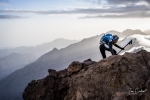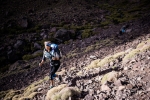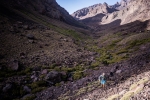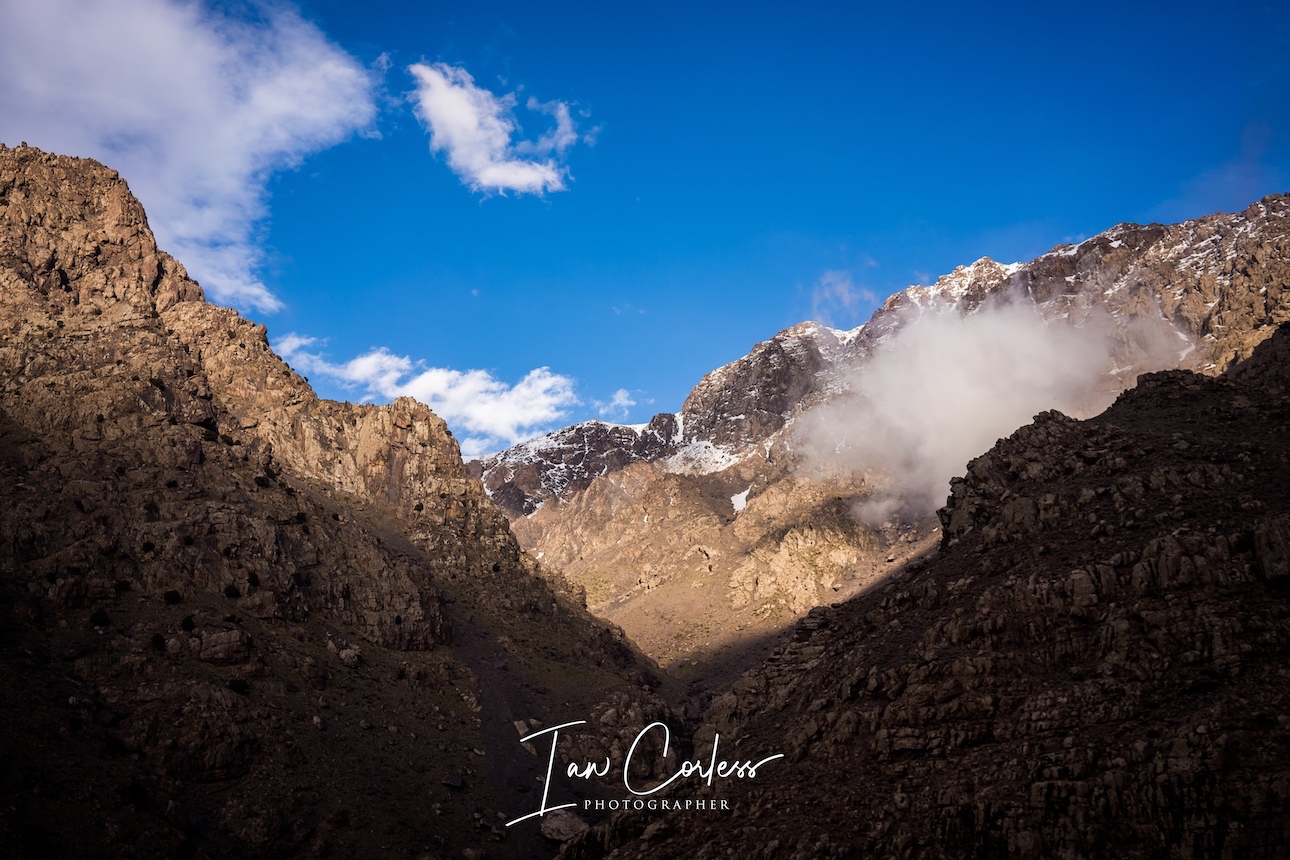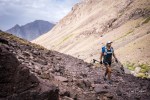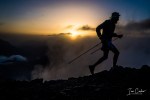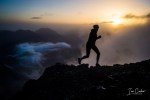
MDS Morocco Atlantic Coast 2025 – Race Summary

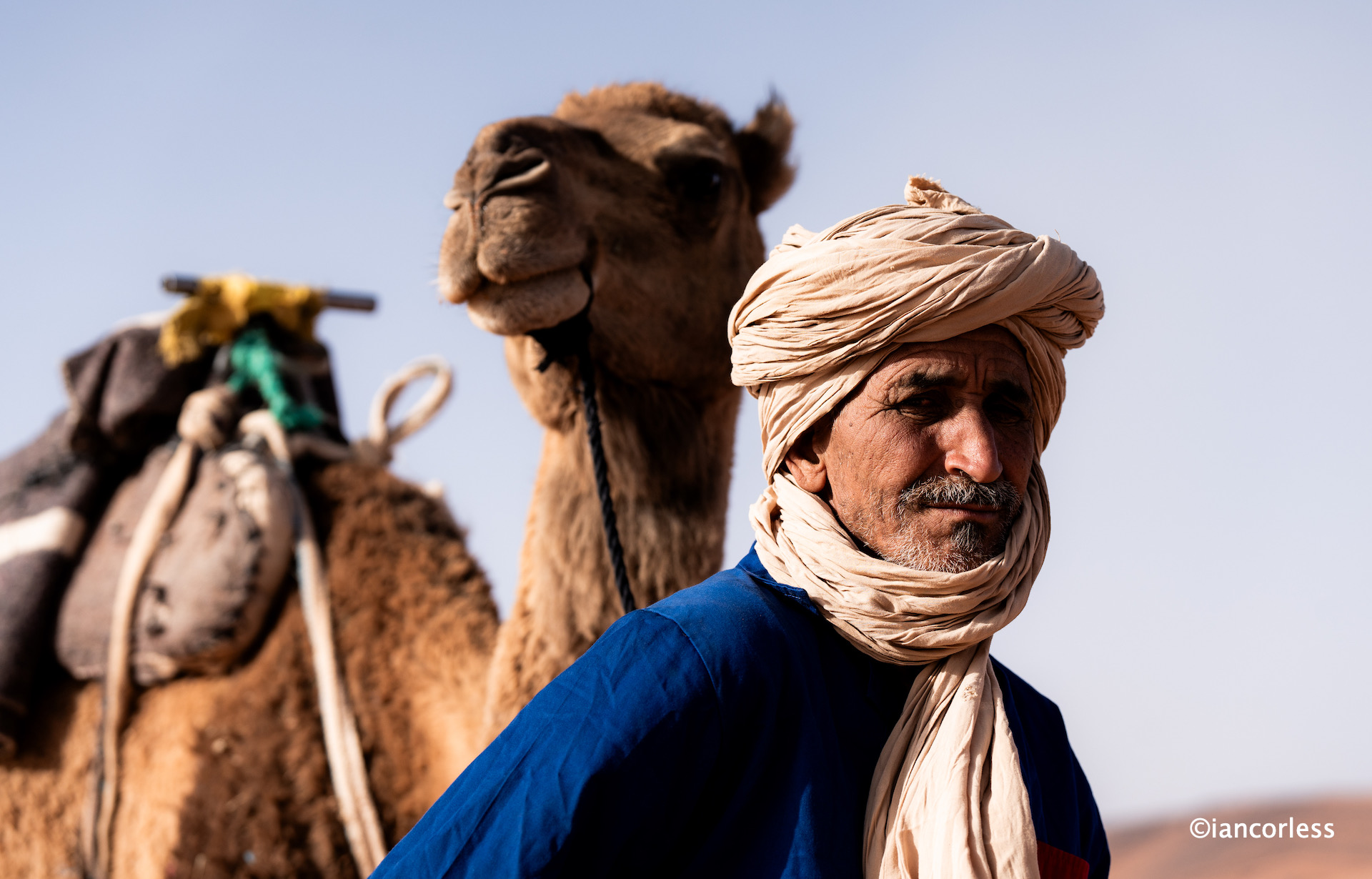
Photo by Ian Corless

There is always something special about a first edition race. Despite all the planning, despite tight schedules, despite ticking all the boxes, there is always an element of the unknown, a curve ball nobody expected or predicted flying in and causing a problem. Gladly, no curve ball arrived on the Atlantic Coast, on the contrary, the first edition of MDS Morocco Atlantic Coast was a huge success and without hiccup.

Morocco is obviously not a new destination for MDS, Legendary is in its 39th year and MDS Morocco, MDS Morocco Trek and Handi MDS have all happened previously, so, a new event in Morocco feels comfortable.

Close to Agadir, the MDS Morocco Atlantic Coast brings something new to MDS events in Morocco and obviously brings something special to the MDS line up.
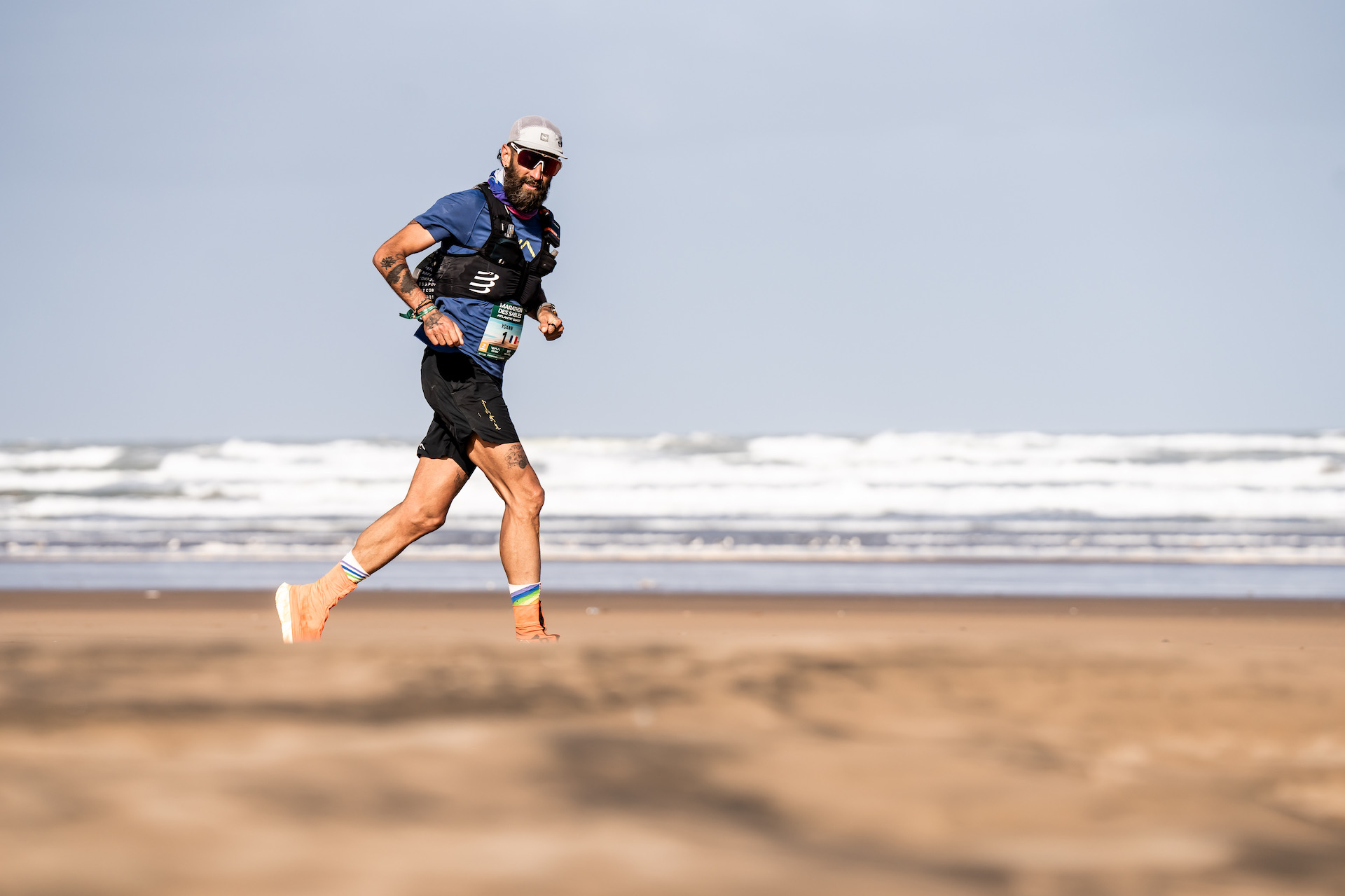
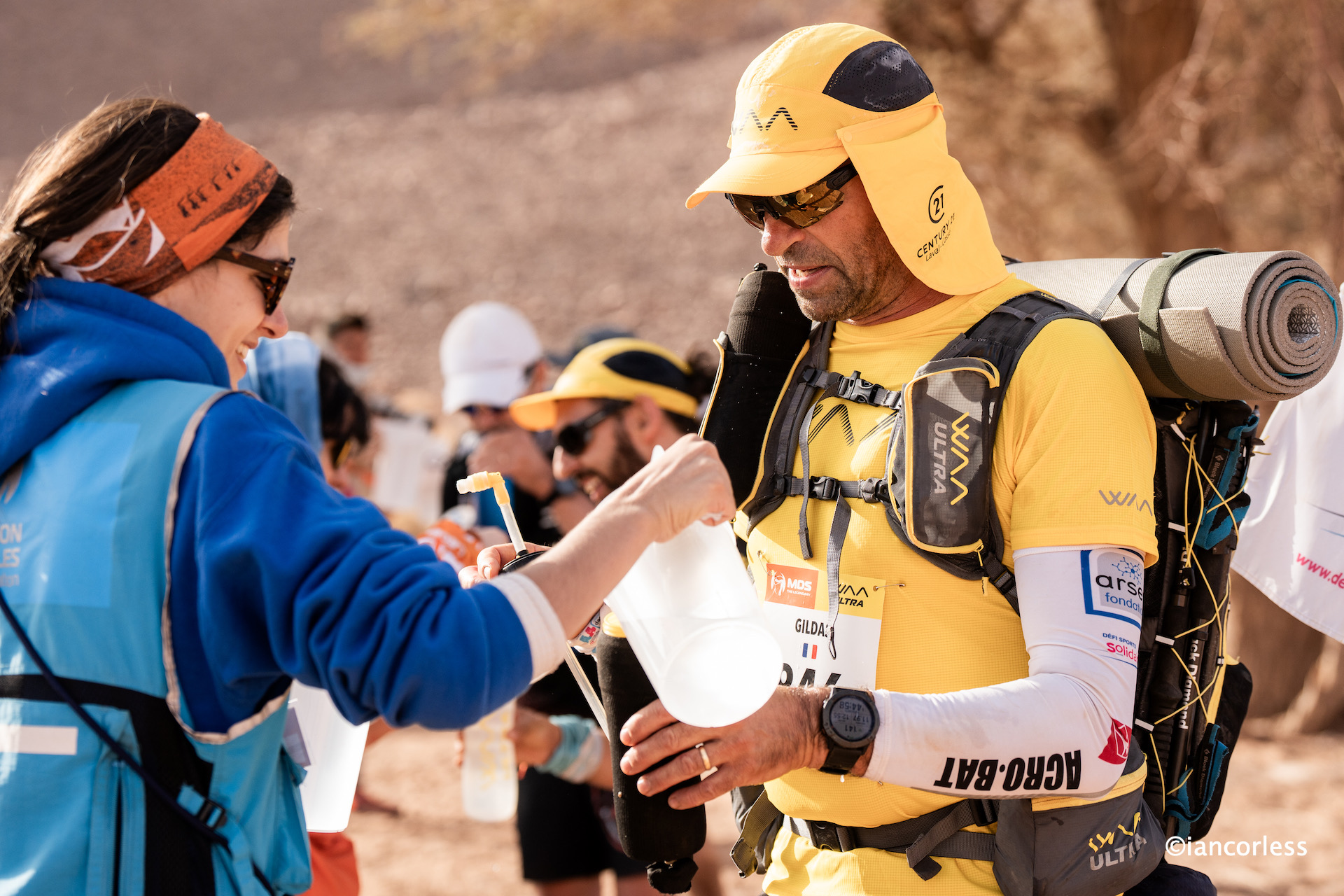
Photo by Ian Corless

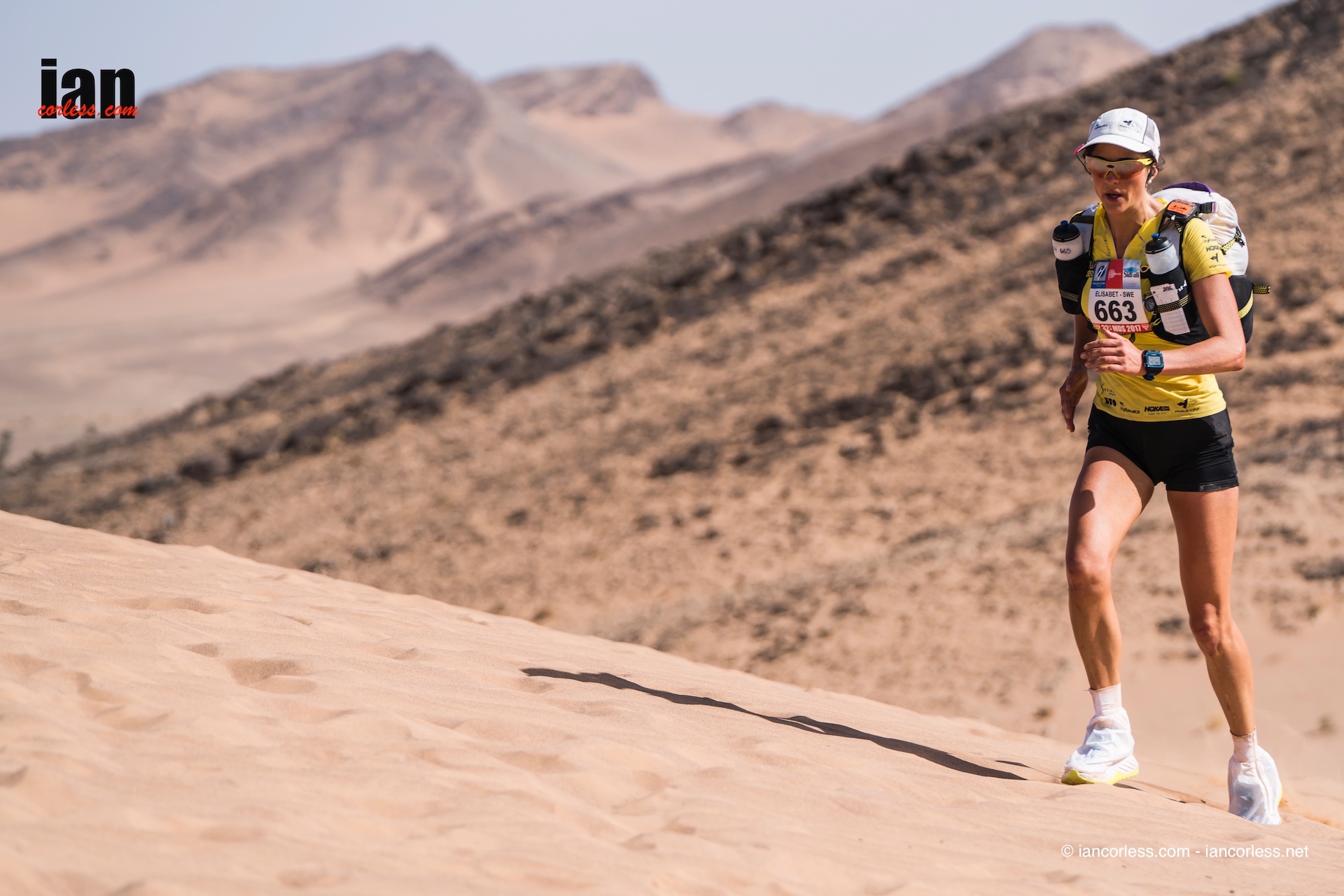
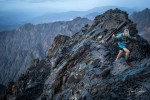
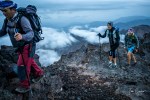
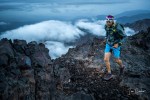
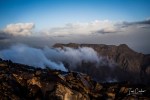
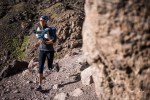
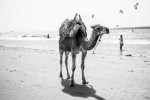
Like Fuerteventura and Peru, the ocean provides a backdrop to the race and this alone is unique. The juxtaposition of desert, dunes, beach and the roar of waves and the blue ocean make for a special environment for a race to take place.

LOGISTICS

As with all MDS events, the race is 3-stages taking place over 4-days with 3 distance options, 70km, 100km and 120km. Stage 1 and Stage 3 is the same for all participants and stage 2 is the one where a choice must be made, typically 20km, 40km or 60km. It’s a great format that makes MDS appealing for all ages and all abilities.

With 170 participants and 27 nationalities, the MDS Morocco Atlantic Coast was a great first edition. Notably, once again, female participation was around 50%. MDS are without doubt pioneering the way for female participation in their races and this must be applauded and encouraged.
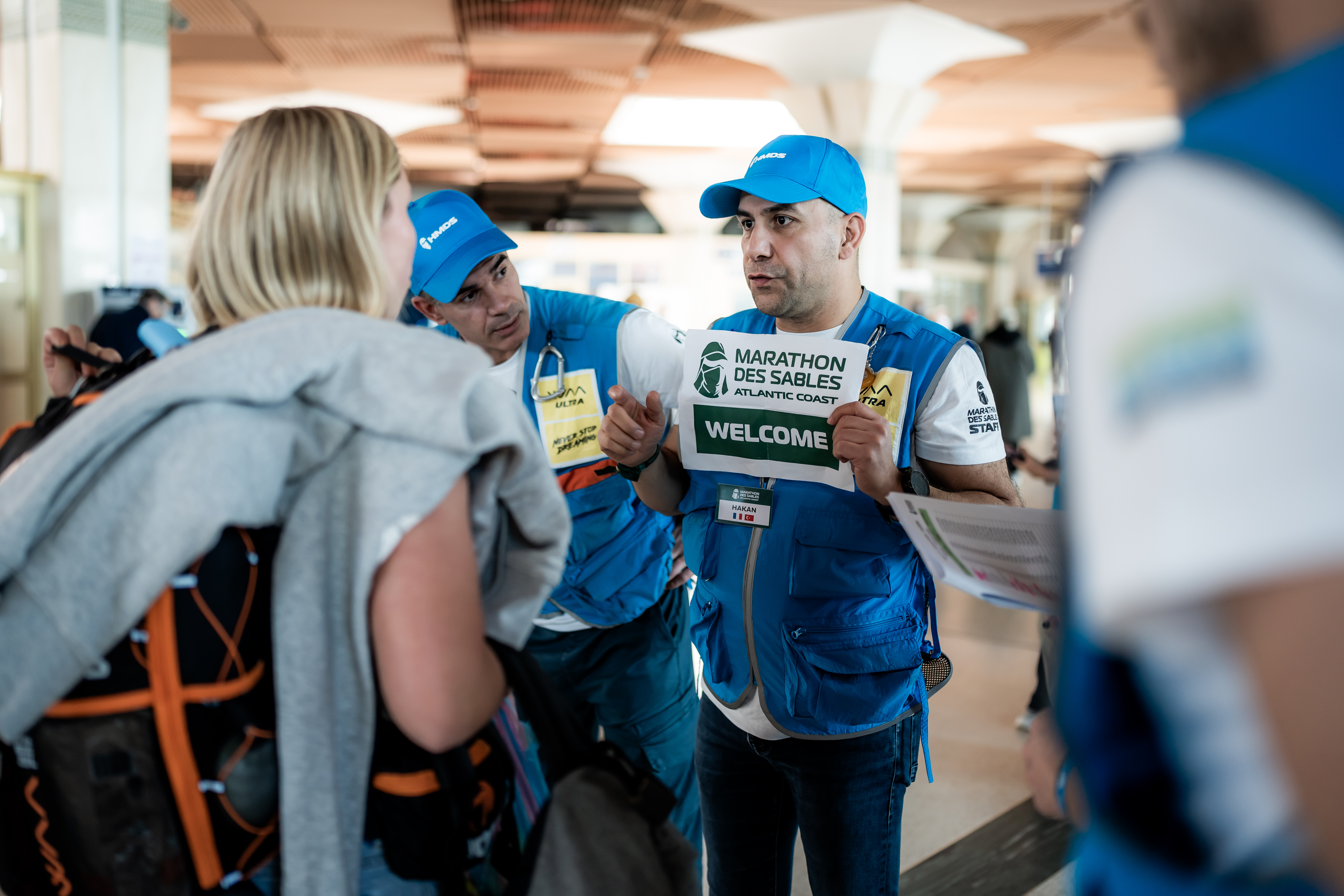
Photo by Ian Corless

Travel to Morocco is easy and transfers were provided by MDS from Marrakech (appx 6-hours) or from Agadir, with just a 40-minute transfer to the race hotel, needless to say, most people flew to Agadir.
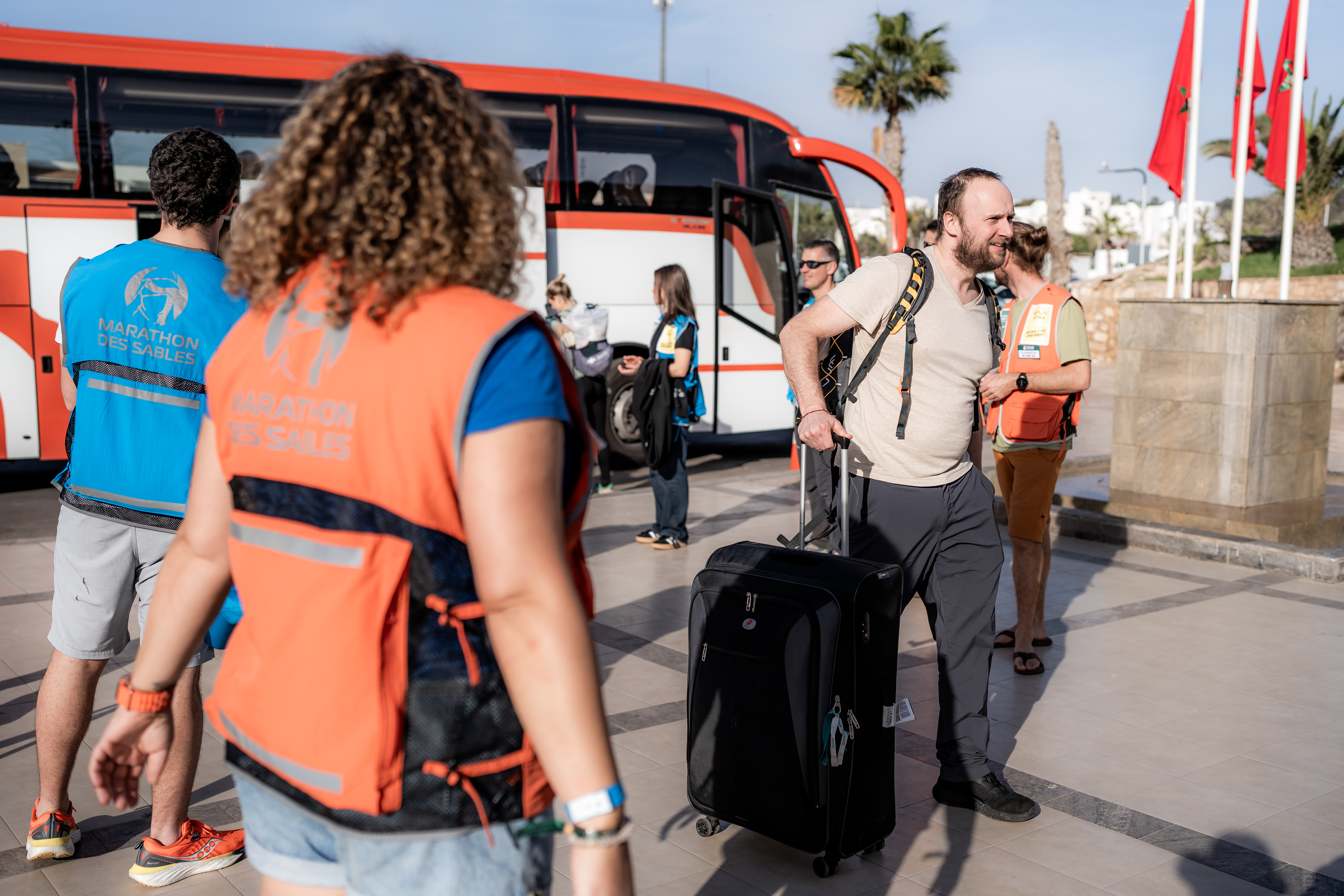
Photo by Ian Corless

A Saturday arrival and a Saturday departure, the race format had 2 nights in the hotel, 4-days and 3-nights in the desert and then a return to the hotel for 2-nights before onward travel.

The format provides an excellent opportunity to mix holiday and relaxation with sport.

THE EVENT

Saturday arrival was relaxed and with no commitments for the participants.
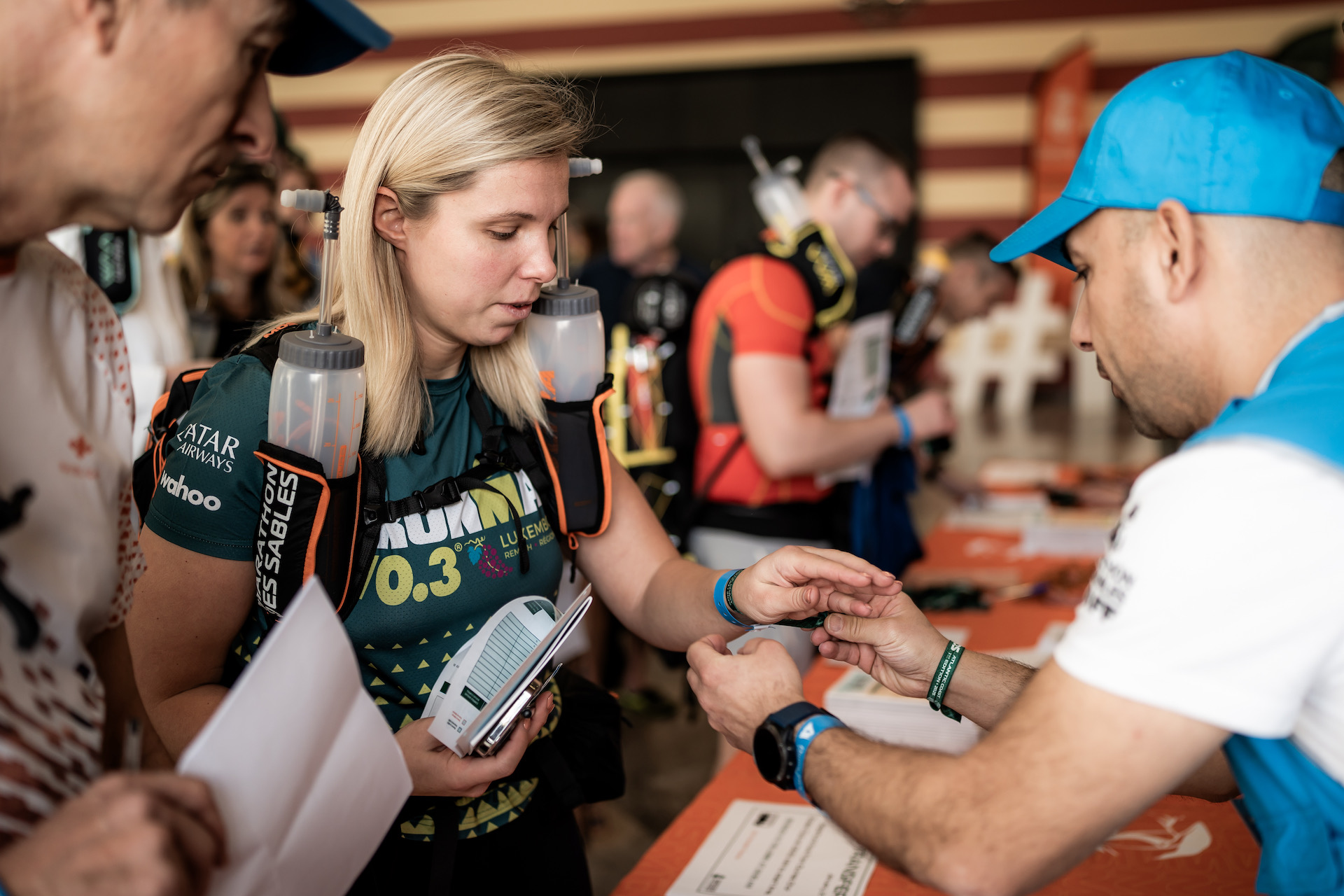
Photo by Ian Corless

Sunday mornning and the MDS admin protocols were in place between 0900 and 1200, this is a requirement for eah participant – equipment is checked, medical certificates are checked, GPX trackers are added to packs and race numbers are provided. The whole thing is efficient, seamless and fast.

The afternoon provided an opportunity for relaxation or sight seeing and then an early dinner and bed.

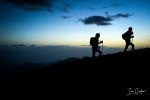
Departure time for day 1 was 0300 for a 5-hour journey to the desert. On arrival, the plan, as always, was to get the runner’s underway as soon as possible.

Highway to Hell finished and the participants departed under cloudy skies at approximately 0930.
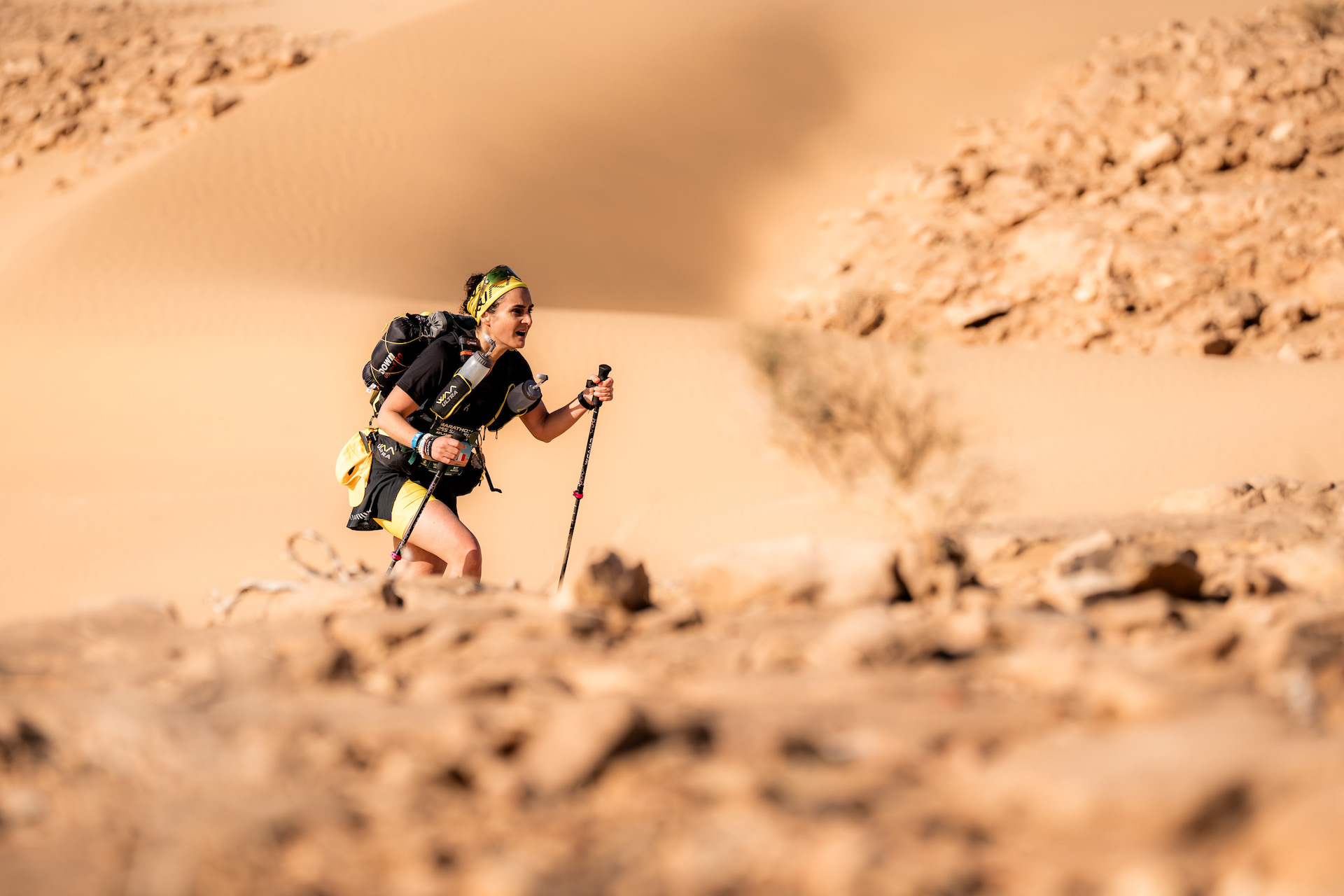
Photo by Ian Corless

Day 1, stage 1 at 24km’s headed from an inland location and basically headed directly to the coast. The terrain was mixed, with some easy running to start the day, of course, sand featured heavily with a dune section coming just after CP1 and a final dune section concluding the race just before the finish. Temperatures reached a high of 25-degrees and it was a great first day. Bivouac awaited the runner’s and a first night in sleeping bags with self-sufficiency started. The wind blew and the temperatures dropped, a chilly night was expected. Stage summary HERE
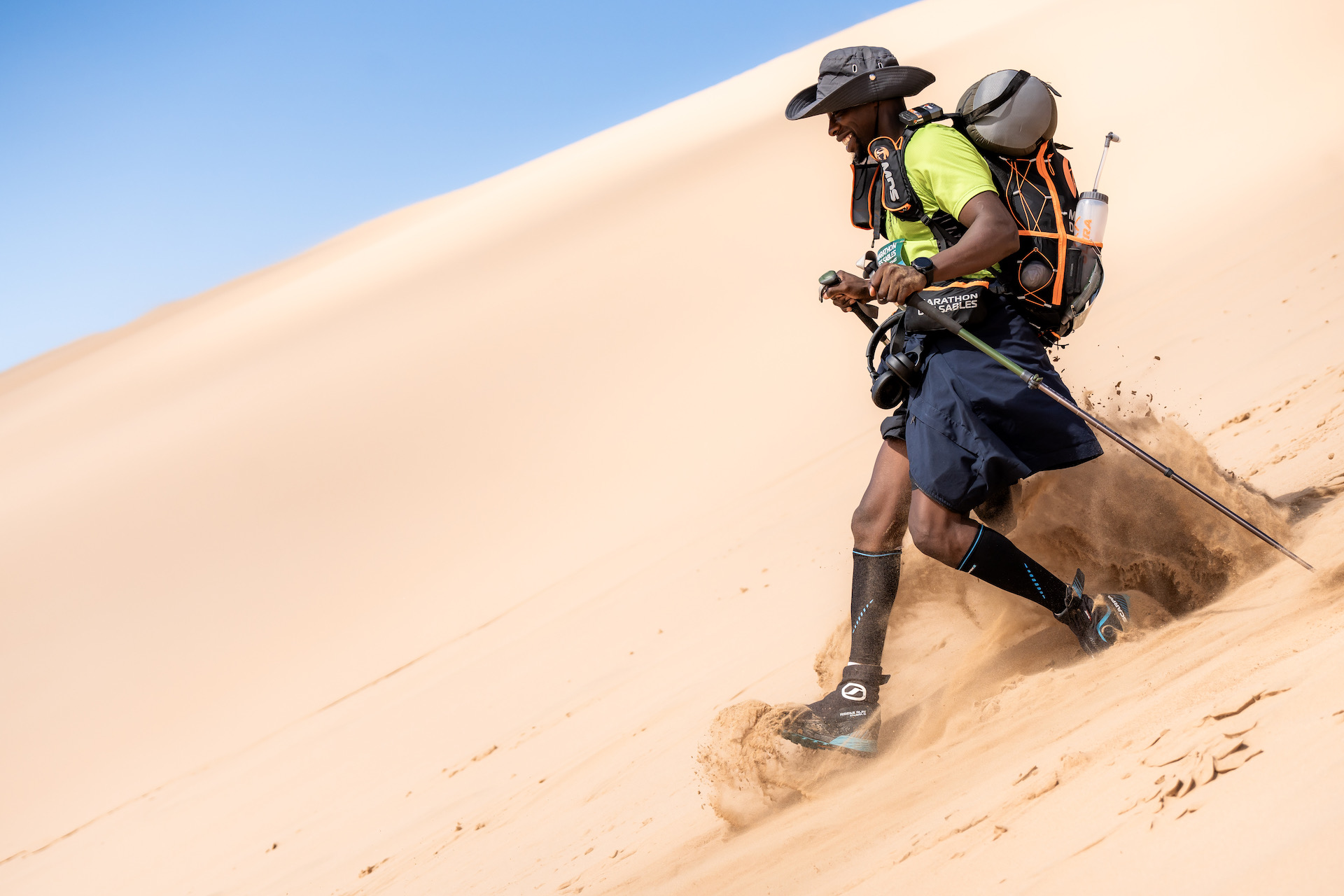
Photo by Ian Corless

Day 2, stage 2, intermittent rain and wind blew in off the ocean and there was a sense of dread at what this day would bring, especially for those participants who would take on the 40 or 60km distances. A challenging start and just a few hours later the weather started to clear and finally, skies cleared and the sun came to make for a beautiful day, highs reached 28-degrees. The course offered an obvious challenge mixing the best of Moroccan terrain with tsome stunning dune sections. The latter km’s running parallel to the ocean to give an epic backdrop. The race wnt into the night with the final finisher arriving just after midnight. Stage summary HERE
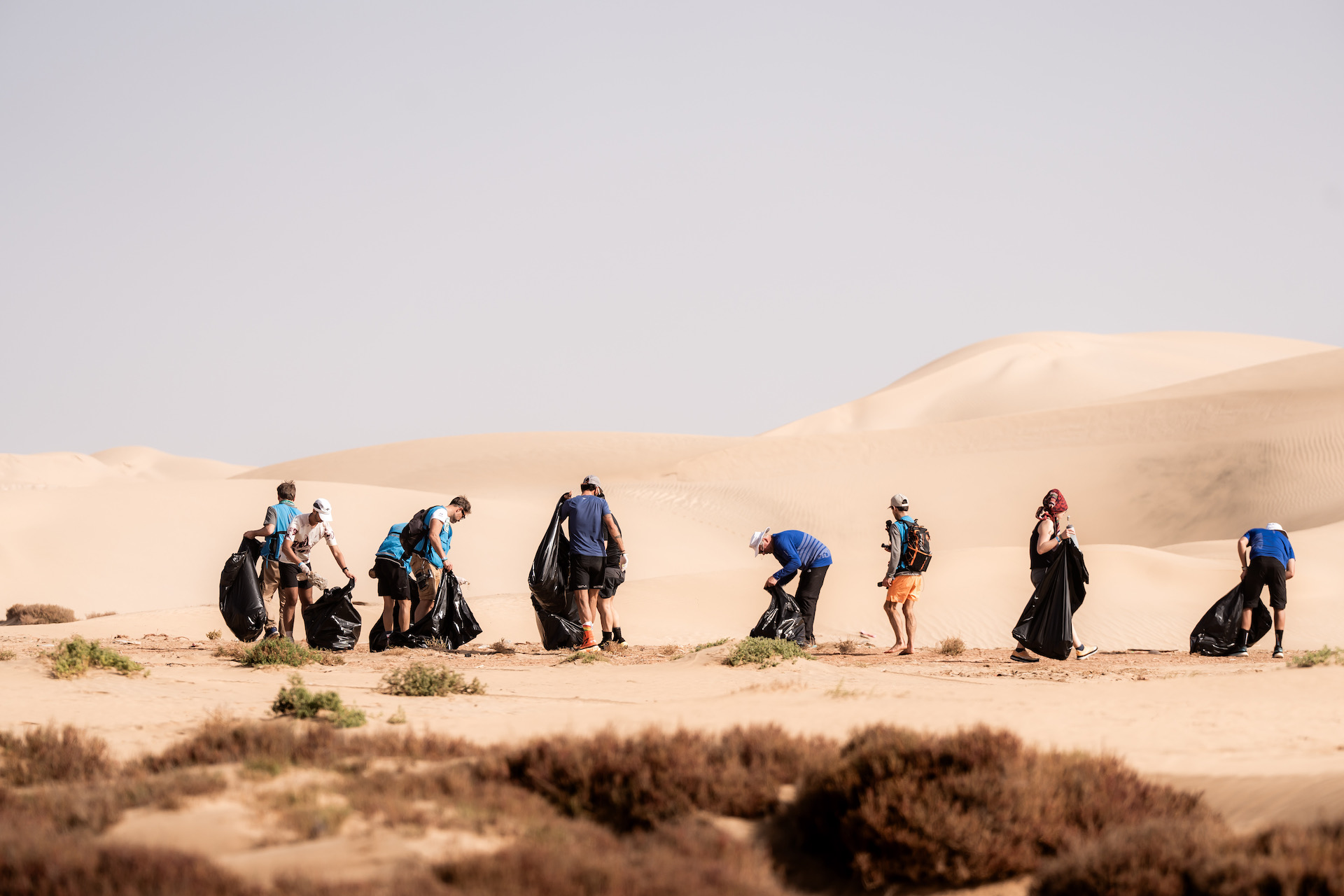
Photo by Ian Corless

Day 3 was a welcome rest day. The skies were blue, the wind gentle and the warmth of the sun relaxing. It was a leisurely and relaxed start to the day. At 1130, blue and orange coats with participants walked to the beach and on the way cleared away rubbish and notably huge amounts of plastic. We race in these magical places and sadly, littering and pollution is high. The ocean obviously washing in debris daily. It was a huge campaign and yes, we may have only provided a small dent in what is a very big problem, however, it felt good and the difference afterwards was noticeable. The remainder of the day was releaxed, as per usual, mid-afternoon, a cold and refreshing drink was provided and as darkness came, most were already in sleeping bags gaining valuable rest before the final day.
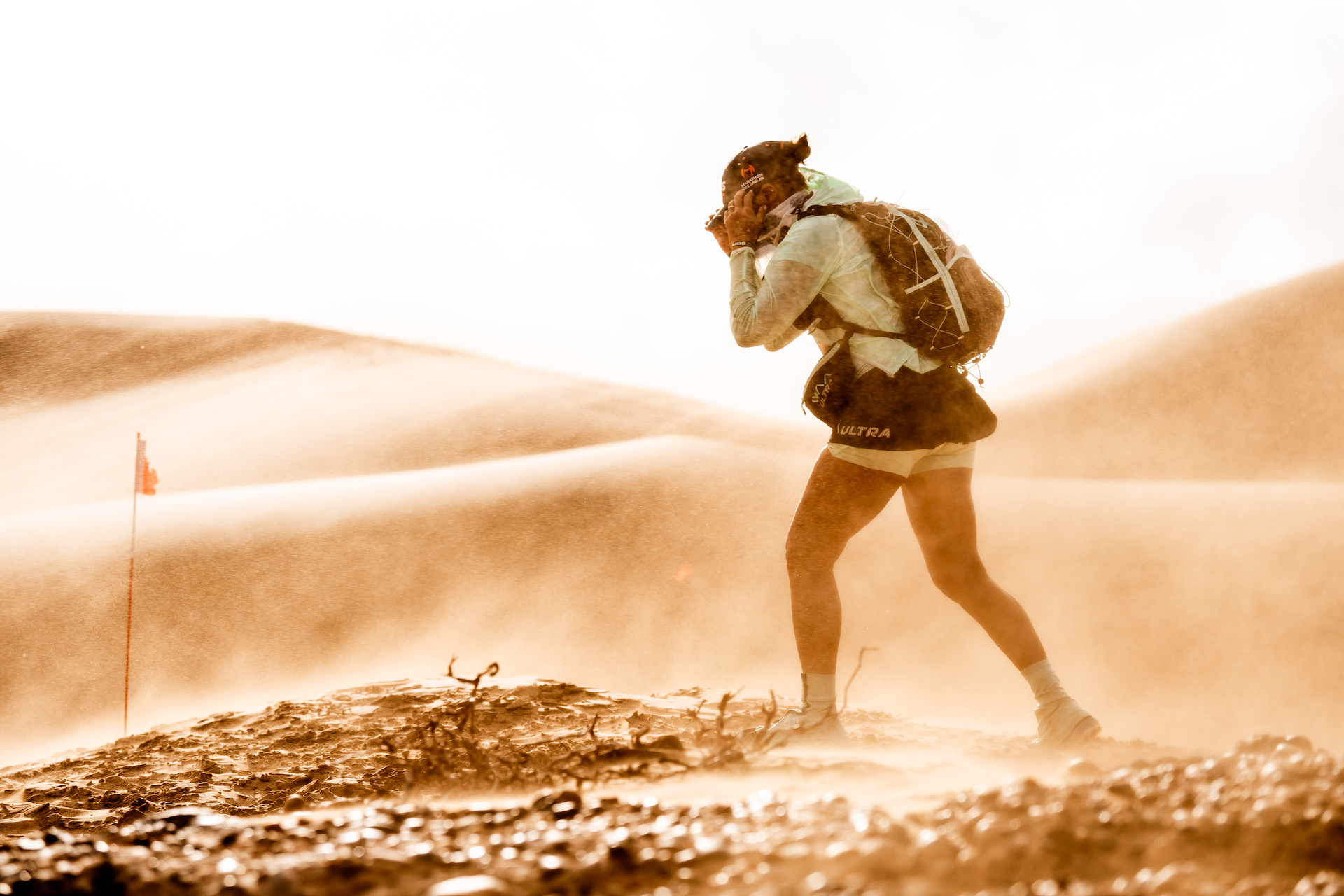
Photo by Ian Corless

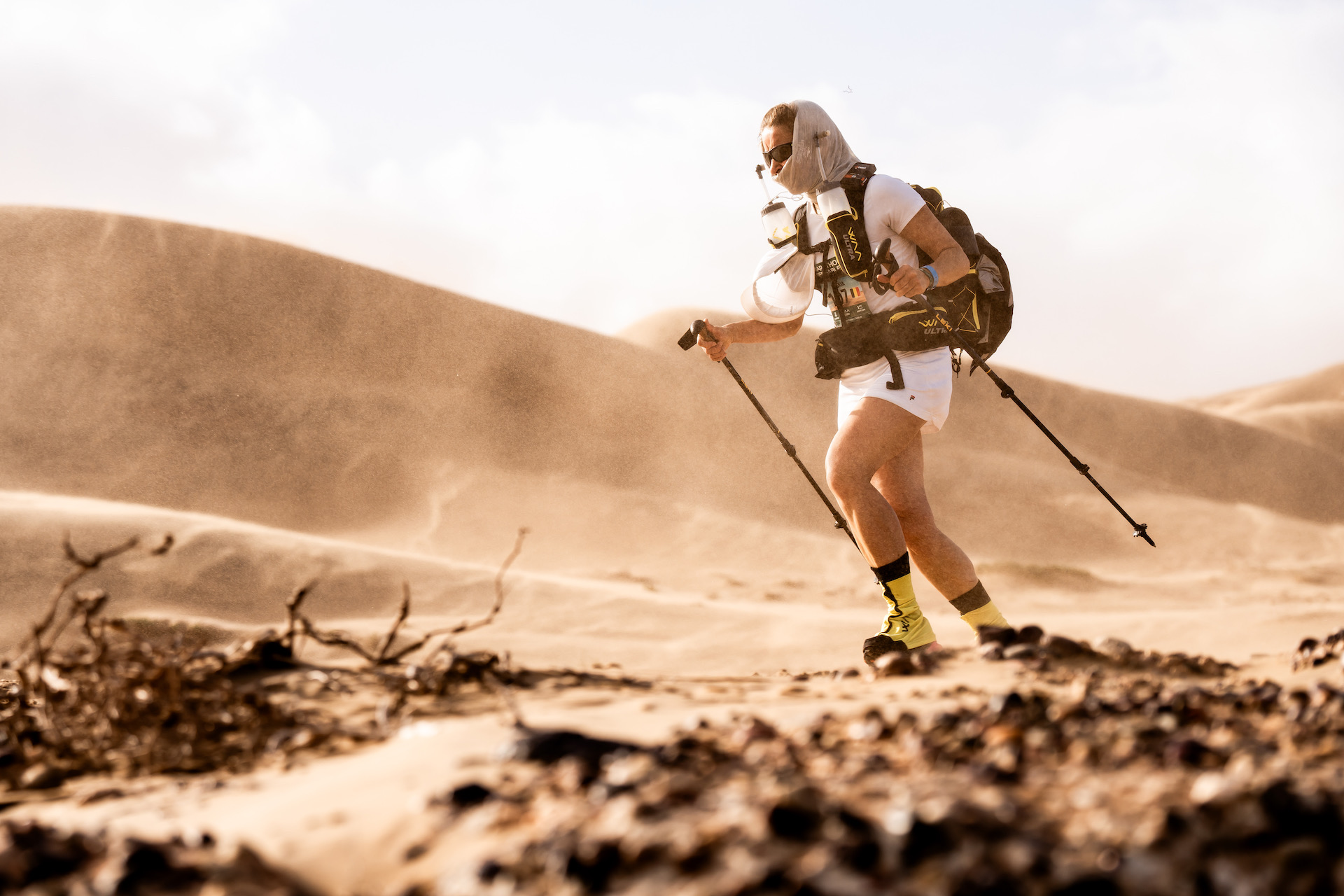
Day 4, stage 3 and what a start to the day, the wind was howling from the north bringing with it, at times, torrential rain. Runner’s were ready for the challenge though, with 2 starts, 0800 and 0930 for the top-25, the day got underway and gladly, by 0830 the rain stopped. However, the wind did not. The wind blew and blew, providing a constant headwind and relentless sand storms for the whole 27km’s. It was an epic and special day. Yes, it was hard but boy was it memorable. The joy, the emotion and the tears at the finish made the medal only more special. From the finish line, buses were waiting and as each was filled, they then departed back to Agadir for hotel comforts – shower, buffet dinner and a night in a bed with sheets and comfort. Stage summary HERE
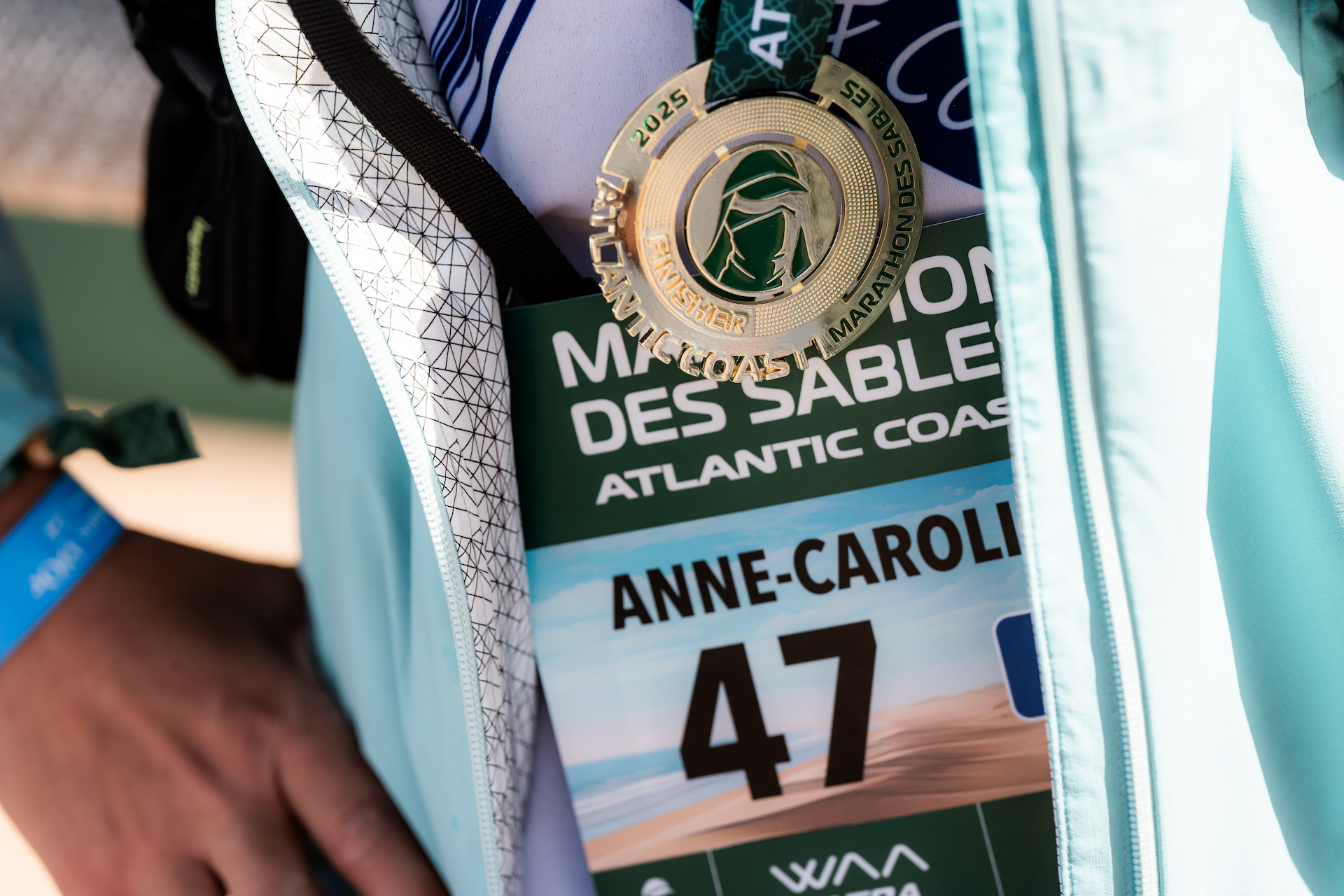
Photo by Ian Corless

The following day was one of relaxation. Dinner was served at 1900 and then followed at 2000 hrs with a closing ceremony, awards and the showing of the MDS Morocco Atlantic Coast movie. The atmosphere was electric, the feedback incredible, the emotion high, it was a very memorable ceremony that only confirmed the success of the event. An outdoor DJ and dancing concluded the night and brought to a close this first edition.

Saturday and onward journies home.

NOTES AND CONSIDERATIONS
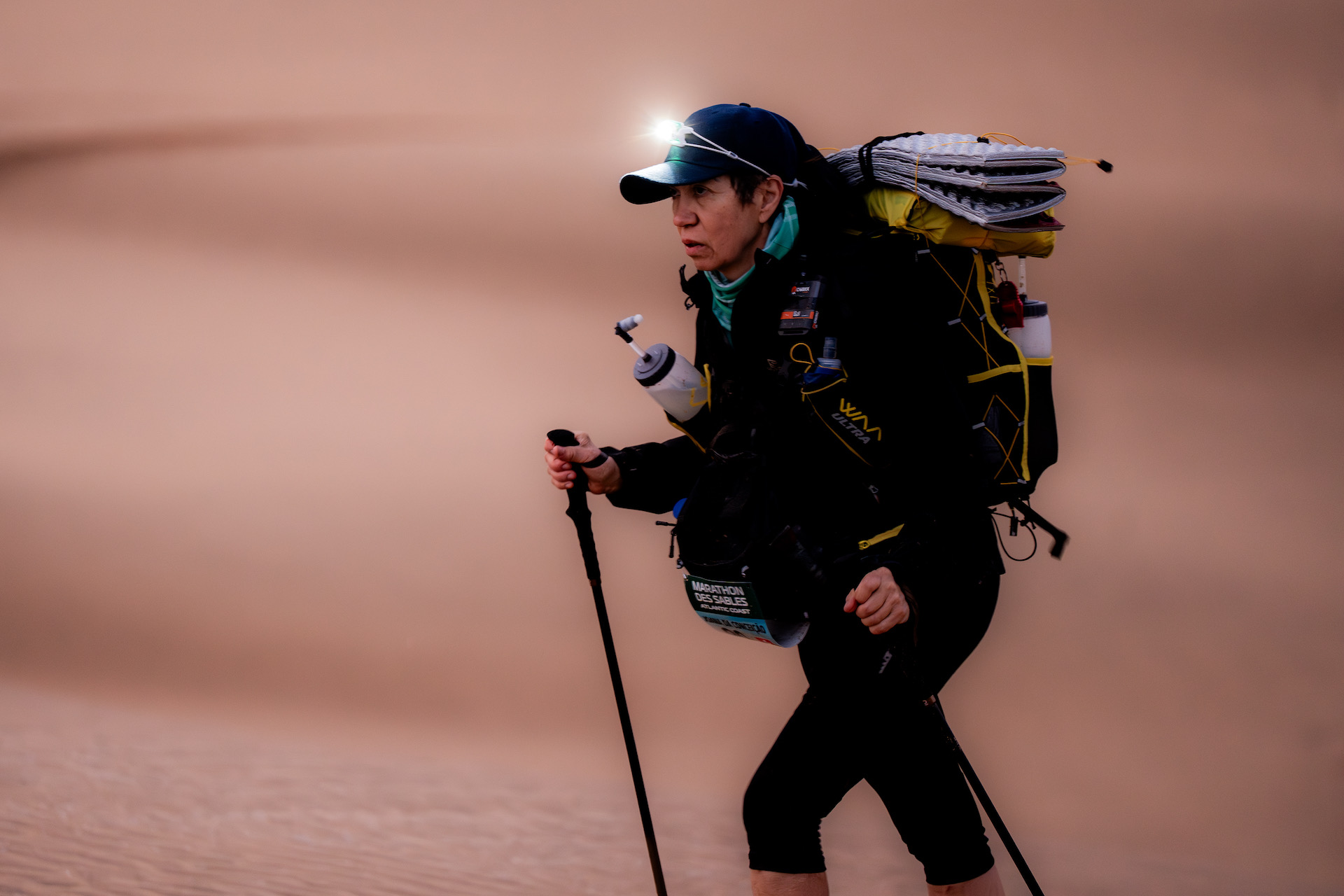
Photo by Ian Corless

MDS events are meant to challenge you both physically and mentally, some challenge more than others. MDS Morocco Atlantic Coast certainly falls in the latter category with challenging weather and varying temperatures. Having experienced 20 MDS events all over the world, my top-tip is ‘be prepared!’ Deserts are not always hot, they are not always dry and they are not always calm. Have with you a waterproof/ windproof layer, have with you a warm layer (lightweight down or primaloft jacket) and make sure you have eye protection. Trust me, those who did not have sunglasses or goggles for stage 3 suffered badly trying to move forward in a headwind for 27km’s.
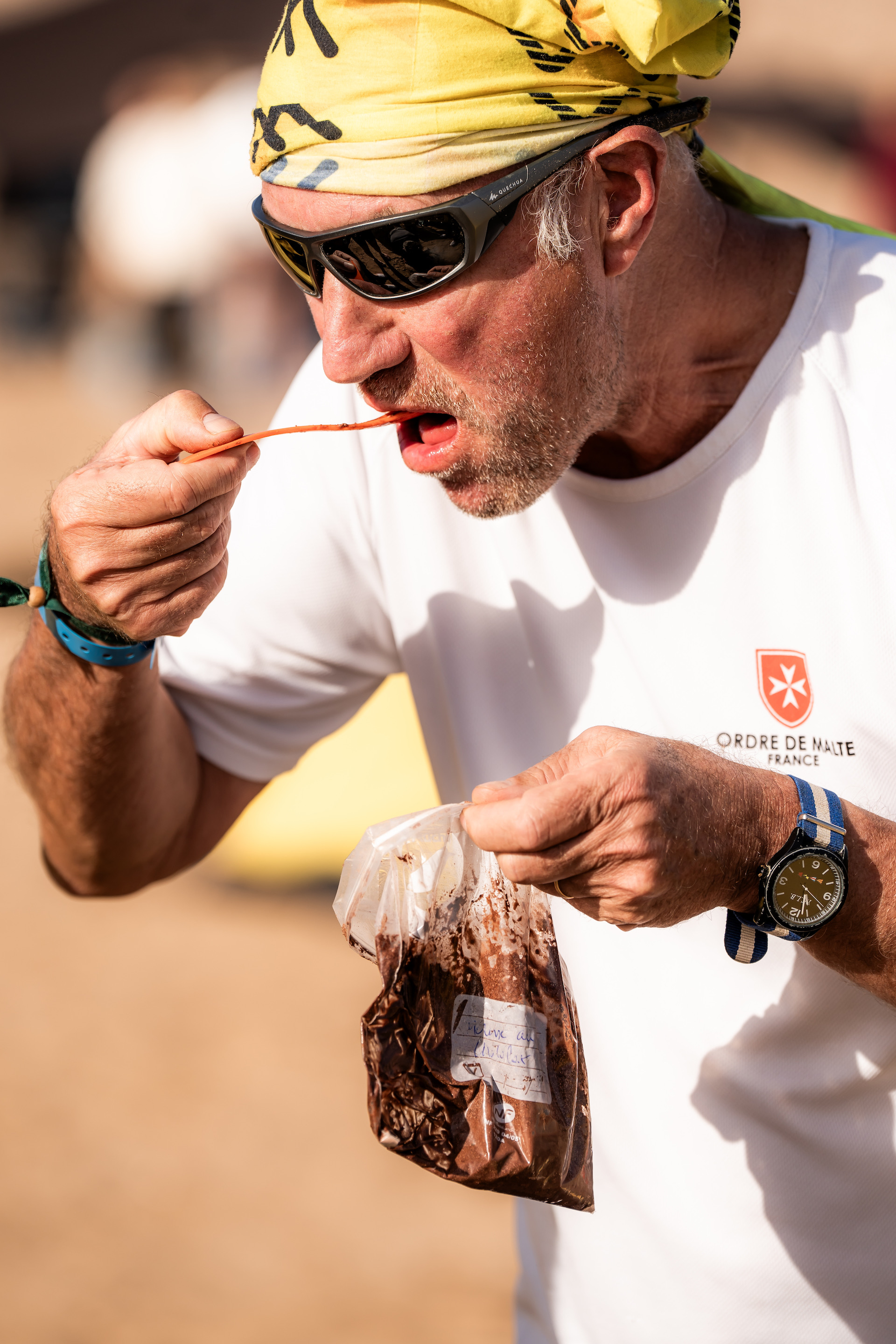
Photo by Ian Corless

Be prepared with a variety of food choices and undesrtstand that what tastes good at home, may not taste good the desert. A balance of sweet and savoury s good and take note, as days pass, the demand for sweet becomes less.
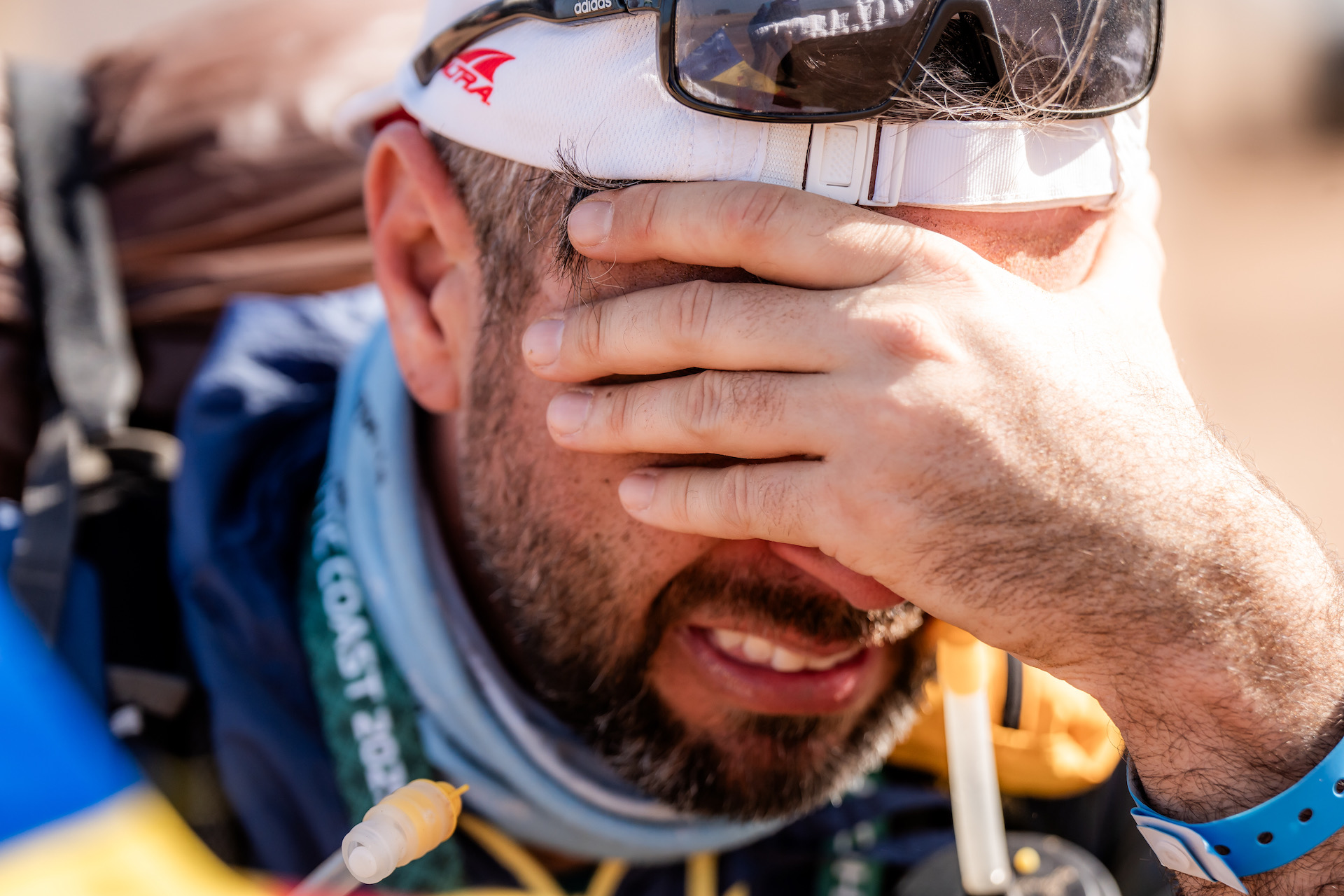
Photo by Ian Corless

Prepare the mind for the challenge. Understand the WHY you are doing the event and be prepared for anything. The body is an amazing thing that could do incredible things, however, it needs to work in harmony and synergy with the mind to achieve your goals.

CONCLUSION
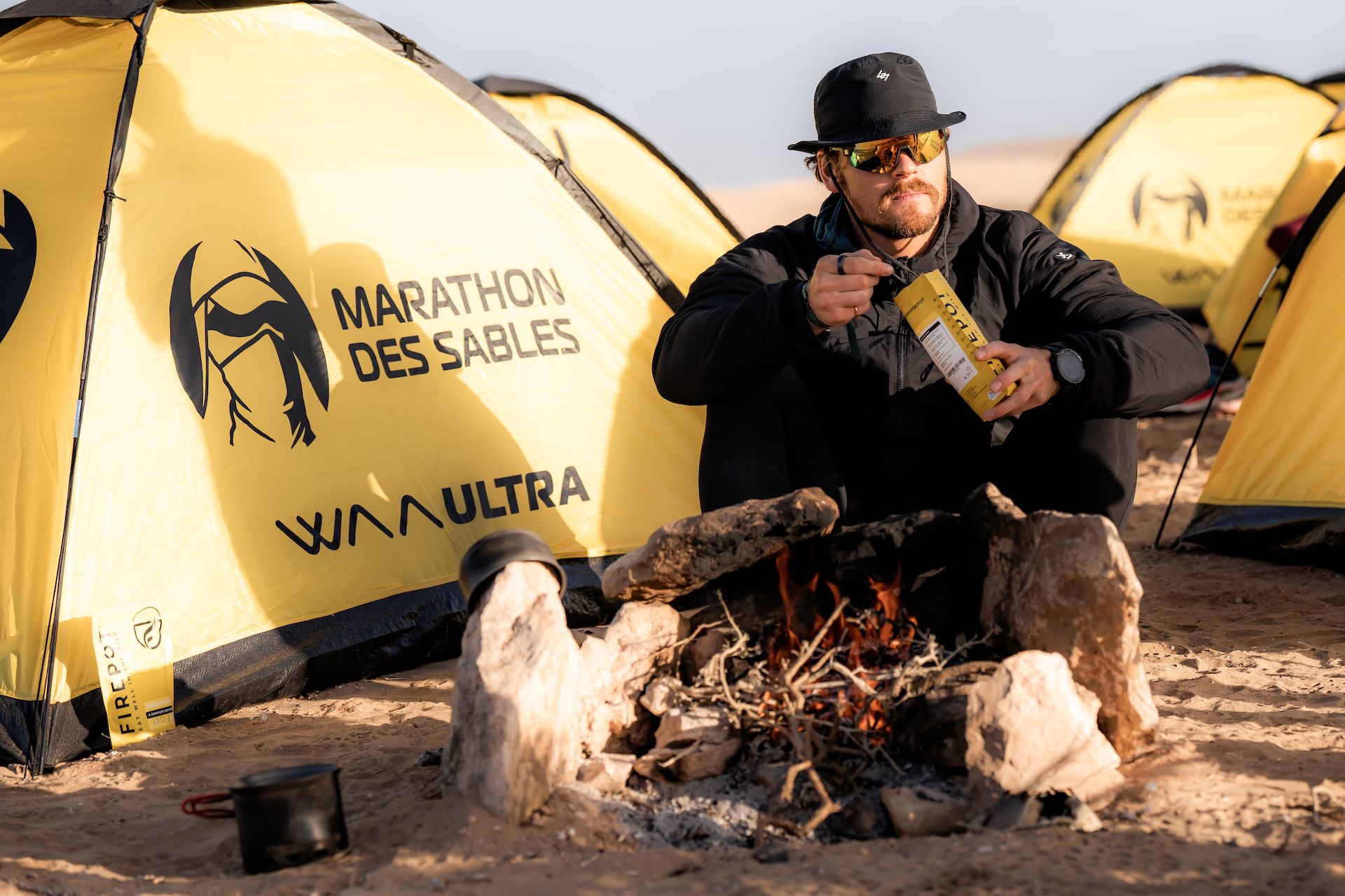
Photo by Ian Corless

MDS Morocco Atlantic Coast was a huge success. We were all tested by the weather but this only made the event more special and memorable. The MDS event team have called it the Viavaldi race as we had all four seasons. The Atlantic Coast brings something special to Morocco and in contrast to Legendary, MDS Morocco and MDS Trek, the terrain is different, unique and of course, the ocean as a backdrop is special. No doubt, this event will grow to become an MDS favourite. January is great timing, what a great way to start a year and globally, few races take place so early in the year making this an easy option for those looking for something special post Christmas.

Full race results HERE

Interested in an MDS event in 2025? A full calendar of dates and destinations are available HERE

Instagram – @iancorlessphotography

Twitter – @talkultra

facebook.com/iancorlessphotography

Web – www.iancorless.com

Web – www.iancorlessphotography.com

Marathon des Sables – The Legendary : 2025 DATES ANNOUNCED

Time to celebrate! Magdalena Klaus

Following on from the success of the 38th (2024) edition of Marathon des Sables – The Legendary (summary here), today the dates for 2025 are announced:

April 4th to 14th 2025.

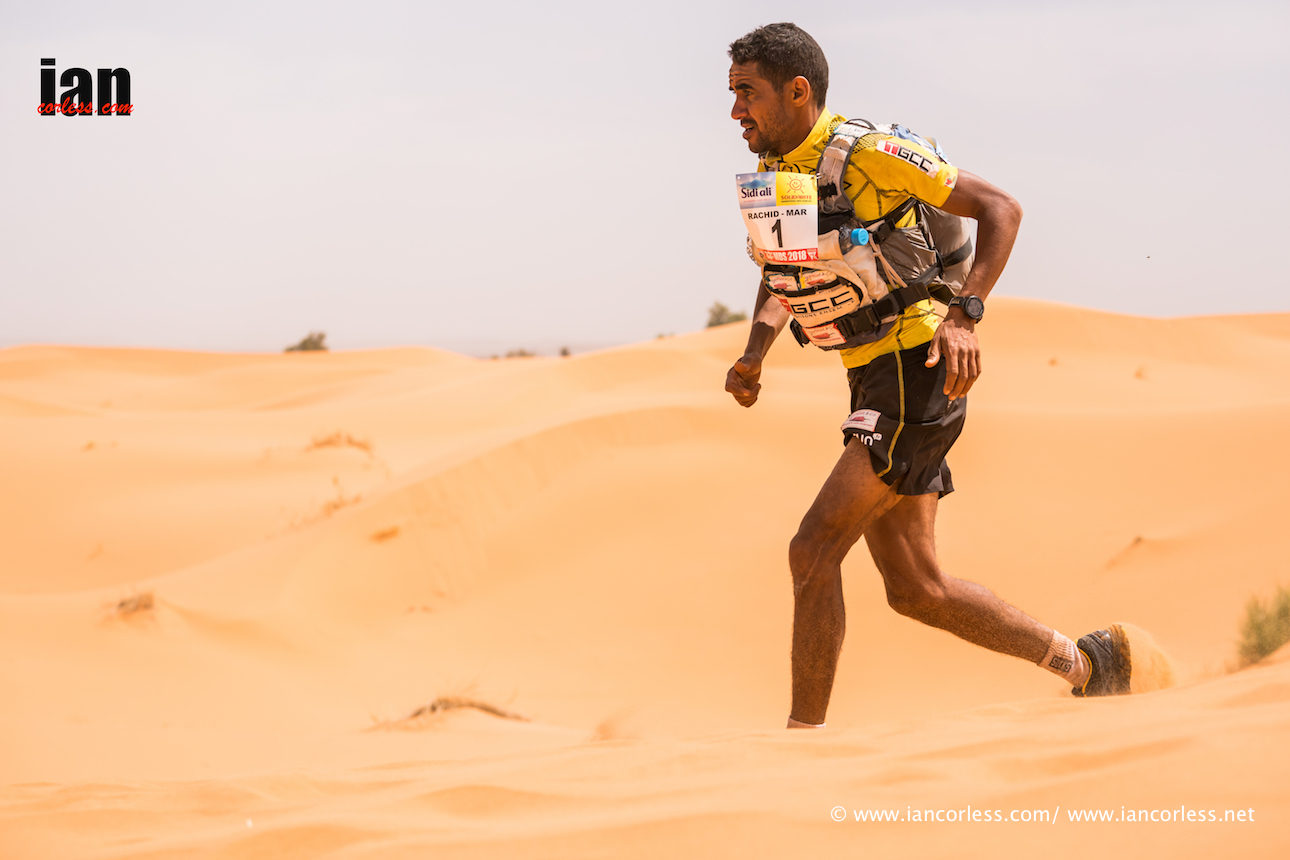
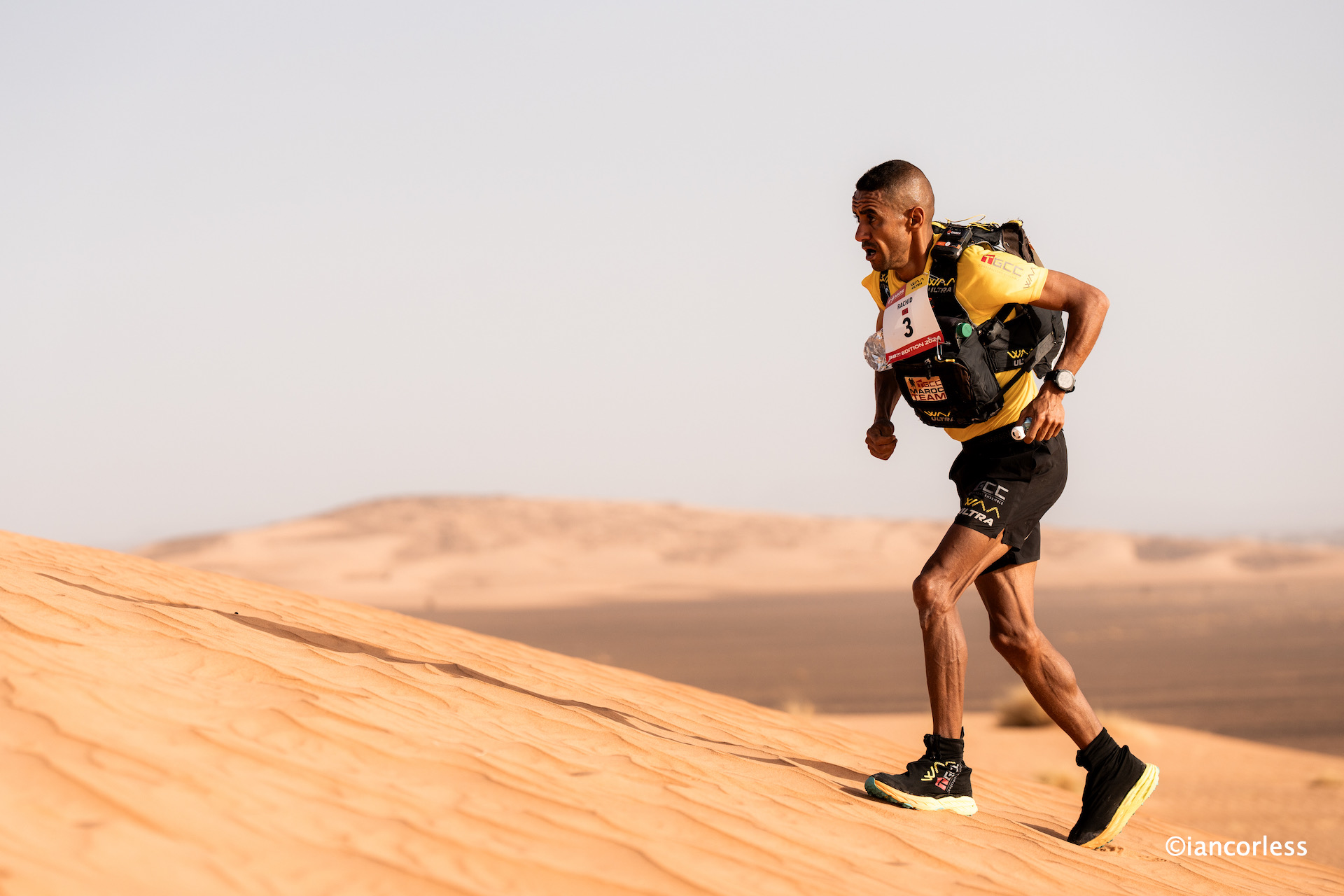
Will Rachid return in 2025 for an 11th title?

The timings will be as follows:

  • Apr 4 – Arrival in Morocco and meet in Ouarzazate for onward transfer to B1.
  • Apr 5 – Admin day.
  • Apr 6 – Stage 1
  • Apr 7 – Stage 2
  • Apr 8 – Stage 3 *
  • Apr 9 – Stage 3 continuation or rest day *
  • Apr 10 – Stage 4
  • Apr 11 – Stage 5
  • Apr 12 – Stage 6 and onward travel to Ouarzazate
  • Apr 13 – Free Day and Gala Evening Presentation
  • Apr 14 – Onward travel

* Based on ‘the long day’ coming on stage 3.

Currently, it is not possible to register for 2025, but entry will open on JUNE 19th 2024.

These are exciting times for the MDS brand and it is highly anticipated that entries for 2025 will flood in after the success of the most recent event which concluded just weeks ago.

Rajaa HAMDAOUA placed 4th in 2024.

WHAT IS NEW?

PRICE

Well, first of all, the price. For 2025 there will be no additional price for UK entrants. In past years, UK entrants have paid an increased price due to staying at the Berbere Palace Hotel. This hotel will now be an ‘upgrade package’ which will bring a smile to many a UK entrant, for multiple reasons.

PRICE FOR THE FIRST 500:

€3,690/person

and €3,890/person later.

THE UPGRADE PACKAGE with Berbere Palace Hotel

€4,090/person for the first 500

and €4,290/person later.

Both offers are available to everyone, regardless of their country of residence.

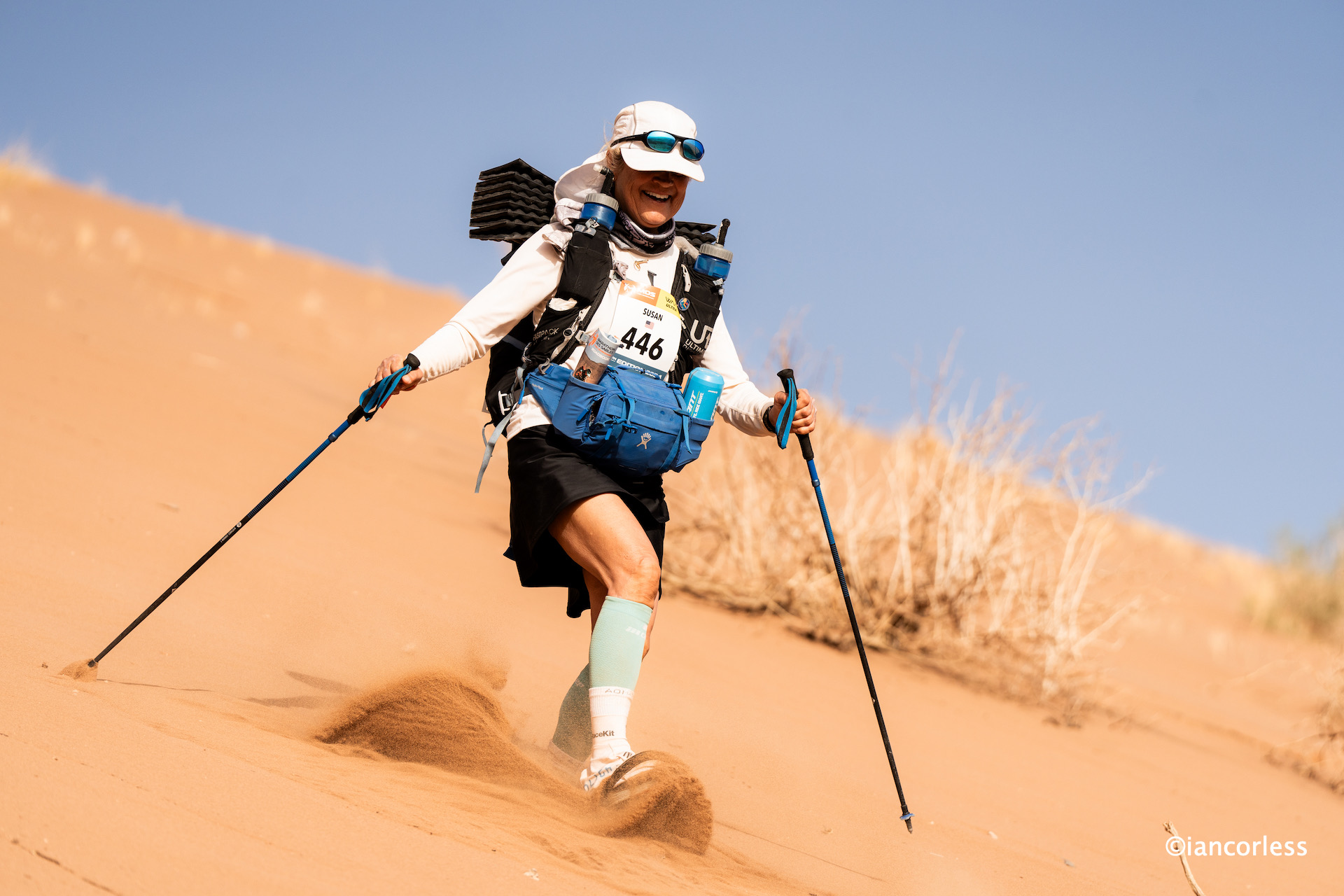
Susan Grimes from the USA.

NO CHARTER FLIGHTS FOR 2025

The meeting point will be in Ouarzazate on Friday morning, April 4, 2025.

Ouarzazate airport
Fly to Ouarzazate before the race and spend one or more nights in a hotel at your expense.

Marrakech airport
Fly to Marrakech the days before the race and go by *shuttle to Ouarzazate.

*Shuttles will be organized on the morning of April 2 and 3, 2025, between Marrakech and Ouarzazate (5-hour journey).

Timetable for the Marrakech / Ouarzazate shuttles on April 2 and 3 :
07:00 am: From the center of Marrakech (meeting point at the Kenzi Rose Garden hotel).
10:00 am: From Marrakech airport.
12:00 pm: From Marrakech airport.

The return trip at the end of the MDS follows the same logic.

If you wish, you can take advantage of the bus service provided between Ouarzazate and Marrakech. These buses will leave Ouarzazate at 06:00 am on April 14, so you’ll need to book a return flight from Marrakech after 2:00 pm.

A unique experience

THE EVENT

Will remain similar to the 2024 38th edition and in summary:

The total distance of the MDS The Legendary will be about 250km’s, divided into 6-stages. The exact route and distances are given at the latest in the road book which is distributed in Morocco on arrival and transfer to bivouac 1.

Self-autonomy (food) is required from immediate arrival at B1 and then race self-autonomy starts at the beginning of stage 1.

The 2024 edition was as follows:

  • Stage 1: 31,1 km
  • Stage 2: 40,8 km
  • Stage 3: 85,3 km (the 3rd stage takes place on 2 days)
  • Stage 4: 43,1 km
  • Stage 5: 31,4 km
  • Stage 6: 21,1 km
CP’s with water and iced water to cool the runner.

The MARATHON DES SABLES – The Legendary is a self-sufficient adventure. Competitors must carry all their equipment and food, except the water and the tent. Check-points are located approximately every10 km. Post stage, participants receive a water ration when arriving to the bivouac, for the evening and the morning.

REGISTRATION OPENS JUNE 19TH HERE

Experience the magic of Morocco and the Sahara.

NEW CANCELLATION POLICY

Have peace of mind and benefit from free postponement insurance up to 7 days before the event, included in your registration.

A mythical crossing of the desert, 11 days of adventure in Morocco, including 9 days in the desert, a course of about 250 km divided into 6-stages, to be done by walking or running.

MARATHON DES SABLES The Legendary an extraordinary race and adventure.

The elation of the finish

Taking place in the southern Moroccan Sahara since 1986.

Follow on:

Instagram – @iancorlessphotography

Twitter – @talkultra

facebook.com/iancorlessphotography

Web – www.iancorless.com
Web – www.iancorlessphotography.com

Image sales –www.iancorless.photoshelter.com

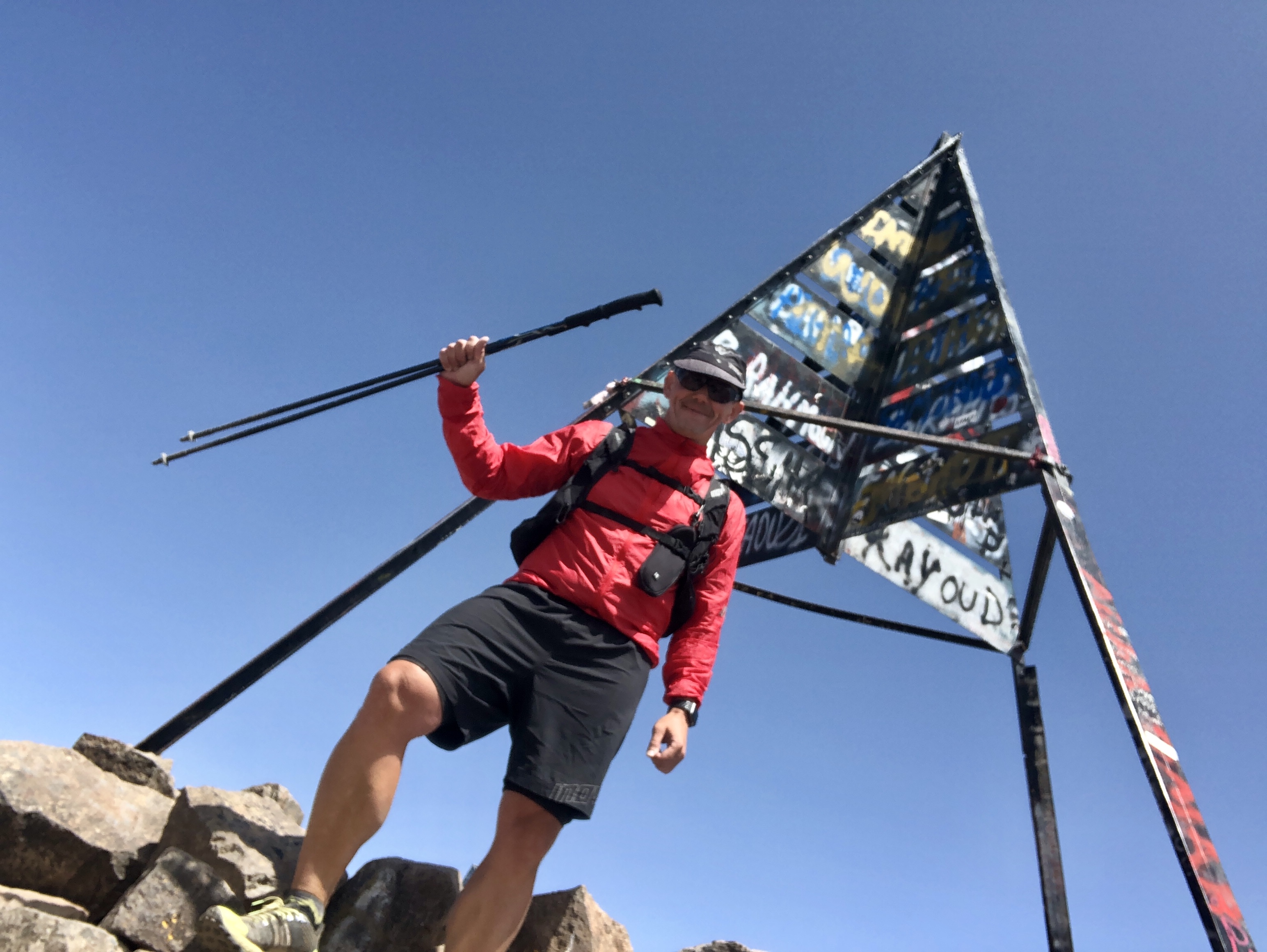
Mount Toubkal, Morocco – Embrace the highest peak in North Africa

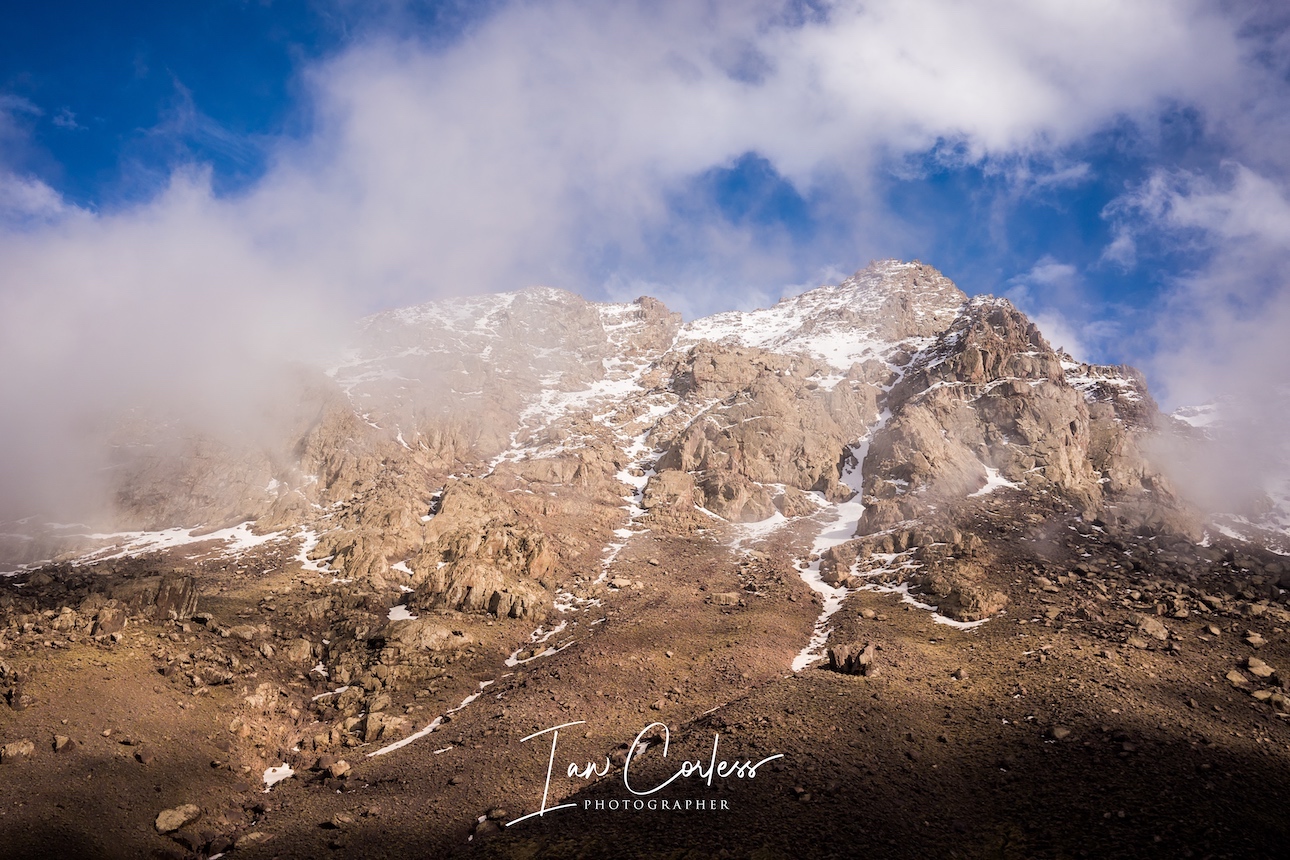
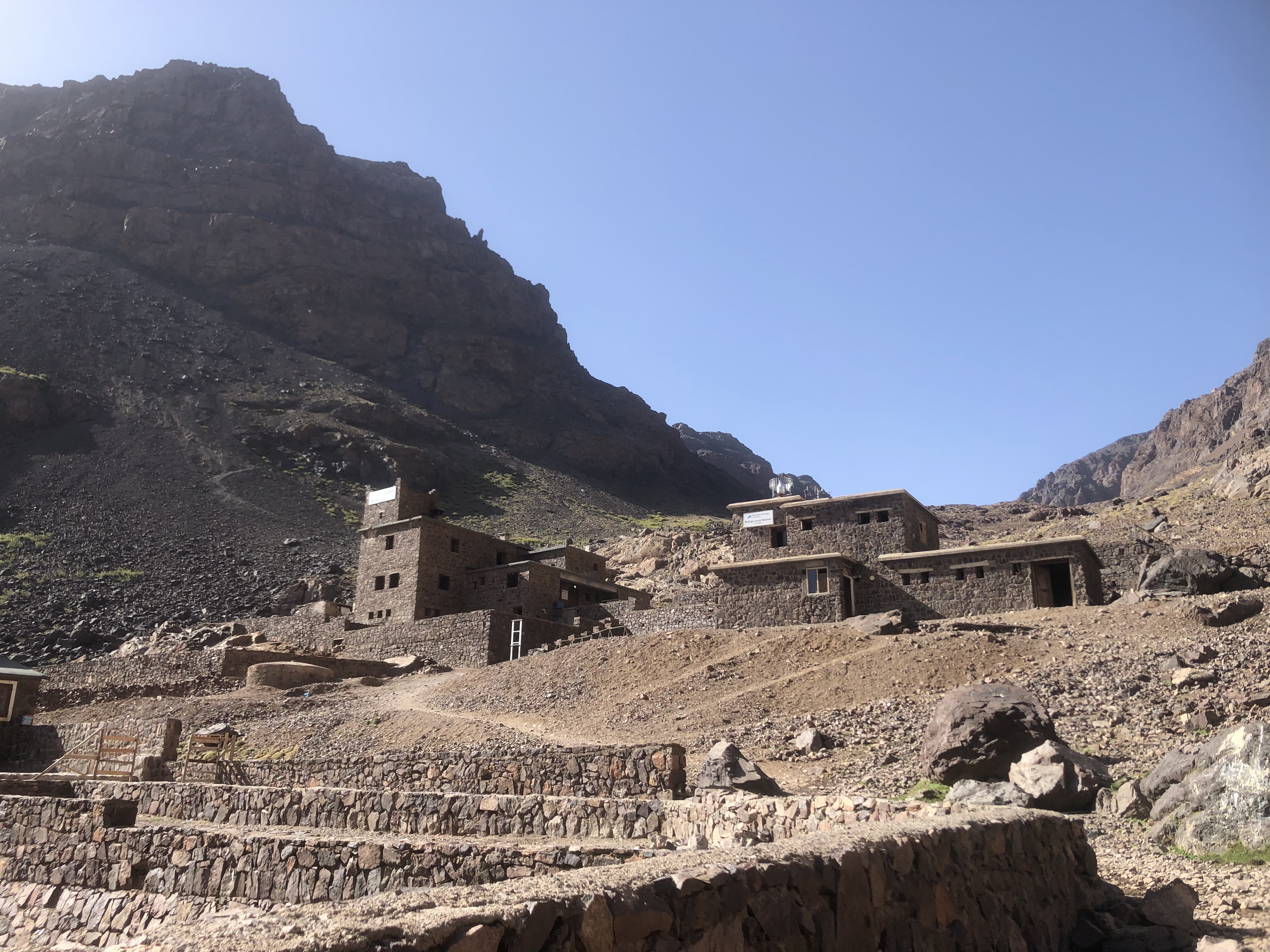
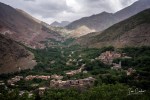
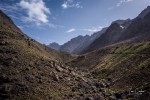
Located in the Toubkal National Park, Morocco, at 4167m, Jebel Toubkal is the highest peak in the Atlas Mountains. It is also, the highest peak in North Africa and the Arab World.

Located just 75-minutes drive from Marrakech (approximately 40-miles) the National Park and the Toubkal summit has long been an excellent opportunity for those looking for a challenge, either for a specific purpose or as an add-on to an active holiday. As ultra-running, mountain running and the desire to explore new places grows. Morocco and Toubkal is a great place to adventure. Toubkal is considered by many as a great entry level mountain and it’s altitude is a great allure.

Toubkal has two-seasons, Winter and Summer. In winter, summiting the peak brings different challenges as it is completely covered in snow and ice. Winter mountain skills are required and the use of crampons are essential.

So, in this article, we look at Toubkal as a summer adventure and in due course, I will follow up with a Winter article.

PRACTICALITIES

Flights to Marrakech are in abundance and if you plan ahead, you can get very good deals, particularly from some of the budget airlines.

If you have not been to Marrakech before, I would say it is essential to soak up the atmosphere of the place by staying in the Medina (souk) in a typical Riad. Riad’s are standard Moroccan accommodation and like anywhere, you can go cheap or expensive. I have several favourites. My all time favourite, the ‘Dixneuf La Ksour’ (http://www.dixneuf-la-ksour.com ) which has only 6-rooms, excellent staff and they serve wonderful local food in the evenings and they have a licence to serve alcohol, if that is your thing!

My advice would be, arrive Marrakech and then spend two days sightseeing. Visit the Medina, get lost and haggle for a bargain. On the following day you could visit the Yves-Saint-Laurent Museum (https://www.museeyslmarrakech.com/fr/ ) and the Jardin de Marjorelle (https://www.jardinmajorelle.com)  both worth the effort. There are many other things that one can do, but this is a good starting point. You could then go to Imlil/ Toubkal for your adventure and the return back to Marrakech for another day or two before returning home.

TOUBKAL

Depending on your budget, you can either get a taxi or a private car to the village of Imlil. This is the starting place for all summit attempts. A taxi will be 35-40 euro and private car 80 euro.

OPTION ONE:

This is a standard option for Toubkal, and what most people do on a first attempt.

They leave Marrakech after breakfast, looking to arrive Imlil, say for 11am. You then meet your *guide, have tea (nearly always compulsory) and then leave for the refuge.

*A guide is now compulsory in the National Park and you cannot enter without one. There are currently three checkpoints that you go through and on each occasion your guide must provide your passport and the details are logged.

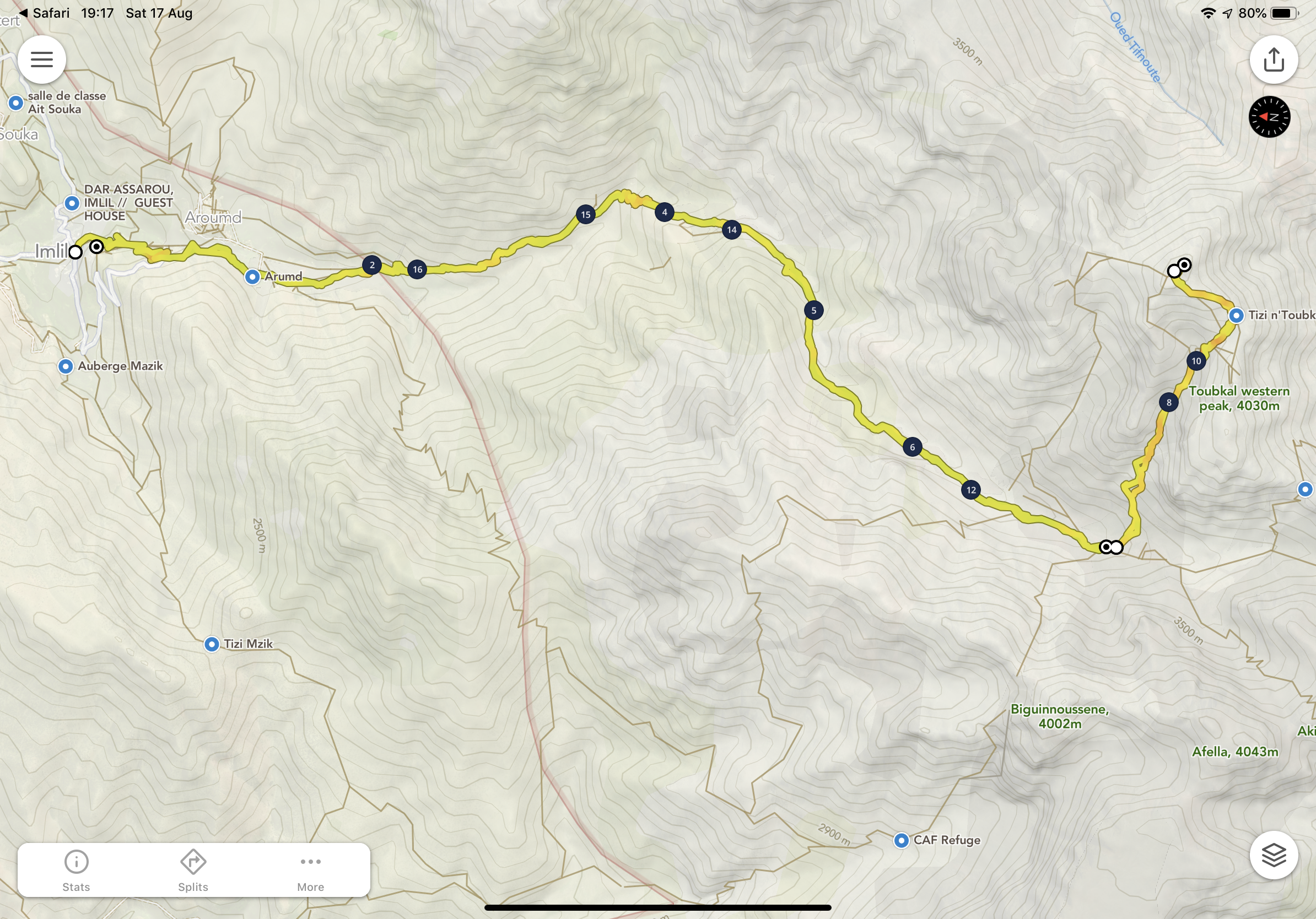
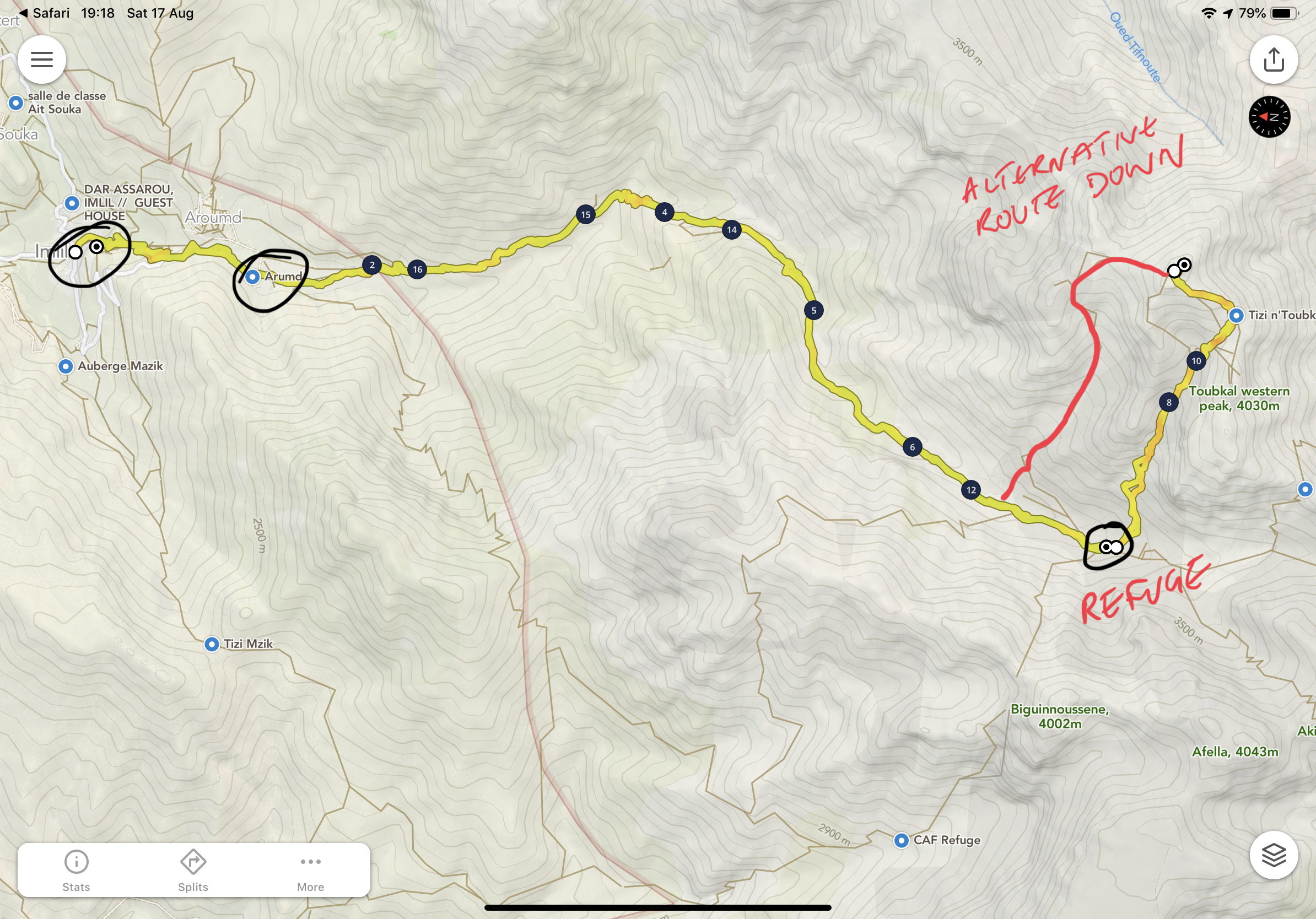
Imlil to the refuge is designed to introduce you to the terrain and slowly adapt you to the altitude. Imlil is at 1800m and the ‘Les Mouflons’ refuge is at 3207m. Depending on experience and adaptation, Imlil to the refuge can take 3-6 hours. 

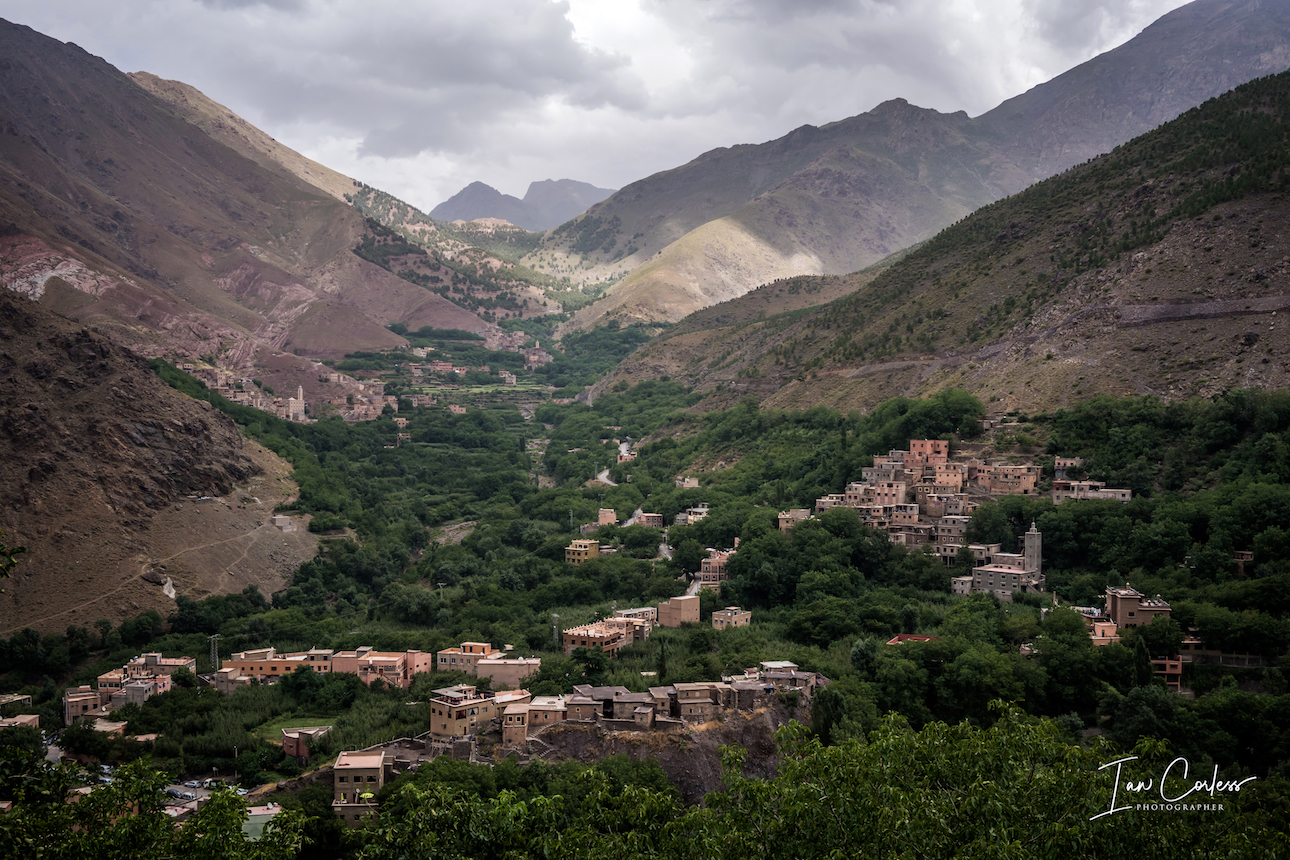
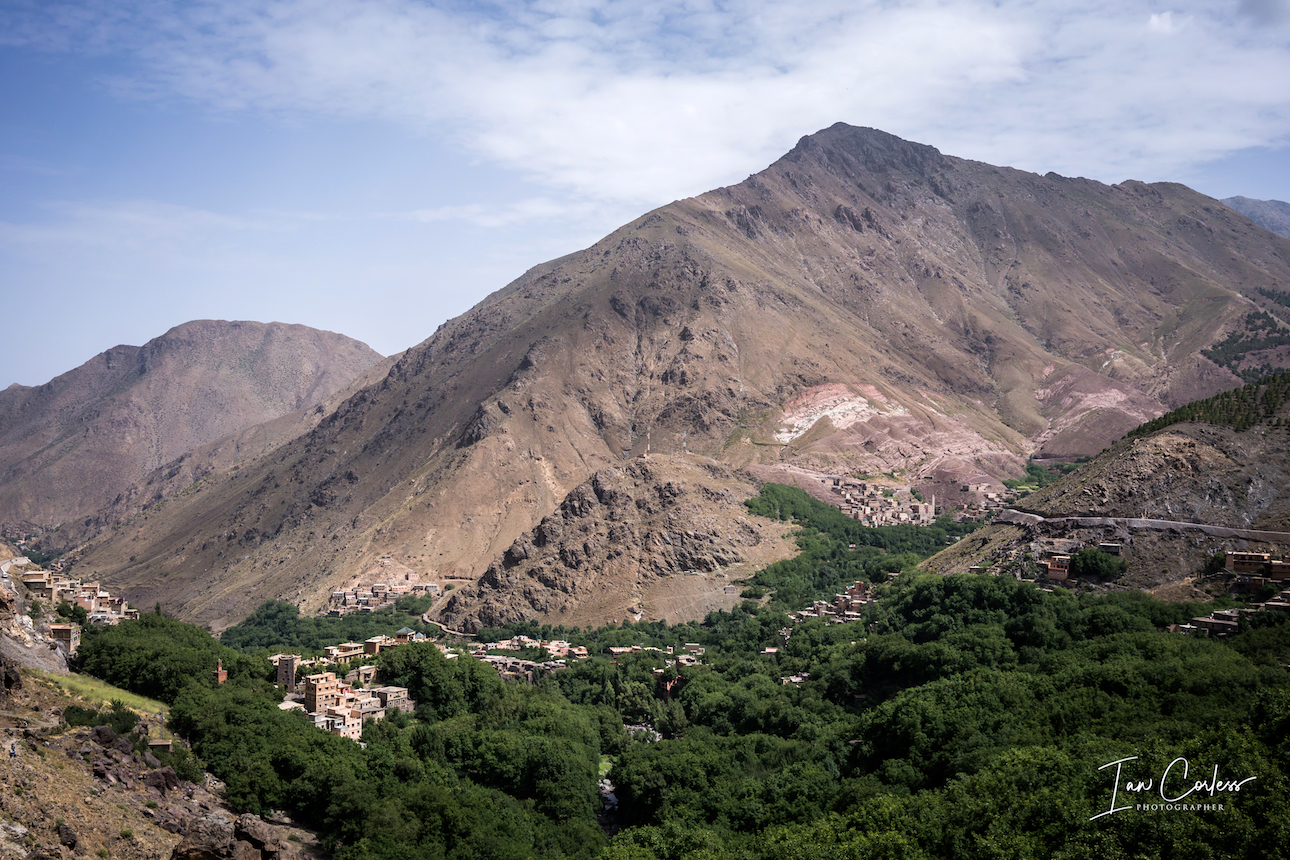
Leaving Imlil, you have a narrow trail that rises quickly to a road and then the village of Aroumd. Here you will meet the first passport control and then you cross a floodplain before starting the climb to the refuge. The terrain is rocky and rough but not dangerous.

Chamharouch is the next passport control and here you will see a large white rock that is a Muslim Shrine. Here it is possible to get water, food if required and soft-drinks such as Coke.

The path now climbs steeply and gently reaches upwards, once again the terrain is rocky. You will arrive at two disused building that now sell drinks and here is the 3rd and final passport check. Before you know it, you will arrive at the refuge located at 3207m.

Depending on what you have arranged with your guide, you will have a meal at the refuge and then you will stay in a shared dorm with all the other climbers. These dorms are often unisex, so be prepared. You also need to be self-sufficient in terms of sleeping bag, additional clothes and warm layers. Everyone usually sleeps by 8/9pm.

The summit day will typically start at 0400 with breakfast and the intention will be to start the climb asap. Sunrise is approximately 0700, so, depending on your projected speed, the guide will advise on a departure time so you can climb from 3207m to 4167m.

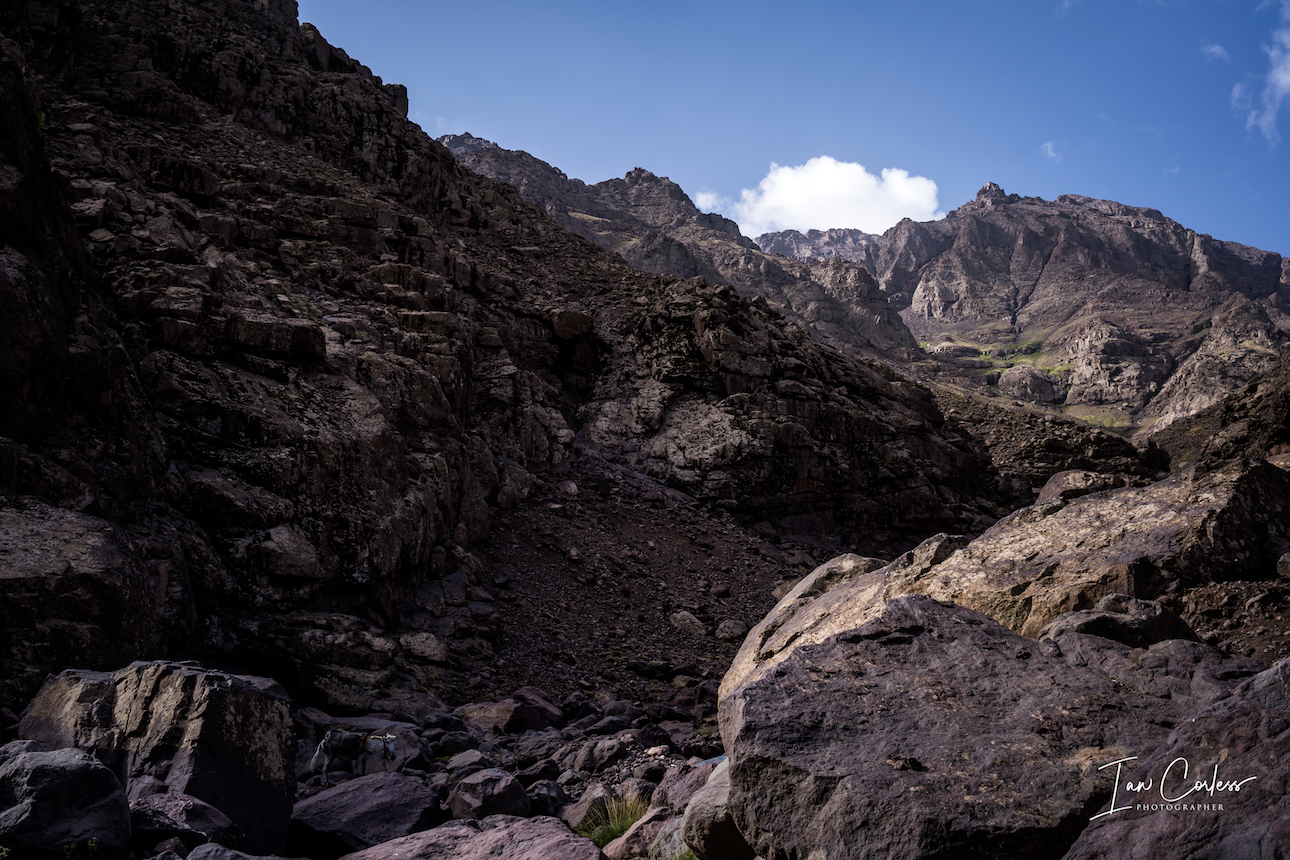
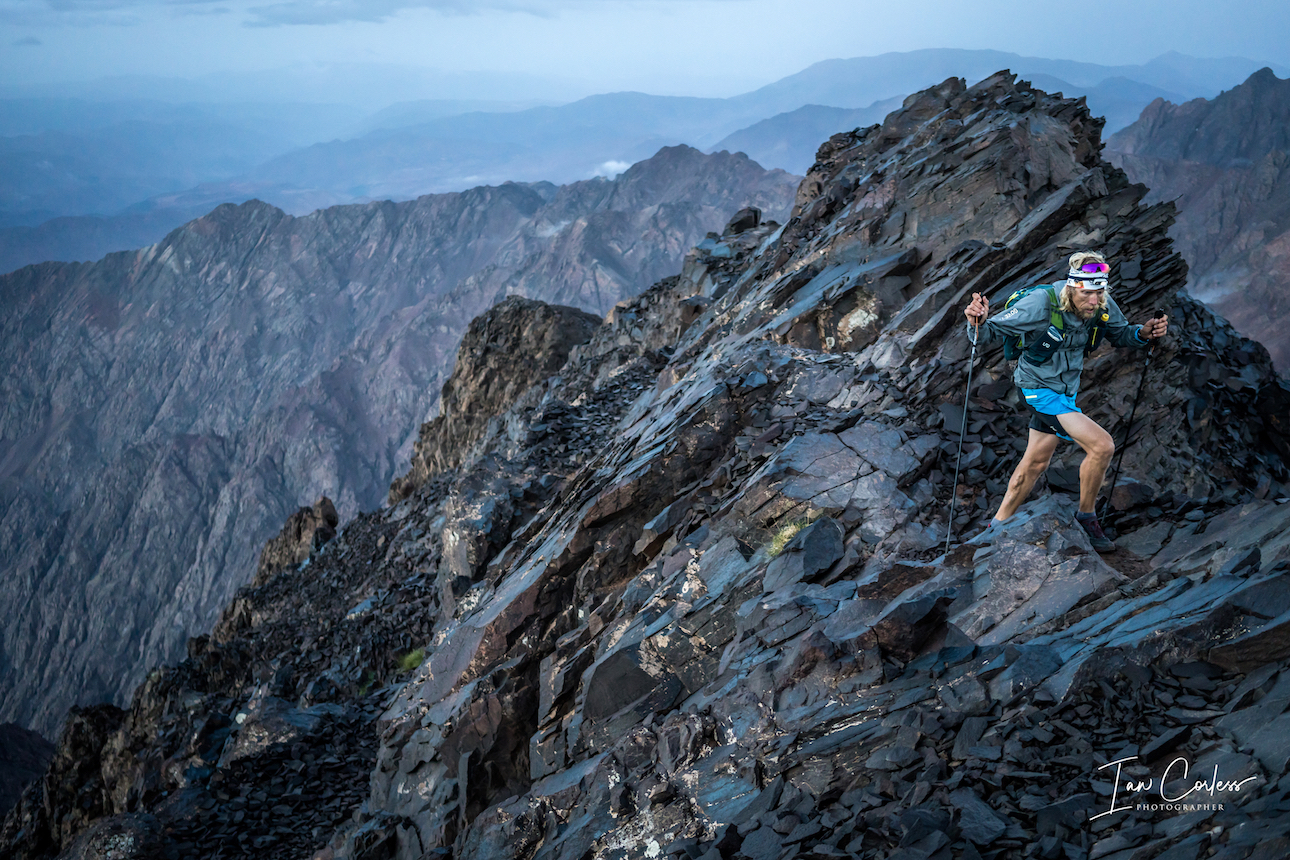
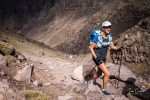
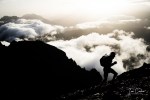
In summer, the trail is very dry and although not a technical climb, Toubkal does have a great deal of loose scree and rocks. With the addition of the demands of altitude, the climb can provide an excellent challenge for someone new to experiences like this. Or, experienced runners and climbers can use it as a form of training. The trail goes straight up often zig-zagging to ease the gradient. Once at the saddle, the trail goes left and right. Here you go left for a final push to the summit. On a clear day, the views are magnificent and if you time it correctly, the sunrise can be truly magical.

Importantly, be prepared for the cold. It may be 30-40 degrees in Marrakech but the summit can be very cold and windy. Make sure you have wind proof jacket/ trousers, warm layer, hat and gloves as a minimum.

Most arrive at the summit between 0700 and 0900, you spend time soaking the views and taking photos and then return via the path you came. (There is another way down, more on that later!)

Descending becomes easier from an altitude perspective, with every meter you go down, the easier it will become to breathe. However, I think many find the descent harder and more challenging than the climb. This is due to the loose scree and rocky terrain. If experienced, one can drop from the summit to the refuge in 60-75 minutes. However, many eek their way down and falling/ slipping is a very real possibility. To clarify, there are no exposed ridges or real danger. It will just be a slip and a slide.

Once back at the refuge, many take a break for lunch and they will look to descend back to Imlil in the afternoon via the exact same route they went up the previous day. The out and back route is approximately 22 miles.

Once back in Imlil, it makes sense to book a local Riad, they are very inexpensive and serve great Tagine. The following morning you can arrange for a taxi/ car to collect you and you will be back in Marrakech for lunch.

OPTION TWO:

If you are experienced or want a challenge. Imlil-Toubkal-Imlil can be done in one day. I have done this twice now, once in Winter and once in Summer.

Most recently (August) I left Marrakech at 0530. I met my guide at 0700. We summited at midday and I was back in Imlil before 4pm in the afternoon. I had a car collect me and I was back in Marrakech before 7pm.

The above is not for everyone, but for me, it was an ideal opportunity to fit an action packed day between holiday days, before and after in Marrakech.

OPTION THREE:

As option two, but from the summit it is possible to take another route down. This is a more challenging descent with some exposure, very loose scree and lots of technical rocks. In terms of distance, it is maybe a little less than the standard up and down route but it does offer more excitement! I took this route down on my first trip to Toubkal. It rejoins the path up to the refuge below Les Mouflons.

EQUIPMENT:

During the day, shorts and t-shirt is ideal for the climb to the refuge. Shoes should be good trail running shoes with toe protection. Hikers will probably use walking shoes, approach shoes or boots. I used VJ Sport MAXx shoes which were perfect on these trails. You will need a pack and in that pack a change of clothes, warm layers, a sleeping bag and the capacity to carry liquid and some snacks. Refuge to the summit and back can be cold and windy. Be prepared with a Primaloft warm layer, gloves, hat and wind proof pants and jacket. It is recommended to have waterproof (just in case!)

I think poles for most people are an essential item. They will considerably help on the climb up and on the descent, they will add a security blanket.

TIME OF YEAR:

August for me is perfect. Marrakech is hot but has less tourists. Expect 30-40 degrees during the day. Imlil to the refuge, temperatures will be somewhere between 15 degs at 0700 and 30 deg in the afternoon. May can still have snow, so, be careful.

BOOKING:

The refuge at Toubkal is a great place to liaise with in regard to booking. 

refugetoubkal@gmail.com  – Liaise with Hamid.

Refuge Tariffs:

34.5 euro per person per night full board ( Dinner, breakfast and lunch )

29.5 euro per person per night half board ( Dinner and breakfast  )

19.5 euros per person per night ( without meals )

The refuge can also arrange the following for you:

Transport from and back to Marrakech

Accommodation in Imlil

Mountain Guide – A guide will be approximately 80 euro per day and is payable in cash only.

IMLIL HOTEL:

The Riad Atlas Prestige is located on the climb out of Imlil. It’s cozy, provides an excellent service and the food is great. It also very inexpensive at typically 30 euros a night for 2-people.

The hotel is on booking.com or you can contact directly +212 666 494954

SAFETY:

Morocco is safe. I have been travelling in different areas for over 7-years and I have always had a great time with wonderful experiences. Of course, there are cultural differences and as a tourist, it is we that must adapt. Women in particular should consider ‘covering up’ a little more, particular if running. But, in Marrakech, there are so many tourists that pretty much anything goes. Taking photographs, one should be careful. The locals really do not like it, and this I know from first hand experience.

Unfortunately, in December 2018 two girls were murdered between Imlil and Toubkal and this created a stir worldwide and locally. Hence the need for a guide and three passport controls now. I cannot emphasise enough that this incident was a one-off and to clarify, I have been back to Morocco and Imlil twice since this incident and at no point was I worried.

CONCLUSION:

An active weekend away or part of a longer trip to Morocco, Imlil and Toubkal is a real adventure and is highly recommended. For example, it would be quite feasible to fly from the UK (for example) on a Friday and return on Monday having visited Imlil and summited Toubkal over the weekend.

For those with more time Imlil is also a great place for a longer stay. There are many trails to explore in the area and the place is a hidden gem.

For those combining holiday and adventure, Imlil and Toubkal is a great active outlet amidst a more relaxed time in Marrakech. If you are planning to be in Morocco for longer than 7-days, also consider heading to the coast to visit Essaouira which is a 4-hour drive. It’s an old place with a very different feel to Marrakech. Of course, the options are only limited by your imagination and budget – it is also possible to go and stay overnight in the desert and have a bivouac experience.

As destinations go, Morocco is a magical place.

Ultra Mirage El Djerid 100k 2018 Preview #UMED

The Ultra Mirage El Djerid 100k #UMED rolls closer. Now in its 2nd edition, this 100km desert race based in Tozeur, Tunisia, North Africa looks set to be a great edition of the race.

The 1st edition had just 60 runners from 12 countries, for 2018, these numbers have escalated to over 150 and a remarkable 20+ countries.

Tozeur is the main city of the Djerid, it is very well known for its stunning surroundings with a mixture of rocky mountains, valleys, salt lakes and desert dunes. The Ultra Mirage© El Djerid (UMED) is the first 100km Ultra Trail taking place in the stunning Tunisian Sahara Desert.

The diversity and the beauty of the Djerid makes it a major attraction for tourists from all around the world. In particular, its connection with the movie industry. The race starts at the location of Luke Skywalker’s home in the original Star Wars movie (more HERE).

 A single stage race that takes runners across a wide diversity of terrains, ranging from soft sand, small dunes, rocks, dried river beds and oasis. Runners will have 20 hours to finish the race with very specific deadlines to reach each of the five checkpoints which will be between 15-20km apart. Starting at 0700 on Saturday September 29th, the race concludes at 0300 on Sunday September 30th. 

Offering 4 ITRA points and equal price money for the top female and male athletes, the 2018 edition of UMED looks set to be a great race.


Heading up the male field are the El Morabity brothers, Rachid and Mohamed. They need no introduction to any runner or fan interested in desert running. Rachid is the king of the desert having won the iconic Marathon des Sables multiple times. He recently won Marathon des Sables Peru and once again retained victory at the 2018 MDS in Morocco. He is the key favourite for victory at UMED.

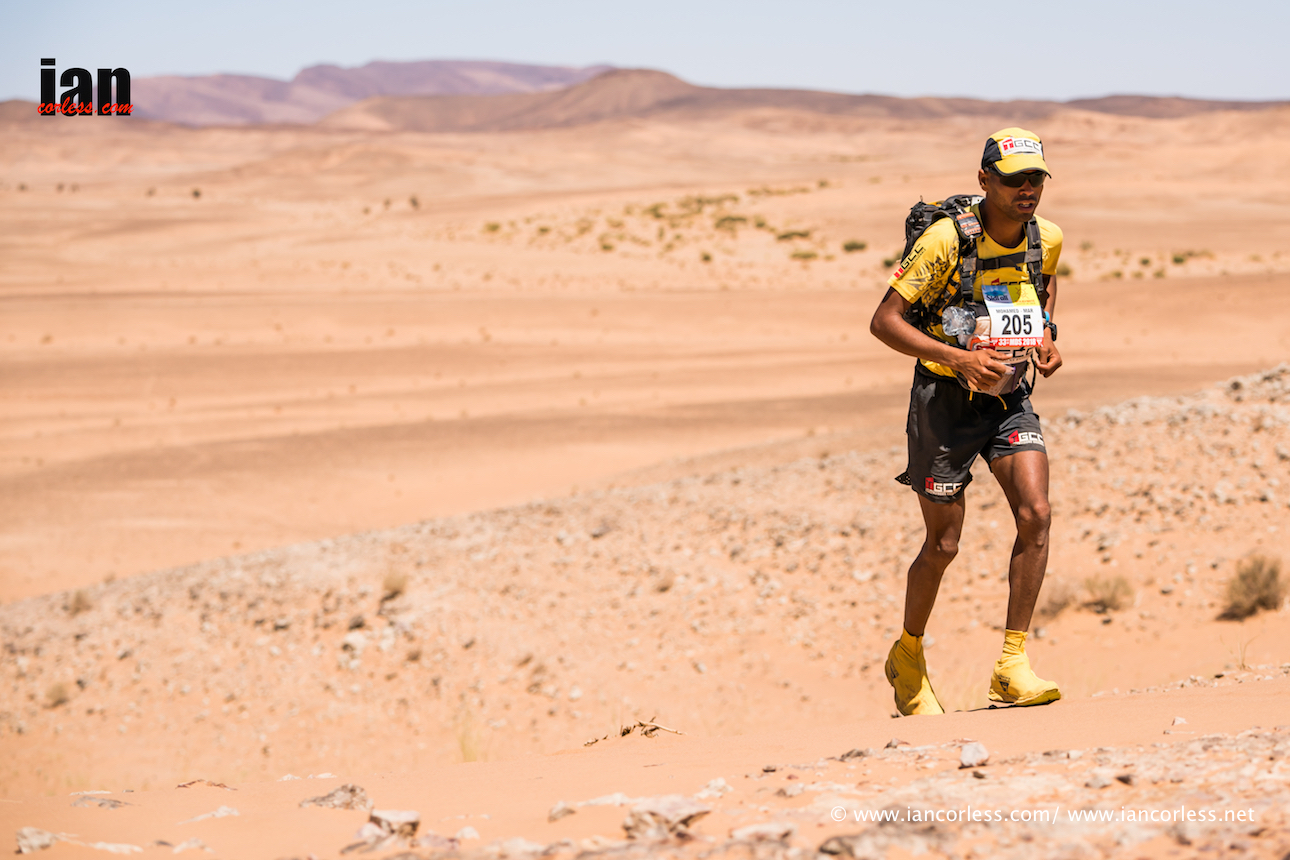
However, Rachid’s brother, Mohamed, won the 2017 edition of UMED and therefore has experience and knowledge under his built. Mohamed has been learning the desert craft from his elder brother and we will certainly see the duo battle for the 2018 win.

 Sondre Amdahl from Norway will also take part. He has raced at Marathon des Sables Morocco where he placed in the top-10. Certainly, the single-stage format and 100km distance will suit the Norwegian who specializes in long-distance races. However, Sondre would be the first to admit, he would like some mountains and elevation gain on the course to allow him a chance of victory… No doubt it will be an exciting race.

Two-time Marathon des Sables champion, Elisabet Barnes, will head up the women’s race. Elisabet has a had a quiet 2018 after relentless racing in 2016 and 2017. With time to rest, re-build and plan ahead, UMED will see the specialist desert runner return to racing. The 100km distance and flat course is definitely something that Elisabet will relish, don’t be surprised if she impacts on the male GC.

The competition will be very aggressive so make sure you tune in and connect to social media to follow the action as it unfolds.

Runners will start to arrive in Tunisia from Thursday 27th with many runners arriving in Tozeur on Friday 28th.

You can obtain more specific information from the race website, HERE

Running a desert or multi-day race? Why not join our 2019 Multi Day Training Camp in Lanzarote taking place January 17th to 24th. More information HERE

Follow on:

Instagram – @iancorlessphotography

Twitter – @talkultra

facebook.com/iancorlessphotography

Web – www.iancorless.com

Web – www.iancorlessphotography.com

Image sales – www.iancorless.photoshelter.com

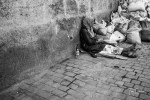
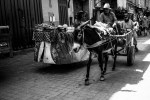
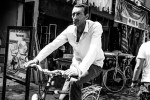
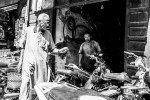
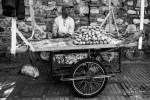
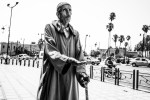
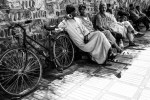
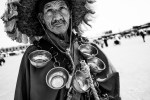
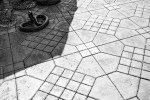
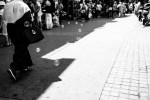
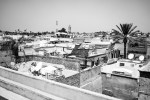
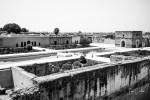
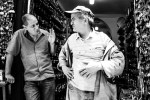
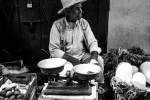
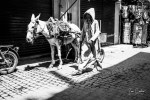
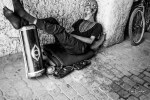
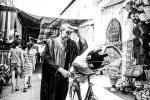
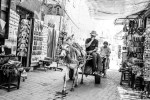
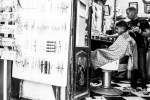
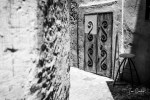
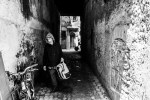
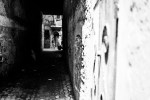
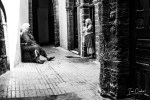
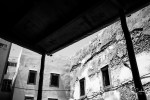
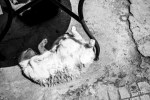
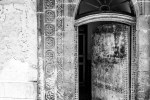
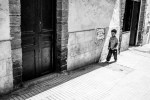
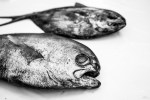
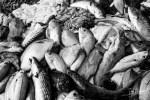
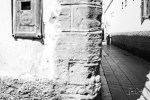
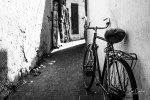
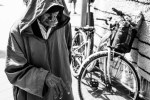
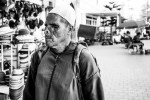
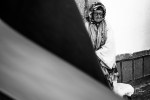
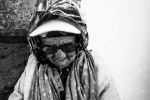
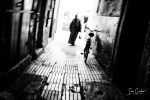
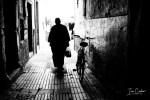
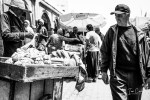
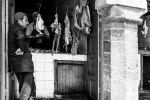
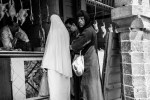
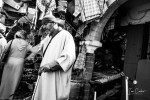
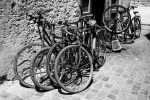
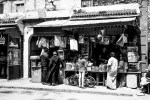
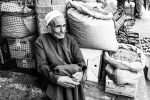
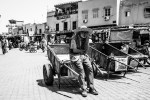
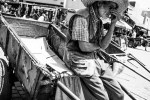
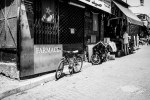
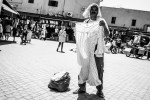
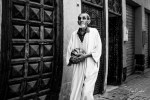
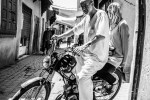
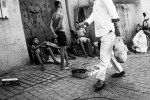
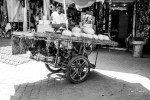
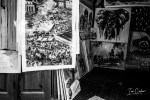
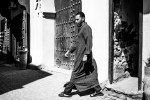
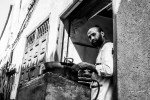
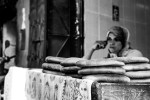
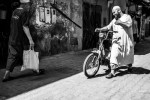
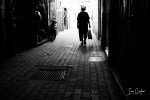
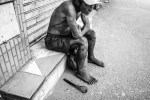
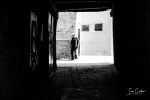
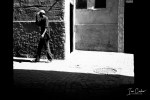
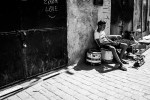
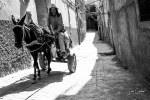
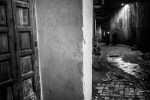
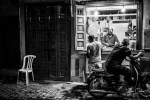
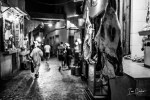
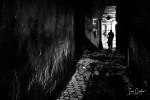
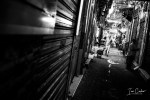
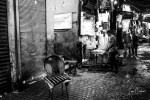
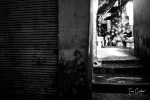
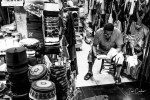
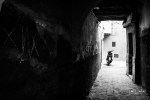
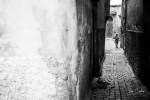
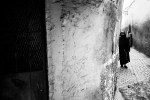
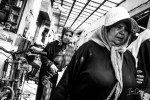
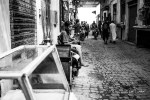
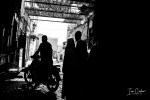
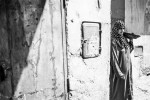
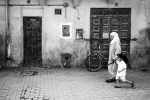
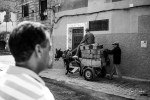
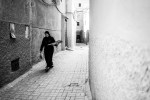
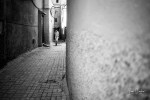
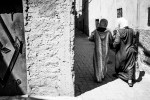
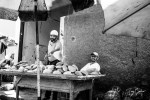
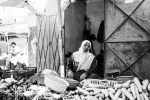
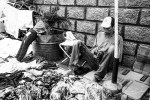
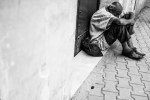
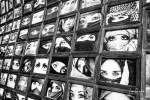
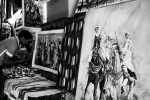
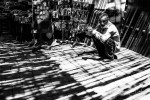
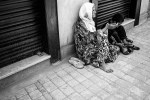
Morocco 2018 – Street Photography

For the first time in a long, long time. I had a holiday! Those who follow what I do would arguably say, that I am always on holiday as I am constantly travelling to photograph running races all over the world. However, I can honestly say that in the last six years, I have not been away without working. Admittedly, on one or two trips, work has maybe only been 20-30% of the actual trip. It’s still a holiday but the work element is there.

This August I booked a trip to Morocco, I put my email on auto-reply, I downloaded a couple of books on my Kindle app and I went way with the pure intention to do no work for a good 14-days. 

As a photographer, you may be thinking or asking, but did you take a camera?

The answer is quite simply, yes!

When you do what I do in, day-in and day-out, it’s almost impossible to travel without a camera. I often consider a camera just an ‘essential’ item for what I do every day, be that a holiday or not.

The key thing with taking a camera on holiday is that I can take images for the pleasure of it. No brief, no deadlines, no clients – I can shoot what I want and when I want.

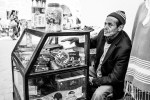
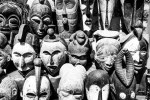
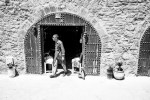
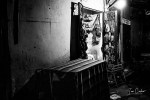
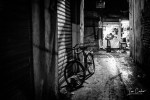
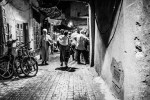
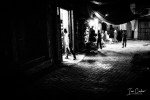
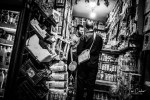
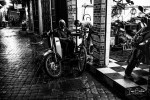
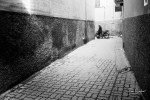
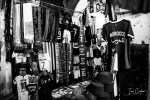
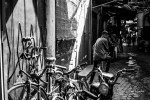
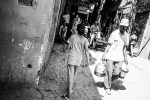
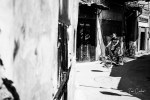
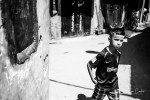
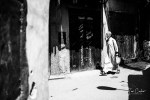
I started to post 10-12 B&W images a day whilst travelling, normally on my Instagram and on Facebook. What was interesting was the amount of feedback and direct messages I received. I guess most people know me as a sports/ running photographer, so, suddenly a series of gritty B&W street photographs appear, and it makes people curios.

So, I decided to write a brief post to answer the questions that was asked. 

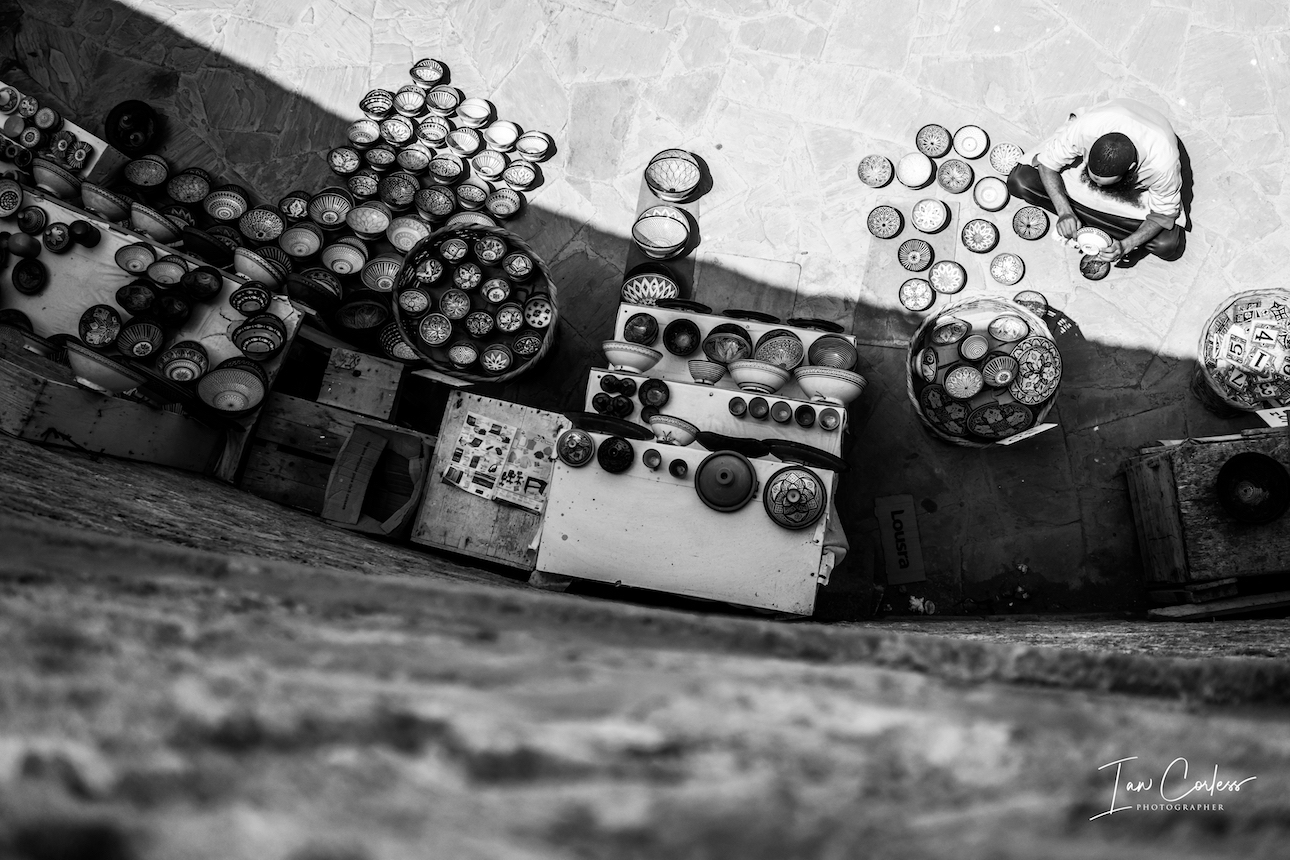
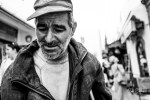
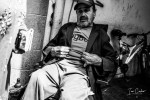
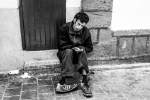
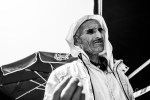
Street and people photography are something that I love. It’s raw, visceral, gritty and when done well should transport the viewer to the place and immerse them.

Travelling, one accepts everything; indignation stays at home. One looks, one listens, one is roused by enthusiasm by the most dreadful things…– Elias Canetti

Now there are many forms of street photography. And just to draw a comparison, I photographed in Nepal for many years, the street shots I have done there are very different to what I did in Morocco.

To clarify, I could photograph in Nepal the way I photographed in Morocco but not vice versa. The reason being, the people and the culture. The Nepali people love having their photographs taken, you can walk up to them, stick a camera in their face and take a shot. You can even ask them to move or look into a certain place. So, although it’s real, there can be an ‘element’ of set-up, however, I rarely go down that route.

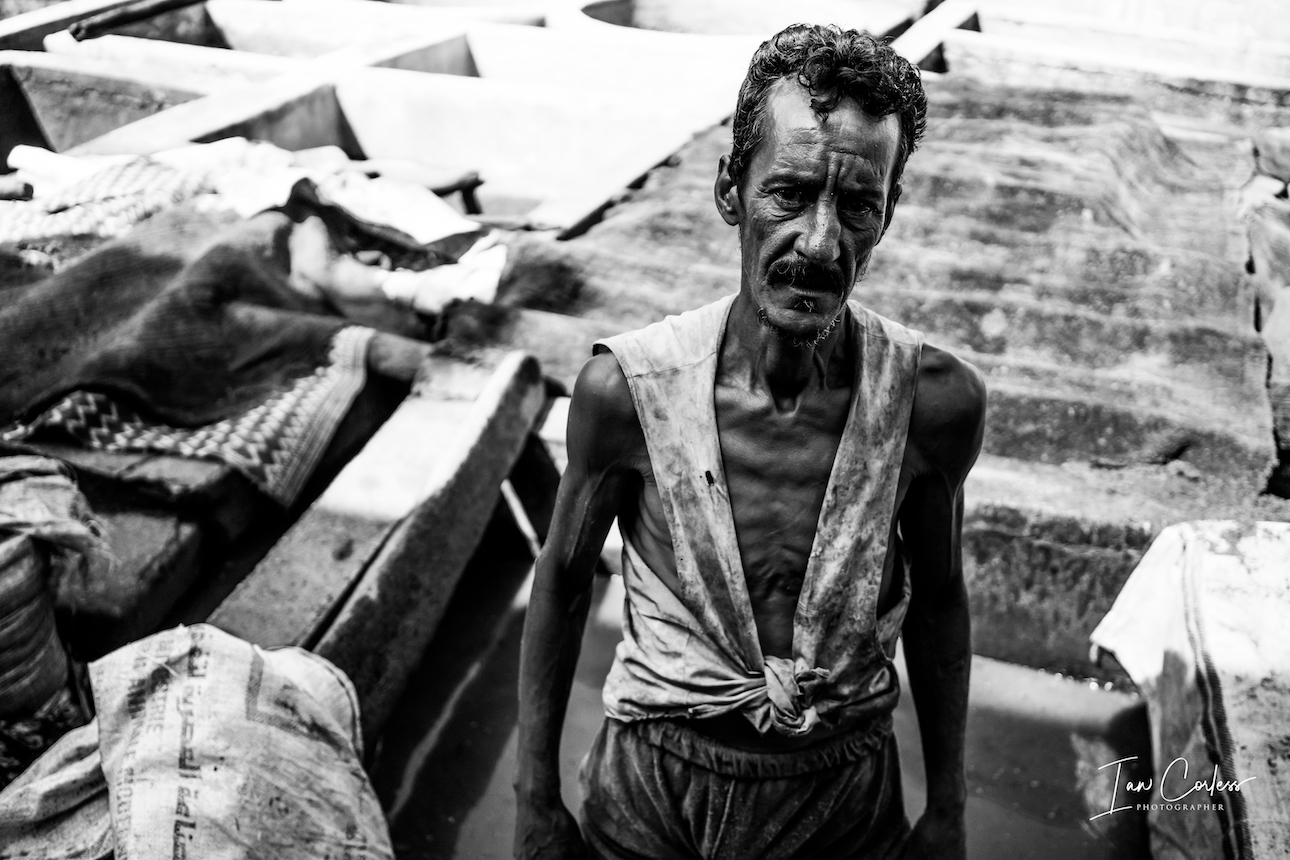
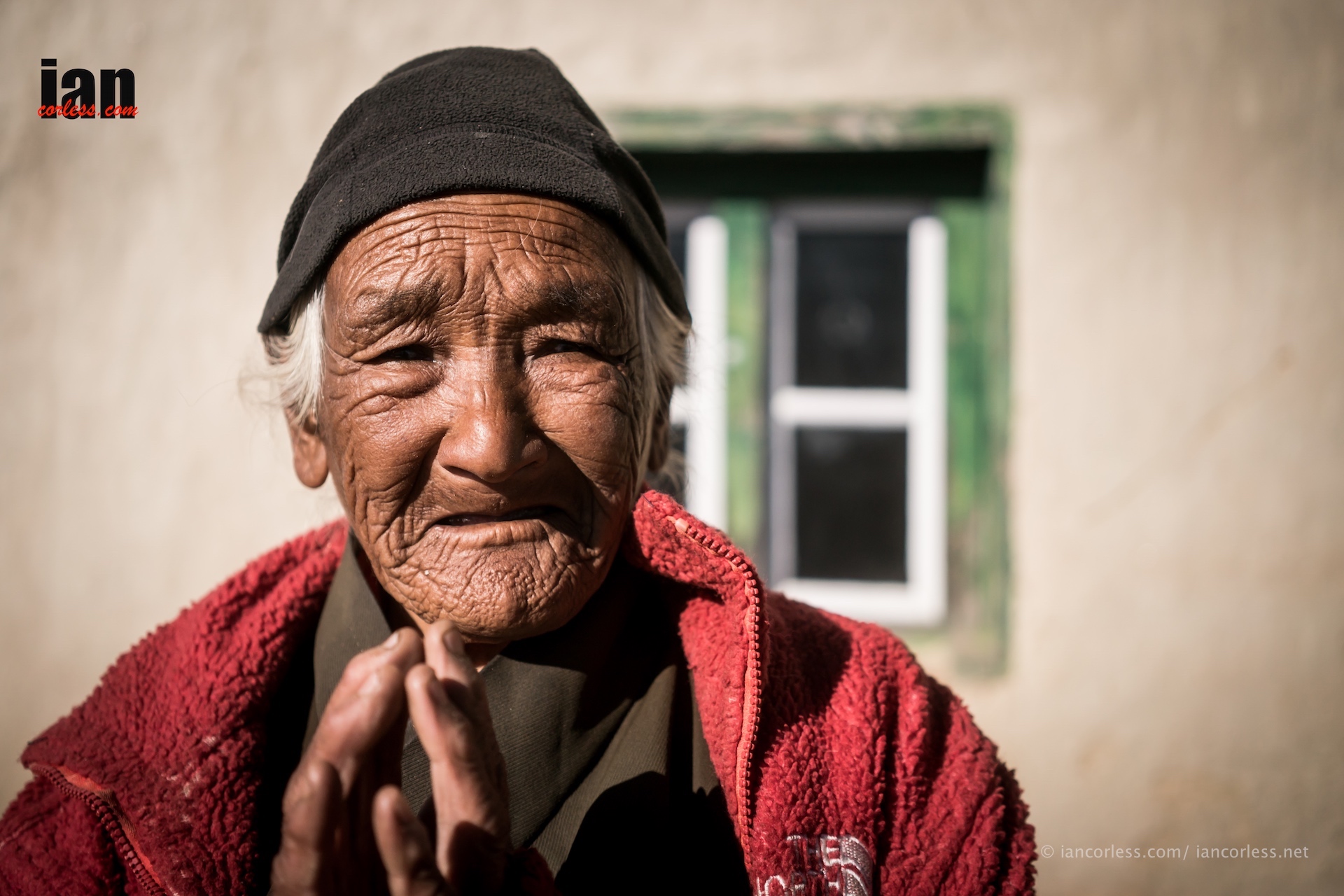
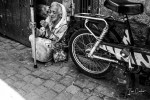
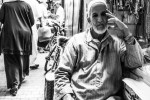
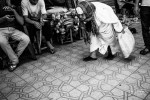
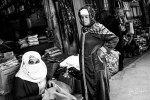
In Morocco, the people are very different. They do not like having their photograph taken. Don’t agree with me? Take a camera in to the Souk in Marrakech and start pointing your camera at people – you will soon realise that it is not an option. Now of course, there are exceptions. Occasionally it is possible to do a ‘posed’ shot and I have found that my experience with 30-year’s in the business lets me know when that is an option.

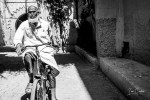
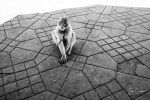
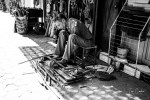
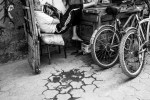
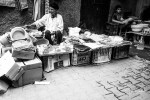
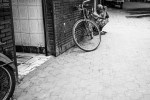
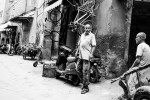
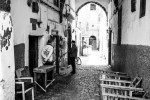
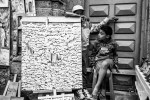
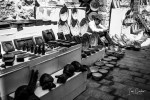
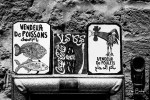
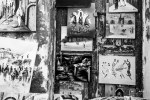
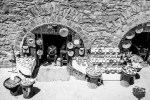
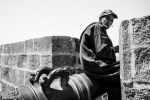
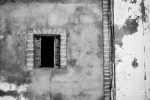
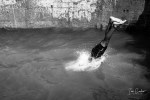
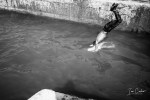
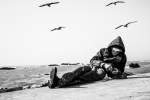
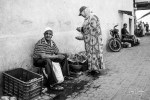
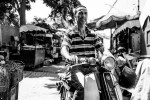
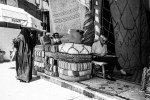
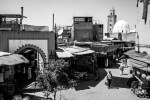
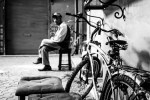
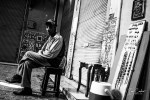
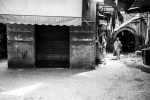
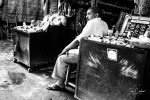
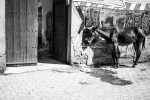
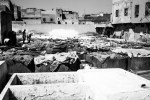
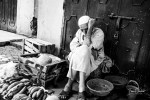
Below, there are over 300-images captured in Marrakech and the coastal resort of Essaouira, I would say that approximately 10-12 images were taken with the subject knowing I was taking the photo and they didn’t mind.

The remainder of the images were taken with the subject not knowing that I was taking photographs.

THE EQUIPMEMT

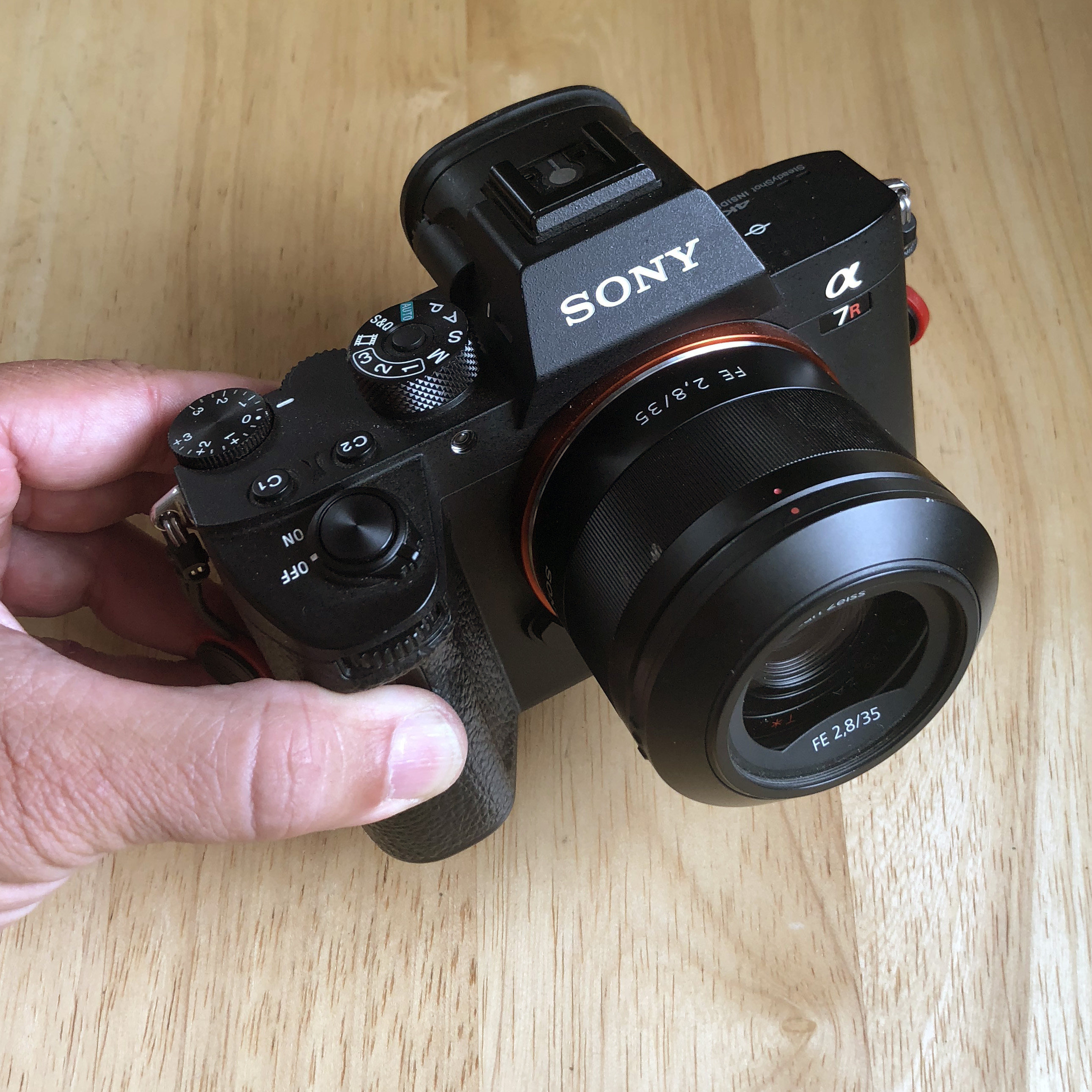
Sony A7RIII with Sony/Zeiss T Sonnar* 35mm F2.8

If you look like a photographer, you will stick out and the people will already be wary of you. For street work and when travelling this way, I carry one camera and one lens.

I use a Sony A7RIII (approx £3200) which is a full-frame digital camera which produces a whopping image size of 42.4MP, when shooting in RAW, that file is over 80MP. I have found a large file allows me options to crop in to the image and still retain a high quality/ high resolution file. The camera is mirrorless and therefore considerably smaller than a DSLR, it also has Image Stabilization built into the body; super handy in low-light. The camera can also shoot at 10fps, at times, this can be super important for capturing that all-important moment.

I use a prime lens, the 35mm F2.8 – The Sonnar T* FE 35mm F2.8 which is a Sony/ Zeiss lens. The optics are incredible, focus is fast and superb and F2.8 it is pin-sharp. There are several reasons why this lens is perfect for street work:

At 35mm, it is wide, but no so wide that you can’t take portraits. I would say that for most Pro photographers, a 35mm prime has replaced the traditional 50mm prime.

The lens has a lens hood which is flush to the front element keeping the lens neat.

Its size is extremely small.

Quality is off the scale, but it is not cheap, approx £850.

That is, it. I don’t use anything else. I don’t carry a camera bag and I have no accessories. The only two additional items I carry is a spare battery and spare SD cards.

SHOOTING

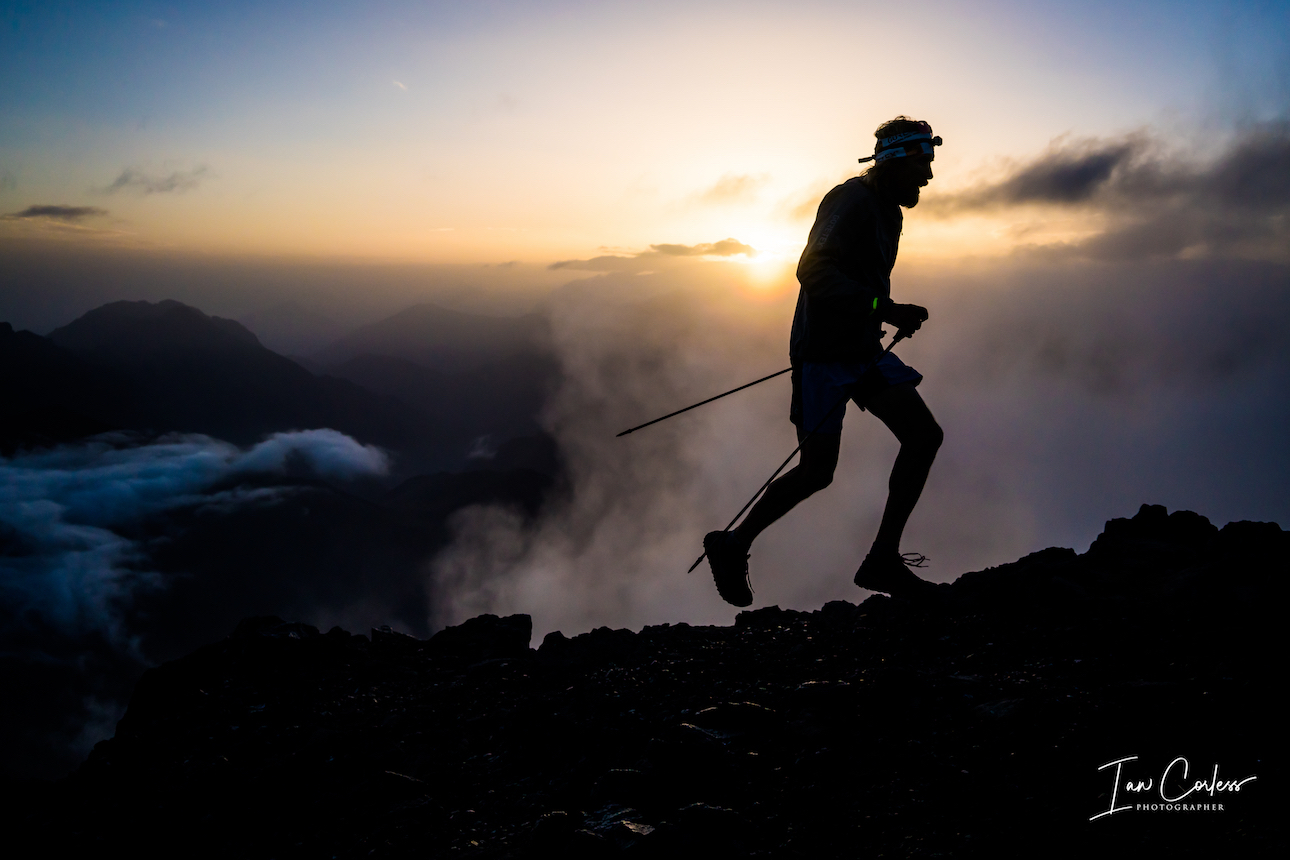
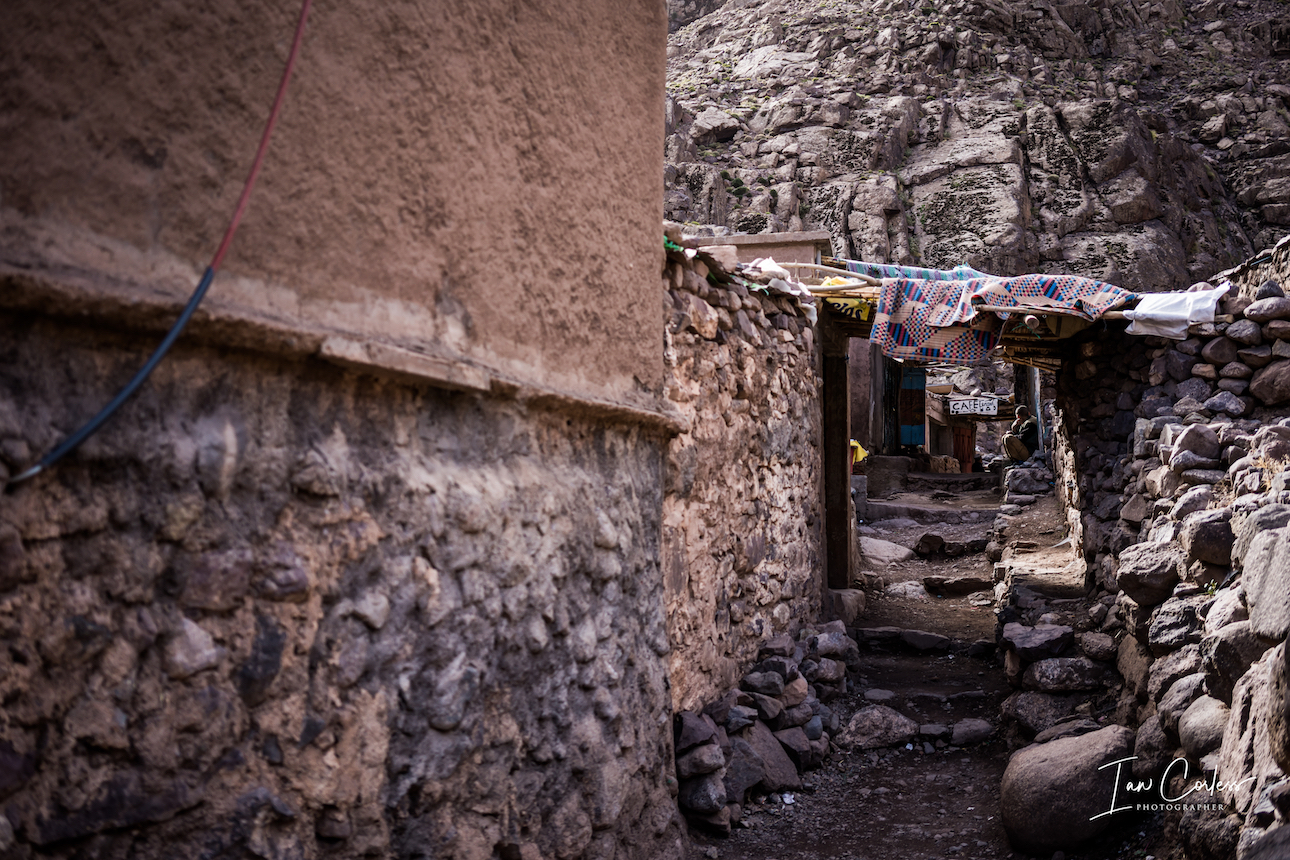
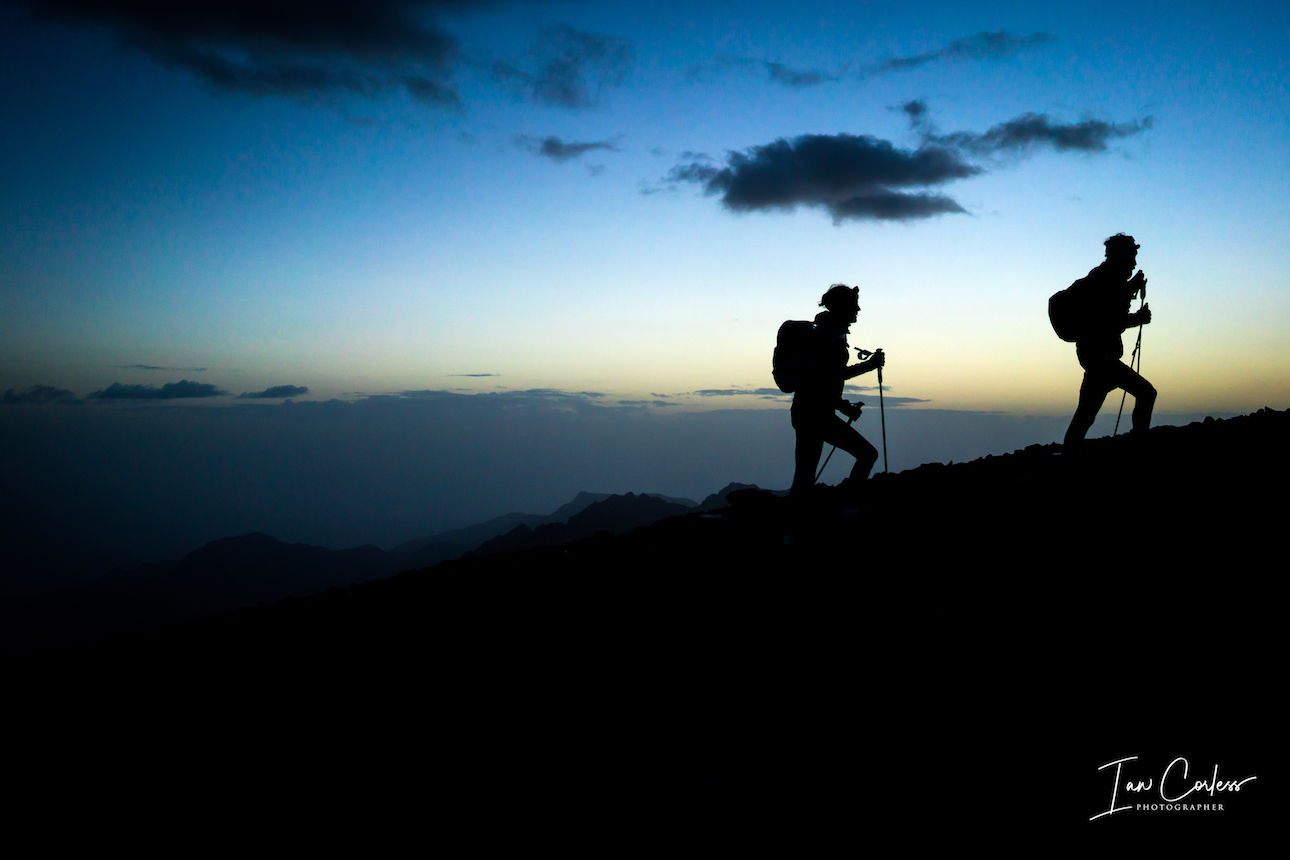
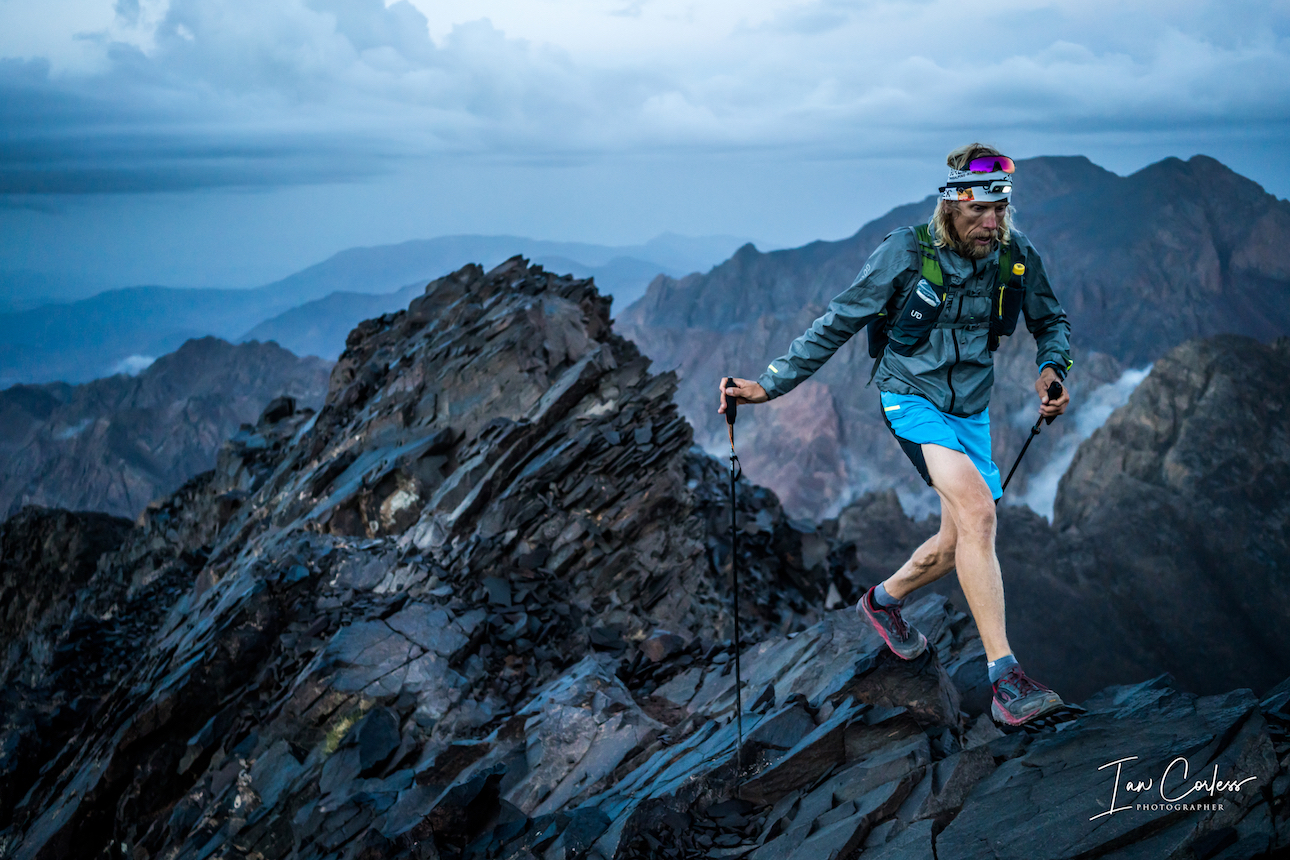
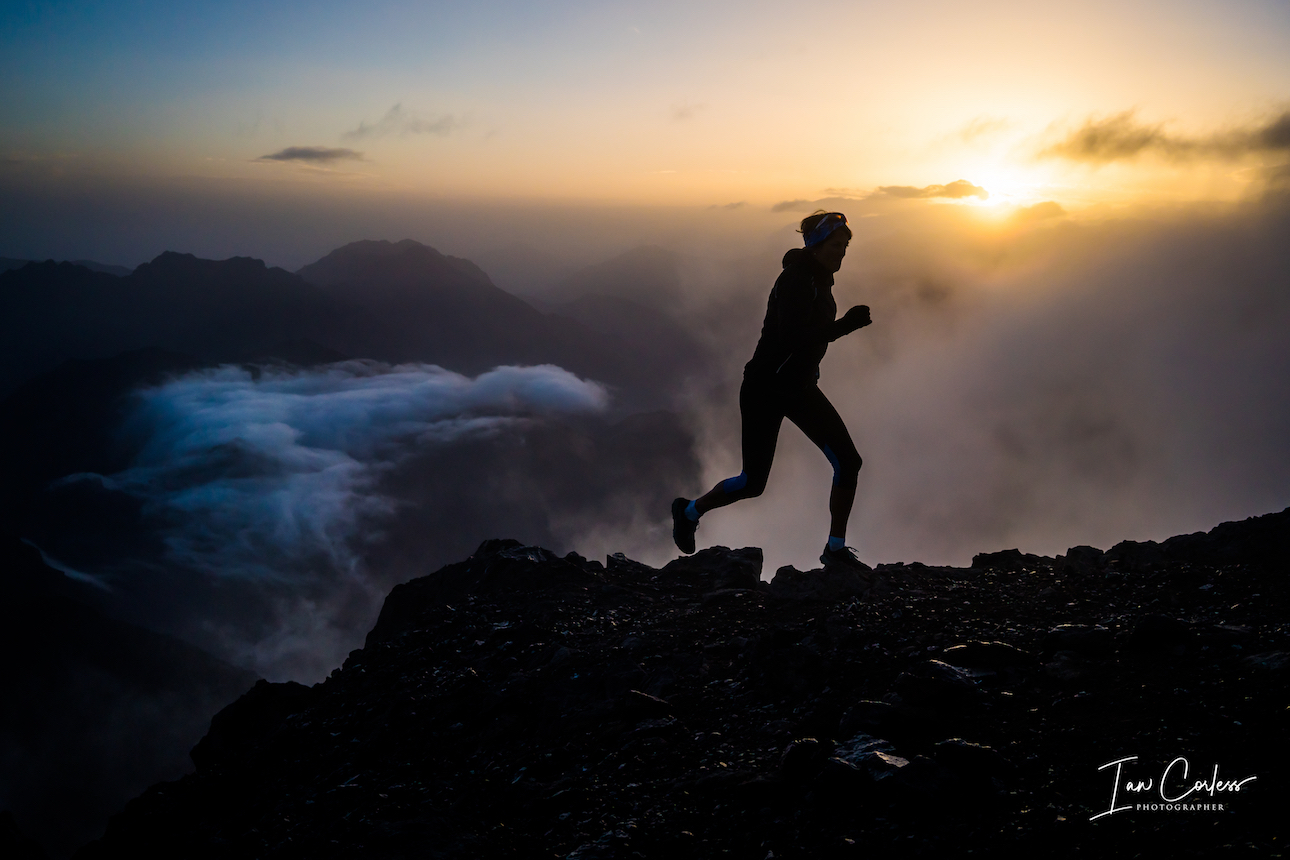
This camera set up is also my favourite set up when running and photographing. The main reason being is that the camera and lens are light, the quality is the best you can get, and I can carry the camera in my hand while running. I broke up my time in Marrakech and Essaouira with a 2-day trip to climb Toubkal, the highest mountain in the Atlas range. Here are some of the shots from that trip:

Back to the streets…

I have learnt over time to view the scene with a 35mm eye. Basically, I can look at a scene/ scenario and view the scene with the viewpoint and angle of the camera. This is essential in Morocco.

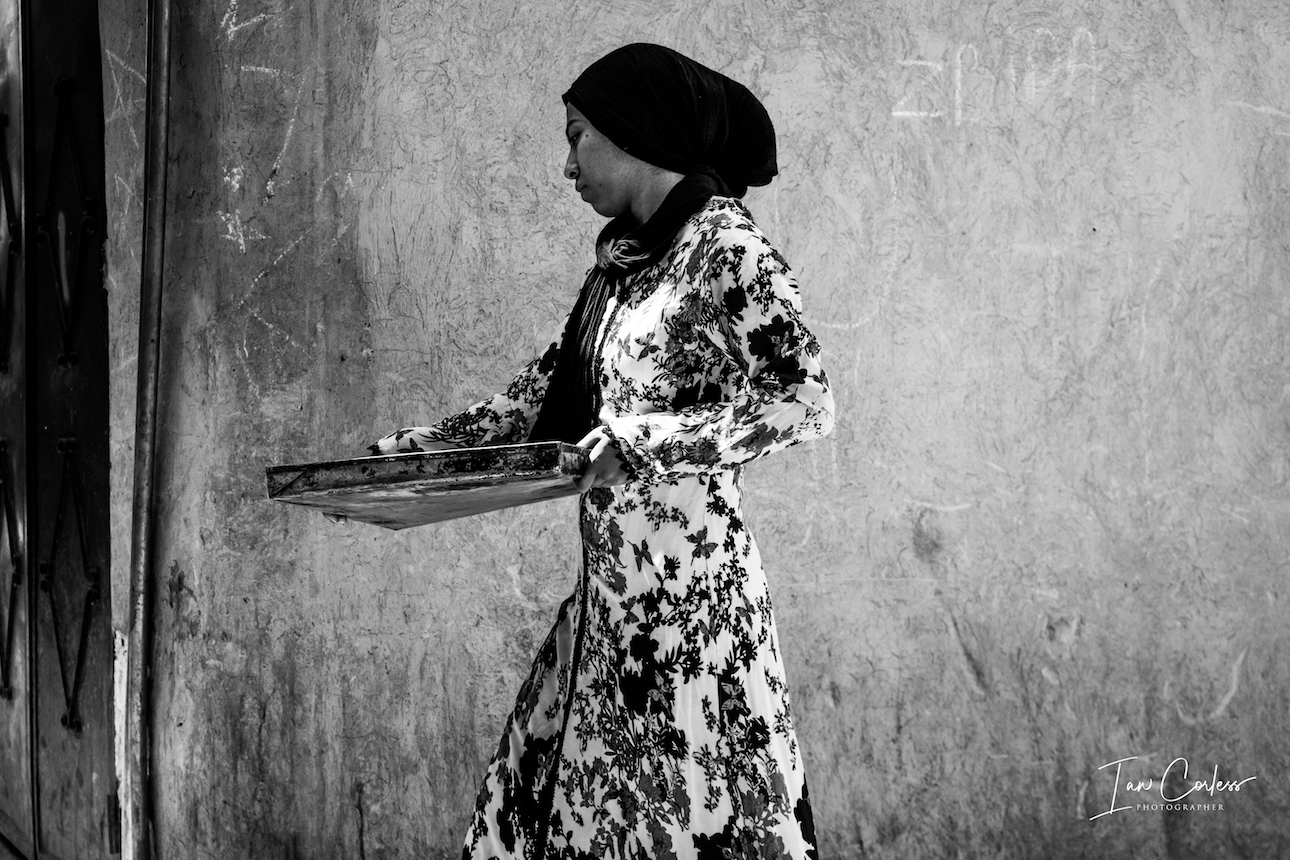
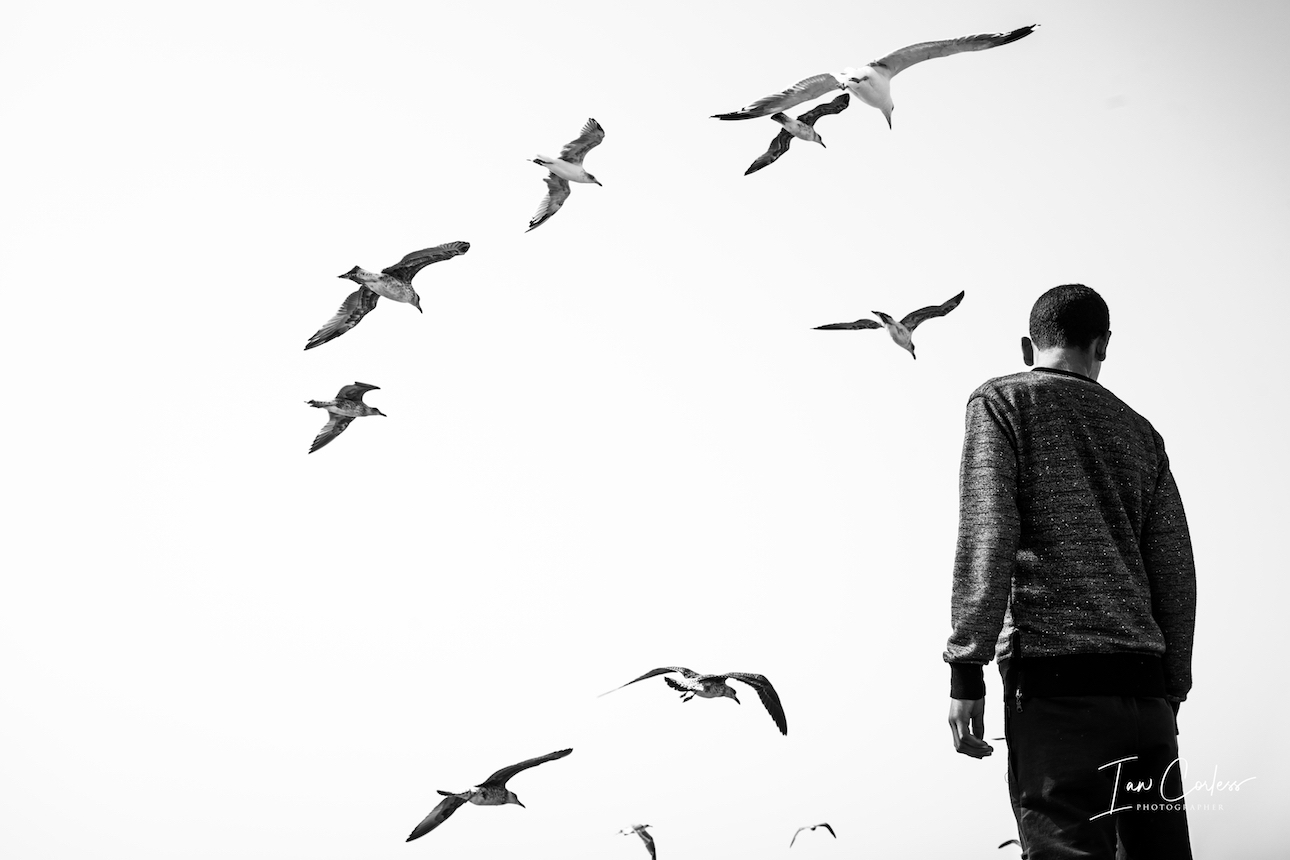
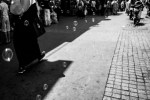
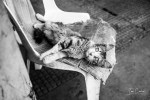
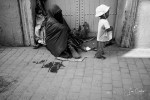
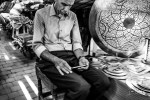
Many of the shots I took, I would say 80% (with the exception of the Toubkal shots) were taken with me NOT looking into the camera. The moment you raise your camera to your eye, people stop, look, put their hands up and on many occasions will say, ‘no photo, no photo!’

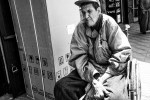
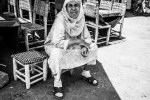
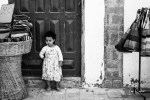
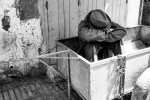
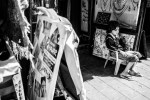
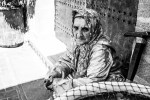
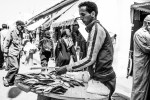
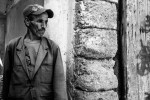
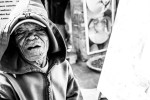
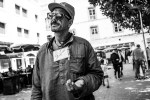
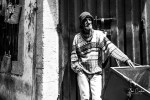
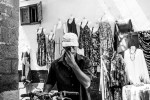
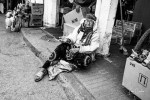
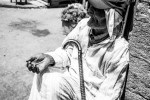
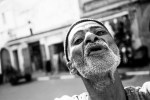
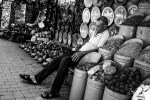
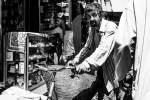
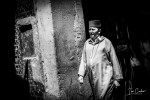
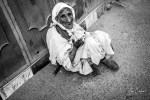
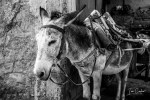
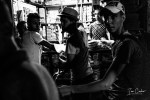
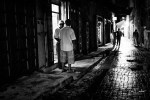
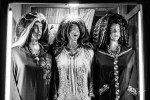
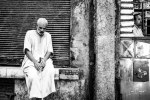
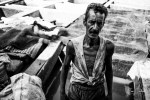
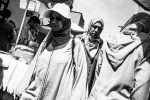
The below is a classic example of the subject posing for the shot.

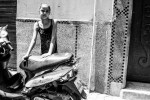
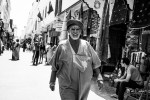
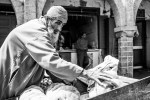
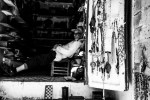
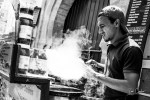
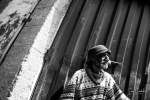
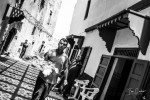
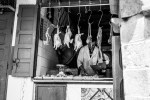
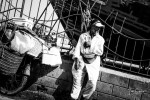
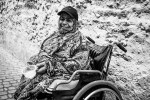
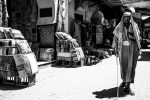
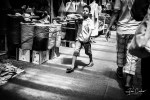
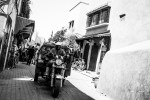
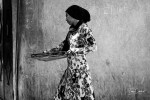
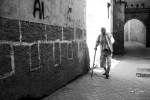
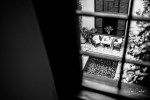
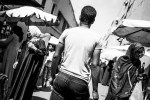
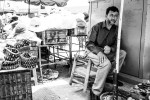
This shot I was looking through the camera, but the subject didn’t know I was taking the photo.

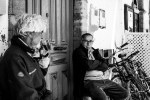
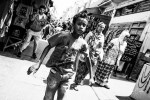
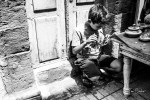
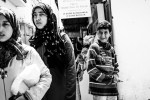
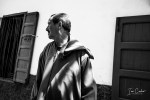
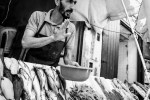
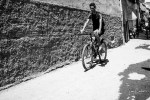
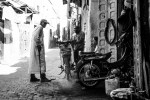
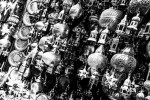
This shot I was looking through the camera.

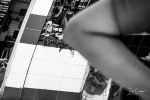
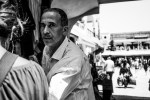
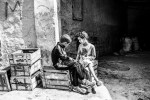
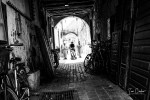
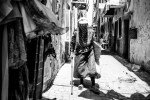
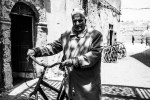
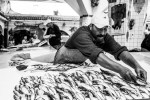
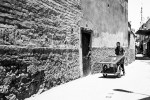
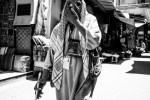
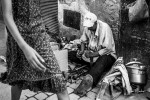
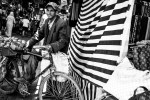
This shot was composed and planned but the subject didn’t know.

This is why Nepal and Morocco are so different.

To shoot, I would survey a scene, view the angles and decide on the shot and then walk past with my camera at mid-chest height. With experience, I understand the field of view the camera sees and I capture the scene.

Now of course, this sounds easy.

It’s not.

  1. One has to consider focus and how one gets the ‘key’ element in the frame in focus.
  2. One also has to consider exposure.
  3. One has to consider if it is possible to make one or two attempts at a shot.

The above is actually what brings adrenaline into shooting in this way. One also has to accept that you will have a high failure rate, certainly early on. Failure rate becomes less with more experience.

SUMMARY

There are no hard rules in capturing images when working a scene. The place, the people and the location will often decide what approach you need to take. The comparisons between Nepal and Morocco provide a perfect example.

The key is to enjoy the process, have fun and learn by taking many, many shots.

All images ©iancorless.com

Follow on:

Instagram – @iancorlessphotography

Twitter – @talkultra

facebook.com/iancorlessphotography

Web – www.iancorless.com
Web – www.iancorlessphotography.com
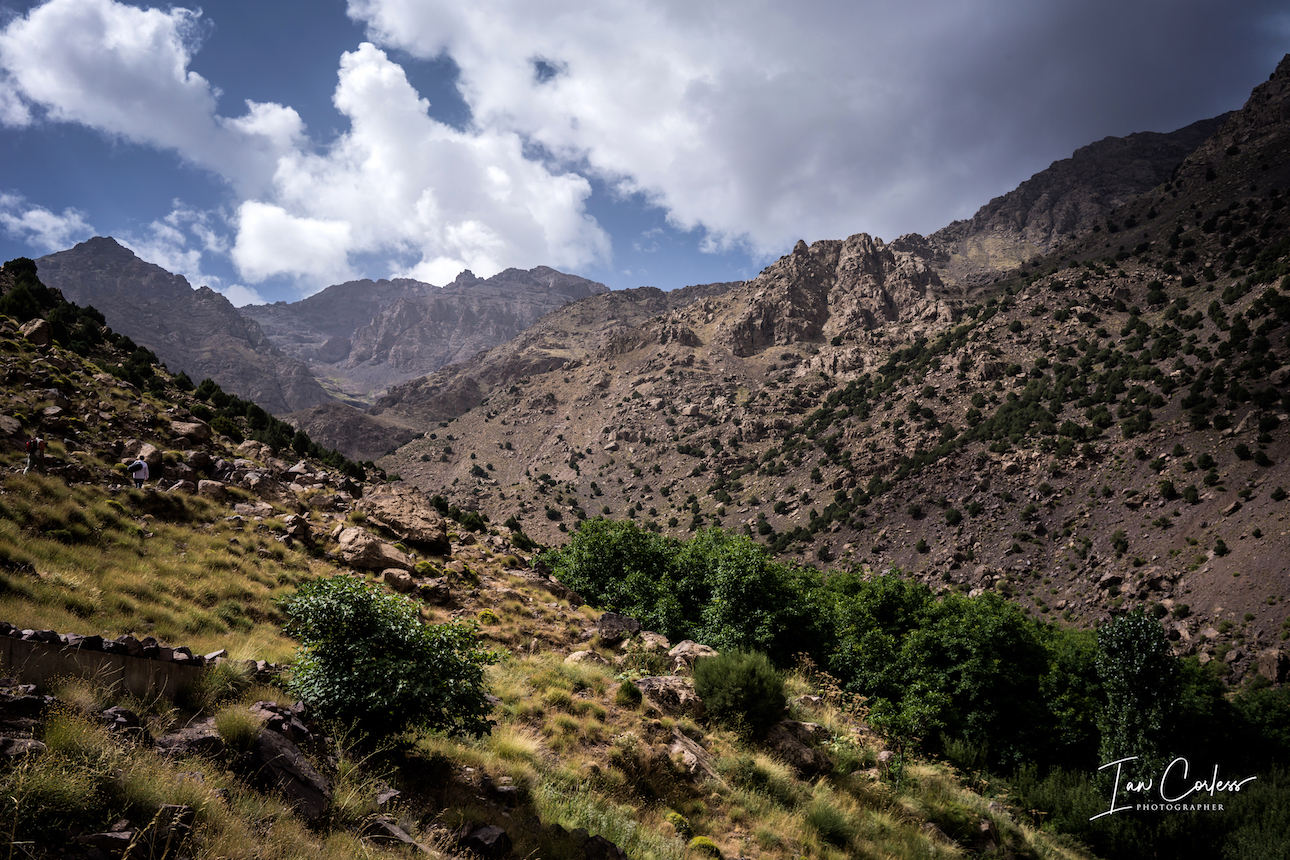
Image sales –www.iancorless.photoshelter.com