Marco De Gasperi – Vertical Kilometer® Hints ‘n’ Tips

Marco De Gasperi ©iancorless.com

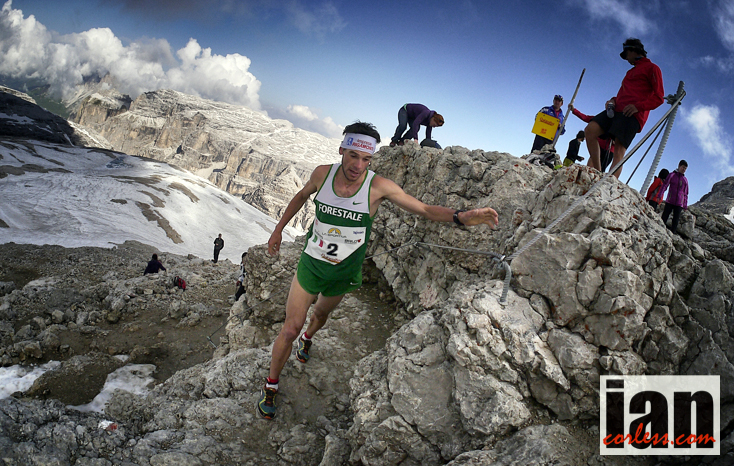
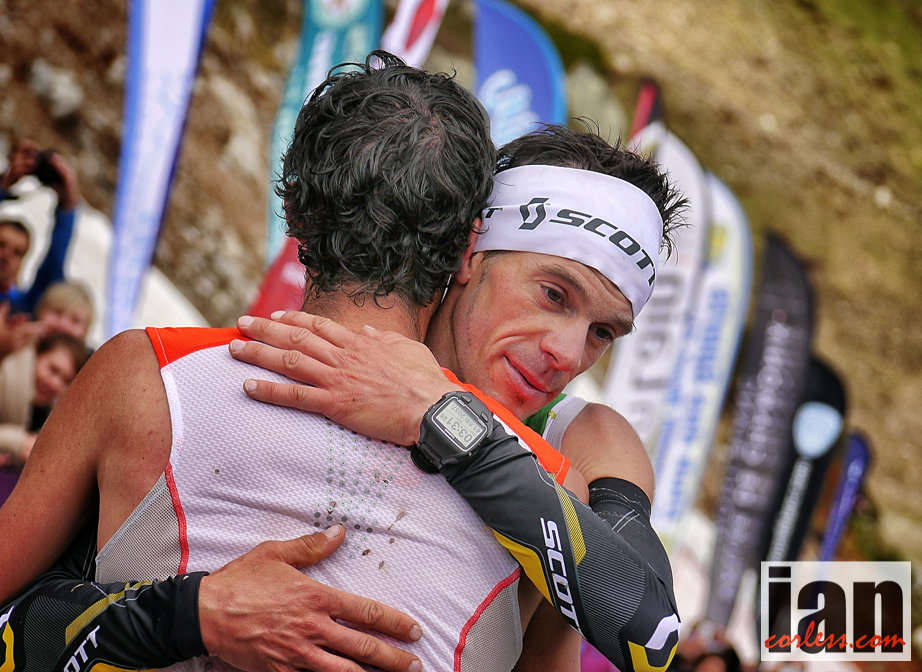
Marco De Gasperi is a legend of mountain and Skyrunning. At the age of 16 he gained special permission to climb Monte Rosa with ISF president, Marino Giacometti and a small group of like-minded adrenaline filled mountaineers. It was the birth of Skyrunning.

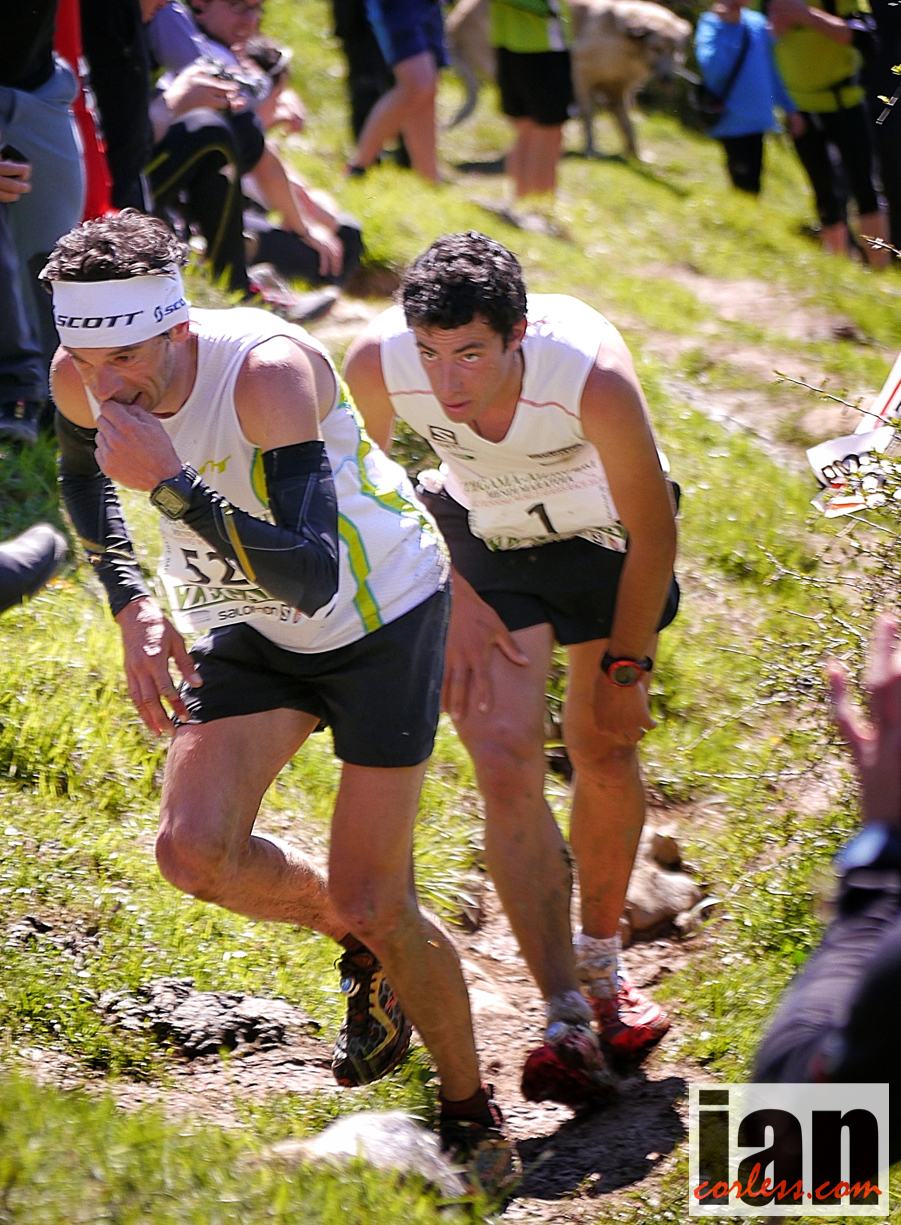
The rest his history, Marco has six-world titles and a list of victories from races all over the world. Today at 36-years old, Marco is still one of the few runners who can push Kilian Jornet all the way to the line. In 2013 he did just that with an incredible race at Mont-Blanc Marathon and once again at the Dolomites SkyRace.
©copyright .iancorless.com.P1140350

Born in Bormio (in the Alps) a hub for skiing and short-track skating. Living at 1200m provided Marco with advantages, however, he only found his true vocation at the age of 10-years. Marco had tried to adapt to Skiing and Nordic Skiing but the reality was soon apparent; he just didn’t have the required size and bulk required to be competitive. The mountains beckoned; daily he would leave the town, climb a peak and return in the same day.

At 12-years old an encounter with Adriano Greco introduced him to the winter past time of ski mountaineering and running in the summer months. Adriano was very much a coach and guide for Marco. He was introduced to a new aspect of sport, a new discipline that was at its birth. In 1994, Marco ran his first Vertical Kilometer® on the slopes of the Matterhorn.

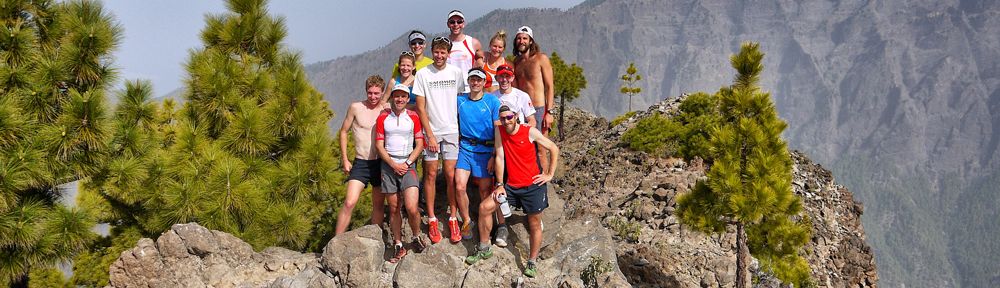
Marco’s knowledge is invaluable in regard to mountains and how to run them! I chatted to the ‘legend’ while he was helping to coach future stars of the sport on a training camp in Portugal

©copyright .iancorless.com.P1140155

Do you do any specific training for a Vertical Kilometer®?

My season always includes mountain races and races with plenty of climbing, so, I like to devote myself with specific training in the gym to build strength. For example, I use leg extension, leg press and other exercises such as squats. I also do up and down reps on a large box (60cm high), this is great for strength and endurance. It is also important to apply yourself outside and of course finding a steep incline of 30% and running at a smooth and consistent pace is ideal; it’s difficult to run all the way but I always try.

The Vertical Kilometer® is very demanding and runners incorporate different techniques to reach the summit in the fastest and most efficient way. Hands-on-knees and ‘poles’ are two methods; do you have a preference?

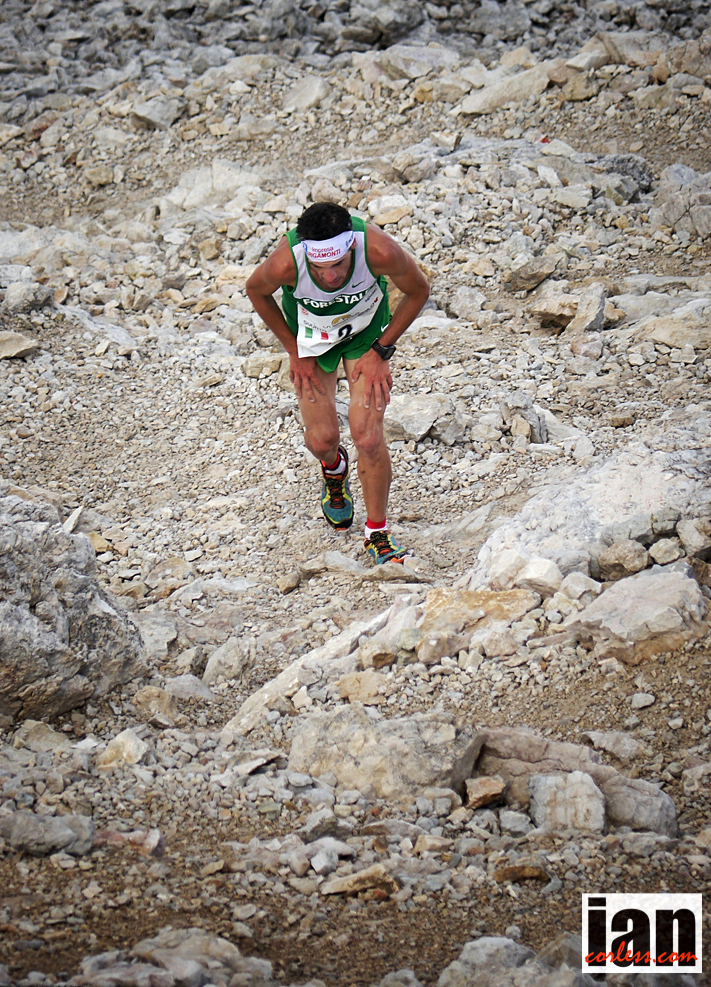
Application very much depends on the individual needs and demands of each runner and the course. For example, you will find many VK specialists come from a Ski Mountaineering background and therefore they are very well adapted and practiced with the use of poles. Certainly, when slopes become much steeper, poles offer an advantage as they help balance the center of gravity and thus provide a more advantageous position. In principal though, I prefer to try and run!
Marco De Gasperi ©iancorless.com

Aerobically it is very easy to just ‘tip over the edge’ with a VK, do you have any special techniques in training to help to pace yourself?

You need to train and understand the muscular and mental aspects that are required to race a VK well. The correct pace is easy to find if your mind is prepared for the challenge ahead. Take long hills in training at an easy pace, try to keep running and enjoy the process have fun! If I don’t have the possibility to train on long steep hills I like to find a short hill that is steep and I do reps at a faster pace than racing… I walk back down to allow recovery and then repeat

Walking for many will be a key element of a successful VK. I am well aware that you will try to run as much as possible. However, do you practice walking?

Long and steep mountains are very difficult, it’s all about efficiency and yes, sometimes it is far more efficient to walk. It’s about balance; I run for as long as possible but a good climber knows when to switch to maintain rhythm and speed. You want to avoid building up too much lactic acid. I consider myself to be a good ‘walker’ and I am happy to switch as and when required. As for practice, no not really, just go out in the mountains and hike. It’s a perfect way to combine fun and training.
Marco De Gasperi ©iancorless.com

You have already mentioned indoor training and strength work. Have you ever trained on a treadmill and what about core and stability training?

Core and stability is very important, without doubt it provides benefits. Every week I do 3-4 sessions of five key exercises to work on this. In regard to a treadmill; it’s not the best way to train for a VK but maybe you have limited options? It can obviously be better than nothing. Just make sure you have it at an incline and work hard.

In regard to particular VK training, is it better to train on shorter or longer mountains; do you have a preference?

I have many years in the sport, in my opinion; I think that too many long mountains are not good for the specific demands of a VK. In particular, as a race approaches keep sessions in the 30-50 minute bracket.

Tricky question for you Marco, other than yourself (obviously) who do you regard to be the best runners at the VK distance?

You are very kind! I am going to split this. Urban Zemmer with poles, Berny Dermatteis without using poles and Valentina Belotti. I guess it comes as no surprise that these runners are all Italian but the records show that they have the fastest times.

Finally Marco, if you had to provide three invaluable tips for running a Vertical Kilometer® what would they be?

  1. Do 6-7 reps 3 times on a trail that is not too steep, rest by walking down.
  2. Make sure you have easier days between hard sessions
  3. To race and perform well on race day, your legs must be very relaxed and recovered.
©copyright .iancorless.com._1040723

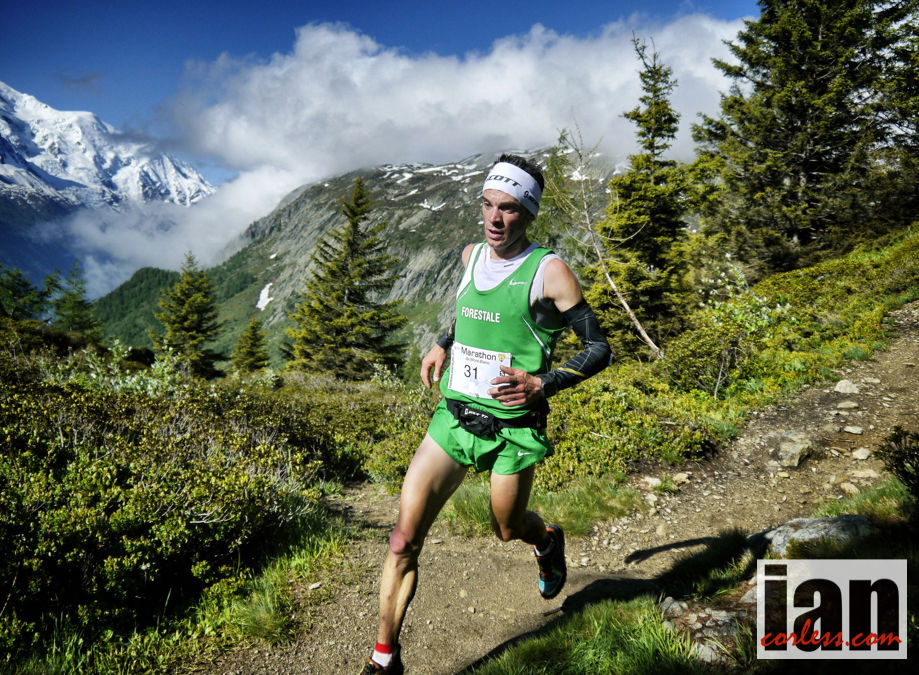
Marco De Gasperi is a true champion, not only on the trails and slopes of the mountains but also off them. A gentleman, professional and perfect ambassador for our sport, he gives of his time and experience freely.

As always, it’s a pleasure to speak and learn more about such a wonderful athlete. Thanks Marco!

SWS Vertical Kilometer® Calendar 2014

SPAIN: Transvulcania Vertical Kilometer® – May 8
FRANCE: VK Face de Bellevarde, Val d’Isère – July 11
ITALY: Dolomites Vertical Kilometer®, Canazei – July 18
USA: Lone Peak Vertical Kilometer® – September 12
ITALY:  Vertical Grèste de la Mughéra, Limone sul Garda – October 10

Links:
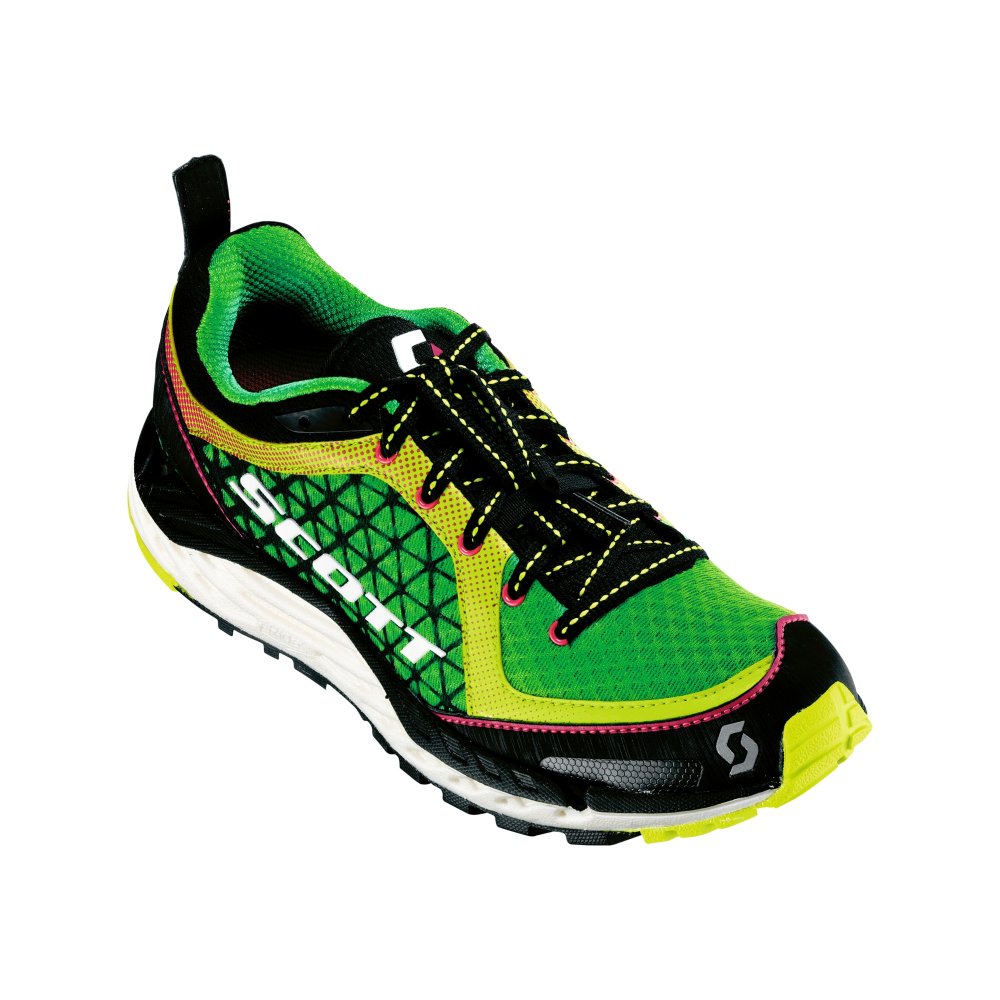
Scott T2 Kinabalu Review – Ladies Shoe

Scott T2 Kinabalu Ladies ©scottrunning

Scott T2 Kinabalu Ladies ©scottrunning

Review by Niandi Carmont

When Scott asked me to test the Women’s T2 Kinabalu, I was very excited to try out a brand of shoe that is not as well known to UK and French trail runners… ‘Scott make bikes don’t they?’ was a typical comment!

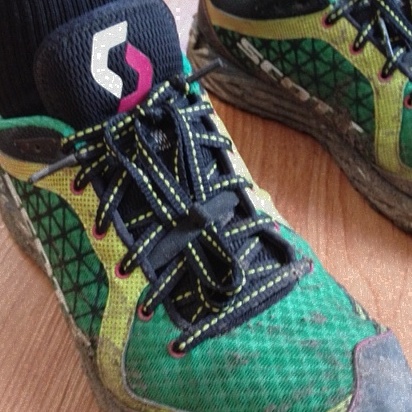
Love at first sight… Like most female trail runners, I like a run shoe to look good and admittedly on the outside it’s a sexy shoe – bright green, sporty and light-weight.

But what about the technical and practical specs which are equally important? Well, after having tested the shoe on 200km of intense rocky mountainous terrain in France over one week, I can definitely confirm it is:

•      Durable

•      Comfortable

•      Lightweight

•      Energy efficient

•      Stable

The above qualities were exactly what I was looking for and all my expectations were met.

Durability, stability and eRide™ Technology

Scott eRide

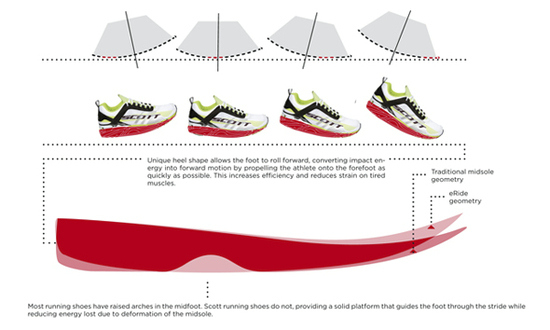
Usually after intense weeks on hard trail terrain like that, my trail shoes “have done their time” but I was surprised to find that the soles were hardly worn.  I have an atypical and asymmetrical running gait, which means I heel strike heavily on one foot and the wear shows after only a few runs on my trail shoes. Not the Scotts though. But then the Scott shoe is built using the patented and scientifically-researched SCOTT’s eRide™ Technology – that unique rocker shape creating a very stable midstance which heel strikers like me strive for. Initially it took a few runs to get used to but I quickly felt the benefit of the rocking motion provided by the shoe and it meant I was heel-striking less and running more efficiently.

Scott T2 Kinabalu Sole

The shoe has an 11mm drop; in this current climate of ‘low drop is best’ it may mean the T2 will be snubbed by many! Don’t be too hasty. In use, this shoe feels like a much lower drop shoe, primarily due to the eRide™ (rocker). It keeps you on your forefoot with good technique. They are a pleasure to run in.

After the week on rock French trail my soles had hardly worn.  My podiatrist who is an avid cyclist took one look at them and said “this is true Scott quality, great grip, rolling resistance, durability and ride quality”.

photo 4

Shortly after that I departed on a 10-day multi-stage event to Northern India, Rajasthan and as I had luggage restrictions, was faced with the dilemma of taking only one pair of run shoes.  I knew I would be doing a mix of trail, desert, tarmac and dirt road. No hesitation, my multi-purpose, train-adaptable Scotts were in my luggage. Although a winter shoe, they were perfect on all types of terrain. I had no issues transitioning from the Thar Desert to the tarmac road leading to the Taj Mahal. Conditions were hot and humid and as much as the shoes kept my feet dry and warm on muddy, wet British towpath and boggy fells, the breathable mesh upper equally kept my feet cool in Rajasthan. And although I didn’t use gaiters as the desert/dune stages were not too long, I had very little sand in my shoes.

Lightweight

Scott Aerofoam

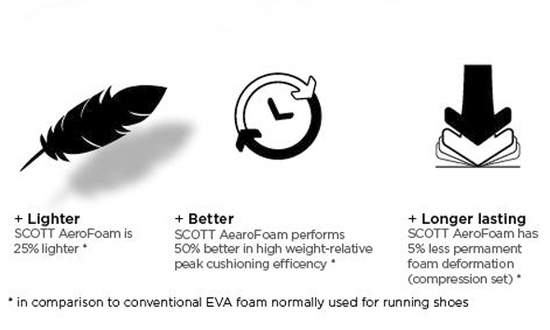
The shoe features an Aerofoam midsole for reduced weight and it’s definitely lightweight at 265g (UK8) a bonus for me, especially over long ultra-distances or long training sessions. More importantly – it is lightweight but not at the expense of durability or stability. After several runs the midsole ‘bedded’ in and started to mould to my foot providing additional comfort. The sock liner is perforated and the midsole has ‘drainage’ ports to allow water to escape; great for water crossings or wet weather running.

Comfort and adaptability to varied terrain.

Comfort with a capital “C”. This is an important criterion for me whatever the shoe ….but even more so if I’m going to be running long distances on arduous, rocky terrain. Not a blister or hot spot and no chafing. I ran in mud, on dry dusty rocks, shingle, slippery descents – the shoe adapted to all the changes in terrain and weather.  Not surprising as the shoe features wet traction rubber and a water-drainage system. The grip in muddy terrain is great and much appreciated by runners like me who prefer a drier terrain. I felt as in control tackling muddy, British bog as I did on dusty and slippery rocky mountainous French trail or even running down shingly, stony descents.

I also liked the bungee lacing system (elastic on the front of the shoe to stow laces) – extra security for a runner like myself who doesn’t want to be tripping over loose laces on a tricky, technical descent.

photo 2

All in all, this is definitely a great winter shoe with great protection and traction at minimal weight.

Female-specific

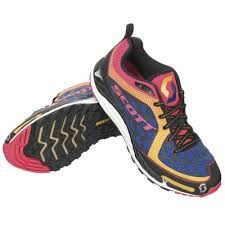
Needless to say Scott thinks about us ladies too, not only as far as the colour is concerned but also the female-specific fit. By the way, I opted for the bright green colour but the shoe comes in a trendy girly pink too!

Scott T2 Kinabalu Pink

Conclusion

Love them! And I get noticed to:

“Are you wearing Scotts? Didn’t know they made trail shoes!” I get asked.

“Well you bet! And pretty damn good ones at that!” I quickly reply.

Specs

  • Weight 260g for UK8
  • Drop 11mm
  • eRideComposite push-through plate
  • AeroFoamWet traction rubber
  • Lace bungy
  • Upper: Mesh/Synthetic Overlays
  • Lower: EVA/rubber

Scott T2 Kinabalu Men’s Review HERE

About the reviewer – Niandi Carmont

Niandi

Niandi is South African born, a former resident of Paris, she now lives in the UK. A runner for over 20-years; Niandi has completed Comrades Marathon 13-times, Washie 100 2-times and has finished well over 100 marathons and ultras  all over the world. Currently residing in the UK, Niandi splits her work life between the UK and France.

Scott eRide Grip 2

Scott eRide Grip 2


Scott are renowned for cycling and skiing products. I know first hand the quality of the cycling products, In my previous life as a cyclist and triathlete I had used Scott extensively for bikes, clothes, shoes and helmets. However, Scott as a running brand grabbed my attention when I witnessed Marco de Gasperi crossing the finish line of Sierre-Zinal in first place. In chatting with him I became aware that particularly in the UK they are pretty much unknown.

De Gasperi wins


As often happens a series of events post Sierre-Zinal meant that I had several samples to test. Ironically this coincided with myself picking up a knee injury and as such I had to pretty much put all product testing to one side until I got better.

eRide Grip2


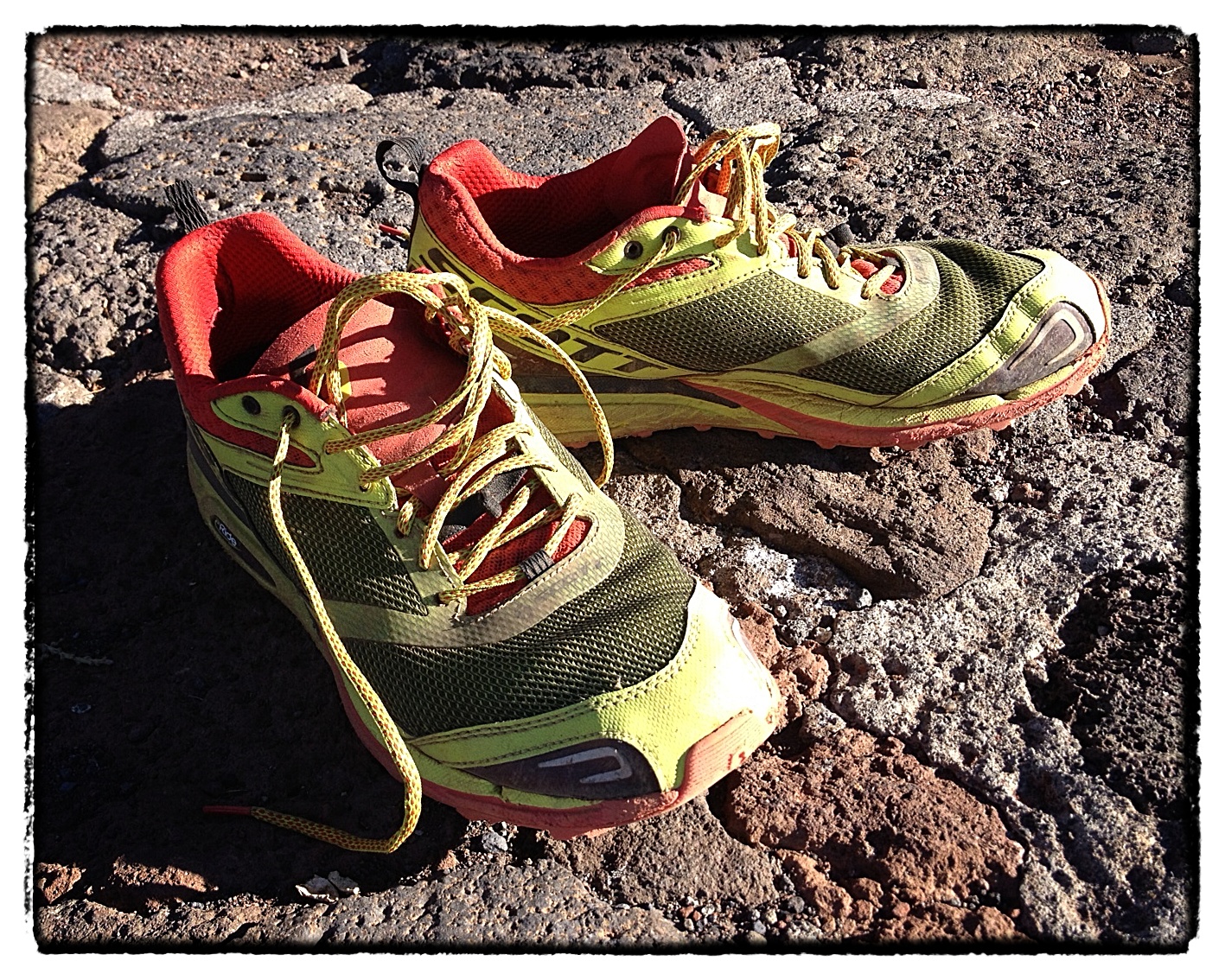
My eRide Grip 2 had tempted me for a few months, the glowing yellow tempting me to take them out. As my injury progressed, finally in November 2012 I was able to resume some running and take the Scott’s for a spin. Or should I say several spins.

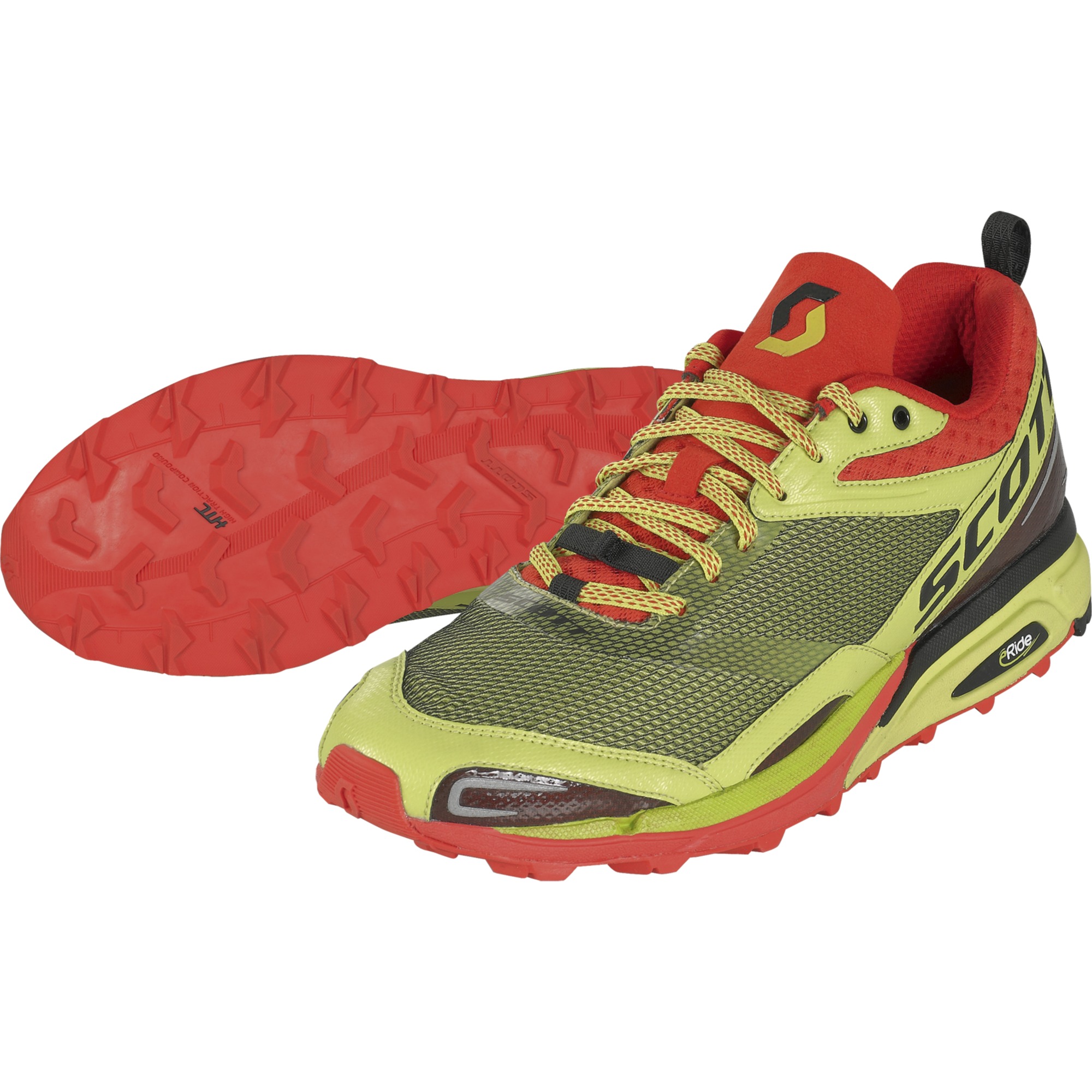
Weighing in at 336g for a UK9.5 this compares well to other shoes in direct comparison. For example a Salomon Speedcross 3 is 350g and a Salomon S-Lab Softground is 367g for the same size. For a lightweight comparison, The North Face Single Track Hayasa is 280g and the Salomon Sense Ultra is 230g.

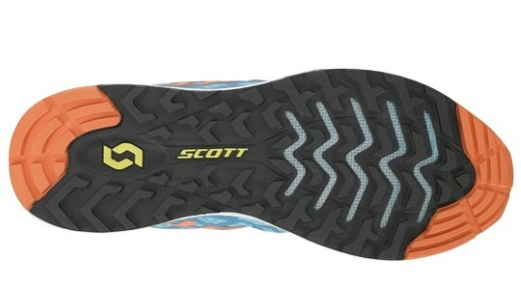
The heel to toe drop is 11mm and as such allows direct comparison to the Speedcross 3 and Softground. Also, a key element of the eRide Grip 2 is the aggressive outsole.

eRide Grip2 sole


The outsole really is aggressive and as such makes running on all terrains a pleasure. It grips well on rocks, grass, mud, sand, lava and works incredibly well on road and hard trails. The shoe has a very cushioned feel and provides real comfort over longer distances. I was really impressed how the shoe felt on the road. Of course this shoe is not for that type of surface but if you are ever out training or racing and need to transfer from trails don’t worry. This shoe can handle it!

The upper is a very breathable and lightweight mesh. A bumper at the front of the shoe provides adequate protection from rocks and other objects but not as much protection as other brands on the market. The tongue is free fitting and not very padded but perfectly comfortable.

The laces have an elastic feel and work really well. Get the shoe tightened and tied and then don’t worry. In use I never had to re tighten my laces and that included some outings of up to 9 hours. A neat addition 2/3 of the way down the laces is an elastic that stretches from one side of the show to the other.This allows you to hold the excess laces in place so they don’t bounce and flap around. Not as ground breaking as Salomon’s ‘Garage’ but it does the job and it is a welcome addition

The heel area is reinforced very well and provides a real secure and comfortable area. It is this area that provides real security on the trail holding the foot firm. Padding is excellent but at the back of the shoe this padding may come a little high for some… I had no issues whatsoever but I have heard one or two comments referring to this.

One of the key features of the shoe is eRide. eRide is designed to offer a faster foot transition when on the ground by providing a ‘rocker‘ platform. The unique rocker shape creates a very stable midstance, promoting the faster and more efficient running style that runners strive for.

Scott eRide Rocker


Now depending on your foot strike you may feel a real benefit from this rocker or you may feel a faster transition if you are already a mid to forefoot runner. Certainly if you are a heel striker, as the diagram shows you will hit the ground with the rear of the shoe and the ‘rocker’ will then help you transfer quicker to the propulsion phase. This will increase efficiency and reduce strain. On any downhill section, the rocker works really well allowing you to strike with the heel and efficiently move forward to the next step. Another key feature (and you will see this in the image of the sole above) is that the sole has NO raised arch. Therefore the eRide Grip 2 has a solid platform from which to strike the ground and this once again reduces inefficiency.

Scott boast the benefits of eRide as follows:

  • 1. Healthier body position
  • 2. More energy efficient
  • 3. Natural midfoot strike
  • 4. Lower profile heel
  • 5. Smoother ride
  • 6. Minimal and lighter weight

Refreshingly when I looked for technical specifications for the shoe, the Scott website provides minimal information:

  • Category: Trail Running
  • Weight: 340g USM 9
  • Heel to toe drop: 11 mm
  • Technologies: eRide Push-through plate High traction rubber
  • Lace: bungy
  • MaterialUpper: Mesh/Synthetic Overlays Lower: EVA/rubberSize run

It may be me but that really is a stripped down description of a shoe, No fancy names, no technical jargon I don’t understand… it’s simple. The only term that needs clarification is the eRide and they provide a very good description and breakdown of that.

TESTING

Initially I was running in these shoes for 30-45 mins on soft, muddy and wet terrain in the UK winter. Comfort was noticeable immediately. I enjoyed the feel of the shoe around my foot. The heel area offered security and for a mid to forefoot striker the eRide did help propel me forward allowing me to keep my cadence high and short. My runs from home always require me to do at least 1 mile on the road before I can get to the trail. The shoe really did feel comfortable over this hard unforgiving terrain. I was surprised at this particularly considering the aggressive sole.

When on the trail the aggressive sole immediately did it’s job providing security and grip were other trail shoes had failed. I must point out here that it performed on a par with Salomon Speedcross 3, Salomon S-Lab Softground and the Sportiva Raptor.

In December I went to the island of La Palma to run on the Transvulcania La Palama course. The only shoe I took was the eRide Grip 2. It was an opportunity to test the shoe on a daily basis on some tough and gnarly terrain but also a great opportunity to use the shoe for hours in contrast to minutes.

iancorless.comIMGP0727


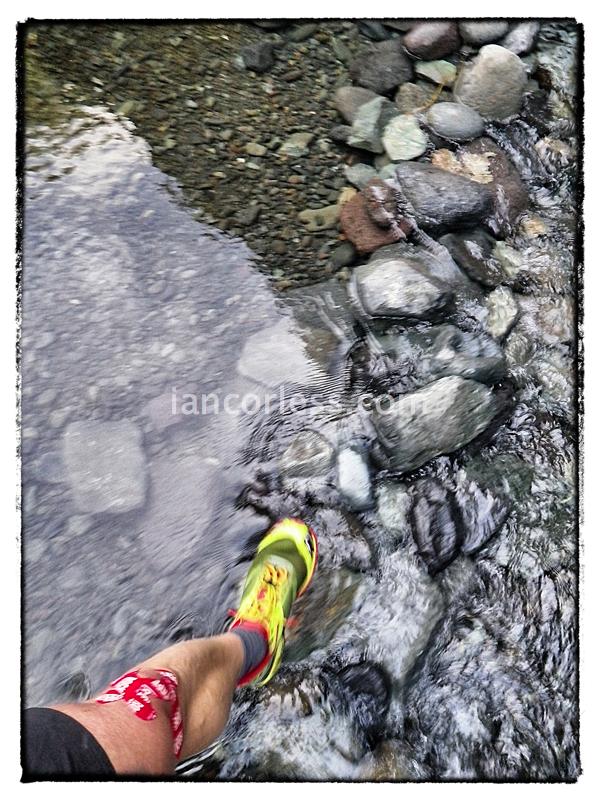
I ran, walked and hiked over the Transvulcania course for 12 days. A short day was 2 hours, a long day was 9 hours. I ran over rocks, ran through lava fields, made my way through pine forests, ran along beaches, navigated through boulders and crossed rivers. At no point did the shoes let me down. No hot spots and no blisters. I had all day comfort in conjunction with firm grip on a multitude of terrain. Was I impressed? Absolutely.

Any negatives?

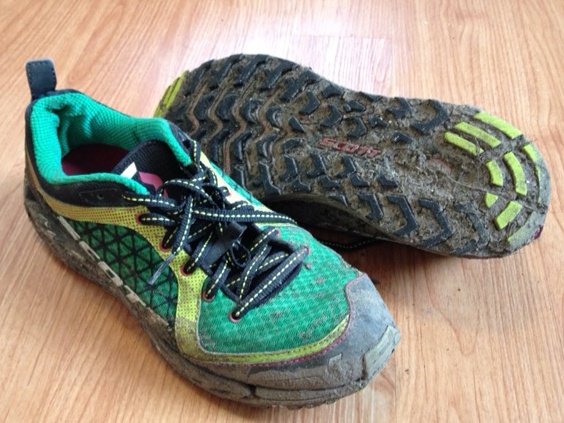
After two weeks on the Transvulcania course I threw the shoes away. No, not because I didn’t like them… but I had worn the sole away (at least in areas). This makes me question if the compound of the sole is maybe too soft? But then again, would I want Scott to change this? My answer is a definite NO.

I do believe that the sole compound is ideal for offering grip on a multitude of surfaces. On hard and wet rocks the eRide Grip 2 performed exceptionally well, had the compound been harder that may very well not have been the case.

Did the sole wear down too quickly? Arguably yes but then again the Transvulcania course is like running on sandpaper (coarse sandpaper). In addition to the abrasive lava we had to contend with sharp jagged rocks, boulders, gravel and a multitude of surfaces that would have worn any shoe down. My partner ran for 2 weeks with me in a different shoe and brand and had a similar scenario.

photo 2


Conclusion

A great trail shoe that offered a secure, firm and cushioned fit on a multitude of surfaces and terrain. The eRide technology certainly helped with an efficient run stride and overall comfort level was excellent.

Sizing is true to size.

If you need an all round trail shoe then the eRide Grip 2 is a strong recommendation.

You can see all Scott Running products HERE

The 2013 model is now available in a new colour way – blue/black

2285321034E_29457_tif_raw_1