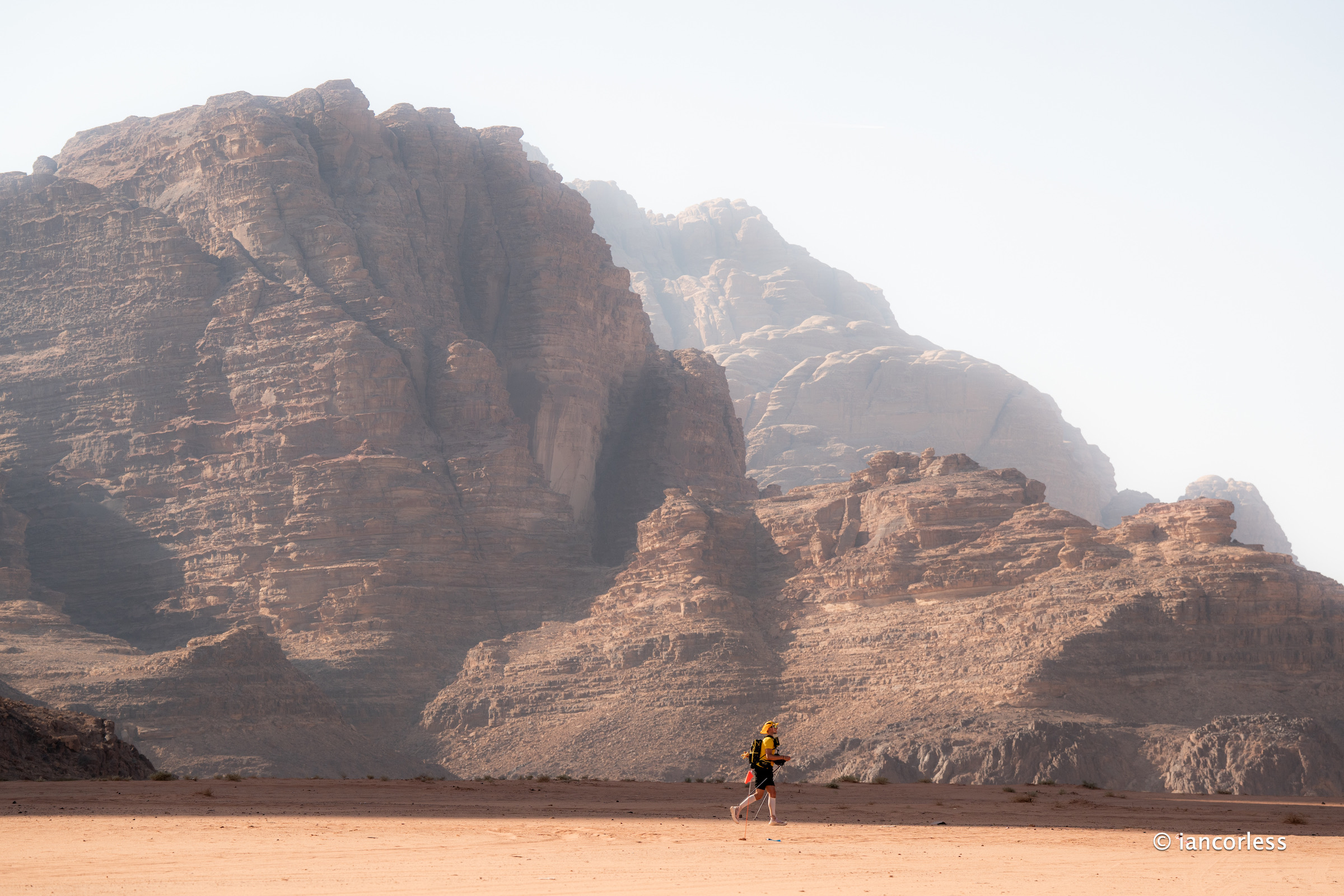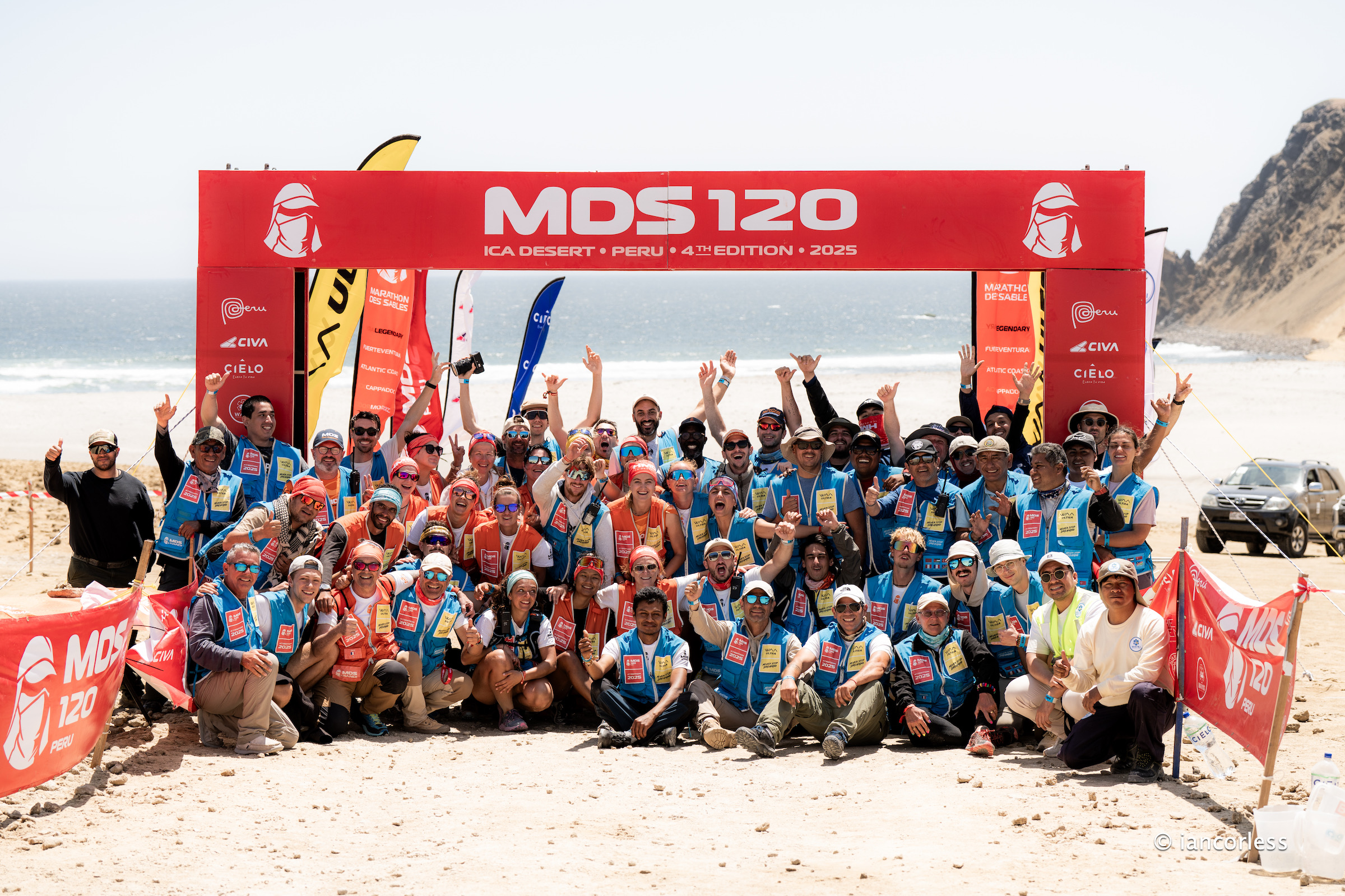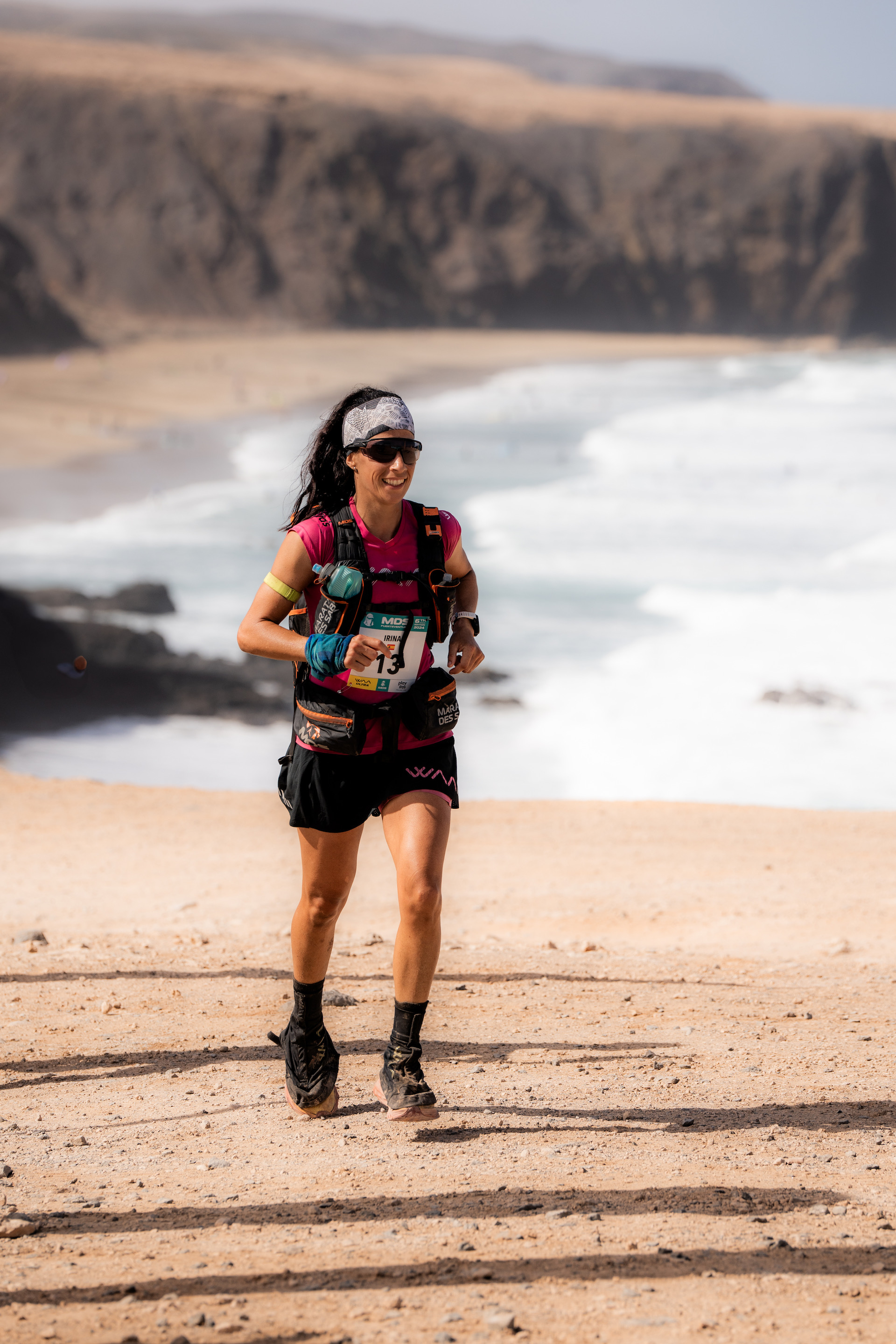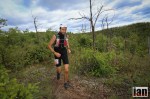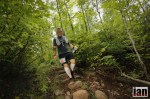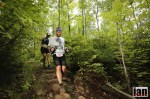
COUTDOWN TO MDS LEGENDARY 2026 – ISSUE ONE

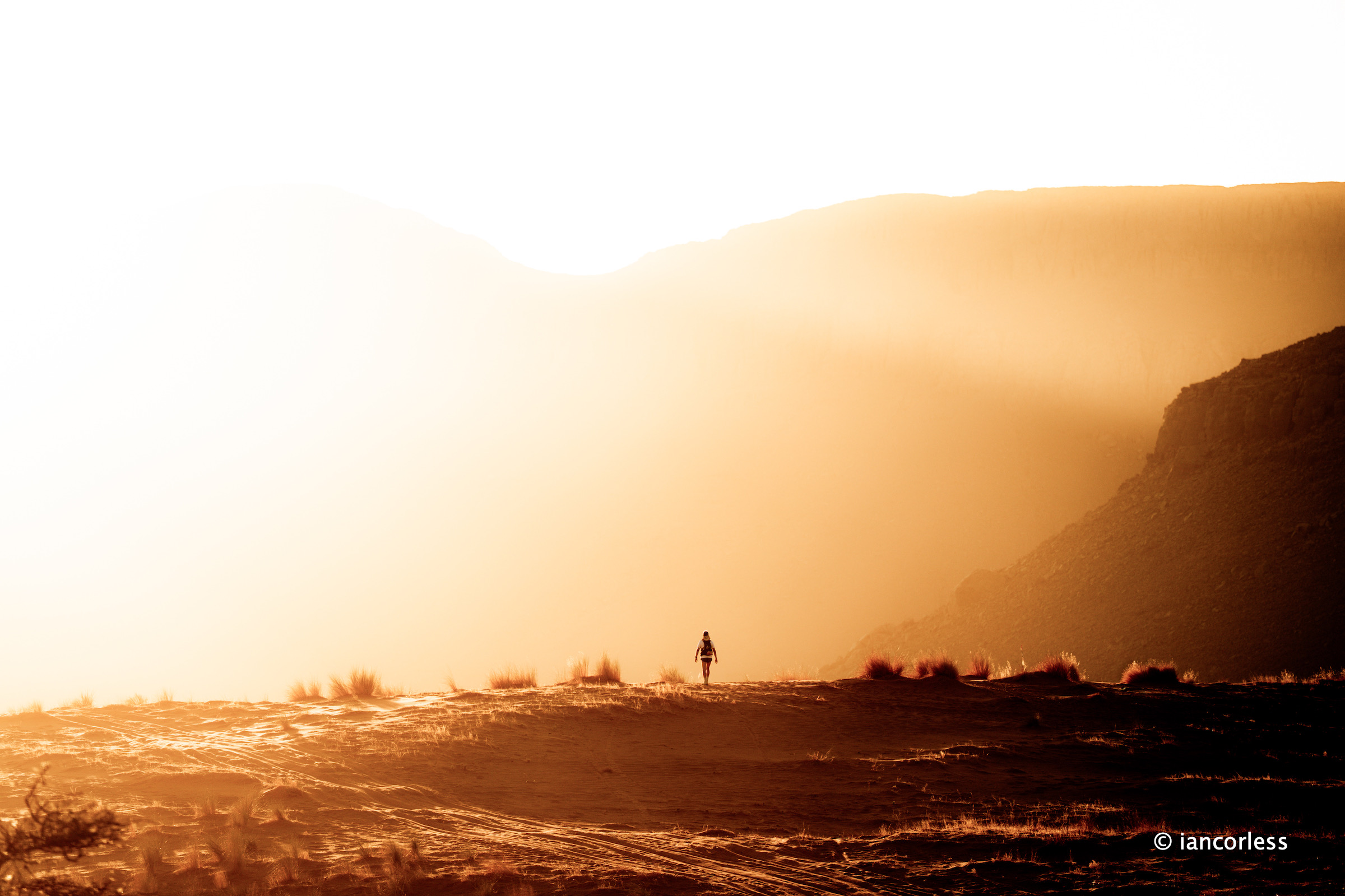
Photo by Ian Corless

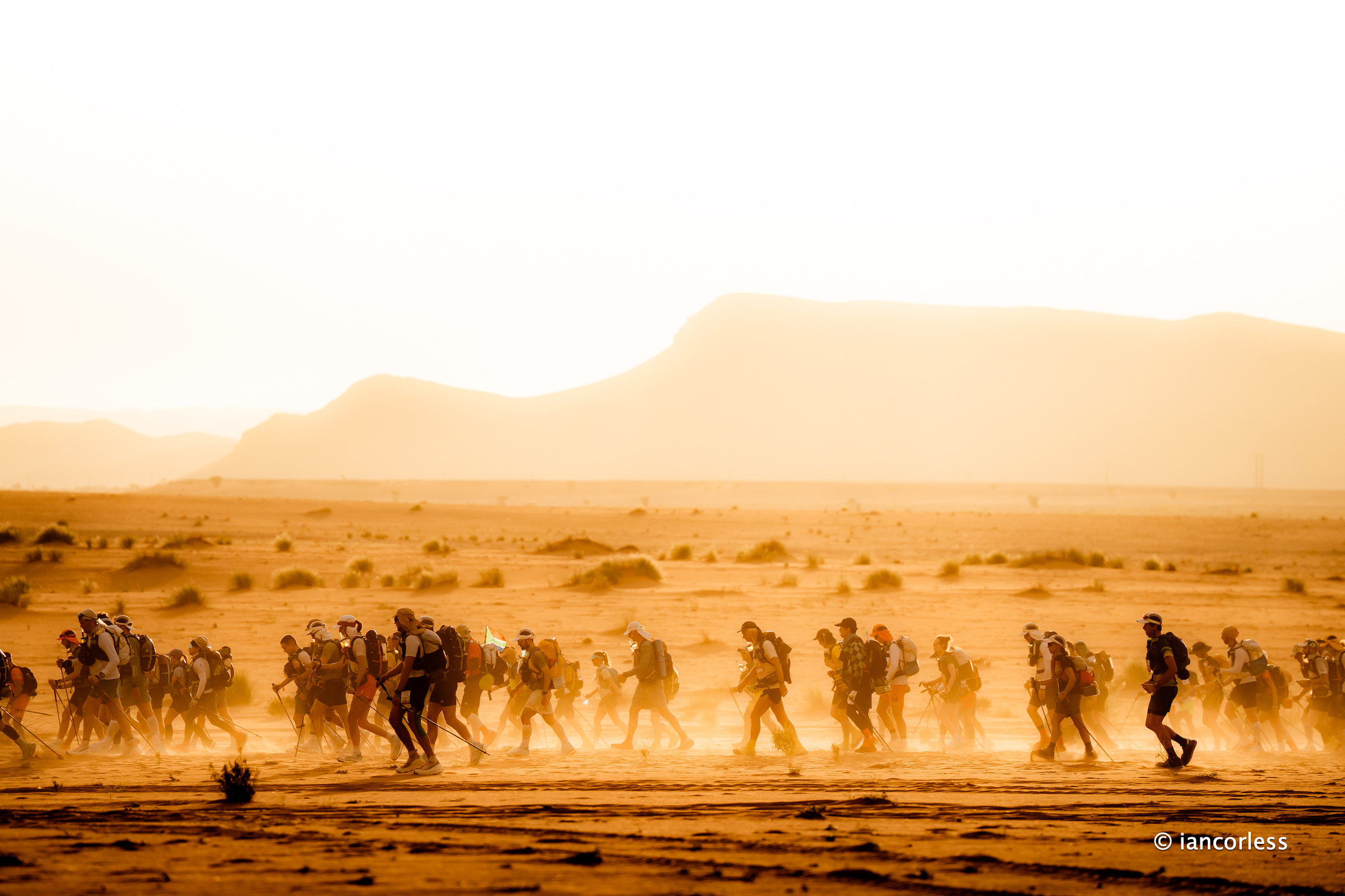
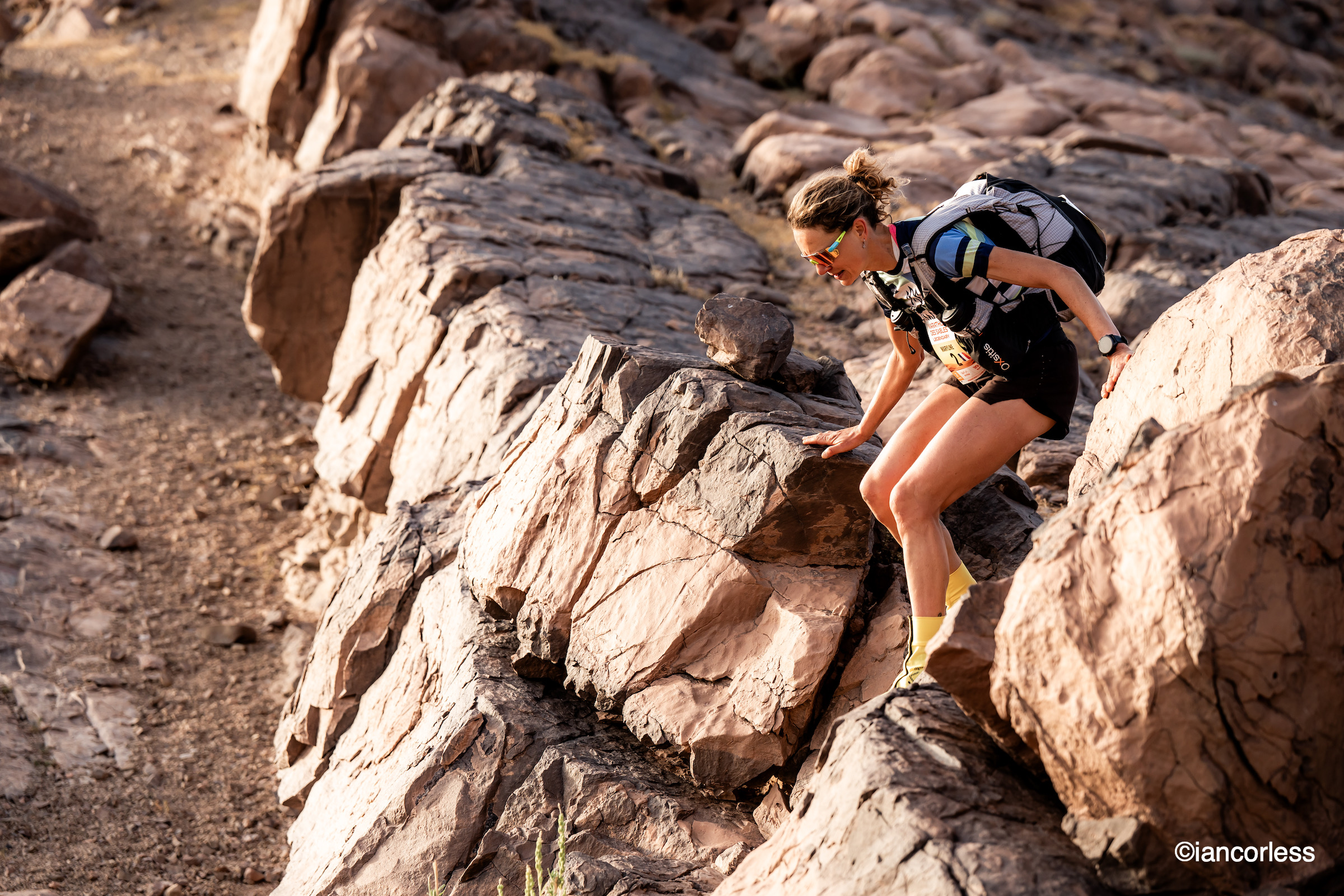
The 2026 Marathon des SablesThe Legendary is not just another year in the desert. It marks 40 years of the race. That alone tells you something about what’s coming. This edition matters. It will be longer, tougher, and built to celebrate the history of the event properly.

As we move through March, I will release weekly articles to help you sharpen your preparation. This is the first of four. The aim here is simple: give you clarity. No surprises. No guesswork.
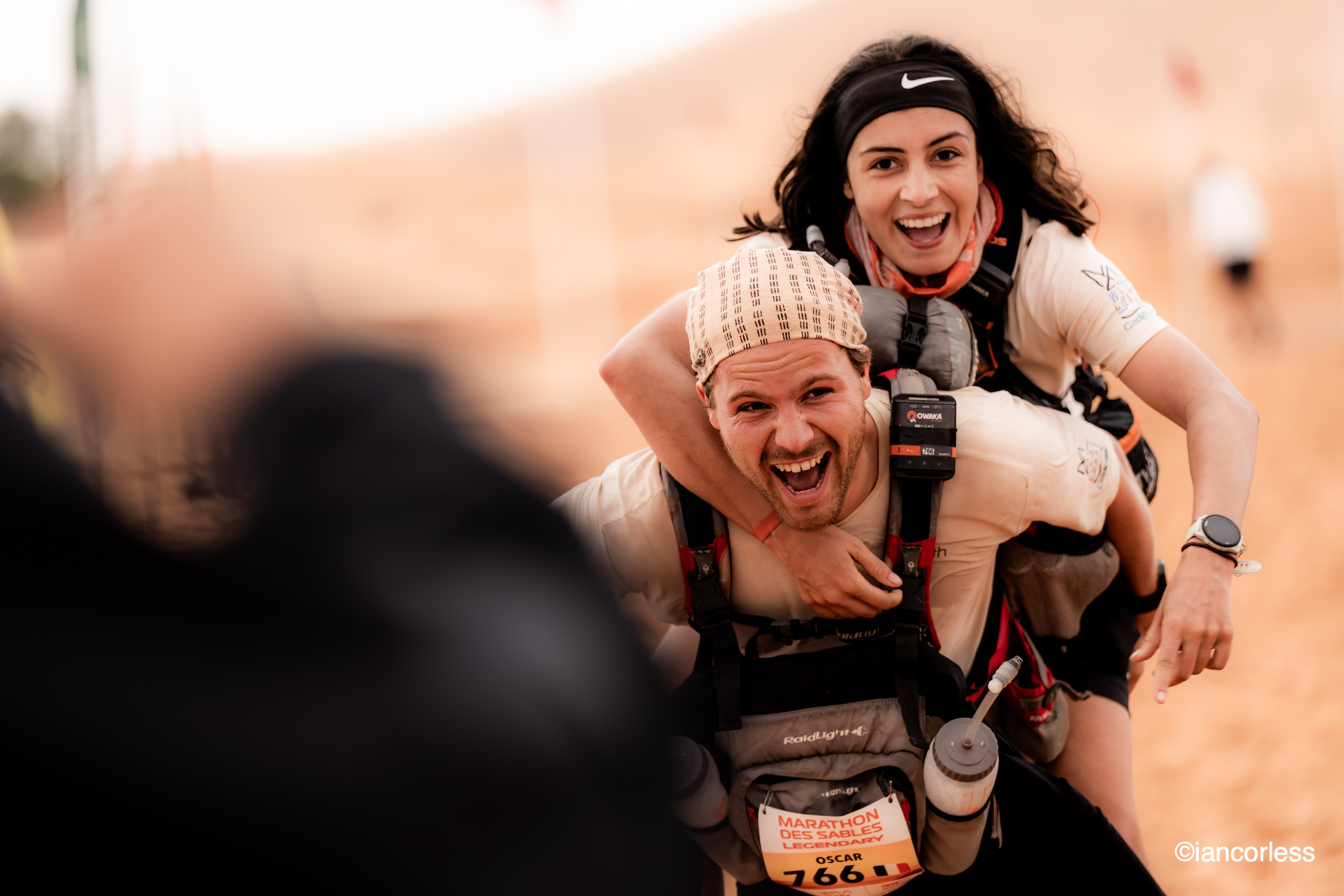
Photo by Ian Corless

The Shape of the 2026 Race

If you raced in 2025, you already experienced the longest edition in MDS history. In 2026, the format stays similar but the distance increases again.

Six stages. Seven days. All timed.
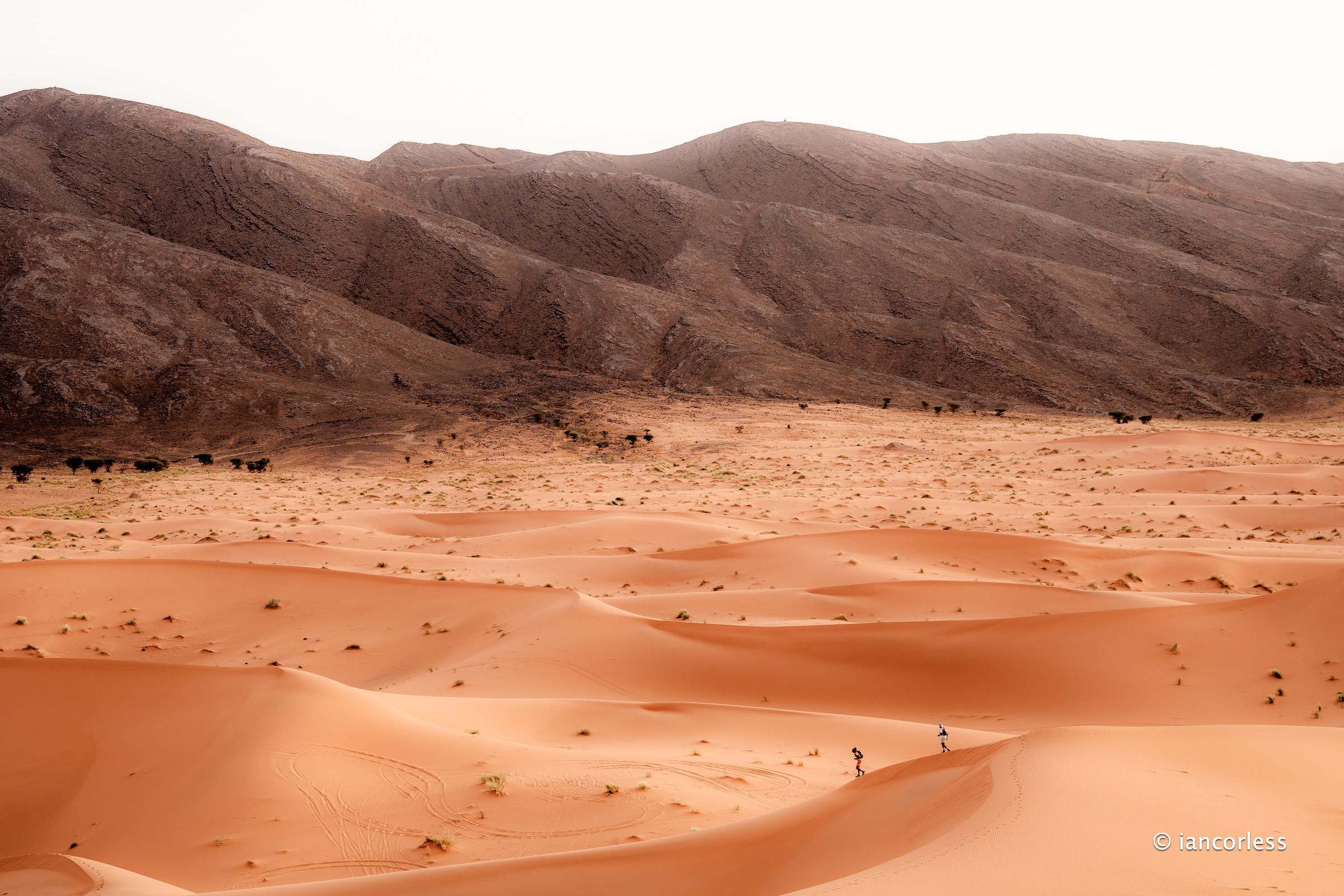
Photo by Ian Corless

In previous years, the charity stage was not timed. That changed in 2025 and continues in 2026. Every stage now counts.

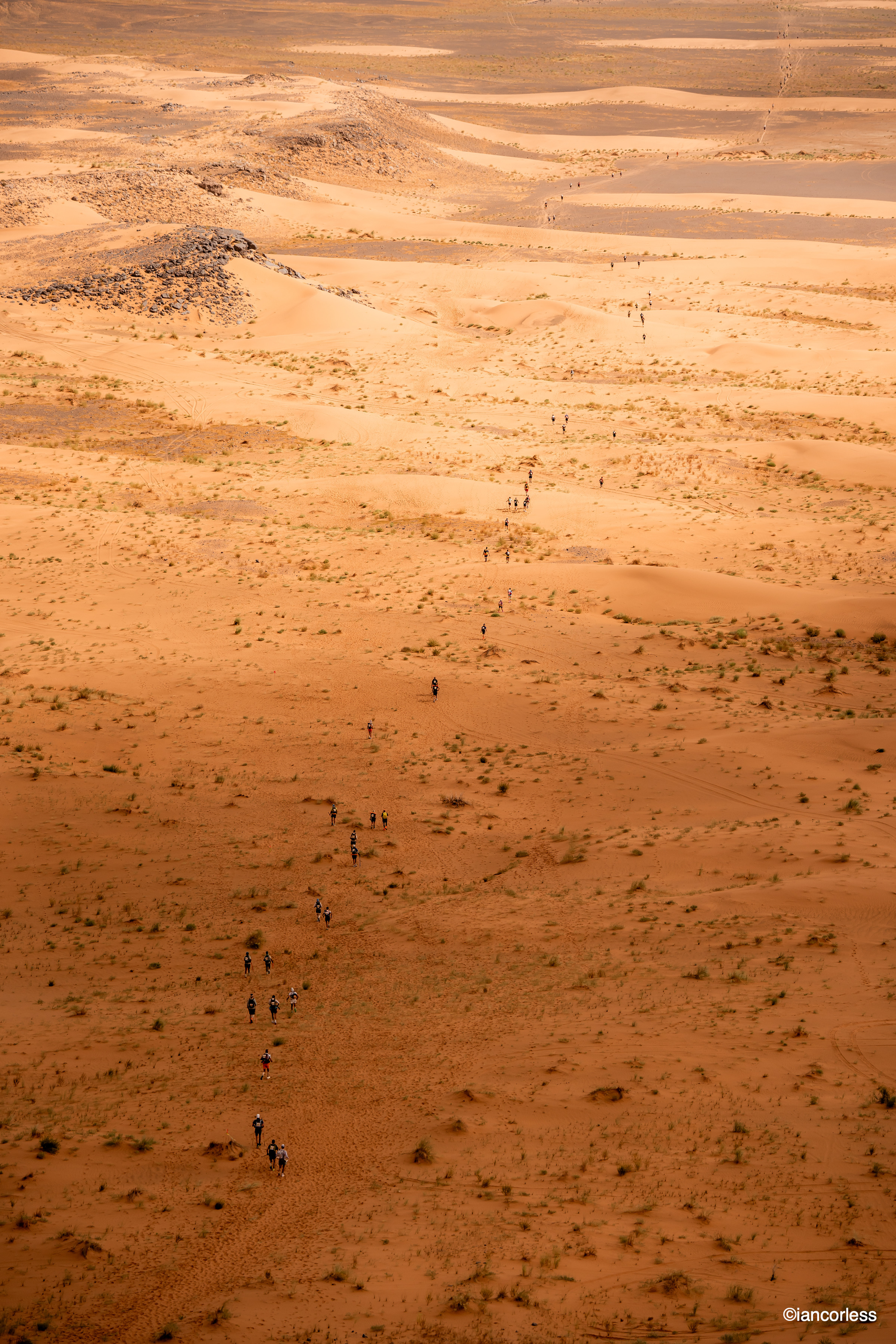
The long stage returns to Stage 4, just as it did in 2025. This time it will be 100km. Read that again. One hundred kilometres across two days in the desert.
Photo by Ian Corless

While total distance has fluctuated over the years, 250km has often been the benchmark. For 2026, you should plan for approximately 270km plus or minus. It should not shock you. But it will test you.

One positive? Depending on how quickly you complete the long stage, you may have almost a full day and night to recover before Stages 5 and 6. That recovery window could be valuable.

Daily stage distances are rarely confirmed in advance. It remains unclear whether exact distances will be released before arrival in Morocco. Historically, that information is kept quiet. Still, it’s not hard to estimate how the race could look.
Photo by Ian Corless

A likely outline might be:

Stage 1: 32km (Day 1) – total 32km

Stage 2: 38km (Day 2) – total 70km

Stage 3: 36km (Day 3) – total 106km

Stage 4: 100km (Days 4 and 5) – total 206km

Stage 5: 42km (Day 6) – total 248km

Stage 6: 21km (Day 7) – total 269km

Total: approximately 269km +/-

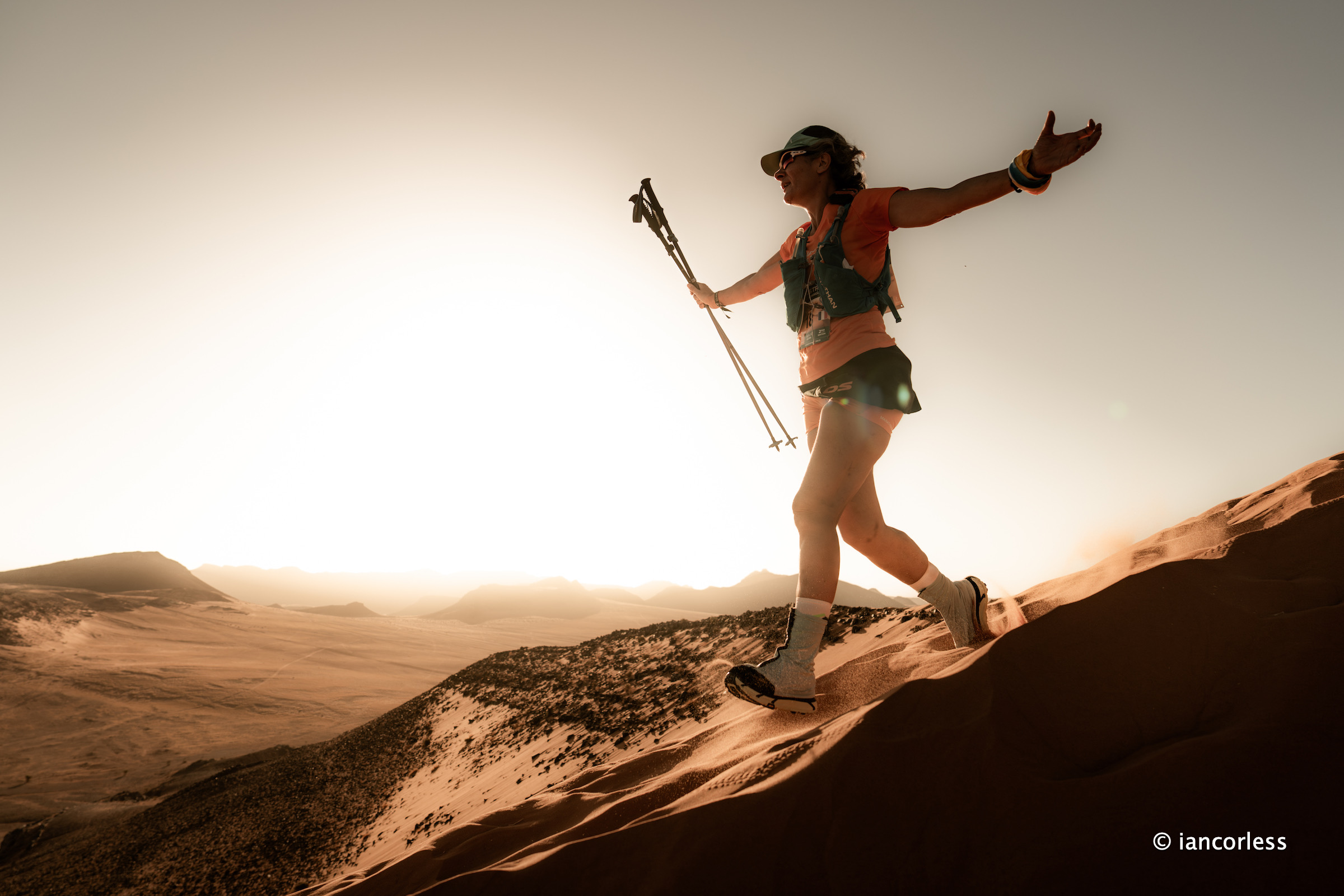
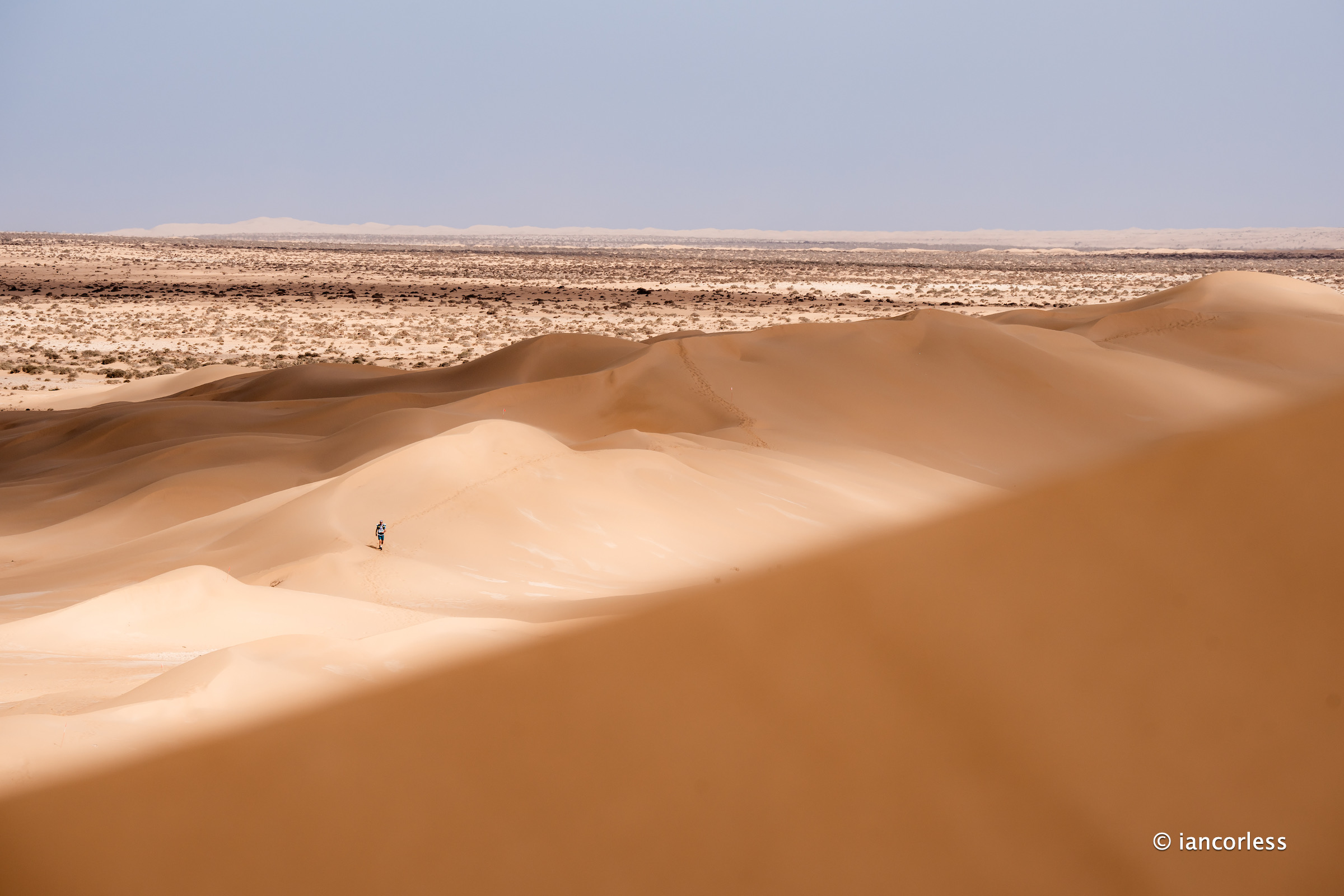
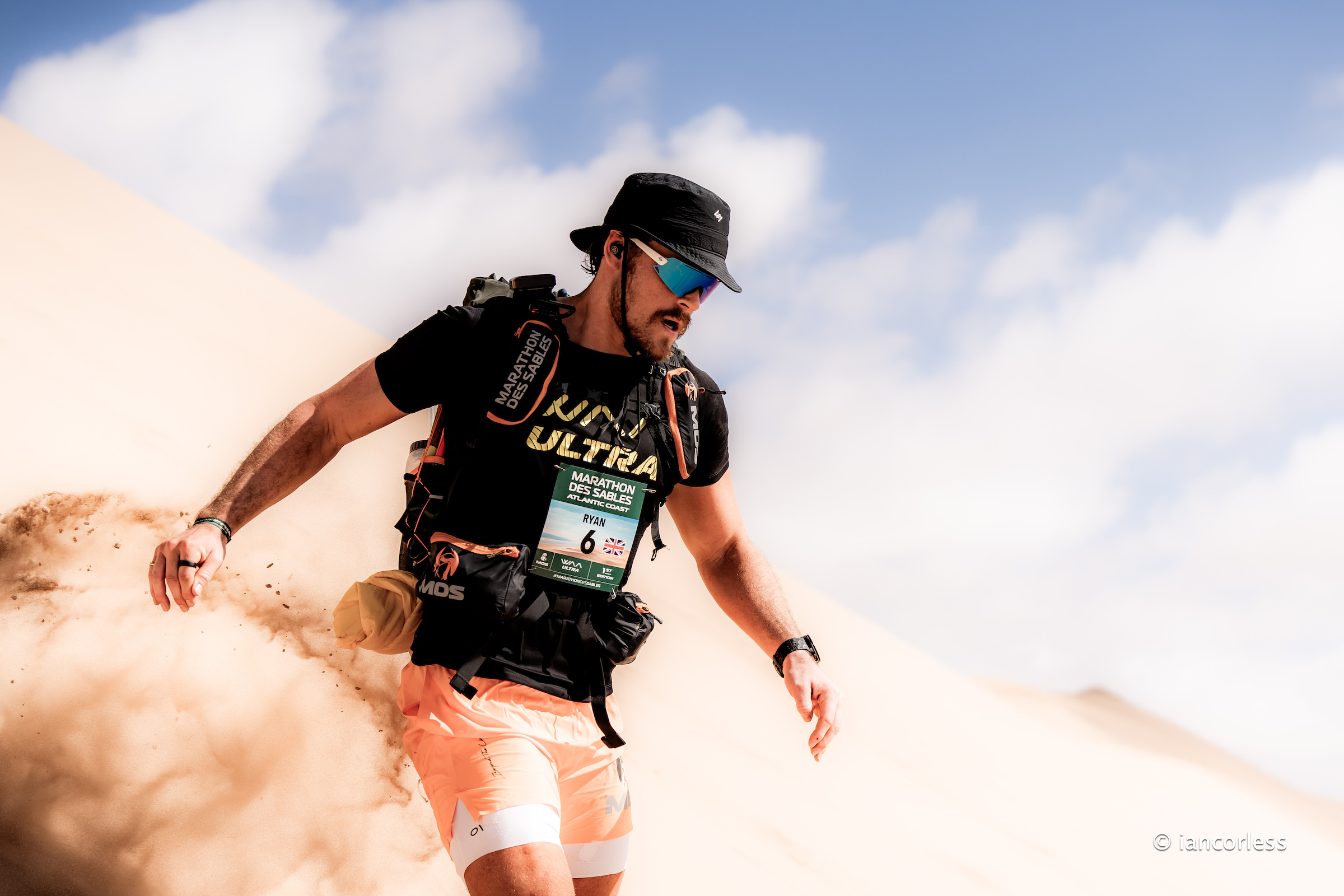
As in 2025, expect sand. A lot of it. Expect the Merzouga Dunes. Do not expect Djebel El Otfal.

You now have a working template to mentally prepare for the challenge ahead.

Before the Race Even Starts

Your race does not begin at the start line. It begins with logistics.
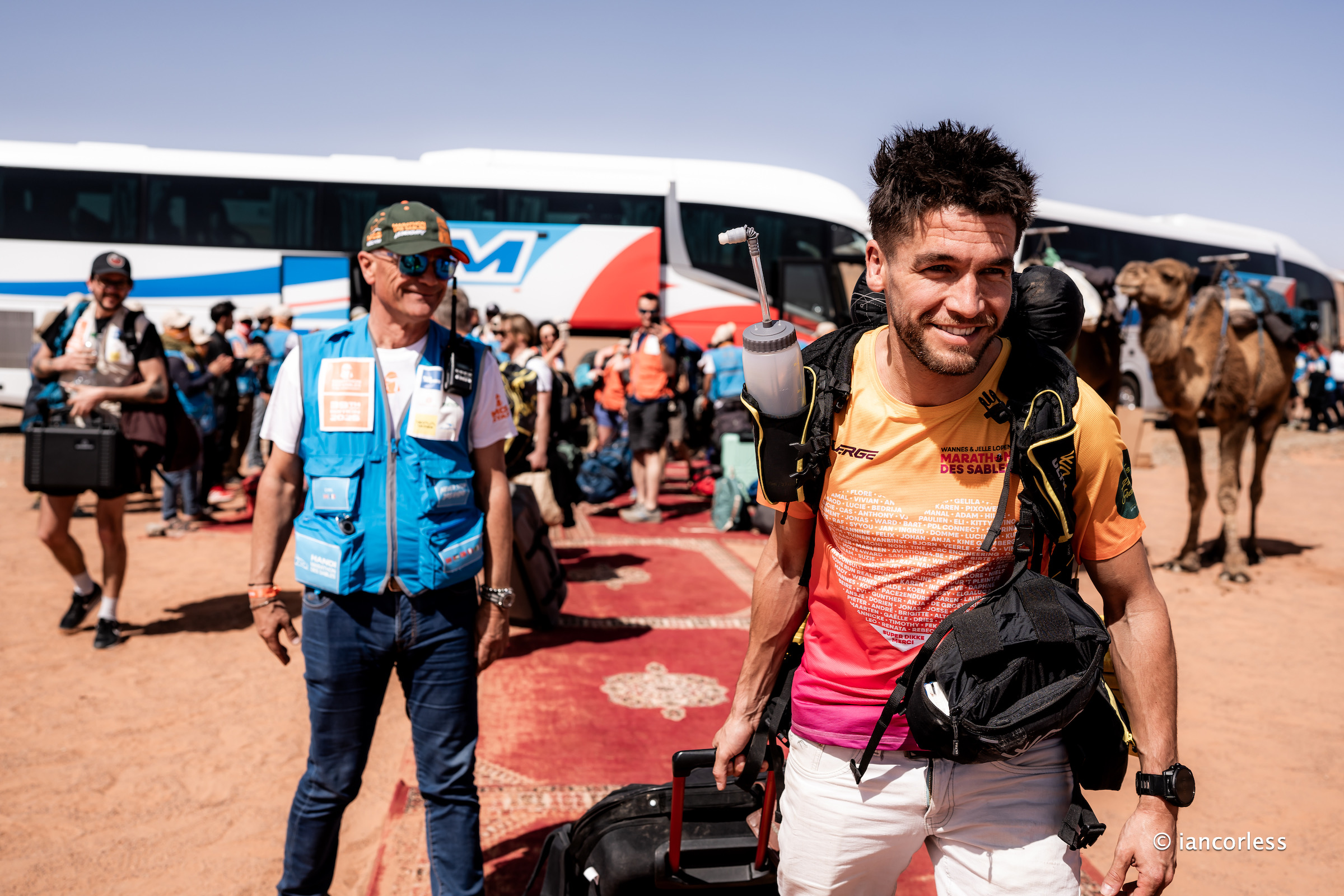
Photo by Ian Corless

In the final 2 to 3 weeks before the race, taper training back so that you are fresh and strong. Also plan for heat adaptation, this could be specific heat chamber sessions or a series of sauna sessions or similar.
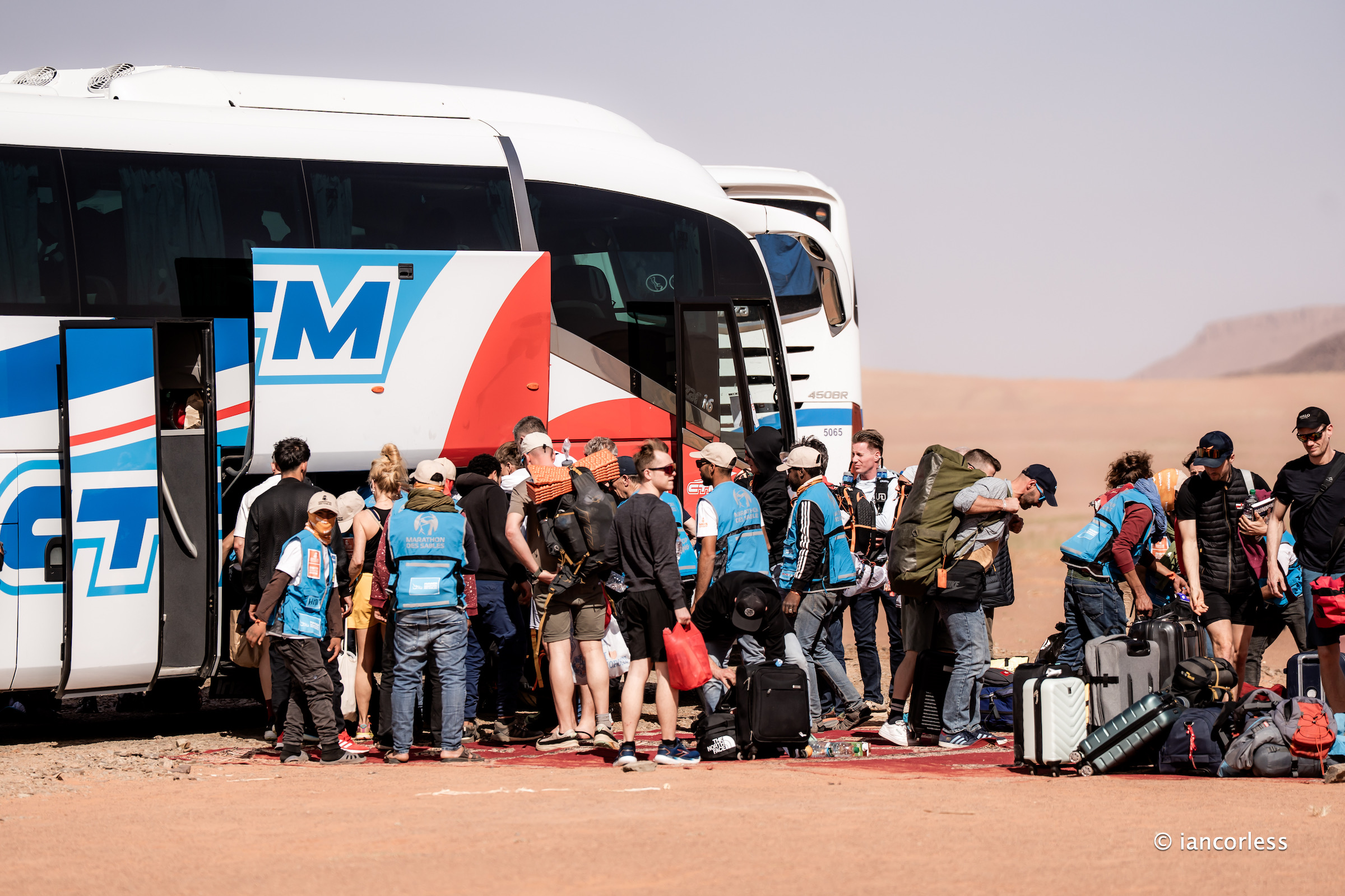
Photo by Ian Corless

You are responsible for arranging your own accommodation before the official transfer from Ouarzazate to bivouac one. If you fly into Marrakech, you may need a hotel there as well. There are free transfer buses from Marrakech to Ouarzazate. Arrive in Ouarzazate at least one day before required, have a good hotel night and time to relax and prepare before the transfer to the desert. MDS will confirm the dates and times for transfers etc.

From there, the structure usually follows this pattern:
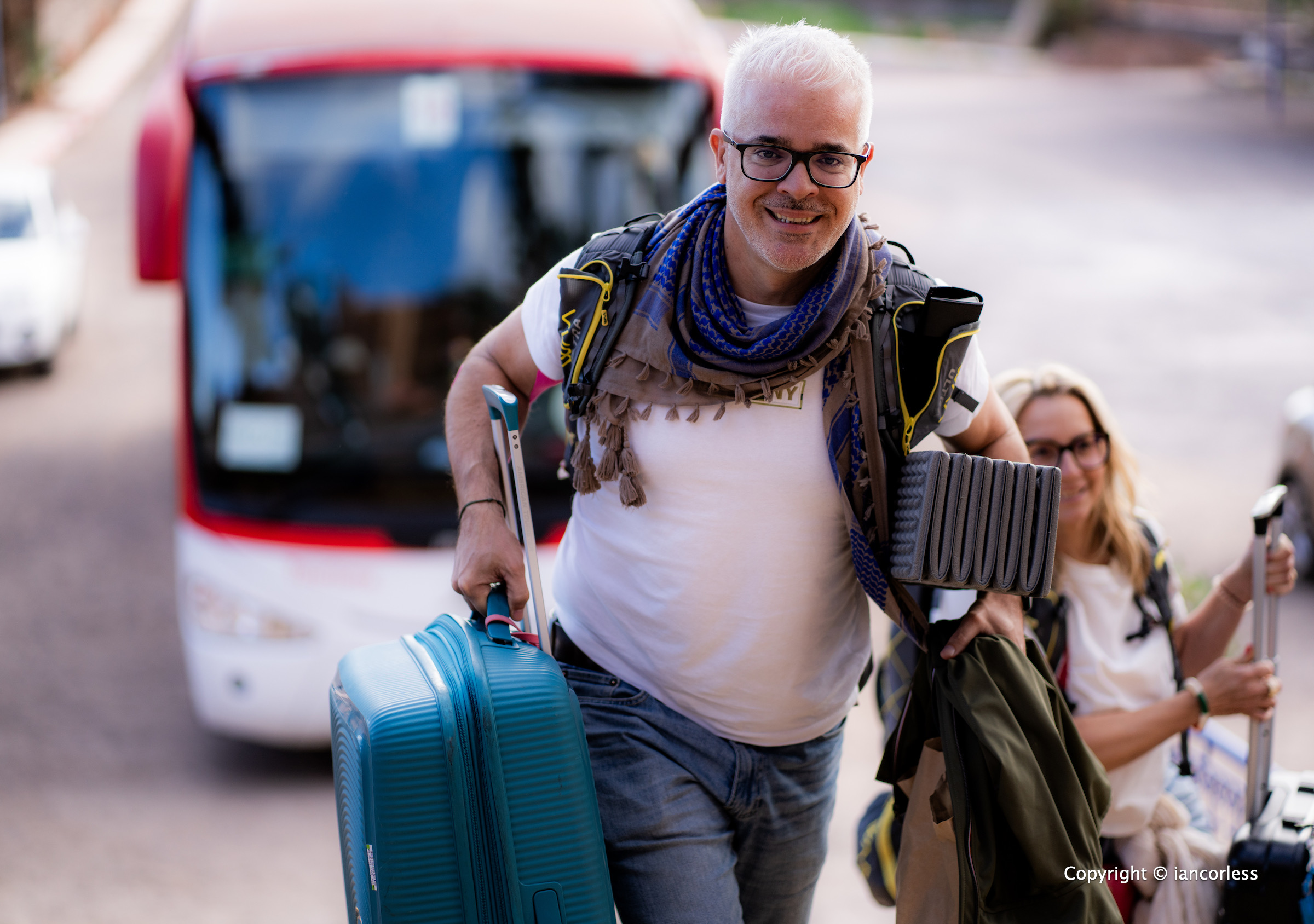
Day 1 – Bus transfer from Ouarzazate to the desert bivouac. You settle in and stay overnight. This is self-sufficient. No meals are provided. Bring enough food for arrival day and admin day. There is no weight restriction at this point, so bring what you want.
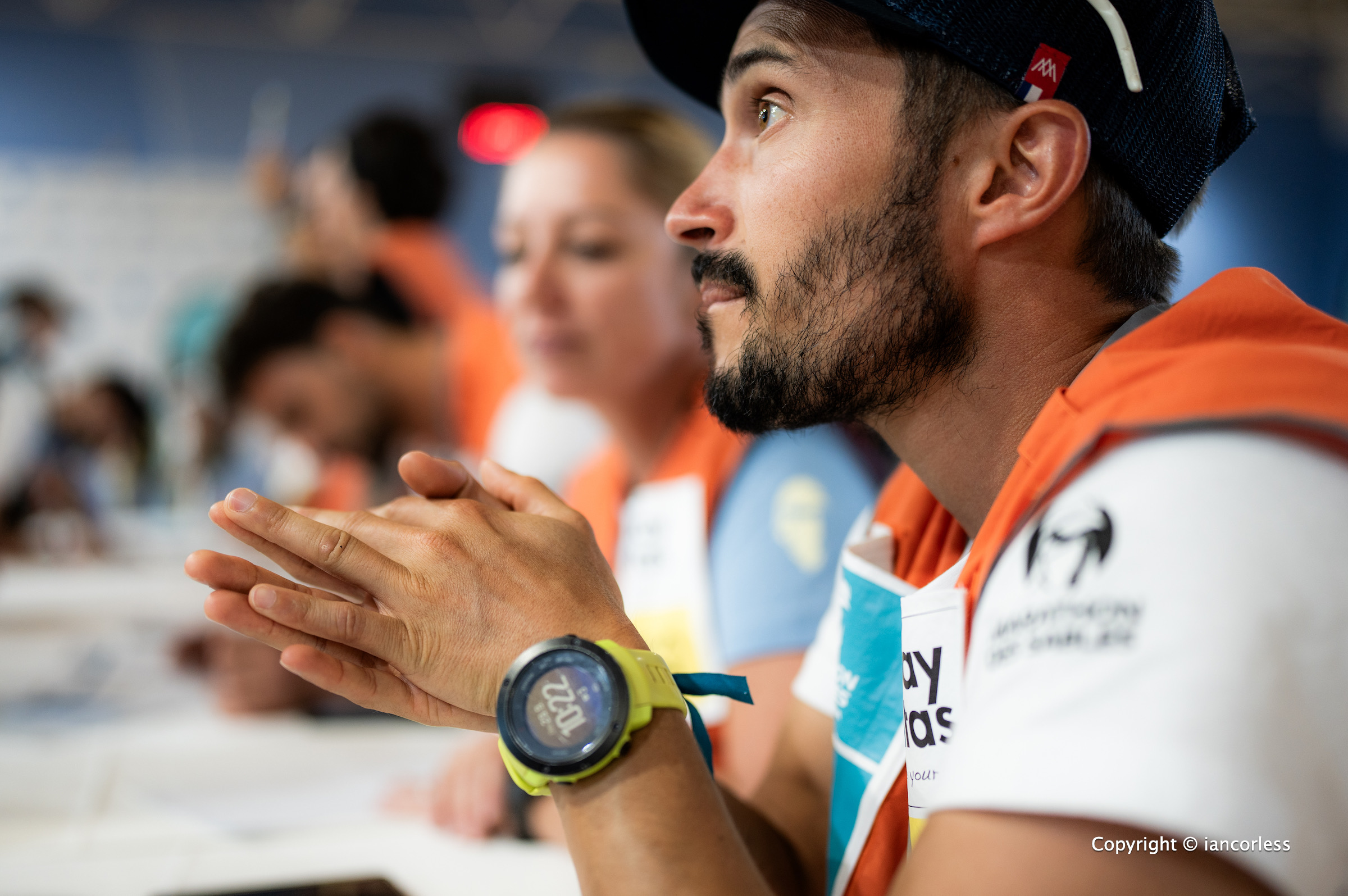
Day 2 – Technical, administrative, and medical checks. Overnight in bivouac, still self-sufficient.

Day 3 – Stage 1

Day 4 – Stage 2

Day 5 – Stage 3

Days 6 and 7 – Stage 4, the 100km long stage

Day 8 – Stage 5

Day 9 – Stage 6, medal at the finish, bus transfer back to Ouarzazate. Overnight hotel with half-board.

Day 10 – Free day in Ouarzazate, awards ceremony and gala evening. Hotel half-board.

Day 11 – Airport transfers. End of the adventure.

Bivouac Reality

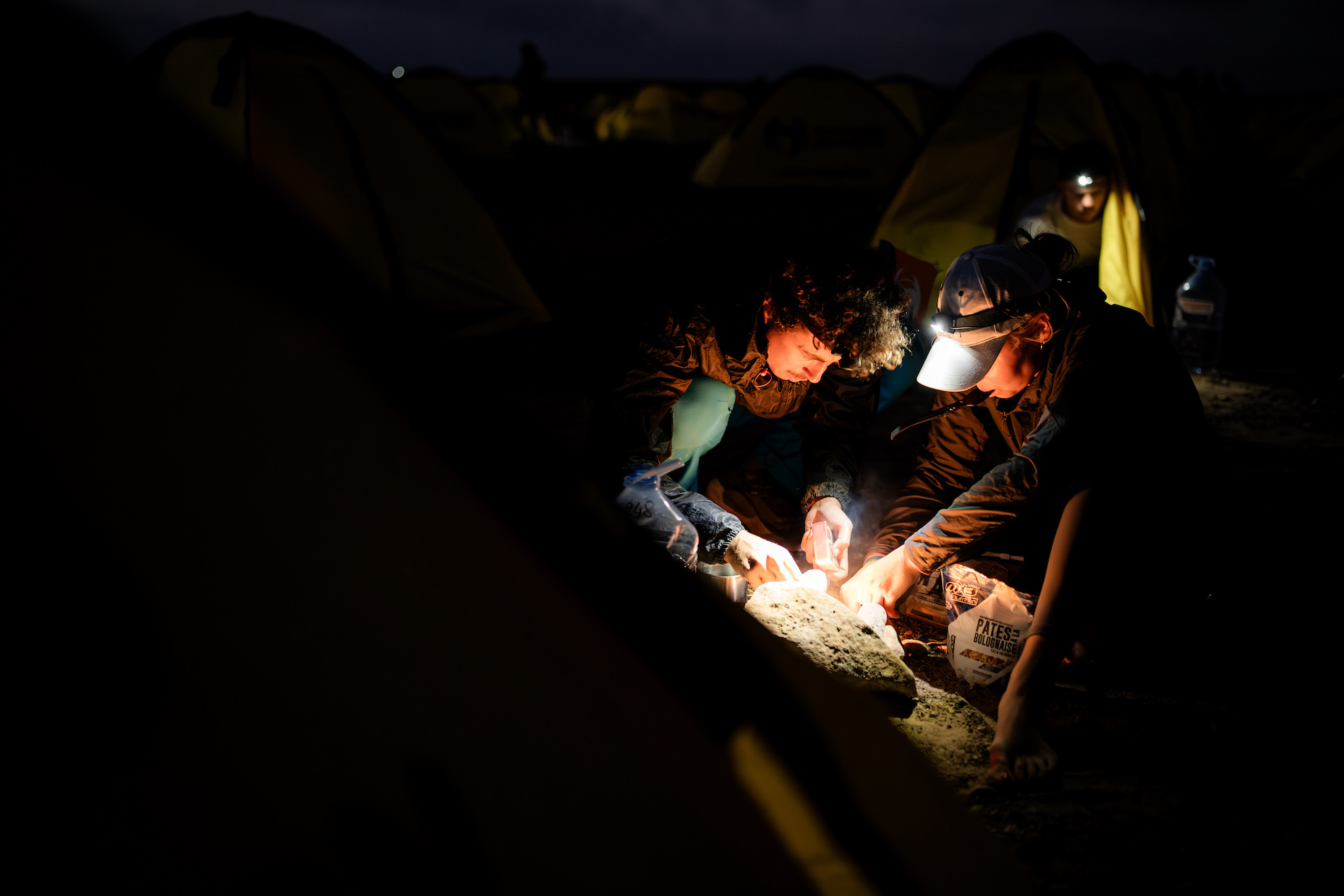
From the moment you step into the bivouac, you are self-sufficient. Water is provided. Everything else is your responsibility.
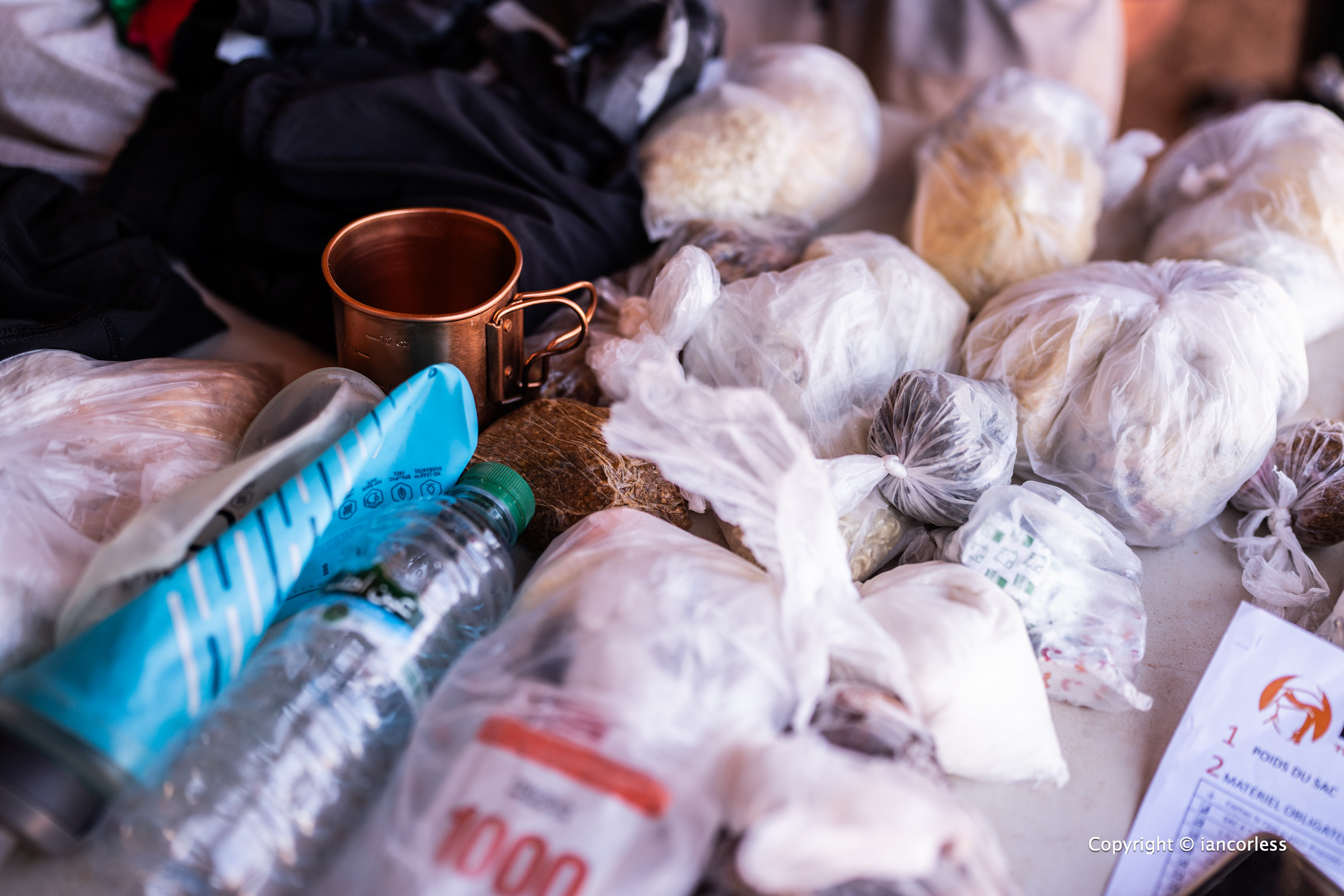
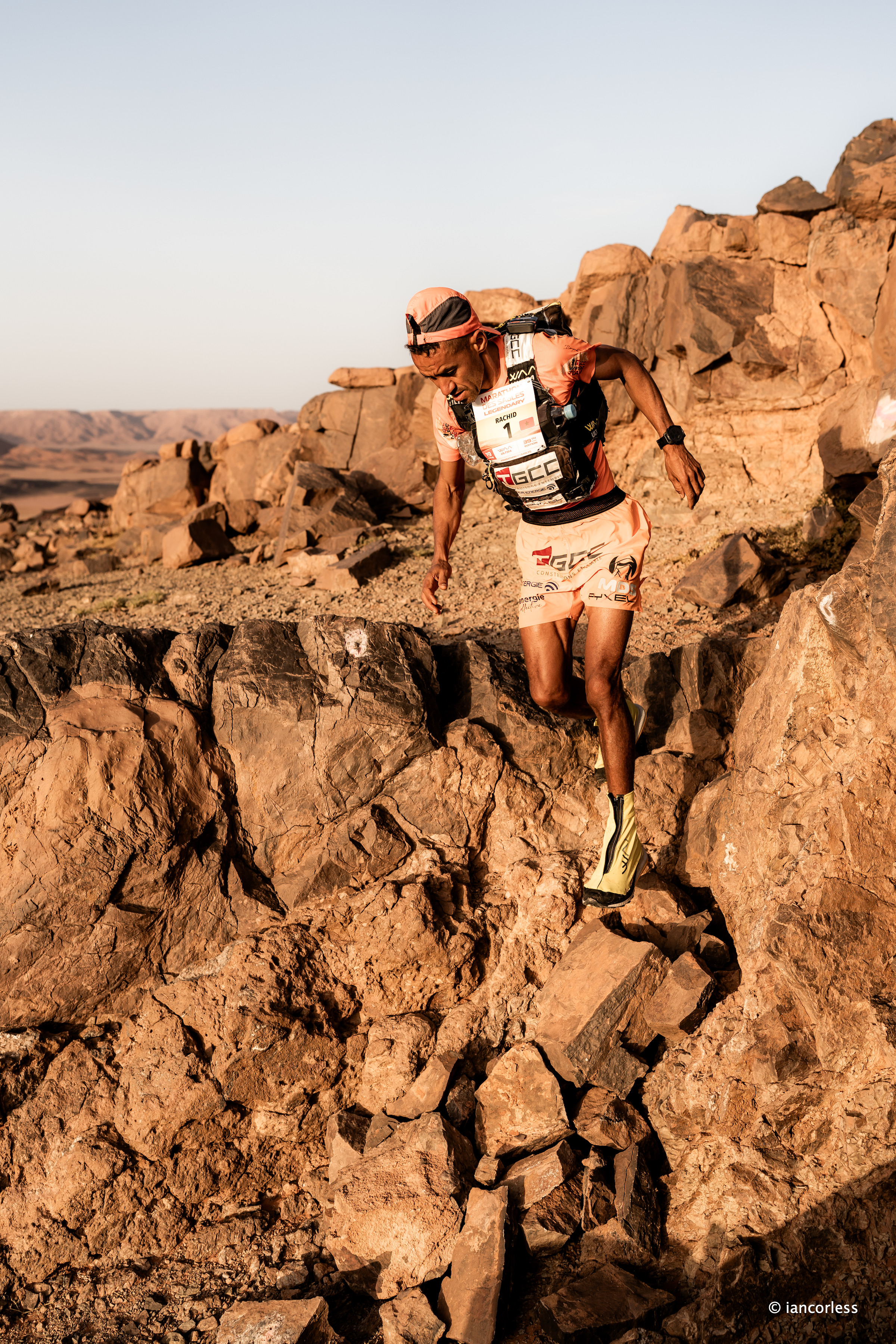
You must bring food and drink to cover arrival day and admin day before racing begins. You do not carry this food during the race, so be smart. Bring proper meals. Rachid, for example, makes a Tagine in camp.

You also have access to your luggage before admin checks. This is valuable. Bring spare kit, extra layers, backup options. You can fine tune your equipment in real desert conditions.

And do not assume MDS = heat. In 2025, we had rain, strong winds and sand storms.

Recent editions have shown how unpredictable conditions can be. The October MDS 120 Morocco race in 2024 saw rain and flooding. The Atlantic Coast edition had extreme wind, cold temperatures and rain. The desert is not always hot and dry. Prepare for variation.
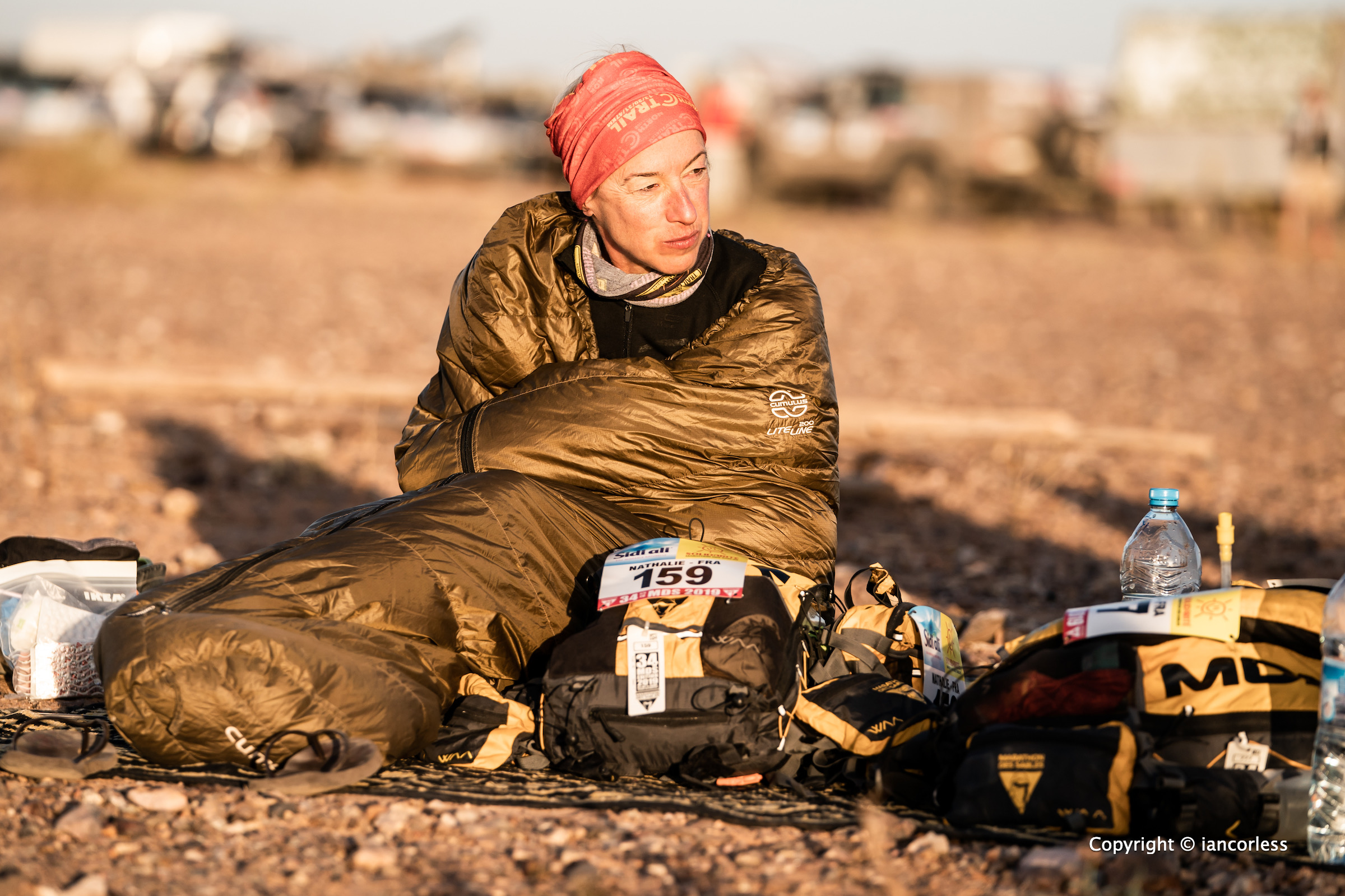
Before admin, you can adjust your race pack. After that, your pack must meet regulations:

Minimum weight: 6.5kg excluding 1.5 lts of water.

Minimum food: 2000 calories per day.

All mandatory kit must be present.

No exceptions.

Water Strategy Has Changed

Since 2024, water provision has evolved.
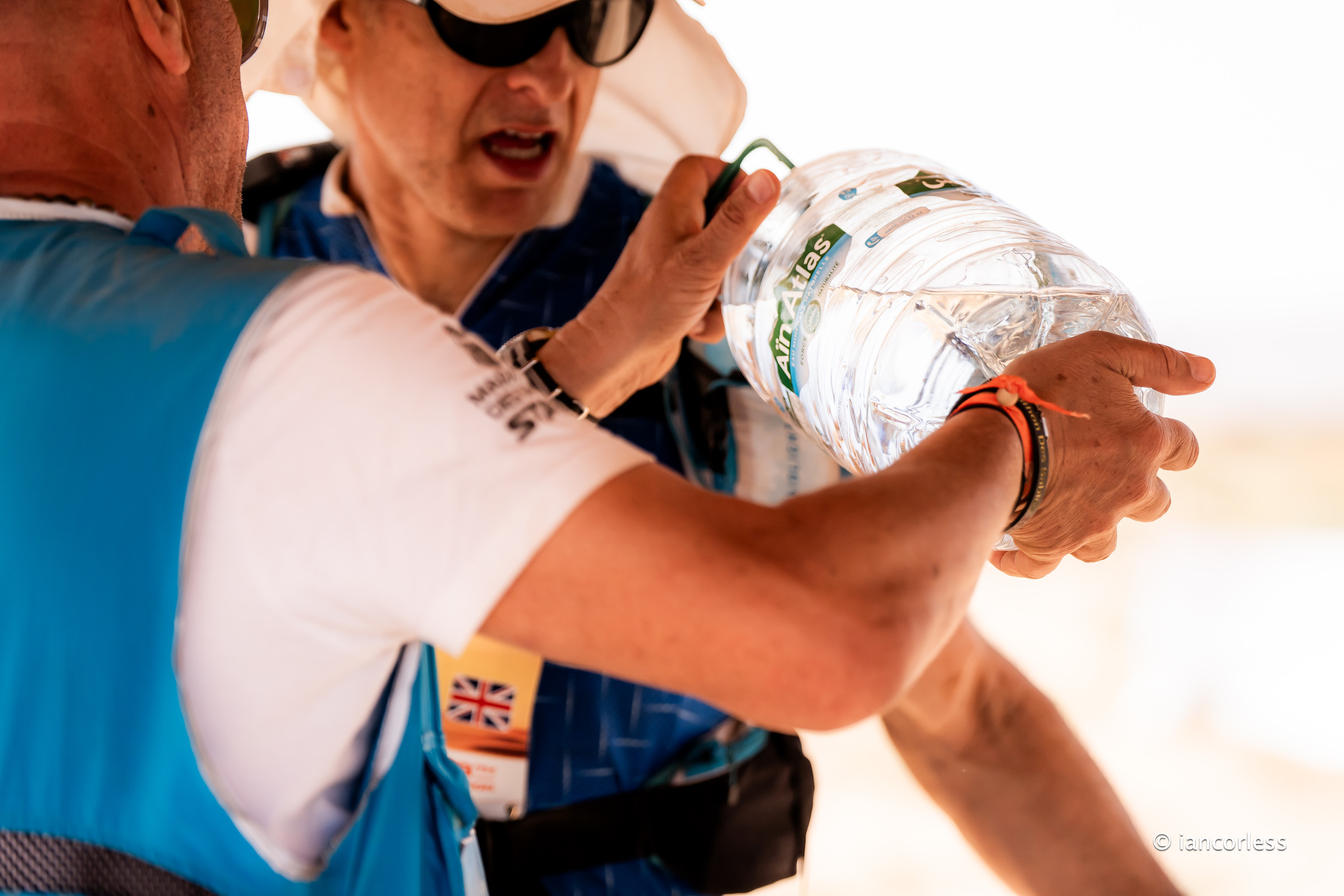
Photo by Ian Corless

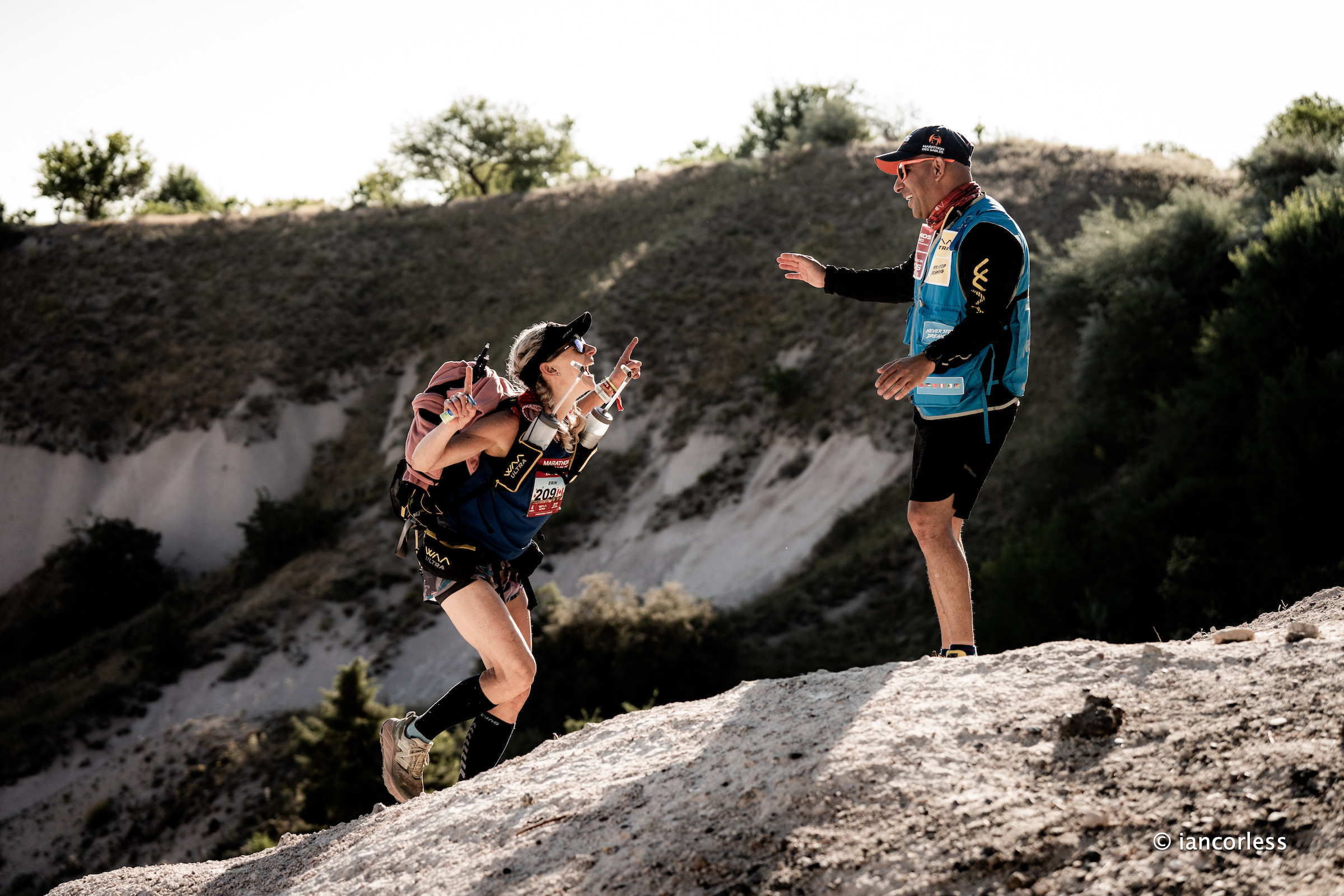
Once Stage 1 begins, water during stages is effectively unlimited. You are no longer handed sealed 1.5L bottles at checkpoints. Instead, volunteers in blue coats pour water from large containers into your bottles.

If you stand at a checkpoint and drink a full bottle, they refill it.

Typically, checkpoints are spaced around 10km apart, terrain permitting. However, if conditions demand it, additional water stations may be placed between checkpoints, for example at 5km. This flexibility is important to combat excessive heat.
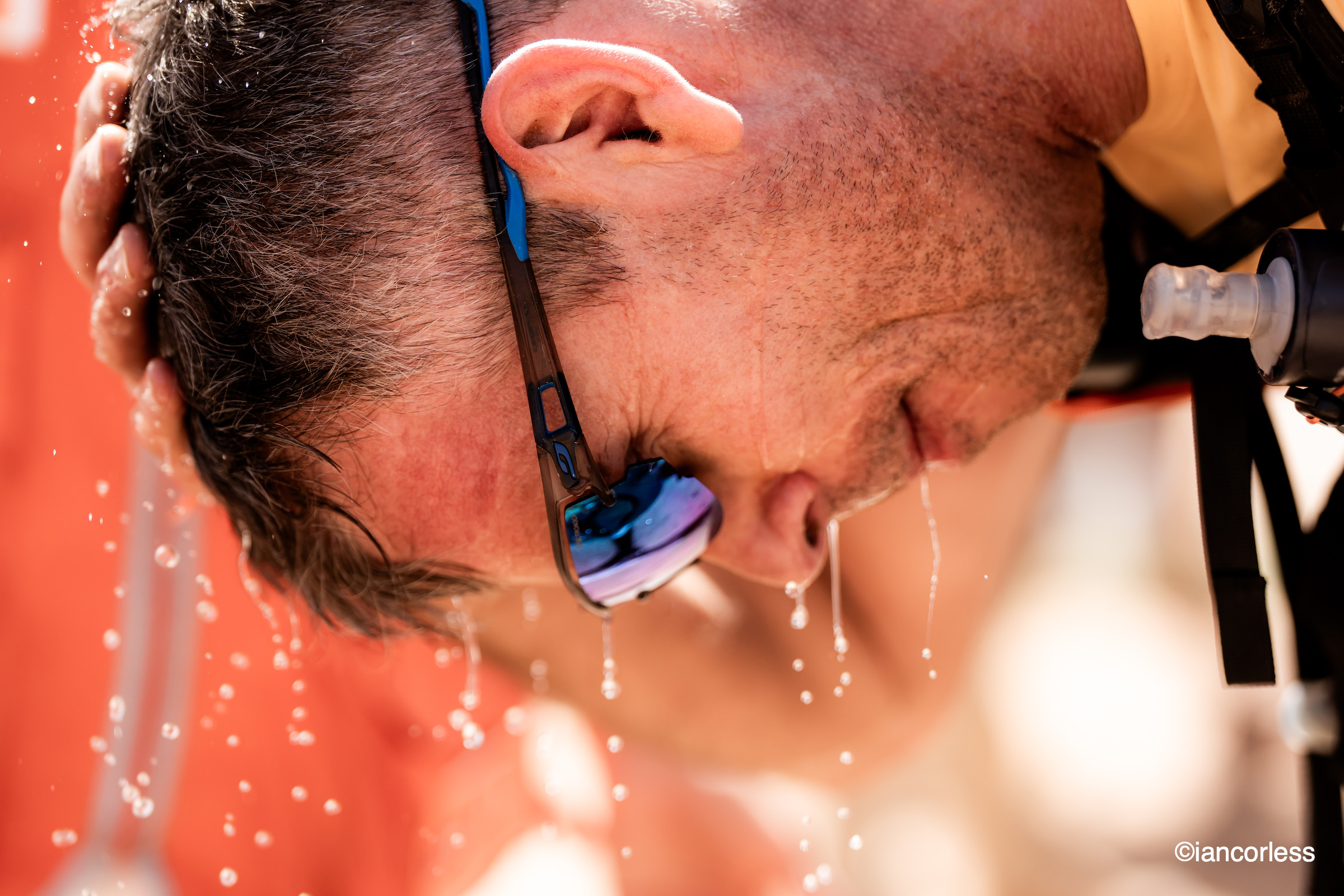
Photo by Ian Corless

For the long stage, there may be a requirement to carry additional water capacity. This could be supplied in a 1.5L bottle. Plan ahead. Either have spare capacity to decant, or a system to carry a full bottle.

After each stage, water is rationed. You receive one 5L bottle. That 5L must cover:

  • Post-stage hydration
  • Dinner preparation
  • Breakfast preparation
  • Water allocation to CP1 the next day

If you want to wash, that also comes from the same 5L. Prioritize drinking and eating. Washing is optional. Hydration is not.

Salt Is Now Non-Negotiable

The race rules require 14 broth cubes. They are salty and mandatory.

In 2024, this change was questioned. By the end of the race, feedback was largely positive.
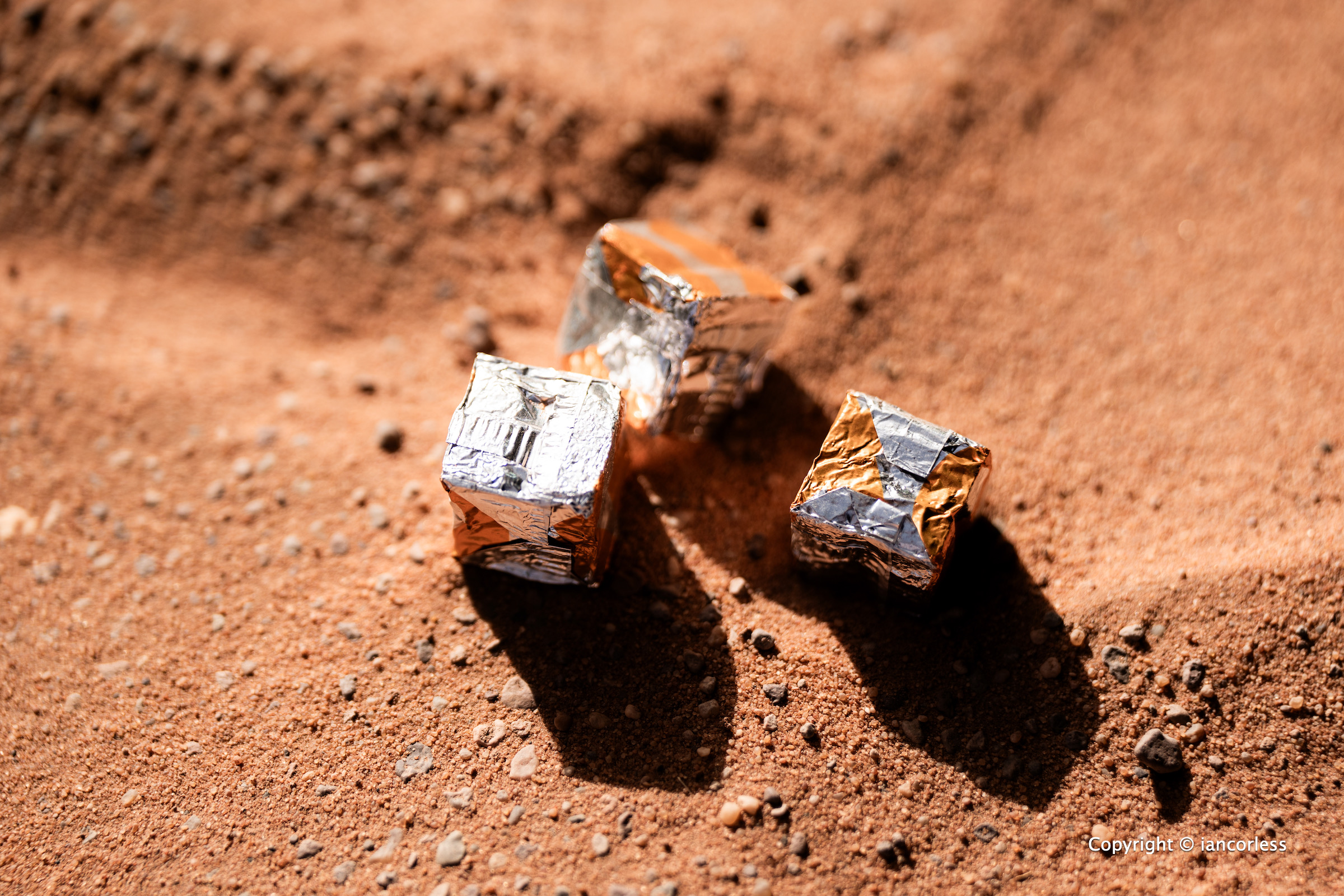
Not all cubes dissolve well. Test them. Many athletes use ‘Knorr’ because it dissolves reliably. Build a salt replacement strategy that works for you. This is a self-sufficient race. You must manage your own electrolyte plan.

Feet: The Deciding Factor

Along with dehydration, damaged feet are one of the main reasons people do not finish.

Your shoes must fit correctly. Your socks must suit you. You must know how to treat hot spots and blisters. Desert sand magnifies small problems quickly.
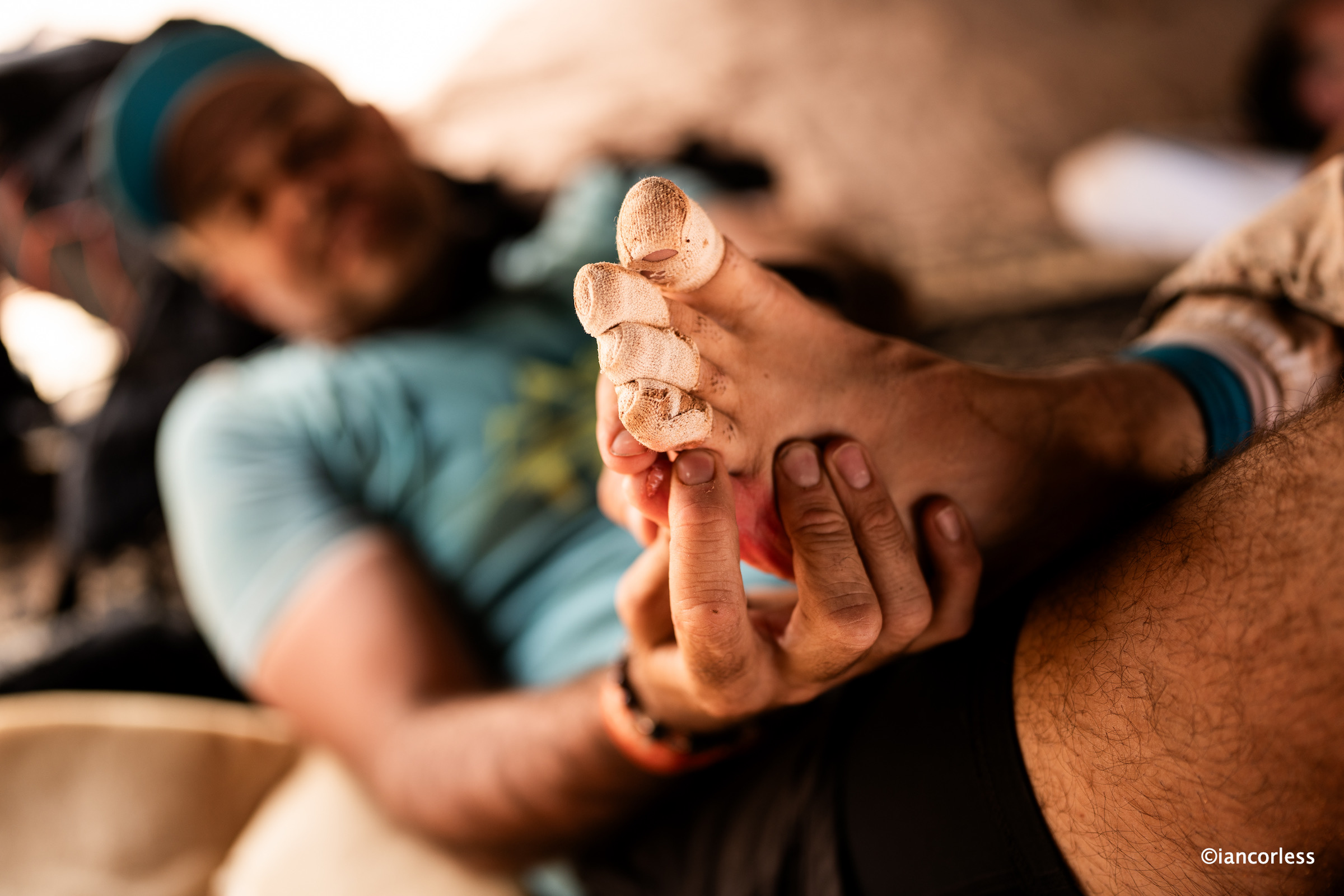
Ignore your feet at your peril.

Advice – A thumb nail of space above your longest toe is ideal. Note, I say longest toe – this may not be your big toe! A wider shoe is a good idea to allow for toe splay. If a shoe is too big, your foot will move when walking or running. A moving foot causes friction, friction means blisters. 
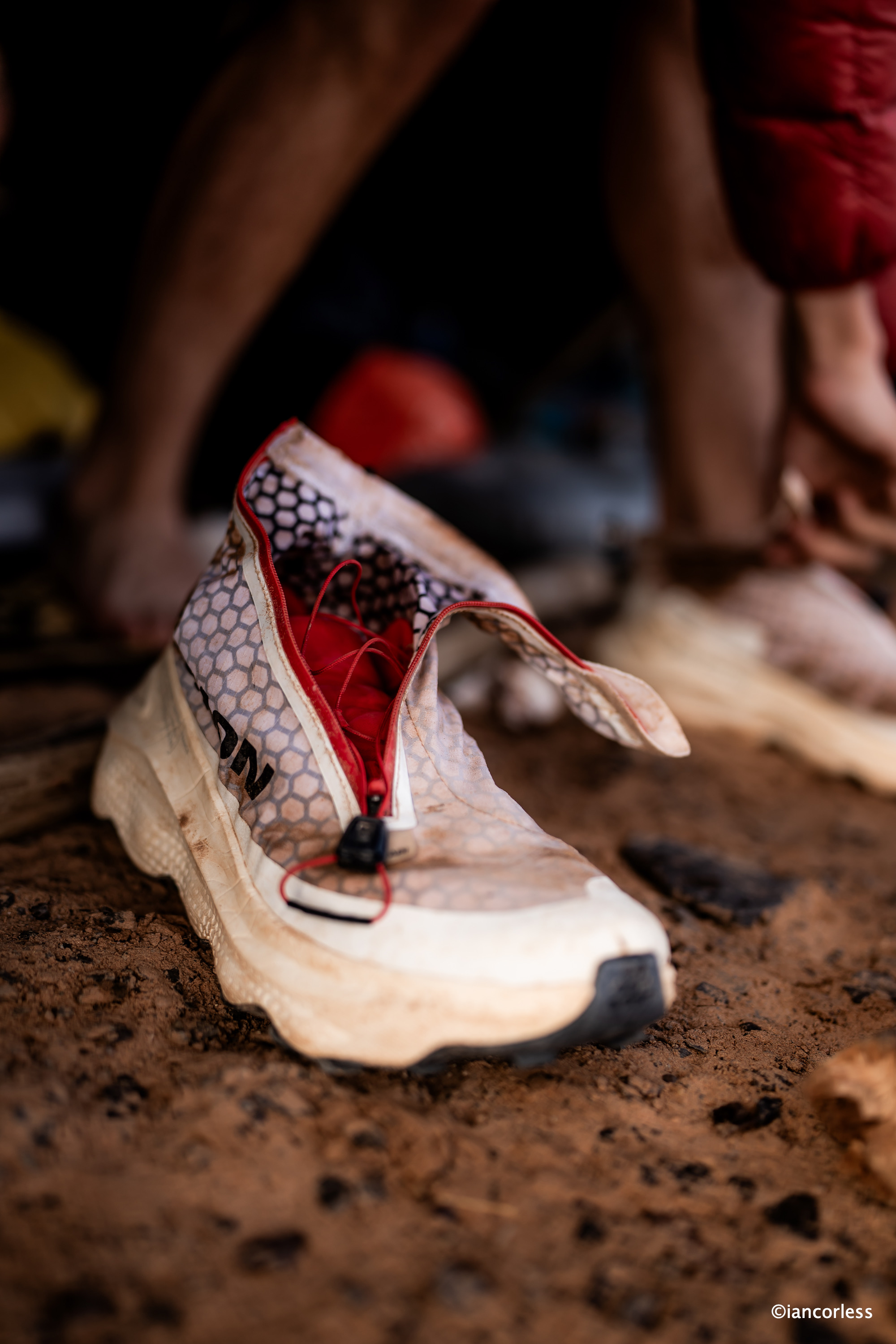
Photo by Ian Corless

Make sure your shoes have gaiters so no sand can get in the shoe.

Safety on Course

The race operates under strict safety protocols.
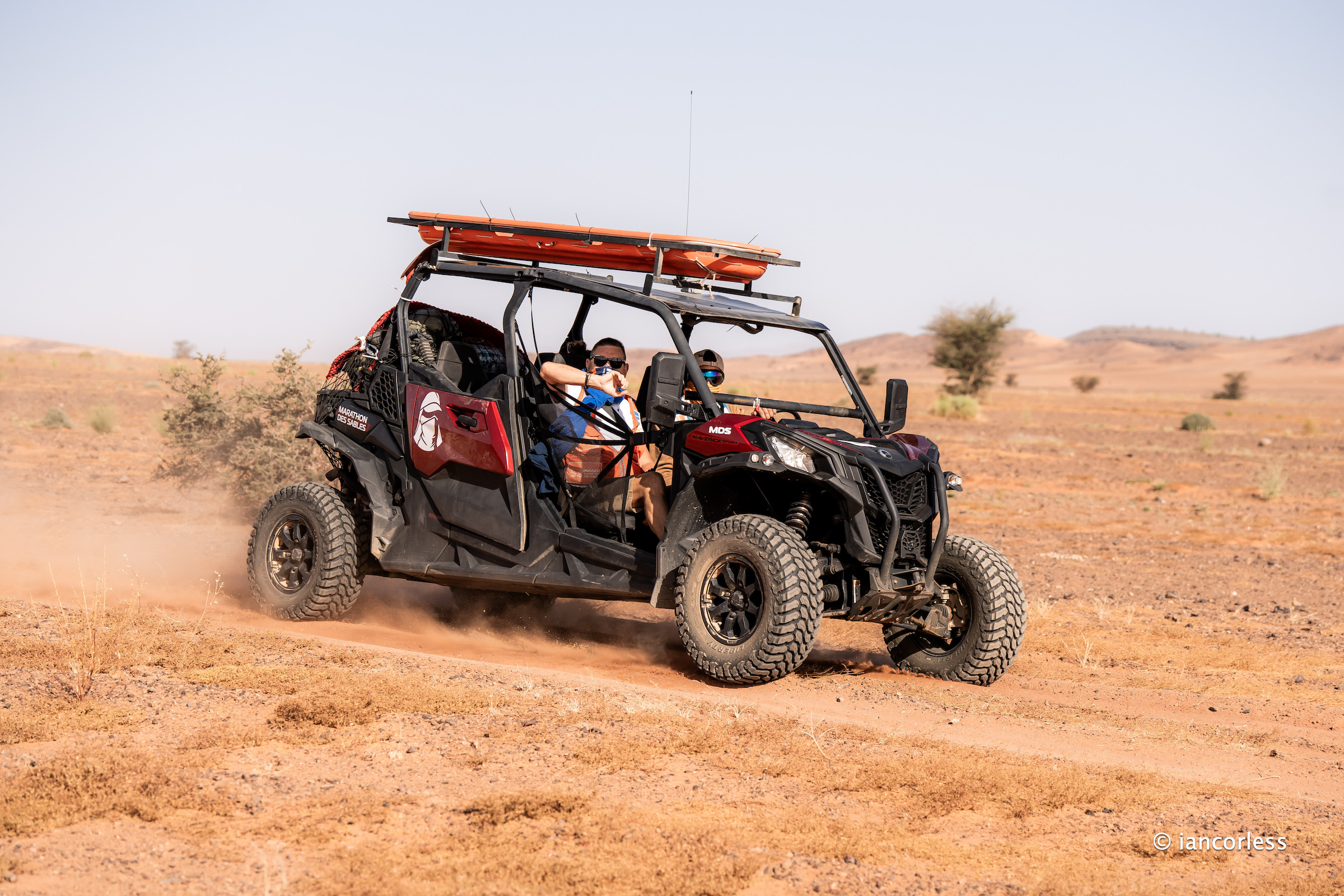
Photo by Ian Corless

Fast response buggies are positioned to access difficult terrain quickly. 4×4 vehicles are spread across the course.

Every runner carries a tracker attached to their pack. This allows the organization to monitor your position in real time. It includes an emergency button for immediate assistance.
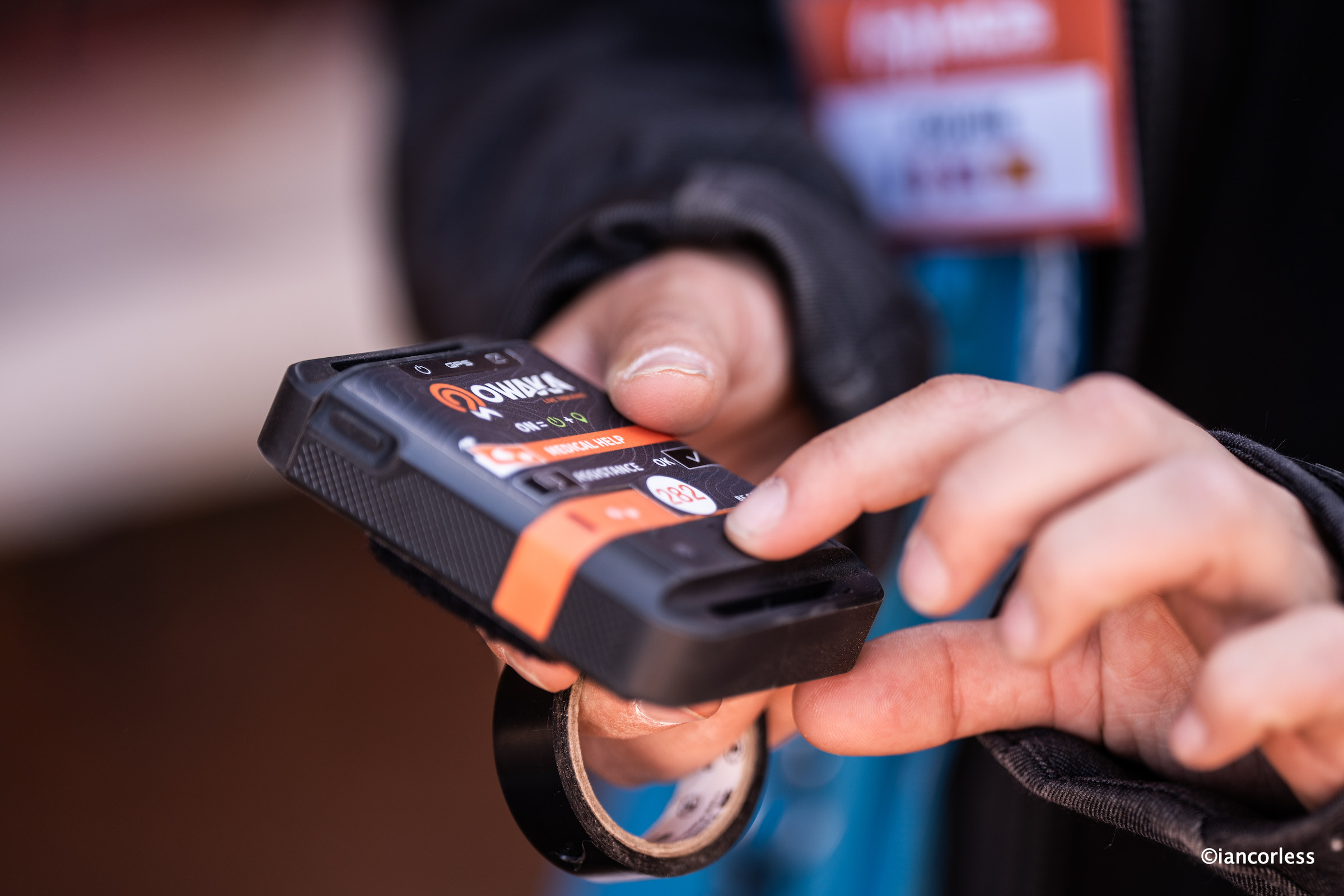
There are also medical runners on course. These are trained medical professionals competing in the race. They wear a different colour race number so you can identify them. They can provide immediate care if necessary. In addition, the full medical team is equipped to respond anywhere in the desert.
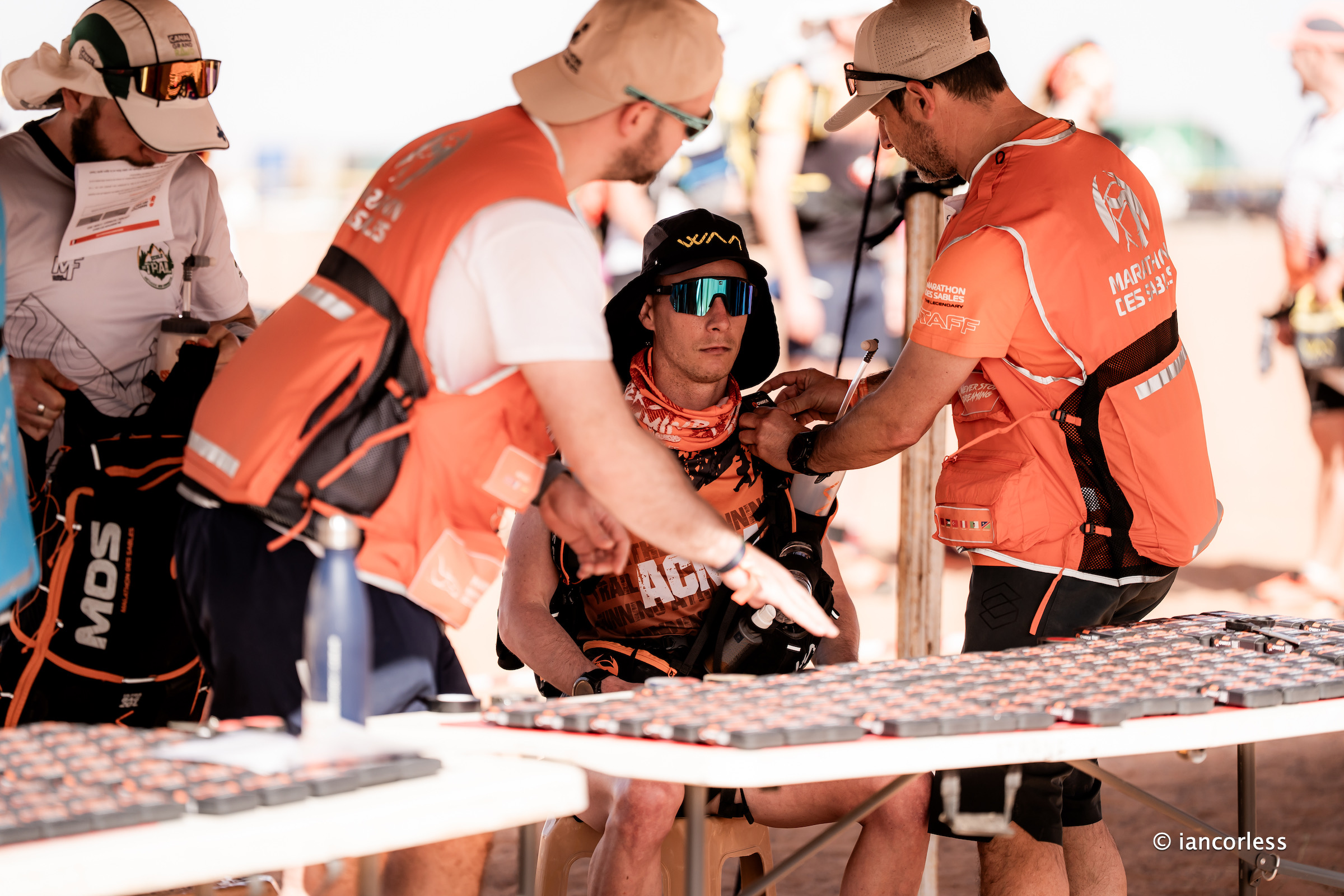
Photo by Ian Corless

During stages, water is not rationed. If you need more, you can have it. At key checkpoints, iced water is available for cooling and is poured over your head by blue coat volunteers. Orange jackets manage medical incidents.

Mandatory Equipment Means Mandatory

You must carry:

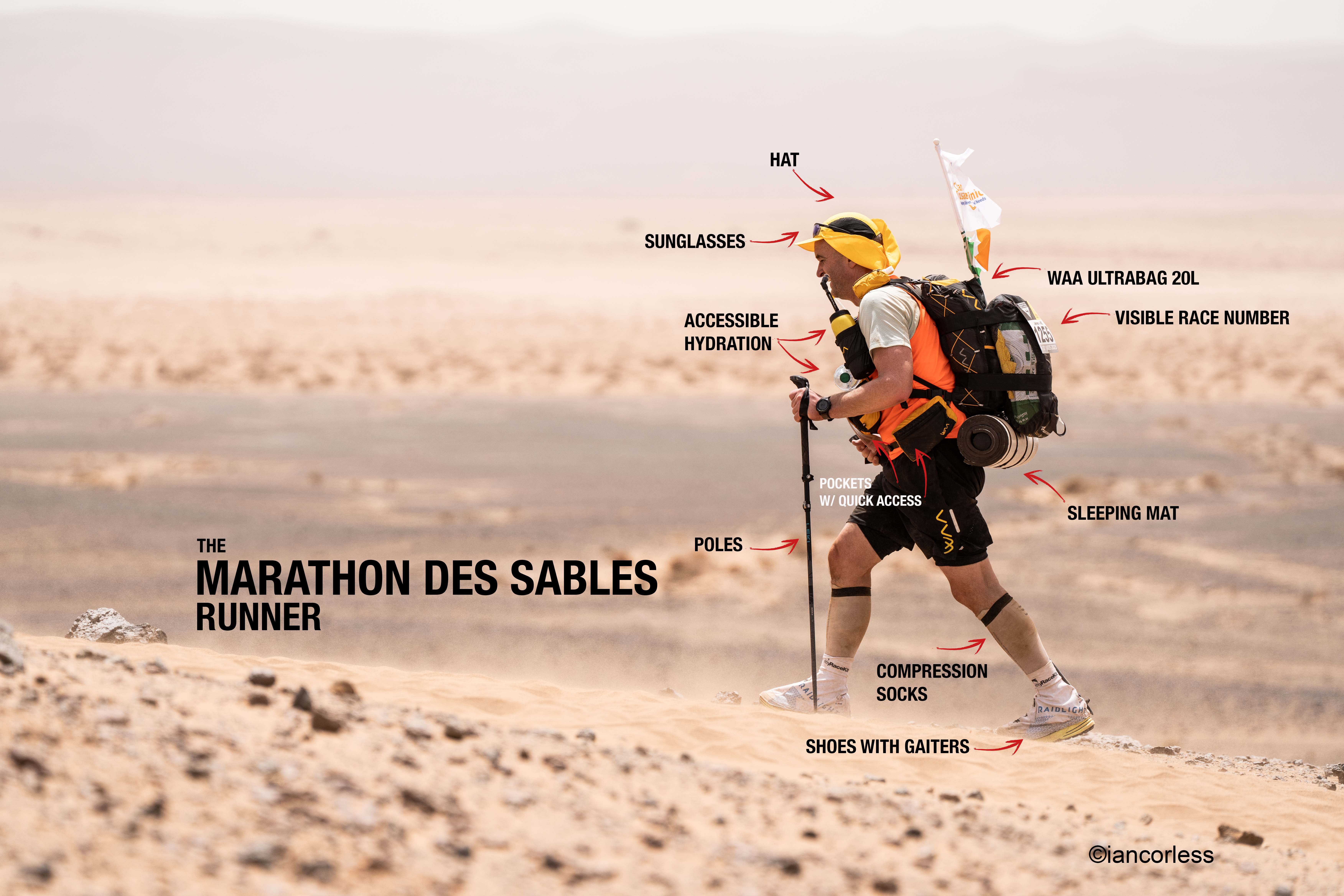
  • Pack such as WAA Ultra Bag 20L
  • Minimum 1.5L water capacity
  • Sleeping bag
  • Head torch plus spare batteries (charger or solar charger allowed)
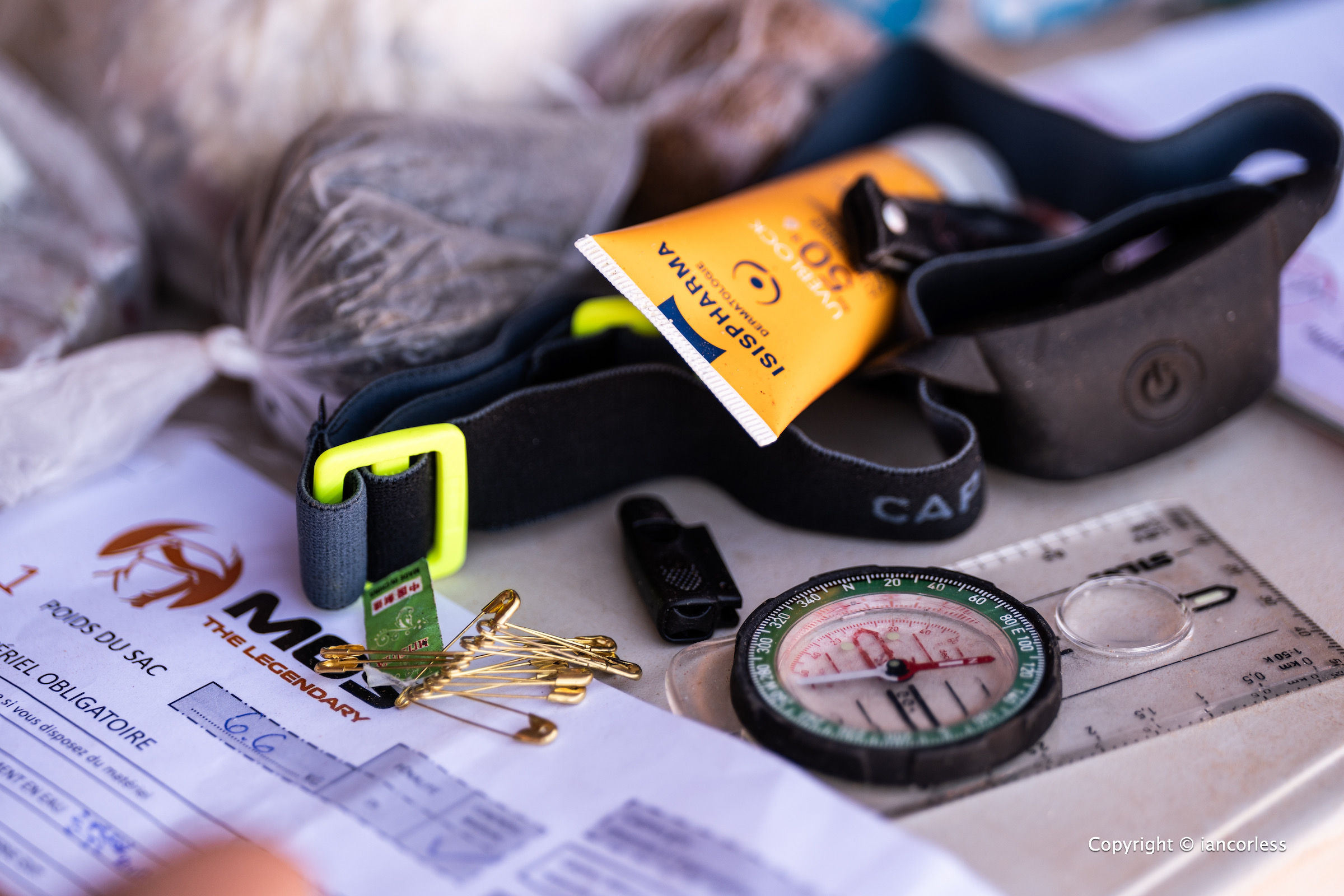
  • 10 safety pins
  • Compass with 1–2 degree precision
  • Lighter
  • Whistle
  • Knife
  • Topical disinfectant
  • Signal mirror
  • Survival blanket
  • 14 broth cubes
  • Sun cream
  • 200 euros or 2000 dirhams
  • Passport or ID card
  • Original ECG document and medical certificate
  • Roadbook (provided on arrival)
  • GPS tracker

Pay close attention to deadlines and rules for ECG and medical forms. The regulations are strict.

Calories: The Real Numbers

The rules require 2000 calories per day across six stages. That equals 12,000 calories minimum to comply.

However, with the rest period during the long stage, 14,000 calories is a more realistic minimum. You may carry more. For example, a small and slight women weighing 50kg has very different calorie needs to a tall, muscular 90kg male. Understand your calorie needs.
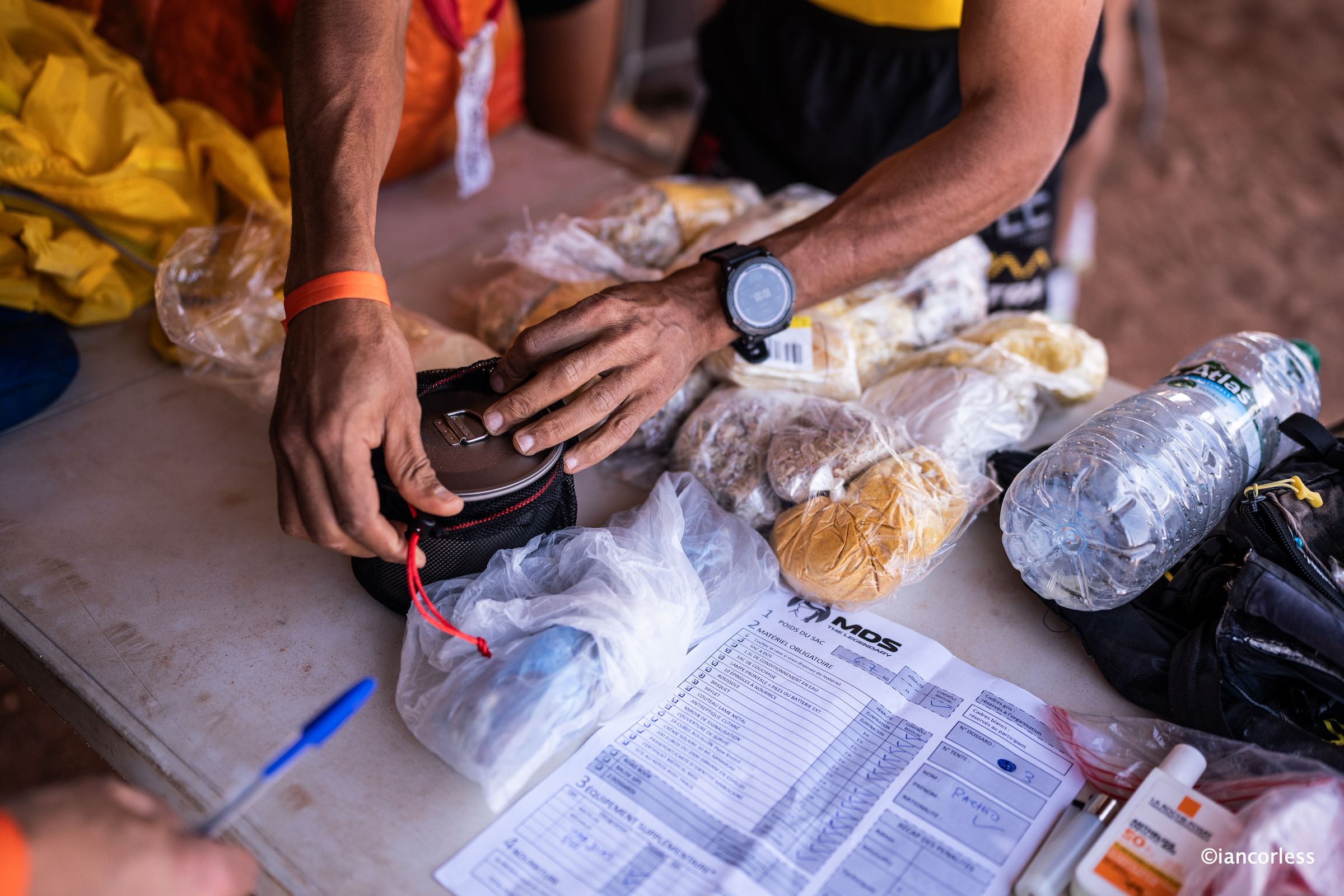
You must be able to prove calorie totals. If you repackage food into lighter containers, keep the nutritional labels.

To break it down clearly:

Stage 1 – 14,000 calories remaining

Stage 2 – 12,000 calories remaining

Stage 3 – 10,000 calories remaining

Stage 4 – 8,000 calories remaining (long stage)

Day 5 – 6,000 calories remaining (rest day, still requires 2000 calories)

Stage 5 – 4,000 calories remaining

Stage 6 – 2,000 calories remaining
On Day 5, you may still be moving during the long stage or recovering in camp, but you still require 2000 calories. On Stage 6, you technically only need breakfast and race snacks.

Essential Personal Kit

Beyond mandatory equipment and food, you will need:
©iancorless
  • Running top, possibly long sleeve
  • Neck roll or Buff
  • Running shorts or skirt
  • Socks, and spare pair
  • Shoes with gaiters, Velcro sewn securely in advance
  • Hat with potential neck cover
  • Sunglasses with strong protection and good fit for sandstorms or take extra goggles
  • Watch
  • Warm layer – windproof and possibly lightweight down jacket
  • Foot care supplies
  • Hygiene products
  • Toilet roll or wipes
  • Lip balm
  • Blindfold
  • Ear plugs
  • Spoon
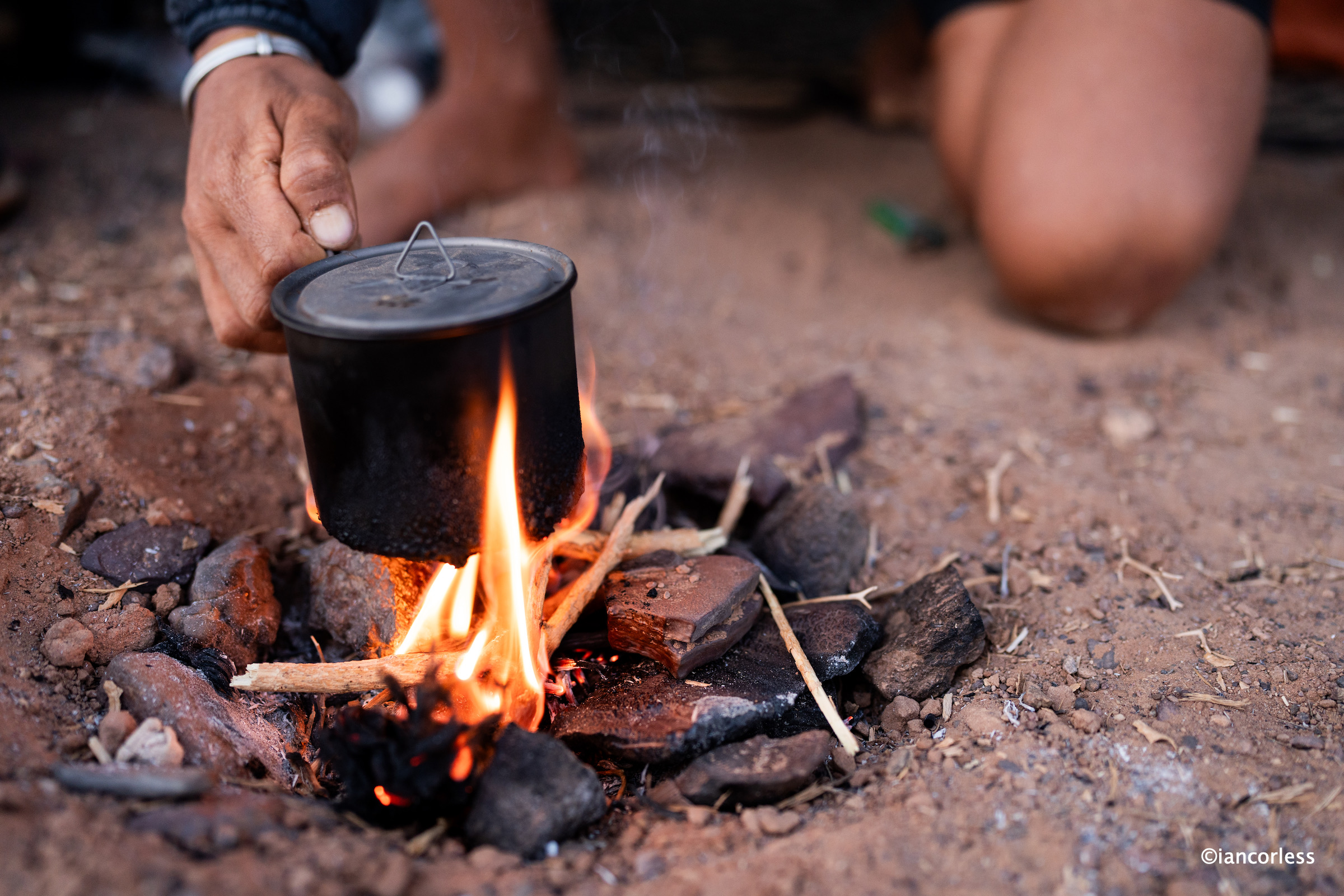
  • Pot or bowl
  • Stove
  • Fuel cubes
  • Sleeping mat
  • Pillow
  • Flip flops or similar

Note – If you plan to NOT heat water, you will not need a stove of fuel cubes. However, you will still need a bowl or something similar to eat food from.
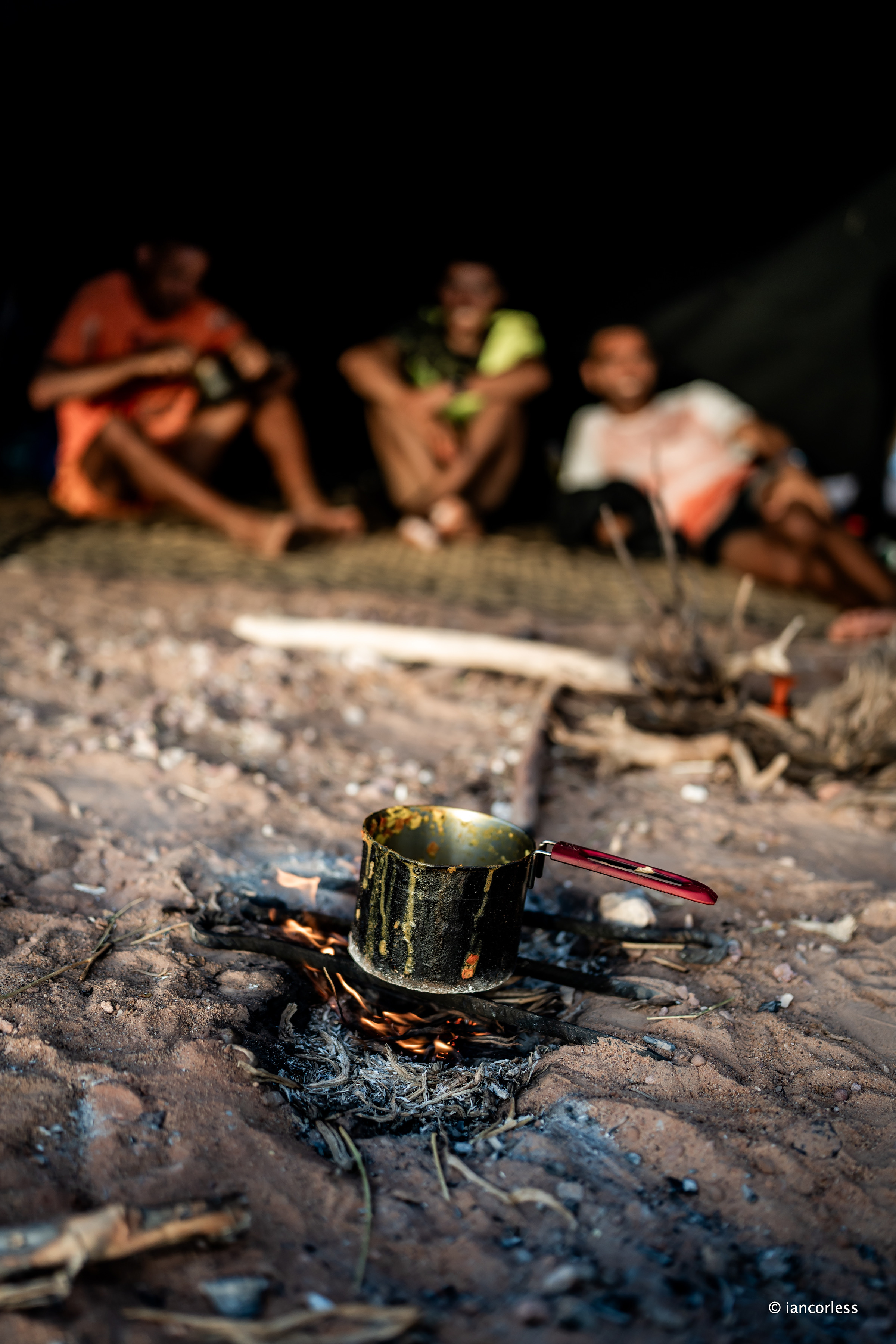
Photo by Ian Corless

For repairs, consider:

  • Zip ties
  • Gorilla tape
  • Super glue
  • Sewing kit
  • Cord or thin rope

Equipment can fail. Plan for that.

Final Practical Advice

Keep your pack as close to 6.5kg as possible. Extra weight adds unnecessary stress, especially in the longest edition to date with a 100km long stage.

Limit luxuries. If you take one, make it a lightweight MP3 player with reliable battery and earphones.

Accept the conditions. You may not wash. You will get dirty. You will smell. That is normal

Start conservatively. Ease into the race.
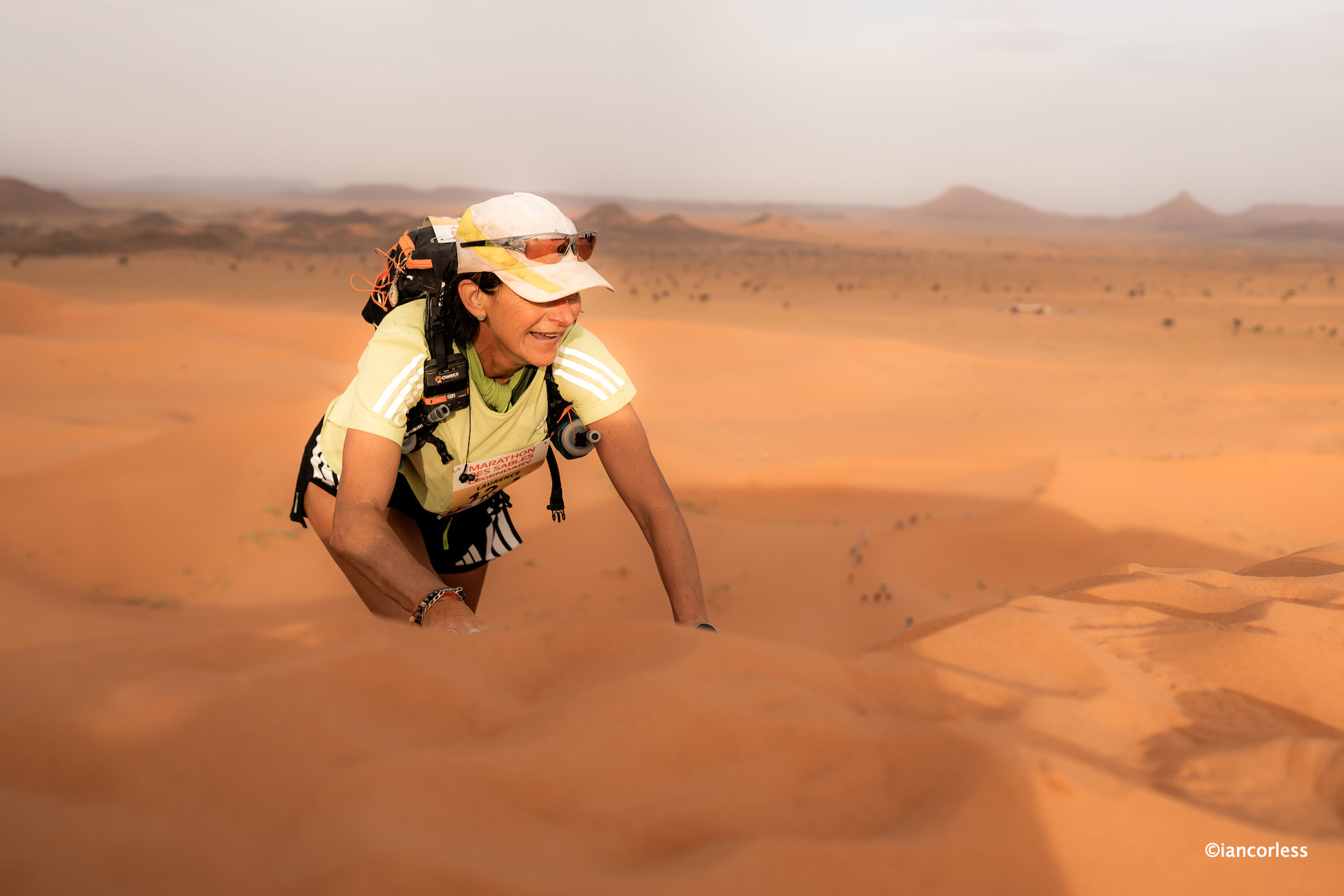
Photo by Ian Corless

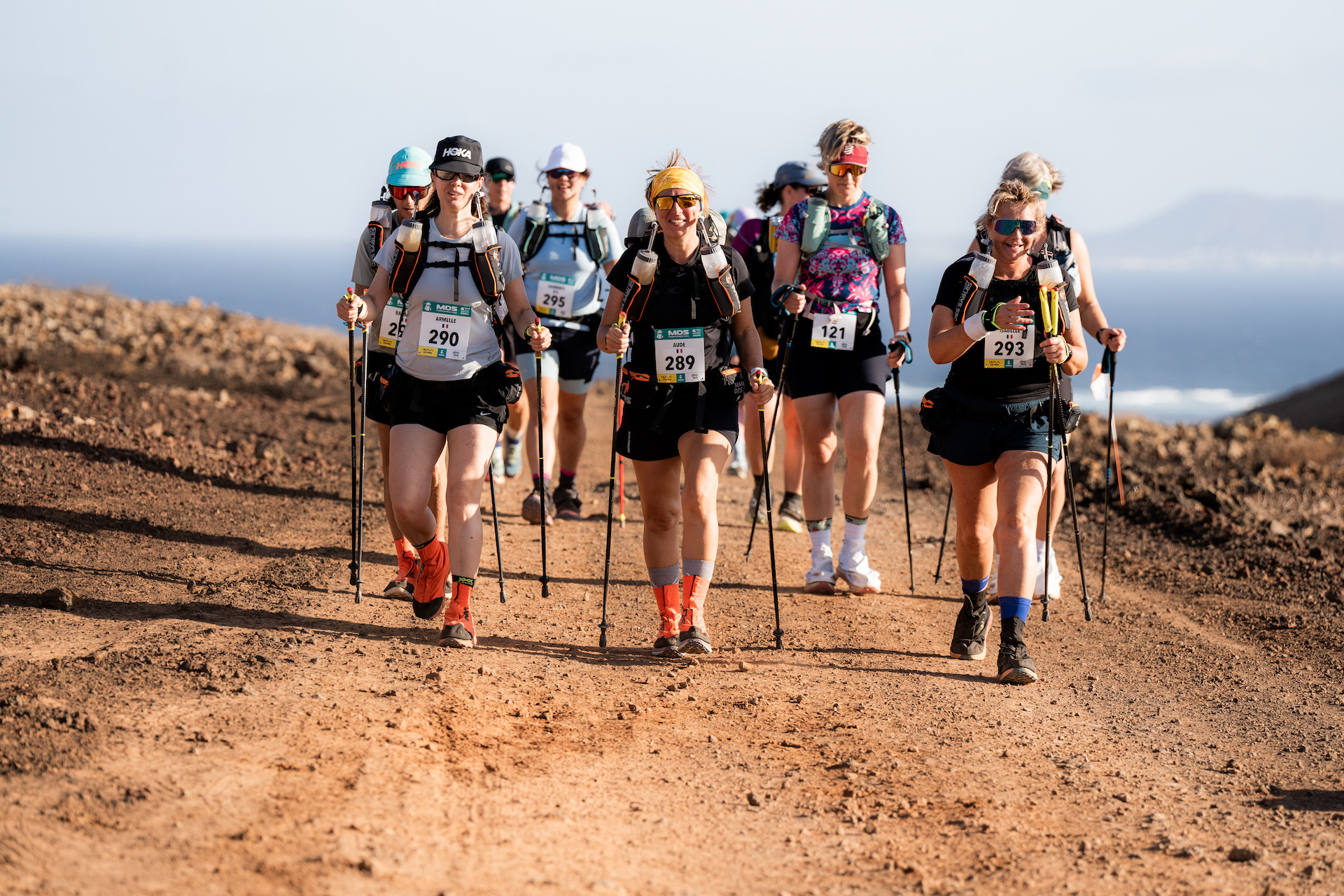
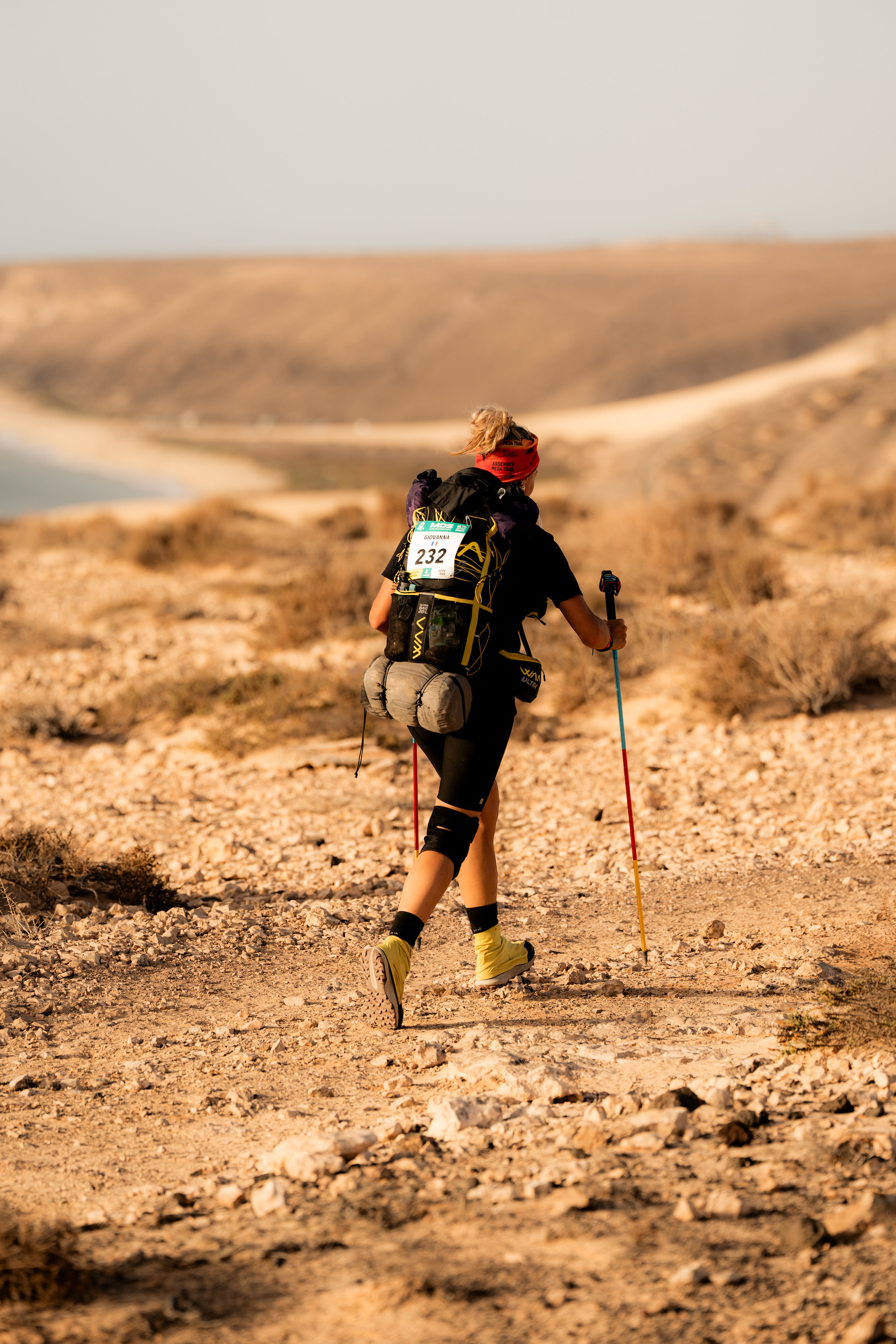
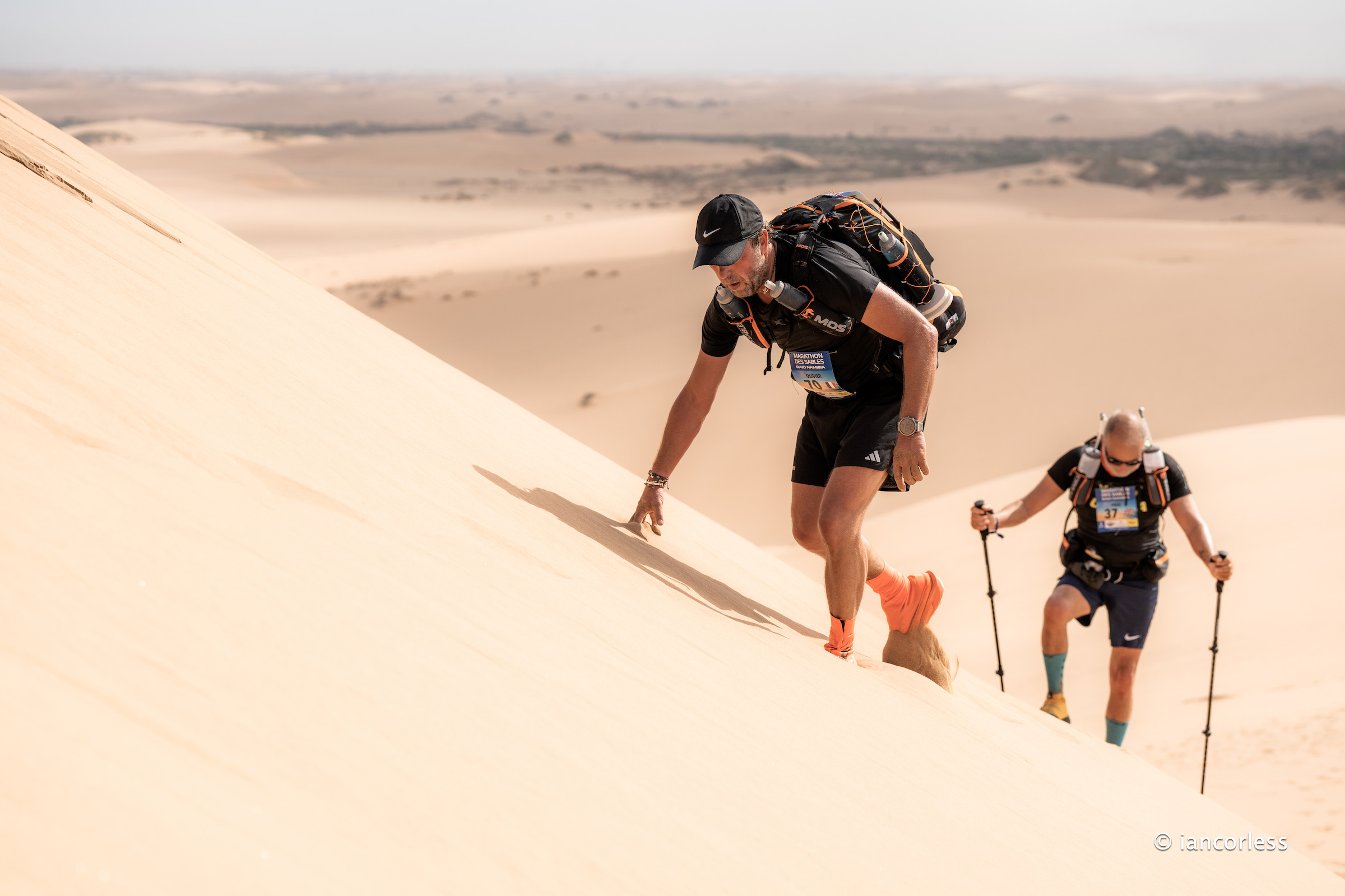
Poles can make a huge difference, but only if you know how to use them properly. Front runners may not need them. Most people benefit from them.

Learn to walk efficiently. Many arrive expecting to run 80 percent and walk 20 percent. In reality, it is often reversed.

Protect your feet from day one.

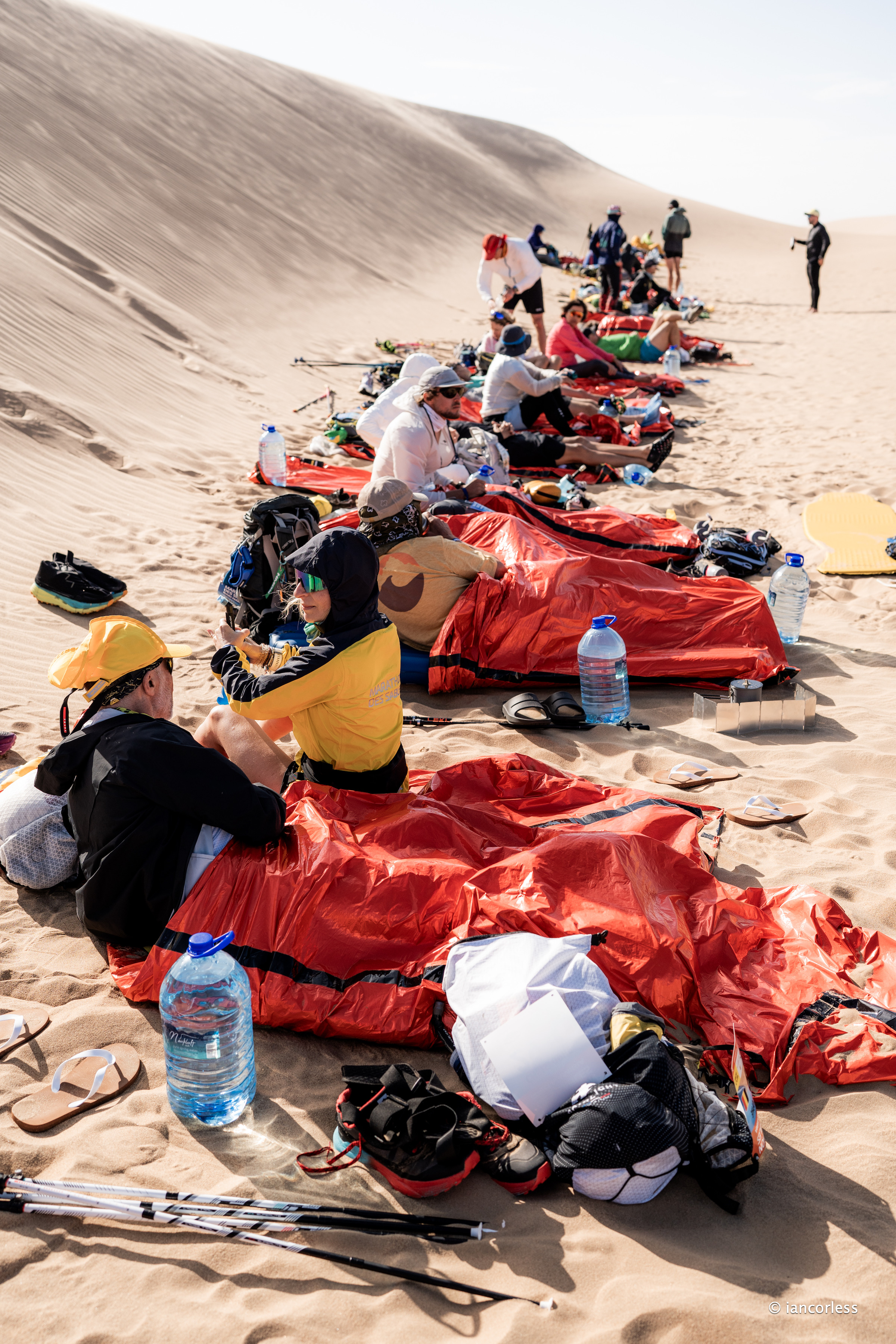
Take a sleeping mat. In the desert, your job is simple: run, eat, sleep. Good sleep improves recovery. Recovery keeps you in the race.
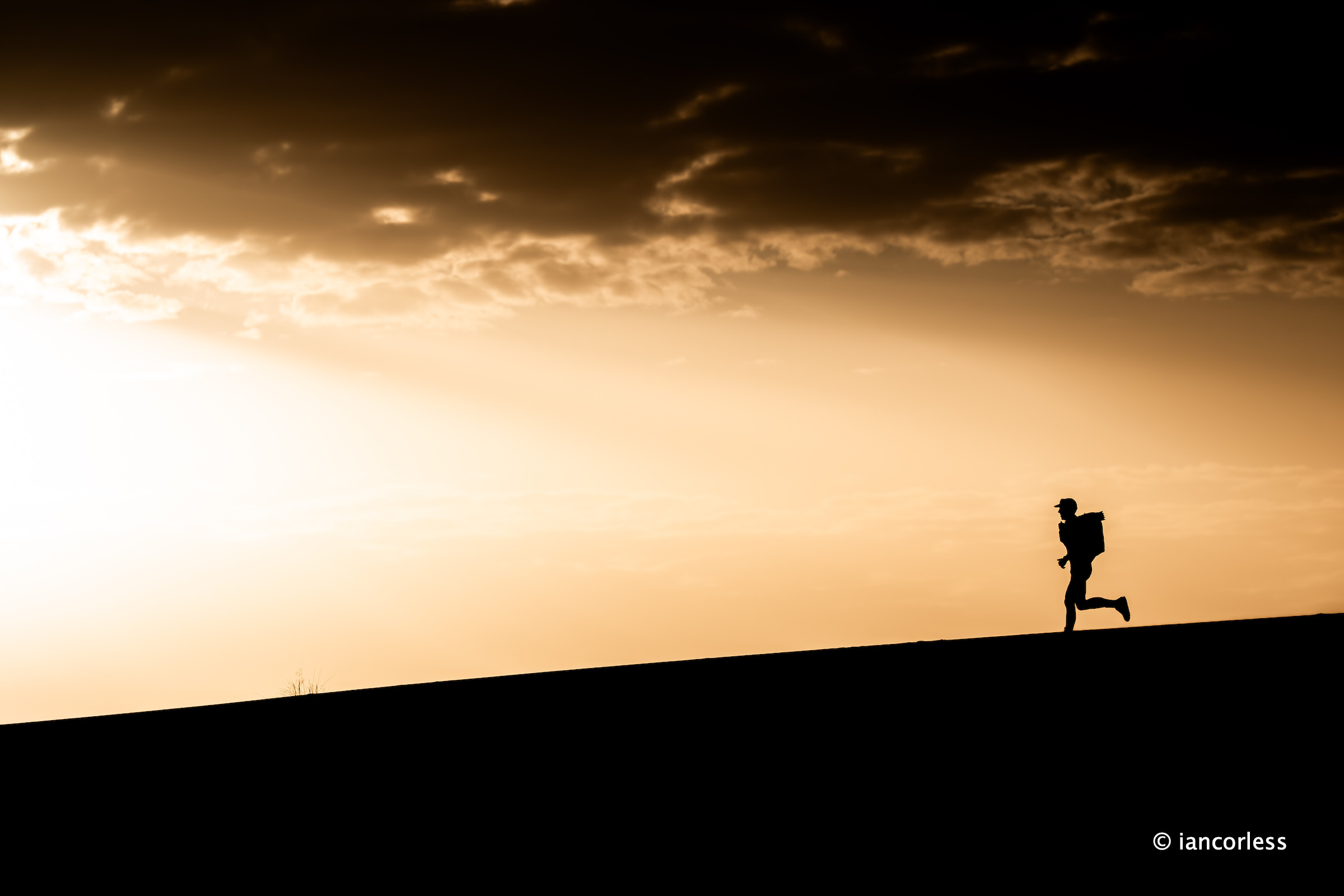
Photo by Ian Corless

MDS WEBSITE HERE

MDS Tour and MDS Clubs for 2026
Join the MDS Clubs on HEYLO HERE.

The MDS Tour starts in January and moves from location to location, Register HERE

Follow Ian Corless

Instagram – @iancorlessphotography

Twitter – @talkultra

facebook.com/iancorlessphotography

Web – www.iancorless.com
Web – www.iancorlessphotography.com

A New Year, a Milestone Season: Marathon des Sables in 2026

Photo by Ian Corless

A milestone anniversary, new formats, familiar classics, and a season that stretches from the Sahara to the Alps. Some years feel bigger than others. In 2026, the calendar alone tells you this will be one of those years for Marathon des Sables

Forty editions after its beginnings in the Moroccan desert, Marathon des Sables has grown into a family of events that test endurance in different ways, across different landscapes, and for very different runners. Yet the heart of MDS remains the same. Self-sufficiency, shared hardship, and the quiet satisfaction that comes from moving forward when stopping would be easier.

January opens with something new and bold: MDS Ultra. Two distances. Two very clear challenges. A 100km option for runners ready to push beyond the classic stage format, and a 100-mile race for those who want to see how deep the well really goes.

Photo by Ian Corless

An opening act designed to grab attention. Long distances, sustained effort, and the mental strain that only ultra racing can deliver. For many, it will be the first real test of their winter training. For others, it will be the centrepiece of their season. What matters most is what MDS Ultra represents – It signals evolution not revolution. MDS is not standing still, even as it celebrates its past.

Photo by Ian Corless

Before January ends, the focus shifts west to the ocean for MDS 120 Atlantic Coast. Where dunes once dominated the horizon, runners now deal with open beaches, shifting sand, and the constant presence of the sea. The Atlantic Coast event has its own rhythm. Wind can play a bigger role. Footing changes by the kilometre. Temperatures can vary greatly, and yes, rain may be present? Still self-supported, still demanding, but in a way that surprises many first-timers. By the time the final runners cross the line, January has already delivered two very different expressions of what Marathon des Sables can be.

February and March bring a noticeable change of pace. No race numbers. No finish lines. Instead, preparation. The MDS team turns its attention fully toward the centrepiece of the year: the 40th edition of MDS Legendary. Four decades after the first runners set off into the Sahara, this anniversary edition carries weight. Not just for the organisation, but for the community that has grown around it.

Photo by Ian Corless

Behind the scenes, logistics are refined, routes considered, and details checked and checked again. The Legendary event is not just another race, it is a reference point for stage racing, for many, a rites of passage, and in 2026, it will also be a celebration of everything Marathon des Sables has become.

Once the Legendary edition is complete, the calendar opens up again, and the global nature of MDS takes centre stage.

MDS Raid Namibia delivers raw beauty and isolation in one of Africa’s most striking landscapes. Namibia’s vast spaces, sharp light, and unforgiving terrain strip things back to basics. This is running in its purest form, where the environment sets the rules. A unique event as teams of two challenge a more stripped back and raw experience.

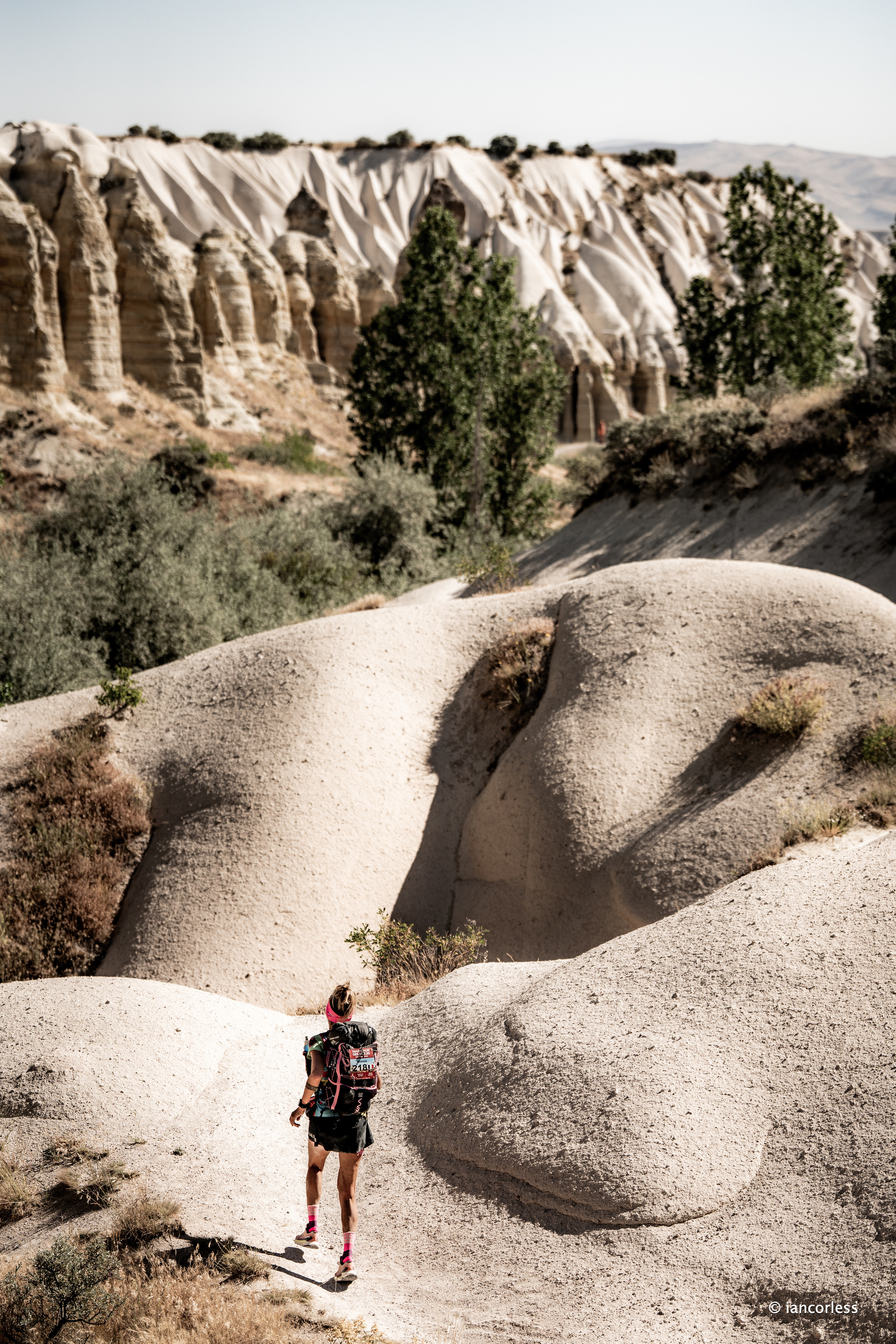
From Namibia, the series moves to Turkey for MDS 120 Cappadocia. Volcanic rock formations, flowing trails, and a sense of history underfoot make this one of the most visually distinctive events on the calendar. It is demanding, but also deeply immersive, ironically, despite the ‘sables’ tag, this event is much more a trail race – something new, different and unique.

MDS Crazy Loops – a format that lives up to its name. Short loops, repeated efforts, and a psychological game that can unravel even experienced runners over 24-hours. It is less about distance on paper and more about resilience in the moment. A fun and challenging event for all abilities that takes place at iconic ski resorts within Europe during July and August. A community event that brings the MDS vibe to the mountains.

As the year moves toward its final months, the pace does not slow. If anything, it accelerates. MDS 120 Morocco returns runners to familiar terrain, but with the confidence and refinement that come from years of experience. This is the desert, revisited with fresh eyes.

Alongside it, MDS Handi continues to redefine what inclusion looks like in endurance sport. It is a powerful reminder that challenge is not one-size-fits-all, and that determination takes many forms.

For those drawn more to movement than racing, MDS Trek Morocco offers a different relationship with the landscape. Still demanding, still immersive, but with space to absorb the experience in full where all abilities are catered for and yes, there is even some luxury – larger tents, no self-sufficiency, showers and so much more…

The international push continues with MDS 120 Jordan, where desert running meets ancient history. The terrain is tough, the scenery unforgettable, and the sense of scale impossible to ignore. An iconic event and arguably one of the most desired events on the MDS calendar.

And yes, there are hints of more to come. Potential surprises remain under wraps, but if past years are any guide, they will add another layer to an already remarkable season.

Photo by Ian Corless

By the time 2026 draws to a close, Marathon des Sables will have crossed continents and climates. Morocco, Jordan, Peru, Turkey, Namibia, and Europe, with the Alps adding altitude to the mix. Each location brings its own challenges, its own stories, and its own reasons for being unforgettable.

What ties them all together is not just branding or format. It is philosophy. Self-reliance. Respect for the environment. And the shared understanding among participants that this is about more than running.

A milestone year invites reflection, but it also demands momentum. In 2026, Marathon des Sables manages both. Honouring 40 years of history while pushing forward into new territory, new formats, and new ways to test human endurance.

For runners, supporters, and the wider endurance community, it is hard not to look at the year ahead and feel a quiet sense of anticipation.

What a year it promises to be.

In addition to the above, there is the MDS Tour and MDS Clubs.

Join the MDS Clubs on HEYLO HERE.

The MDS Tour starts in January and moves from location to location, Register HERE

Follow Ian Corless

Instagram – @iancorlessphotography

Twitter – @talkultra

facebook.com/iancorlessphotography

Web – www.iancorless.com
Web – www.iancorlessphotography.com

Ultra Gobi 400km 2025 : Countdown to the Desert

Ultra Gobi 2025

The stage is set. At 21:30 local time (15:30 Paris, 14:30 Lonon and 09:30 New York) tonight, Friday October 3rd, the Ultra Gobi 400km begins. Fifty-seven runners from around the world are gathered at the edge of the desert, ready to take on one of the toughest ultramarathons on earth.

All week, the athletes have been arriving in Dunhuang, the ancient Silk Road outpost. They’ve had time to rest, recover, and shake off the fatigue of long-haul travel.

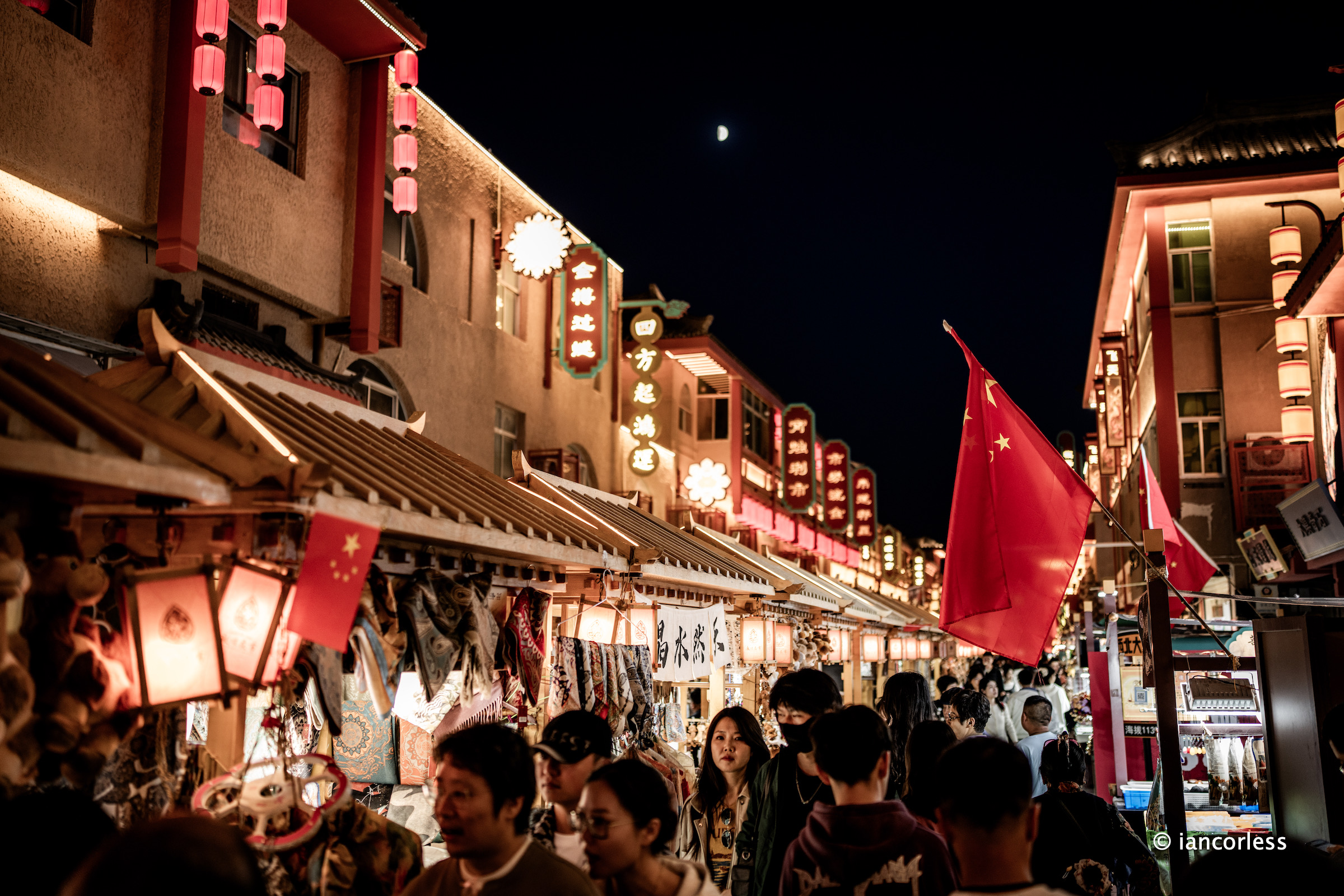
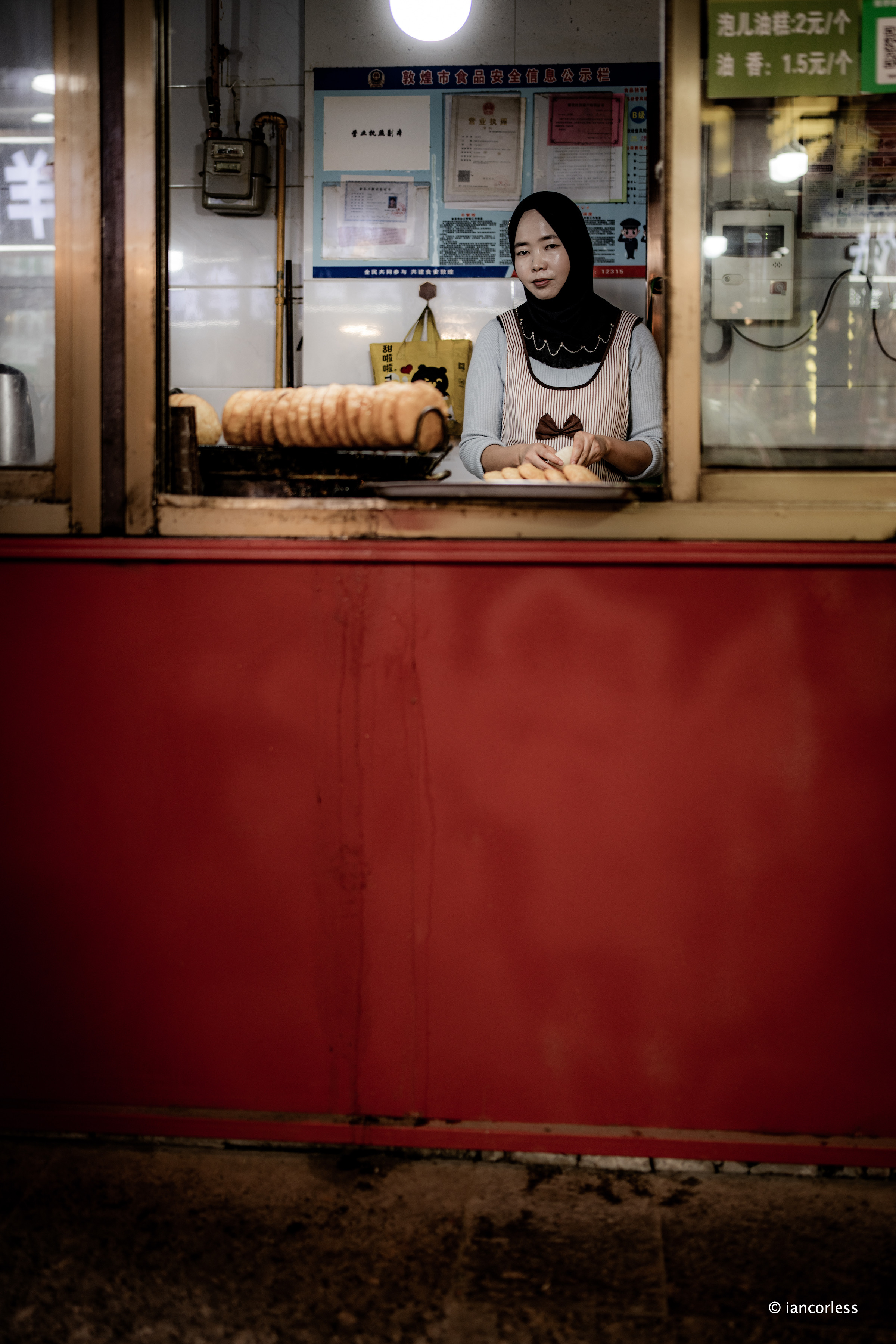
The night market, an awesome experience
The night market famous for food.

Dunhuang offering traditional cuisine, the famous night market and an opportunity to stock up any last-min equipment, food and yes, maybe even souvenirs.

UTMBKat_25

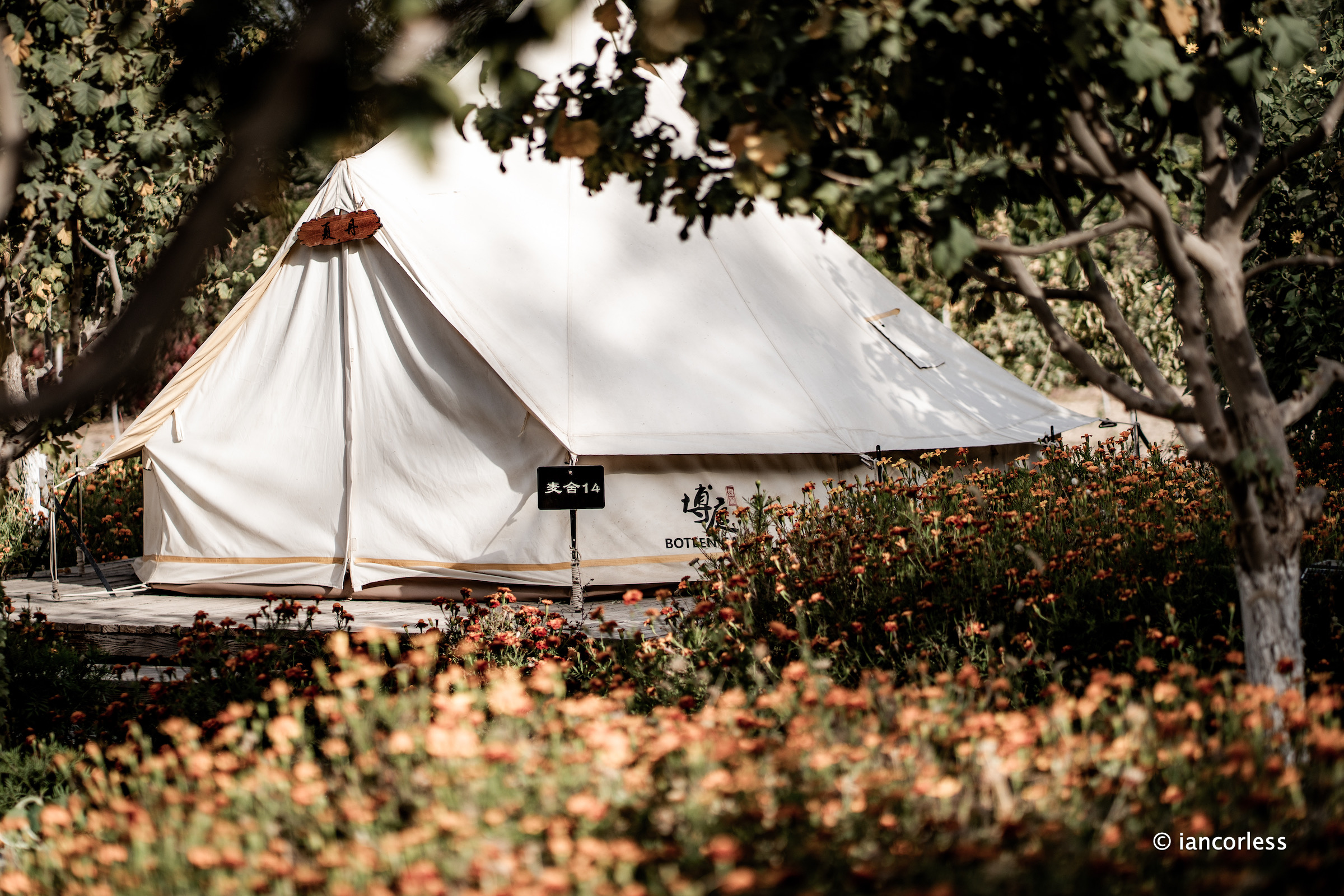
Then came the transfer to Gobi Spring, where final briefings and pre-race checks brought the reality of the challenge into sharp focus. For the participants, a night of ‘glamping’ before days and nights of deprived sleep and comfort.

Glamping in the Gobi

Mandatory gear signed off, maps studied, last meals eaten. From here, there’s no more preparation – only the race itself.

Race briefing

And this is no ordinary race.

Tradition is very important at Ultra Gobi

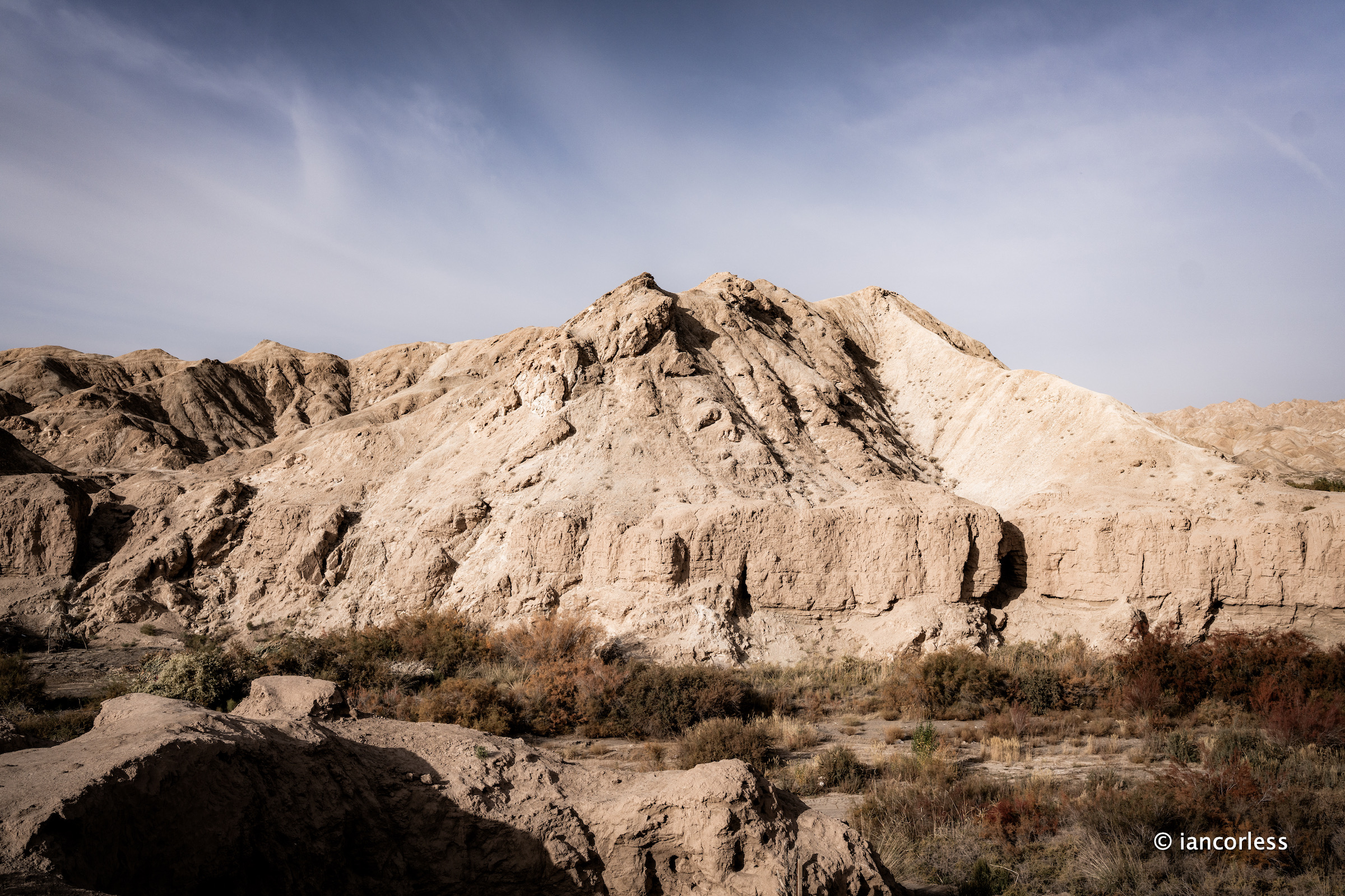
The Ultra Gobi 400km is a test of survival as much as speed. Runners must cover 400 kilometers of brutal, shifting terrain – endless sand, rocky basins, dry riverbeds, and wind-swept plains.

Mountains and altitude will be waiting

Days can scorch under an unrelenting sun; nights can plunge into freezing cold. Navigation, strategy, and mental resilience will be as important as strong legs and lungs.

Golden light

For the competitors, the anticipation has built to a fever pitch. Months of training and sacrifice come down to this moment. There will be tension at the start line, but also a sense of awe: they’ll leave the comfort of light and noise behind and step into the vast silence of the desert.

One strategy, teamwork!

Four hundred kilometers through landscapes that constantly shift and change. A true test of endurance, grit and self-reliance. There is one truth of the Ultra Gobi, each runner will discover where the limits truly lie.

Varied landscape

This race doesn’t hand out easy victories. It carves stories into those who dare to take it on. Some will break; some will endure; a few will cross the finish line forever changed.

Tonight, the desert opens its gates. The Ultra Gobi 400km 2025 begins.

Follow Ian Corless

Instagram – @iancorlessphotography

Twitter – @talkultra

facebook.com/iancorlessphotography

Web – www.iancorless.com
Web – www.iancorlessphotography.com

The Return of the MDS 120 Fuerteventura: A Test of Endurance in Paradise

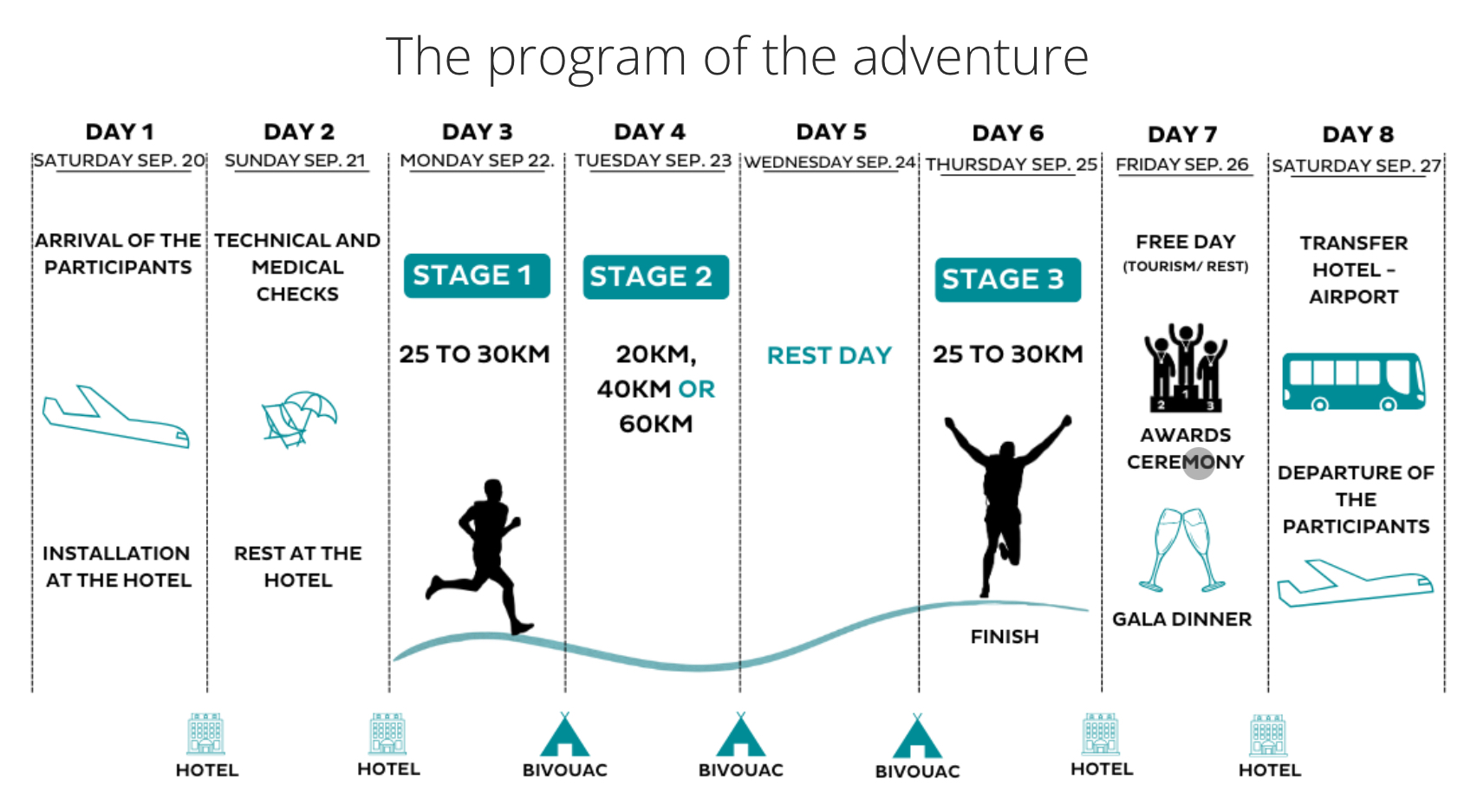
MDS 120 Fuerteventura returns in September 2025, not ‘just’ another race on the calendar, but an important marker in the history of the MDS 120 format. A collision of raw endurance and wild beauty, where athletes trade comfort for grit, and discover just how far their bodies and minds can be pushed. Set against the sunburnt backdrop of the Canary Islands, the race is part expedition, part survival trial, and part celebration of human resilience. A race for all with 3 distance options available, 70, 100 and 120km’s.

What Is the MDS Fuerteventura?

MDS 120 Fuerteventura is the younger sibling of MDS The Legendary, the original multi-stage ultramarathon across the Sahara Desert in Morocco. Like its parent race, the Fuerteventura edition demands that competitors carry their own supplies while covering gaily distances under variable conditions.

The format is simple but brutal: three stages spread across four days with desert, volcanic ridges, and coastline to endure. Each participant must carry their own food, sleeping kit, and survival essentials, relying only on the organization for water, medical support and a tent. Each stage offers a different flavor of challenge, from long, flat stretches where heat and monotony test mental strength, to rugged climbs that punish the legs and lungs in equal measure.

This self-sufficiency format transforms the MDS 120 Fuerteventura from a simple race into an expedition where every choice is an important aspect – how much food to pack? which shoes to wear? when to push and when to conserve energy? – each decision carries a consequences that can make or break the experience.

Participants spend 3 nights at the MDS bivouac and enjoy 4 nights at the Playitas Resort hotel, offering numerous facilities (two nights before, two nights after).

Participants choose between 3 different distances: 70100 or 120km, divided into 3 stages, over 4-days. This includes 1 full day of rest.

Here is the breakdown:

  • Stage 1: around 25 to 30km
  • Stage 2: around 20, 40 or 60km
  • Stage 3: around 25 to 30km

The Experience: More Than a Race

Fuerteventura is often described as the most “African” of the Canaries, its landscape shaped by ancient volcanic eruptions, relentless winds, and a climate closer to desert than Mediterranean. It’s the perfect environment for a stand-alone adventure, or an ideal preparastion ground for a further adventure in Morocco.

Beautiful yet brutal. Wide expanses of golden sand stretch for kilometers, interrupted by jagged lava fields and rocky ridgelines. The sun can beat down with unflinching intensity, but be warned, temperatures can swing wildly between scorching afternoons and cooler desert nights.

Coastal stages hug turquoise waters where waves crash against black cliffs. Inland routes weave through barren plains dotted with cactus and aloe, offering glimpses of a stark, unspoiled wilderness. 

Ask anyone who has completed the MDS Fuerteventura, and they’ll tell you it’s not just about running. It’s about living in a stripped-down, elemental state for nearly a week. Each day begins with the ritual of packing up camp, stuffing sleeping bags and rations back into packs, ready for a day on the trails. By mid-morning, the desert heat has arrived, runners are strung out across the horizon like a line of ants marching into infinity. The rhythm of the race is simple: walk, run, eat, drink, rest. Repeat.

At night, exhaustion gives way to camaraderie. Competitors gather under the stars, swapping stories, sharing advice, and laughing about the day’s suffering. Bonds form quickly because everyone is in the same fight, battling the same heat, hunger, and fatigue. By the end of the week, the MDS 120 Fuerteventura community feels like family, one forged in adversity.

The finish line is more than a marker of distance. It’s a rite of passage. For many, crossing it means proving to themselves that they can endure more than they ever imagined. That’s why the MDS format is addictive: once you’ve lived through it, you carry its lessons into every part of life.

The Spirit of the Race

Beyond the logistics, numbers, and training plans, what makes the MDS 120 Fuerteventura extraordinary is its spirit. It’s about stripping life down to its essentials: water, food, movement, survival. In a world cluttered with convenience and noise, the race forces participants into clarity. You discover not only the limits of your body but also the surprising depths of your will.

Looking Ahead

MDS is not about beating others. It’s about discovering what you’re really made of. And for those lucky enough to be there in Fuerteventura, September 2025 will be a week they’ll never forget.

Marathon des Sables – information and race entry HERE

Follow Ian Corless

Instagram – @iancorlessphotography

Twitter – @talkultra

facebook.com/iancorlessphotography

Web – www.iancorless.com
Web – www.iancorlessphotography.com

Marathon des Sables The Legendary Turns 40: A Legacy of Endurance in the World’s Toughest Footrace

Photo by Ian Corless

Since 1986, the Marathon des Sables – The Legendary (MDS) has carved its name into endurance racing history as one of the most gruelling, soul-stripping tests of human resilience. For 39 editions, it has pushed thousands to their physical and psychological limits under the crushing sun of the Moroccan Sahara.

In 2026, this legendary race will celebrate its 40th edition and it promises to be the most unforgettable one yet.

MDS The Legendary is six stages over roughly 250 km (155 miles), on blistering sand, across jagged jebels, and through soul-sapping salt plains. Runners carry everything they need for the week: food, sleeping equipment and clothes. The only luxury provided? A rationed daily water supply and a communal bivouac tent to crawl into at night which is shared with 7 other competitors.

Photo by Ian Corless

Every ounce carried matters. Bring too little and you starve. Bring too much and the weight drags you down. Success depends on ruthless efficiency and mental grit.

For four decades, the The Legendary has become a rite of passage for ultra runners, adventurers, and those seeking to rewrite their limits. It has seen amputees cross the line, cancer survivors, soldiers, CEOs and importantly, ordinary people doing extraordinary things. The terrain has remained the same: raw, relentless, and unforgiving.

Photo by Ian Corless

Despite the challenges, runner’s keep coming back, some for redemption, some for addiction, and all for the transformation.

The 40th Edition: What’s Coming in 2026

Photo by Ian Corless

The 40th MdS won’t just be another race, it will be a celebration of the madness. A tribute to every blistered foot, every tear shed under Saharan stars, every finisher’s medal earned in blood, sand, and sweat.

Photo by Ian Corless

The 40th will honour the legacy with style and fury. 

Think You’ve Got What It Takes?

Entries for the 2026 edition open on June 11, 2025. Veteran or rookie, this is the year to go. Not just to run, but to become part of history. Become a Legend!

More information HERE

Register HERE

If you’re going to suffer, suffer for something legendary. 

Follow Ian Corless

Instagram – @iancorlessphotography

Twitter – @talkultra

facebook.com/iancorlessphotography

Web – www.iancorless.com
Web – www.iancorlessphotography.com

TRANSVULCANIA 2024 – THE RETURN

Transvulcania is back!

The iconic race of sea, to summit and back to the sea has returned to its roots and the people of La Palma. Few races, anywhere in the world, have the magic of Transvulcania.

It’s more than a race, it’s an experience that transcends running. A 360 journey of location, culture, emotion and a journey to the core of what makes the sport of trail and mountain running so special, a unified glory of experience.

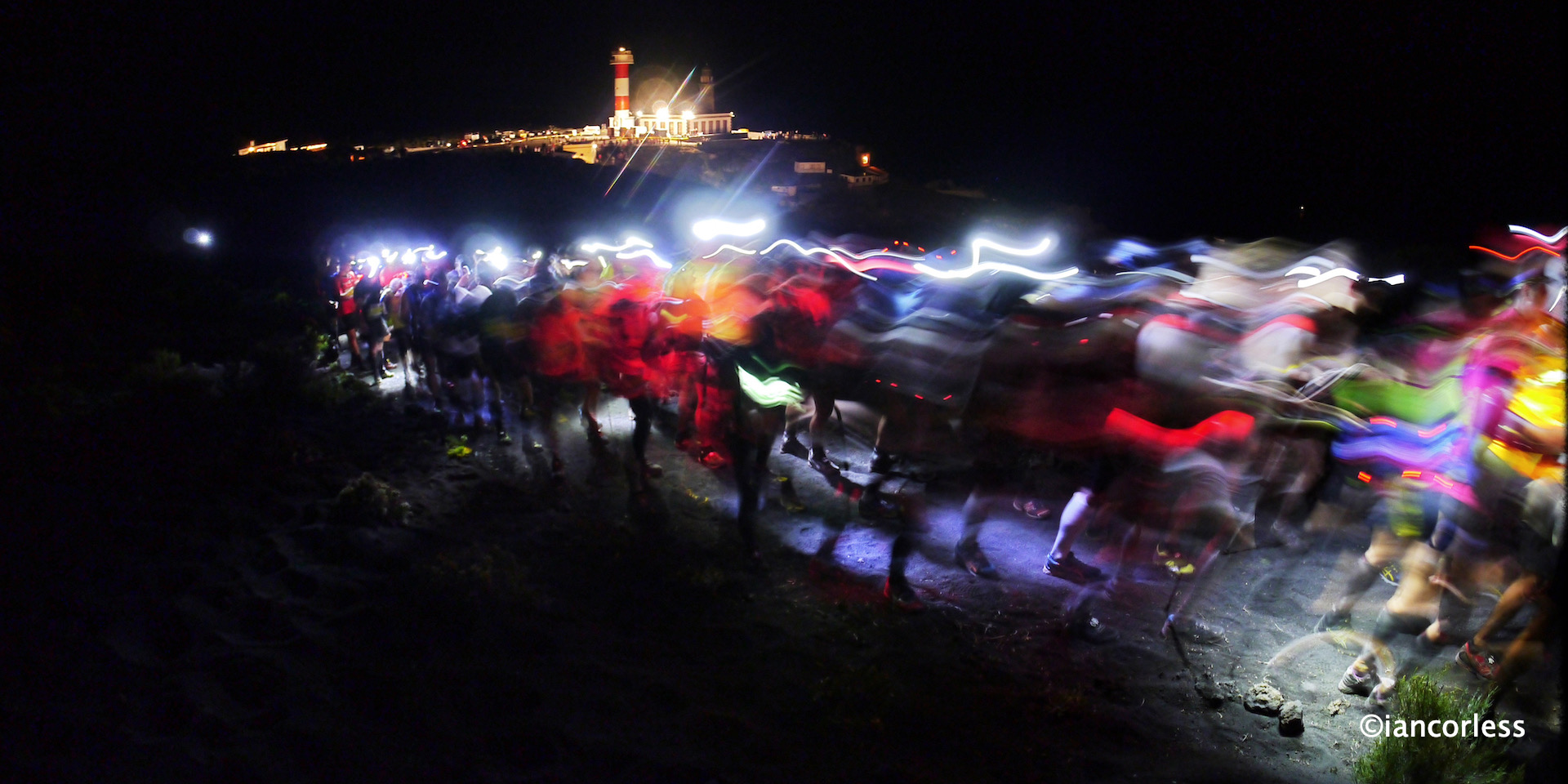
From the early morning start at the Fuencaliente lighthouse, the pounding drums and guitar of AC/DC and the words, THUNDER, THUNDER, THUNDERSTRUCK…!

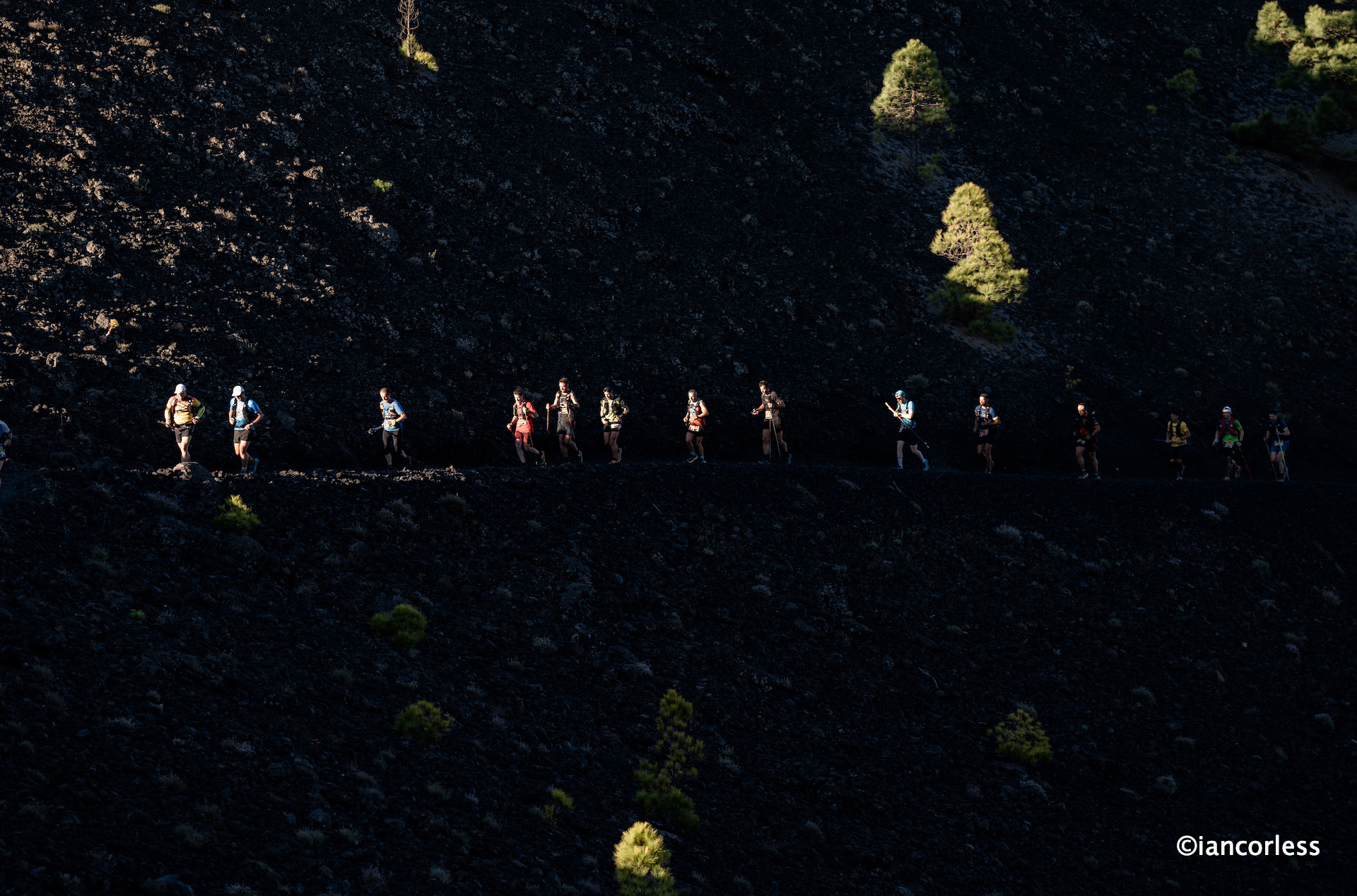
The blackness illuminated by the glow of 100’s of headlights and then the upward journey begins through a landscape that makes the most well travelled smile with joy at the magic the GR131 route brings.

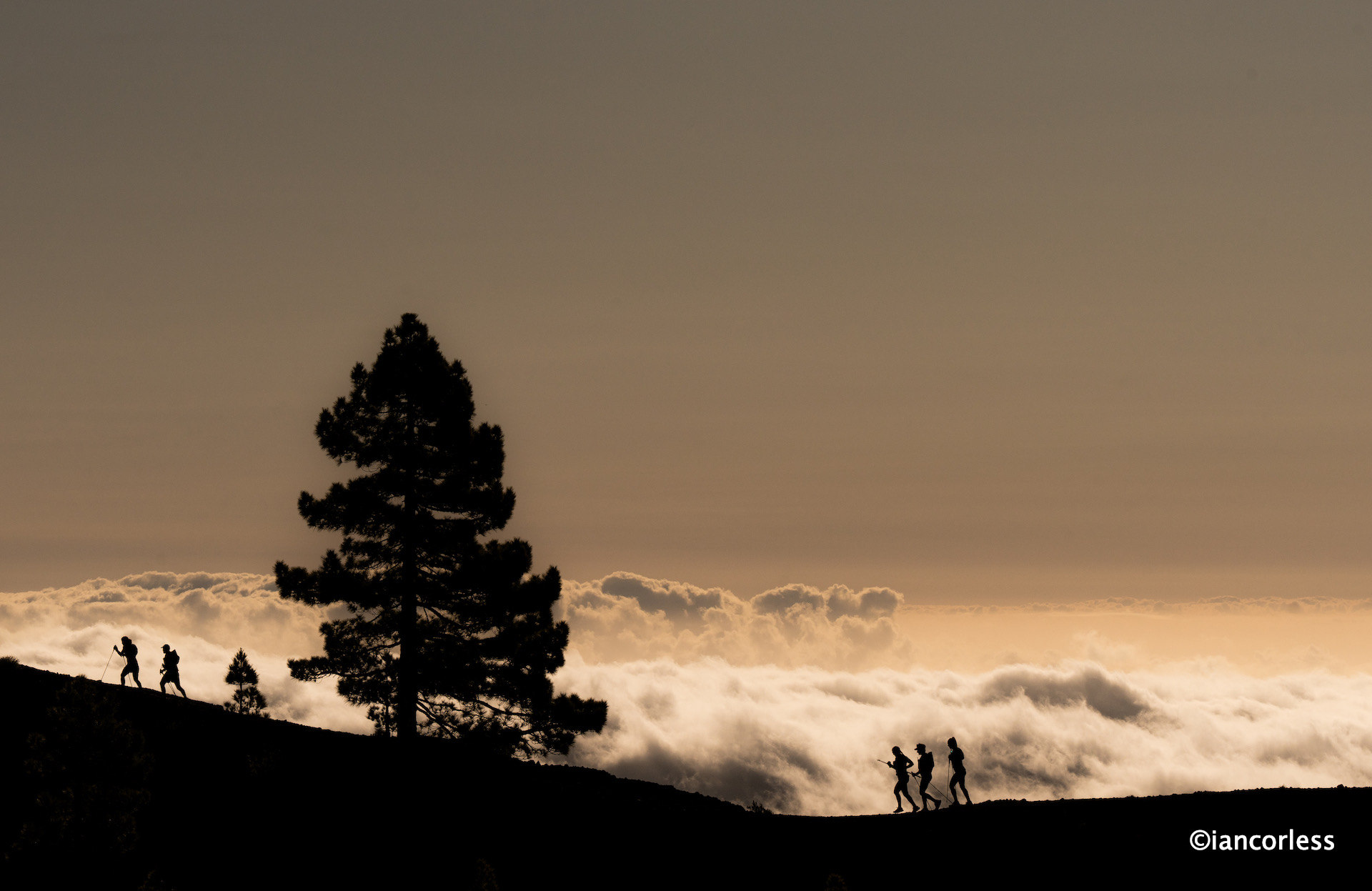
Los Canarious offers an opportunity for refreshment before single-track of black sand and rock weaves through pine trees and the eventual magnificence of the route of the volcanoes coinciding with the first light of a new day. A glimpse to the right, the sky a mixture of orange and blue, Tenerife and Teide visible and suddenly you feel like a plane, floating above the clouds in what many considering a life-changing moment.

The route winds and climbs down the spine of La Isla Bonita. From the highest point in the lower sections of the GR131 (1908m) in the Cumbre Vieja, the route drops to the micro-climate of El Pilar, one-third approximately of the route completed.

From here, cloud encapsulates the runner, some easy trails eventually give way to climbing, a myriad of single-track that weaves left and right and finally you break through the cloud to the most amazing views of Caldera de Taburiente National Park.

Reventon arrives, it’s one of the highlights of the route. With 40km’s covered, the GR131 is now above 2000m and ever so slowly the route creeps over the next 10km’s to the highest point at Roques de los Muchachos at 2403m, a rollercoaster ride of undulating and at times technical trails that offer a 360 panorama of this stunning island.

What goes up, eventually must come down and what follows is a 16km drop back to the ocean; a relentless knee, quad and mind blowing war of attrition that must be overcome. The iconic zig-zag descent provides an entrance to Tazacorte beach and the final aid station.

Beach gives way to canyon, canyon gives way to weaving paths through banana plantations before what seems like never-ending road before the glorious arrival in Los Llanos and the roar of the Palmero people.

This is La Palma.

This is Transvulcania.

This is La Palma

The 2024 Race

Men:

Dakota and Jeshrun

As expected, the early pace was fast and a core group of pre-race favourites dictated the pace with 2023 champion, Dakota Jones at the front. Behind, Jeshrun Small, Jon Albon, Tom Evans, Dmitry Mityaev, and more.

Jon Albon leading the chase group

As the km’s passed and the arrival of El Pilar came, Dakota suffered from the early pace and now, pre-race favourite, Jon Albon took over at the front with an inspired Jeshrun Small. Tom Evans, Thibaut Baronian and Dmitry Mityaev followed.

The elastic finally snapped and Jon made his move and opened a gap. It was on the final descent that Jeshrun relinquished second to his adidas Terrex team mates, Tom who had moved up from fifth and Dmitry who were now charging to the ocean in pursuit of The North Face athlete.

Jon arrived at Tazacorte and a course record looked possible. But as the climb to the finish came, the early pace and now heat was taking its toll. Jon was having to dig deep and the behind, the Terrex duo were pushing each other, Dmitry looking stronger than Tom.

But Dmitry did not attack… Maybe he didn’t know the 4-minute gap to Jon at the beach was reducing with each stride?

Victory

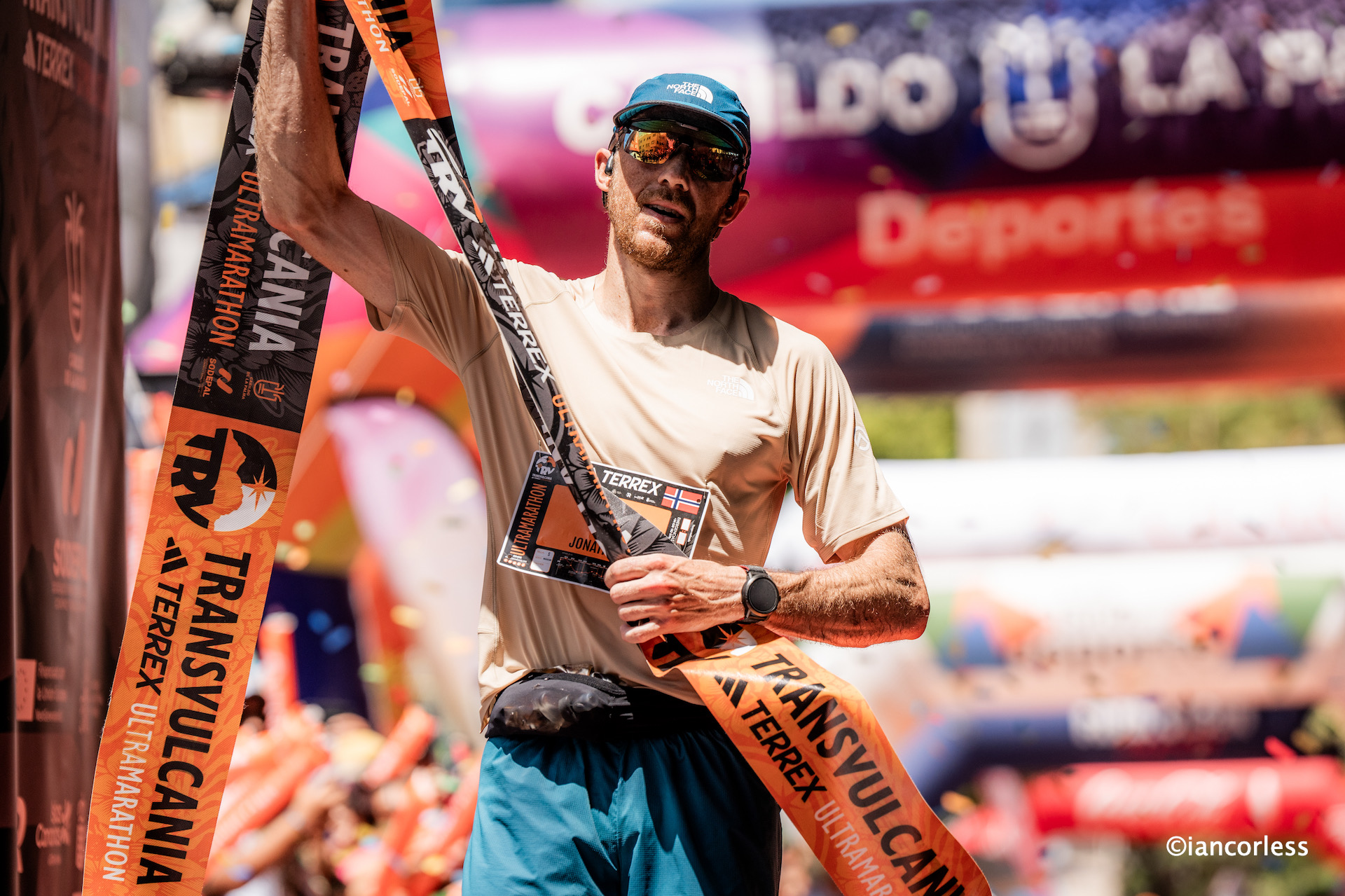
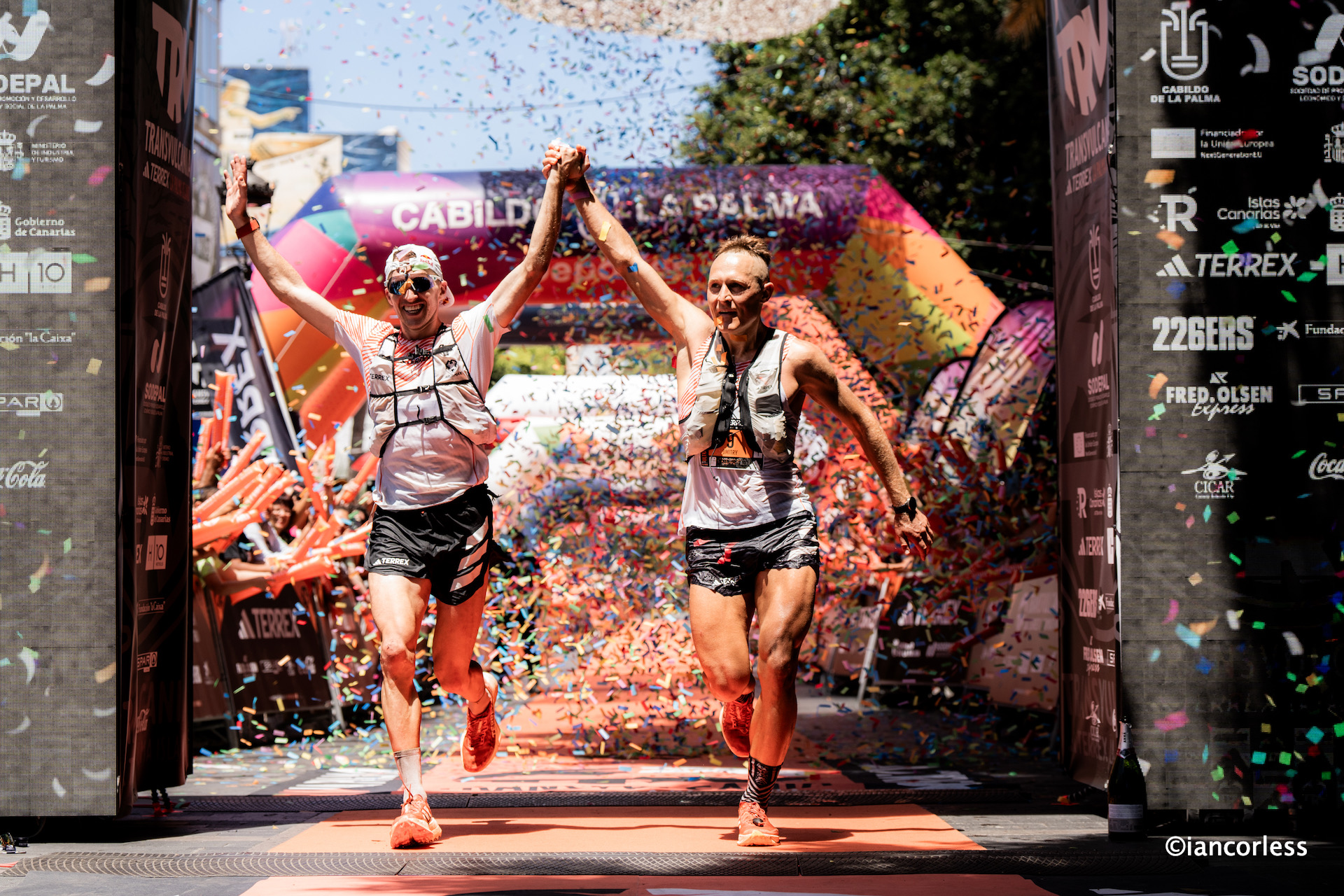
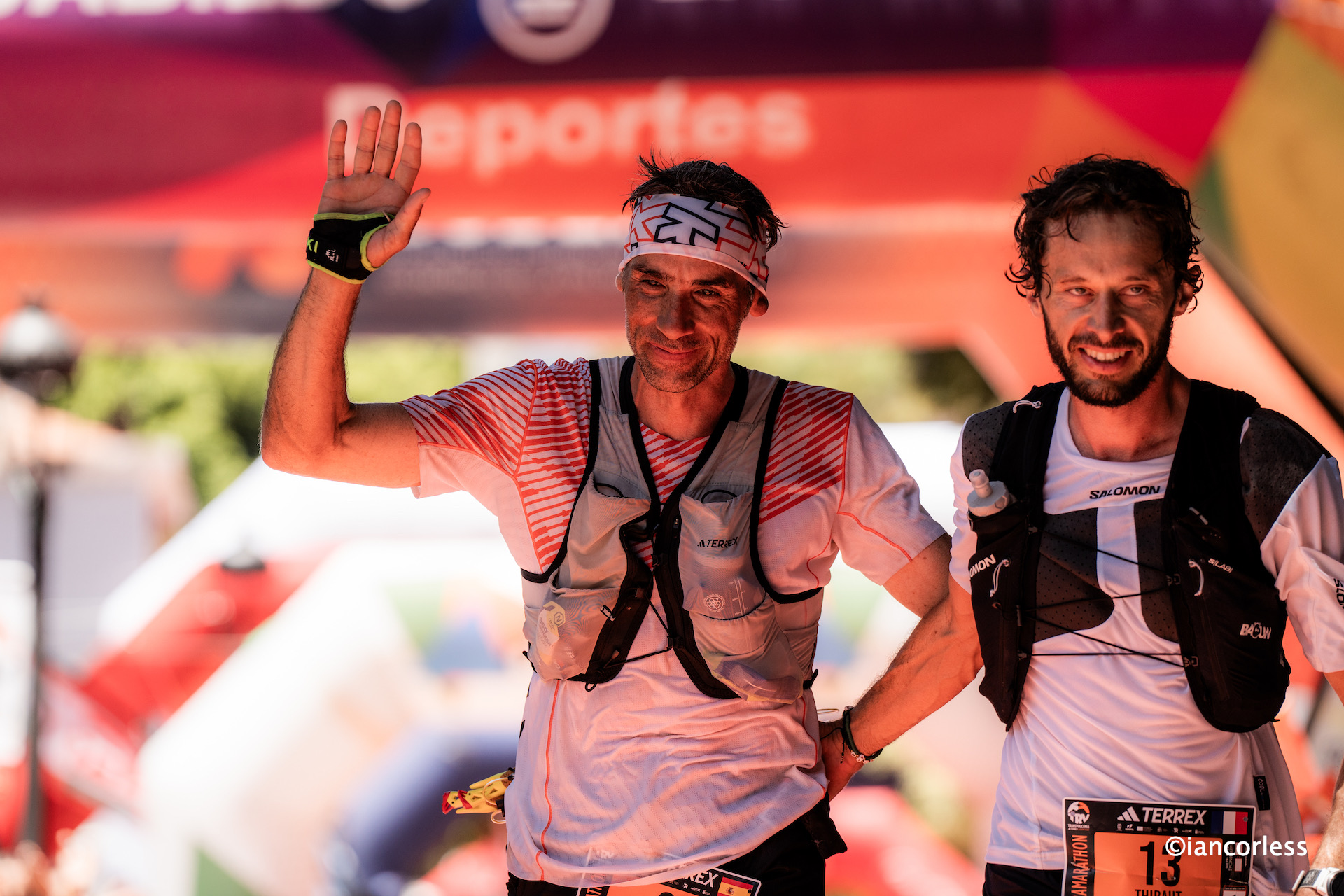
Jon crossed the line, exhausted, the 2024 Transvulcania champion. Behind, less than 2-minutes later, the duo arrived, hand-in-hand.

There was no course record but it was darn close. One hell of a race.

Tom and Dmitry

At the finish line, Albon (7h.03:10) crossed first, followed by Dmitry Mytiaev (7h.05:16) and Tom Evans who entered together at de finish line (7h.05:17)

Women:

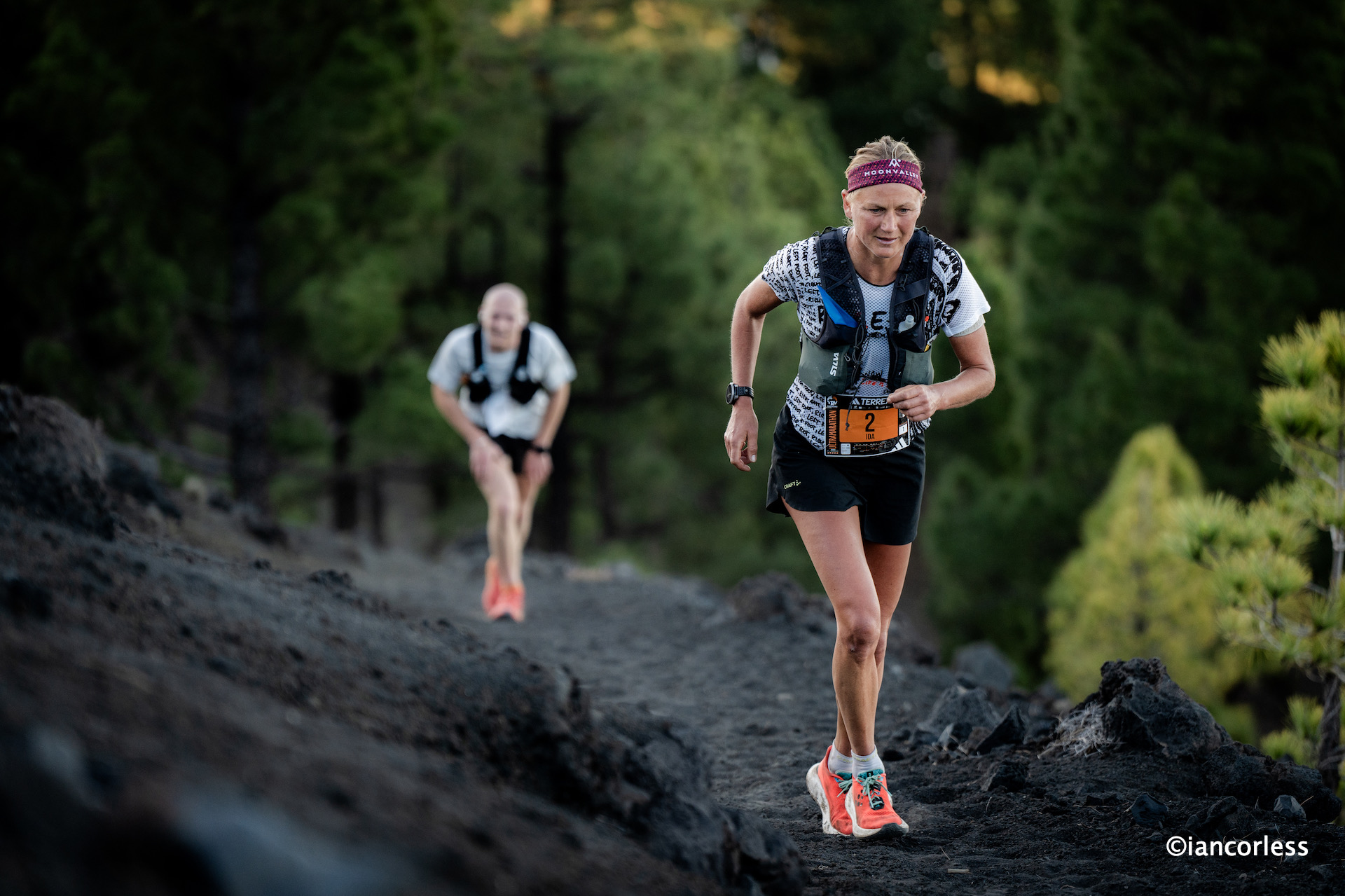
Ida a three times champion

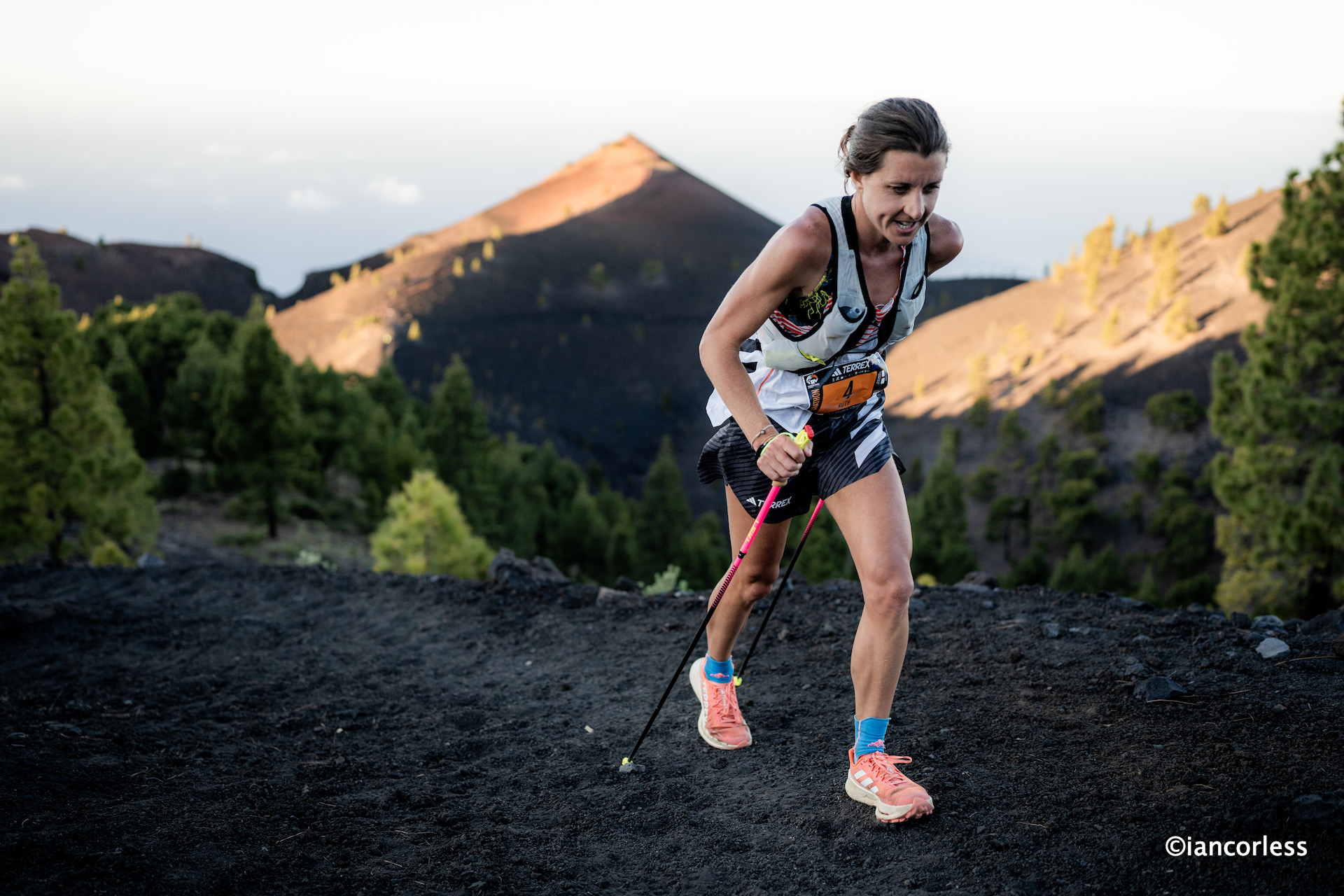
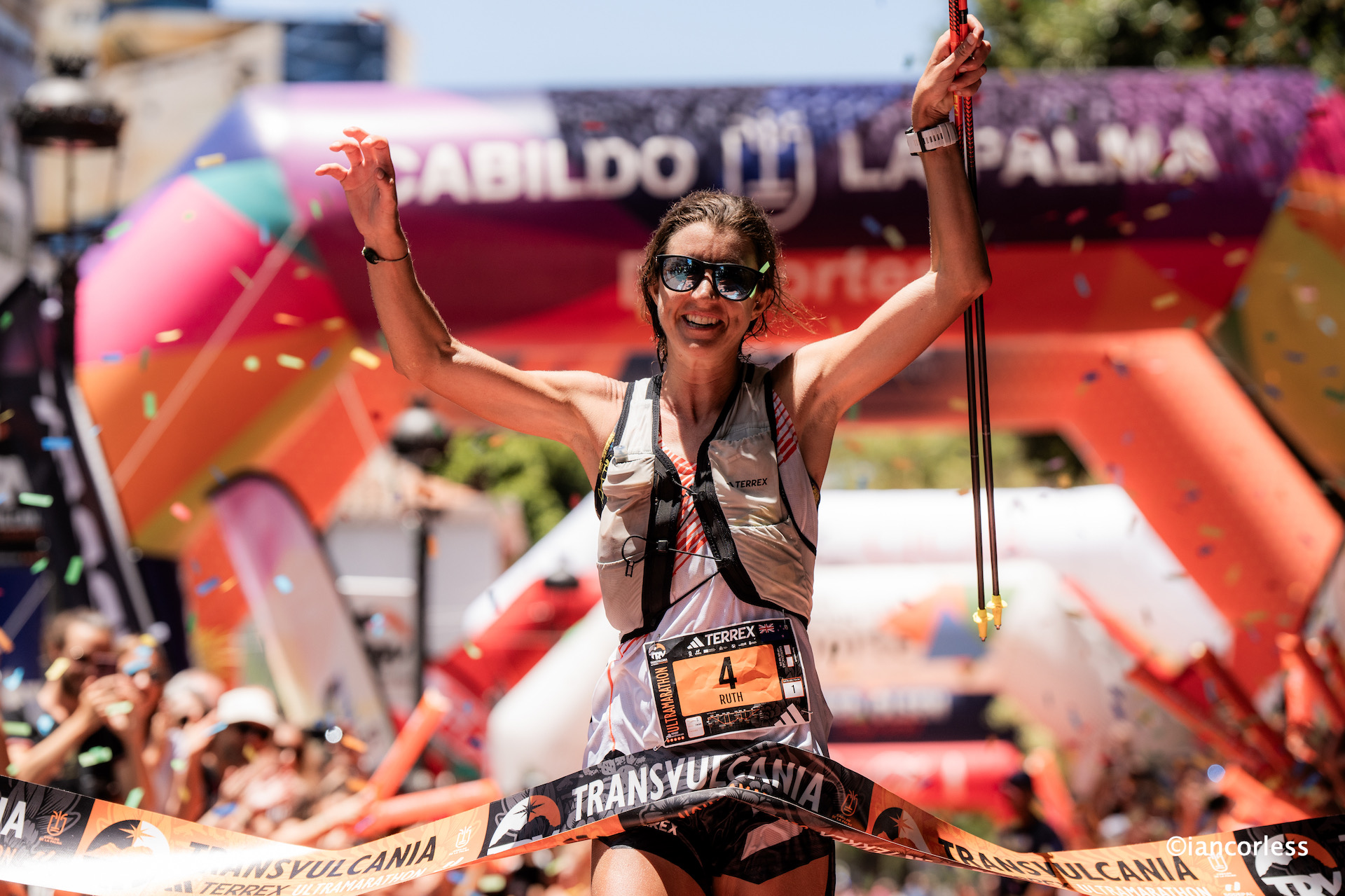
Ruth Croft set the early pace and what a pace! For much of the day, it was a display of style, power and confidence. The performance only faltered at Roques de los Muchachos when a charging Ida Nilsson, three times Transvulcania champion, closed the gap to seconds.

Ruth – incredible

It gave Ruth the wake-up call to push hard to the line, and push she did, not only resulting in victory but a new course record. It was a stunning performance that only confirms that currently, along with Courtney Dauwalter, Ruth Croft is one of the most exciting and dominant trail runners in the world.

Champ and new CR

It was glory day for Ida Nilsson, a La Palma favourite who ran another stunning race to secure second.

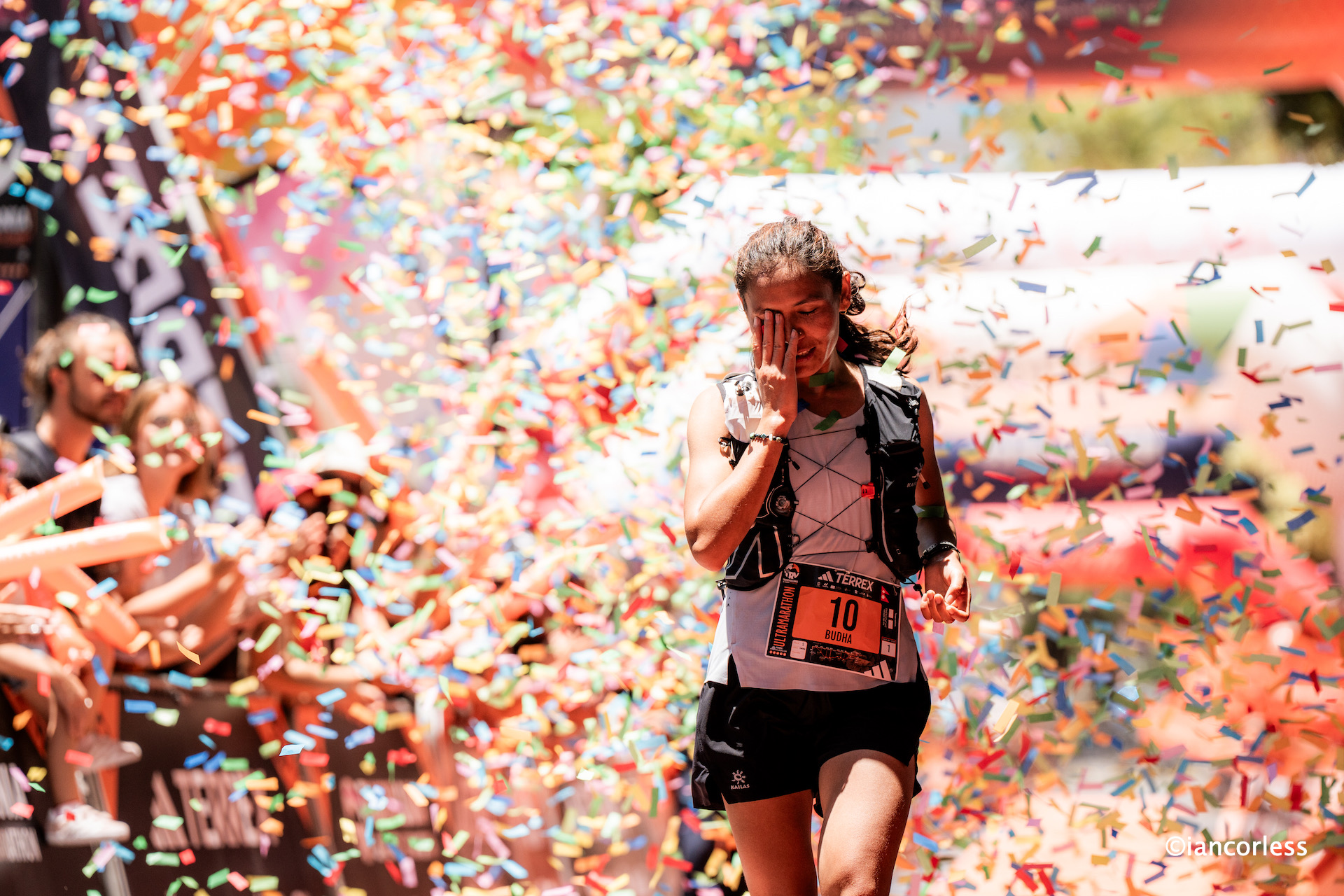
As always happens, there was drama behind and it was Nepali, Sunmaya Budha who finished third looking very fresh… There is more to come from this strong woman!

Sunmaya

Ruth Croft (8h.02:49, record) won, Ida Nilsson (8h.16:32) finished second, and Sunmaya Budha (8h.20:31) closed the podium.

The Story:

As with all races, we have champions and we celebrate them. But the story of the 2024 Transvulcania is a return of the race to the island and people of La Palma.

“I didn’t have the day I wanted today,” said one runner. “But how can I be disappointed? It’s such a privilege to be on this island with these people enjoying what is one of the greatest races and places in the world.”

It was a sentiment that was echoed by many. There is something special here on this Canary Island.

I for one am already waiting for the 2025 countdown. This race should be a fixture for every dreaming trail runner and trust me, once experienced, one edition is not enough.

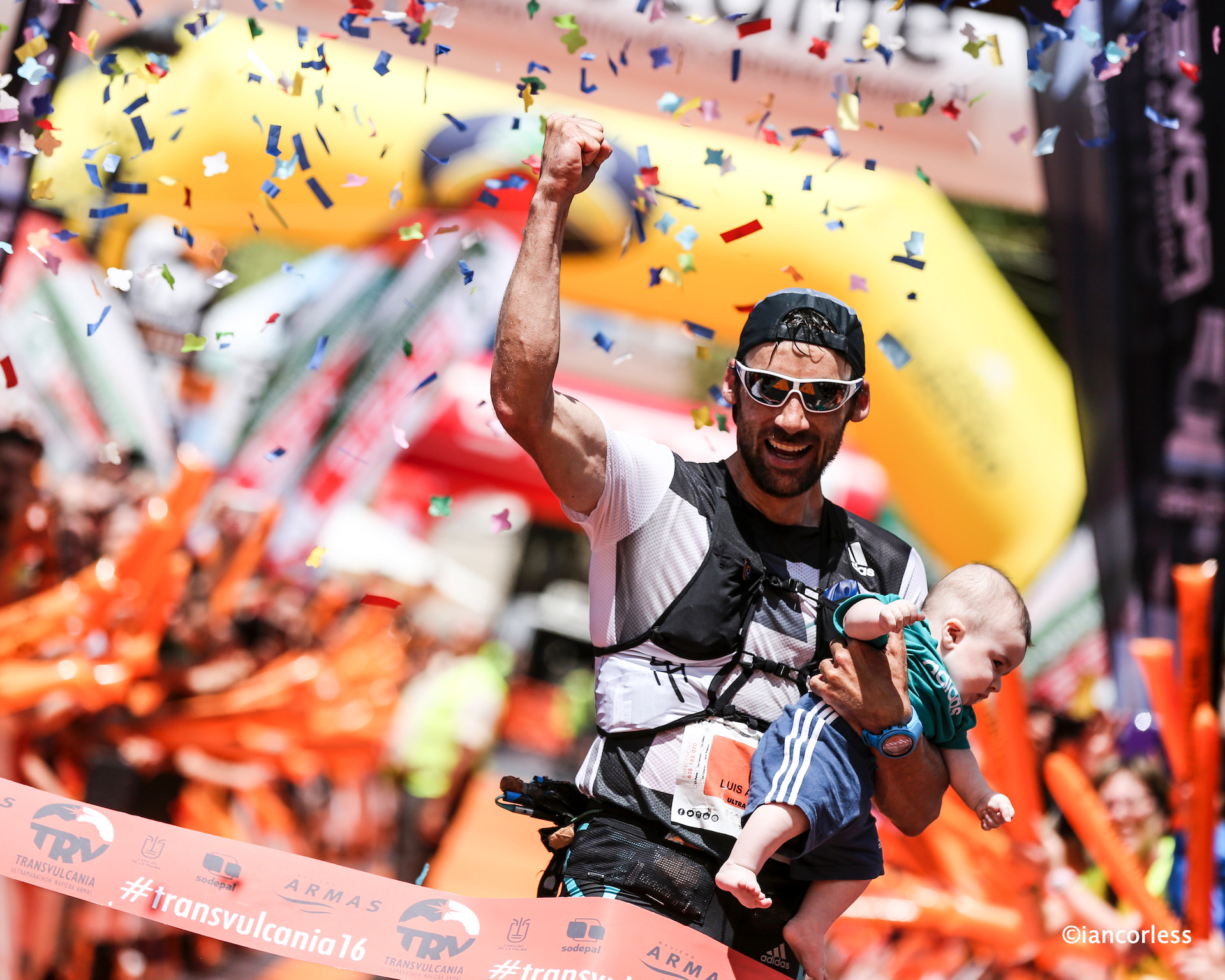
The boss, Luis Alberto Hernando, his last victory.

Finally, I give a special (personal) mention to a true inspiration of Transvulcania, the Maestro ‘Luis Alberto Hernando’, a three time champion of the race. He told me before the start, I am now 1-hour slower and I will be happy with top-20. He placed 12th after Thibaut Baronian acknowledging ‘The Boss’ on the line, bowing, and allowing the master to pass. What a moment.

Pure magic

Follow on:

Instagram – @iancorlessphotography

Twitter – @talkultra

facebook.com/iancorlessphotography

Web – www.iancorless.com
Web – www.iancorlessphotography.com
Image sales –www.iancorless.photoshelter.com

Superior 100 2014 – Minnesota Nice!

©iancorless.com-1614Superior100

John Storkamp, race director for the Superior 100 told all competitors at the pre race briefing, ‘Look around, because you may well not see everyone back at the finish. The Superior 100 is rough, rugged and relentless.’

Race images available HERE

John Storkamp - race director

John Storkamp – race director

A point-to-point race, the route traverses the ‘Sawtooth Mountain Range’ in northern Minnesota. Taking part on the Superior Hiking Trail (SHT), starting at Gooseberry Falls State Park and concluding in Lutsen, 100-miles later.

©iancorless.com-1049Superior100

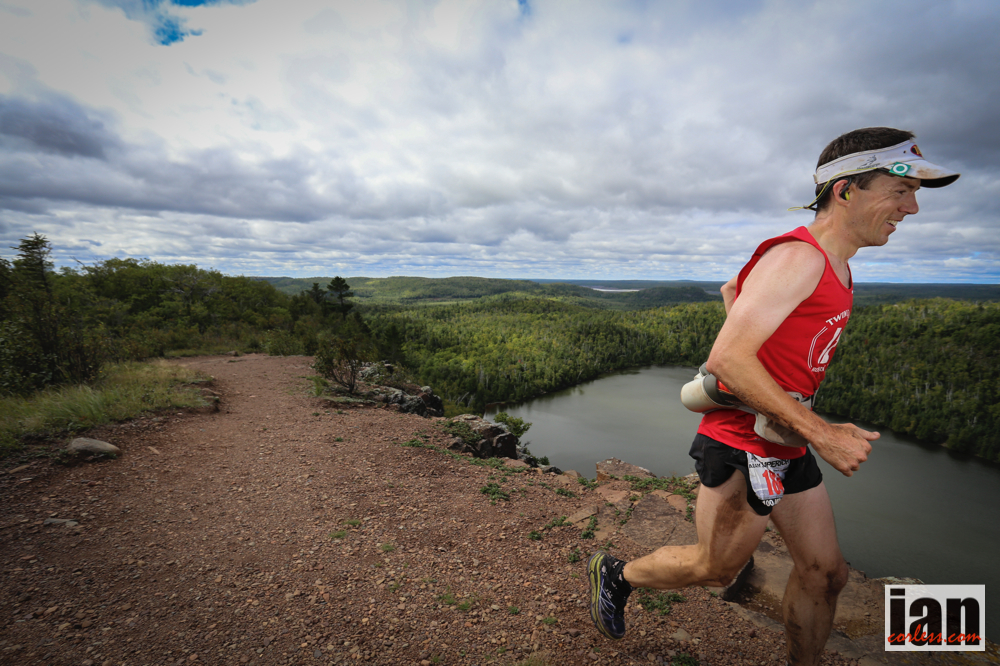
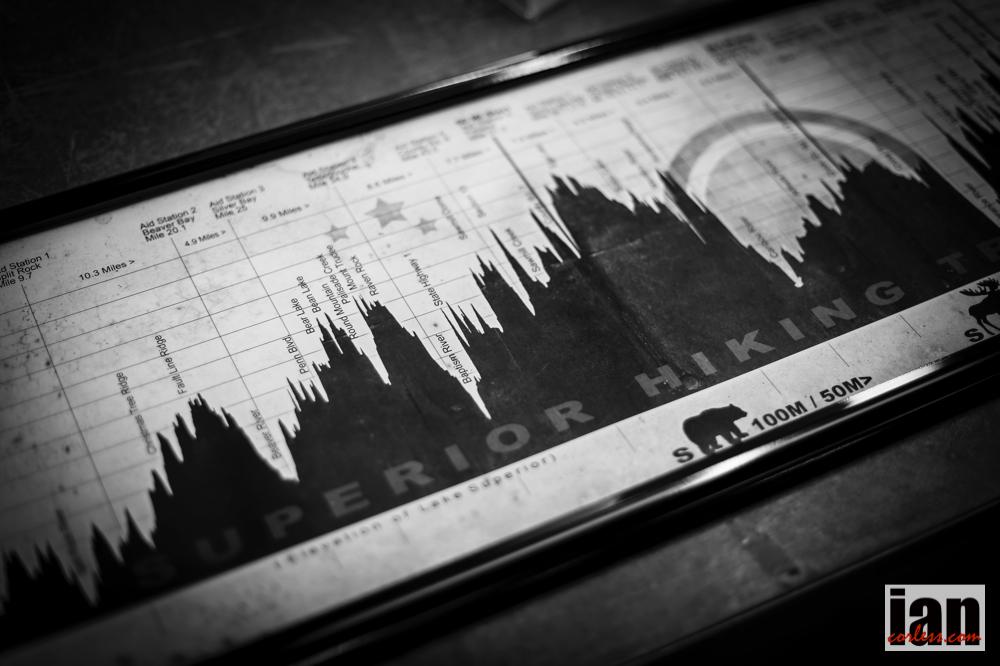
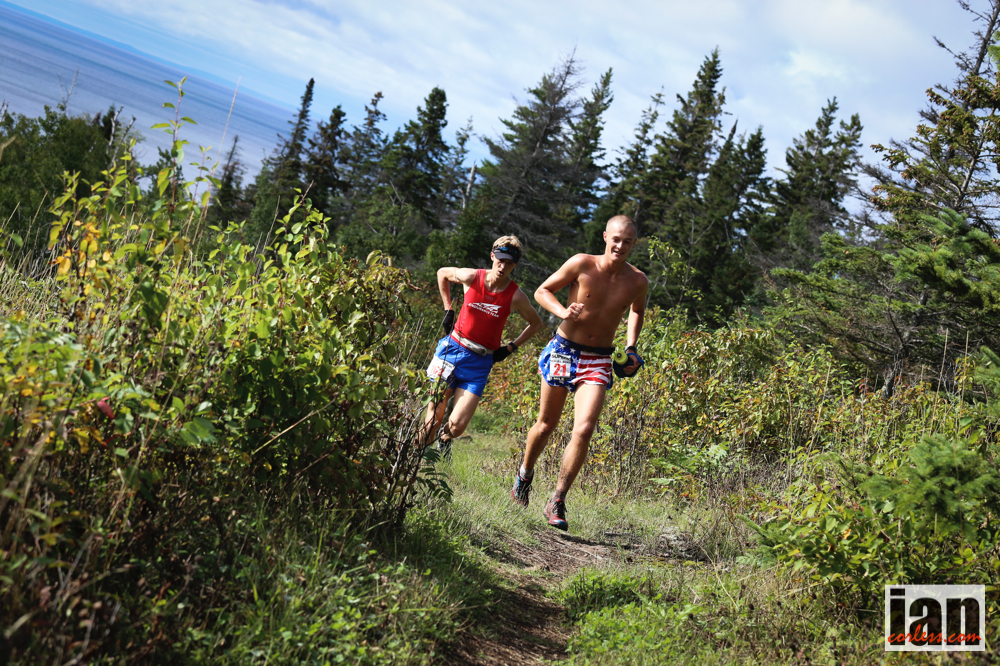
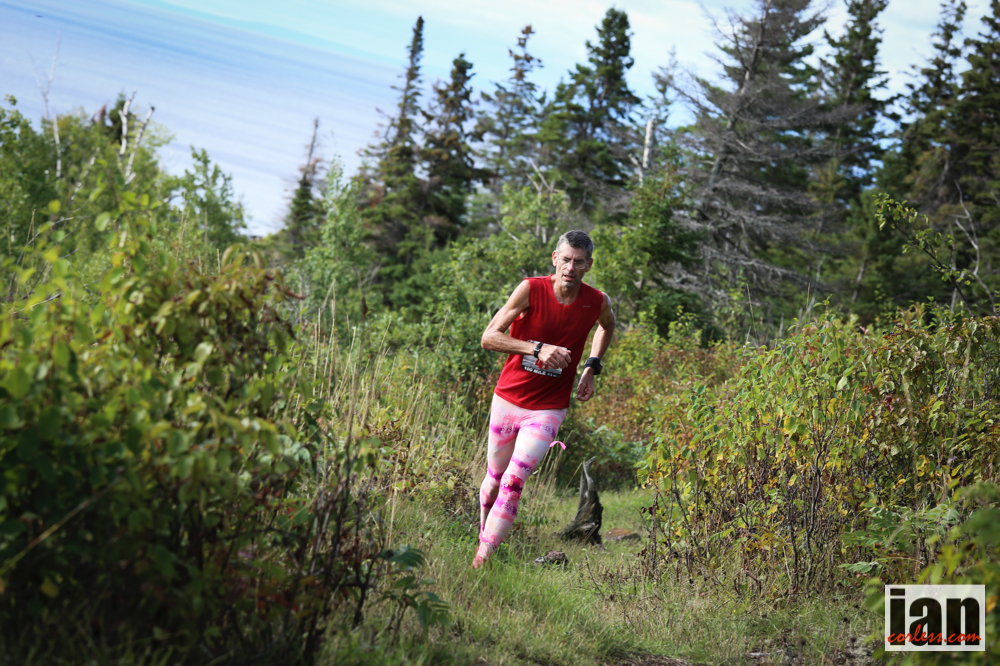
It’s a trail of immense diversity and one that is constantly shadowed at all times by the impressive and dominant Lake Superior. Terrain, as the Storkamp suggests, is relentless. With a low point of 183m and a high point of 558m, the race doesn’t get high, however, the repeated nature of the course (Sawtooth profile) offers no opportunity for recovery or rest. Add to the mix, brooks, mud, rocks, tree roots and a rollercoaster of small climbs; the Superior 100 is considered one of the toughest races in the USA. It’s reflected in the current course record of 21:02. Crossing the line in Lutsen is no easy task… Ask each and every finisher, in fact, you don’t need to ask, the gaunt and hollow expression on each and every face shows each mile and each minute and hour that has been undertaken to achieve the buckle!

©iancorless.com-1025Superior100Run in almost perfect weather conditions, Superior 100 2014 was an experience to embrace. Have you heard the term, ‘Minnesota Nice?’ (A stereotypical behaviour of Minnesota residents to be courteous, reserved, welcoming and mild-mannered) Well believe me, this Brit was submerged in it from registration, during the race and beyond.
‘It’s so awesome that you are here, thanks for coming!’ I can’t tell you how many times I heard this phrase during my incredible weekend. No matter at what point in the race, no matter how sleep deprived they were, each an every runner would go out of their way to express warmth. It’s humbling. Of course, it’s in the nature of the people but my host for the weekend, Kurt Decker assured me, ‘These folks are genuinely the salt of the earth, they mean every word but this weekend they have taken it up a notch.’

©iancorless.com-0888Superior100

Imagine being on the trail in the middle of the night, a runner appears and we shout, ‘Looking good, keep it going, you are doing great!’ the runner stops, looks us in the eyes, grabs our respective hands and shakes them, ‘Thank you guys for being here and supporting, it’s really appreciated.’

Minnesota nice!

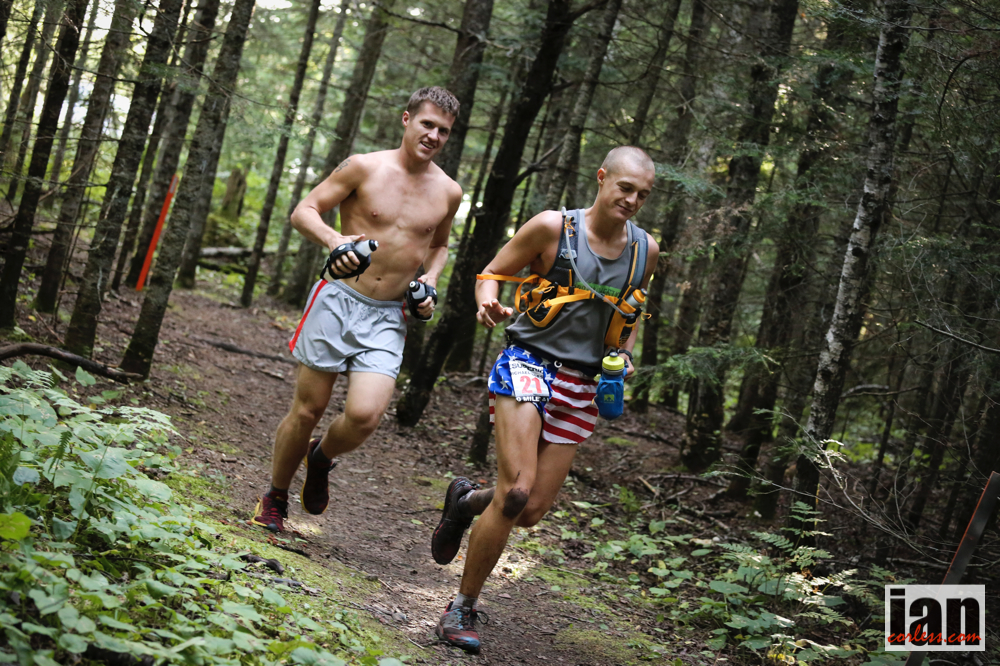
No matter how nice these folks are, racing did go down at the weekend and at the front end Kyle Pietari and Michael Borst dictated the early pace followed by Nathan Leehman, Adam Schwartz-Lowe, John Cameron and John Horns, the 2013 race winner.
©iancorless.com-0916Superior100Ultra running legend in these parts, Eric Clifton made his presence felt in the early stages but faded and eventually dropped.

©iancorless.com-0931Superior100

Eric Clifton running early on in possibly the worst run tights… ever!

In the ladies, 2013 1st place winner and 2nd overall, April Cole looked set be a dominant force pushing consistently hard throughout, however, at the summit of Carlton Peak with just under 90-miles covered she complained of being cooked. To my surprise April dropped at Sawbill with just over 90-miles covered.

©iancorless.com-1333Superior100

April at Bean and Bear

Adam Schwartz-Lowe had been the bridesmaid on 2-occasions at Superior, 2012 when Steve Moore set the 21:02:41 CR and 2011. After a sub-20 run at Western States earlier this year, Schwartz-Lowe wanted this win, however, Pietari and Borst had different ideas. At halfway, Wisconson runner Borst had pulled away and from Pietari who was paying for the early pace, so much so he would eventually drop. Running without a pacer, Schwarz-Lowe went in pursuit from the Finland aid (51.2) and as he ran past he aptly said, ‘I smell rabbit in front of me.’
©iancorless.com-1365-2Superior100

The rabbit took some catching though! Running only his 2nd 100, Borst looked to have the race dialled after dnf’ing his 1st 100 at Zumbro earlier this year. Experience paid off though, at Sonju Lake Road the gap was 8-minutes, at Sugarloaf (72.3-miles) it was 5-minutes and then at Cramer Road (77.9-miles) it was 2-minutes. From here on in, the guys ran together for an hour until eventually Schwartz-Lowe pulled away gaining a 1-minute advantage at Temperance (85-miles) and 24-minutes at Sawbill (90.7-miles). The hay in the barn could be smelt and as the race progressed the gap tweaked open. At the final aid, Schwartz-Lowe didn’t hang around, a quick re-supply, a few questions on the location of the 2nd place runner and then he scooted off up the trail.

Adam at Oberg just over 7-miles to go

Adam at Oberg just over 7-miles to go

From here on in, Borst consolidated his 2nd place looking relaxed and happy, his pacer doing a great job to keep the motivation high. Leehman took a seat at Oberg and although the temptation to hang out and chill was tempting, he rejuvenated himself and pushed on for the final podium place after a welcome ‘Monster’ drink from 4th place runner, Cameron’s crew.

©iancorless.com-1213Superior100

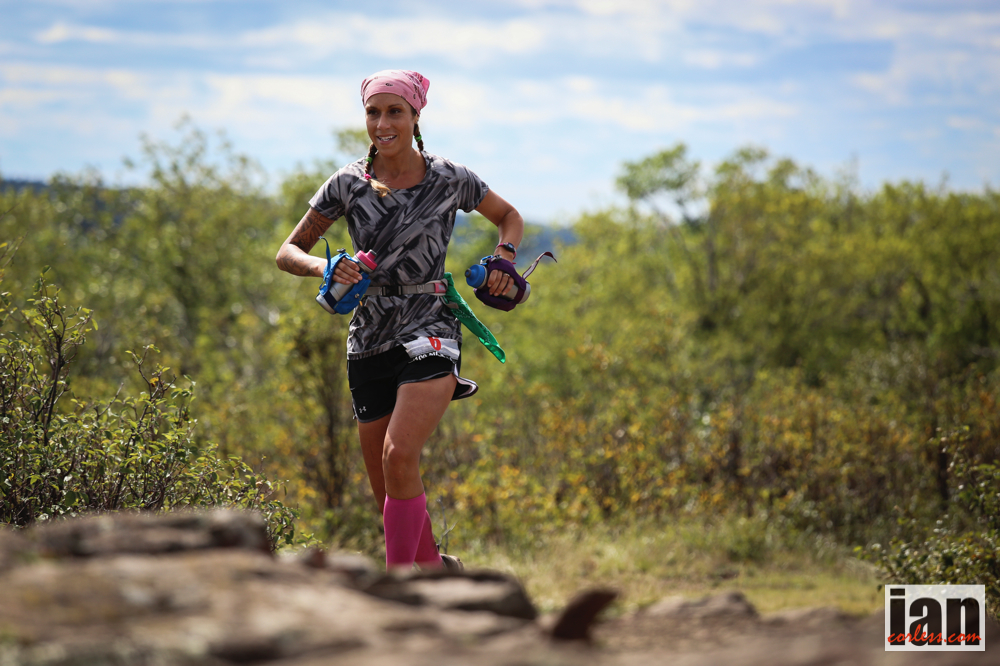
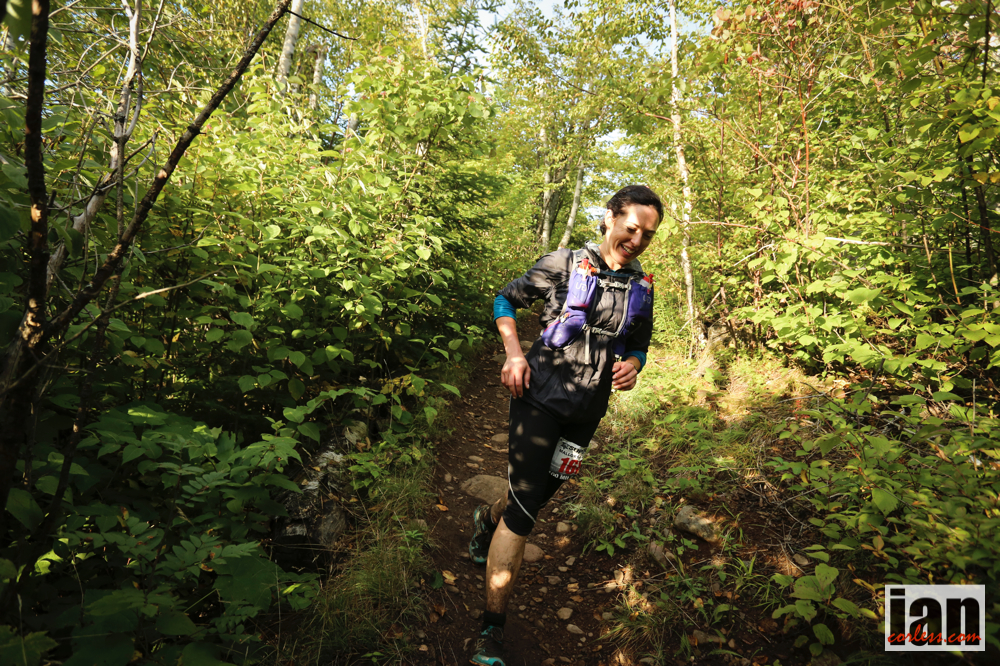
With April Cole out of the race, the ladies race became a war of attrition and I saw each lady as they climbed up and over Sawbill with 90.7 miles covered. Embracing the relentless nature of the race they pushed on through never failing to offer a smile and a thank you. Ultimately at the line, the gaps were quite wide with Mallory Richard taking the victory ahead of Frayah Bartuska and Johanna Ylanen.

©iancorless.com-2117Superior100

Ladies winner, Mallory Richard


100-mile races are tough, no matter what the terrain is like. Here in Minnesota on the Superior Hiking Trail, John Storkamp and the Rock Steady Running crew have a gem. A gem of epic proportions… if you like your trail tough and gnarly and your people warm and welcoming, then Minnesota is for you!

Believe me, it’s Minnesota Nice!

Race website – HERE

RACE RESULTS

100-mile

  1. Adam Schwarts-Lowe 21:58:32
  2. Michael Borst 22:52:28
  3. Nathan Leehman 23:26:47
  1. Mallory Richard 27:32:27
  2. Frayah Bartuska 29:56:58
  3. Johanna Ylanen 31:08:10


50m-mile

  1. Chris Rubesch 8:56:33
  2. Forrest Tracy 9:23:47
  3. Alex Kurt 9:35:24
  1. Kristin Rognerud
  2. Annie Behrend 13:03:34
  3. Shelly Groenke 13:41:38


Marathon

  1. Ben Kampf 3:32:27
  2. James Sorenson 3:49:30
  3. Ryan Braun 04:00:11
  1. Jayna Tilstra 4:53:31
  2. Kelly Johnson 4:56:10
  3. Heather Weckwerth 5:20:01

Race images available HERE