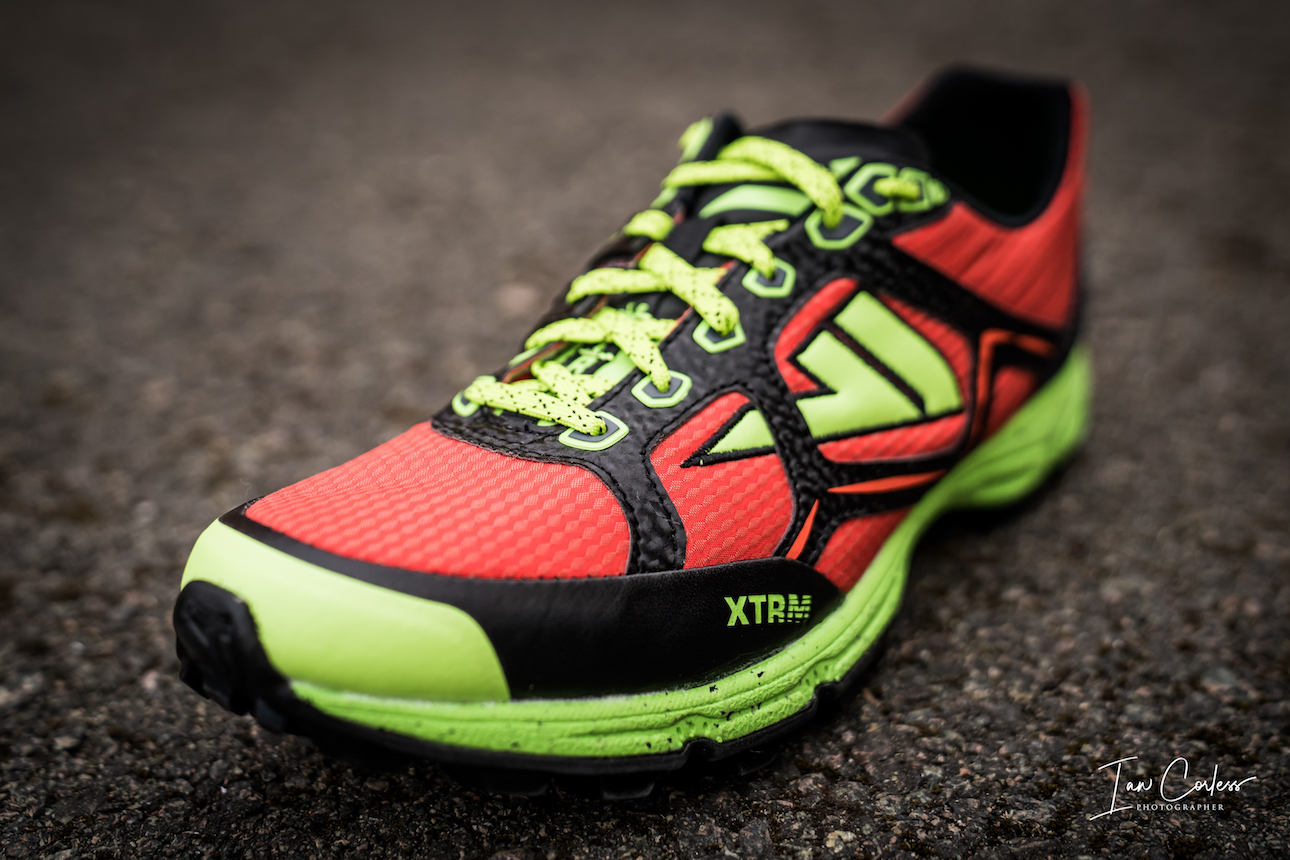
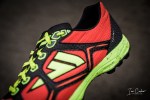
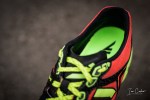
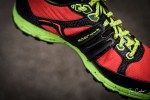
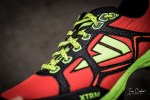
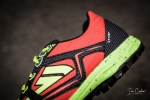
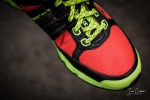
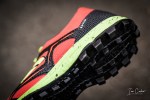
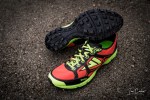
VJ ULTRA 3 – SHOE REVIEW

Photo by Ian Corless

In a world of the big shoe brands, think adidas, Brooks, Asics, Nike and of course, the list goes on. I love the fact that, without doubt, the best trail and mountain running shoes come from a small Finnish brand, VJ SPORT.

It’s a bold statement huh? But, if you have been reading shoe reviews on this website for many years, you will know, that I have a love for VJ shoes.

I am not going to write an article here about the brand, its history and do a PR job for them, I honestly don’t feel I need to. I feel safe in the knowledge that if anyone purchases a pair of VJ’s based on one of my reviews, they very quickly agree with me. Over the years I have received countless messages in the vein of, ‘I had no idea about this brand until I read your review and now I have theses shoes, it’s a game changer, the fit and in particular, the outsole are amazing!’

Photo by Ian Corless

With a strong history and foundation in Orienteering, VJ made a name for itself in Scandinavia as the ‘go-to’ shoe. Jon Albon (yes, the TNF athlete) helped shift the awareness to a worldwide platform with his success in OCR using the iRock shoes and then in the world of trail, ultra and skyrunning with the XTRM, MAXx and the ULTRA.

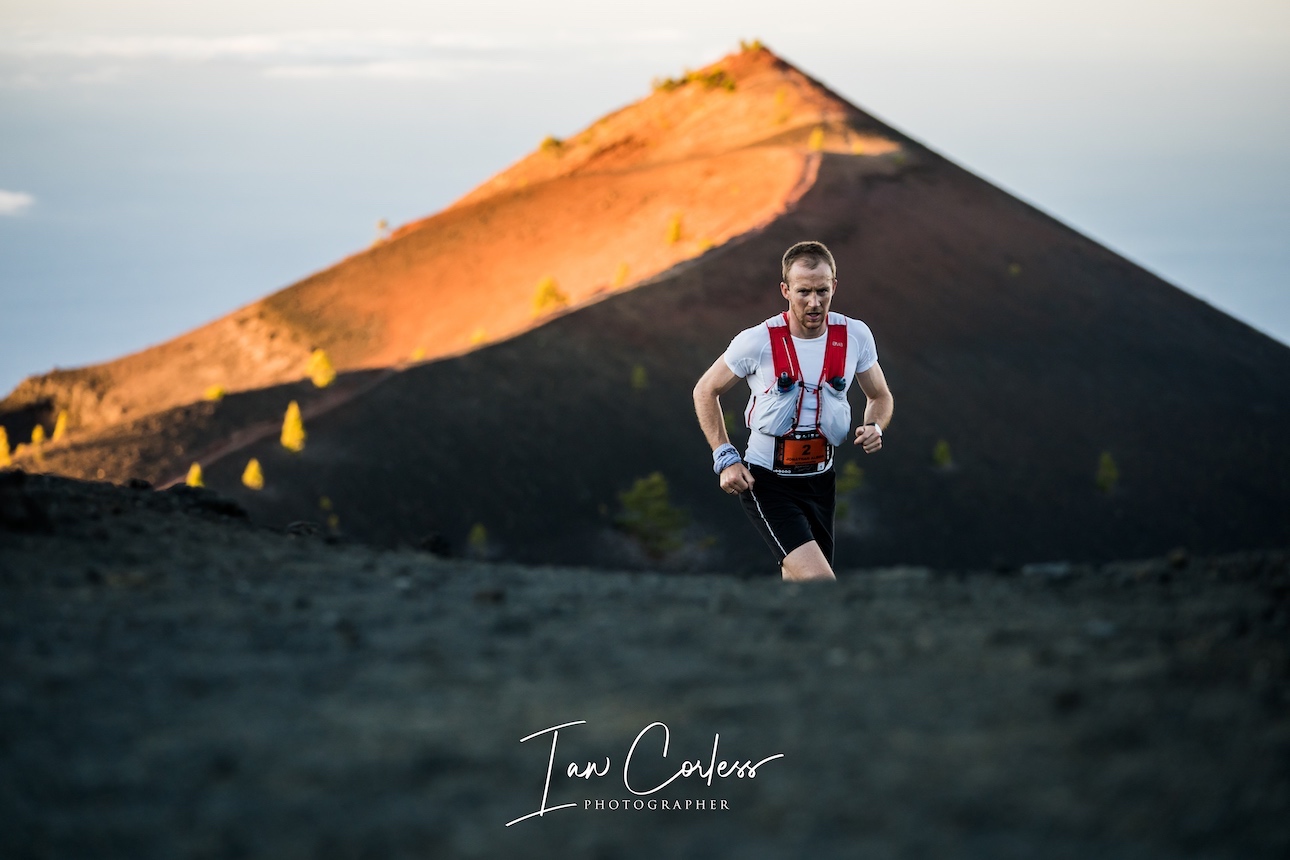
In all honesty, despite huge growth, huge success and repeated accolades around the world for having ‘the best grip on the planet,’ VJ are still a niche brand and a secret weapon. I honestly believe, that in technical, mountain, rocky, and slippery terrain, a runner with VJ shoes has a distinct advantage that may well make a difference between gaining a podium place or not. This is especially rings true, here, in my home of Norway, where the mountain terrain is harsh, slippery and very demanding.
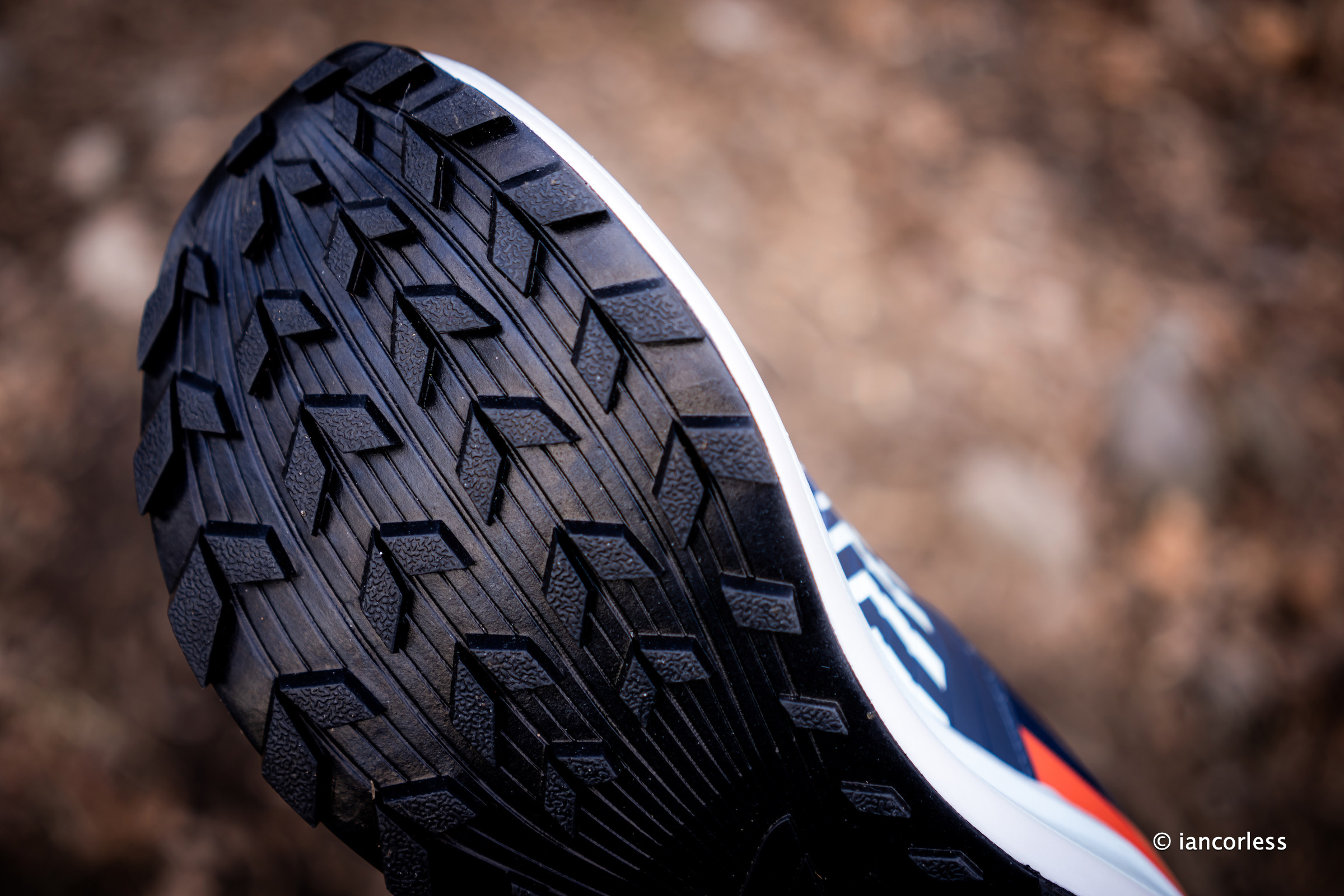
Photo by Ian Corless

With all the above in mind, VJ keep their shoe line up simple for trail/ mountain and Ultra:

  • iRock4 – Mega grip, precision feel, for intense mud when grip is a priority. The 8mm lugs are like claws.
  • Spark – Minimal race shoe with 5mm lugs, 11mm/16mm cushioning.
  • Lightspeed – Fast and light, a racing trail shoe with the ‘new’ SuperFOAMance cushioning at 23/29mm and 3.5mm lugs.
  • XTRM2 – A fast mountain shoe for short to middle distance with 6mm lugs and 10/14mm cushioning.
  • MAXx2 – Cushioning and grip with a lower profile, ideal for the mountains. With the ‘new’ SuperFOAMance cushioning at 25/31mm and 4mm lugs.
  • Ultra 3 – As the name suggests, a long distance shoe with cushioning. With the ‘new’ SuperFOAMance cushioning at 30/38mm and 4.5mm lugs.
  • Flow – A new shoe for all terrain which I have yet to test. 25/35mm and 4.5mm lugs.

In addition to the above there is a winter shoe, the XTER that is also available with spikes, called the ACE, for ice and snow. There are countless spike/ winter models HERE.

VJ ULTRA 3
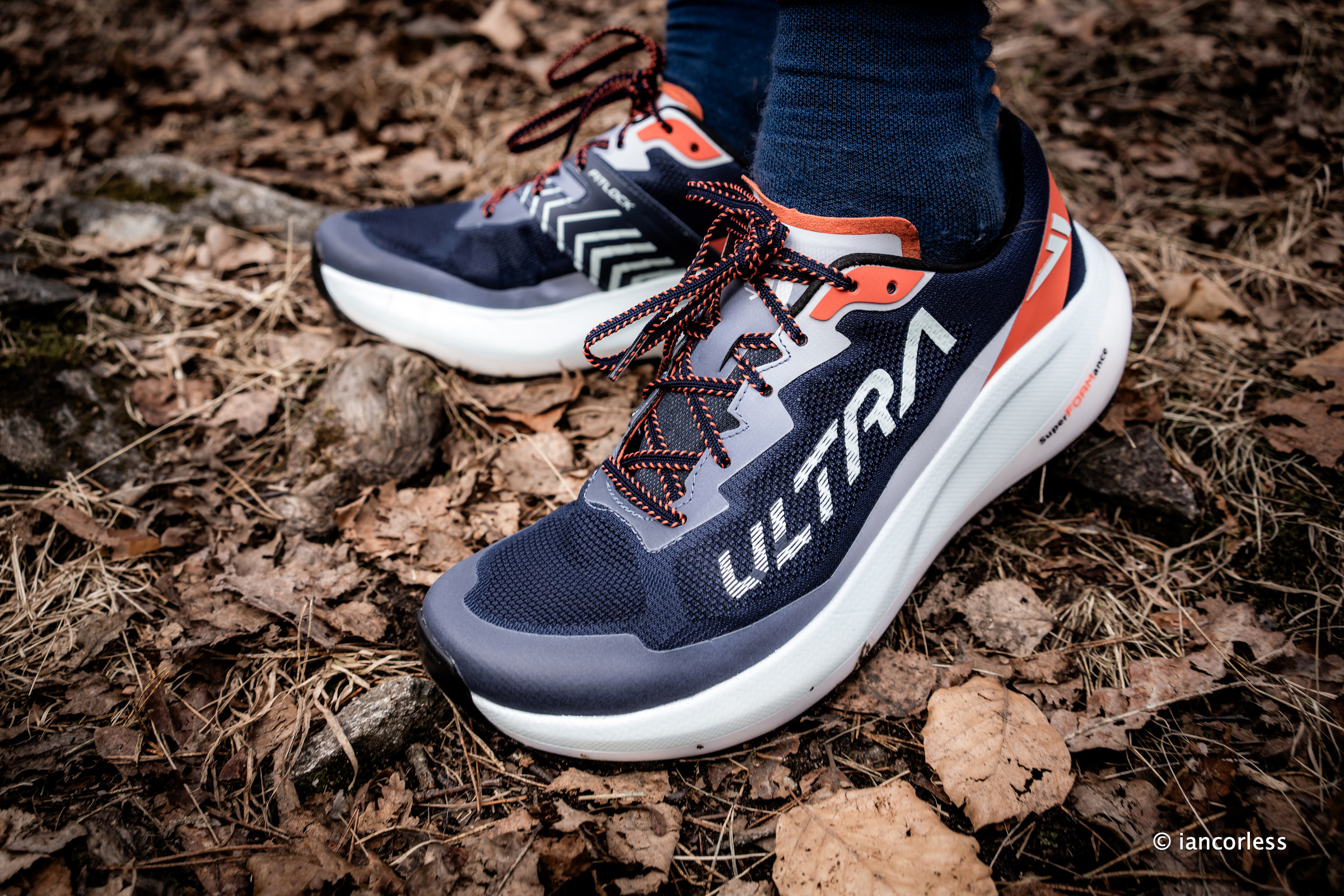
Photo by Ian Corless

This is not the first ultra shoe for VJ, on the contrary, they released the ULTRA and the ULTRA2. Both of these shoes I have run in and tested over the past few years. They both had all the perfect VJ characteristics, namely, amazing grip and incredible foothold with Fitlock. However, for me, the cushioning never felt ‘bouncy,’ and this always shifted me to use the MAXx.

In 2023, VJ released a winter shoe called the ACE, this shoe was a spiked shoe for snow/ ice etc. It was a complete game changer! The shape of the shoe was completely different, the toe box was wide and expansive (just like ALTRA) to allow the toes to move and keep warm during winter conditions. In addition, the ACE had new cushioning called SuperFOAMance. I said in my 2023 review, and I quote, ‘I want this shoe without studs for dry trail running.’

Well, I gave that feedback to VJ and they listened, the VJ ULTRA 3 comes from the ACE development.

However, I need to mess up this and segway to the LIGHTSPEED and MAXx2. Between the ACE and the release of the ULTRA 3, we had the Lightspeed and MAXx2 launches. Again, two amazing game changers for VJ. The LIGHTSPEED is a super fast and responsive trail racing shoe, think the Golden Trail Series. The MAXx2 (think skyrunning) builds on everything that was great in the original MAXx but takes it one step further. Both these new shoes had the SuperFOAMance cushioning, which, for me, it is incredible. I have done big mountain days in Spain, Italy and Norway in the MAXx2, always great comfort, great foot hold and of course, amazing grip. The MAXx2 is for me, without doubt, the best mountain running shoe out there. I just can’t wait for VJ to bring the cushioning to the XTRM too so when I need a more aggressive outsole, I have the option and the same cushioning.
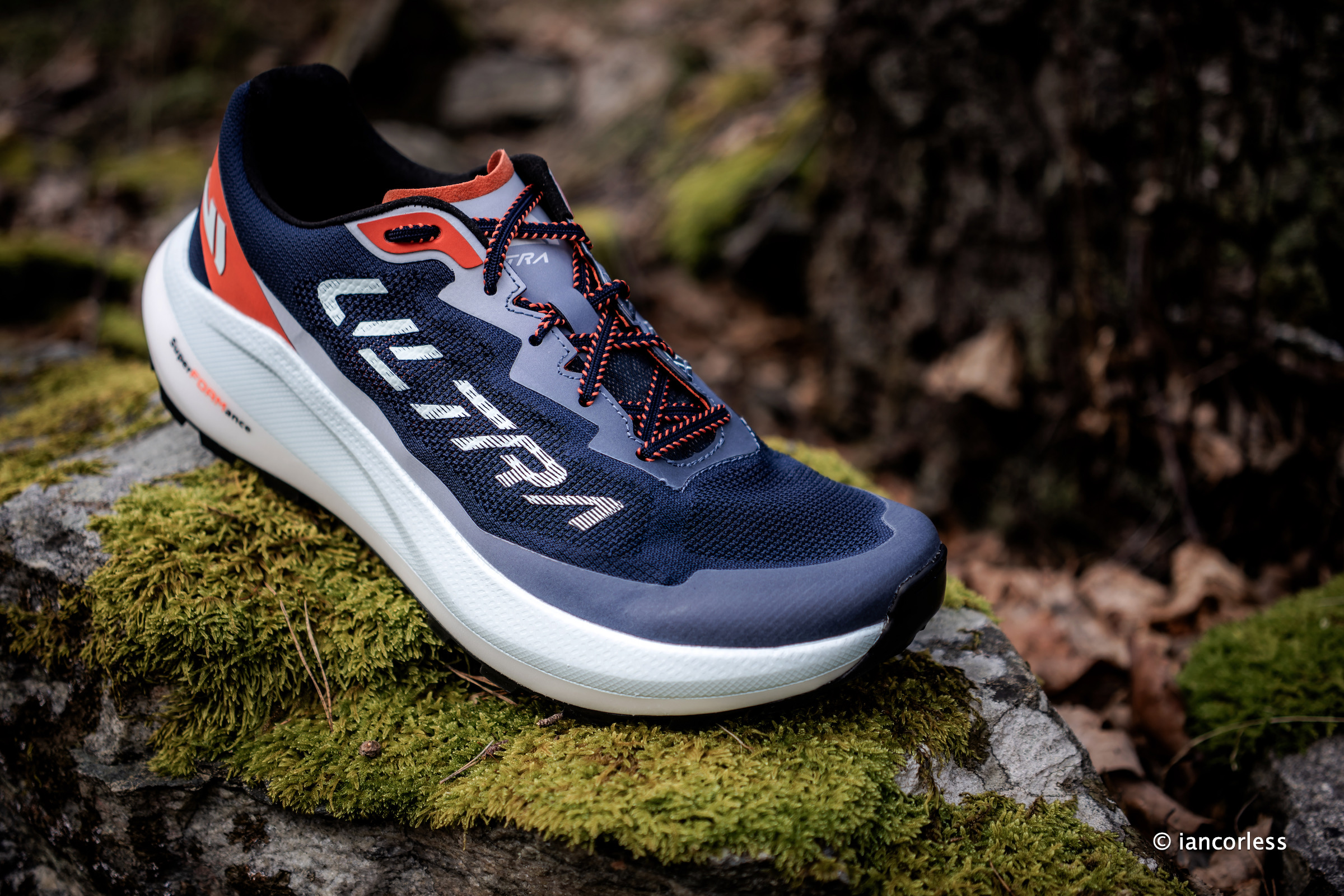
Photo by Ian Corless

So, here we are with the VJ ULTRA 3.

The ULTRA 3 has what I loved in the ACE and the MAXx2 and has given me a shoe that merges these two shoes into a product designed for long, big, ultra days in the mountains and on trails.

The ULTRA 3 is the most cushioned shoe VJ have made, 30mm at the front, 38mm at the rear and an 8mm drop puts this shoe in an area that all the other big brands are dominating – think Hoka.

So, why would VJ try to penetrate this market?

Quite simply, they are offering a shoe that the other brands do not offer… They are bringing their unique USP’s of foot hold and grip, adding cushioning and providing a very specific mountain/ ultra shoe.

The ULTRA 3 was tested at the 2024 UTMB on the feet of Juuso Simpanen, he placed 19th.
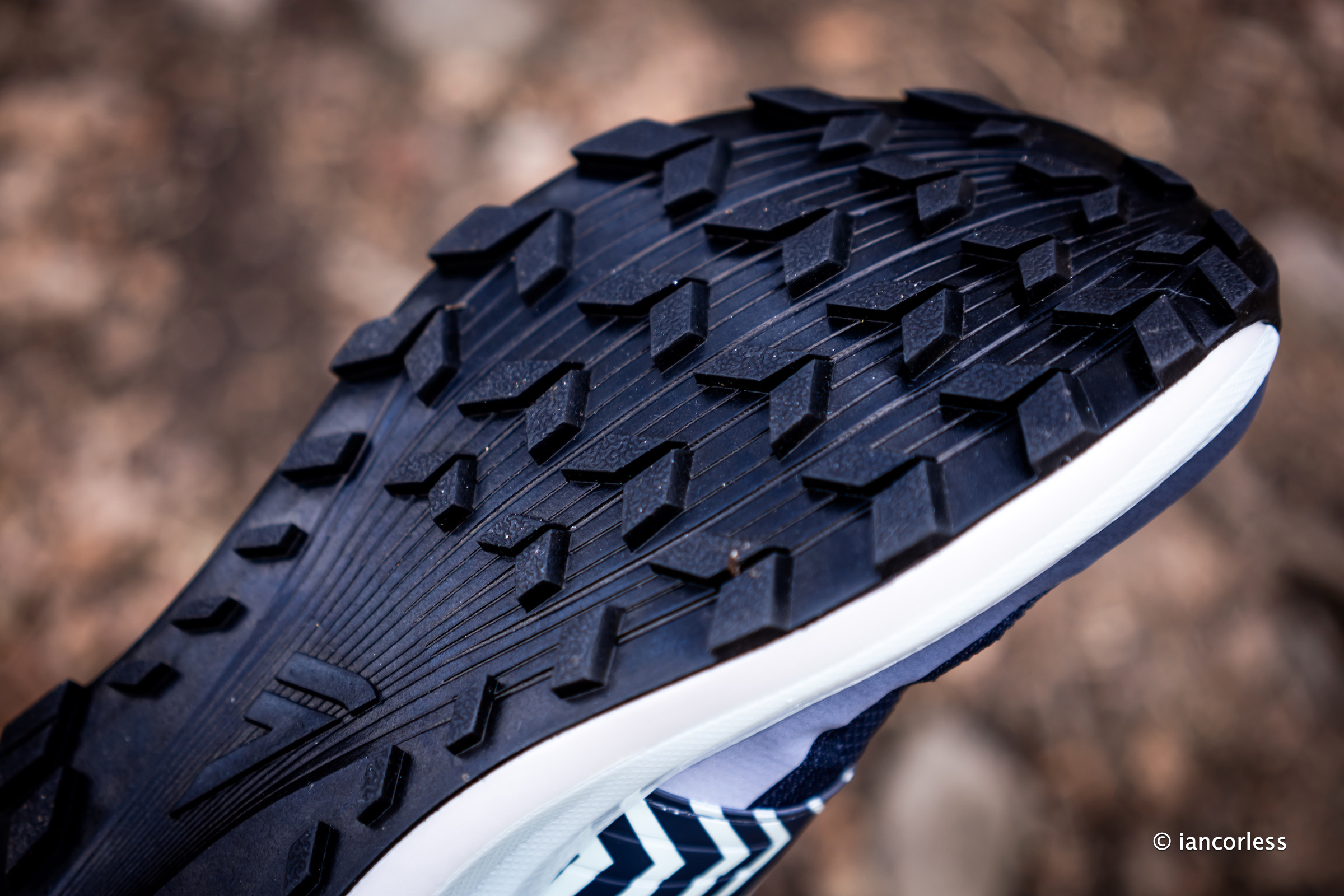
Photo by Ian Corless

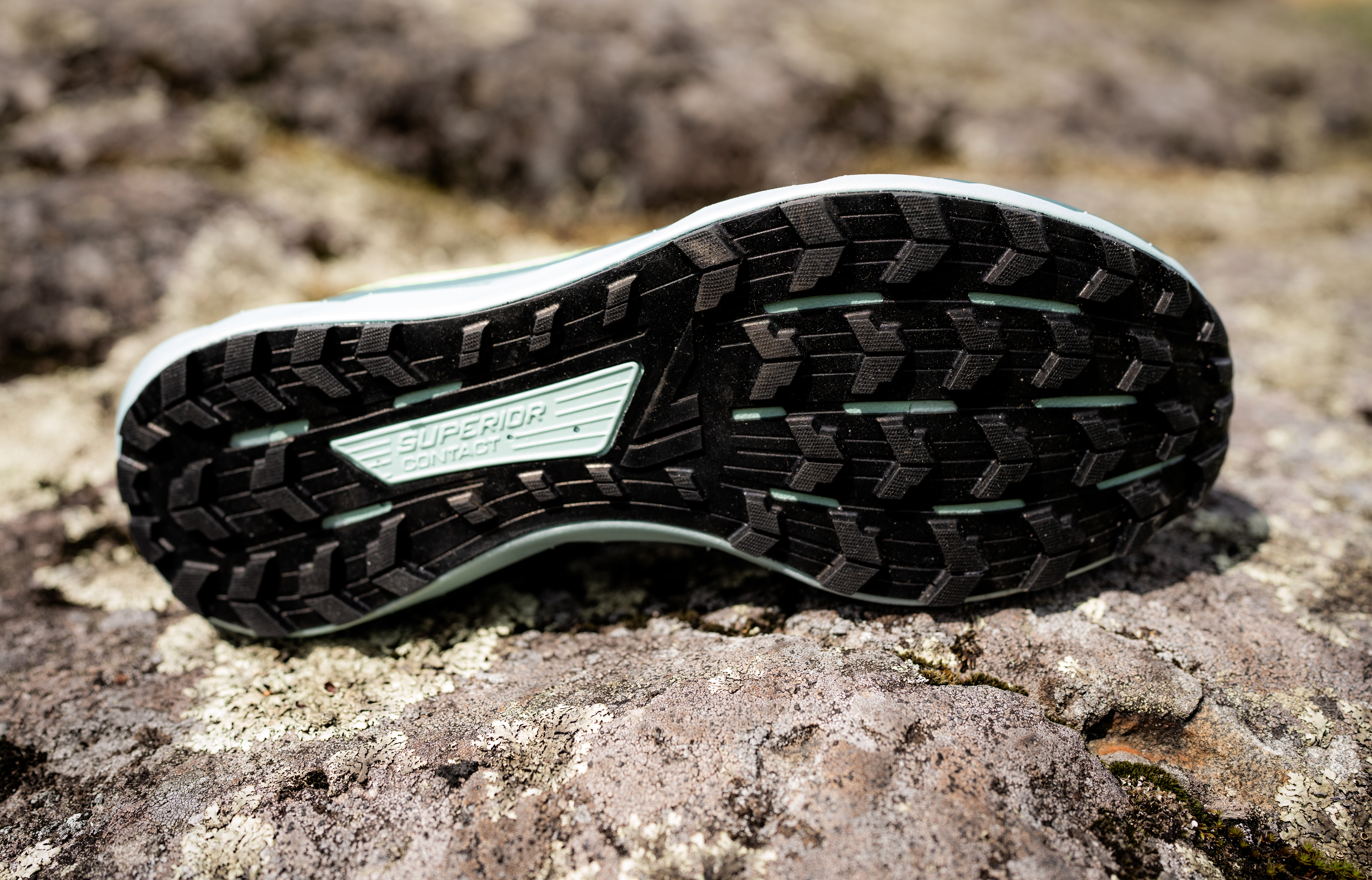
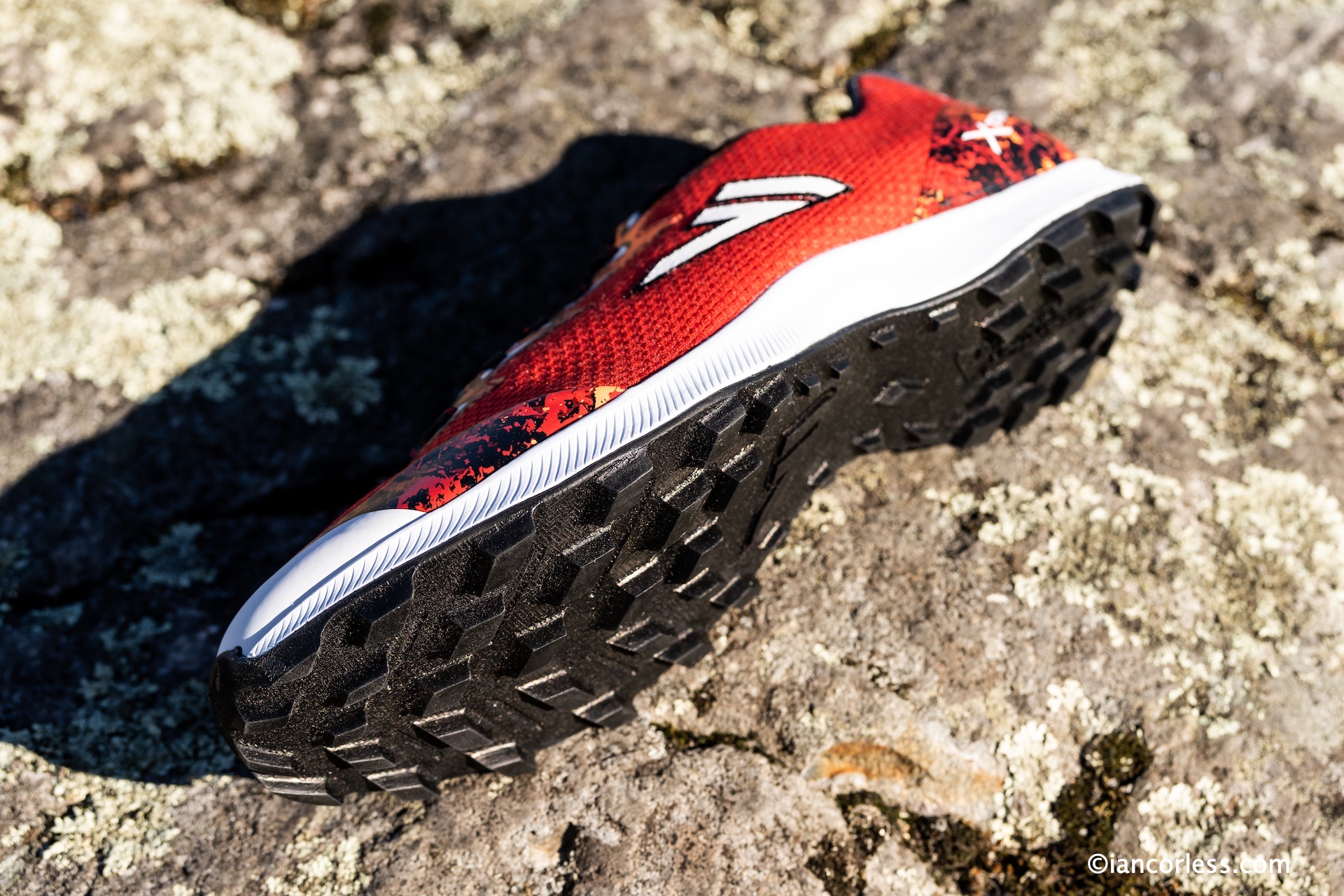
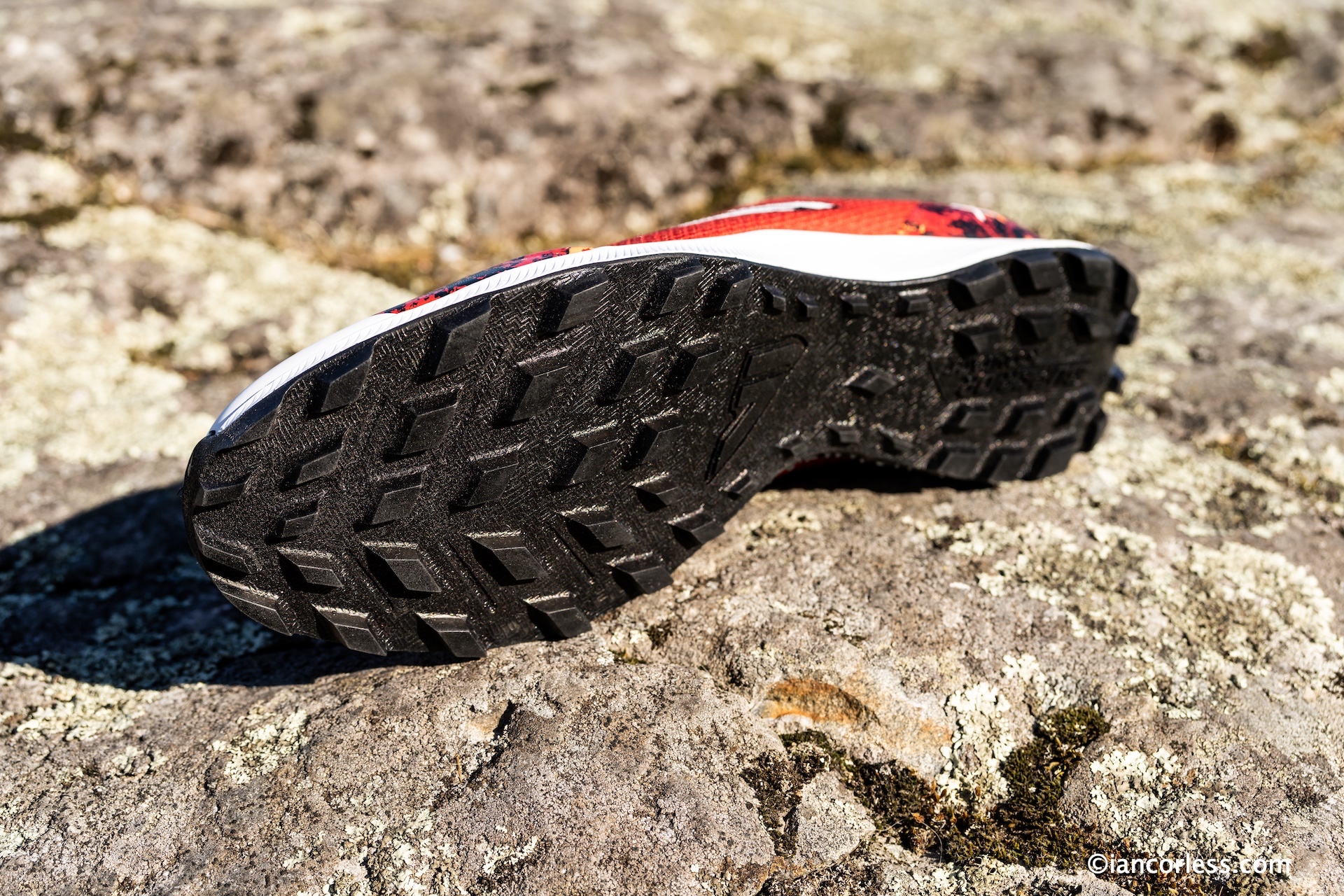
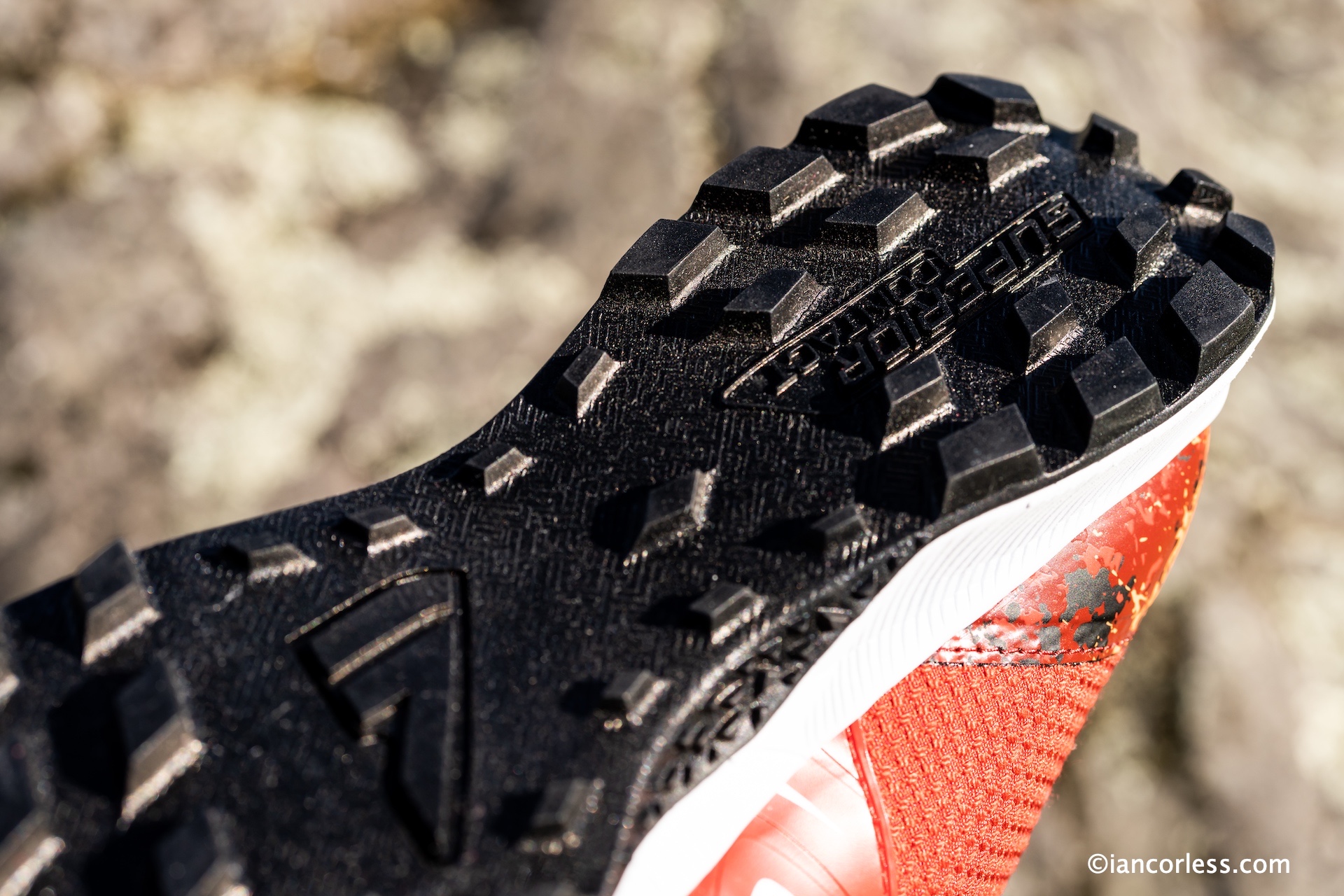
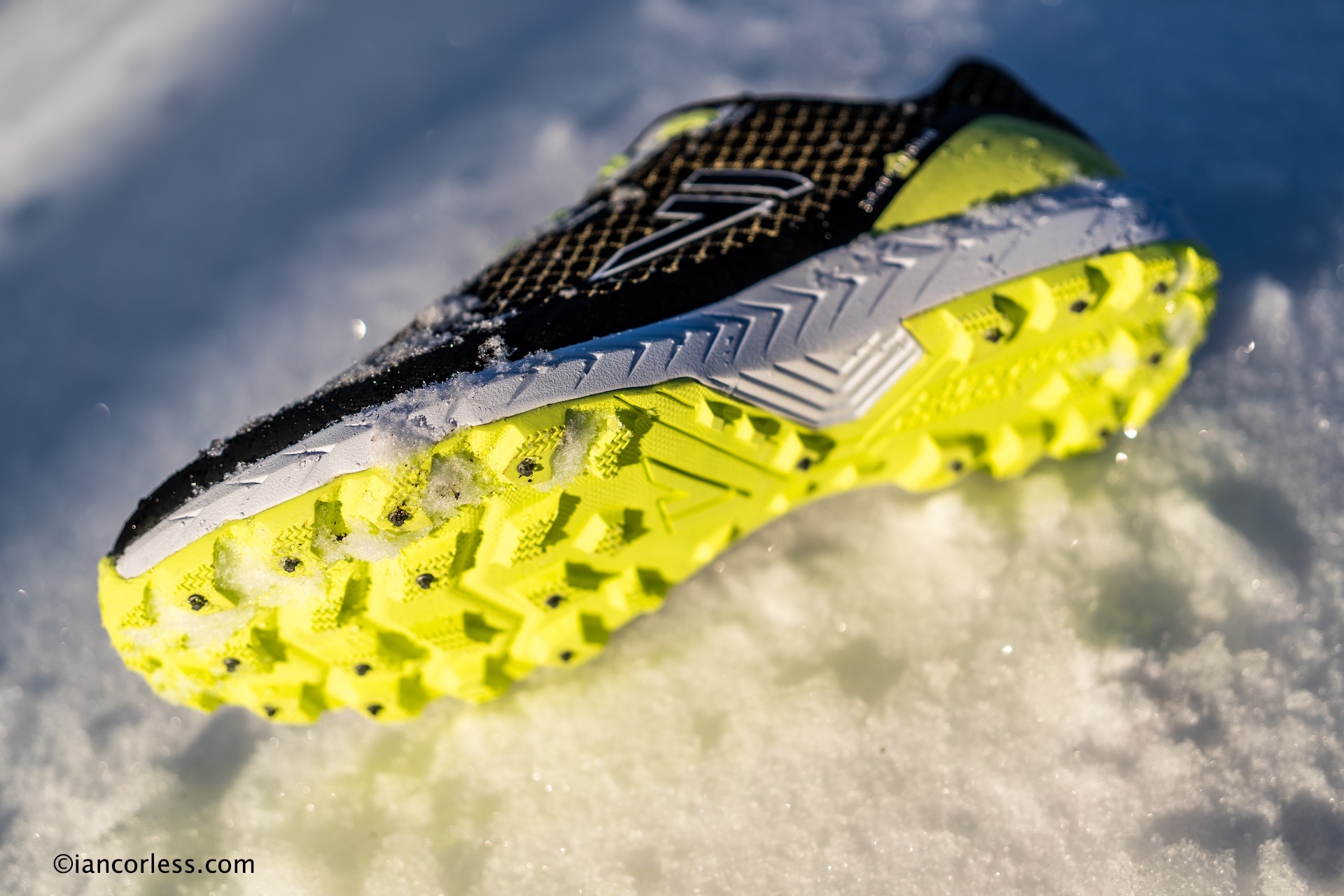
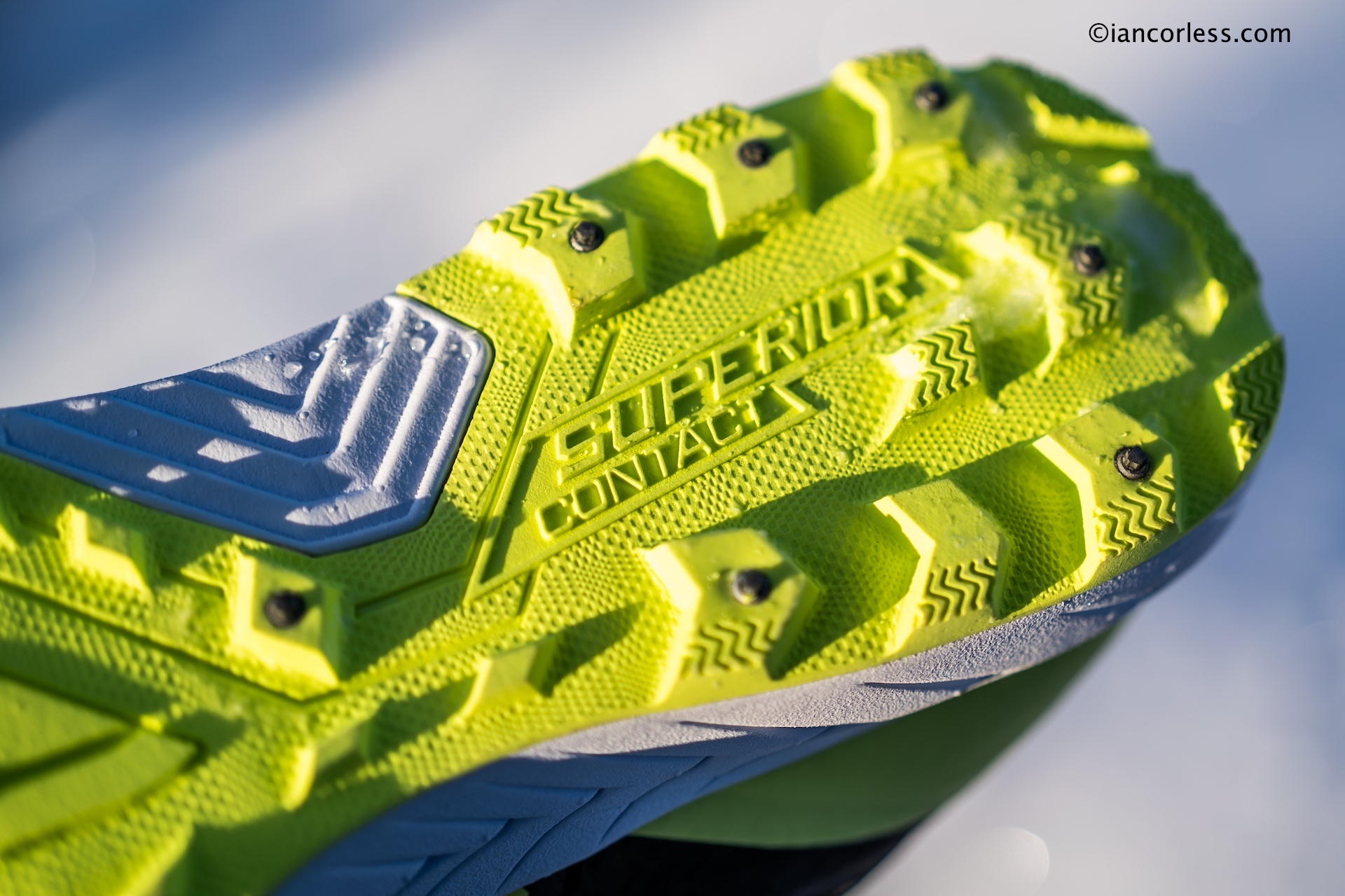
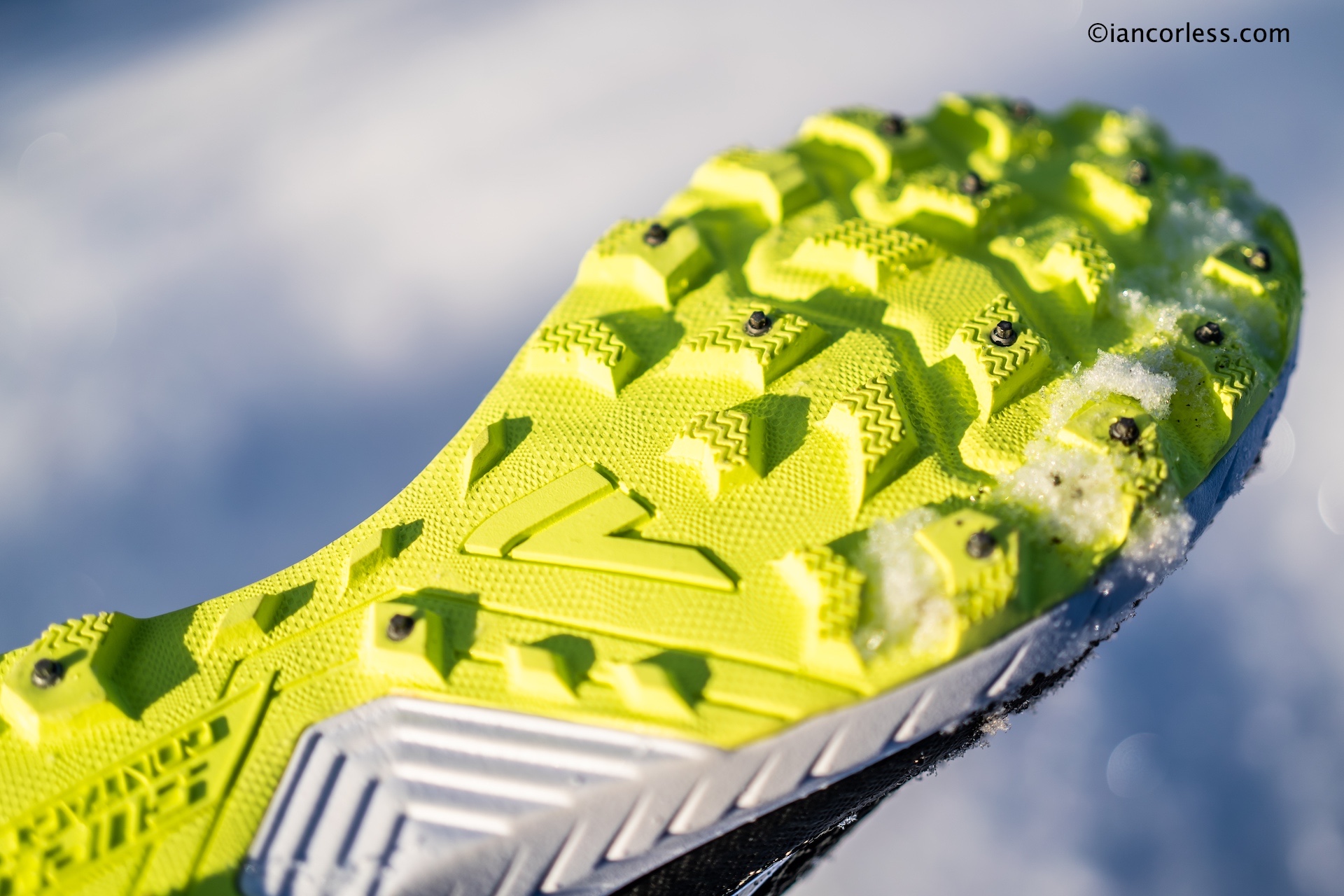
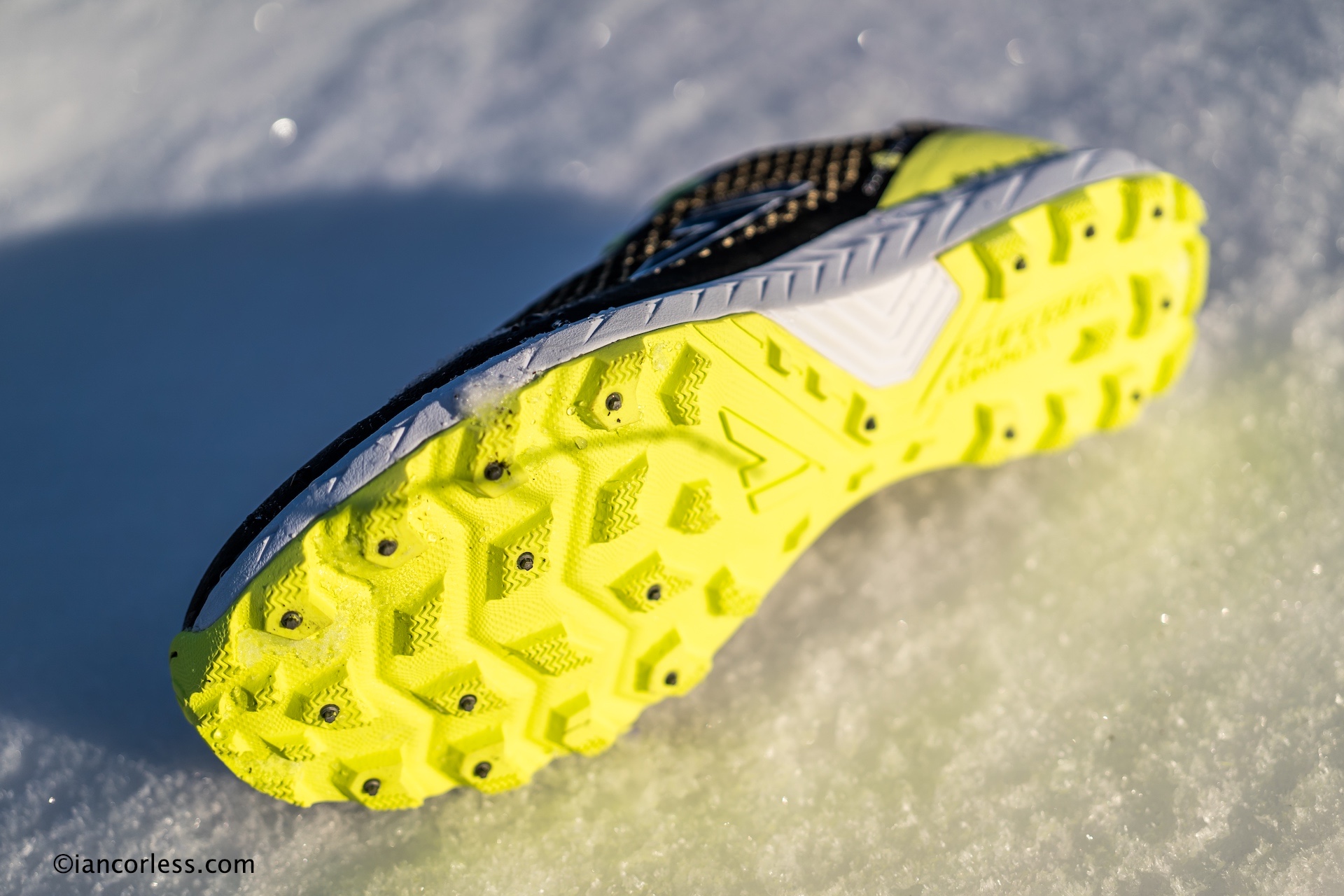
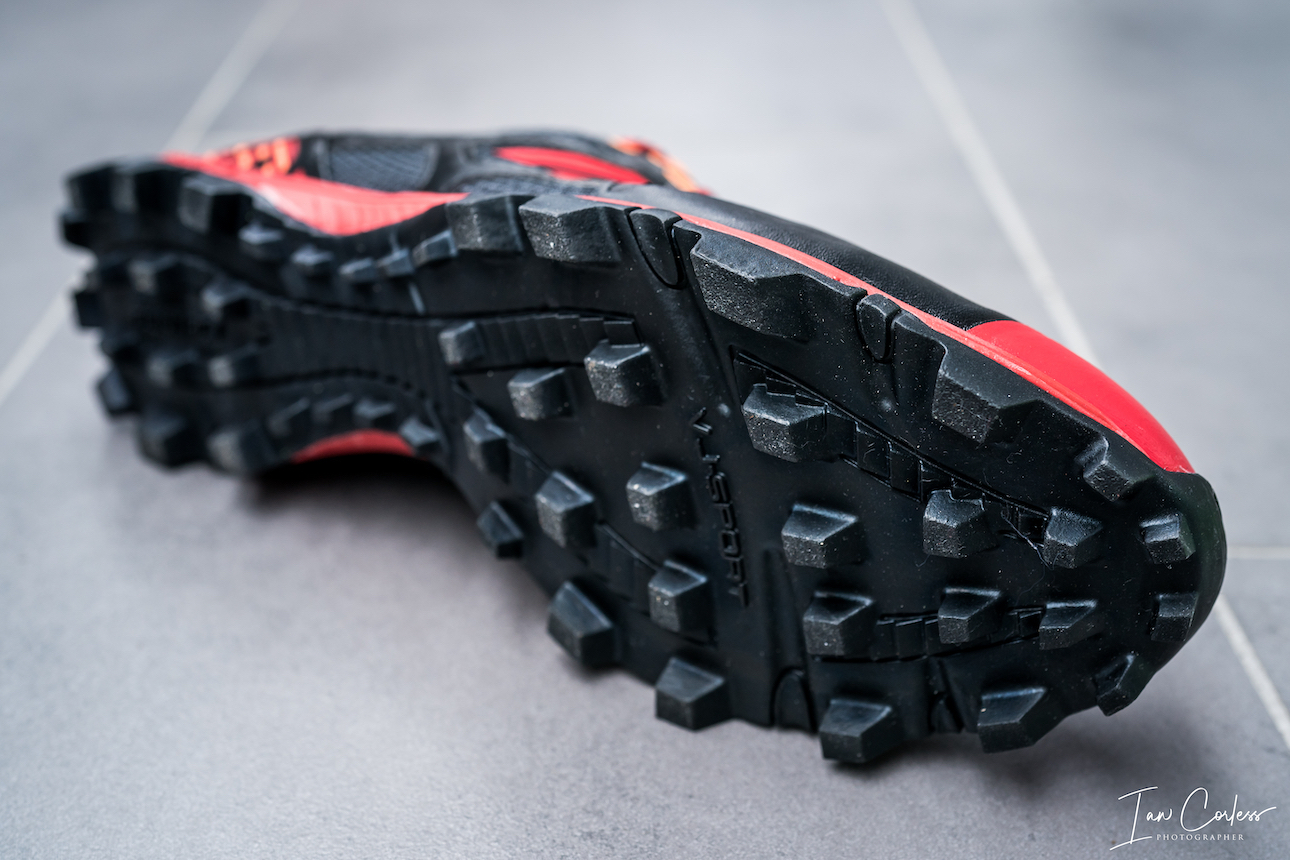
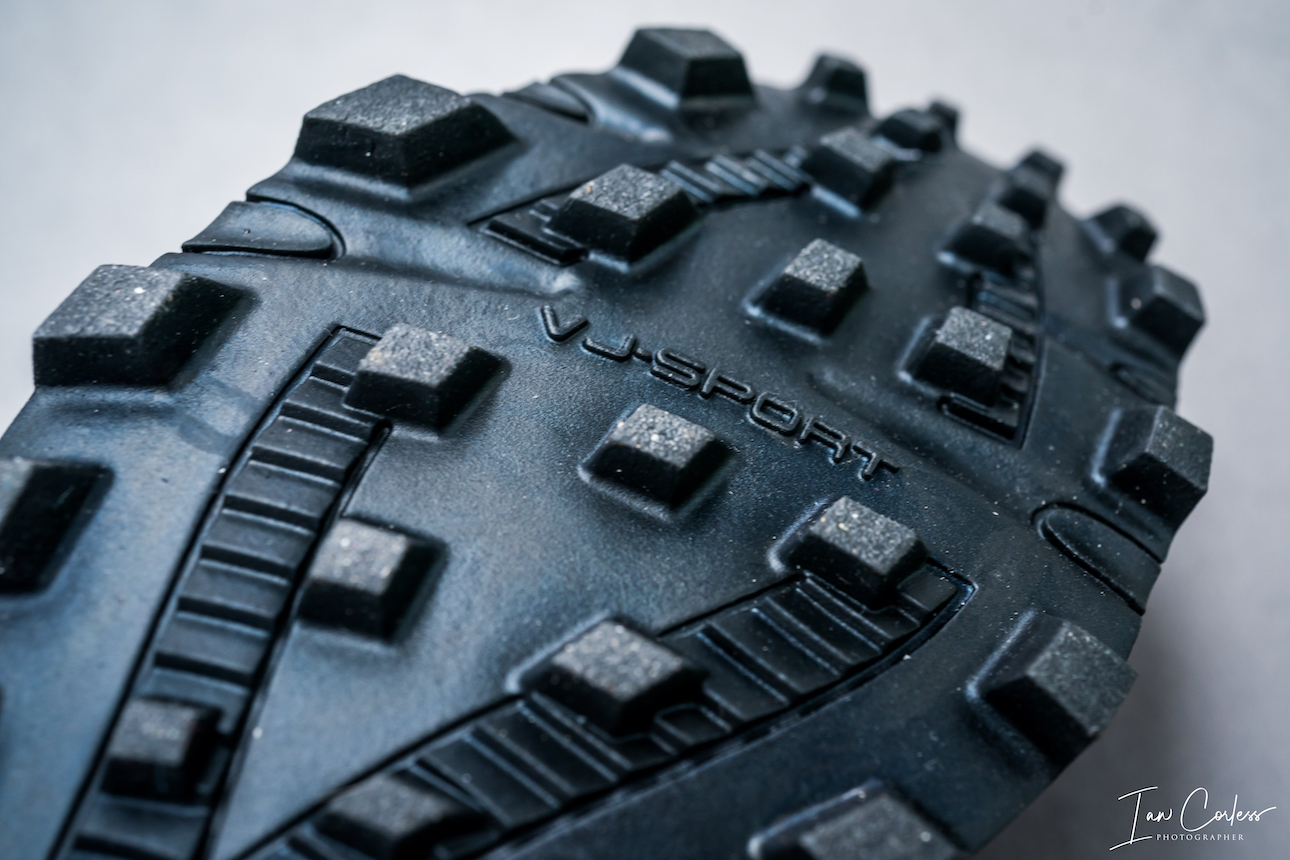
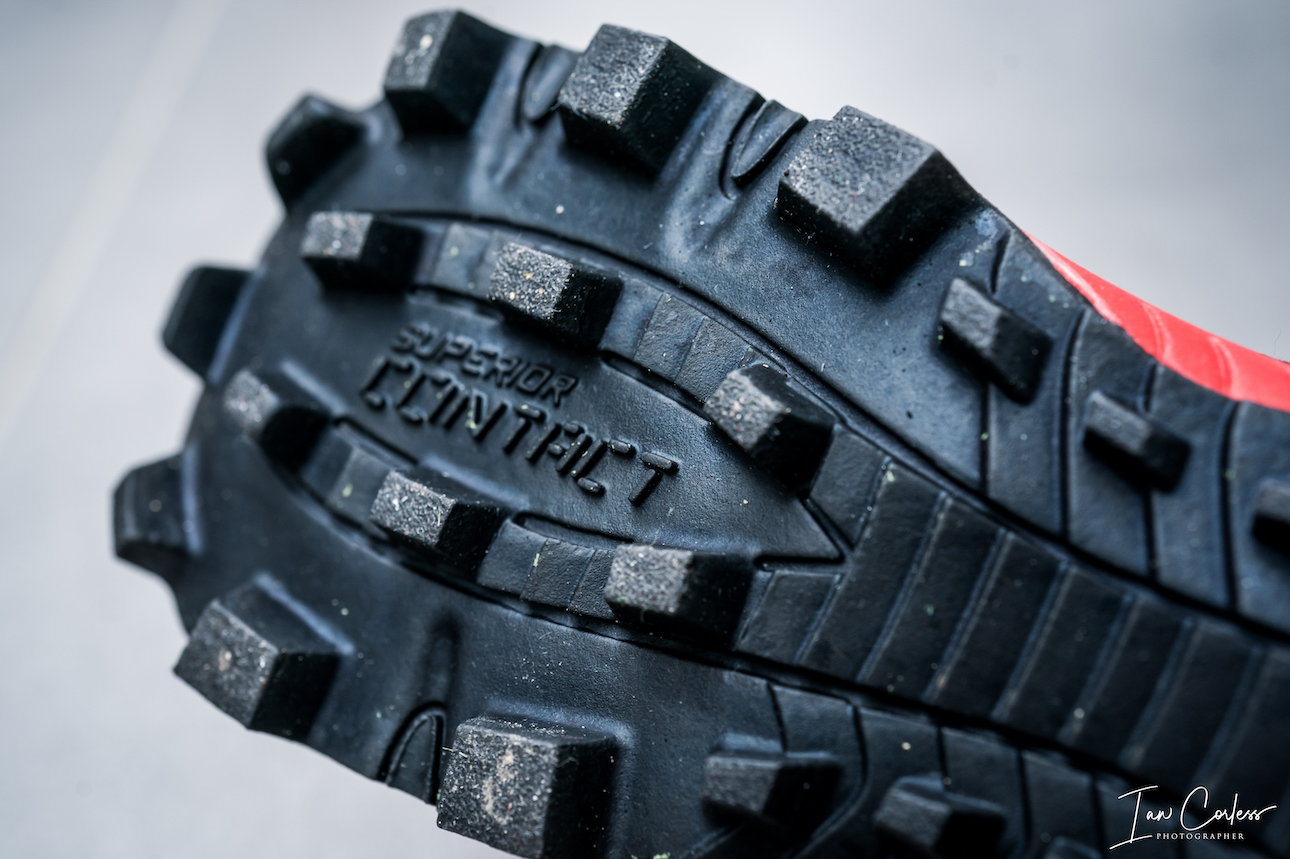
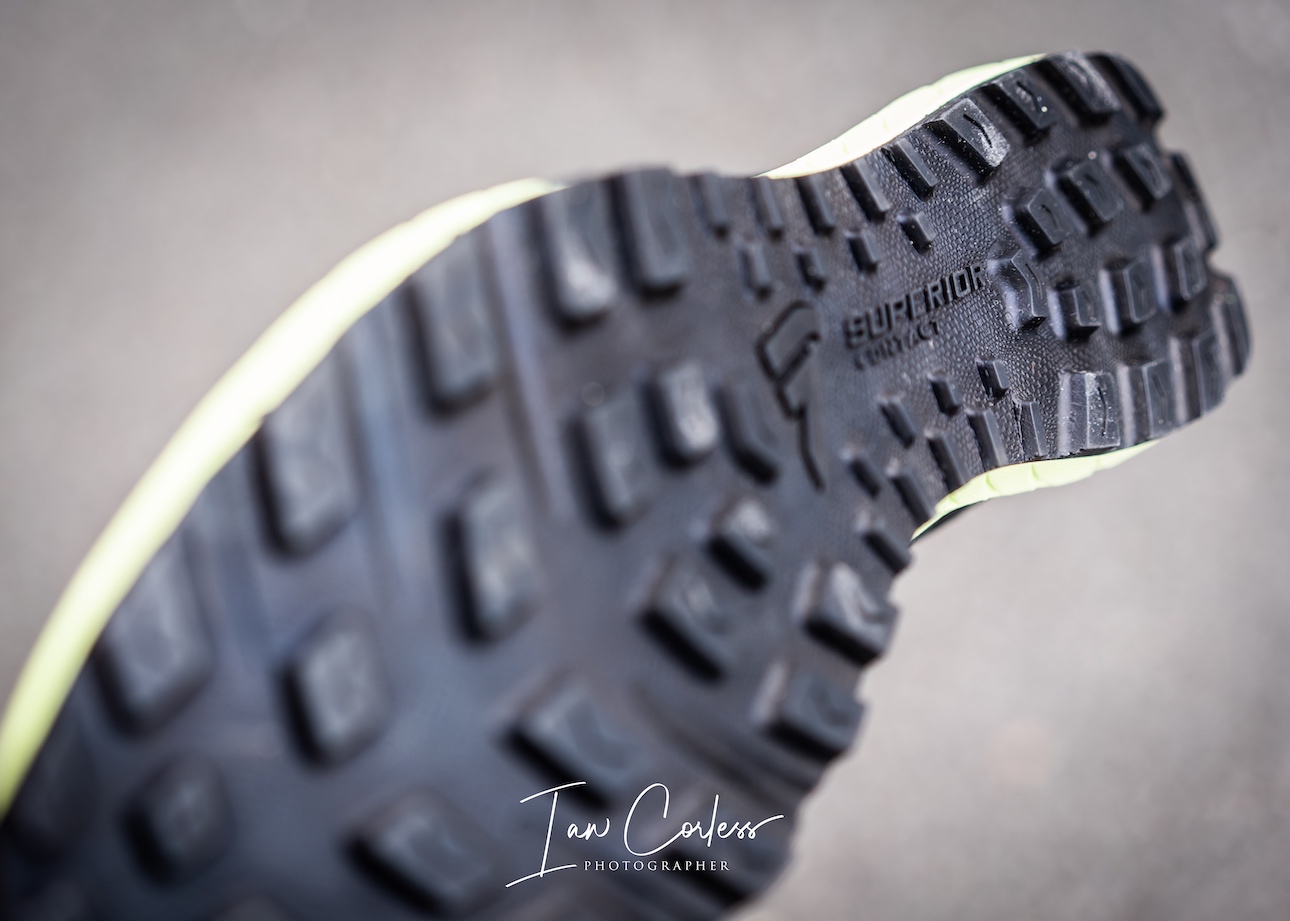
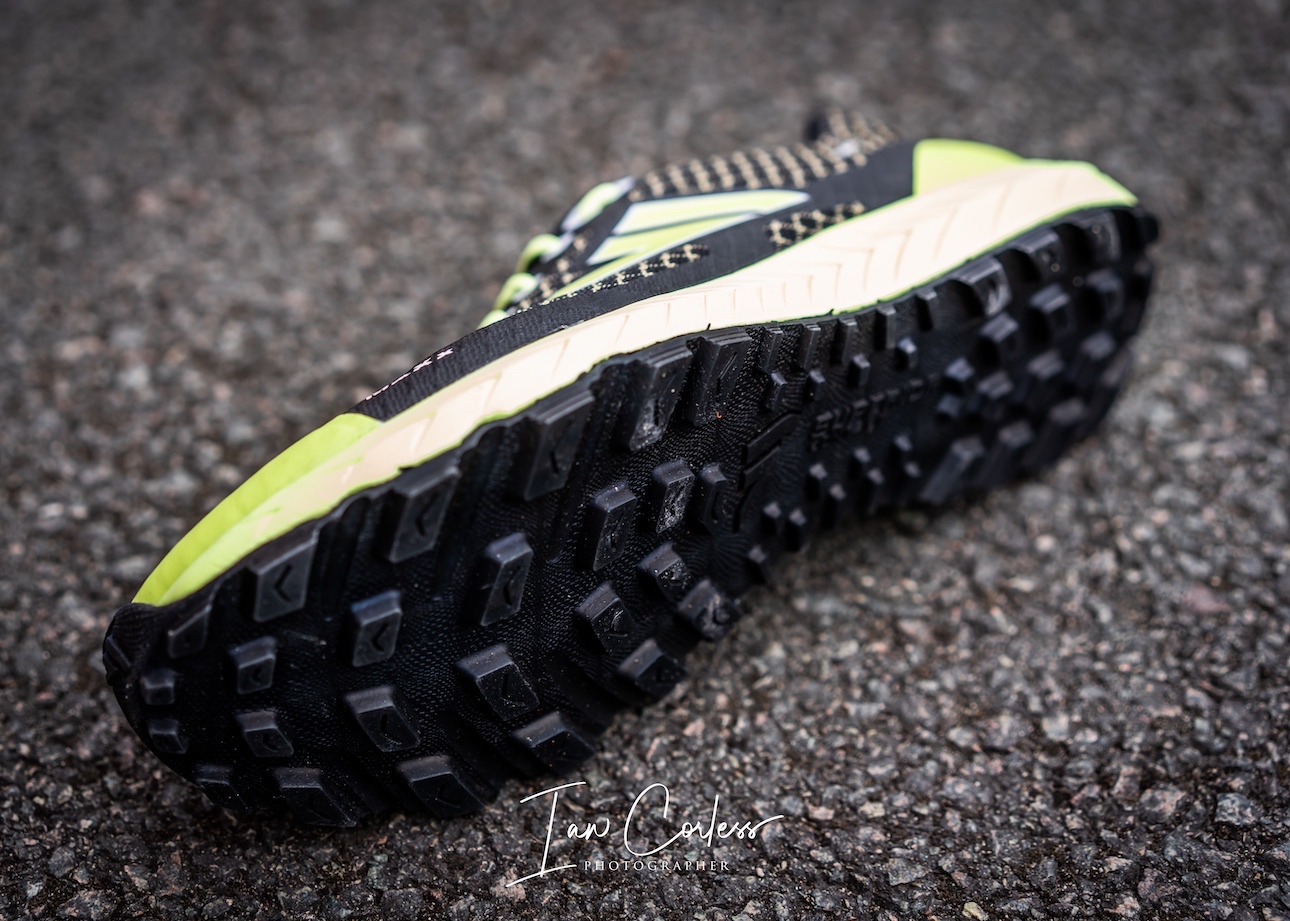
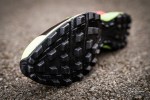
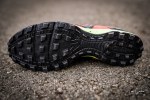
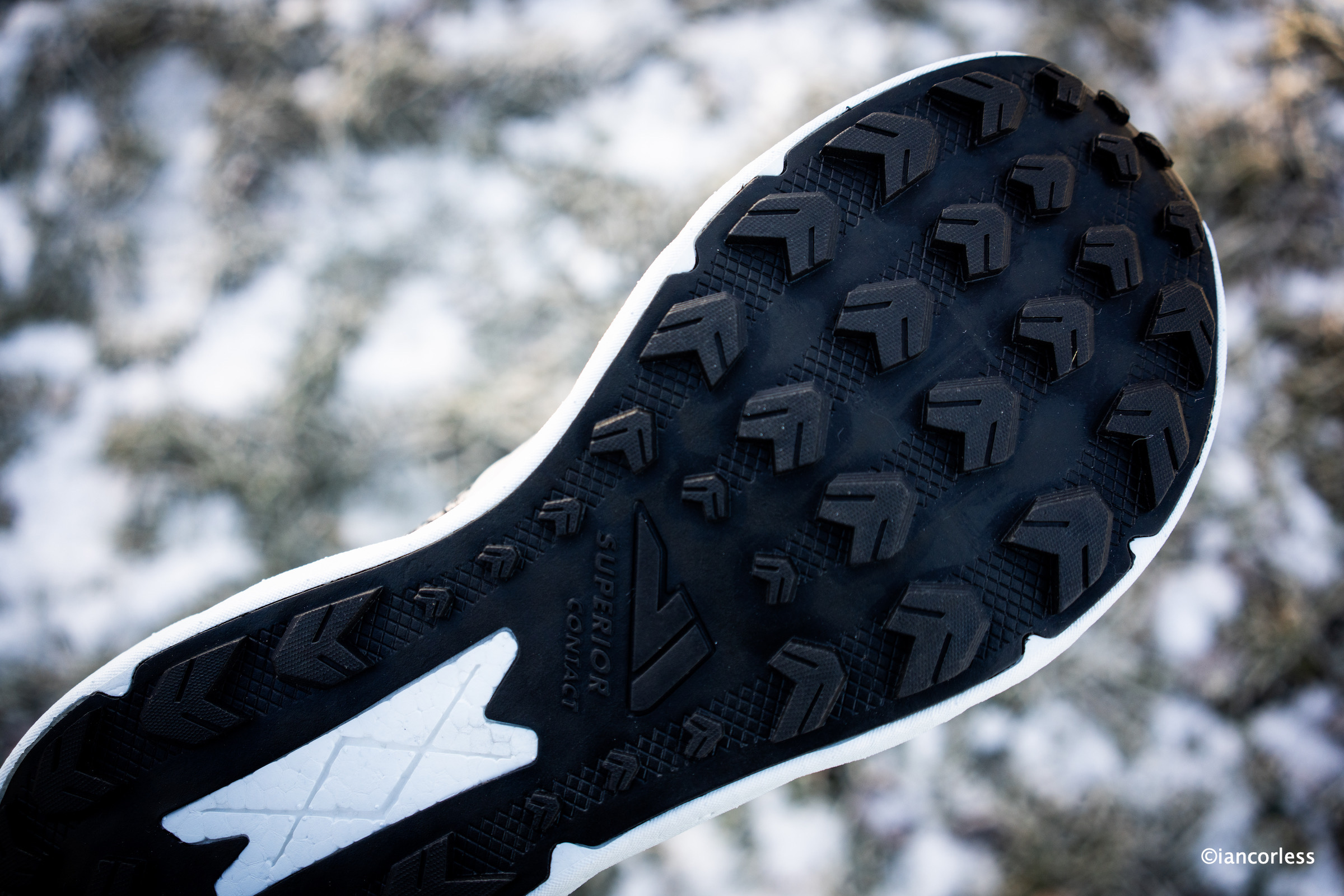
The 4.5mm lugs make the shoe ideal for trail and mountains, especially when encountering wet and slippery rock. The Superior Contact outsole featured on every VJ shoe is the best on the market – no other shoe or brand has the grip of VJ.

Photo by Ian Corless

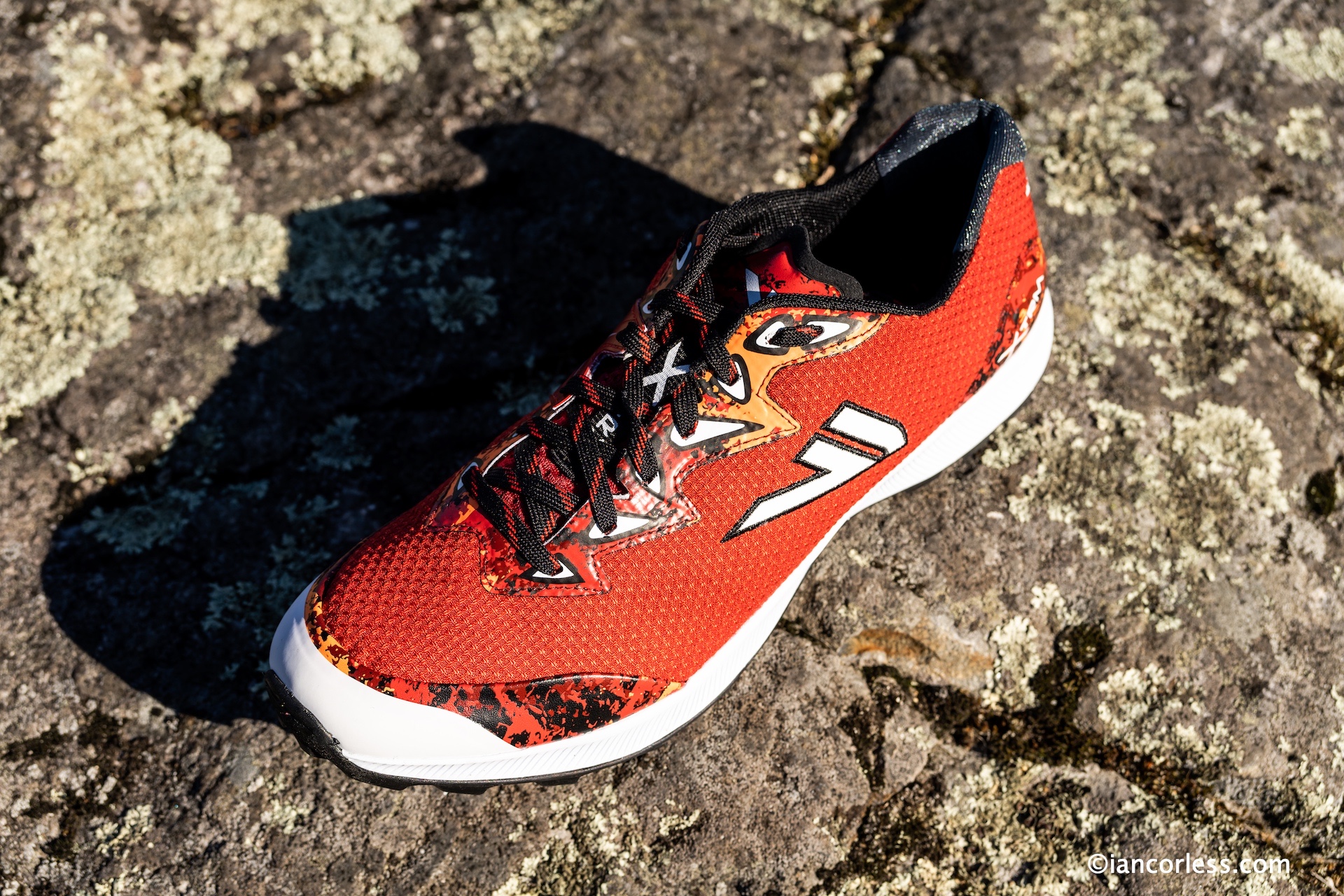
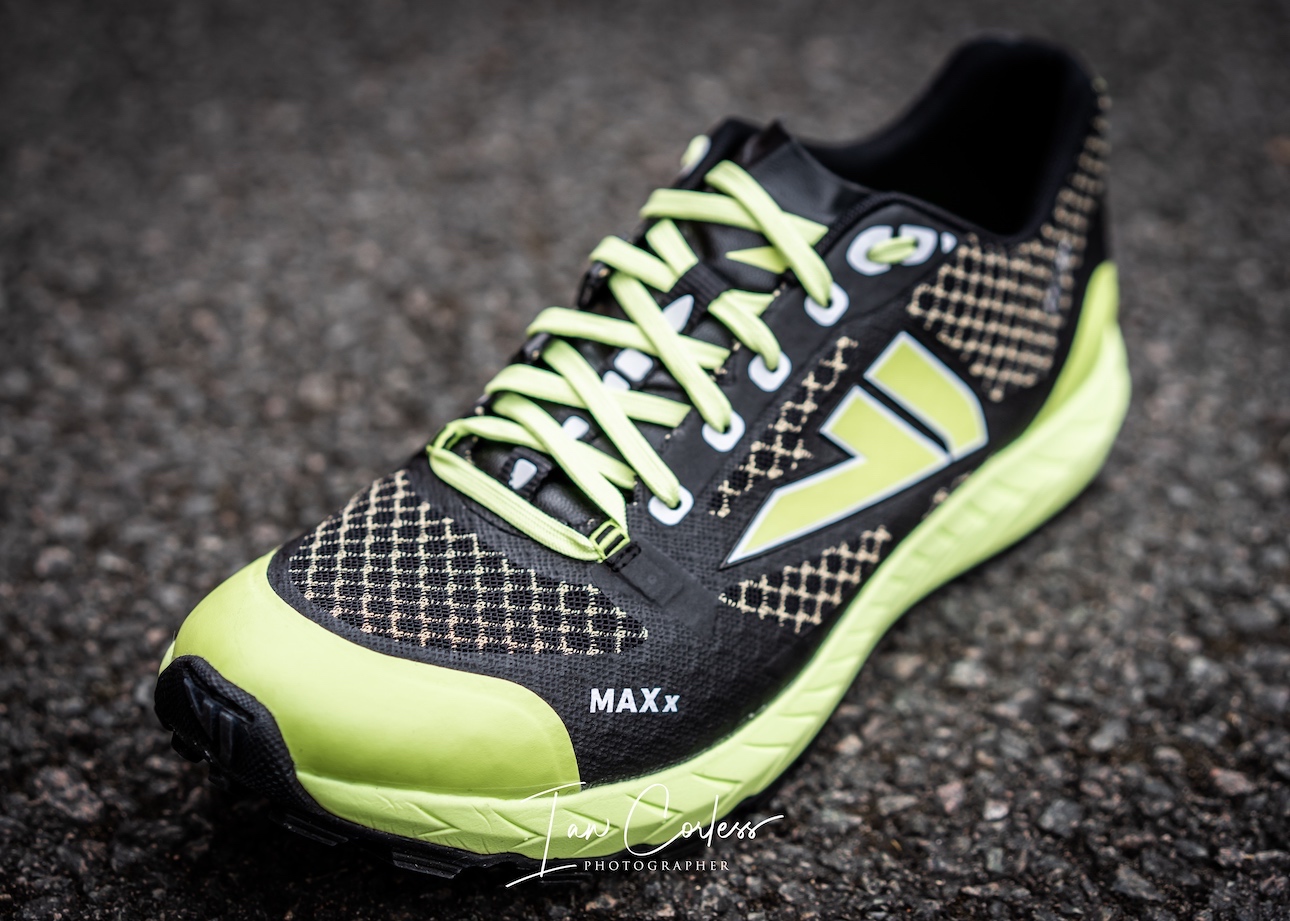
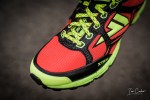
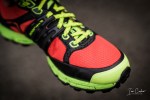
The toe box is wider, a ‘4’ on the VJ fit scale, 5 being the widest.

Photo by Ian Corless

The SuperFOAMance cushioning is a game changer, it has elevated the VJ shoes to a different feel and responsiveness that was not there previously. That is not to say that there was anyting wrong with the MAXx or Ultra 2, that is reflected in that these shoes are still available to purchase. However, the new cushioning, for me, has given the MAXx2 and the ULTRA 3 the ability to ‘always’ use these shoes. Previously, I would think about my run and the terrain and decide what was the best shoe, the SuperFOAMance has eradicated that problem.

So, when would I use the ULTRA 3 and when would I use the MAXx2?

It’s a good question and one I find easy to answer. If I am heading out for a trail run be that in the mountains or say, in the forest, the ULTRA 3 would be my choice. The cushioning help smooths out the trails, provides comfort and despite the extra stack height, I have no worries over stability. Should I go to the mountains, with far more challenging and technical terrain, the MAXx2 is my choice. The caveat with both the ULTRA 3 and MAXx2 is neither of them will offer super grip in mud, this when the XTRM is the option and why (please VJ) I hope they release an XTRM with MAXx2 cushioning and XTRM outsole.

THE SHOE

Next level cushioning without losing the core basics that make VJ shoes special, basically, great foot hold and an awesome outsole.

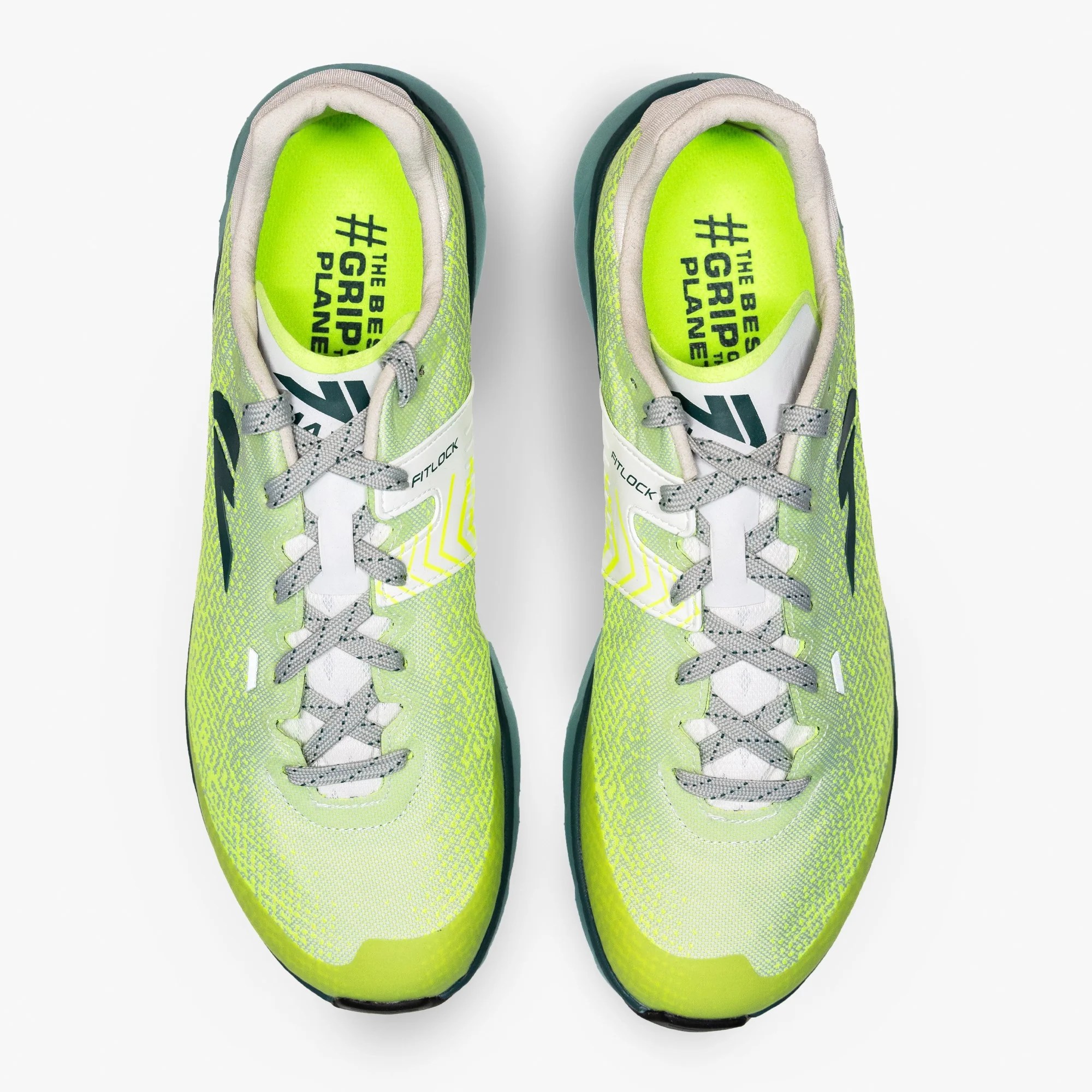
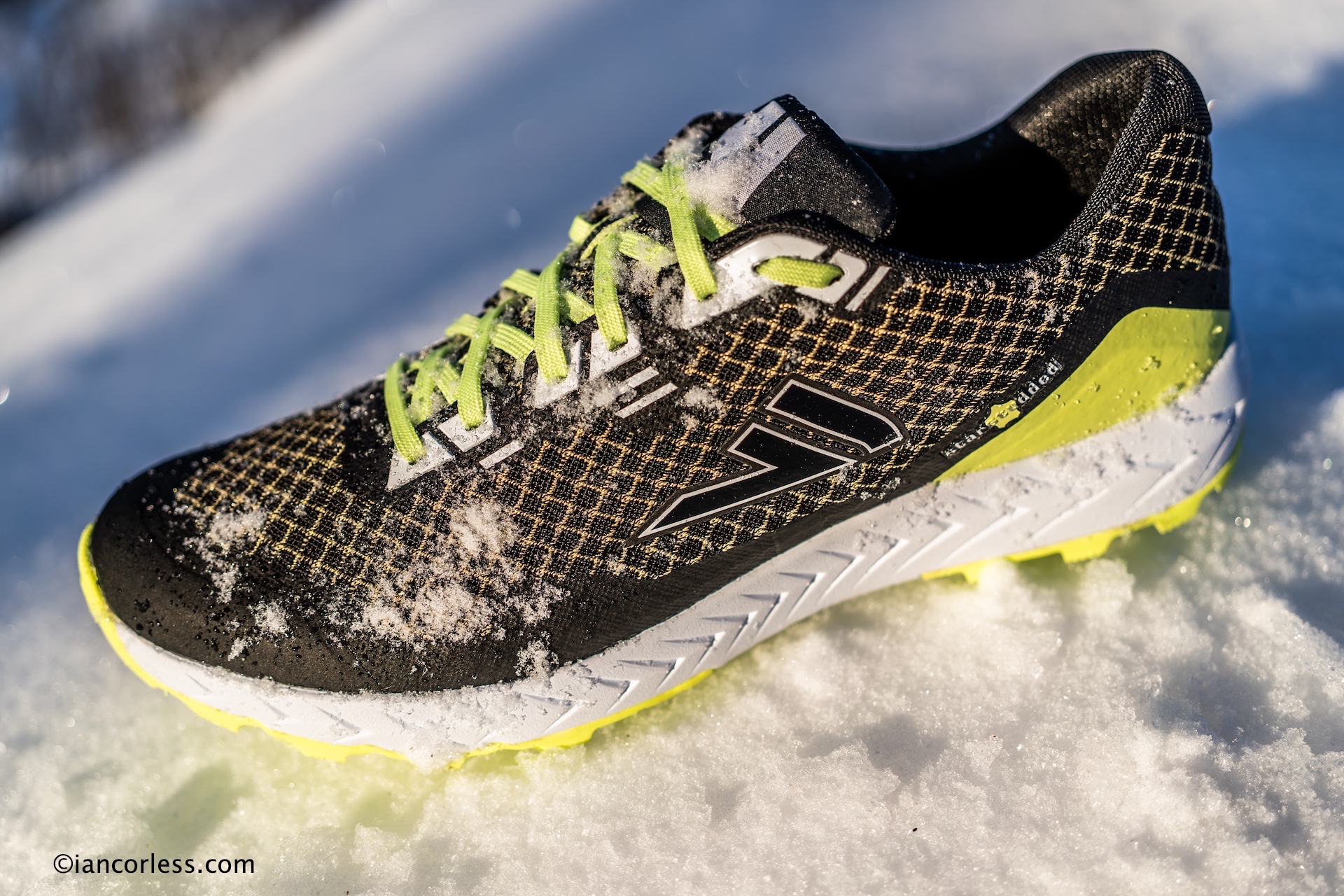
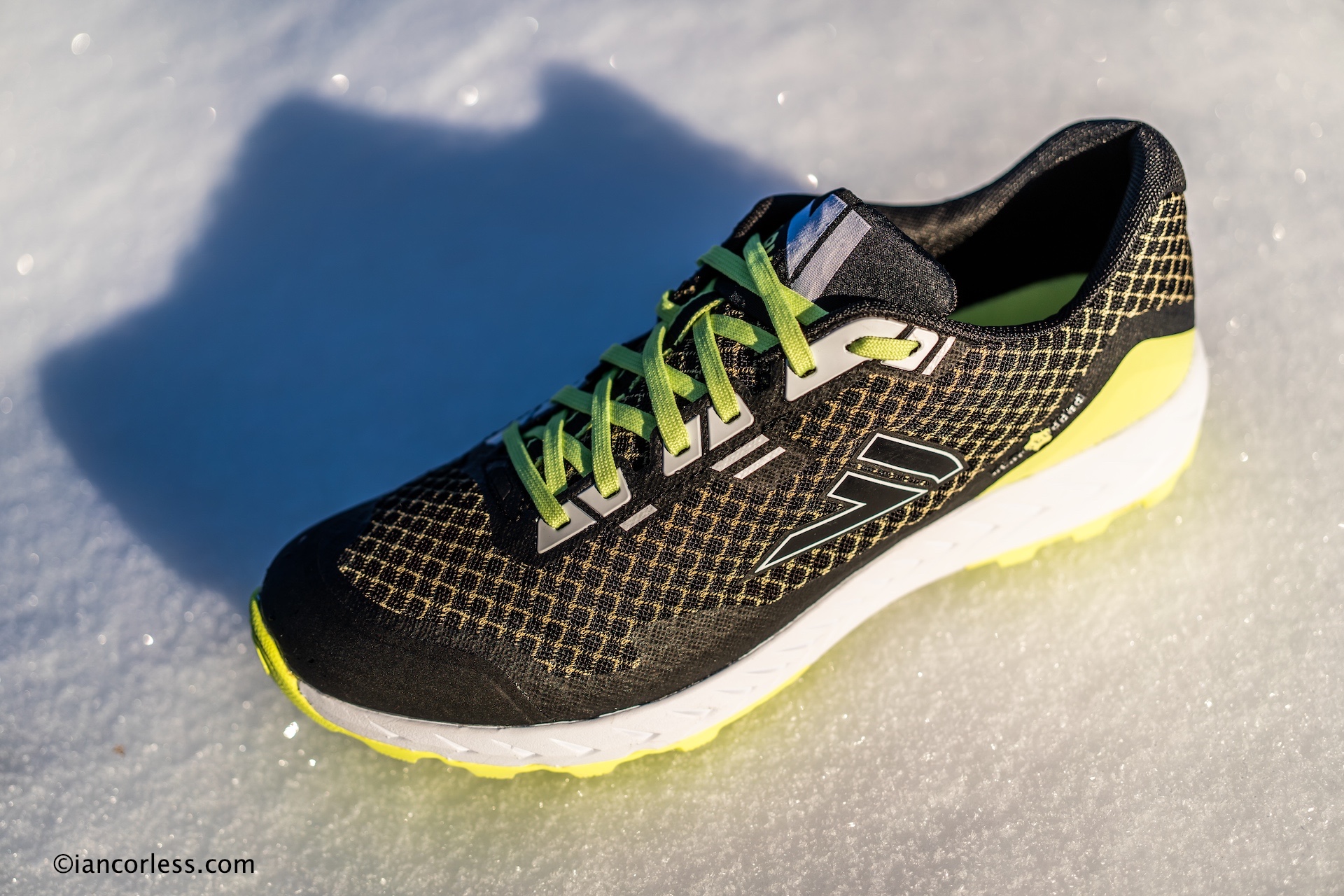
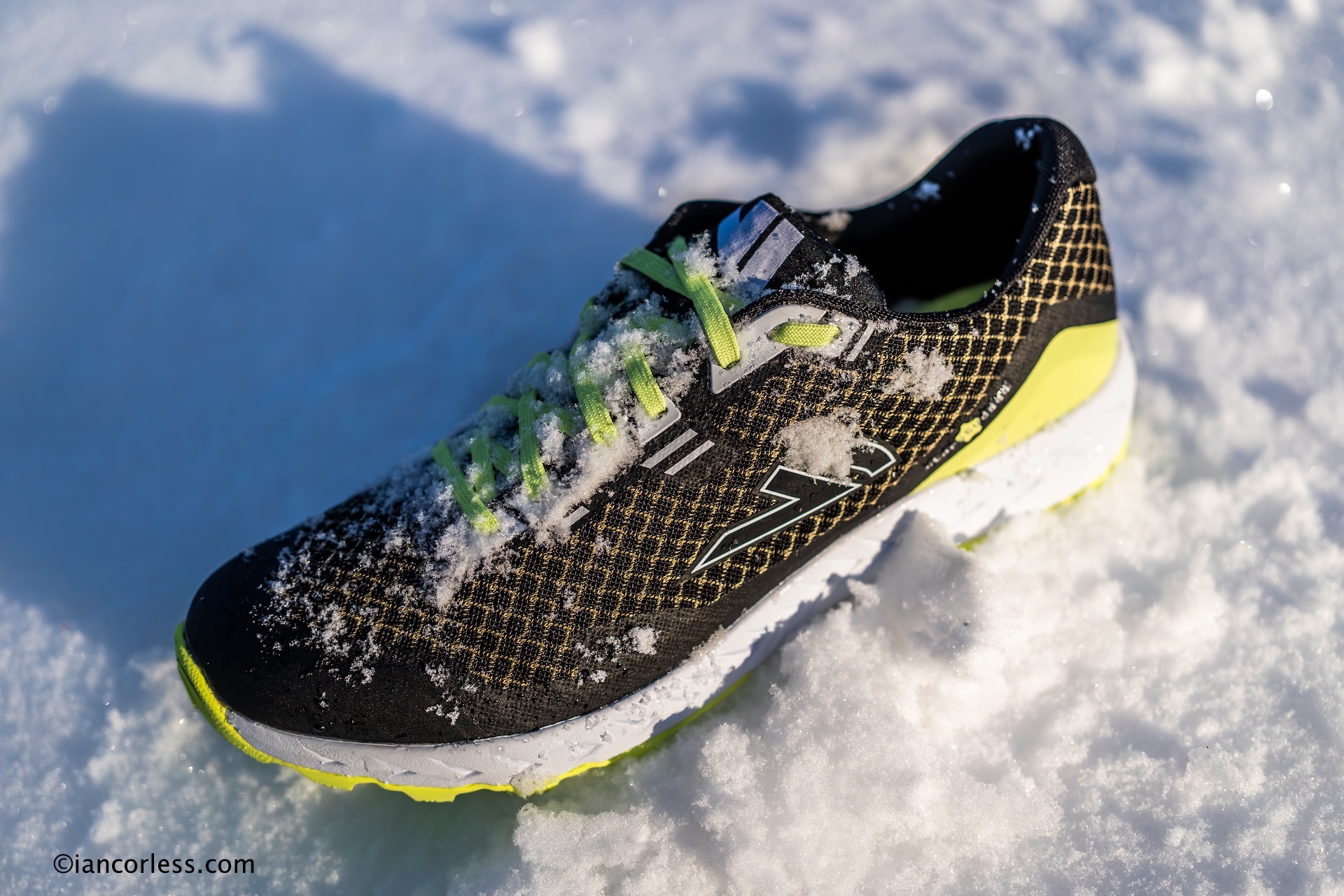
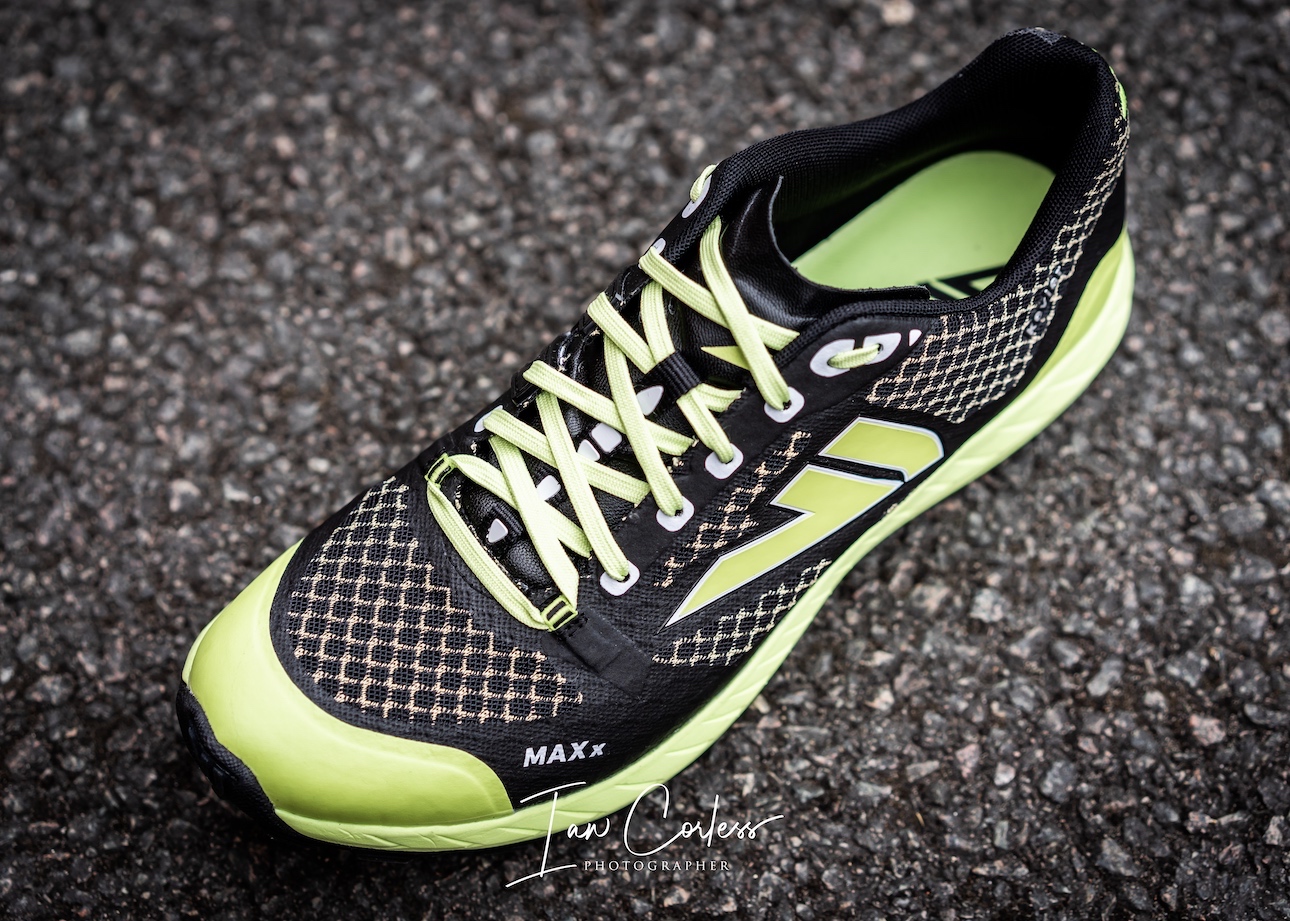
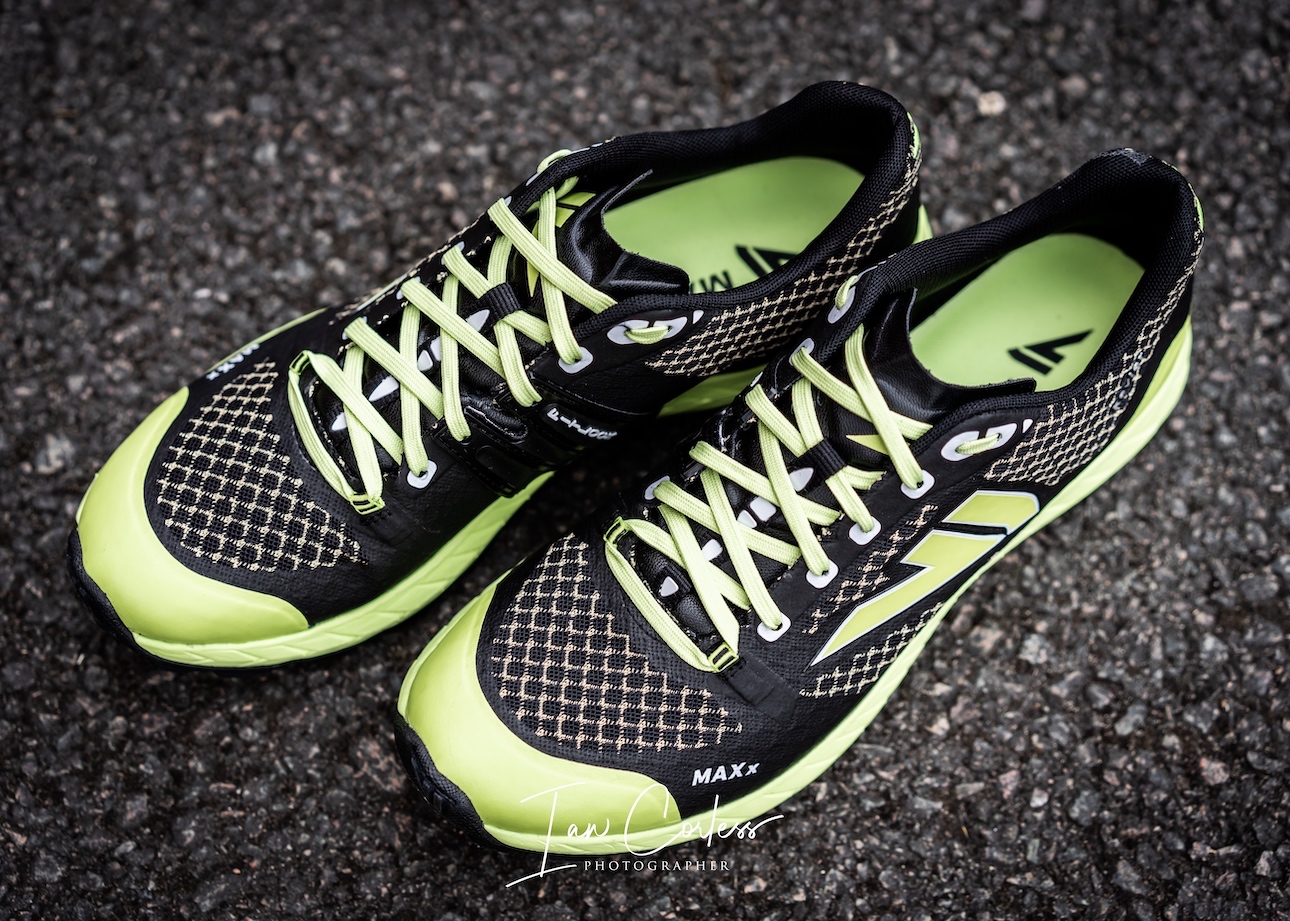
On first appearance, the ULTRA 3 looks rather bulky and heavy. They are not heavy at all, my UK10 weigh under 290g.

Drop is 8mm, perfect for a long distance ultra shoe and the cushioning is 30mm at the front, 38mm at the rear and the fit is slightly small, so, if you are usually a UK9, I would recommend a UK9.5 etc. As is always the case, you need to try on and make sure of the fit for yourself.

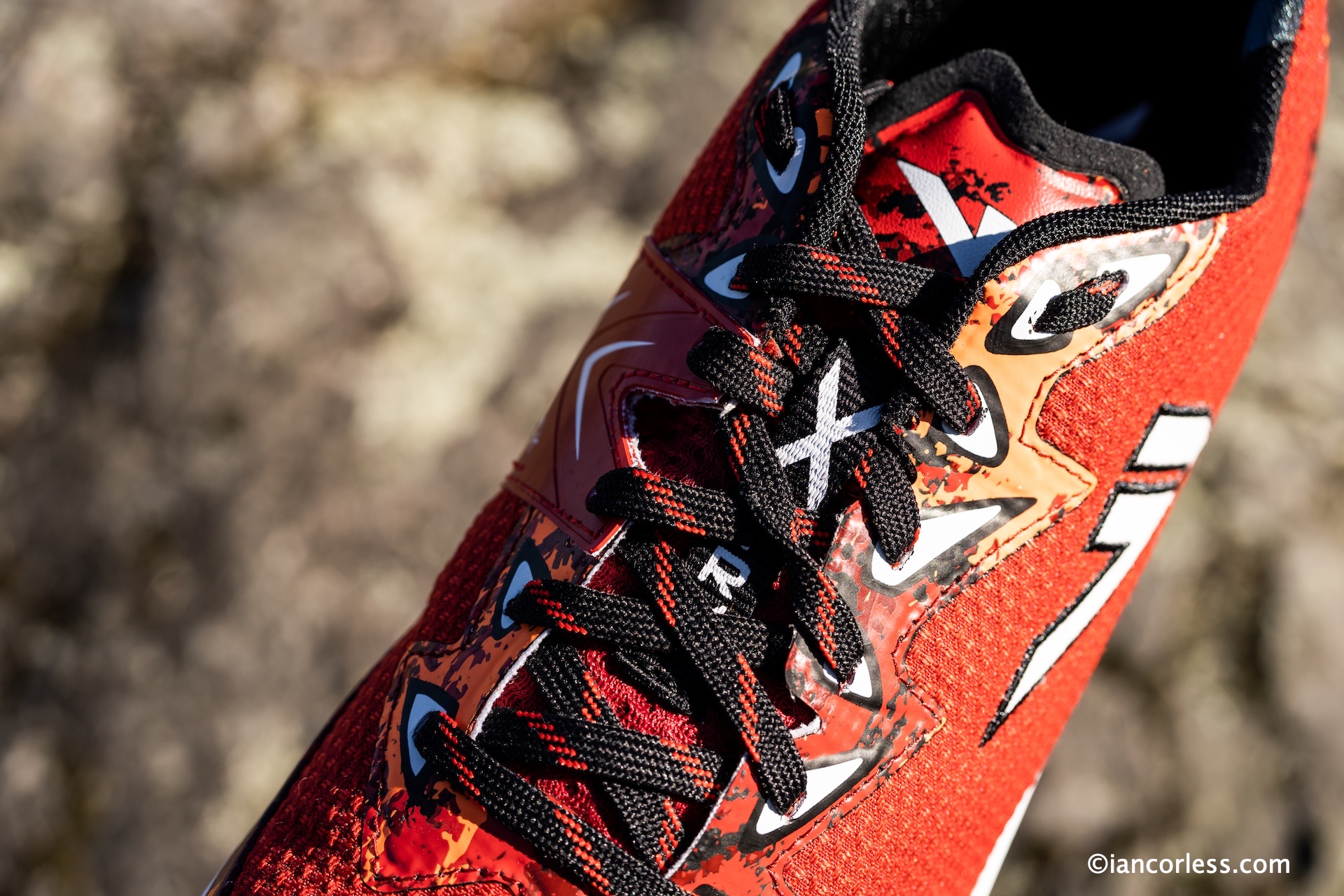
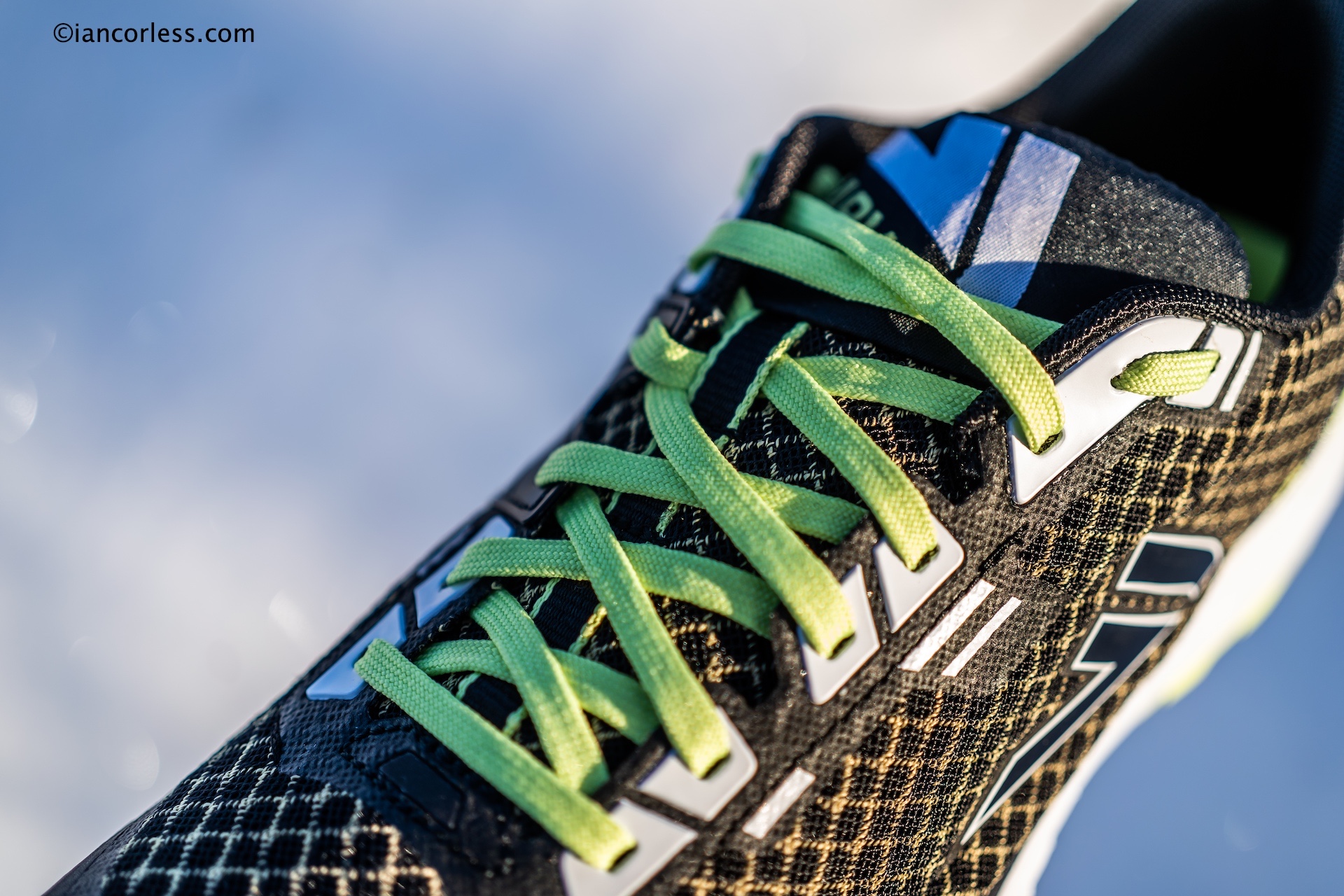
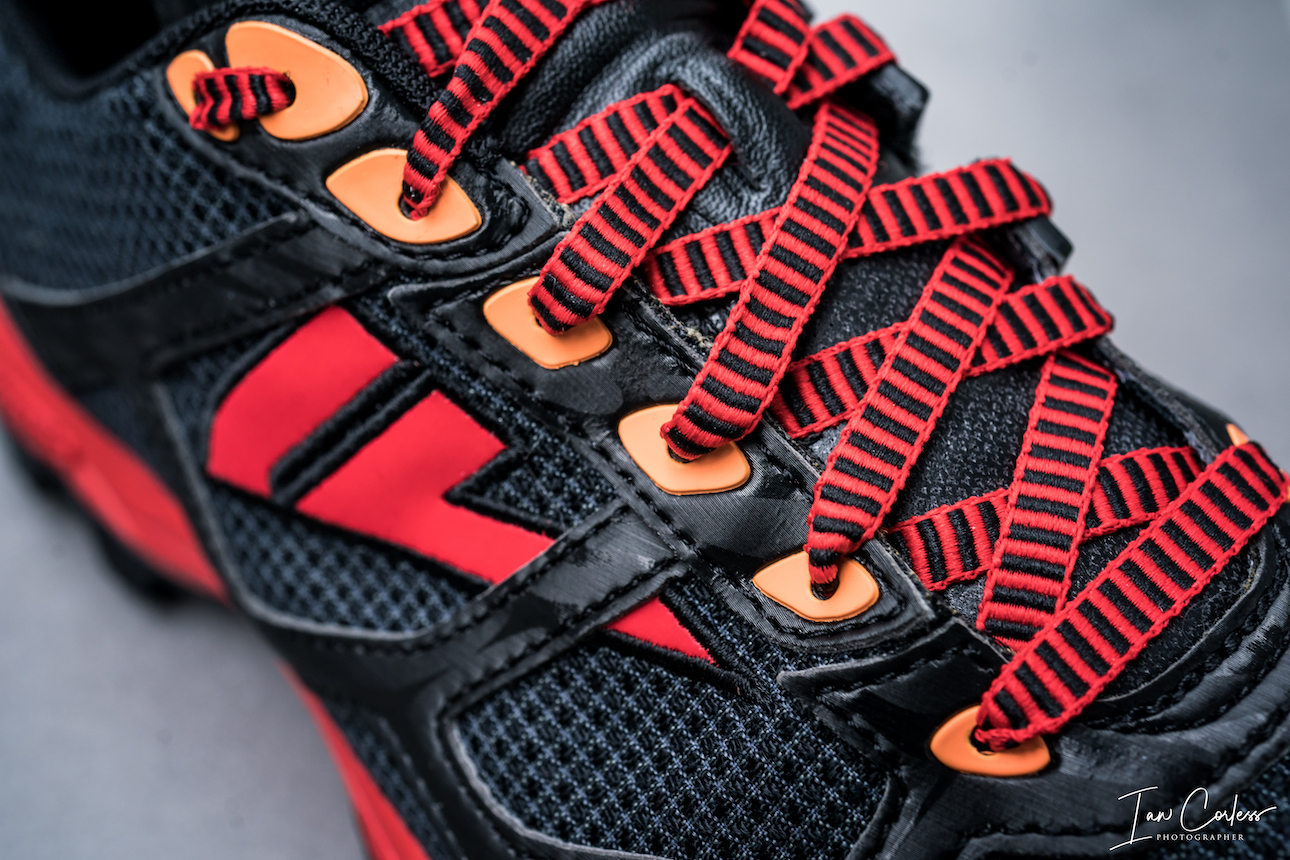
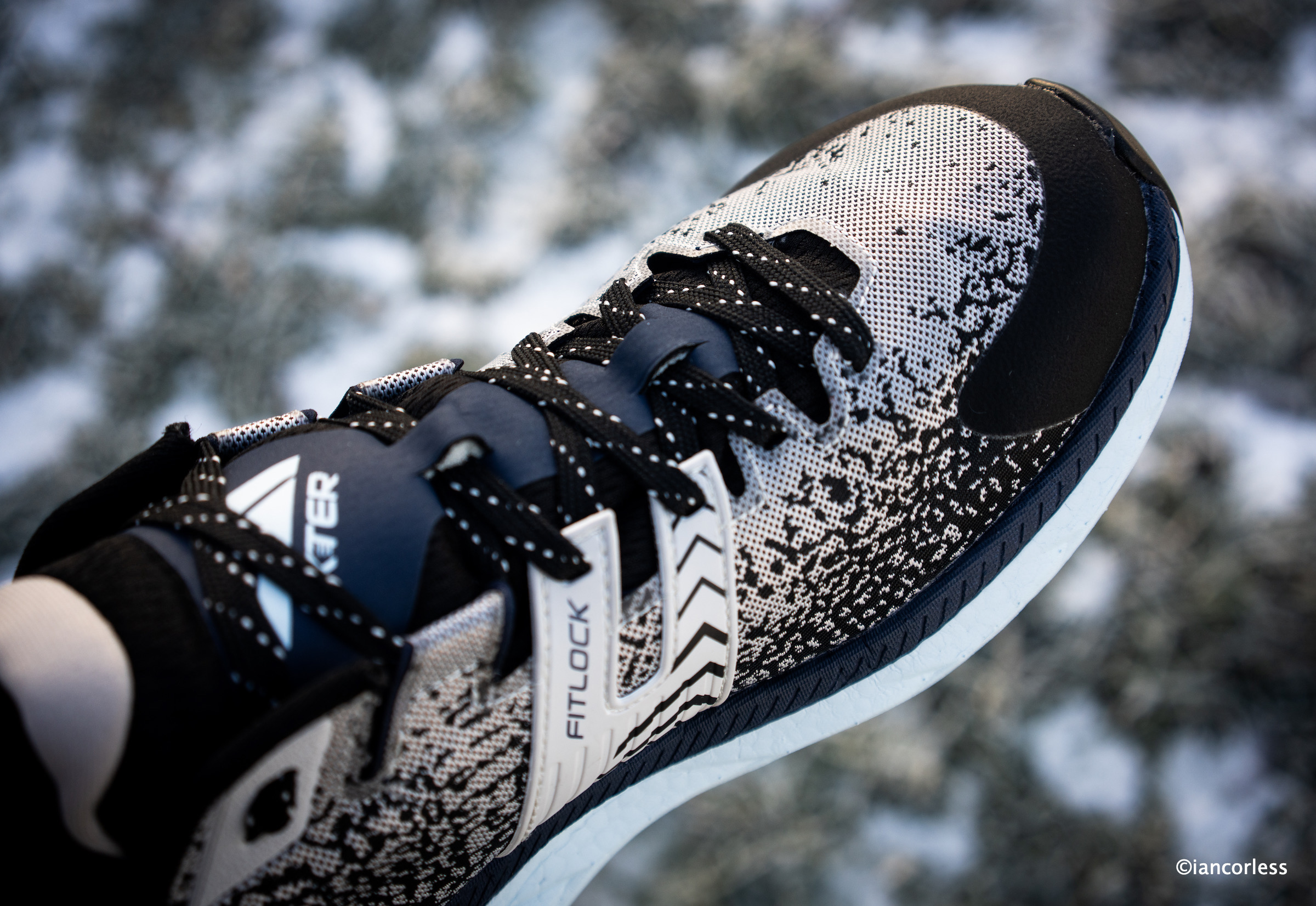
I have found with VJ shoes I always lock lace. I did my first run in the ULTRA 3 without lock lacing and the second with lock lacing, I prefer to lock lace. Just a heads-up as I feel you should try both options to see what works for you!
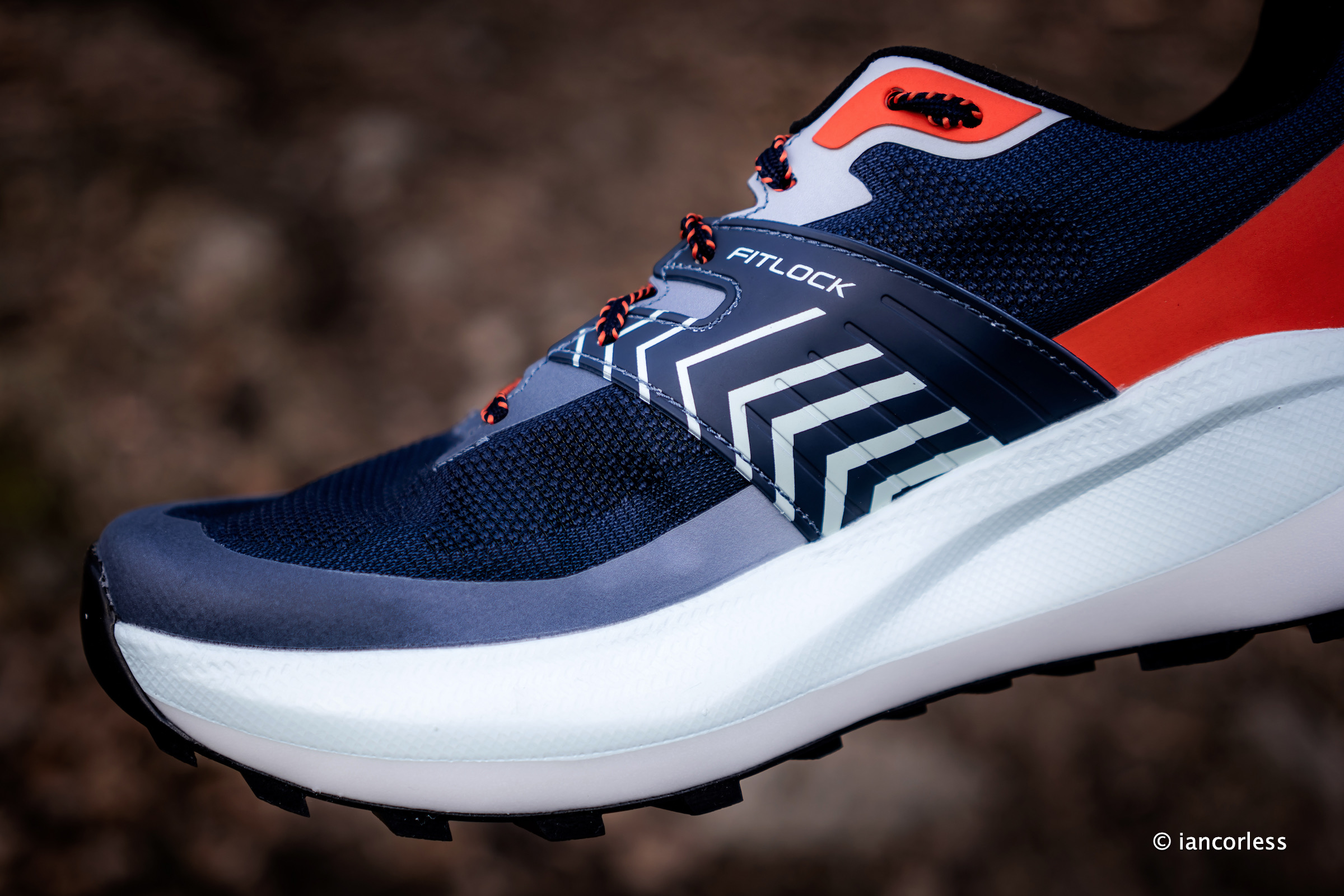
Photo by Ian Corless

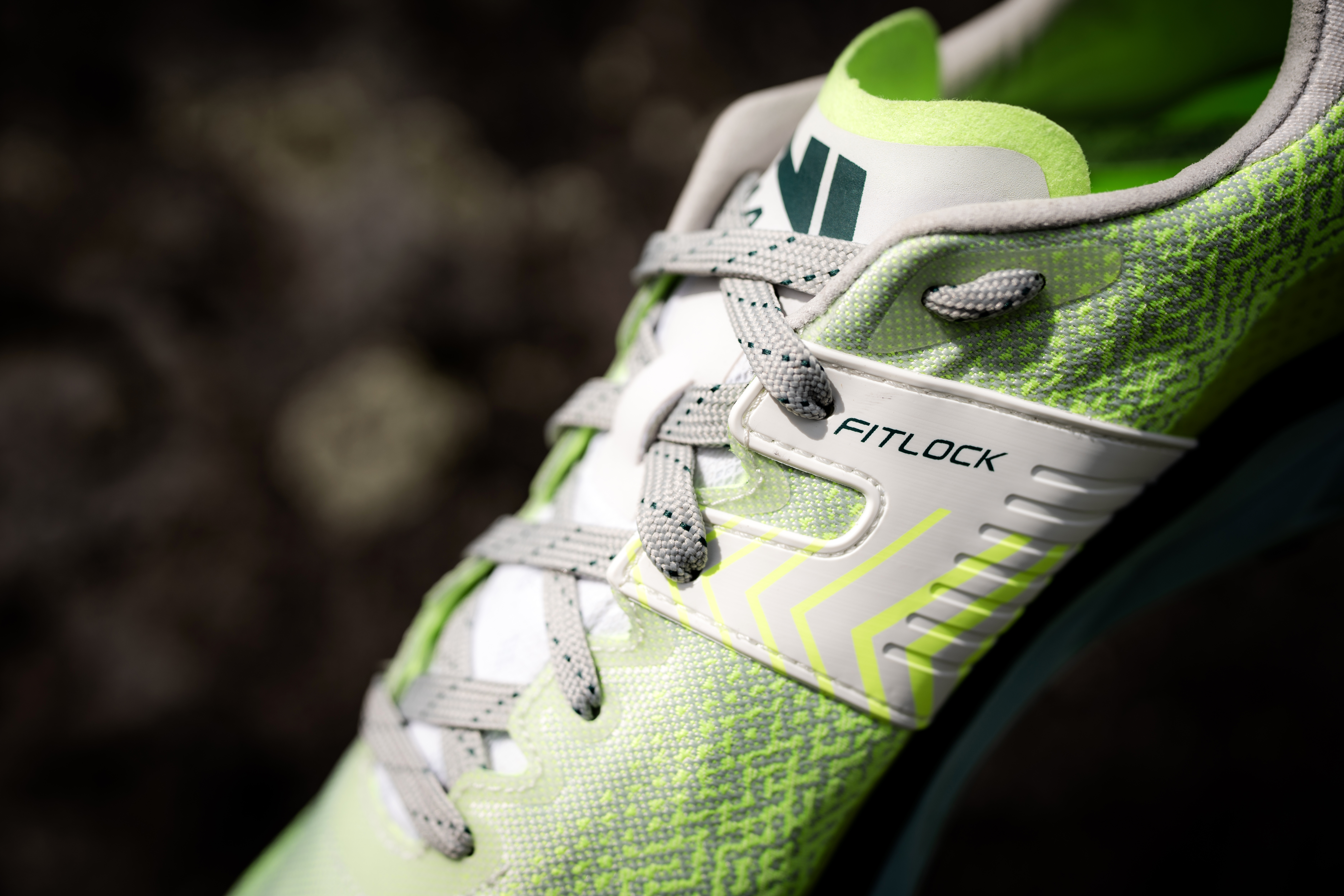
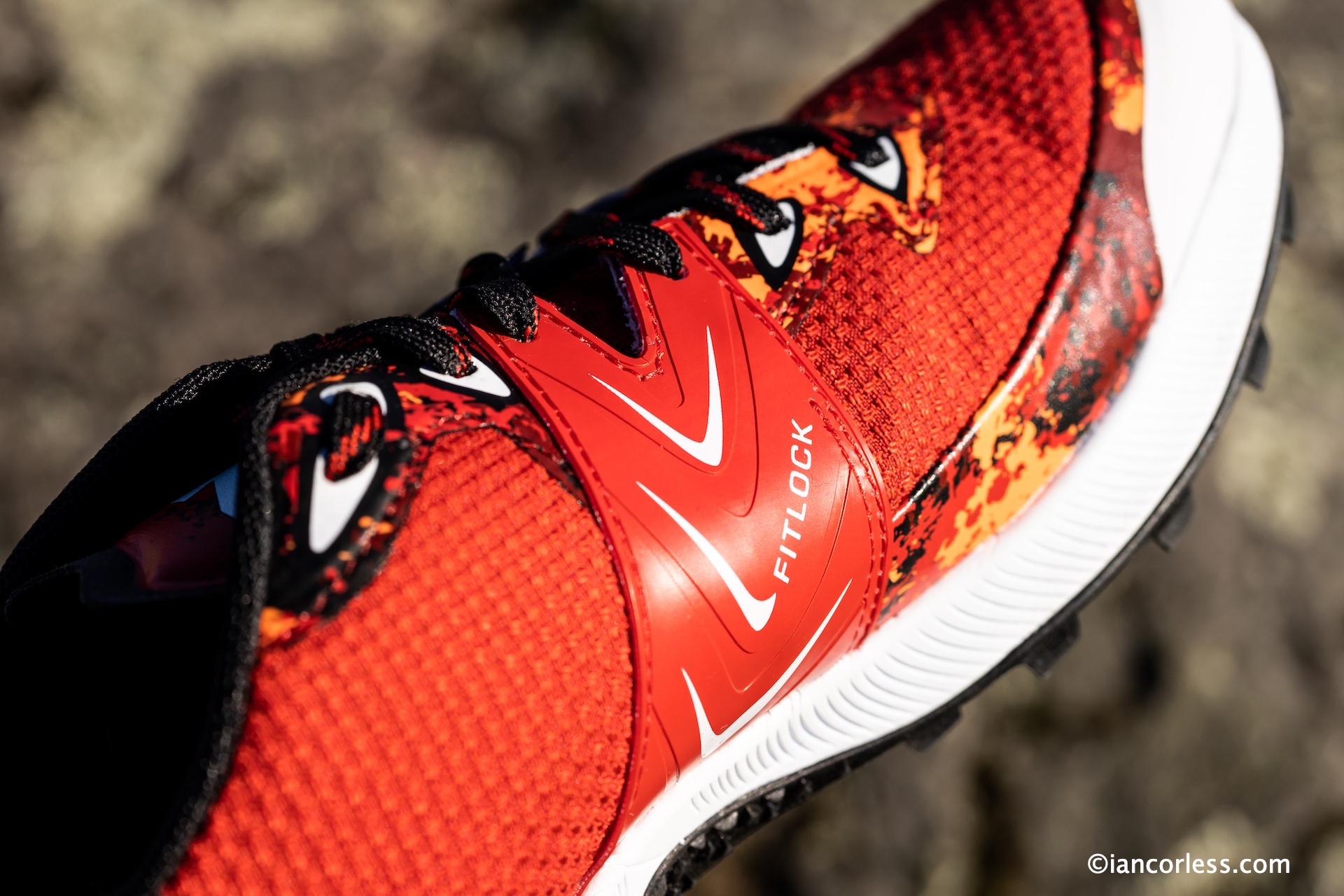
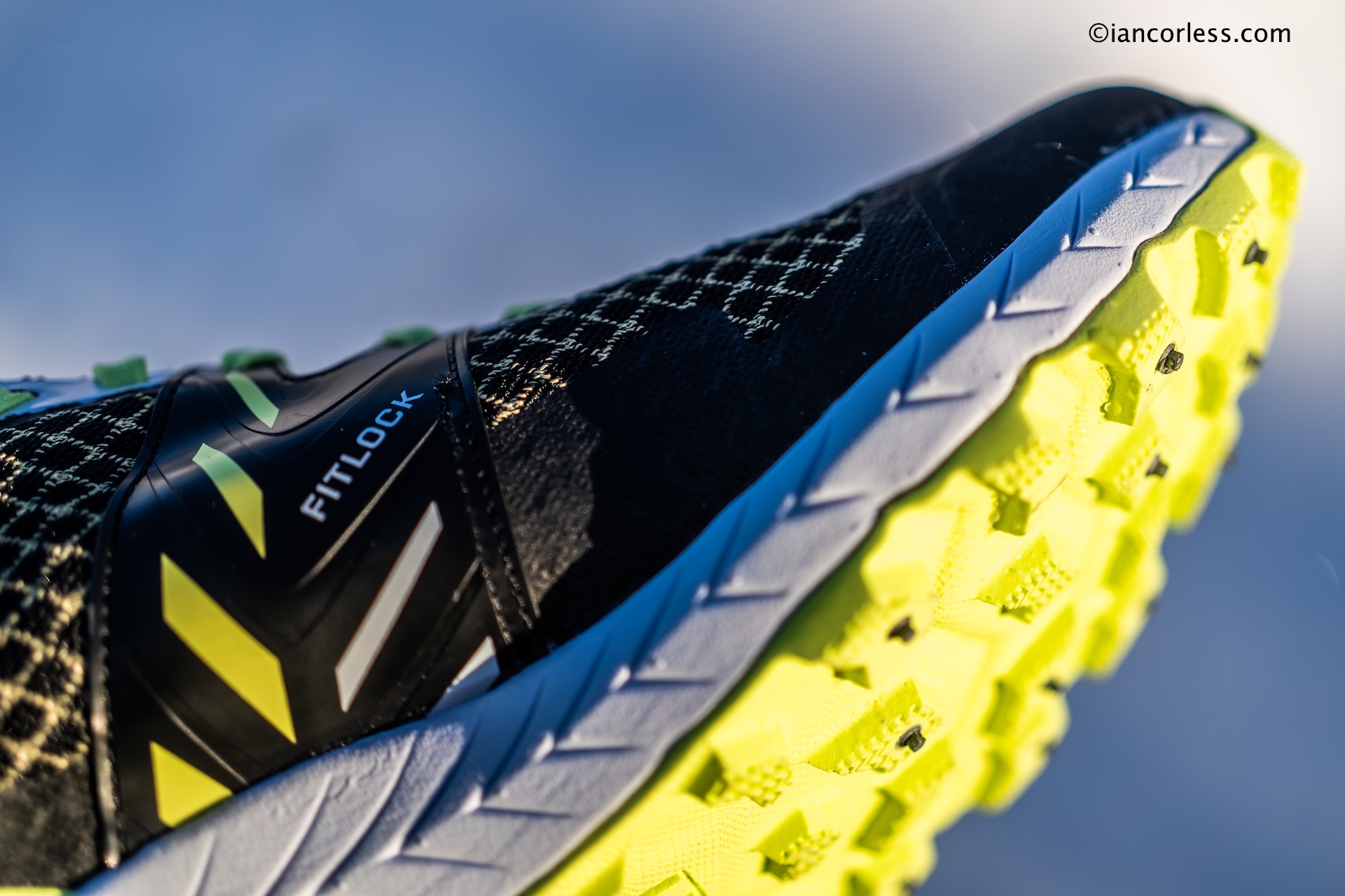
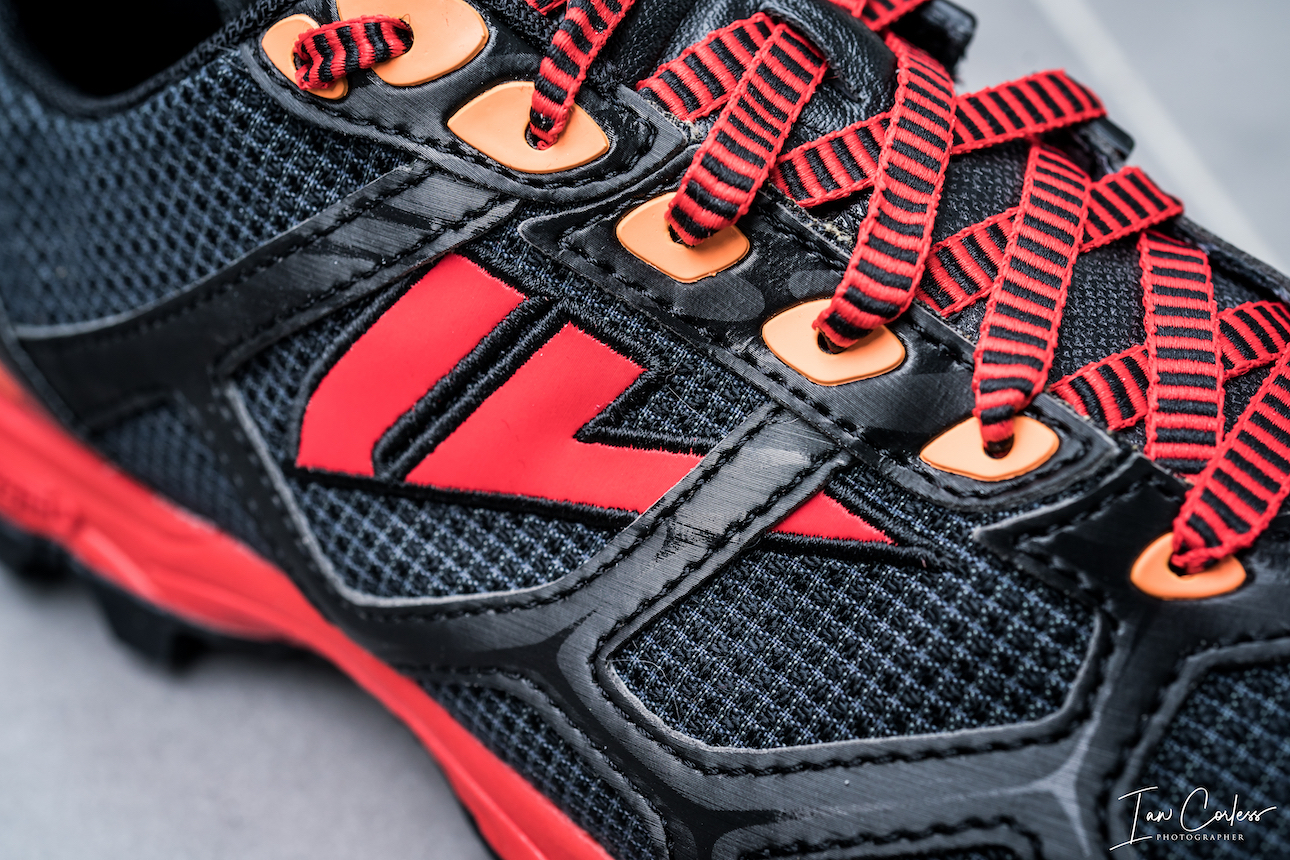
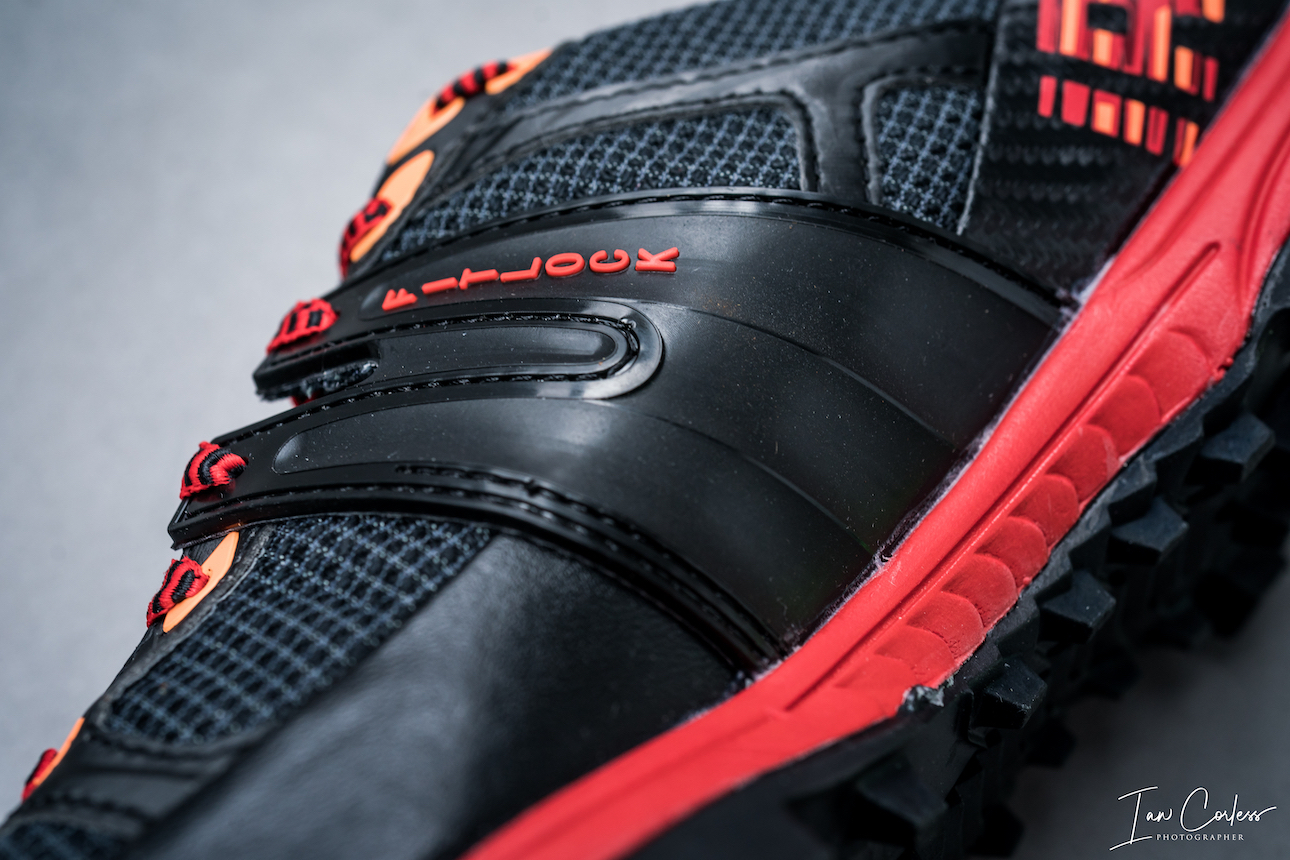
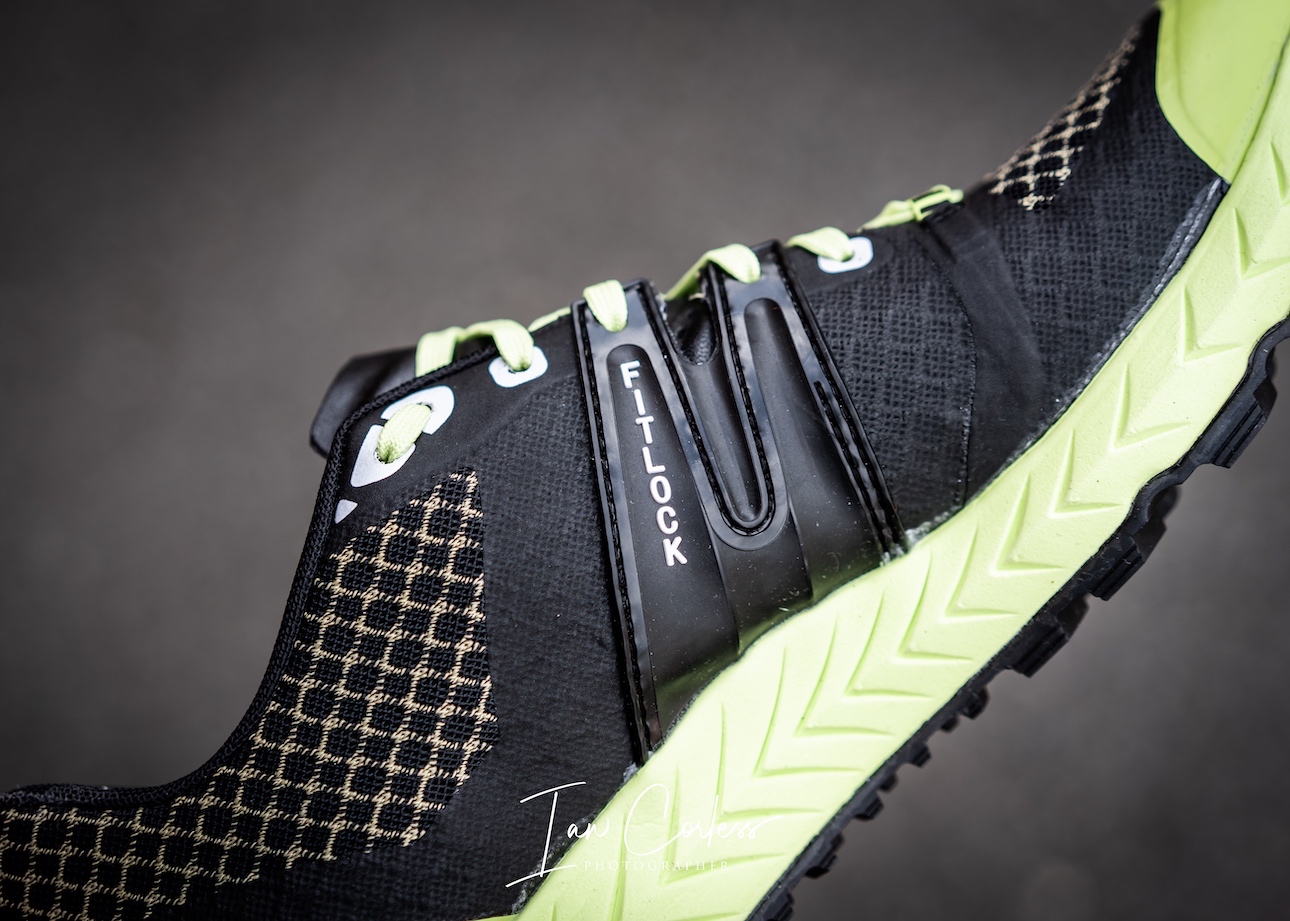
One of the key selling points of any VJ is how the shoe holds the foot, this comes from Fitlock which, when the laces are tightened and adjusted correctly, holds the foot perfectly, especially noticeable when on technical and demanding trail.
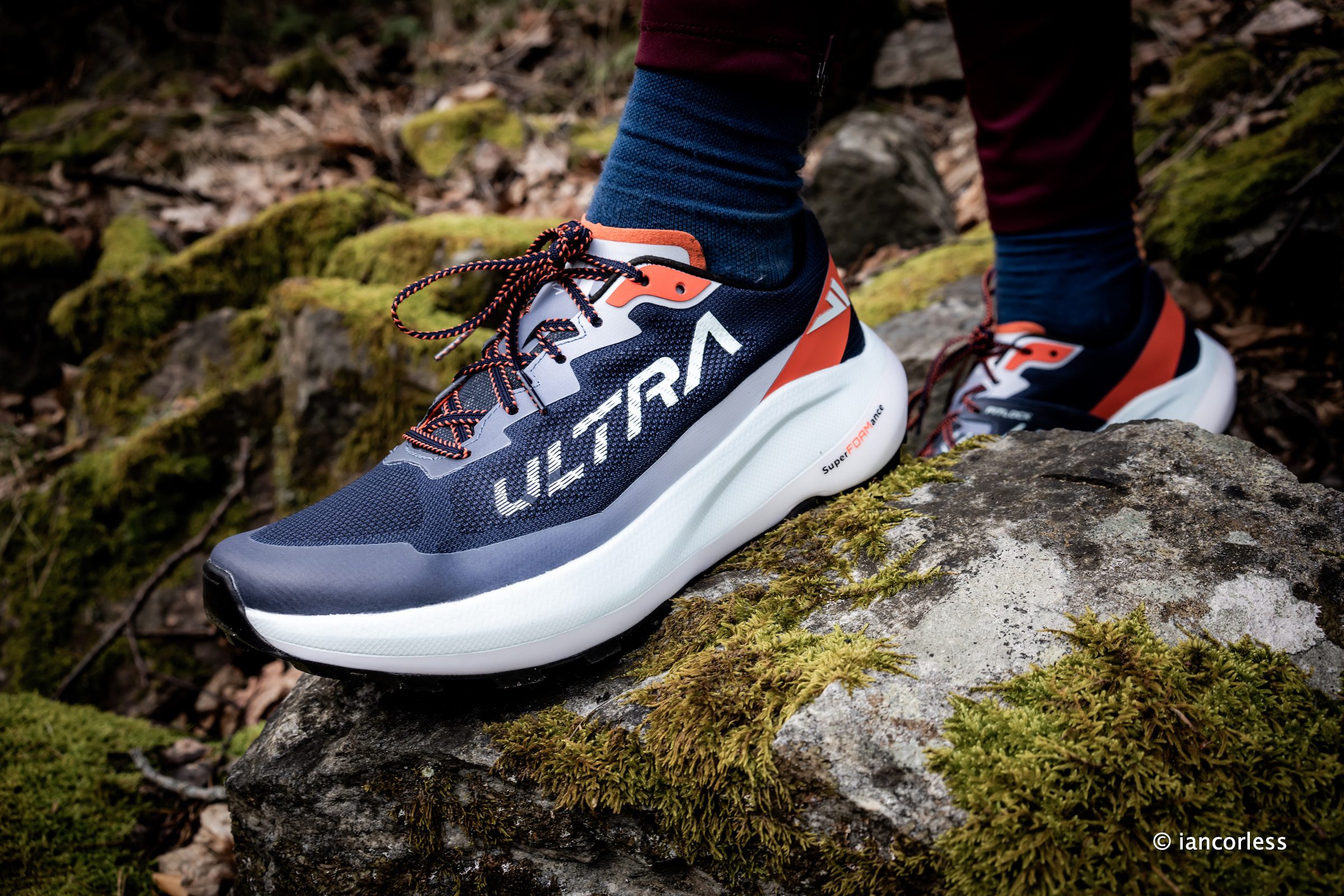
Photo by Ian Corless

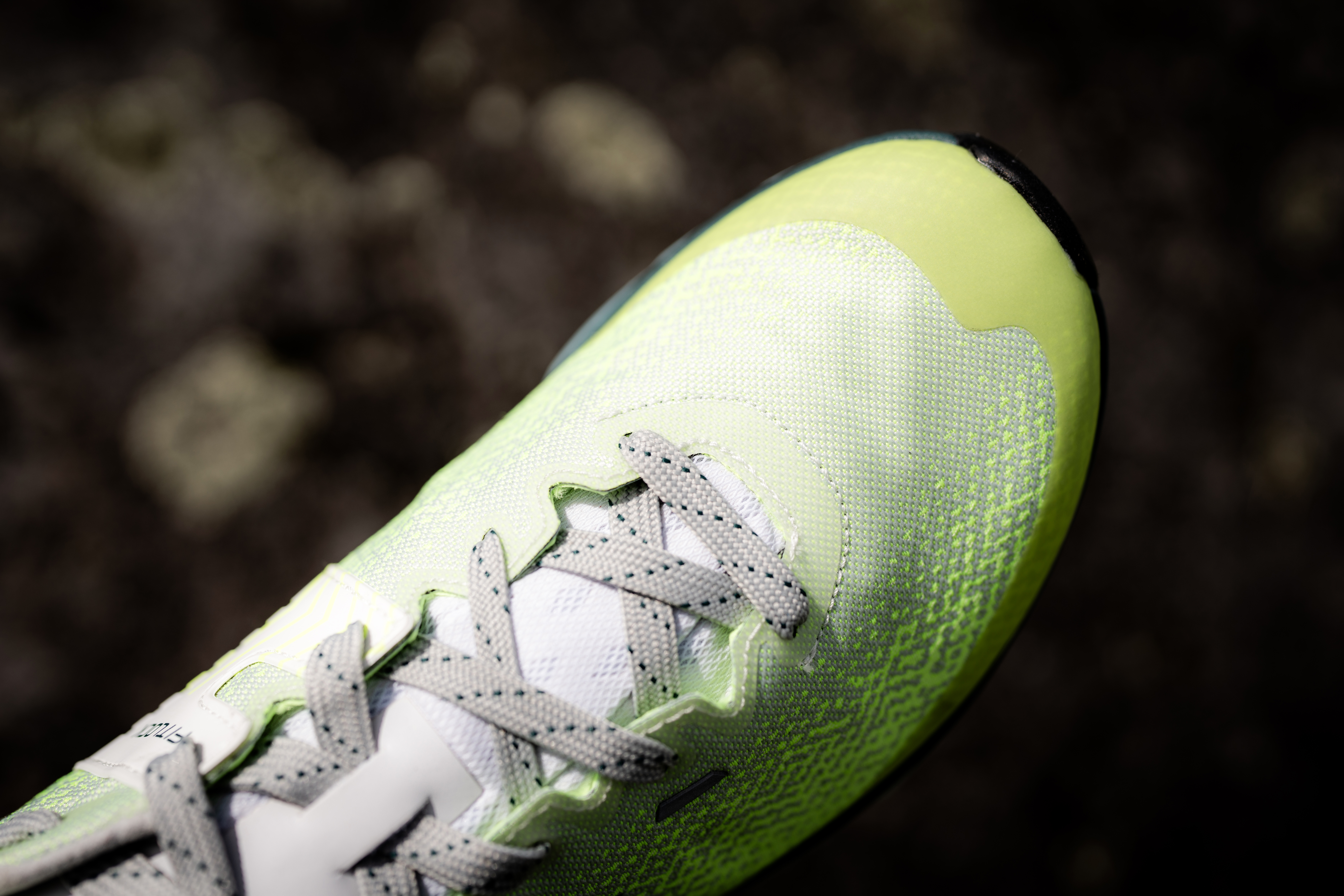
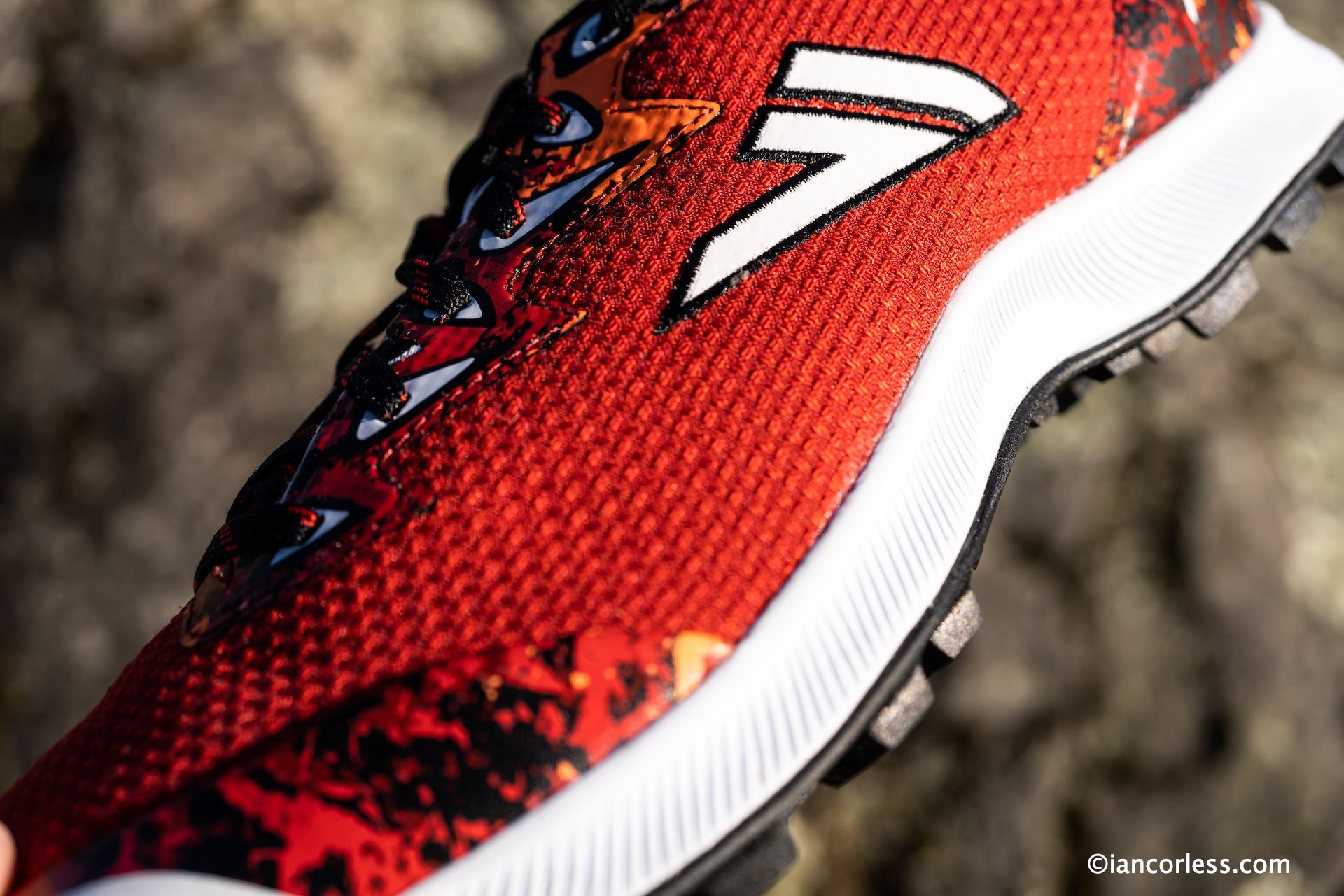
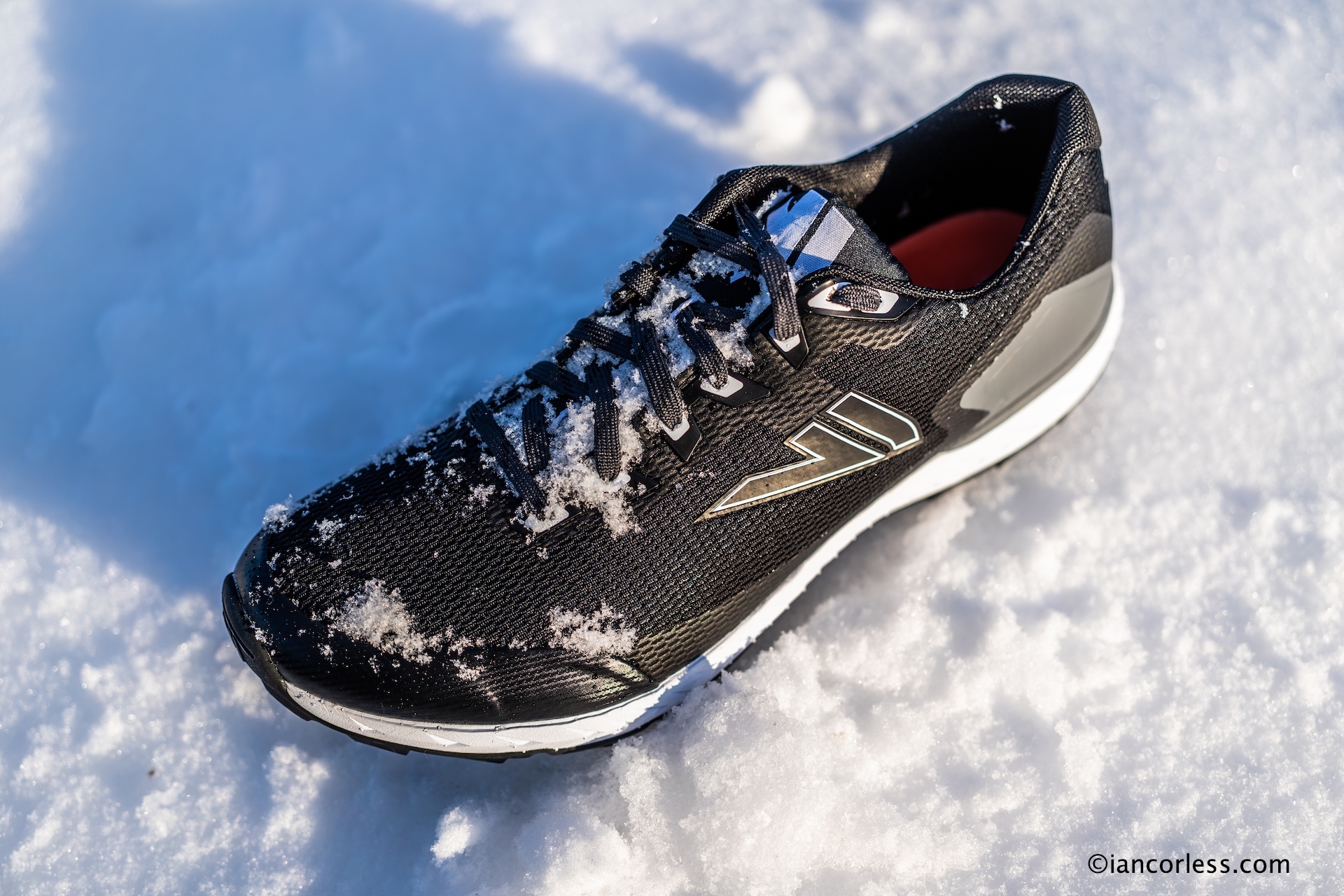
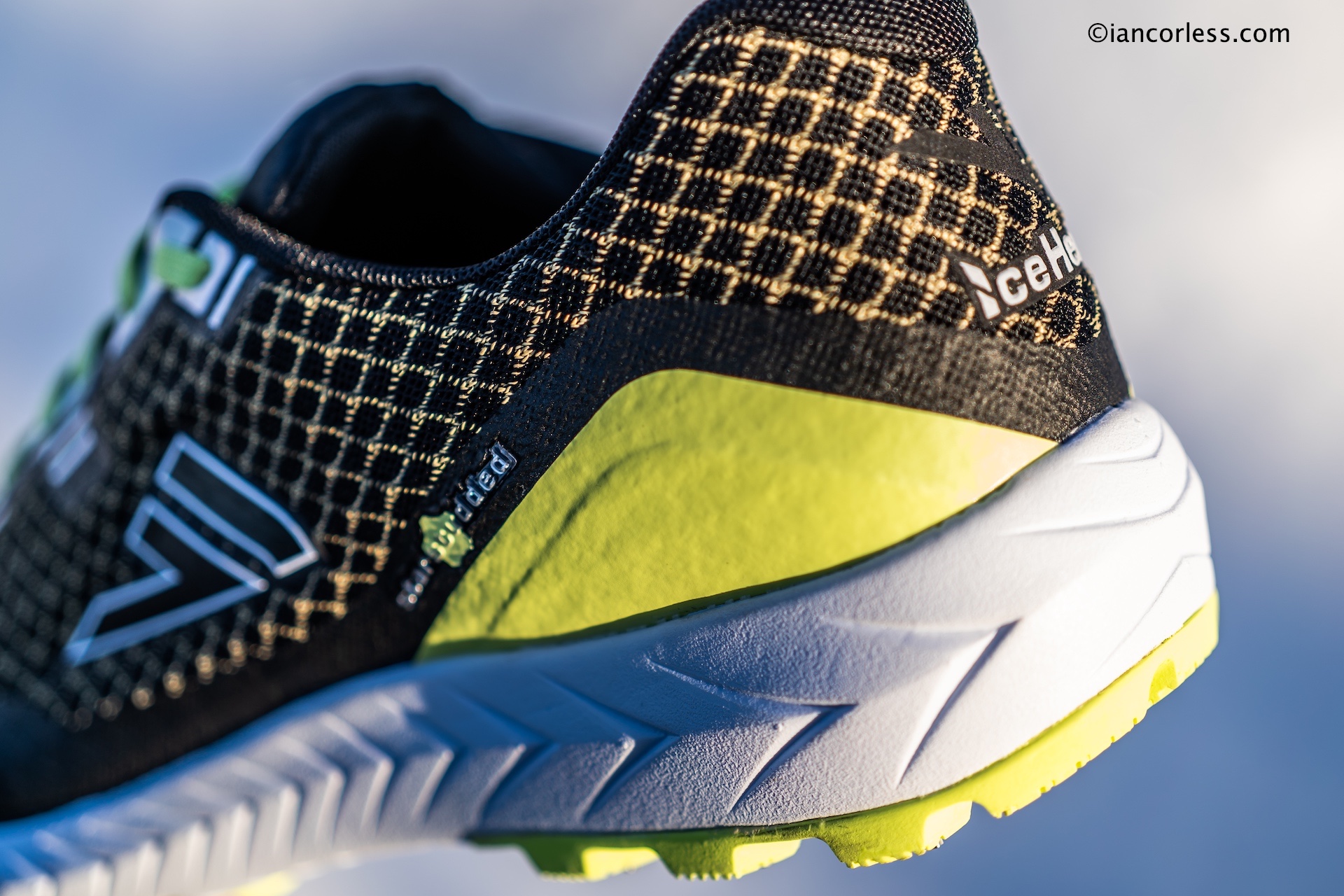
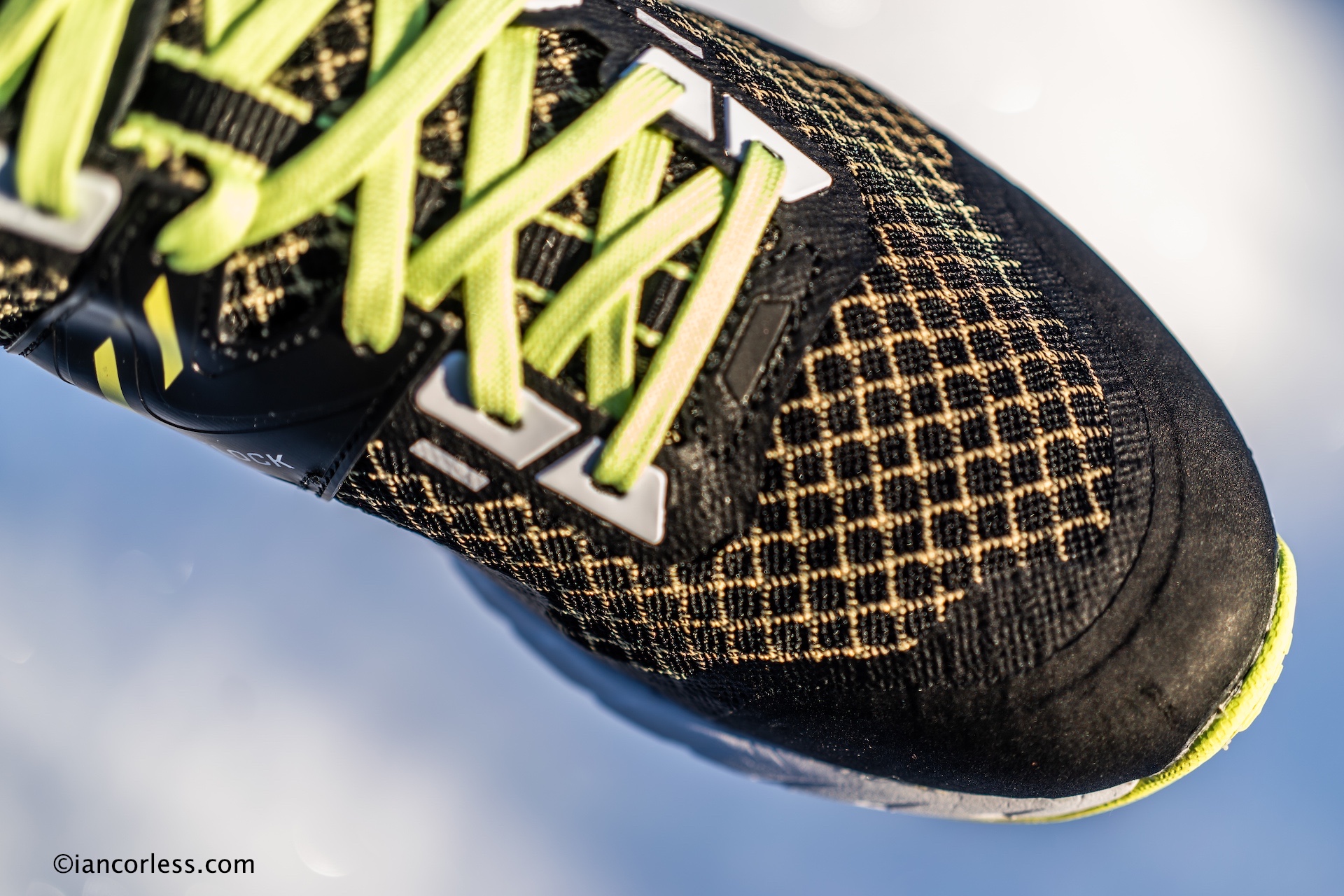
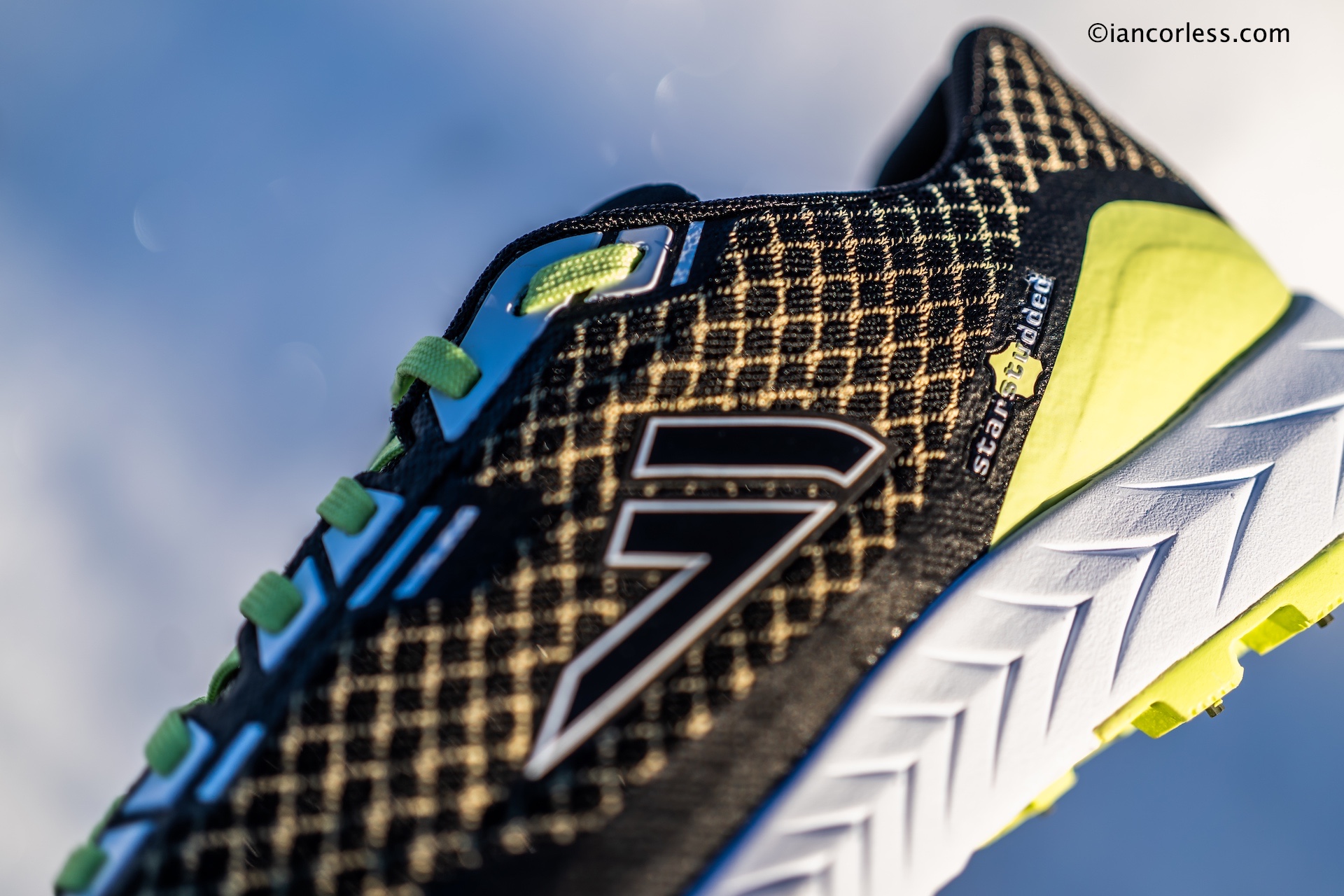
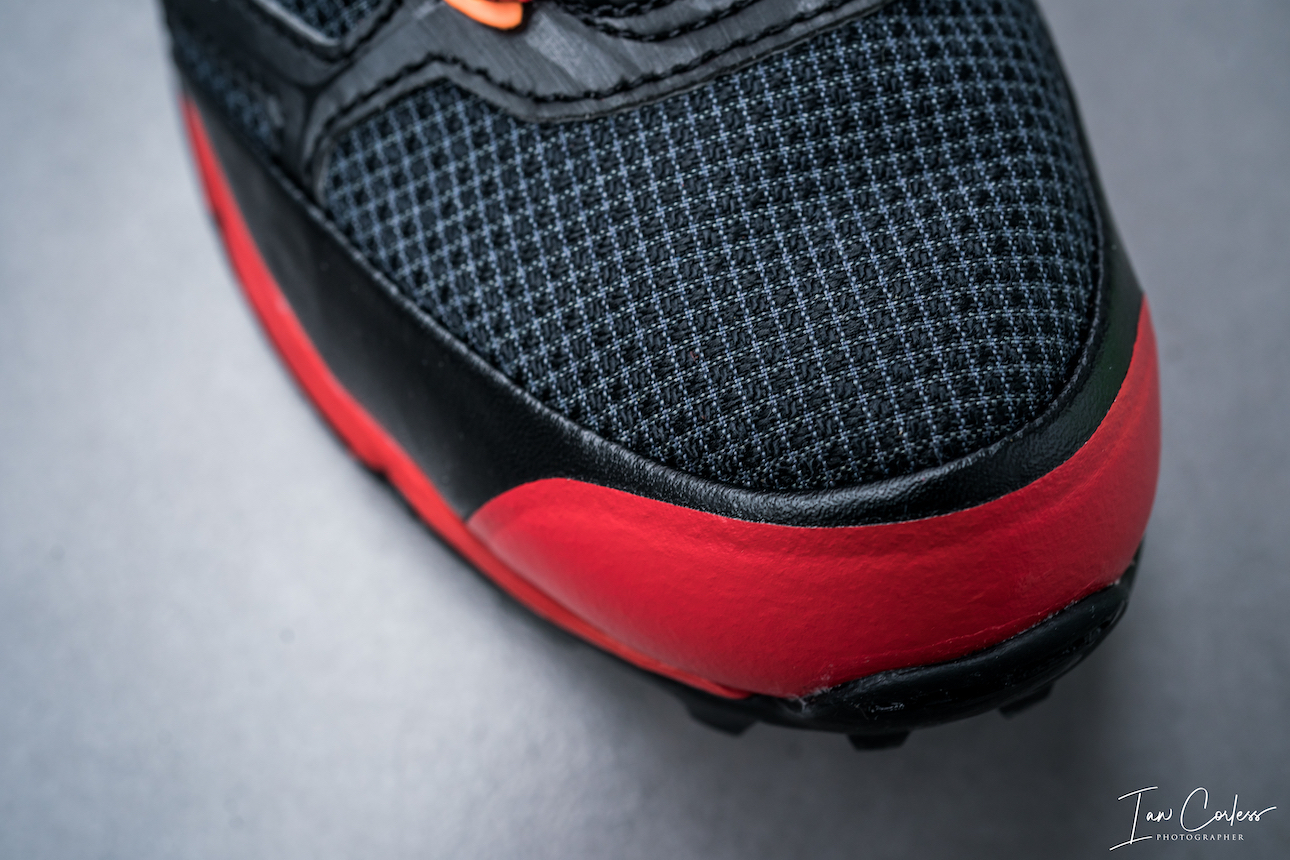
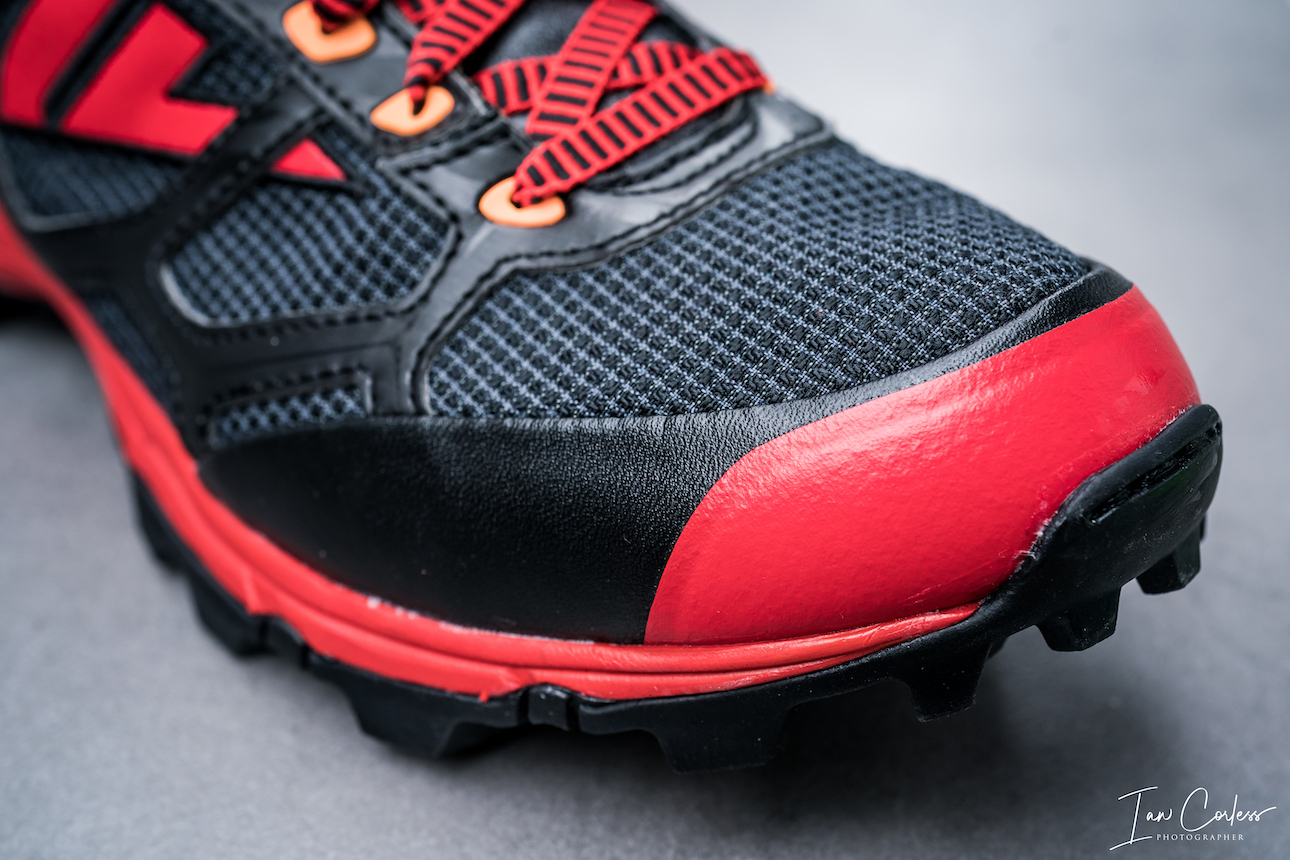
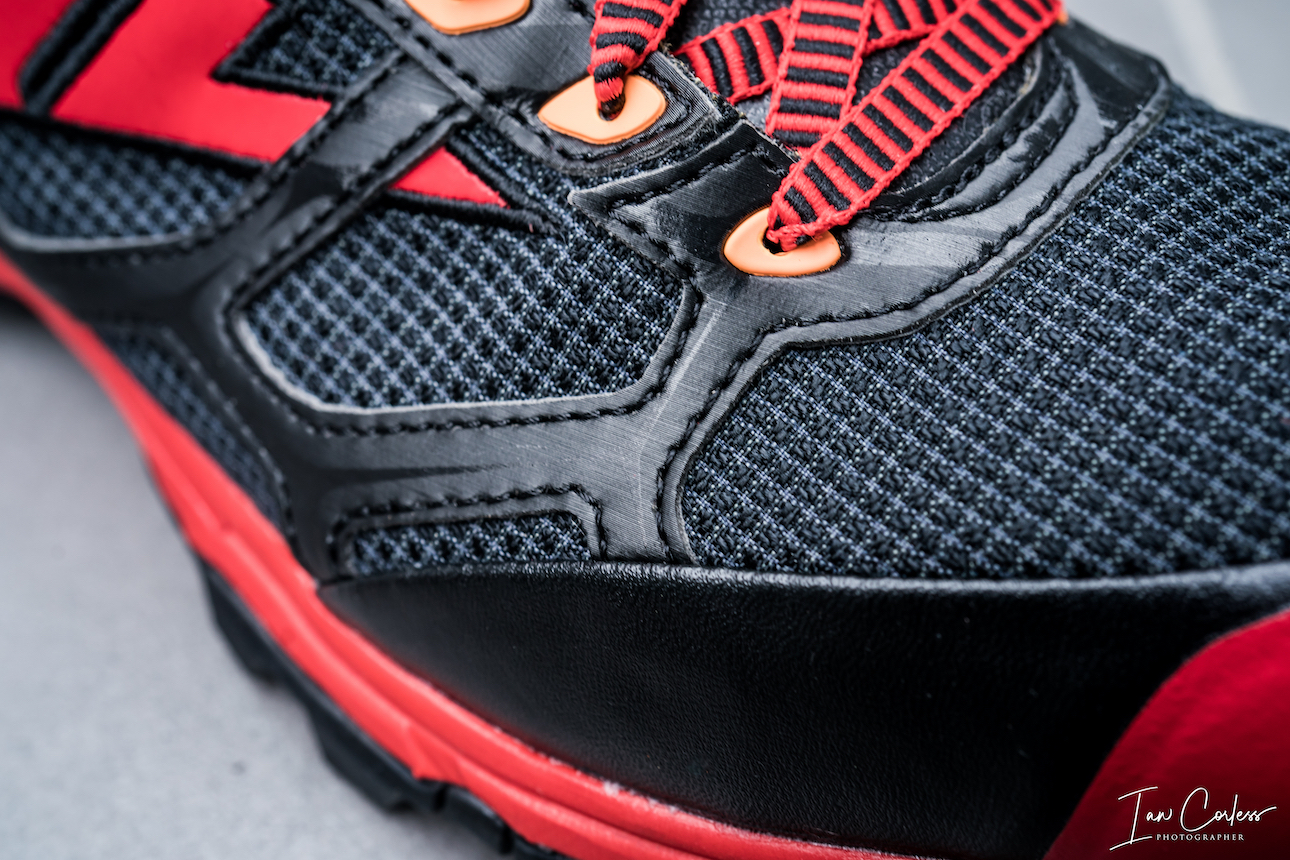
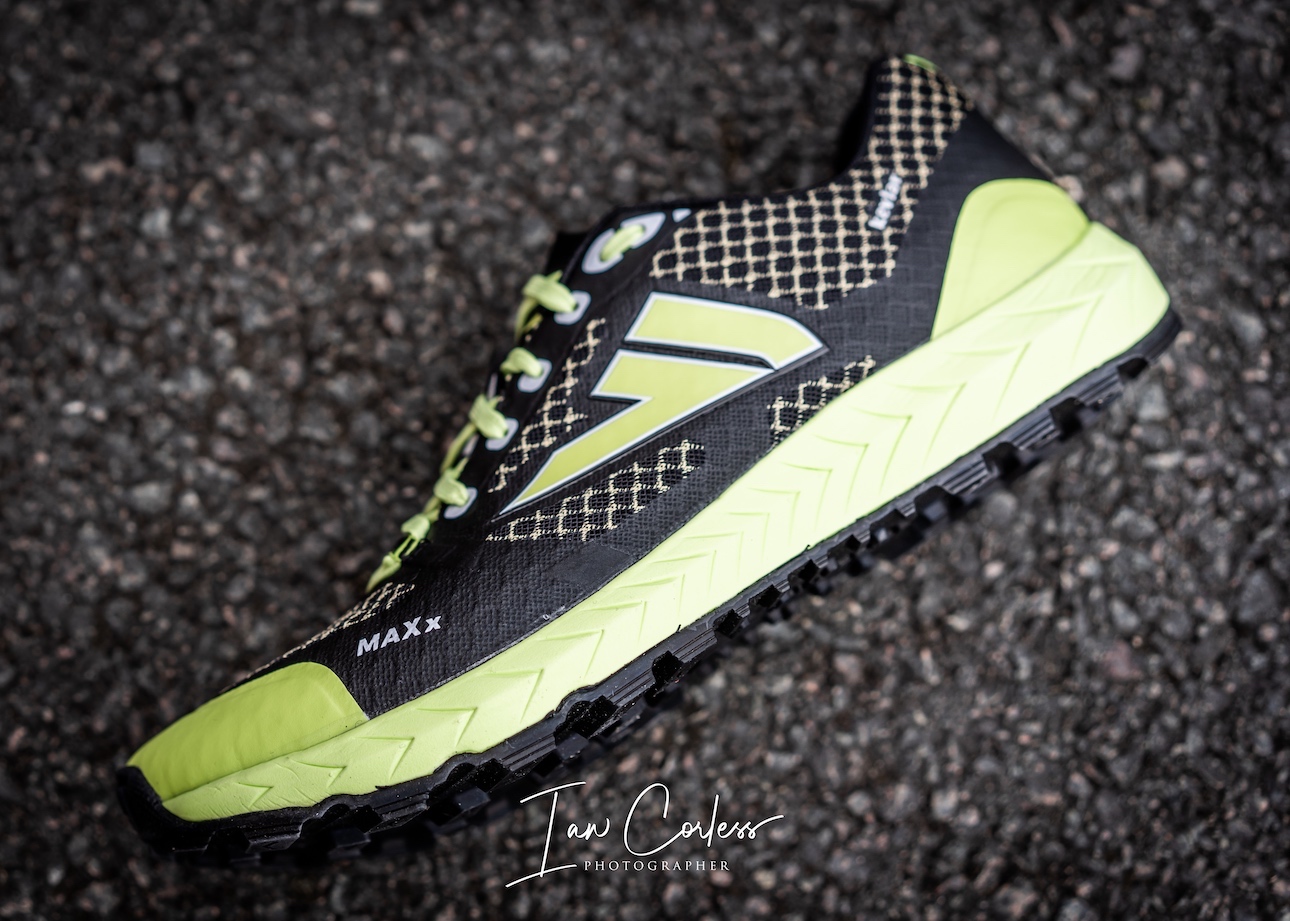
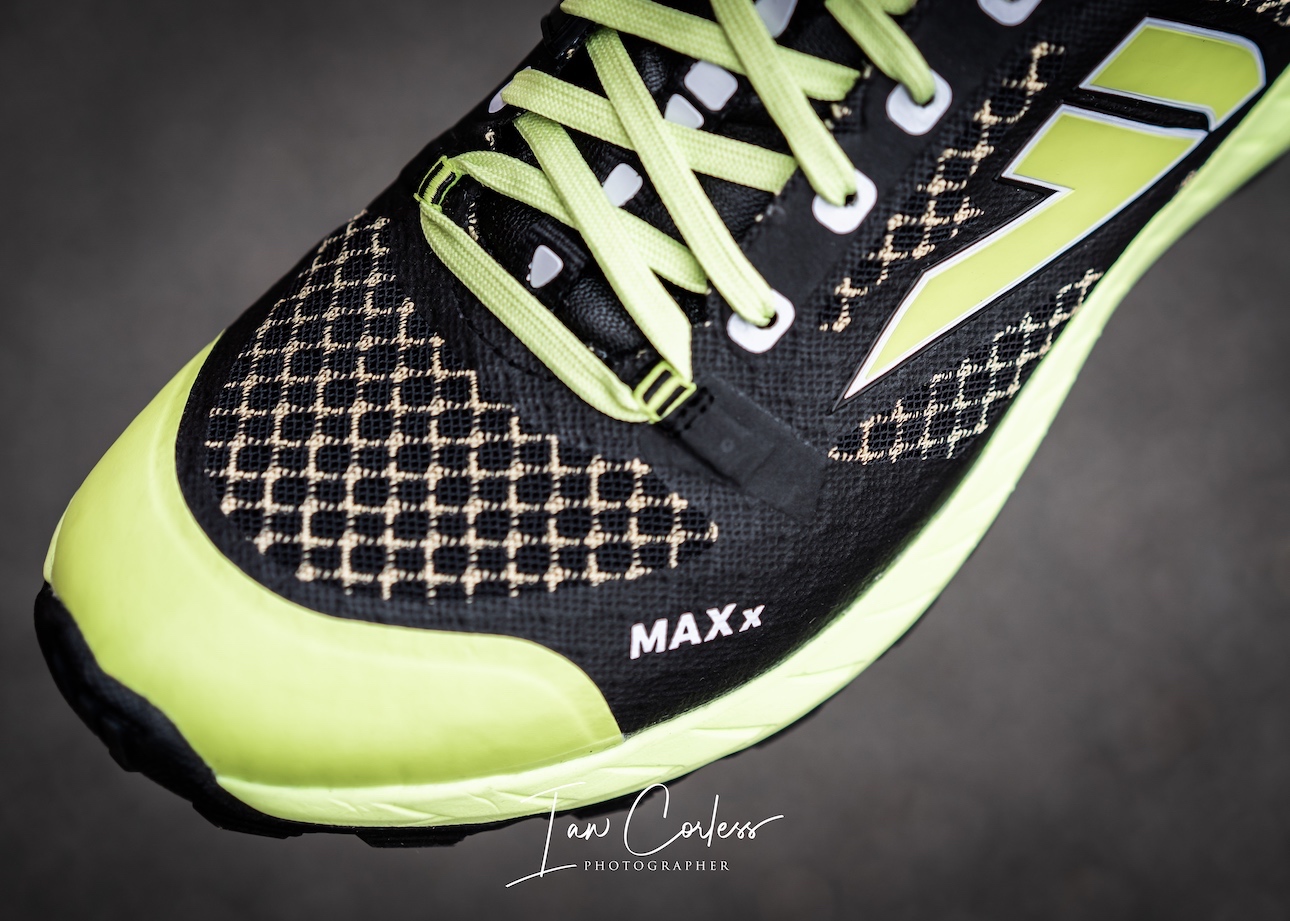
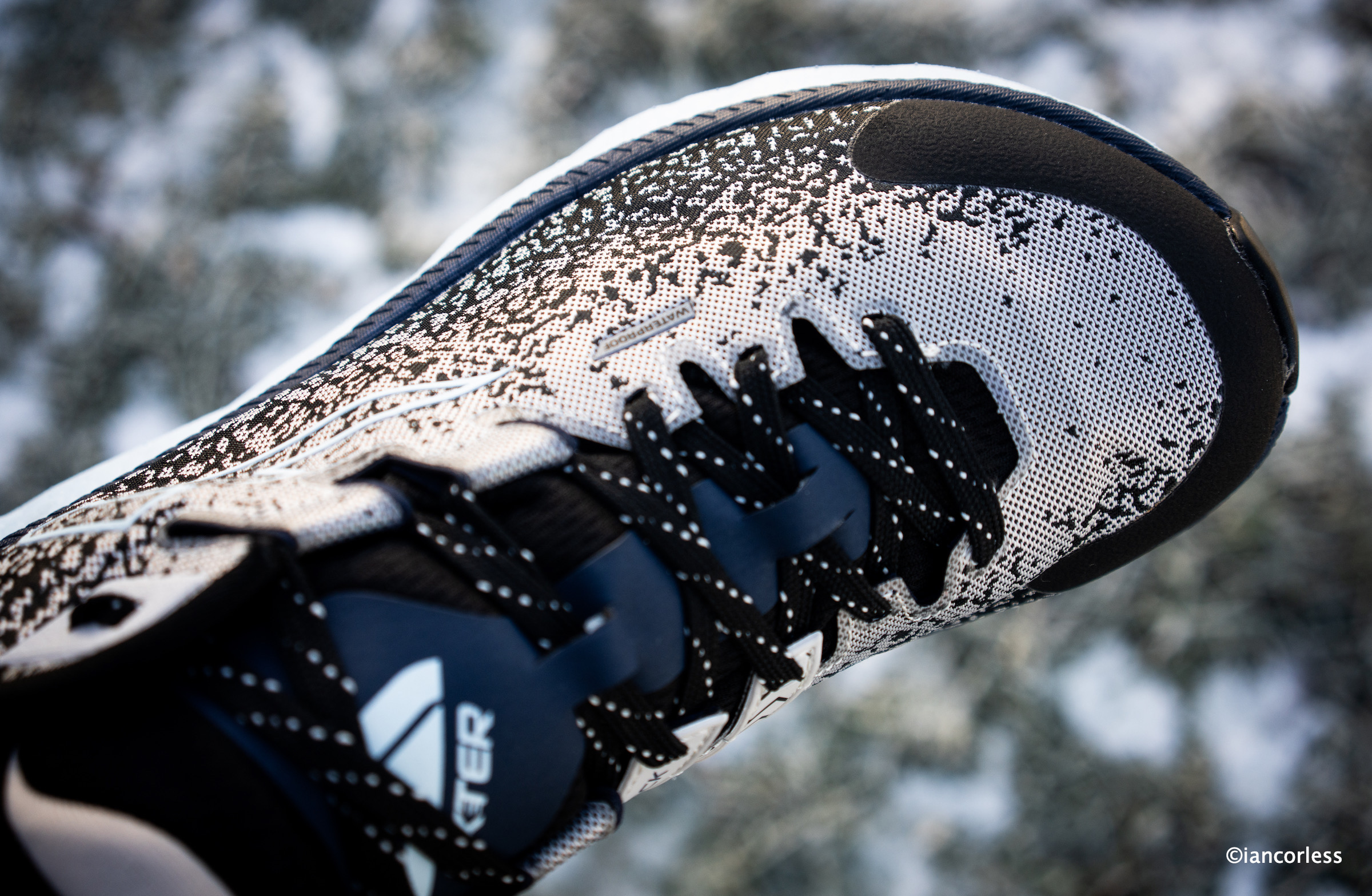
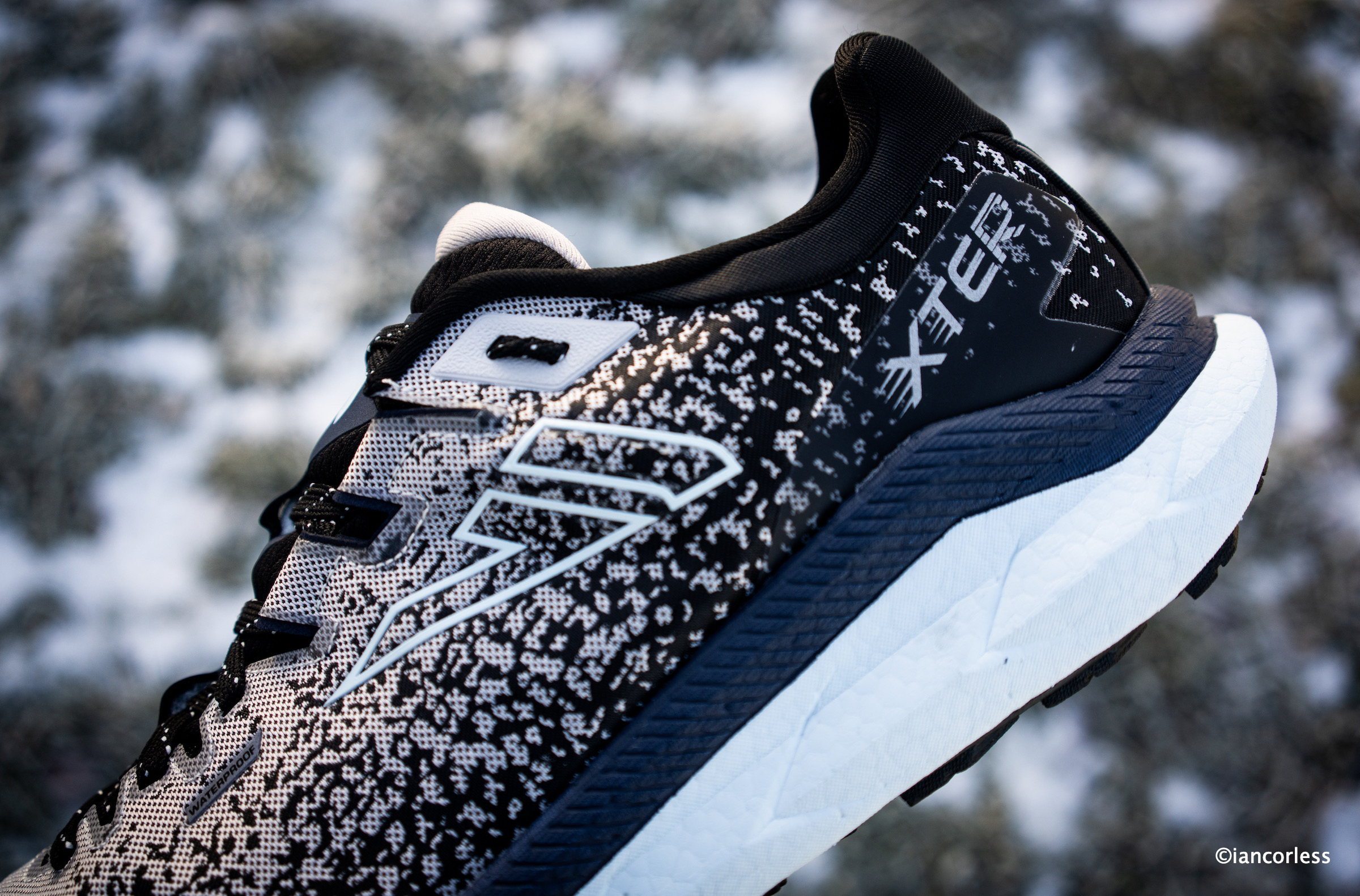
The upper is in one piece made of multi zone woven mesh with varying density. They are breathable but equally, in colder weather, they are not too cold. There is excellent protection at the front with a great toe bumper.

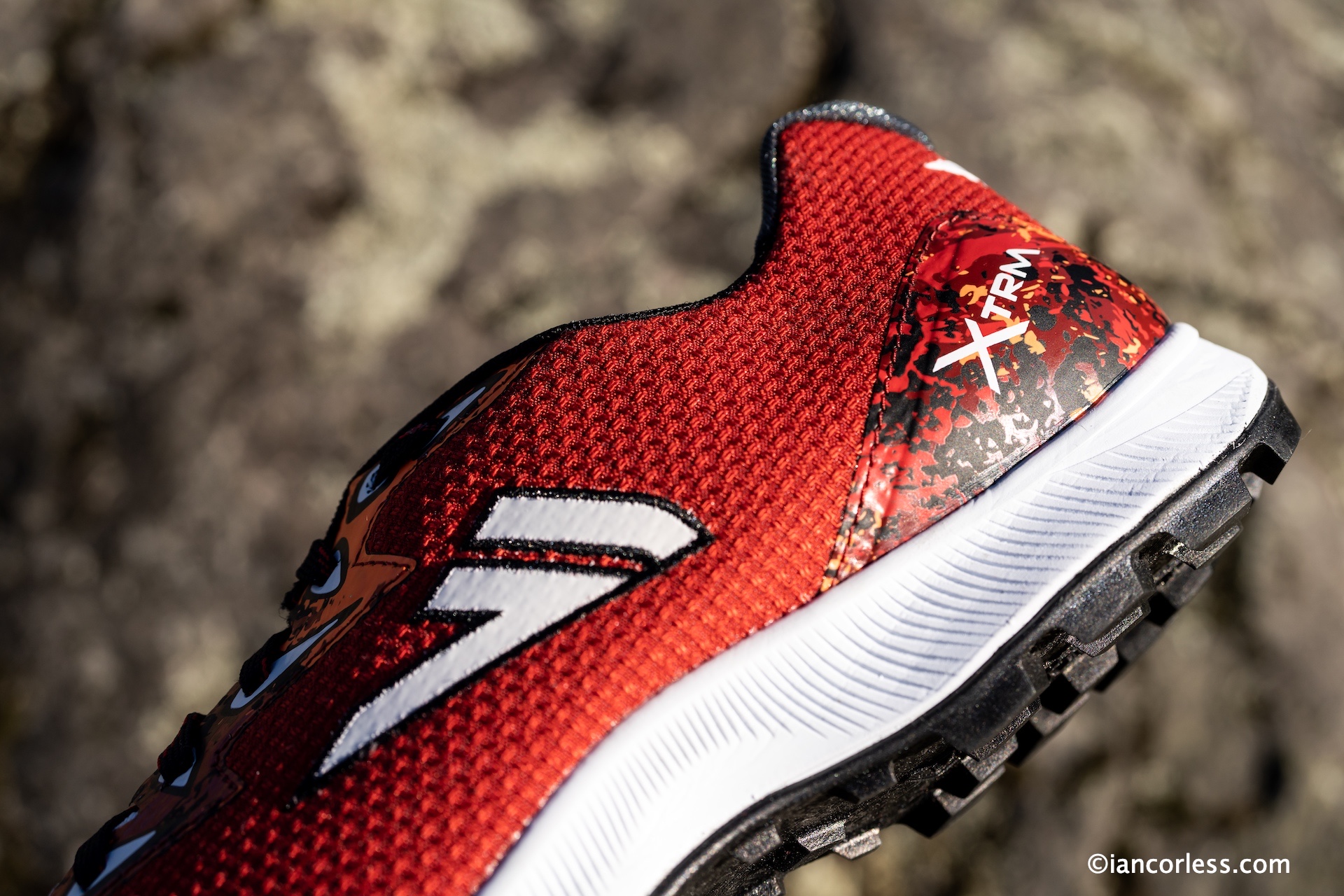
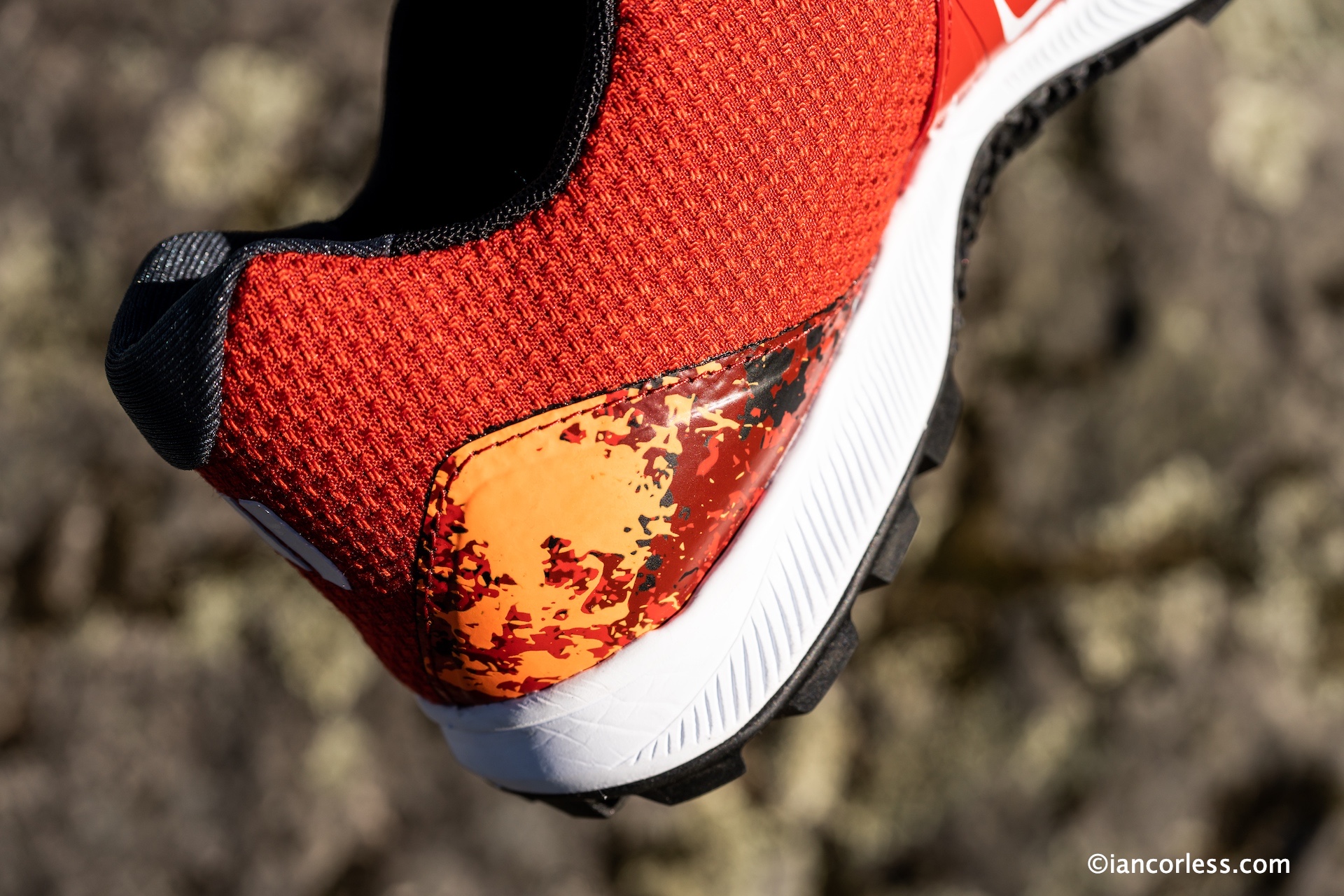
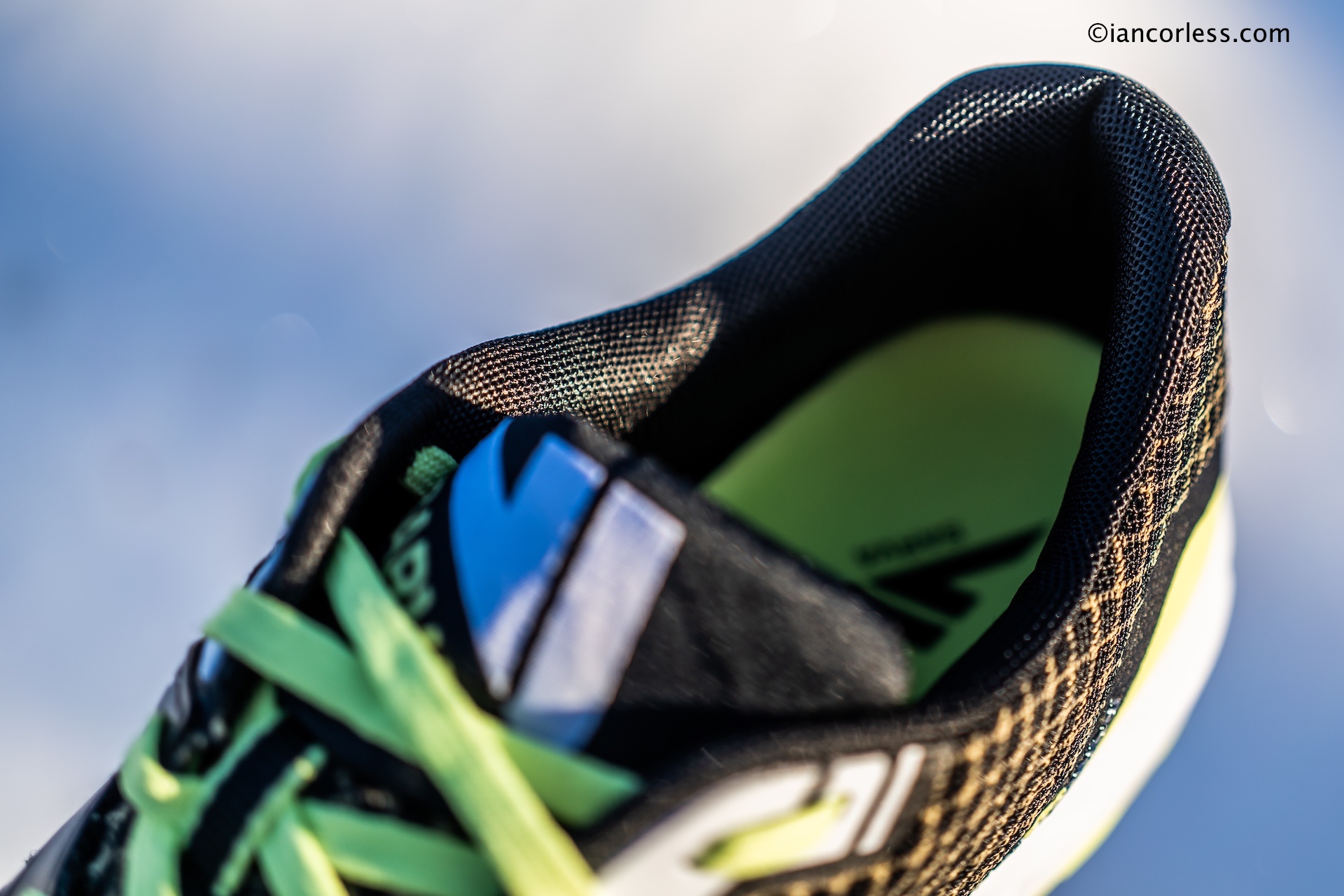
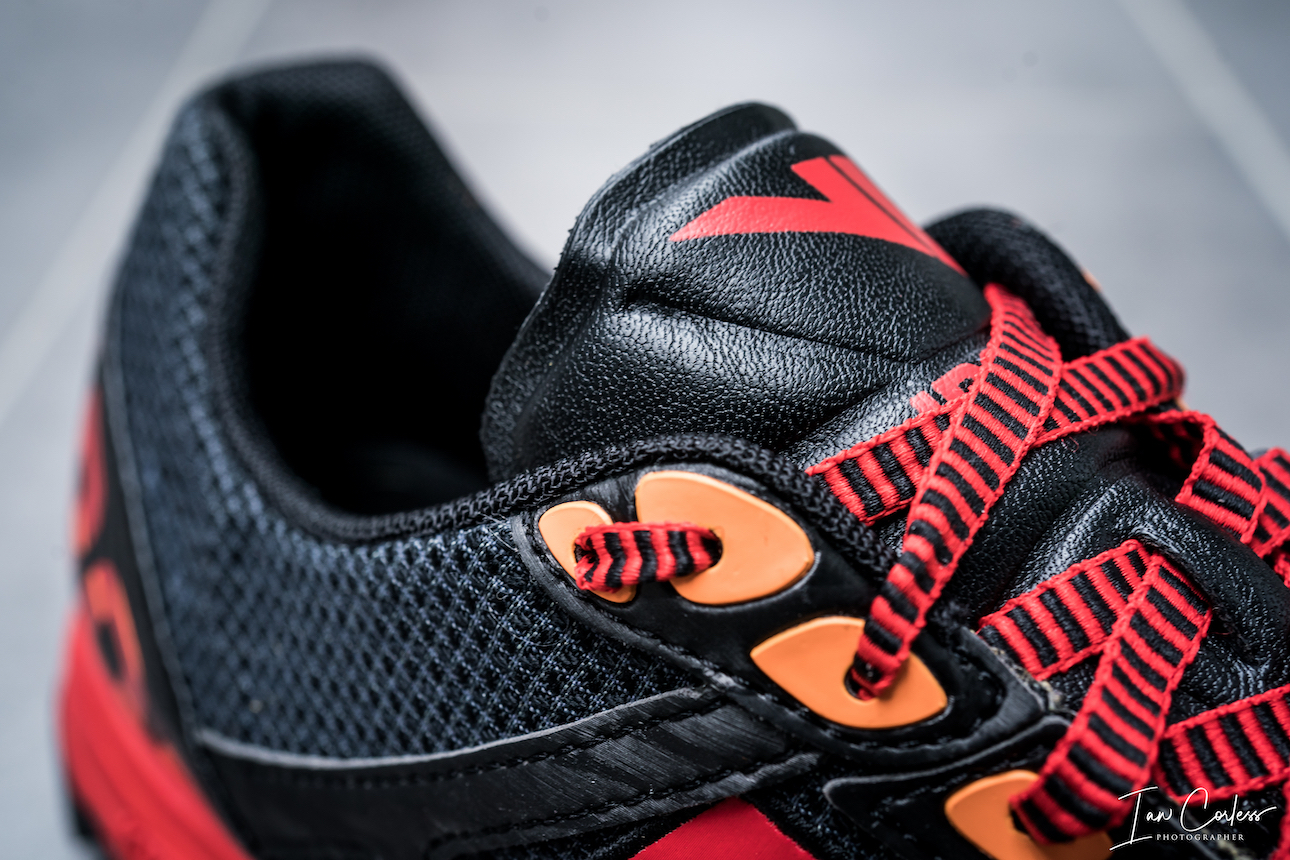
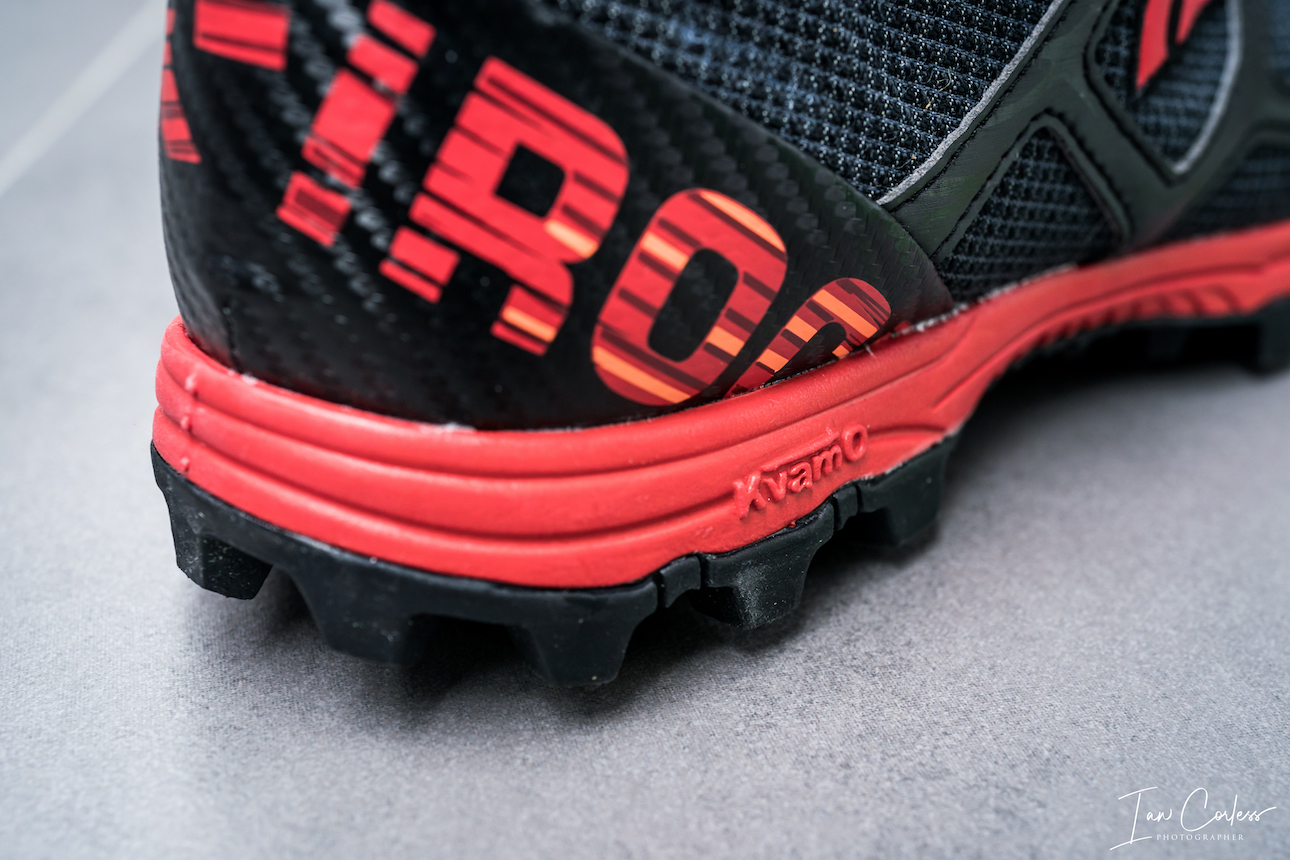
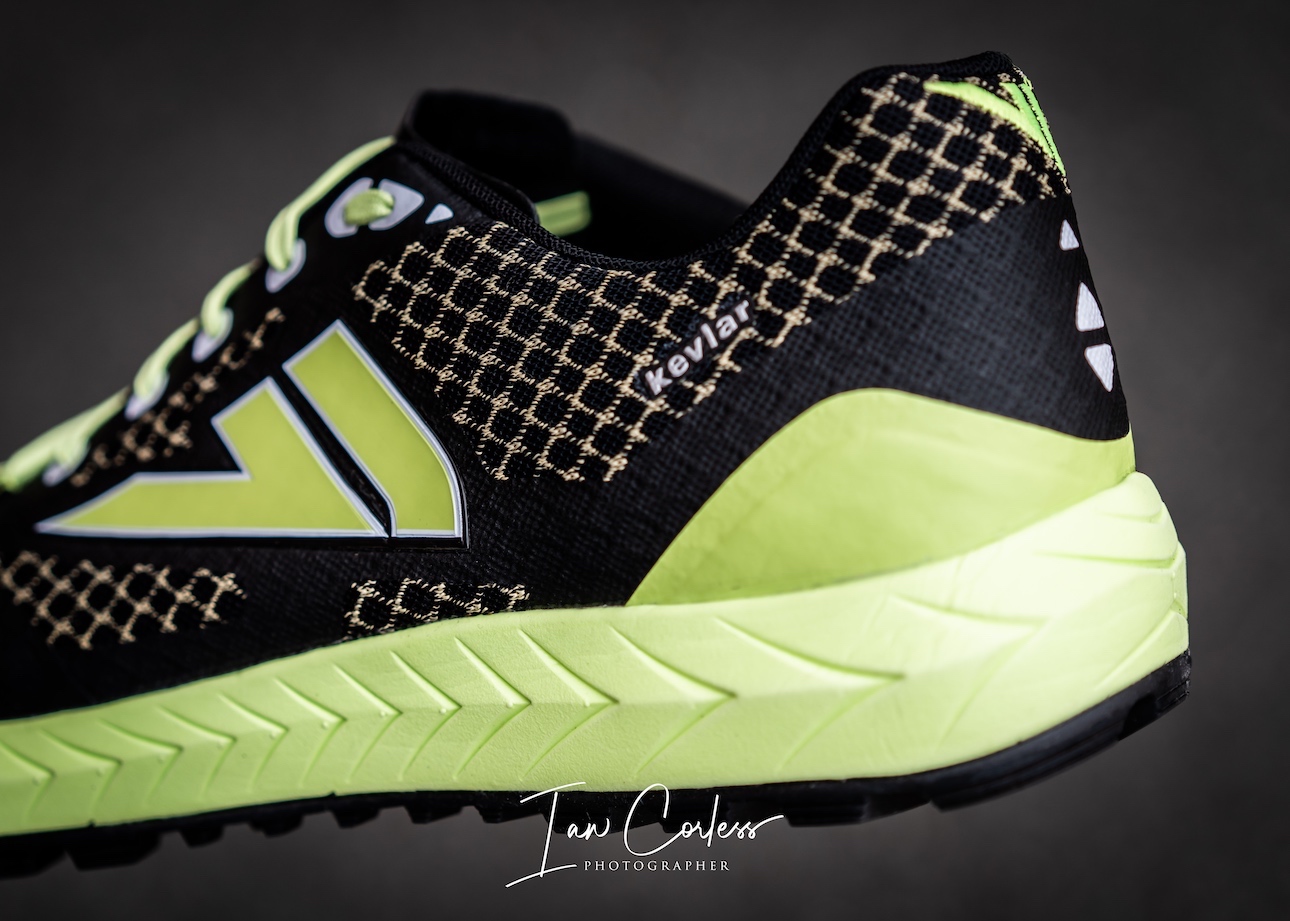
The rear collar is where a noticeable change has been made from the ACE winter shoe. The ACE was well padded and very comfortable. Here, the rear collar is lightly padded with a slight raised section inside to stop heel slippage. On the MAXx2 I initially had an issue with the right side of the heel cup being a little high which irritated my ankle bone, that is present here in the ULTRA 3. I have found that after a few runs this softens and becomes no problem. On my first run in the ULTRA 3 I got a hot spot at the rear – I never get blisters! So, this rang an immediate alarm bell. However, I changed socks for my 2nd run and then had no issues, so, sock choice may well be an important consideration.

The tongue is thin. But I have had no issues with any tension, hot spots or pain.

The toe box is, for VJ, wide and this will be a game changer for many people who have found VJ too narrow in the past. It allows great toe splay and comfort without losing a precision feel when required.

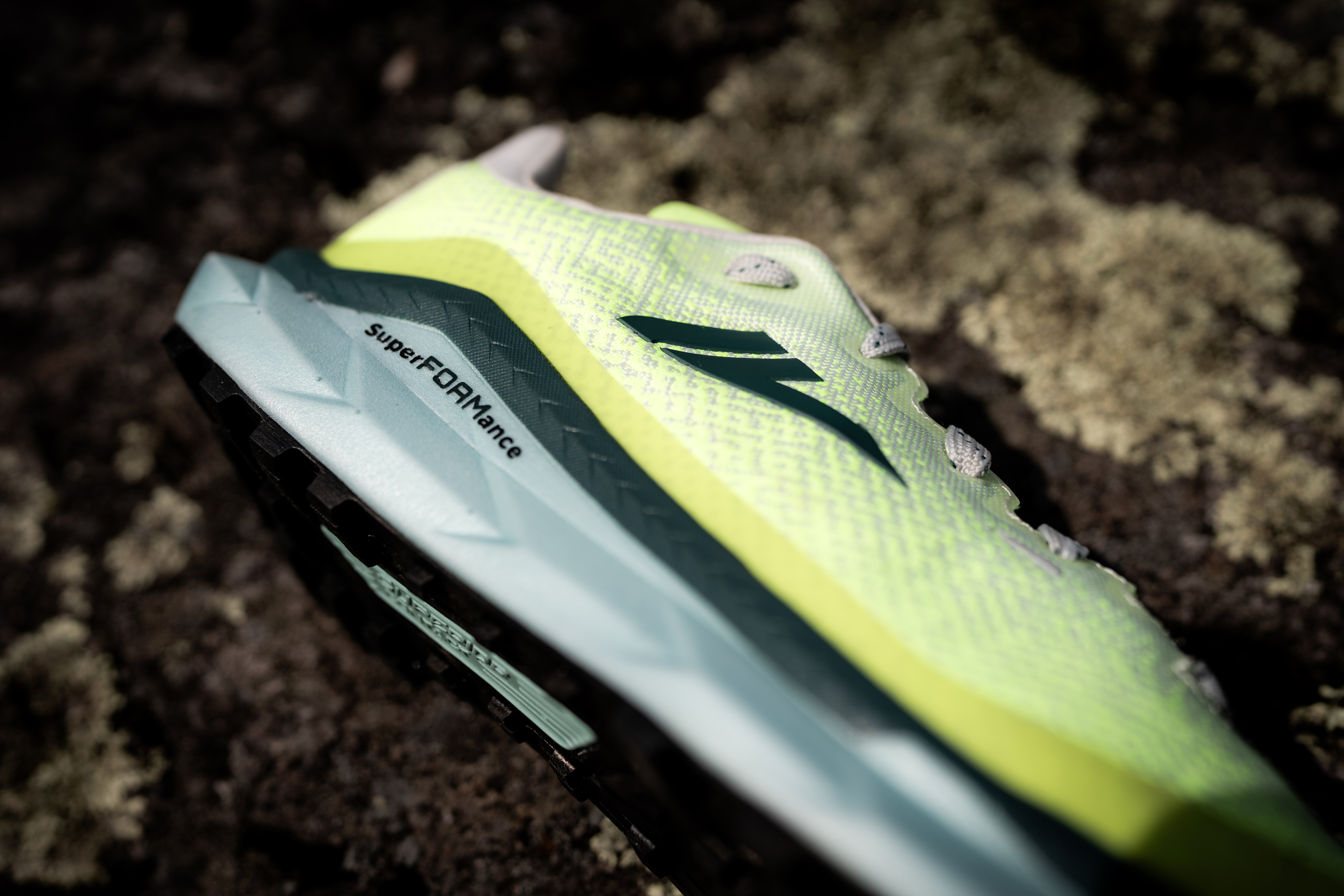
Cushioning is a breakthrough for VJ. As I found on the ACE, the SuperFOAMance was something very special, here in the ULTRA 3, it takes the shoe to another level of comfort without being squidgy or losing ground feel.

There is a rock plate which in many ways has three purposes: It protects the foot. It helps protect the cushioning. It also provides some torsional rigidity (a little like a plated shoe) without having the downsides of a carbon plate or similar.
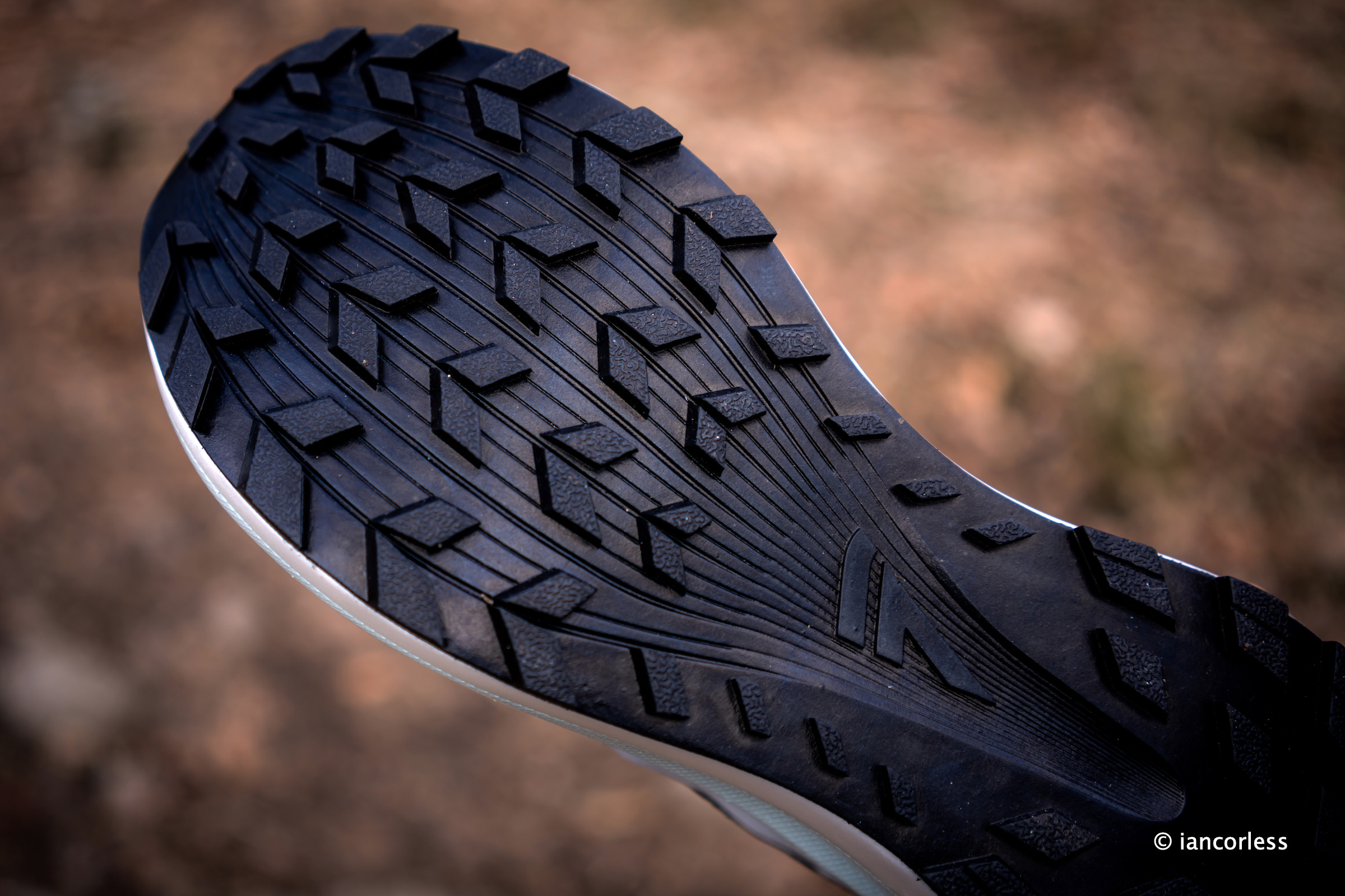
Photo by Ian Corless

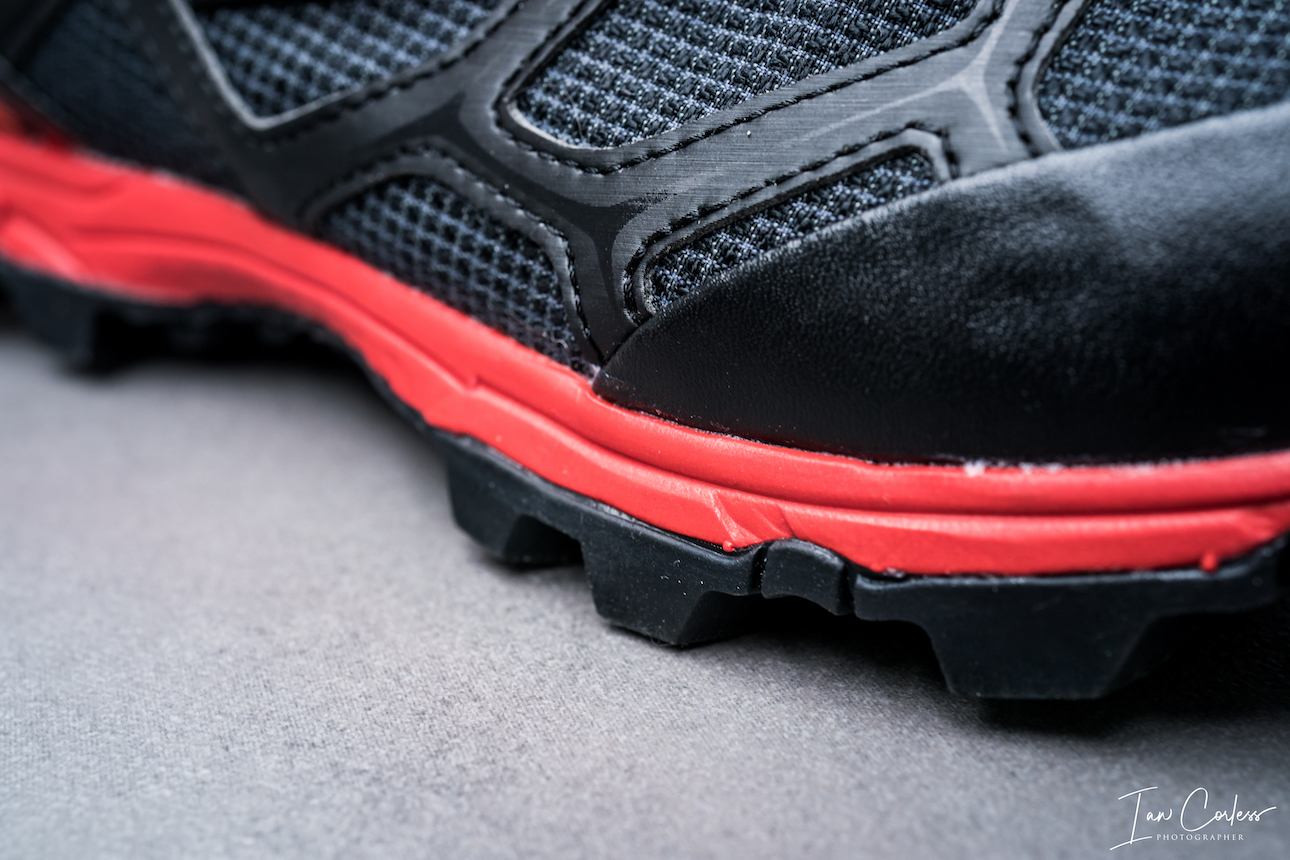
Outsole, it is easy, best grip on the planet. Nothing grips like the VJ butyl outsole. The 4.5mm lugs are maybe a surprise? Would I prefer 5mm or even 6mm? Yes! but maybe the 4.5mm is the best choice for a shoe to manage ‘all’ surfaces. Ultimately, the foot print is wide, front, middle and rear making contact with the ground superb. VJ also realise that if you increase stack height, you need to increase footprint size for stability. A lesson that adidas Terrex need to learn with there woefully unstable Terrex Agravic Speed Ultra which is on technical terrain dangerous IMO.

IN USE
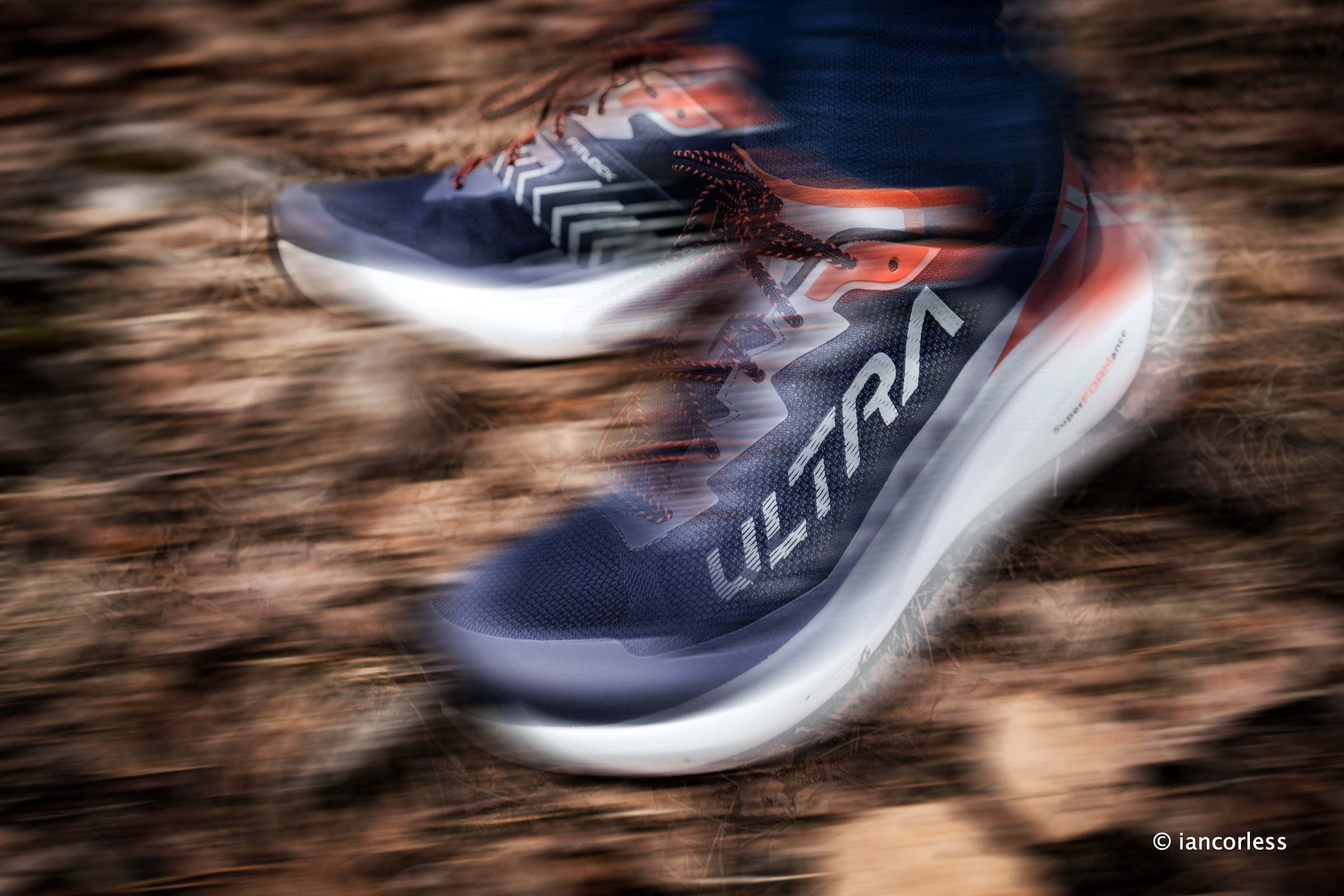
Photo by Ian Corless

After three runs, I had to tweak certain elements to make the ULTRA 3 perfect for me. Firstly, I lock laced. I changed socks to Injinji. I tweaked the lace tension for the comfort/ feel I prefer.

One I had the three items above dialled, the ULTRA 3 became perfect.

The cushioning is a game changer for VJ but it sits in its own place. Two current outstanding shoes I love, the Hoka Tecton X3 and the La Sportiva Prodigio Pro both have lively, bouncy cushioning. The ULTRA 3 is not like this. It’s more controlled and therefore, I prefer the ULTRA 3 in more mountainous and technical terrain. I find there is more precision and reassurance. Any roll from the additional stack height is balanced and controlled, this also comes from the amazing Fitlock.

Photo by Ian Corless

Grip is the best, and I say that with complete confidence. I would compromise cushioning and comfort for VJ grip. I have done this in the past, for example, using the MAXx for really big mountain days when I knew I needed grip due to wet rock or similar. Now, the ULTRA 3 gives me the cushioning and comfort with grip.

CONCLUSION
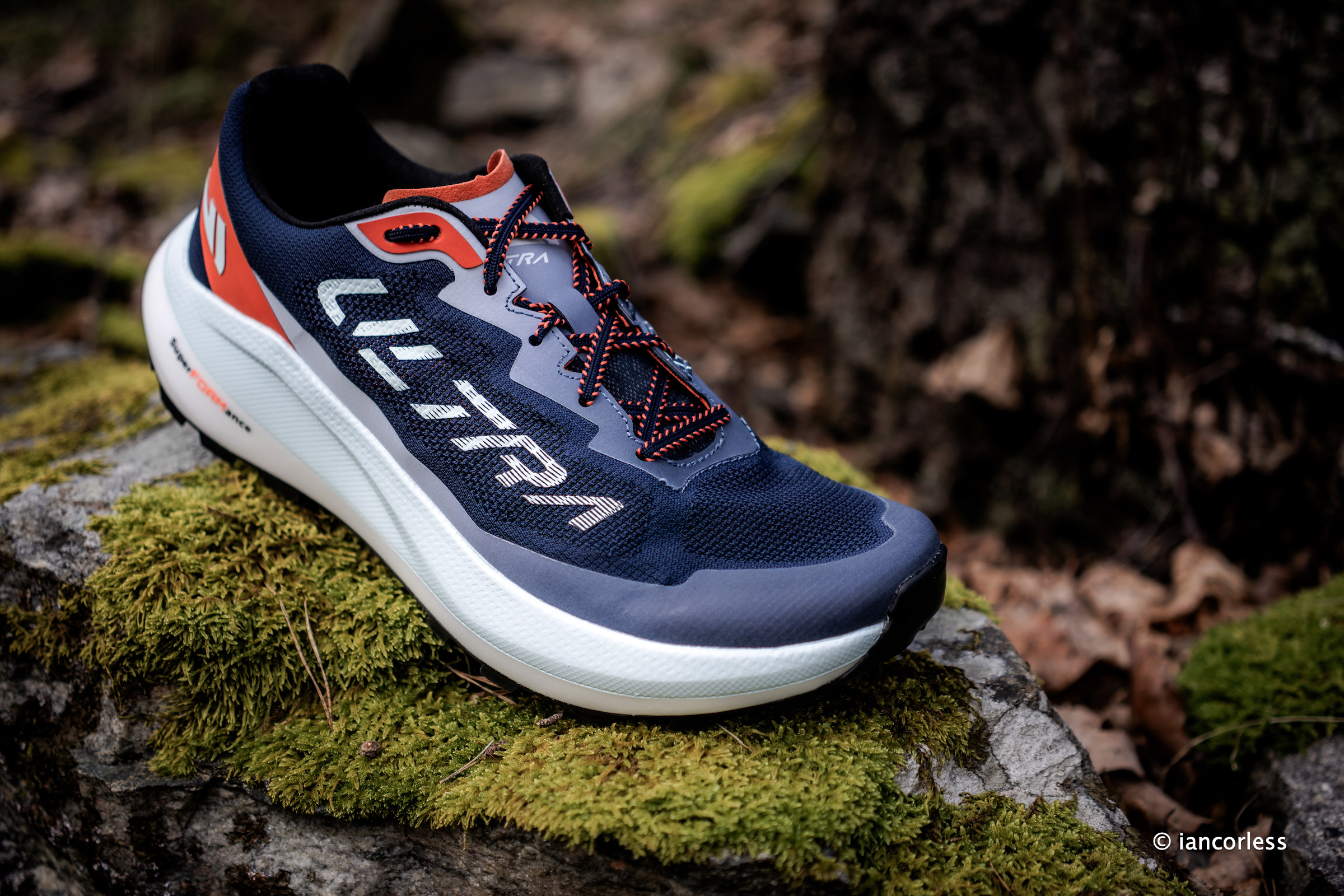
Photo by Ian Corless

The ULTRA 3 is a game changer for VJ. This shoe will now make VJ grip available for longer races such as those in the UTMB calendar or similar. I do feel the ULTRA 3 slots in the more mountain ultra terrain than just ultra trail. There is a durability, a strength, a build quality to the ULTRA 3 that says, ‘I am here to take a battering and protect you!’ One thing is for sure, if you are looking for a shoe with cushioning, grip and comfort, the ULTRA 3 should be at the top of your list.

Photo by Ian Corless

Follow Ian Corless

Instagram – @iancorlessphotography

Twitter – @talkultra

facebook.com/iancorlessphotography

Web – www.iancorless.com

Web – www.iancorlessphotography.com

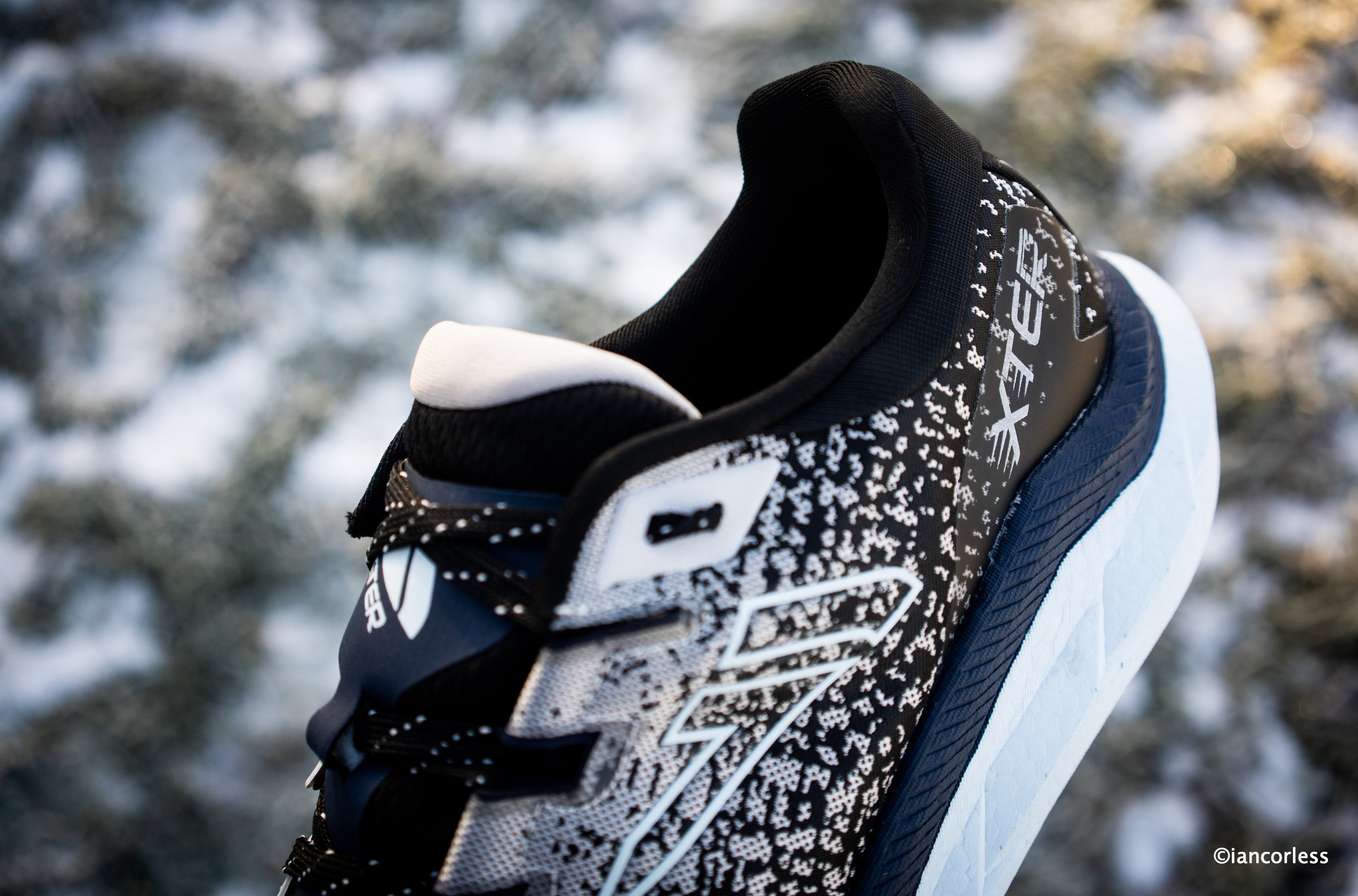
VJ XTER Shoe Review

One year ago I was writing a review about the new addition to the VJ Sport shoe line-up, the VJ SARVA ACE.

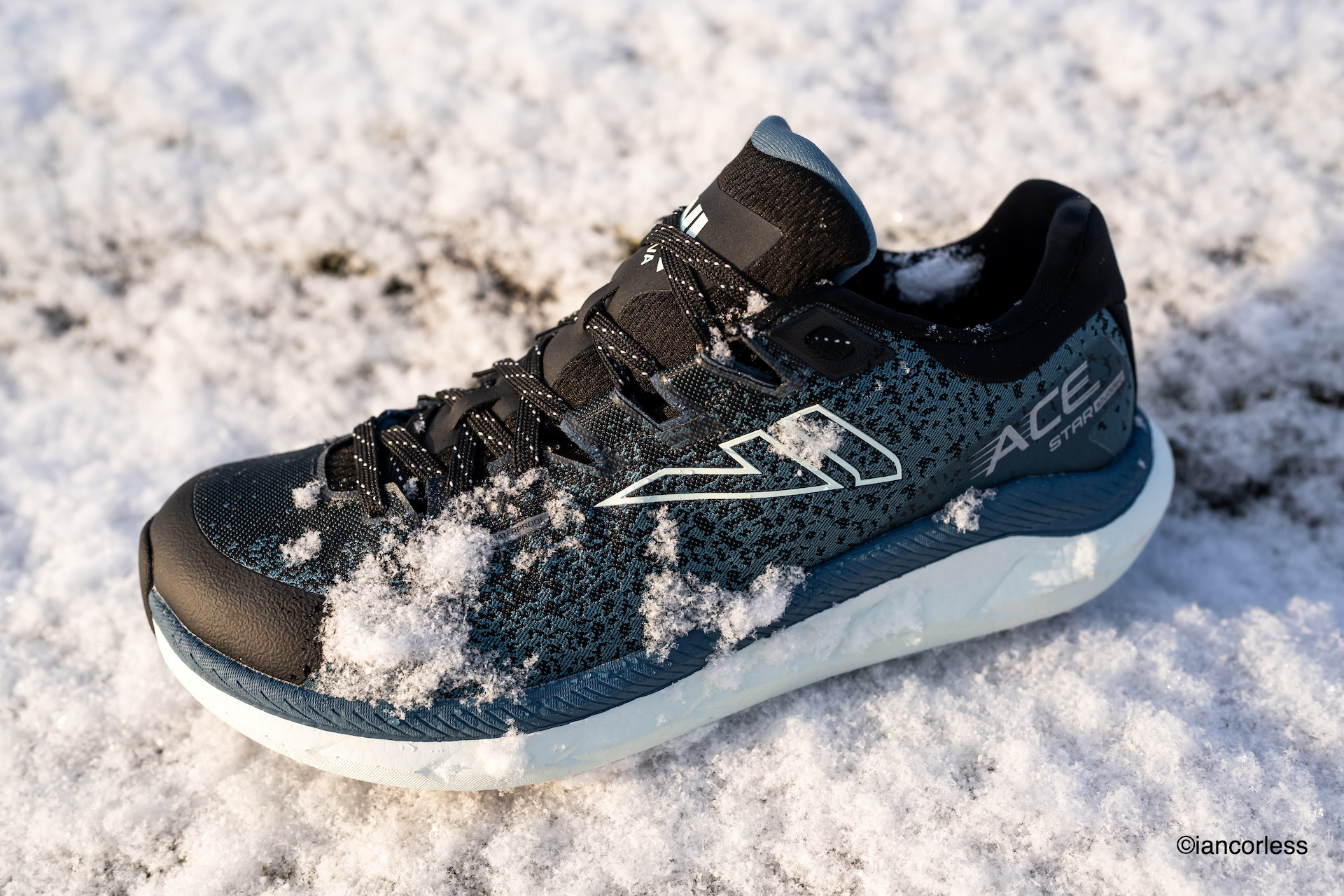
This was a new departure for VJ. Of course, the shoe had the trademark VJ USP’s, amazing butyl outsole and fitlock foot hold. As a specific winter shoe, it also had the excellent star studded winter studs for reassuring grip on ice.

However, the new additions were extremely notable. Firstly a wide, foot-shaped toe box, very wide by VJ standards that would allow space for the toes to move and therefore aid keeping feet warmer in sub zero temperatures. Secondly, new cushioning called PerFOAMance. Thirdly, a one piece waterproof upper.

I wrote at the time that this was without doubt the most comfortable and best studded winter shoe I have tried. That still stands today.

Notably I said, Light-weight, cushioned, wider fit, great foothold and superb comfort, the VJ Sarva ACE takes the previous VJ SARVA shoes to a new level. This shoe is so comfortable, I have already emailed VJ asking for this shoe to be made without studs. It would be a perfect shoe to run alongside the ULTRA, especially with the wider toe box.

Well, VJ listened and they have now released the VJ XTER.

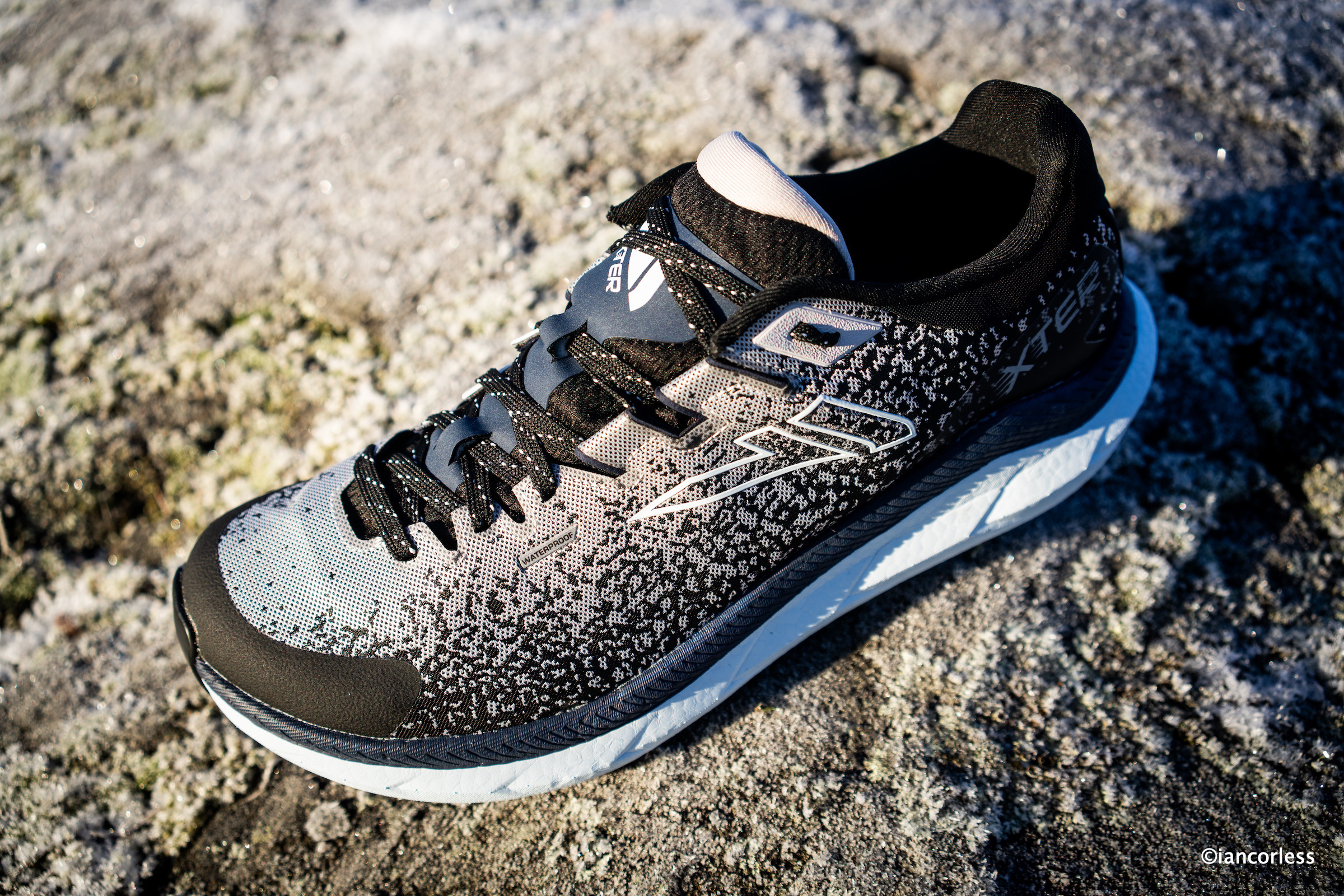
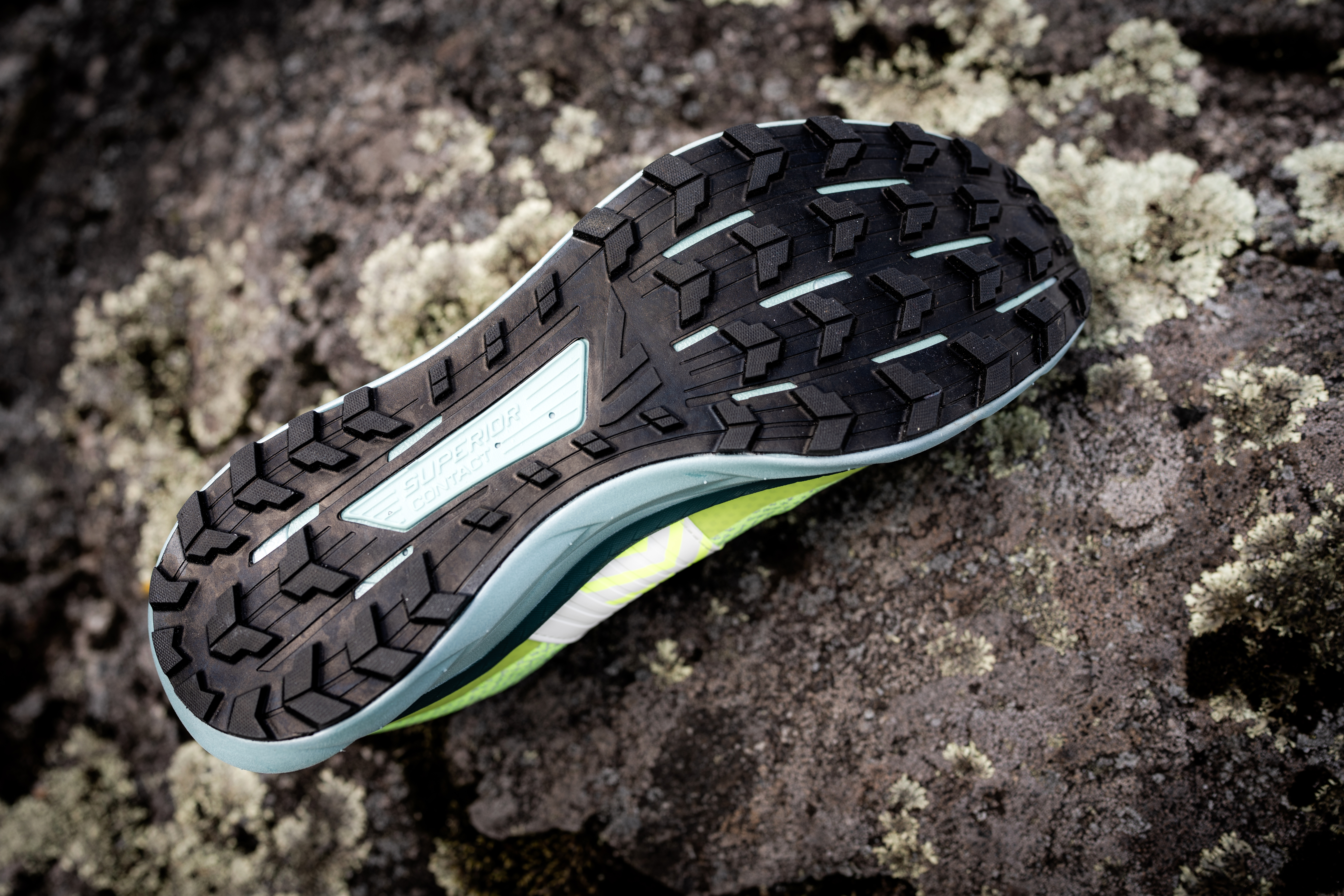
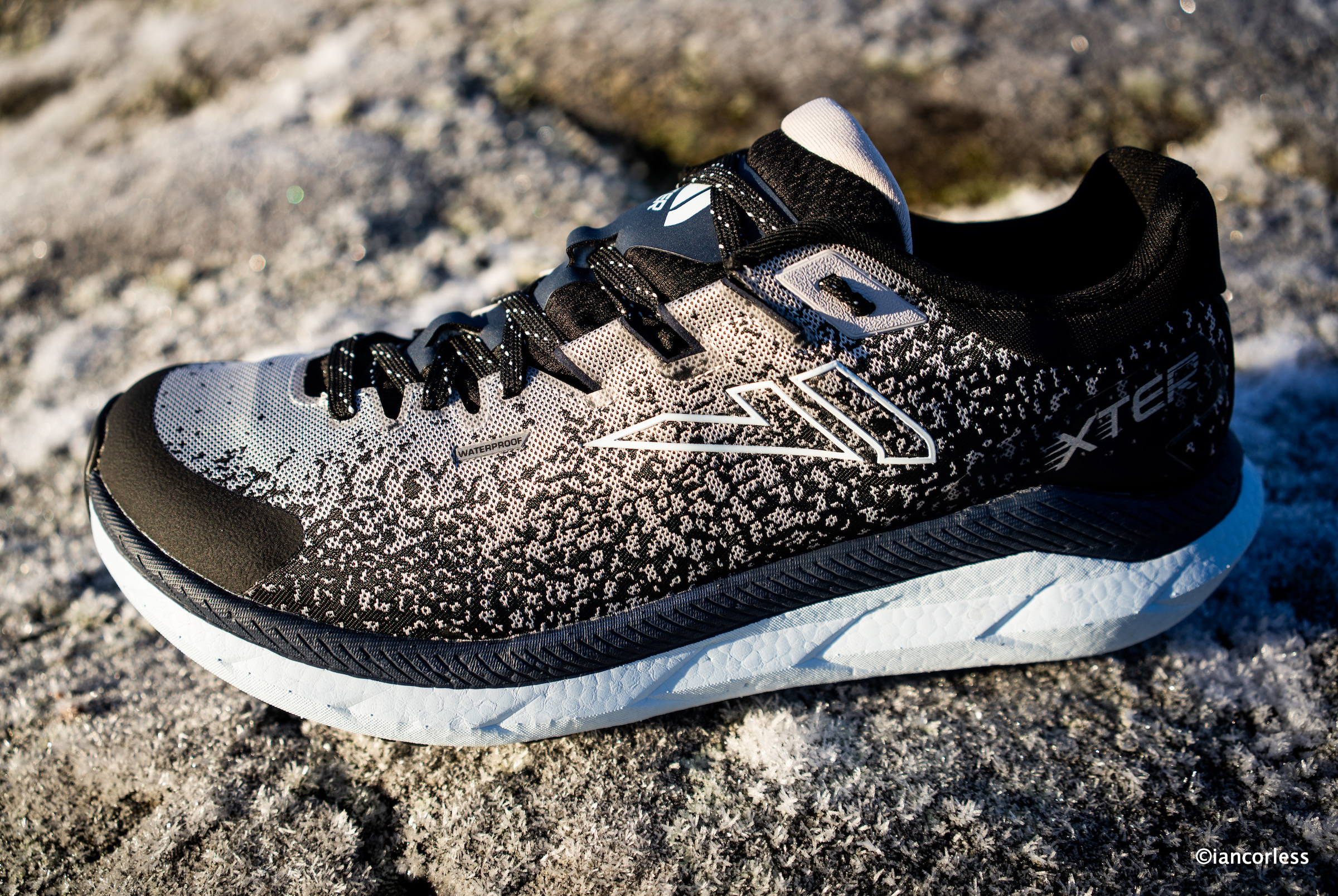
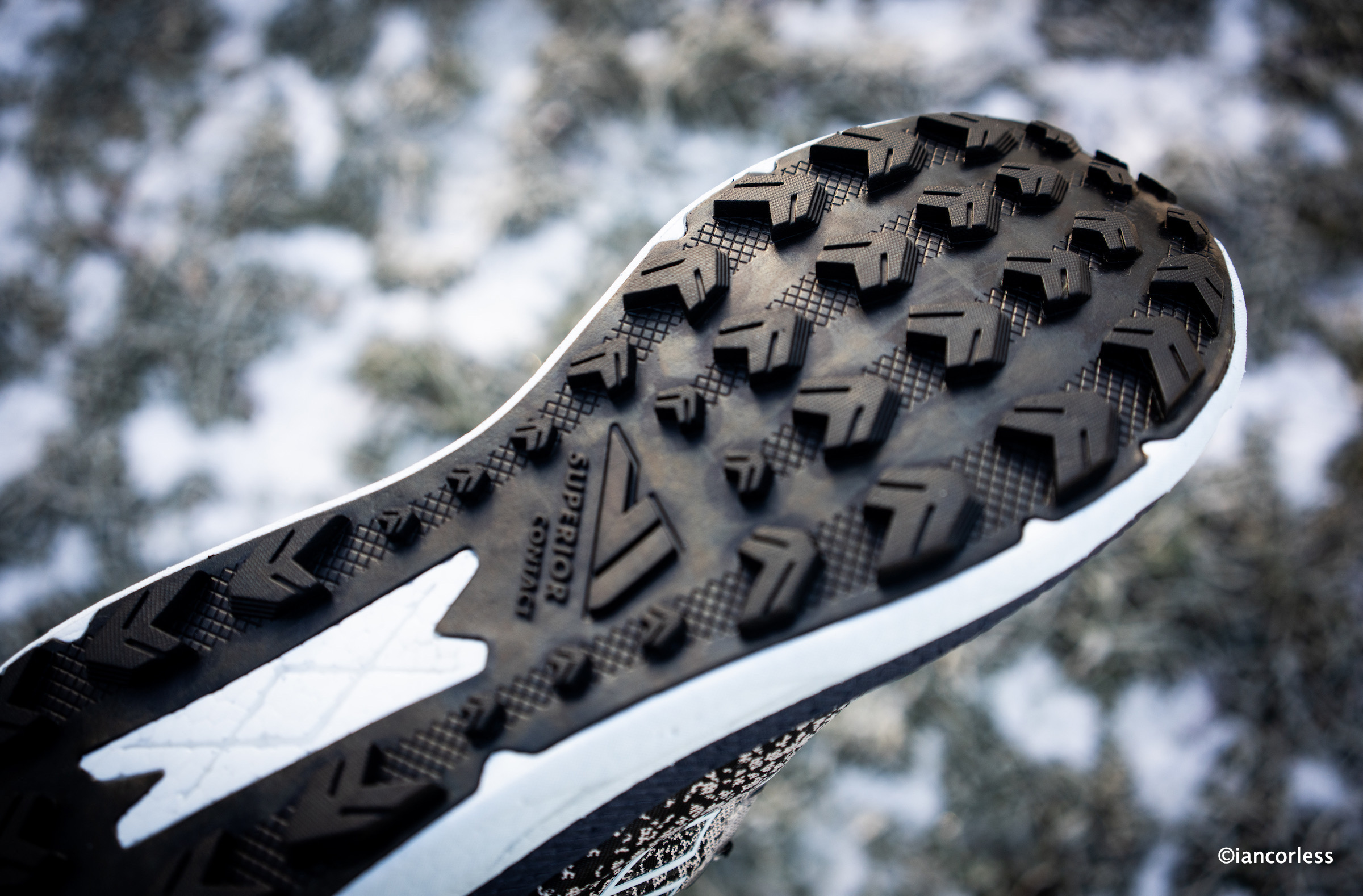
The XTER is quite simply the ACE without winter studs. With 40mm cushioning at the rear, 32mm at the front and an 8mm drop, the XTER is a dream shoe. The butyl outsole with 5mm lugs gives incredible grip on all terrain and better than normal outsole grip even on ice. Note, this is NOT an ice running shoe, you need the ACE for that.

The XTER is all about comfort and slipping them on they had all the great feelings from the ACE, notably is the space up at the front and the cushioning. These shoes feel incredible. So good that VJ need to make this shoe without a waterproof upper for all-season use. I have no doubt that this shoe would be my day-to-day trail shoe choice in spring and summer if it had no waterproof upper.

The success of the ACE and perFOAMance cushioning also made it’s way to the new MAXx2 which for me is THE best mountain running shoe in the market. The combination of features, grip, fitlock and cushioning make this a stunning shoe. However, it’s a more precision fit shoe, so, an XTER version would fulfil many requests for a ‘wider’ VJ shoe for the mountains.

KEY FEATURES

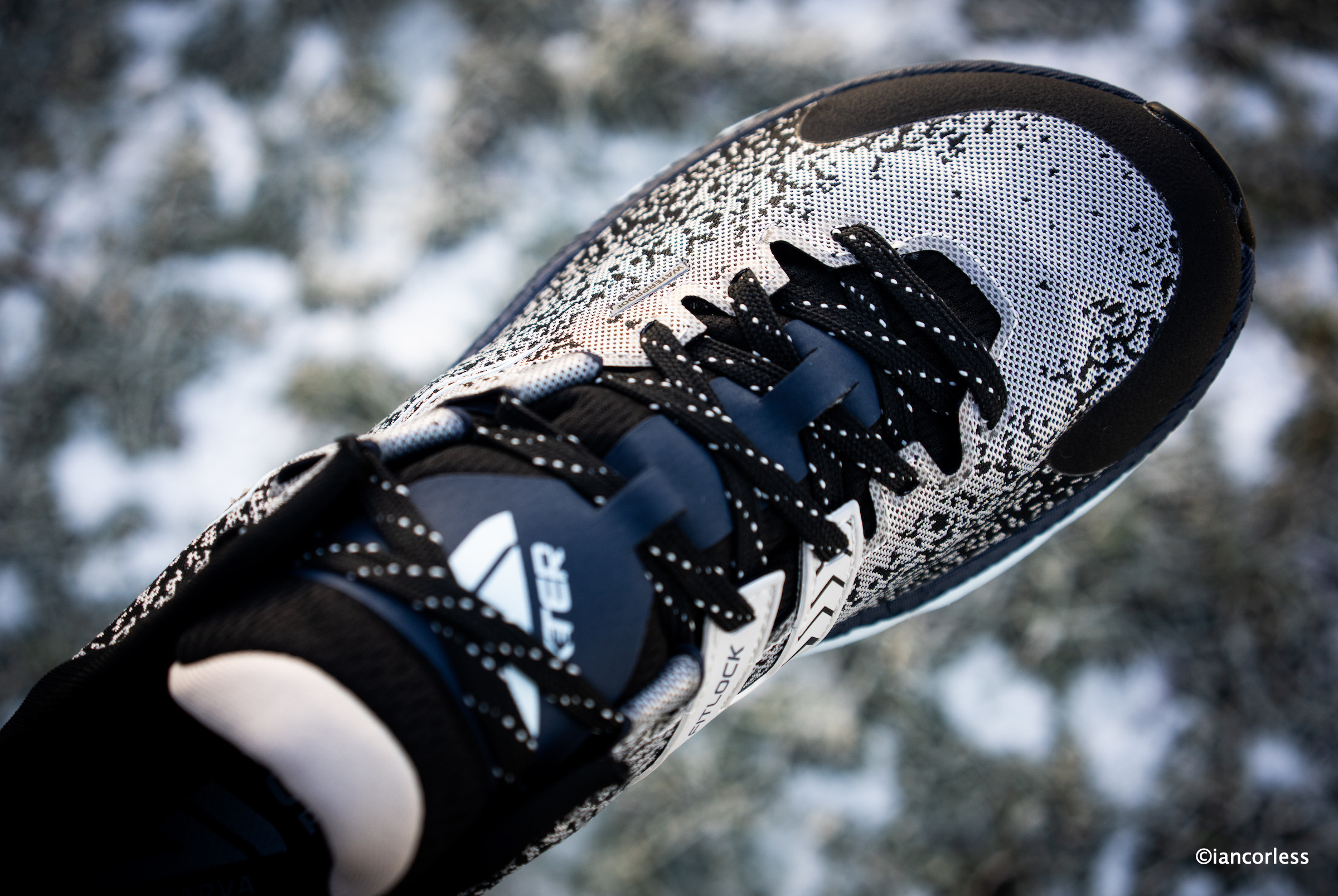
Those who have used VJ before will know how amazing the foothold is from FITLOCK, a feature on all VJ shoes. It provides a tight and secure feel and offers support and stability. It makes the shoes feel like part of the foot. This is probably even more noticeable here in the XTER with the wider toe box. The hold and feel are superb.

VJ’s SCR (Superior Contact Rubber) is the best on any terrain, be that wet or dry. The tagline for VJ is #bestgripontheplanet and that is justified. No other trail/ mountain shoe matches the outsole of VJ. 5 mm studs provide grip in all conditions, but also allow you to enjoy running on easier trails.

The upper is seamless, lightweight and waterproof with added durability. This has been tried and tested in my ACE which are now 1-year old and still look like new. You may be thinking that you do not need a waterproof upper, maybe think again. For sure, there are some downsides to a waterproof shoe, especially if you get water inside as it cannot escape. However, if you are running in extreme cold, snow and ice, a waterproof upper with good merino wool socks makes a huge difference for foot warmth.

The wide toe box is foot-shaped and to draw comparisons, it is very much in the mold of Altra or Topo. It’s very much of a departure for VJ as nearly all their shoes have a more precise/ precision fit. It’s extremely comfortable and allows excellent toe splay. As I said, love to see the XTER develop in a non-waterproof version.

SUMMARY

The added cushioning is a highlight for me, and they are ideal for longer outings, particularly when running on harder / frozen trails. The comfort level is high, not something that is usual for winter shoes. The wider toe box only adds to this package. Toes are able to move allowing for increased blood flow and therefore warmth, also helped by the waterproof upper. The wider footprint also adds to a more stable footprint on snow. Butyl outsole is amazing and sets the bar for other shoes to match. The ACE had one issue, hold in the heel area was not ideal, that has now been addressed. The XTER comes highly recommended.

Instagram – @iancorlessphotography

Twitter – @talkultra

facebook.com/iancorlessphotography

Web – www.iancorless.com
Web – www.iancorlessphotography.com

VJ SPORT MAXx2 SHOE REVIEW

A new VJ Sport shoe is always something to get excited about. Earlier this year I received two new shoes, a double whammy from VJ.

The MAXx2 and the Lightspeed are two new departures for the brand and I have to say, these are two very exciting developments.

VJ Ace ©iancorless

In 2023, I received the VJ Sarva Ace – a winter studded shoe. This shoe was a revelation based on a much wider toe box and incredible ‘new’ cushioning. Review HERE. At the time, I fed back to VJ that without the spikes this would make a great new ULTRA shoe in the VJ line-up.

Well, the MAXx2 and Lightspeed take this cushioning and what we have are two performance shoes that need to be worn to be believed.

Today, we look at the MAXx2.

THE SHOE

If you read my shoe reviews, you will know I am a huge VJ Sport fan. To me, they have not made a bad shoe and gladly, they are not always tweaking or re-inventing shoes. The original MAXx I have used for many years and in all honesty, it has been my go-to mountain running shoe. The combination of foot hold from Fitlock and the amazing outsole make them unbeatable when grip and control is priority. The only downside to the MAXx was the lack of cushioning for longer runs. With 12mm cushioning at the front, 18mm at the rear and 4mm studs, they are a great shoe for up to 50km in rocky, muddy and mountainous terrain.

The MAXx2 takes all that was great in the MAXx and brings some key changes and features:

  • 25mm and 31mm cushioning
  • SuperFOAMance midsole
  • Rock plate

These new features elevate this shoe to a new beast and it has now become my favourite trail shoe. They are quite simply, superb!

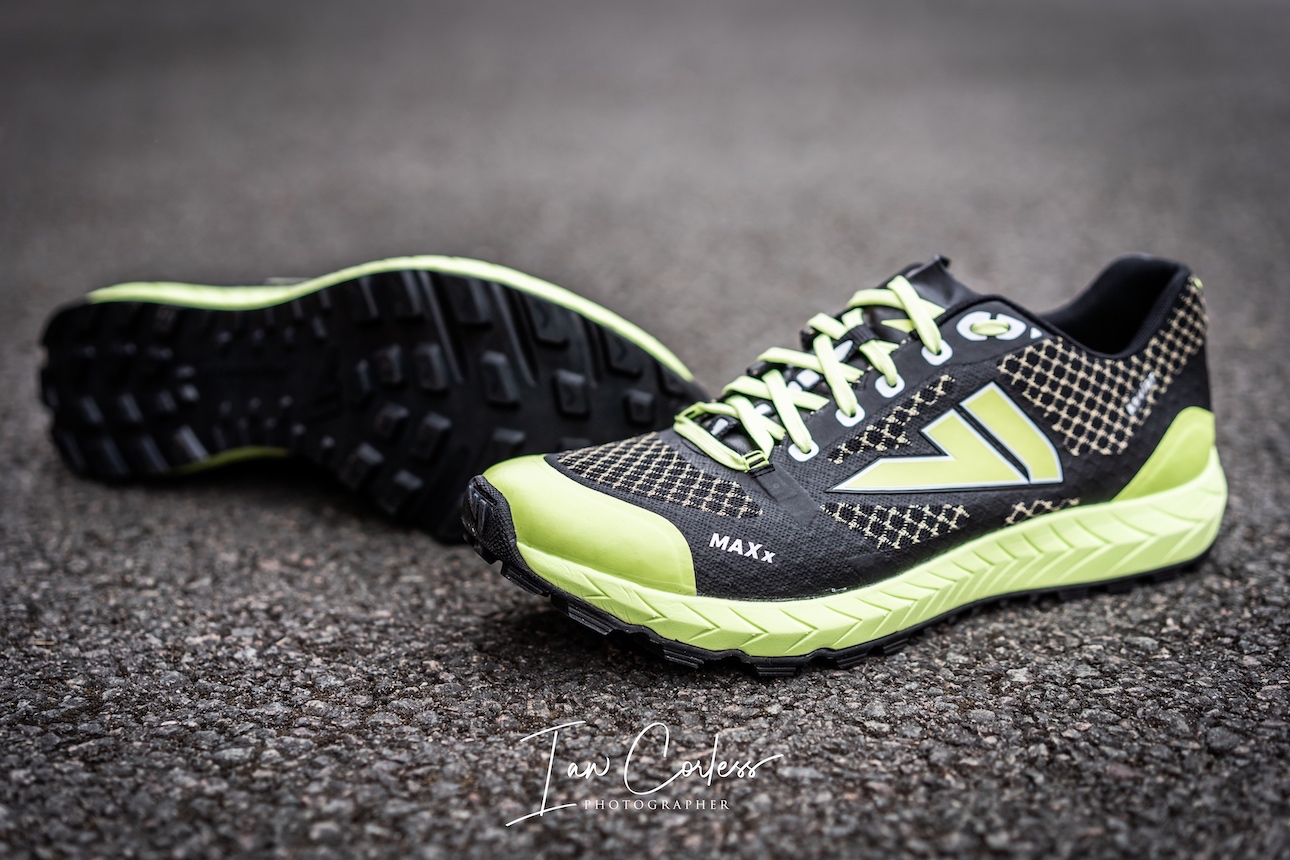
The upper is seamless, breathable and durable. The outsole, for those that know VJ still offers the best grip on the planet with 4mm Butyl rubber studs – no other shoe brand has an outsole that can compete with VJ. The unique FITLOCK gives superb foot hold which guarantees security and precision on technical and demanding terrain.

I could conclude here and say this is is the best mountain/ off-road shoe available on the market.

IN USE

This is a versatile shoe and where the previous MAXx had some limitations in regard to distance and time on feet, the MAXx2 dispels that and for me, this is now an all day mountain/ off-road shoe with supreme comfort. 

The revelation is the new SuperFOAMance midsole (25/31mm) which I knew was superb the moment I tried the winter Ace shoe. The original MAXx had Poron cushion integrated into the heel and forefoot midsole, the new SuperFOAMance is a huge improvement. It manages to give everything that I need and want in a shoe, especially when running on more technical trails. I have great ground feel, great flexibility, precision and there is a delicate balance with torsional rigidity and comfort. The rock-late balances enough protection without adding weight or restricting flexibility. The propulsive phase is superb. And a drop of 6mm is a perfect sweet spot between 4mm and 8mm.

The toe box has been given more space, a ‘4’ on the VJ scale. The balance of a wider toe box and still a precious feel is a delicate balance, but VJ have done it. There is extra room and more toe splay without a sloppy feel.

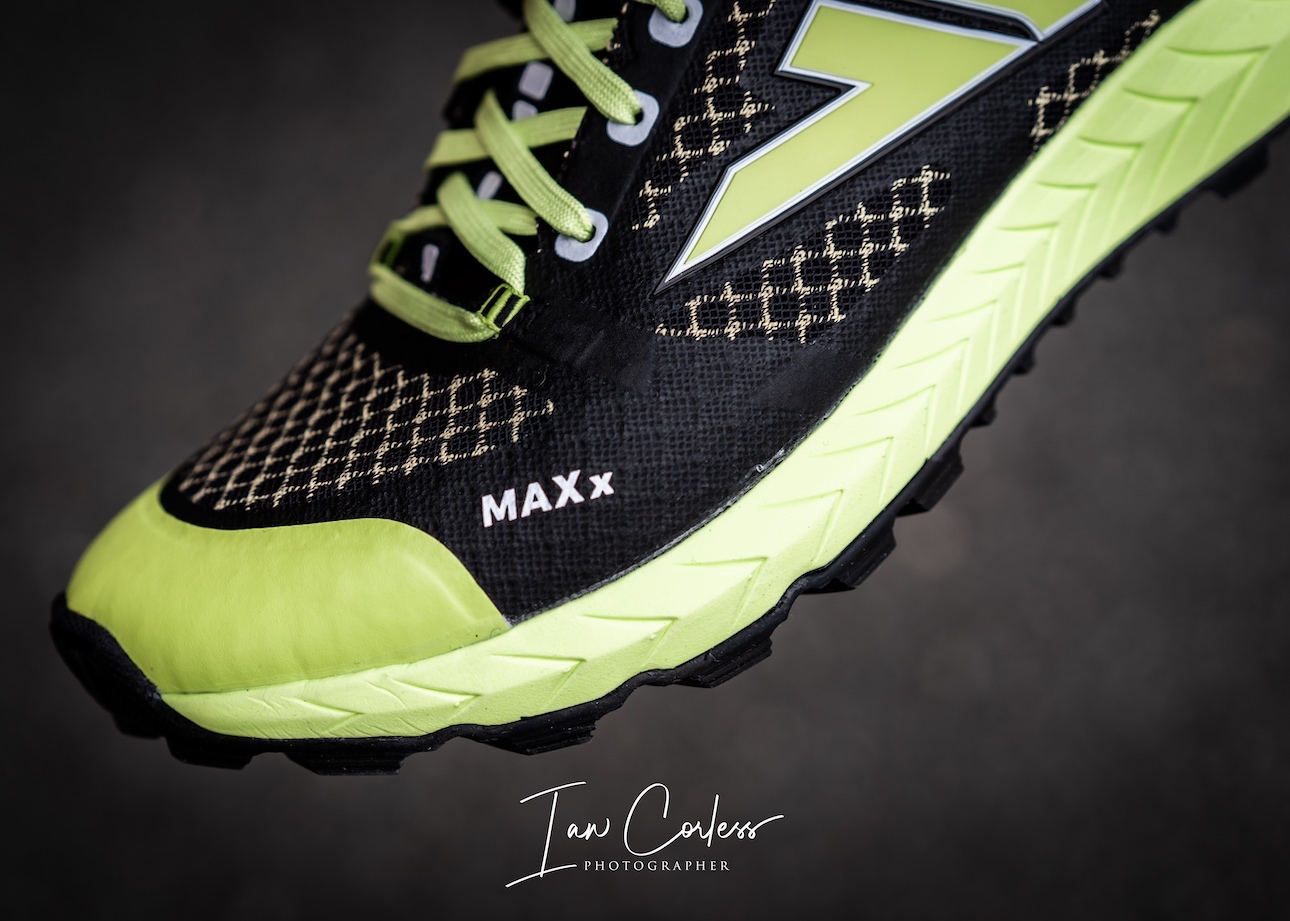
The upper is not as breathable as other brands and there is a simple reason for this. This shoe is designed for use in harsh environments and VJ know only too well, if you make an upper too minimal it just won’t last. This upper is one piece, so, there is no stitching to cause abrasion – a winner. There is a TPU bumper that goes around the bottom of the upper providing extra protection and durability. FITLOCK has always been a winner and here, once again, this is a key feature of the shoe providing the ultimate foot hold. There is also extra eyelets so you can lock-lace if required.

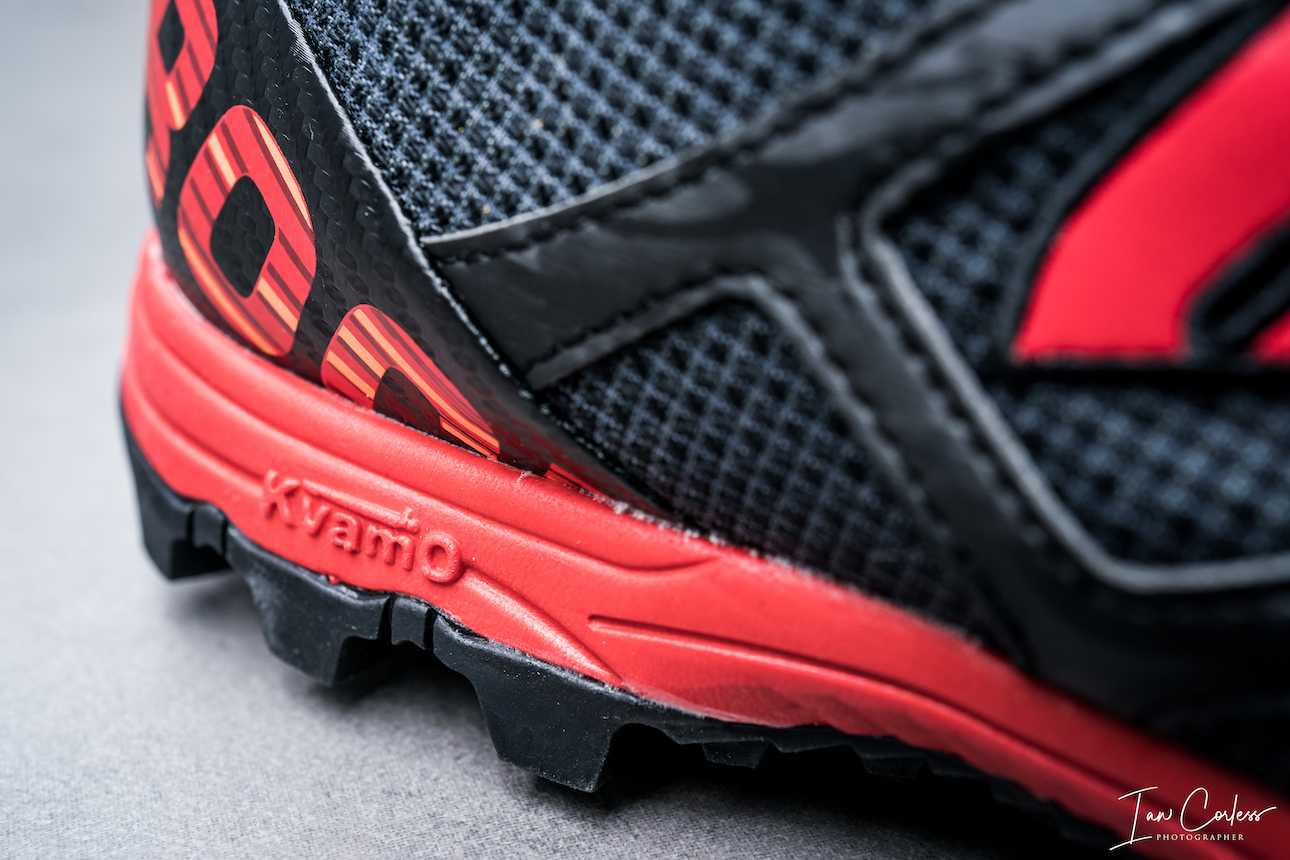
The outsole is superb, as with all VJ shoes. Here 4mm lugs make this shoe a perfect all-rounder for drier/ non-technical trails and more demanding mountain trails that will have mud, rock and more importantly, wet rocks. No other shoe grips like VJ. The outsole is classic chevron in design with grip the full-length of the shoe. There is nothing more to say, best outsole there is!

The shoe sizes a little large, so, be careful when purchasing. With a wider fit at the front, you may wish to size down. I am typically a UK10 and I have a UK9.5 which weighs 263g.

CONCLUSION

This is VJ’s best shoe and one that is a perfect one-stop solution. The MAXx2 is an all-rounder and typically that would mean that it does all things ok, but no one thing well. Not so here, the combination of elements – cushioning, rock-plate, outsole, Fitlock, fit and comfort make this a superb one-stop trail shoe that excels for all day comfort.

VJ have always had a reputation for making shoes that are very specific, think of the iRock with 6mm lugs and less cushioning designed for grip in soft-ground, or the XTRM2 which has 6mm lugs and more cushioning. Here in the MAXx2 we have a middle ground that should you only ever own one pair of VJ’s, the MAXx2 should be the one to buy.

VJ Sport LINK

Follow on:

Instagram – @iancorlessphotography

Twitter – @talkultra

facebook.com/iancorlessphotography

Web – www.iancorless.com
Web – www.iancorlessphotography.com

Image sales –www.iancorless.photoshelter.com

VJ Sarva ACE winter running shoe review

©iancorless

It is that time of the year, for many of us, when the ground is covered in snow and ice. Don’t be tempted to go out for a run in normal shoes, it will not end well and potentially, if you fall bad, keep you away from running for the whole of the winter season.

Purchasing a specific winter shoe may seem like an indulgence, but trust me, you will not complain when you use them, the run experience is so much more enjoyable then any other option available. Read an article on Running Ion Ice Here.

VJ Sport are renowned for the best grip on the planet with their incredible butyl outsoles, the reputation also extends to winter with their star studded winter studs.

I have just received the new Sarva Ace which is VJ’s most cushioned and comfortable star studded winter running shoe that they have ever produced.

©iancorless

The Ace is VJ’s first winter running shoe to feature the PerFOAMance midsole , which provides more comfort and cushioning than the previous EVA midsoles, making winter runs on ice and packed snow easier on your feet.

©iancorless

The Superior Contact outsole features 17 carbon steel, star-shaped metal studs that provide superior grip on slippery conditions.

Ace’s upper is a waterproof and durable one-piece upper . 

©iancorless

To increase comfort and fit, the shoe is foot-shaped , has a spacious toe box and a soft heel that prevents the foot from chafing.

©iancorless

VJ’s innovative Fitlock system provides an optimal fit for the shoe by locking the foot. It also provides extra protection by protecting the arch from the impacts the foot encounters while running.

REVIEW

©iancorless

Grip, comfort and foothold, there are no better shoes than VJ Sport. The iRock, XTRM, MAXx and the recent Ultra offer something for all.

In winter, the need for a specific shoe for ice can be an essential requirement, particularly in Scandinavia when snow/ ice running can start in October and last till November. Depending on how much ice you encounter will depend on your need for a specific shoe. If you only get a few days of ice, the cost of a specific shoe would be hard to justify. But, if like me, pretty much every run I do for weeks and months on end need a specific shoe, it’s money well spent. And trust me, specific ice running shoes are a world apart from any run shoe with an ‘add-on’ mini crampon.

VJ have also been integral in my shoe choice using the Xante, Xero 5 and Icehero, all shoes offering key VJ features with the addition of winter studs for grip on ice.

VJ have just released a new shoe, the VJ Sarva ACE.

Quite simply, it’s the most comfortable ice running shoe I have ever tried. VJ have really pushed the barriers with this shoe and listened to the feedback of runners and answered two key points:

  • Wider toe box.
  • More cushioning.

VJ SARVA ACE

Light-weight, cushioned, wider fit, great foothold and superb comfort, the VJ Sarva ACE takes the previous VJ SARVA shoes to a new level. This shoe is so comfortable, I have already emailed VJ asking for this shoe to be made without studs. It would be a perfect shoe to run alongside the ULTRA, especially with the wider toe box.

The new ACE has 17 studs, 8mm drop with 17mm/ 25mm cushioning and more importantly, a considerably wider toe box (5 on the fit scale) which makes them ideal for winter allowing the user to utilize warmer and thicker socks to ensure warm feet and increased blood flow with room for toes to splay.

My UK10/ EU44.5 are 340g and my recommendation is to go up a size. My normal run shoe size is UK9.5/ EU44 but I have found with VJ, that I need a larger shoe. I did wonder with the ACE if this would be a mistake due to the wider toe box, it wasn’t!

Those who have used VJ before will know how amazing the foothold is from FITLOCK, a feature on all VJ shoes. It provides a tight and secure feel and offers support and stability. It makes the shoes feel like part of the foot.

VJ’s SCR (Superior Contact Rubber) is the best on any terrain, be that wet or dry. Like other brands, VJ add metal studs to the outsole to ensure grip in the most challenging terrain for winter. VJ’s studs are star shaped and comparison to other studs, they offer increased grip due to extra corners. The Butyl outsole has 4mm lugs.

No shoes are perfect and, in the past, VJ uppers have shown some wear, particularly in the flex area behind the metatarsals (a common weak area in many shoes) which has torn. In this shoe, VJ are using a new durable one-piece upper that is waterproof.

IN USE

The two key features are the toe box and cushioning. The toe box is ALTRA like, it is wide, very obviously foot-shaped and a huge departure for VJ. I must admit, I was a little worried they would be too wide. Not so, the run experience is superb.

The cushioning, again, a departure for VJ. This shoe has a life and a comfort that I had hoped the ULTRA would have. Ice running can be hard and harsh, VJ have listened to feedback and now made a shoe that offers comfort and cushioning to ease this impact. Like I said above, I want this shoe without studs for dry trail running. They are notably bouncy, particularly in the rear. Ice running does require you to change gait slightly, the more contact points with the ground, the greater the grip.

Lacing up, the Fitlock takes hold and they quite simply just encapsulate your foot giving the most secure feeling. The tongue is also very well padded reducing any stress or pressure on the navicular bone. The option to lock-lace is welcome with the additional eyelets at the top. I like aces tight and really holding the foot, however, in winter you need to make sure laces are not too tight and reducing blood flow. A lack of blood flow will make for cold (colder) feet. The laces gladly stop early allowing great flex at the front and not inhibiting the important propulsive phase.

The heel box, for me, does not hold as well as other VJ shoes and this is currently the only negative part of the shoe. I have found lock-lacing corrects this. Without lock-lacing I was getting just a little movement. It did not cause problems, but it did play on my mind. Having said that, it has never put a question in mind about using or choosing this shoe.

Out on the trails running in soft snow, ice and a plethora of mixed terrain, the ACE does exactly what you’d expect. The wider food print adds to a wider and more stable footprint on snow. The studs on ice grip remarkably well. The key with any winter shoe is trusting the shoe will do the job. Impact is your friend as is confidence. The two go together.

The added cushioning is a key highlight for me, and they are ideal for longer outings, particularly when running on harder trails or continuous ice. The comfort level is high… Not something that is usual for winter shoes. The wider toe box only adds to this package. Toes are able to move allowing for increased blood flow and therefore warmth, also helped by the waterproof upper.

SUMMARY

Winter shoes for many are a luxury, it all depends on how much snow or ice you get. If you do get regular ice, a specific bespoke shoe for winter running is so much better than any ‘add-on’ micro spikes.

The ACE has more cushioning, a wider toe box and great grip. It’s currently one the best specific ice shoe out there.

The only current downside of the ACE is the hold in the heel area. It’s not perfect and therefore makes this shoe a 9/10 and not an outright 10/10.

©iancorless

Follow on:

Instagram – @iancorlessphotography

Twitter – @talkultra

facebook.com/iancorlessphotography

Web – www.iancorless.com
Web – www.iancorlessphotography.com

Image sales –www.iancorless.photoshelter.com

VJ Sport XTRM2 Shoe Review

©iancorless

A new VJ Sport shoe is always exciting, this time, the XTRM2, which I guess is not really a new shoe but a re-working of a VJ classic. The XTRM has been a popular shoe in the trail, fell and mountain running world for a very long time, sitting in the middle ground of the aggressive iRock and the MAXx.

©iancorless

The key to any VJ shoe is the outsole and the incredible grip that this outsole provides. The XTRM had 4mm lugs, the same as the MAXx but not as long as the iRock and therefore it was the ideal shoe for say skyrunning.

However, two things were often heard when fellow runners discussed the XTRM:

  1. I just wish there was a little more cushioning.
  2. I wish they could be just a little wider.

Well, the XTRM2 addresses both these issues and brings a couple of newer developments.

THE SHOE

©iancorless

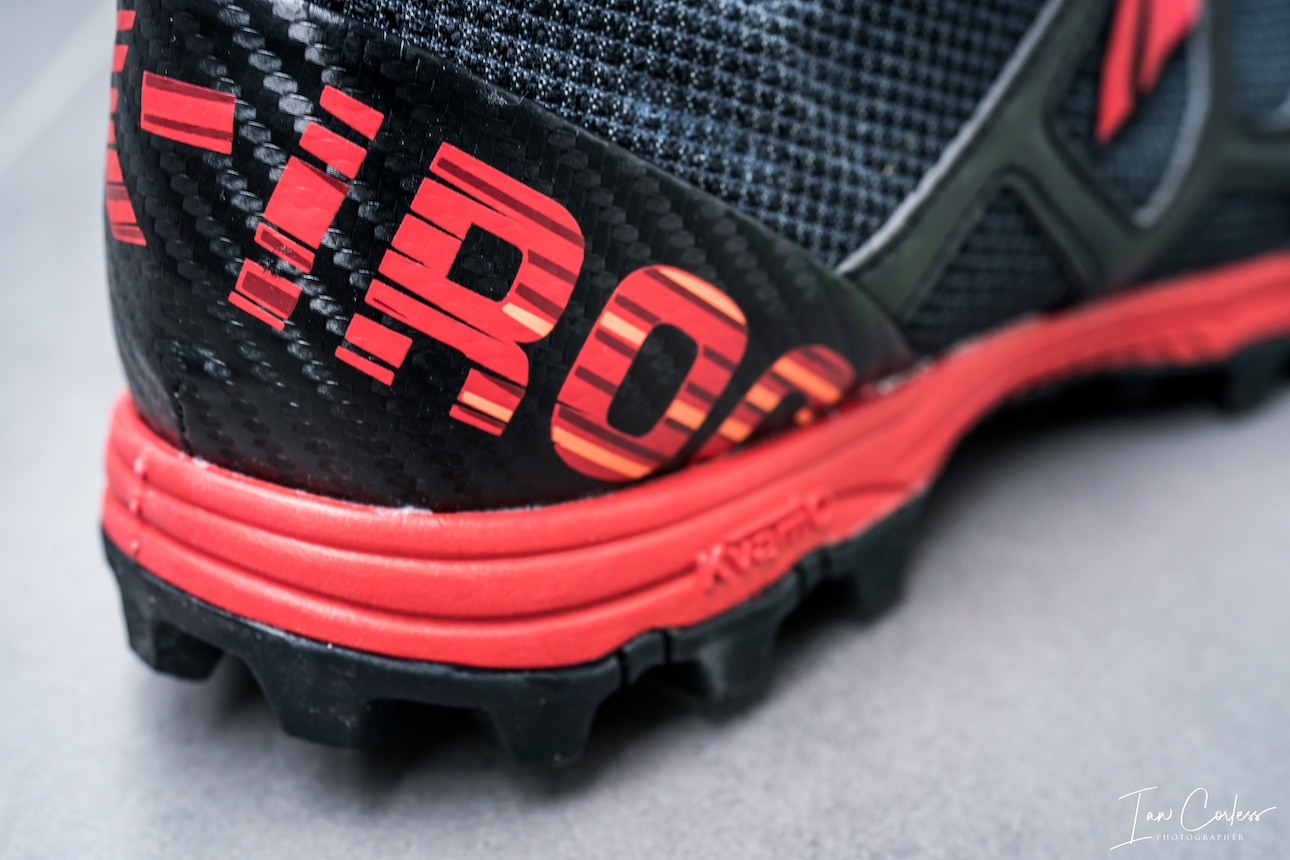
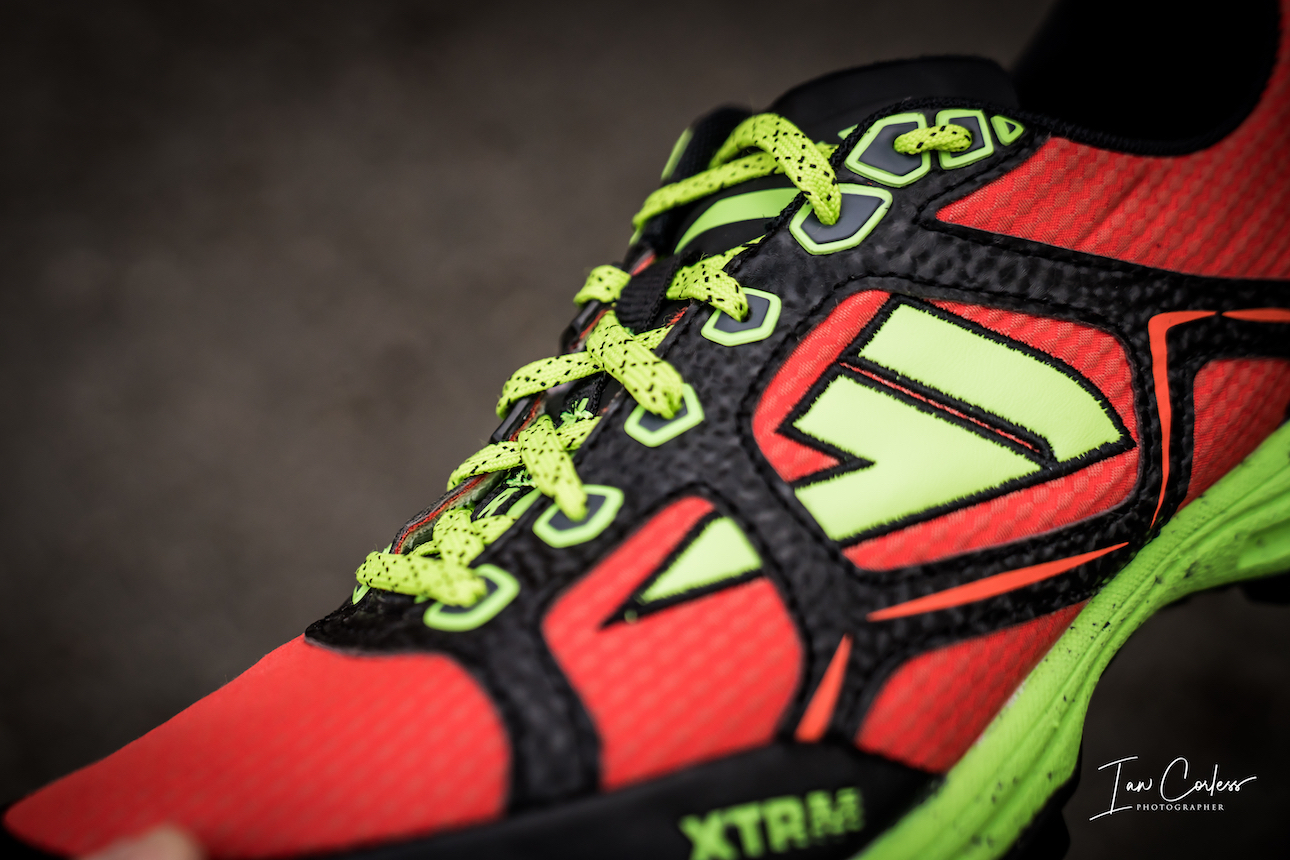
You should never judge a shoe by how it looks, and yes, some of you may love the look of the new XTRM2, I do not! Red is always great and when combined with black, superb. Look at the VJ Sport iRock HERE – now that is a nice-looking shoe! But this XTRM2 looks like someone had a little too much alcohol and dope in Hawaii and then designed the shoe. It’s a ‘me’ thing. Sorry.

Gladly, I can get past the looks because I know that a VJ Sport shoe will do all that I want and do it well.

As mentioned, the XTRM2 is designed to fit between the iRock, which is a short distance and soft-ground shoe and the MAXx which is a longer distance trail/ mountain shoe. Of course, there is now the ULTRA too. That is for the long stuff.

©iancorless

Quite simply, if you loved the XTRM, the XTRM2 is going to make you smile. I had no issues with the original version, however, straight out of the box I welcomed the extra cushioning and the slightly rounder, more spacious toe box.

Drop is 4mm with 10mm cushioning at the front and 14mm at the rear. For perspective, the iRock has 8/14mm and the MAXx 12/18mm.

©iancorless

With a reshaped last, CMEVA cushioning and a rock plate, the XTRM2 is the perfect mountain/ skyrunning shoe.

Pulling the shoe on there is a notable difference with the tongue, it is fastened on both sides. One of the issues in the previous XTRM and MAXx for that matter, was the tongue would move when running – often moving to the left or the right. This has now been addressed and in all my test runs so far, the tongue has remained in place and secure.

©iancorless

Fitlock is a VJ Sport secret weapon and is one of the USP’s of the VJ brand. Once you have put your foot in the shoe, as you tighten the laces, the Fitlock grabs hold of the instep/ arch and holds it tight and secure – exactly what is required in mountainous and technical terrain when you need the shoe to be precise. With the more spacious XTRM2 toe box, this new Fitlock is even more welcome. I was initially worried if I would lose some of the precise feel at the front end, not so, the Fitlock compensates.

©iancorless

The lacing is classic with 6 eyelets and the addition of a 7th eyelet on both sides should you require to lock lace or similar. There is reinforcement here ensuring that the laces can be pulled tight without causing any issue to the upper.

©iancorless

The upper is Swiss Schoeller Keprotec® which is more durable than previous incarnations of the XTRM and it is also more pliable, allowing it to fit the foot better. Look at the old XTRM HERE – I reviewed this shoe back in 2018. Notably look how different the upper is… The original XTRM had many reinforced panels on the upper with a solid extension from the toe box and heel area. It’s a major change. I wondered, by contrast, if the new XTRM2 would feel less secure and sloppy – no. Foot hold has been excellent. The upper is excellent and repels moisture, water and mud.

©iancorless

The heel area is slightly padded but not excessively, importantly it holds the foot and there is no slipping when climbing.

©iancorless

Toe protection is adequate but could maybe be a little more? Certainly, in a skyrunning scenario when rocks, boulders and hard mixed terrain will be encountered.

©iancorless

The outsole is a notable difference, the previous XTRM had 4mm lugs, they have now been increased to 6mm and in doing so, they now match the iRock. This is a key and notable change. For me, I would now only need an XTRM2 and MAXx (which has 4mm lugs). I do appreciate though, that the narrower and more precision fit of the iRock would be preferable for some.

©iancorless

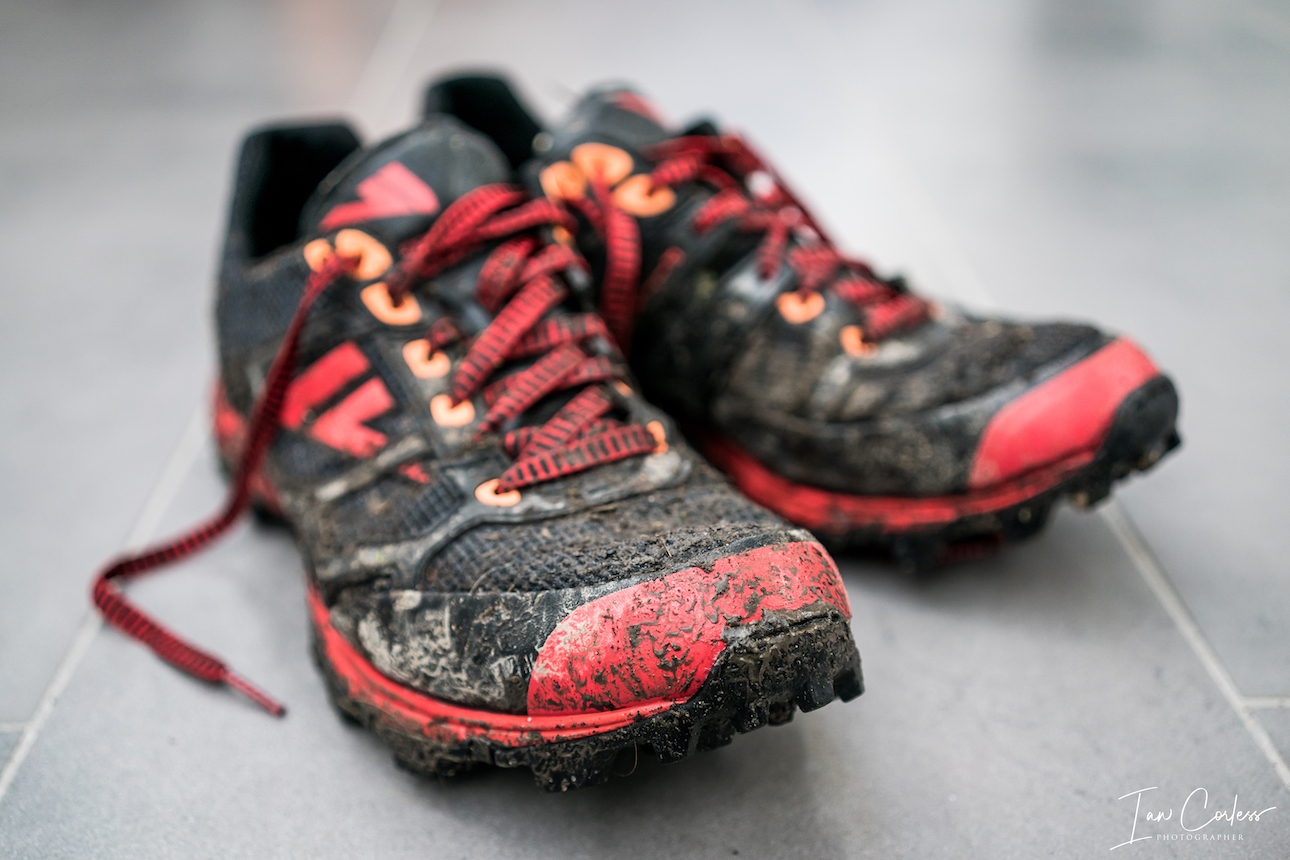
The outsole pattern is newly designed to optimize grip on all terrains and with the 6mm lugs, you now have an outsole that can handle softer ground. There is little to say about the grip of the outsole, VJ have the tagline ‘bestgripontheplanet’ and it is. No outsole from any other brand matches the grip, wet or dry, of a VJ outsole. However, be warned, that grip comes from a wonderful soft and grippy superior contact – it will not last and last and if you run too much road, that longevity will be reduced greatly. You cannot have amazing outsole grip and long life.

©iancorless

There is a torsional rigidity in the shoe that is very noticeable when running on uneven and rocky terrain. If you have the Fitlock laced up and tight, the XTRM2 gives superb precision.

Flex and life are superb, and the propulsive phase is superb. There is a real ping behind the metatarsals when pushing off.

Weight is incredible, VJ list 250g for a UK8. My UK10 is 289g.

©iancorless

I am always a UK9.5 in test shoes, however, I have noticed with extended use in VJ that I have often wished I had gone a half-size larger, so, with the XTRM2 and SPARK (review to follow) I decided to go to UK10. It was a good choice; I have found that extra space welcome. So, you may want to check this when purchasing.

CONCLUSION

Fitlock and a VJ outsole and you have a perfect shoe when precision and grip are required. The XTRM2 with a new upper, a new last, more cushioning and lugs increased to 6mm, and you now have the perfect trail/mountain and skyrunning shoe for short to middle distance. There are few shoes out there that can compete with VJ when this combination of elements is required. It is highly recommended.

Are there any negatives? I found prolonged running on hard surfaces (gravel road a good example) eventually tiring, but that is no real surprise. The outsole is soft and sticky and if you use on the wrong terrain, it will not last. I really dislike the look of the shoe, which is a petty thing to say, but the ‘look’ could put some people off before ever having the chance to run in the shoe and then find out how good it is. However, I may be alone in finding the look displeasing?

Ultimately, the XTRM2 is a superb shoe with incredible fit and grip.

©iancorless

Follow on:

Instagram – @iancorlessphotography

Twitter – @talkultra

facebook.com/iancorlessphotography

Web – www.iancorless.com
Web – www.iancorlessphotography.com

Image sales –www.iancorless.photoshelter.com

VJ SARVA ICEHERO Review

When it comes to grip, there are no better shoes than VJ Sport. If you follow my shoe reviews, you will know that I rave about VJ continually with three key features: Grip, comfort and foot-hold. The iRock, XTRM, MAXx and the recent Ultra offer something for all and they come highly recommended with grip, cushioning and fit to suit you and your needs.

When it comes to winter running, VJ have also been integral in my shoe choice using the Xante and the Xero 5, both shoes offering key VJ features with the addition of winter studs for grip on ice. Both these shoes I gave rave reviews BUT, in both cases, the shoes (for me) were just a little too narrow. If I wore normal socks, no problem, but in winter I often use thicker socks, 2-pairs of socks or even a waterproof sock such as a Sealskinz. Of course, I could go up a half-size but that does not always work as it can impact on the feel, foothold and flex of the shoe.

With the above in mind, for 2022, VJ have released two new shoes. The VJ Sarva ICEHERO and the VJ Sarva Devil 5. In this review we will look at the ICEHERO and later I will review the Devil 5.

VJ SARVA DEVIL 5

Simple comparison stats:

The new VJ Sara DEVIL 5 has less cushioning, 16mm/ 10mm (6mm drop) has slightly more aggressive lugs at 5mm, 17 studs and the same fit scale of 4.

The new VJ Sarva ICEHERO has 21mm/ 13mm cushioning (8mm drop), 4mm lugs, 18 studs and a fit scale of 4.

VJ SARVA ICEHERO

Light-weight, cushioned, wider fit, great foothold and superb comfort, the VJ Sarva ICHERO takes the previous Xante and Xero models to a new level.

For comparison, the Xero had 18mm/ 10mm cushioning (8mm drop) and the Xante had 20mm/ 10mm (10mm drop) with both shoes using 20 studs for secure winter grip.

The new ICEHERO has 2 less studs (18 in total), 8mm drop with 21mm/ 13mm cushioning and more importantly, a considerably wider toe box (4 on the fit scale) which makes them ideal for winter allowing the user to utilize warmer and thicker socks to ensure warm feet.

But the changes don’t stop there. VJ have somehow made the shoe lighter, 285g for an EU 44 which feels superb.

Those who have used VJ before will know how amazing the foothold is from FITLOCK, a feature on all VJ shoes. No other shoes hold the instep like Fitlock providing a tight and secure feel under the arch of the foot which at the same time offers support and stability. It makes the shoes feel like part of the foot.

Known for amazing Butyl rubber, VJ’s SCR (Superior Contact Rubber) is the best on any terrain, be that wet or dry. Winter (particularly ice) brings new challenges and therefore, like other brands, VJ add metal studs to the outsole to ensure grip in the most challenging terrain. VJ’s studs are star shaped and comparison to other studs, they offer increased grip due to extra corners.

No shoes are perfect and, in the past, VJ uppers have shown some wear, particularly in the flex area behind the metatarsals (a common weak area in many shoes) which has torn. This has been addressed with a new upper made of Nylon and Aramid Fibers which VJ say will provide greater durability even in heavy use. A water repellent mesh finishes of the shoe.

IN USE

The colour way for men is classy Black/Yellow/White and the female version is an eye-catcher Pink/Purple.

Slipping the shoes on you have the immediate VJ comfort and then very quickly you notice the wider toe box. They feel great out of the box and are true to size. In comparison to my Xero and Xante the length is the same but the 4 fit almost makes the shoe feel a half-size larger. Exactly what I was hoping for and wanted!

The cushioning is notable as is the low weight.

Lacing up, the Fitlock takes hold, and they quite simply just encapsulate your foot giving the most secure feeling. The option to lock-lace is welcome with the additional eyelets at the top. Lacing is personal, but I find in a winter shoe, I want the laces tight and really holding the foot. The laces gladly stop early allowing great flex at the front and not inhibiting the important propulsive phase.

There is a good toe bumper offering adequate protection.

The heal box as with nearly all VJ’s is minimal put offers great hold and no slipping, especially when climbing.

Out on the trails running in soft snow, ice and a plethora of mixed terrain, the ICEHERO does exactly what you’d expect – they grip everything! When required, the Superior Contact rubber takes over when the studs have done their required job providing the best of both worlds.

The added cushioning makes them ideal for longer outings, particularly when running on harder trails or continuous ice. The comfort level is high… Not something that is usual for winter shoes.

While not waterproof, the upper does keep some water out but I quickly found (as per normal) that Merino socks and/or a Sealskinz waterproof sock offers the best combination especially when running in deep snow. Nothing worse than cold feet.

You need to trust studded shoes and once you do, you will just love running in winter conditions. Don’t be shy, make sure you plant your foot firmly and let the studs with the addition of applied body weight allow the shoe to grip.

SUMMARY

Winter shoes for many are a luxury, it all depends on how much snow or ice you get. If you do get regular ice, a specific bespoke shoe for winter running is so much better than any ‘add-on’ micro spikes.

The ICEHERO has taken what was a great shoe, the Xero, and added more cushioning, a wider toe box and made a lighter shoe. It’s a winner!

Few brands offer specific winter shoes and the VJ SARVA ICEHERO are leading the way for grip and comfort and without doubt, they have become one of two pairs of my ‘go-to’ winter shoes. Highly recommended.

What are the others?

The ASICS Gel Fujisetsu 3 G-TX is a heavier shoe, has less studs, has 10mm drop and more cushioning, 28mm/ 18mm and it’s a great winter shoe. It’s worth a look.

Please support this website. I believe everyone deserves to read quality, independent and factual articles – that’s why this website is open to all. Free press has never been so vital. I hope I can keep providing independent articles with your help. Any contribution, however big or small, is so valuable to help finance regular content. Please support me on Patreon HERE.

Follow on:

Instagram – @iancorlessphotography

Twitter – @talkultra

facebook.com/iancorlessphotography

Web – www.iancorless.com
Web – www.iancorlessphotography.com

Image sales –www.iancorless.photoshelter.com

VJ Sport IROCK 3 Shoe Review

Robust, solid, great looking, aggressive outsole, Fitlock, good lacing, toe protection, red and black and the iRock 3 follows on from the iRock 2 with another winning shoe.

Quite simply, VJ Sport make the best outsole for trail and mountain running of any shoes I have used. They are what I compare all other shoes to, and still, several years on from testing the original iRock, no shoes have come close to giving the grip of a VJ.

The IRock was followed with the XTRM (review HERE) and then the MAXx (review HERE). Quite simply, when you line the iRock, XTRM and MAXx you have three shoes that cover all the needs from soft, sloppy and muddy trails to the harder, longer, more rocky trails of a longer trail and ultra-race. Be it fell running, skyrunning or ultra-trail, VJ have with the iRock, XTRM and the MAXx the perfect shoes for each terrain.

IROCK3

The IROCK 3 is a precision fit shoe with a narrow toe box. They are designed to hold and compress the foot so that there is no movement when running. Think of them as ballet shoes. You squeeze your feet in, benefit from the precision and hold when running and when done, you take your foot out and let it relax again. Of course, for some, they IROCK will just be too narrow. VJ list the fit as a 2. For comparison, the XTRM is a 2 maybe 3? and the MAXx a 4.

 14mm cushioning at the rear and 8mm at the front gives a 6mm drop.

The outsole (Superior Contact -kumipohja) is the hero of the shoe with 6mm lugs of super grippy butyl that works like a dream in wet or dry conditions.

Weighing 240g (UK8) the shoes are like Formula 1 cars for the trails and as such, they are not a shoe for everyday outings.

The upper is bullet proof with a mixture of DuPont Kevlar and Nylon and the other notable element of the VJ shoe, be that IROCK, XTRM or MAXx is the Fitlock which holds the foot like no other shoe. In addition there are overlays stitched on to add additional support.

Toe box is reinforced with a solid bumper. The heel area is minimally padded but fits like a glove and holds the foot secure.

Lacing is very secure, and the tongue is reinforced and made of a very durable and flexible material.

Solid build, aggressive outsole and great looks. This is a shoe for shorter outings, racing or training, when grip is paramount, especially in soft-ground and snow. It’s a favourite for orienteers, skyrunning and OCR.

IN USE

So, what is different from the IROCK 2?

Improved toe protection, lighter Fitlock system and improved laces. 

The IROCK3 is not a jack of all trades, this shoe has a specific purpose. 

I wrote about the IROCK 2 – “The easiest way to explain this is by looking at say, Formula 1. You wouldn’t go to Monaco Grand Prix and race in an MPV car, a saloon car or a bus, you’d have a very specific vehicle, low to the ground with incredible speed and awesome agility with incredible grip. The IROCK2 is the Formula 1 for fell and mountain running.” 

That stands true today and why VJ made the XTRM and MAXx to offer more comfort and less aggressive grip.

Road is not a friend of the IROCK, or should I say, the outsole. Too much road between trails will wear that soft rubber down quickly, so, it is best avoided as much as possible.

Needless to say, VJ’s hashtag of #bestgripontheplanet is not a lie. VJ really do offer the best grip and the IROCK is flawless in soft ground, on rocky trails and in the mountains. It makes no difference if wet or dry, they just grip like no other shoe. In mud, particularly soft mud, they dig in like football boots offering the best grip I have encountered.

Fit is precision. Once laced up and tightened. You feel the Fitlock hold the middle of the foot, add support to the arch and when switching direction on the trail, there are no question marks or doubts. The IROCK holds the foot rock solid.

At the front, the toe box is precision, but it is not super, super tight. I can happily run in the IROCK for multiple hours in comfort.

Feel for the ground is excellent and of course, the cushioning is relatively minimal keeping that all important contact with the surface so that one can respond to the terrain. Worth noting, this shoe is designed for soft ground, so, much of the cushioning can actually come from the ground that you are running on too.

In many respects, I am surprised the IROCK is 6mm drop. It works for me and I am happy, however, for a shoe designed to be fast and low, I am surprised it is not 4mm?

The fit is neutral and true to size. I am a EU44 and the IROCK is perfect in that size.

On the trail I feel the Fitlock and heel box working together holding the foot, be that in soft mud or running up rocks. The grip is superb.

Slabs of wet rock even covered in water do not make me question if the IROCK will be secure. I just run as normal and let the outsole do the work.

The combination of durability, fit, cushioning, precision and unmatched grip confirms what I said in 2017 about the IROCK 2, they are the best fell/ mountain and short distance skyrunning shoes out there!

Mud, rock, fell in wet or dry conditions, the IROCK 3 is the most complete mountain shoe I have used over shorter distances.

SUMMARY

VJ Sport have been making secret weapons for the orienteering world for many years, but now the secret is out. 

VJ are now seen at OCR races, Skyrunning, fell races and with the addition of the MAXx, we are even seeing them at ultra-trail.

If grip, foothold, precision and light weight are priorities for soft, muddy and wet ground, the IROCK 3 is for you!

Please support this website. I believe everyone deserves to read quality, independent and factual articles – that’s why this website is open to all. Free press has never been so vital. I hope I can keep providing independent articles with your help. Any contribution, however big or small, is so valuable to help finance regular content. Please support me on Patreon HERE.

Follow on:

Instagram – @iancorlessphotography

Twitter – @talkultra

facebook.com/iancorlessphotography

Web – www.iancorless.com
Web – www.iancorlessphotography.com

Image sales –www.iancorless.photoshelter.com

VJ Sport MAXx Shoe Review

I get asked a great deal what is the best shoe for trail, ultra and mountain running? Of course, there is never a definitive answer as so many variables come into play – gait, drop, persons weight, running style and so on and so on.

It comes a so secret that VJ Sport make two of the best shoes for running in the mountains, the IRock 2 (here) and the recent XTRM (here).

I thought with the XTRM that VJ had excelled themselves taking all the stunning features of the IRock2 and then adding them to the XTRM and providing a shoe that was better for running longer in the mountains.

The above two shoes were designed in collaboration with OCR and skyrunning World Champion, Jon Albon. The XTRM was specifically designed to meet Jon’s needs when running longer both time and distance.

Well, VJ and Jon have now collaborated again and come up with the MAXx.

Going back to that original question, ‘what is the best shoe for trail, ultra and mountain running?’

My answer will be now, go look at the VJ Sport MAXx first.

I have been in these shoes for a month on all sorts of terrain and they are now the only shoe I am using. VJ have nailed it once again. I don’t know how they do it…

If you like IRock2 and XTRM then the MAXx is just going to be immediately added to your shoe selection and quite simply you will then have a shoe for the following:

  • Fell and short mountain races – IRock2
  • Medium distance mountain and skyrunning – XTRM
  • Long distance mountain ultra, trail and skyrunning – MAXx

To put the above in context, Jon recently raced the 73km Transvulcania on the island of La Palma, he used the MAXx.

Everything that is perfect in the IRock2 and XTRM is replicated here in the MAXx – the only difference coming with the notable bounce and cushioning – I love these shoes!

Specs:

  • Medium last
  • Rubberized and protective toe cap
  • Rockplate for the length of the shoe
  • Kevlar breathable upper
  • 6mm drop
  • 4mm Butyl rubber outsole
  • Cushioning front 10mm and rear 16mm

Quite simply, VJ Sport make the best outsole for trail, mountain and skyrunning, no other outsole comes close to the sticky compound that VJ create. Many sponsored runners agree, and they use different brands!

The XTRM has 6mm outsole and here on the MAXx we have 4mm – this makes a logical sense to reflect the trail and ultra-objectives of the shoe. So, if you need a shoe for really muddy ground, you will be better off with the XTRM. However, if running long on trail, mountain, snow, ice, rock (wet or dry) then the MAXx is the shoe for you.

Feel when sliding the shoe on is just like the XTRM, the toe box is medium and works perfect for me. Sizing is true to size, I am a UK 9.5 and these are perfect with a thumb nail width above my gig toe. Toe box is wider than the XTRM.The upper is arguably the most durable there is without losing flexibility or breathability. Kevlar is going to outlast the outsole and several years of using VJ shoes, I have never had an upper fail or tear.

FITLOCK is just amazing as I have mentioned previously with the IRock2 and the XTRM. Here the FITLOCK is the same, it pulls in on the middle of the foot creating the most comfortable and secure feel of all shoes I have tried.

Toe box is really substantial and protective and ideal for any mountain race when collision with rocks is a high risk. The heel box is as on all previous VJ shoes, snug and secure.

The cushioning is the marked difference in the shoe, and it is noticeable immediately. I intentionally landed with my heel on some runs and the cushioning compressed beautifully and gave a lovely bounce and push in the transition phase. On road and hard trail, the shoes move along wonderfully and feel a great deal like my Nike Wildhorse (another favourite shoe). The cushioning does not lose feel for the ground though. I still have that contact and sensory perception that is really important for me when running off-road, especially if on technical terrain. Of course, there is less feel than the IRock2 and XTRM. There is more cushioning! On stoney ground, the rock plate is spot on providing that all important protection, especially important when running longer. We can all tolerate a little discomfort for an hour or two, but if running for 4, 5, 6, 7 hours or longer we need more protection and for many, more cushioning.

The great thing about the MAXx is its ability to be an everyday trail/ mountain shoe and this is a huge selling point. The MAXx will work perfectly for racing and everyday trail running, that for me is just perfect.

SUMMARY

I said I couldn’t find any faults with the XTRM and the same applies here with the MAXx. In all honesty, I think (for me) the MAXx is now my ‘go-to’ trail/ mountain shoe. The combination of elements makes it perfect. If I was a racing snake, I would line up the IRock2, XTRM and MAXx and decide on a weapon that best suits the race. But I am not, I am runner who loves to play in the mountains and the MAXx is just perfect for 1-hour runs or full-day outings. I think it’s worth noting that races such as the Dragons Back, Cape Wrath Ultra or say, Ultra Tour Monte Rosa when runners must spend long and multiple days in the mountains, the MAXx is perfect for this. This shoe is a complete winner and it is going to take a truly amazing shoe to come along and make me choose it for my mountain/ trail runs in the future. Yes, this VJ Sport MAXx is that good!

VJ Sport HERE

MAXx HERE

VJ was founded in 1981 to produce light weight and fast shoes for orienteers for all circumstances.

During the years we have built up our shoes in every category through feedback and continuous trial runs. Nowadays there are more sports we want to serve but our mission is still the same: we want to offer light weight shoes, which at the same time protect your feet and have #thebestgripontheplanet.

So whether your sport is orienteering, trail running, skyrunning, swimrun or obstacle course racing we are here for you.

Instagram – @iancorlessphotography

Twitter – @talkultra

facebook.com/iancorlessphotography

Web – www.iancorless.com
Web – www.iancorlessphotography.com

Image sales –www.iancorless.photoshelter.com

VJ XTRM Shoe Review – VJ Sport

Last year I finally got my hands on a pair of VJ Sport IRock 2 (HERE). I was blown away by pretty much everything about the shoes. The upper, the way they held one’s foot, the durability of the materials used, and the outsole was just incredible – the most amazing grip. The only reservation that I had, was how long I could run in these shoes… They are pretty minimal and although cushioned, the cushioning for me would probably only take me to 3-4 hours of running.

OCR World Champion and Skyrunner World Series Champion, Jonathan Albon, agreed. In some of the longer races, Trofeo Kima for example where the terrain is hard, rocky, muddy, has snow, maybe the odd glacier thrown in and when the male winning time is over 6-hours, although the IRock 2 was perfect on grip, the cushioning made a really long run like this tiring for the feet.

With Jon’s feedback, VJ Sport went back to the drawing board, took all the best elements of the IRock 2 and created a new shoe:

VJ XTRM.

The king is dead, long live the king!

Let me just say in simple terms everything that was brilliant in the IRock 2 has been transferred to the new VJ XTRM and what VJ Sport have done, in my opinion, they have created the most perfect mountain running shoe for when the trails are demanding, rocky and throwing all sorts of variables at the runner.

So, what is new in the VJ XTRM.

  • Two new cushioning units have been added to the front and rear.
  • A full-length RockPlate.
  • A medium last.
  • A little extra room in the toe box.
  • New Fitlock.

As I mentioned, much of the IRock 2 crosses over. For example, the outsole is the amazing Butyl Rubber which for me offers the best grip I have encountered on any mountain shoe. The outsole studs are 6mm which offers a good compromise between grip on muddy/ wet trails and excellent grip on smooth and easy single-track.

At 250g for a standard UK8, the shoe is light and 4mm drop sits in a comfortable middle ground for the zero drop fanatics and those who like a more comfortable and relaxed 8mm drop.

Kevlar and Polyester make the upper and the IRock 2 has been the most durable shoe I have ever used, so, I don’t anticipate the VJ XTRM to be any different. There is also Fiberclass stability control.

THE SHOE

Slipping one’s foot into the VJ XTRM one immediately feels the snug and precision fit. However, the slightly wider toe box is noticeable. Don’t get me wrong here, this is not a wide and spacious toe box, so, if that is what you personally need, this may well be not the shoe for you. Please remember though that this is a specific mountain/ skyrunning shoe that will be used on technical mountainous terrain, so, a shoe for this type of running should be precision.

Pulling the laces tight, the FITLOCK takes hold and provides the most secure and comfortable hold of my foot. It is the best I have tried, no question. The laces are excellent, they pull tight and stay tight.

The upper is a mix of materials and is extremely durable. Although it is too early to comment on longevity of the VJ XTRM upper, the materials and comparisons with the IRock 2 are very close. My IRock 2 have been through everything and are still going strong. The heel box has minimal padding but holds the foot secure and is extremely comfortable. The toe box is well protected and ideal for mountain terrain.

The colours of the upper are a little bright. They wouldn’t be my choice, I certainly loved the red & black combo of the IRock 2, but colours are just colours and after a good muddy run, the colours soon become muted.

Like the IRock 2, the VJ XTRM looks heavy, pick them up and you realise they are not, they are super-light!

The bottom of the shoe is what helps VJ Sport stand out amongst the competition and why they have such a following. The Butyl Rubber they use is the best outsole I have ever tested and on rock terrain, dry or wet, they are the most reassuring footwear ever! The 6mm studs are the same as on the IRock 2 and this is significant, the IRock 2 provided the best grip ever, so, to see this transferred over to the XTRM is superb.

IN USE

The IRock 2 last-year was the best mountain shoe I have ever used. This has now been replaced by the VJ XTRM and for me, moving forward, I would always purchase the VJ XTRM and not the IRock 2. For me, VJ Sport may well have killed the IRock 2 because the VJ XTRM is so good.

 sport

WHY?

To all intents and purposes, the IRock 2 and VJ XTRM are very similar shoes. One difference is 6mm drop for the IRock 2 and 4mm drop for the VJ XTRM, this may be a decision maker for some? However, the new additions to the VJ XTRM just make it a much more versatile shoe without compromising what made the IRock 2 great, no, superb!

  1. The added cushioning doesn’t compromise feel for the ground, control, stability for faster shorter mountain running but what it does allow is more cushioning and comfort for longer runs.
  2. The RockPlate is a no brainier, it is added protection and added comfort for little to no additional weight.
  3. The new Fitlock holds the foot as well, if not better than the Fitlock on the IRock 2.
  4. The toe box has been widened to allow for a little more room and toe splay when running longer but not at the compromise of precision and feel.
  5. The upper is as the IRock 2 with Kevlar and outstanding durability.
  6. The outsole is the same, 6mm studs in the amazing Butyl Rubber.

The additions make the VJ XTRM the perfect all-round mountain shoe be that for short or long outings. Whereas, the IRock 2 was a shoe that I personally would not want to be out in for much longer than 4-hours.

SUMMARY

This is the best mountain running shoe I have ever used. For skyrunning, it is THE perfect shoe and for me, all other shoes that I test for that intended use will be compared to the VJ XTRM. Jonathan Albon’s influence can be felt in this shoe and I am sure his feedback with VJ Sport has been paramount in retaining all that was brilliant in the IRock 2 and then tweaking it to add what Jonathan and many other runners wanted; more cushioning, a RockPlate and a slightly wider toe box.

I personally am unable to find any negatives.

Obviously, the Butyl Rubber outsole works so well because it is soft and grippy, so, if you start running on roads and pavements, be aware, the outsole won’t last.

But the VJ XTRM is a formula 1 shoe and not a Ford Escort or similar. Maybe the VJ XTRM should make an appearance for those special runs or races?

However, if you are like me, I think the shoes are so awesome that if I am going to run anything technical, wet or dry, I want these shoes on my feet.

VJ SPORT website

Follow on:

Instagram – @iancorlessphotography

Twitter – @talkultra

facebook.com/iancorlessphotography

Web – www.iancorless.com
Web – www.iancorlessphotography.com

Image sales –www.iancorless.photoshelter.com