
Tarawera update

Tarawera logo

Locals Vajin Armstrong, Brendan Davies and Mick Donges had spent a summer preparing for what was almost certainly the most high profile race to have been staged in this part of the world.

Vajin Armstrong had been doing some crazy mileage in training each week (over 200k) in the build up to the event and was most definitely fired up to take the race to the ‘Yanks’. Fast man Brendan Davies was equally fired up and on paper certainly had the potential to give Sage and Timmy a race. Mick Donges as the 2012 winner of the race had some added pressure on his shoulders but he was in shape.

Sage Canaday was coming into this race as a relative newbie. His progression from a 2:16 marathon runner into one of the best ultra runners in the world (up to 100k) is nothing short of miraculous. He showed incredible strength in 2012 with some stunning wins and he showed this form had carried over to 2013 with a great win and course record at Bandera 100k.

Timmy Olson on the other hand had most definitely kicked back after Western States and had enjoyed getting married and was relishing the birth of his son. He also started the year at Bandera but raced the 50k. Although winning the event, his time was slower than Sages’ split time for the distance. However post Bandera Timmy had knuckled down and pre Tarawewra had stated he had had some great training and was ‘in shape’.

Race Day

Fast is probably the easiest way to describe it. Brendan Davies set an early pace that almost seemed like suicide. He was either in the shape of his life and was going to teach everyone else in the race a lesson or he was going to crash and burn. Ultimately it turned out to be neither. He most certainly dominated the race over the opening 20km by gaining a 1 minute lead but had to ease back as Sage took over the race and by the 45km mark, Sage was pulling away from a chasing Brendan Davies and Vajin Armstrong  with Timmy Olson and Mick Donges following.

At 40km Sage had a 6/7 minute lead and he then seemed to turn the after burners on. He just seemed to be getting faster and faster. At half way he had a 12 minute lead and in reality we looked back into the field and had to decide who was likely to take 2nd place.

Timmy Olson took over the reins at the front of the chasers and started to move away from Vajin Armstrong. It now seemed that Brendan Davies was paying for that first 20km’s and Mick Donges now in 5th was heard saying “I am saving myself for the final 15km”.

Feedback in the latter stages of the race became sporadic due the difficulty with comms. I had been told at one point that Sage had a 20 min lead. I had just posted on Facebook that I expected Sage to finish in approximately 10 min and Bryon Powell from iRunFar tweeted that Sage was in the final 2/3km.

But then the shocker…. a following tweet saying Timmy was only 2/3 min behind. Really? Had Timmy closed that gap?

Sage went on to say after the race “yeah, I went a little too fast in the middle and it almost got me in the end!”

Sage held on and crossed the line in 8:53:30 managing to avoid a sprint finish.

Timmy really had paced himself perfectly and to be honest, if the race had been a little longer he may very well have taken the win. But hey, the finish line is where it is and he crossed it in 8:56:45. I am still not sure of what the gap between the two front men stretched too but 12 mins or 20 mins, Timmy did a great job of closing down.

Vajin Armstrong took the final slot on the podium in 9:39:45 and was followed by Brendan Davies in 9:51:50 and Mick Donges in 9:59:47.

In the ladies race pre race favourite Ruby Muir absolutely dominated a small field and led from start to finish. New to the 100km distance she showed experience beyond her years. My pre race prediction that she would be doing some ‘chicking’ while out on the course came to fruision. She crossed the line winning the ladies race in 10:30:07. Her time was fast enough for a 7th overall. Impressive.

At the time of writing updates on the remaining ladies have been sporadic but Beth Cardelli a certainly looked likely to be taking a podium slot.

Update ladies result

2nd Beth Cardelli  : 11:43:56

3rd Kelly Harrington : 14:23:56

4th Raewynne Blommerde  14:35:55

5th Kate Townsley : 15:54:13

We must remember that other races did take place, a 60km and 85km event. Notable interest for these events are the relay pairings of Francois d’Haene and Emelie Forsberg going head-to-head against Rickey Gates and Anna Frost in the 85km. Also, Salomon Team manager, Greg Vollet was racing in the 60km.

Arc’teryx Beta SL Jacket

Beta SL Jacket

Arc’teryx may not be the cheapest outdoor clothing products on the market but without doubt you get what you pay for. The attention to detail, tailoring and the products they offer are without doubt some of the best I have experienced. The Beta SL Jacket has had a tweak to the design for 2012/2013 and now has a slimmer fit and a storm hood. These tweaks make it an ideal lightweight, packable and waterproof jacket for long distance races that require a mandatory jacket with taped seams and hood.

It is not a run specific product but it is most certainly designed with outdoor pursuits in mind when weight, size and full protection are key.

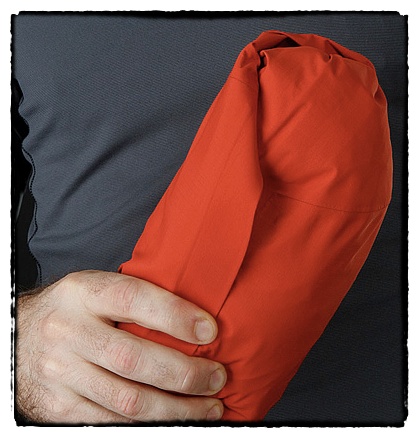
Beta SL rolled up

Rolled up, the jacket will fold and store in its own hood making transportation easy. Made from GORE-TEX® PacLite® it is designed as the perfect ‘take-along’ emergency storm protection.

GORE-TEX® PacLite® is the lightest waterproof protection from the brand. It is the most packable and has a 2 layer construction that reduces weight but offers maximum protection.

The redesign has made some really specific differences for runners (or hikers). The slimmer fit means that the potential for ‘flapping’ fabric is reduced. This is a really key feature for a runner, nothing more annoying than fabric moving in the wind, slowing you down and adding noise pollution. What I would recommend is that you try this jacket on with clothing you expect to wear when running. No point wearing a shirt and jumper and thinking the ‘small’ is too small only to find that when you have a thin thermal running top underneath the small would have been perfect. For example, I am a 38/40″ chest and I have a small.

Beta SL Front

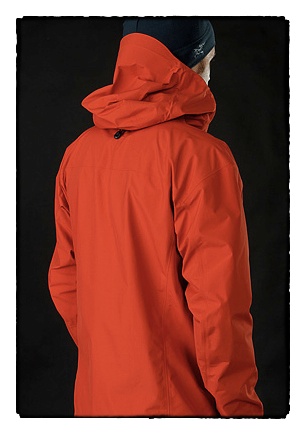
Beta SL Rear

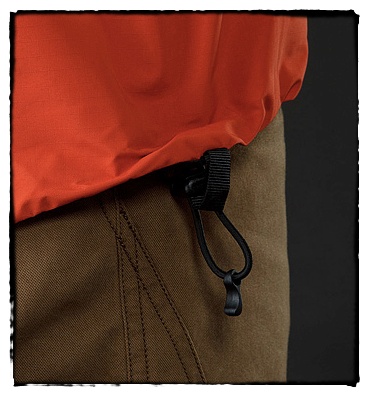
It has a short length. Another key feature. This means that running is not restricted by a jacket that goes too far past the waist. In addition, it has a drawstring that will allow you to adjust how loose or how tight the waist is.

Waist Drawstring

The jacket is a little lower at the back offering added protection and importantly it is gender specific, so, yes Ladies you have your own specific tailoring.

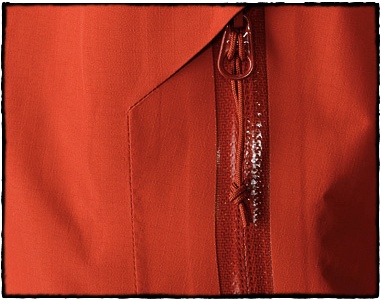
Zip Storage

Zips have a ‘garage’ to reduce flapping and add security. Seams, pockets and ‘extras’ are kept to a minimum to ensure the jacket remains waterproof. Seams are sealed GORE seam tape with micro seam (1.6mm) to ensure the jacket has minimal bulk. One touch I really like is a smooth piece of fabric added to the inside of the neck to avoid abrasion and rubbing. It’s the small touches like this that makes the difference.

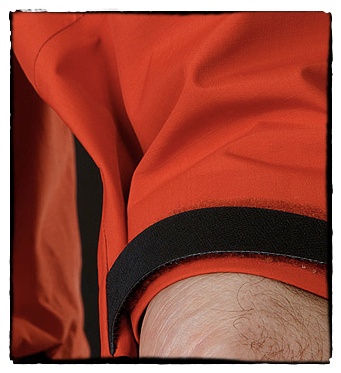
Beta SL cuff

The cuffs close tightly to make sure that you ensure no water enters up the sleeve. They are also wide enough to fasten over a glove if required. The new Storm Hood really is the business. It has a laminated brim and is fully adjustable to ensure that you have a fit that is comfortable for your own personal needs. The front zipper goes up high, so, with the hood pulled tight, and zipper up, you really are fully protected should the weather turn very nasty. Another key feature of the hood is that it has a trim fit but it does have enough room for a beanie or peaked cap if required.

Two hand pockets are on the front of the jacket and they are in a ‘lowered’ position for added comfort. Are pockets needed on a jacket for running? Ultimately my answer would be no. However, they came in handy for me on more than one occasion. If they had not been on the jacket I would have wished for them…

Many of the functions on the jacket such as the pocket zippers, the main zipper and the adjustable cords can all be open, closed and adjusted whilst wearing gloves.

The jacket is available in a male and female fit and is tailored accordingly. Available in 5 colour options and 5 sizes the jacket typically weighs 315g (11oz). See HERE

In Use

The jacket is not the smallest fully waterproof jacket with hood that is available on the market. It is also not the lightest. For out and out racers who are looking to be as minimal as possible then this jacket may very well be far more than they need. But if you are like me and may very well be out on a training run or race route for extended periods in bad weather then this jacket may well be your best friend. It actually could make the difference between finishing and not finishing. I have been out in some seriously cold and nasty weather of the last 3-4 months and the Beta SL has been a pleasure to wear. It just fits! It sounds such a crazy thing to say, but when you put a jacket on that feels as though it was made specifically just for you then that cannot be underestimated. I had no flapping, no ‘extra’ fabric and no unnecessary ‘extras’. The tailored fit allowed all the movement I required and in particular I was impressed with the tailoring under the arm. In bad weather the high neck provided a wonderful wall to hide behind. With the hood up, adjusted and closed in I was protected from the worst that could be thrown at me. I had one particular day with non-stop rain for hours and hours. Not one drop made its way inside the jacket.
Conclusion

Pros: It’s a proper ‘full on’ storm/ bad weather option and as such it is most certainly a jacket that you would want for long days out in bad weather or if venturing into the mountains. The fit as with all Arc’teryx products is spot on and the hood and high neck are real bonuses if required. I had no water penetrate the jacket and believe me, I was out in some horrendous weather. The addition of two pockets was useful.

Cons: This is not a run specific product so you will probably want to view this jacket and try it on for your own personal comfort level. This is not a jacket for the odd shower and as such it does pack a little larger and it does have a little more weight than other ‘streamlined’ products on the market.

Technical Features

  •                   Waterproof
  •                   Snow-shedding
  •                   Windproof
  •                   Breathable
  •                   Lightweight
  •                   Compressible and packable

Construction

  •                   Fully seam-sealed for waterproofness
  •                   Durable Water Repellenthelps bead water from fabric surface
  •                   Laminated high-strength hanger loop
  •                   Tiny GORE® seam tape (13 mm)
  •                   Micro-seam allowance (1.6 mm) reduces bulk and weight
  •                   GORE-TEX® two-layer construction

Design

  •                   One-hand adjustable drawcords

Patterning

  •                   Anatomical shaping for fit and comfort
  •                   Gender specific patterning
  •                   Articulated patterning for unrestricted mobility
  •                   No-lift gusseted underarms

Hood Configuration

  •                   Laminated brim
  •                   Glove-friendly hood adjusters
  •                   Adjustable hood drawcords
  •                   Trim-fitting Storm Hood™

Collar Configuration

  •                         Laminated chin guard

Links

Arcteryx website HERE

Skyrunning makes it to South Africa

SASA logo - web vector

Skyrunning hits Southern Africa with the Lesotho Ultra Trail

A new ultra-distance race has hit southern Africa’s trail running calendar with the announcement of the Lesotho Ultra Trail, to take place in northern Lesotho on 30 November.

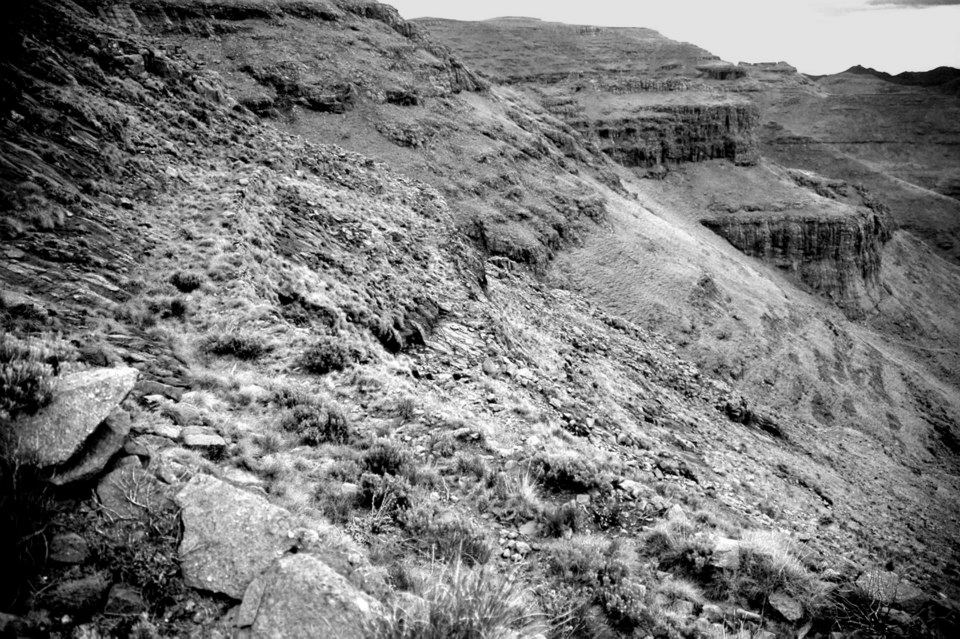
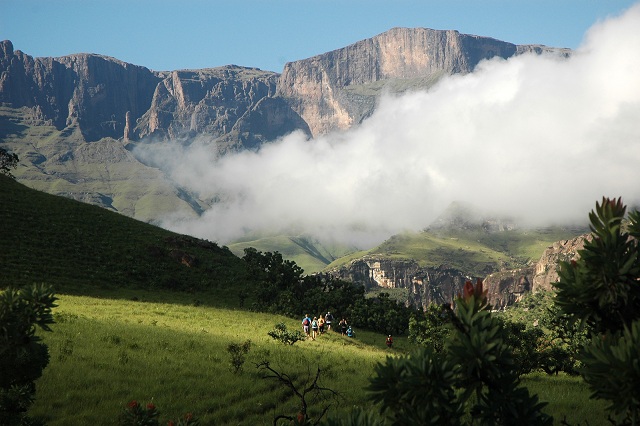
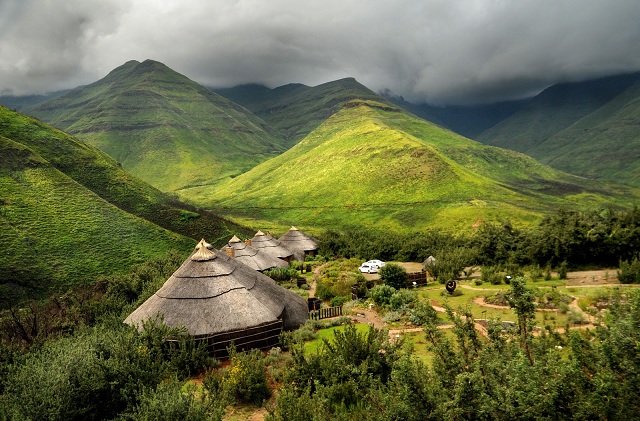
Created by well-known KZN race organiser Andrew Booth, the 68km race will traverse mountainous, rocky trails combining steep ascents, descents, some contour running and loads of single track, will be hosted by Maliba Mountain Lodge, just one hour south from the Free State town of Clarens.

Sanctioned by the South African Skyrunning Association (SASA), the event will be is recognised by the International Skyrunning Federation (ISF) as Africa’s first Ultra Skymarathon®, earning it the potential of being placed in the global circuit of ultras on the international trail calendar.

Defined as mountain running up to or exceeding 2 000m, where the incline exceeds 30% and where the climbing difficulty is not more than 11˚ gradient, the sport of skyrunning has taken the trail running world by storm in Europe, America and Asia over the past 20 years.

Skyrunning, a term coined by the ISF, is a discipline conceived by Italian mountaineer Marino Giacometti who, with a handful of fellow climbers during the early1990s, pioneered records and races on Mont Blanc and Monte Rosa in the Italian Alps. In 1993, sponsored by Fila, skyrunning took off across the world’s mountain ranges with a circuit of challenging races spread from the Himalayas to the Rockies, from Mount Kenya to the Mexican volcanoes.

copyright Andrew Booth

copyright Andrew Booth

Giacometti’s term skyrunning is, as the name suggests, where earth and sky meet.

Today, skyrunning has grown to span some 200 races worldwide, with about 30 000 participants from 54 countries.

Formed in 2011, SASA is an associate member of the ISF, and aims to promote and facilitate the growth of skyrunning in South Africa.

“The Lesotho Ultra Trail is the ideal event to pioneer the way forward for skyrunning in southern Africa,” said SASA chairman James Hallett.

“Not only does the location and route of the race represent the philosophy of skyrunning, but we have no doubt that it will the race be of a world class calibre. Offering spectacular terrain, incredible high altitude vistas and a 5-star host venue, we are extremely excited about the prospects of the Lesotho Ultra Trail.”

copyright Andrew Booth

copyright Andrew Booth

Hallett is confident that the Lesotho Ultra Trail will be incorporated into the ISF World Ultra Series, a new addition to the Federation’s global series offering.

“Following the inaugural running of the race in November, we will submit our recommendation and application to the ISF for possible consideration into the 2014 series. If successful, this will put South Africa into the world skyrunning arena, further exposing our country to top international athletes.

Booth said he believed there to be a great synergy between the race, its location and the development of skyrunning in South Africa.

“The Maluti Mountains offer some of the best terrain for high altitude running in the world. To be able to stage what is sure to become a world class event in this region is very special, and we look forward to playing a role in the pioneering of skyrunning in southern Africa.”

courtesy of Maliba Lodge

courtesy of Maliba Lodge

He added that the event’s partnership with Maliba Mountain Lodge as host for the race added an extra angle of quality to the event.

Hallett added that as the first official skyrunning event in southern Africa, the Lesotho Ultra Trail will also help facilitate the creation of a national circuit of skyrunning events.

“The Lesotho highlands and the regions of South Africa surrounding Lesotho are prime skyrunning regions, and we will be working with other race organisers in this area and around South Africa to develop the opportunities that present themselves there,” concluded Hallett.

Image credits:

LUT1: courtesy of Maliba Lodge

LUT2-4: Andrew Booth

ISF 2013 World Ranking – Skyrunning

Crowds supporting at a Skyrunning event copyright Ian Corless

Crowds supporting at a Skyrunning event copyright Ian Corless

The ISF announces the 2013 World Ranking Races with 50 races selected from 14 countries and four continents which, at the end of the season, will establish the world’s 100 élite athletes in the three disciplines:  Sky, Ultra and Vertical.

The ranking is based on a consolidated formula also used in other sports but for the first time, adapted to mountain courses.  The formula comprises an exclusive ISF algorithm, which also takes into consideration factors such as the number of élite athletes participating and the winners’ advantage over the other top finishers.

The three best results in each category are counted with a correction factor for races with at least five élite athletes from the current year’s ranking present.  The fifty 2013 ranked races are based on:

2013 World Race Ranking – Sky

Tom Owens behind 'Hernando' in the early stages of Zegama 2012 copyright Ian Corless

Tom Owens behind ‘Hernando’ in the early stages of Zegama 2012 copyright Ian Corless

3 Peaks Race April 27 GBR
Elbrus Vertical SkyMarathon May 9 RUS
Maratòn Zegama-Aizkorri May 26 ESP
Ziria Cross Country SkyMarathon June 2 GRE
International SkyRace June 9 SUI
Maratón Alpino Madrileño June 16 ESP
Mont-Blanc Marathon June 30 FRA
Olympus SkyMarathon June 30 GRE
Kilian’s Classic July 7 FRA
Maratona del Cielo July 7 ITA
Challenge Irazu SkyMarathon July 14 COS
Dolomites SkyRace July 21 ITA
Fuji Mountain Race July 27 JAP
Giir di Mont SkyMarathon July 28 ITA
Course de Sierre Zinal August 10 SUI
Marathon du Montcalm August 17 FRA
Pikes Peak Marathon August 18 USA
Matterhorn Ultraks 46k August 24 SUI
The Ben Nevis Race September 7 GBR
Mount Kinabalu International Climbathon September 10 MAS
Skyrunning Xtreme September 13 ITA

SKY – races more than 22 km and less than 50 km long with at least 1,300m positive vertical climb (SkyRace® and SkyMarathon®)

2013 World Race Ranking – Ultra

Tom Owens running a ridge at the stunning Trofeo Kima copyright Ian Corless

Tom Owens running a ridge at the stunning Trofeo Kima copyright Ian Corless

Tarawera Ultramarathon March 16 NZL
Ultra Trail Mt Fuji April 26 JPN
Transvulcania Ultramarathon May 11 ESP
Ronda dels Cims June 21 AND
Zugspitz Ultratrail June 22 GER
Mont-Blanc 80 km June 28 FRA
Lavaredo Ultra Trail June 28 ITA
Western States Endurance Run June 29 USA
Ice-Trail Tarentaise July 14 FRA
Trans d’Havet July 27 ITA
Speedgoat 50K July 28 USA
Leadville Trail 100 Run August 18 USA
Le Grand Raid des Pyrenees August 23 FRA
CCC August 30 FRA
UTMB August 30 FRA
Run Rabbit Run September 13 USA
Ultra Race of Champions UROC September 28 USA
Cavalls del Vents September 29 ESP
La Diagonale des Fous October 18 FRA
Les Grand Trail des Templiers October 27 FRA

2013 World Race Ranking – Vertical

vertical_k_mg_1642

Elbrus Vertical Kilometer May 7  RUS
Cara Amón Vertical Kilometer MAY 18 ESP
Orobie Vertical June 2 ITA
Mont-Blanc Vertical KM June 28 FRA
Chilometro Verticale Lagunc July 14 ITA
Dolomites Vertical Kilometer July 19 ITA
Gerania Vertical Kilometer September 8 GRE
Le Km Vertical Du Fully October 4 SUI
Xtreme Vertical Kilometer October 11 ITA
Kilometro Vertical del Puig Campana November 4 ESP

In January, the ISF published a first list of élite athletes based on the analysis of the results of the most significant races in 2012 in twelve countries in three continents.  At the end of the season the 2013 élite ranking will be published and, in 2014, the goal is to include one hundred races.

To give a global vision of who the world’s top athletes are, the ISF has devised a ranking system based on a number of variables including the number of élite athletes present at each event. In order to create a basis for 2013 for the Sky, Ultra and Vertical Kilometer® distances, a first list of élite athletes has been drawn up based on an analysis of the results of the most significant races in 2012 in twelve countries and three continents.From 2013 an exclusive algorithm will also be applied.  The 2013 ranking will be based on 50 selected races (20 Sky, 20 Ultra, 10 VK), with the aim of reaching 100 races in 2014.

The ISF 2013 World Ranking represents the first major step towards an instant panorama of the world’s top races and élite runners – an indispensable tool for athletes, organisers and sponsors alike.

ISF website http://www.skyrunning.com

It’s TARAWERA time

“The quality of the field is amazing,” says Charteris, with a grin. “The 2013 Tarawera Ultra will be the most competitive long distance running event in New Zealand since the 1990 Commonwealth Games marathon.” Paul Charteris, RD

I shouldn’t say it but I guess I must, I am starting with a negative. After some serious smack down talk just months ago, Anton Krupicka has pulled out of the Tarawera race. This is not breaking news, he actually stated this on his blog a couple of weeks ago but it is sad news for the race and for Anton.

“I decided over a week ago to not make the trip down to New Zealand for the Tarawera 100K in 10 days, and despite my hip showing significant improvement I know it was the right choice. I’ve done no long runs of any type since December and don’t have any desire to travel all that way to muddle through 62 miles with poor fitness and a very likely chance of re-injuring myself”

However a race will go ahead and the missing Anton just means one less name in a stacked field. The European contingent of Francois d”Haene, Emelie Forsberg, Greg Vollet will not mix it up in the ‘main event’. Francois announced at the press conference that he stepped down to the 80km relay and would partner Emelie Forsberg. That will mean that the Francois/Emelie show will be going head-to-head against Salomon teammates Rickey Gates and Anna Frost.

The Main Event

As announced earlier in the week, the main race is now even tougher as the course has had some modifications due to fire risk. You can read the post HERE.

The Men

Ultimately, particularly in the mens race race it is the Southern Hemisphere against the USA. The USA have three top representatives toeing the line in the land of the Hobbits.

Timothy Olson, Jason Schlarb and Sage Canaday.

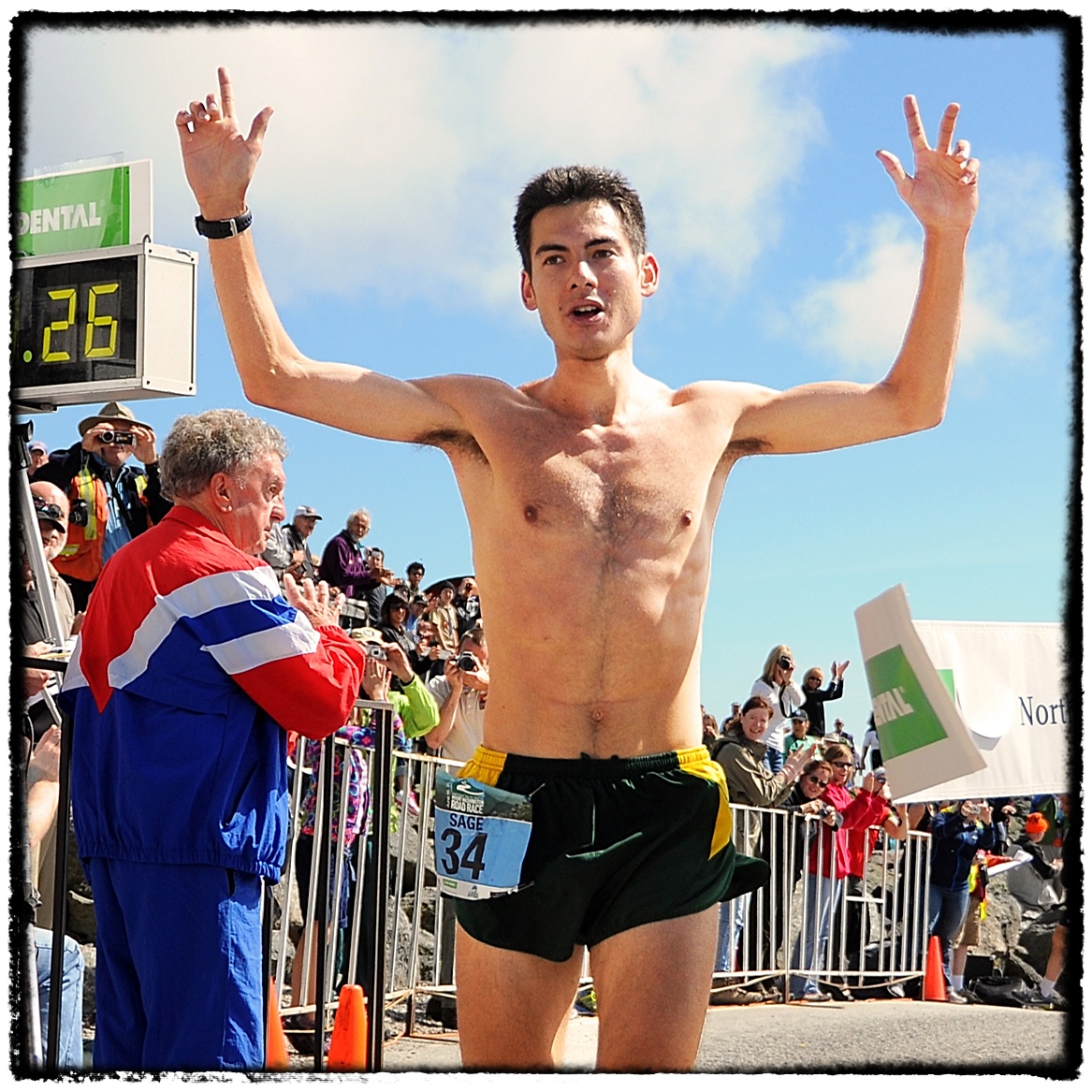
Sage Canaday, of Boulder, raises his hands in victory, after winning the 52nd running of The Northeast Delta Dental Mount Washington Road Race, with an official time of 58:27, in Pinkham Notch, NH, on June 16th, 2012. 1,200 runners raced up the 7.6 mile Mo

Without doubt, my hot tip is Sage Canaday. Sage throws some freakish speed into the mix. A 2:16 marathoner, he has recently switched to ultra distance racing and became the United States 100km trail champion. He started 2013 by running a stunning course record at Bandera 100k in 8:13:49. His marathon training background and natural speed make him a danger on any course. He may not be used to high mountains but Tarawera will suit him. You can listen to an interview with Sage Canaday on Talk Ultra episode 27.

Timothy Olson needs no introduction after his incredible run at Western States in 2012. Married life and the birth of his son saw him take a more relaxed approach to 2012 and he too started 2013 by running at Bandera but in the shorter 50km race. Although he won that race his pace was casual. It was very much a ‘getting into a new year run’. Since then he has put in the miles and has knuckled down and says he is in good shape. He is without doubt a contender for the podium but I can’t help but think his passions and motivations will be concentrated on Western States and the UTMB. It is still very early in the year for him.

In contrast, Jason Schlarb looks ready for this race. He has spent several months in the Southern Hemisphere preparing so he is going to feel relaxed and adapted. Unlike Sage and Timmy who are really only just starting a racing season, Jason is in the thick of it. This will play into his hands. He has the speed to be up a the front and with Sage and Timmy taking the limelight he may just slip under the radar and take many by surprise.

With USA contingent covered we now look at the Southern Hemisphere.

Vajin Armstrong, Brendan Davies, Mick Donges and Dave Eadie.

My tip here would be Brendan Davies. Brendan really is super focused on this event. Like Sage he brings a real speed element to the race and I wouldn’t be surprised to see these two battling at the front for much of the day. I interviewed Brendan for episode 23 Talk Ultra and you can listen to that HERE. Brendan has recently run a 3:16 50k at Stromlo and he is a top 100k runner.

Mick Donges comes to this race with some pressure on his shoulders as last years winner. I spent time with Mick in 2012 in and around Sierre Zinal and UTMB. He is certainly a talent and he has the speed to go with it. However, pressure and the big occasion can seem to affect him. They don’t get any bigger that Tarawera this year so how will he hold up? Mick ran the famous six foot track marathon just last weekend (was that a good idea?) in 3:35.

Vajin Armstrong wants this race. I actually really think he had focused his mind on taking on Anton after the ‘smack down’ talk months ago and as such has been doing some really heavy training. He won the 2012 Kepler Challenge in 4:55:24 and like Brendan he will be pushing for the win or at least, the podium.

Finally Dave Eadie is without doubt a quality runner but I don’t think he will be in the mix for the podium. No disrespect for Dave (honestly Dave). He has done it all… just last year he was at Badwater crushing out those 135 miles in the soaring heat. He has run Western States and has been a multiple 100k champ. He will go out strong and hope he can hold on.

Who do I predict? Sage Canaday. To be honest, I think he will run hard and smash it. Lets just hope he doesn’t go off course.

The Women

I guess with Anna Frost and Emelie Forsberg taking some spice out of the ladies race by running the relay we have four who will fight for the podium.

Ruby Muir, Candice Burt, Shona Stephenson and Beth Cardelli.

“The ultra-racing world is keen to see how 21-year-old Barefoot Inc sponsored, Ruby Muir from Napier will handle the distance”, says Charteris. “She’s unbeaten – including winning her first ever ultra distance run when she stormed away from the field at the 2012 60k Kepler Challenge in Te Anau.”

Tarawera Logo

Beth Cardelli won the last eight events she entered in her home country. That is impressive! She was Australia’s ultra athlete of the year but having had some recent injury issues it does look like her emphasis will be on a good consistent run to lay a foundation for racing some of the 2013 Skyrunning calendar.

Shona Stephenson, like Cardelli had a really impressive 2012. She has recently won a 50km in Victoria but I don’t see her beating Ruby Muir.

Finally, Candice Burt placed 3rd at Hurt 100 and she also had a top 3 placing at the Tahoe Rim Trail. She most certainly has the endurance but does she have the speed. It may very well be that if Beth Cardelli really is not in perfect form that Candice can take that 3rd podium slot or maybe even the 2nd if she has a great day.

Who do I predict? Ruby Muir. She is new to the 100k distance but I think she will lead this race out and may very well ‘chick’ a few guys in the process.

Interviews are available on Talk Ultra as listed below:

  • Brendan Davies episode 23 HERE
  • Timothy Olson episode 12 HERE
  • Anton Krupicka episode 19 HERE
  • Anna Frost episode 3 and 9 HERE & HERE
  • Emelie Forsberg episode 28 HERE

“It’s like organising a local bicycle race and having half of the Tour de France peloton show up for the ride,” says Charteris, as he scoped out a section of the course in Rotorua’s world-renowned Whakarewarewa Forest. “It’s humbling – and frankly, scary.”

  • Race coverage will come from ULTRA168 and iRUNFAR and I will help spread what they provide via Talk Ultra
  • Race website HERE
  • Results will be available HERE

The Twelve Labours of Hercules

Another publicity poster

Ultra running is growing and growing. As a race director do you follow a tried and tested formula and offer a race at one of the classic distances such as 50k, 50m, 100k or 100m or do you go off piste, have a random distance and shake things up a little.

Richard Weremiuk has done just this and then some with his new race ‘The 12 Labours of Hercules’.

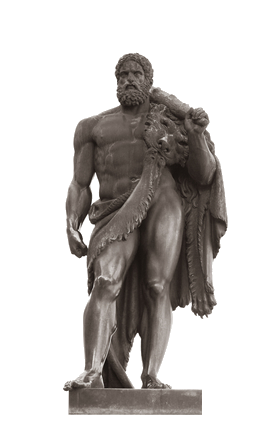
Hercules Transparent

You are already interested aren’t you… what could this enticing name offer?

In Greek mythology, the twelve Labours of Hercules (Greek: δωδέκαθλον, dodekathlon) were a series of episodes carried out as a penance… oh dear, penance, what did Hercules do?

Hera, the wife and one of three sisters of Zeus, apparently drove Hercules mad. So mad, poor old Hercules killed his own six sons! She really must have driven him mad! Somewhat drastic eh. With a lack of a decent judicial system, Hercules pulled himself together and sought purification from King Thespius. To atone his actions he was asked to reside with King Eurystheus for 12 years and to complete 12 Labours. In return he would be rewarded with immortality.

So there you have it. But what on earth could the race entail…. 12 years running with 12 tasks? Of course not!

The Race

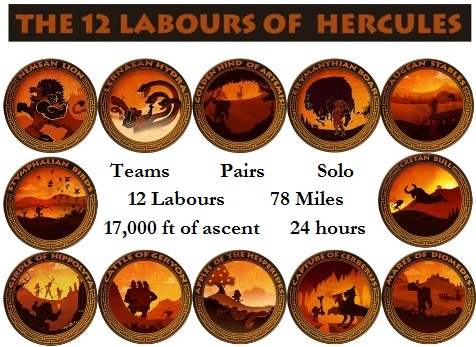
On July 20th / 21st 2013, participants in ‘The Twelve Labours of Hercules’ will have just 24 hours to cover between 1 and 78 miles, tackling as many ‘Labours’ as you can. The race offers 3 UTMB points for solo finishers of the full distance.

CourseQualificative2014_EN-150x150

It’s a great concept and the format makes the race inclusive for all abilities.

A ’labour’ will be completed by visiting one of twelve chosen control locations in the Peak District and then returning to HQ at the Victorian Gothic Mansion Losehill Hall, Derbyshire.

All Labours will be different. For example, some Labours may require the collection of a small item, which will then need to be returned to Losehill Hall.

Other Labours will only be revealed upon visiting the control point where participation in a task may be required!

Race director, Richard Weremiuk says “If you know us, then you know you should be prepared for anything when you arrive at a location. Be prepared for a few surprises.  All 12 locations within the Peak District have been carefully chosen. The name, or location is specifically or critically tied to one of the mythical Labours.”

The Route

To add spice, the route for the race is under wraps and being kept secret.

Richard says;

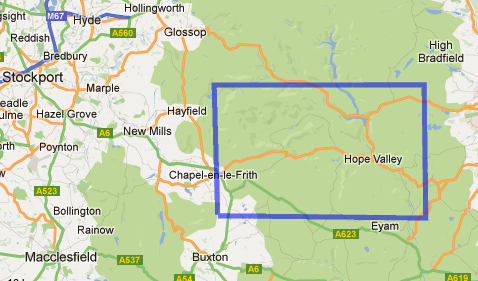
“Giving out the route would give away some of the surprises. All we will say is that the route will be held within the borders of Hope Valley in Derbyshire and cover 96 square miles”

Hercules Location

HQ for the 24 hours event is the Victorian gothic mansion, Losehill Hall in Castleton, Derbyshire. This location does offer overnight accommodation too.

Image YHA.org.uk - Andrew Bingham

Image YHA.org.uk – Andrew Bingham

Participants will be issued with a map of the area at ‘check-in’, which will show the 12 suggested routes to the ‘Labour’ locations.

It’s possible to take part as a solo, pair or team (up to 6) and you will be issued with one electronic timing chip supplied by Sportident to track your individual or team progress.

It’s an interesting format and as an alternative to ‘just’ running an element of tactics will come into play. Participants decide which control to visit and in which order. When at a CP they either dib in, perform a task (Labour) or retrieve an object. Each time your return to ‘Olympus’ (or as is most commonly known, HQ). Zeus will be waiting!

In contrast to solo competitors, pairs or teams can pass on the ‘timing chip’ when they have returned to Olympus and then a teammate can complete the next labour and so on.

Sounds simple eh! Well not quite as simple as you think, you see, certain ‘Labours’ must be completed within certain hours, so, this will need to be factored into your planning.

Ultimately, you decide how many Labours you go for BUT you must finish within 24 hours.

Outside the time limit? Every minute incurs a stiff penalty!

The Challenge

Unlike any other race, the twelve Labours of Hercules offers a new exciting perspective to the ultra running format.

As Richard says:

“It is as tough as you want to make it. Complete just one labour or you can choose to complete all twelve which will ultimately mean approximately 80 miles”

The format of solo, pair or team does mean that if you are new to ultra running or basically if you are just after something different, this race may very well tick all the boxes.

Taking place over 24 hours it does mean that night running will be involved. So be prepared.

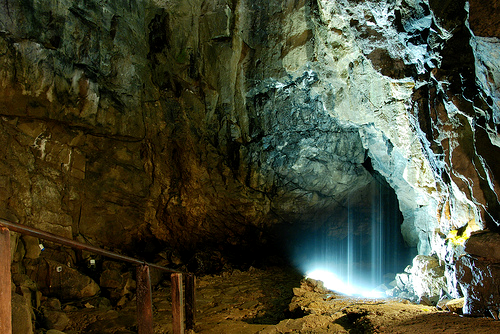
The race route is by no means easy. It does have plenty of ascent and one control point is underground.

The Hades Cave Control

One area that may worry many is navigation. I asked Richard what skills are required to participate:

“Runners are supplied with an OS map on which will be suggested routes to each CP. CP’s can be reached by road, footpath but others by just footpath. The course is not marked because part of the challenge is choosing how to get to the CP’s in the quickest way possible.”

Richard continued:

“Although expert map reading may not be required it certainly would be prudent to be confident with some elements of map reading in particular identifying your location on a map and being able to take a bearing from a compass. Remember, some of this event will be in the dark”

Participants are allowed to GPS but as Richard says, “this should not be because you don’t know how to map read. A GPS is really a back-up device”.

So, all in all, a tough challenge and not one for the feint hearted. But Hercules wouldn’t want it any other way, so why would you?

Grab your sword and shield…. Sorry, I mean your shoes and backpack and test your self against ‘The Twelve Labours of Hercules.’

Special Offers:

  • A 10% discount is offered on race entry if you contact Richard directly by emailing: info@beyondmarathon.com
  • In addition, the first 10 entries to mention ‘Talk Ultra’ will get a ‘Beyond Marathon’ technical T shirt

Info & Links

  • Official race website is HERE
  • Facebook page is HERE
  • If you are interested in the history of the Twelve Labours, the images below contain a link to inform you of what Hercules endured.

Kilian Jornet – Time out

screenshot_215

Kilian’s Quest S4 E10 – Time Out

Join Kilian Jornet as he takes ‘Time Out’ on one of his training runs.

Fans of Salomon may want to take a close look at this feet…. definitely not an ‘off the shelf’ pair of Salomon Sense on his feet!

Filmed by Seb Montaz – http://www.sebmontaz.com

Salomon Facebook: https://www.facebook.com/salomonrunning
Salomon Twitter: https://fr.twitter.com/salomon_running

TrailRunner Mag – mention for Talk Ultra

logo

TUNE IN, RUN ON

April 2013 edition of http://www.trailrunnermag.com/current-issue

Trail-running podcasts dish up knowledge, inspiration and entertainment.

As trail running has grown in popularity, podcasts have proliferated. Contrary to their name, they do not require an iPod to enjoy—you can listen directly online or download them to your computer, mobile device or MP3 player.

We’ve rounded up a few of our favorites here—you can also search for or browse other podcasts through online podcast directories or in the iTunes store.

Talk Ultra

Ian Corless jam packs every episode of his ultrarunning-focused podcast with different segments—interviews, trail-running news, upcoming race info, blog highlights, a self-explanatory section called “Talk Training” and regular appear- ances by Karl Meltzer. Recent episodes have included an update on Joe Grant’s preparation for his attempt at the 350-mile Iditarod Trail Invitational and a chat with Internationl Skyrunning Foundation Executive Director Lauri van Houten.

Downhill Demon – Emelie Forsberg

Emelie Forsberg at Trofeo Kima 2012 copyright Ian Corless

Emelie Forsberg at Trofeo Kima 2012 copyright Ian Corless

What goes up, must come down. If we are talking about racing then how quick you come down can make or break a race. Ask any fell runner in the UK. Going up my hurt the lungs, heart and legs but coming down requires a different skill. A skill that needs to be fine tuned and practiced. However, that ‘natural ability’ will always shine through and set one runner apart from the rest.

Emelie Forsberg has gained a reputation of being an incredible downhill runner. In this video filmed by Greg Vollet (Salomon Team Manager) we get an insight in how to move quickly.

We should mention here that Greg Vollet is a great downhill runner himself and comes from a world class biking background.

Greg Vollet’s YouTube channel HERE

Volta Cerdanya Ultrafons 2013

VCUF 2013 OK


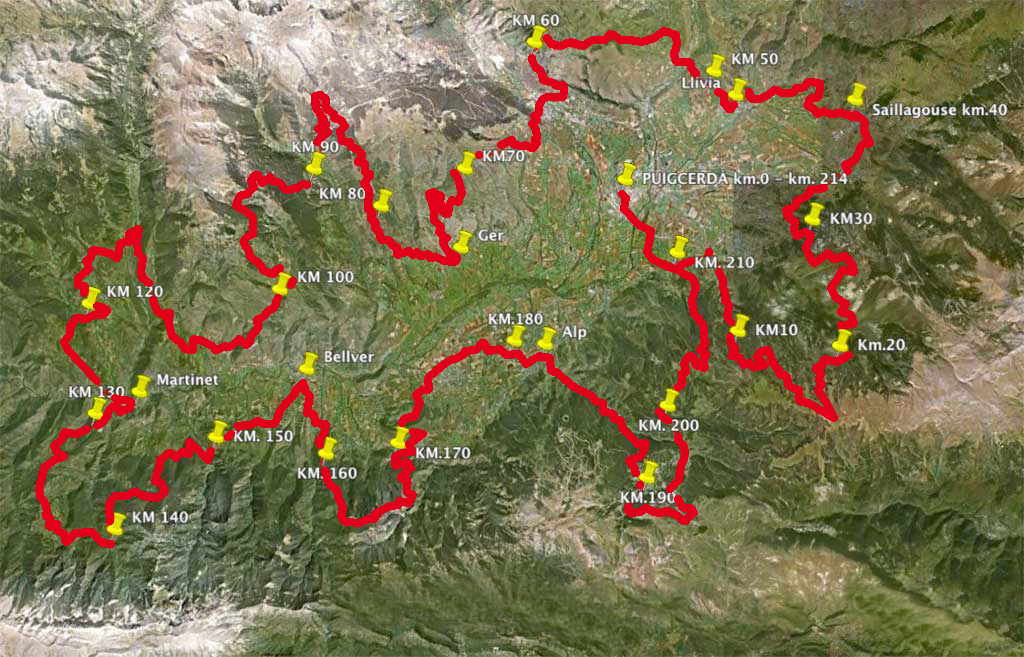
In the second edition of the Volta Cerdanya Ultrafons due to take place on the 7th, 8th & 9th of June the 85km Volta Cerdanya Trail has been added to the ultraendurance Catalan Cup. The VCUF consists of four races in different places of Catalaonia.

VCUF-2013

The main event is the 215km Volta Cerdanya Ultrafons is on the calendar of the SUMMUM *(six mountain ultramarathons, one aim) Ultracup, the first Spanish circuit of mountain races. *In Spanish (Seis Ultra Maratones de Montaña, Una Meta)

Gael Piguillem/Volta Cerdanya Ultrafons

Gael Piguillem/Volta Cerdanya Ultrafons

The races are supported by Kilian Jornet and the race organisers respectfully credit Kilian as the main inspiration for making the ‘sport’ so popular with athletes who are interested in this level of difficulty.

The VCUF will be the fourth race in the SUMMUM calendar and the other races are:

  • Ultra Sierras del Bandolero
  • Lanzarote Lava Trail
  • Penyagolosa Trails
  • Xtreme Lagos de Covadonga
  • Guadarrama Trail Race

The VCUF covering 215km’s with over 9000m of vertical gain will be a real test for all participants.

Who will be taking part?

This race may very well have slipped many peoples radar but I don’t know why? I only need to mention one name and interest will soon spark, Kilian Jornet.

Kilian Jornet at Cavalls del Vent copyright Ian Corless

Kilian Jornet at Cavalls del Vent copyright Ian Corless

Yes, Kilian has added the VCUF to his calendar and he will be joined by his Salomon teammate, Tòfol Castanyer. Other notable names are Toti Bes and Marc Pinsach.

Tofol Castanyer at Cavalls del Vent copyright Ian Corless

Tofol Castanyer at Cavalls del Vent copyright Ian Corless

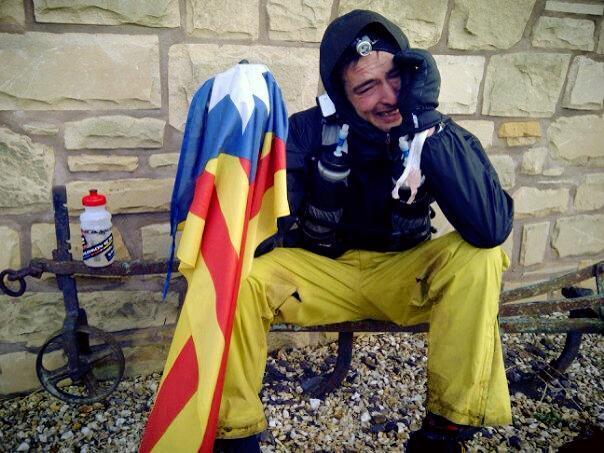
Notable interest from a UK perspective is the inclusion of the 2013 The Spine Race winner, Eugeni Roselló. The Spine Race has gained a reputation as Britain’s most brutal race. Eugeni from Catalan covered the 460km (268 mile) race in 5 days 4 hours and 52 minutes. Taking place in the winter, Eugeni had to combat some extremely harsh UK conditions to reach the finish line.

The Spine Race at the finish

The Spine Race at the finish

After abondoning the race in 2012 due to some pain issues, Eugeni Roselló hopes he will be able to complete the VCUF in 2013.

More updates and information will be provided as and when we have it. However, if you are looking for a race that will test you, the VCUF may very well be a race that you want to add to your schedule for June 2013.

Information here: