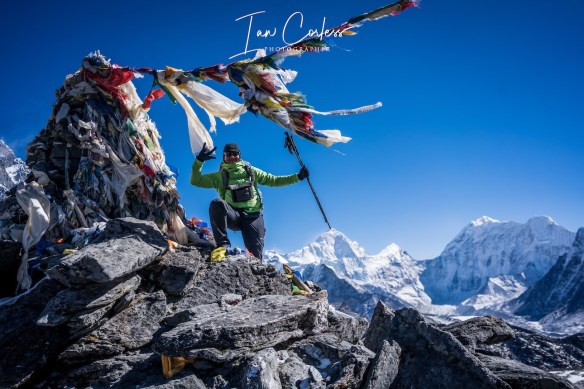
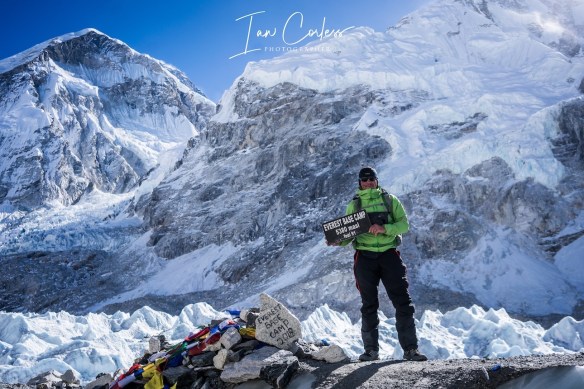
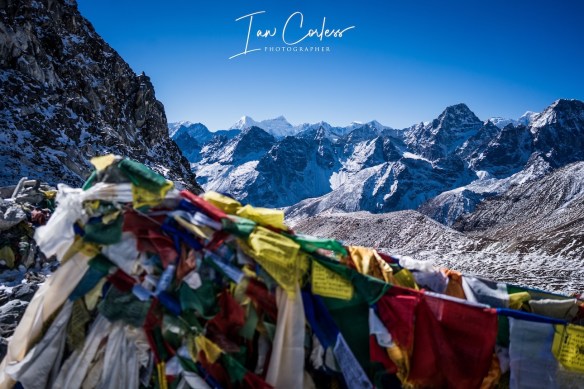
This time last year I was making final preparations for my ‘Three High Passes‘ trek that included Renjo La, Cho La, Kongma La and the additions of Kala Patthar, Everest Base Camp and Ama Dablam Base Camp.
You can read about the route HERE and view photos HERE.
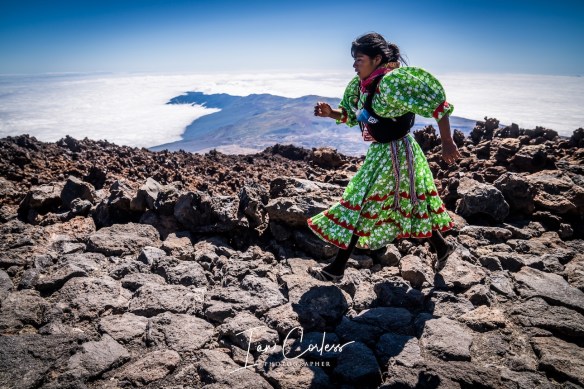
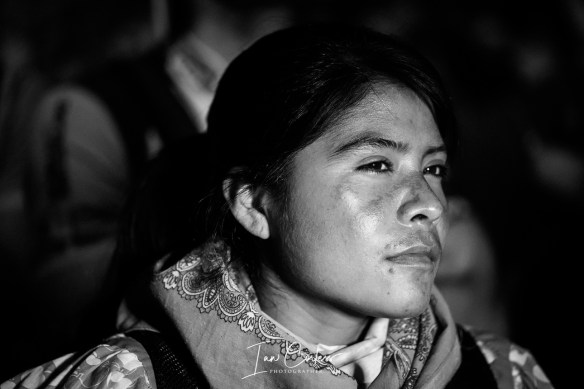
Having just returned from Nepal, this time visiting Mira Rai in her home village and working on Everest Trail Race (here). I was fueled to put a plan into action that I have contemplated for the last 12-months.
MERA PEAK, ISLAND PEAK and LOBUCHE EAST
Three 6000+ summits, in succession in a 16-20 day period.
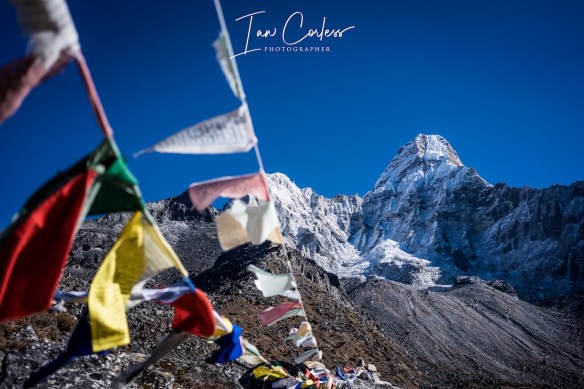 It seems a logical progression for me, the peaks being considered entry level 6000’ers that are graded as ‘trekking peaks’ and not ‘expedition peaks.’
To clarify, I have come to higher mountains and challenges as a natural progression. I am a runner who has been fortunate to get high, work in difficult places and organically push my boundaries. Of all the things I have done, my 2018 High Passes Trek was the most rewarding and it has left me wanting more.
‘Three Summits Expedition’
It’s not a project I will take lightly, and I have already started the necessary learning curves to hopefully make the 2020 Three Summits a success. I have three ascents of Toubkal (Morocco) under my belt, two in summer and more importantly, one in winter that will replicate many of the conditions I will encounter on Mera for example. I plan at least two trips (in winter) to Toubkal in early 2020. I have the first planned for January, the second probably in April. I also plan to climb Monte Rosa (4600m) in June and then if all plans fall together, hopefully Mont Blanc (4800m) in August.
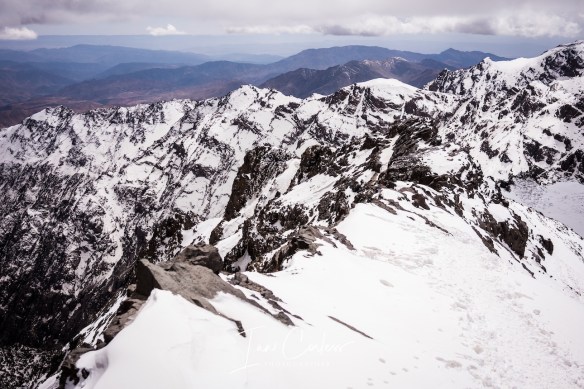
In addition to the above I have signed up for ice climbing lessons, a winter skills weekend and a basic abseiling course. I don’t want to leave anything to chance and, in the process, I want to really enjoy the learning curve.
What will the ‘Three Summits’ entail?
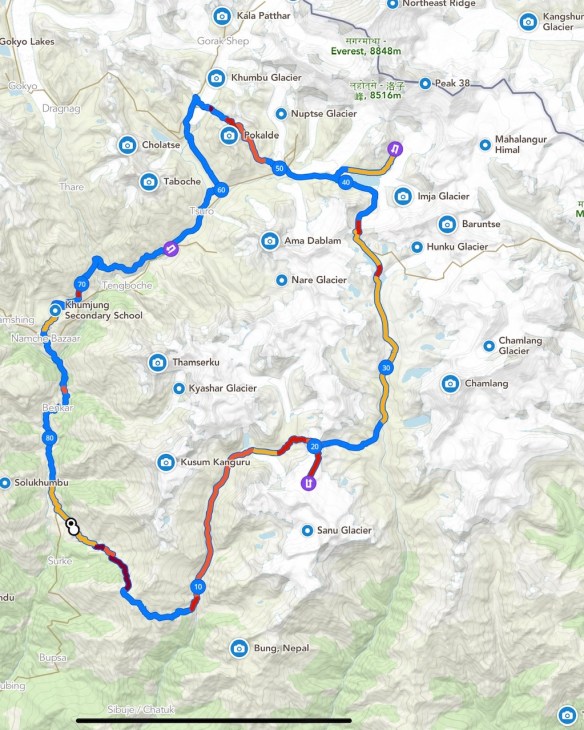
The loop above shows an approximation of the route and the return leg after Lobuche may change as mentioned below. The total distance will be approximately 120-miles but it is hard to get a fixed figure on this, especially with so much vertical.
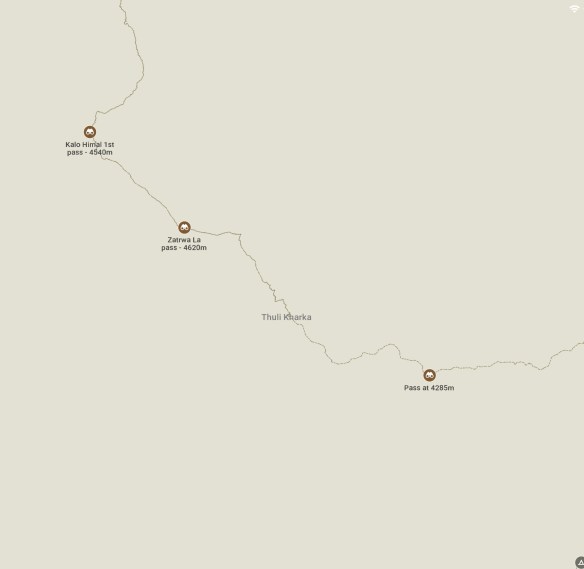
Arriving in Lukla, we would take the quiet trekking route to Thuli Kharka that includes crossing three passes: Kalo Himal 1st 4540m, Zatrwa La Pass 4620m and an unnamed pass at 4285m. Thank Tok follows, then Kothe (Namaste Lodge and Lama Lodge) may provide us with a lodge option? Thangnak leads to Khare and then base camp for Mera Peak.
 Mera Peak at 6476m is the highest trekking peak in Nepal. A trek that leads though rhododendron forest trails of the Hinku Valley. Once acclimatized we will ascend to a high camp just below Mera La and prepare for an attempt on the central summit of Mera Peak (6461m).
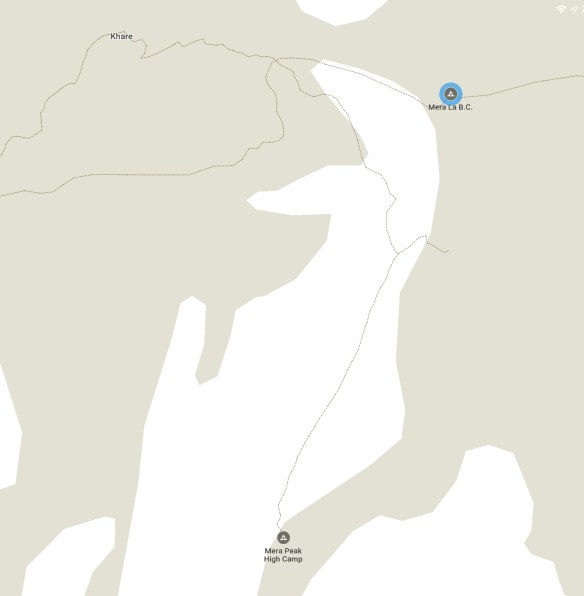 Of all the peaks we will attempt on this expedition, Mera is not technically demanding but climbing at this altitude is physically challenging, we will also need to be attentive to snow conditions and wait for an optimal weather window. From the summit, we will have perfect views of five of the six highest mountains on earth.
From Mera Peak we will descend to Base Camp and then the following day start our trek to Island Peak.
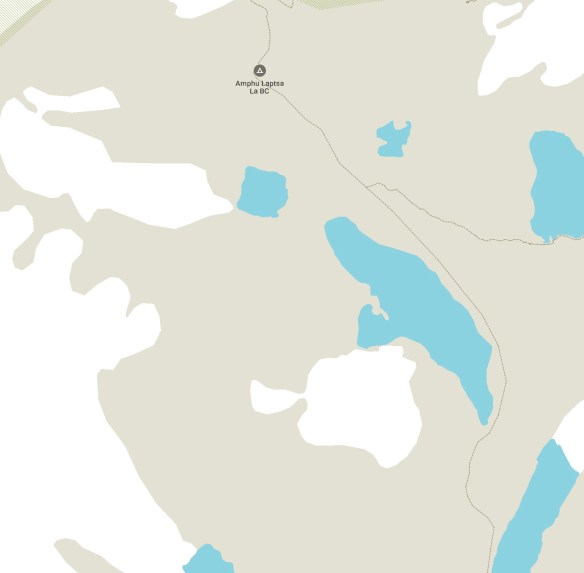
This section of the trek is arguably the most challenging with a crossing of Amphu Labtsa Pass, at an elevation 5845m. It is a glaciated pass covered in Serac cliffs. It is the only way out of the otherwise isolated Honku valley. The base of the valley is at 5,000m and has several glacial lakes including the Panch Pokhri or Five Sacred Lakes. The Amphu Labtsa Pass involves technical mountaineering and is Alpine Graded D (difficult). The ice and rock summit is exposed and the descent to the Imja Valley that will lead to Island Peak requires abseiling following a fixed rope. Arguably, the Amphu Labtsa Pass may be more challenging than the three summits on this expedition?
Island Peak is a classic 6000+ Himalayan Peak and graded PD+/AD which will require our team to use multiple skills that includes crampons, fixed ropes and potentially crossing ladders over crevasses. The attempt for summit will take place early morning (estimated at 2am) and will require many hours in darkness on steep ground covering scree, loose rocks and switchbacks. The final ascent to the summit is steep (40-55 deg) and will require fixed rope work (Ascender and carabiner on a cow tail rope) via mixed terrain: rock, snow and ice.
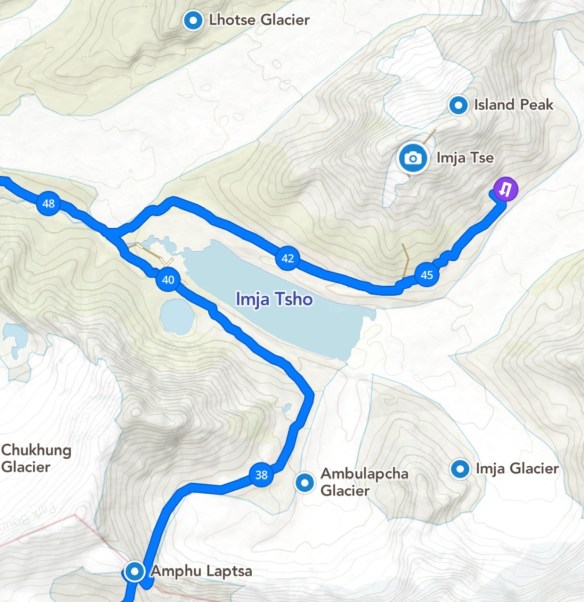
At the top of the headwall the summit ridge extends a further 250m to the small peak with amazing views looking back towards Ama Dablam. Because Island Peak is close up to the vast and dramatic south side of the Lhotse/Nuptse wall, Everest will not be visible. The climb down is a reverse of the way up and will require some abseiling on the upper sections. It is a single line abseil with no top roping. The lower one gets, the easier it becomes, and we will descend to base camp.
The next section of the trek will go to Chukhung and then Lobuche via one of the three‘High Passes’ – Kongma La.
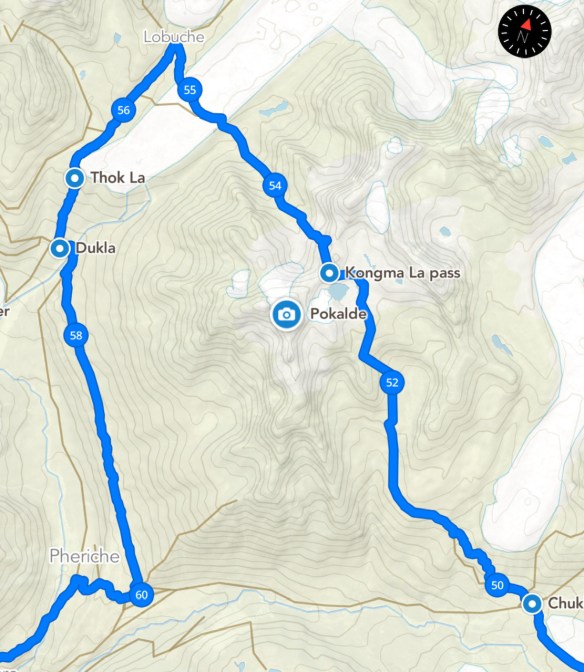
Once at Lobuche, the final summit of Lobuche East at 6119m waits for us. Considered one of the more challenging trekking peaks in the Everest region our summit attempt will be made from high camp on the south ridge.
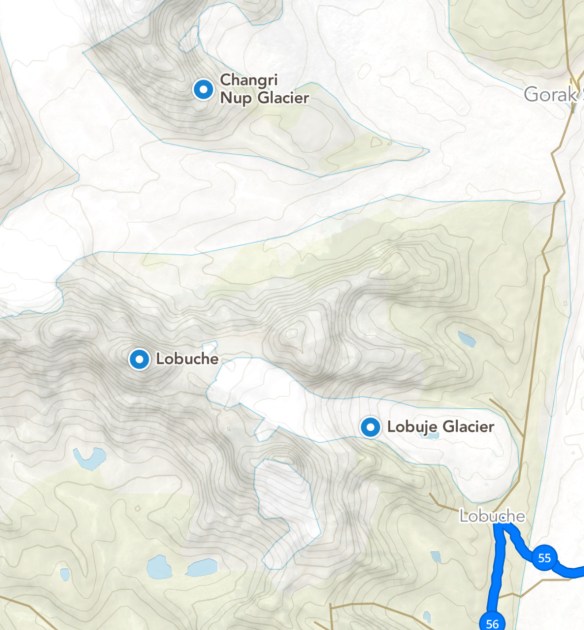
Once back at Lobuche, our expedition will then return to Lukla and the route/ schedule here is currently flexible based on time available. We are anticipating and attempting the whole route in a challenging 16-days; however, we will have 20-days available. This will allow us some contingency days for bad weather.
Route options for the return:
1. The most direct route will be to drop down to Dingboche, Pangboche and then take a high pass to Phortse. From here we will pass through the Khumjung Valley, Namche Bazaar and then take the main trekking route back to Lukla.
2. One other option would be to complete the ‘High Passes’ and from Lobuche take Cho La Pass to Gokyo and then Renjo La Pass to Thame. From here we would go to Namche Bazaar and then follow the main trekking route to Lukla.
Summary
The above is a challenge and one that is not taken for granted. The mountains are the boss and all I can do is plan accordingly. I have liaised with my contacts in Nepal, namely Pasang Sherpa who is a good friend. He has summited Everest twice, Ama Dablam many times and when it comes to the Himalayas, he is my Mr. Fixer. As such, he will be present on the expedition and have ultimate control of all aspects.
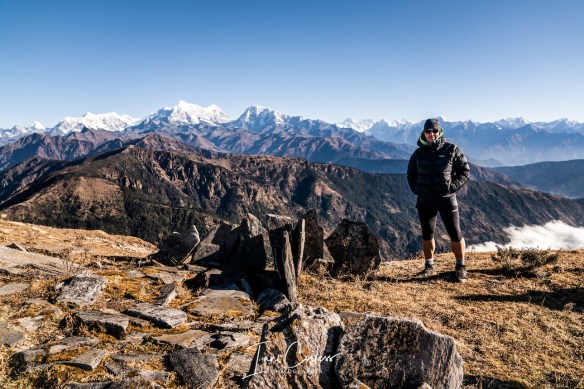
Our team will be small and personally selected with 4 and no more than 6 in the team. In addition, we will have Pasang and porters.
My ethos is to be self-sufficient as much as possible. I want and am happy to support the Nepali community and pay for porters. But I am not happy for me to carry 10kg and a porter carry 40kg. Therefore, I expect each member of the expedition to carry equal weight.
Altitude is a fickle beast and there are no guarantees. Fitness is not an indicator of how well one works above 4/5 and 6000m and in advance we will most definitely have group discussions on plans of how we work this in a real situation.
Our expedition will need individual plans so that we all understand what will happen when plans do not go as expected. For example, in a group of 4-6, it is not unreasonable for 1 person to have an issue on one or all of the ascents. We will need to have safety for 1 person (or more) to turnaround if required, while the others proceed to a summit.
There are little or no lodges between Lukla and Island Peak and what is available, may not be open in late November/ early December. Therefore, we will need to carry tents, cooking supplies and food for this section of the expedition.
Late November and early December will hopefully bring more stable weather, but we do run a risk of increased snowfall. It is also colder.
We will have specific equipment needs for each of the summit attempts in addition to what we will need for day-to-day trekking:
- High altitude boots
- Crampons
- Helmet
- Harness
- Ice Axe
- Cow Tail
- Ascender
- Carabiners
Departure date from Kathmandu to Lukla will be November 23rd (tbc). With the expedition taking 16-20 days. (We need to allow for 20 because we may not be able to summit due to bad weather.) Return to Kathmandu will be scheduled for Dec 12th.
Finally
This expedition is without doubt a challenge. It is going to push me to some new areas and in the process, I am going to learn not only new skills, but I am going to learn a great deal more about myself.
I plan to document the process in words and images. Lessons learnt, mistakes made and hopefully provide a platform for mutual learning.
With a New Year looming, I am excited to start it with my most adventurous project yet!
Follow on:
Instagram – @iancorlessphotography
Twitter – @talkultra
facebook.com/iancorlessphotography
Web – www.iancorless.com
Web – www.iancorlessphotography.com
Image sales –www.iancorless.photoshelter.com
Running Beyond Book Here


 IAN CORLESS