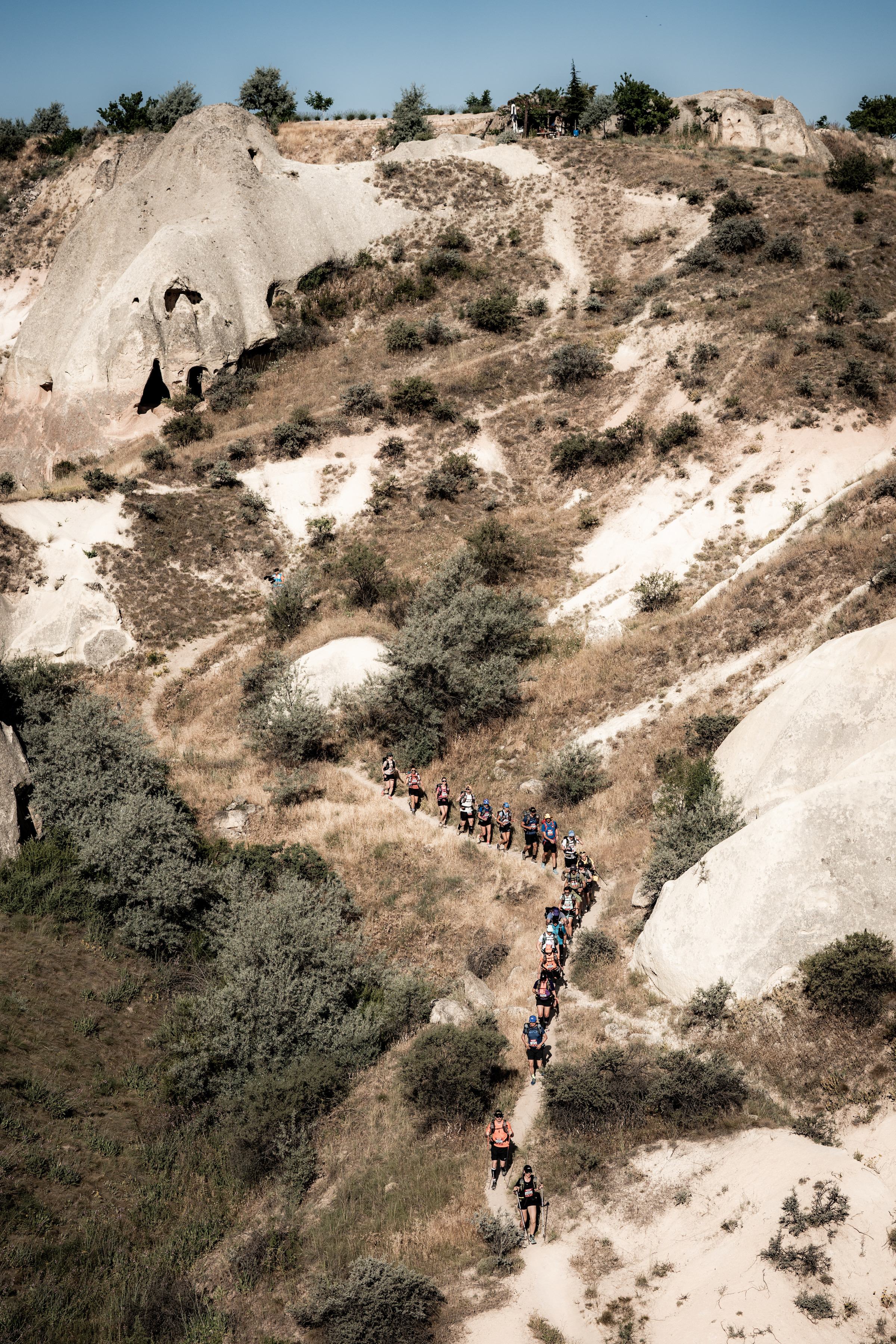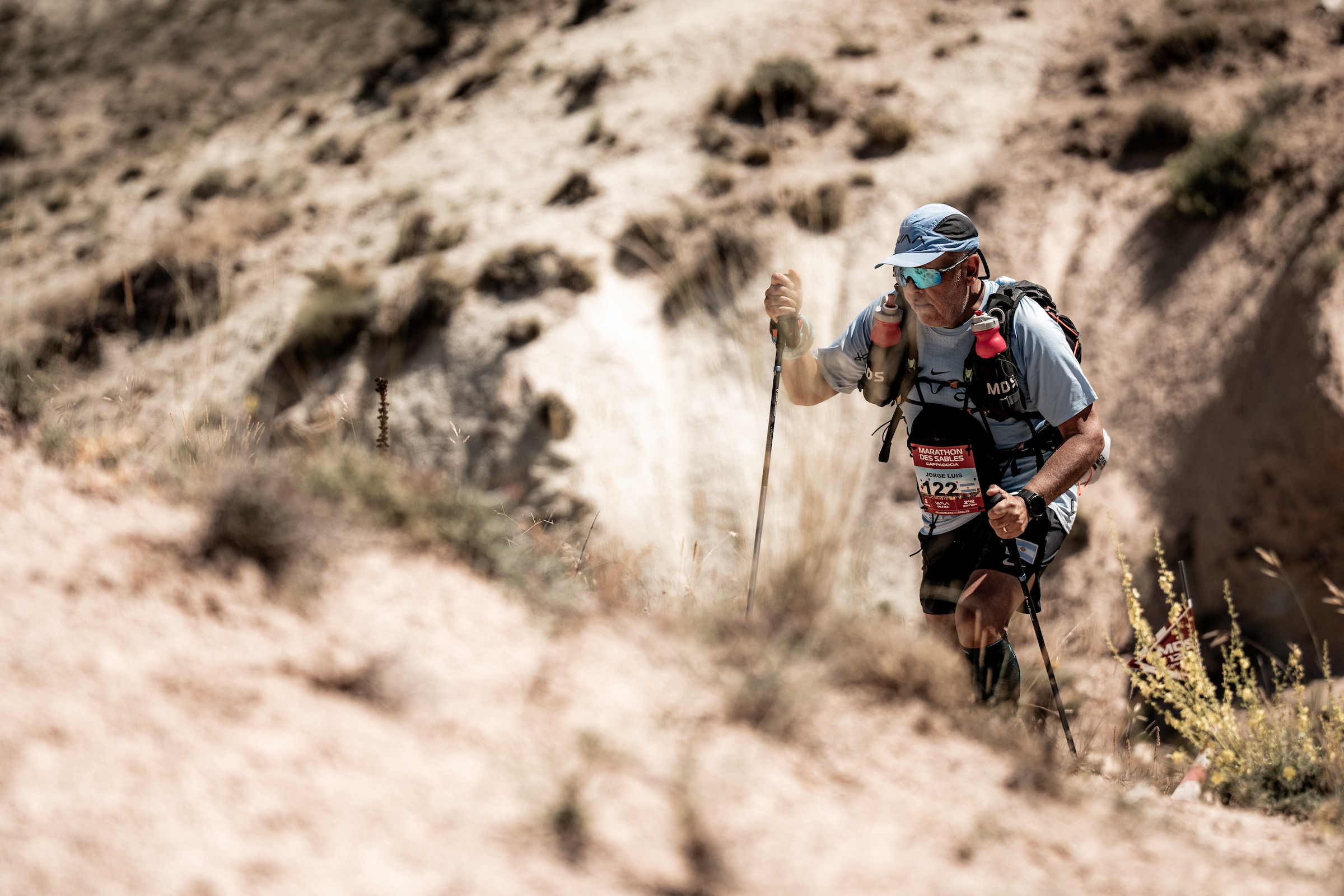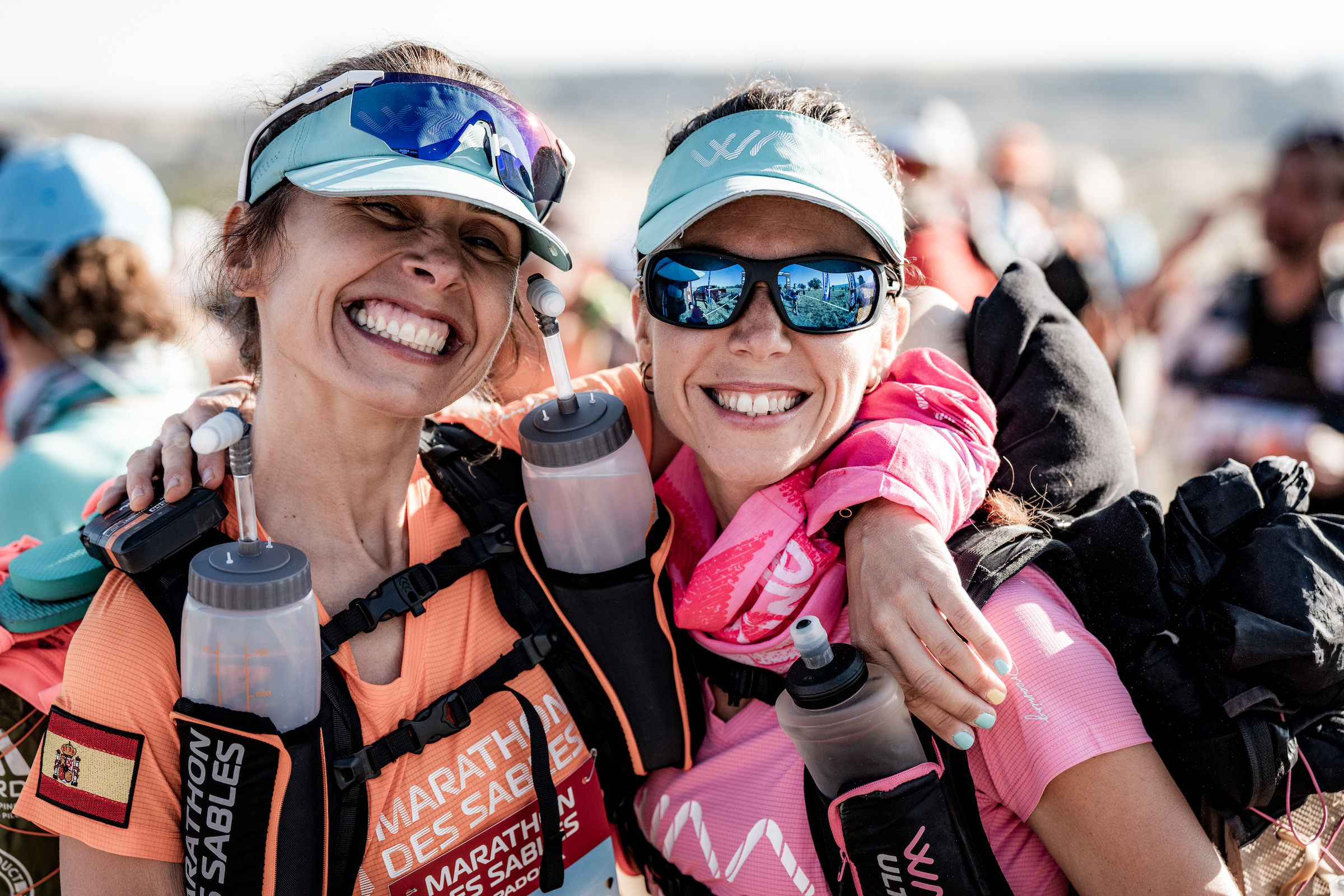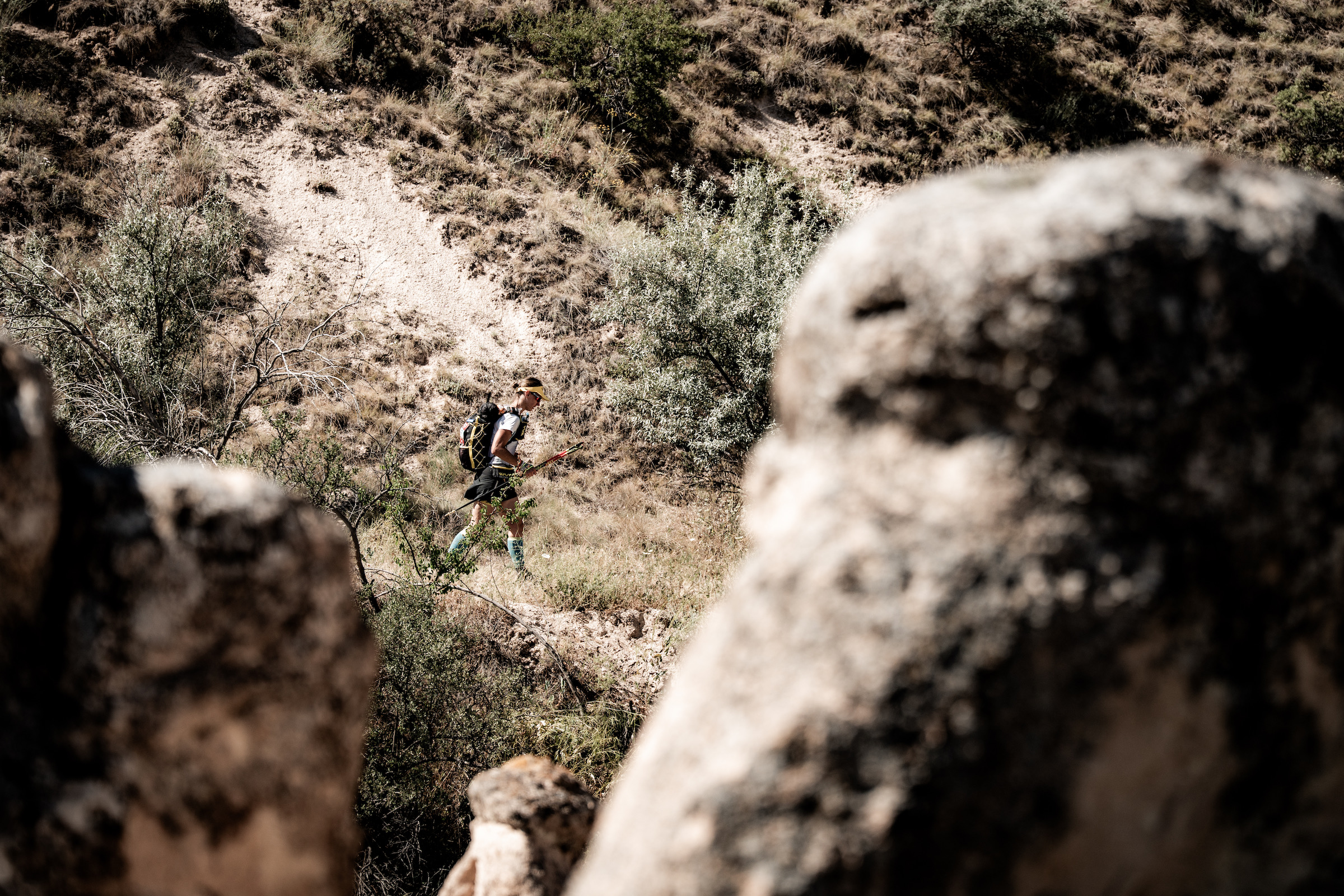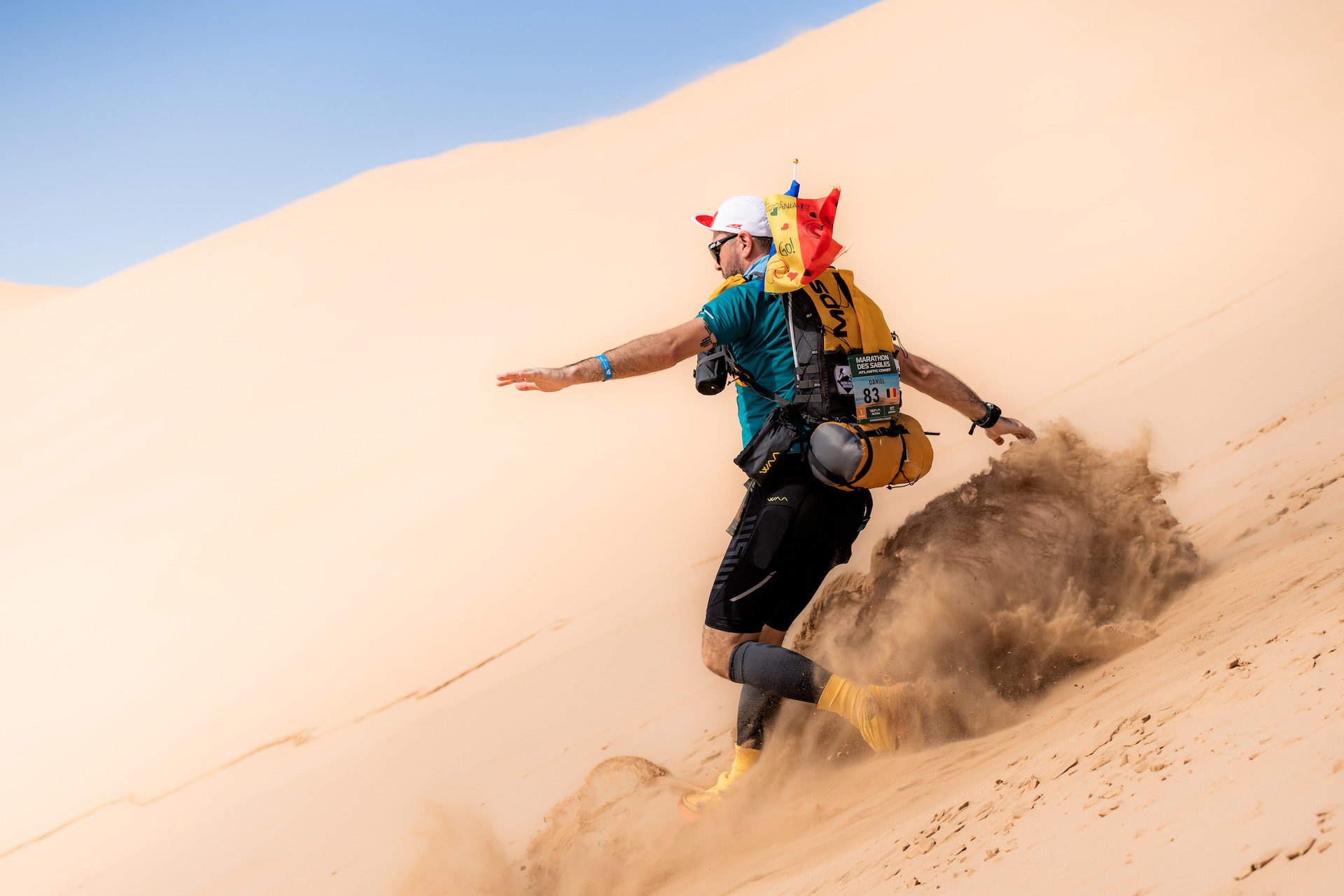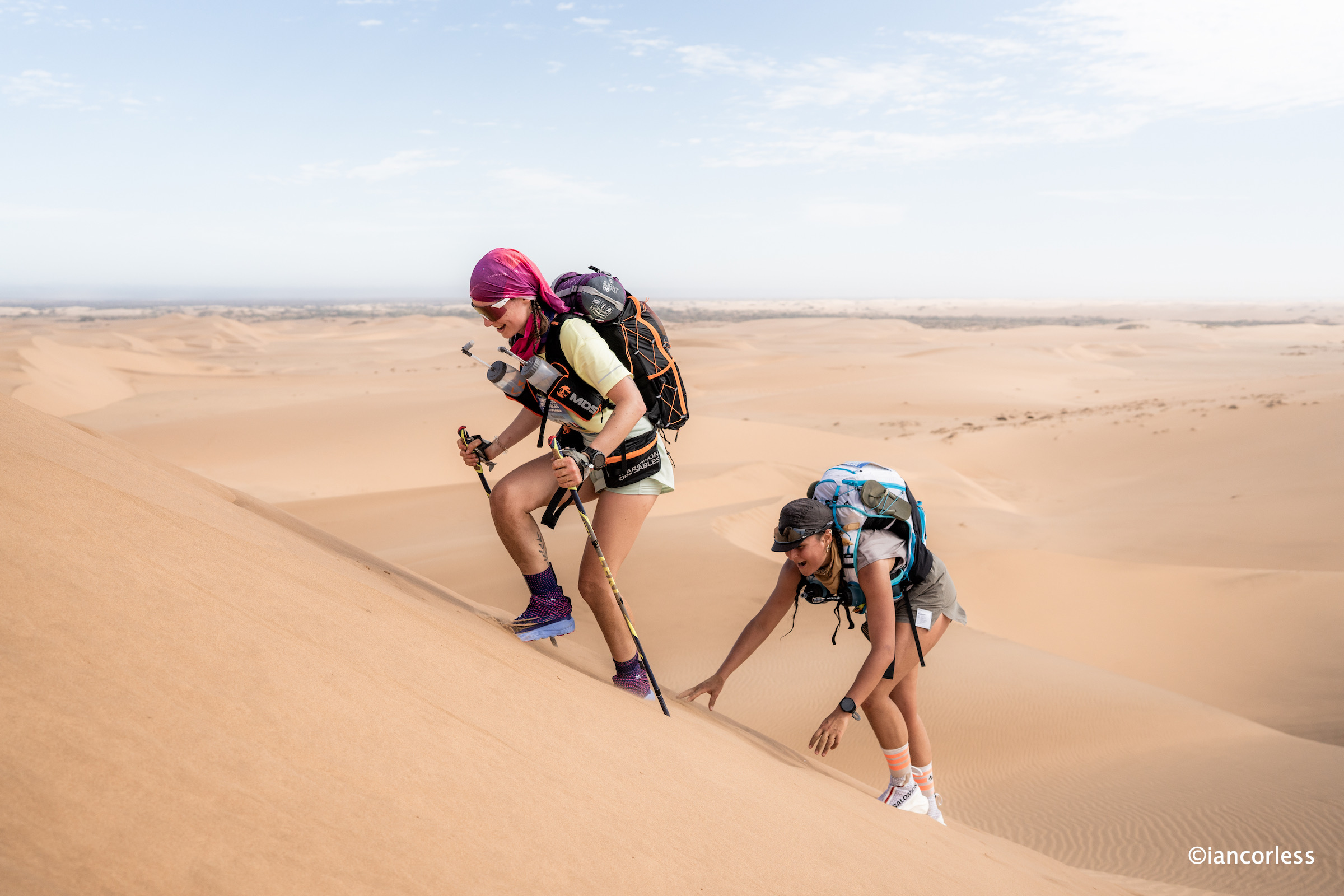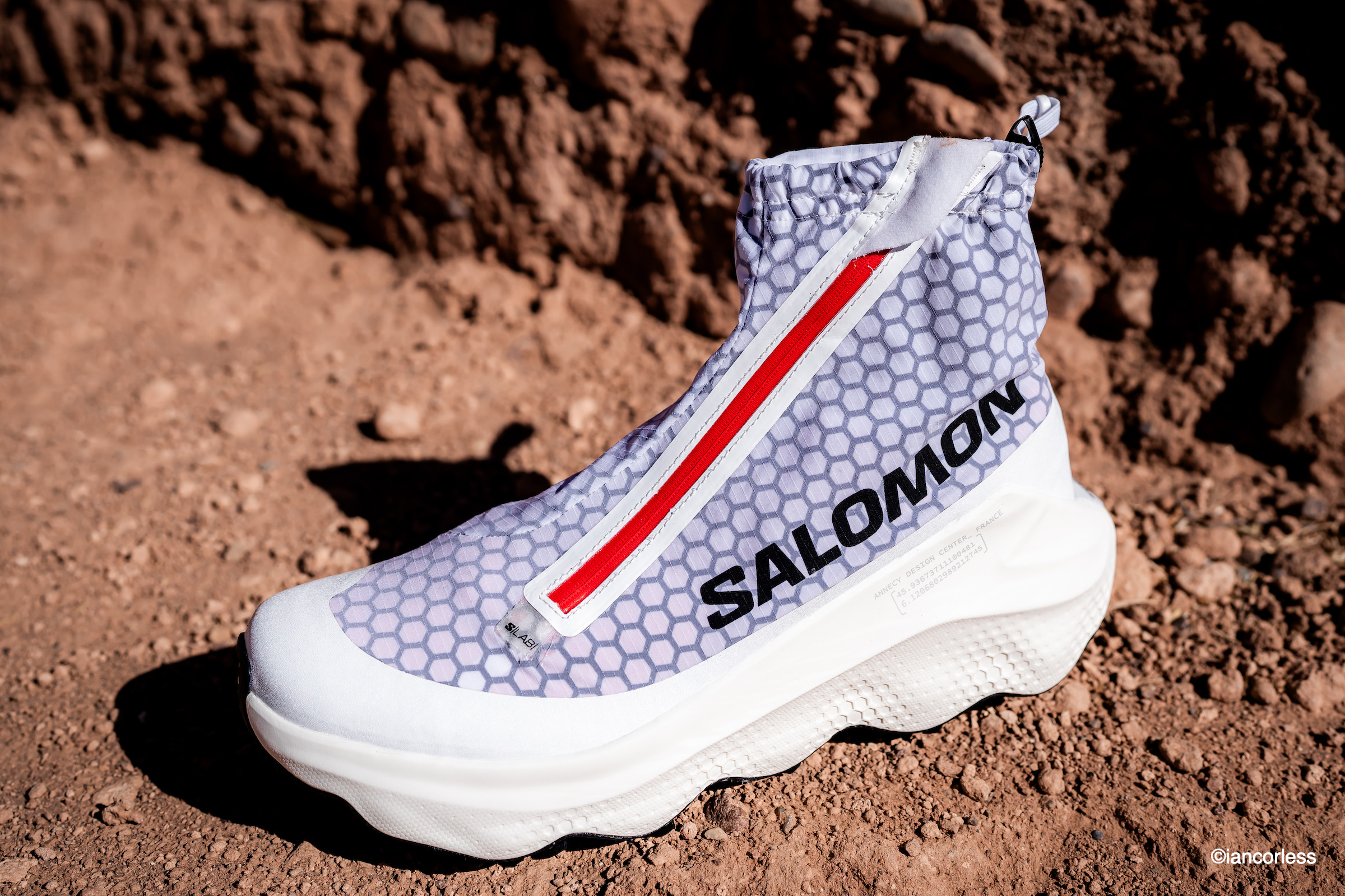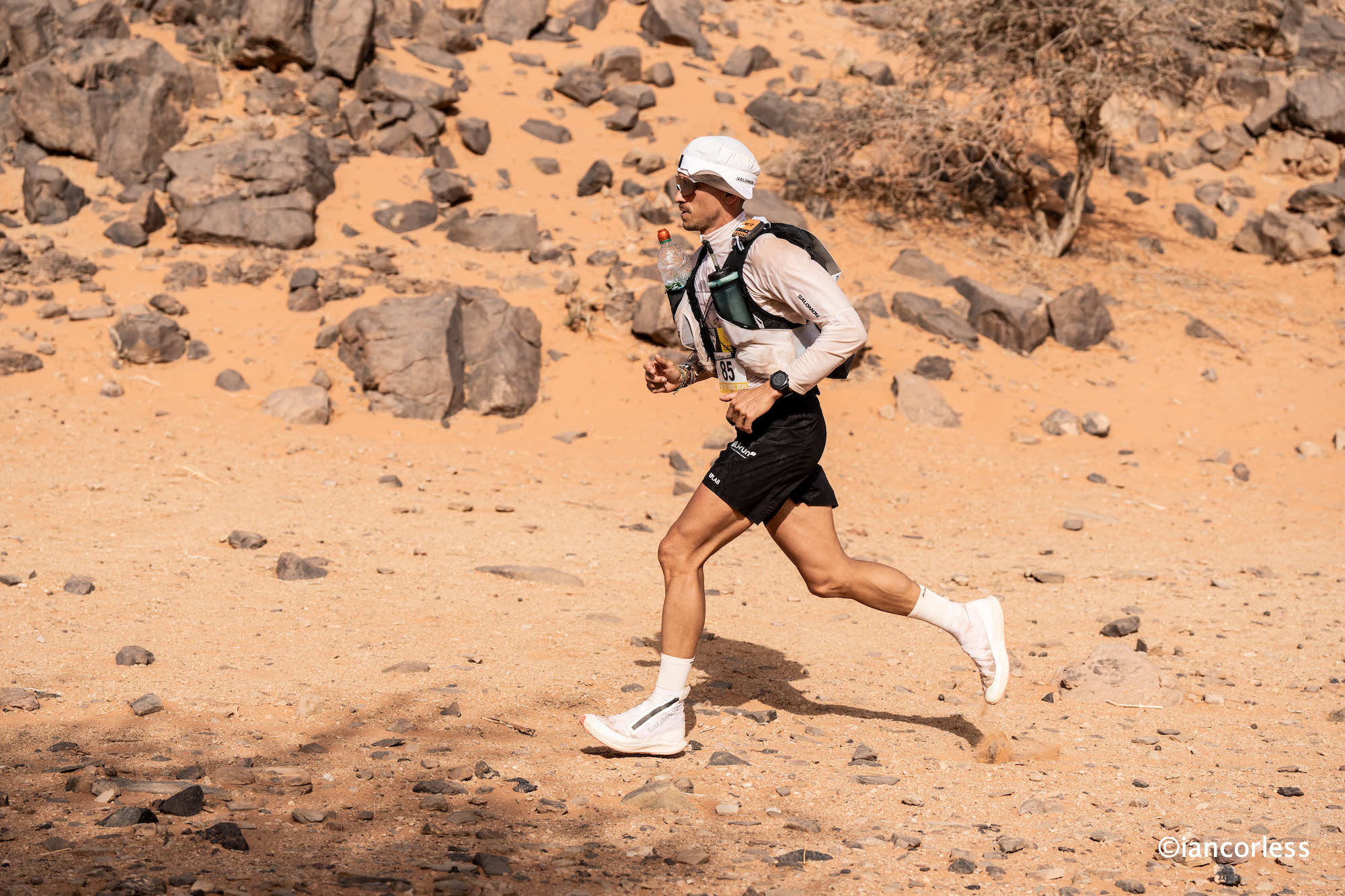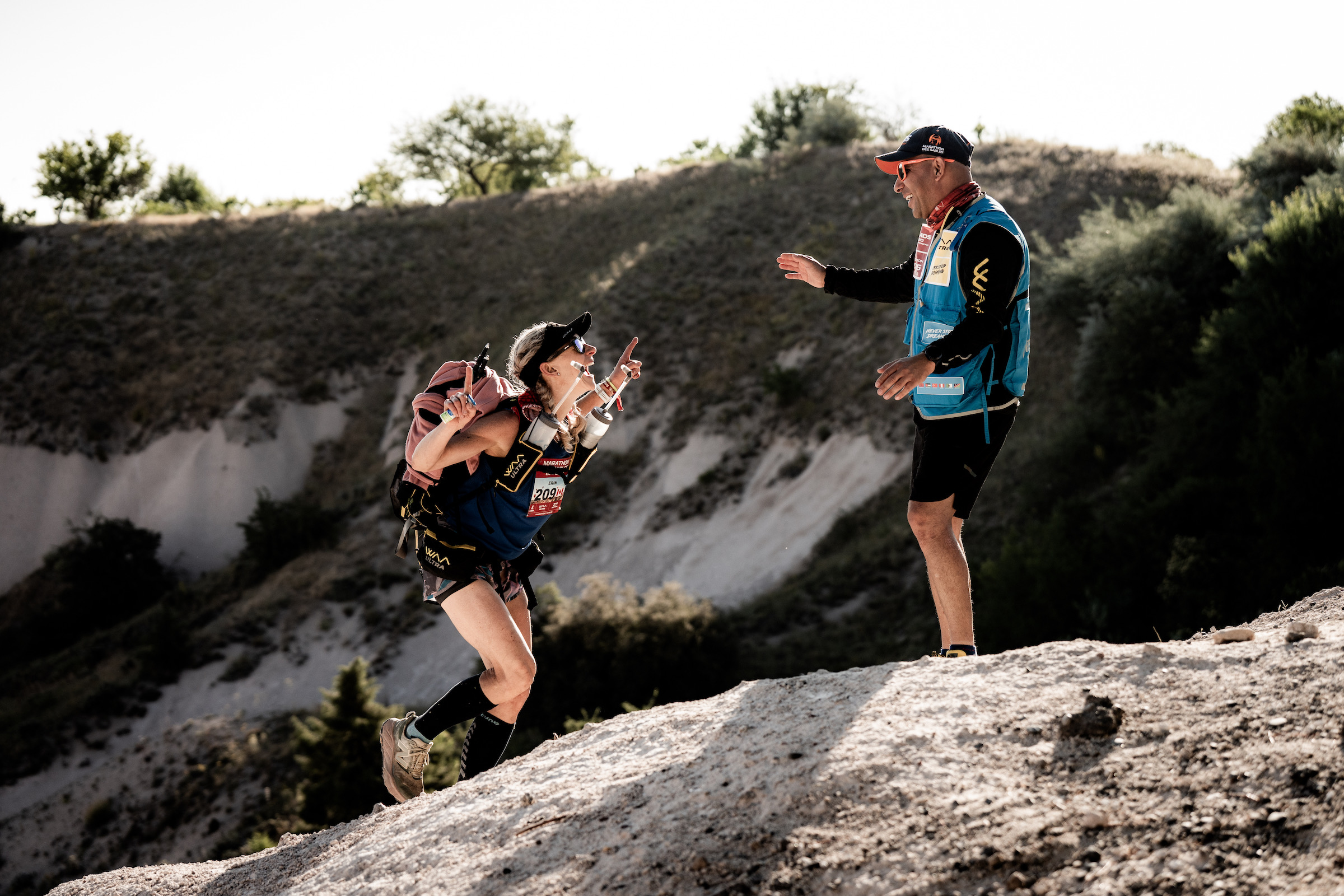
MDS 120 Cappadocia 2025 – Race Summary

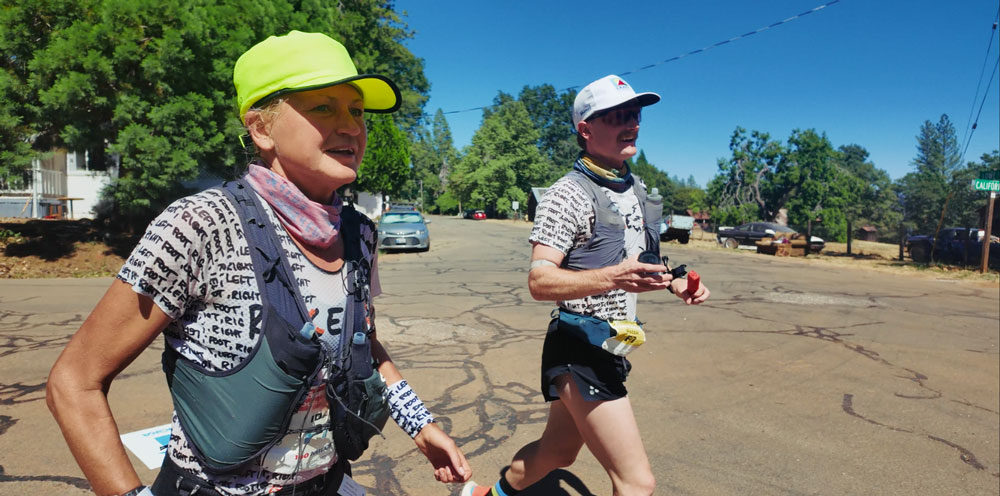
There are races that test your legs. There are others that test your mind. Then there’s the MDS 120 Cappadocia, a four-day,3-stage footrace that breaks down and rebuilds runner’s in one of the most staggering landscapes on Earth.
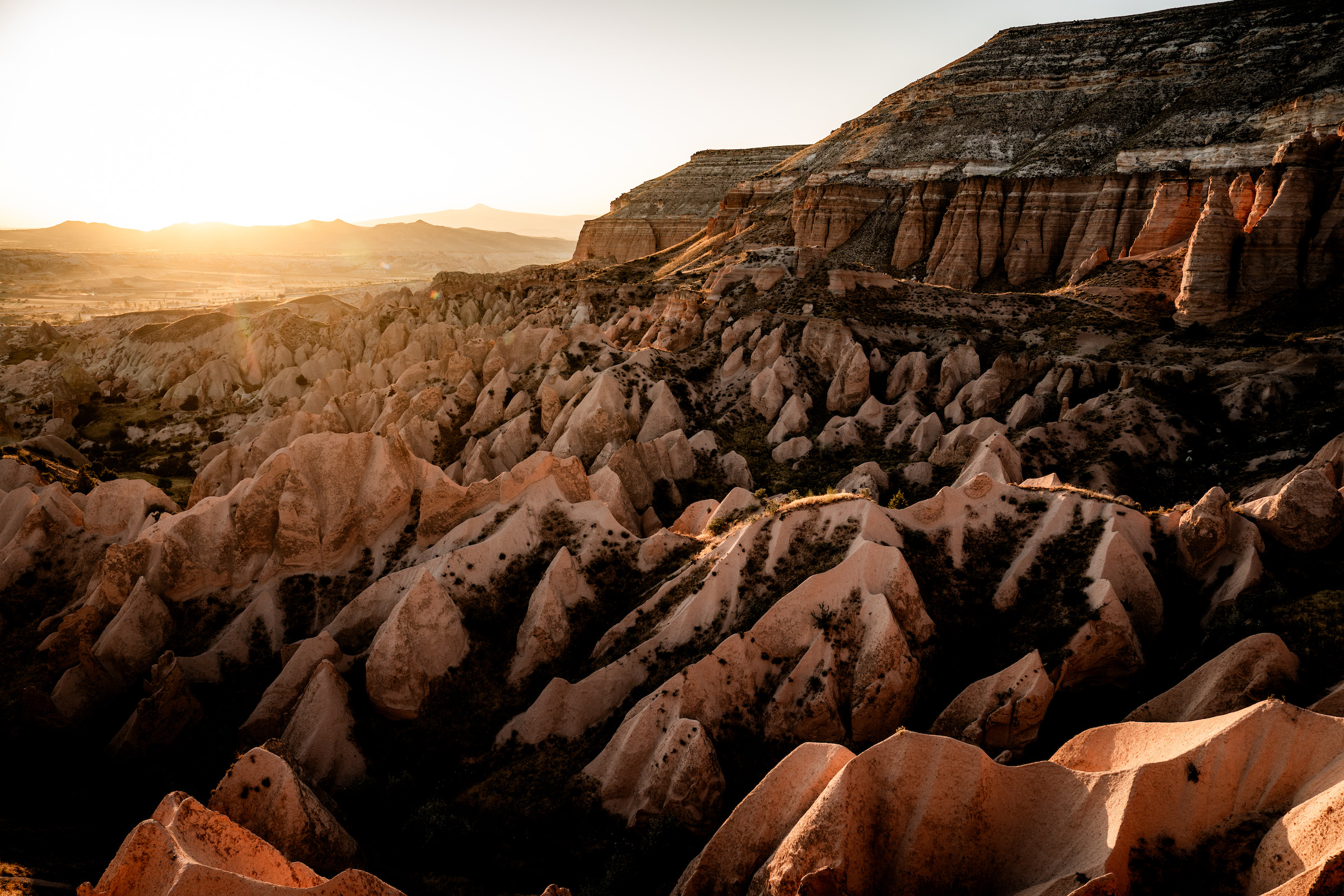
The second edition of this extraordinary event was nothing short of epic. It fused the spirit of ultra-running with the magic of deep time, where each participant pushed through heat, fatigue, and self-doubt and yet felt part of something much larger, something ancient, something eternal.
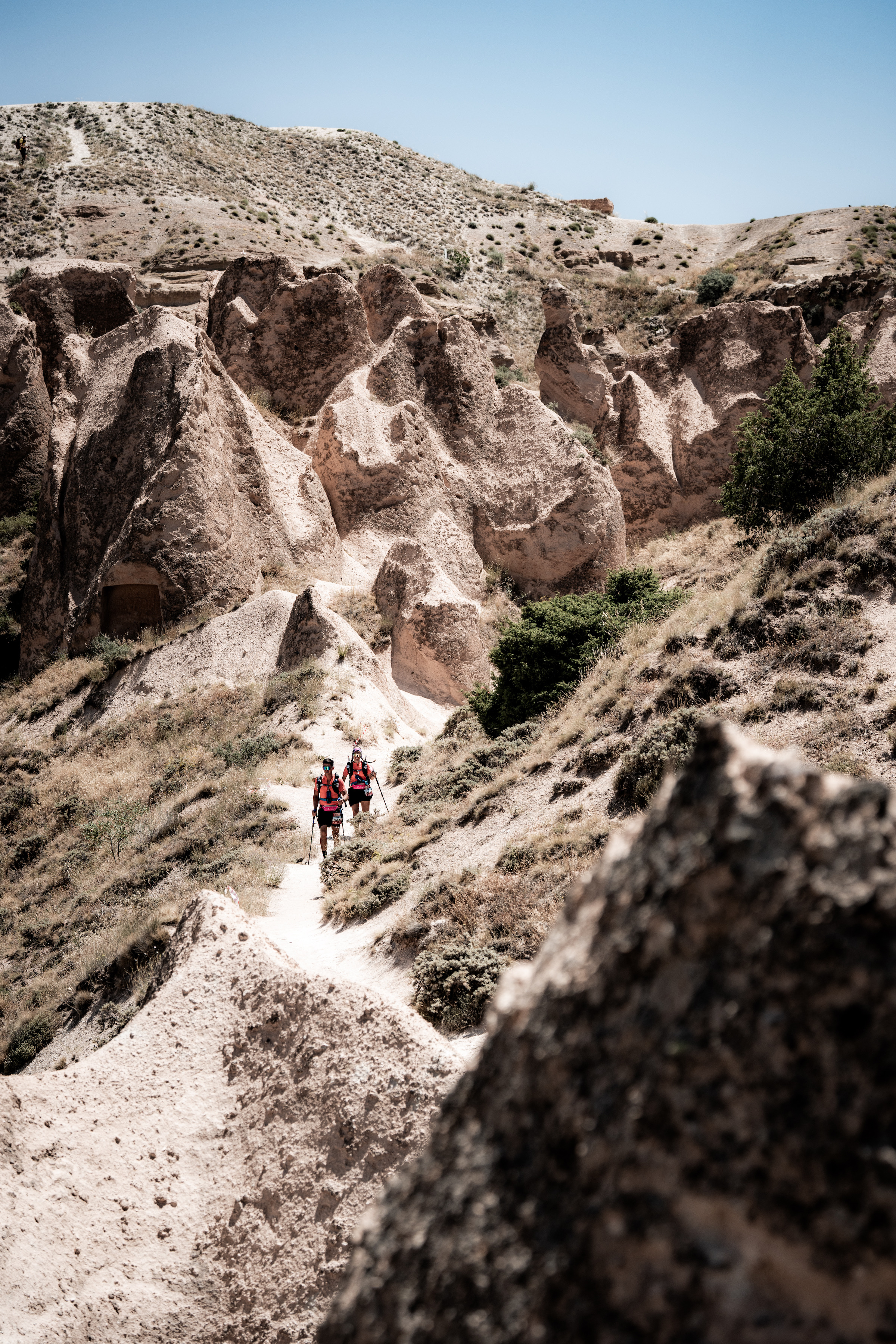
Cappadocia is not a place that’s easily explained. Words fall short, pictures get close, but to run through it, that’s where the real story begins. From the first light of dawn to the finish line and the glow of the medal, the 2025 MDS 120 Cappadocia offered an experience that was brutal, beautiful, and of course, unforgettable.
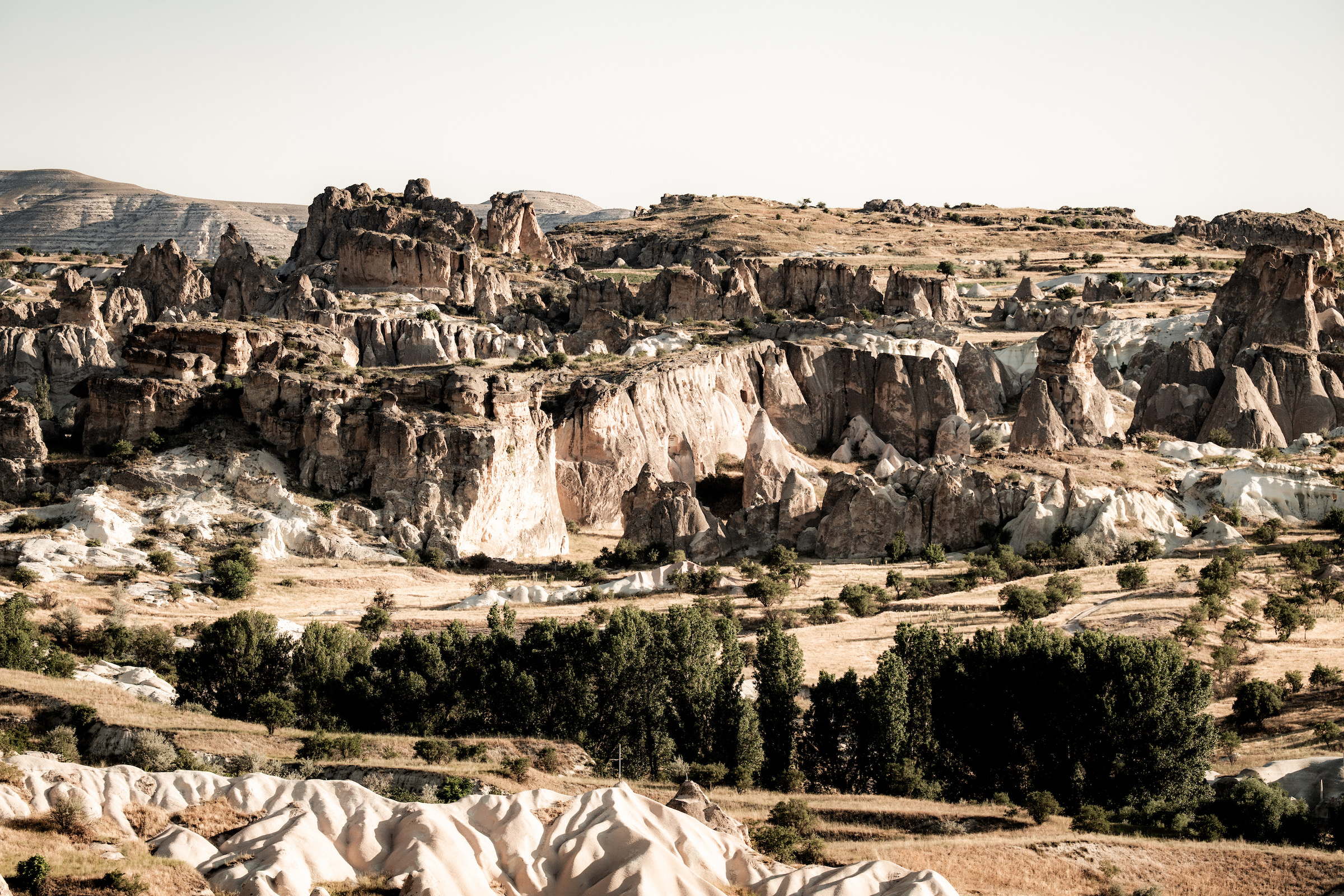
Runners arrived from across the globe with 25 countries represented to stand on the start line beneath towering rock formations that look like they belong on another planet. With female participation at a record 62%!
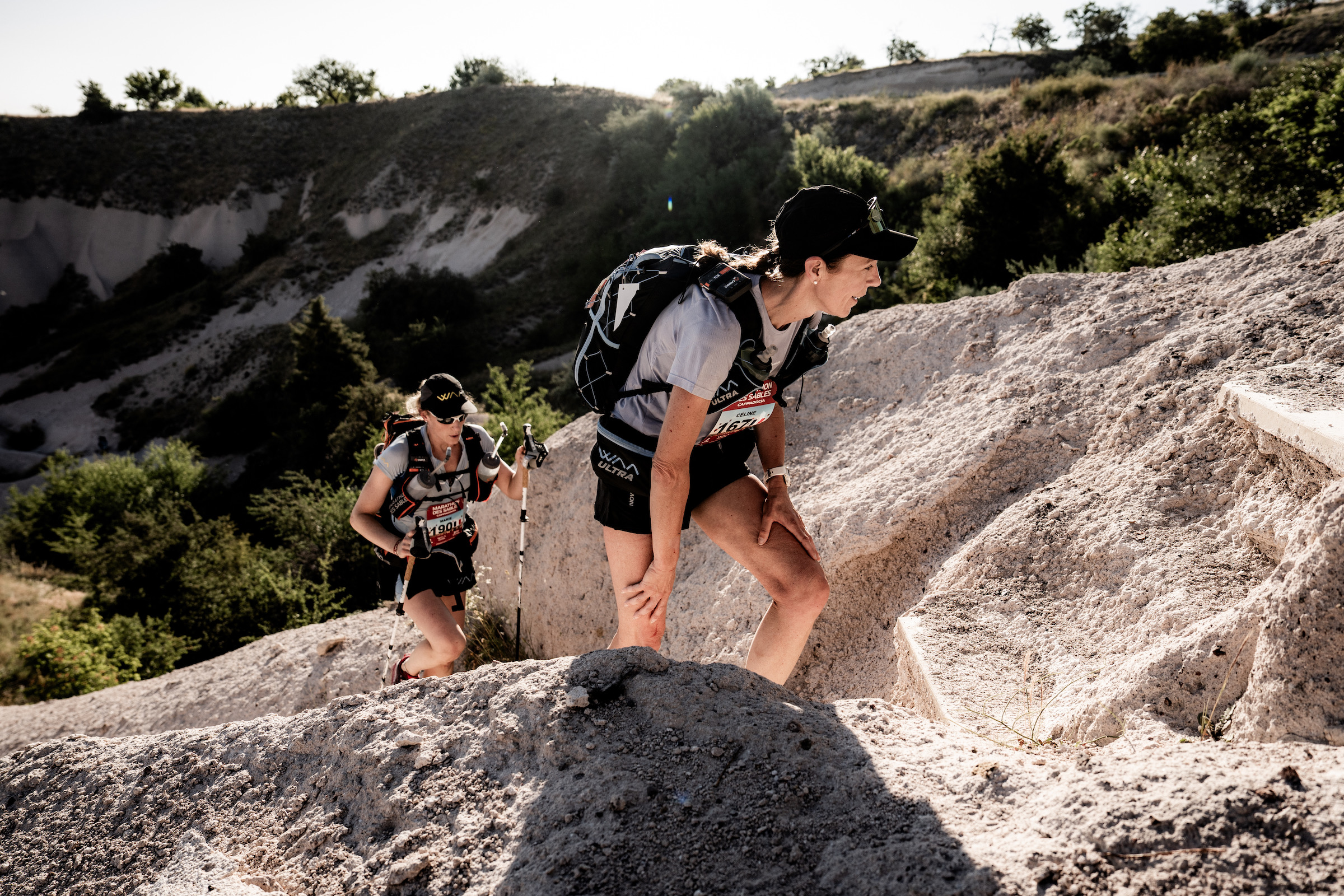
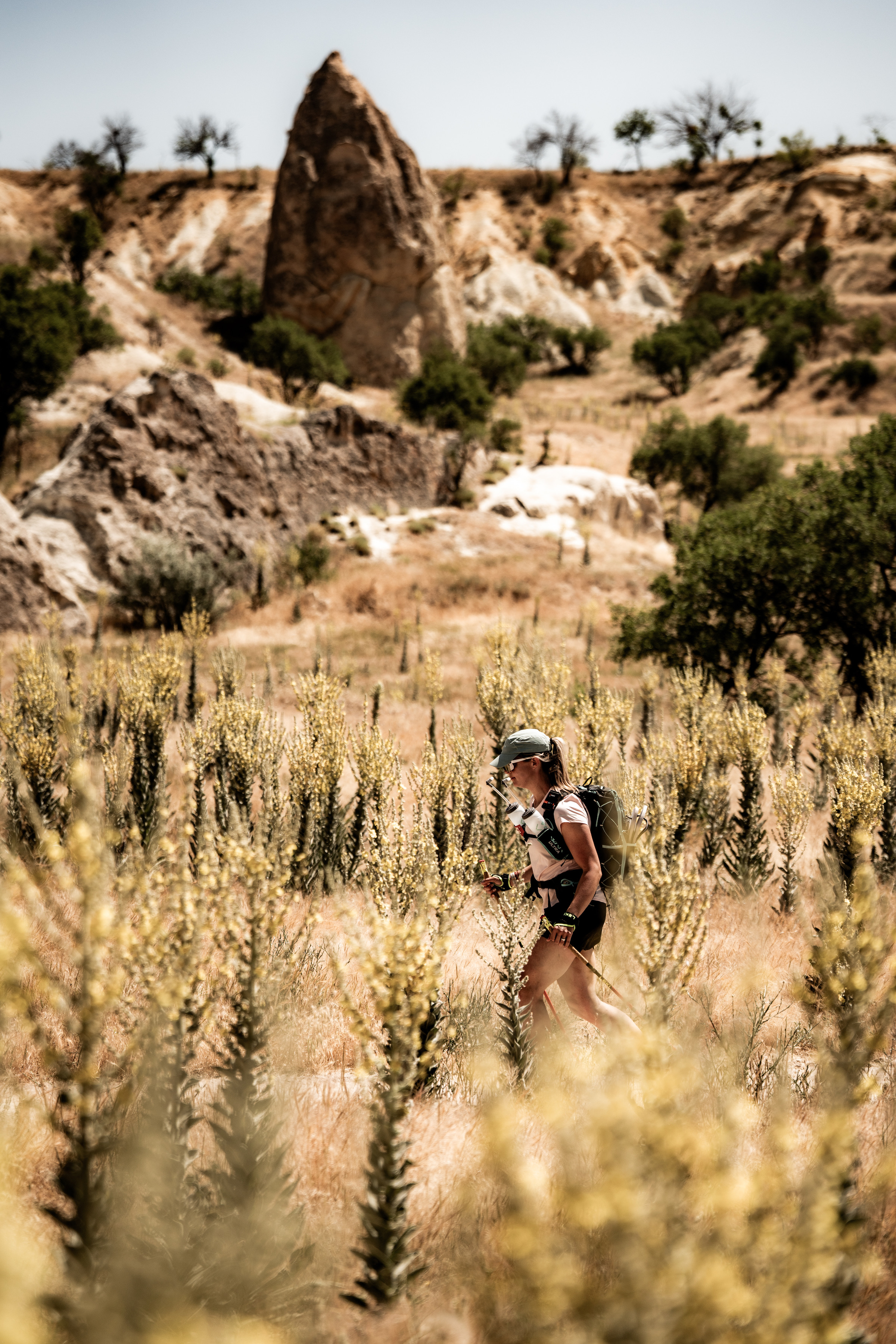
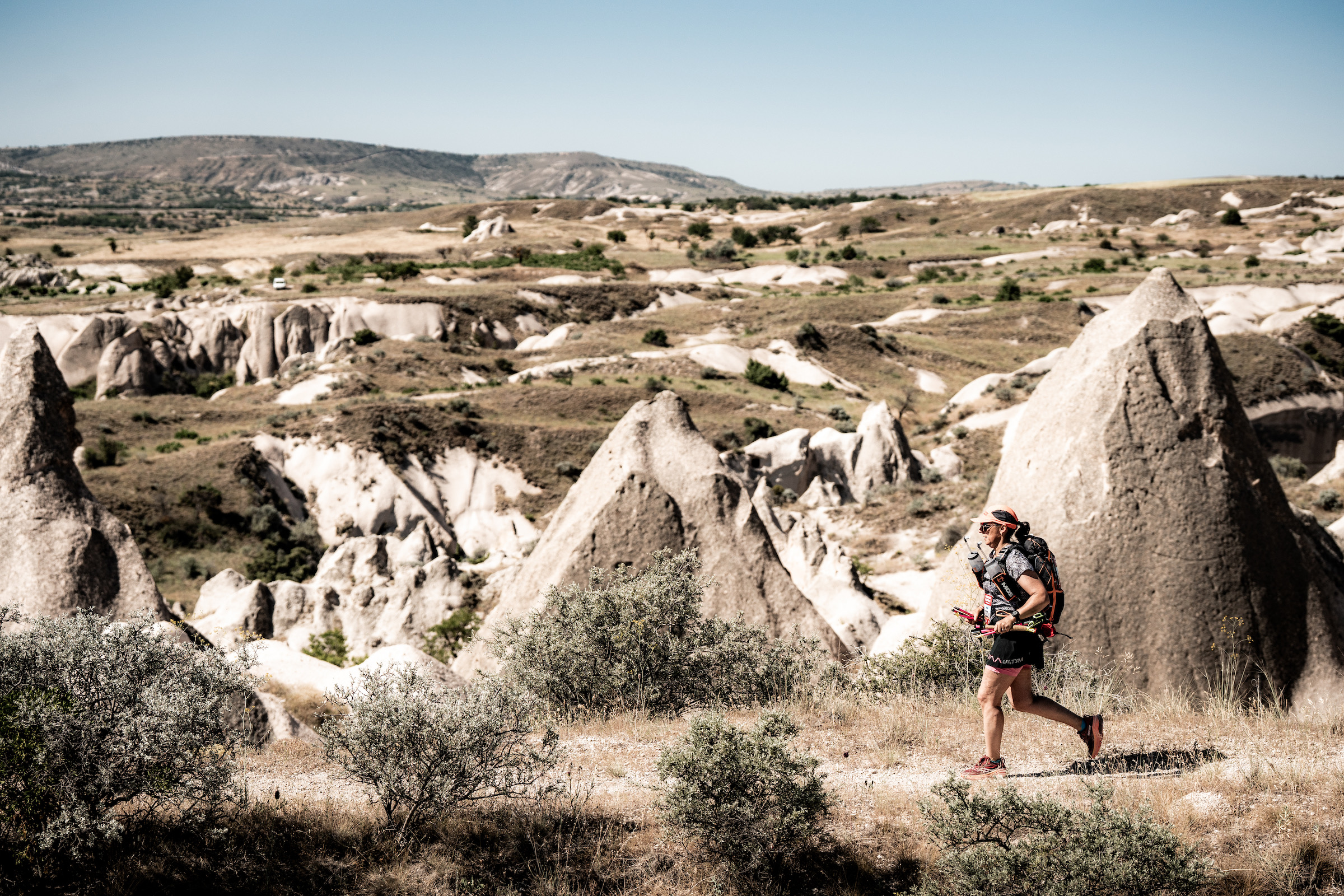
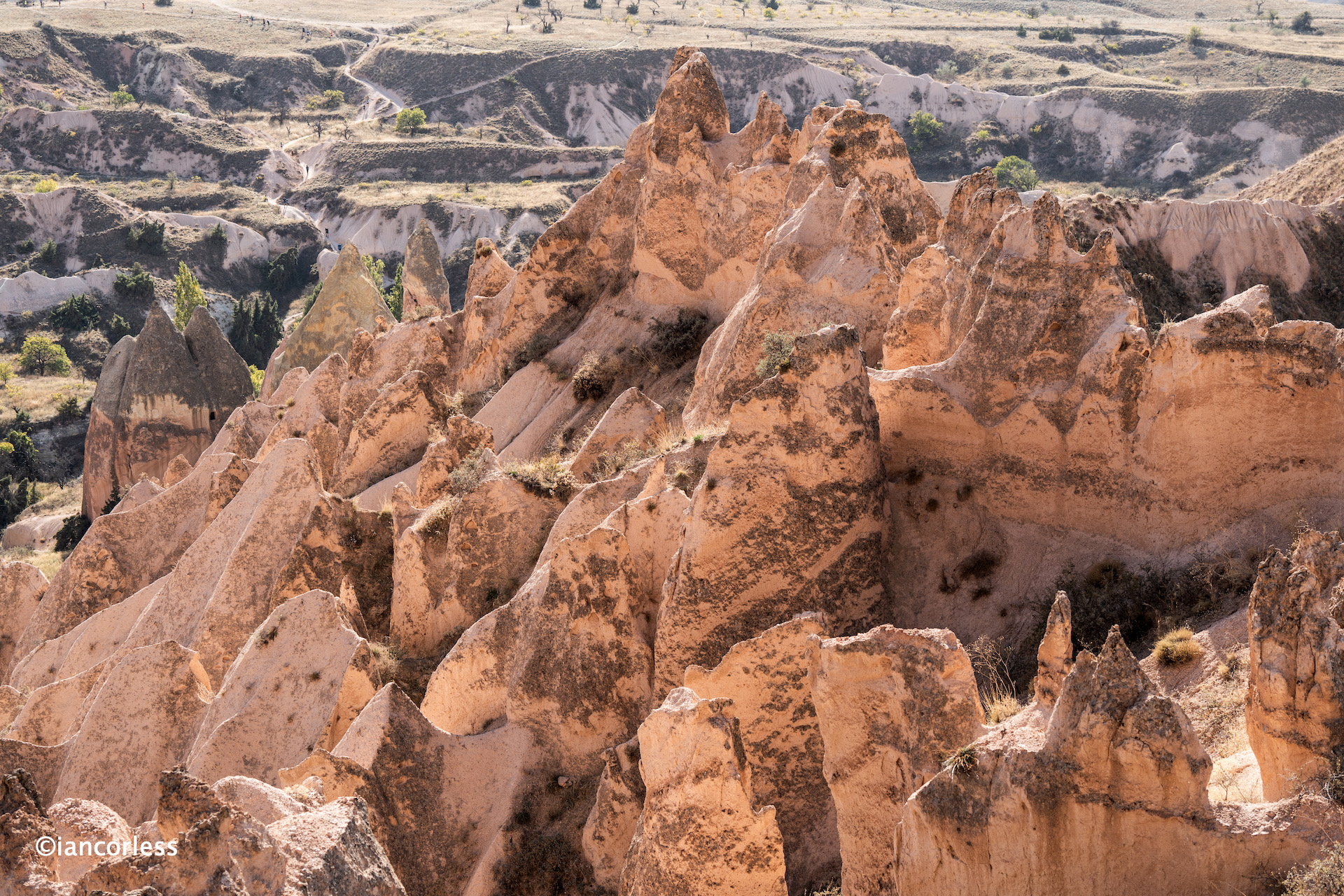
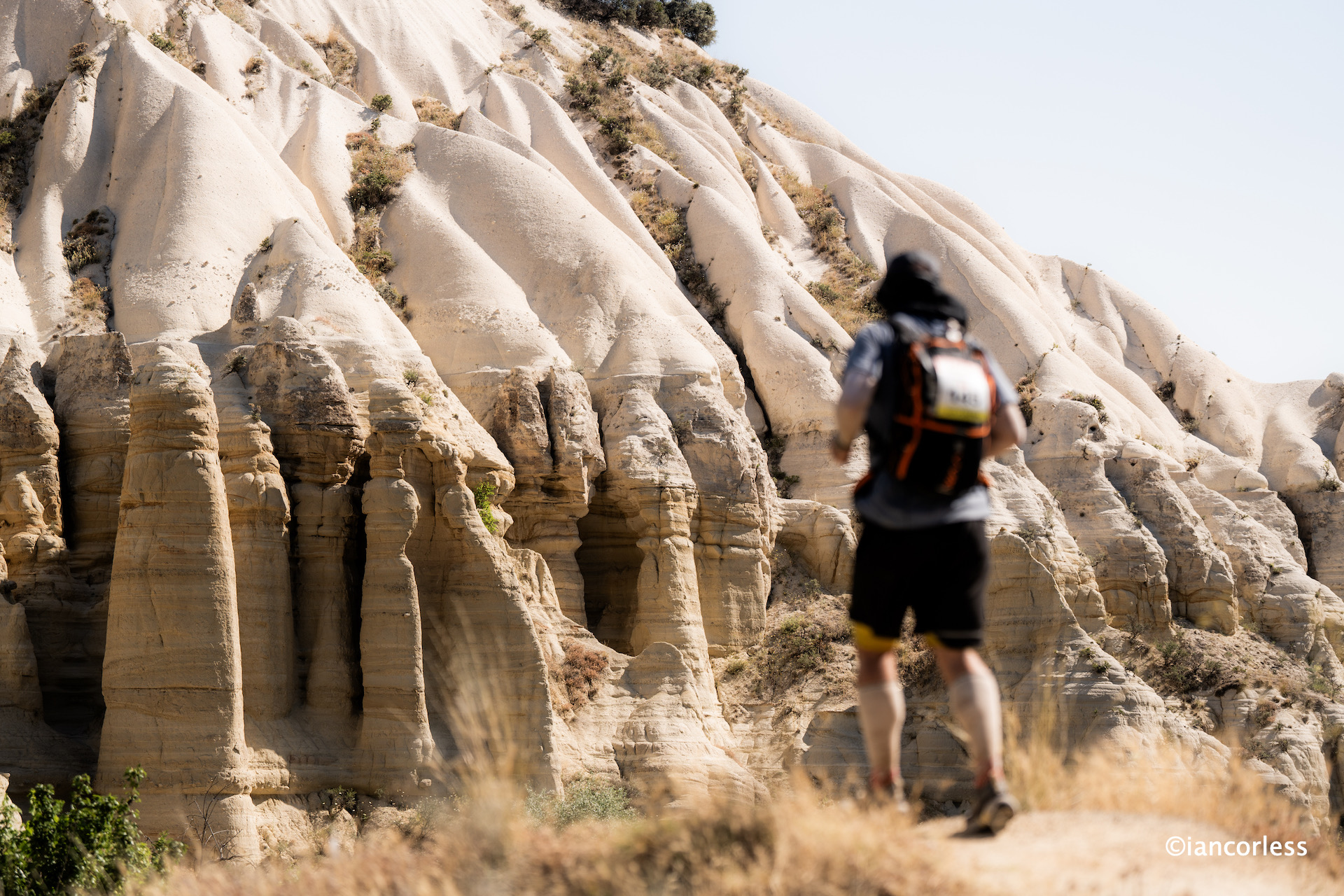
Trails cut through a high-altitude dreamscape where volcanoes once erupted, empires rose and fell, and entire civilisations carved homes into the rock. To run here is to move through living history, a living museum of geology, culture, and time itself. Cappadocia is the kind of place that feels mythic. Its valleys have names like Love, Rose, and Red.
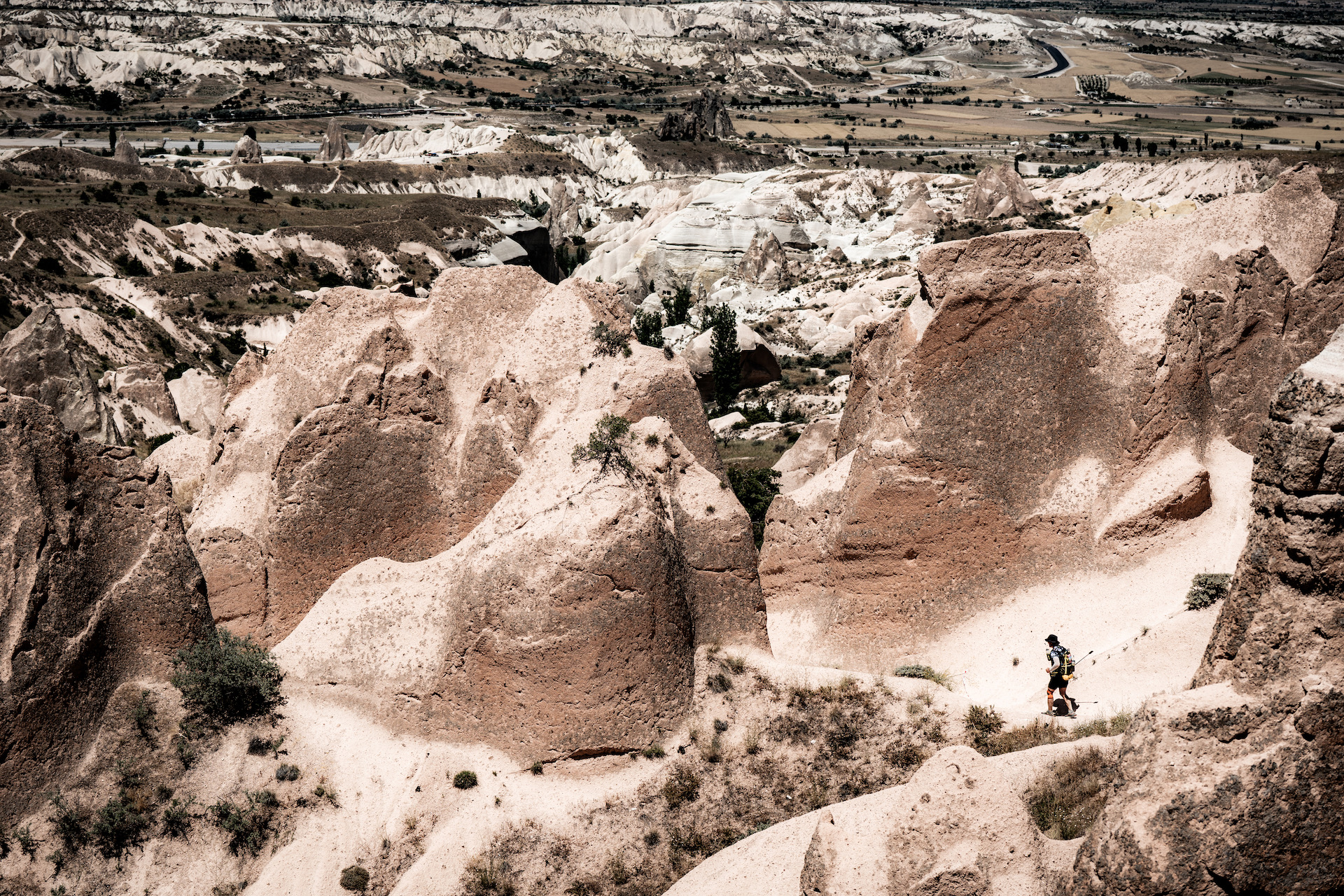
The format of the race was designed to challenge runners of all levels while still demanding serious endurance. The full race spanned up to 120 kms over three stages, spread across four days with one rest day in the middle. Stage 1 and Stage 3 were the same for all runners, but Stage 2 offered a unique choice: 20, 40, or 60 kms, allowing each participant to tailor their challenge to their ability and ambition. This approach gave the event a powerful sense of inclusivity while preserving the core of what MDS stands for: pushing yourself farther than you thought you could go.
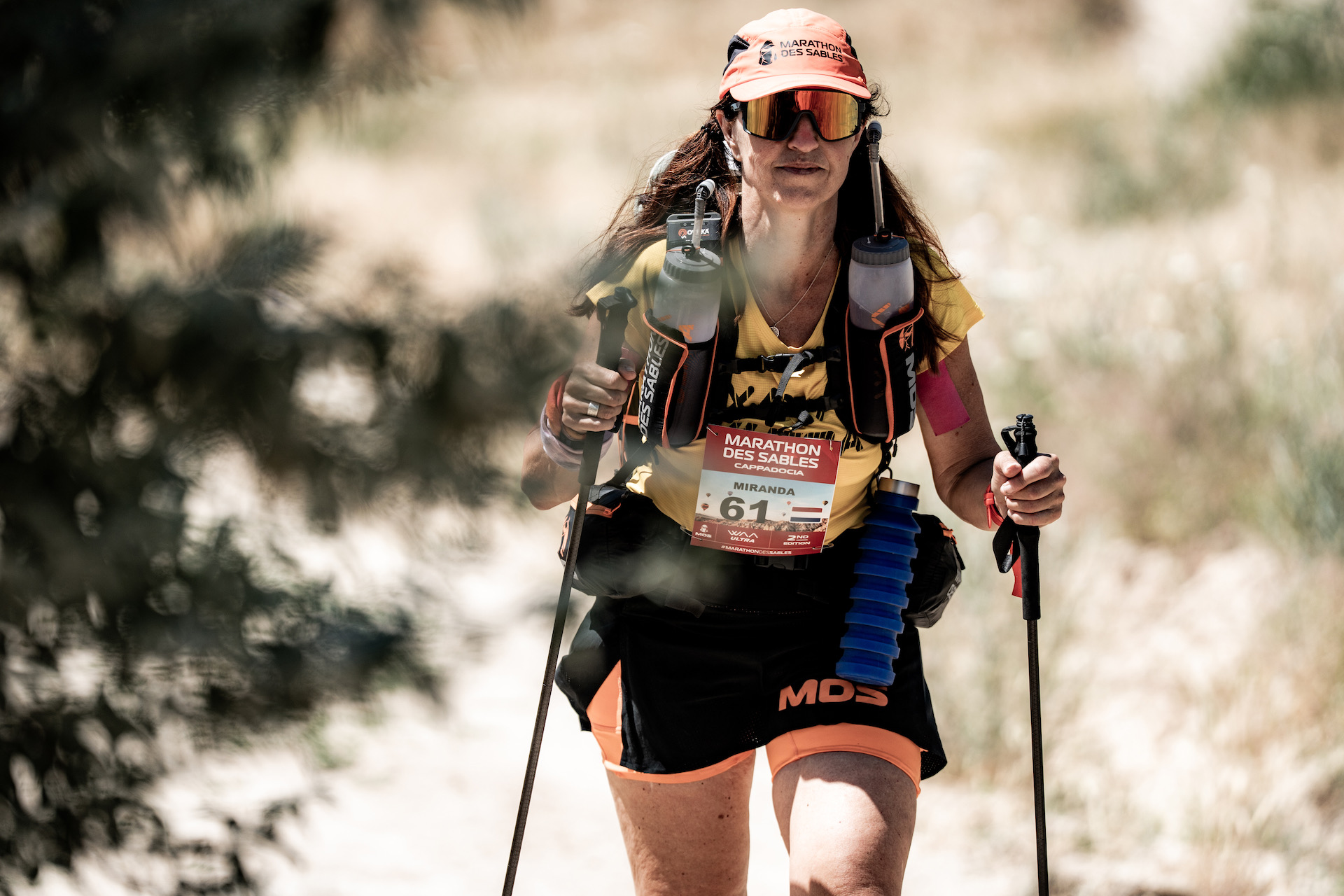
“The terrain, however, had no intention of making anything easy.”
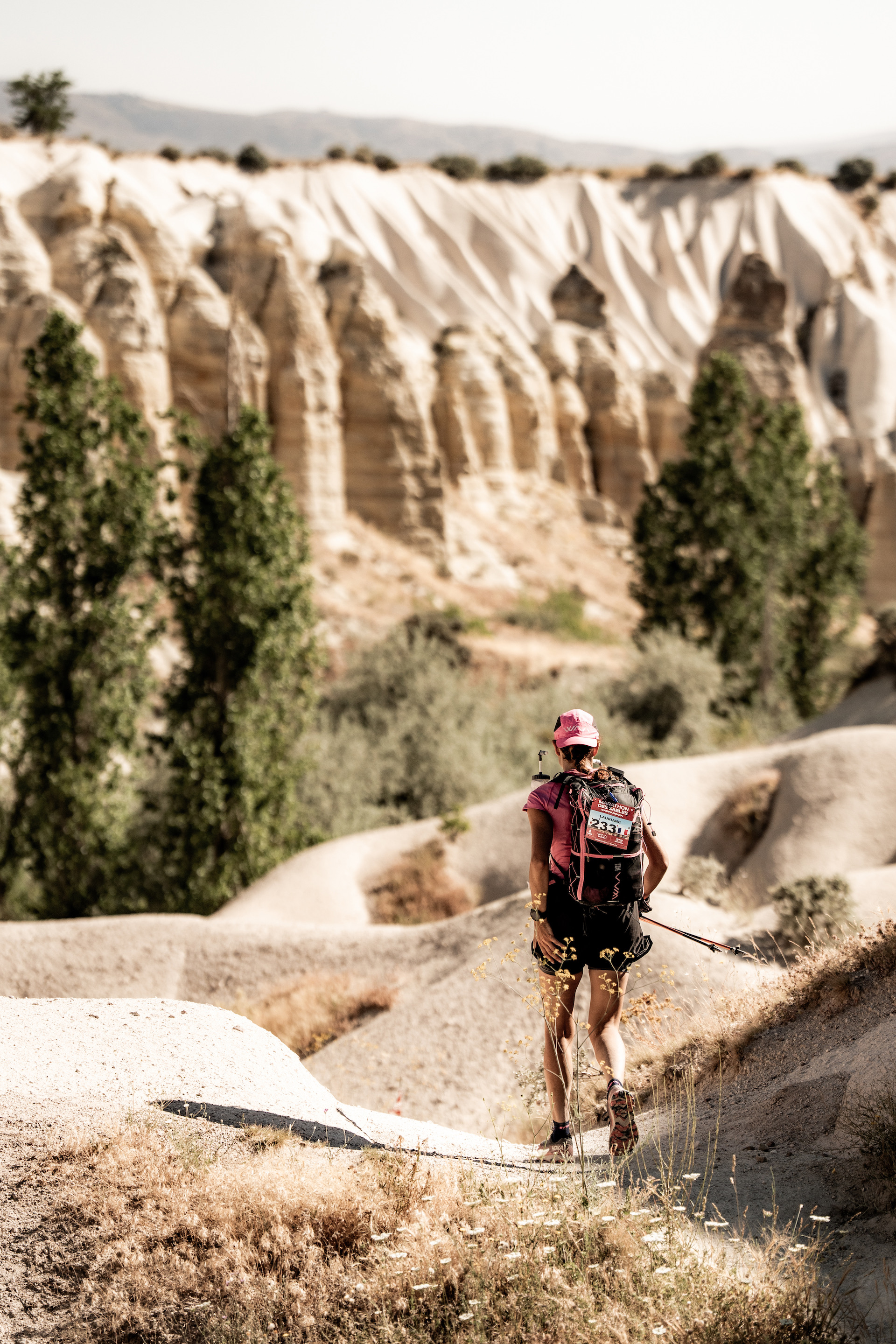
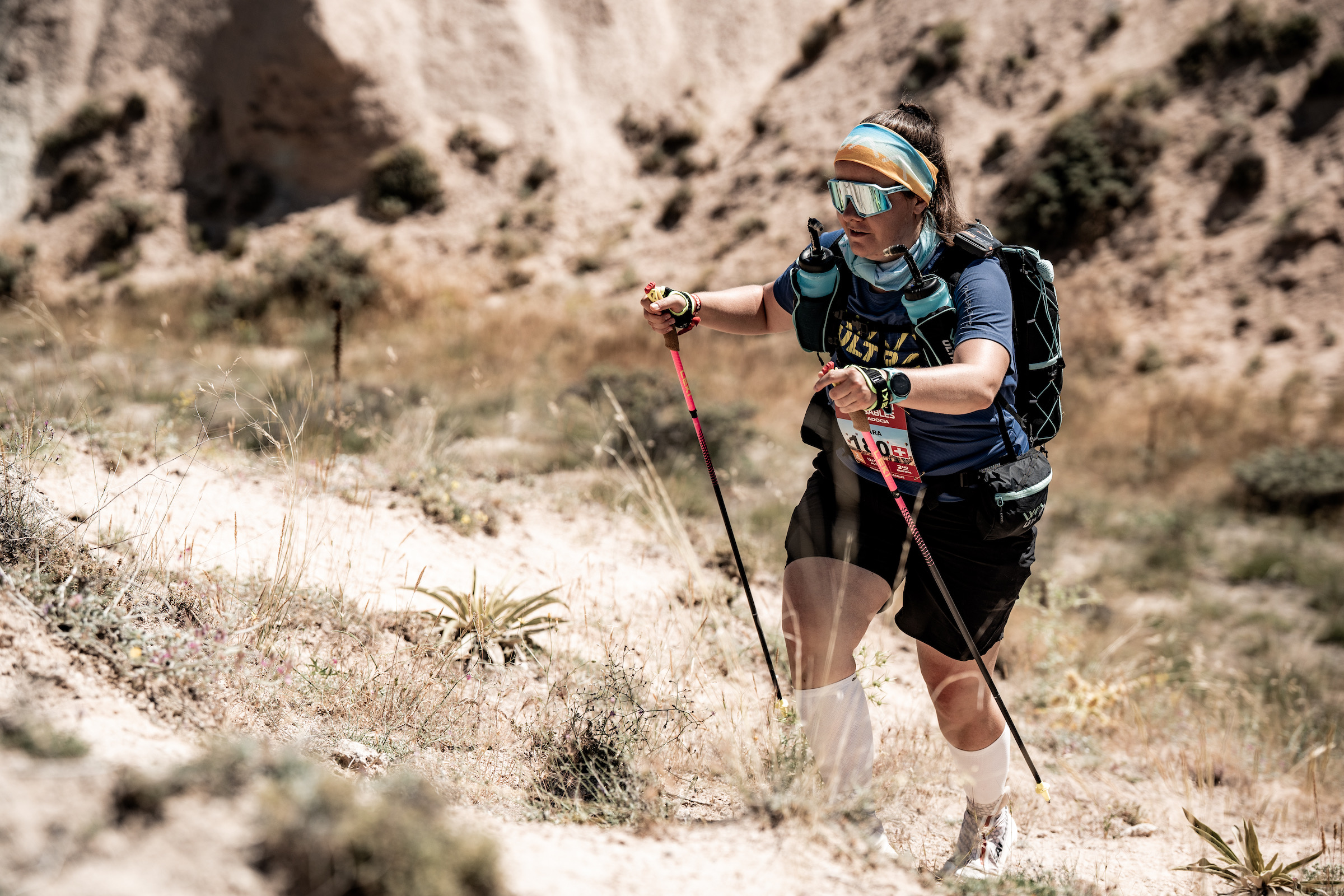
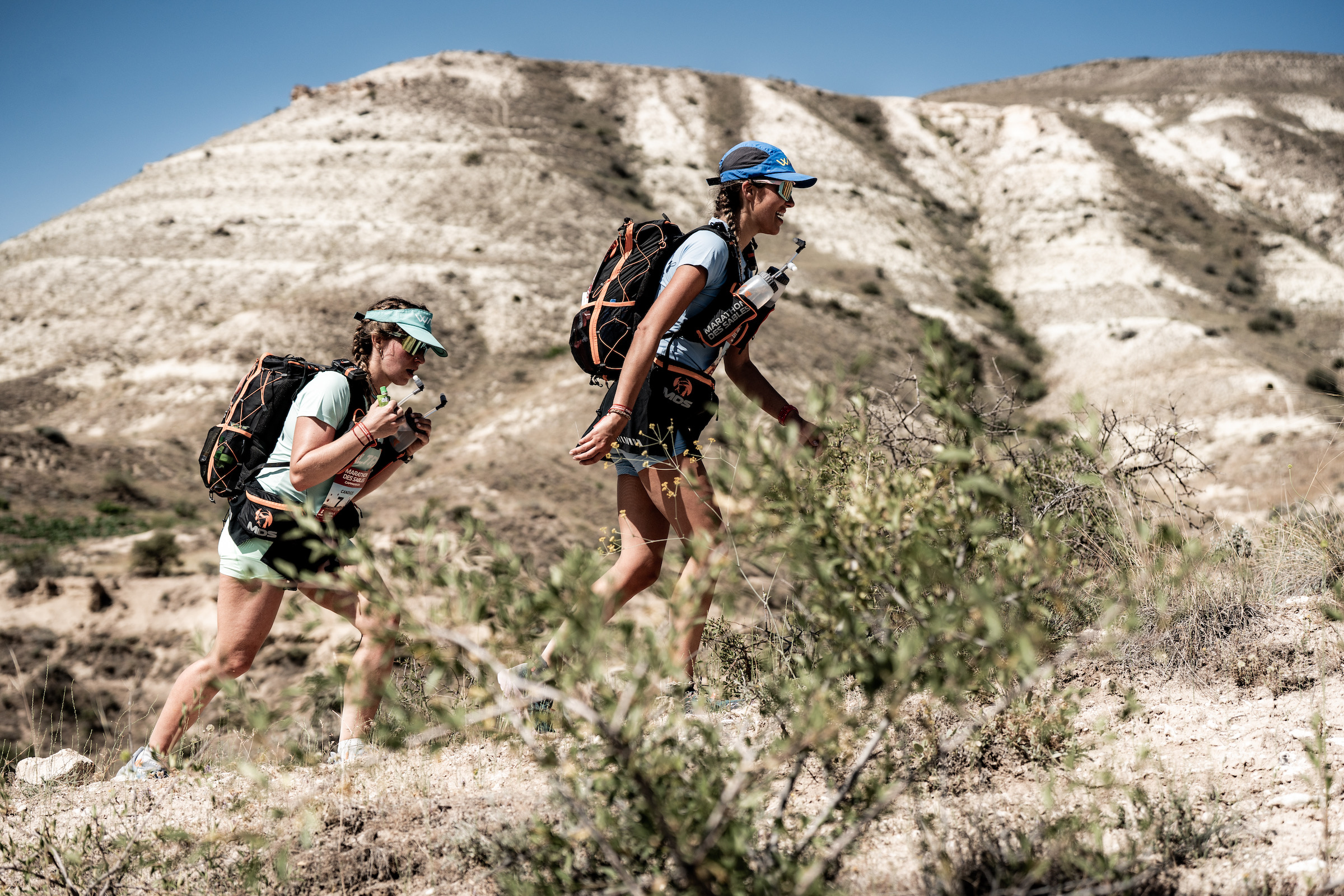
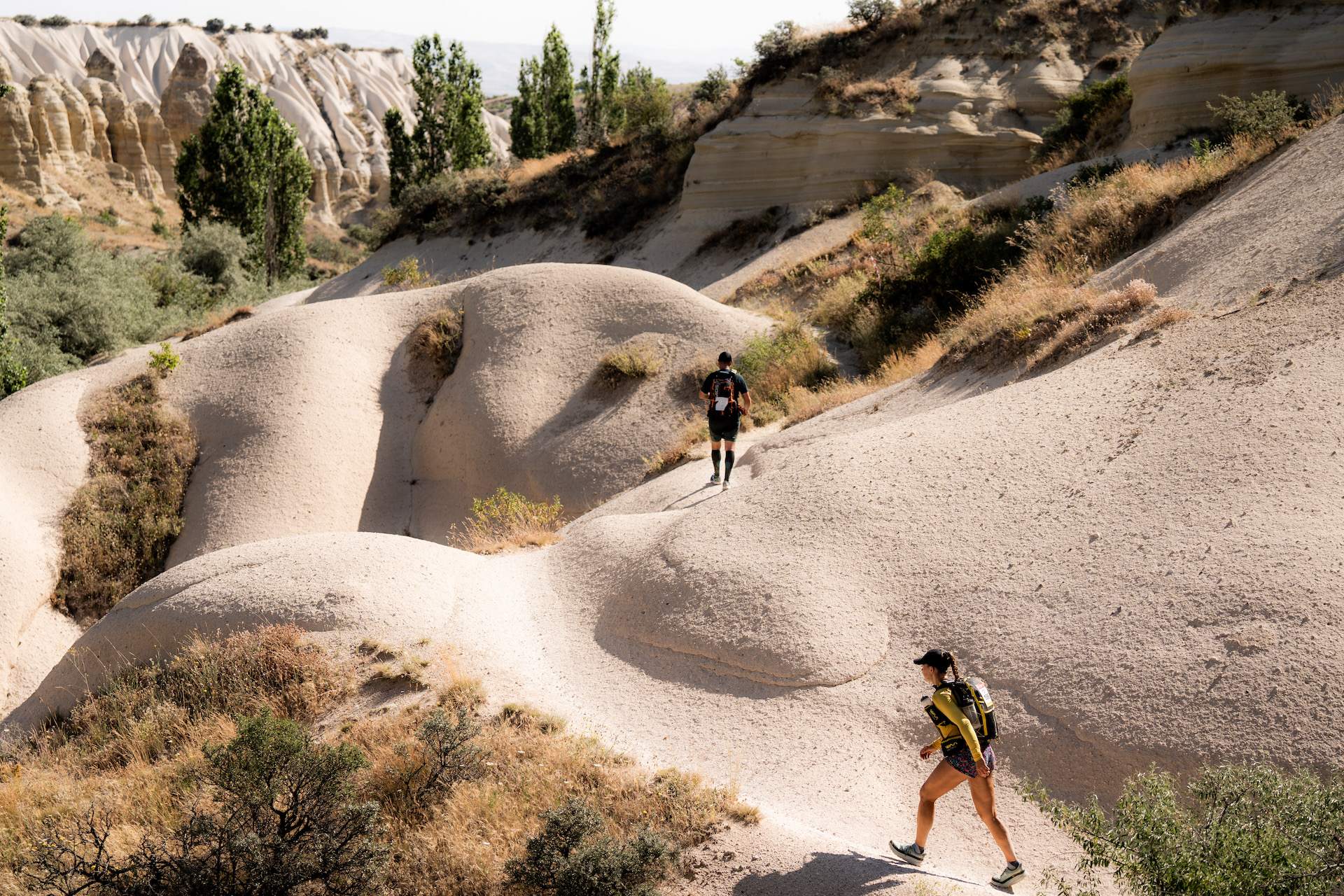
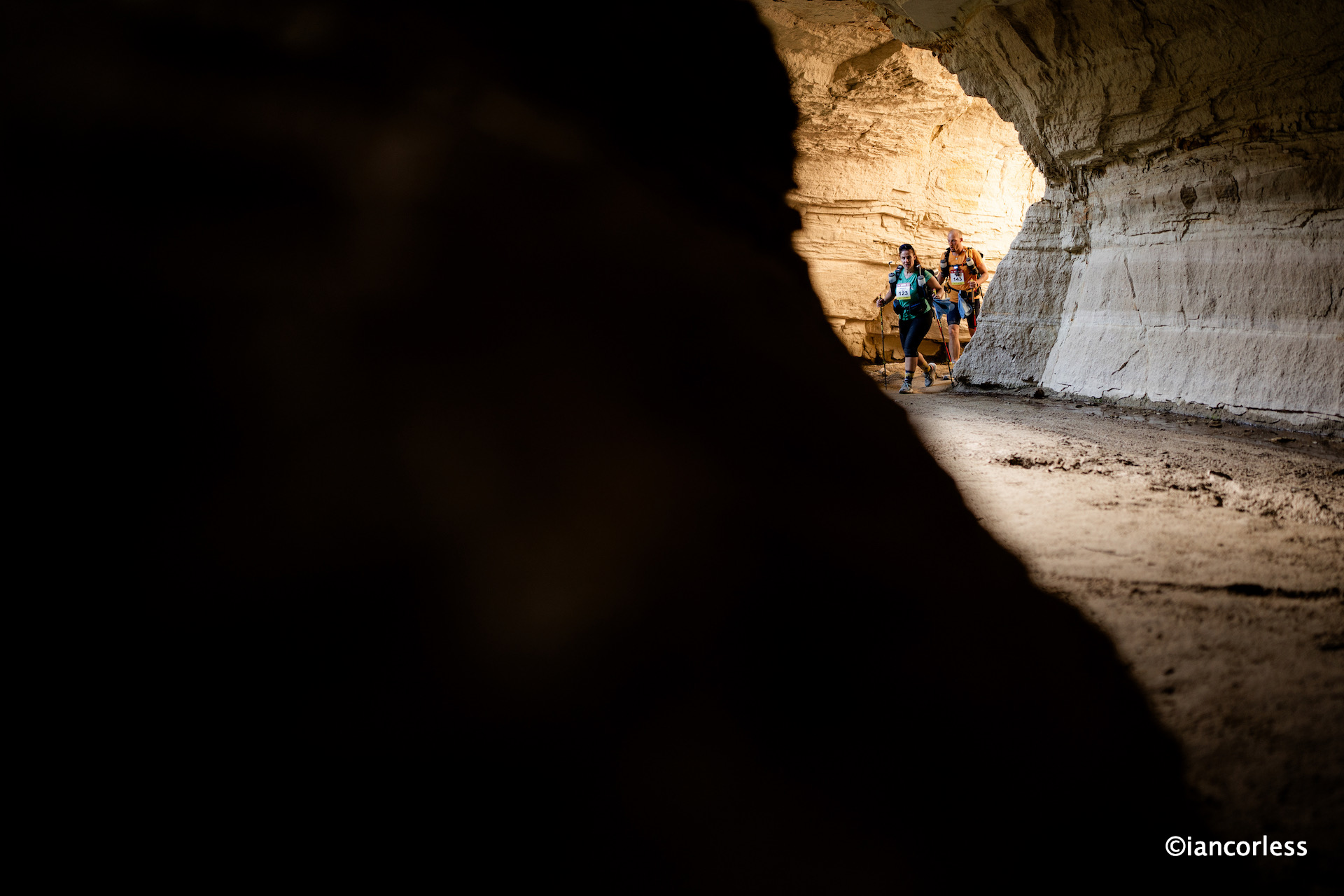
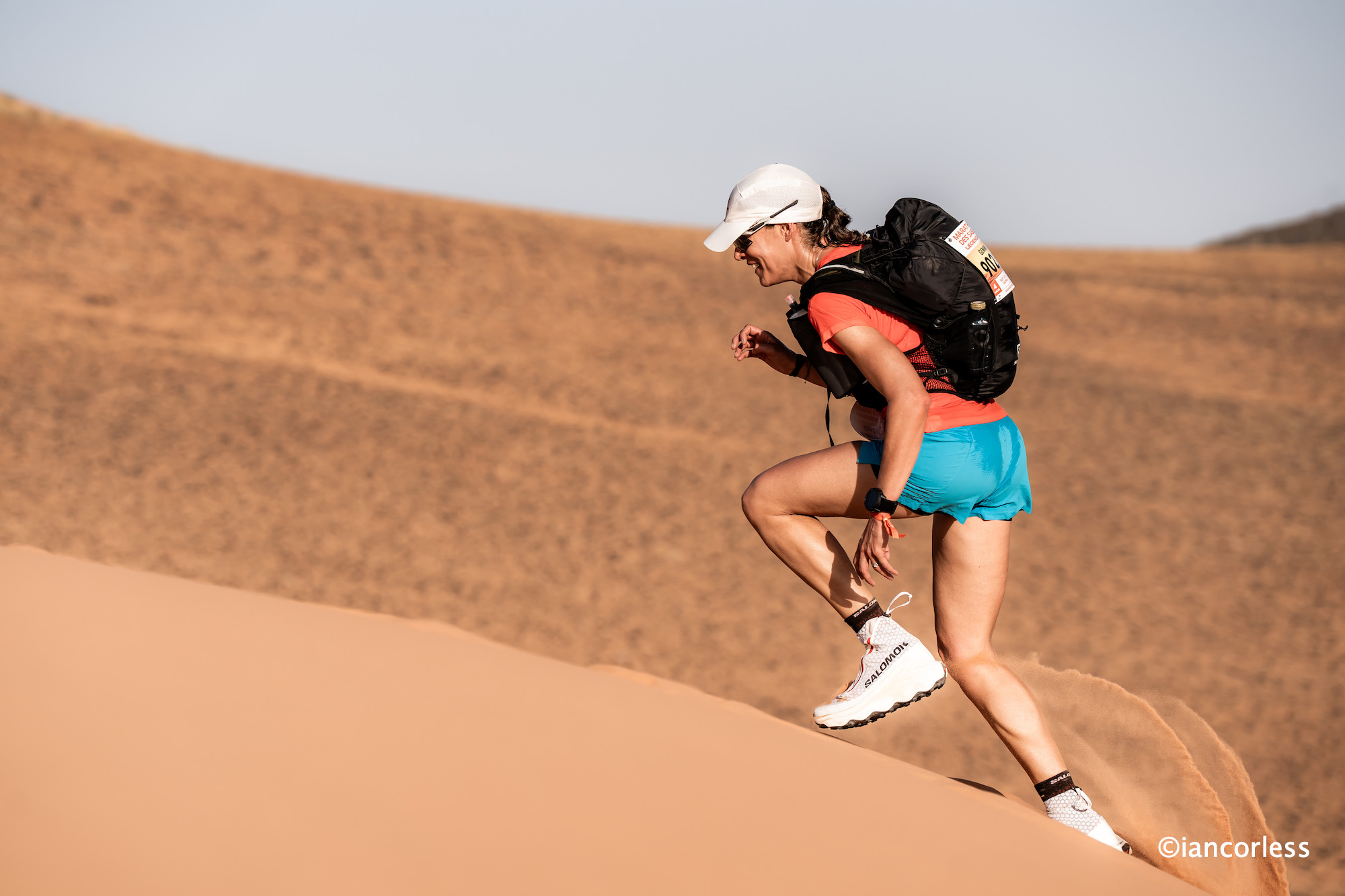
Each day brought something different, a test of legs, lungs, and willpower. Stage 1 began with a baptism of dust and stone, leading runners through twisting canyons and across ancient paths etched into the volcanic rock. The climbs were relentless. The descents were technical and punishing.
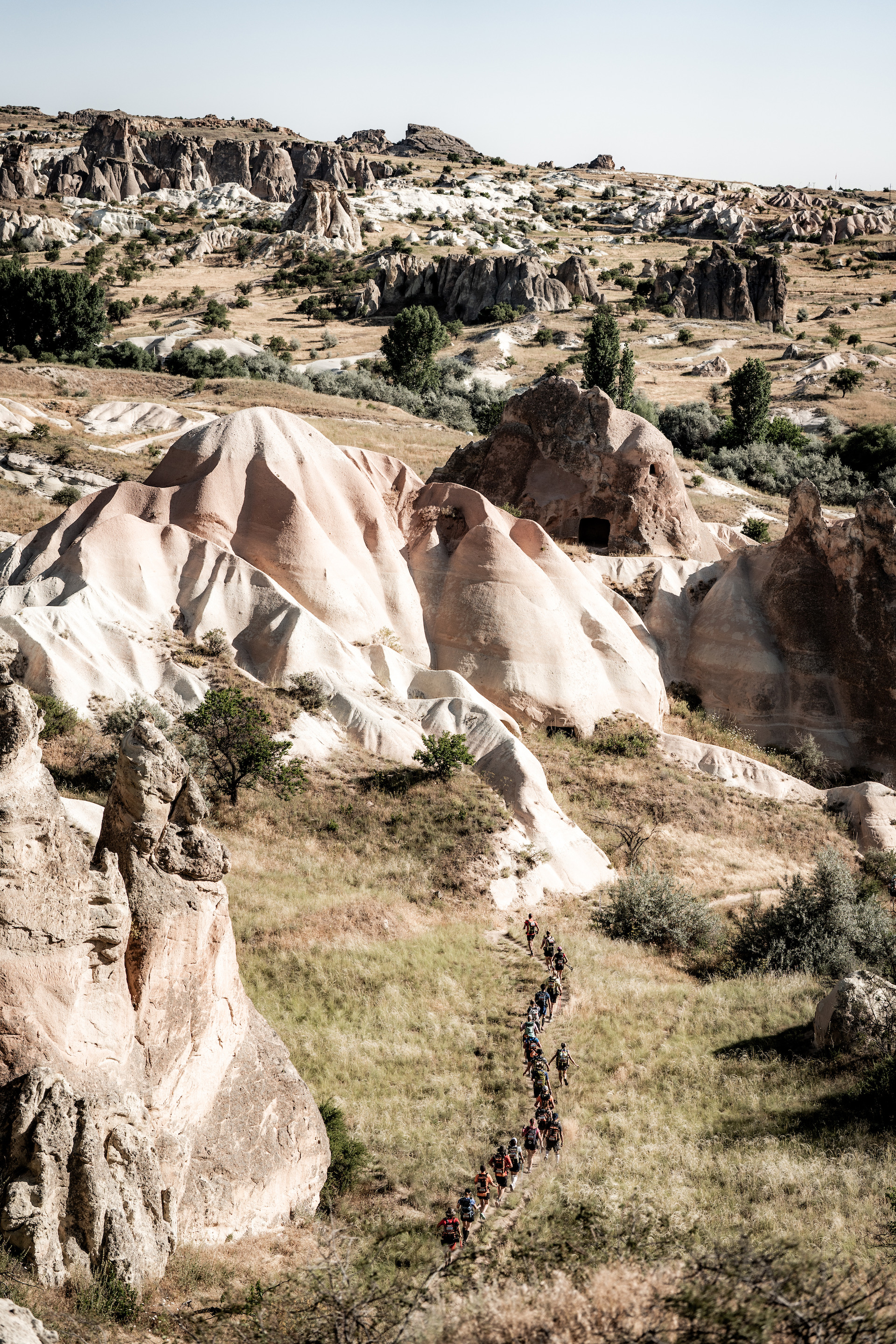
Stage 2, whether 20, 40, or the full 60 kms, was a crucible in the heat, sending runners through sun-scorched valleys and across ridges with no shade and no mercy.
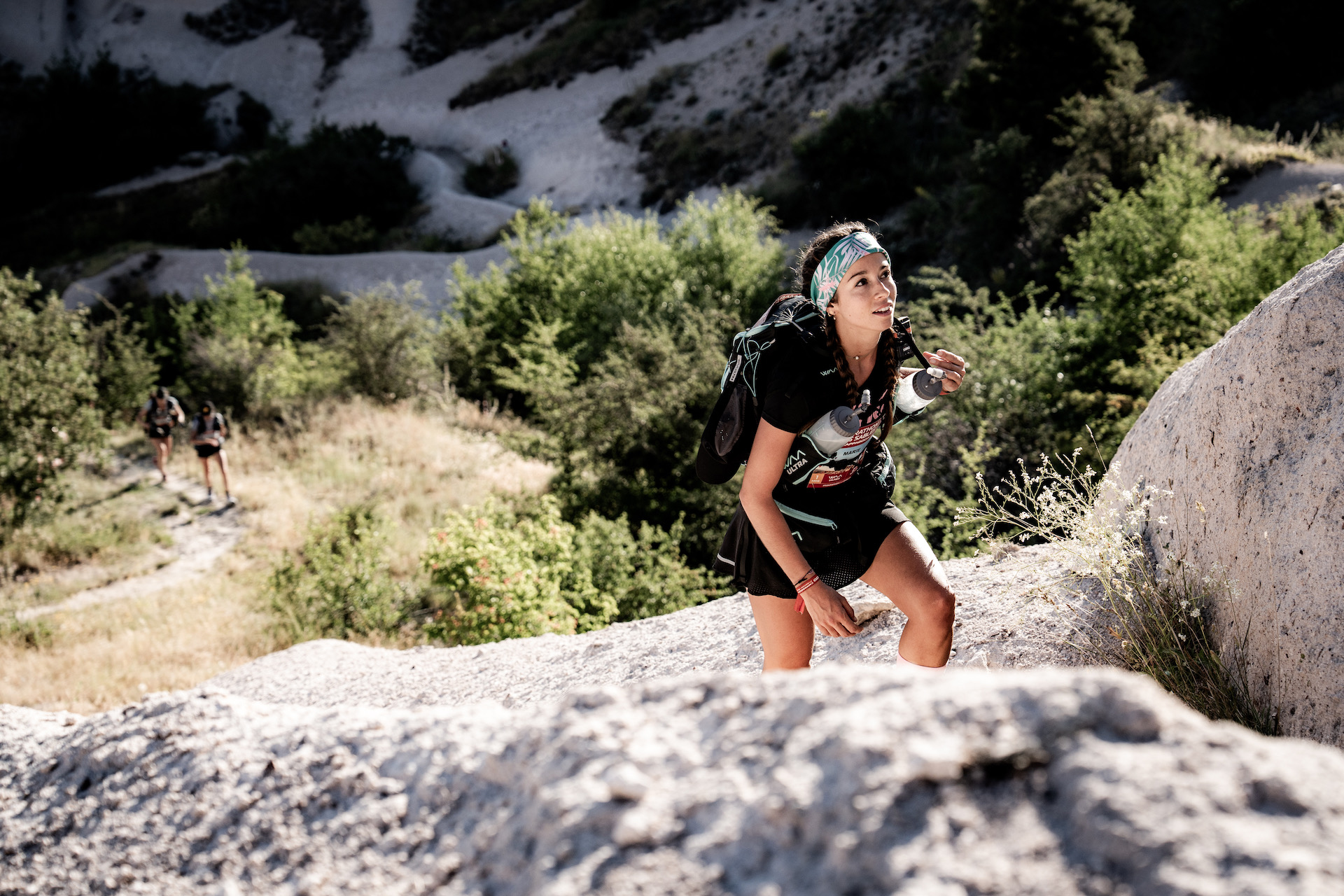
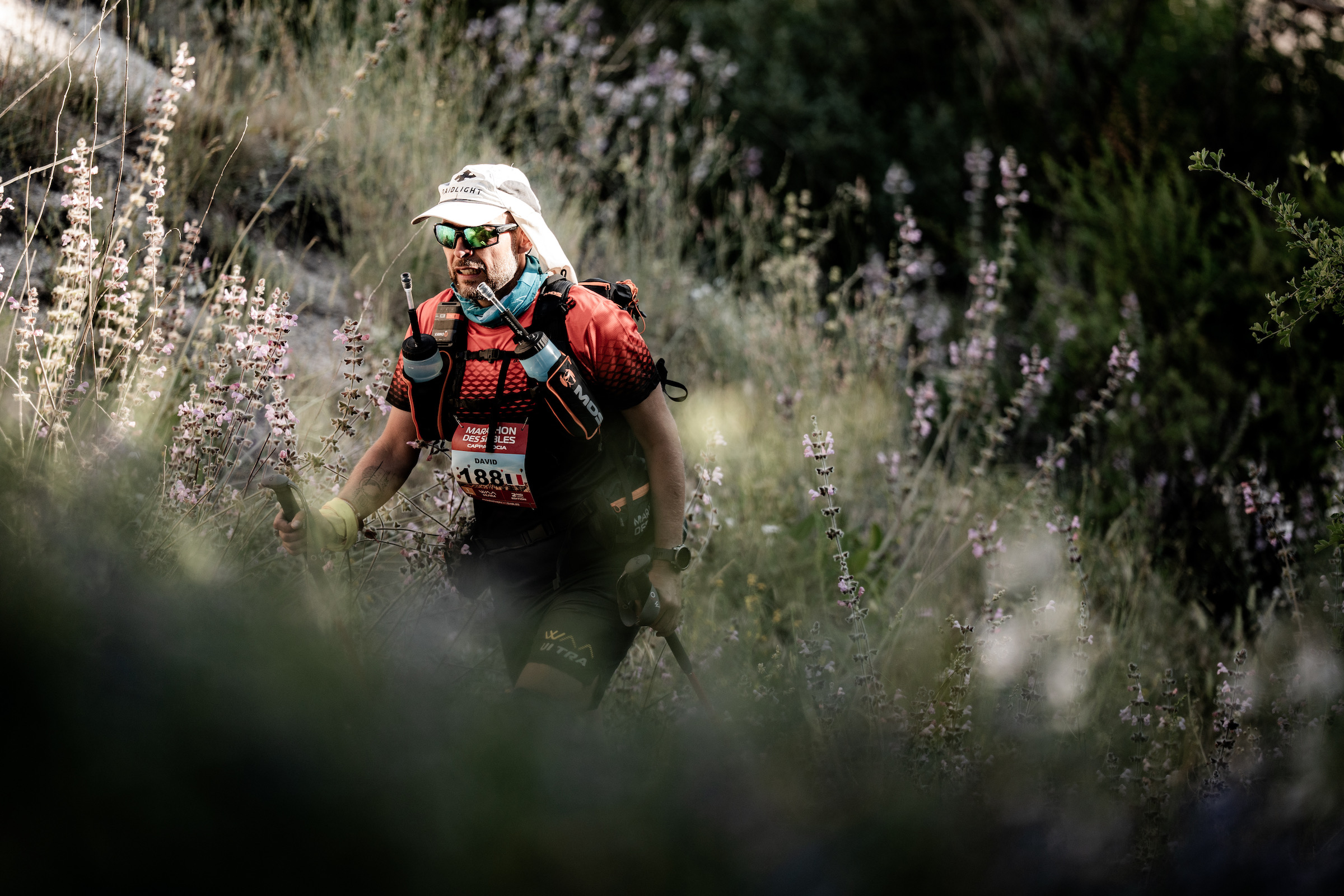
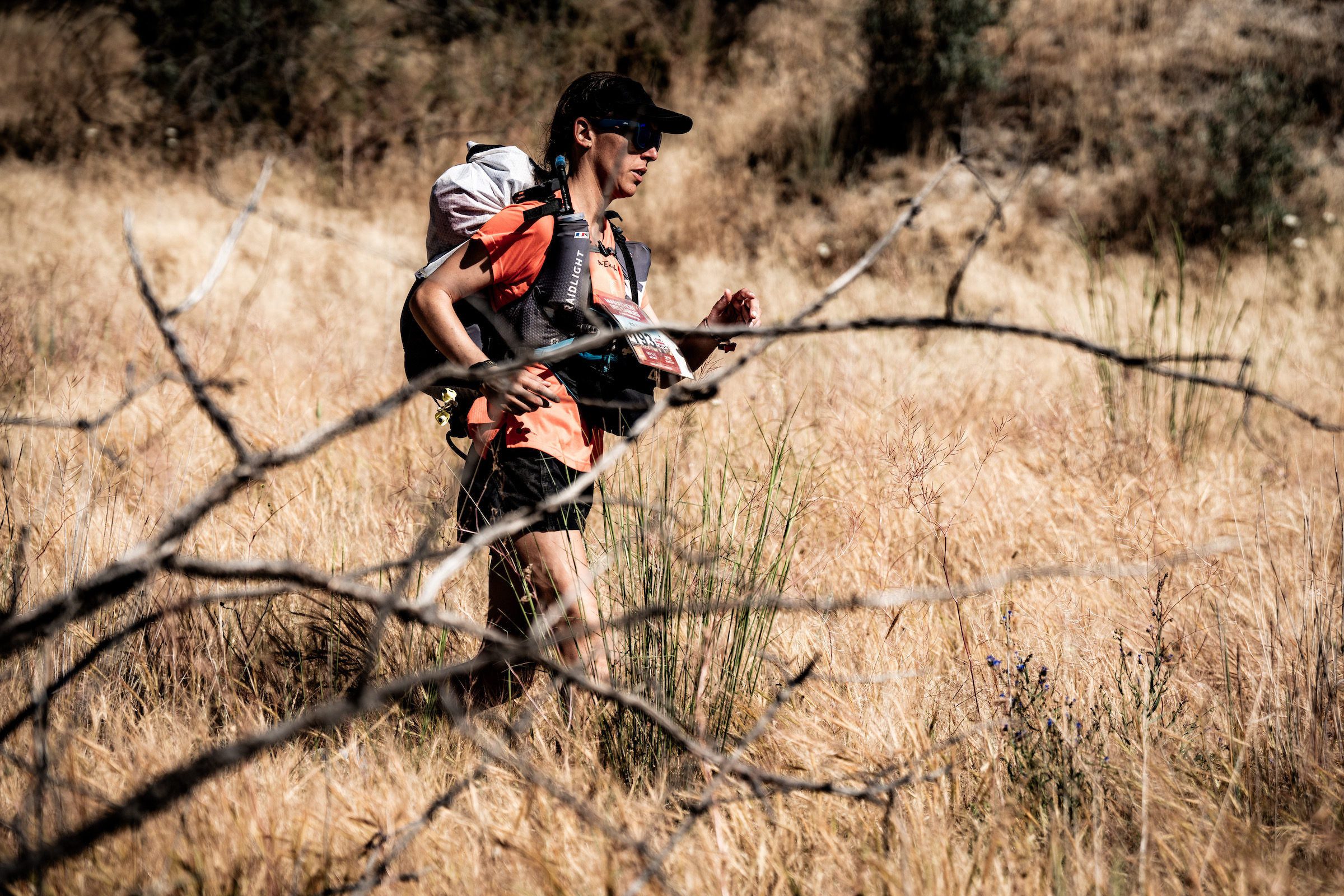
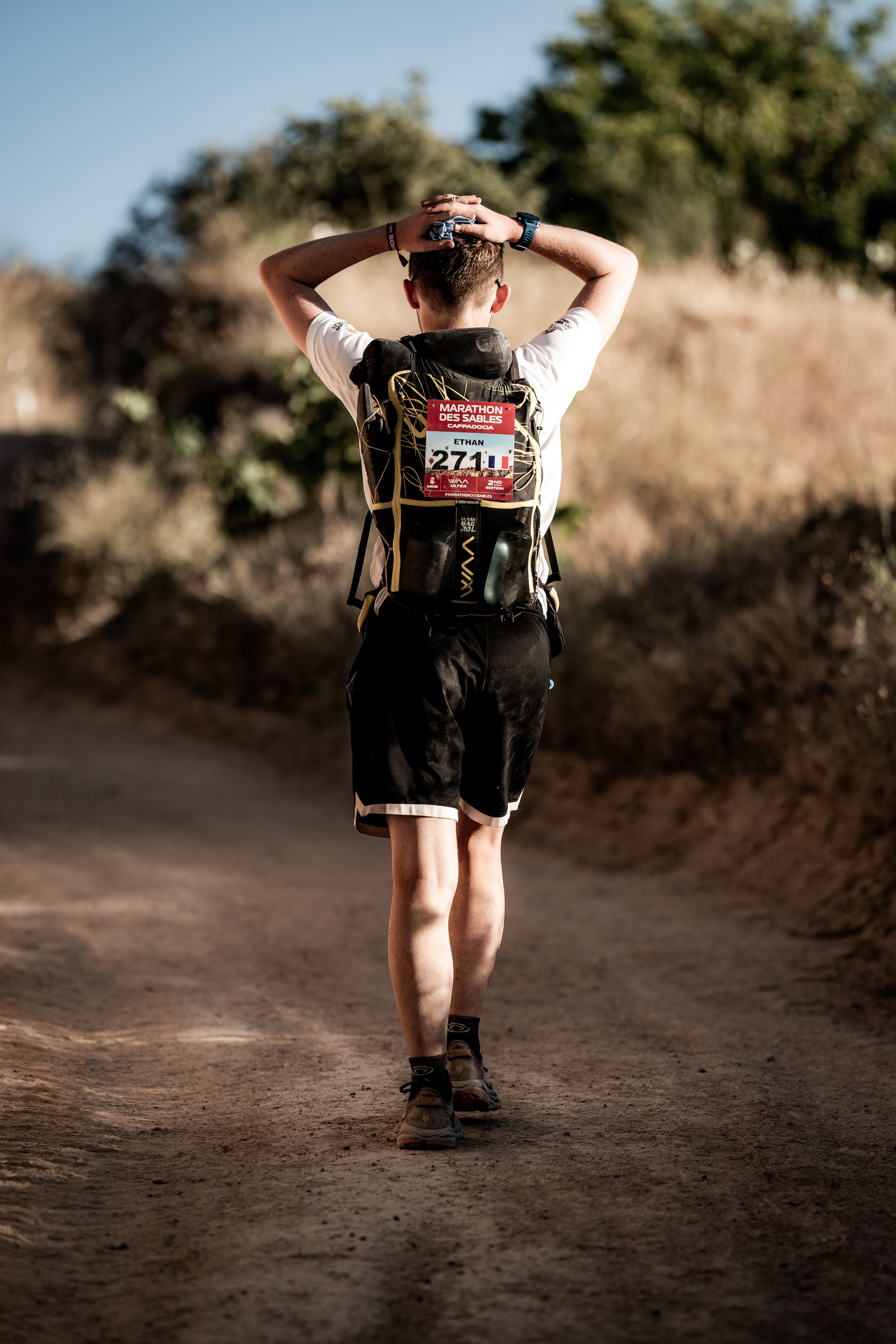
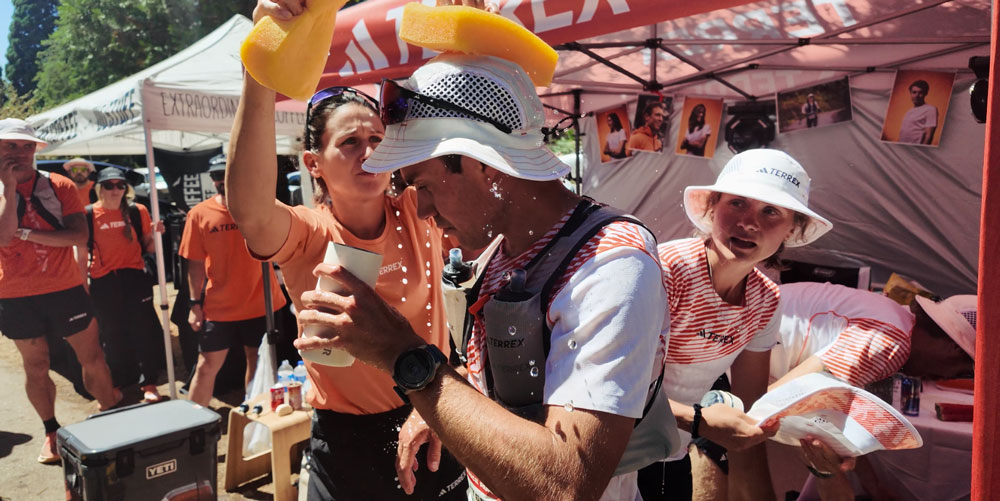
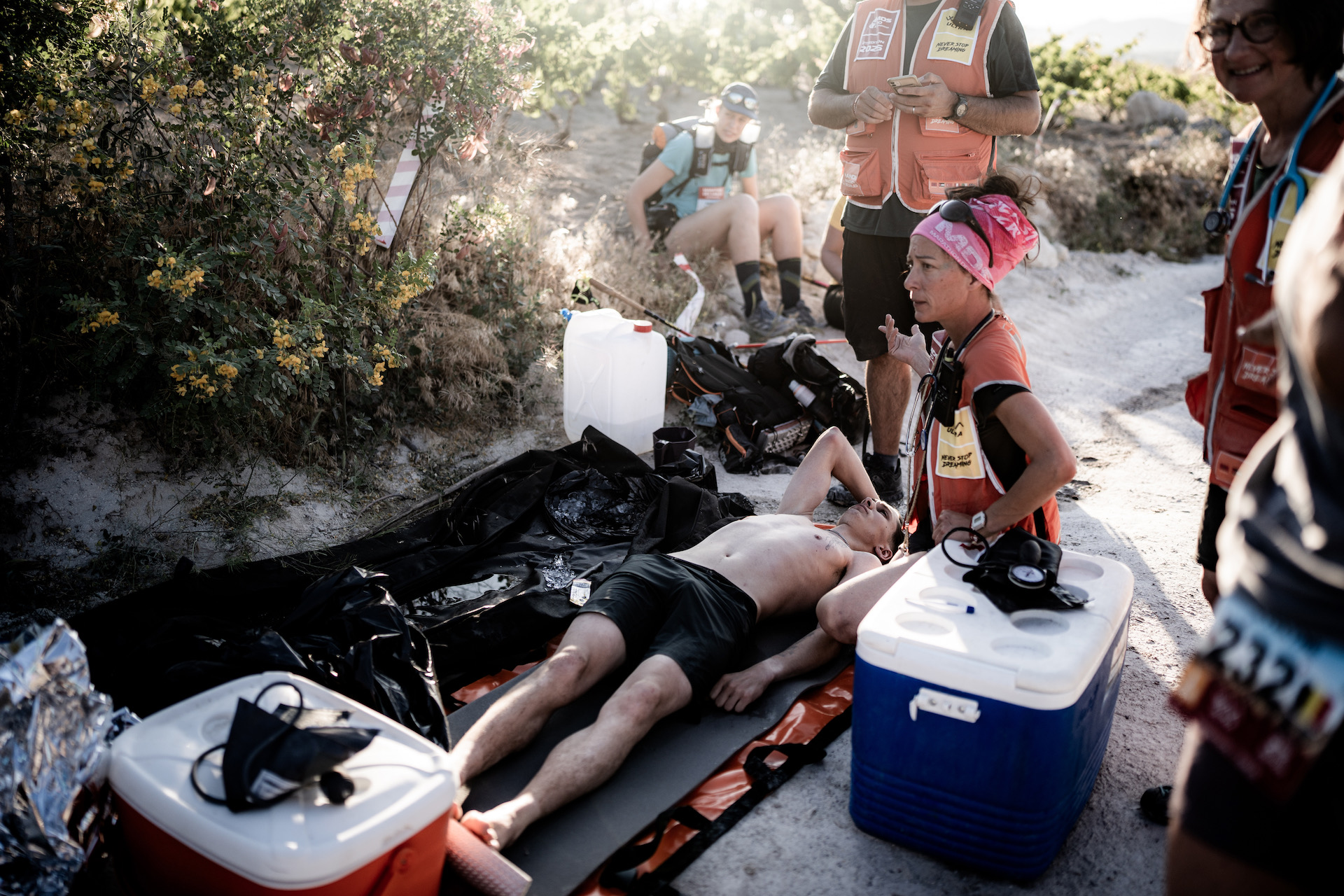
It was here that the Cappadocian sun made itself known. Temperatures soared into the mid-30s Celsius, radiating off the rocks and baking every exposed inch of trail. What began as a scenic adventure quickly became a battle against dehydration, overheating, and sheer exhaustion. The ‘orange’ jackets ensuring that medical protocols and safety for each runner was paramount.
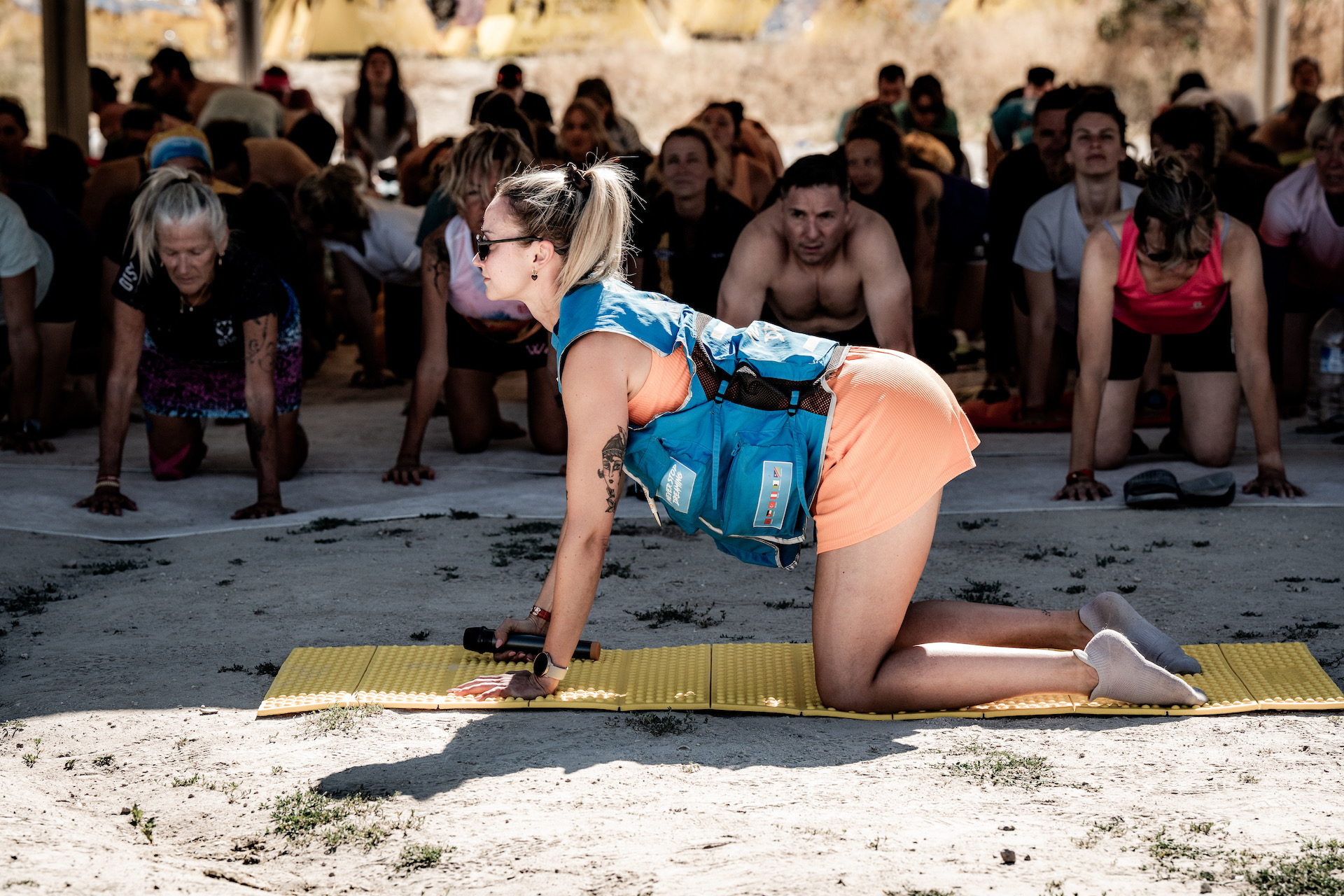
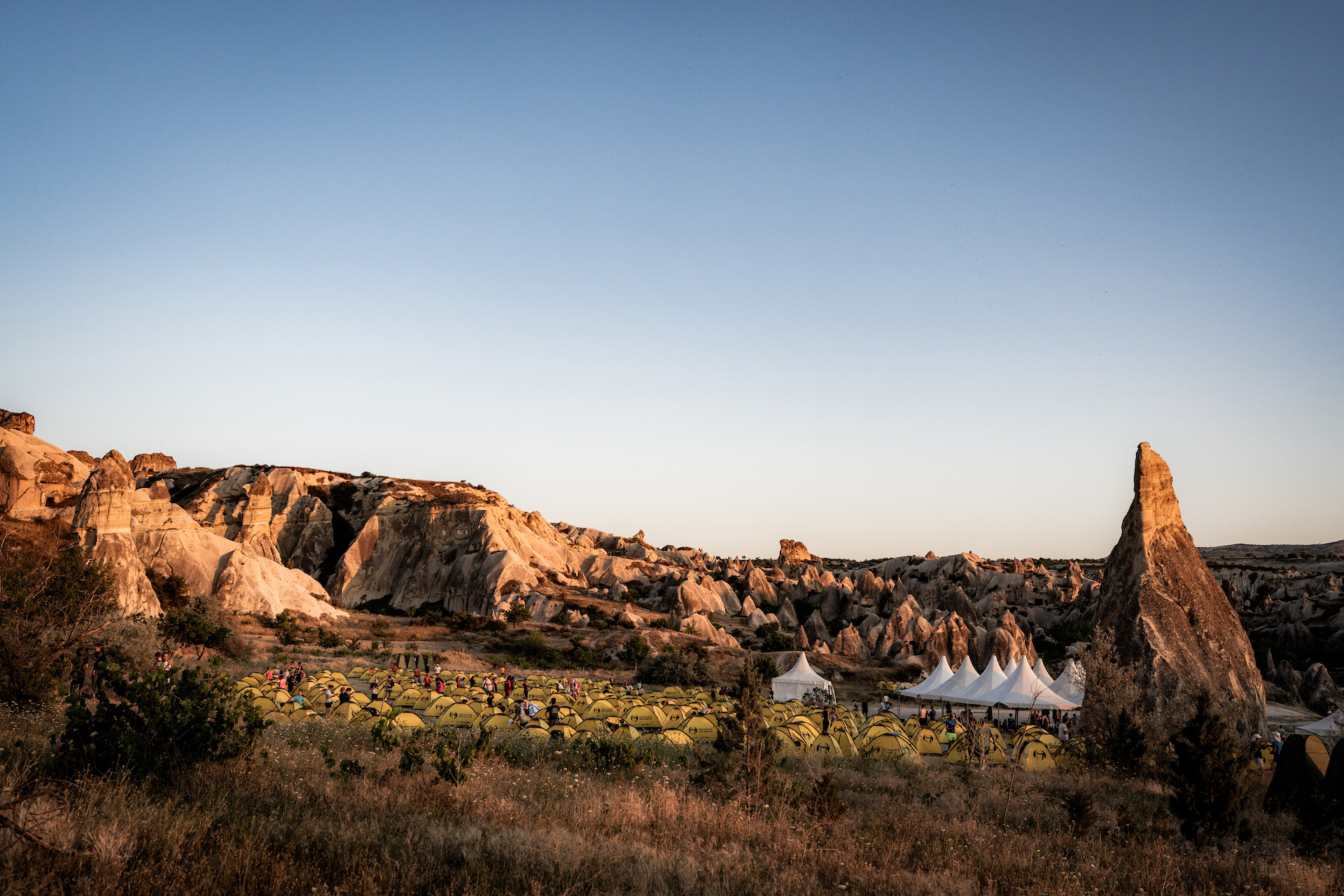
The rest day was welcome, a day to re-charge, relax, eat, sleep and yes, even some yoga was an opportunity to find some zen amongst the chimneys that surrounded bivouac.
Stage 3, the finale, was no victory lap. It was a final reckoning. After the rest day, legs were stiff, feet swollen and raw, but spirits were high.
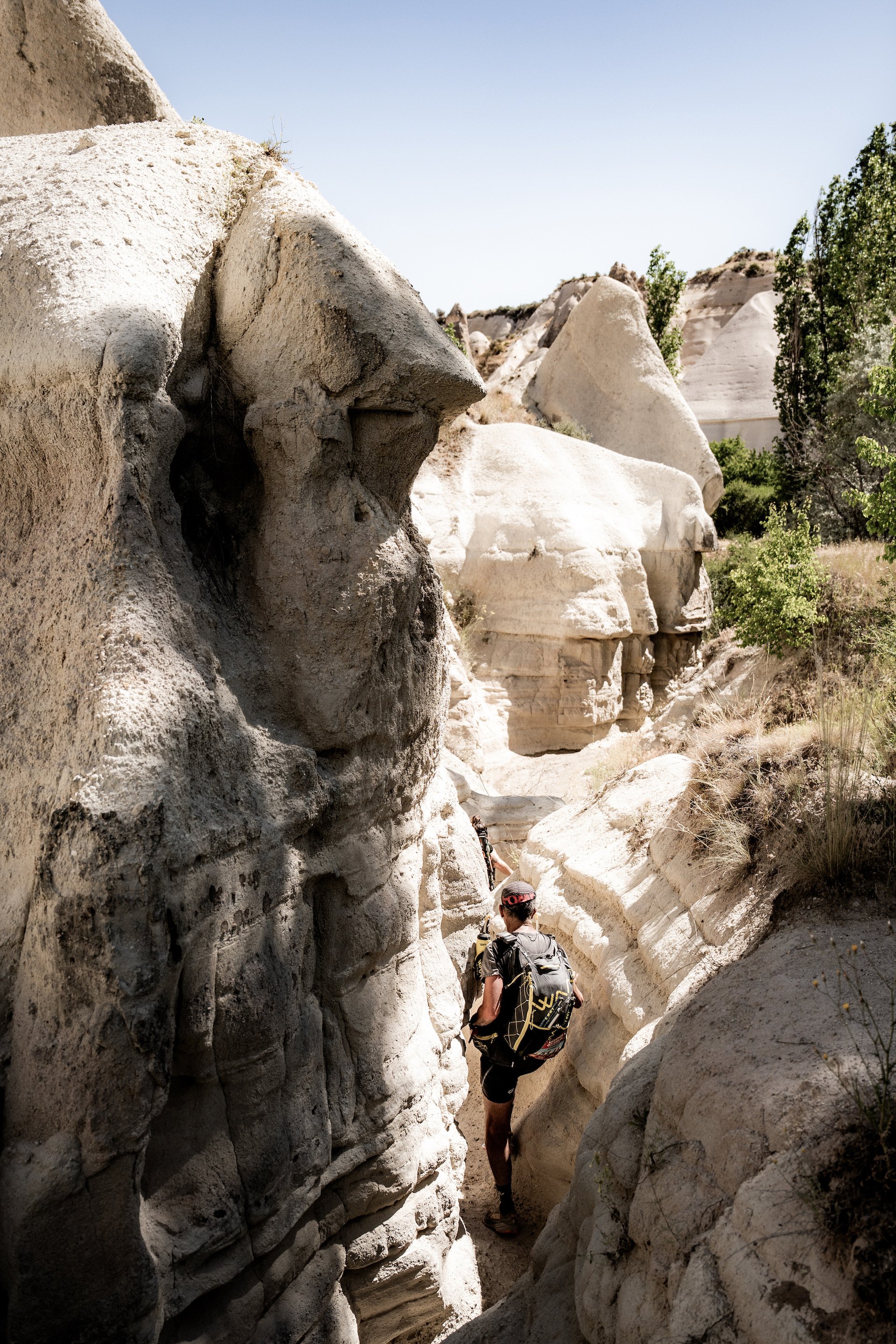
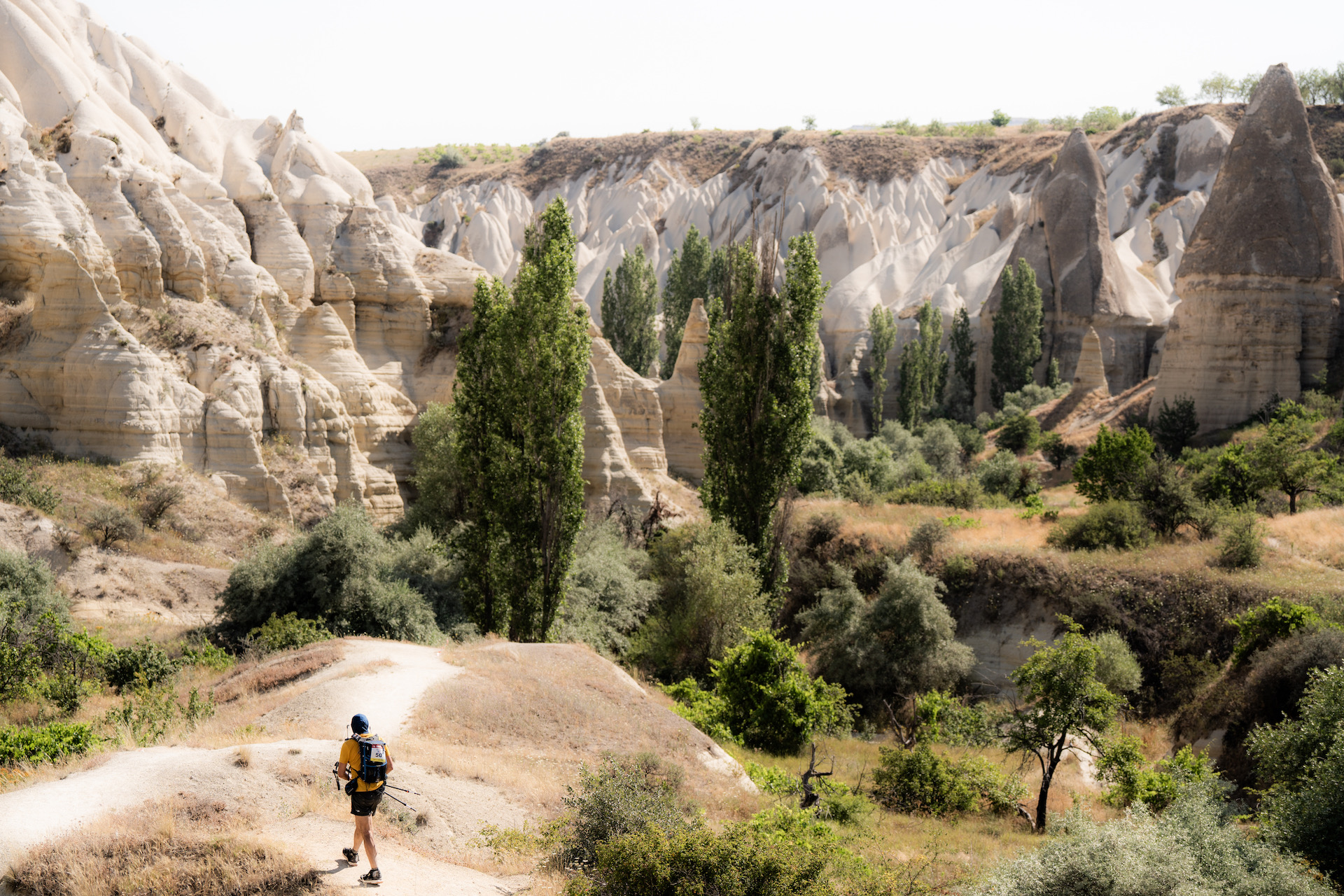
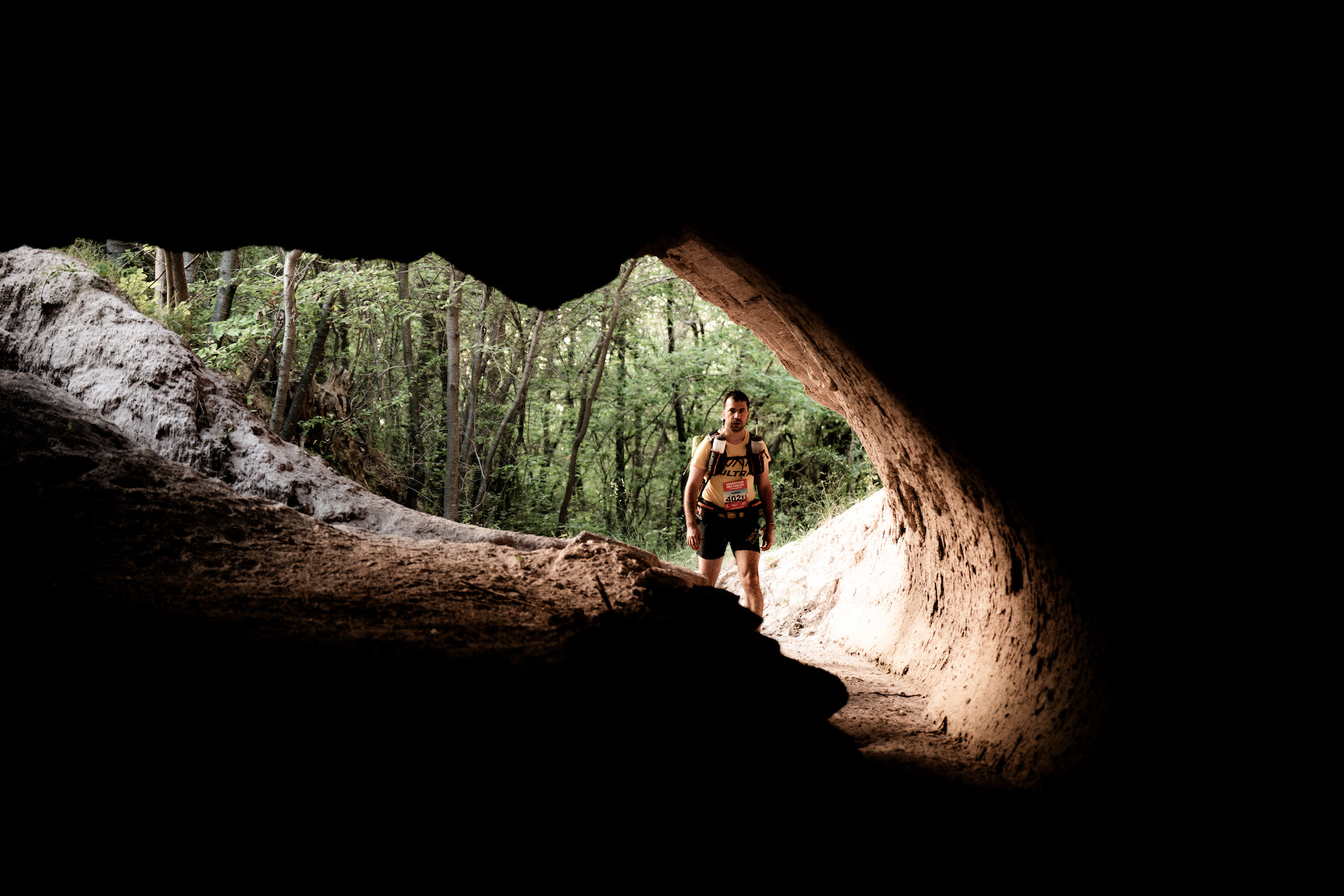
The route wound past ancient cave dwellings and hidden churches, finishing in a dramatic final stretch that felt more like a pilgrimage than a race. The Love Valley an amazing conclusion to a stunning journey.
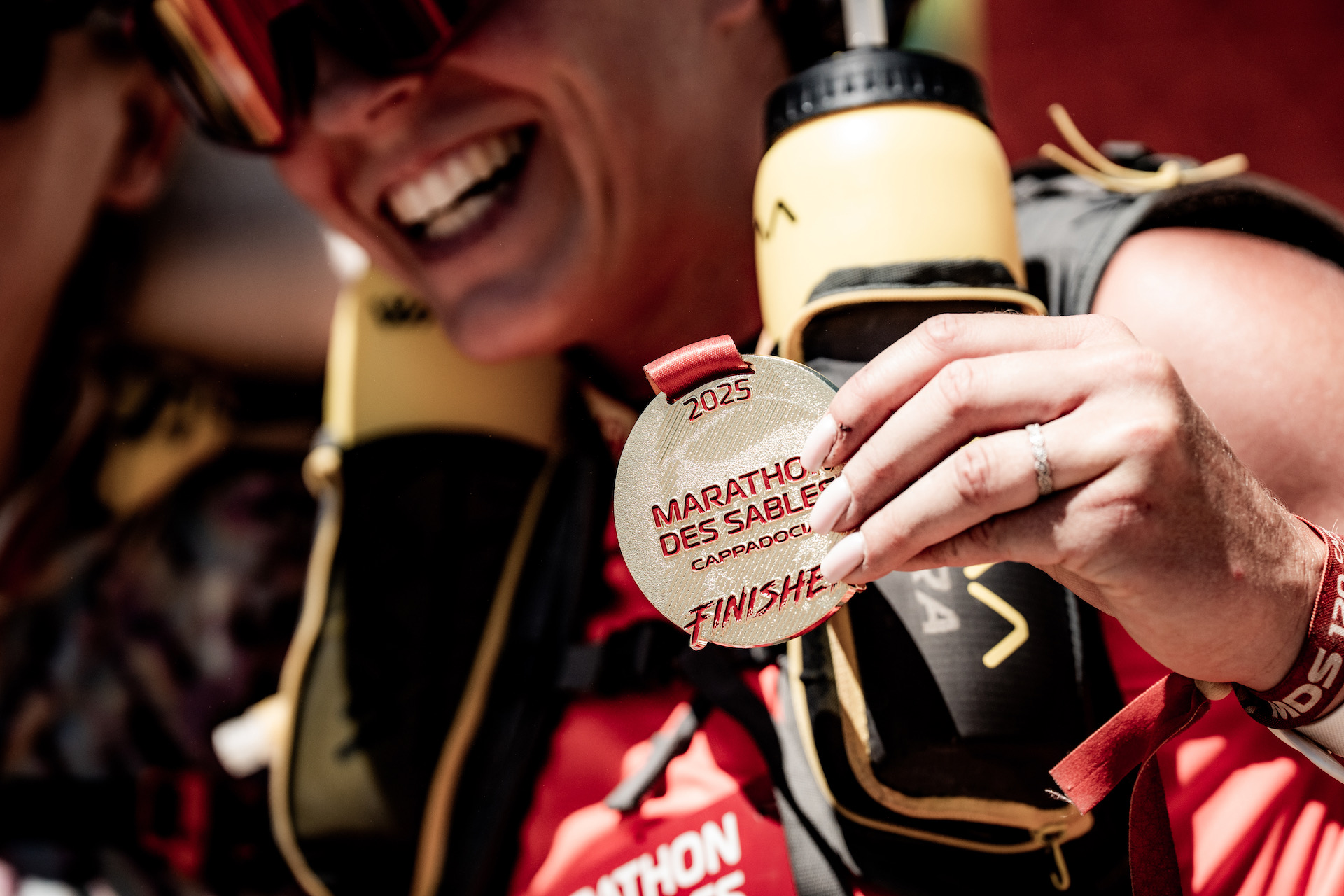
Four runners, despite grit and effort, didn’t make it to the end. But in the spirit of MDS, the organization extended them free entry into the 2026 edition, a gesture that underscores the ethos of the race: resilience over results, and community over competition.
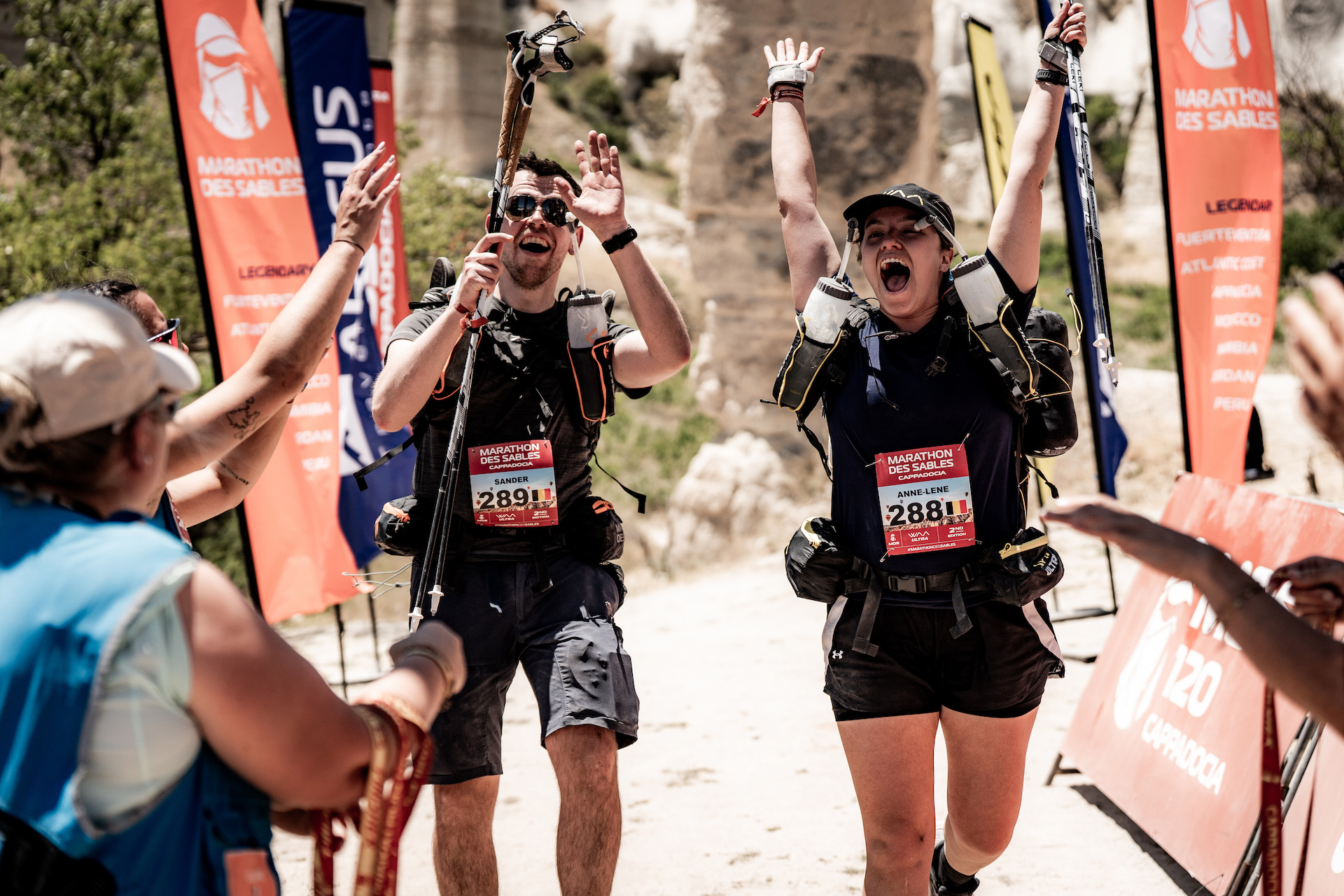
What makes MDS 120 Cappadocia unique isn’t just the landscape or the difficulty. It’s the way it all comes together. The suffering is real, but so is the reward. Every runner finished with a story that could never be captured in a finisher’s medal alone. There were tears, high fives, sunburns, hallucinations, and moments of silence that felt like communion with the land.
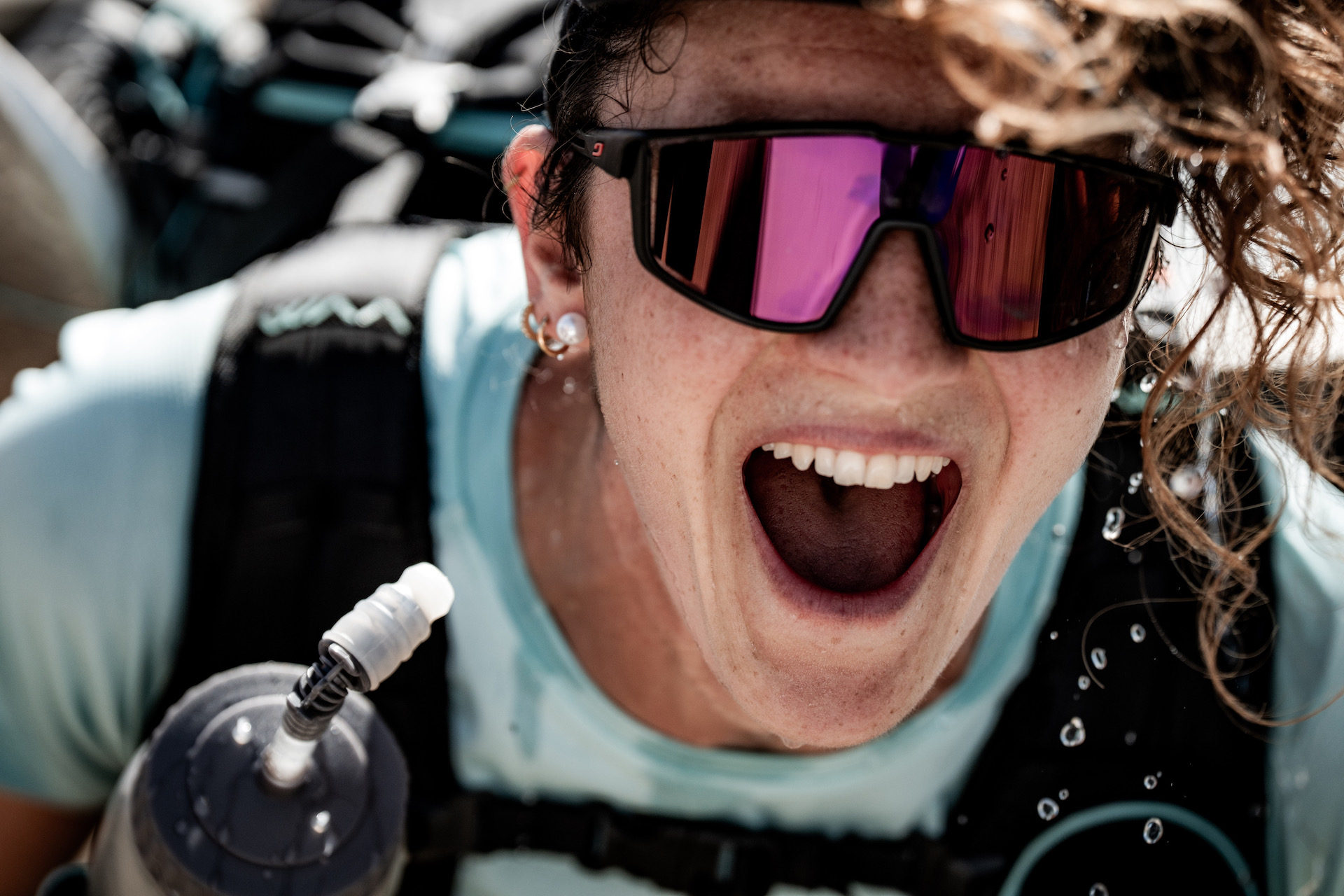
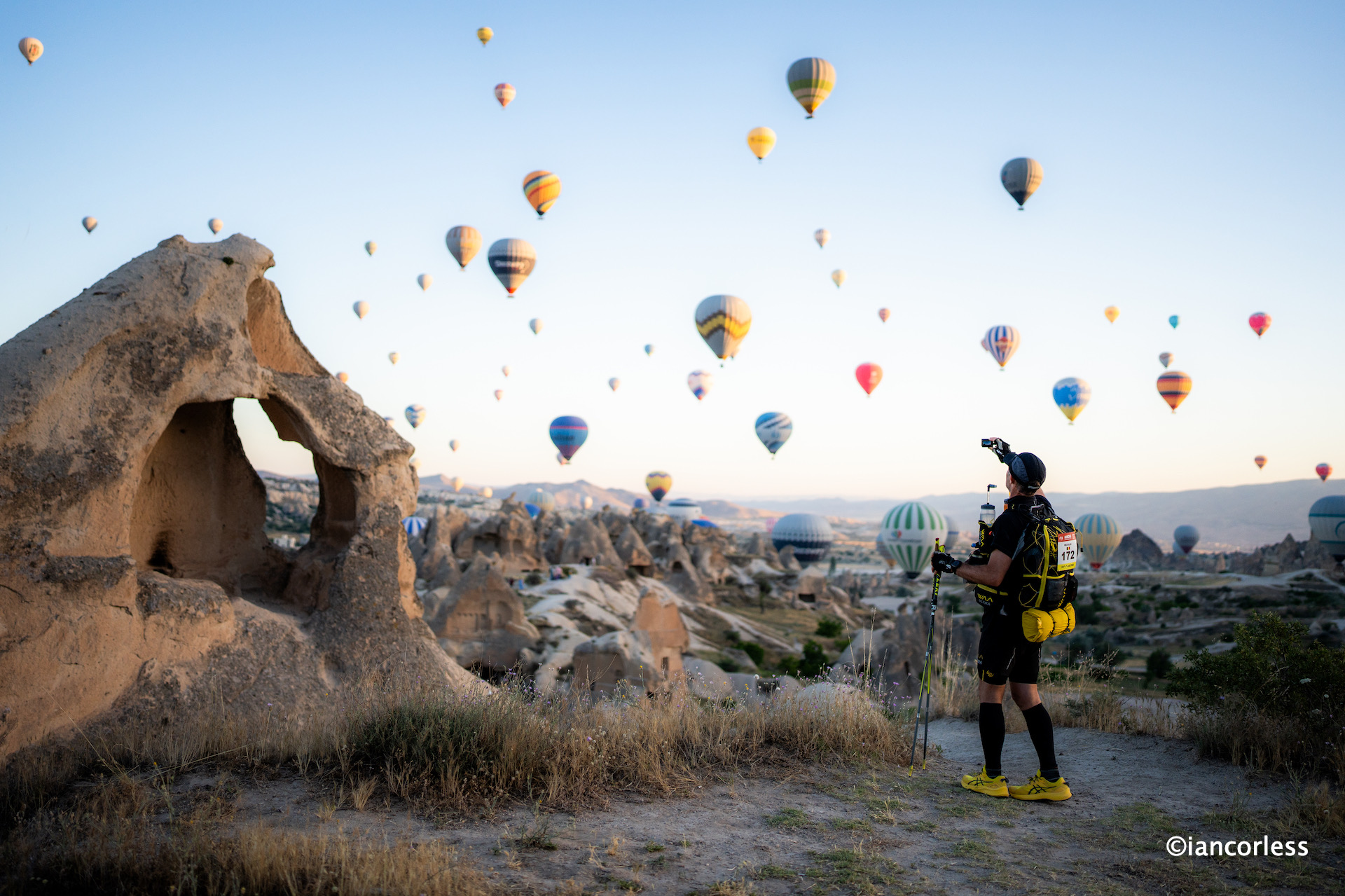
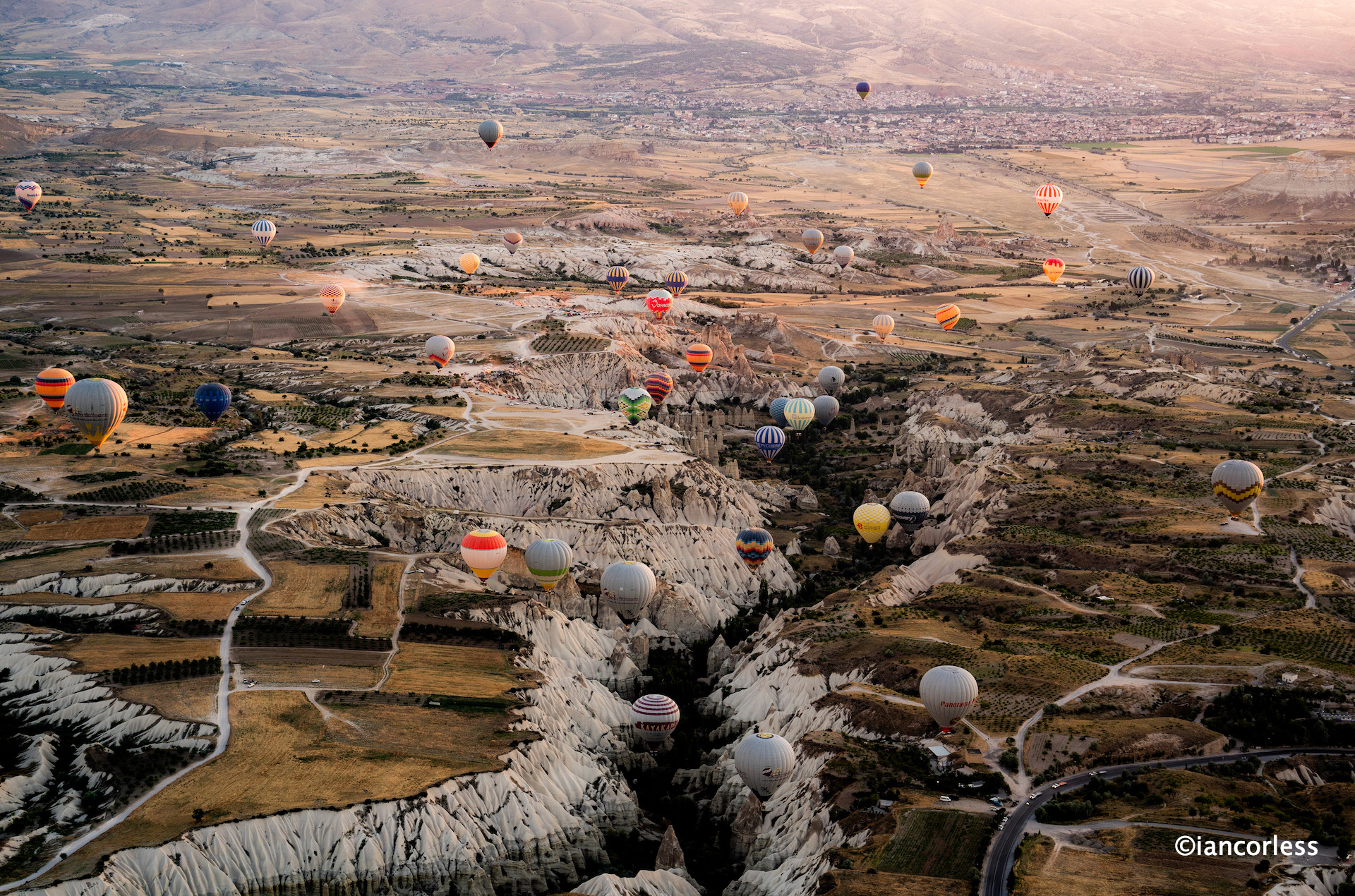
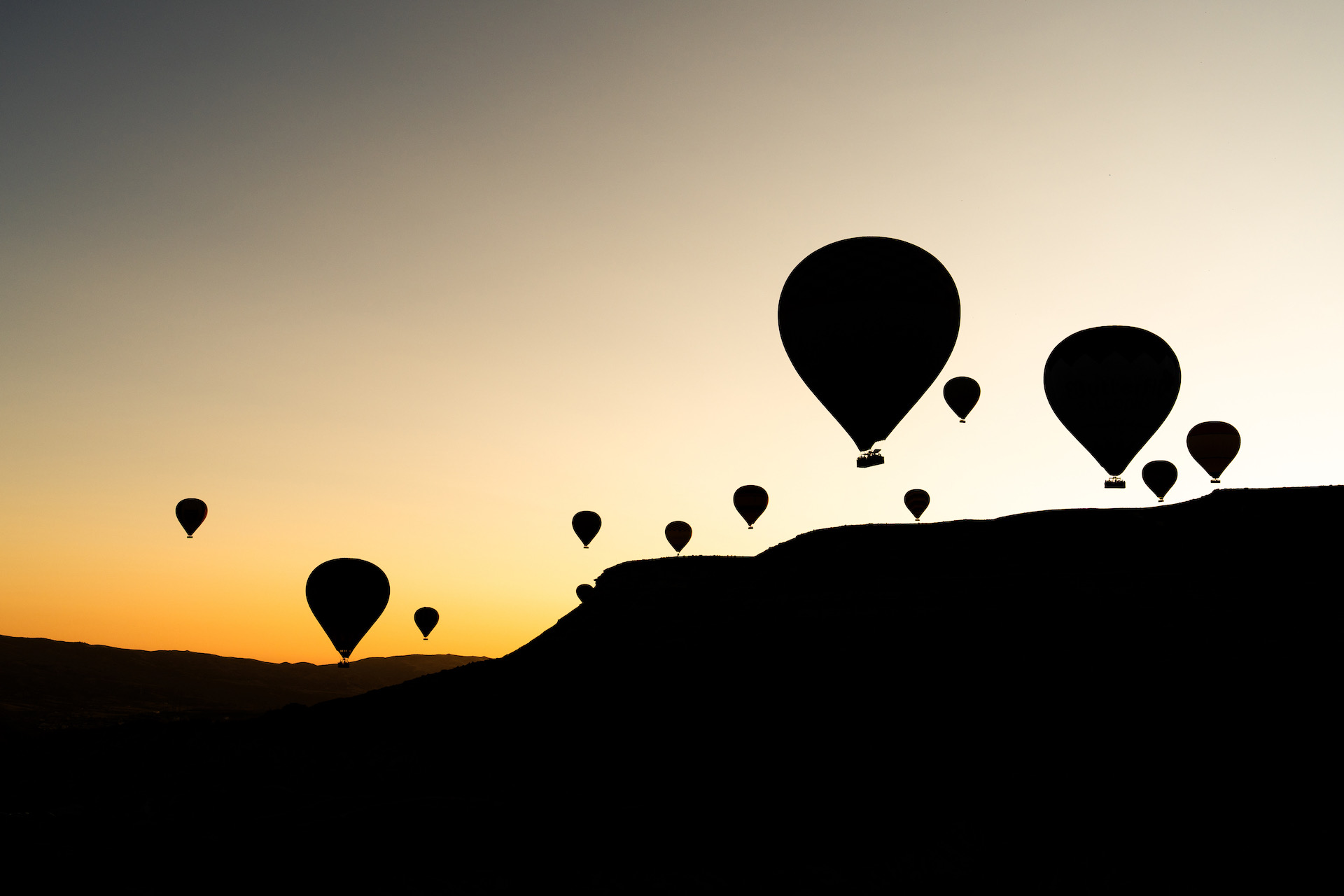
And just when it seemed the adventure was over, the organisers gave one final gift: a sunrise hot air balloon flight on the last morning. It wasn’t a tourist gimmick, it was a floating tribute to everything the runners had just done. Watching the sun rise over the Göreme Valley, suspended in silence above the trails they’d conquered, was a moment that stitched the entire experience together. From above, the rock valleys, the winding trails, the start and finish lines, it all made sense. It was breathtaking.

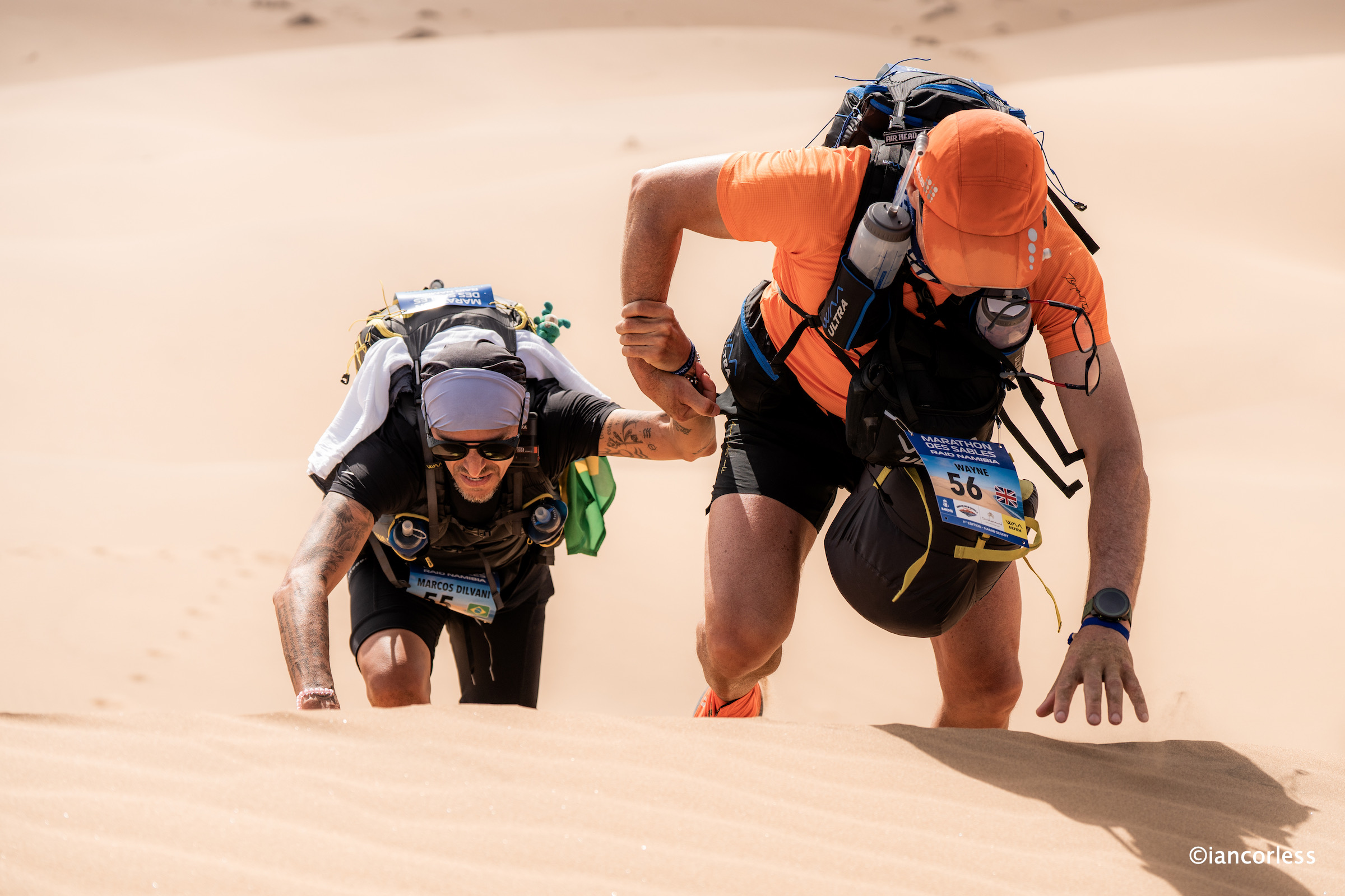
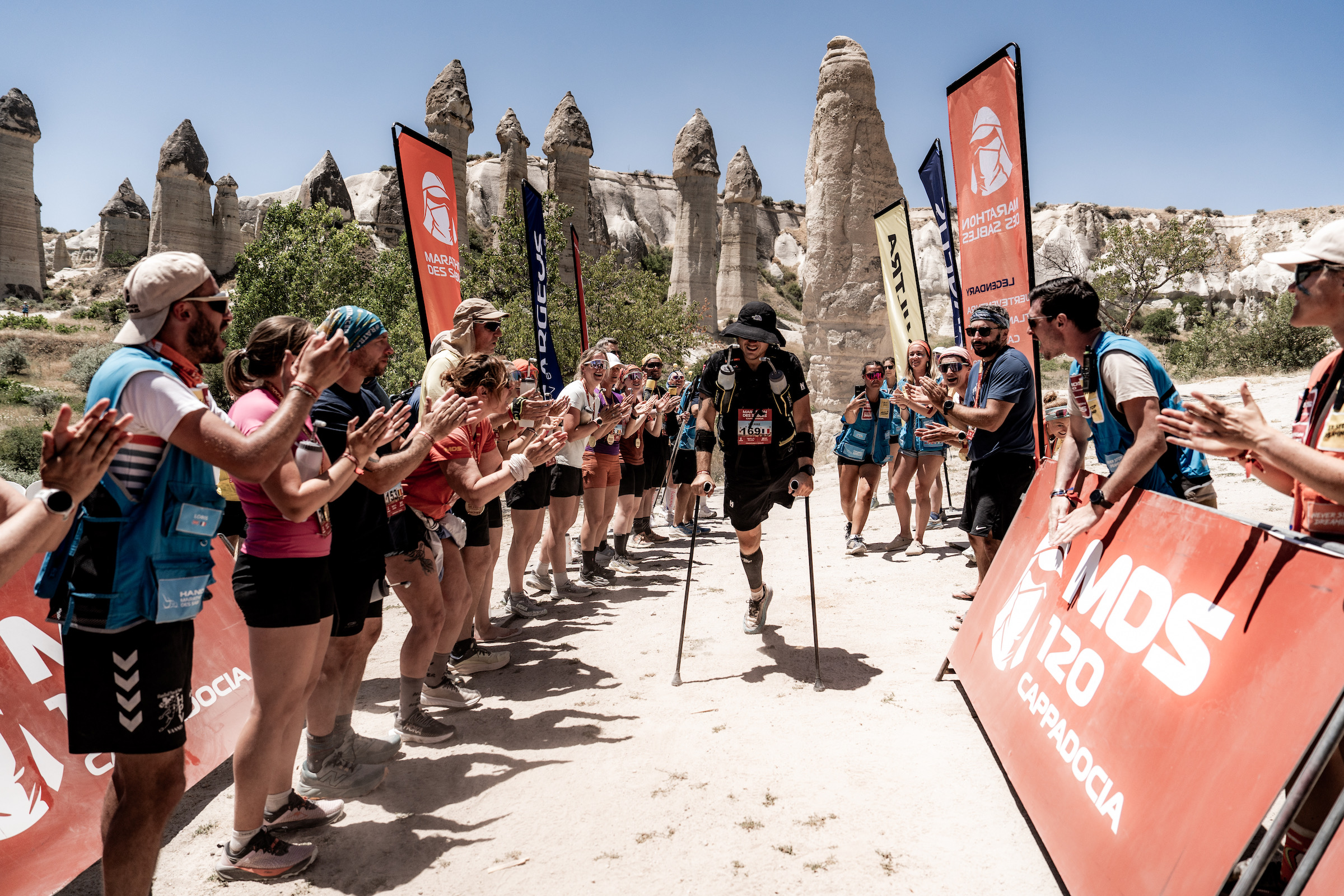
After the balloon flight, runners were finally allowed to stop. A full day of rest and recovery followed, giving battered bodies a chance to relax and reconnect. The evening brought everyone back together for a gala dinner, an award ceremony that celebrated not just the fastest, but the toughest and most spirited. Pierre (a single leg amputee) and Leon getting special recognition for personifying the meaning of MDS solidarity.
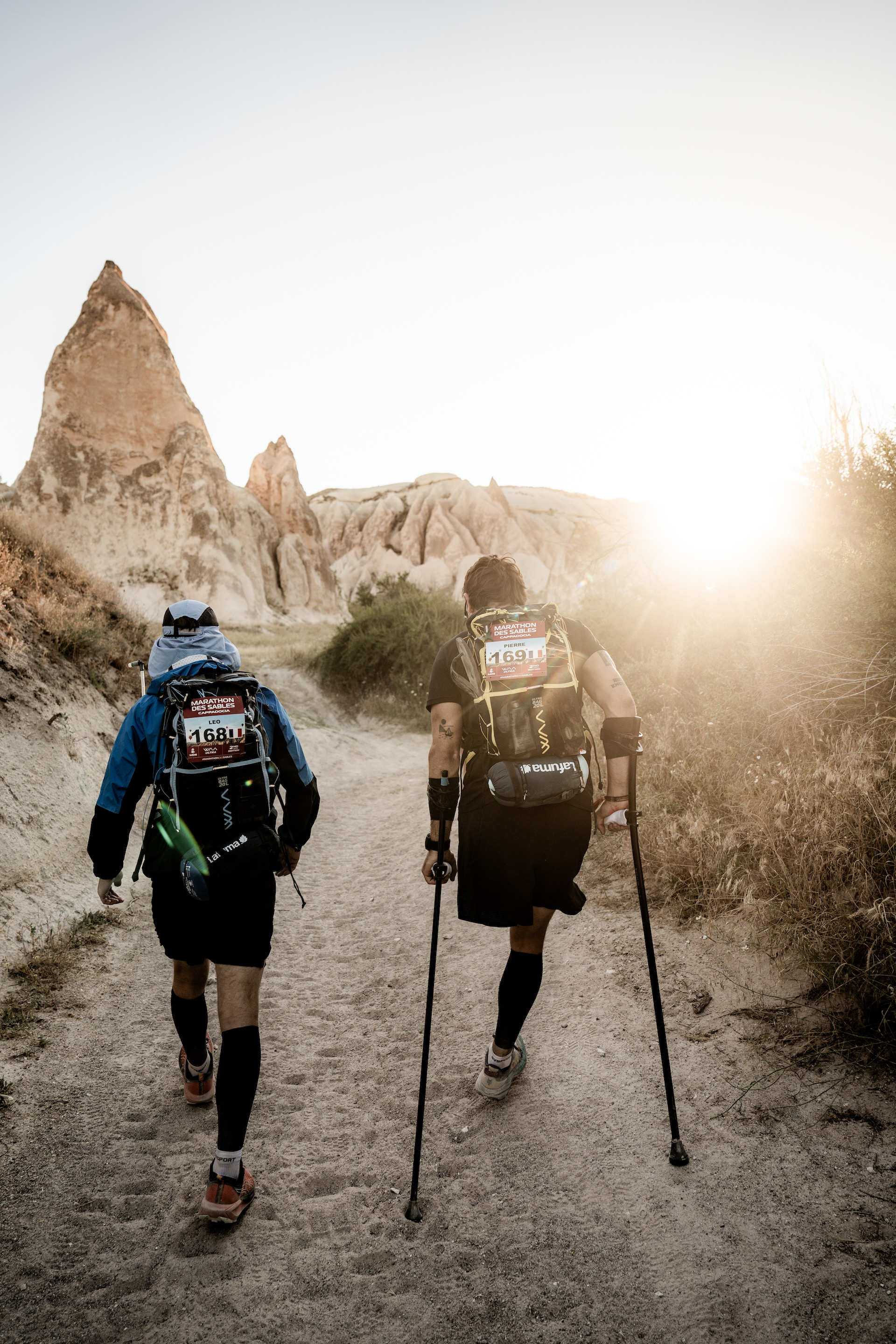
A film screening that captured the emotion and scale of what had unfolded over the past four days. Laughter mixed with tears. Strangers had become teammates. Solo runners had become family.

The verdict from every corner was the same: this race had delivered something extraordinary. It had pushed people to their edges and rewarded them with a kind of beauty, depth, and meaning that’s rare in the ultra-running world.
MDS 120 Cappadocia wasn’t just a race across Turkey. It was a race through deep time, a personal reckoning, and a reminder of what the human body and spirit can endure when the landscape is fierce, and the story is this good.
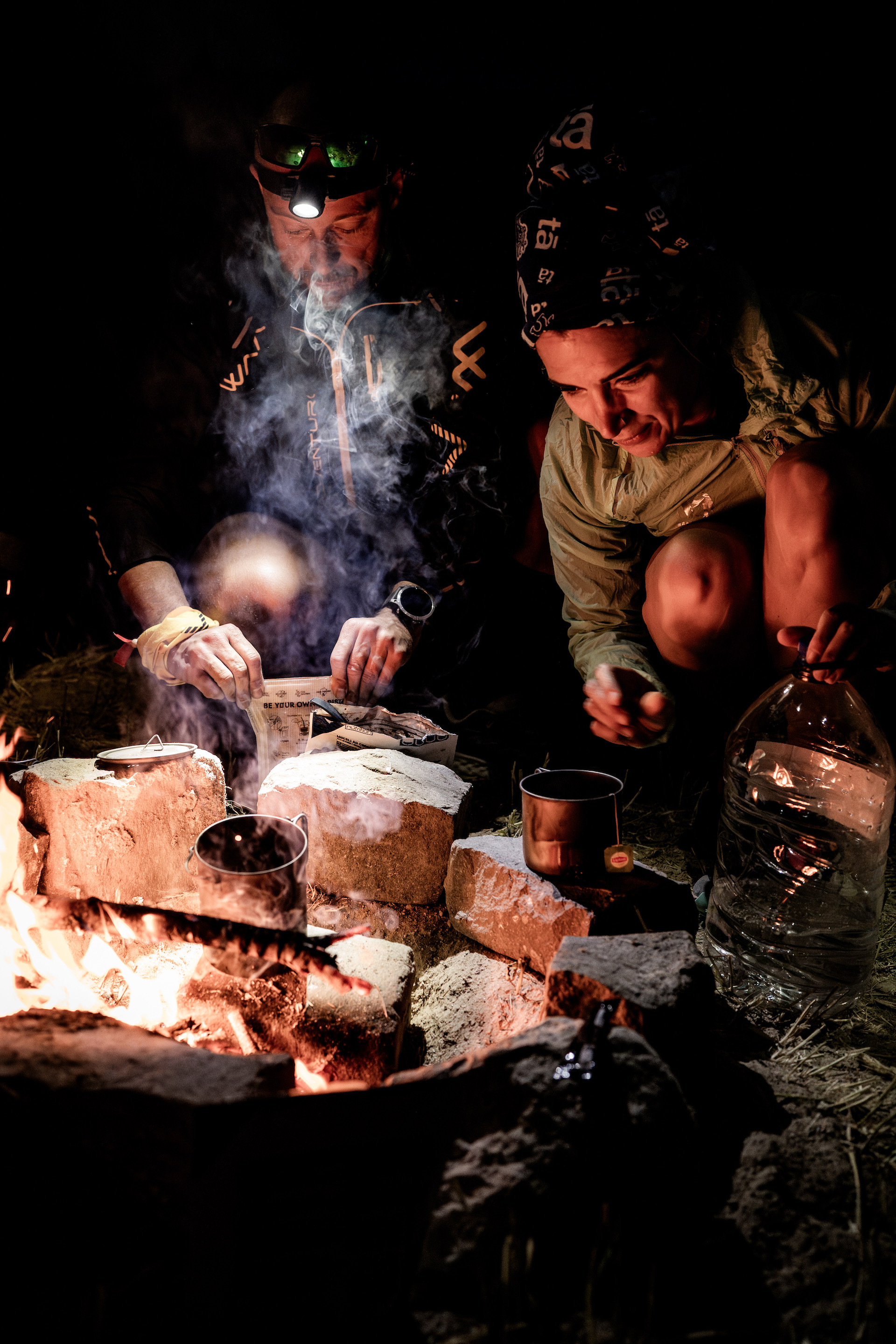
The bar is set. The expectations are high. But if the 2025 edition proved anything, it’s that this race is only getting better, stronger, and more awe-inspiring.
If you’re looking for an ultra that leaves a mark, not just on your legs, but on your soul: get ready for the 2026 dates, registration opens July 9th 2025.
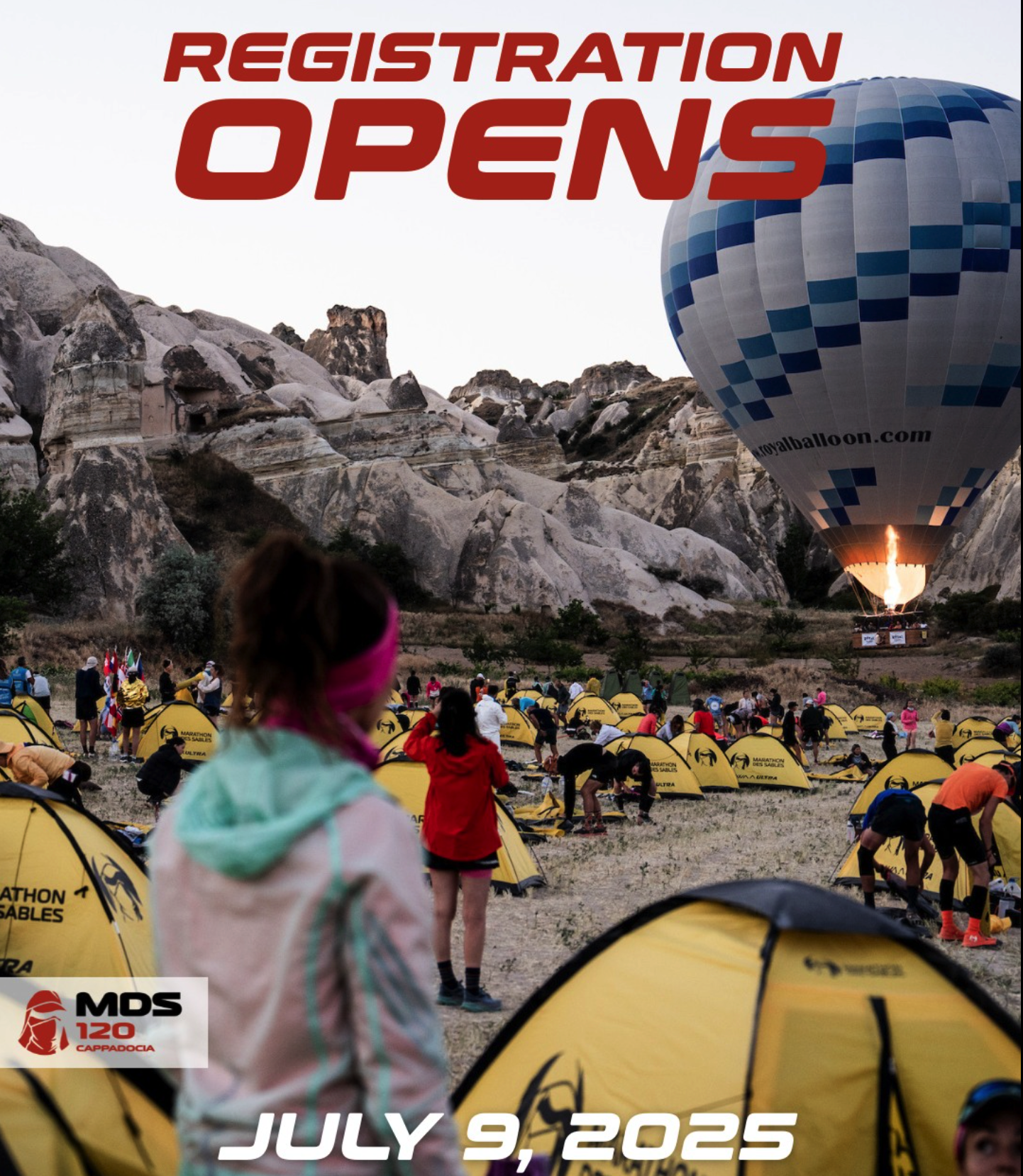
Pack your shoes. Respect the heat. And come run through fire and stone in Cappadocia.
Marathon des Sables website HERE

Follow Ian Corless

Instagram – @iancorlessphotography

Twitter – @talkultra

facebook.com/iancorlessphotography

Web – www.iancorless.com
Web – www.iancorlessphotography.com

MDS 120 Cappadocia 2025 – Stage 3

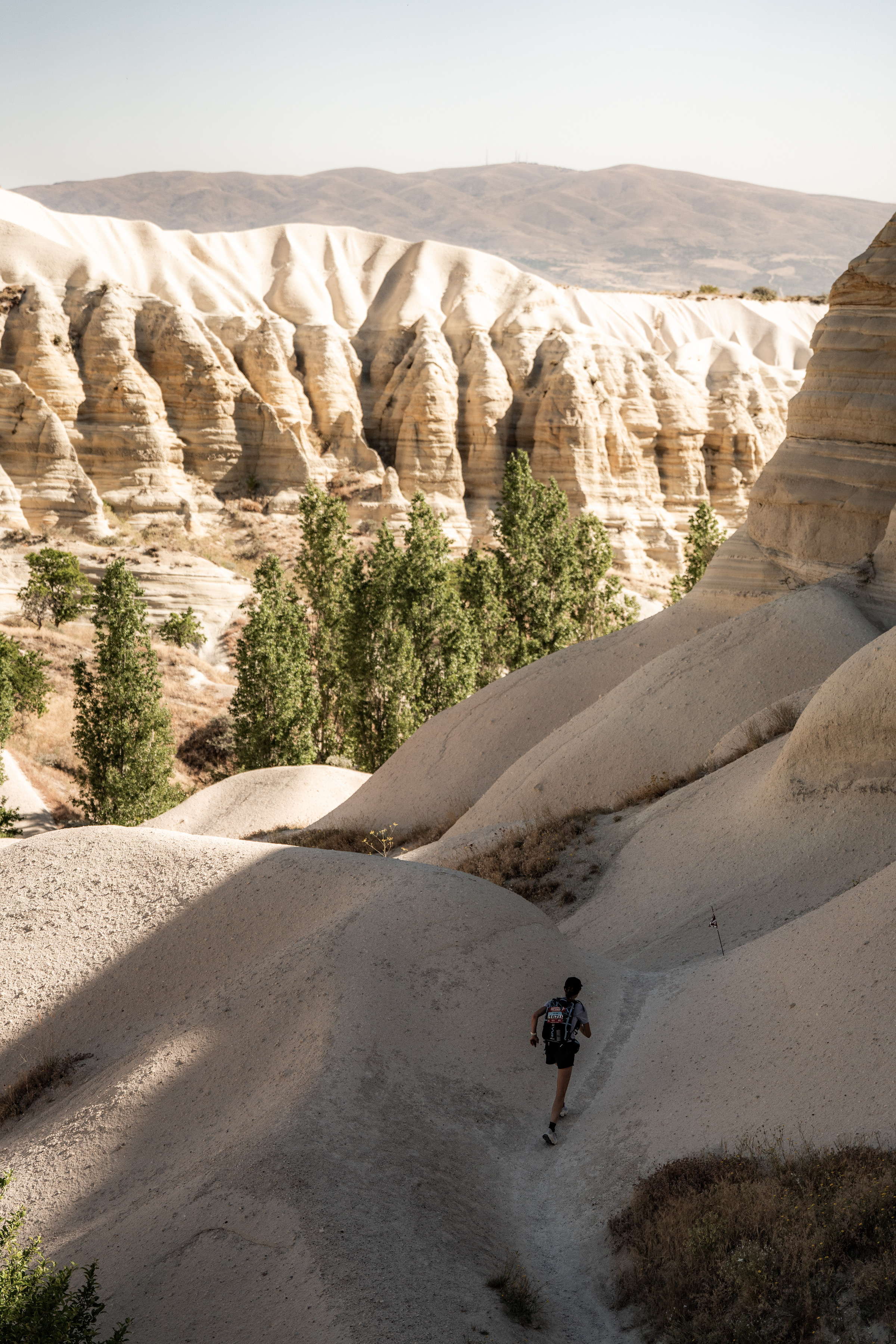
Stage 3 of the MDS 120 Cappadocia delivered a brutal, beautiful reckoning. Spanning 26 kms under a punishing sun, the course cut through some of Turkey’s most iconic landscapes, from the pastel walls of Red Valley to the towering spires of Love Valley. But make no mistake: this stage wasn’t just about scenery. It was a furnace.

Love Valley – amazing

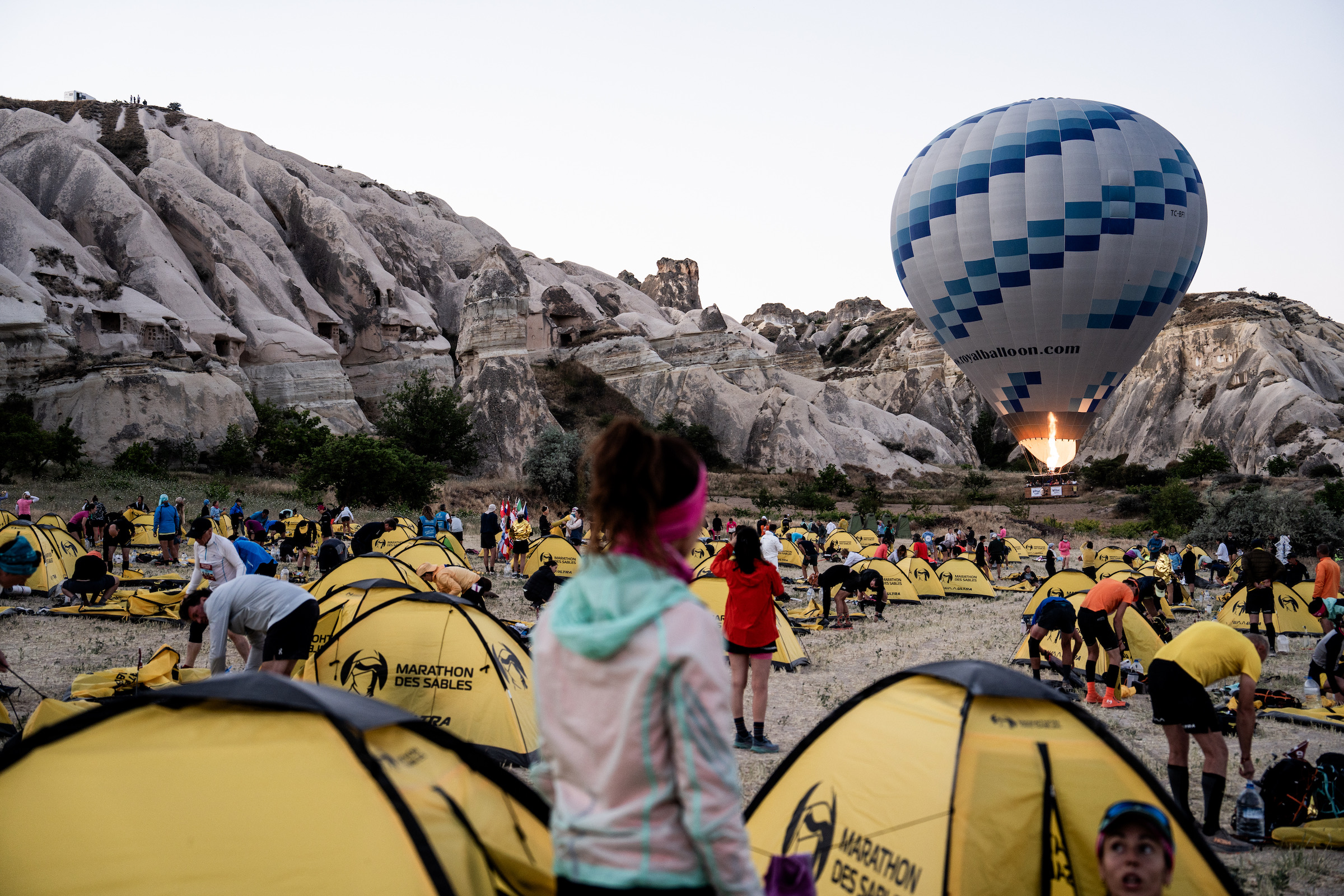
With temperatures soaring past 36°C and a heat index that felt closer to 48°C the early start with hot air balloons was welcome.

Not all bivouacs are the same

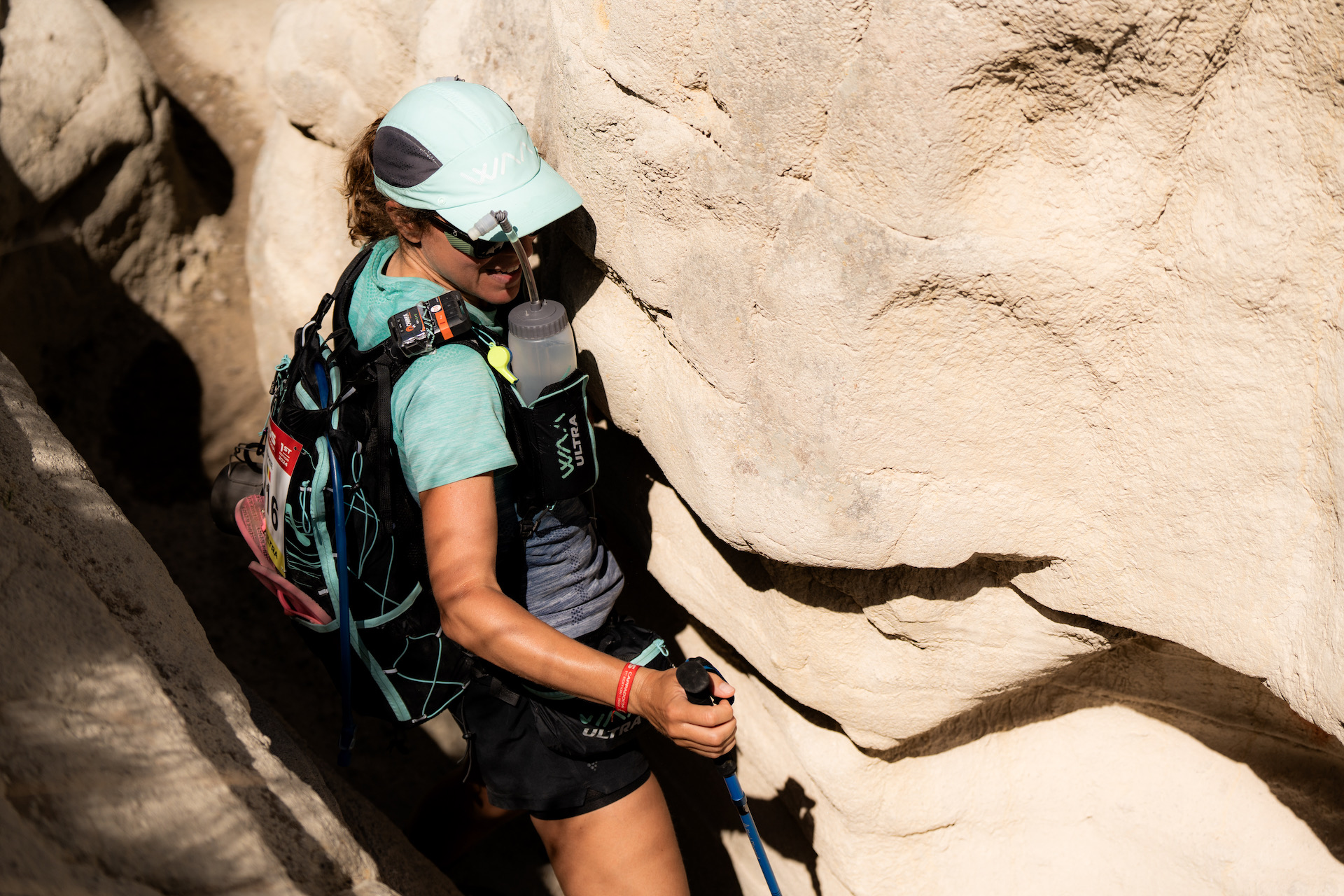
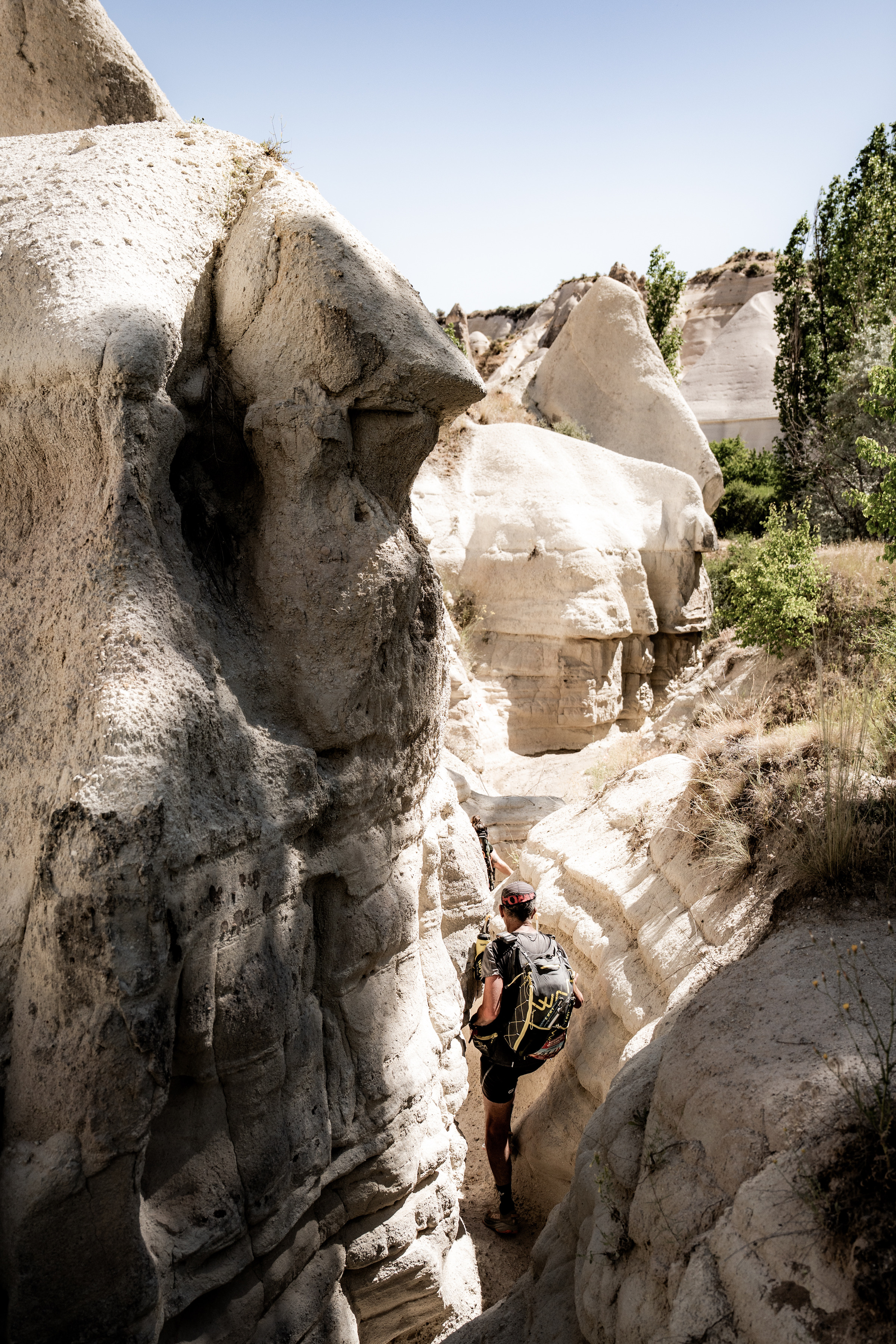
Even so, runners were fighting the heat within minutes. Shade was rare, and the terrain offered no favours: narrow single tracks, slot canyons, technical descents, and long exposed stretches tested every step.

By mid-morning, the route through Love Valley felt less like a romantic postcard and more like a slow-motion survival drill.

Despite the conditions, runners dug deep. The lead pack charged forward with astonishing control, weaving through the heat haze with purpose, but it was the back of the pack that showed the rawest version of the struggle. Blistered feet, overheated cores, and sheer exhaustion painted a stark picture of just how hard-earned every kilometer was.

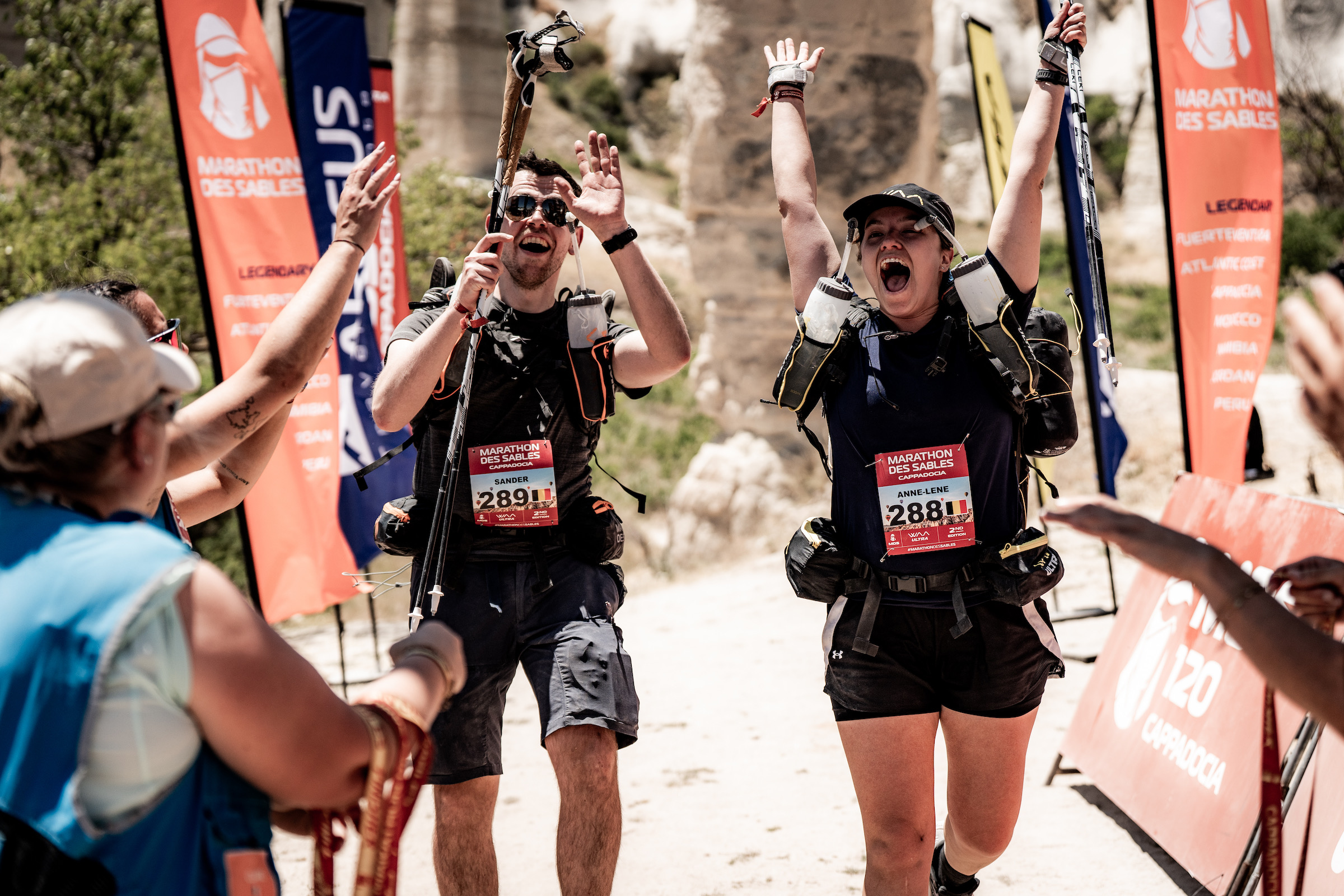
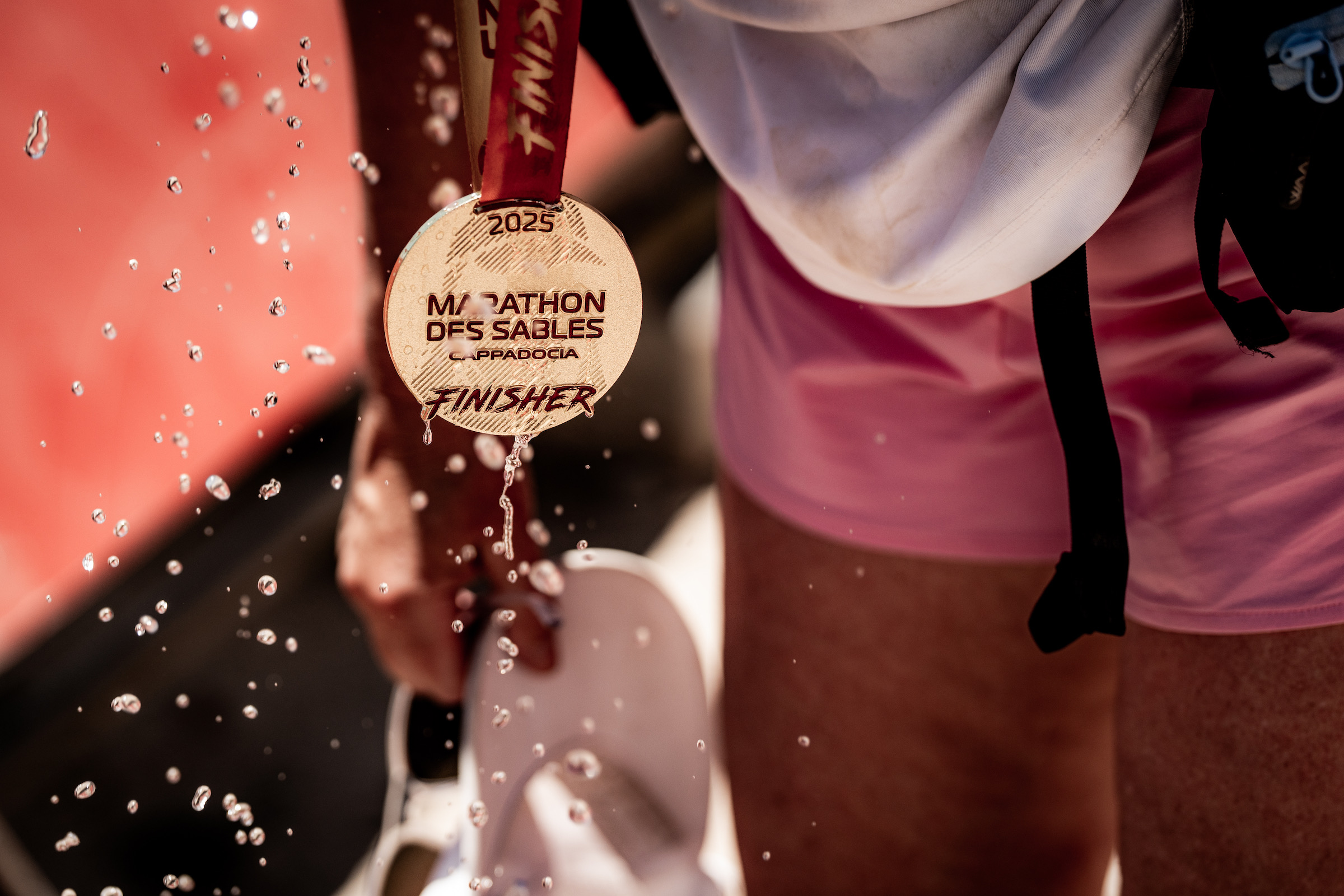
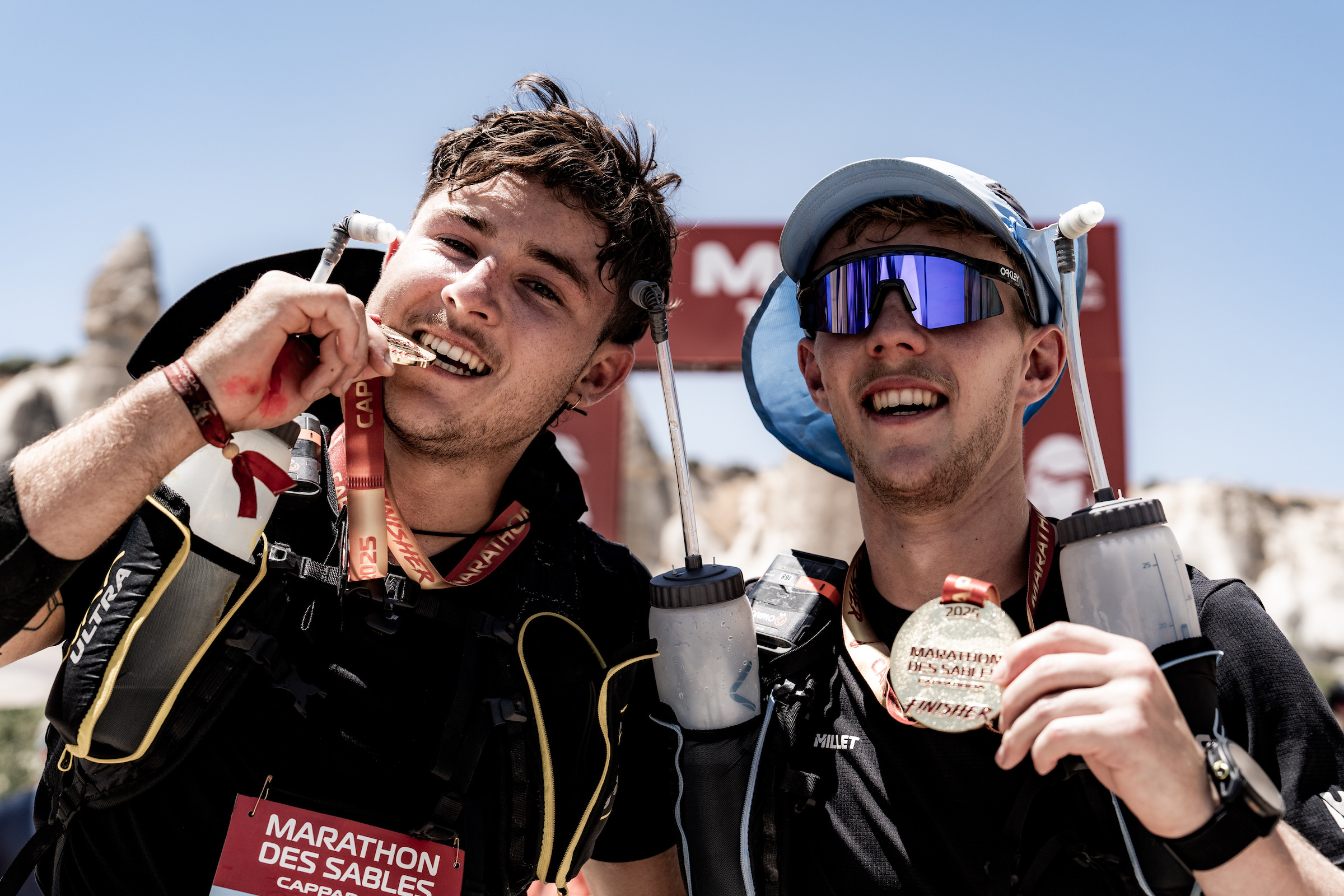
Crossing the finish line at the edge of Love Valley brought a wave of emotion. Some wept, others collapsed. The medal placed around each finisher’s neck wasn’t just symbolic, it was earned in full, mile by scorching mile. For many, it marked the toughest test they’d ever faced in a race.

From first to last, the results were staggering. All athletes held their nerve in the heat, but it was the collective will of the entire field that defined the day. This was more than a stage, it was a battle. And everyone who crossed that line came out the other side changed.

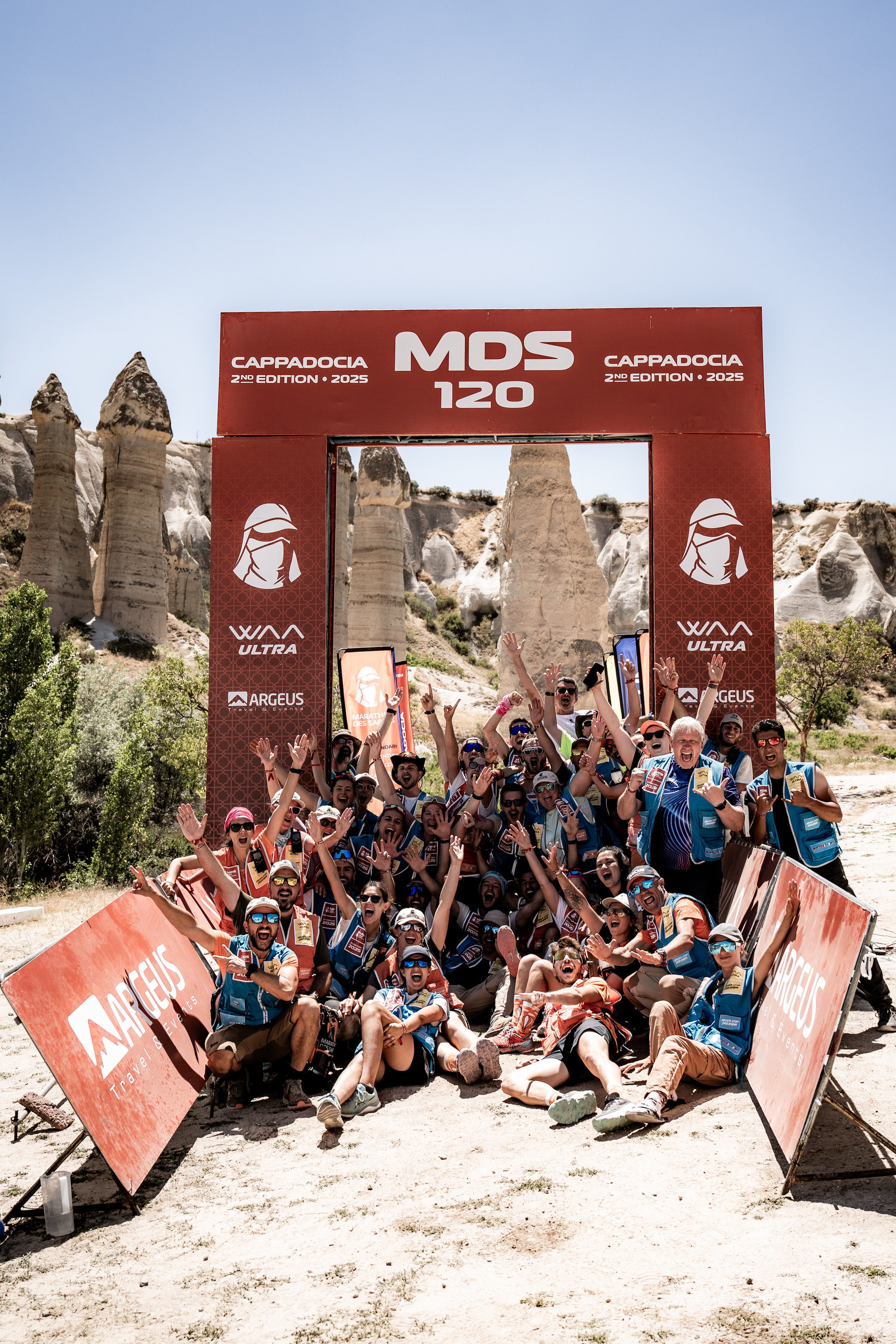
Blue and Orange jackets make it all happen

Stage 3 didn’t give anyone an easy finis. It demanded everything. The landscape may have been romantic, but the race was ruthless. The medal, deserved!


Follow Ian Corless

Instagram – @iancorlessphotography

Twitter – @talkultra

facebook.com/iancorlessphotography

Web – www.iancorless.com
Web – www.iancorlessphotography.com

MDS 120 Cappadocia 2025 – Stage 2

Stage 2 of the 2025 MDS 120 Cappadocia tested every ounce of determination runners had left in the tank.

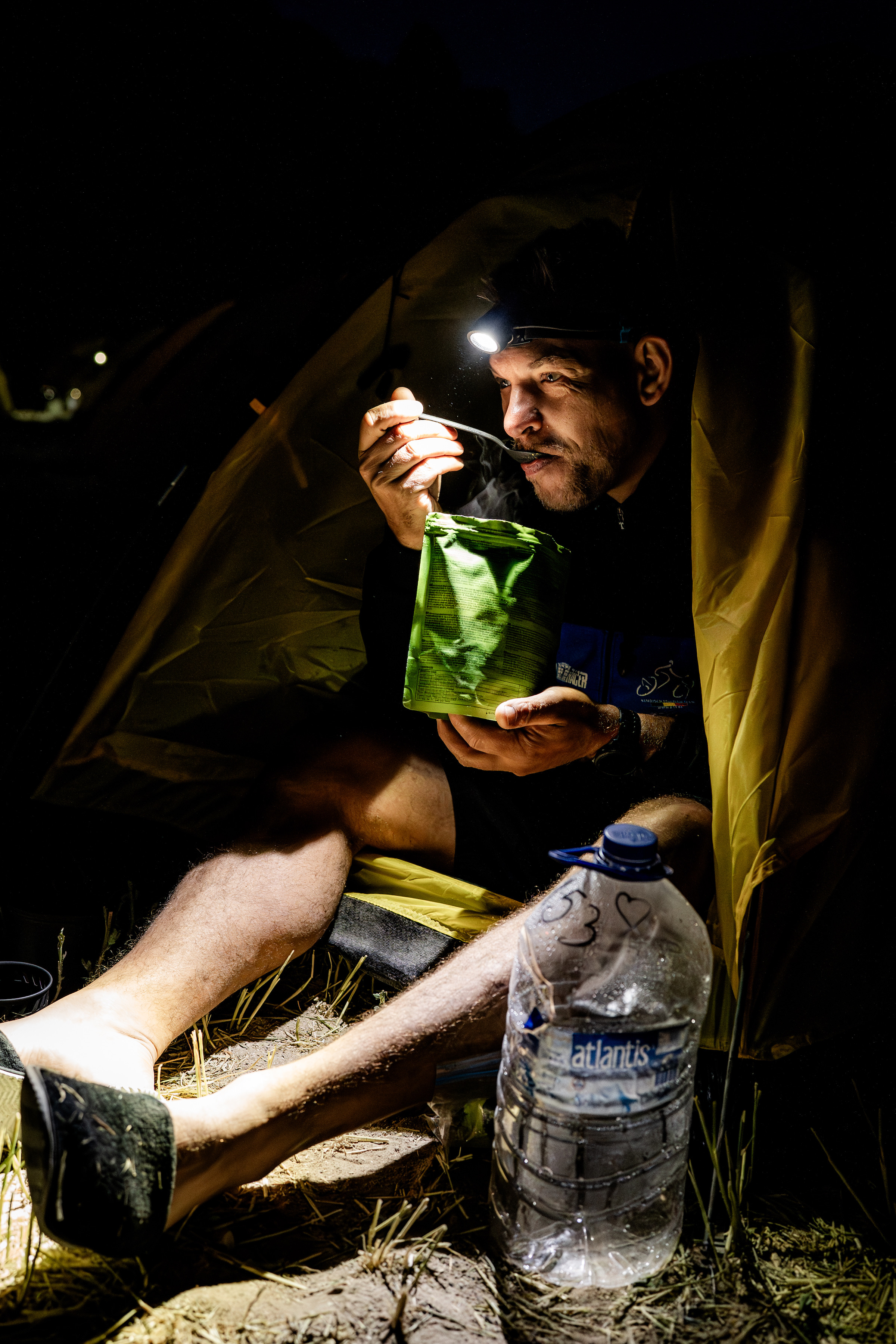
Breakfast bivouac style

The day began with a 4:00 AM wake-up call under a pitch-black sky.

Just WOW!

By the time the starting line buzzed to life, the first glow of sunrise was filled with dozens of hot air balloons over the otherworldly landscape, a surreal and unforgettable sendoff into a brutal, beautiful day. This is what makes MDS 120 Cappadocia so special.

Blue coats, a key and important element of MDS 120.

Participants had a choice: 20km, 40.9km, or 58.6km. Three distances, one shared battle. No matter which course they committed to, the terrain made sure no one got an easy ride.

Stunning varied landscape

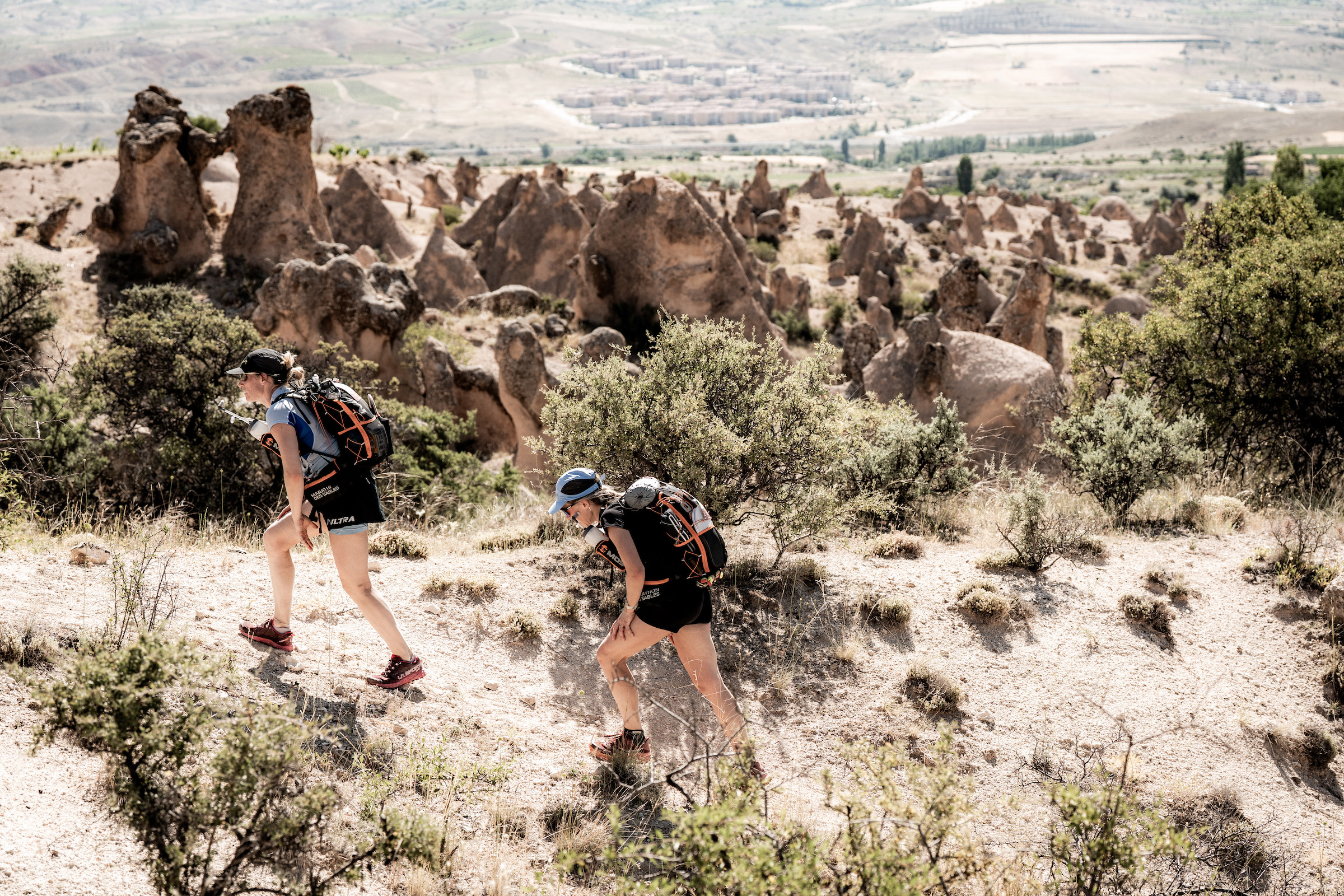
From the start, runners faced a punishing mix of steep canyons, tight tunnels, dusty switchbacks, and rocky plateaus.

Dense vegetation

The famed Cappadocia chimneys, towering rock formations sculpted by time and wind rose like sentinels along the route, offering brief moments of awe in between relentless stretches of heat and effort.

Unique landscape

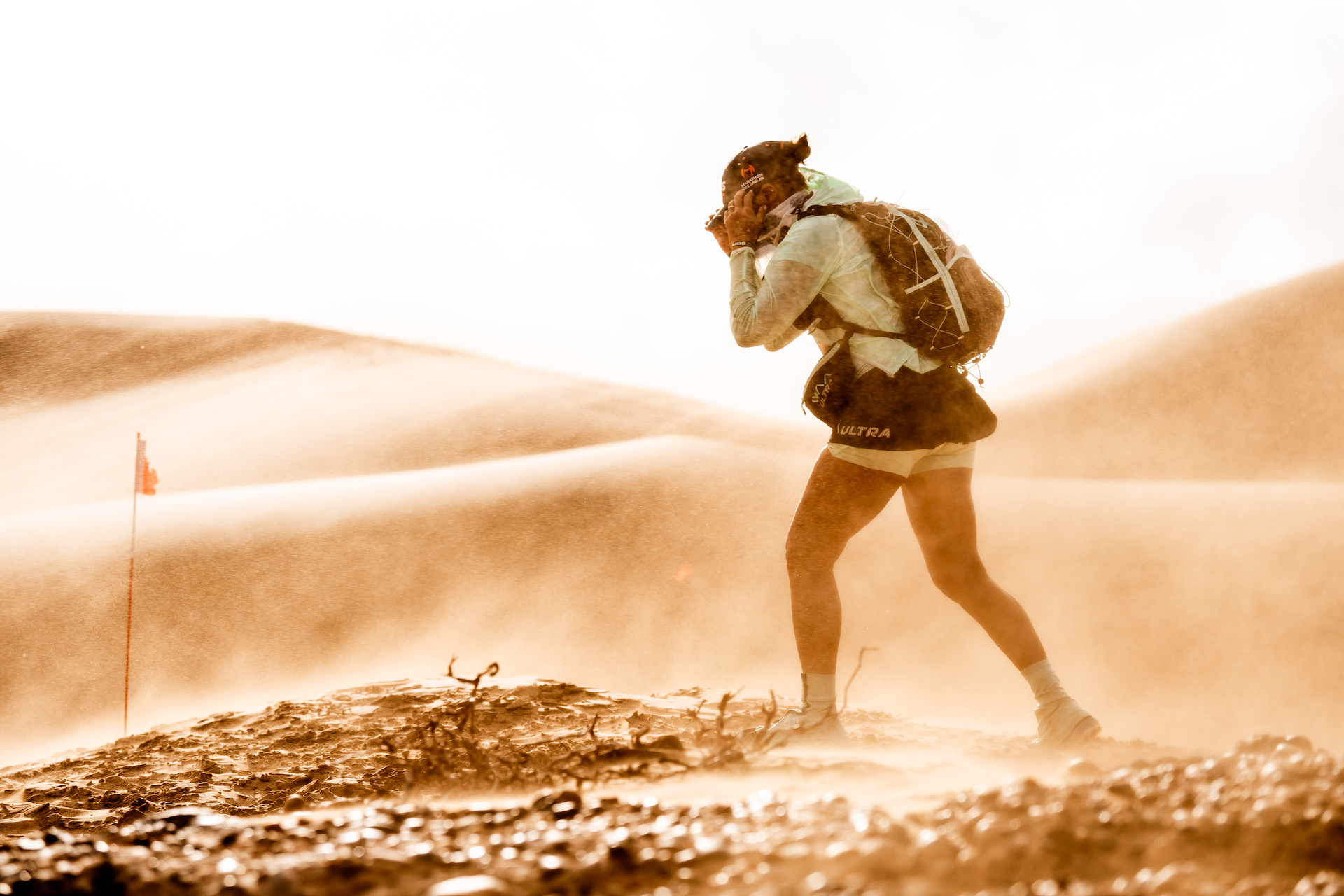
At times, dense vegetation clawed at legs and arms. Elsewhere, there was nothing but the sun, dry air, and the crunch of feet against rock and dust.

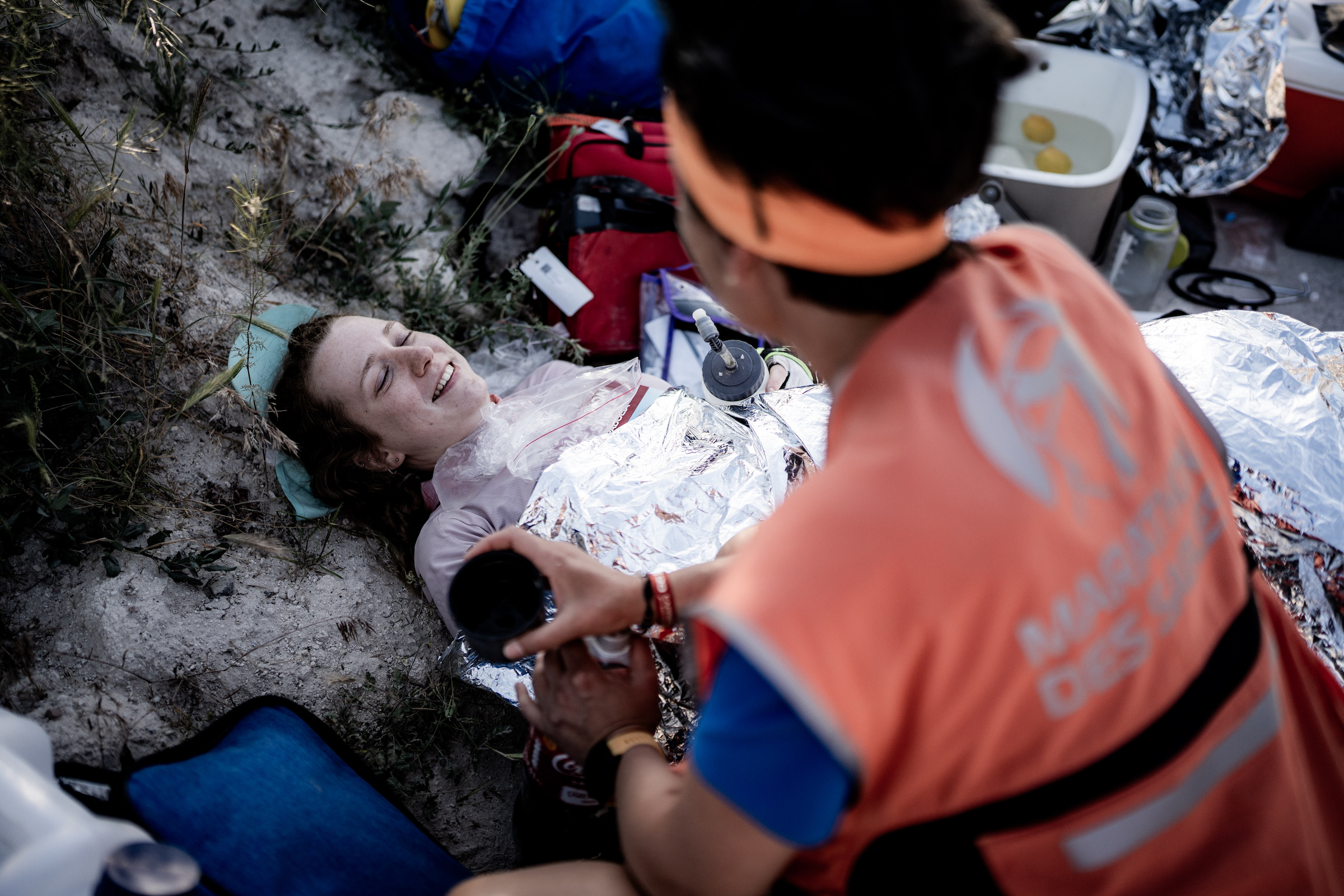
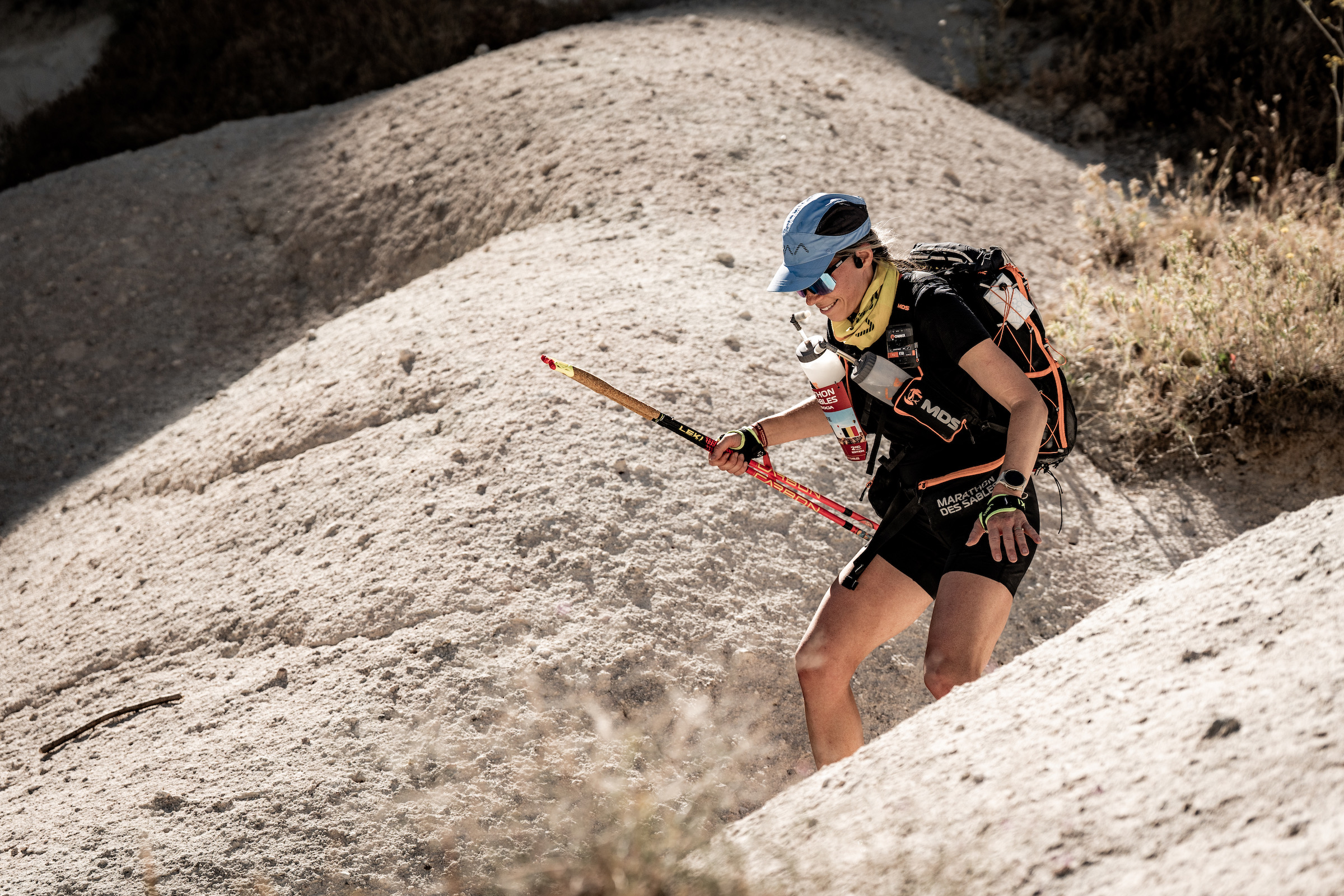
The longer the distance, the deeper the challenge. The sun bore down with intent, turning even the breezes into blasts from a hair dryer. Hydration and mindset became as critical as foot placement. There were stumbles, cramps, and moments of silence where only the sound of breath and grit kept runners going. This is where the MDS 120 orange (medical) and blue (logistics) help keep the runner’s going, importantly, they bring a key safety element to the race.

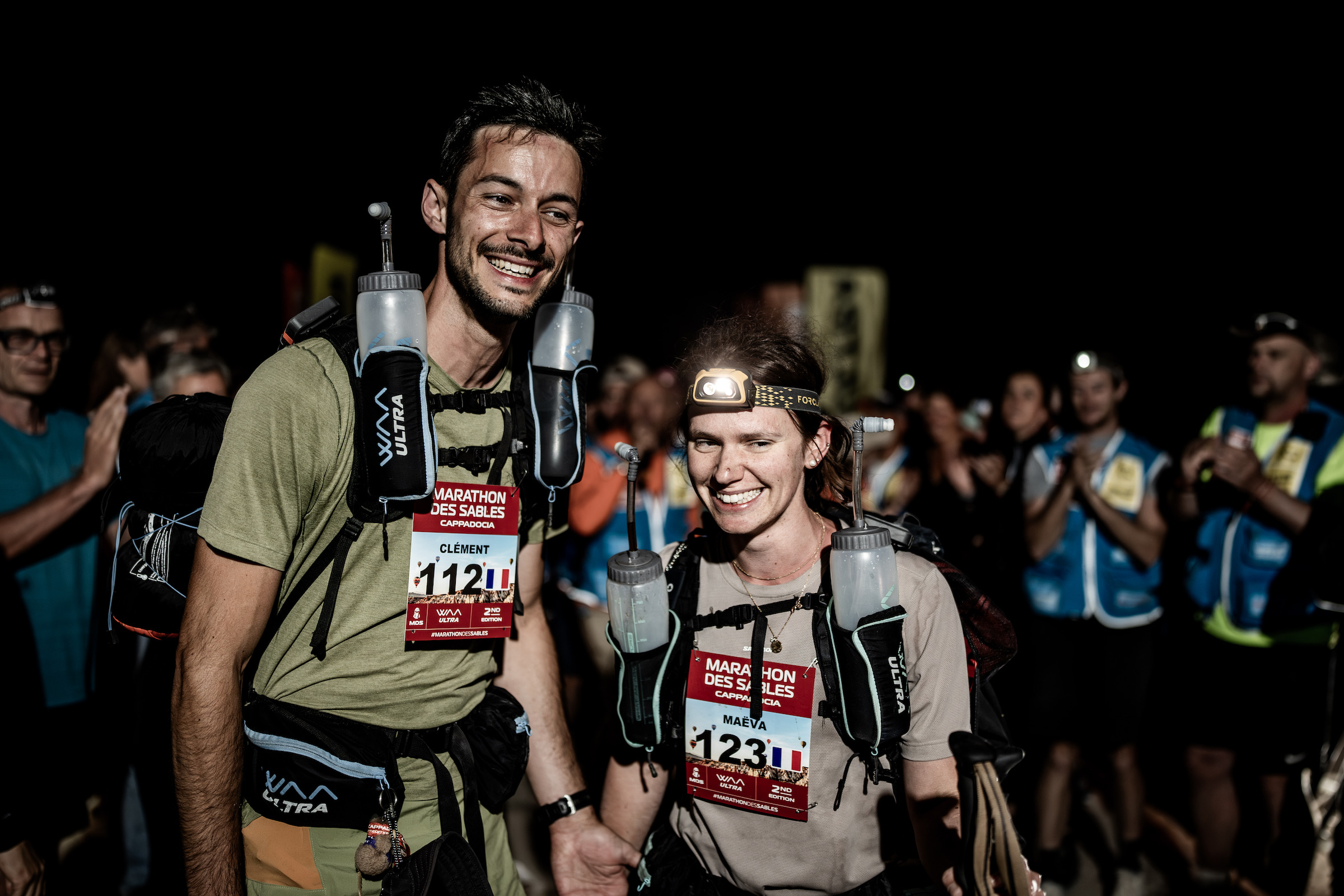
Maëva, our last finisher receiving treatment just 4km’s from the finish.

But they did go. Every last one of them.

The final competitors crossed the line after an incredible 16 hours and 25 minutes on the move. A huge shoutout to Maëva and Clémment, who showed unreal resilience and heart, pushing through to the very end.

To all who took on Stage 2, no matter the distance, no matter the time, today you didn’t just run through Cappadocia. You conquered it.

Tomorrow brings the third and final stage, concluding in the Love Valley.

Marathon des Sables website HERE

Follow Ian Corless

Instagram – @iancorlessphotography

Twitter – @talkultra

facebook.com/iancorlessphotography

Web – www.iancorless.com
Web – www.iancorlessphotography.com

MDS 120 Cappadocia 2025 – Stage 1

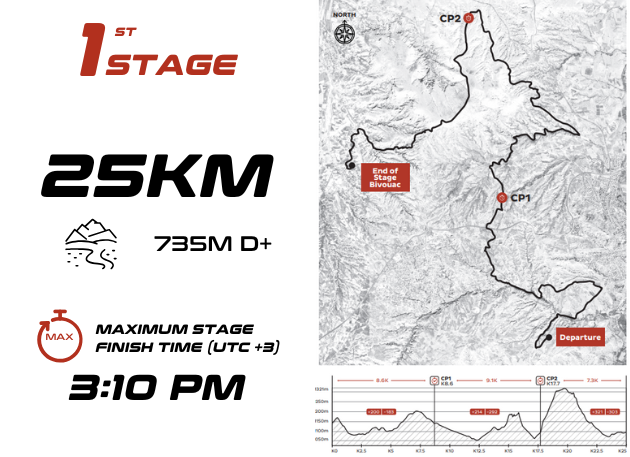
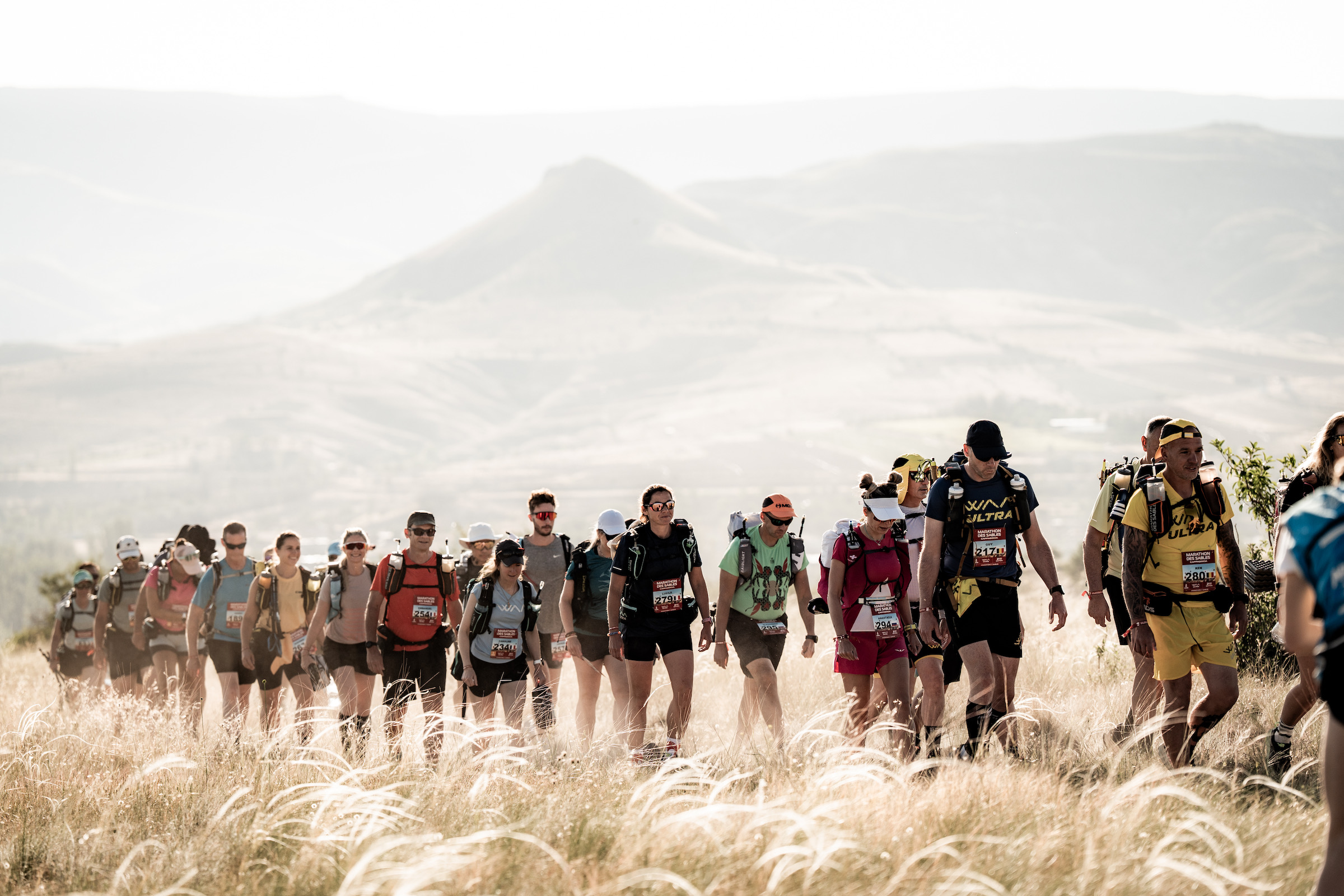
Stage 1 of the 2nd edition of MDS 120 Cappadocia kicked off under the early light of an Anatolian sunrise, with 25 km’s of raw terrain waiting to test the field. A race drawing runners from 25 countries, with 62% of the field made up of women, the stage offered more than just a test of fitness. It celebrated resilience, international camaraderie, and the wild beauty of one of Earth’s most spectacular landscapes.

MDS 120 Cappadocia LIVE HERE

Start: Göreme valley
8:00 AM (UTC+3)

Distance: 25km
Elevation gain: 735m
Arrival: Bivouac
Arrival time max: 03:10 PM (UTC+3)

At 08:00, runners surged forward through soft dust and rising heat, chasing not just the finish line, but the promise of the valleys, ridges, and canyons that make Cappadocia a runner’s dream.

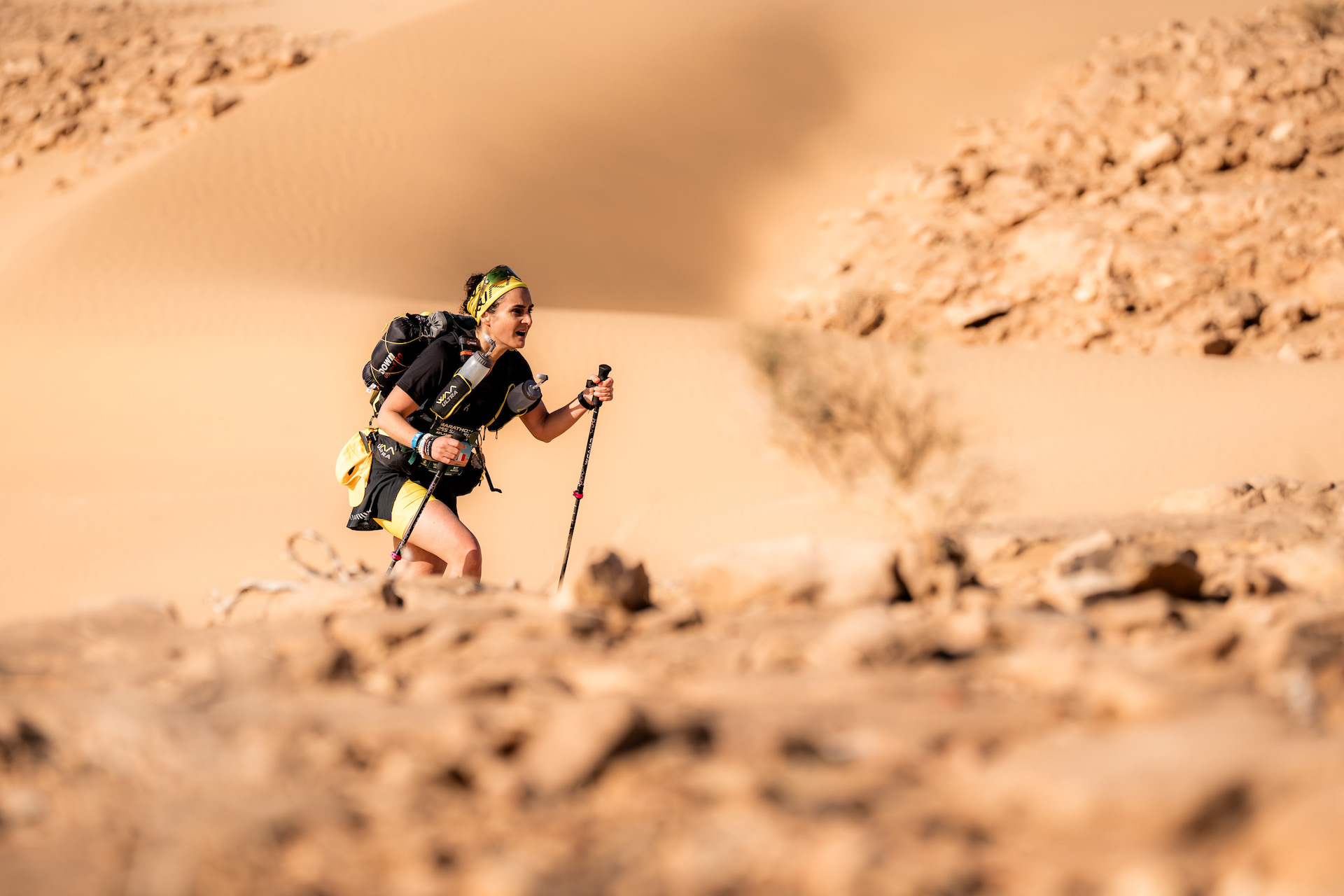
A perfect introduction to this region’s surreal terrain. Cappadocia’s sculpted rock formations and ancient pathways aren’t just scenic, they’re alive underfoot. The ground shifts from soft tuff to jagged stone without warning. Trails wrap through fairy chimneys, drop into hidden valleys, and climb ancient volcanic ridges that defy rhythm and punish pacing mistakes.

In Sword Valley, the finish line was framed by tall rock blades that towered like silent spectators. But before that moment of glory, runners had to earn it, through a twisting, relentless route that refused to give them anything for free.

This stage, at 25km’s, may have been short by ultra standards, but it made up for that in technicality and vertical grind.

“That climb? That was a truth serum to the CP,” said one British runner, laughing between gulps of water.

“I’ve raced ultras all over the world, and I’ve never seen terrain like this,” 

This was only the opening round, but already the stage has shaped expectations for the rest of the MDS 120 Cappadocia: With deeper valleys, hotter days, and longer distances on the horizon, strategy will start to matter even more. Pacing, hydration, and mental grit will be required in abundance, especially with increasing hotter temperatures.

Equal parts brutal and beautiful, it gave runners a taste of what’s ahead: unpredictable terrain, and heat. The landscape demands respect. The heat punishes the arrogant. And the first finish line felt like a small rebirth.

One stage down. Two to go. Cappadocia has opened the door and it’s not letting anyone through without a fight.

Marathon des Sables website HERE

Follow Ian Corless

Instagram – @iancorlessphotography

Twitter – @talkultra

facebook.com/iancorlessphotography

Web – www.iancorless.com
Web – www.iancorlessphotography.com

ANSWER THE CALL OF THE HIMALAYAS – EVEREST TRAIL RACE 2025

©iancorless

If you’ve ever dreamed of running in a place that feels otherworldly, where every breath reminds you you’re alive, and every step tests your limits, the 2025 Everest Trail Race is your chance. Happening this November, 10th to 22nd, 2025.

©iancorless

This is not just a race, it’s a life changing experience stamped into your muscles, your memory, and your soul.

The Everest Trail Race is a semi self-sufficient, multi-stage ultra that pushes you across roughly 160 km (100 miles) of raw Himalayan terrain.

©iancorless

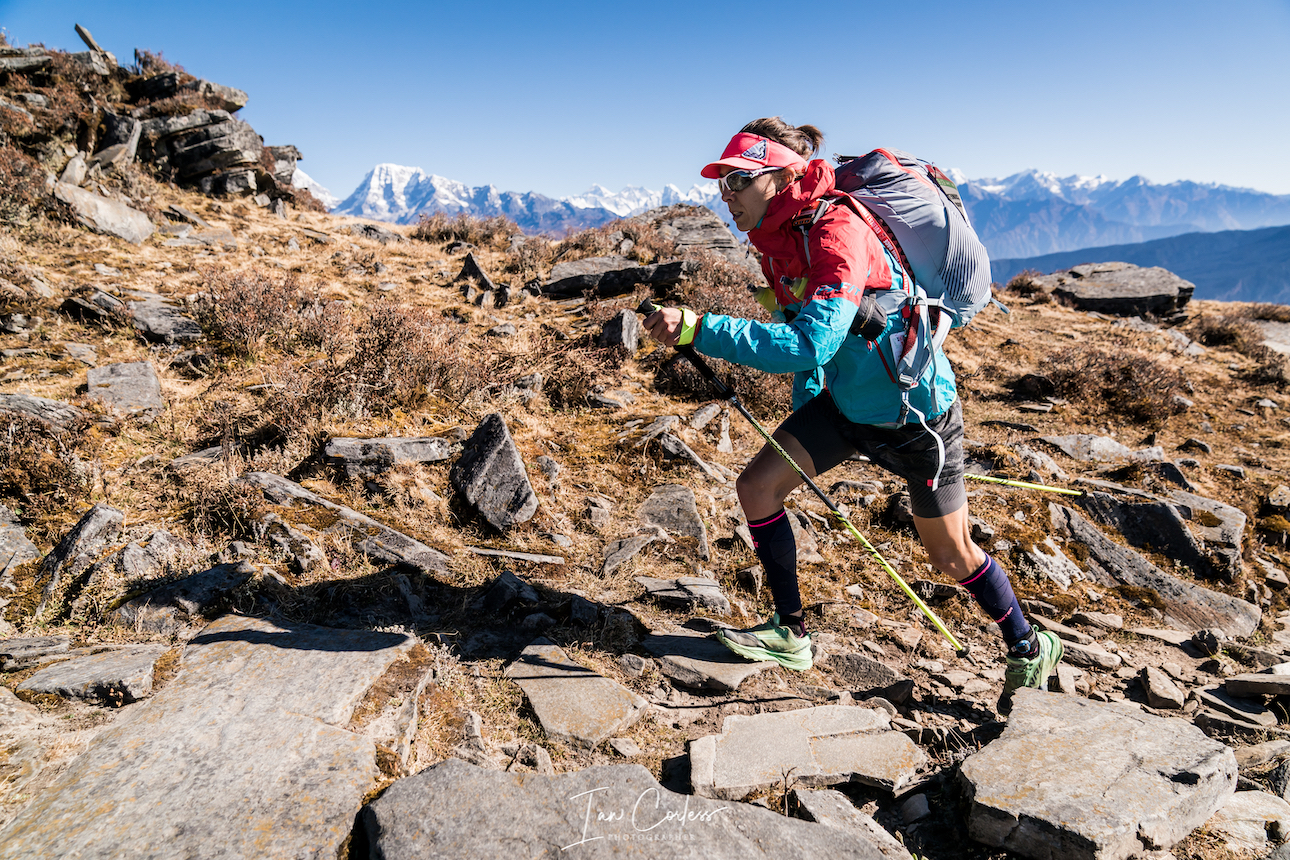
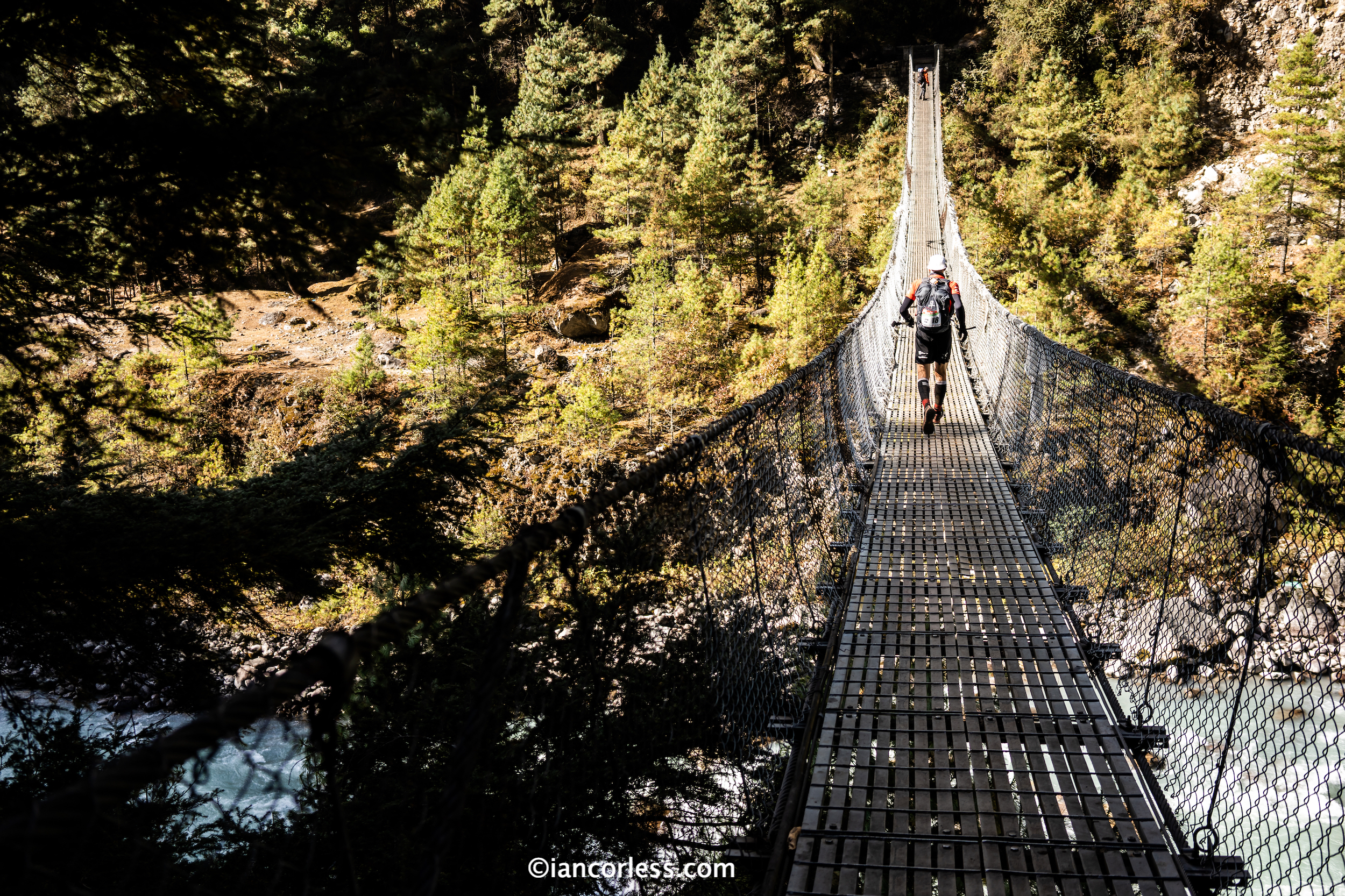
You carry your own gear. You fuel yourself. You keep going. Over six days, you’ll face steep ascents, grinding descents, suspension bridges, narrow trails, and thin air all at altitudes between 2,000 and 4,100 meters.

©iancorless

This is not a race for comfort. It’s a race for people who crave discomfort, who see sweat and struggle as part of something bigger.

This is trail running in its purest form. Technical sections, single tracks carved into mountainsides, ancient stone paths connecting remote villages. One moment you’re running through a pine forest; the next, you’re skirting a cliff with views that stop you in your tracks.

©iancorless

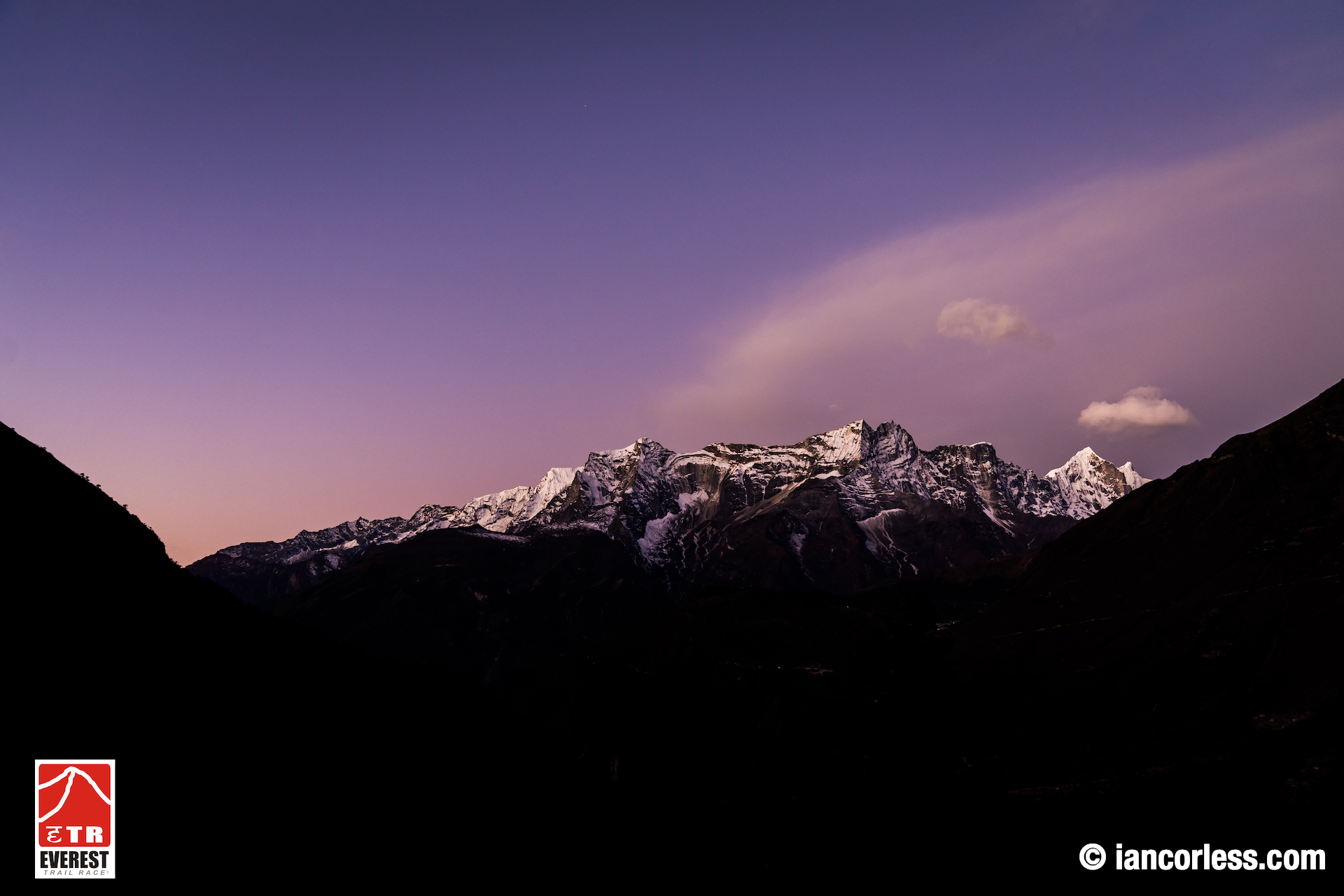
The race route threads through the Solukhumbu region, home to the legendary Sherpa people, along the same trails used by mountaineers heading to Everest Base Camp.

November in the Himalayas is cool, crisp, and clear, perfect for trail running. Daytime temps are mild, with intense sunshine at altitude.

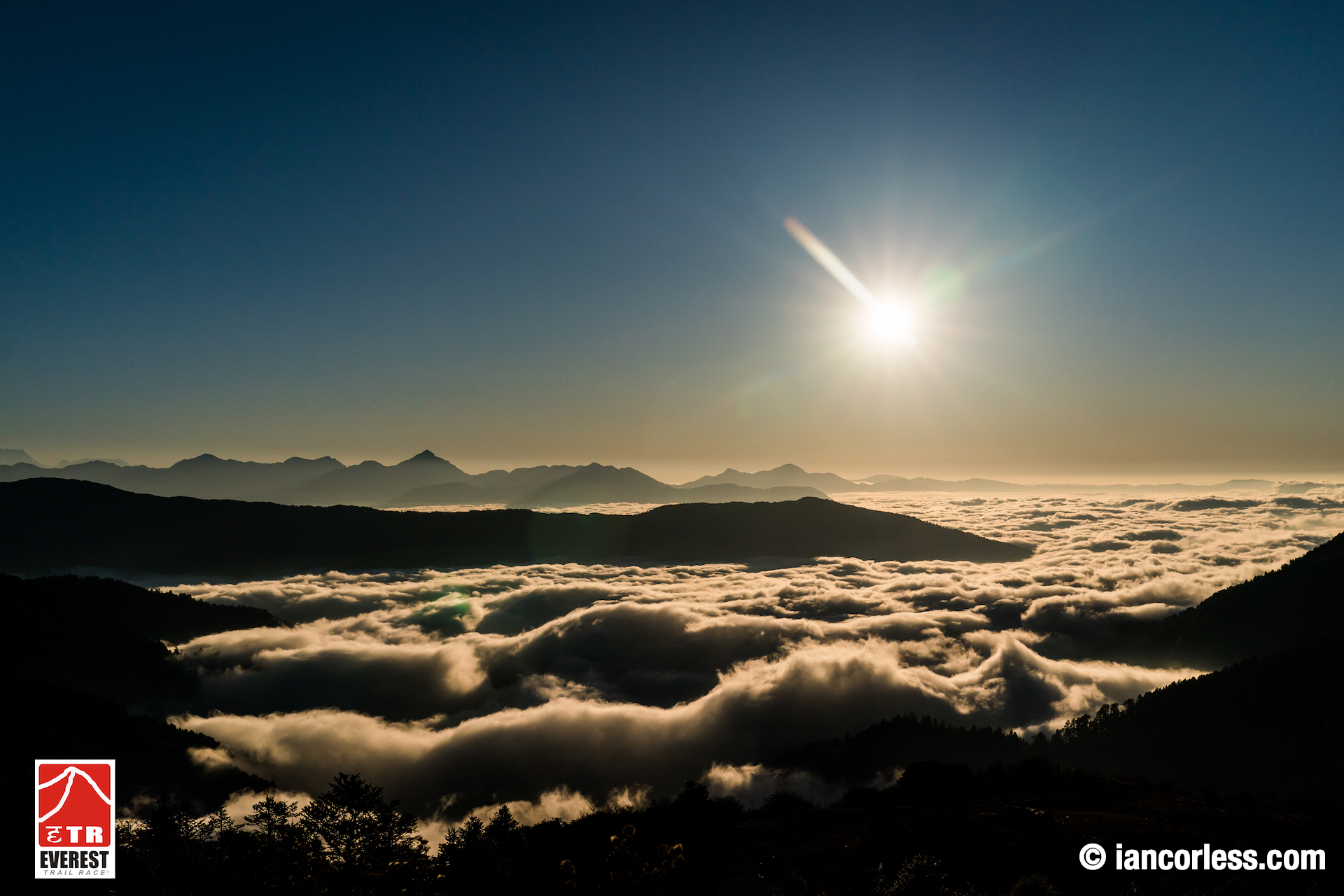
But the nights get cold. You’ll wake up to frosty mornings, and every breath will be visible. It’s the dry season, so the skies are often brilliantly blue, framing the snowcapped peaks like a postcard that never ends.

©iancorless

This is the kind of race where you learn to respect the air. The oxygen gets thinner, and your body feels it. It’s a slow grind uphill, and then a fast, careful descent. Pacing becomes survival. Acclimatisation is your secret weapon. But when you’re out there, breathing hard, moving slow, you realise something: you don’t need speed. You just need grit and determination.

©iancorless

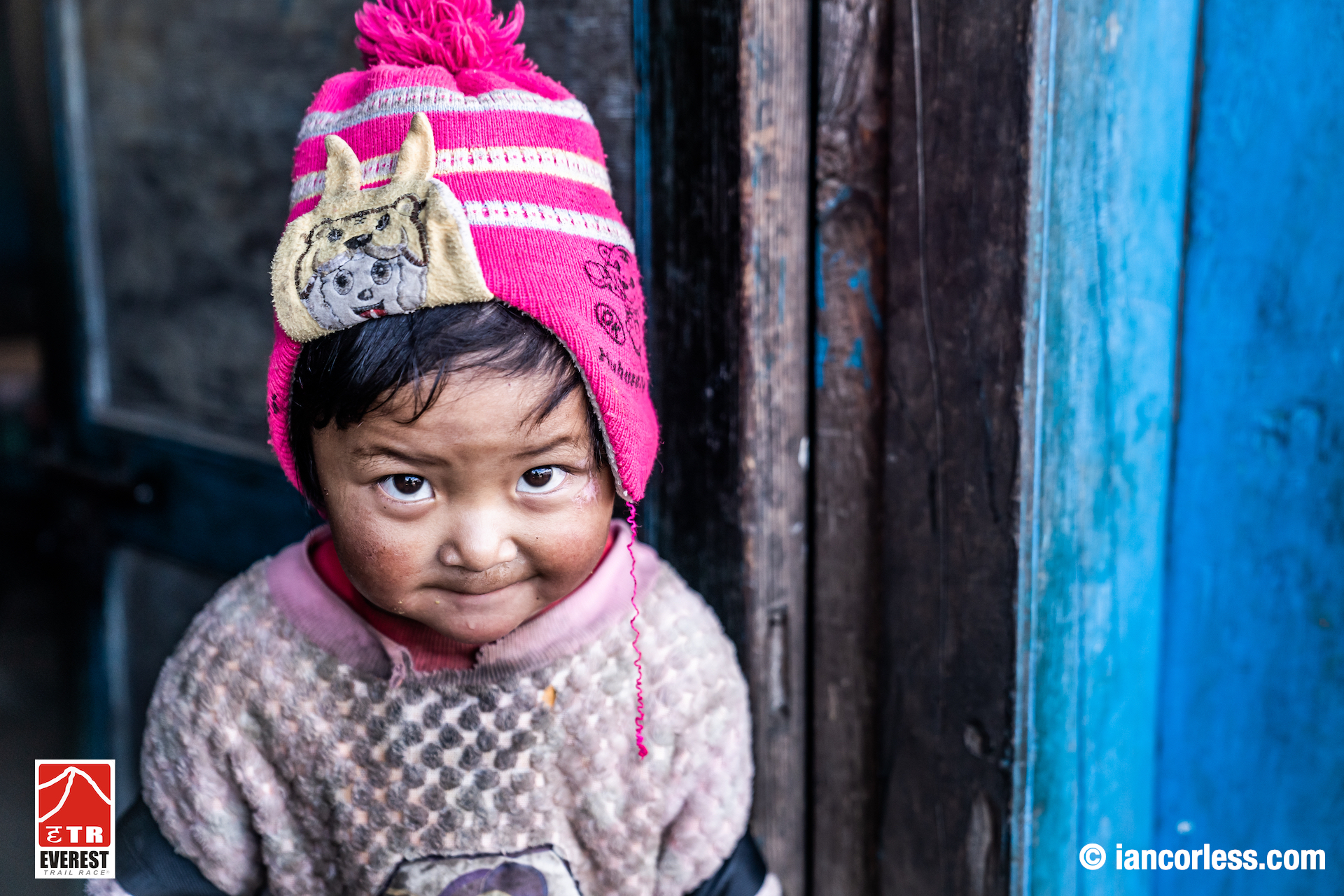
You’ll meet Sherpa families offering you tea from tin cups in smoky kitchens. Kids will run beside you, barefoot and beaming.

The camaraderie among runners is real, forged in pain, sweat, and shared awe. You’ll finish each stage beside people who were strangers, now teammates.

©iancorless

The Everest Trail Race is small and personal. It’s not about crowds. It’s about connection — to the land, to each other, and to something deeper inside yourself.

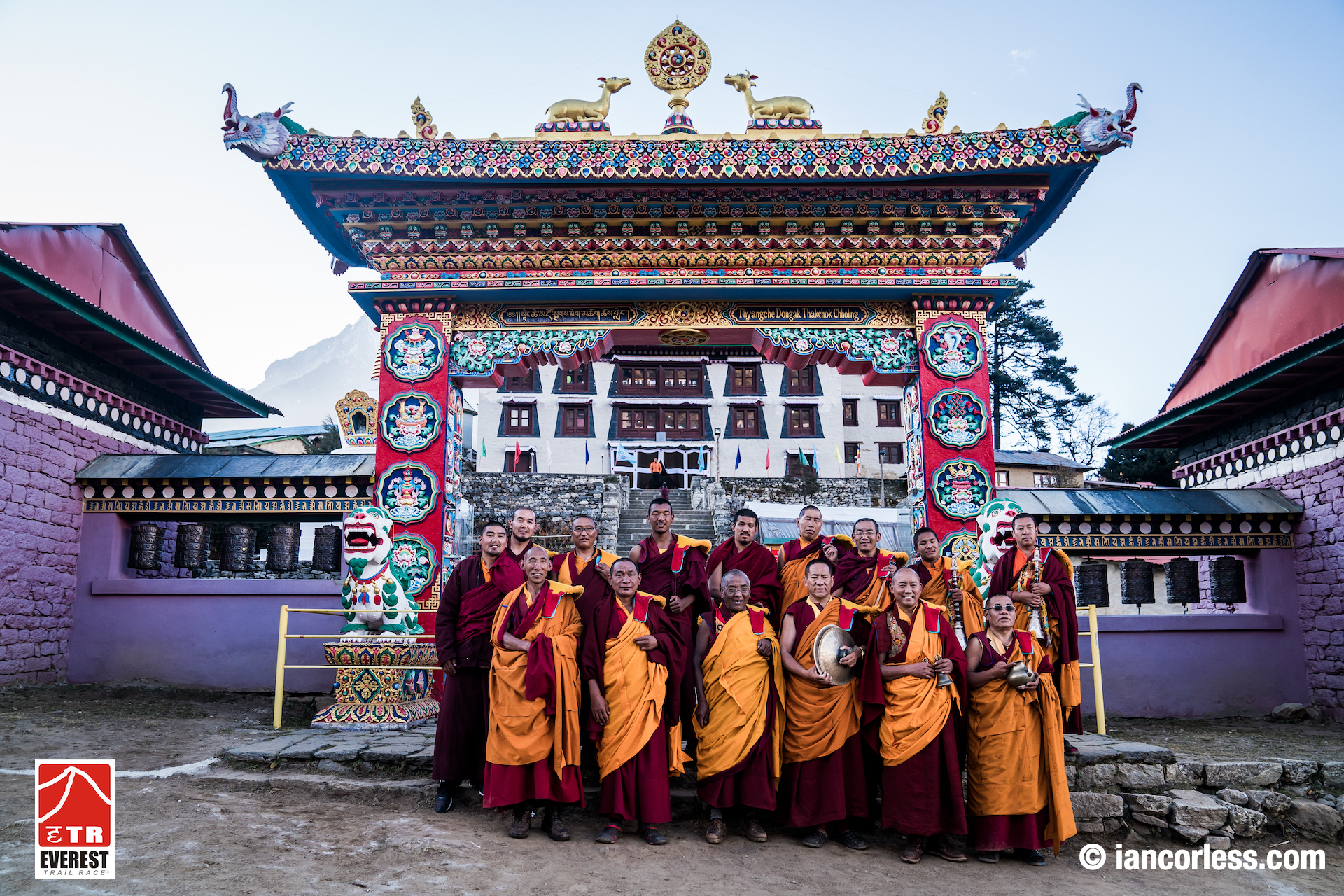
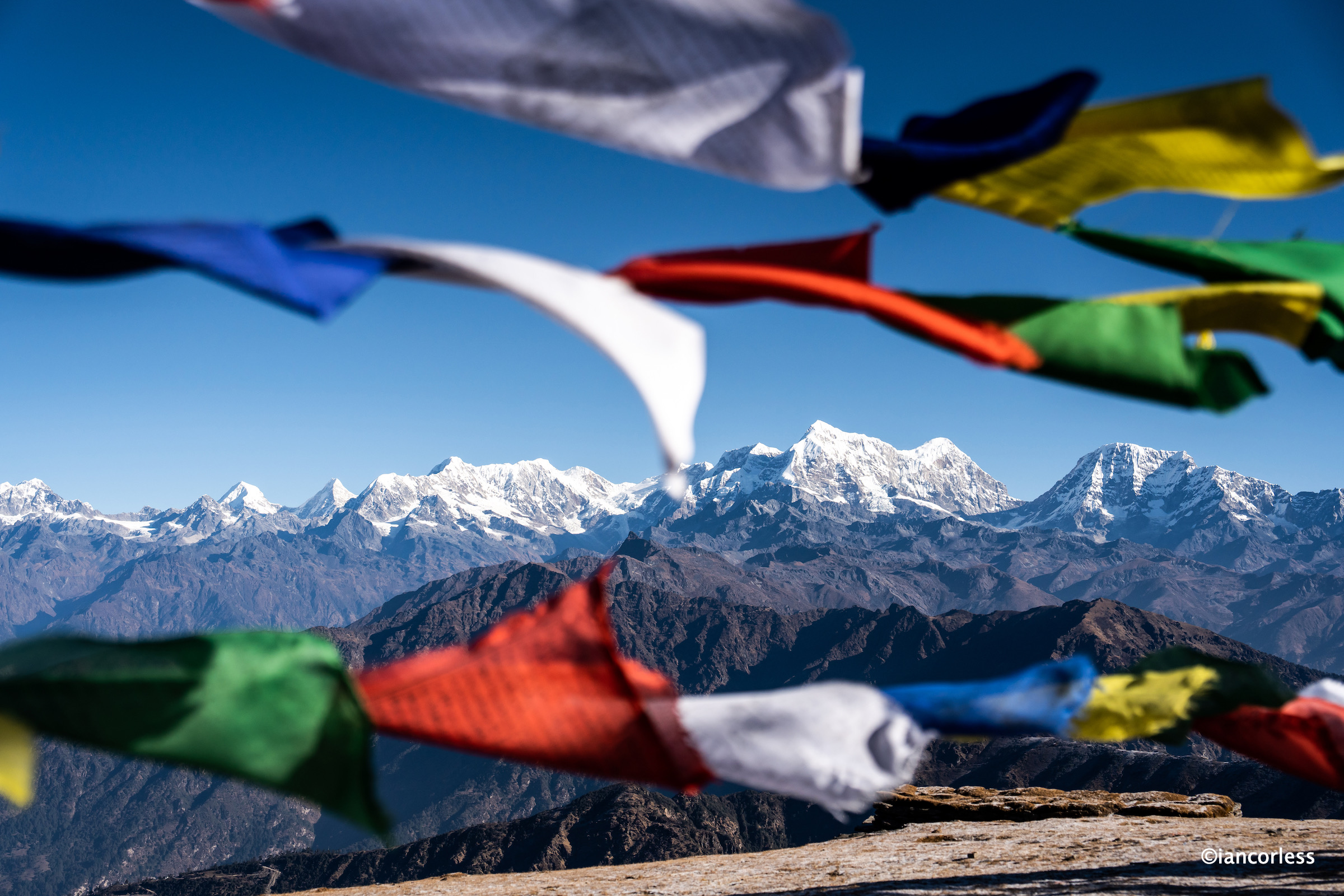
You’ll see Everest, Lhotse, Ama Dablam, and other giants of the Khumbu up close. But it’s not just the mountains — it’s the prayer flags flapping in the wind, the monasteries perched on hillsides, the layers of ridge upon ridge fading into the horizon. Every day looks like a screensaver. Every sunrise feels earned.

If you’re waiting for the “perfect moment,” this is it. You don’t need to be the fastest or the strongest. You just need to show up ready to push, adapt, and feel everything this place throws at you. The Everest Trail Race is not about conquering the mountain. It’s about discovering who you are when the mountain pushes back.

©iancorless
  • Transcontinental flights Barcelona/ Kathmandu / Barcelona and transfer to the Hotel.
  • Domestic Flights. Manthali/Lukla/Manthali and transfer to the hotel.
  • 4 nights hotel in Kathmandu 4 * (according to local tourist category) with breakfast, double occupancy.
  • Overnight in lodge (hostel) during the trek in full board. Not beverages included.
  • Dinner the second night in a hotel in Kathmandu. Not beverages included.
  • Dinner and awards party. Not beverages included.
  • Allowances and staff insurance.
  • Trekking permit.
  • Entry into the National Park

SIGN UP FOR ETR 2025 HERE

Official Everest Trail Race website here

Follow Ian Corless

Instagram – @iancorlessphotography

Twitter – @talkultra

facebook.com/iancorlessphotography

Web – www.iancorless.com
Web – www.iancorlessphotography.com

Chasing Horizons – The Second Edition of MDS Cappadocia Redefines Adventure

The MDS Cappadocia returns for its second edition, bringing trail runners back to one of the most visually surreal landscapes on Earth. 

Set across three demanding stages over four days, this is not your typical desert race, on the contrary, it’s a technical, high-impact trail event through ancient terrain steeped in history and visual splendour. 

Runners choose between 70km, 100km, or 120km of total distance, stages 1 and 3 are the same for everyone, stage 2 participants choose 20/40 or 60km.

Each course is carved through a landscape that feels pulled from another planet.

This isn’t a race of endless dunes, Cappadocia stands unique in the MDS format with no sand. It’s a test of grit over rock, gravel, and dust trails, winding through steep valleys, high plateaus, and narrow chimney-like formations.

The terrain shifts constantly. One moment you’re powering up a canyon, the next you’re cruising past thousand-year-old cave dwellings.

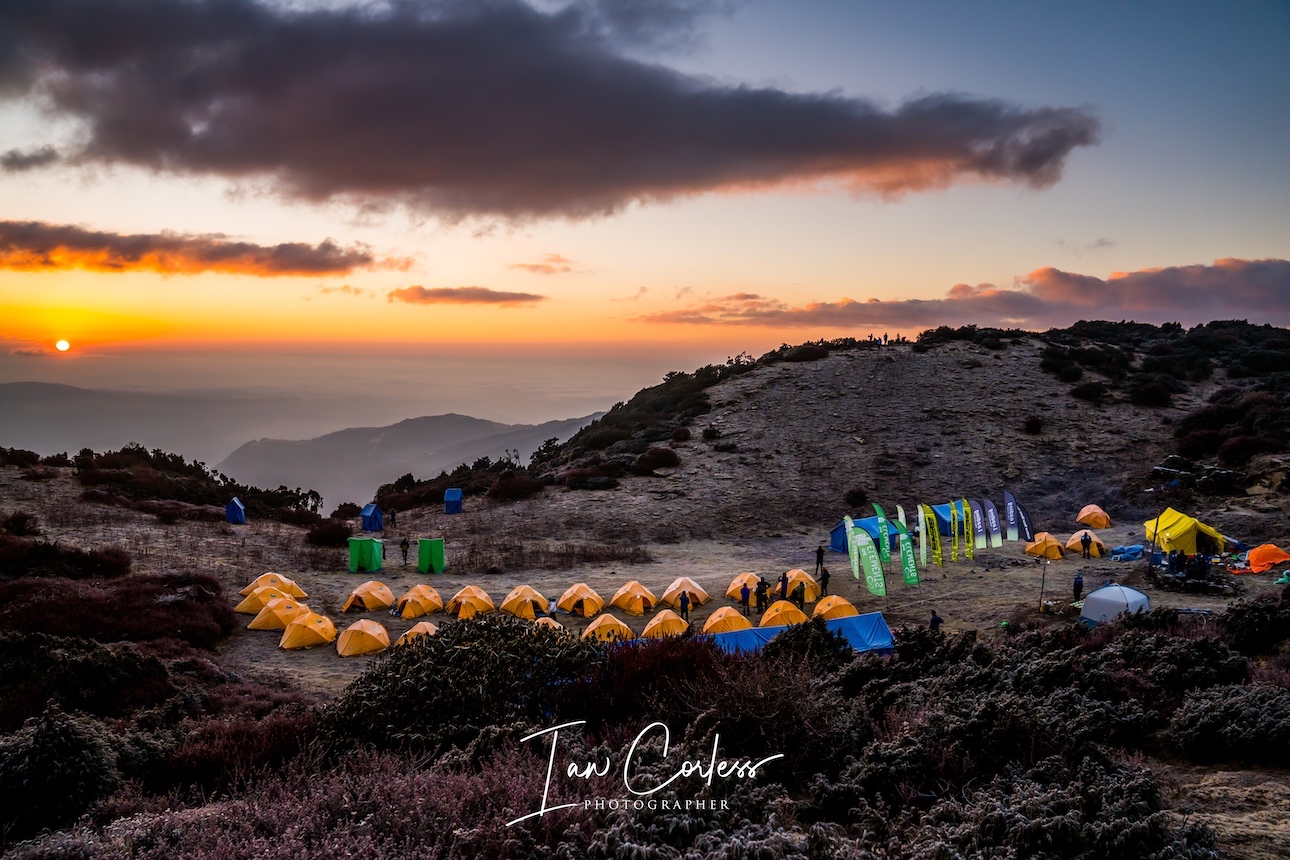
Cappadocia’s late summer weather is unpredictable. Days can scorch above 30°C (86°F), while nights drop sharply in temperature. As with all MDS events, participants will sleep in individual tents in a stunning location set within an amphitheatre of rock.

The sky, often cloudless, fills at dawn with dozens of hot air balloons, silent giants drifting above the rock spires and carved cliffs. Arguably, one of the most unique and memorable sights in any MDS event. 

Whether you’re going for the 70km or pushing through the full 120km, MDS Cappadocia strips away distractions and puts the challenge squarely on participant versus the trail: raw, remote, and unforgettable.

More information on the MDS website HERE

Interested in another MDS event? Go to marathondessables.com

Follow Ian Corless

Instagram – @iancorlessphotography

Twitter – @talkultra

facebook.com/iancorlessphotography

Web – www.iancorless.com
Web – www.iancorlessphotography.com

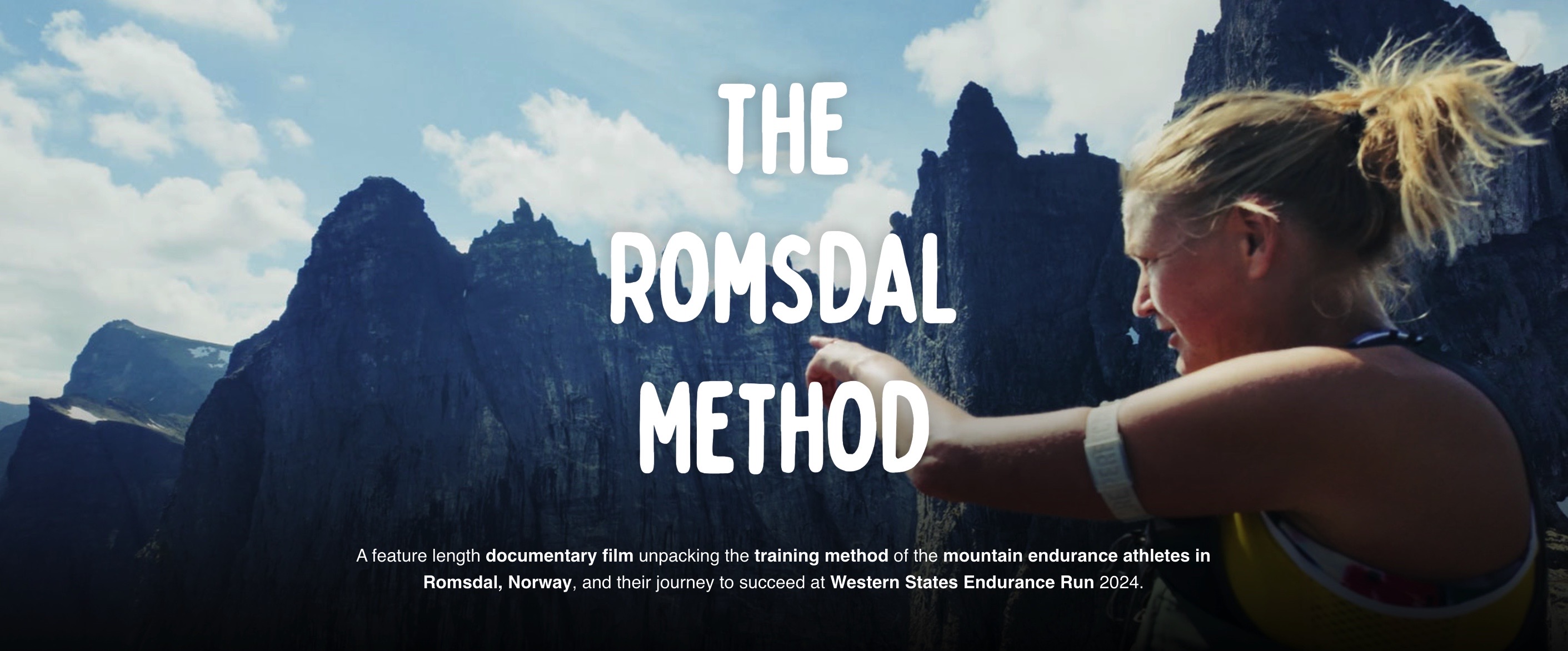
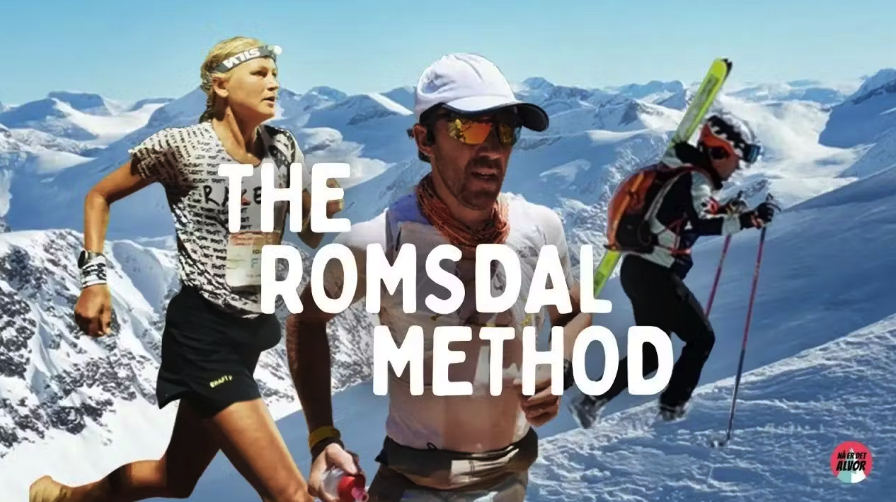
The Romsdal Method – A Gritty Ode to Community, Mountains & Method

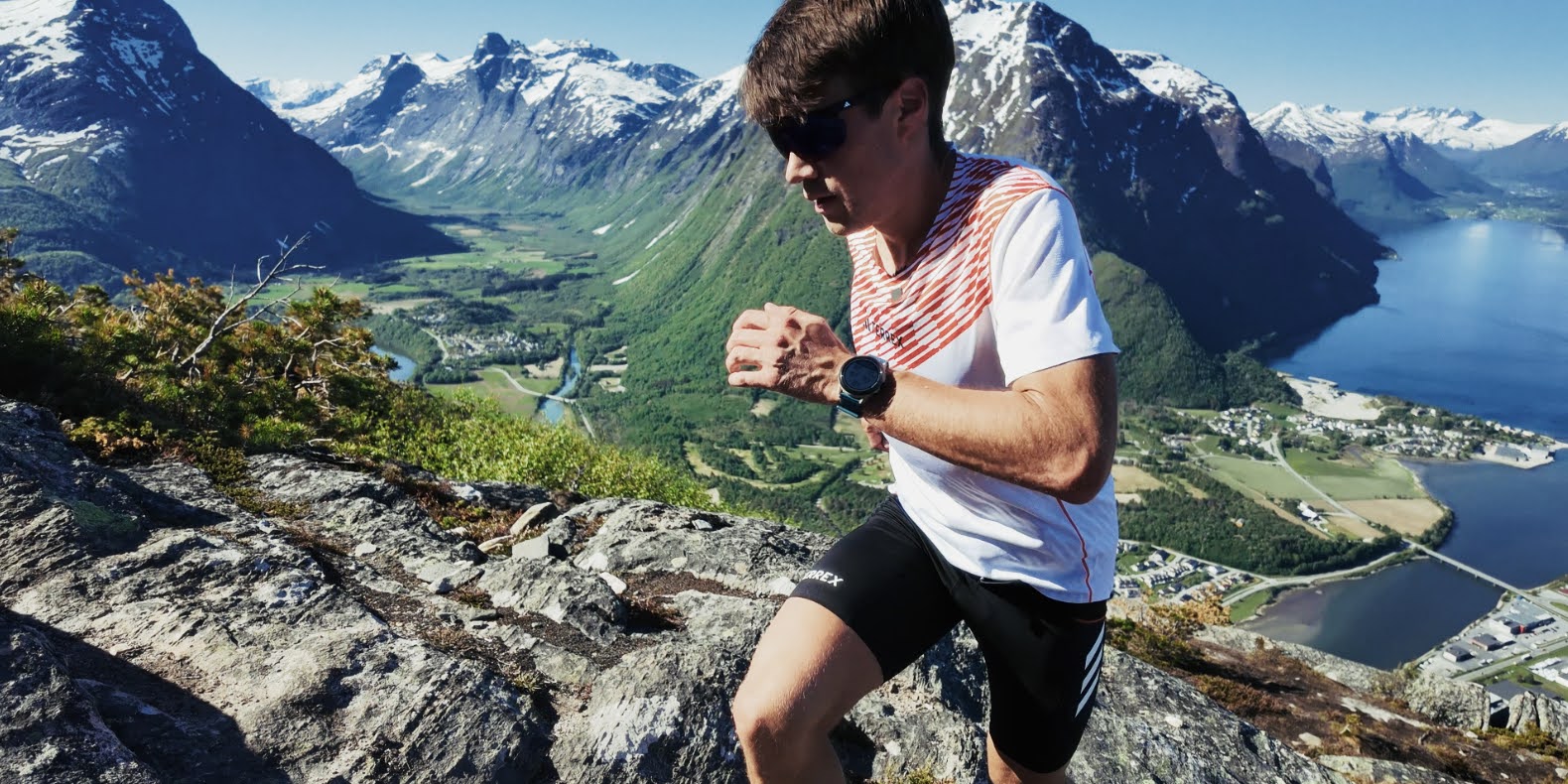
The Romsdal Method, directed by Hans Kristian Smedsrød, is a raw, immersive journey into the rugged training ethos of Romsdal, a Norwegian valley transformed into a living, breathing performance lab. Inspired by Kilian Jornet and Emelie Forsberg, three elite/ultra athletes: Ida Nilsson (Sweden), Jon Albon (Britain), and Petter Engdahl (Sweden) join this hub to progress their careers. What begins as a quiet exploration soon morphs into a testament to friendship, mutual respect, and the transformative power of place-based training.

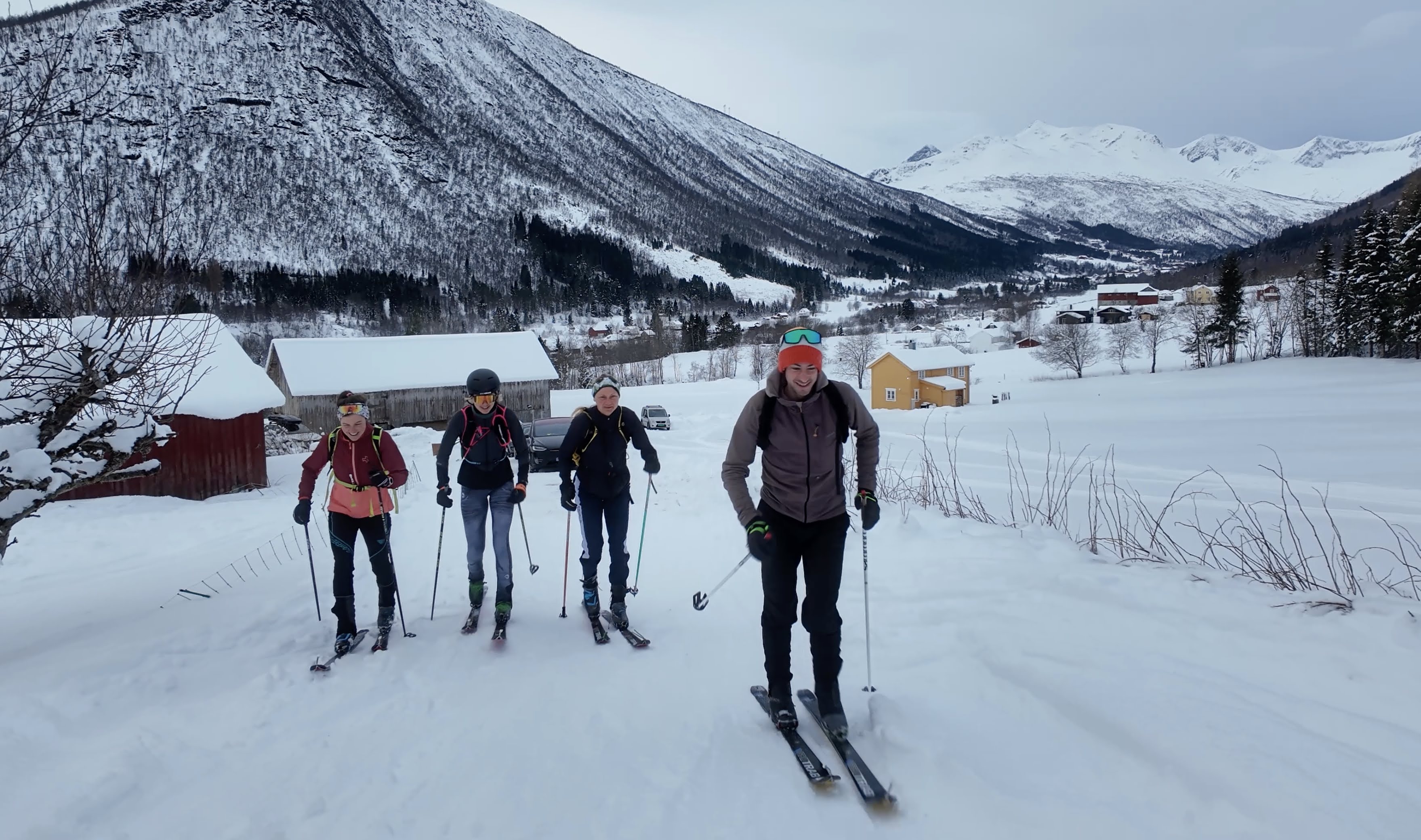
Group training

There are no egos here, on the contrary, there is a calm, understated respect of experience and knowledge. At the helm, the inspiration for Jon, Petter and Ida comes from Kilian who has pioneered the way for training in Romsdal.

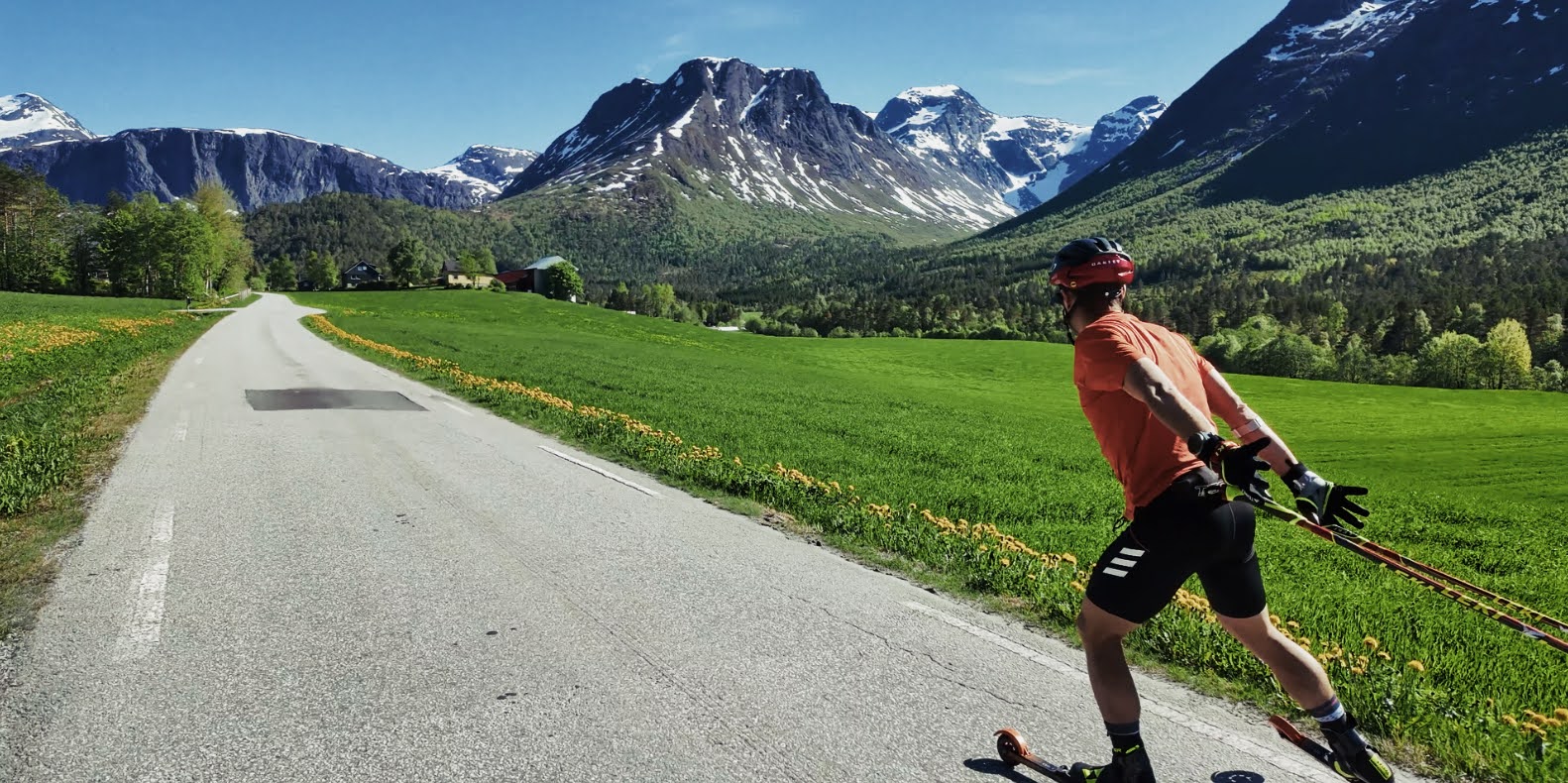
Petter on roller skis

Petter sums it up in a moment of reflection:

“Being the best in Romsdal and being the best in the world is kinda the same thing, it’s what makes this valley so insane.”

Jon, the Brit, is very much the scientist, the thinker, the analyst. He has a dry British humour that even Kilian acknowledges. Jon is a legend of the sport, a powerhouse athlete and he is the calming element that binds the group of three. Training sessions for Jon need to make sense, they need to be specific. His unassuming presence and measured discipline highlight the balance between elite drive and heartfelt connection with place and people.

Jon being specific with training

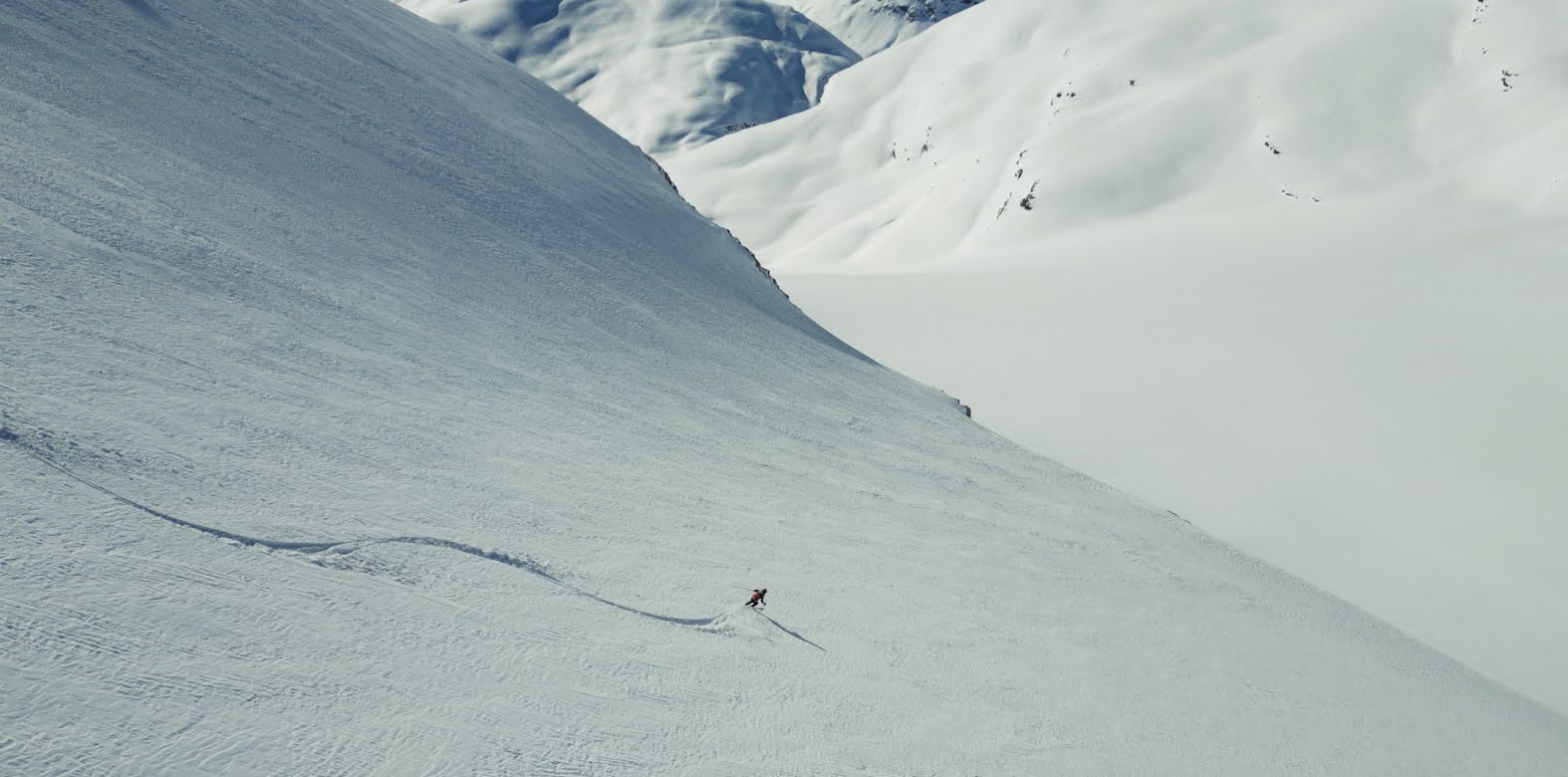
Ida, with a career that stems back to track running is an introspective, warm, and has a complete dedication and passion for sport. Sincere, sometimes quietly exuberant, Ida is motivated to perform, she’s looking for performance gains but at the same time, as shown on a ski mountaineering trip on a beautiful day, just being in the mountains for hours is what makes this life tick.

Ida in the best playground pointing to which peak she will climb

Petter, is calm, quiet, solid. He’s about grit and focus. He’s the silent undertow who likes his actions to speak louder than words, providing testament to a man pursuing the edge. He moved to Romsdal to be with and train with the best; Jon and Kilian. He acknowledges, that sometimes, particularly in his first year, that this ‘training’ in itself can be too much.

Petter at the top of Nesaksla

In many ways it can be summed up with a sound bite from Kilian Jornet:

“And many of the routes where we are training, if you do a mistake, if you slide, it’s not that you will break your ankle or hurt yourself, it’s that you will die!”

Romsdal isn’t just a backdrop or place, it’s arguably the key protagonist of what shapes the story, the experiences, the life and the training of those who live there.

Towering granite, unpredictable weather, rivers through valleys, every scene in the film places Romsdal as central, it plays as a coach, mentor, and even antagonist. Ascending steep slopes, scrambling or racing up and down ski-mountaineering routes; the mountains demand creativity, humility and respect. As Jon says at the end of the film, this is maybe not the best place to live to train for many races that I do, but, I wouldn’t want to live anywhere else. Romsdal forces adaptation: intelligent, situational, and deeply rooted in respect for nature. A prime example coming from the Nesaksla session, which Petter admits, has been copied by athletes around the world.

Kilian Jornet

Kilian, the legendary Catalan mountain athlete, appears less as a star and more as a guiding spirit. His cameo moments, on screen and in conversation, provide quiet counsel: pushing boundaries, listening to one’s body, respect for the mountains, he  embraces why we move and he has an immense respect for his peers. Kilian has pioneered the way; his deep bond with the mountains humbles the athletes. He is arguably the spiritual north of Romsdal.

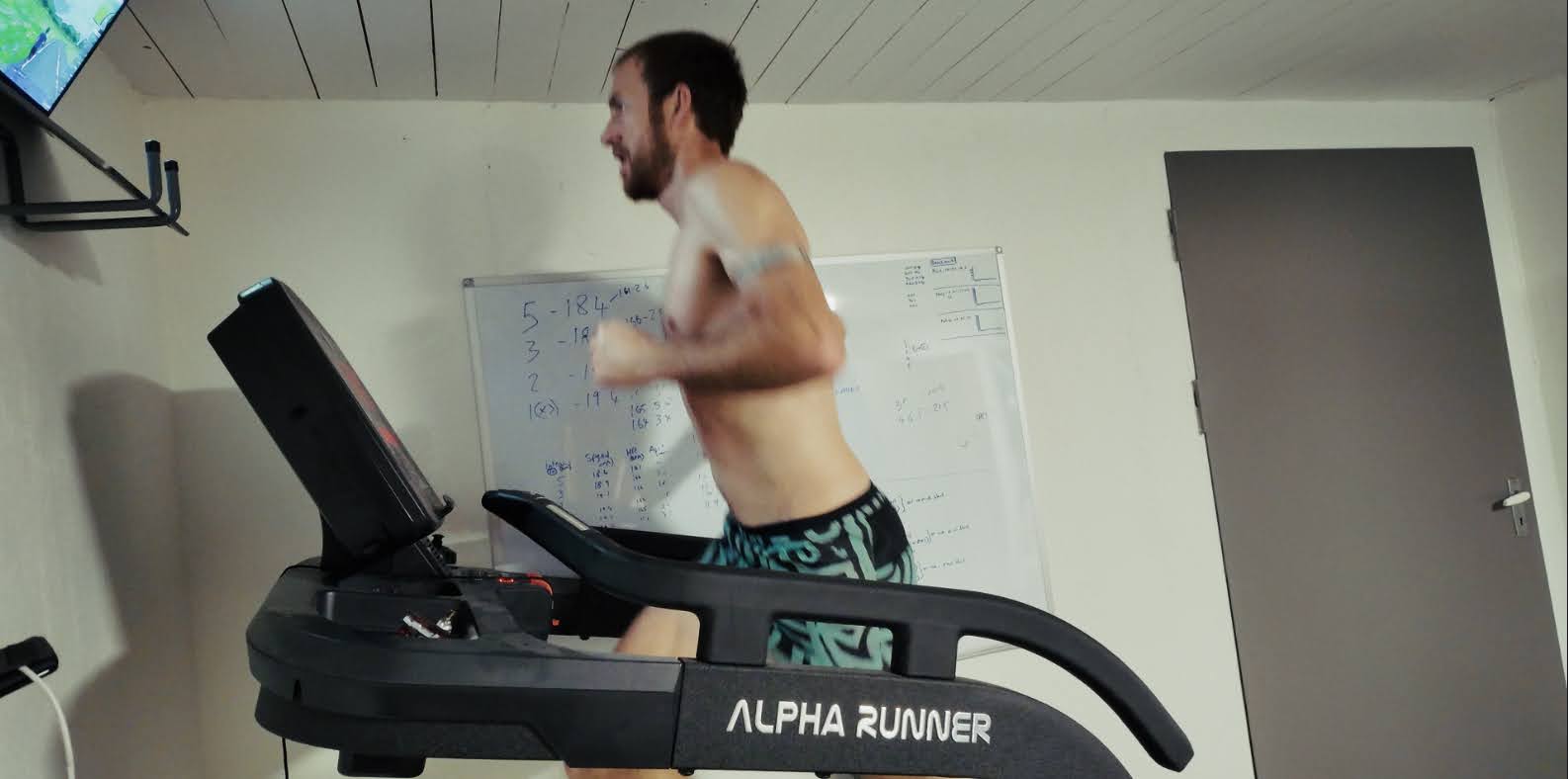
The film is called The Romsdal Method but there is no one answer here and Hans Kristian does a nice job of letting the location, the athletes and yes the weather, do a job of explaining that Romsdal requires creativity; multi-disciplinary skills, and community-driven training. A series of vignettes that show this, from epic ski mountaineering scenes, scrambling and climbing, cycling and yes, even the use of indoor sessions such as the treadmill.

Screenshot

It’s this layering of elements, skimo, run, scramble, climb, gym, cycle, heat work that defines the “method.” It’s adaptive, multi-modal, and very creative. It’s as much mental and communal than physical. And it’s deeply place-based: Romsdal is a training partner.

The first hour of the film lays the foundations for the Western States story, what sets The Romsdal Method apart is its emphasis on the collective group and how they each influence and help each others process.

These athletes didn’t relocate to Romsdal for solitude, they came to live and breathe together. From group runs, scrambling trips, skimo adventures and the sharing of knowledge indoors while next to a treadmill. Egos are not present, just respect: they challenge each other and they all listen and learn.

Hans Kristian made this a passion project. He spends the first 6-minutes of the film looking at a camera providing some history and outlining why the film came about. He’d be the first to admit that he came to this with little filmmaking experience and dare I say, this is arguably what makes The Romsdal Method appealing. Like the athletes, Jon, Petter, Ida and Kilian, Hans Kristian keeps the film raw and simple. There are some epic drone shots, wide angle shots of ridges, tight head-cams but ultimately, this is one man and a camera. 

At its core, The Romsdal Method is about belonging through movement. Each athlete finds clarity and authenticity through their pursuits and Hans Kristian manages to capture this through simple conversation.

A bigger budget could have added more effects, more cameras, extra editing time and countless other transformations, but, would it have made the film better? In a world chasing flashy results, screen time, and metrics, this film says: slow down, surround yourself with people who respect the story and let the athletes and the story do its job.

When we get to Western States, we are of course interested in the outcome, but, in many ways it almost seems secondary. Each athlete, of course, has a story to tell and each athlete performs at the highest level. Each viewer, I am sure, felt the pain of Petter’s fall and the potential disaster that this could create, his turnaround was phenomenal. We relish seeing Jon put the ice plan to use and make a top-10 debut in his first 100-mile race. We see Ida push with grit and determination and despite not feeling great, once again makes the top-10 and smashes the masters record. The Western States story is told both visually and with a series of post-race interview soundbites. The stories here just confirm that The Romsdal Method worked.

In conclusion, The Romsdal Method is not just a training film; it’s a journey into how place, community, and friendship can redefine performance. There are no shortcuts, it explains that a love for the sport, sweat, raw practice, and the joy of connection with others is what brings results. You, as a viewer are invited to reimagine your own training and ask simple questions of, ‘how do I train, where do I do it, who do I do it with and why?’

If you crave friendship, mountains, and the satisfaction of honest hard work, Hans Kristian’s film is essential. It may not be slick, but it has a genuine soul. And in a world drowning in disconnect, The Romsdal Method is a reminder that the deepest gains come not from gadgets, but from dedication, grit, passion all under taken under open skies that blanket Romsdal.

All images are used with permission of Hans Kristian Smedsrød ©

Purchase the film HERE

Follow Ian Corless

Instagram – @iancorlessphotography

Twitter – @talkultra

facebook.com/iancorlessphotography

Web – www.iancorless.com
Web – www.iancorlessphotography.com

MDS Atlantic Coast and MDS Raid Namibia 2026 Announcement

Photo by Ian Corless

MDS has never been just a race. It’s a full-body, full-heart experience. In 2026, following on from first editions in 2025, MDS Atlantic Coast and MDS Raid Namibia return for 2026. If you’re looking for adventure with meaning, either one could be the race of your life, registration opens June 18 2025.

MDS Atlantic Coast 2026 – Morocco’s Untamed Shoreline

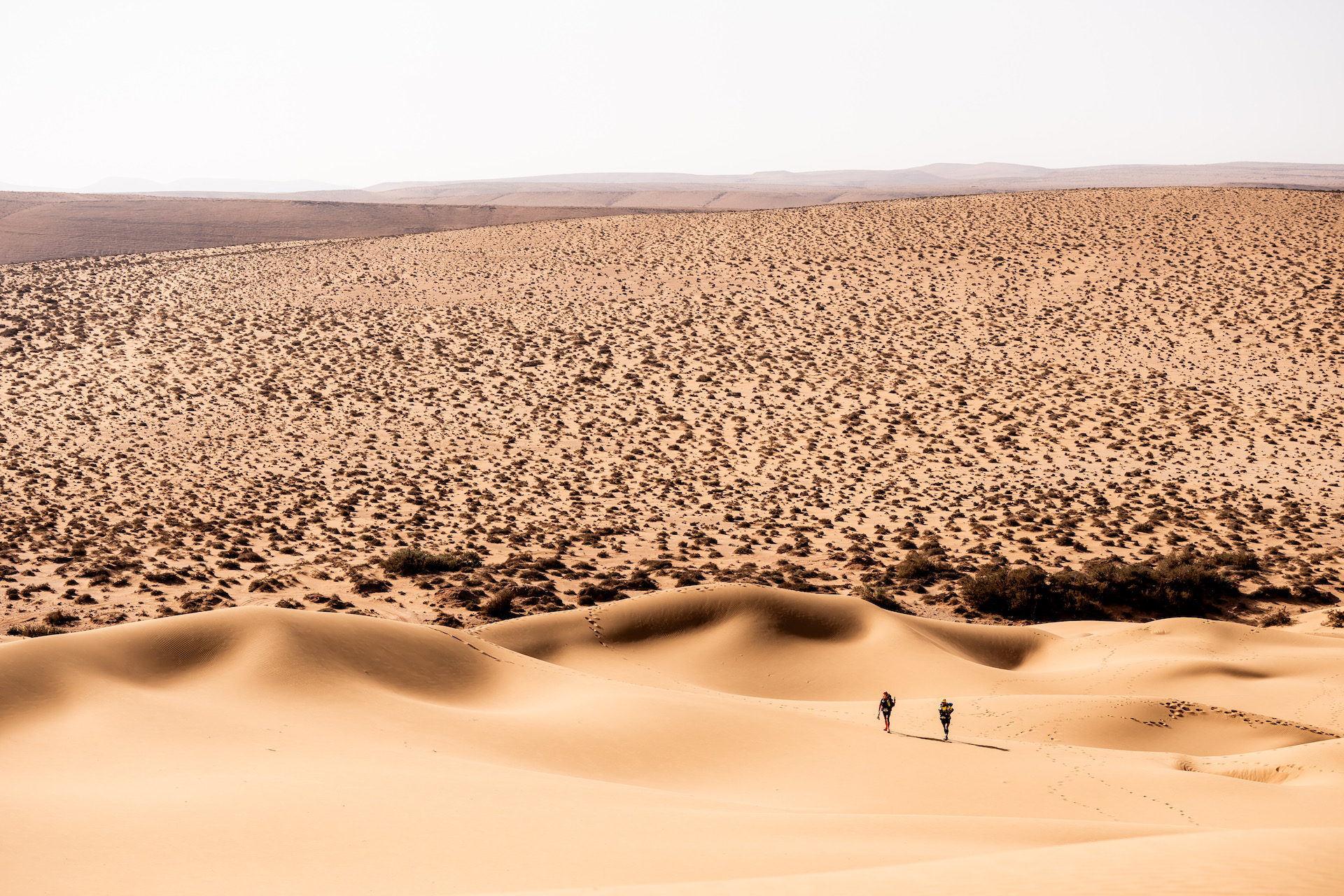
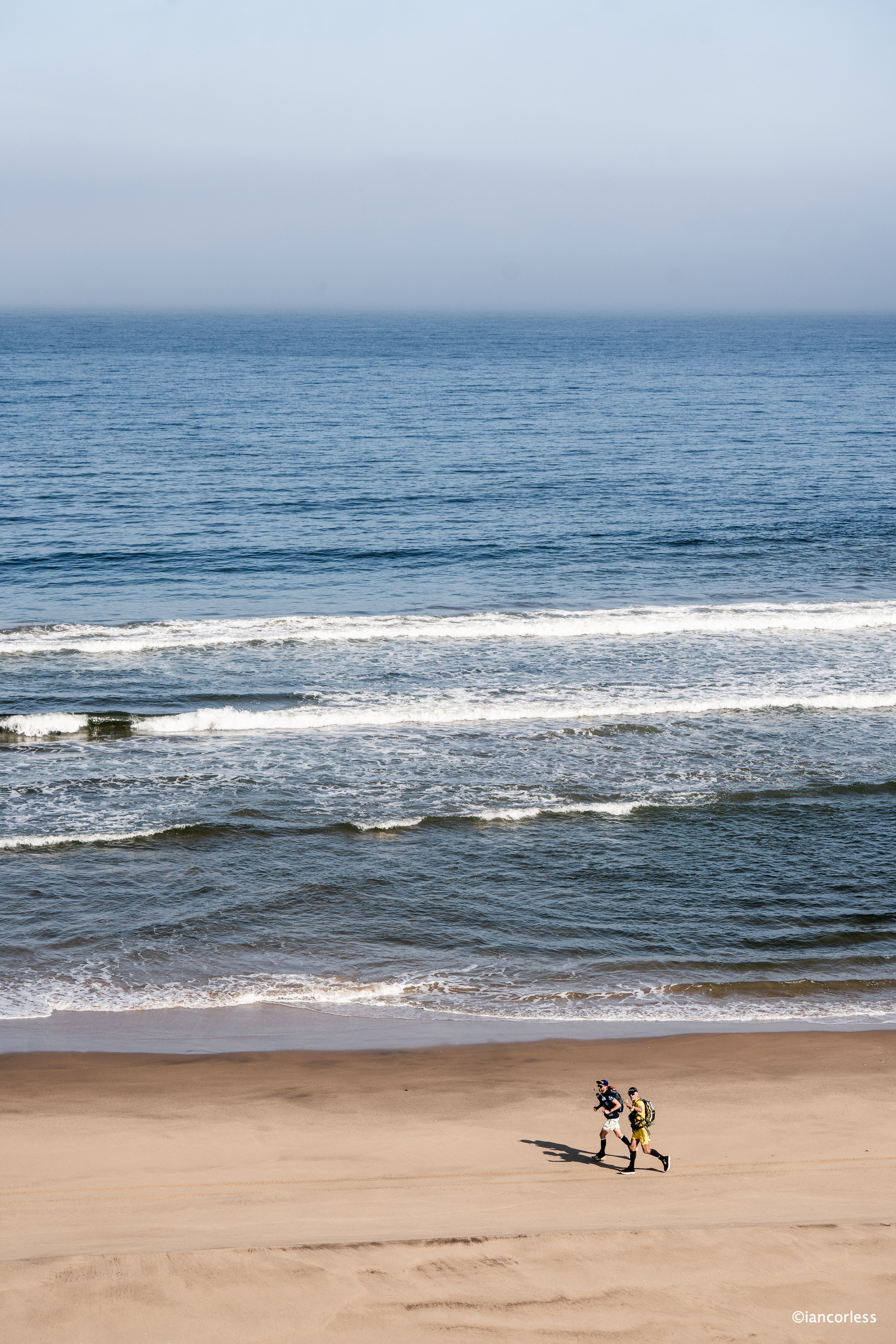
This isn’t your typical desert run. MDS Atlantic Coast cuts through a rugged, wind-carved stretch of Morocco, where the Atlantic and dunes meet with force. Raw and exposed, this region of Morocco is a place where the elements are alive and always in motion.

Photo by Ian Corless

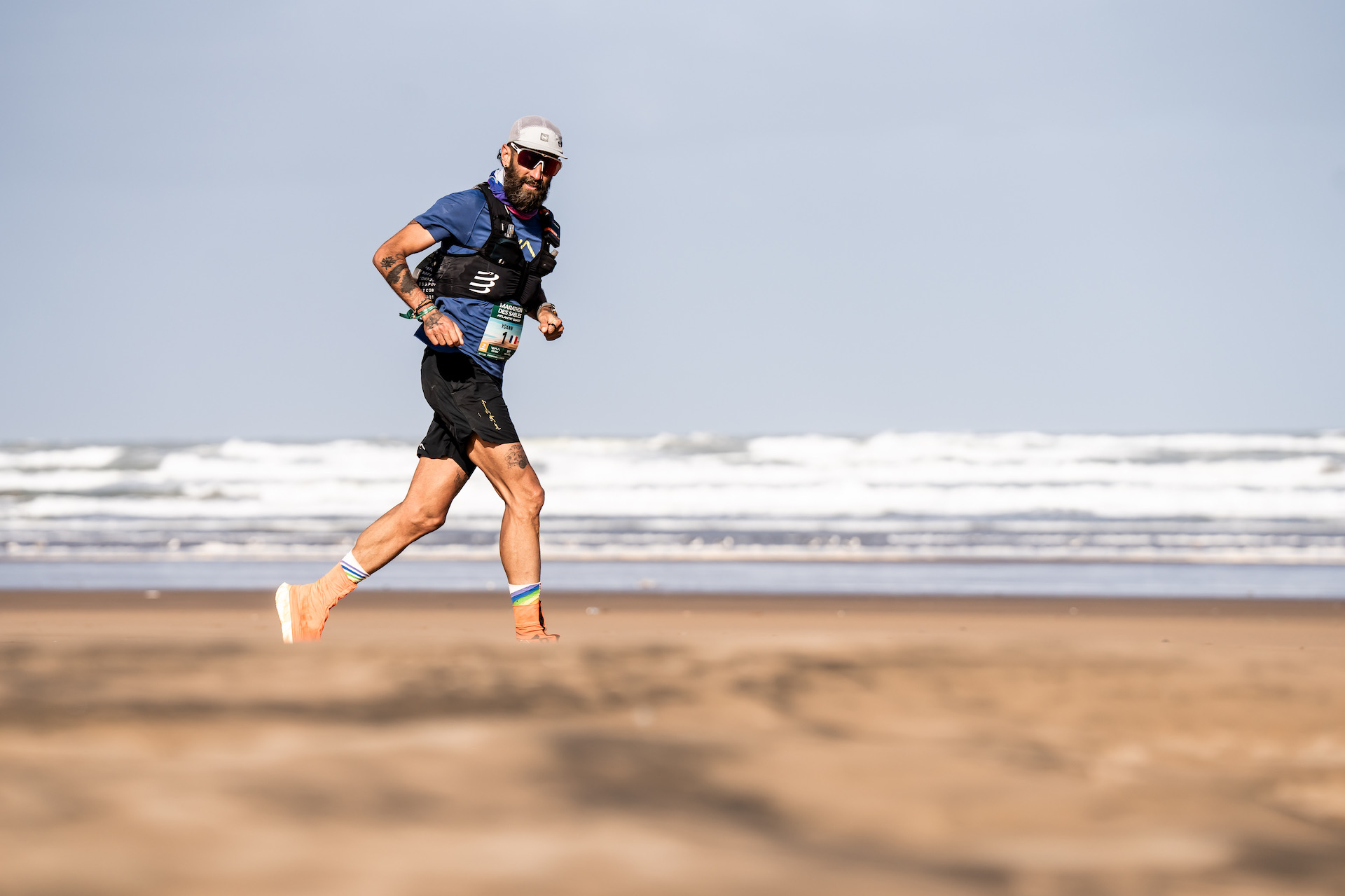
The route spans beaches, a rollercoaster of sand, and coastal dunes. Sweeping ocean views and the pulse of open nature. The terrain shifts fast: soft sand, hard-packed trail, technical descents. You’ll run through untouched coastline where the horizon feels infinite.

Photo by Ian Corless

What makes it special? The contrast. The wild energy of the Atlantic meeting the quiet resolve of the desert. It’s Morocco, but different, fresher, rougher, windswept. A race built for runners who crave variety and the edge of the map.

Photo by Ian Corless

The event will take place January 24th to 30th 2026. The format will offer 70km, 100km or 120km’s over 4-days and 3-stages.

Photo by Ian Corless

MDS Raid Namibia 2026 – Stillness. Vastness. Silence.

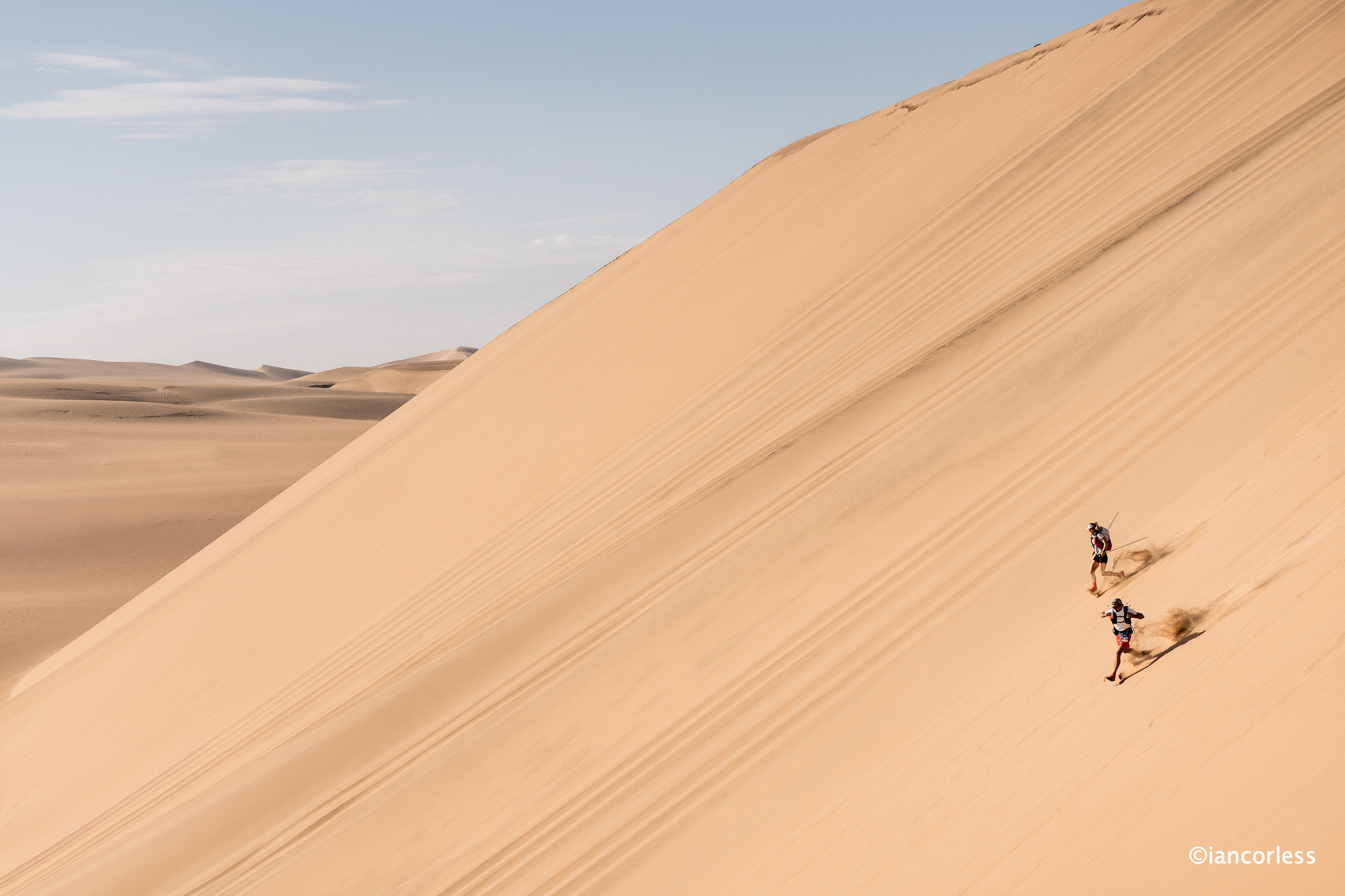
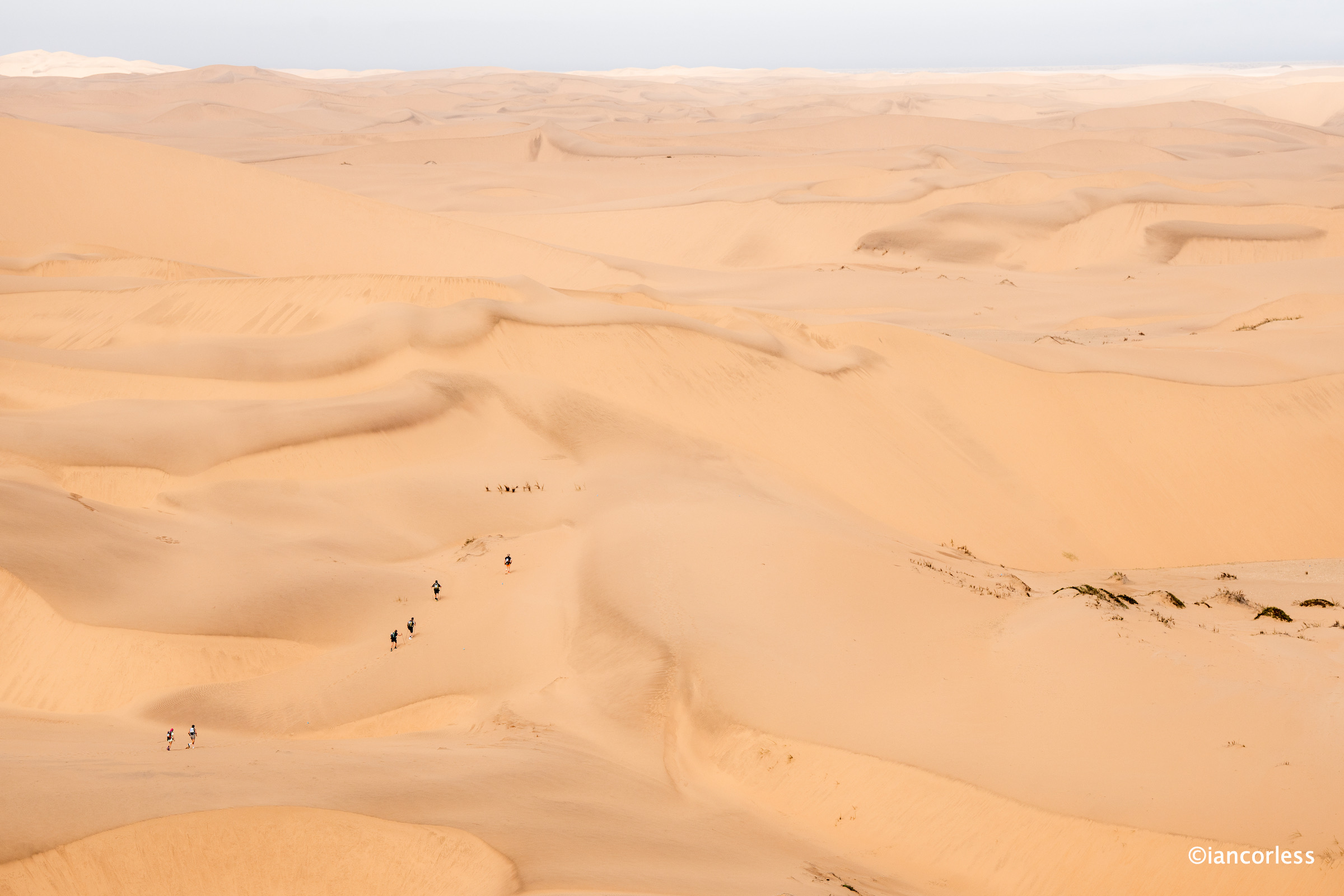
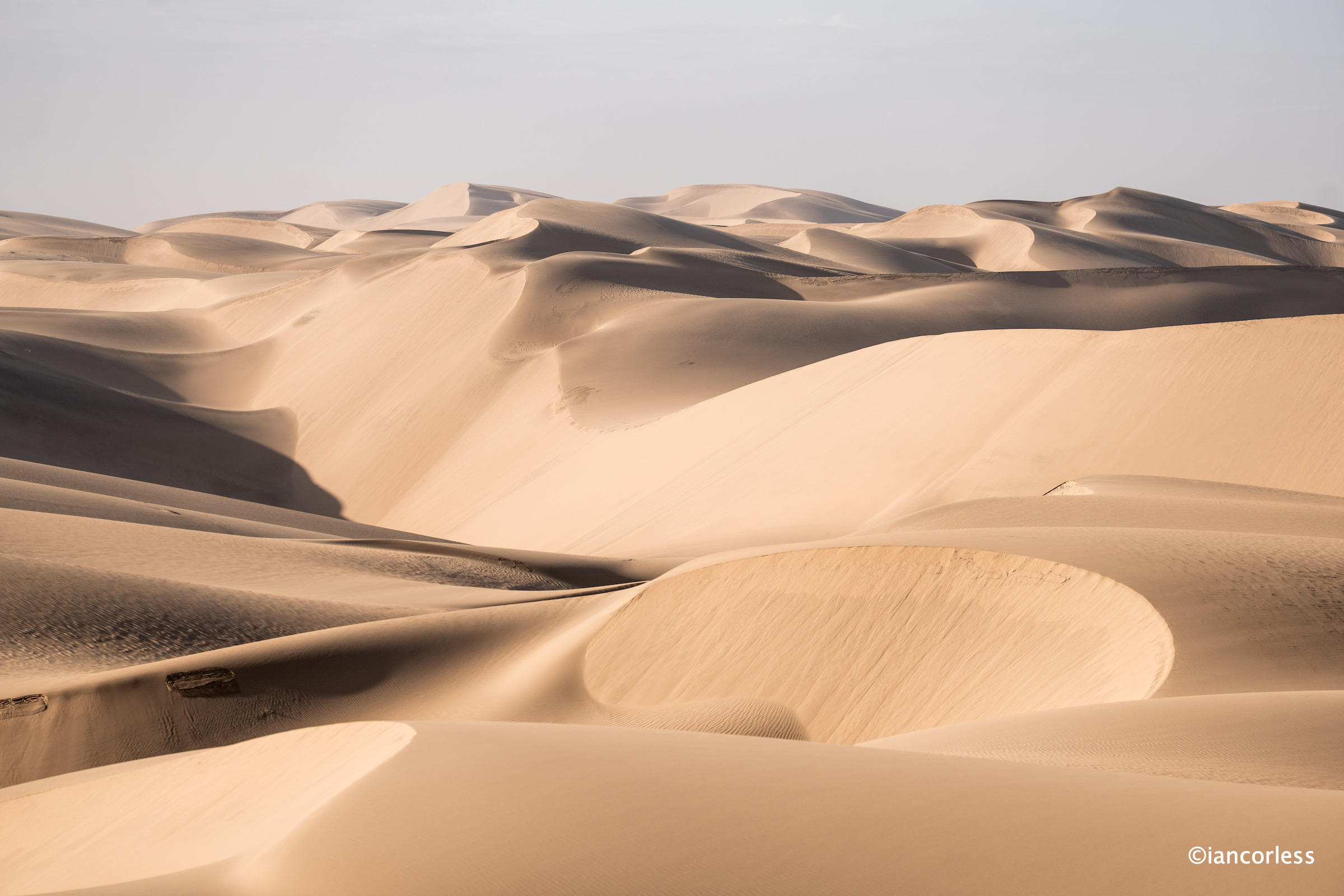
Then there’s the magic of Namibia, a race that doesn’t just test your endurance, it rewires your sense of scale. You run through the Namib Desert, the oldest on Earth, where everything feels ancient, vast, and impossibly quiet.

Read about the 2025 MDS Atlantic Coast HERE

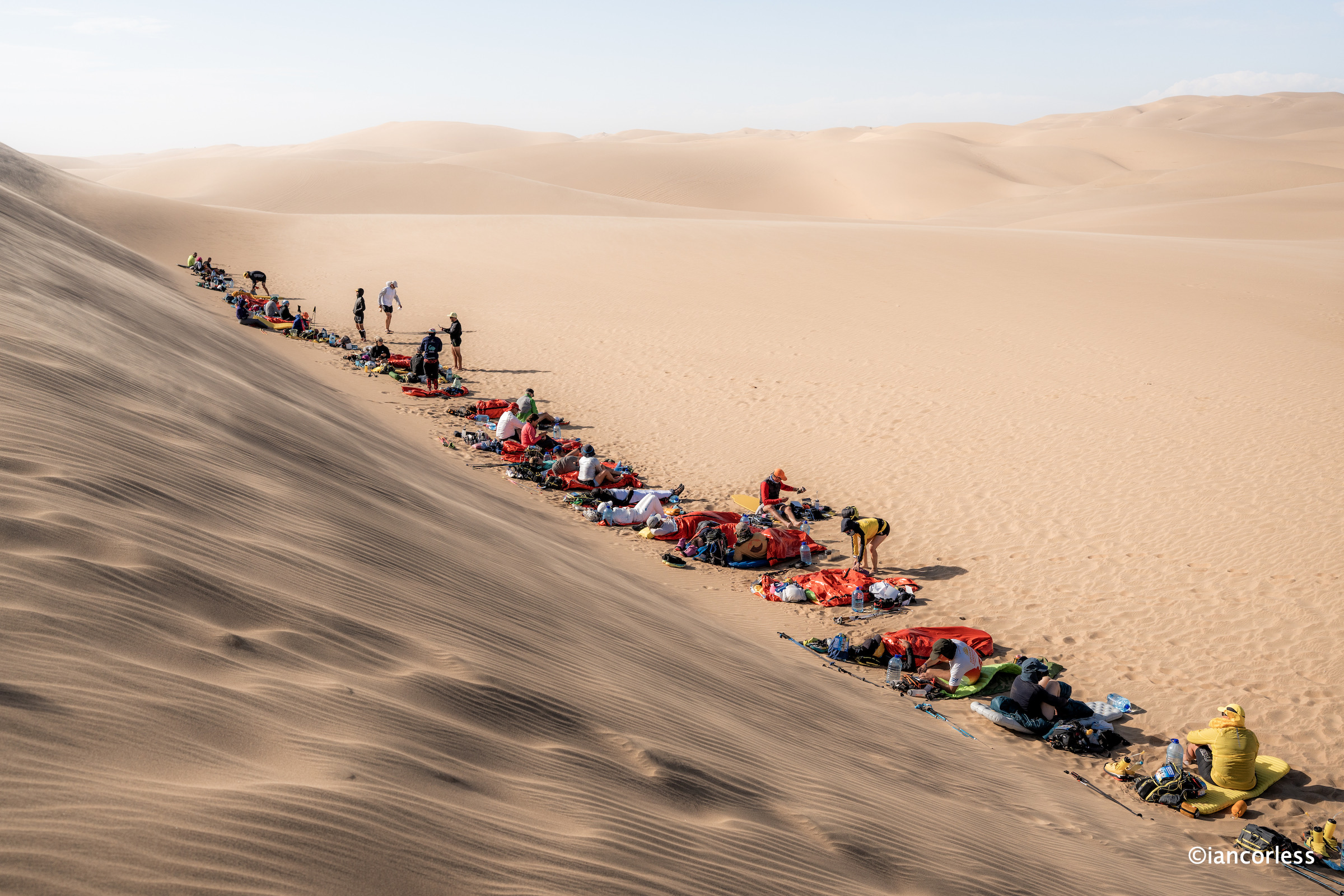
Here, the dunes don’t just rise, they tower. Temperatures swing fast. The sand swallows every sound. You’ll face long stretches with no sign of human life, just you, your breath, and the endless desert.

Raid Namibia is all about extremes: isolation, heat, and beauty so intense it’s almost surreal. You’re not just running across a landscape, you’re running inside a moment that feels untouched by time.

Unique for the MDS format, Raid Namibia is undertaken in teams of two with two distance options, 100km or 120km. Taking place April 25th to May 2nd 2026, this race is a very special event in the MDS line-up and as such, participants will ideally have prior experience of an MDS event or similar.

Read about the 2025 MDS Raid Namibia HERE

Atlantic Coast vs. Raid Namibia

Two Frontiers. One Mindset.

Photo by Ian Corless

• MDS Atlantic Coast brings wind, waves, and a constantly changing terrain under the open Moroccan sky.

• MDS Raid Namibia delivers pure stillness and a surreal immersion in the world’s most ancient desert as teams of two with a special star night.

One ocean, the Atlantic, two unique events. Experience the silence of the desert, experience different landscapes and share the same unshakable spirit that brings all MDS events together.

If you’ve ever dreamed of pushing your limits somewhere unforgettable, entries open:

June 18, 2025 1200 CET.

MDS Atlantic Coast and MDS Raid Namibia are more than races — they’re experiences that shape you.

MDS website HERE

Follow Ian Corless

Instagram – @iancorlessphotography

Twitter – @talkultra

facebook.com/iancorlessphotography

Web – www.iancorless.com
Web – www.iancorlessphotography.com

Salomon S/Lab Ultra Dust Shoe Review

Photo by Ian Corless

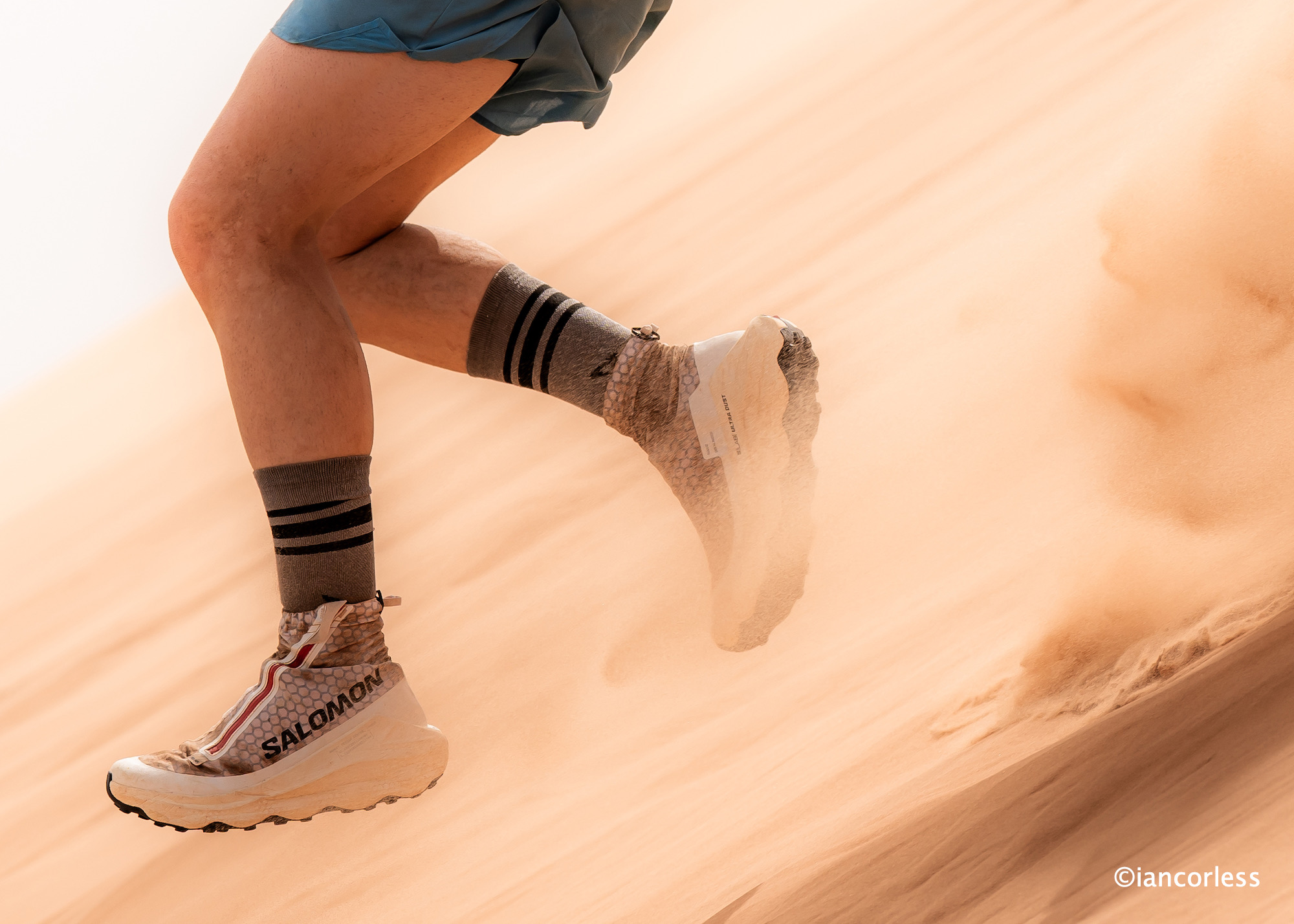
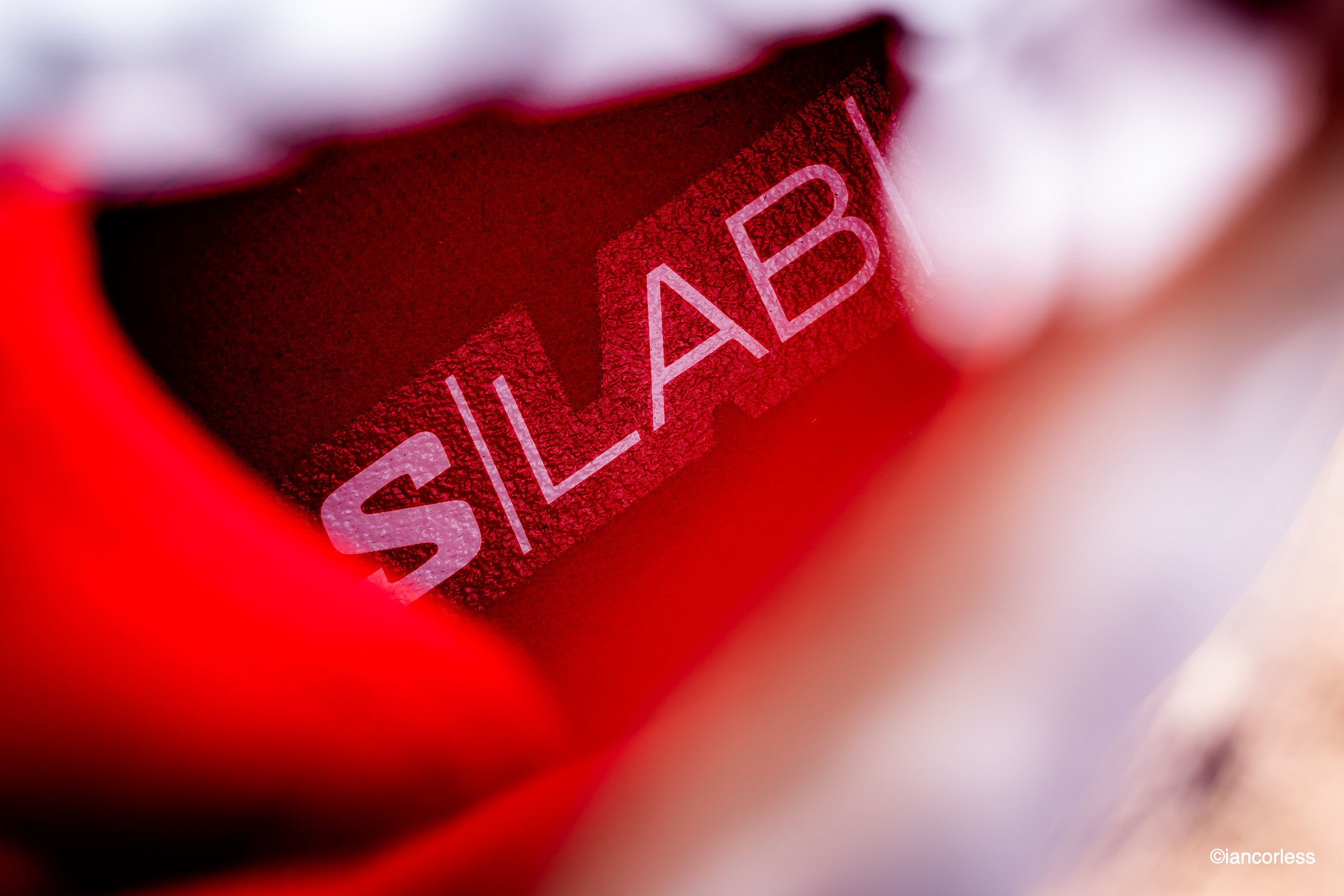
The Salomon S/LAB Ultra Dust isn’t just a rehash of the S/LAB Ultra Glide with a new colour way, no, this shoe is a purpose-built shoe designed specifically for desert ultra racing, developed on the feet of Mathieu Blanchard at Marathon des Sables in 2023.

©iancorless

The original incarnation used a different integral shoe, with feedback from Mathieu and others, it was decided a more cushioned shoe was required; step in the new Ultra Glide. The Ultra Dust not for everyone, and it’s not trying to appeal to everyone. This shoe is a specialist product, and like any anything that’s made for one task, it excels in that arena, but has trade-offs elsewhere.

Sizing is true to size. Due to the style of the shoe, you definitely do not want them too big. They need to fit correctly for good foot hold. For a Salomon shoe, the toe box is wider than most other Salomon shoes. Is it wide enough? Only you can answer this based on your own needs.

Photo by Ian Corless – From MDS The Legendary 2025

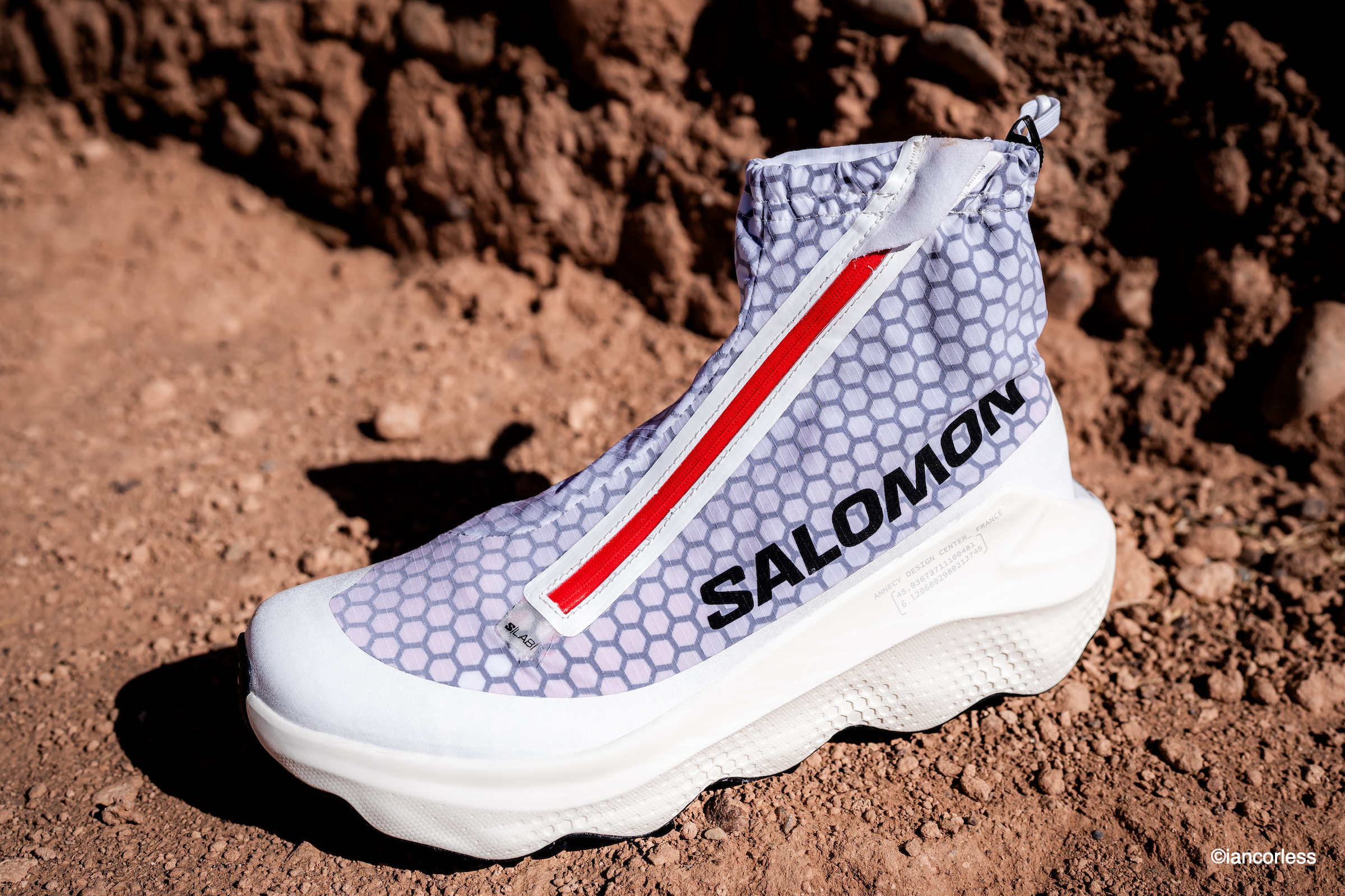
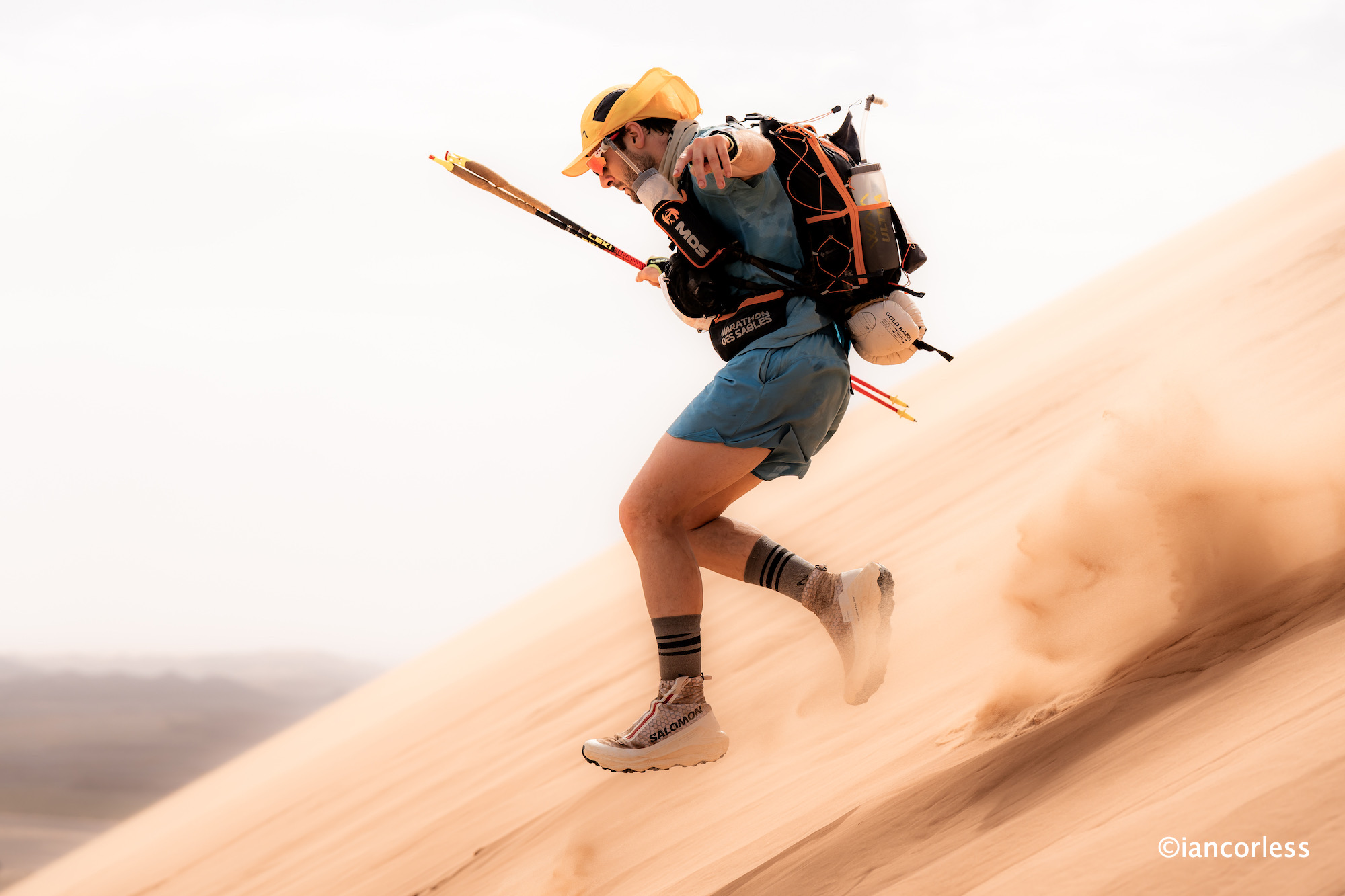
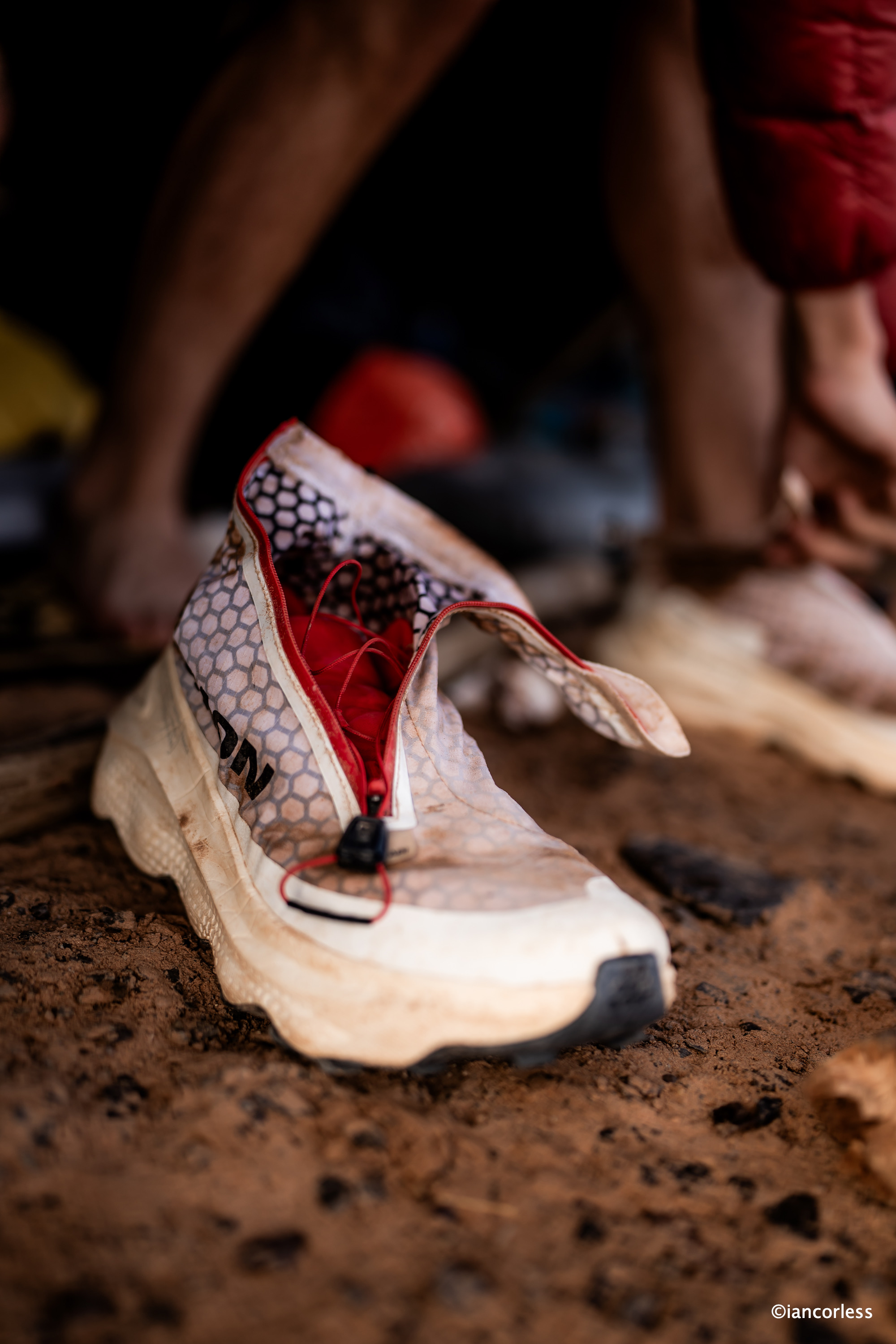
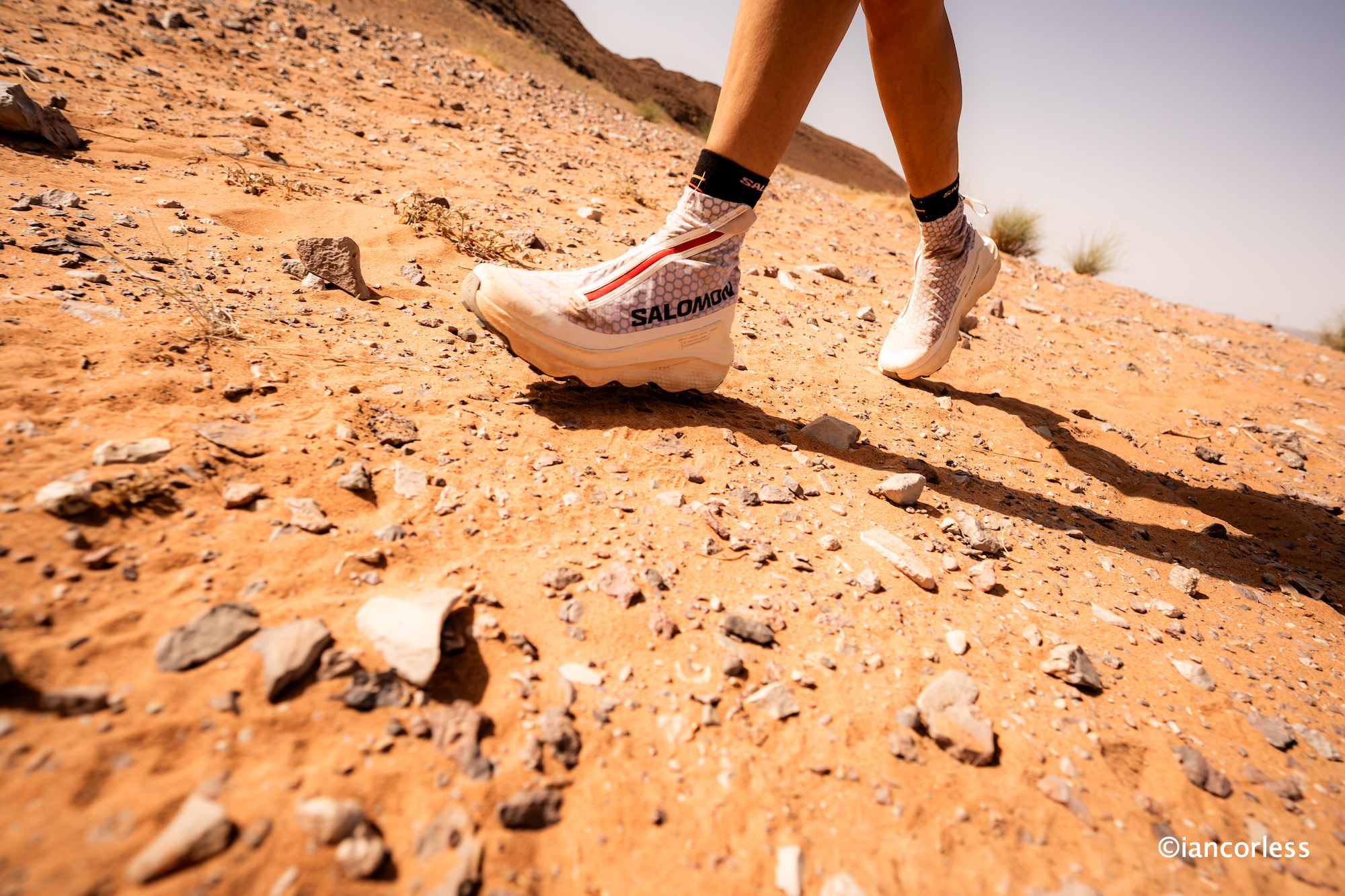
It may look like a mountaineering boot at first glance, but the S/Lab Ultra Dust has a stand alone Salomon shoe (Ultra Glide) fitted inside a bespoke gaiter, making an all in one shoe.

Photo by Ian Corless

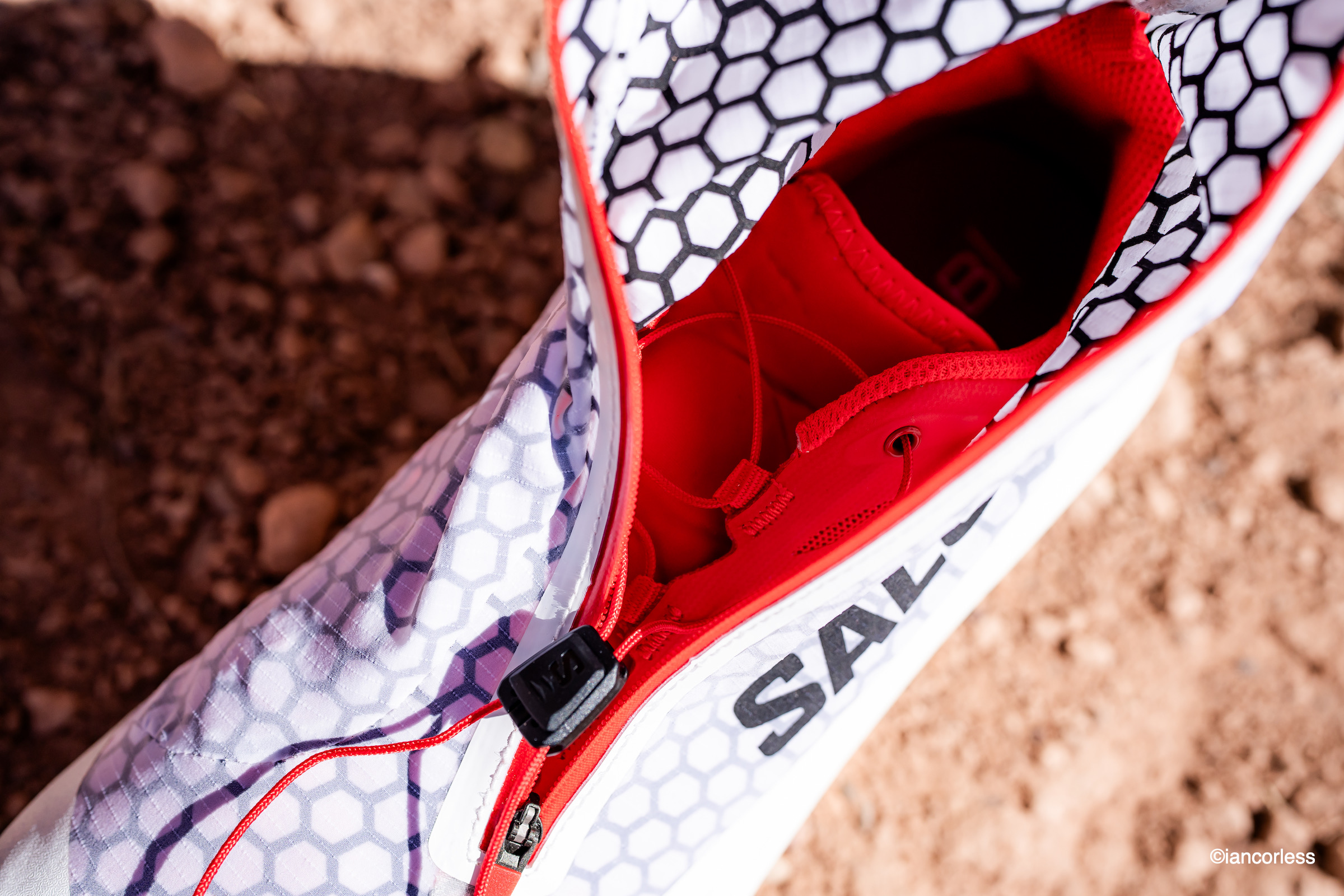
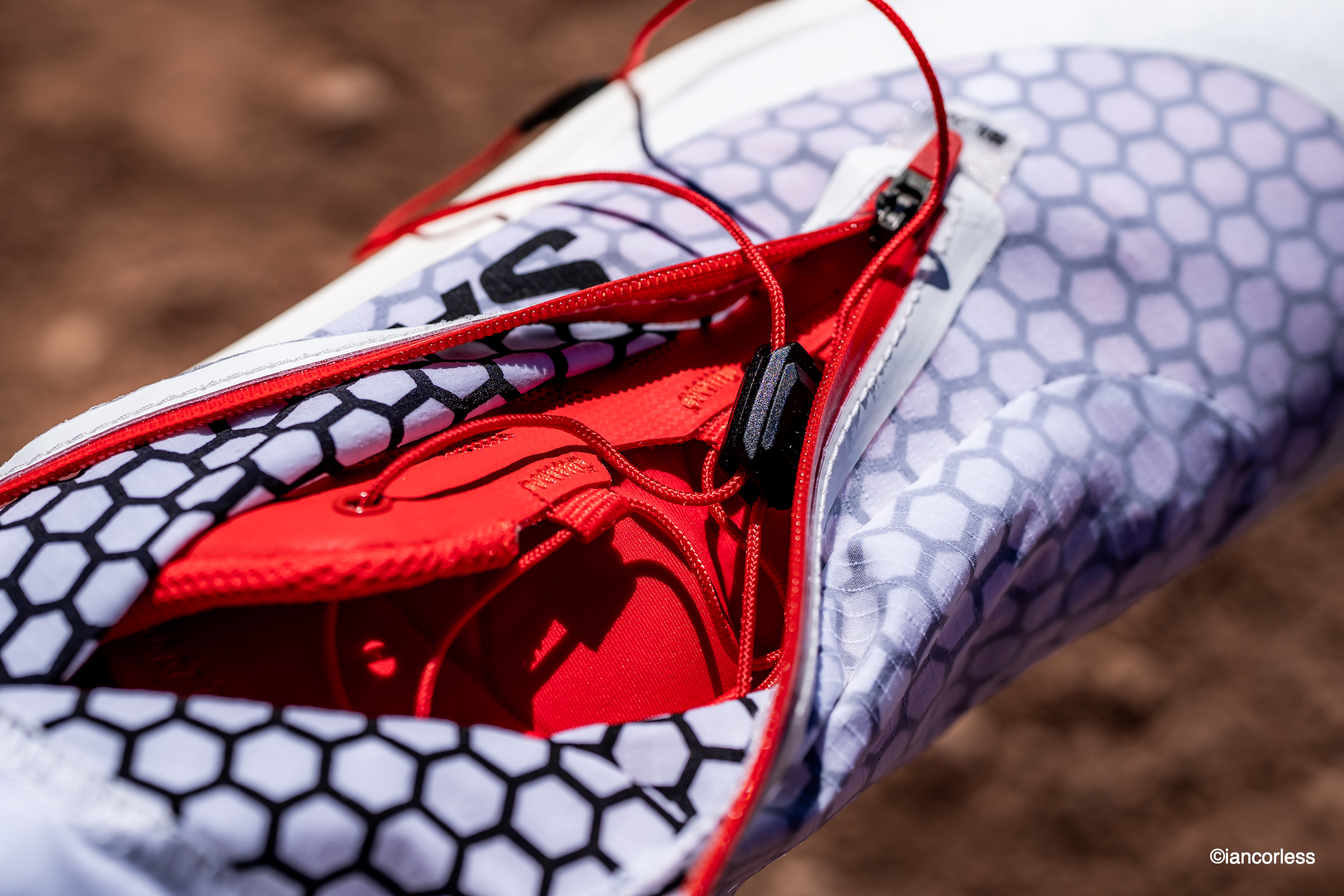
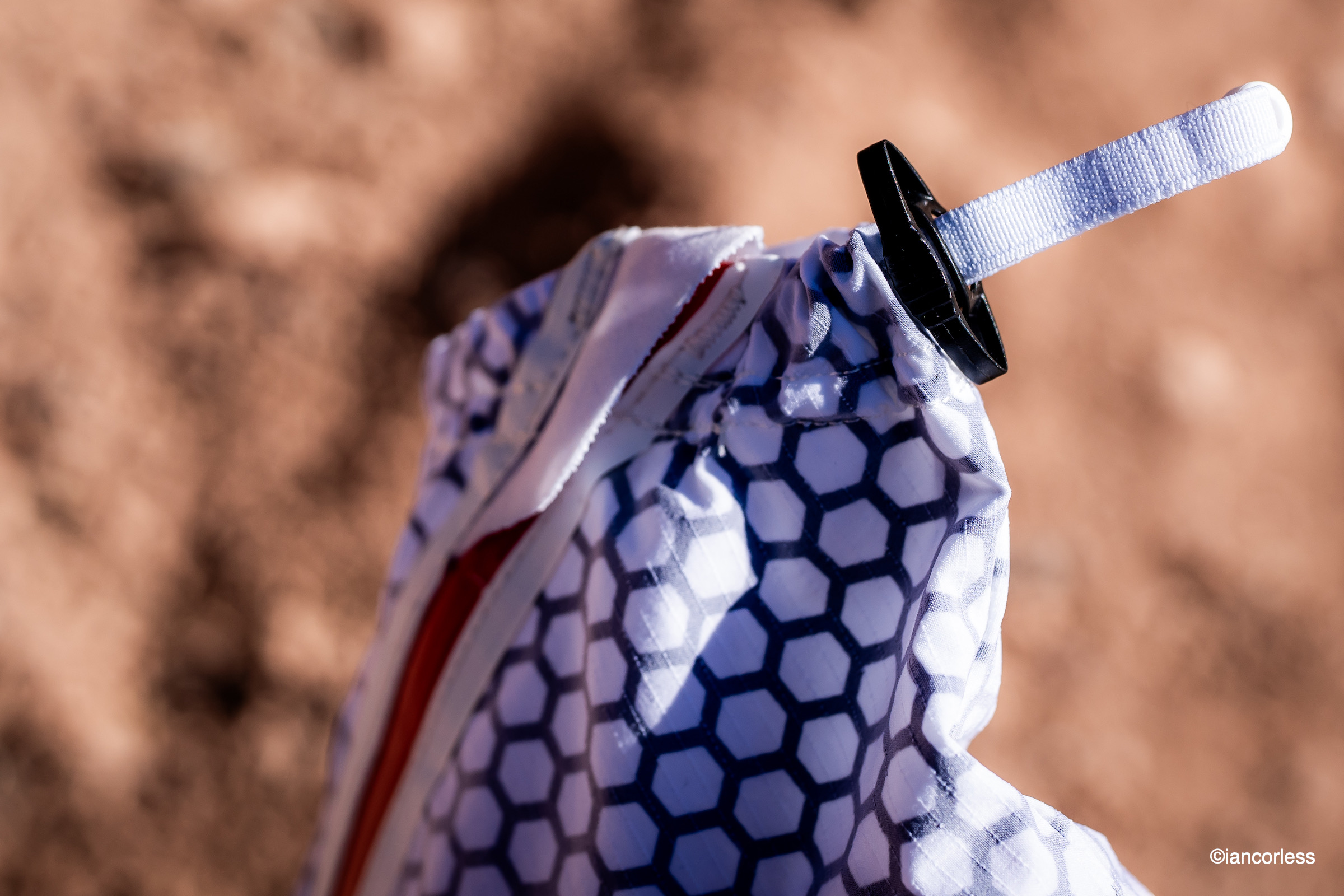
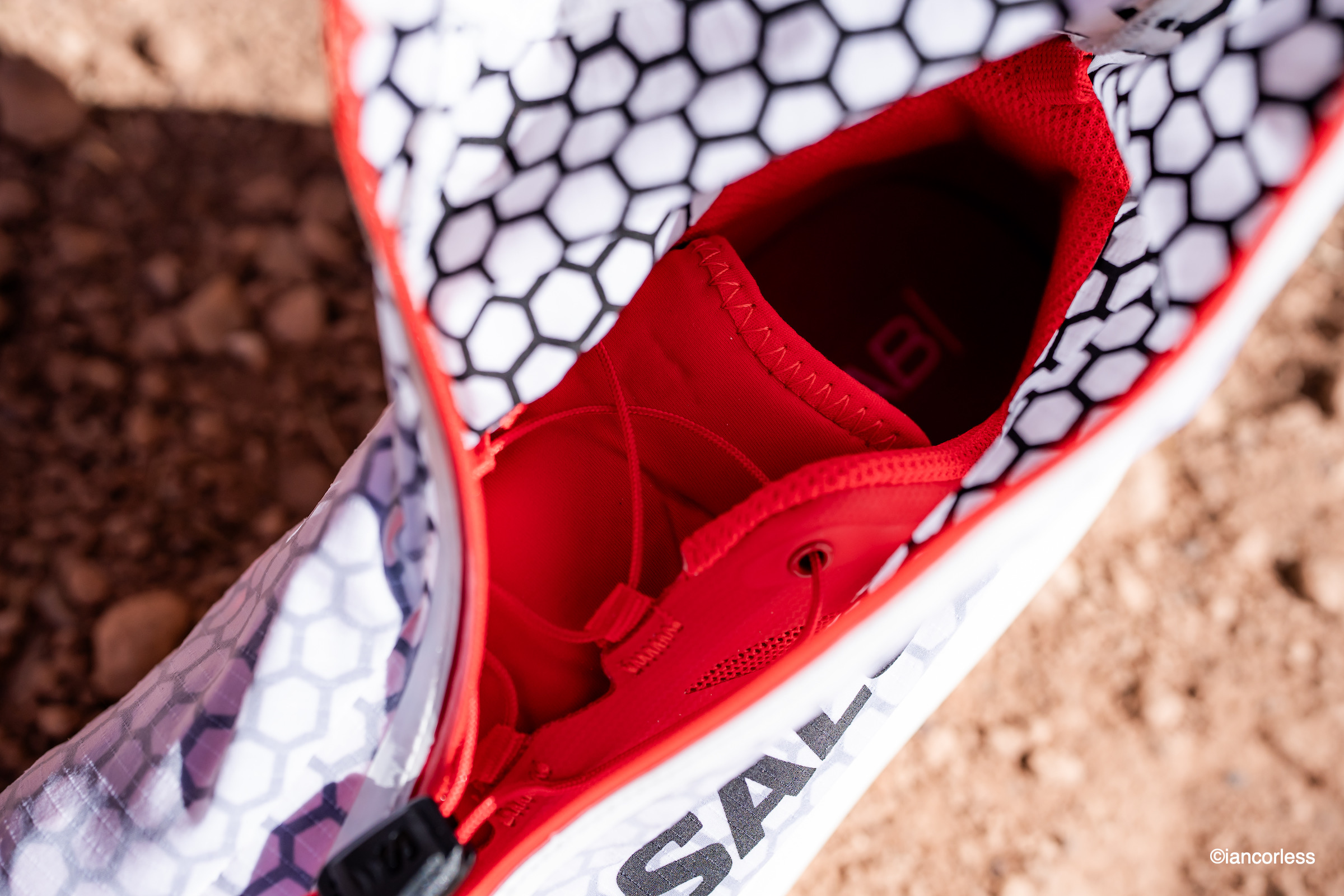
The integrated gaiter is the standout feature of the Ultra Dust. It’s integral into the design, forming a full ankle-wrap mesh sleeve that stretches snugly over the ankle and top of the shoe.

Photo by Ian Corless

There’s one zipper, no velcro, no gaps, an elastic seal at the top can be pulled tight and that keeps out sand, just like a dry bag keeps out water.

Photo by Ian Corless

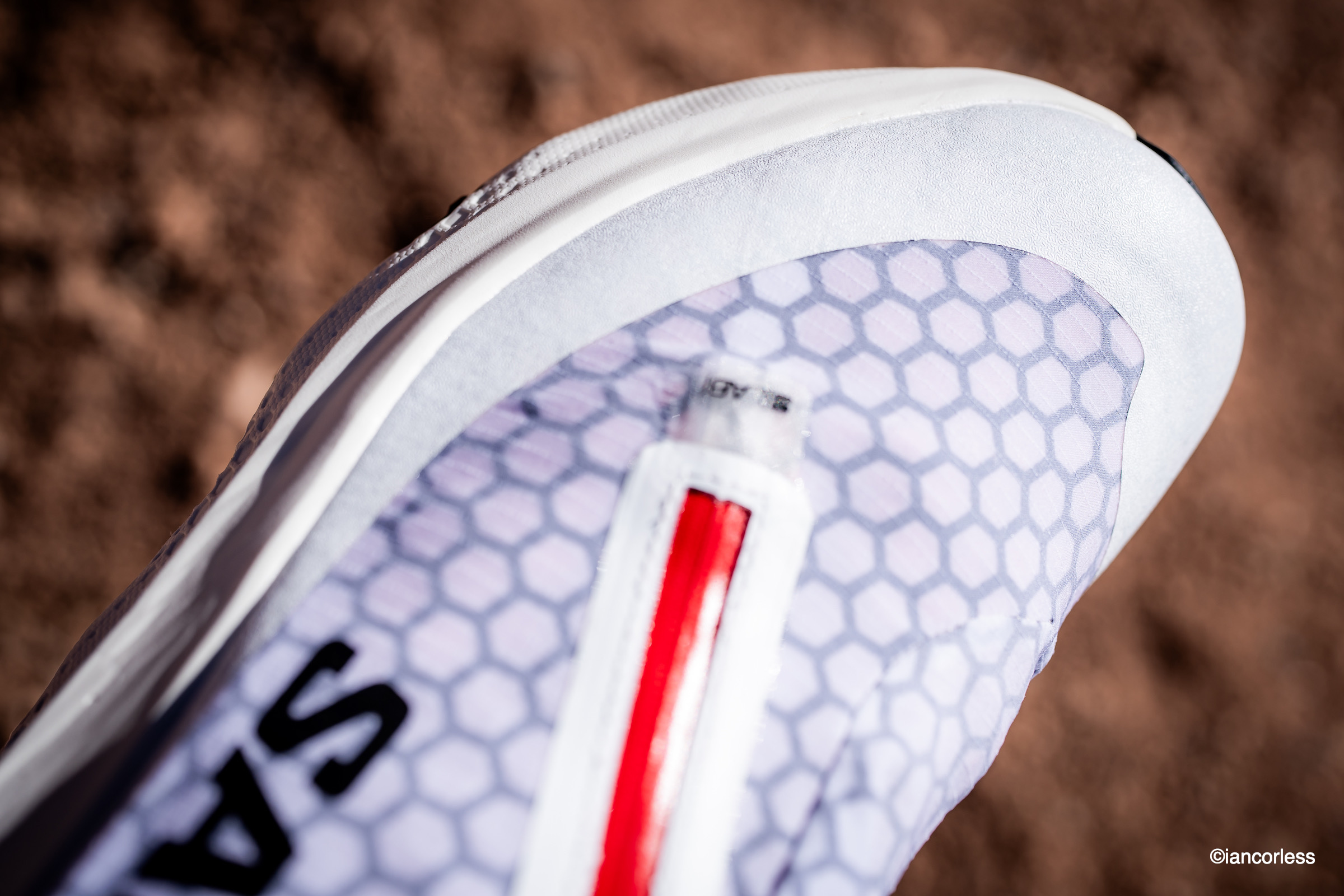
There is also a superb toe bumper.

Photo by Ian Corless

This isn’t your standard trail gaiter that slides around or traps heat. The mesh is thin, highly breathable, and stretchy, giving you ankle mobility without debris ingress. It works 100%, in countless test scenarios – Morocco, Namibia, Lanzarote, La Palma and even South Africa, this shoes gaiters performs perfectly with no debris entering the shoe.

Photo by Ian Corless

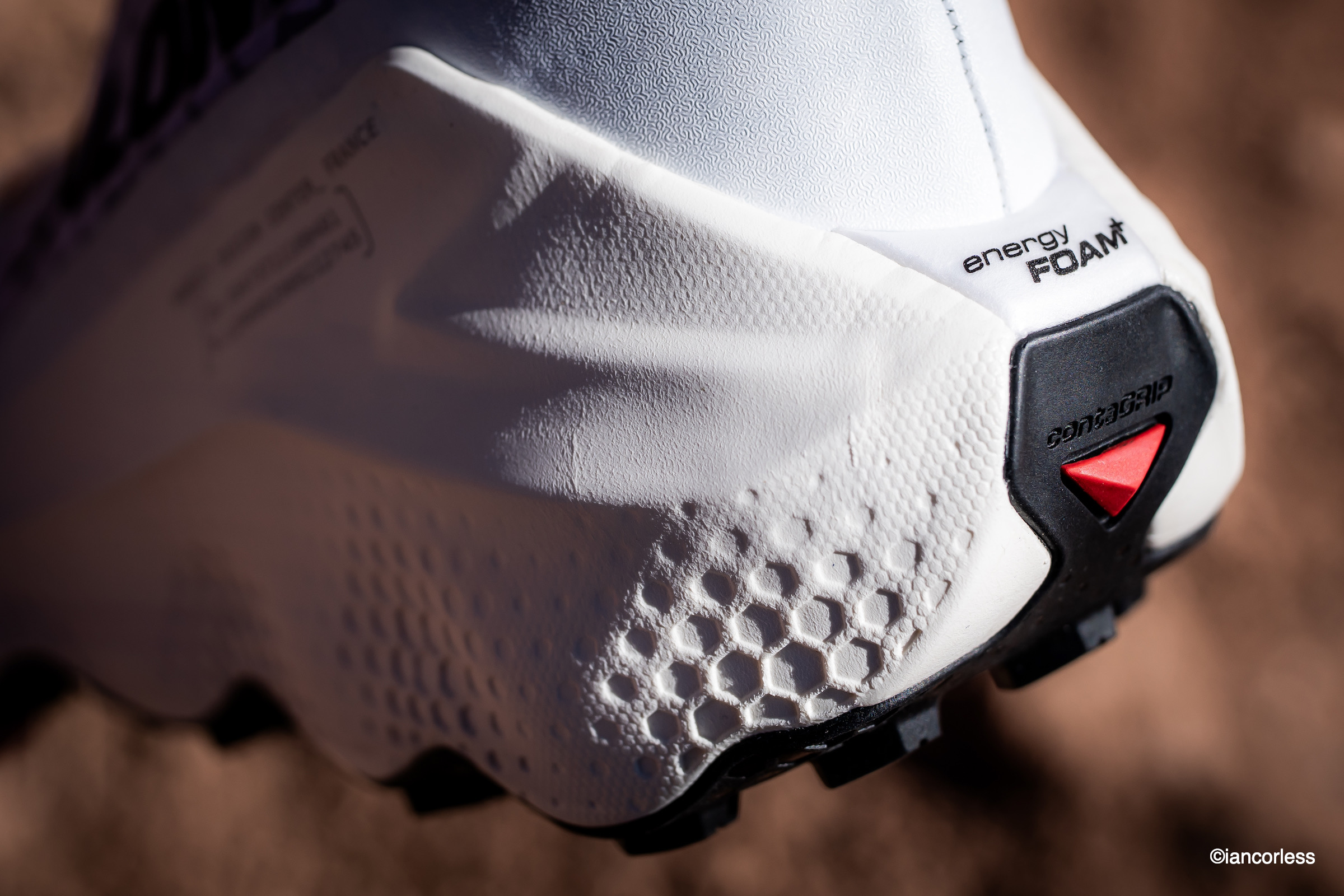
The Ultra Dust has huge cushioning, energyFOAM+) : 35mm at the front and 41mm in the rear giving a middle of the ground 6mm drop. Despite the stack height, the shoe has great feel for the ground.

Photo by Ian Corless

The cushioning is bouncy but not squidgy, they are surprisingly stable. In desert scenarios, the cushioning transitions superbly from soft-sand, hard/ stony ground and on technical sections they are extremely comfortable, however, here the stack height can produce less stability, it’s not horrendous, but worth noting.

Photo by Ian Corless

The 6mm drop puts you in a slightly forward-leaning stance, perfect for driving through long, runnable flats and moderate inclines. It can help keep cadence high and your form efficient. By contrast, they are extremely comfortable to walk in. While zero-drop loyalists might not love it, this drop caters well to endurance racers who don’t want achilles/ calf strain late in a race. It’s a great middle ground. This higher drop provides a bit more heel support, especially helpful when fatigue sets in and your form deteriorates. That extra buffer can reduce calf strain in multi-day stage races.

Photo by Ian Corless

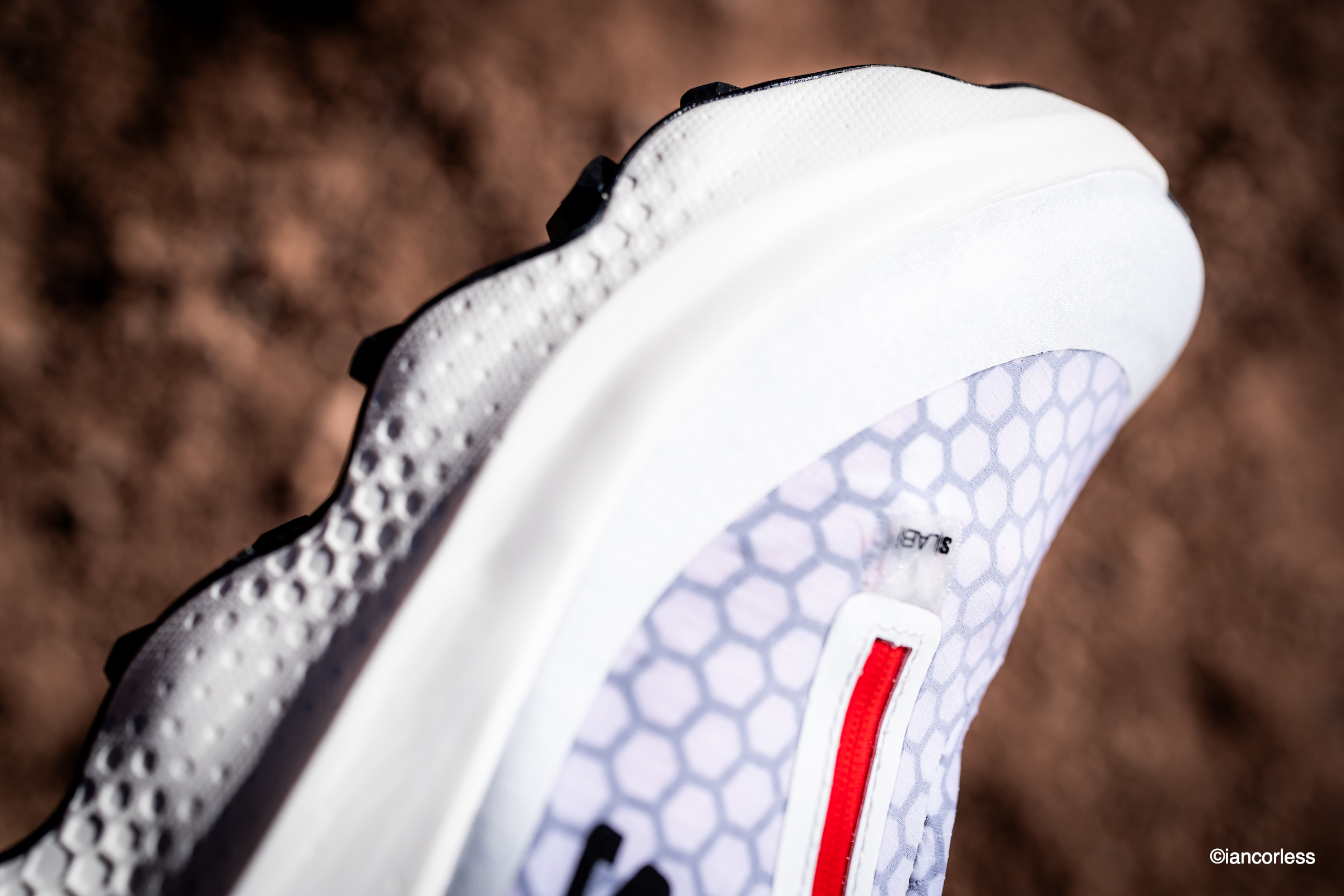
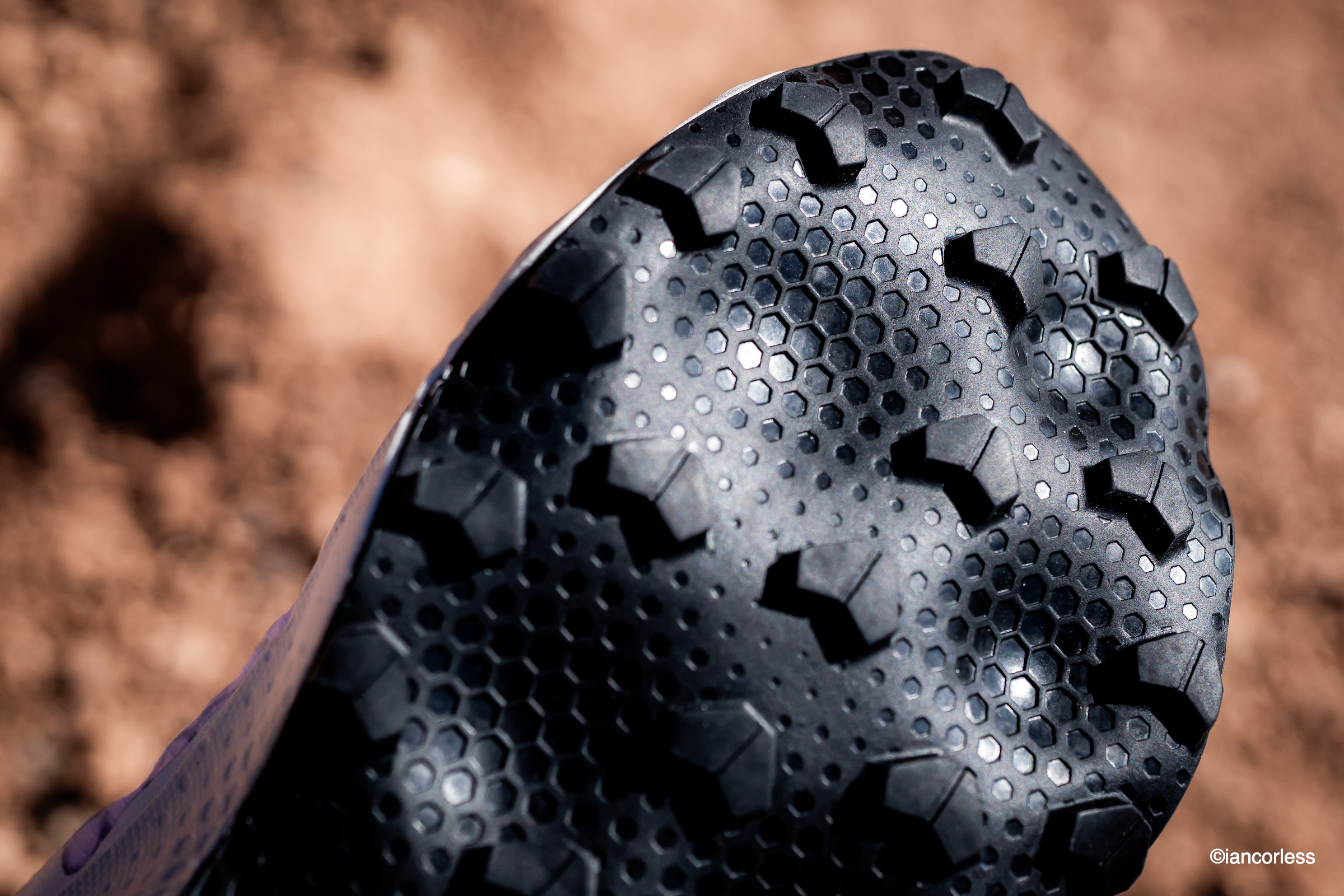
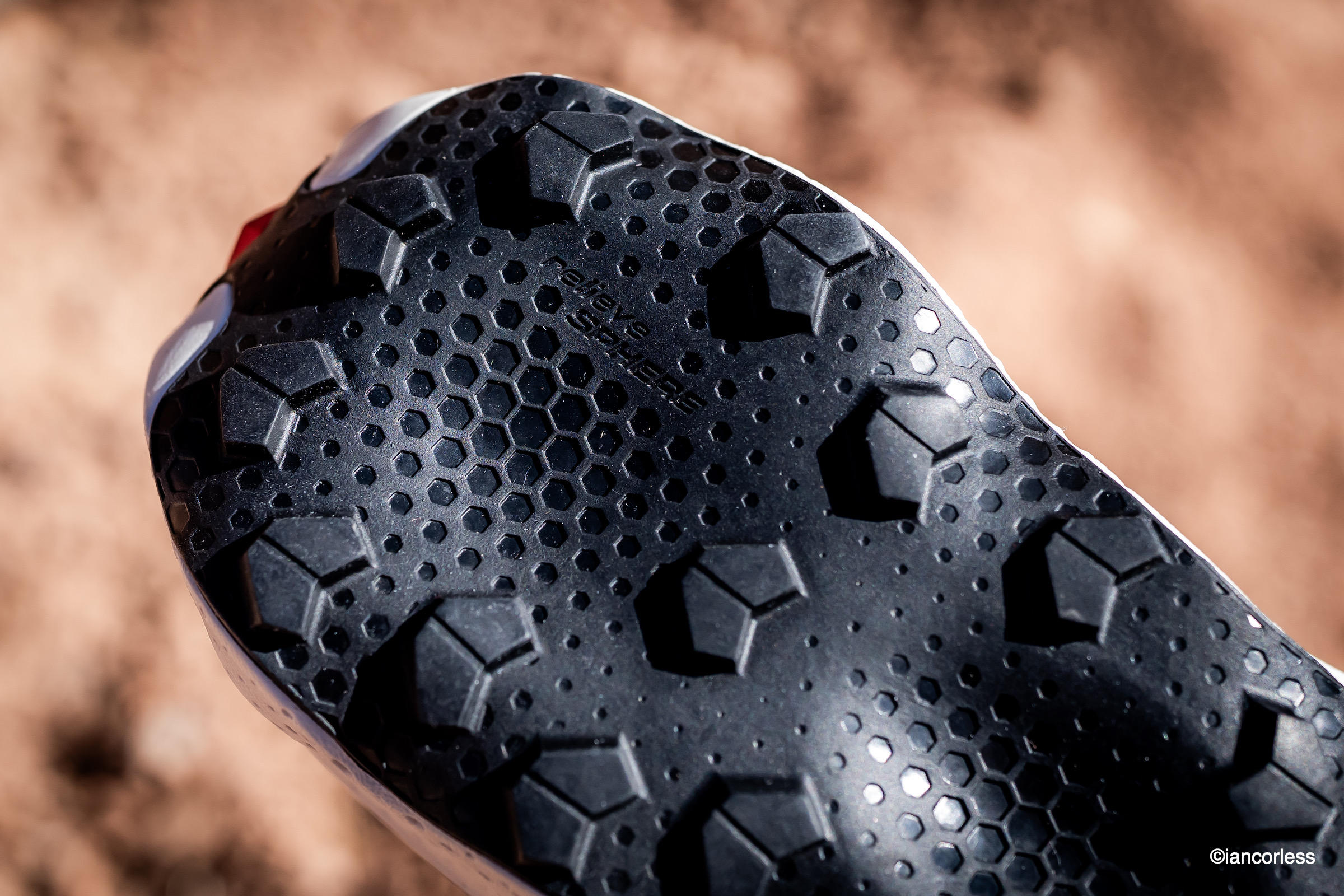
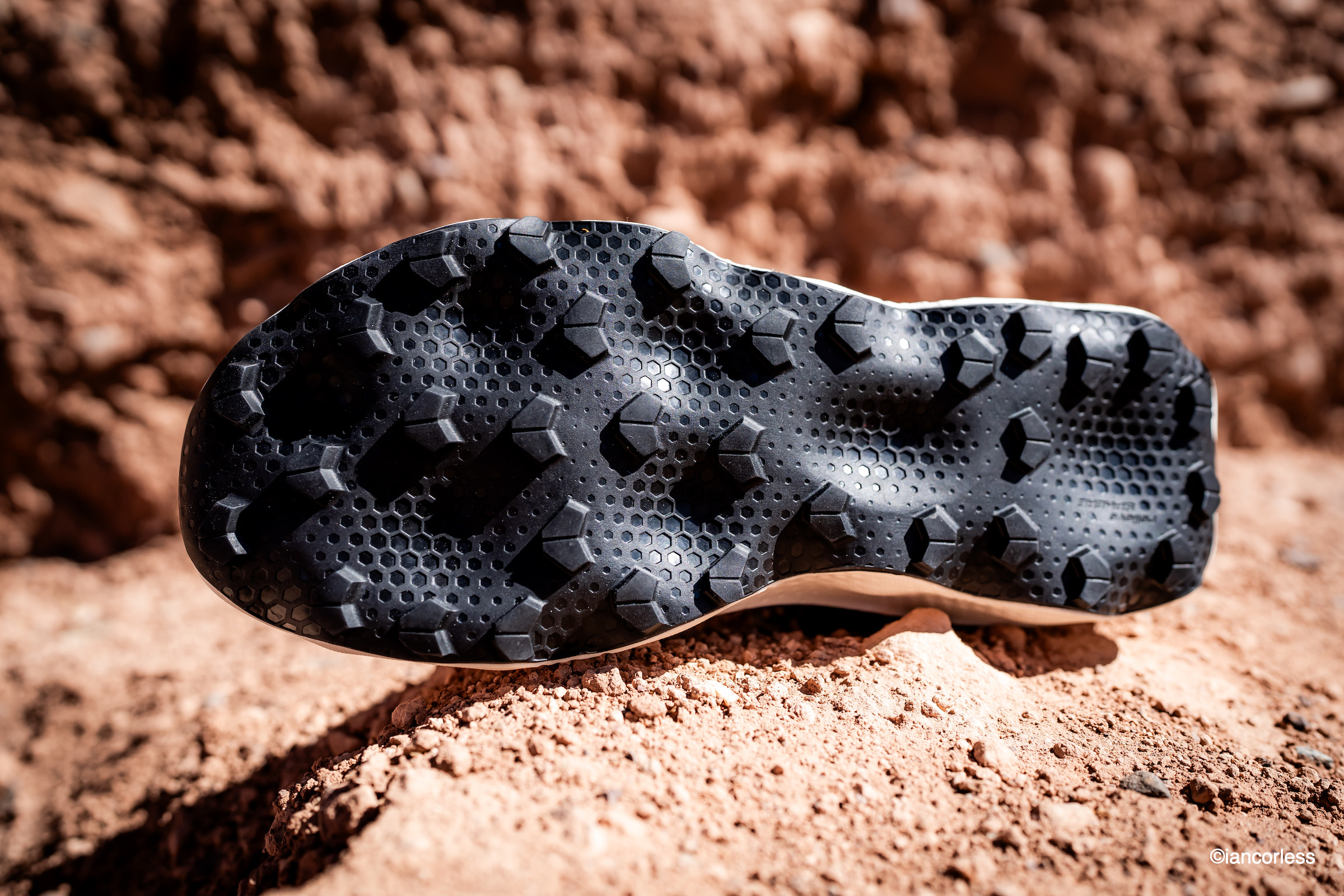
This is where the Ultra Dust makes its biggest departure from typical trail shoes. Instead of deep, aggressive lugs, it uses low-profile 4mm, wide-surface lugs designed to float over sand rather than bite into mud or rocky terrain.

The Contagrip outsole (All Terrain Contagrip) has shallow lugs that are evenly distributed across the sole. They provide surface area rather than penetration. This minimises drag and helps prevent you from sinking into soft terrain. On packed trail, they still provide enough grip to stay stable, though this shoe isn’t made for slick rock or alpine conditions.

Photo by Ian Corless

Durability is strong thanks to the full-length rubber coverage, but note that softer lug compounds wear faster on pavement or rocky trail. In desert conditions, though? This outsole will go the distance.

Photo by Ian Corless

The Ultra Dust is unapologetically specialised with gaiter integration, a breathable upper, a sand-optimised outsole; everything is geared toward one thing, surviving and thriving in desert ultras with no sand ingress, comfort and blister free feet.

Photo by Ian Corless

The upper is thin, synthetic mesh that breathes extremely well, doesn’t absorb moisture, and dries fast. You won’t find overlays or extra structure. It’s minimal to the core, saving weight and shedding heat. It’s a good looking shoe, for sure they stand out in white and red.

This shoe isn’t built for rocky single-track or alpine descents, however, it does perform in these scenarios. The Ultra Dust is built for wide-open flats, dunes, and heat-soaked multi-day endurance events. It’s the kind of shoe you pack for the Marathon des Sables or similar.

Salomon say, the upper is designed to keep out : dust, sand, snow and water. They do do that. As an example, I used the Ultra Dust at a very, very wet Transvulcania and they performed exceptionally. I am equally sure they will work well in snow.

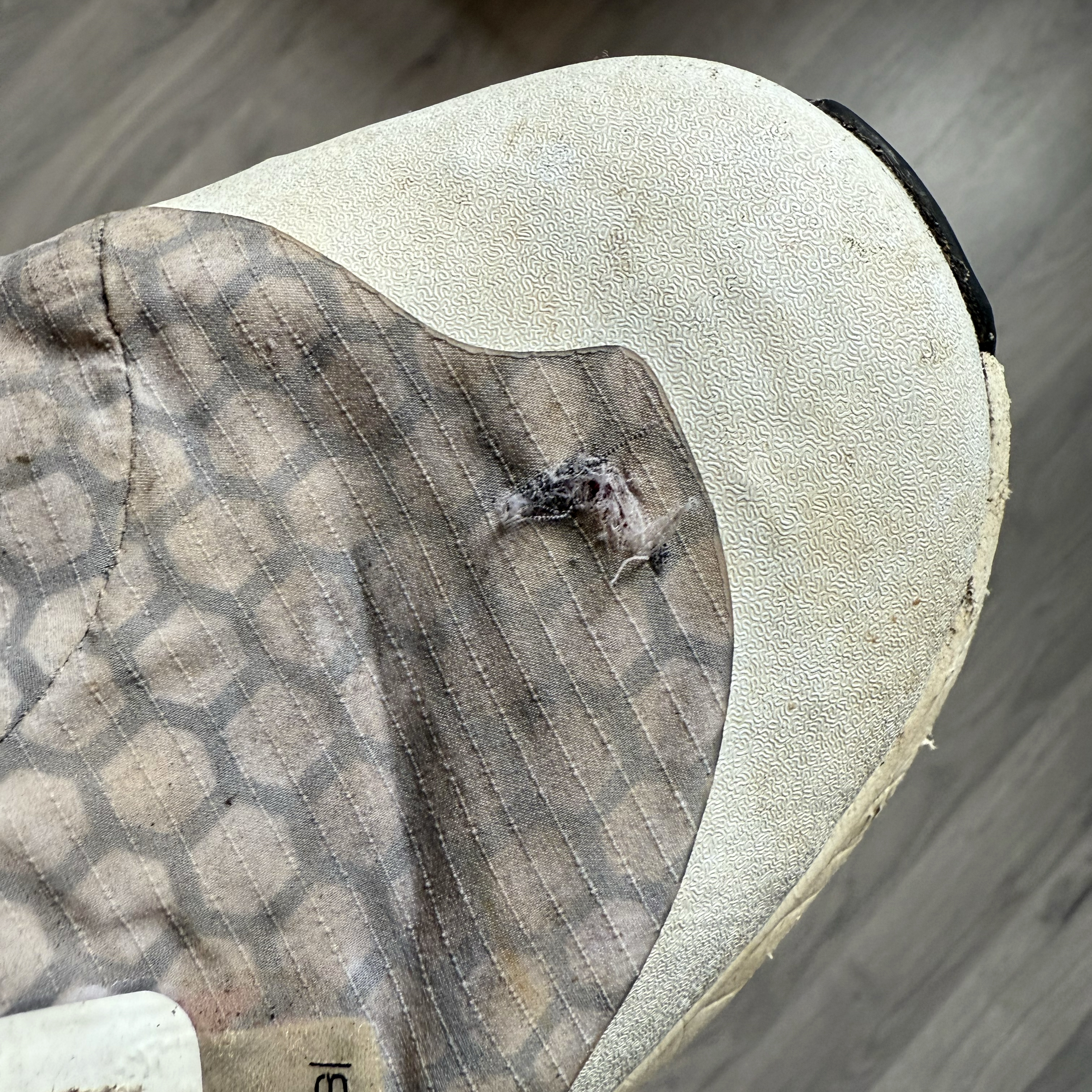
When one considers that more events such as Marathon des Sables, the usual protocol has been to select a shoe, have velcro sewn on and then add a gaiter, the S7Lab Ultra Dust in price comparison fares very well. They are an expensive shoe, BUT, the cost of shoe, gaiter and sewing velcro on is almost the same. However, there is maybe one advantage of a shoe with velcro? If you tear the gaiter, you can cheaply replace it with a pair of new ones. Tear the gaiter on the S/Lab Ultra Dust and you have a problem….

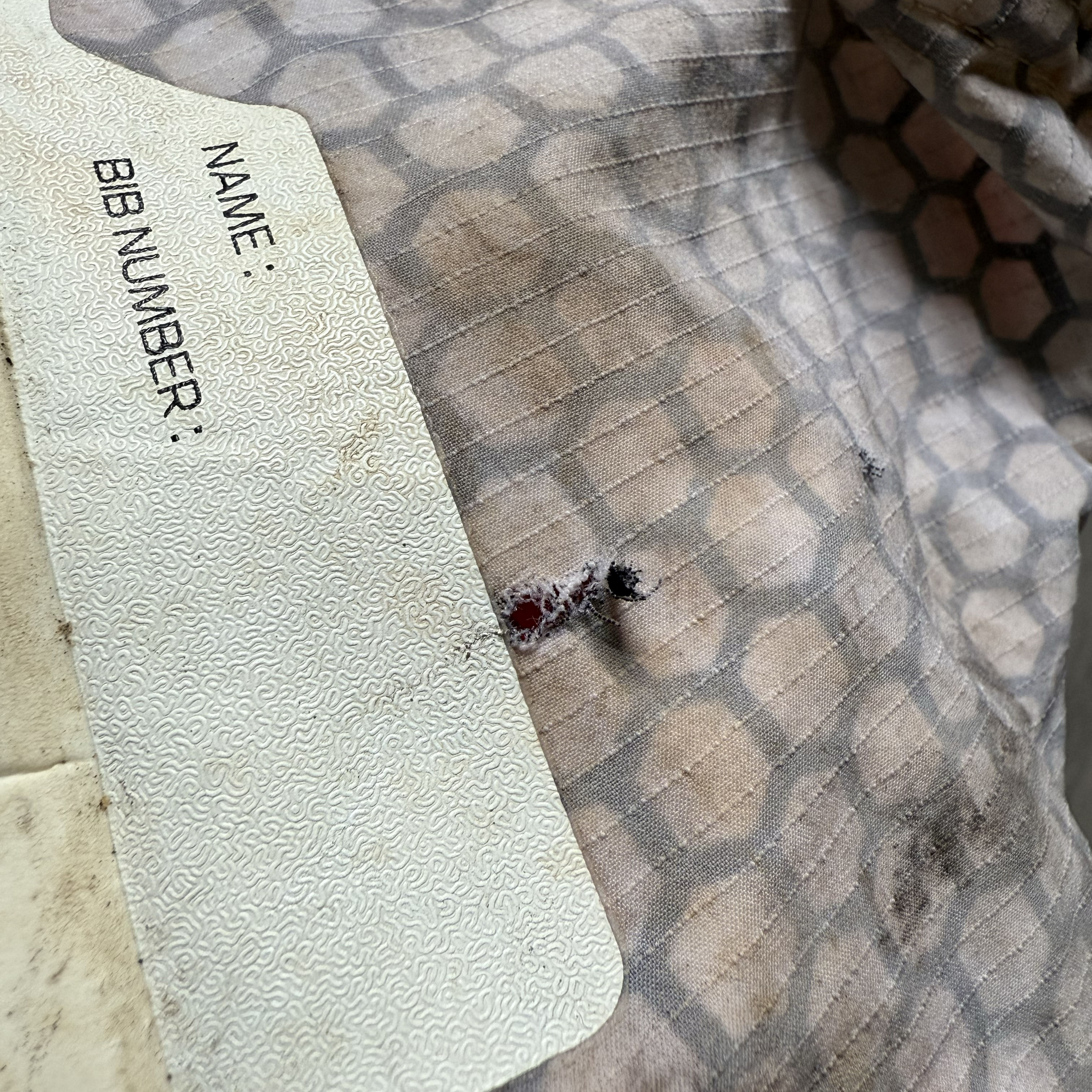
Mine, after 5-months of abuse now have two small tears, they cause no issues currently, but maybe in the future they will? However, in experience, shoes for a race such as MDS ‘just’ need to last the event….

Photo by Ian Corless

Features:

  • Contragrip outsole
  • energyFOAM+
  • Endofit
  • quickLACE
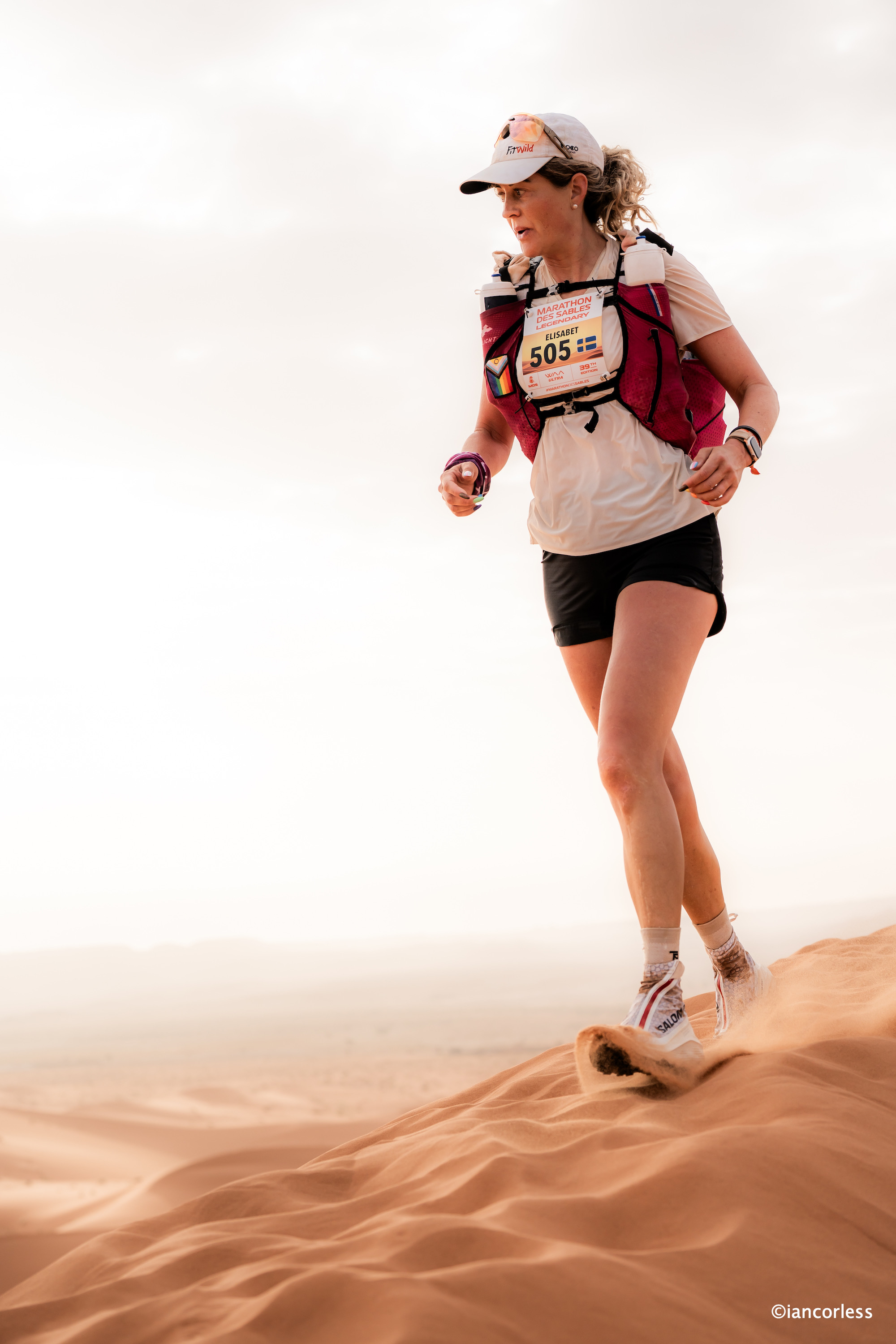
Elisabet Barnes using the S/Lab Ultra Dust MDS Legendary 2025 – Photo by Ian Corless

“Developed as a prototype for our athletes, the S/LAB Ultra Dust delivers comfort in extreme conditions no matter how fast you run. Dust, sand and everything else nature throws at your feet are kept out by the fully integrated gaiter with filtering properties. A lightweight, breathable and soft dream shoe for long distances.”

Final Thoughts: Who Should Buy This Shoe?

Photo by Ian Corless

If you’re training for, or racing a desert ultra, the Salomon S/LAB Ultra Dust is a top-tier option, arguably the best in its class. A brilliant shoe that is finely tuned for a specific environment. If you are signing up for MDS or similar, this shoe should be top of the list for testing. They are comfortable, cushioned, have excellent grip, excellent protection and importantly, they keep out sand and debris. The Ultra Dust was clearly designed with direct input from elite ultra runners who know the pain of sand-filled shoes, melted midsoles, and overheating feet.

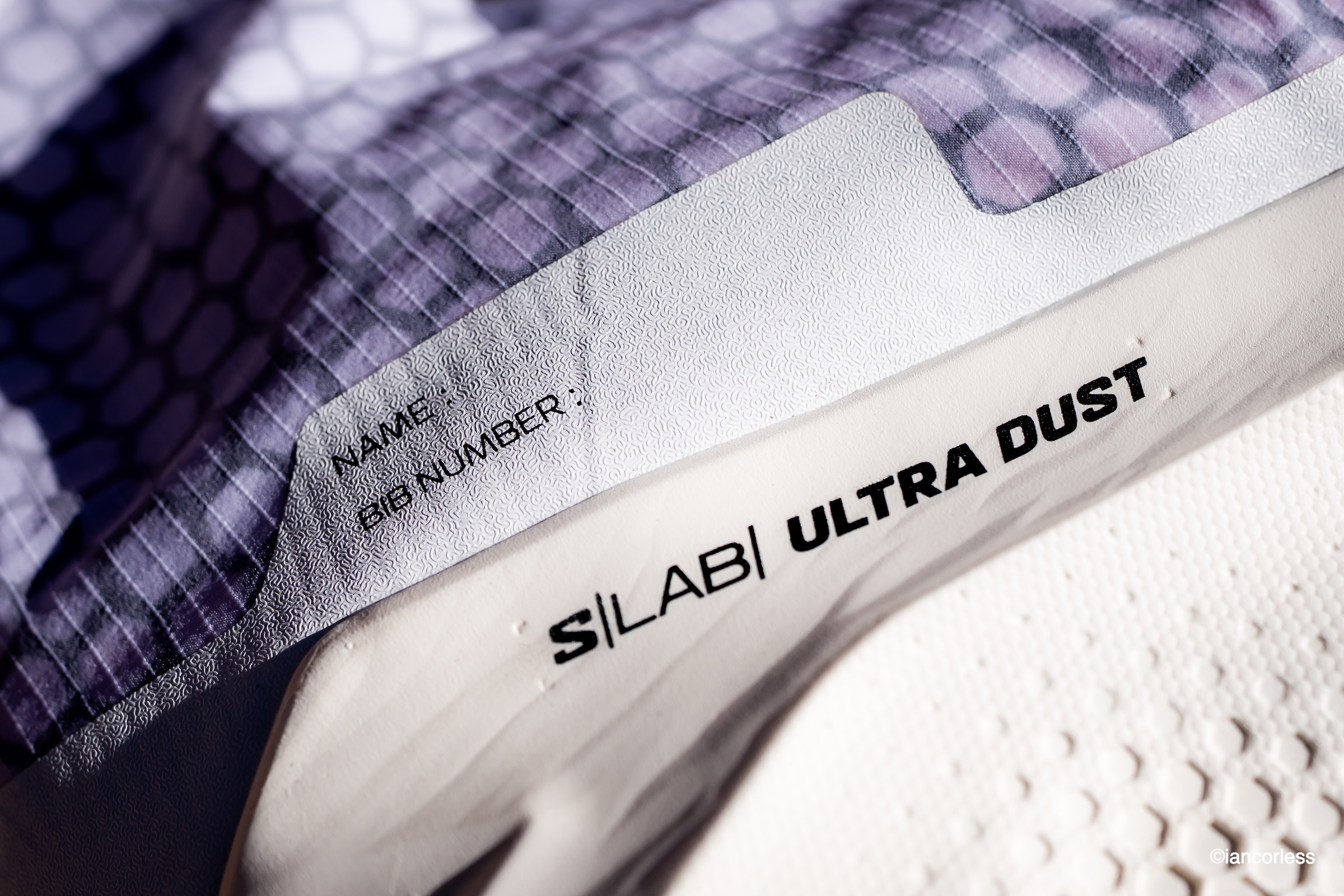
And a final nice touch? There is a place for NAME and BIB NUMBER on each shoe.

Photo by Ian Corless

Website: S/Lab Ultra Dust HERE

Gemma Game using the S/Lab Ultra Dust MDS Legendary 2025 – Photo by Ian Corless

Follow Ian Corless

Instagram – @iancorlessphotography

Twitter – @talkultra

facebook.com/iancorlessphotography

Web – www.iancorless.com
Web – www.iancorlessphotography.com

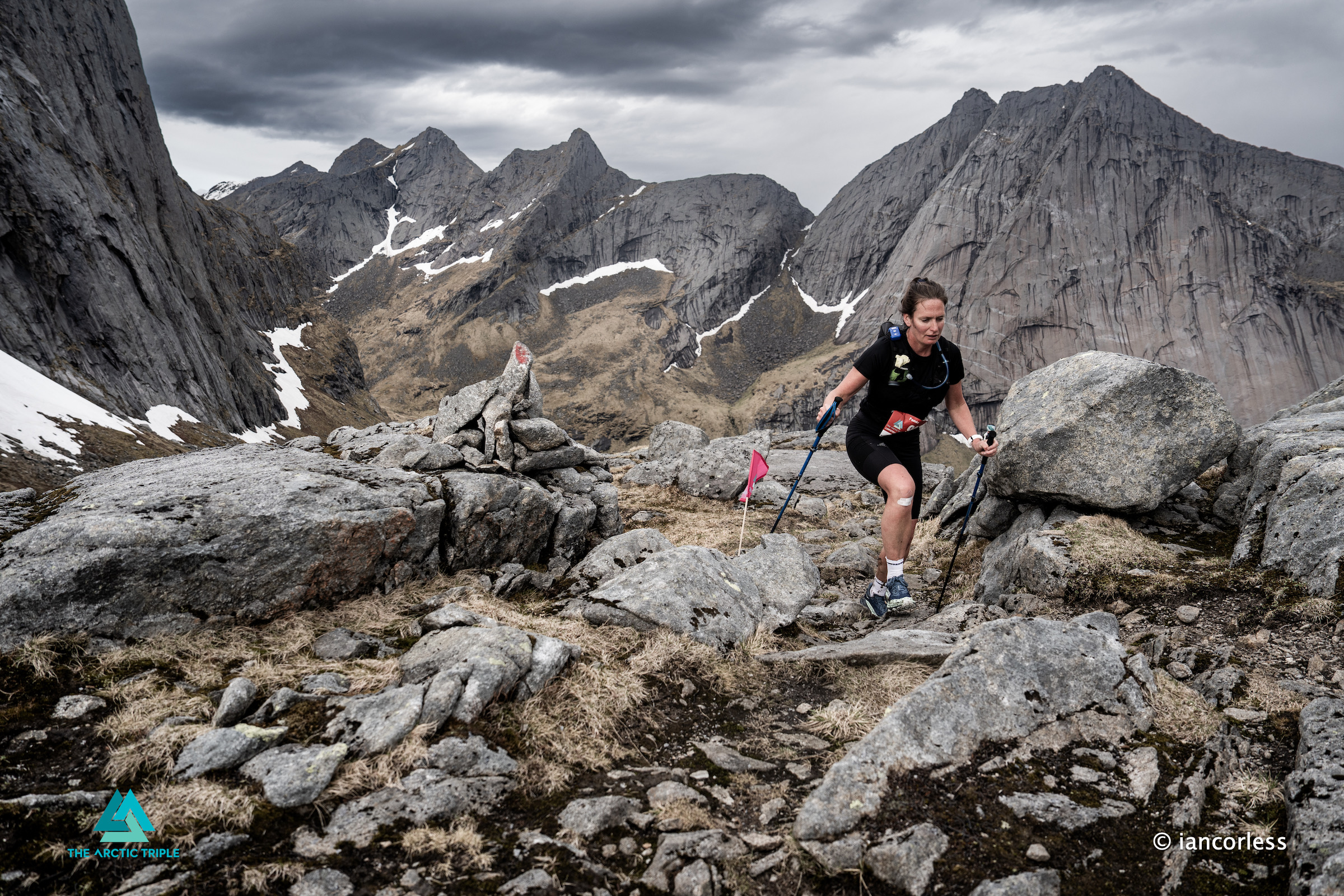
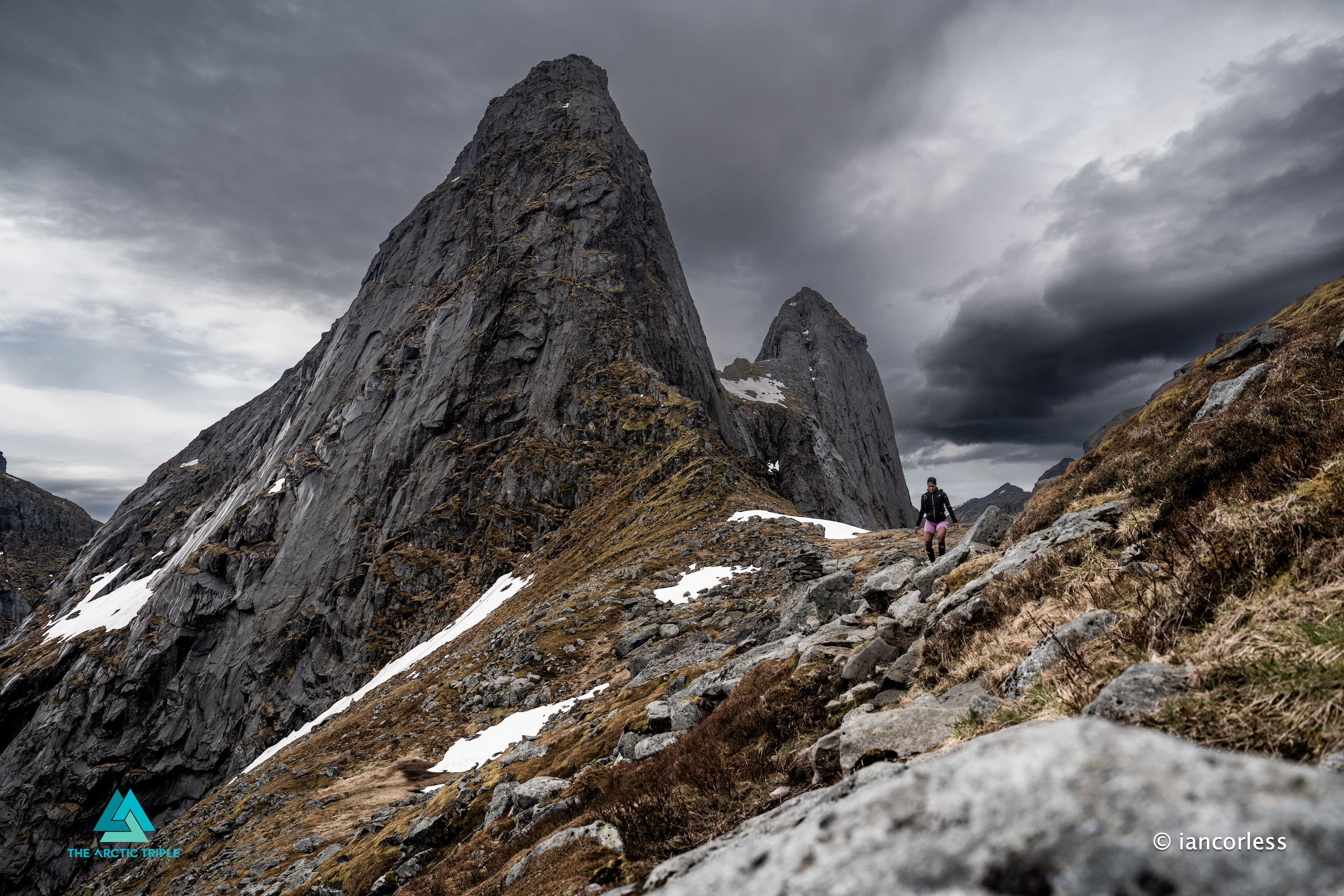
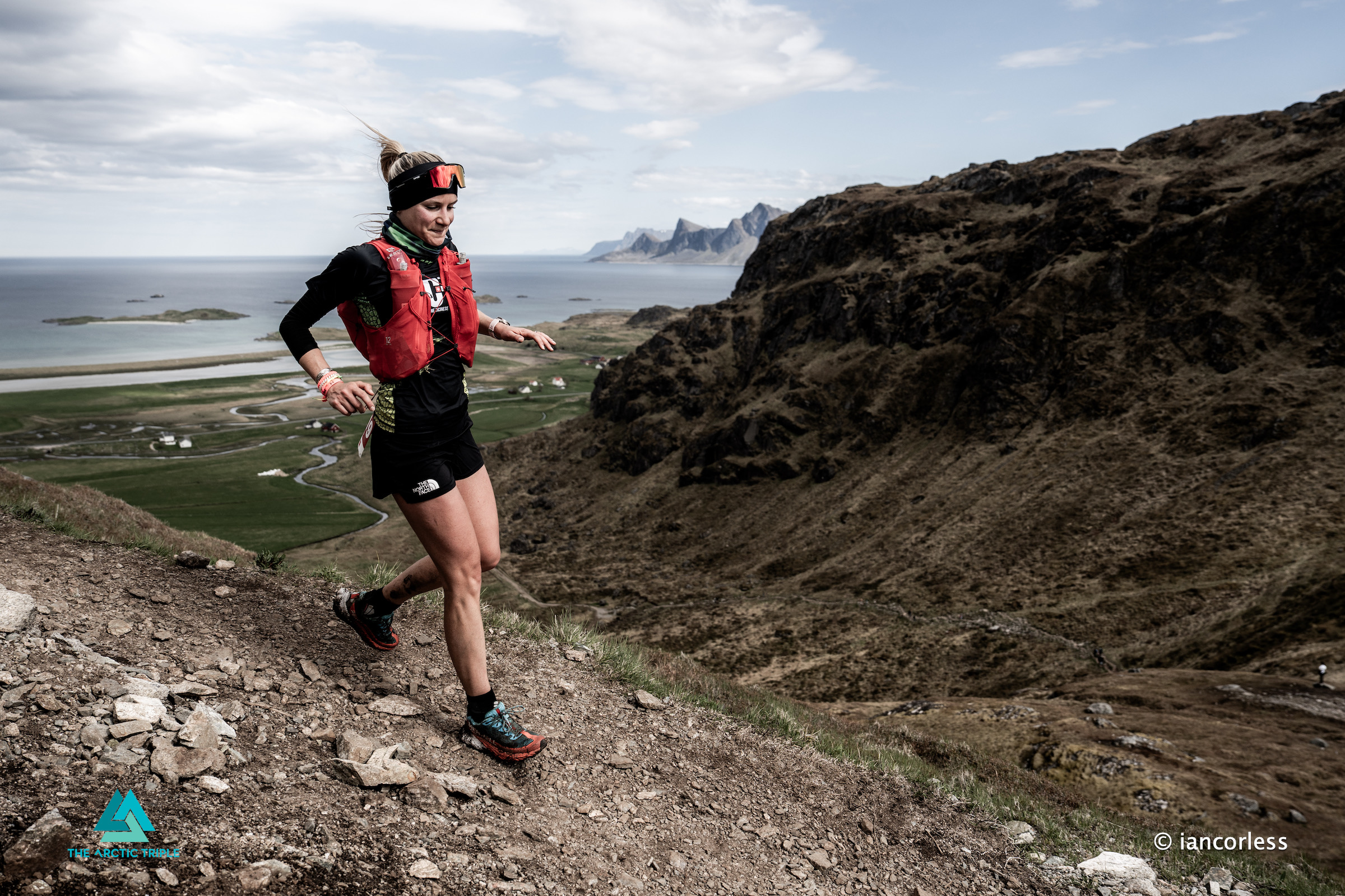
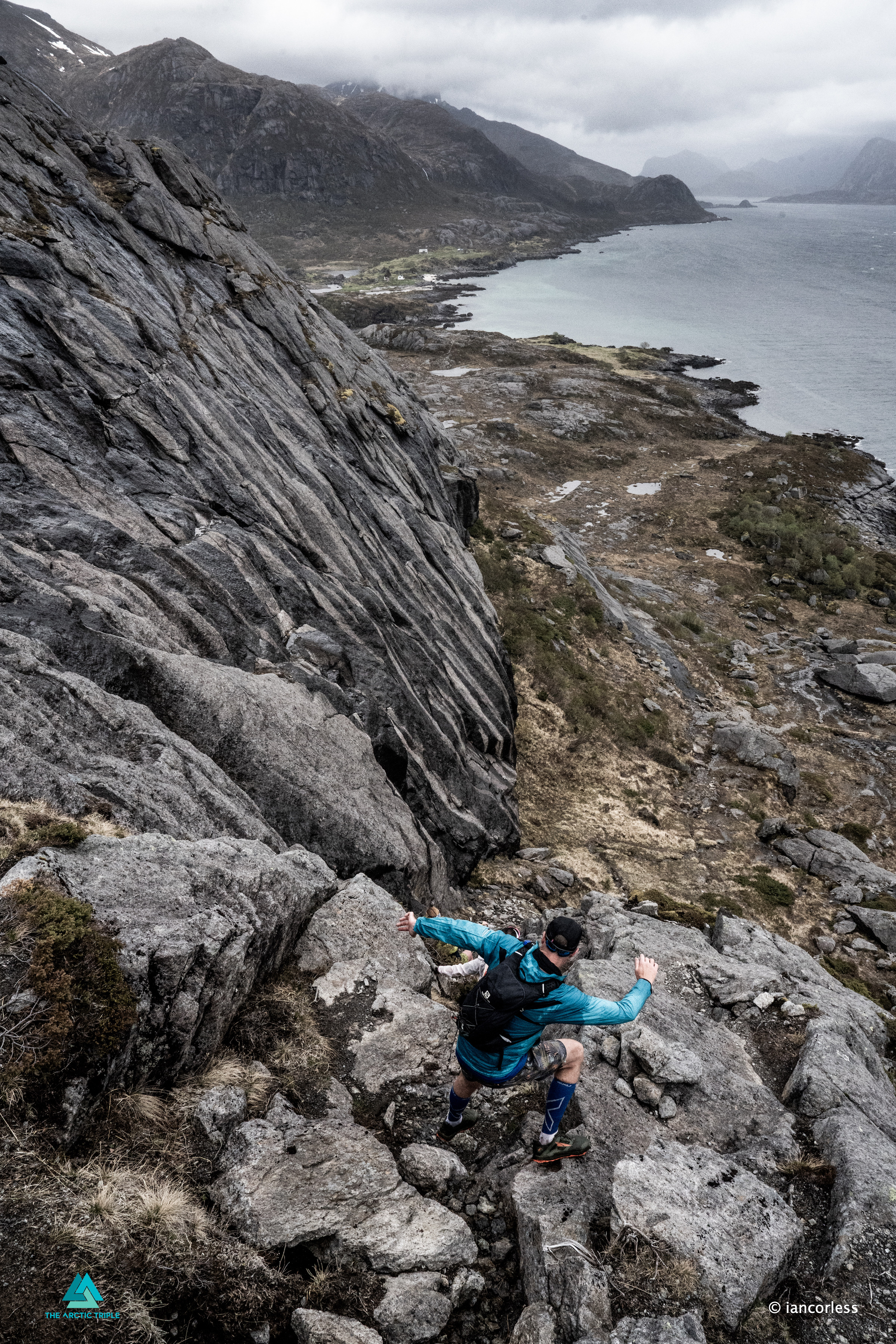
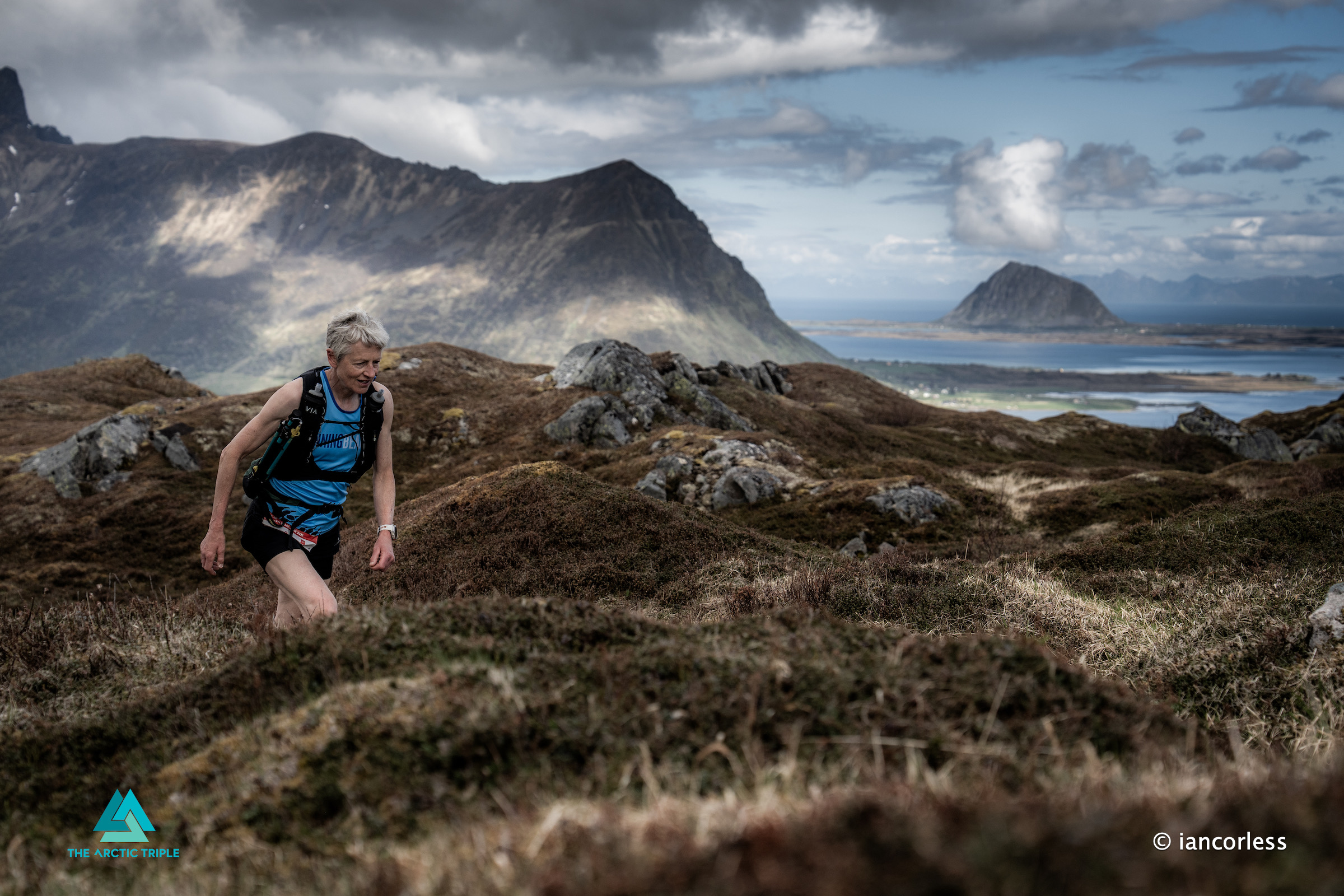
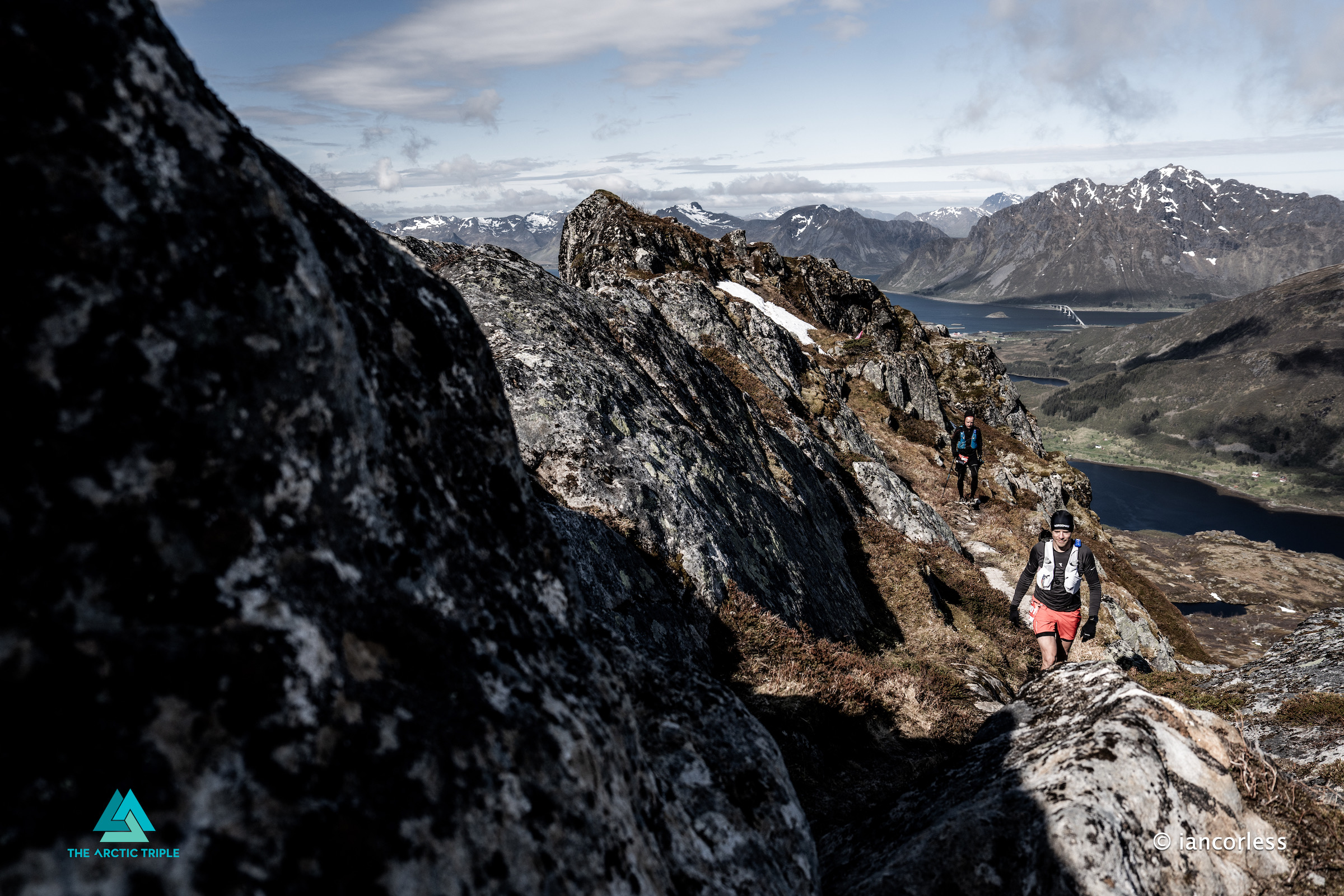
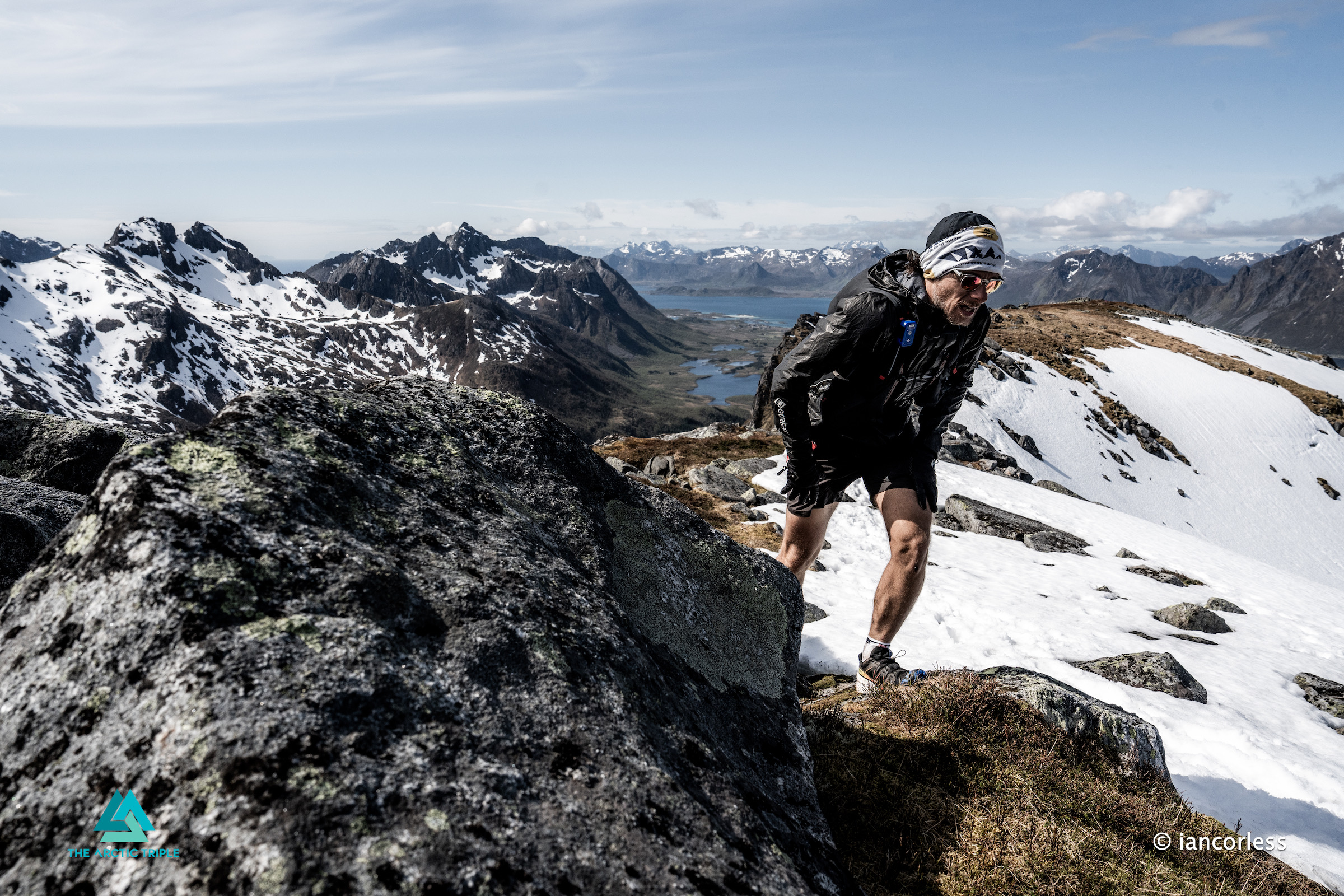
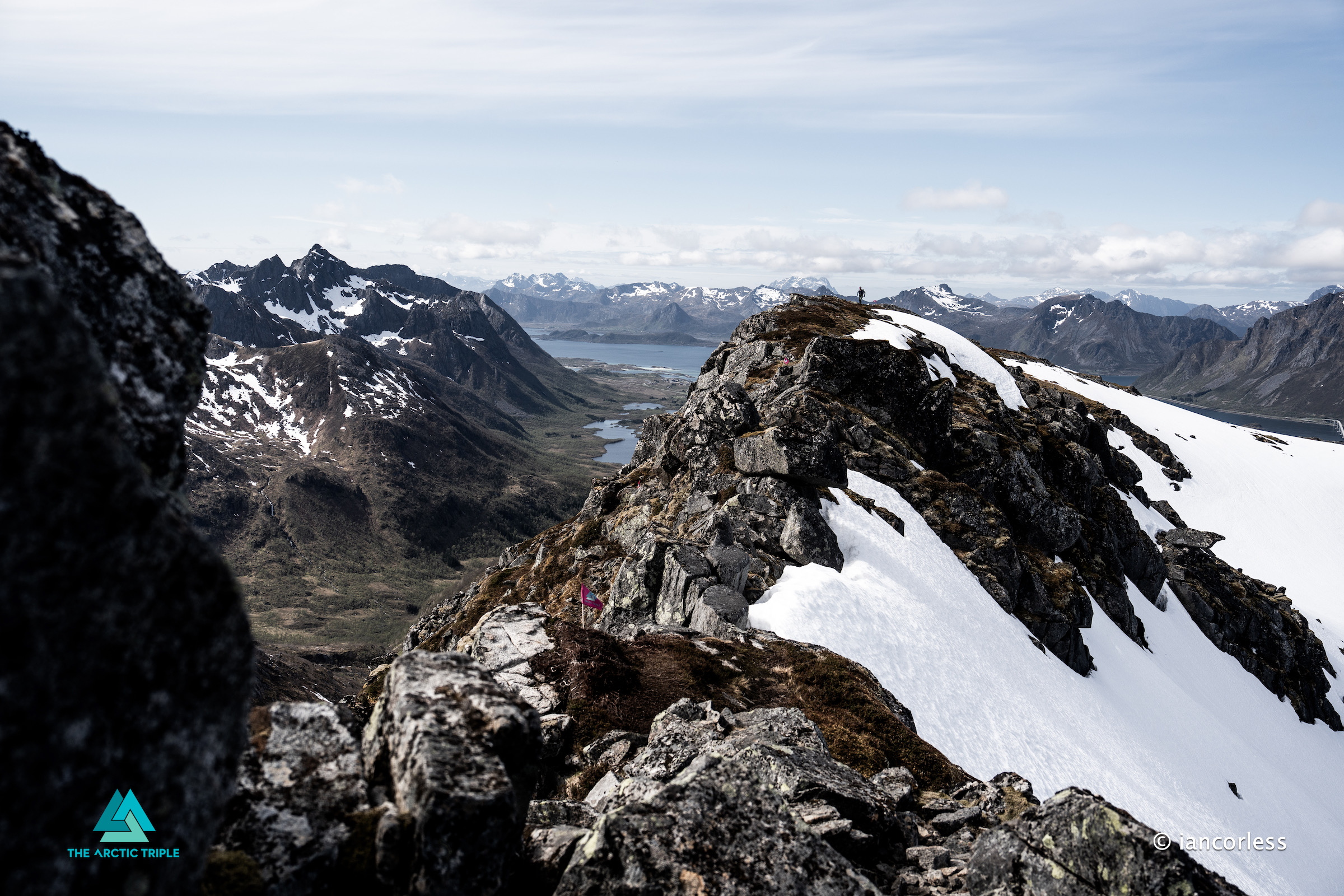
Lofoten Stage Run 2025: A Wild Dance with Nature

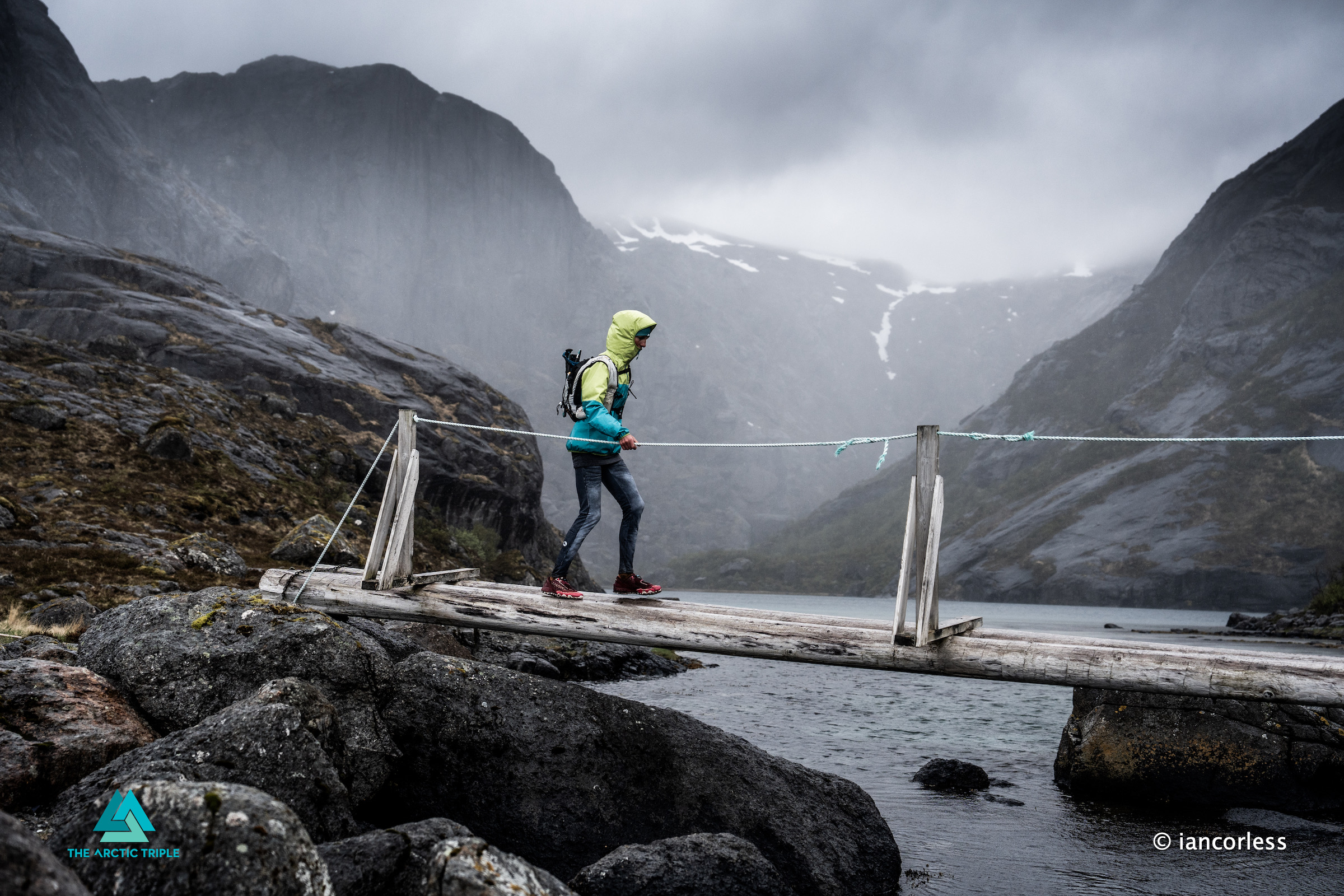
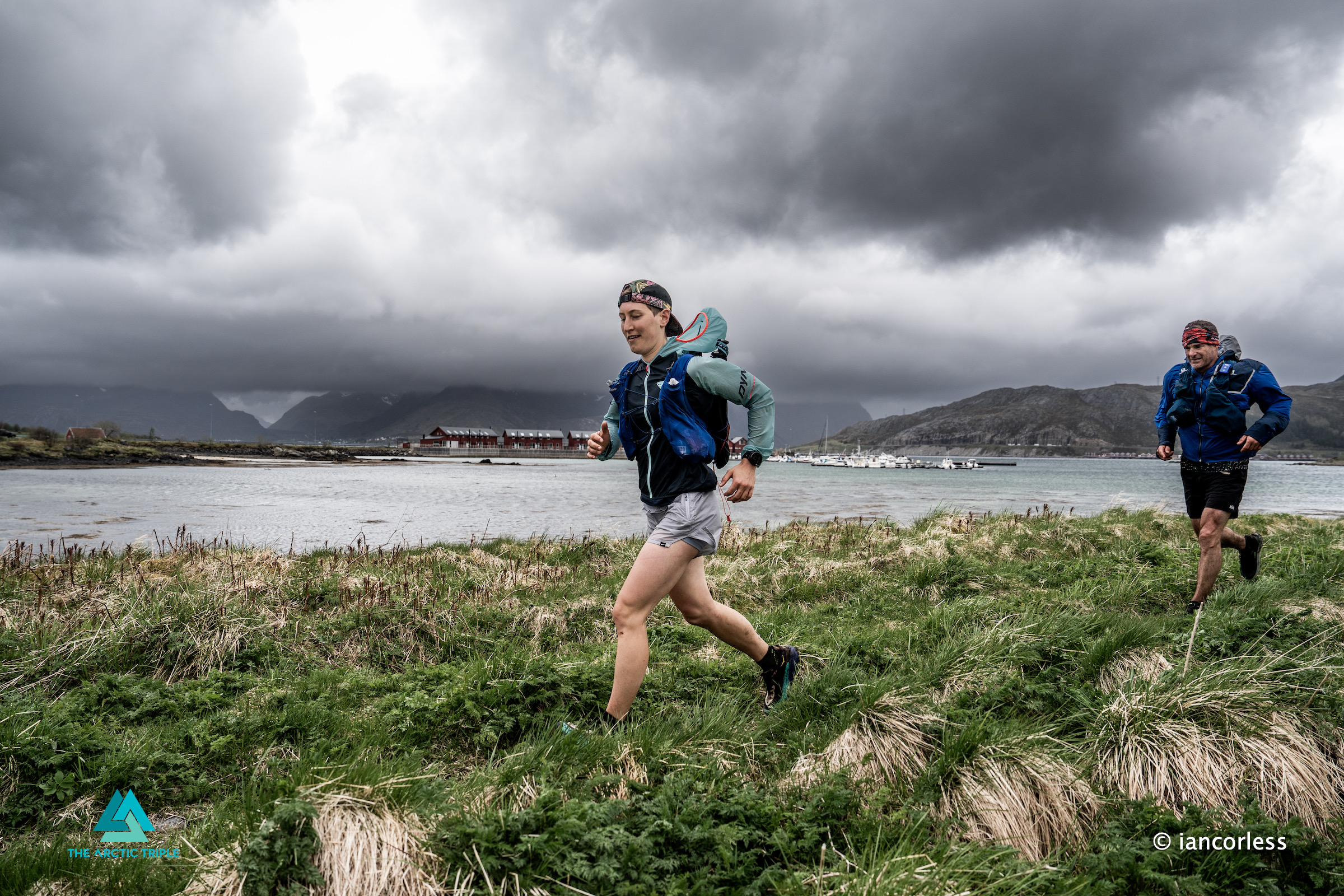
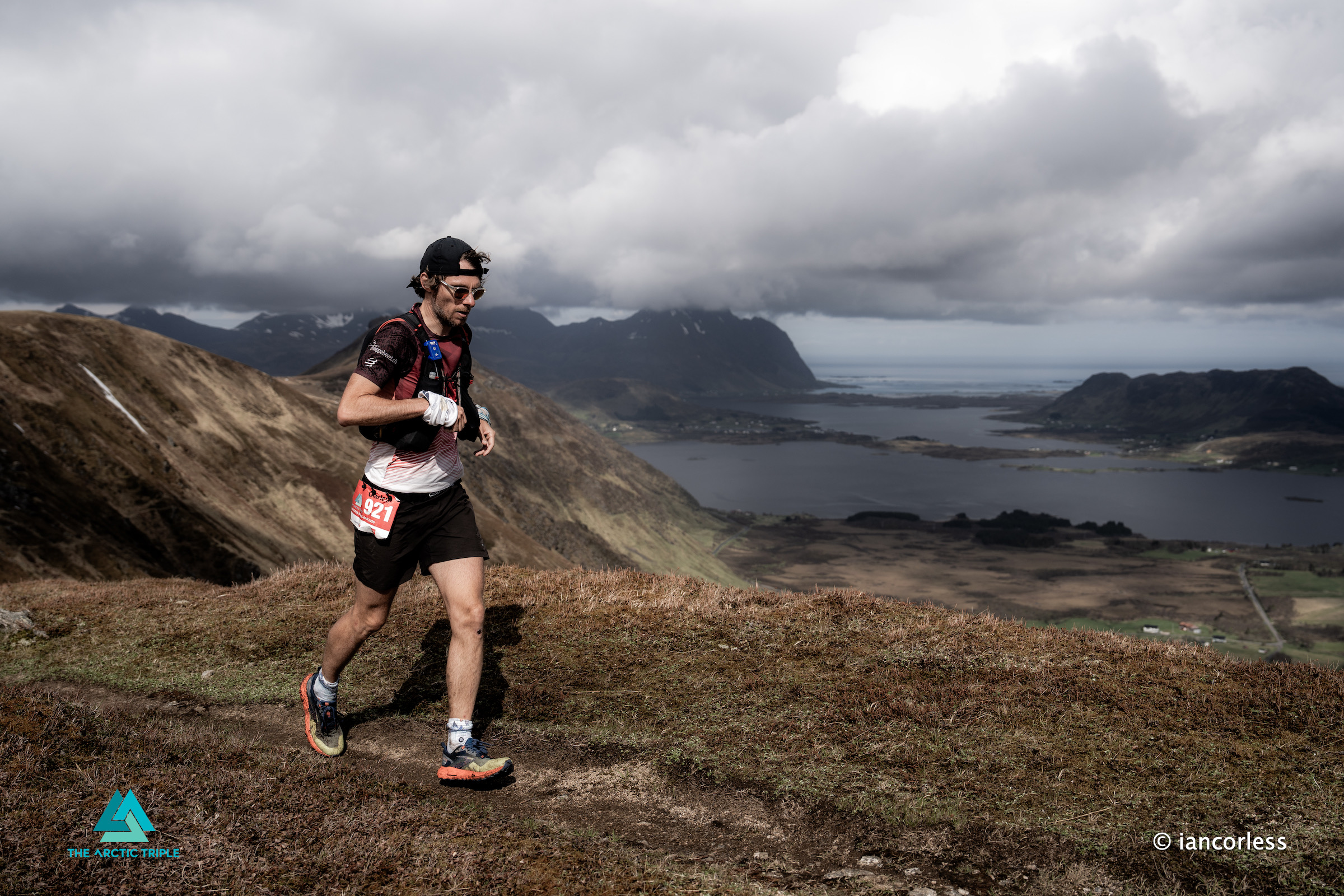
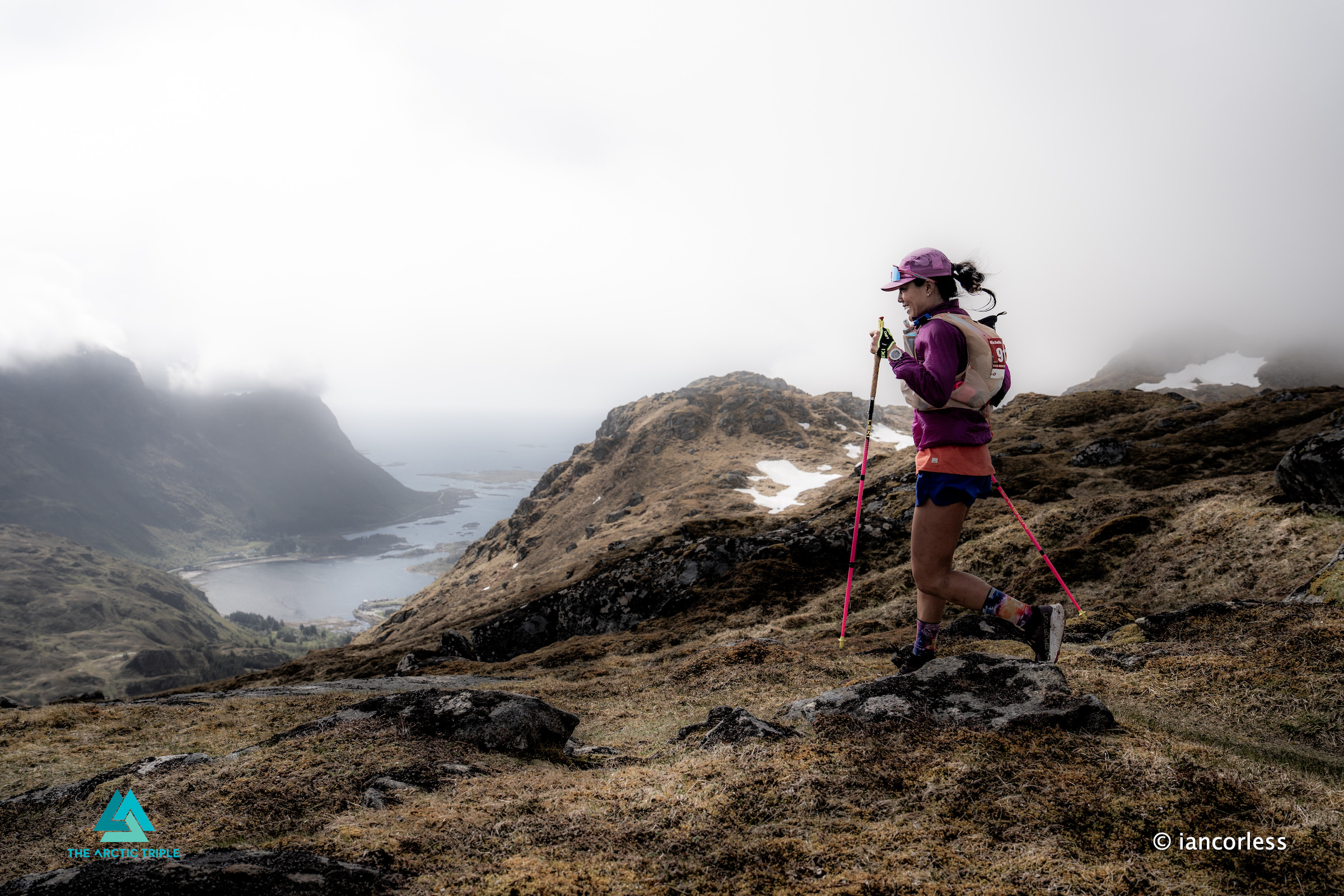
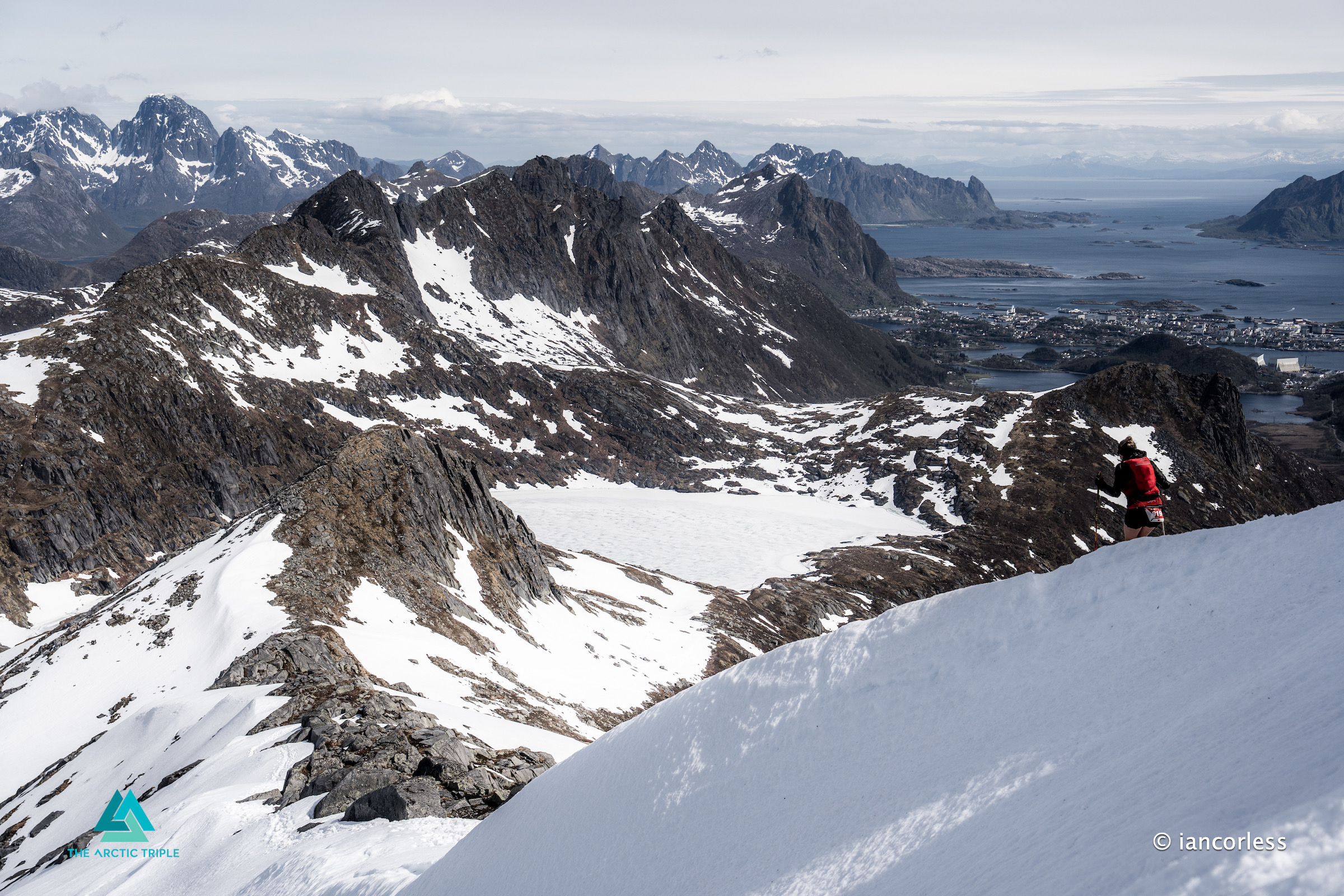
There are races, and then there’s the Lofoten Stage Run by The Arctic Triple team. What unfolded in May 2025 wasn’t just a footrace; it was a deep, soul-grinding, awe-inspiring journey through one of the world’s most arresting landscapes. Four stages. Two distances, 170 km and 100 km. 

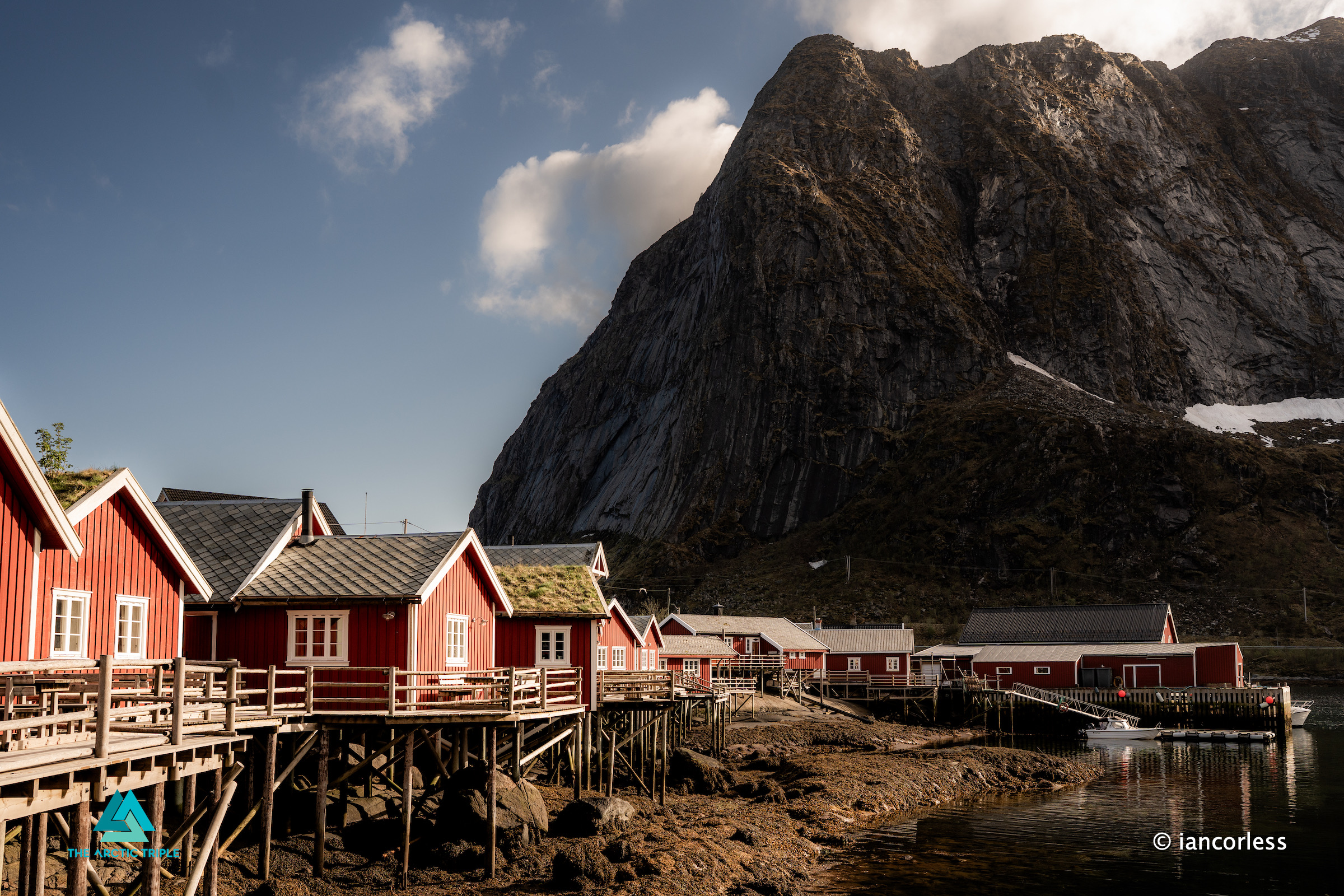
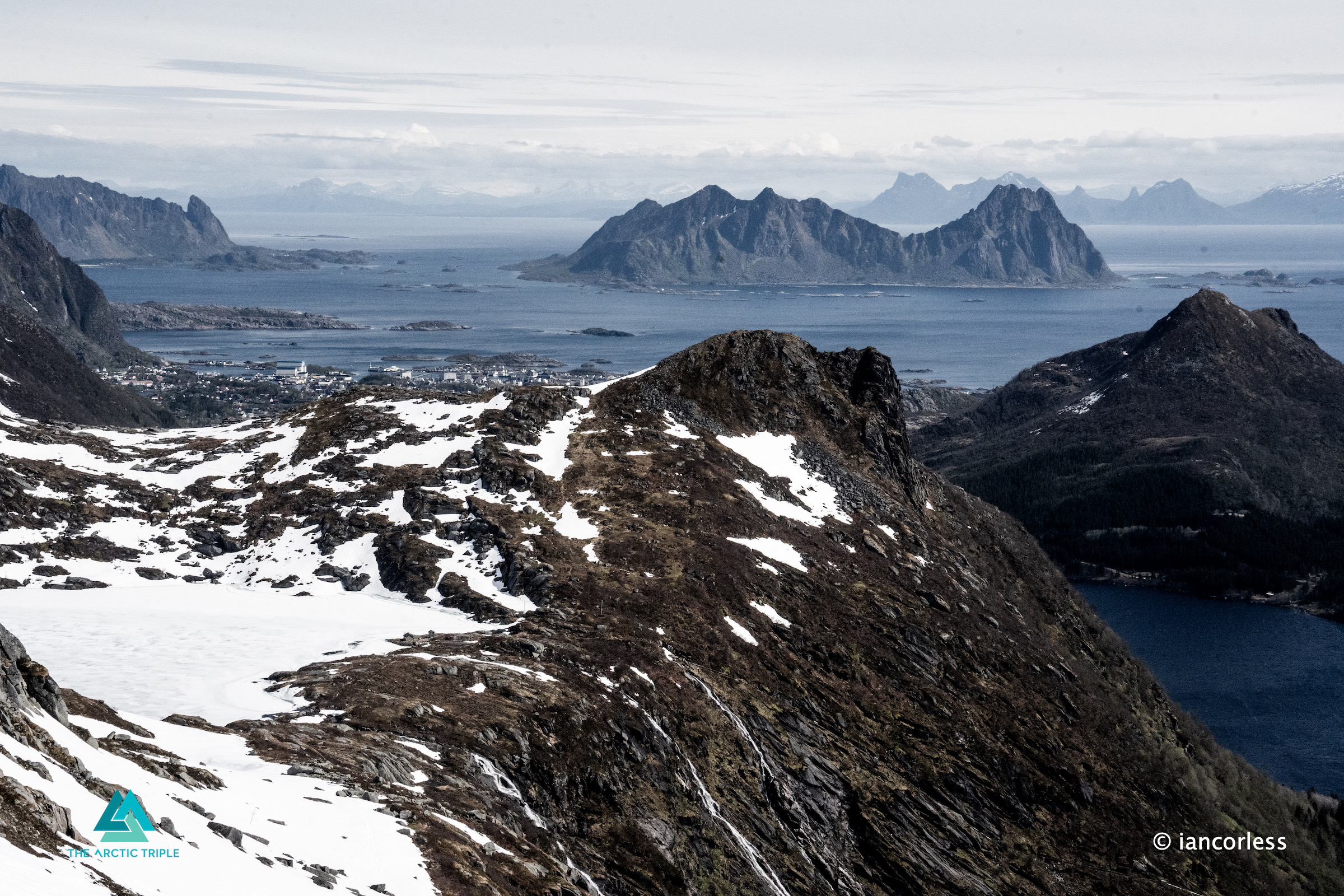
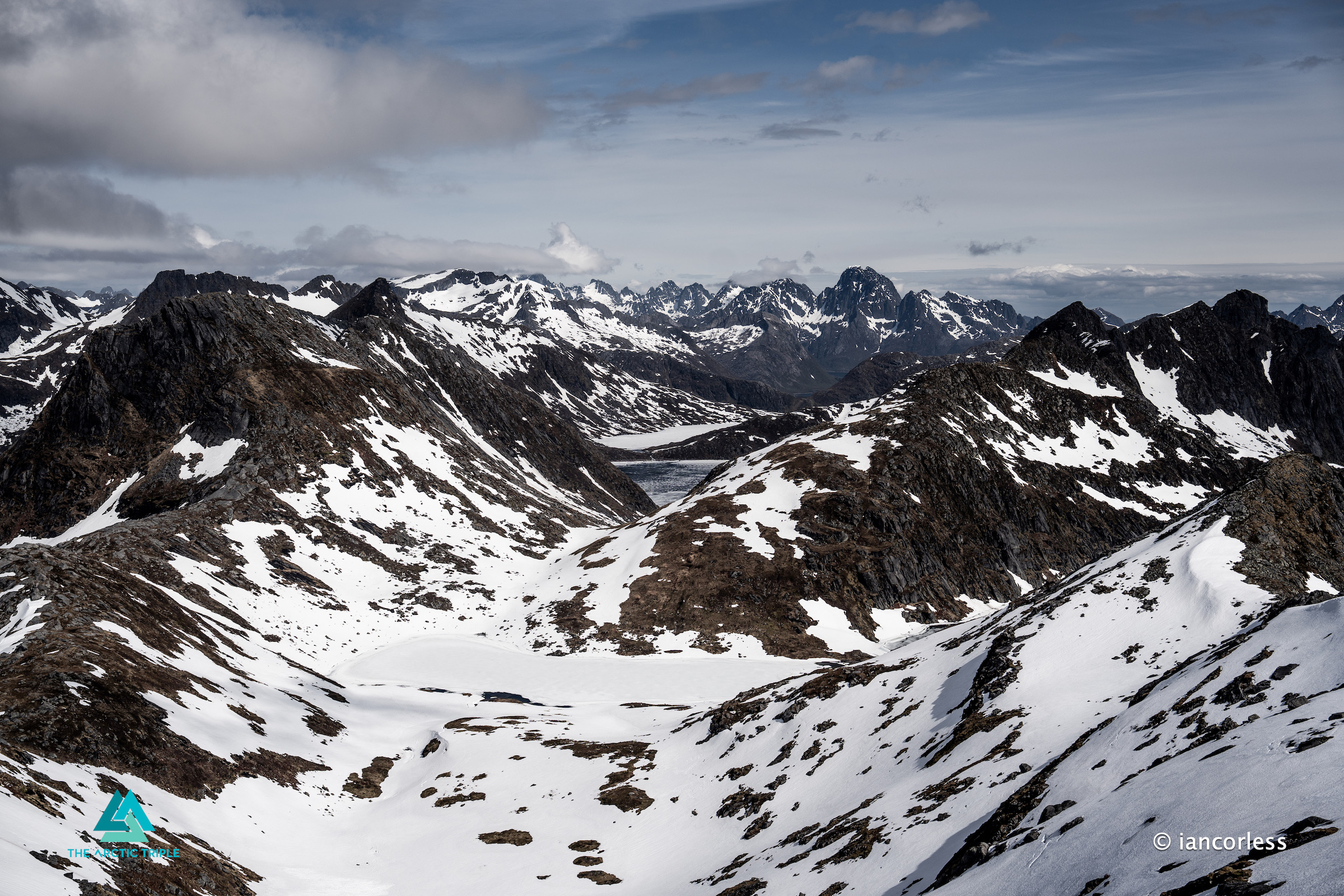
Across wild coasts, knife-edge ridges, fishing villages, and snow-streaked mountains, runners pushed their limits, and often redefined them, surrounded by the raw power and beauty of Norway’s Lofoten archipelago. Sleep came in hytte and seaside rorbuer; rest was fleeting, but memories were burned in.

Stage 1: Into the Wild – Kjerkfjorden to Nusfjord (39 km / 20 km)

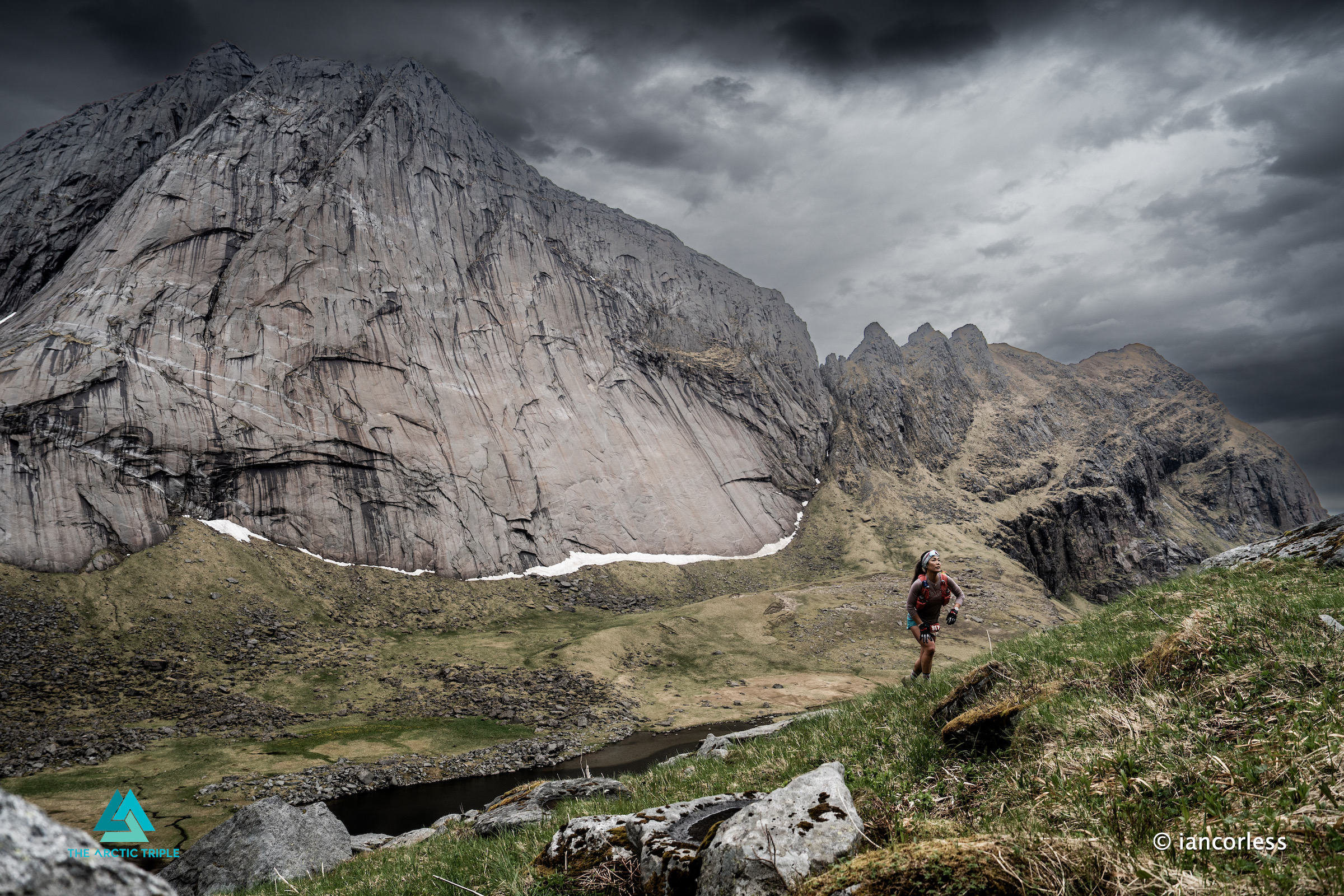
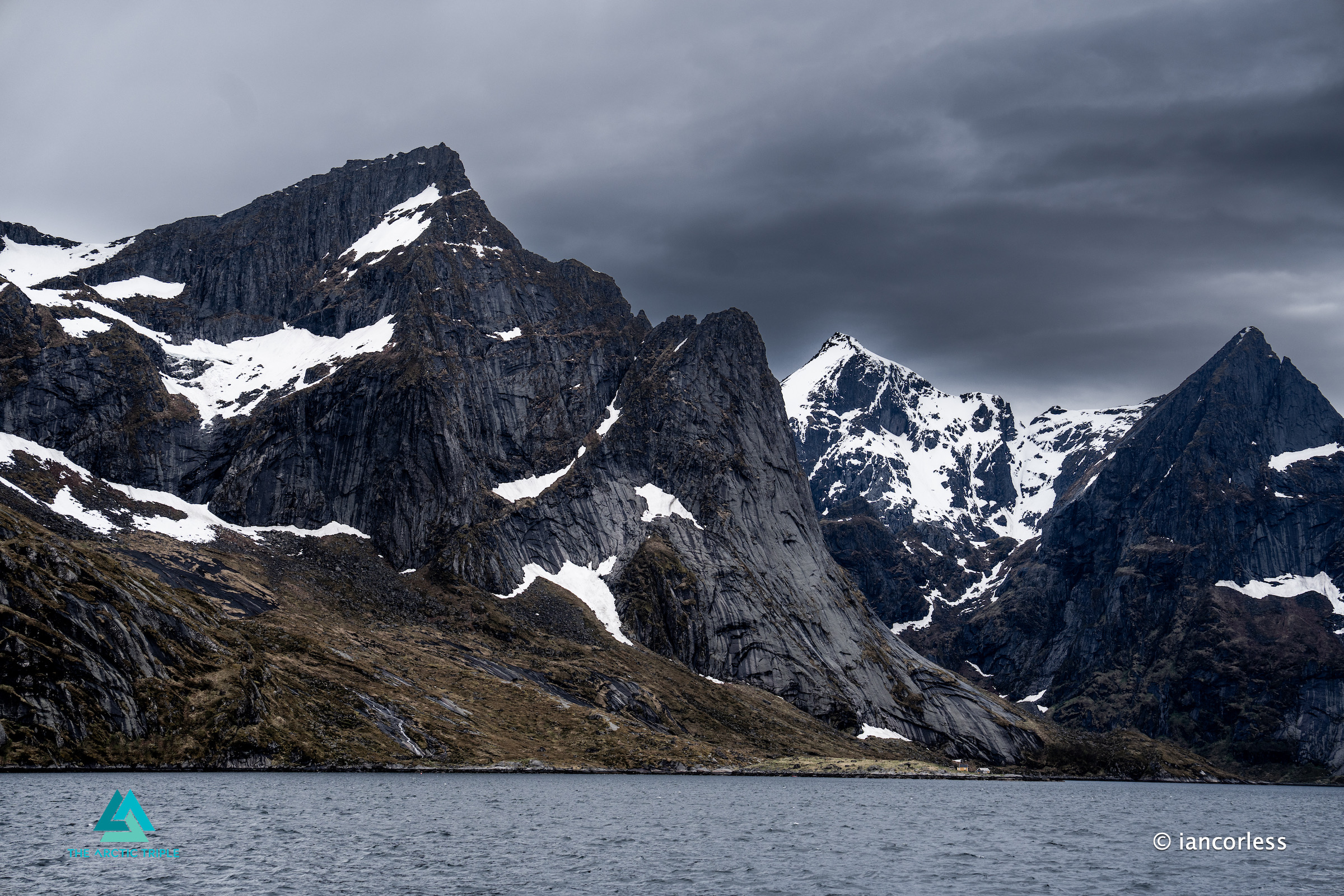
The race began like a dream: a boat ride through cold, steel-blue fjords, cliffs rising on all sides like the jaws of some ancient creature. As runners disembarked at Kjerkfjorden, the silence was broken only by soft footsteps and shallow breaths, nerves on edge, anticipation sharp.

The terrain wasted no time. A steep climb out of the fjord led straight into deep snow patches and slick rock. Then came the surreal beauty of Kvalvika Beach, where sand met snow and the ocean roared its approval. For the 170 km runners, the day stretched long into the day, ending with a technical coastal section into the storybook village of Nusfjord. Legs screamed, but hearts were full.

Stage 2: Edge of the Earth – Nusfjord to Leknes (34 km / 17 km)

Day two was tougher. Tighter trails, more scrambling. The wind picked up, mist rolling in from the Norwegian Sea like smoke, rain fell, at times, hard and relentless. Between breaths, runners caught glimpses of jagged peaks piercing the sky and turquoise bays far below. This was Lofoten in full cinematic glory, wild, moody, and impossibly vast.

A tunnel under the sea added a surreal twist, legs burning as they climbed out of the darkness and back into the light. Offersøykammen offered panoramic views, but it demanded everything. As runners arrived in Leknes, drenched, scraped, and shivering, you could see it in their faces: wonder, pain, pride.

Stage 3: The Long Haul – Leknes to Rolvsfjorden (52 km / 35 km)

This was the crucible. The longest stage. Bodies were already breaking down, but the terrain opened up, longer runnable sections, smoother single track. The landscape changed too. From rugged coastline to sweeping highlands and serene lakes, this was Lofoten in its gentler form.

As the finish line at Brustranda Fjordcamping came into view, many had run out of words. “This is insane,” one runner muttered, grinning. “But it’s beautiful.”

Stage 4: The Final Push – Rolvsfjorden to Svolvær (45 km / 21 km)

The last day was emotional. Legs were dead weight. Ankles rolled. Minds fogged. But everyone knew what waited: the end, the reward, the moment of elation.

Jordtinden loomed: steep, snowy, relentless. At its summit, clouds lifted like curtains, revealing a 360-degree panorama that stopped runners in their tracks, the ridgeline ahead bringing a sense of awe and fear in equal measure.

This is the queen stage, the terrain bringing together all that makes Norway and Lofoten unique, marvellous and special.

You could see all the way back, mountains, inlets, the journey behind. Some cried. Some screamed. Some just stood there, stunned.

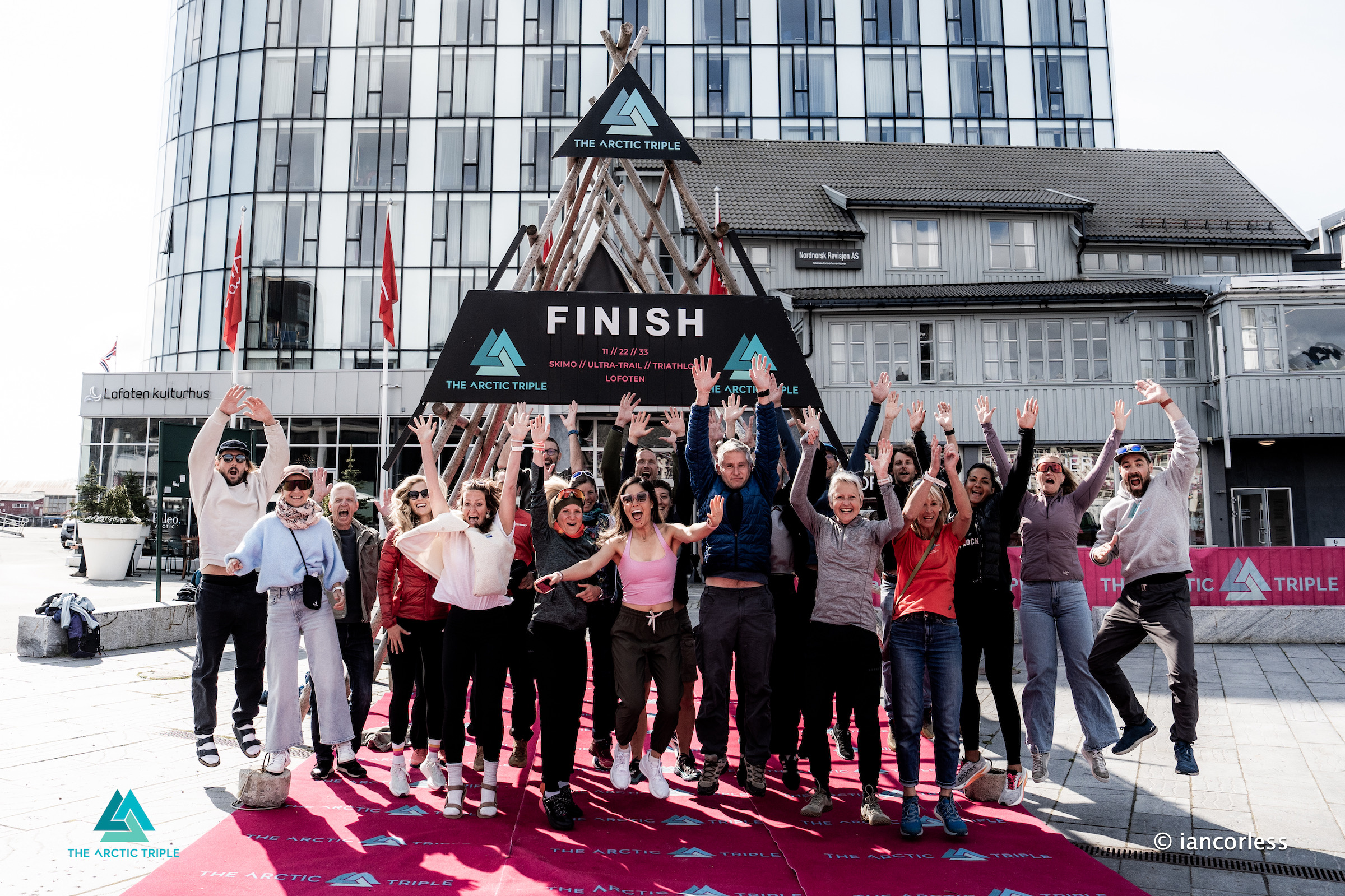
The descent into Svolvær was pure adrenaline, fuelled by joy and relief. The last stretch along the harbour felt like flying. Locals clapped. Teammates waited. People hugged. Some collapsed. Others danced.

More Than KM’s

But the Lofoten Stage Run wasn’t just about distance or finish times. It was about the strange intimacy of shared suffering, of strangers becoming friends over bowls of traditional Norwegian food and stories told in cabins. It was the moment you stepped outside at midnight, sun still hanging low over the sea, and realised how small we are.

It was the rawness of the terrain mirrored in every aching limb. It was the magic of Lofoten, weather that shifted like a mood, peaks that stabbed the sky, and a landscape that didn’t just surround you, it swallowed you whole.

In the end, it wasn’t a race, it never was, the Lofoten Stage Run is an experience, a 360 immersive journey that shocked the mind and the senses and revealed to each and every participant that this route, arguably, is one of the BEST in the world. It was a rite of passage. A storm-chased, mud-caked, heart-thumping reminder that the wild is still out there, and if you’re lucky, it might just let you in.

VIEW THE FULL IMAGE GALLERIES HERE

Follow Ian Corless

Instagram – @iancorlessphotography

Twitter – @talkultra

facebook.com/iancorlessphotography

Web – www.iancorless.com
Web – www.iancorlessphotography.com