Images available for personal and commercial use HERE
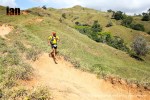
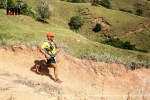
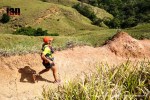
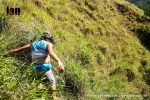
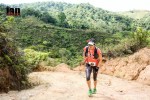
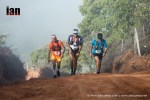
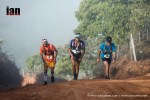
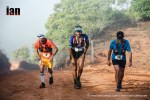
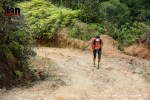
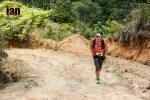
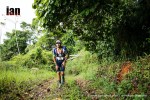
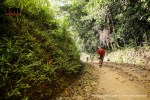
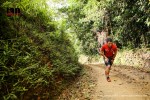
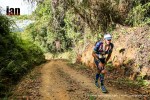
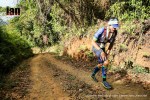
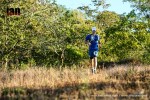
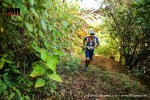
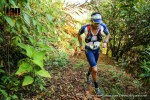
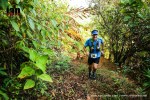
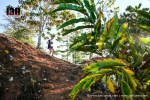
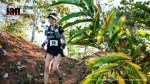
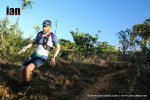
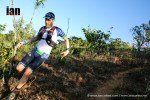
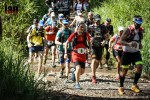
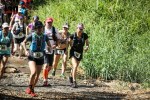
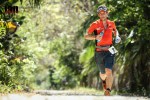
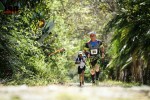
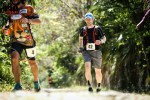
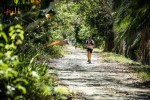
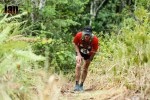
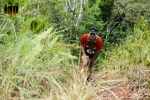
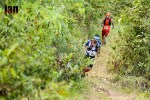
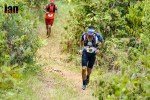
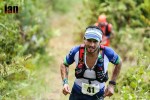
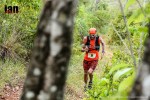
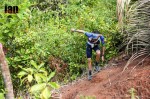
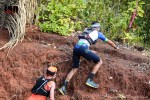
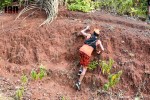
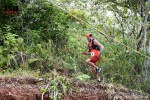
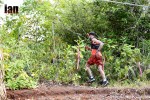
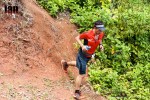
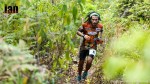
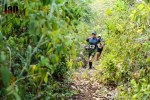
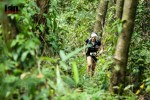
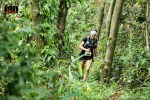
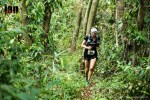
The 2016 ‘TCC” (The Coastal Challenge, moved inland today for 35km’s of relentless climbing, at times technical trail and a brutal descent that hammered tired legs all the way to the finish line. The early morning start of 0530 guaranteed the runners a good 1-hour window of cool temperatures but as they climbed higher and higher, low cloud sheltered them but eventually the cloud burned away and searing heat punished the runners.
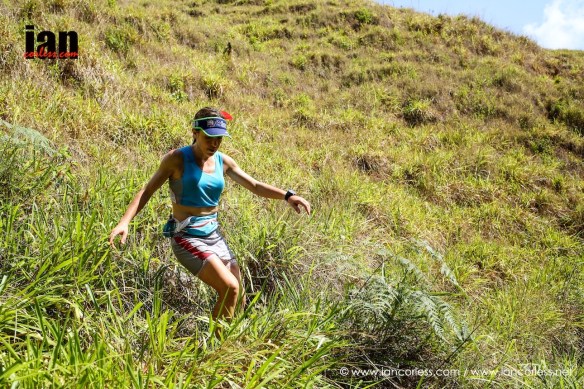
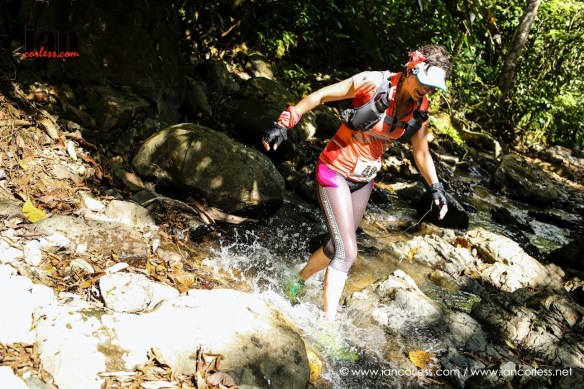
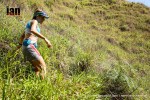
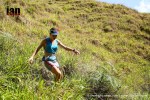
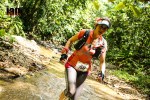
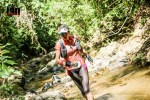
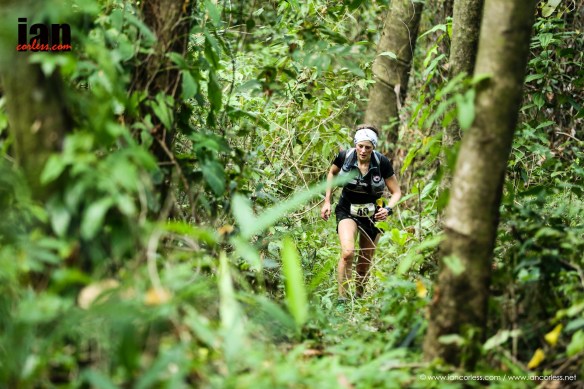
Ester Alves made her mark on the race today by extending her lead by over 30-minutes, however, the winning margin doesn’t tell a true story. Elisabet Barnes fought very hard early on the keep Alves in sight and hopefully pull away, however, technical trail and a long section in a very technical river bed ruined any chance.
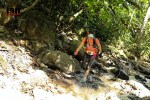
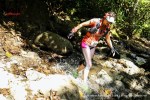
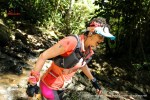
Alves was in her element; comfortable with Skyrunning and mountain races, she pushed at a comfortable pace and never looked in any discomfort on the challenging terrain. Although she had a 10-minute lead in the river bed section at approximately 30km covered, it was on the final descent (almost 1000m) were the real gap was opened. Barnes said post race:
“I hated that final descent, I was out of my comfort zone and I knew any chance of catching Ester was over. I took my time and made my way down without injury.”
Alves finished the stage and many commented how relaxed she looked and how well she has adapted to the heat after a tough day 1. A real point of topic is how little she has been drinking… a no, no for the local but it has worked for Alves.
“Every stage I have anticipation, I never know what to encounter… roads, forests, rivers or trails. It has been amazing. I wasn’t ready for the heat but as the days pass I am getting better and better. I love the heat. I trained before the race for 30km run sessions on little water and that has worked well here. Everyone has been amazed how little I am drinking but it has worked. I like to go simple; fast and light! The competition with Elisabet has been great. She has won MDS and that inspires me, she has been a great competitor. I think if we were in the desert I am sure she would pull away from me but here I love the technical trail and that has been a great advantage for me.” – Ester Alves
The overall standing in the ladies’s race are now:
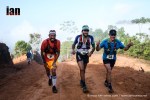
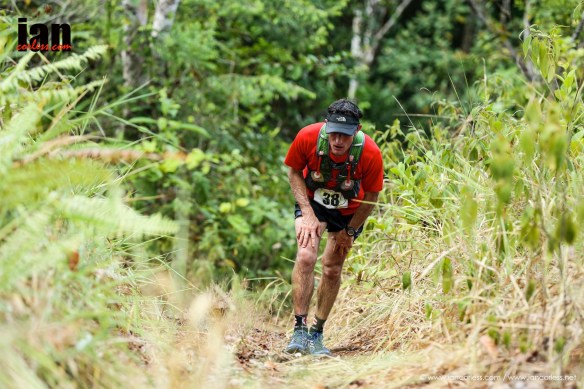
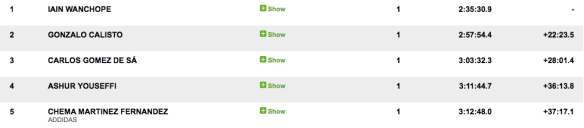
The men’s race looked all set for a group run to the line with Iain Don-Wauchope, Gonzalo Callisto and Chema Martinez running side-by-side over all of the first 25km. Don-Wauchope safe in 1st place, Callisto safe in 2nd and Martinez no threat to the overall standings. But where was Sa?
Sa was trailing a few minutes back.
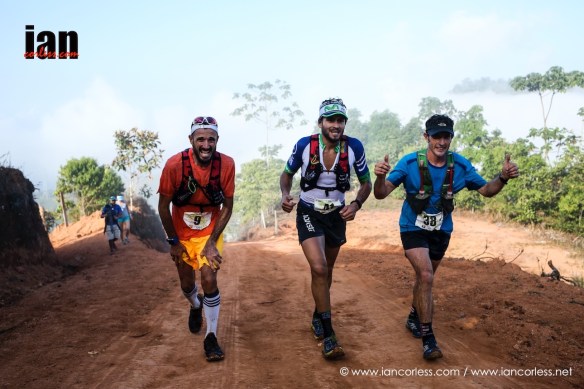
When the trio entered the river bed, Sa apparently flew past like a man possessed. It was a last ditch effort to secure 2nd place ahead of Calisto.
“We were having a great run, relaxed, chatting and just a great day on the trails and then Sa flew past us,” Don-Wauchope said. “He really mixed things up and as he pulled away I went with him. He was really motoring. We started to pull away and I felt good. Eventually I pulled away and Calisto bridged the gap back to Sa. The downhill at the end was tough as it was so rutted but I was glad for another stage victory” – Iain Don-Wauchope.
All credit to Sa for making a move and throwing it all on the line. Tomorrow is the longest stage of the week and I wonder if Sa will have another go? The longer the stage, the better he gets and heat is no issue as he proved by winning Badwater 135.
Stage 5 starts is the longest day of the week and leads into the stunning Drakes Bay. Everyone is tired now, no exhausted! It’s going to be a tough day.
Images available for personal and commercial use HERE
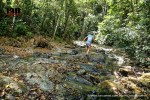
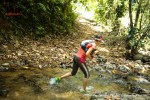
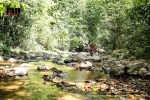
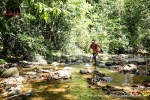
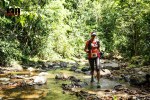
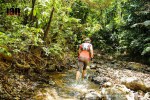
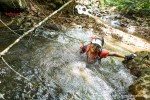
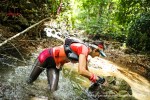
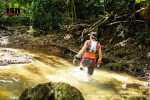
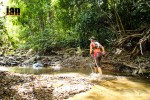
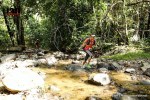
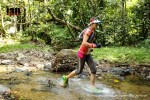
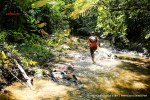
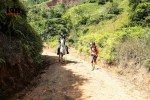
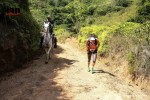
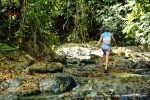
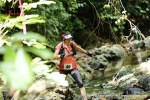
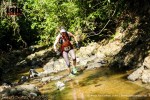
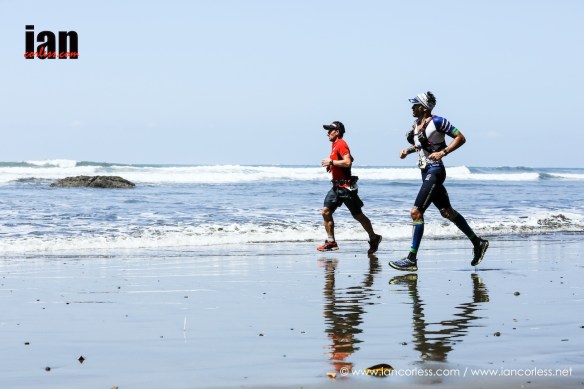
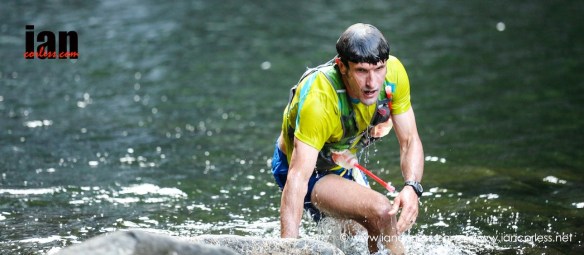
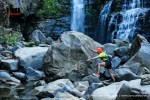
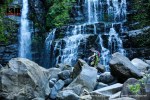
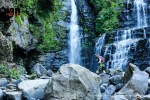
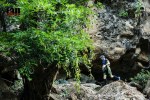
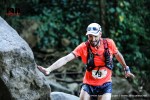
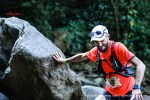
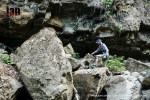
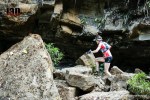
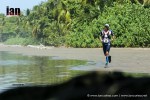
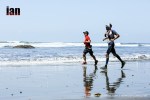
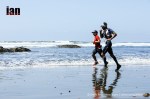
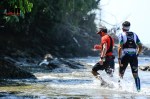
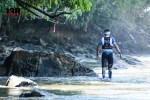
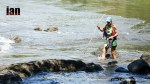
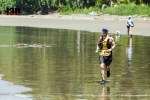
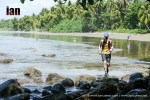
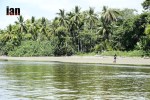
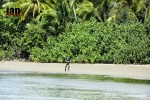
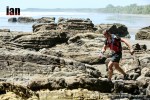
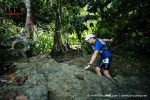
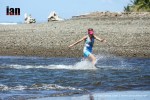
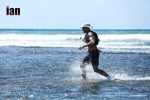
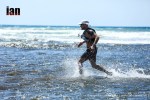
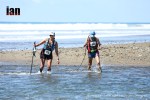
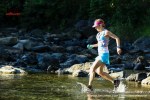
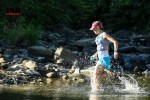
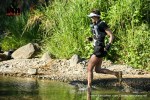
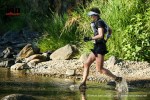
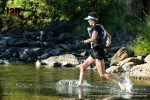
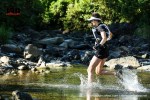
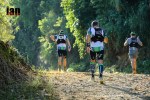
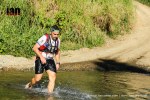
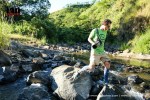
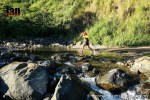
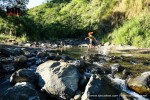
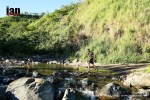
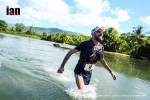
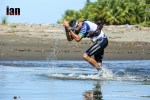
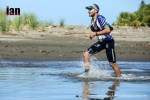
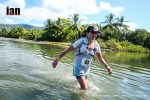
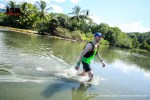
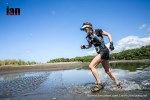
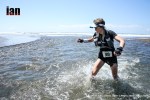
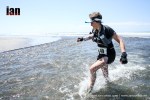
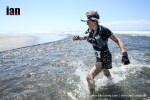
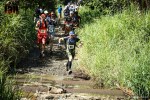
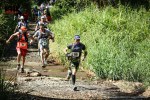
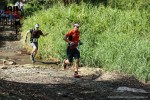
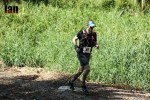
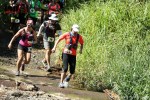
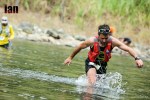
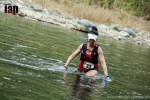
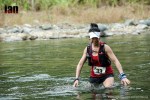
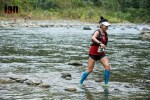
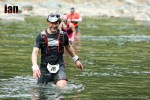
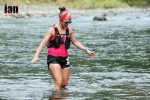
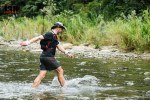
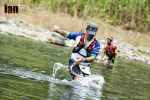
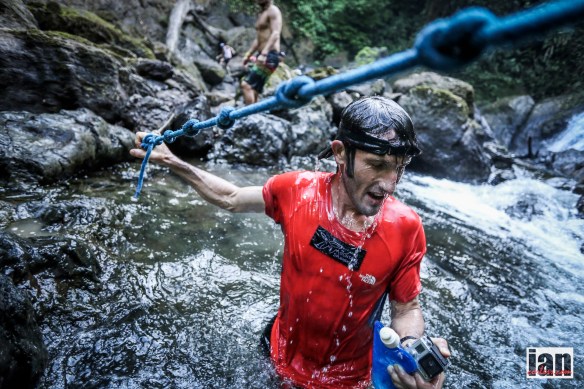
Today was always gone to be a tough one and it lived up to expectations. Departing Dominical beach, the runners very quickly entered a river bed that lasted for km after km. Rock hopping, running through flowing river water with slimy slippery rocks, it was just perfect terrain for South Africa’s ‘The Otter’ previous course record holder, Iain Don-Wauchope.
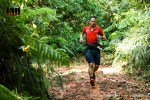
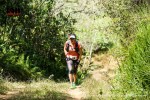
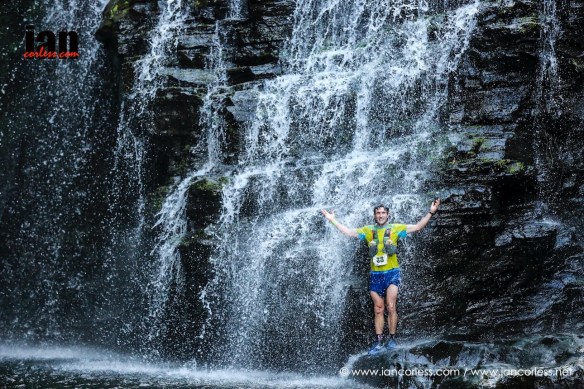
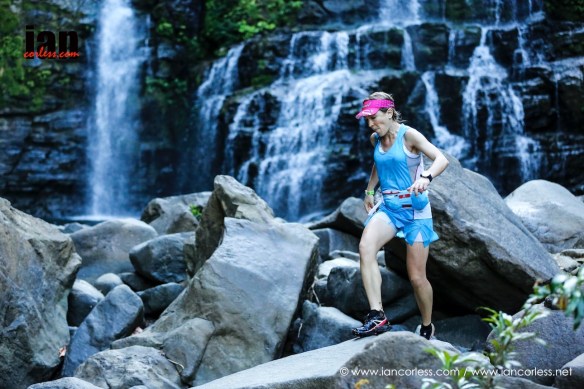
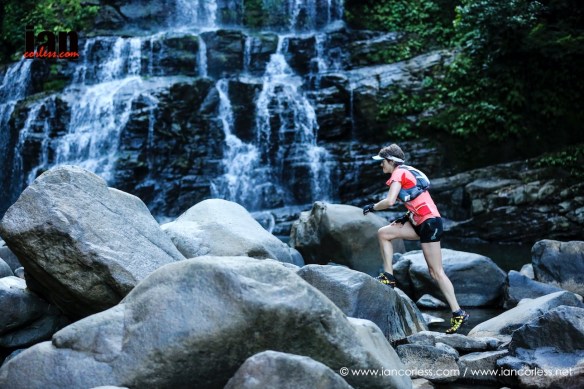
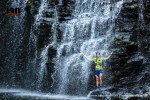
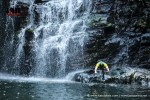
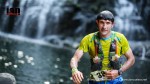
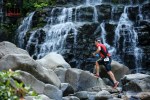
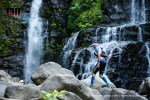
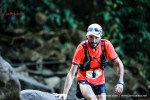
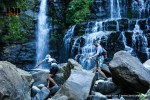
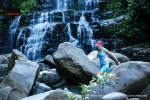
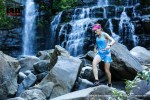
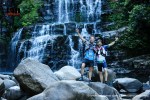
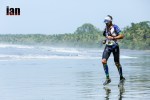
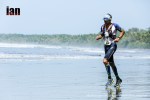
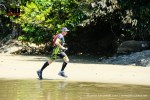
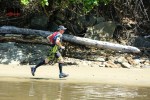
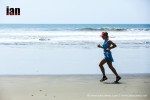
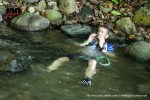
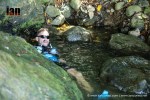
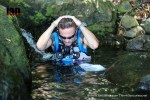
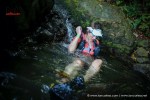
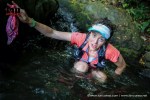
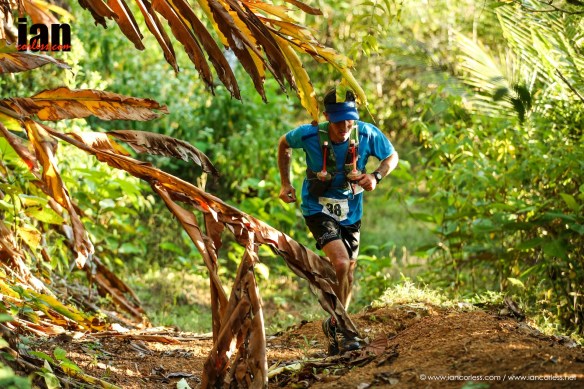
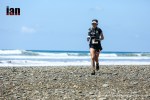
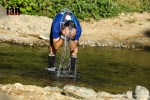
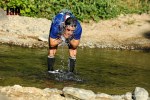
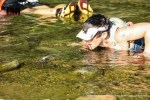
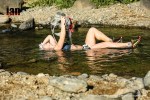
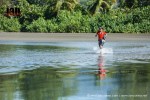
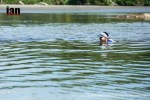
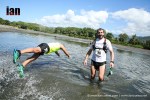
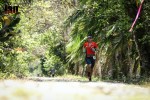
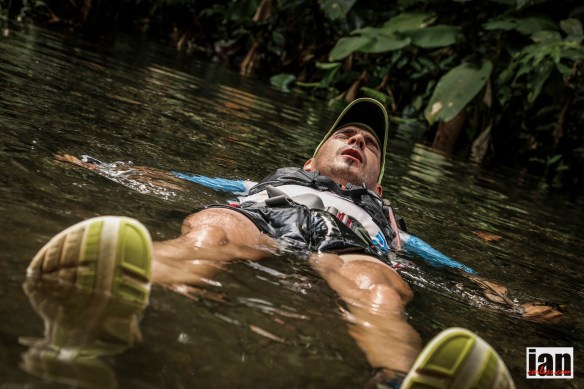
Running in his element, Don-Wauchope opened up a gap almost immediately and by the time he reached the stunning waterfalls, he had time to dive in the lagoon and pose for a photograph before moving onwards and upwards on the trail. Running with apparent ease Don-Wauchope continued to open up a gap on Gonzalo Callisto and Carlos Sa. This course and its variety is made for Don-Wauchope’s running style and just as in 2015, he pushed the pace all the way to the long and lengthy final beach section before climbing through a small hilly section of rainforest and finishing a triple of stage wins.
“I made sure I covered myself with water every 5mins or so on the beach. It was so hot and it seemed to go on forever. The highlight of the day was the waterfalls though. In 2015 I was too busy racing and I didn’t have time to soak up the location. This year I promised myself I would take a swim and climb on the rocks.” – Iain Don-Wauchope
Sa and Calisto weren’t hanging around, not at all. They were gently running the climbs and pushing as hard as they could under the intense heat and humidity. Running side-by-side, they have most certainly become good friends on this TCC journey.
From Calisto’s perspective, his lead over Sa is enough to secure 2nd place and I am sure he plans to just mark Sa and respond to any surges. Will Sa try to take 2nd away? His best chance will come tomorrow on the very undulating 4th stage.
The overall standings in the men’s race are now:
Iain Don-Wauchope 11:42:01
Gonzalo Calisto 12:32:18
Carlos Sa 12:38:08
Damian Hall from the UK moved up into 5th place after a great run today, his overall time is 13:45:36
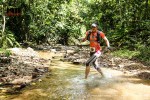
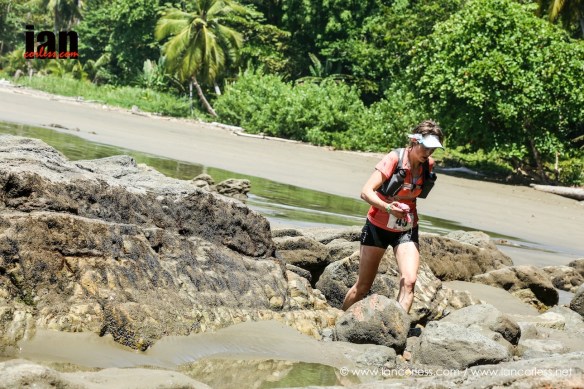
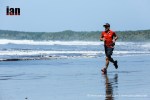
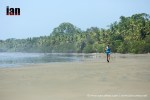
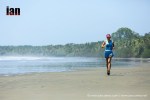
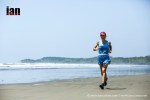
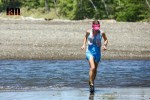
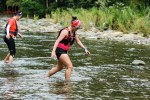
The ladies race was always going to be exciting today and as expected, Ester Alves opened up a gap on Elisabet Barnes in the opening riverbed section. At the waterfalls, Barnes trailed by 7-minutes. It was a good result, the gap could have quite easily been larger. After the climb out and following the 2nd waterfall, Barnes started to pursue Alves and eventually caught her 3km before Cp2.
“I caught Ester just before the Cp but unfortunately it was followed with a s series of technical terrain and she started to open up a gap again; all the handwork to a certain extent was wasted. By the time I reached Cp3 just before the beach, the gap was 6-minutes,” Barnes said post race. “I felt good though and I thought to myself, this is great, it’s a long beach section that is runnable and I was convinced I would close the gap and with luck, I may catch her. But unfortunately she ran well and I didn’t run to expectation. It was just so hot and relentless. Thank goodness the small lagoon was at the end so that I could cool down.”
Alves ran a great race and looked strong on the beach maintaining a good pace and cadence. She was obviously very happy with her day once past the finish tape:
“It was a beautiful day and I am really happy. The course was stunning and the variety was just incredible. The beach was beautiful but too long… I couldn’t wait for it to end!”
Alves now leads Barnes but anything can happen. It just takes a bad moment or a bad day for all the good work to be lost. Day 4 has plenty of climbing and day 5 plenty of running. It’s wide open and very exciting.
The overall standing in the ladies’s race are now:
Images available for personal and commercial use HERE
It was an 0345 start to day 2, a 0400 breakfast and then a 0530 start with the rising of the sun. Camp 1 bivouac was in an idyllic location next to the Savegre river and it appeared that everyone had had a good night, if not a little too short for some!
Departing camp, the course went immediately up with a long climb that was at times technical. Iain Don-Wauchope feeling very content after day 1 unfortunately rolled his ankle very early on and was forced to tike some time out due to dizziness. This allowed Carlos Sa and Gonzalo Callisto to pull away. However, as the summit of the climb approached, Don-Wauchope had clawed his way back to the duo and was looking strong.
In the ladies race, day 1 leader Elisabet Barnes was well aware that day 2 would be a battle due to the technical uphill start. Ester Alves comes from a Skyrunning and mountain running background and therefore, the early sections of the course played into her hands. At the summit, Alves had a lead of approximately 7-minutes and the ladies race was on!
The heat had arrived and with it the humidity. It was going to be a hot day and with no clouds in the sky, the conditions would be relentless for the runners.
Don-Wauchope bided his time and decided at Cp2 it was time to apply the pressure:
“I rolled my ankle on day 1 and protected it. To roll it again on day 2 was just annoying. Having taken some time to compose myself and close the gap back to Sa and Calico, I decided that my moment to extend my lead was from Cp2. I upped the pace and Sa went with me. He held on for quite sometime before I finally make the gap. I was protecting my ankle all the day though. To win again feels great. I still think the racing is not over, Sa and Calico look strong.” – Iain Don-Wauchope.
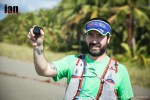
Don-Wauchope pulled away and Sa and Calico ran together in pursuit. Calico looked relaxed all day and was often seen running with a GoPro. He is racing, no doubt but he’s also enjoying the journey.
Alves was in her element on the mountain terrain and used it to her advantage to slowly close the gap between her and Barnes. As the running became more consistent, Barnes started to slowly cut away at the gap Alves had created. We all soon realised that we had a real race on our hands.
“I felt much better in the heat today,” Alves said. “This course and place is amazing, the views are incredible and I am loving the race. To win today’s stage is a real bonus.”
****
It was a sentiment echoed by Barnes, “The course is incredible but extremely tough. Combined with the heat and the humidity it’s just brutal. I knew that I was always going to lose time this morning on that technical climb and I have to accept that Alves is stronger than me on those sections. I used my running speed to close the gap today but over the final km’s on the beach when I had hoped to push harder, I had nothing left to give. It’s very close now with another very technical start to tomorrow’s stage; I have a race on my hands.”
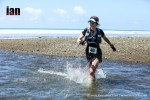
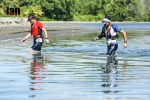
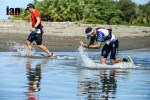
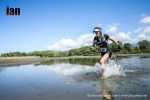
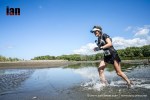
Alves looked strong over the final 10-15km’s of today’s route, several river and sea crossings spiced up the race and the action but she didn’t waiver.
The overall standing in the ladies’s race are now:
Stage 3 is a tough day and the longest so far. The early stages of the race are very technical with a long run through a river bed that includes scrambling. The crossing of a waterfall and an extremely tough climb and then a long descent to the beach with a short final road section to camp. It’s a day where Don-Wauchope will be put under pressure but the real race will come between Alves and Barnes. Expect Barnes to lose time early on and then the big question will be, can she close the gap and reel Alves in.
Images available for personal and commercial use HERE
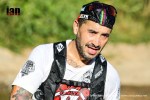
Iain Don-Wauchope return to the heat, humidity and rainforests of Costa Rica and despite below par training in the build up to the race, repeats his 2015 first day with a blistering performance against a world-class field that left his nearest rival 19-minutes back at the finish line.
Lady on fire, Elisabet Barnes, followed up her 2015 MDS victory and Oman multi-day race with a strong first day performance ahead of Portugal’s Ester Alves.
The day started at 0345 with an early call and a 3-hour transfer from San Jose to the coastal town of Queopos. The race started at 0930, the only day that the race will have a late start. All other days start at sunrise due to the heat and humidity.
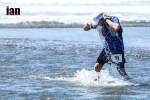
Each year the race director Rodrigo, warns the runners of the heat, the dangers of dehydration and how important it is to start slow and ease in to the day. Boom… the race started and as in every other year a lead group of men shot off the front at a super fast pace. The inevitable explosions started to happen from just 6km and a very savvy Iain Don-Wauchope used his experience from last year and slowly but surely puled away opening a 6-minute gap just after PC1 and he continued to extend this all the way too the line.
“You wouldn’t believe how little running I have done. I am not sandbagging. Today’s run came from somewhere… maybe a little help from above. I am really happy with the run but as we saw in 2015, day 1 is just 1 day. The men behind are world-class and they could pull back my lead with just one day.” – Iain Don-Wauchope
Chema Martinez and Gonzao Calisto were chasing hard but it was very apparent that 2:08 marathon runner,
Martinez was suffering in the heat. Calisto continued to chase trailing Don-Wauchope by 19-minutes at the line.
Carlos Sa closed with a consistent paced run to place 3rd. Martinez unfortunately slowed as the day progressed and struggled on the final technical descent the followed with a water crossing to the finish line.
“From 6km I had nothing. It was just an awful day and on the final descent, I couldn’t run, I just had to walk. At the finish the doctor looked at me and my blood pressure was low – it’s all down to the heat and humidity; a rally tough day!” – Chema
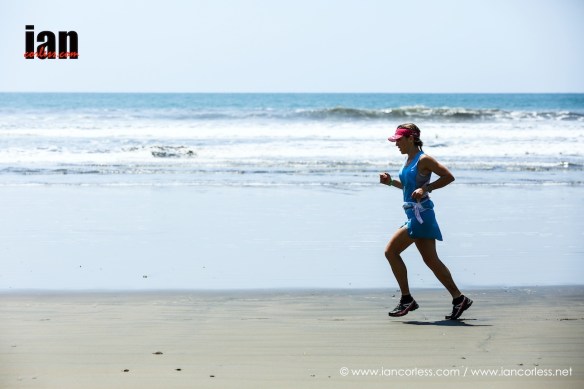
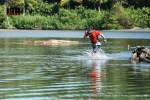
Elisabet Barnes ran with Portugal’s Ester Alves in the early stages but the heat soon took hold and the high humidity caused Alves to slow, Without increasing her pace, Barnes slowly pulled away and continued to do so all the way to the line to secure a first stage victory.
Elisabet Barnes, “I knew it was going to be hot but I was surprised by the heat at the start. I enjoyed the stage, all very runnable and the 2nd half was tougher than the first; more undulations. The humidity made what was already tough, tougher and apparently it was a little cooler today because of cloud cover. I have a small lead but as we have seen in the men’s race, anything can happen, I will take one day at a time but it was a good start.”
Alves held on for 2nd place and although looking relaxed at the finish, she did say the heat and been a limiting factor today.
Amy Gordon ran a solid pace for 3rd overall on the ladies category.
The Coastal Challenge, Costa Rica celebrates it’s 12th year with an incredible line up once again!
The 2016 edition of The Coastal Challenge, Costa Rica gets underway on February 14th, yes, valentines day! It’s appropriate, most people fall in love with Costa Rica. Runners from all over the world will arrive in San Jose in preparation for the journey down to the coast and the 12th edition.
“Reaching the 12th edition is humbling and gratifying. It is a privilege and not to one to be taken lightly. We are happy and grateful to have made it this far.” – Rodrigo Carazo
Rodrigo Carazo has pulled together an incredible line-up for the race and without doubt it will arguably be one of the most competitive multi stage races of 2016 with the 2015 Marathon des Sables ladies champion, Elisabet Barnes heading up the ladies field and 2015 champion and course record holder, Iain Don-Wauchope returning after his incredible 2015 performance and course record.
“Twelve years of exploring, adventuring and discovering Costa Rica and the beginning of a bright new era to come!” Rodrigo Carazo
RD – Rodrigo
Elite runners will toe the line in Quepos with everyday runners, they will all have one purpose in mind, to embrace the tough and technical challenge that lies ahead of them and enjoy every moment.
Known locally as the Rainforest Run, the TCC is a 236km stage race over 6-days that weaves in and out of a lush and tropical Pacific coastline. The Talamancas – a coastal mountain range spread across the southwest corner of the country – provide not only a stunning backdrop but also many of the tough and technical challenges that the runners will face on a day-to-day basis
Steve Diederich (HERE) the UK agent for the TCC had this to say:
“A backdrop of some of the most breathtaking rainforest and coast on the planet, The Coastal Challenge has joined the exclusive club of iconic multi-day ultras.”
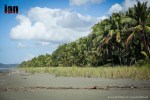
Beaches that last km after km are interspersed with dirt tracks, mountain paths, dense jungle, ridges, water crossings, open plains and highland; Costa Rica is bursting with variety. In addition, add 40deg temperature and high humidity, the TCC is no easy challenge.
TCC is a supported race and each day camp is moved ahead of the runners. Running light and fast, equipment is kept to a minimum and as such, racing is extremely competitive. The 2016 edition of the race is proving to be extremely exciting, particularly when one looks at the line up of runners.
2016 will see an incredible line up of runners and in the men’s Chema Martinez (José Manuel (“Chema”) Martínez Fernández) brings super fast 10,000m and maybe more importantly, marathon running speed to the TCC. A 2:08 marathon runner, Chema cut his multi-day teeth at Marathon des Sables in 2015 and TCC will allow him to run fast without the weight of a pack.
Carlos Sa has run at the TCC before but made a huge navigational error on day 1 which ruined any chance of overall success. A runner who inspires through inspiration, Carlos has a varied list of results with highlights coming with 1st place at Badwater 135, 4th at the Marathon des Sables and a string of top-10 places in races all over the world, including UTMB.
Miguel Capo Soler has placed 3rd at Marathon des Sables (2013) and shows great pedigree in multi-day and single day running. TheTCC will suit his running style but he will need to watch out for all the local ‘Tico’ talent: Ashur Youseffi, Roiny Villegas and Frederico Pacheco.
A surprise package may well come from Brit, Damian Hall. The other runners in the race will almost certainly not know Damian but recent success at the UK’s Dragon Back Race, The Spine and last year a top-50 result at UTMB means that he will certainly be in contention in the top-5.
Finally returning champ, Iain Don-Wauchope from South Africa impressed everyone in 2015 with how he made what is a very tough course look (relatively) easy. This year he has said in advance that training has been sporadic and that he has suffered with some over training issues. What’s important is, he is back.
The ladies race has less depth than in previous years and defending champion, Veronica Bravo is taking a year away from the race. However, two ladies will battle on this course. Ester Alves from Portugal had an impressive 2015 with a very full calendar, maybe too full! High quality and world-class performances were sometimes followed with less impressive performances due to fatigue. A former road cyclist, her transition to trail came in 2014. Top performances are 8th at UTMB, 6th at Transgrancanaria and 7th at Transvulcania.
Elisabet Barnes is a lady on fire at the moment, particularly in multi-day racing. Her 2015 victory at Marathon des Sables (she won every stage) was followed up with a repeat performance in Oman. Having just completed a multi-day training camp in Lanzarote (here), Elisabet went into the heat chamber to prepare for Costa Rica’s humidity. It’s going to be exciting to see Elisabet race this TCC course. Recent sonship with Raidlight and a full calendar of multi-day racing in 2016 will see Elisabet race at MDS, Richtersveld Wildrun, Big Red Run and Grand to Grand.
“This race will bring a whole new experience. I expect it to be more technical than what I am used to and I know from the heat chamber sessions I have done that the humidity will make it very tough. I am really looking forward to the challenge though and to visiting Costa Rica for the first time” – Elisabet Barnes
Racing starts on Sunday very early and I will be posting daily reports and images on this website as and when internet connection allows.
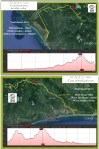
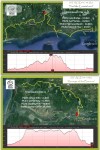
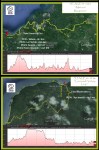
You can view the race route below.
Follow the race on Twitter@talkultra on Instagram @iancorlessphotography and on Facebook facebook.com/iancorlessphotography
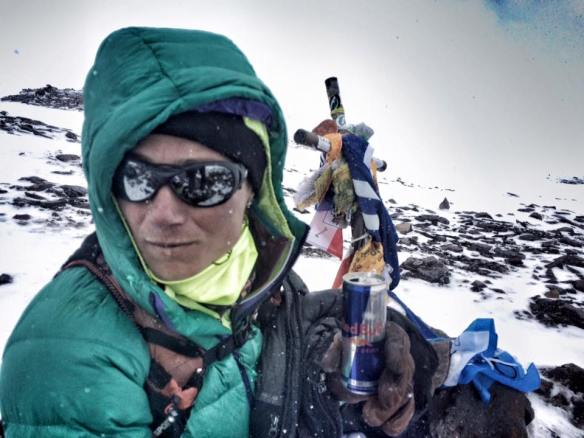
Fernanda Maciel (The North Face, Red Bull, Compressport) reached the summit of Aconcagua – ascent and descent time of Aconcagua, Argentina (6962m) in 14 hours, 20 minutes.
Following in the footsteps of Kilian Jornet (here) and Karl Egloff (here), Fernanda has gone on to say:
I left the Base Camp at 5am to the summit. The dawn plenty of stars and moon was inspiring me, the mountain was all white because it had snowed a lot the day before my intent. I felt motivated and grateful to have such a beautiful night on the mountain. When I reached 5,500m (Nido de Condores) my toes were frozen, I had to stop and warm up them for a few minutes on the fire of a jetboil. Then I kept strong with good feelings towards the summit, but I was very slow in each sections because there was too much snow. Impossible to run or walk fast because I had to open tracks until the ascent. The Travesia (6.200m) was a long section having snow covering my knee. One of my crampons’s broken there. When I arrived in Canaleta (6.700m) the sky was dark, the snow storm started and I could not see anything ahead. I went up with difficulty but lucky to have good feelings in so high altitud. After 9h50min I reached the summit (around 3pm) and I felt like a bird, exhausted but with wings to fly free. A sensation of being in a vacuum, without tears, without smiles, just observing my breath and my passion for the mountains from my heart. I loved being there with a calm soul. I’ve been in Aconcagua summit with a blue sky before, but now everything was White. – Fernanda Maciel
I caught up with Fernanda yesterday, Sunday 8th Feb just as she returned back to her hotel to recover. You can hear the interview HERE and in the next episode of Talk Ultra.
“It is better to lead from behind and to put others in front, especially when you celebrate victory when nice things occur.”– Nelson Mandela
I just so love this quote by Mandela one of history’s truly great legendary and inspiring leaders. This guiding principle is what no doubt helped Mandela lead South Africa towards the democracy it is today, even from behind the secluded prison bars of Robbin Island.
Leading from behind is one of the most effective, rewarding and empowering leadership strategies. It goes against the traditional image we hold of great leaders, leading the troops from the front by setting the example.
As a coach during a 2016 training camp for multi-day racing and specifically the Marathon des Sables (here), I had the opportunity to put this into practice. Marathon des Sables or “MDS” as it is affectionately called by most aficionados is a gruelling self-sufficiency multi-stage running event which takes place every year in April in the Sahara. The event is celebrating its 31st year this year and will gather over 1300 international participants at the start line on 8 April. Participants are required to carry a minimum weight of 6.5kg with a minimum calorie allowance of 2000Kcal/day covering a total distance of 250km with temperatures exceeding 45C over dunes, jebels and scorched sun-dried salt lakes.
The pre-race training camp last week in Lanzarote provided participants with an opportunity to run long distances on consecutive days in the heat and on demanding terrain simulating that encountered in the Sahara. It also allowed them to test their equipment and exchange with coaches on nutritional and hydration strategies.
Attendees were divided into groups of differing ability depending on the objectives they had set themselves.
“Outstanding leaders go out of their way to boost the self-esteem of their personnel. If people believe in themselves, it’s amazing what they can accomplish.” — Sam Walton
Coaching one of the groups provided me with one of the most insightful weeks on leadership, mentoring and providing feedback. How do you support and develop each participant in the group giving them the self-confidence to learn and grow? This is where leading from behind comes in. At times I would be running ahead setting the pace. Then I would slow down and run in the group egging them on to the next landmark. Other times I would drop down to the back of the pack and let them set the pace. After all isn’t it all about a balance between pushing people outside their comfort zone because you know this is what will help them have the strength to face adversity in the challenge they have set themselves? Then again you also need to be there to monitor their progress and not push them beyond their limits or dampen their enthusiasm. A fine line!
A good leader is also a good listener. Managers are advised to listen 70% and speak 30% when providing feedback. It is surprising what you learn from coachees when you listen actively. I learnt a wealth of useful information listening to each participant in my run group. Listening gave me a better understanding of the difficulties of each and everyone: ranging from juggling personal and professional commitments to finding the time to train, fitting training around consecutive business trips, adopting a healthy nutritional strategy with a demanding work schedule and business dinners, dealing with sports injuries due to increased mileage, apprehension of the unknown, fear of failure, professional stress impacting on training performance…the list is endless. But listening helped me to be specific in my advice.
“A leader takes people where they want to go. A great leader takes people where they don’t necessarily want to go, but ought to be.”— Rosalynn Carter
A leader should also enhance competitiveness. Many in my group had set out with the objective of completing Marathon des Sables and getting that beautiful big shiny medal handed over to them by the race Director Patrick Bauer, ticking MDS off on their bucket-list of ultra-running achievements and adding it to their run CV. I know the runners in my group will cross that finish line but I also know that they can achieve much more. They showed that tenacity, grit and determination in training that will take them to the finish line at MDS.
“The final test of a leader is that he leaves behind him in other men, the conviction and the will to carry on.” – Walter Lippman
And so my final message to my coachees after a week of learning from them about leadership, mentoring and providing feedback is:
“I won’t be there with you at the start-line although I’d love to be but I will be be tracking your progress live on-line and living every minute of the MDS experience with you.” – Niandi
If you would like to join our 2017 Multi-Day Training Camp, please go HERE
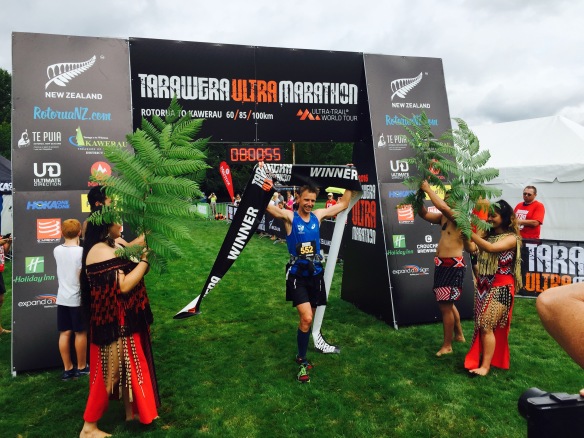
Widely tipped to take out the internationally esteemed Tarawera Ultramarathon 100km event, Sweden’s Jonas Buud didn’t have it all his own way, battling it out over two thirds of the distance with Australia’s David Byrne.
Forty-one year old Buud, 100km world champion, eventually broke the bungy cord between the two just before the 60km mark and charged home to take the 2016 title at the finish line in Kawerau in a time of 08:00:53. Byrne, 35 years, finished second in 08:22:39.
Ryan Sandes from South Africa completed the podium in a time of 08:30:40. Japan’s Yoshikazu Hara finished fourth in 08:40:17, with New Zealand’s Vajin Armstrong the first Kiwi home in a time of 08:46:12.
Meanwhile, Wellington’s Fiona Hayvice claimed first place in the women’s 100km event, after race favourite Ruby Muir pulled out at the 76km mark due to stomach issues. Hayvice also won the Tarawera 50km Marathon in November last year.
Muir, from Hawke’s Bay, had led the field from the outset until her withdrawal from the race.
Hayvice won the event in a time of 10:34:26. Australia’s Melissa Robertson came second in 10:56:20, with New Zealander Fiona Eagles taking third in 11.24.57.
The men’s first and second spent much of the race together, with just seconds between them at several of the key aid stations, including Lake Okataina (39.4km), Humphries Bay (49.2km) and the Tarawera Outlet (57km).
Buud finally put a gap on Byrne and never looked back.
“I felt very strong for the first 60km,” he says. “The plan was to keep a good pace in the first 60km. The next dirt road stretch really suited me so I was able to speed up and continue with that pace. The last seven to ten kilometres was pretty heavy though!”
Buud says the morning’s rain was a help in the first half of the race, but the humid conditions in the second half made for it being “a bit warm”.
Byrne says he is thrilled to have run so well in his first ever 100km event, but he was completely demoralised by Buud who “looked like he was just jogging, and then took off”.
“Then I went into consolidation mode to get to the finish. It’s a great event and I’m really happy to run so well. I’ve only ever run 60km, this was my first 100km race but I had to do it in New Zealand – it’s the best country on the planet!”
Third place Sandes says he’s happy to take the last spot on the podium.
“I’m super stoked, it’s an awesome event. I was pretty conservative in the middle stretches, but the last bit on the road was hard and I was worried that third and fourth were going to run me down. I decided to make a break in the technical section, as I knew Vajin [Armstrong] would run away from me on the flat.”
Hayvice says she couldn’t be happier to take the win.
“I’m feeling awesome, what a great day. The Tarawera Ultra is dear to my heart because its the first ultra I ever ran and it usually lays the foundation for me for the year. I have a big schedule lined up for the year but now my foundation is laid and I’m stoked.”
Hayvice says she found the first part of the race “actually quite lonely” due to the new course and its big climbs which threw the field open.
“I ran a lot of it on my own which I haven’t done in previous years. Once you know you’re in the final stages, you just tick the kilometres off. My goal was just to better my time, but the course and conditions had an impact on that time – but the win has meant I changed the goal!”
New Zealand’s Vajin Armstrong finished fifth, claiming a new record for finishing in the top five placegetters for the sixth year in a row at the Tarawera Ultramarathon. Armstrong says he hadn’t intended running the event this year, after racing the Tarawera Ultra for the last five years, but once he saw the elite world champion field that was entered, he couldn’t resist.
“I wanted to run against the best runners in the world and I also felt like I had a bit more in my legs last year. The whole goal this year was to be a bit more aggressive and get myself into a position to compete with these top runners. This was by far my best performance here, even though the time was a bit slower with the slightly different course. Three or four years ago I would have won it today, but [race organiser] Paul keeps bringing better runners. The pedigree of this race is such that it now has world champion runners and I think it’s important for New Zealand runners to represent and show what we can do on the world stage.”
Due to course changes in for this year’s event, the actual course was 102.7km.
Race results:
Tarawera Ultramarathon 100km Results:
Men:
Jonas Buud (Sweden) 08:00:53
David Byrne (Australia) 08:22:39
Ryan Sandes (South Africa) 08:30:40
Yoshikazu Hara (Japan) 08:40:17
Vajin Armstrong (Christchurch, New Zealand) 08:46:12
Women:
Fiona Hayvice (Wellington) 10:34:26
Melissa Robertson (NSW, Australia) 10:56:20
Fiona Eagles (Auckland) 11.24.57
Tarawera Ultramarathon 85km Results:
Men:
Richard Coghlan (Japan) 08:40:55
Valentin Benard (France) 08:50:58
Lance Brew (Hamilton, NZ) 09:11:52
Valentino Luna Hernand (Wellington, NZ) 9:34:12
Sidney Willis (Townsville, Australia) 10:15:18
Women’s results unavailable at time of distribution.
This is Episode 105 of Talk Ultra. Niandi and Ian are back from a multi-day training camp in Lanzarote, The Spine winner, Eoin Keith tells us all about his race and we speak with Rocky Raccoon and Fling Race winner, Mat thew Laye.
00:01:05 Show Start
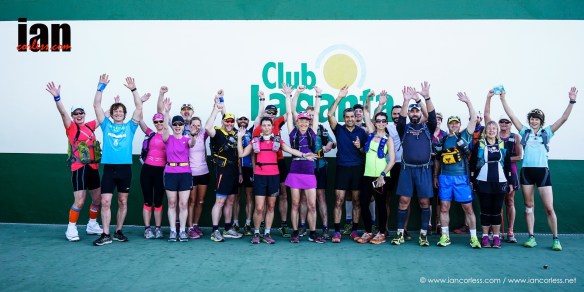
Lanzarote multidaycamp – Images story and here is some feedback from the participants:
1 – Jim Reed and Scott Hoberg finished together in 37:20
1 – Carla Goulart 52:51
Emelie Forsberg is injured and out of the SkiMo season:
“My cruciate ligament is broken. An accident in the first downhill and my season is over. It’s pretty shitty right now. I donno what to say more.”
Honk Kong 100
Francois d’Haene is back with superb win in freaky weather Hong Kong, he ran 9:32 for as new CR ahead of team mate Yan Long Fei 9:37and Gediminas Grinius 9:53 3rd.
Dong Li won the ladies race I’m 12:05 ahead of Liza Borzoi and Silvia Trigueros, 12:30 and 12:34 respectively.
Susie Chan ran a new ‘Guiness’ 12-hour record of 68.5 miles on a treadmill.
As this show comes out Tararwera is going on in New Zealand, it’s Rocky Racoon 100 this weekend, Ian Sharman is running and he said the trails are in good condition, I wonder, can he get close to his 12:44 of 2011? On Thursday Niandi and I head out to Costa Rica with 2015 MDS champion, Elisabet Barnes for The Coastal Challenge.
The season is starting to hot up!
00:21:30 INTERVIEWwith EOIN KEITH
01:06:21 INTERVIEW Rocky Raccoon and Highland Fling winner MATHEW LAYE talks running and PED’s.
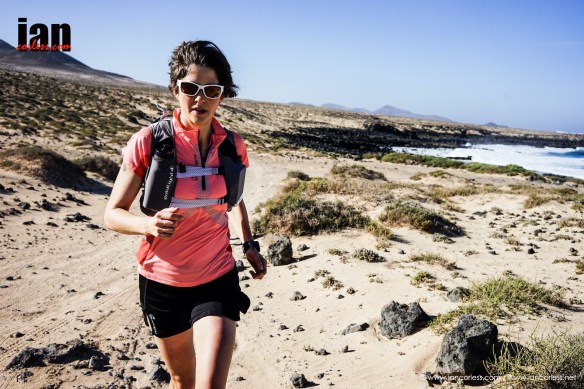
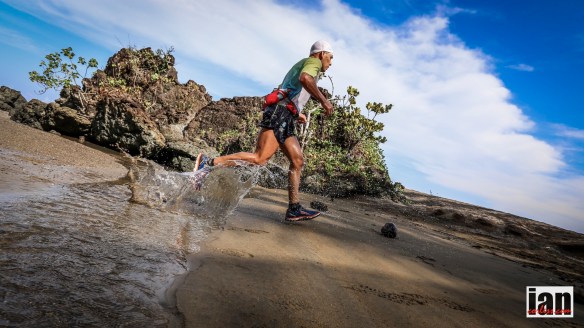
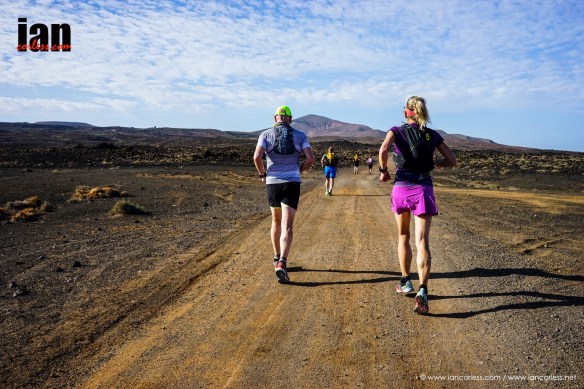
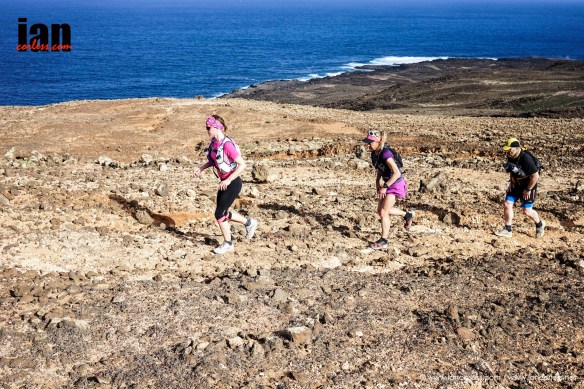
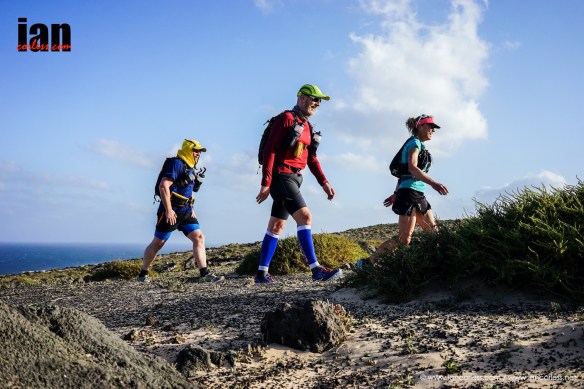
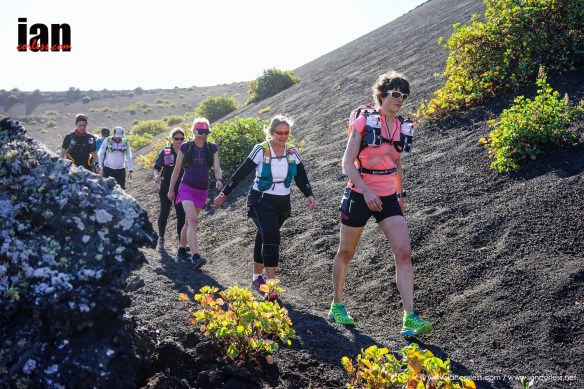
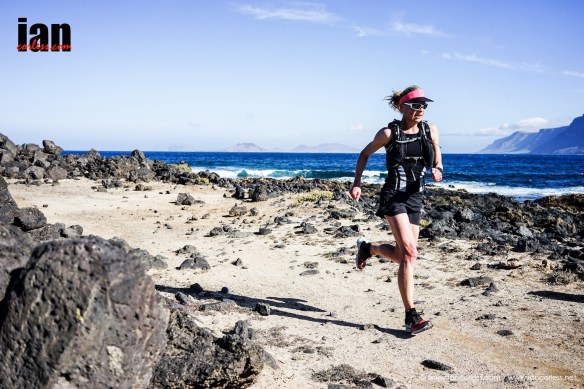
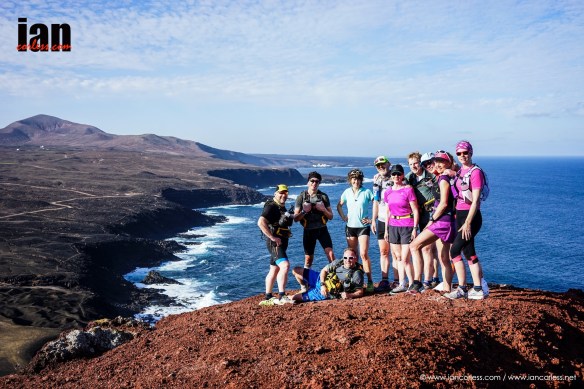
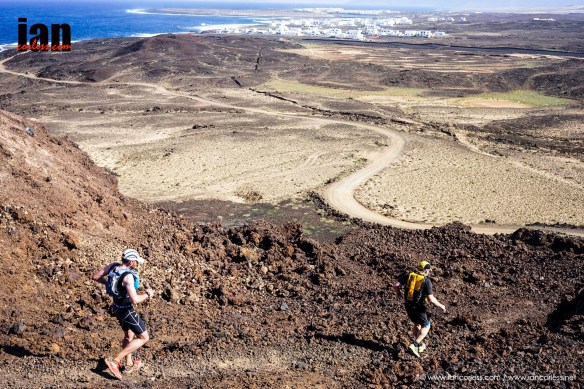
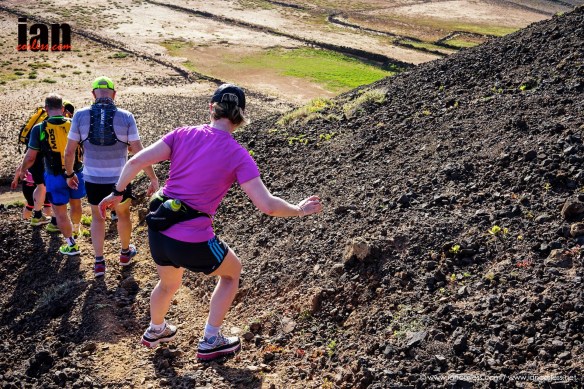
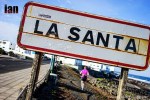
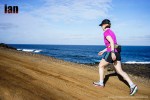
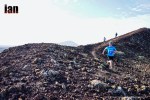
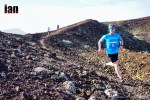
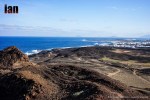
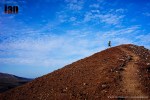
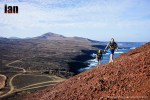
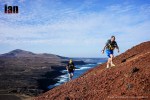
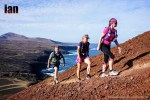
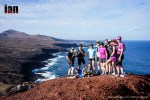
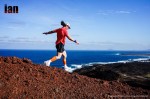
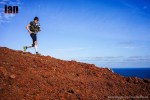
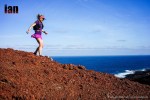
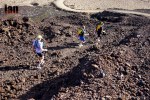
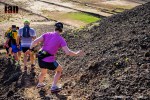
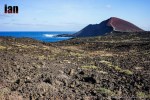
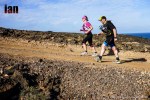
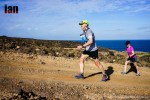
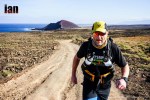
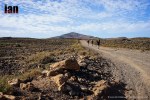
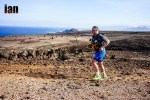
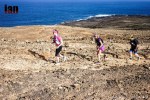
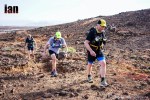
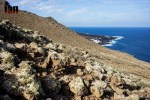
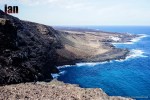
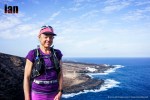
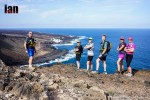
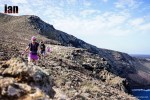
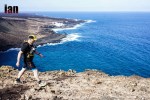
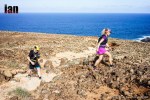
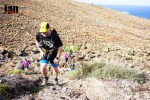
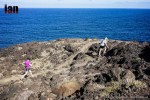
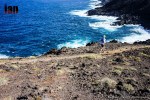
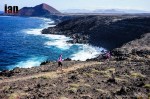
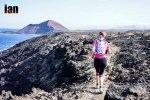
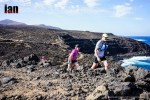
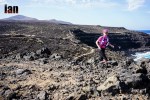
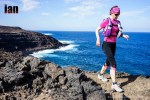
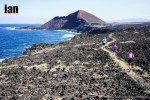
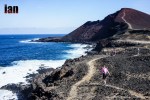
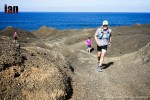
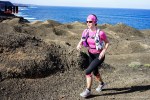
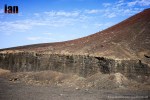
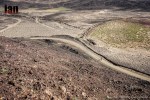
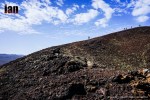
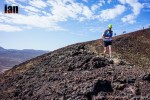
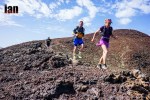
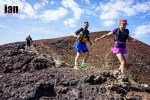
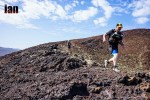
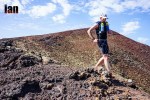
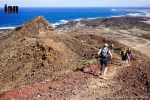
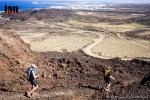
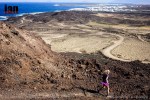
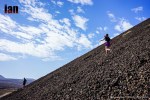
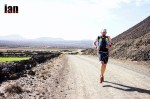
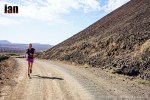
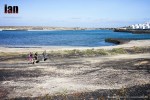
Day 8 of the 2016 Lanzarote multi-day camp was a cracker. The hottest day of the week with little or no wind, a stunning coastal route with mixed terrain, volcano climbing and descending and of course, stunning views and amazing people.
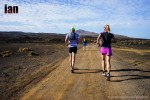
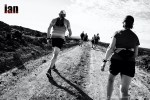
As on all previous days, we had three run/ walk groups. Everyone managed to cover somewhere between 20 and 35km and it was interesting to see how during the week, people progressed, not only in fitness but in regard to equipment, planning and preparation.
We also pushed everyone out of their own comfort zones with some tough climbing, very technical terrain and challenging descents. It’s all about taking things up a notch so that when race day comes around, the runners are prepared.
“Brilliant MdS training camp in Lanzarote with organiser, coach and photographer Ian Corless and MdS 2015 champion Elisabet Barnes. 100-miles run in the week with some excellent advice and support plus great people!” – Paul Allum
Paul’s thoughts were echoed by so many of the camp attendees. Elinor Evans in particular found the whole experience enlightening and invaluable. During the weekly runs, the overnight bivouac, the volcano walk and the daily talks, Elinor realised that she had the wrong pack for her, the wrong sleeping bag, a need to address her nutrition and look at her MdS admin. Invaluable!
“The Training Camp in my opinion was exceptional and far exceeded my expectations. The whole program start to finish pushed everyone to achieve their potential while taking into account the wide variety of abilities. All of the coaches were supportive and challenging and while clearly experts in their field never made novices like me feel stupid. The information we got was priceless and the blend of commercialism and a genuine desire to want to help people achieve their goal of competing or completing MDS was incredibly well done. I wouldn’t just recommend this to future MDS competitors I’d suggest you add it to your Compulsory Kit list! Simply brilliant!” – Simon Dunn
“Fantastic week in magical terrain with lovely people – thank you Ian, Elisabet, Niandi and Marie-Paule – Sahara countdown is ON.” – Elinor Evans
The morning run of 3-5 hours was followed with a relaxing lunch and then an afternoon Q&A which addressed many of the issues raised during the week and allowed everyone to clarify and appease their minds ahead of their next multi-day race.
The day finished with 20-30min cool down run and then an evening group meal and drinks. It has been an incredible week and one that has provided inspiration for all concerned. Roll on 2017.
‘How was your holiday?’ ask the lads at work.
‘Amazing’ I say. ‘Look at these pictures’. ‘That’s how to round tape to ensure you minimize the risk of blisters’. Blank looks.
‘See her? She’s the 2015 MdS champion putting the needle into my foot’.
More indifference.
‘Lads, this is the same you fat bastards going to Weston Karting centre at the weekend and Jensen Button turning up to do the safety briefing’.
They still don’t get it.
‘Did you learn much in Lanzarote darling?’.
‘I certainly did. The WAA bag is a goner. It would be like taking a knife to gun fight. Ok, it would be like taking a clutch bag to an all day shopping trip. You know, when only a tote will do’.
A nod of understanding, but really boredom turning to neutrality at best.
‘Was it fun running Daddy?’ ‘It was. Midpack daddy is certainly going to need more fat than carbs to keep him going in the dunes girls’.
‘Did you bring us back any sweets?’.
‘No’.
‘Can we watch TV?’
‘How was the volcano mate?’. ‘Wonderful. It was cold, but the stars were out and we all had an amazing time’.
‘Get much sleep?’
‘Yes. In fact I’ve found it hard to sleep since without the sound of Elaine gently rustling inside her tent next to me’.
These people don’t understand me anymore…. I miss #Lanzarote
– Rich Carps
If you would like to take part in the 2017 Multi-Day Training Camp, please go HERE
Many thanks for the support of MyRacekit, OMM, Raidlight, PHD. Scott Running, inov-8 and Berghaus.
“Really great few days, some invaluable experience and some valuable miles in the legs. Kit choice, food, packing the bag now all things I’m ready for. Thank you to the organisers and thank you to the fellow participants for making it such a nurturing environment in which to prepare for the MdS.” – Leon Clarance



























 IAN CORLESS